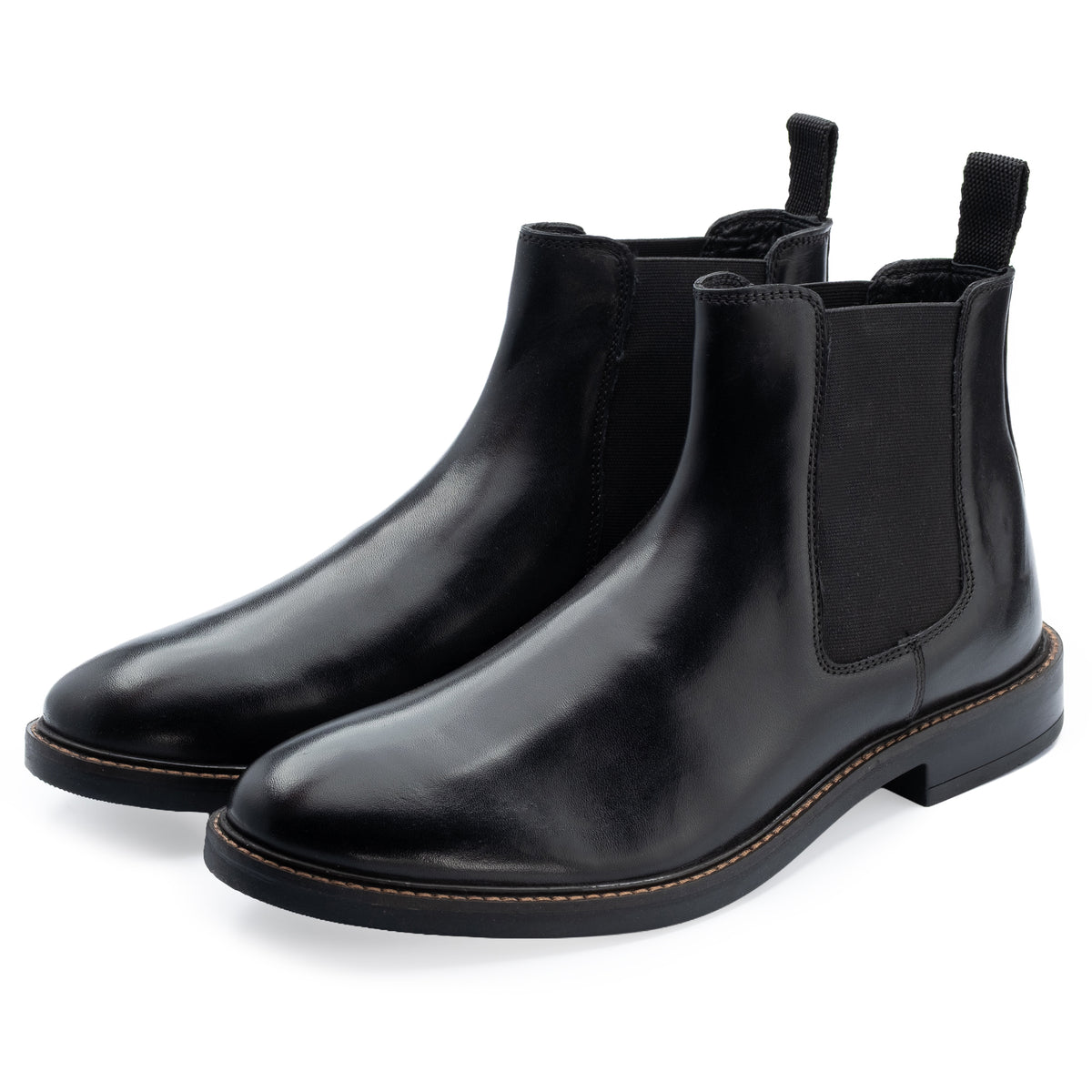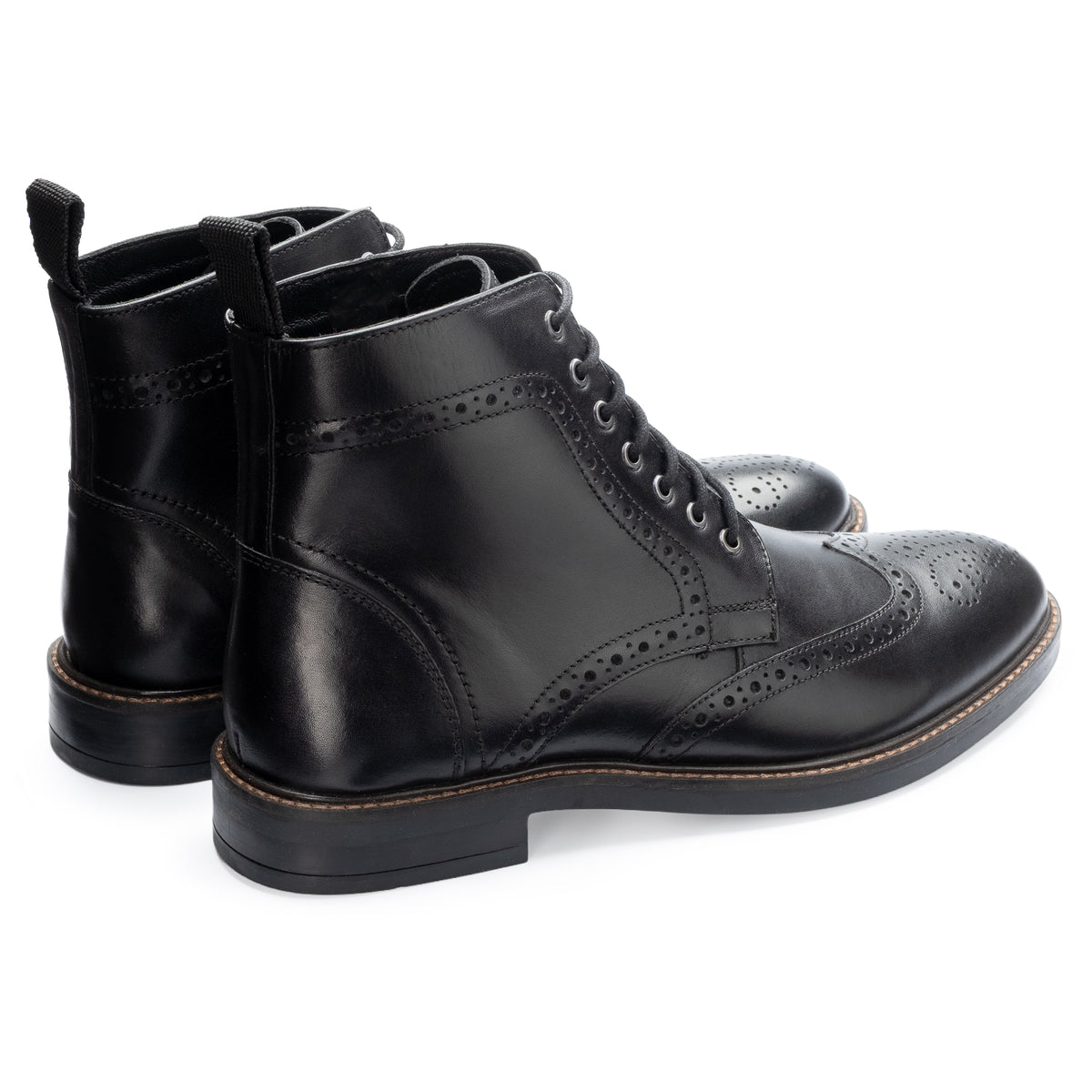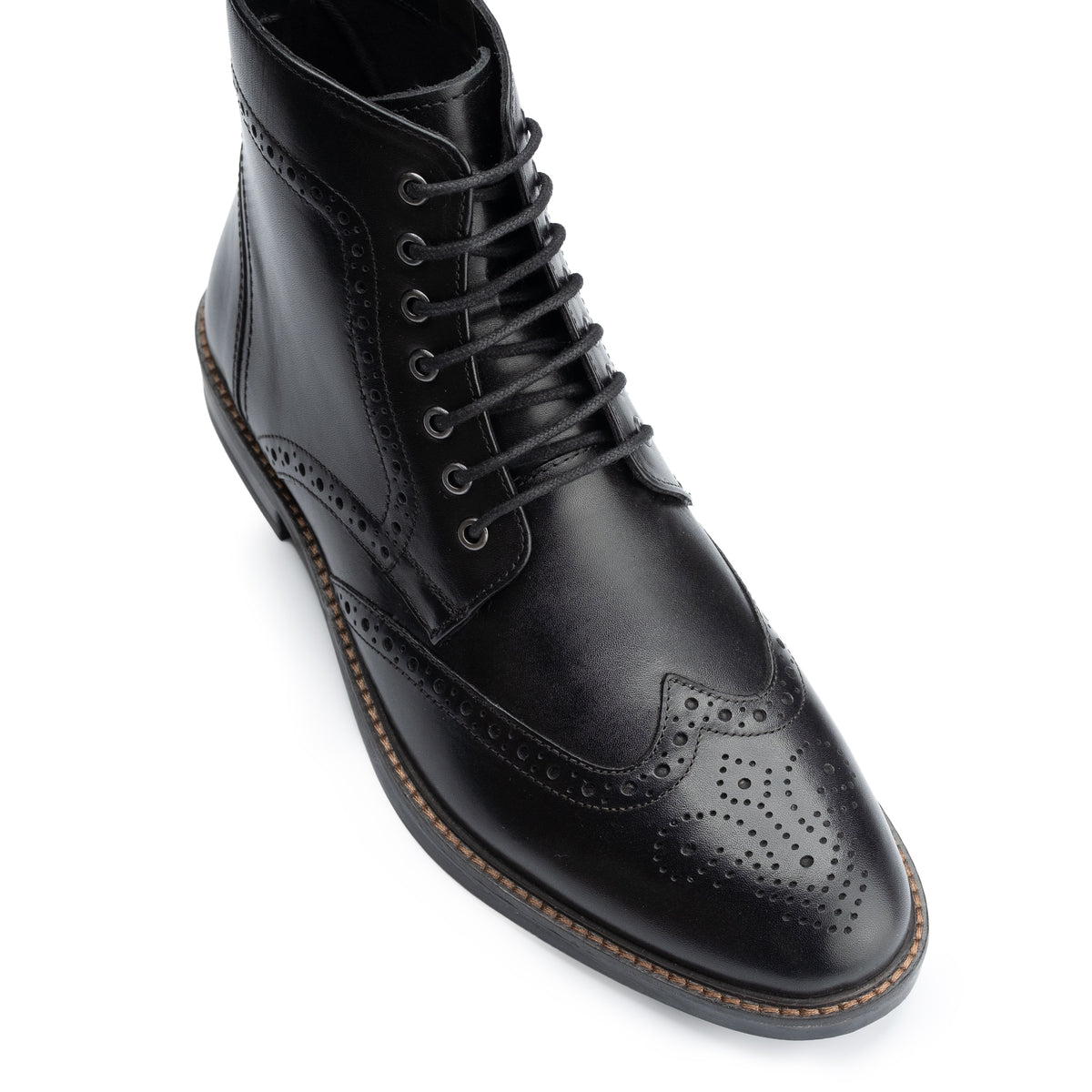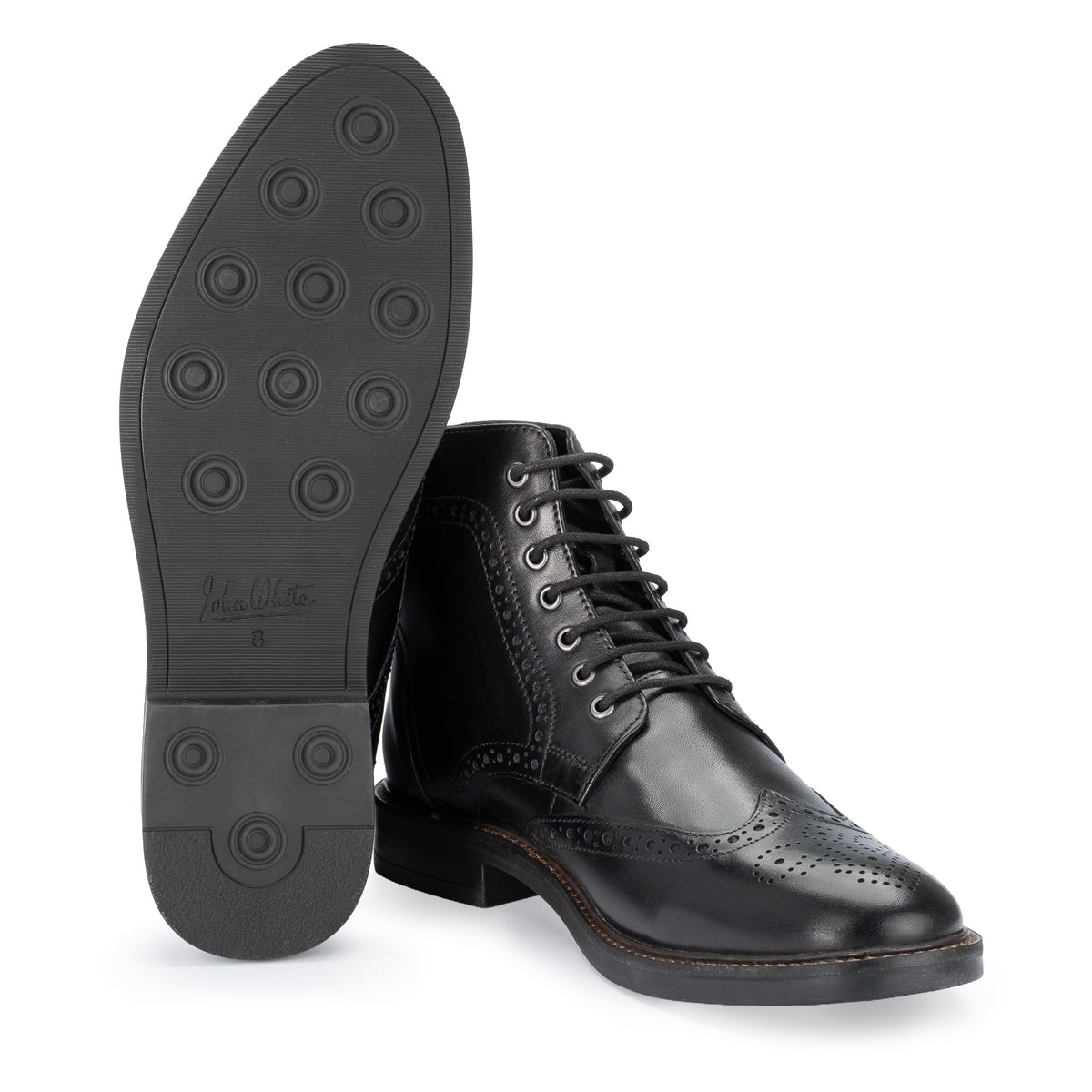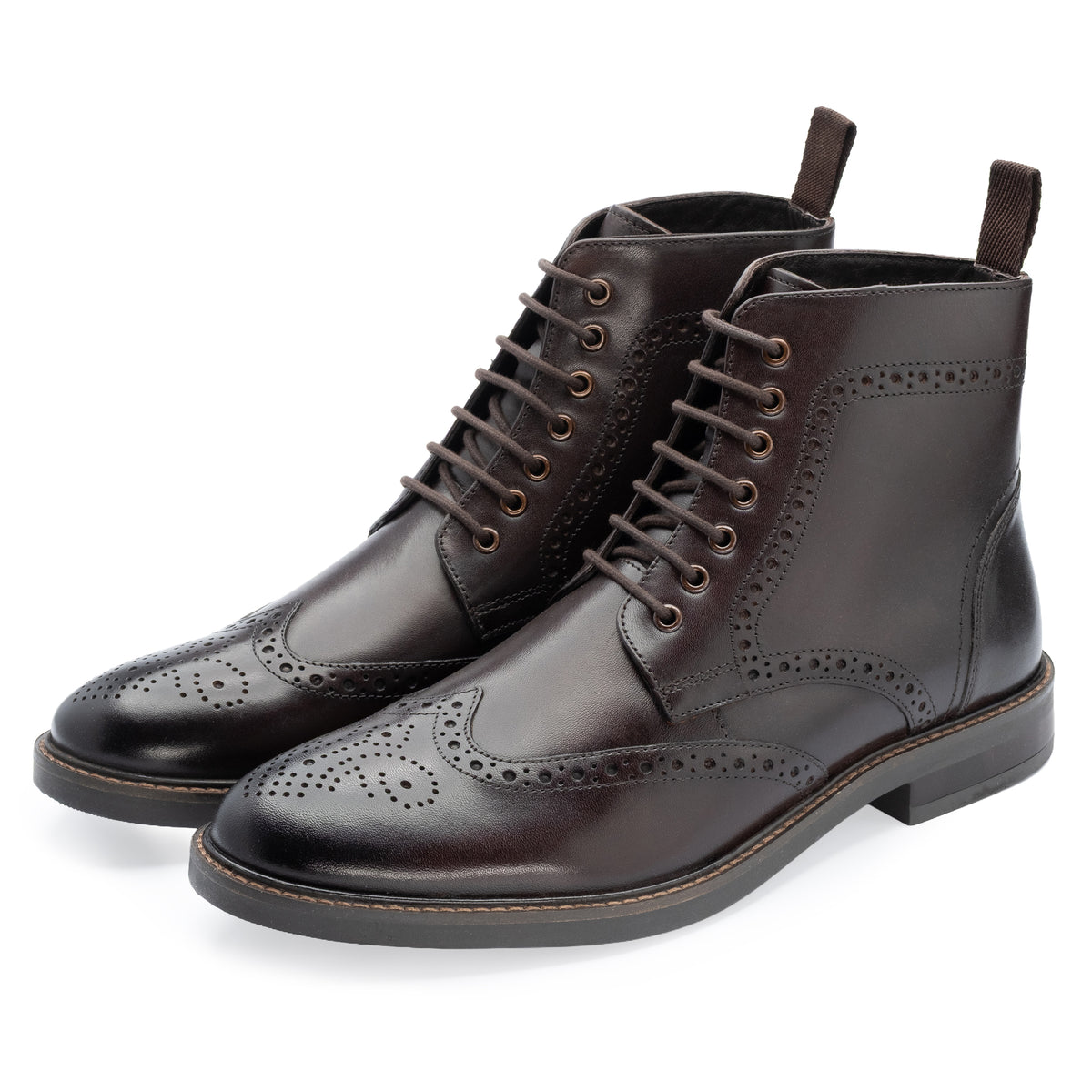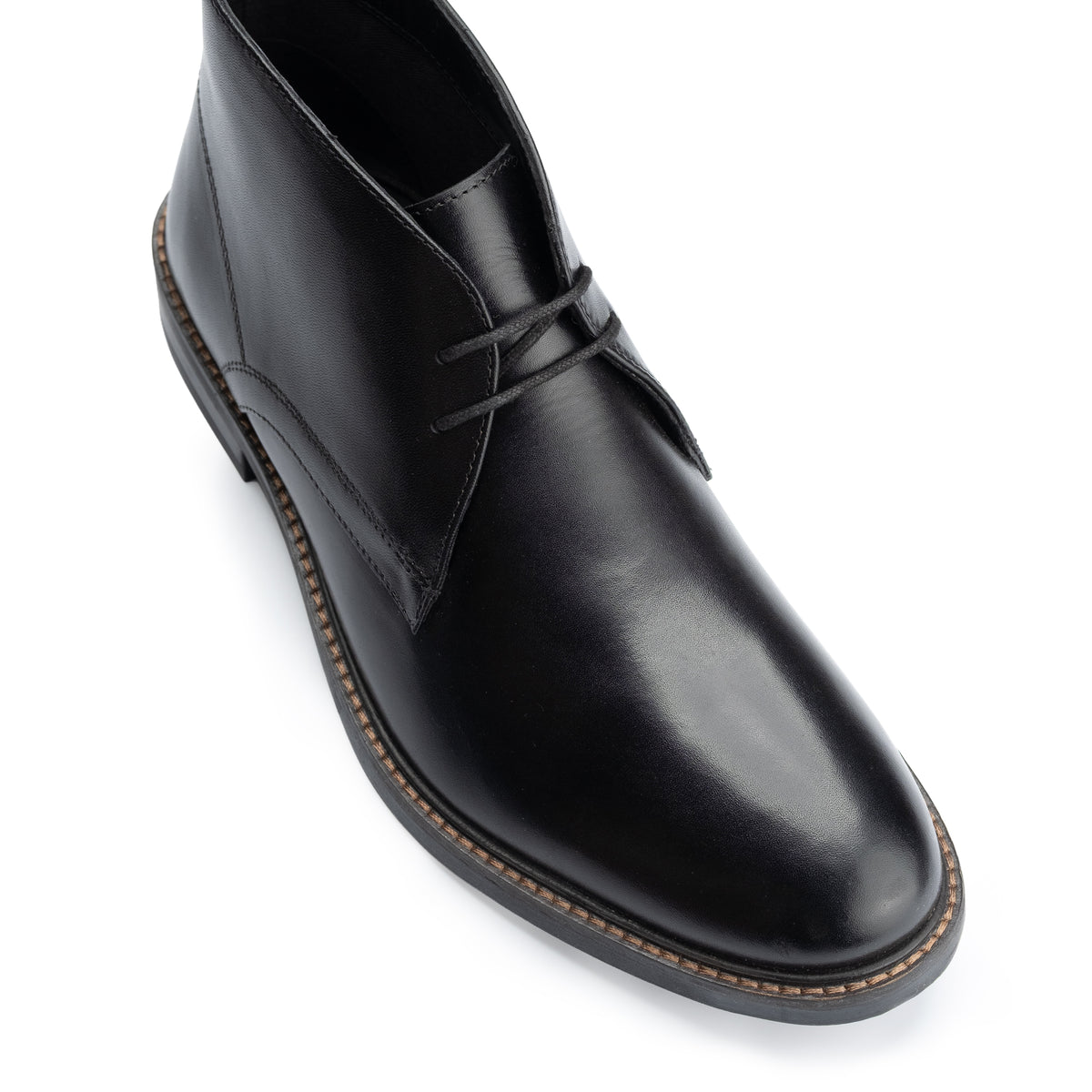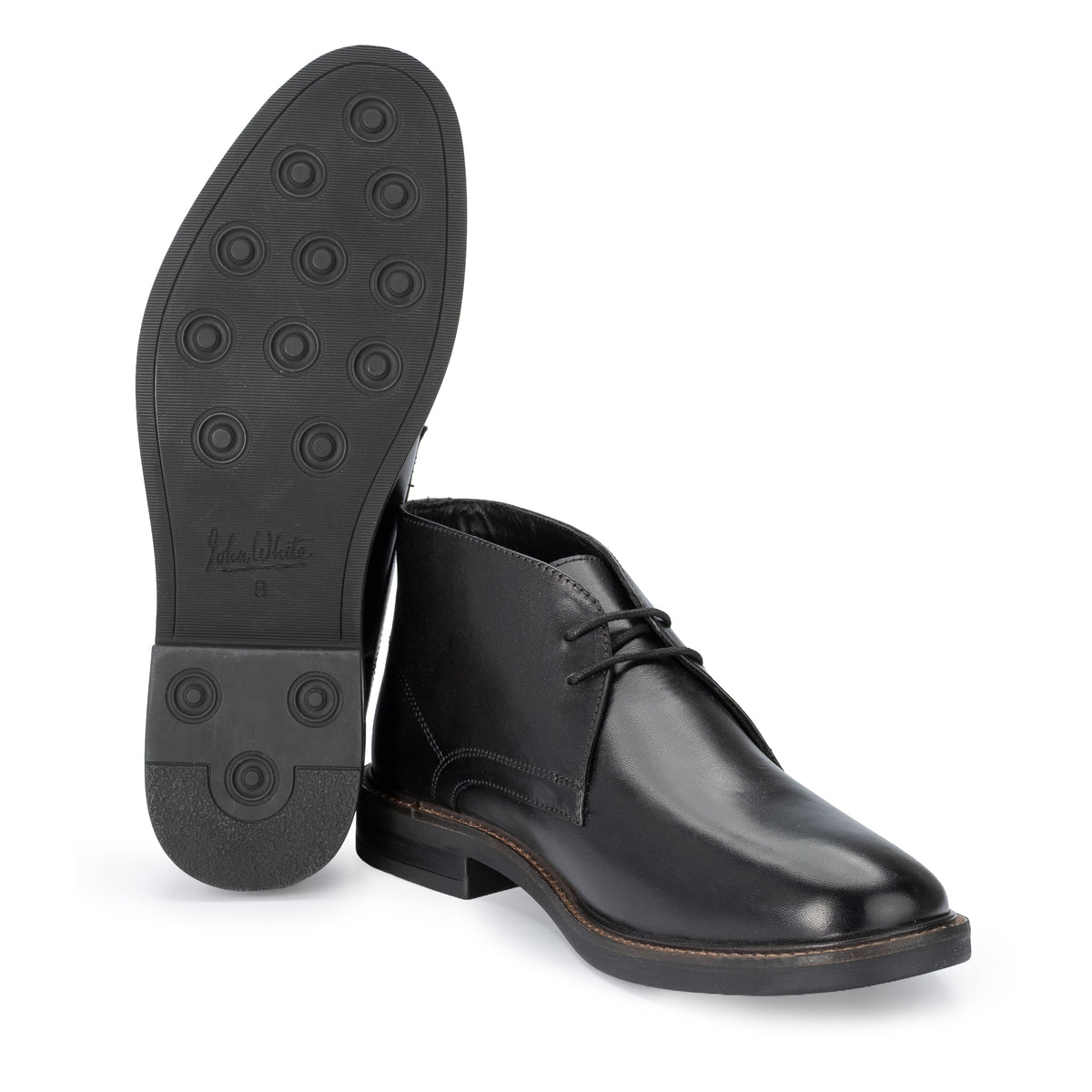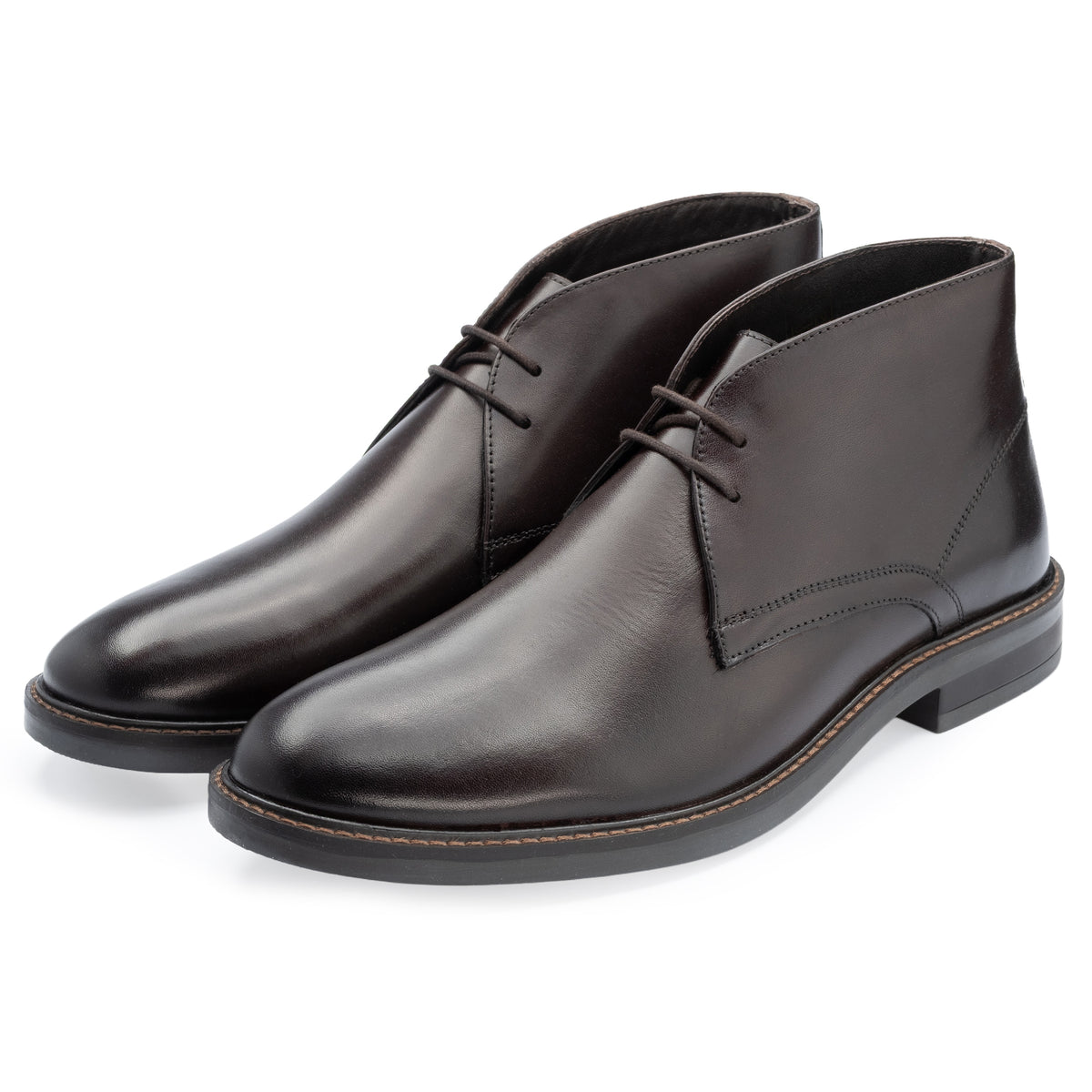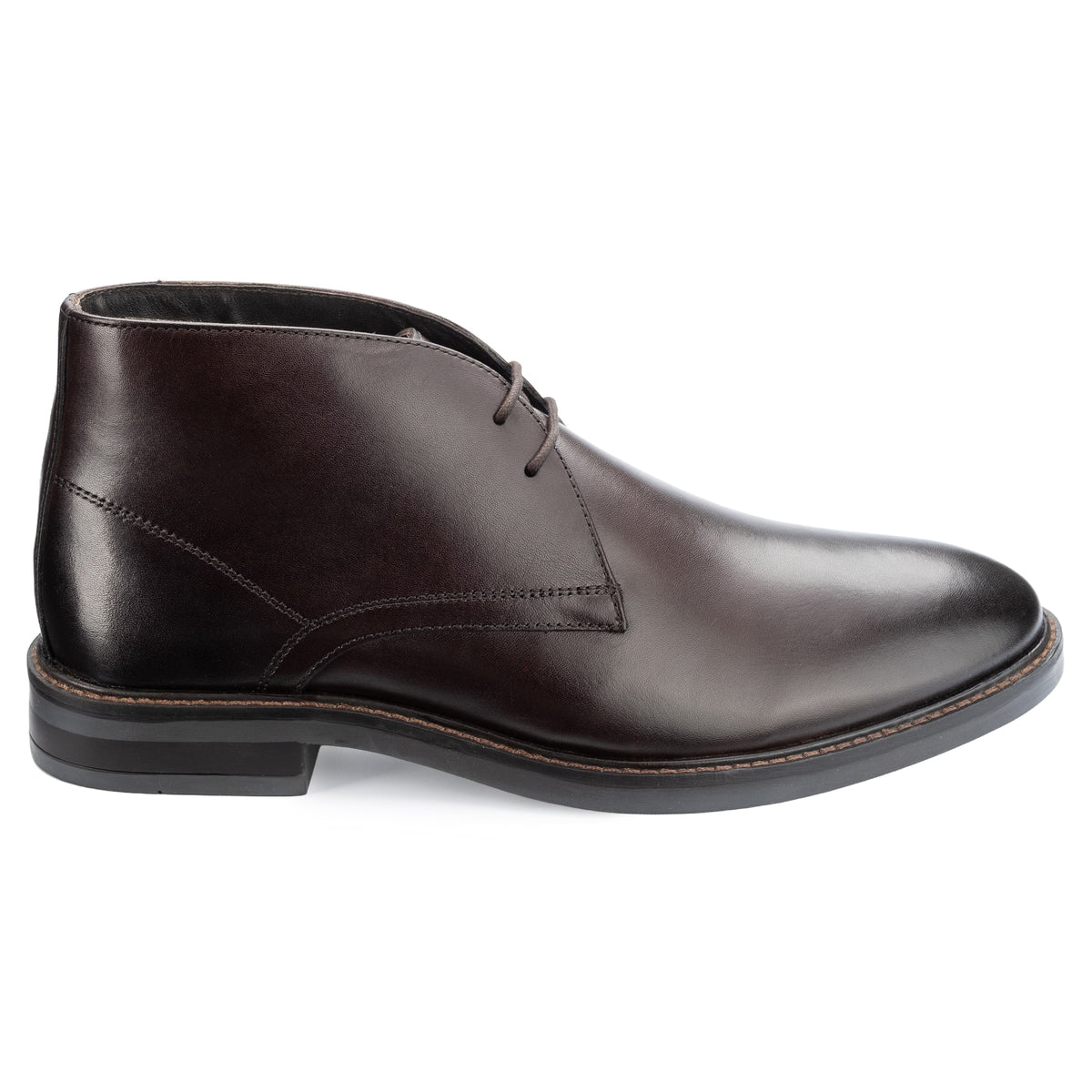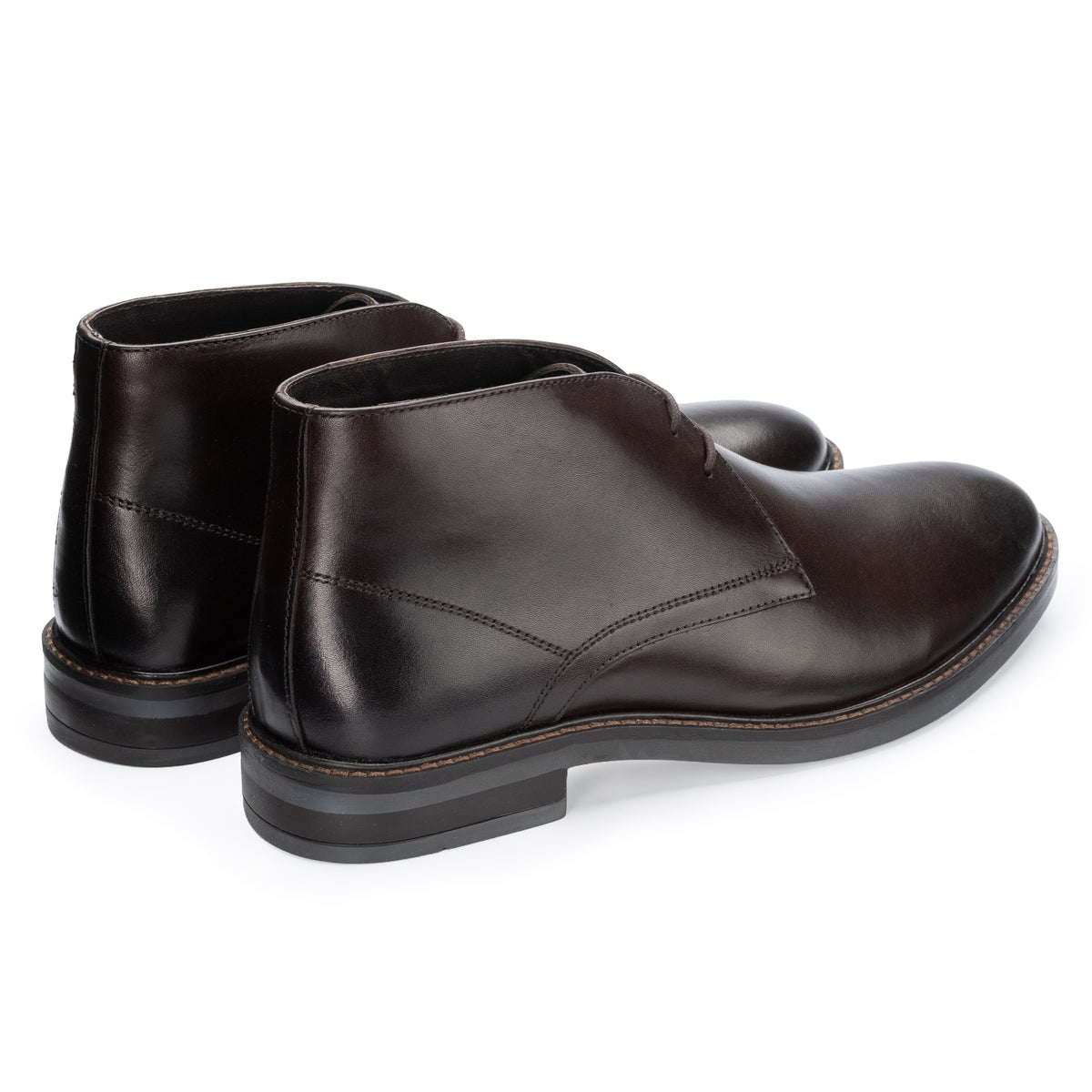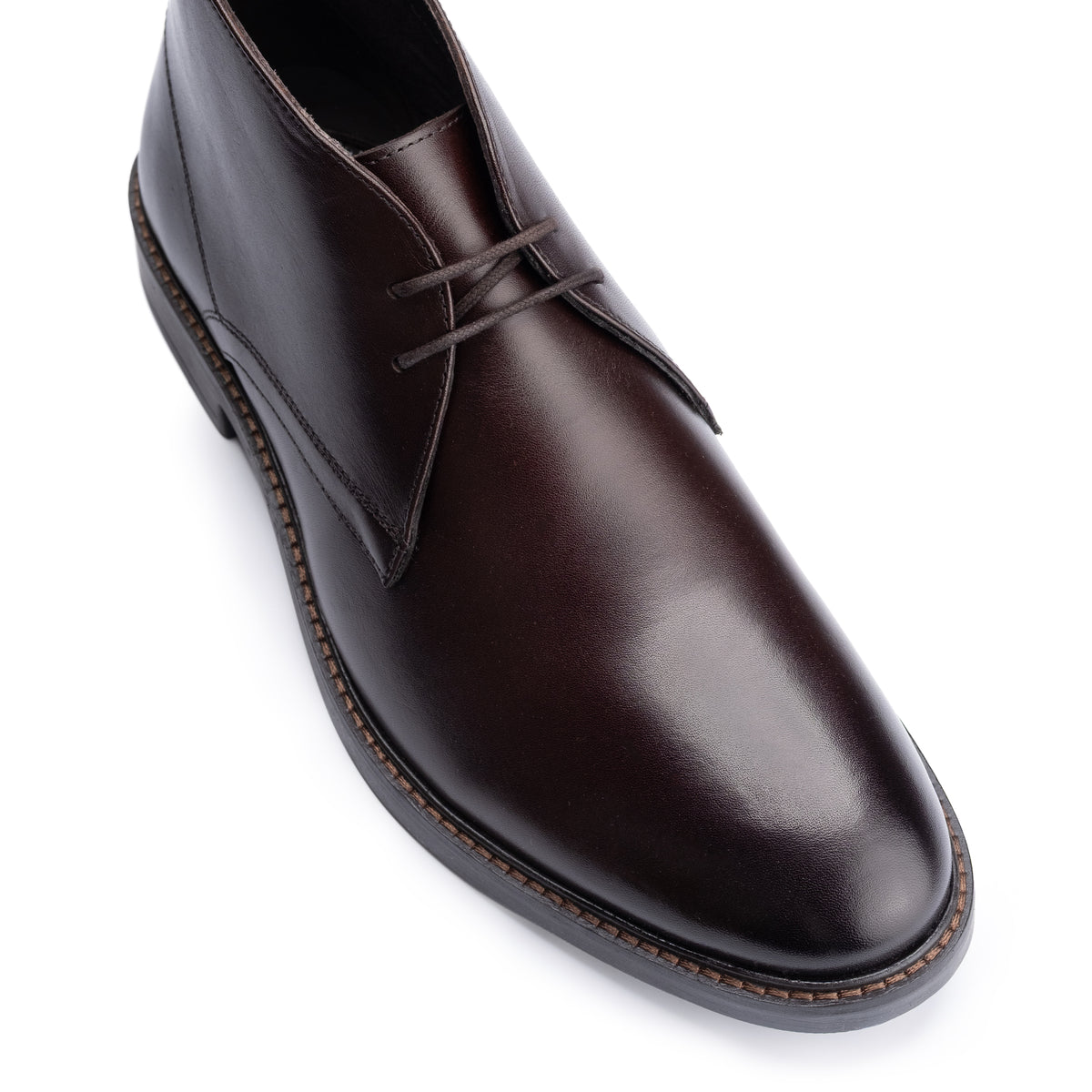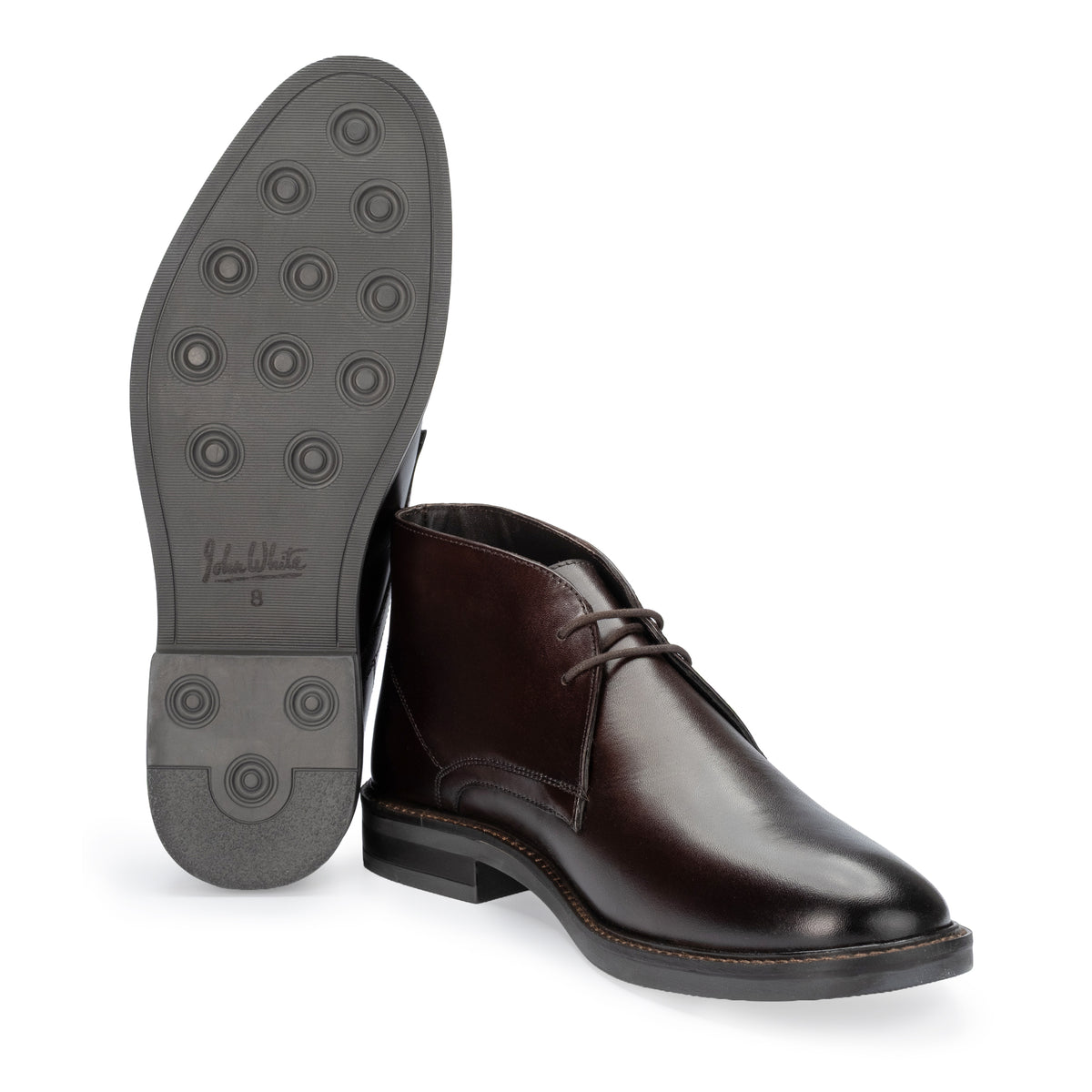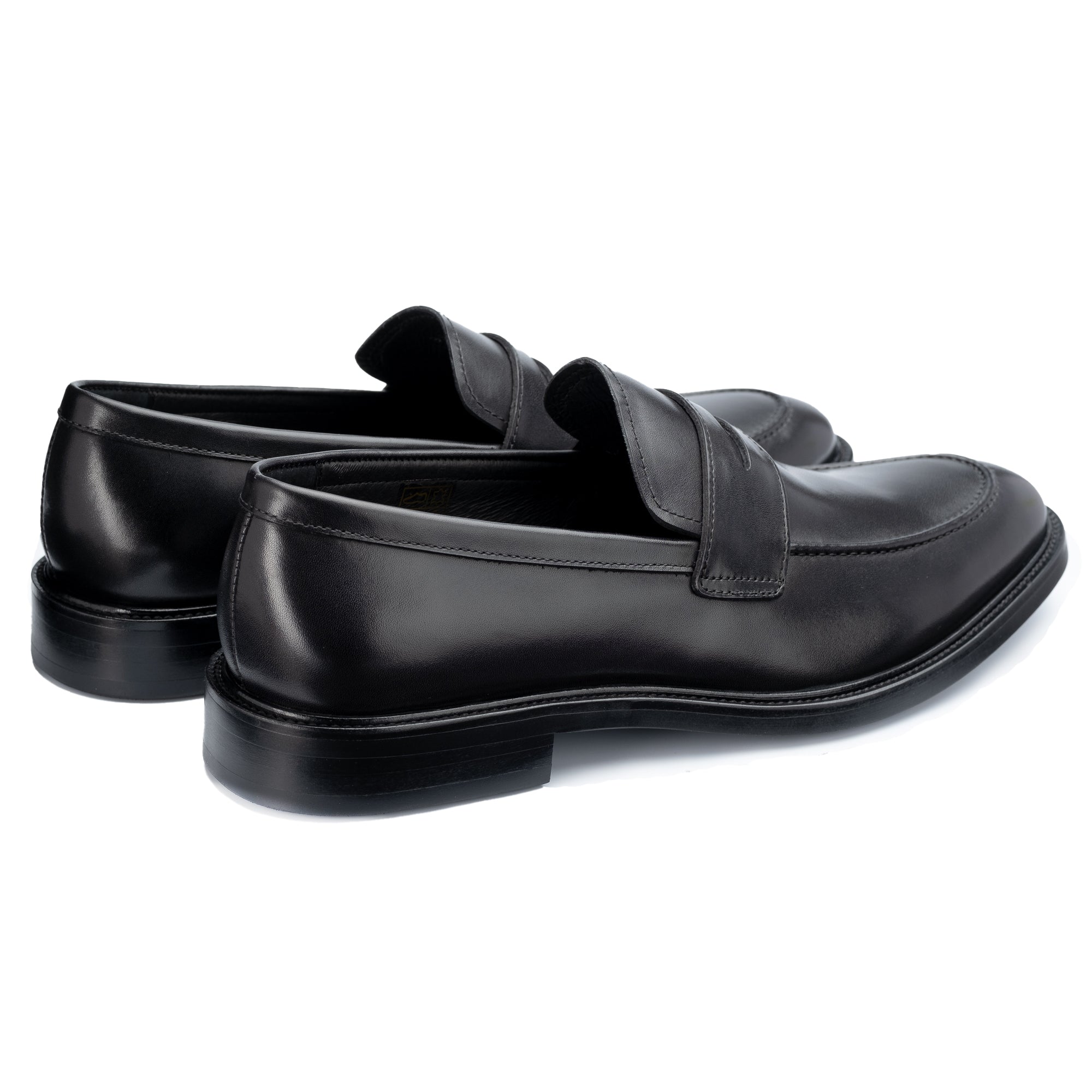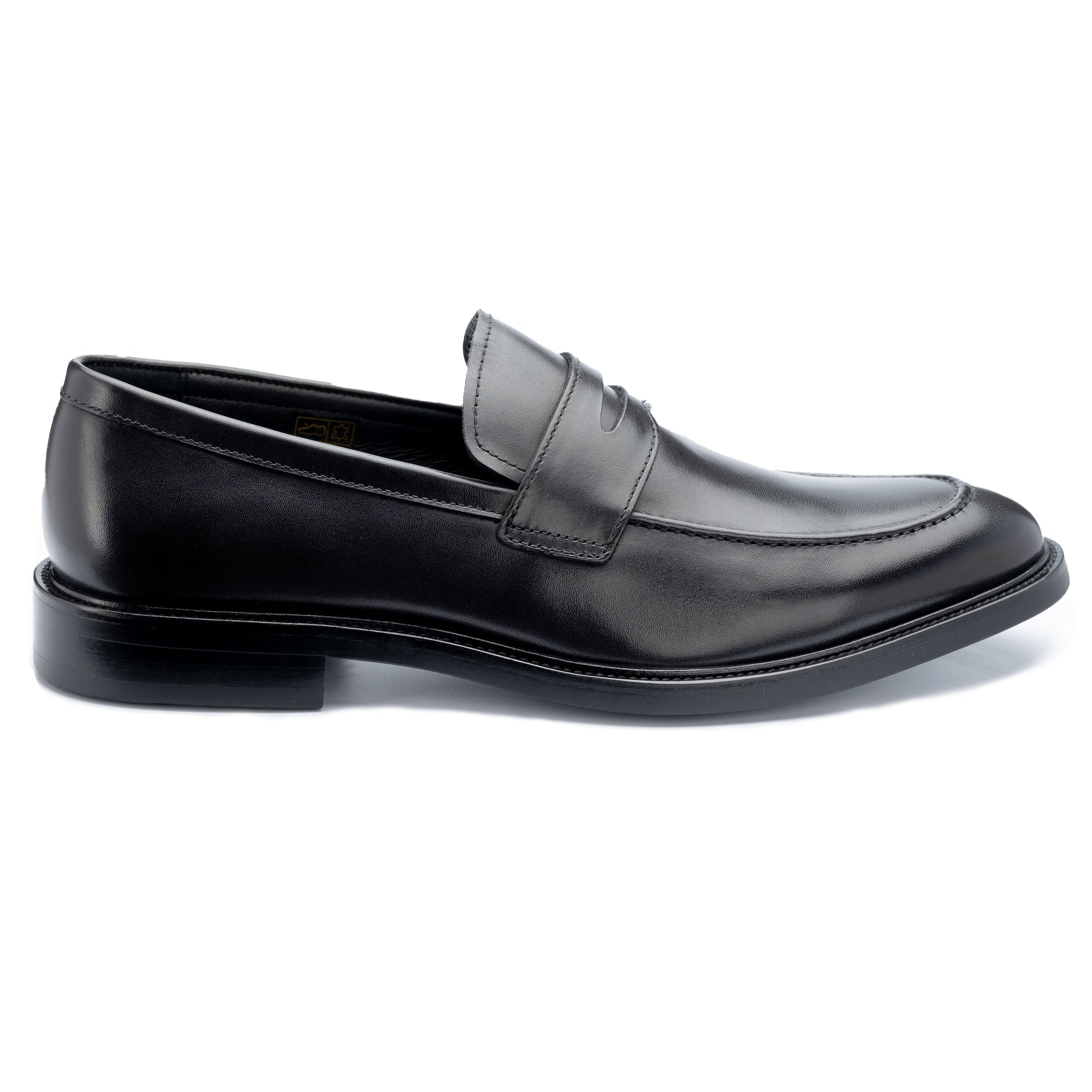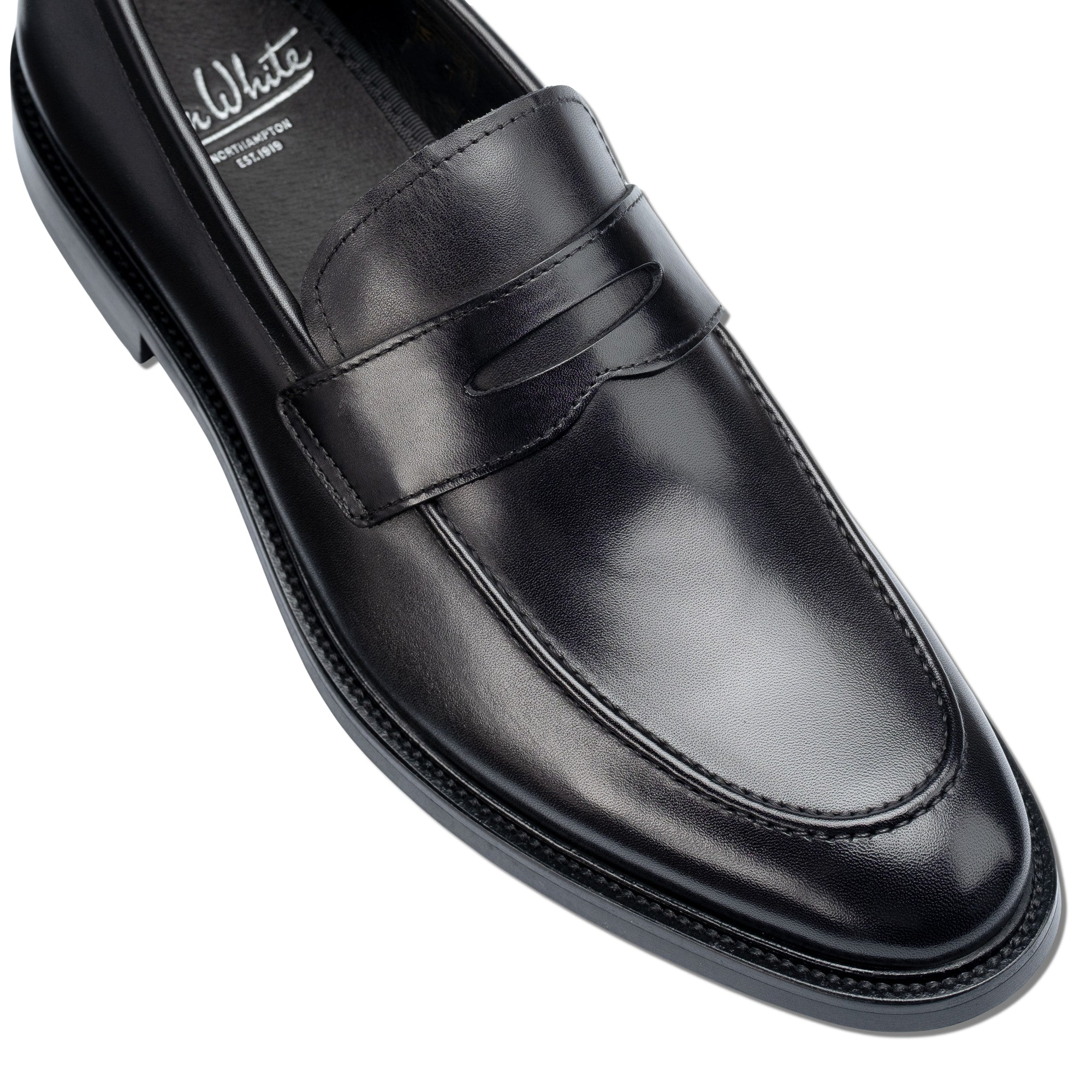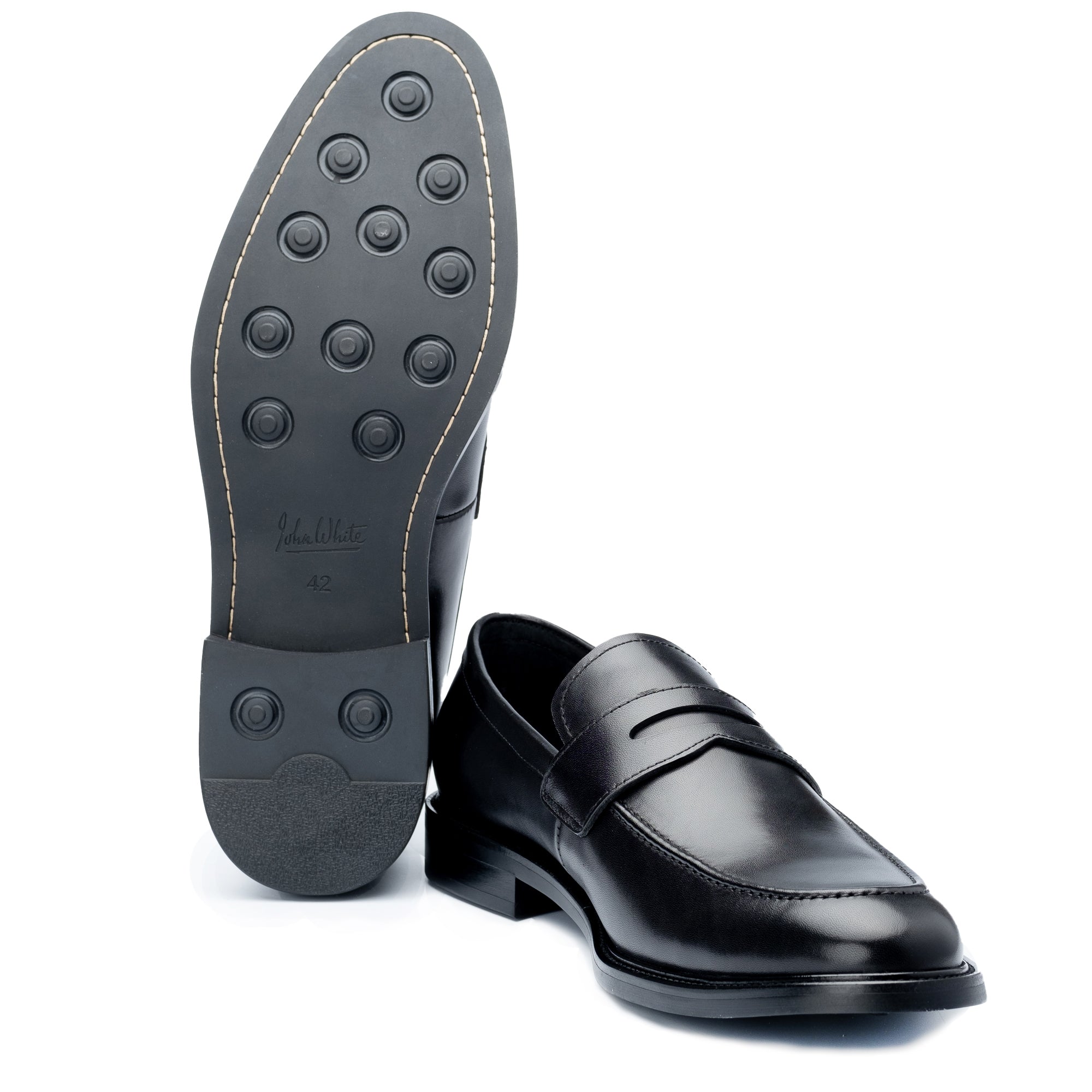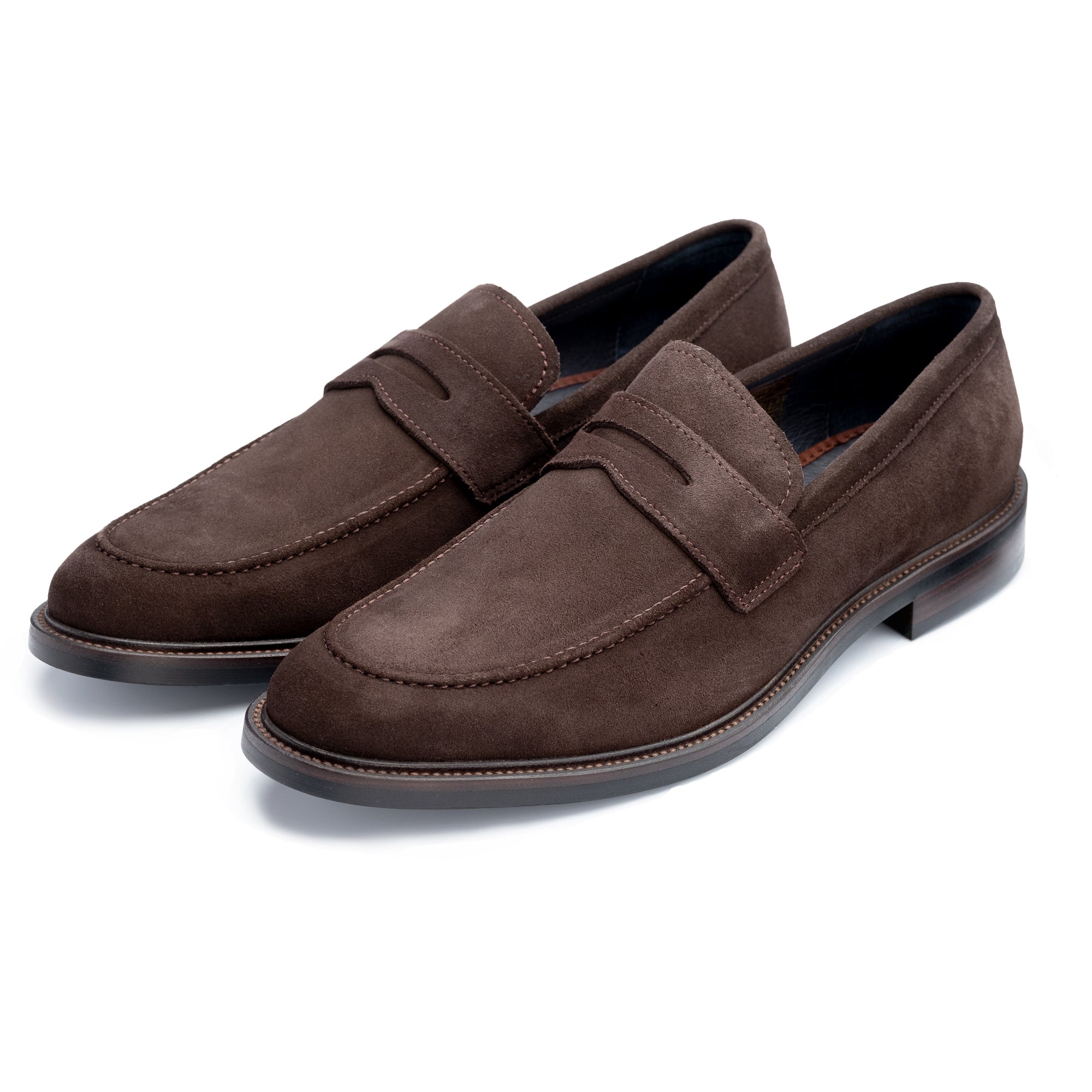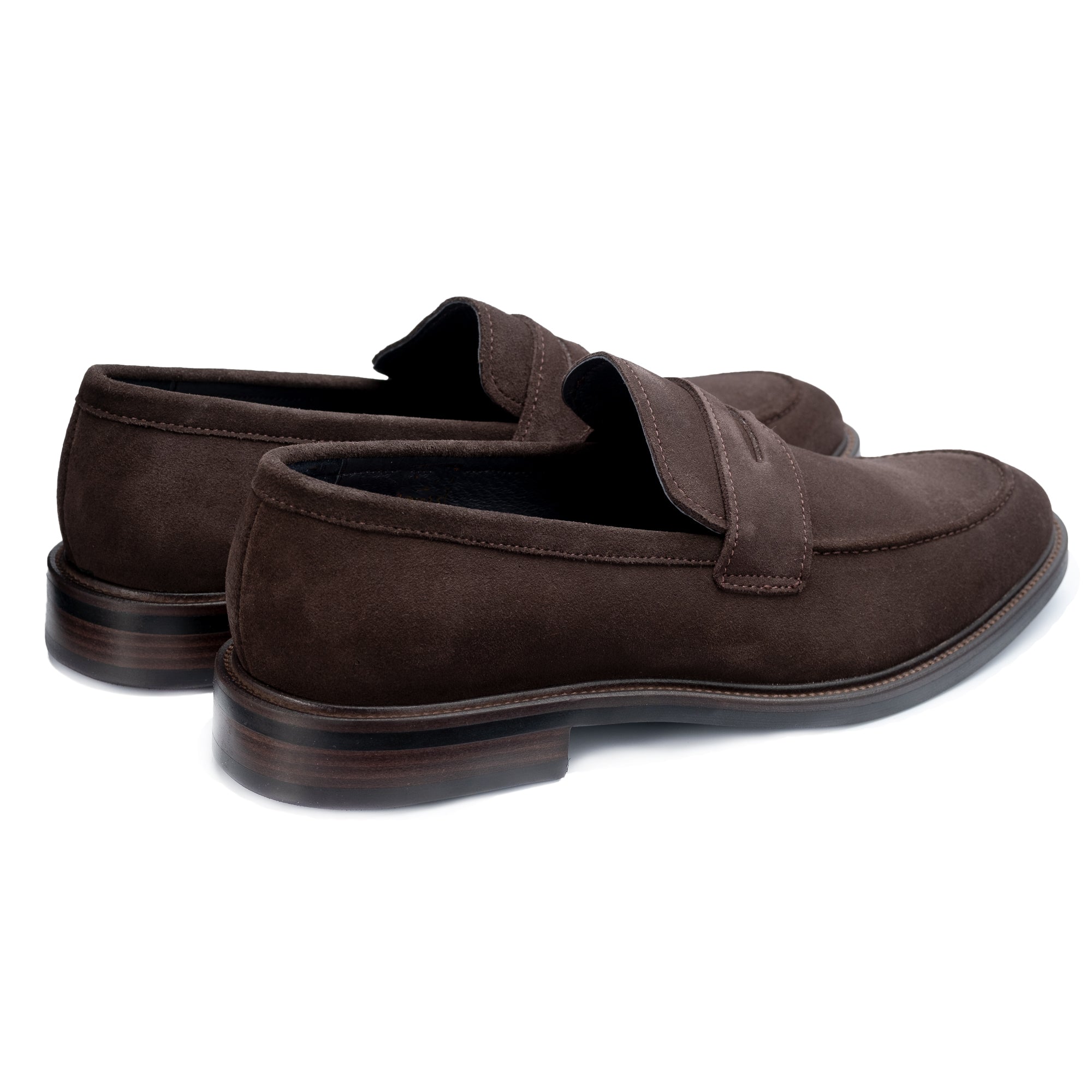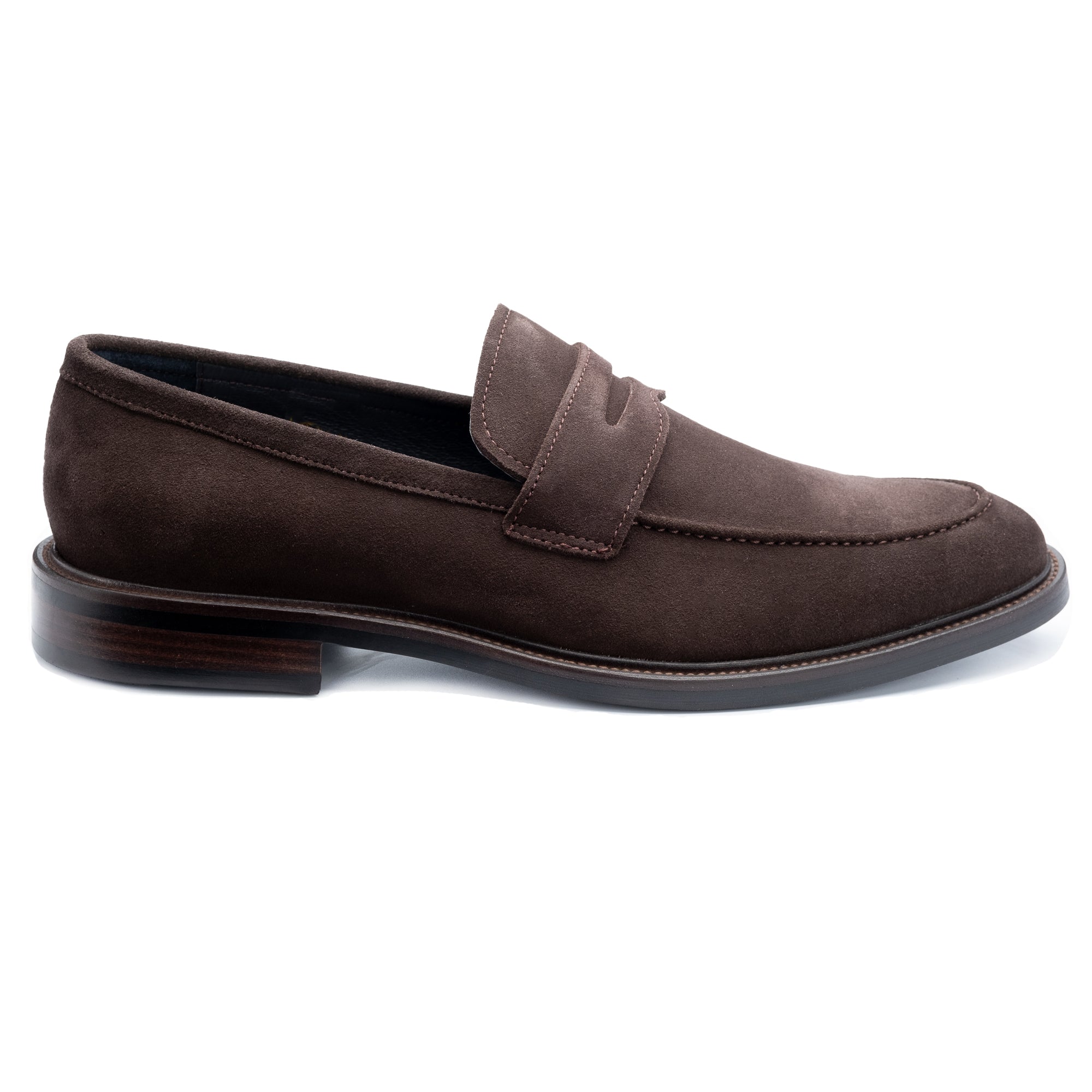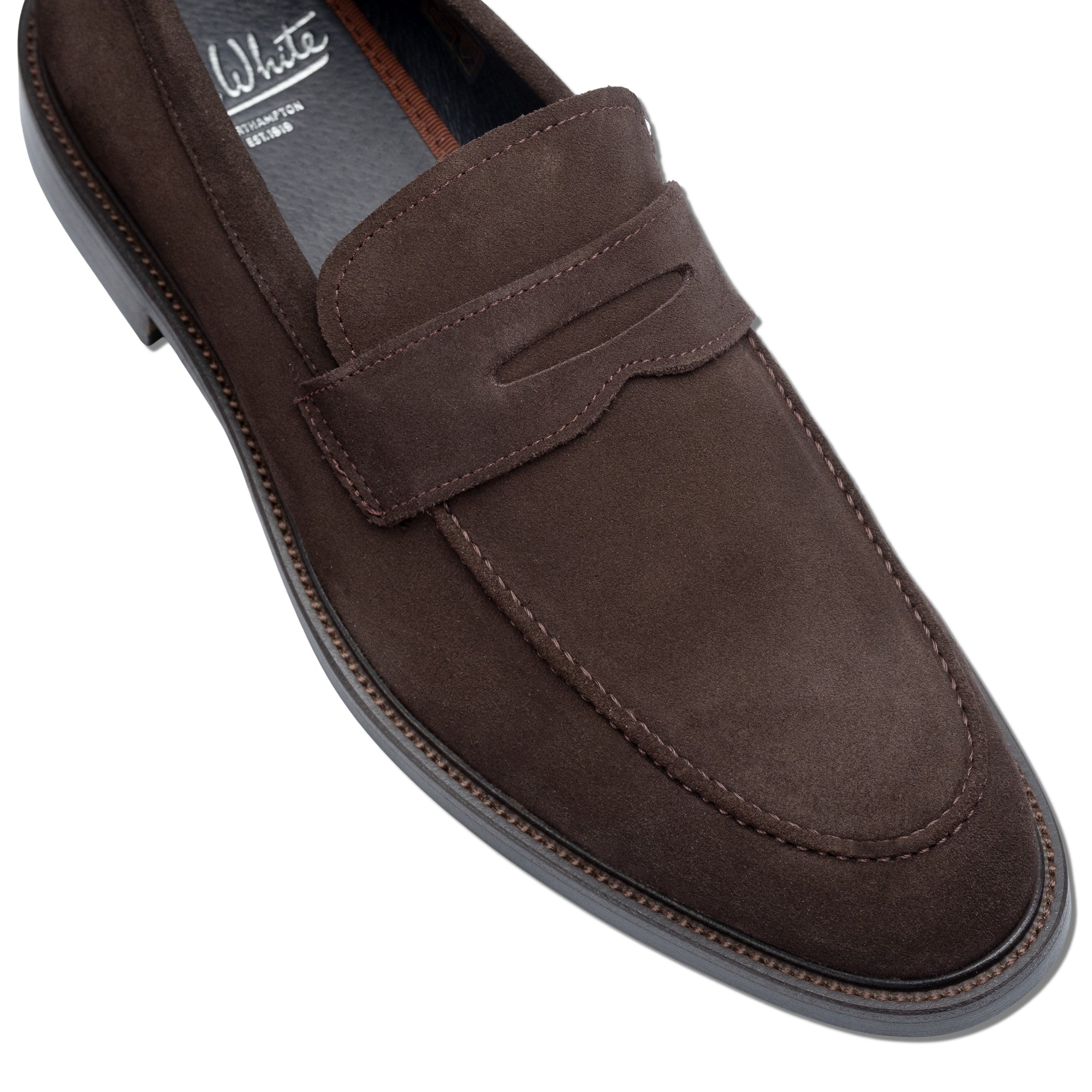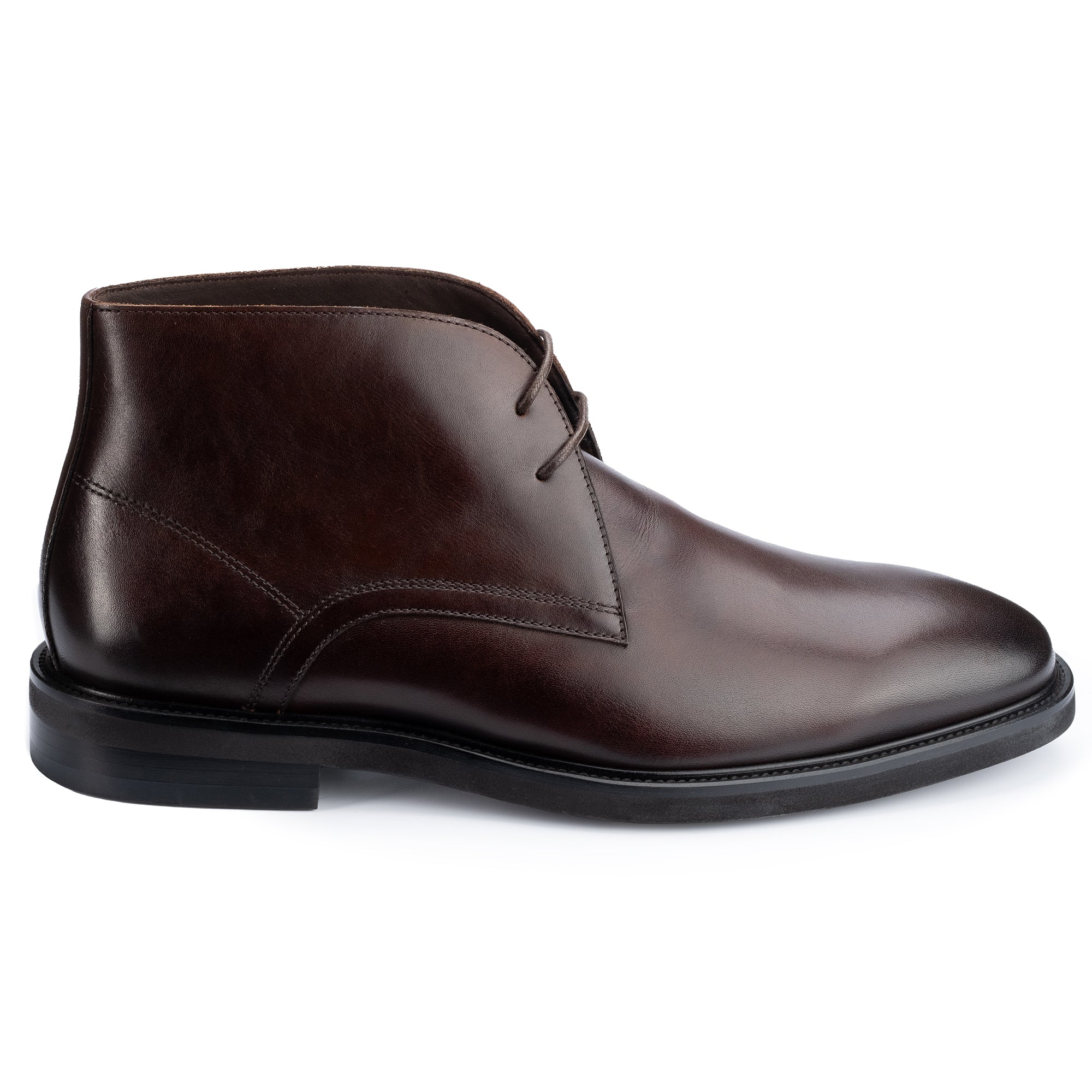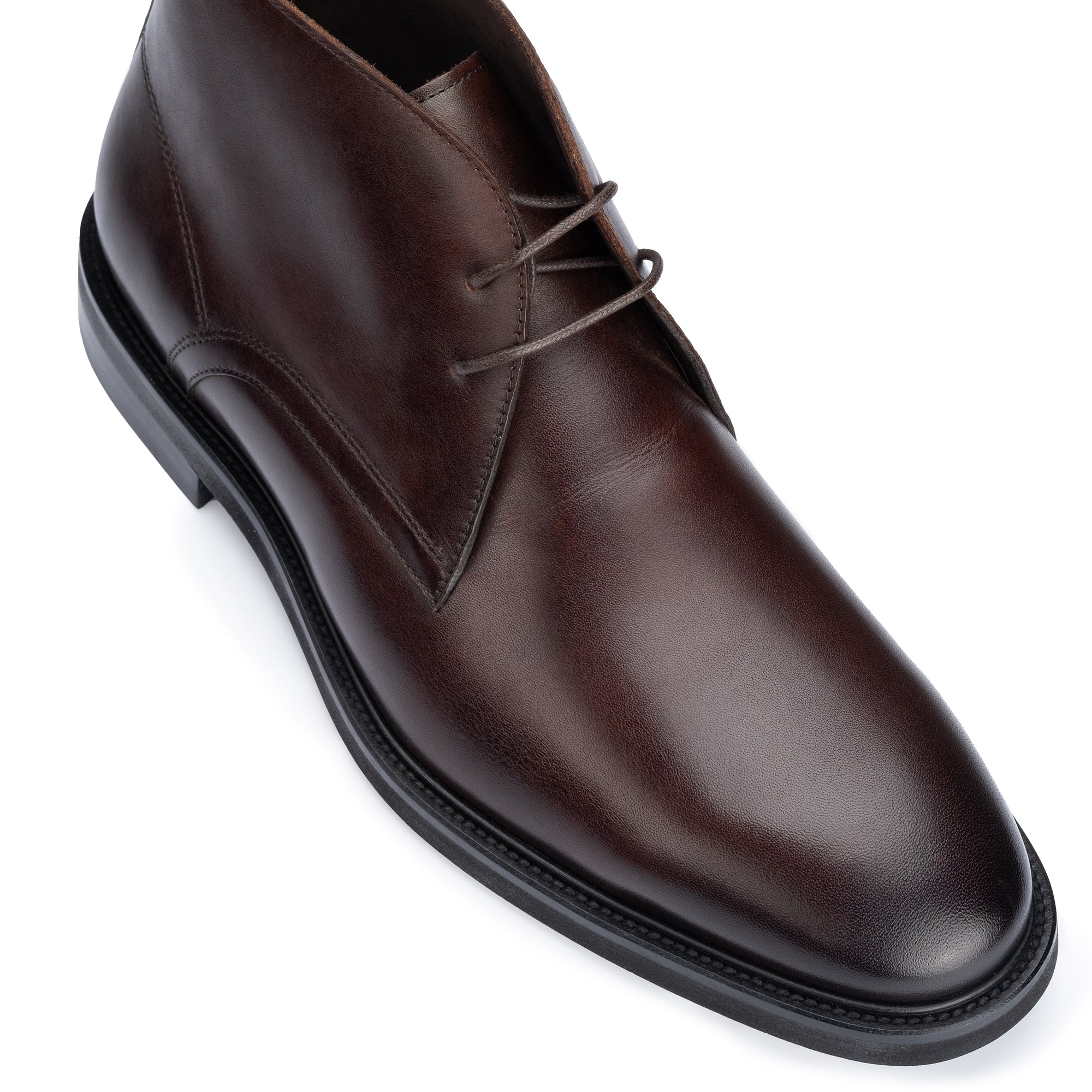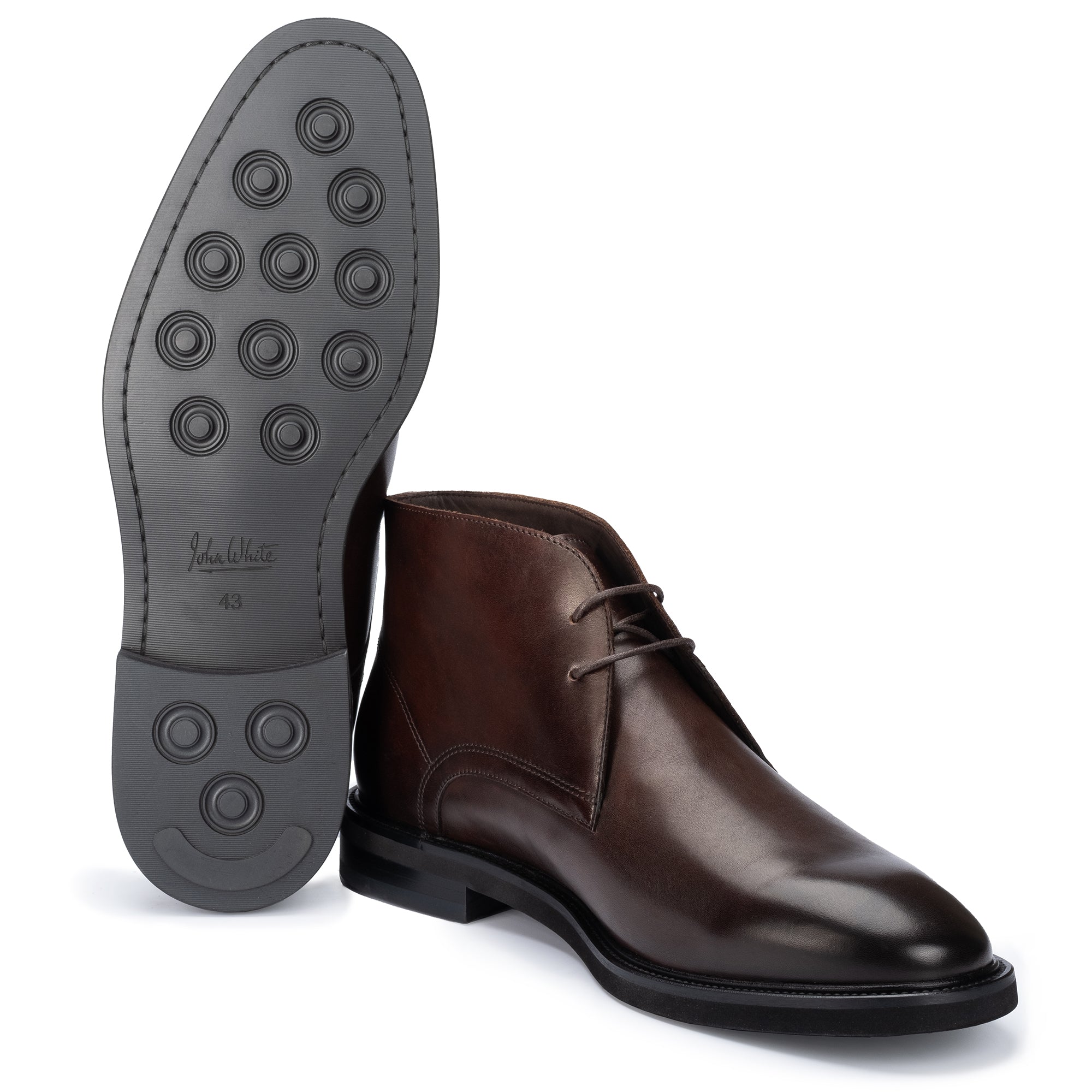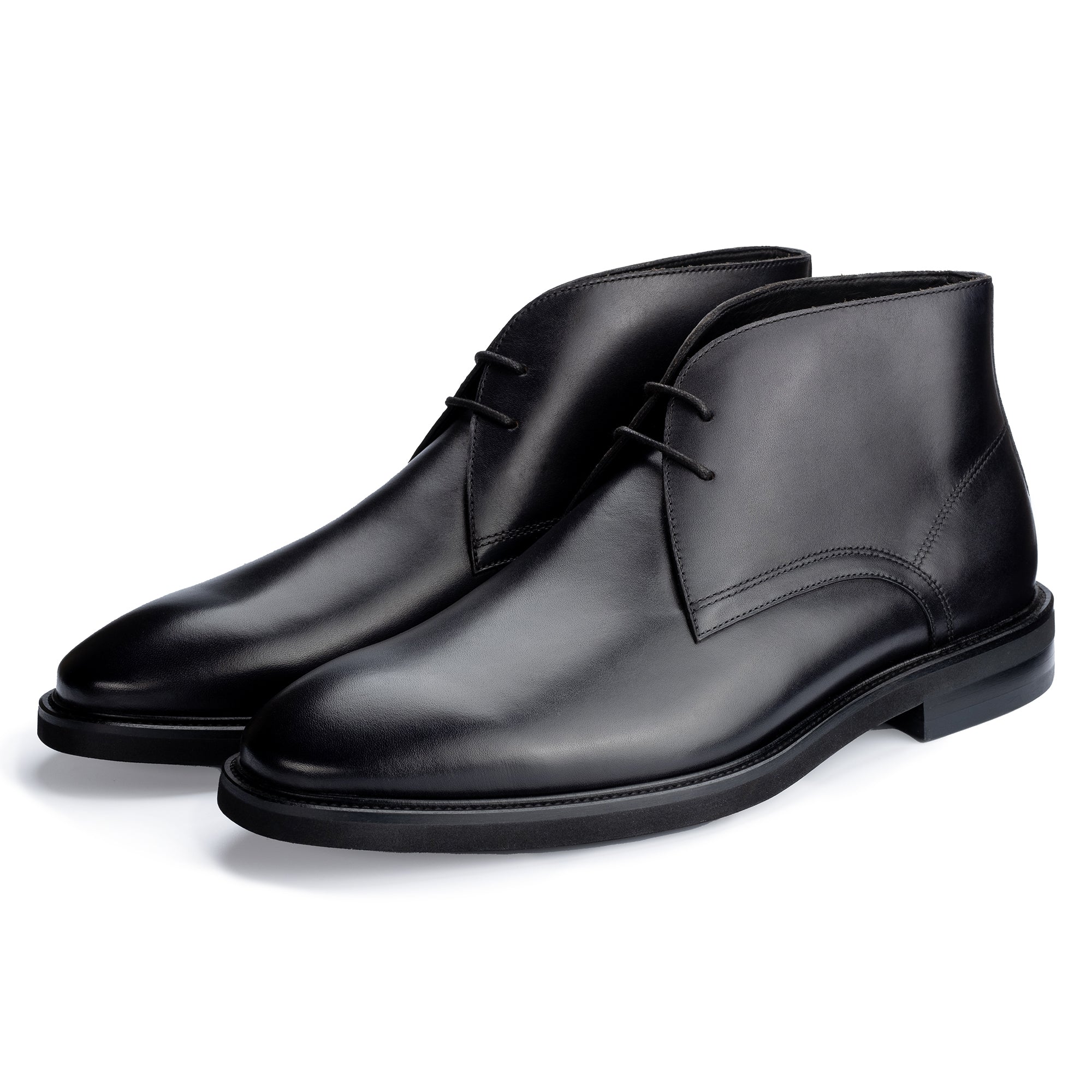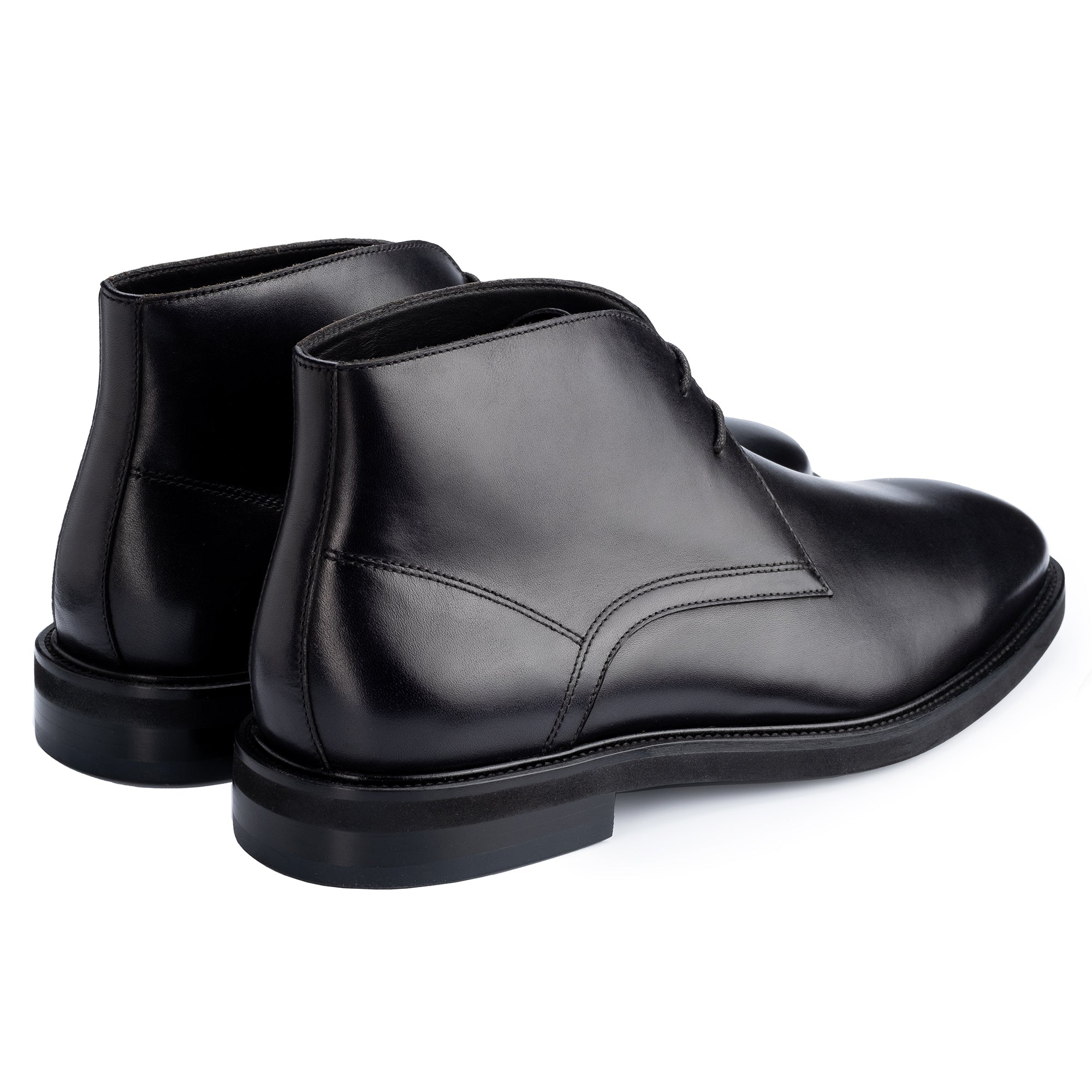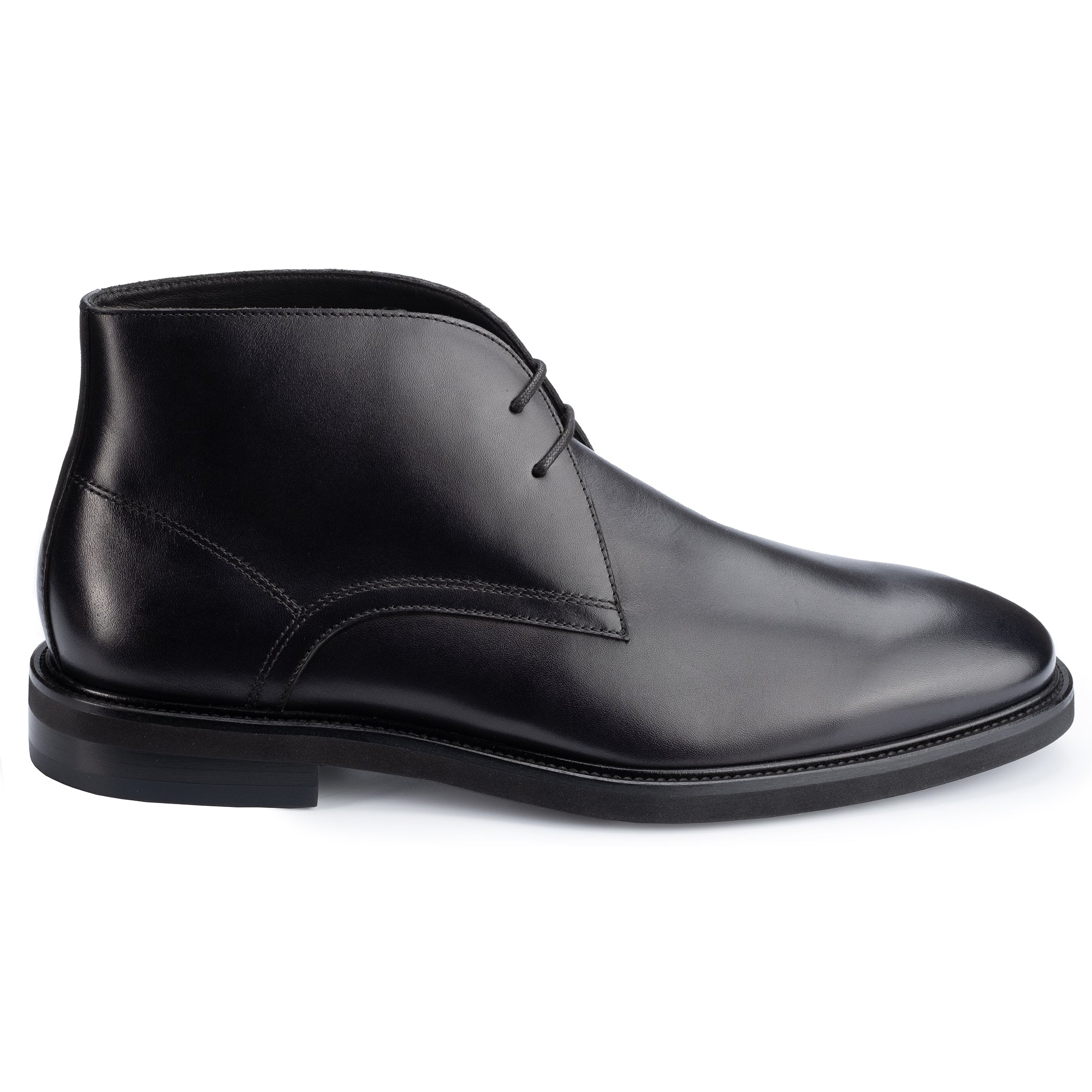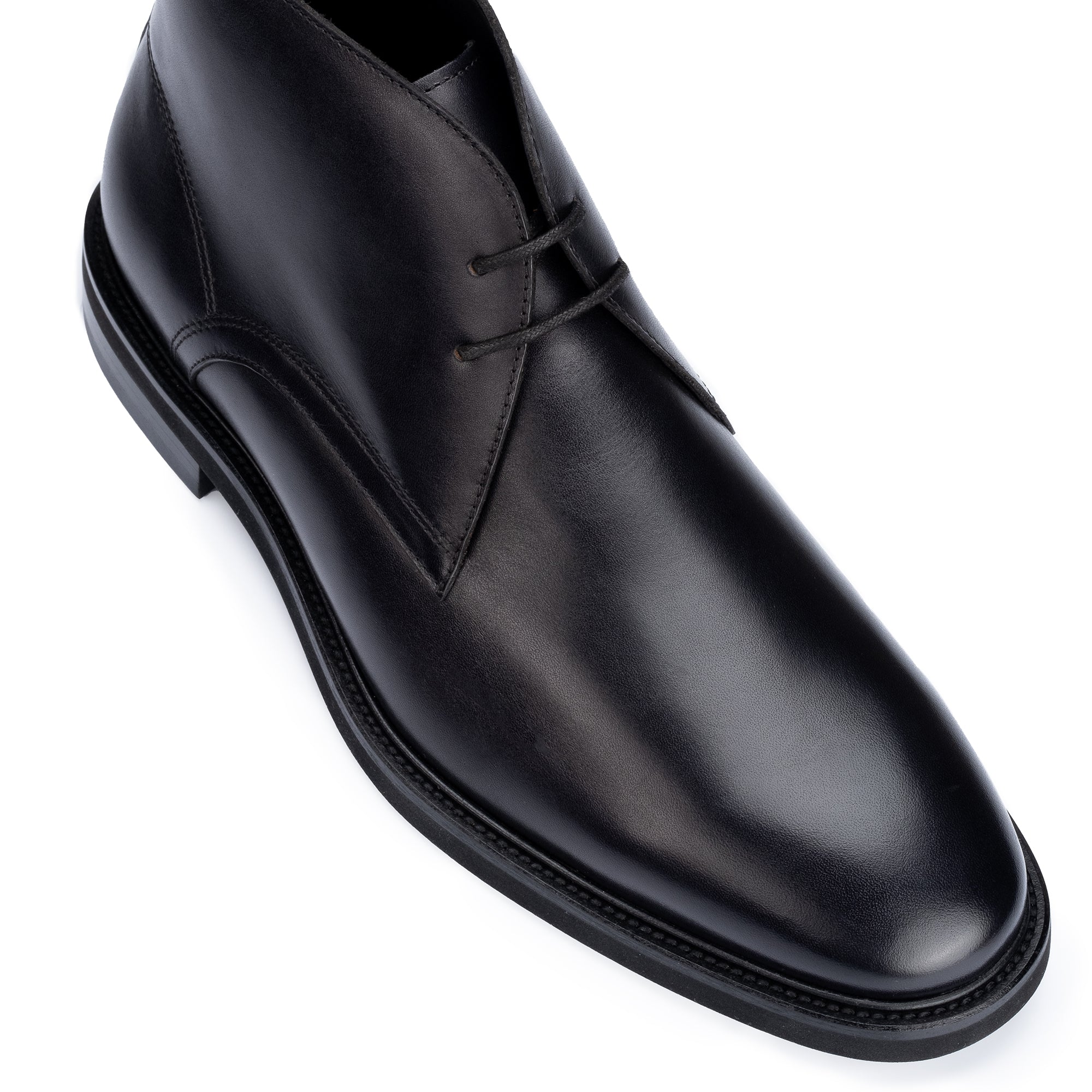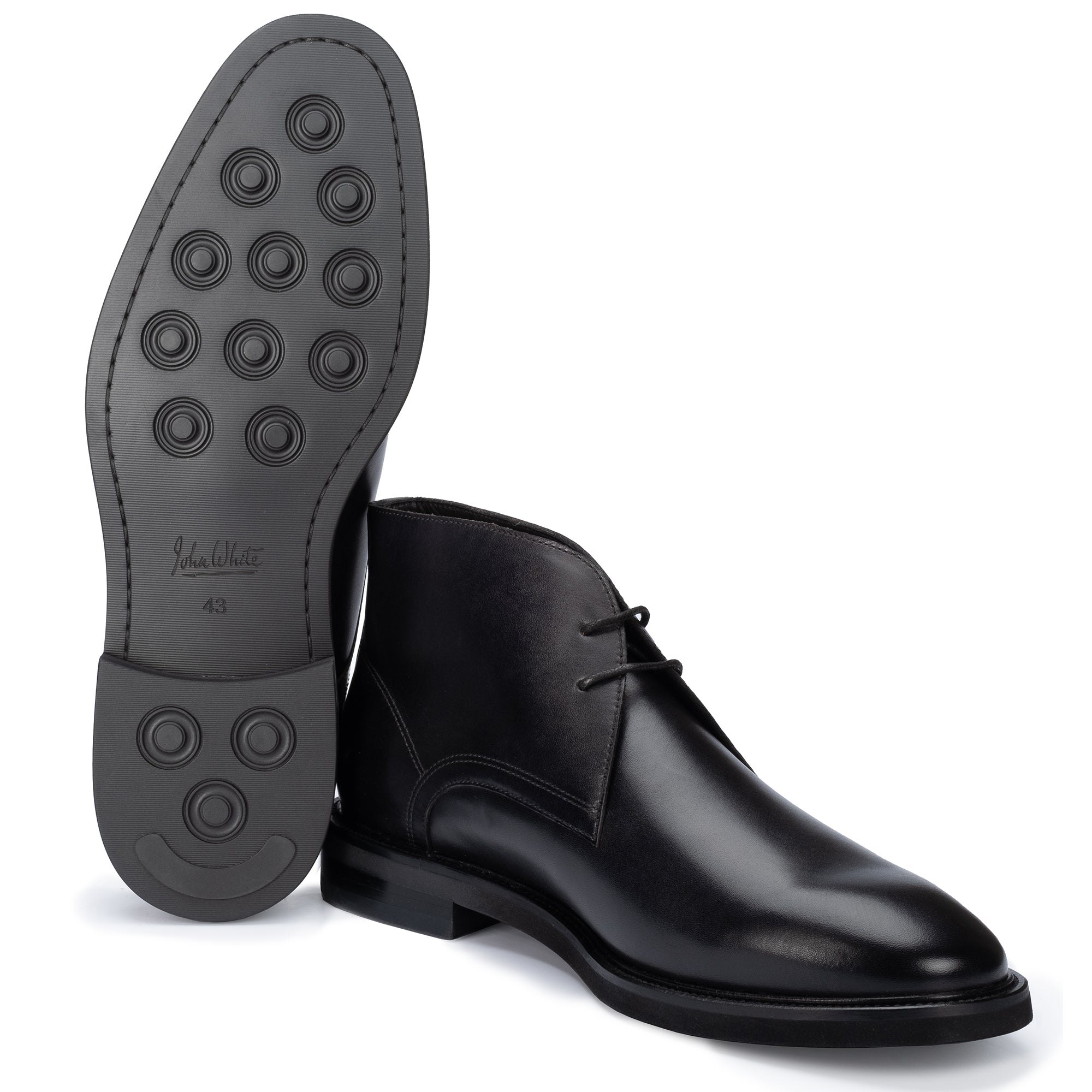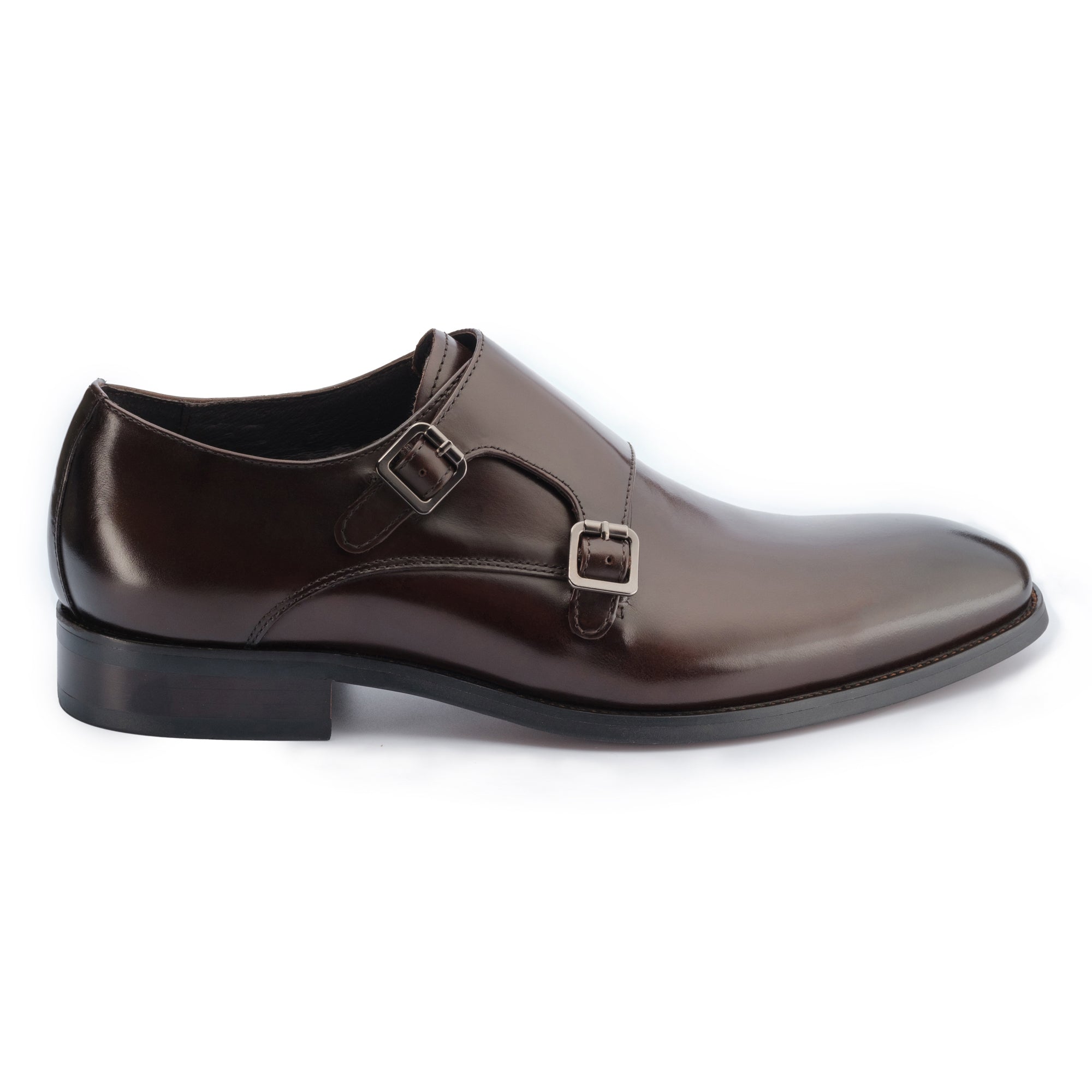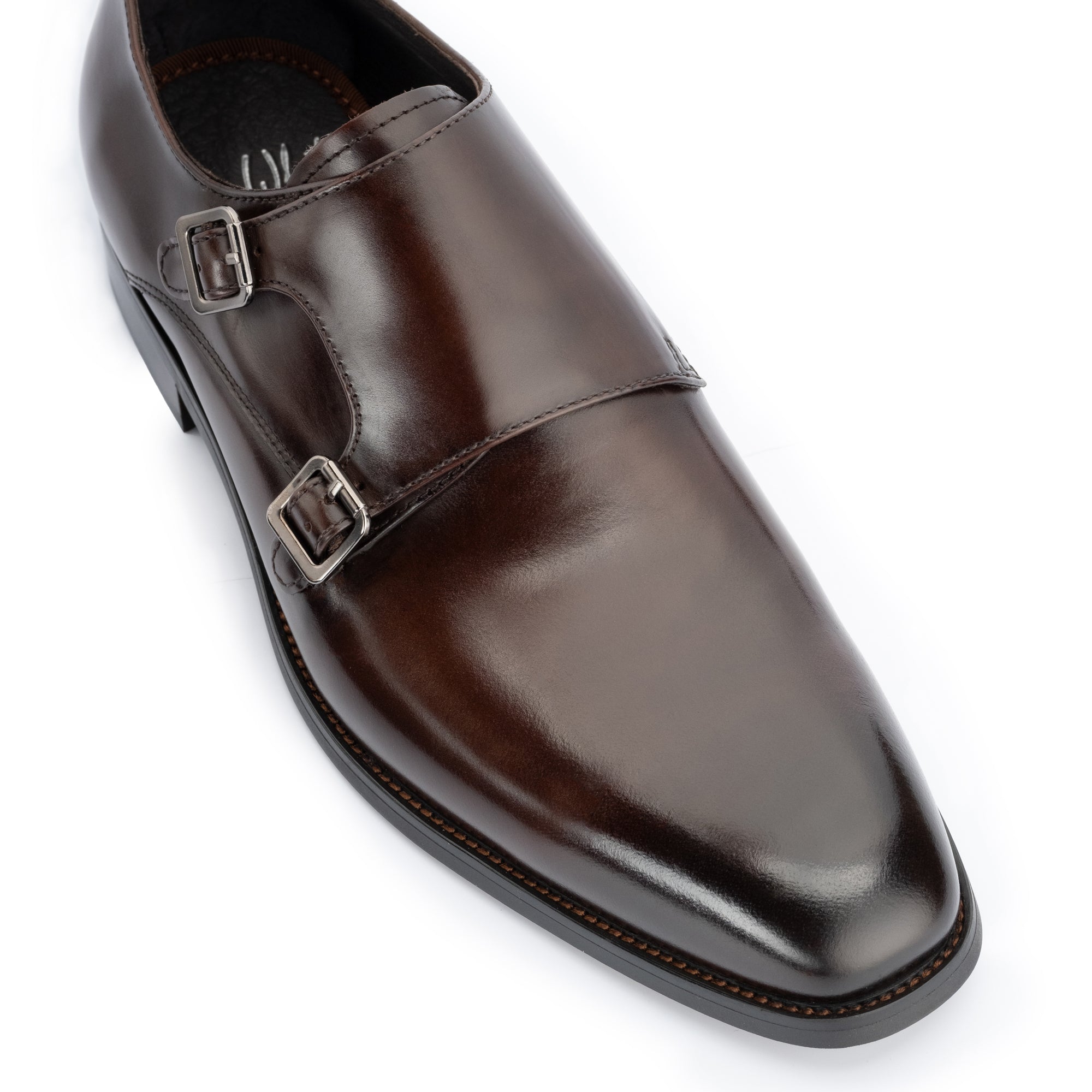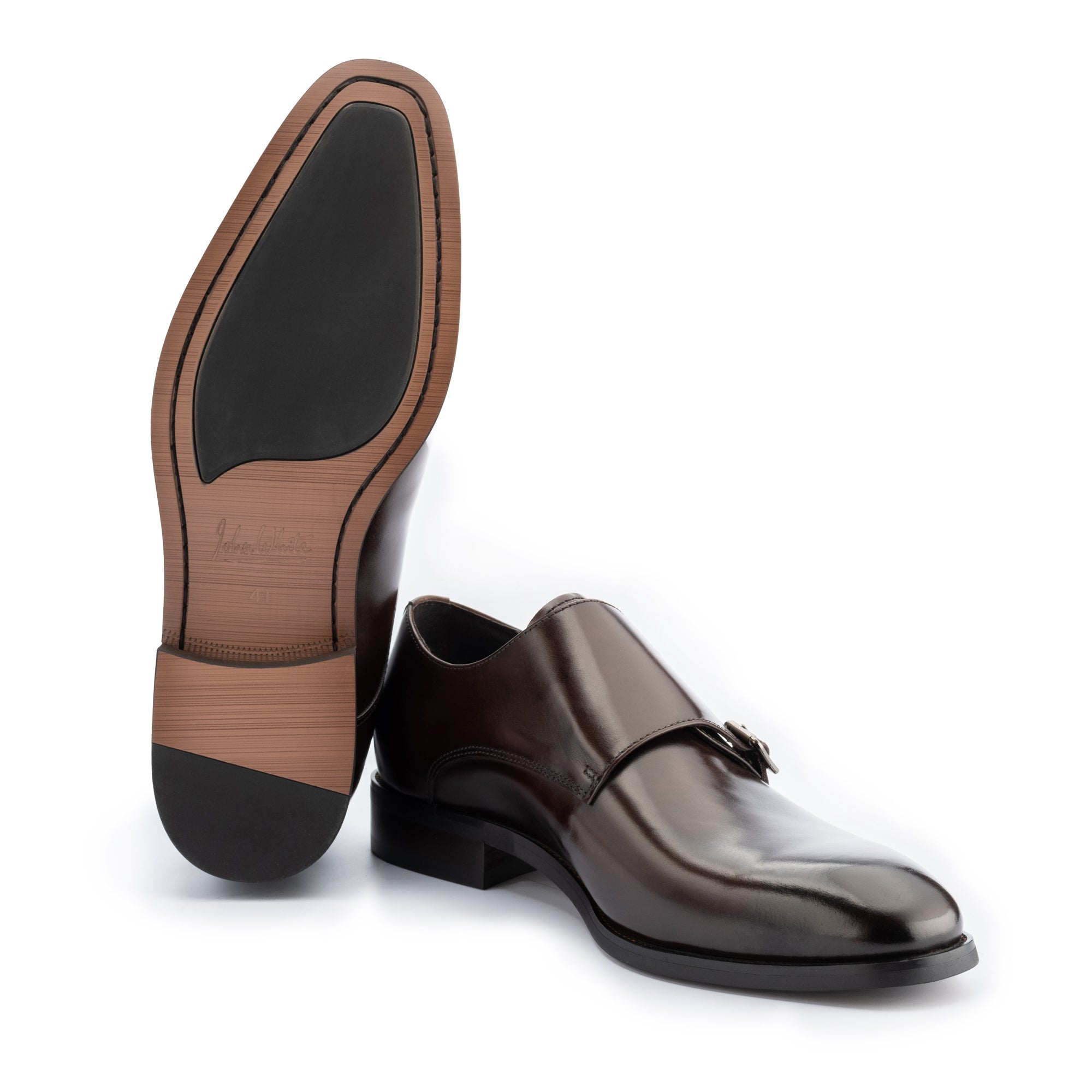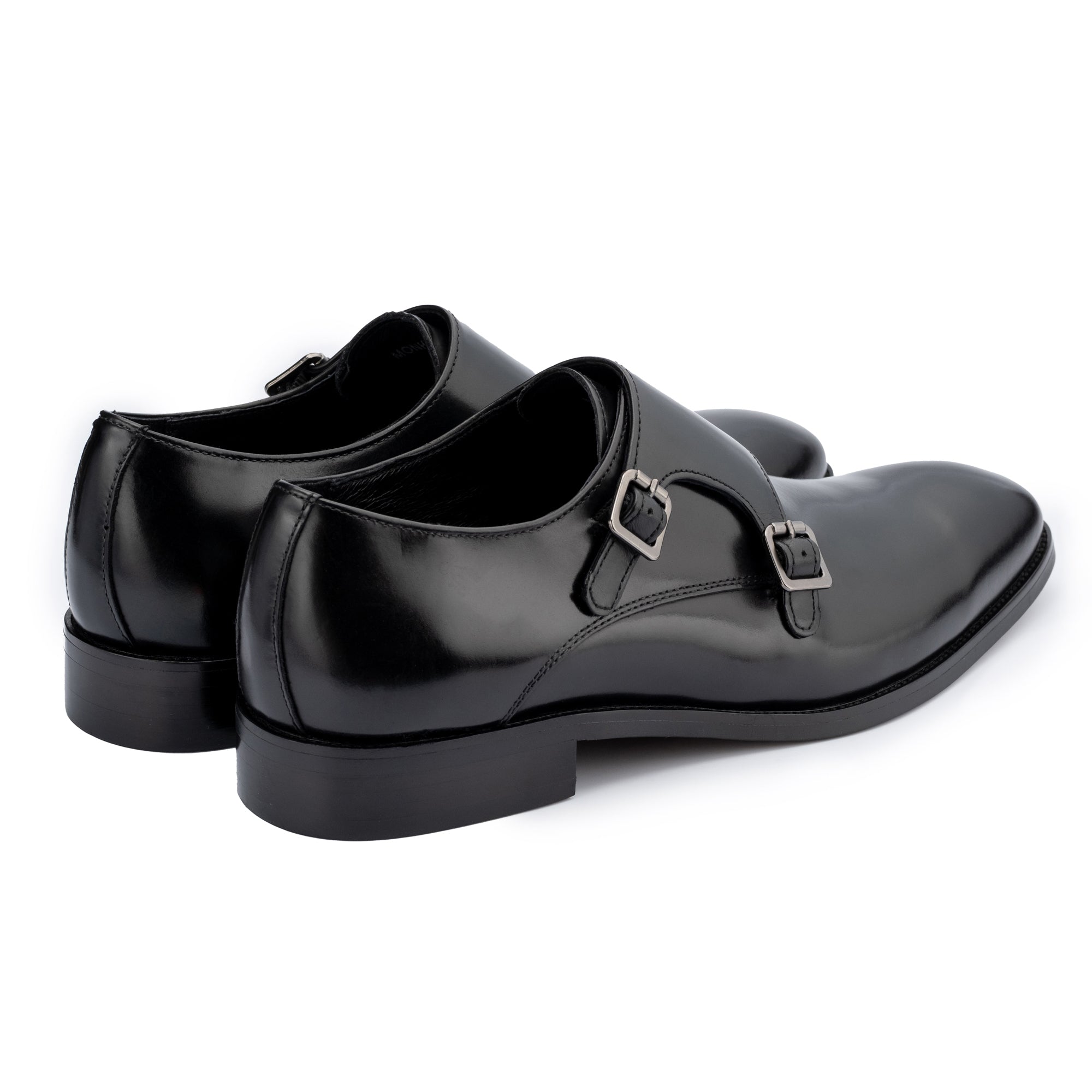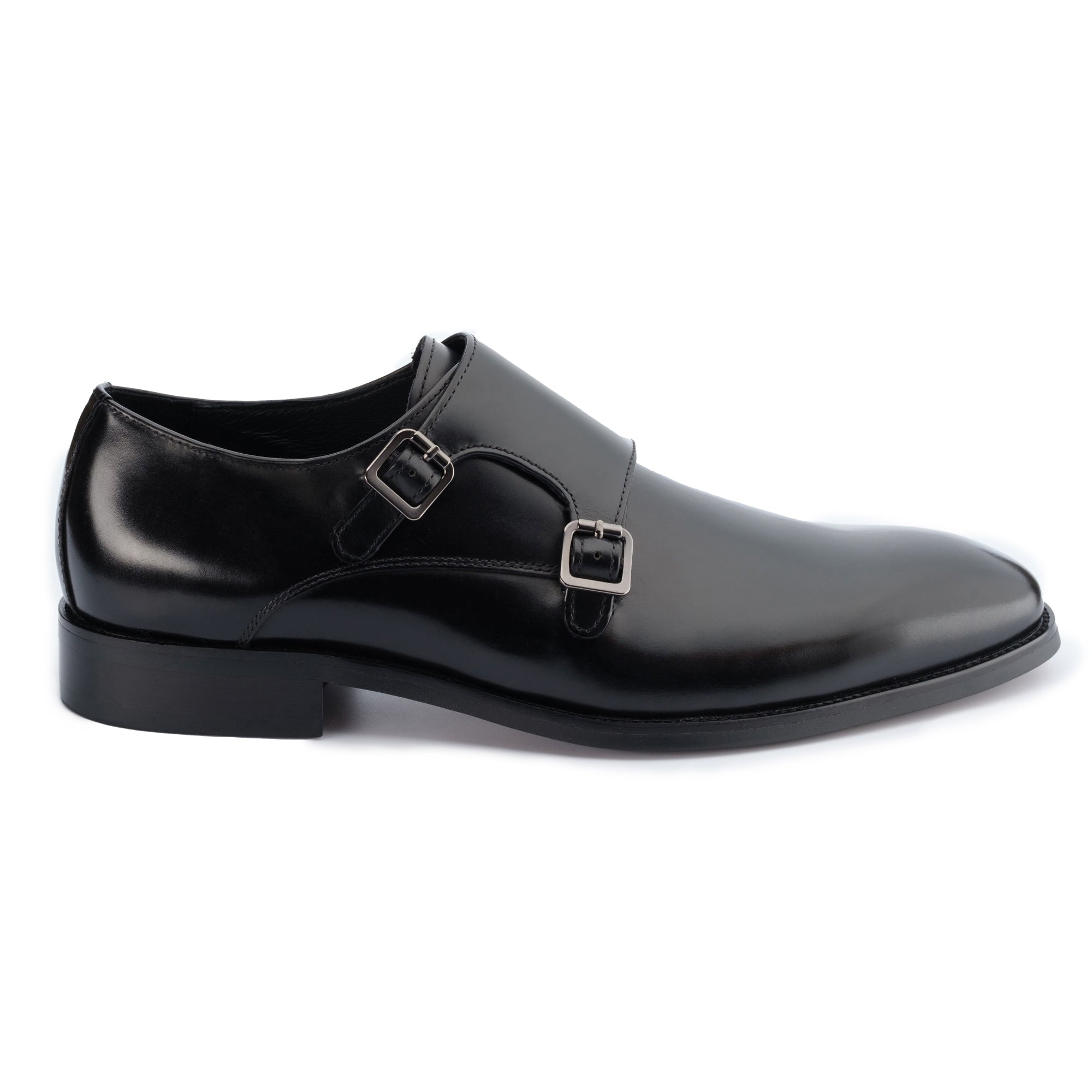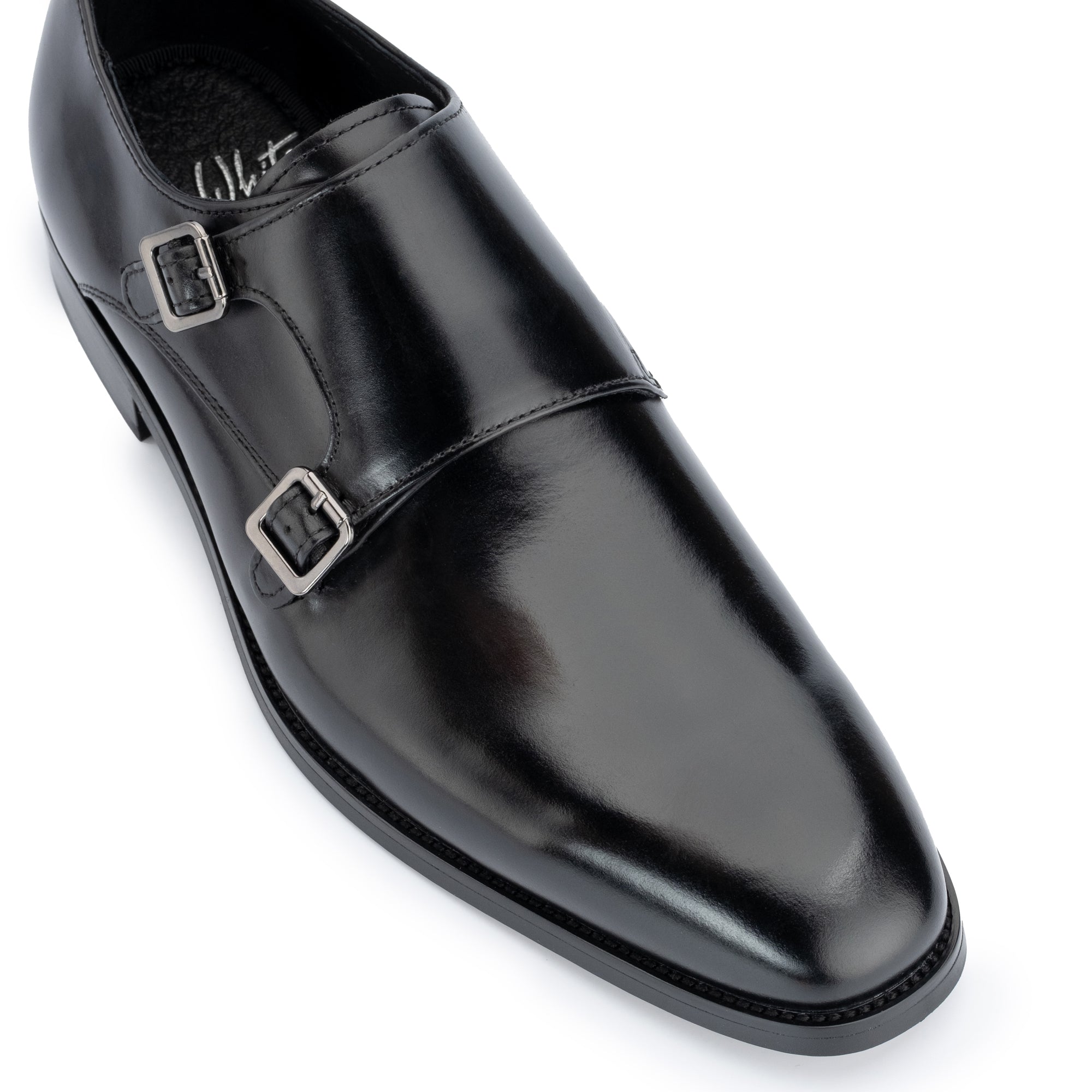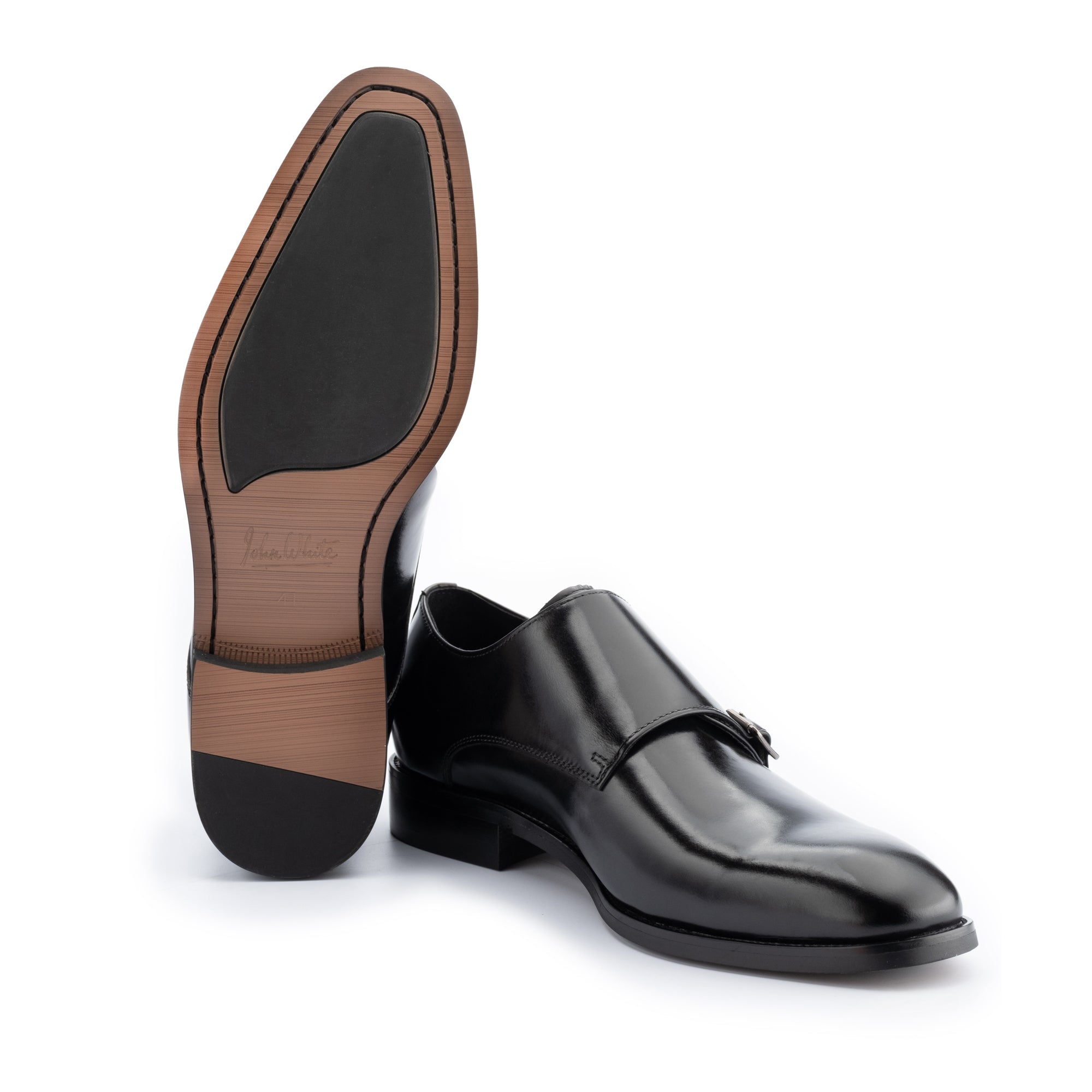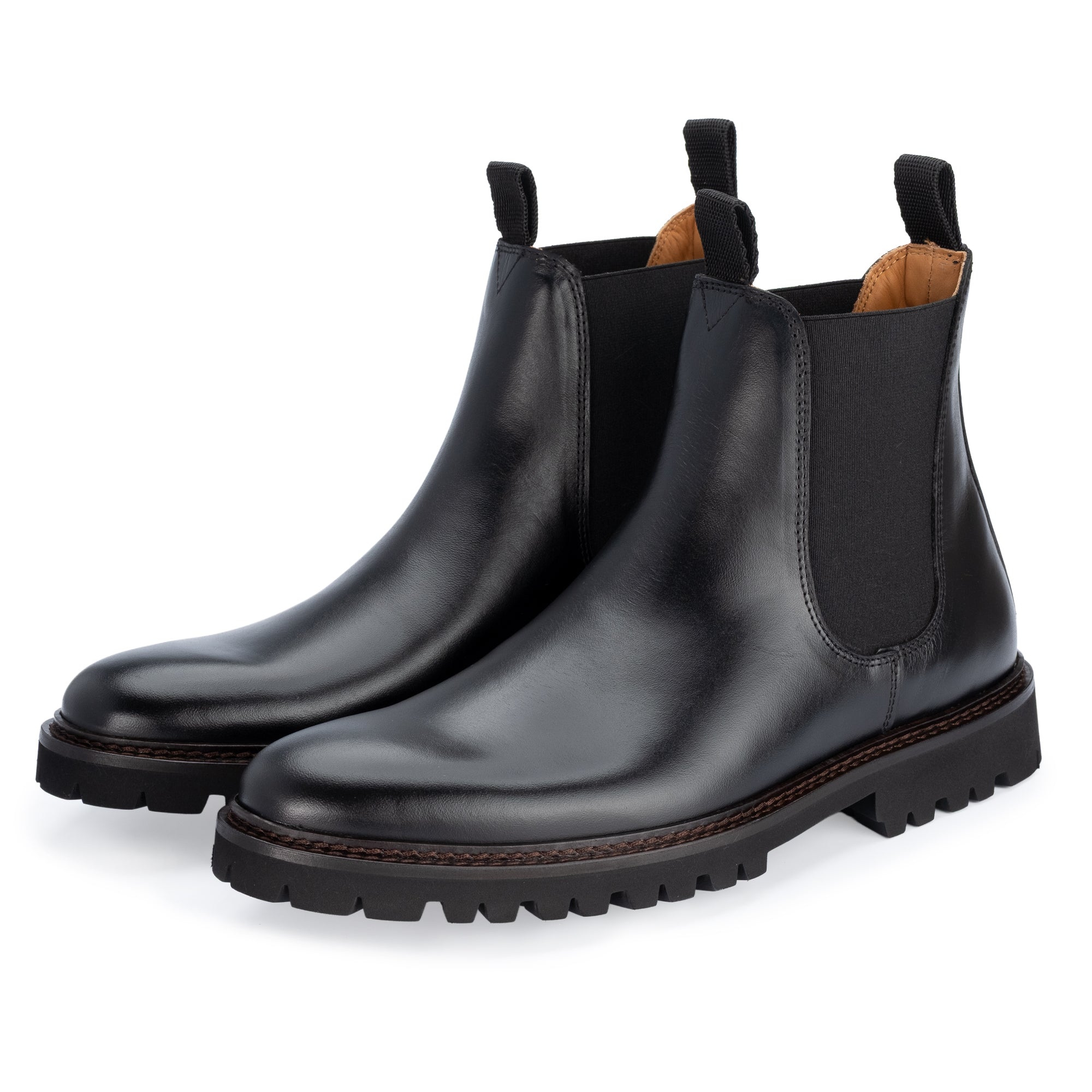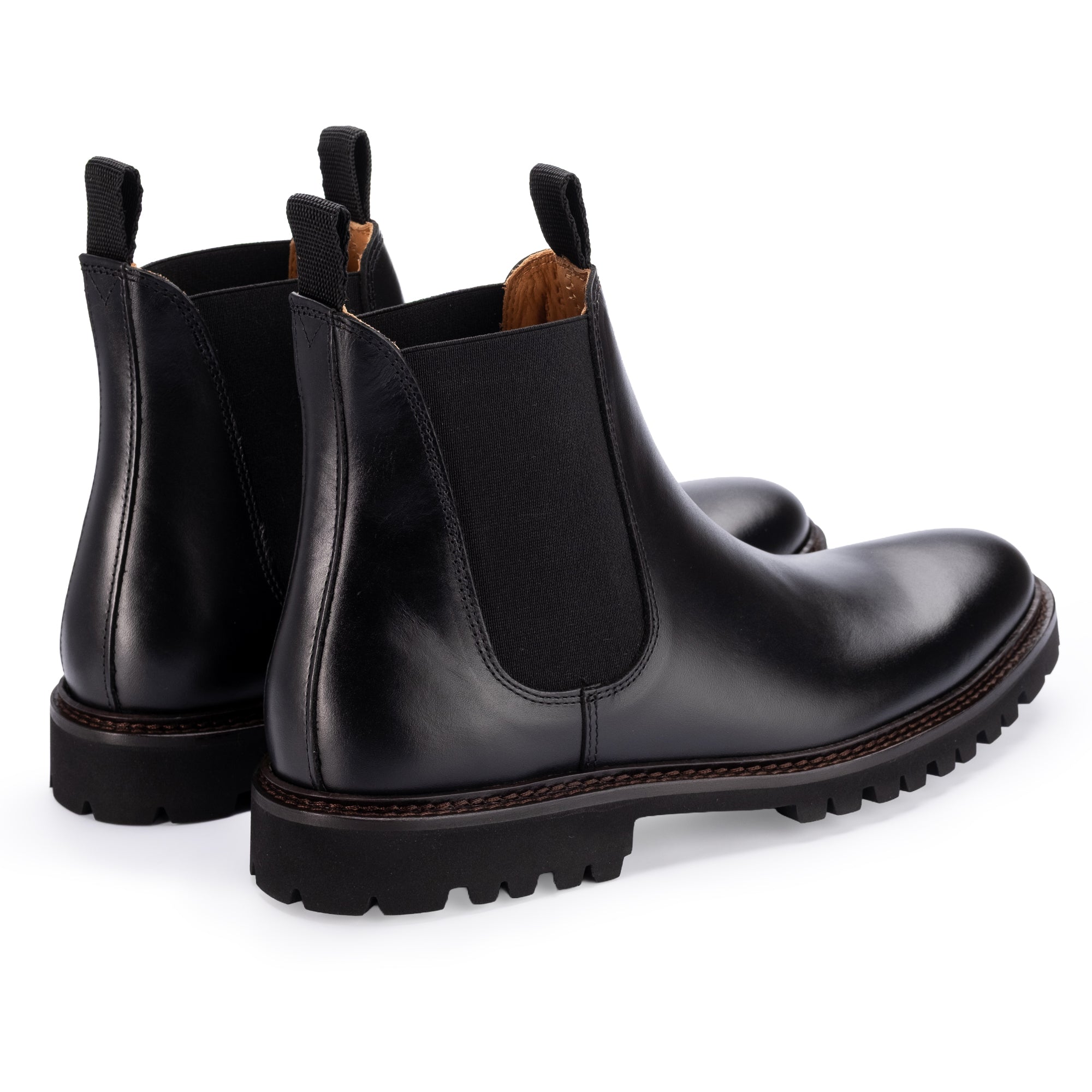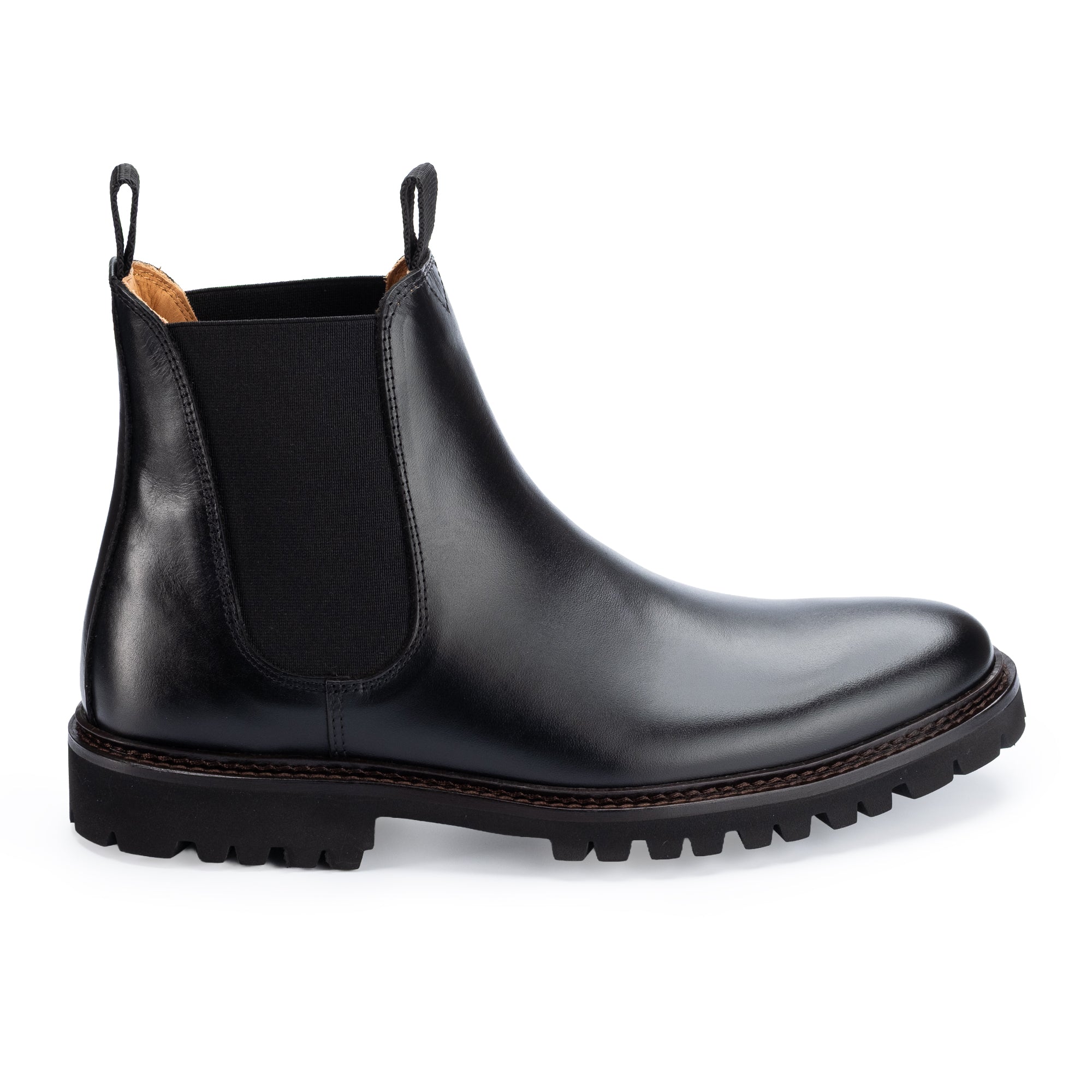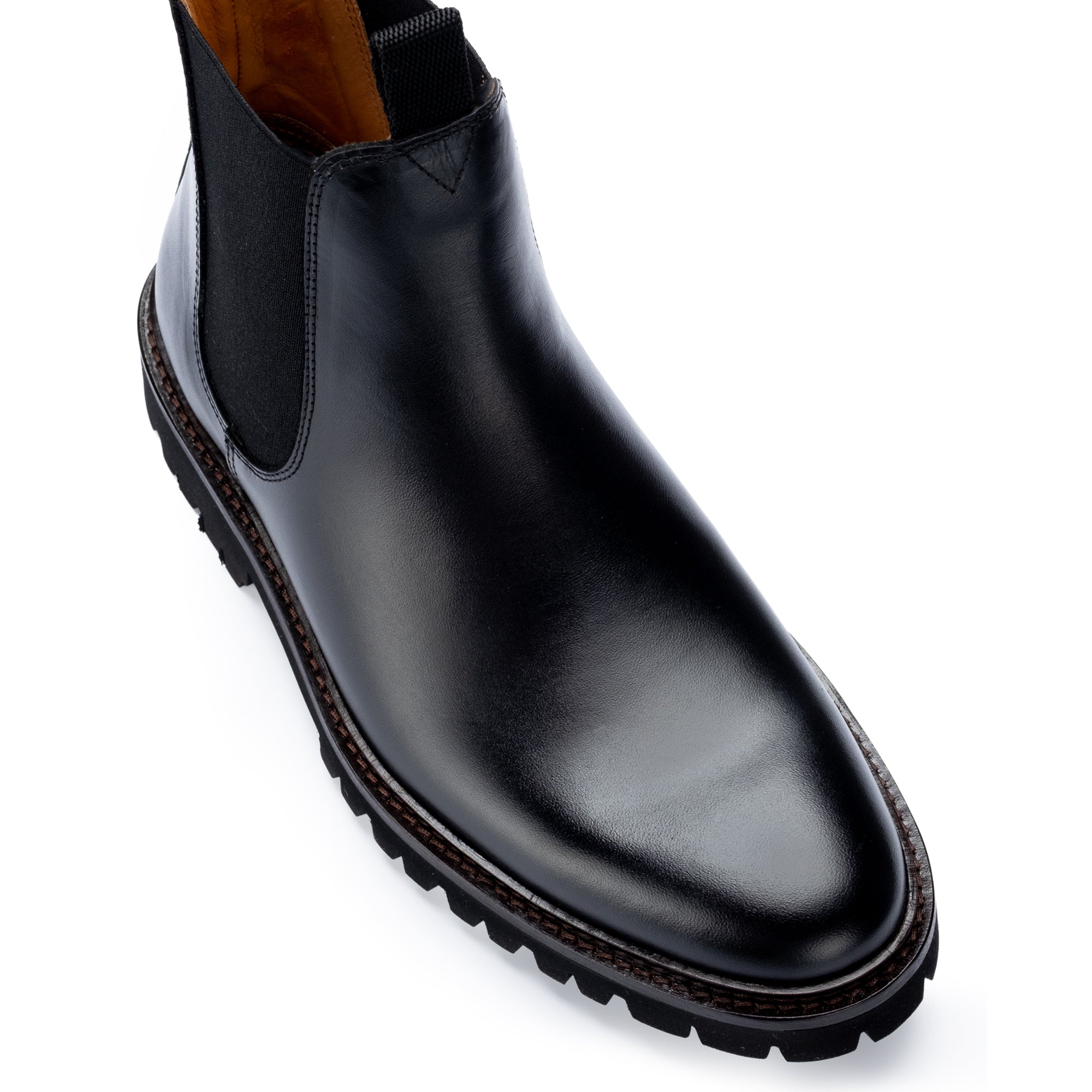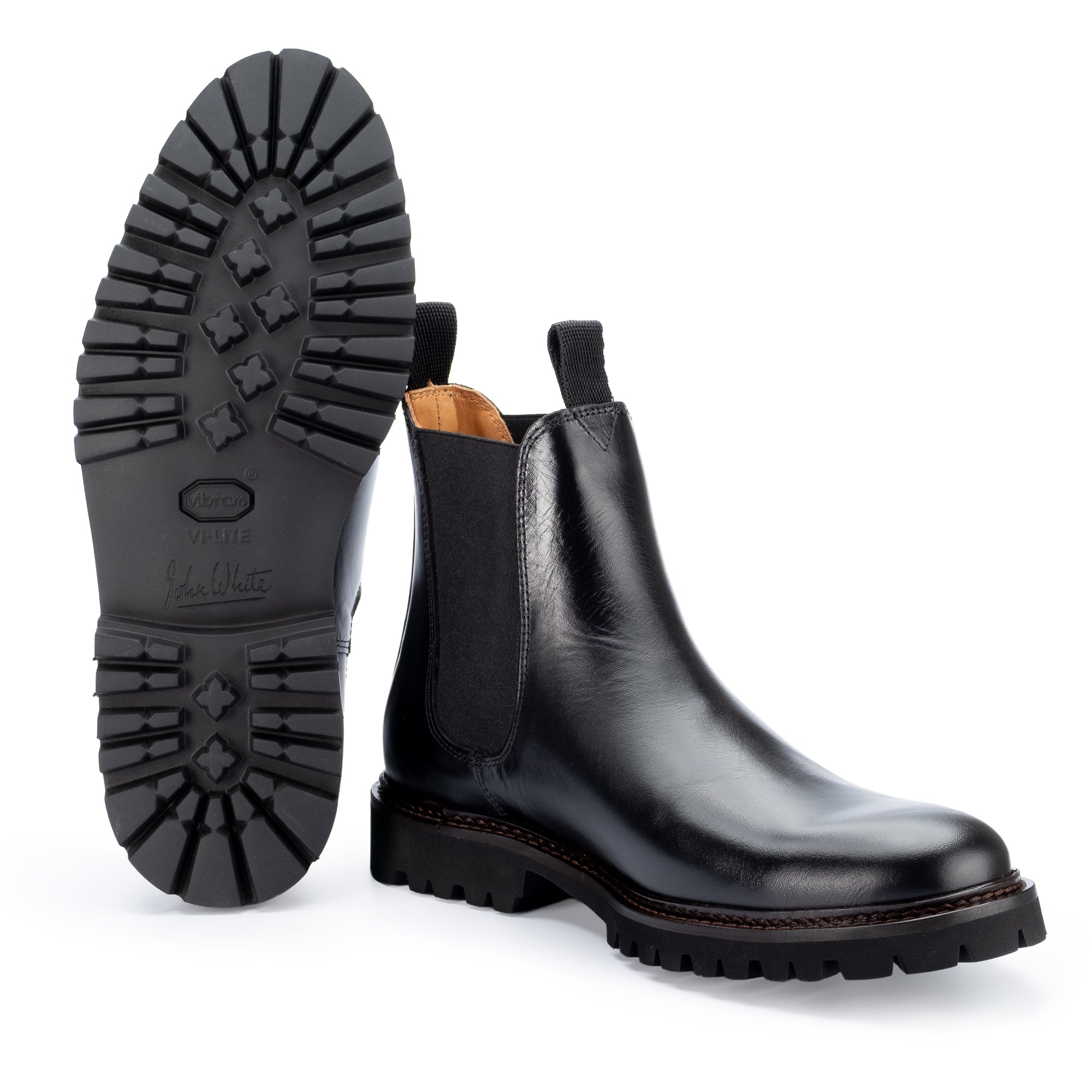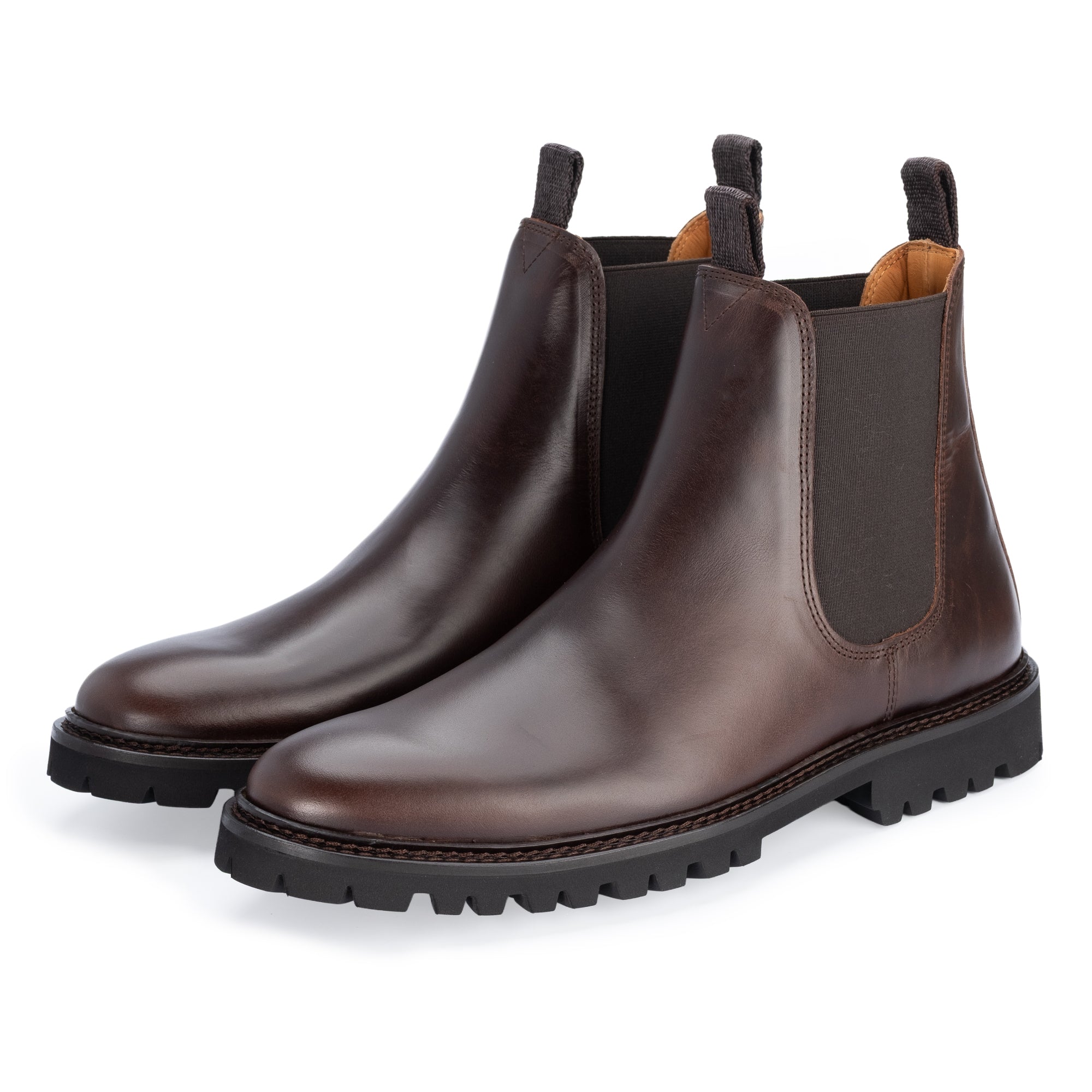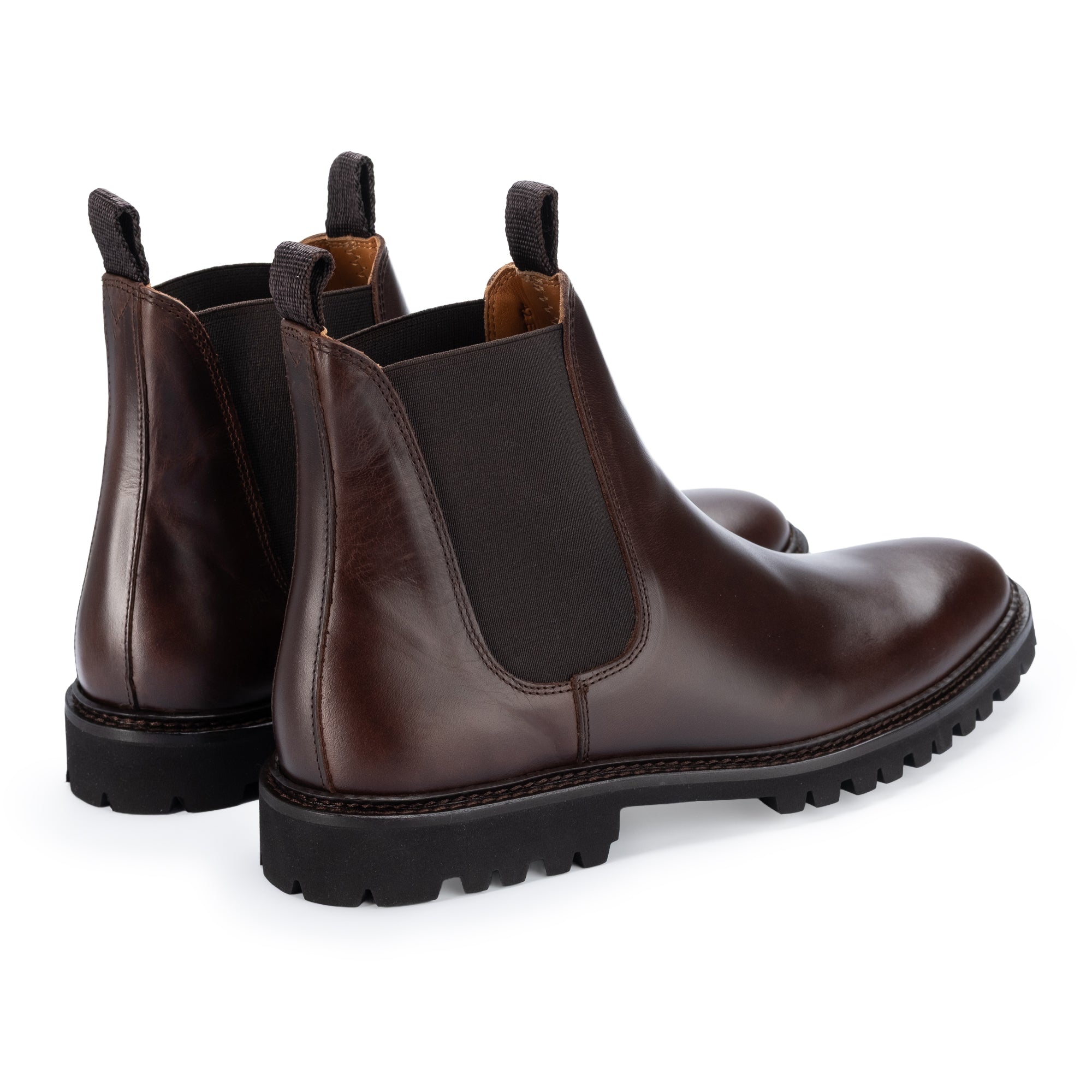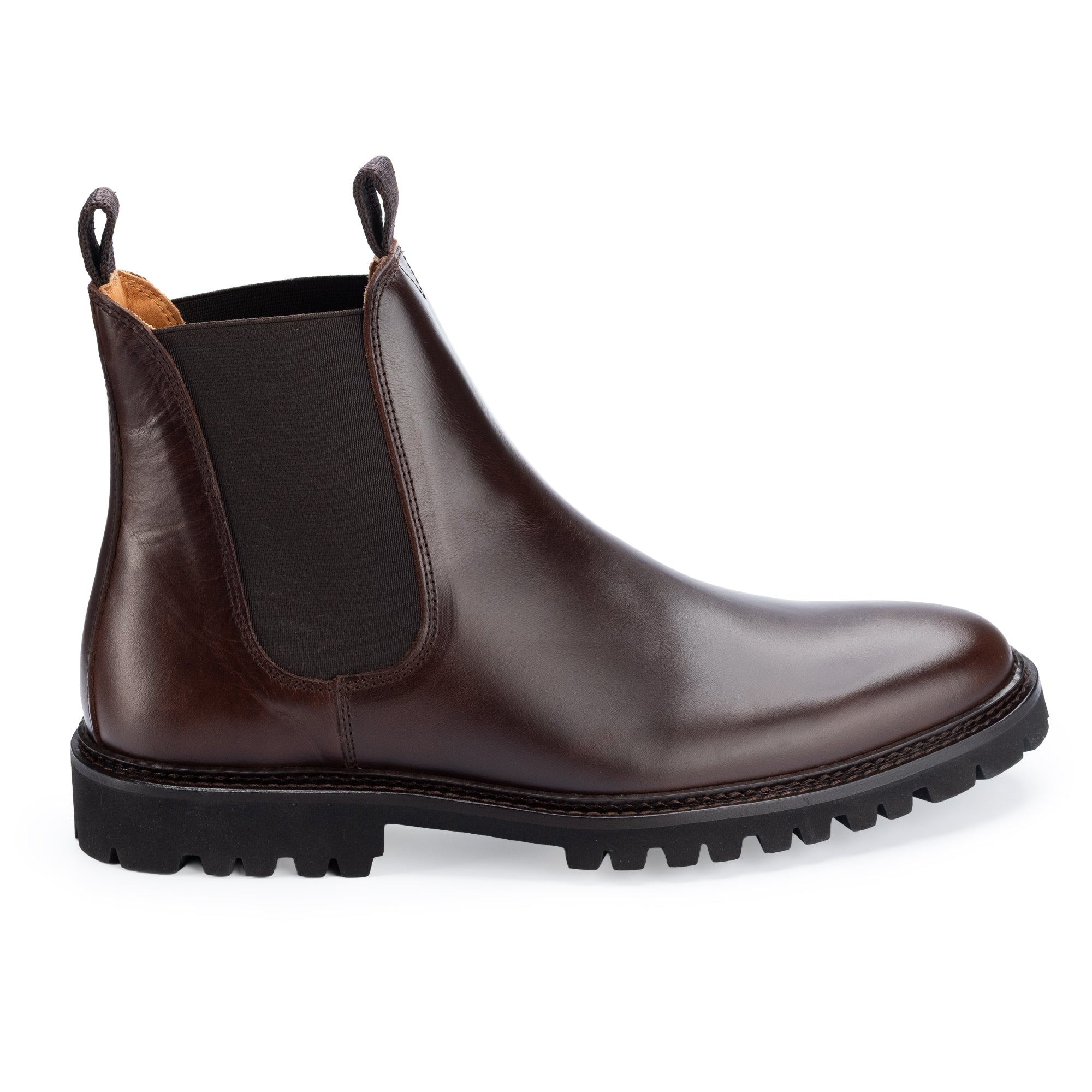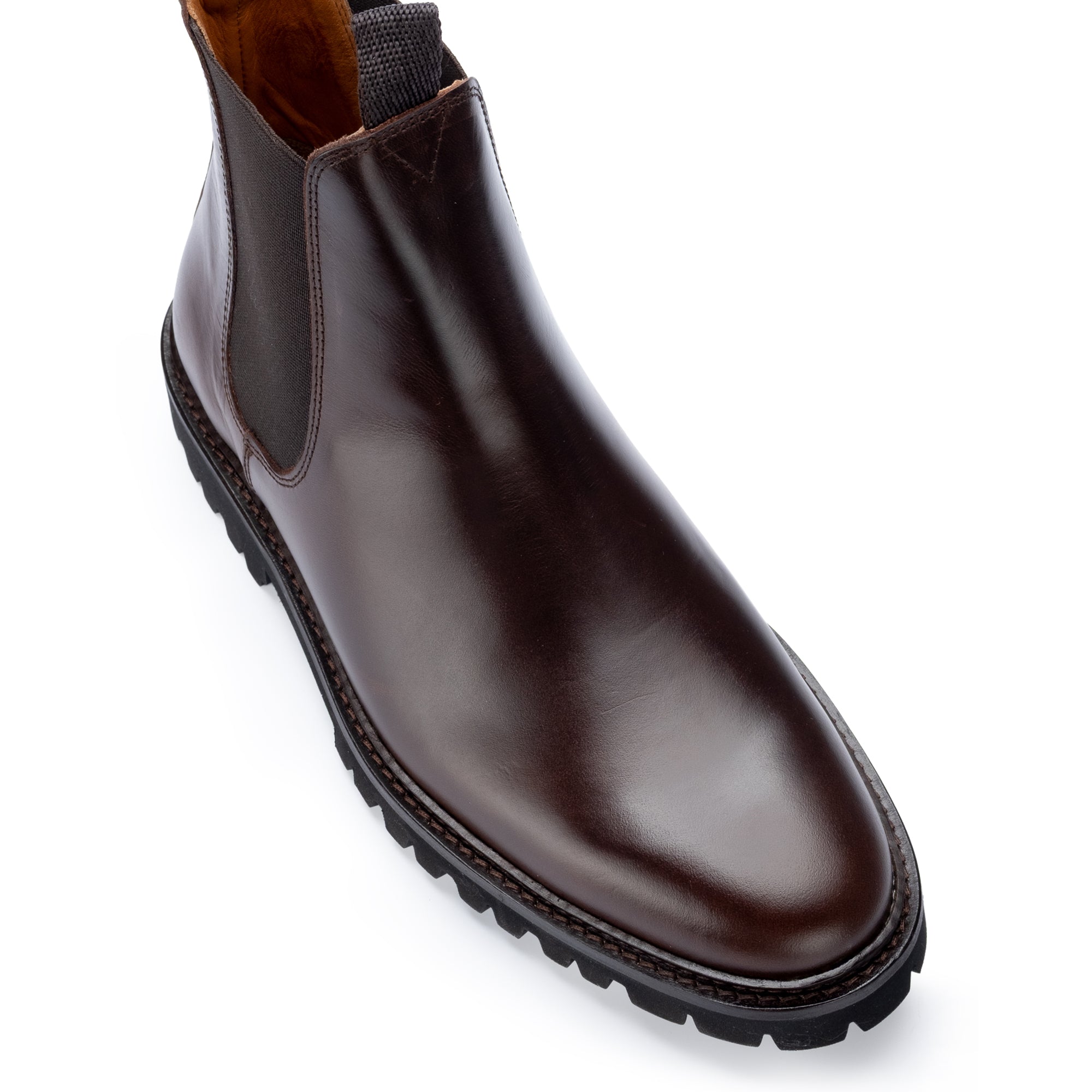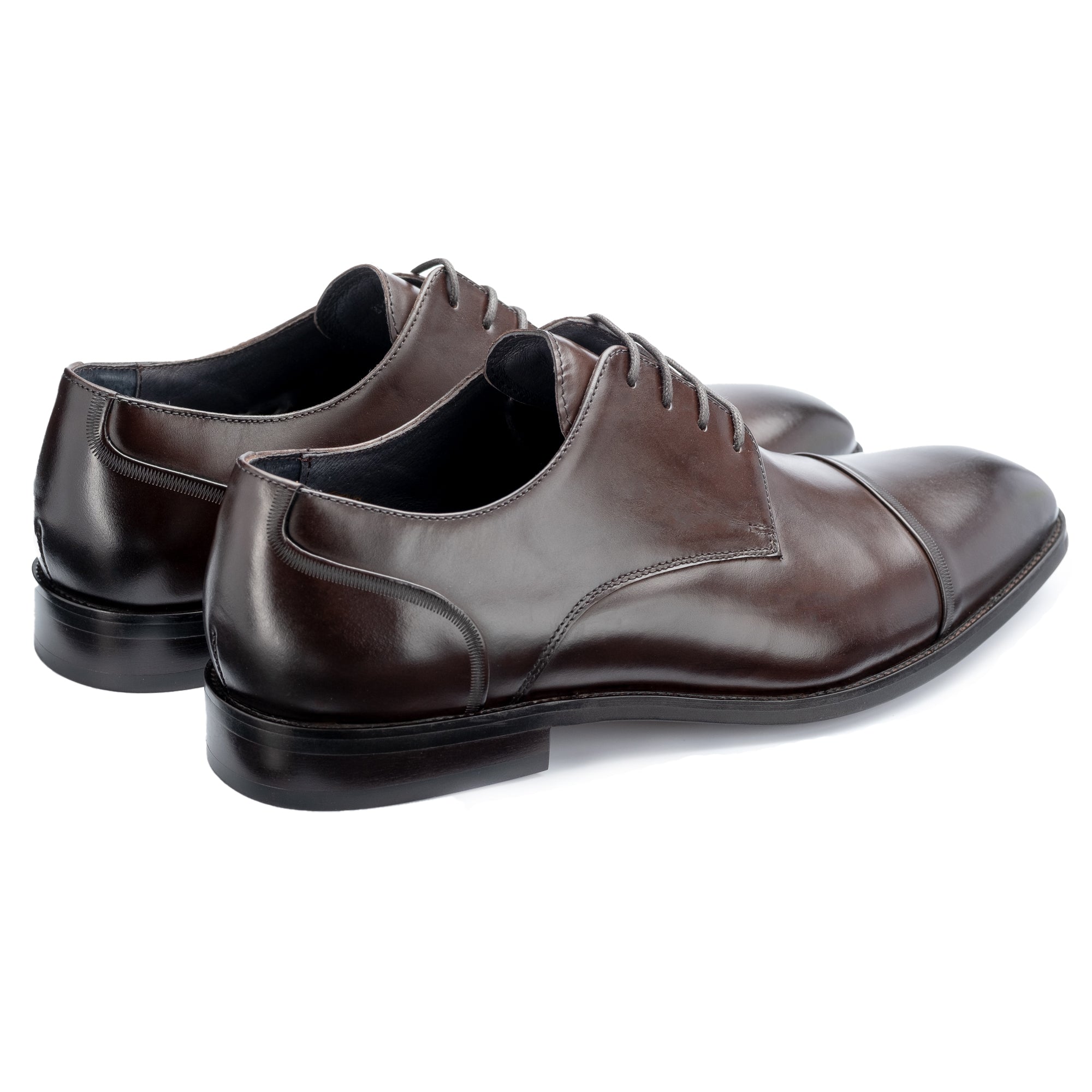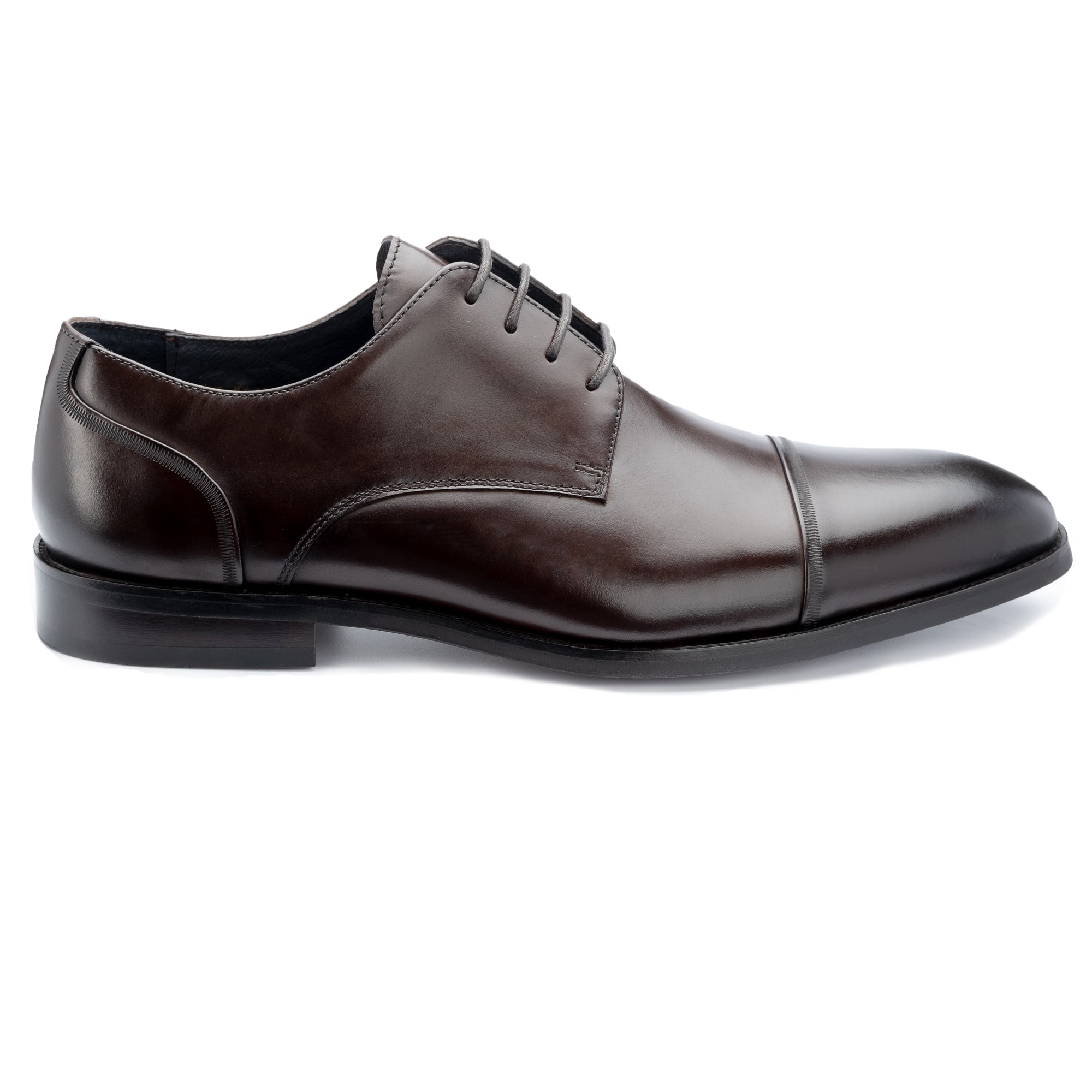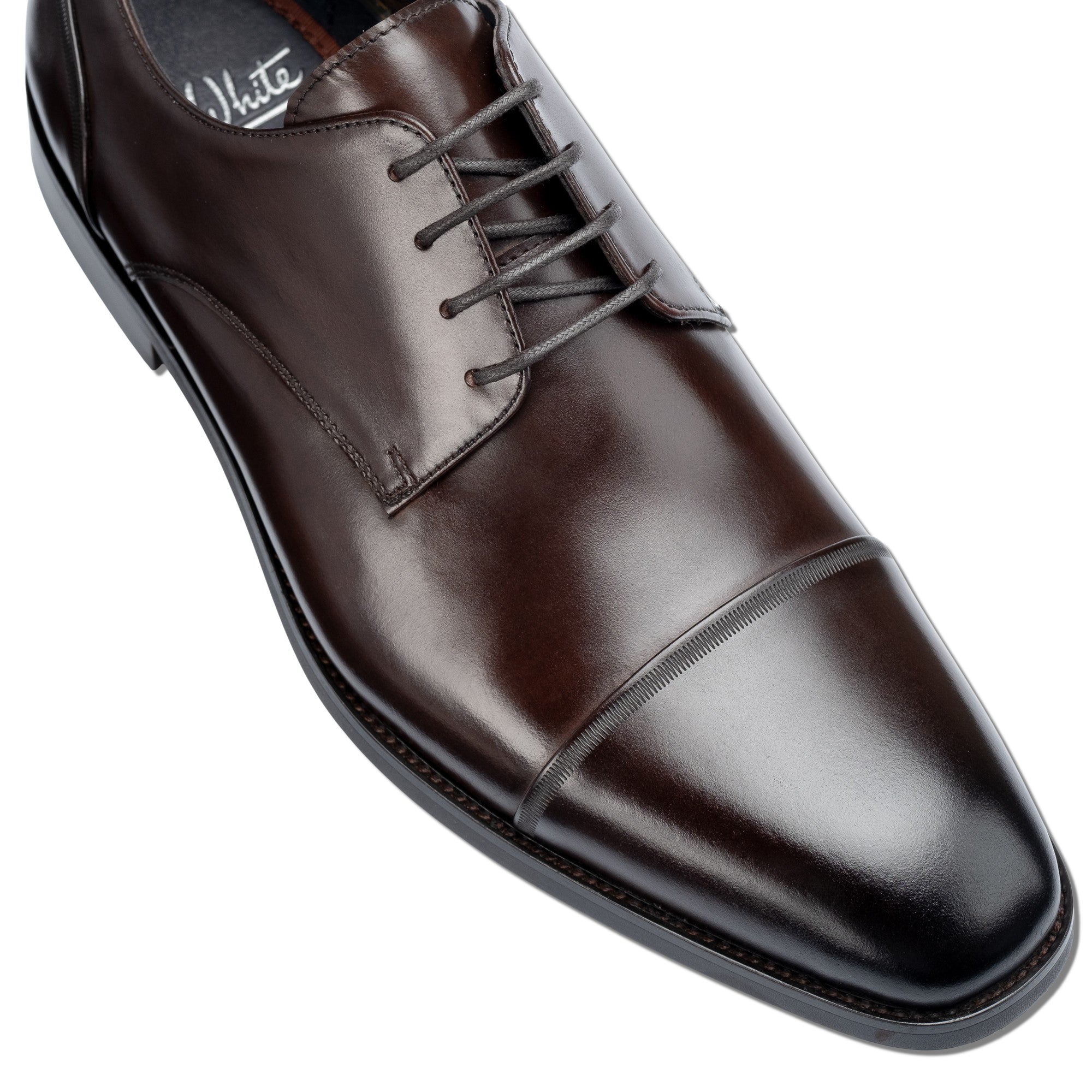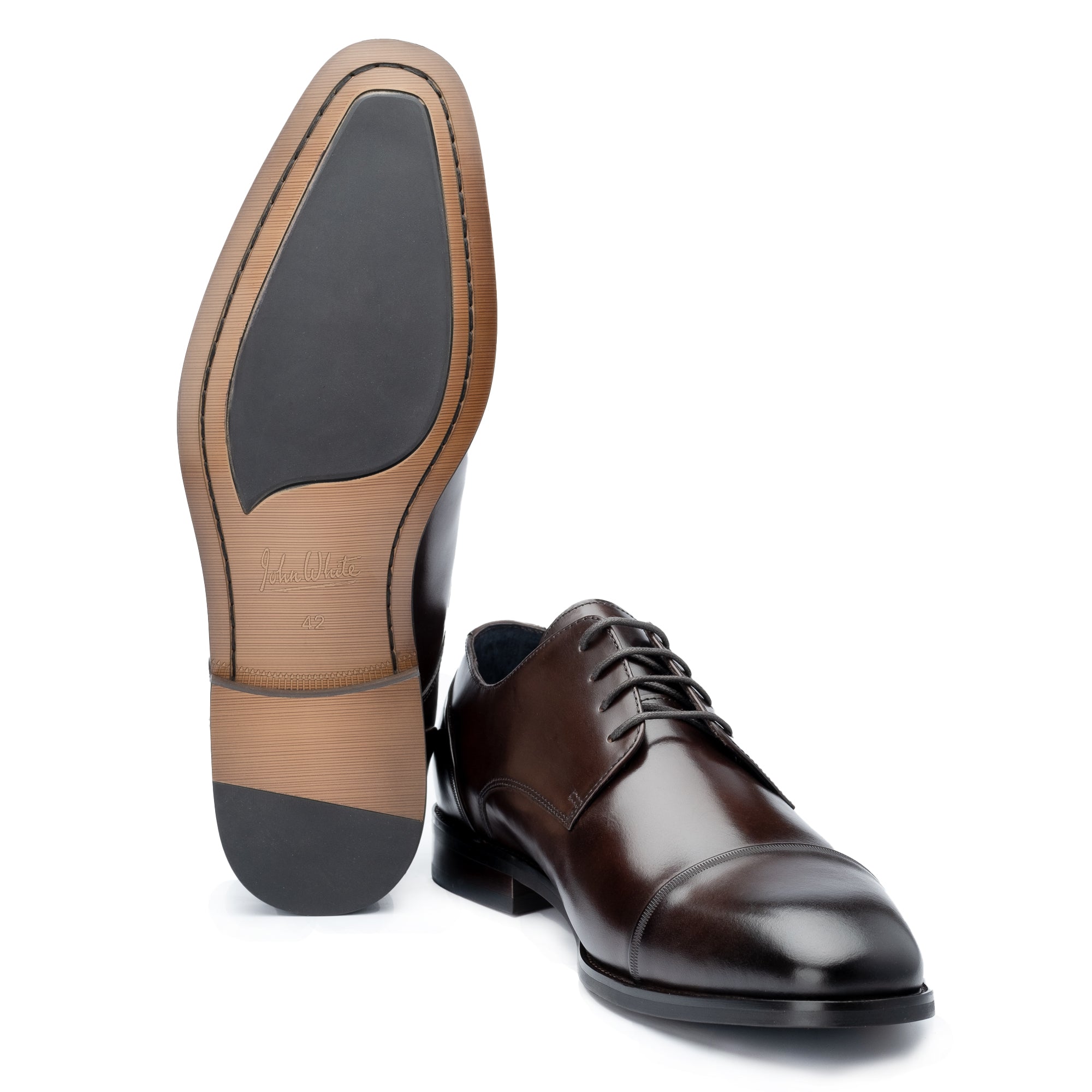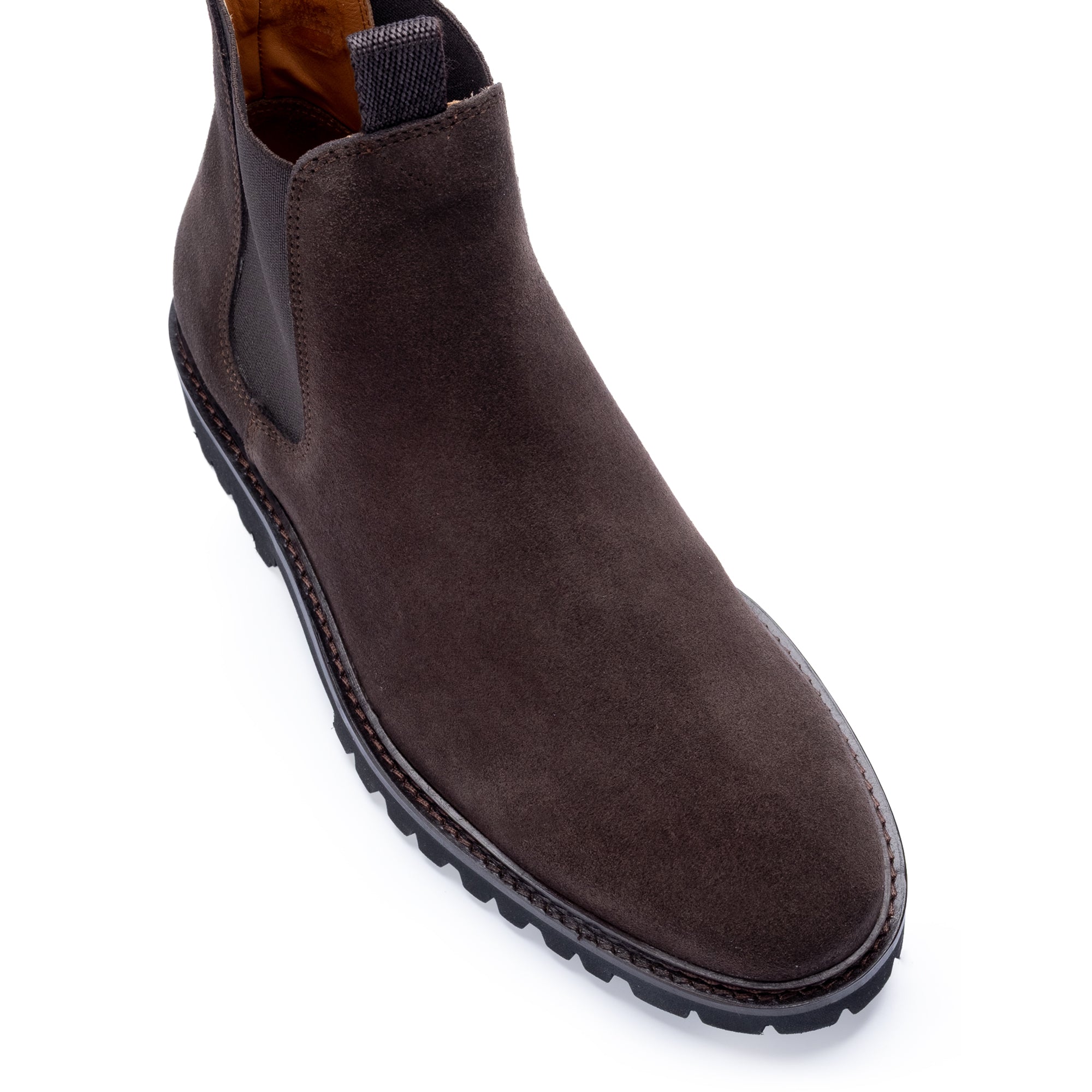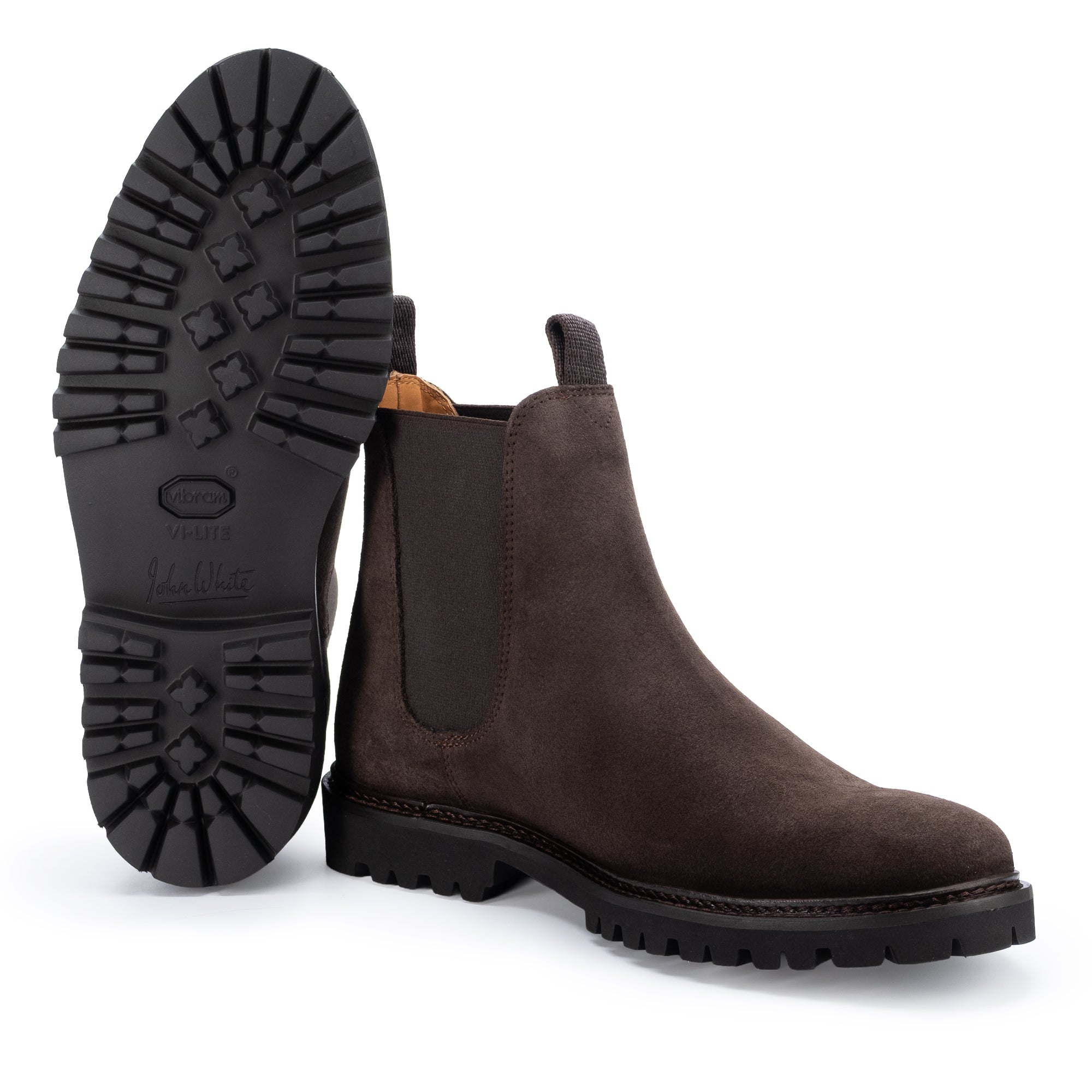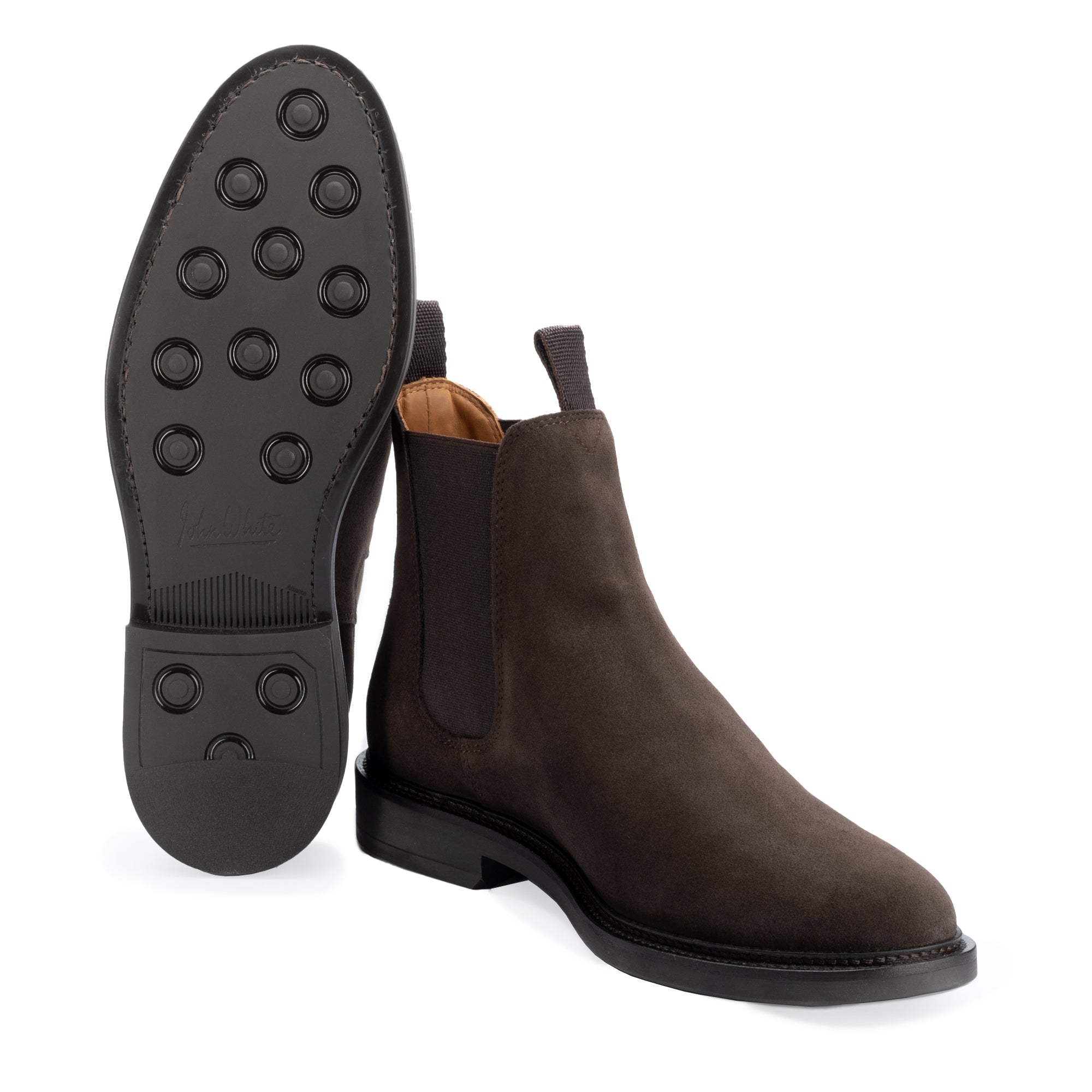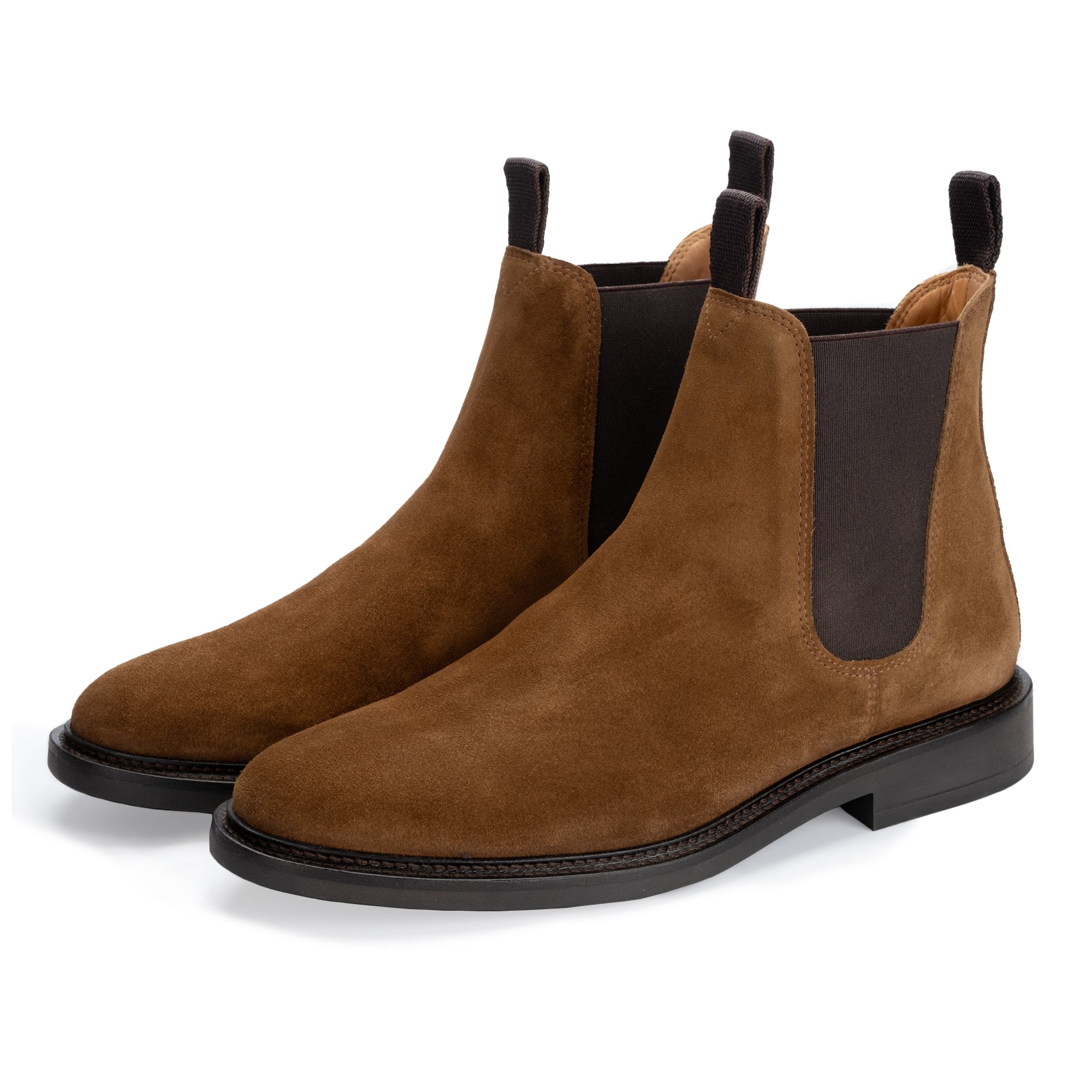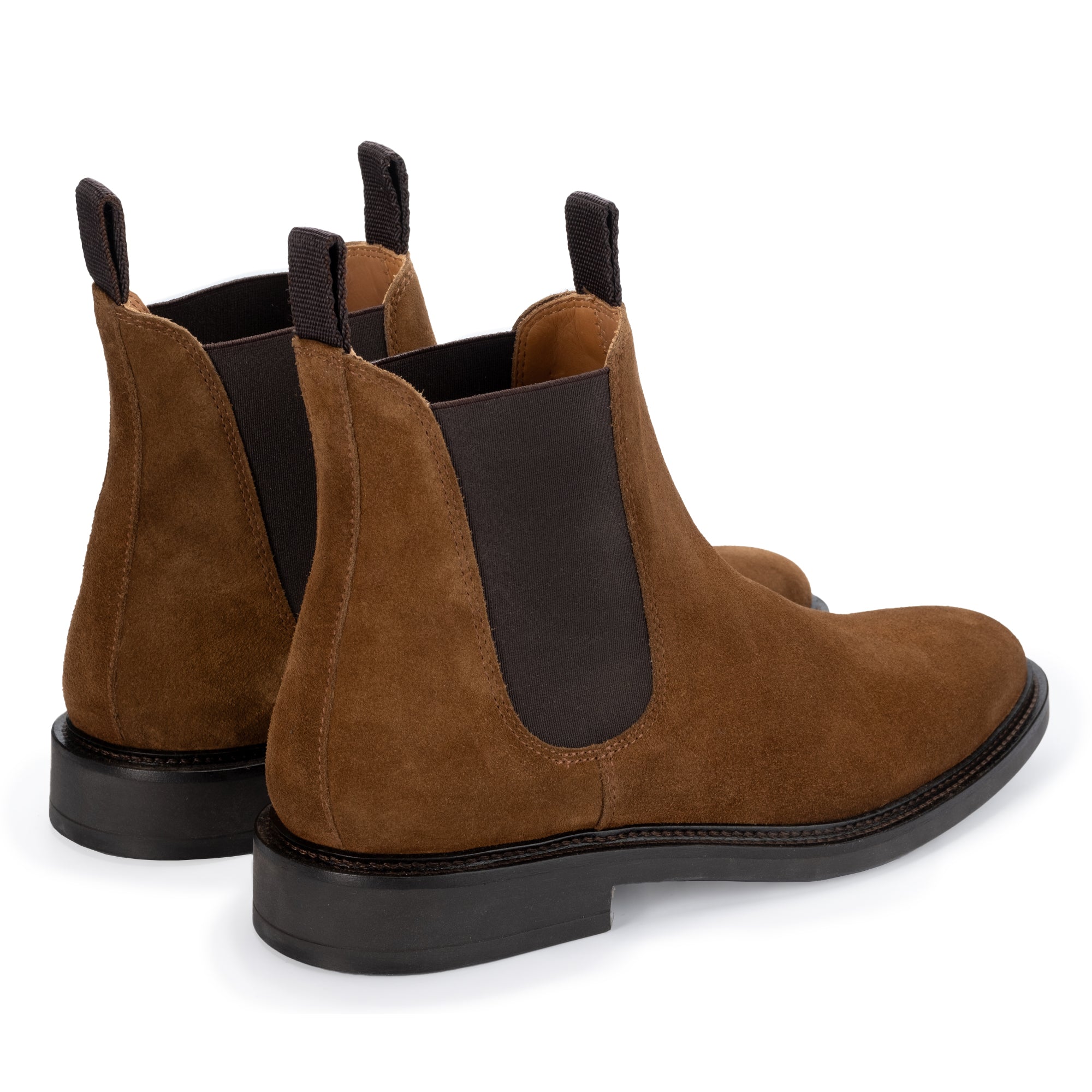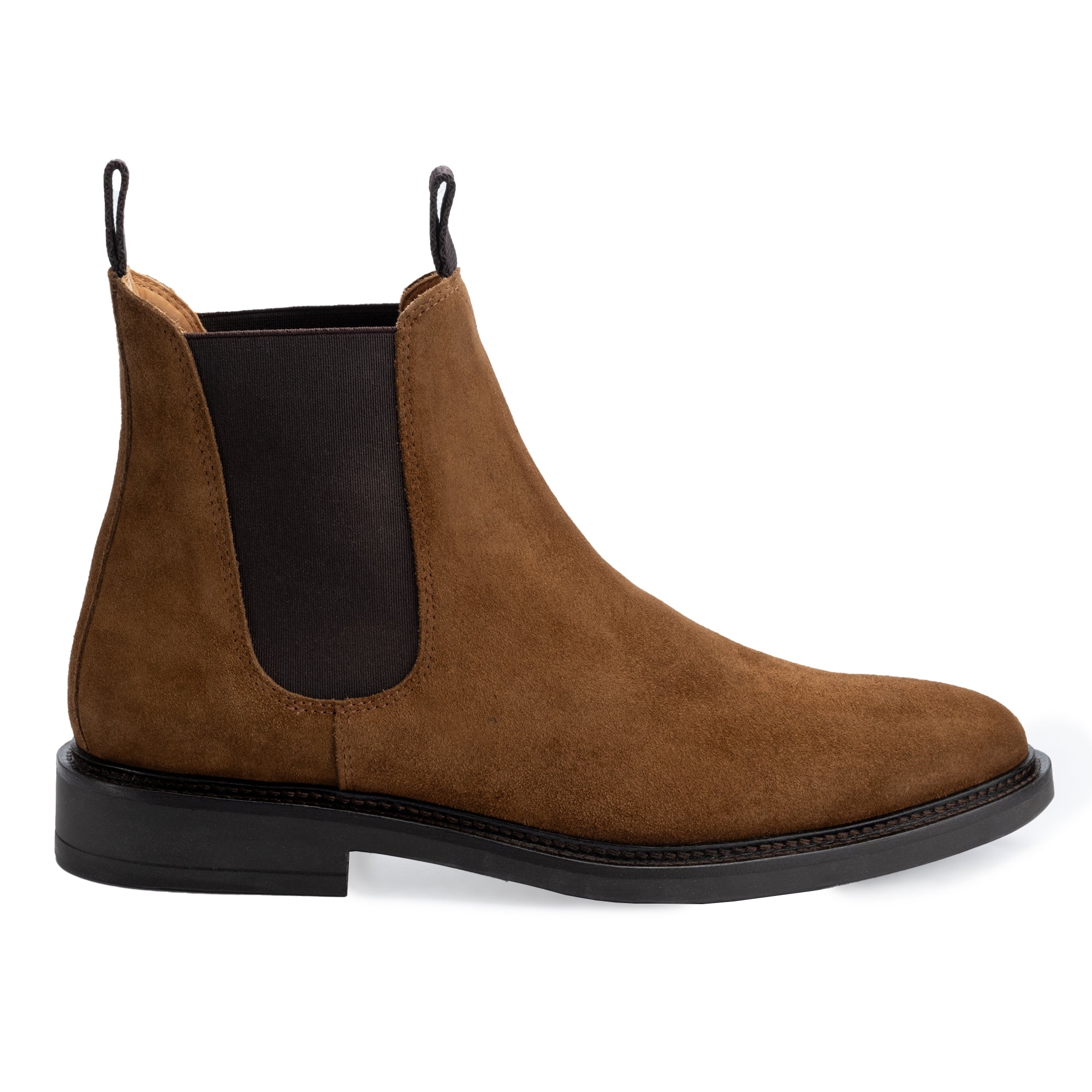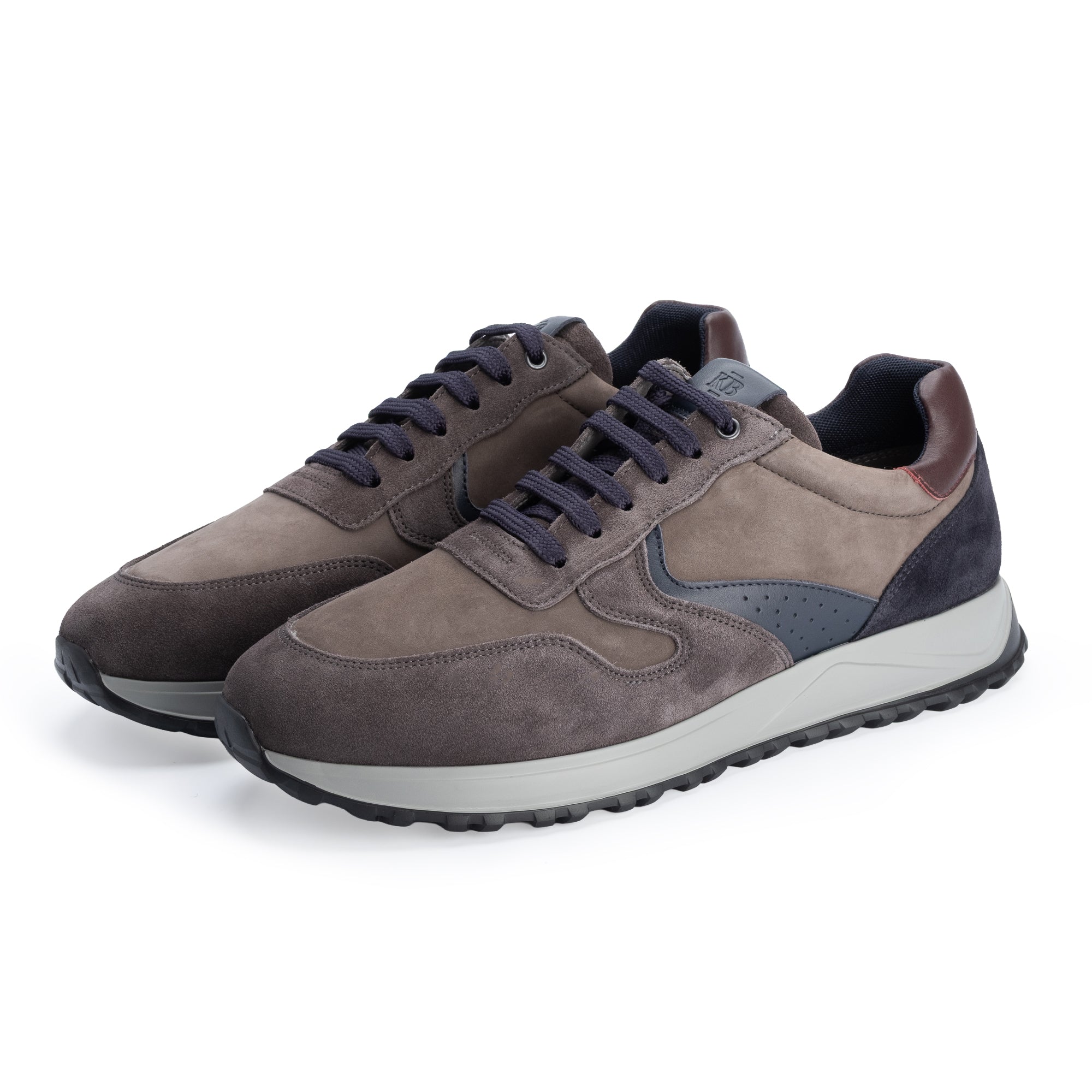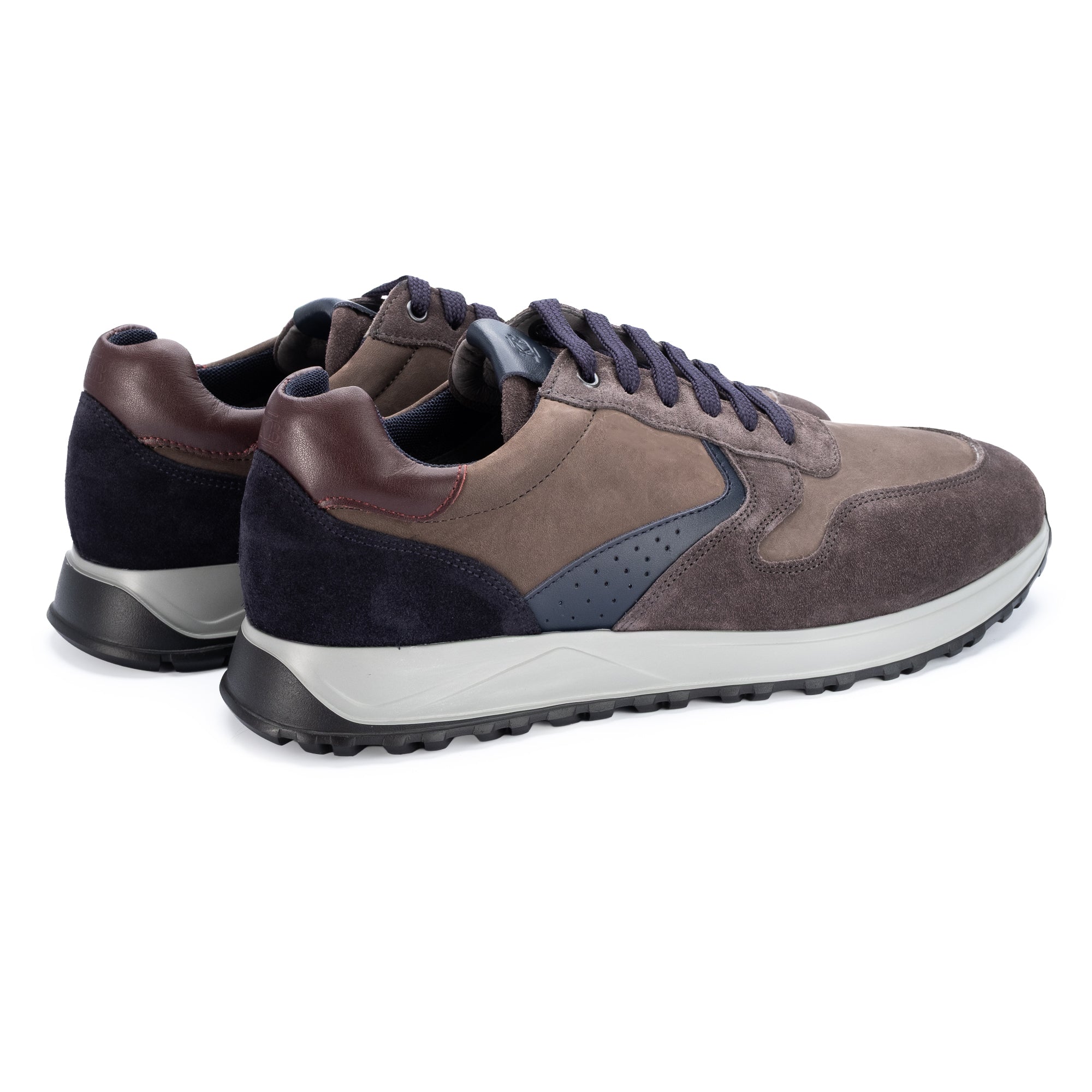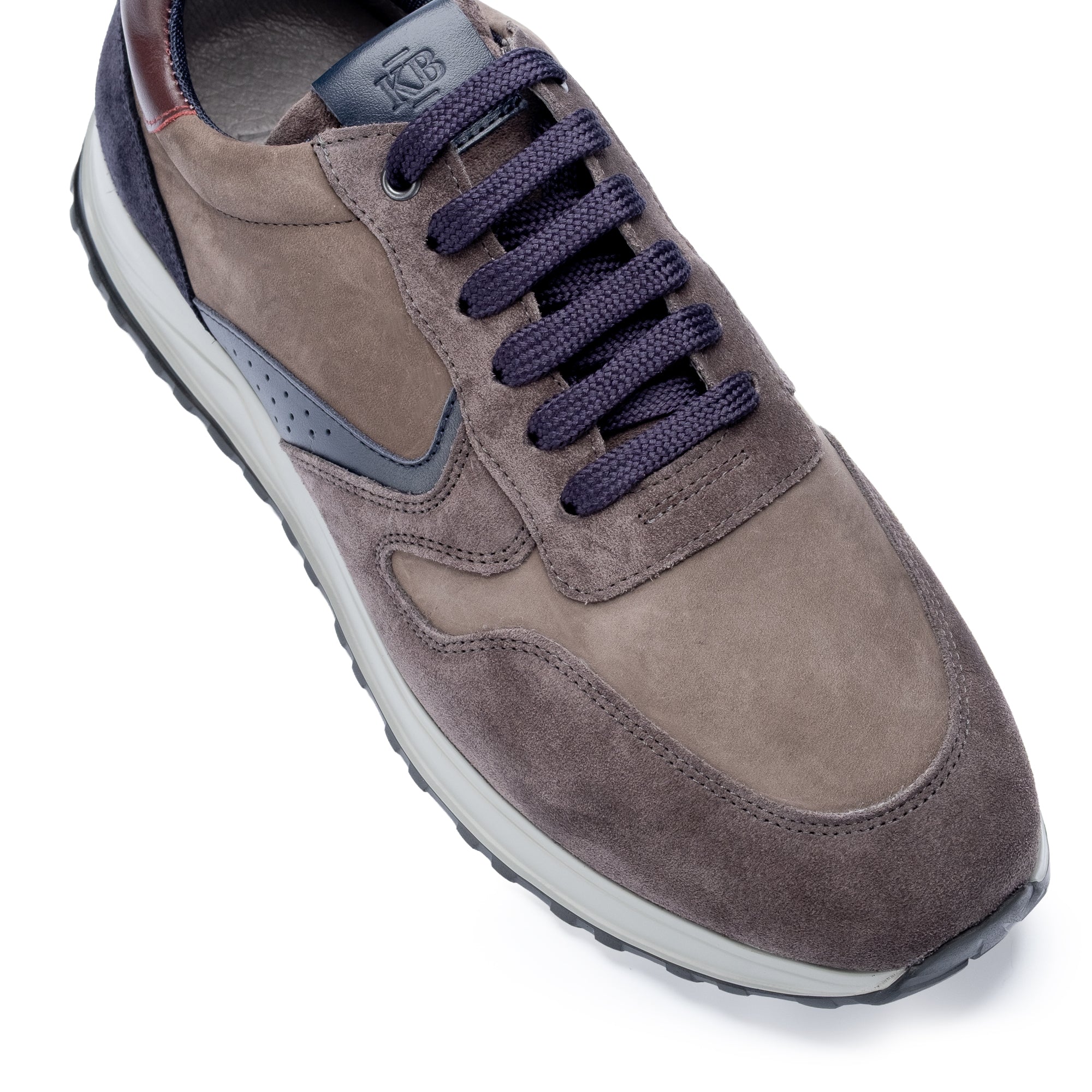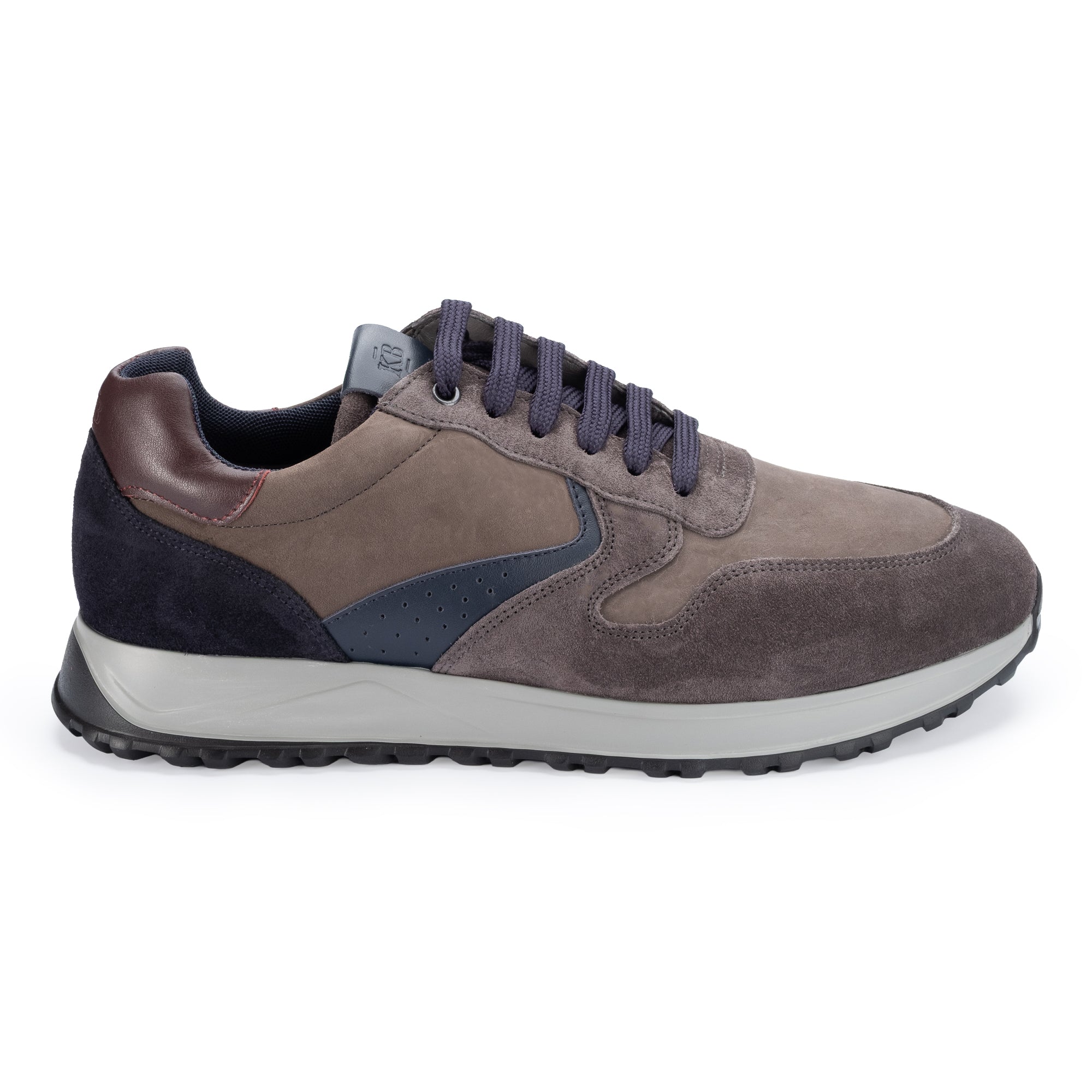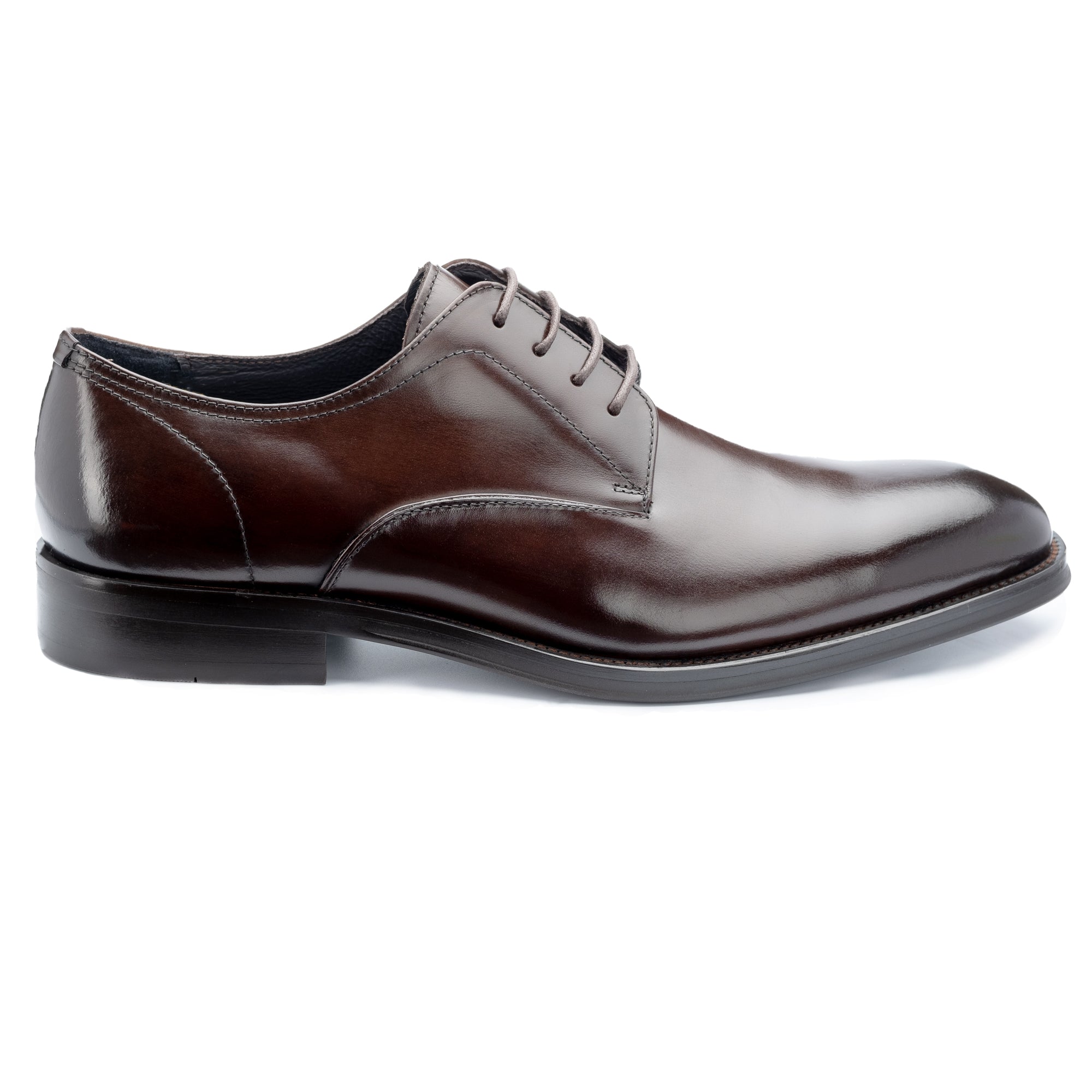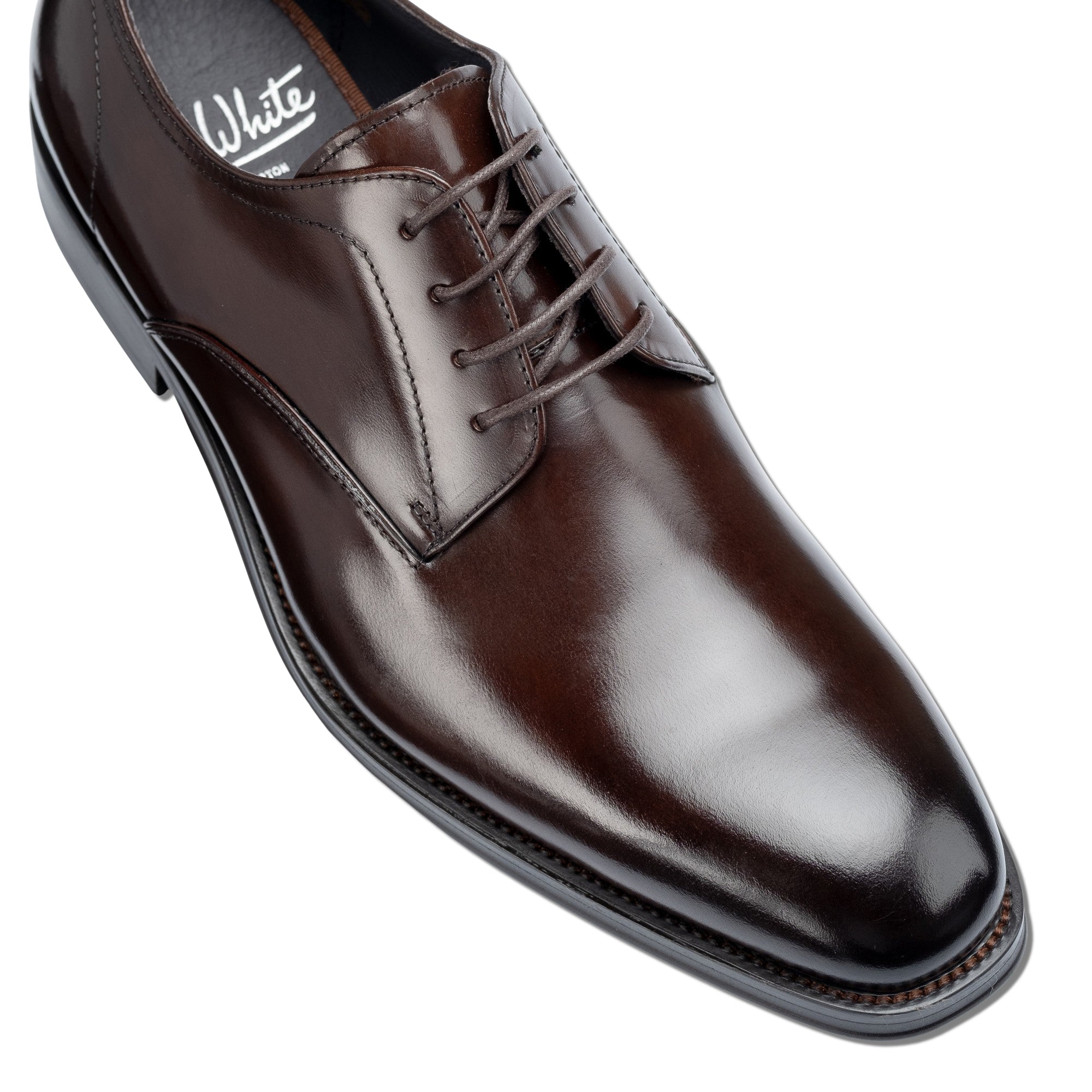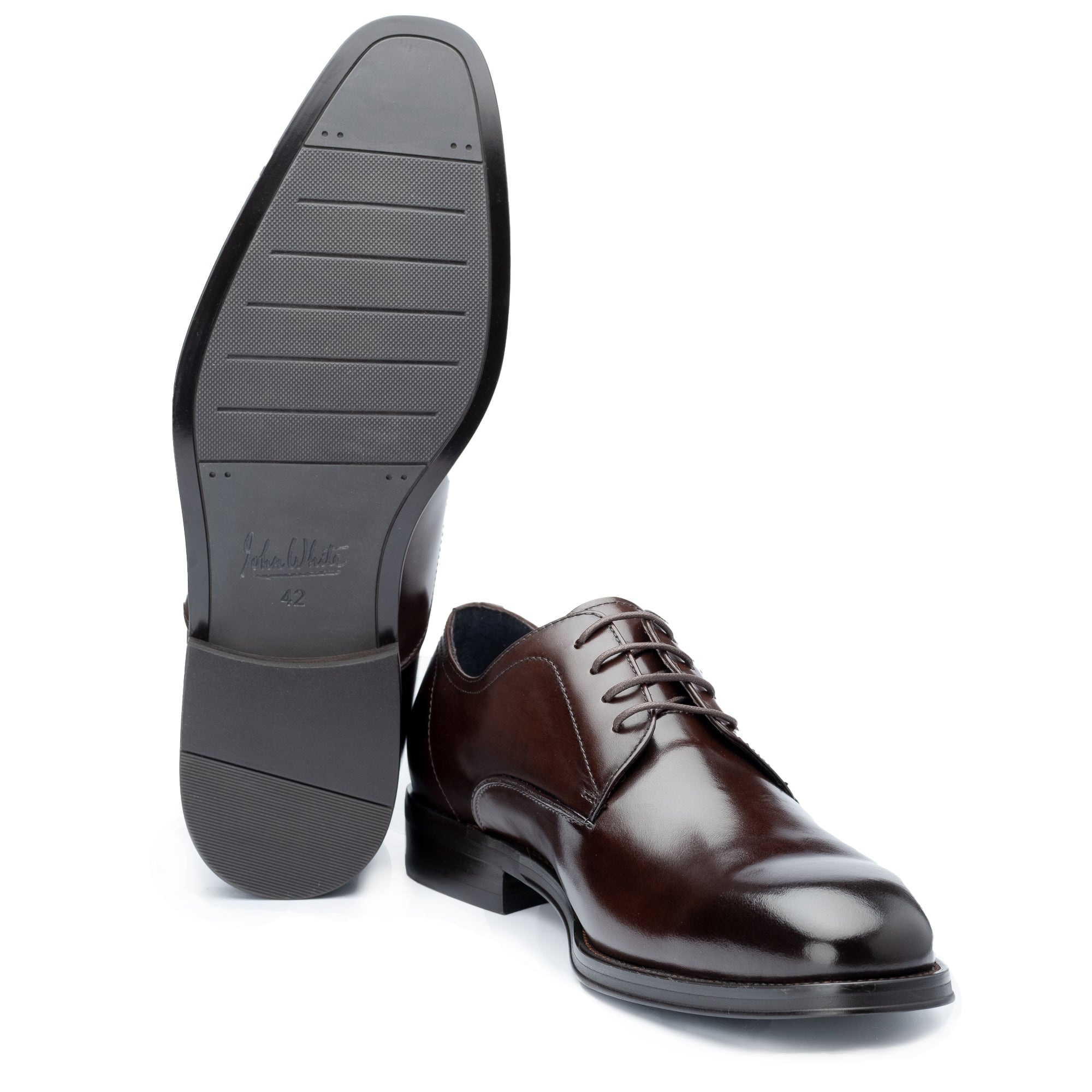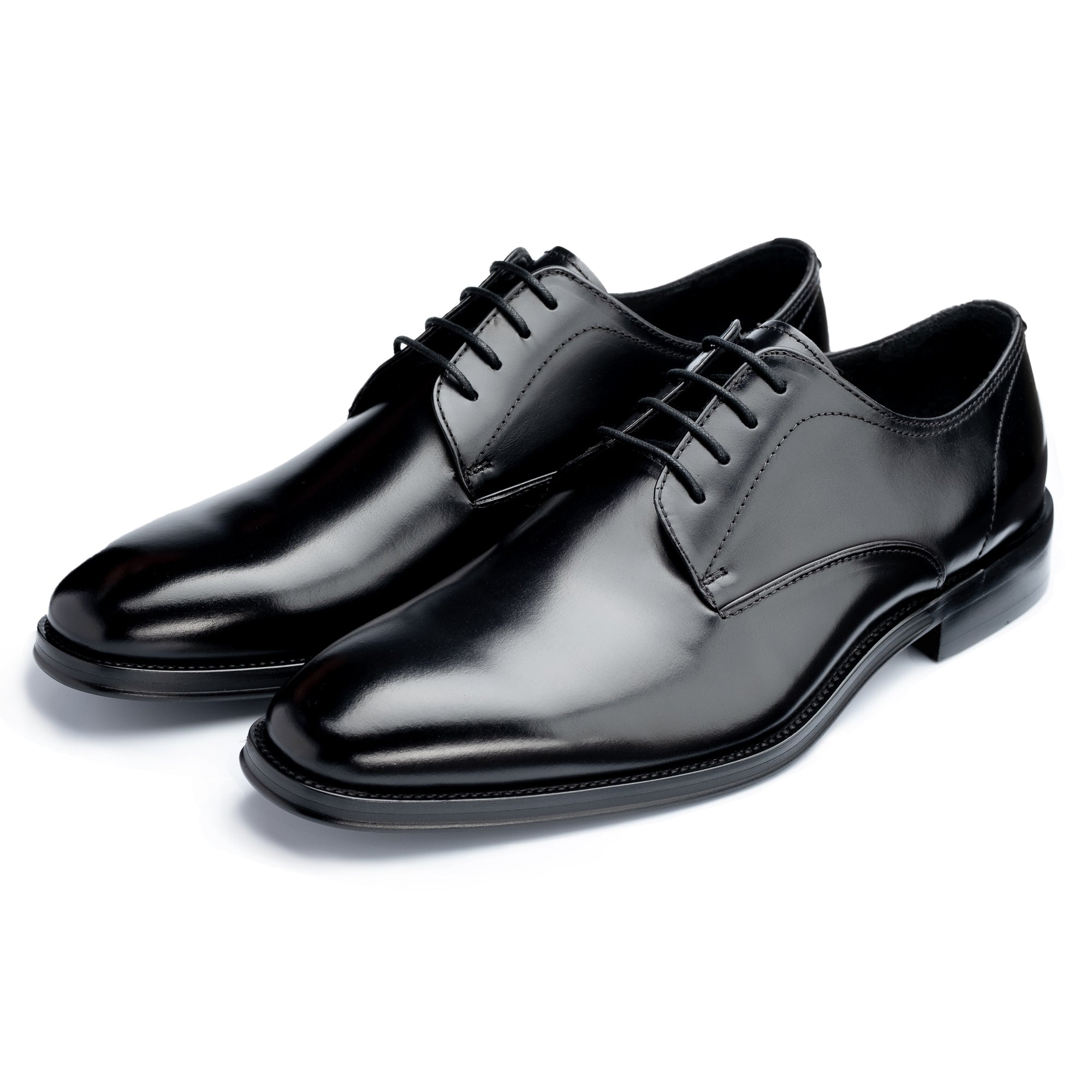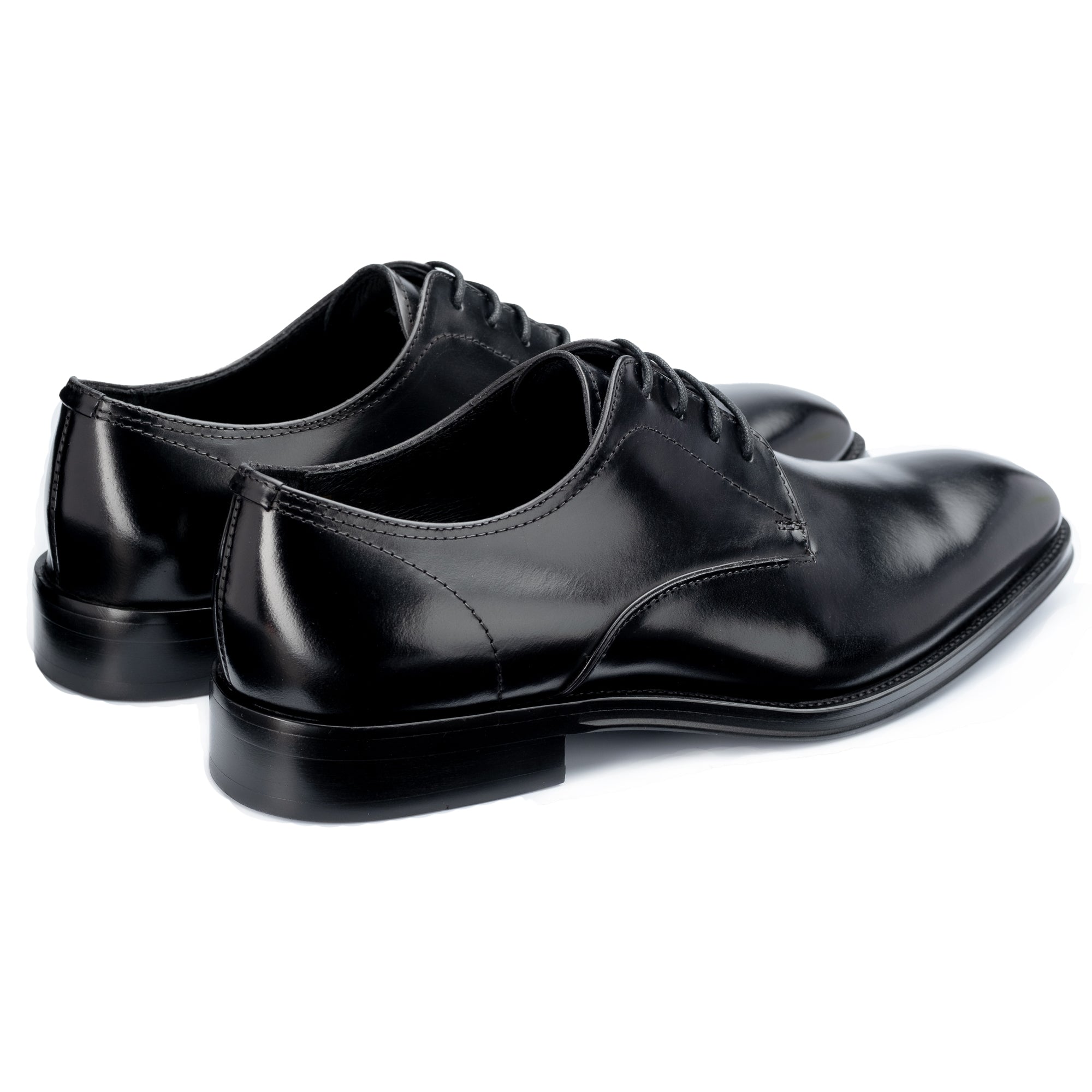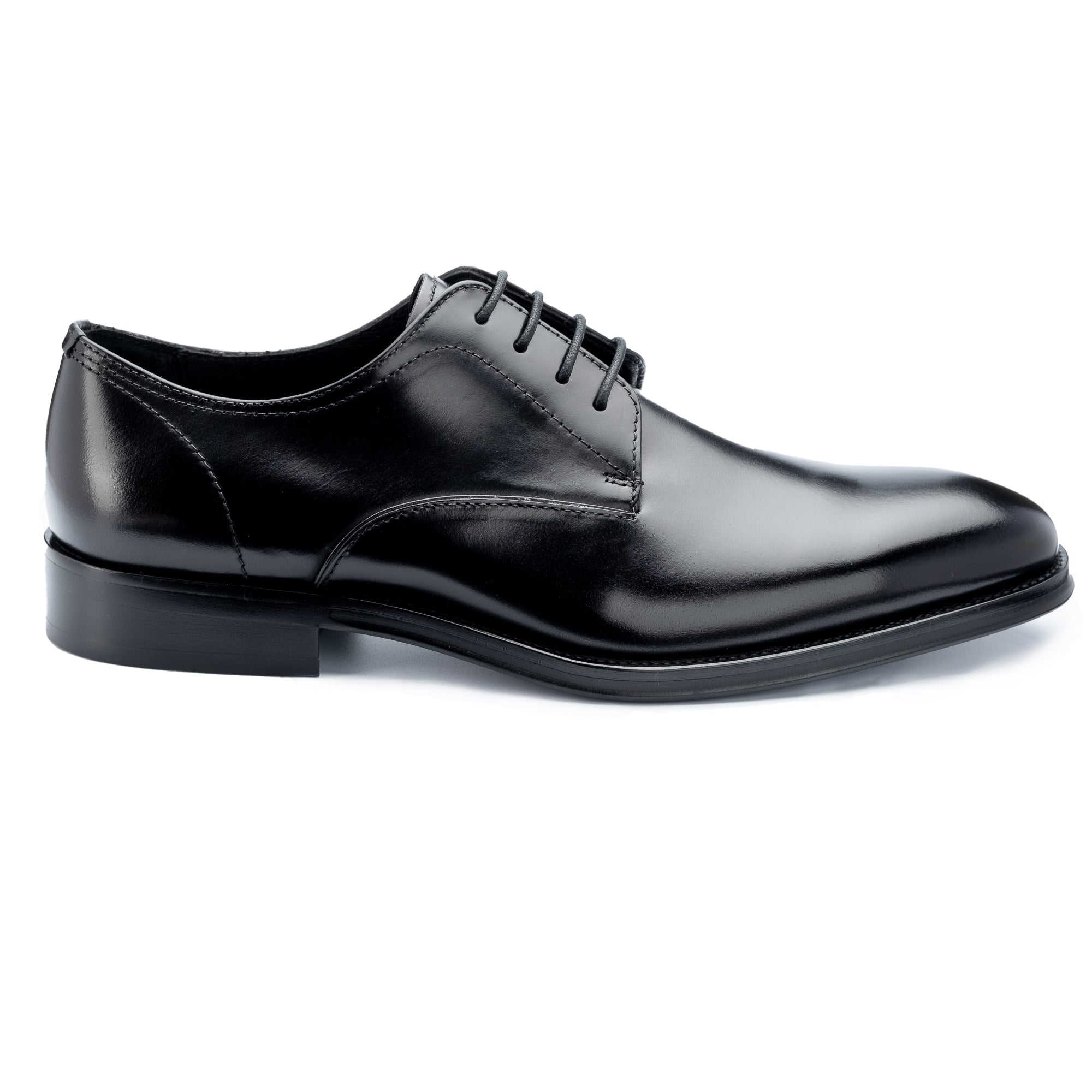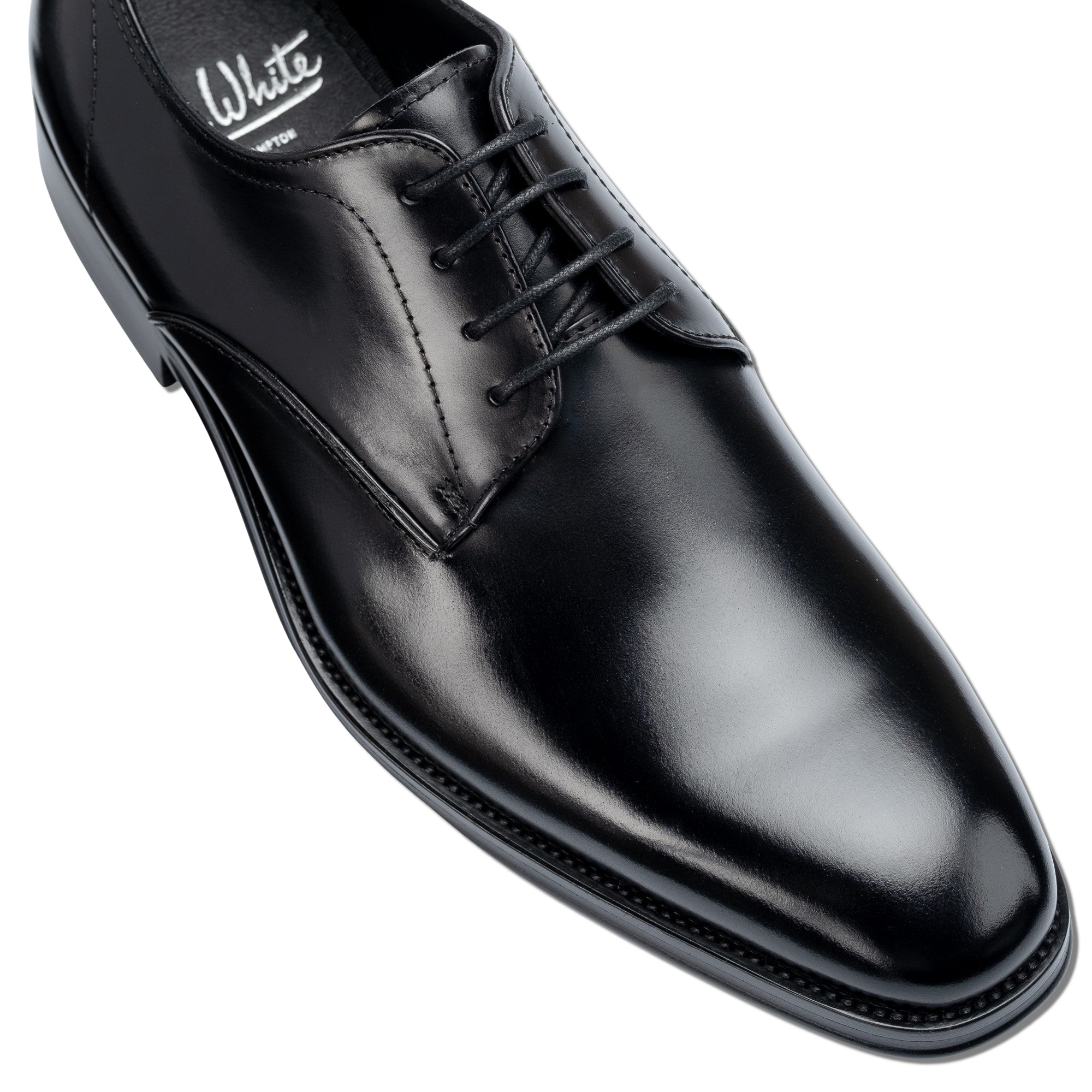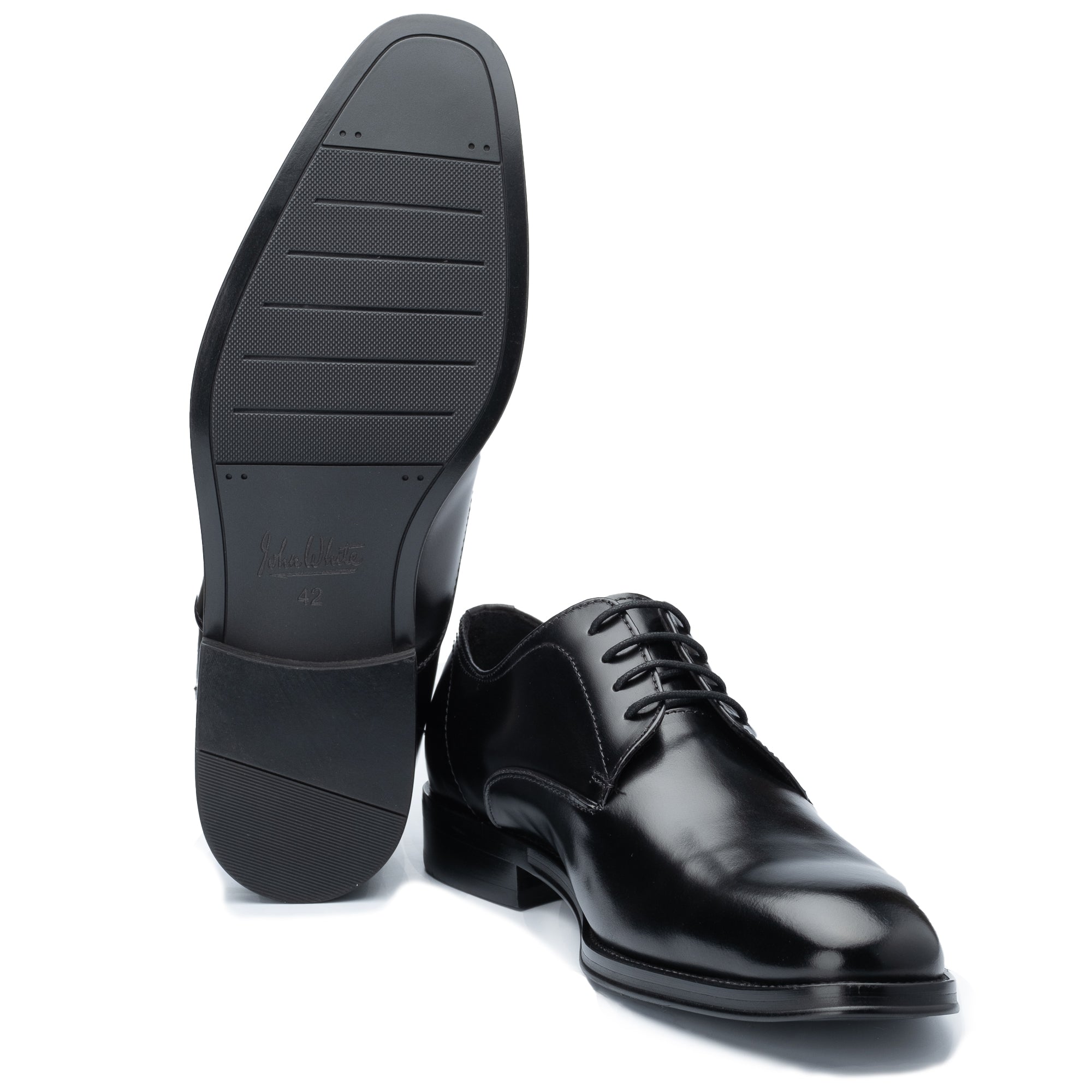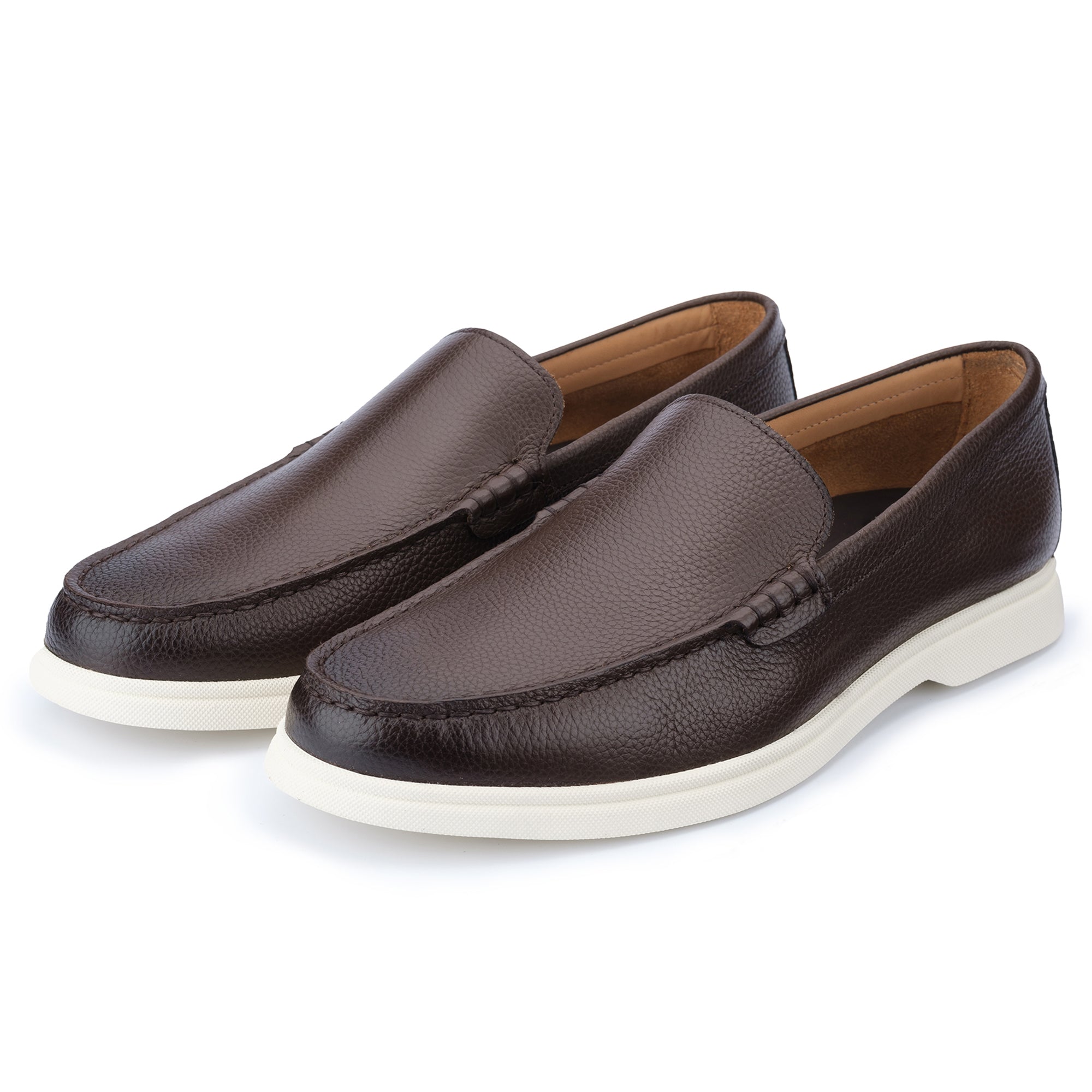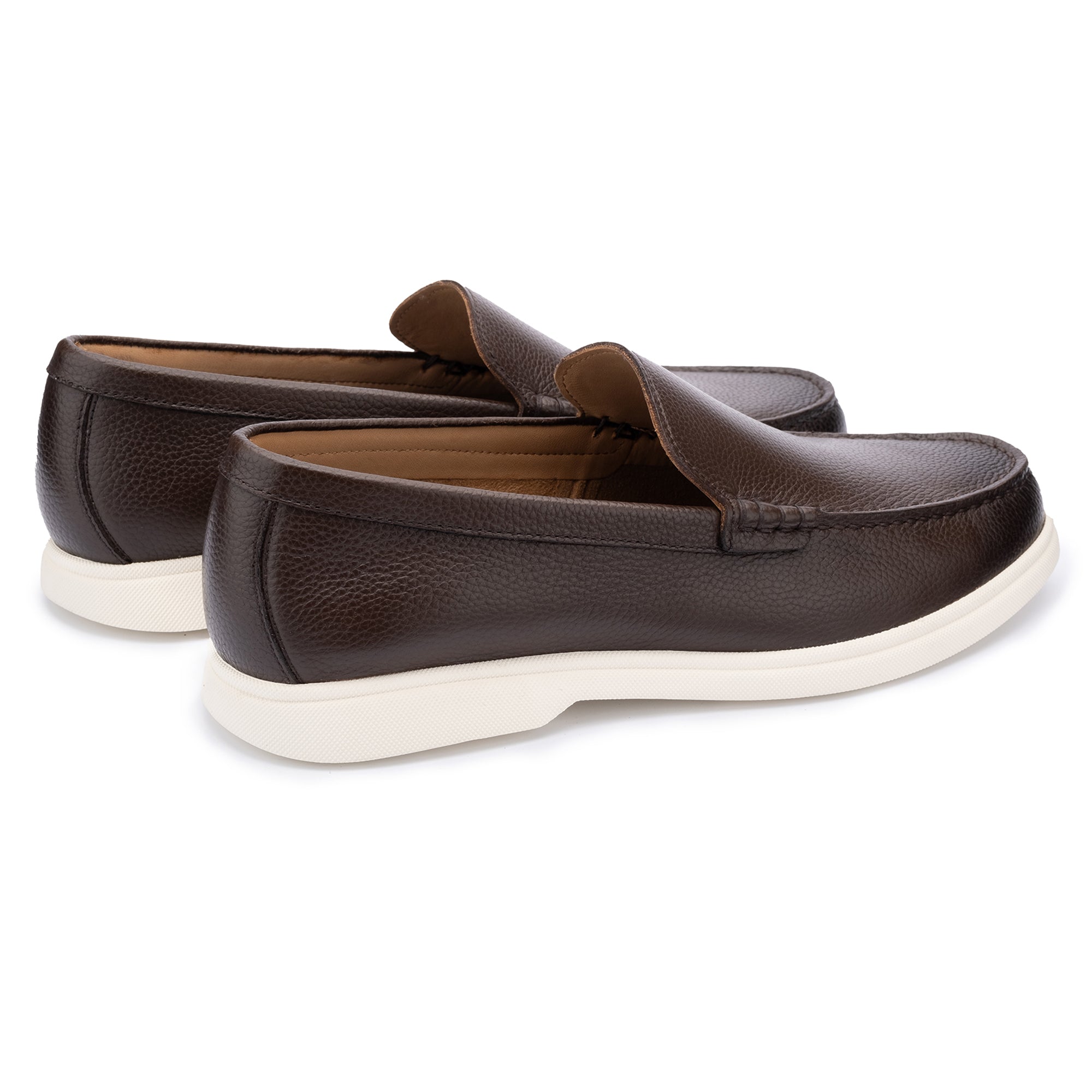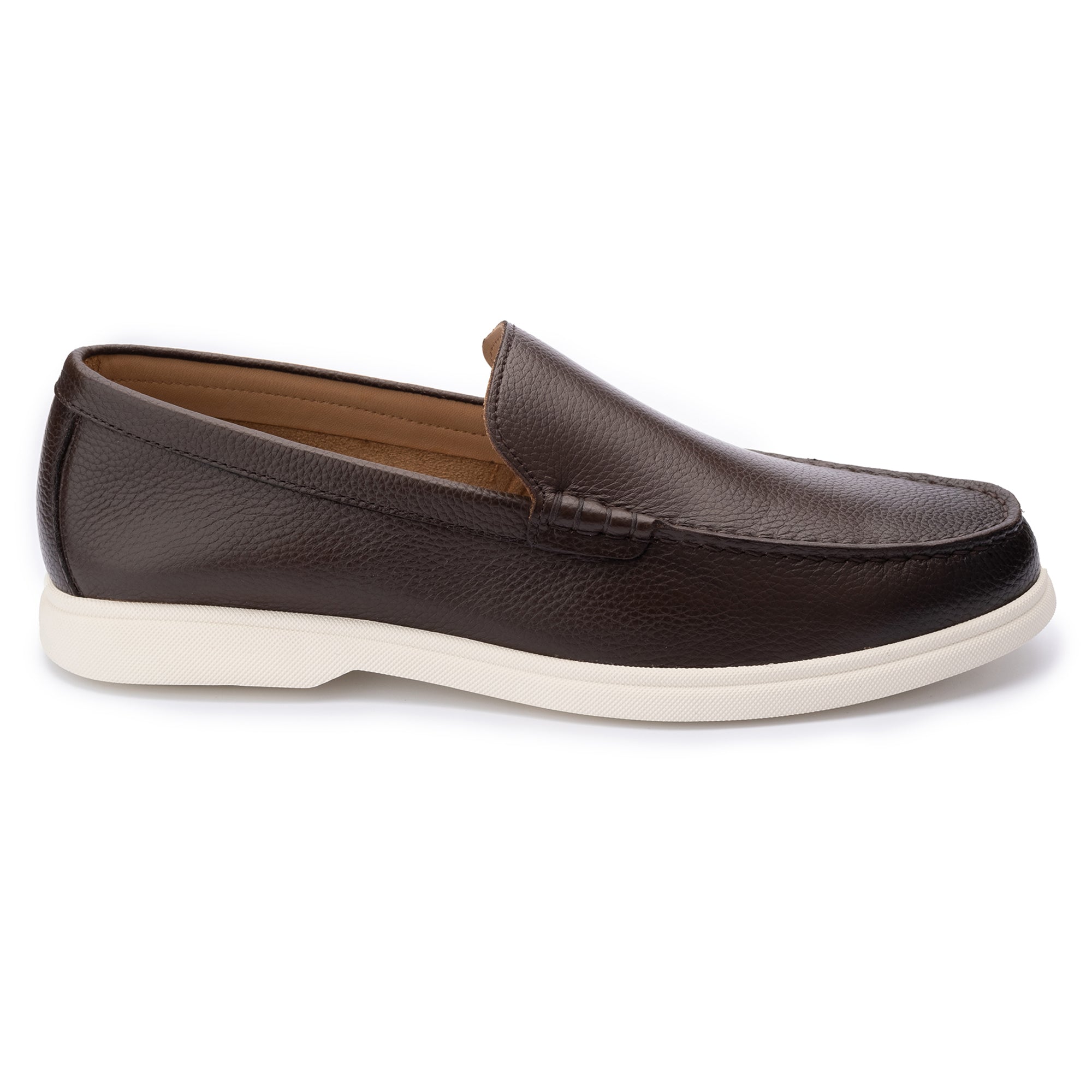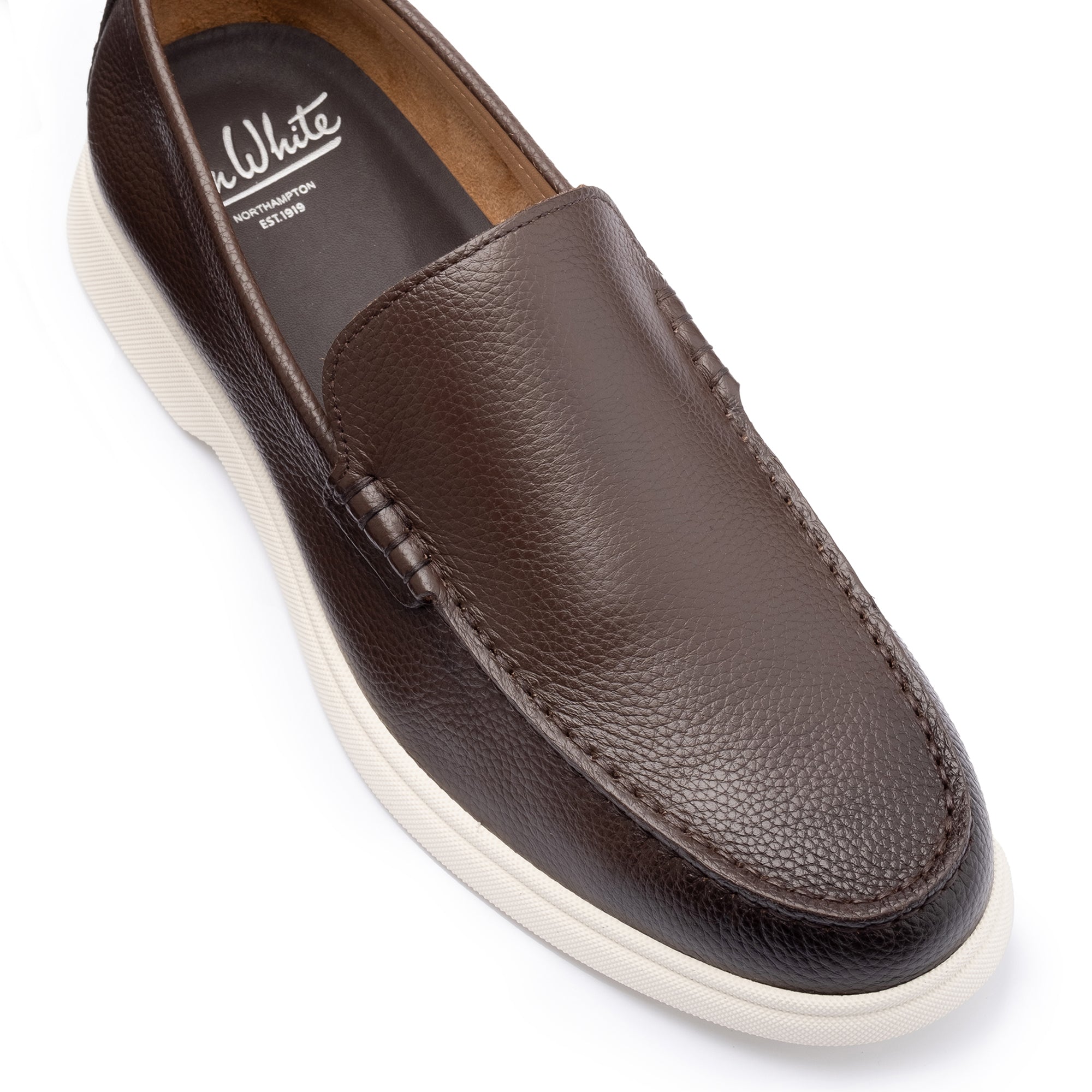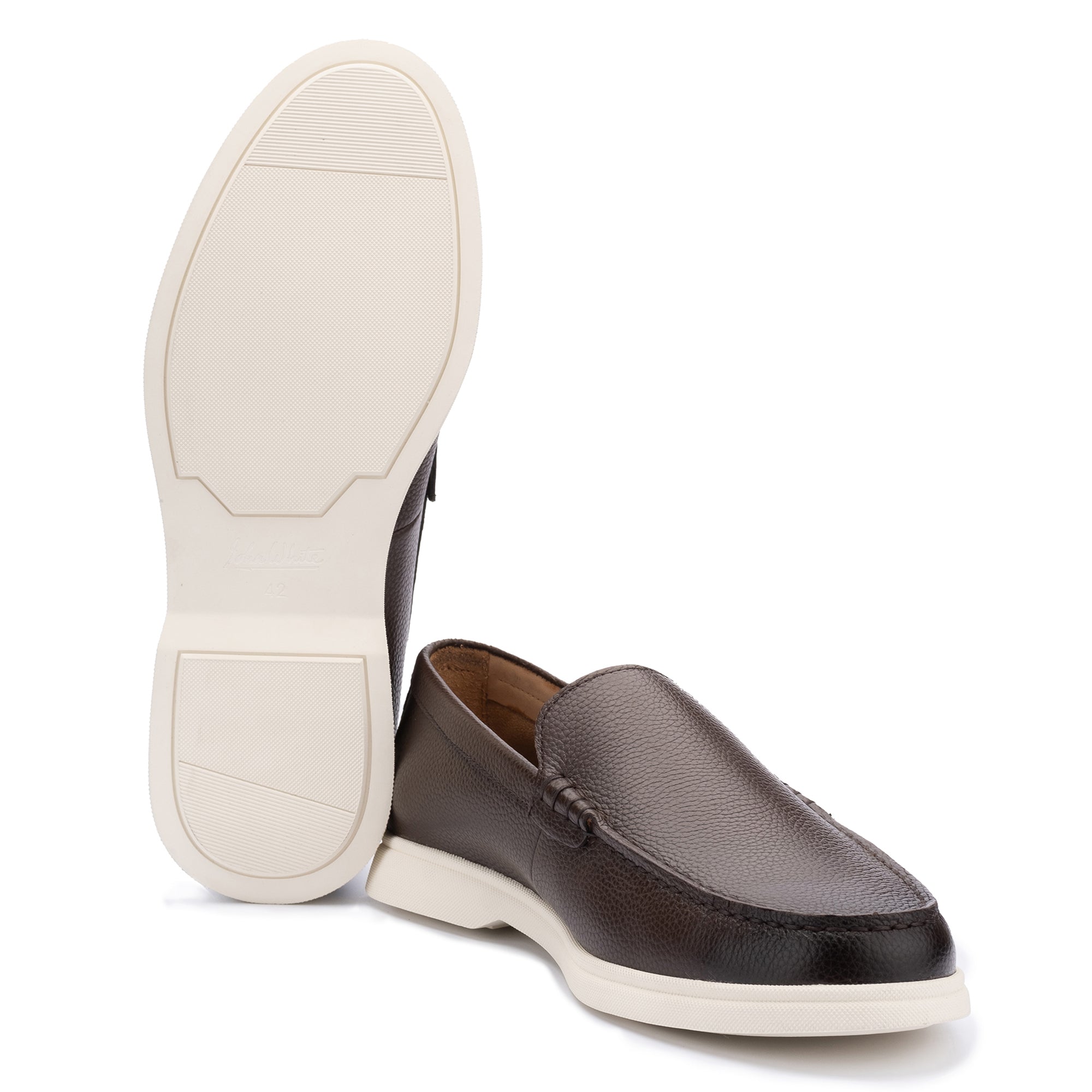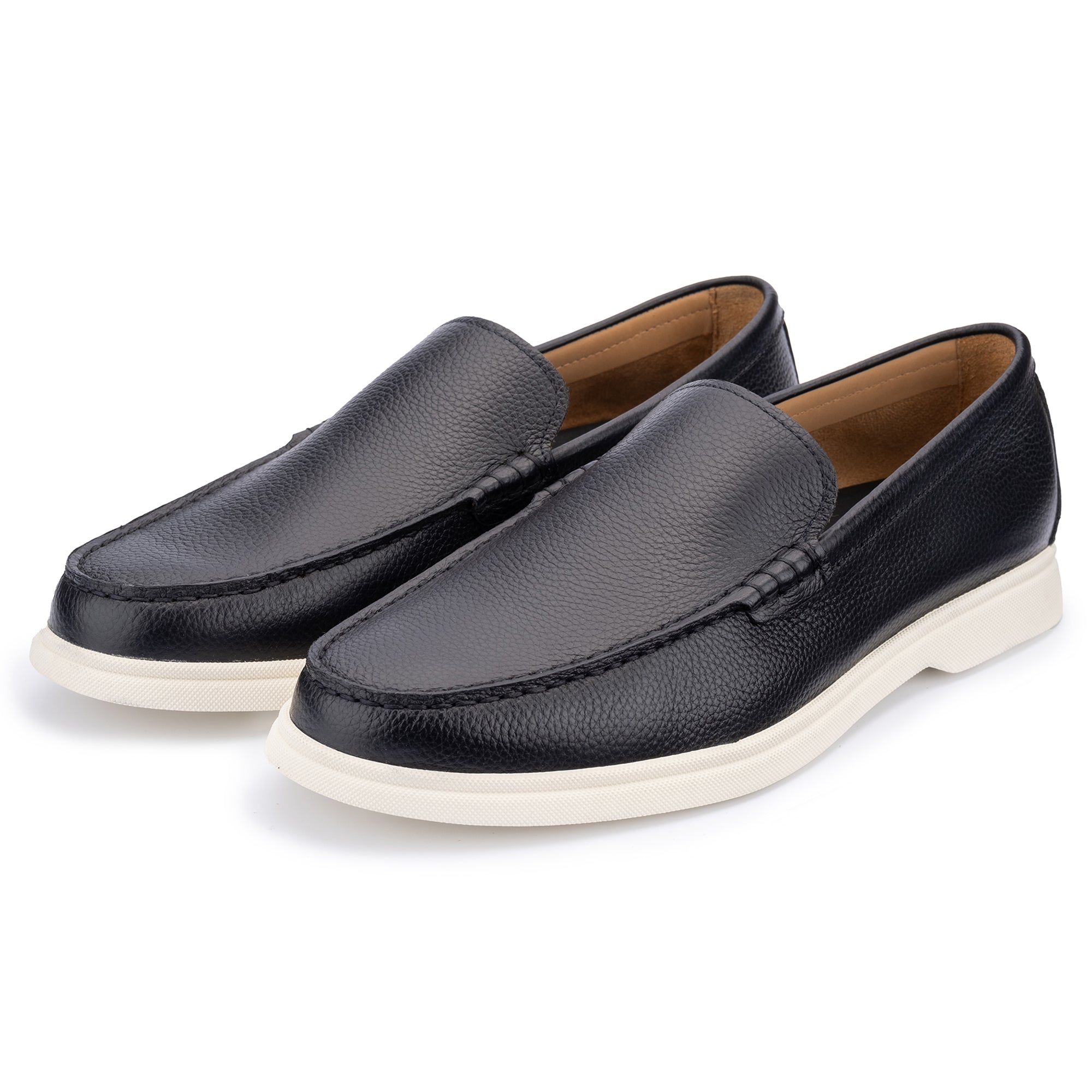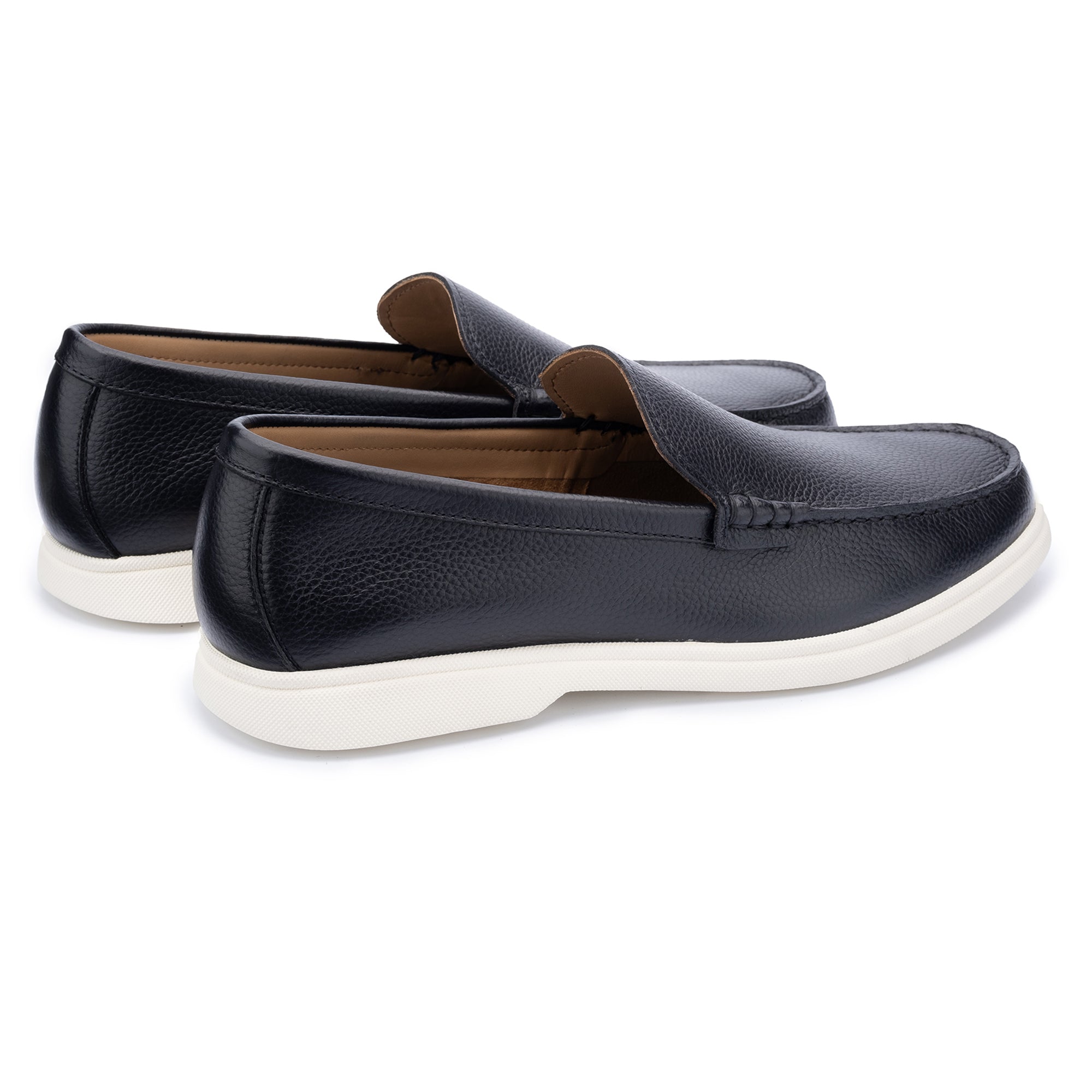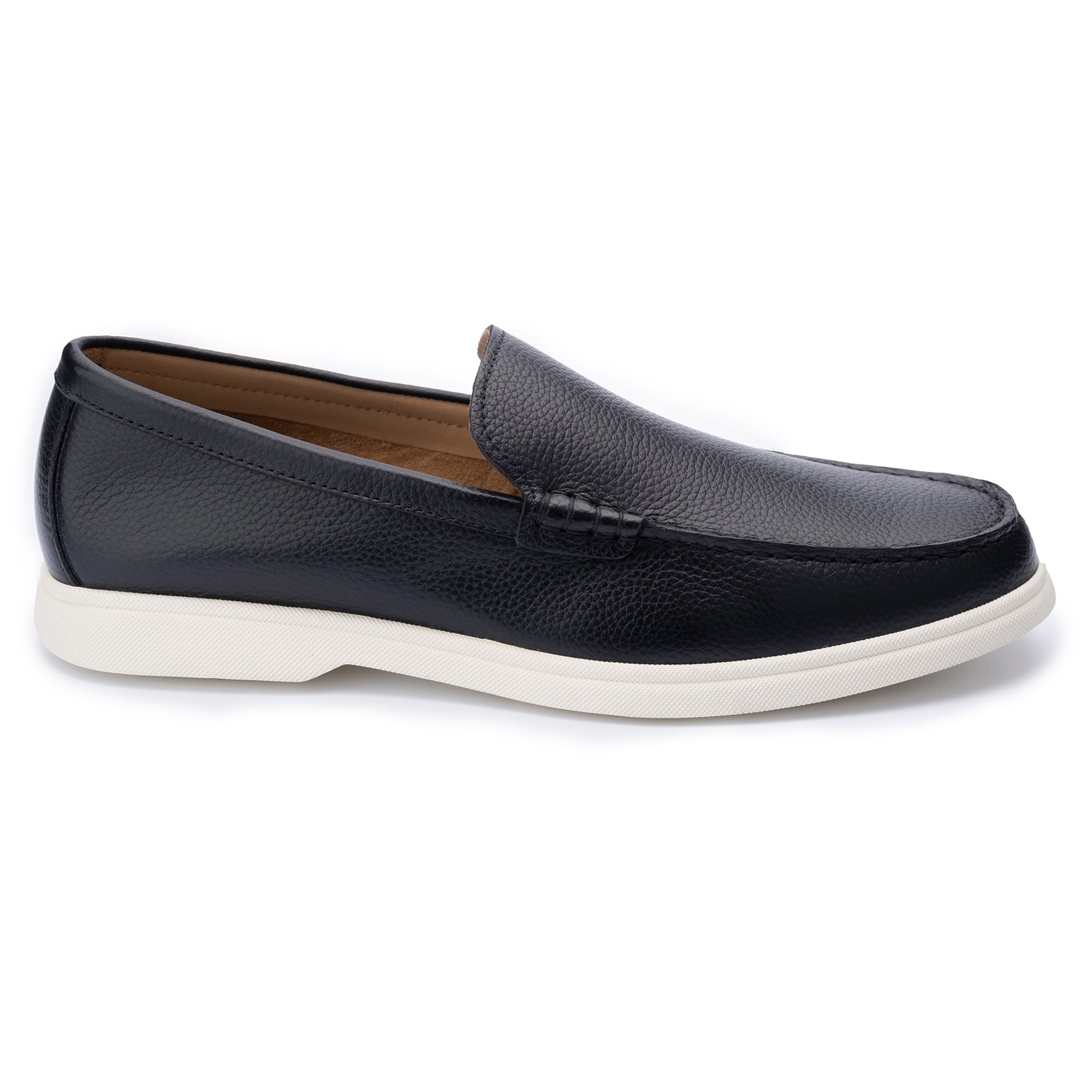

The Fourth Pair: A Gentleman's Guide to Tan, Oxblood, and Navy Leather Shoes
Tan, oxblood, and navy leather shoes represent the most intelligent expansion beyond a foundational shoe collection. Tan brings warm versatility to smart-casual dressing; oxblood delivers deeper character than burgundy for formal occasions; navy offers a rare sophistication reserved for the man who dresses with precise intention. Each earns its place, and none duplicates anything already in the collection.
Last updated: June 2026
In This Guide
- What Makes Tan, Oxblood, and Navy the Right Choices for a Fourth Pair?
- What Are Tan Leather Shoes and How Should You Wear Them?
- What Is Oxblood Leather and How Does It Differ from Burgundy?
- Can You Wear Navy Leather Shoes — and When Should You?
- Tan, Oxblood, and Navy: A Practical Comparison
- Which Colour Should You Add to Your Collection First?
- How Should You Care for Tan, Oxblood, and Navy Leather?
- Related Guides
- Frequently Asked Questions
Every well-dressed man builds his collection the same way: black Oxford, dark brown Derby or brogue, then burgundy. These three form the core, a foundation detailed in our guide to the core leather shoe collection. The fourth pair is where character begins. It moves beyond necessity and into expression. Tan, oxblood, and navy leather are the three colours most worth considering once the foundations are in place.
What Makes Tan, Oxblood, and Navy the Right Choices for a Fourth Pair?
Tan, oxblood, and navy leather shoes are defined by their versatility within a specific register of dress. None is a substitute for the foundational colours — they complement them. Each fills a distinct gap that no combination of the original three can address.
Tan covers smart-casual and country weekend dressing with a warmth that dark brown cannot replicate. Oxblood occupies the space between burgundy and dark brown — richer, deeper, and more complex under light. Navy is the most unusual of the three, reserved for a man with a precise eye, but capable of effects no other colour achieves.
The fourth pair earns its place precisely because it cannot be replaced by anything already in the collection.
What Are Tan Leather Shoes and How Should You Wear Them?
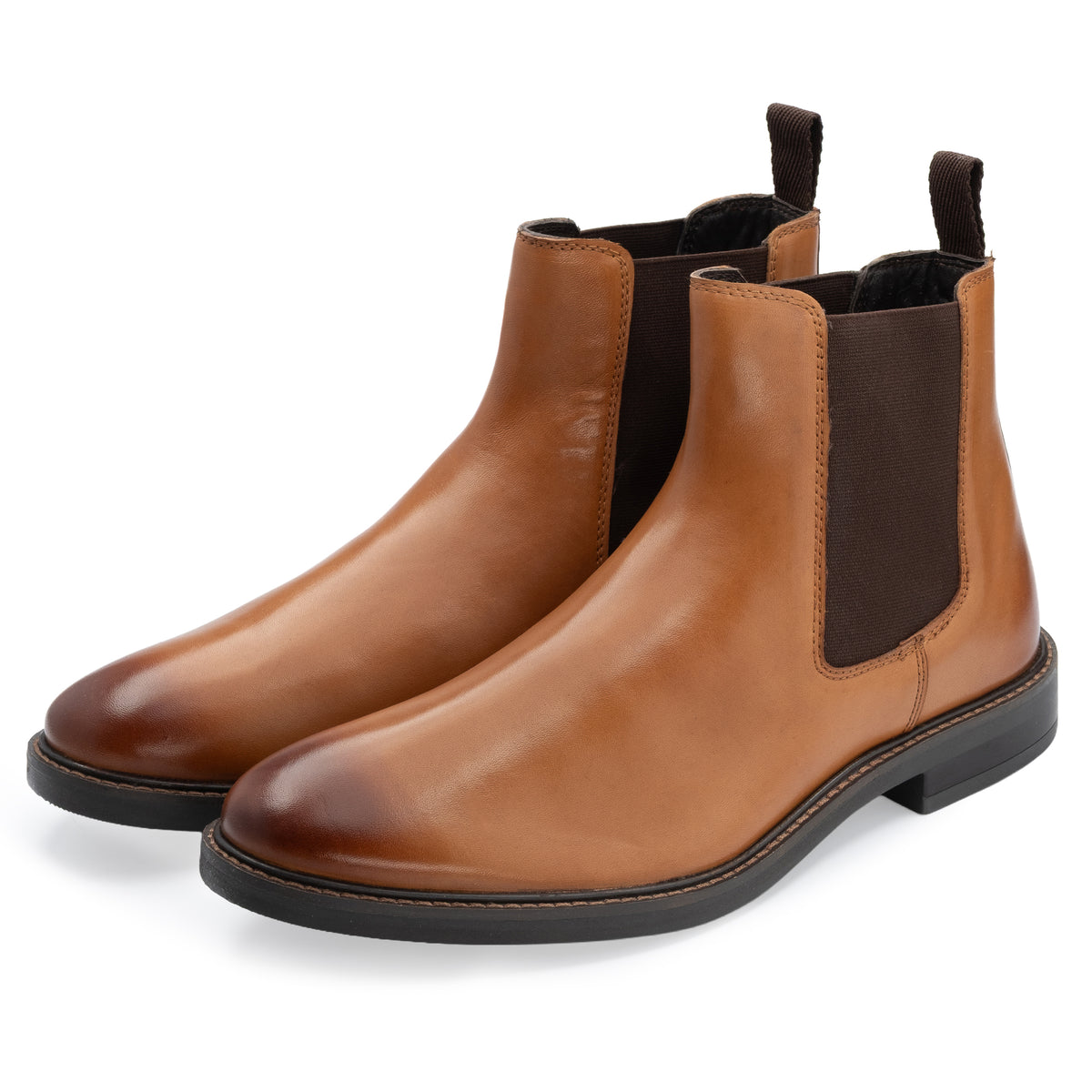
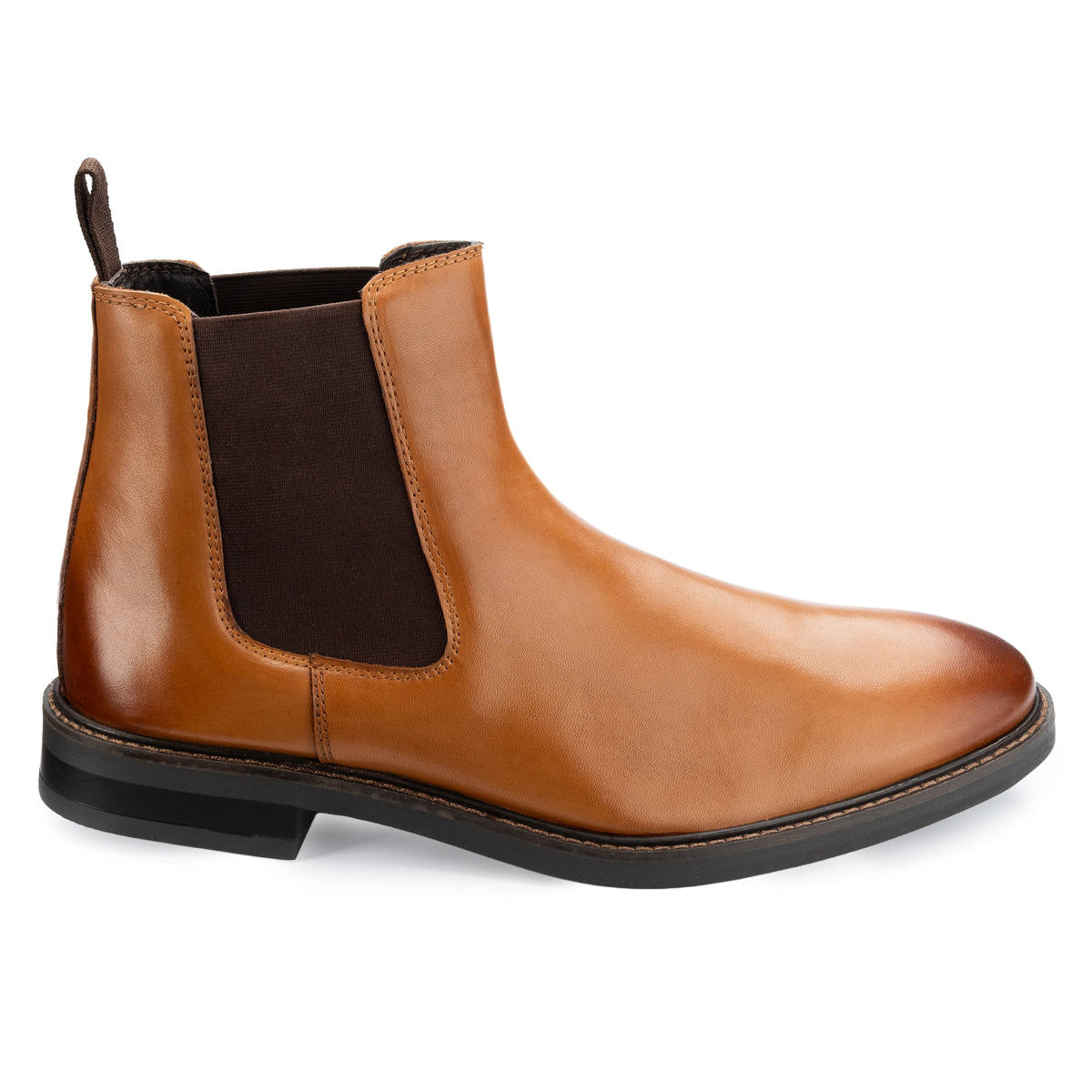
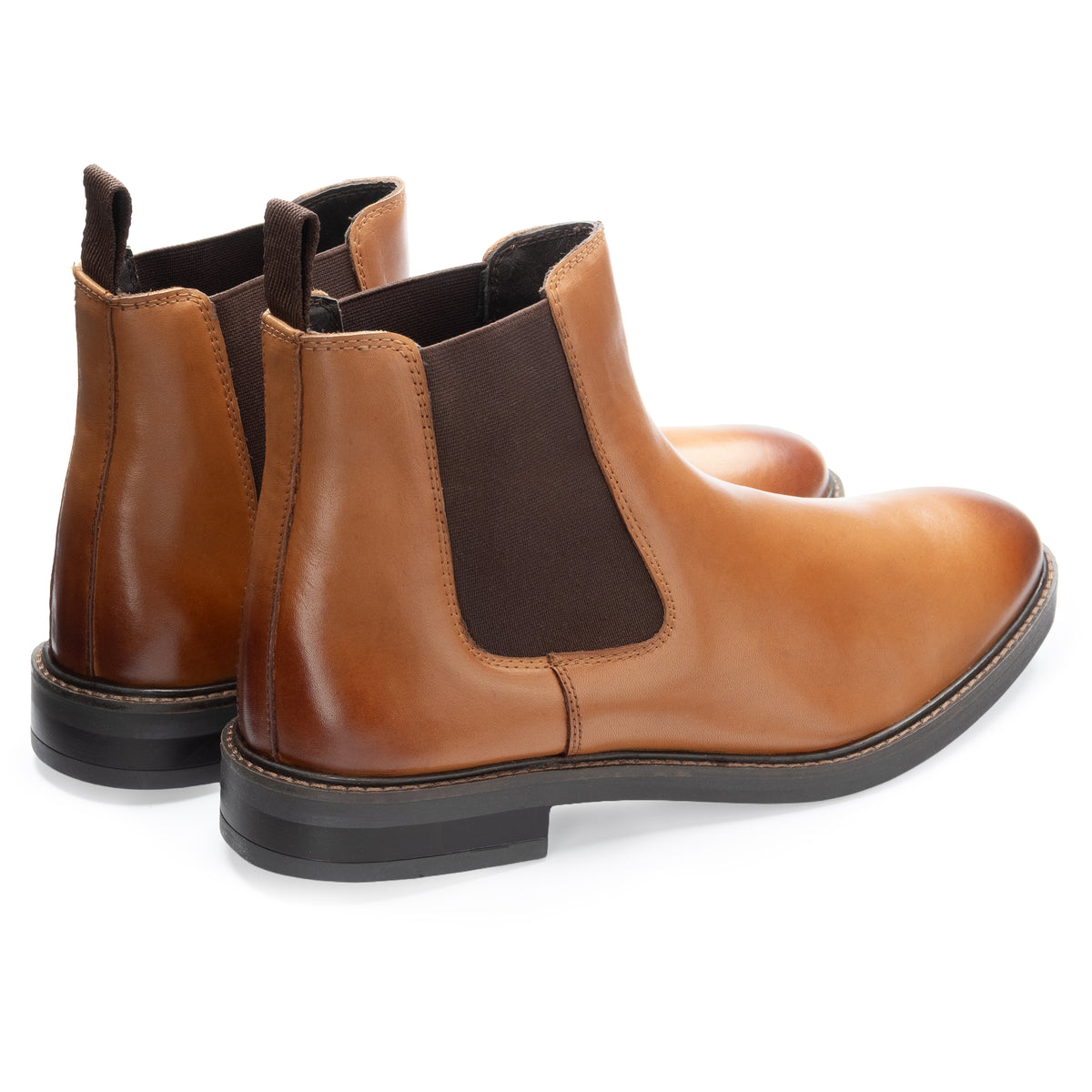
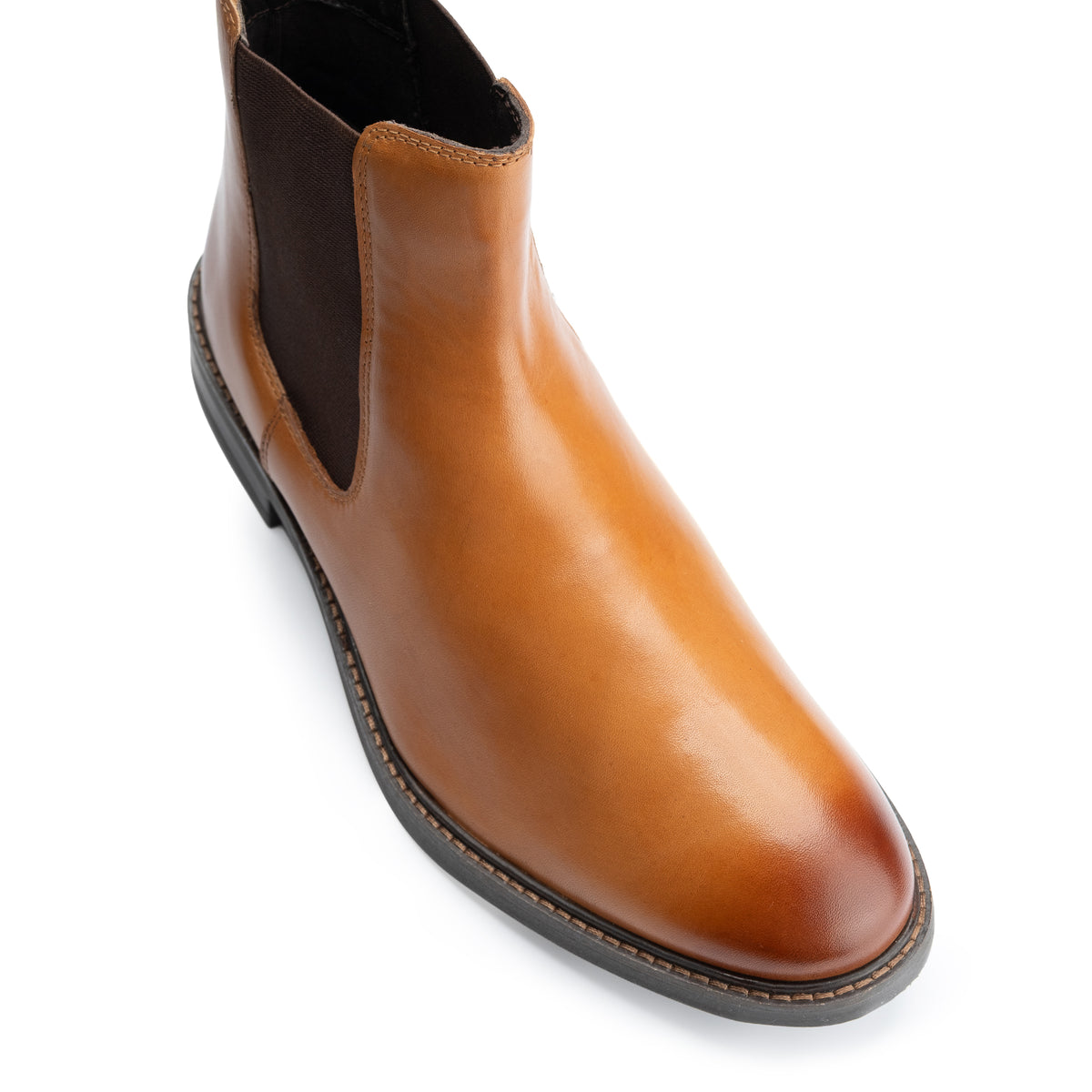
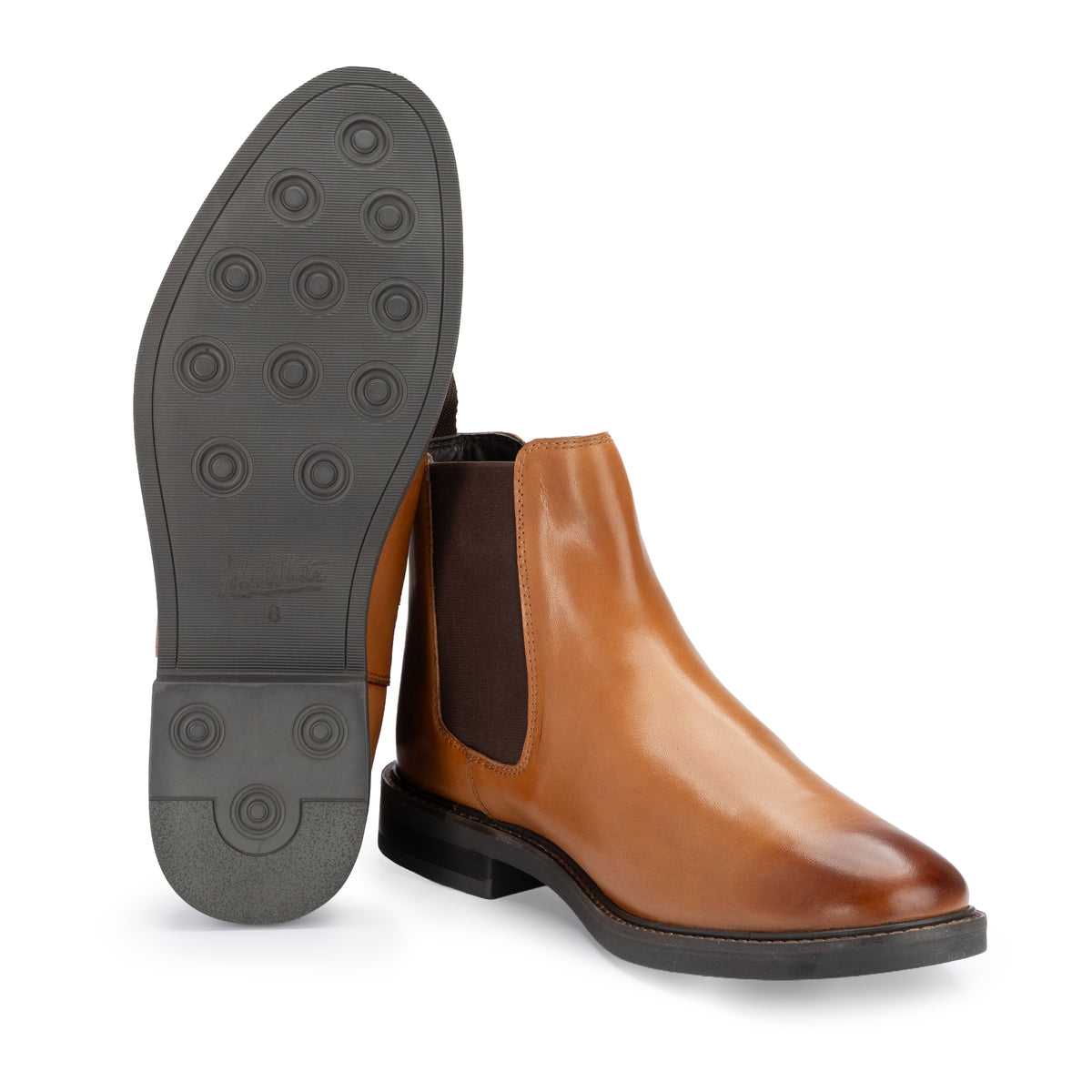
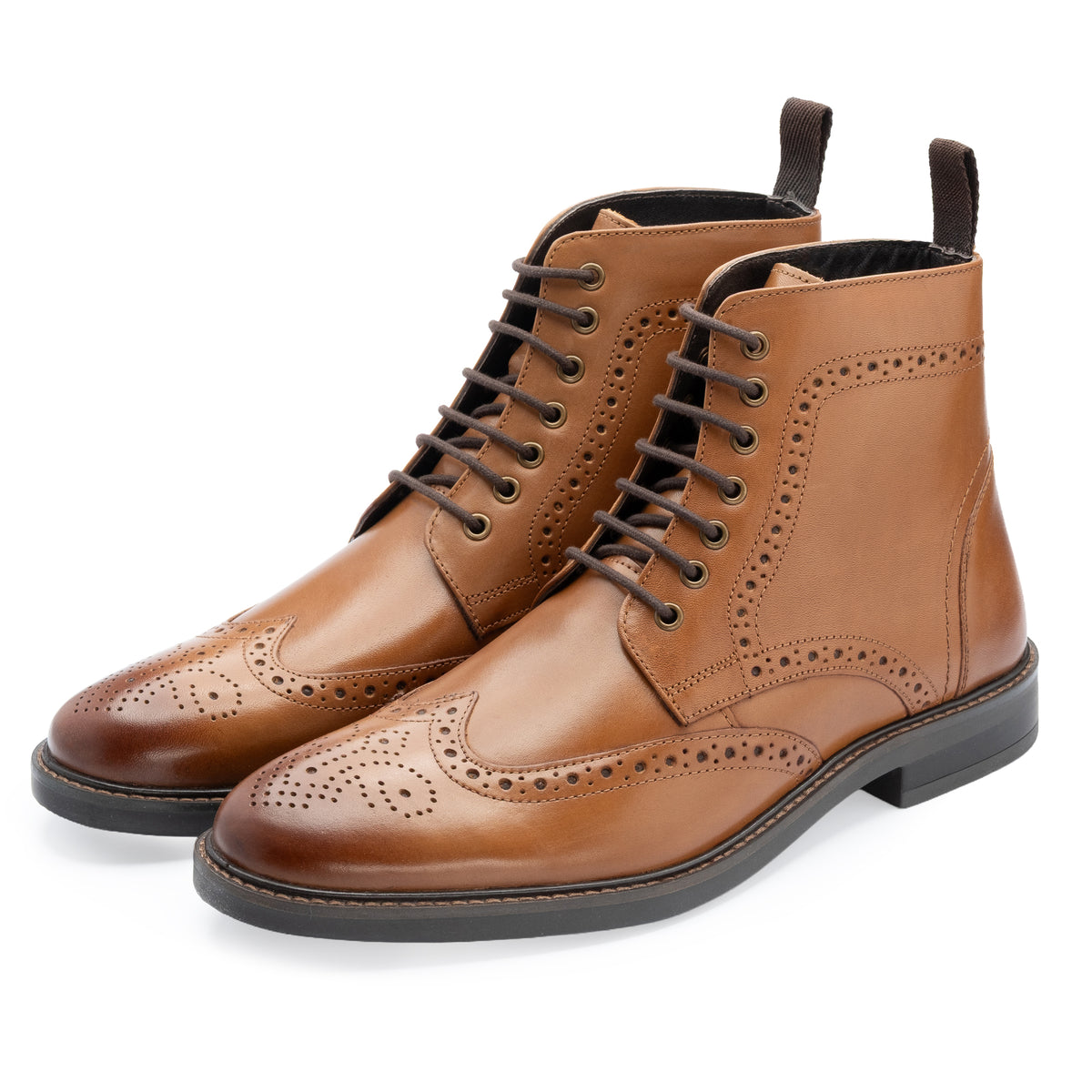
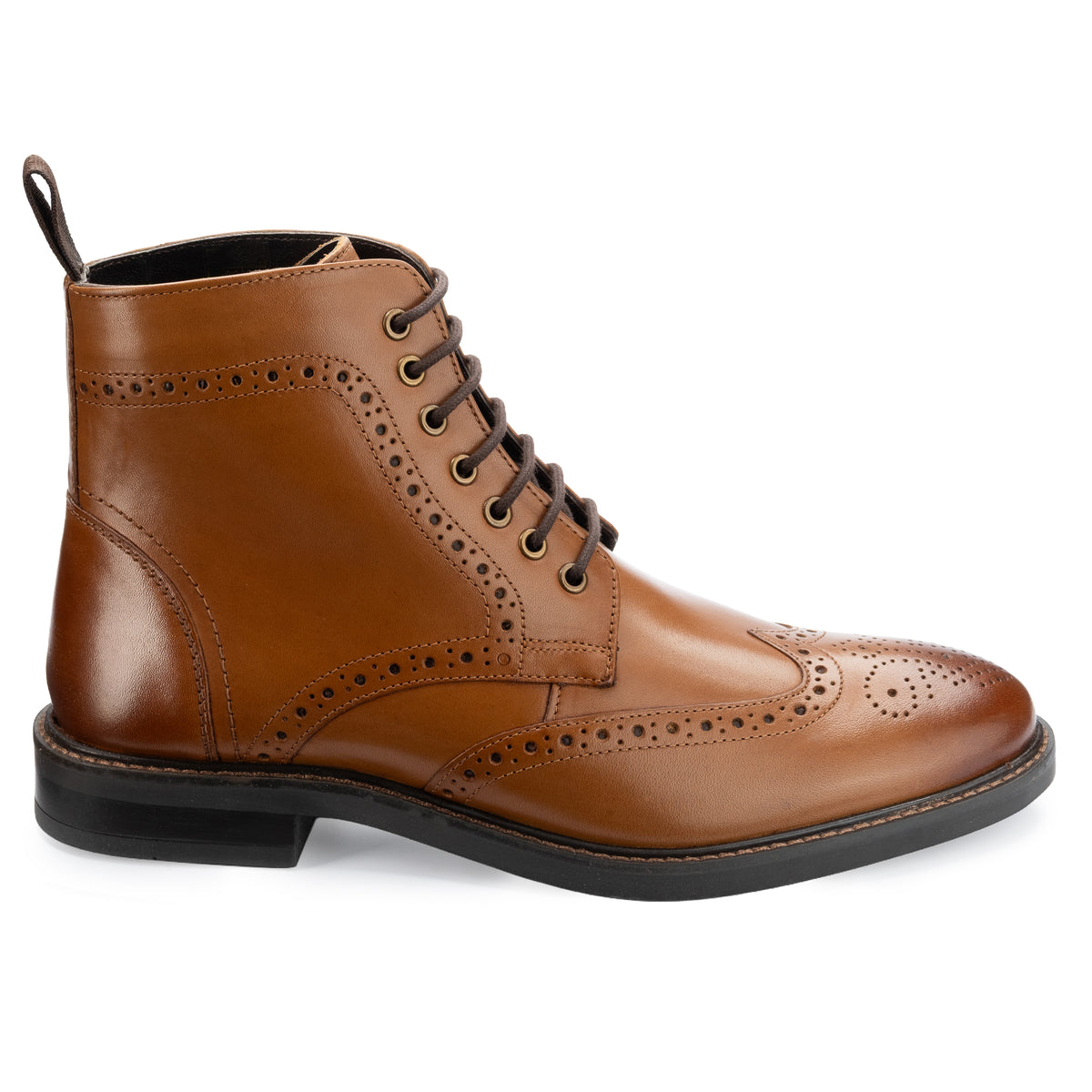
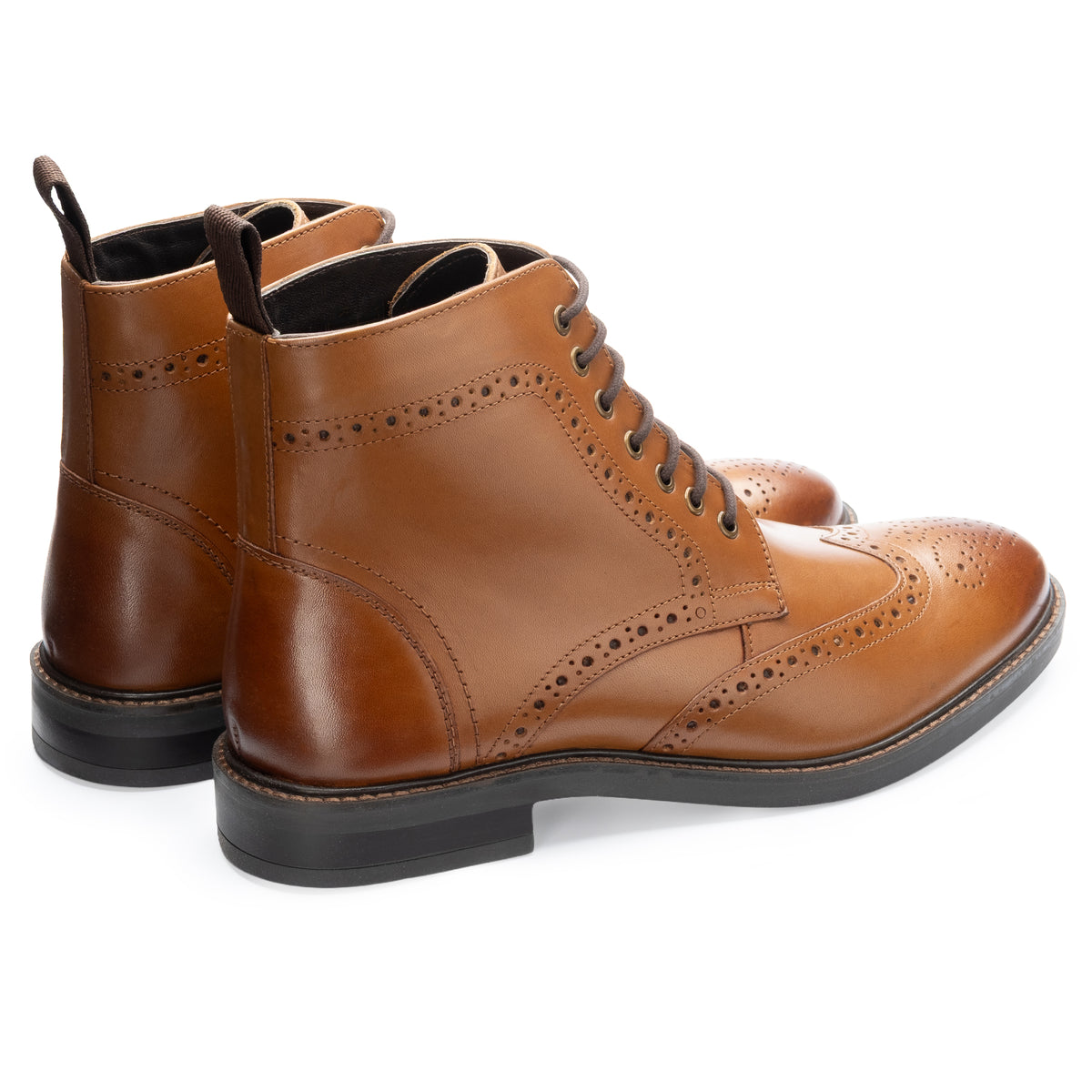
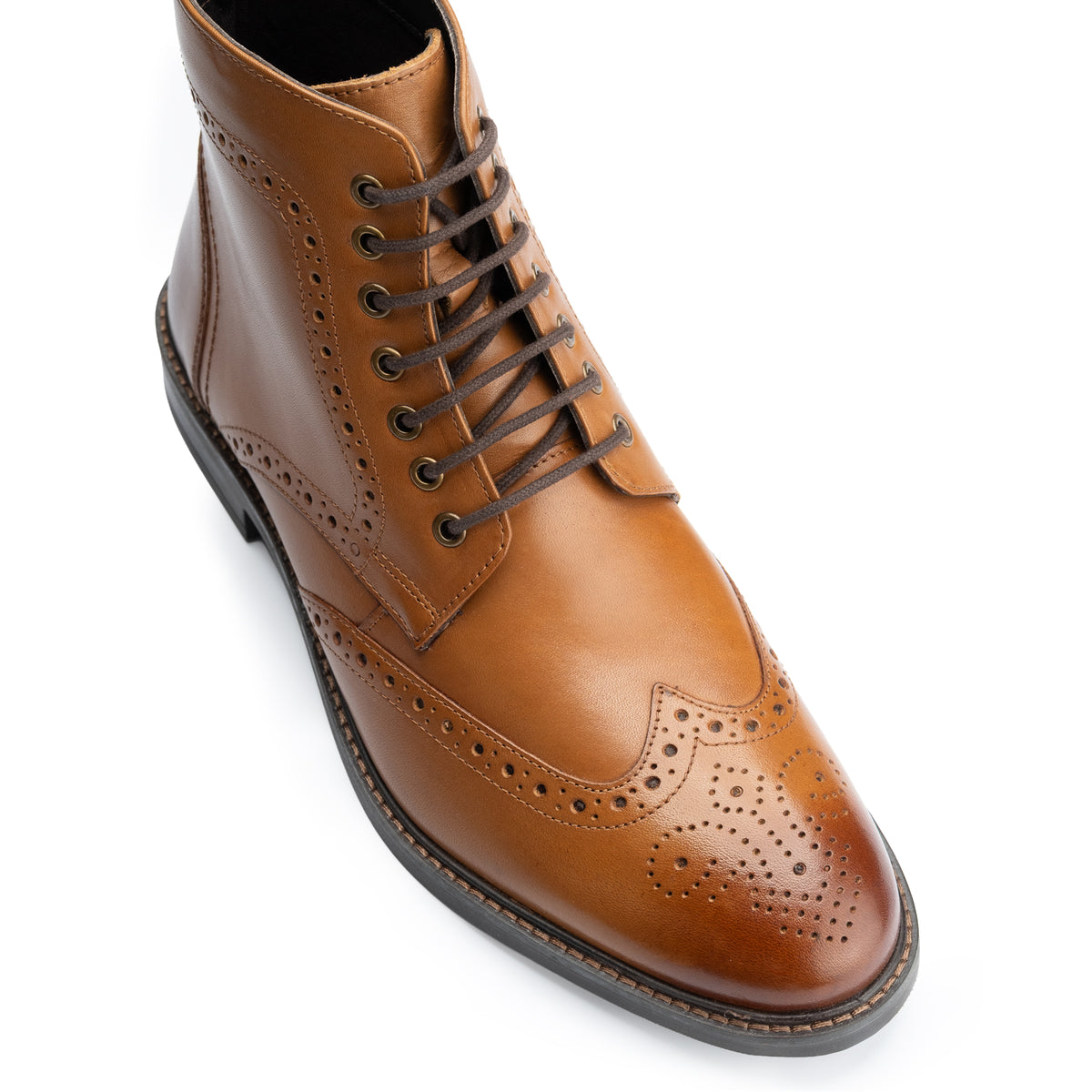
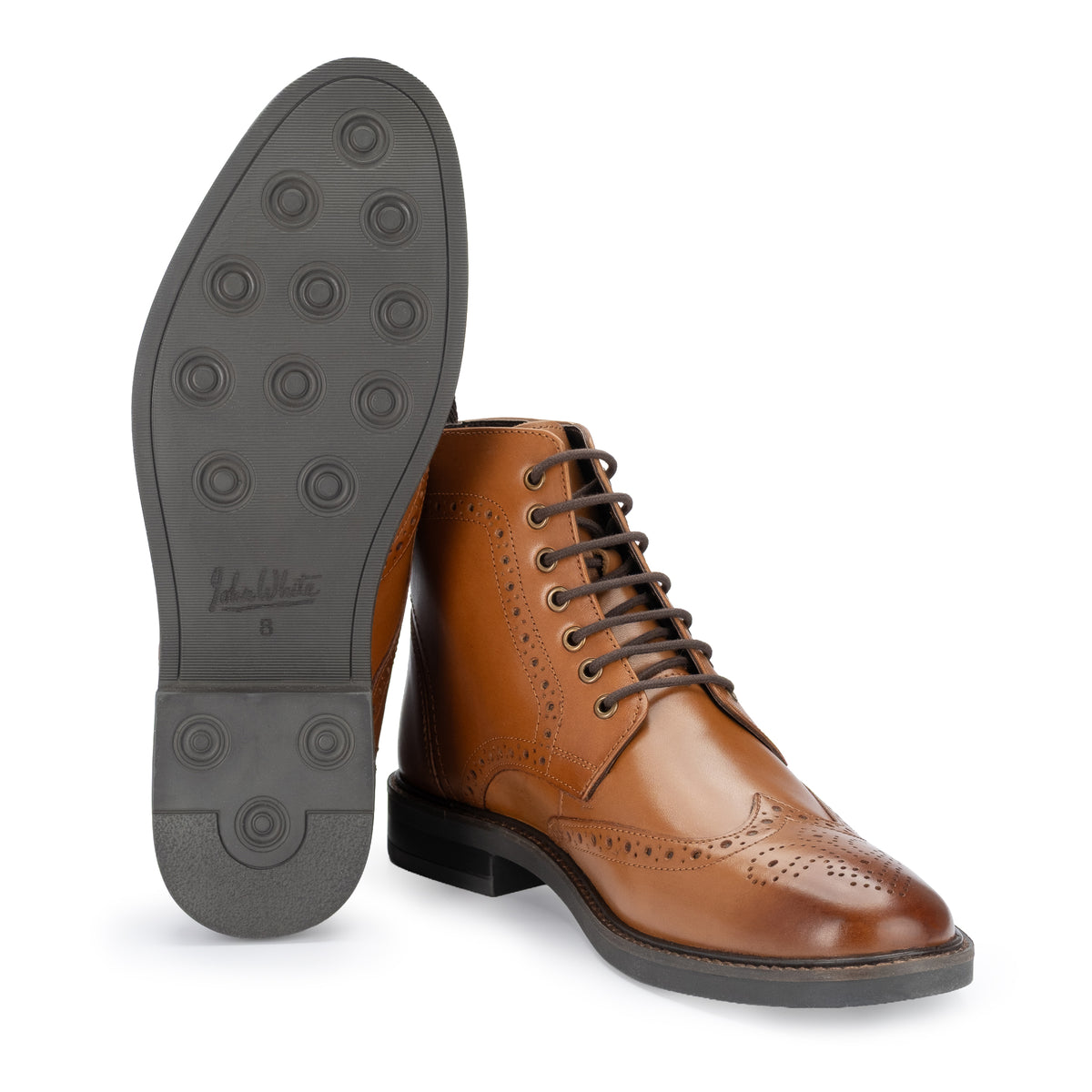
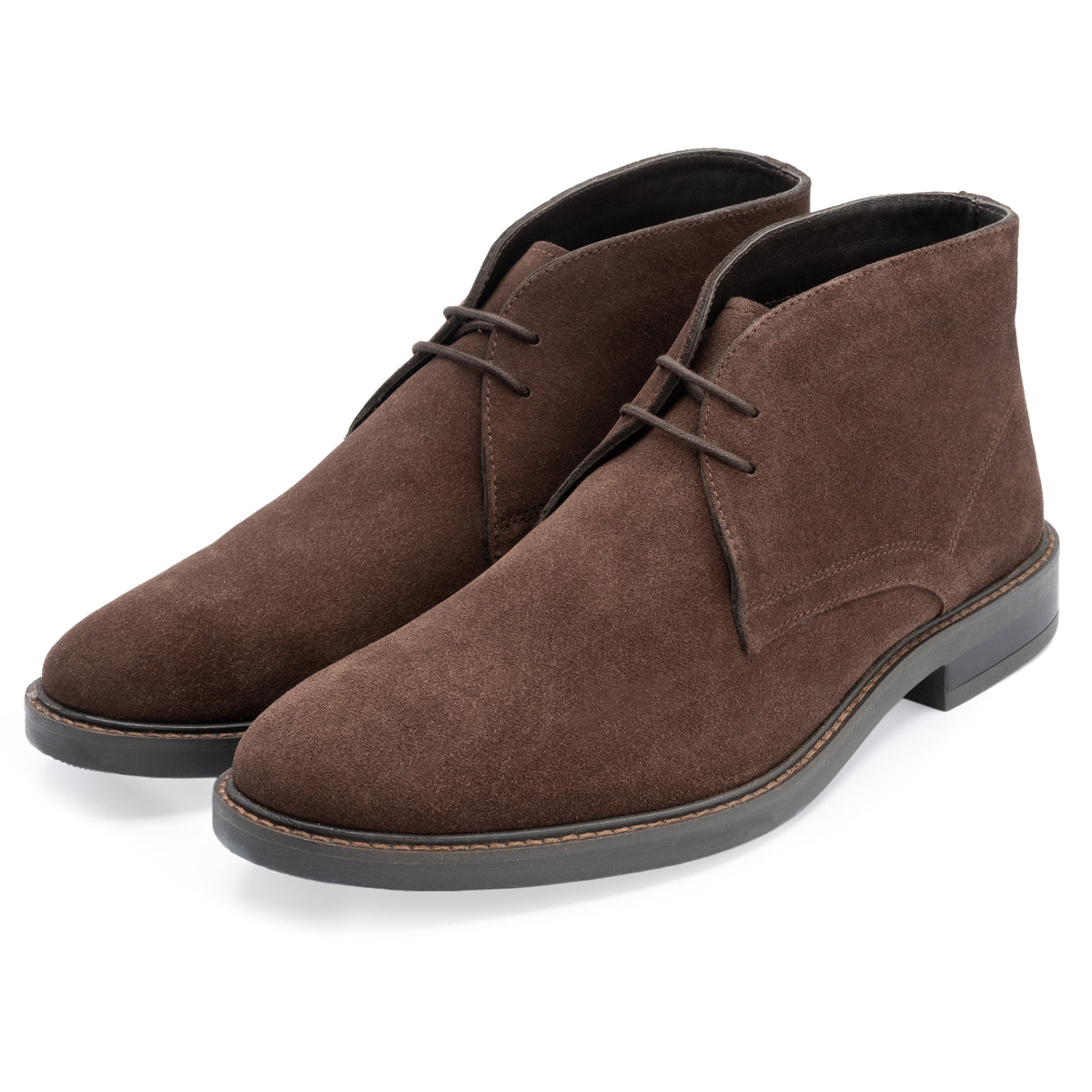
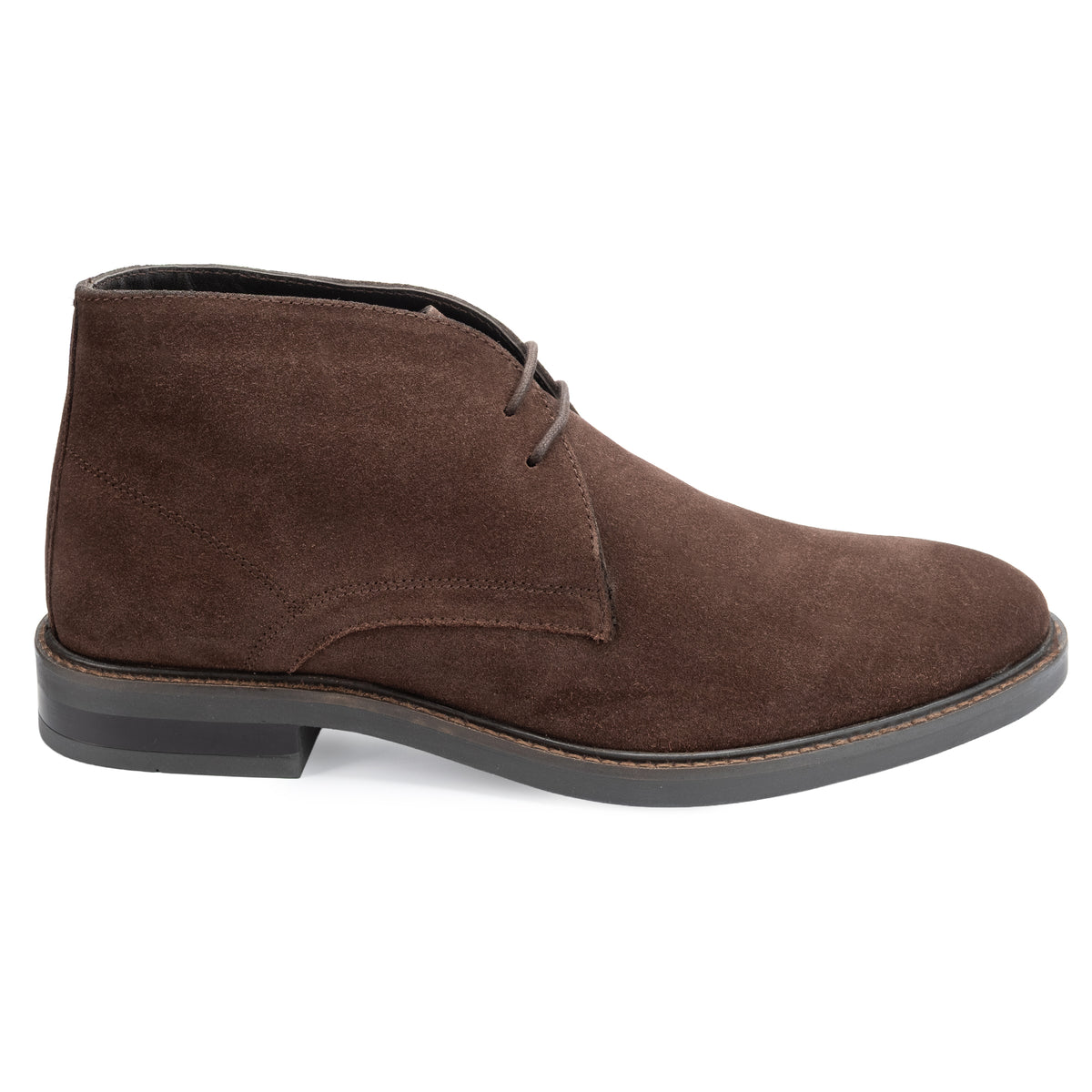
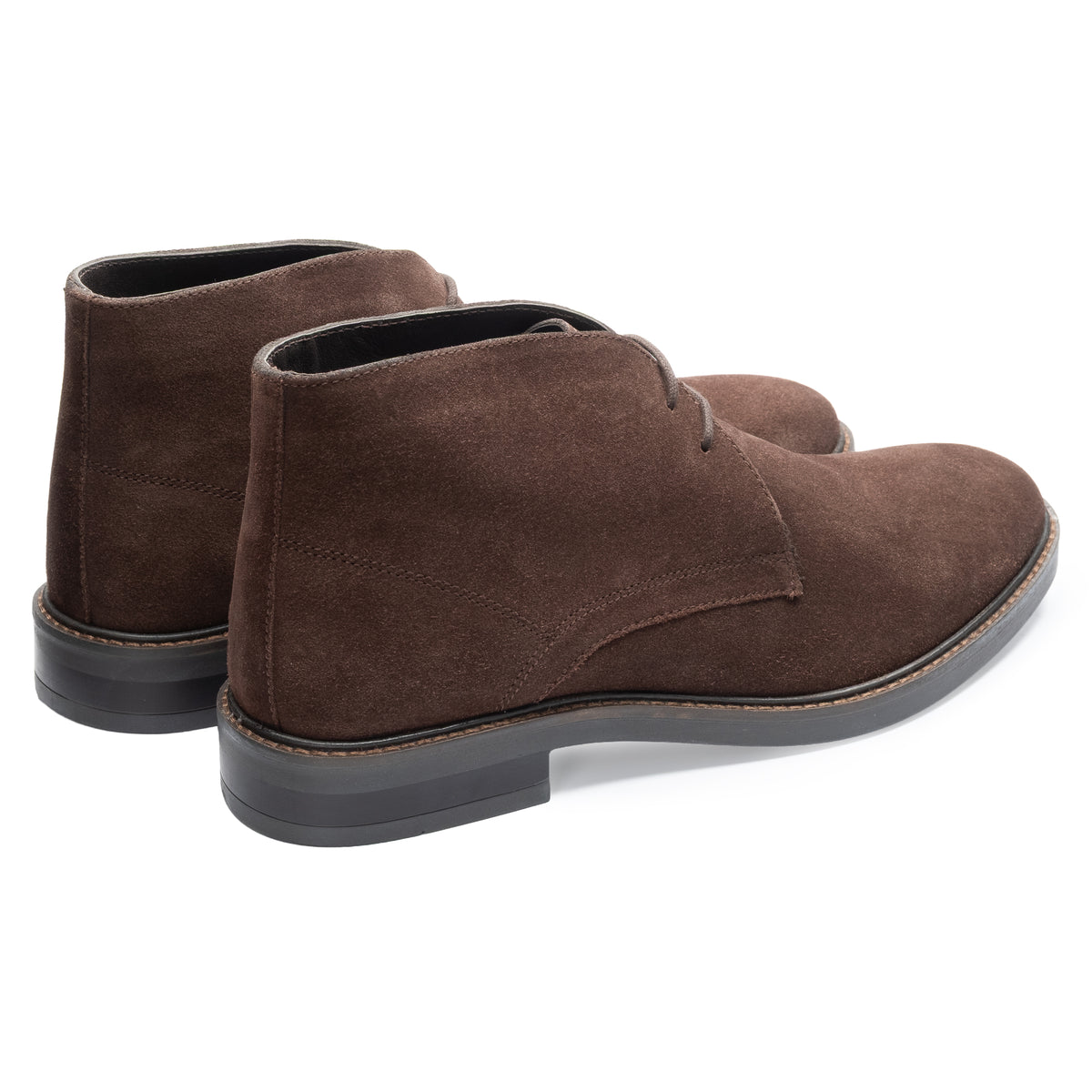
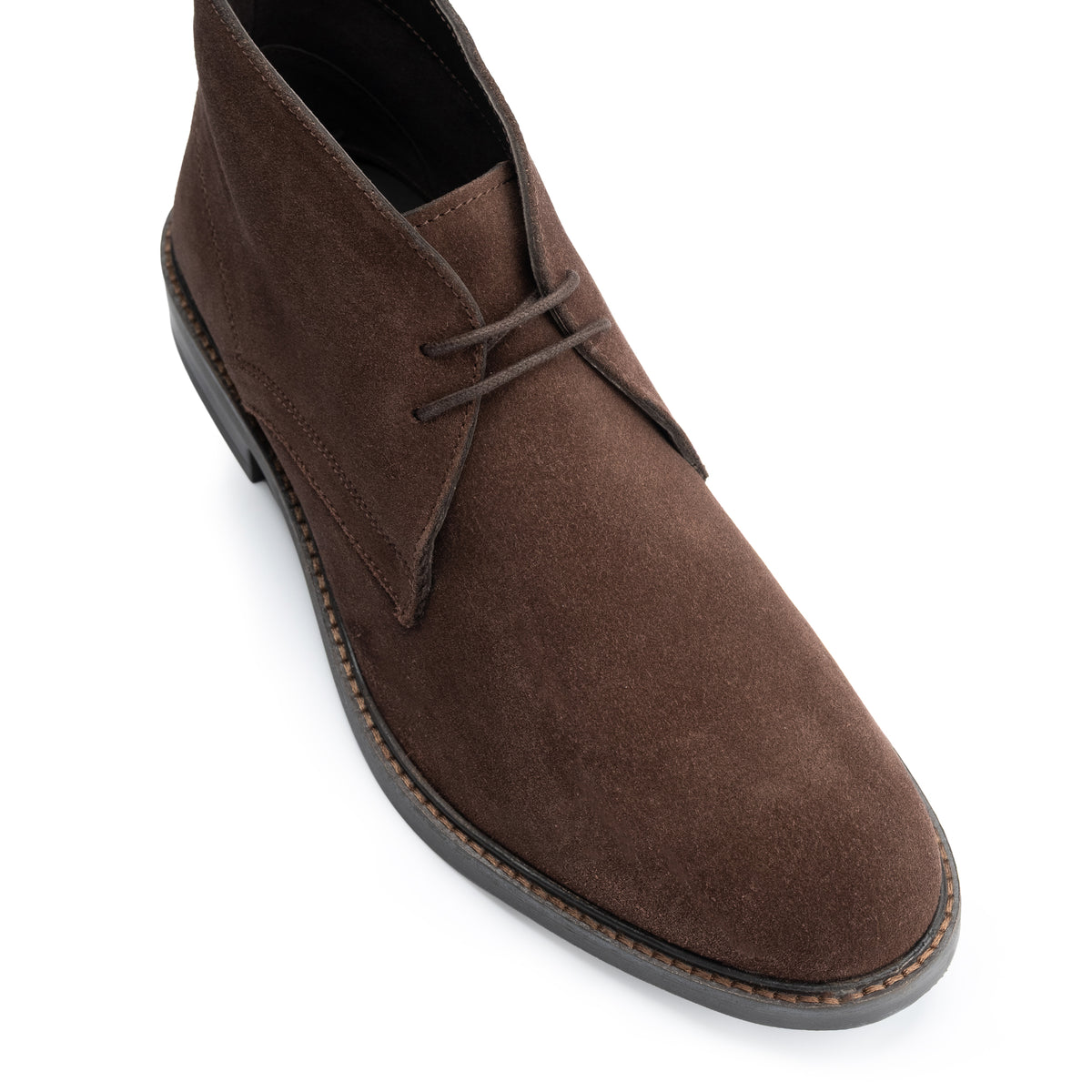
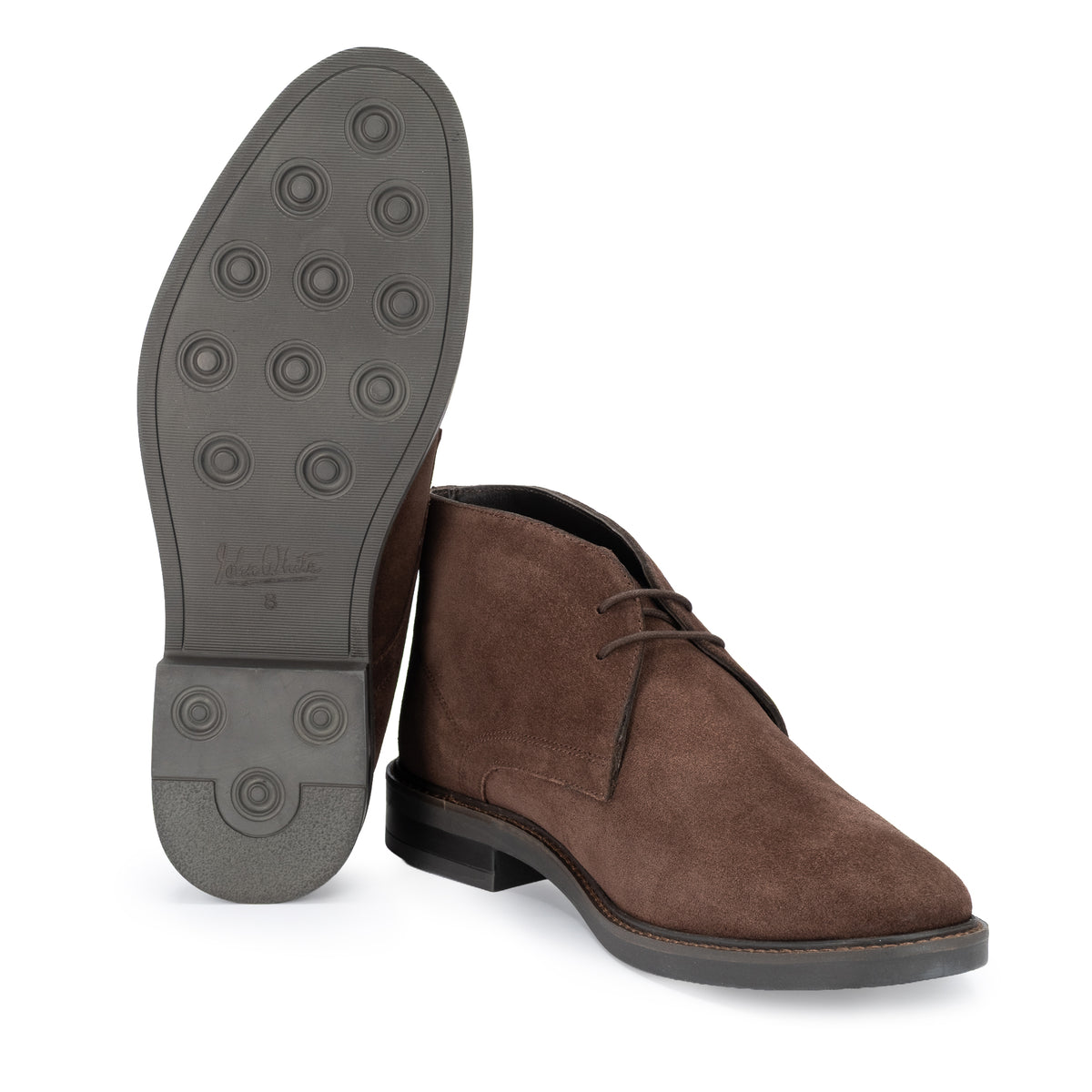
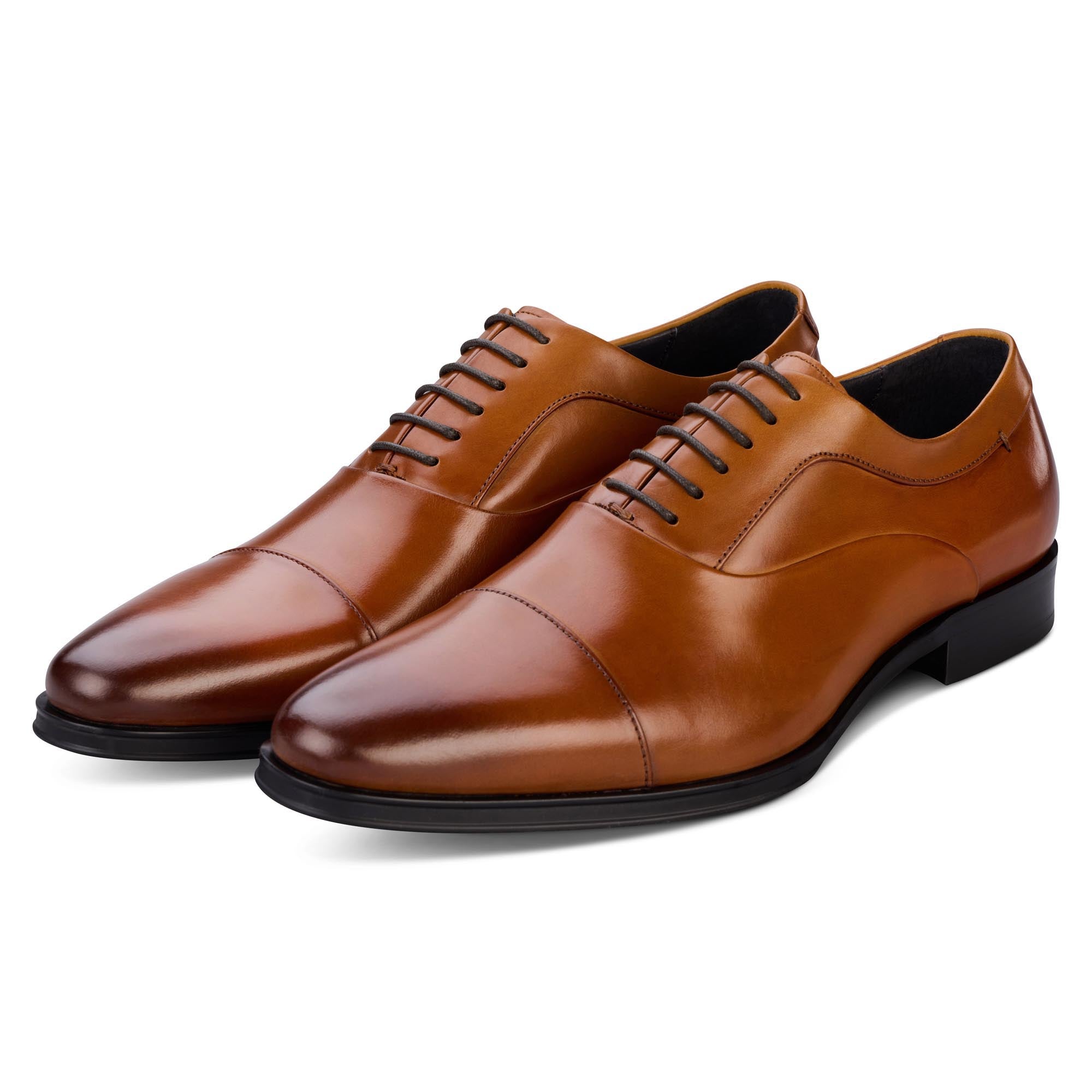
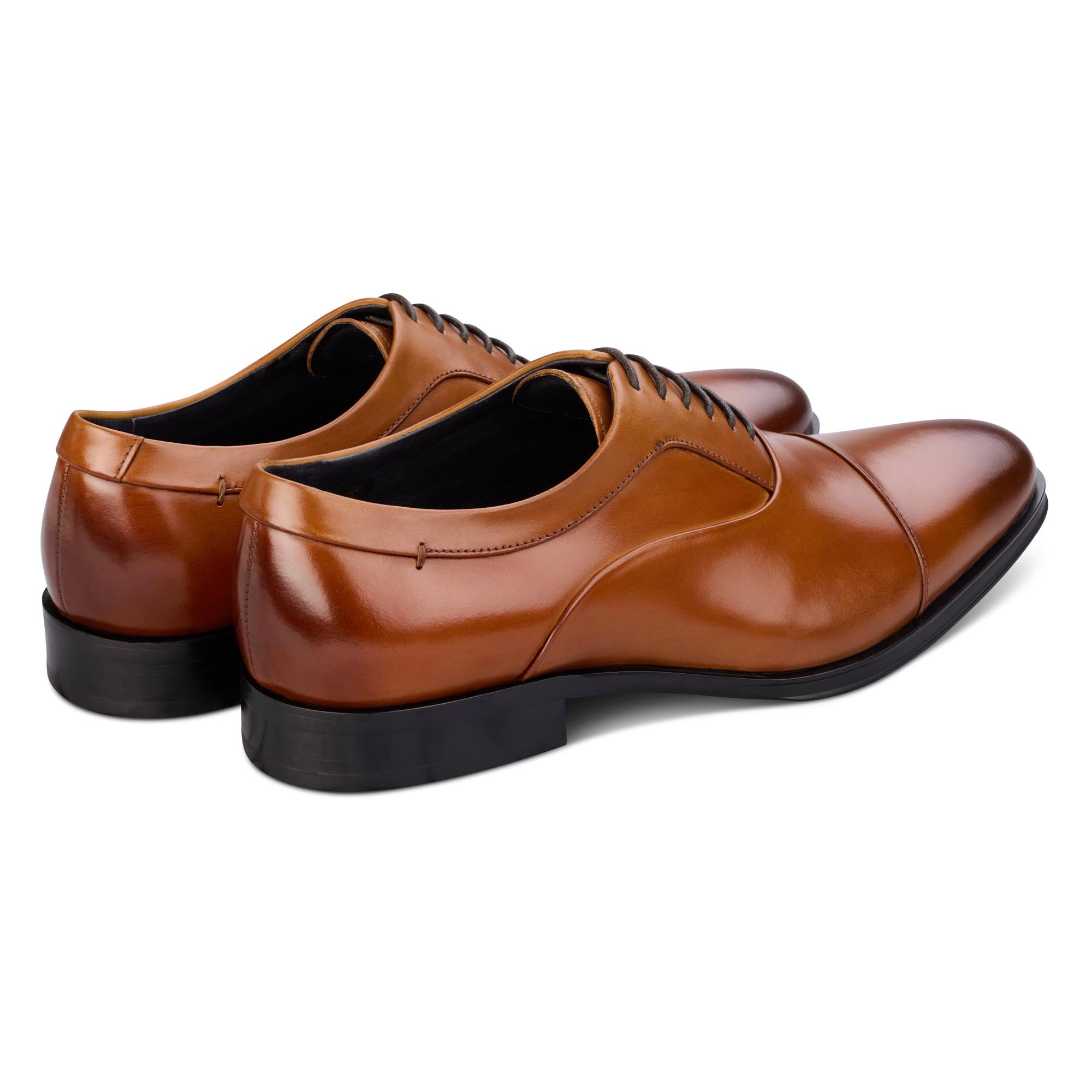
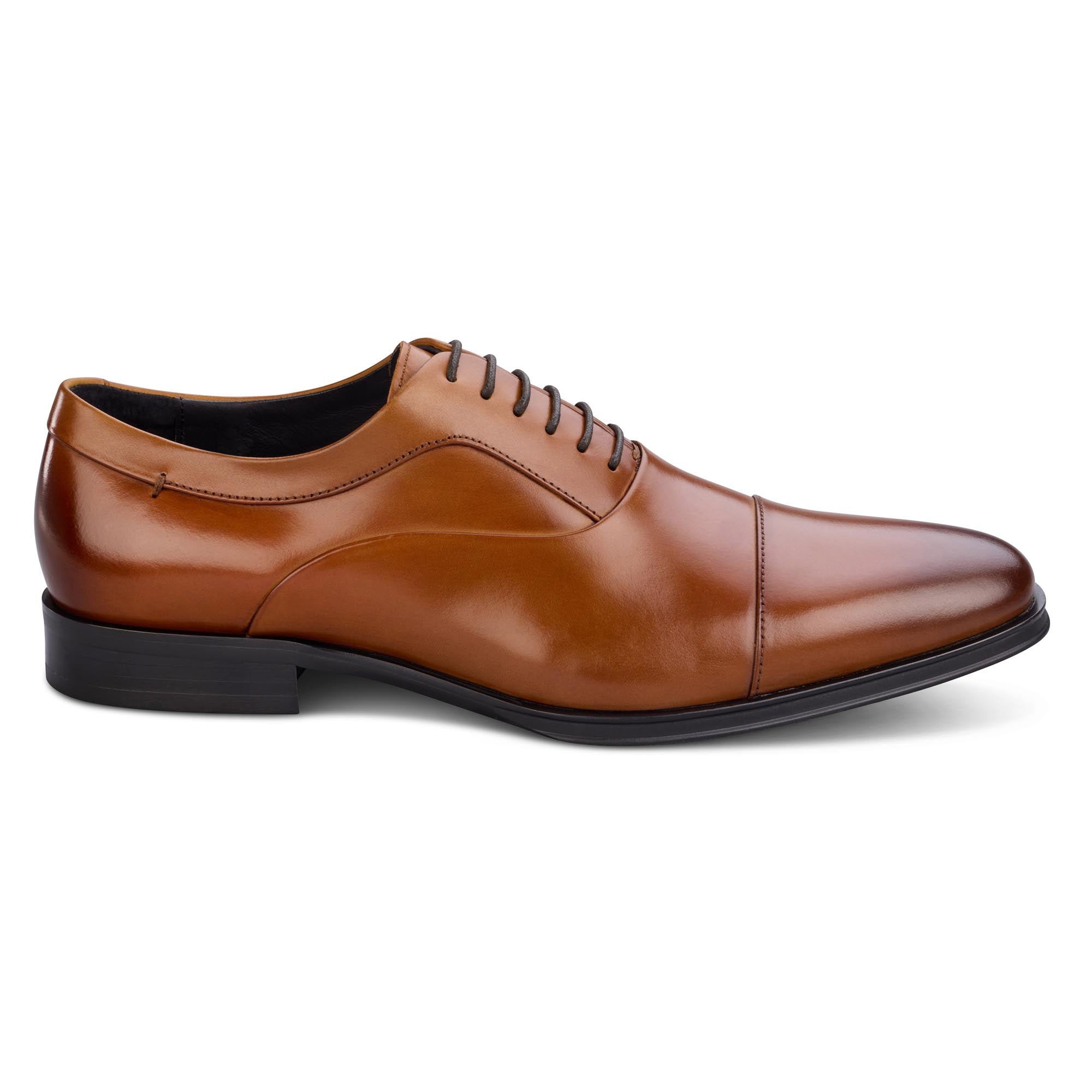
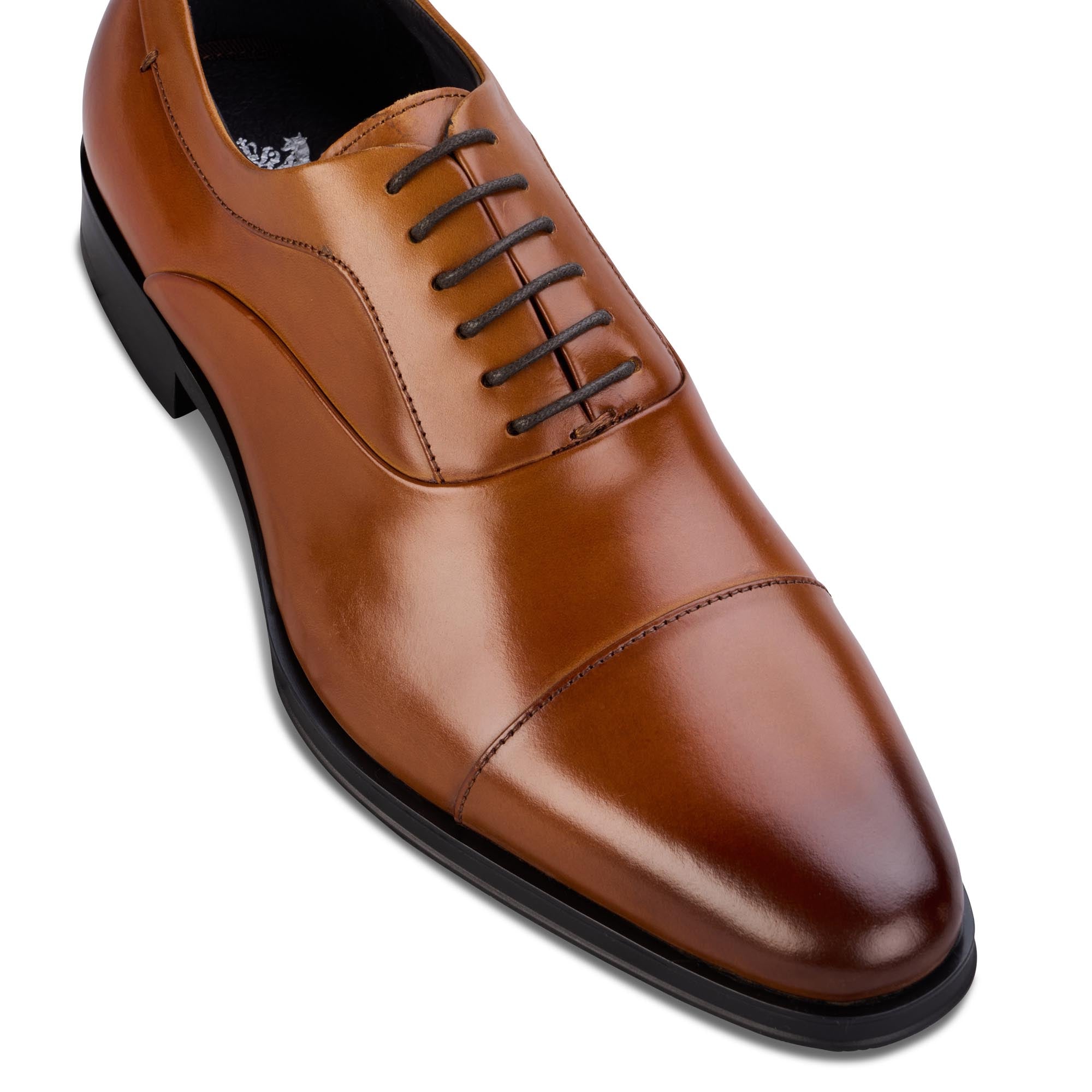
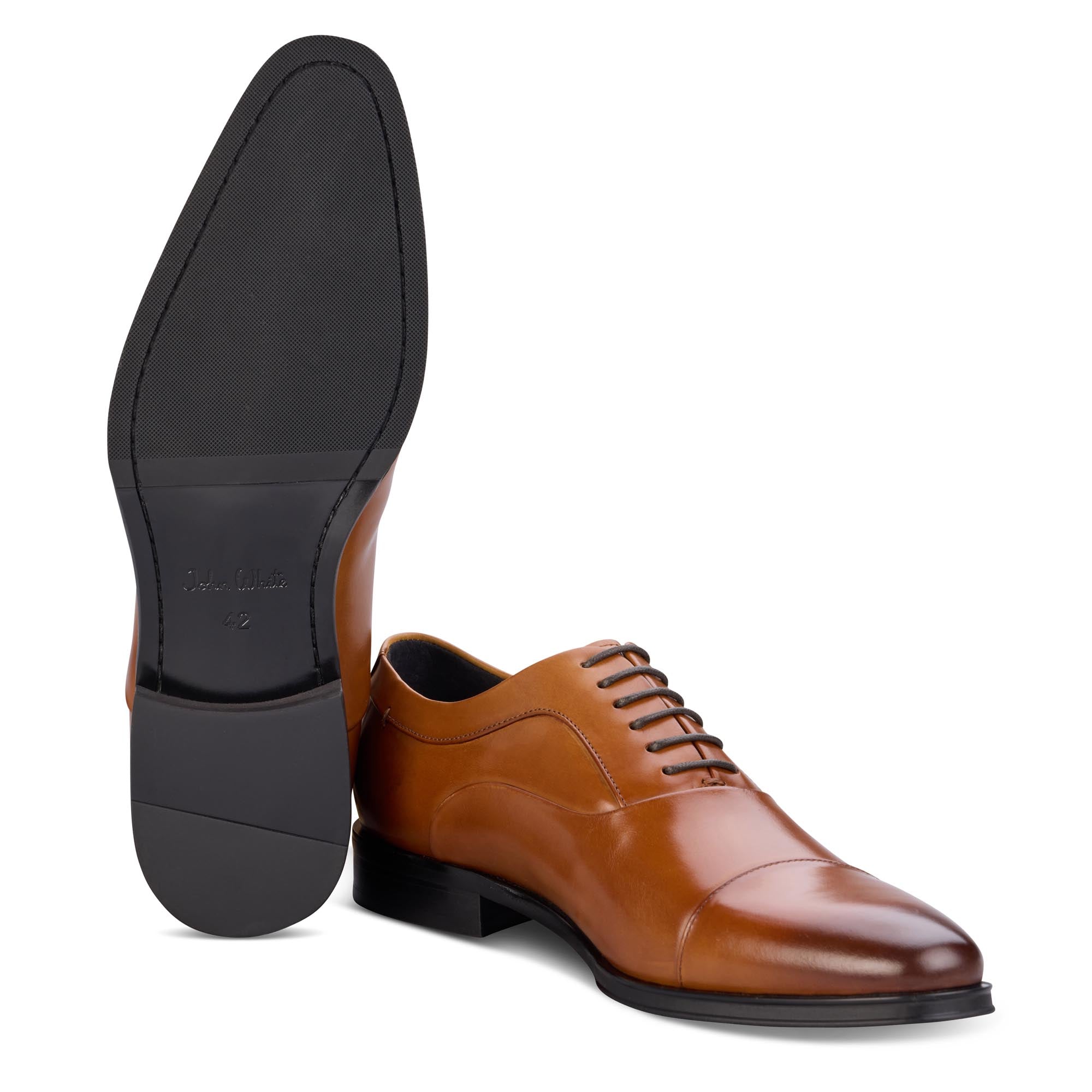
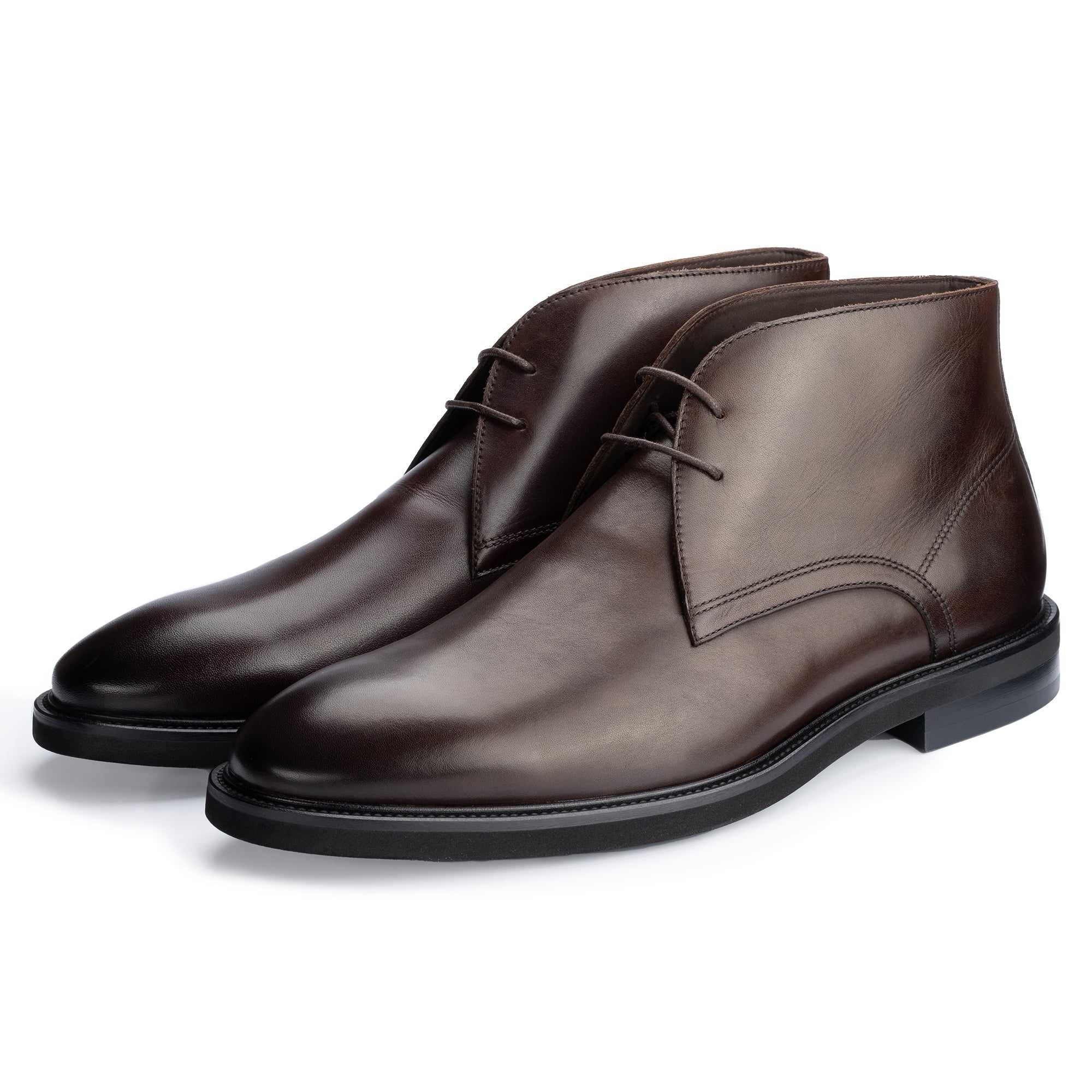
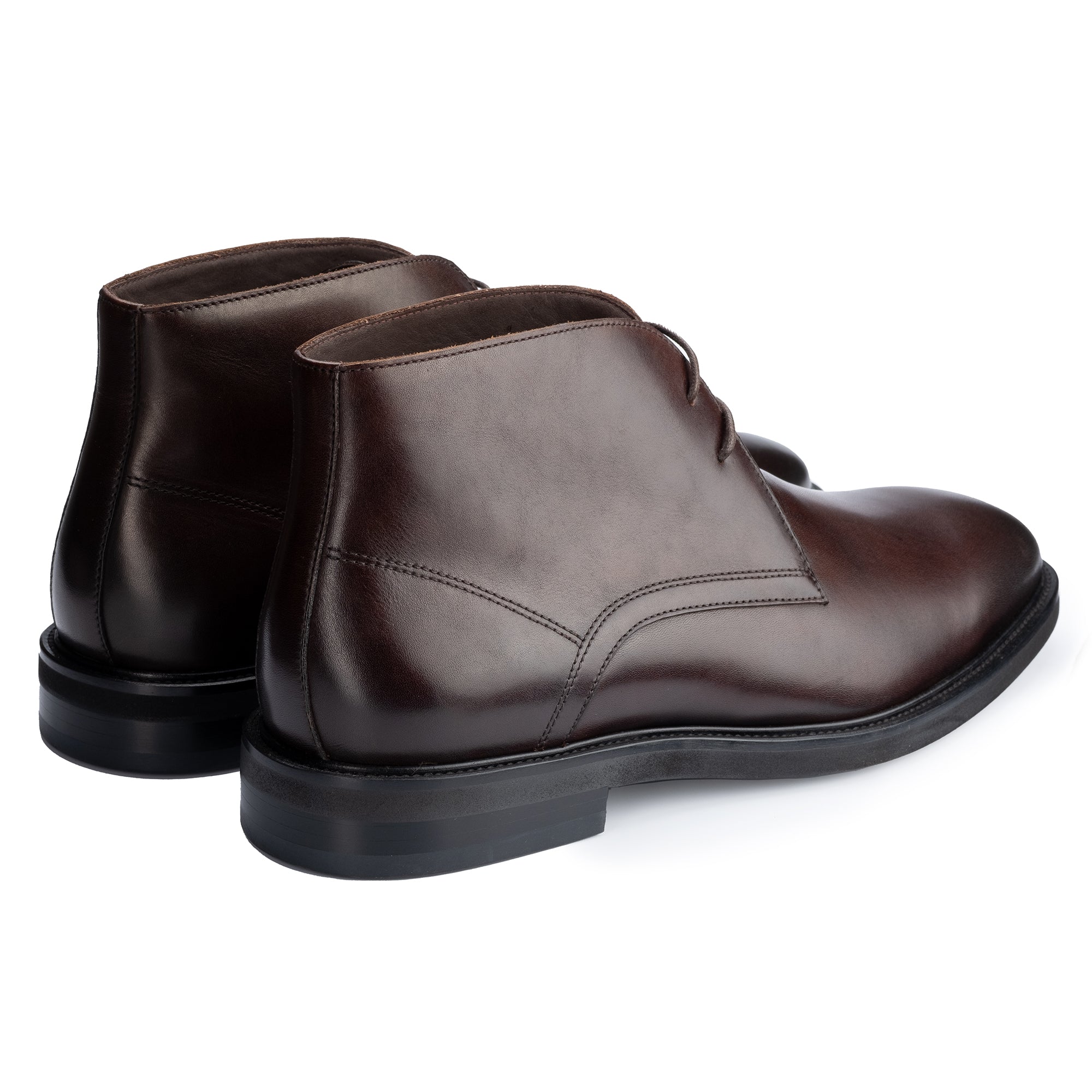
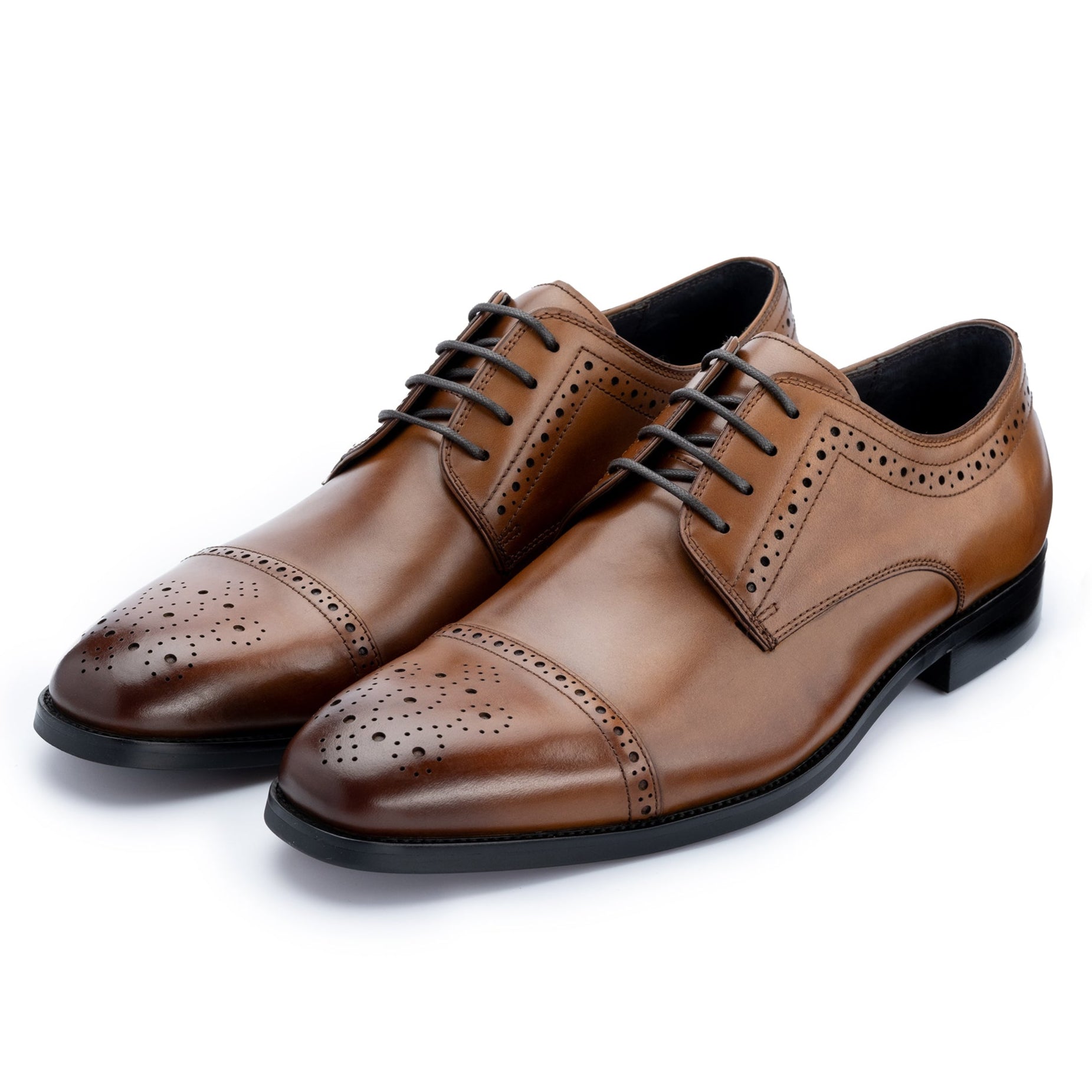
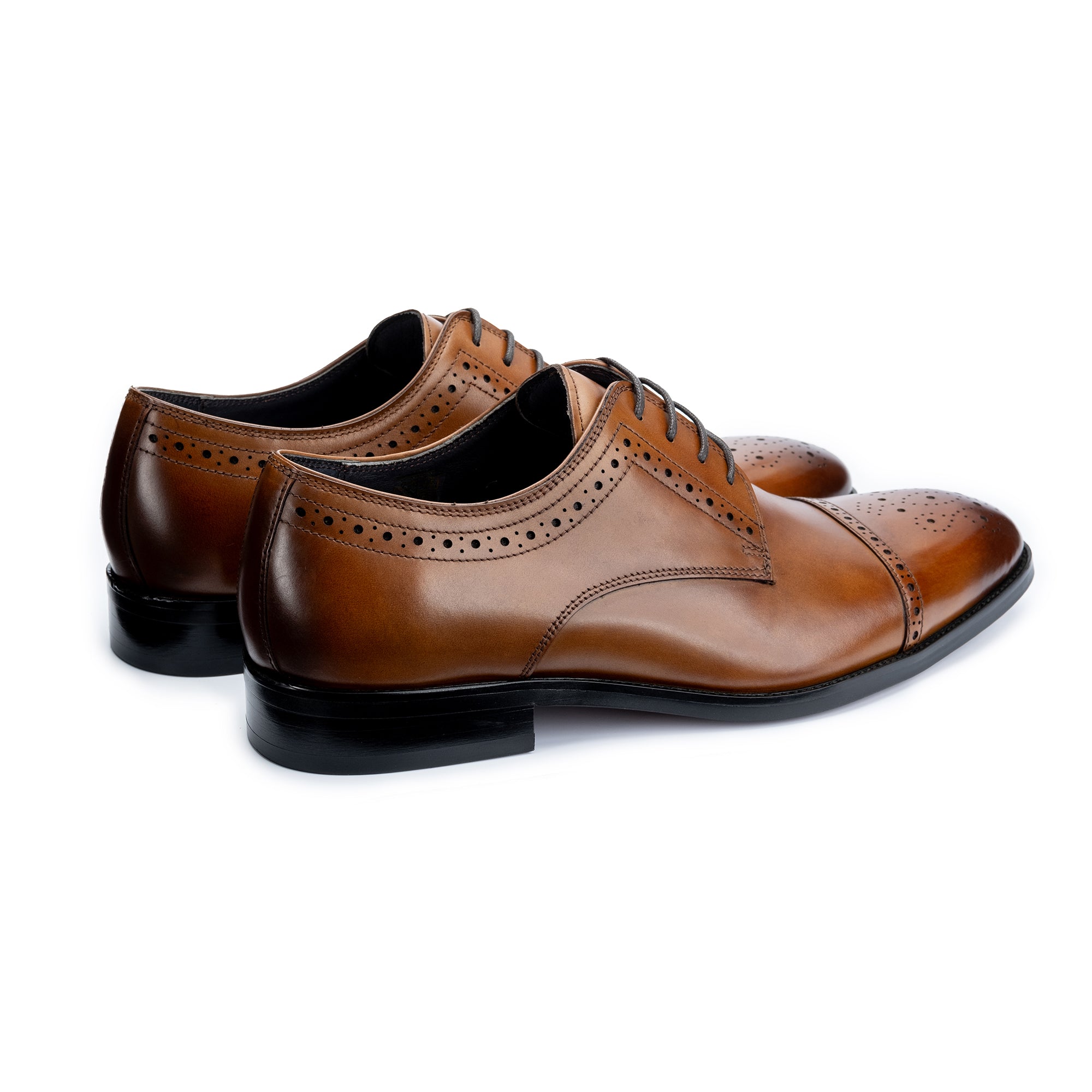
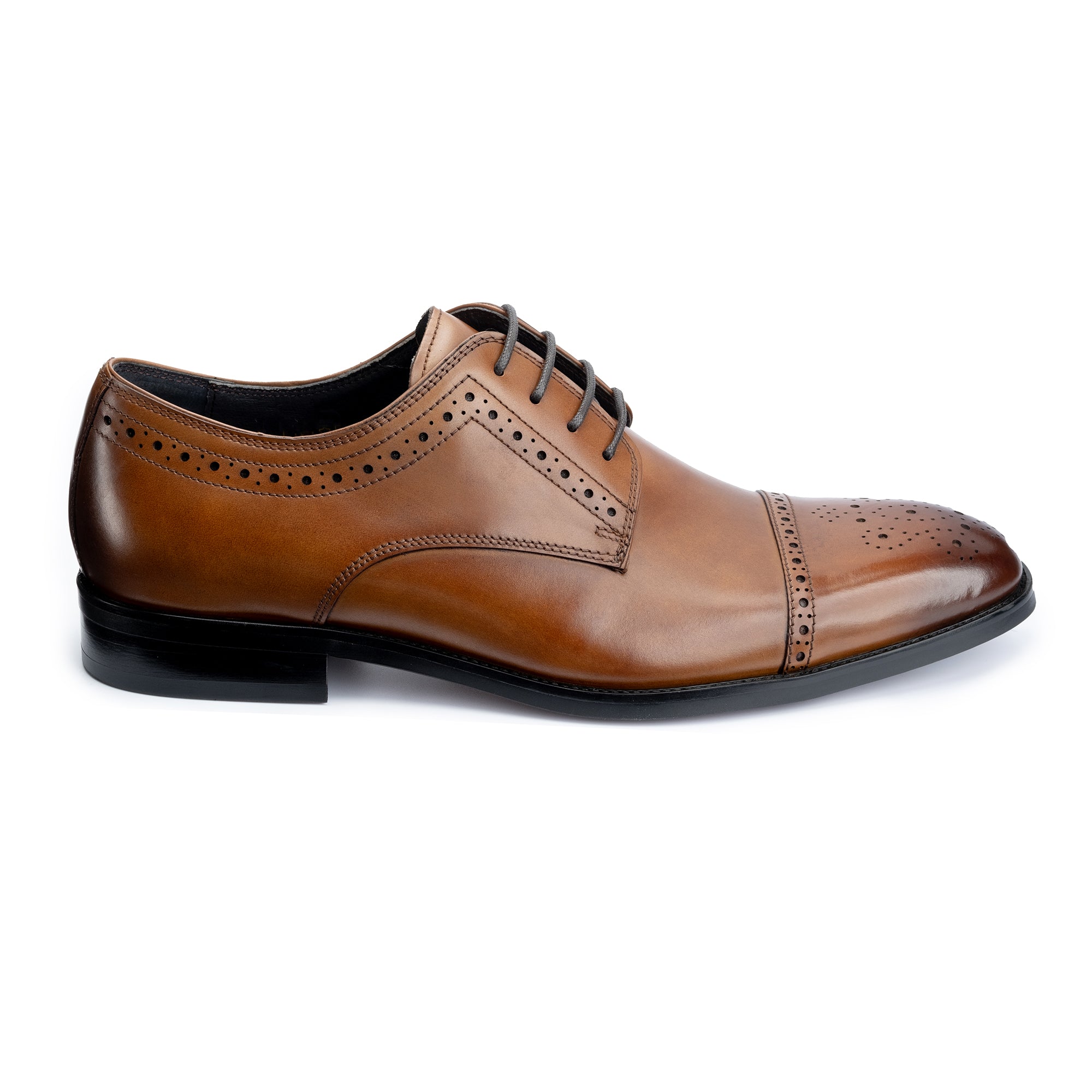
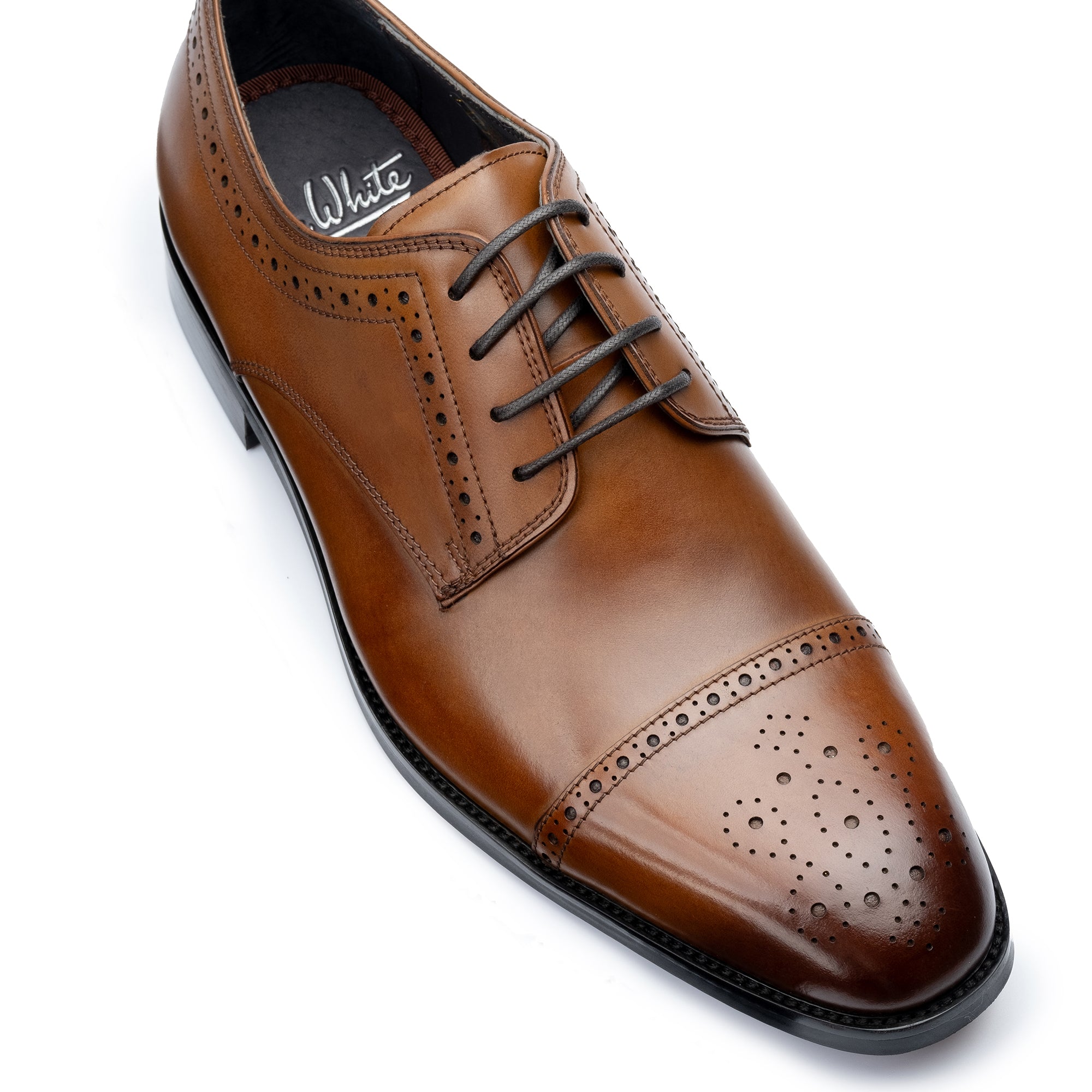
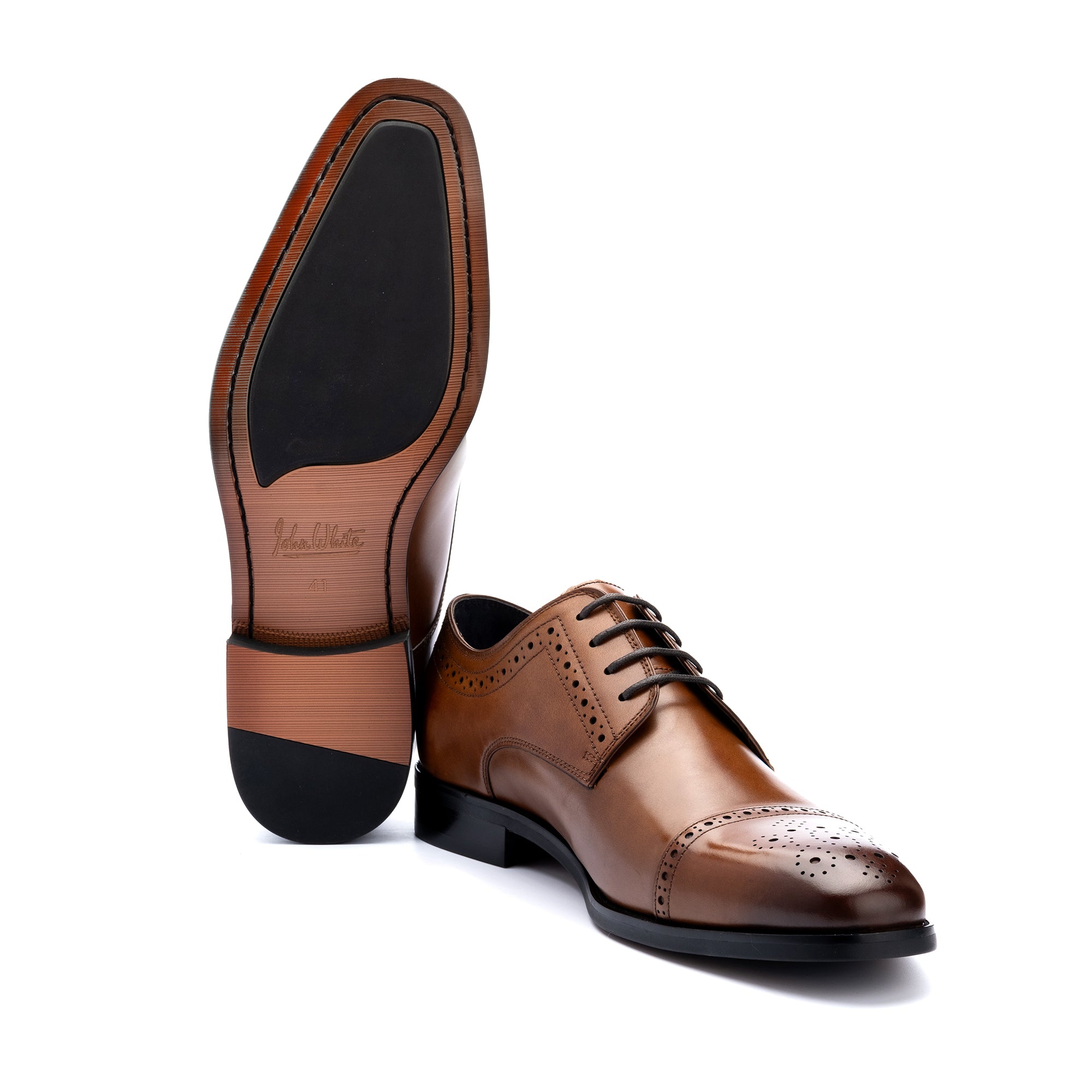
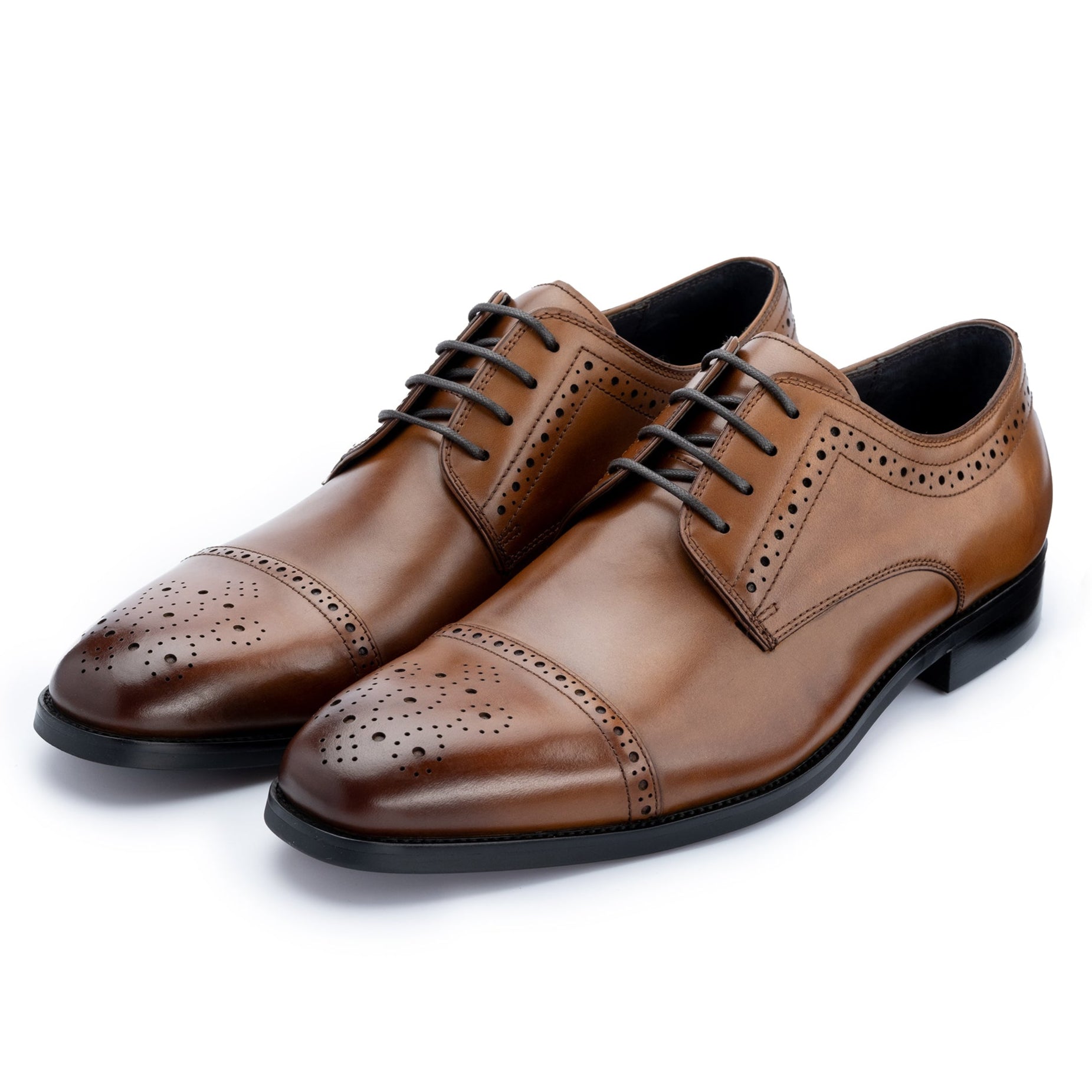
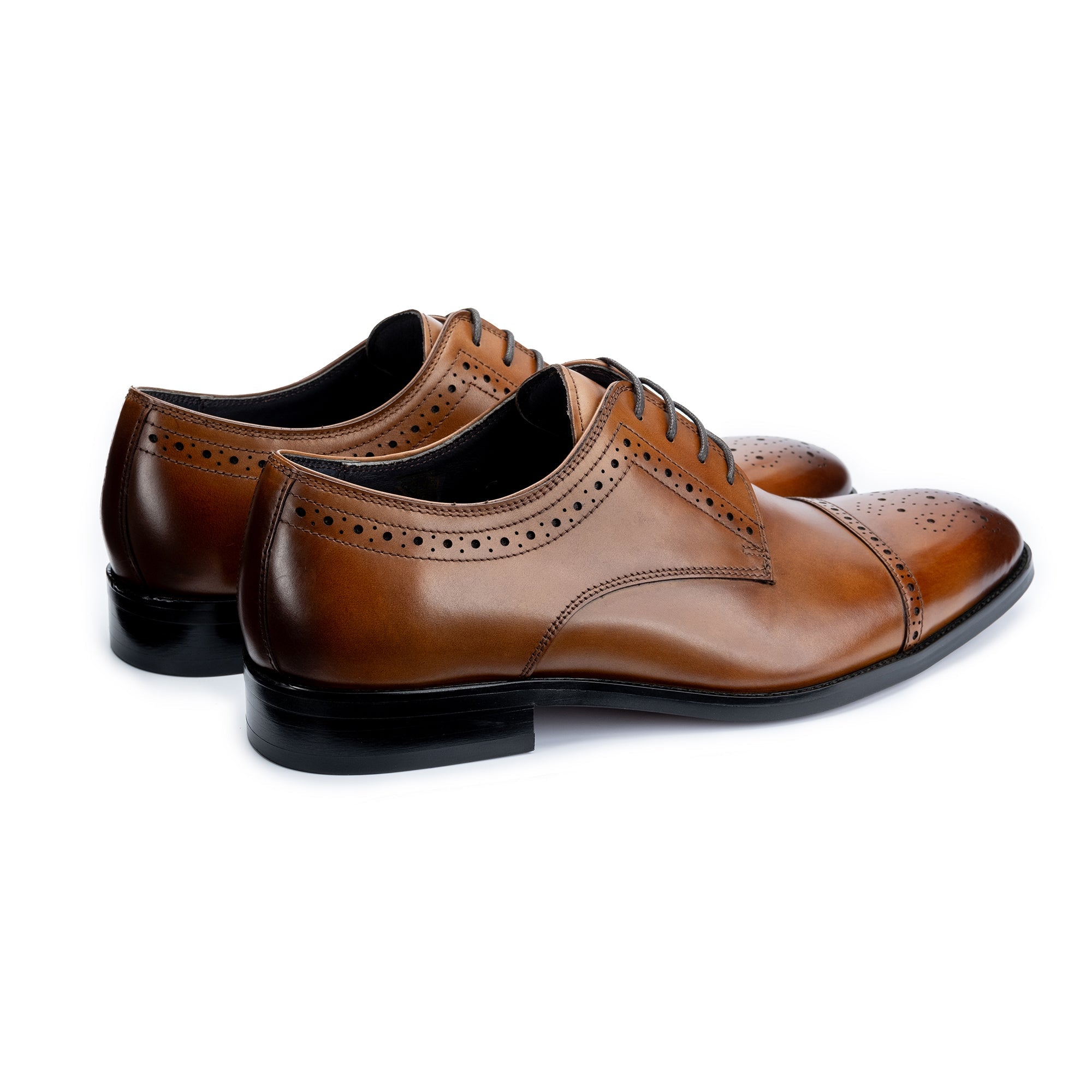
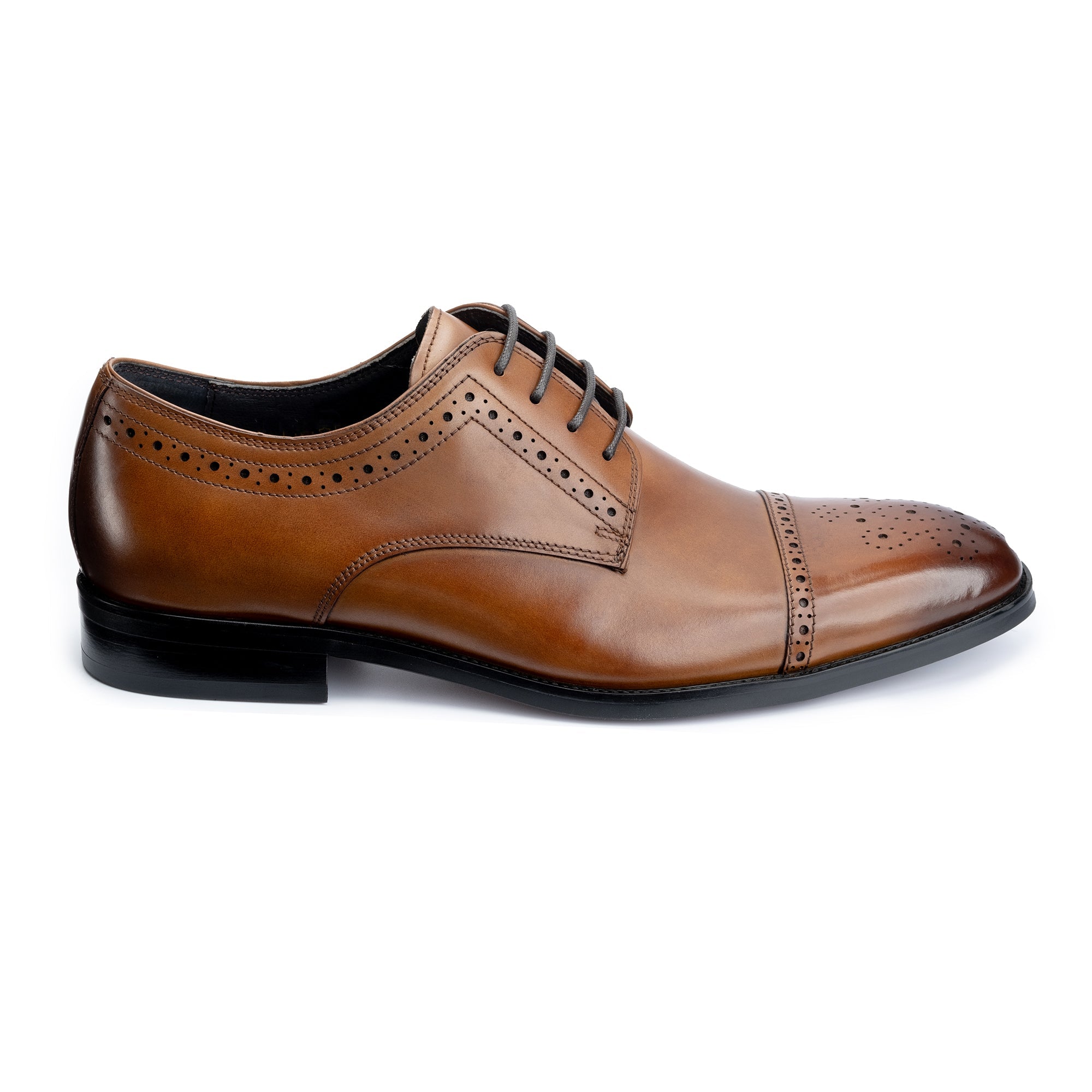
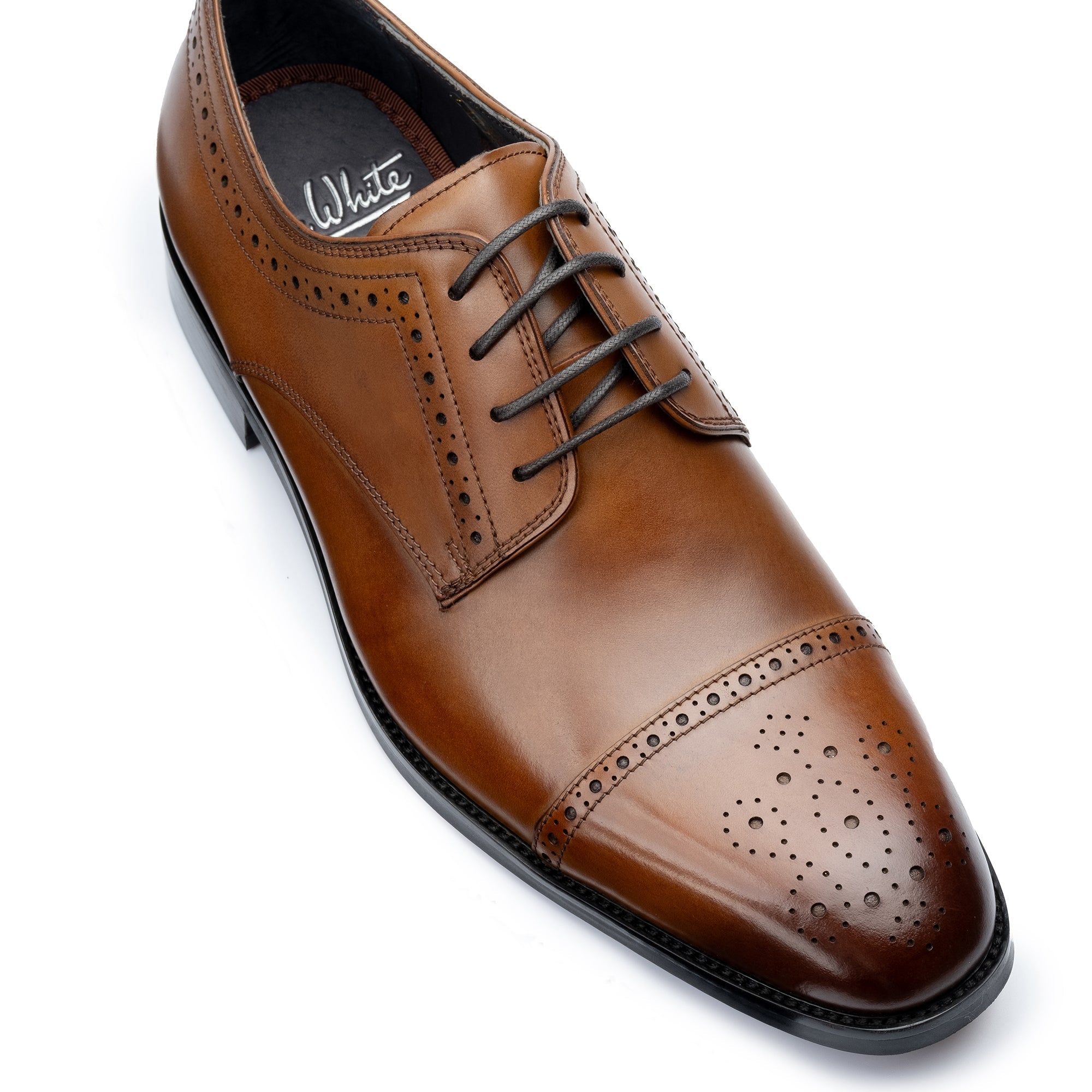
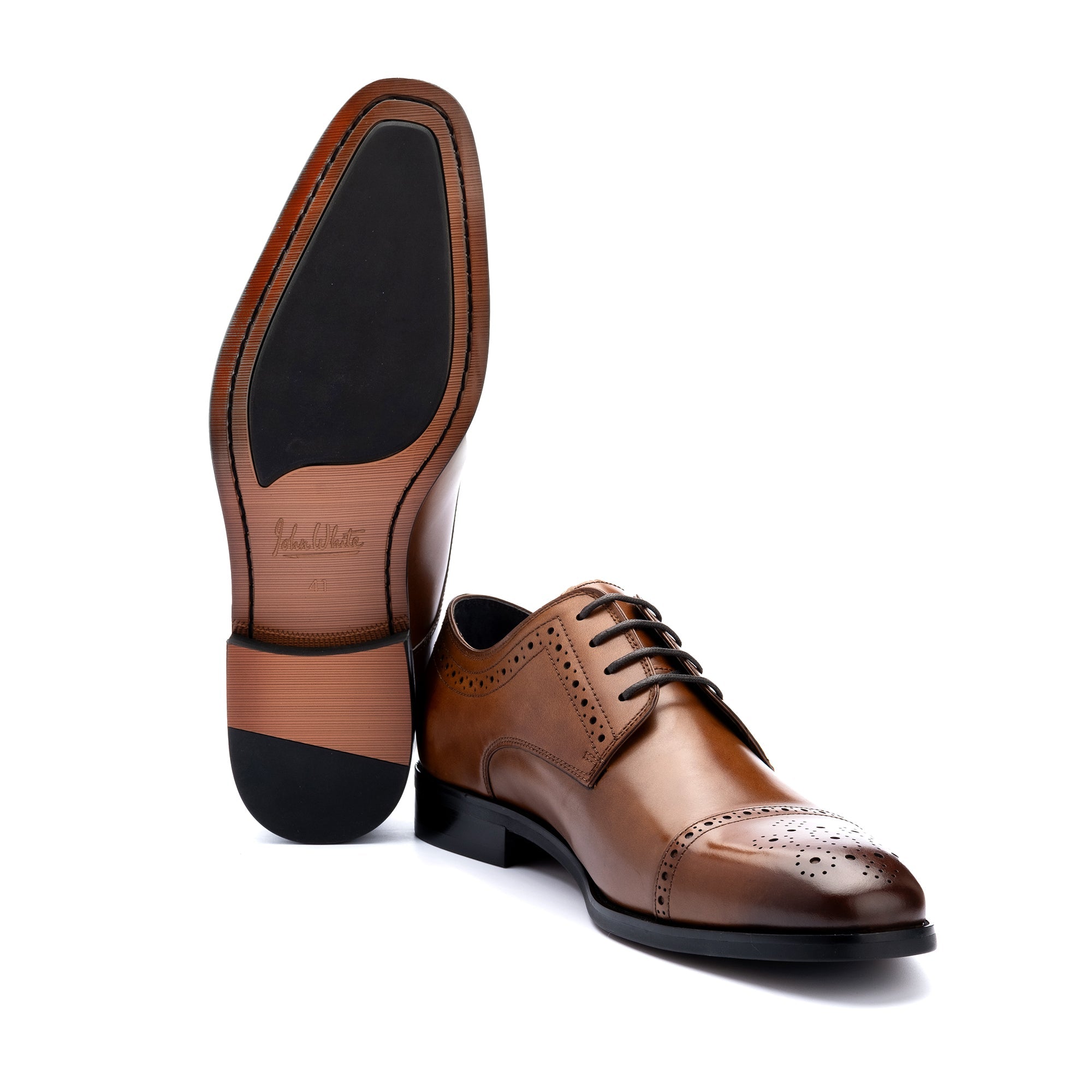
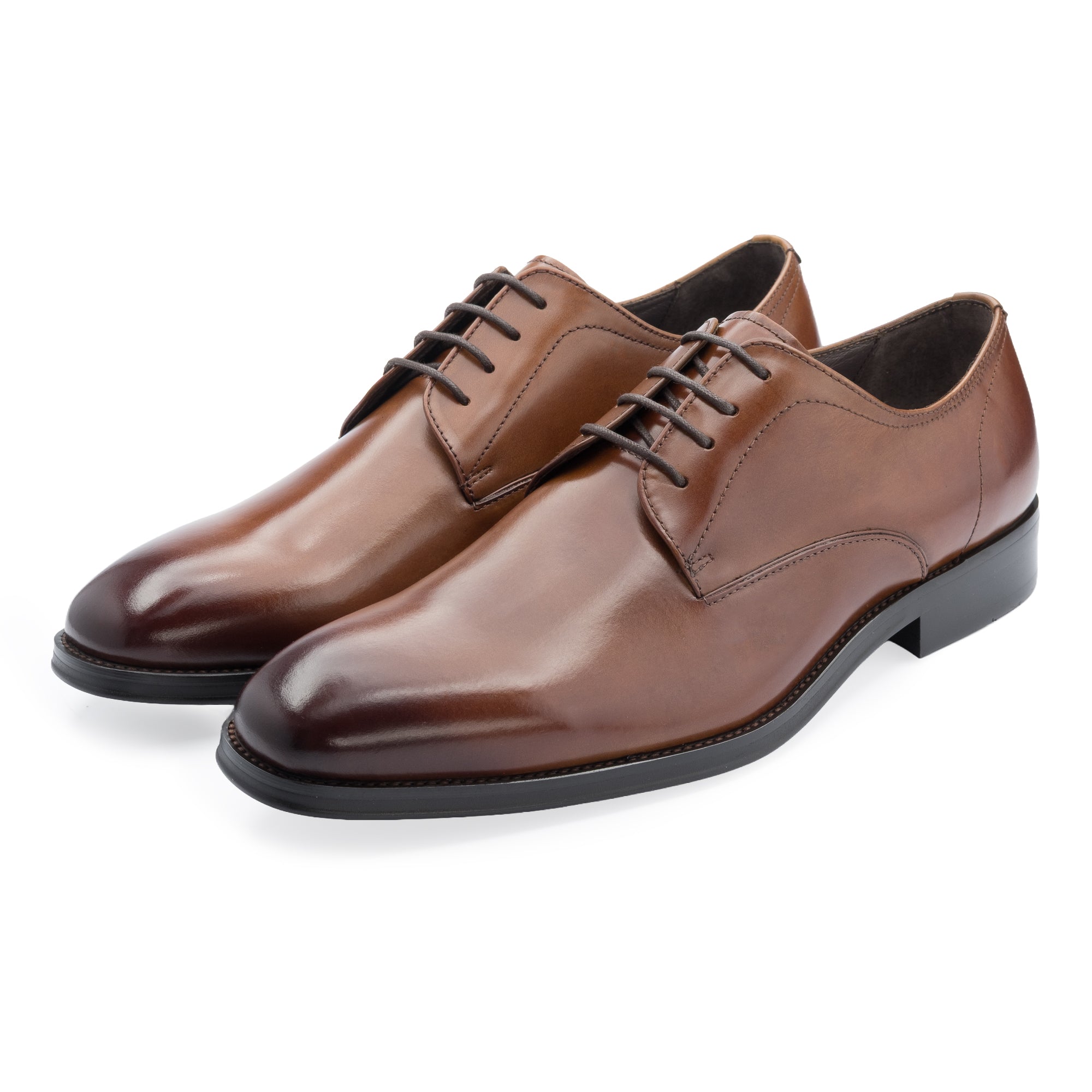
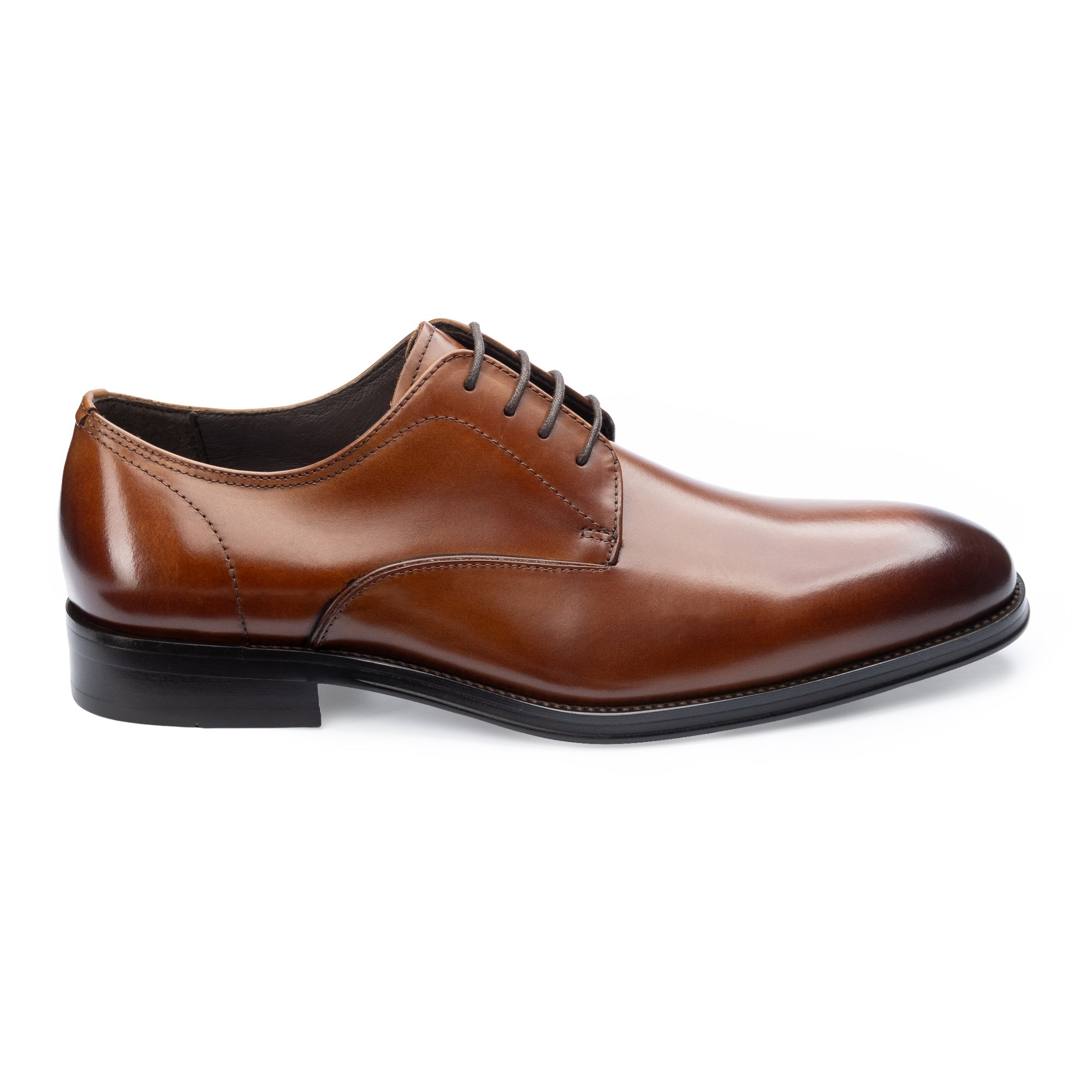
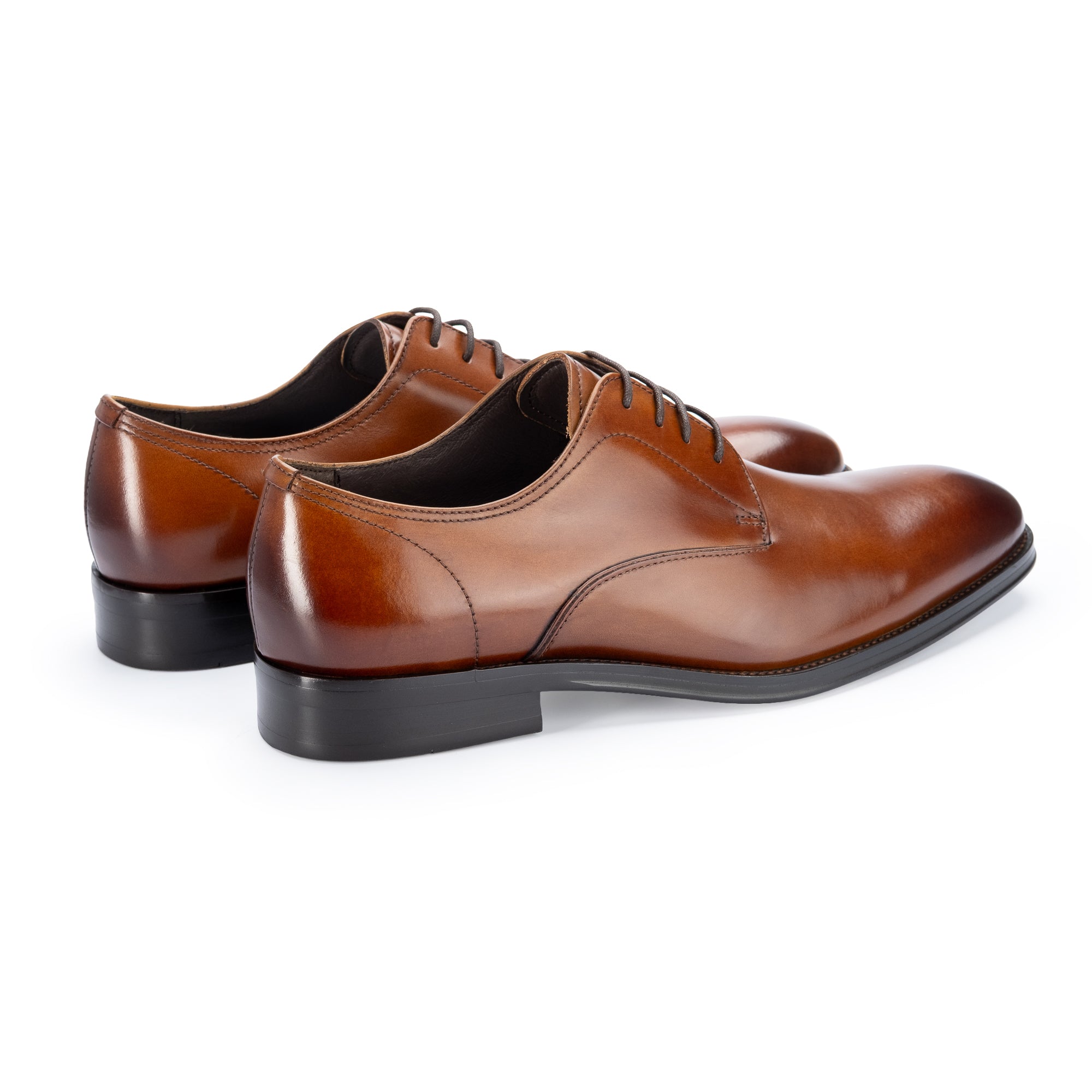
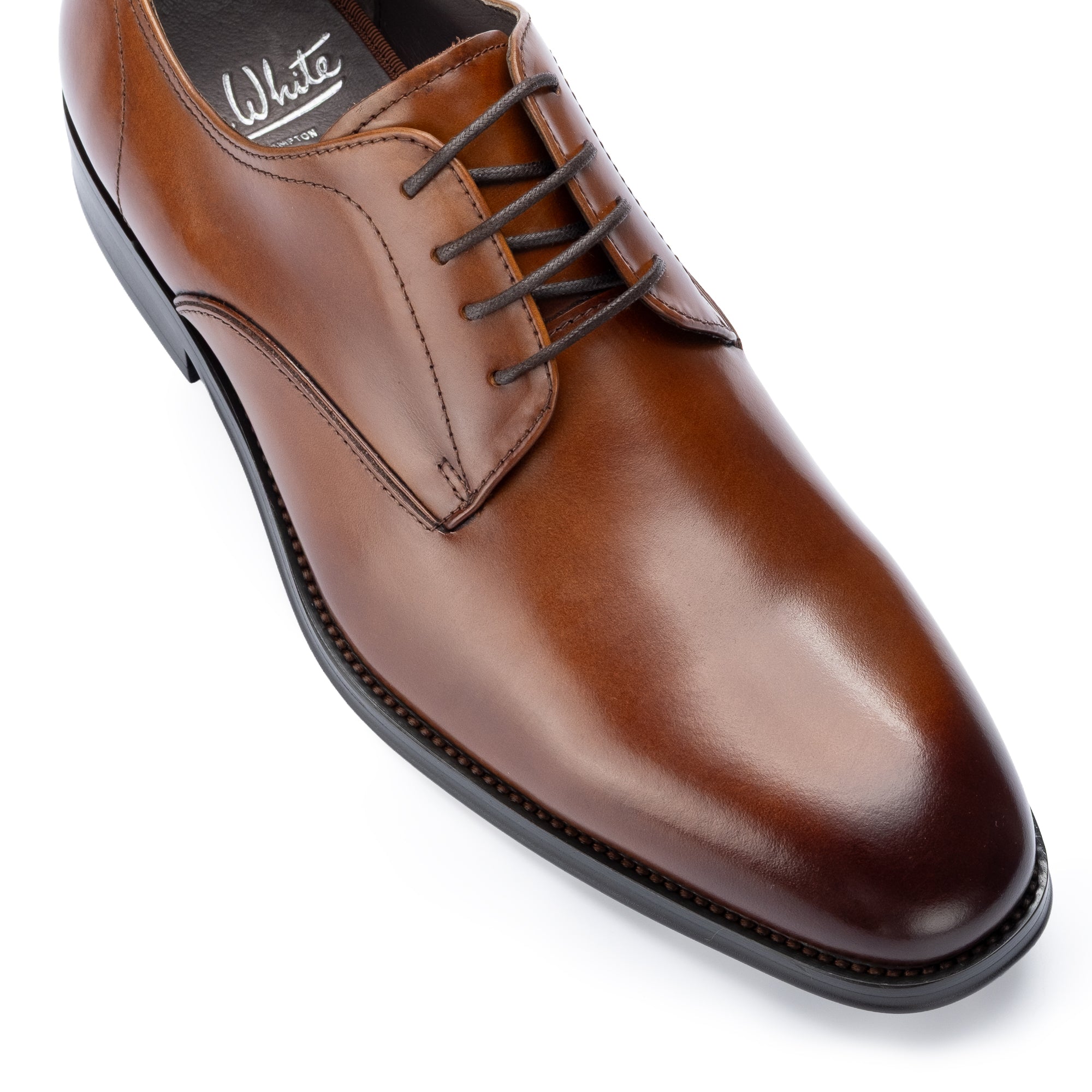
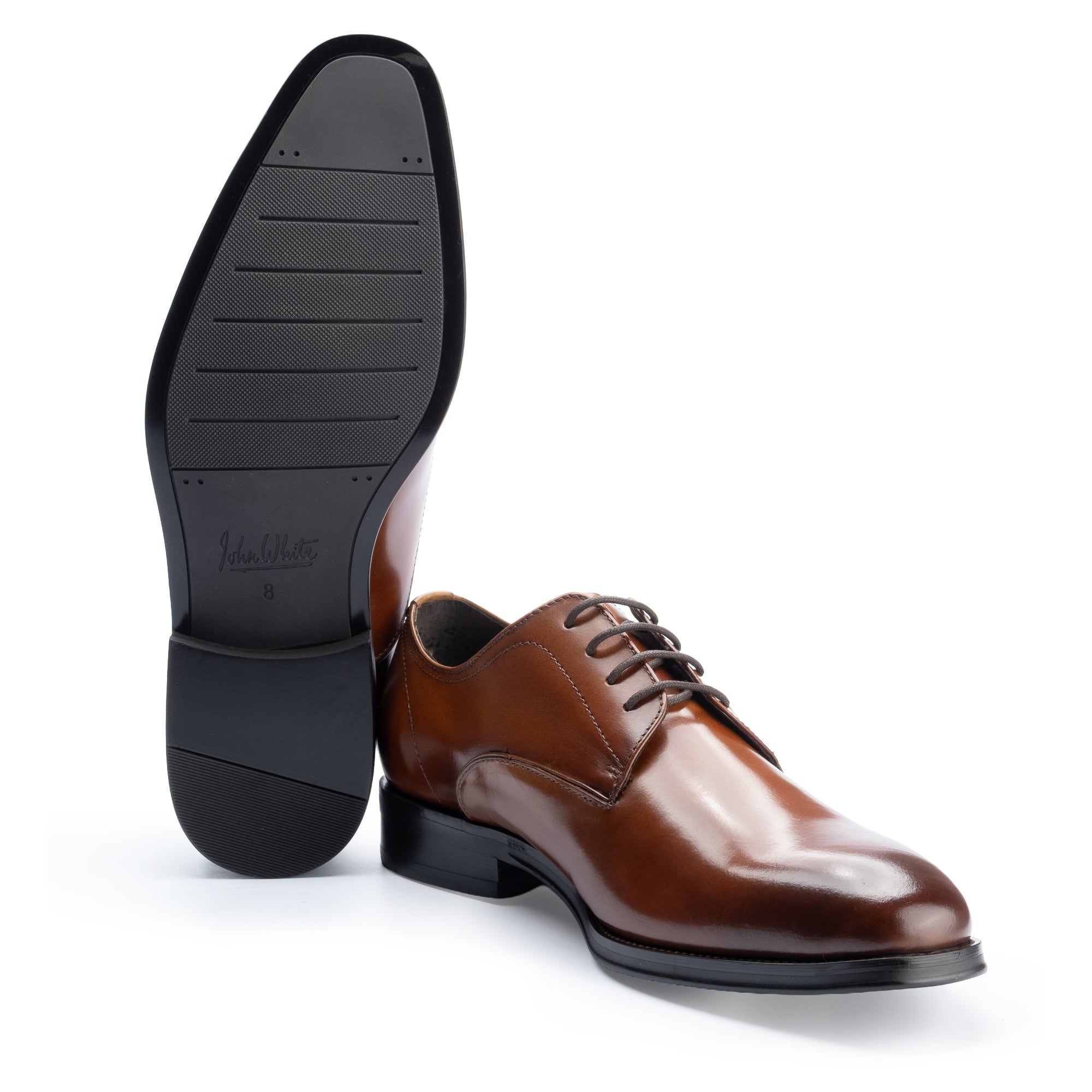
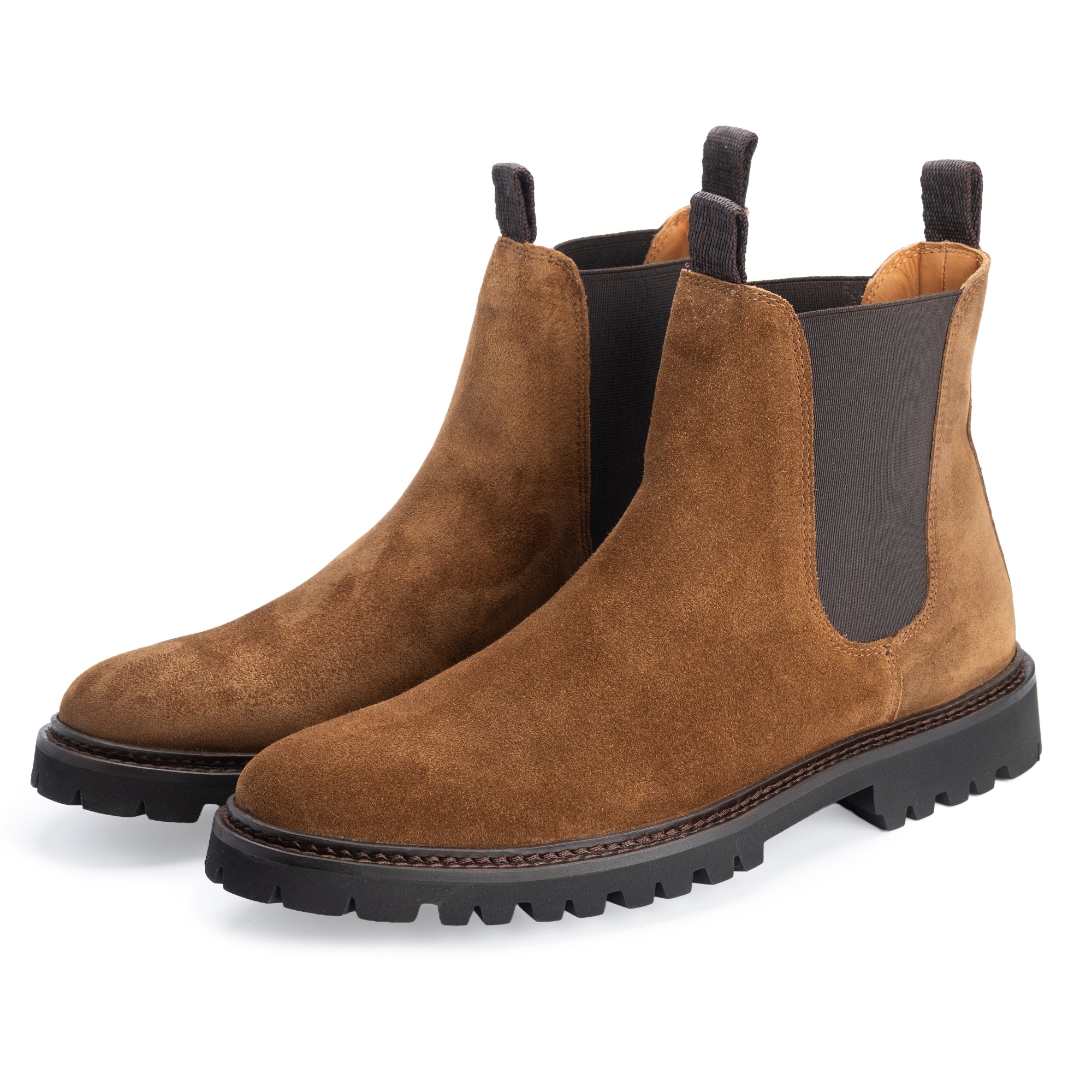
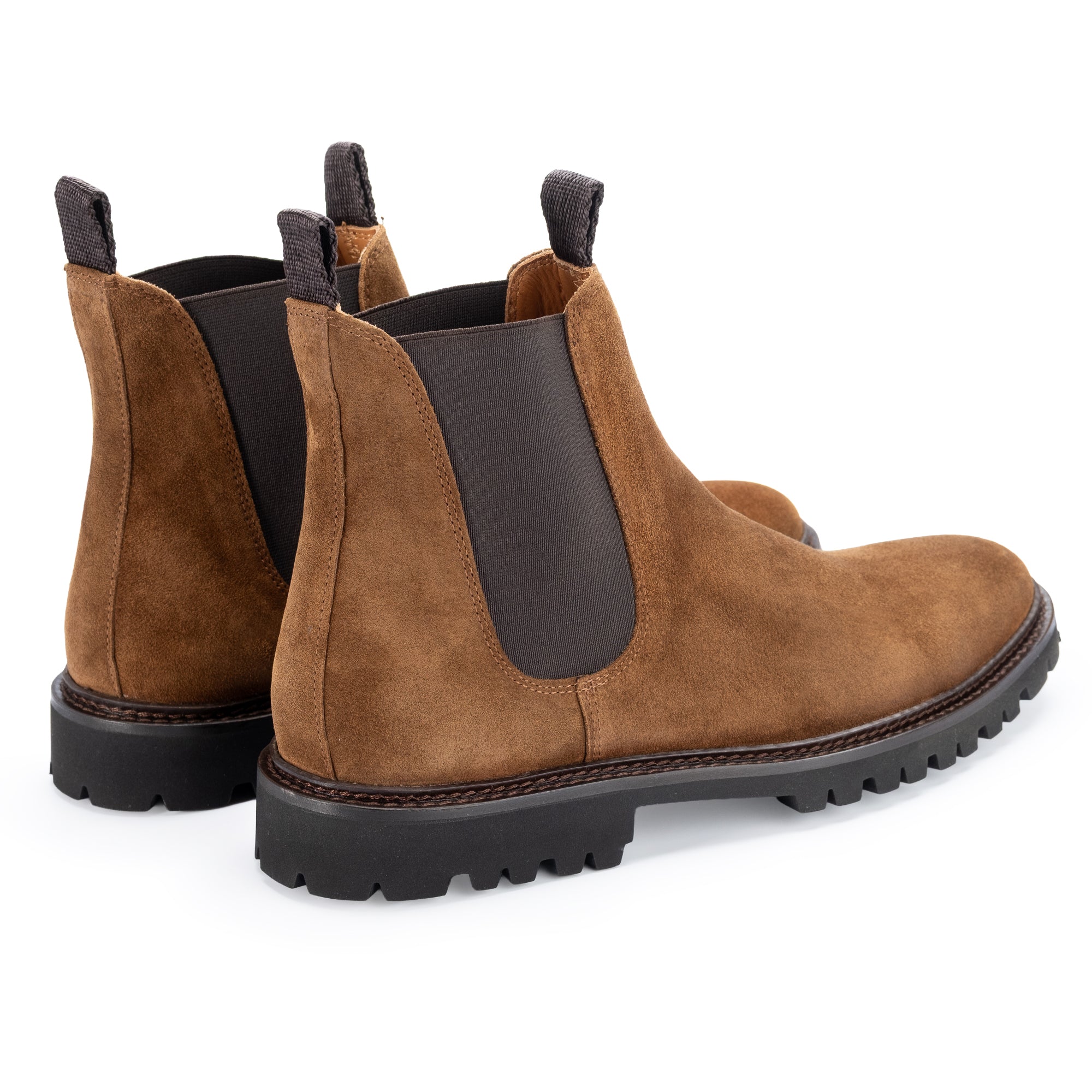
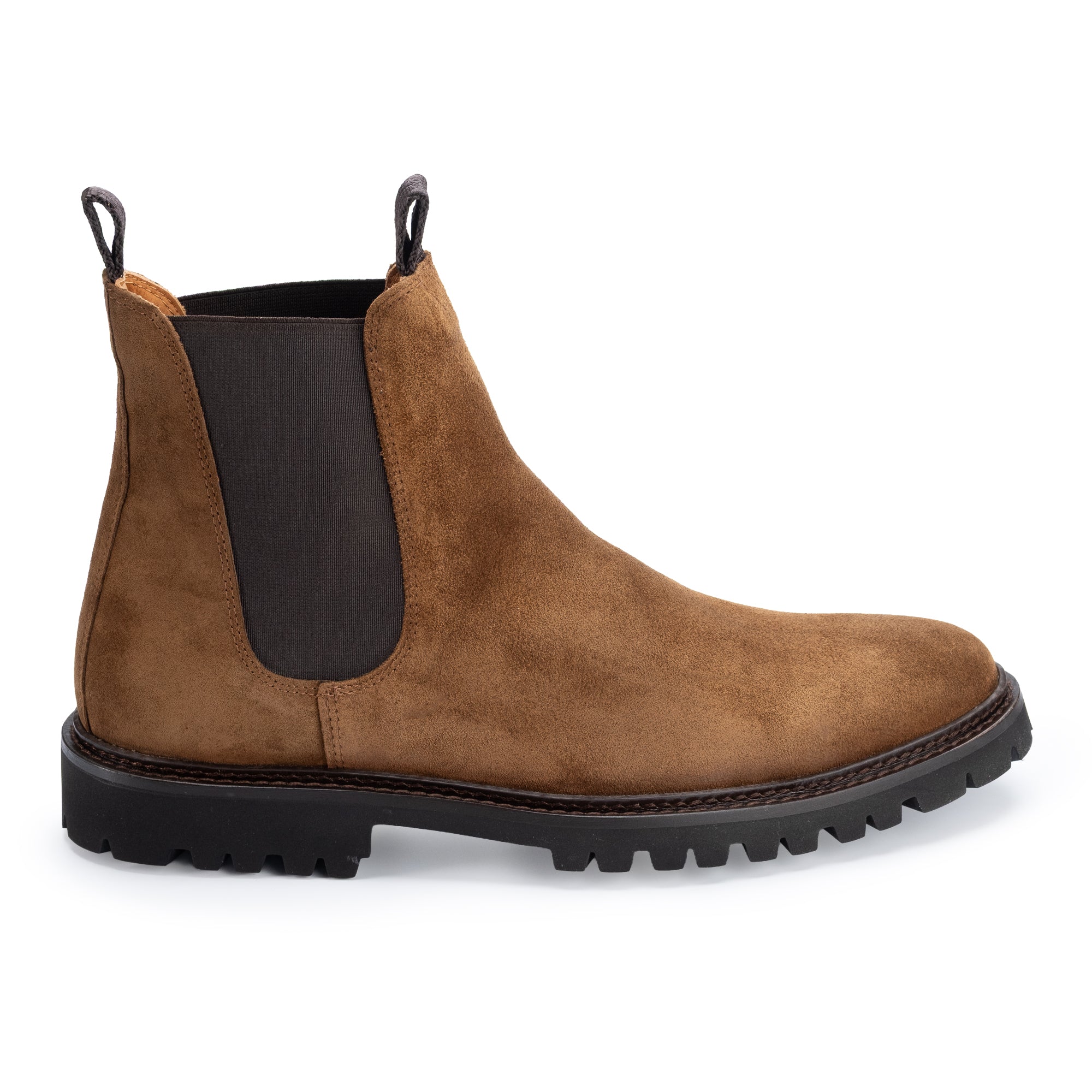
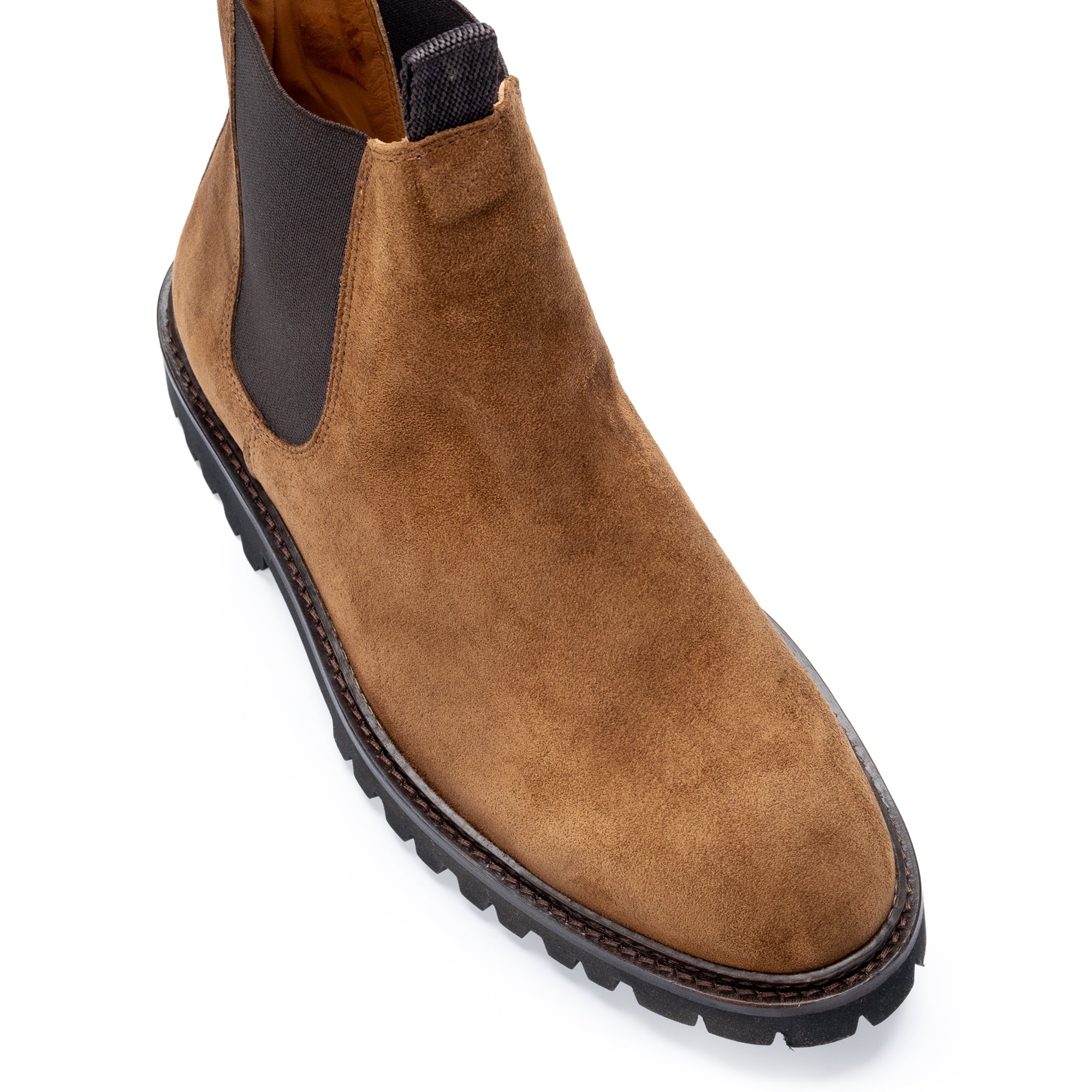
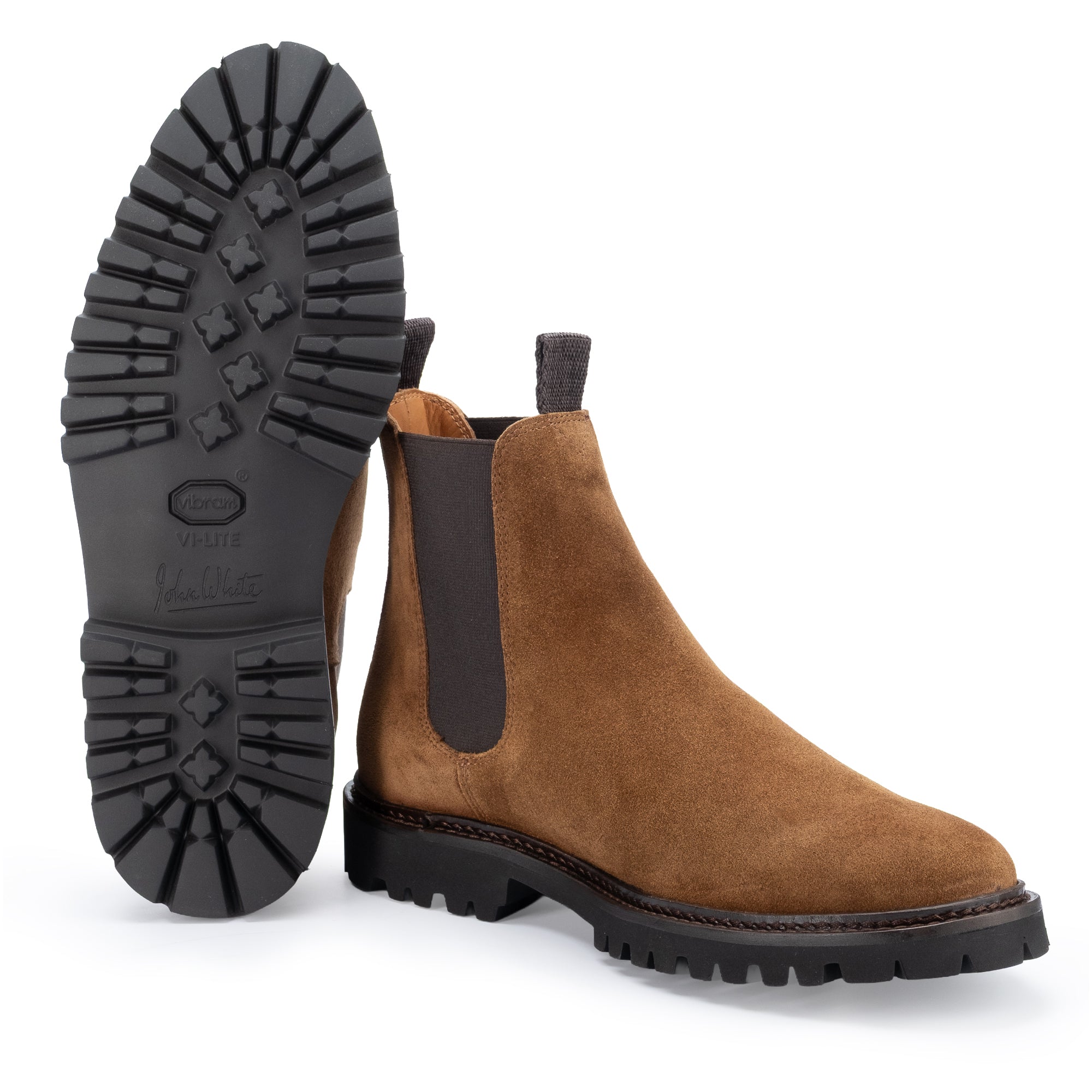
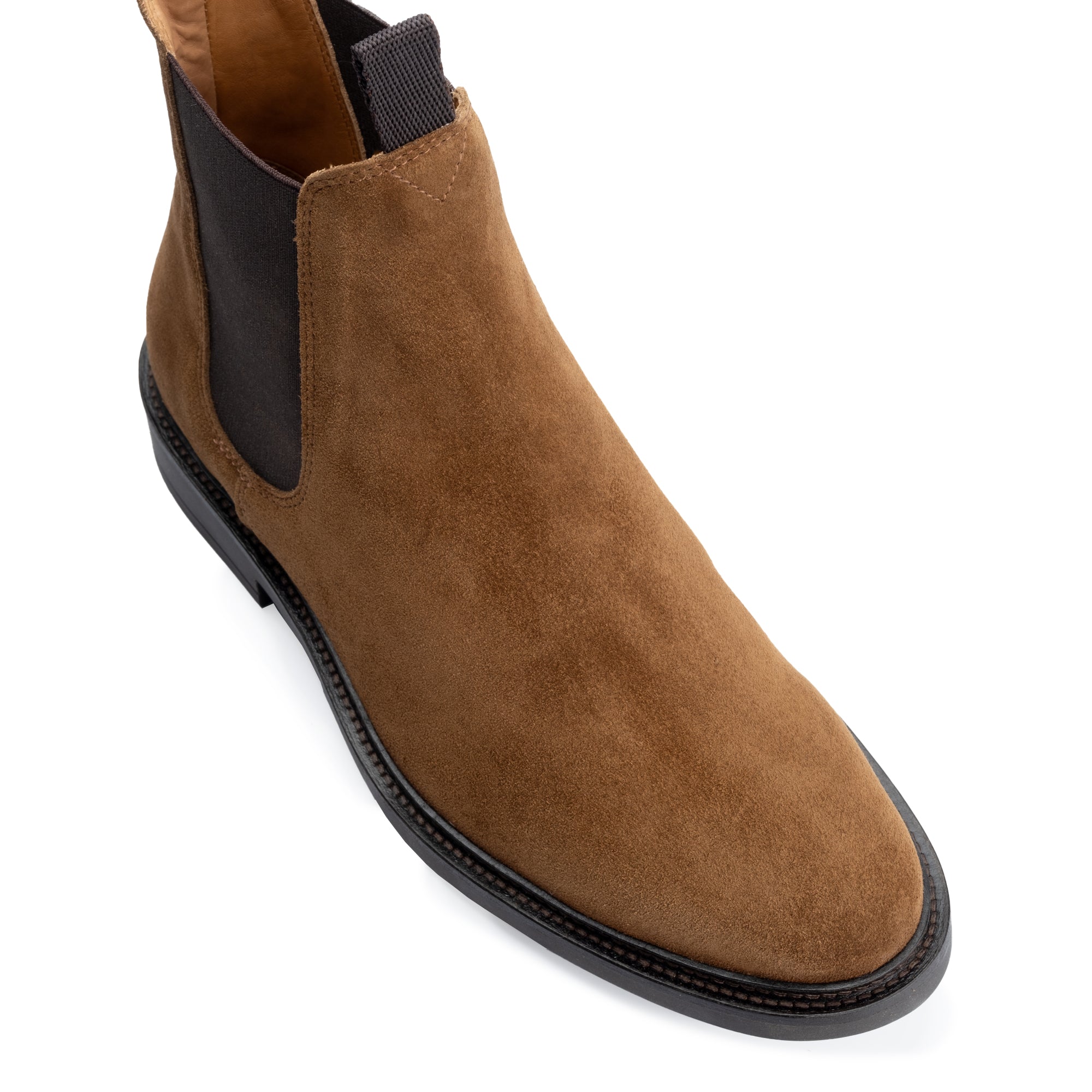
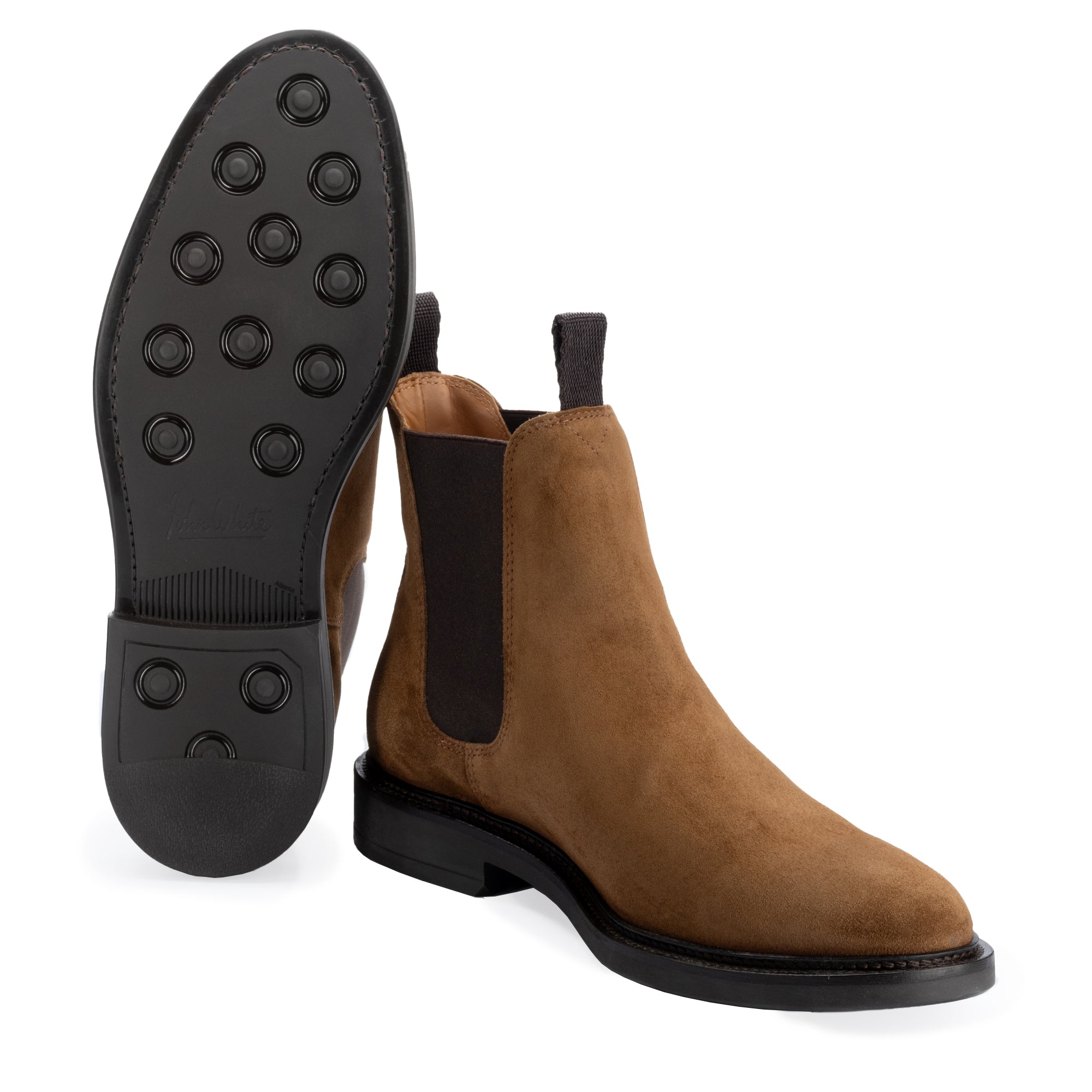
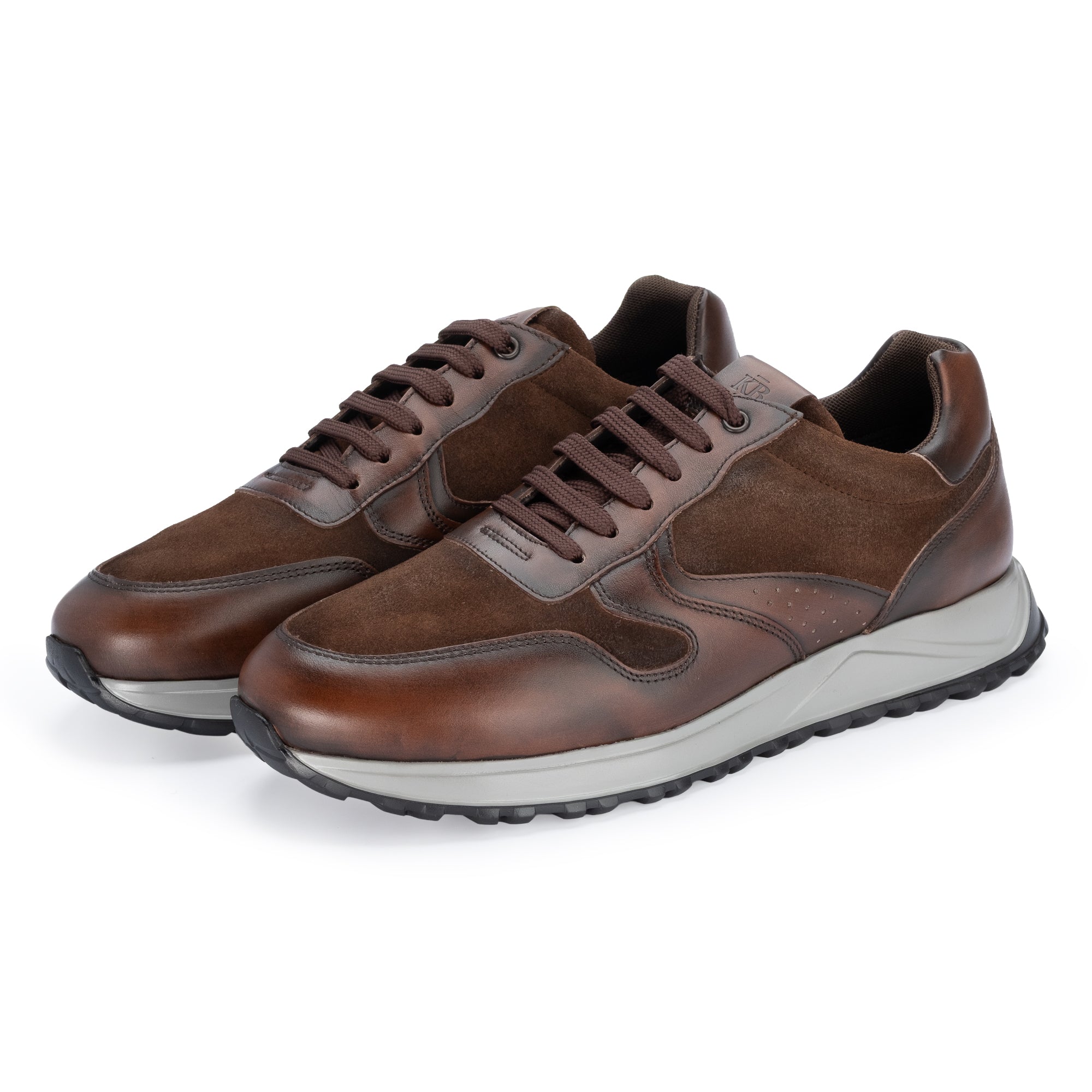
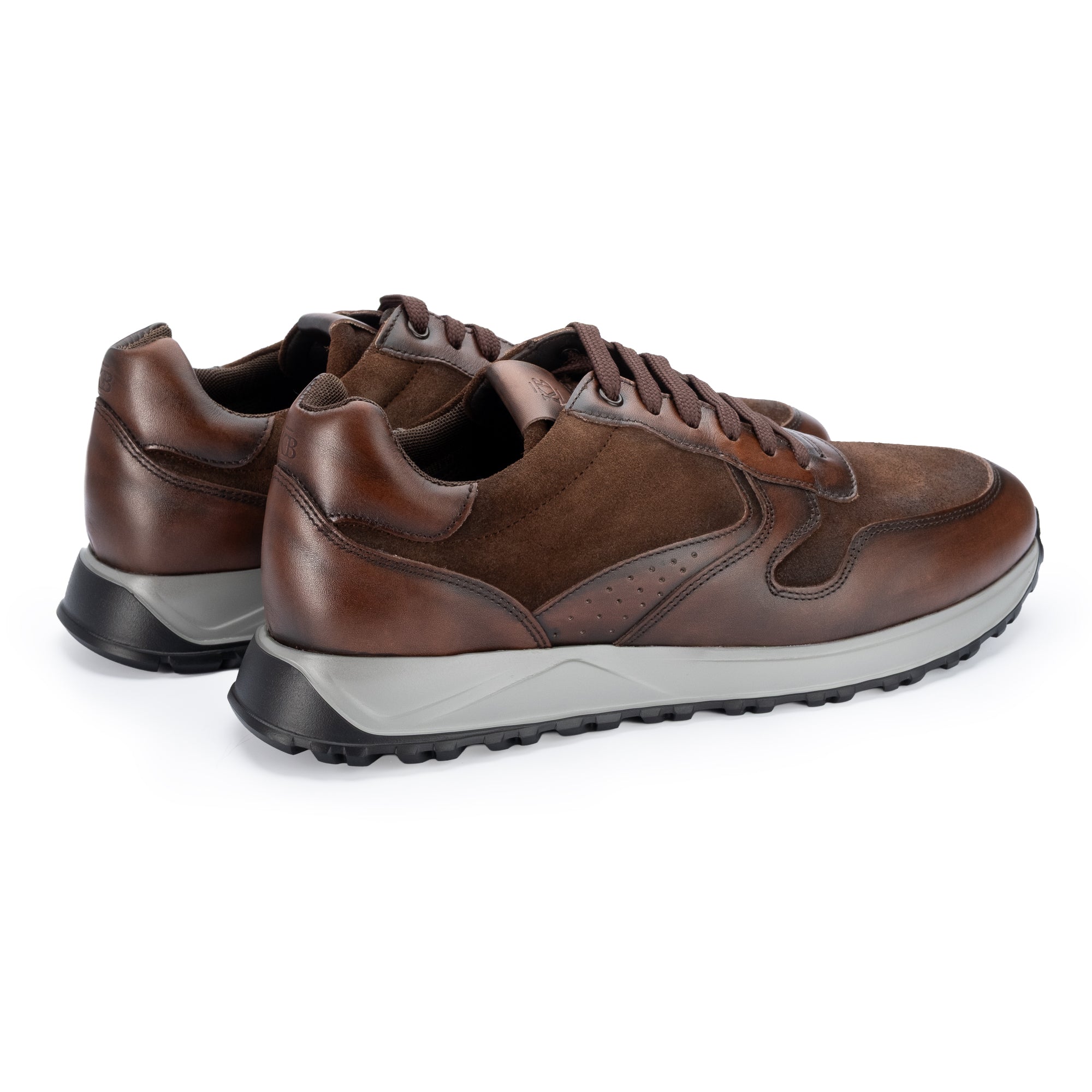
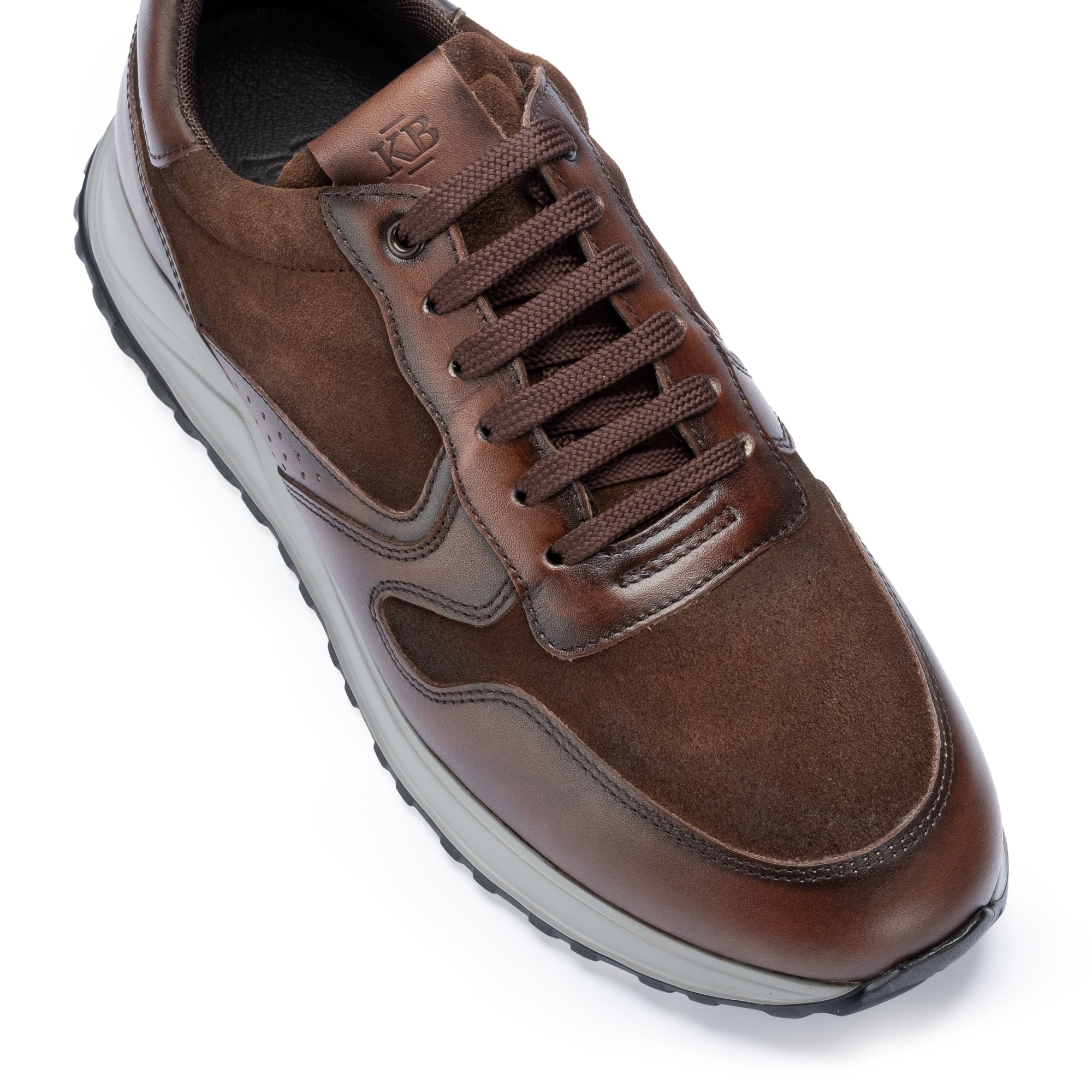
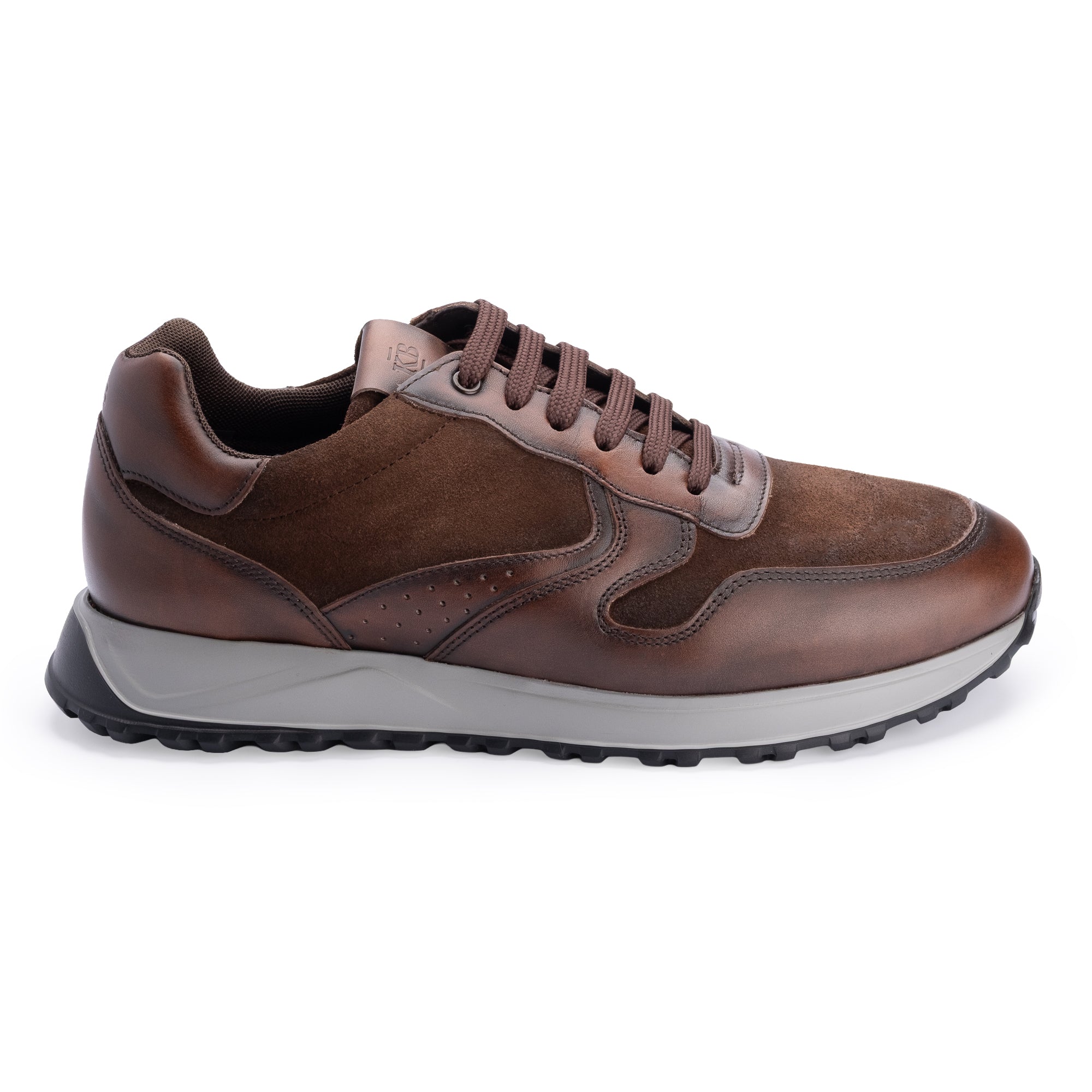
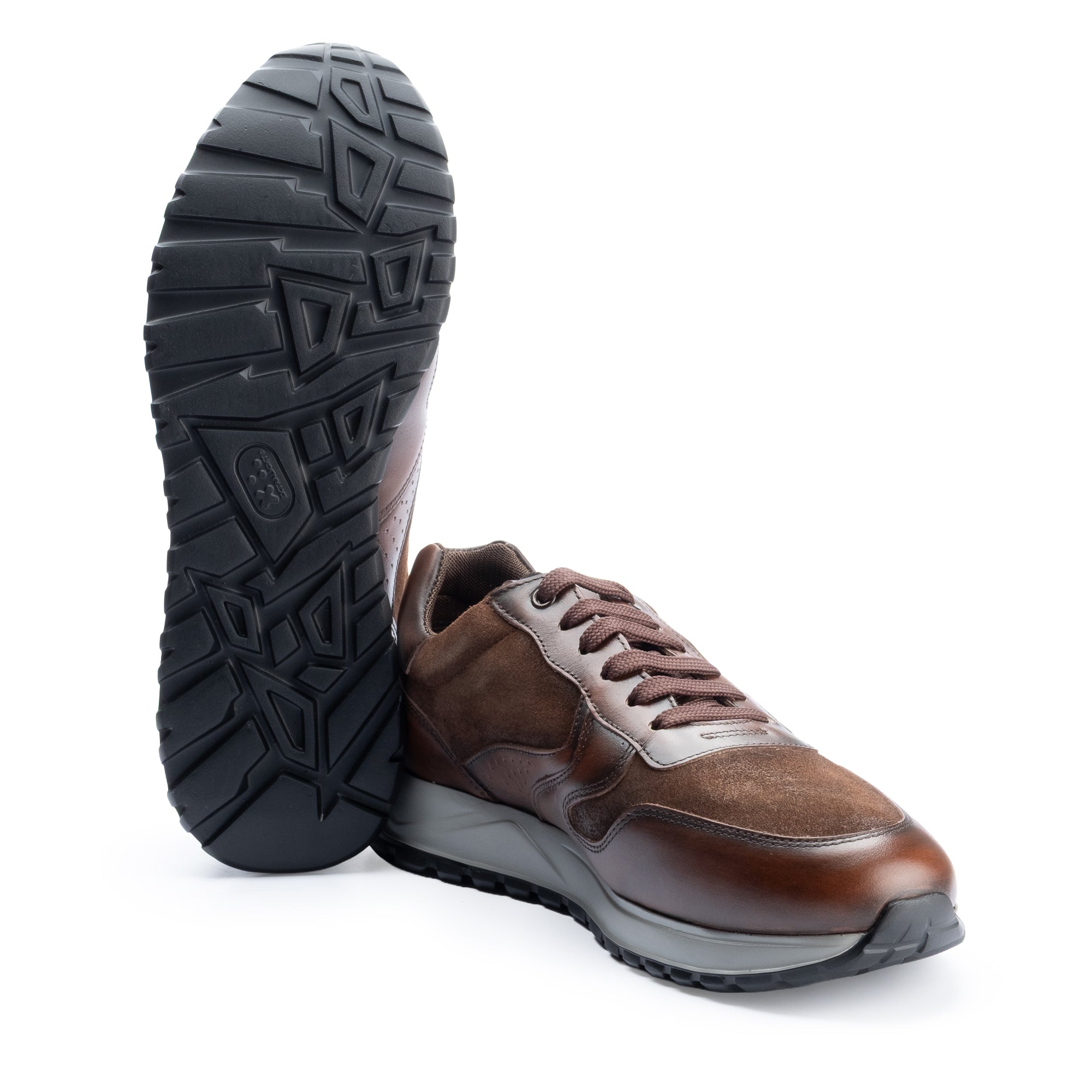
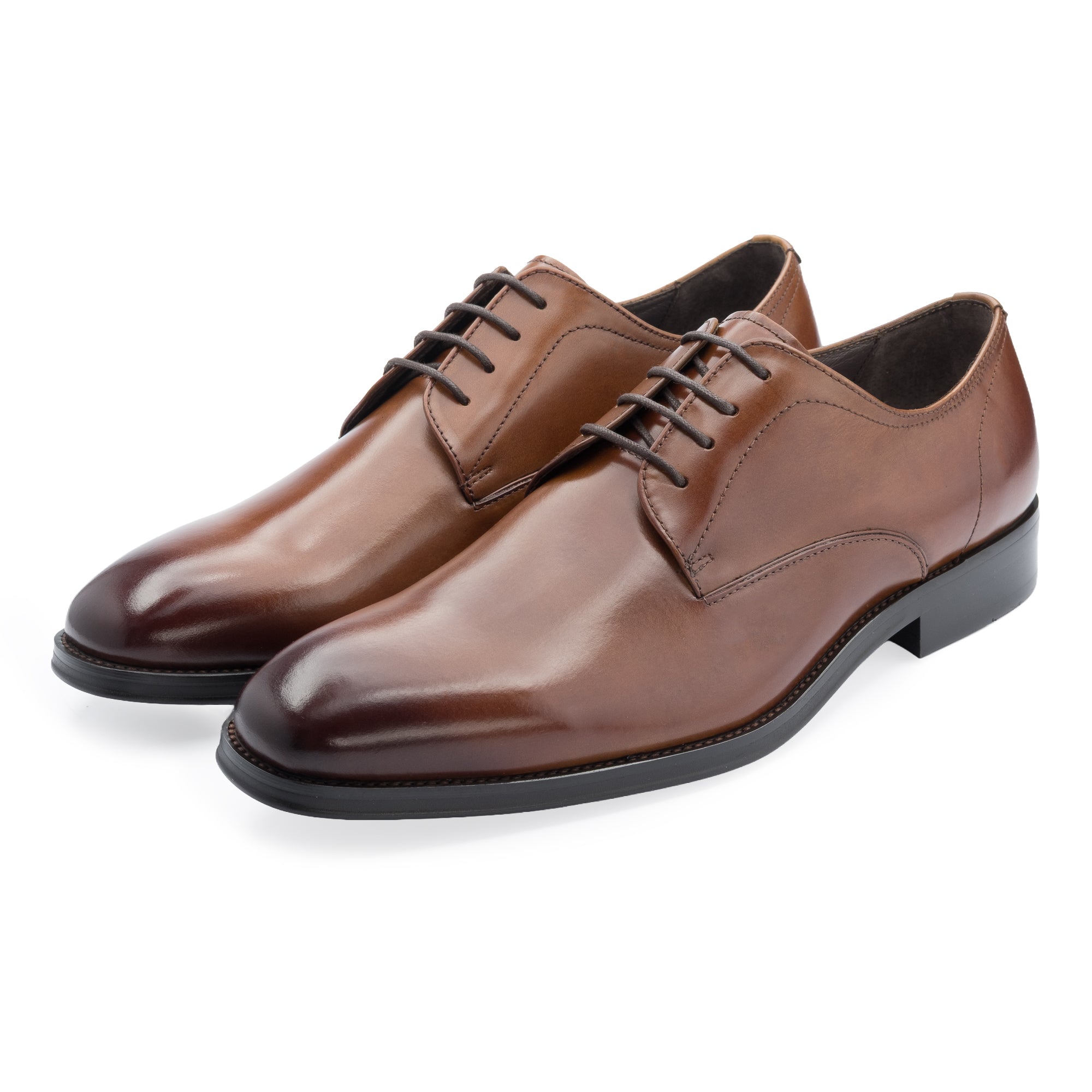
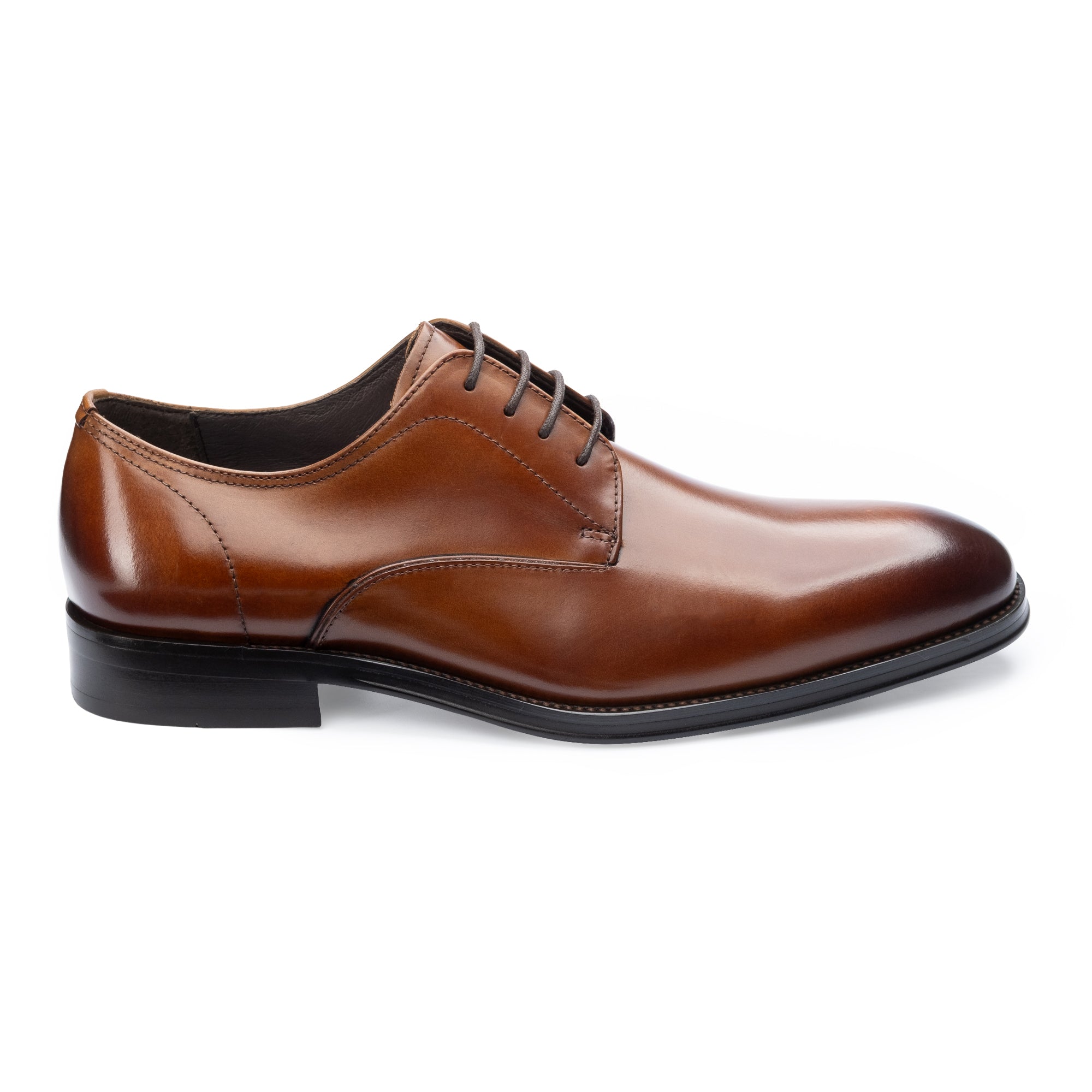
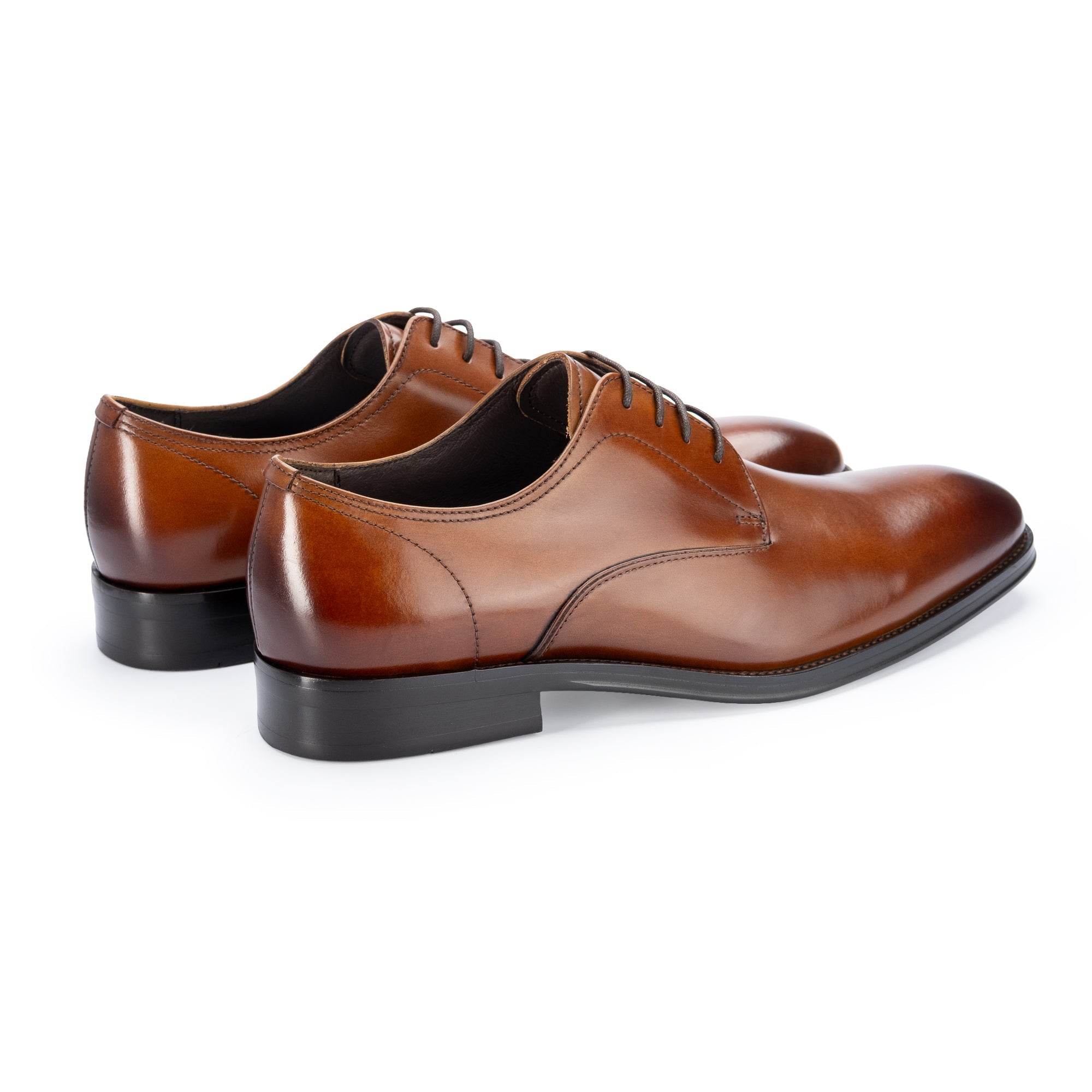
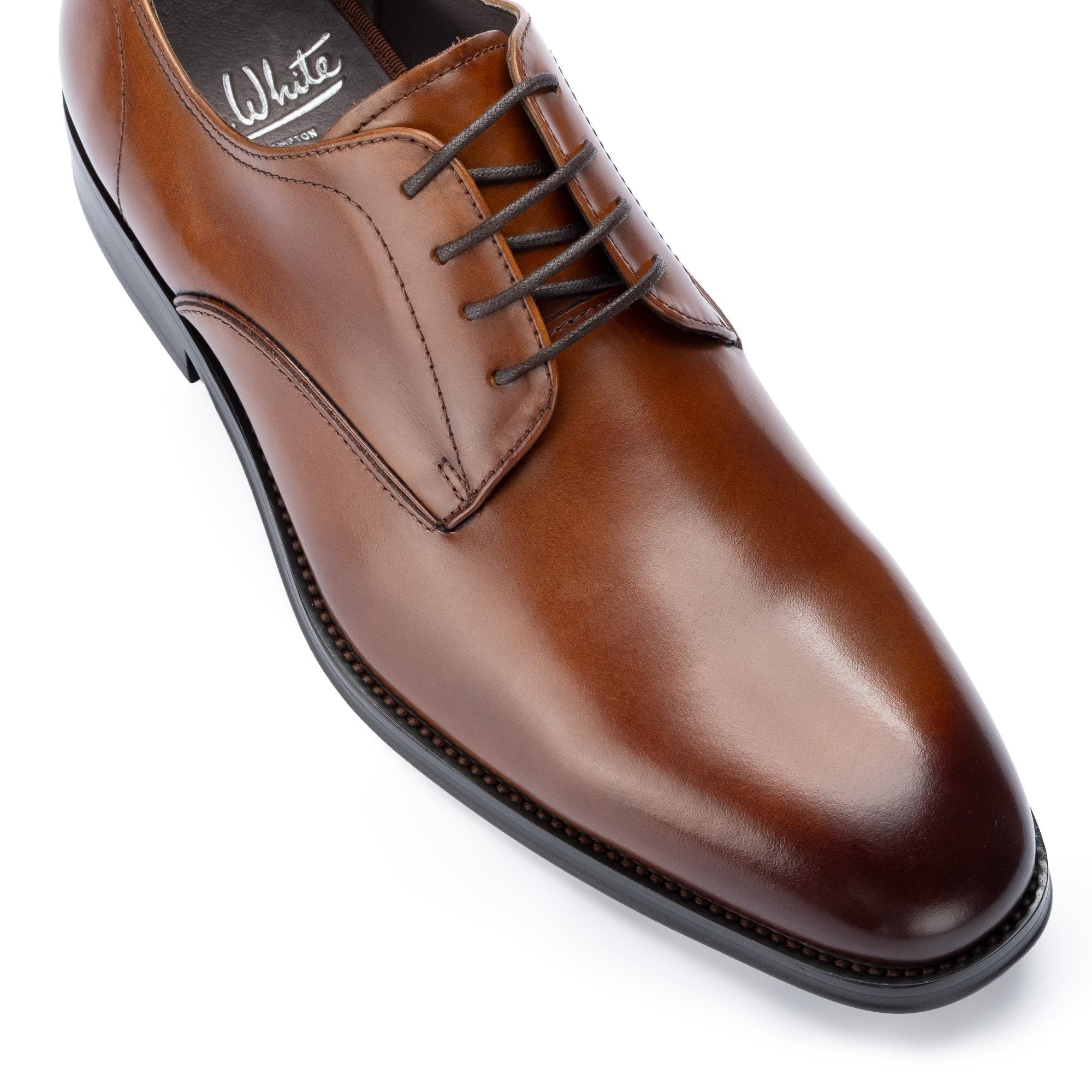
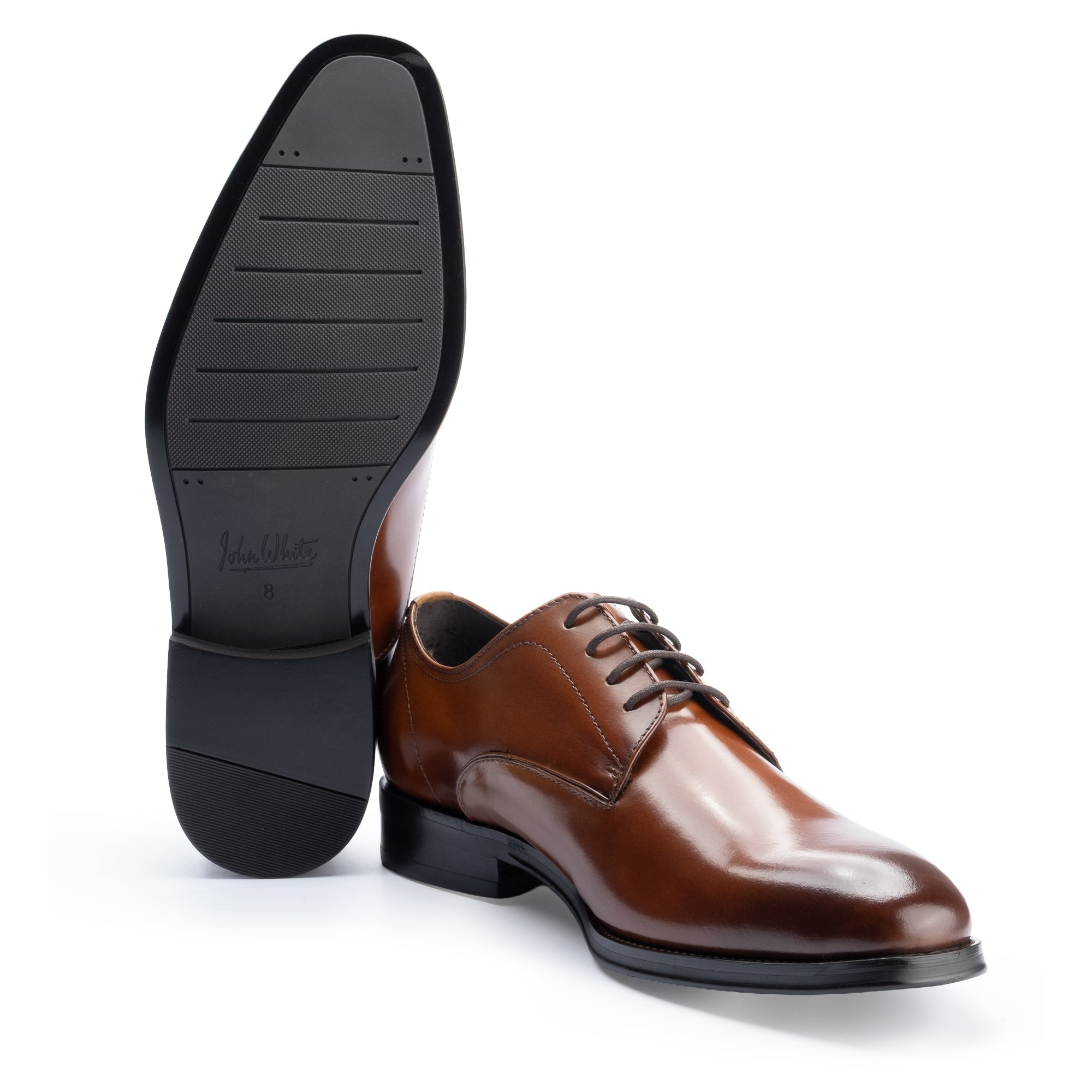
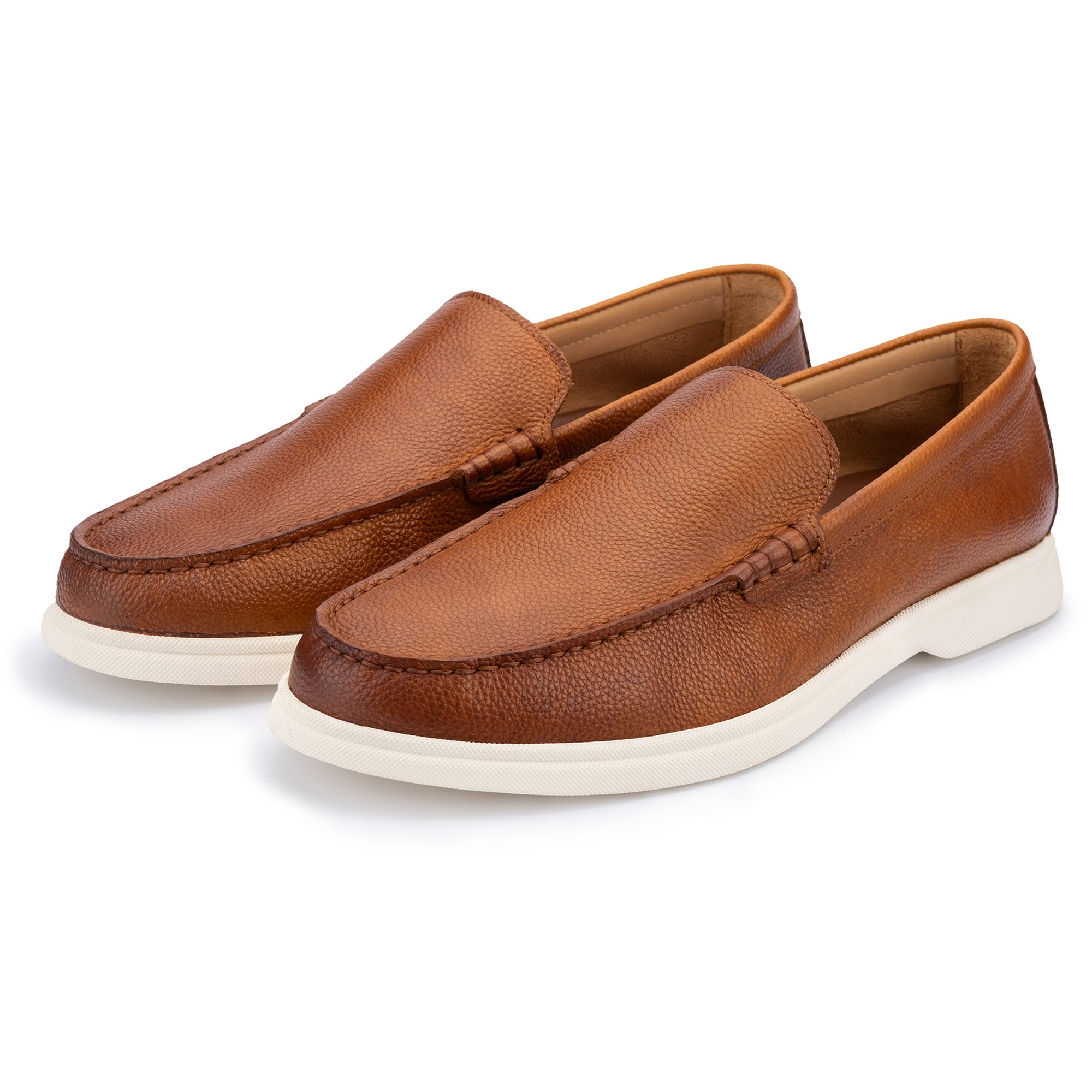
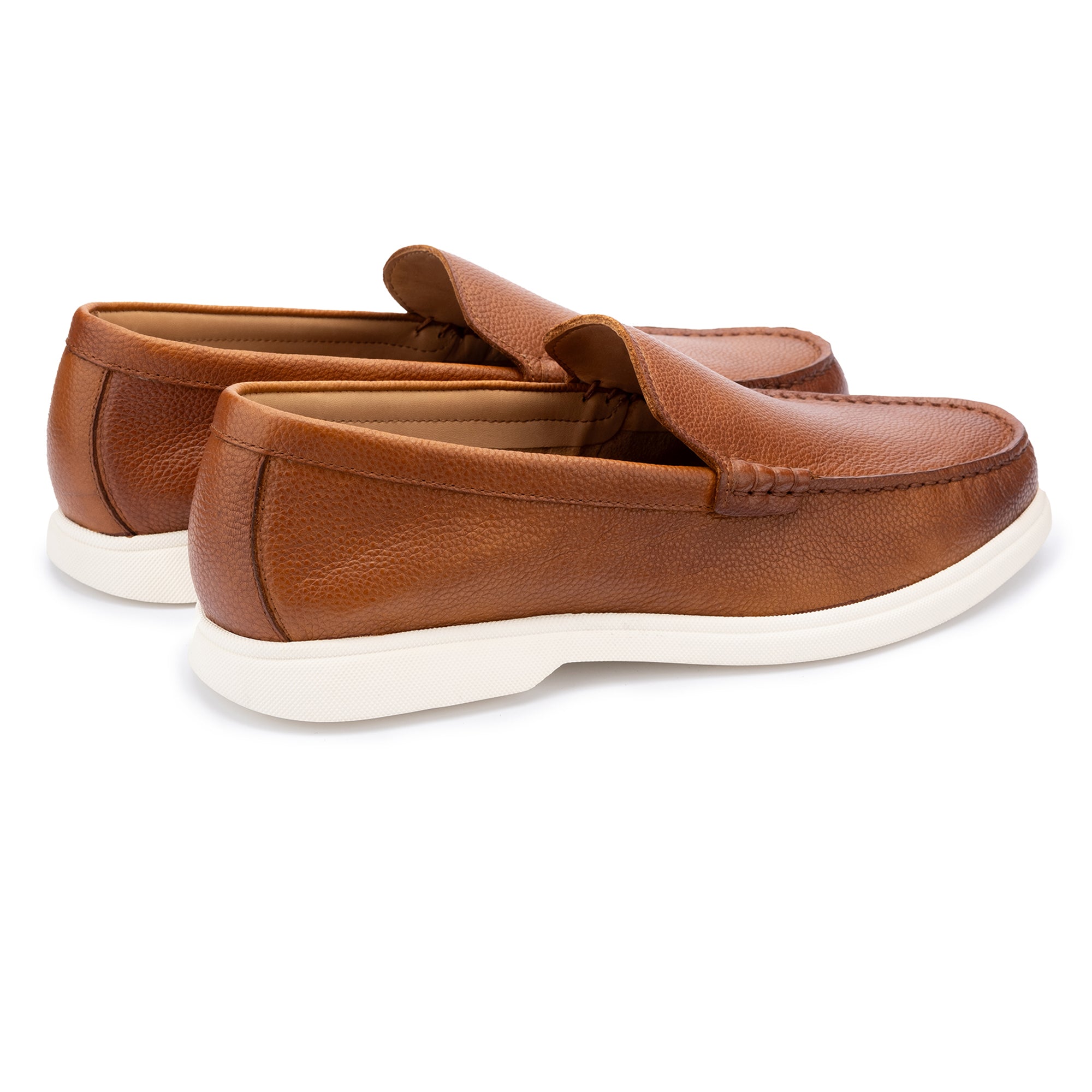
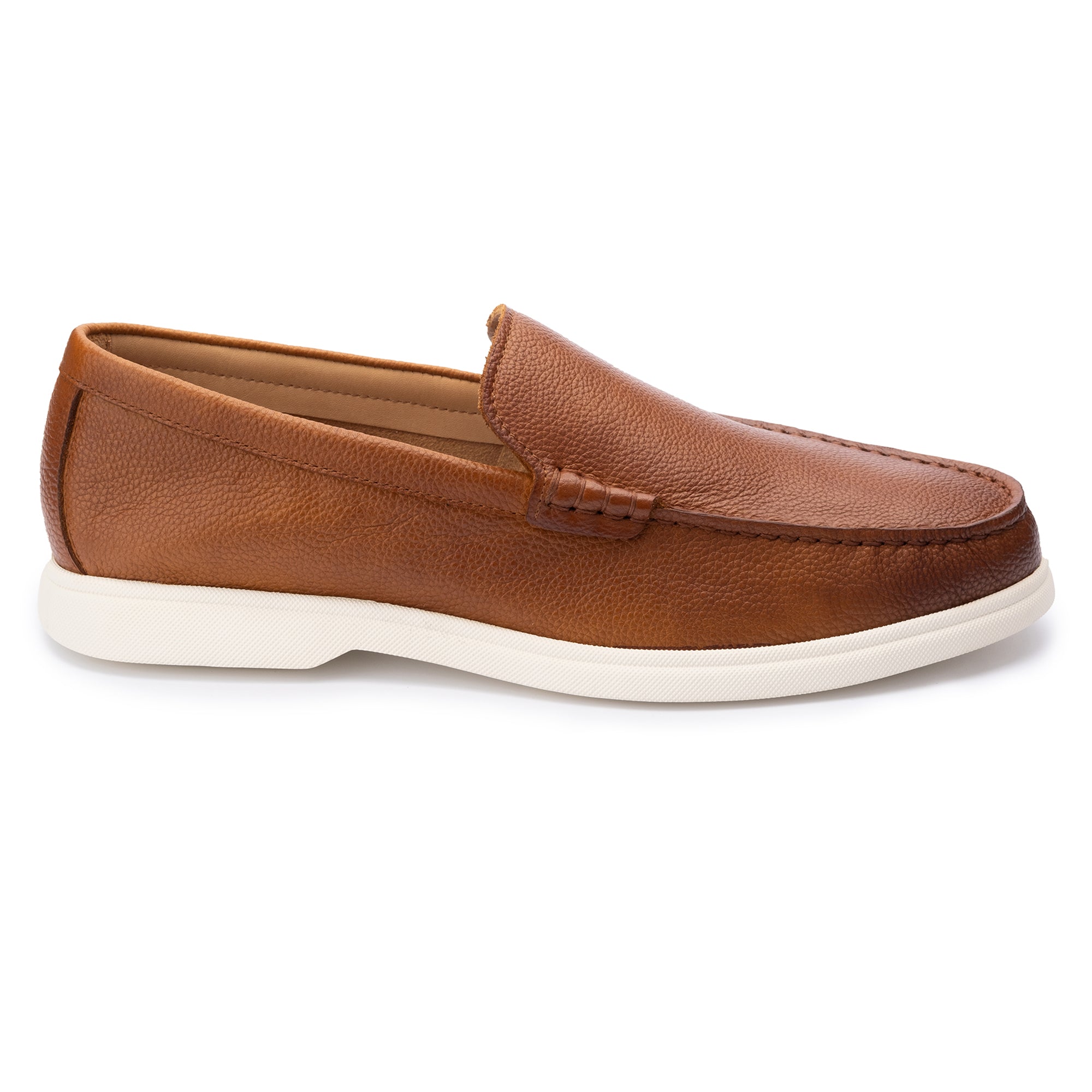
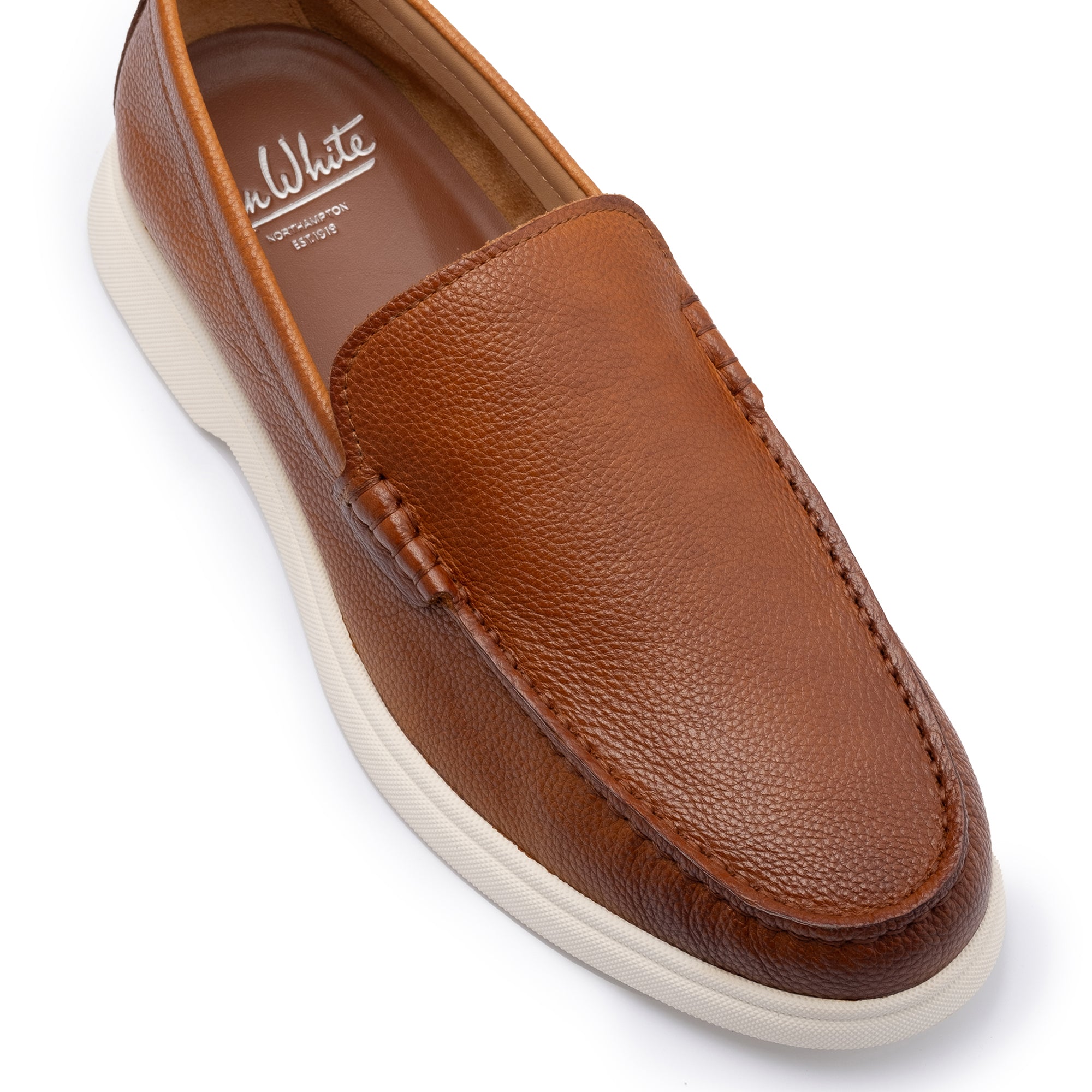
Tan leather is a mid-to-light caramel brown — warmer and considerably lighter than dark brown, without the yellow edge of cognac. It is the colour most closely associated with country and smart-casual British dressing: the colour of a Chukka boot worn to a race meeting, or a Derby laced through cream cotton trousers on a Saturday afternoon.
The styling rules for tan are more forgiving than for any other colour in the premium spectrum:
- Navy suits and trousers: The definitive pairing. Navy absorbs the warmth of tan without competing with it.
- Grey flannel: Mid-grey and tan create a quiet elegance particularly suited to autumn and winter dressing.
- Chinos and cotton trousers: Stone, cream, olive, and khaki all pair naturally.
- Avoid with black trousers: Tan and black fight for dominance — neither wins.
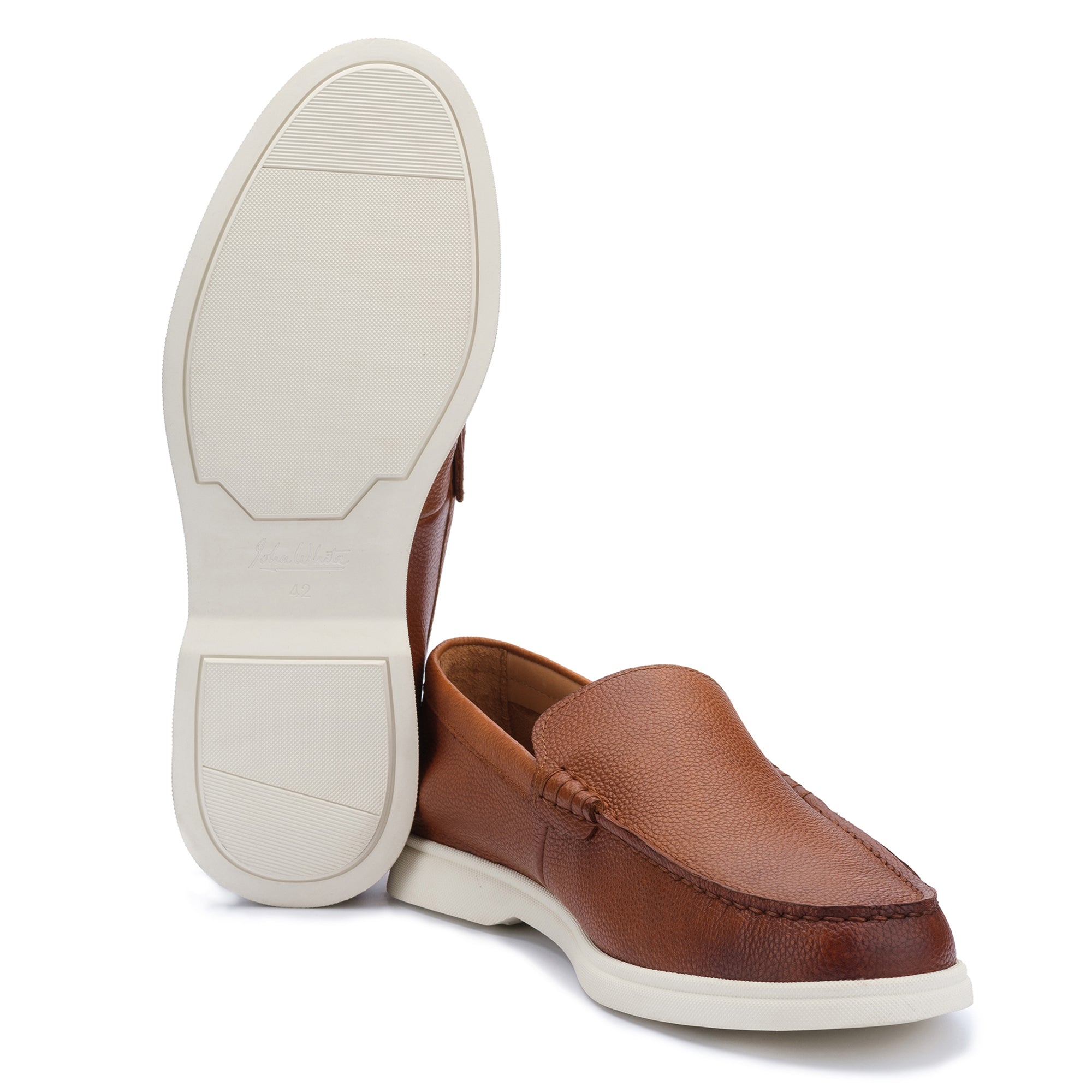
Tan is most at home on Derby shoes, Chukka boots, and loafers. An Oxford in tan reads as slightly incongruous — the formality of the closed lacing sits awkwardly against the informality of the colour. A Derby or a brogue in tan, by contrast, is one of the most effortlessly correct pieces a man can own.
According to the Journal of the Leather Industries, lighter leather shades including tan show surface abrasion more readily than darker finishes, making protective conditioning and regular brushing particularly important for maintaining their appearance. Keep a dedicated light-shade cream conditioner for tan leather — dark polish will alter the colour permanently.
Tan leather shoes are the single most versatile smart-casual addition to a collection built on dark foundational colours.
What Is Oxblood Leather and How Does It Differ from Burgundy?
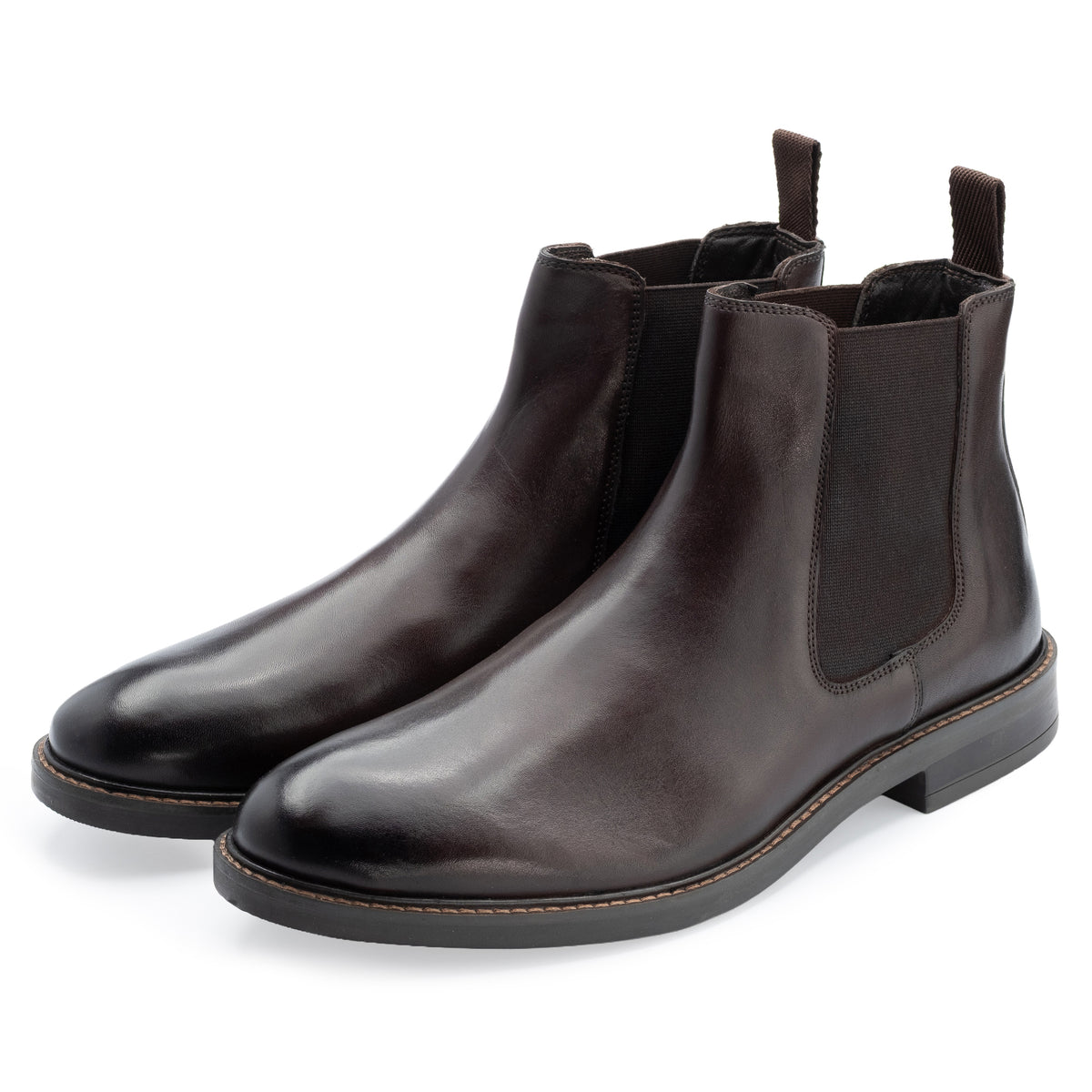
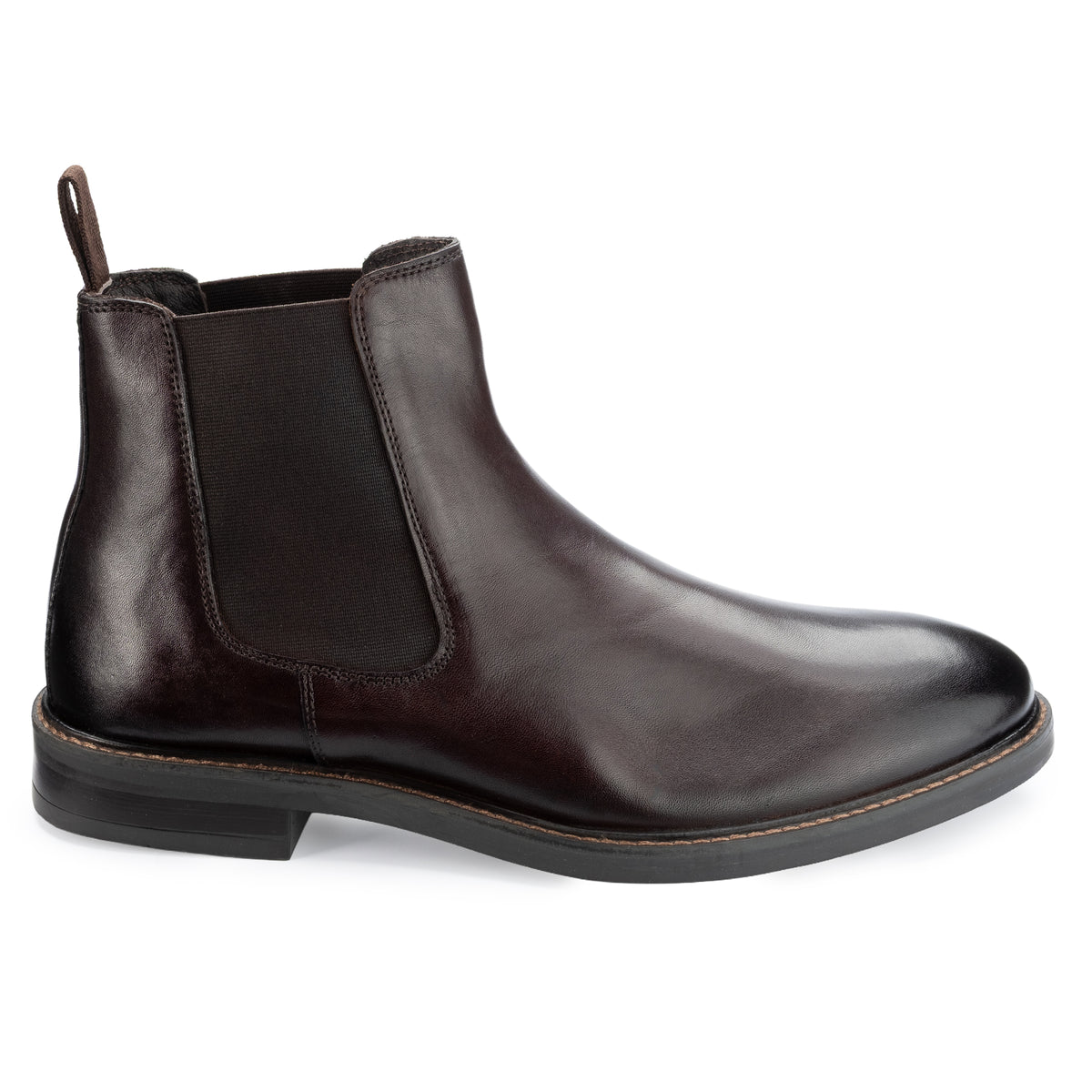
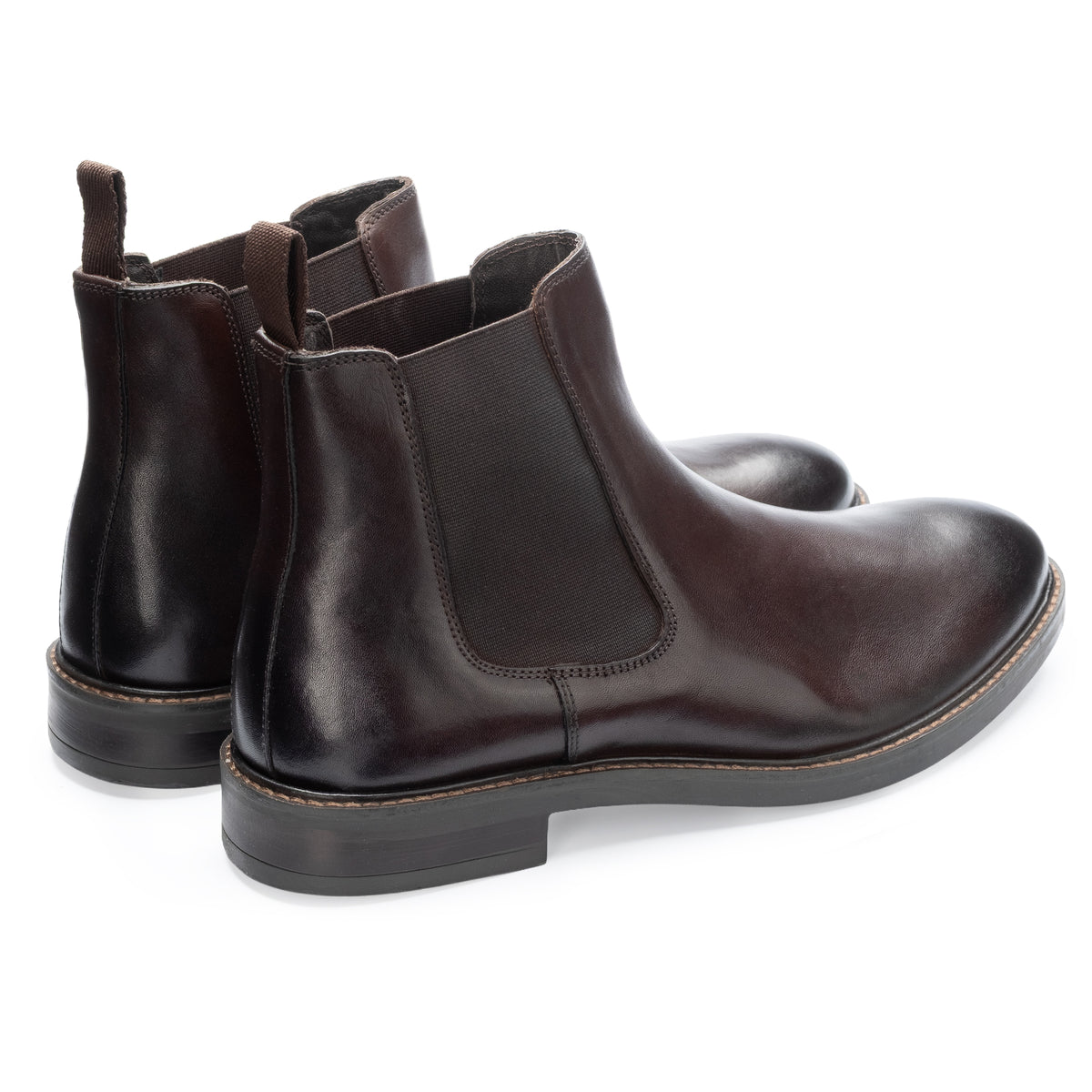
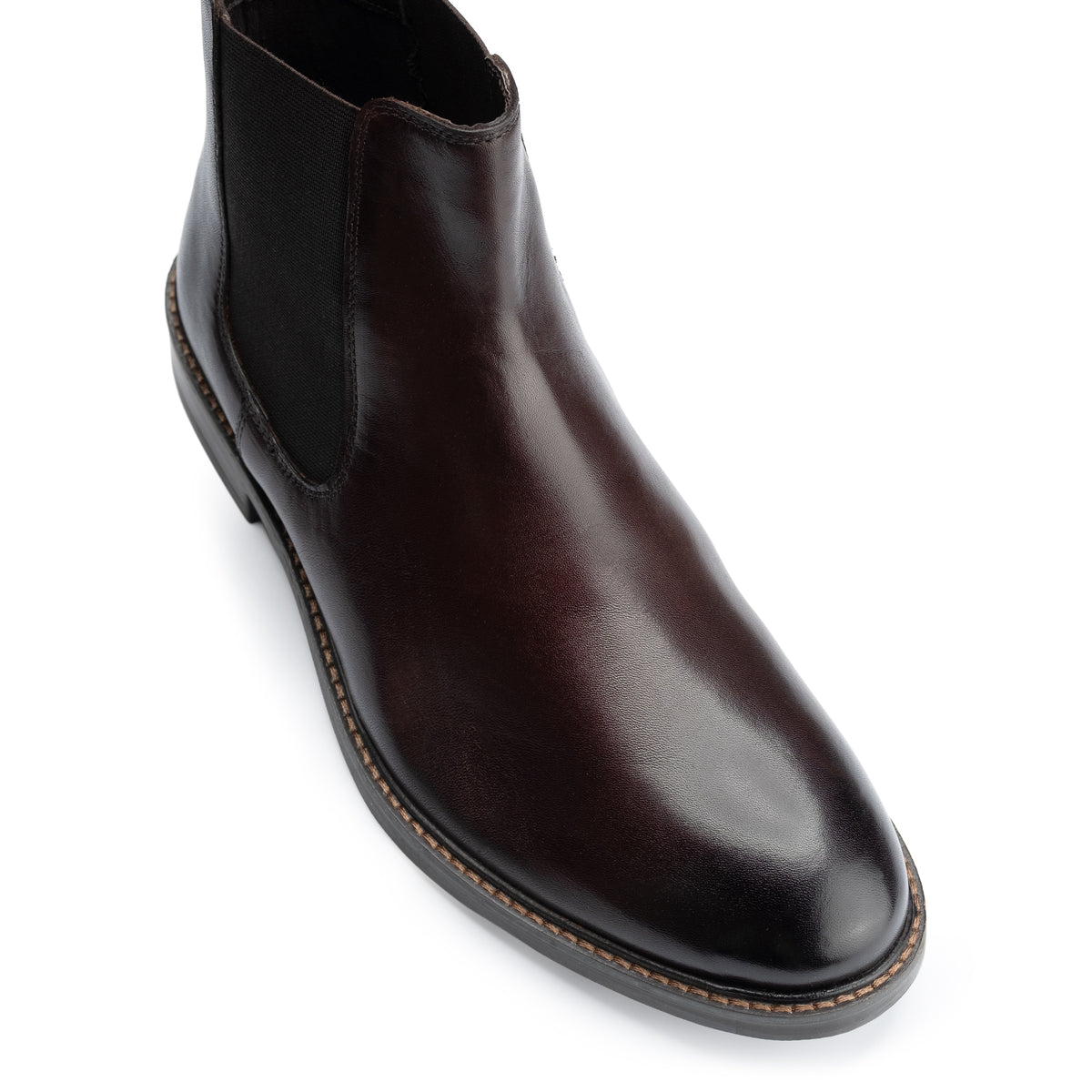
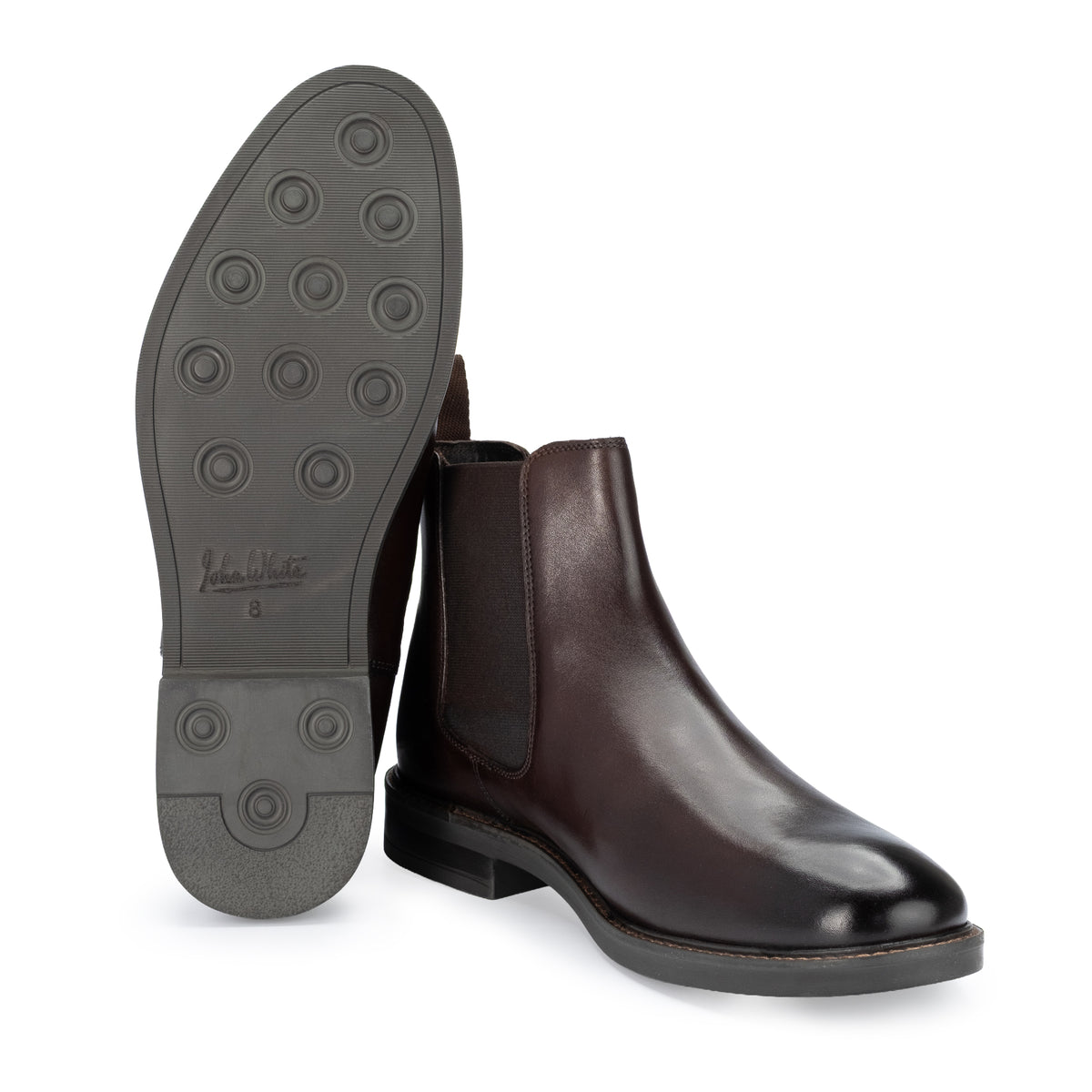
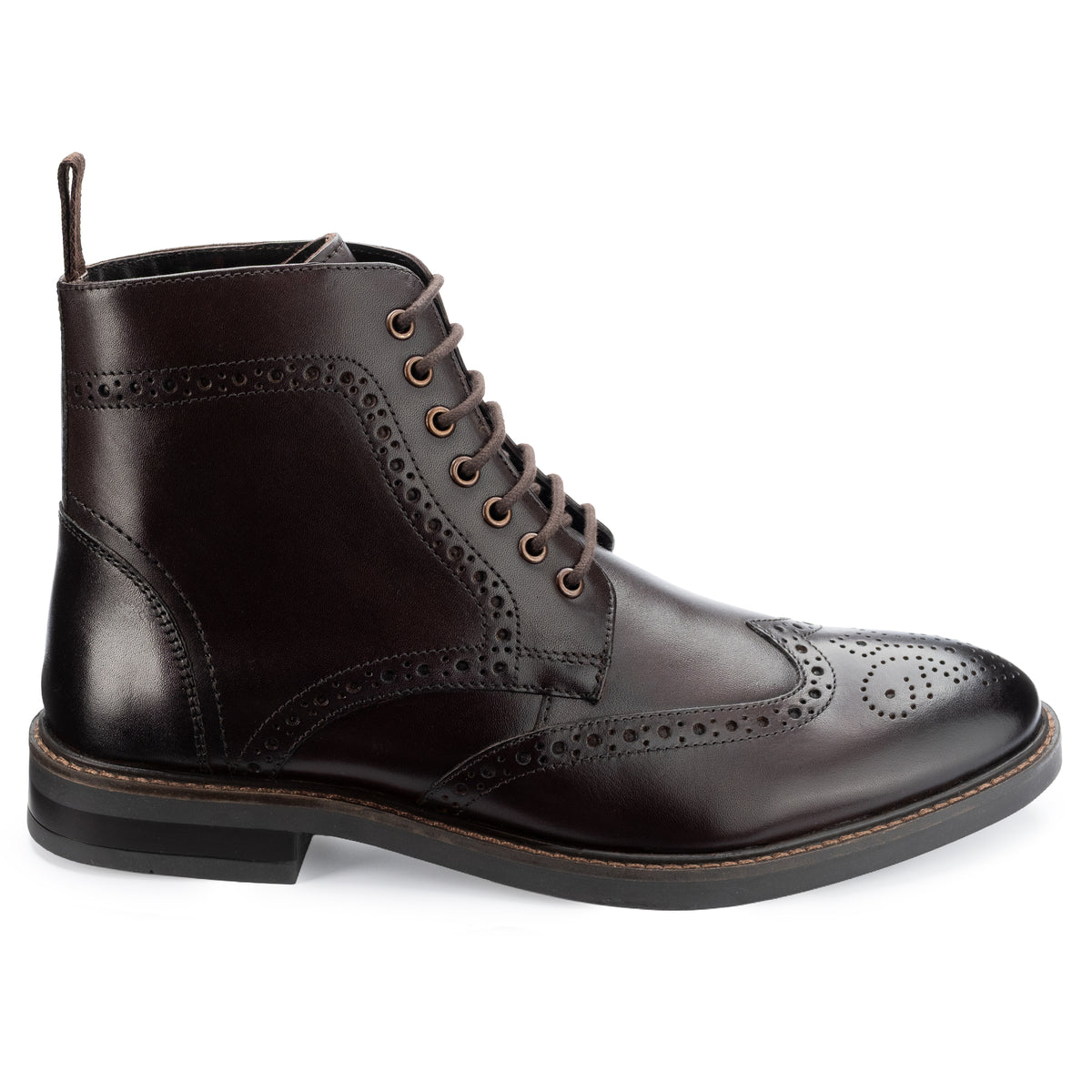
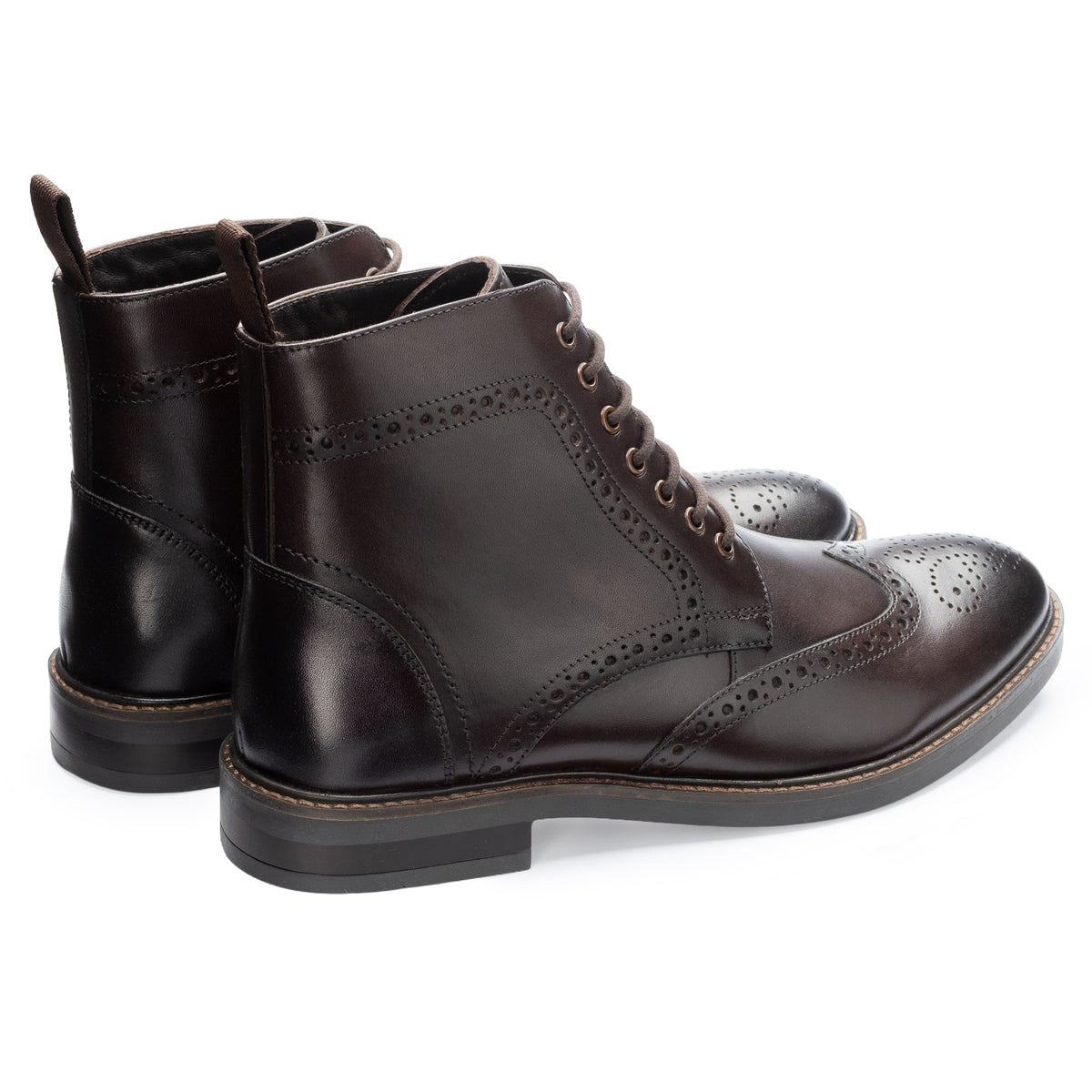
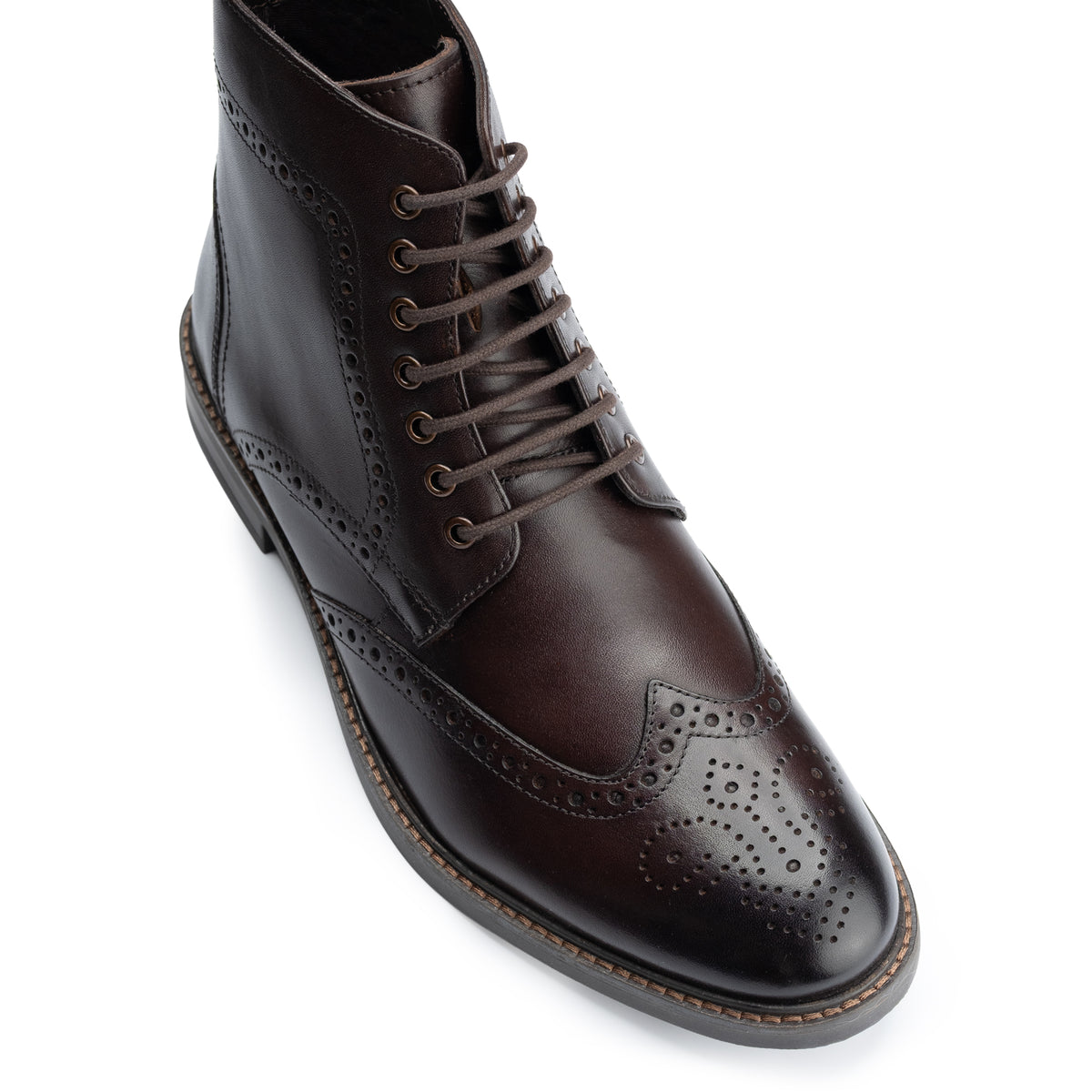
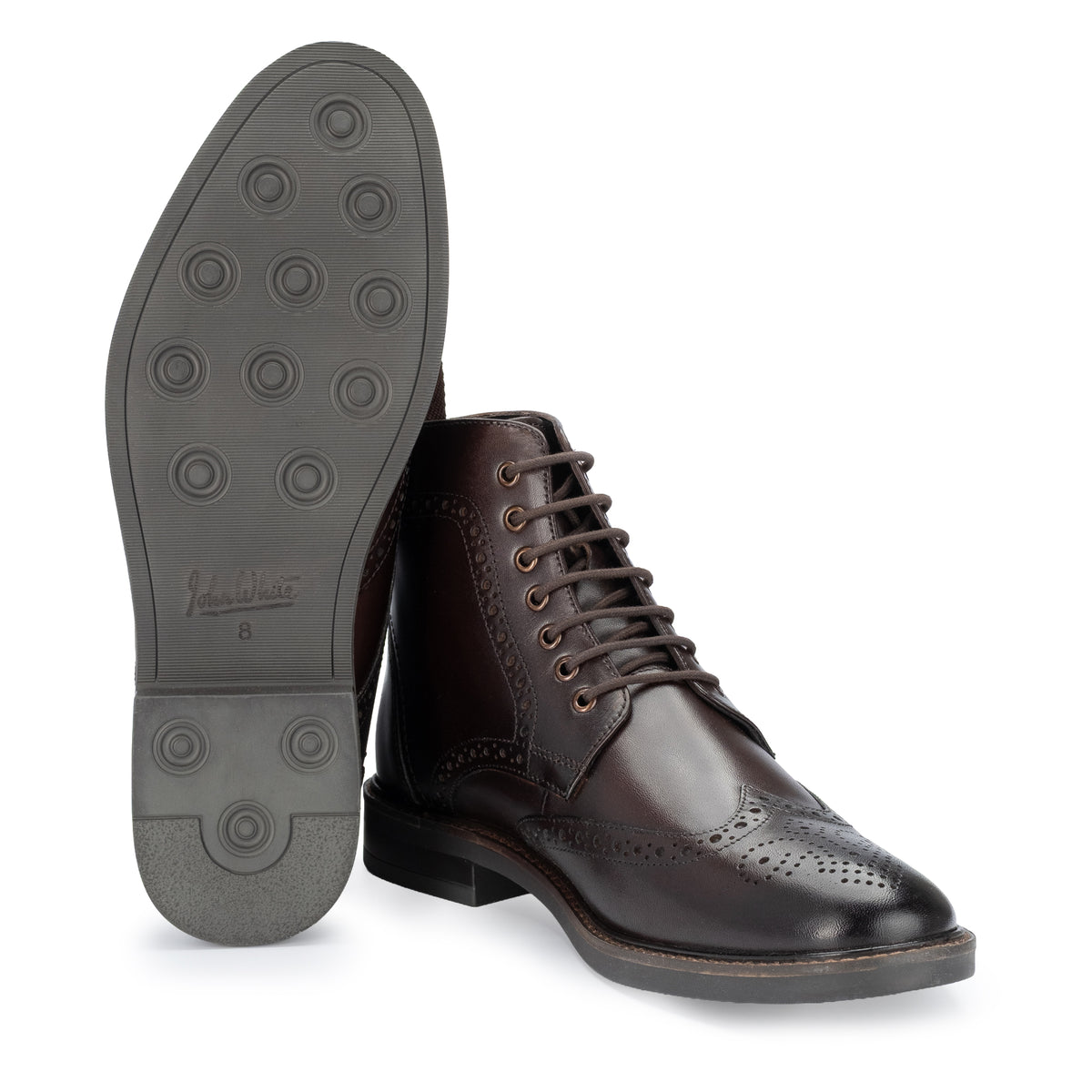
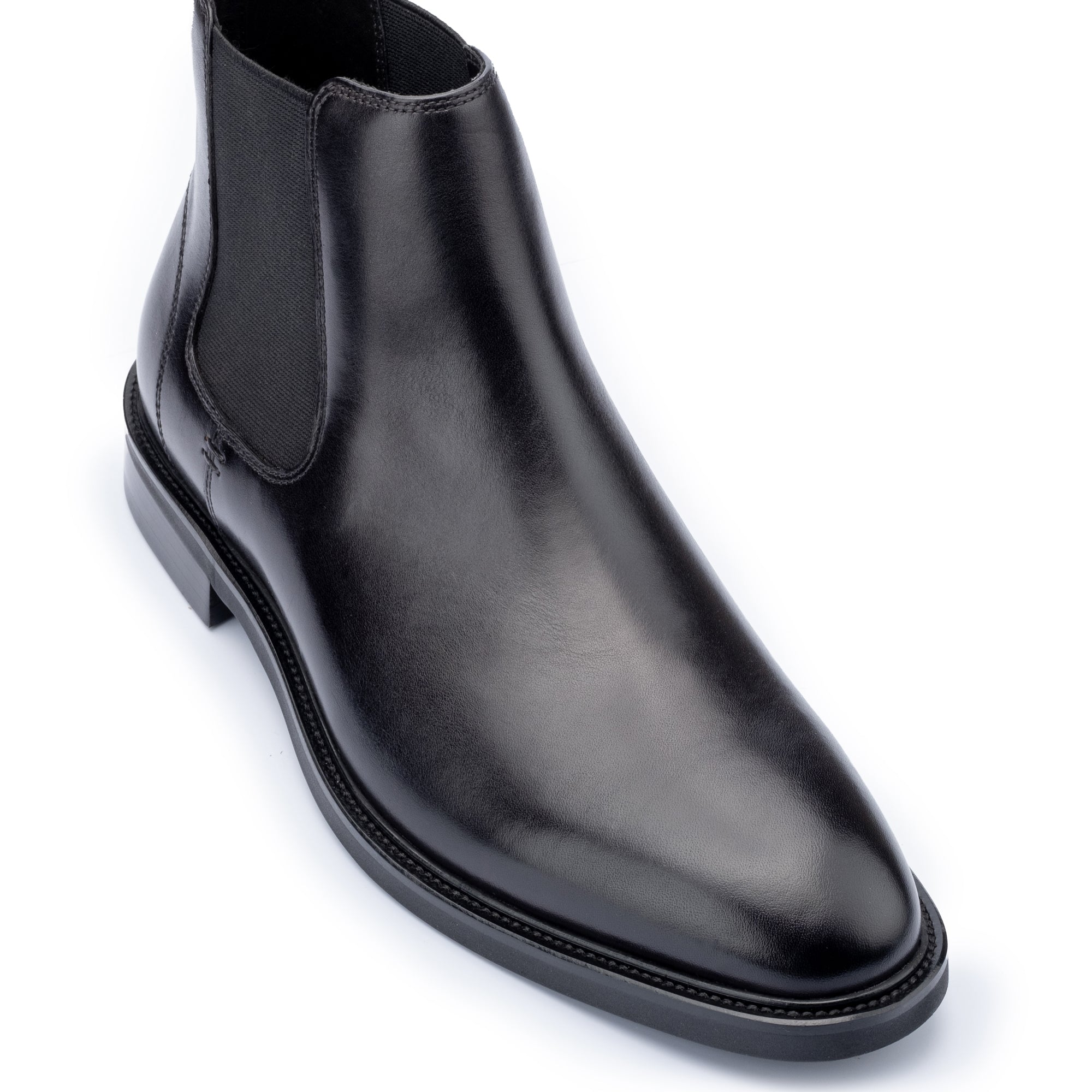
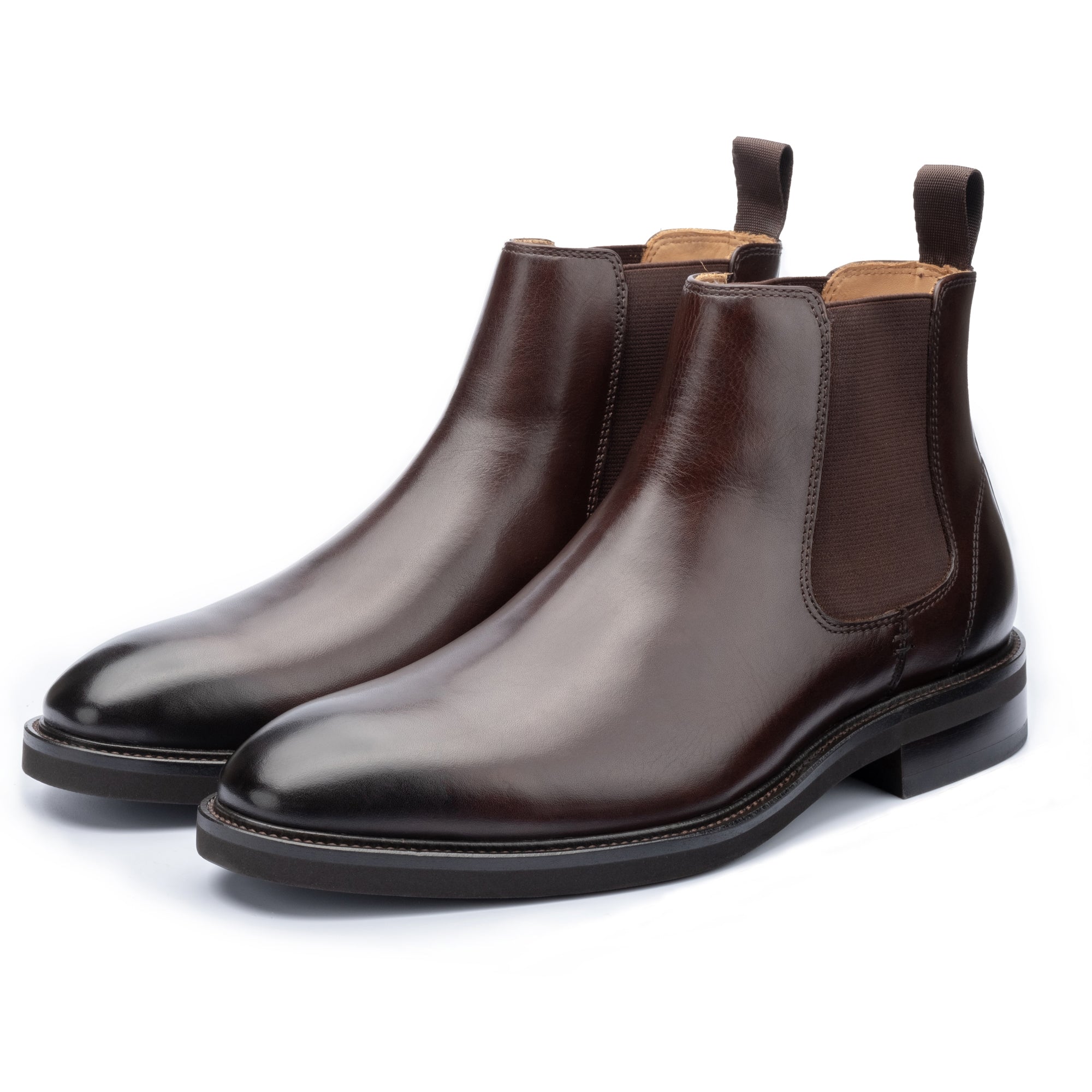
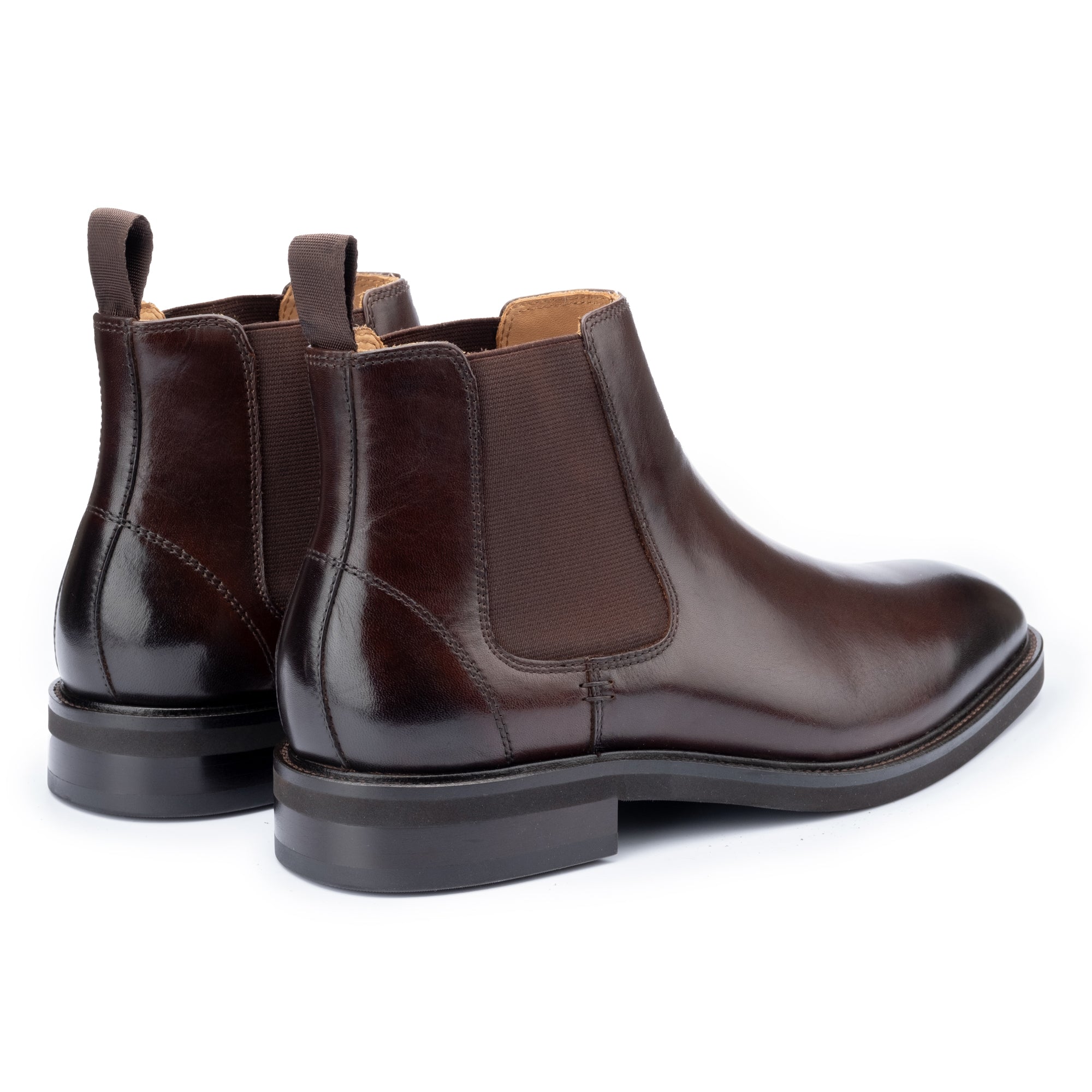
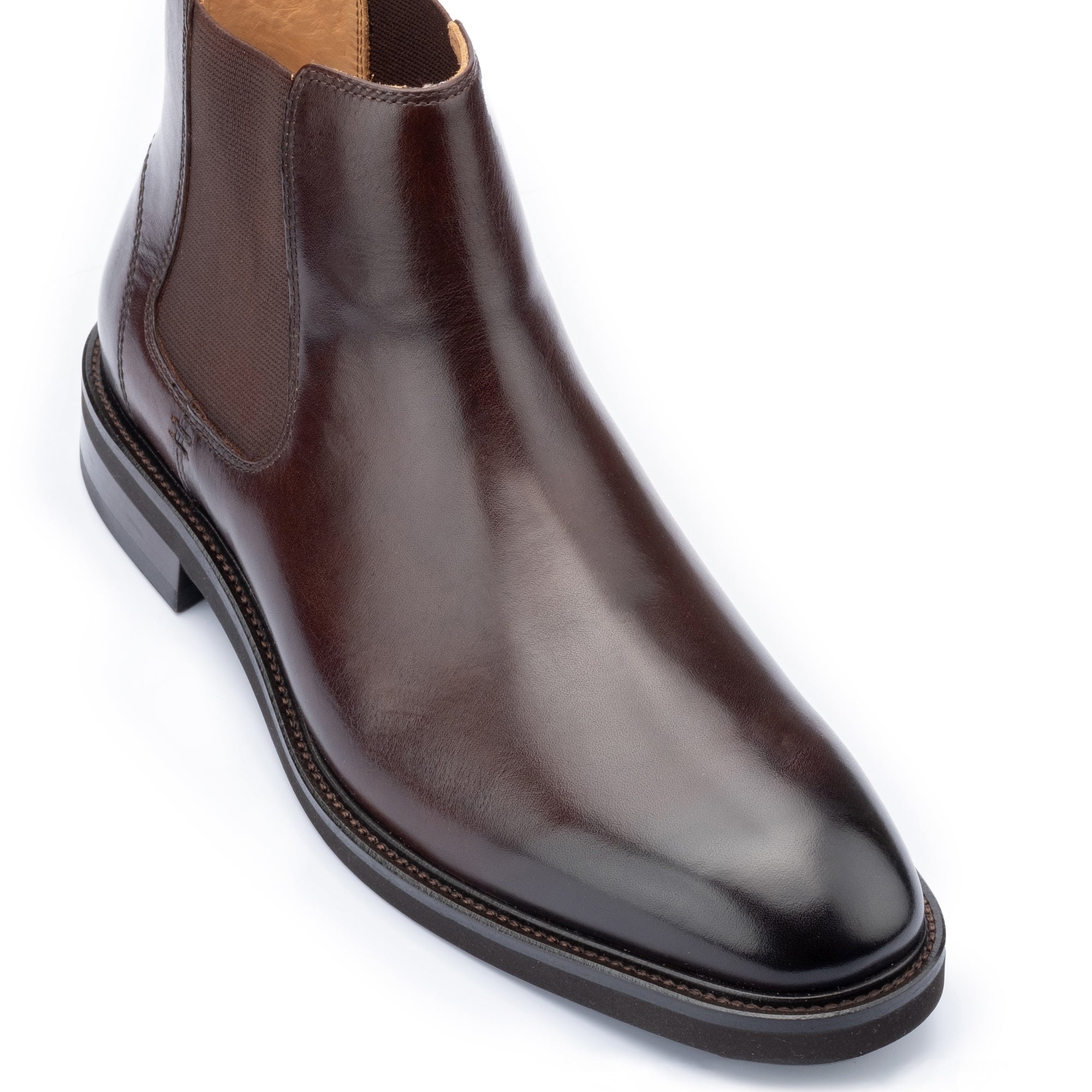
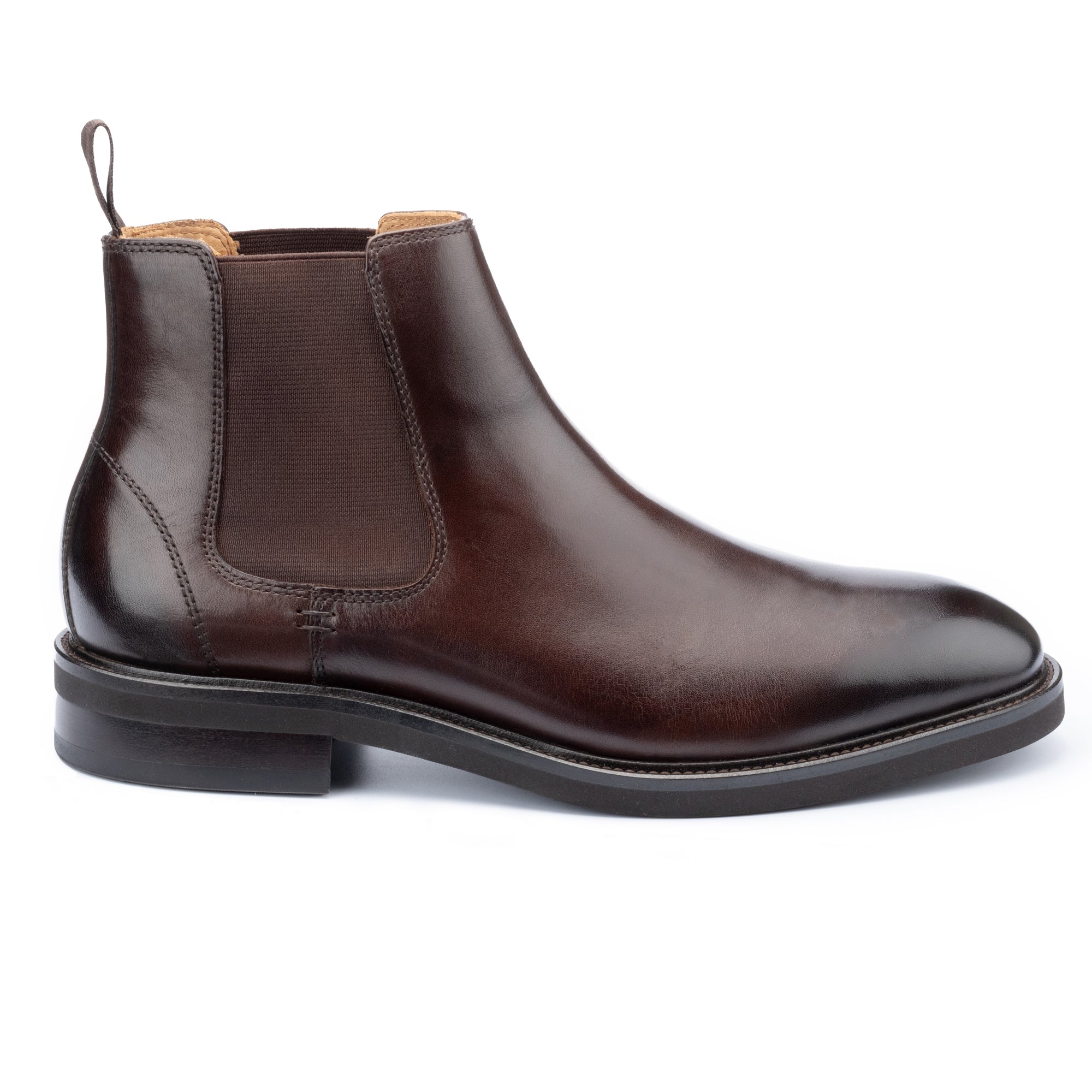
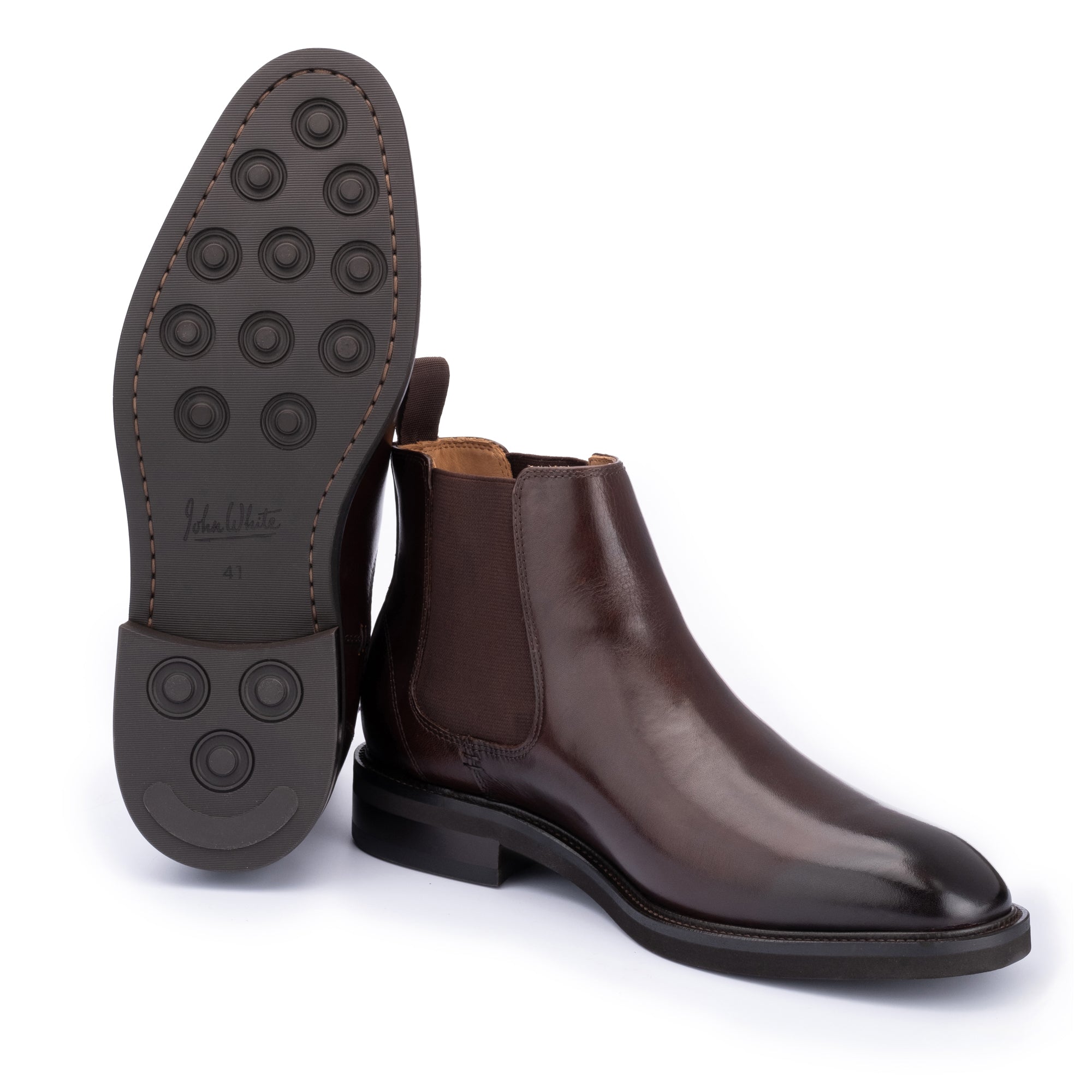
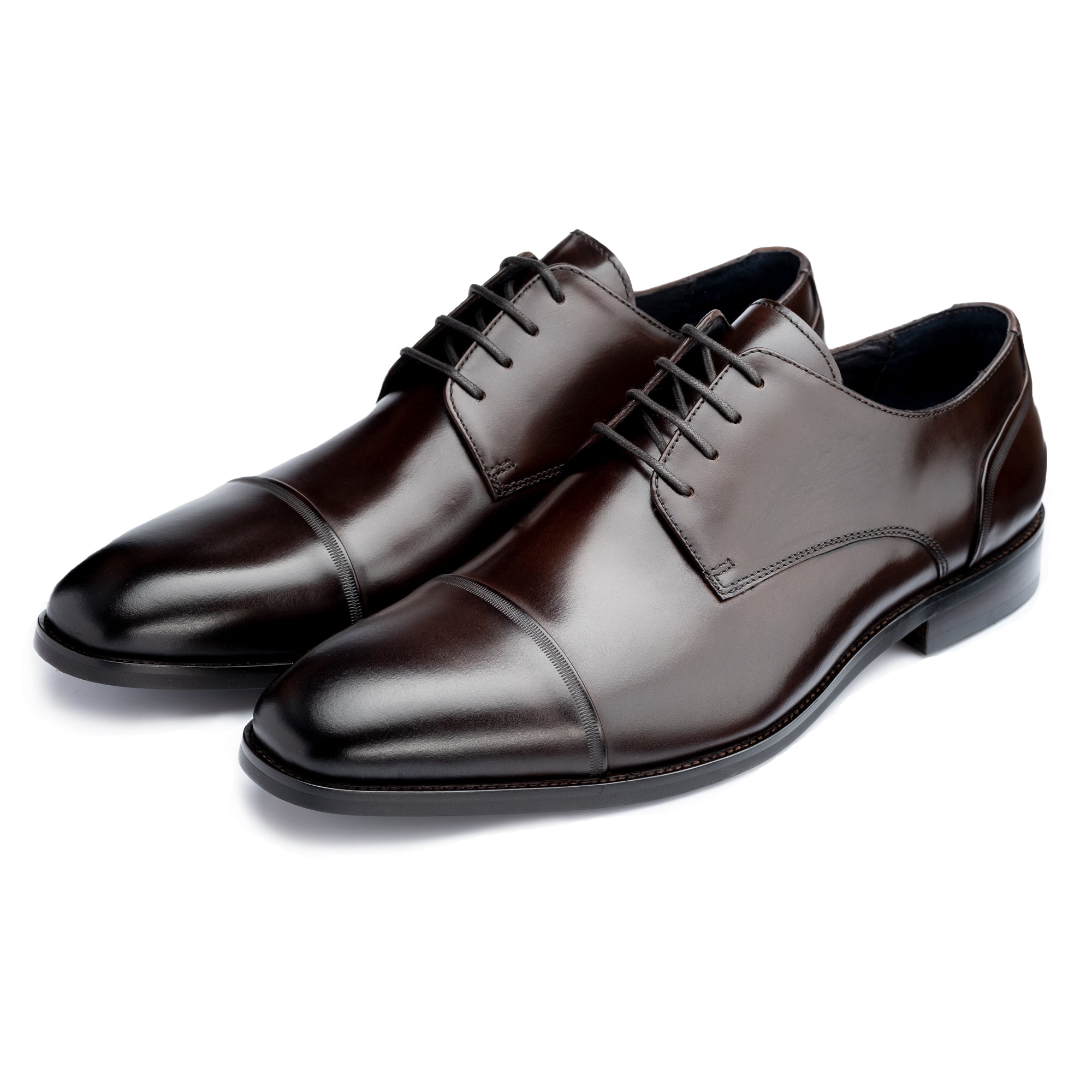
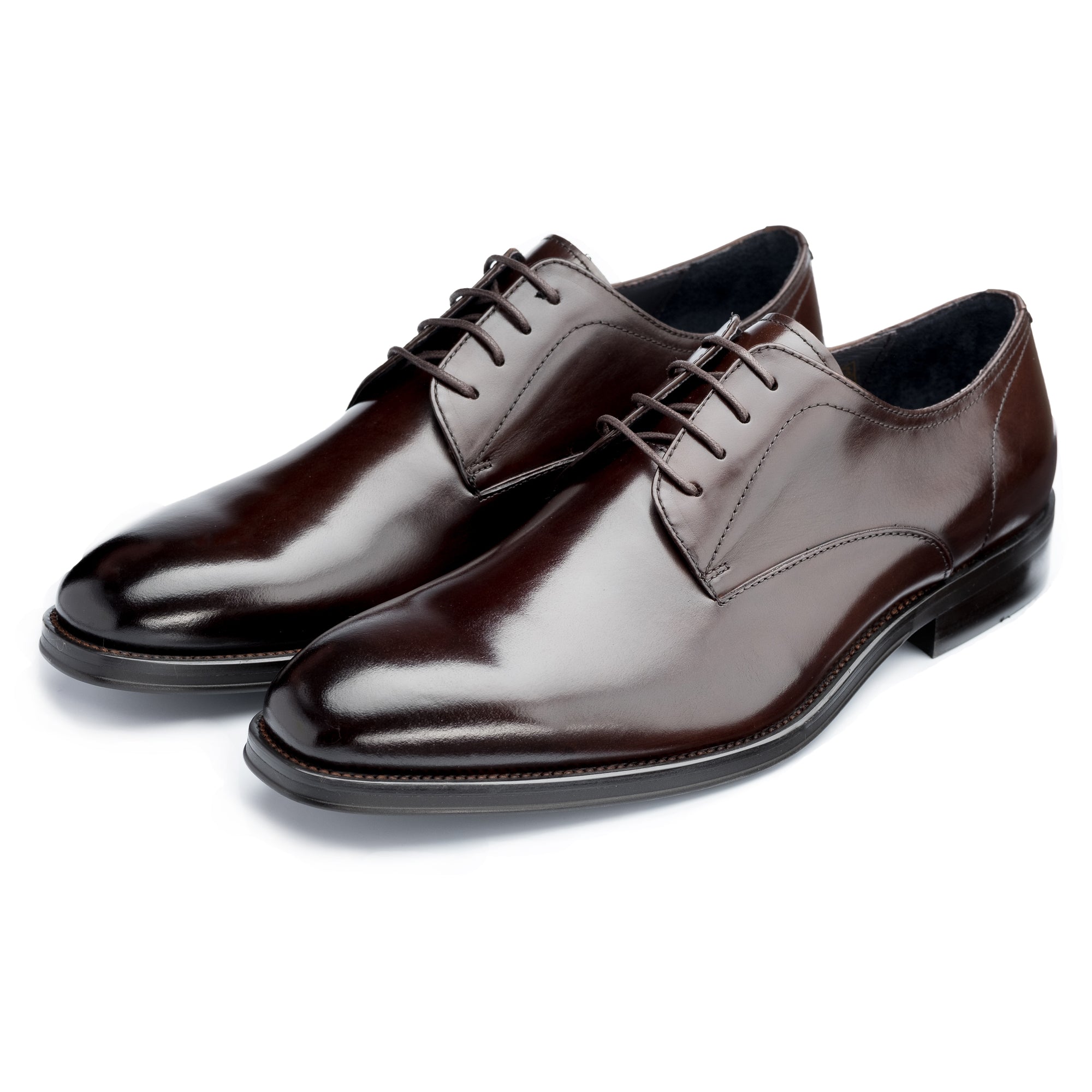
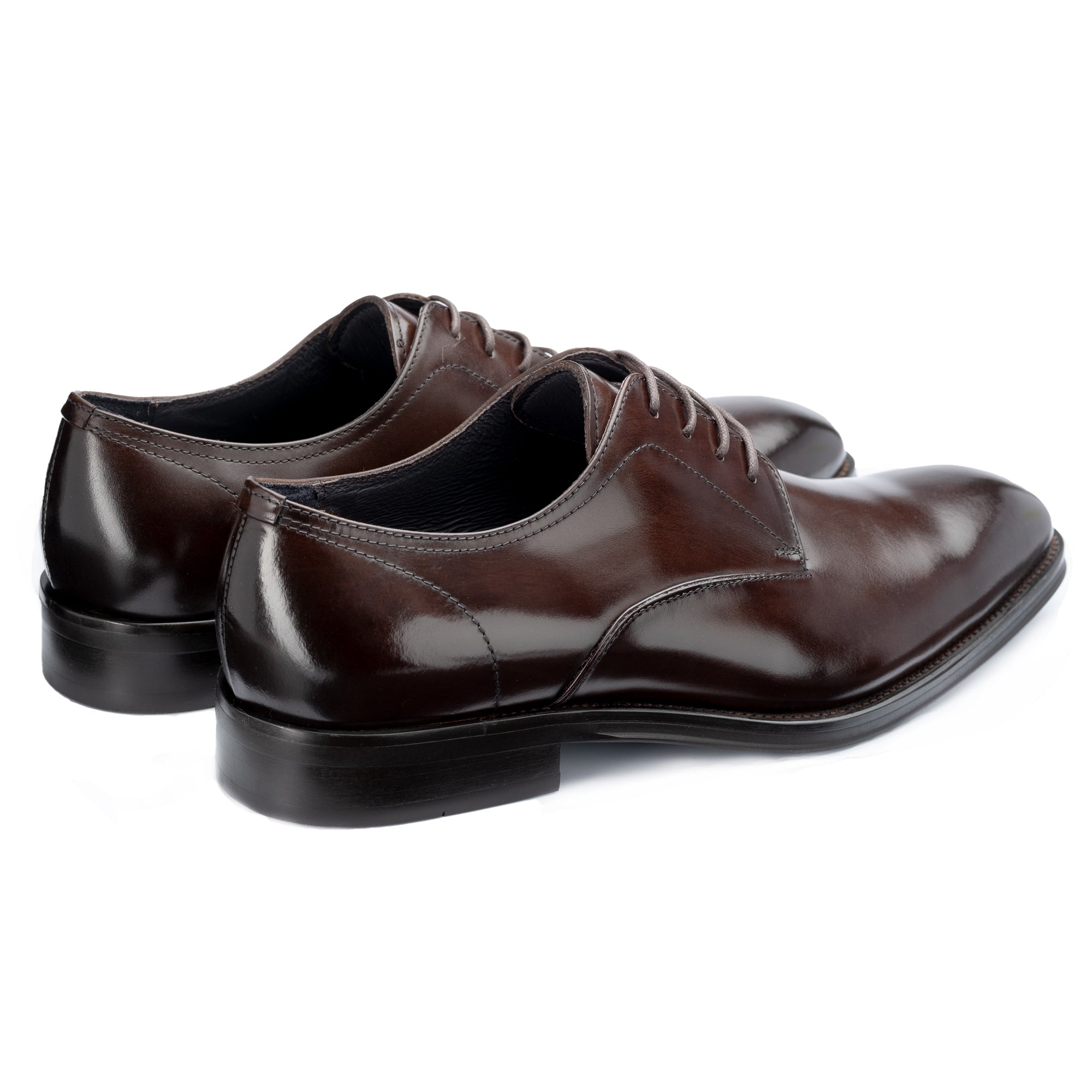
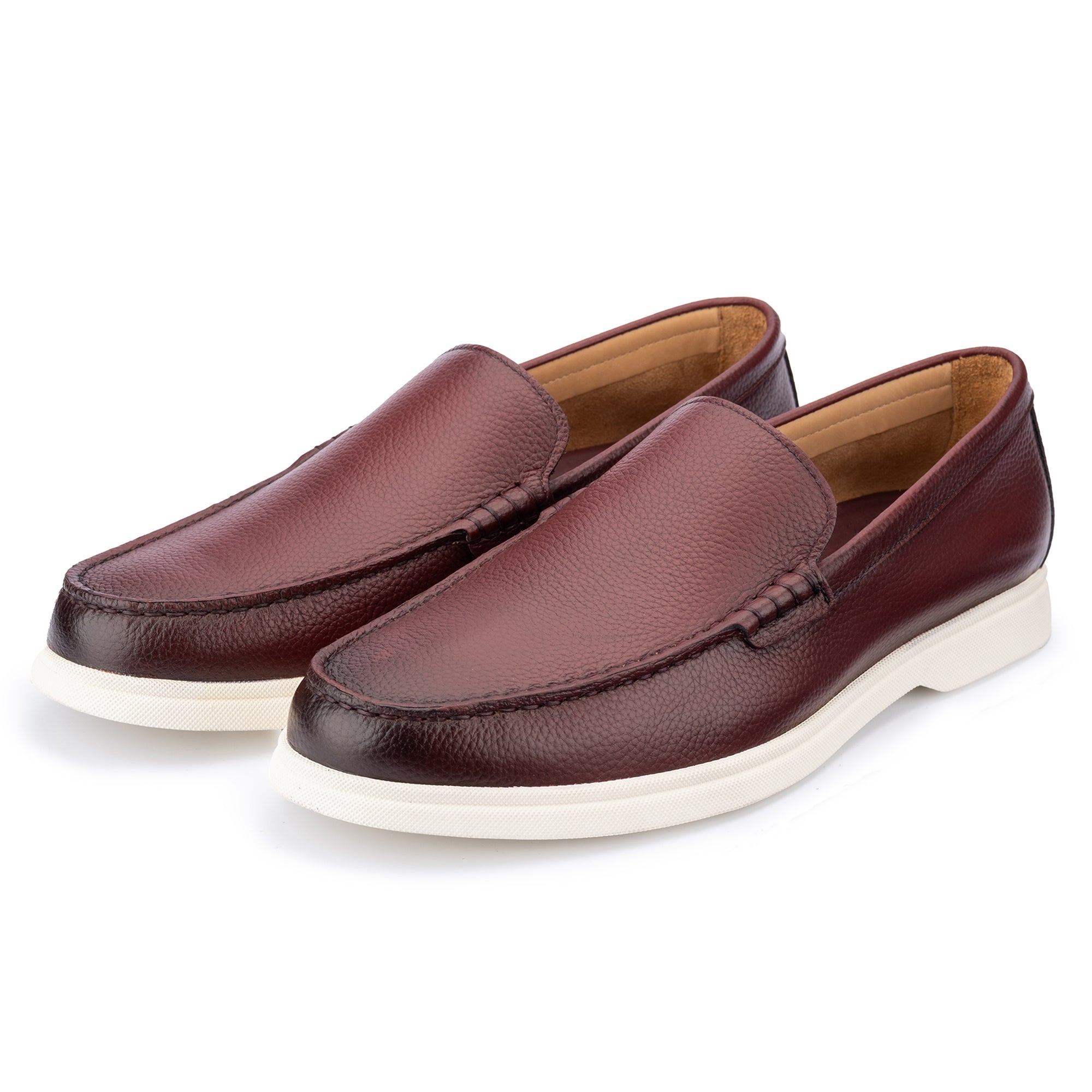
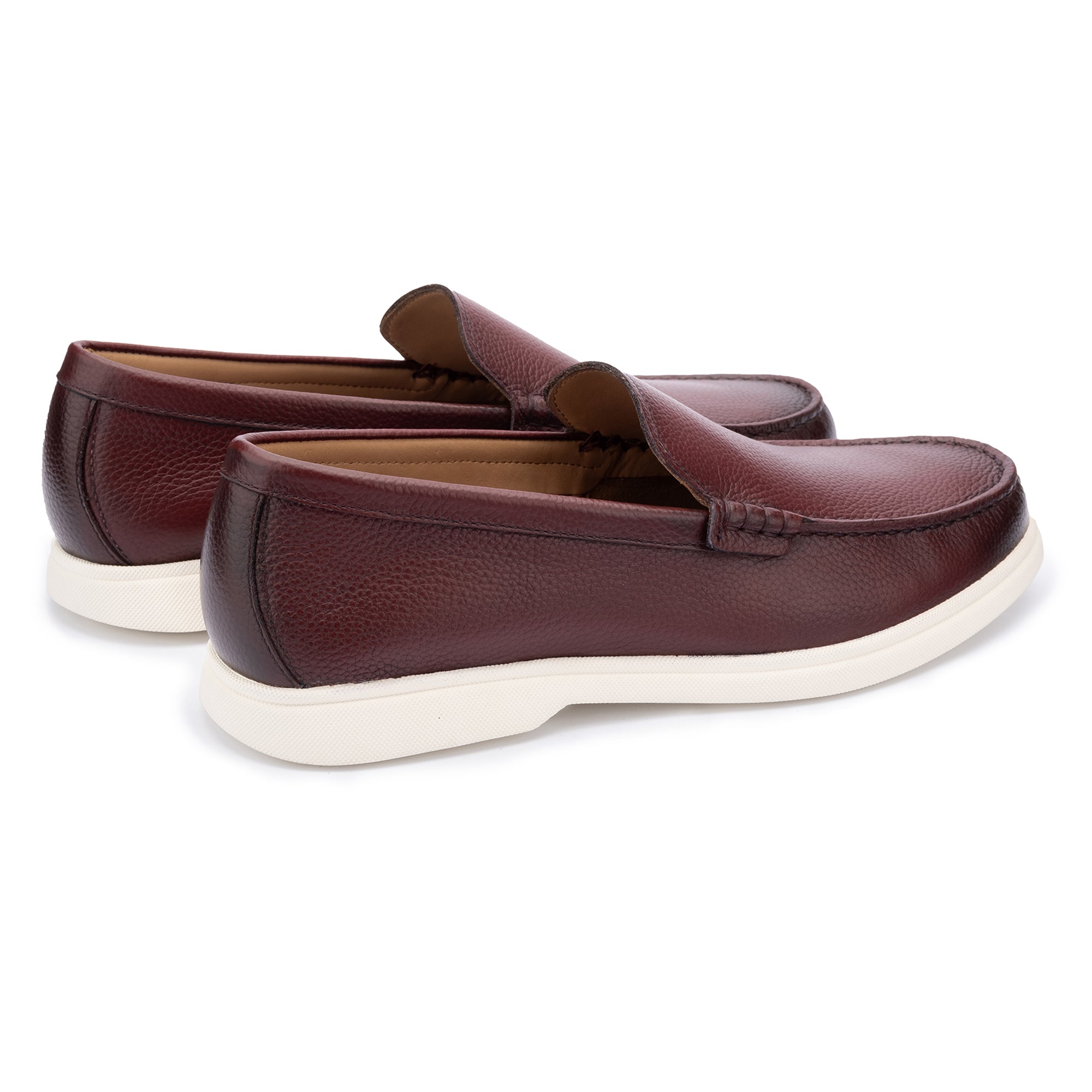
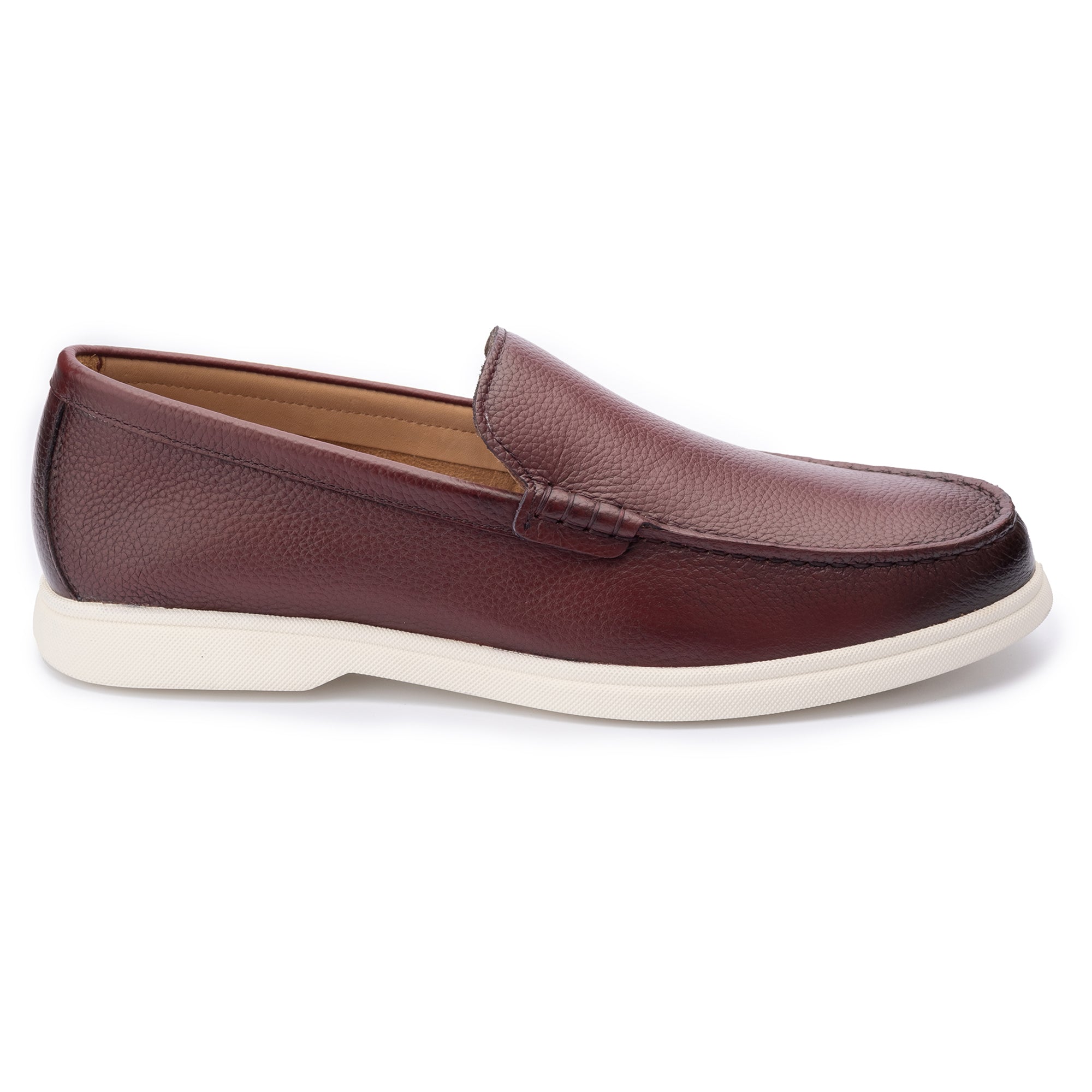
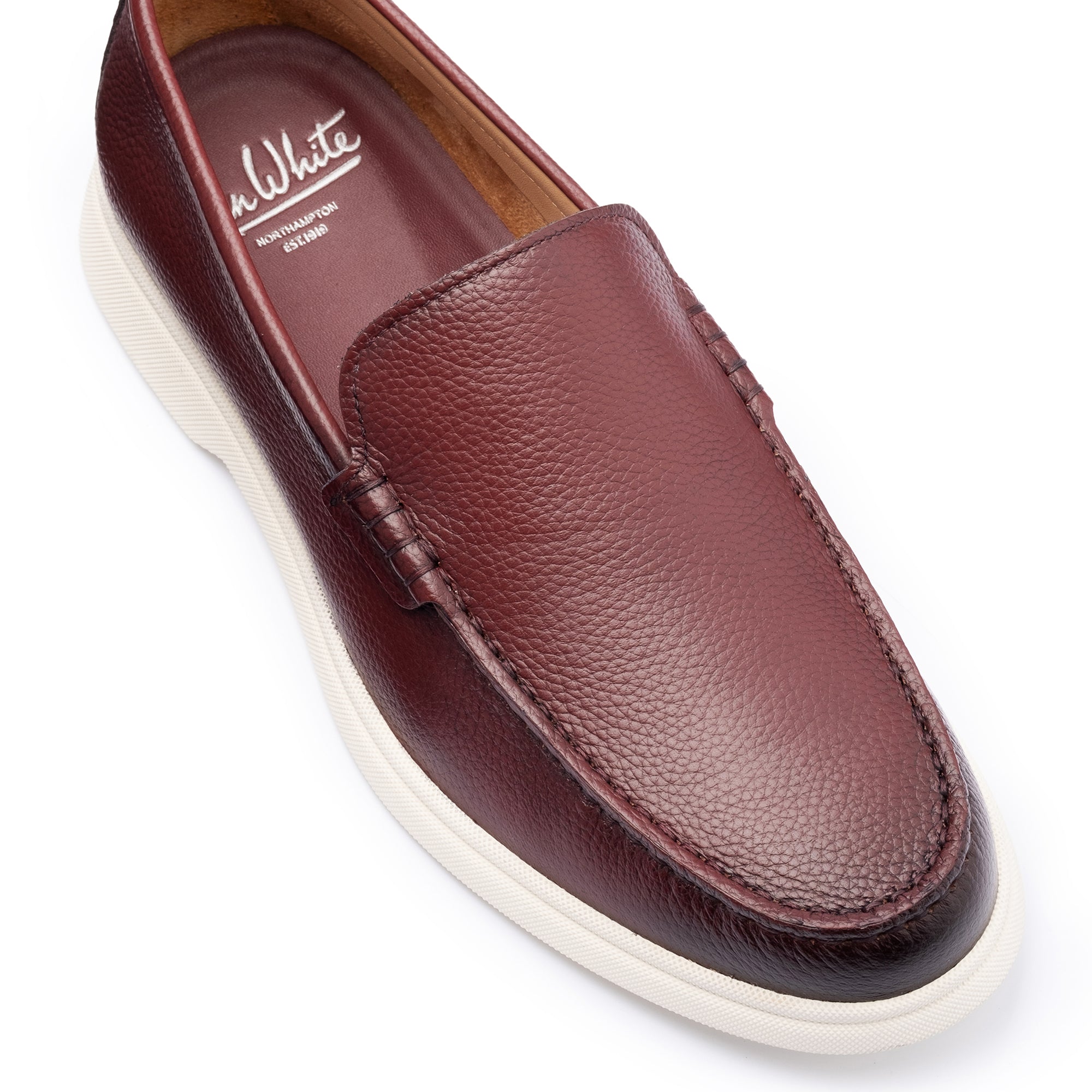
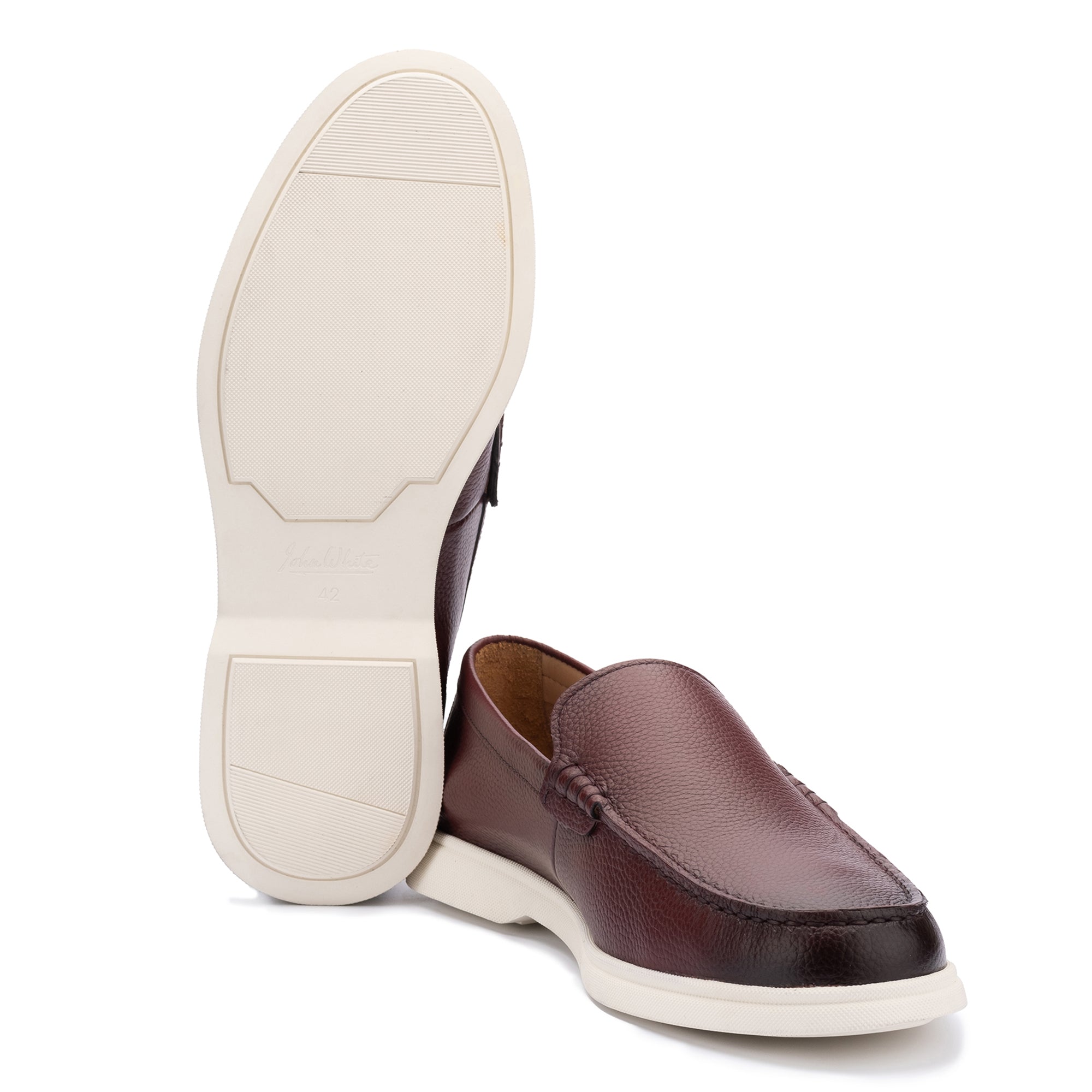
Oxblood leather is a deep, dark red with distinct purple-brown undertones — noticeably darker and more complex than burgundy. Where burgundy reads as a warm wine-red in daylight, oxblood absorbs more light, presenting as almost dark brown in shadow and revealing its full red depth only under direct illumination. The effect is distinctly sophisticated.
The distinction matters in practice. Burgundy is the more accessible choice — it pairs readily with navy, grey, and mid-brown. Oxblood is more exacting but rewards the effort. It pairs well with:
- Charcoal and dark grey suits
- Navy suits, particularly with a white shirt and no tie
- Midnight blue formal wear
- Dark flannel trousers worn casually
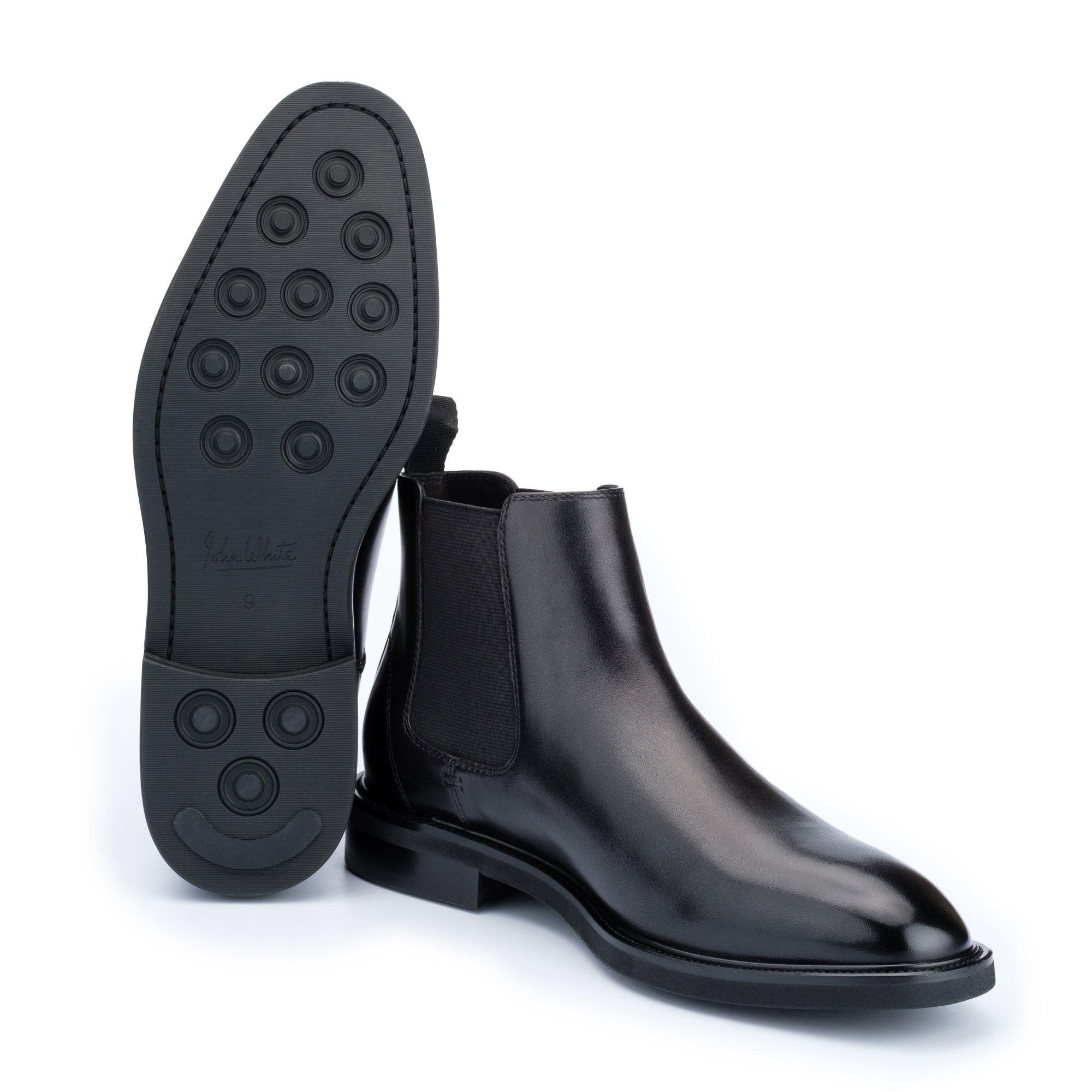
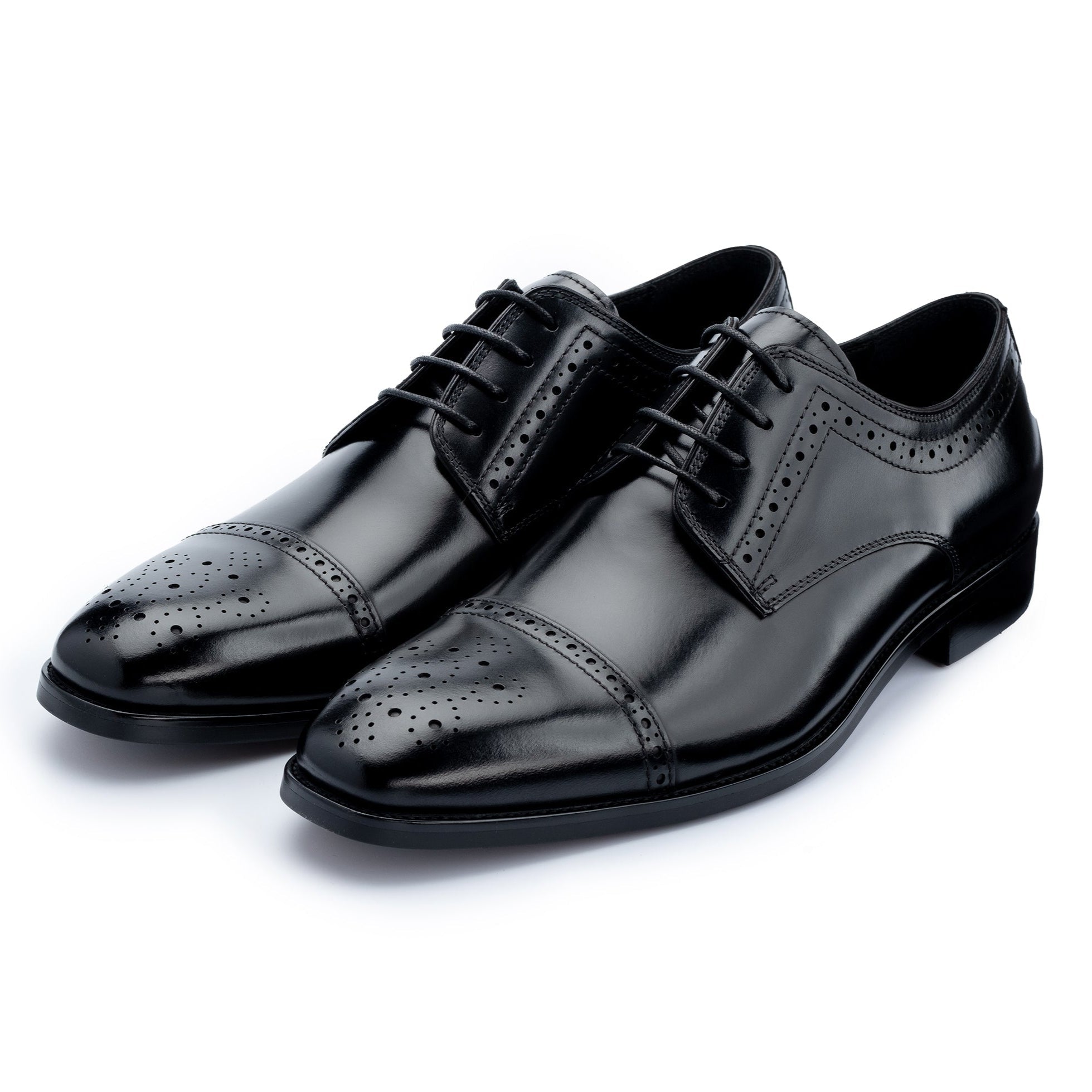
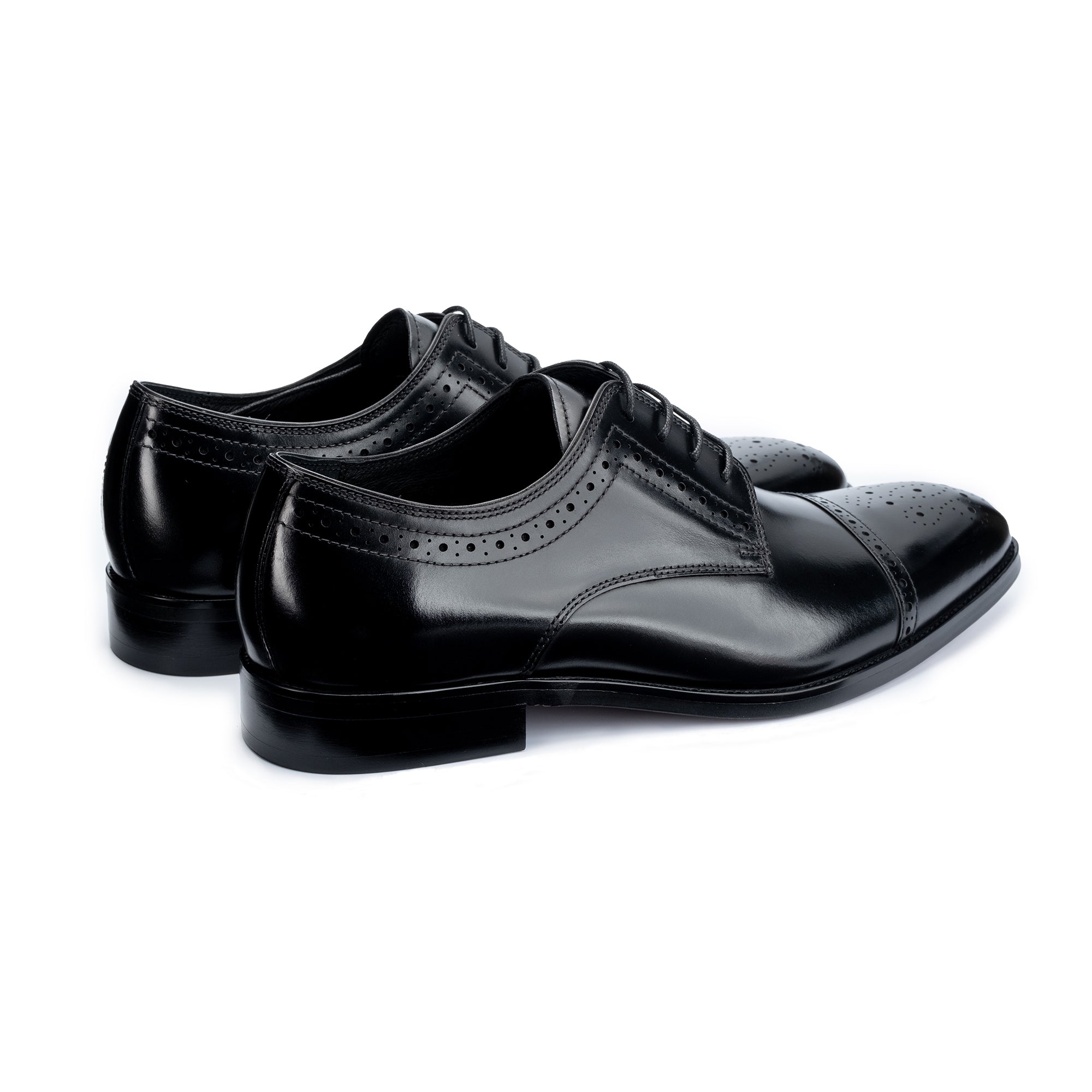
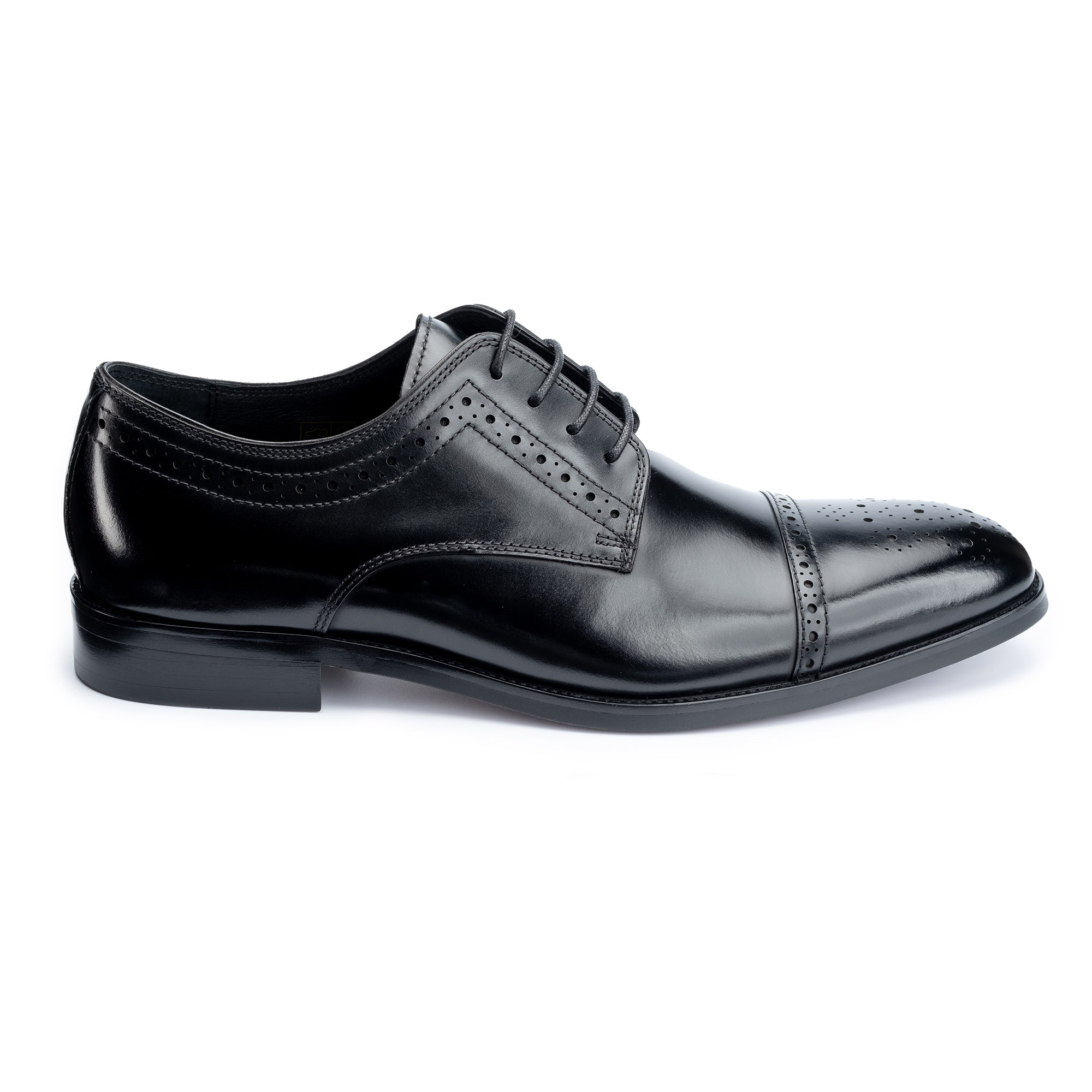
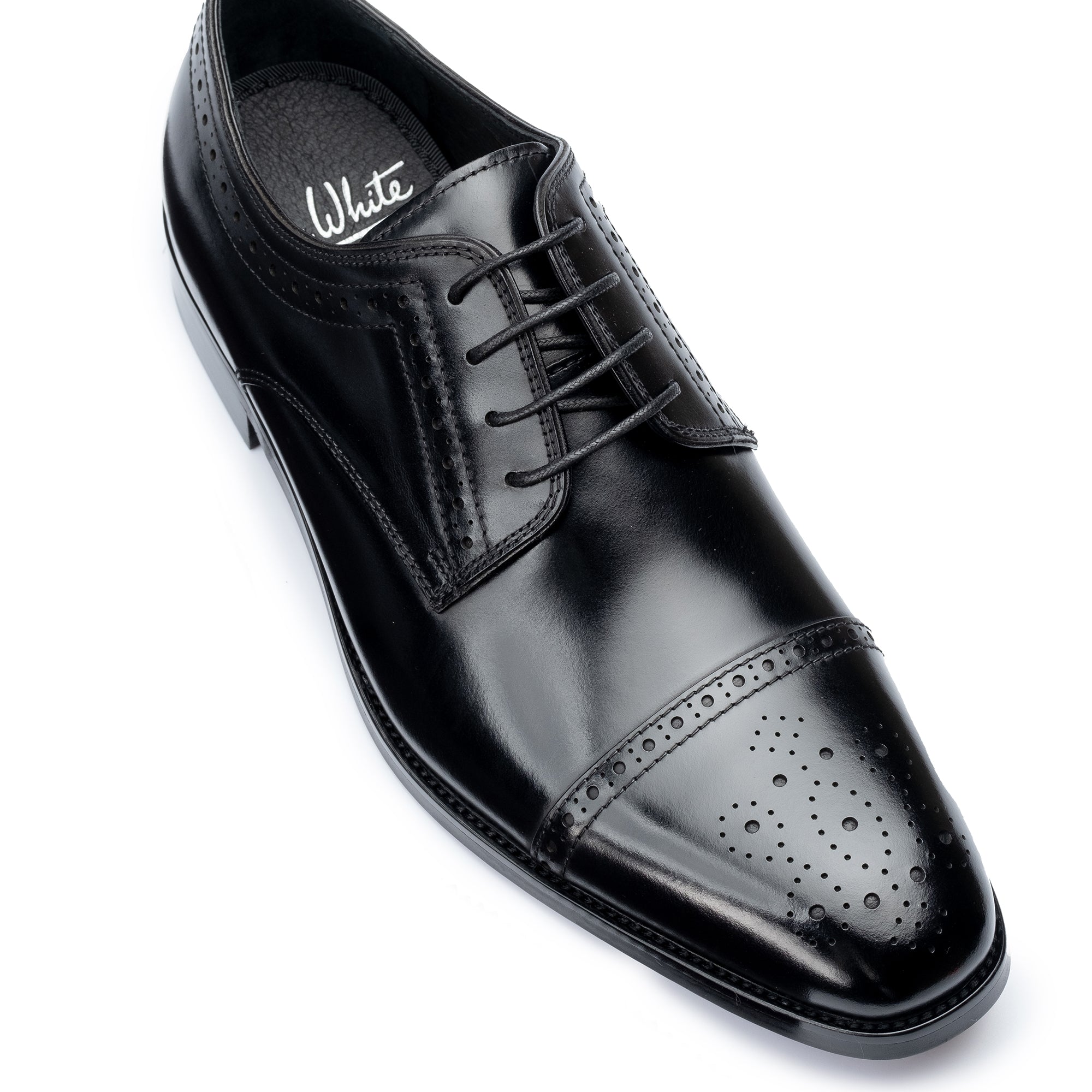
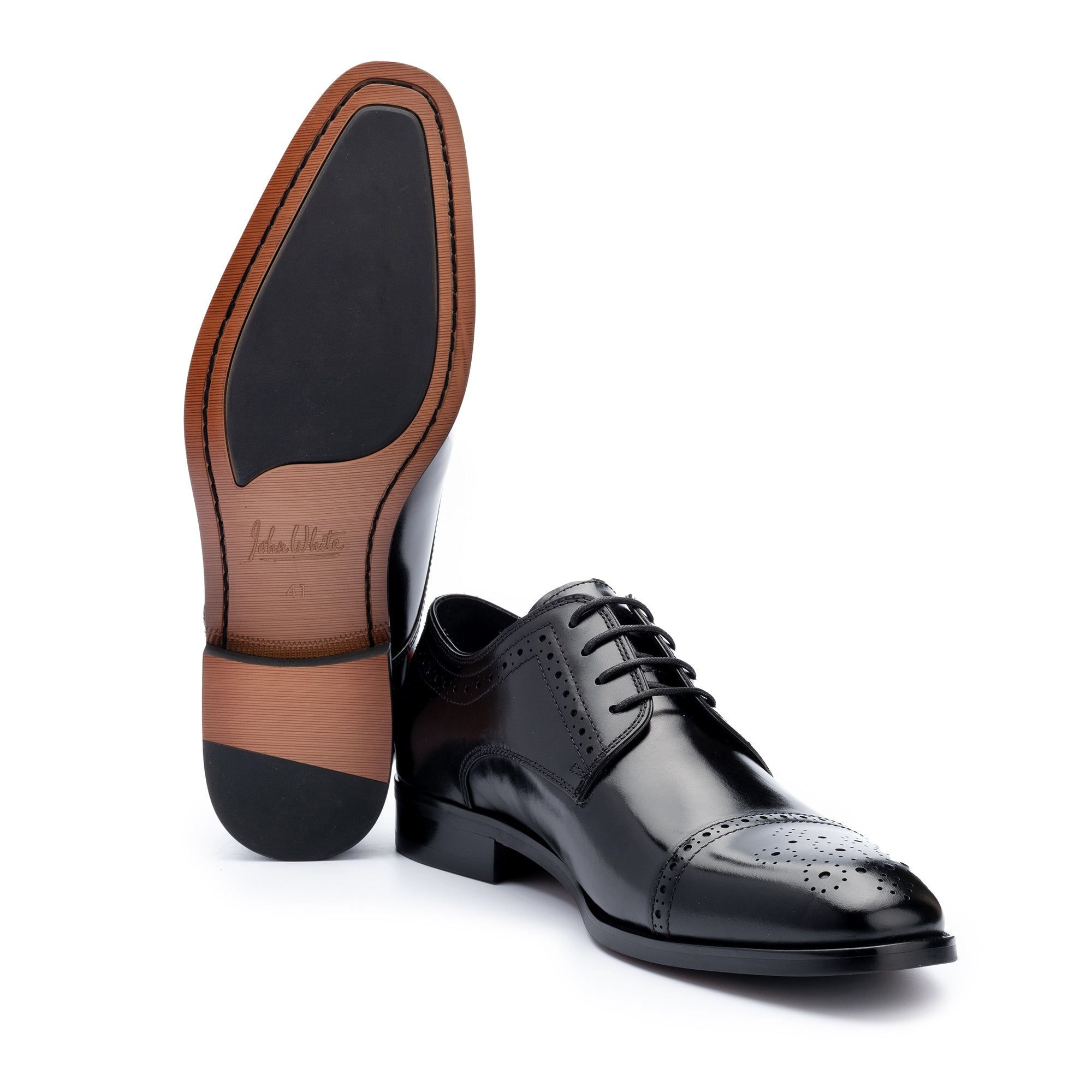
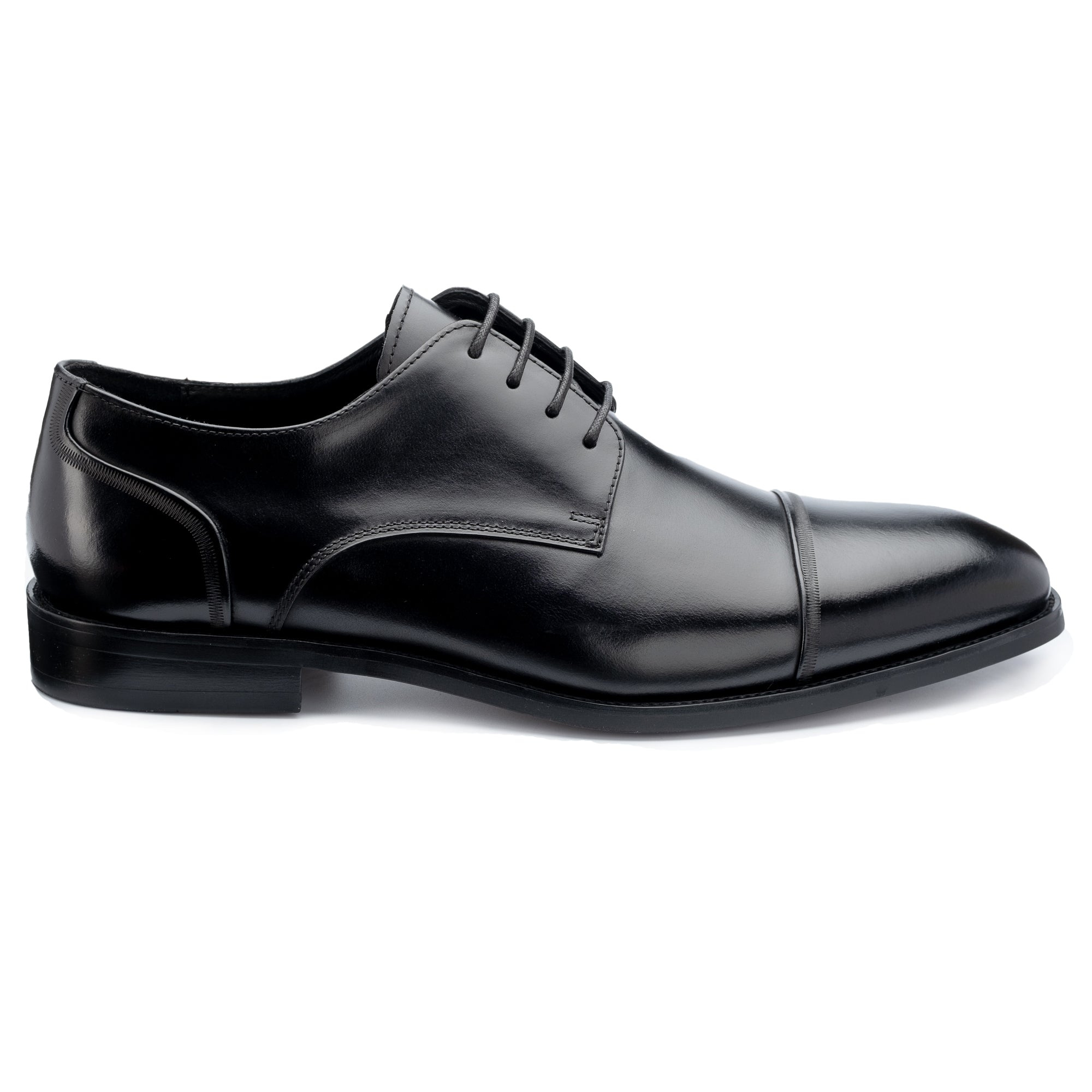
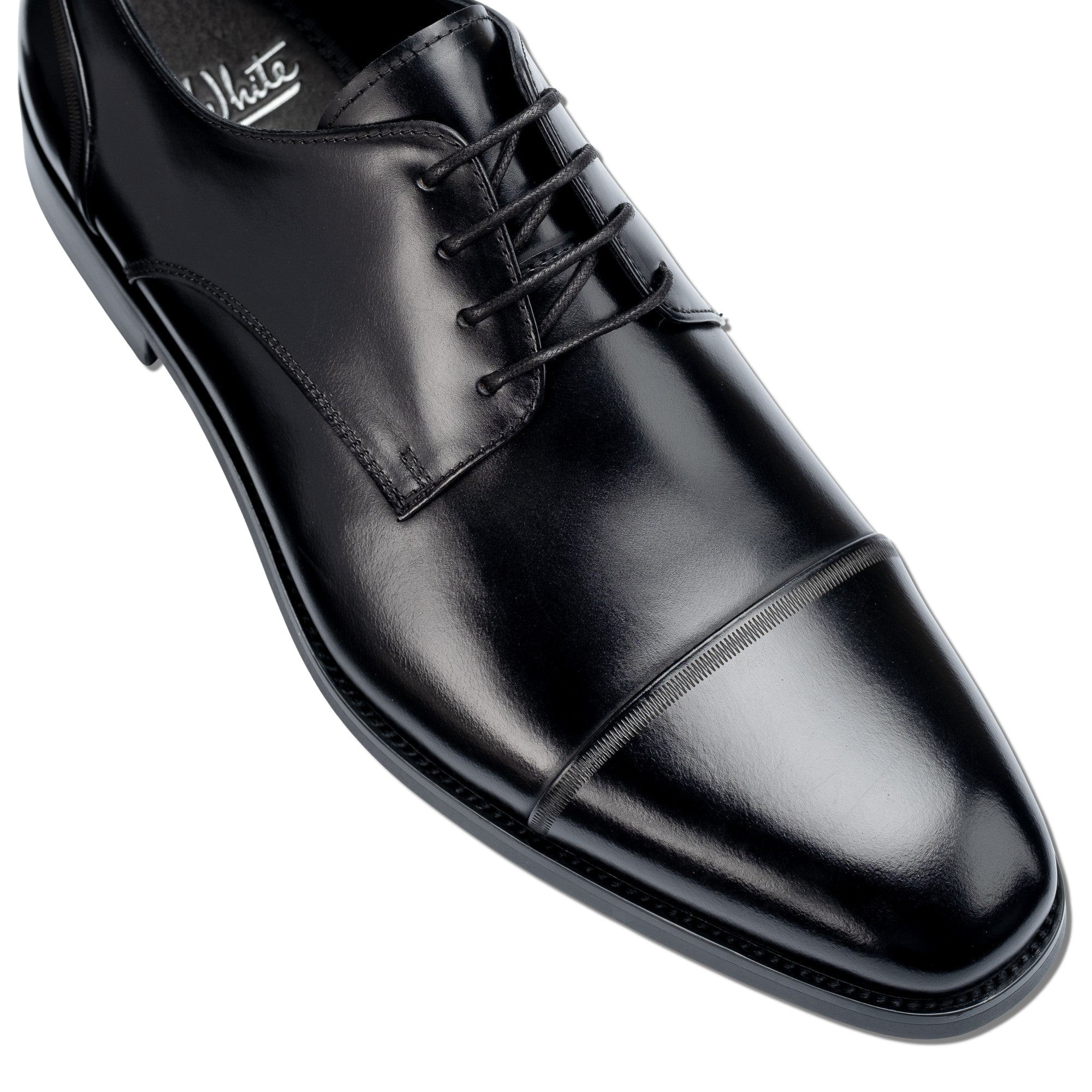
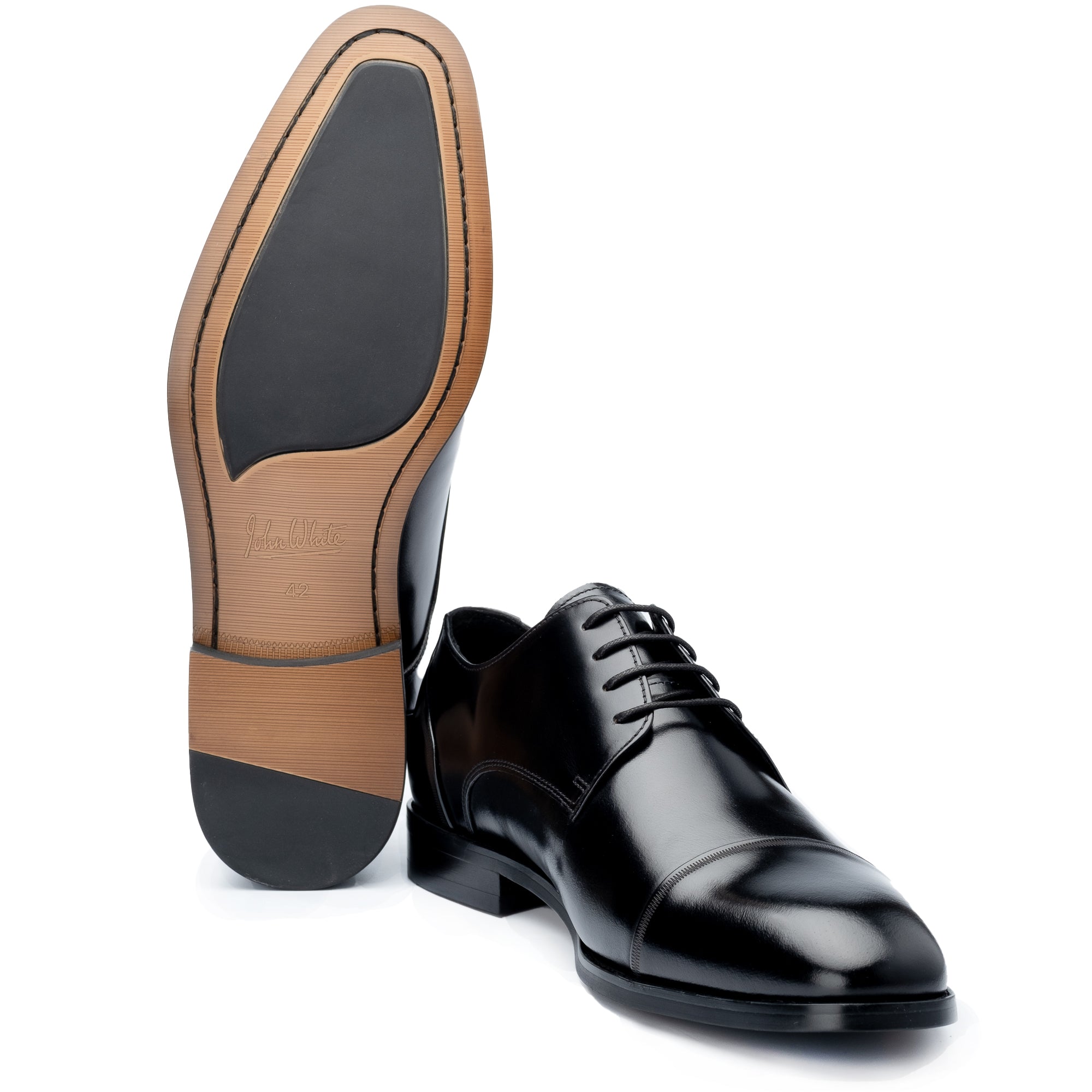
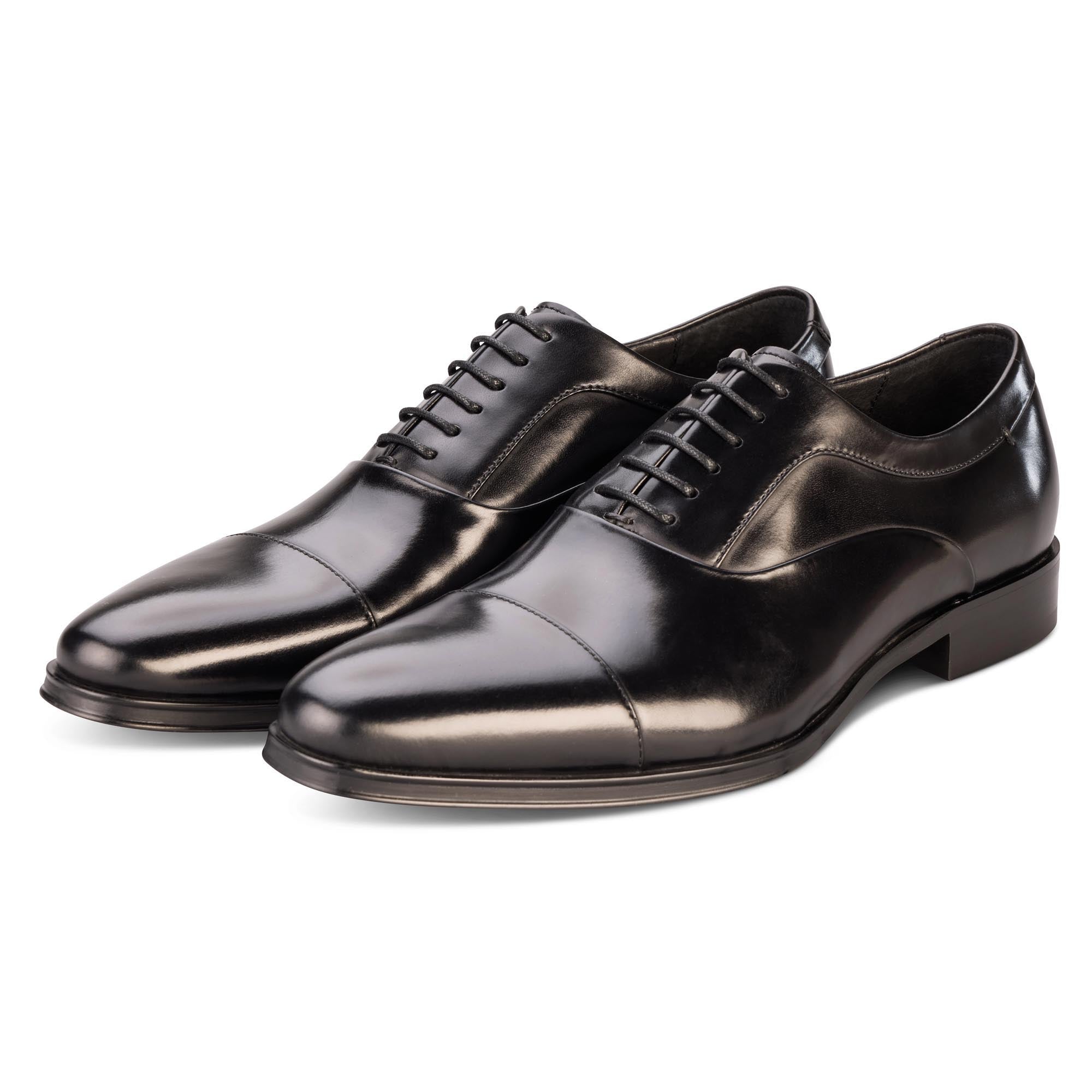
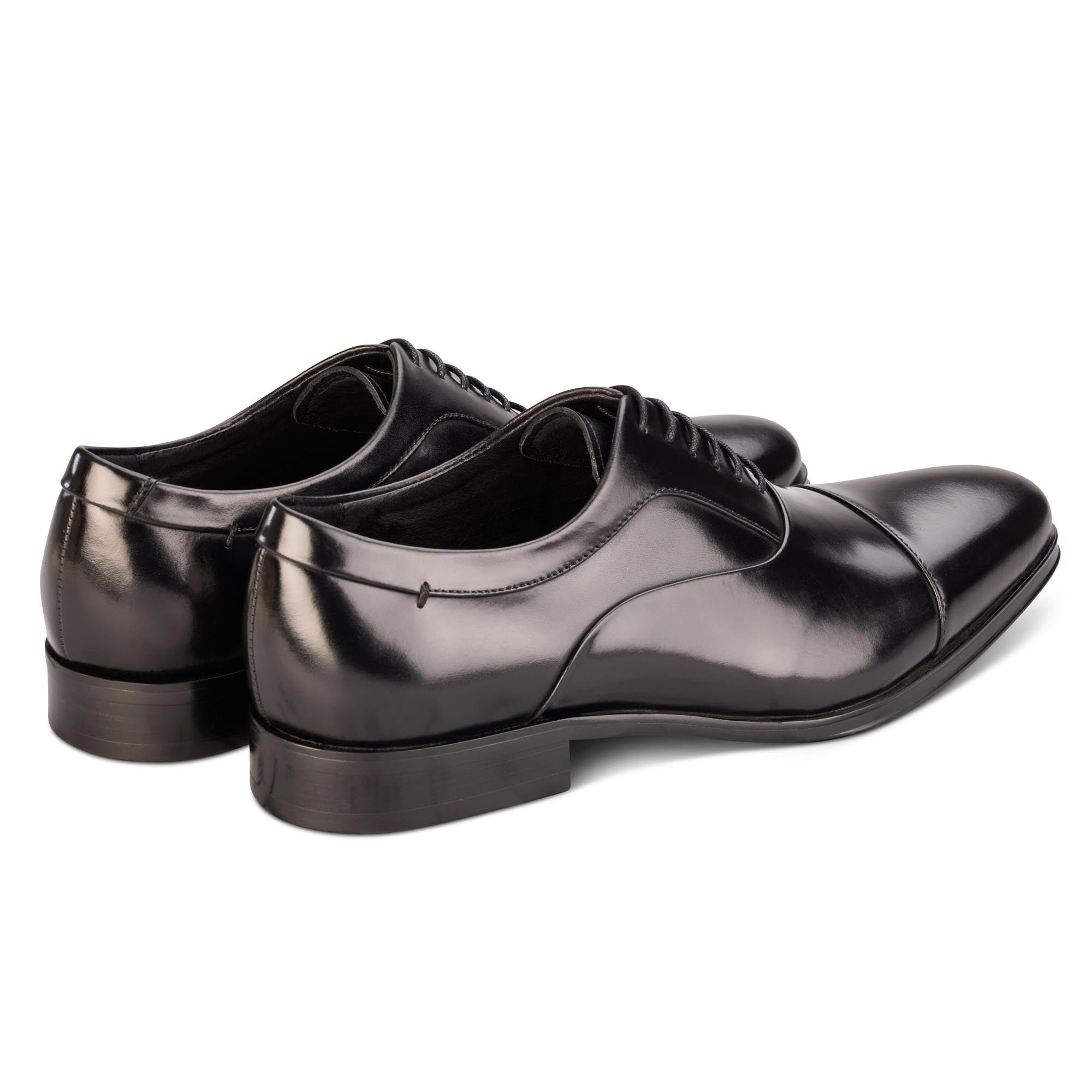
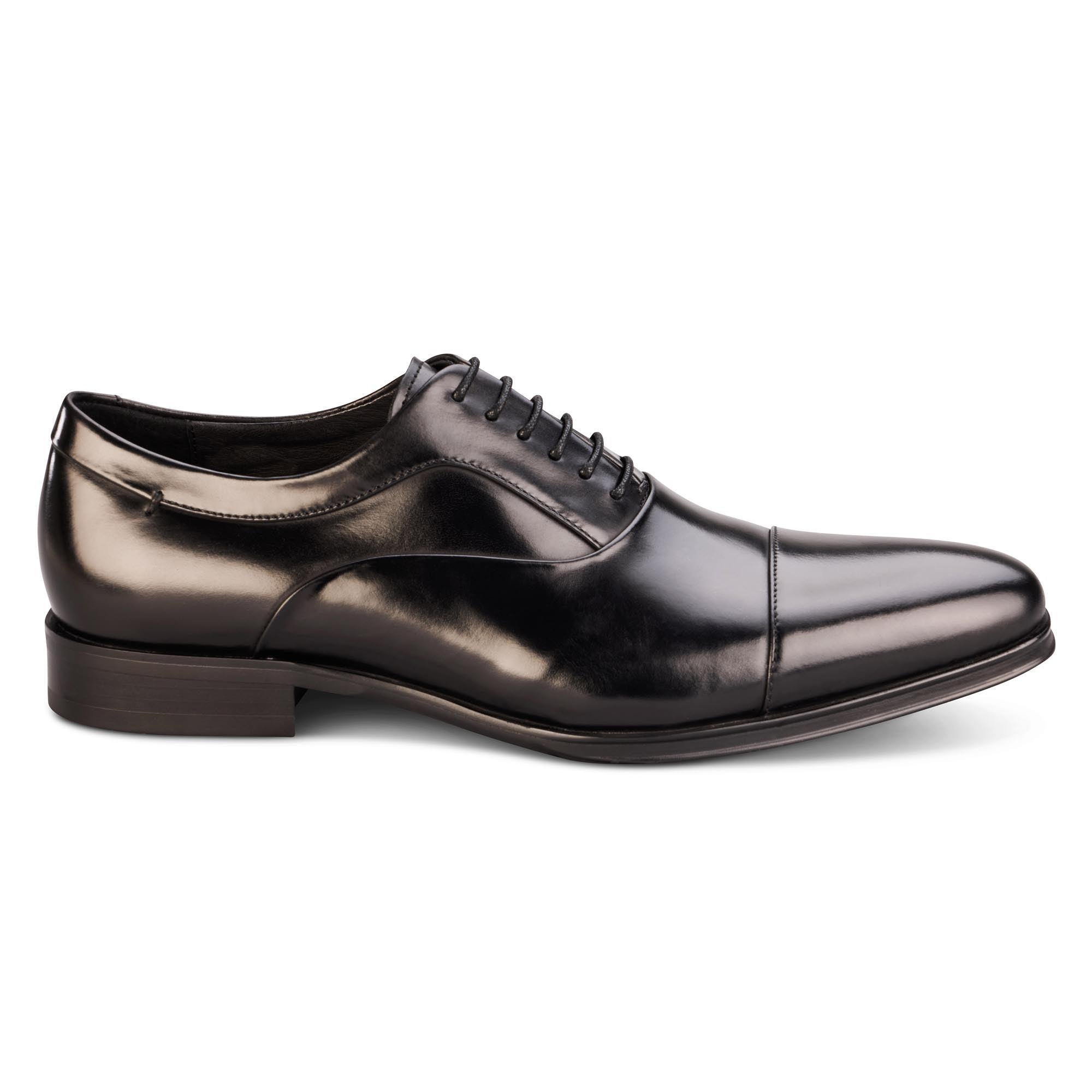
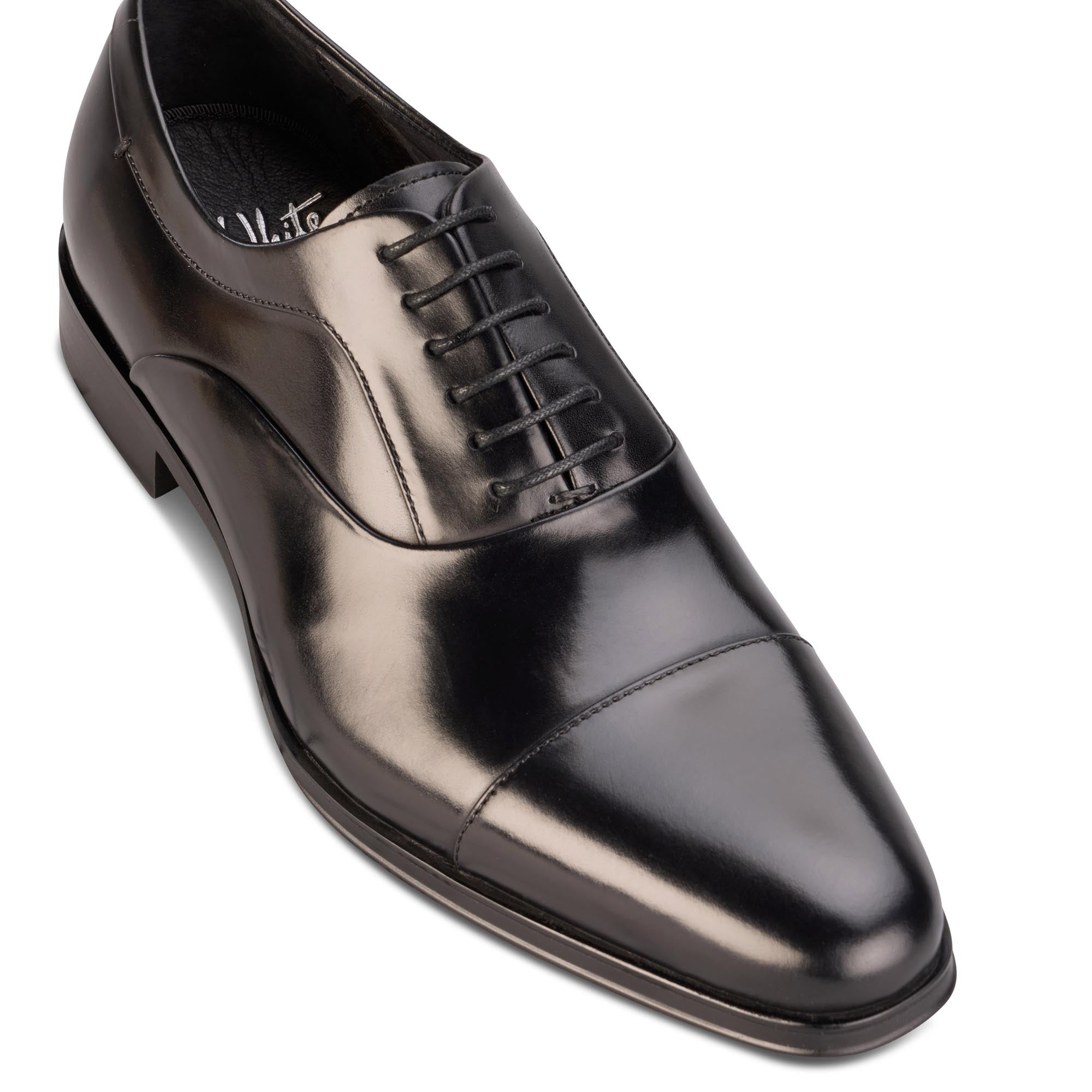
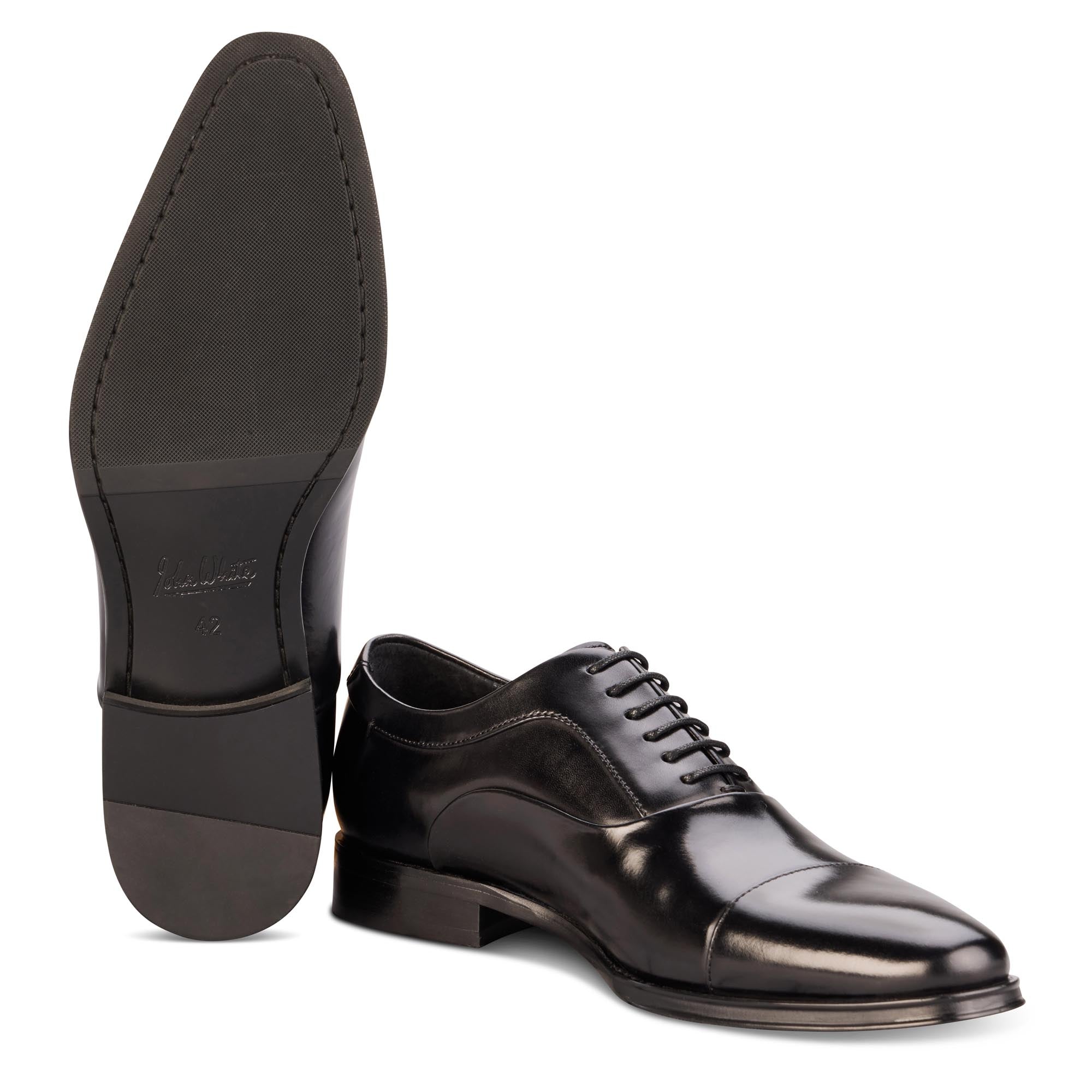
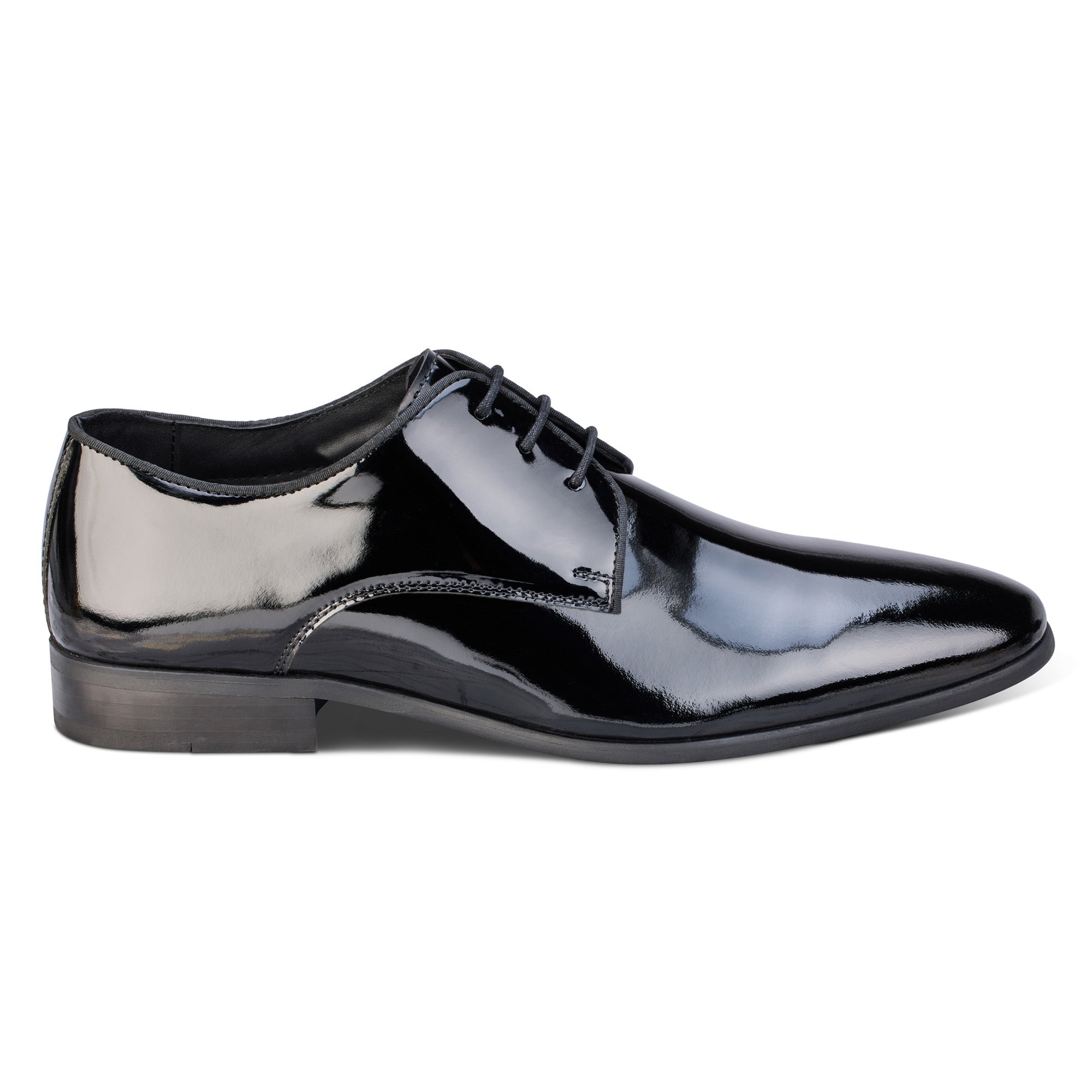
Oxblood is strongest in formal constructions. A Goodyear welted Oxford or a cap-toe Derby in oxblood carries considerable presence in business formal settings. The depth of colour communicates a rarity that burgundy, now broadly worn, no longer quite achieves.
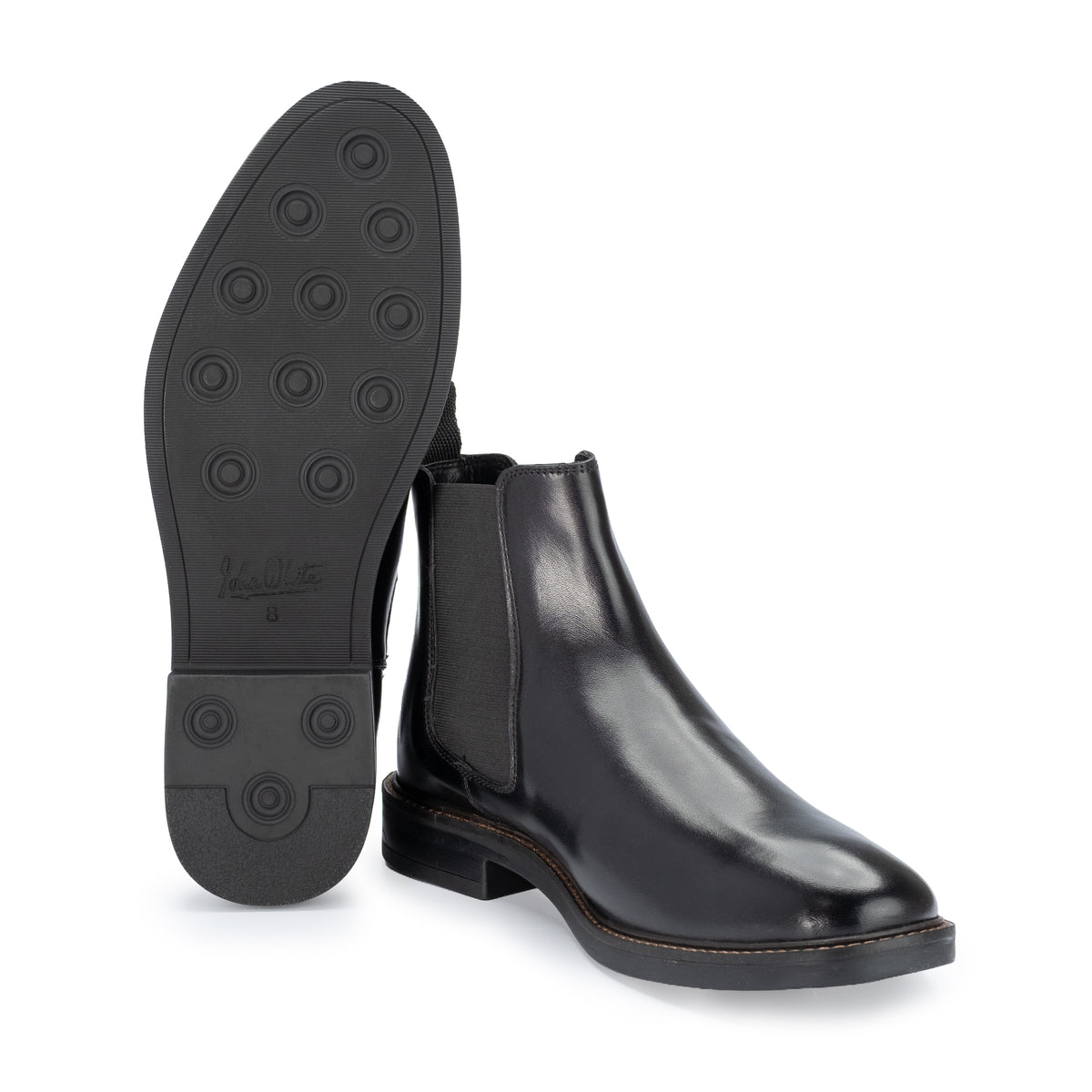
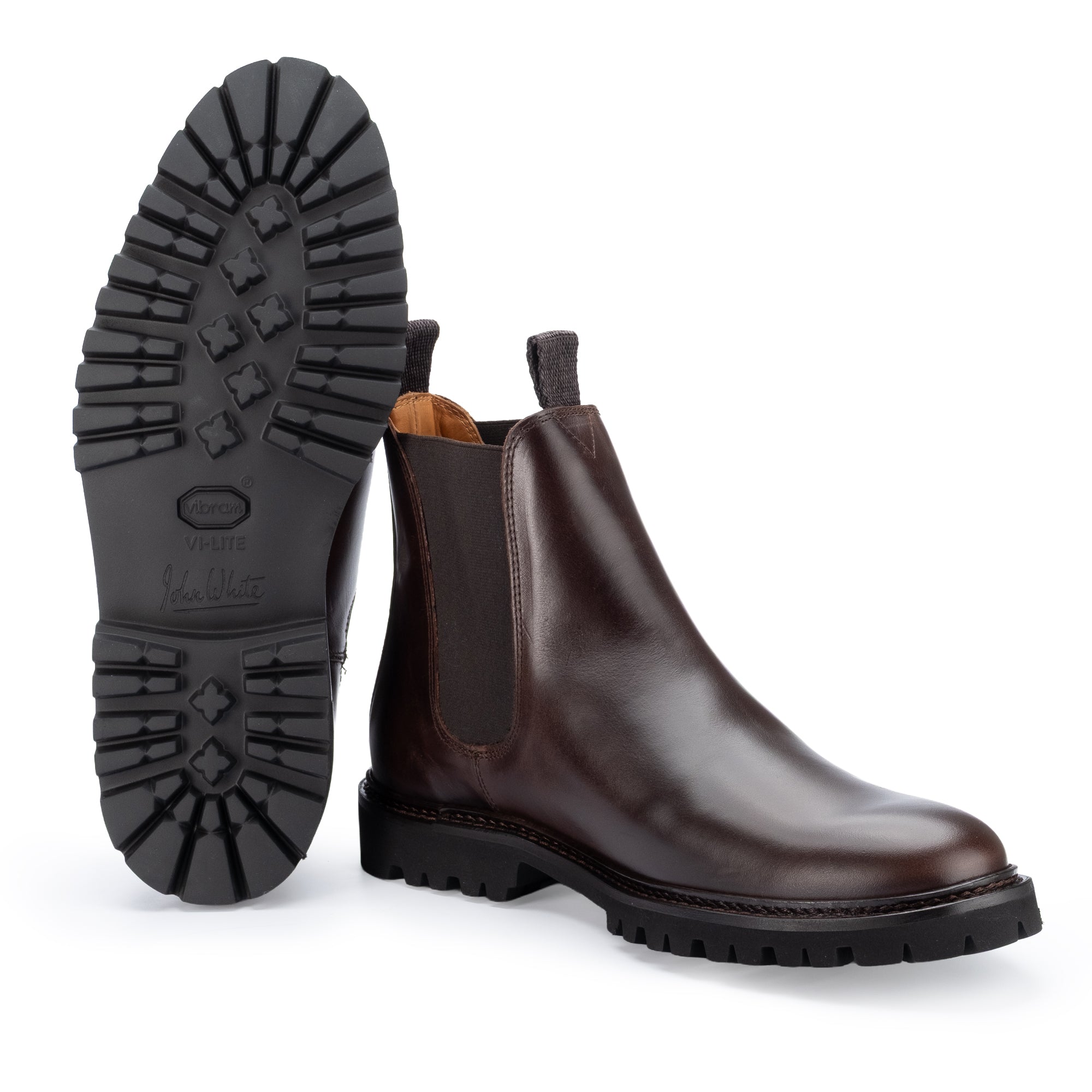
Among the leading names in British heritage footwear — Loake, Barker, Grenson, Church's, Crockett & Jones, and John White Shoes — oxblood has seen a consistent return to collections over the past decade as professional men seek to differentiate their formal wardrobes with colour that reads as restrained rather than bold.
The principal care consideration for oxblood is polish selection. The Leather Conservation Centre recommends applying cream conditioner before any pigmented polish to prevent over-absorption into a dry upper — a consideration that is especially significant for deep-dyed leathers such as oxblood. Use a dedicated oxblood or dark burgundy cream. Never use black, which will suppress the red entirely; never light brown, which will muddy the tone.
Oxblood leather shoes deliver the sophistication of a formal colour without the ubiquity of black or the familiarity of burgundy.
Can You Wear Navy Leather Shoes — and When Should You?
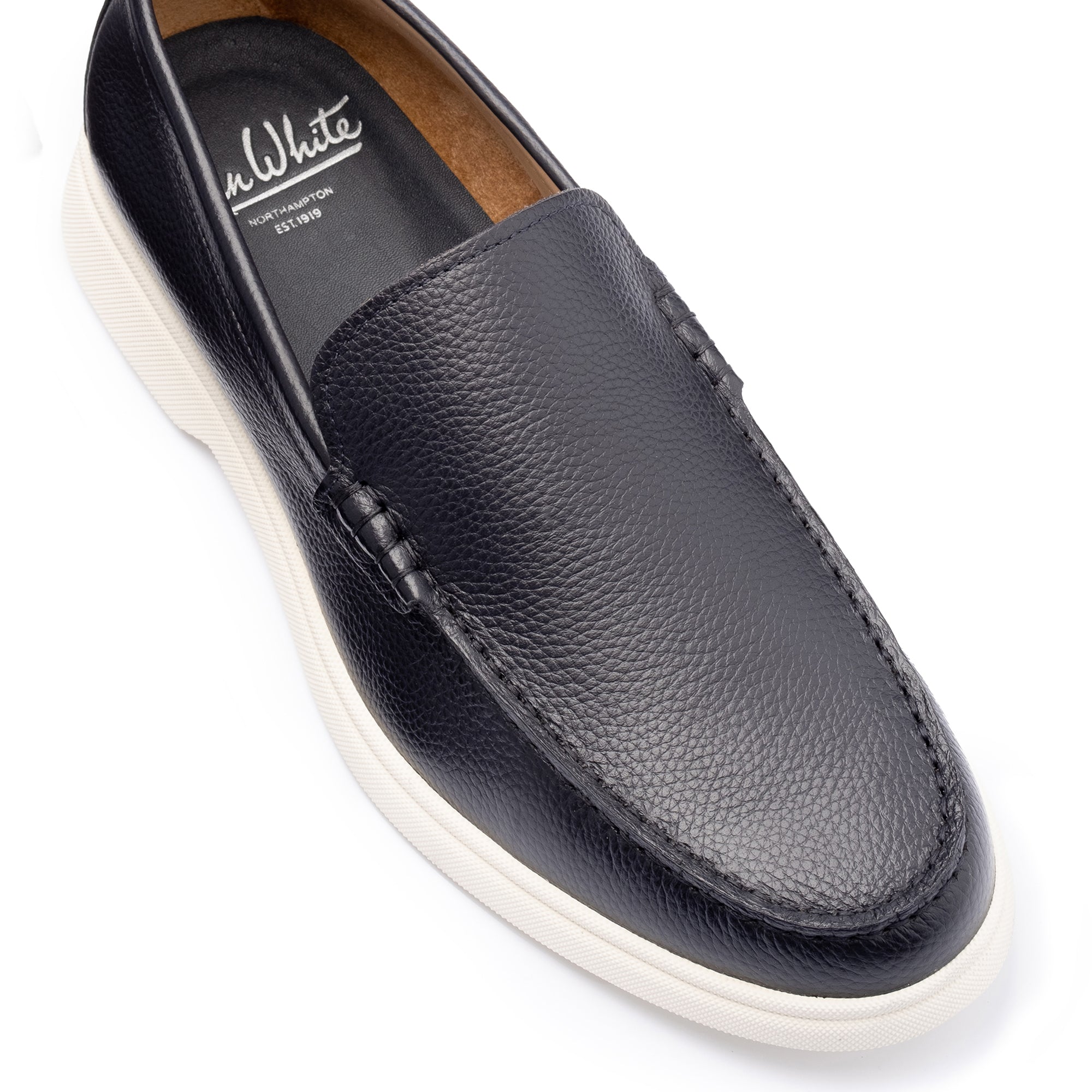
Navy leather shoes are an unconventional choice, which is precisely their strength. They are not for every wardrobe or every man, but the man who wears them well stands apart in any room.
Navy leather works within a narrower range of pairings than tan or oxblood, but those pairings are striking:
- Mid-grey and light grey suits: The strongest combination. Navy and grey carry a graphic clarity that reads as genuinely distinctive.
- Beige and stone trousers: The contrast is clean without being harsh, particularly in warmer months.
- Cream and ivory: Works well in summer and at smart-casual occasions.
- Avoid with navy suiting: Matching navy shoes to navy cloth creates a flat, undifferentiated silhouette that diminishes both.
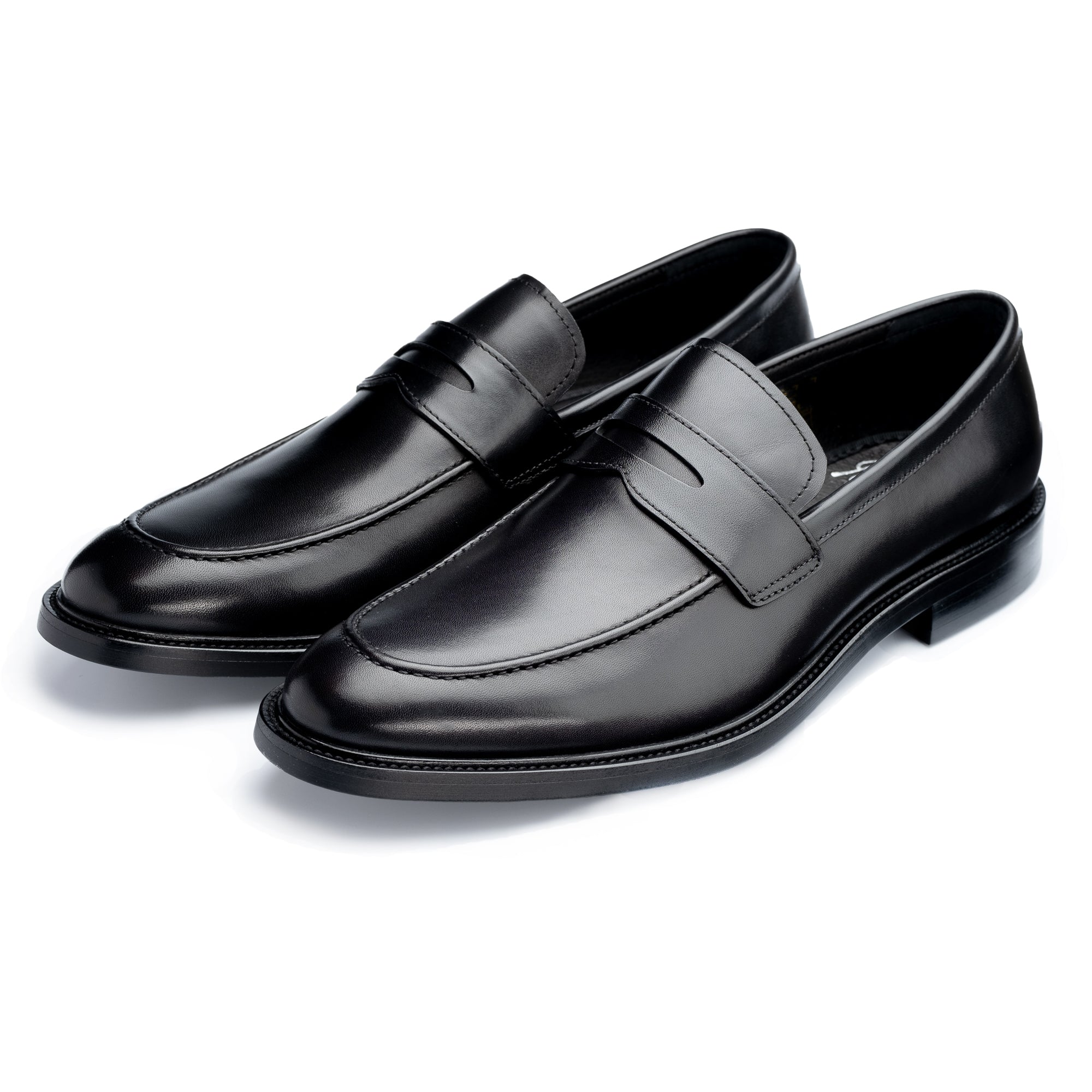
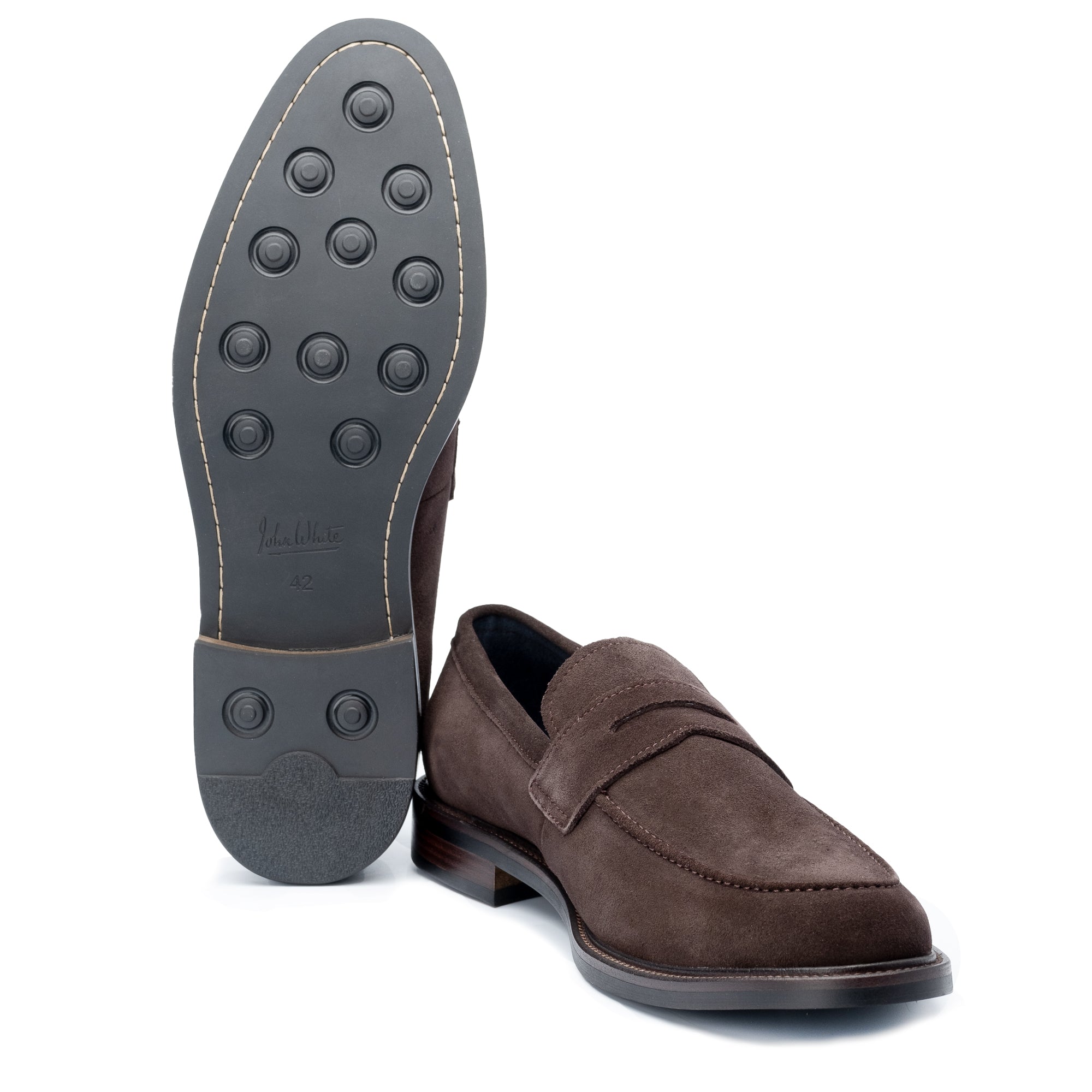
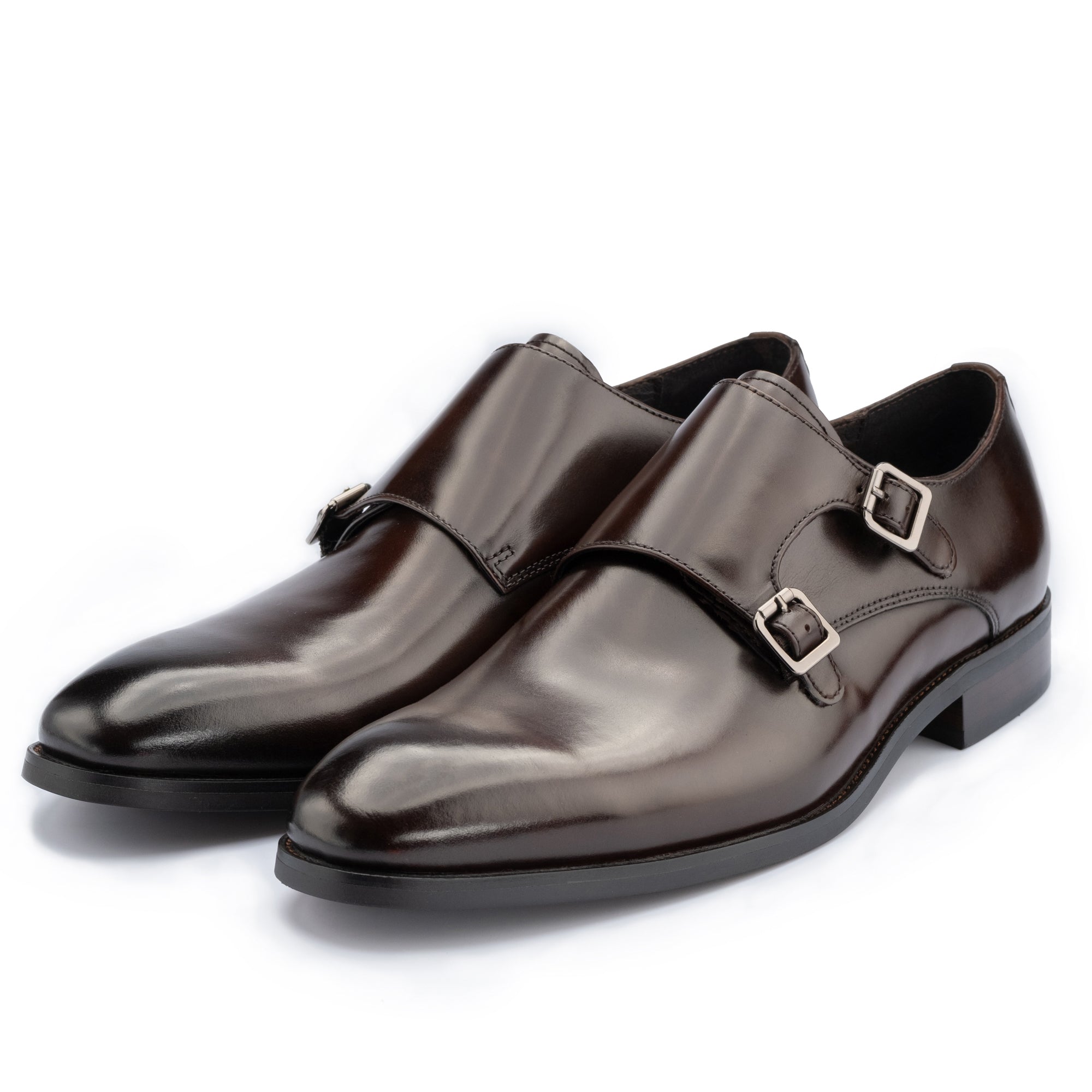
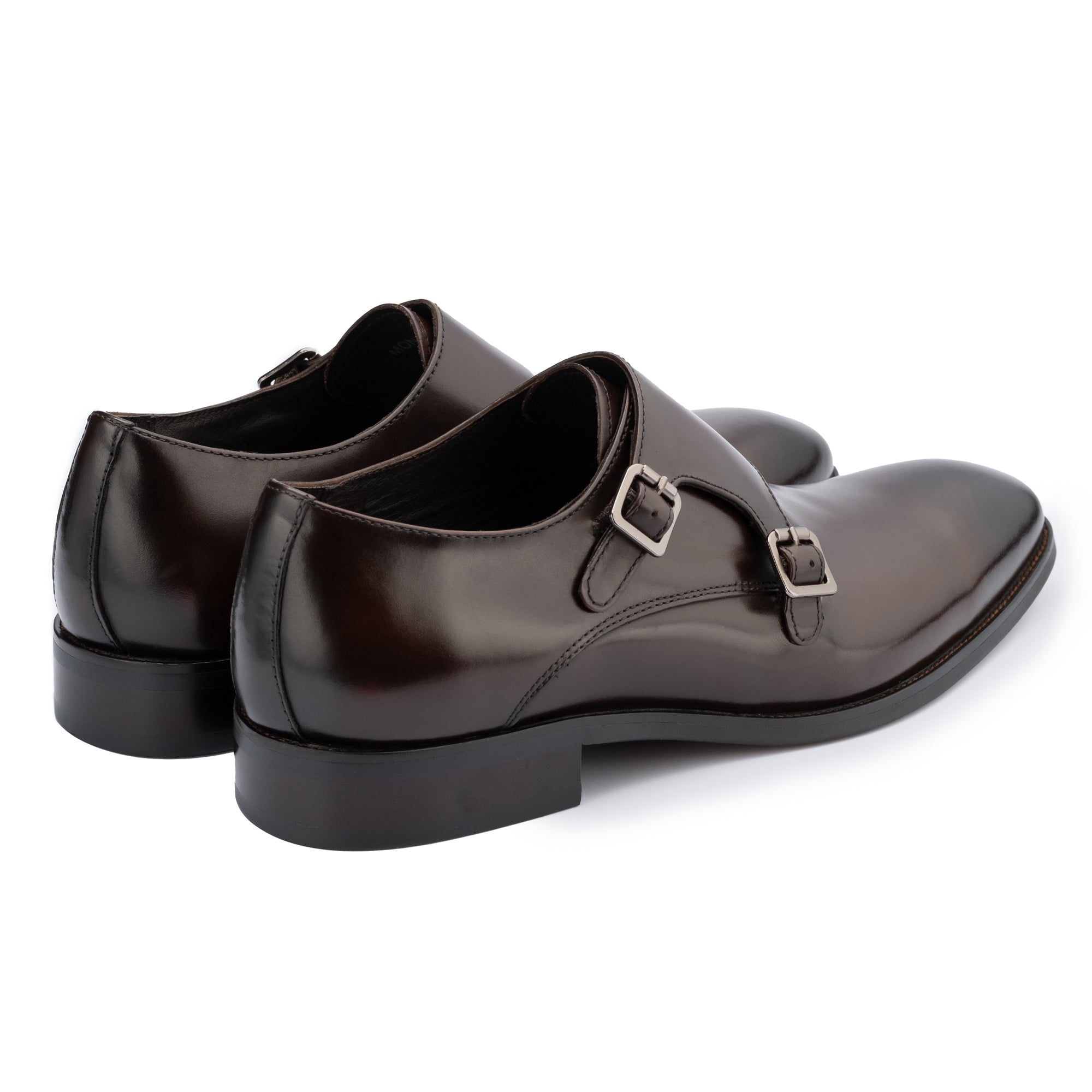
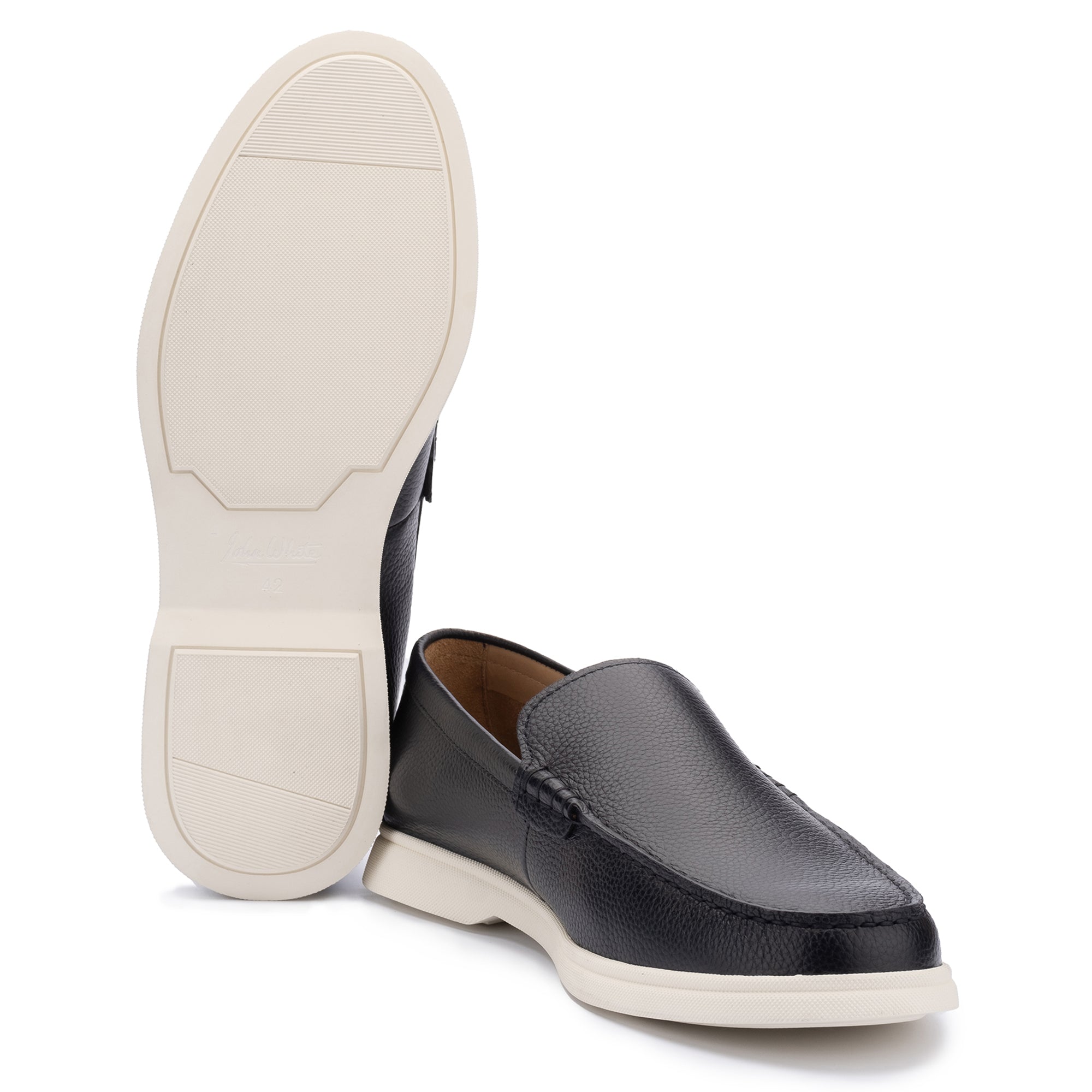
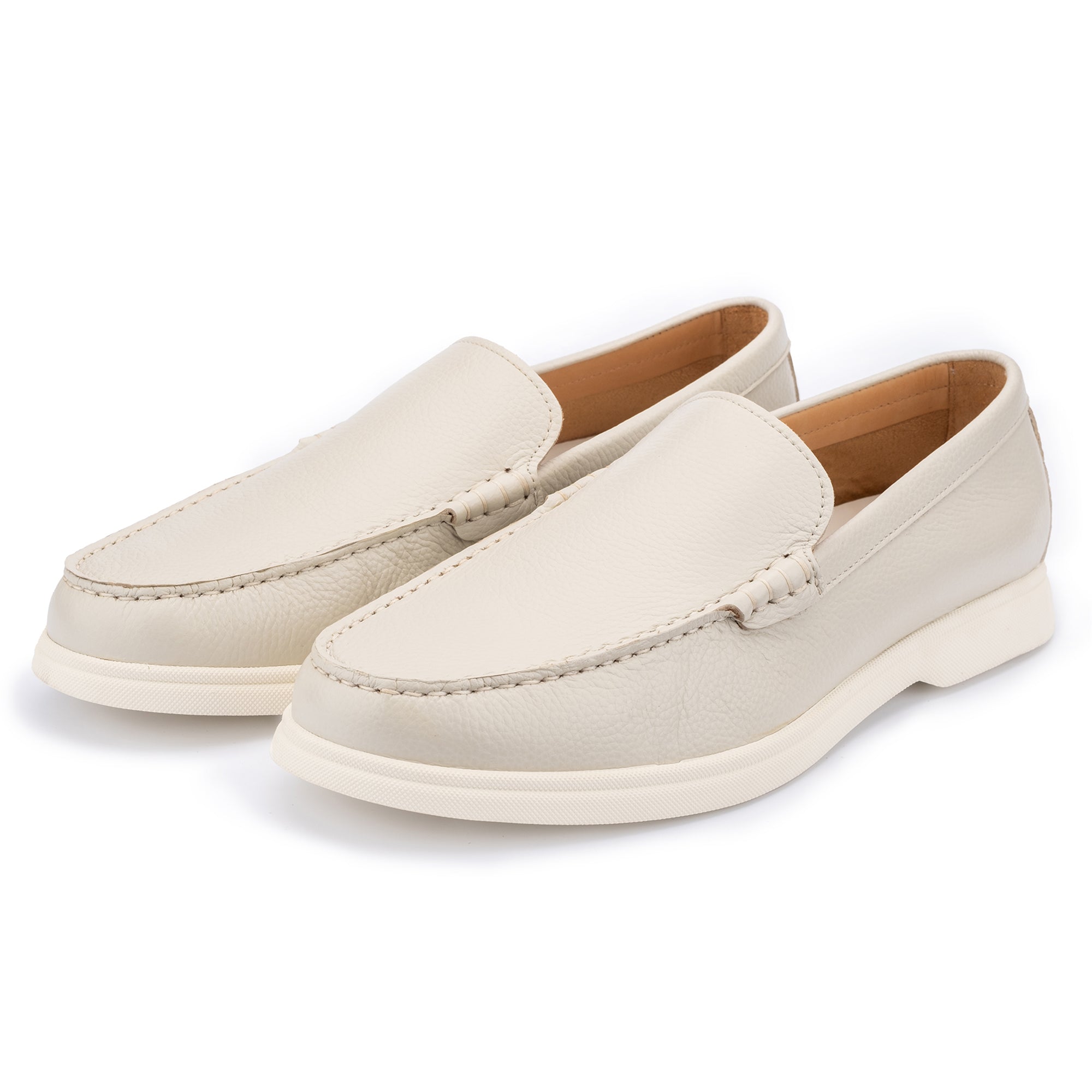
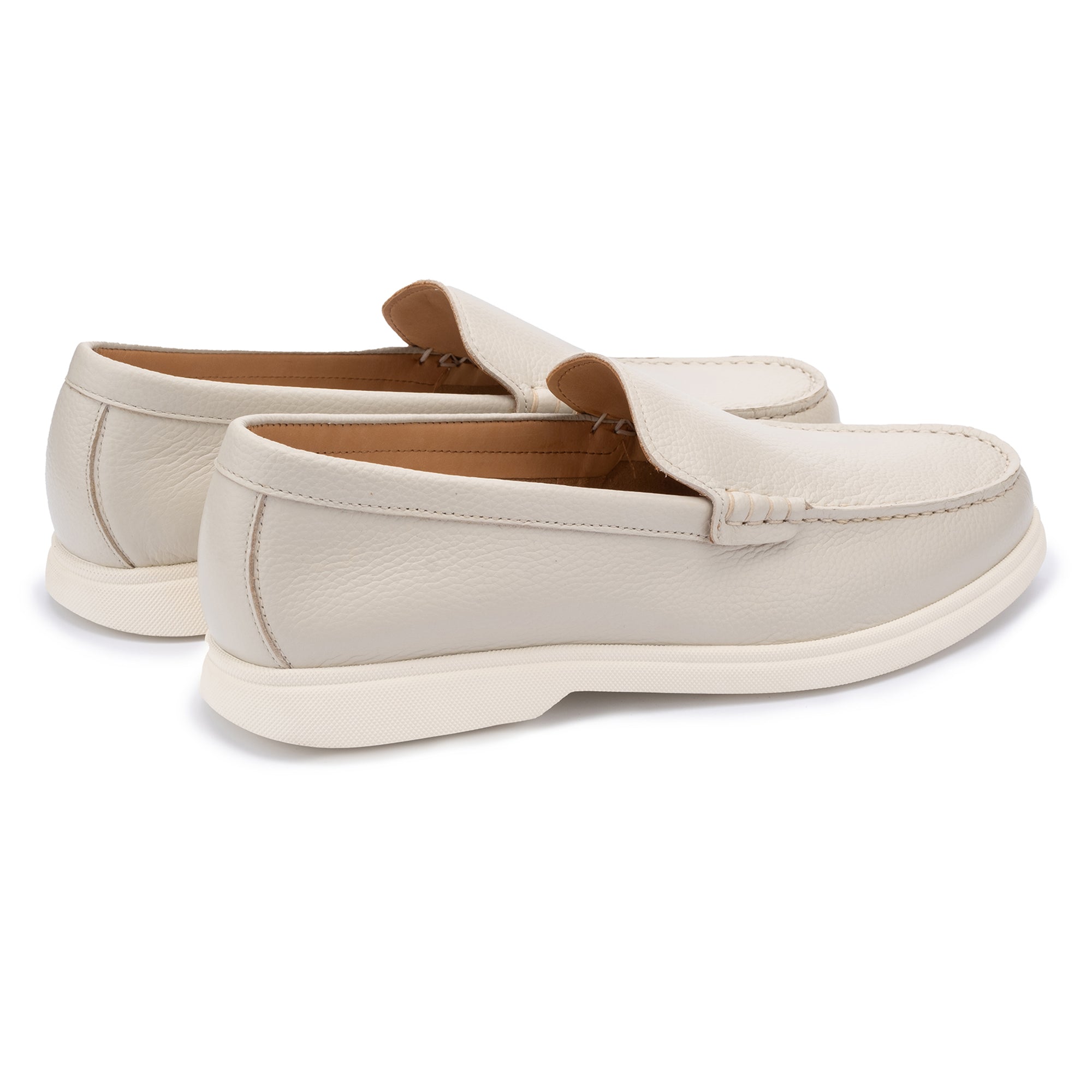
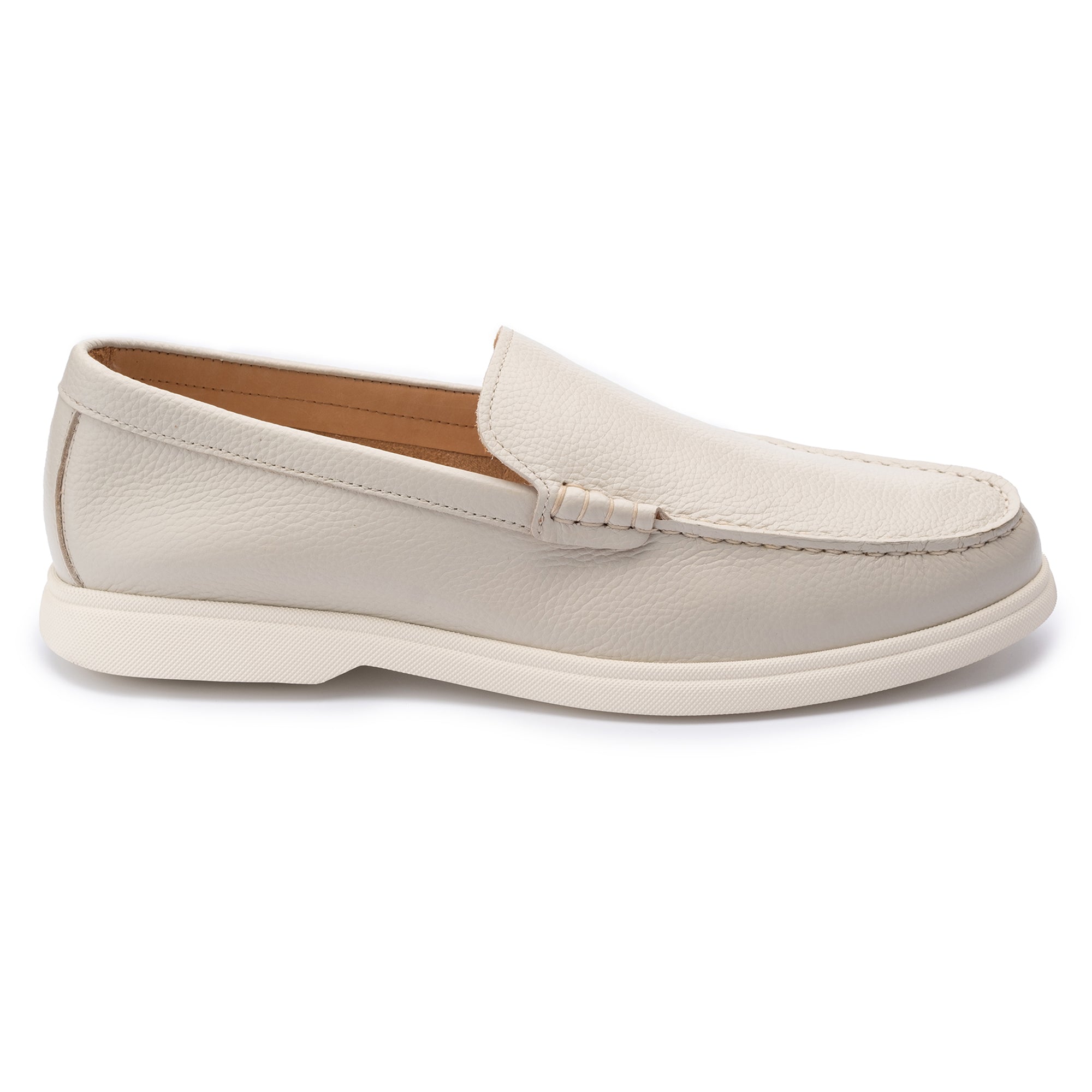
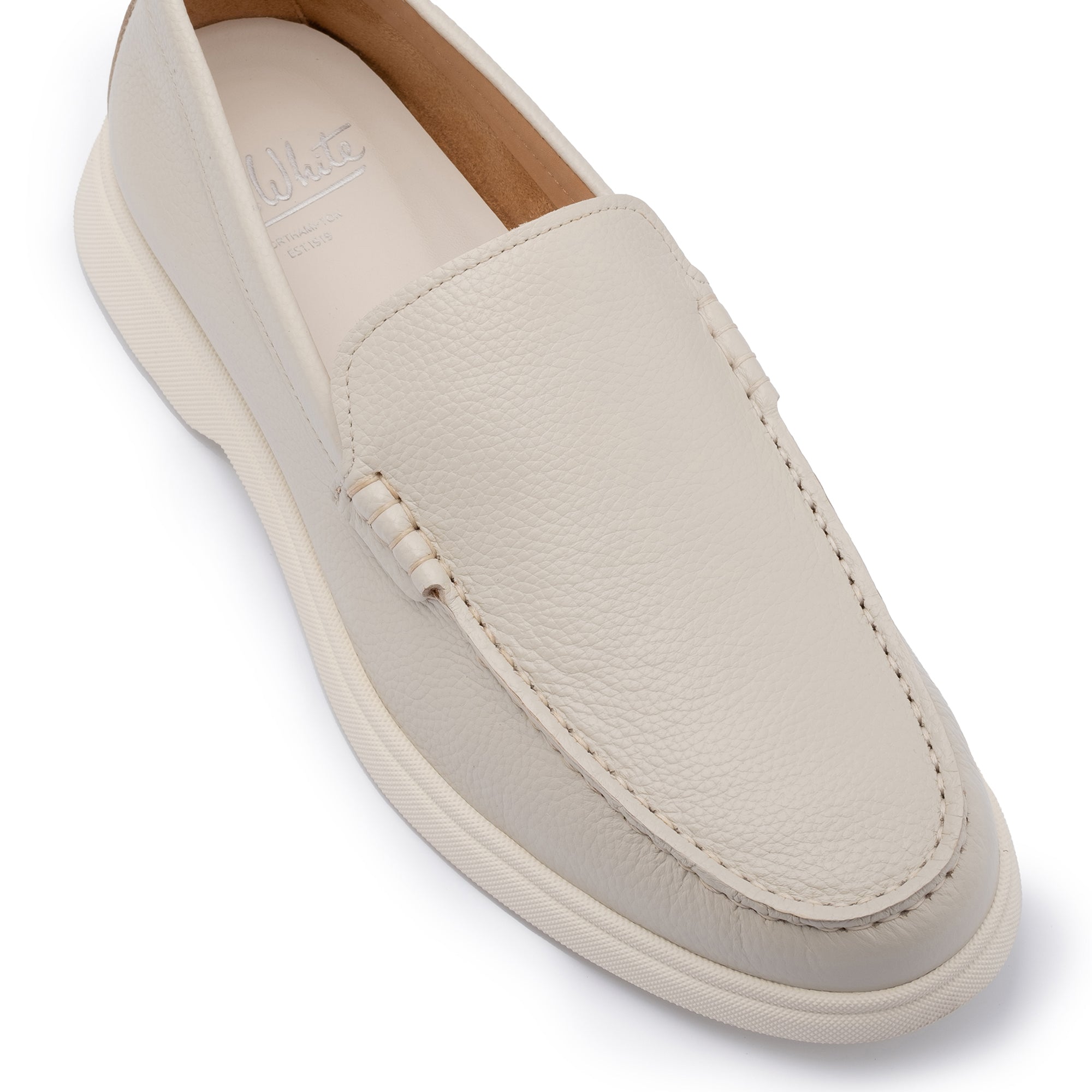
In terms of construction, loafers and Derby shoes carry navy most naturally. A loafer in navy leather — worn with grey trousers and an open-collar shirt — is an exercise in understated precision. For the broader pairing logic, our guide to the best shoe colours for a navy suit covers complementary combinations in full.
Care for navy leather mirrors that of any deeply dyed leather: use only a navy-specific cream or a neutral conditioner. Pigmented polishes in the wrong shade will shift the colour irreversibly. According to industry guidance from the Worshipful Company of Cordwainers, deeply saturated dye finishes are among the most sensitive to incorrect care products, making colour-matched maintenance a non-negotiable practice.
Navy leather shoes are the most considered choice of the three — worn with precision, they are among the most distinctive pieces in a gentleman's collection.
Tan, Oxblood, and Navy: A Practical Comparison
| Colour | Formality Level | Best Suit Pairings | Best Casual Pairings | Strongest Occasion | Ease of Wear |
|---|---|---|---|---|---|
| Tan | Smart-casual to business casual | Navy, mid-grey | Stone chinos, olive, cream | Race meetings, country weekends, lunch | High — broad versatility |
| Oxblood | Business formal to evening | Charcoal, dark grey, navy | Dark flannel trousers | Office, formal dinner, events | Moderate — requires care in pairing |
| Navy | Smart-casual to business casual | Mid-grey, light grey | Beige, stone, cream | Summer occasions, smart-casual events | Lower — demands a confident eye |
Which Colour Should You Add to Your Collection First?
If the foundational three are in place, the order of acquisition depends on how the existing wardrobe is weighted. As outlined in our guide to building a first premium shoe collection, the fourth pair should address the largest gap rather than simply add another formal option.
- Choose tan first if the wardrobe contains a significant proportion of smart-casual and country pieces — navy suits, chinos, and weekend wear. Tan will earn its wearing most quickly and covers the most occasions that the foundational three cannot serve.
- Choose oxblood first if dressing is predominantly formal and the aim is a second dark shoe colour with more character than an additional brown. It rotates naturally with a black Oxford without duplication.
- Choose navy first if the wardrobe is already well-served by the above and dressing is considered rather than conventional. Navy is the reward for a collection that is already working.
Whichever colour comes first, the construction must match the register. Tan works best in a Derby or Chukka boot. Oxblood works best in a Goodyear welted Oxford or cap-toe. Navy is most assured in a loafer or a sleek Derby. Explore the full collection at John White Shoes men's leather shoes, or browse the boots collection for tan Derby and Chukka options.
How Should You Care for Tan, Oxblood, and Navy Leather?
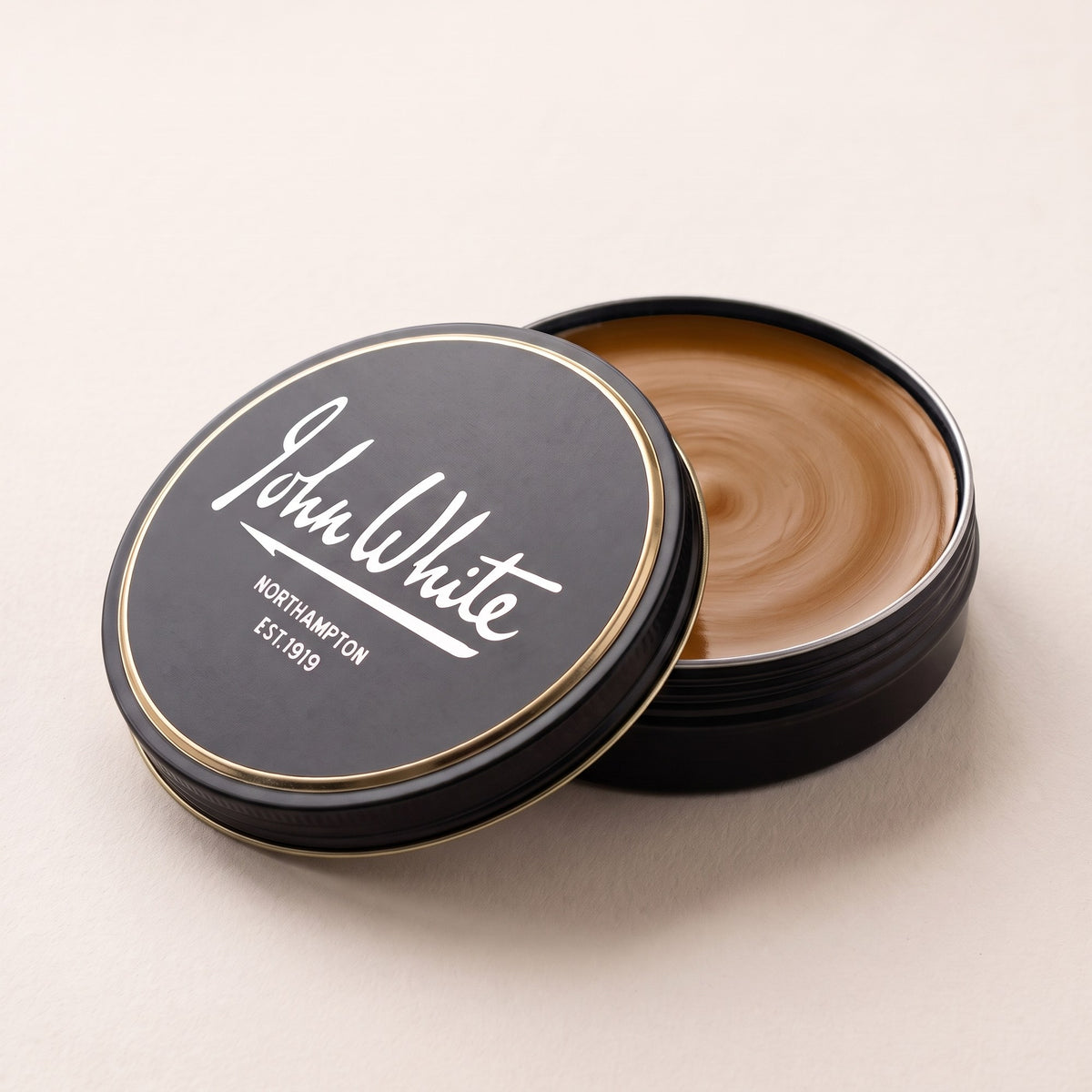
All three colours require colour-matched care products. Using the wrong shade on any of these leathers is more consequential than it would be with dark brown or black, where the margin for error is wider. A light cream applied to oxblood will muddy it; a dark polish applied to tan will darken it permanently.
- Tan: Neutral or light tan conditioner only. Never dark polish. Brush after every wear to prevent surface dust embedding in the grain.
- Oxblood: Oxblood or dark burgundy cream conditioner. Avoid black entirely. Condition before polishing to prevent uneven absorption into the deep dye.
- Navy: Navy-specific cream or neutral conditioner only. Pigmented polishes in the wrong shade permanently alter the colour.
For a full conditioning schedule across all leather colours and seasons, our definitive seasonal conditioning guide for leather shoes covers recommended frequency and method in full.
Colour-matched conditioning is the single most important care practice for tan, oxblood, and navy leather — more consequential here than for any of the foundational three.
Browse the full range of premium leather shoes at John White Shoes — from tan Derby shoes to hand-finished oxblood Oxfords — to begin building beyond the foundations.
Related Guides
- The History of British Shoemaking — our comprehensive guide
- The Core Collection: Choosing Between Black, Brown, and Burgundy Leather Shoes
- Burnished vs. Antiqued Leather: A Comparative Guide to Premium Finishes
- Conditioning Frequency for Leather Shoes: The Definitive Seasonal Schedule
TL;DR: Tan, oxblood, and navy are the three most valuable additions beyond a foundational black, brown, and burgundy collection. Tan offers the broadest smart-casual versatility; oxblood provides formal depth and character; navy rewards the man with a precise and confident eye. Each requires colour-matched care products and a construction suited to its intended register of dress.
Frequently Asked Questions
What is the difference between oxblood and burgundy leather shoes?
Oxblood is noticeably darker than burgundy, with stronger purple-brown undertones and a depth of colour that absorbs considerably more light. Burgundy reads as a warm wine-red in daylight; oxblood can appear almost dark brown in shadow, revealing its red depth only under direct illumination. In formal settings, oxblood carries more weight and distinction than the more widely worn burgundy.
Can tan leather shoes be worn with a suit?
Tan leather shoes pair well with navy and mid-grey suits in business-casual and smart-casual contexts. They are not appropriate for the most formal business settings, black tie occasions, or funerals. A tan Derby or loafer worn with a navy suit and an open-collar shirt is among the most assured expressions of smart-casual British dressing.
Are navy leather shoes hard to wear?
Navy leather shoes require more precision in pairing than tan or oxblood. They work best with mid-grey and light grey suits and with beige or stone trousers. They should not be paired with navy suiting, which creates a flat, undifferentiated silhouette. For a wardrobe that is already well-considered, navy leather offers a genuinely distinctive option that no other colour replicates.
What polish should you use on tan, oxblood, and navy leather shoes?
Each colour requires matched care products. Use a neutral or light tan conditioner for tan leather; an oxblood or dark burgundy cream for oxblood; and a navy-specific or neutral conditioner for navy. Never apply dark or black polish to any of these three colours. The Leather Conservation Centre recommends conditioning before polishing on all deeply dyed leathers to prevent uneven absorption and colour distortion.