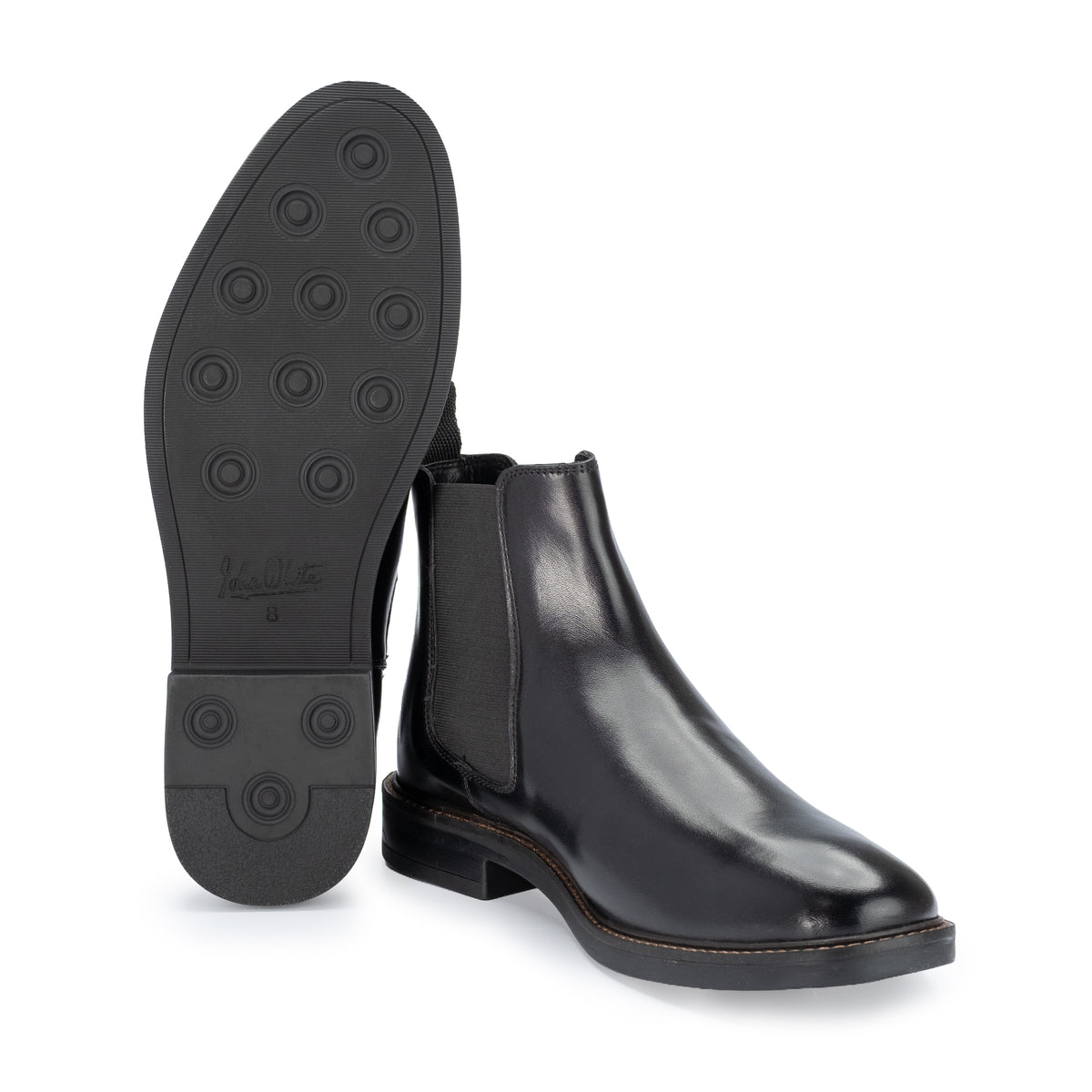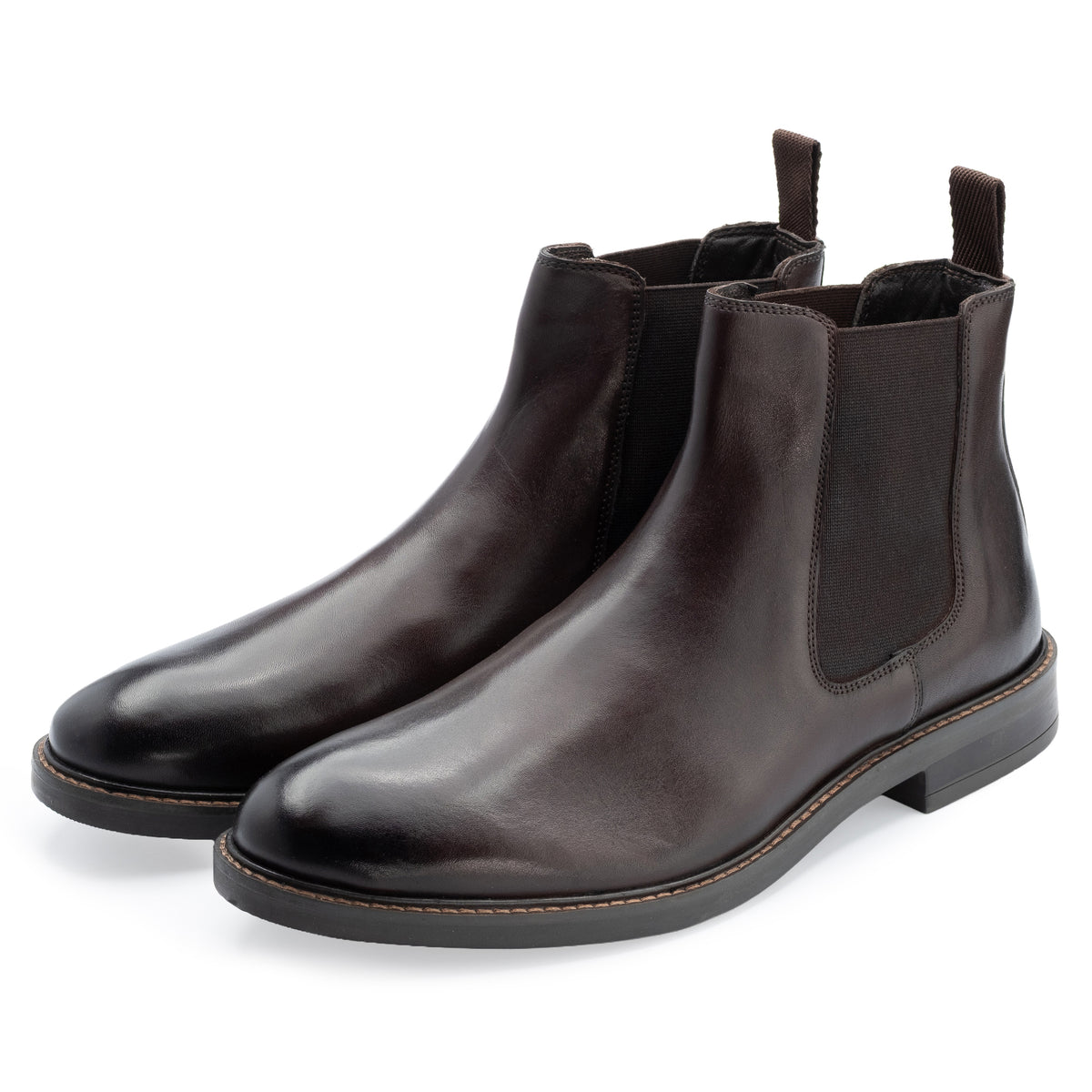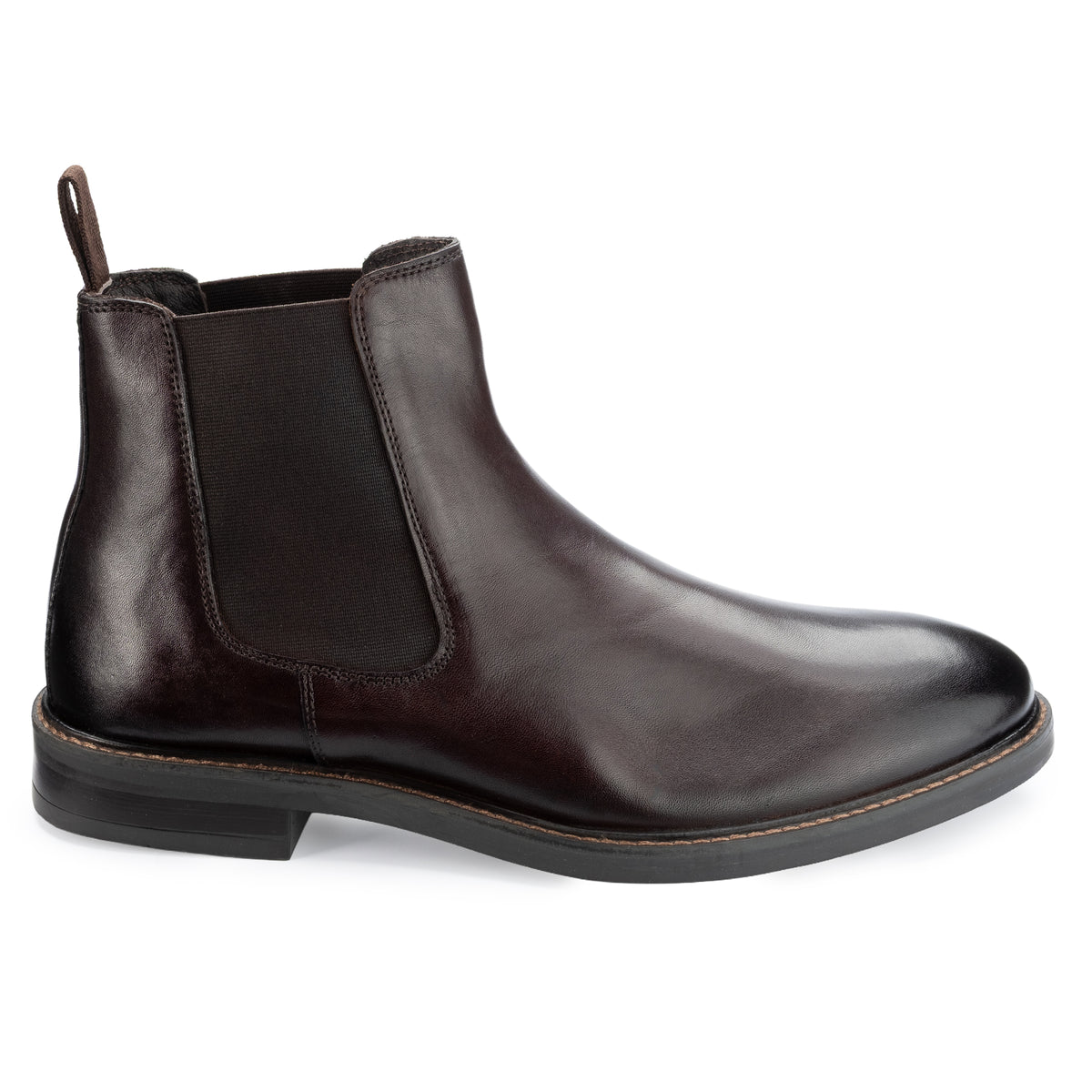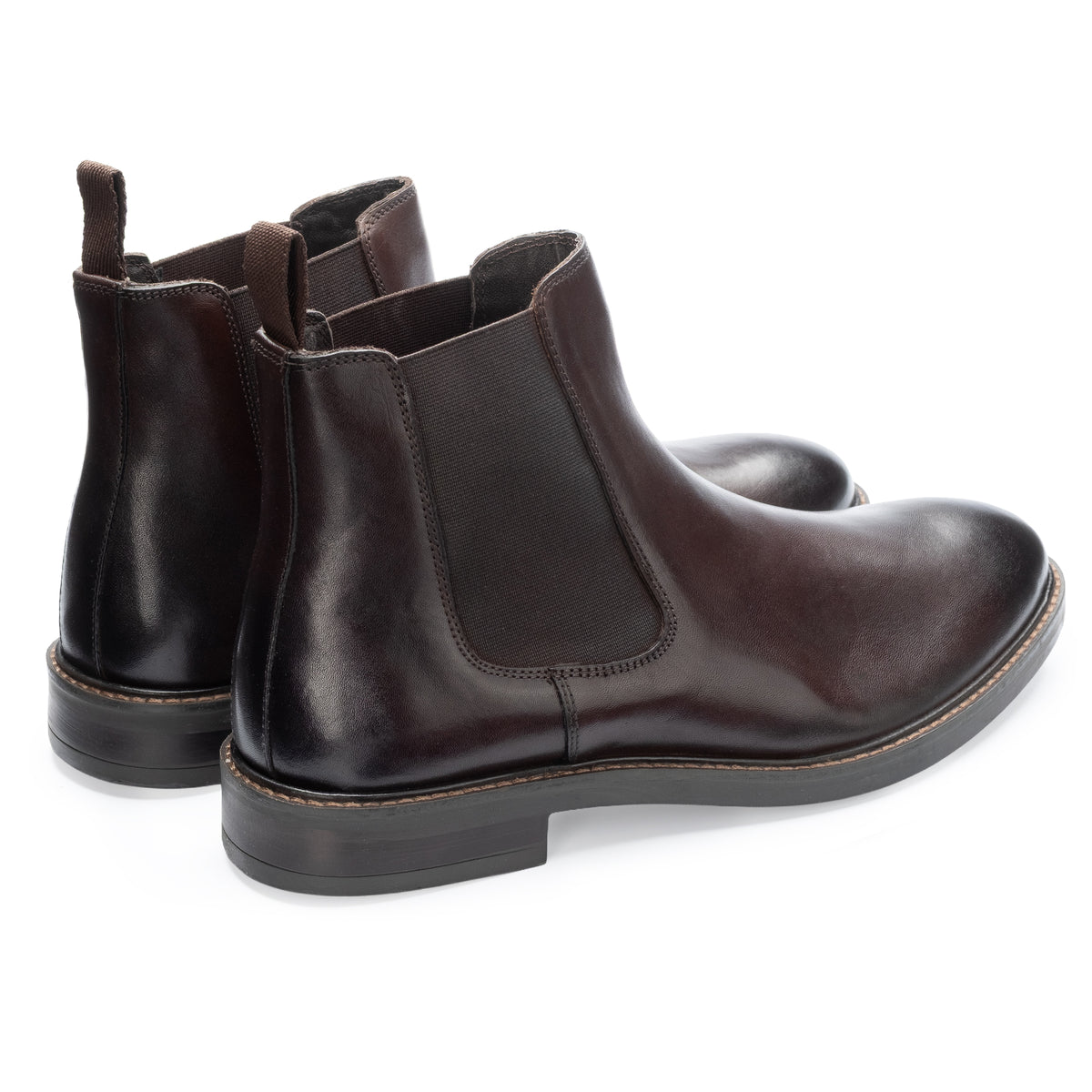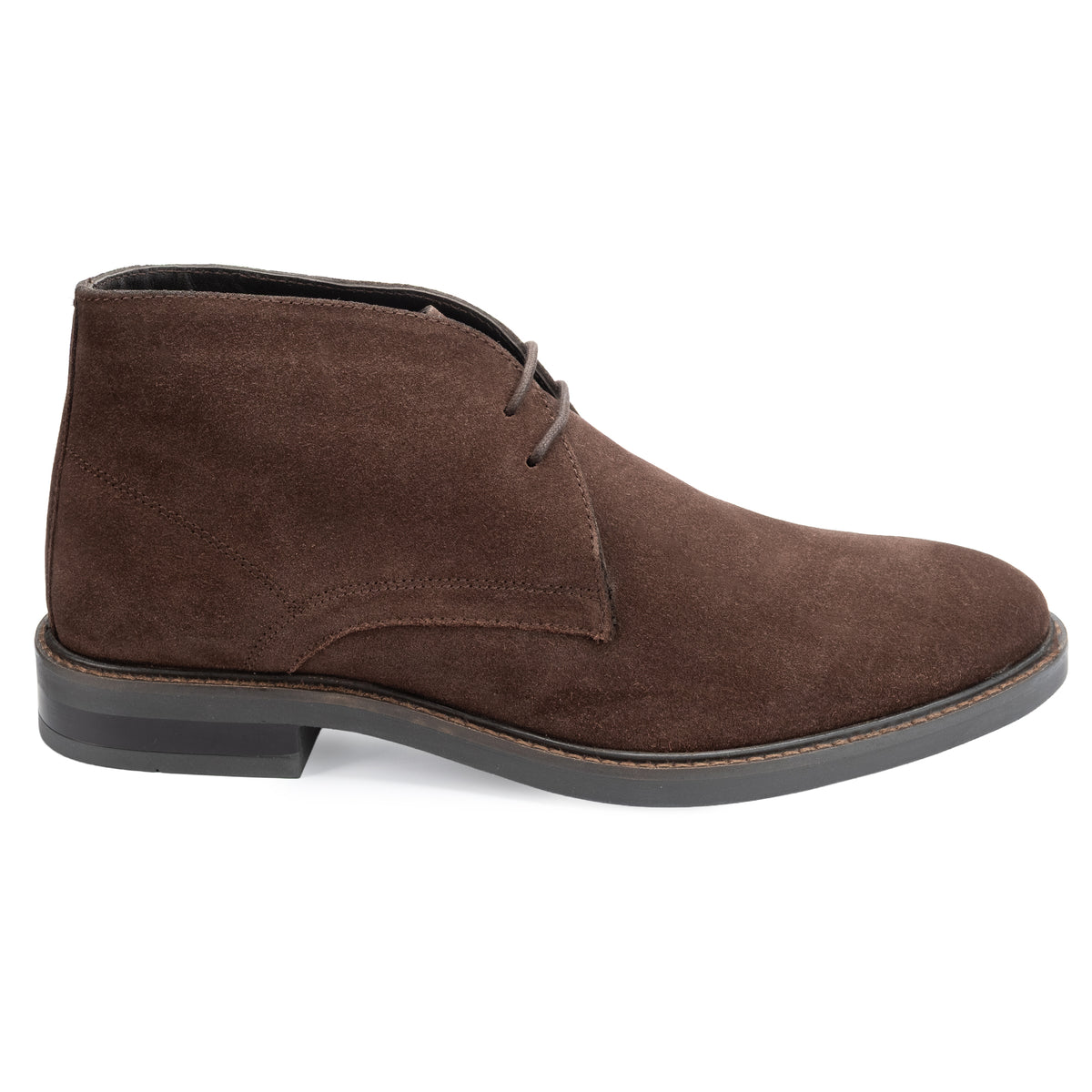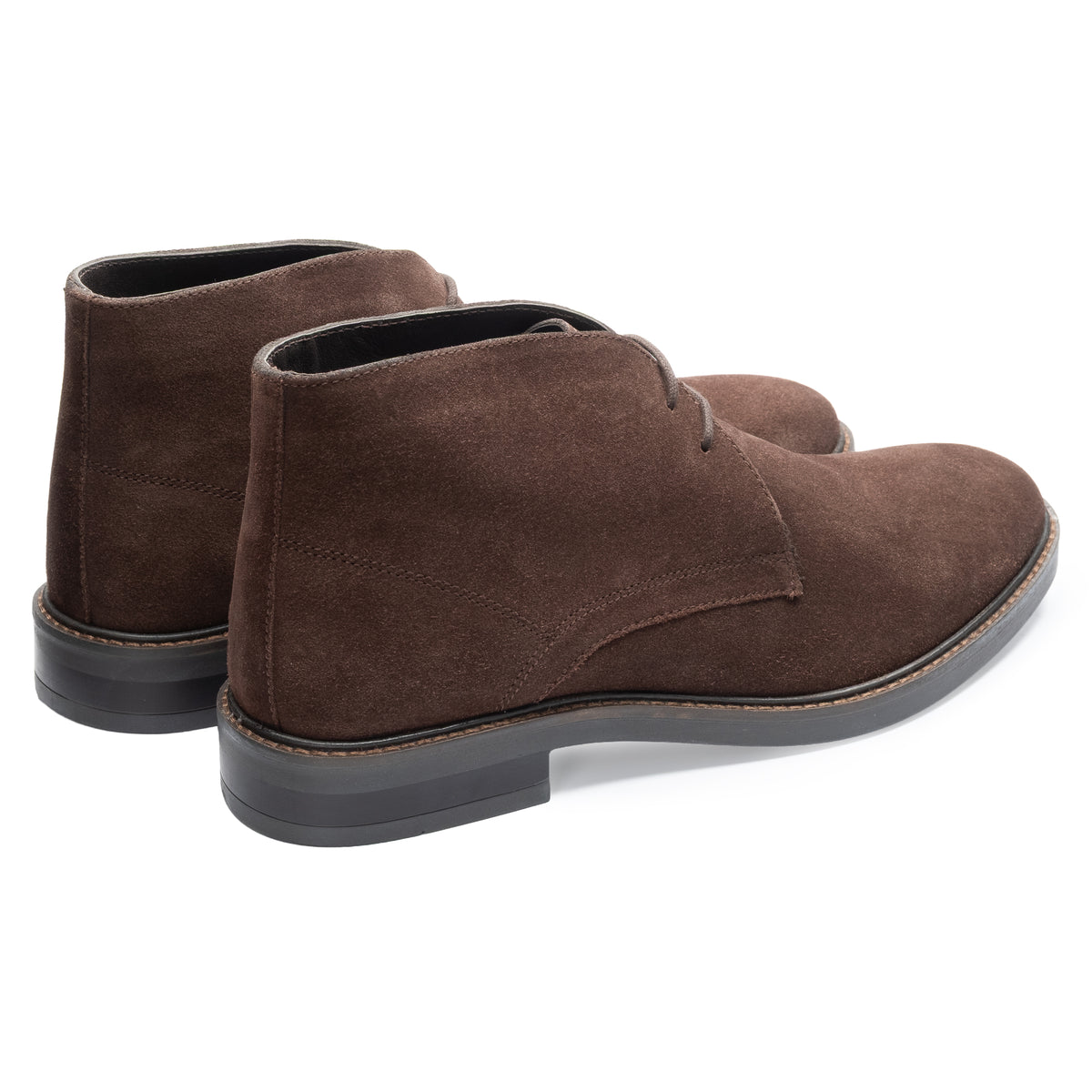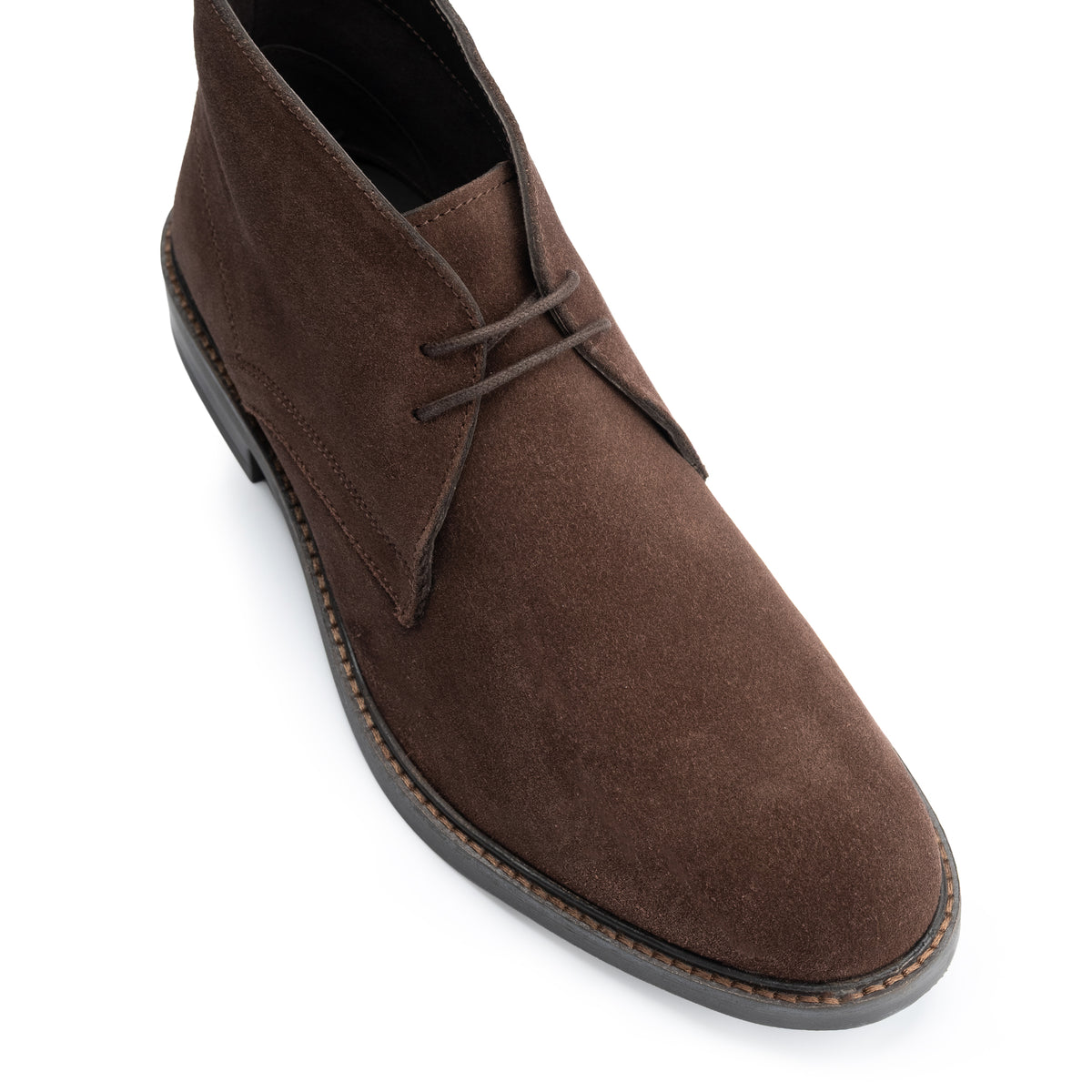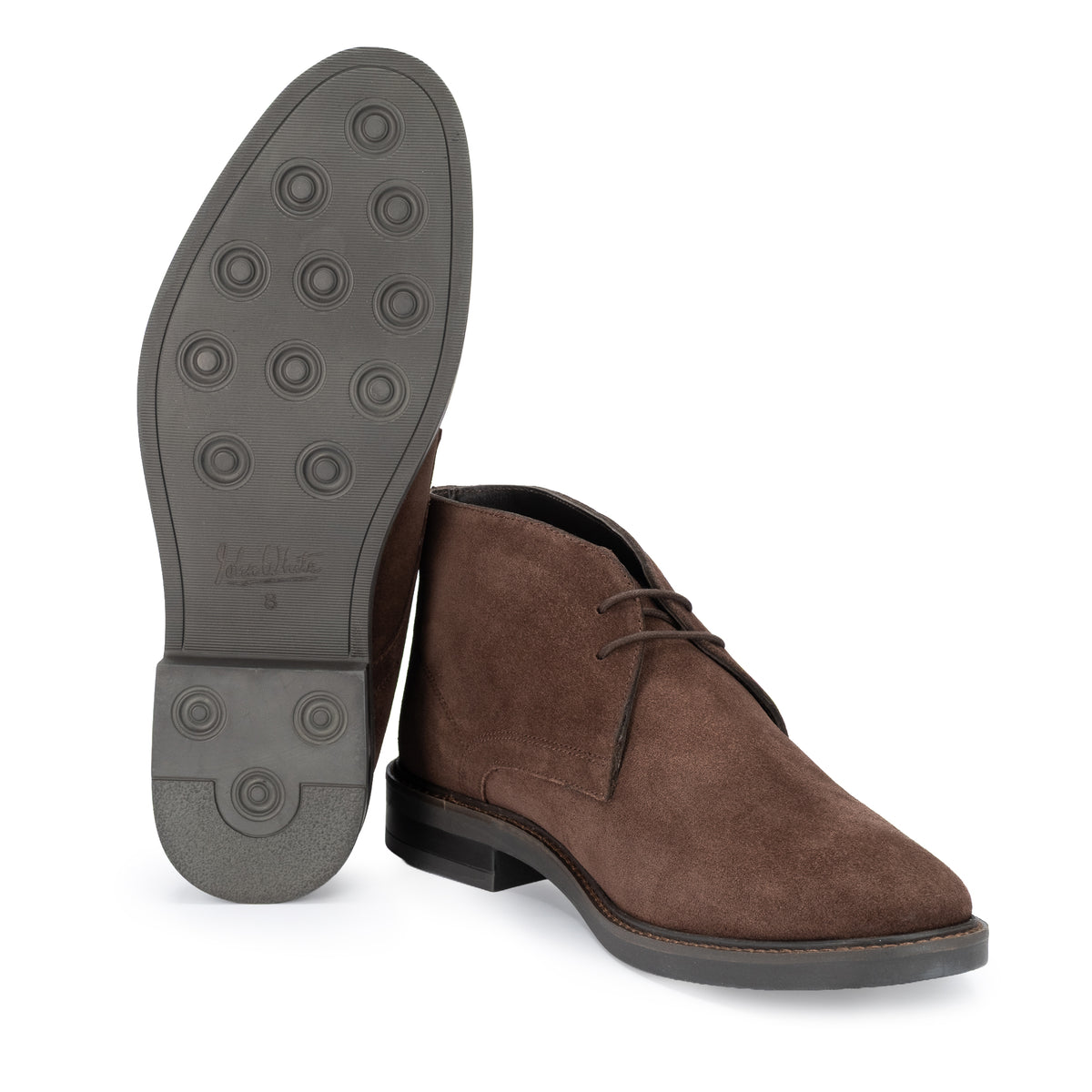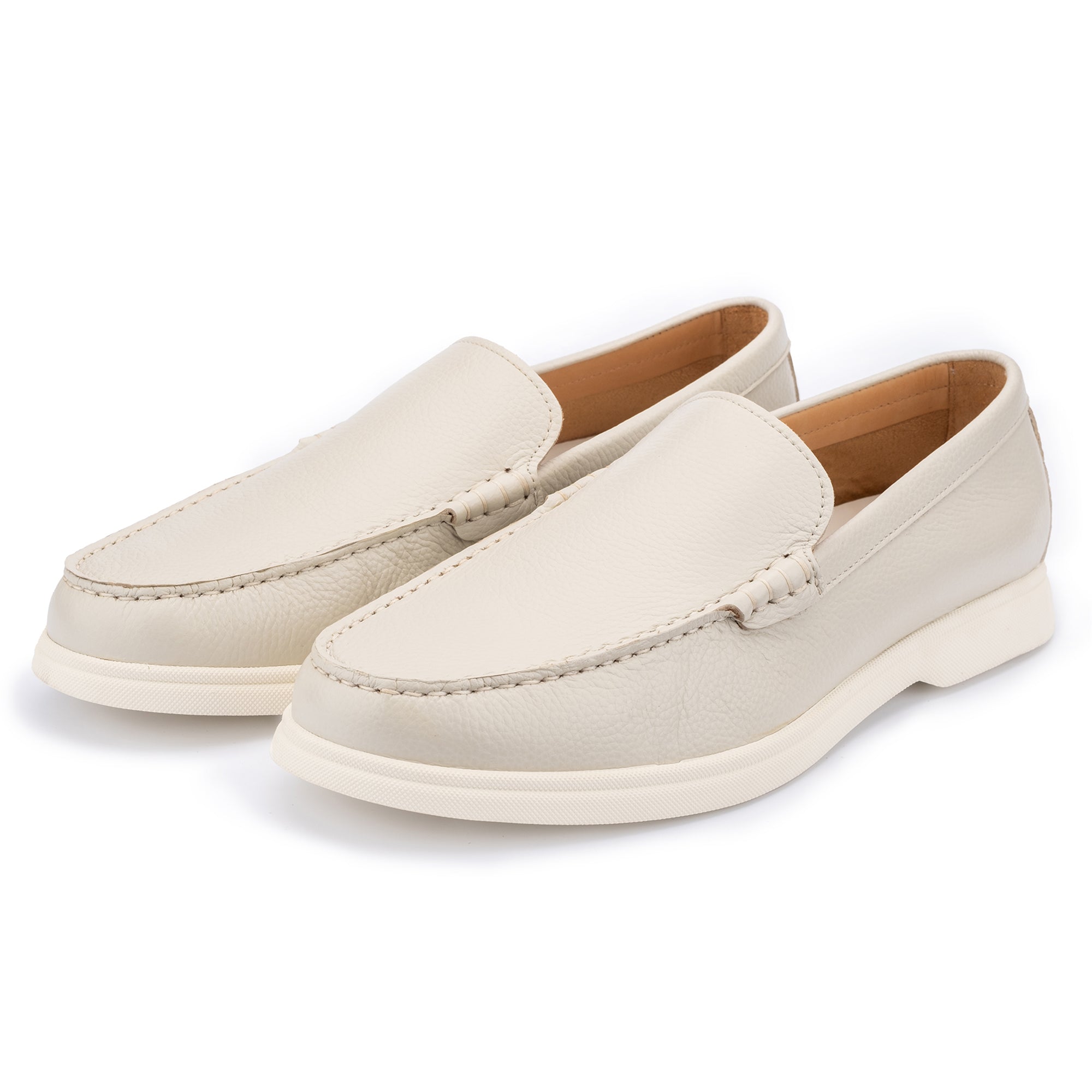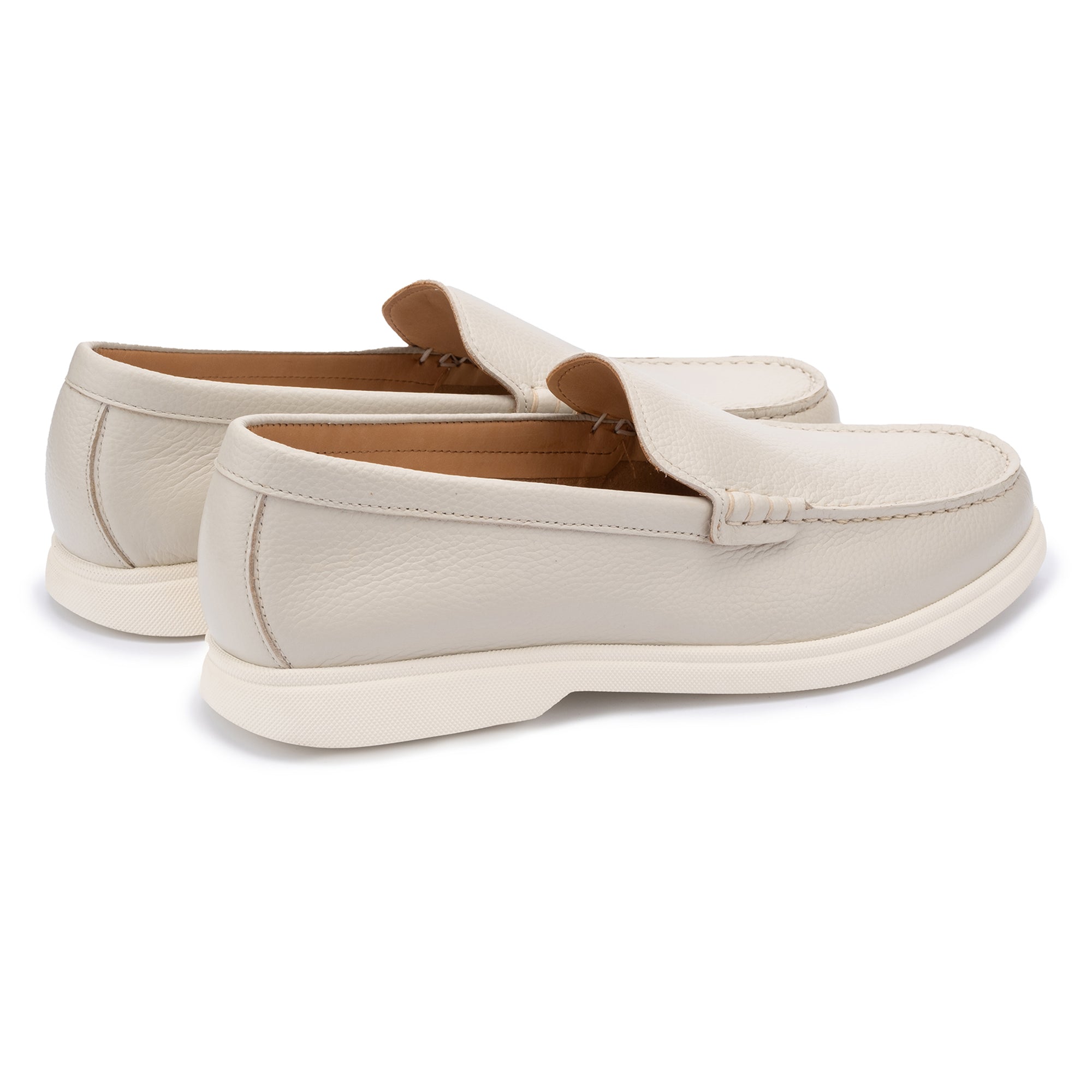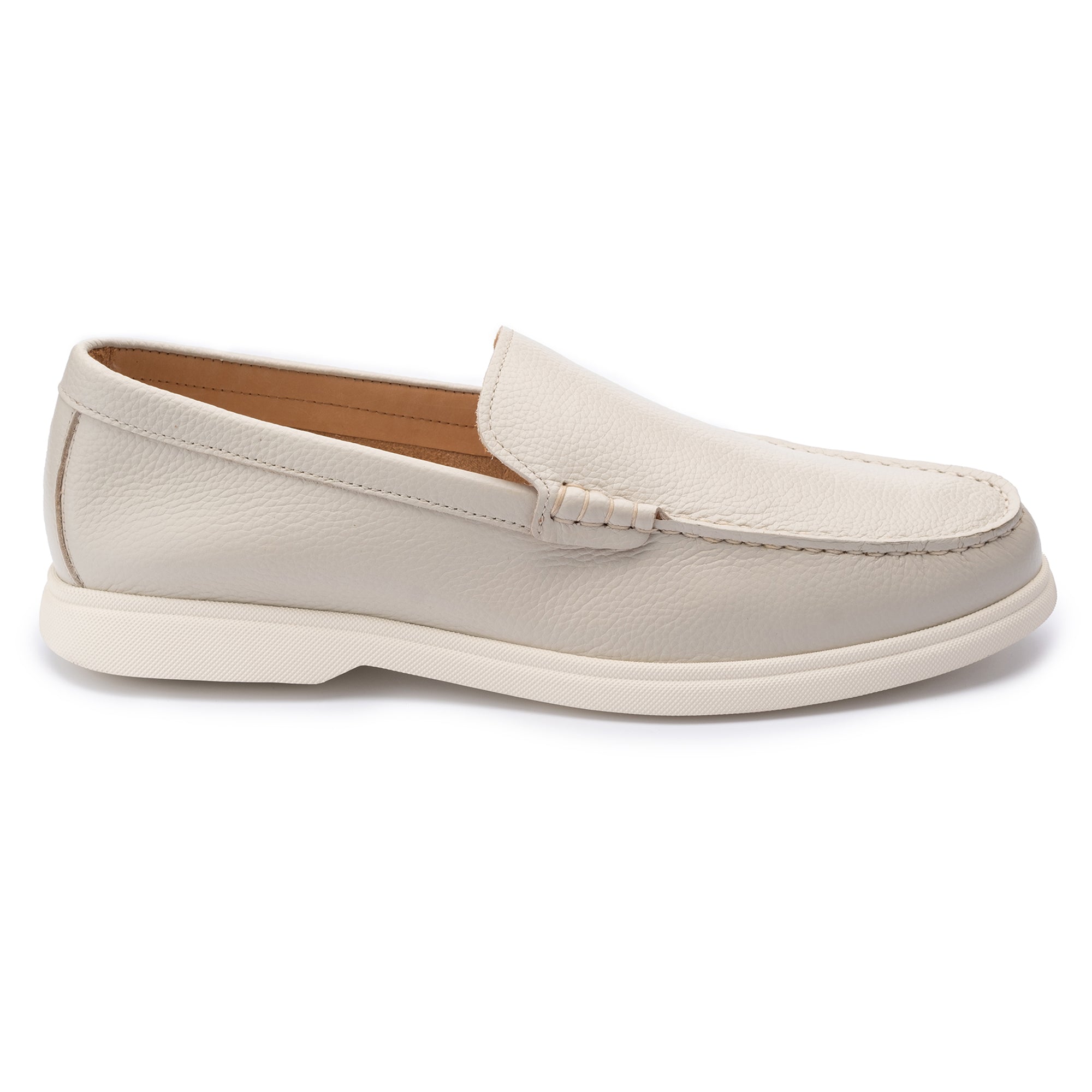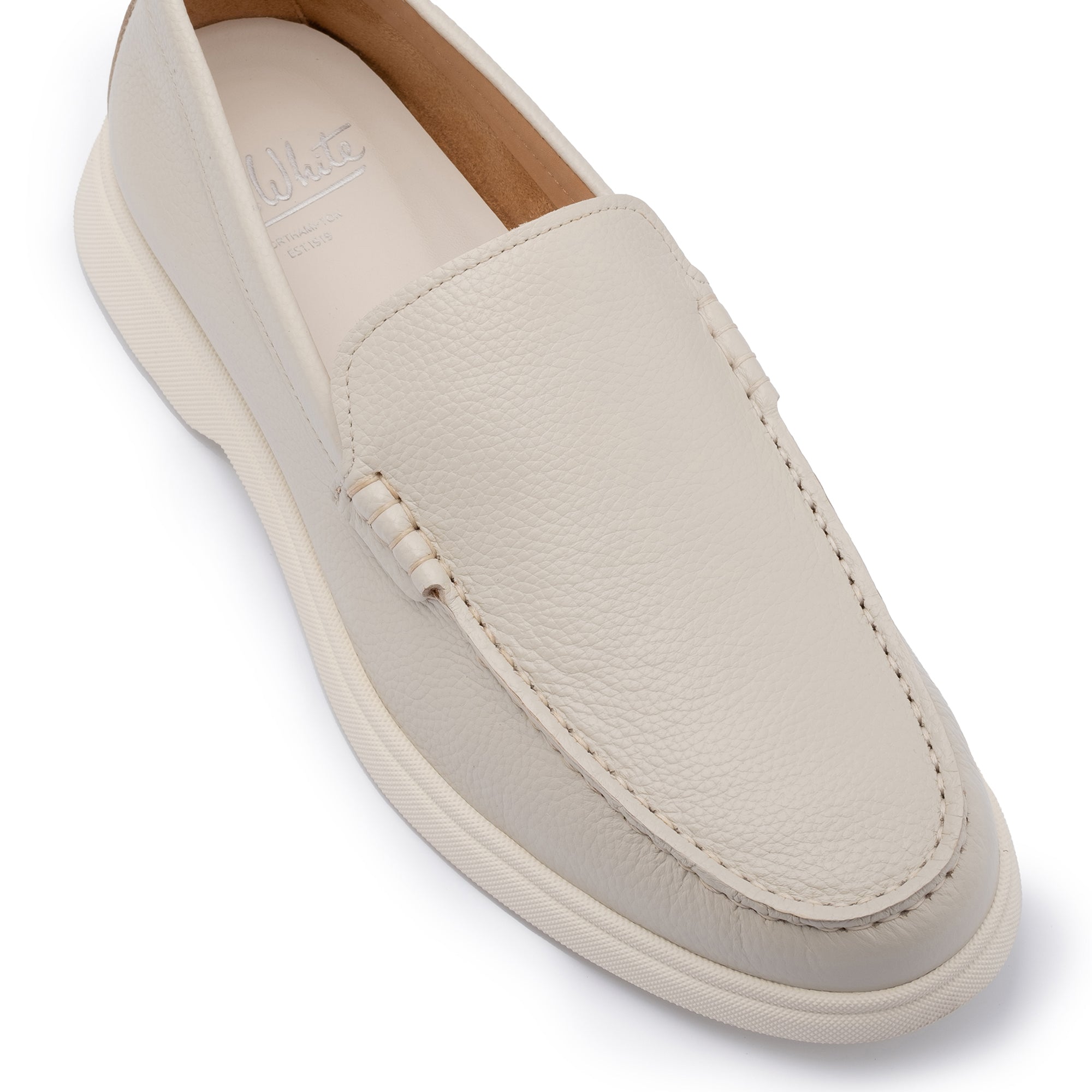

The Textural Choice: Selecting Between Smooth Calfskin and Pebble Grain Leather
Smooth calfskin is the standard upper leather for formal dress shoes: fine-grained, polish-receptive, and capable of developing a deep patina over decades of careful wear. Pebble grain leather offers a textured, scuff-resistant surface that performs better in variable conditions and reads as smart-casual to country in register. The right choice depends on formality, occasion, and how you actually wear your shoes.
Last updated: June 2026
In This Guide
- What Is Smooth Calfskin Leather?
- What Is Pebble Grain Leather?
- How Do Smooth Calfskin and Pebble Grain Compare Across Key Criteria?
- Which Leather Is More Durable in Daily Wear?
- How Does Each Leather Age Over Time?
- How Should You Care for Smooth Calfskin vs Pebble Grain Leather?
- When Should You Choose Each Leather?
- Can a Well-Considered Wardrobe Include Both Leathers?
- Related Guides
- Frequently Asked Questions
When choosing between smooth calfskin and pebble grain leather, the decision extends well beyond appearance. It governs the shoe's formality, its care requirements, how it ages, and whether it is appropriate for the occasions you intend to wear it. These are the two most prevalent upper leathers in premium men's footwear, and understanding what separates them is fundamental to building a considered wardrobe.
What Is Smooth Calfskin Leather?
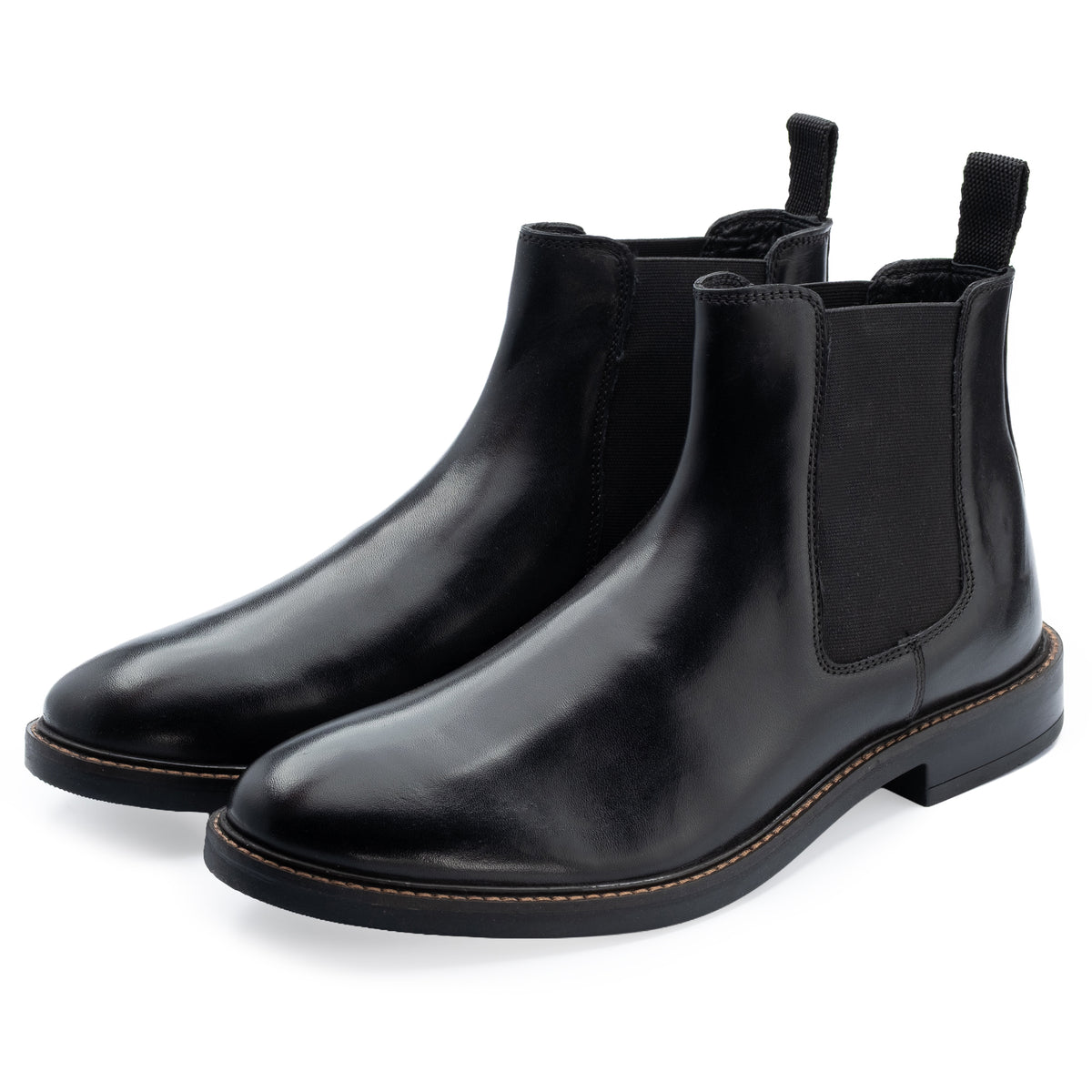
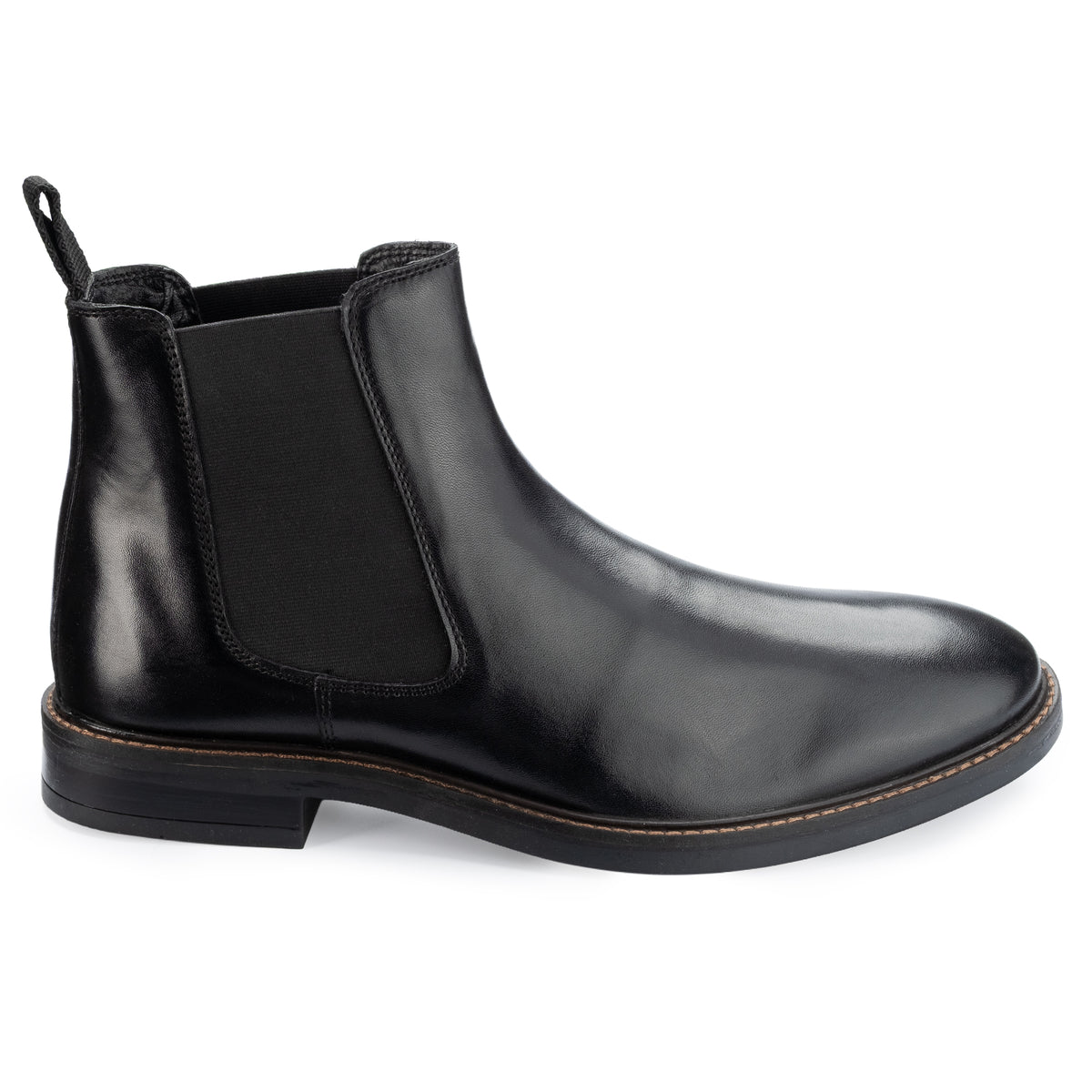
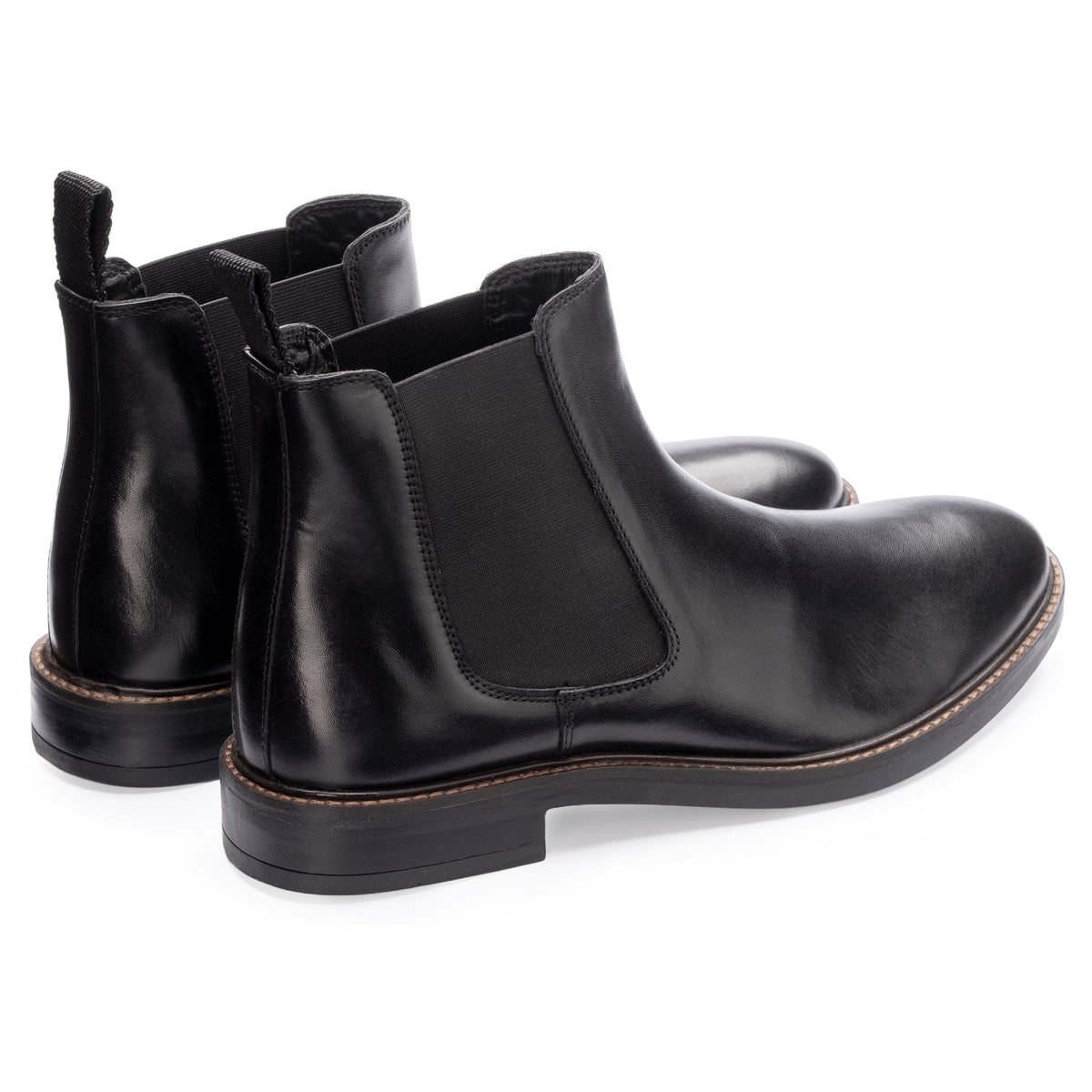
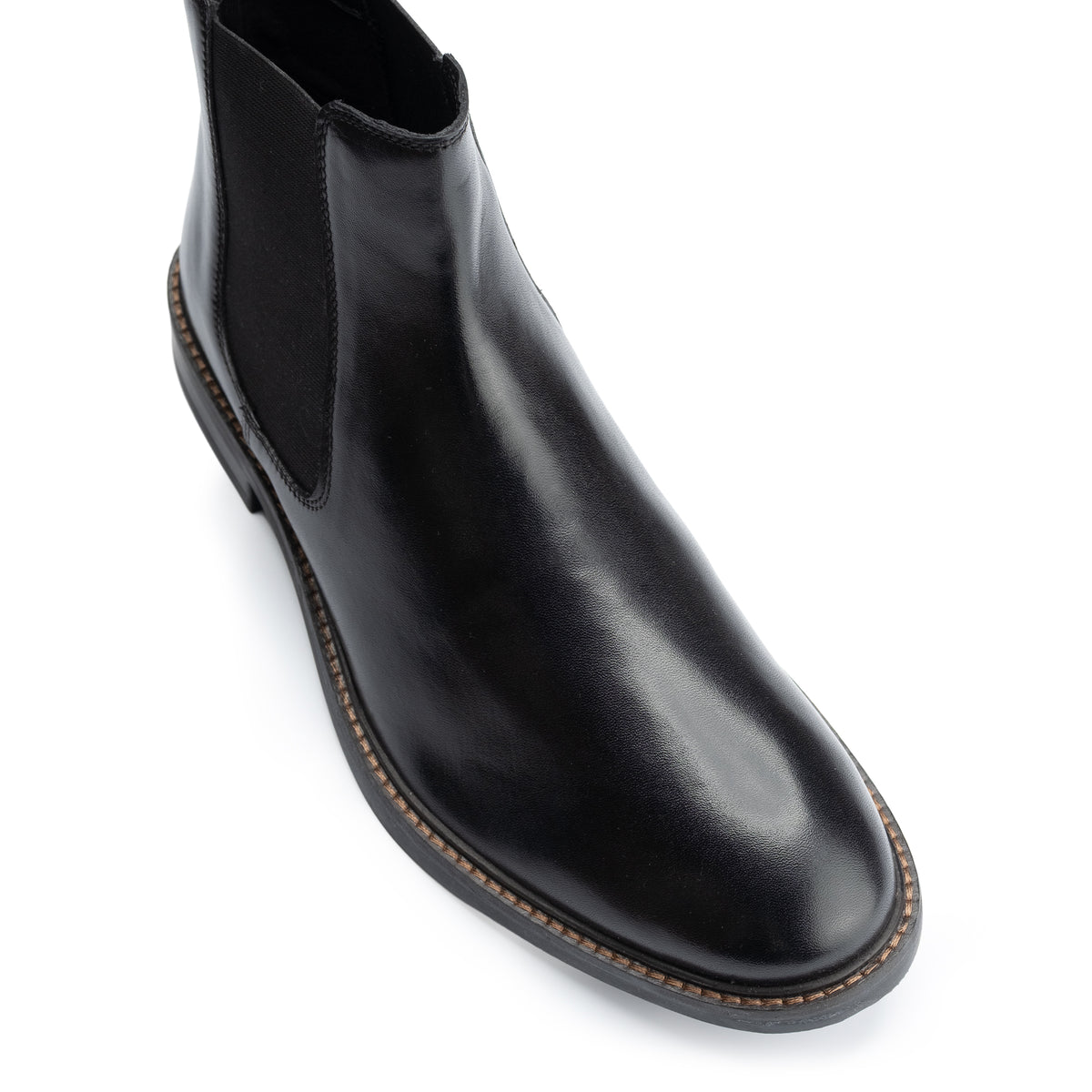
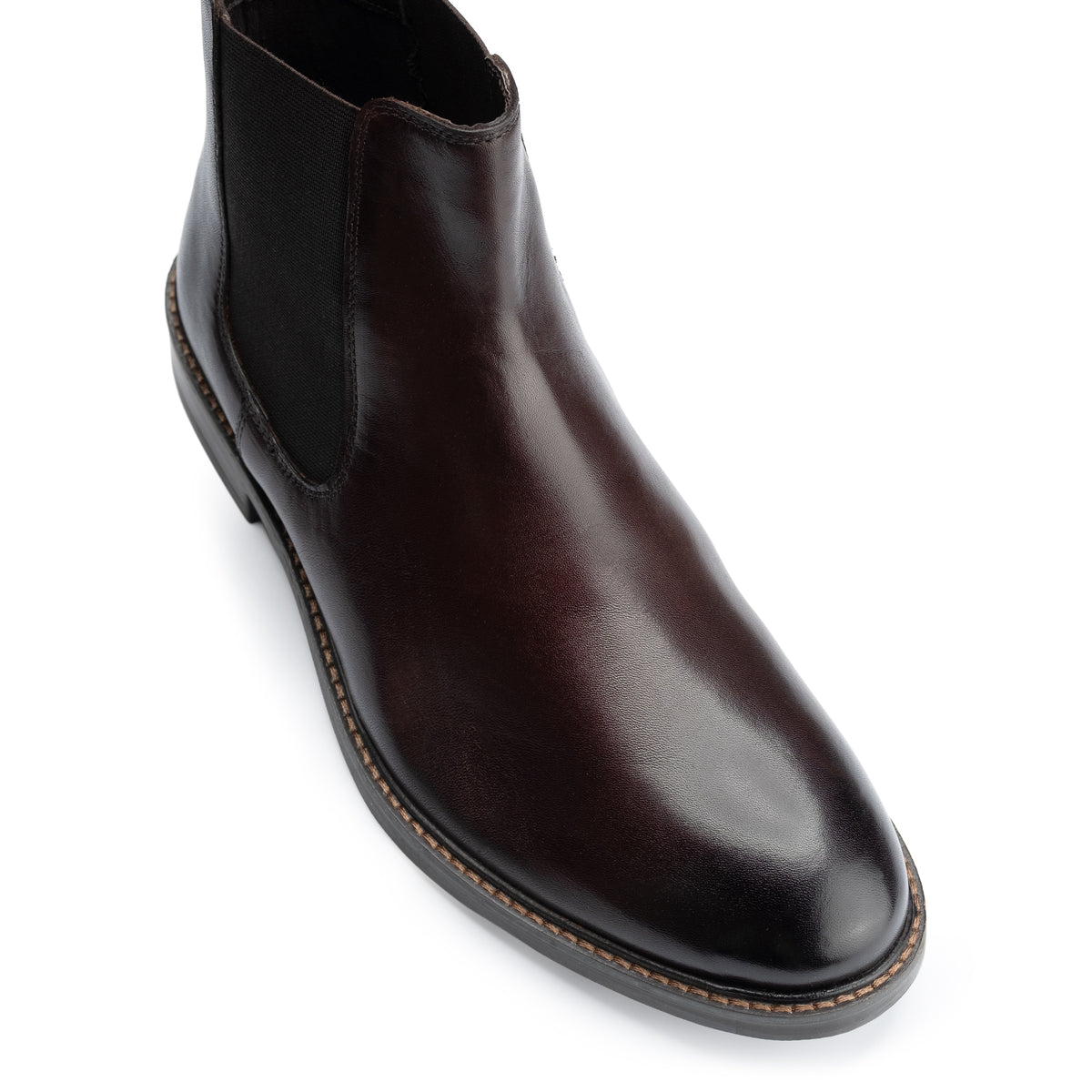
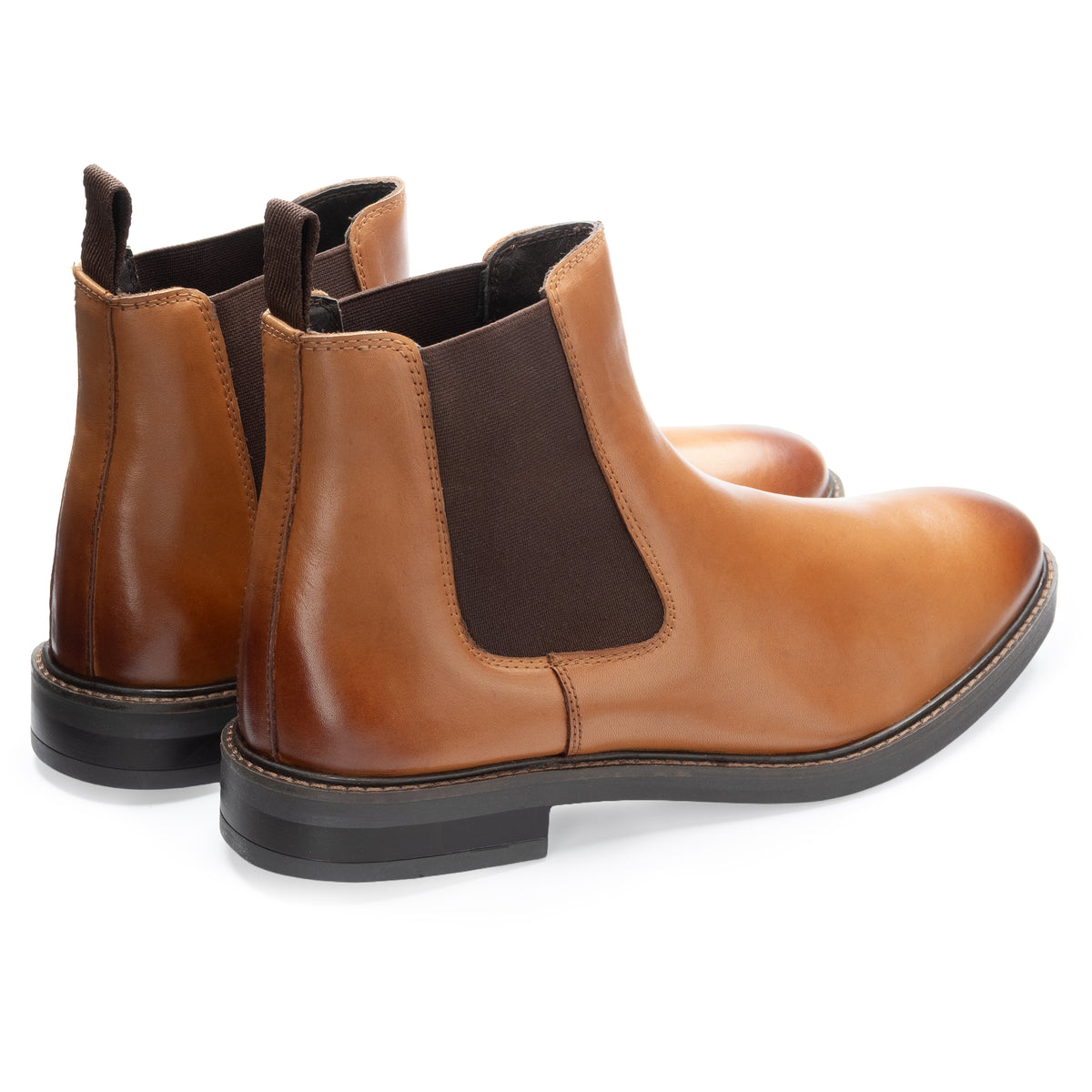
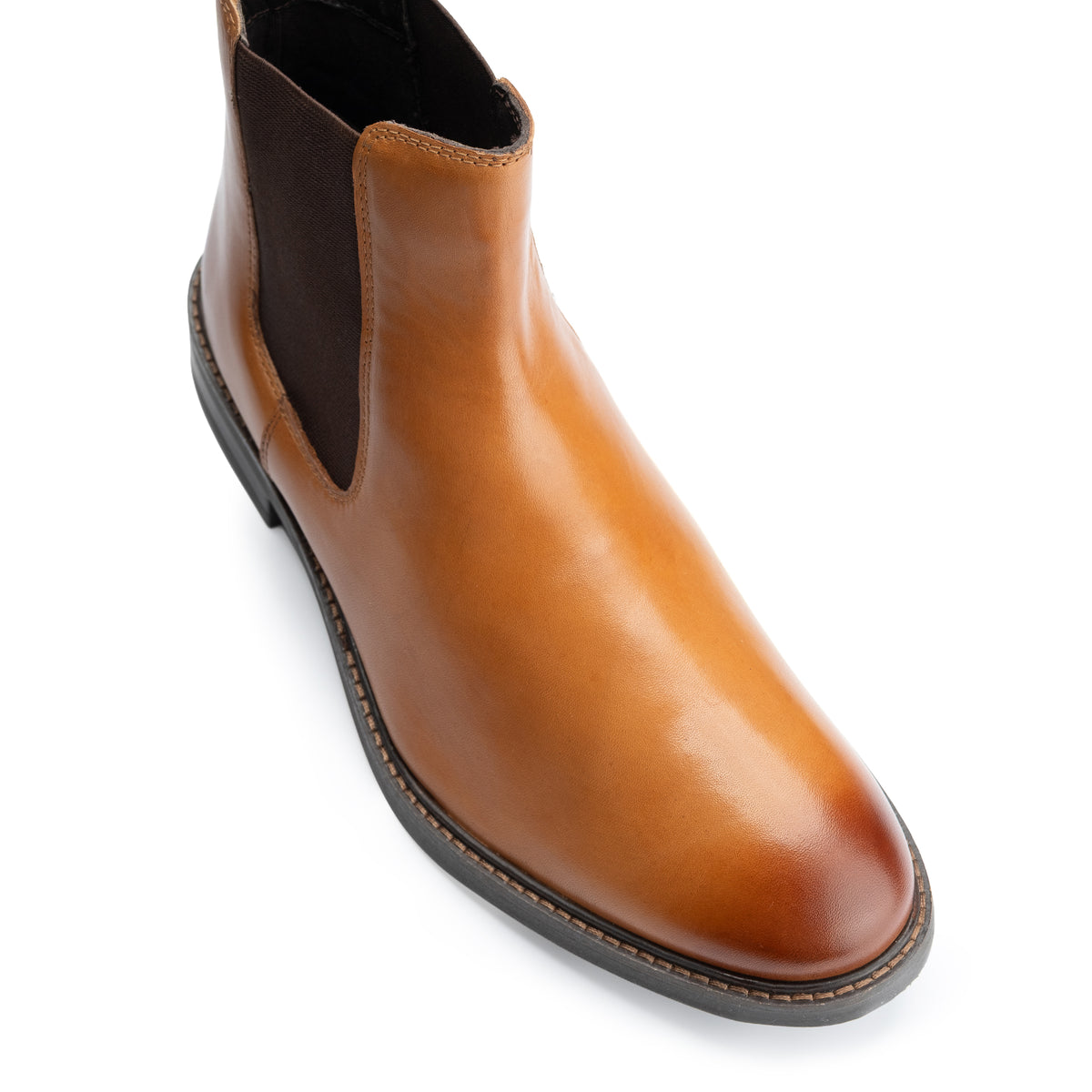
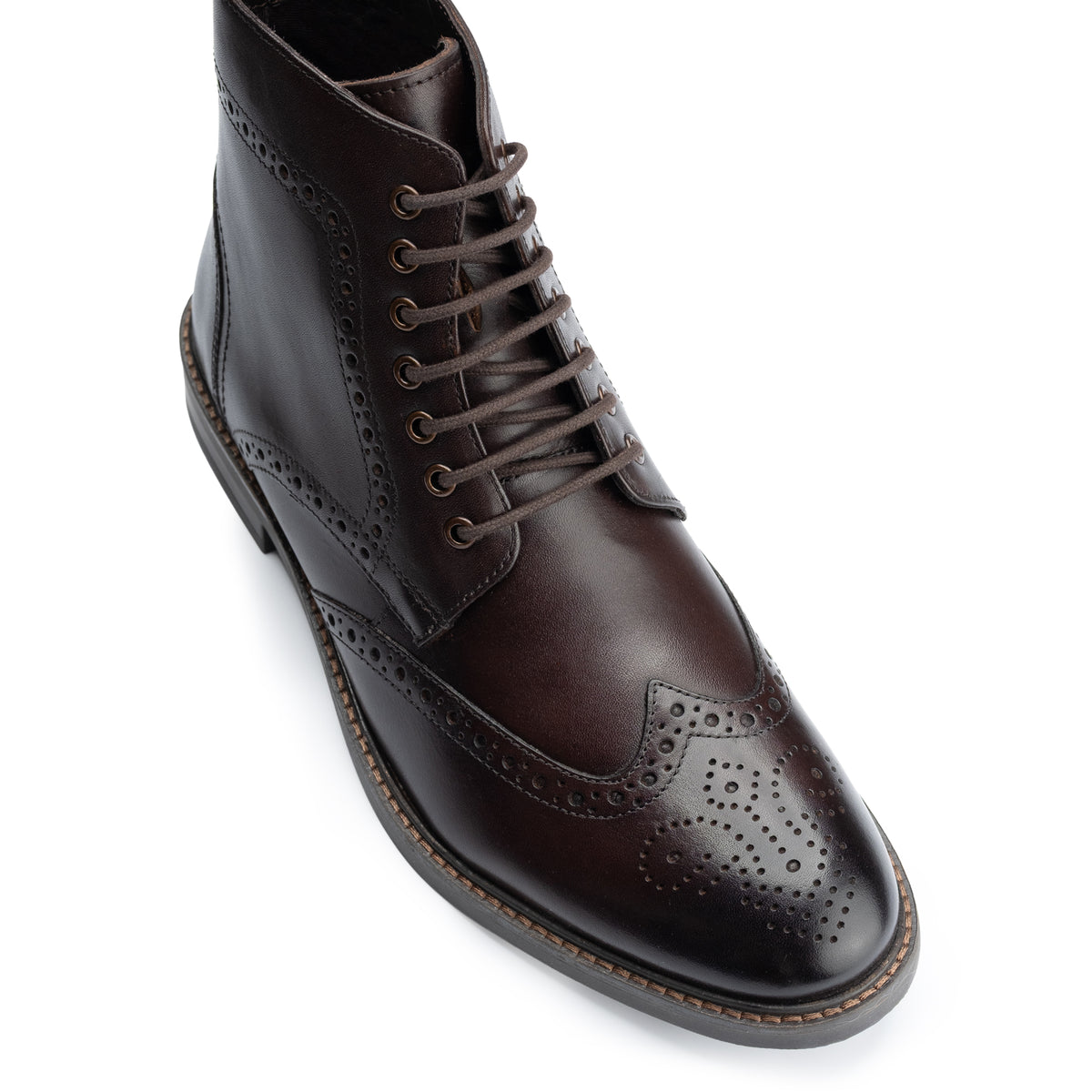
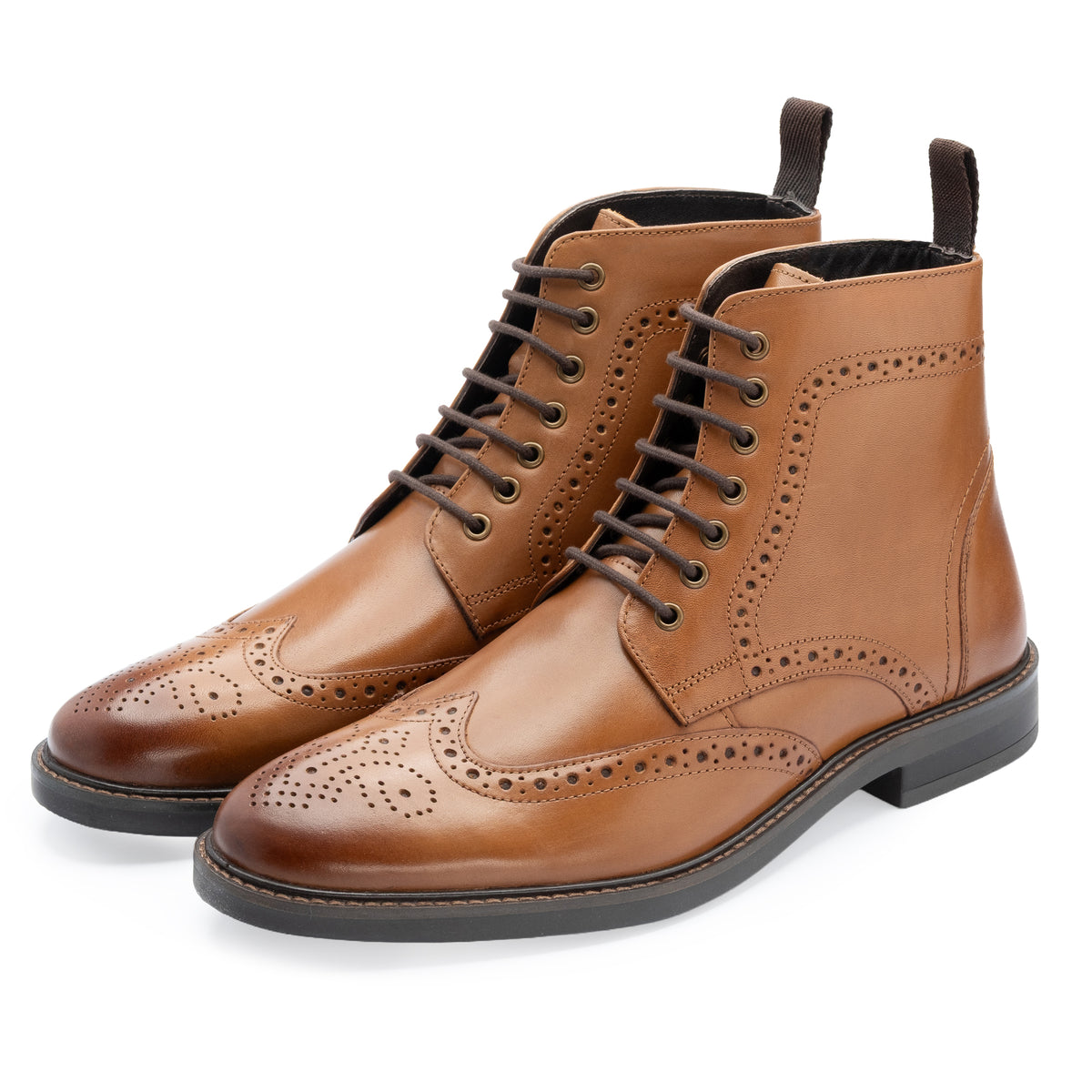
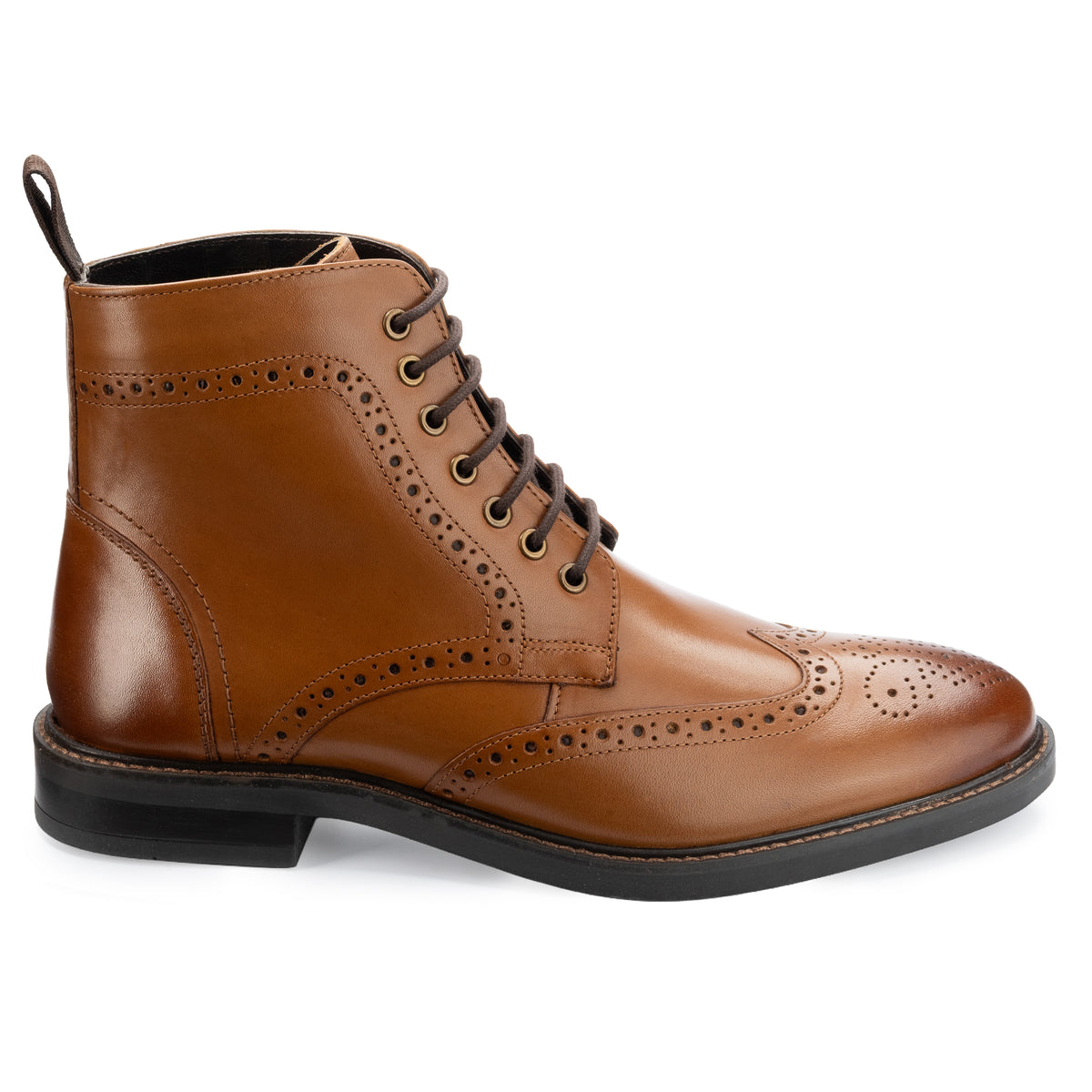
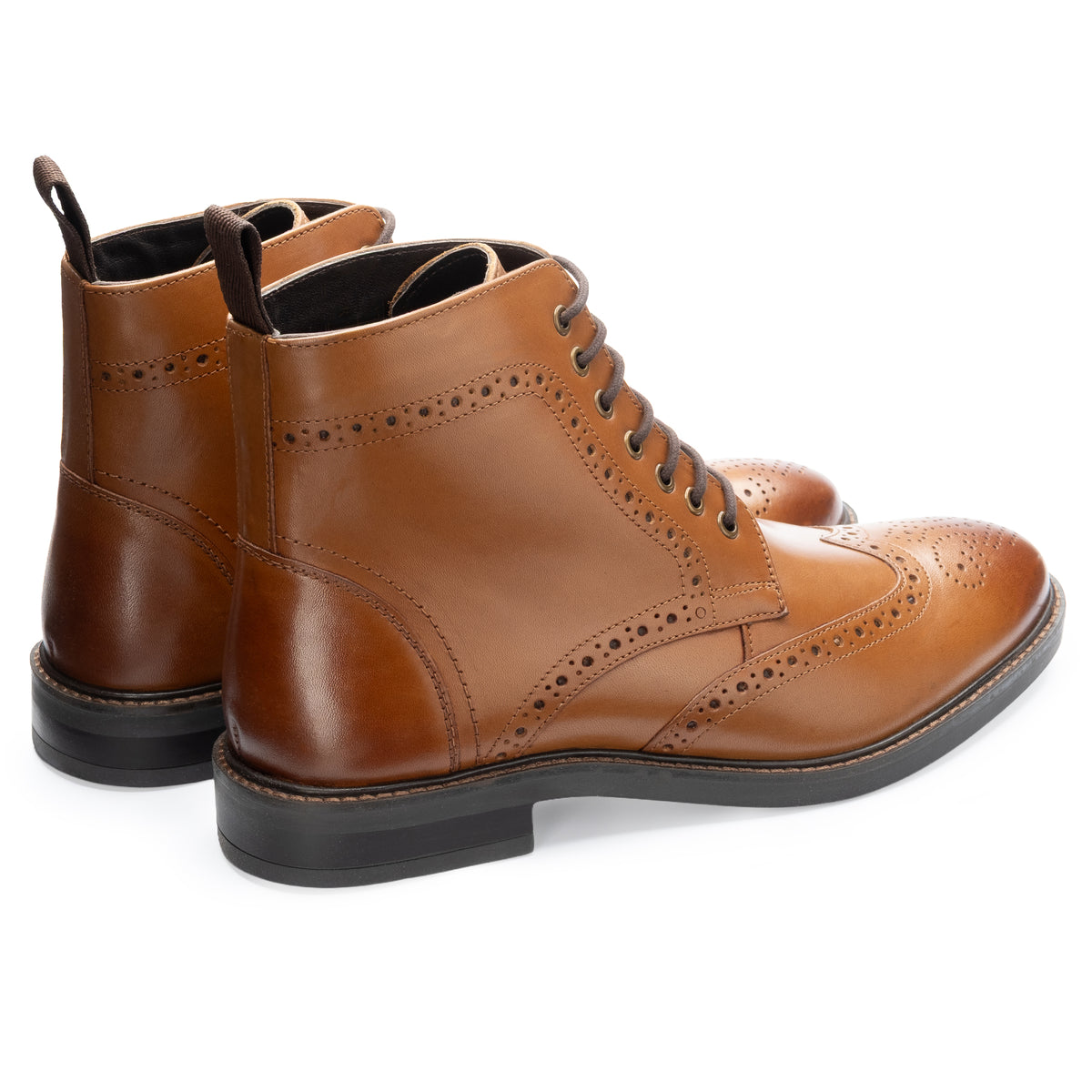
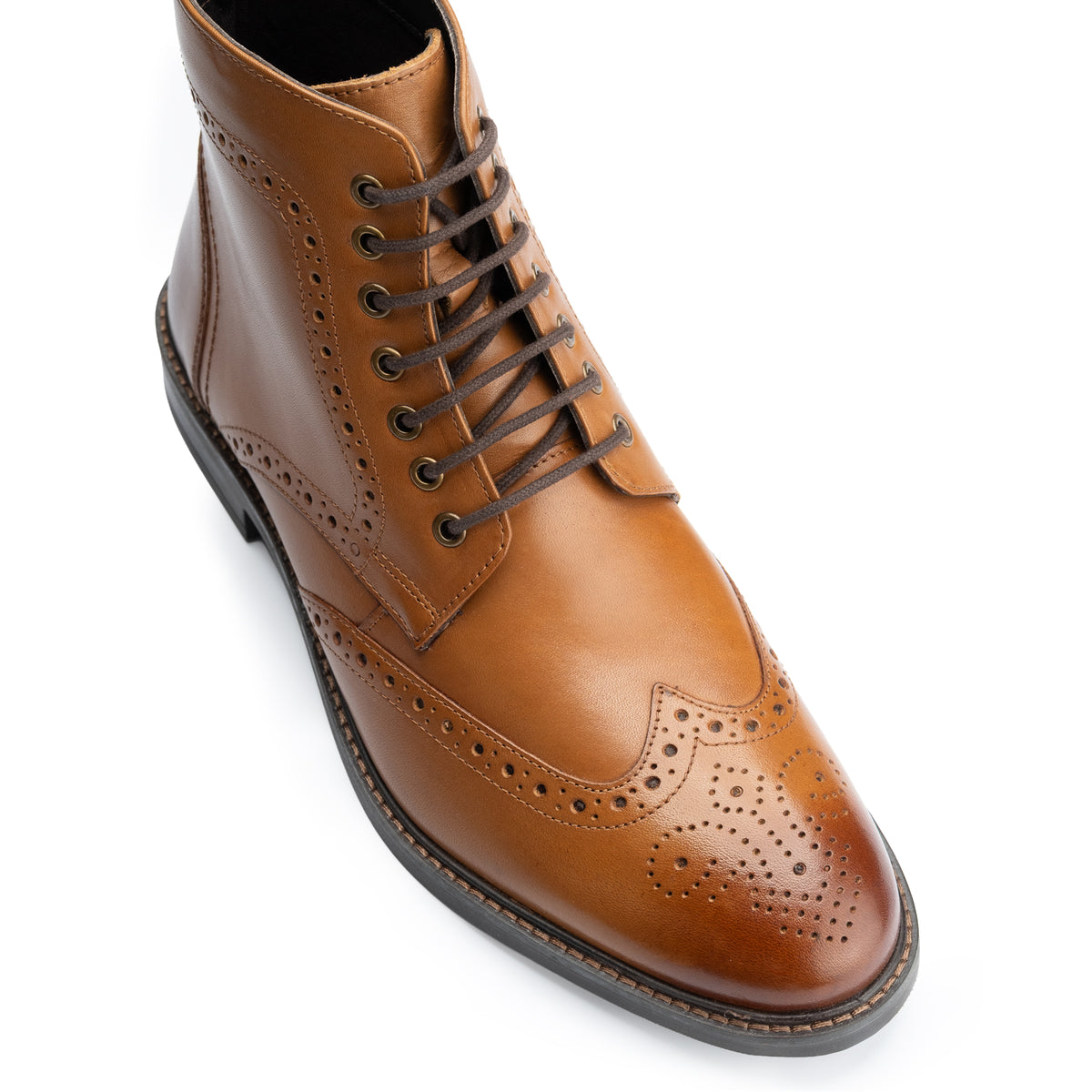
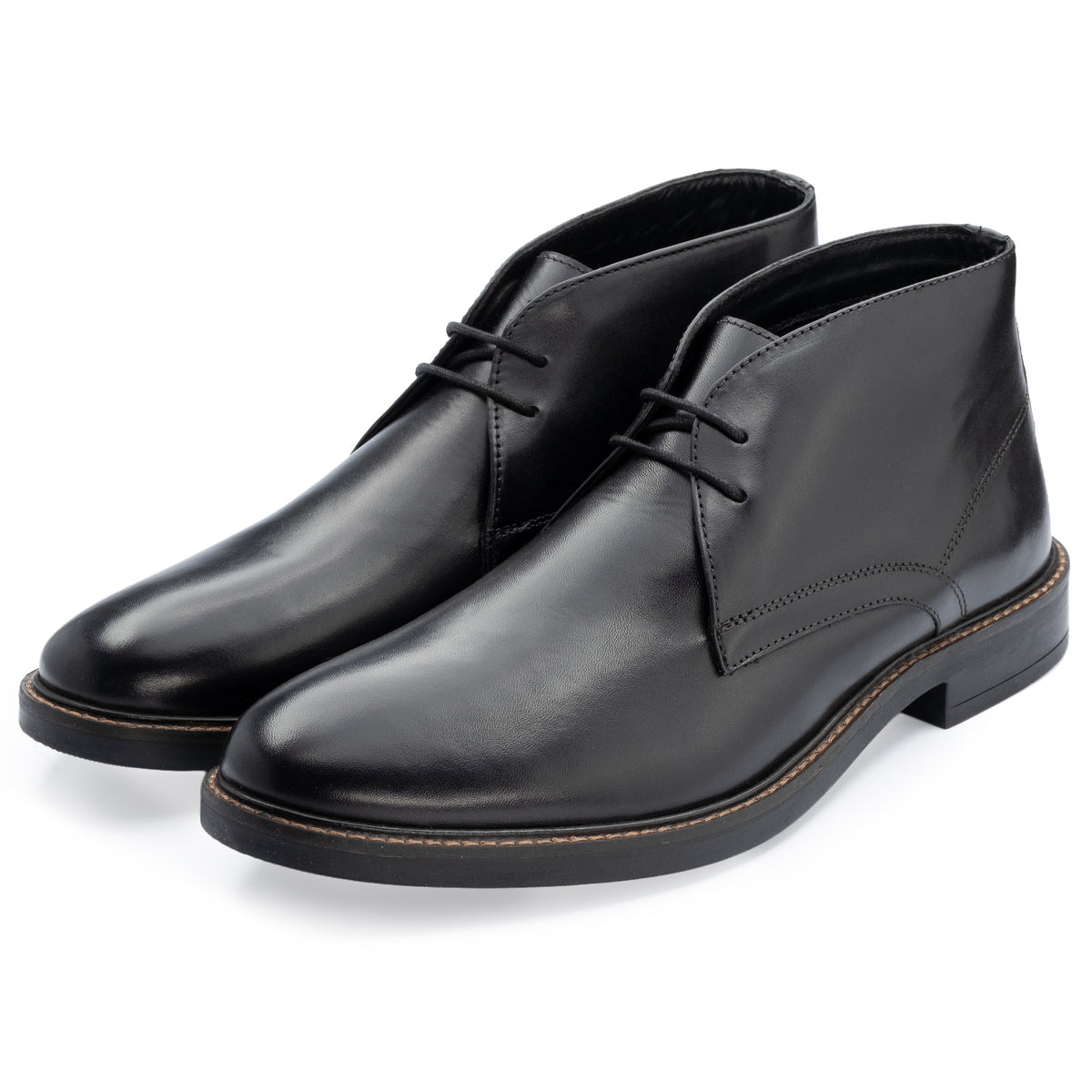
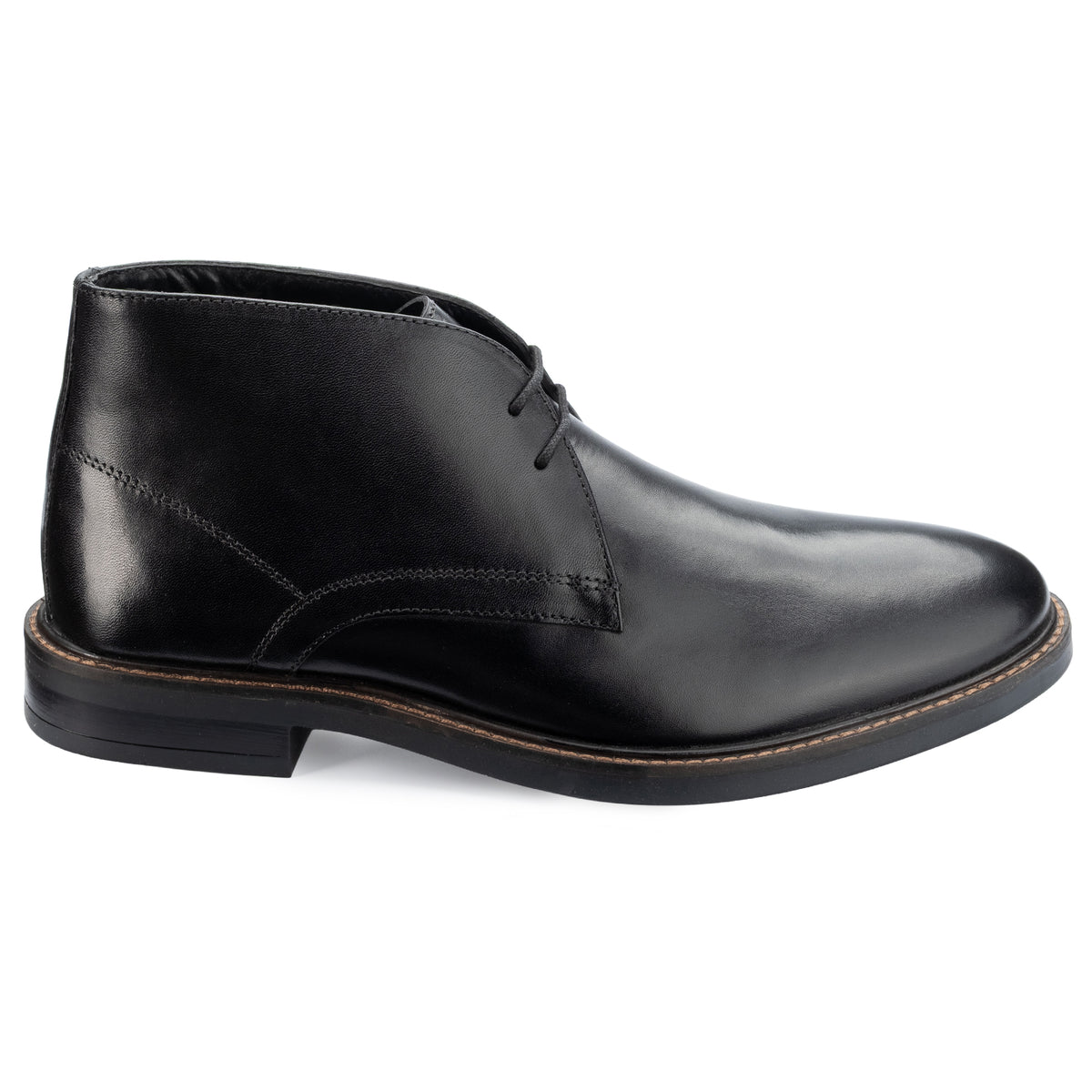
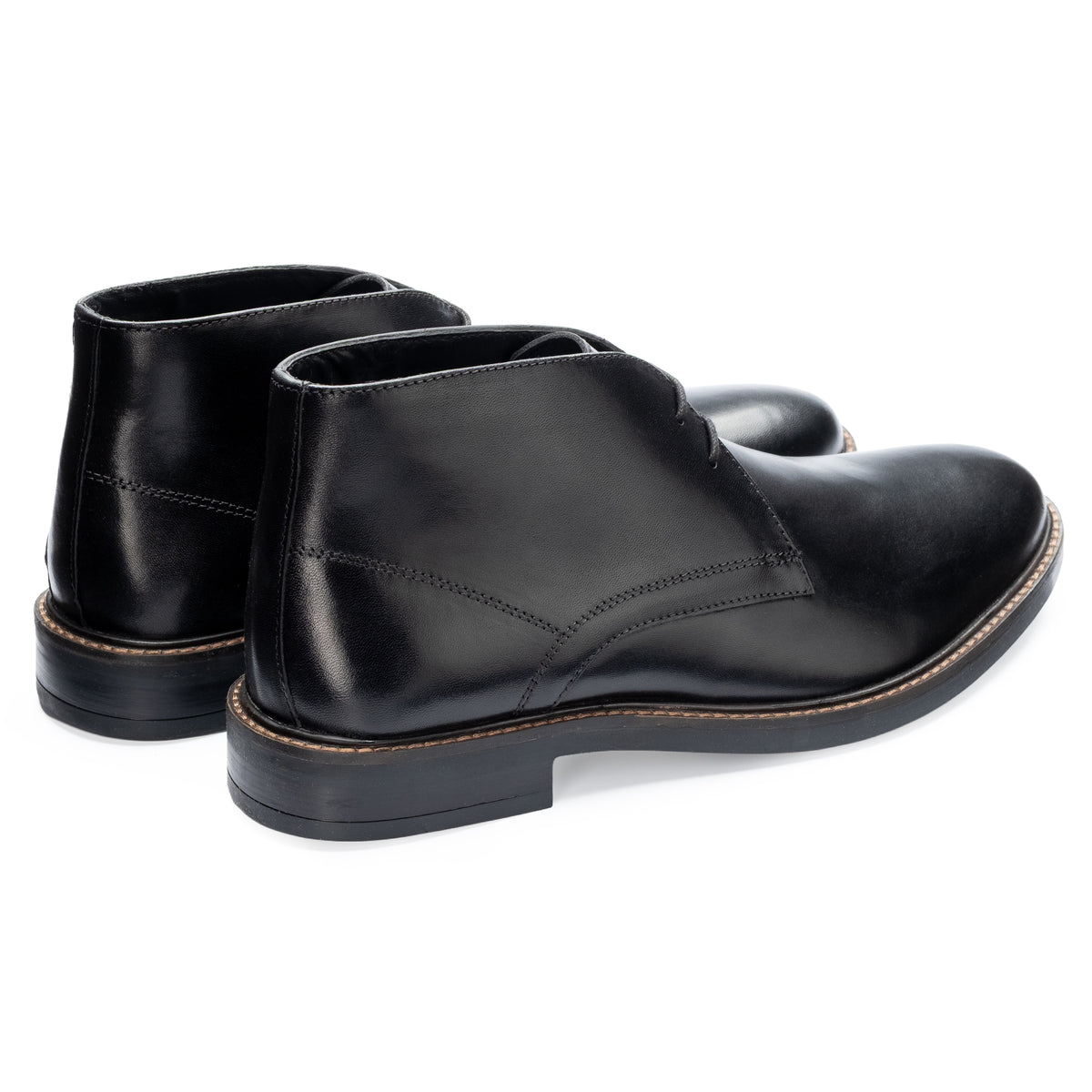
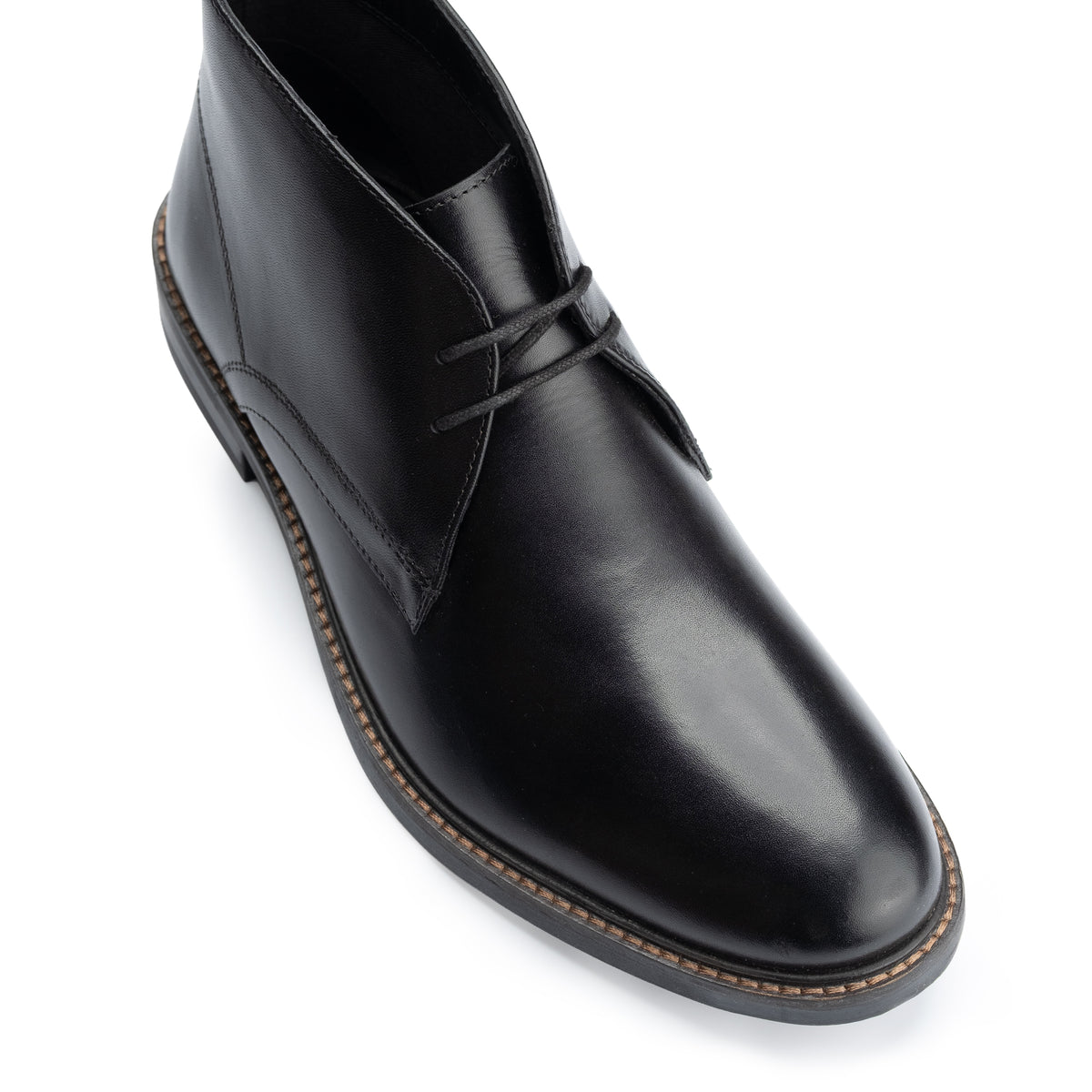
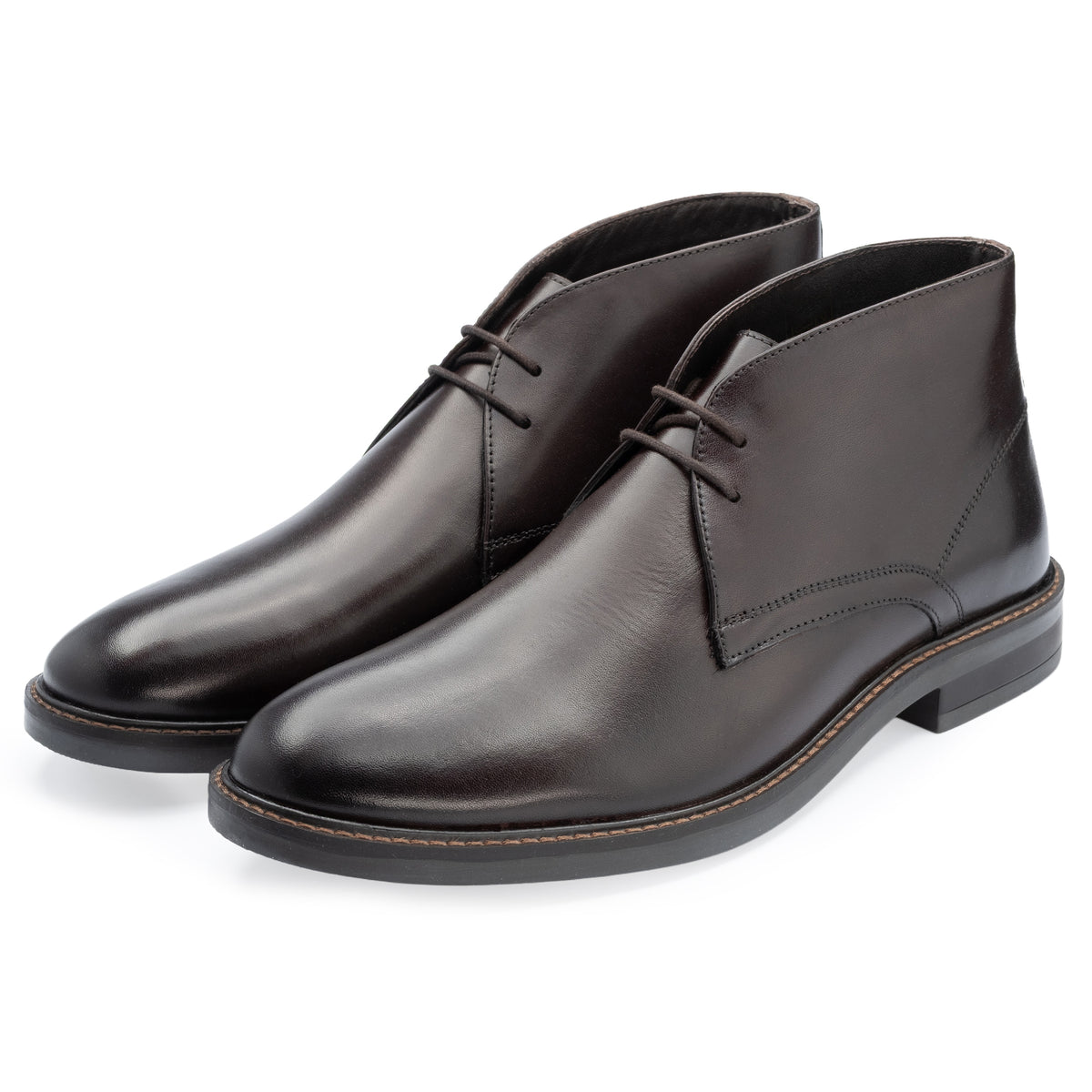
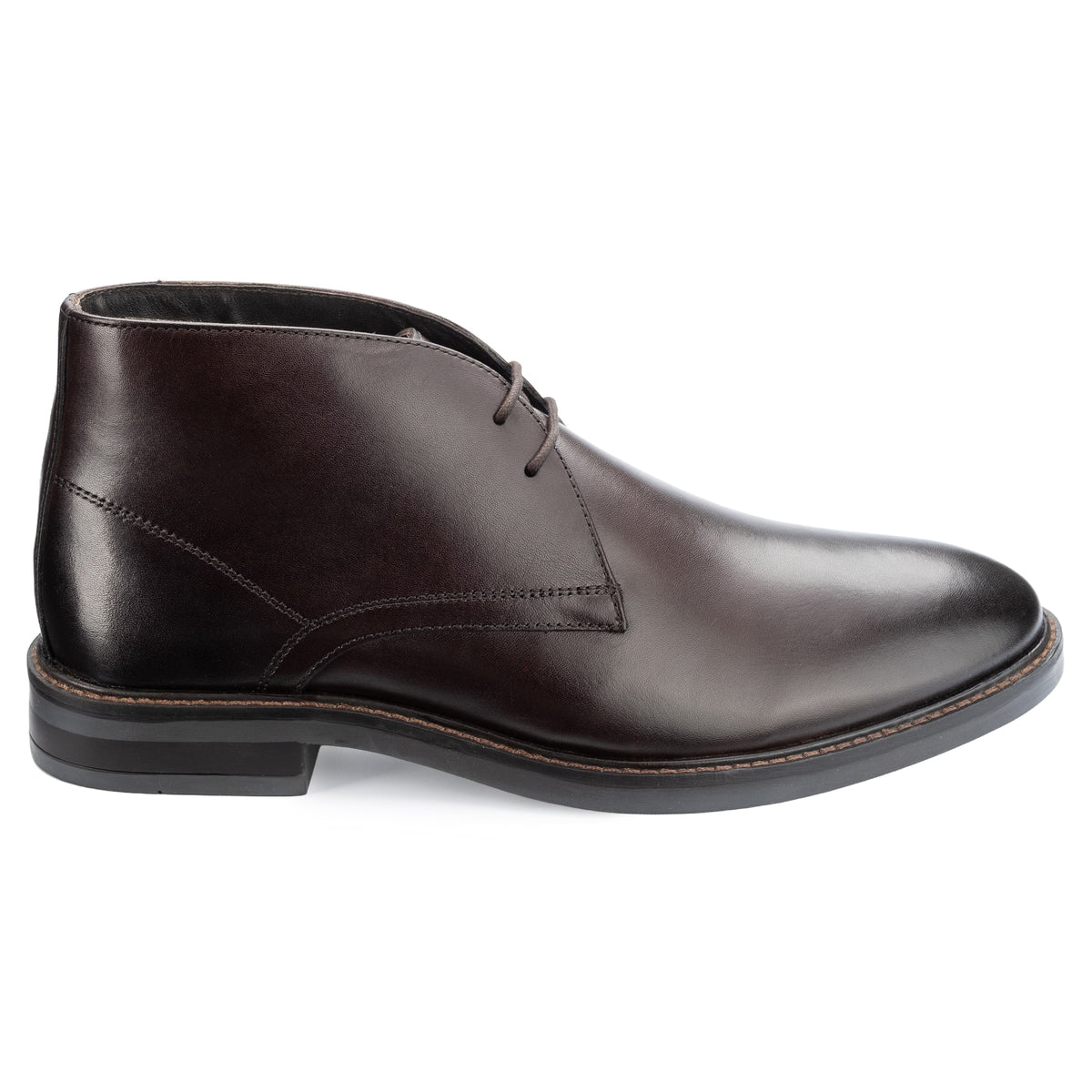
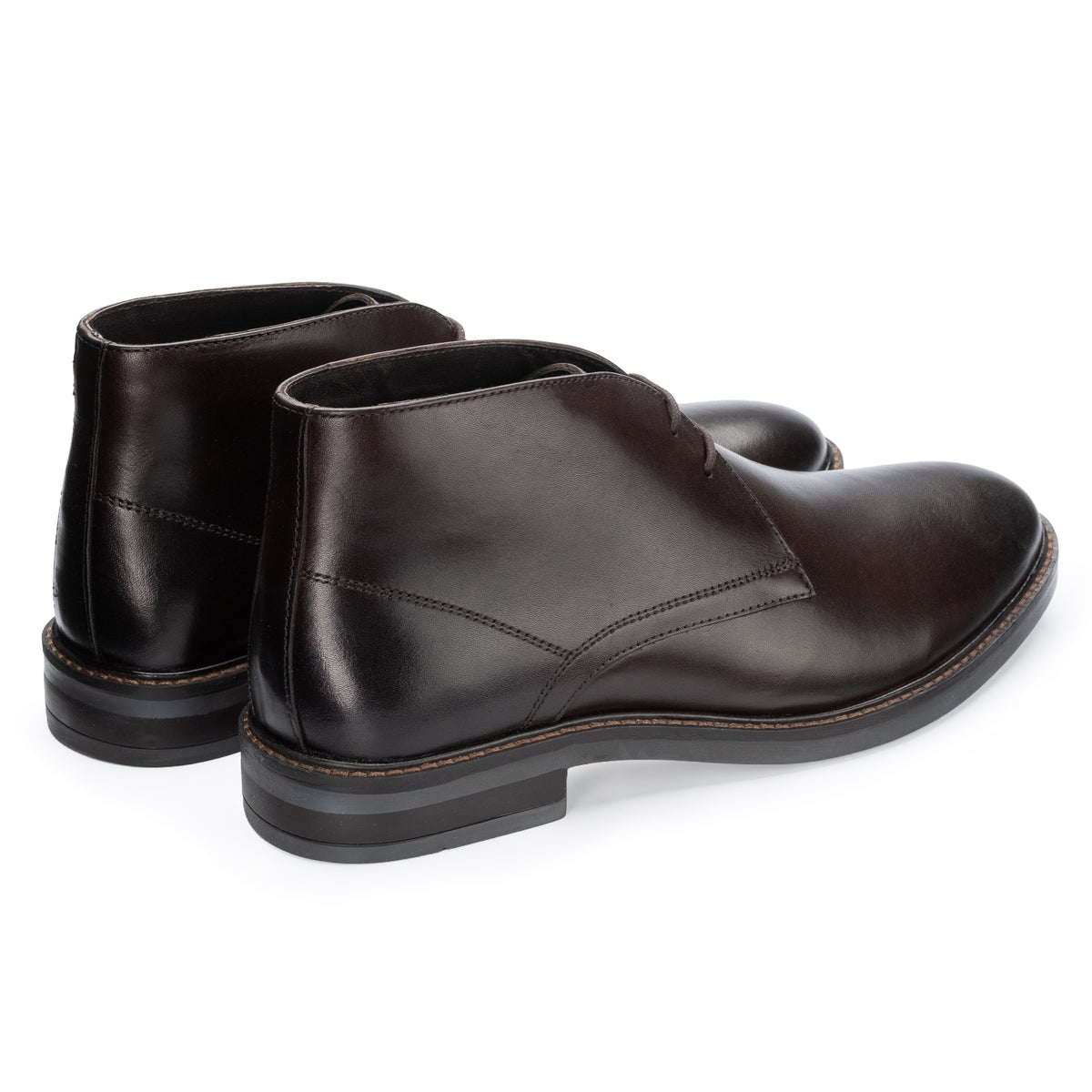
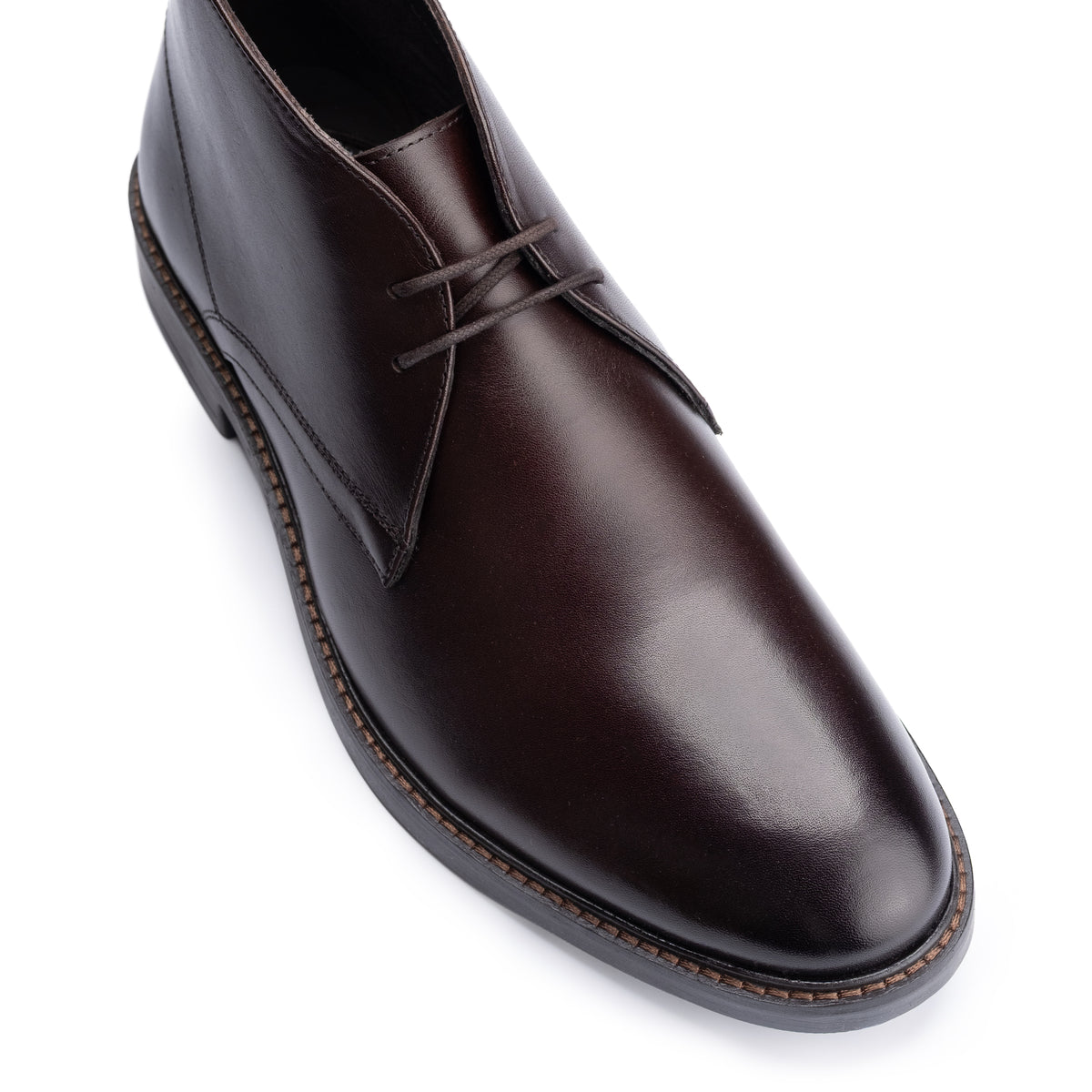
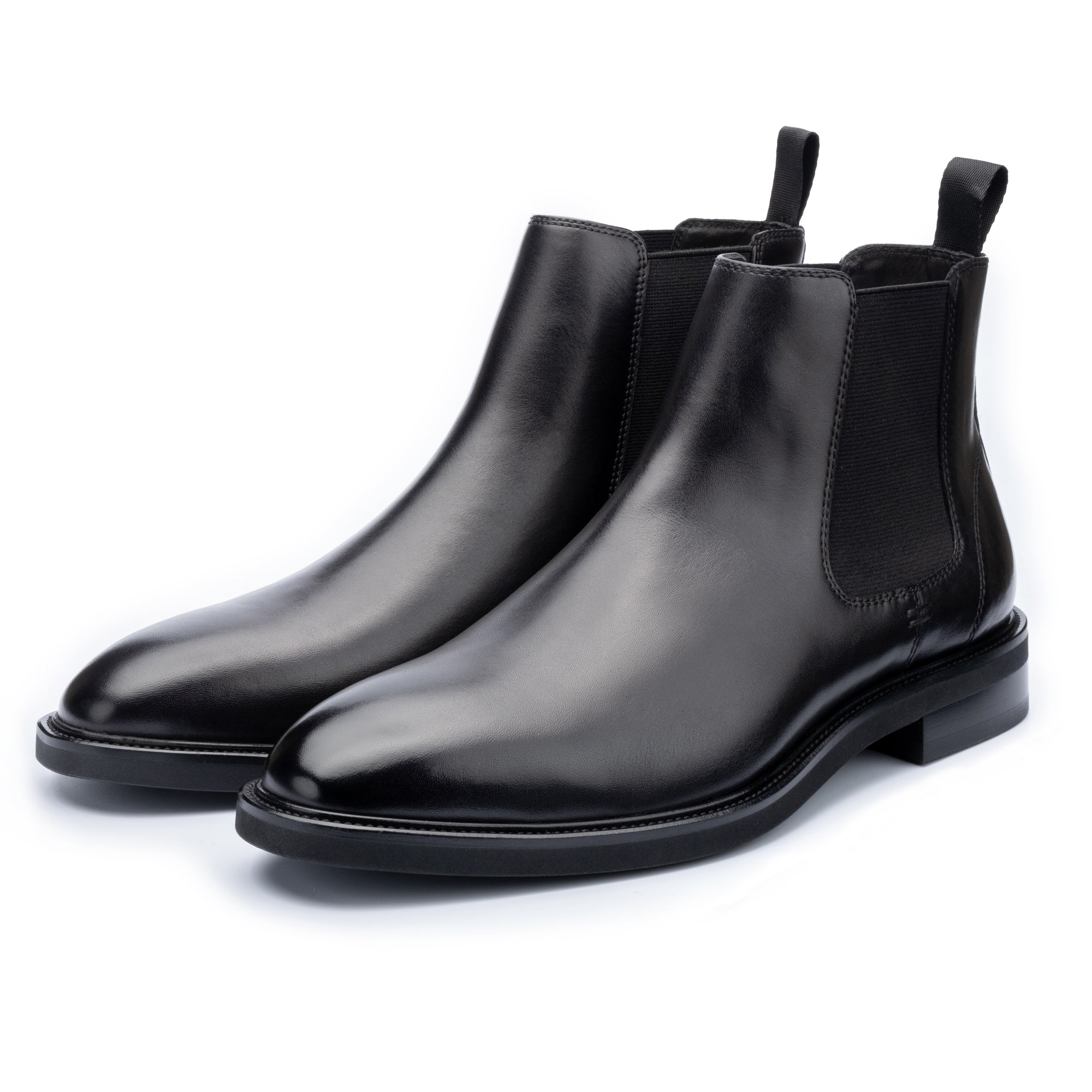
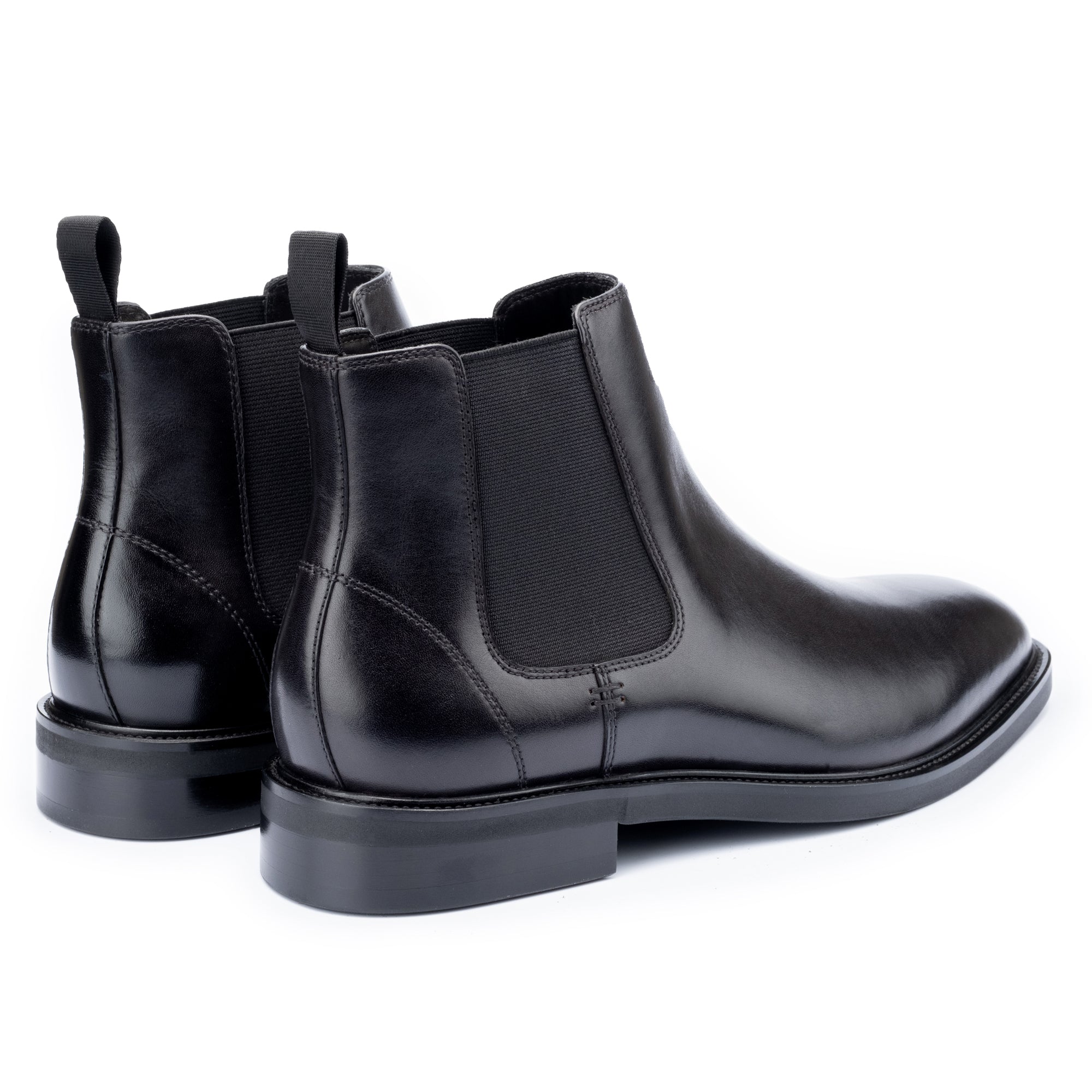
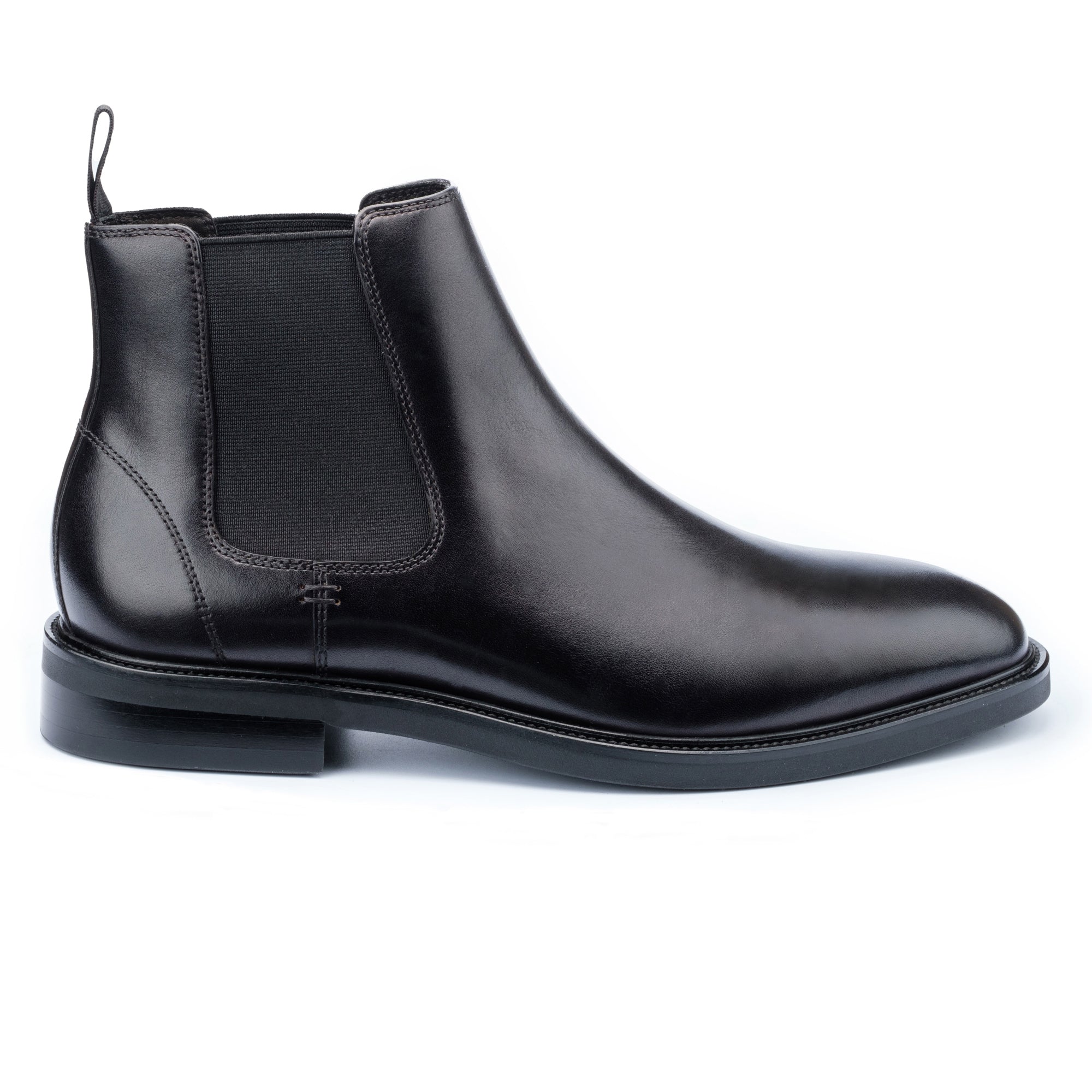
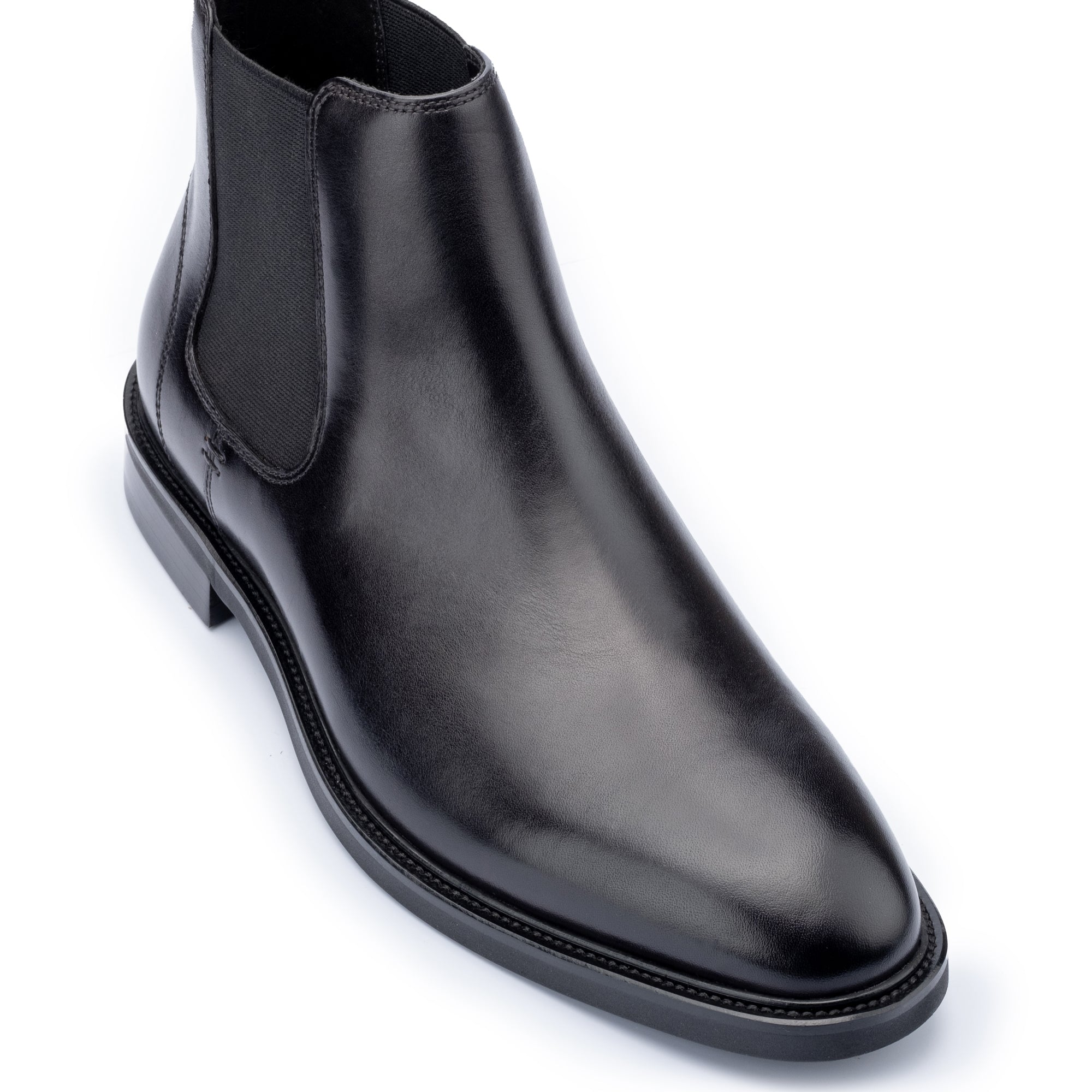
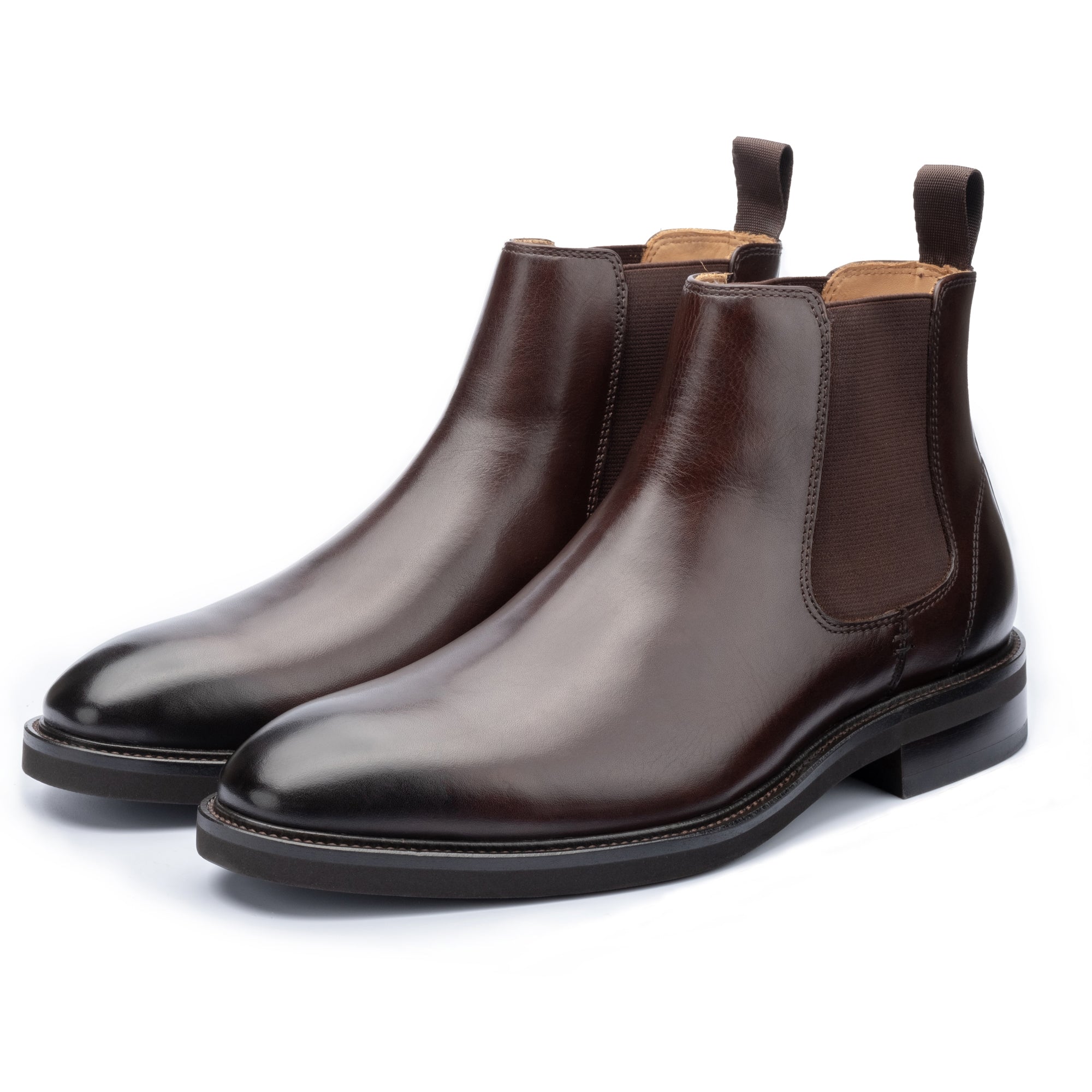
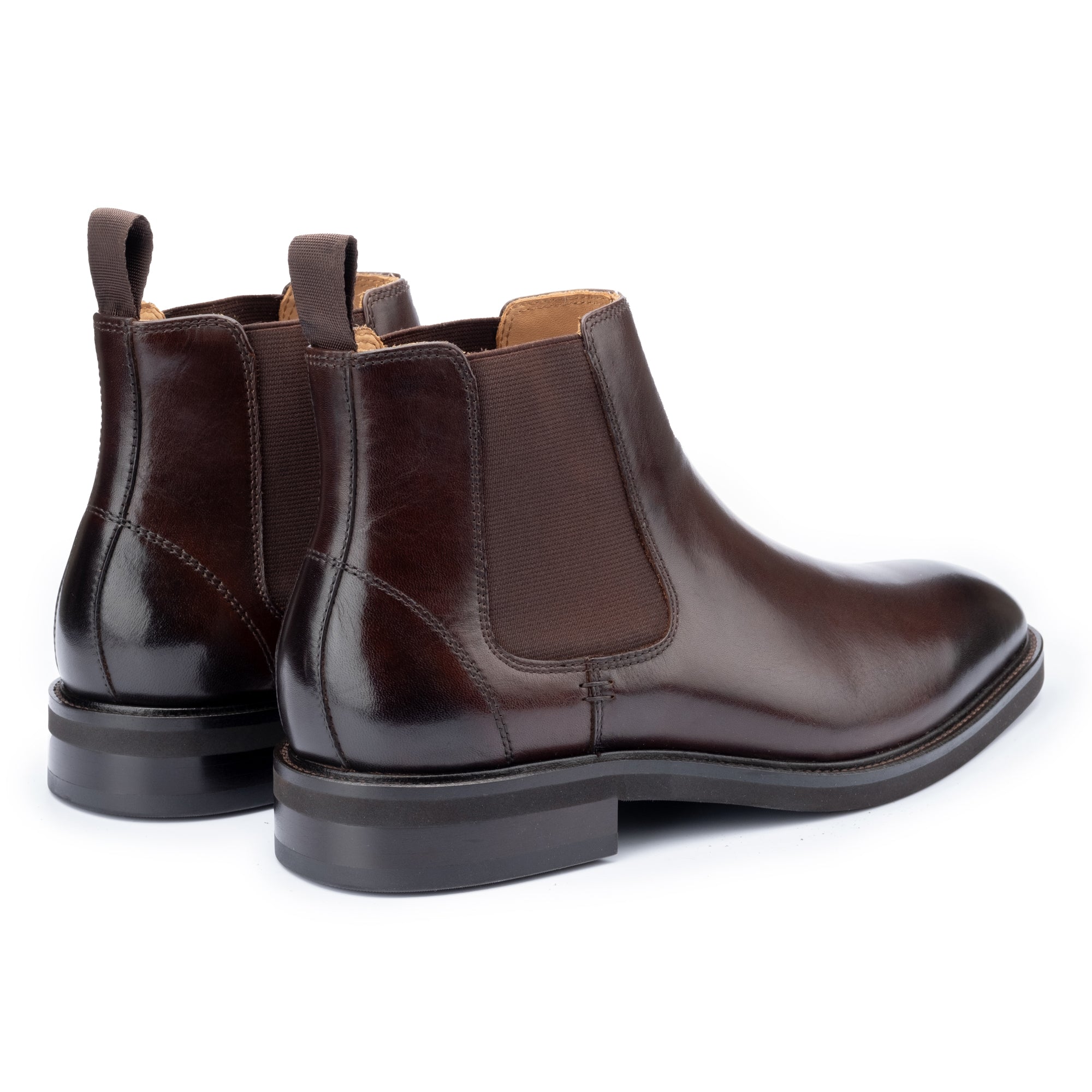
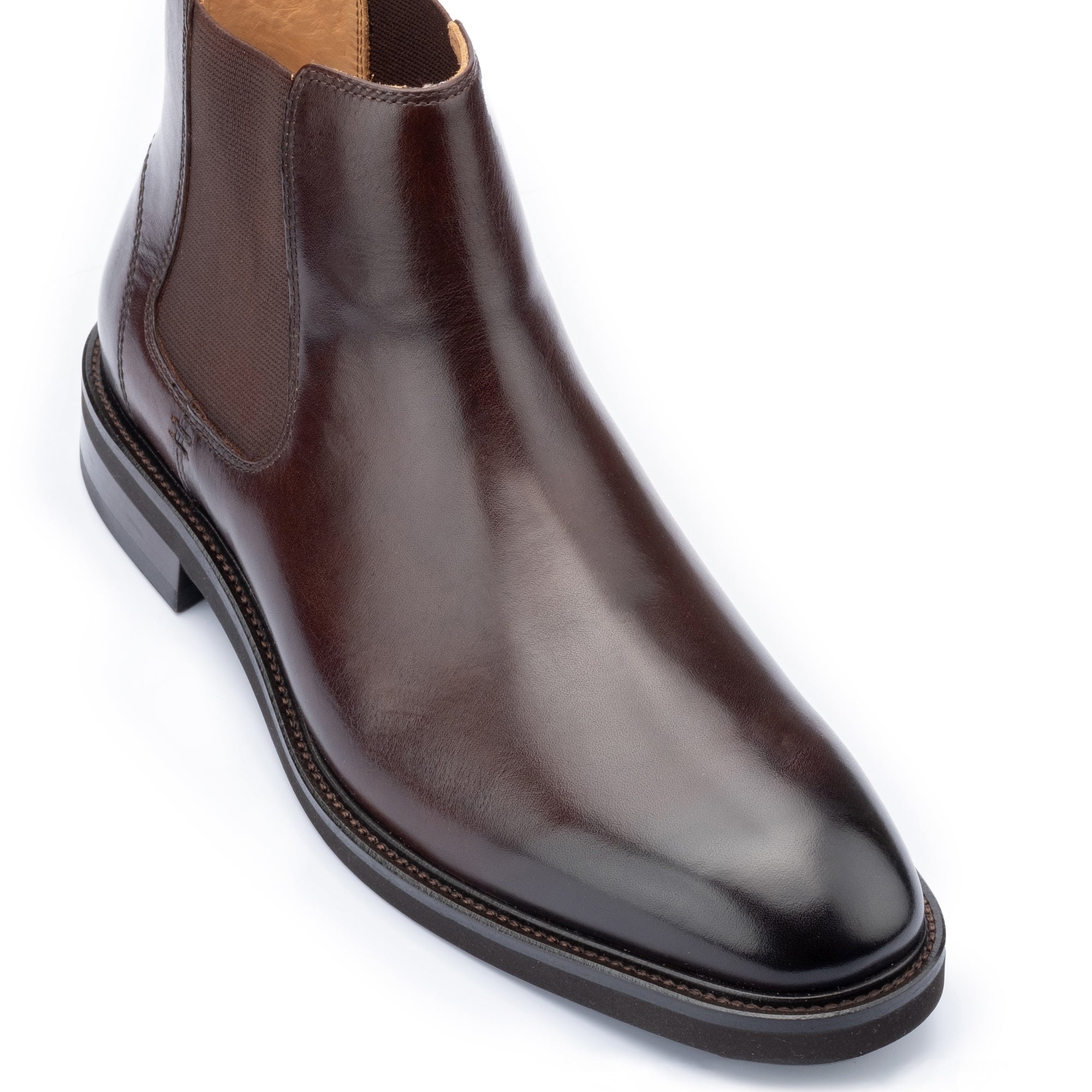
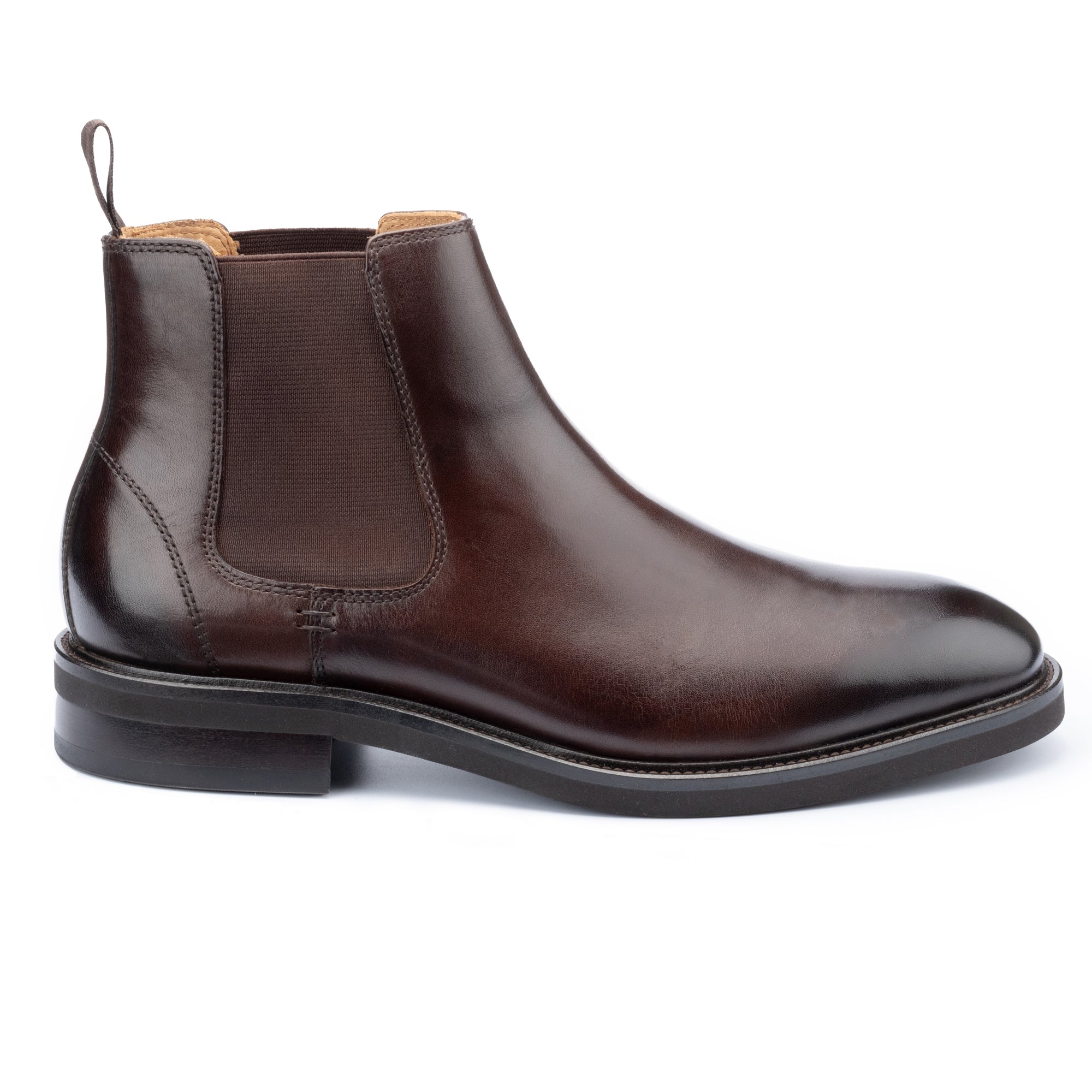
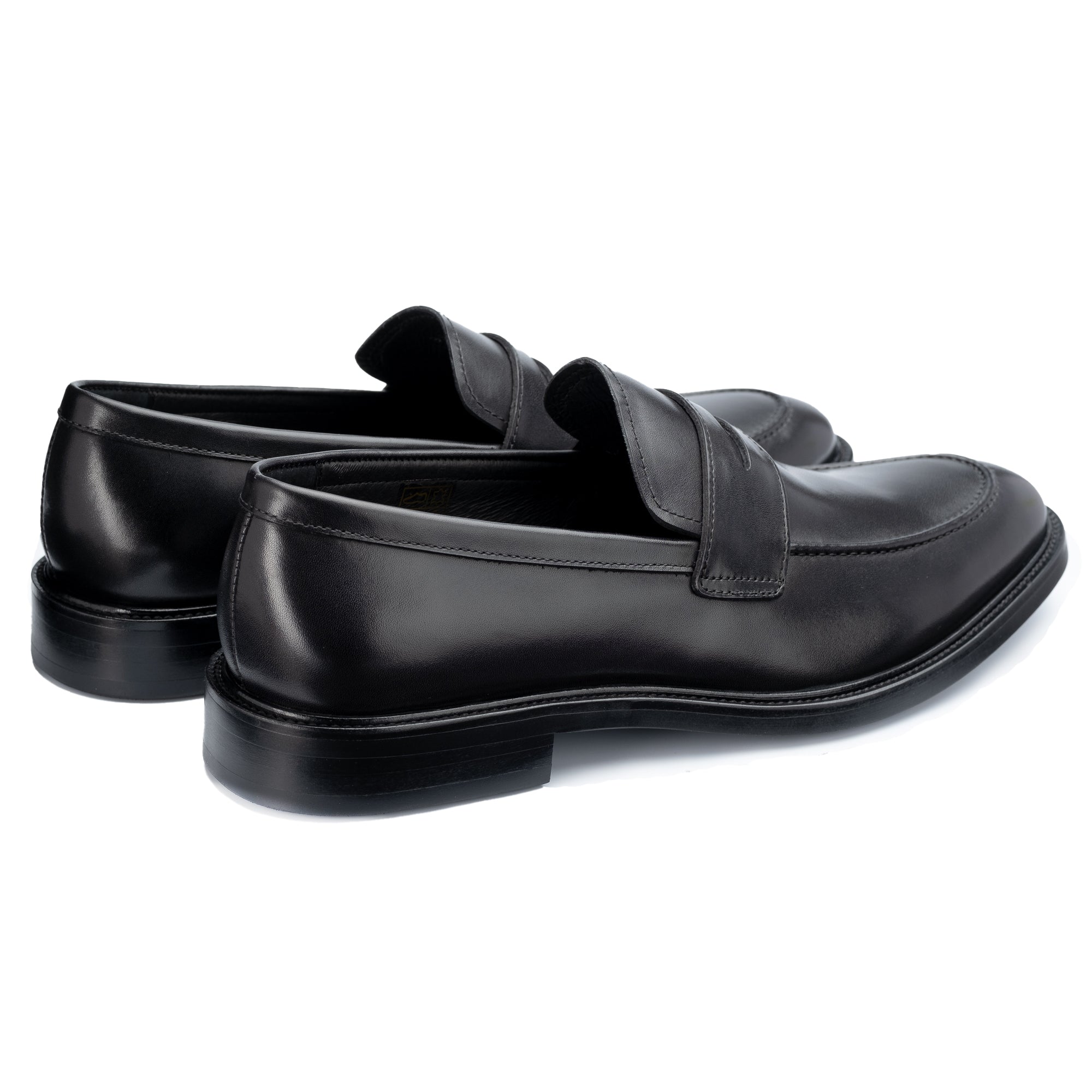
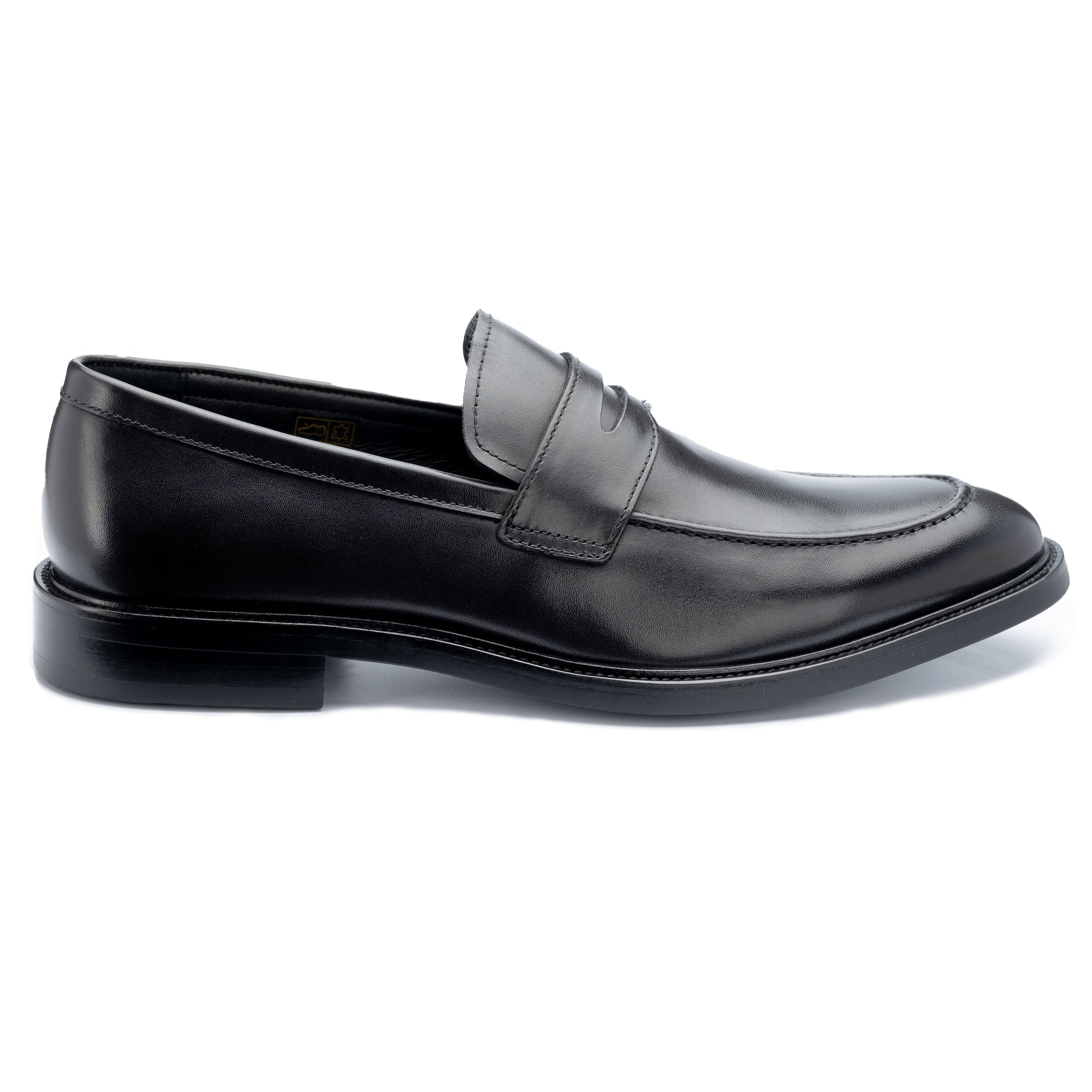
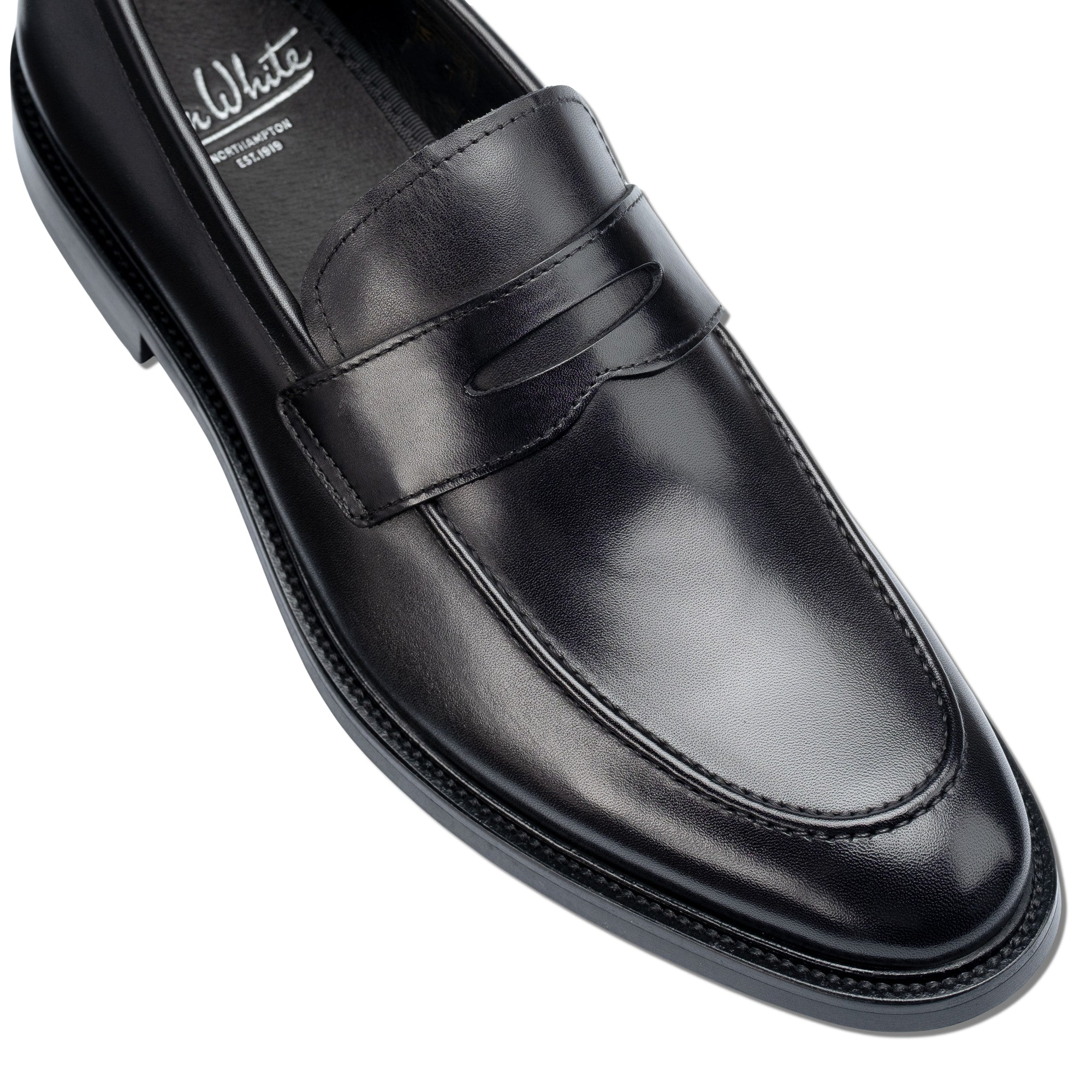
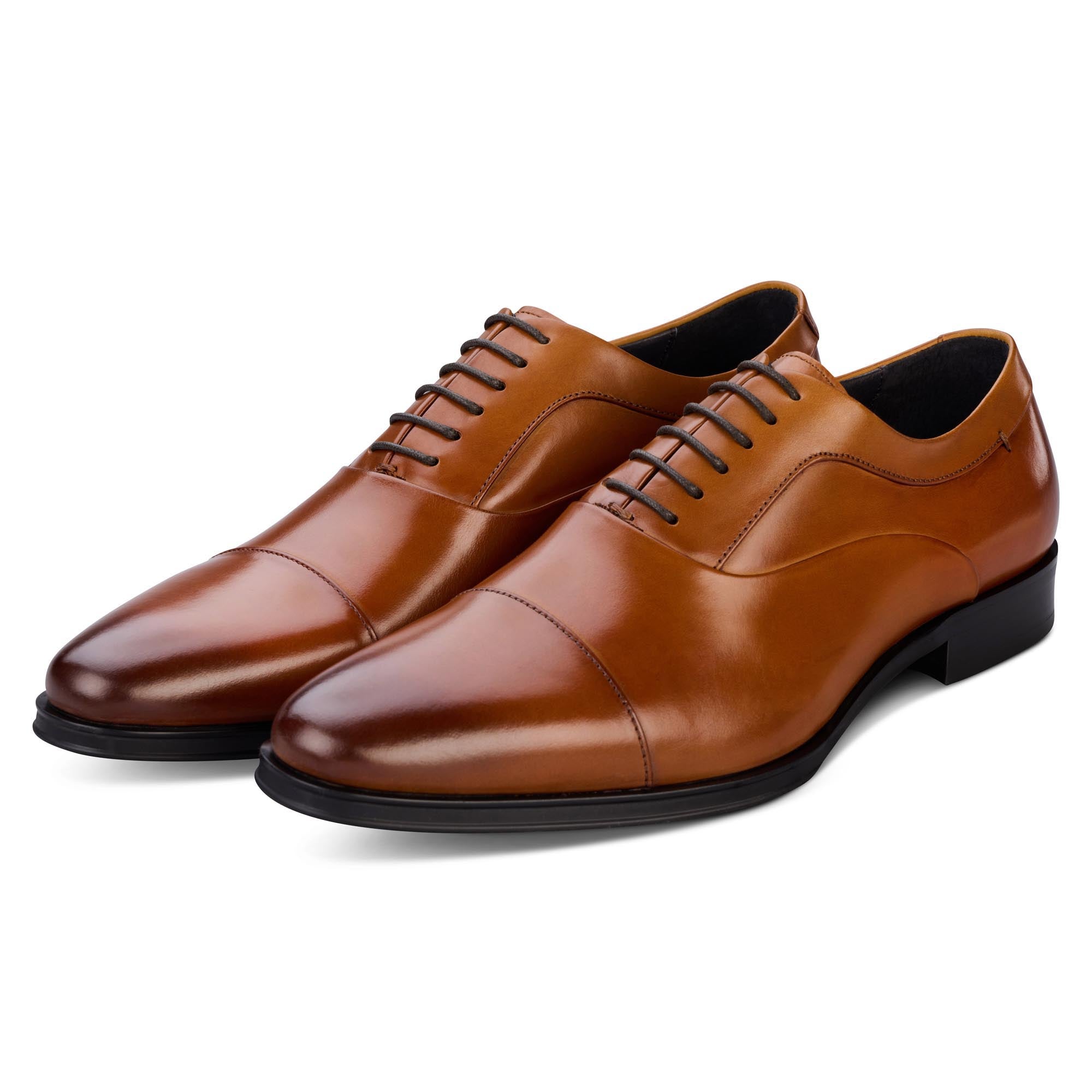
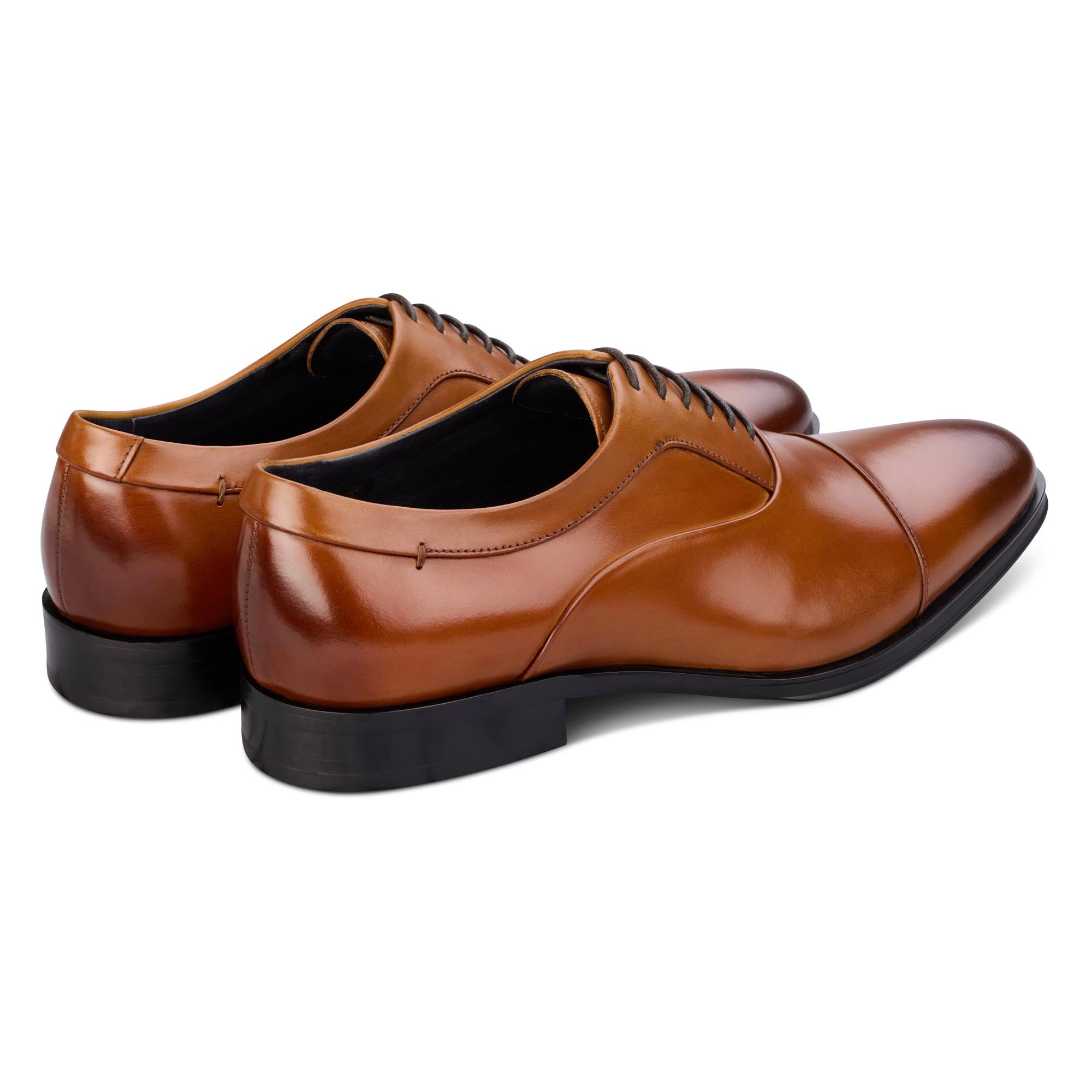
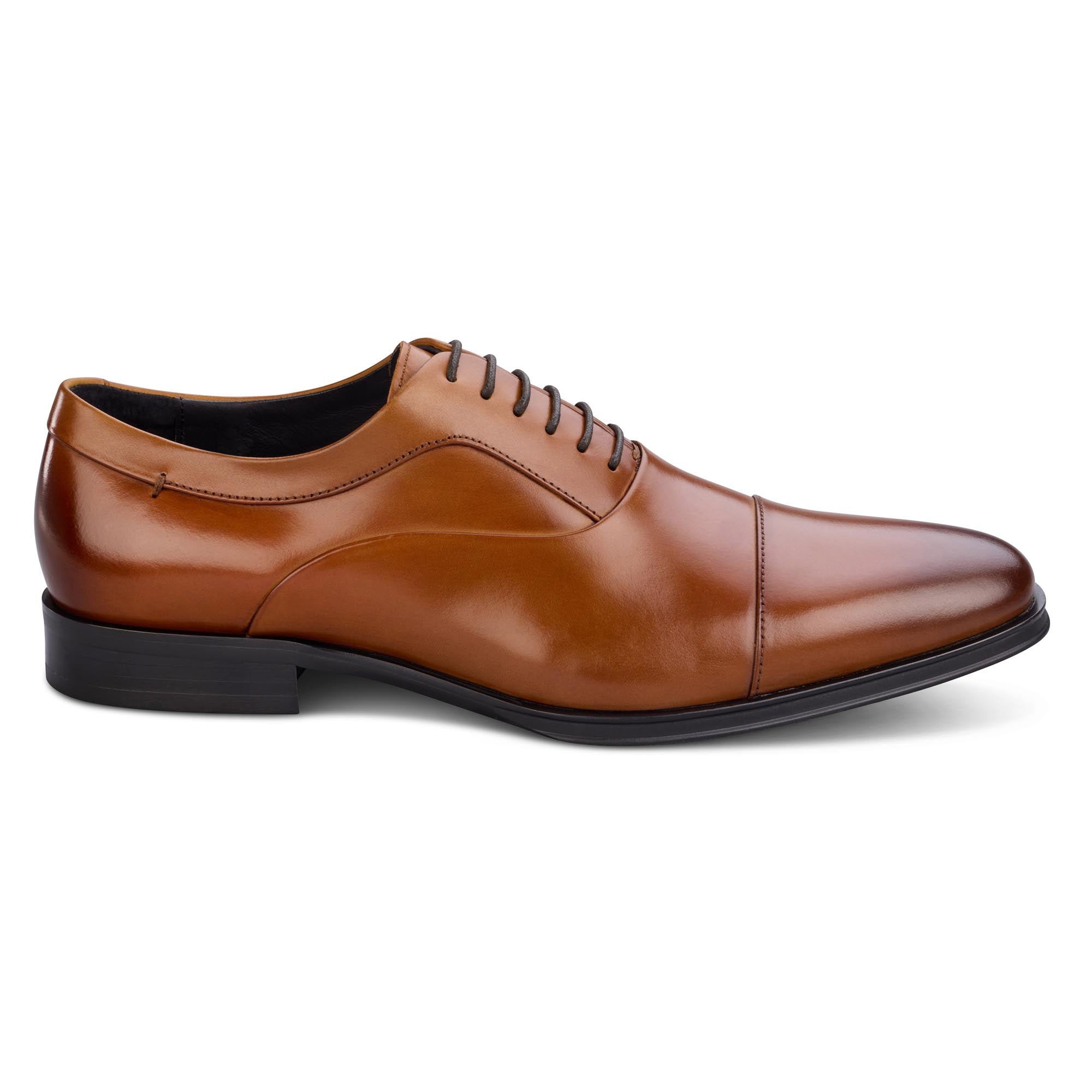
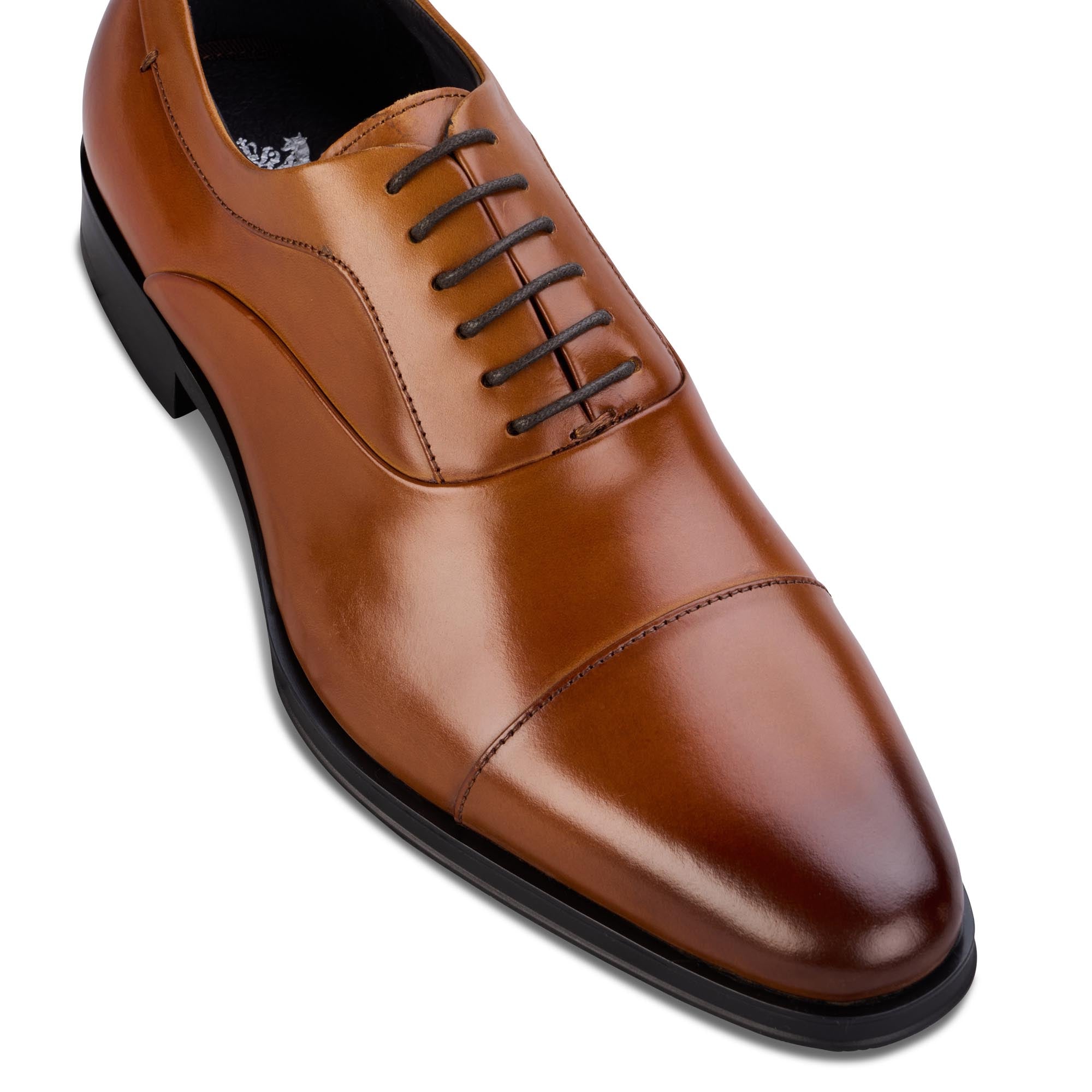
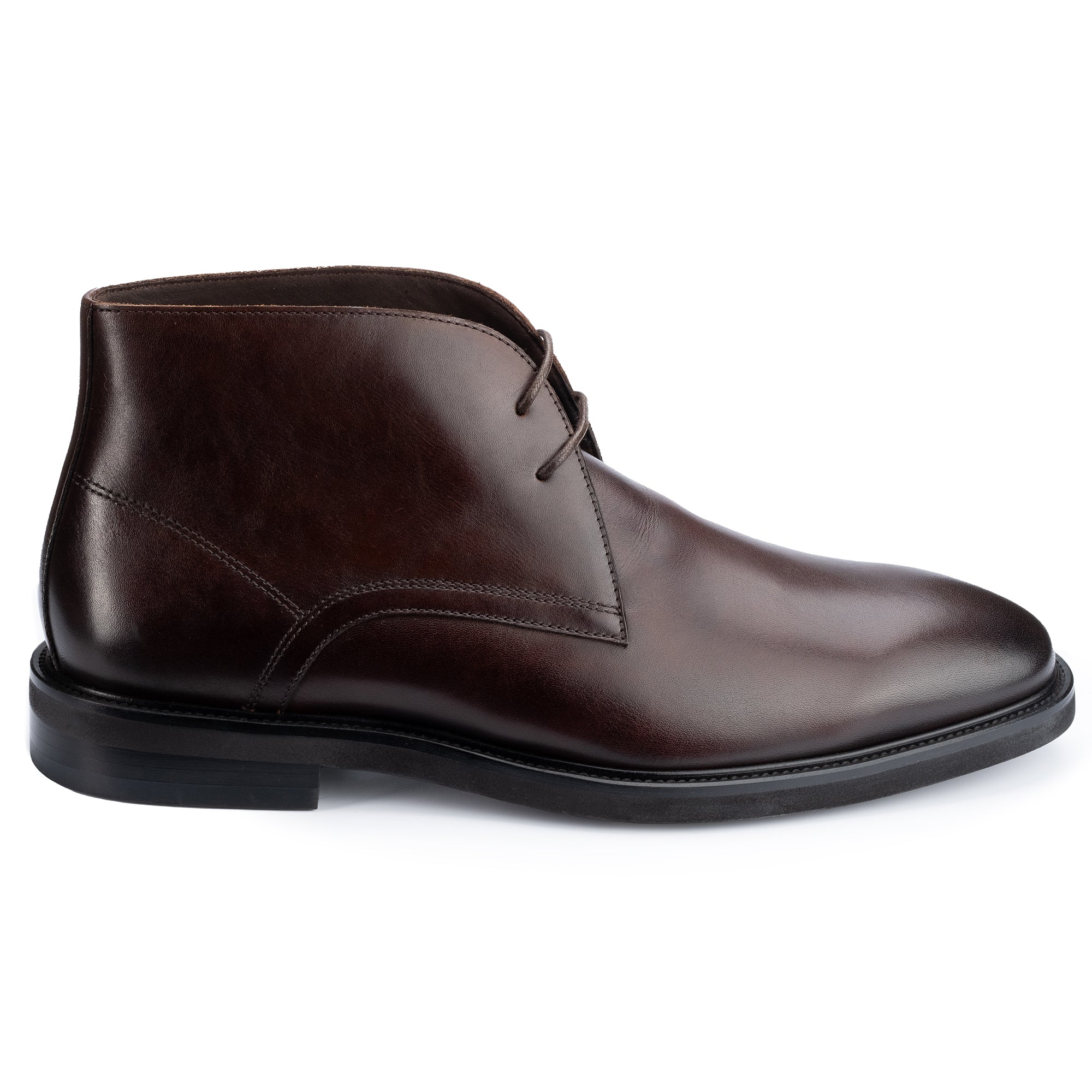
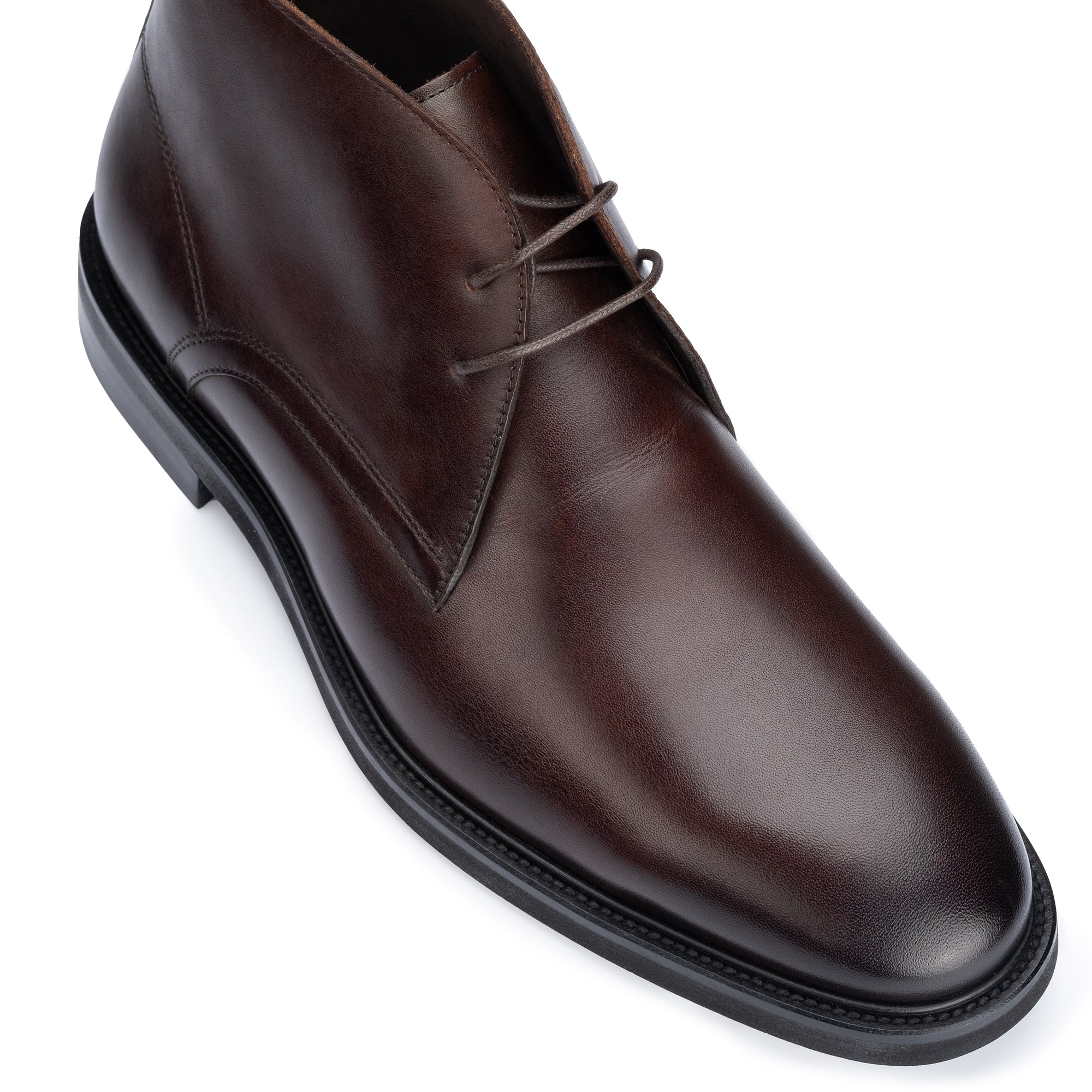
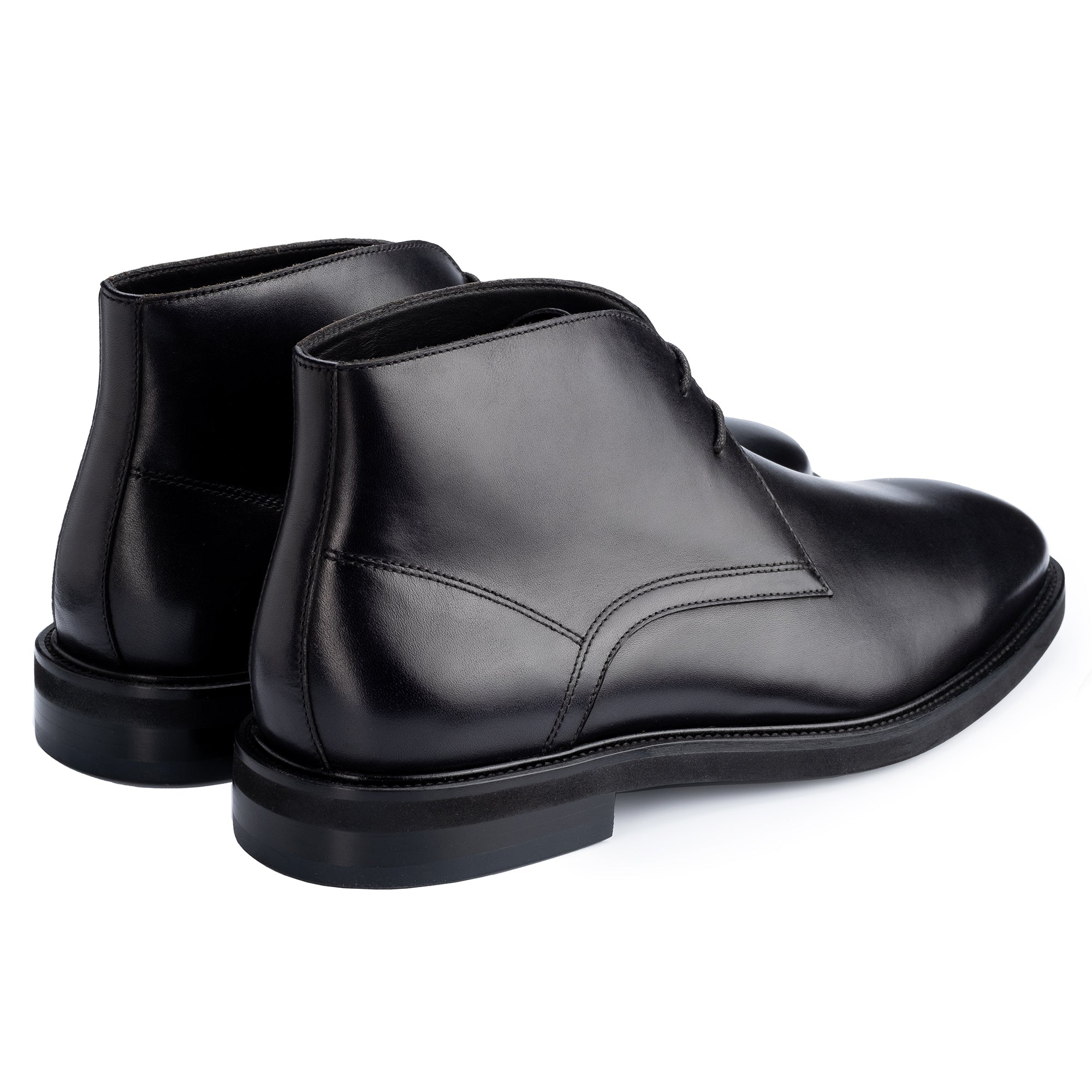
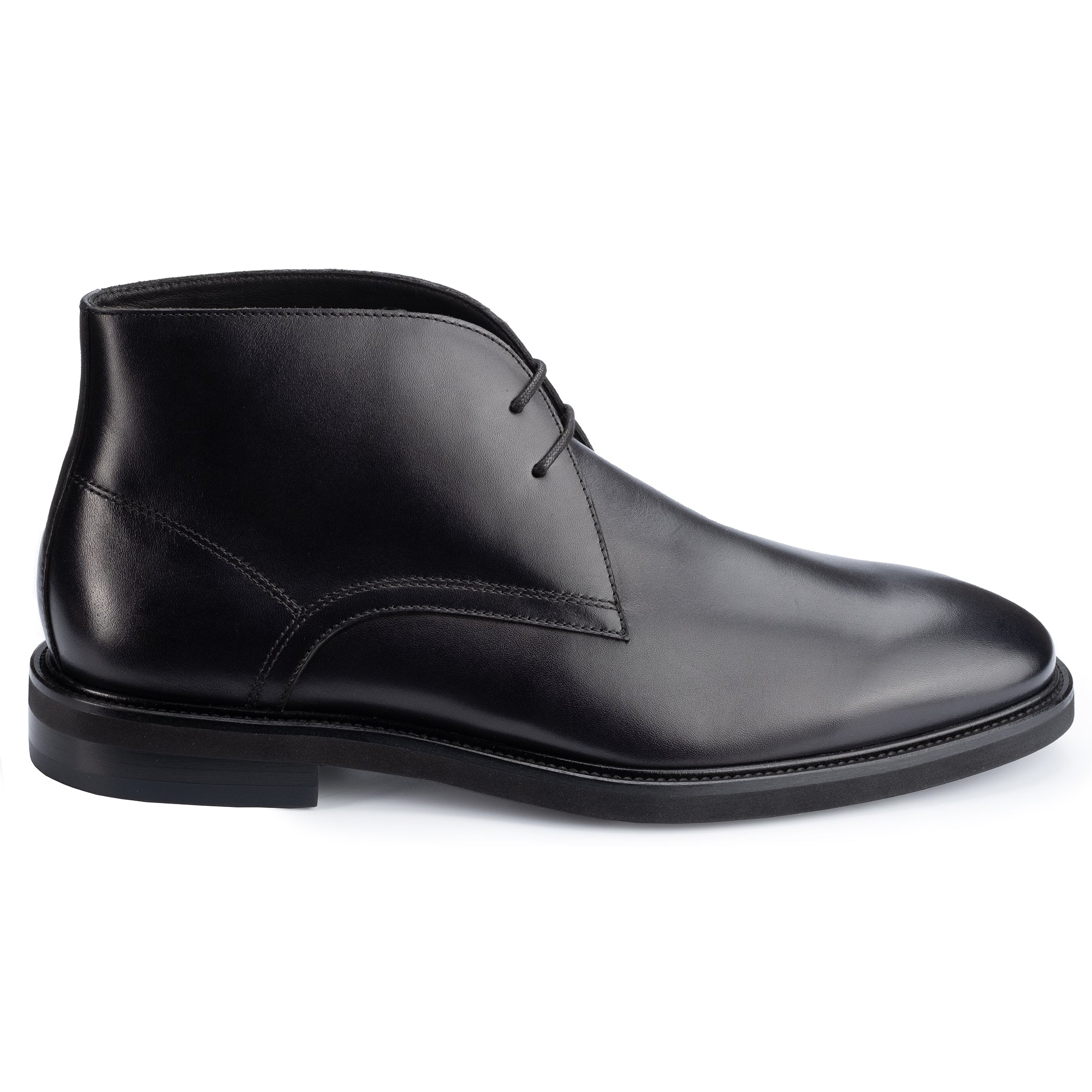
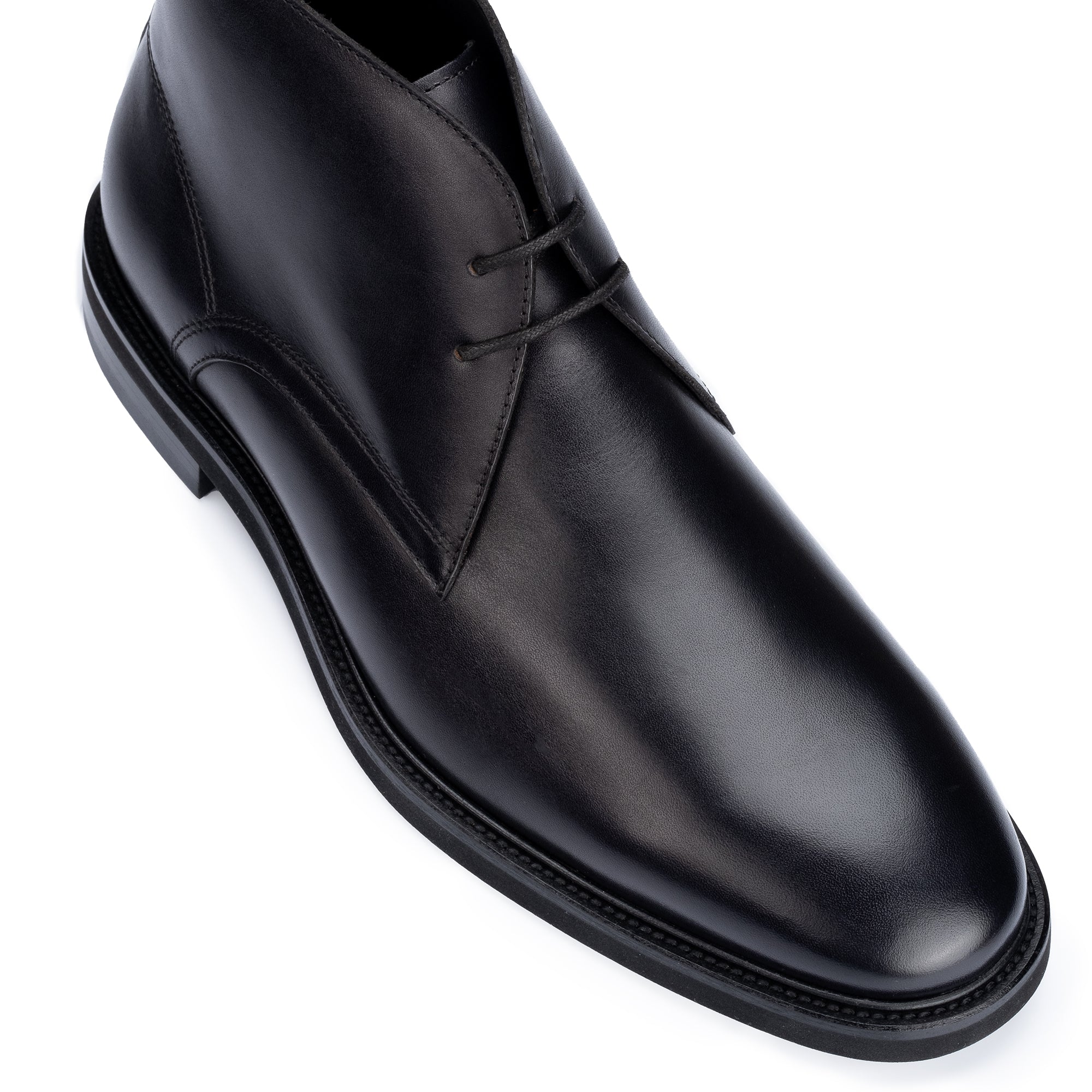
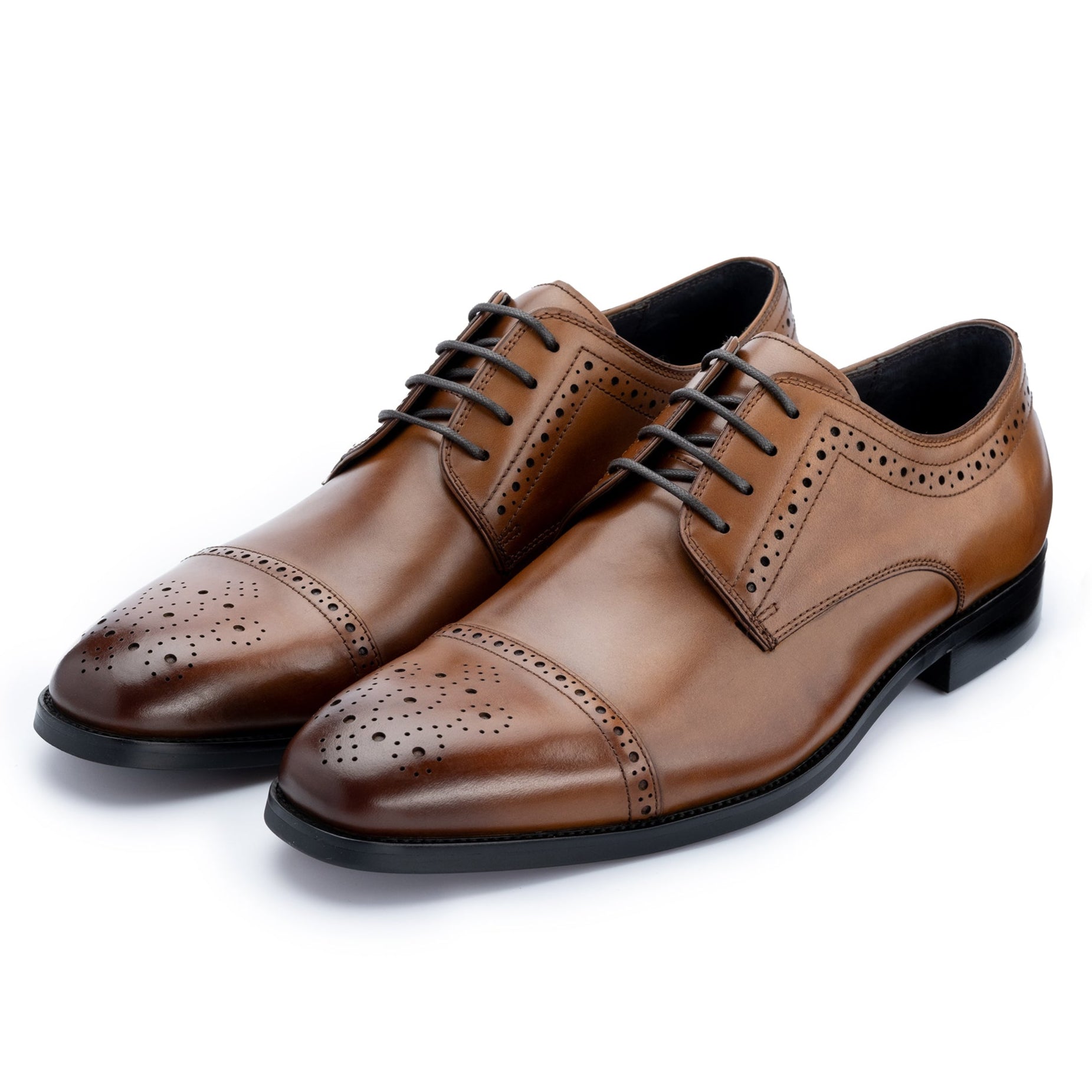
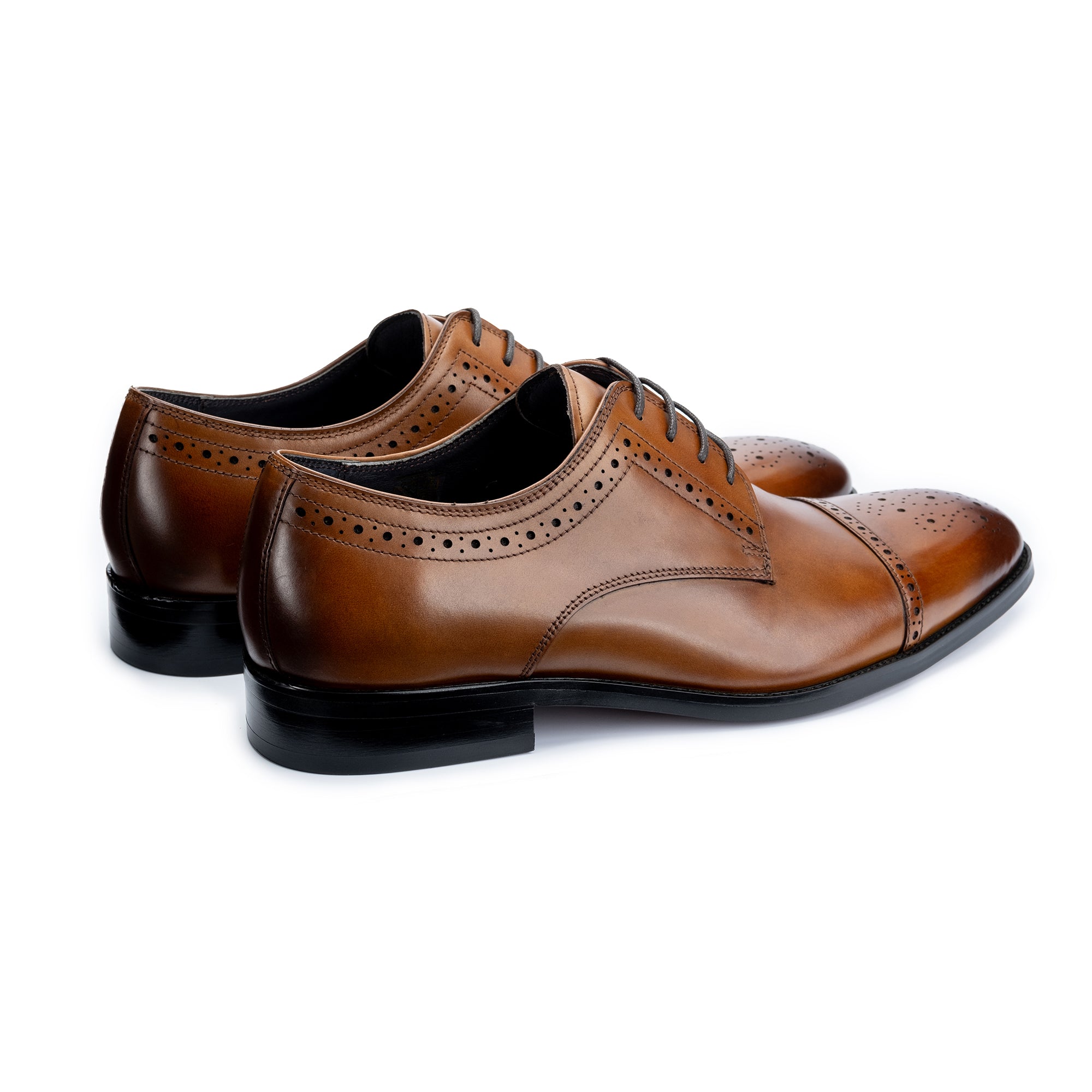
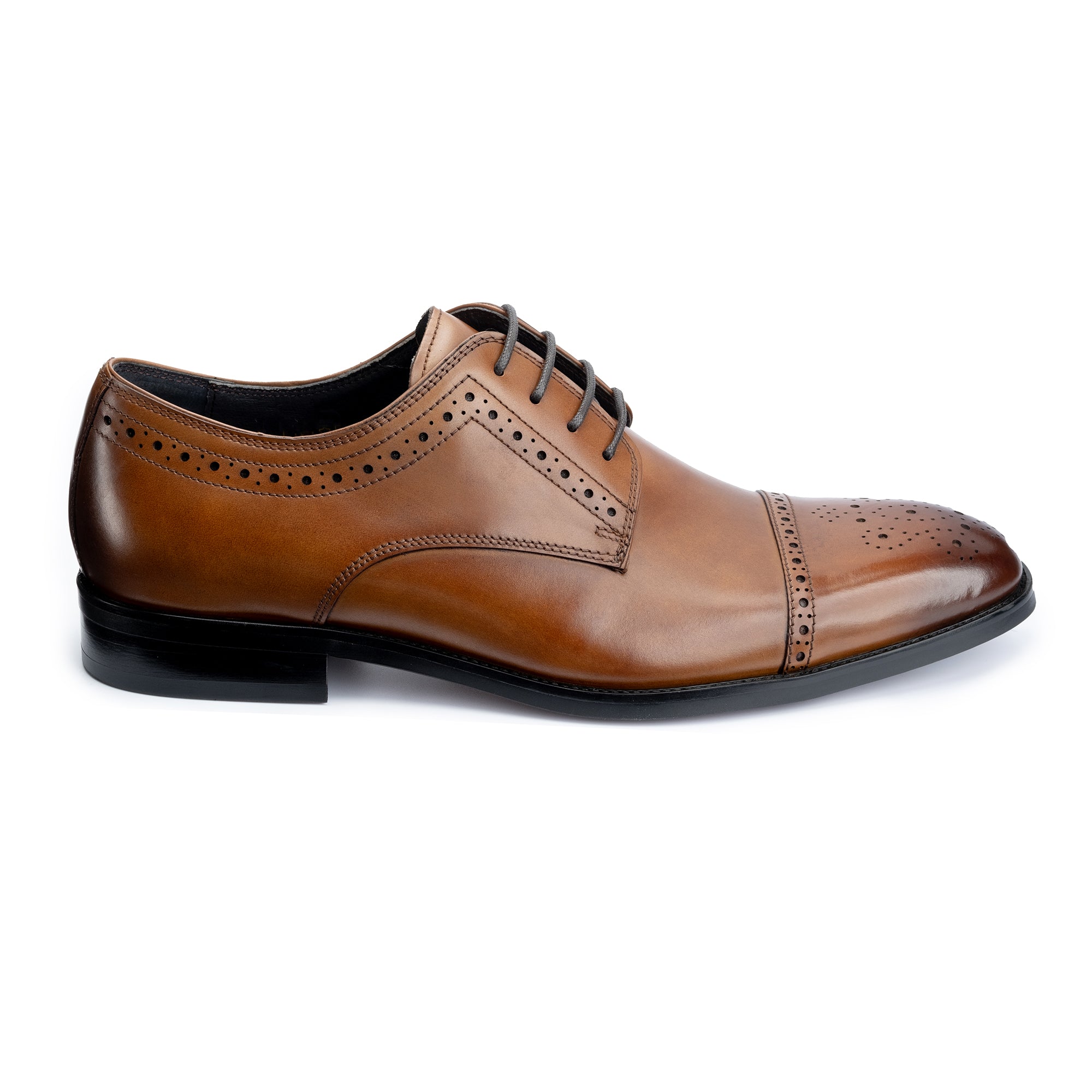
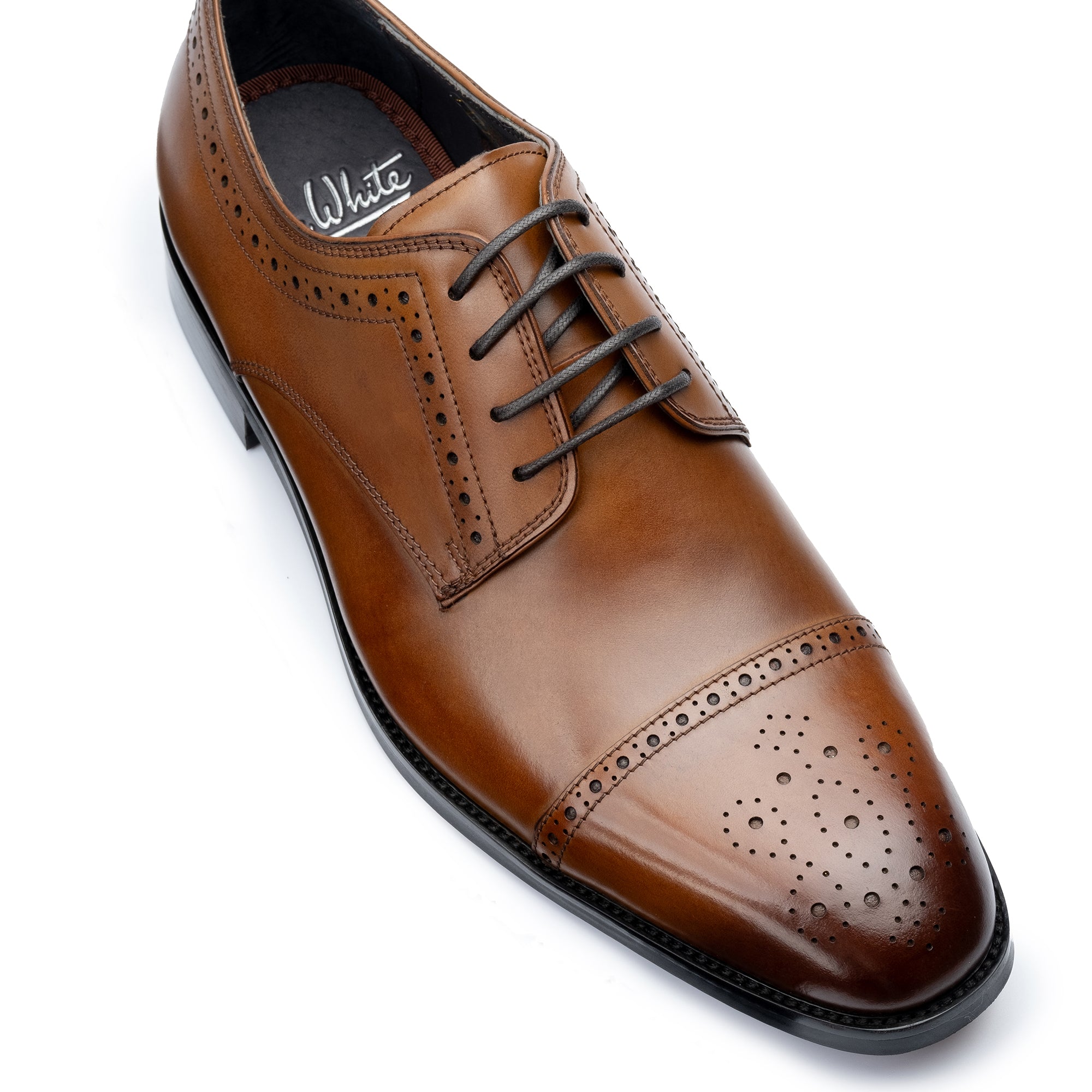
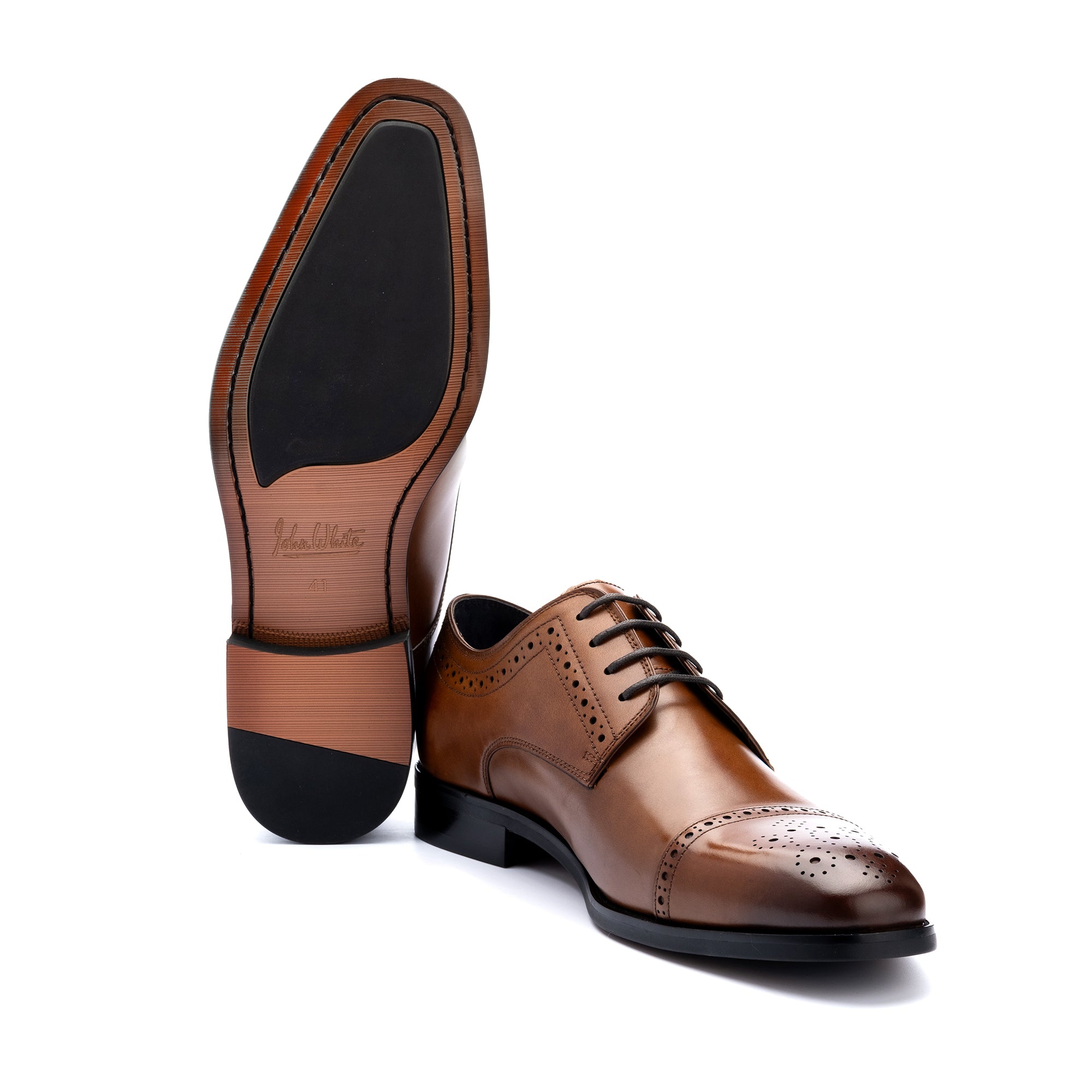
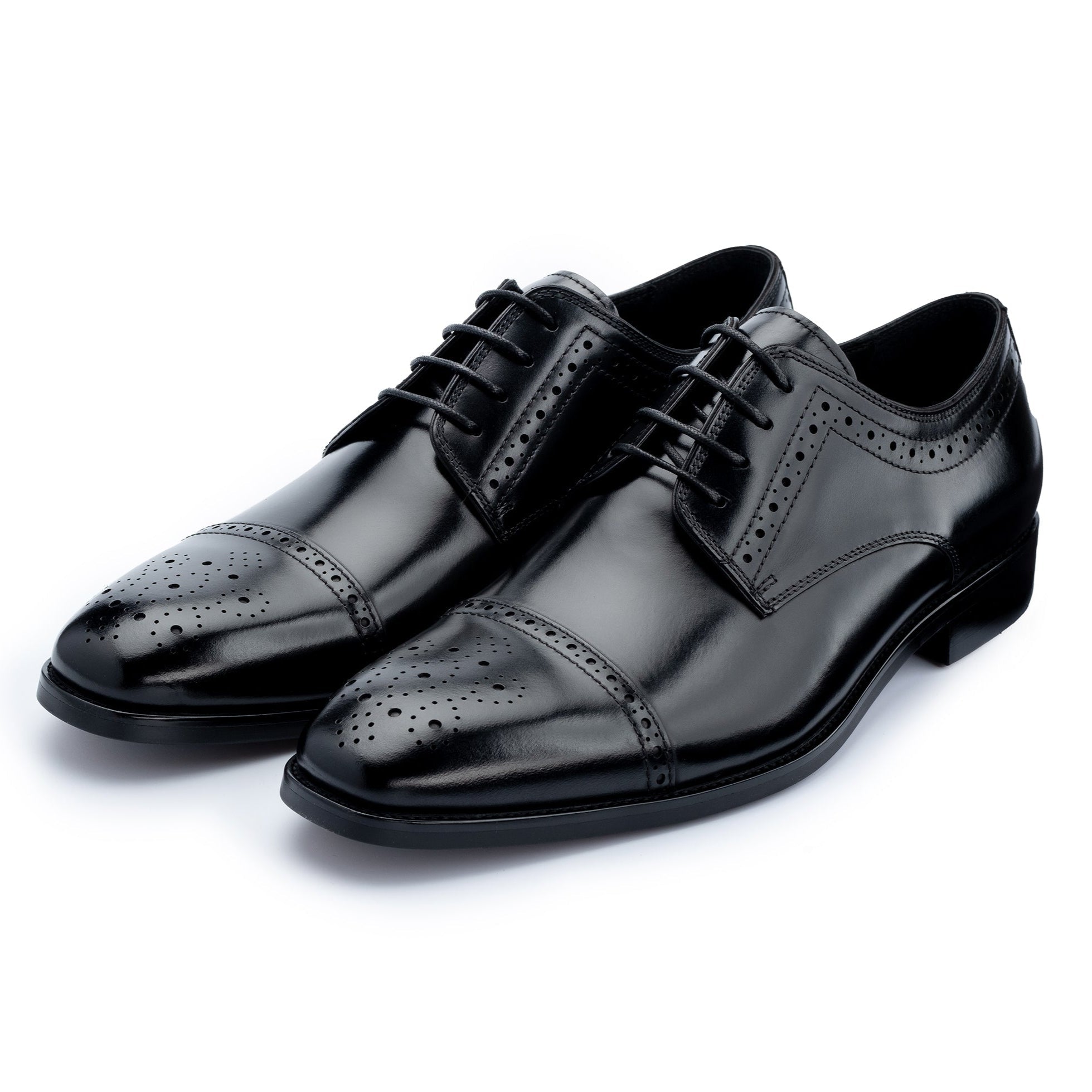
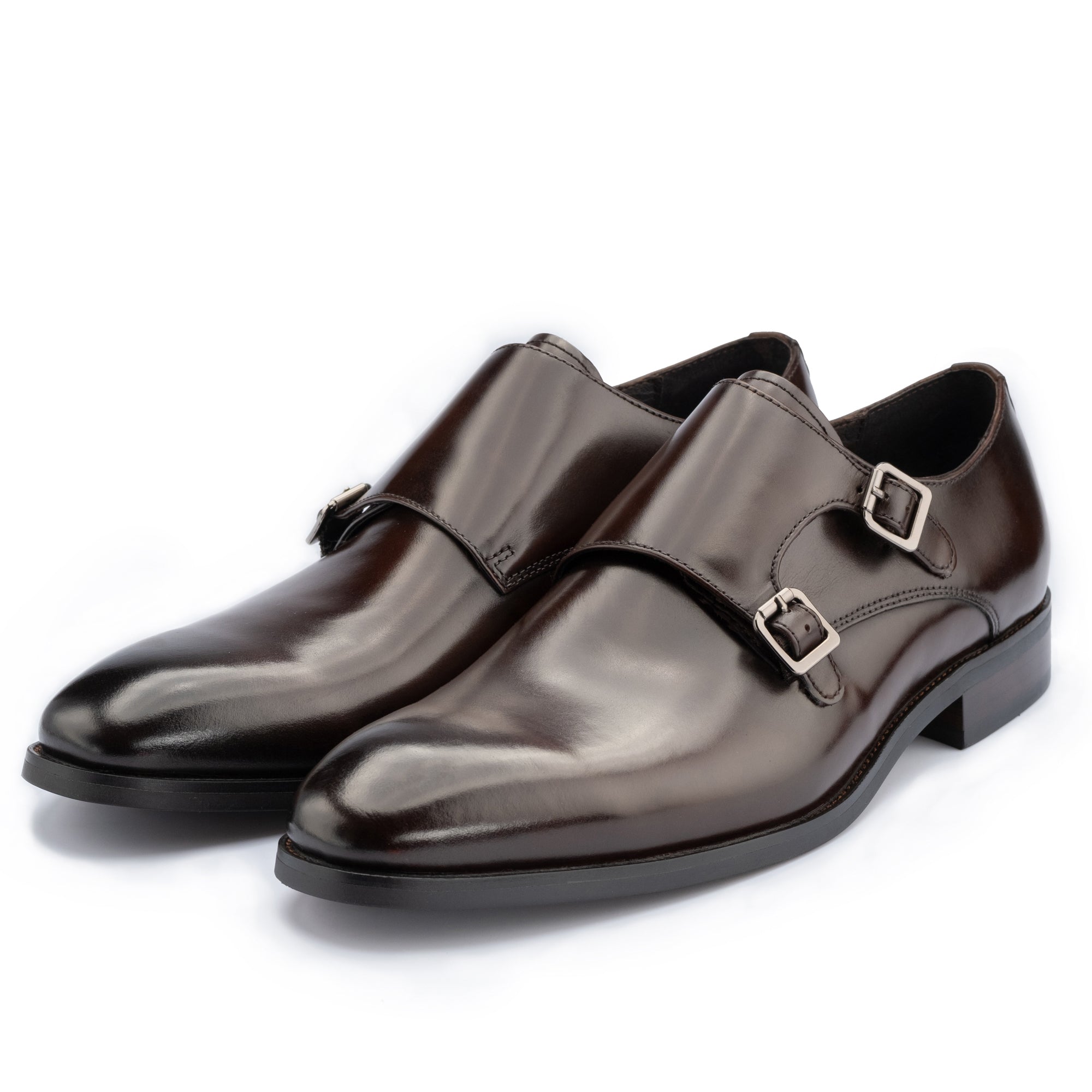
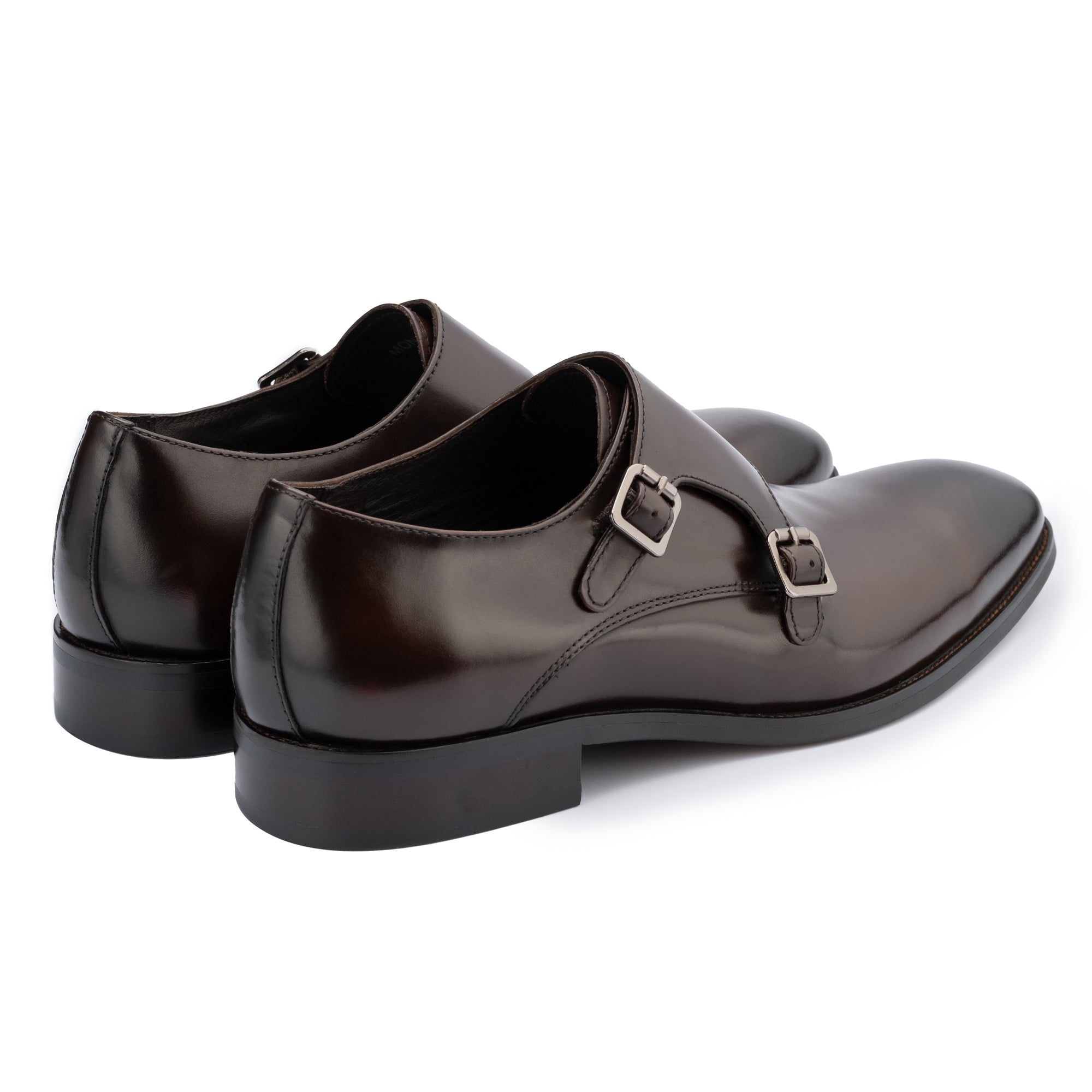
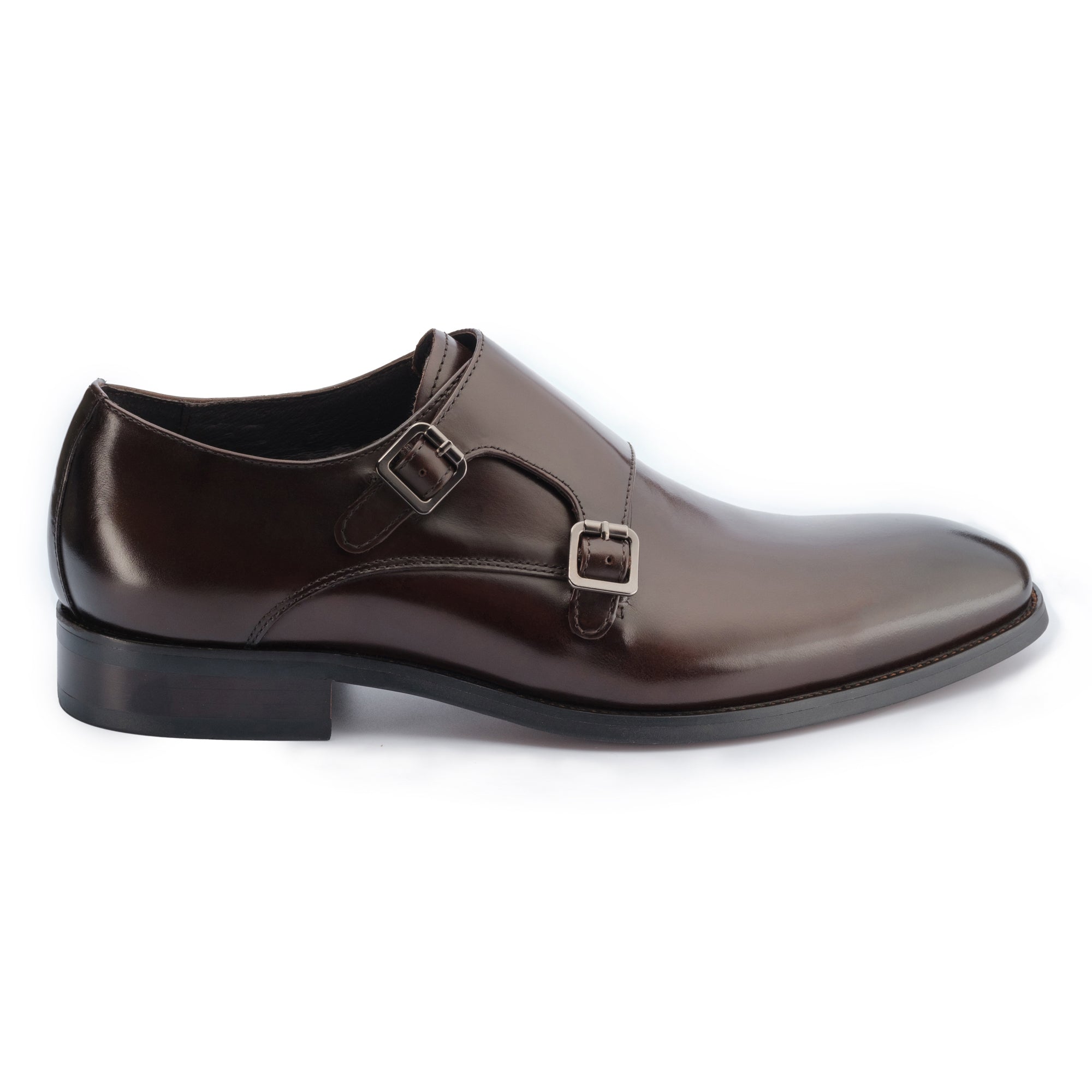
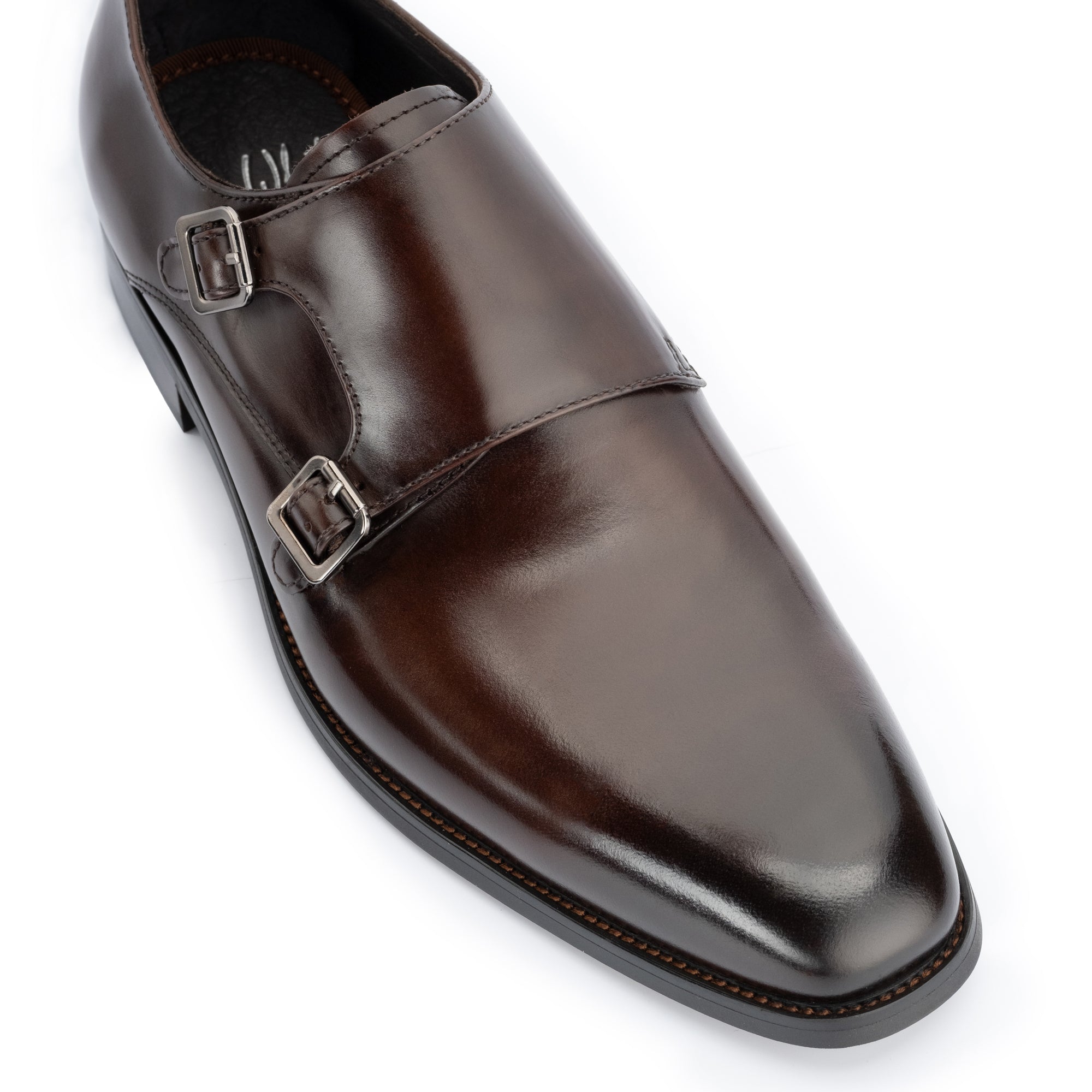
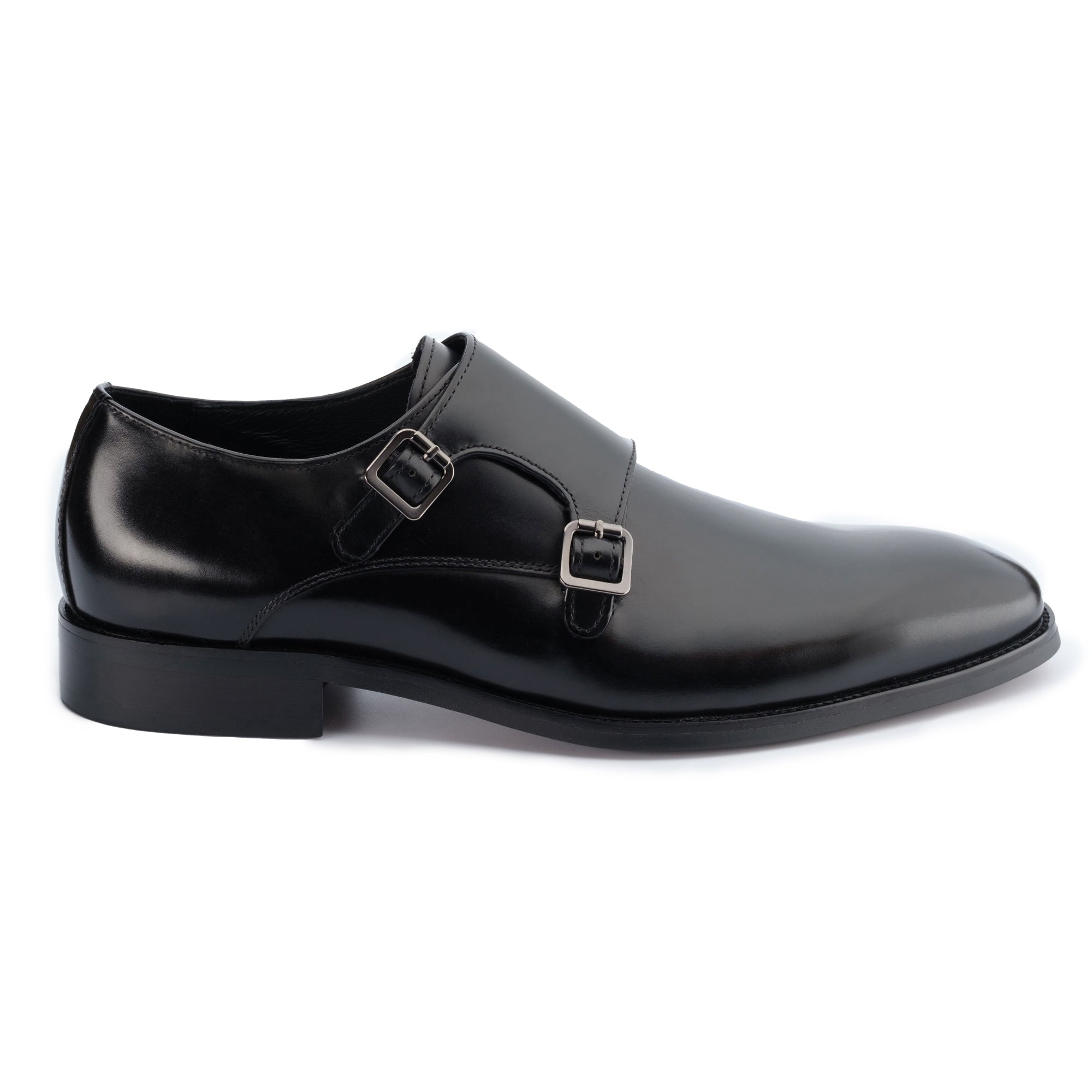
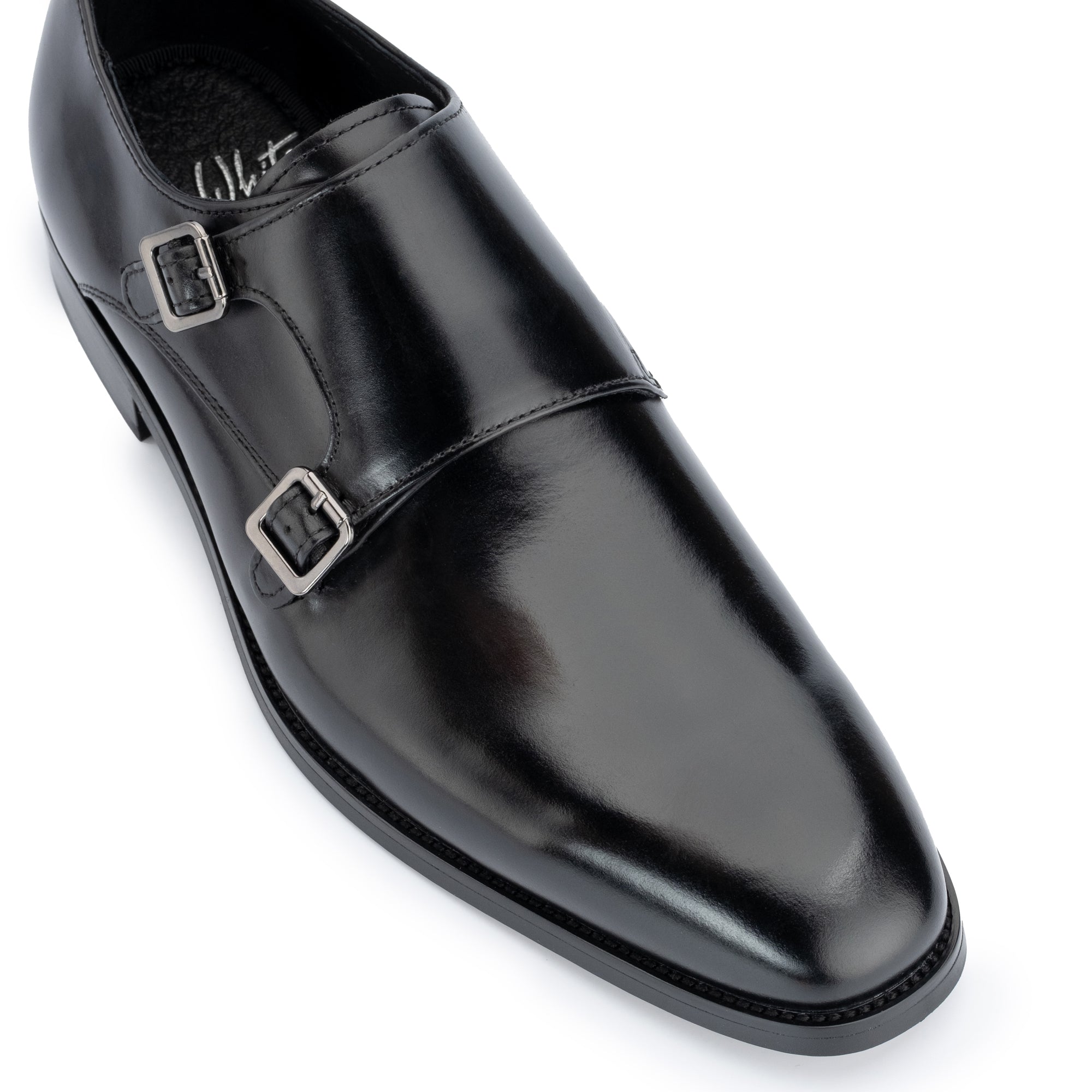
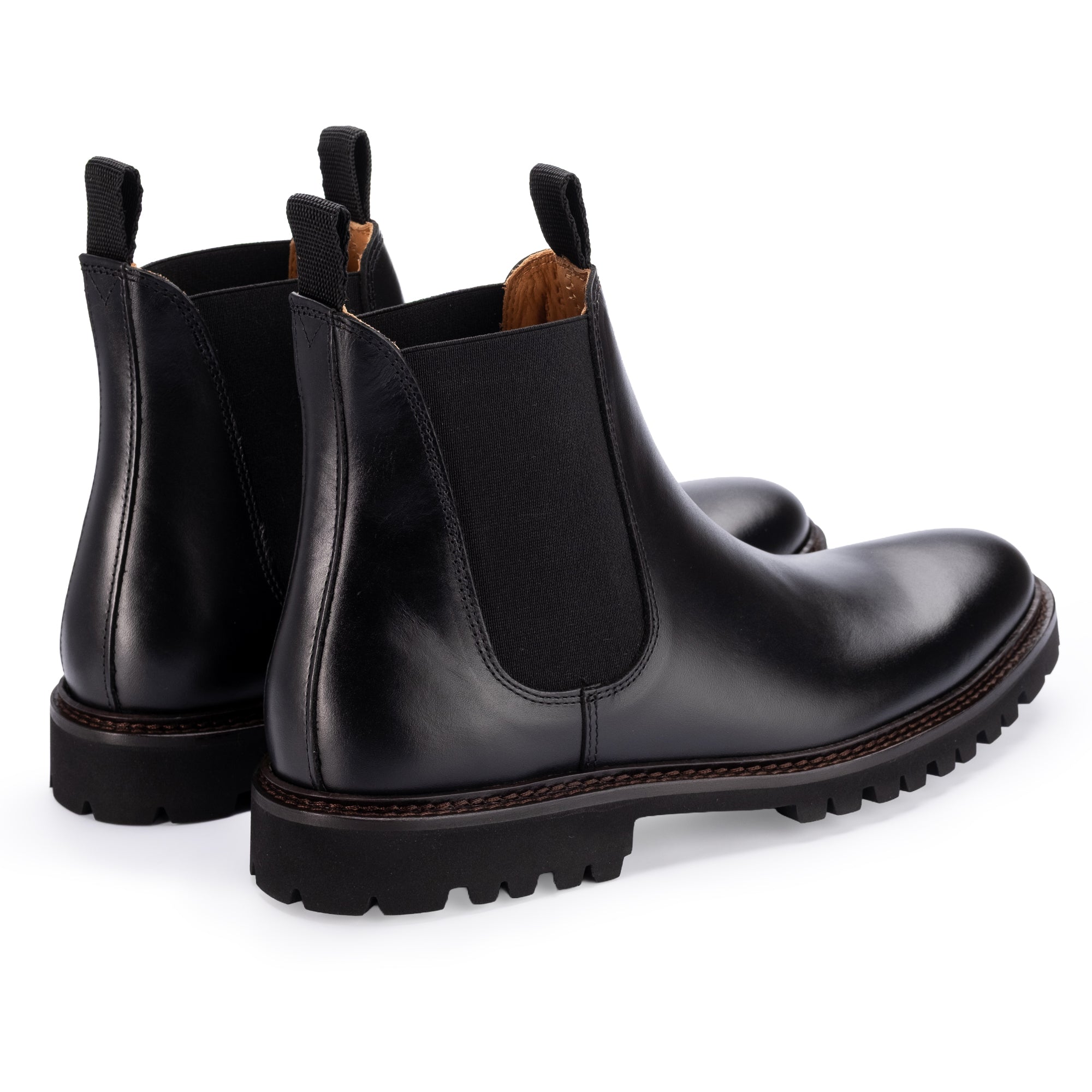
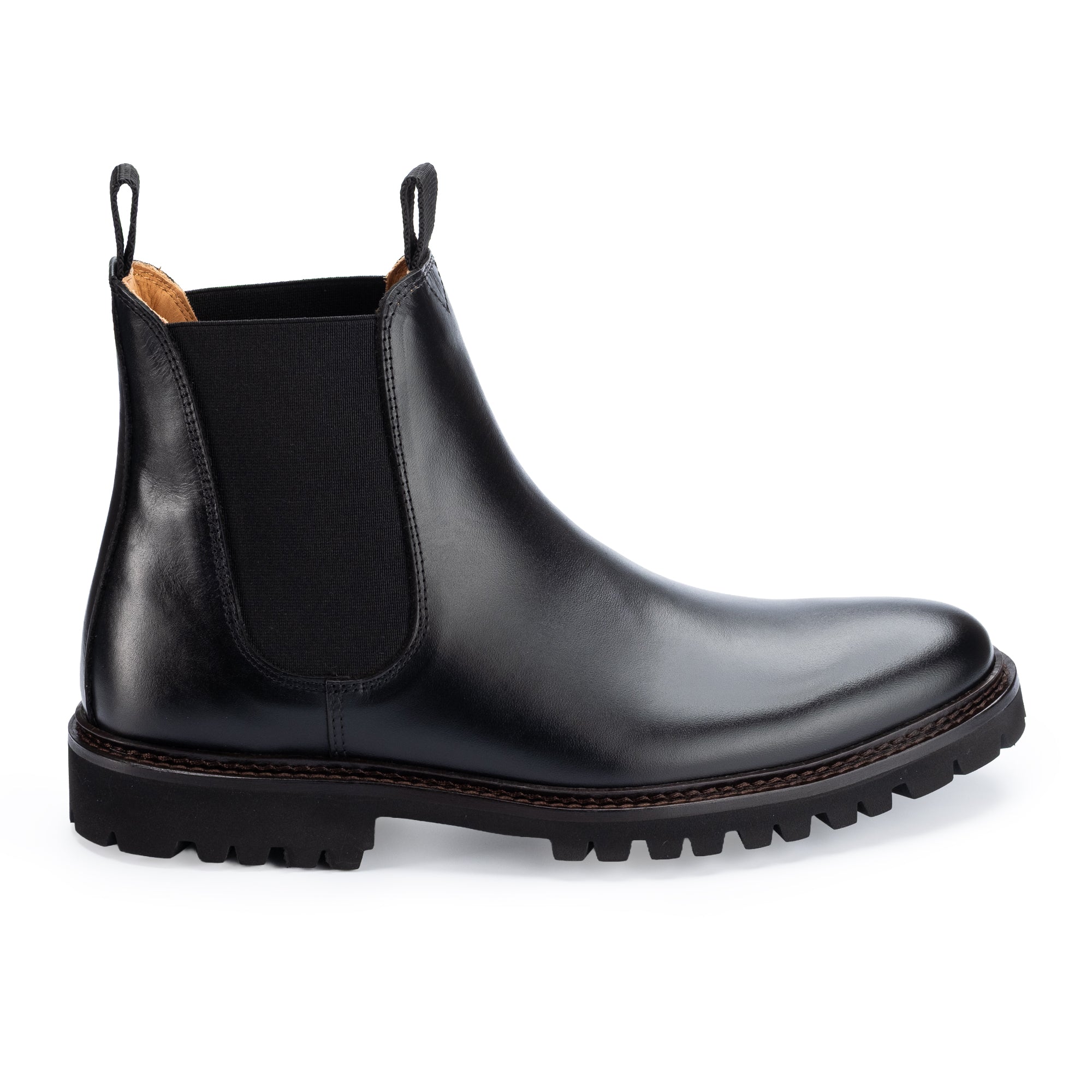
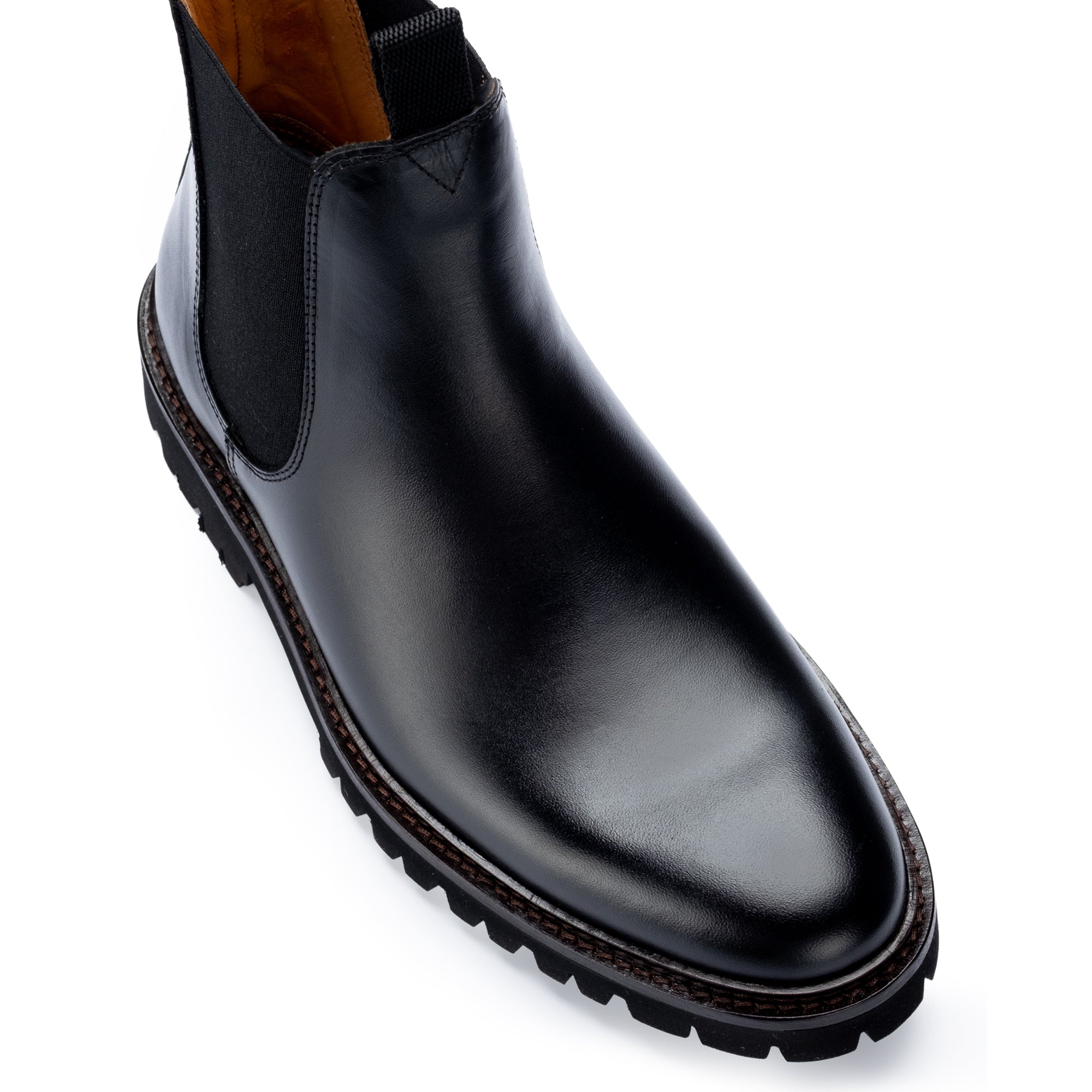
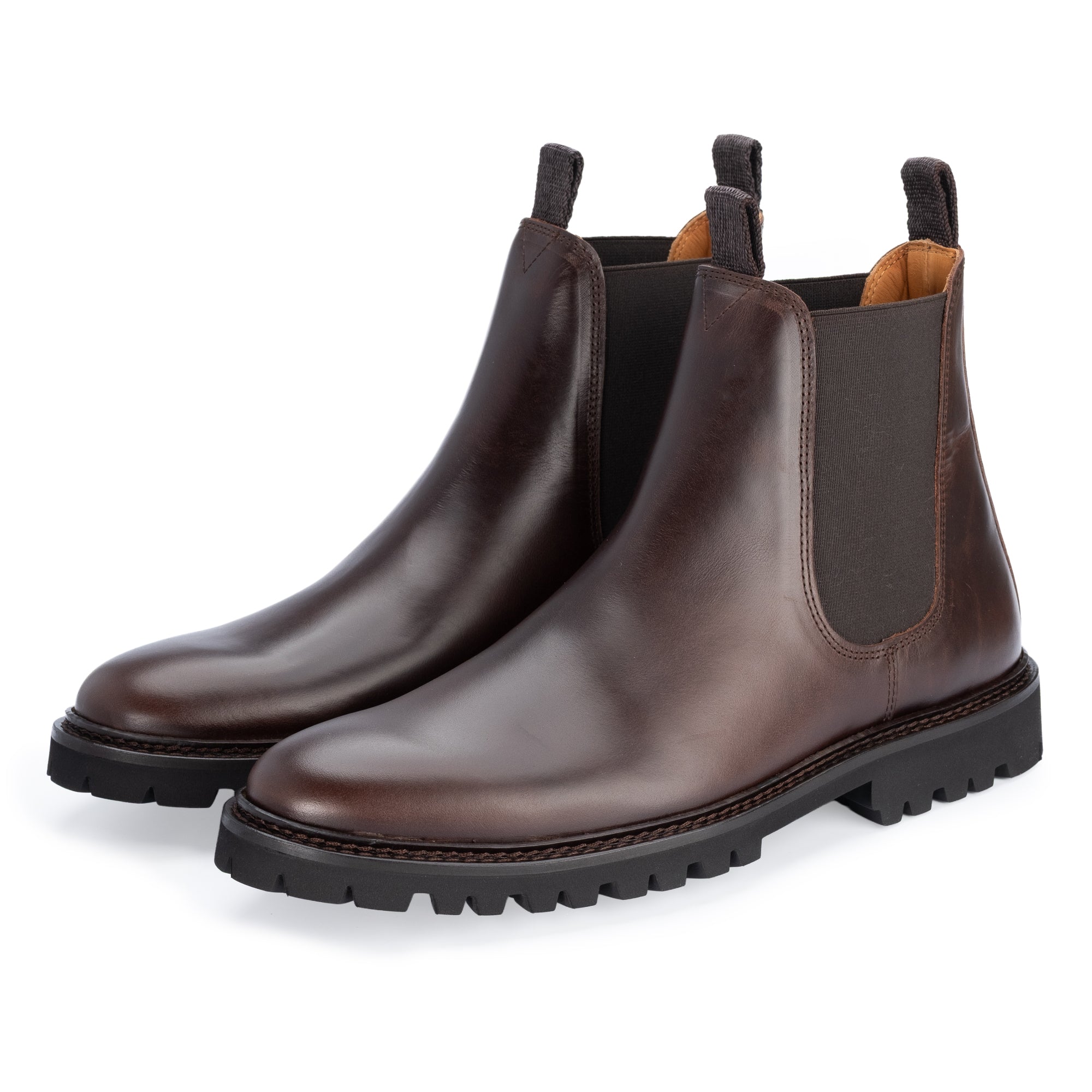
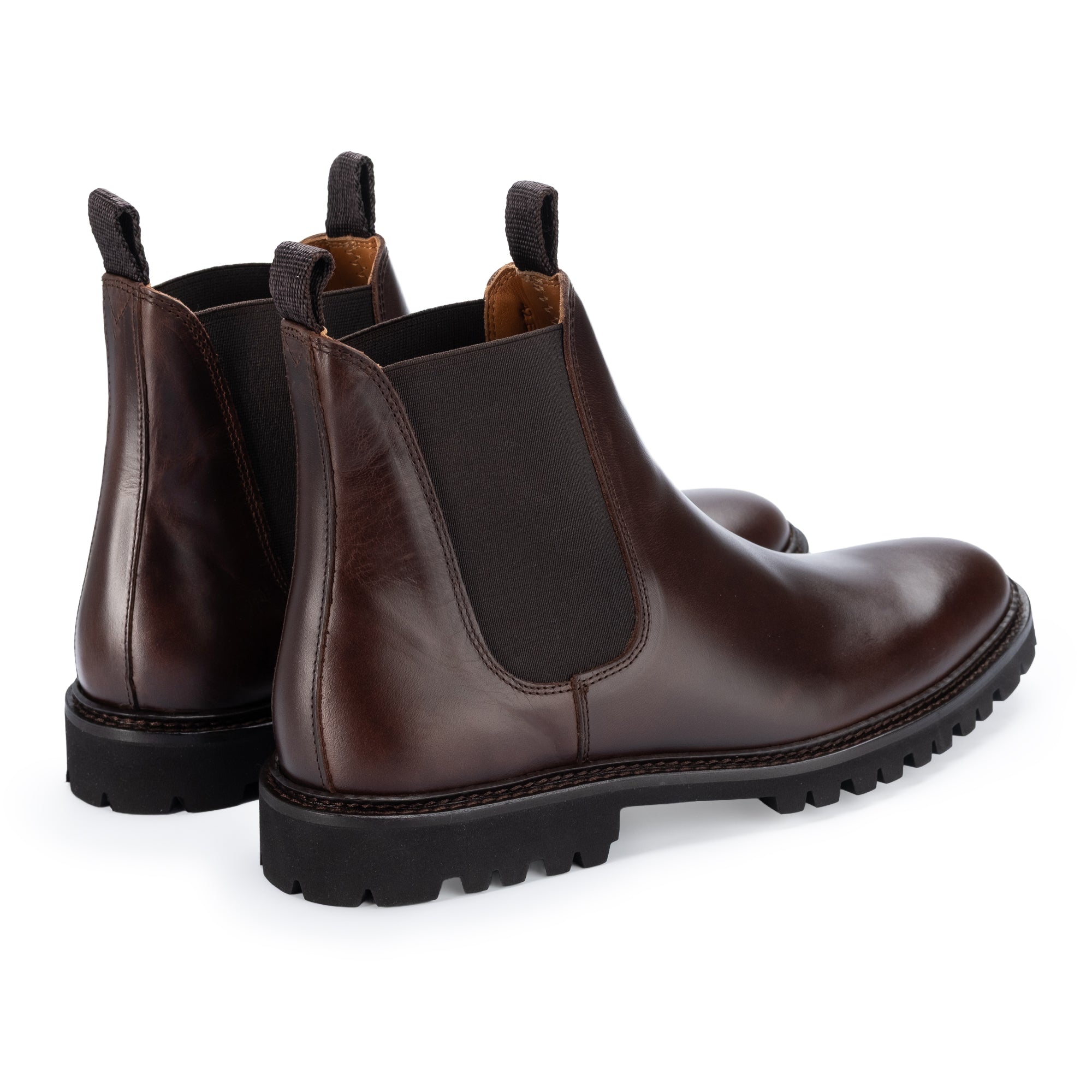
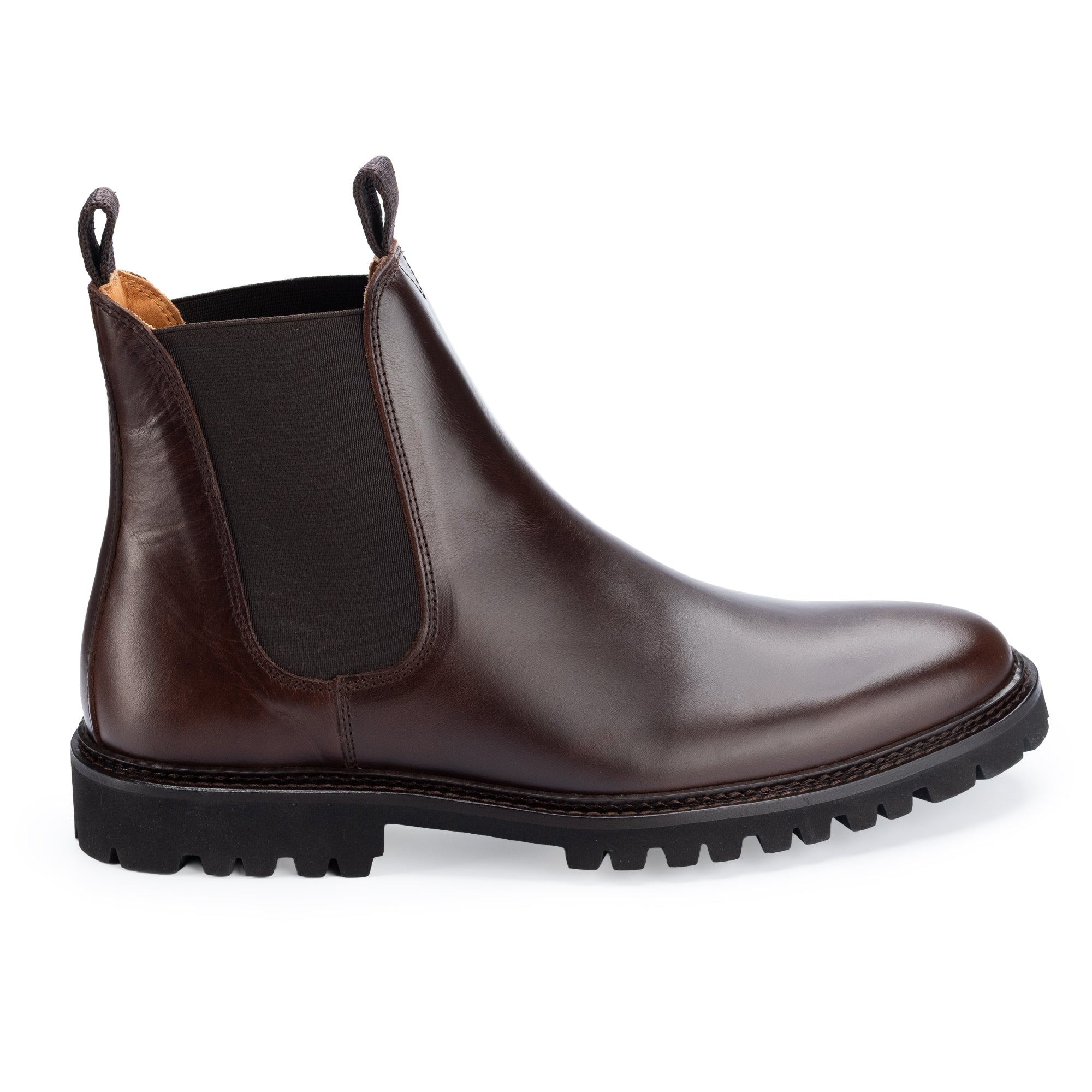
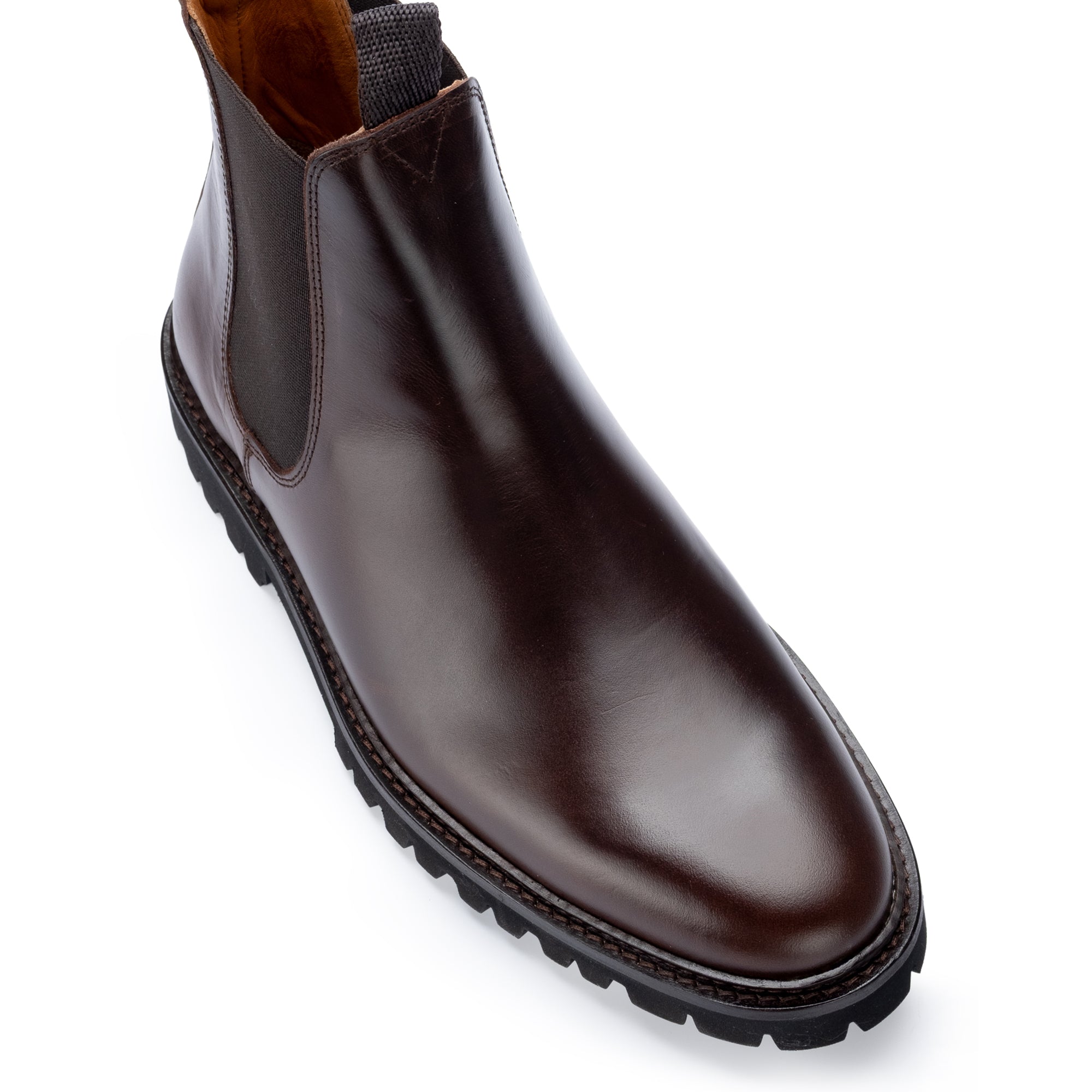
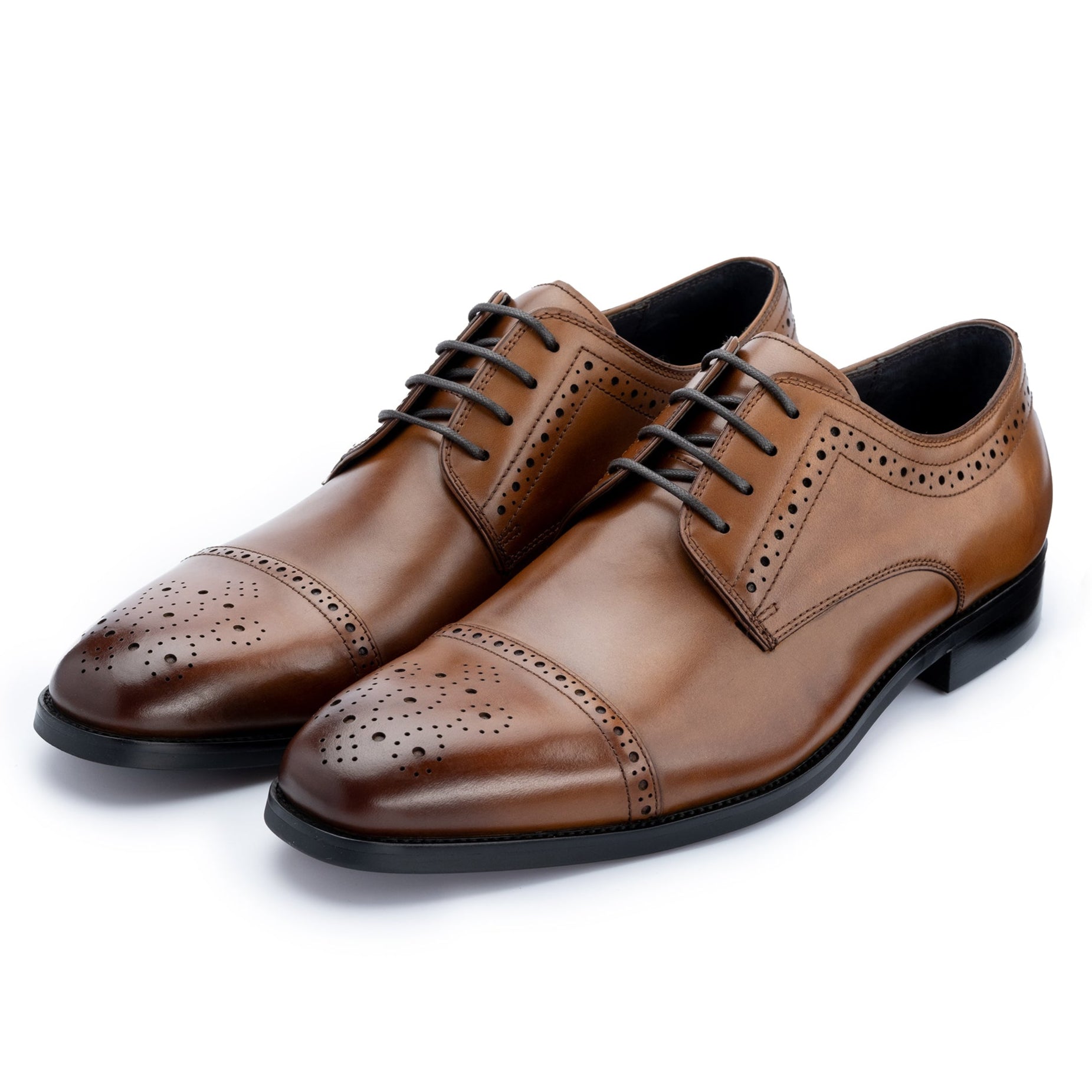
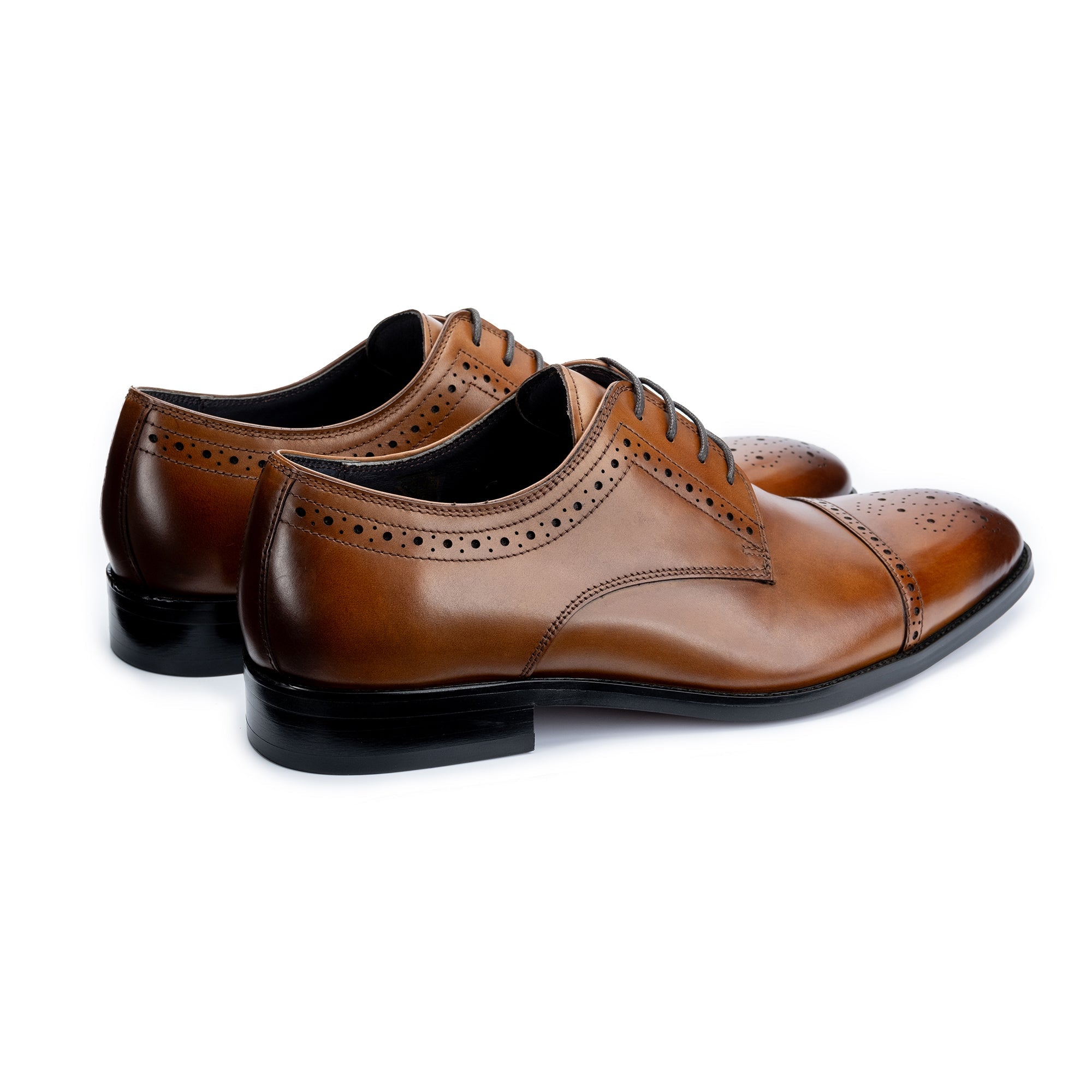
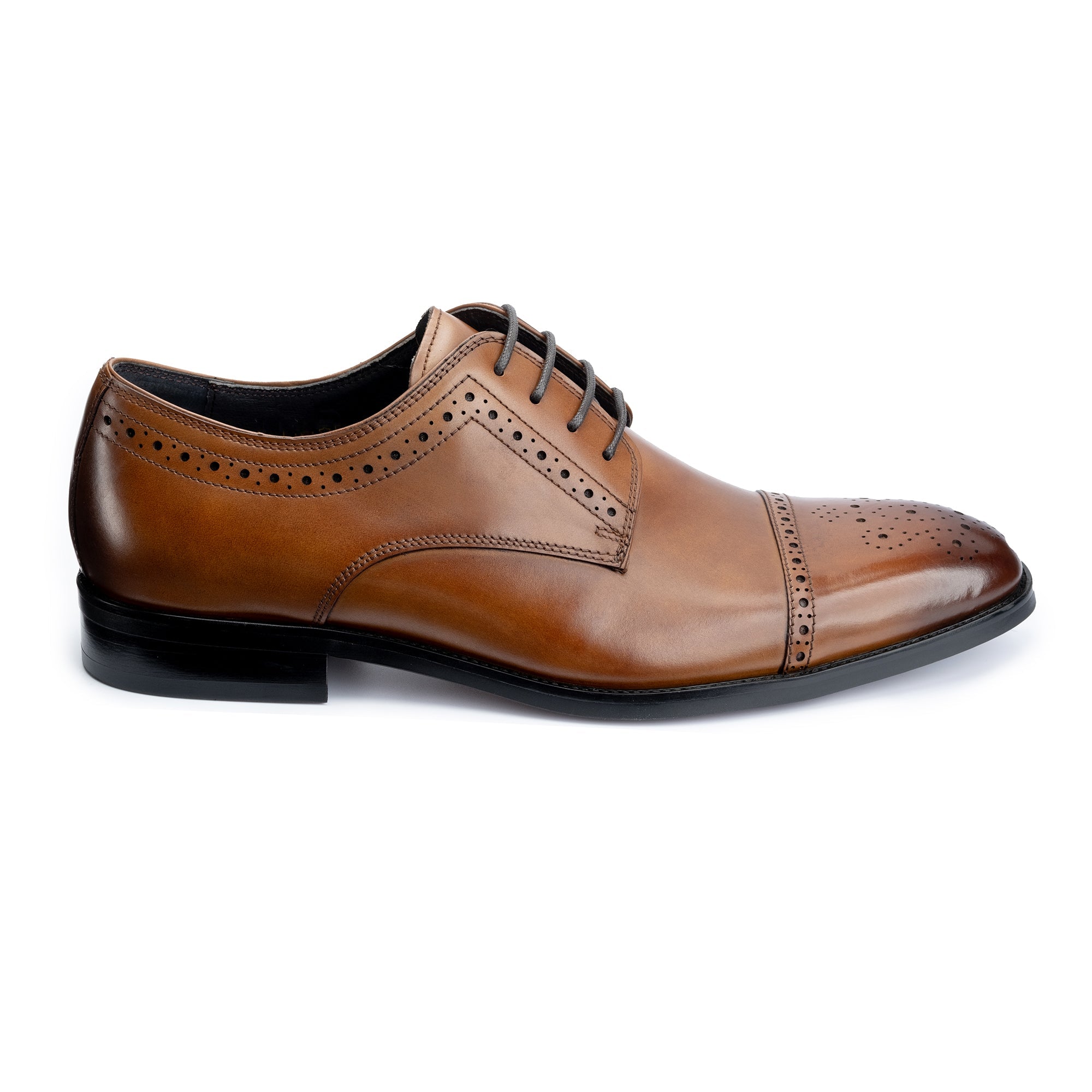
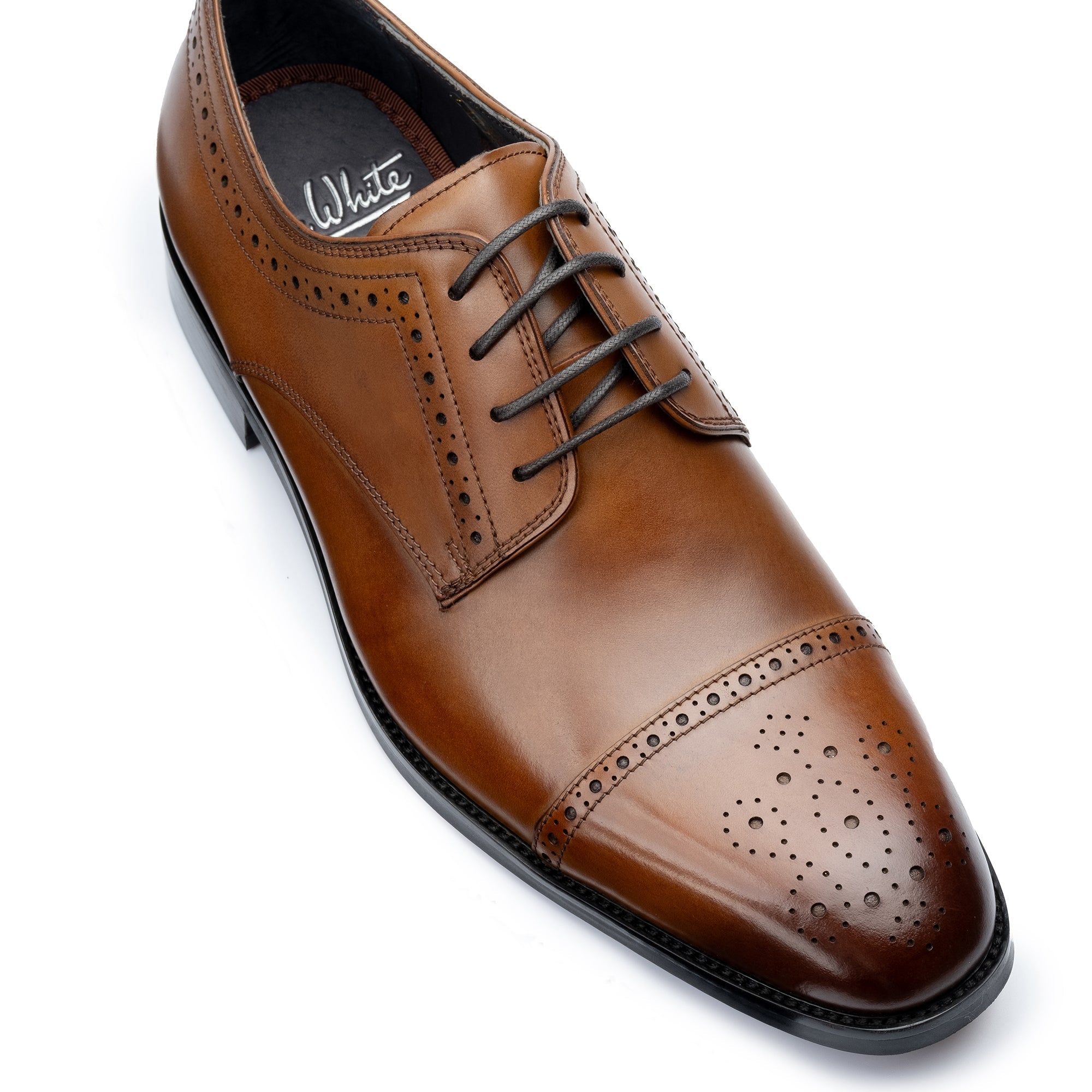
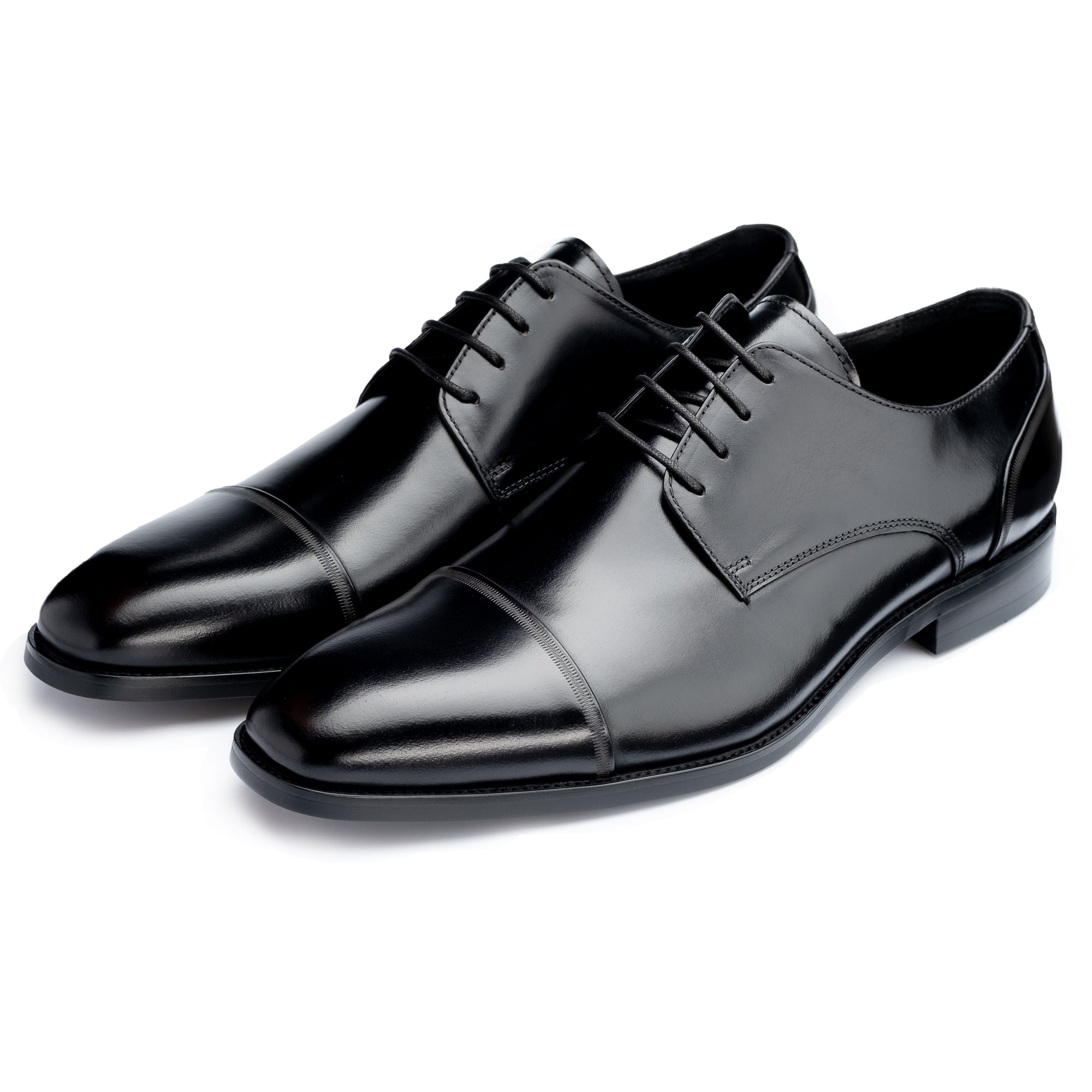
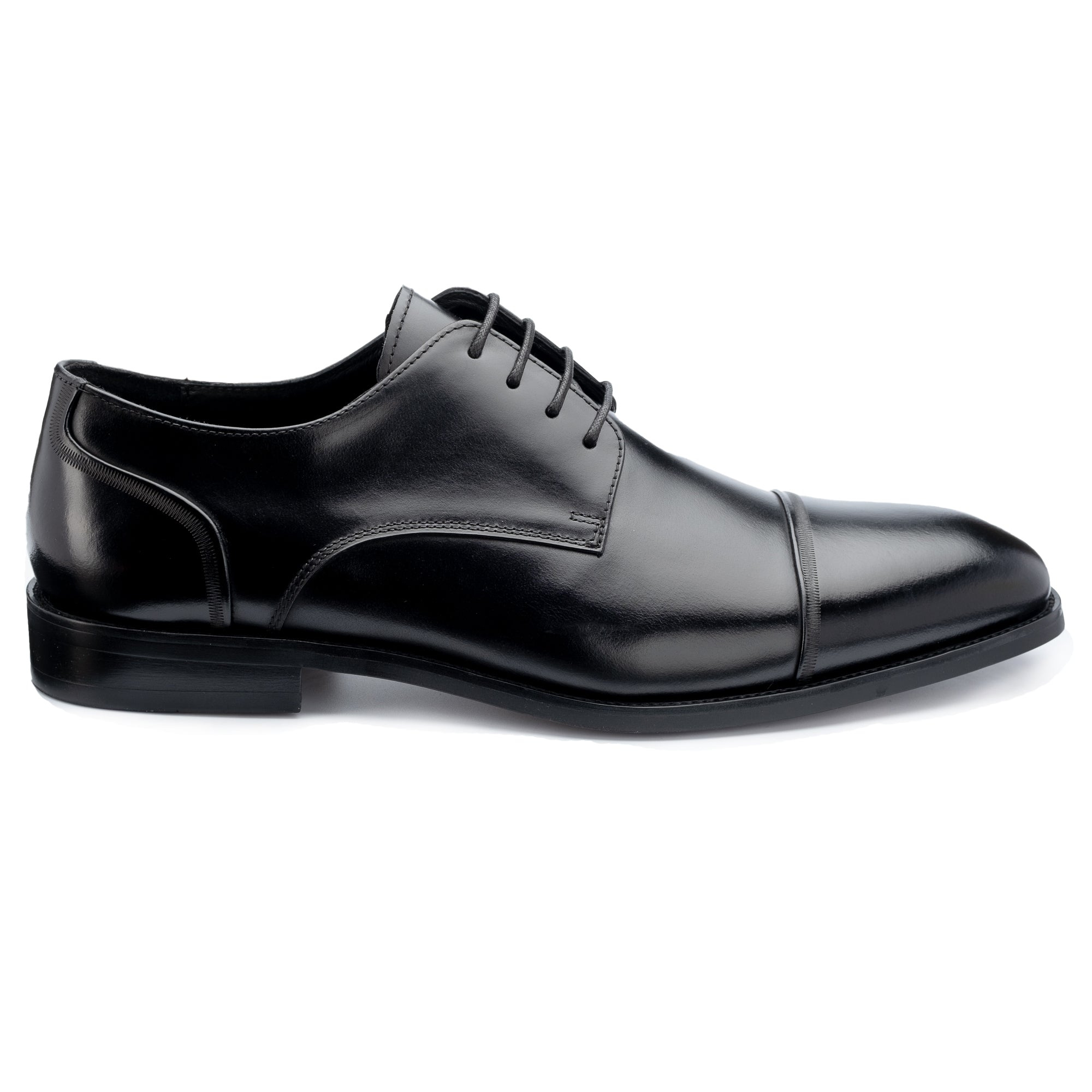
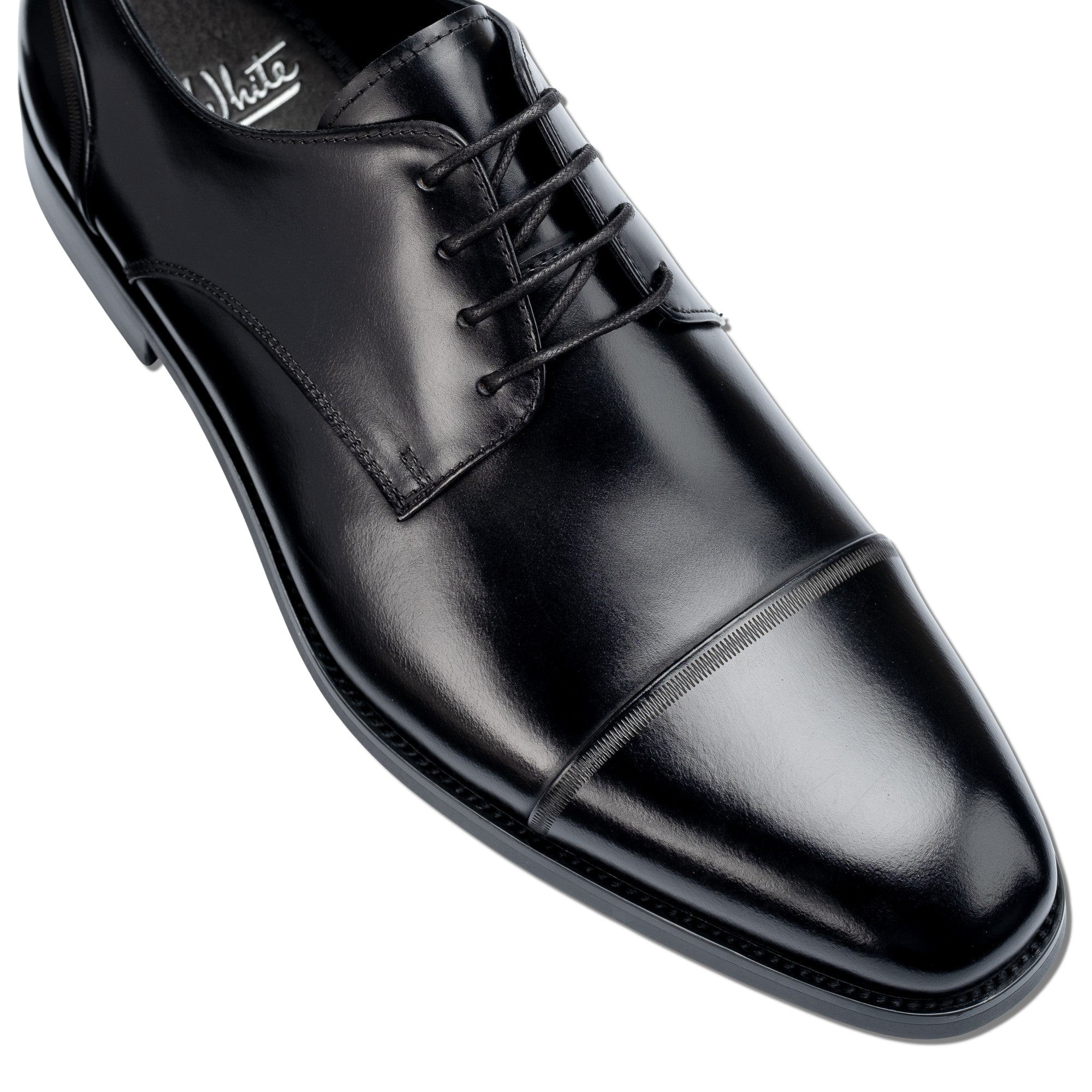
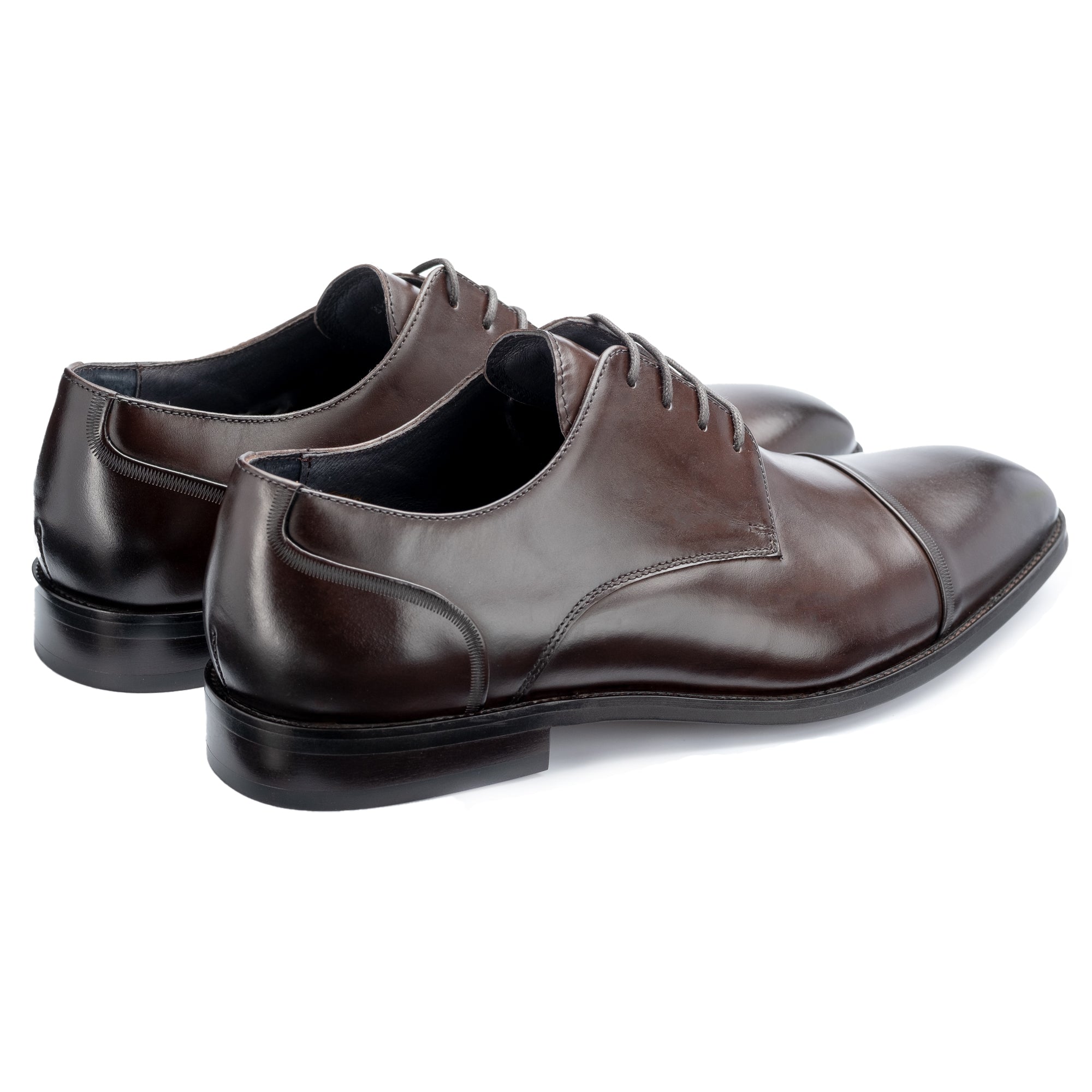
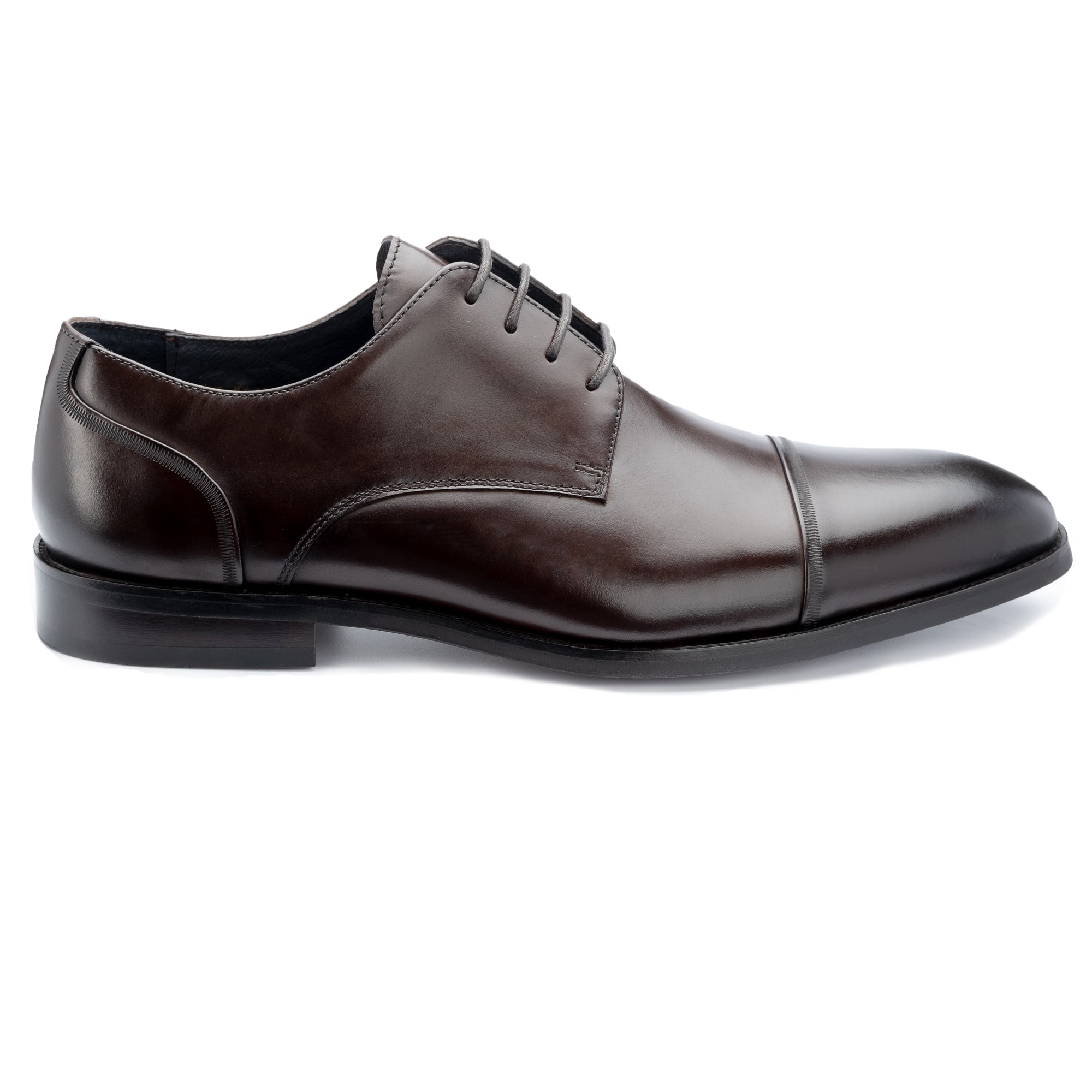
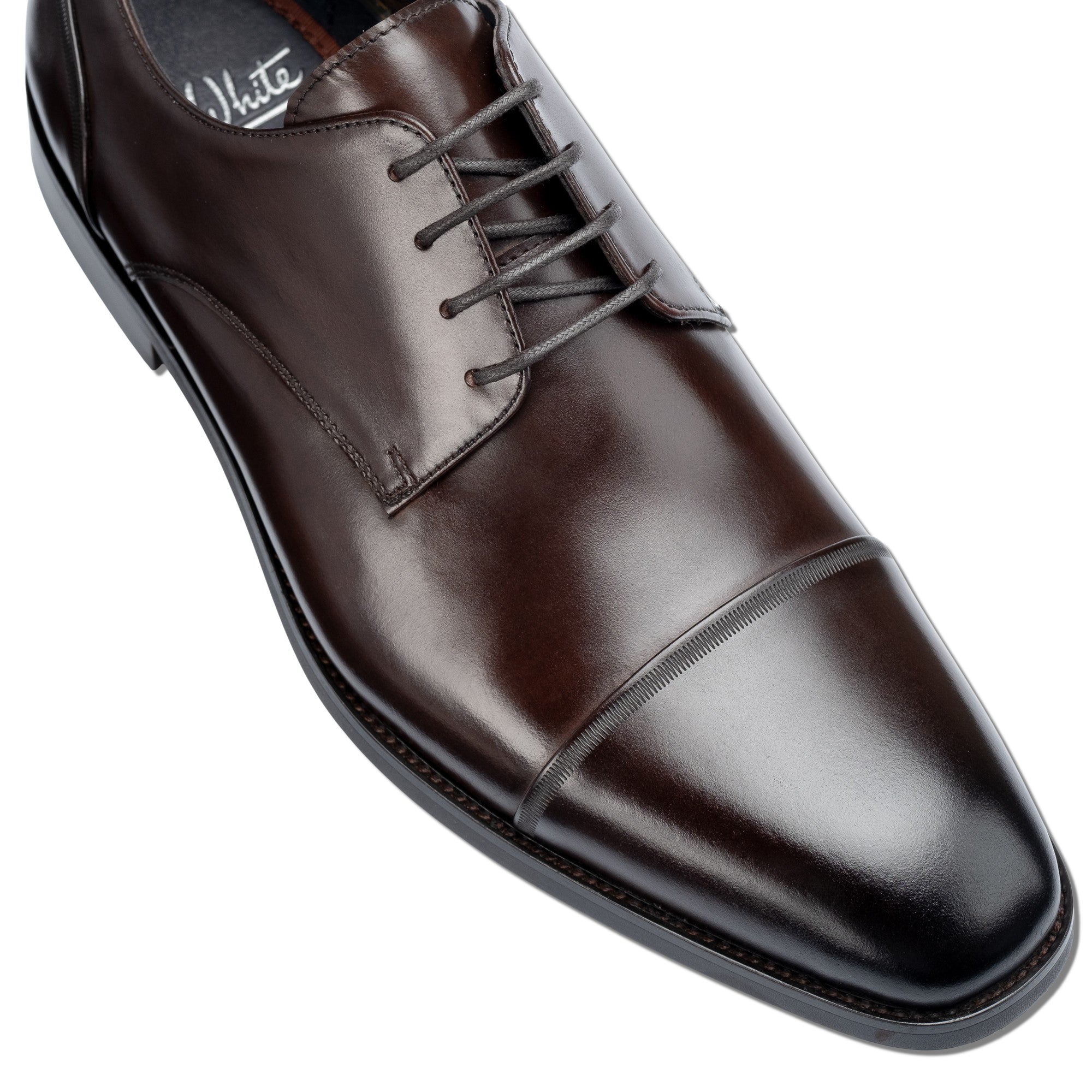
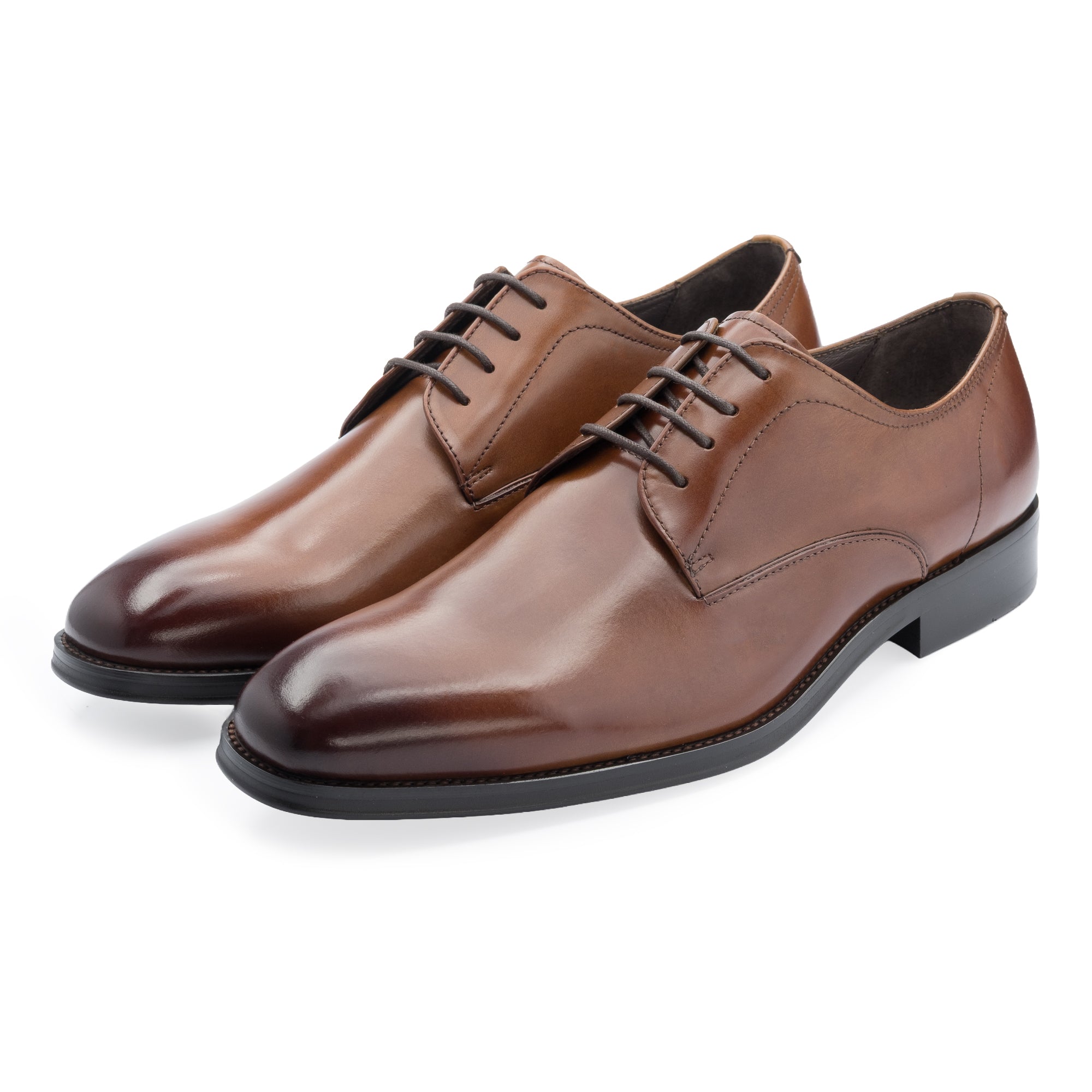
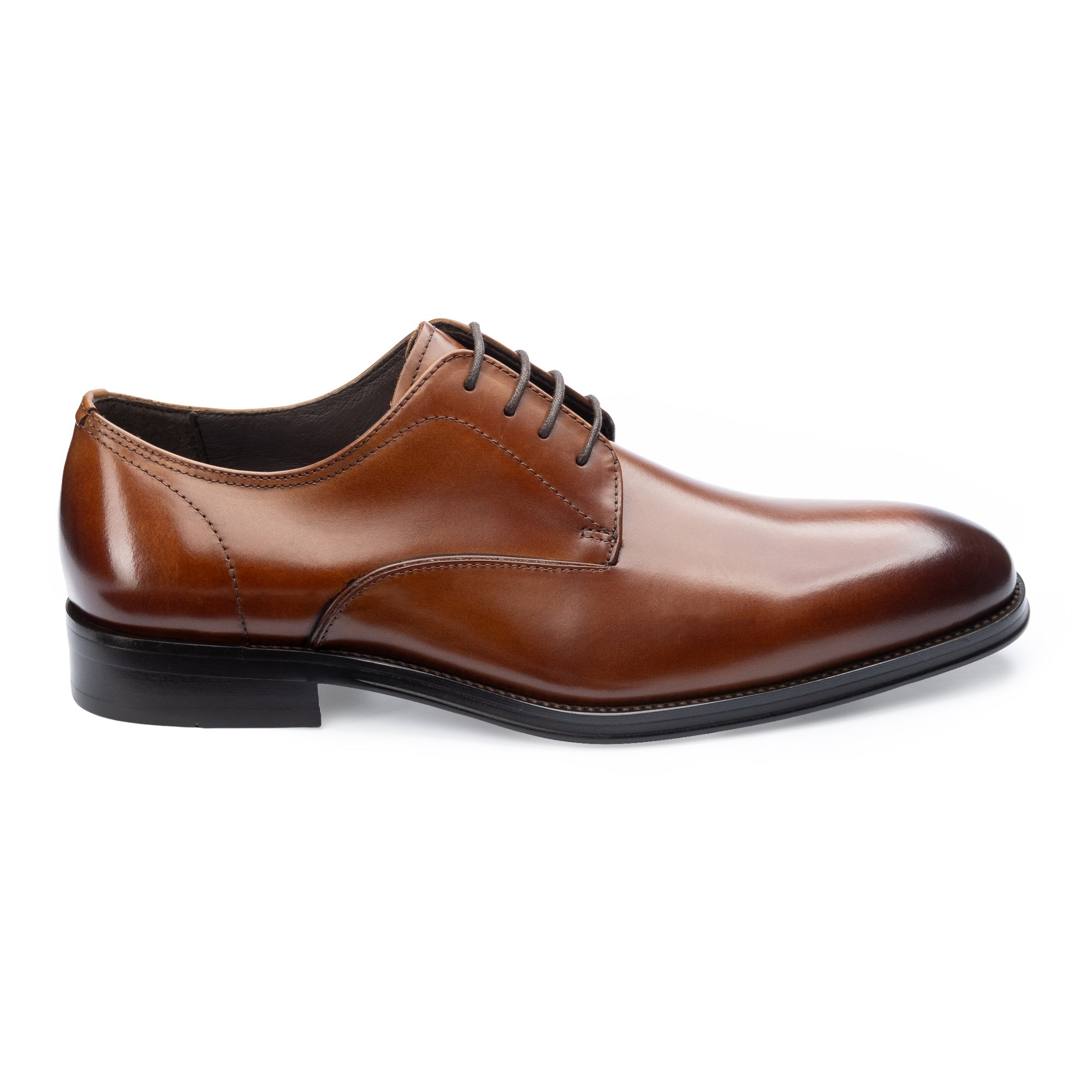
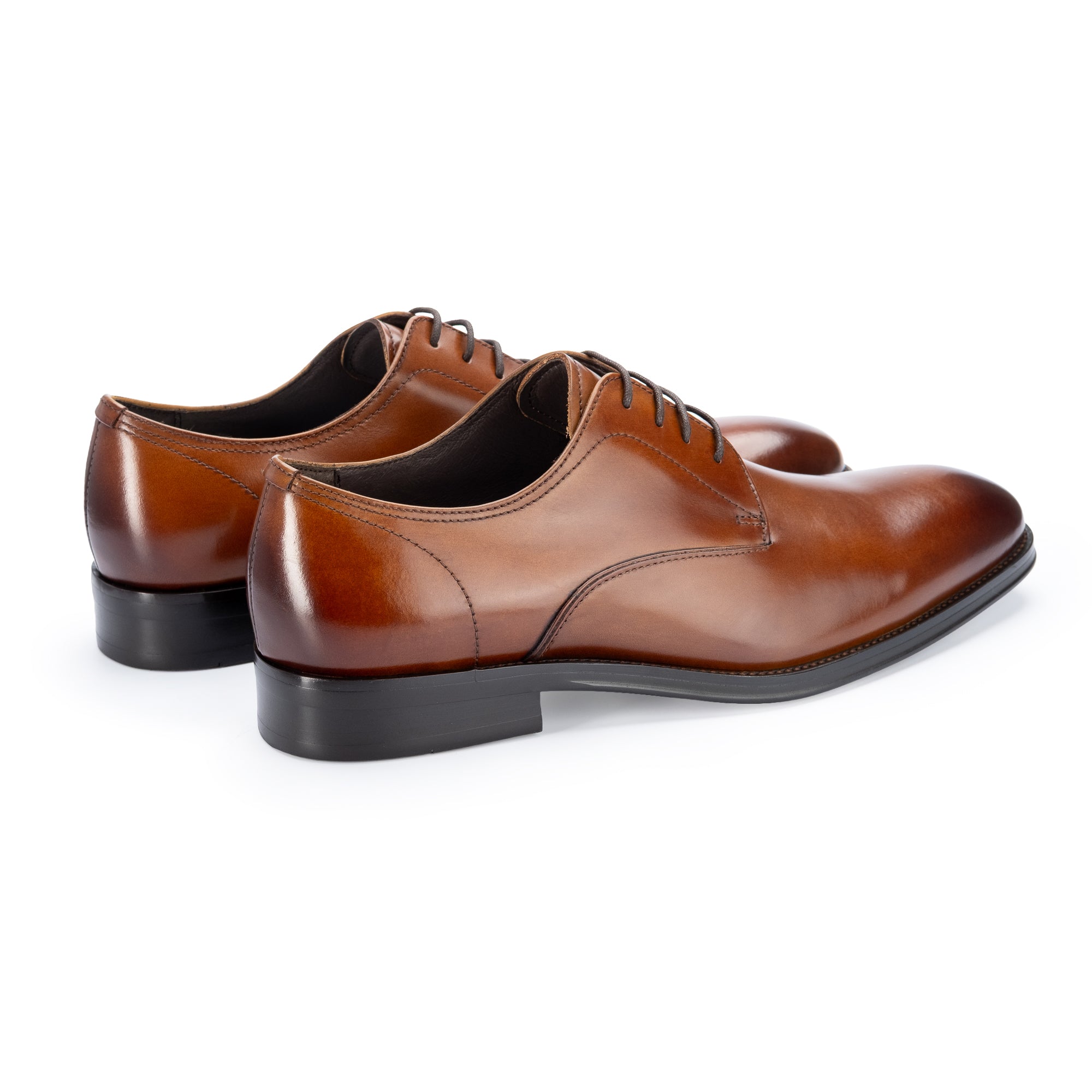
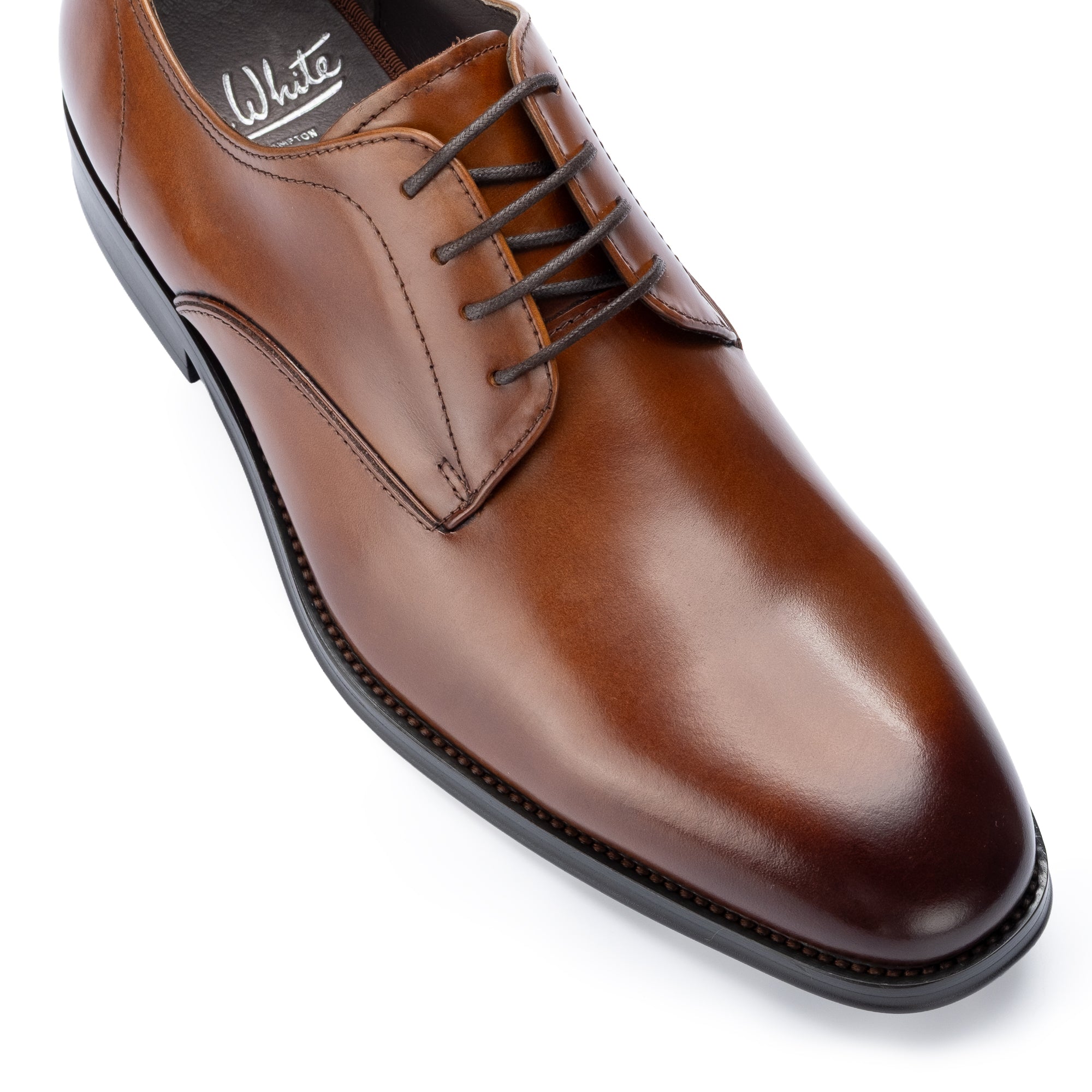
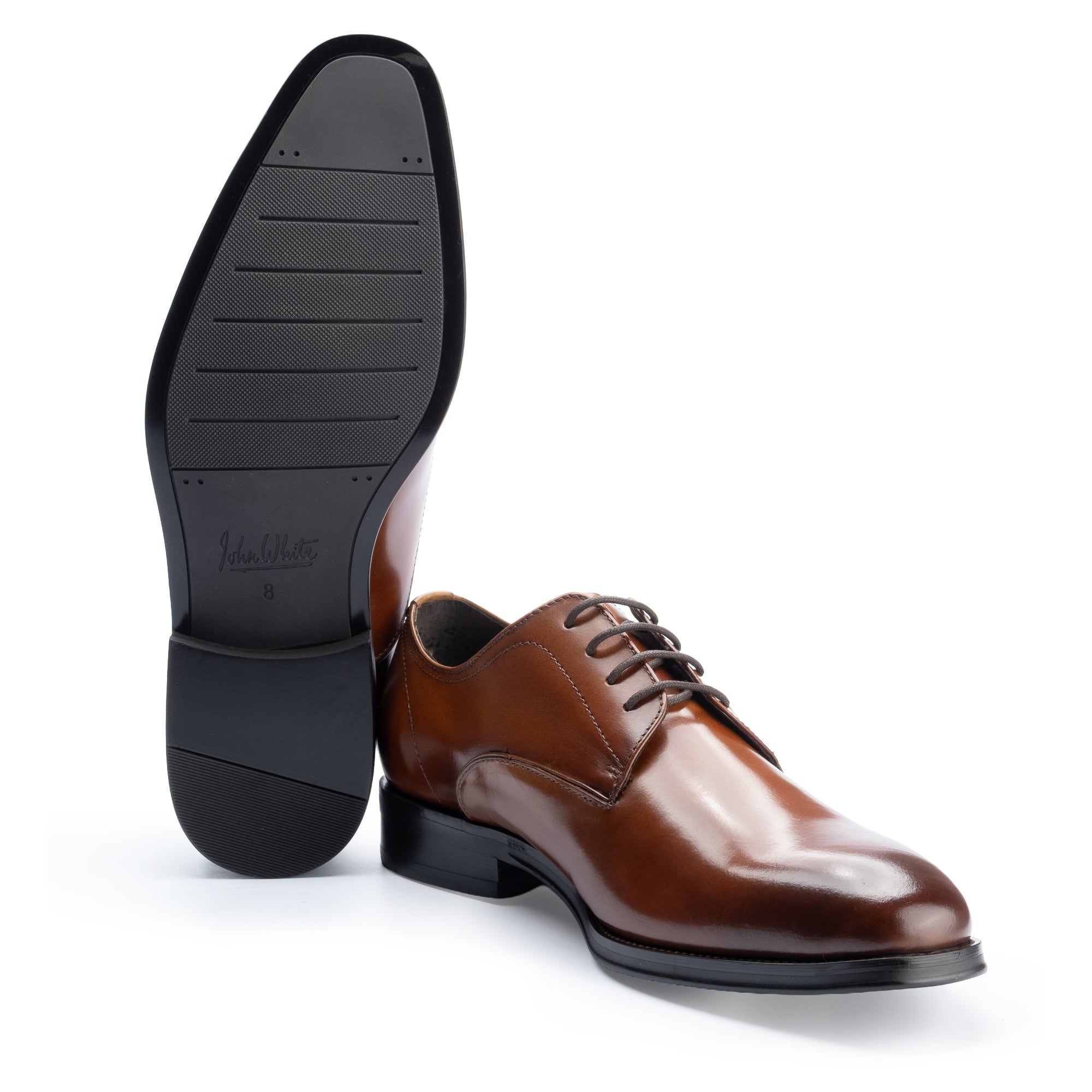
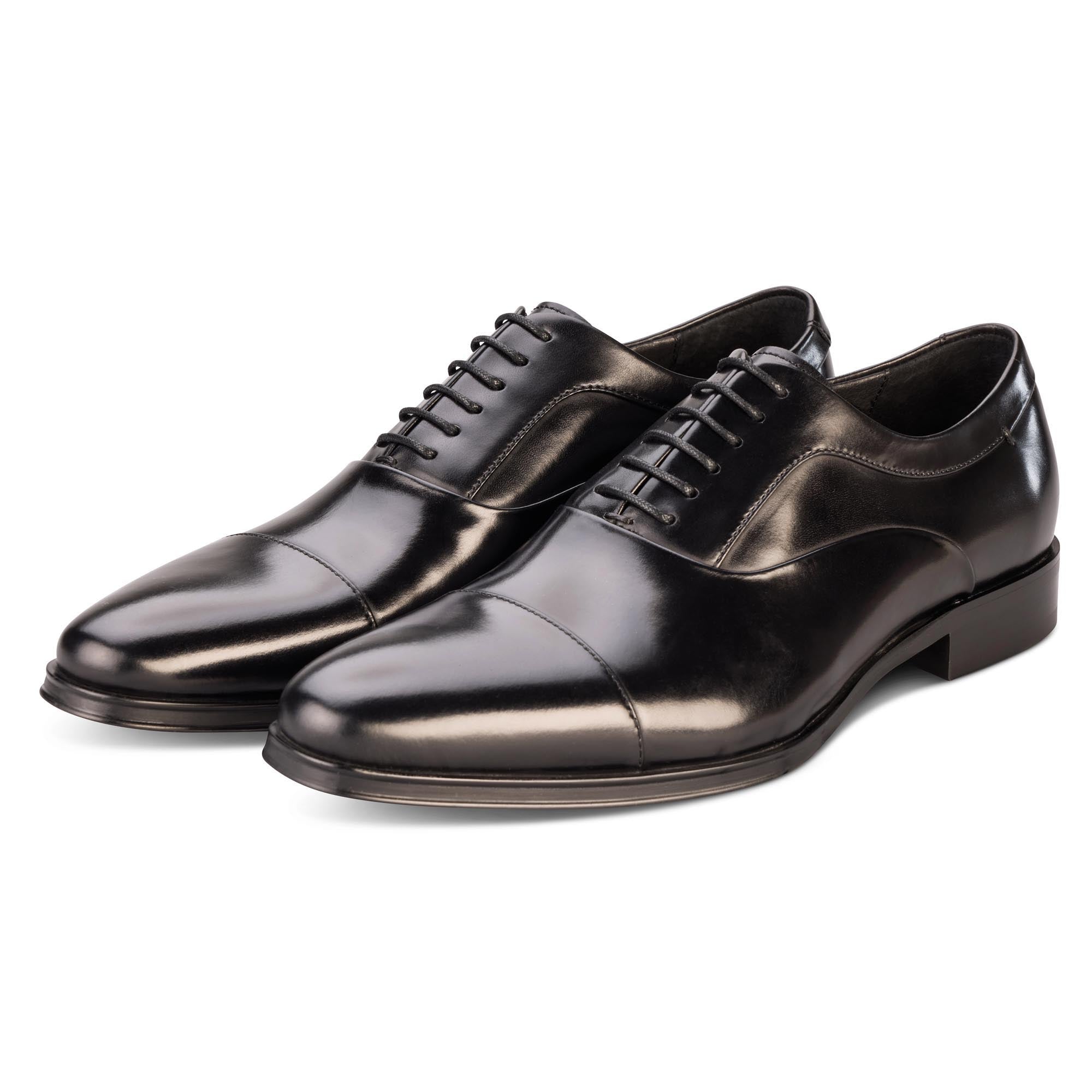
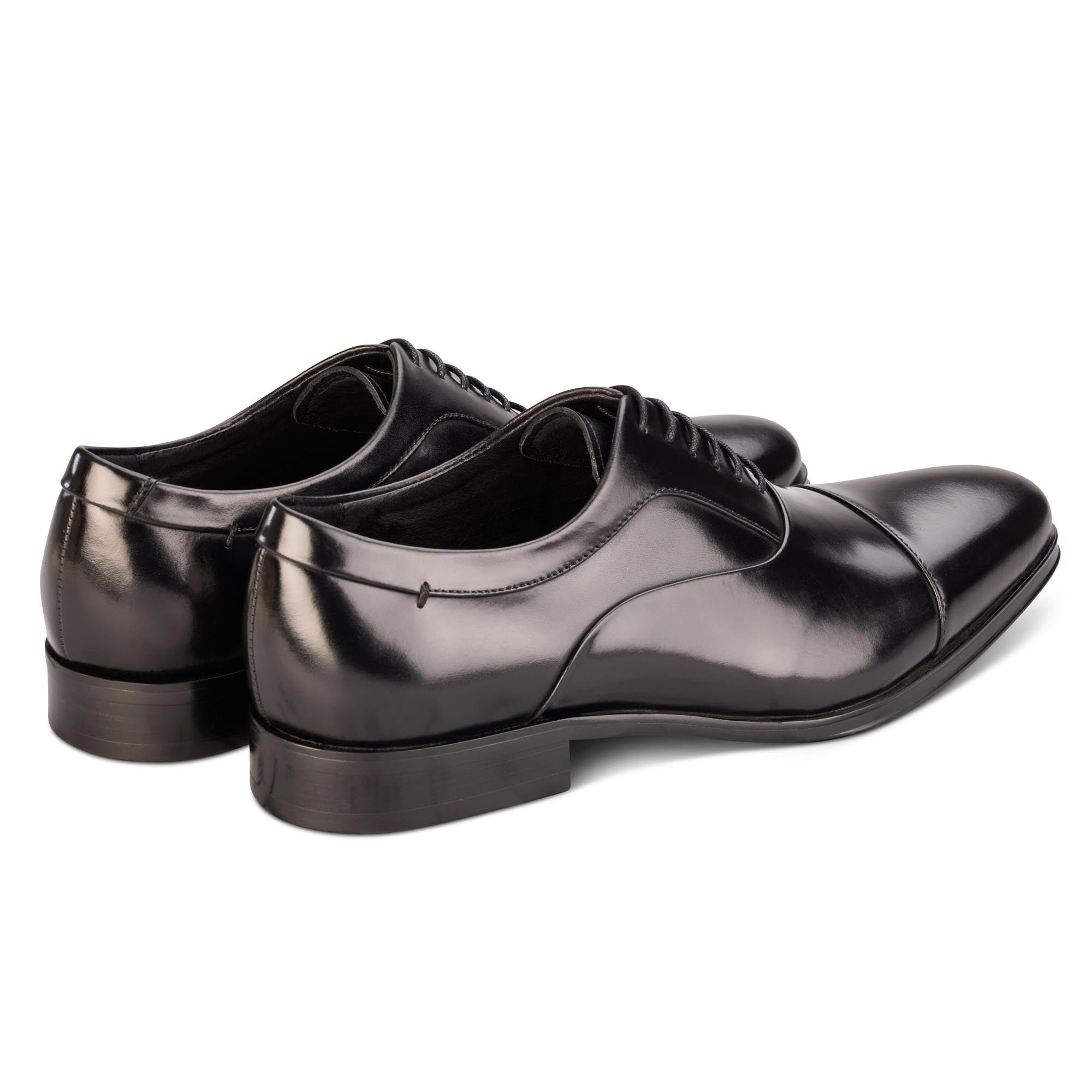
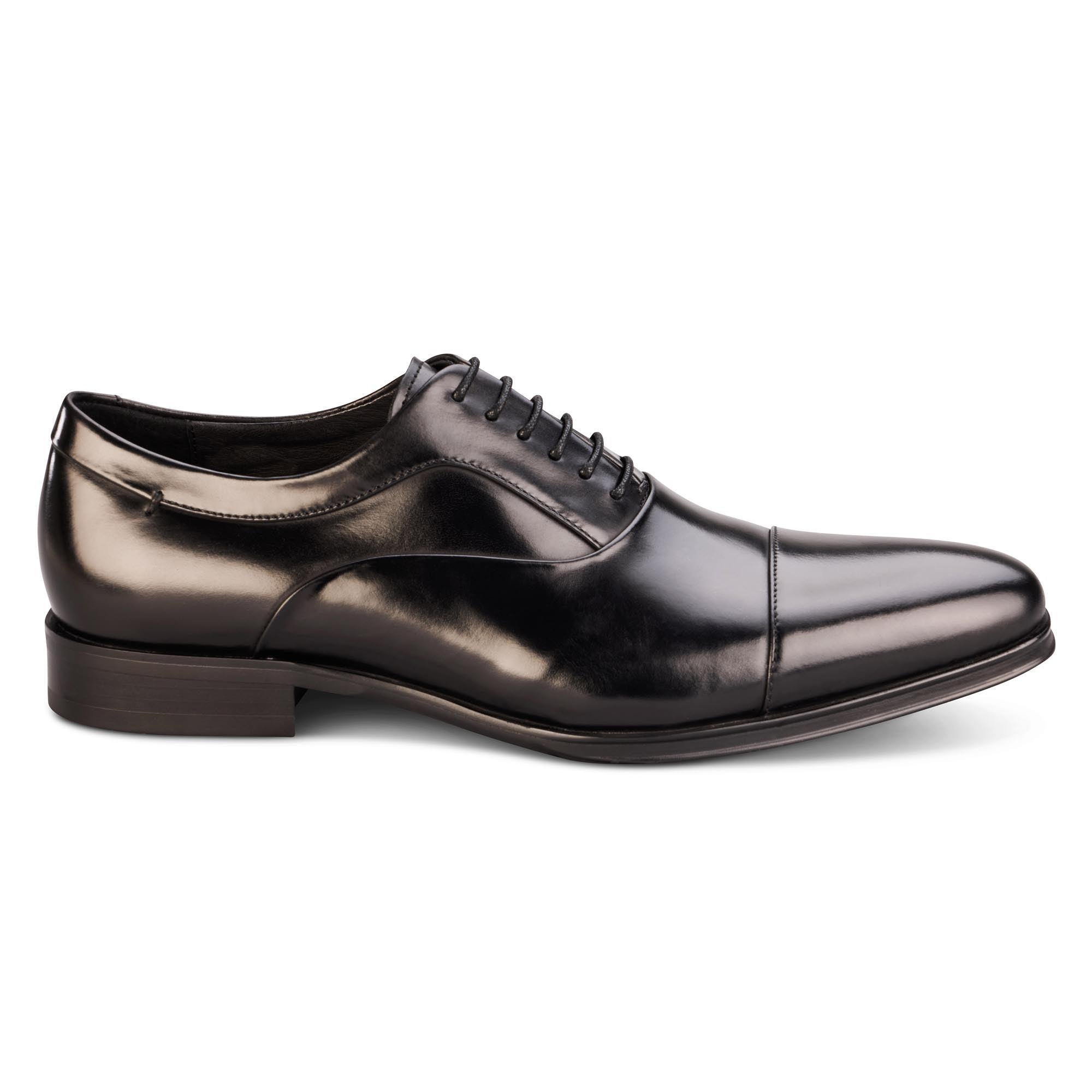
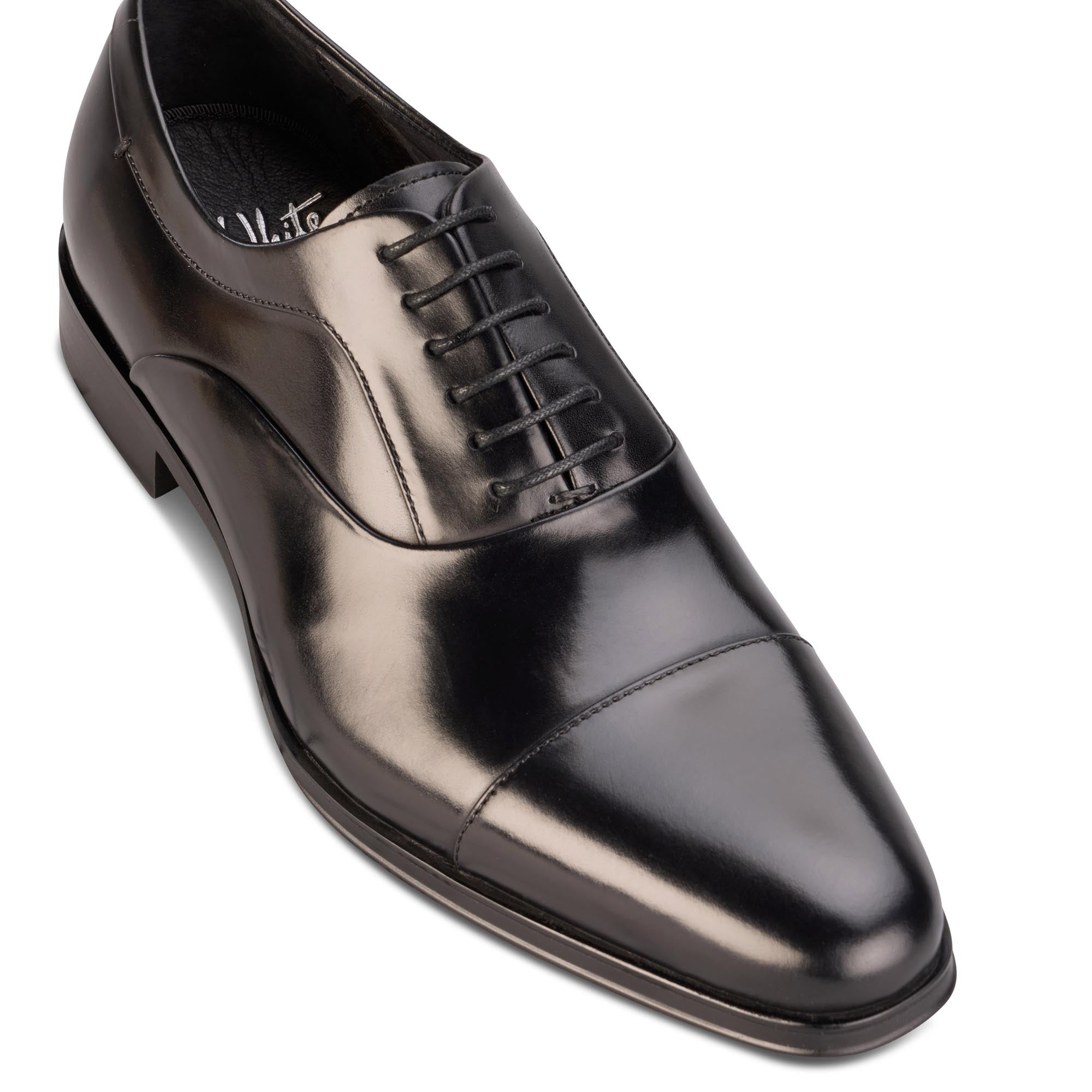
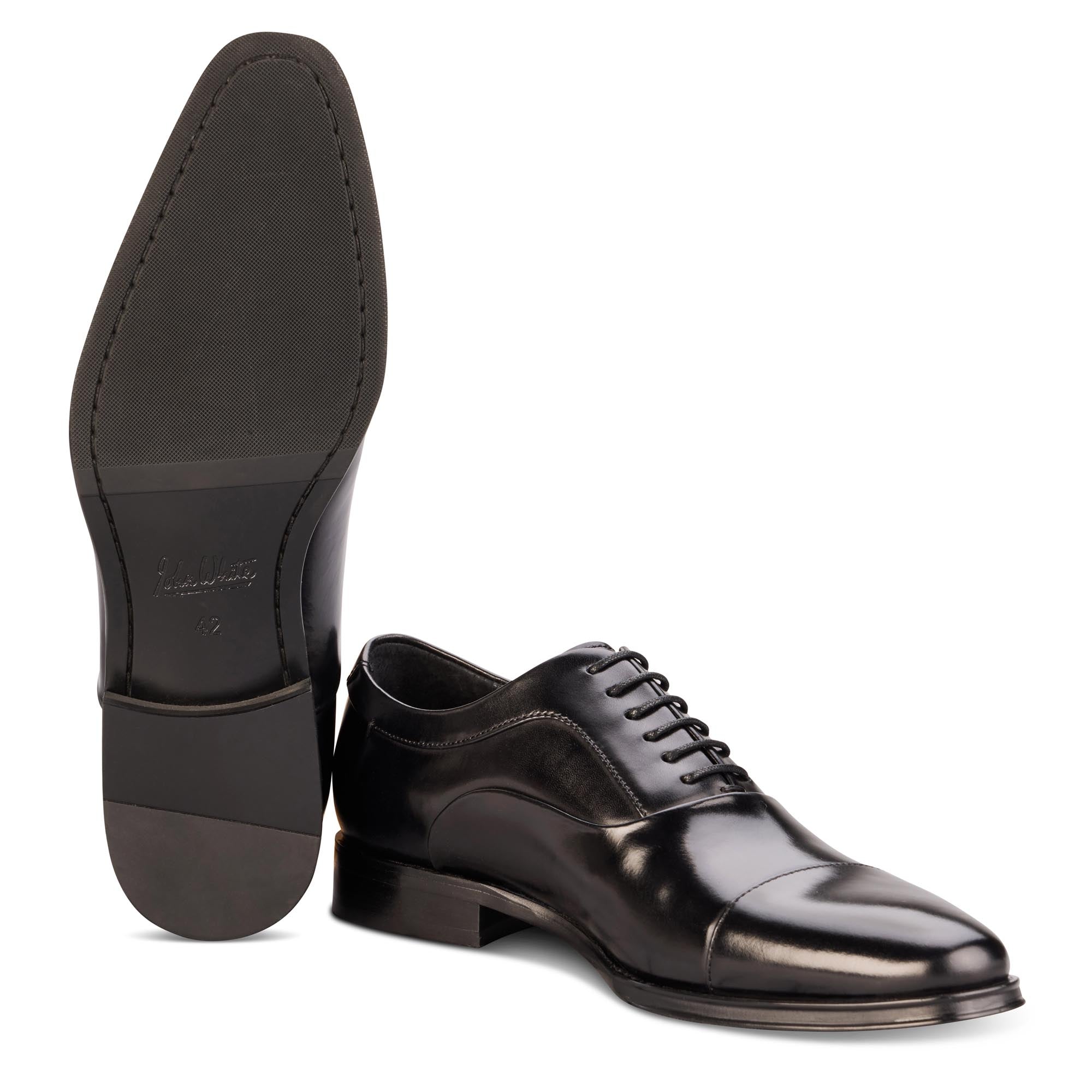
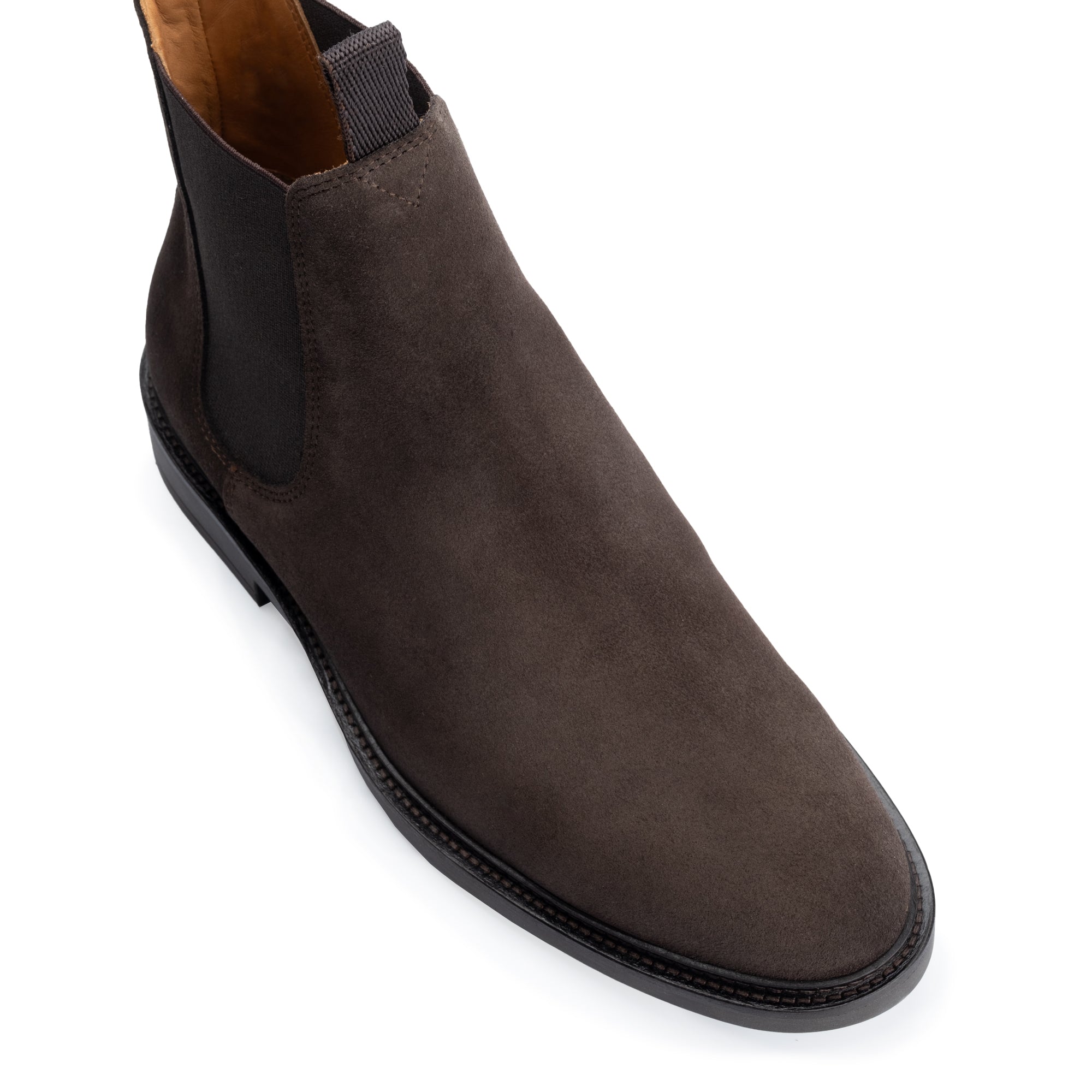
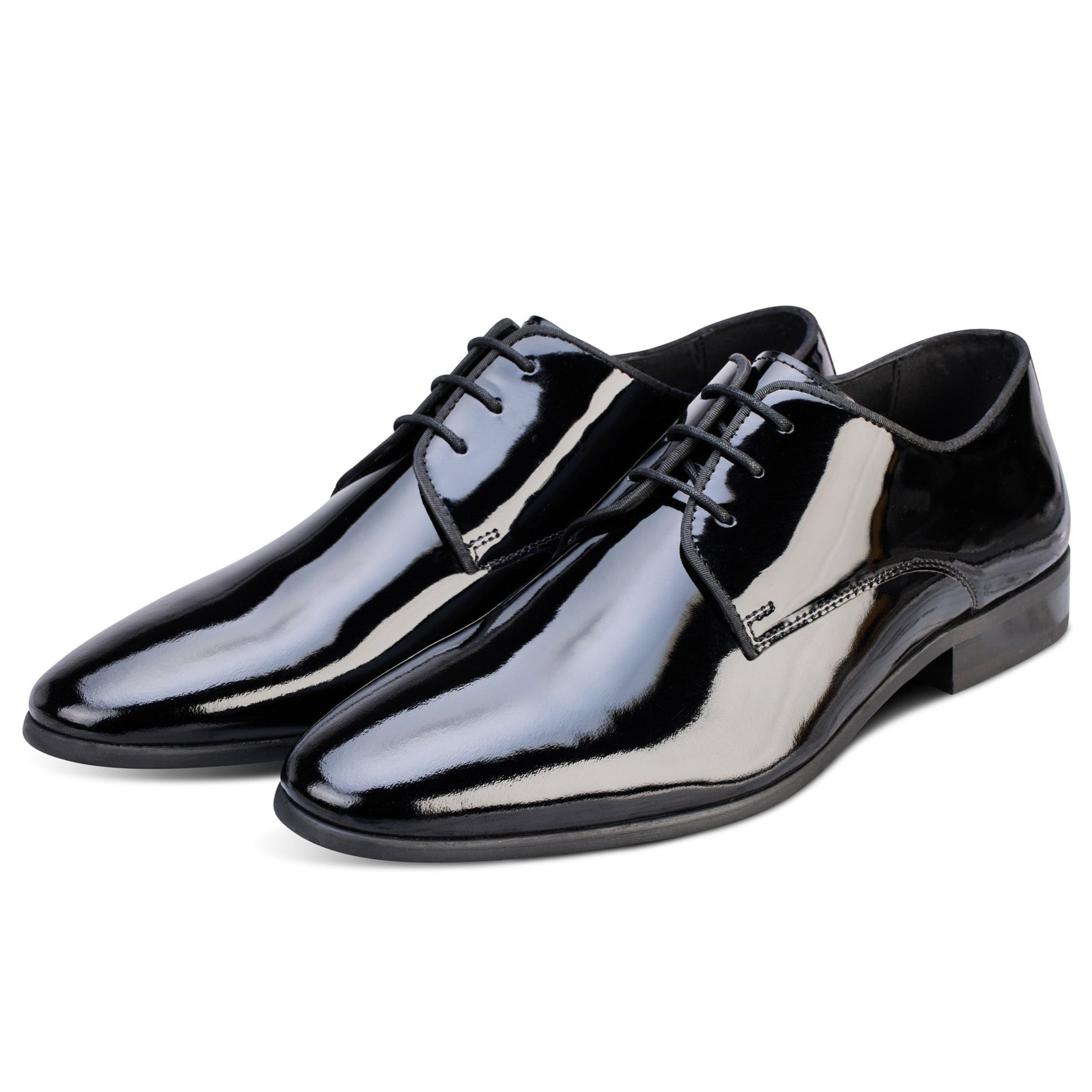
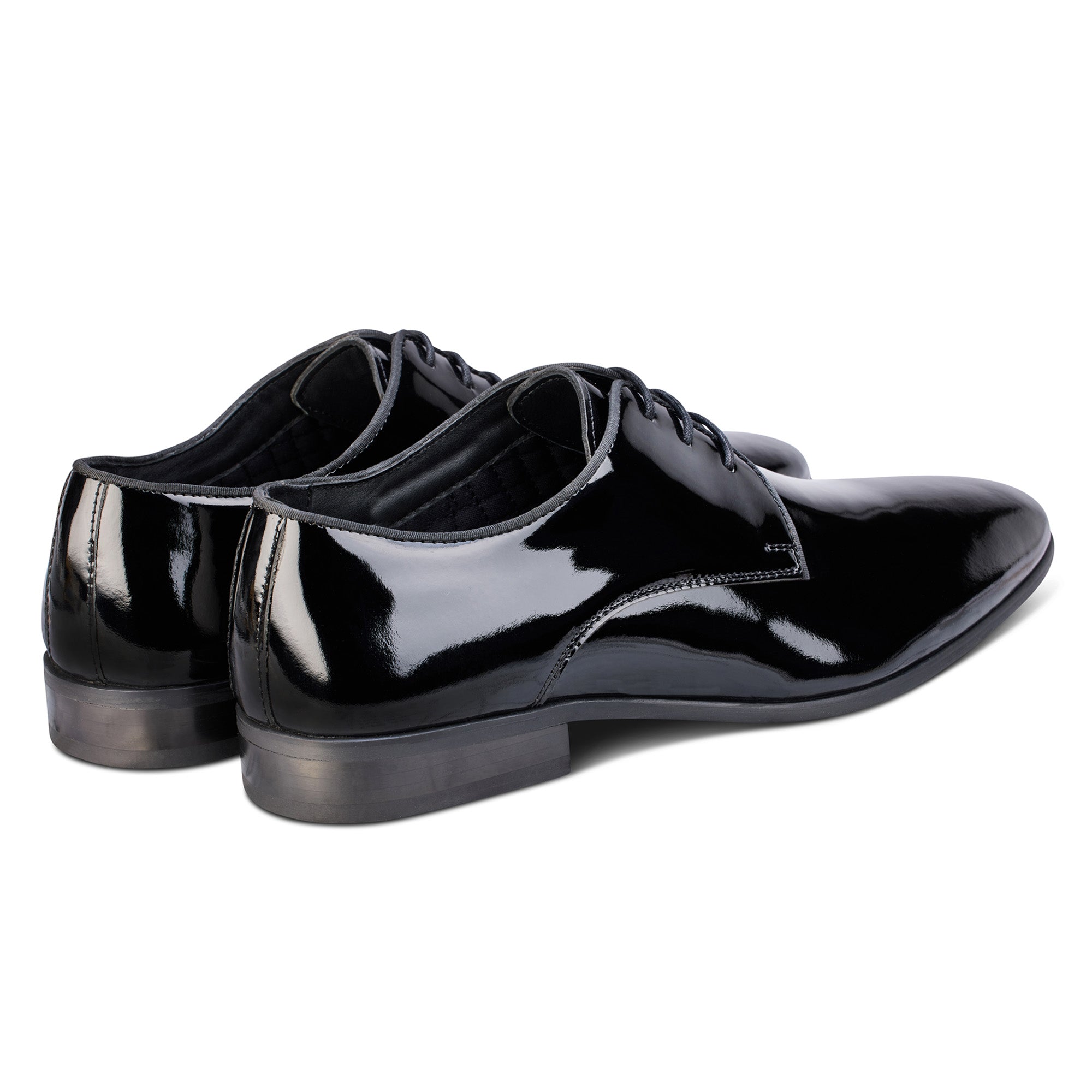
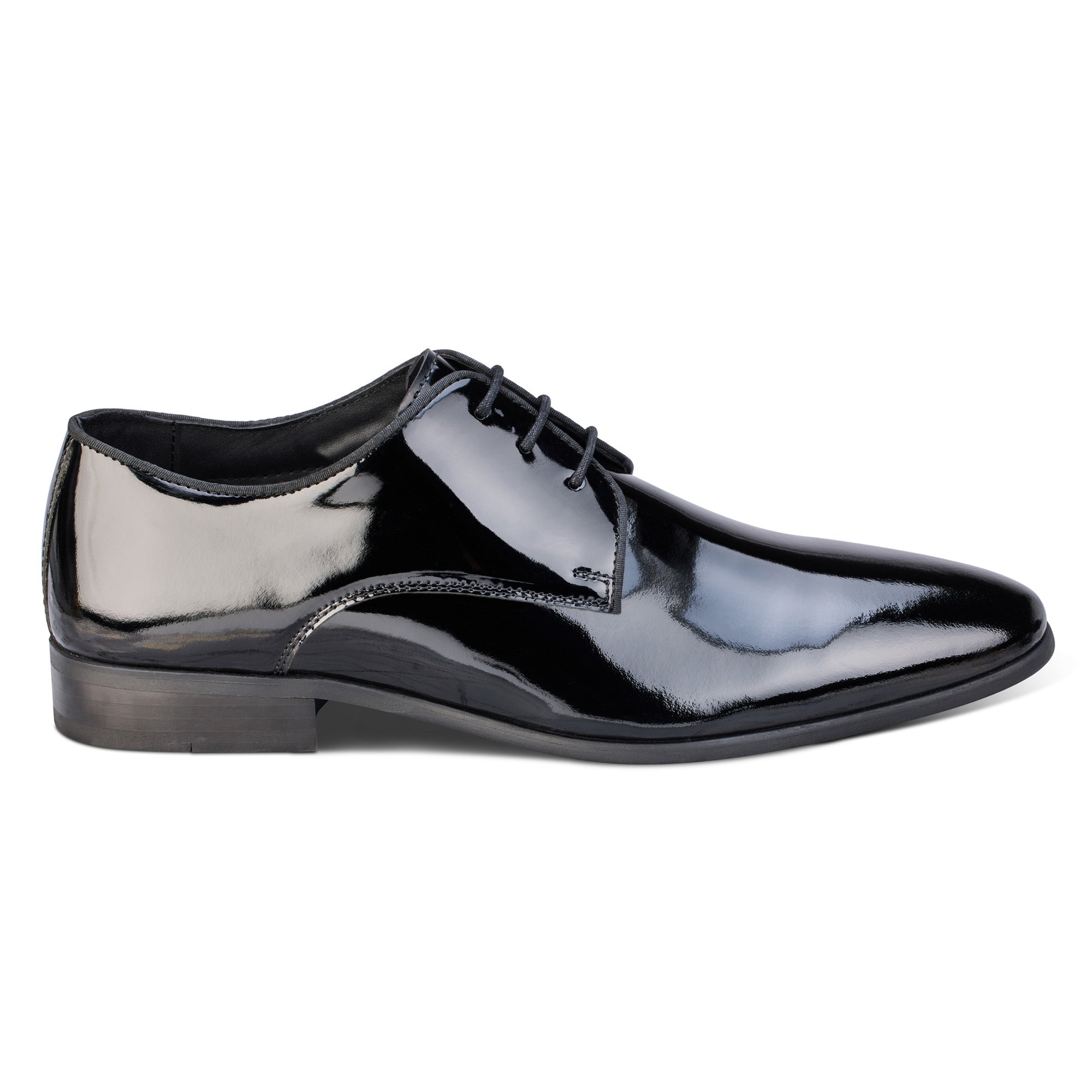
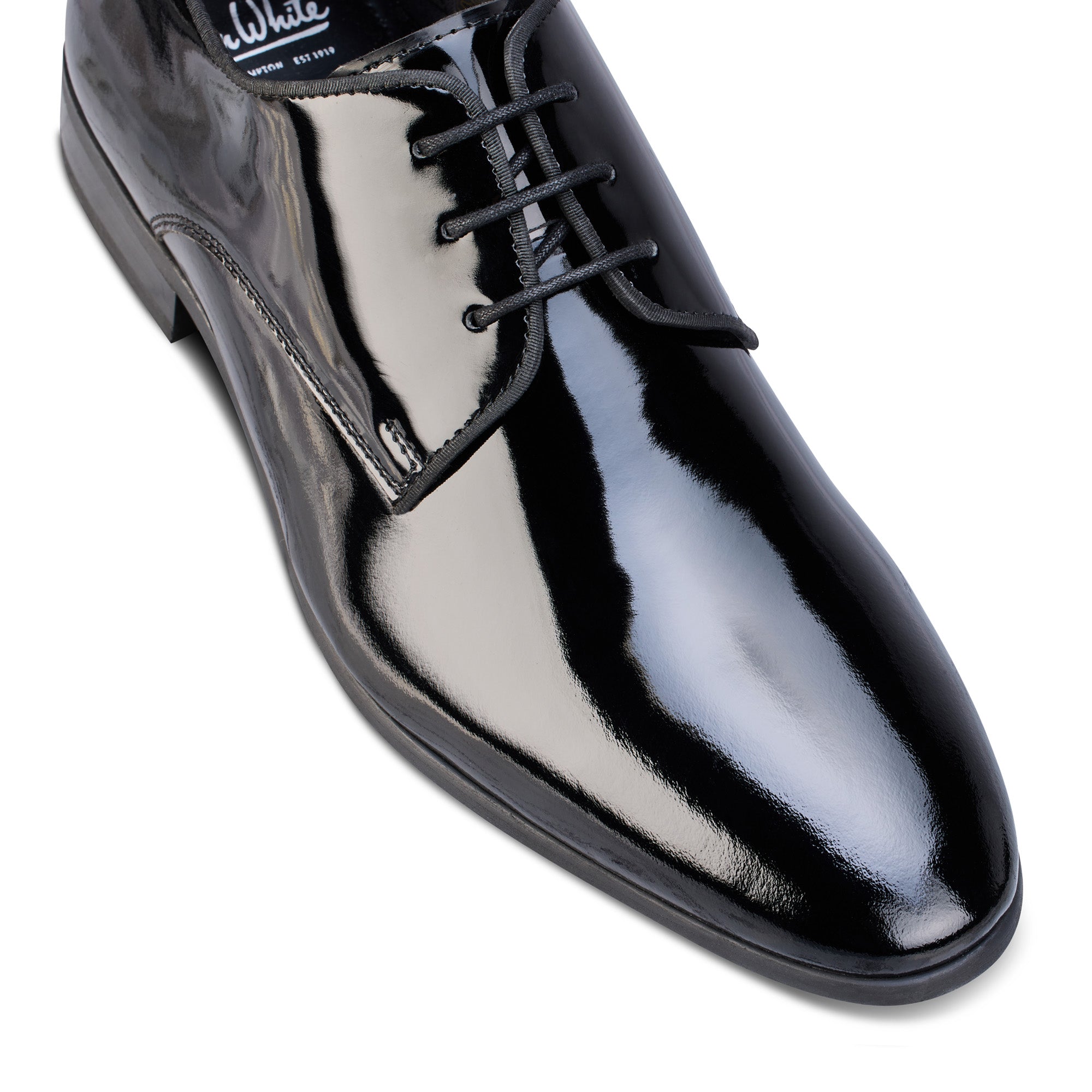
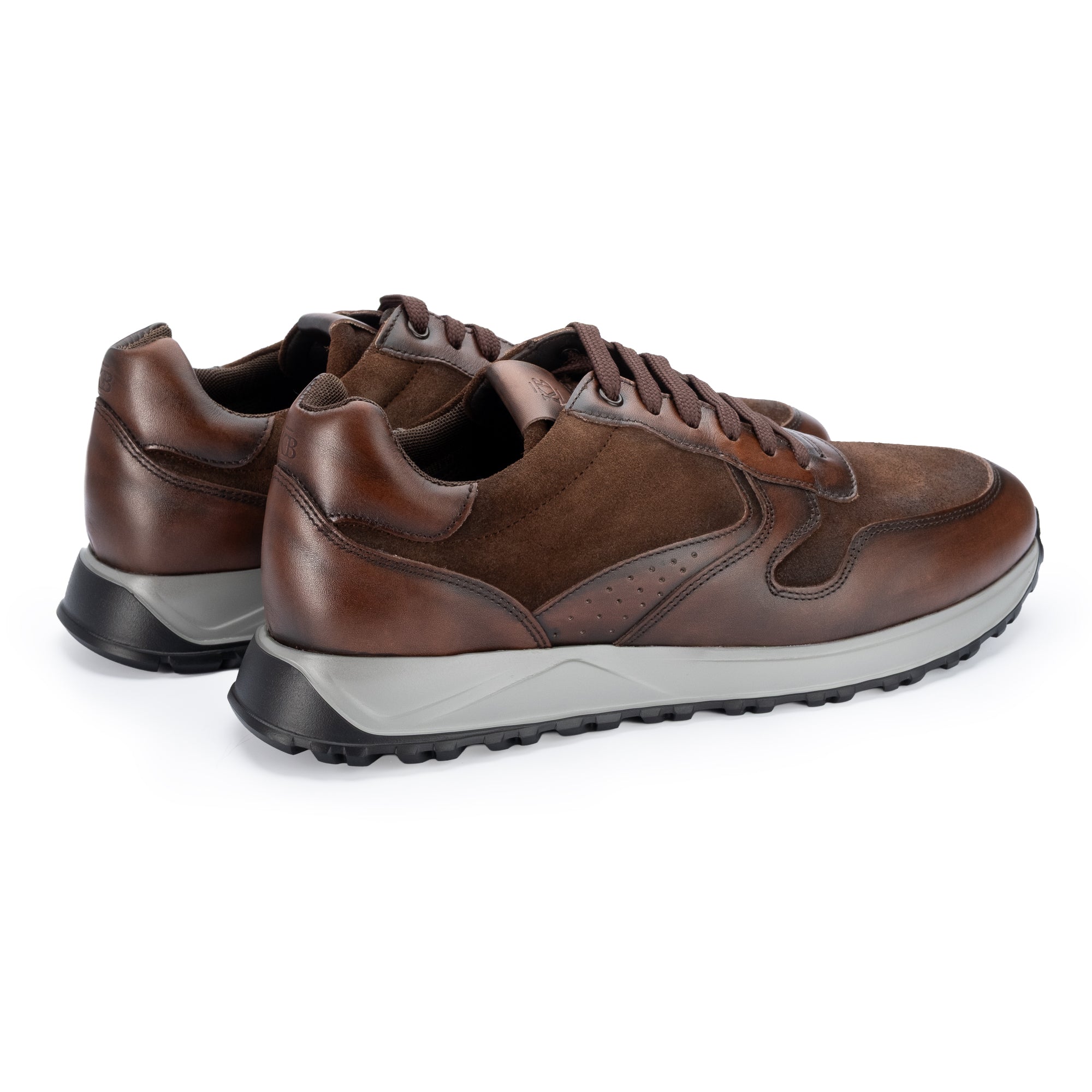
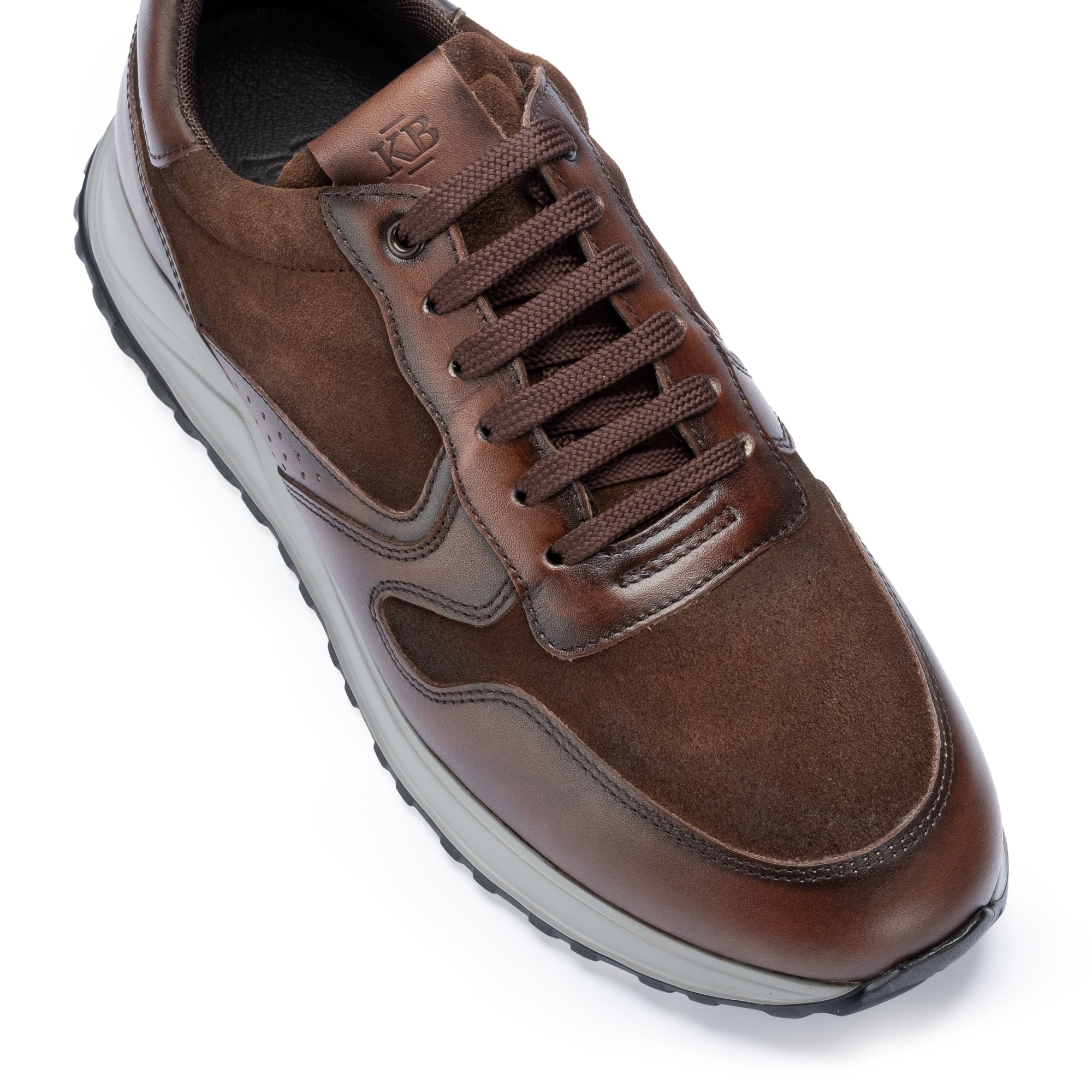
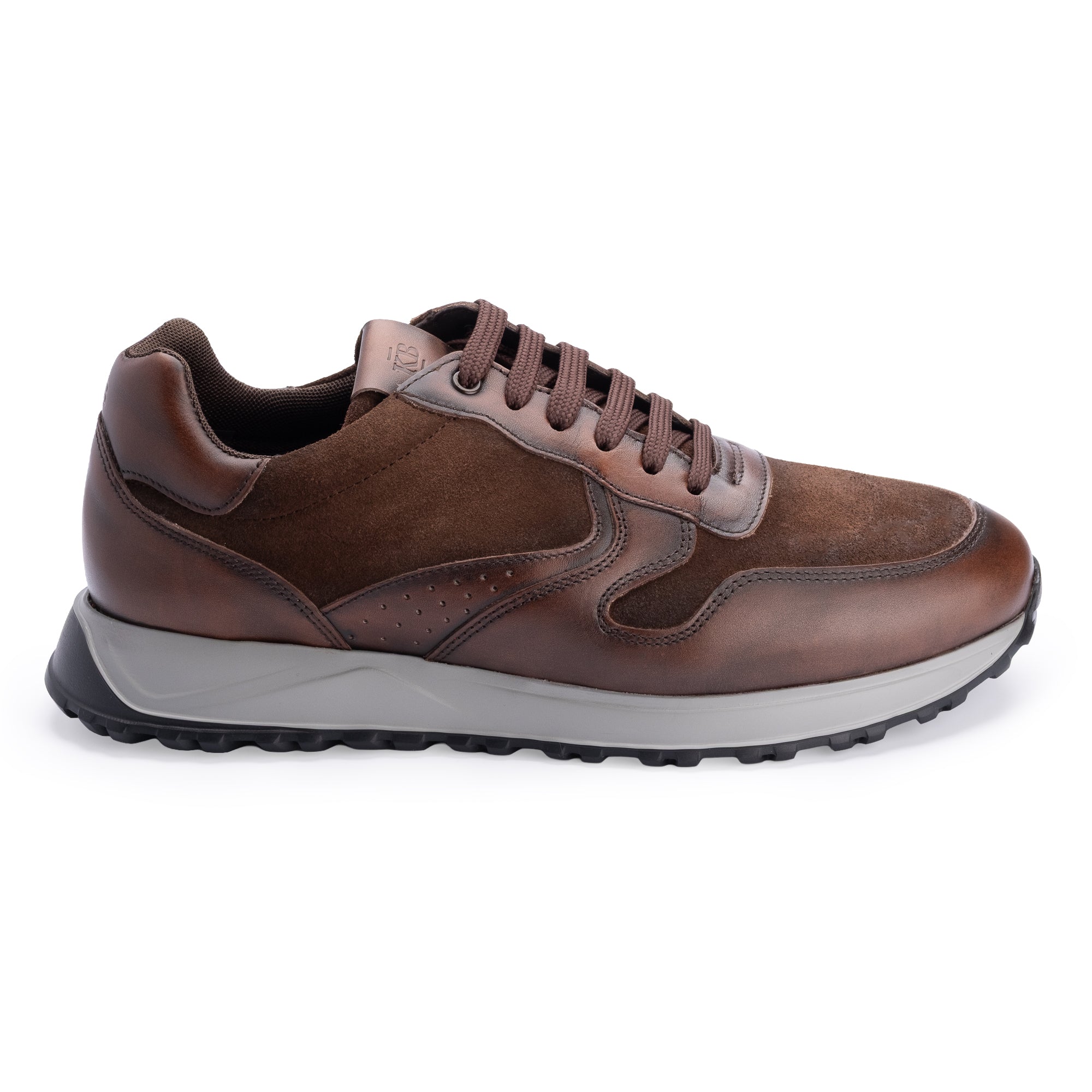
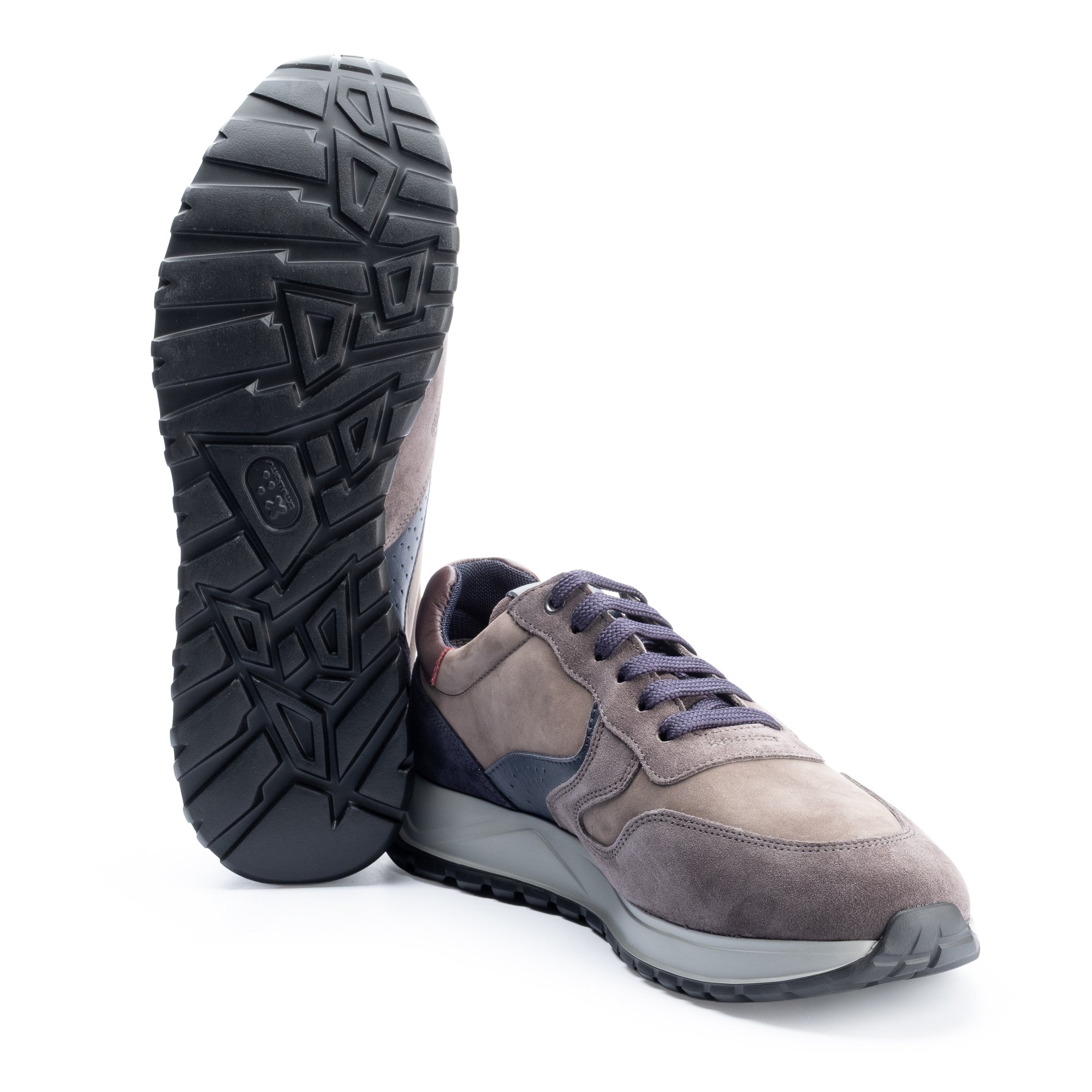
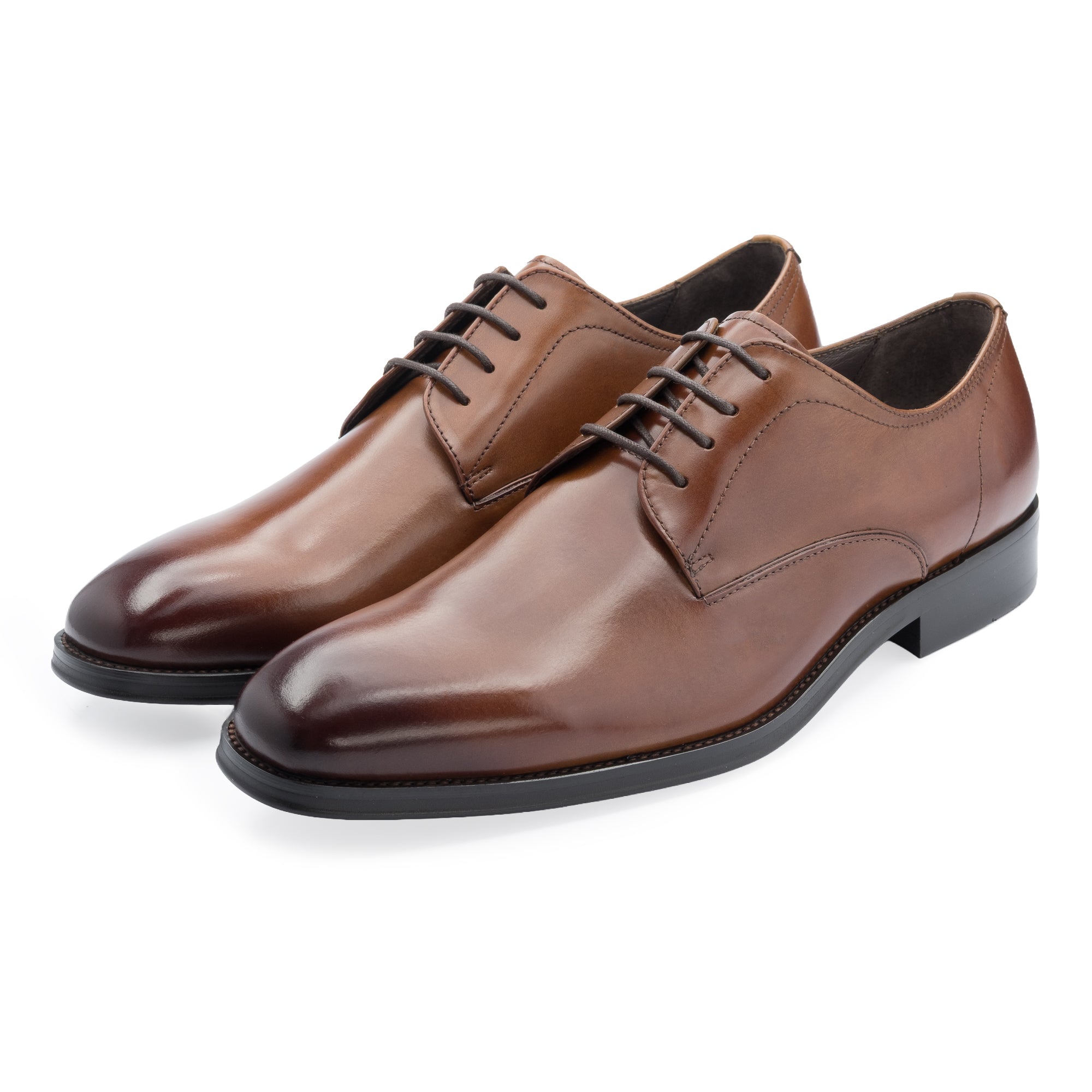
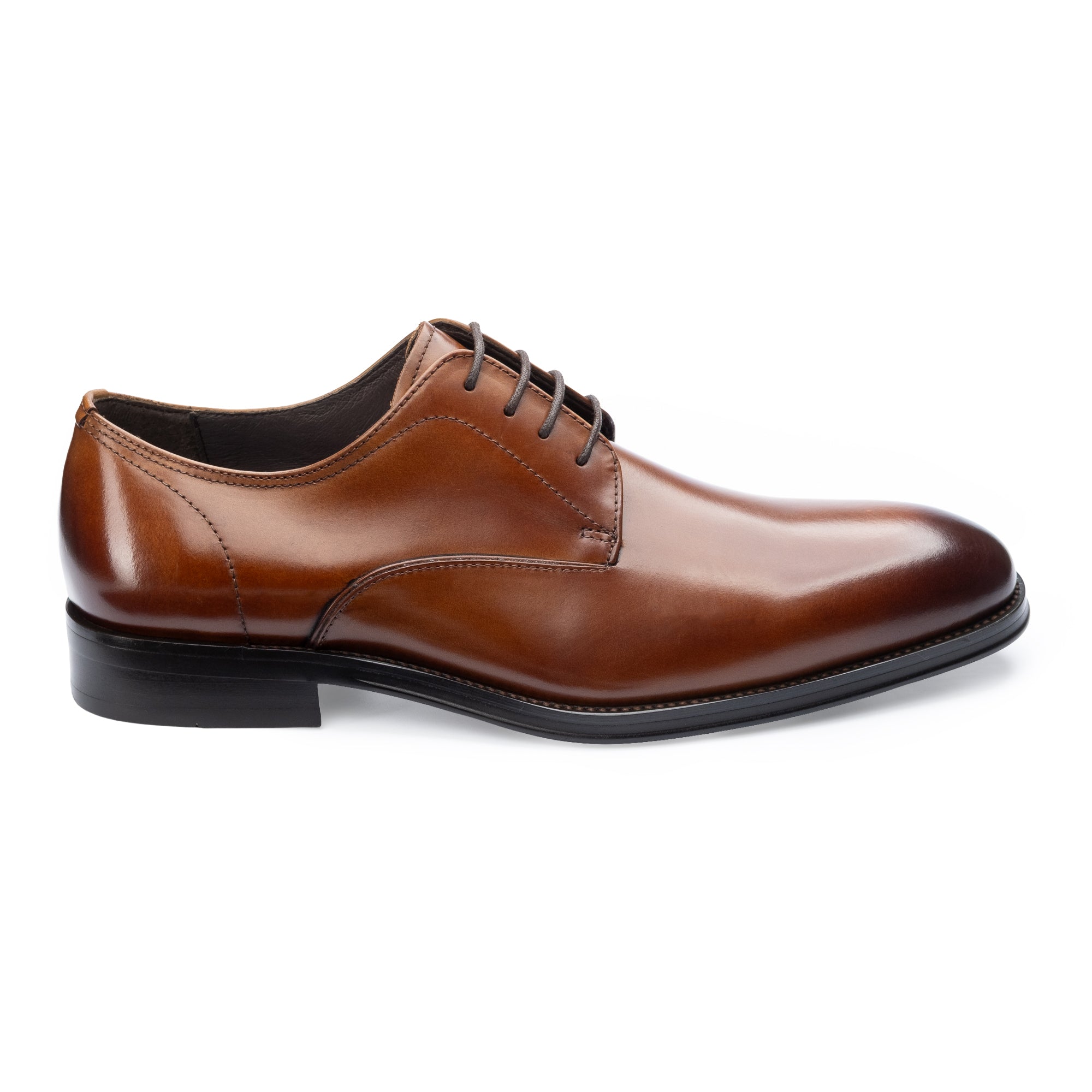
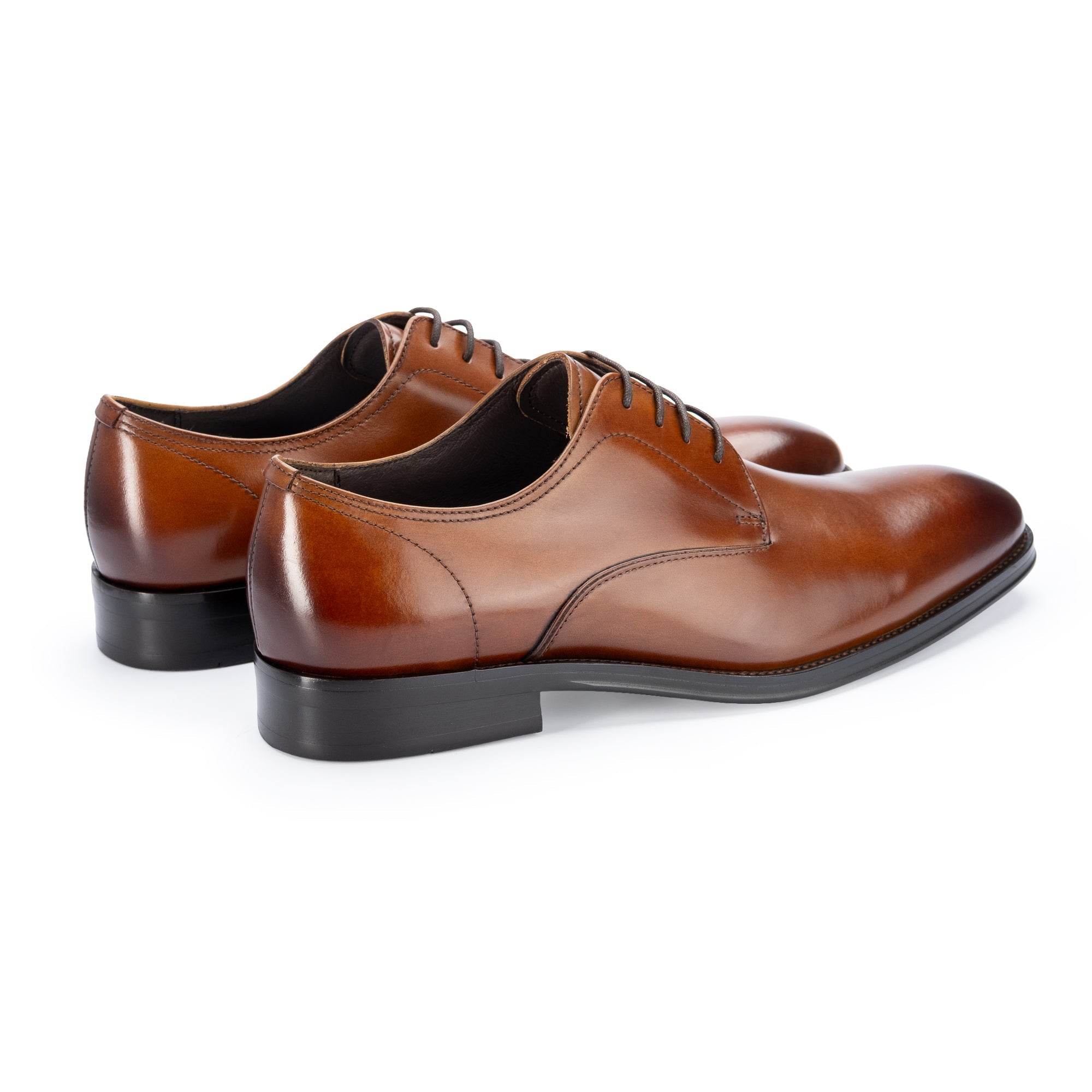
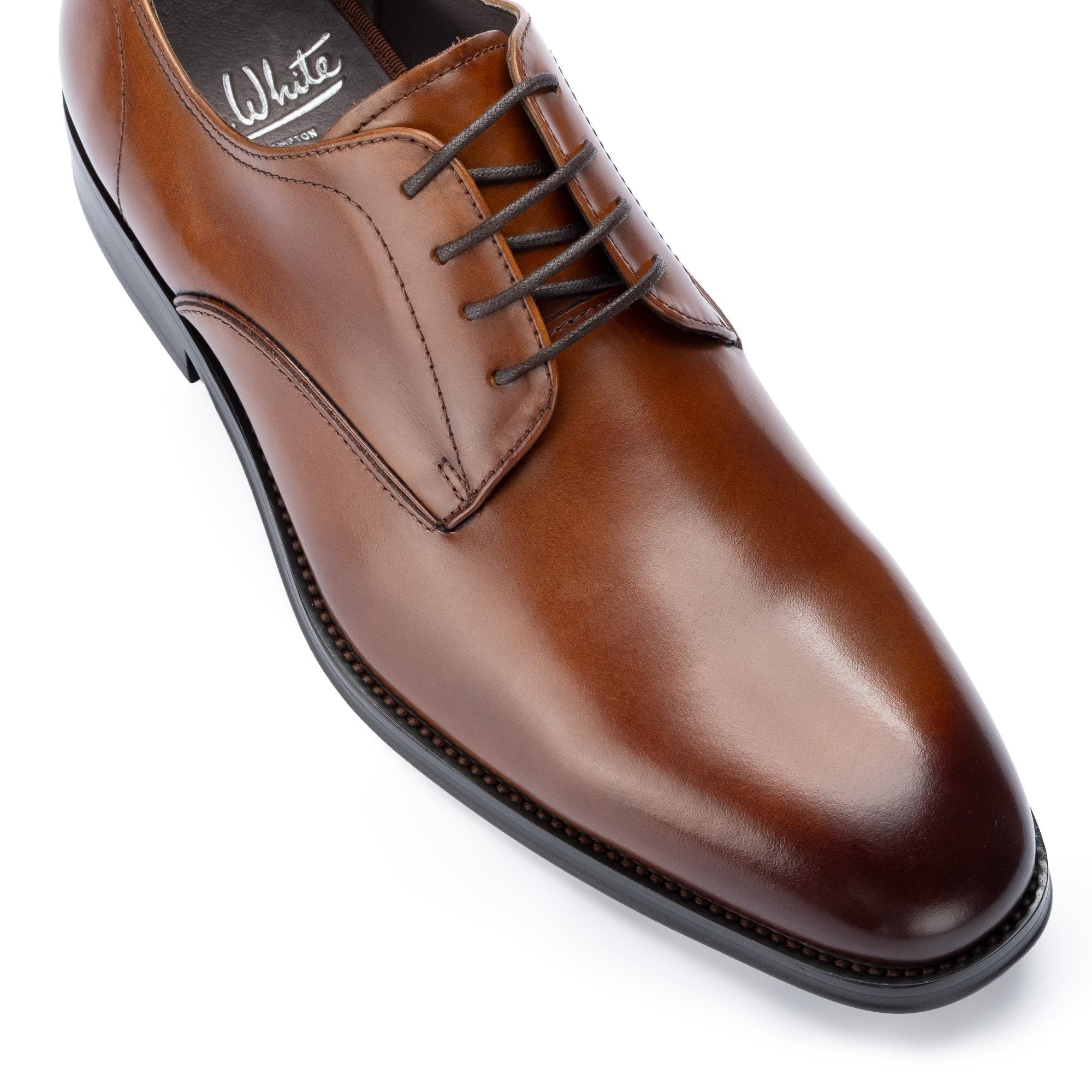
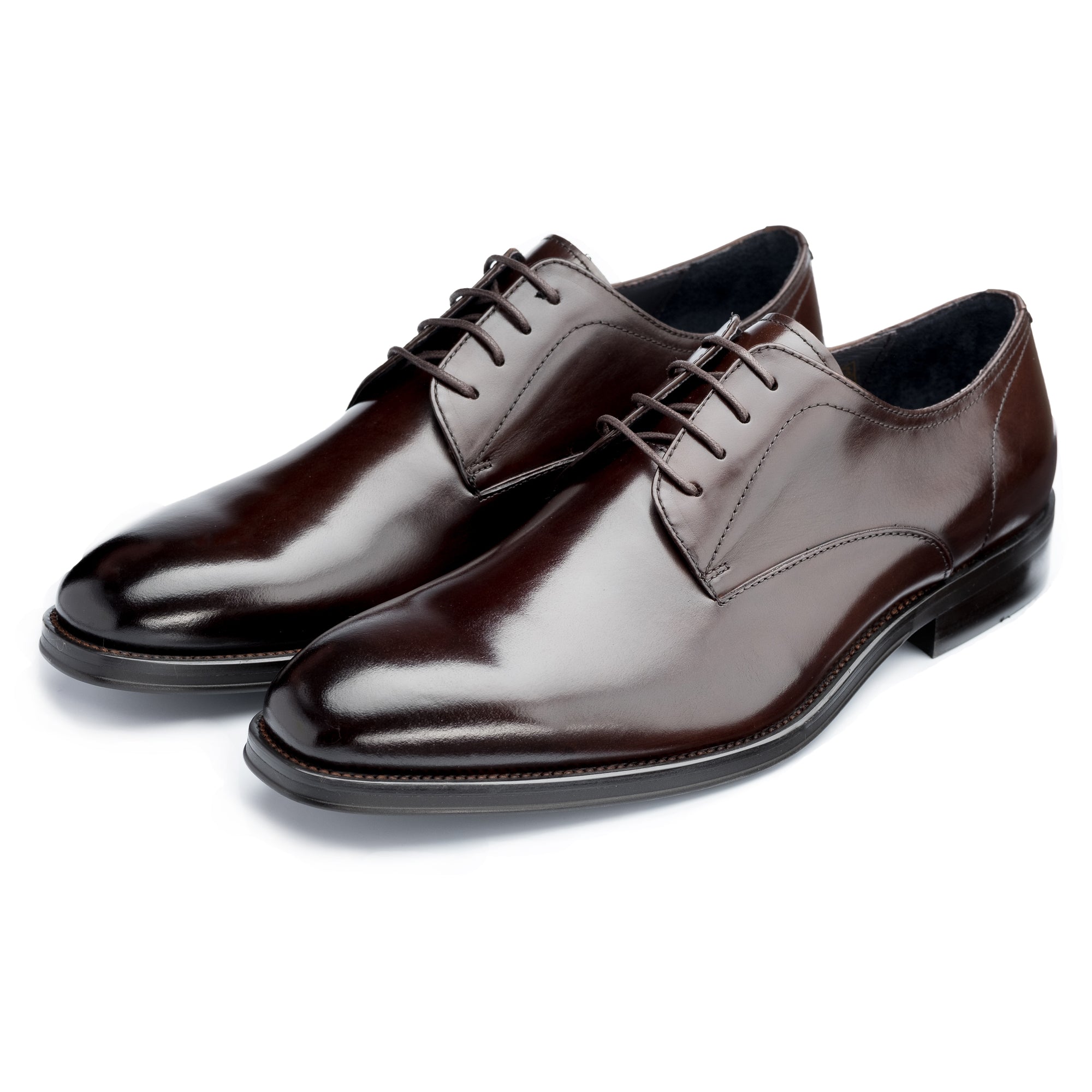
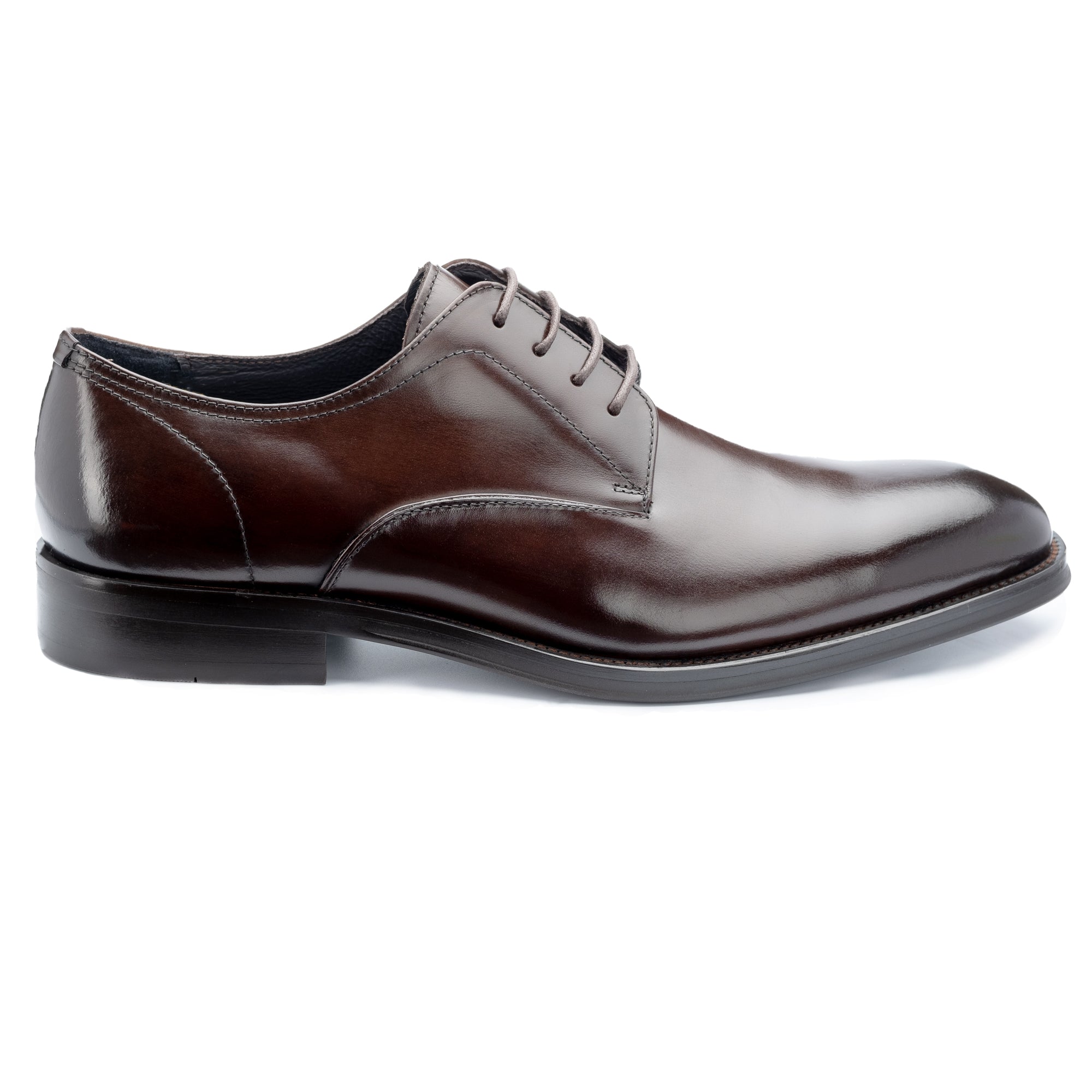
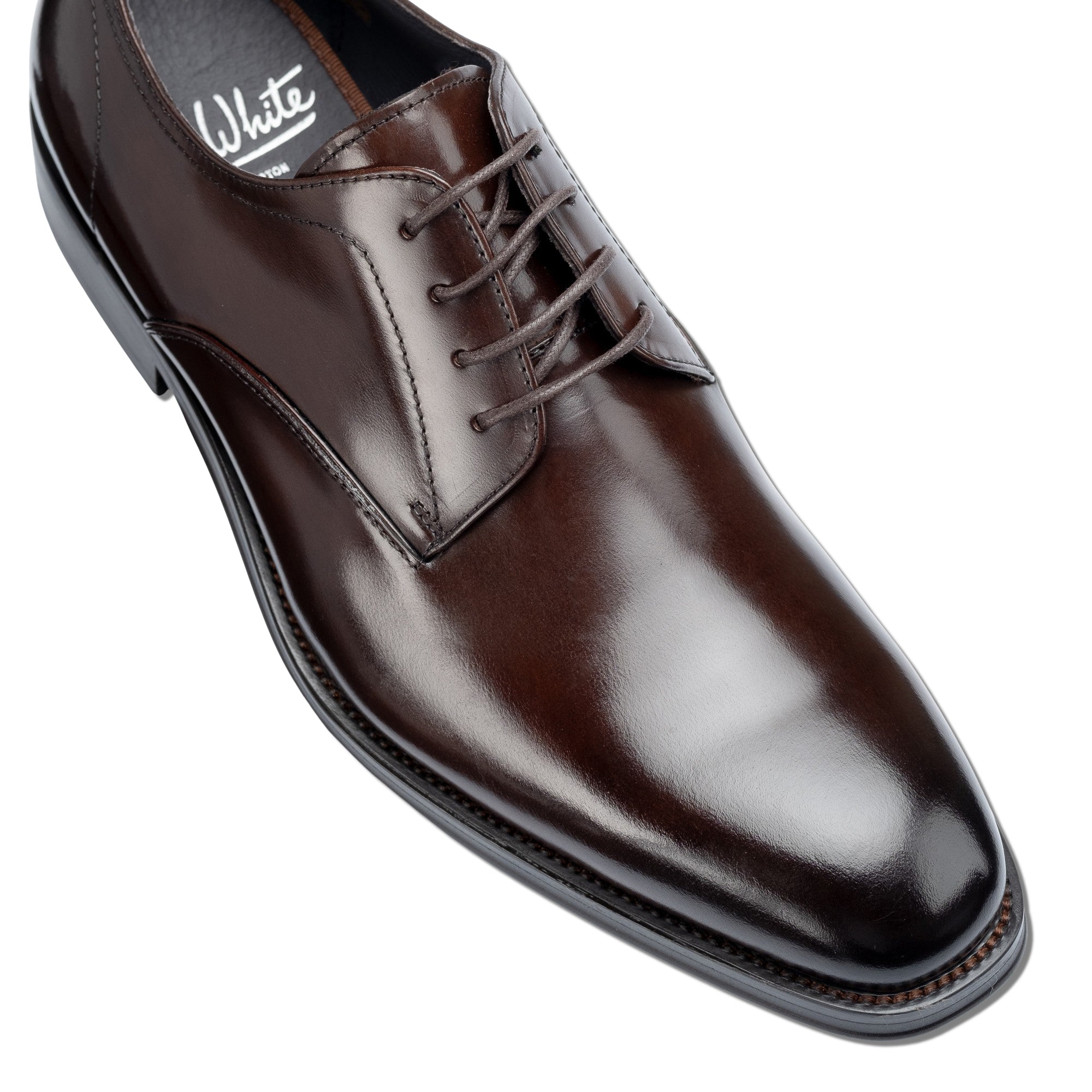
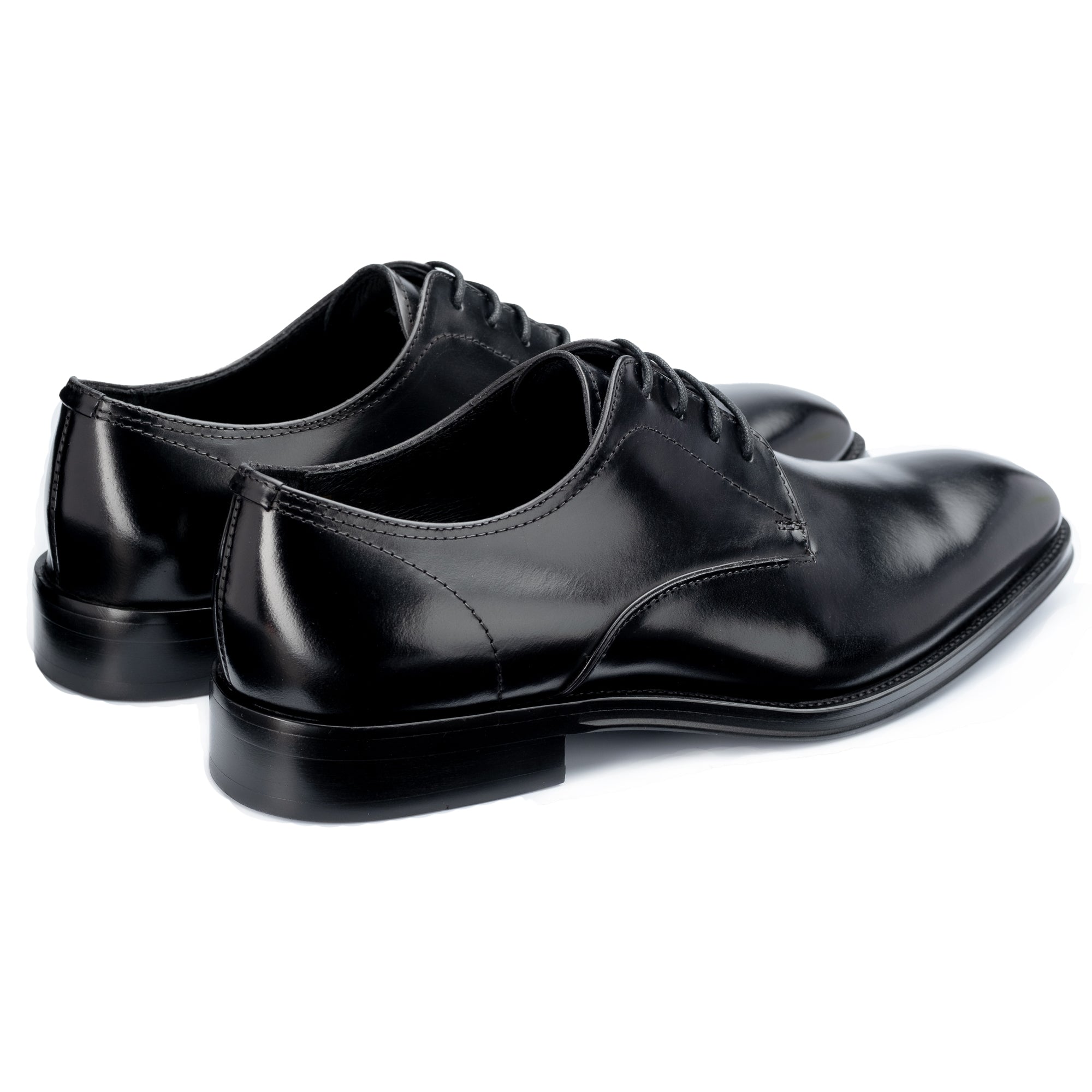
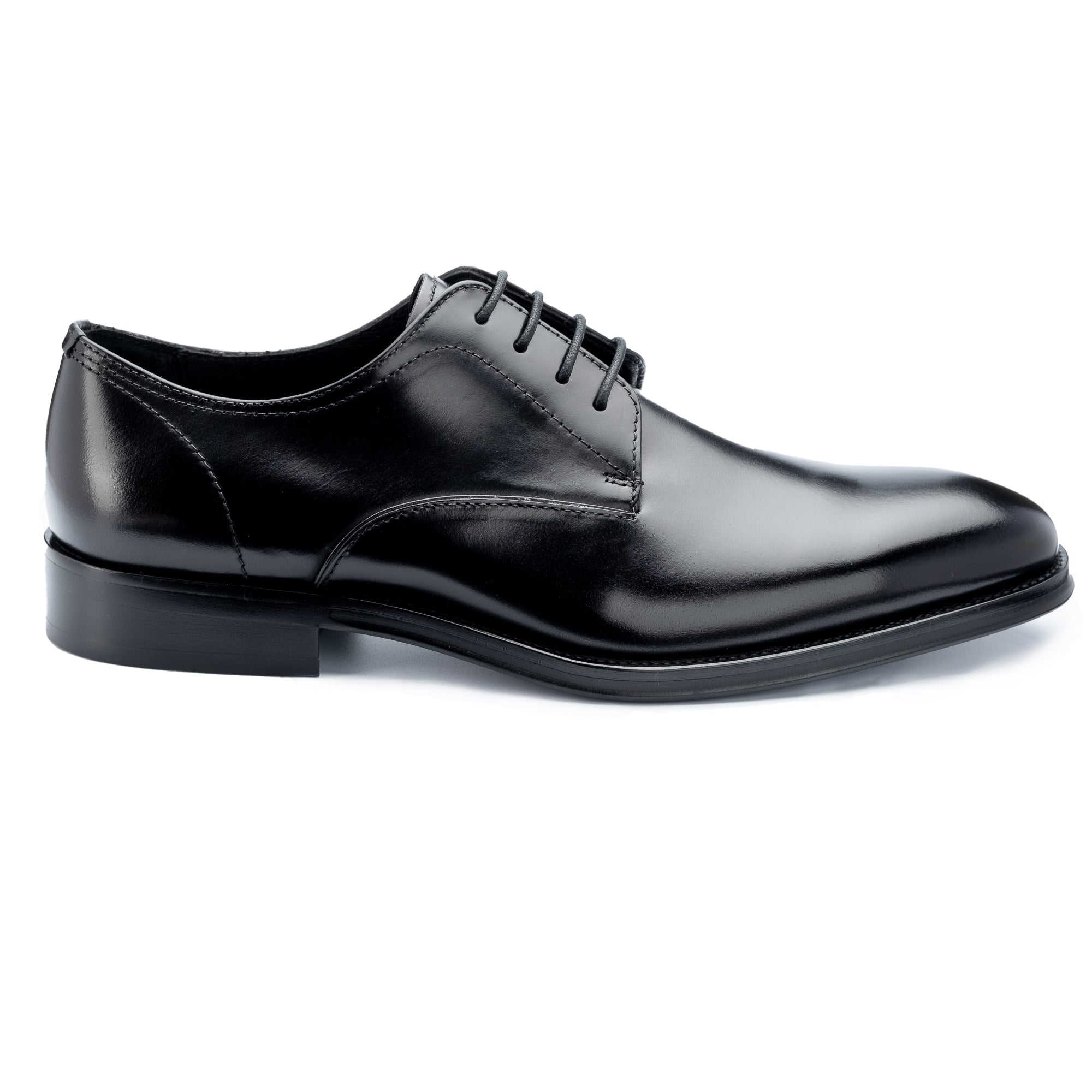
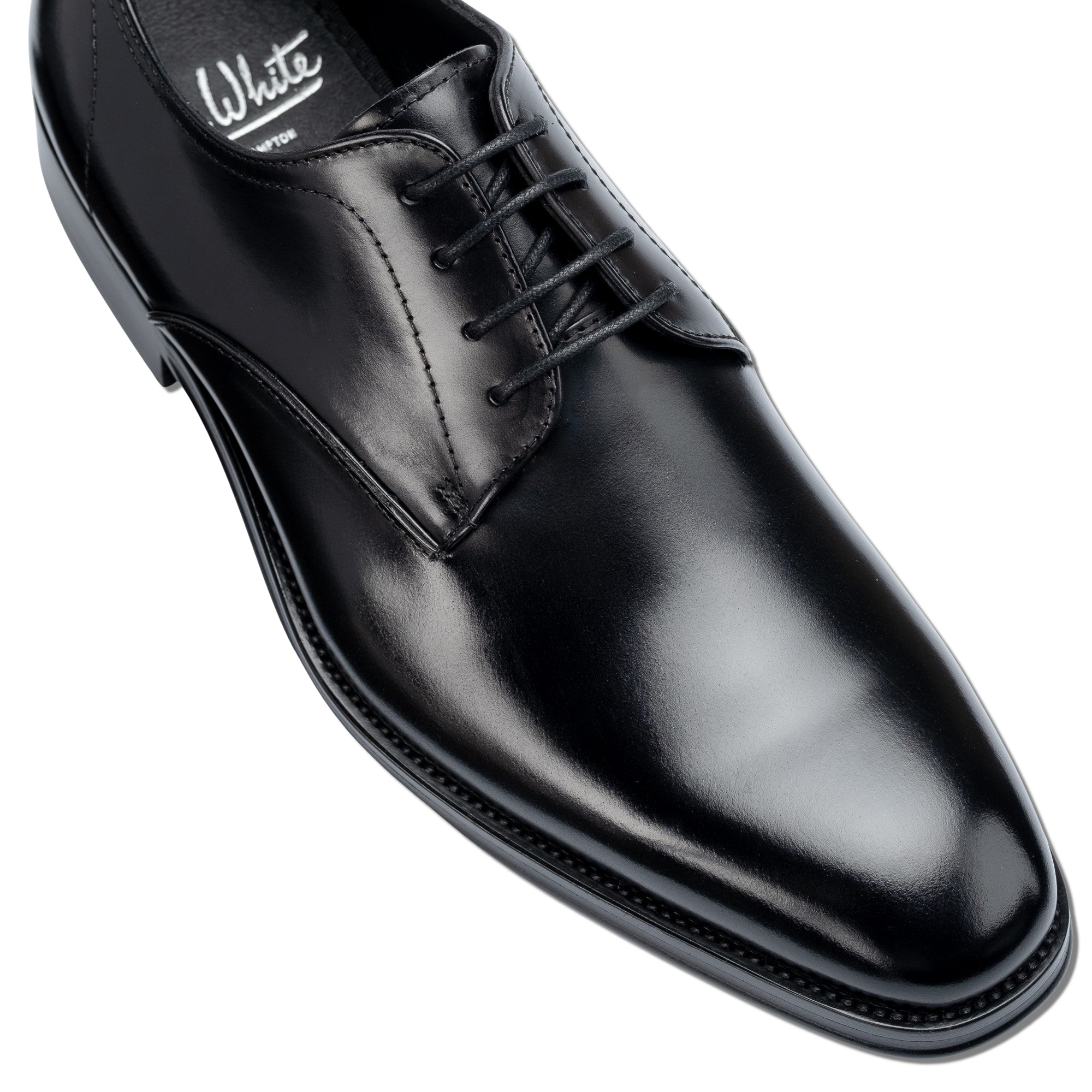
Smooth calfskin is a full-grain leather sourced from young cattle, defined by its exceptionally fine, tight grain structure and supple hand. The natural hide surface is retained rather than corrected or embossed, which means each pair carries the individual character of the original skin.
This density of grain allows calfskin to accept wax and cream polishes with a receptiveness no other common upper leather matches. The Leather Conservation Centre advises that full-grain leathers such as calfskin retain their natural fibre structure intact, enabling the hide to breathe properly and develop genuine patina -- a quality that corrected or heavily treated leathers cannot replicate.
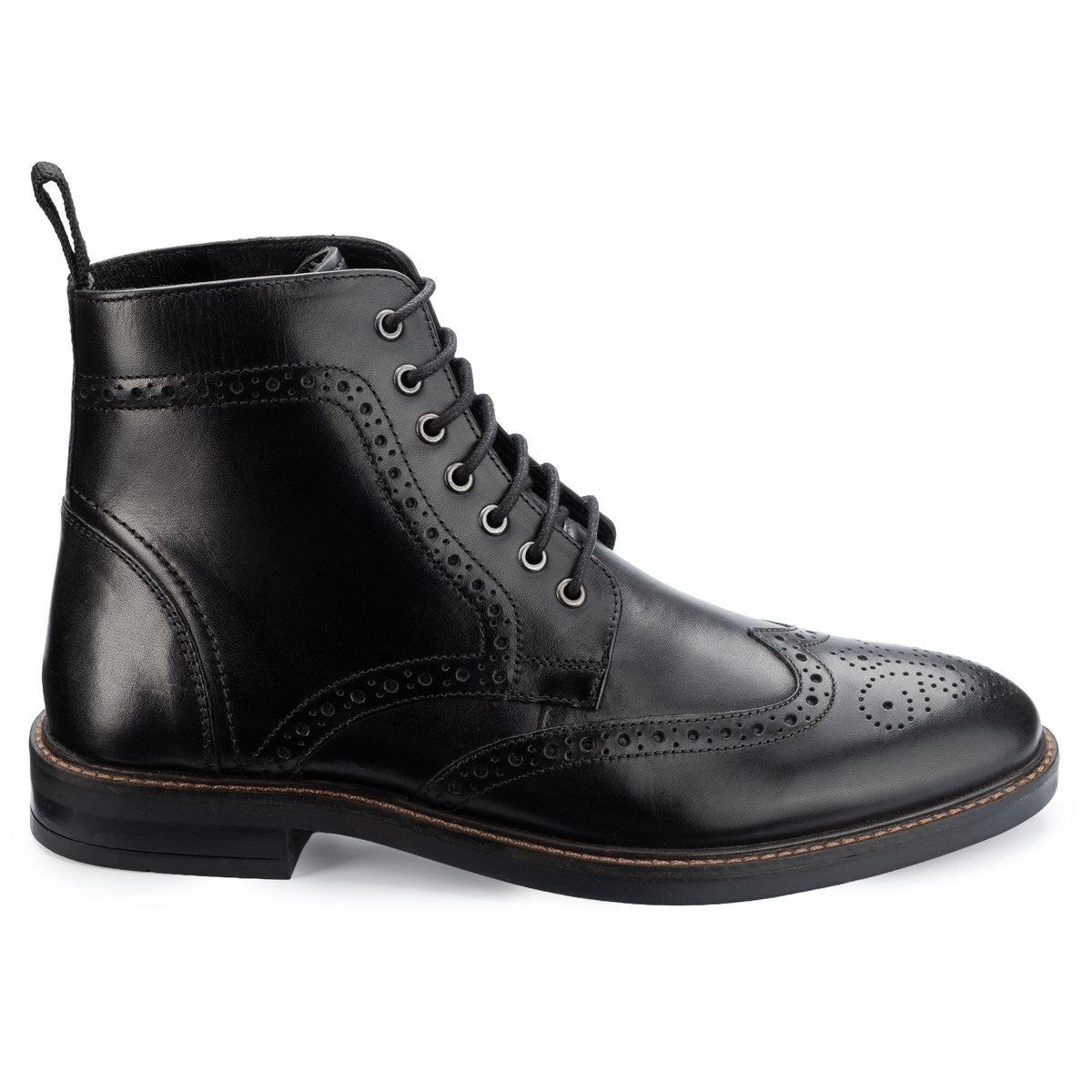
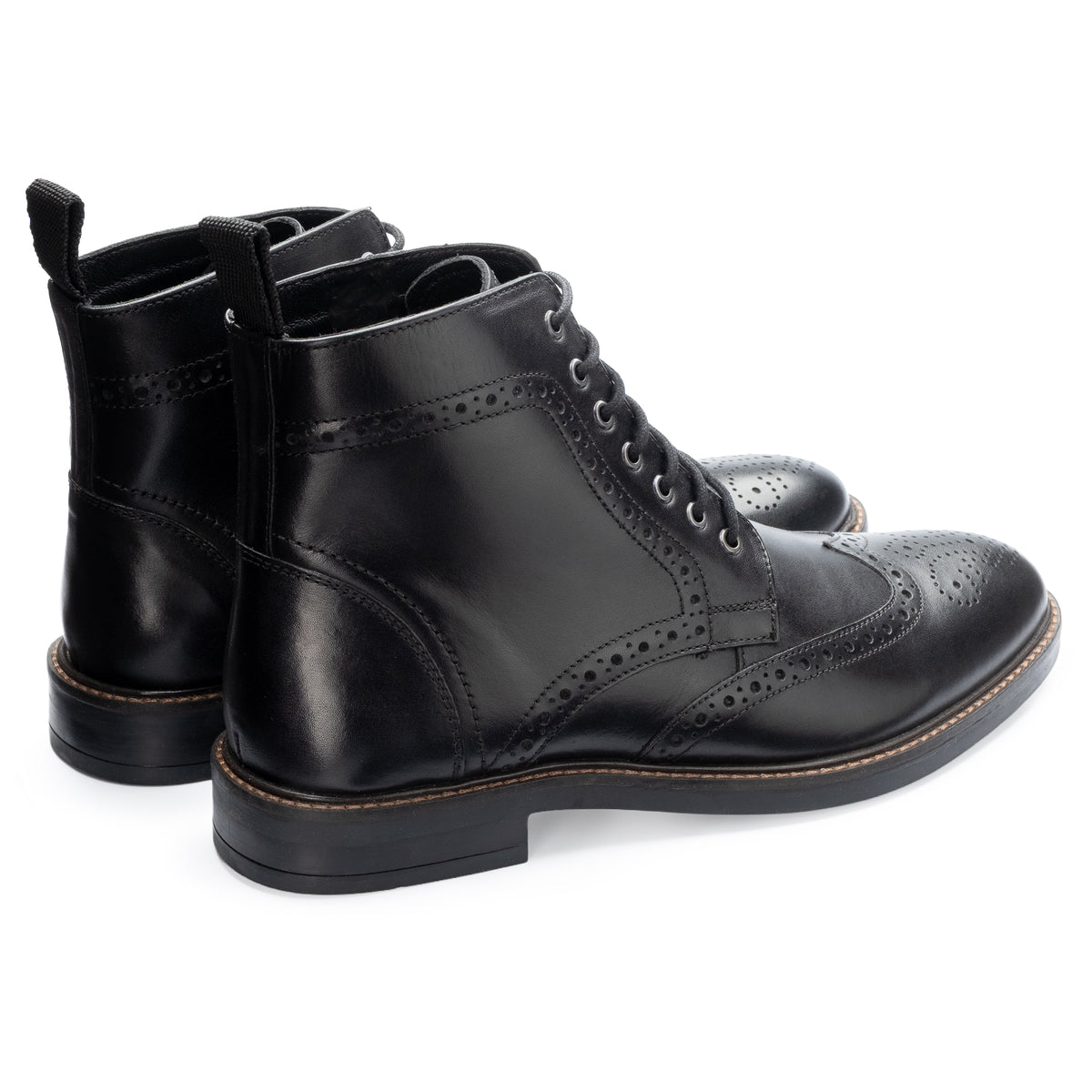
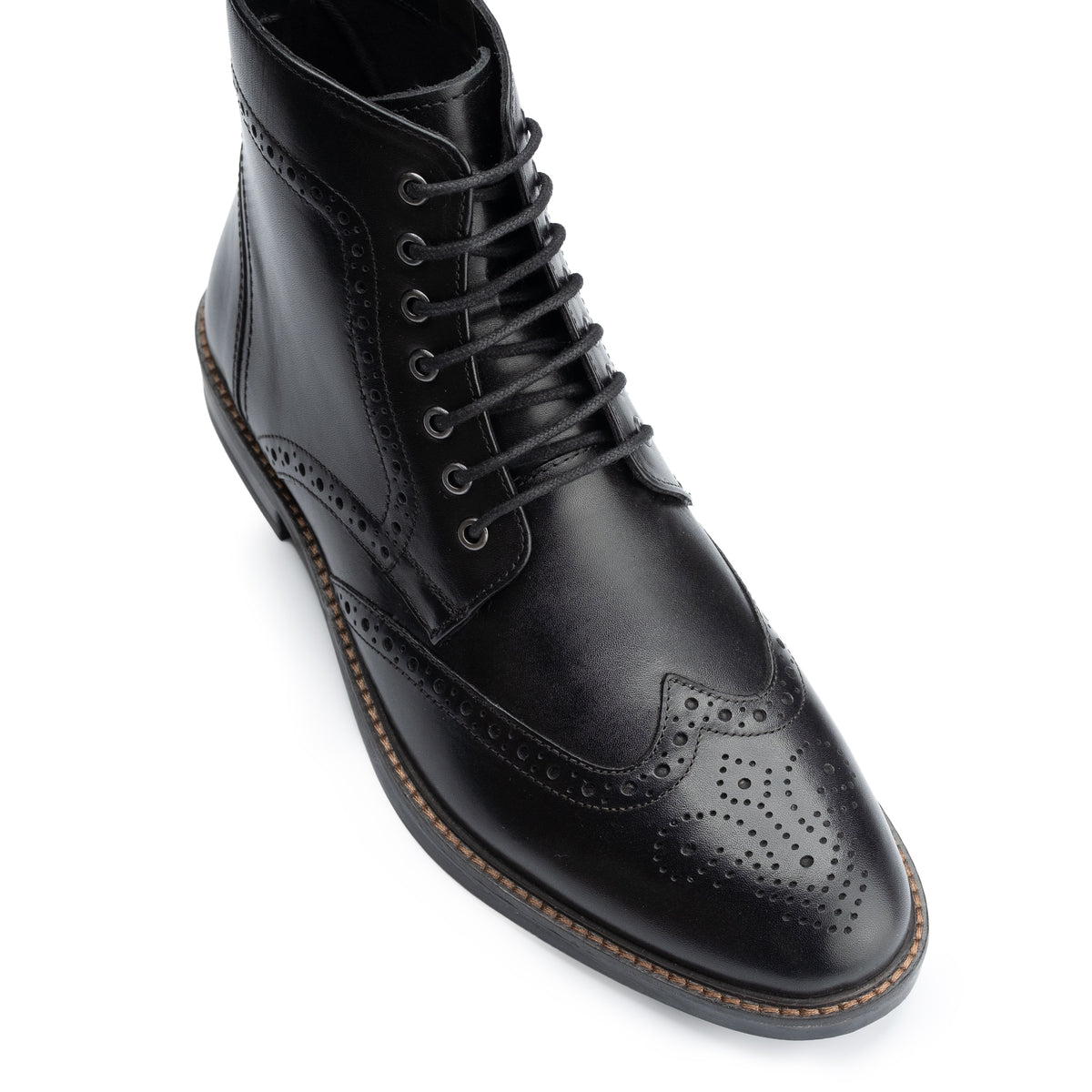
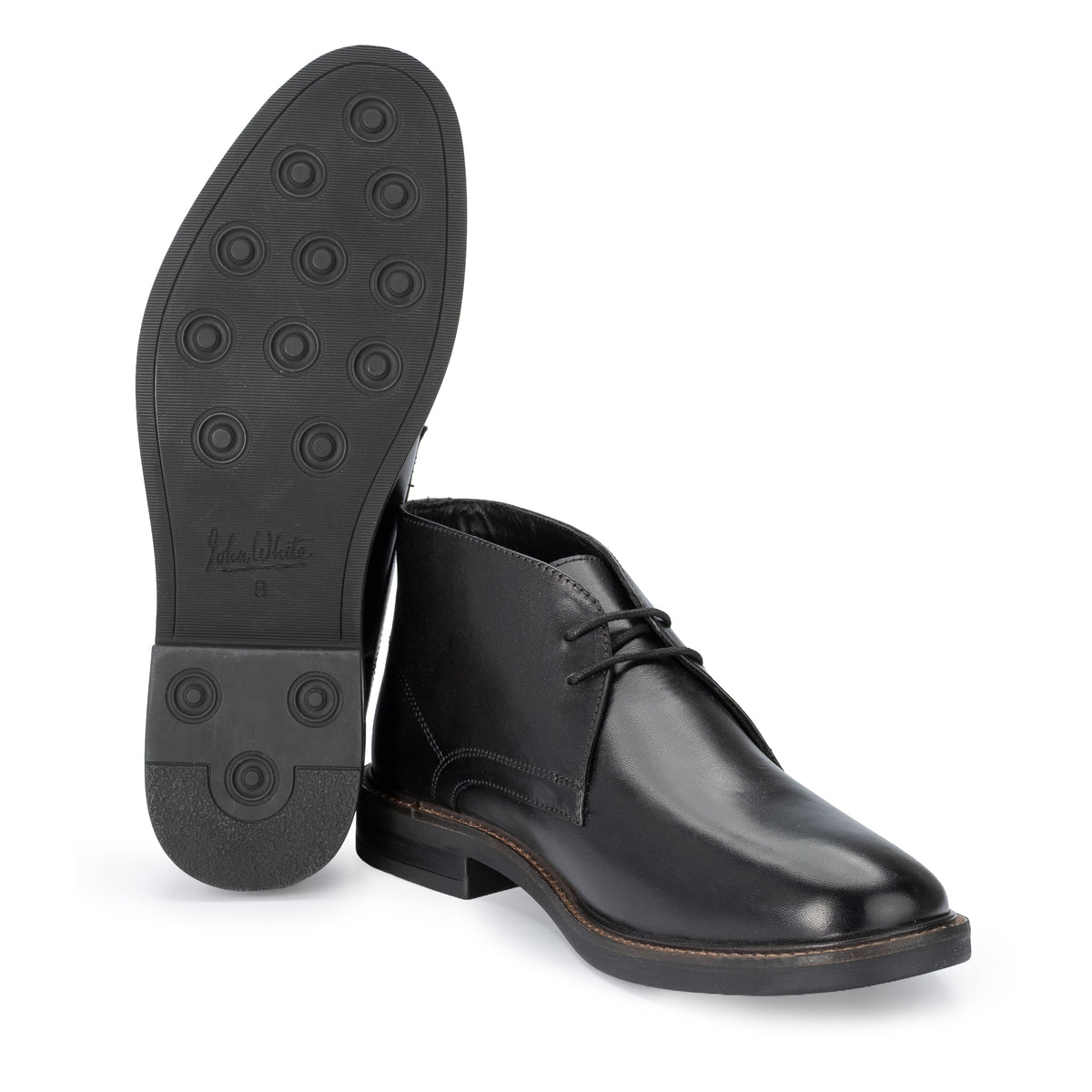
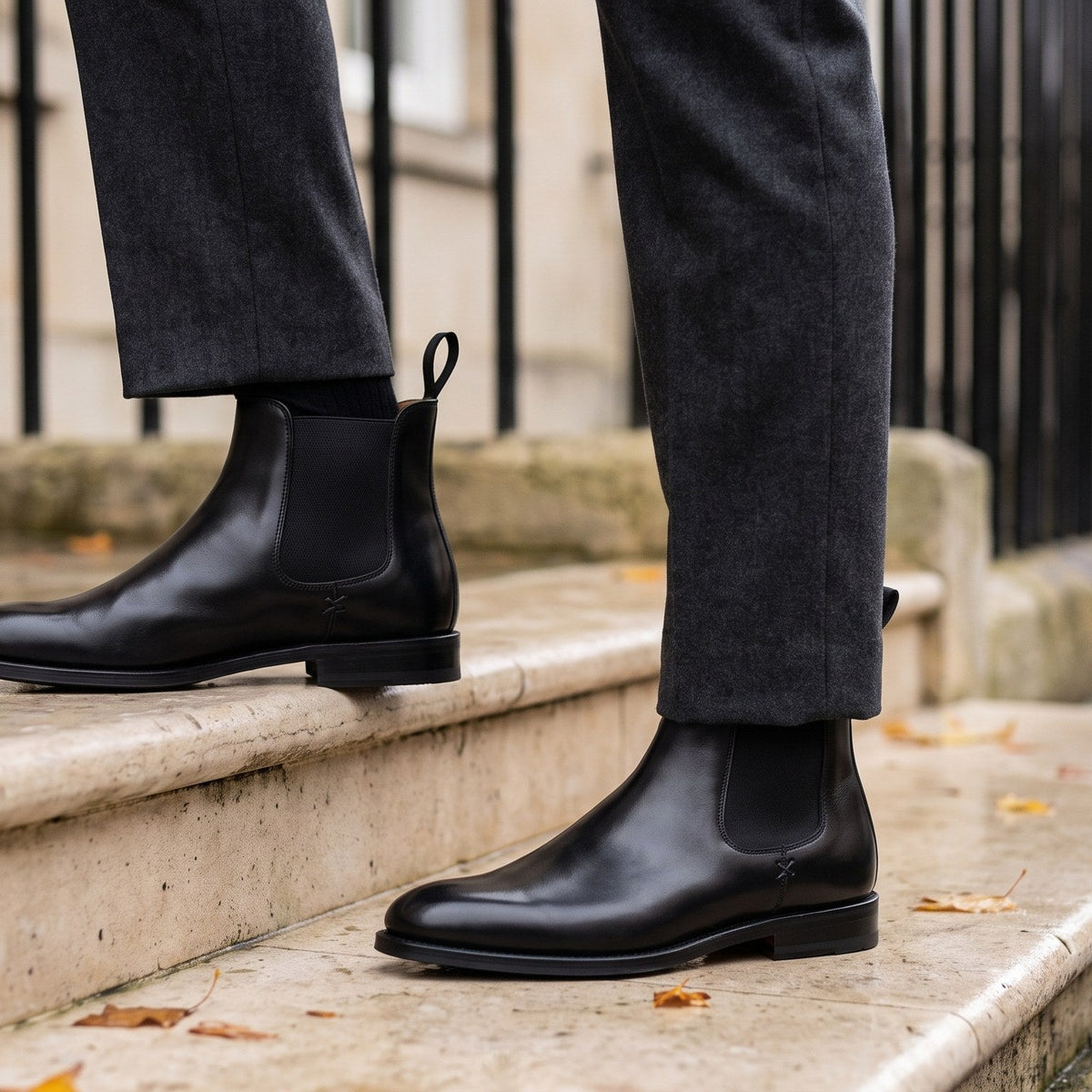
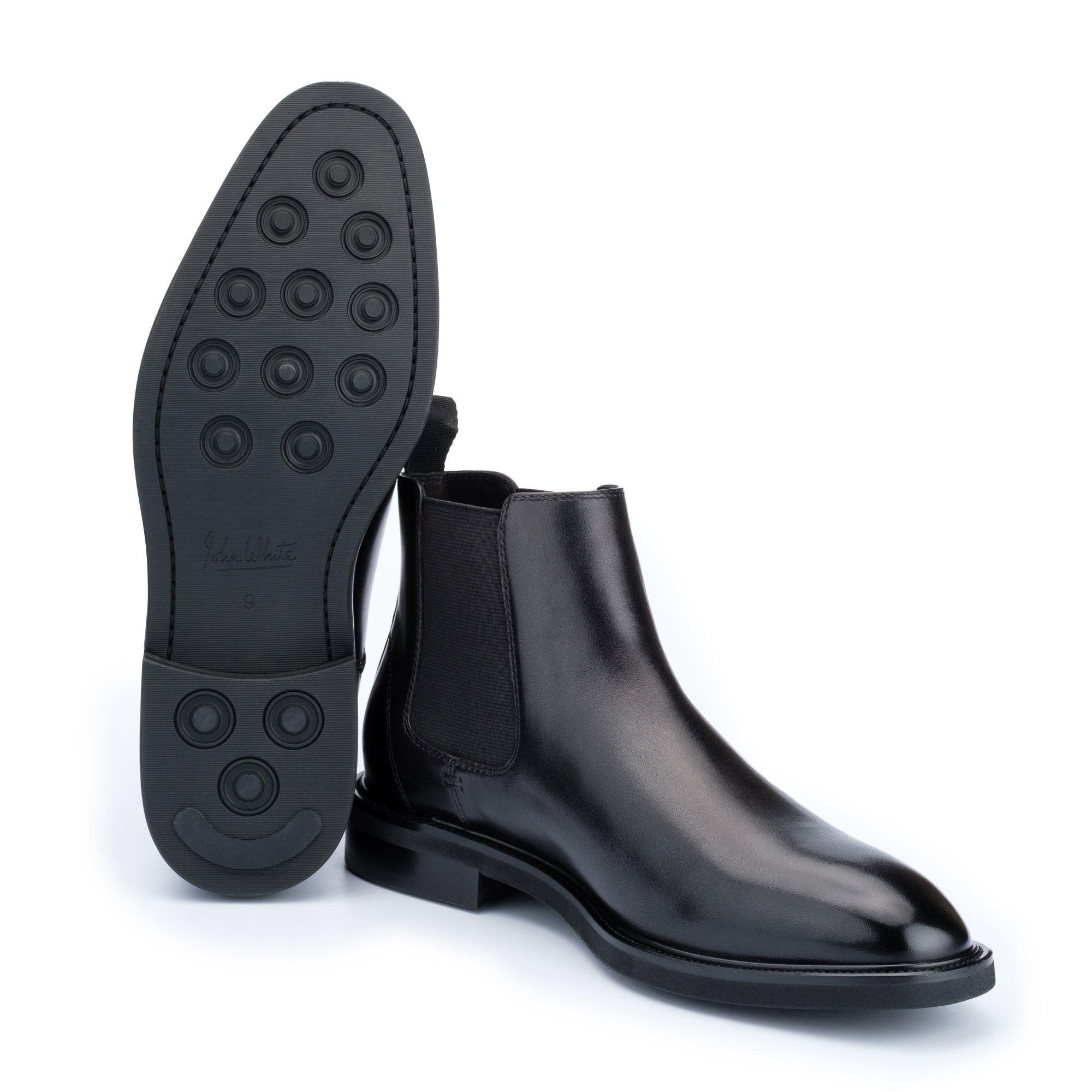
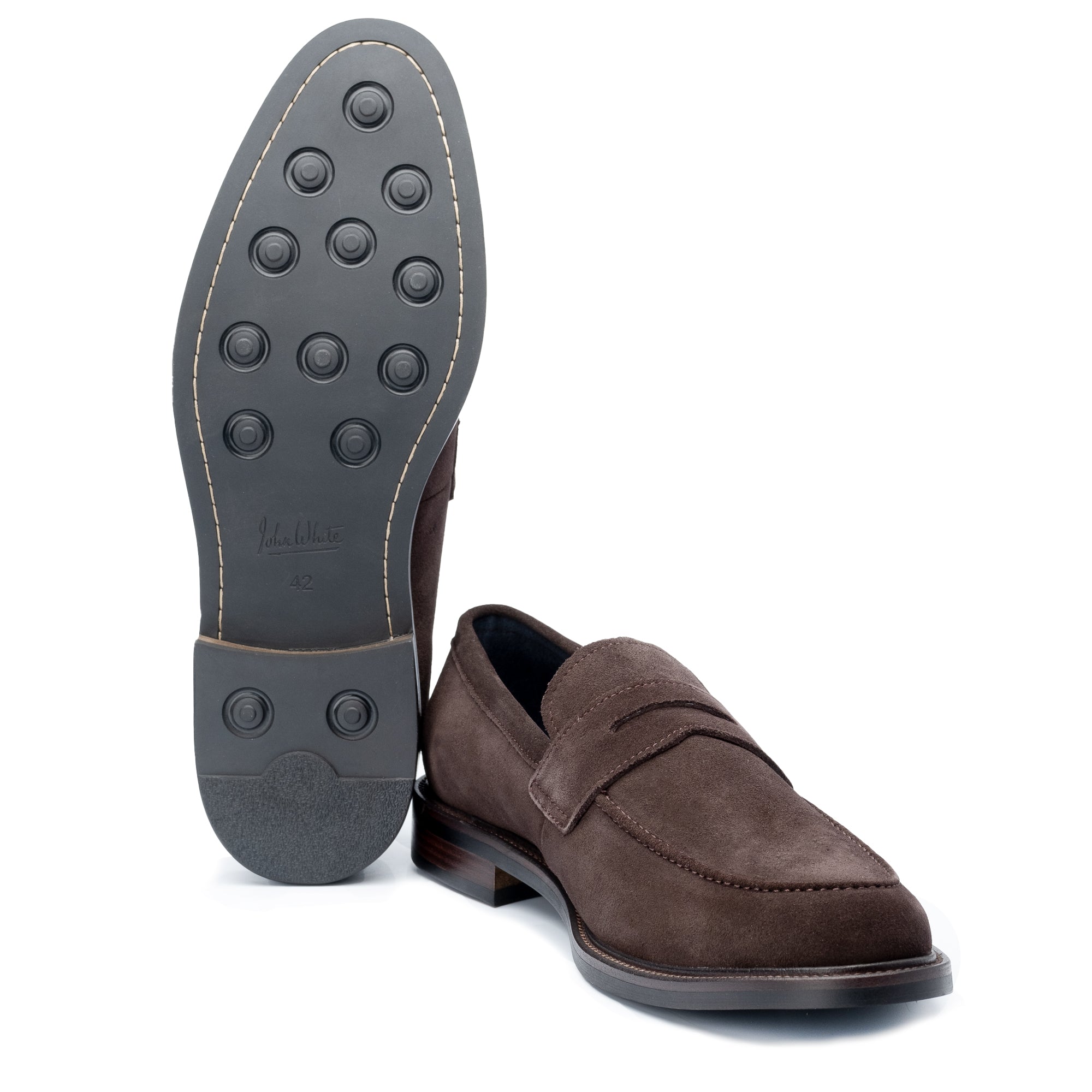
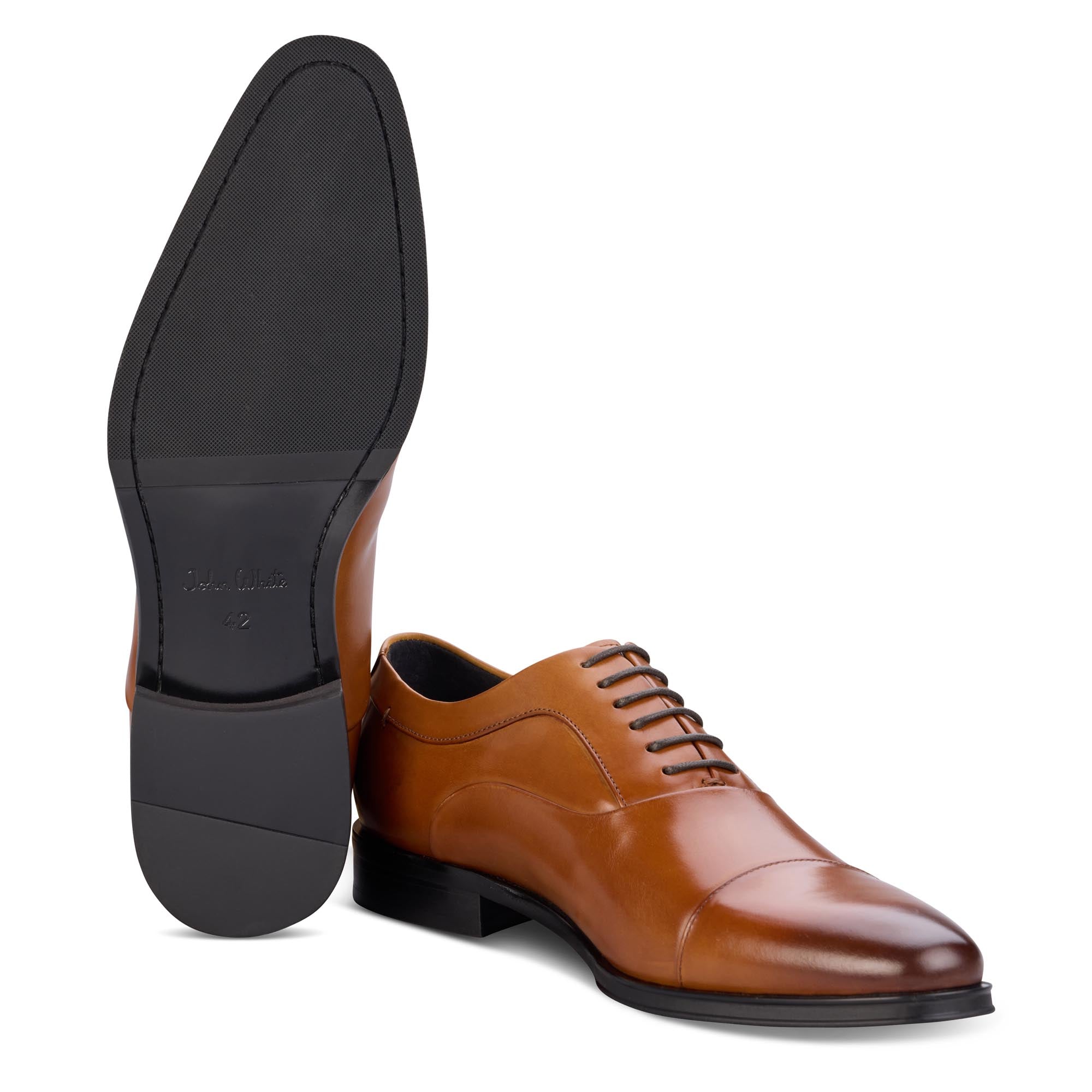
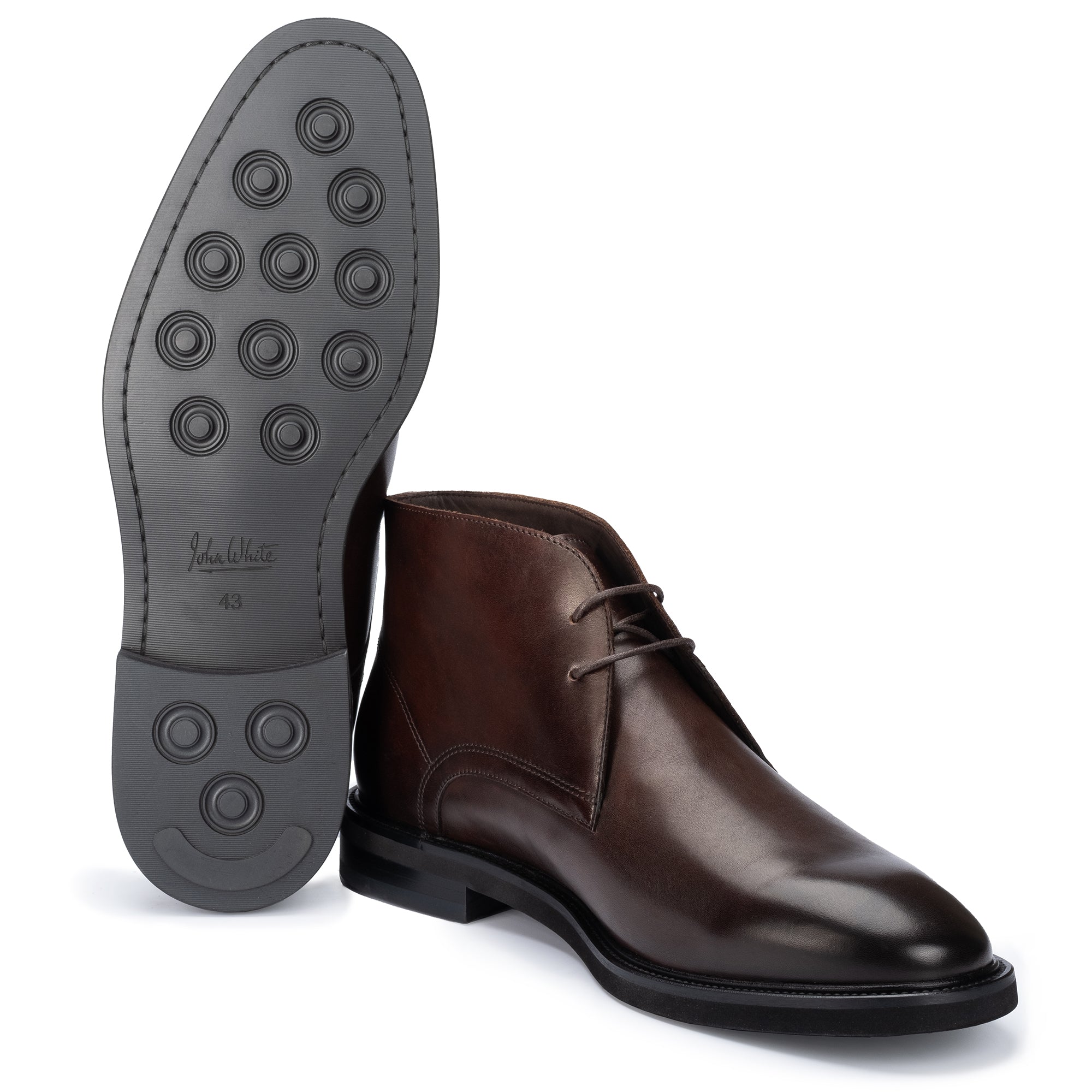
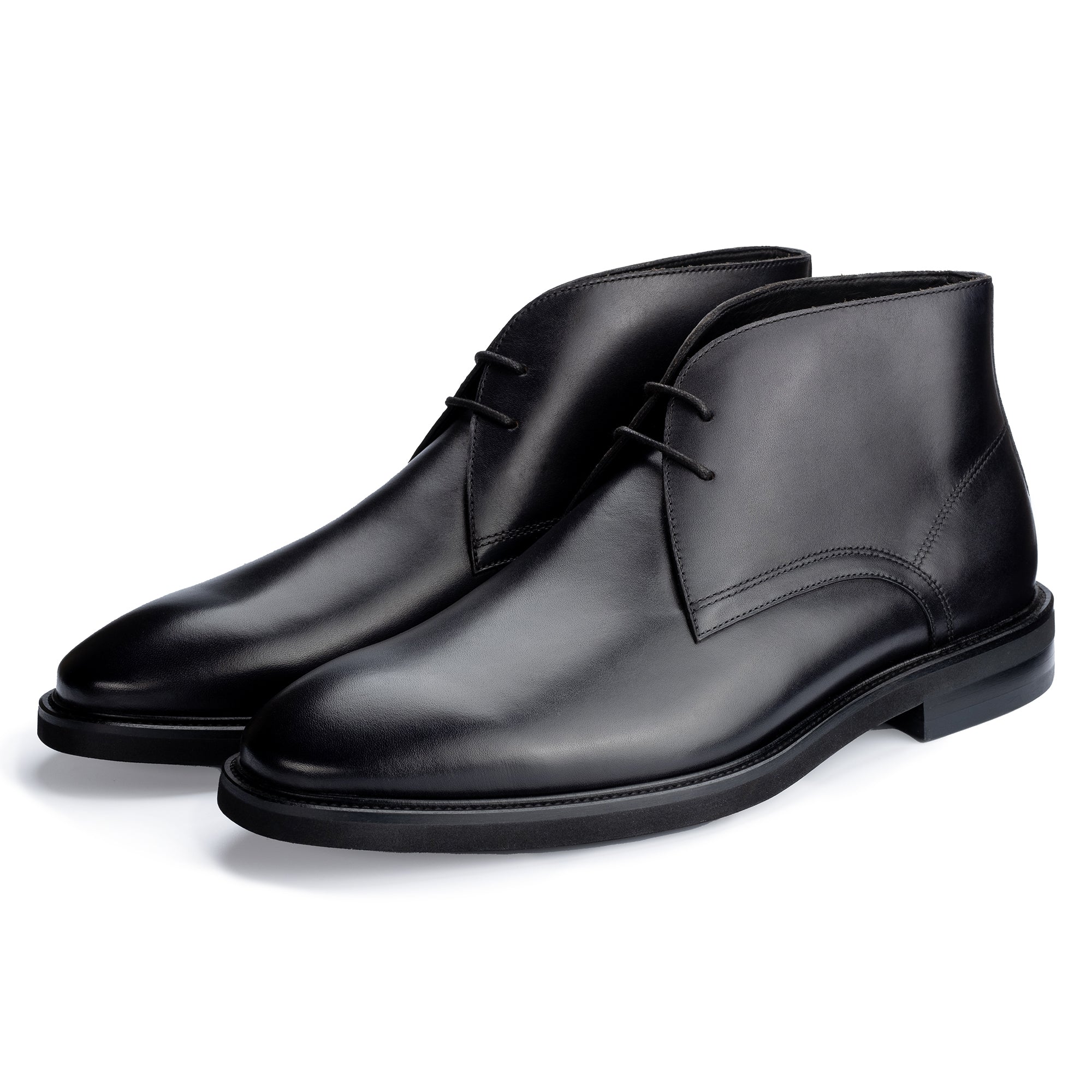
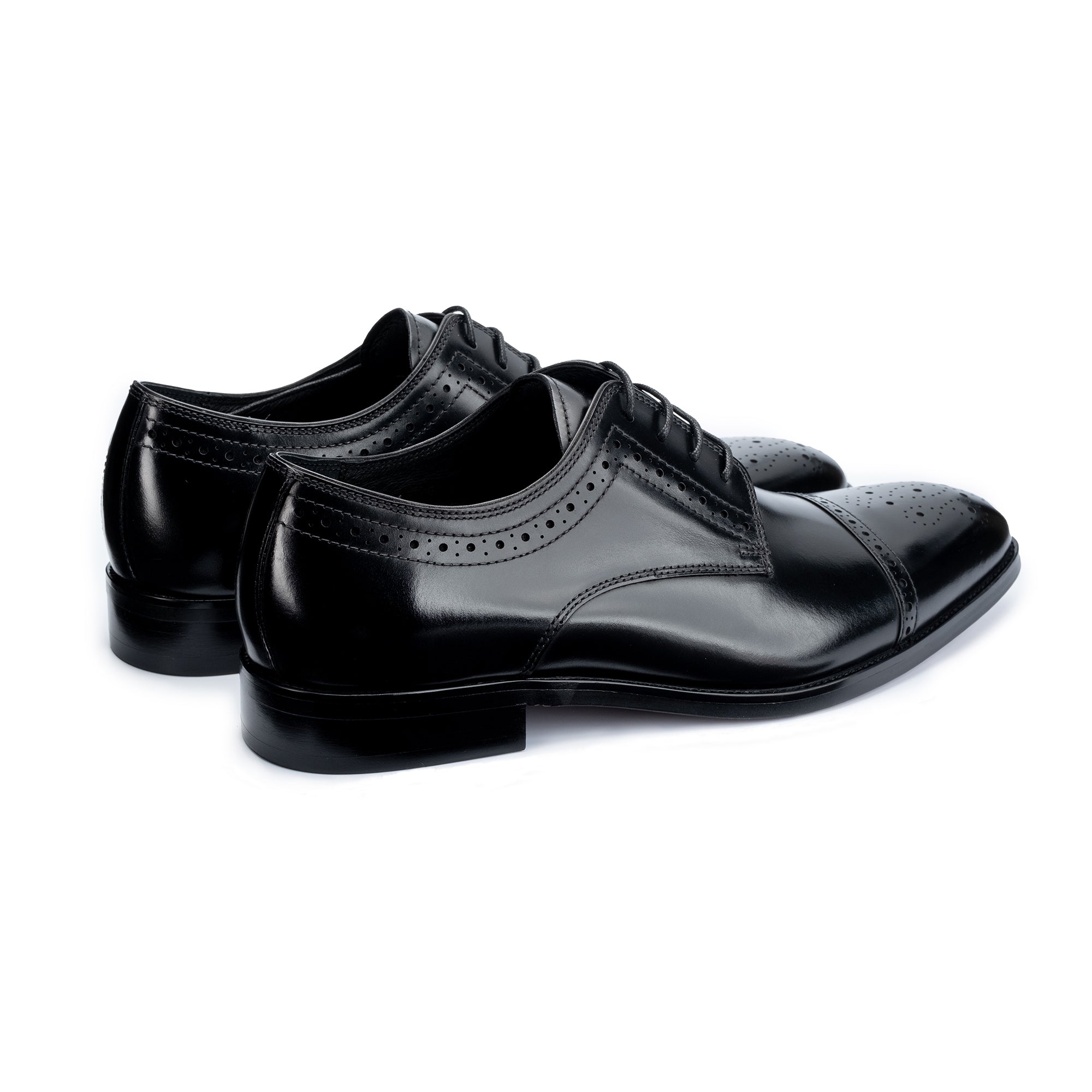
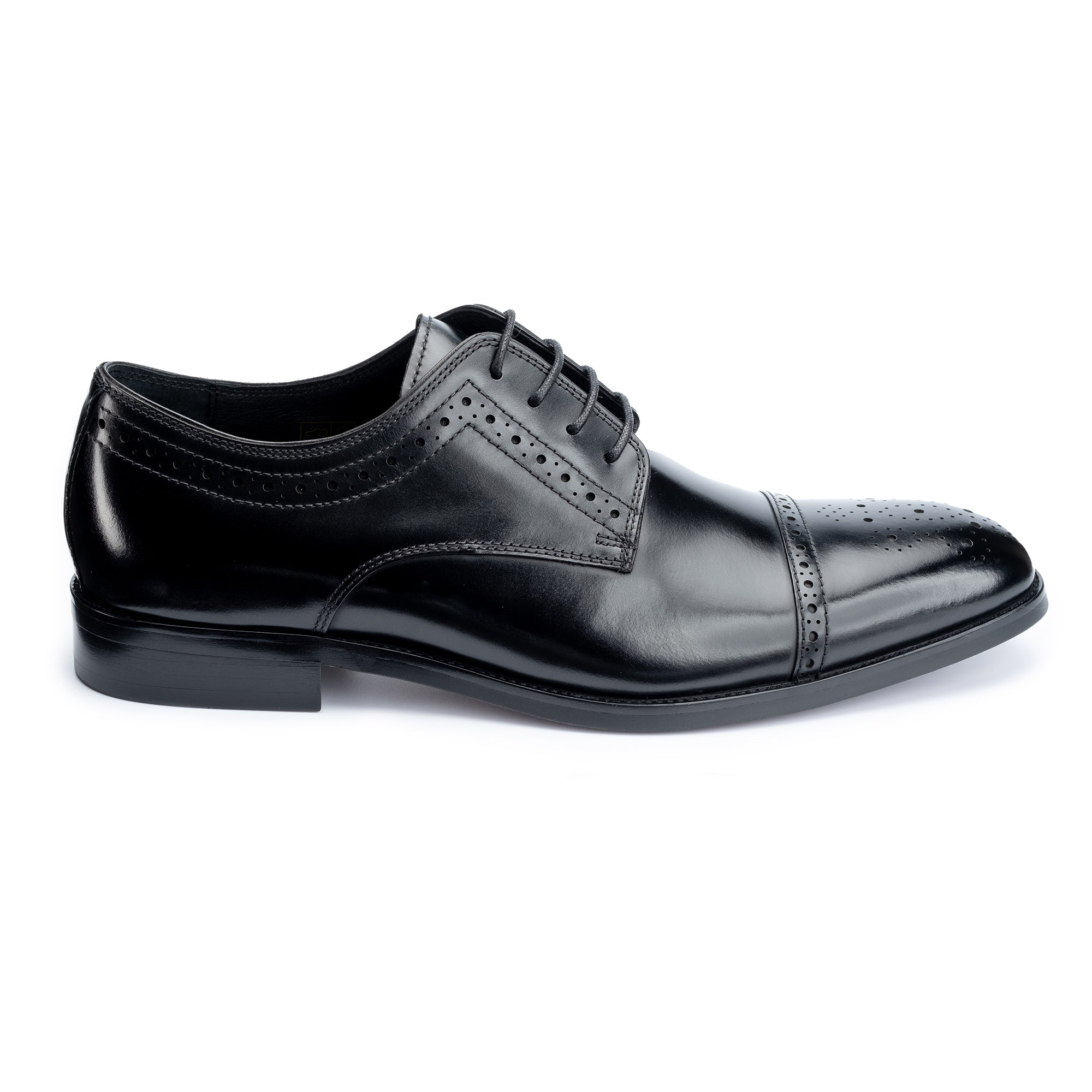
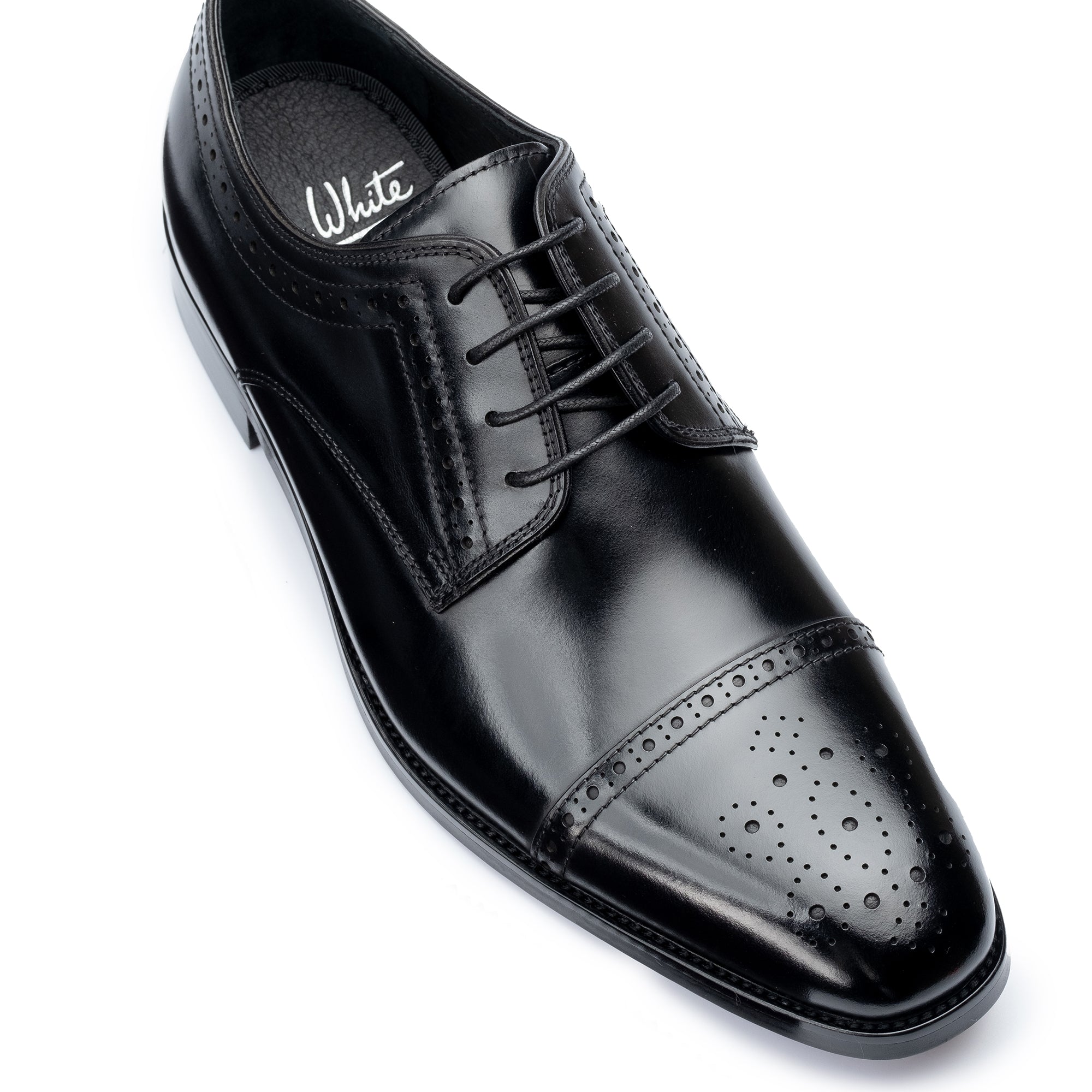
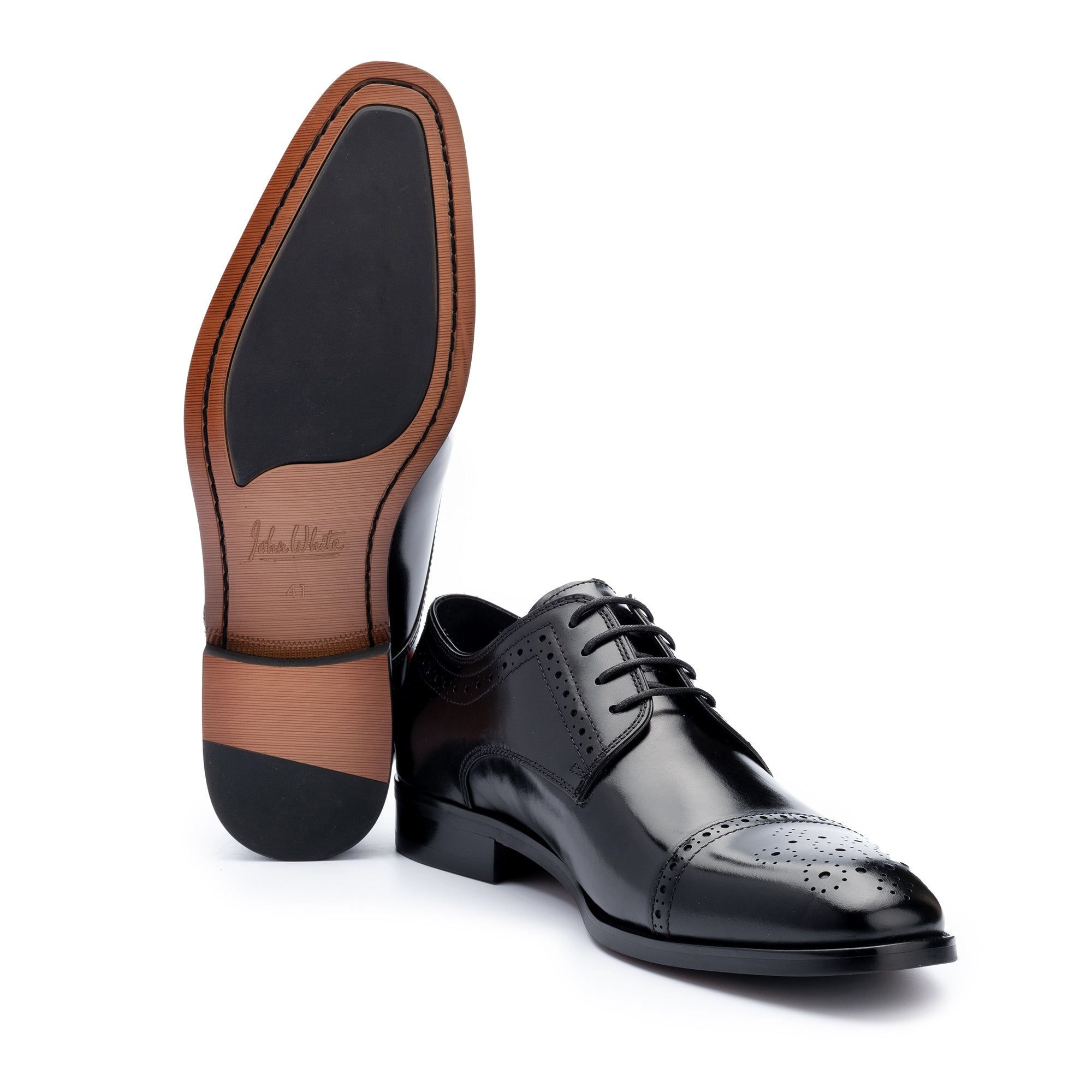
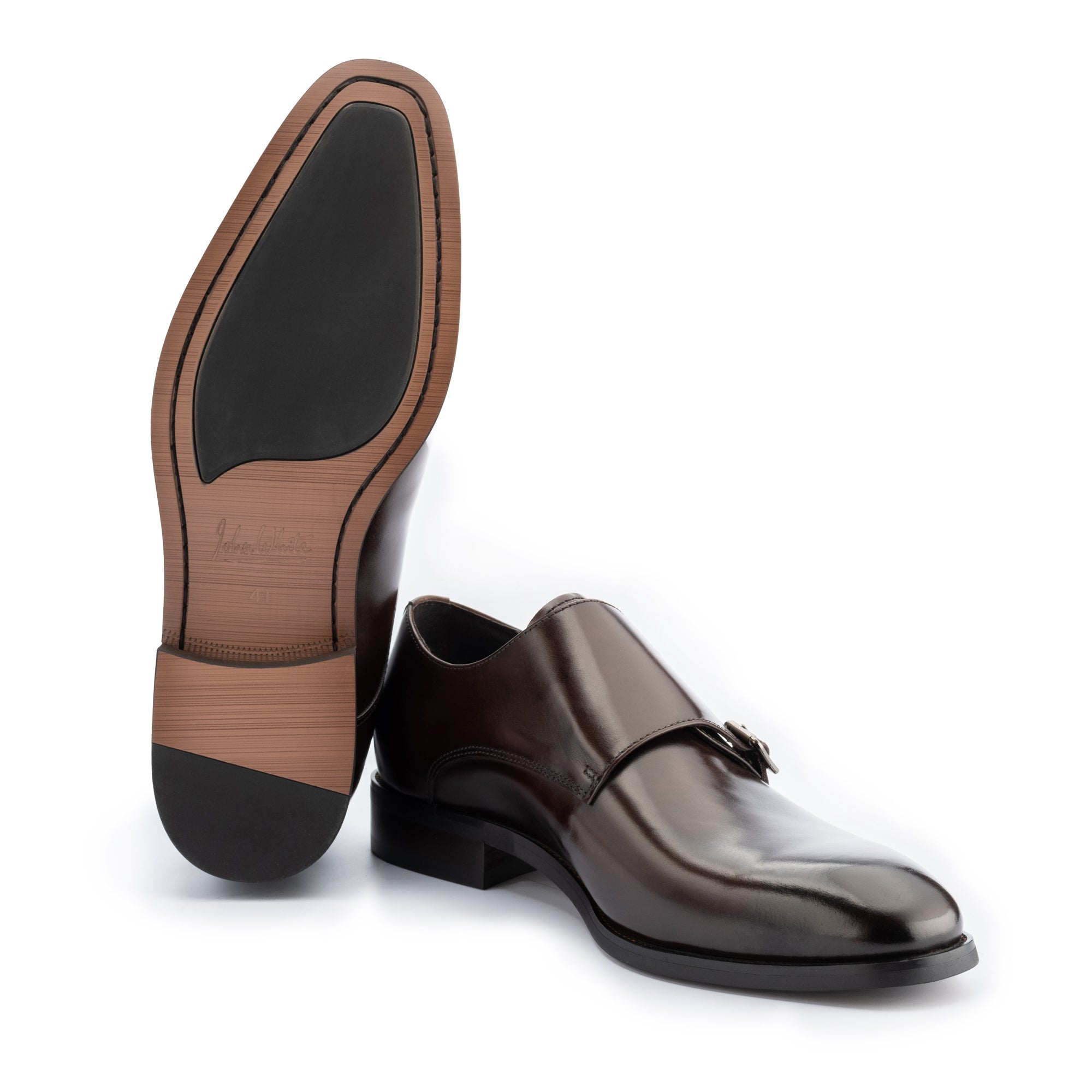
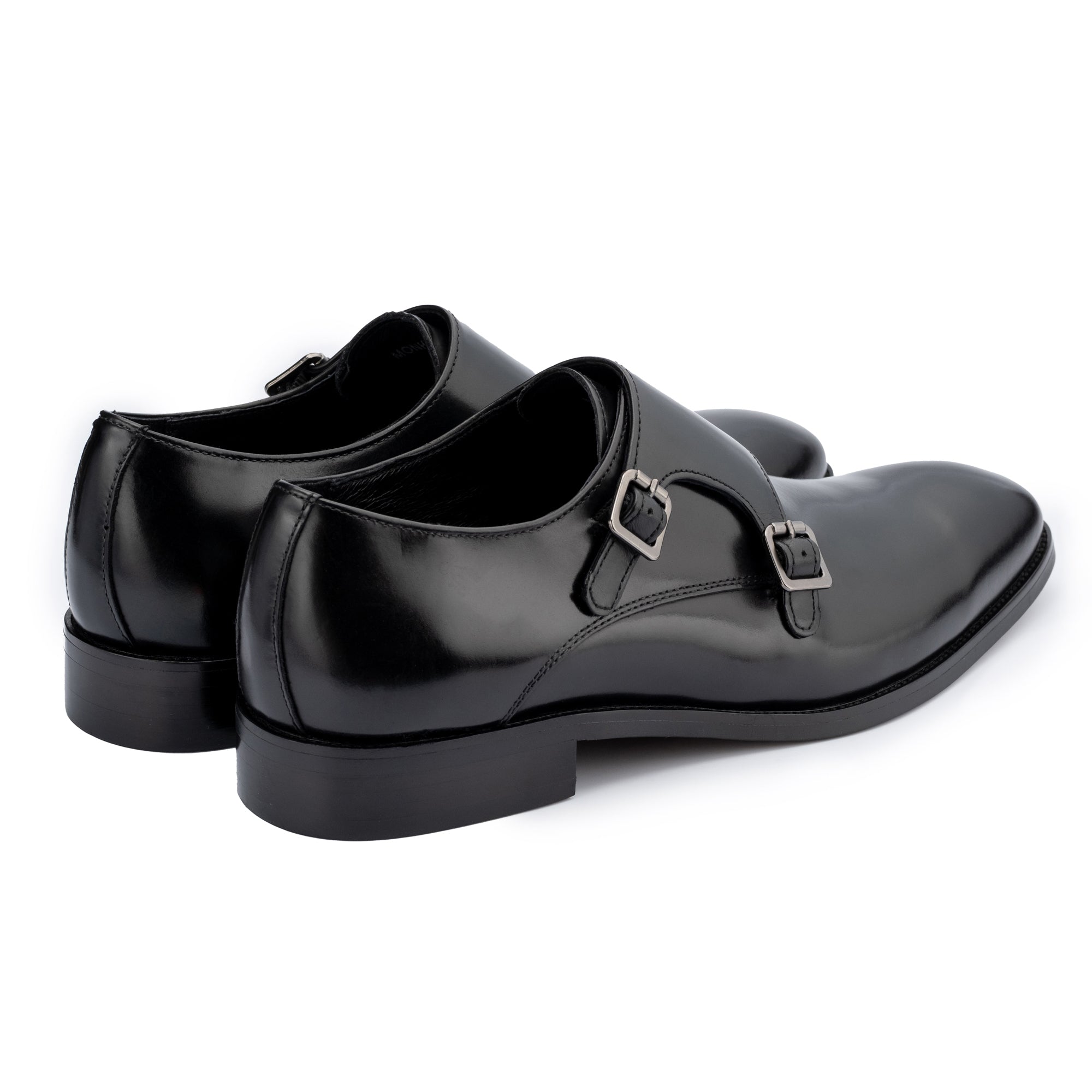
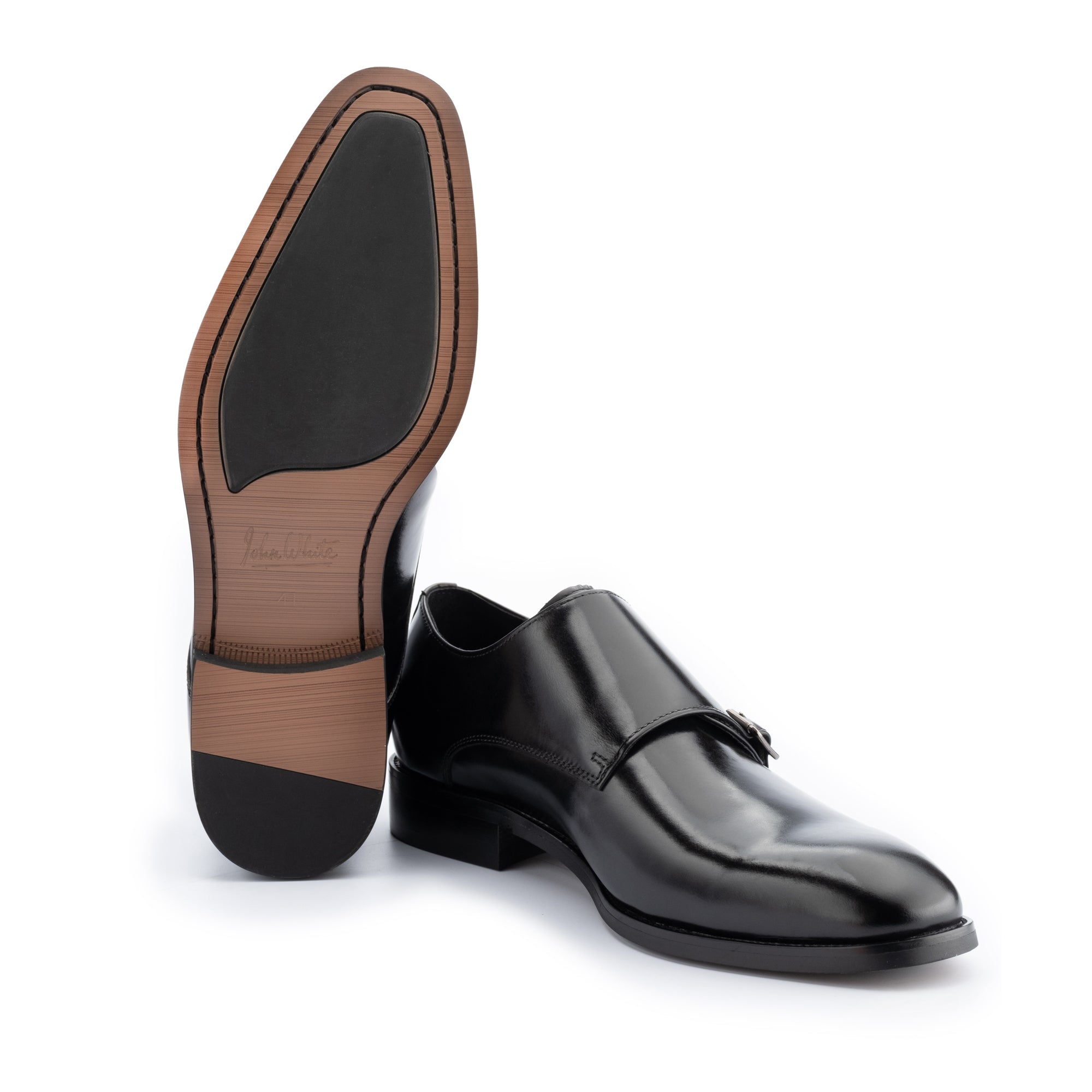
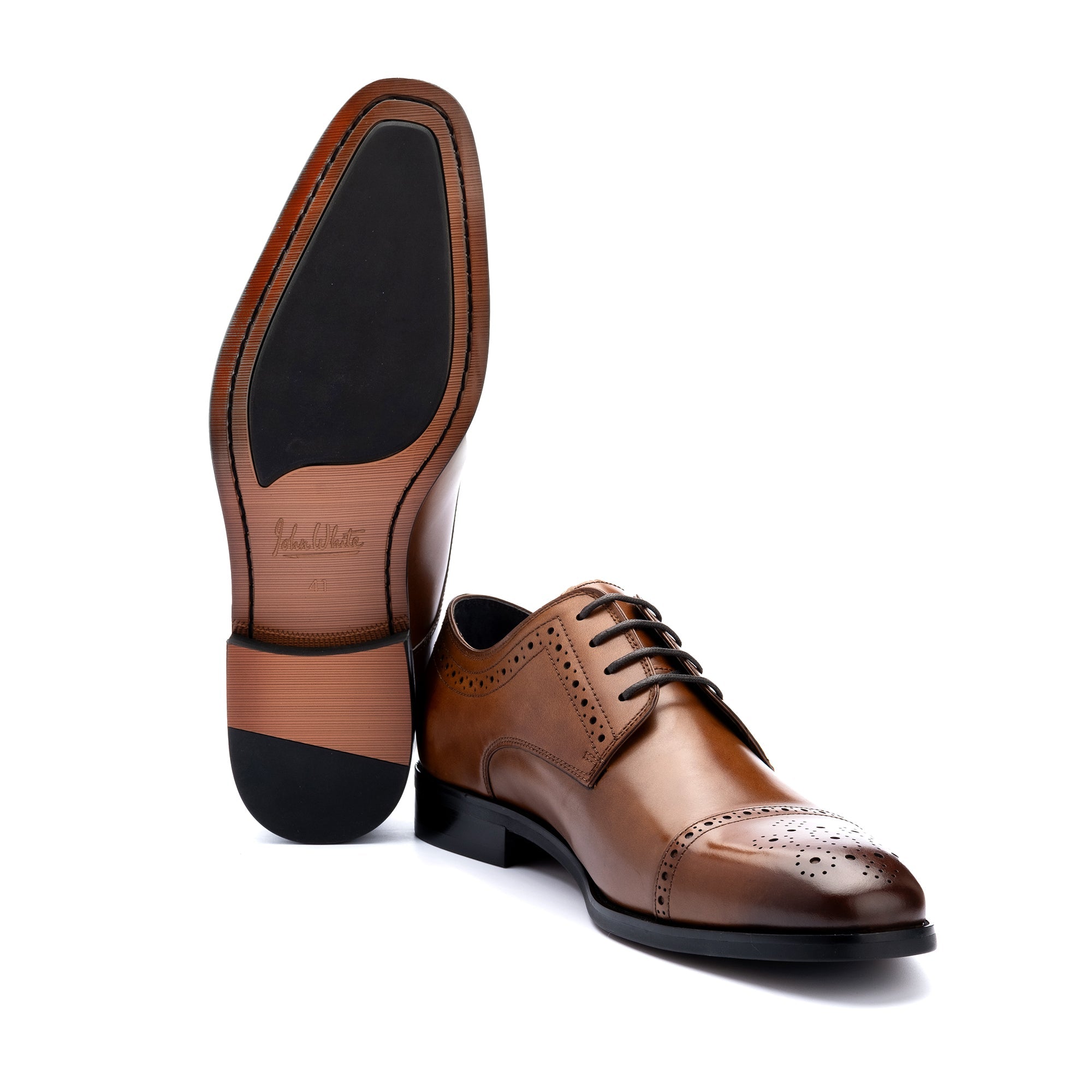
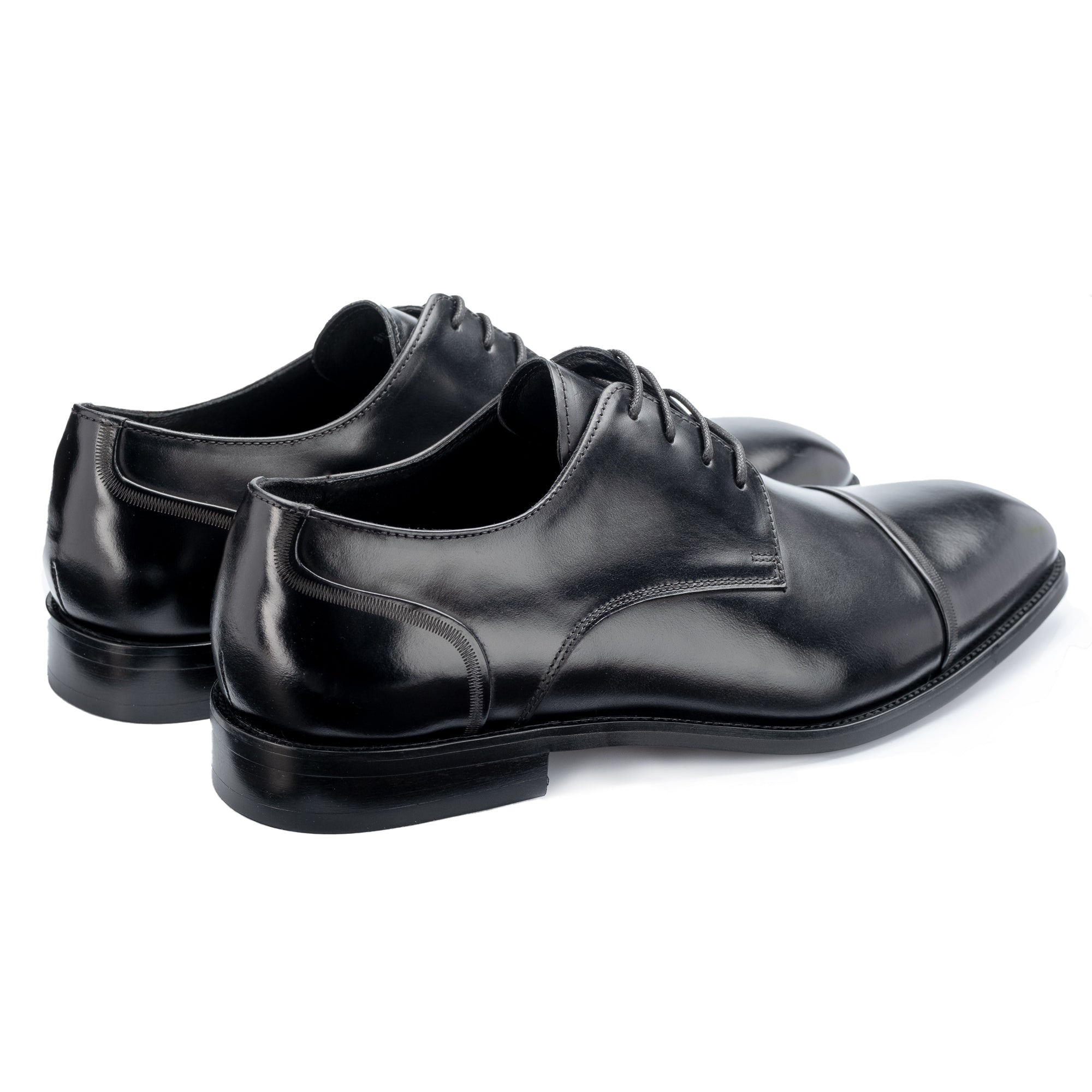
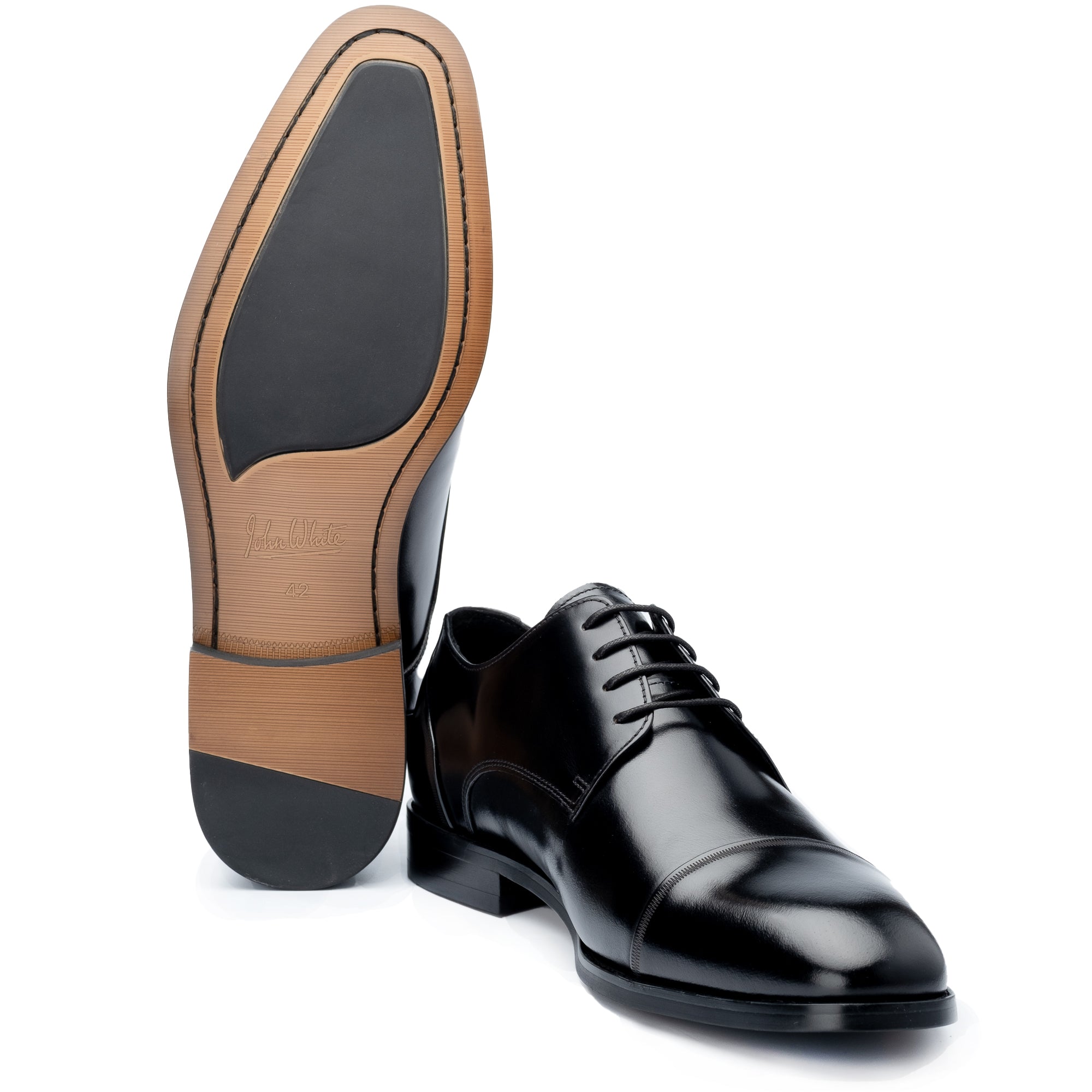
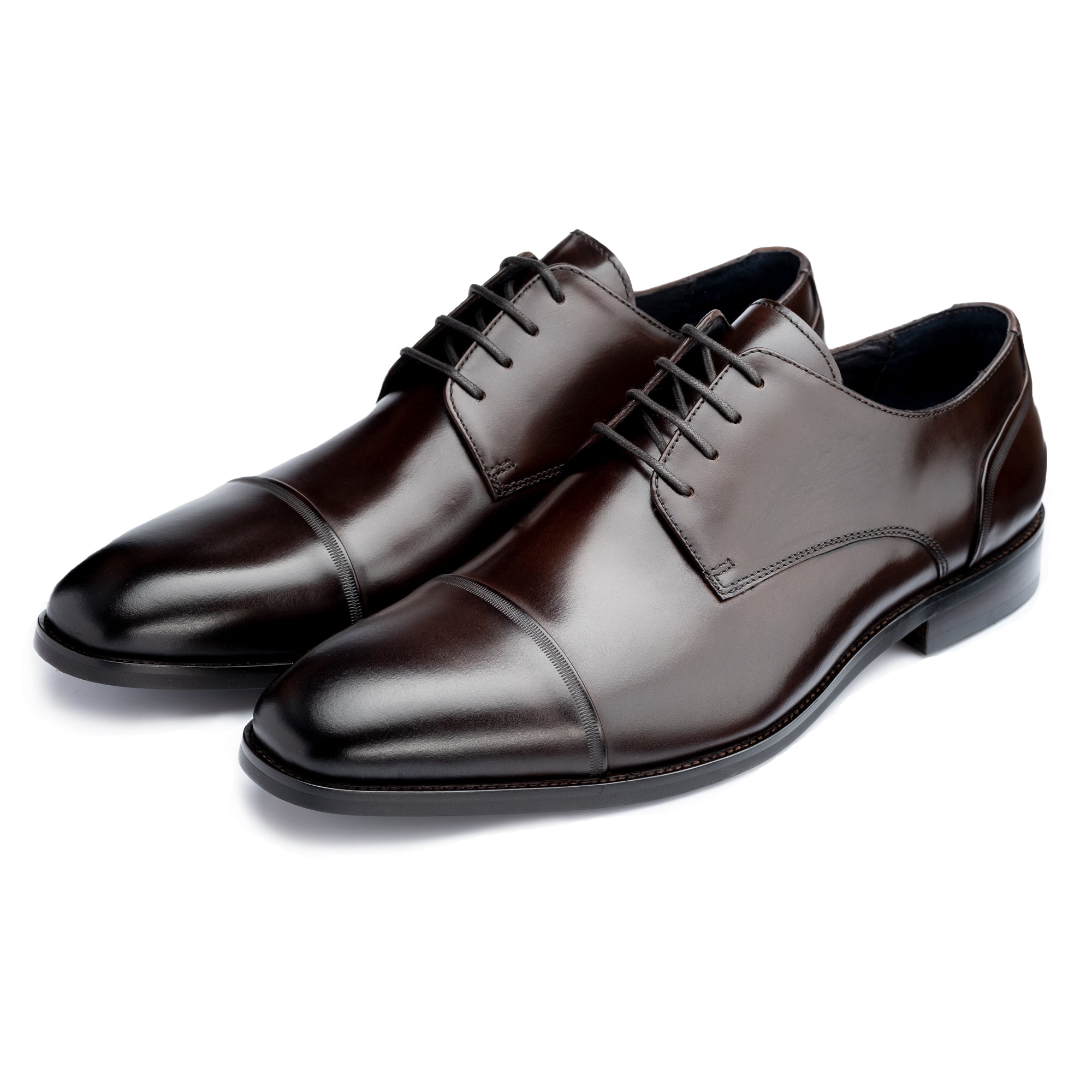
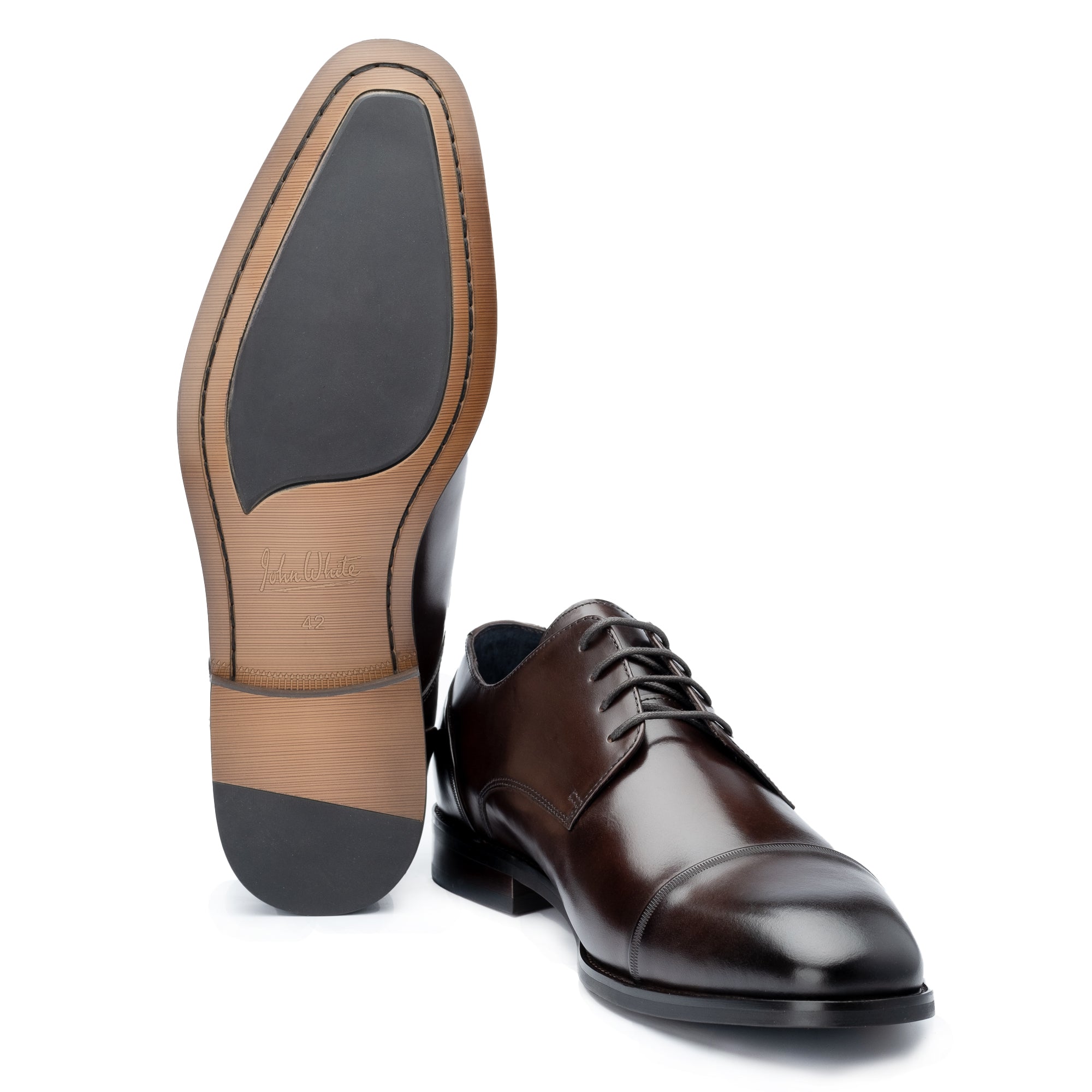
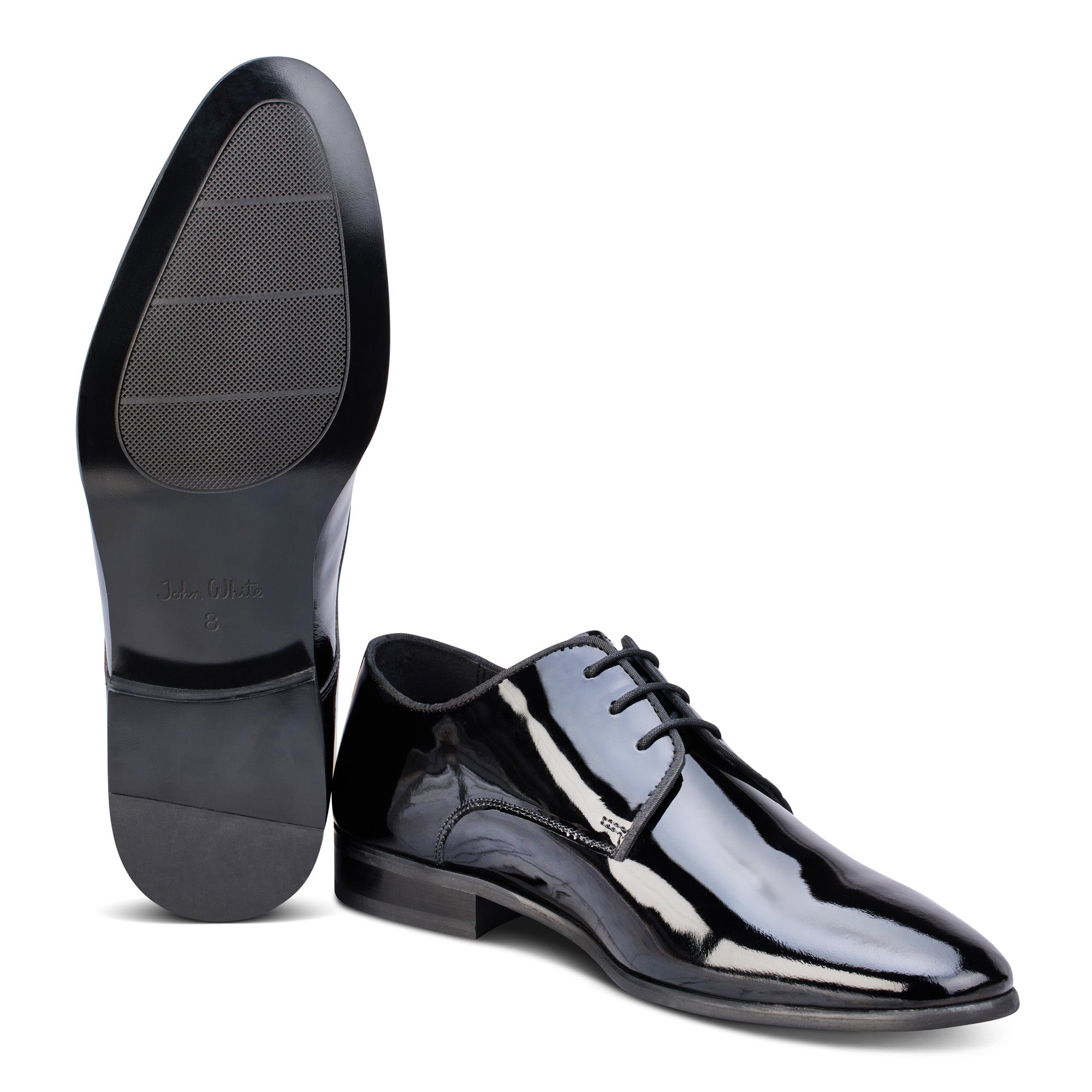
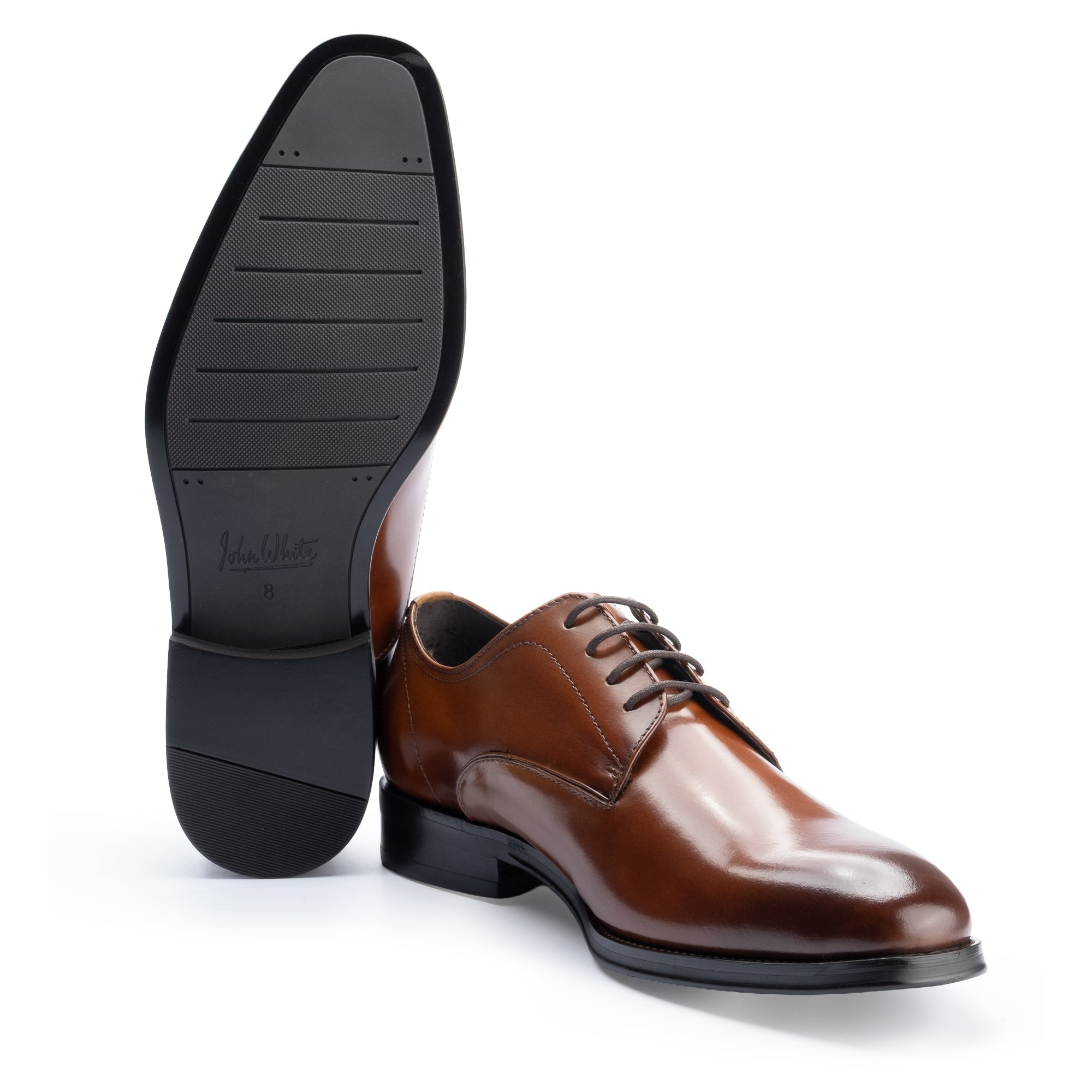
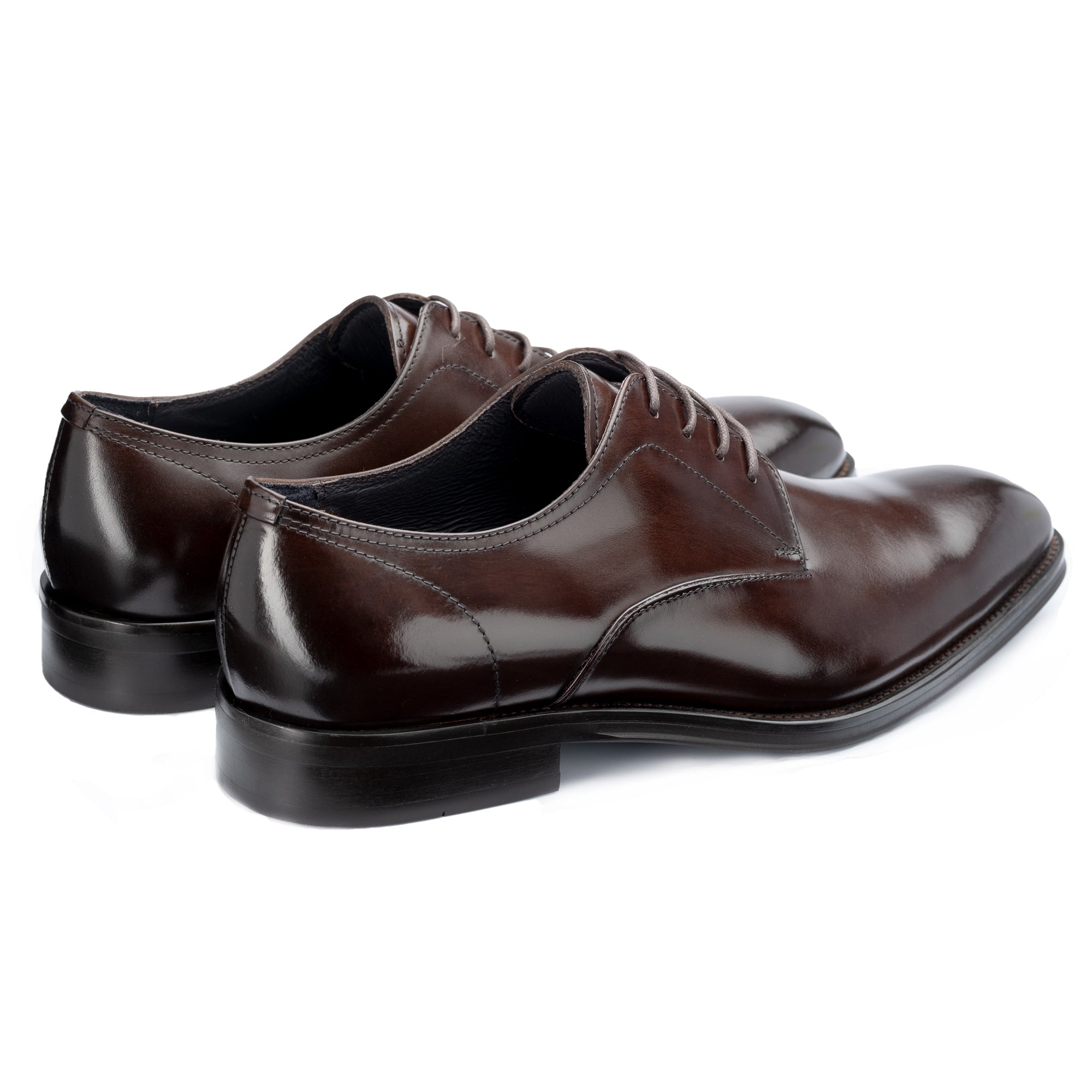
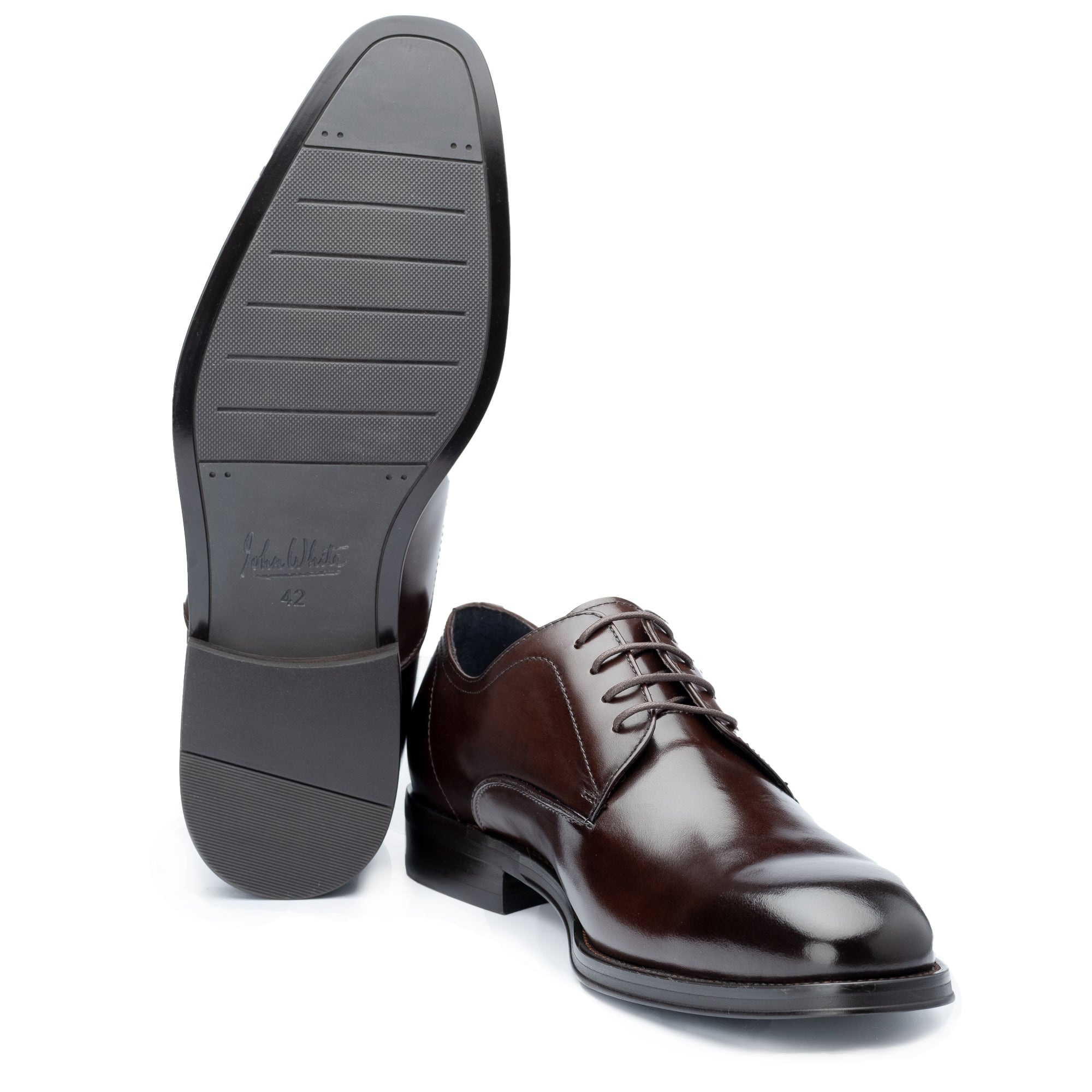
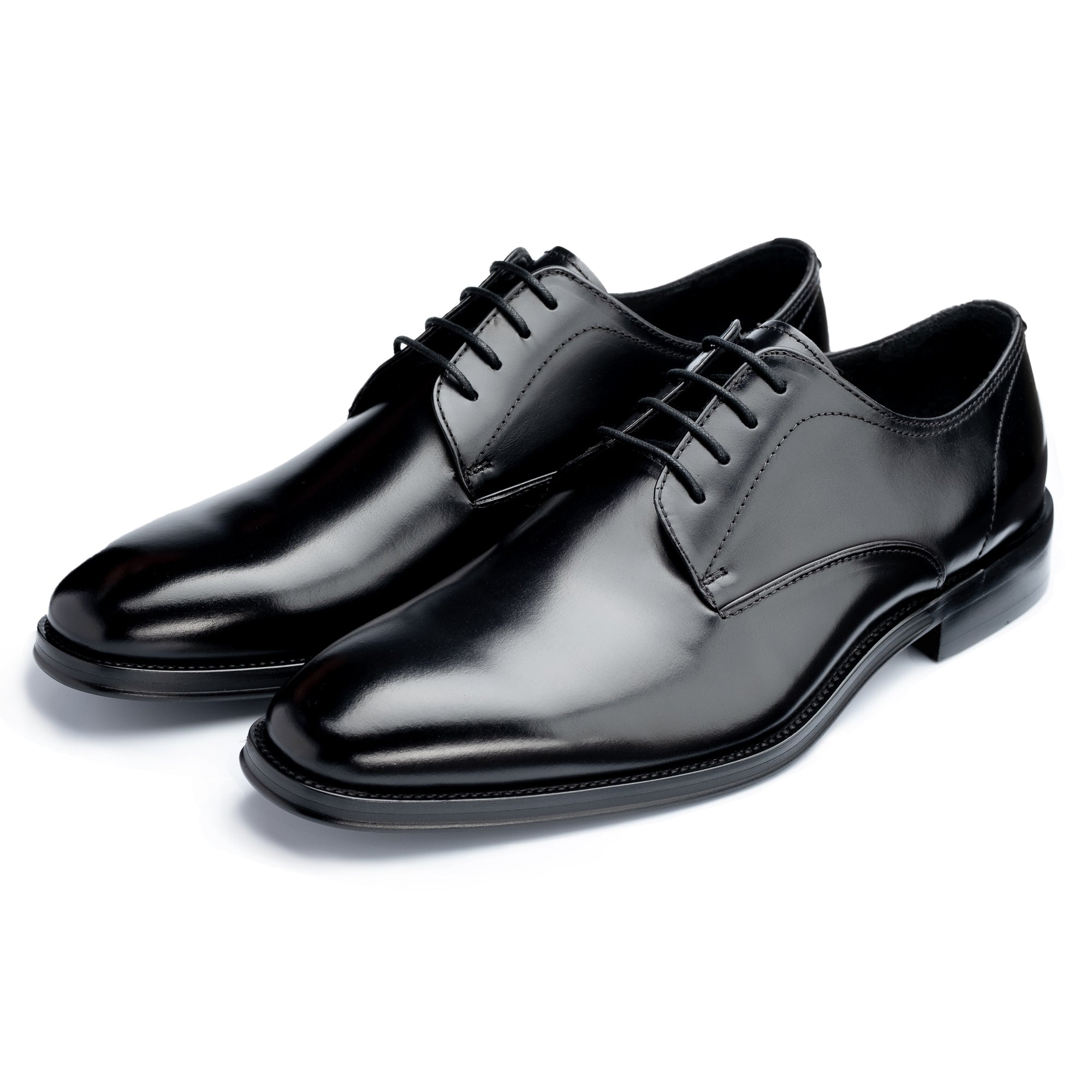
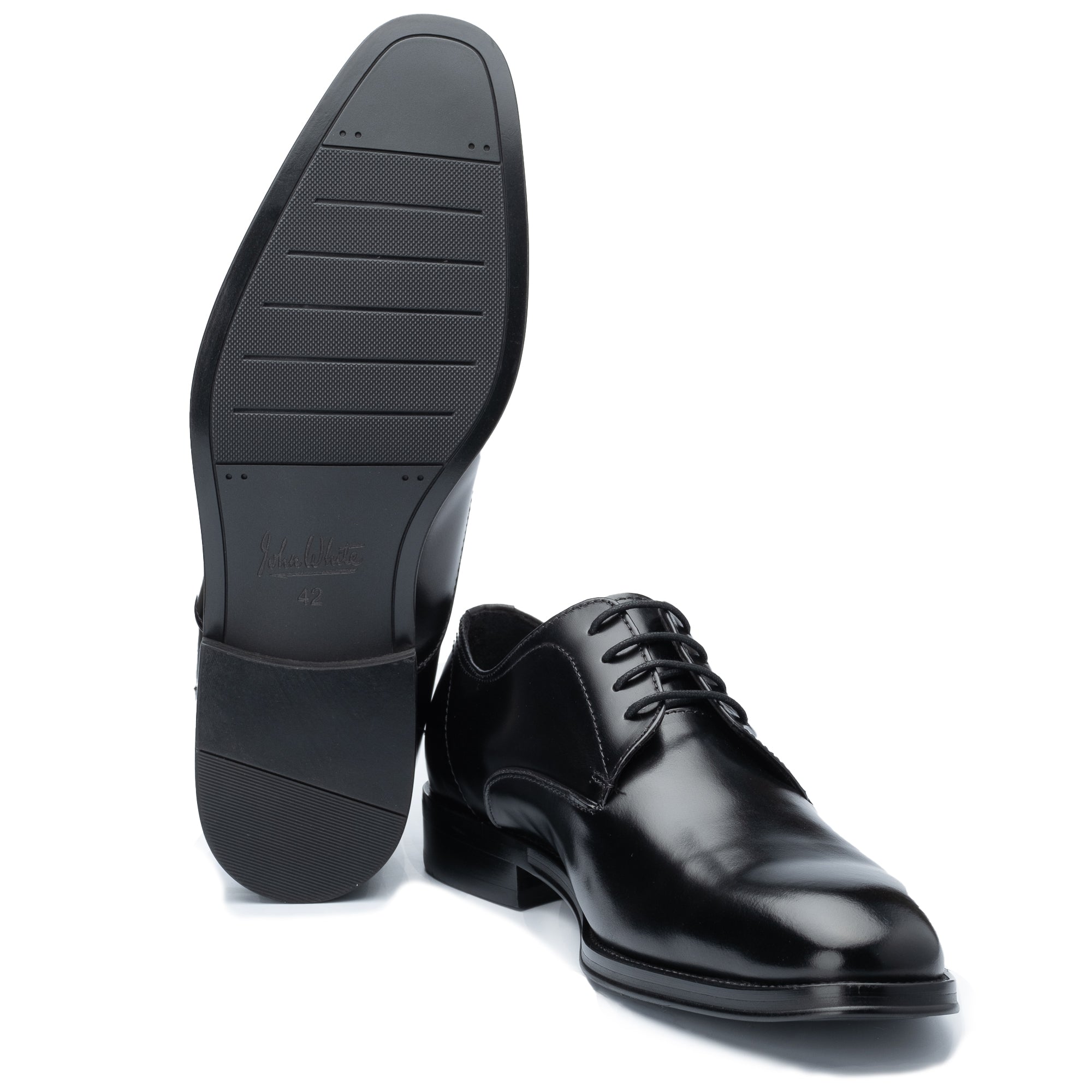
Smooth calfskin is the standard upper material for formal Oxfords, cap-toe Derbies, and evening footwear across the British shoemaking tradition. Makers including John White Shoes, Loake, Church's, and Crockett & Jones all use calfskin as their benchmark upper for city and formal styles.
Smooth calfskin is the benchmark upper for formal British footwear: fine-grained, polish-receptive, and capable of developing a rich, individual patina over years of wear.What Is Pebble Grain Leather?
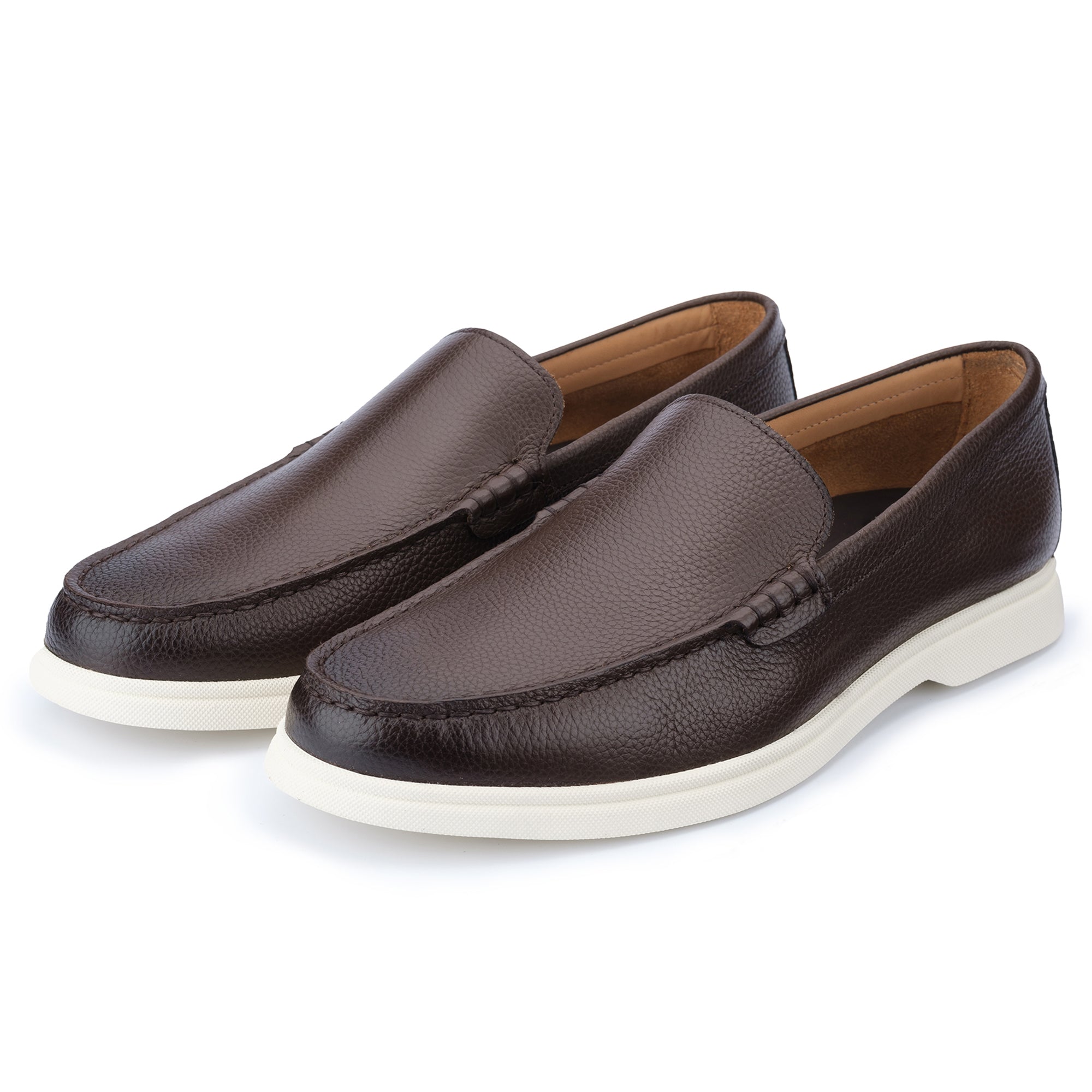
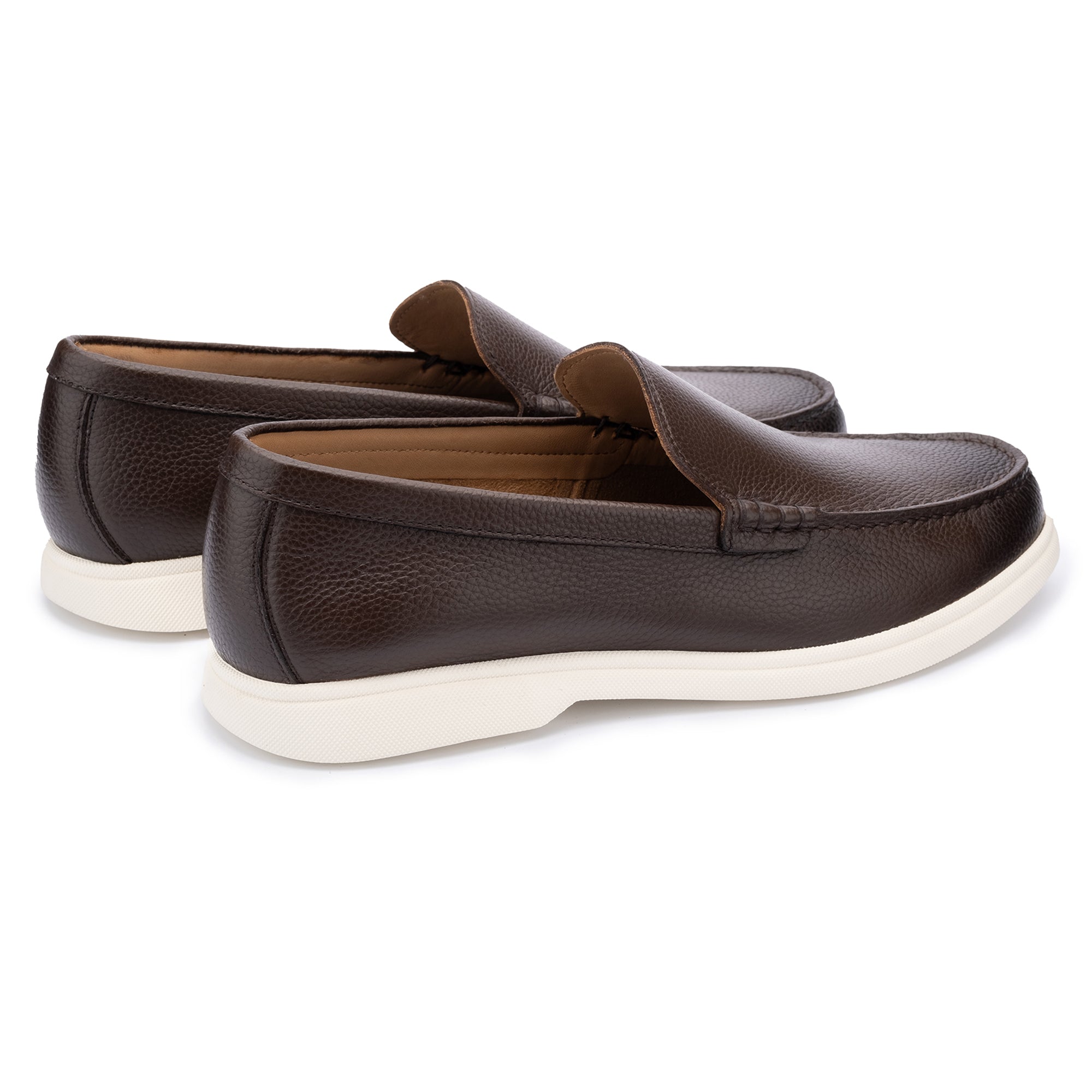
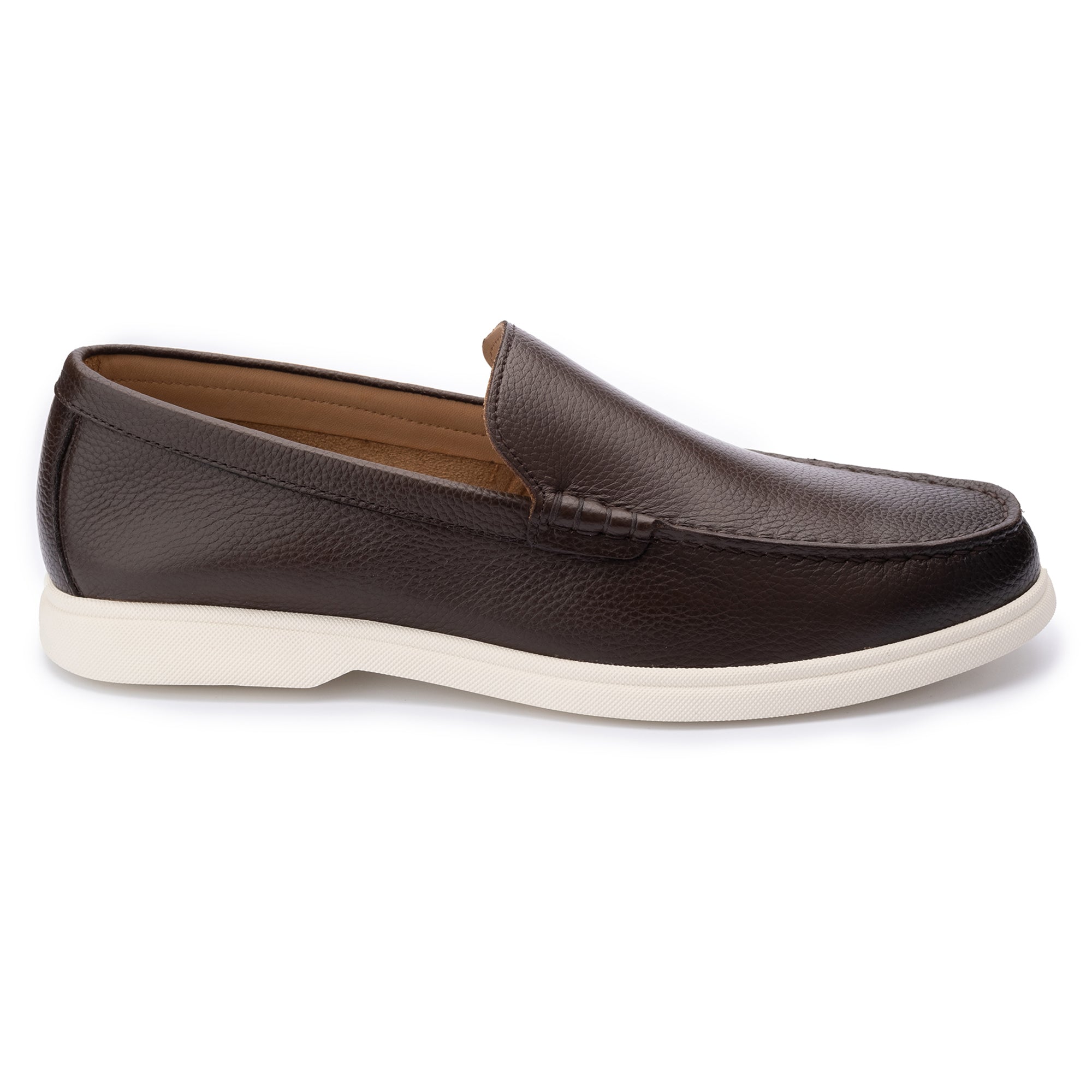
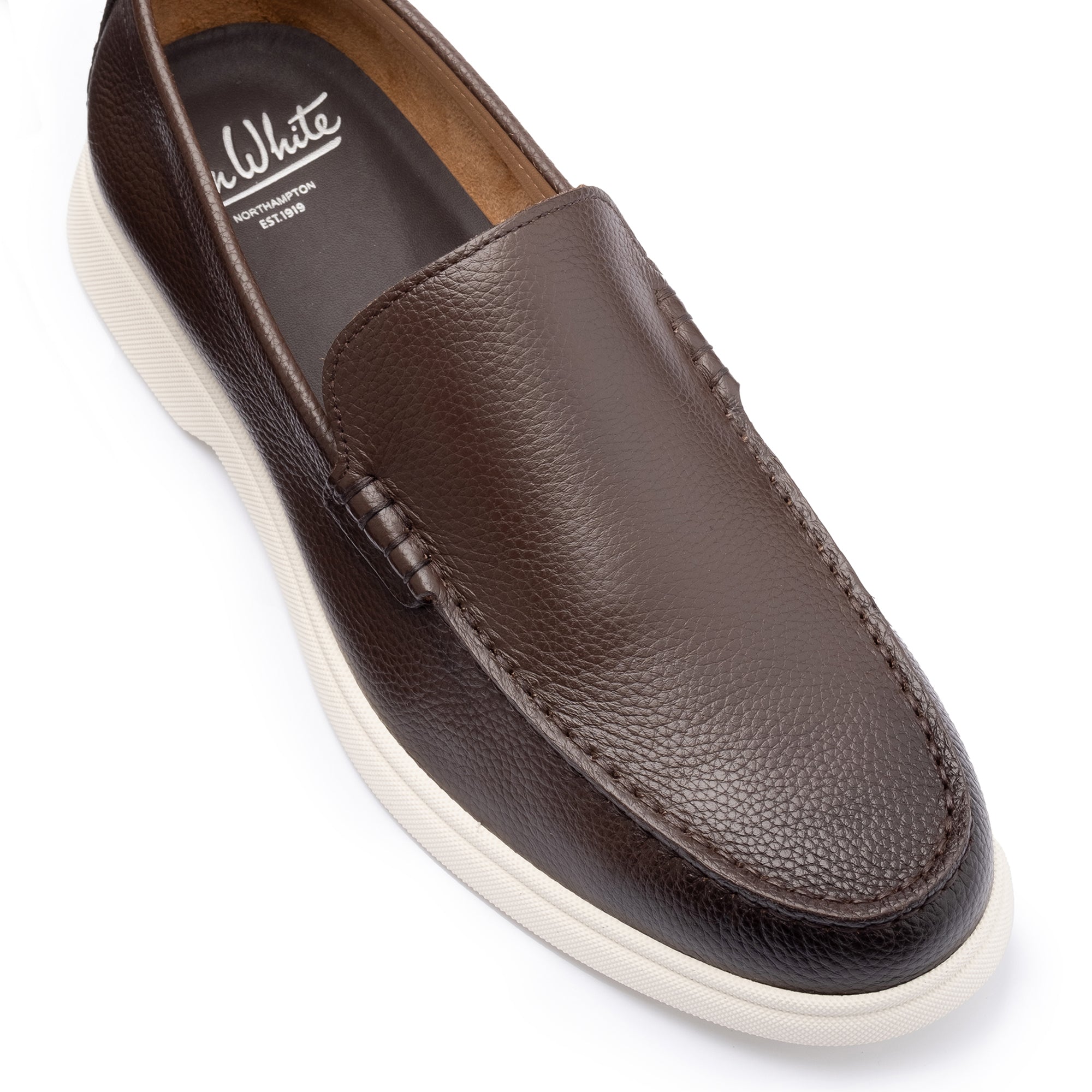
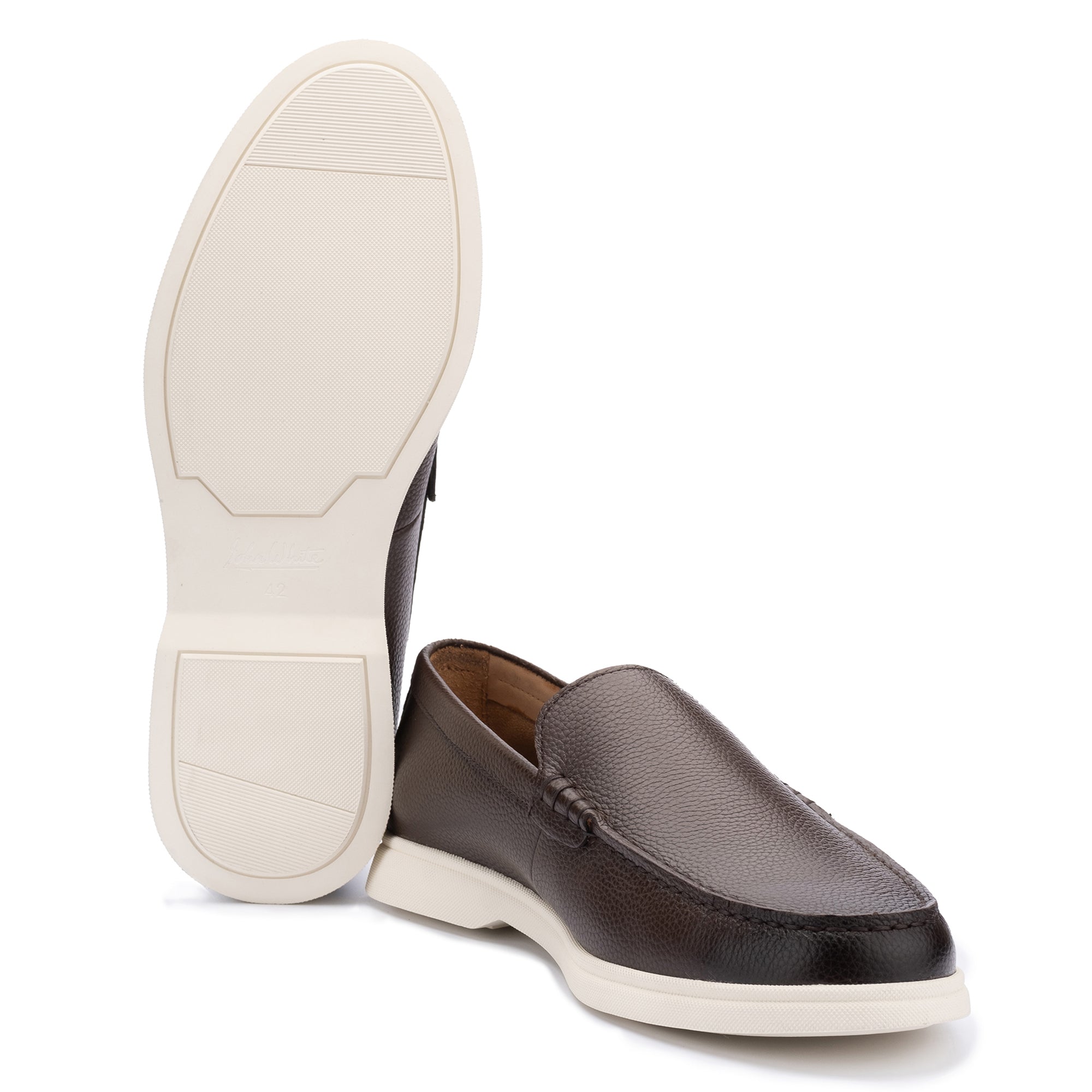
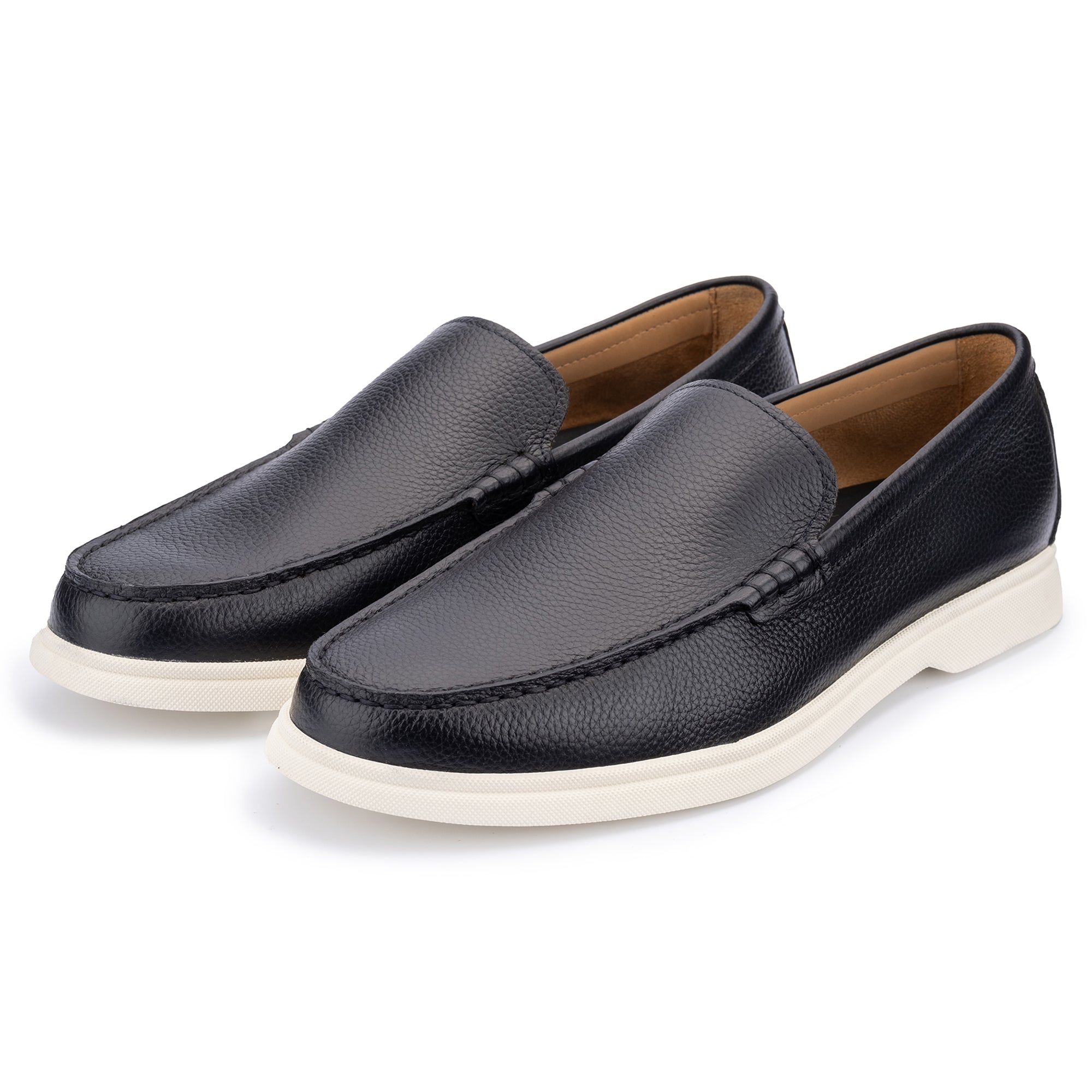
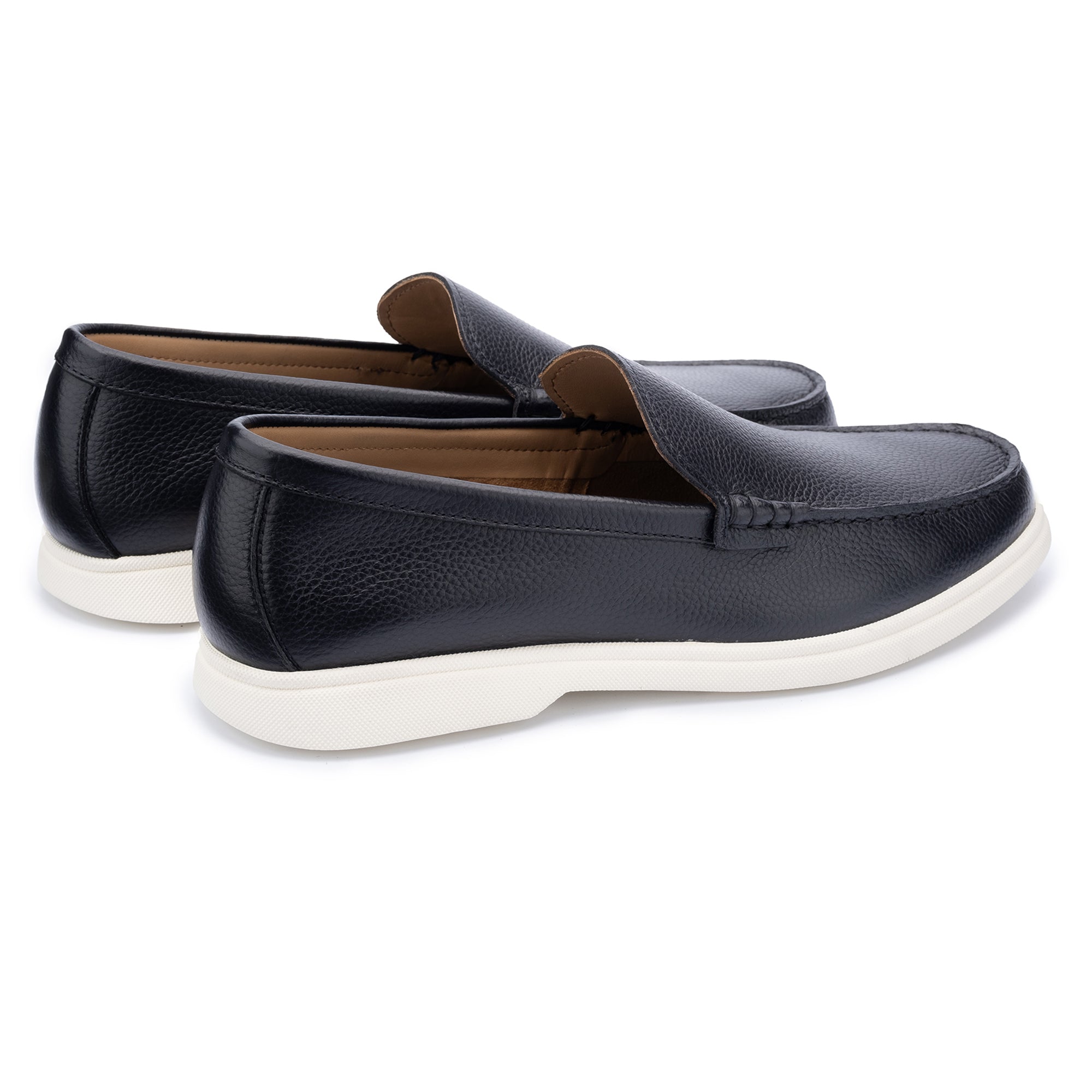
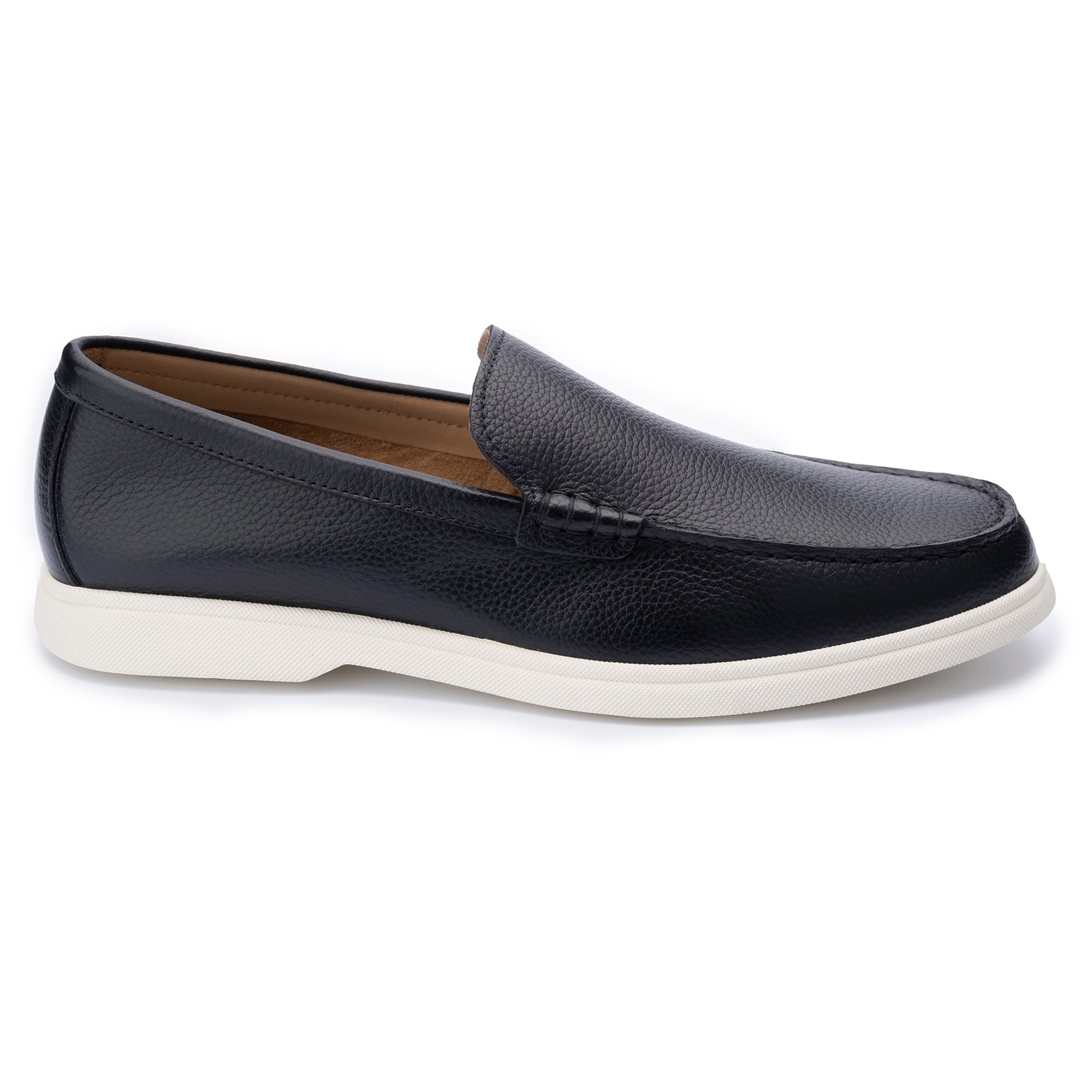
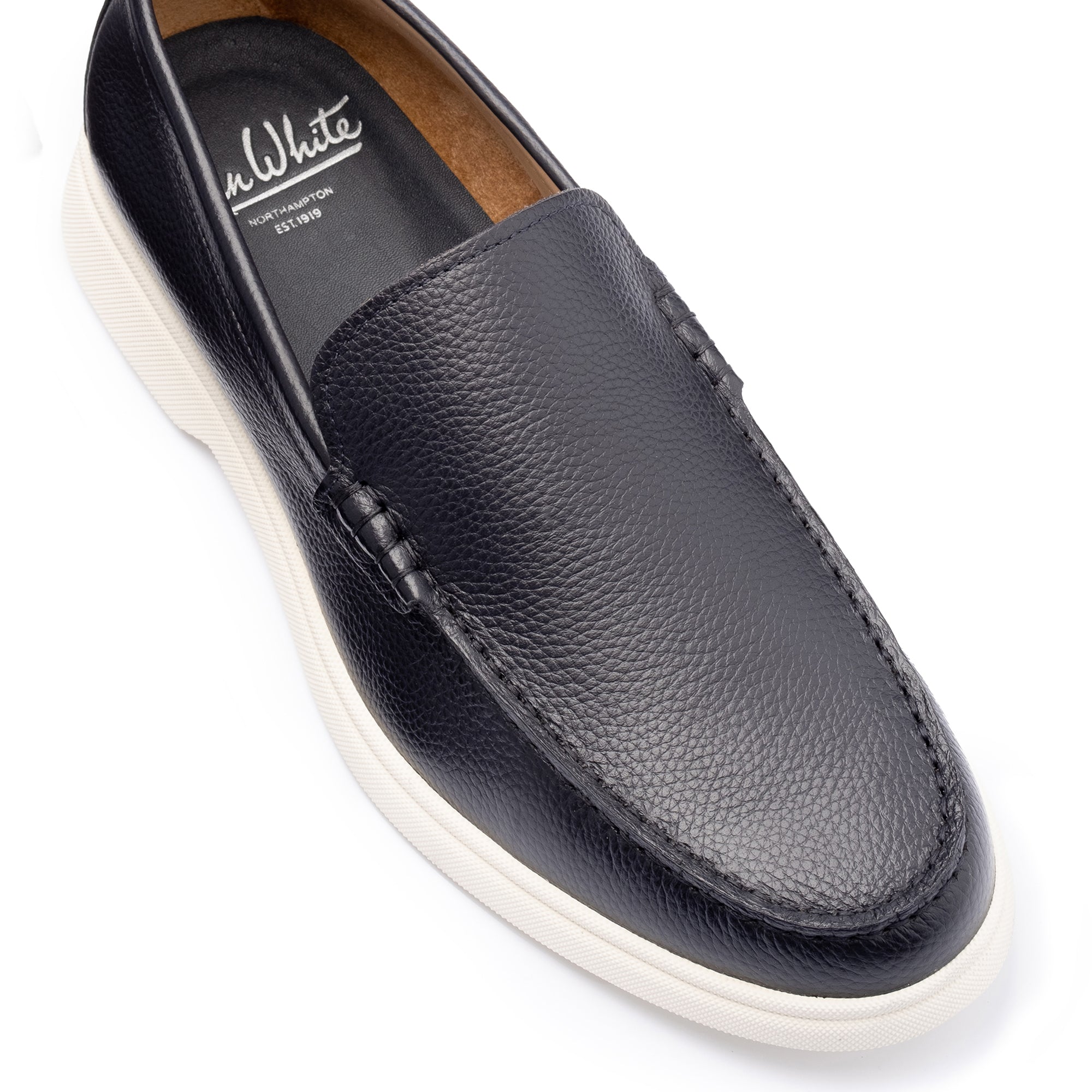
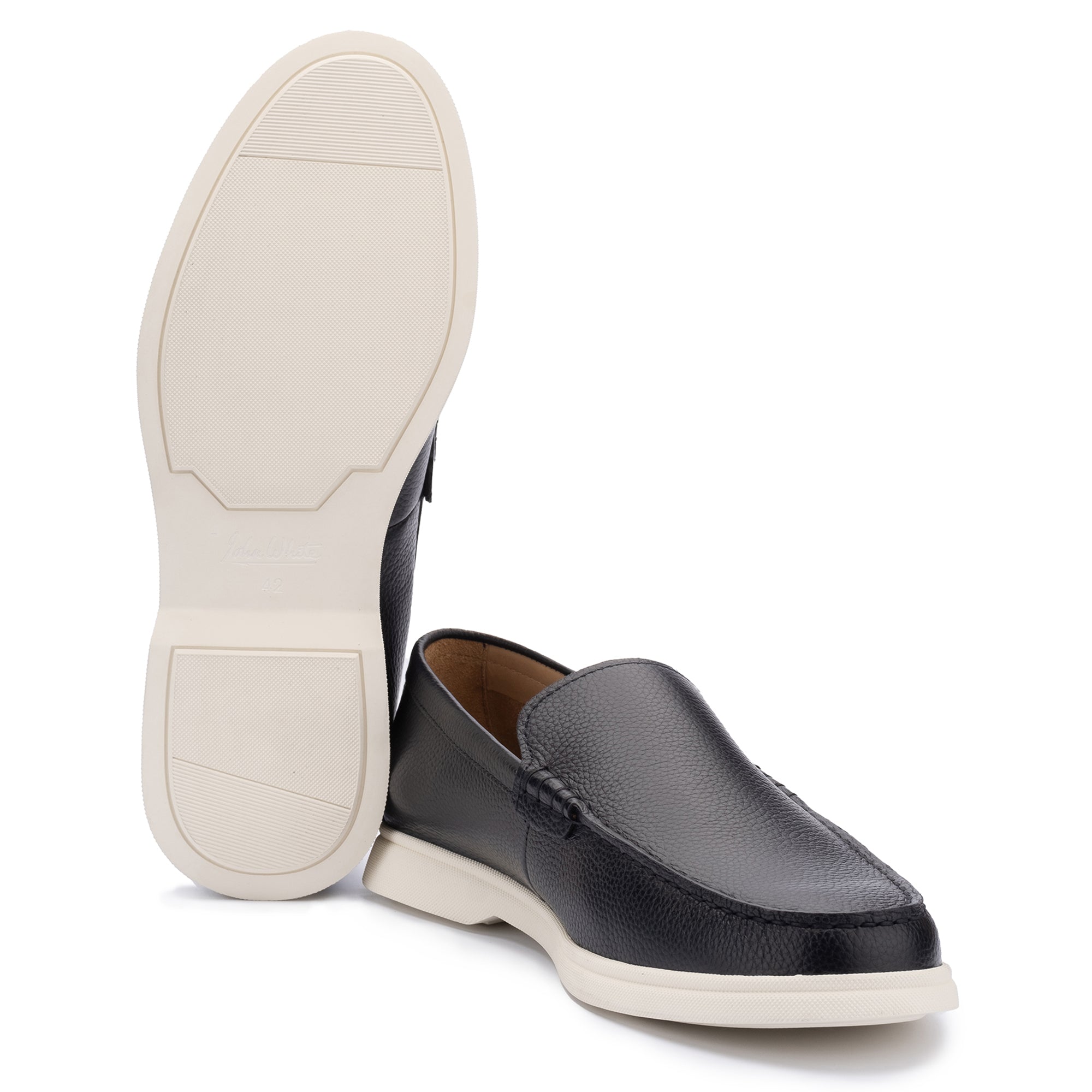
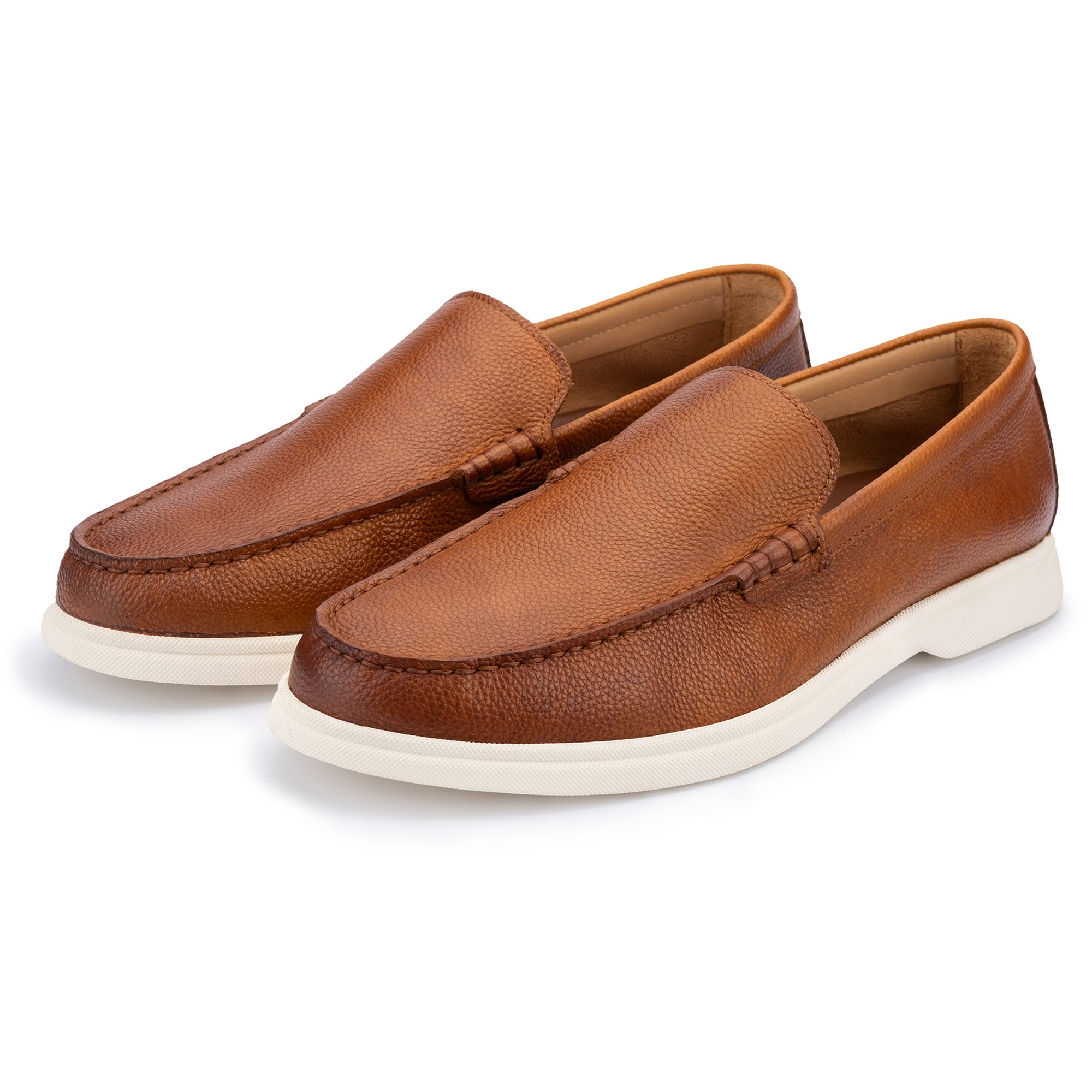
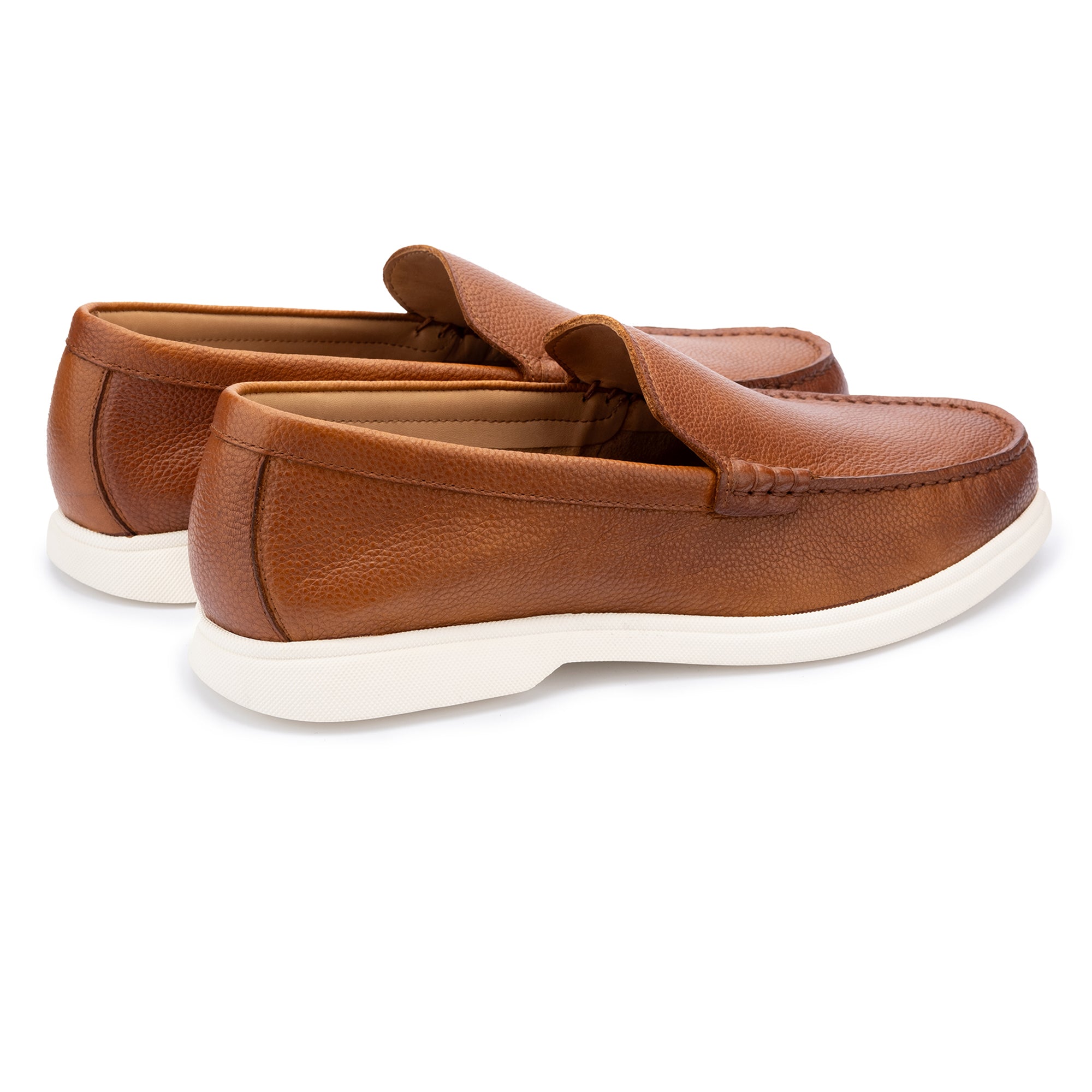
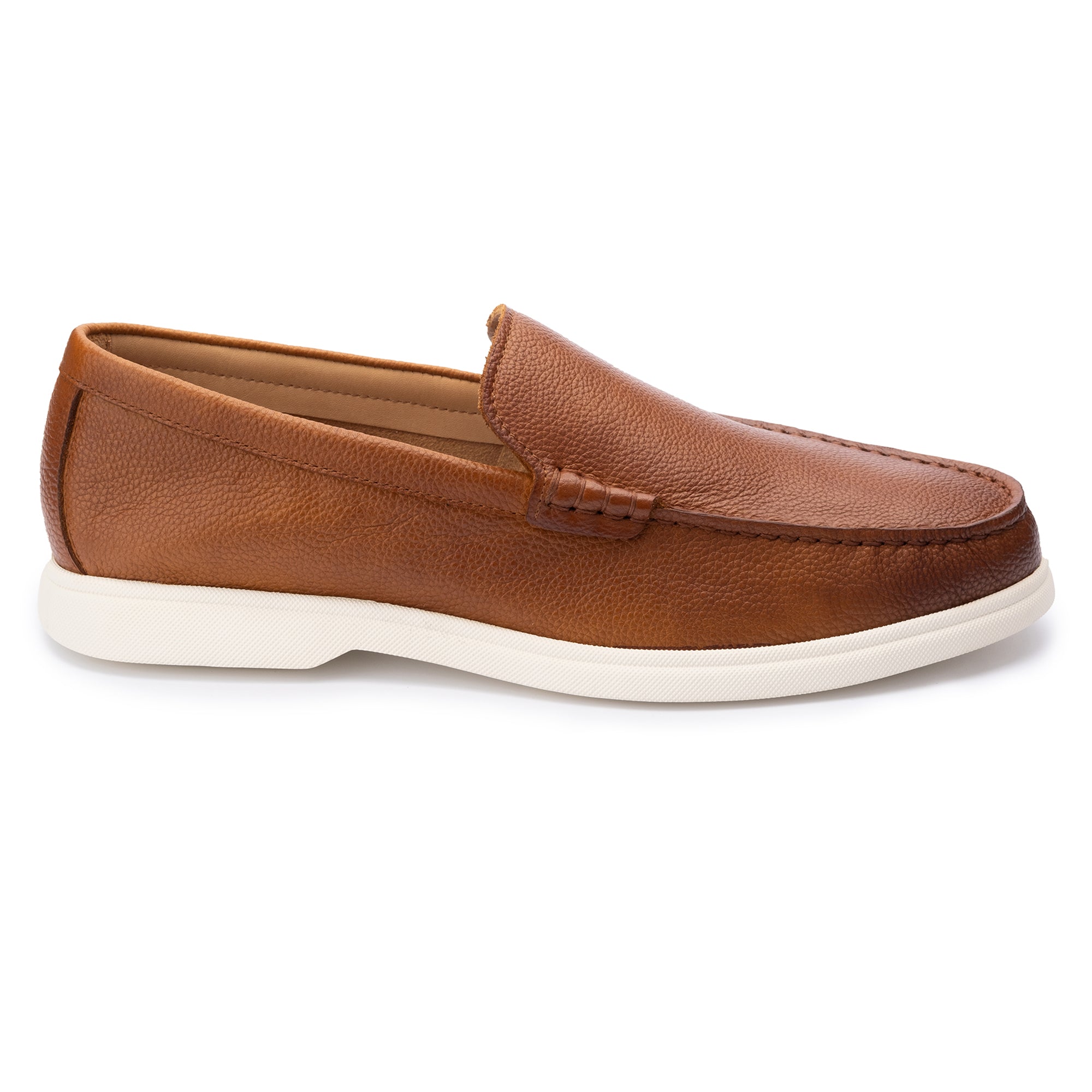
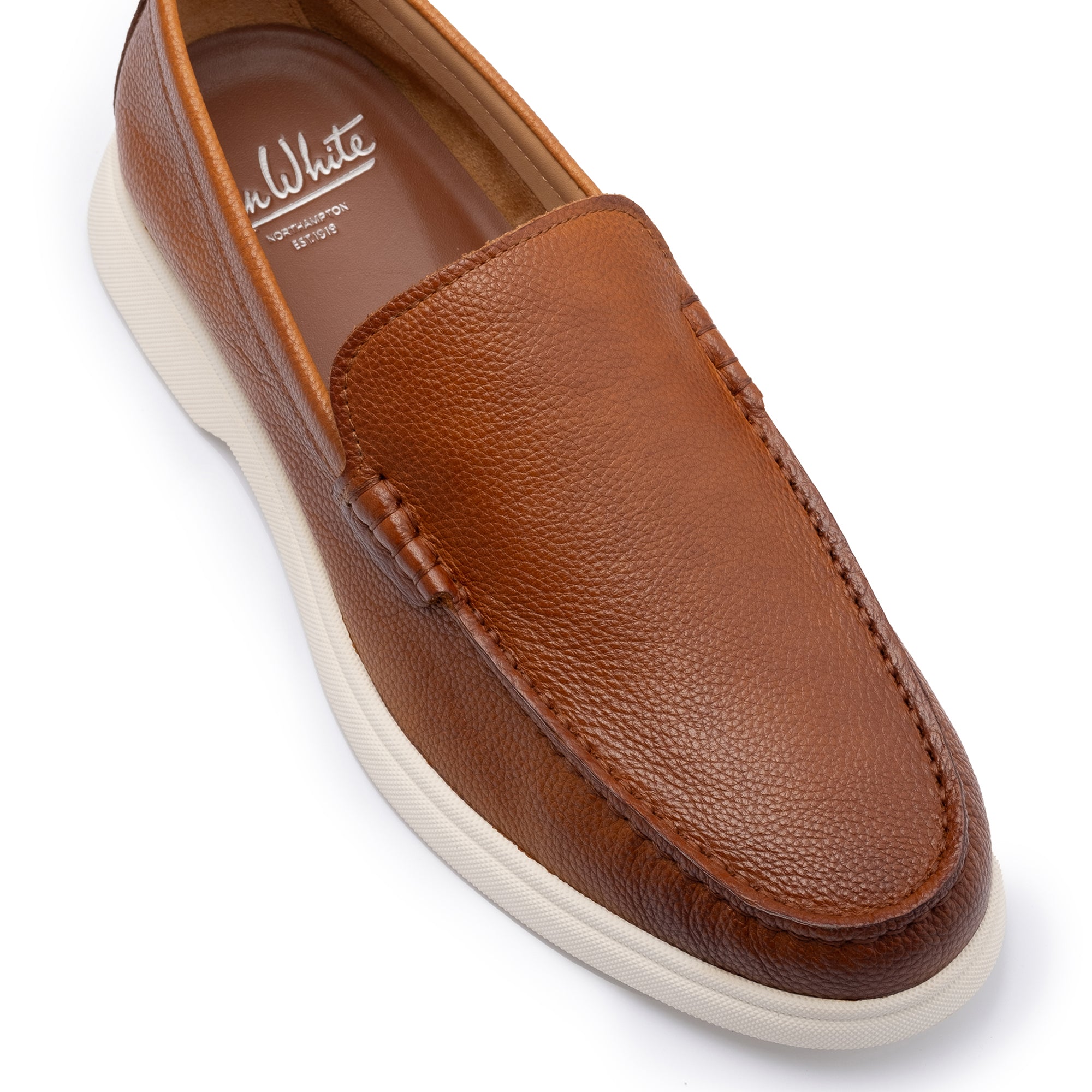
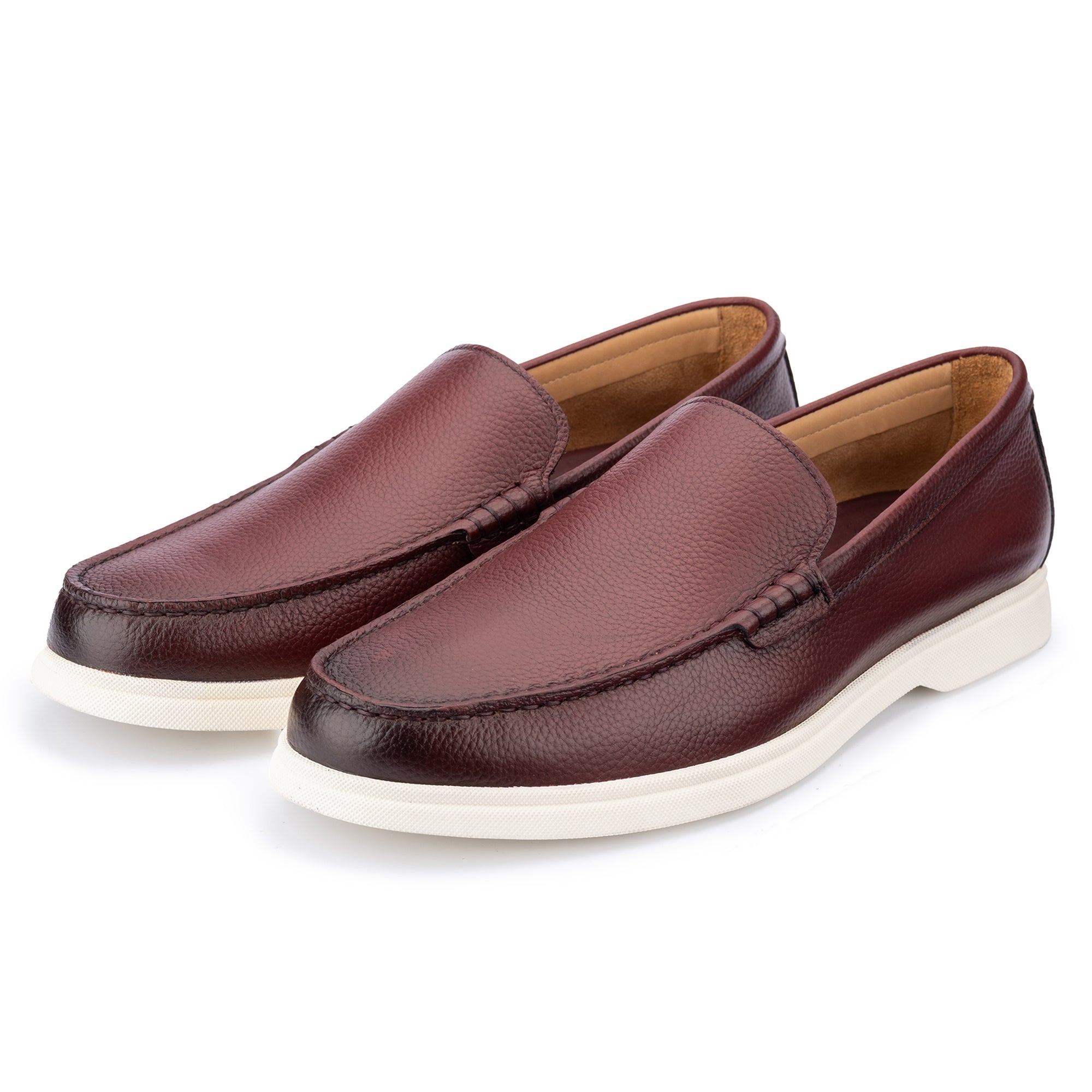
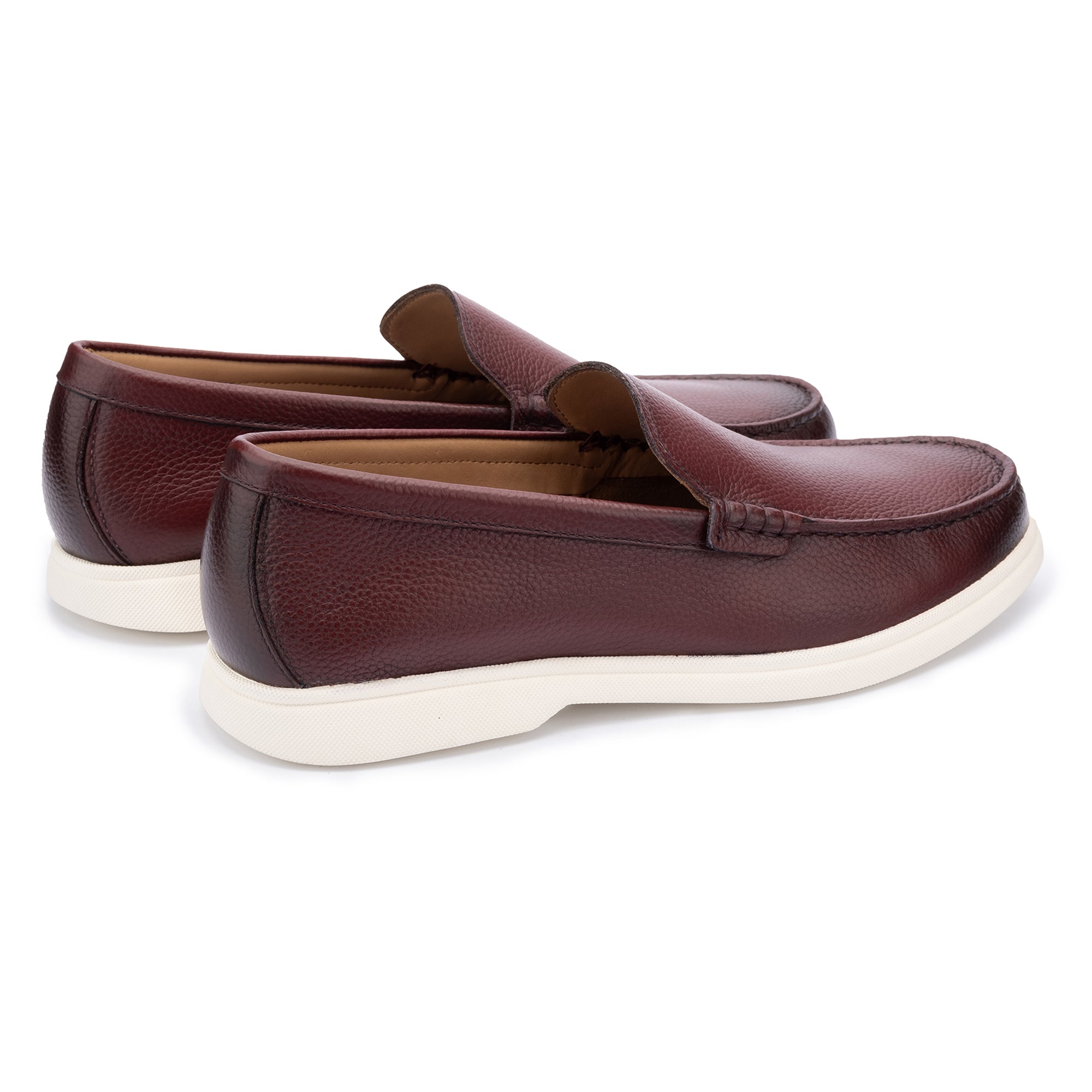
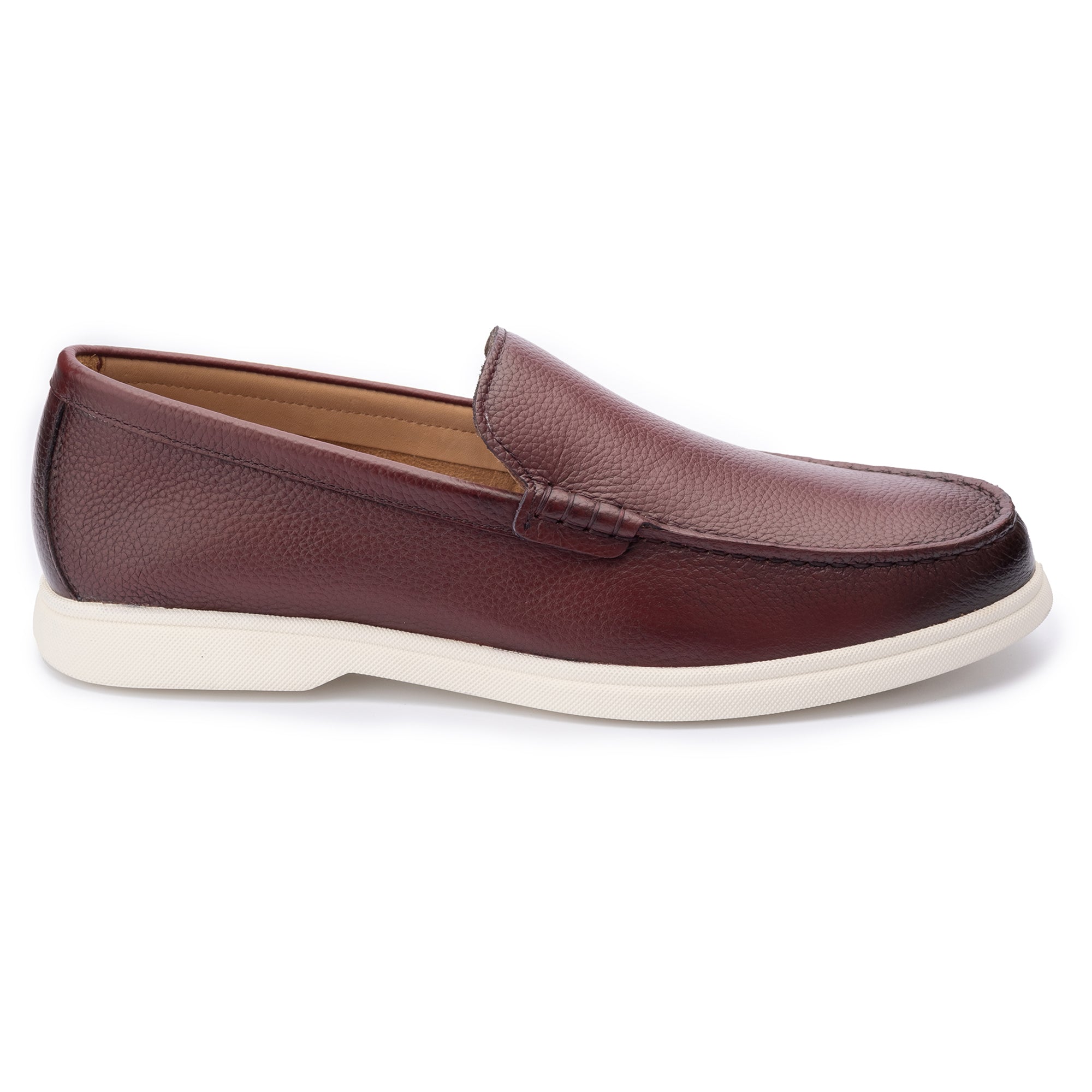
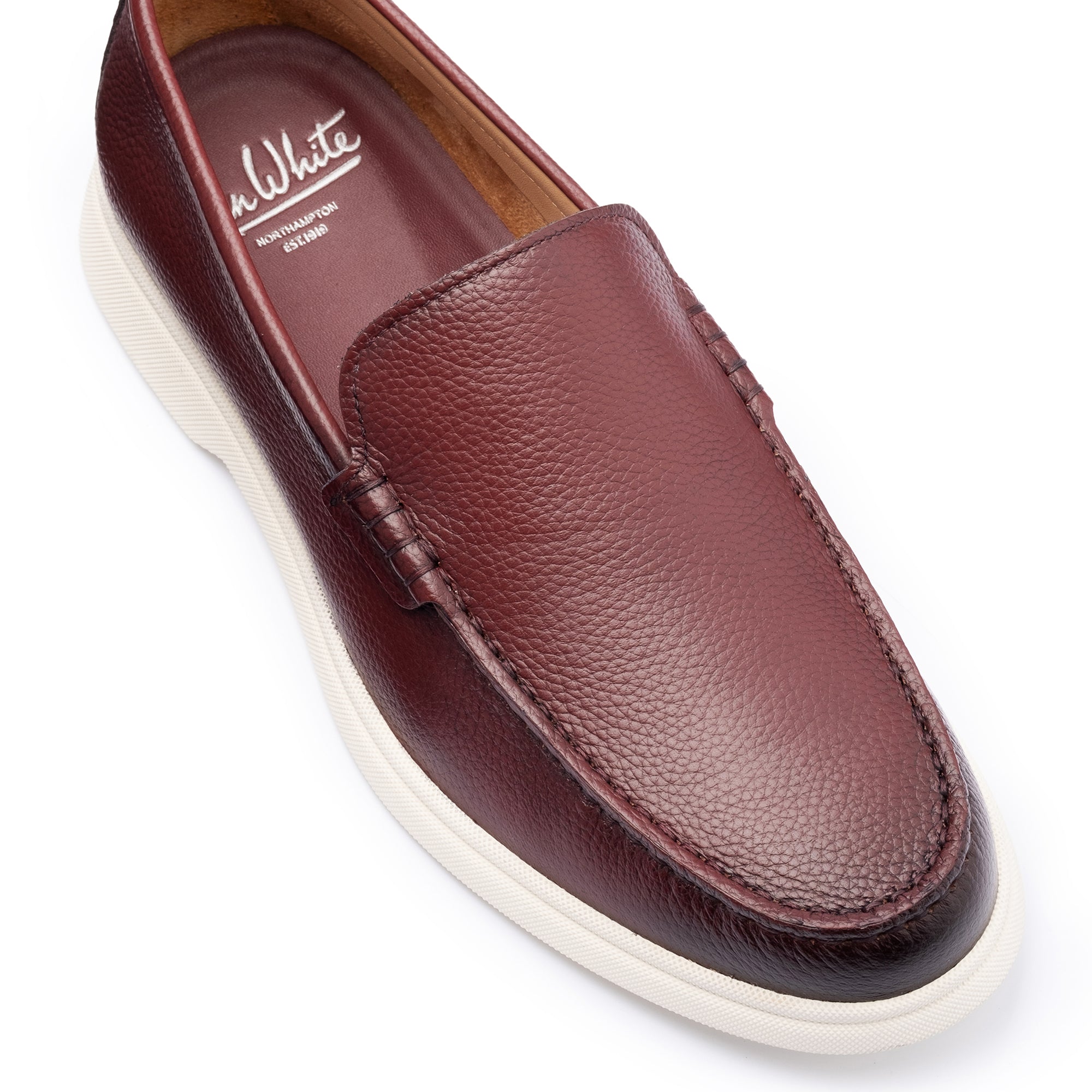
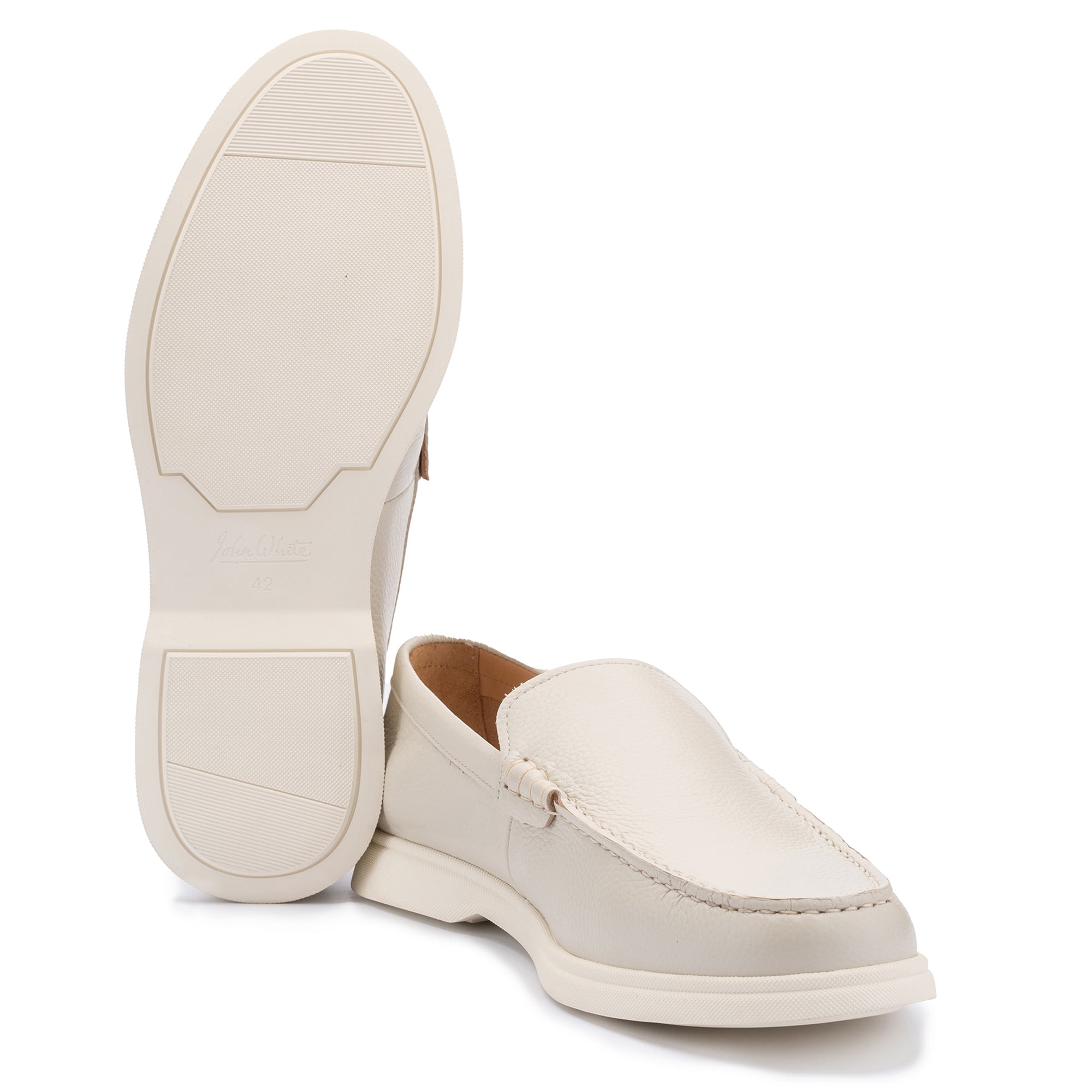
Pebble grain leather -- known in its specific British form as scotch grain -- is a full-grain or corrected hide given a distinctive surface texture: small, tight, rounded bumps distributed uniformly across the leather's face.
The texture is not decorative. SATRA, the international footwear research body based in Northamptonshire, has found that textured grain surfaces distribute surface stress more evenly than smooth leathers, contributing measurably to scuff resistance under comparable daily wear conditions. The raised surface absorbs and disguises minor abrasion that would register immediately on smooth calfskin.
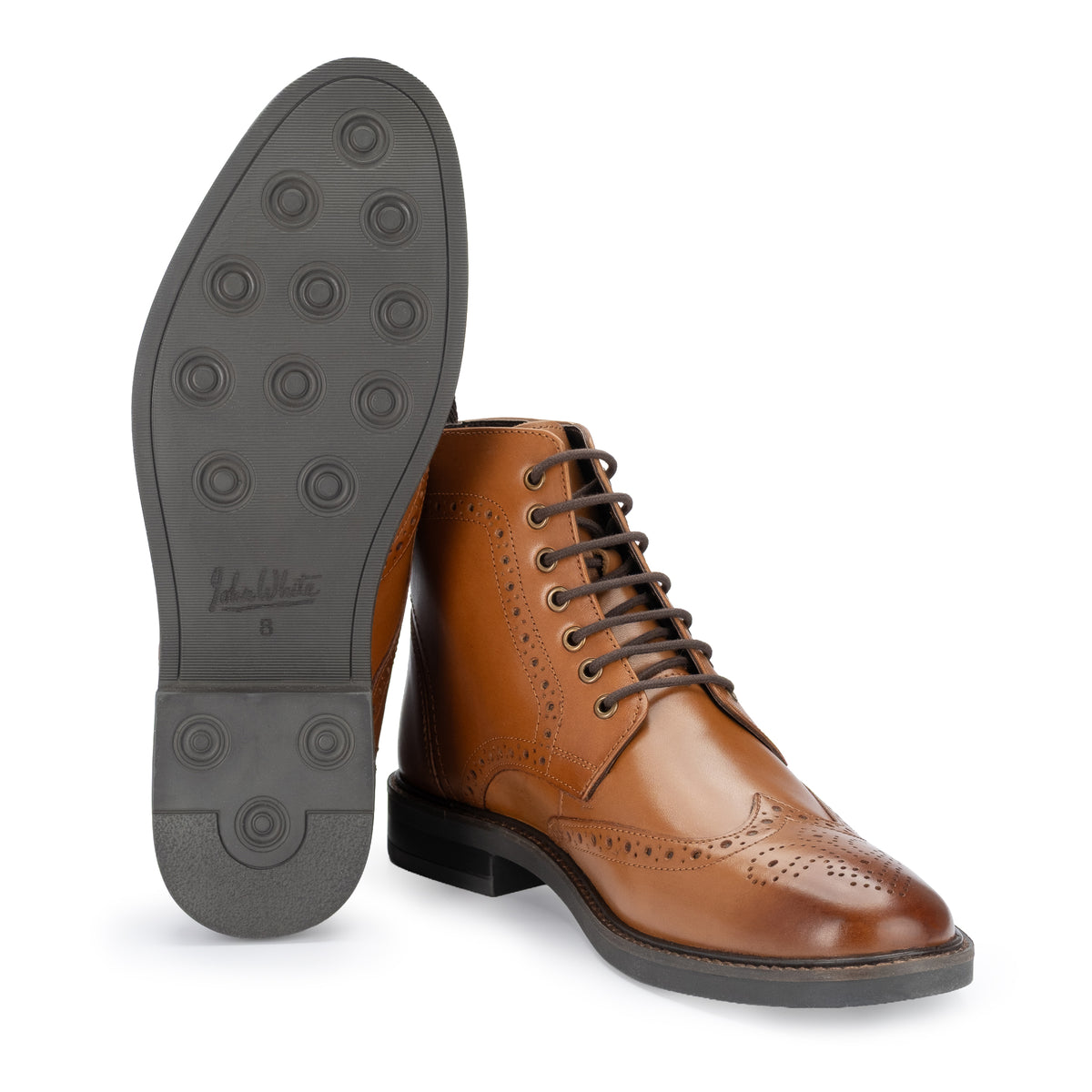
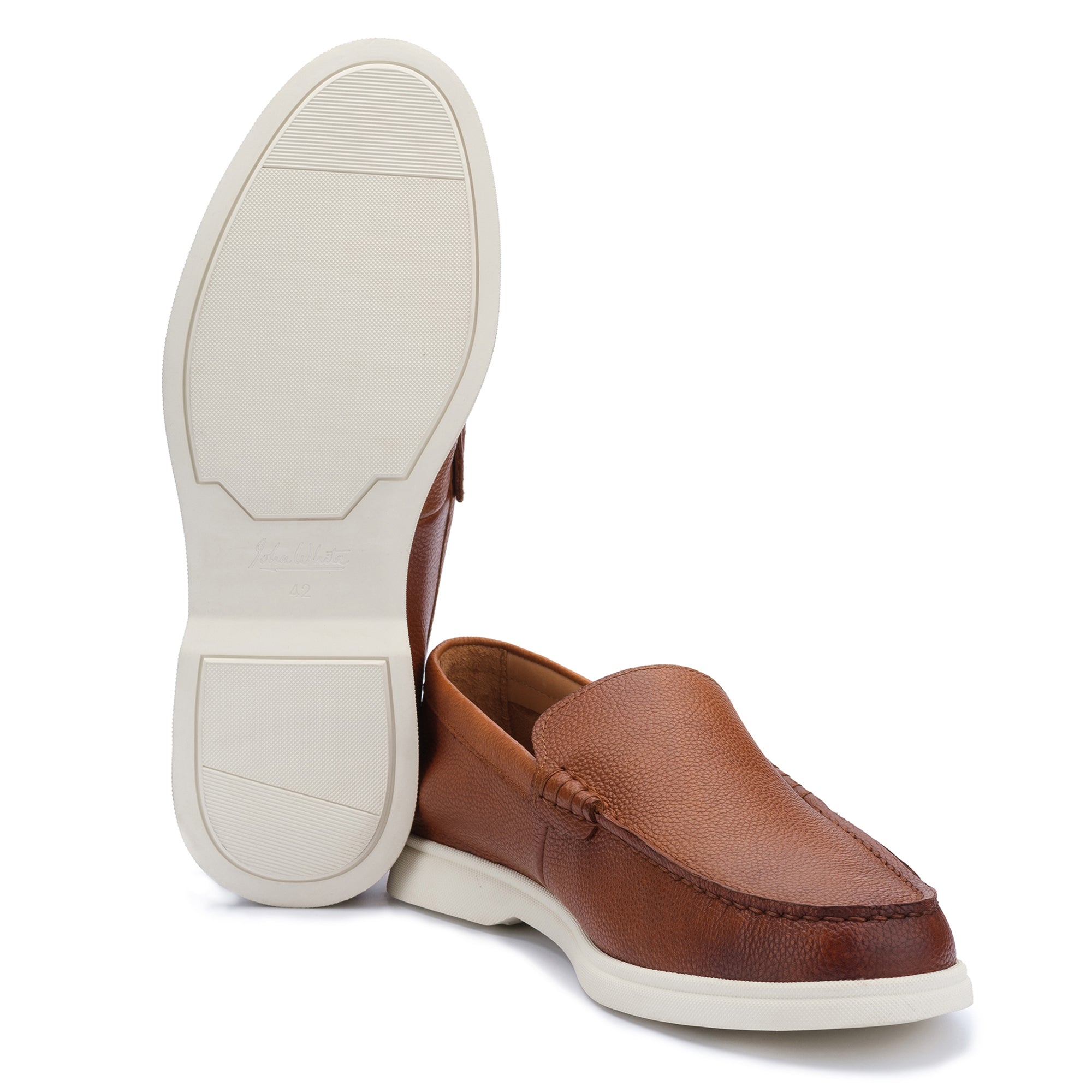
Pebble grain carries a long association with British country and sporting footwear. Grenson, Barker, and John White Shoes all offer pebble grain styles within their Derby and brogue ranges, where the texture signals both practical durability and heritage character rooted in the English countryside tradition.
Pebble grain leather combines the quality of full-grain hide with a textured surface that resists scuffs, performs in variable British conditions, and carries an unmistakeable country heritage character.How Do Smooth Calfskin and Pebble Grain Compare Across Key Criteria?
The differences between these two leathers become clearer when examined side by side across the criteria that matter most to a man building a premium shoe wardrobe.
| Characteristic | Smooth Calfskin | Pebble Grain |
|---|---|---|
| Formality register | Formal to smart-casual | Smart-casual to country |
| Surface finish | Smooth, even natural grain | Textured, raised bumps |
| Polish result | Mirror shine achievable | Even sheen; no mirror finish |
| Scuff visibility | Scuffs show clearly | Minor scuffs disguised by texture |
| Weather tolerance | Requires careful waterproofing | More forgiving in wet conditions |
| Patina development | Rich, deep character over time | Mellows subtly; quieter ageing |
| Typical styles | Oxfords, cap-toes, dress loafers | Brogues, country Derbies, boots |
| Primary care method | Regular polishing and conditioning | Conditioning-led; less wax polish |
Which Leather Is More Durable in Daily Wear?
Both leathers offer excellent longevity when sourced at full-grain quality -- but they degrade in different ways and under different conditions.
Smooth calfskin shows surface wear clearly. Scuffs, heel drag, and creasing are immediately visible and require prompt attention. Left untreated, surface damage can migrate into the hide. The upside: properly maintained calfskin rewards the attention. According to the Society of Master Shoe Repairers, quality leather uppers -- whether calfskin or grain -- regularly sustain 20 or more years of active wear when properly conditioned and periodically resoled.
Pebble grain is more forgiving across day-to-day use. The raised texture absorbs minor abrasion without registering it visibly on the surface. For a man wearing his shoes in varying conditions -- commuting, walking on uneven ground, travelling -- this forgiveness makes a meaningful practical difference.
Smooth calfskin offers a finer long-term finish in exchange for greater maintenance discipline; pebble grain tolerates harder daily use with less immediate intervention required.How Does Each Leather Age Over Time?
The ageing character of these leathers is markedly different, and for many men it is the decisive factor between them.
Smooth calfskin develops patina: a gradual deepening of colour, tonal variation across high-wear areas, and a luminosity no new shoe possesses. This is why premium calfskin Oxfords from established British houses are passed between generations; the leather improves with stewardship. A well-maintained calfskin shoe at a decade of age can be more beautiful than it was on the day of purchase. Our guide to burnished vs antiqued leather finishes explores how deliberate patina techniques build on this natural ageing process.
Pebble grain ages more quietly. The texture softens slightly over years of wear, the leather takes on a comfortable, broken-in character that suits its country nature. It does not develop the same tonal drama as calfskin, but the result is a shoe that reads as lived-in and properly worn rather than immaculate.
Neither outcome is superior -- they age toward different ideals, and both are honourable.
How Should You Care for Smooth Calfskin vs Pebble Grain Leather?
The care methods for each leather differ in emphasis and product selection.
For smooth calfskin:
- Brush dust and surface dirt with a soft horsehair brush after each wear
- Apply a cream or wax leather conditioner every four to six weeks to prevent drying
- Follow with a matching-shade wax or cream polish to build colour and surface protection
- Buff to the desired finish with a clean polishing cloth
- Insert cedar shoe trees immediately after removal to absorb moisture and retain shape
For pebble grain leather:
- Brush the textured surface thoroughly -- the grain traps grit and dried mud that a cloth will miss
- Use a leather conditioner or cream polish applied with a soft brush in circular motions
- Avoid hard wax pastes on pebble grain -- they sit on top of the texture rather than penetrating it
- Work conditioner into the grain using a stiff-bristled brush to ensure even coverage
- Cedar shoe trees are equally essential for maintaining pebble grain shape
For a full seasonal conditioning schedule, see our guide to conditioning frequency for leather shoes. For guidance on which products to use with each leather type, our leather conditioner vs shoe polish guide covers every scenario.
The critical distinction: smooth calfskin benefits from regular wax polishing to build shine and surface protection; pebble grain requires conditioning that penetrates the texture, not wax that sits on top of it.When Should You Choose Each Leather?
When Should You Choose Smooth Calfskin?
Choose smooth calfskin when the occasion demands precision and formality:
- City office wear alongside a business suit or lounge suit
- Formal occasions -- weddings, funerals, interviews, and award ceremonies
- Black tie and evening dress
- Any context where a polished, formal shoe is part of the expected standard
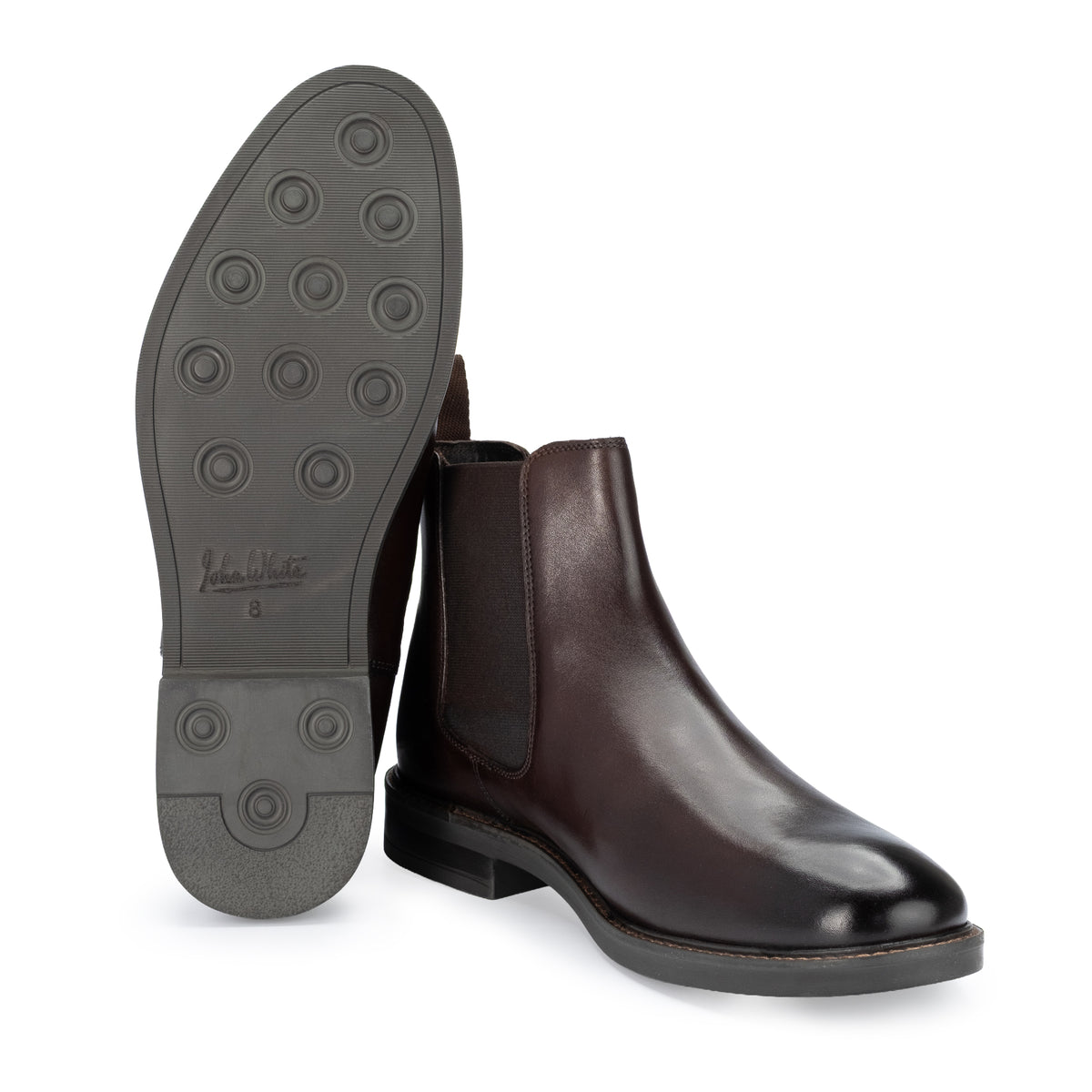
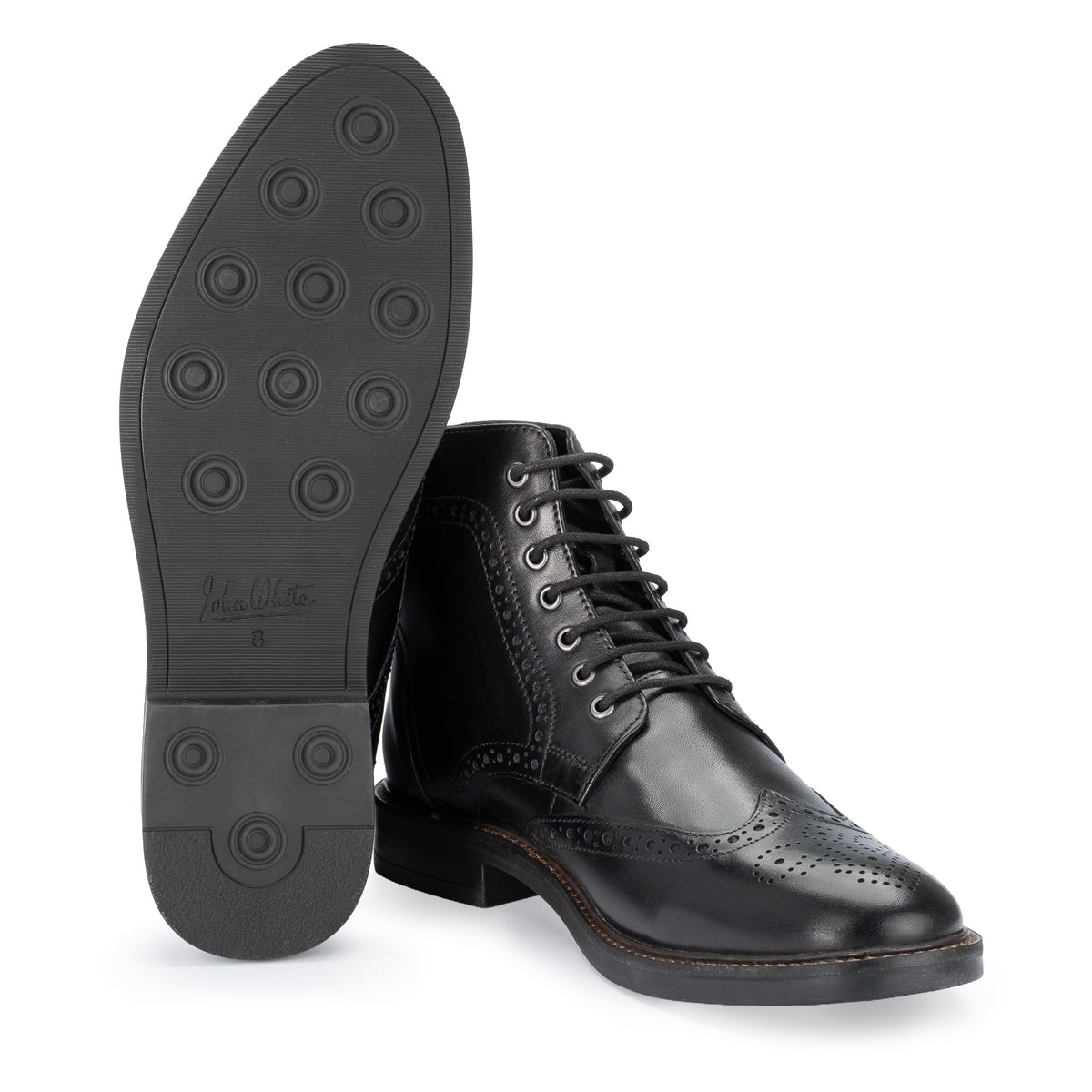
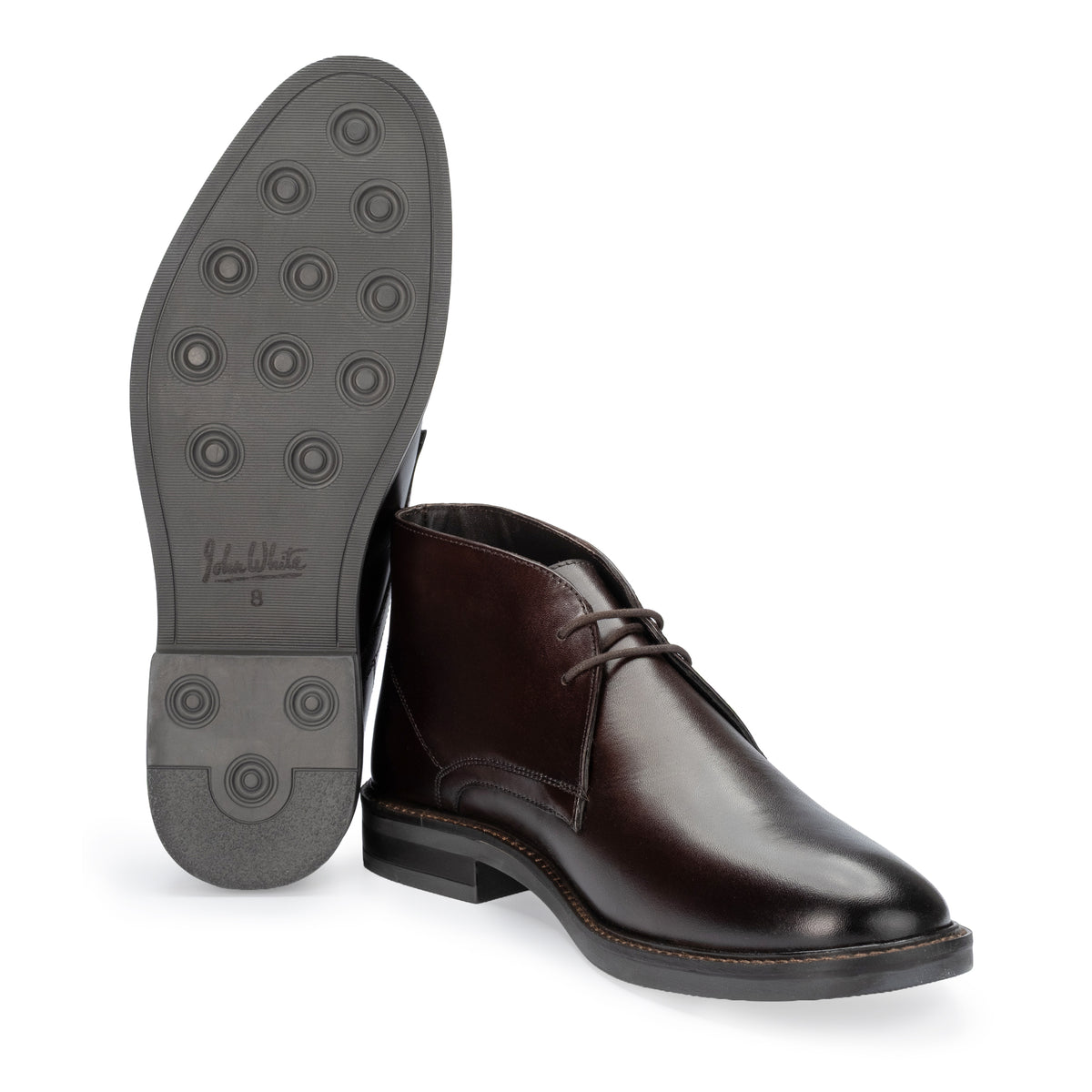
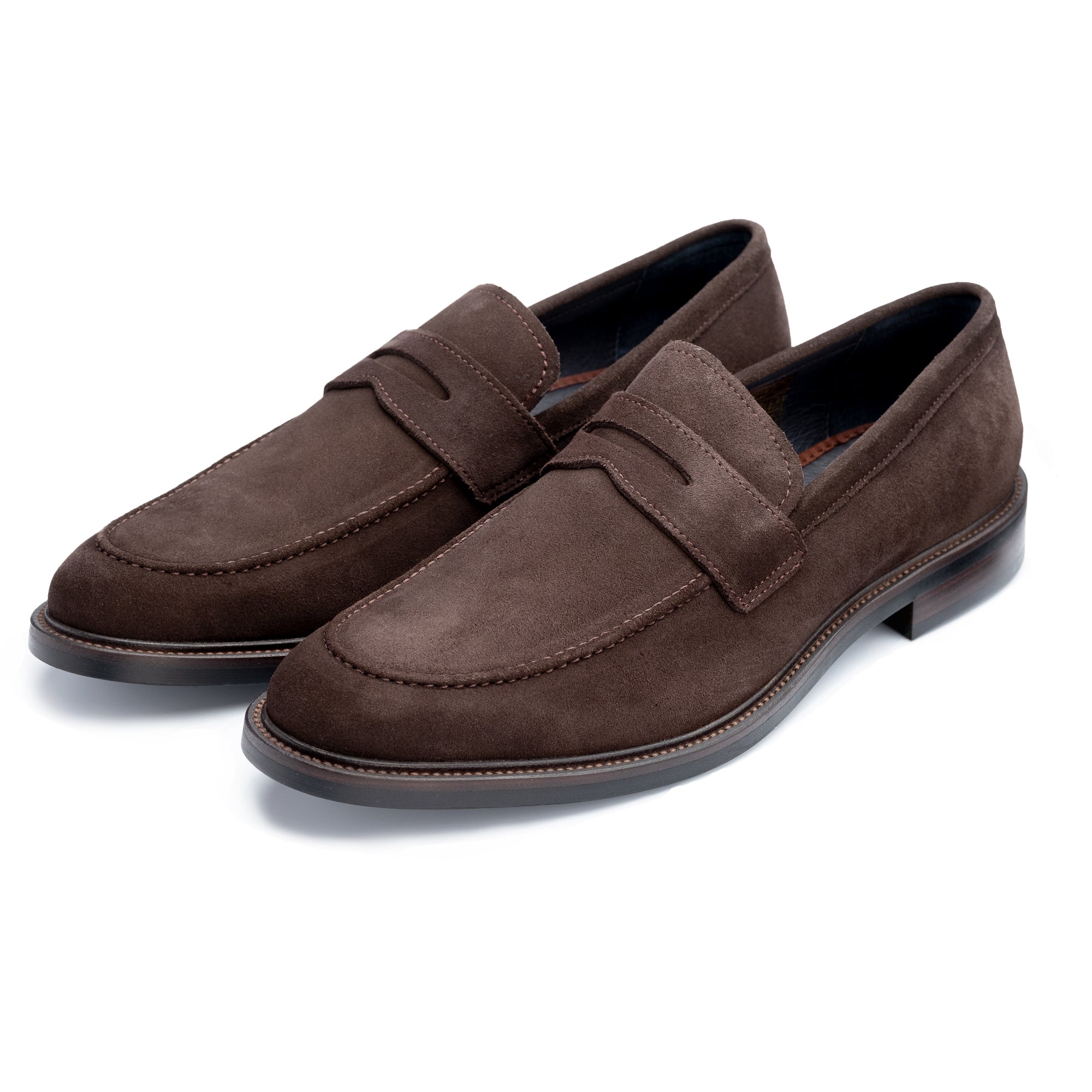
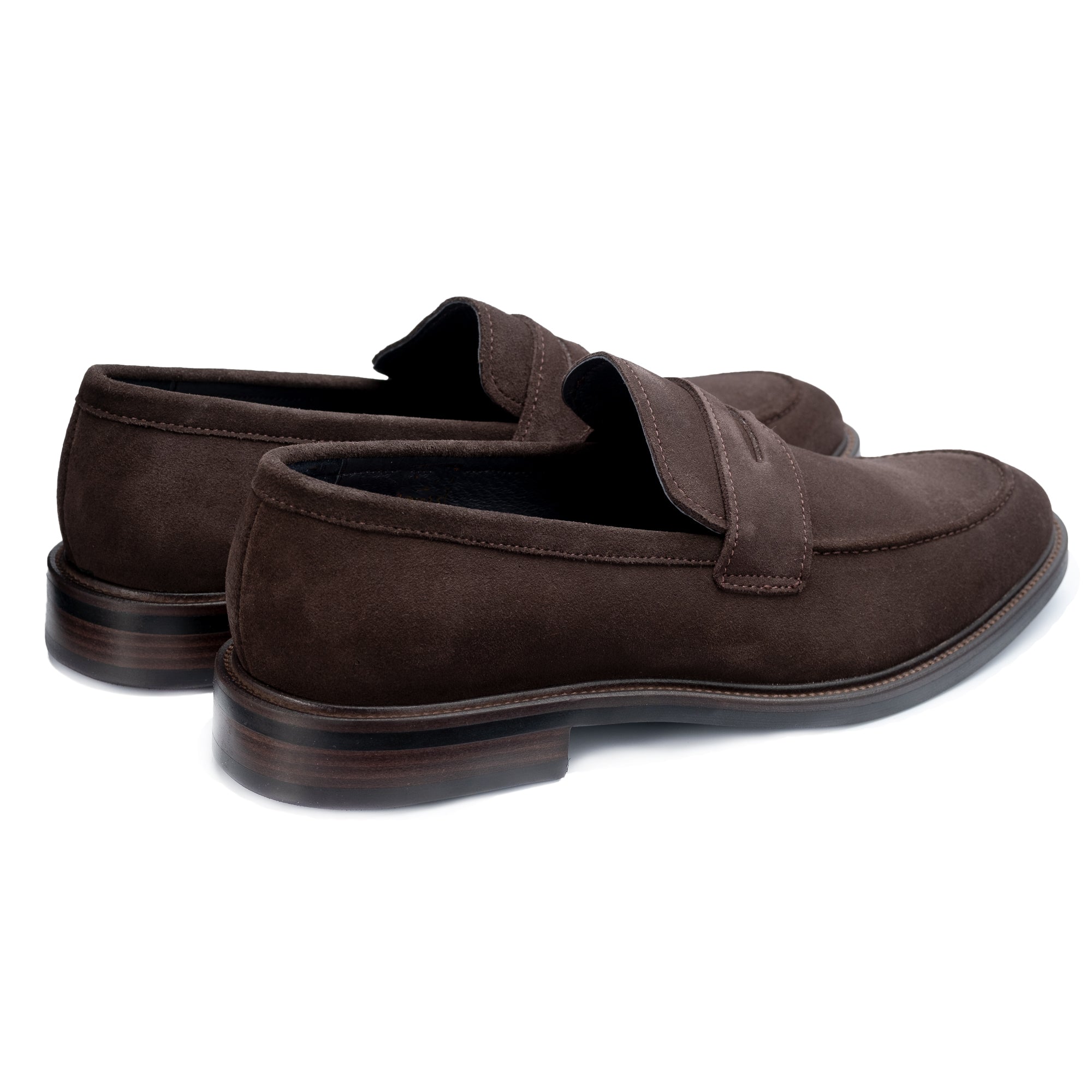
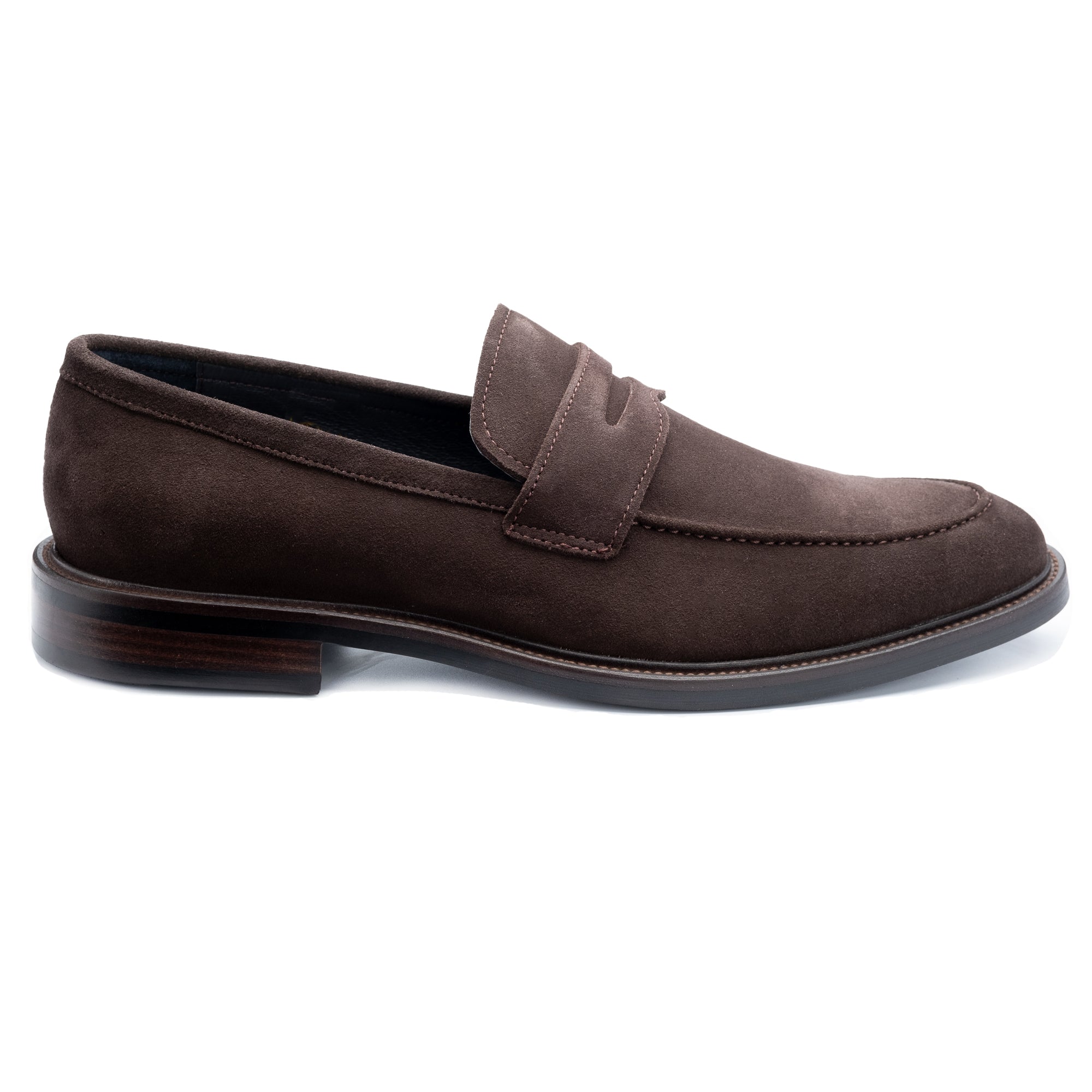
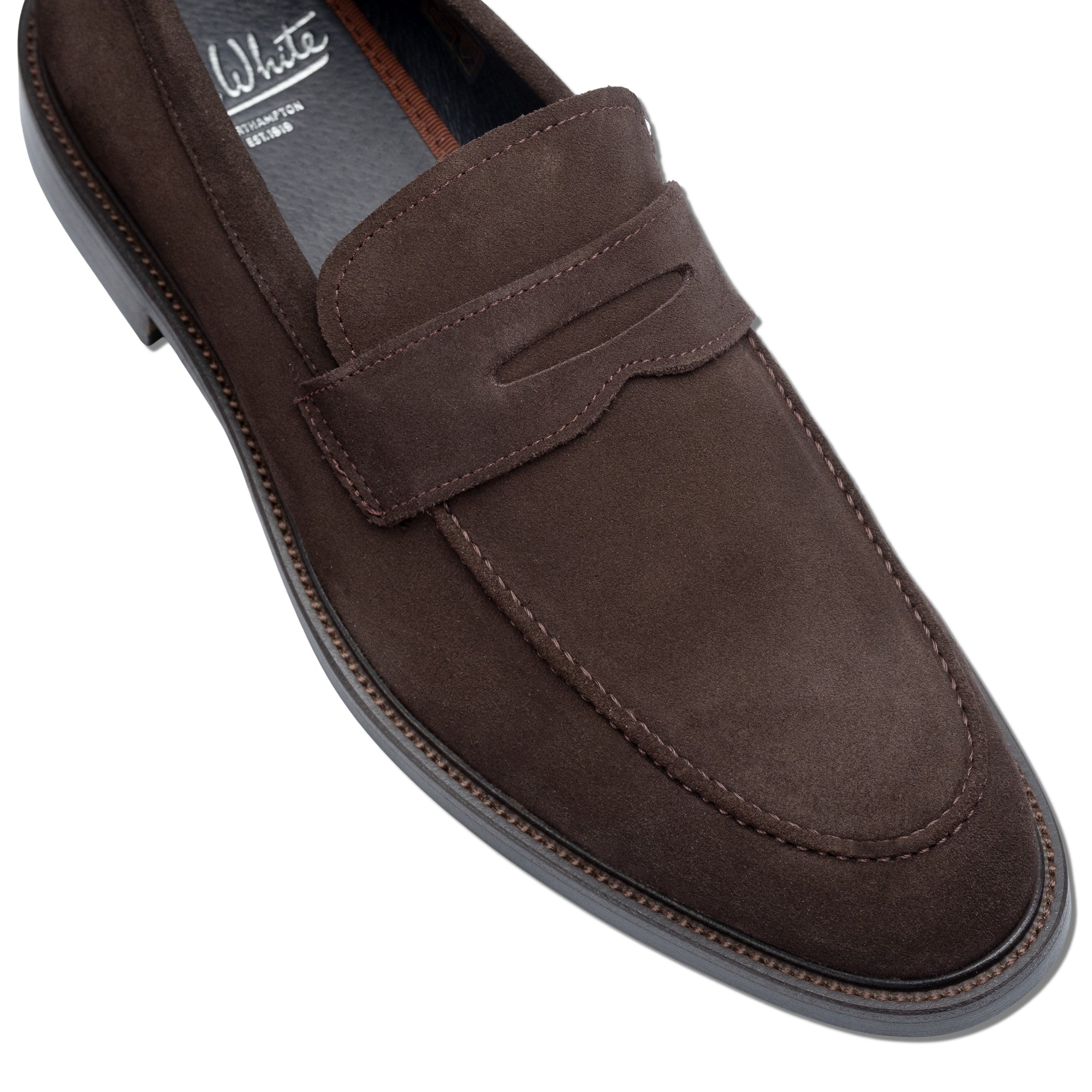
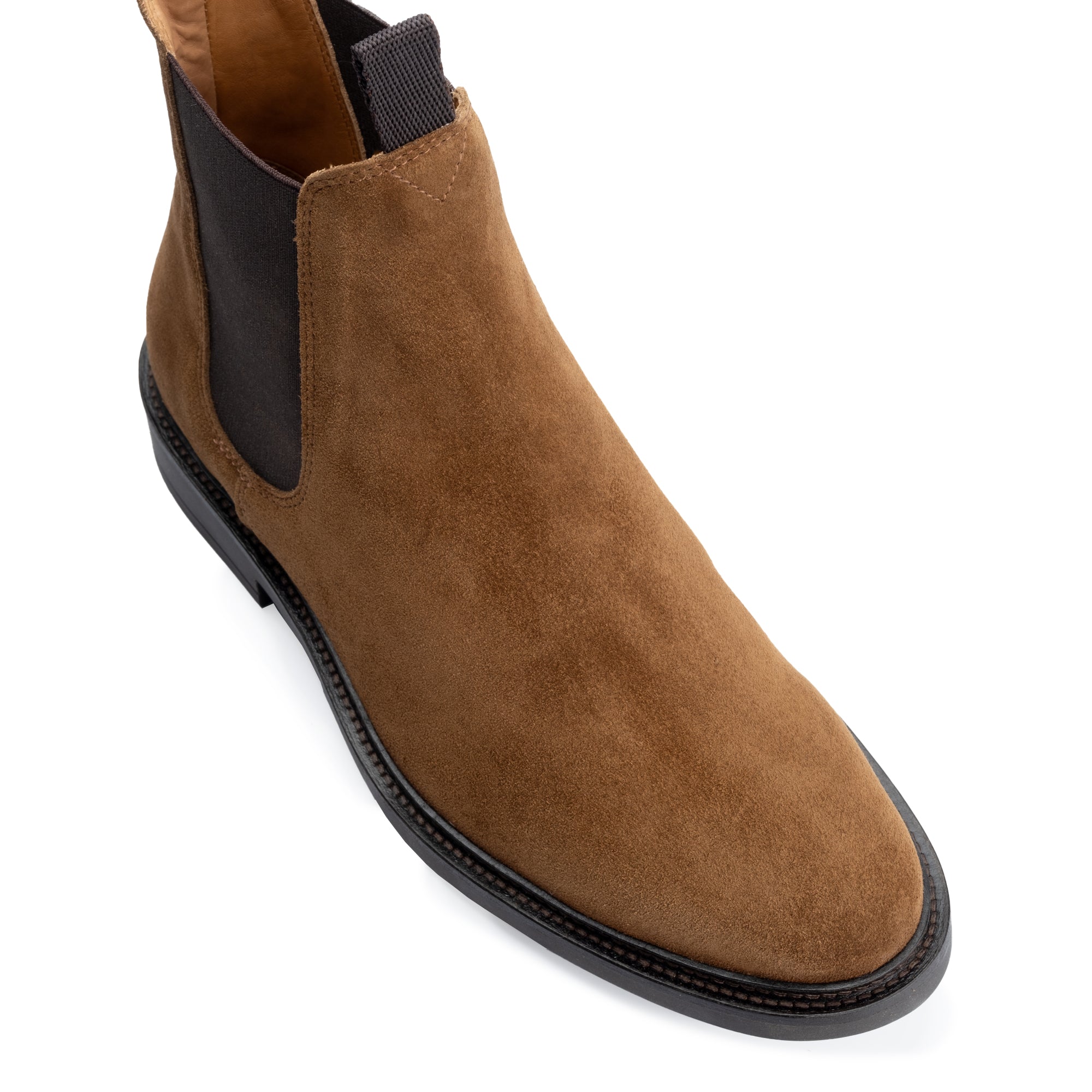
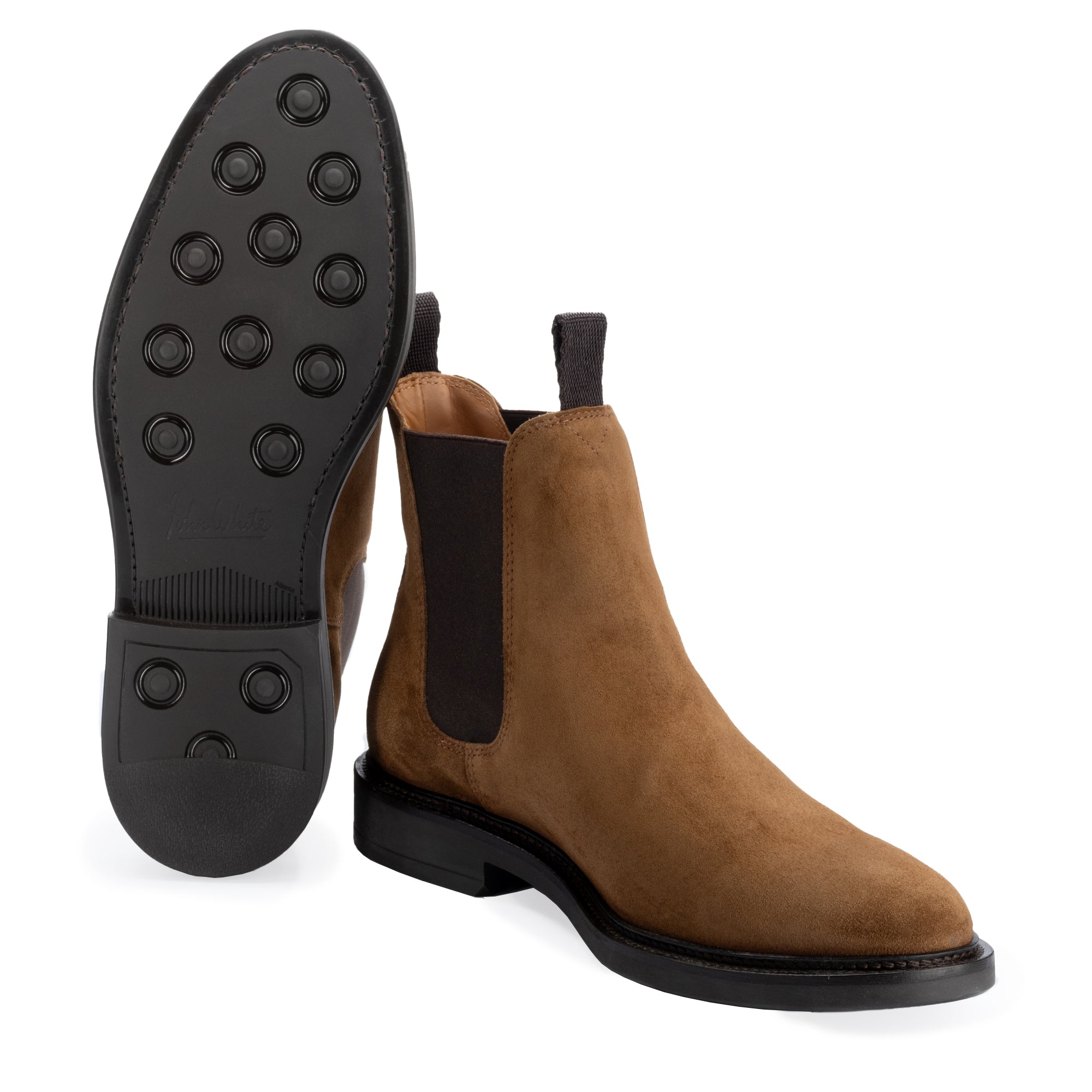
Browse smooth calfskin Oxfords and cap-toes in the John White Shoes men's collection, built for city and formal wear across British occasions.
When Should You Choose Pebble Grain?
Choose pebble grain when the setting permits ease and the conditions call for resilience:
- Country weekends, rural weddings, and outdoor events on mixed ground
- Smart-casual office environments without a strict dress code
- Autumn and winter wear where British ground conditions vary unpredictably
- Pairing with tweed, corduroy, moleskin, or relaxed tailoring
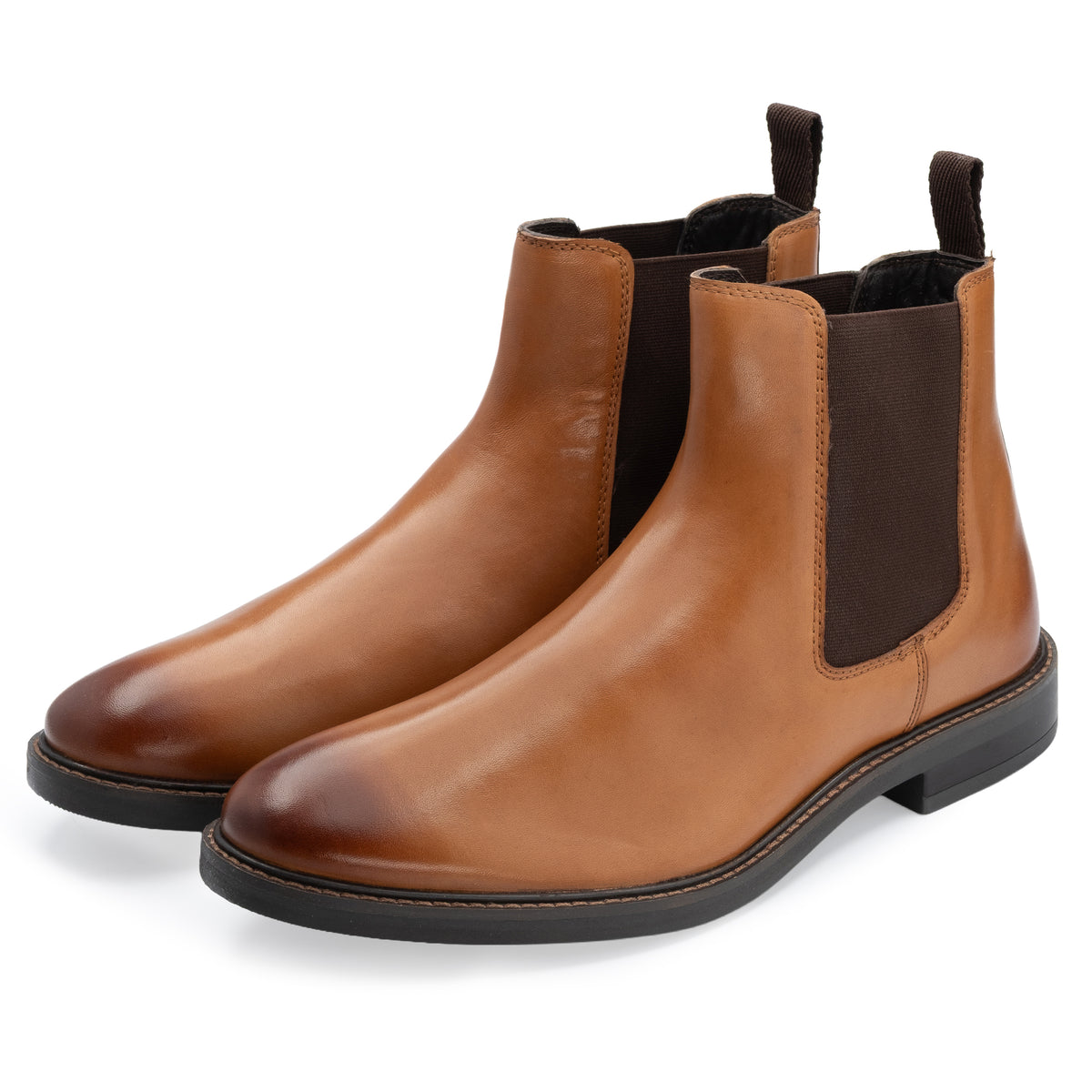
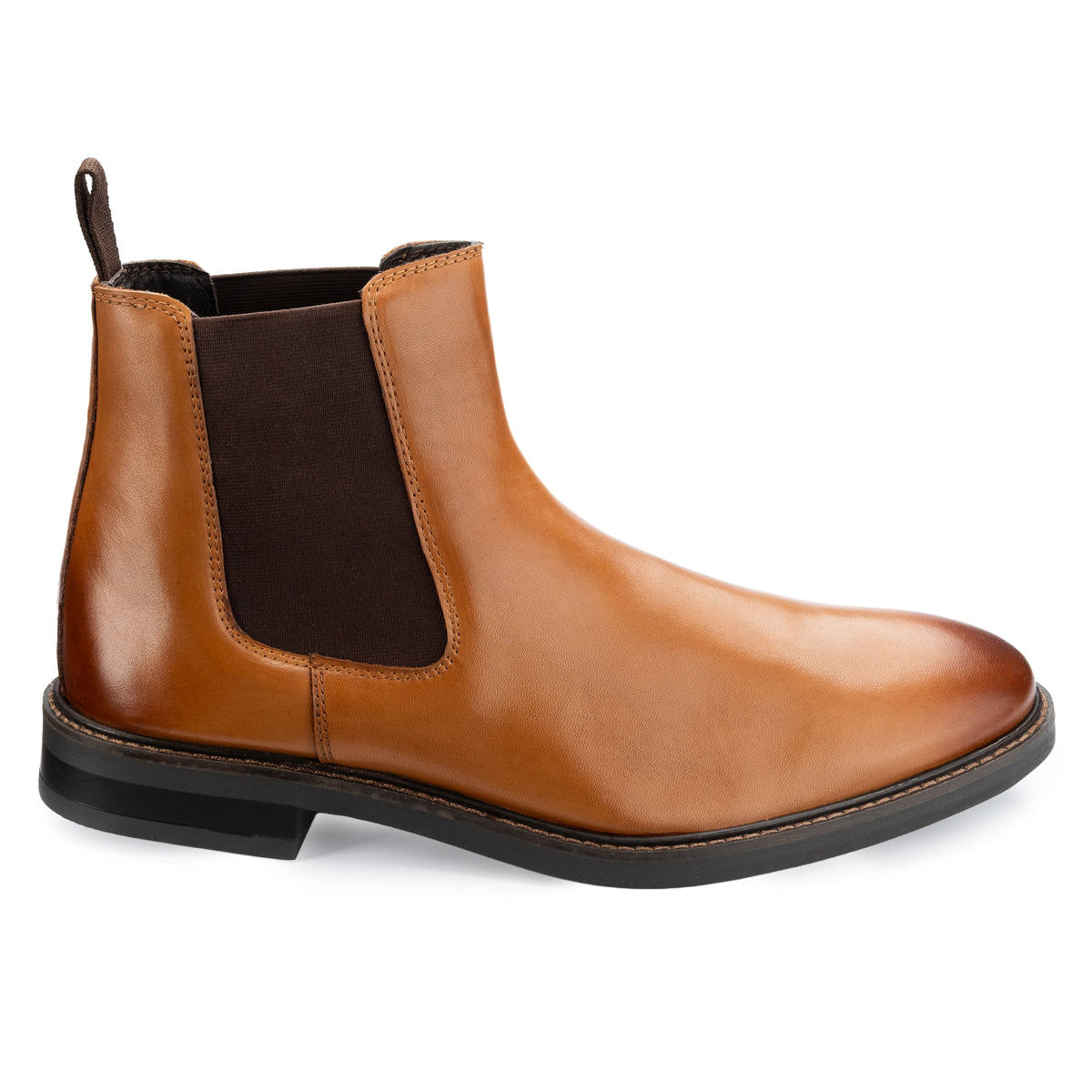
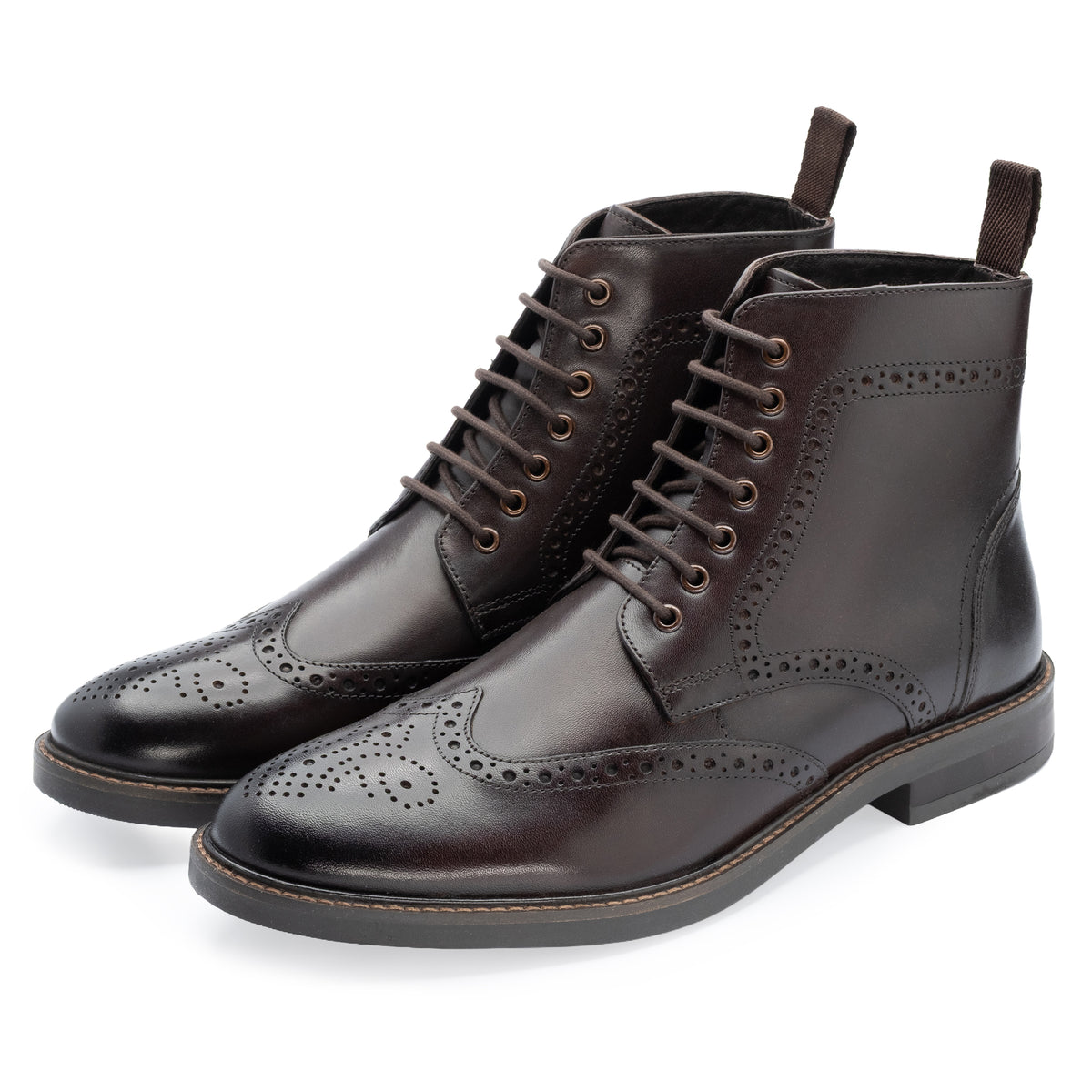
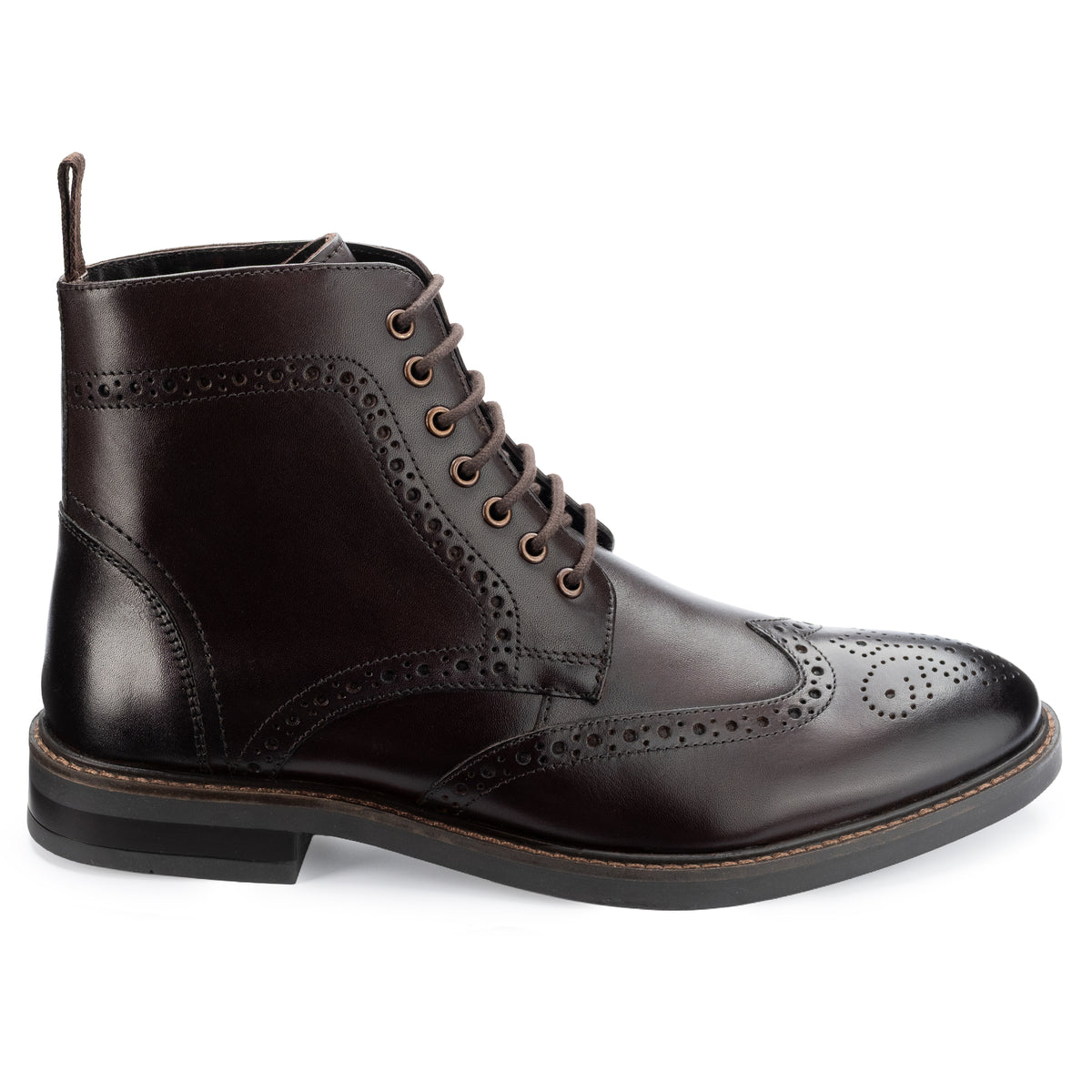
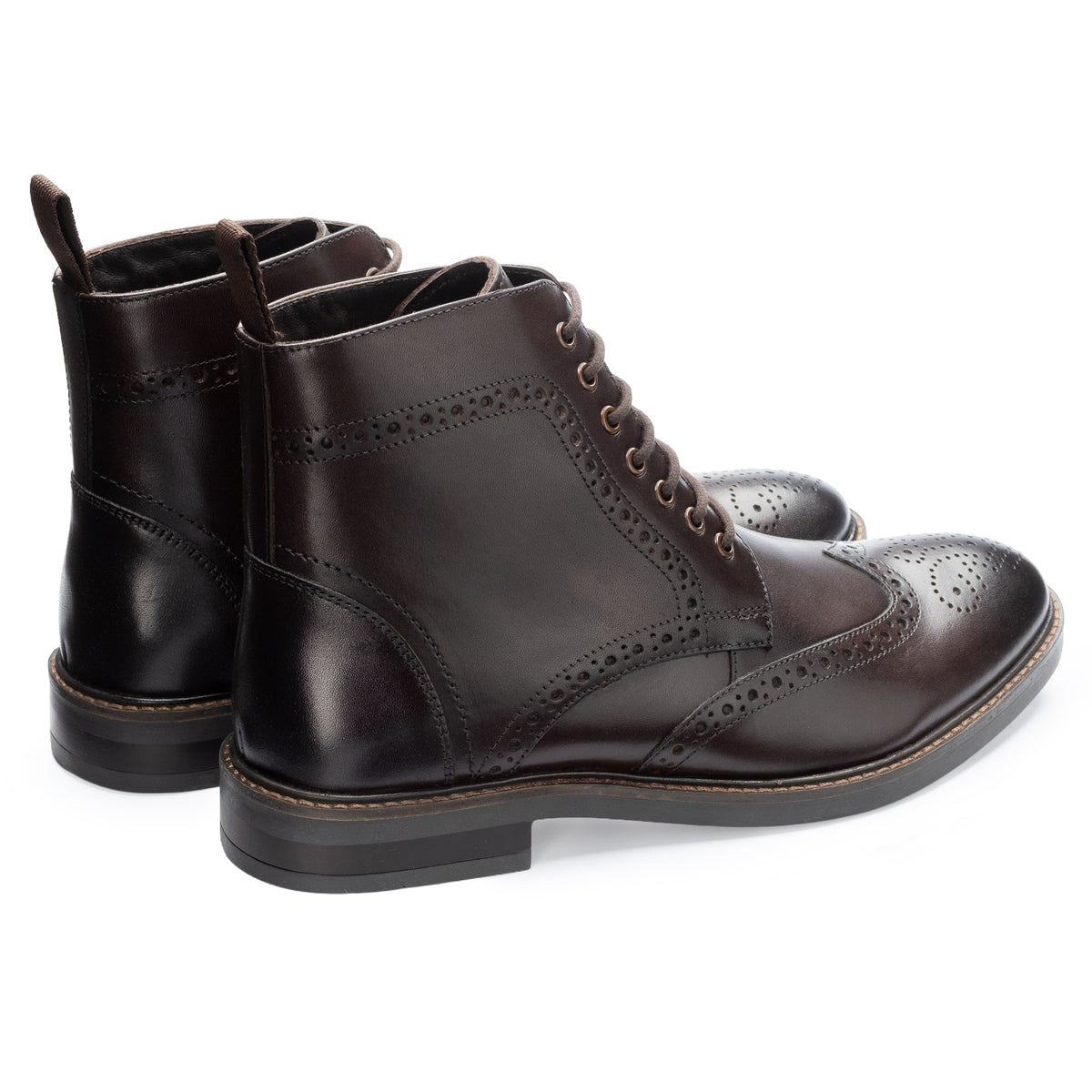
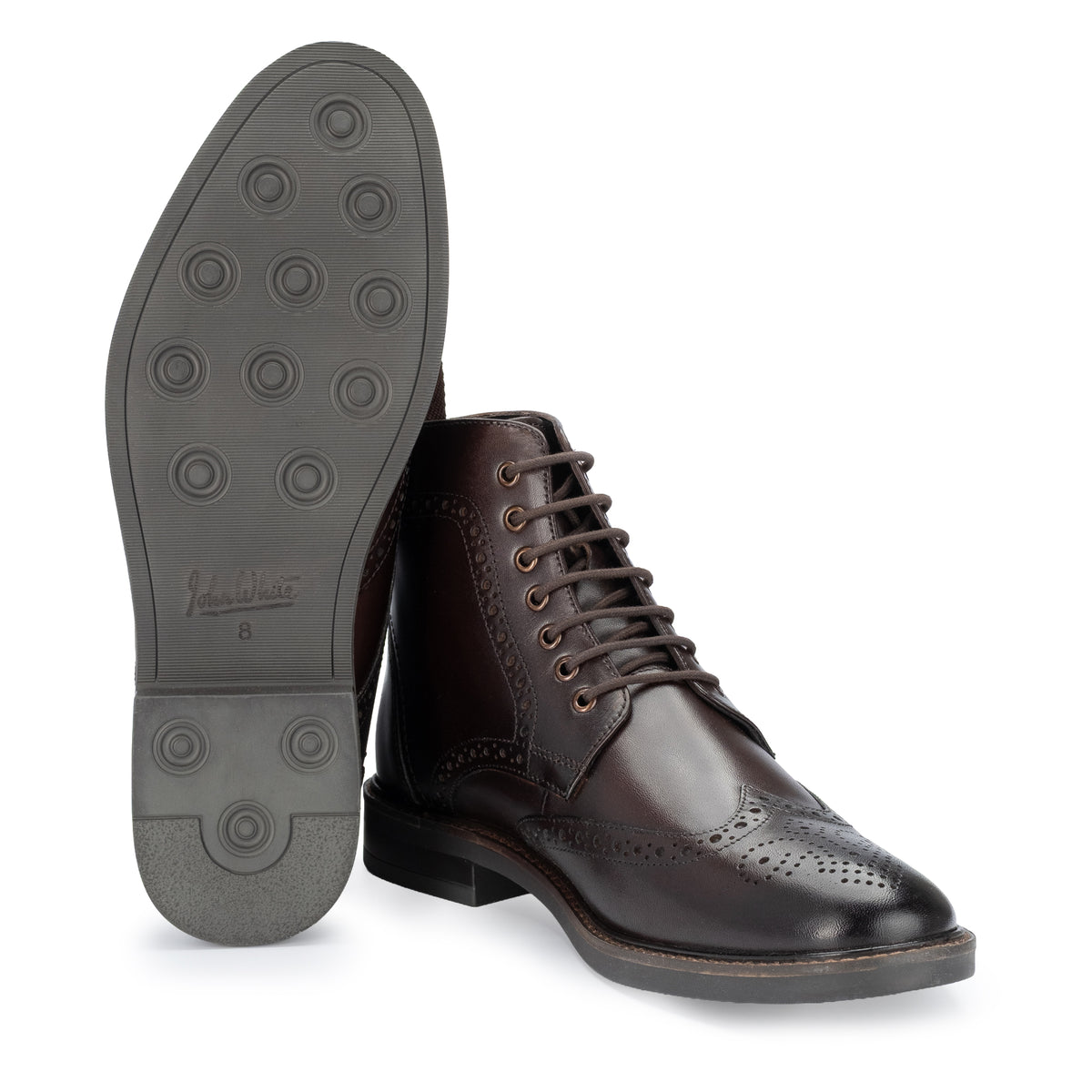
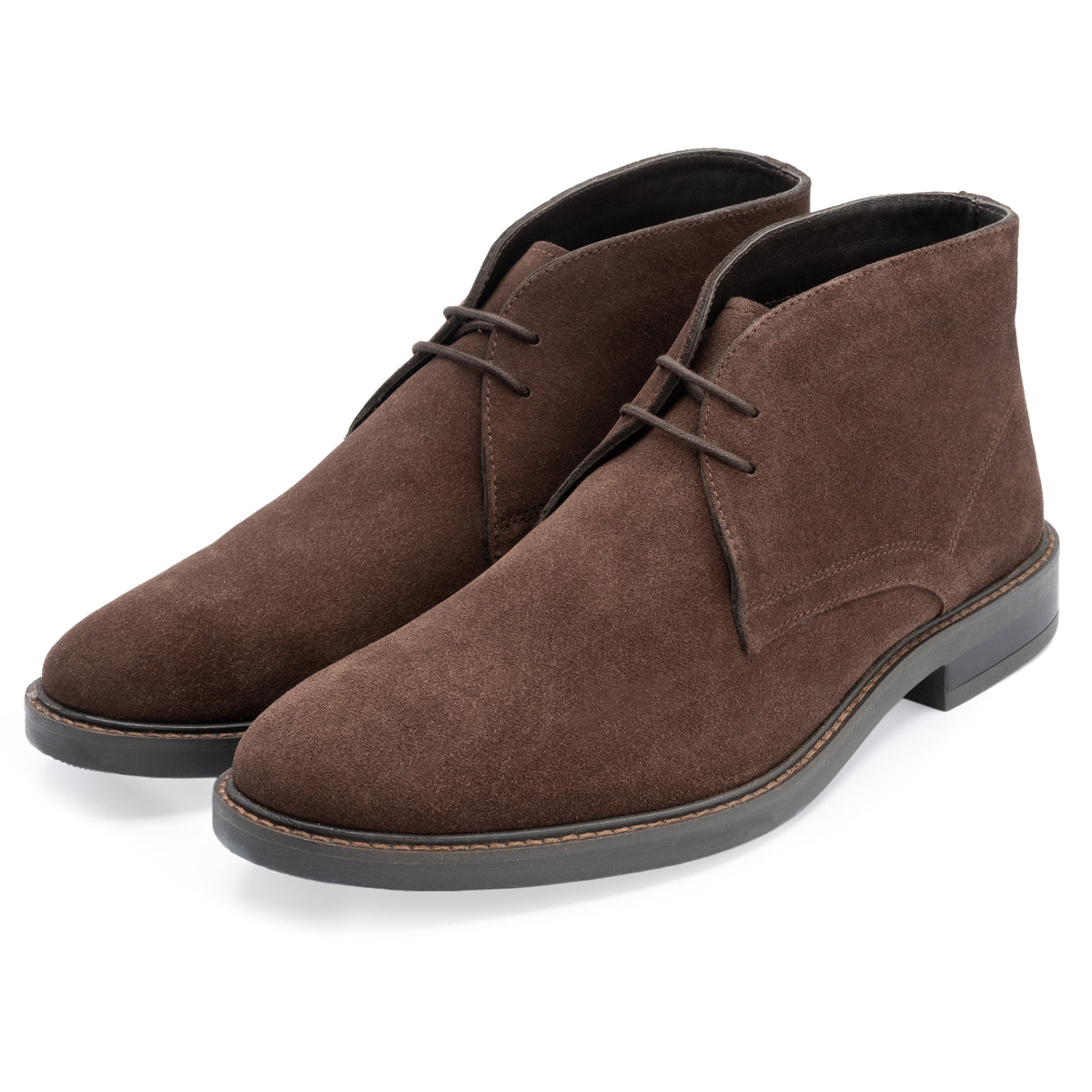
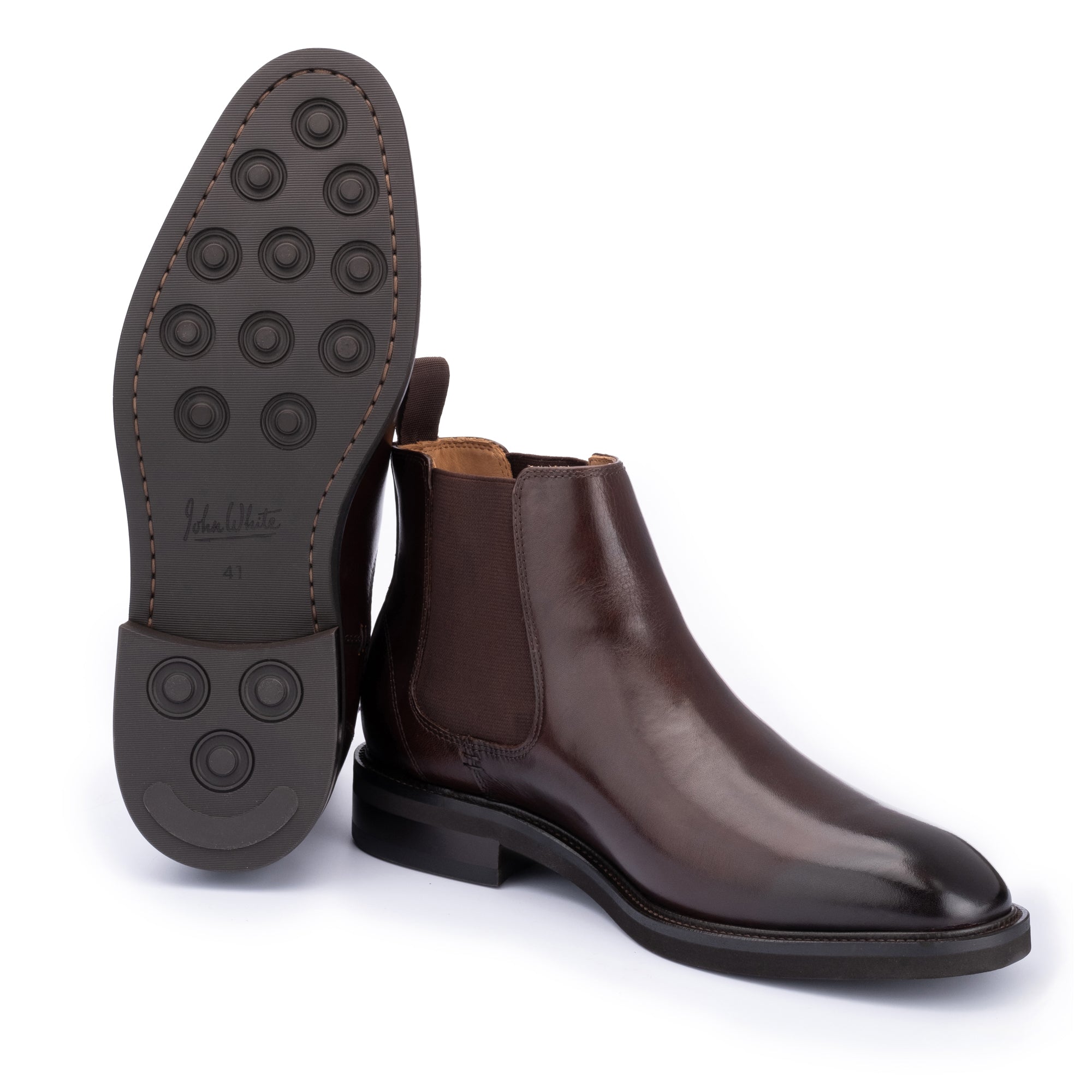
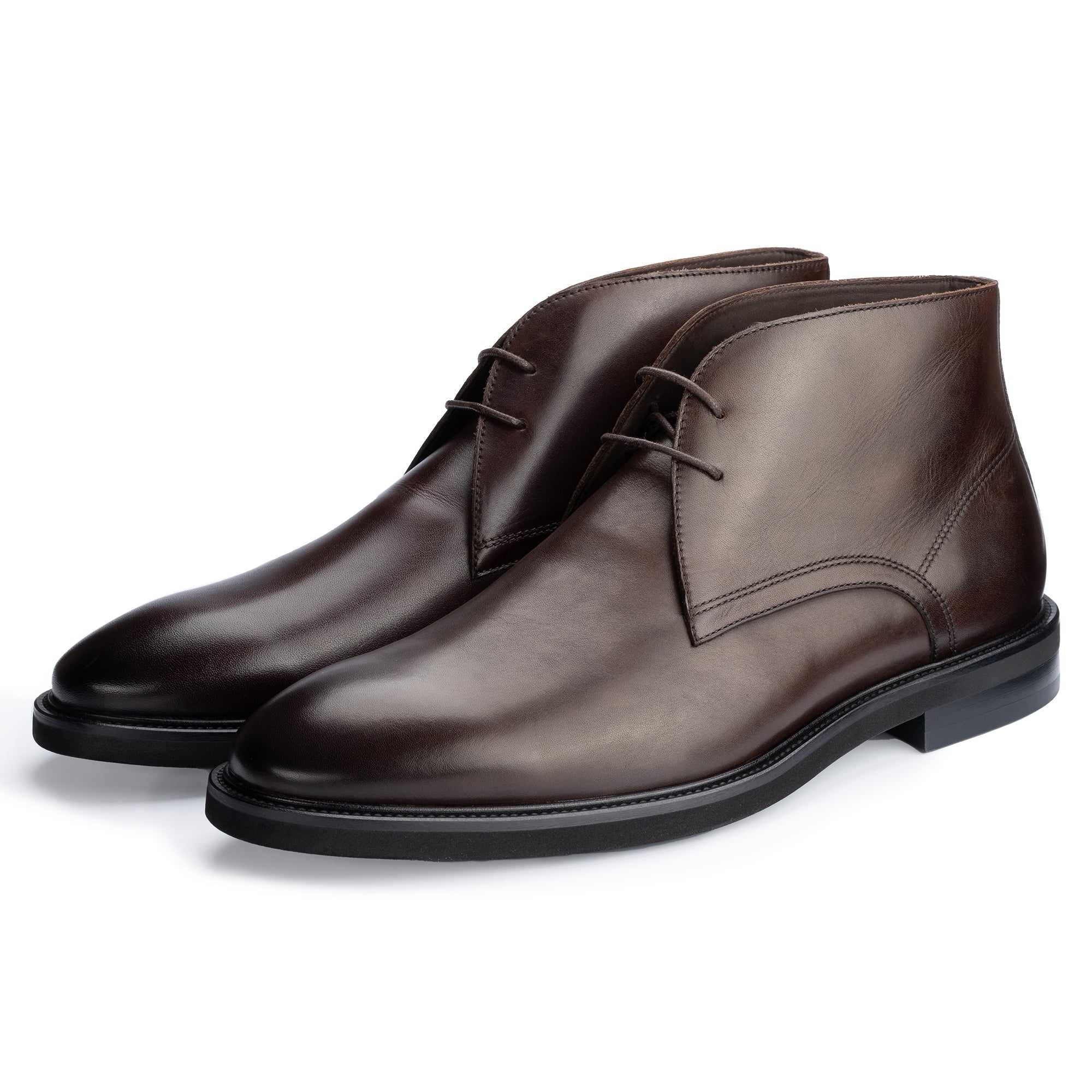
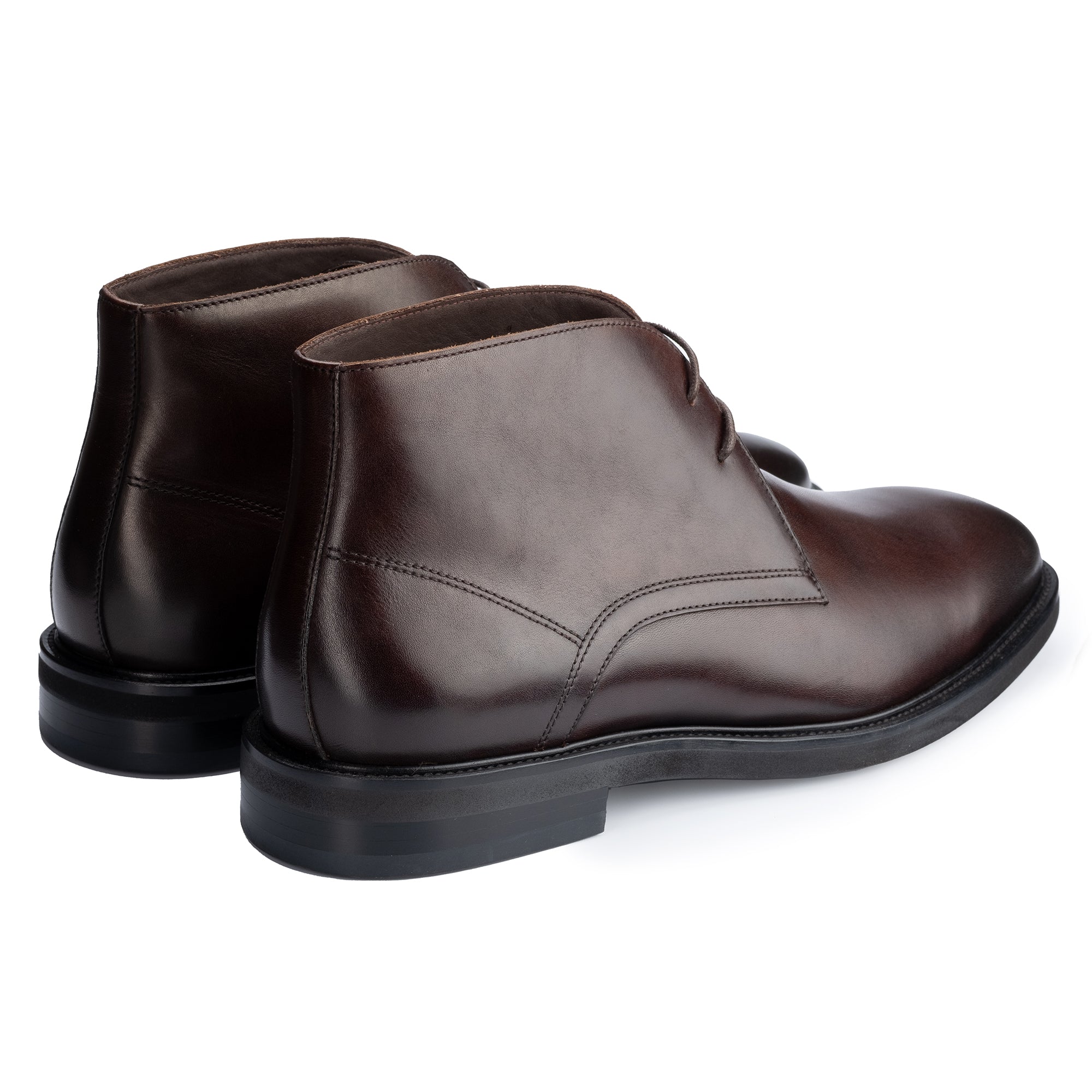
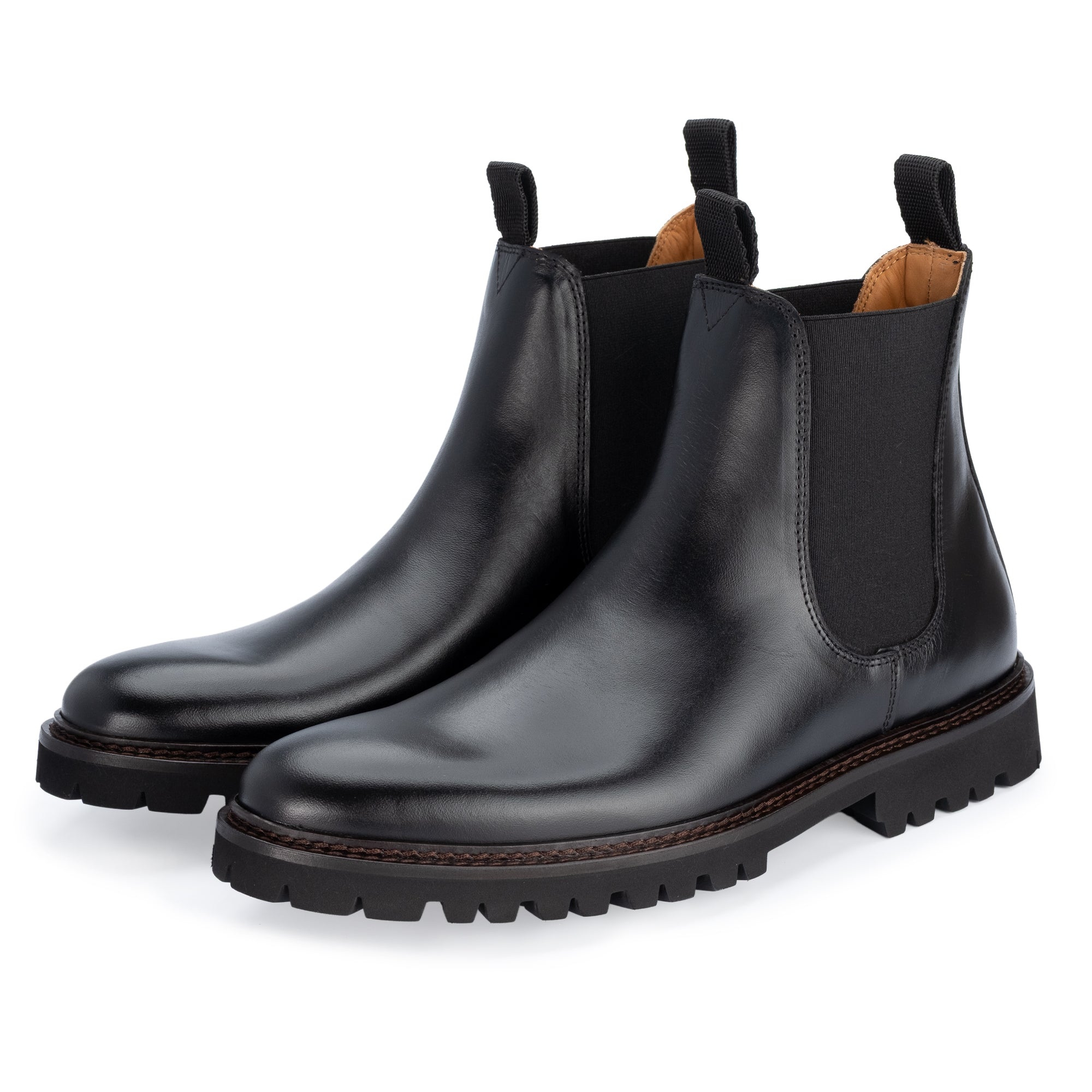
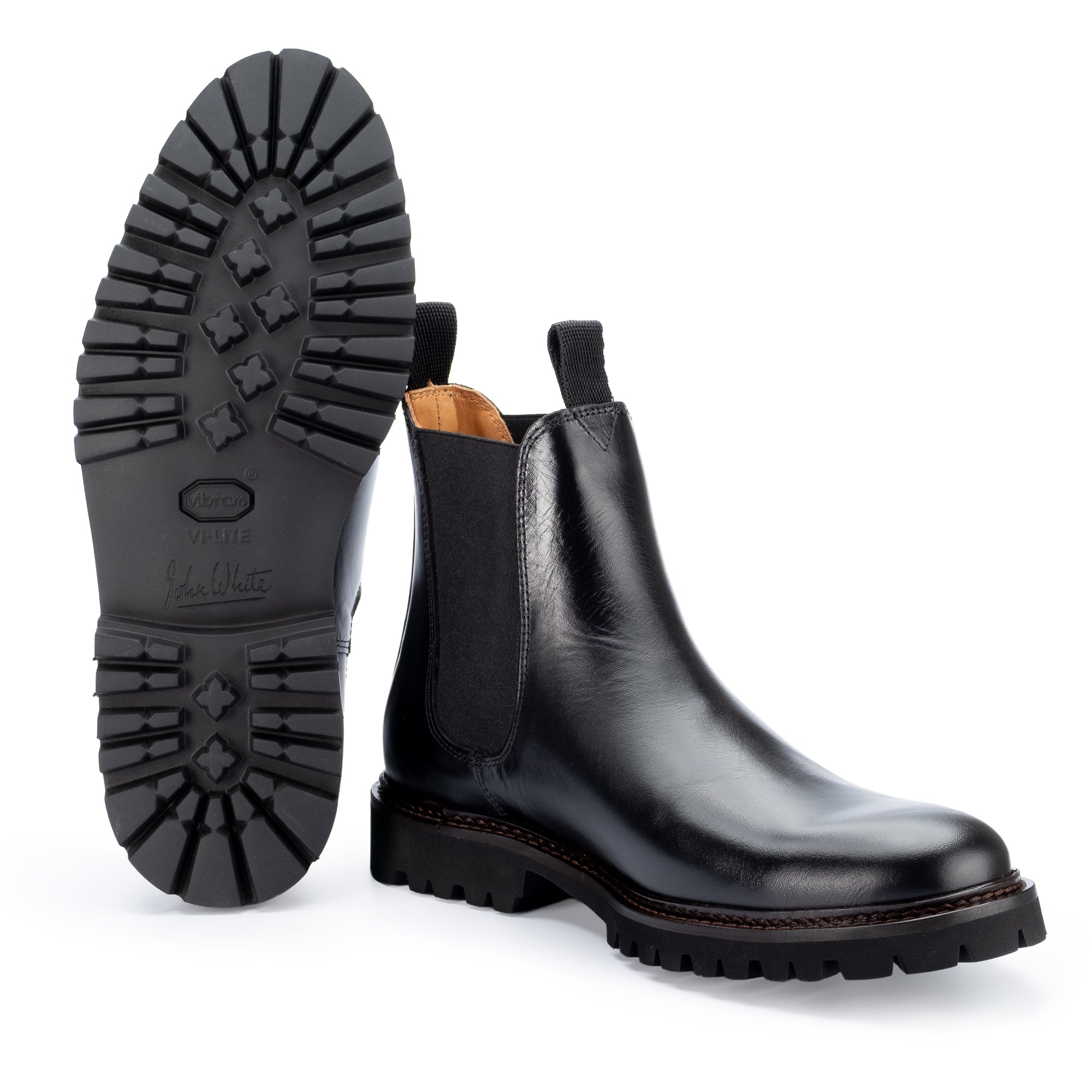
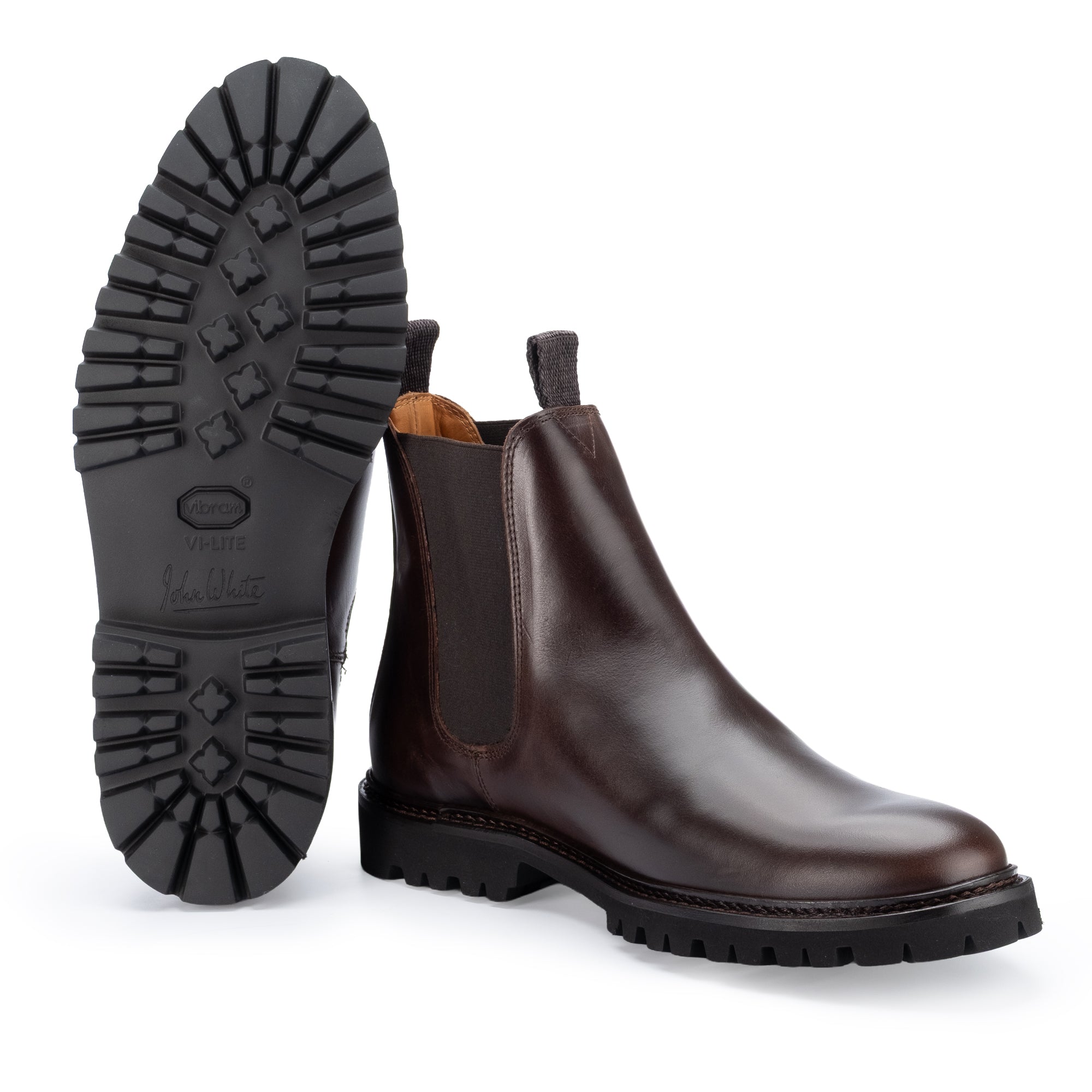
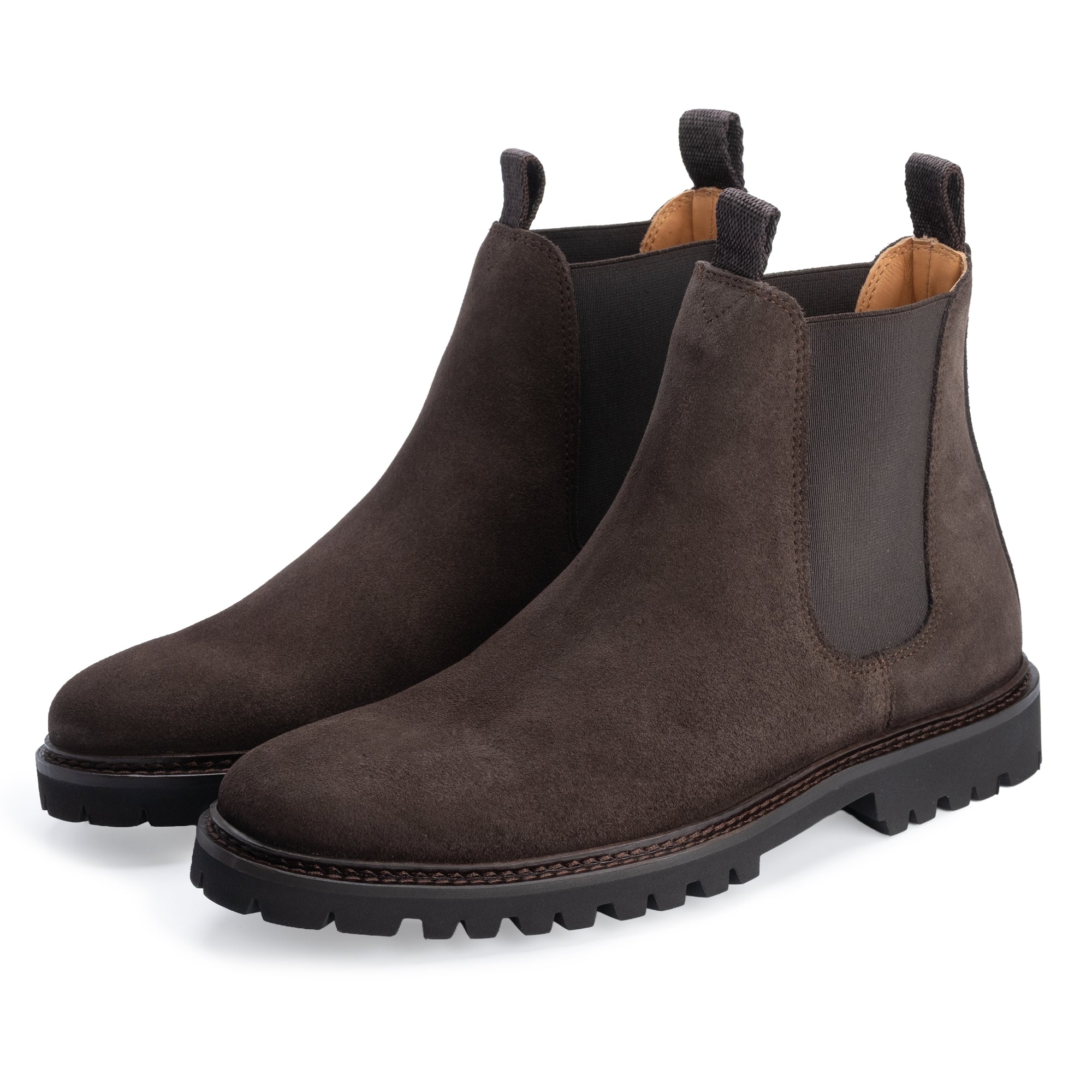
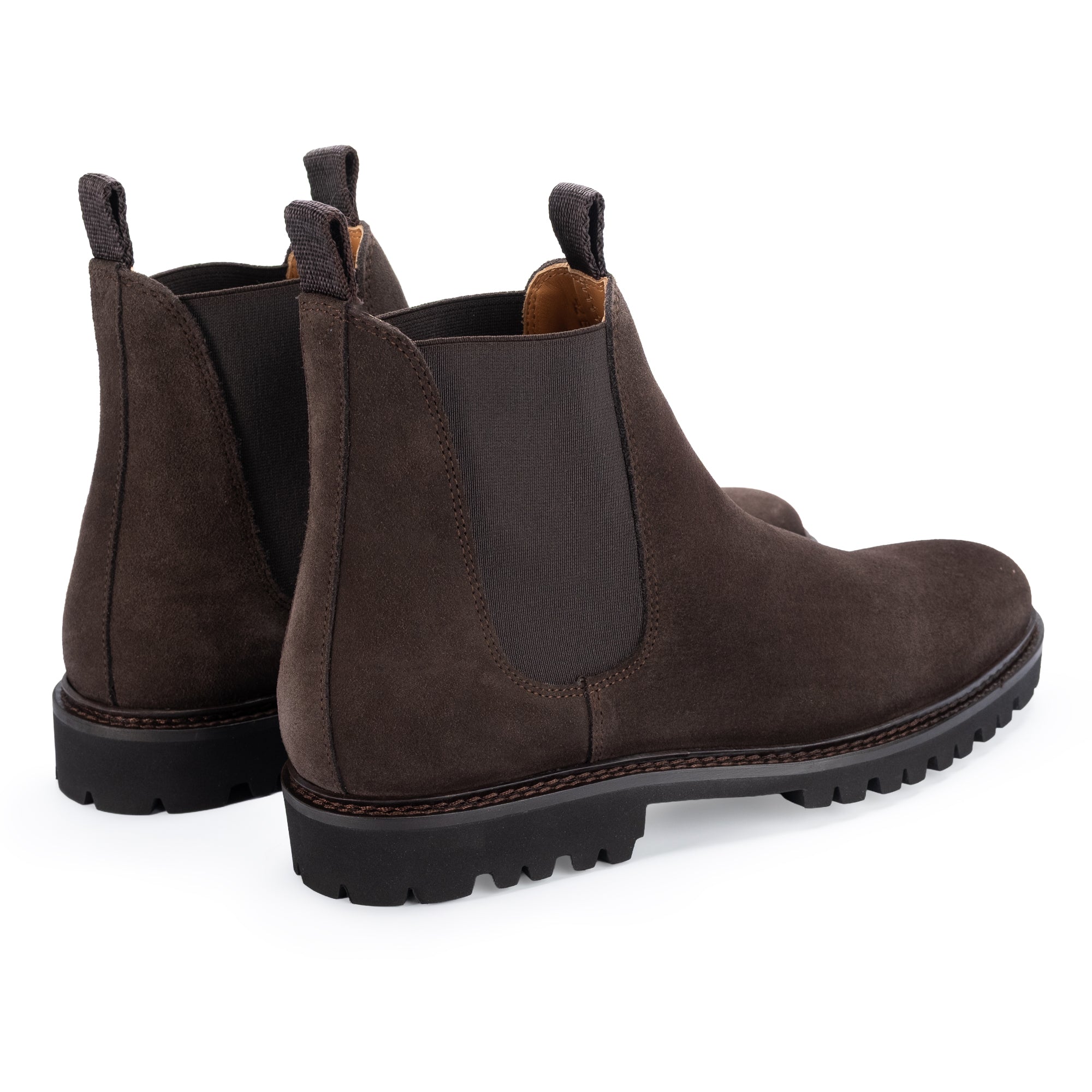
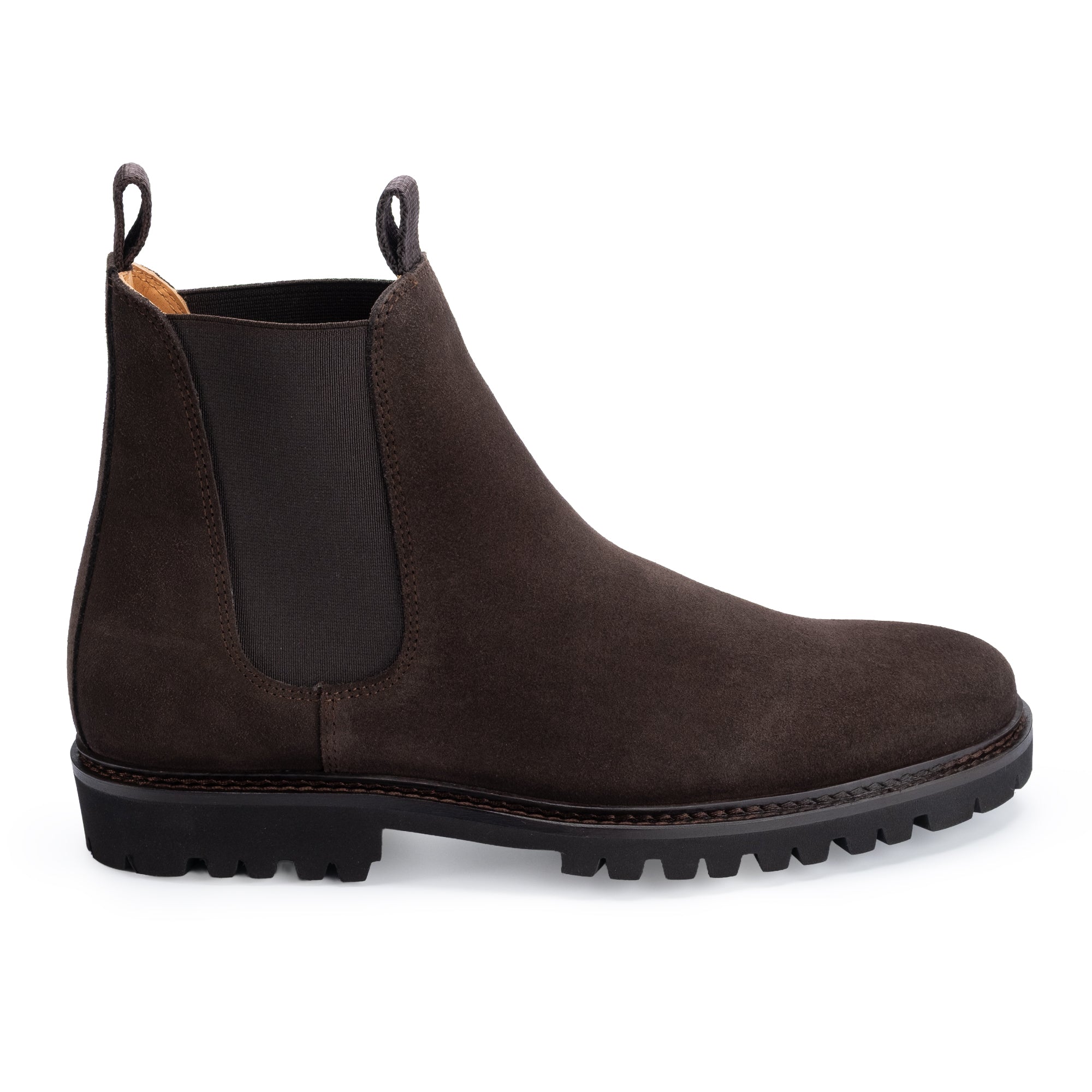
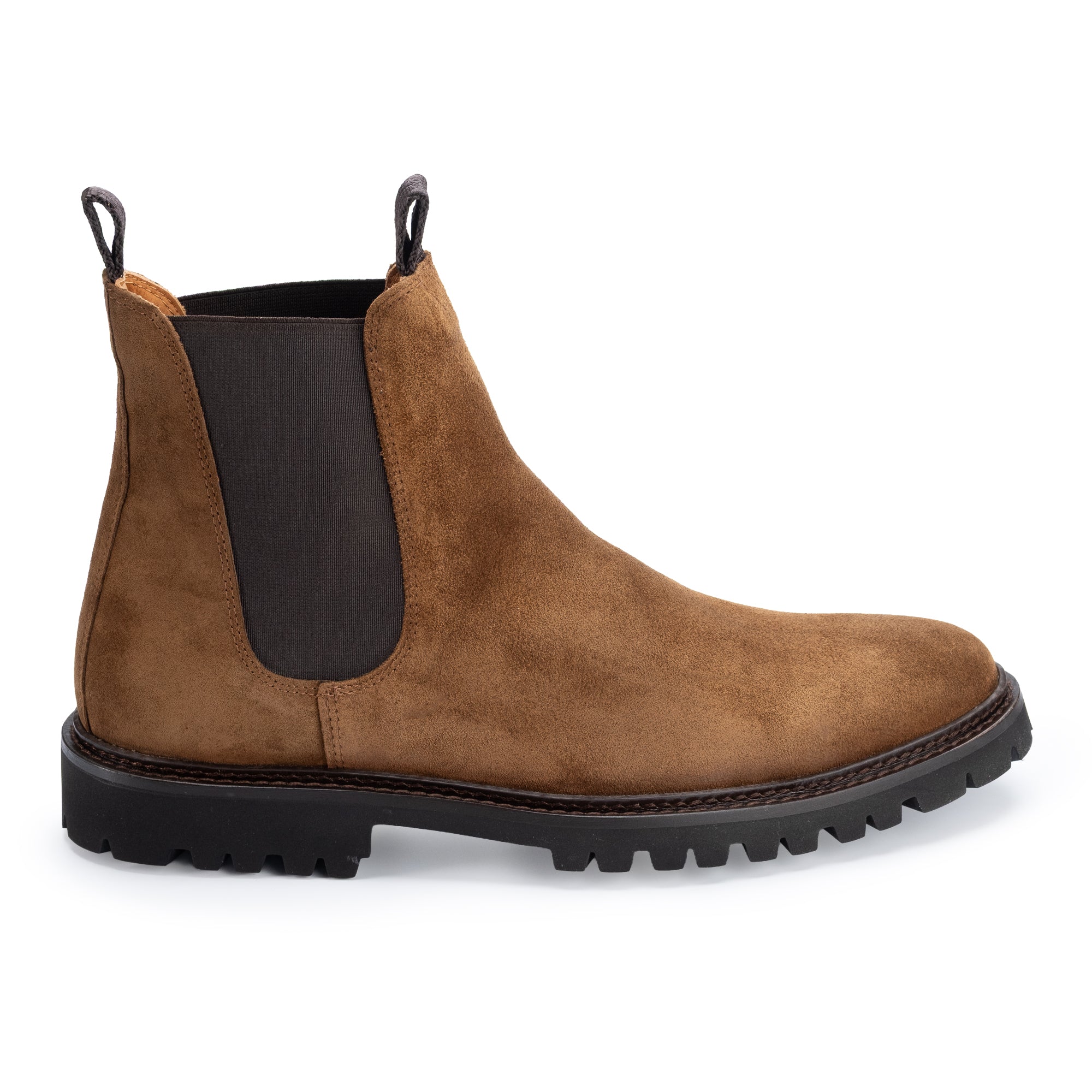
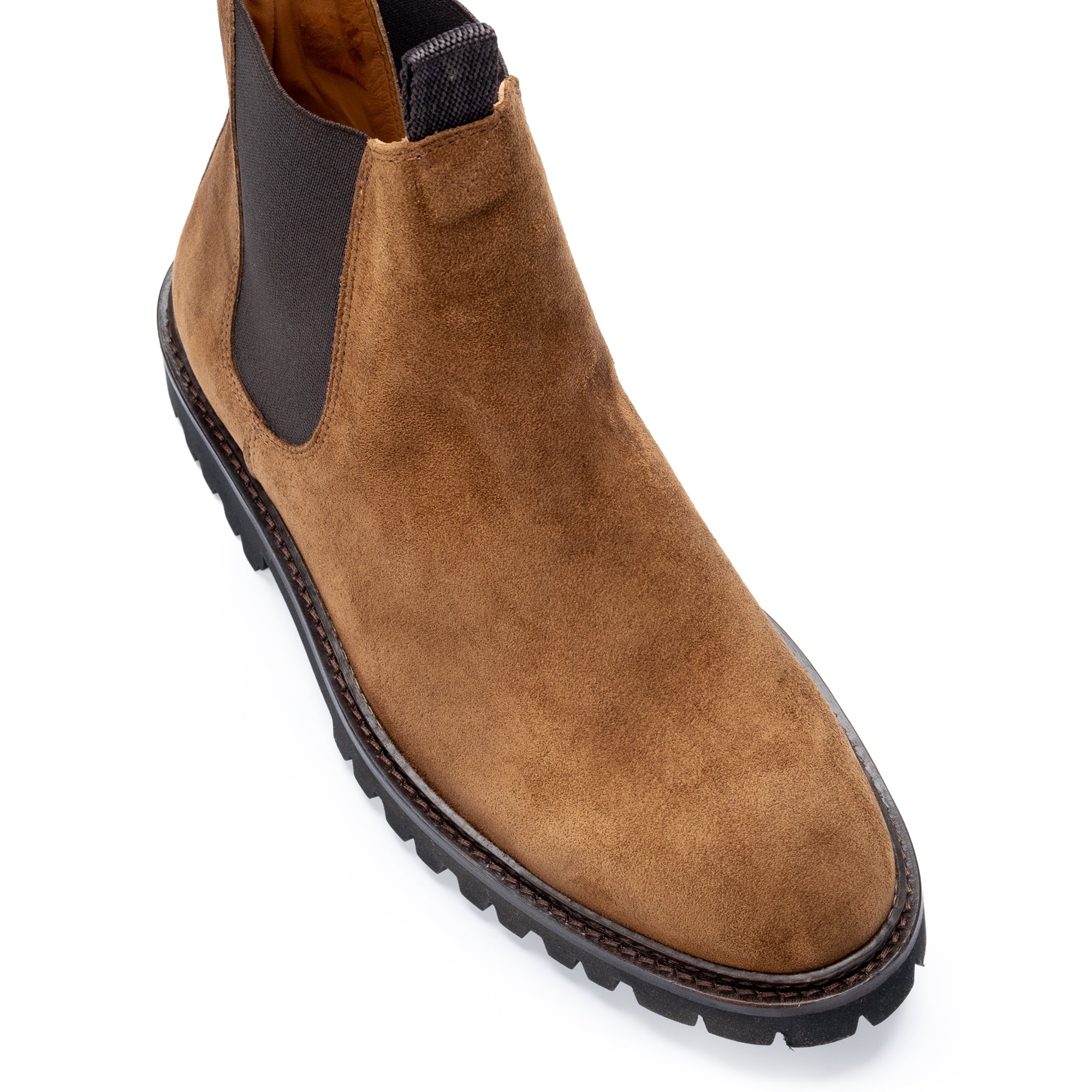
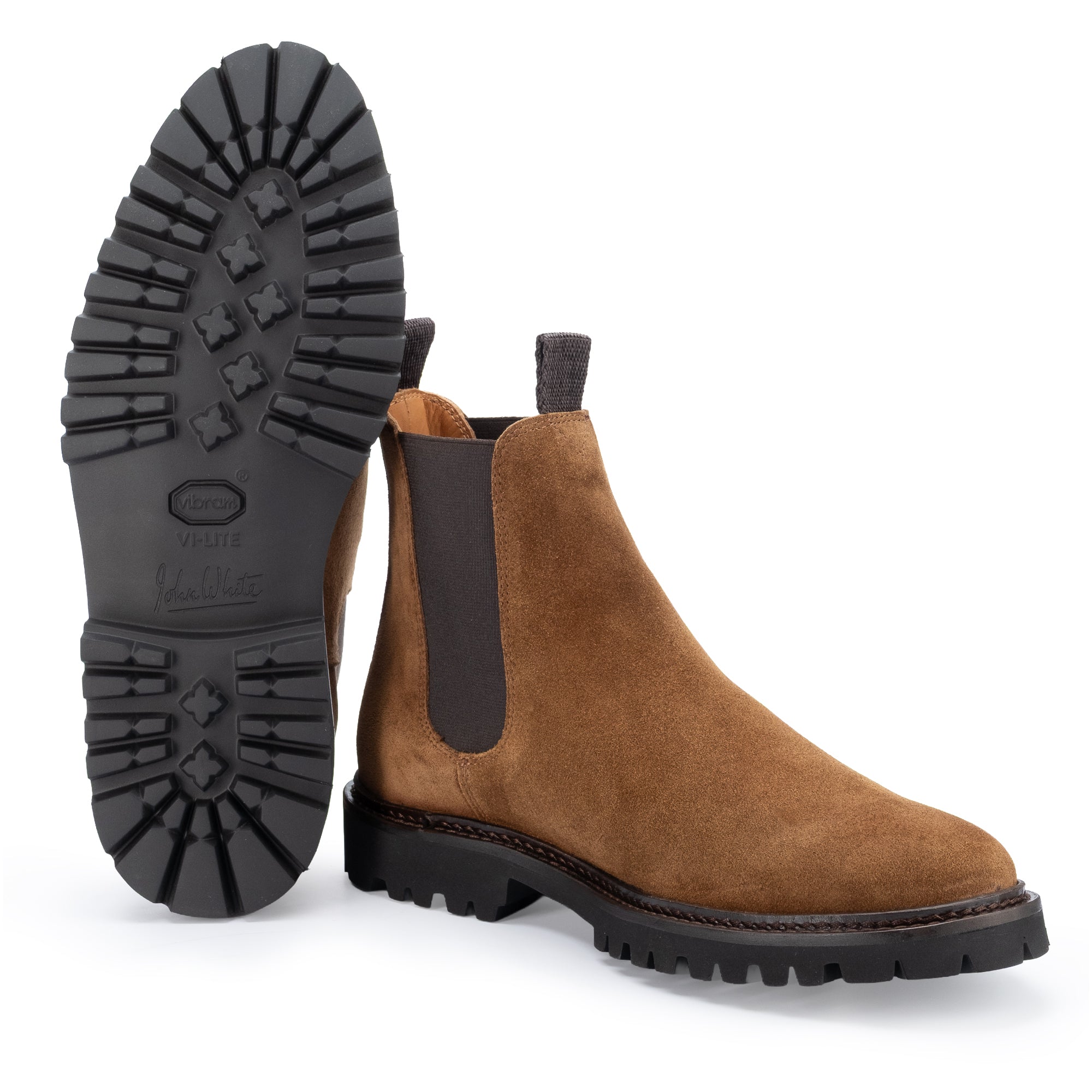
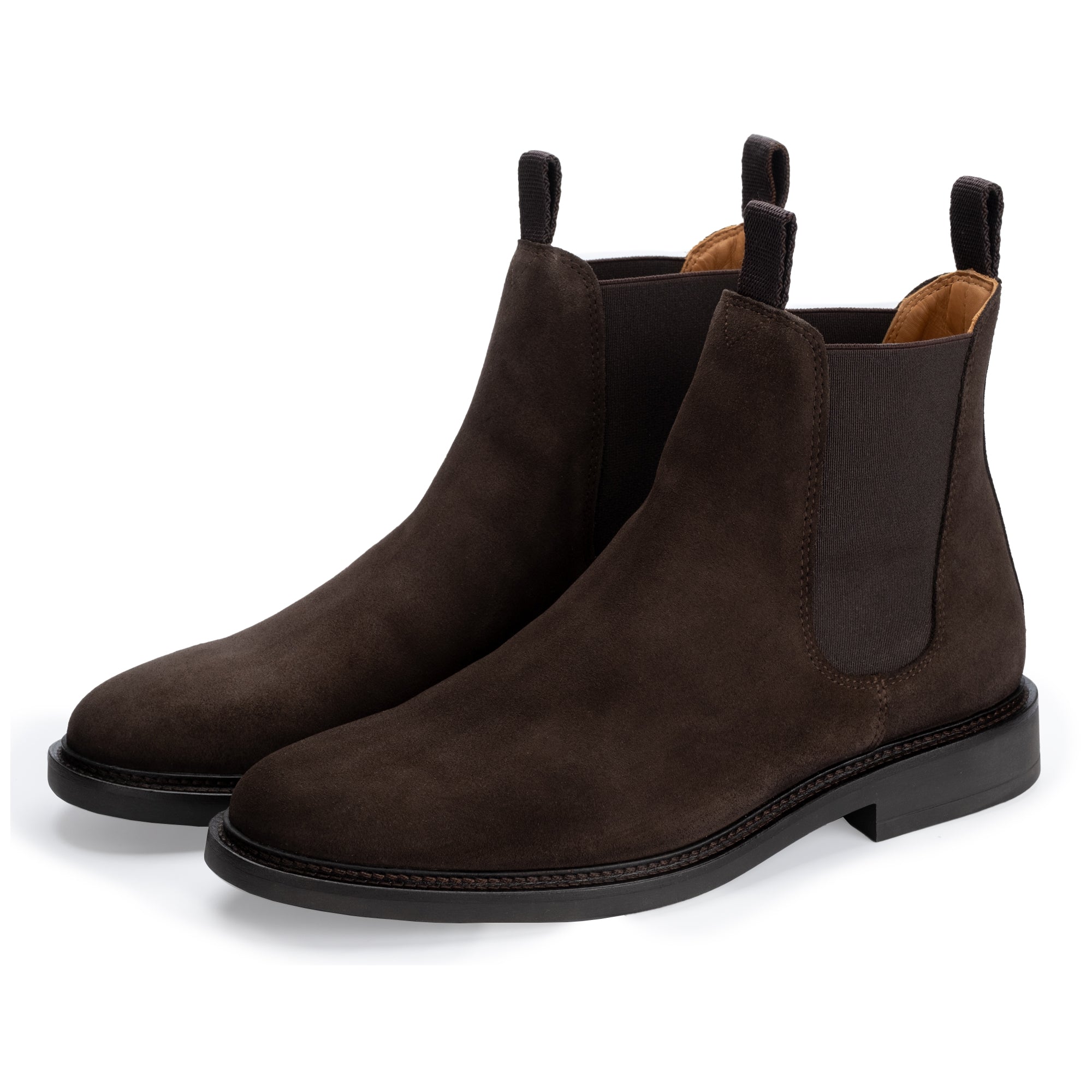
The men's boots collection includes pebble grain styles built for performance across the colder months.
Can a Well-Considered Wardrobe Include Both Leathers?
It should. Smooth calfskin and pebble grain serve distinct roles and complement each other rather than competing.
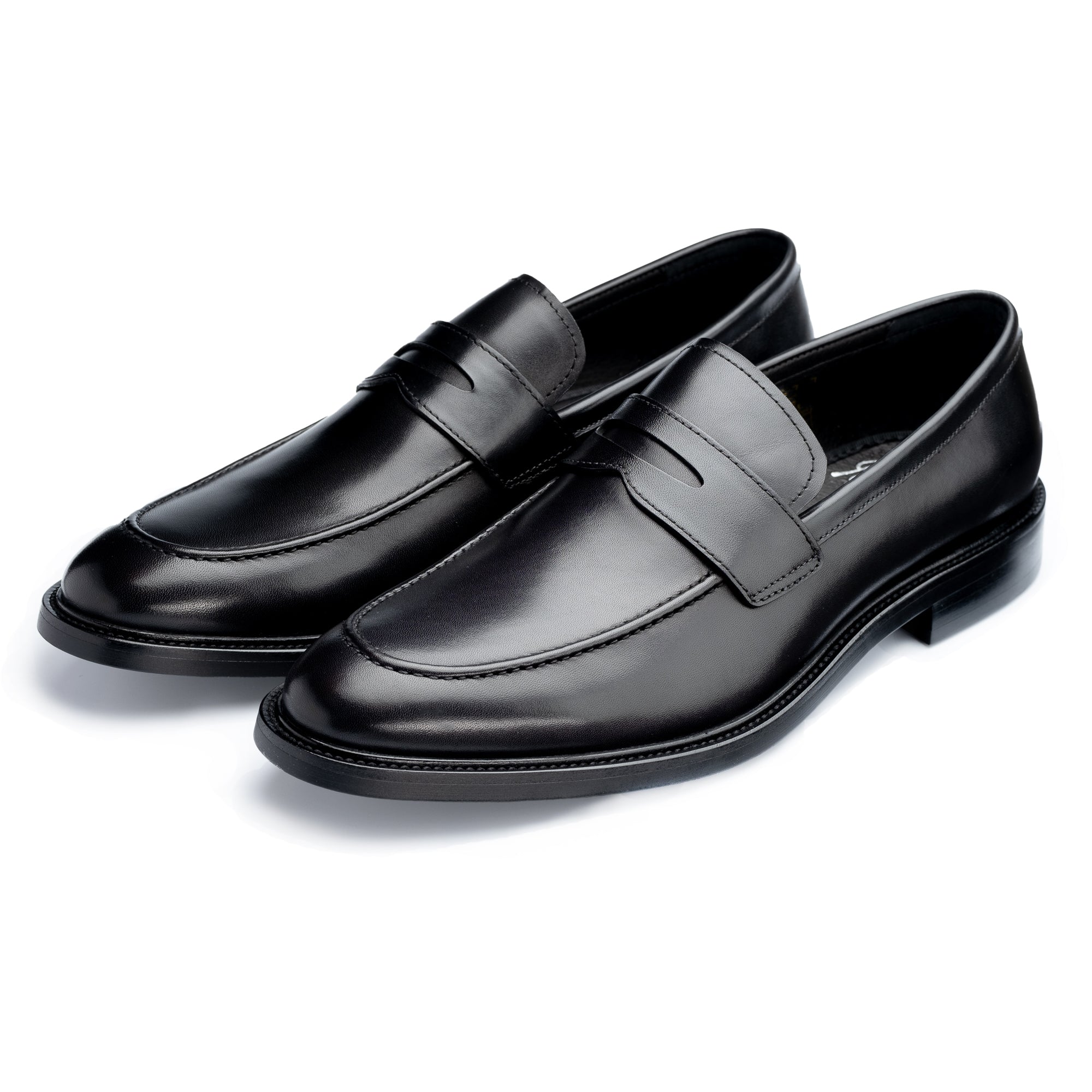
A pair of smooth calfskin black Oxfords and a pair of pebble grain brown Derbies already covers the formal-to-casual spectrum across most men's wardrobes with just two purchases. Add a smooth calfskin loafer and a pebble grain boot, and the collection is equipped for boardroom to countryside without duplication. Our guide to building your first premium shoe collection sets out how to sequence these purchases intelligently.
For men considering how leather quality interacts with shoe construction, our guide to full-grain vs corrected-grain leather provides the broader grounding to make informed decisions at point of purchase.
Related Guides
- The Complete Guide to Men's Dress Shoes — our comprehensive guide
- Burnished vs. Antiqued Leather: A Comparative Guide to Premium Finishes
- Full-Grain vs Corrected-Grain Leather: How to Spot Quality in Men's Shoes
- Conditioning Frequency for Leather Shoes: The Definitive Seasonal Schedule
TL;DR: Smooth calfskin is a fine-grained, full-grain leather that takes a high polish, develops deep patina, and belongs in formal and city contexts. Pebble grain is a textured leather that resists scuffs, performs better in variable conditions, and reads as smart-casual to country. Both are high-quality choices; the decision is one of occasion and purpose, not quality.
Frequently Asked Questions
Is pebble grain leather lower quality than smooth calfskin?
No. Pebble grain can be cut from the same quality full-grain hide as smooth calfskin -- the texture is a finishing treatment, not an indicator of inferior material. Corrected-grain pebble hides do exist at lower price points, but a premium pebble grain shoe from a quality maker is the equal of its smooth calfskin counterpart in construction quality. The difference is character and formality, not grade.
Can you polish pebble grain leather to a shine?
You can achieve an even, healthy sheen on pebble grain leather, but not a mirror shine. The textured surface interrupts the flat reflective surface that produces a high gloss. Cream polish and conditioner applied with a brush and buffed out gives a clean, well-maintained finish that is entirely appropriate for the smart-casual register where pebble grain belongs.
Which leather is better for British weather?
Pebble grain is more tolerant of variable British conditions day-to-day. The textured surface is less immediately vulnerable to watermarking and minor abrasion than smooth calfskin. That said, neither leather is inherently waterproof -- both require a protective wax or waterproofing treatment during autumn and winter. For serious wet-weather performance, sole choice and welt construction matter as much as upper leather.
How do I tell smooth calfskin from pebble grain when buying?
The distinction is visible immediately. Smooth calfskin has a flat, even surface with a fine natural grain visible under close inspection. Pebble grain has a clearly raised, bumpy texture across the entire upper, uniform in pattern. In both cases, press gently at the surface -- quality full-grain leather of either type will feel supple and responsive, not stiff or plasticky, which can indicate corrected or synthetic material.
Both smooth calfskin and pebble grain leather reward the men who understand them. Explore the John White Shoes men's shoe collection to find quality examples of each -- built for the occasions and conditions that define British life.