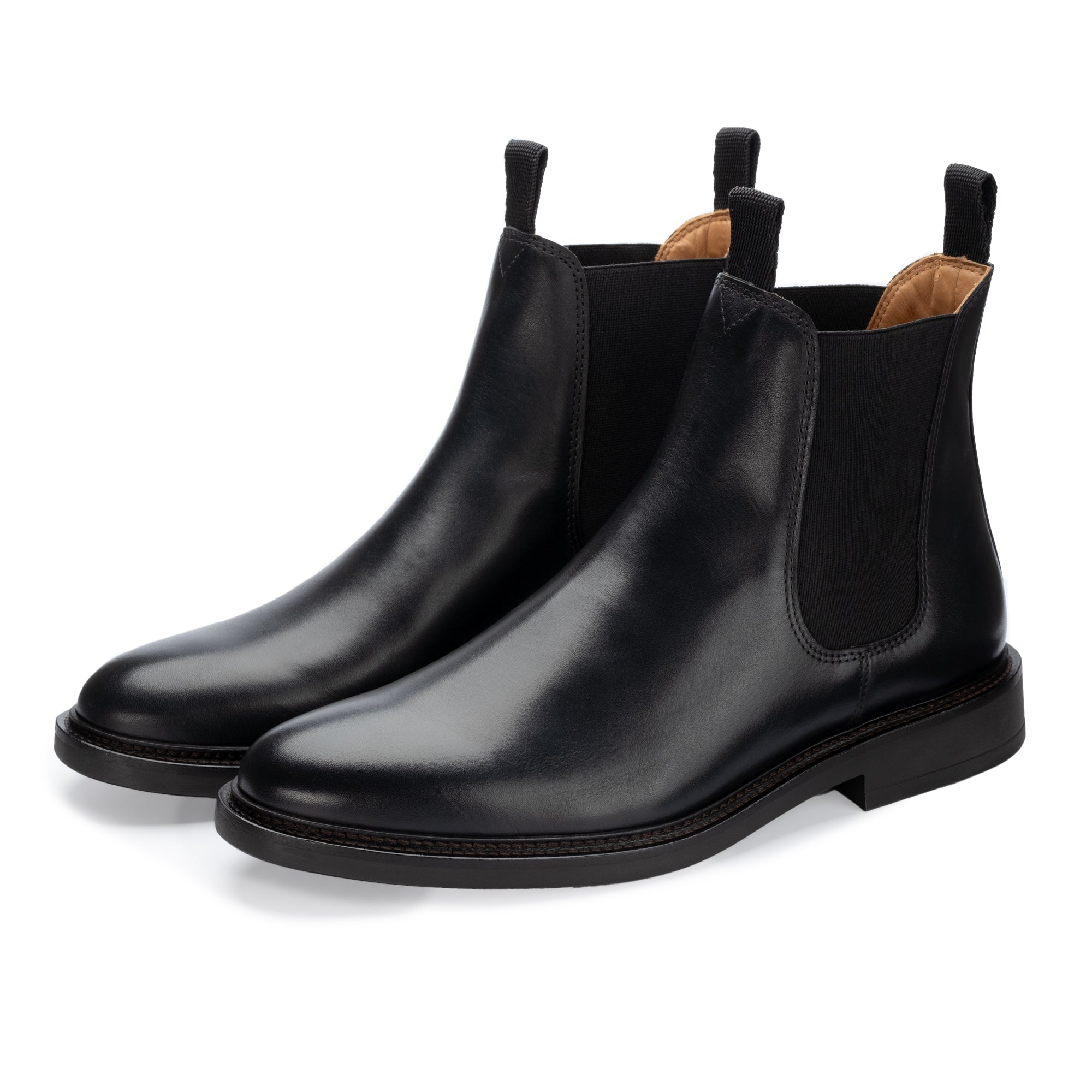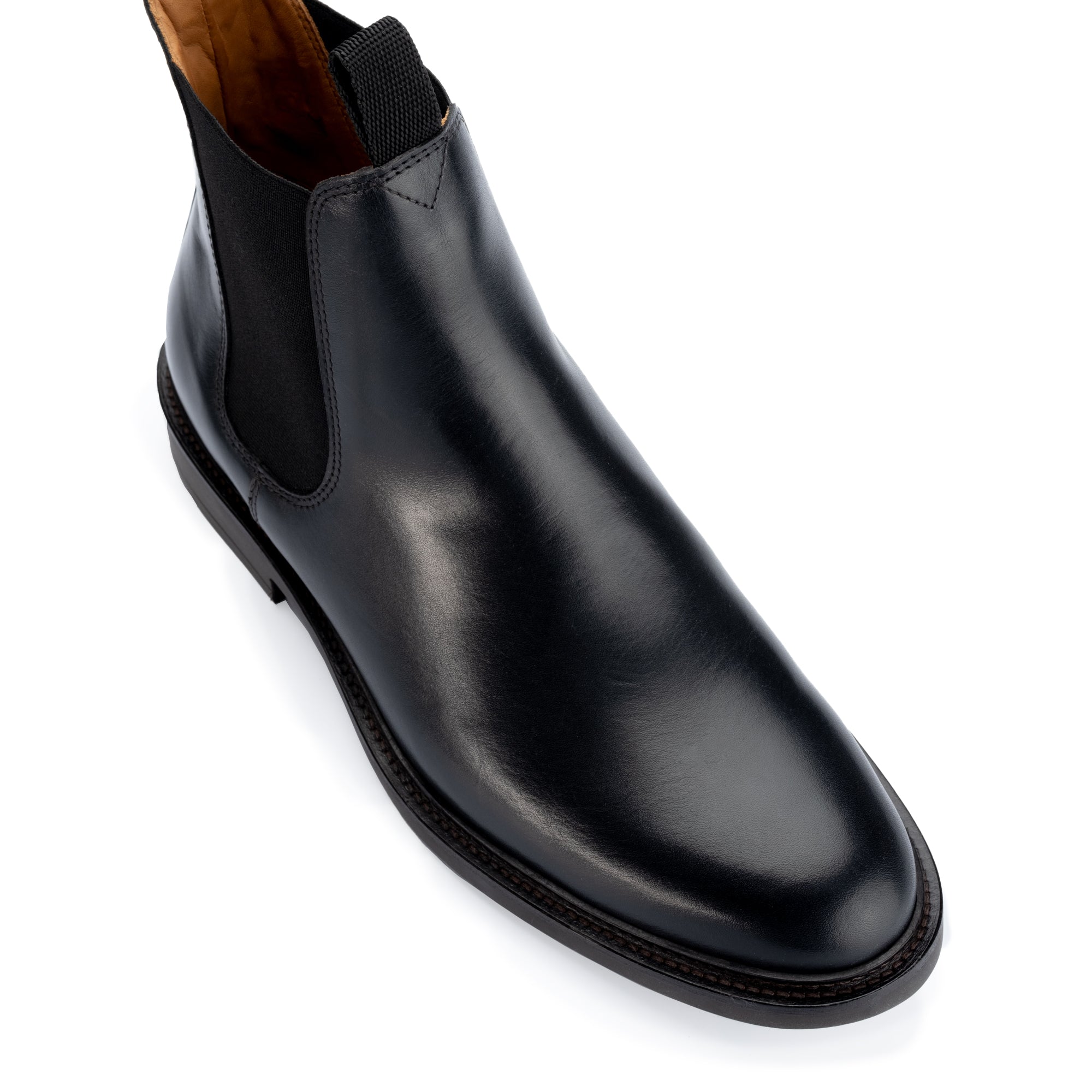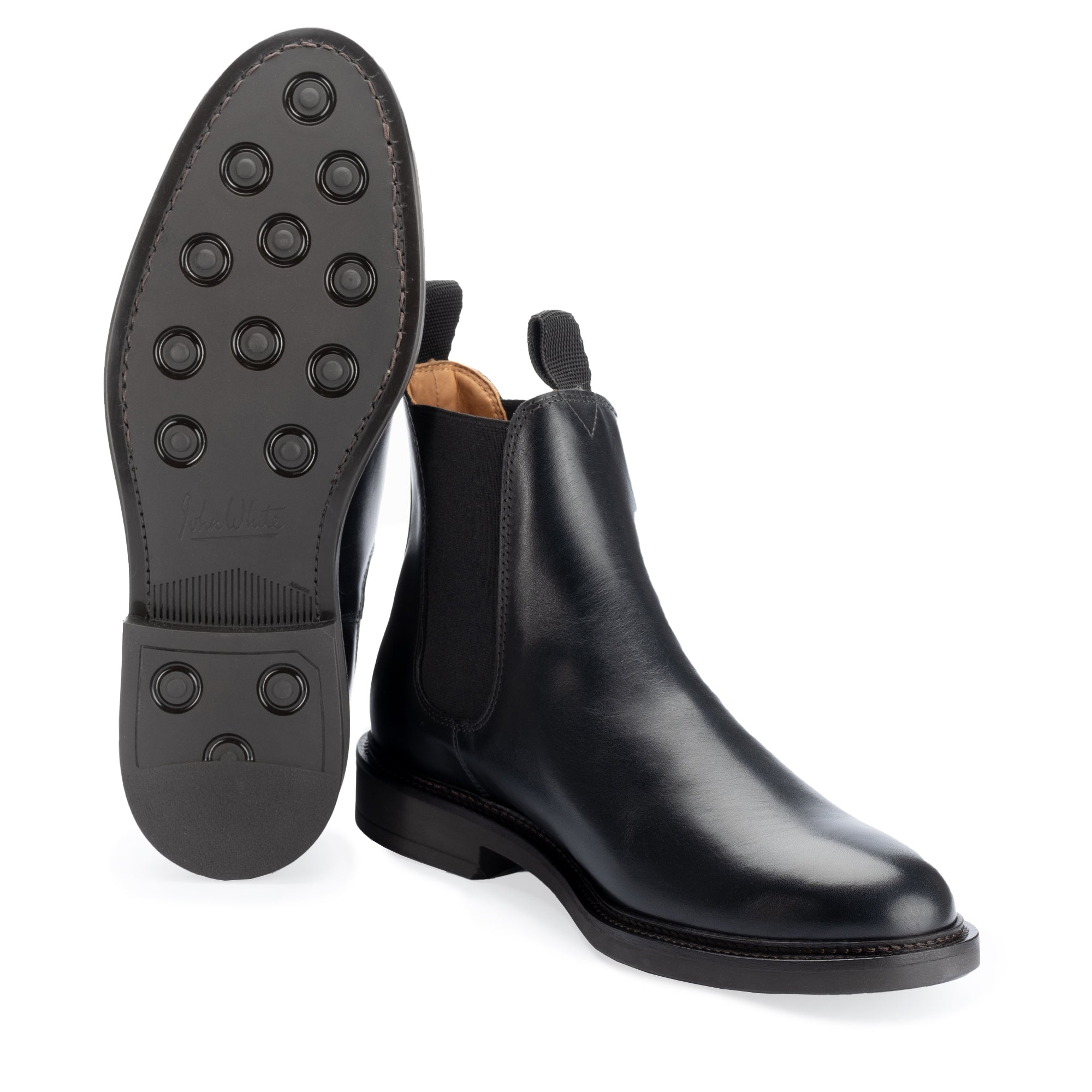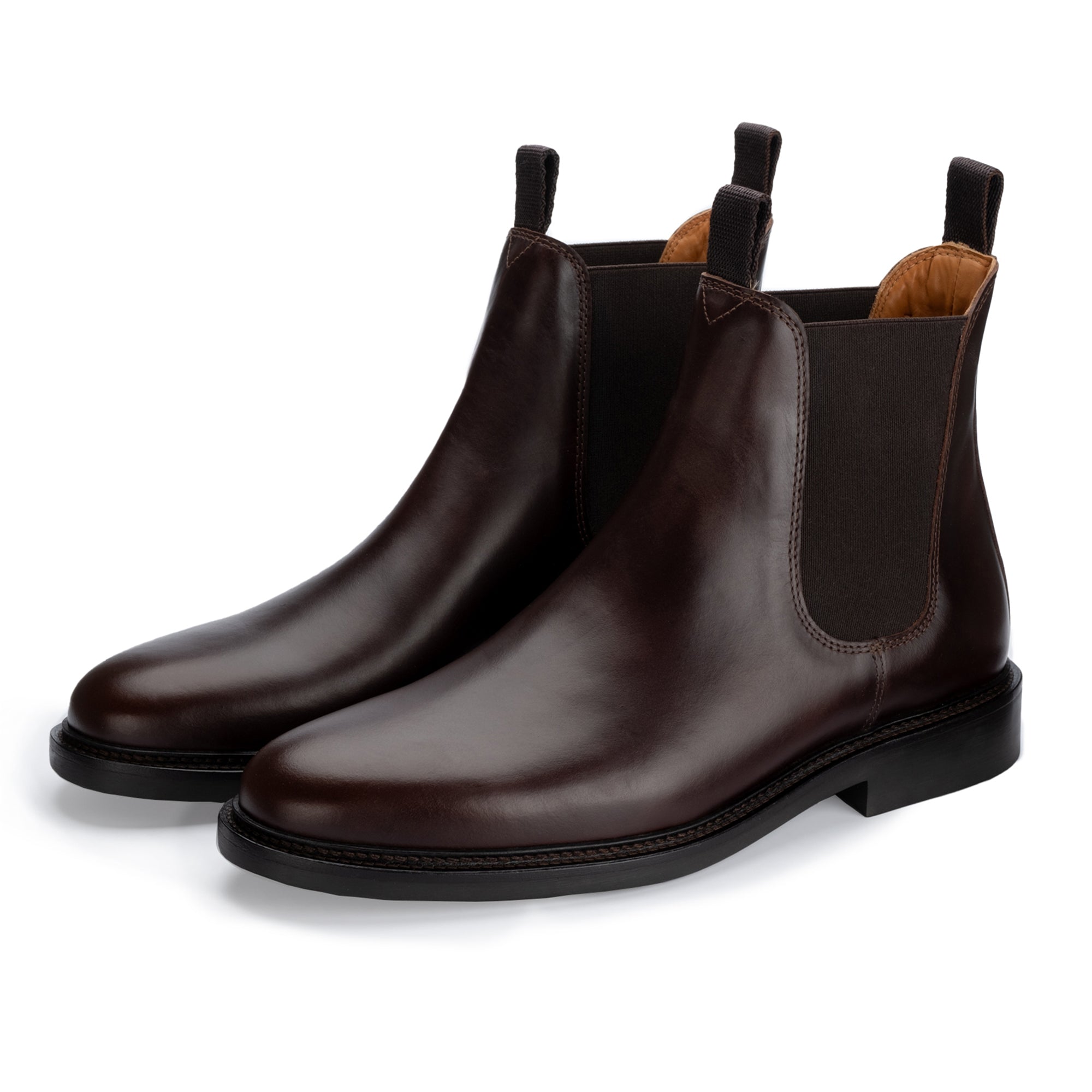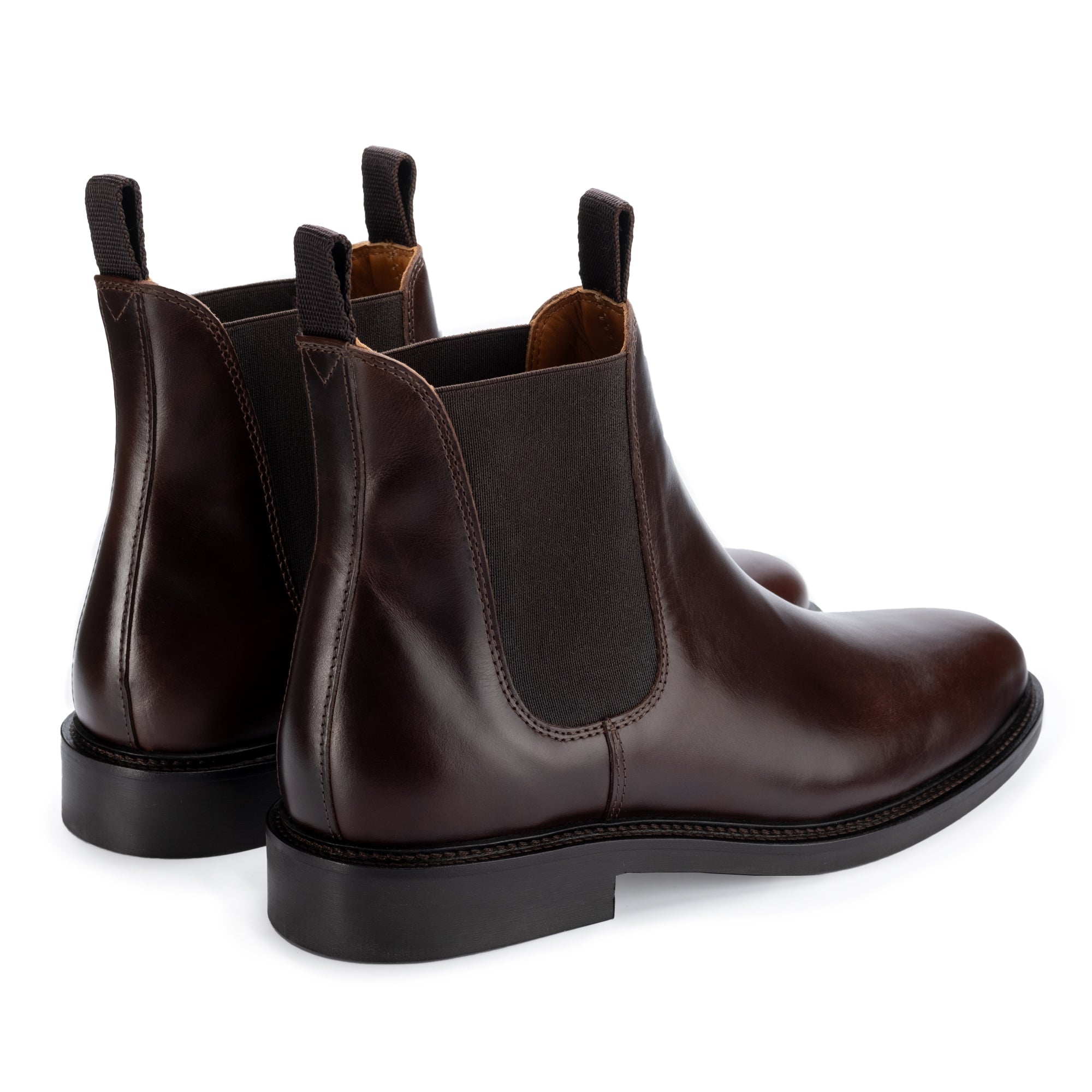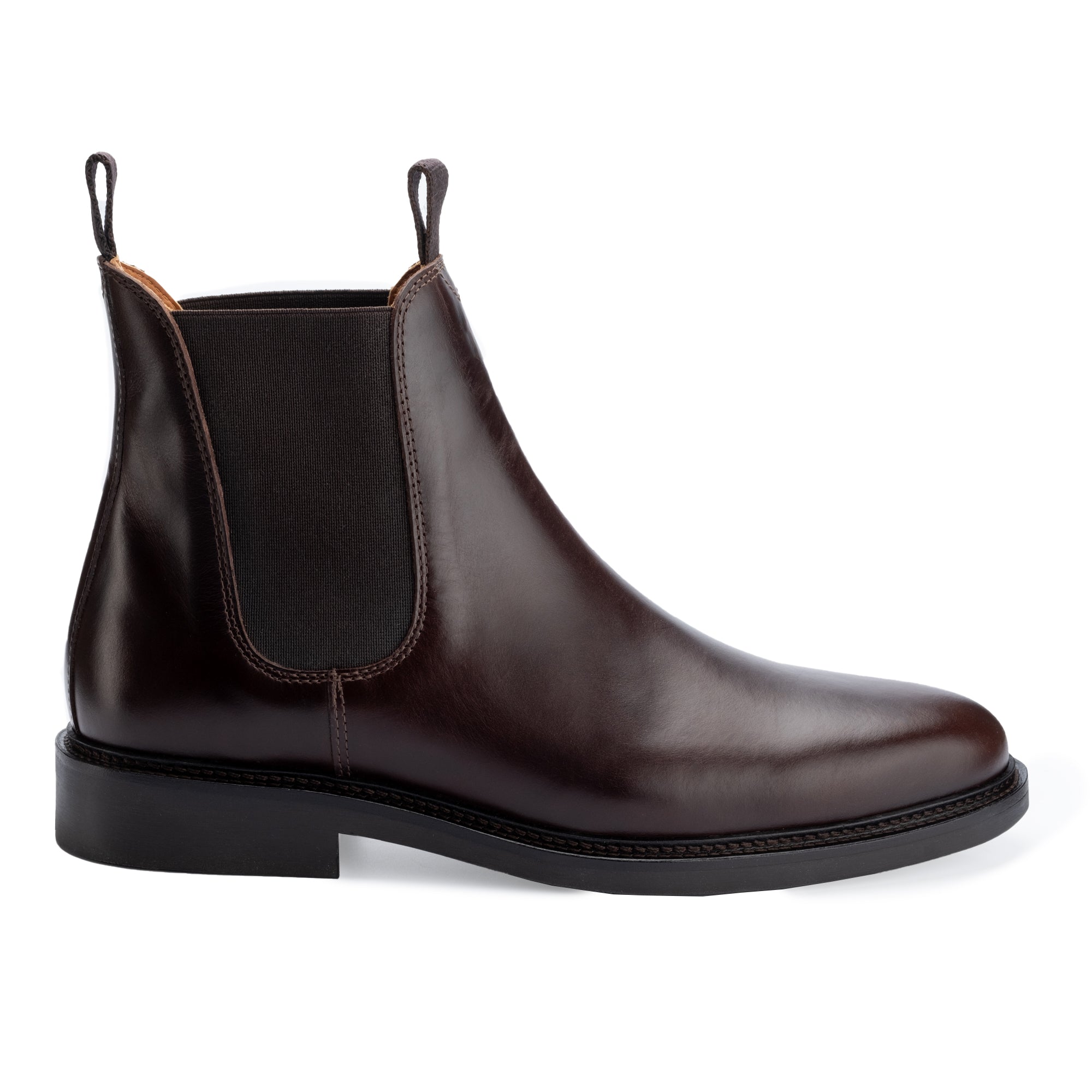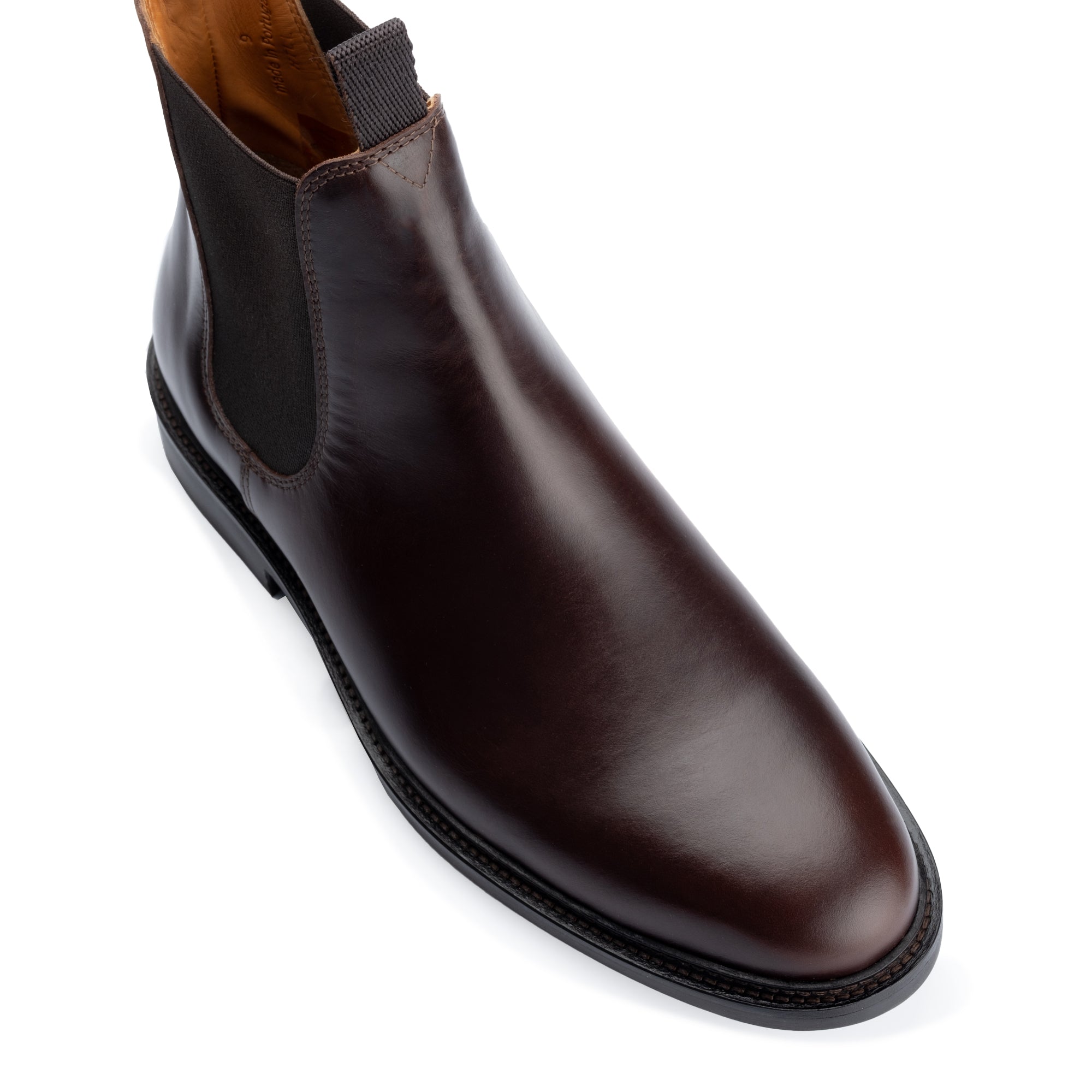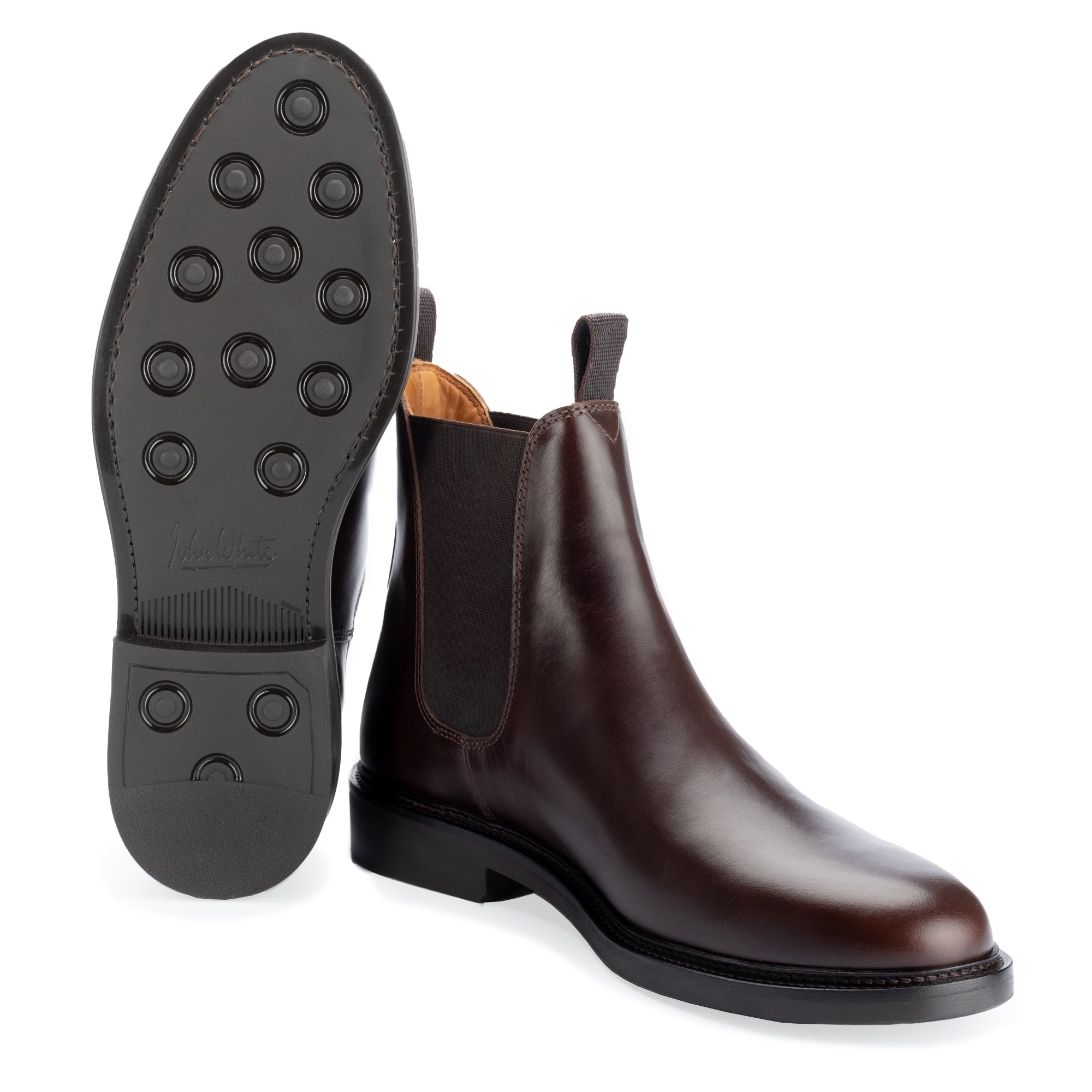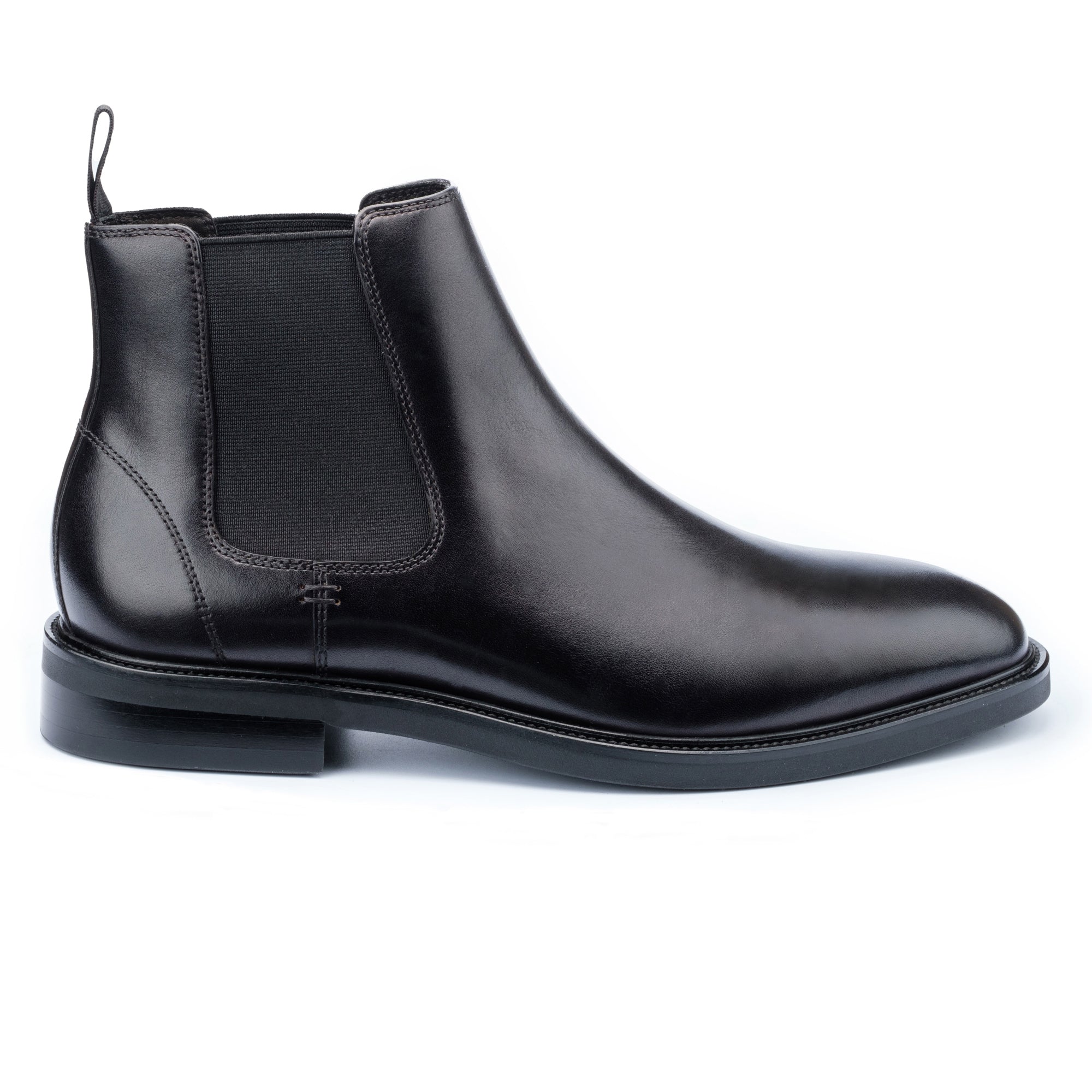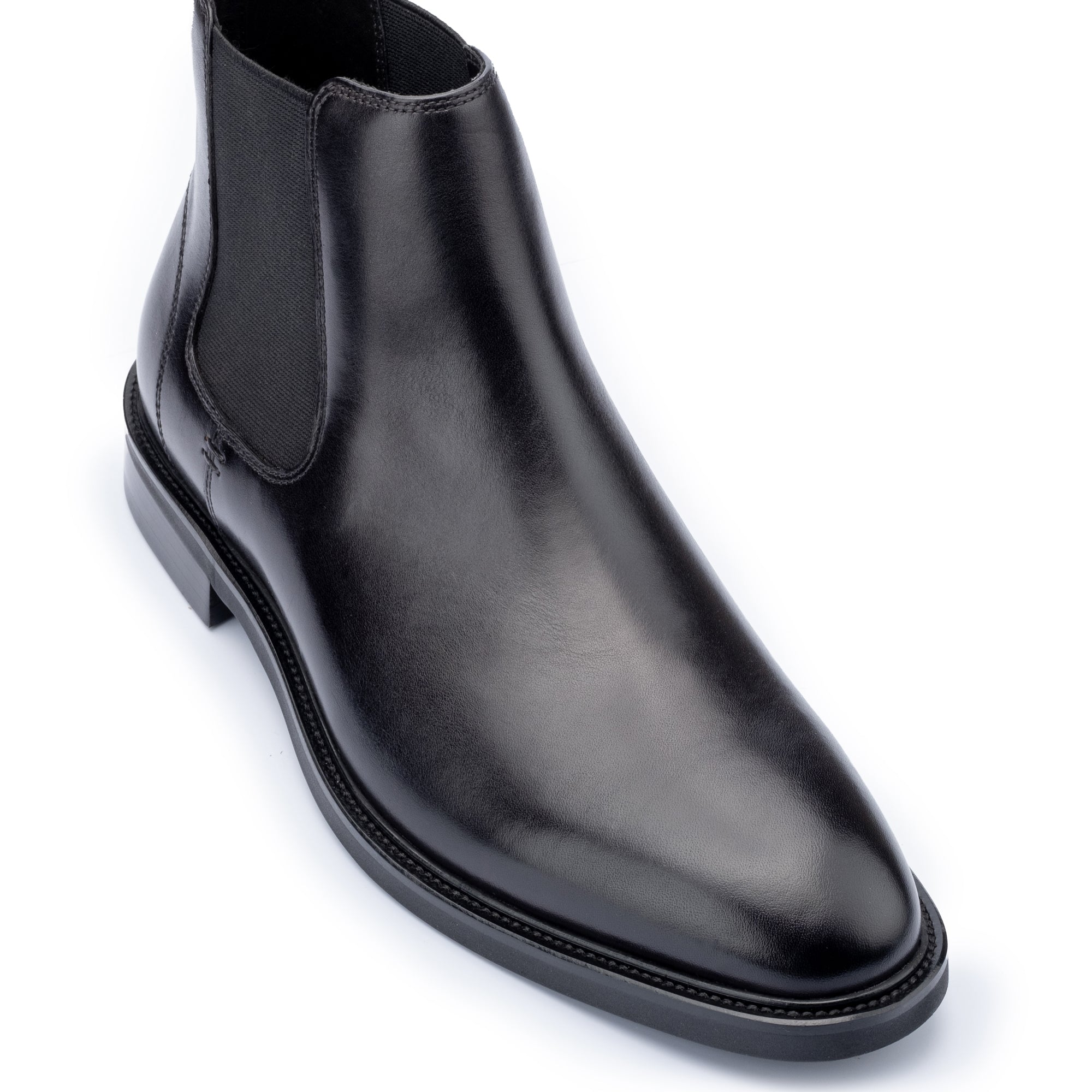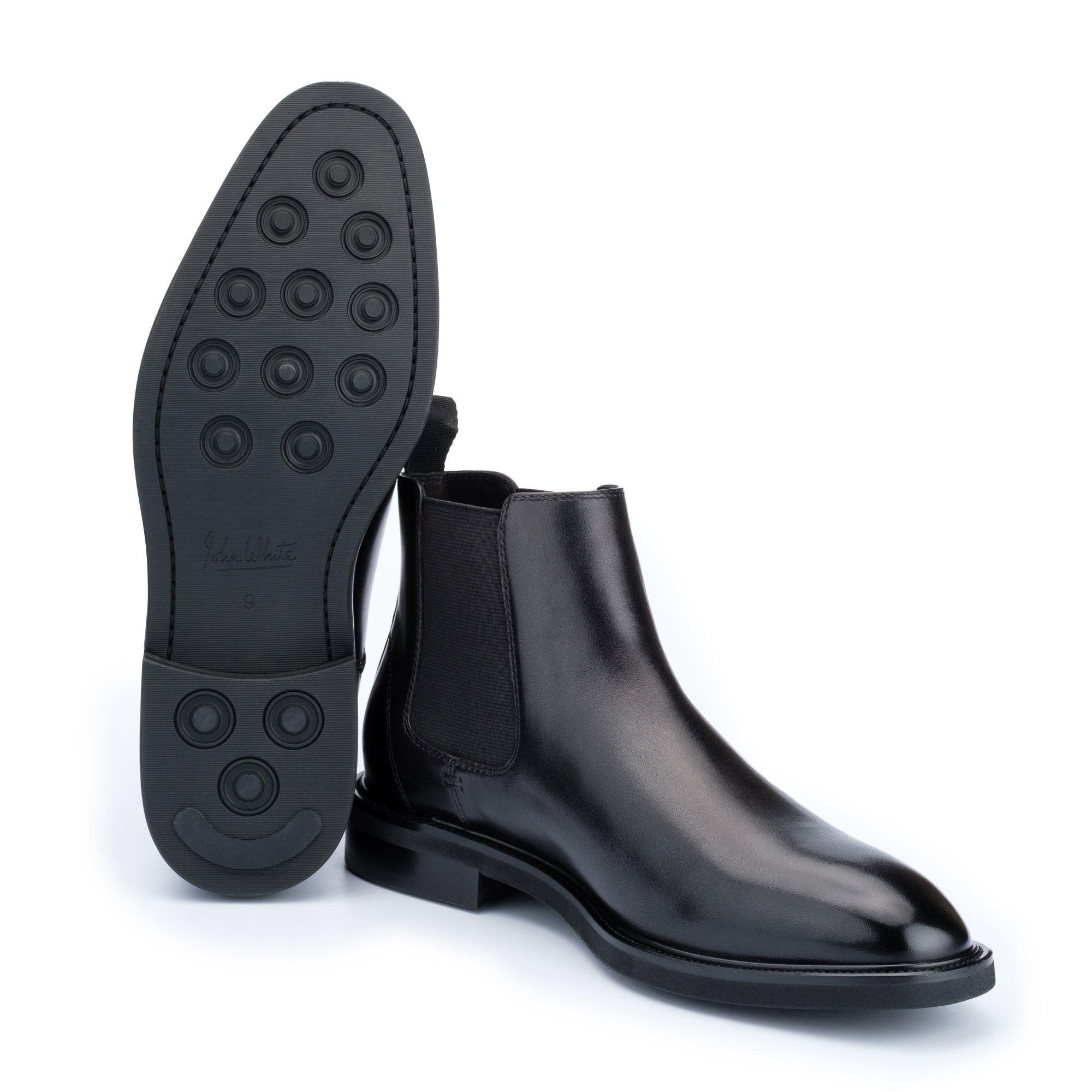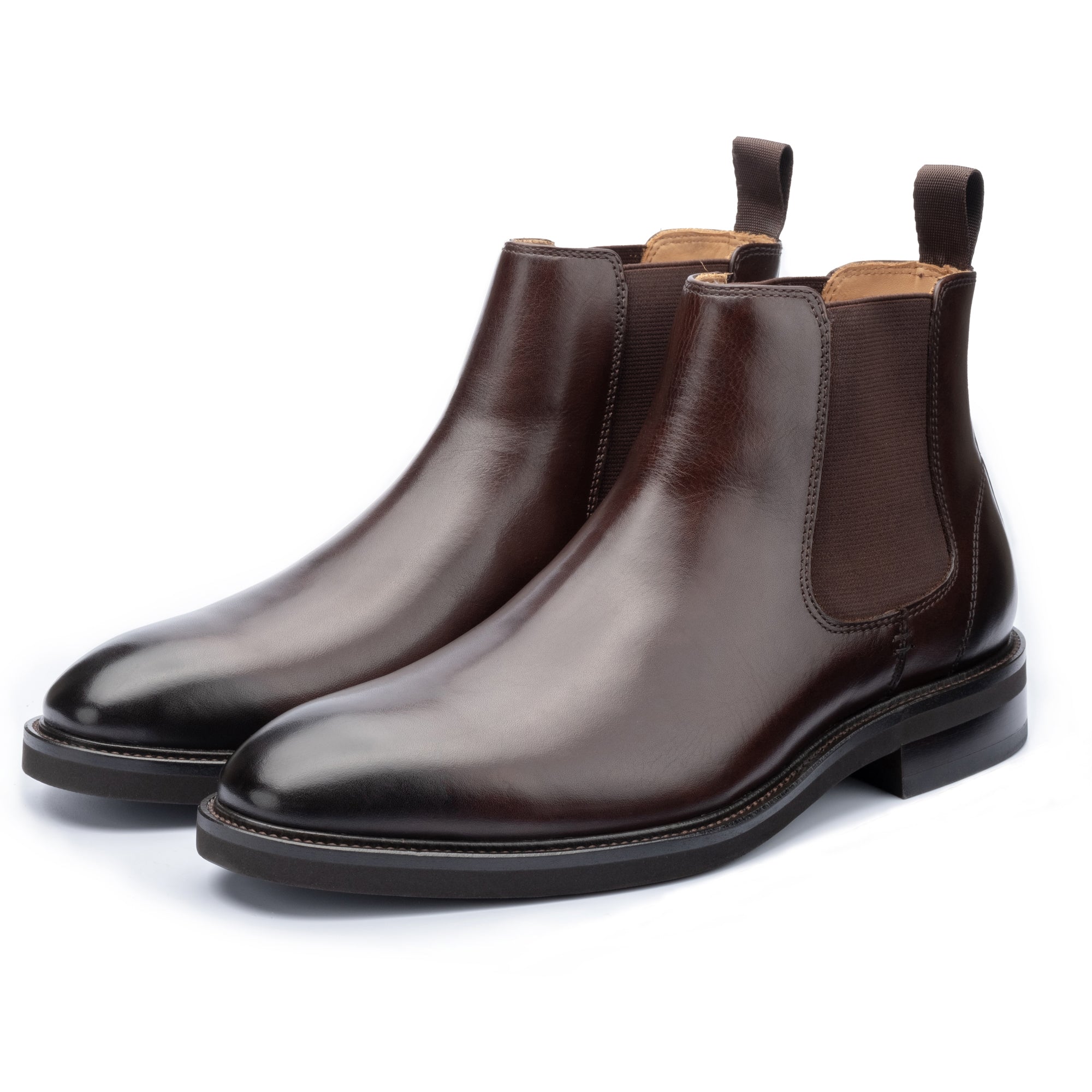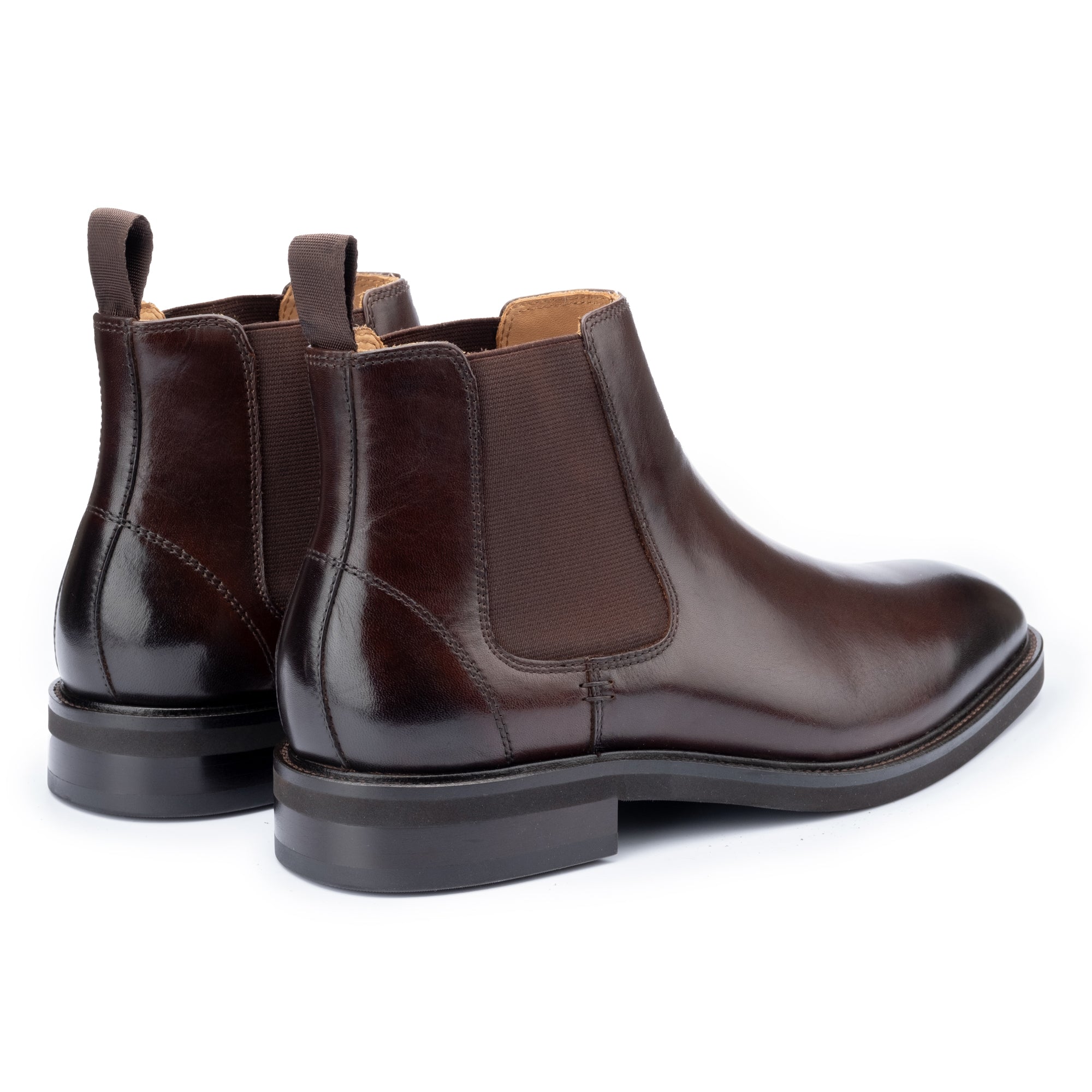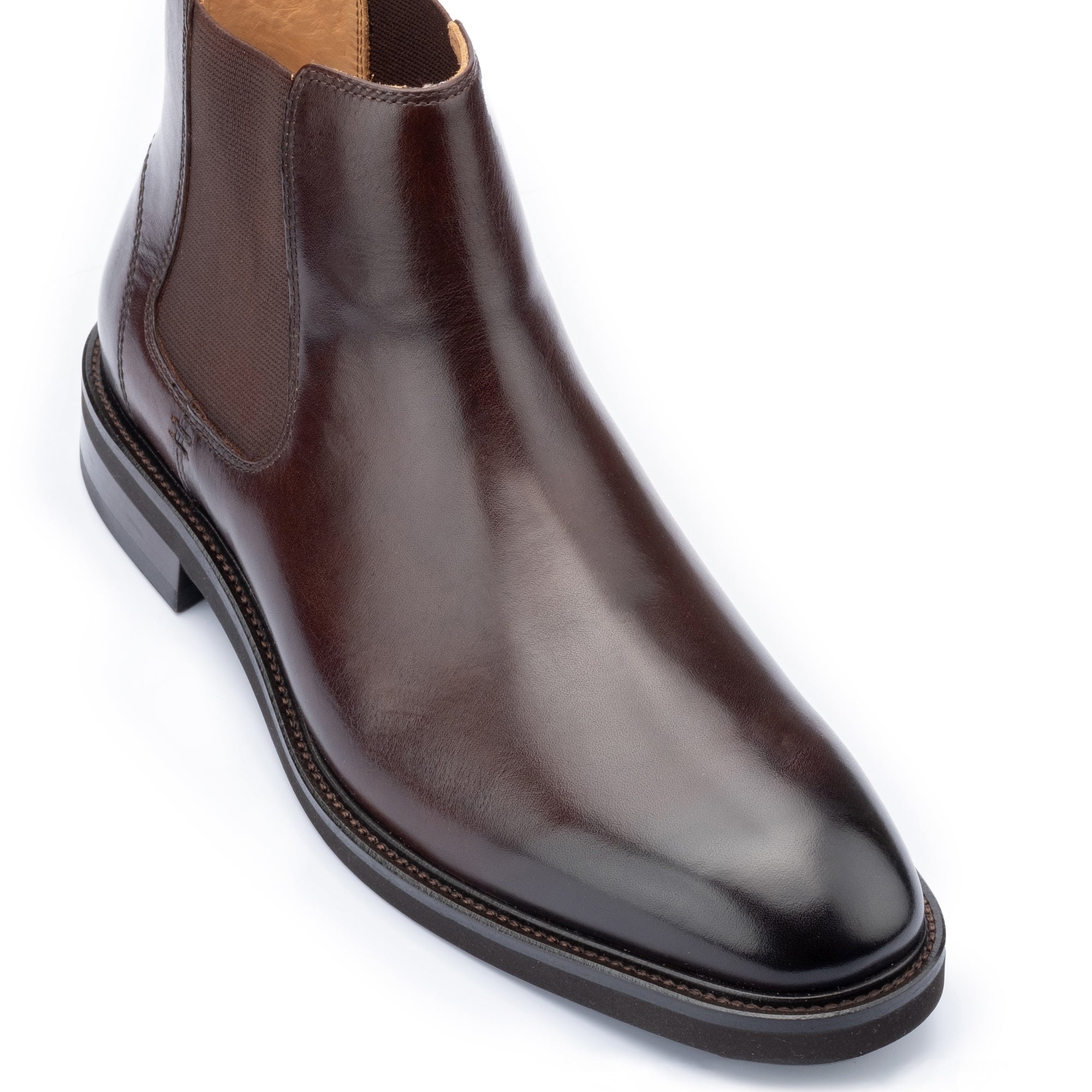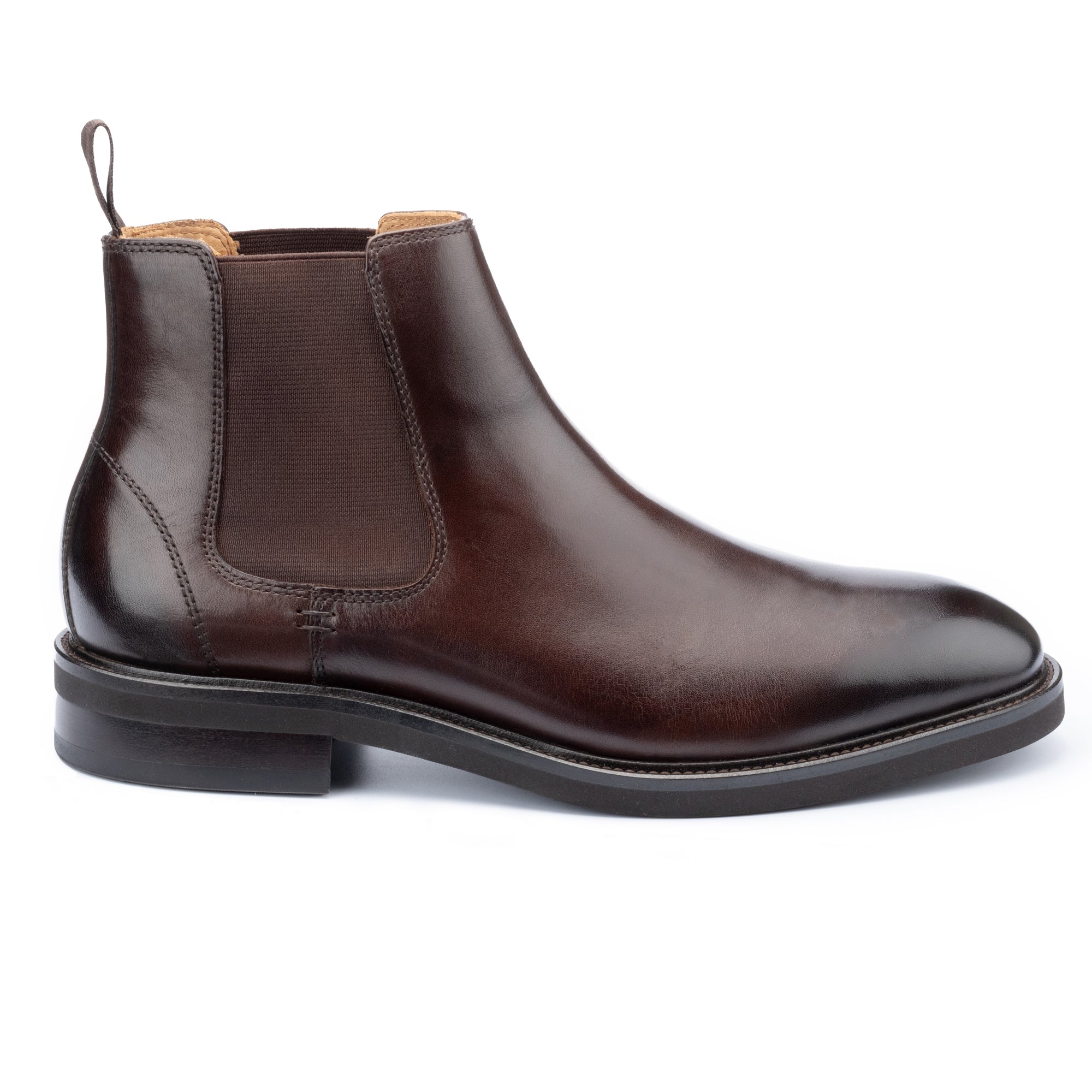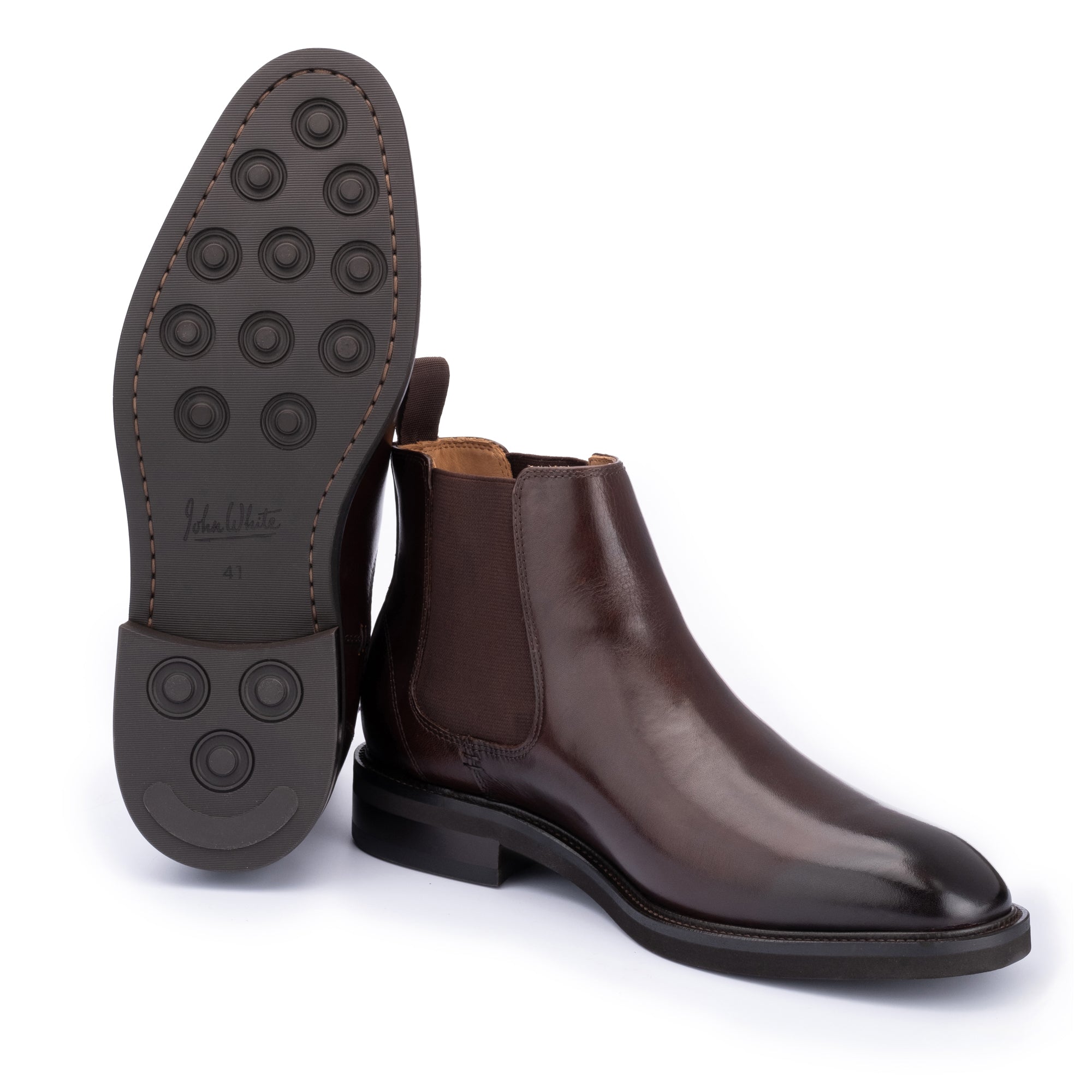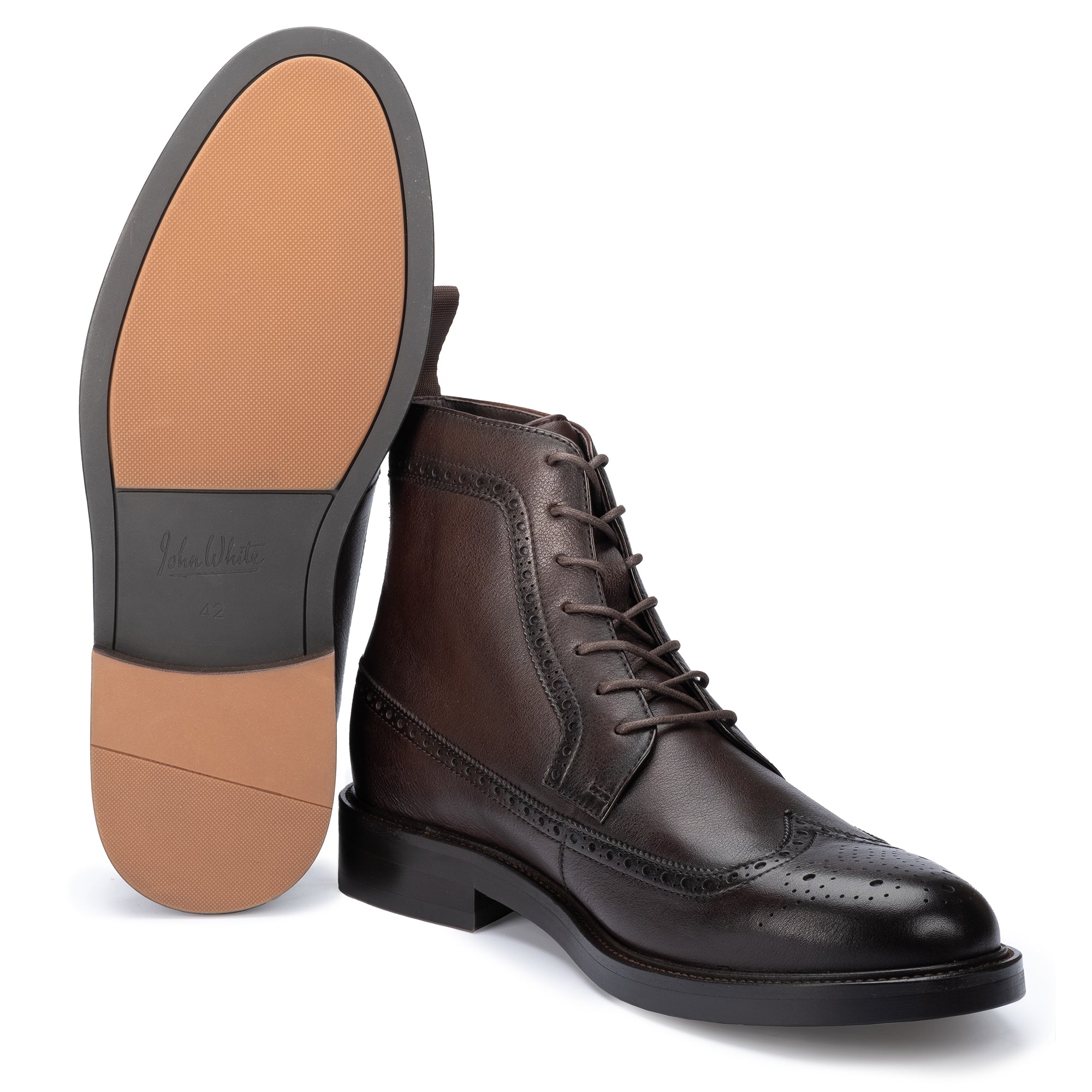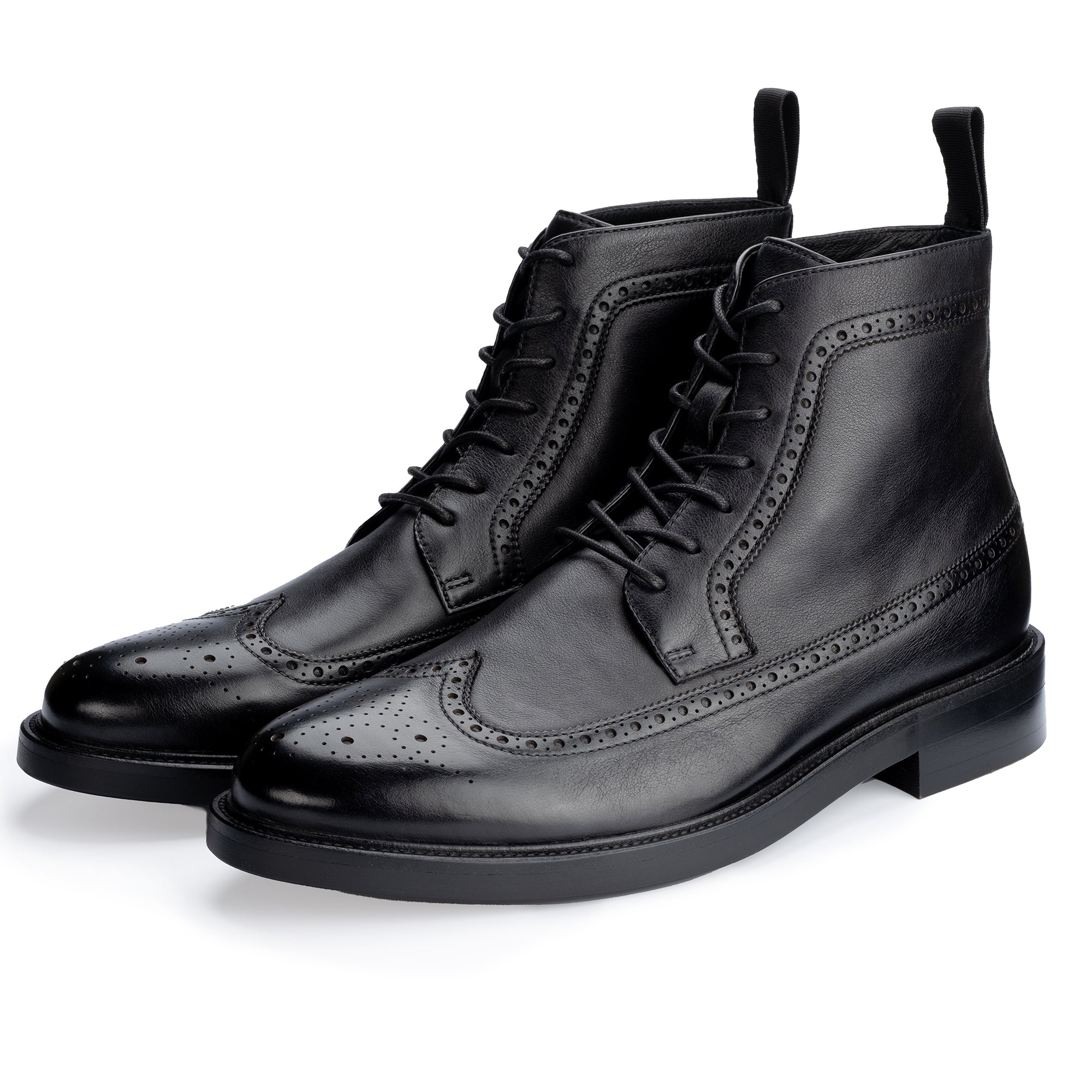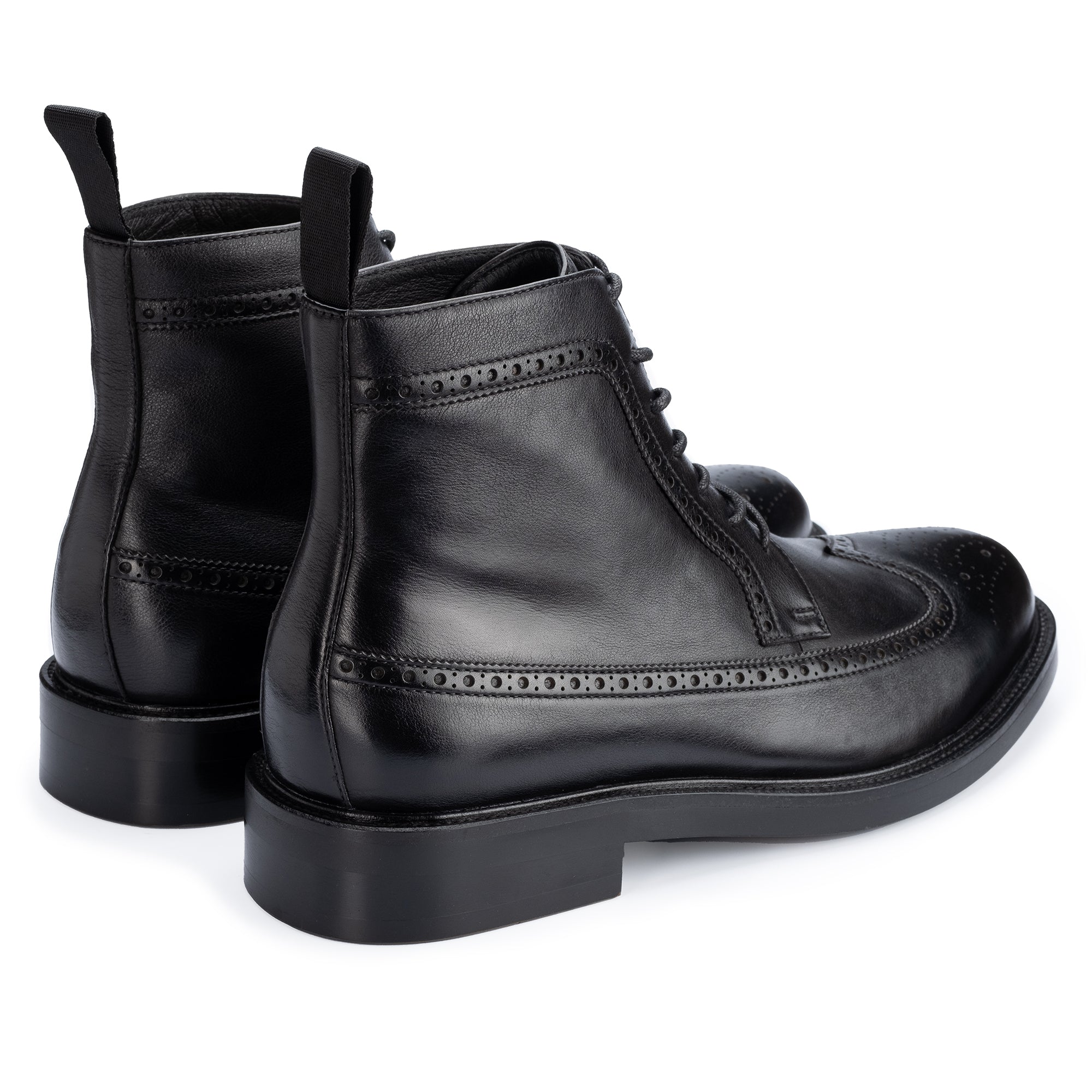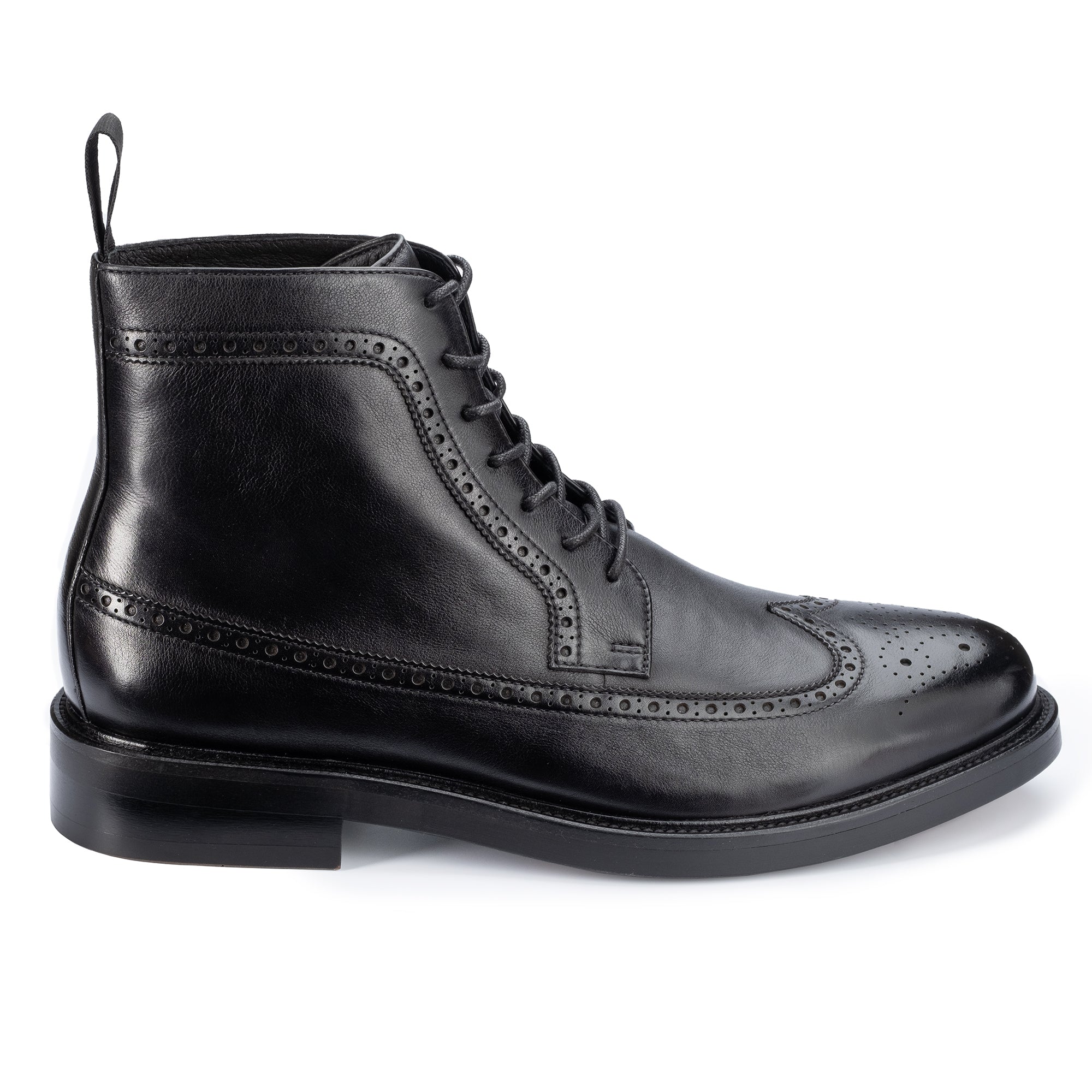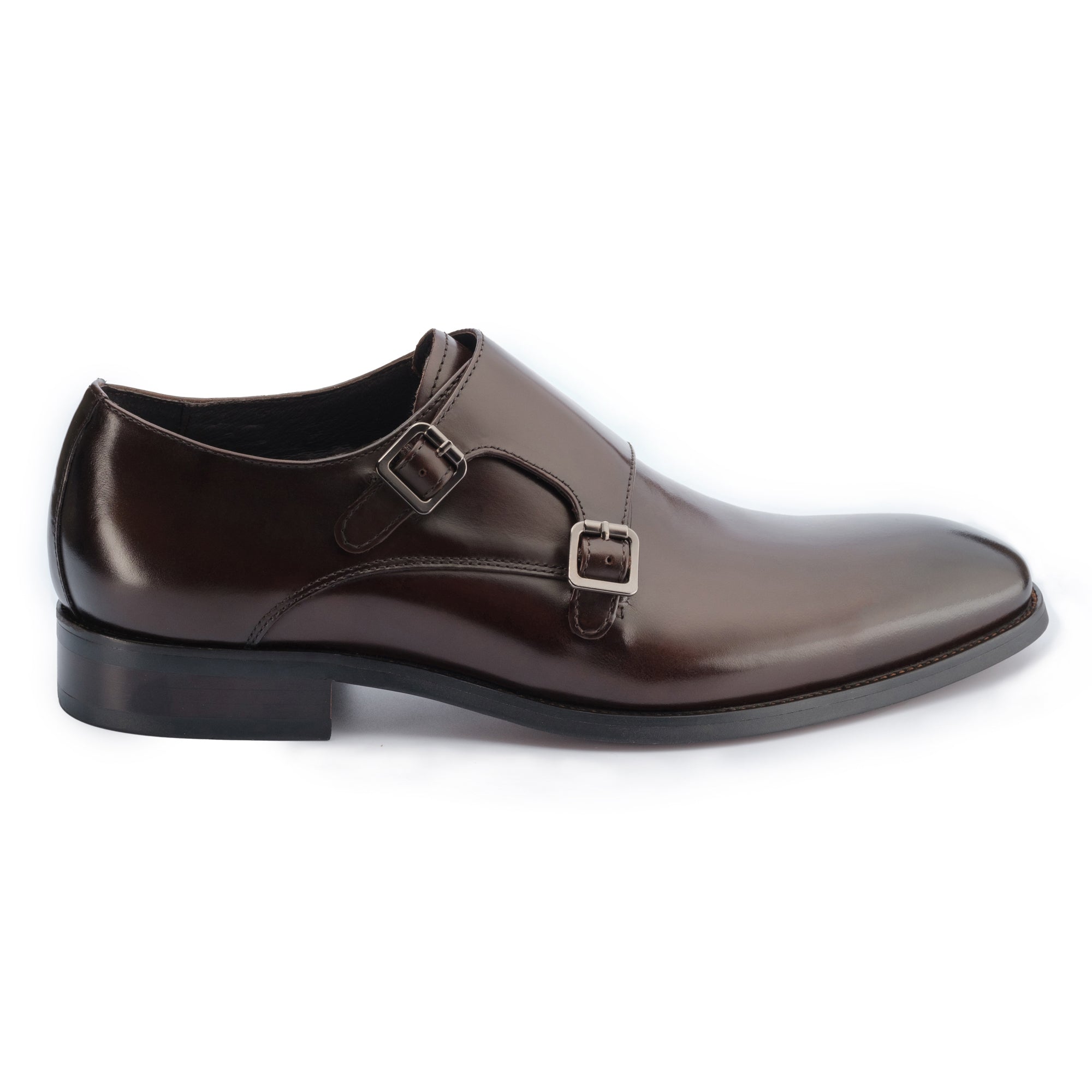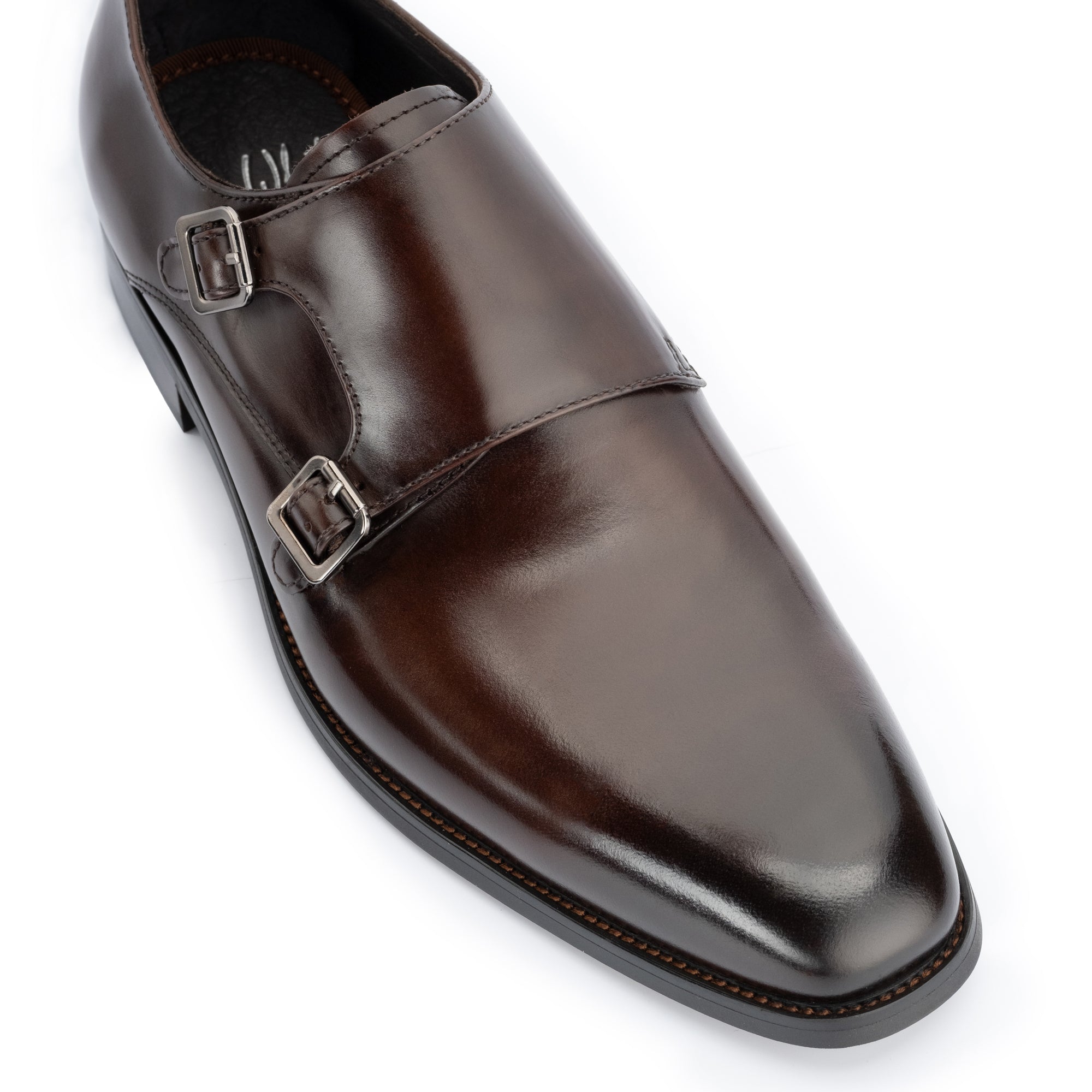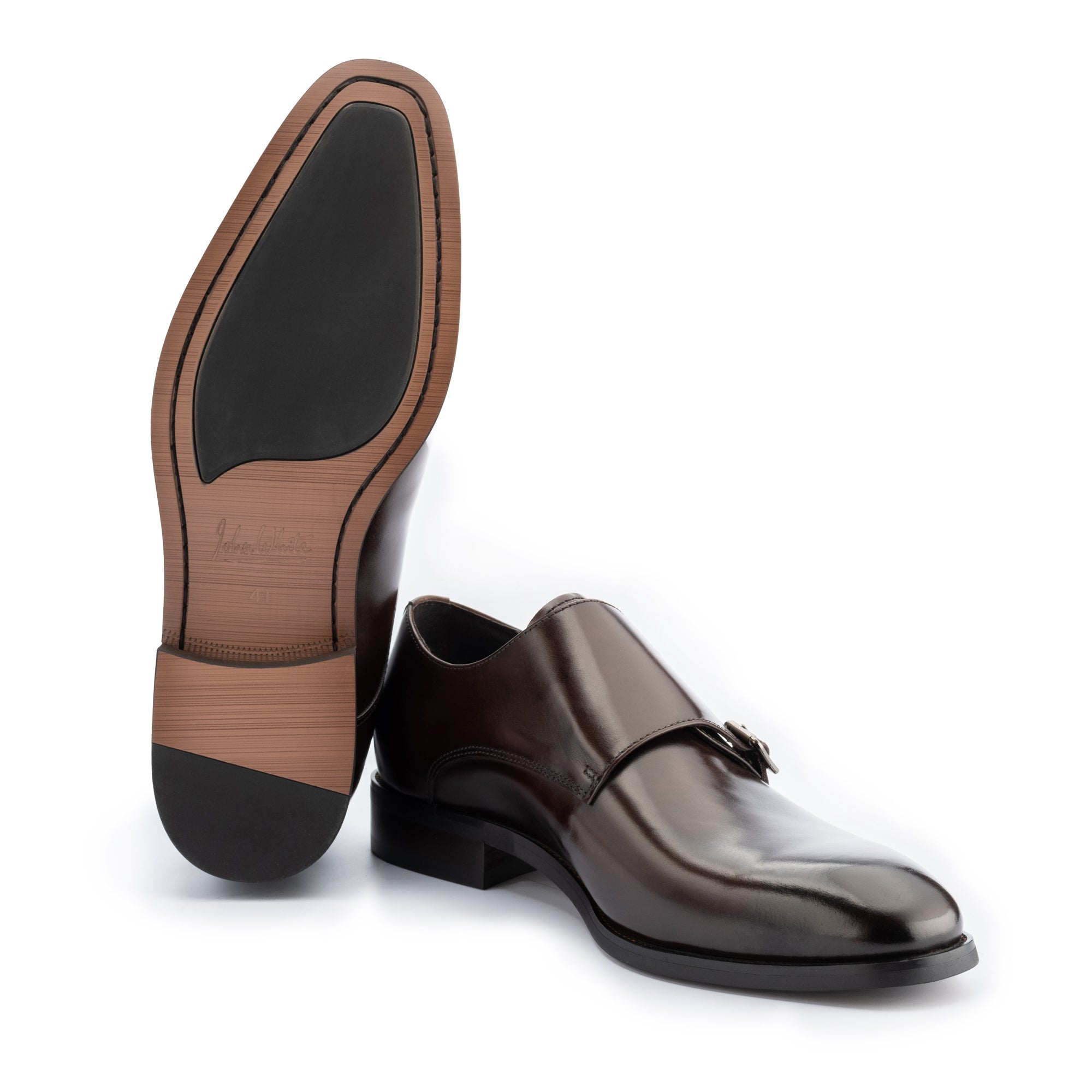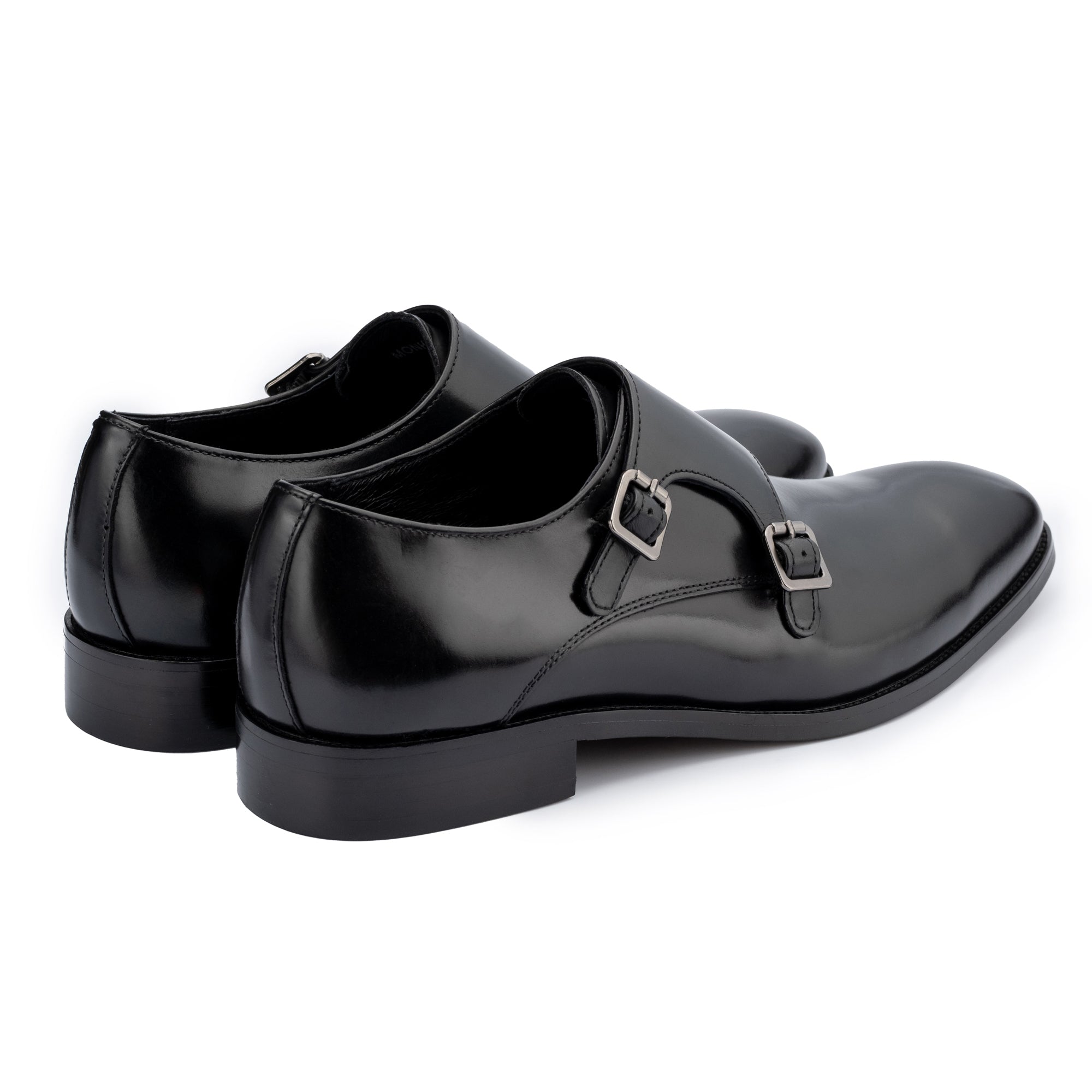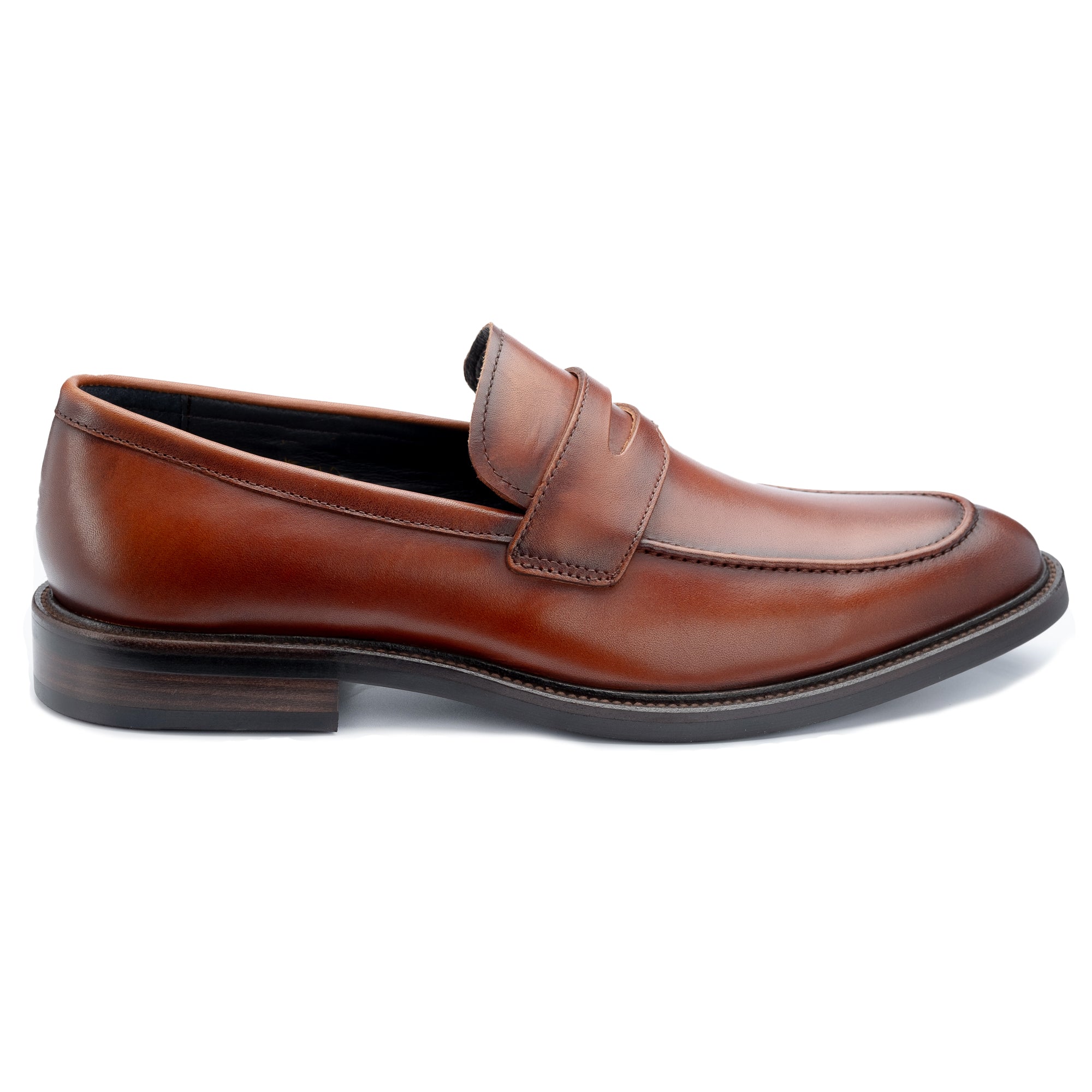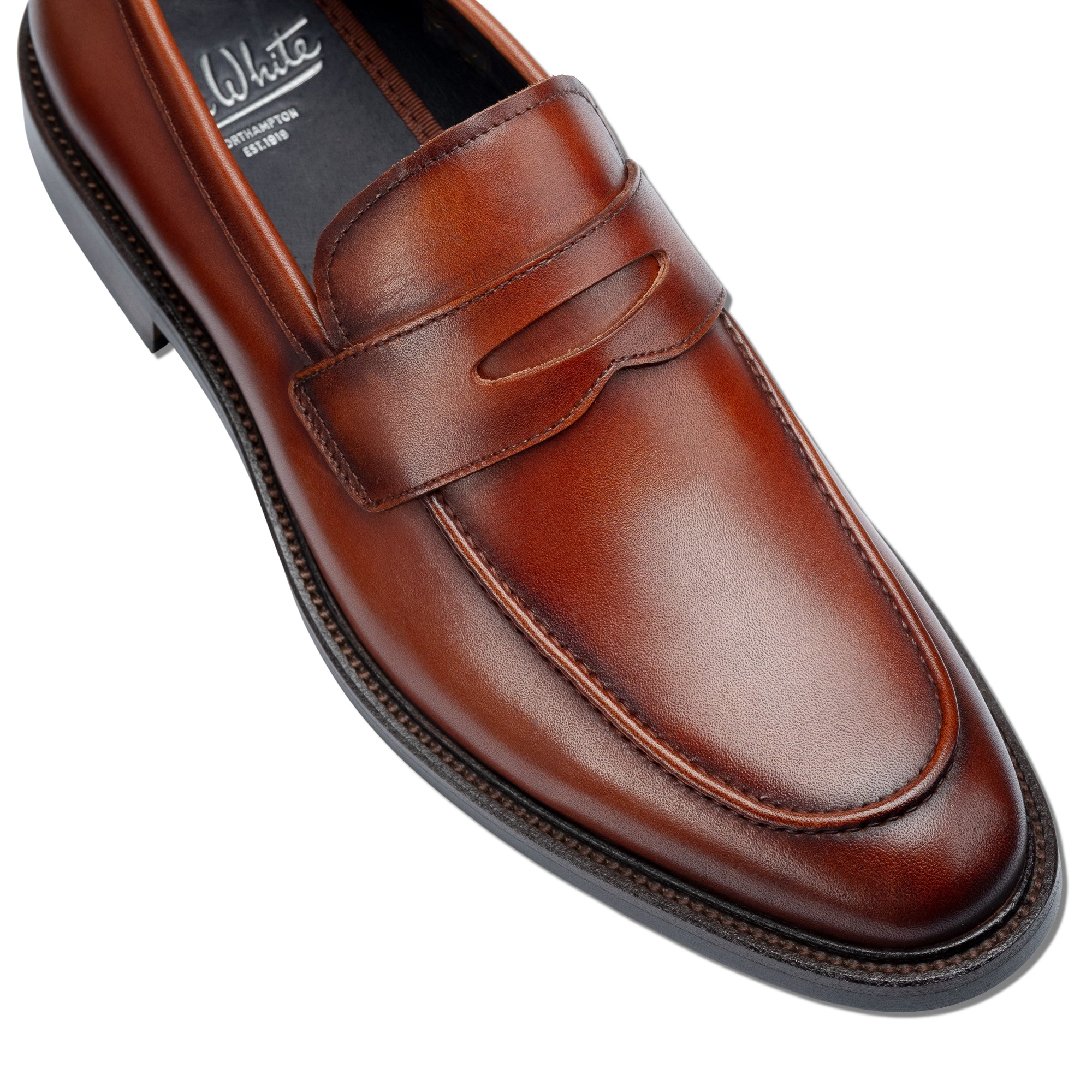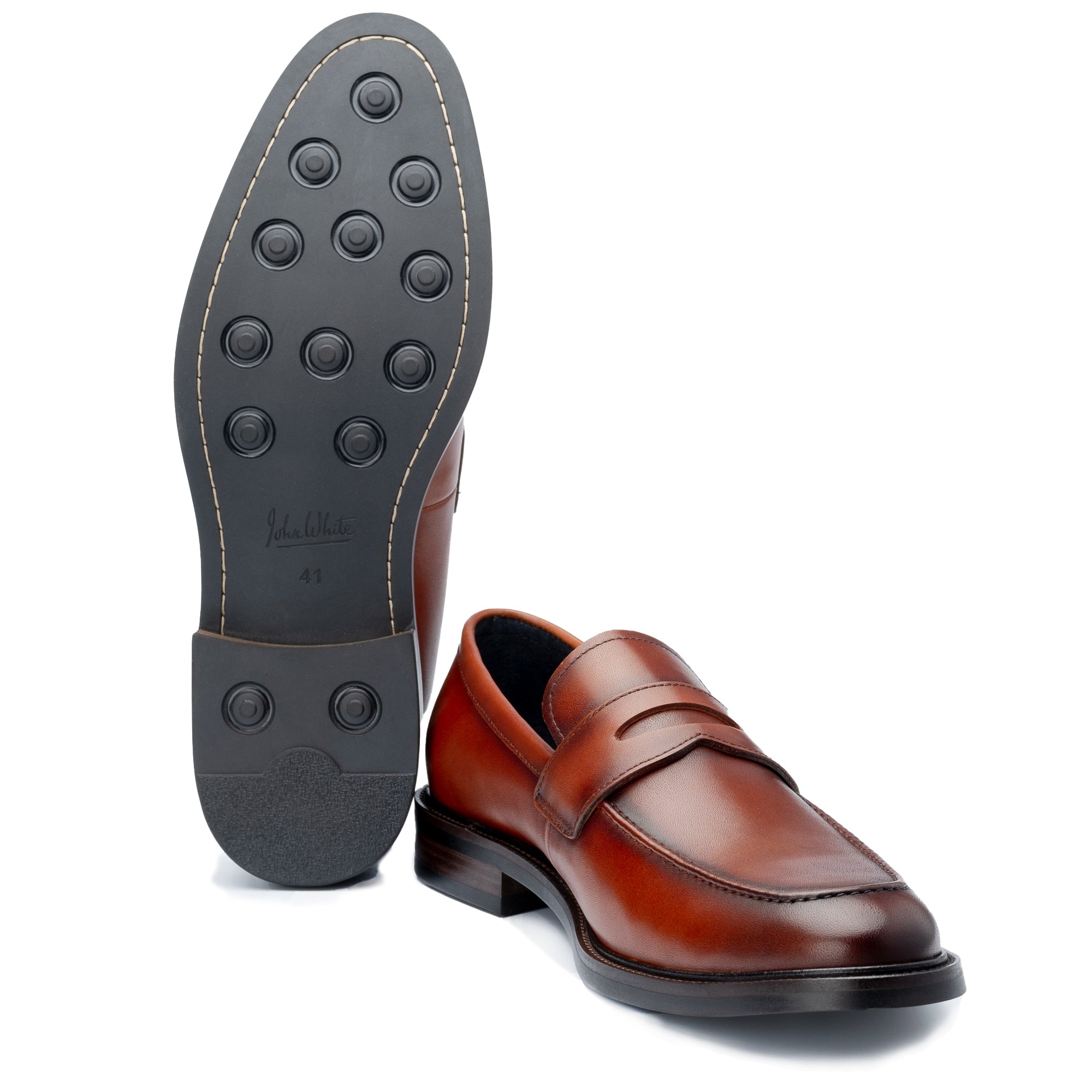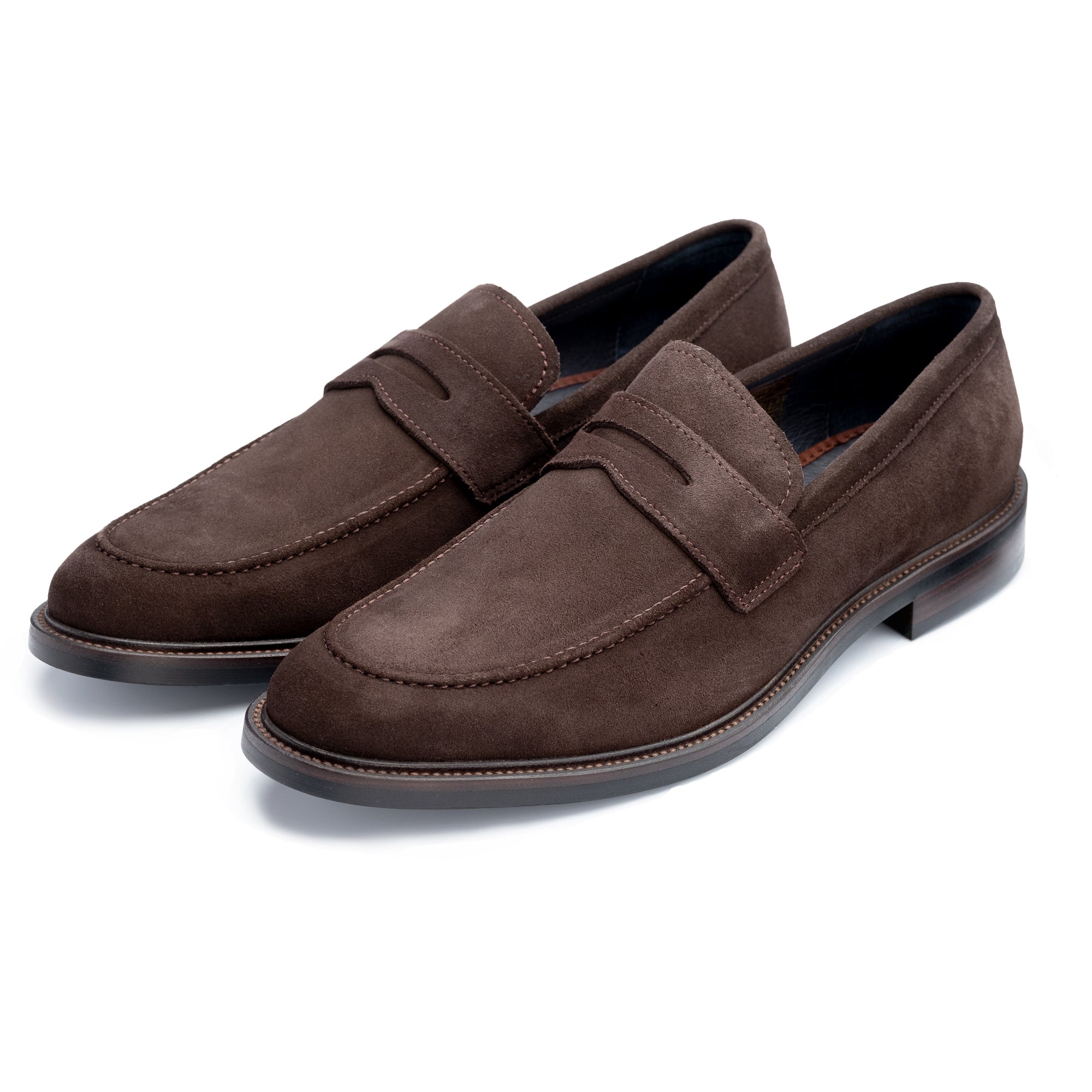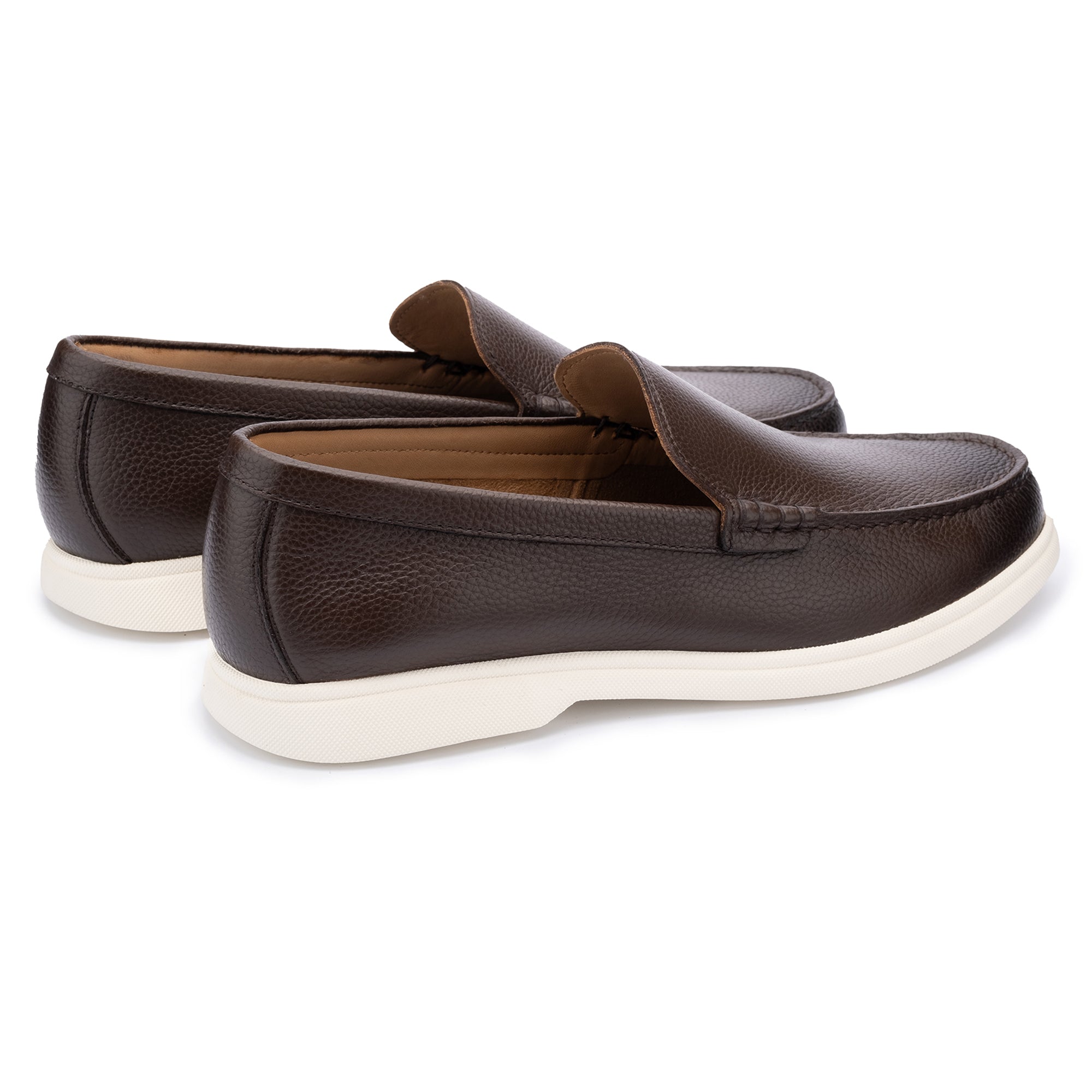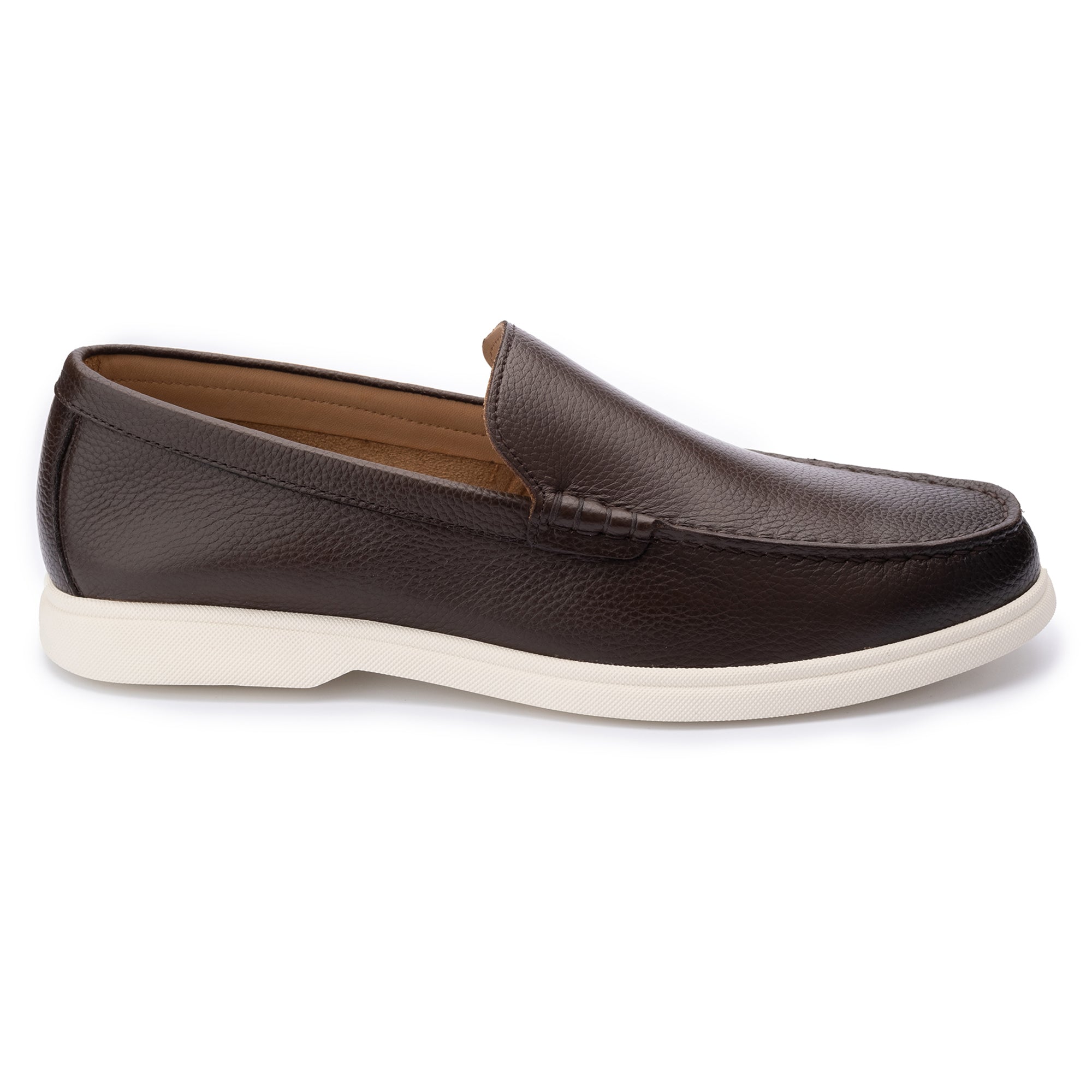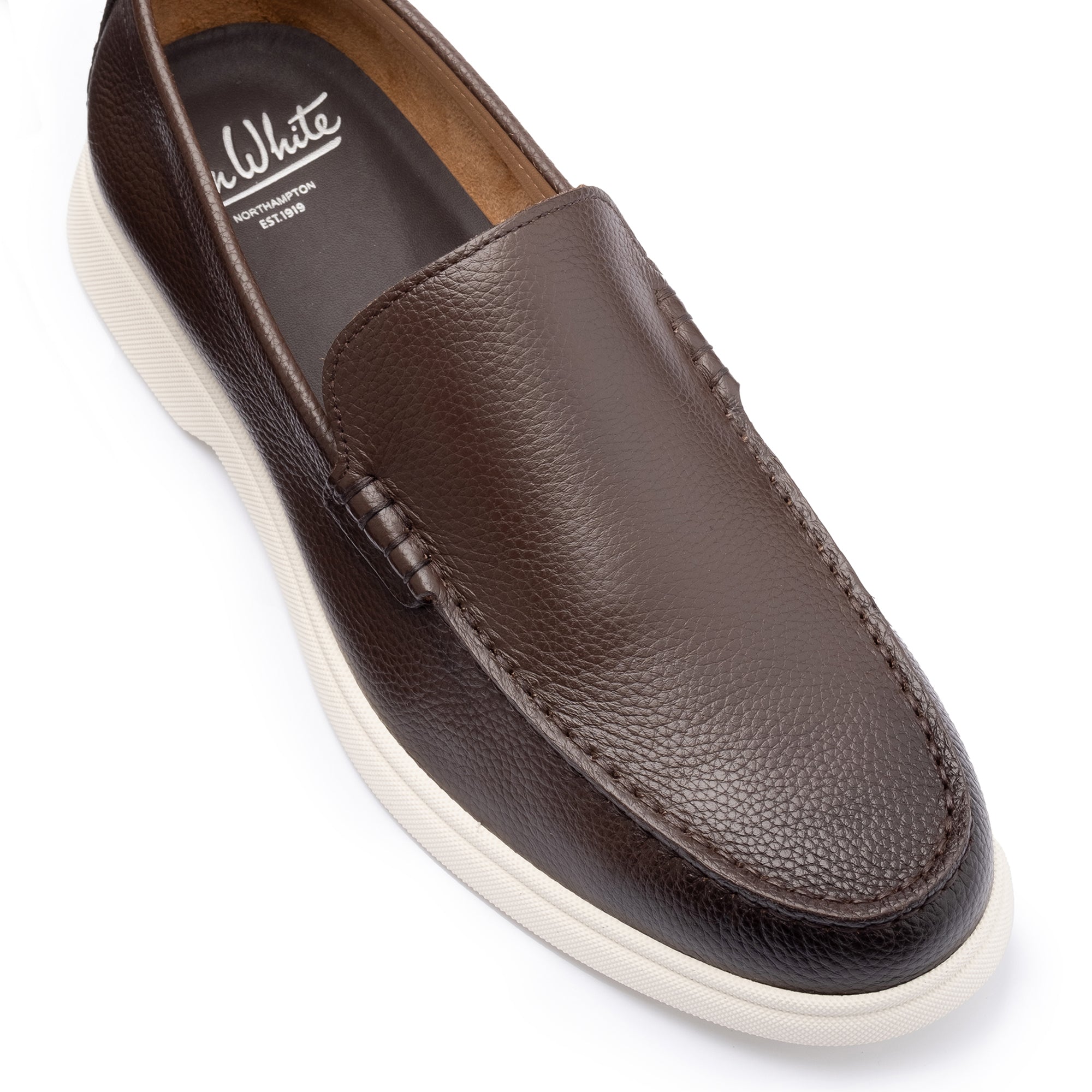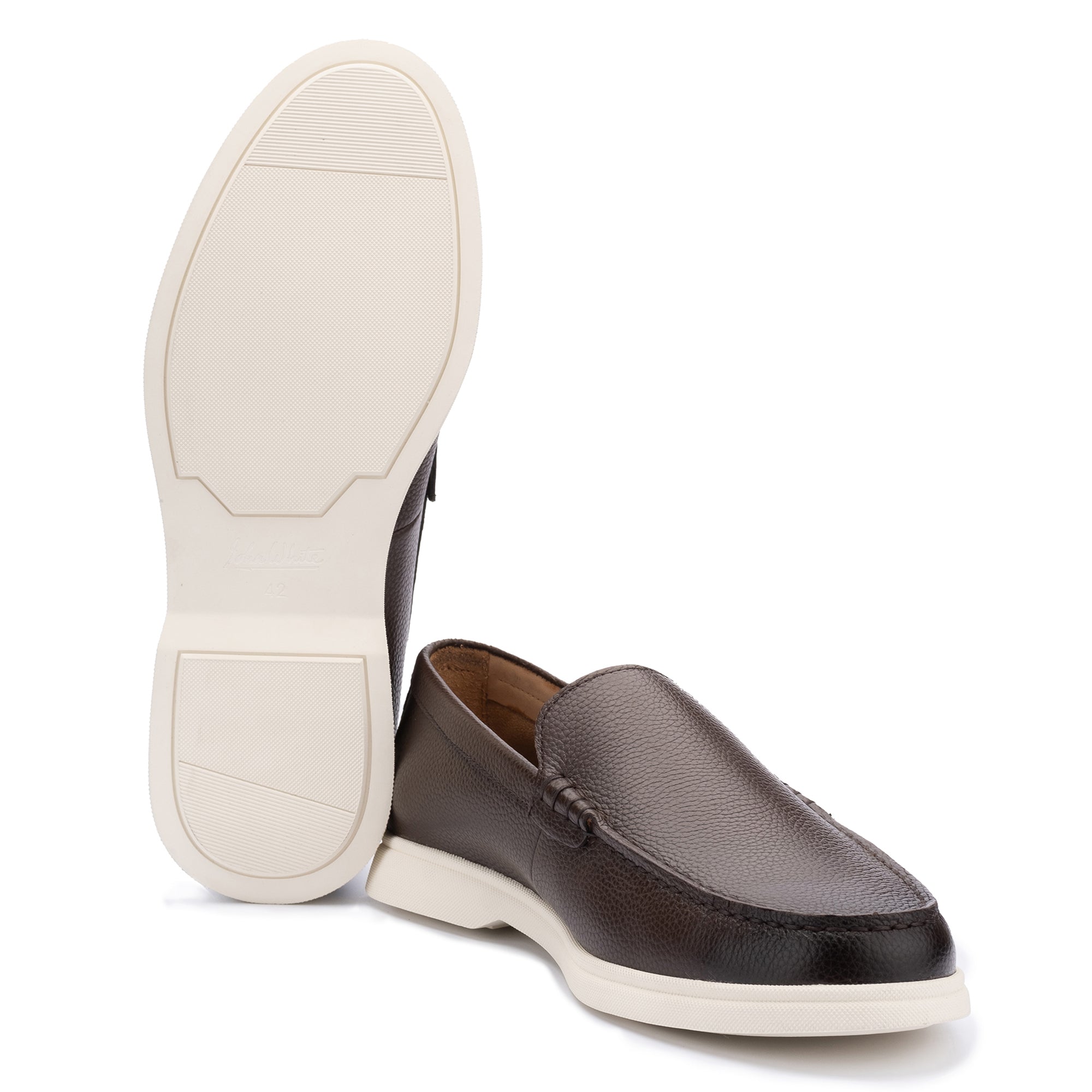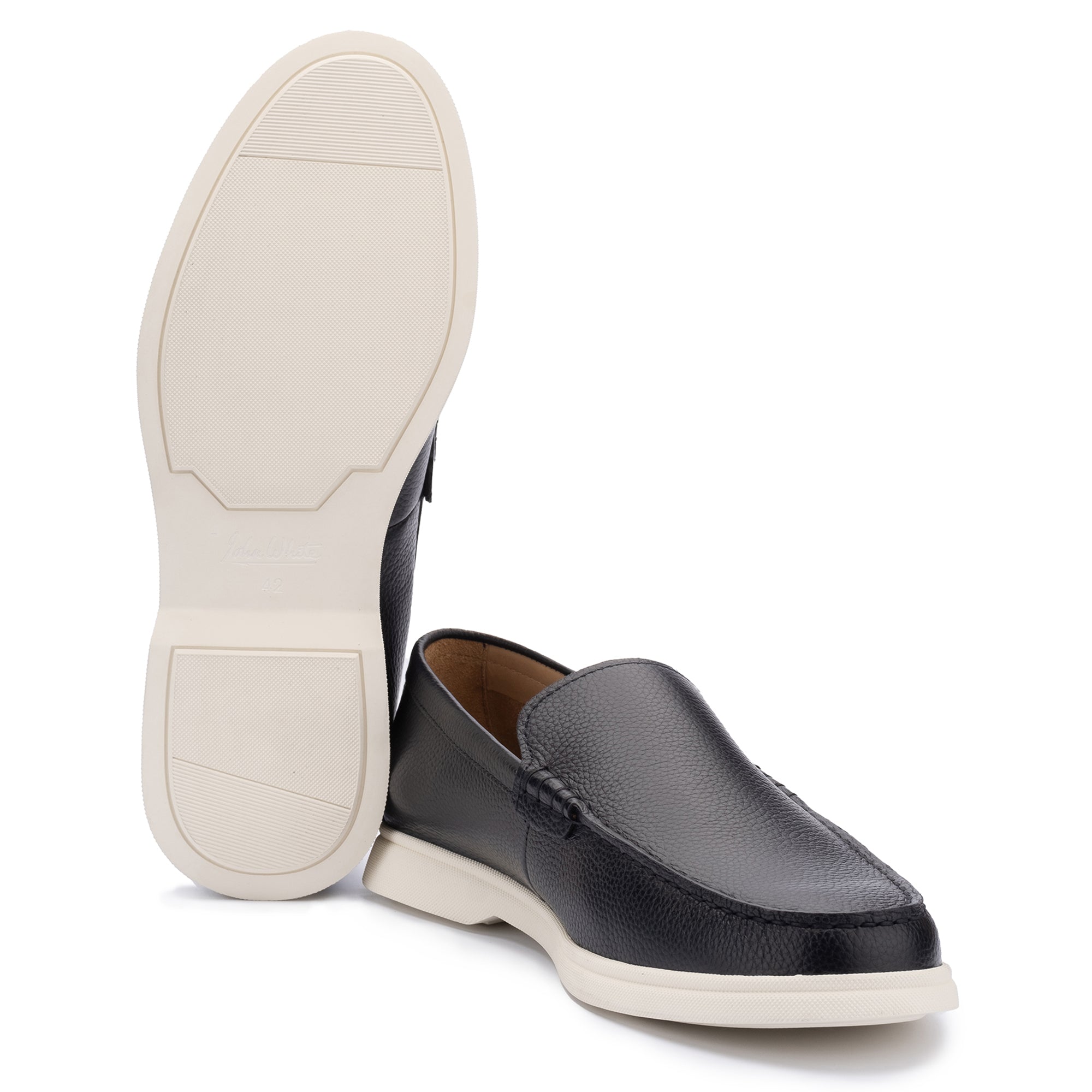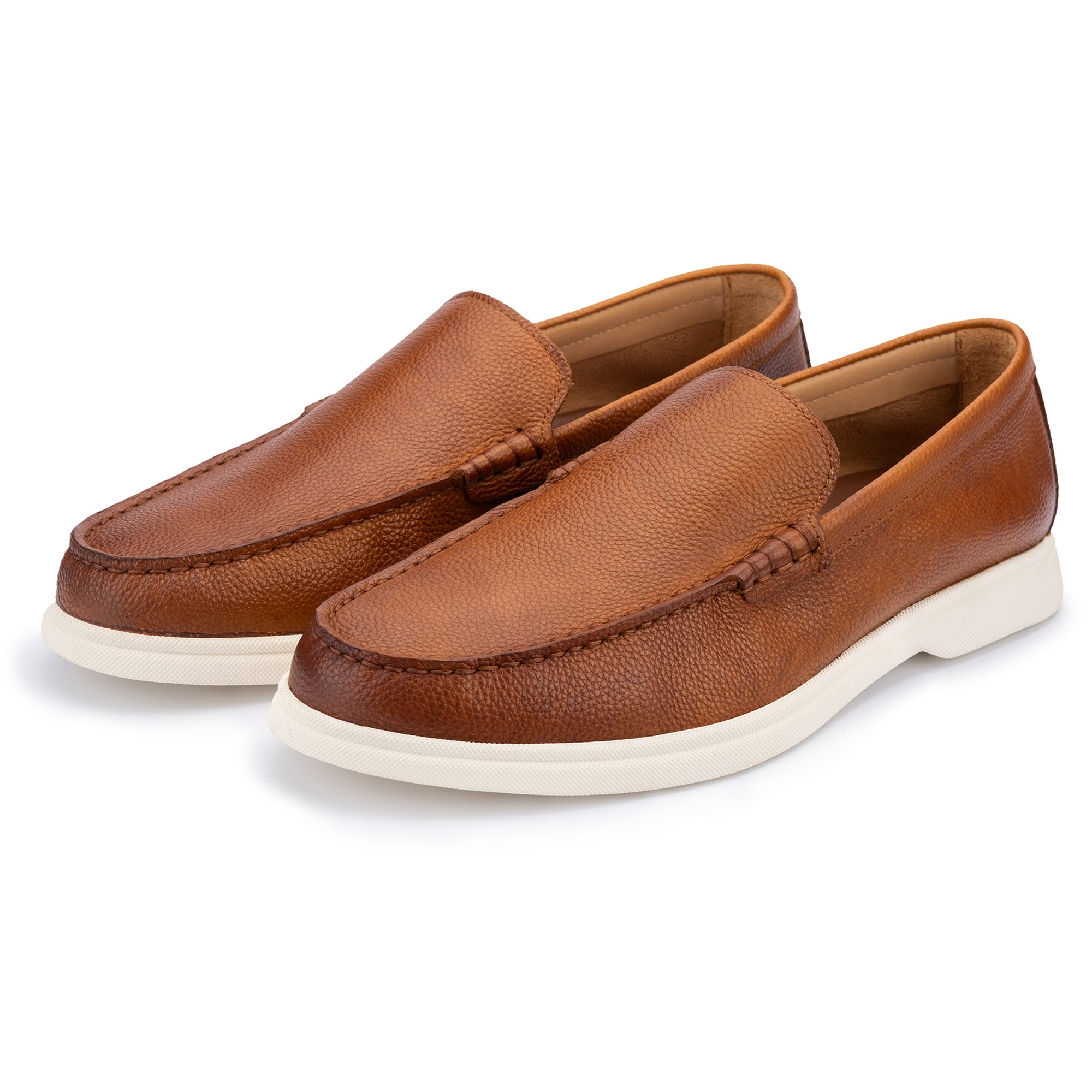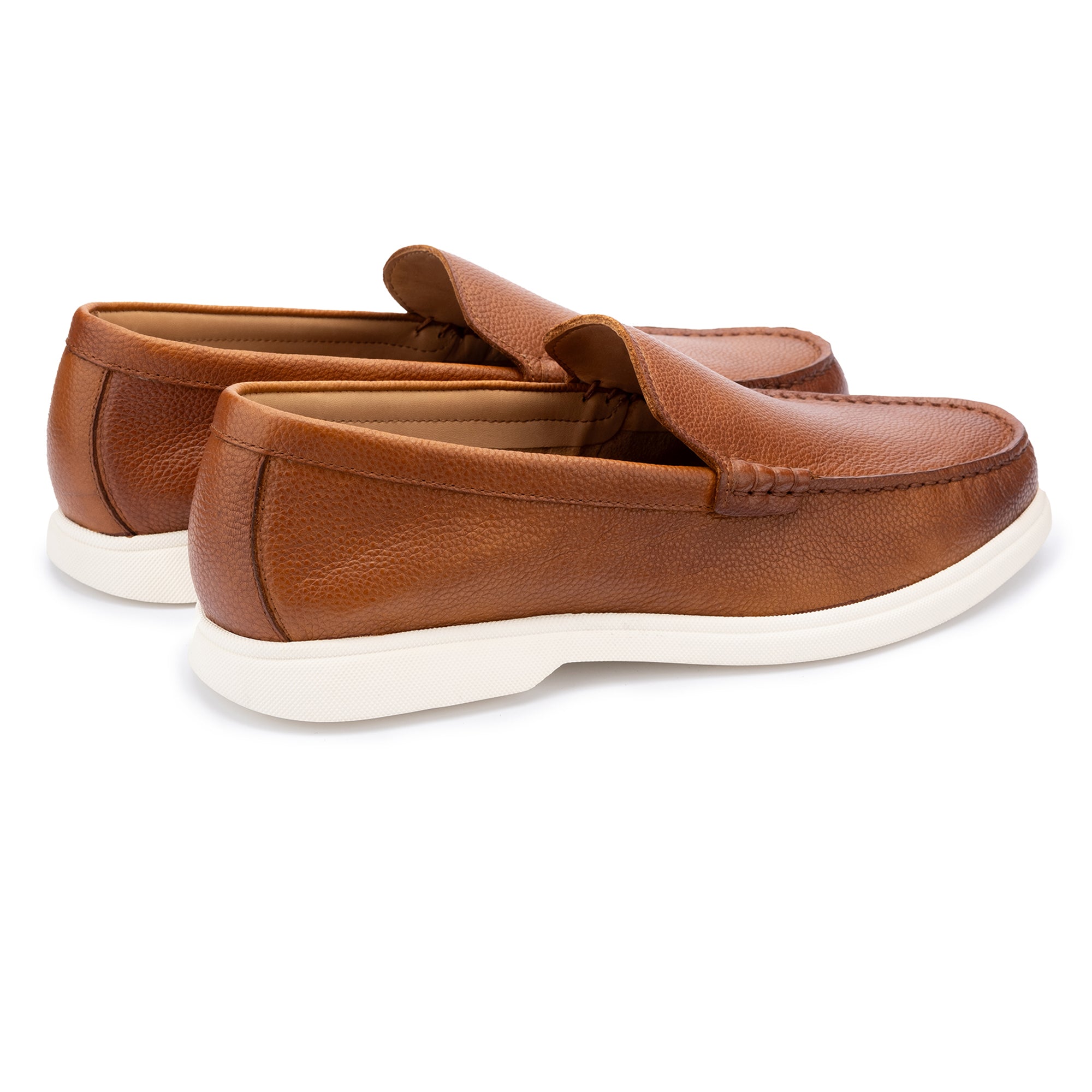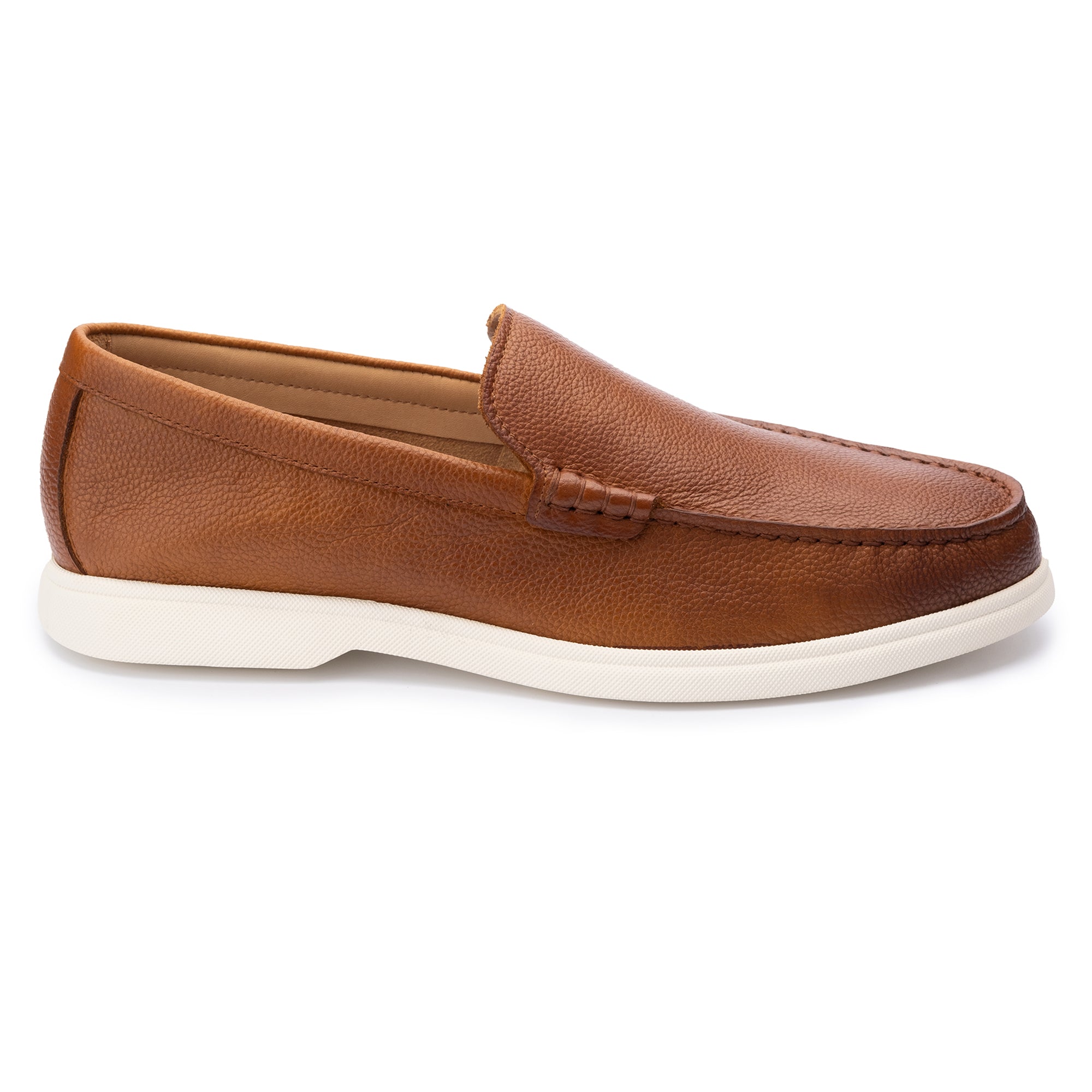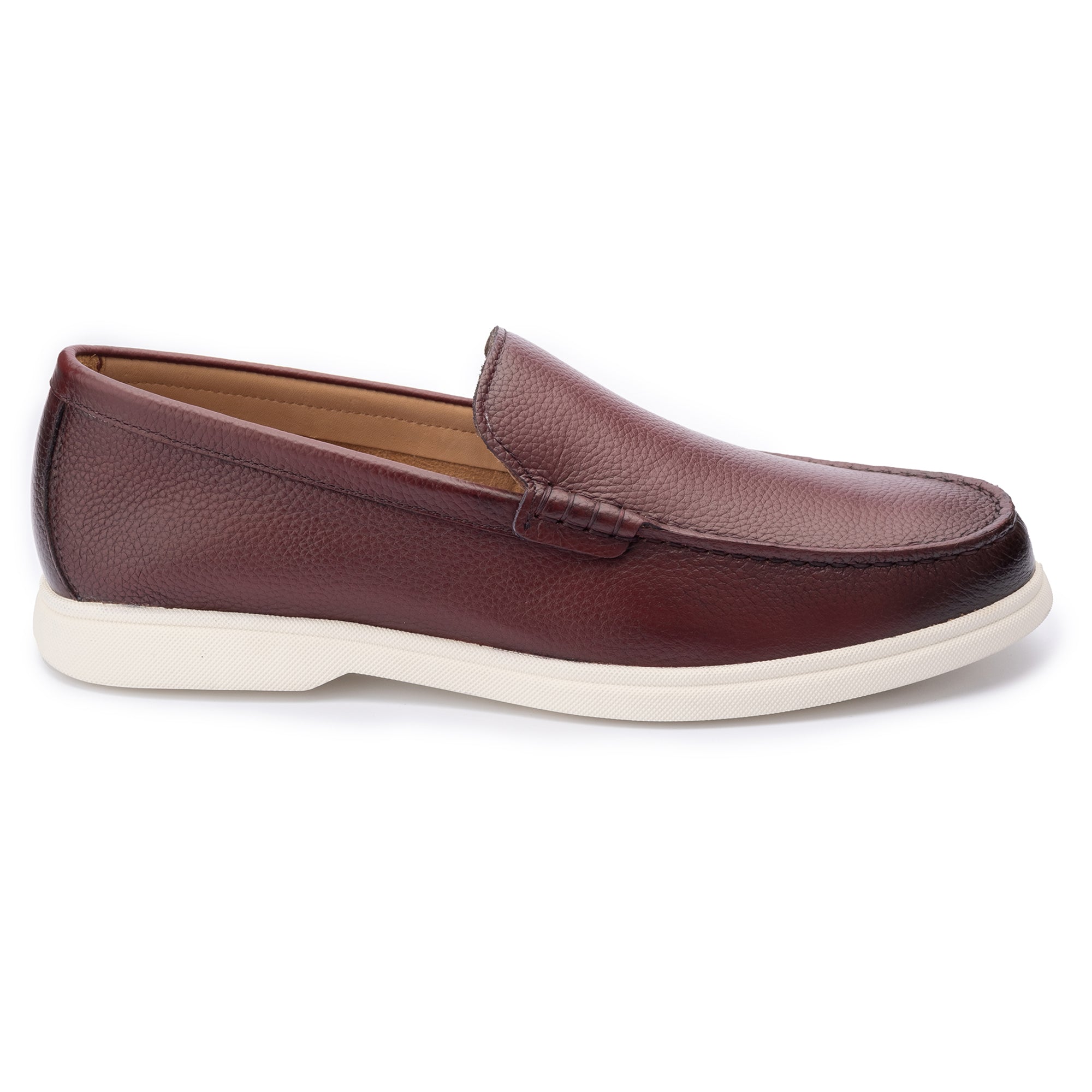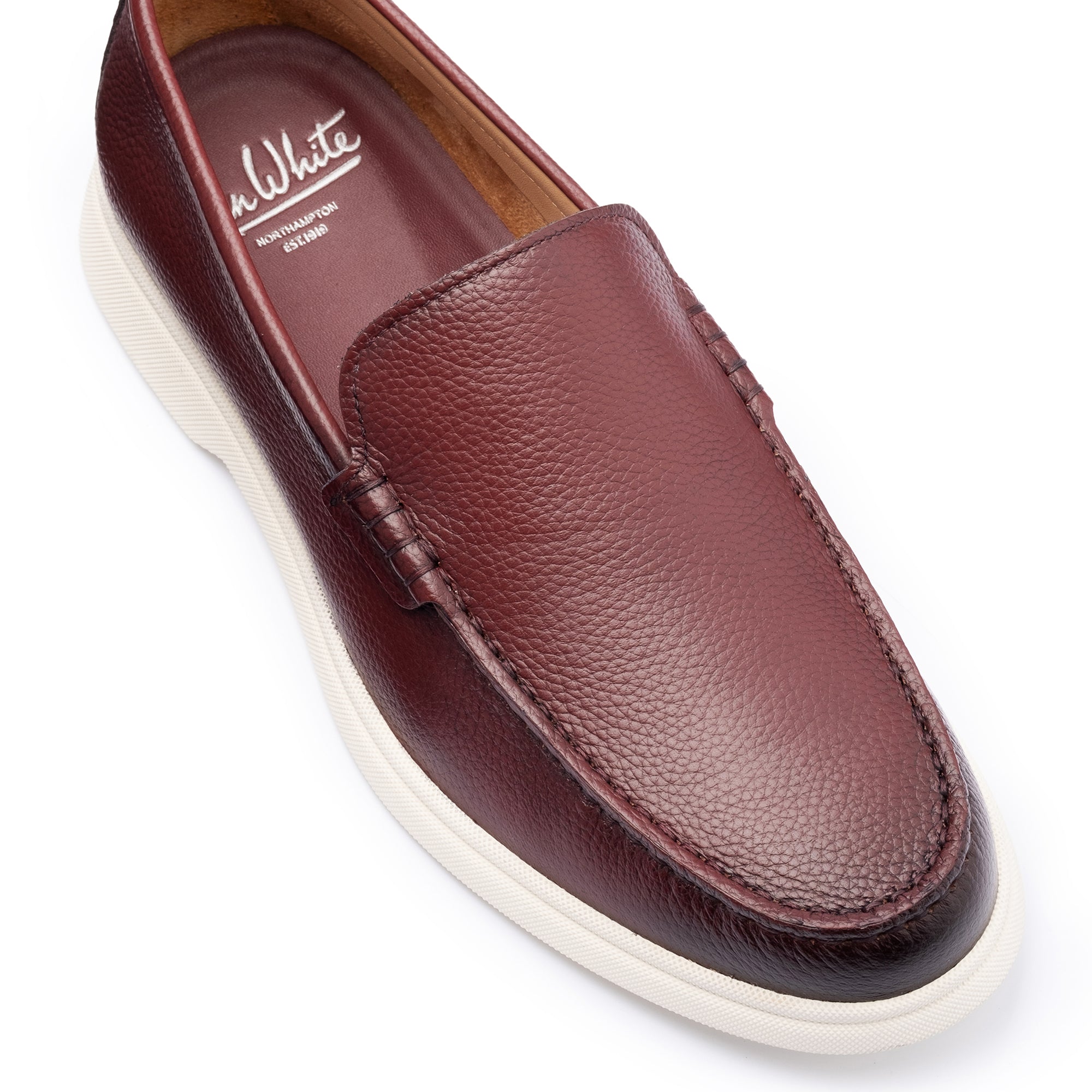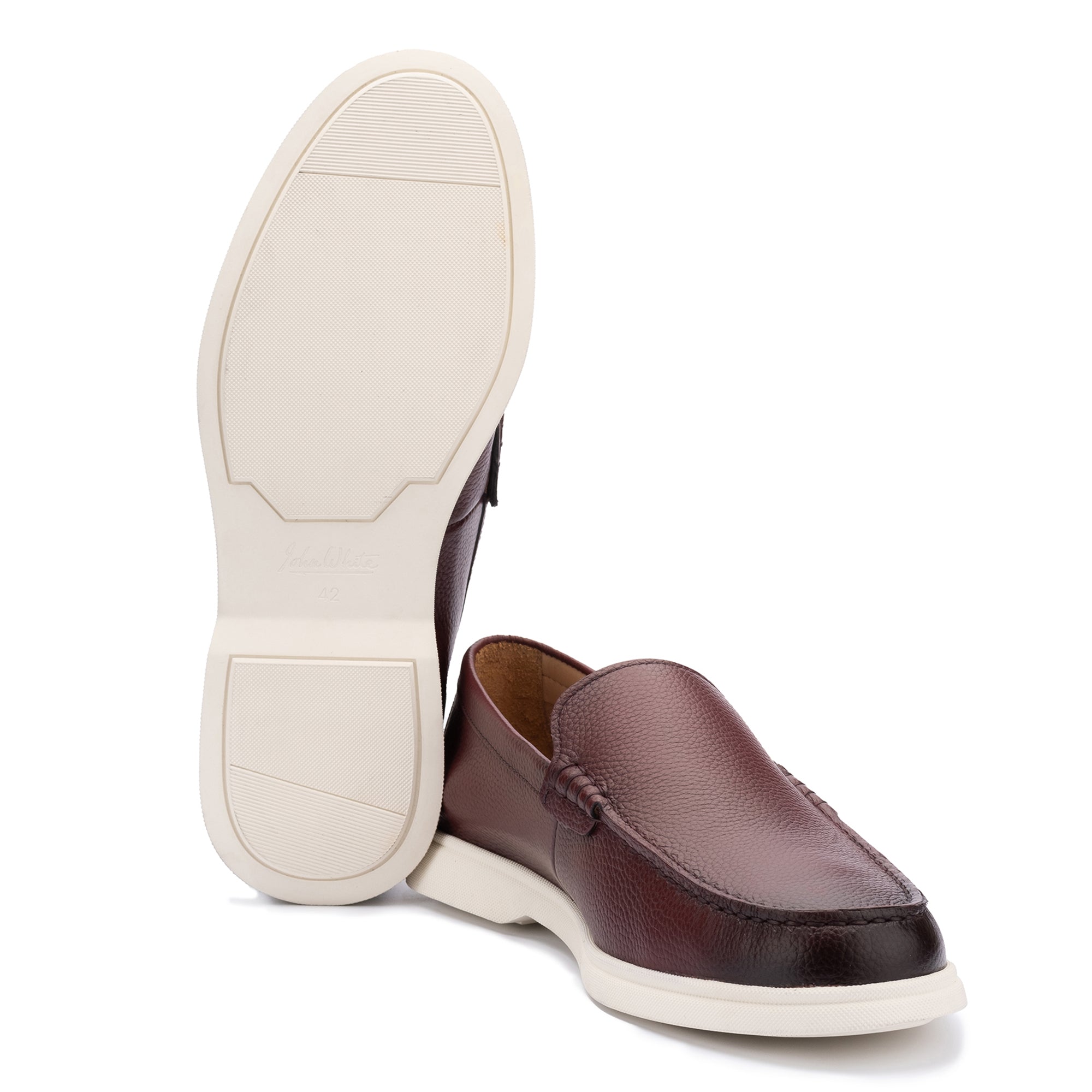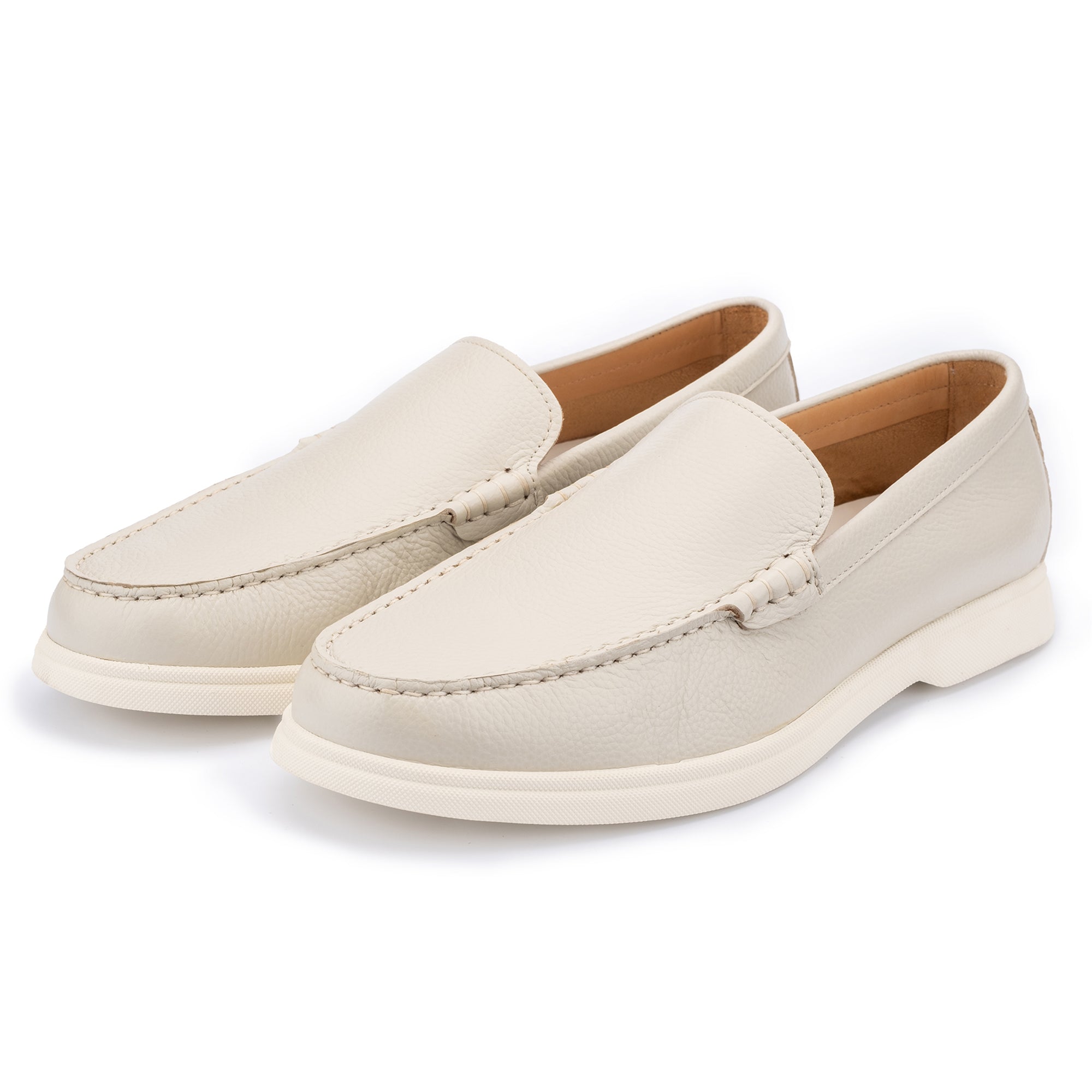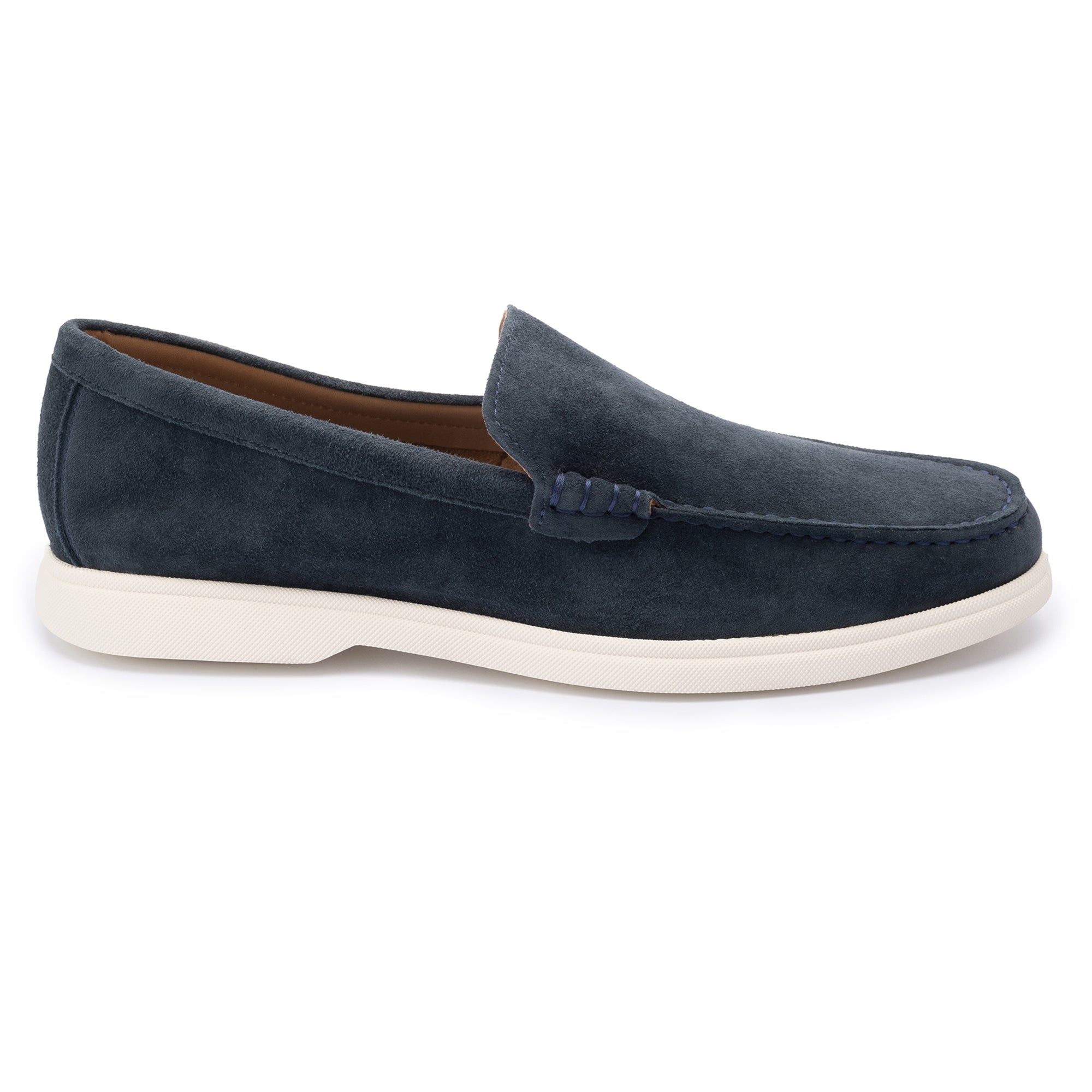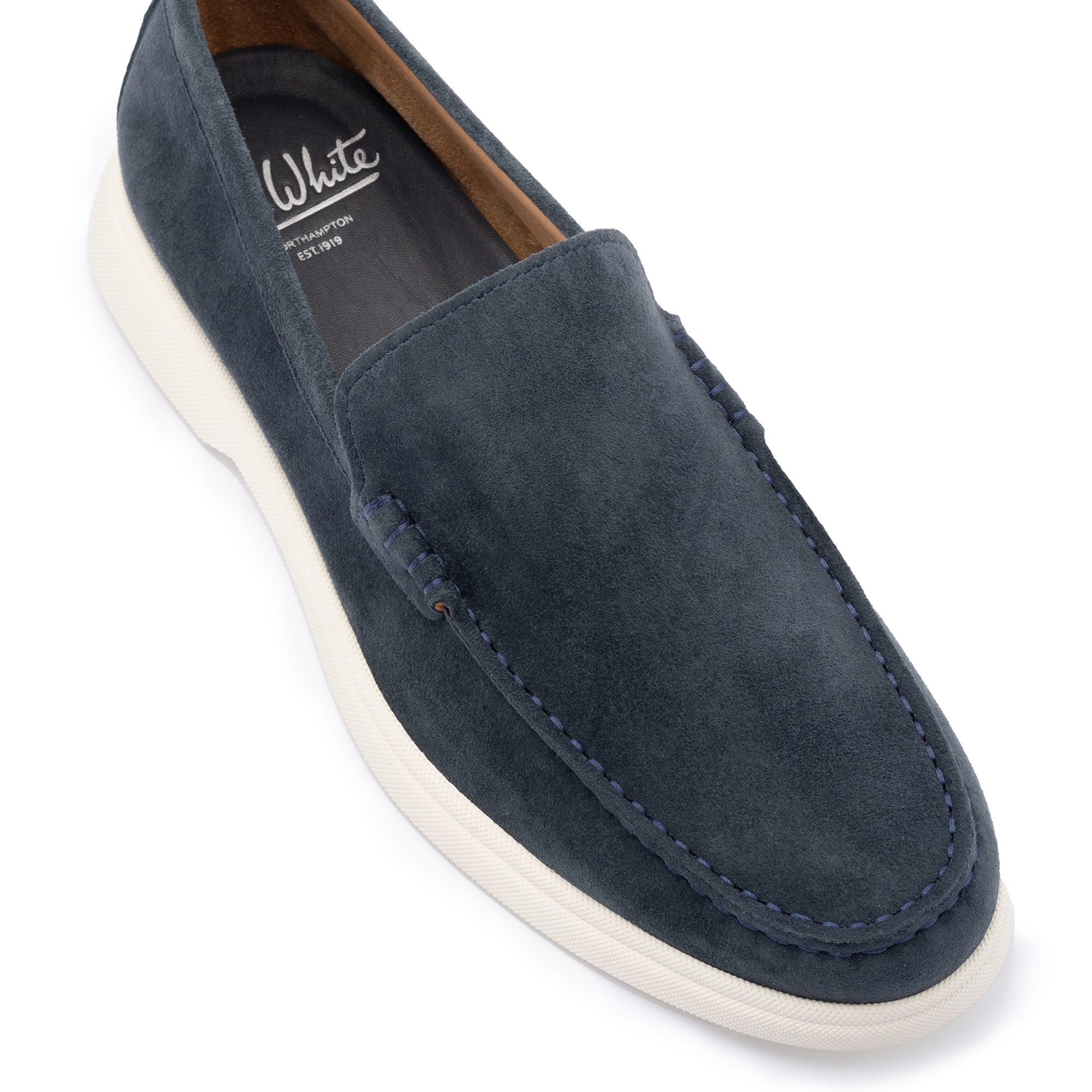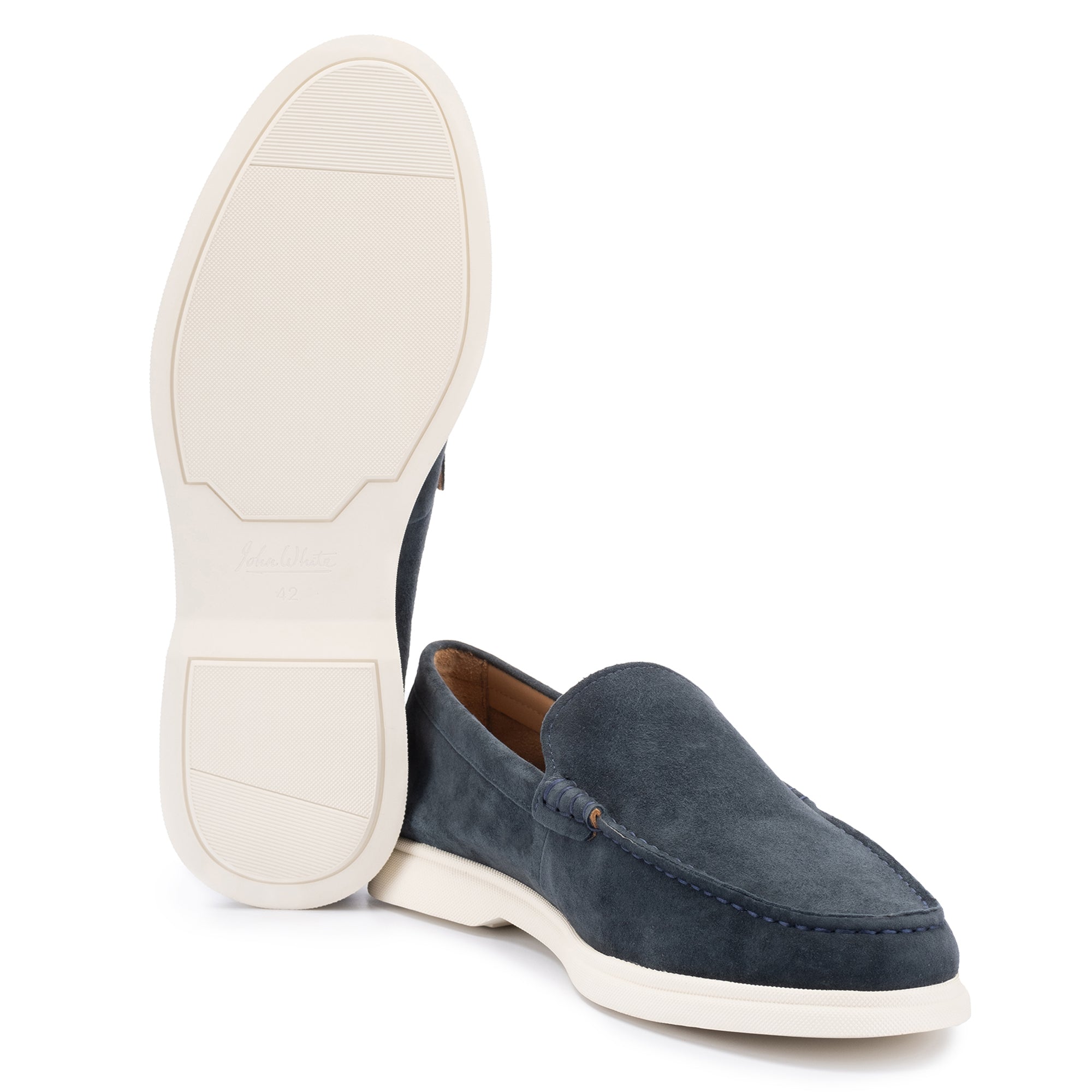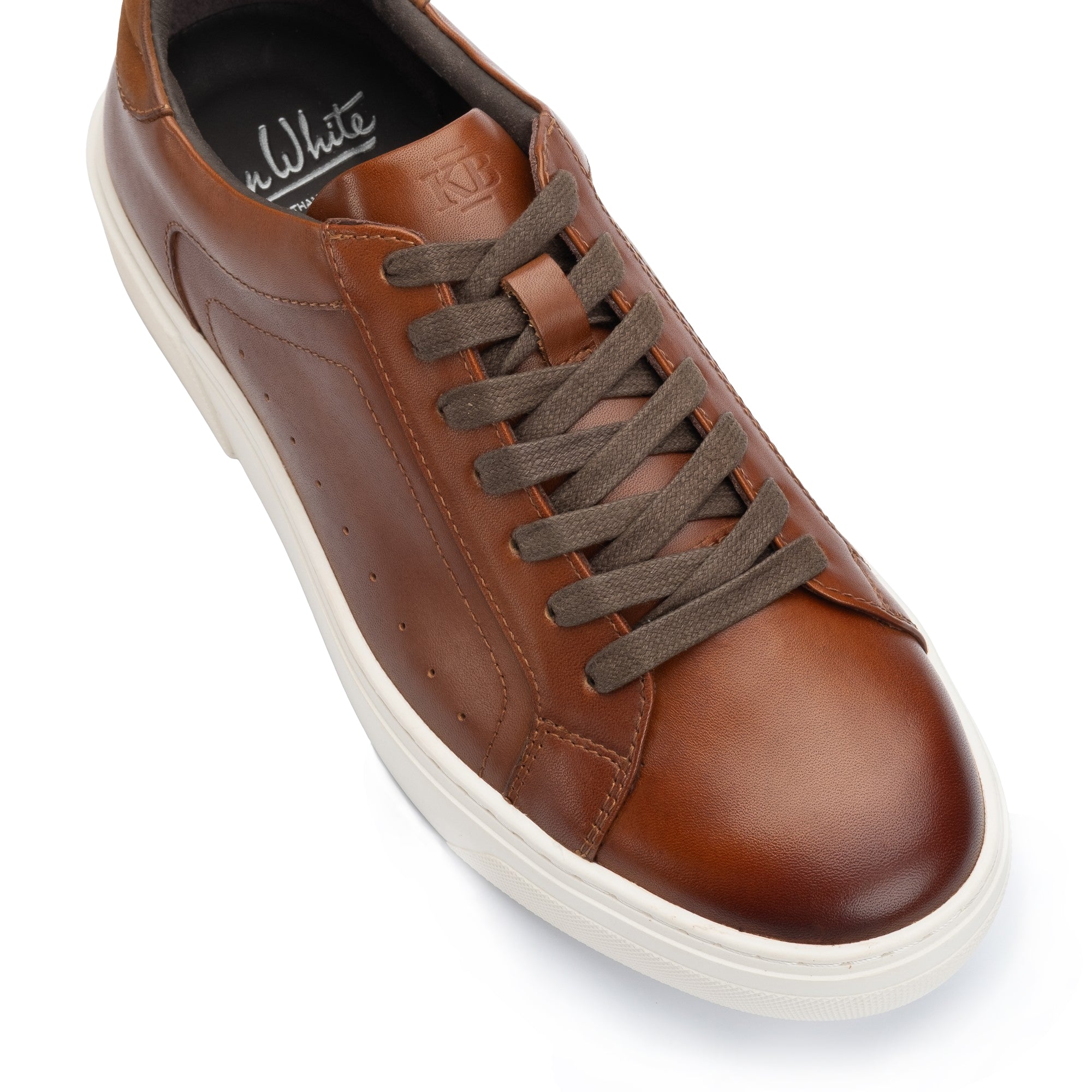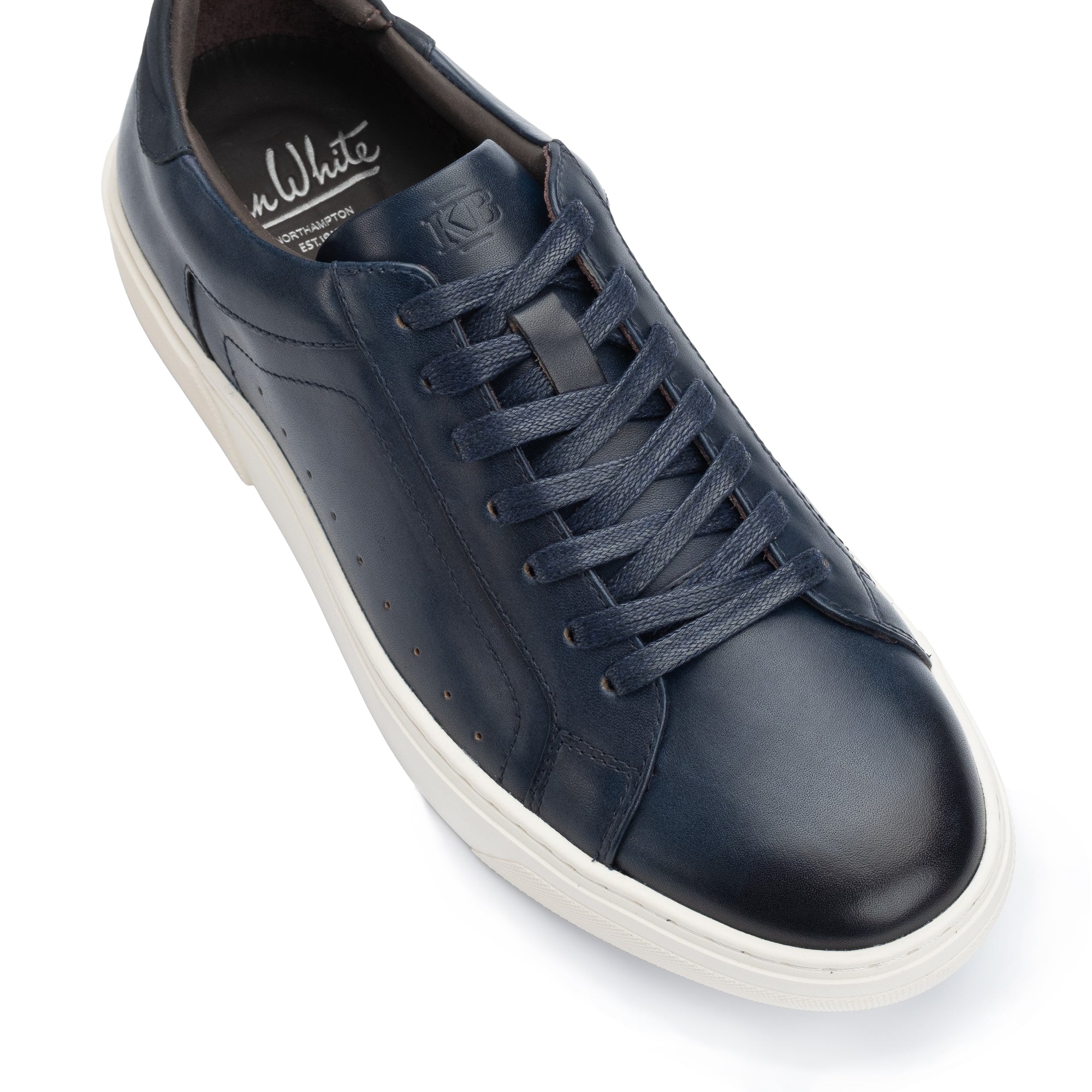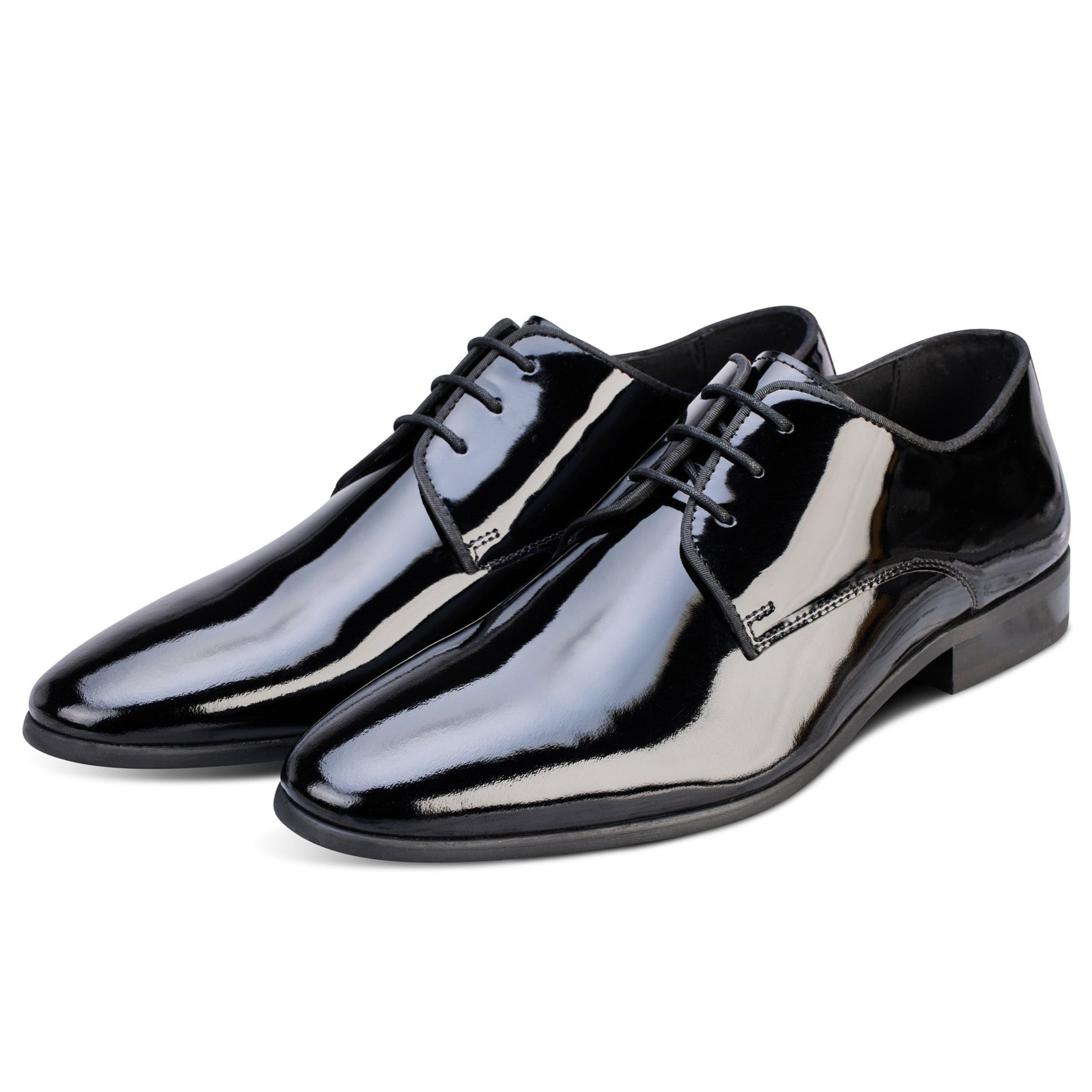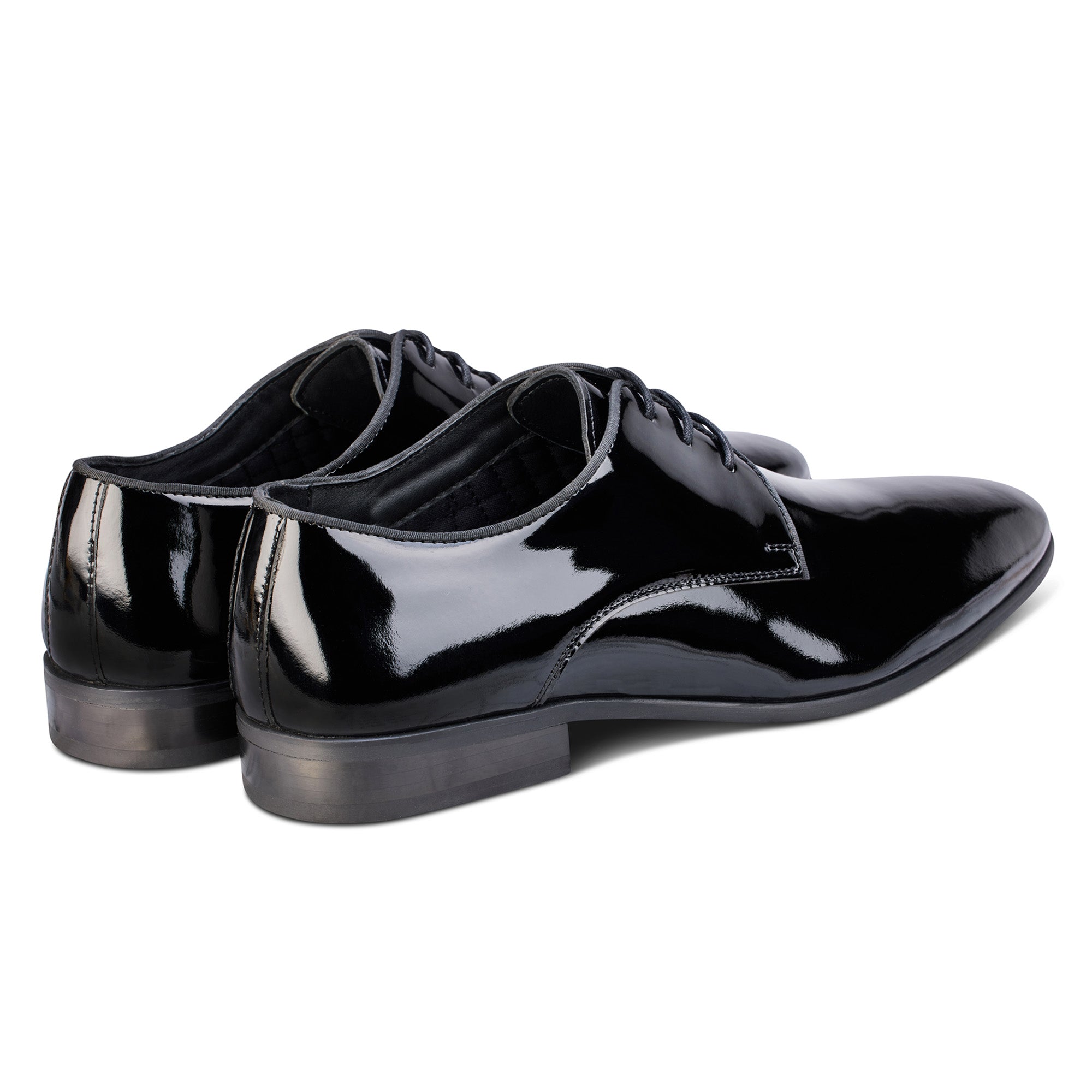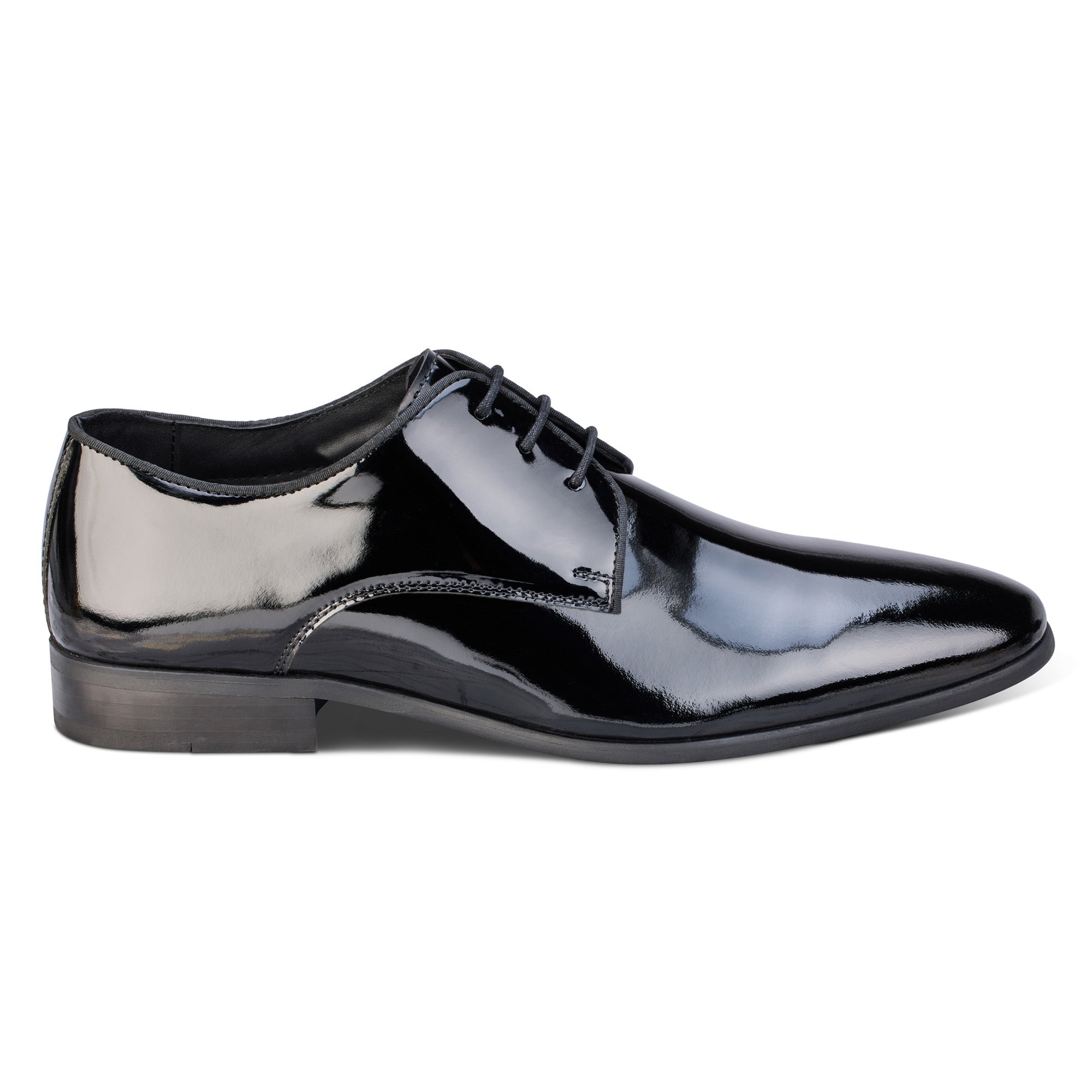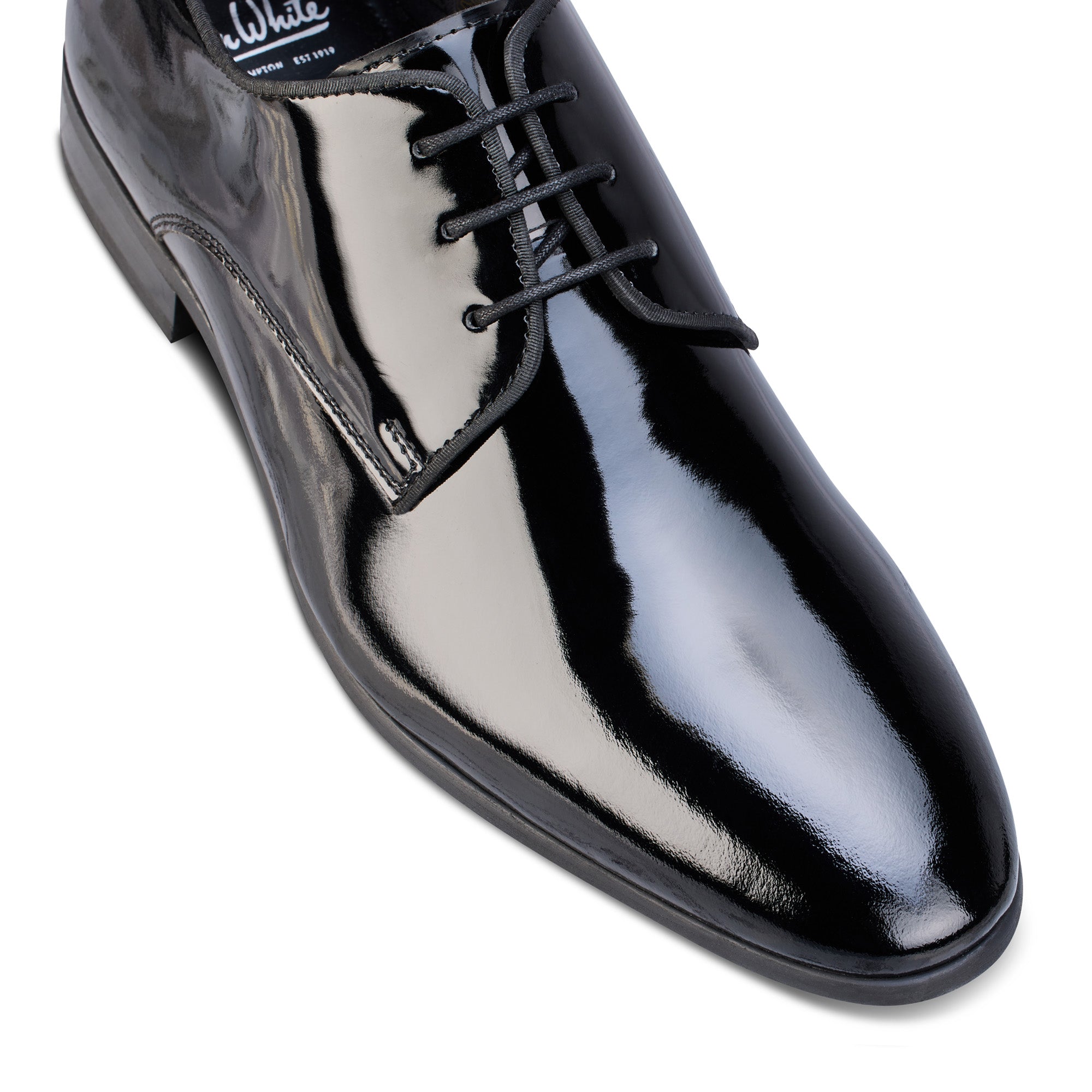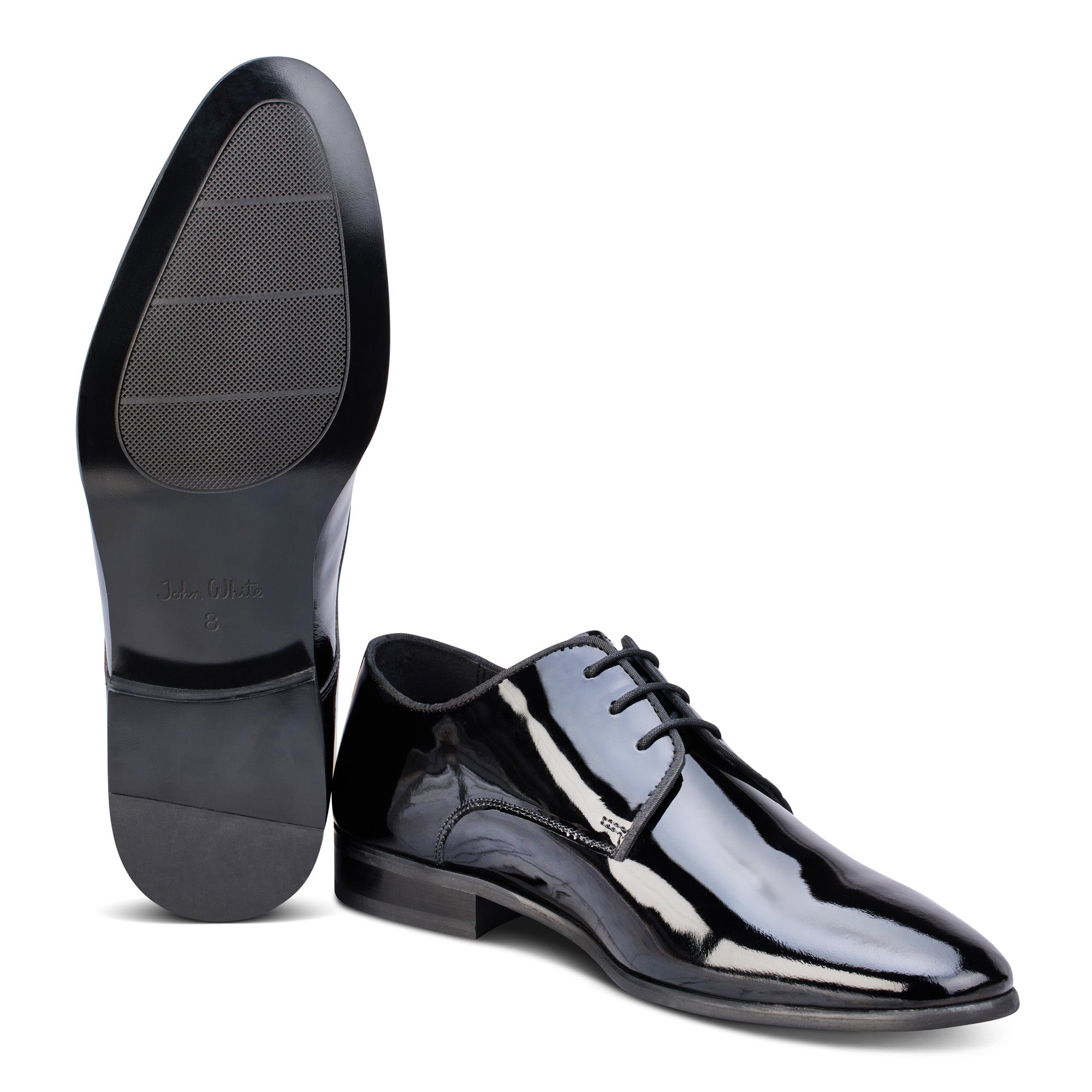

The Lasting Tradition: How Northampton Shoemakers Still Build Shoes by Hand
Quick Answer: Northampton has been the centre of English shoemaking for over 400 years, supplying the British Army from Cromwell's campaigns through both World Wars. Traditional shoemaking in the county involves more than 200 individual operations, with skilled hand-work at every critical stage — from clicking and lasting through to edge-burnishing and final finishing. Several heritage makers in Northamptonshire continue this tradition today, maintaining a standard that defines premium British footwear worldwide.
In This Guide
- Why Has Northampton Dominated British Shoemaking for Four Centuries?
- What Does Building a Shoe by Hand Actually Involve?
- Which Northampton Shoemakers Are Still Working This Way?
- What Is a Last and Why Does It Define Every Shoe?
- How Does Hand-Finishing Change What a Shoe Becomes?
- Why Does This Heritage Matter When You're Choosing Shoes?
- Related Guides
- TL;DR
- Frequently Asked Questions
When Oliver Cromwell needed 4,000 pairs of boots for his New Model Army in 1648, Northampton supplied them. When the British Forces required footwear at scale during both World Wars, the county answered again. By the late 19th century, Northamptonshire's workshops were producing millions of pairs annually — and the skills required to do so were being passed from master to apprentice across dozens of specialist workshops within a few square miles of one another.
That tradition didn't die with the factory era. It adapted. It concentrated. Understanding what Northampton's craftsmen do — and why it still matters — is the foundation for any serious appreciation of quality men's footwear.
Why Has Northampton Dominated British Shoemaking for Four Centuries?
Northampton's shoemaking heritage is rooted in geography as much as tradition. The county's position at the heart of England gave it access to cattle hides from Midlands farming, oak bark for tanning from local woodlands, and river routes for moving goods to London and beyond. By the 1640s, the town was already the country's primary source of military footwear.
What followed was a century of industrial concentration. Tanneries, last-makers, pattern-cutters, leather merchants, and the specialist toolmakers who supplied them all grew up within the same few miles. According to the Northamptonshire Boot and Shoe Trades Association, this density of complementary trades created a quality baseline that competing regions couldn't replicate, because the knowledge lived in the people as much as the processes.
By the late 19th century, Northampton was home to dozens of significant manufacturers. Many of the names that remain prominent today — Church's (1873), Crockett & Jones (1879), Loake (1880), Barker (1880), and Grenson (1866) — were founded during this period of peak production.
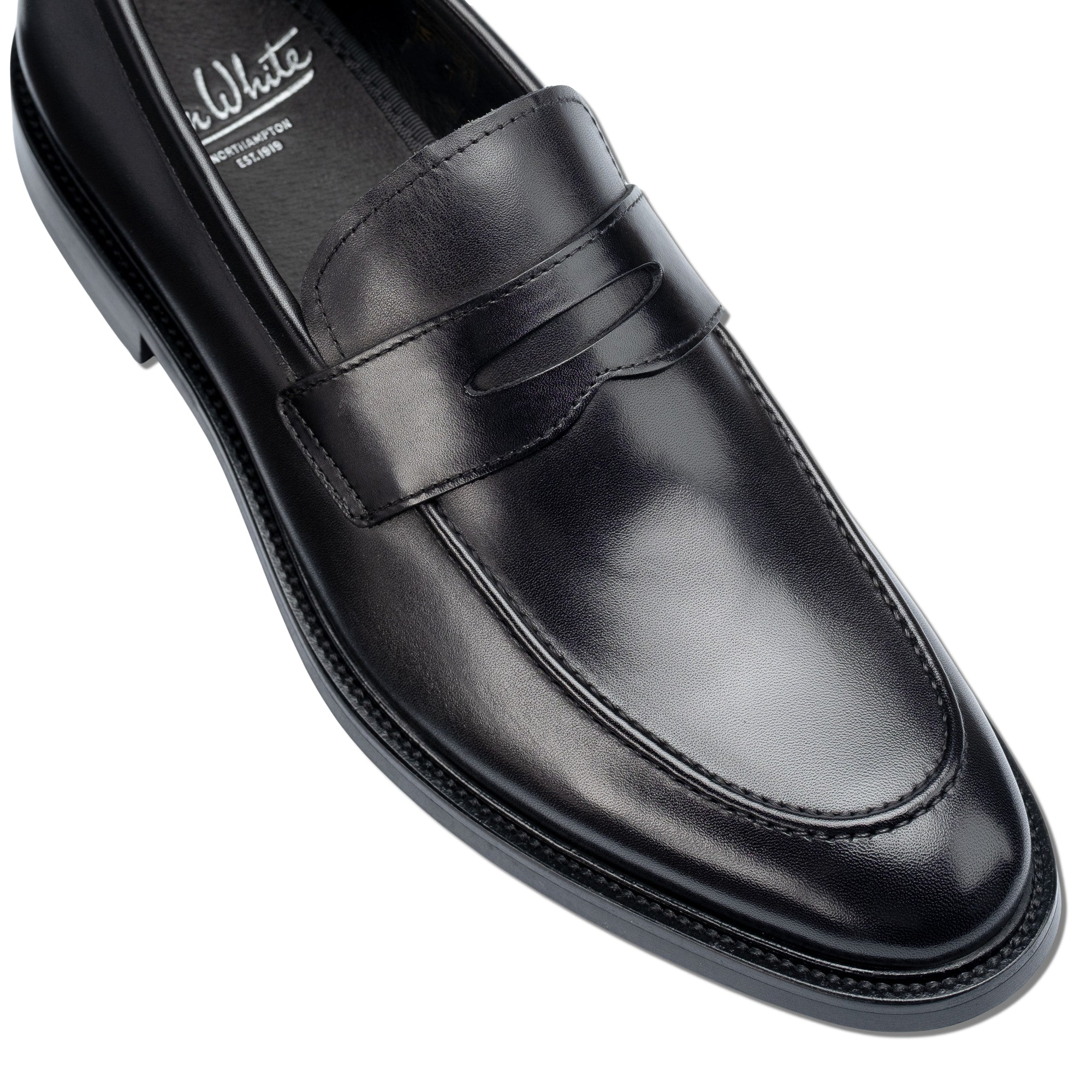
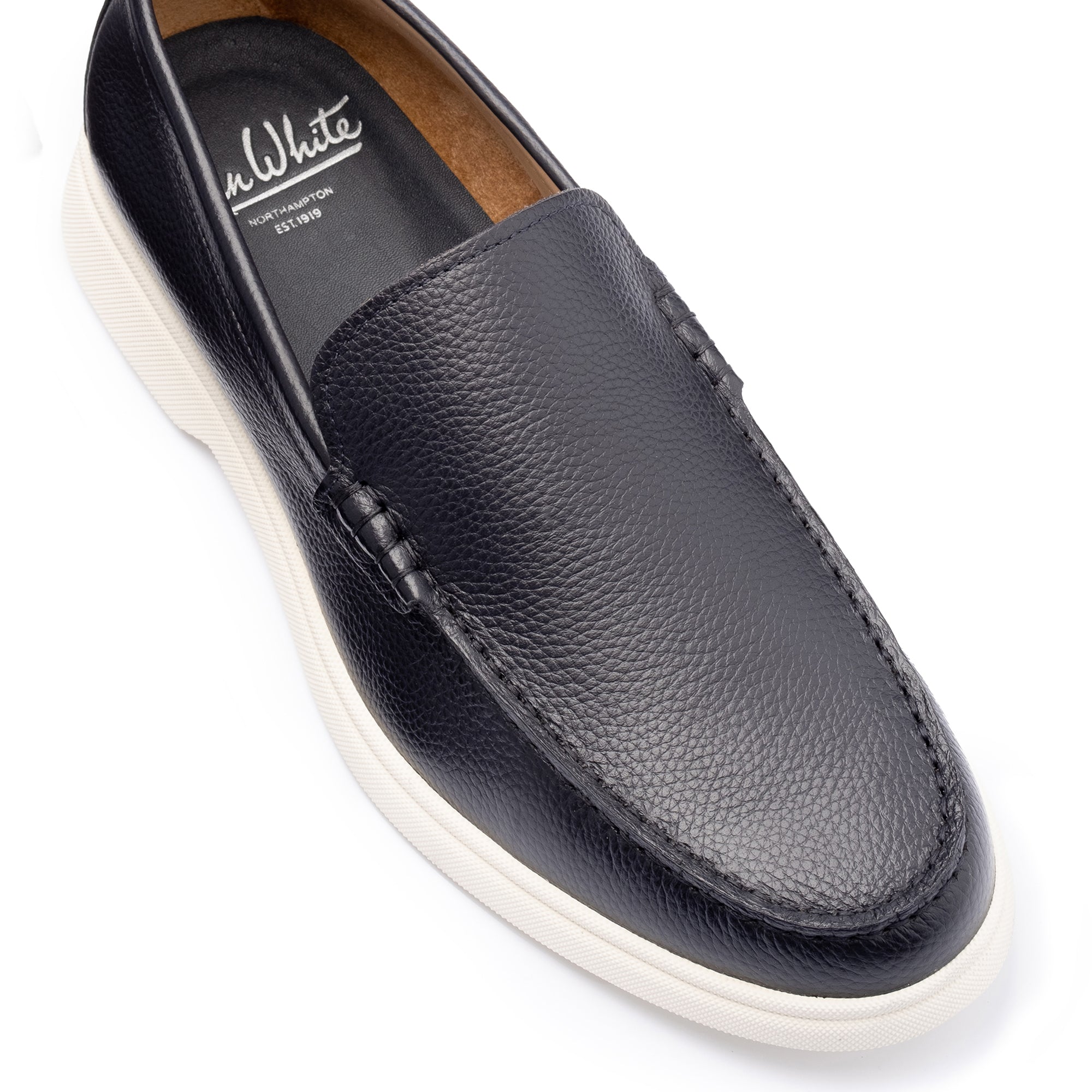
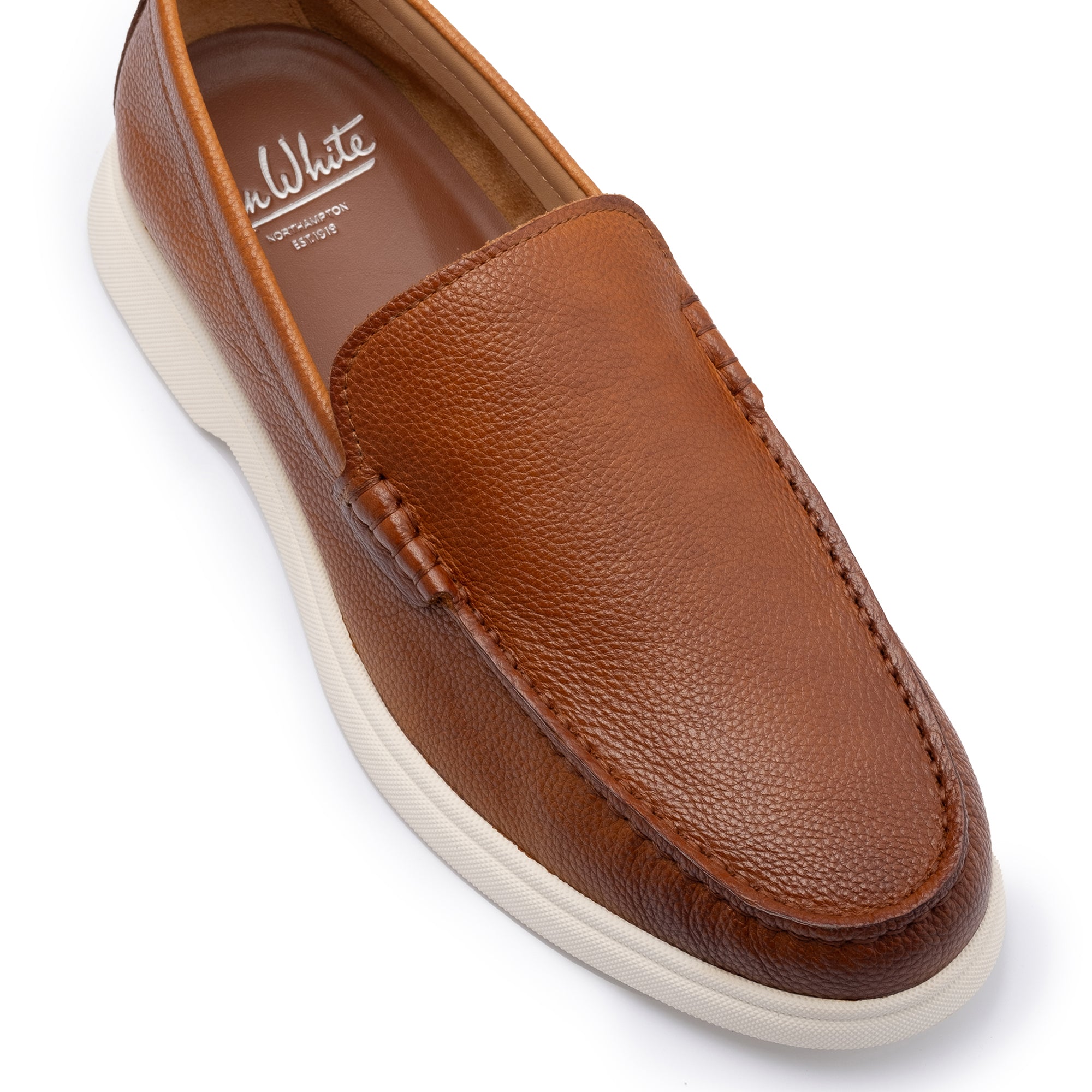
John White Shoes was established in Northamptonshire in 1919, founded by John White, then 35 years old and already 23 years into a shoemaking career. The brand was born directly into this tradition — shaped by its design instincts and quality standards from day one.
Northampton's four-century dominance in British shoemaking is the result of accumulated craft knowledge, a dense network of specialist trades, and a culture of apprenticeship that made quality the baseline rather than the aspiration.
What Does Building a Shoe by Hand Actually Involve?
Traditional shoemaking is a sequence of discrete, skilled operations — not a single act of craft. Shoemaking historians document over 200 individual operations in the construction of a traditionally finished leather shoe, from the first cut of the upper to the final application of wax.
The principal stages, each requiring trained hands, are:
- Clicking — Cutting leather uppers from hides. A skilled clicker reads the grain of each hide to identify the strongest areas, placing cuts to avoid weak points and ensuring adjacent panels match in texture and tone.
- Closing — Stitching the upper components together. Seams must be precise; misalignment here is permanent and affects both appearance and fit in the finished shoe.
- Lasting — Stretching the upper over the last (the foot-shaped former) and securing it to the insole. Lasting determines the final silhouette and requires consistent tension across every millimetre of the upper.
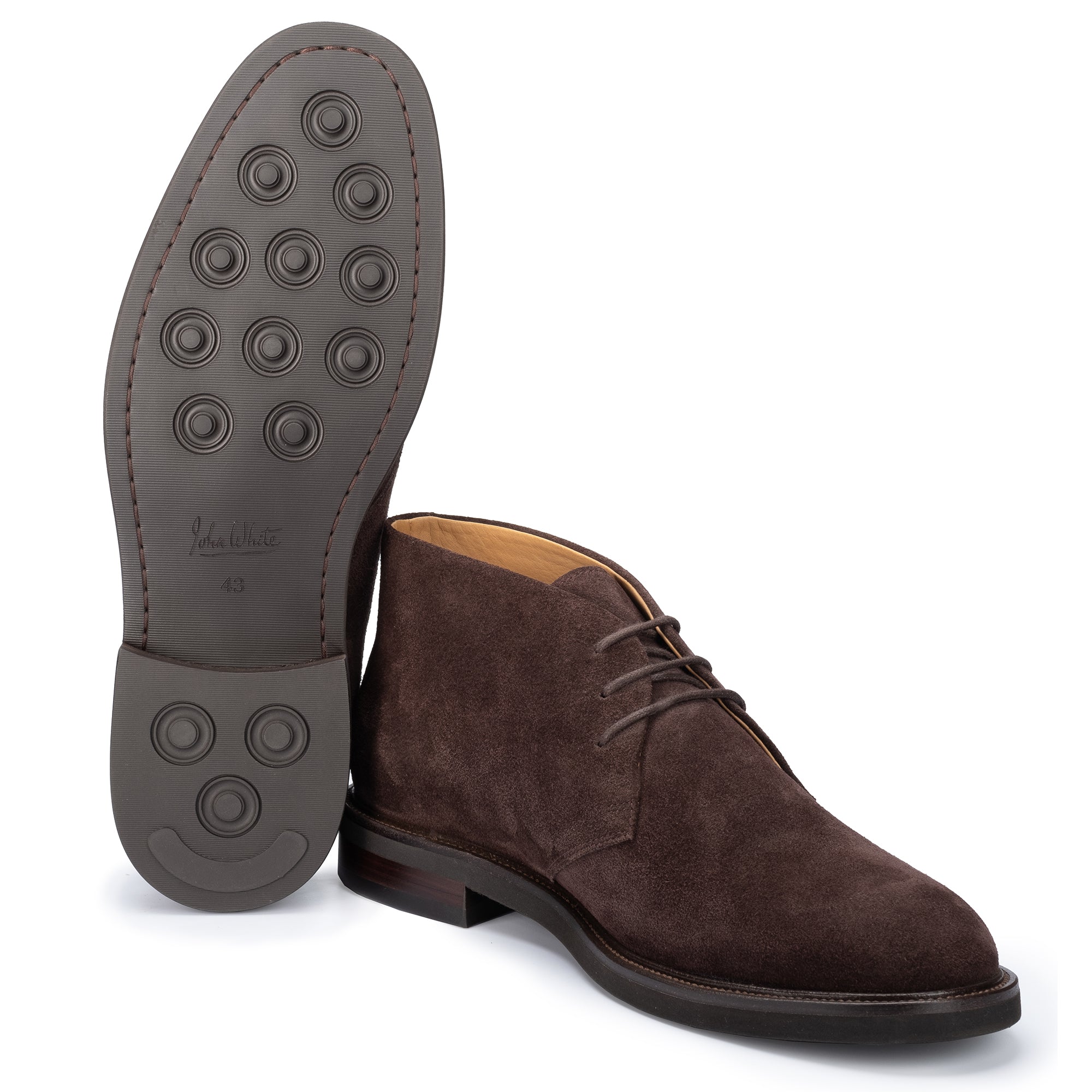
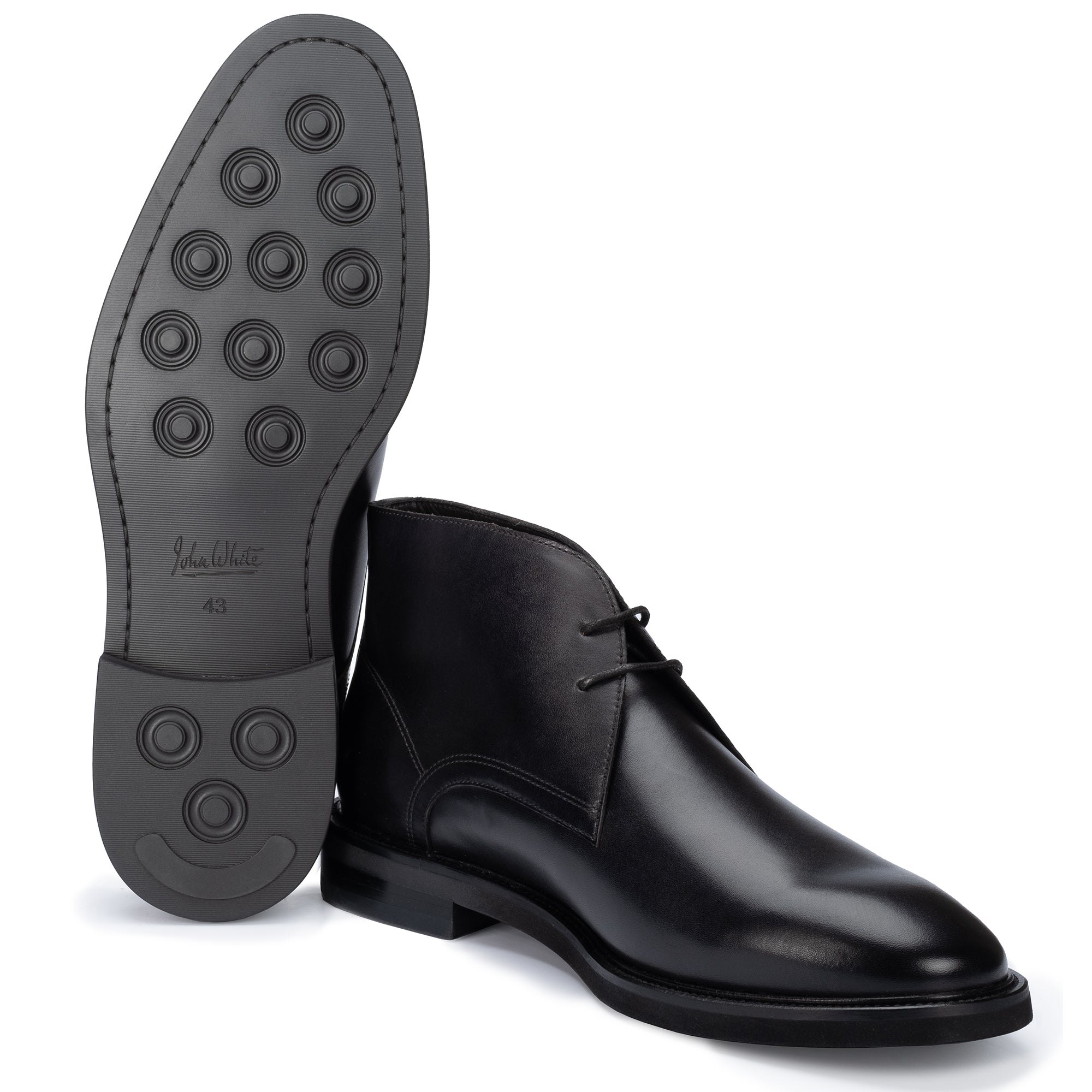
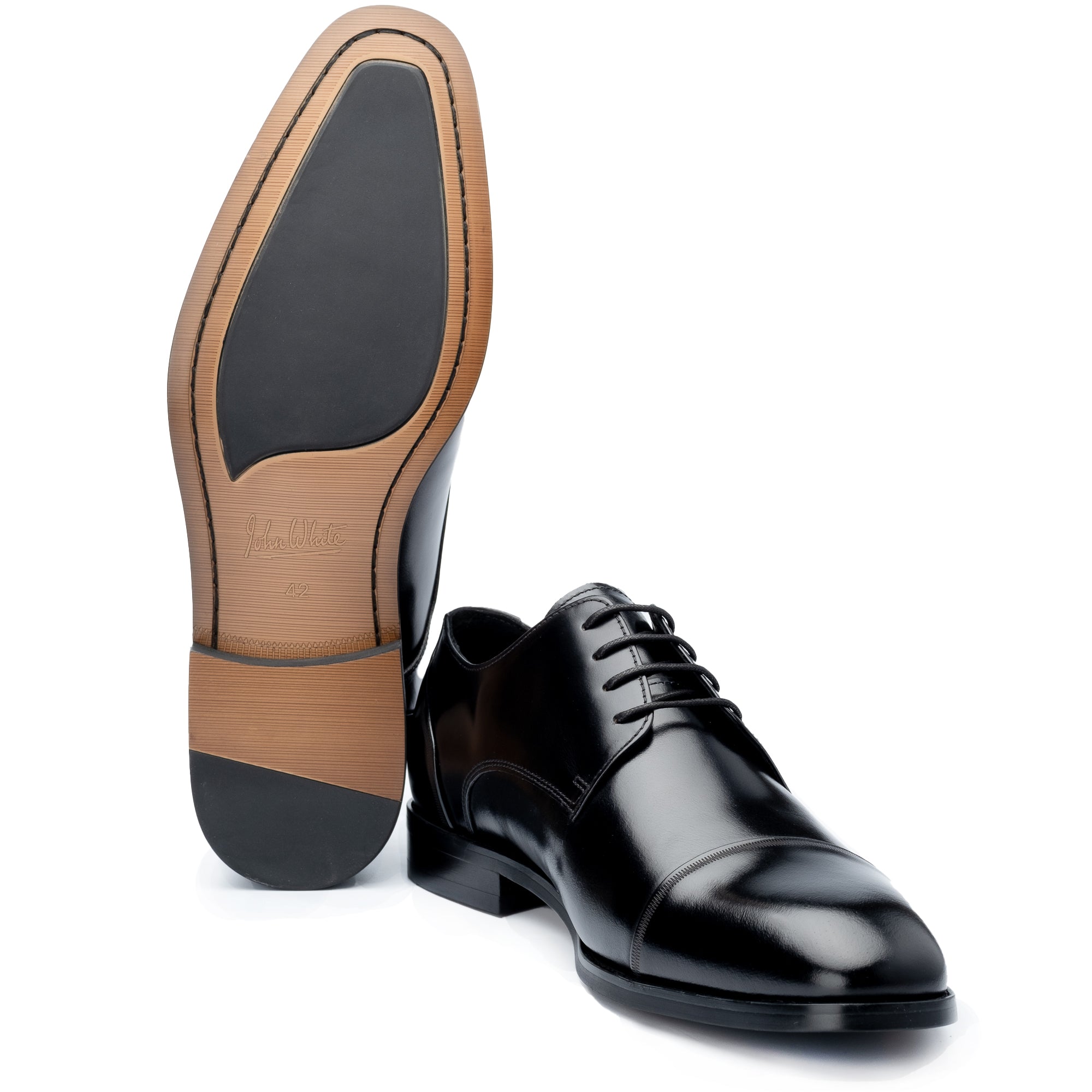
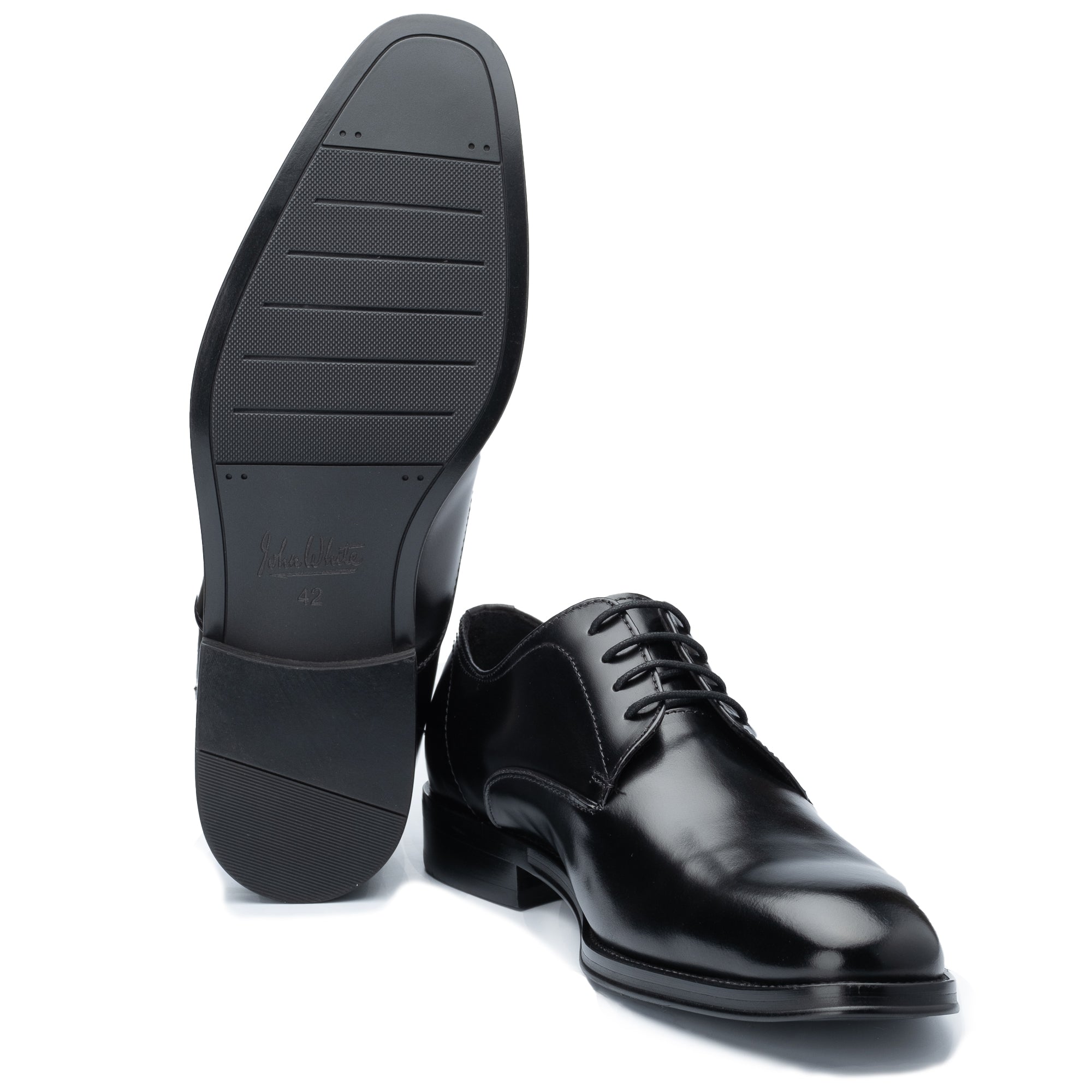
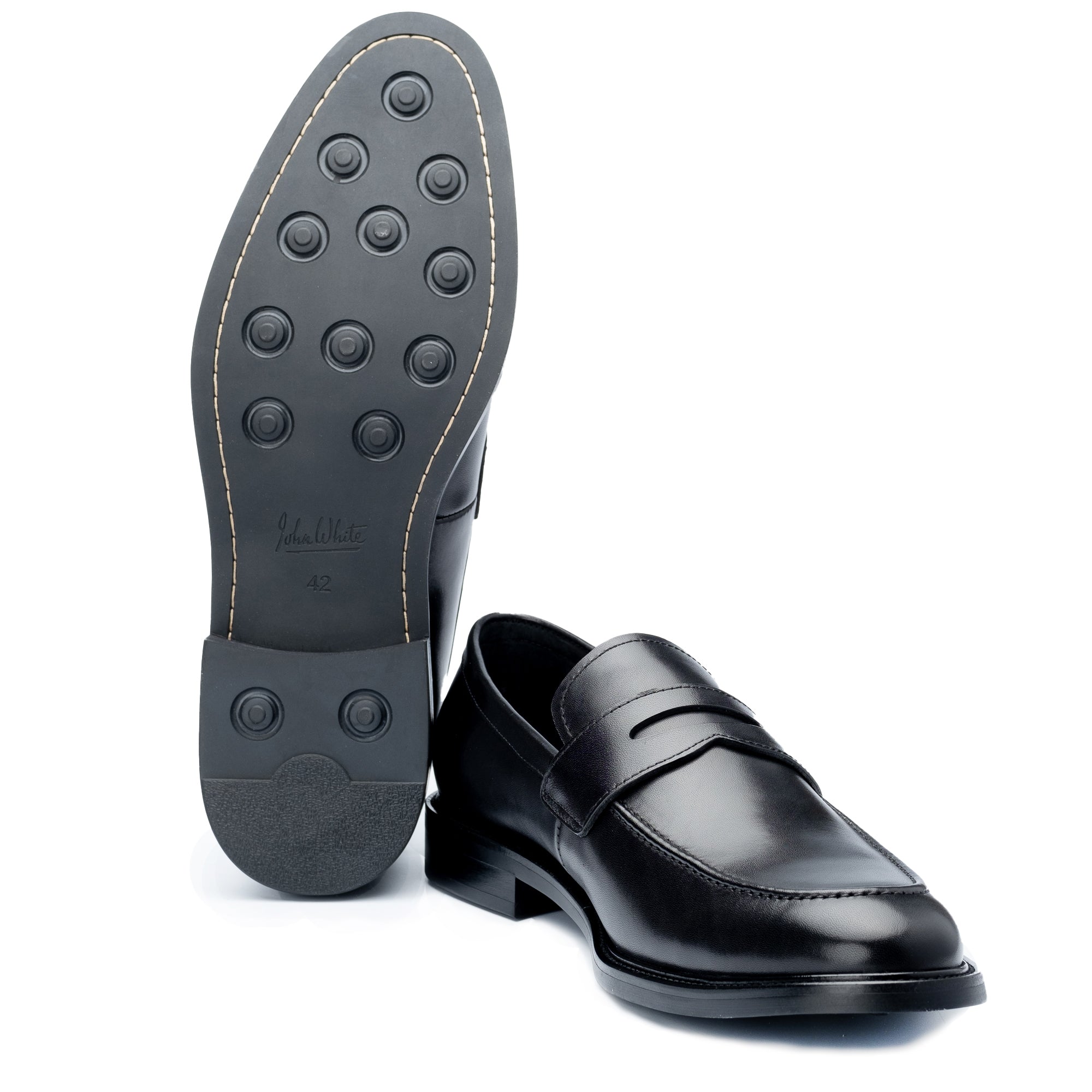
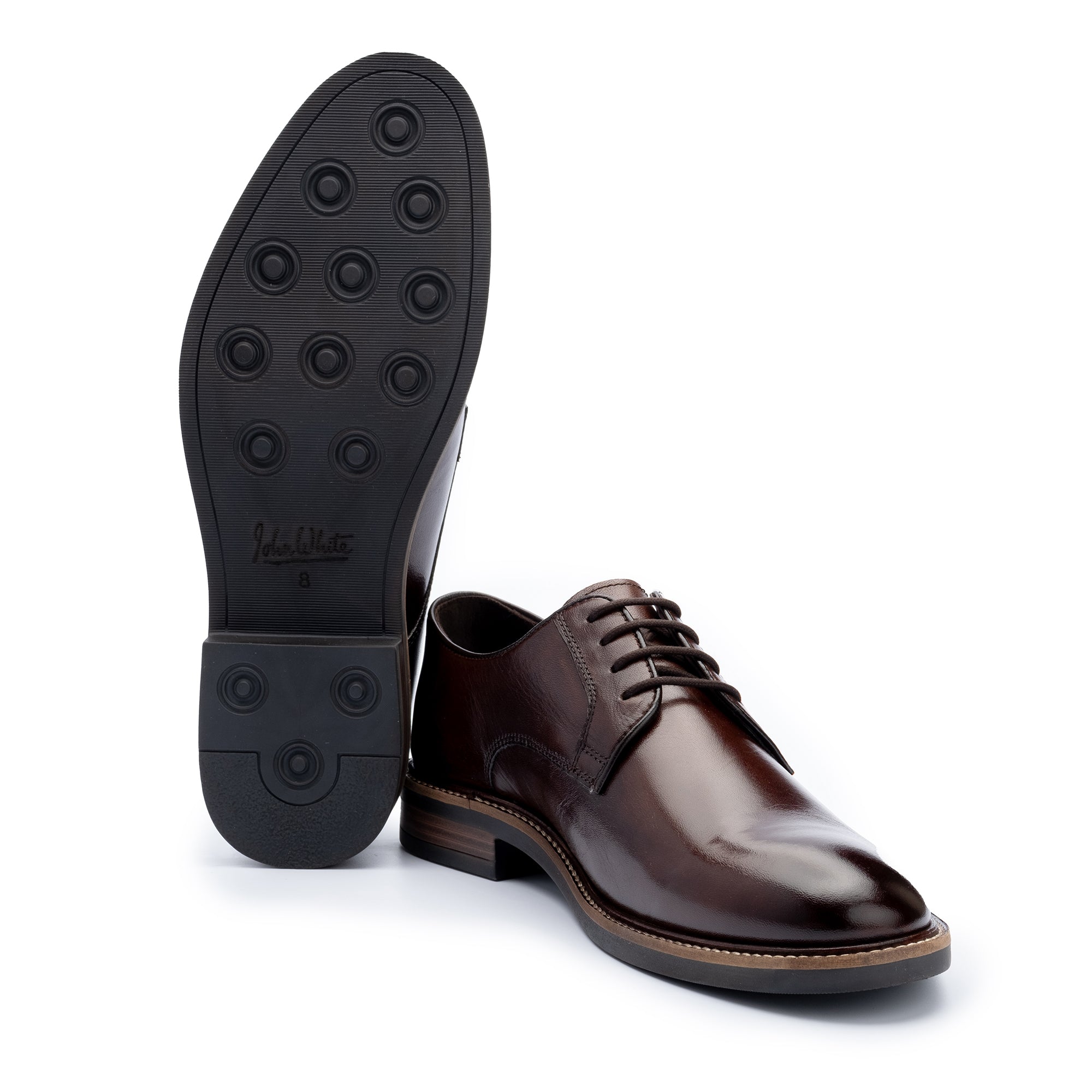
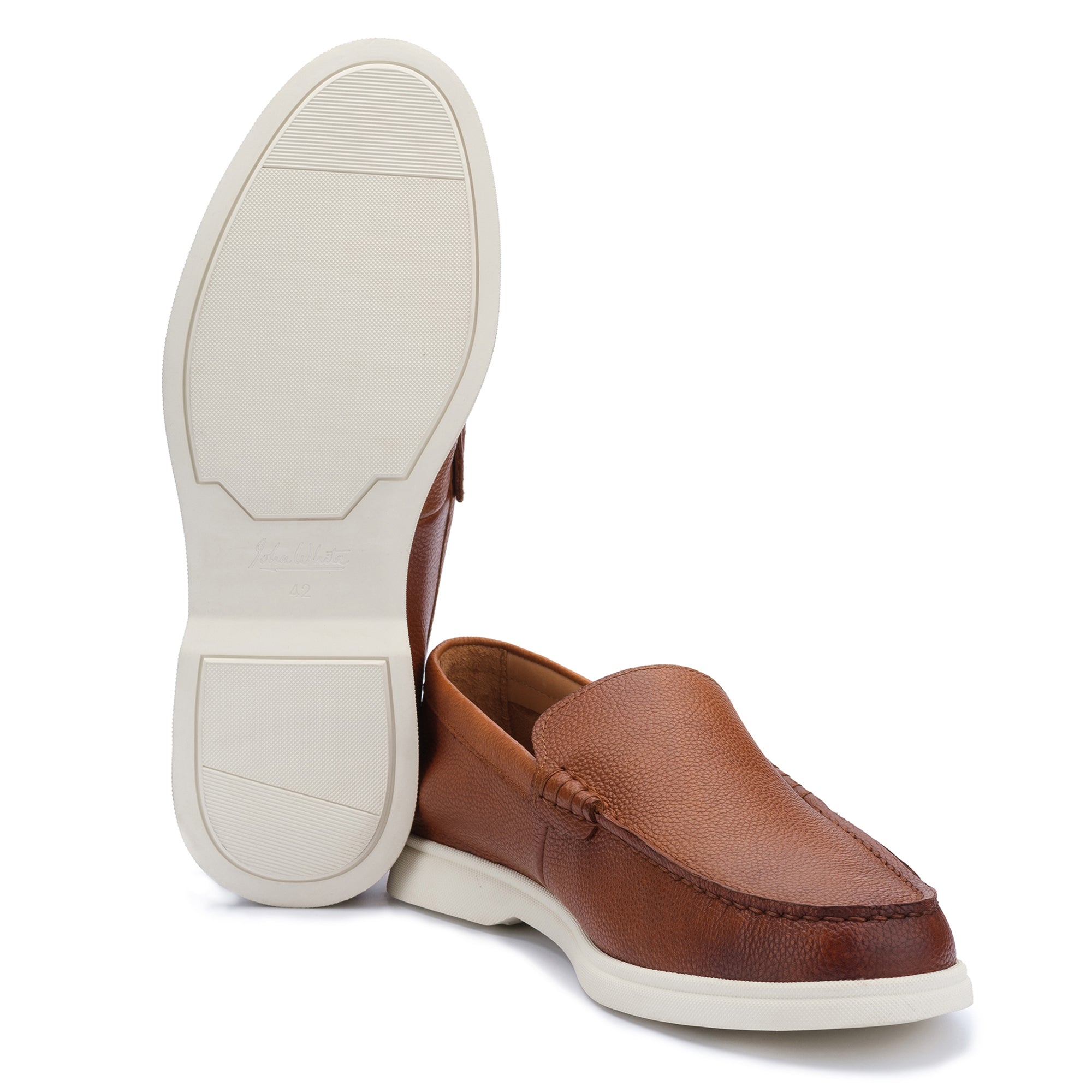
- Bottom-making — Attaching the sole. The integrity of this join determines the shoe's durability and long-term wearability.
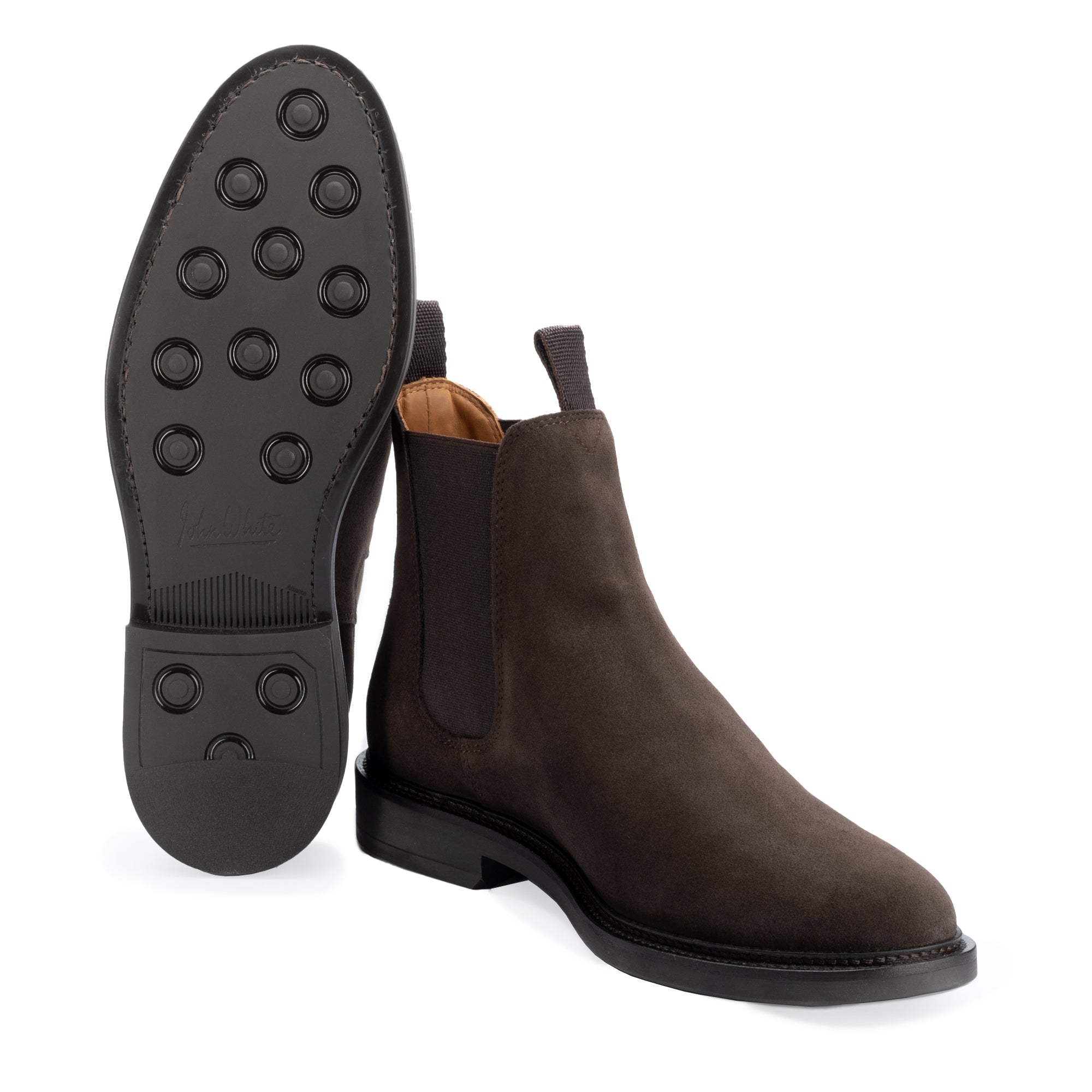
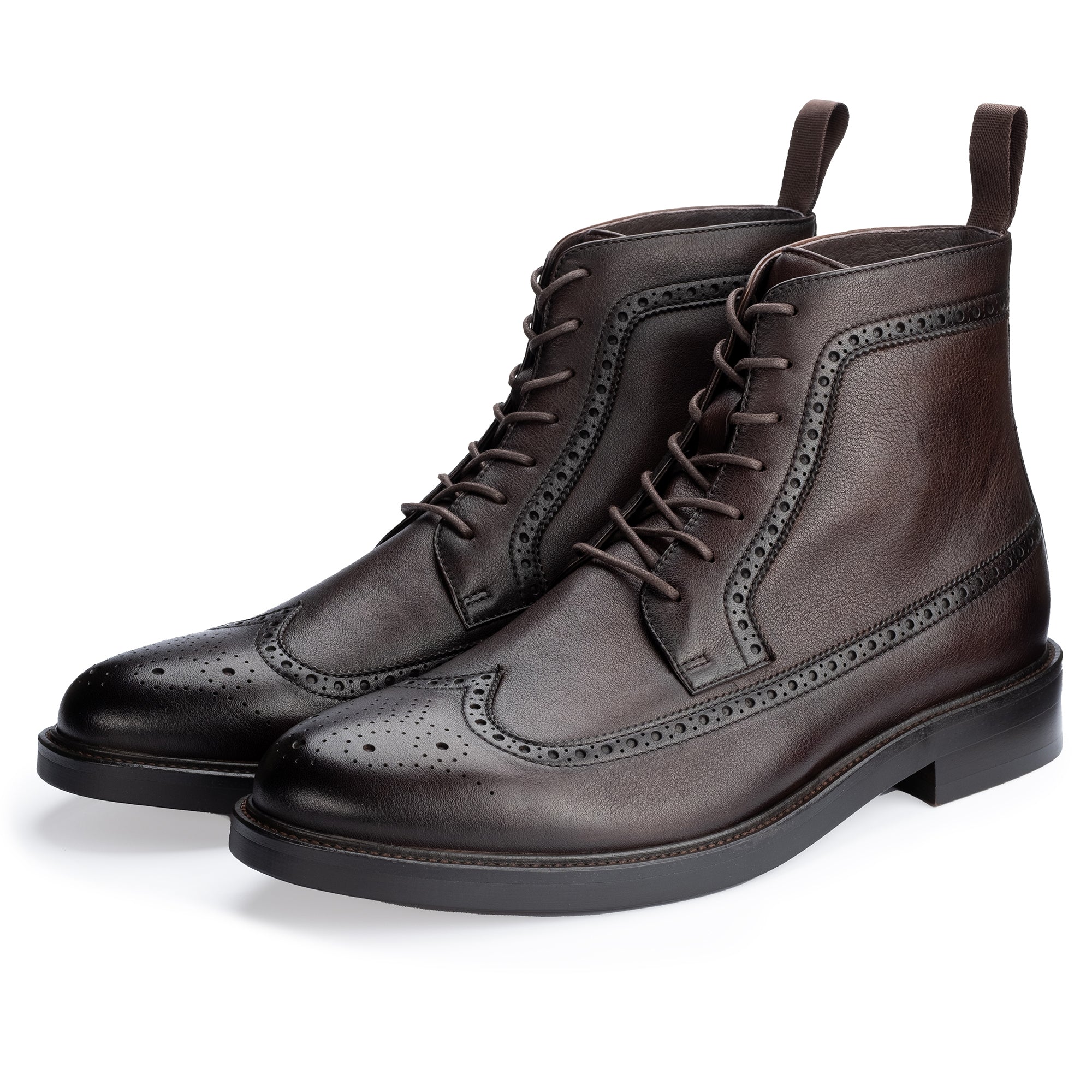
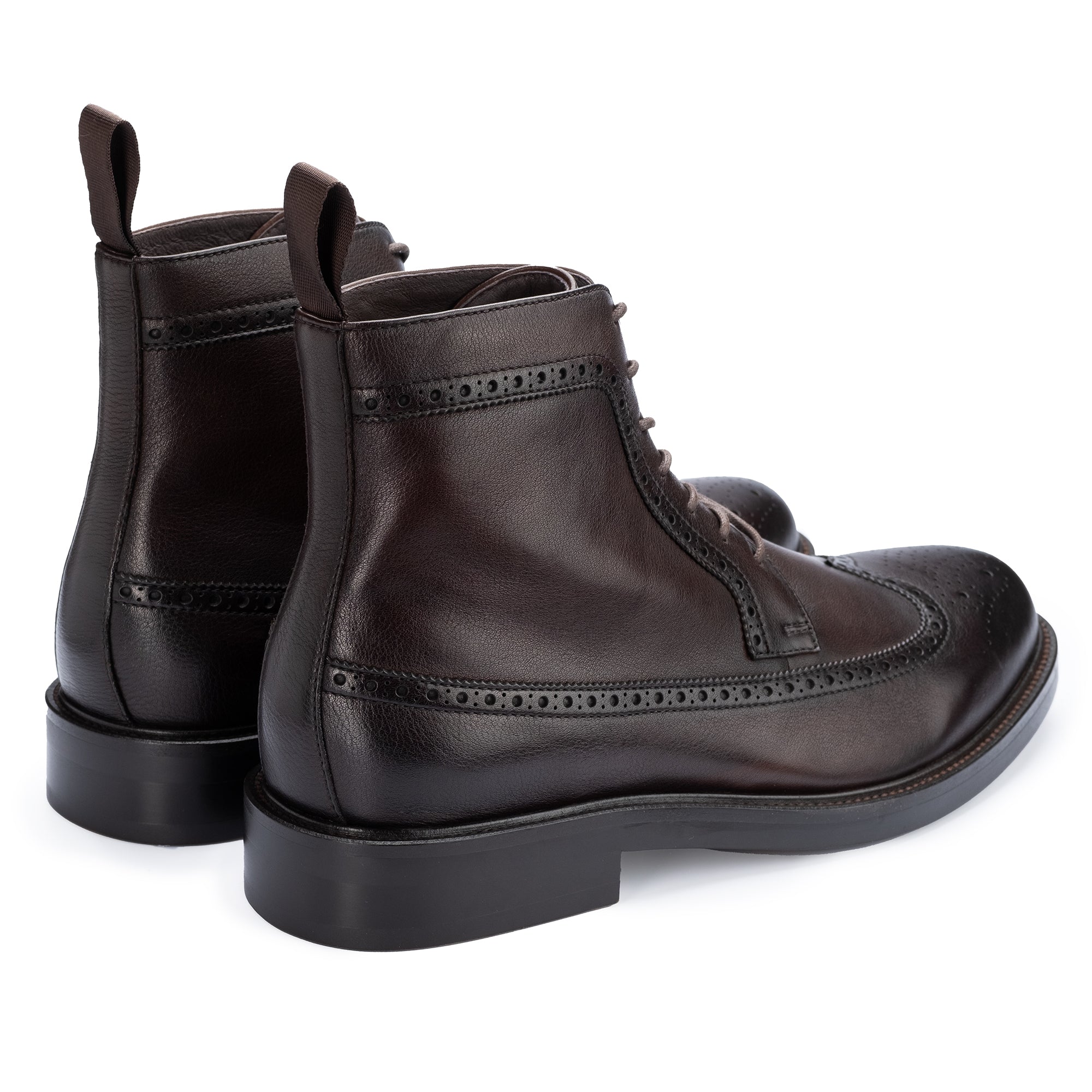
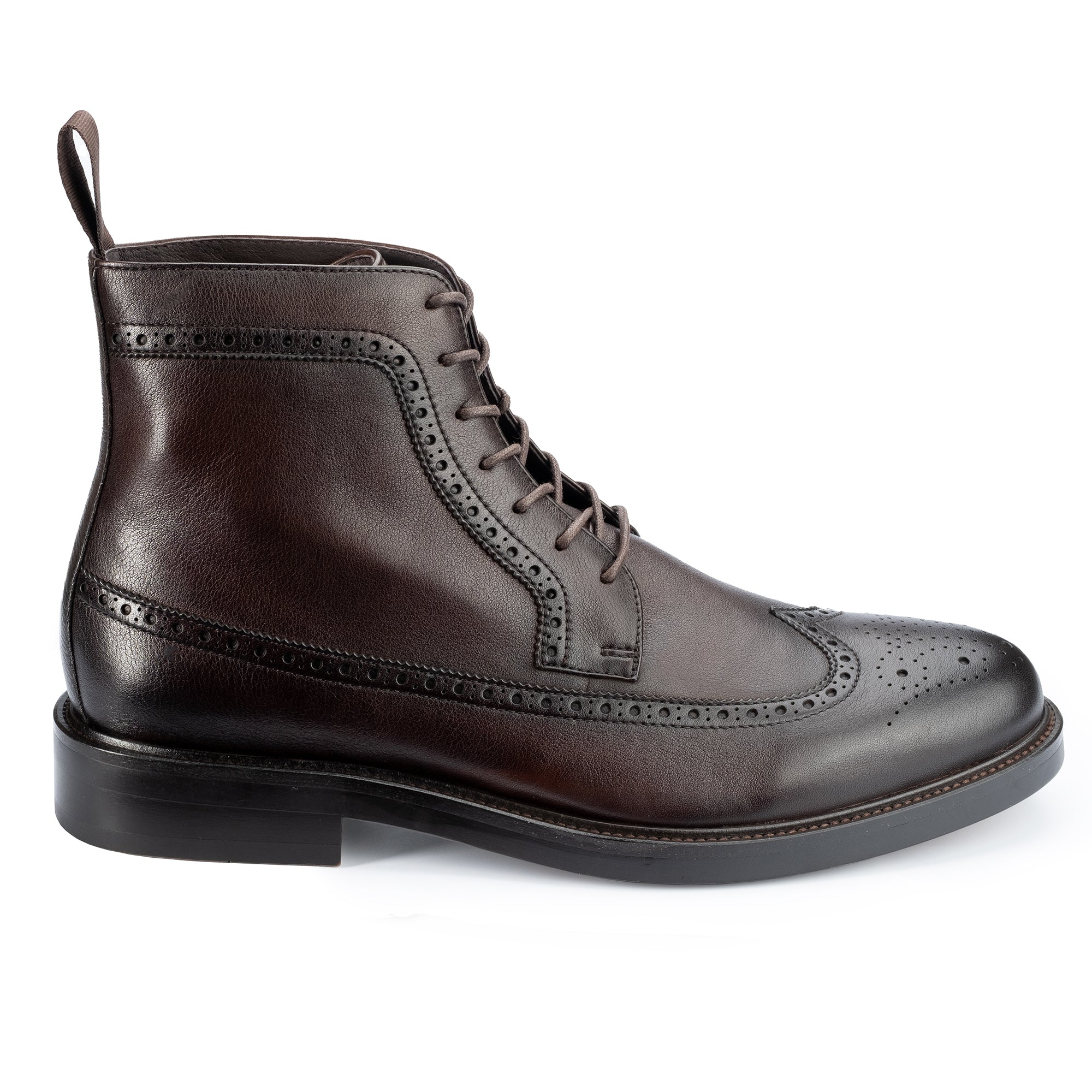
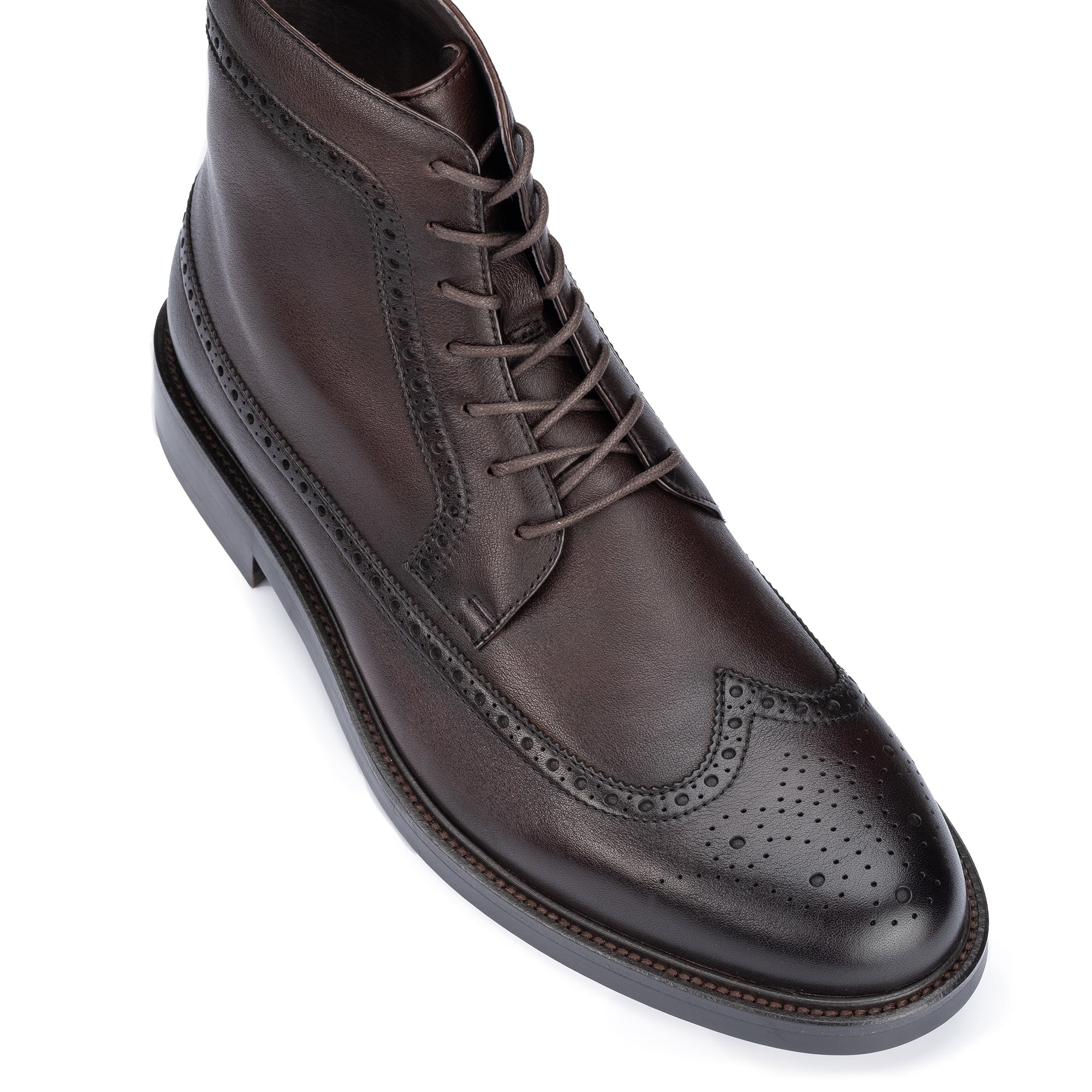
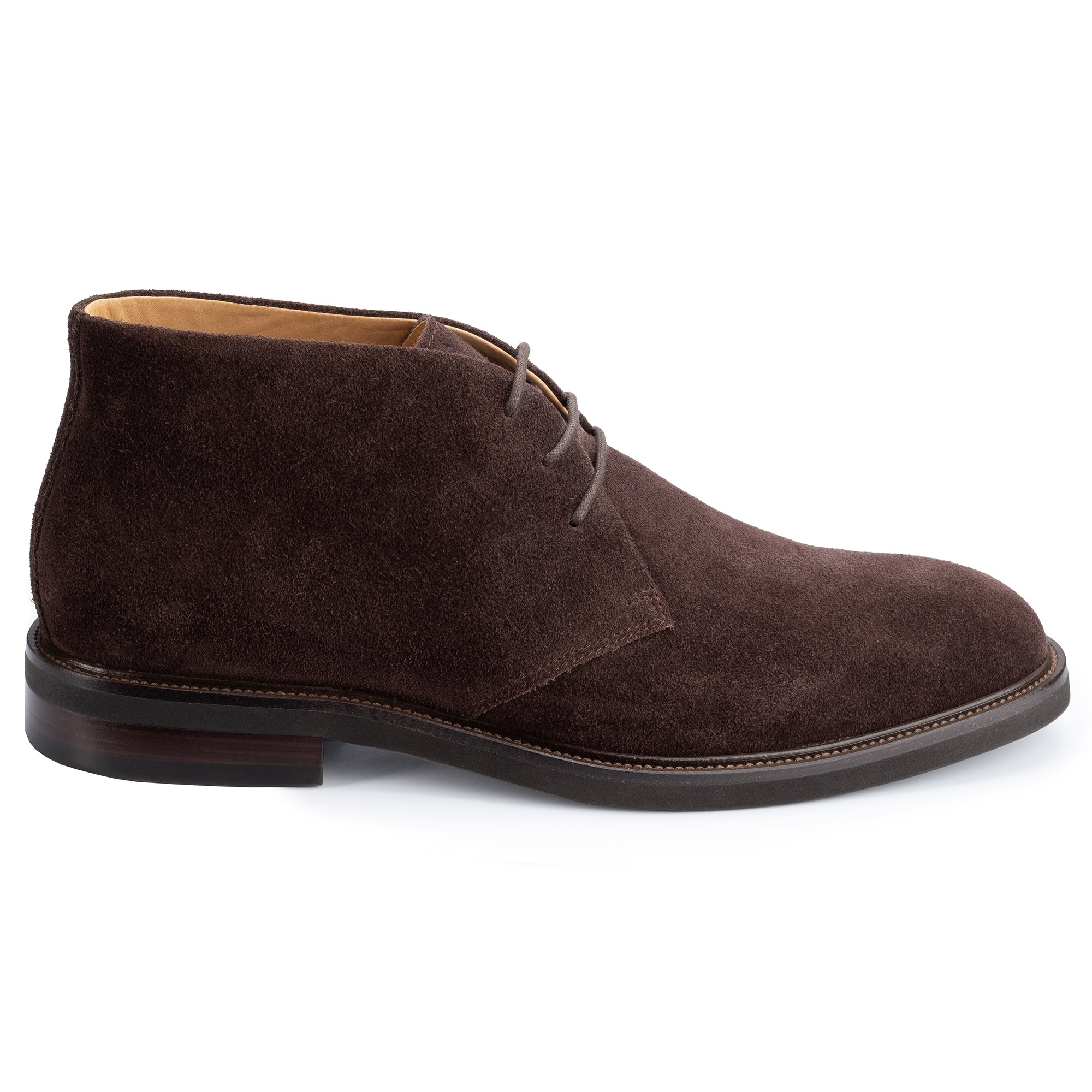
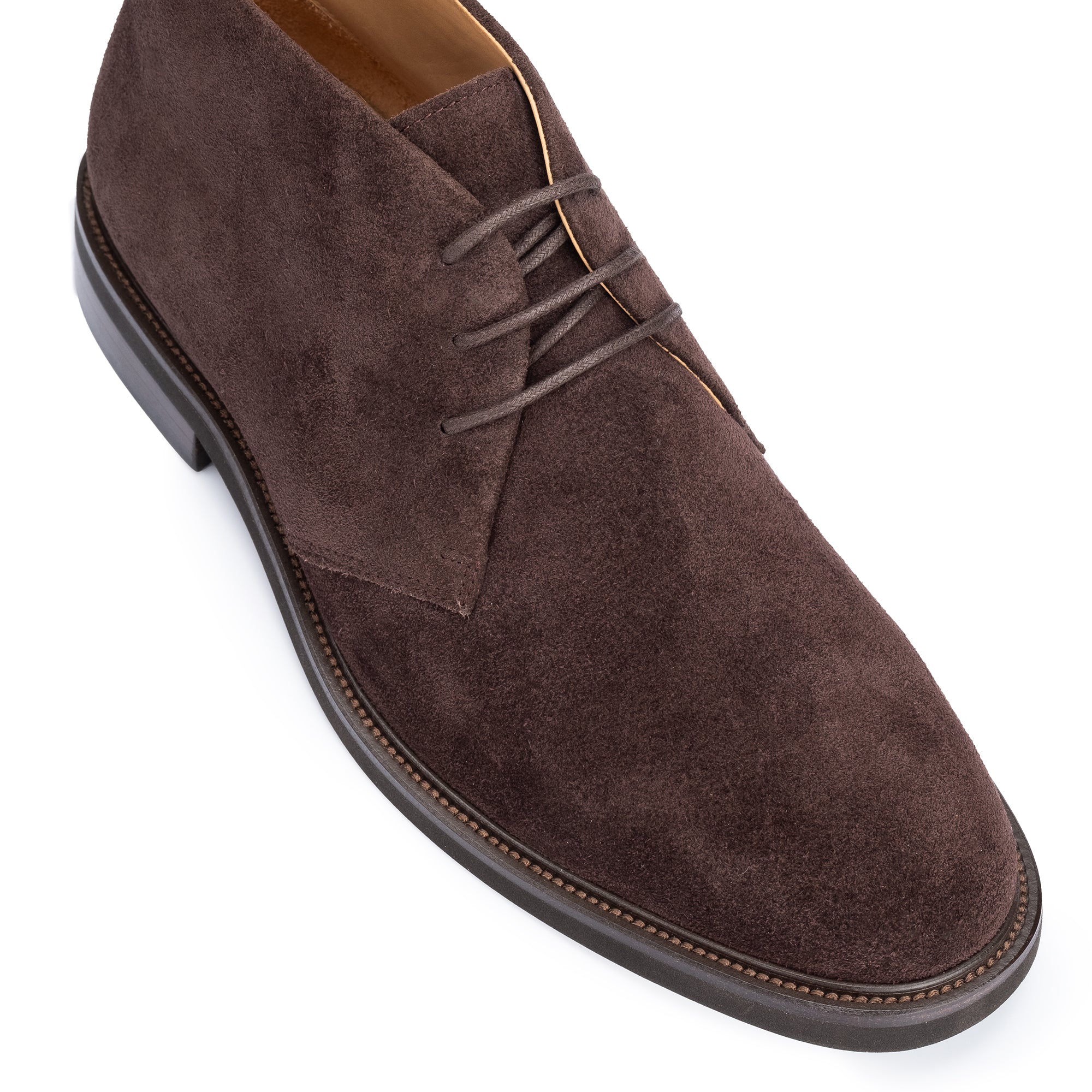
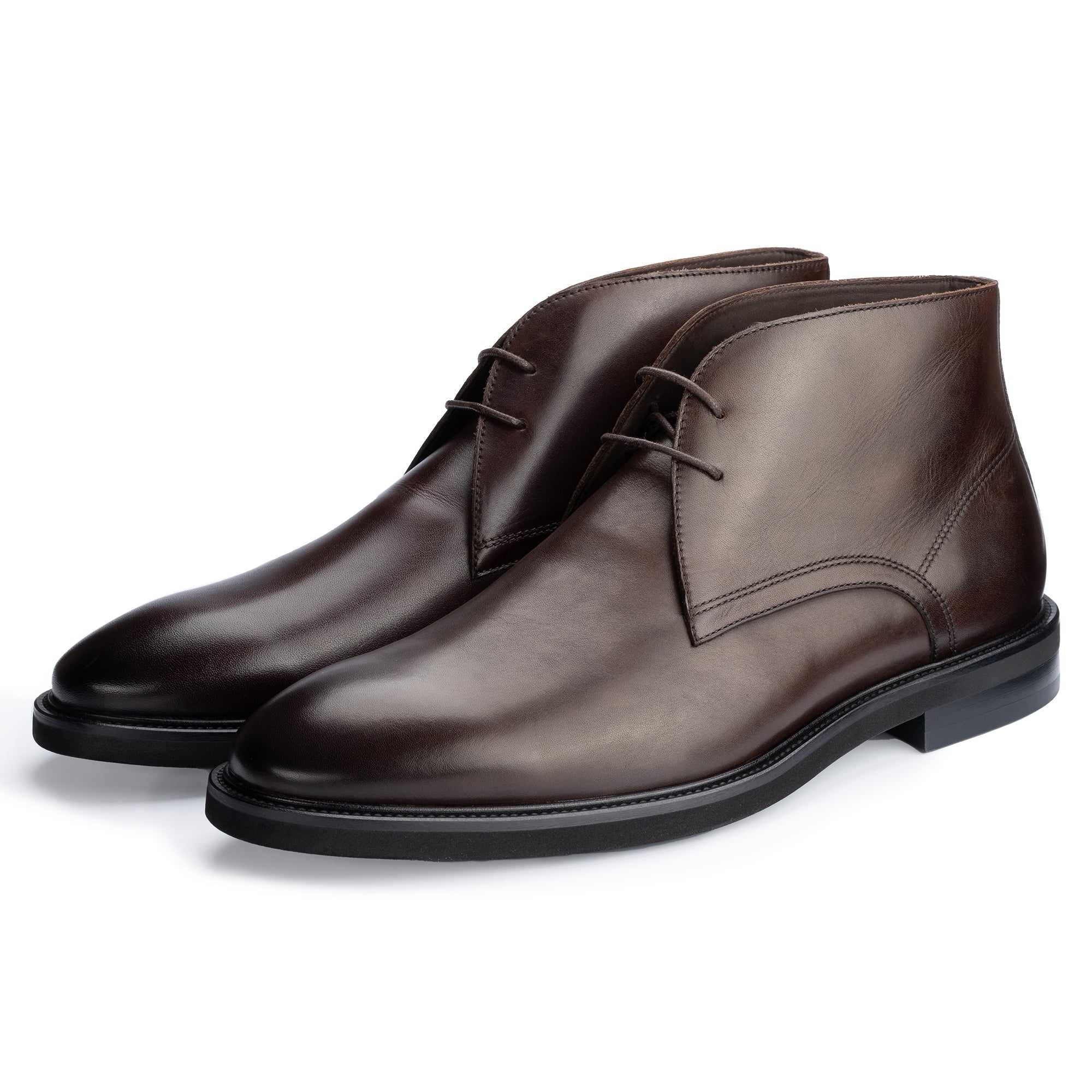
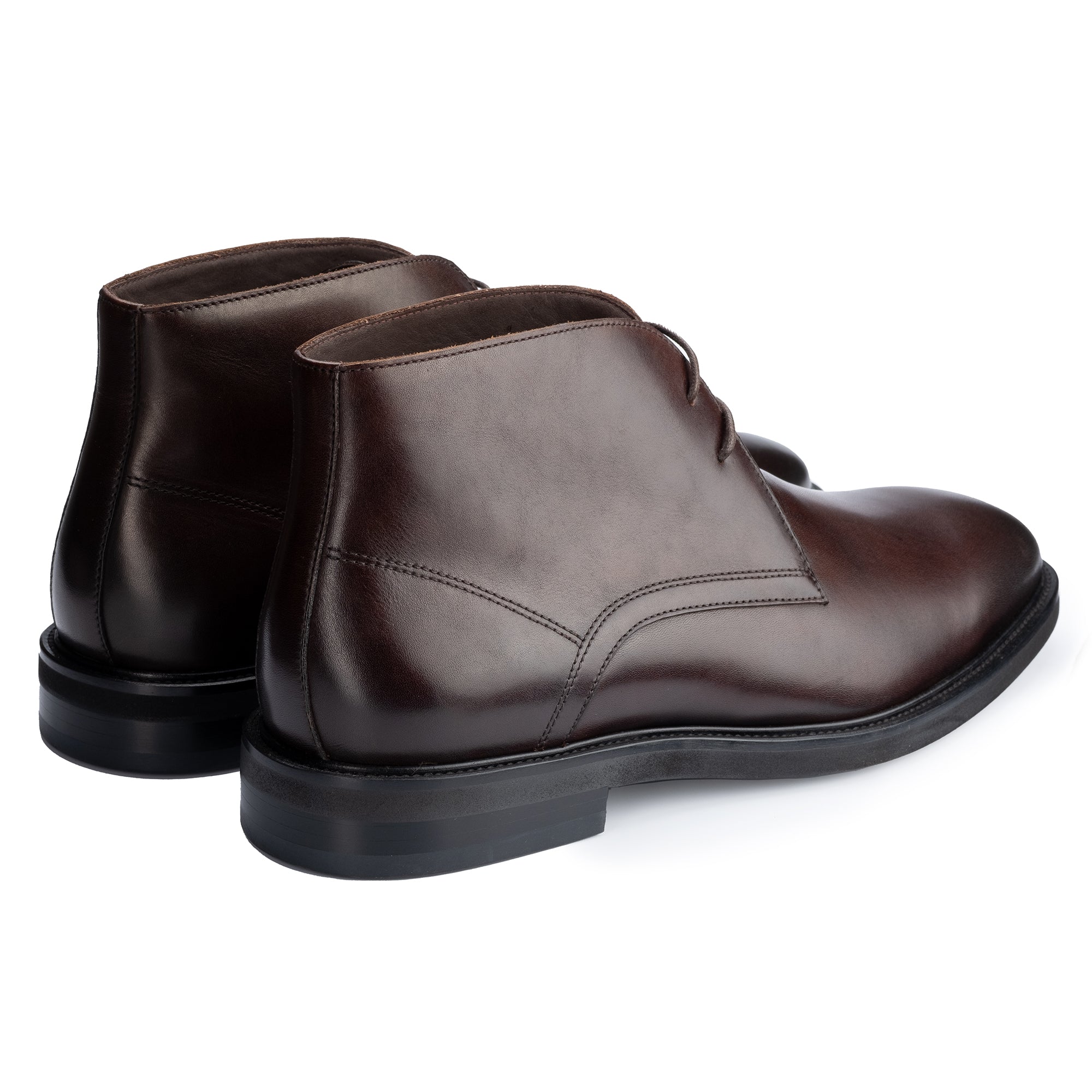
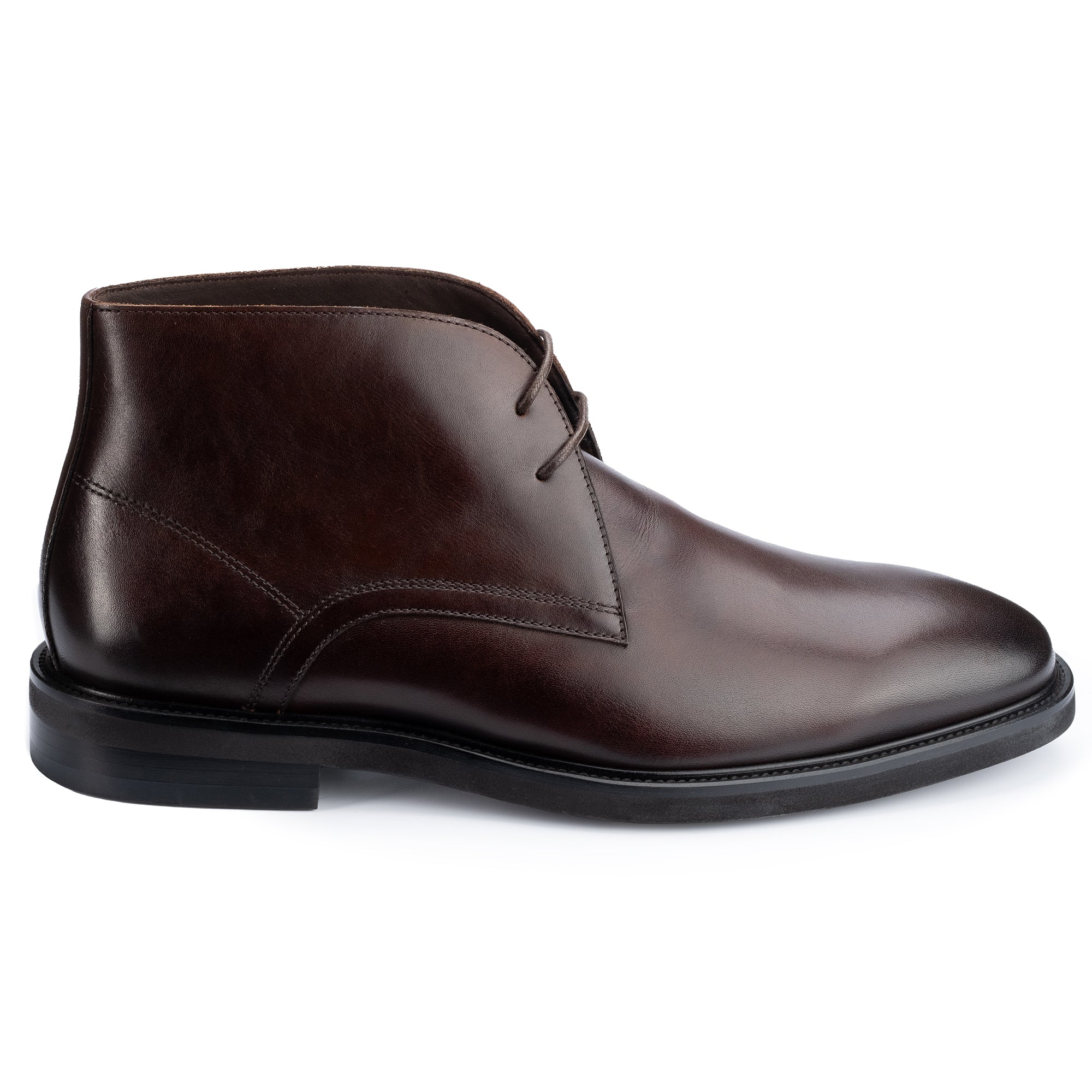
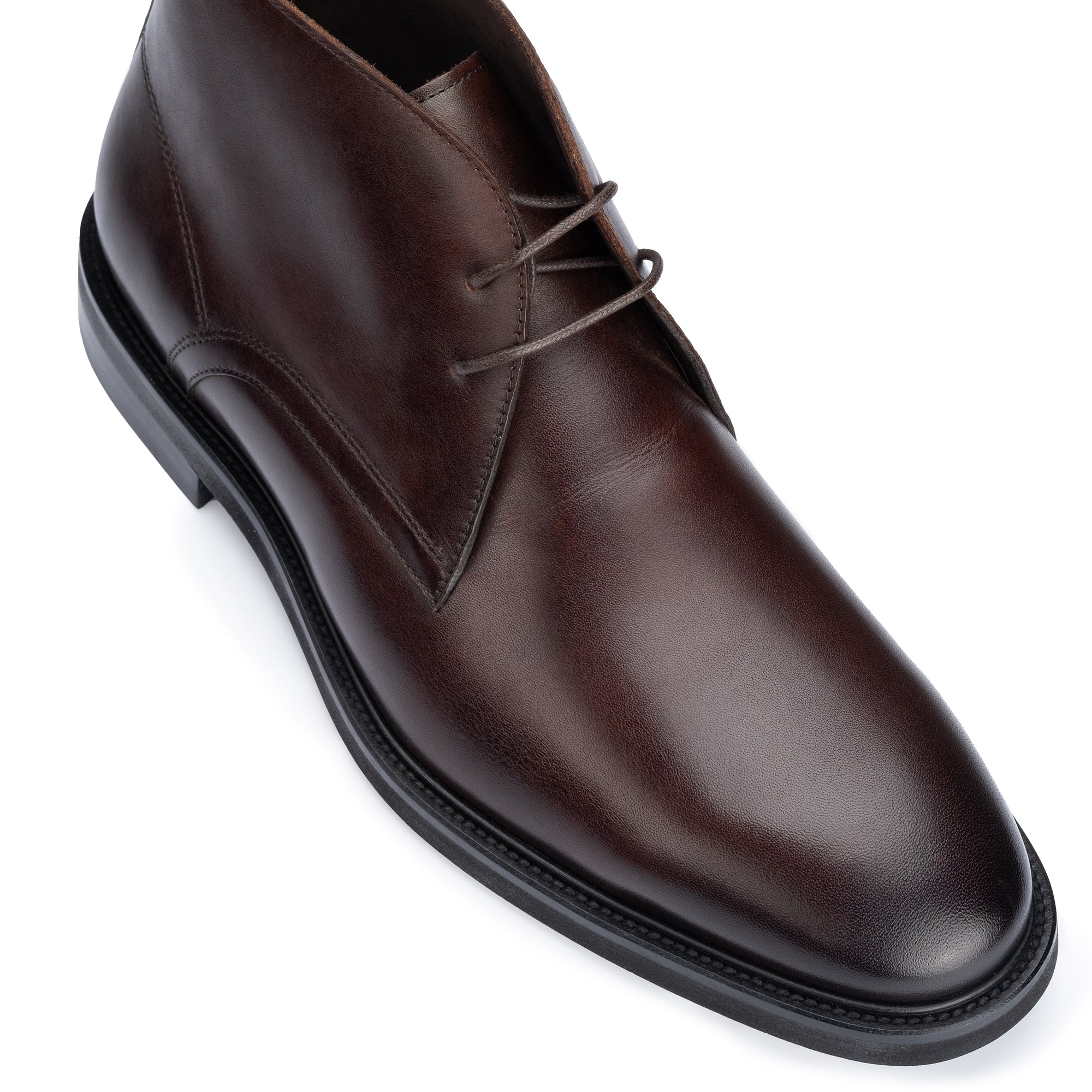
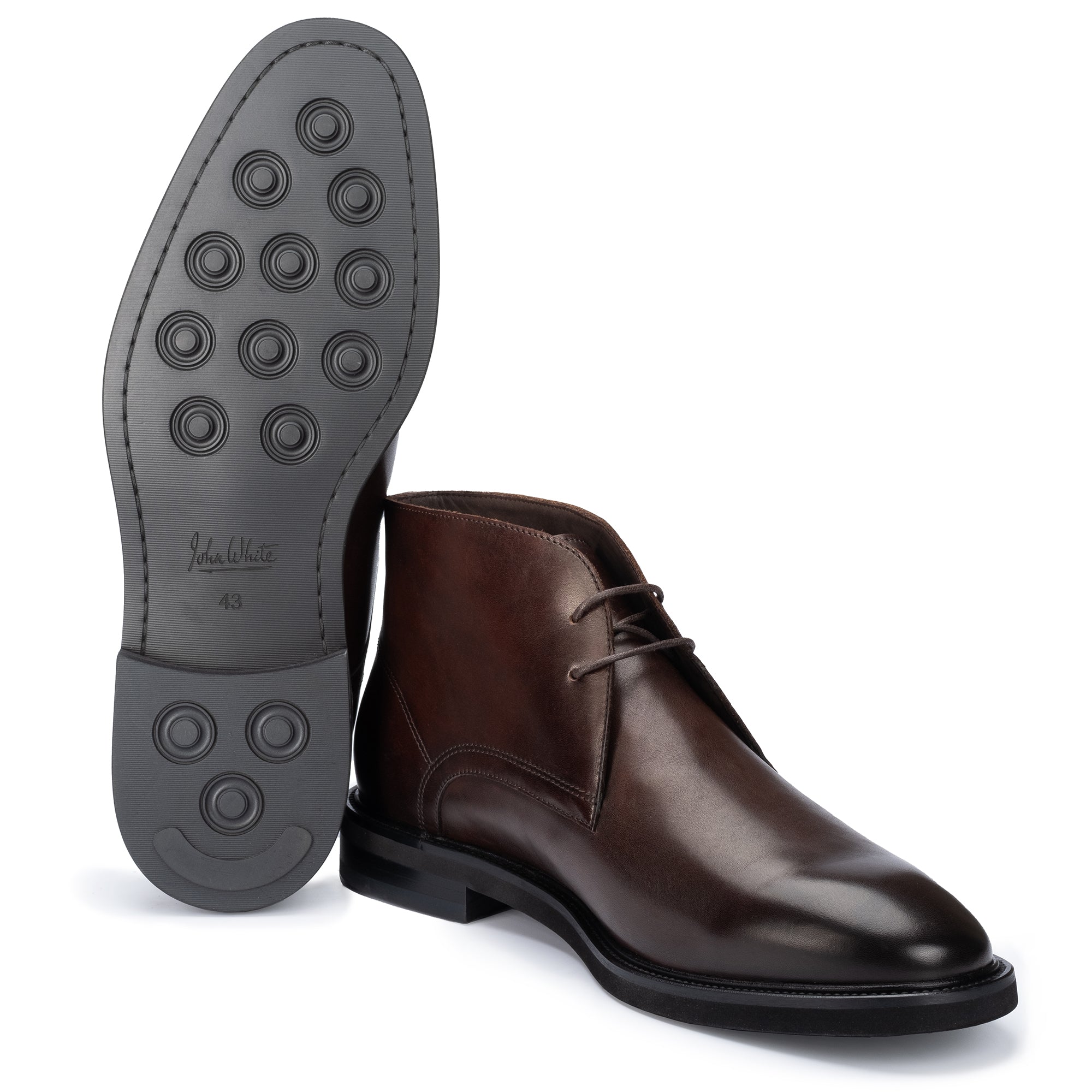
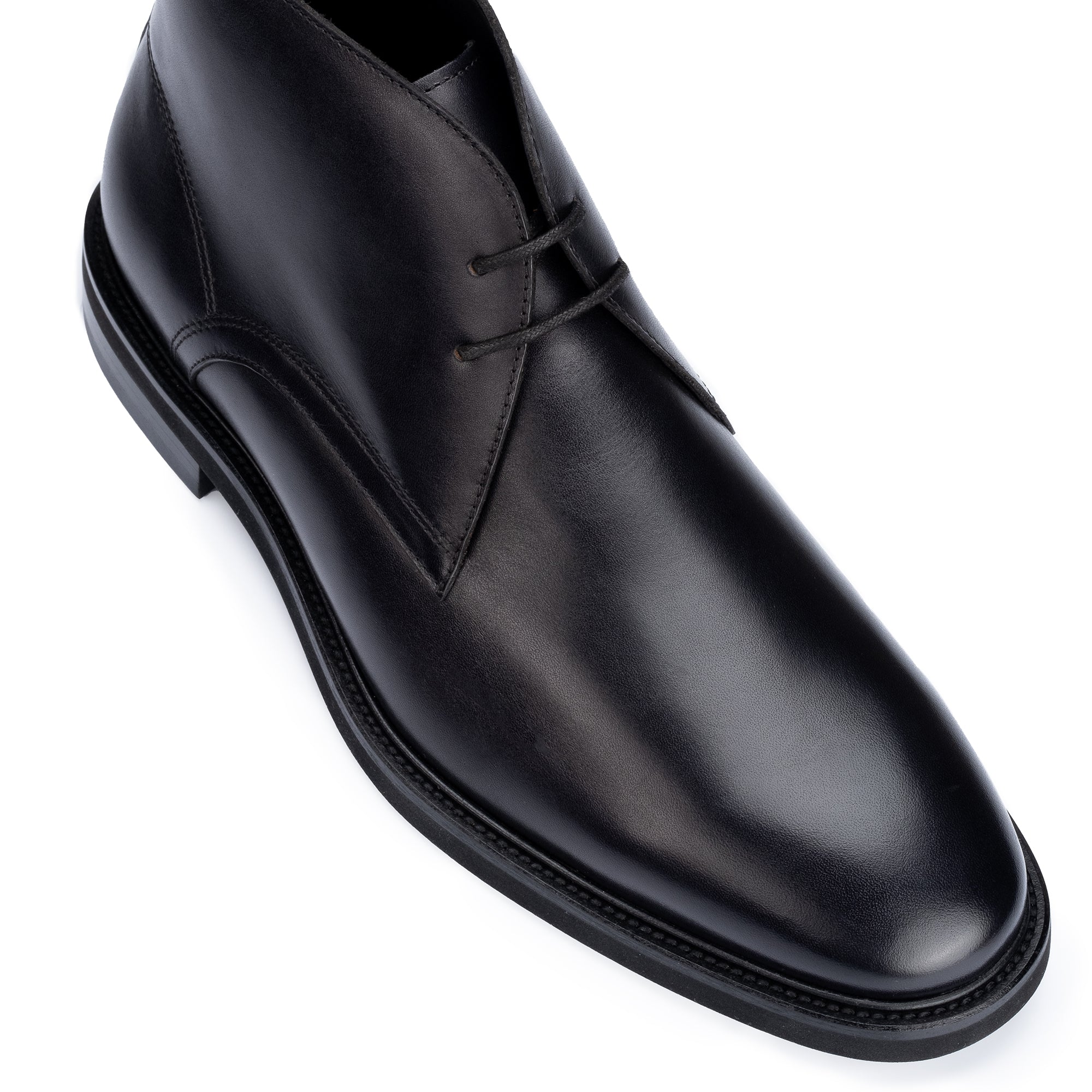
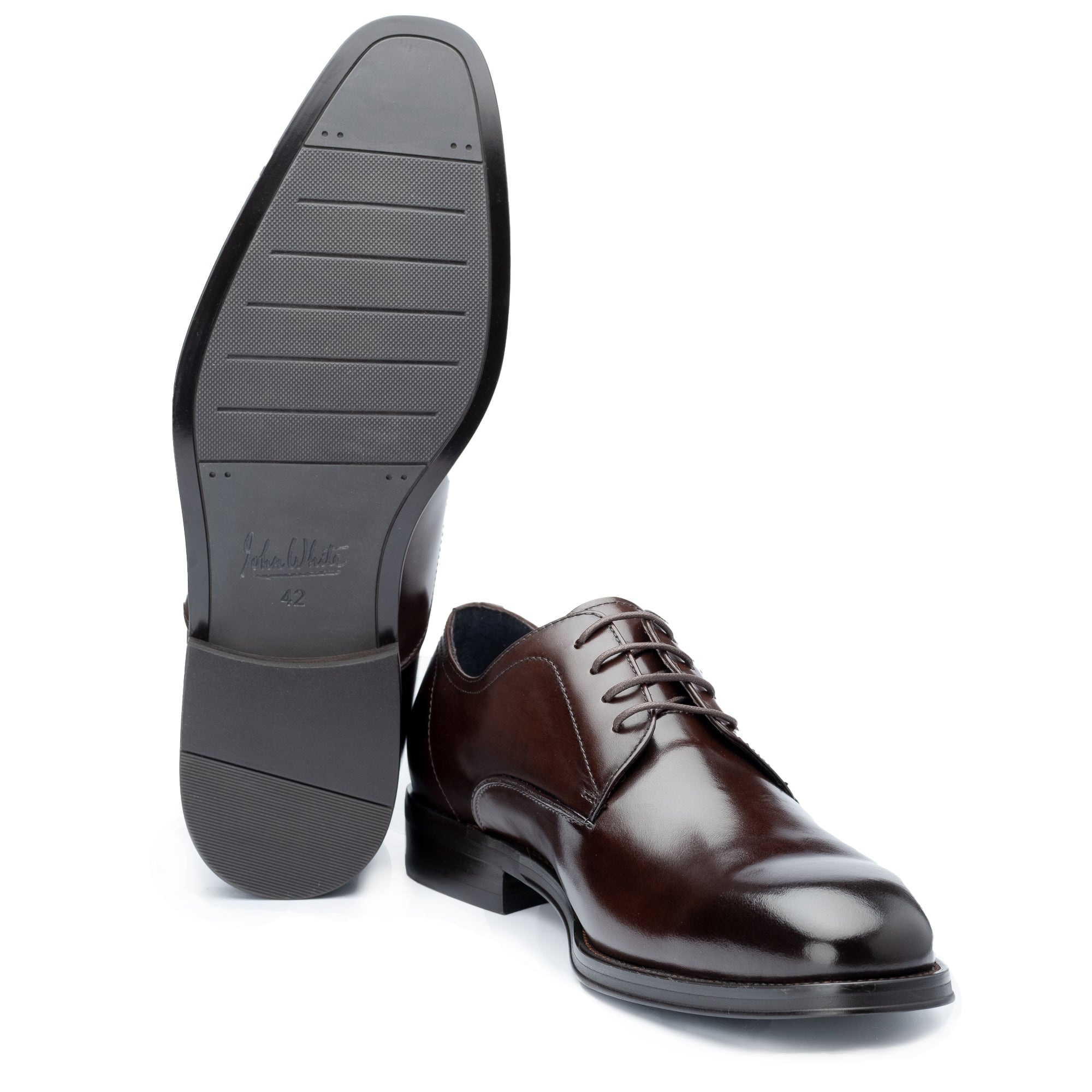
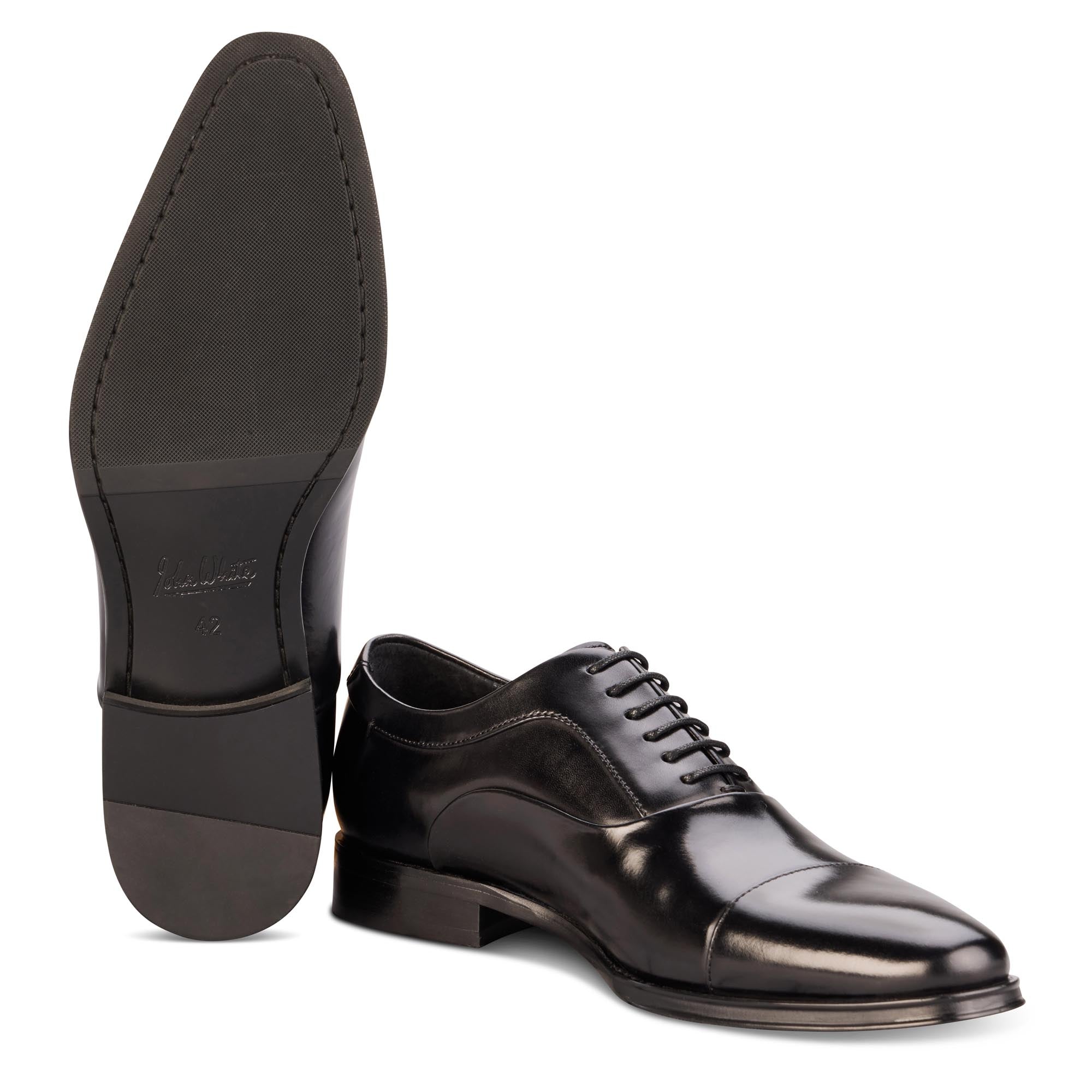
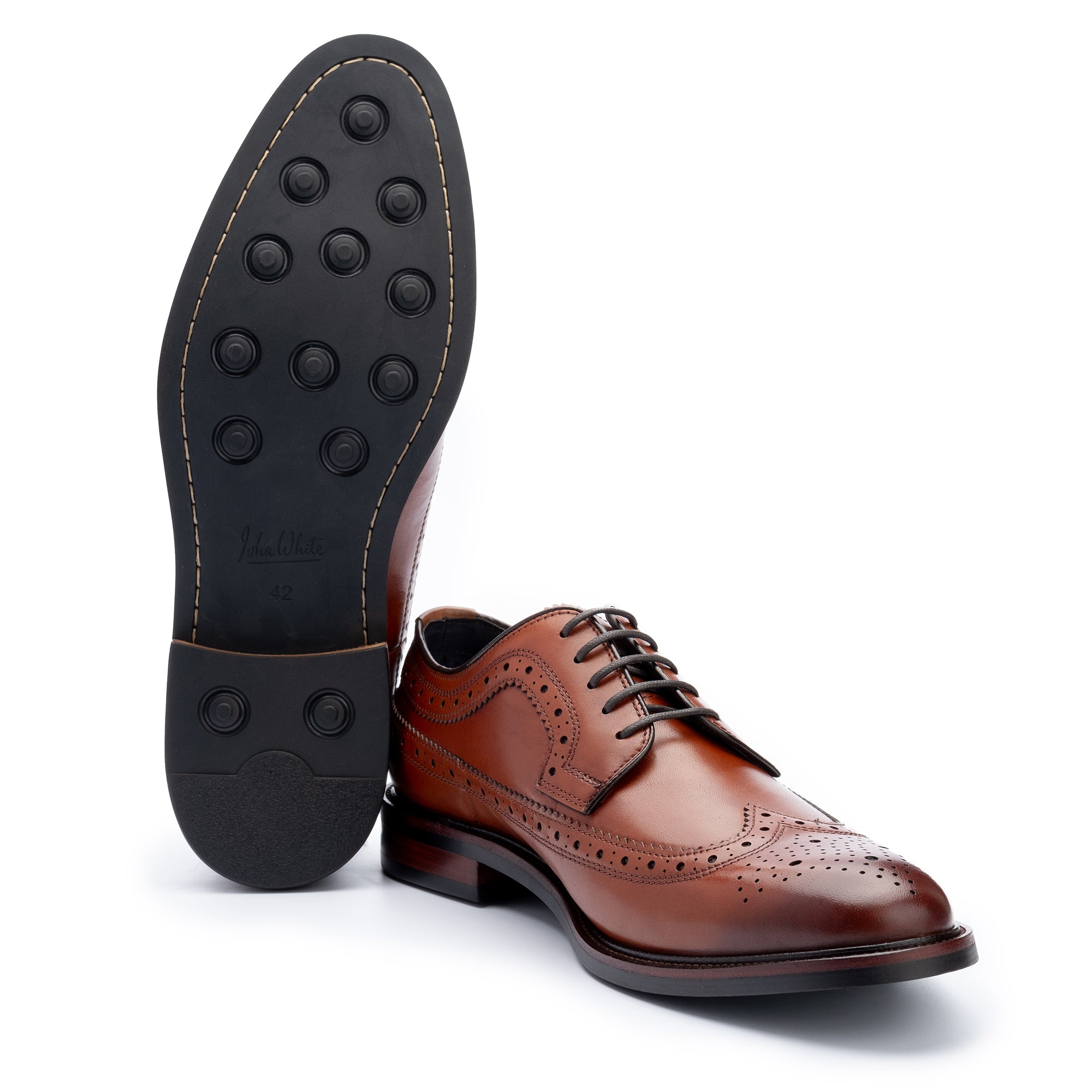
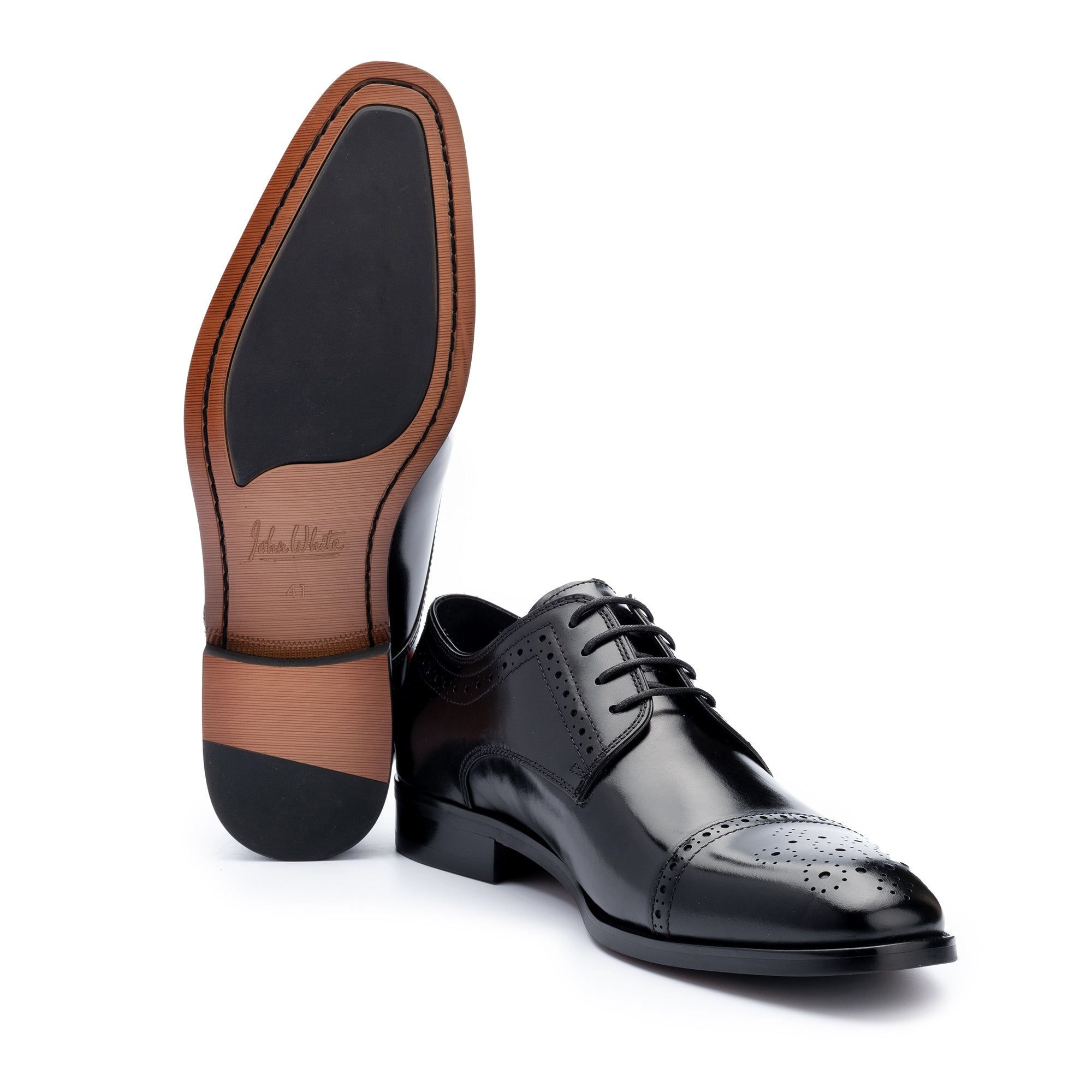
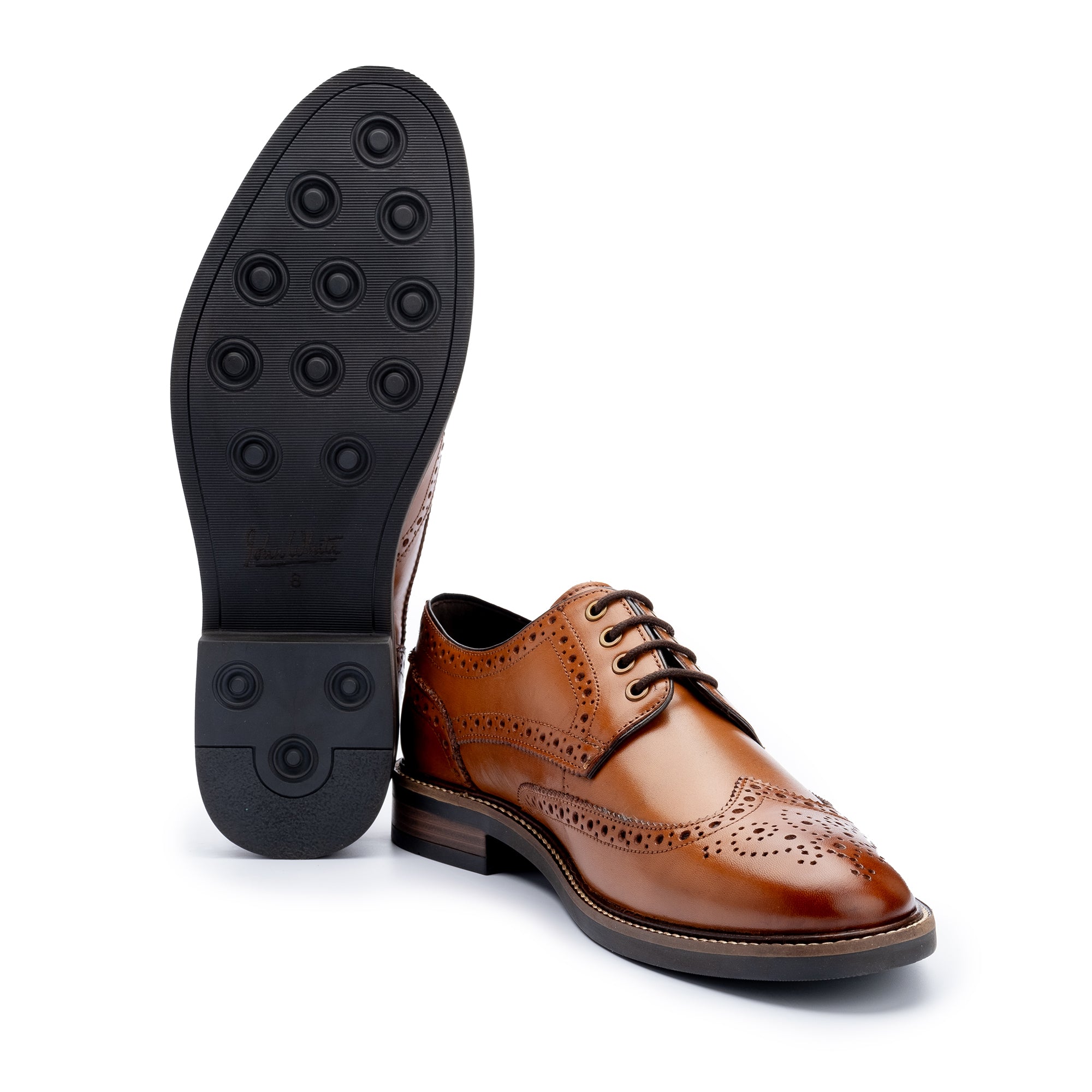
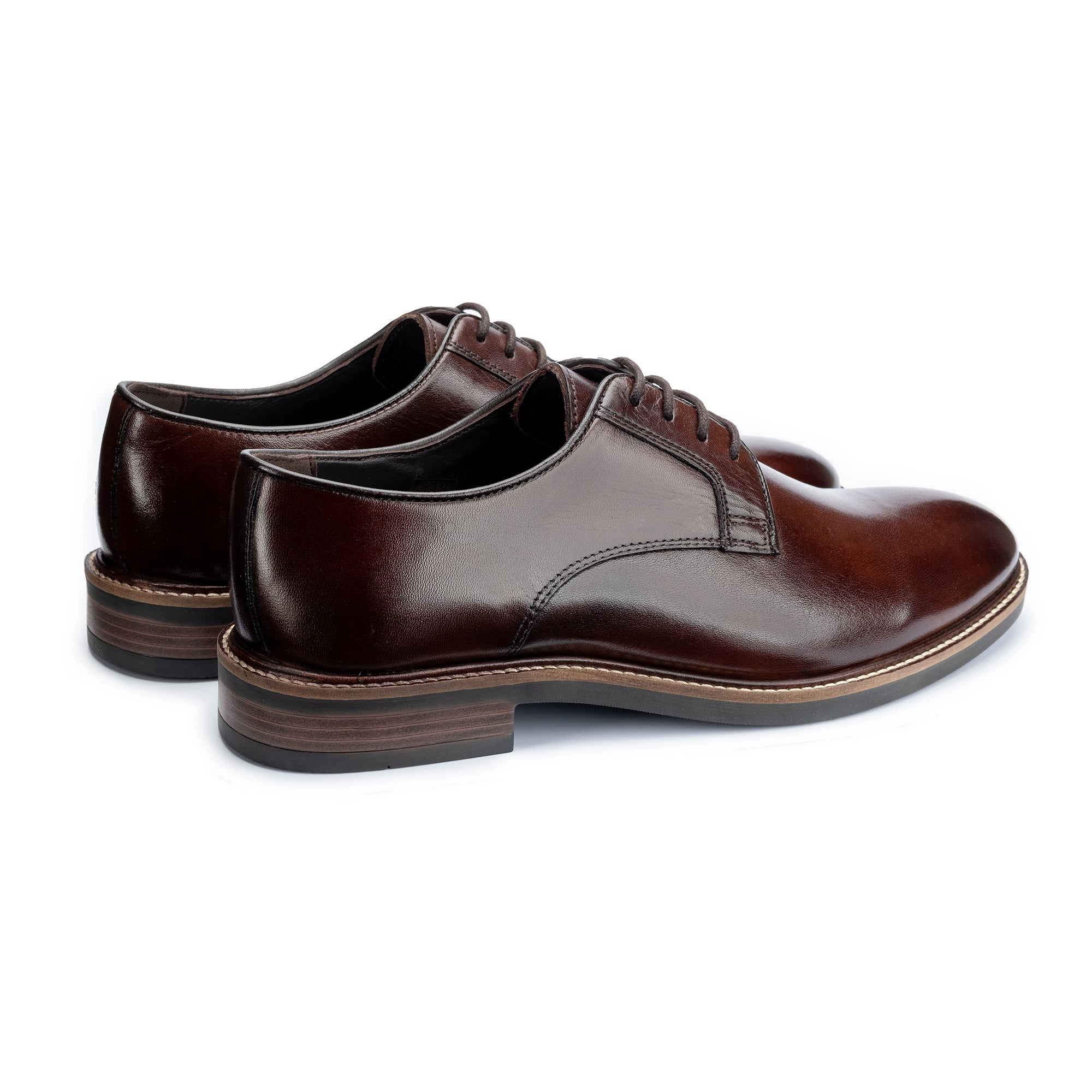
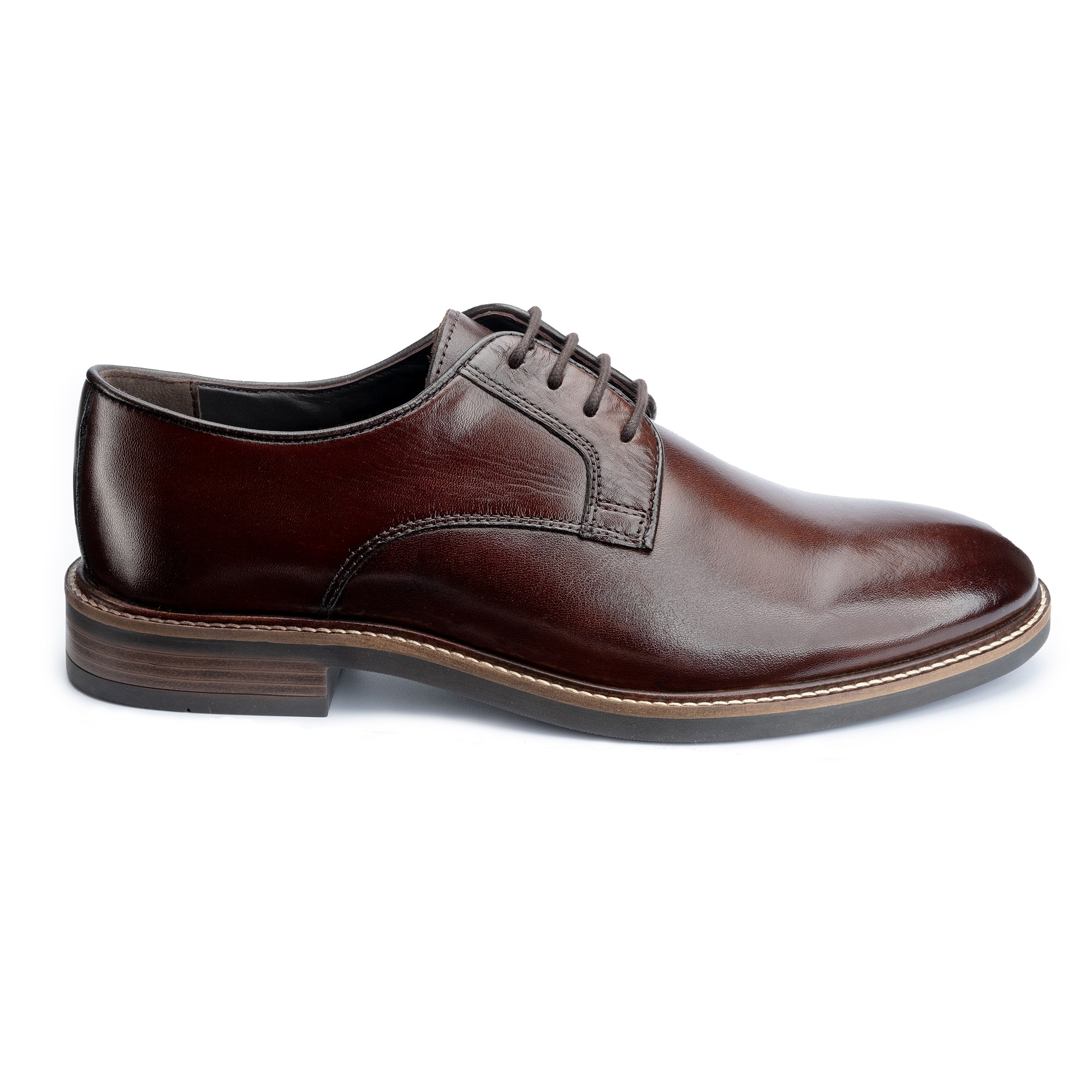
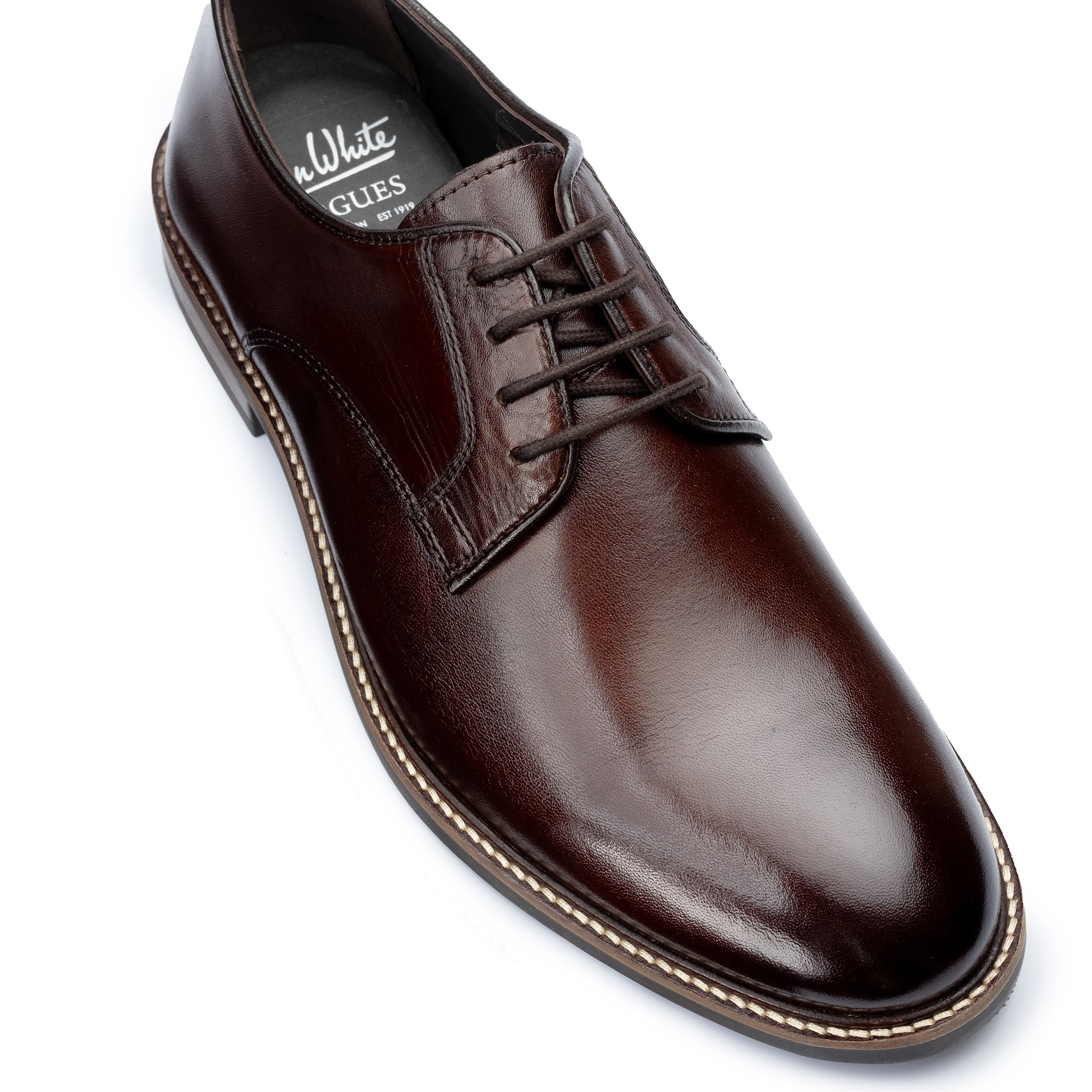
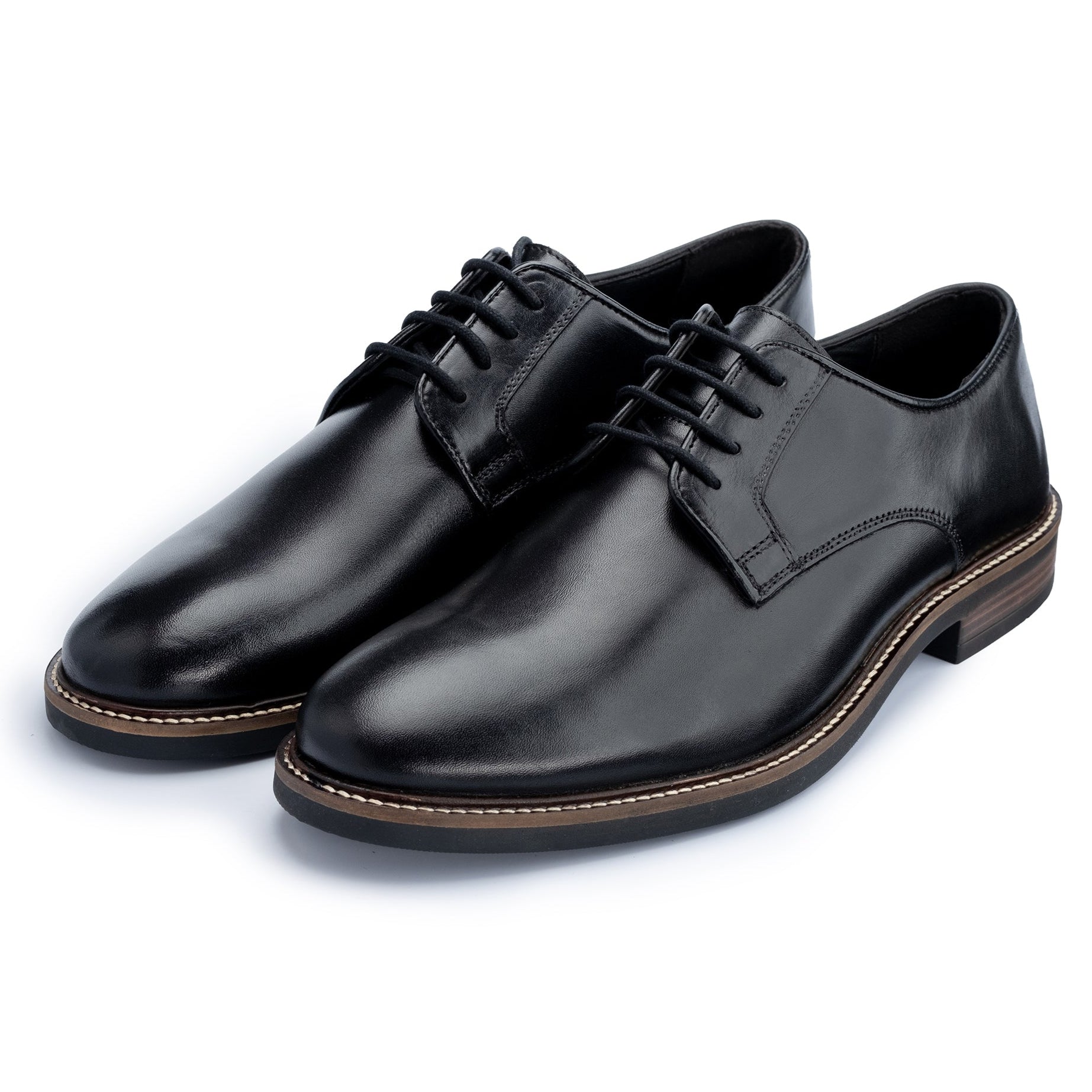
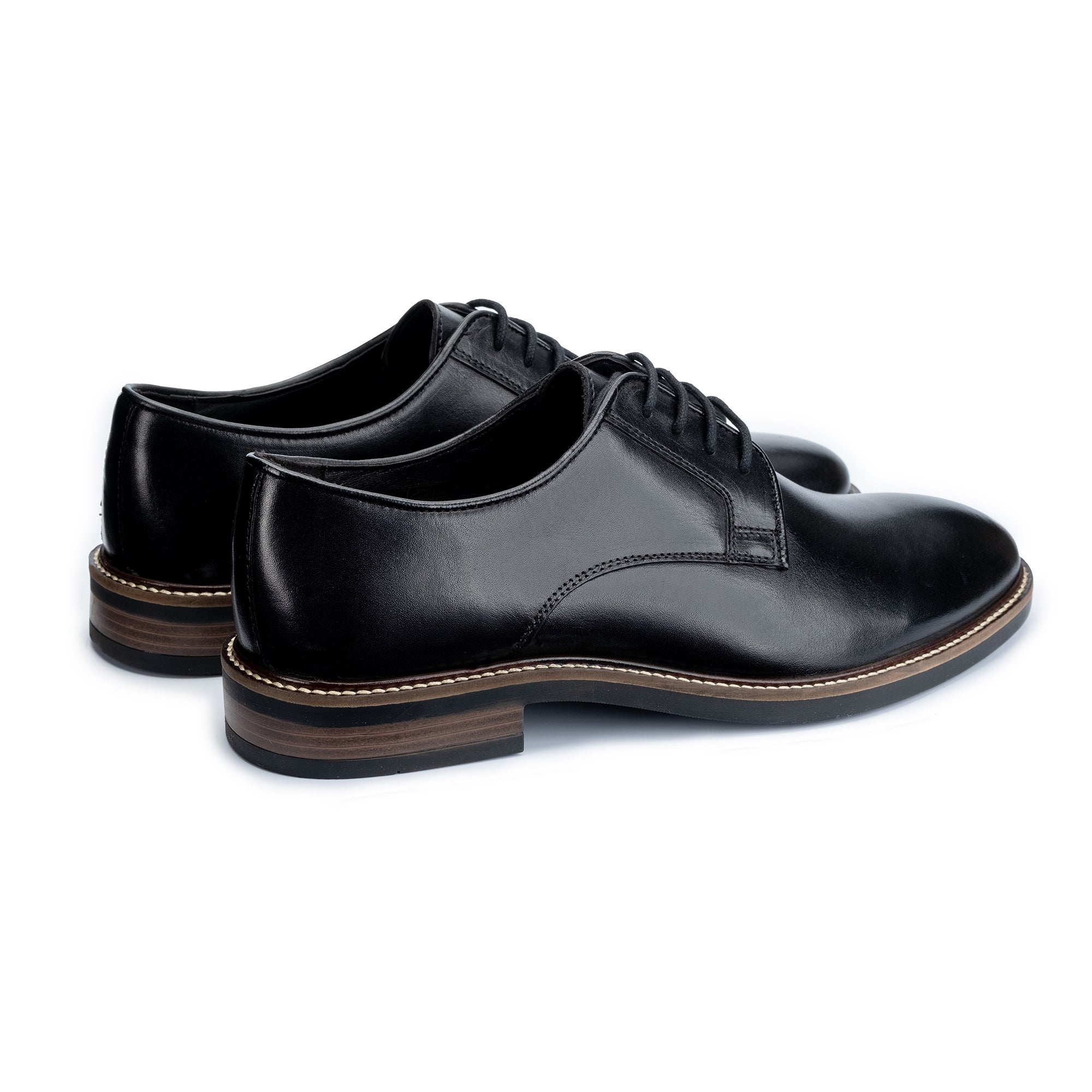
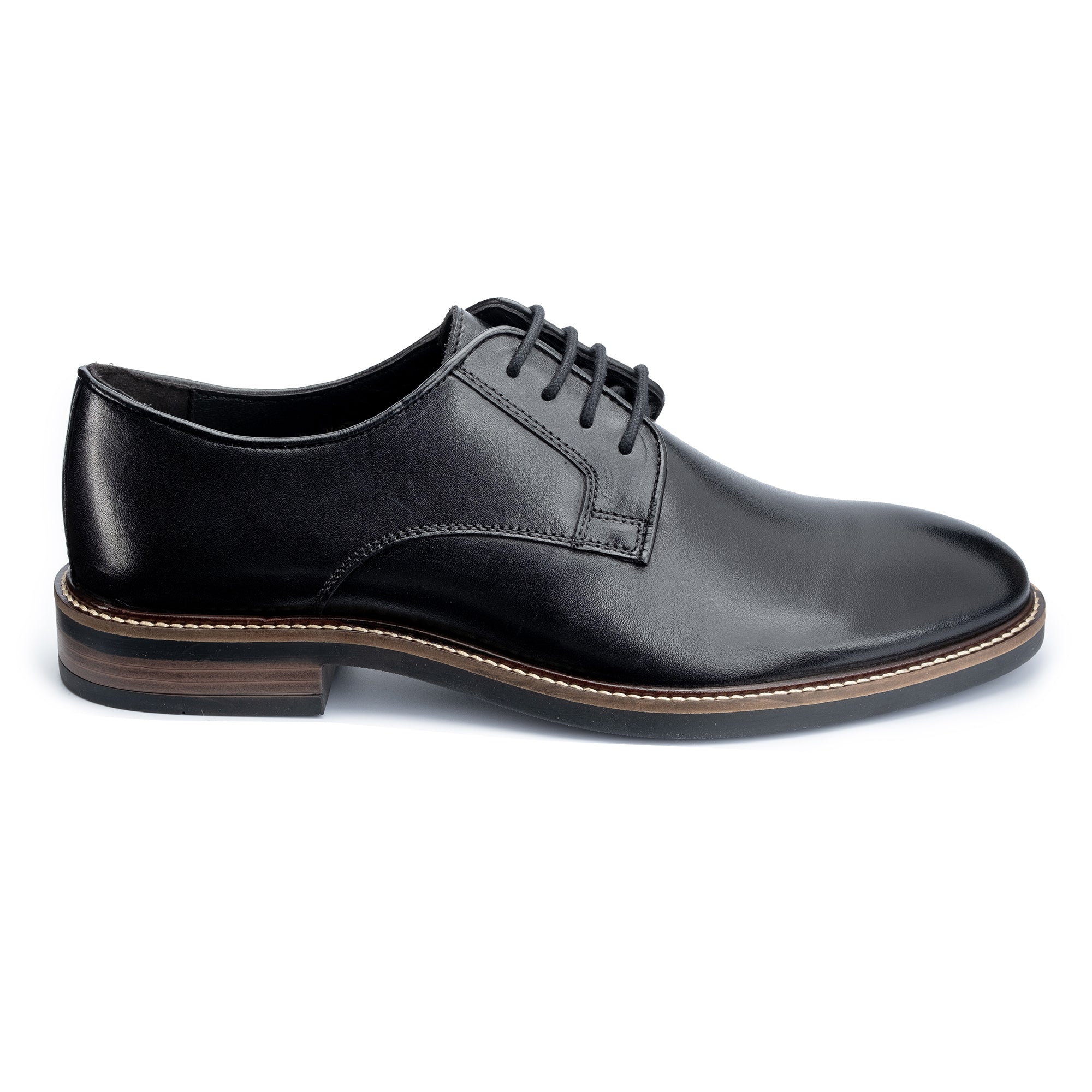
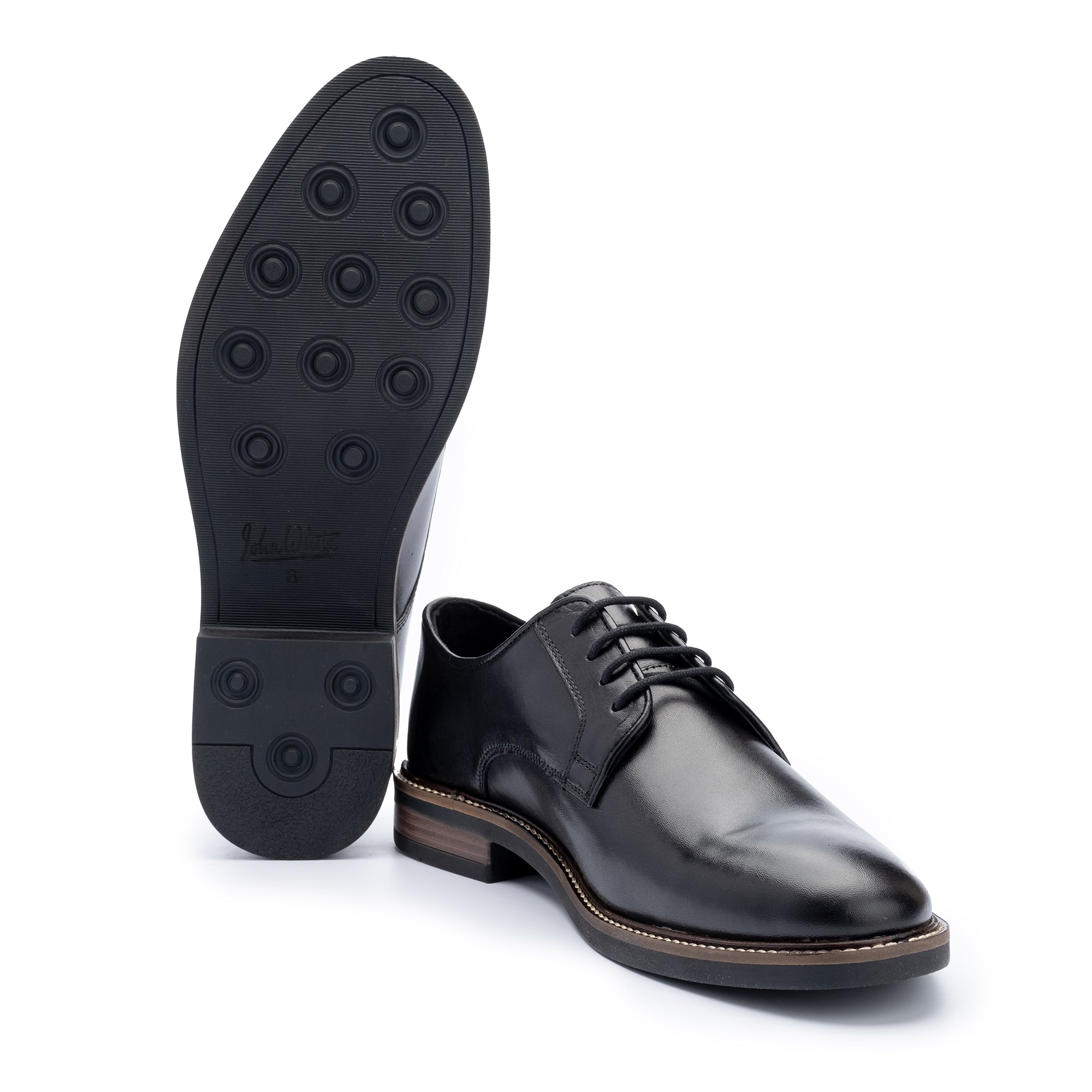
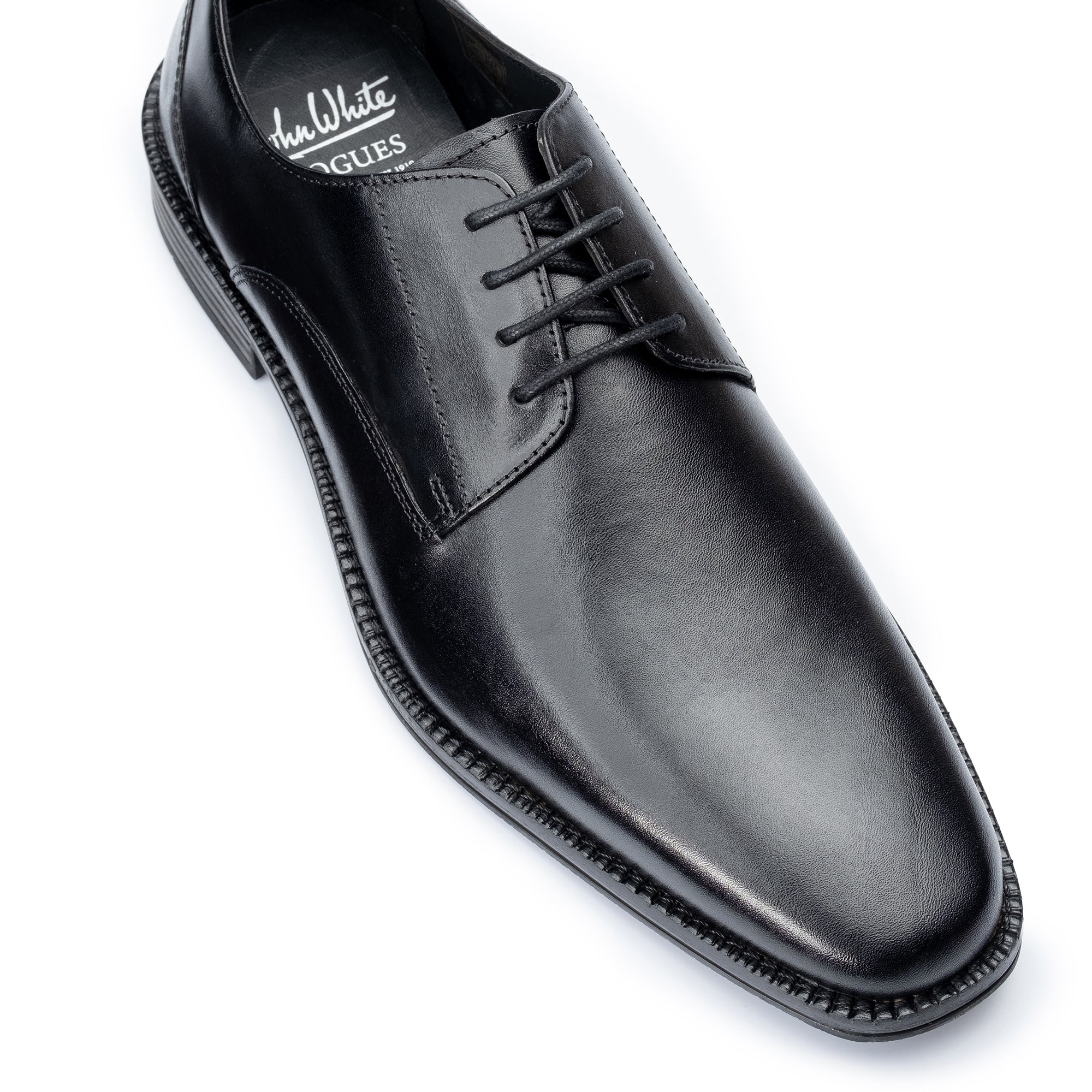
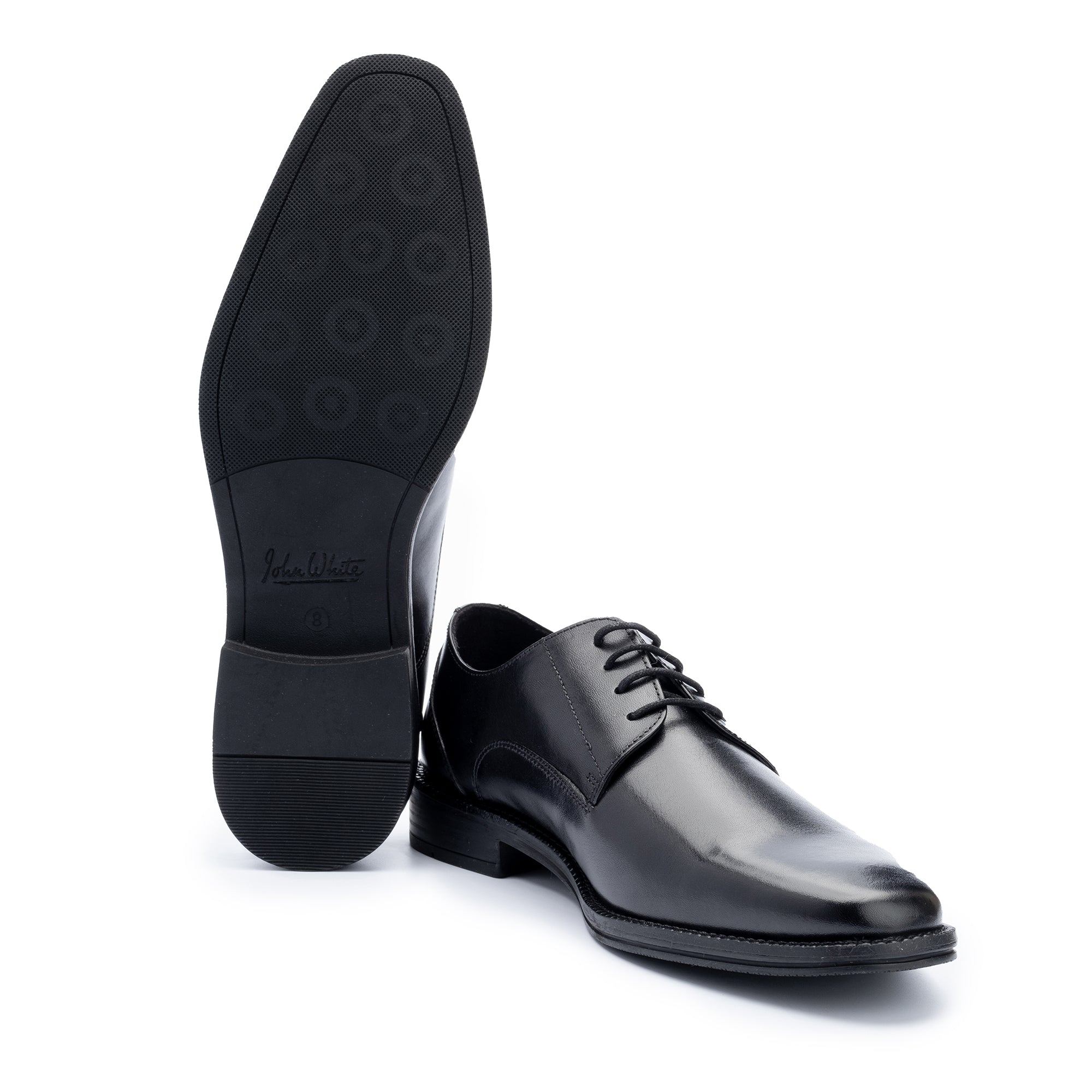
- Finishing — Edge-trimming, heel-building, burnishing, and final polishing. This is where the shoe acquires its character. For a closer look at what's involved, see our guide to the traditional process of finishing a leather shoe.
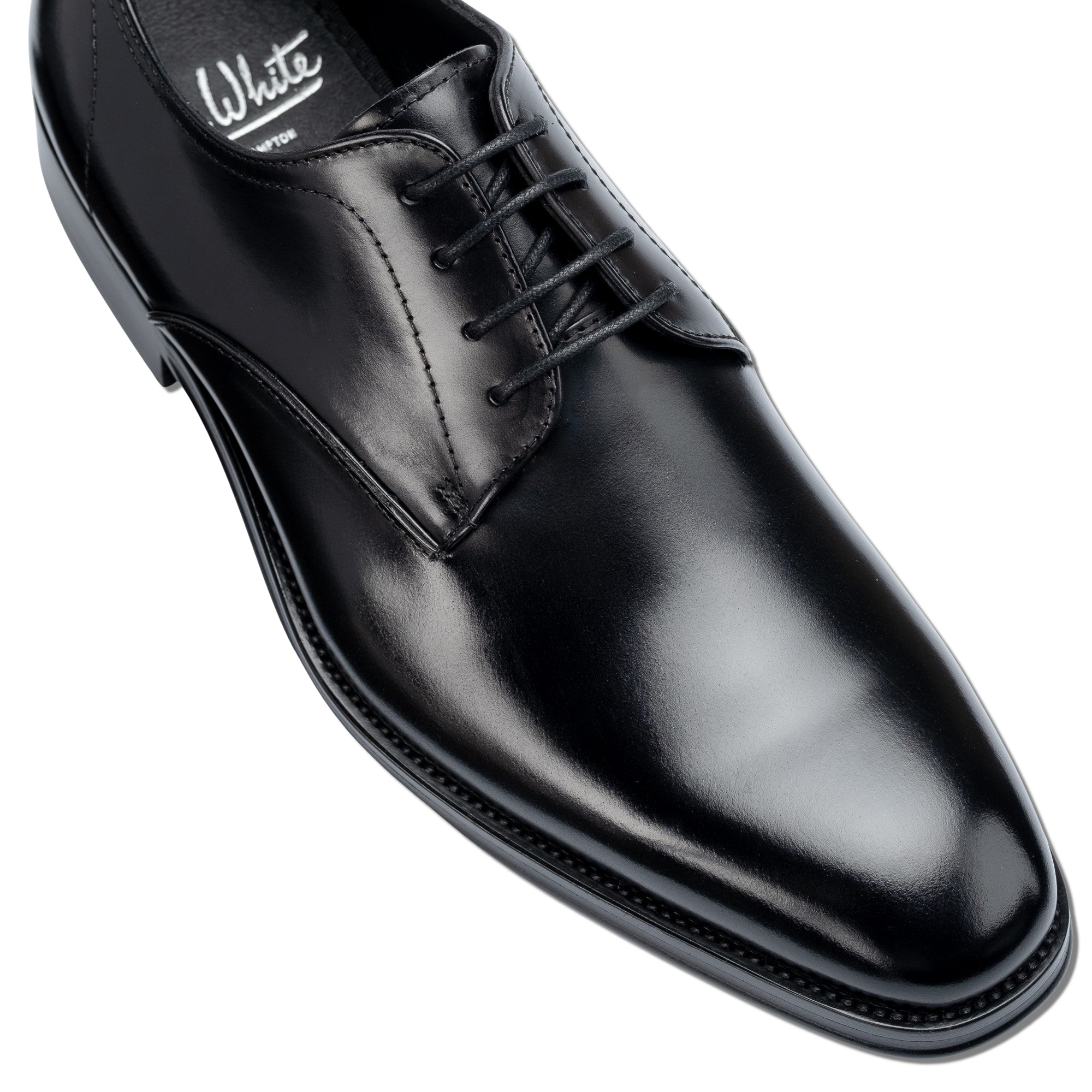
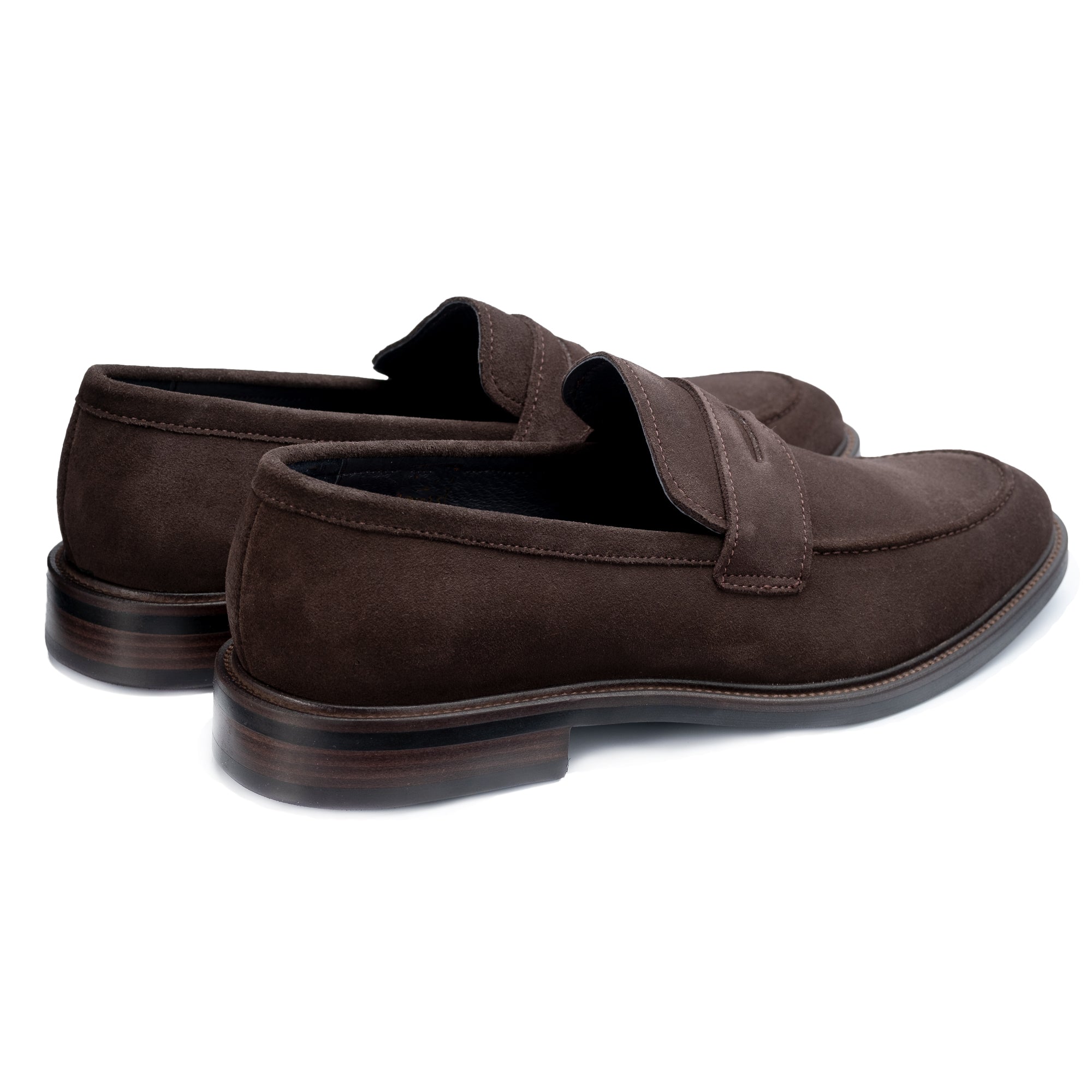
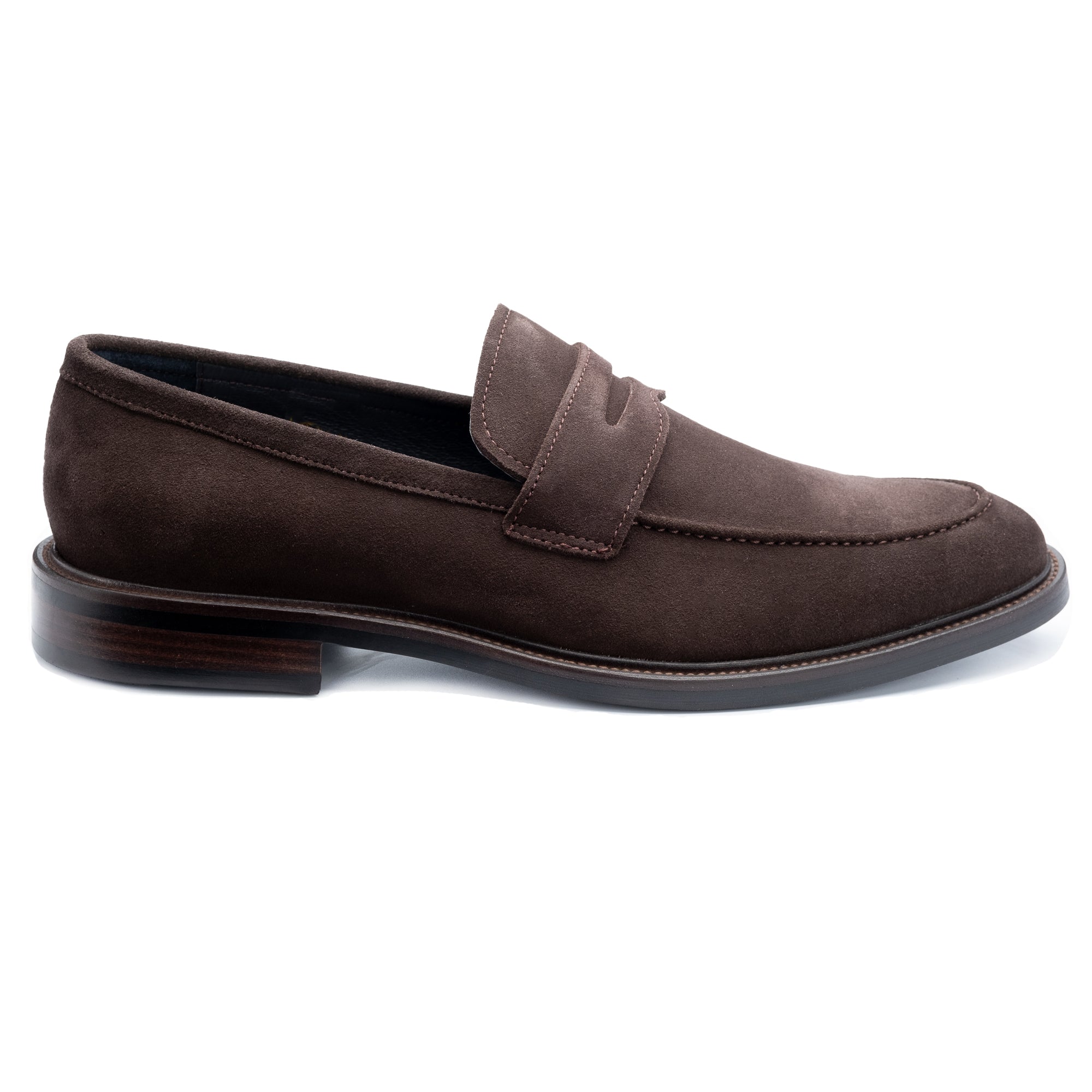
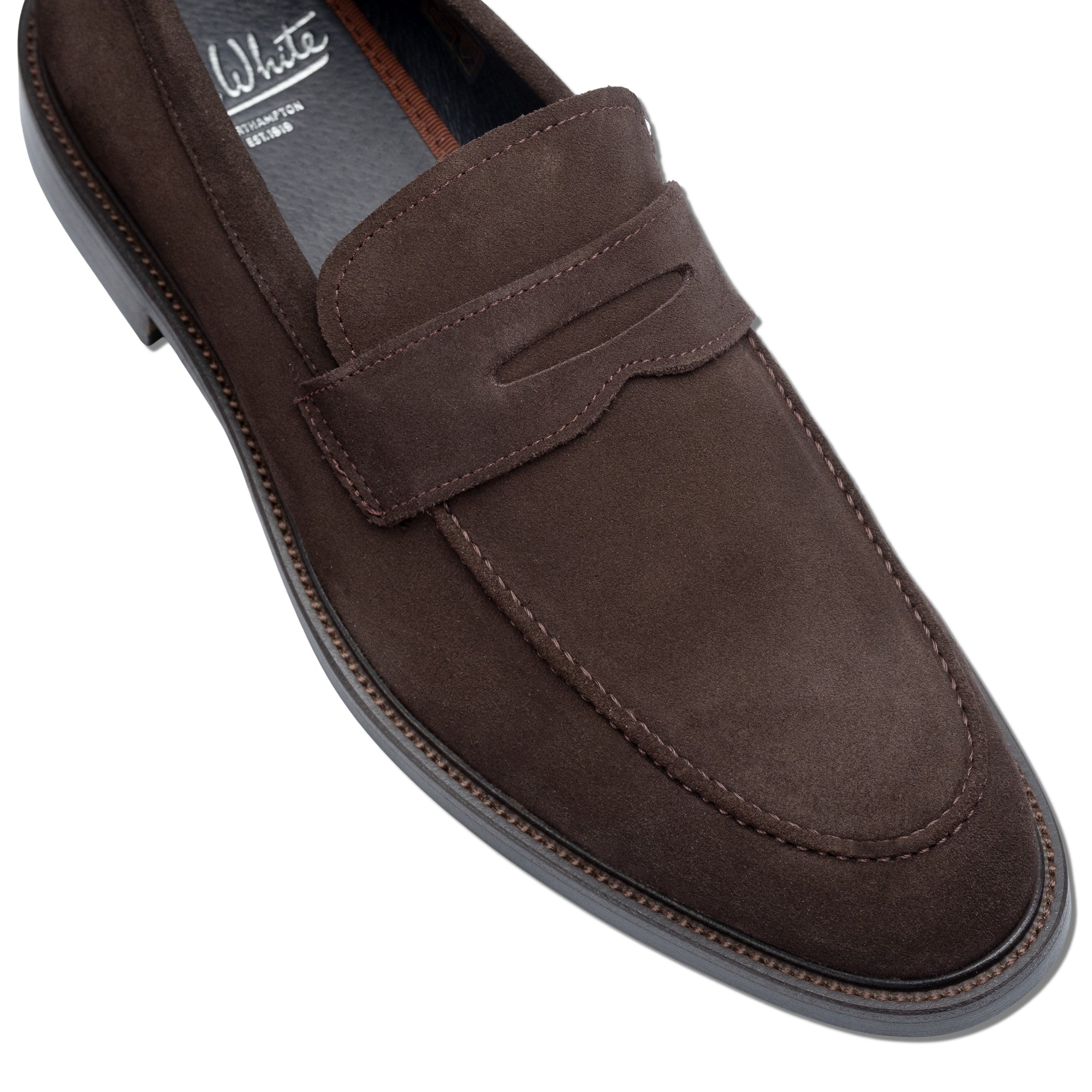
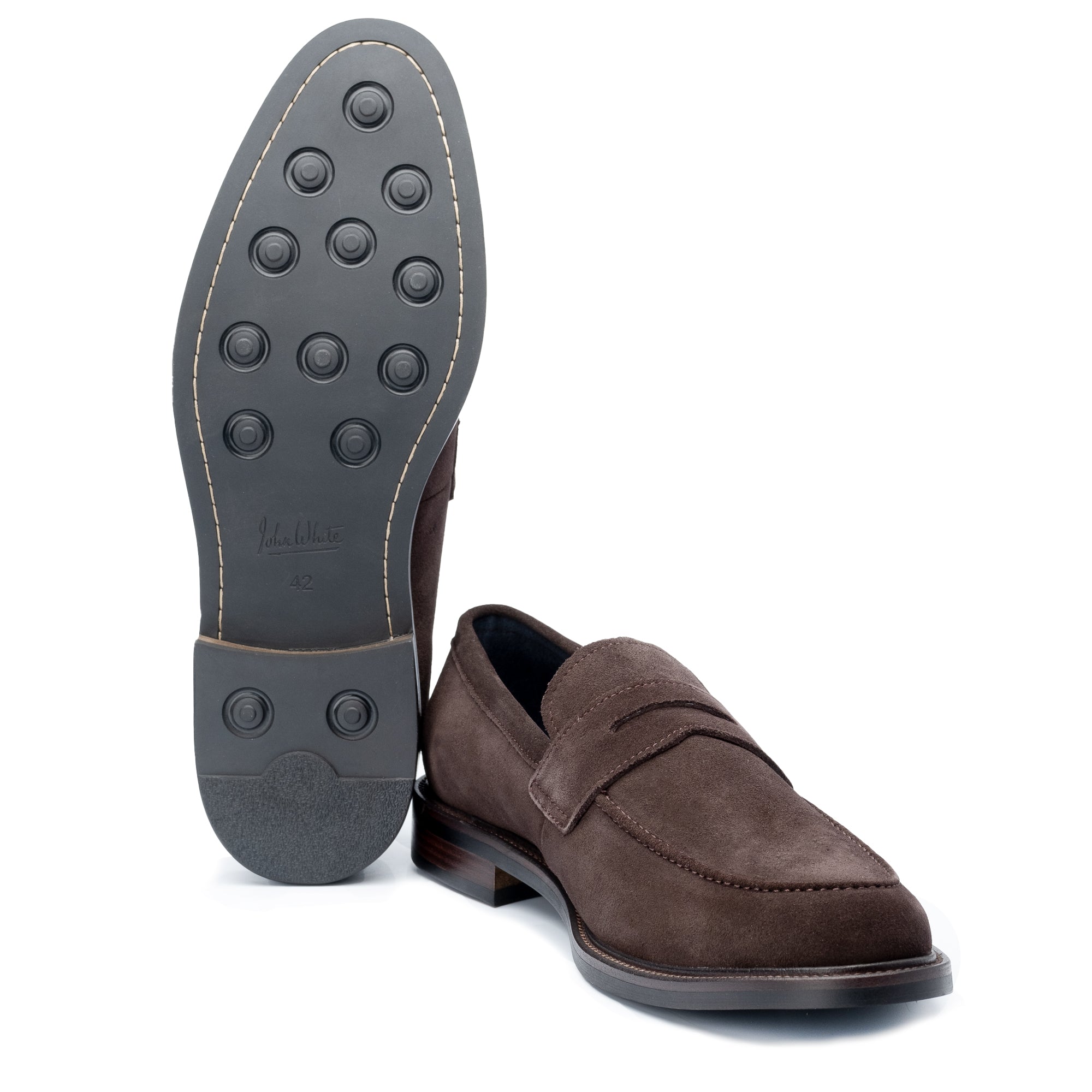
In a Northampton workshop producing traditionally finished shoes, several of these stages remain predominantly manual. Machines assist with consistency at scale, but edge-setting, burnishing, and final hand-polishing remain human operations — no machine reads leather the way a trained eye can.
A traditionally finished leather shoe passes through the hands of multiple specialist craftsmen, each responsible for a stage that shapes both the shoe's appearance and its longevity.
Which Northampton Shoemakers Are Still Working This Way?
Several heritage makers continue traditional construction in and around Northamptonshire. Each has its own character, its own signature fits, and its own approach to balancing hand skill with modern production consistency.
| Brand | Founded | Known For |
|---|---|---|
| John White Shoes | 1919, Northamptonshire | Heritage design, curated dress and casual footwear range |
| Church's | 1873, Northampton | Classic Oxford and Derby styles, Northampton factory production |
| Crockett & Jones | 1879, Northampton | Hand Grade range with fully hand-lasted uppers |
| Loake | 1880, Kettering | Shoemakers collection, traditional construction methods |
| Barker | 1880, Northamptonshire | Premium men's footwear, deep Northamptonshire heritage |
| Grenson | 1866, Rushden | Triple welt construction, contemporary heritage styling |
According to the British Footwear Association, skilled shoe operatives — particularly finishers and closers — typically require two to three years of training before they can work independently at the standards these makers demand. That investment in people is what keeps the tradition alive.
As the British Footwear Association has noted, Northampton's legacy represents centuries of accumulated craft investment that continues to define quality standards across the industry today. It's a standard by which all serious footwear — wherever it's ultimately produced — is measured.
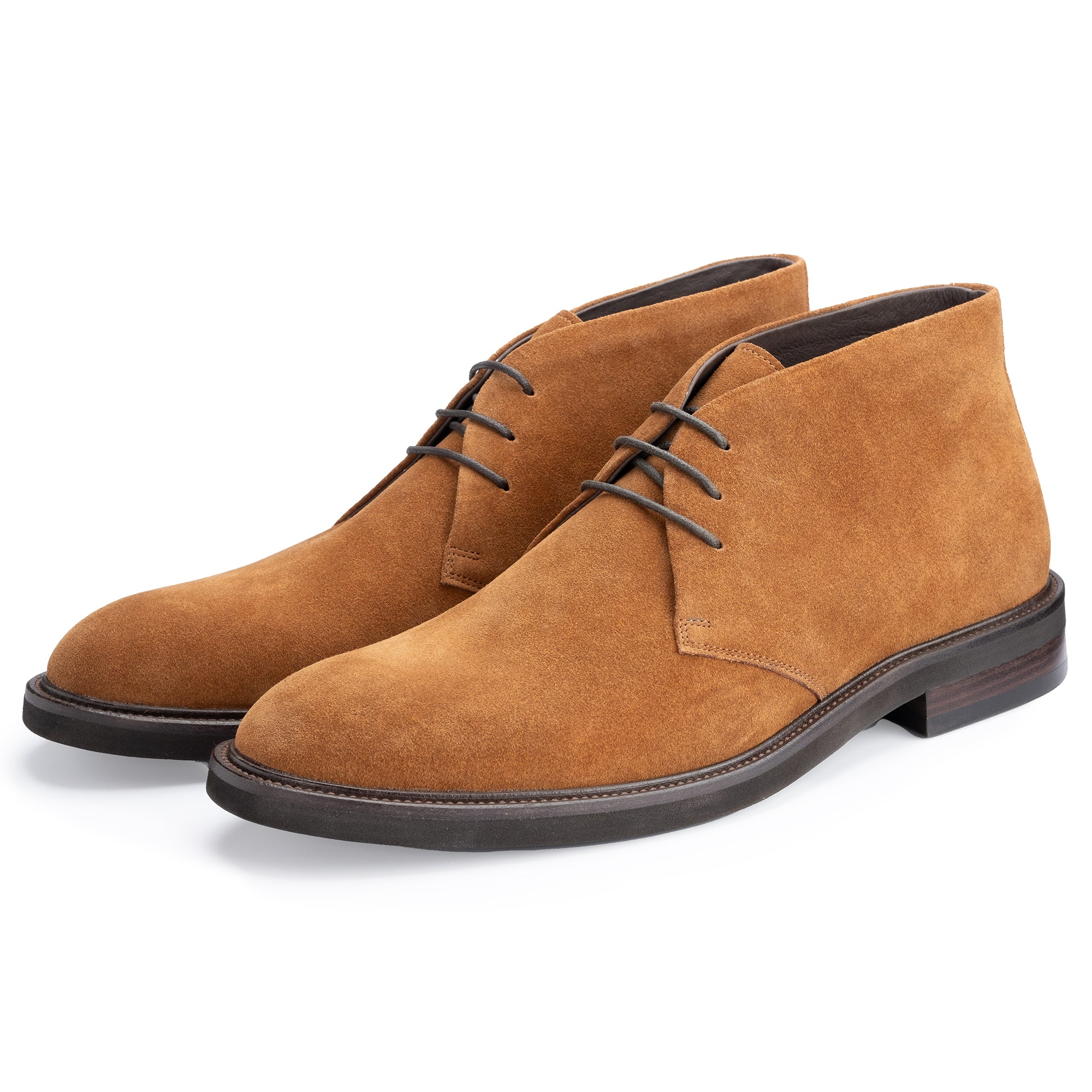
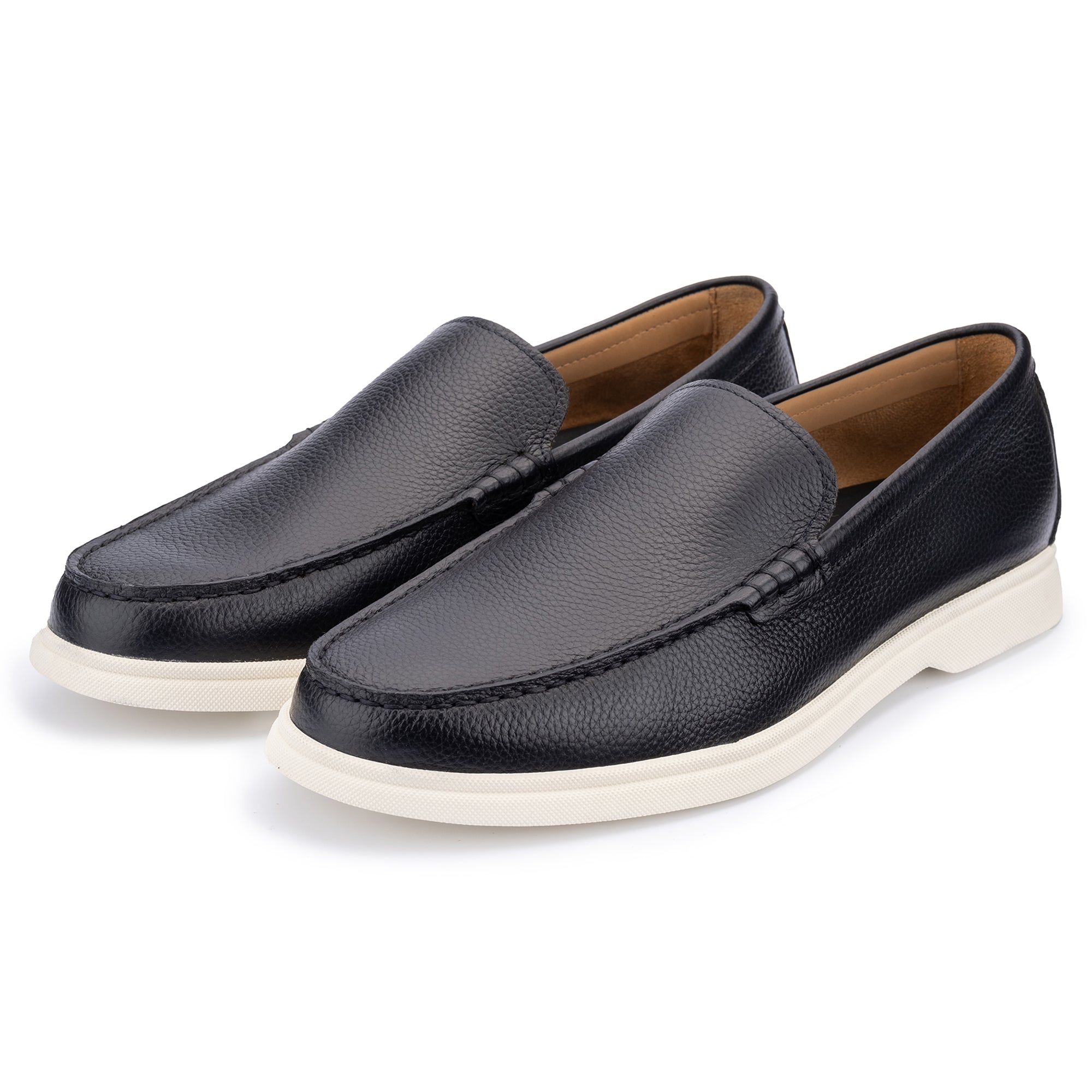
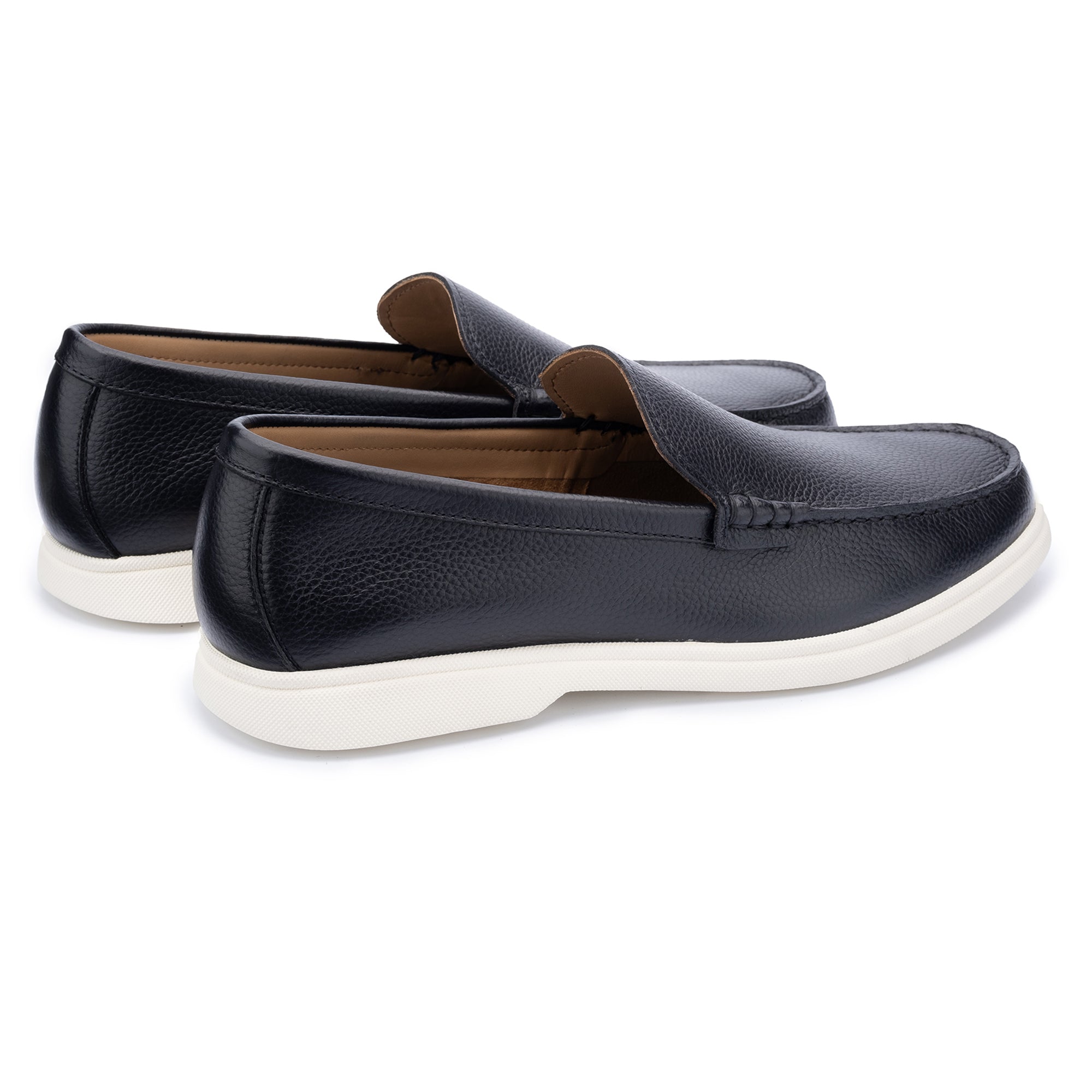
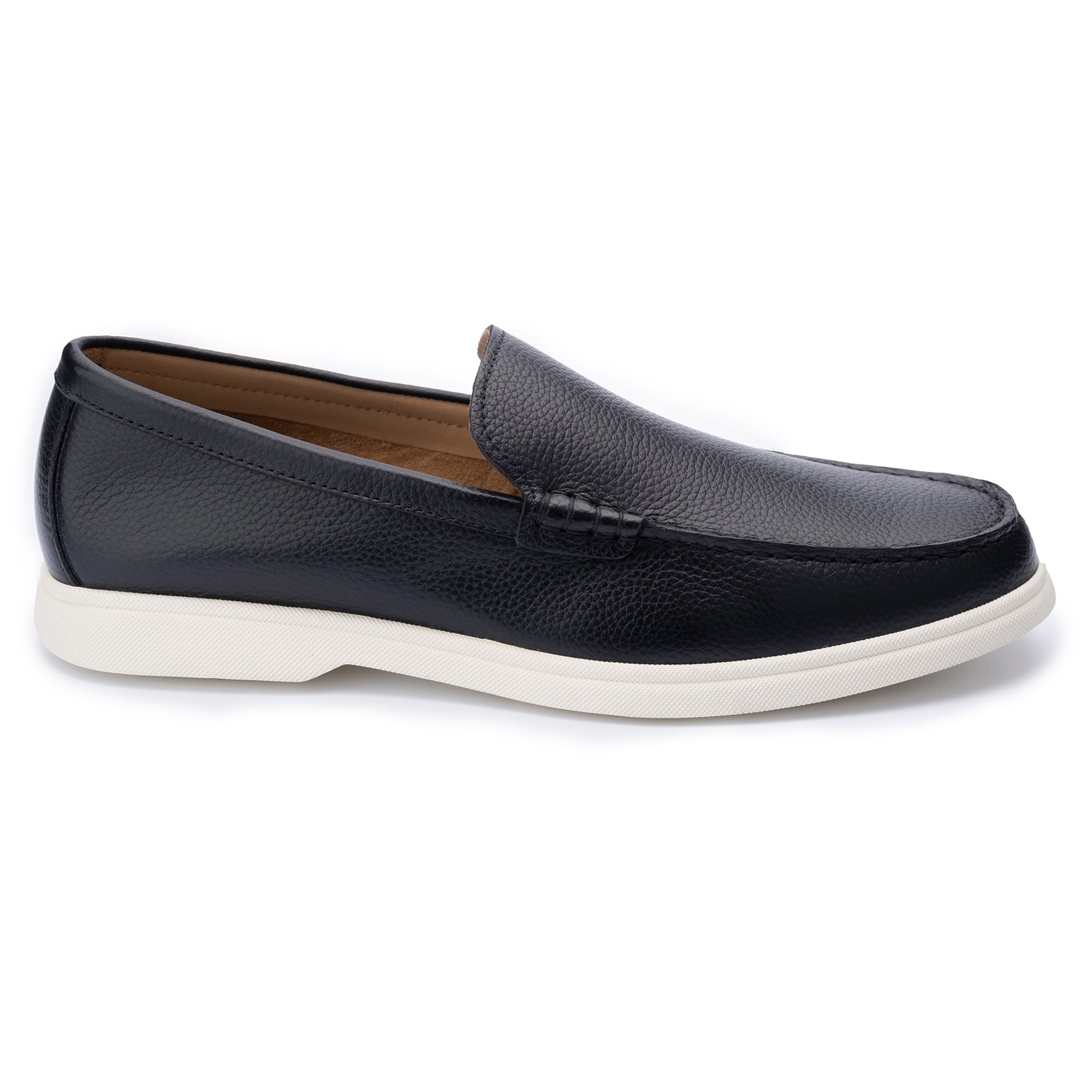
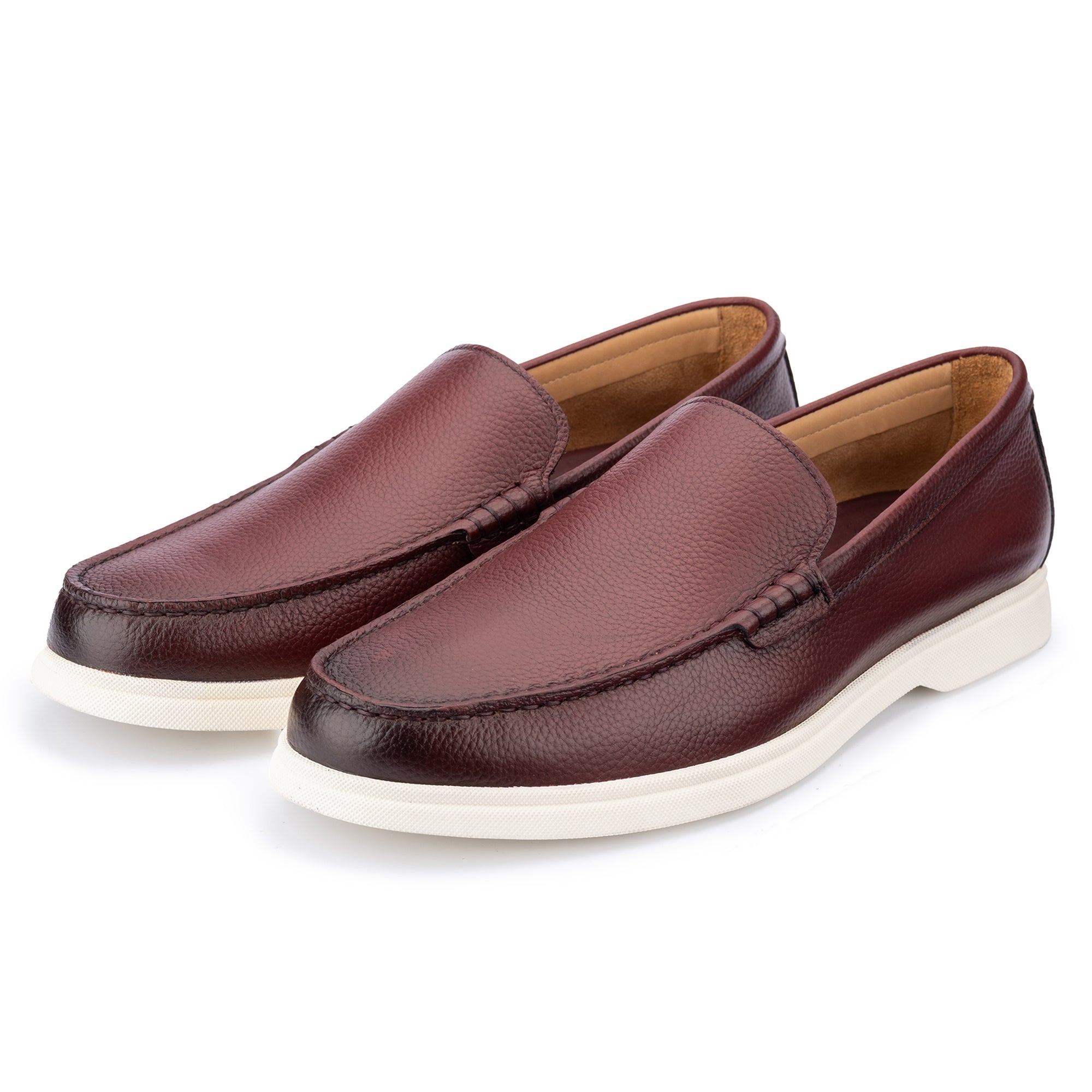
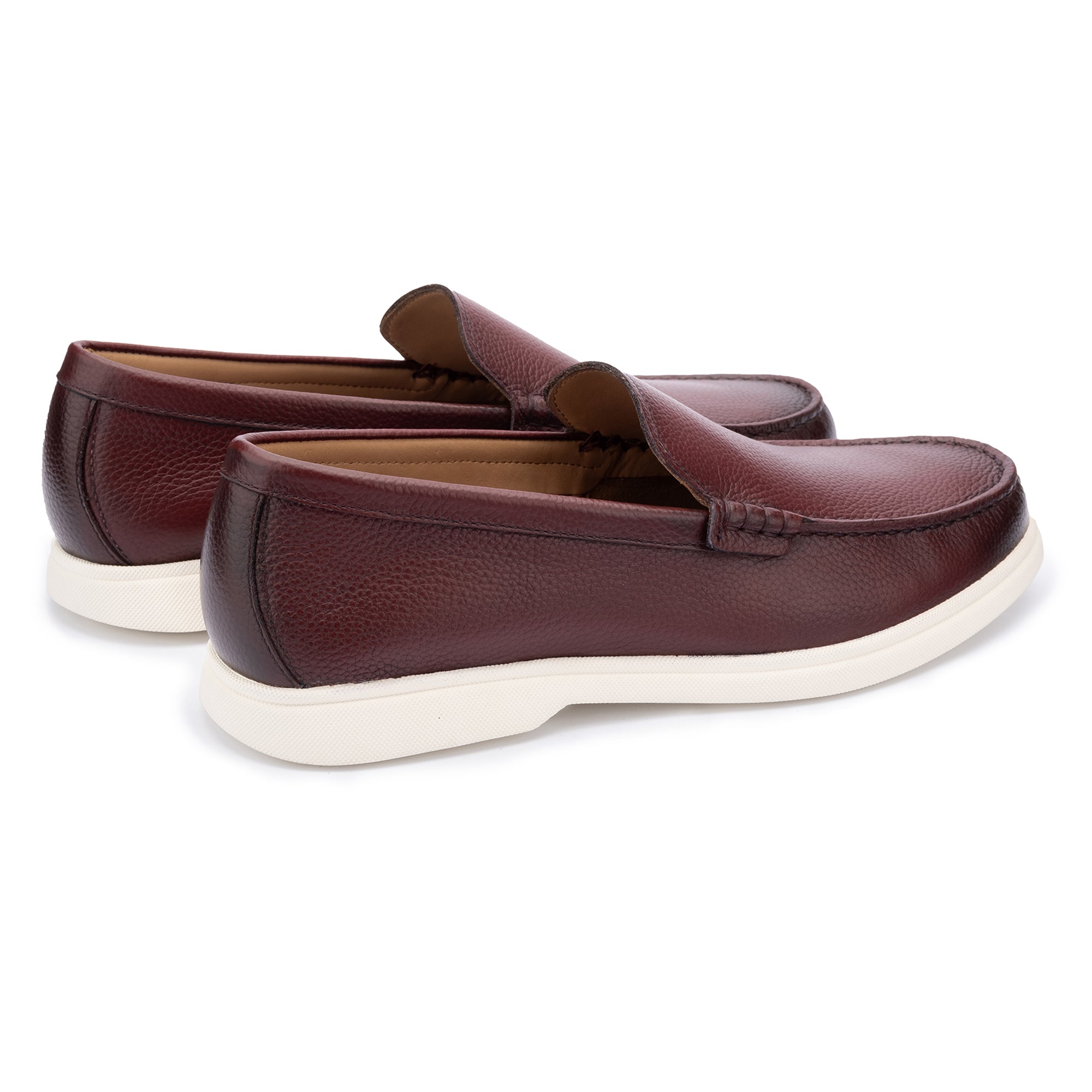
The heritage that John White Shoes was built on continues to inform the range we curate and the partner manufacturers we work with. Browse the men's shoes collection to see how those standards translate into the finished product.
What Is a Last and Why Does It Define Every Shoe?
A last is the foot-shaped former around which a shoe is constructed — traditionally carved from beech wood, now often moulded in aluminium or high-density polymer. Everything about a shoe's fit, silhouette, and wearability derives from its last.
In Northampton's finest workshops, lasts are closely guarded intellectual property. They represent decades — sometimes a century — of accumulated understanding about how a foot sits, bends, and bears weight in different shoe styles. Church's, Crockett & Jones, and others have proprietary lasts that define their signature fits and differentiate their shoes from cheaper imitations that may look superficially similar but feel entirely different on the foot.
Last-making itself remains a specialist trade in Northamptonshire. For more on how lasts are still produced, see our guide to how British shoe lasts are still made by hand.
The last is the single most consequential design decision in any shoe — it determines fit, character, and comfort above every other variable.
How Does Hand-Finishing Change What a Shoe Becomes?
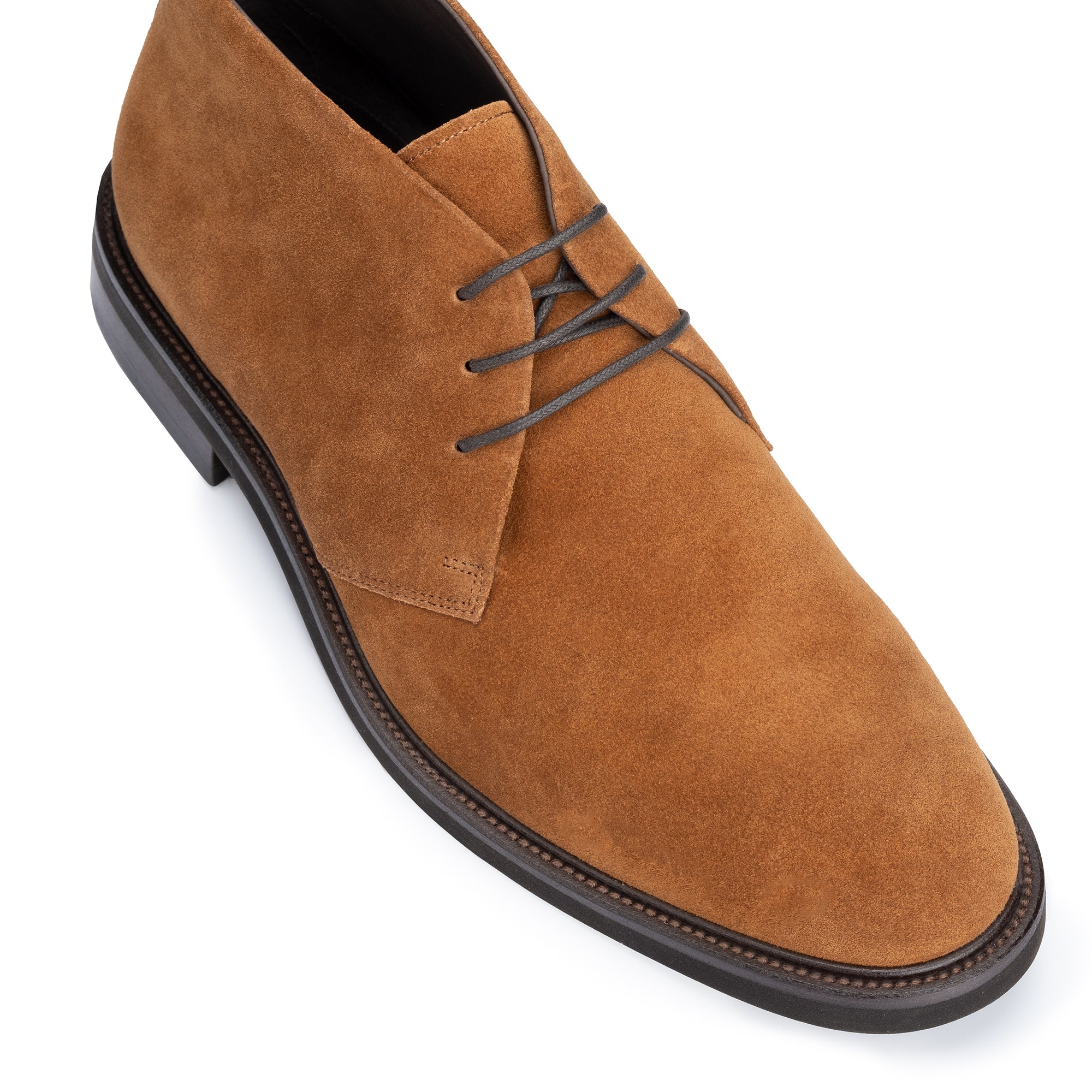
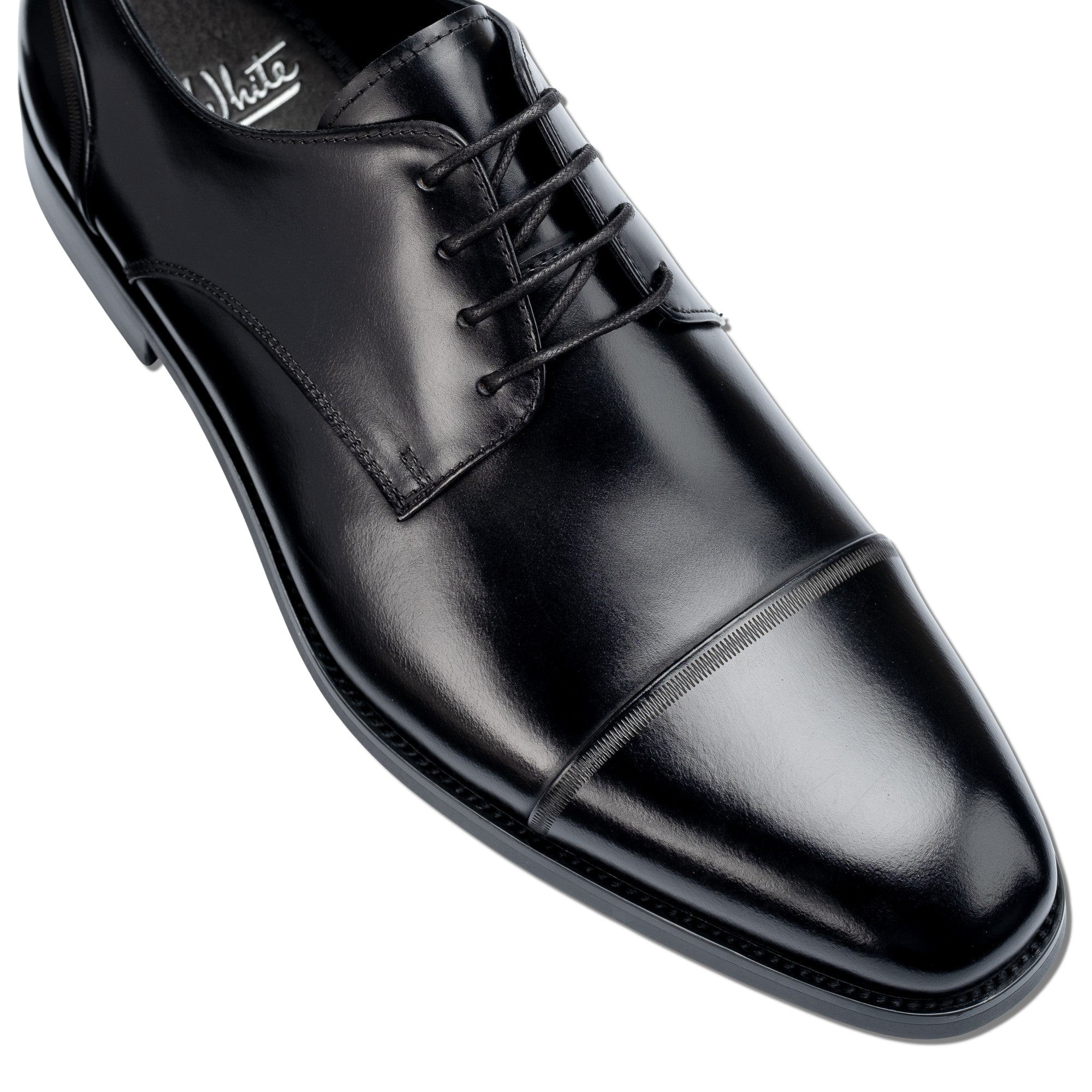
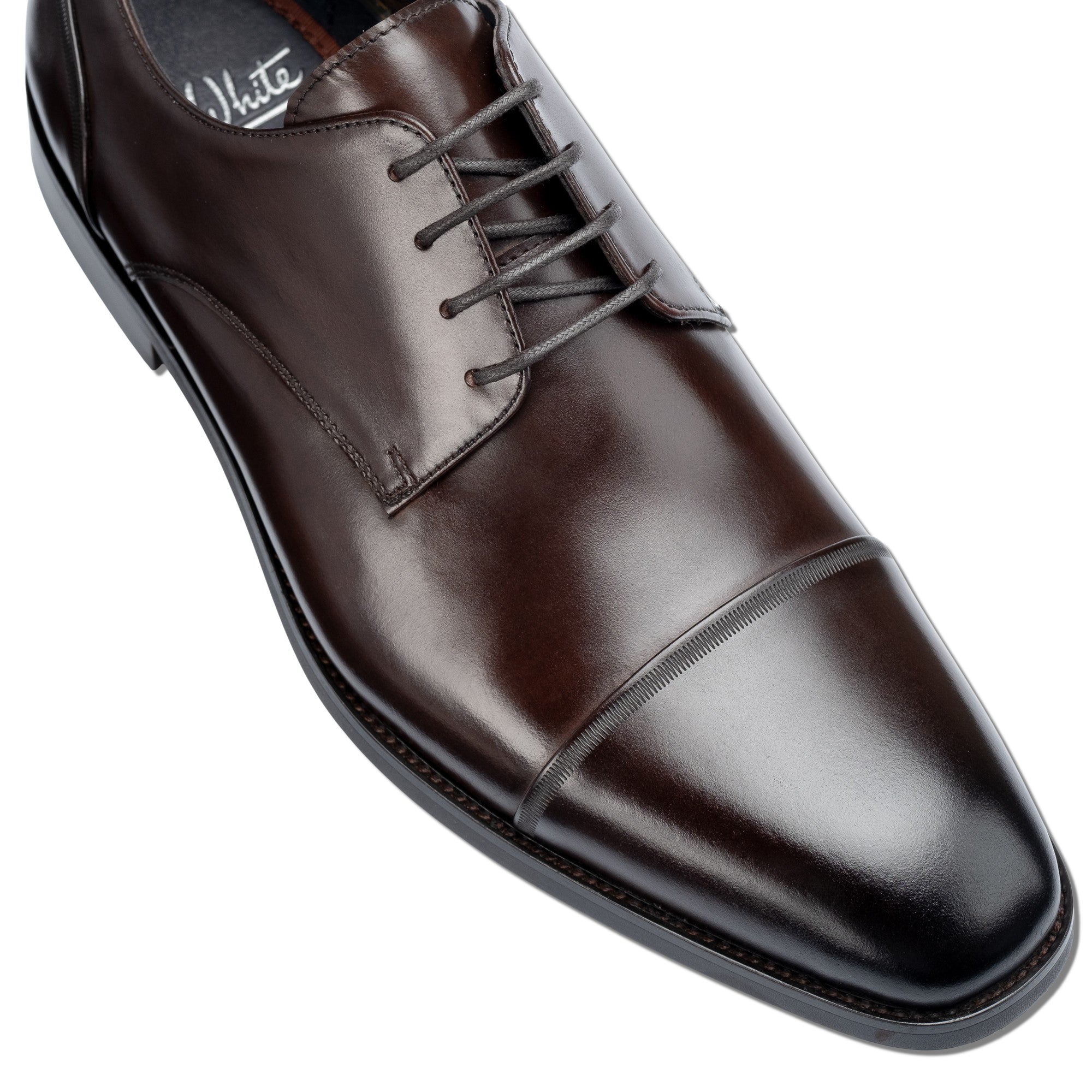
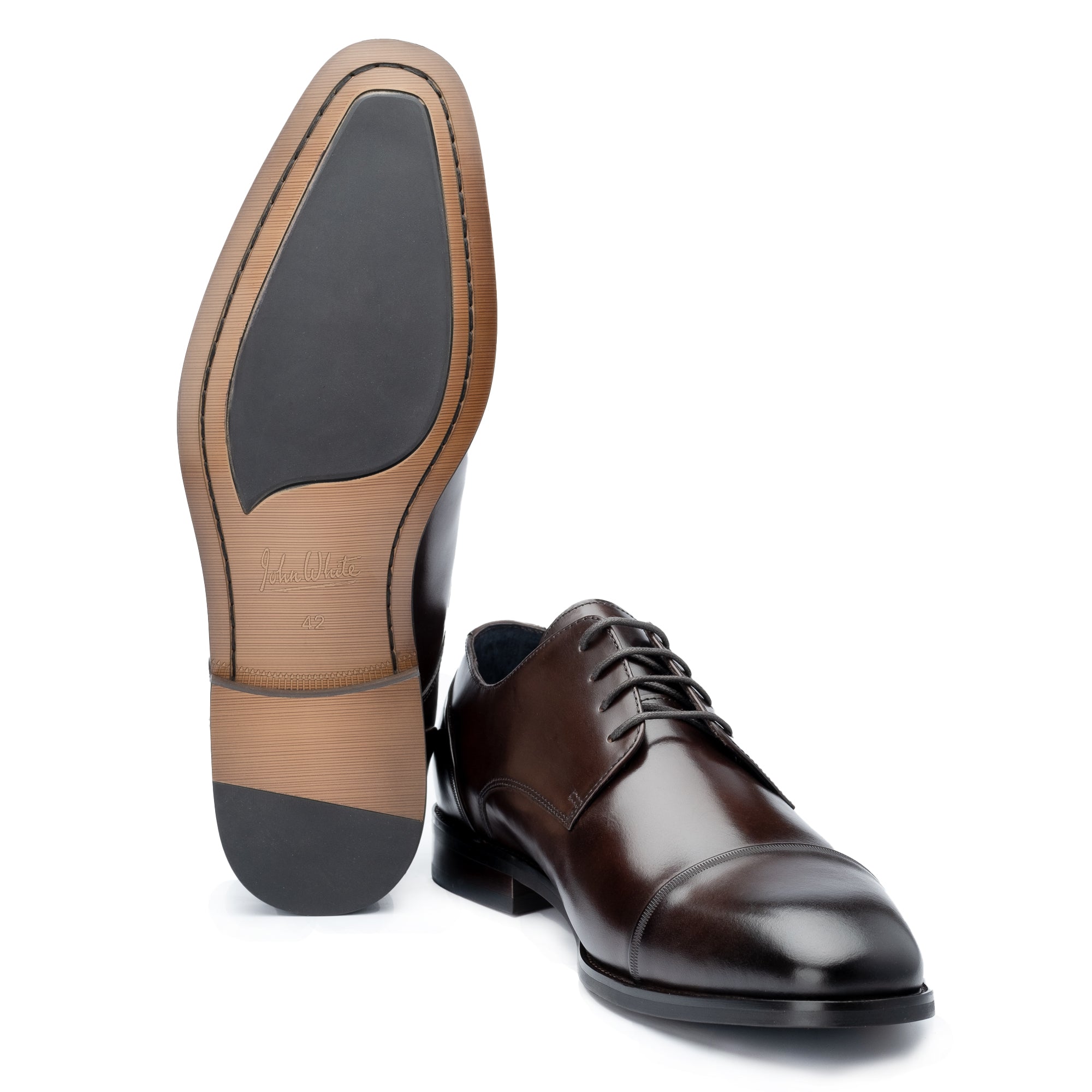
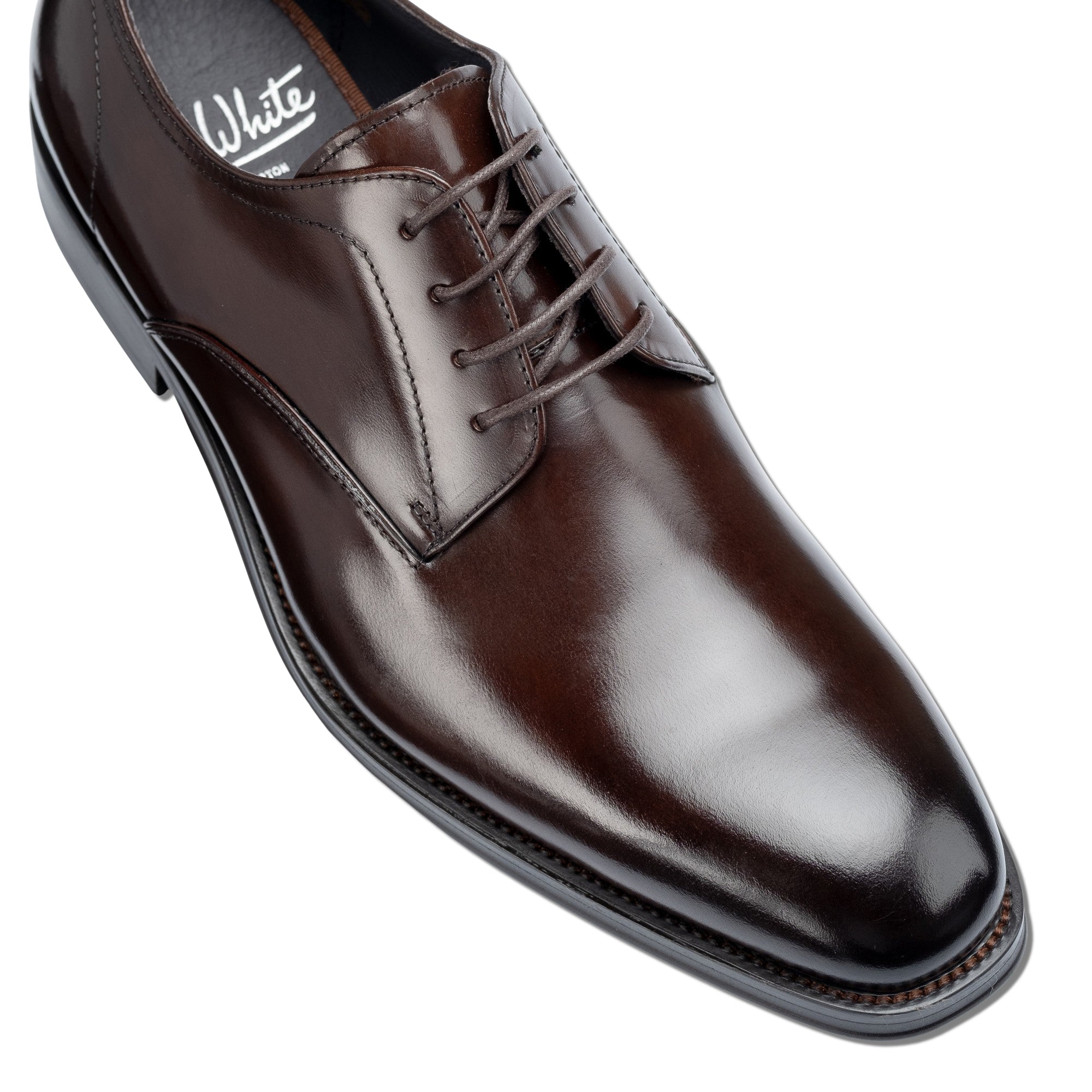
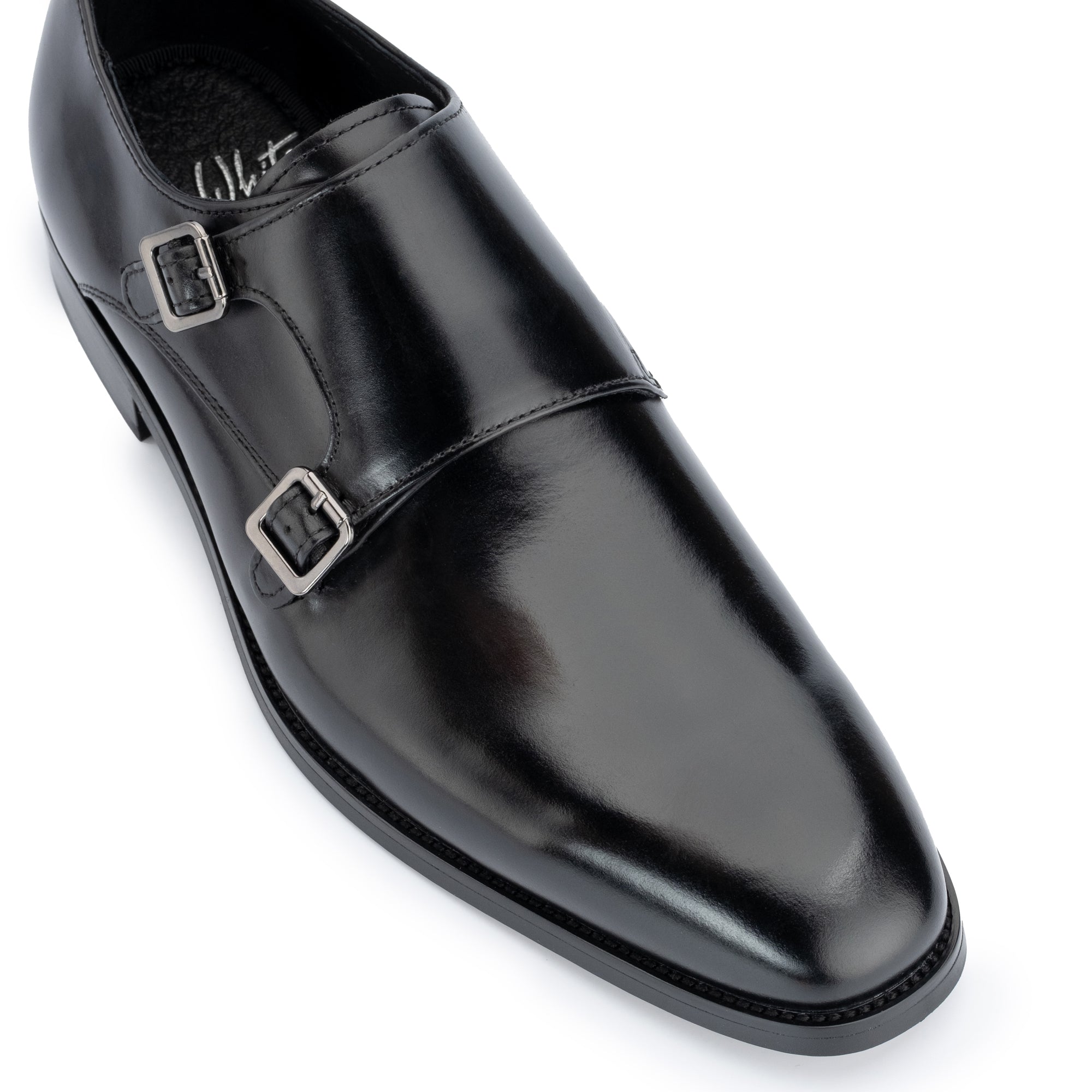
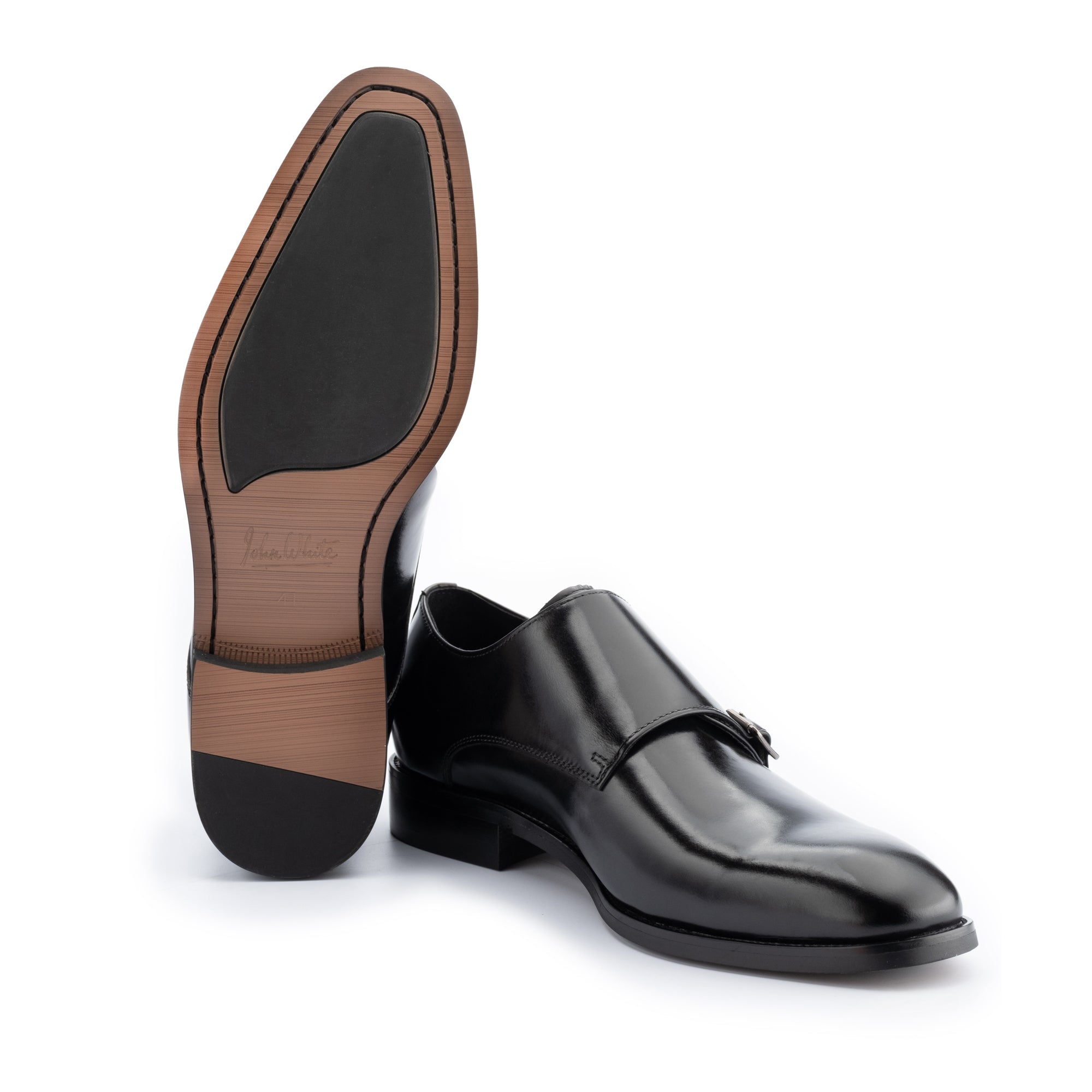
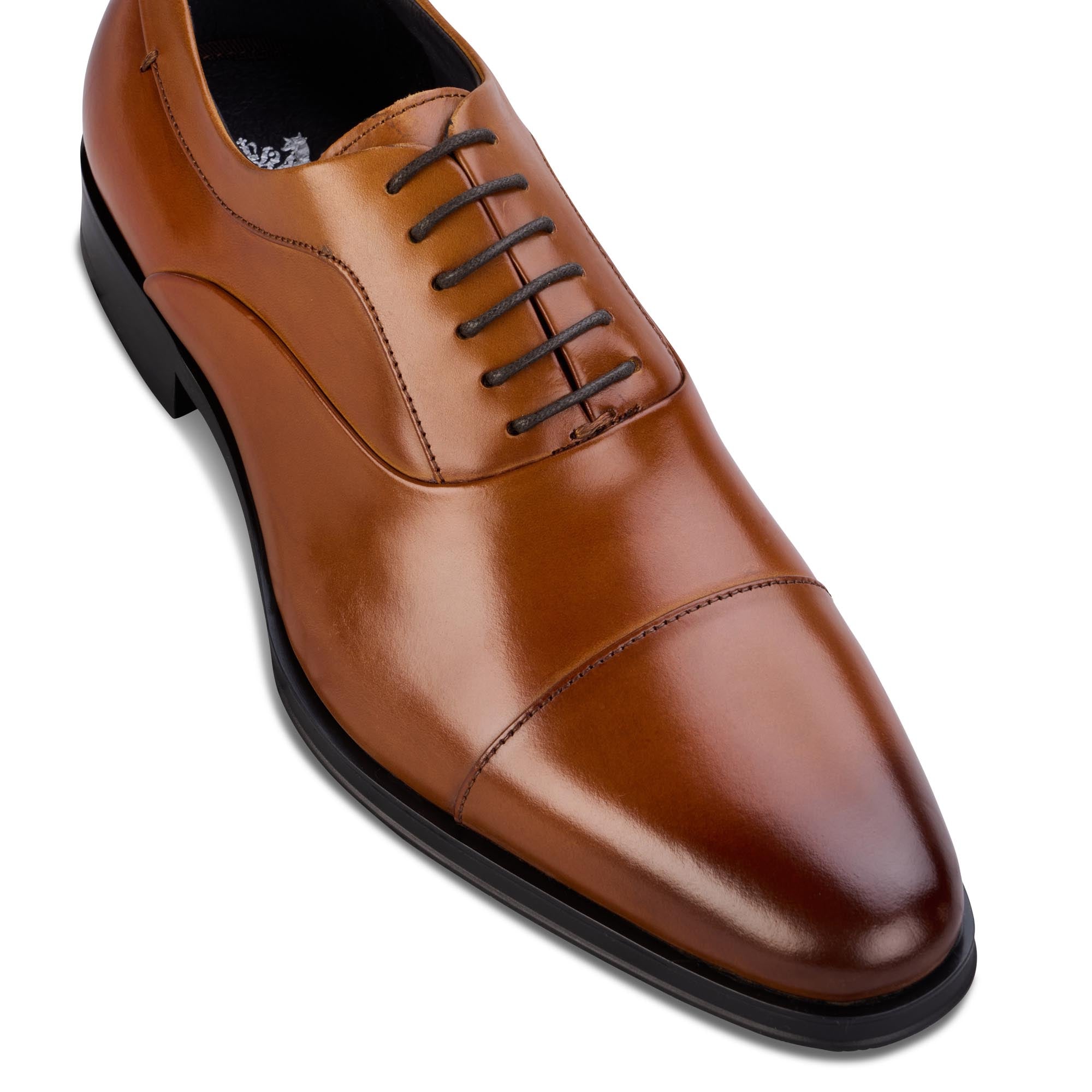
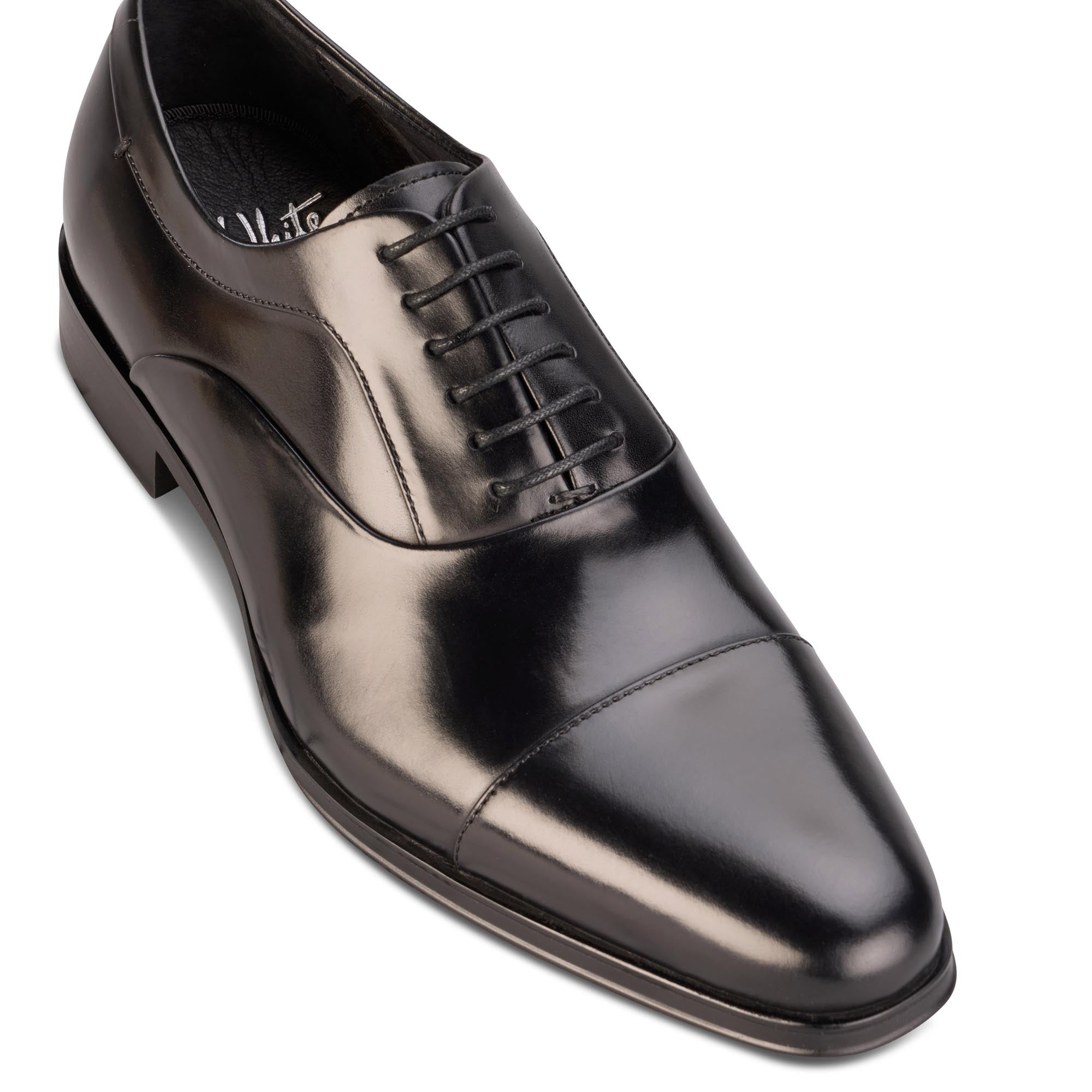
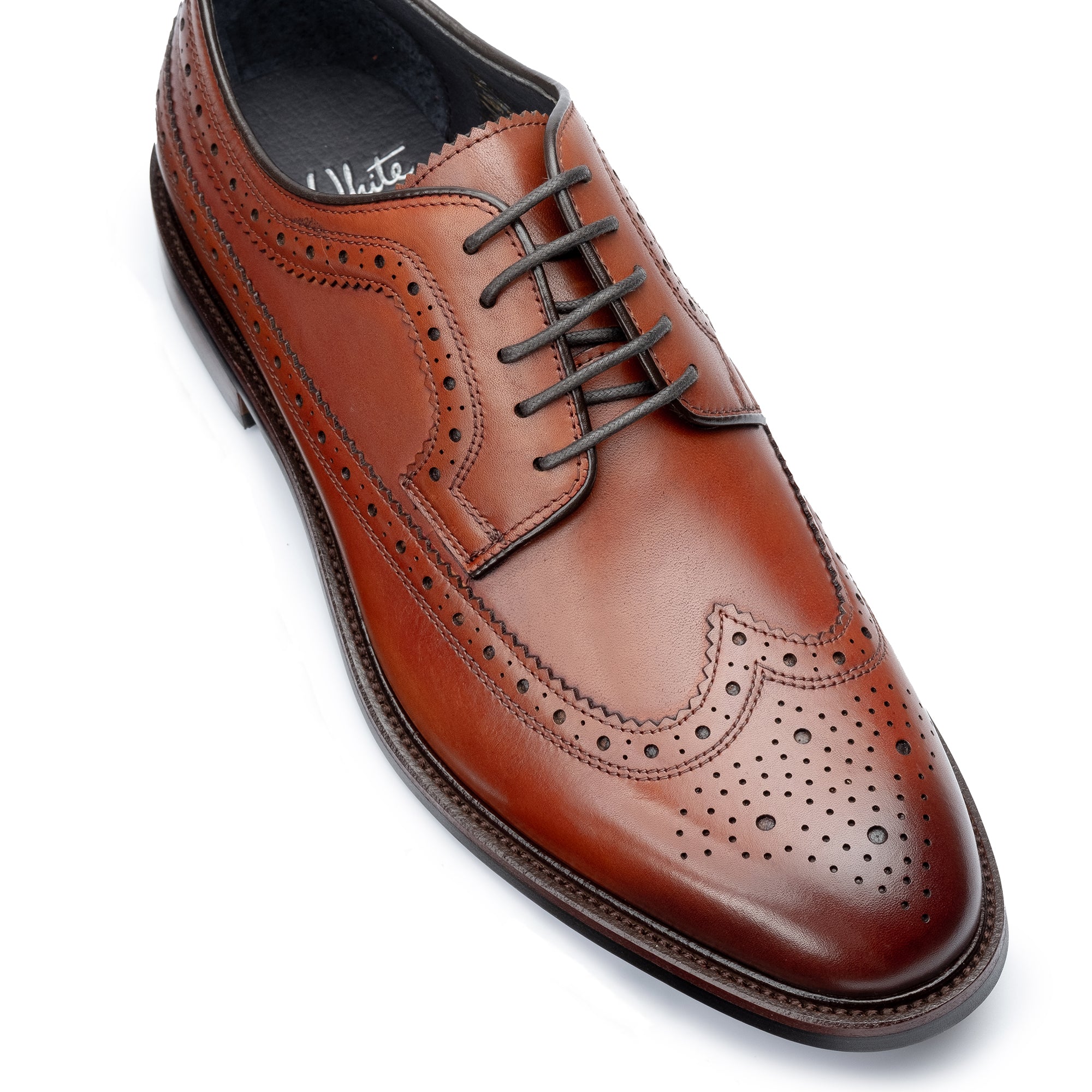
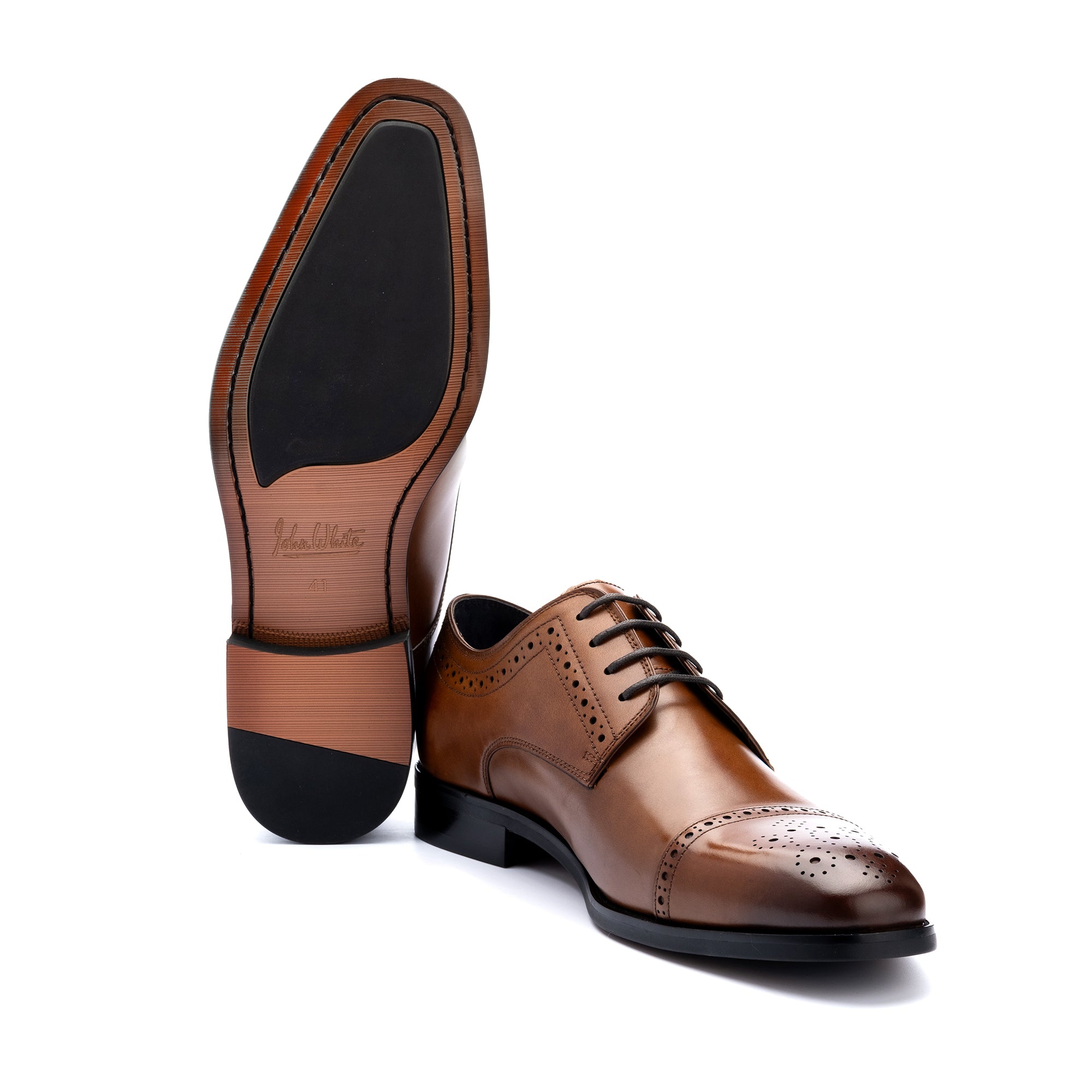
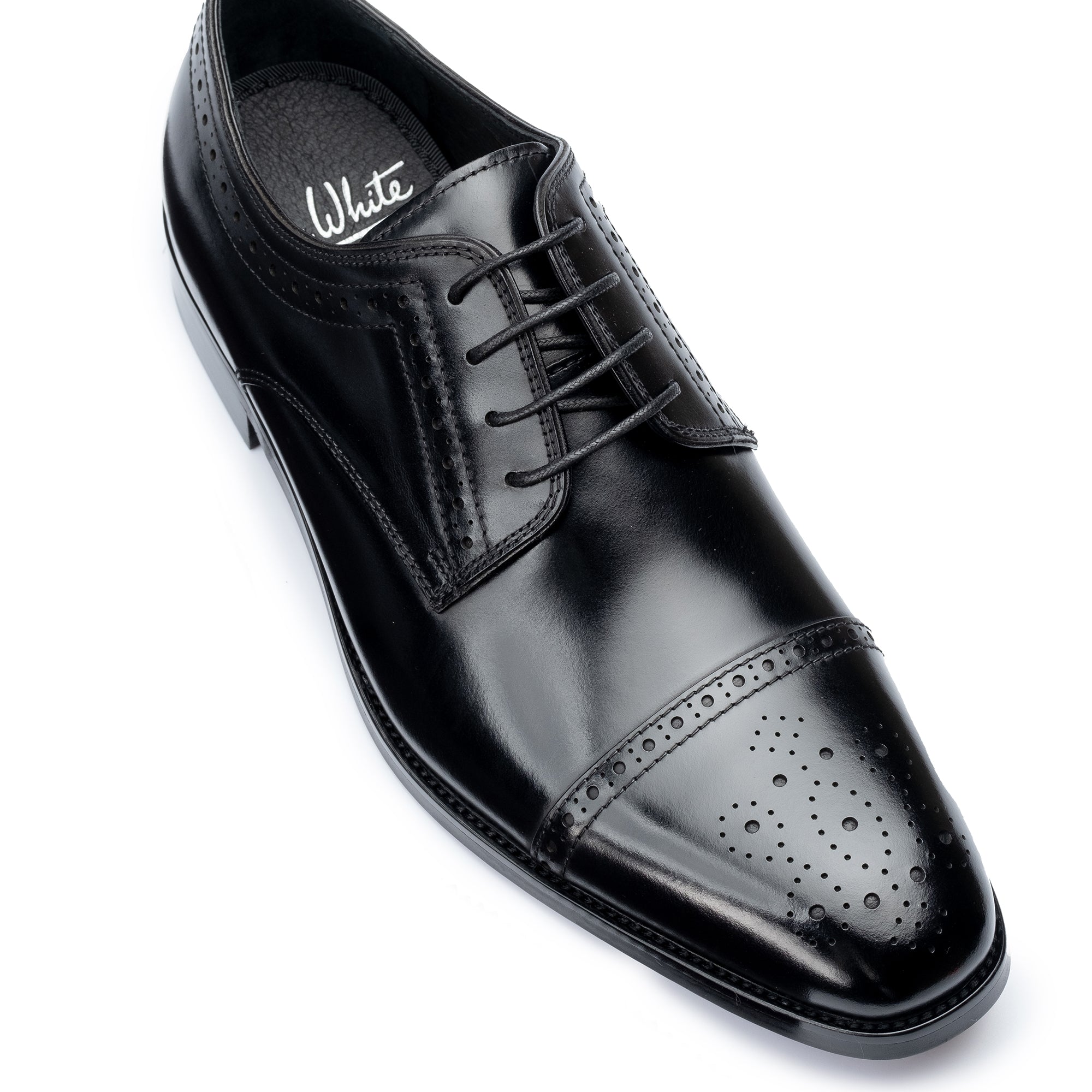
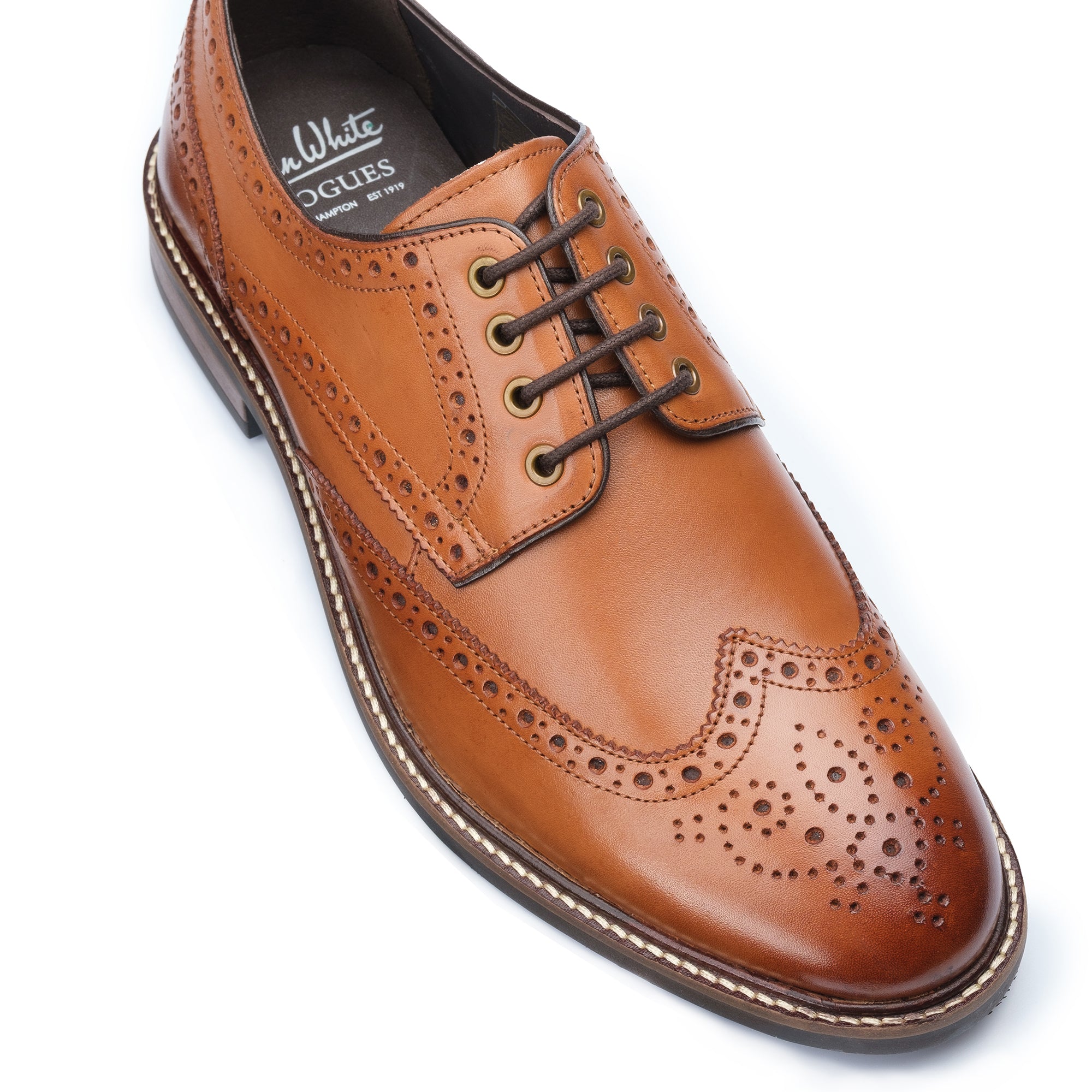
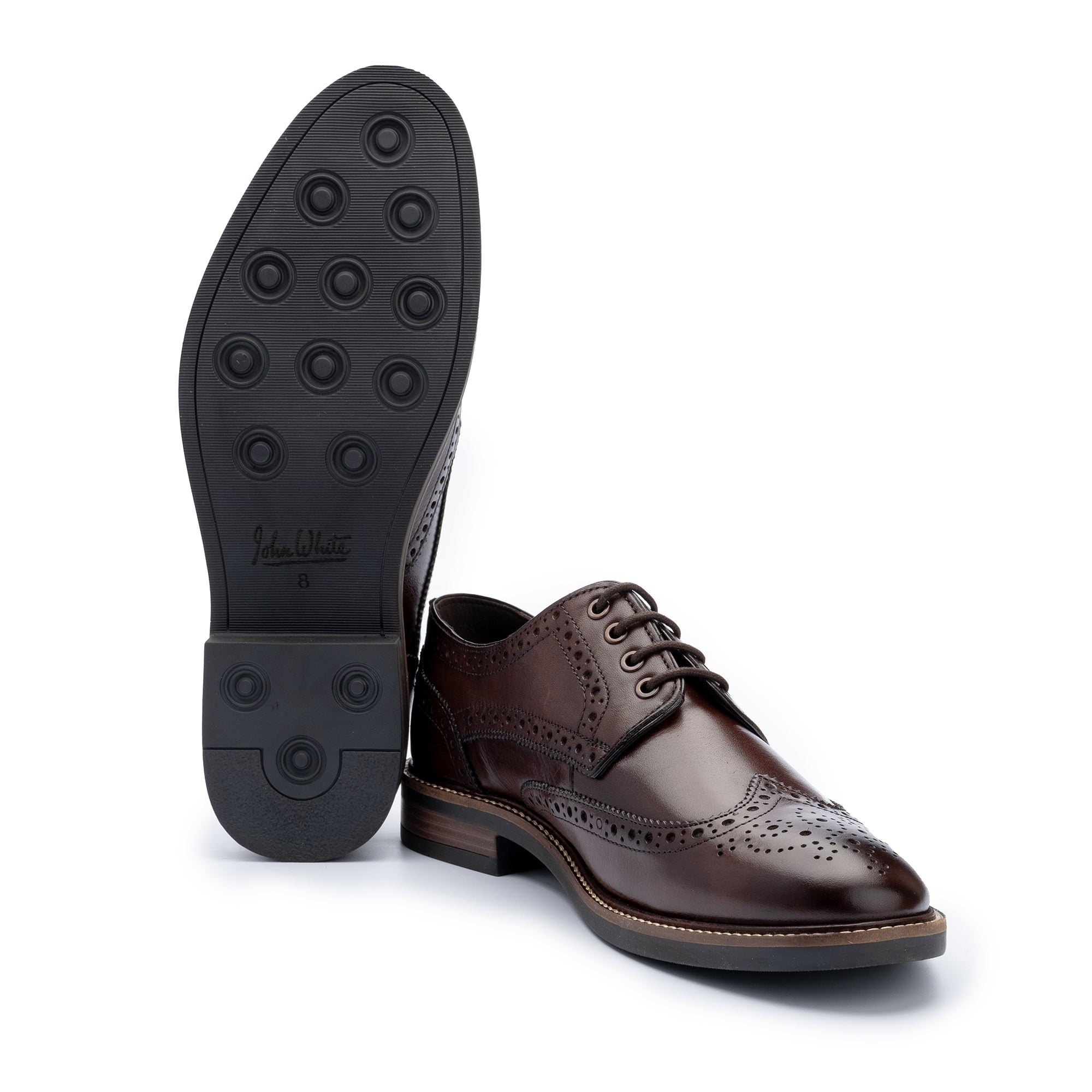
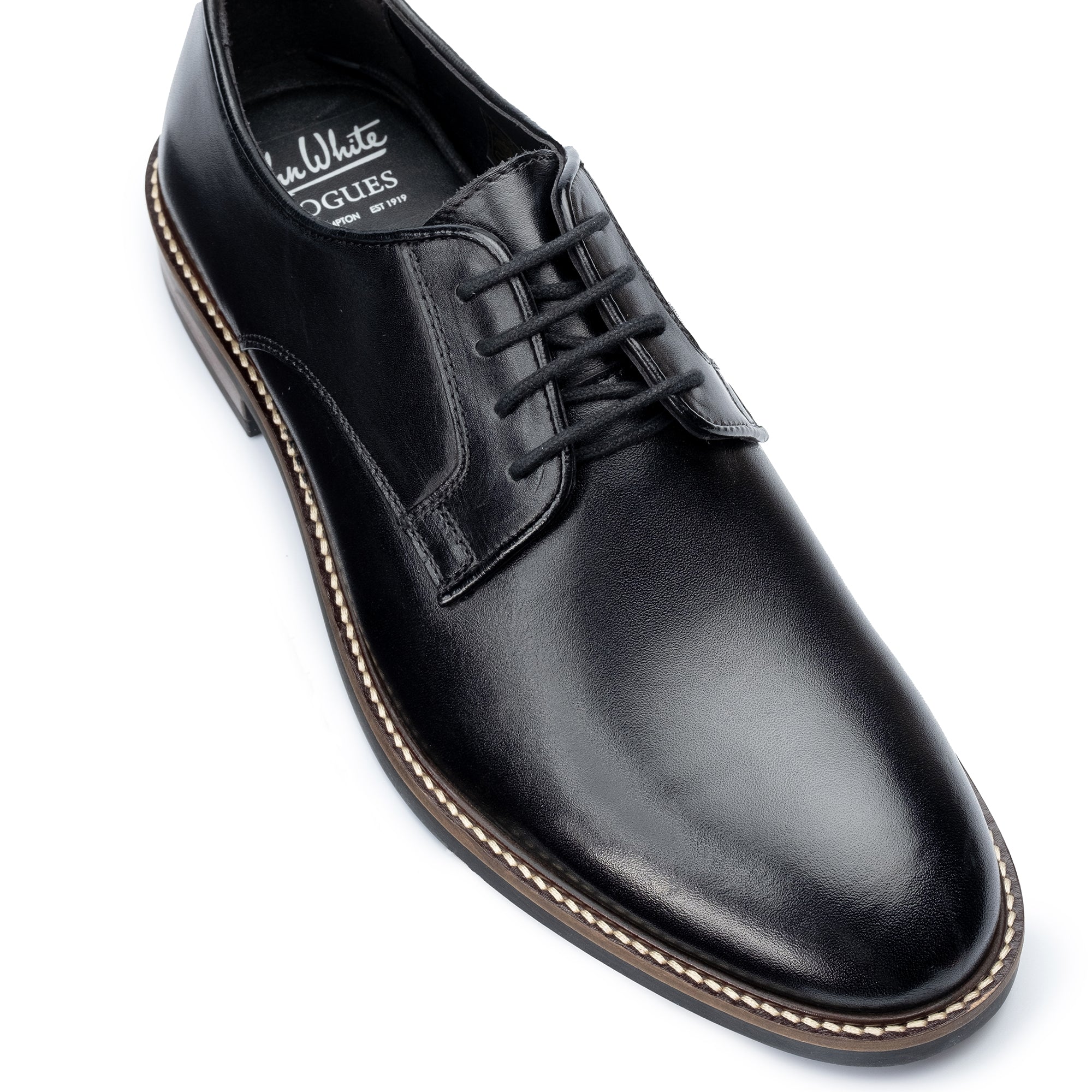
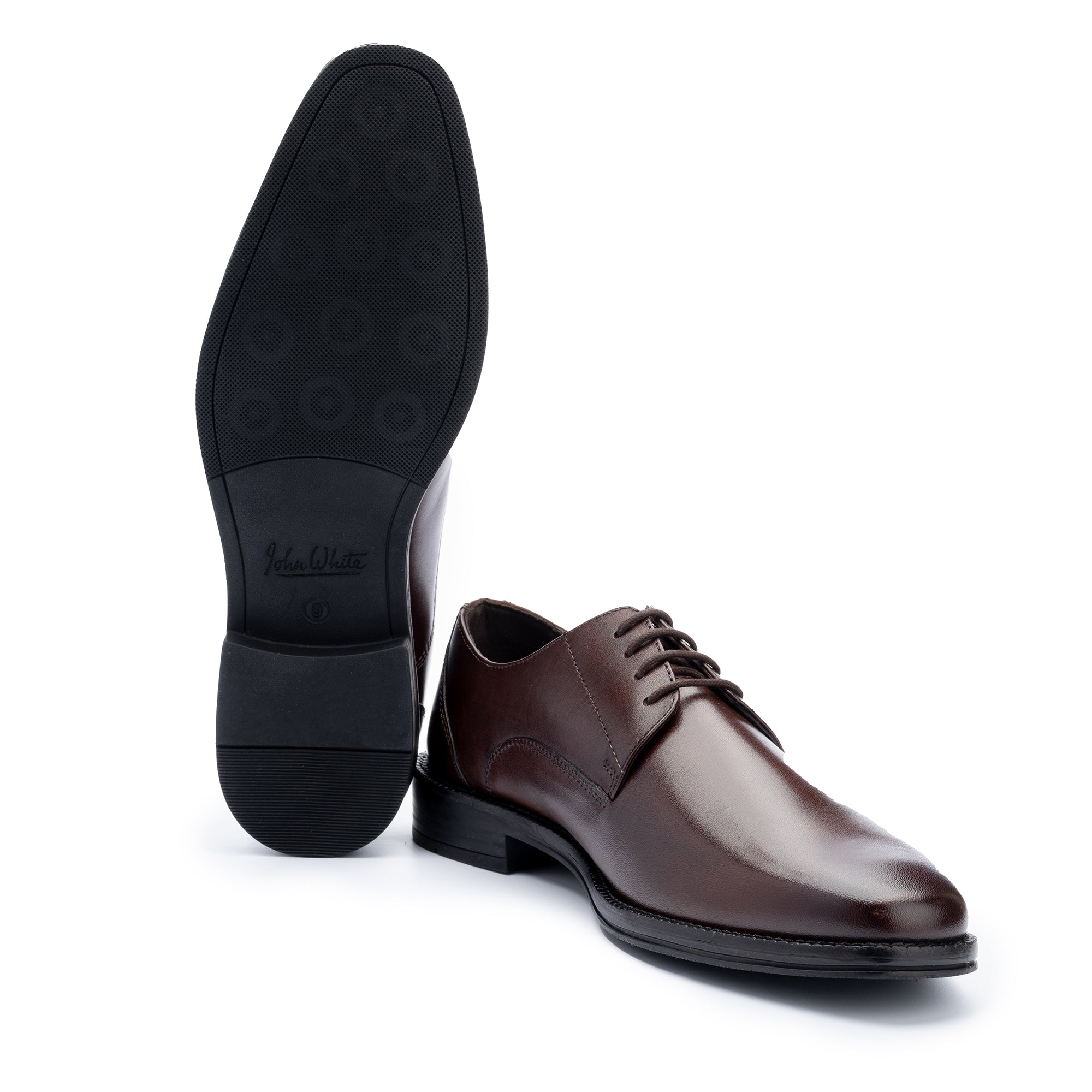
The difference between a machine-finished sole edge and a hand-burnished one isn't subtle once you know what to look for. Hand-finishing involves a heated iron applied with consistent pressure along the edge, compressing leather fibres and sealing the surface. The result is denser, smoother, and more resistant to moisture than a machine-applied finish.
According to the Leather Conservation Centre, proper edge-sealing during manufacture is a primary determinant of a shoe's long-term durability. Moisture ingress at the sole seam — one of the most vulnerable points on any leather shoe — is significantly reduced by thorough hand-finishing at the point of construction.
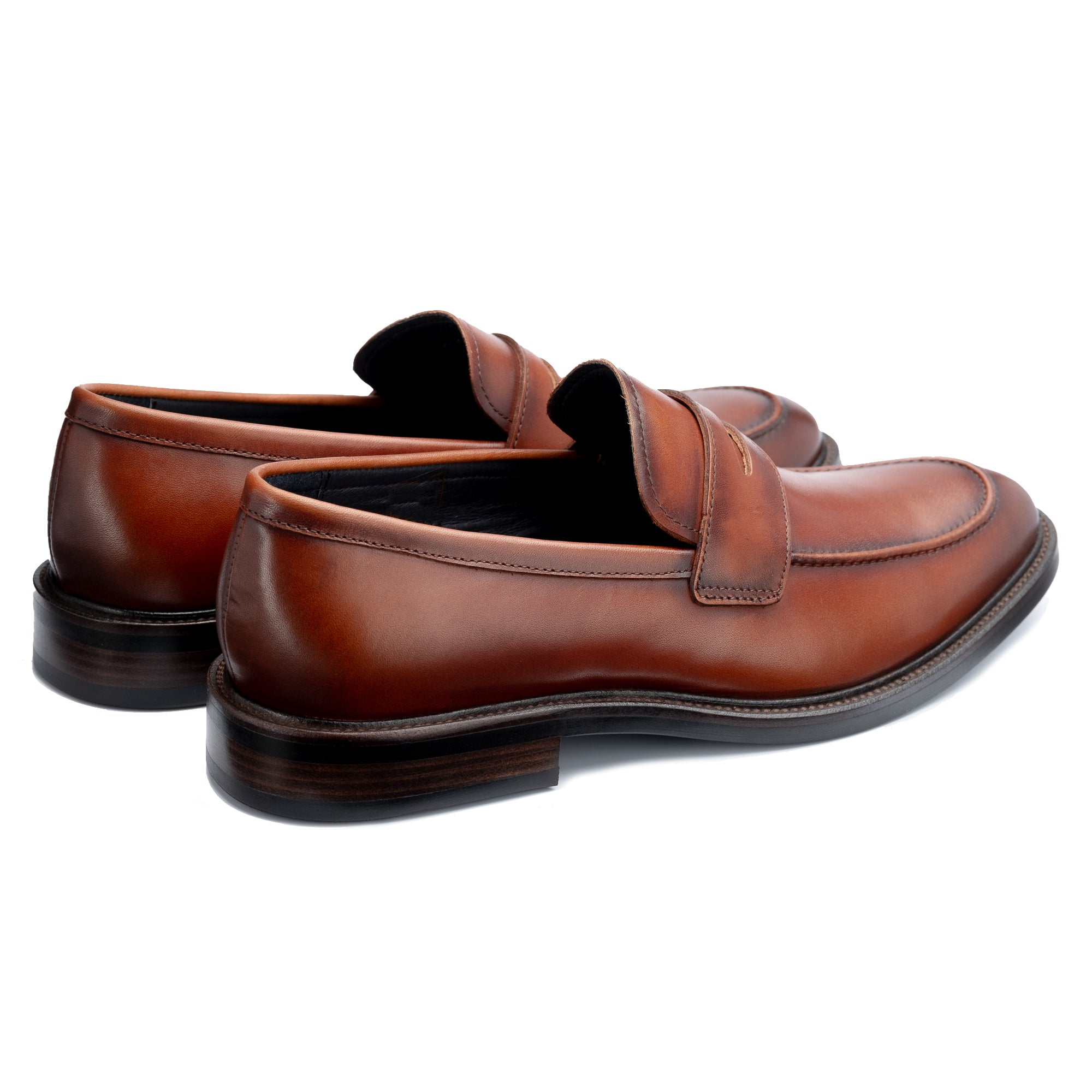
Hand-finishing also enables refinements that automated processes handle poorly: the graduation of a heel from square to rounded, the slight break of an edge at the toe, the careful application of wax to sole leather that provides water resistance from the very first wear.
For any man investing in leather footwear, understanding this process changes how you evaluate a shoe — and how you look after one. Our annual leather shoe maintenance checklist covers the ongoing care these shoes deserve once they're on your feet.
Why Does This Heritage Matter When You're Choosing Shoes?
Understanding Northampton's tradition isn't historical curiosity — it's a practical guide to what you're buying. The vocabulary of traditional shoemaking gives you a framework for evaluating quality claims: what 'hand-lasted' means versus 'handmade', why construction method affects both comfort and repairability, and why two shoes at similar price points can have radically different lifespans.
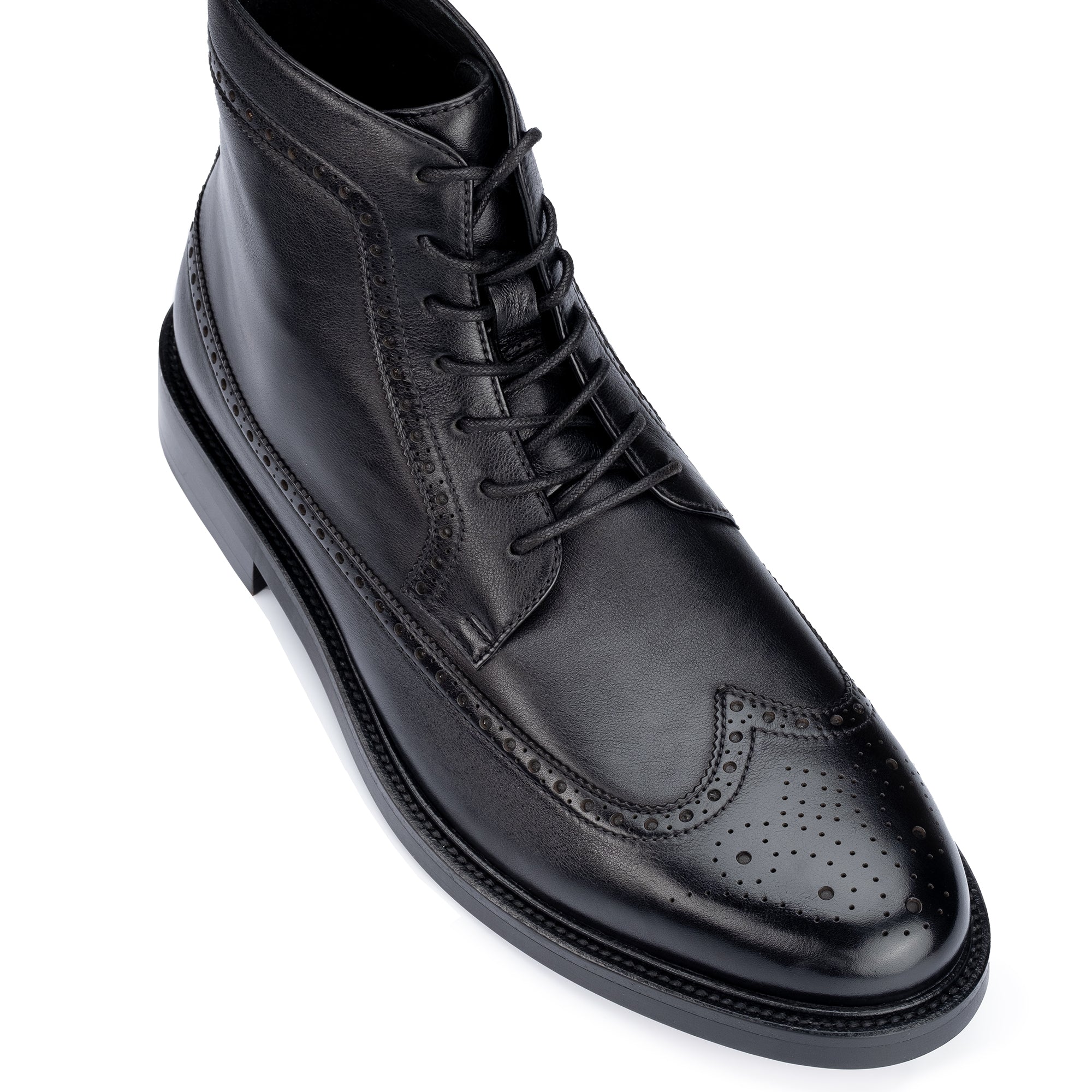
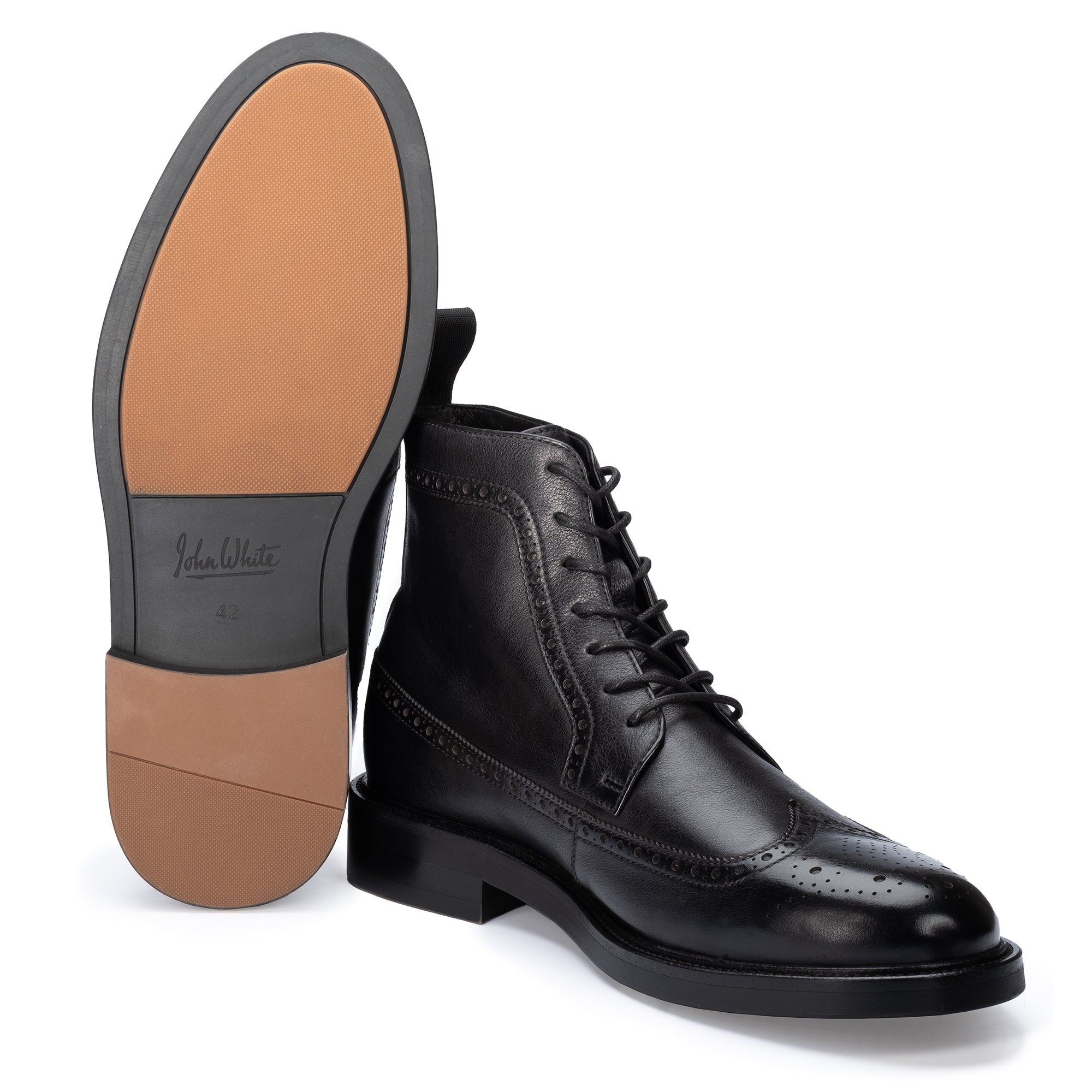
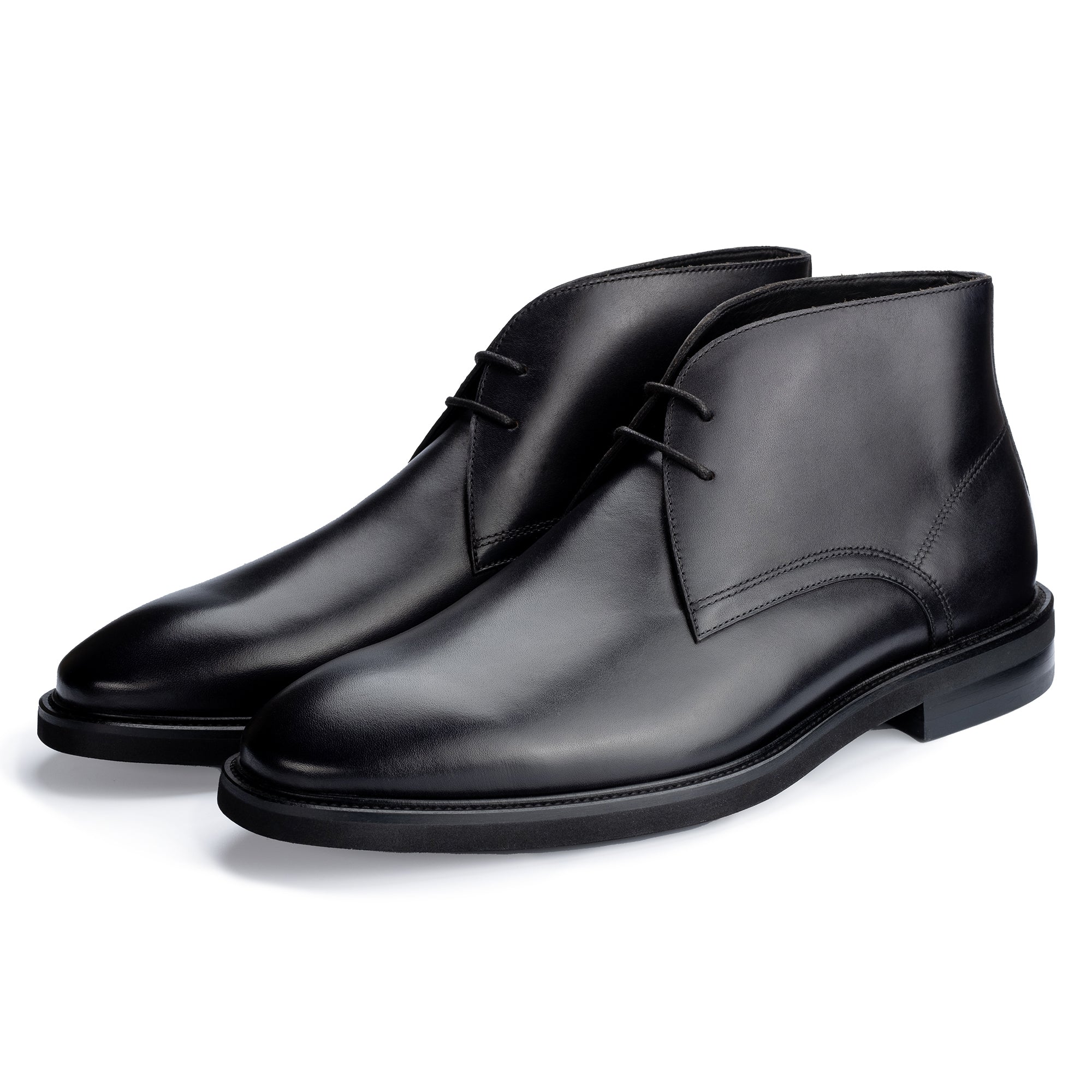
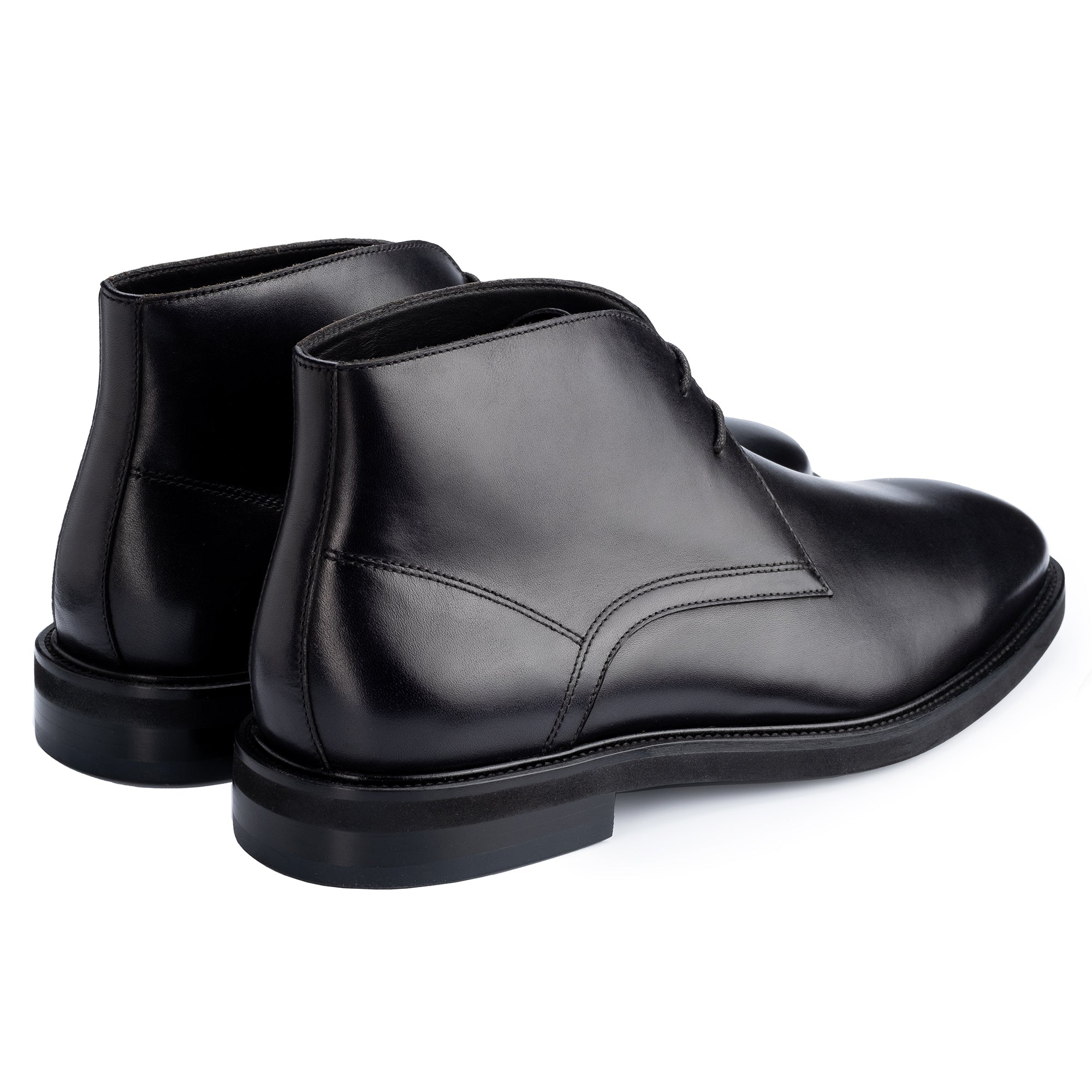
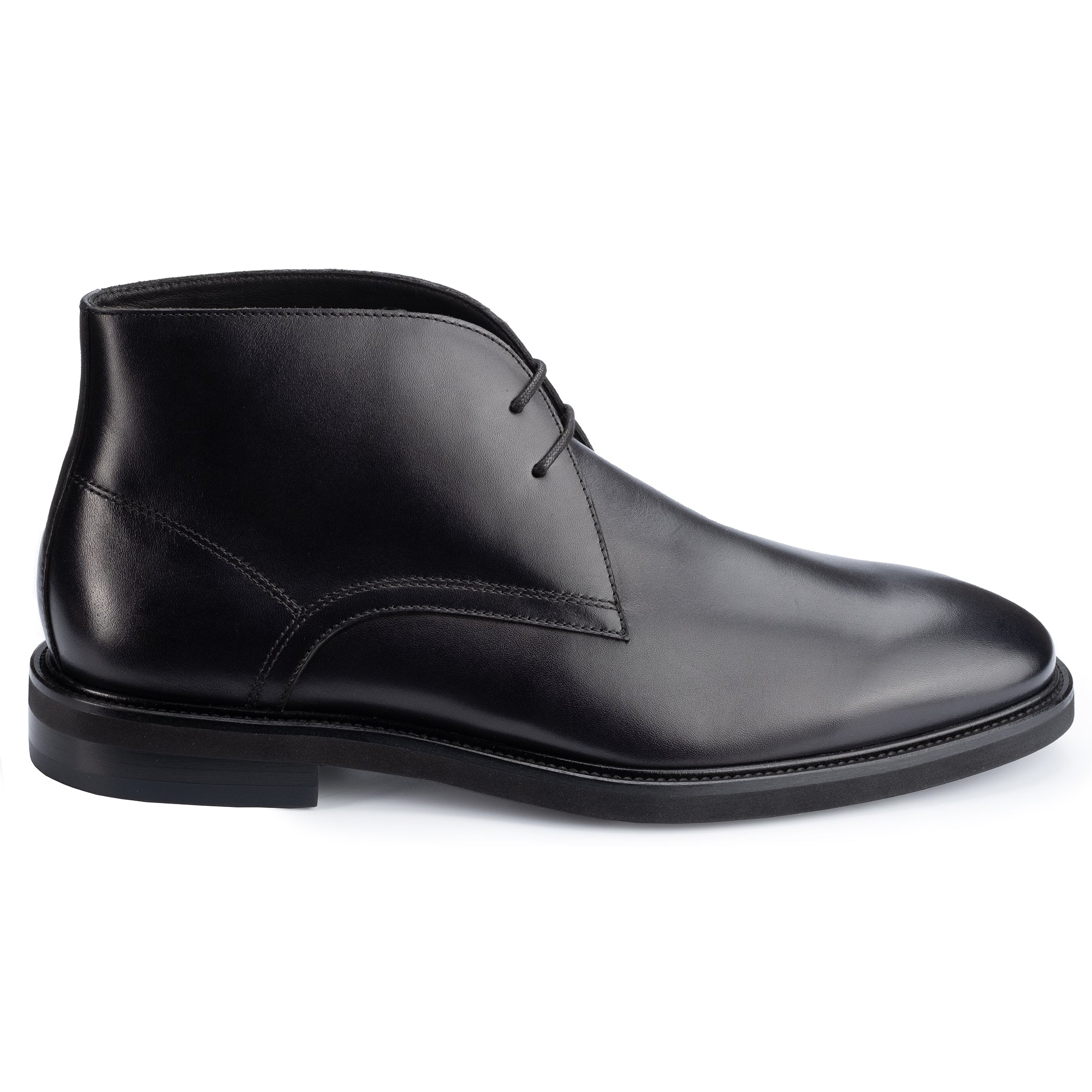
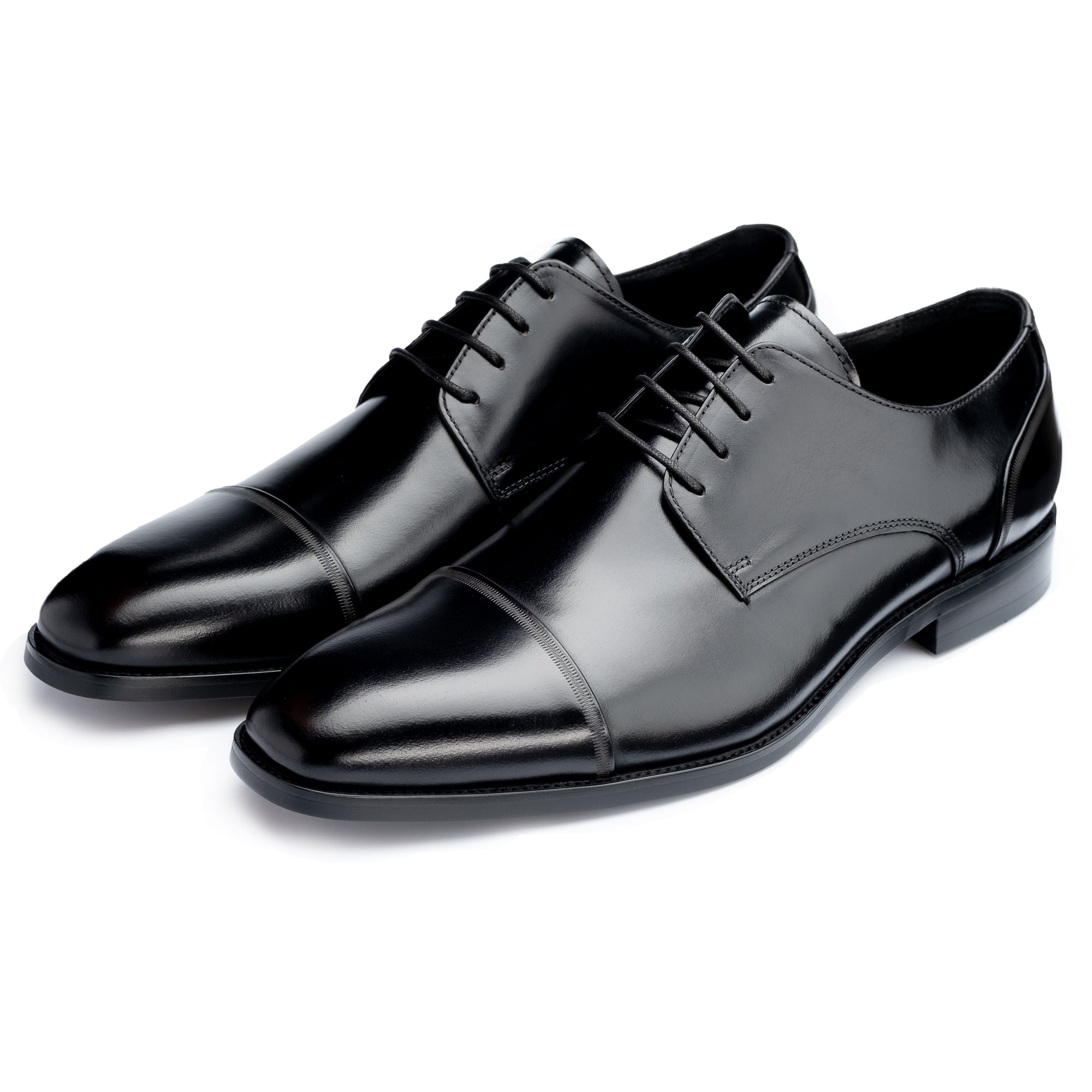
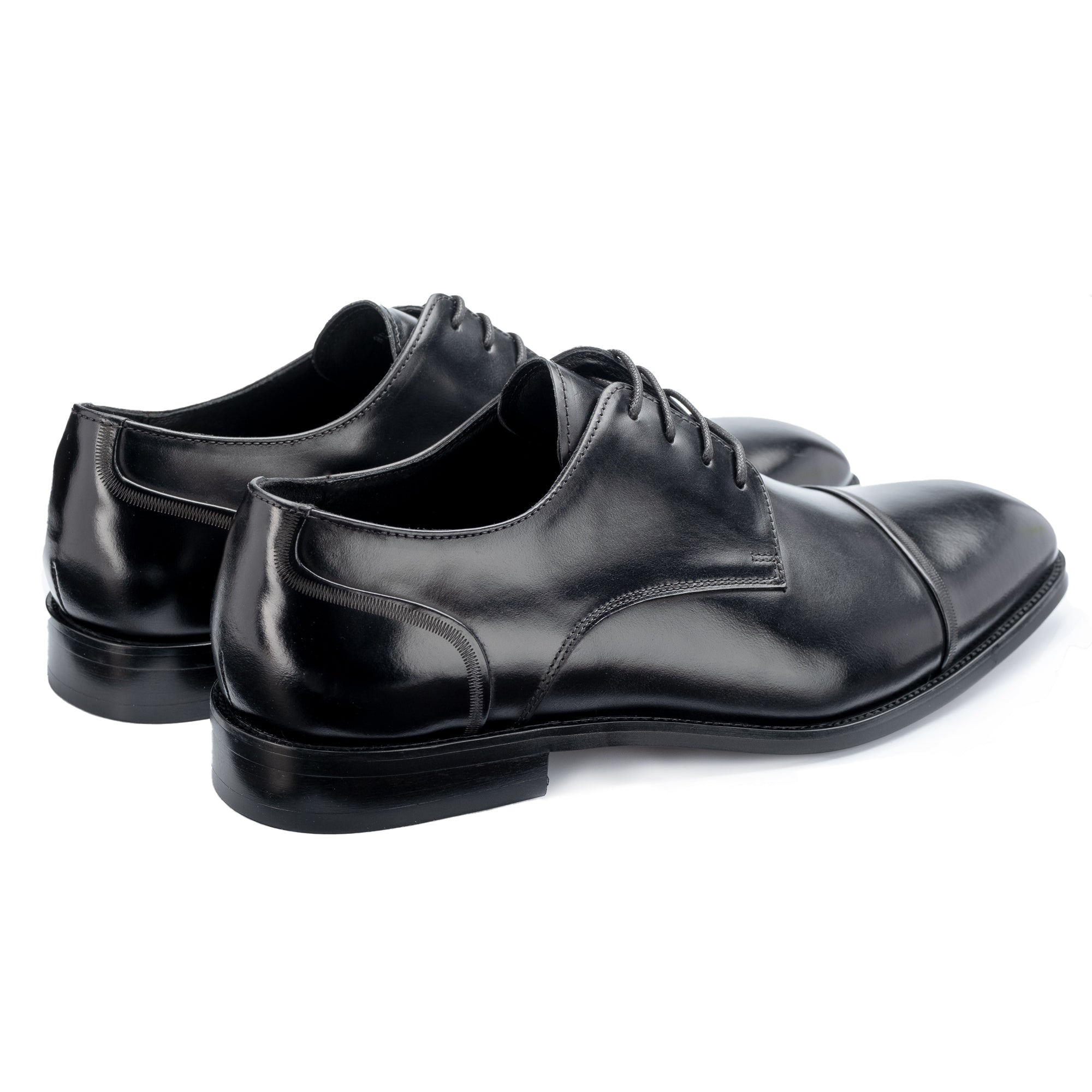
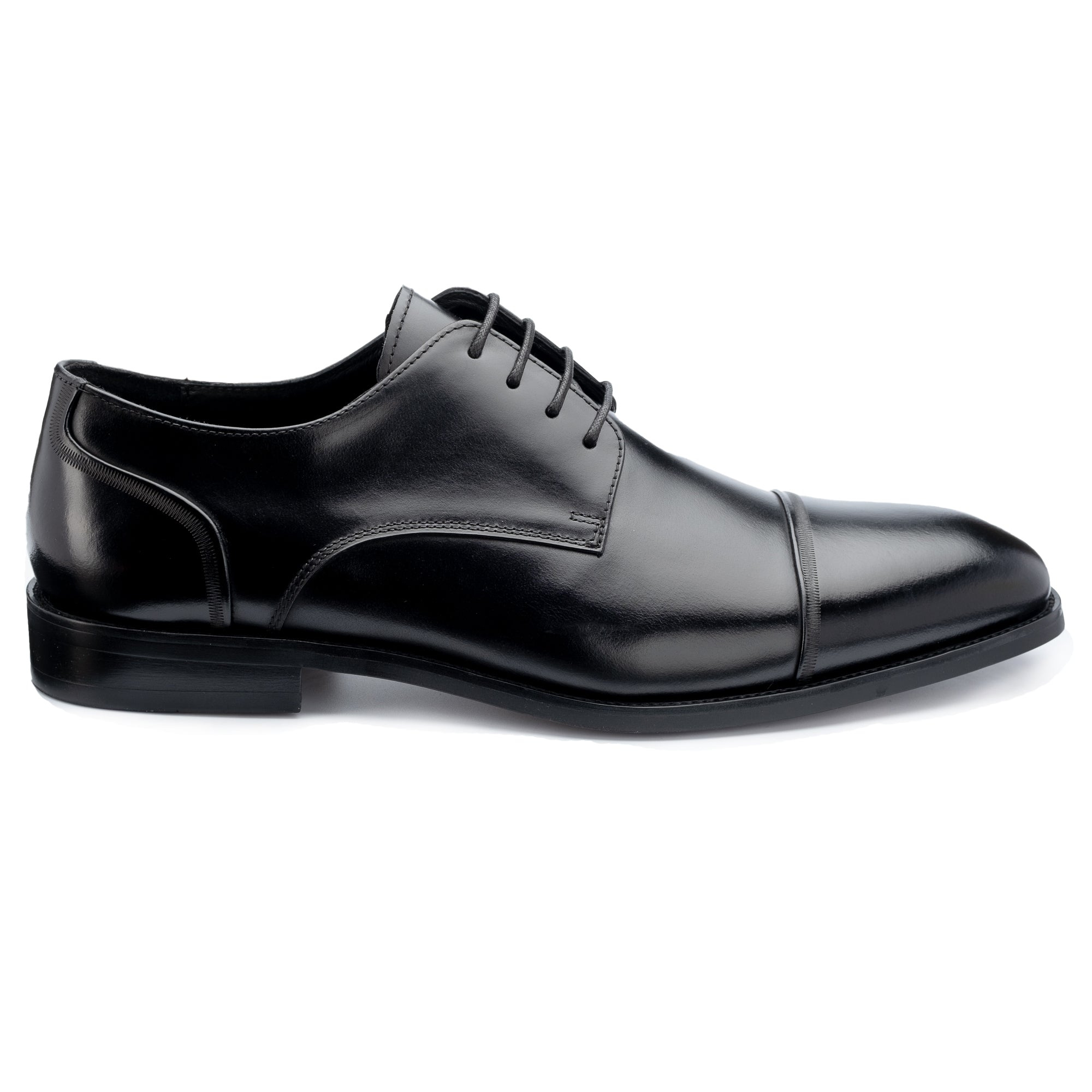
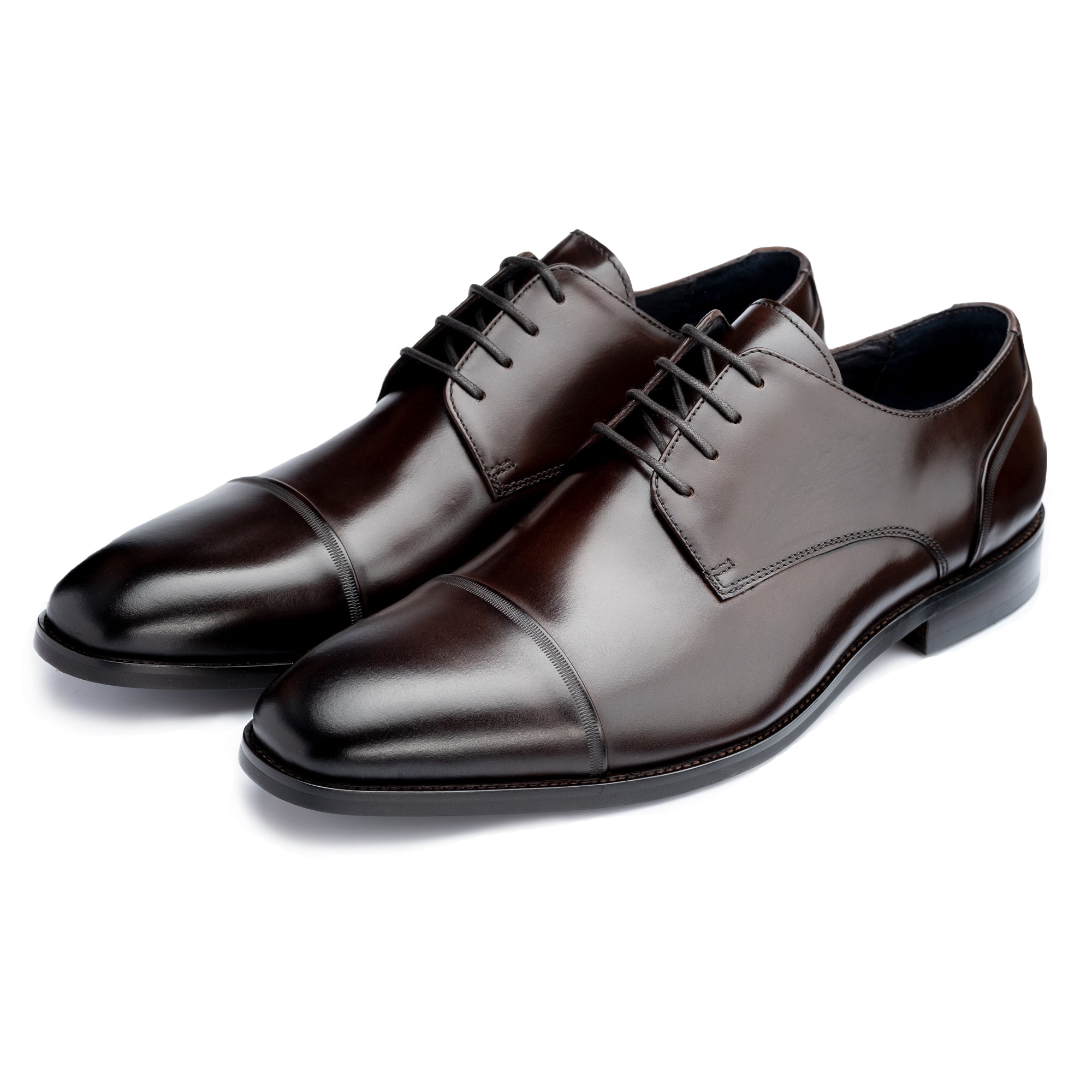
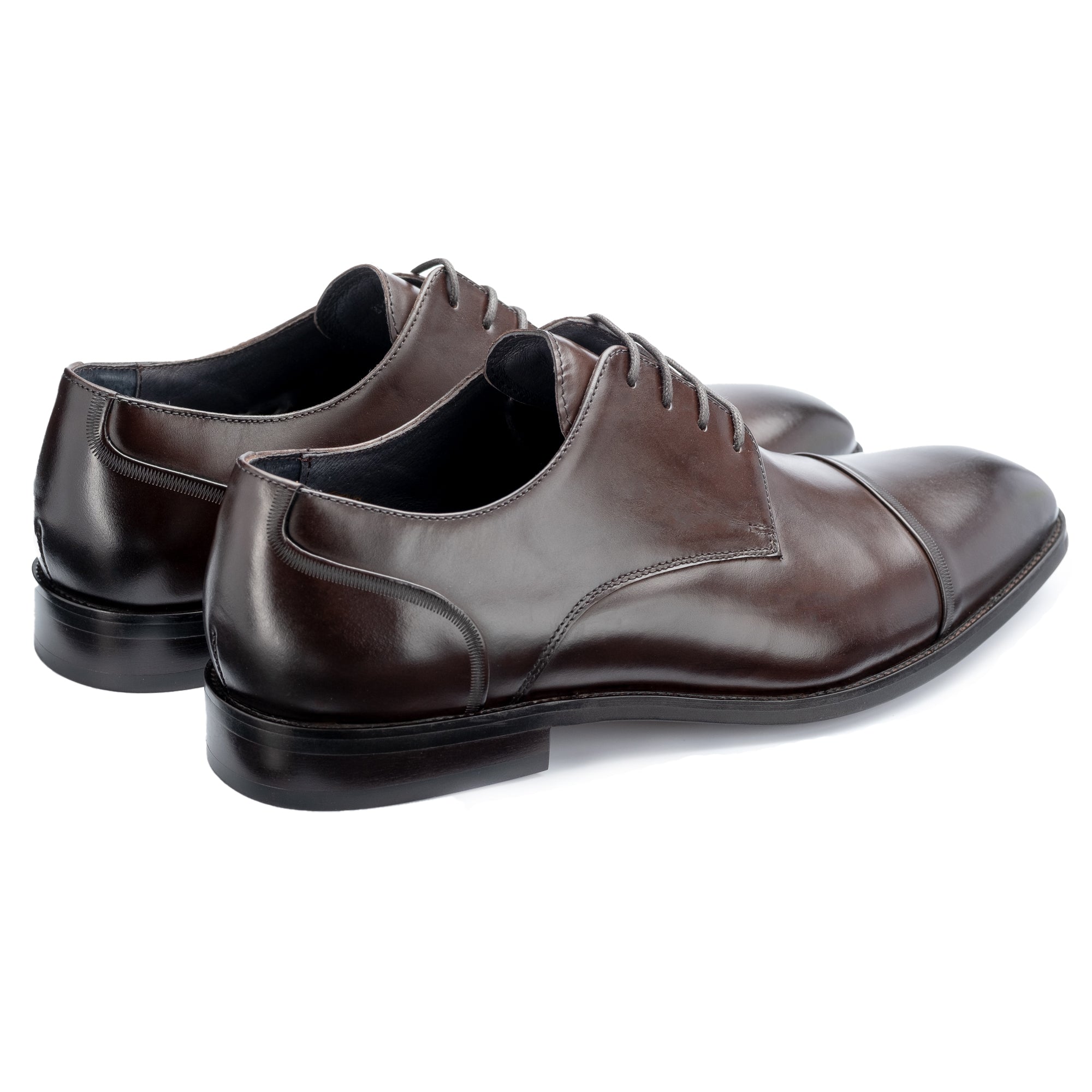
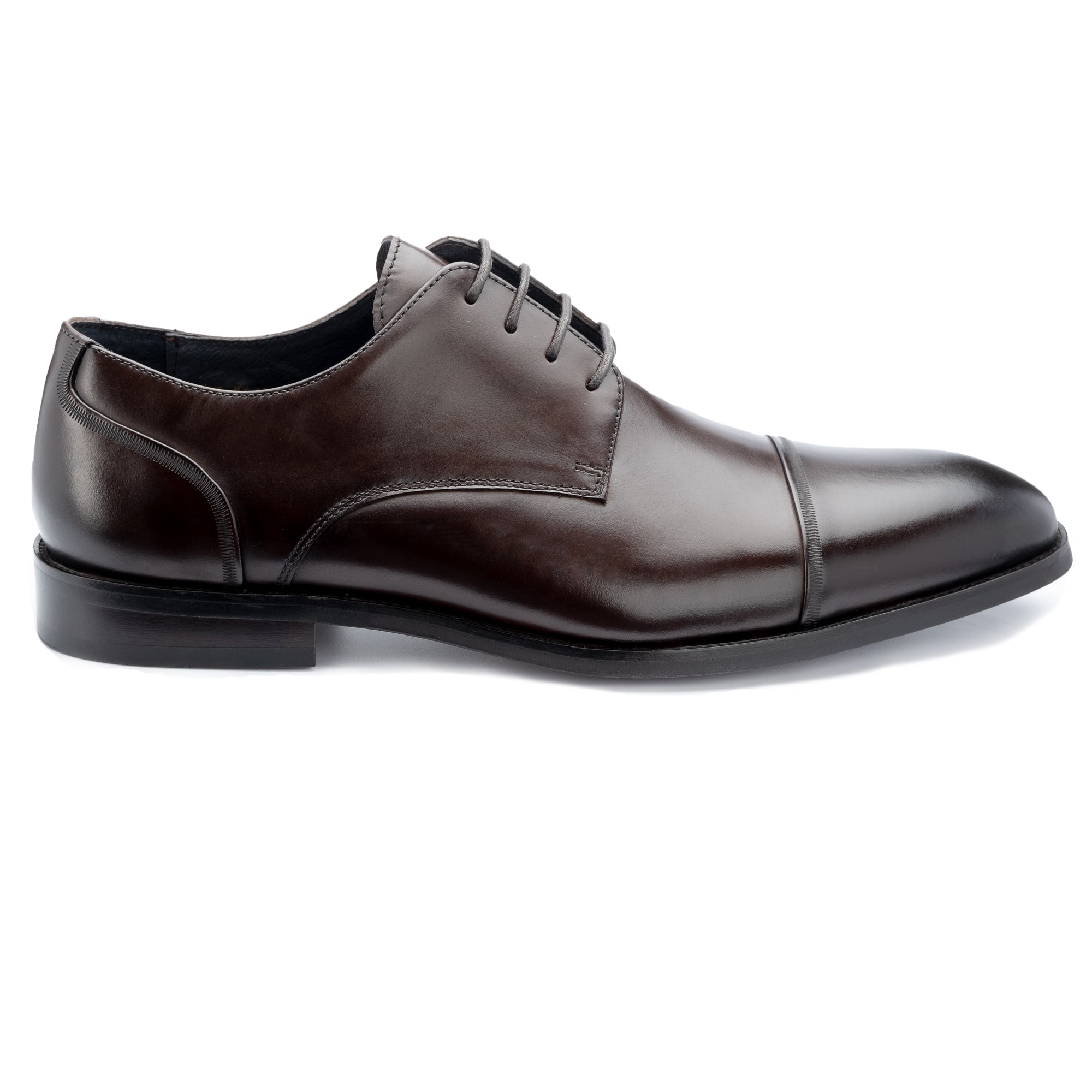
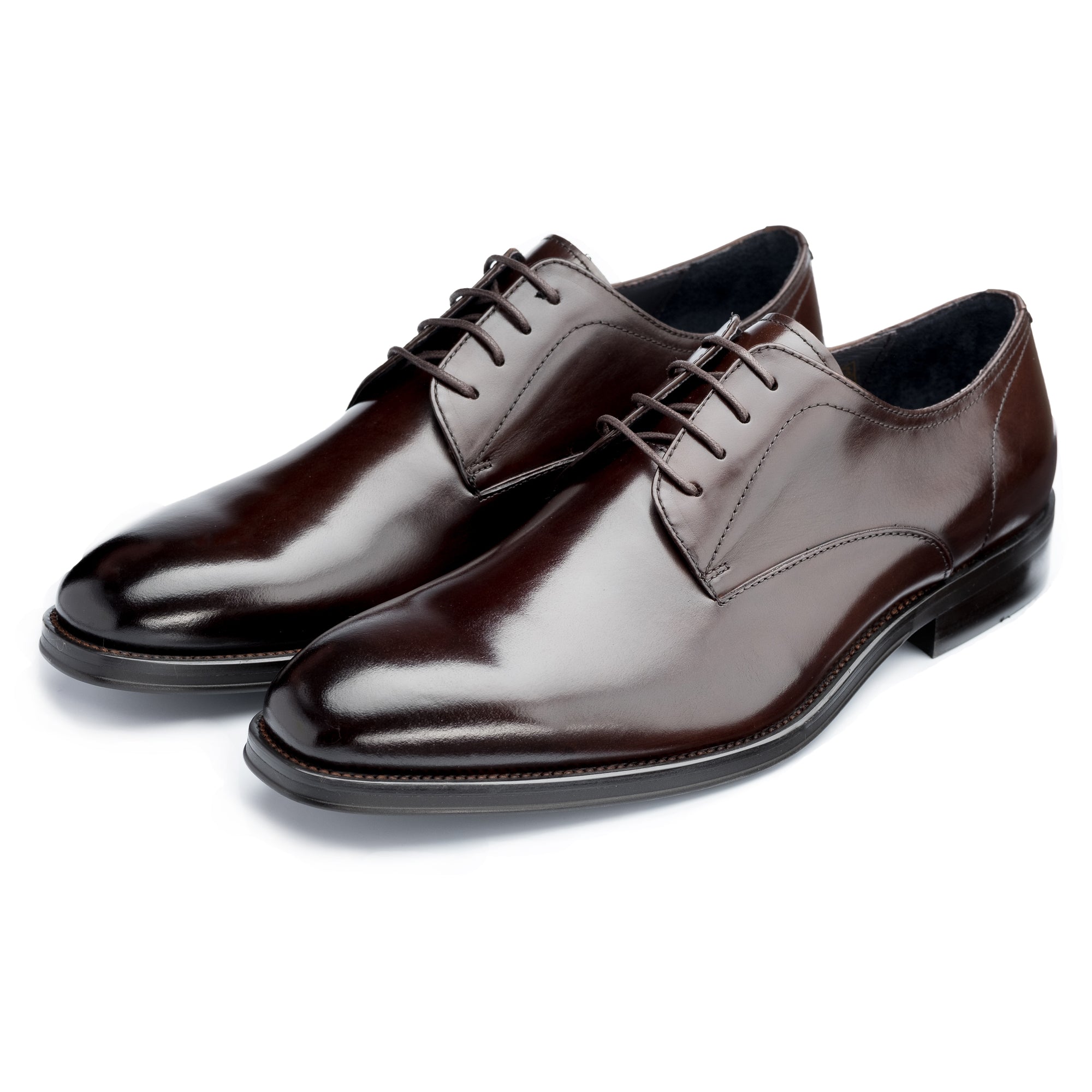
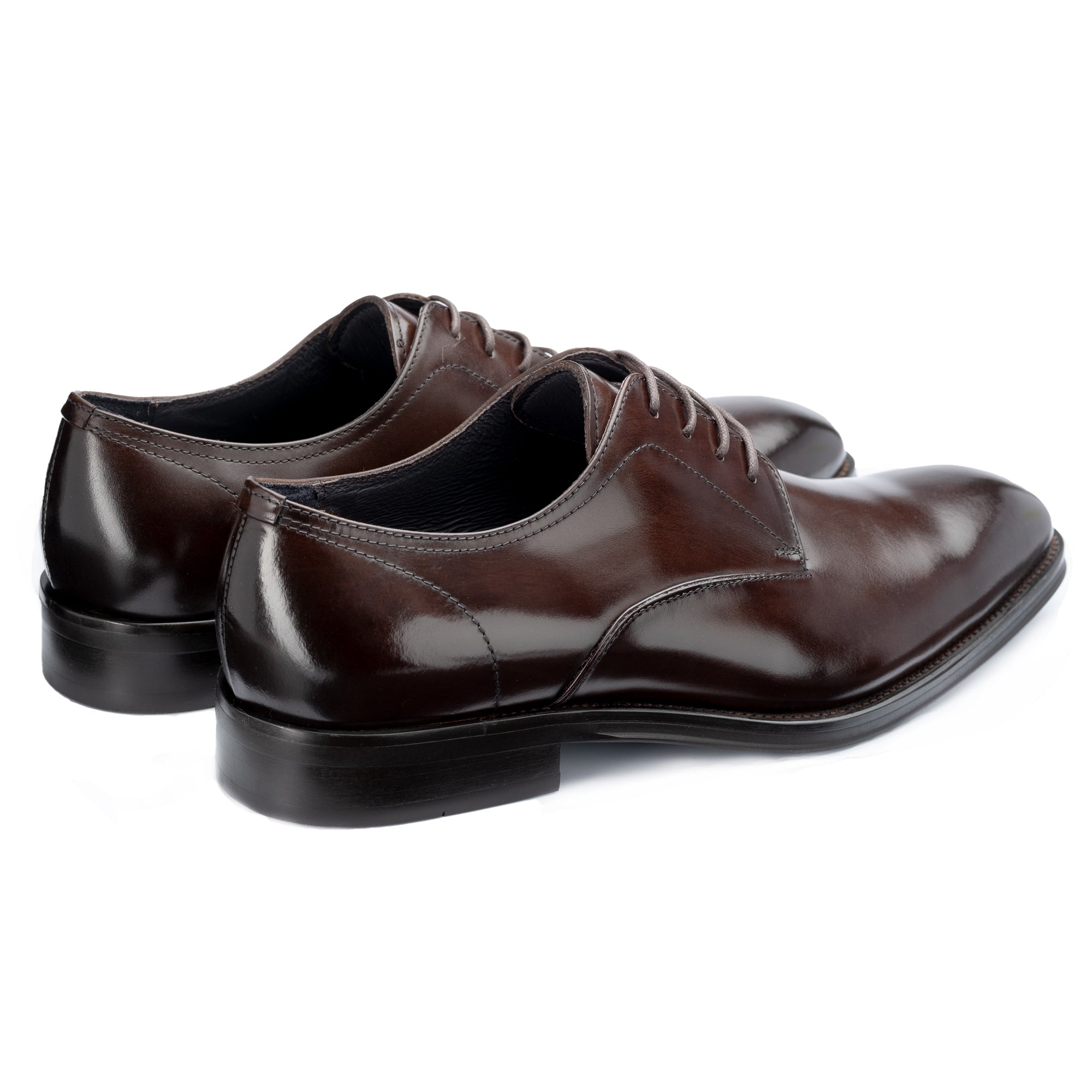
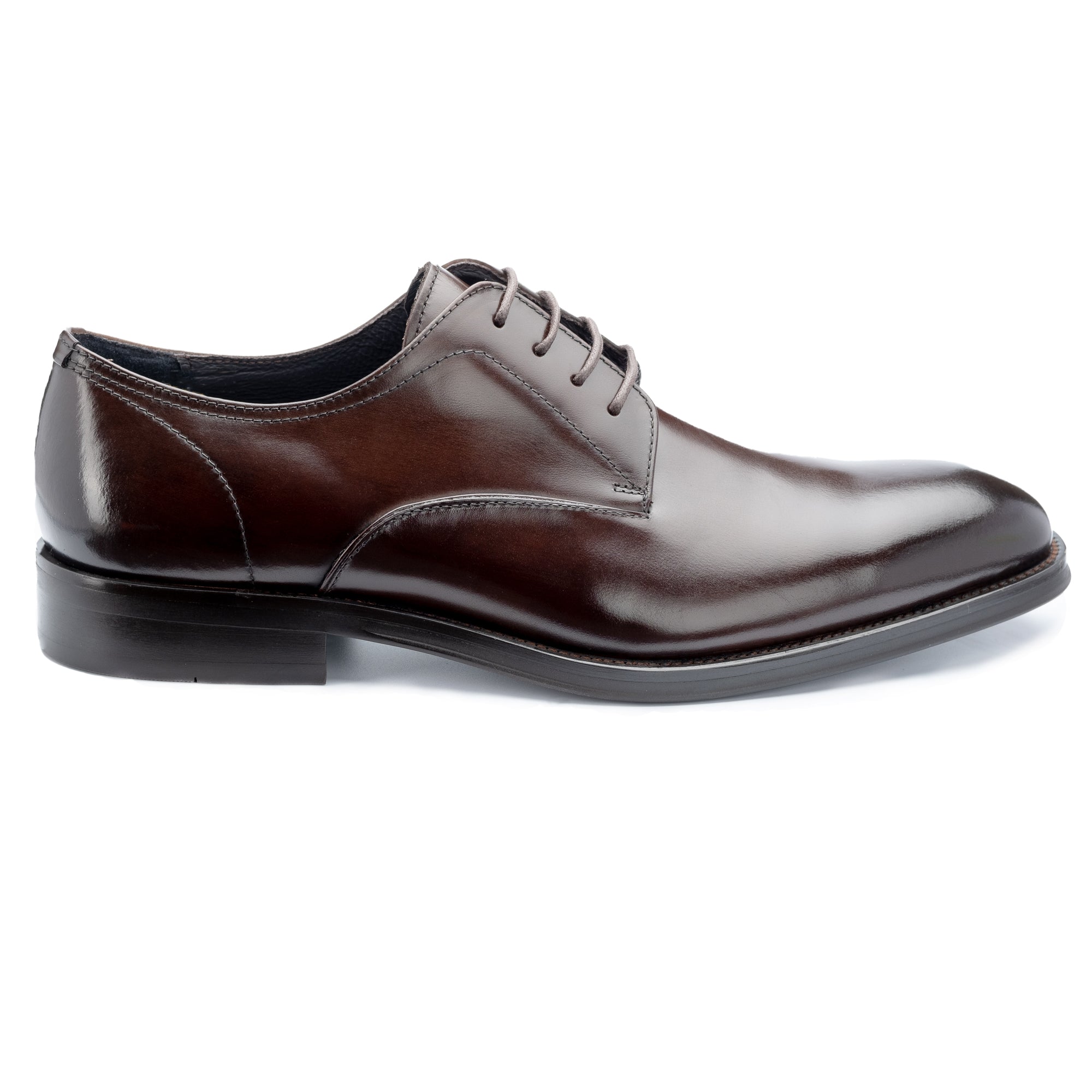
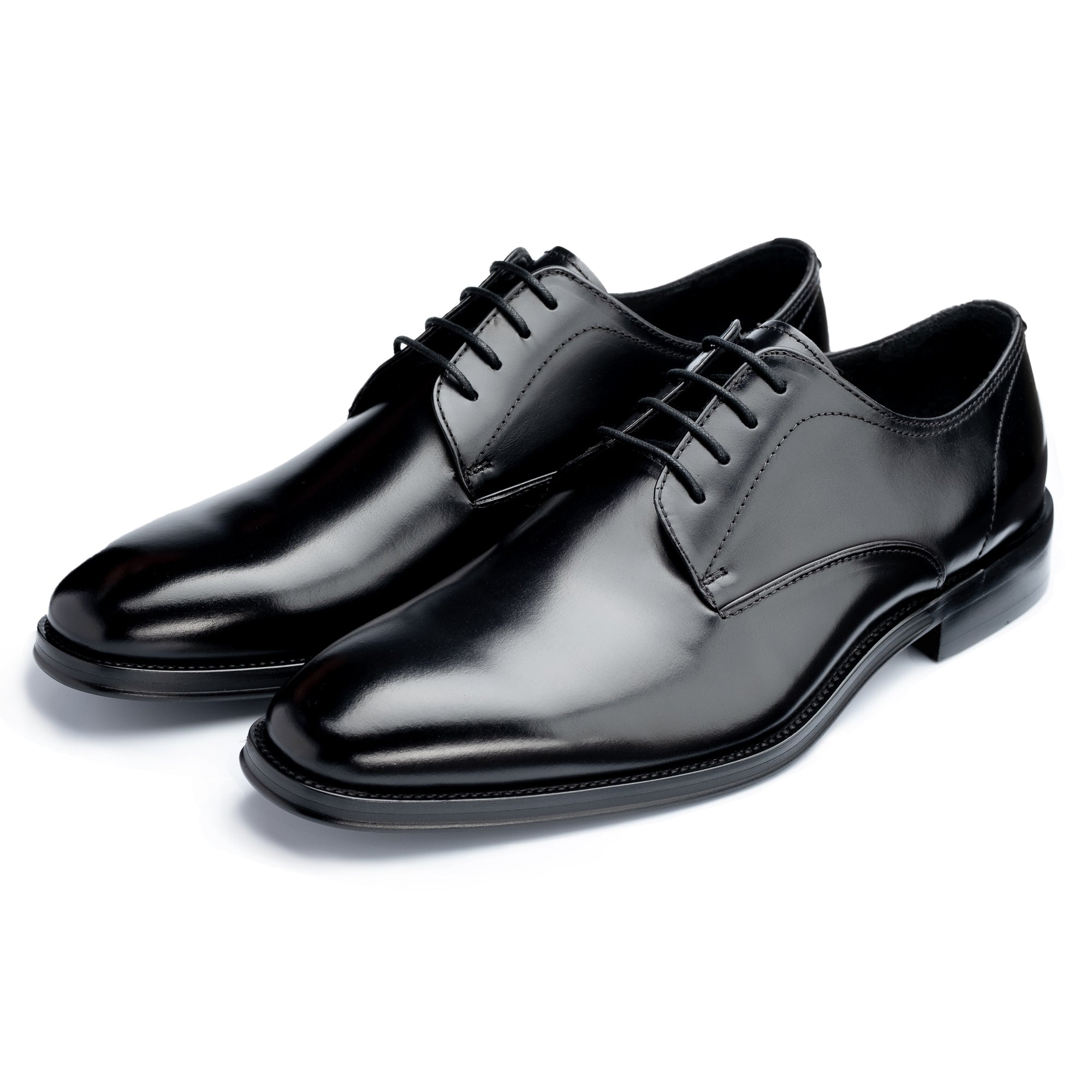
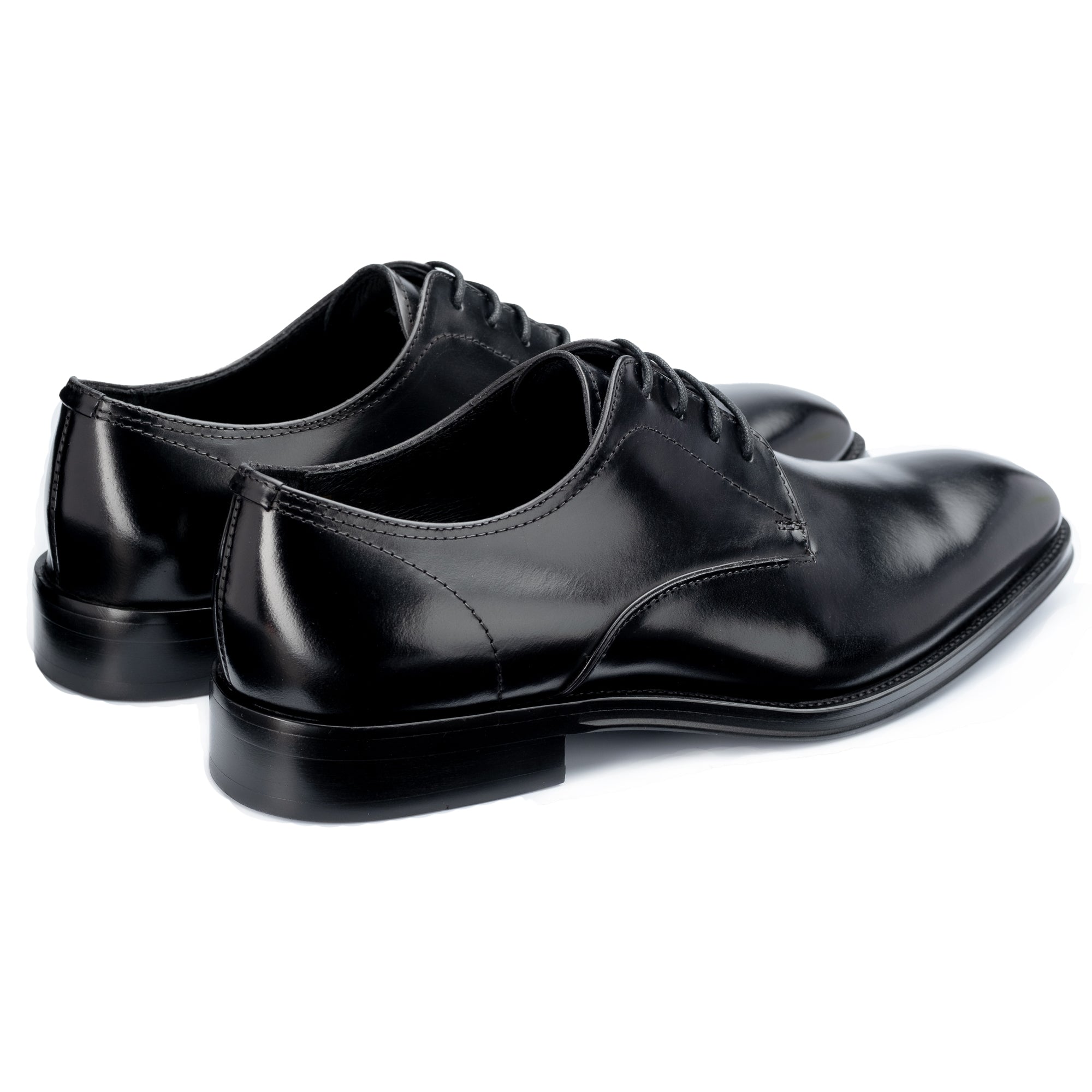
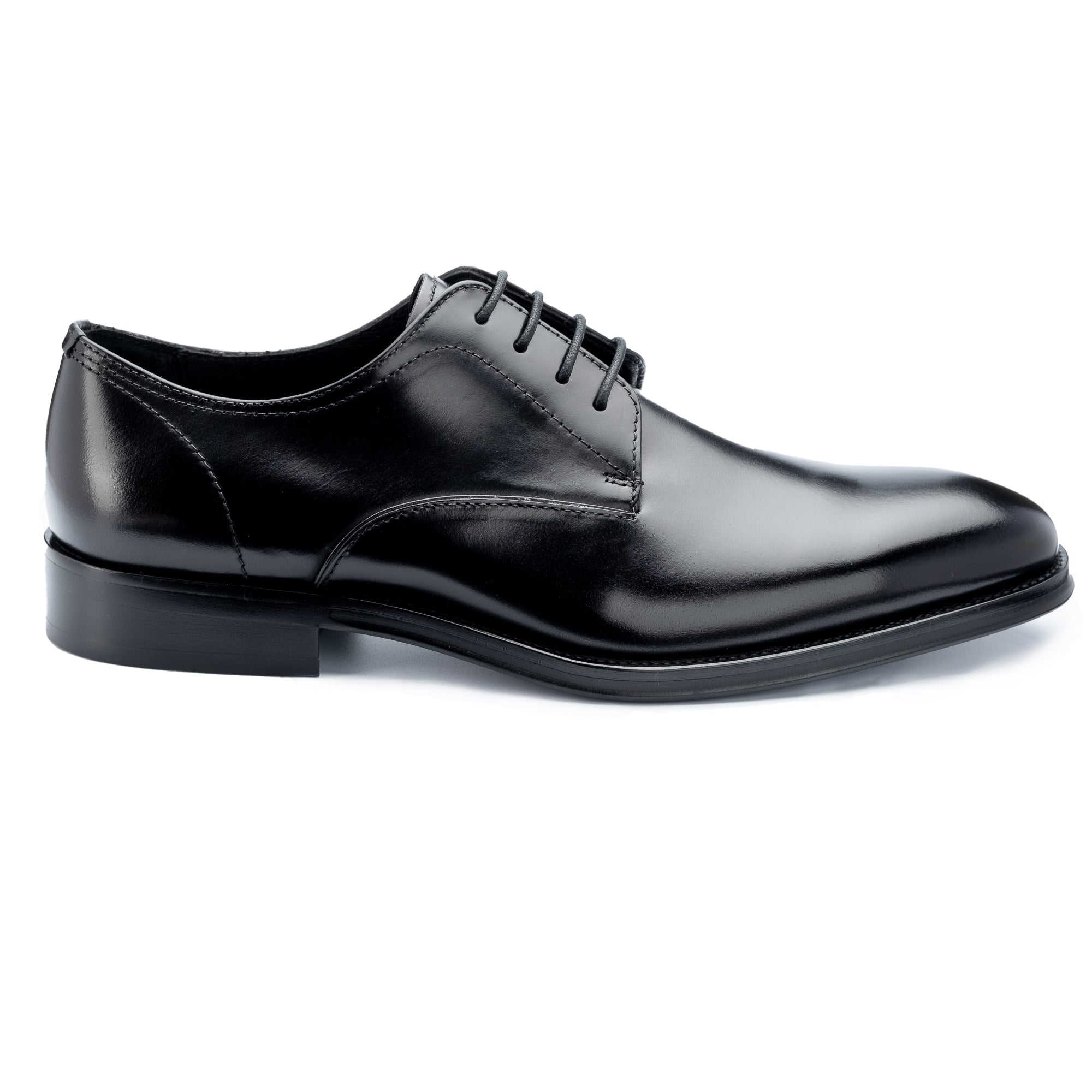
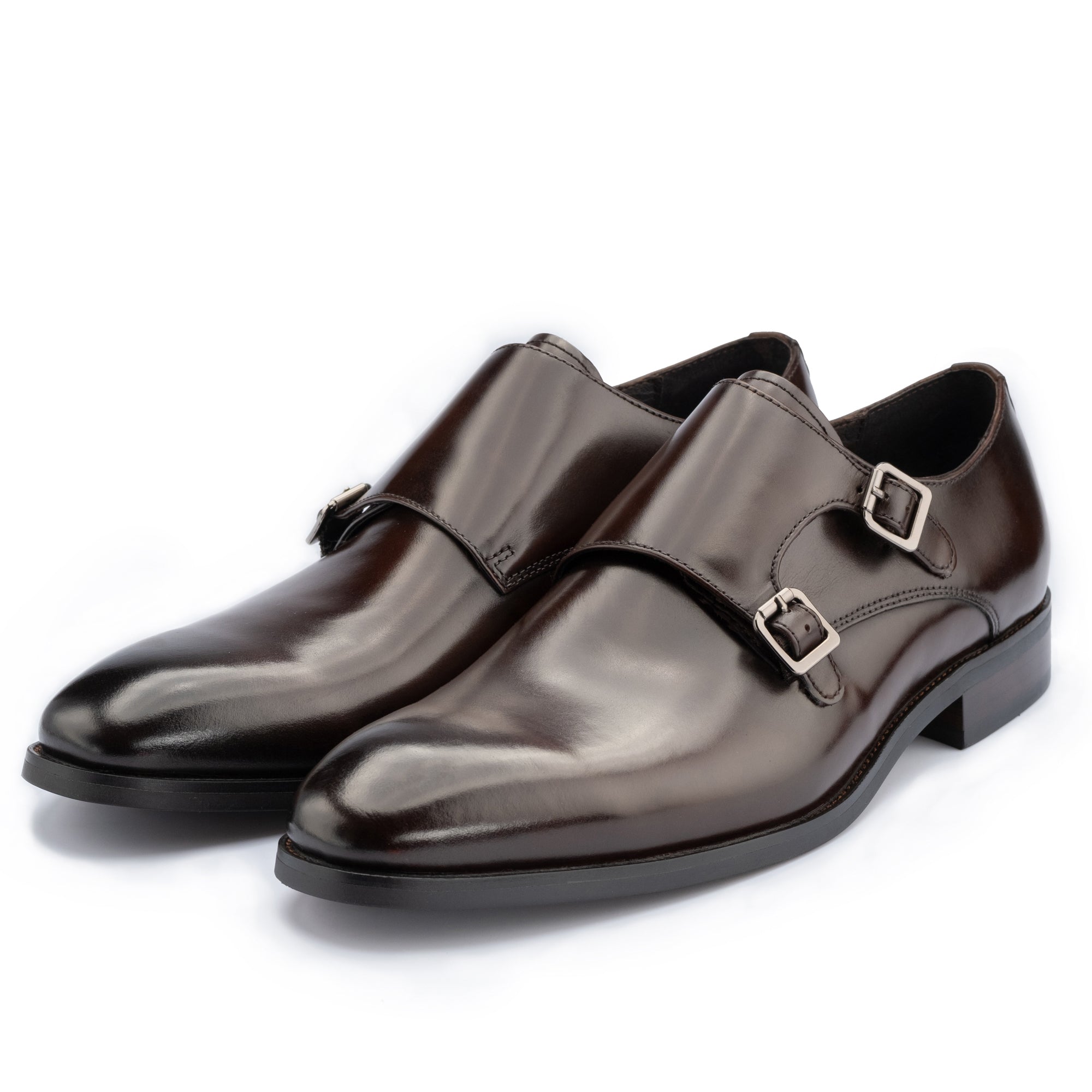
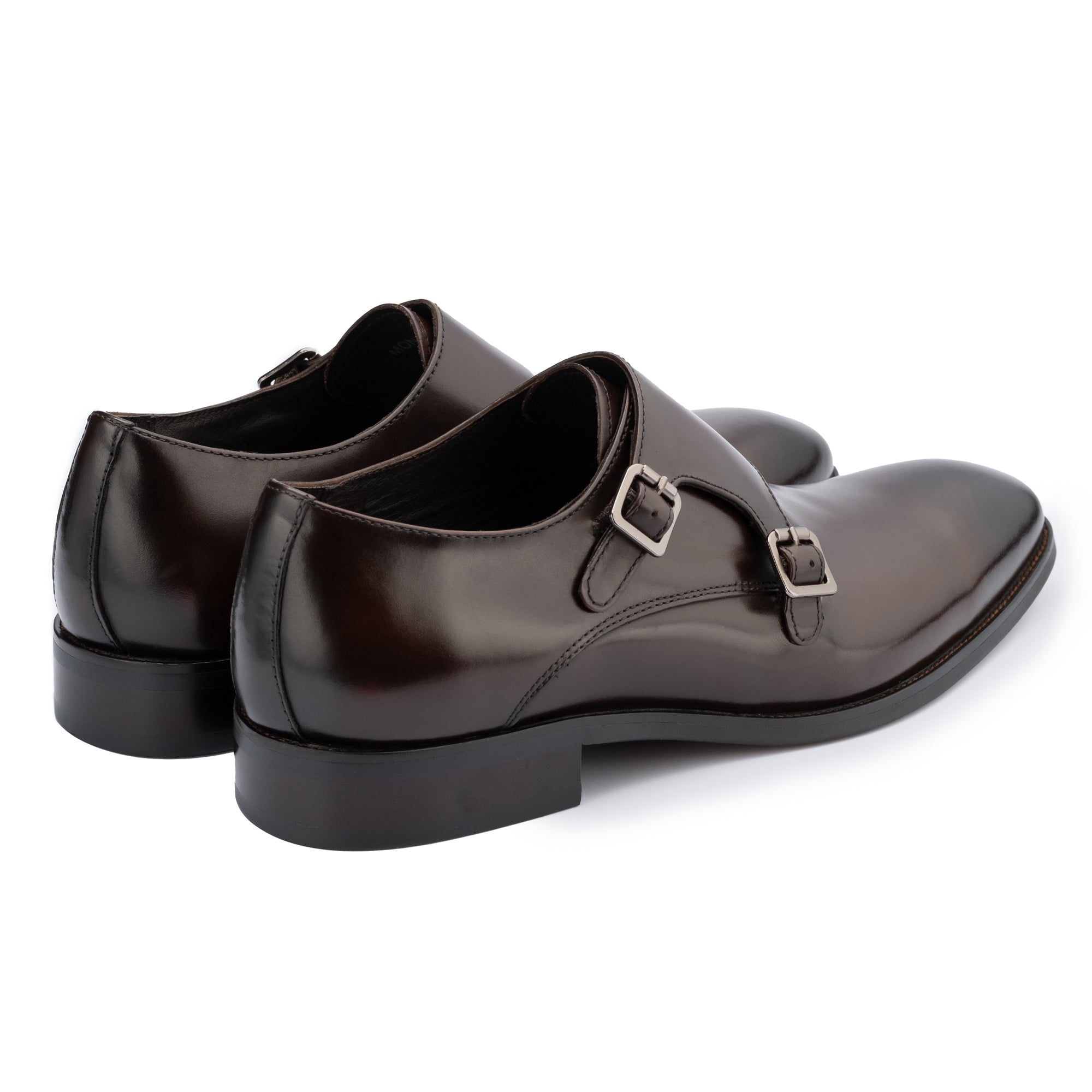
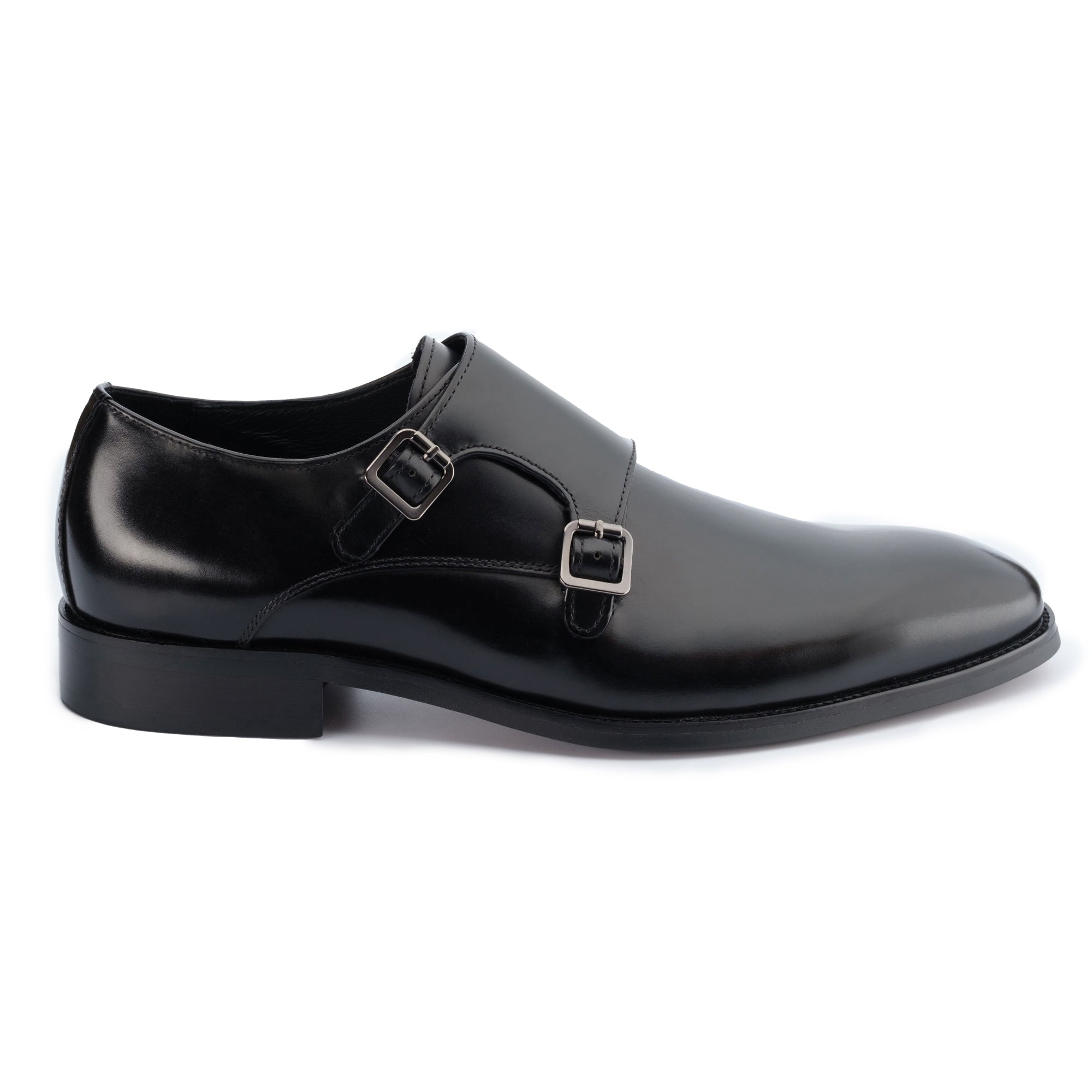
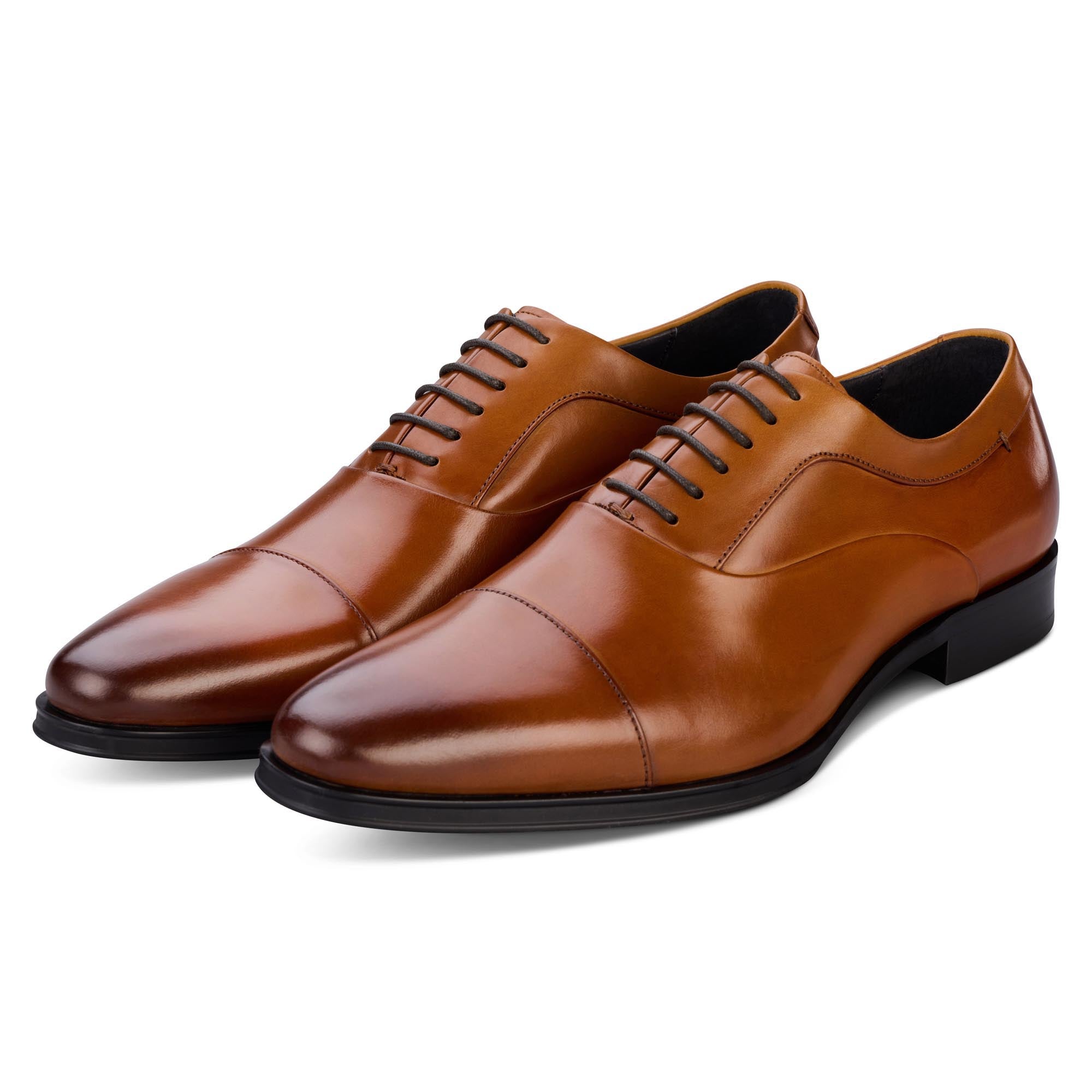
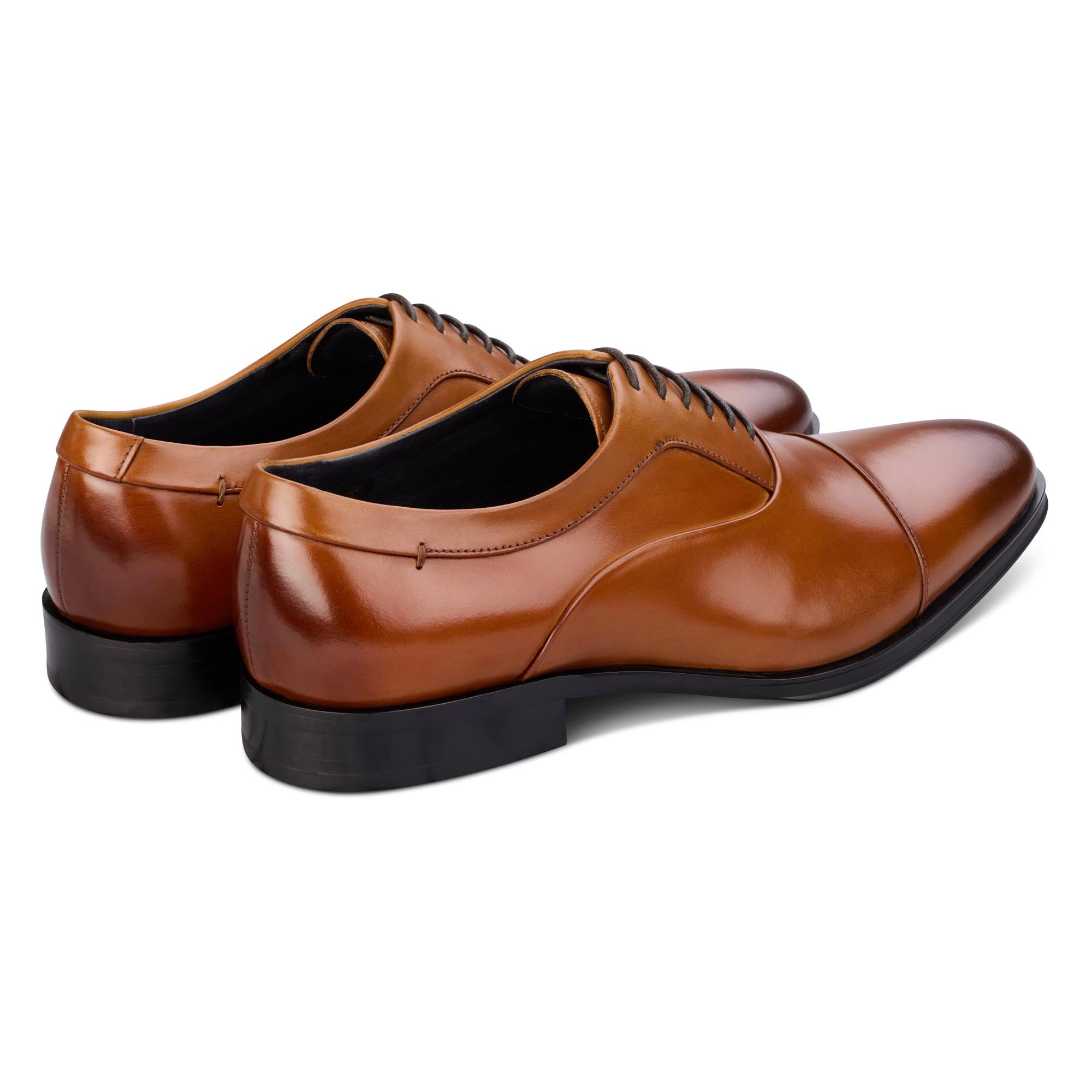
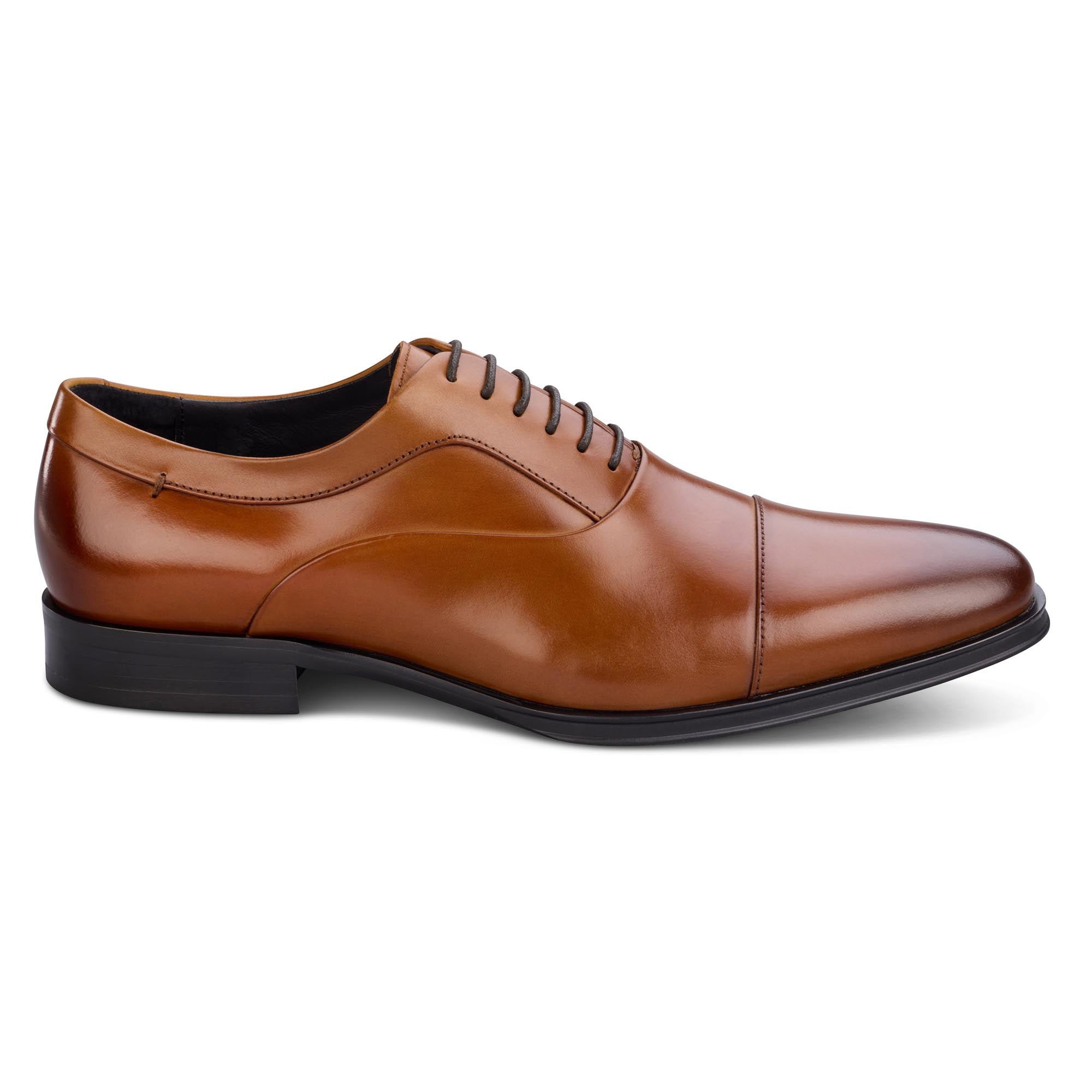
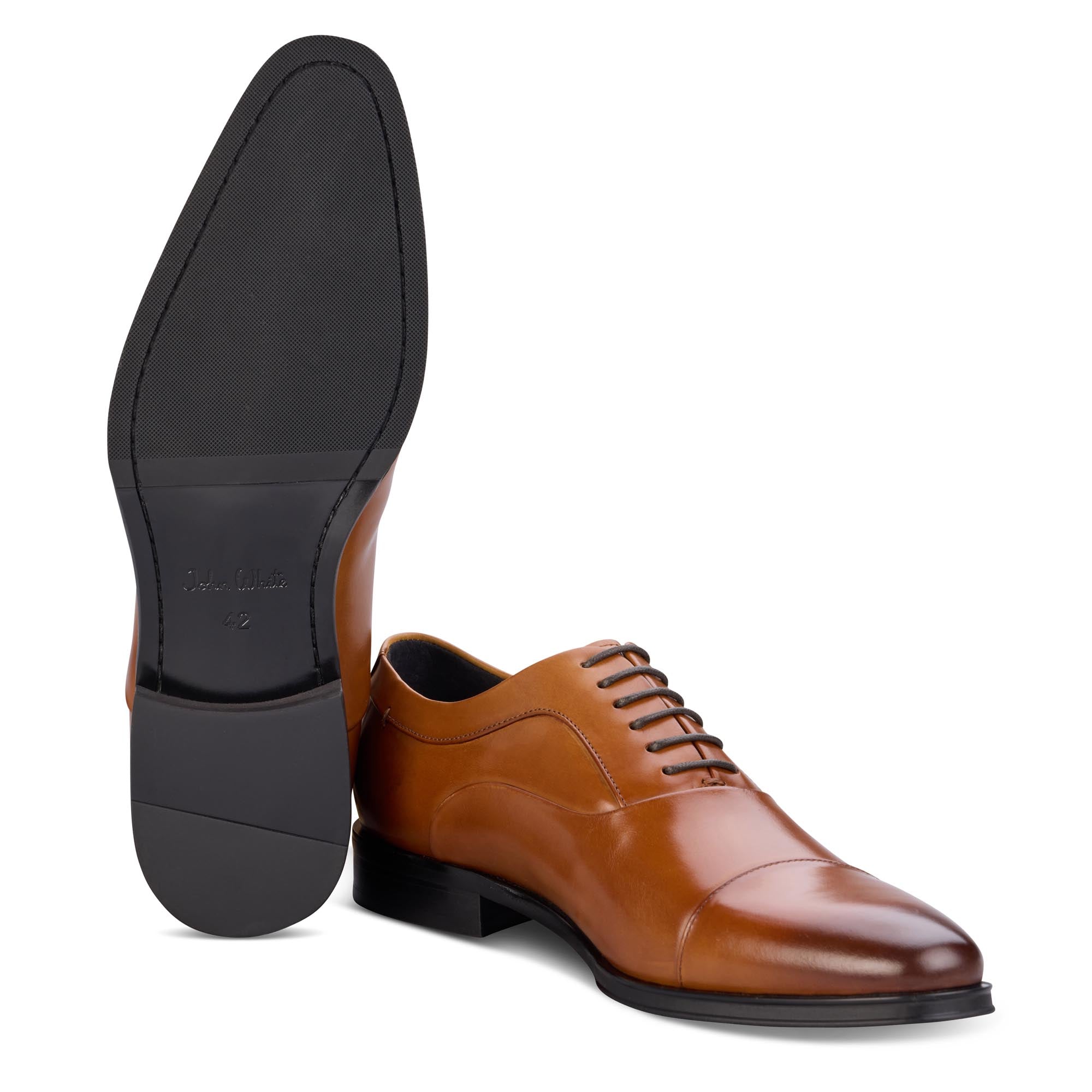
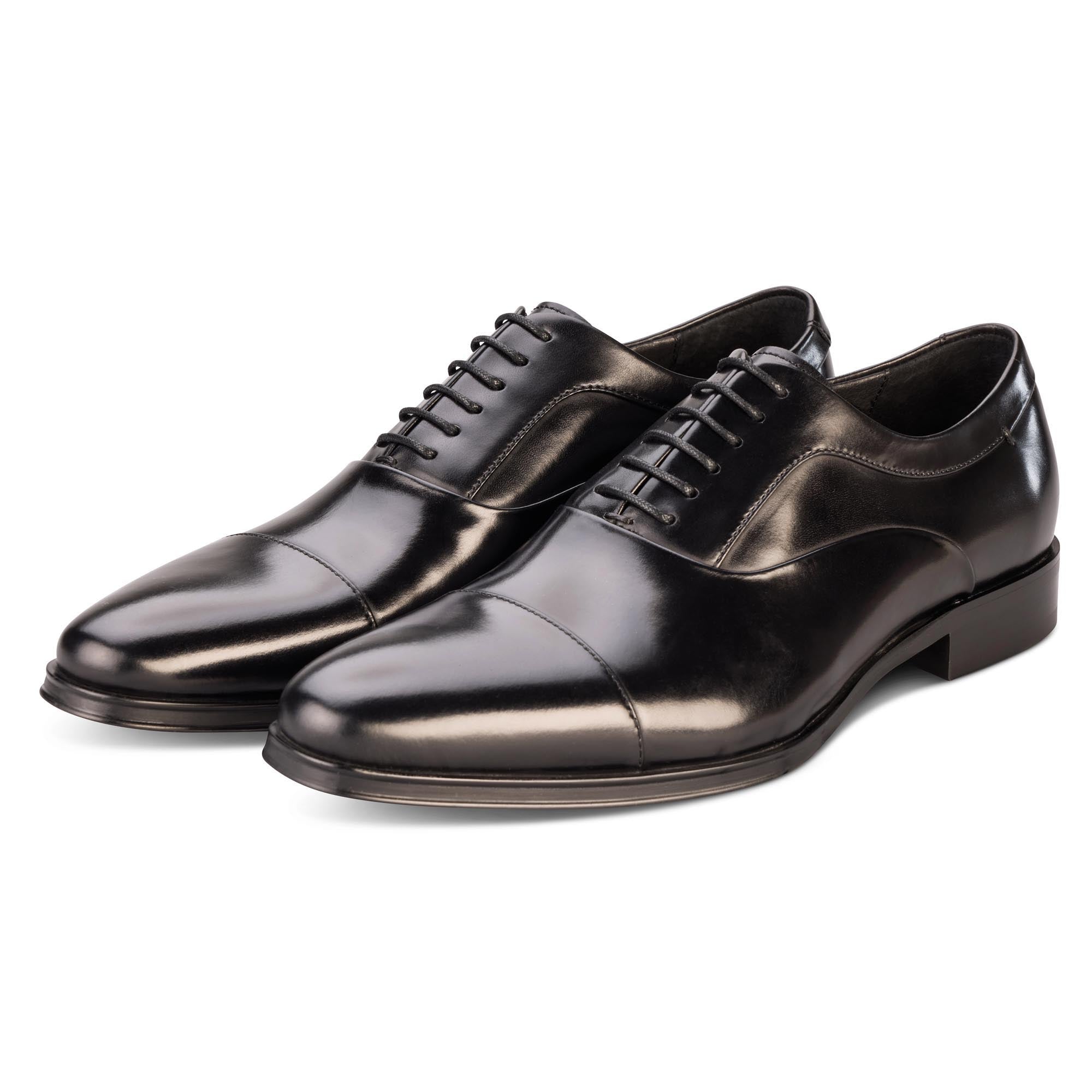
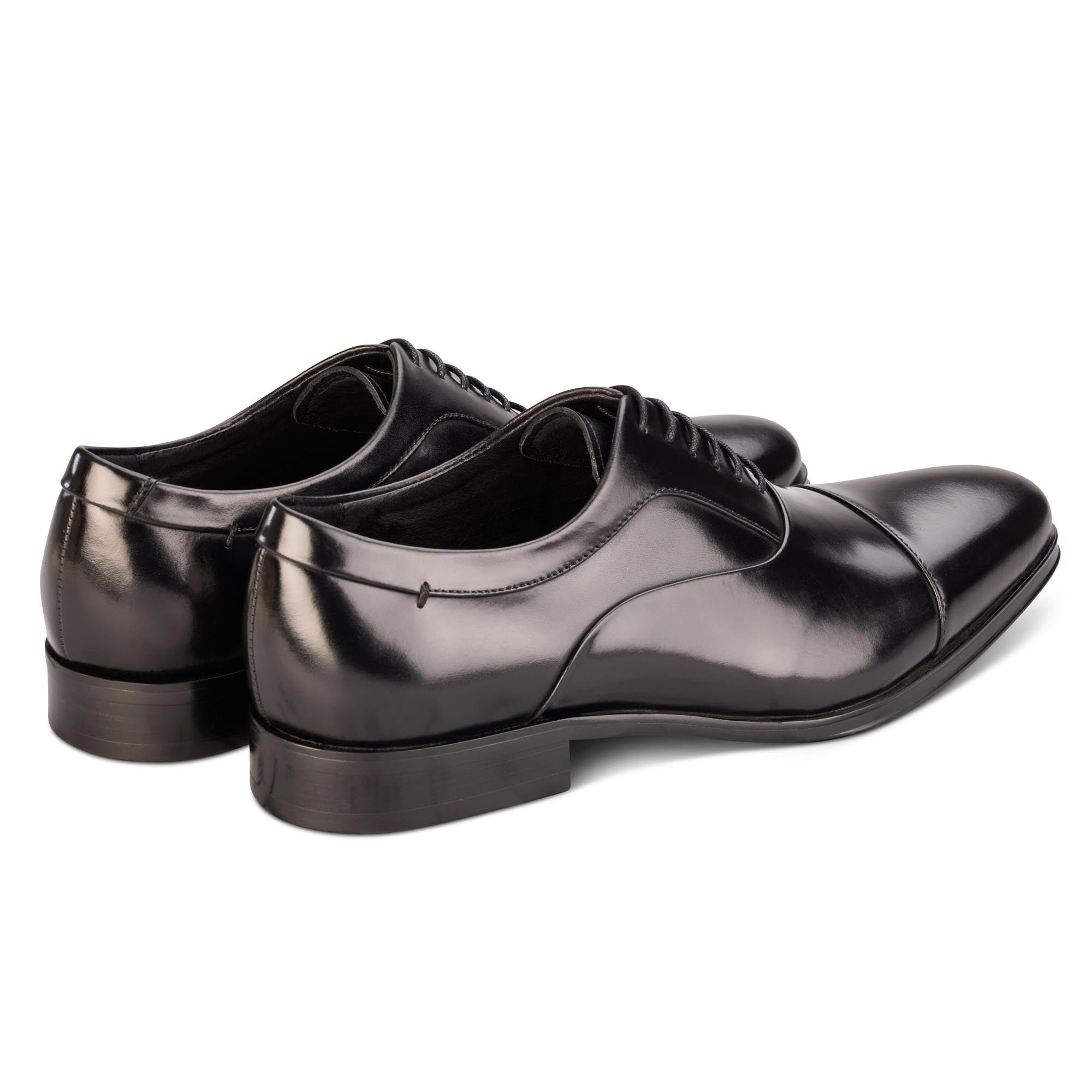
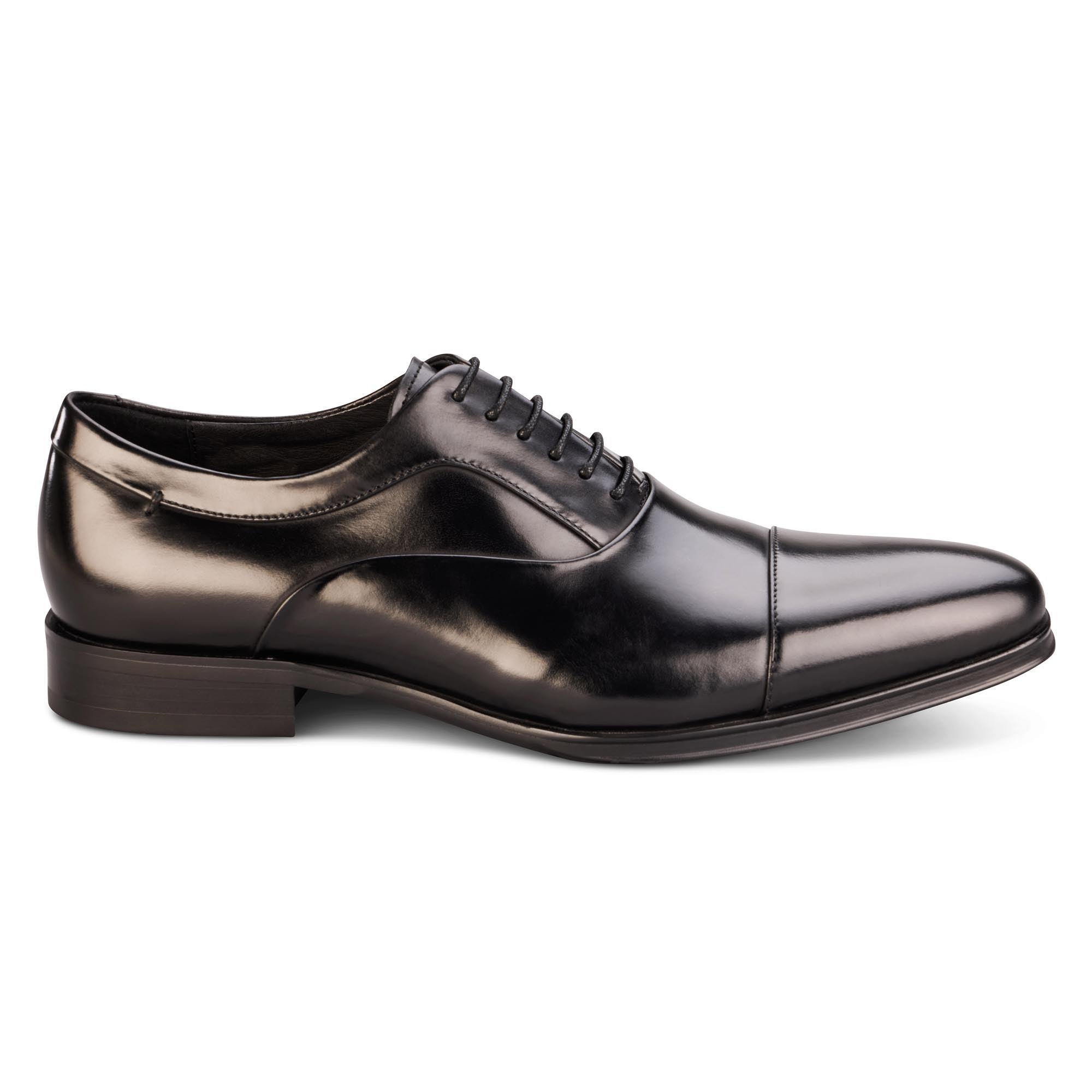
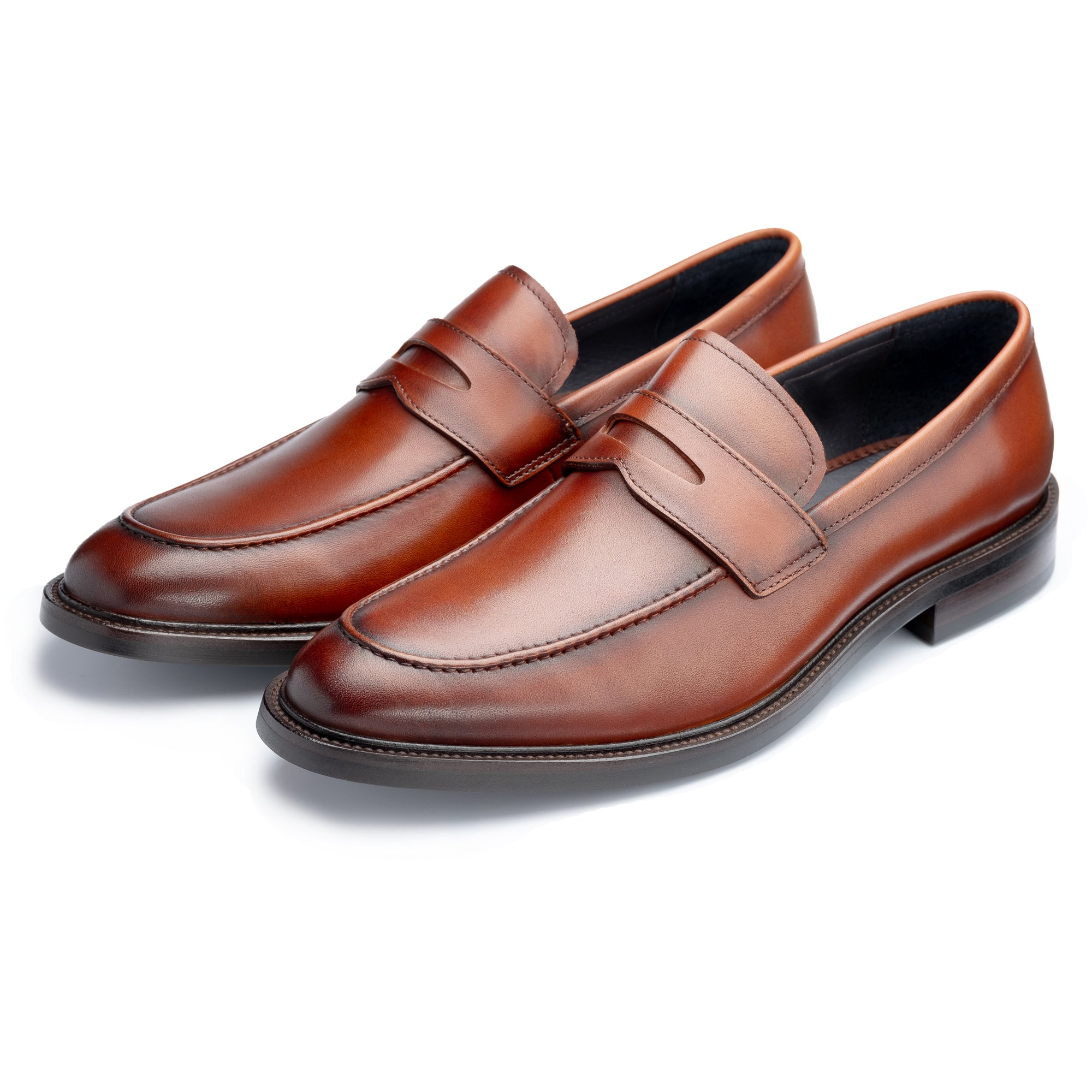
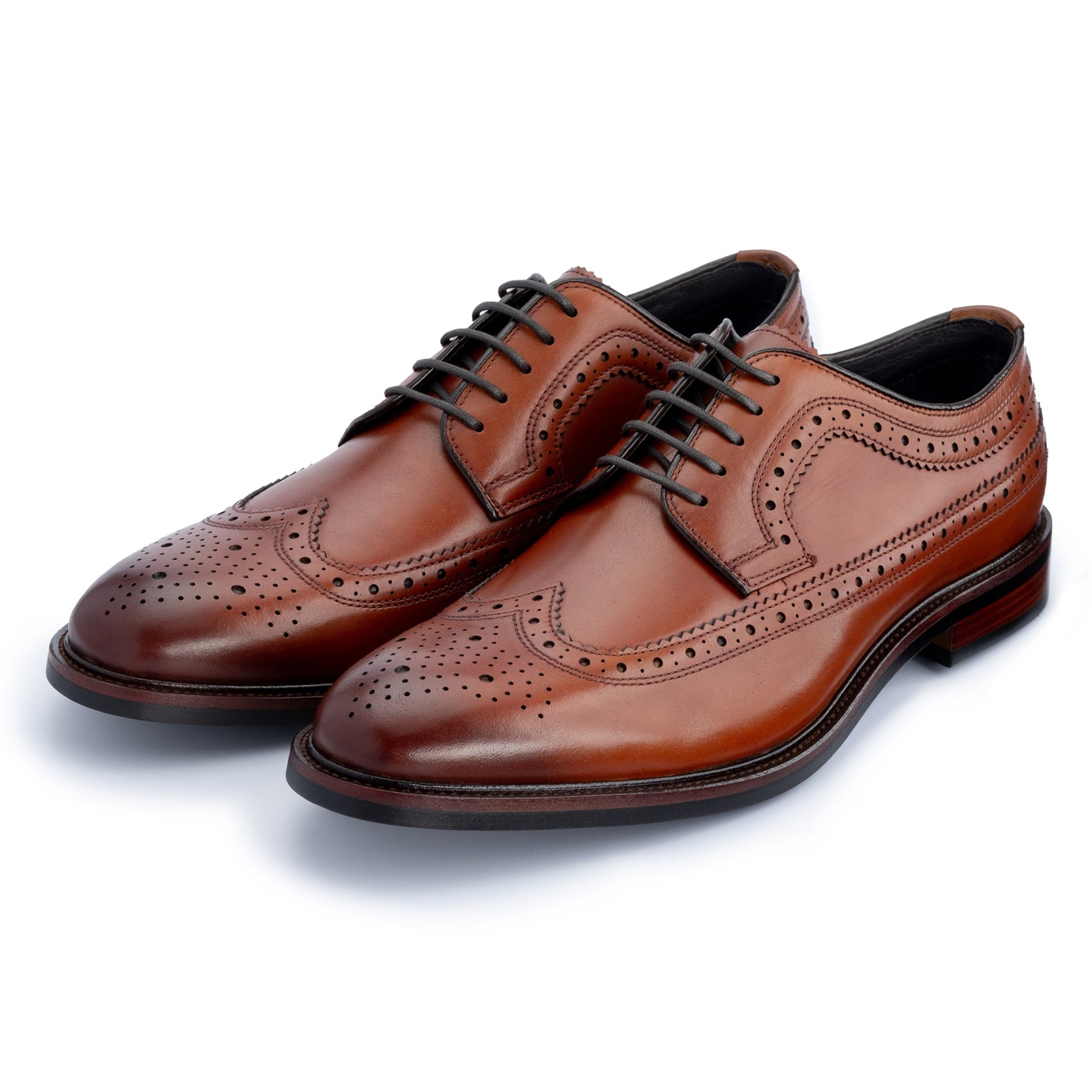
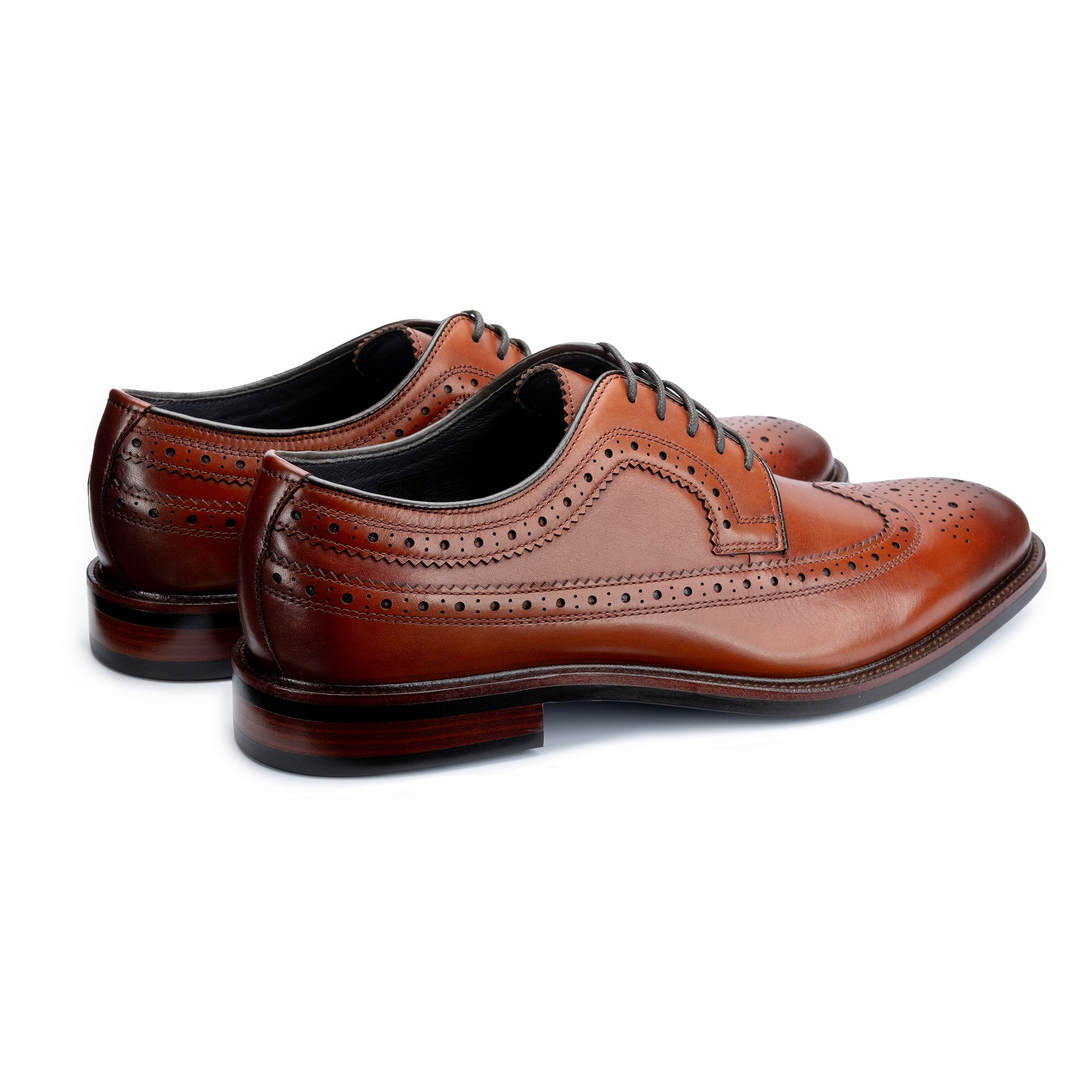
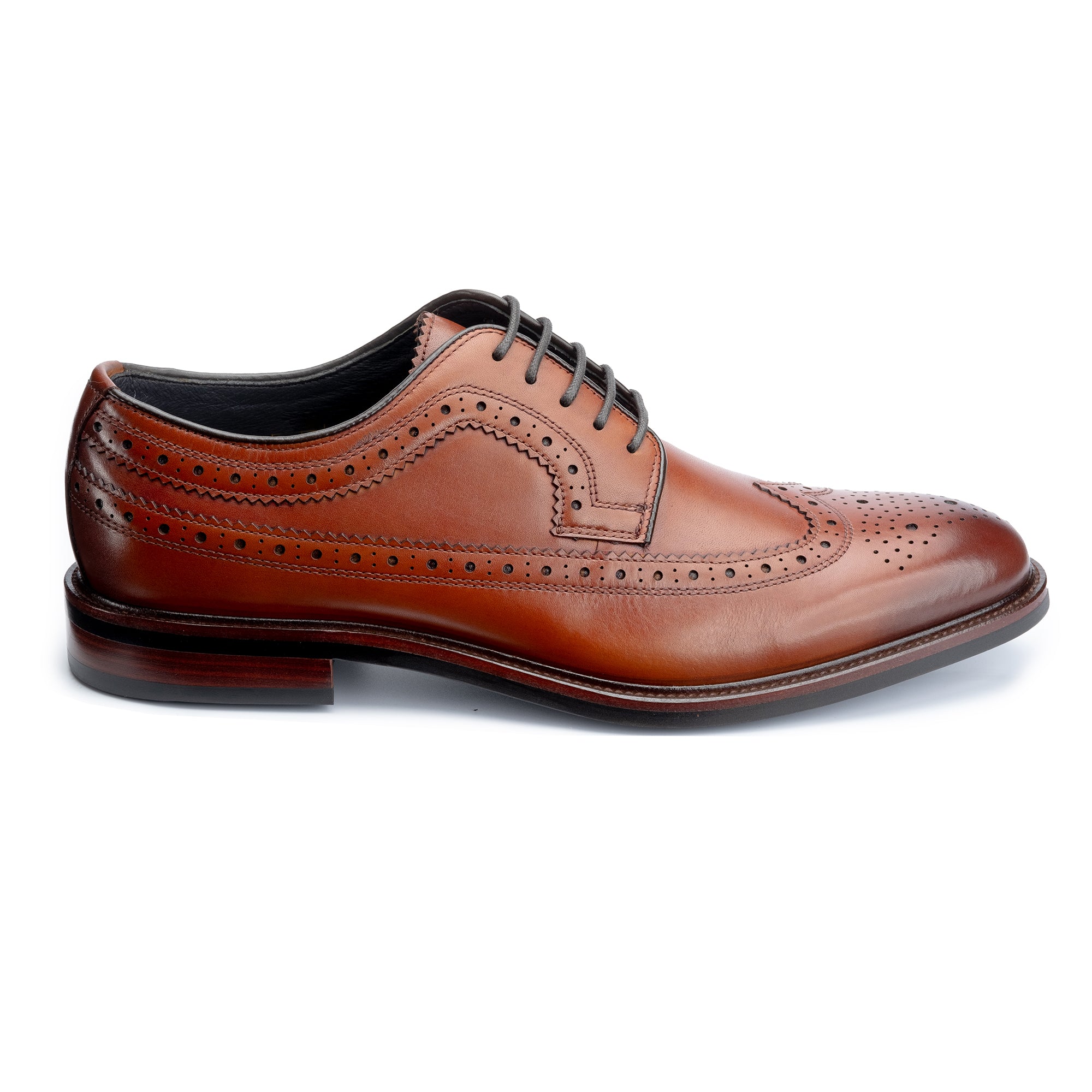
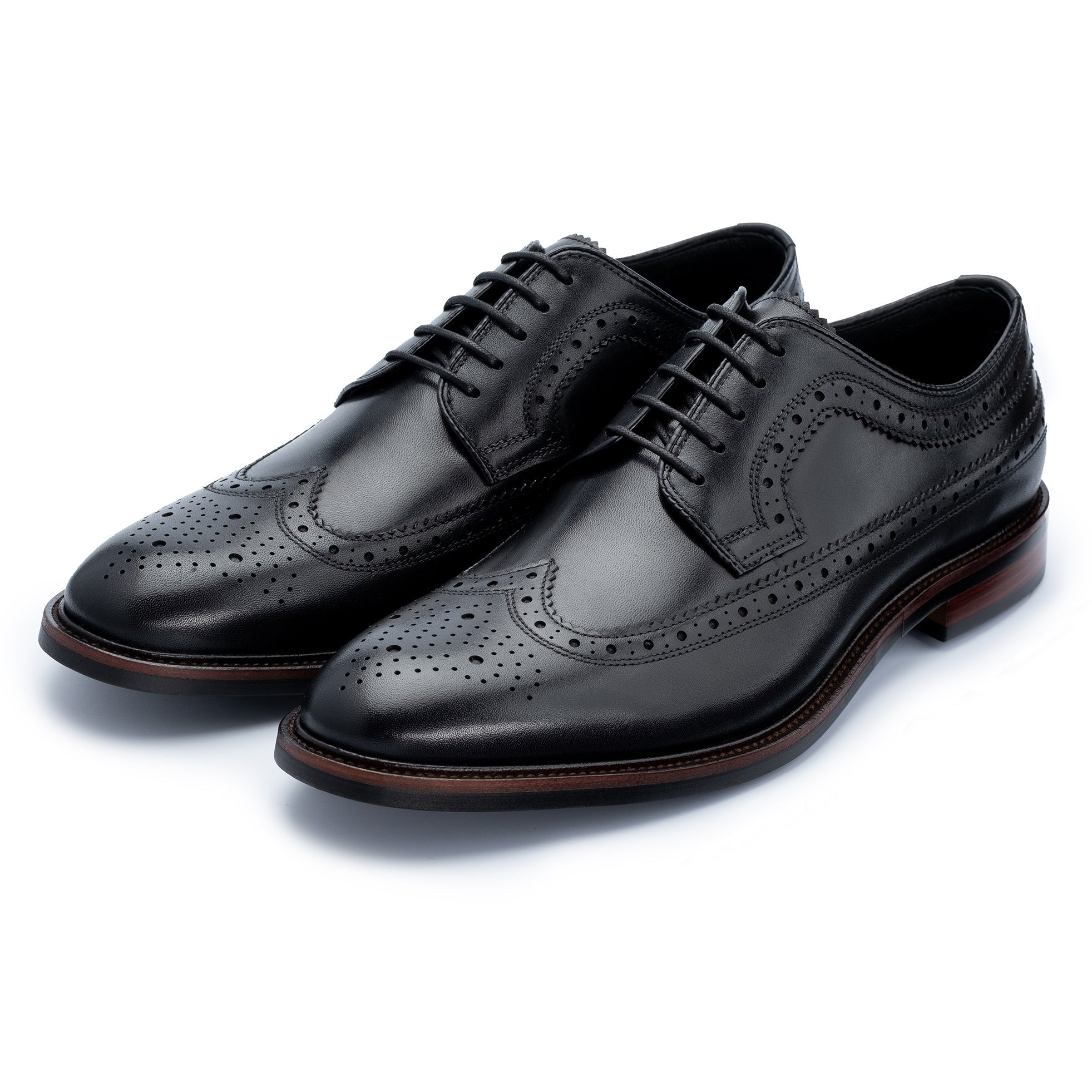
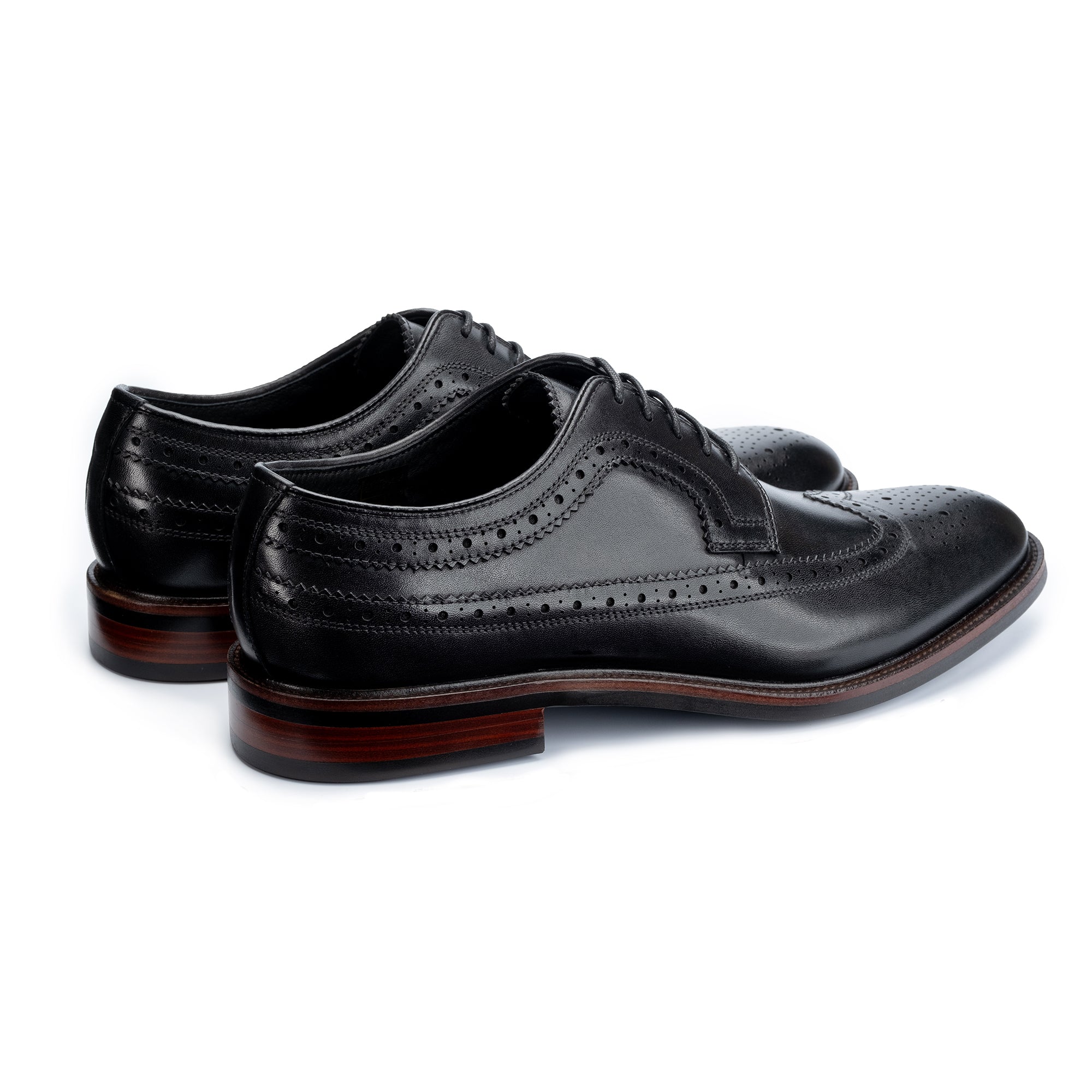
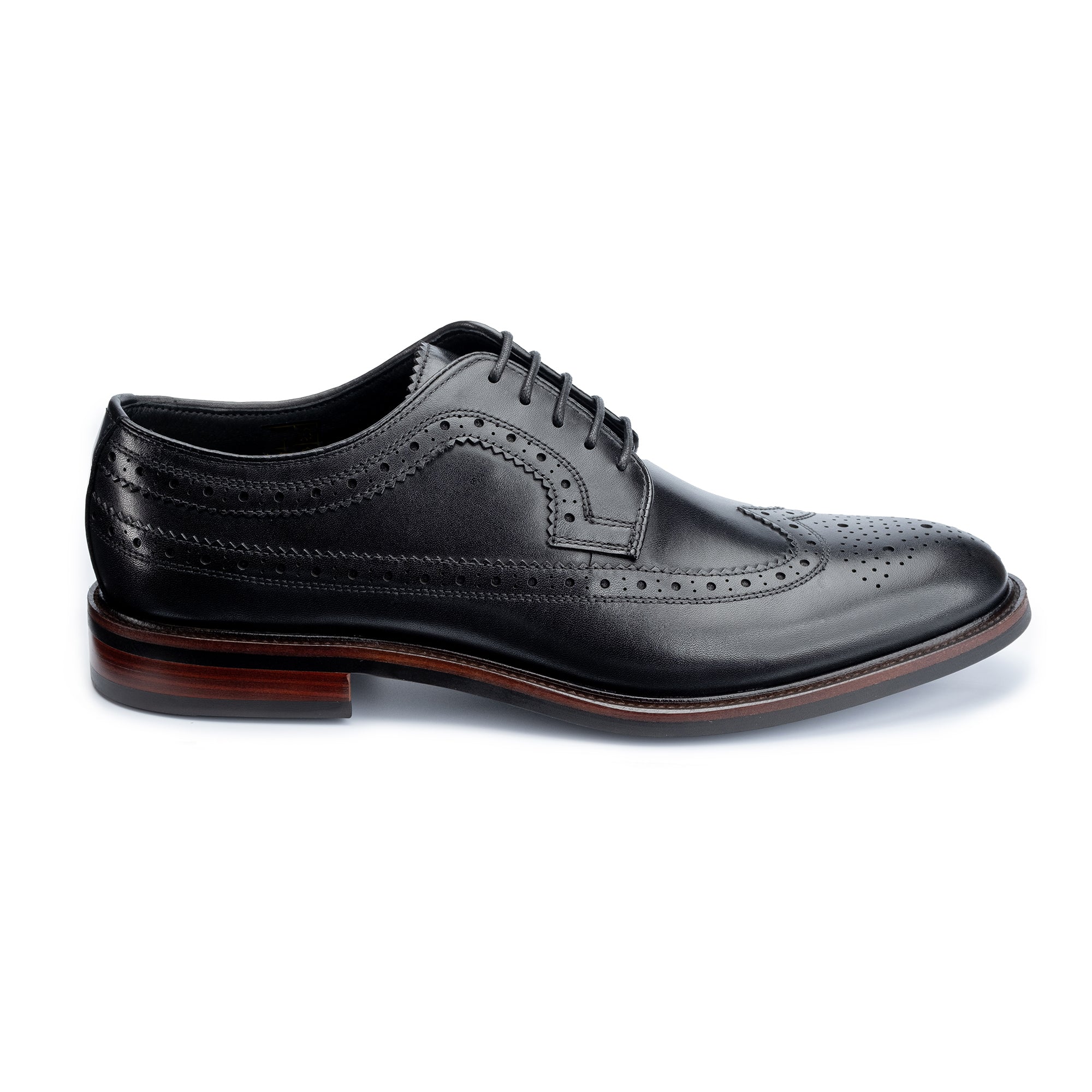
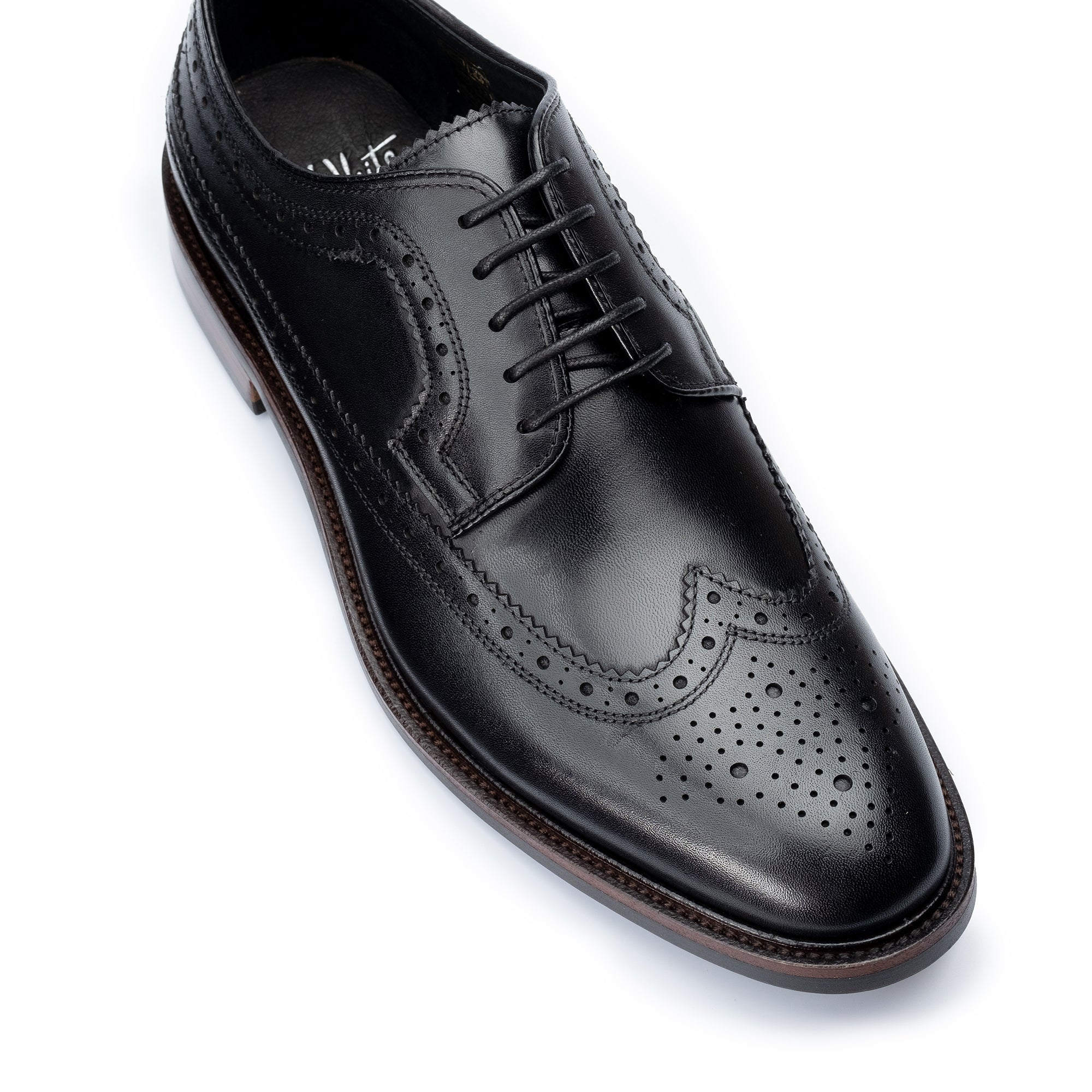
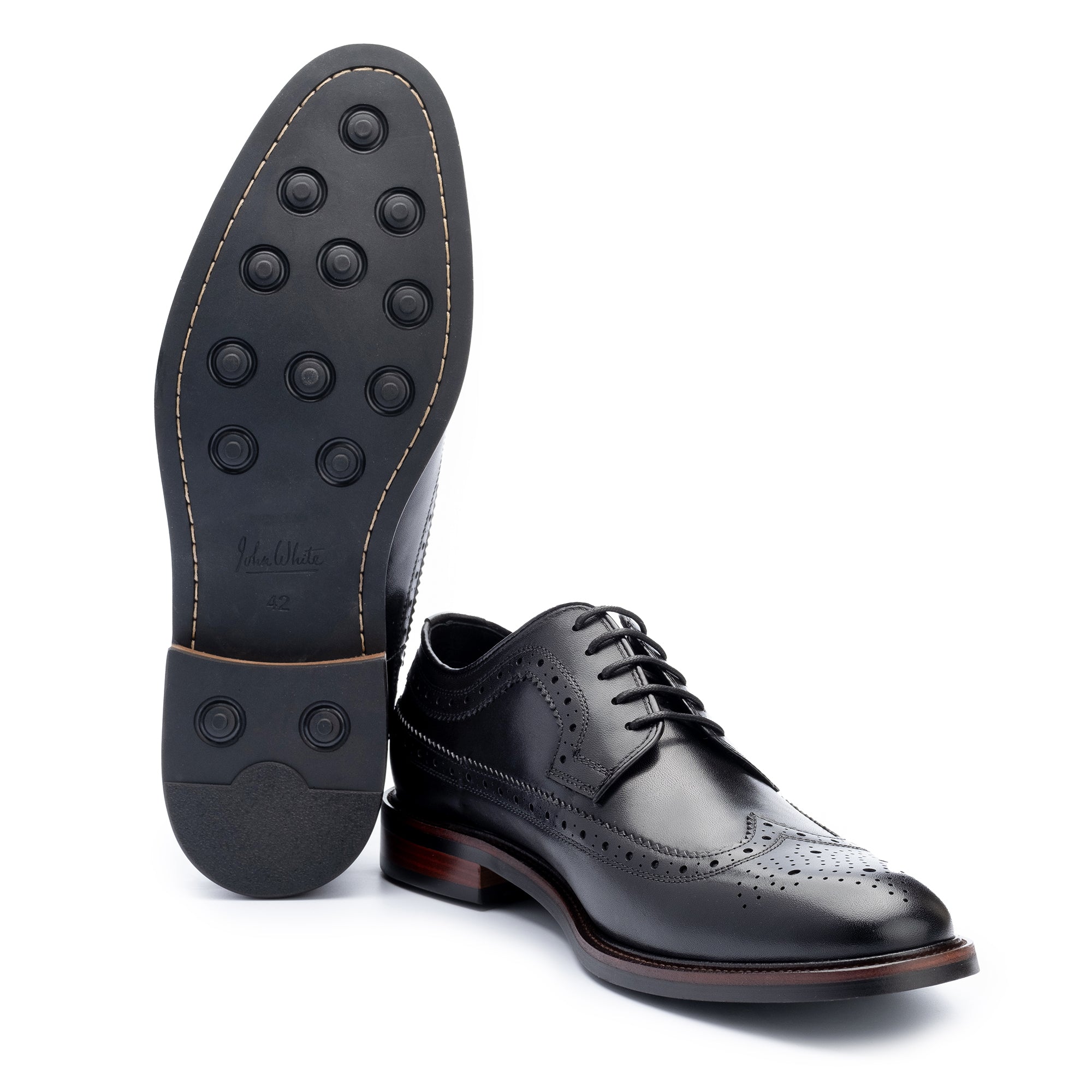
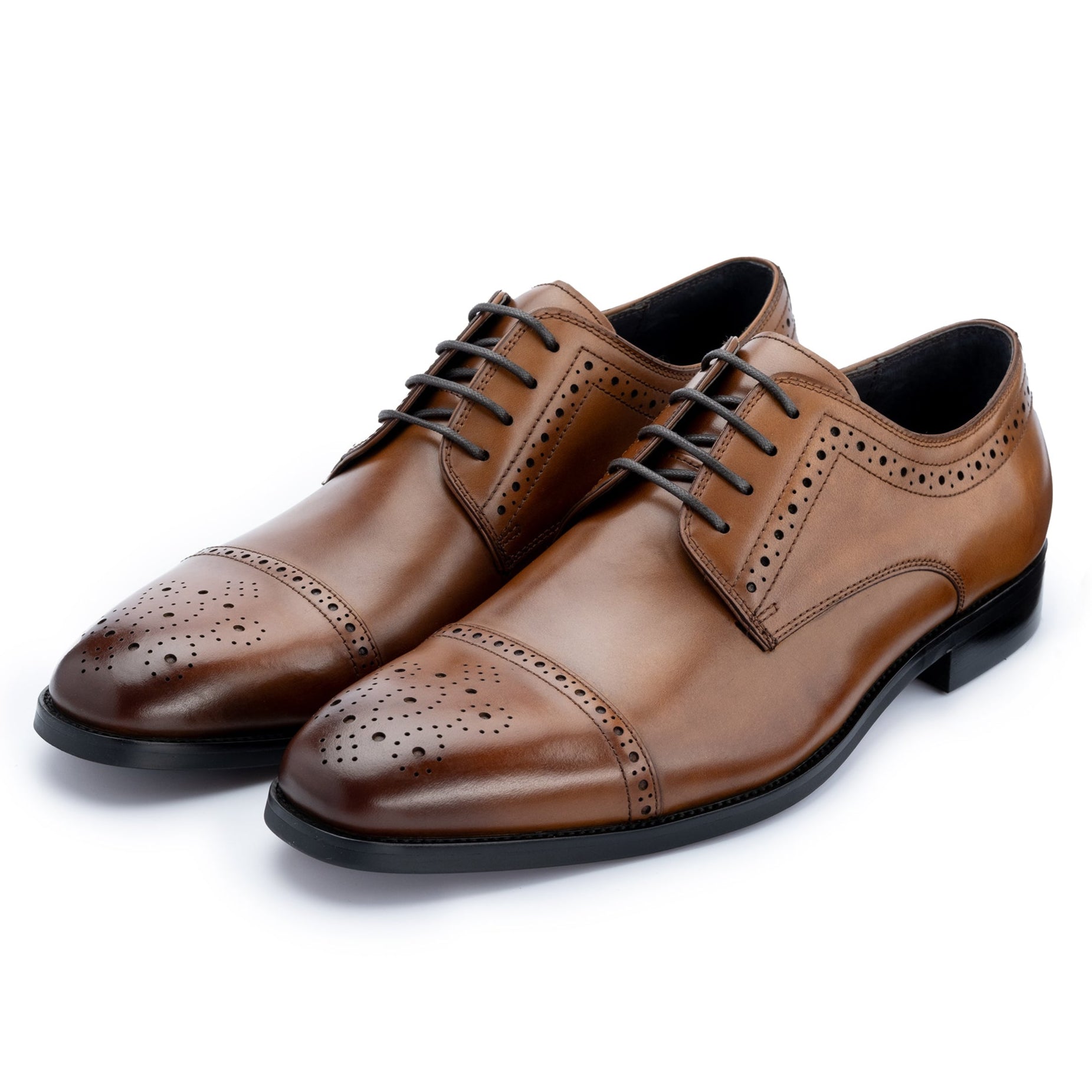
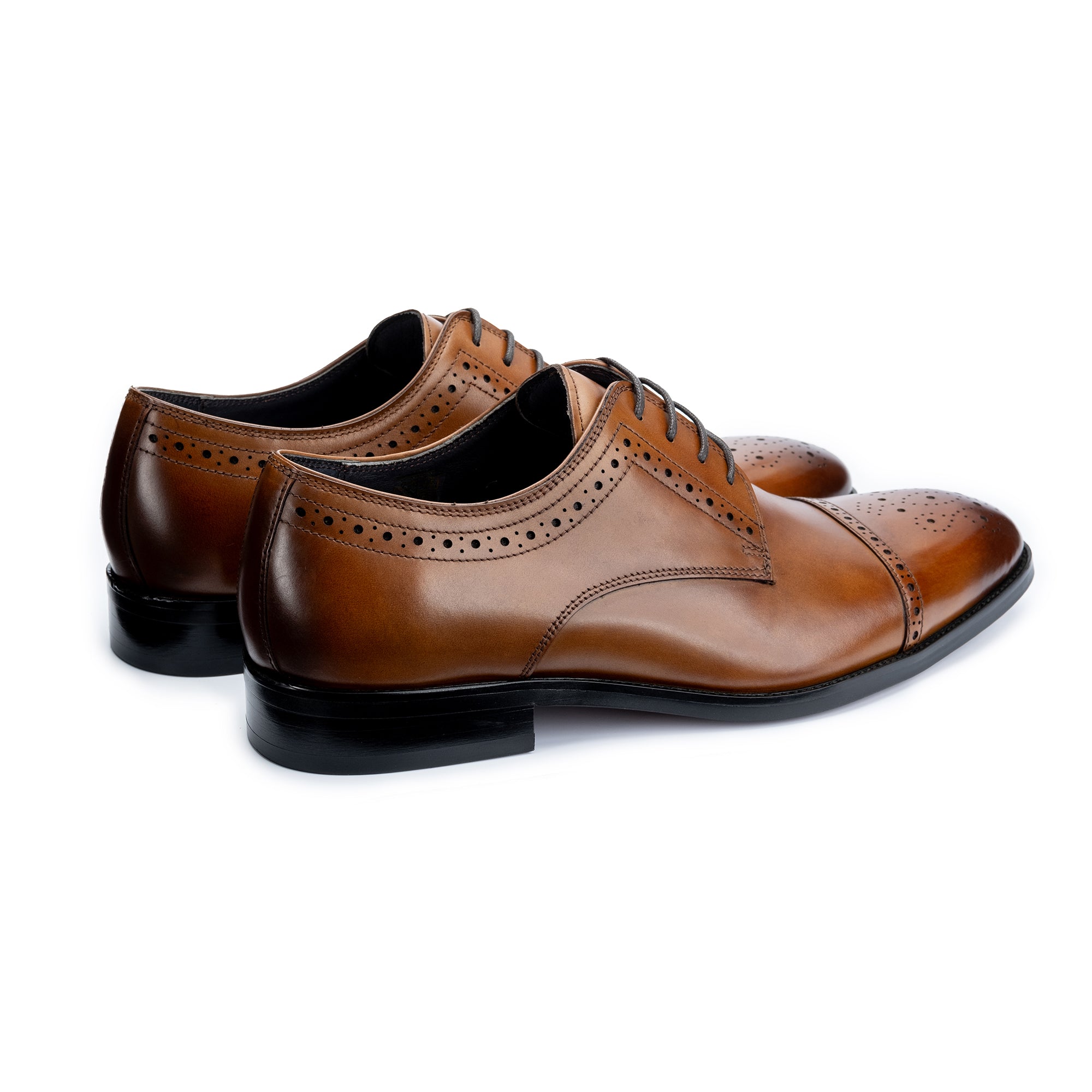
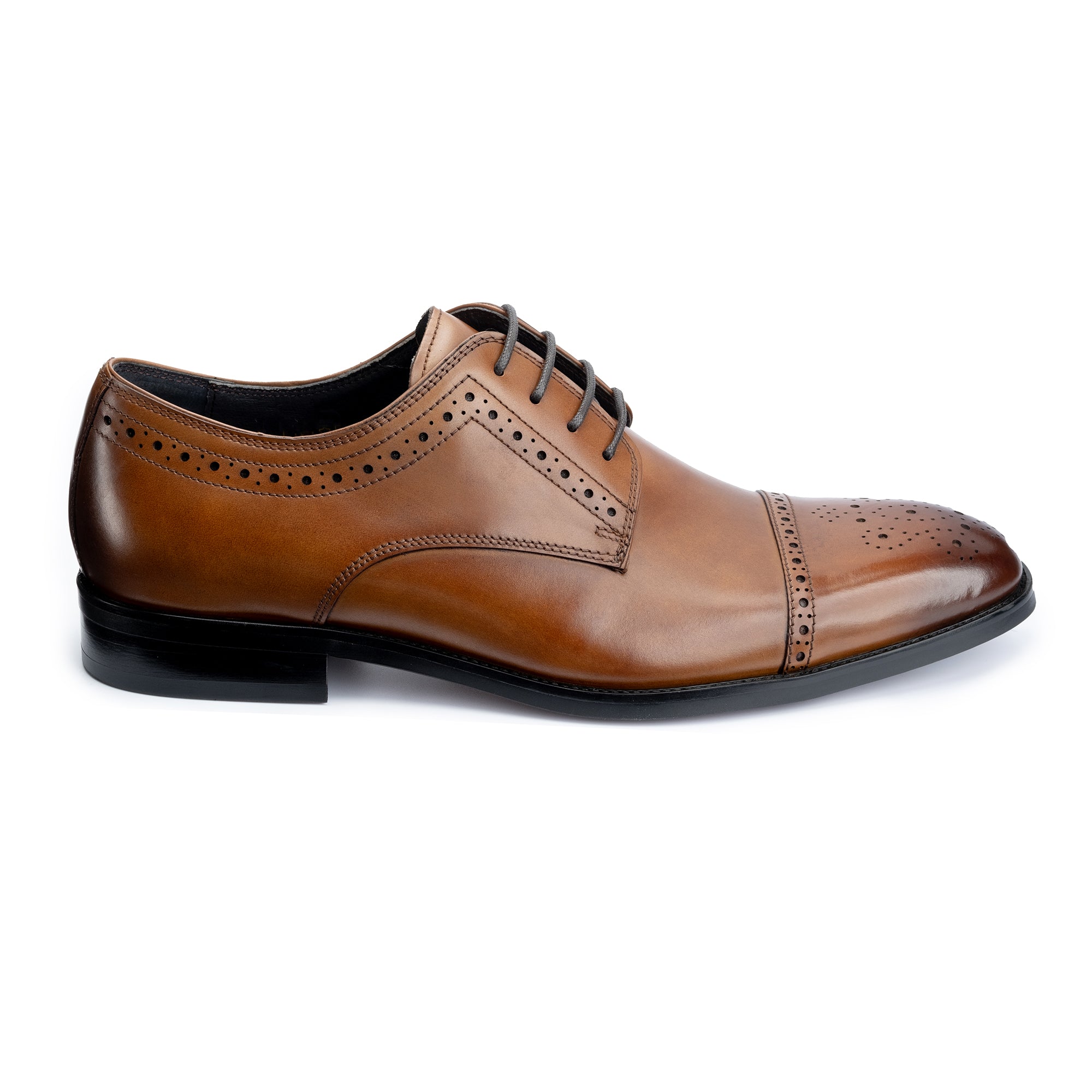
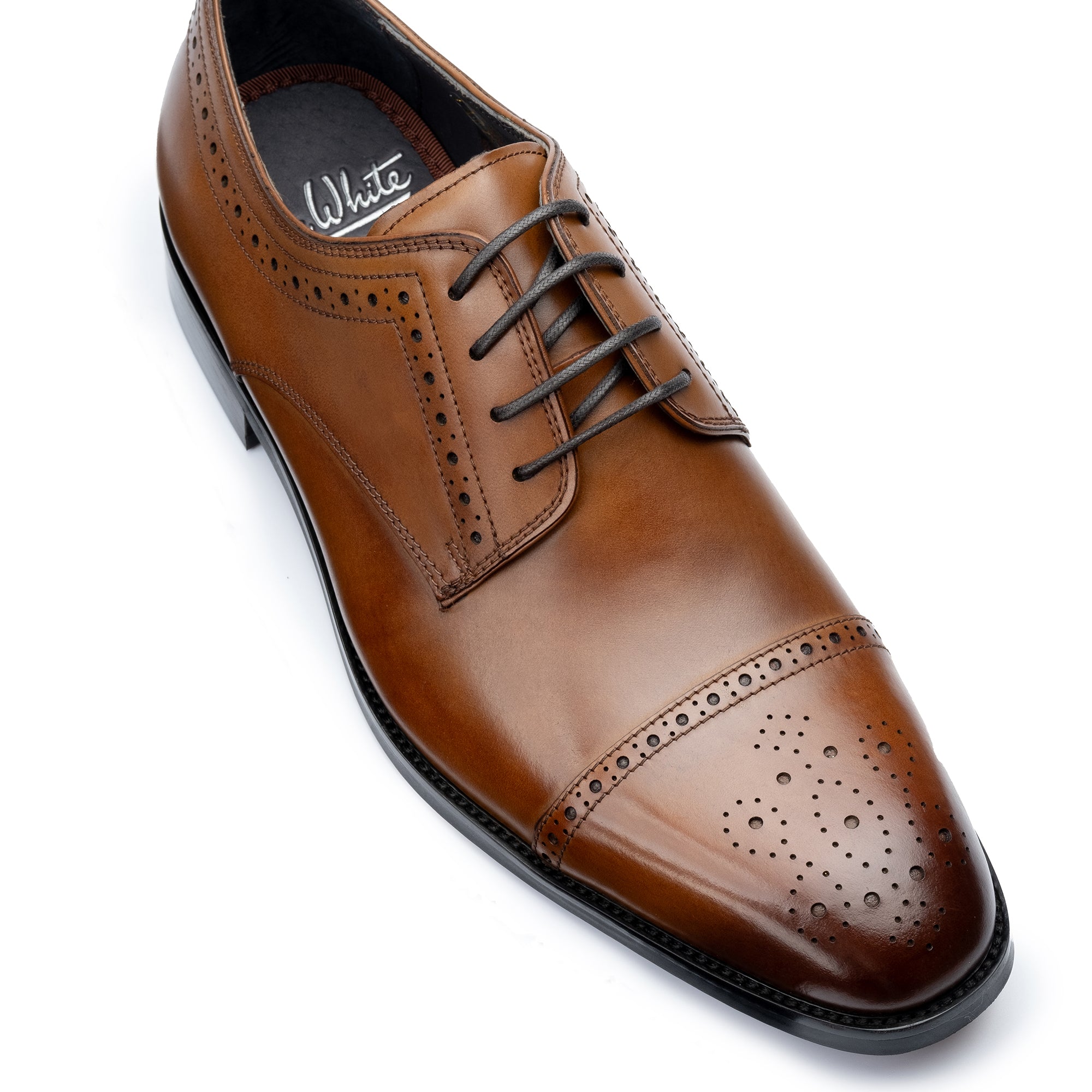
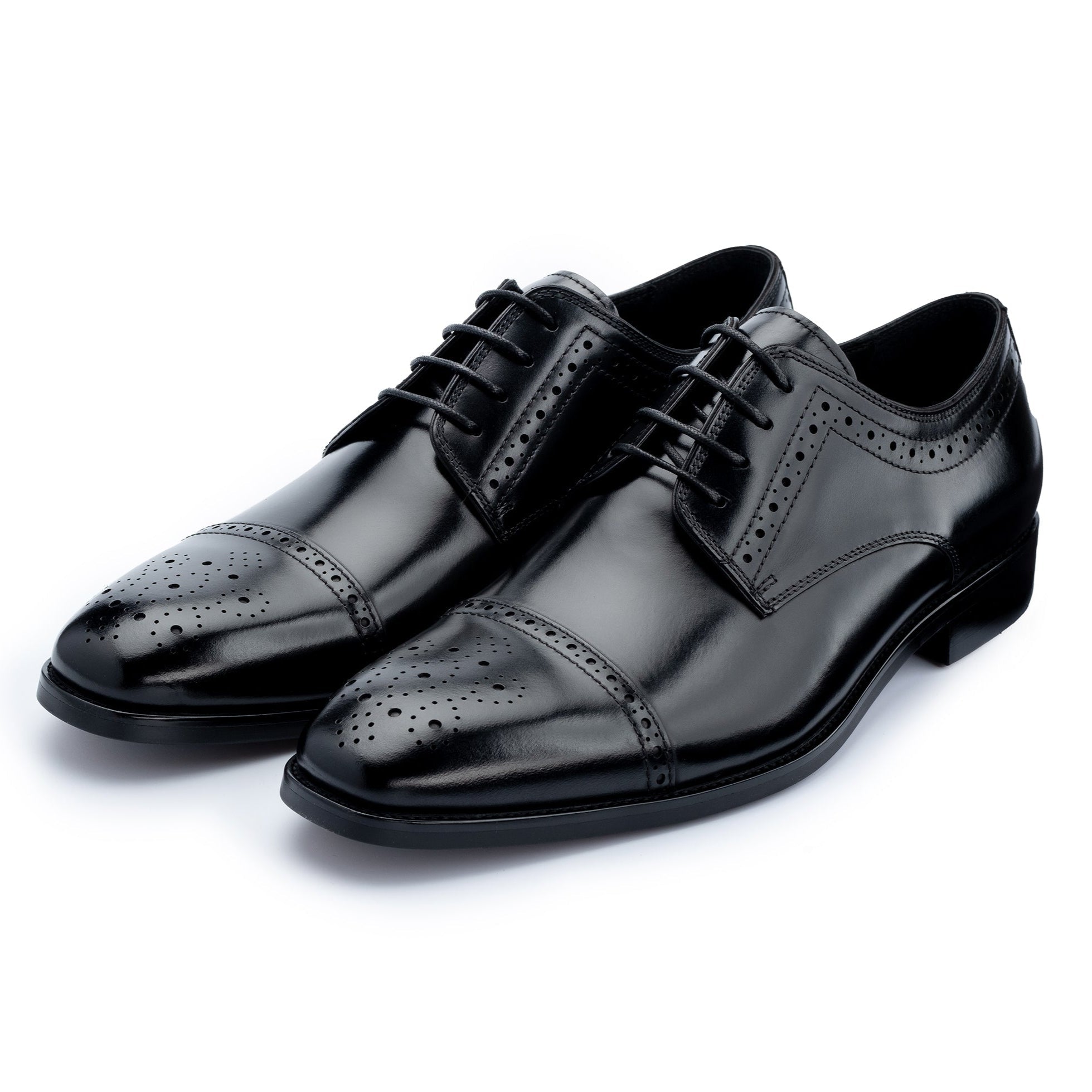
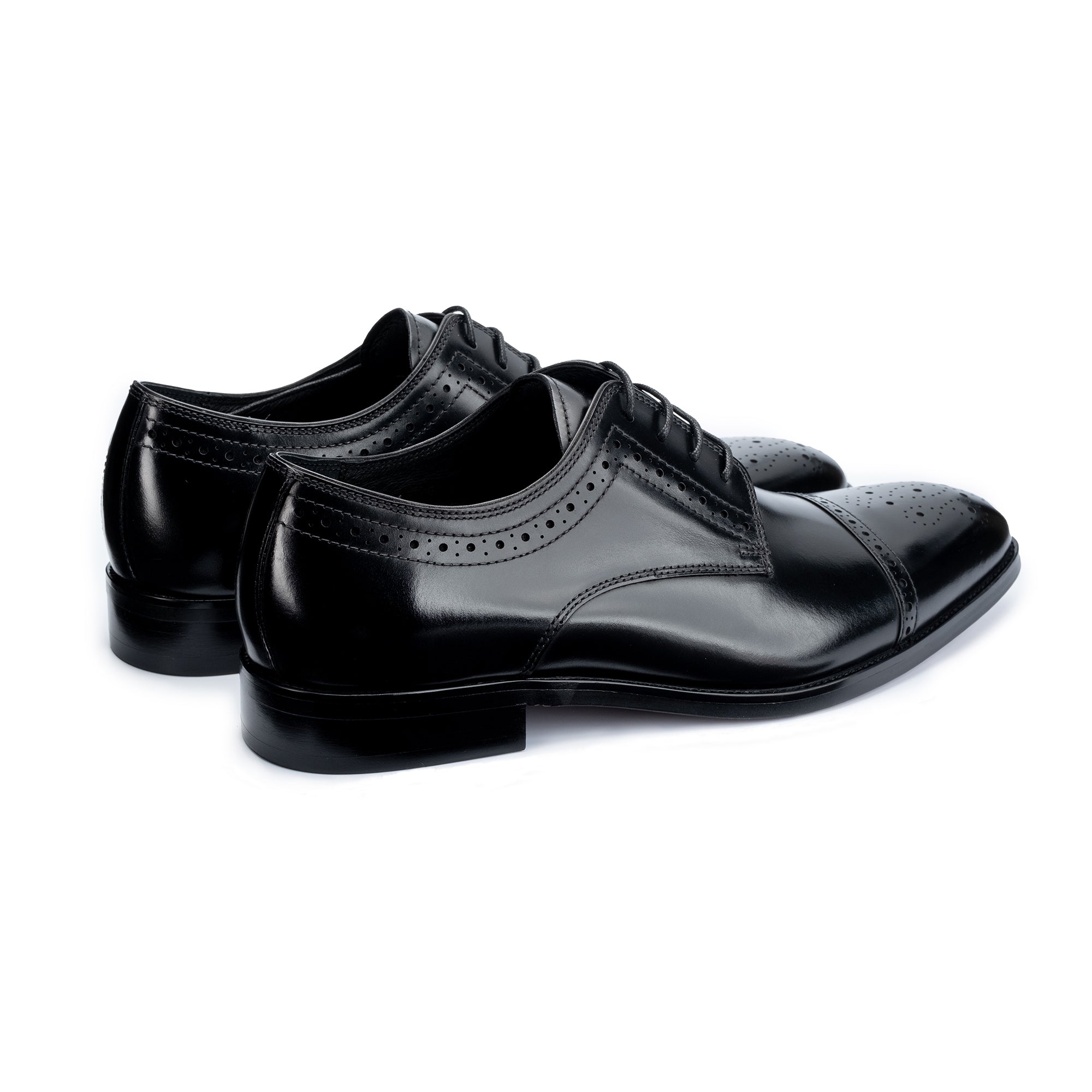
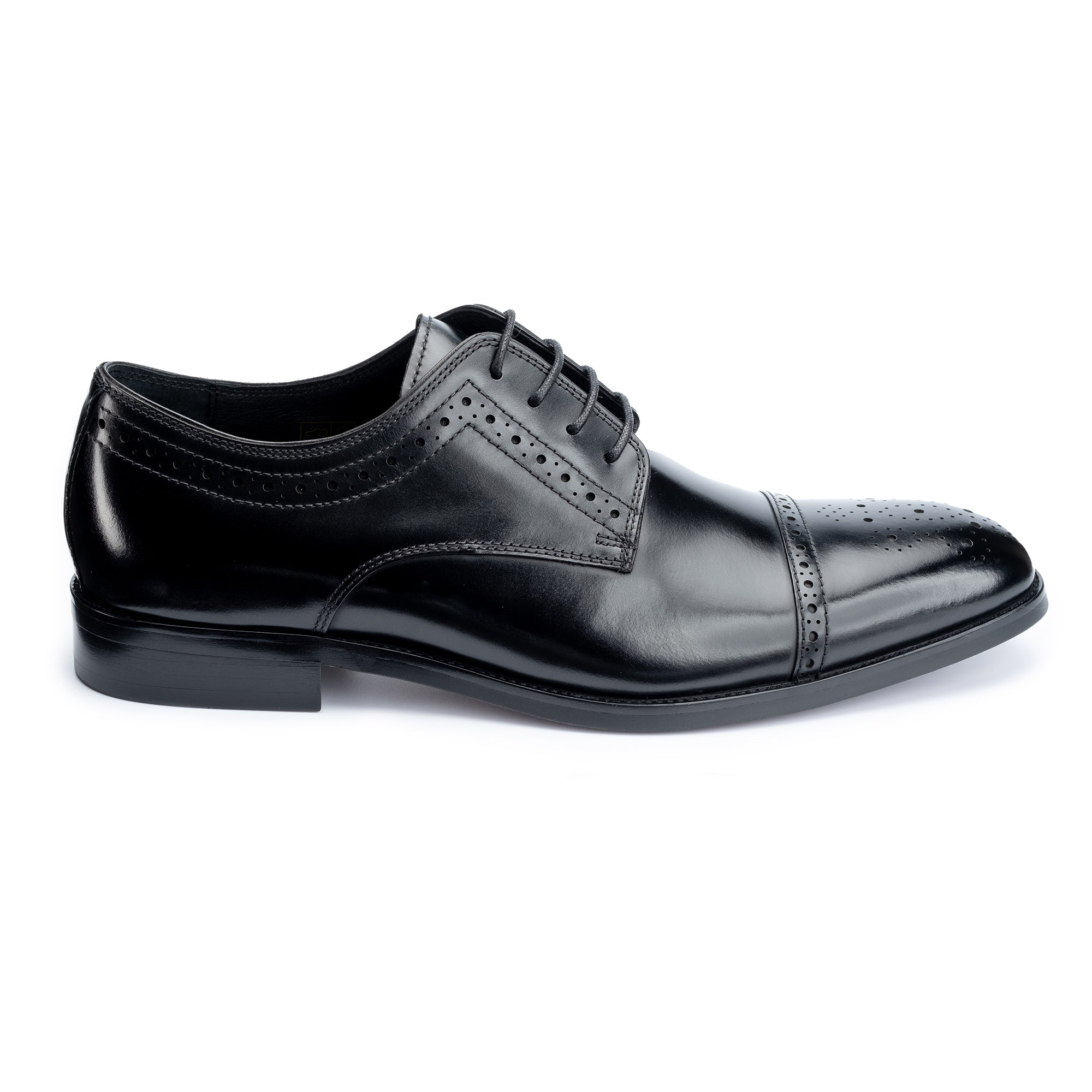
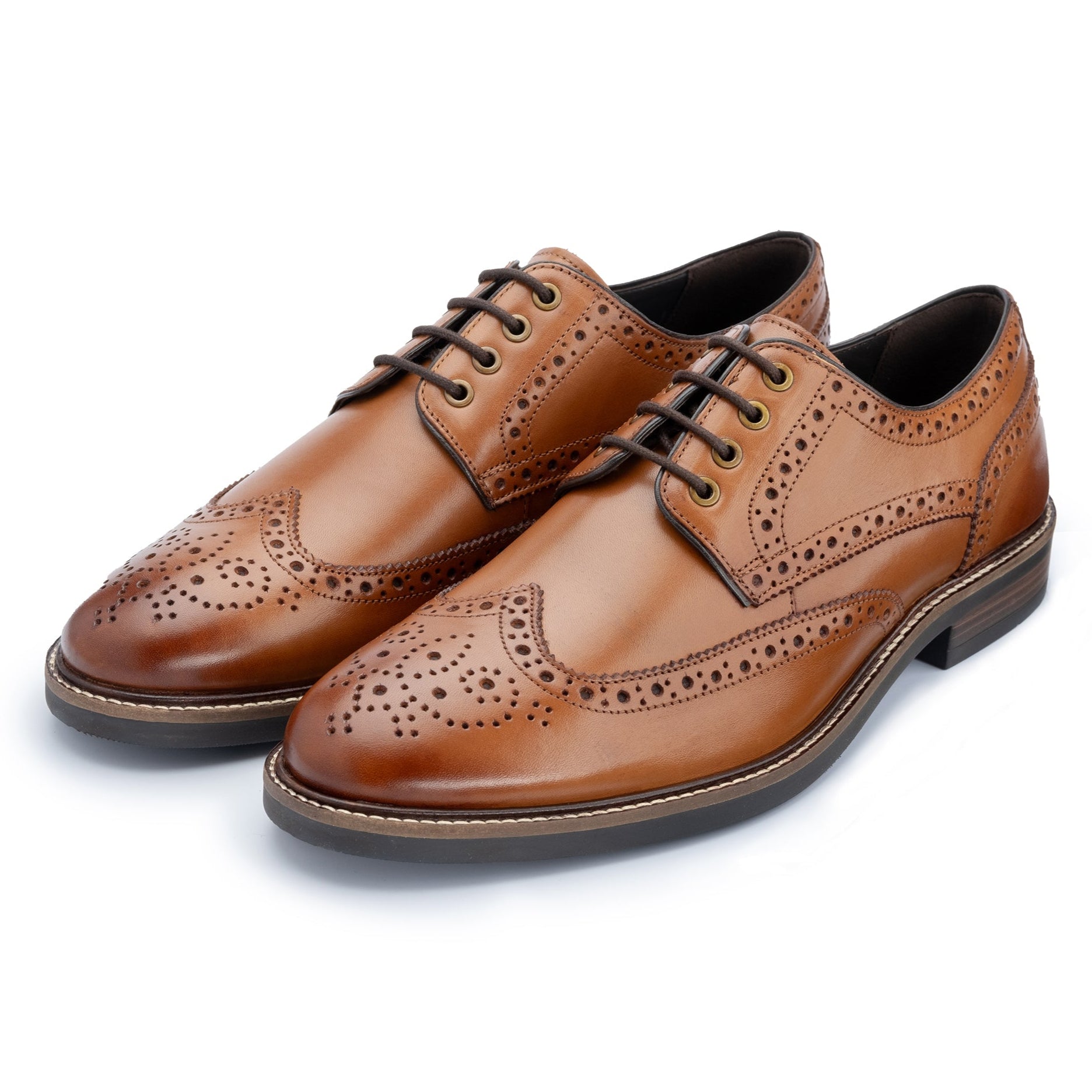
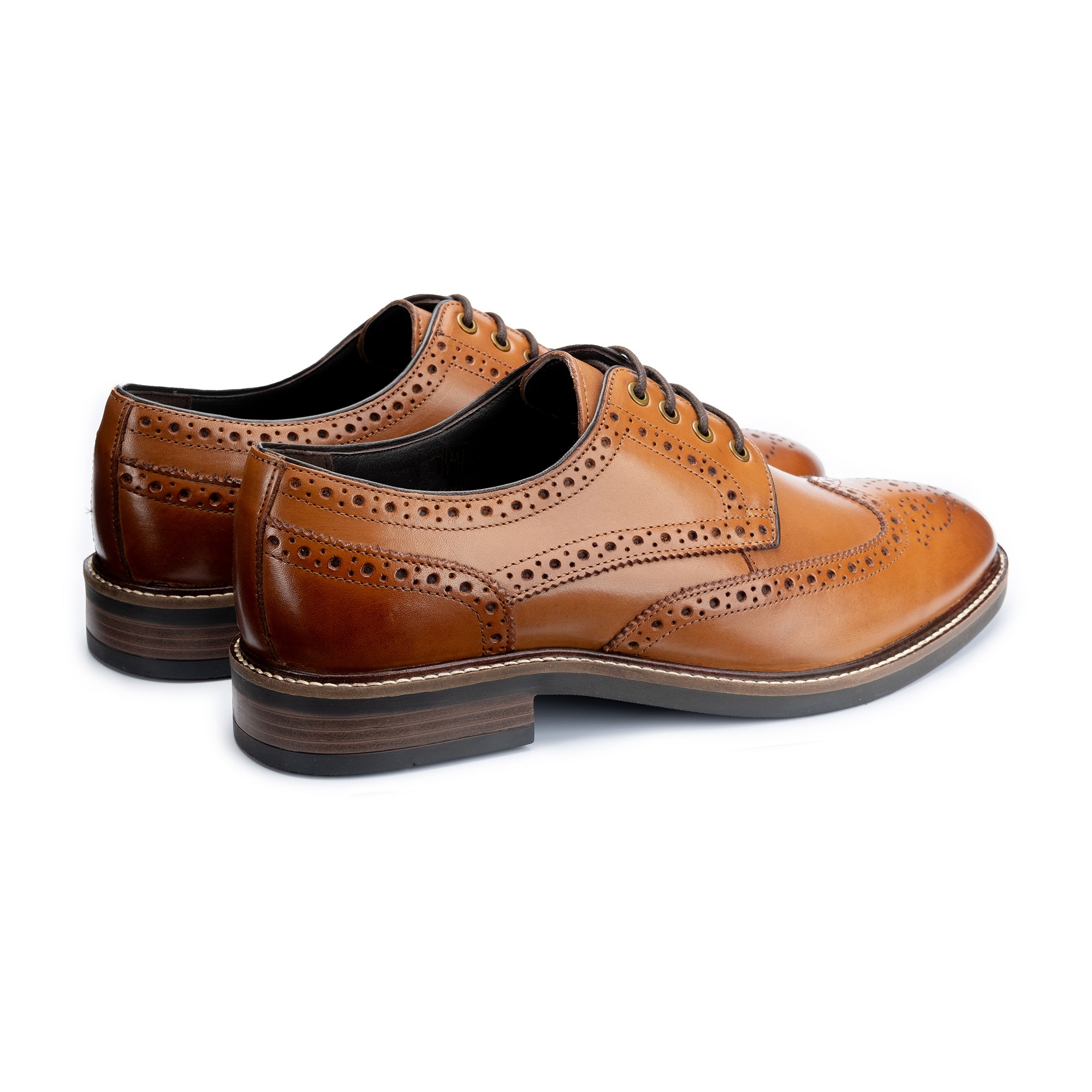
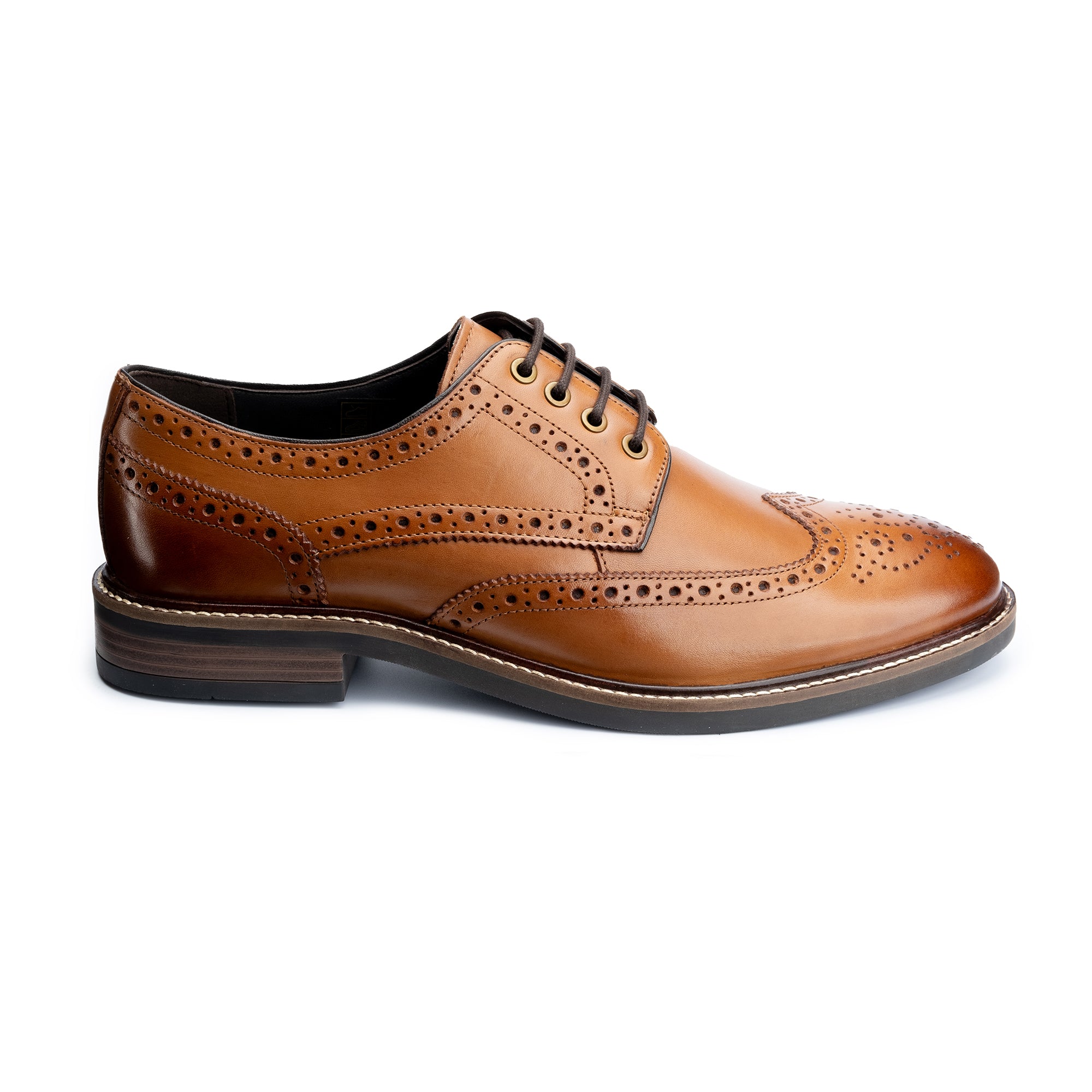
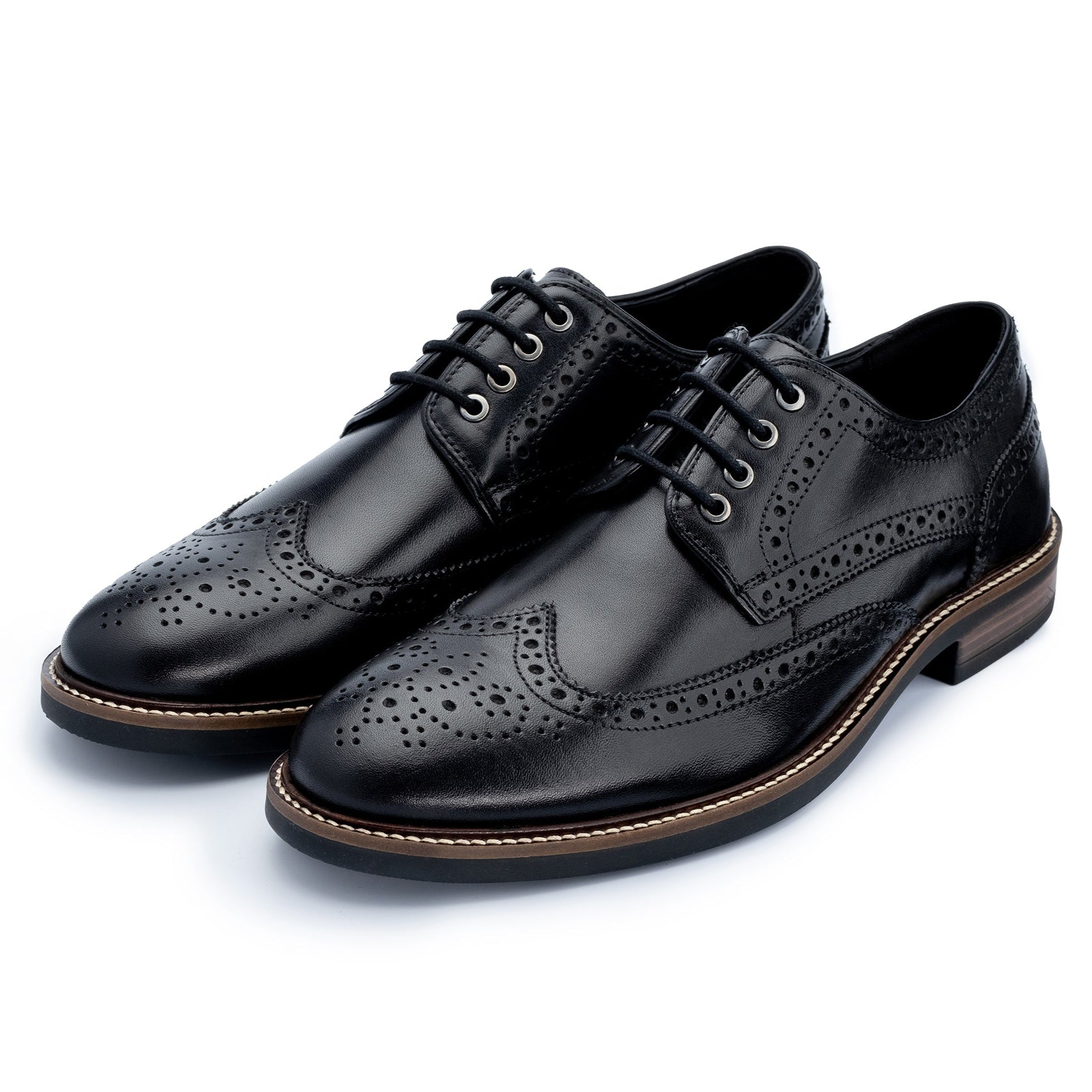
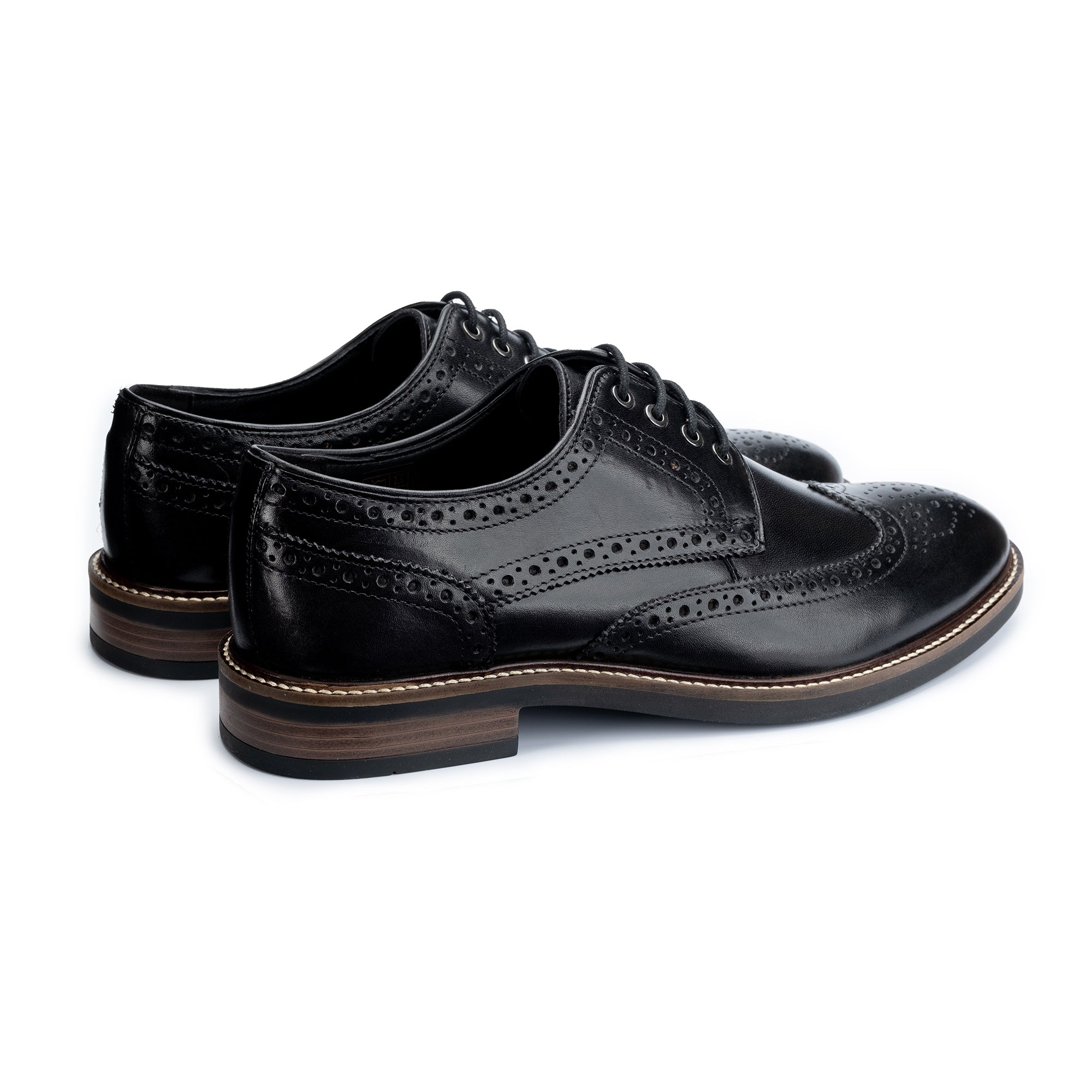
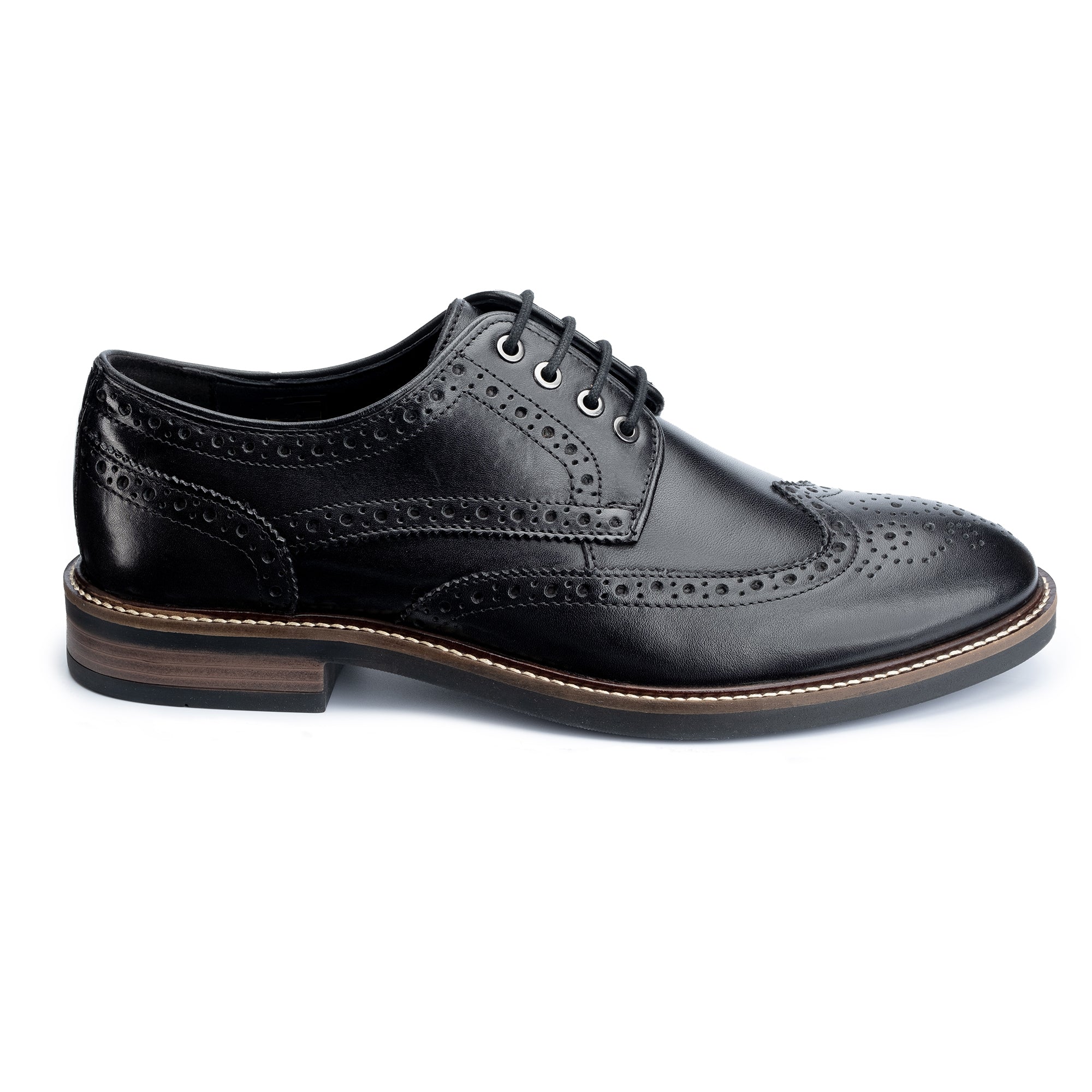
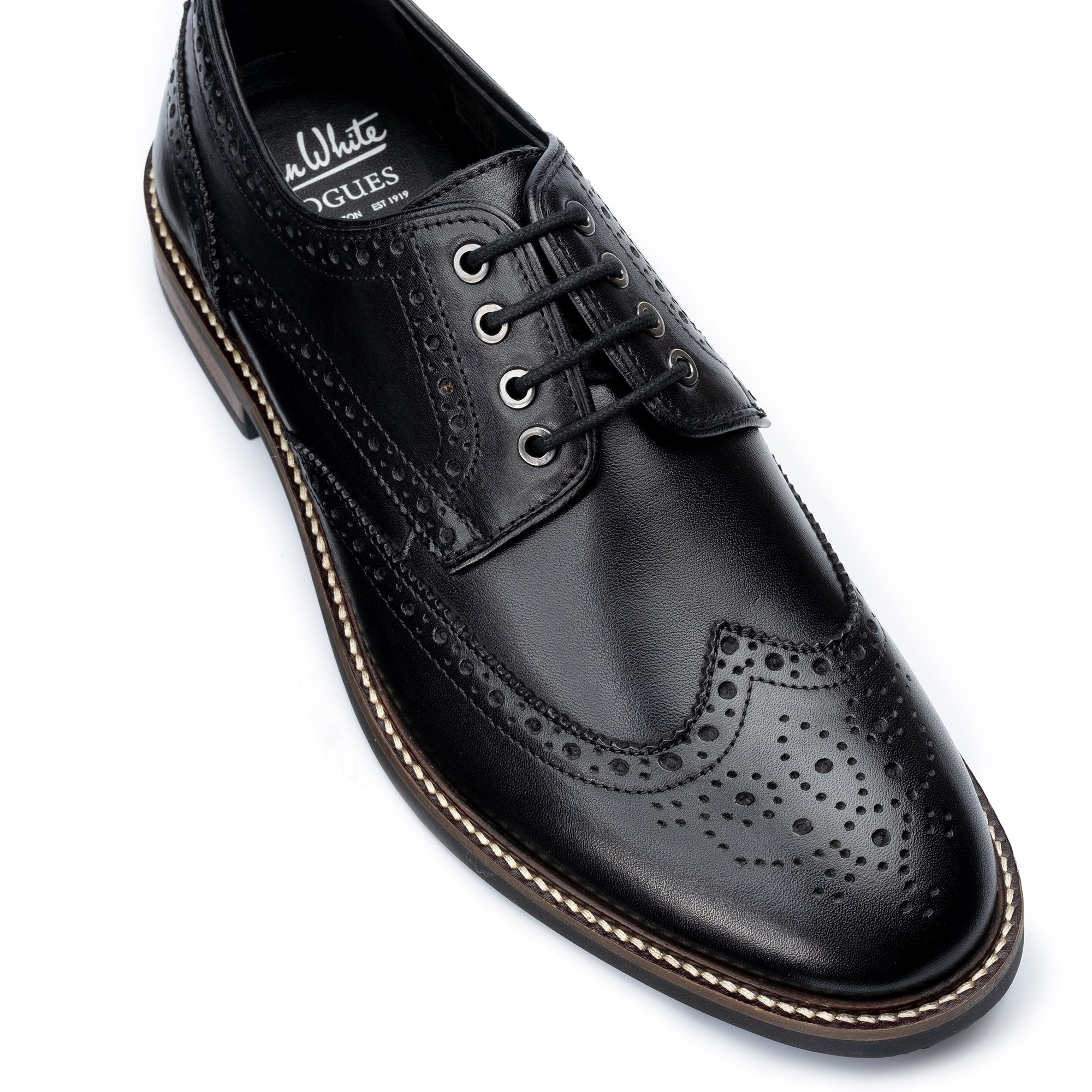
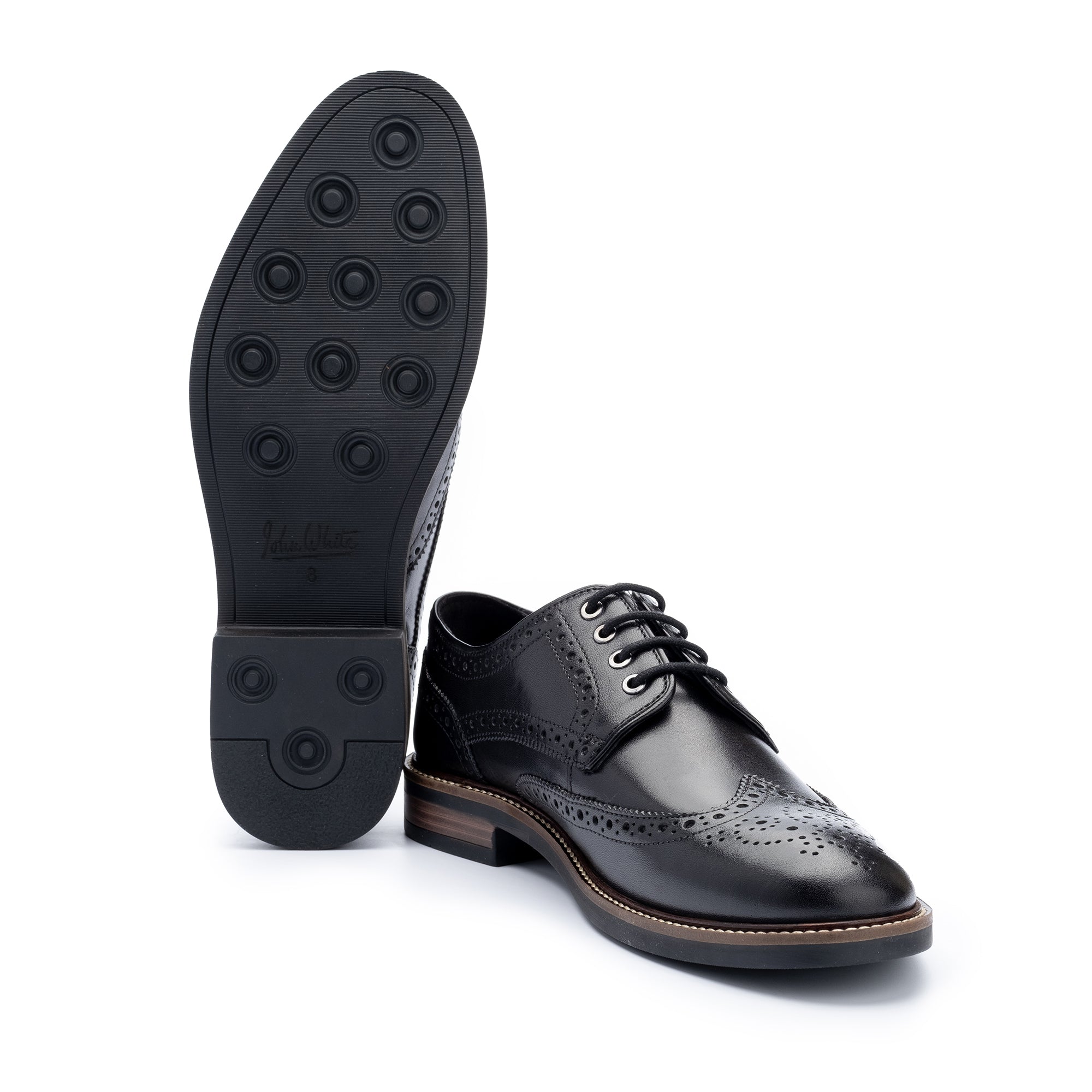
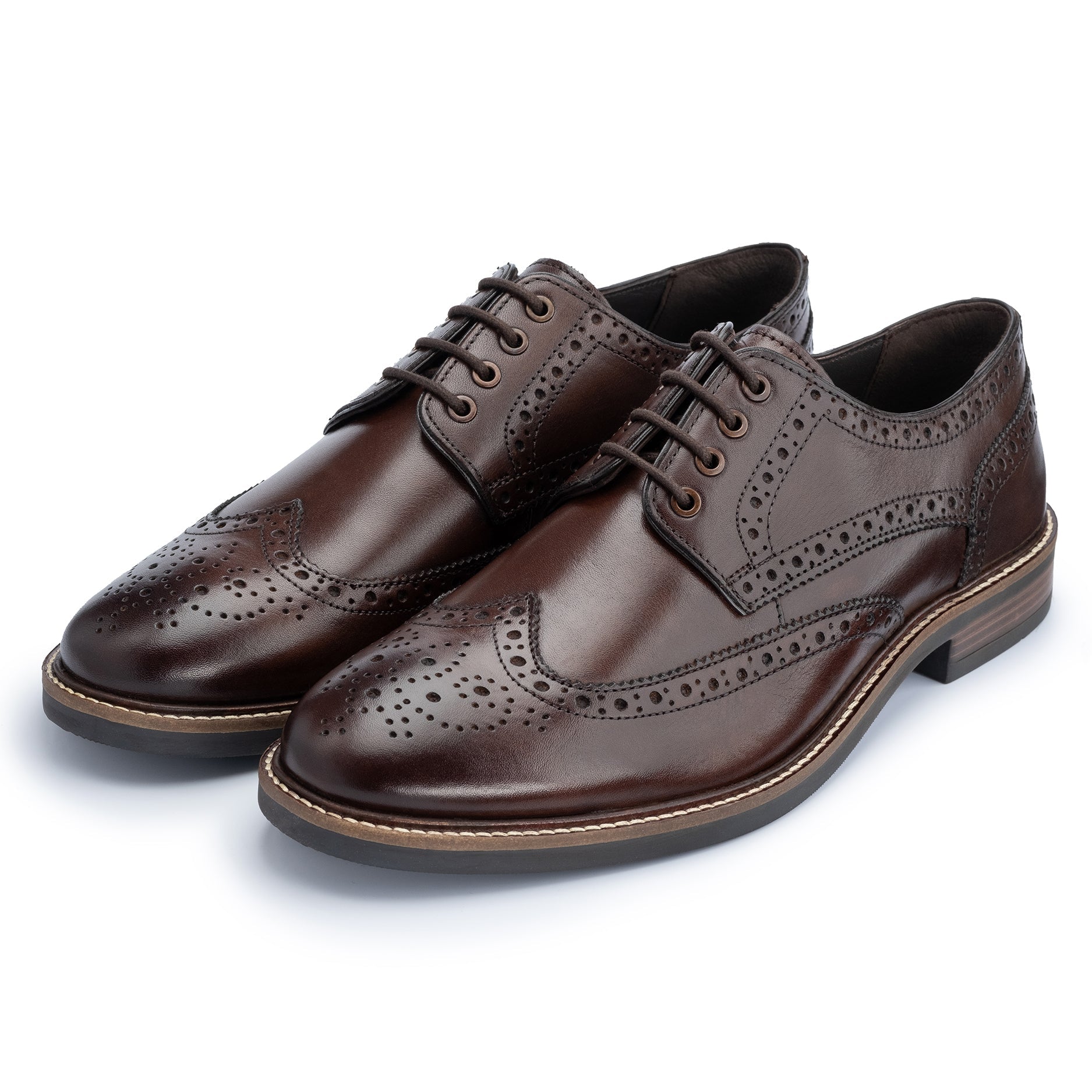
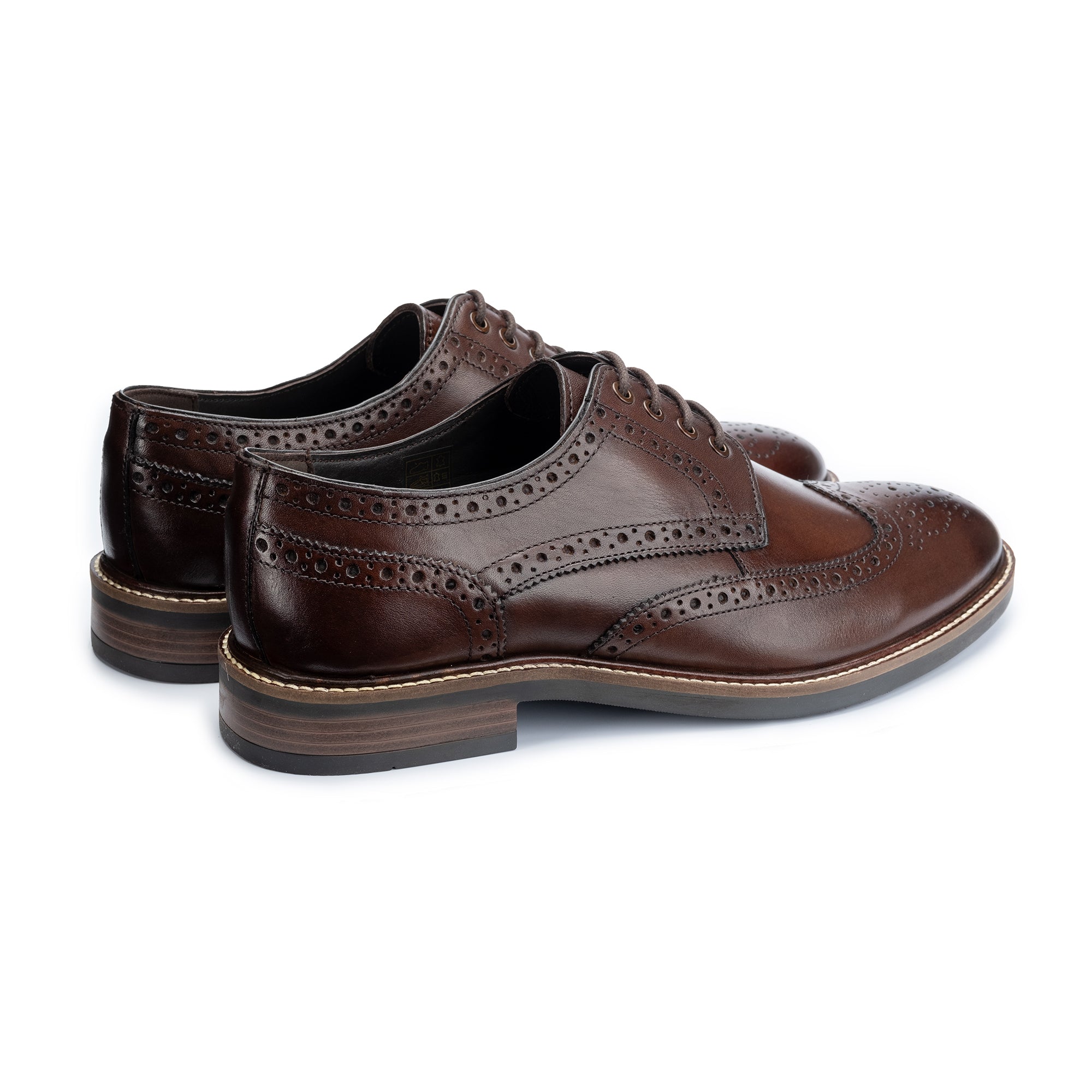
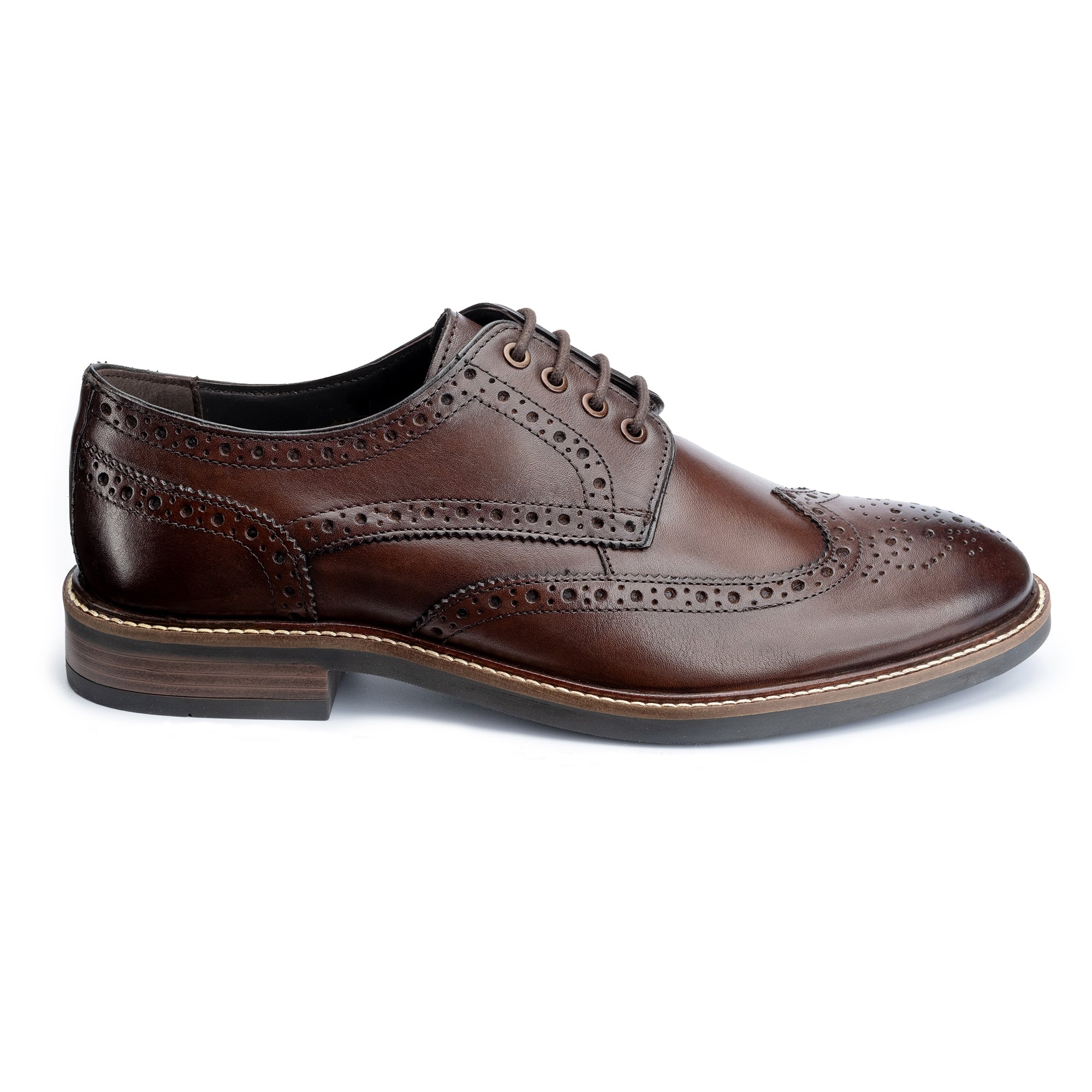
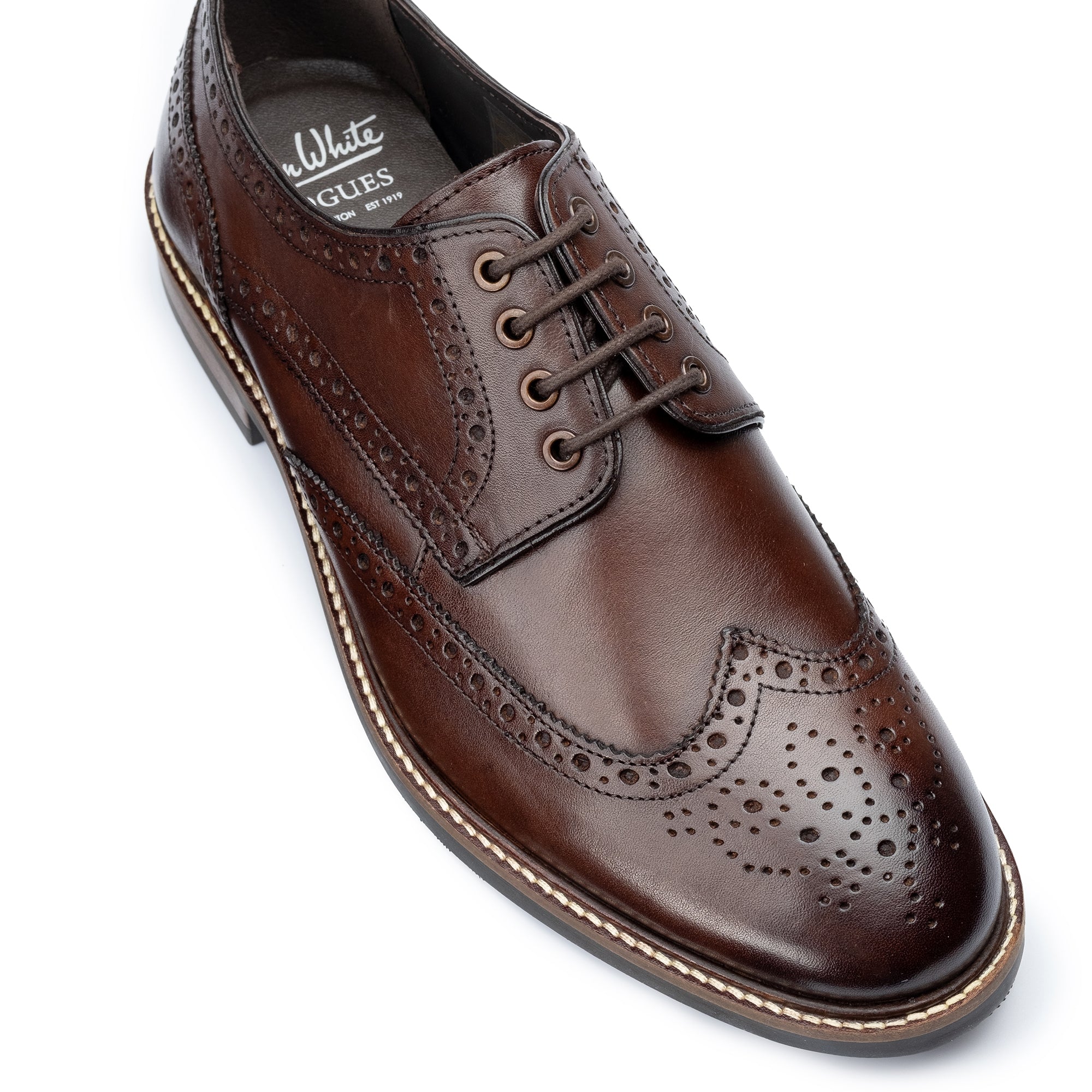
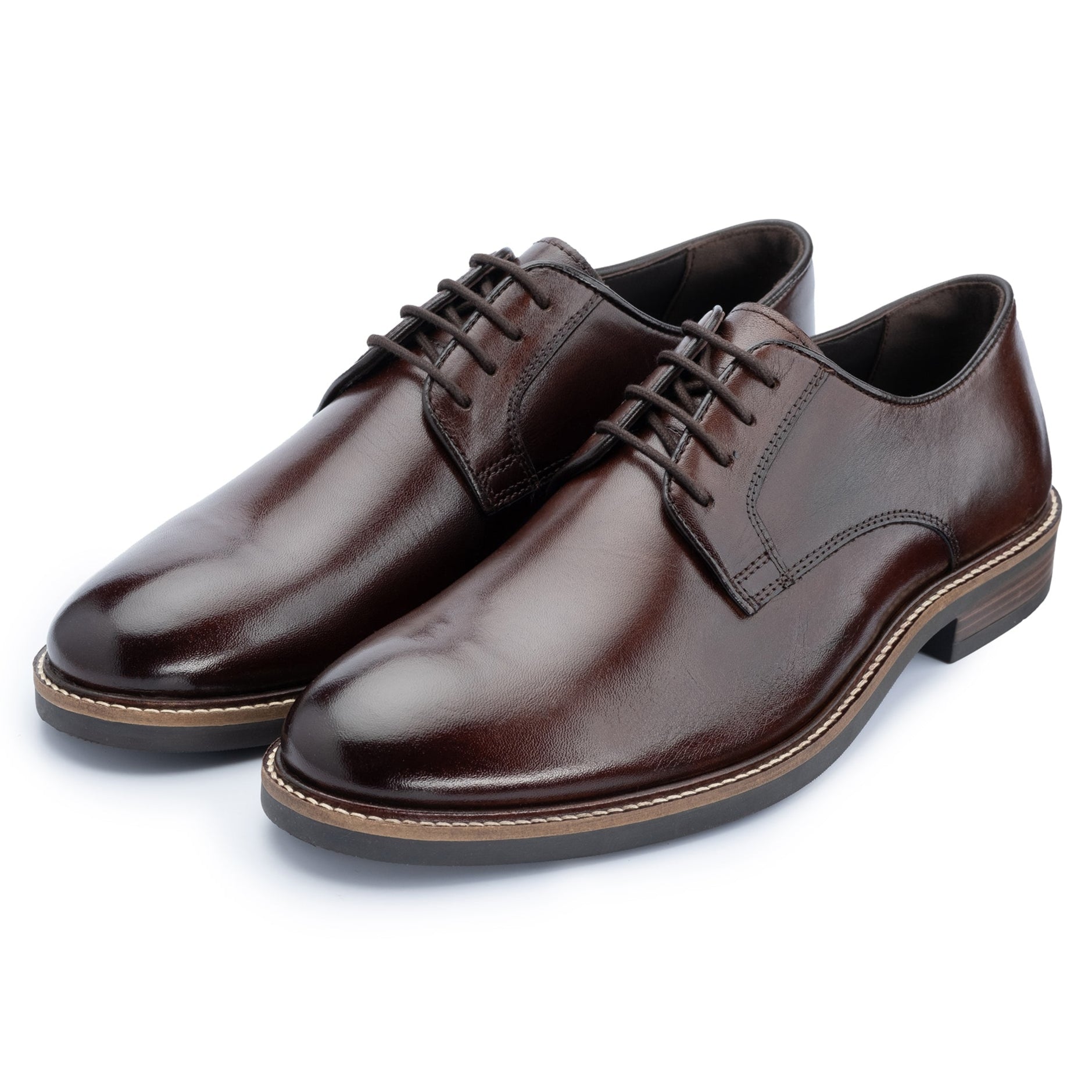
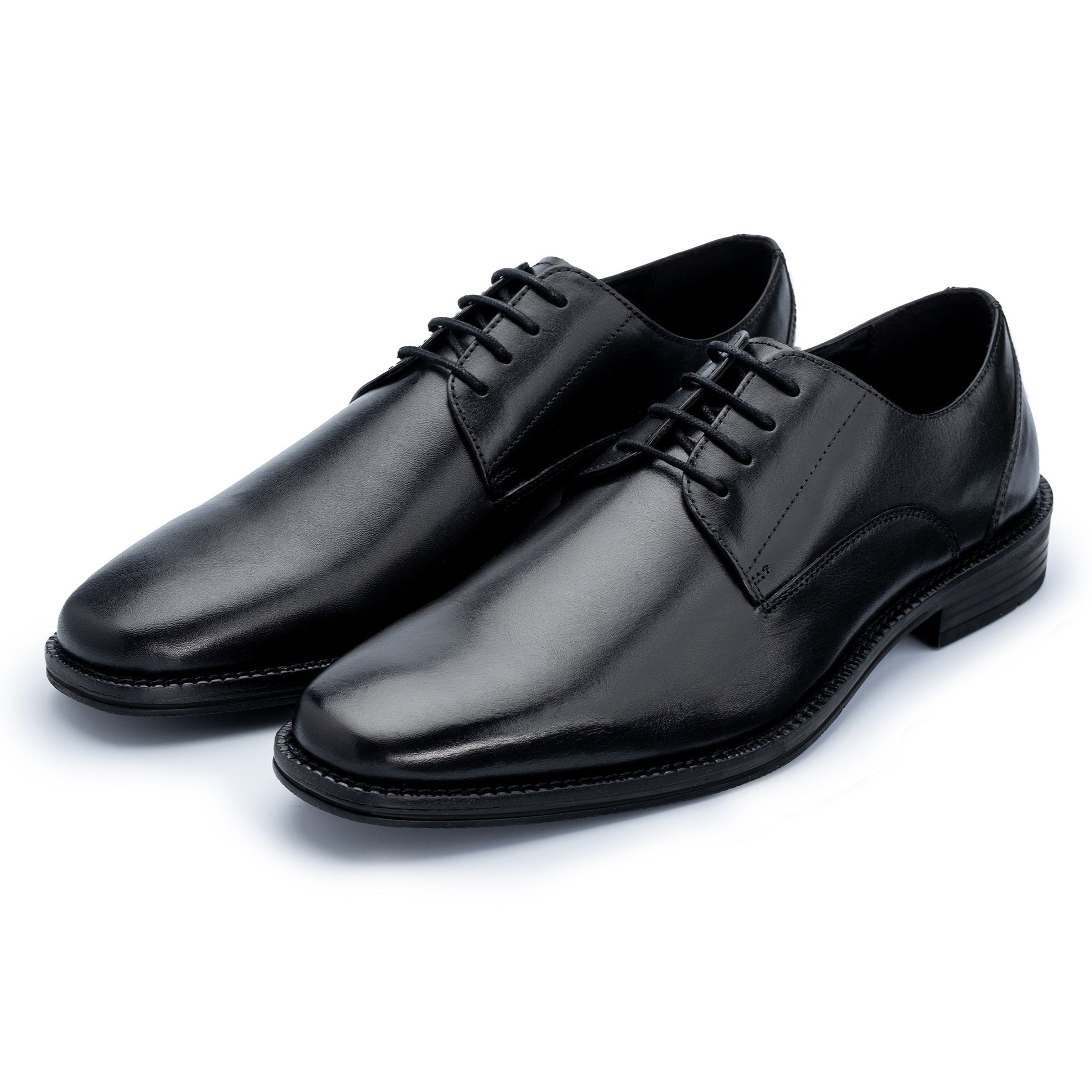
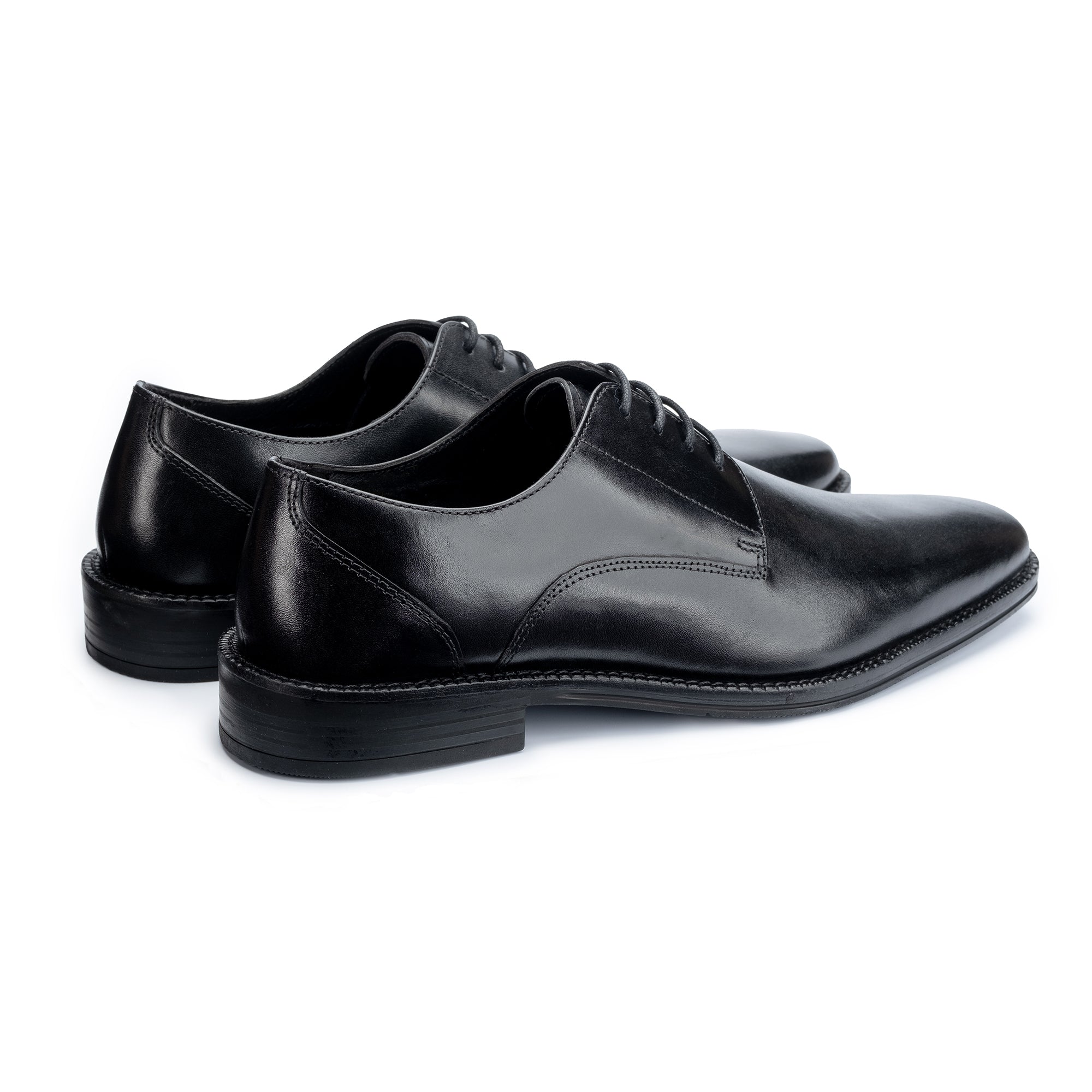
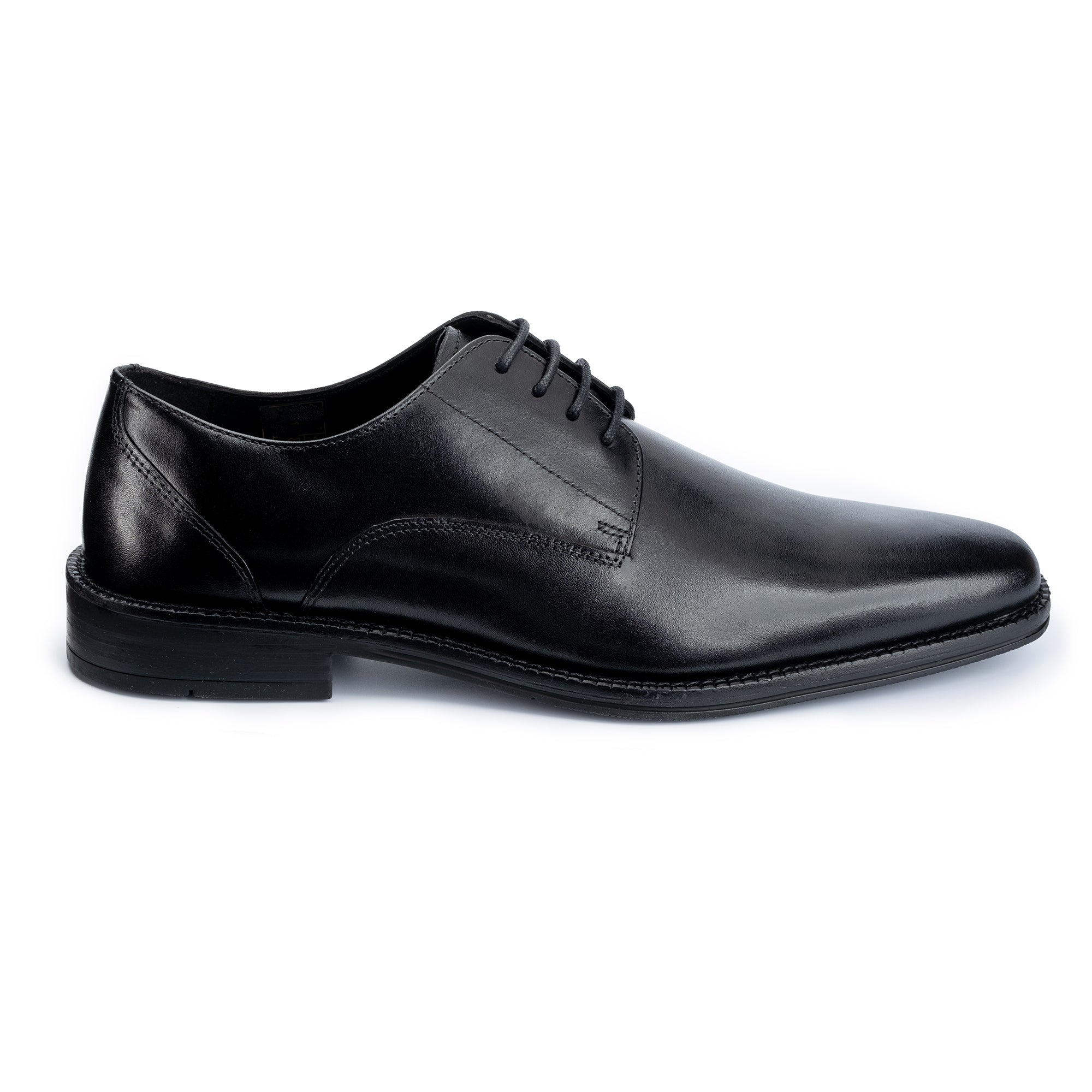
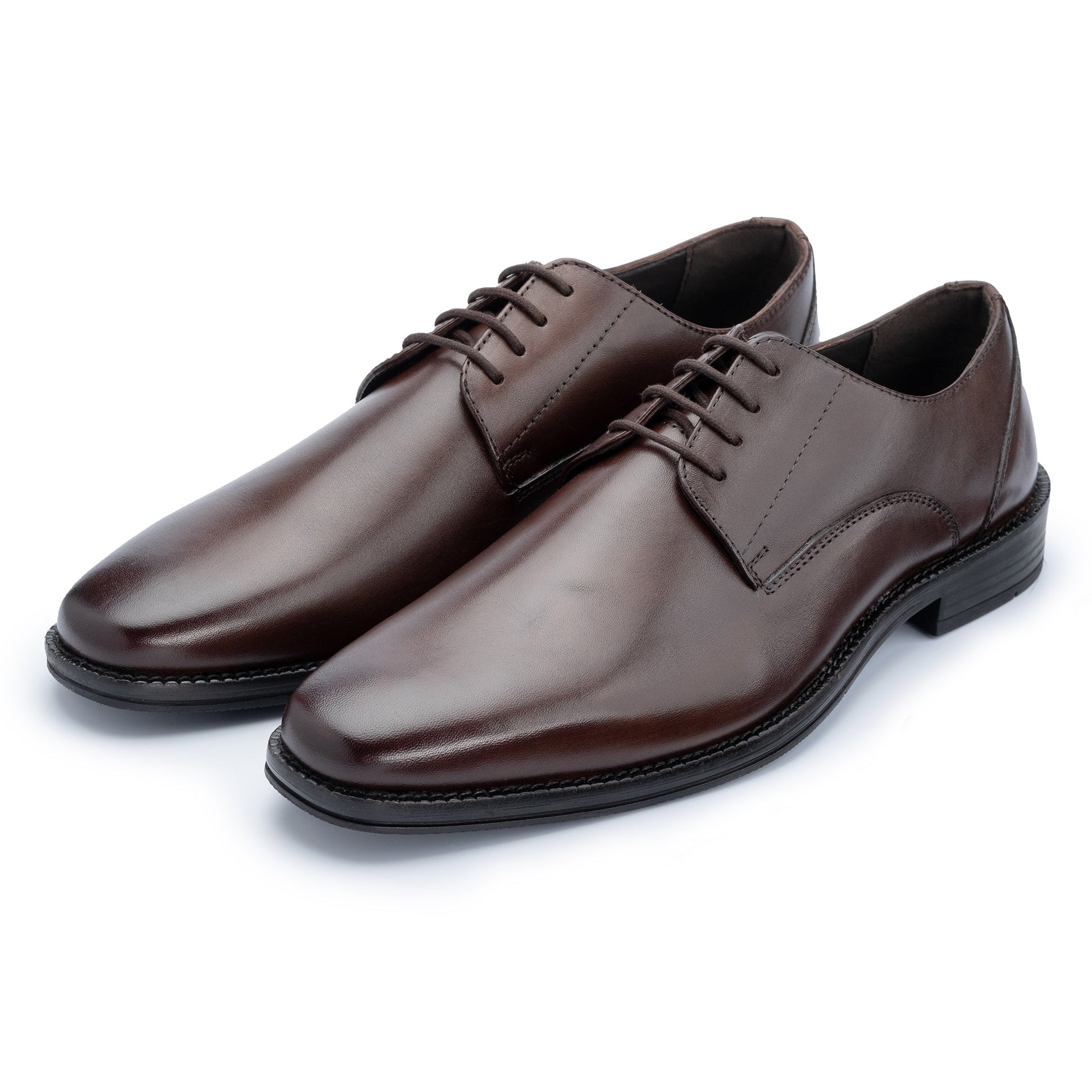
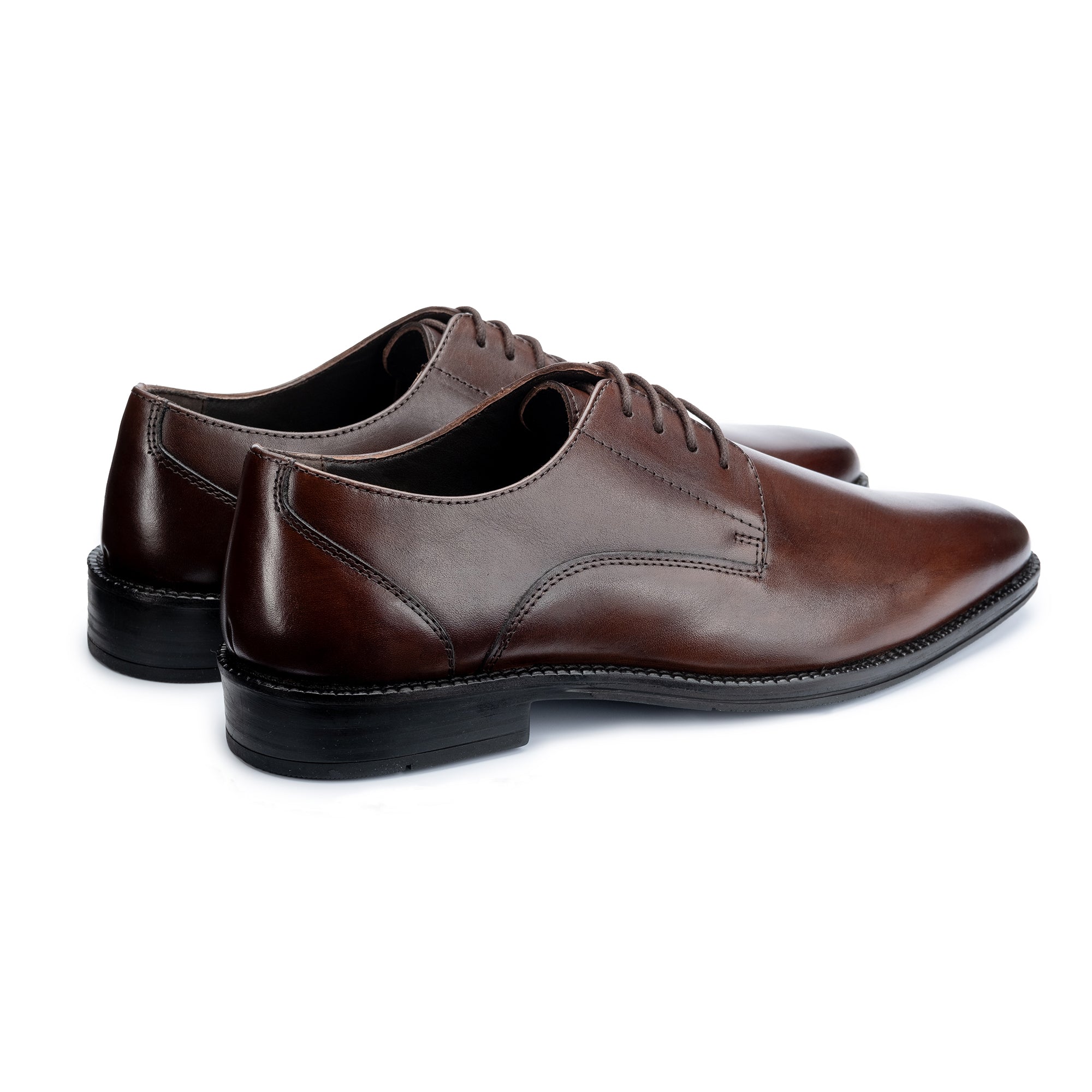
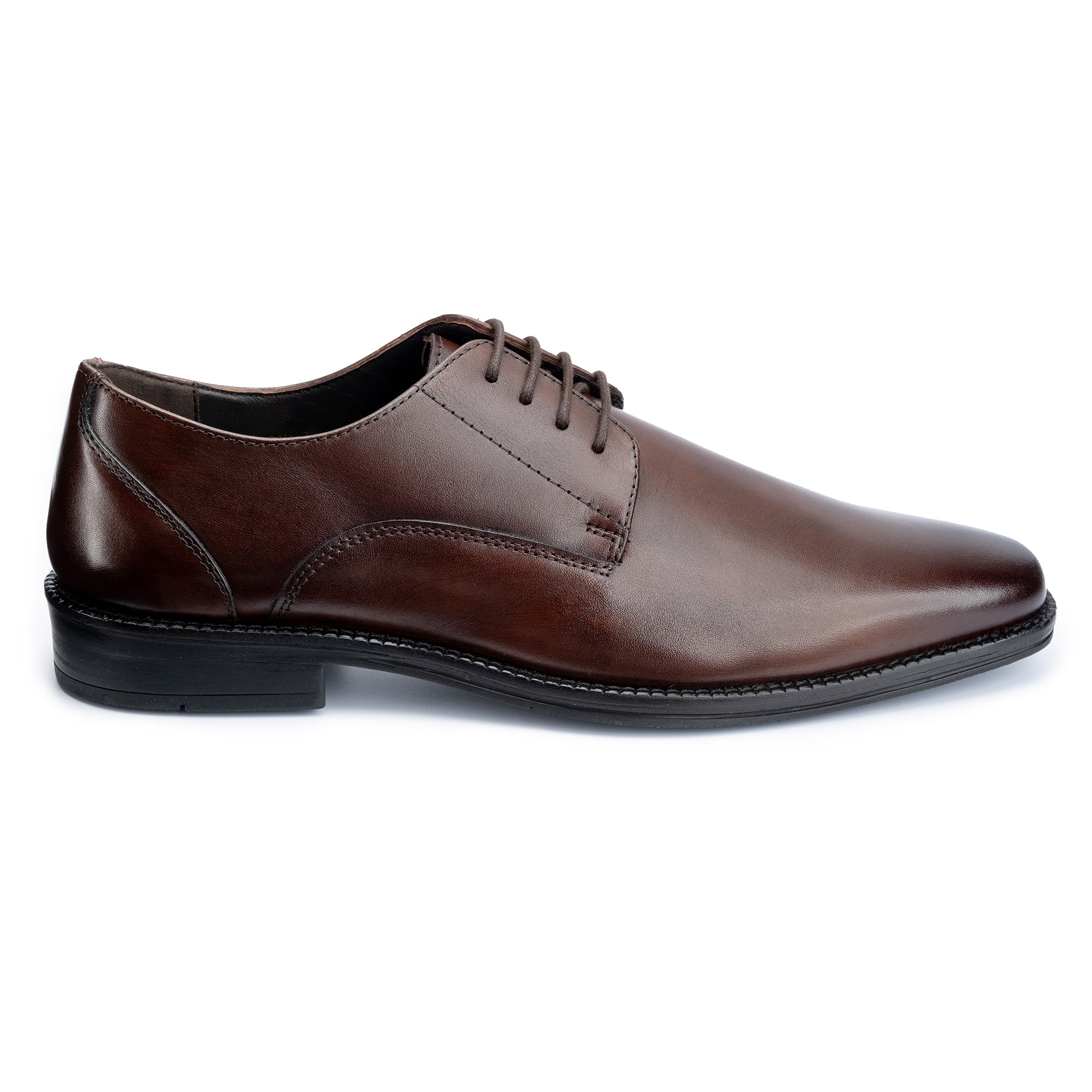
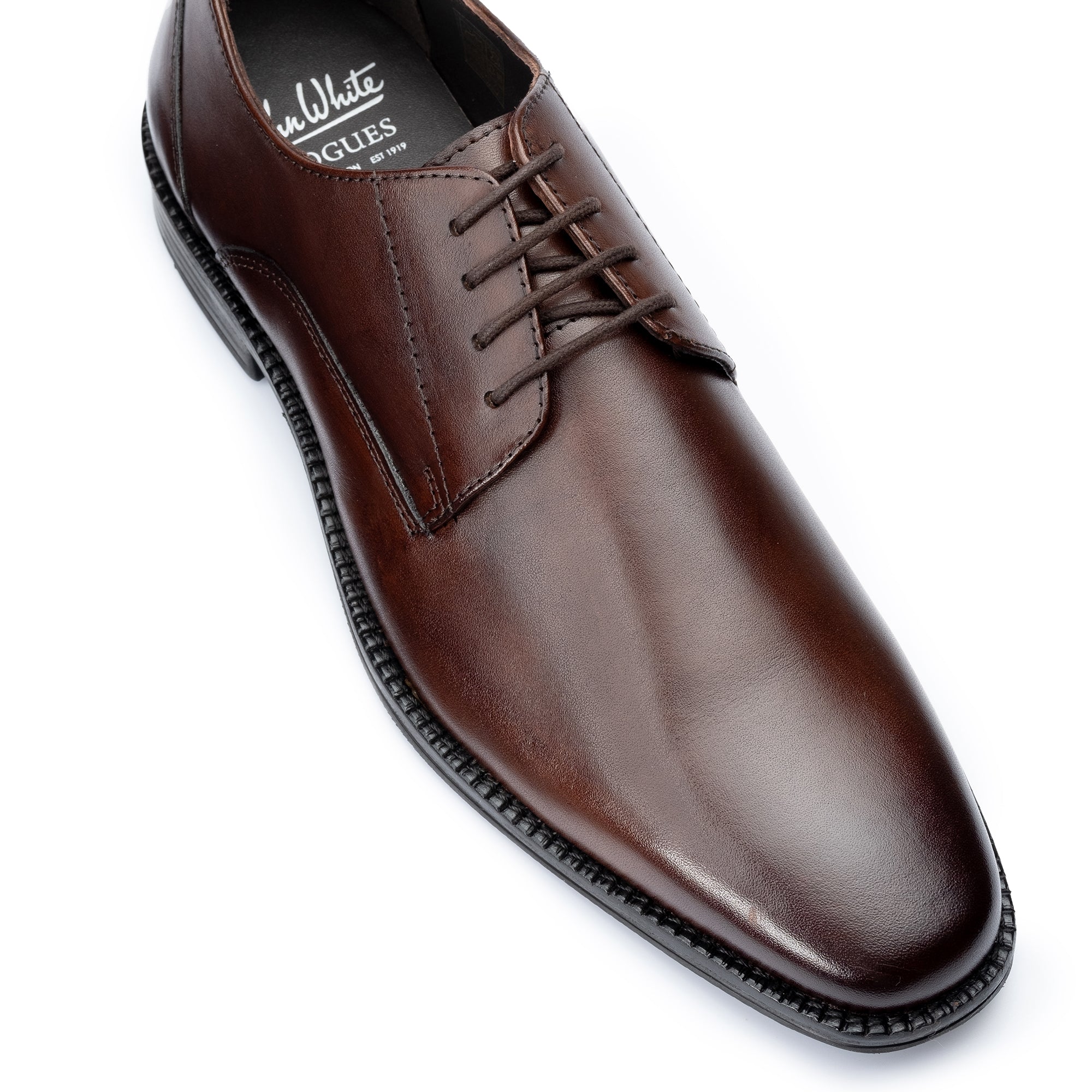
It also explains why certain silhouettes have endured. The Oxford, the Derby, the brogue — these forms weren't designed by committee; they evolved through the shoemaking process itself, shaped by the logic of lasting and construction into forms that are both functional and refined. The Guildhall Capped Oxfords and Stokes Brogue Derby Shoes in our current range draw directly on these established silhouettes — styles that Northampton has been refining for well over a century.
The tradition is a standard. When you understand what it demands of its practitioners, you're better placed to recognise when a shoe meets that standard and when it merely borrows the language of it.
The Northampton tradition isn't a marketing story — it's a quality benchmark, and understanding it makes you a more discerning buyer of any leather shoe.
Related Guides
- The History of British Shoemaking — our comprehensive guide
- The Anatomy of a Handmade Shoe: What Goes Into Every Pair
- From Northampton to the World: The Story Behind British Shoemaking
- 105 Years of Northampton Tradition
TL;DR
Northampton has been the centre of British shoemaking for over 400 years, with a density of specialist craft knowledge — clickers, lasters, finishers, and last-makers — that survives today. Traditional construction involves more than 200 individual operations, with hand skill remaining essential at the clicking, lasting, and finishing stages. Heritage makers including Church's, Crockett & Jones, Loake, Barker, and Grenson continue working in the county. John White Shoes was founded in Northamptonshire in 1919 and carries this design heritage forward through a curated range developed with carefully selected partner manufacturers.
Frequently Asked Questions
How many operations does it take to make a traditional leather shoe by hand?
Shoemaking historians document over 200 distinct operations in the construction of a traditionally finished leather shoe, from cutting the upper leather to applying the final wax. Not every operation is done entirely by hand in modern production, but skilled manual work remains essential at the clicking, lasting, and finishing stages in any quality workshop.
Are there still shoemakers working in Northampton today?
Yes. Several heritage brands continue to produce shoes in or near Northamptonshire, including Church's, Crockett & Jones, Loake, and Grenson. The region maintains a concentration of specialist shoemaking knowledge — from last-making to finishing — that survives largely intact from the county's industrial shoemaking peak in the late 19th century.
What is the difference between a hand-lasted and a machine-lasted shoe?
Hand-lasting involves a craftsman using hand tools to stretch the upper leather over the last and secure it to the insole, allowing adjustment of tension across every millimetre of the upper. Machine-lasting applies consistent mechanical force but can't make the same nuanced corrections a trained laster can. Premium shoemakers often use machine-lasting as a base and hand-finish the result.
Why does Northamptonshire produce better shoes than other regions?
Northampton's advantage is accumulated and concentrated. Four centuries of shoemaking have built a regional ecosystem — tanneries, last-makers, pattern-cutters, specialist toolmakers — where craft knowledge lives in the people as much as the processes. This depth is genuinely difficult to replicate elsewhere, which is why Northamptonshire heritage carries a distinction that design positioning alone can't manufacture.
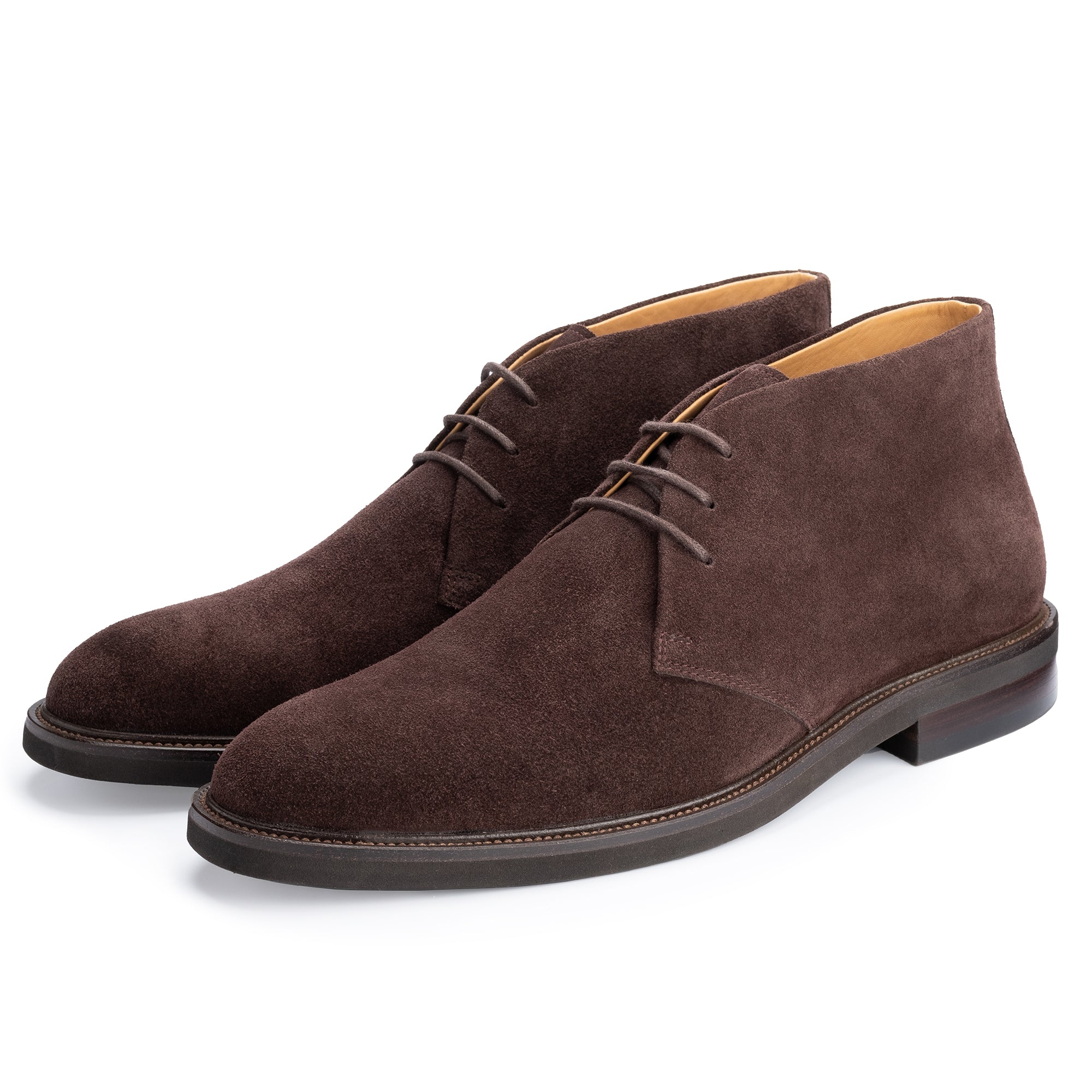
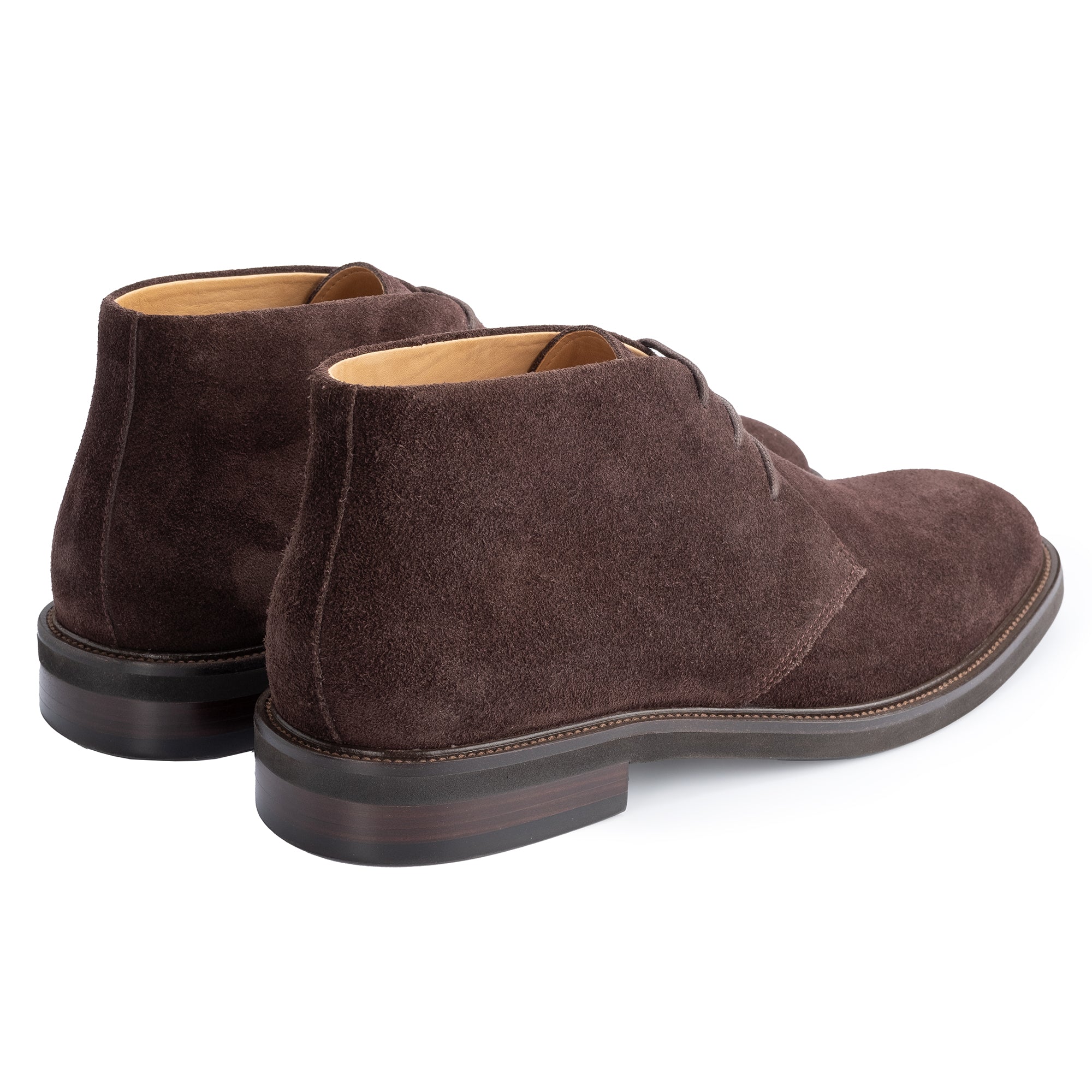
Explore our full range of heritage-informed footwear in the men's shoes collection and the men's boots collection.