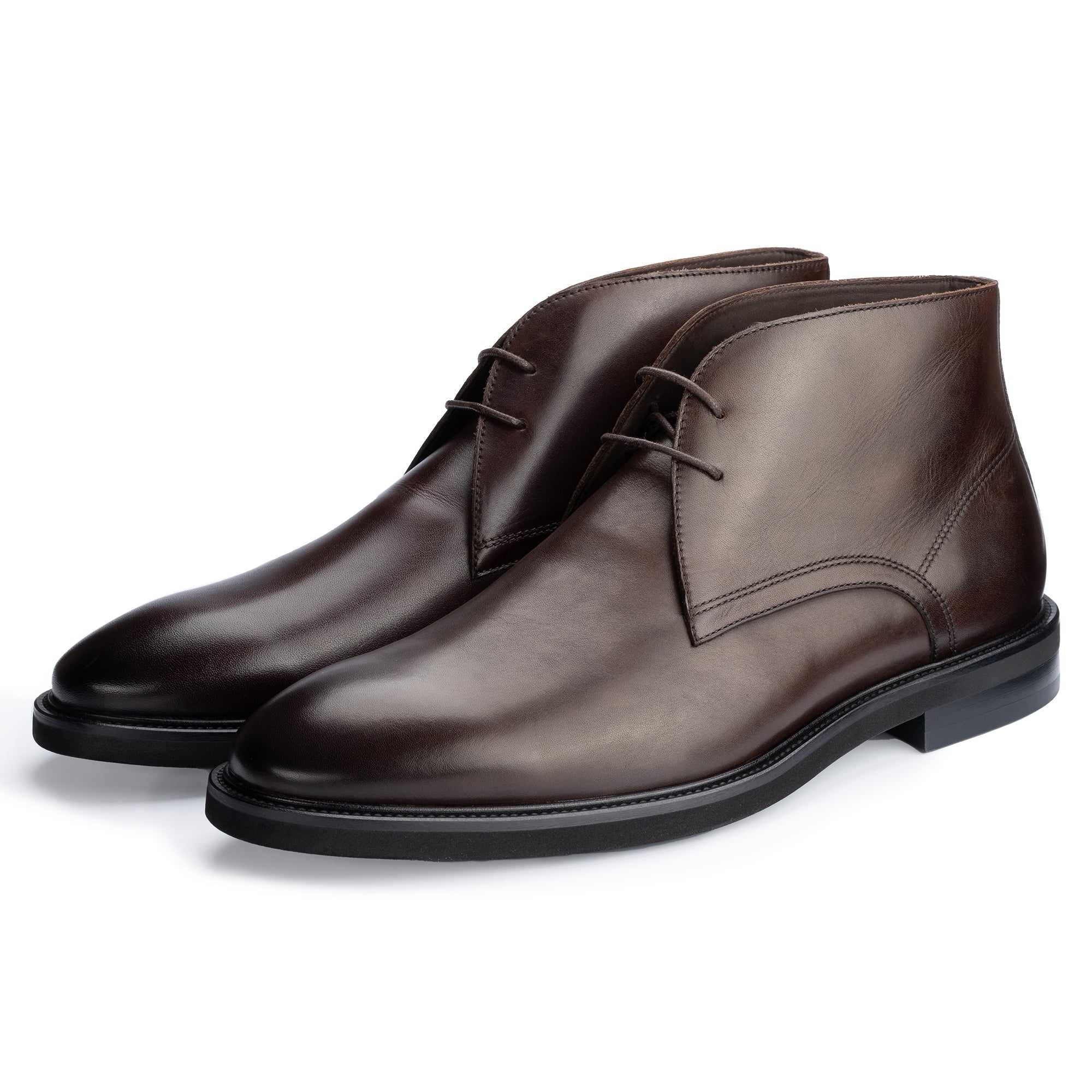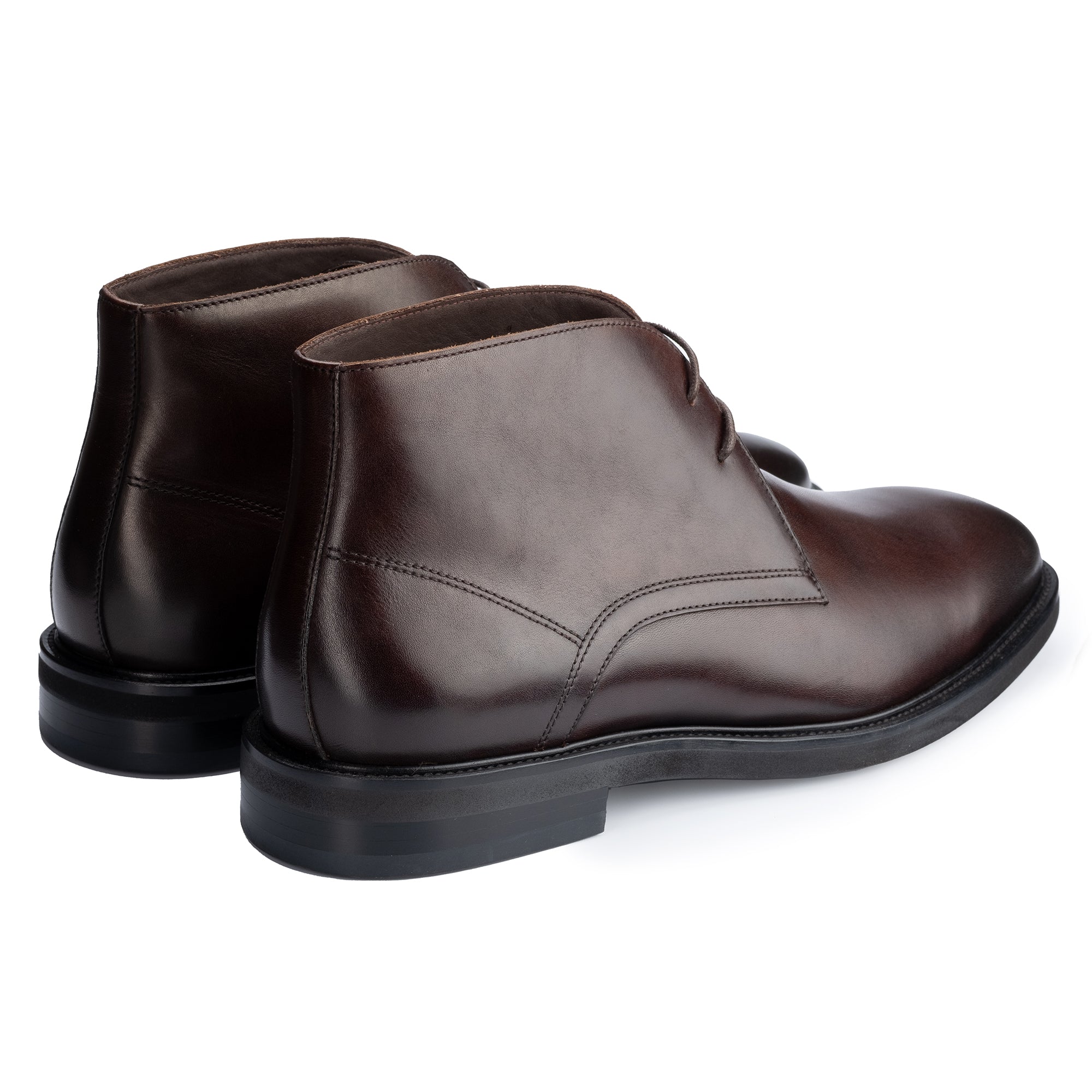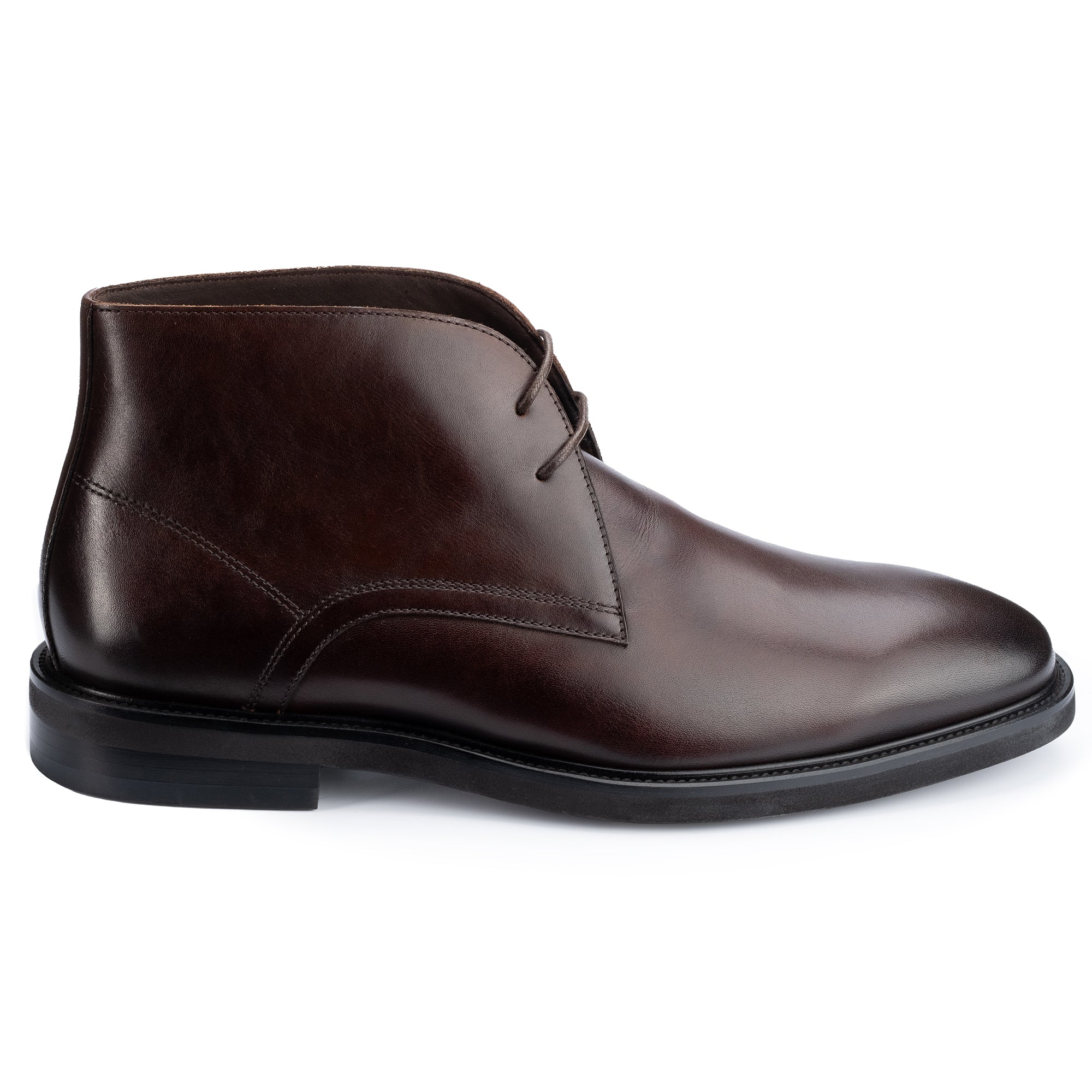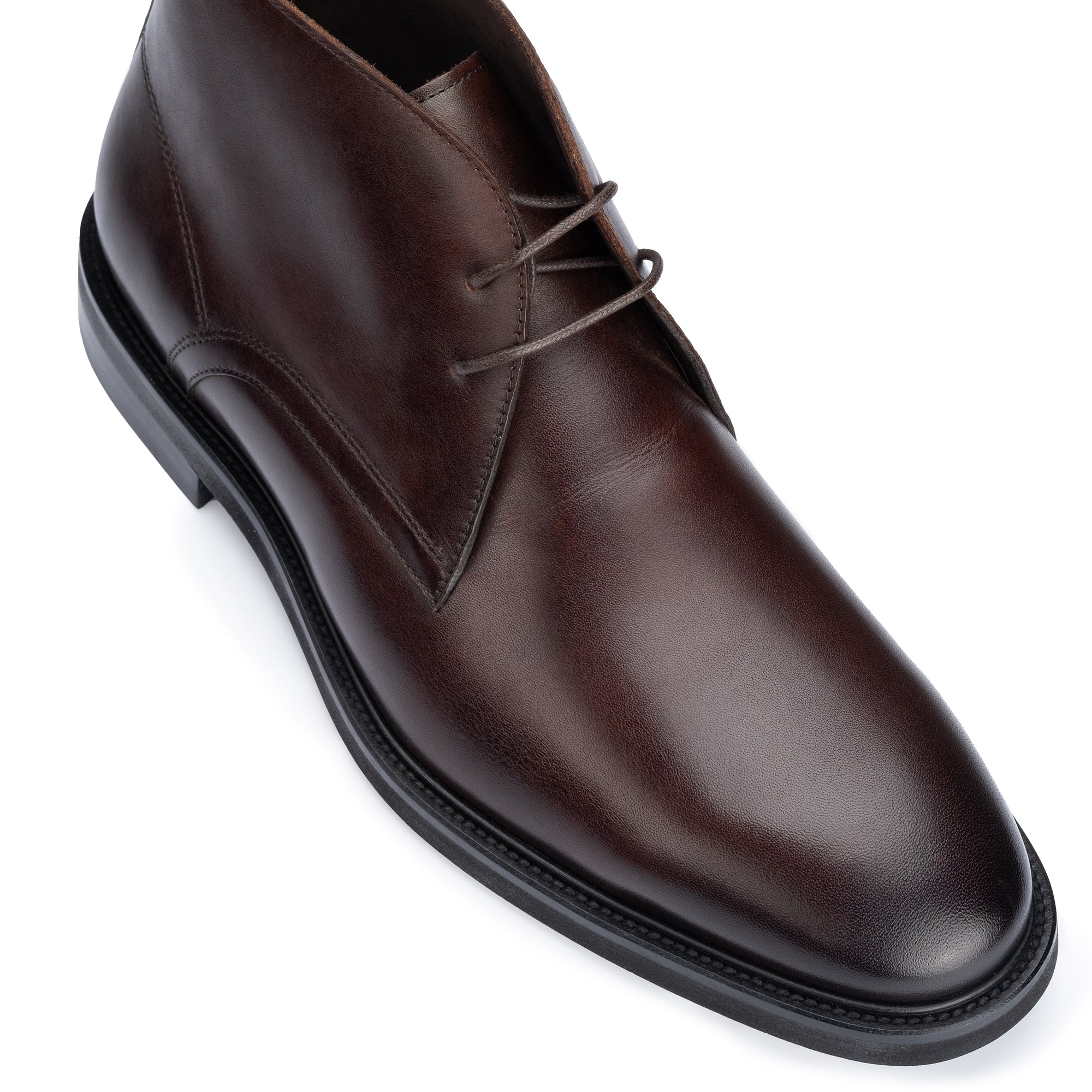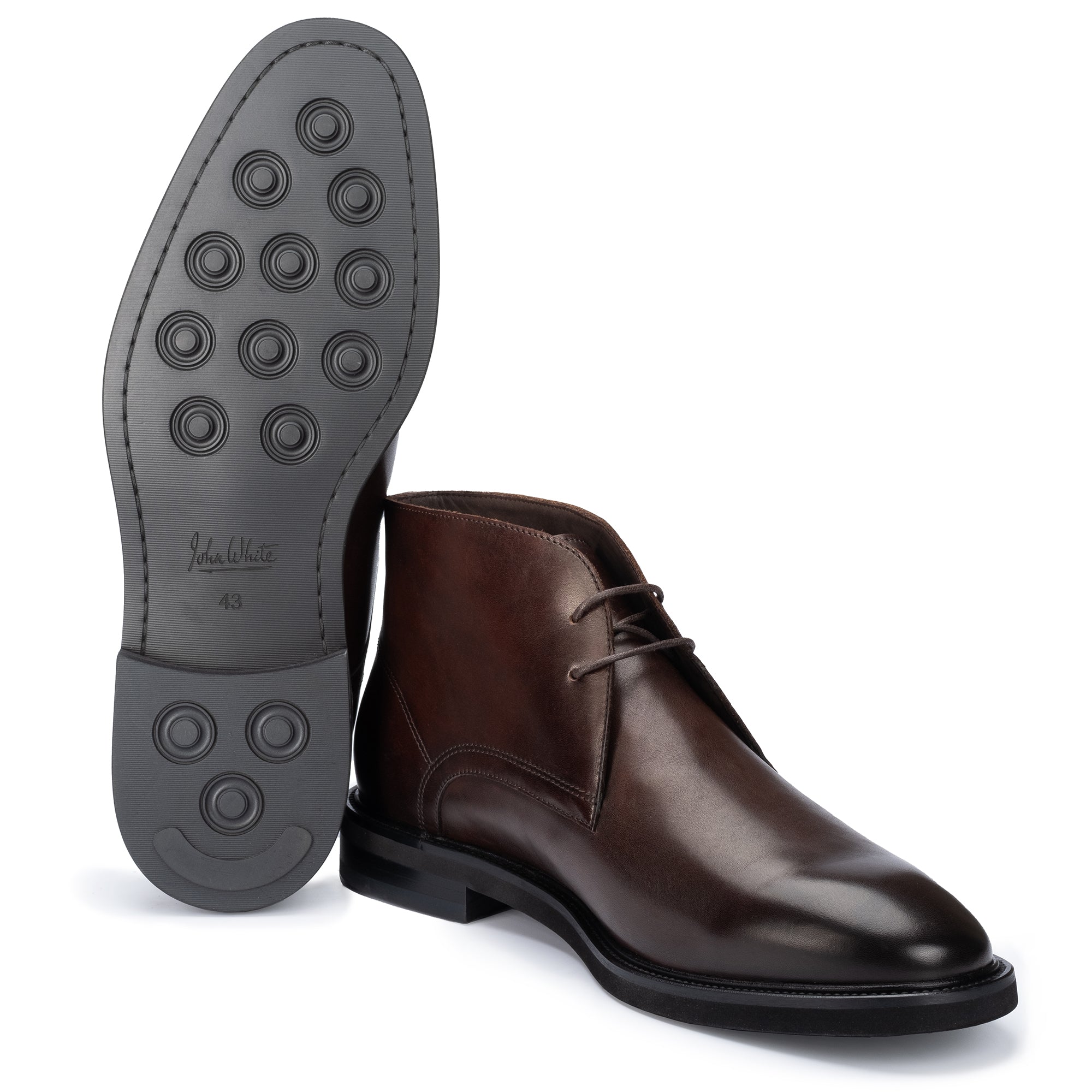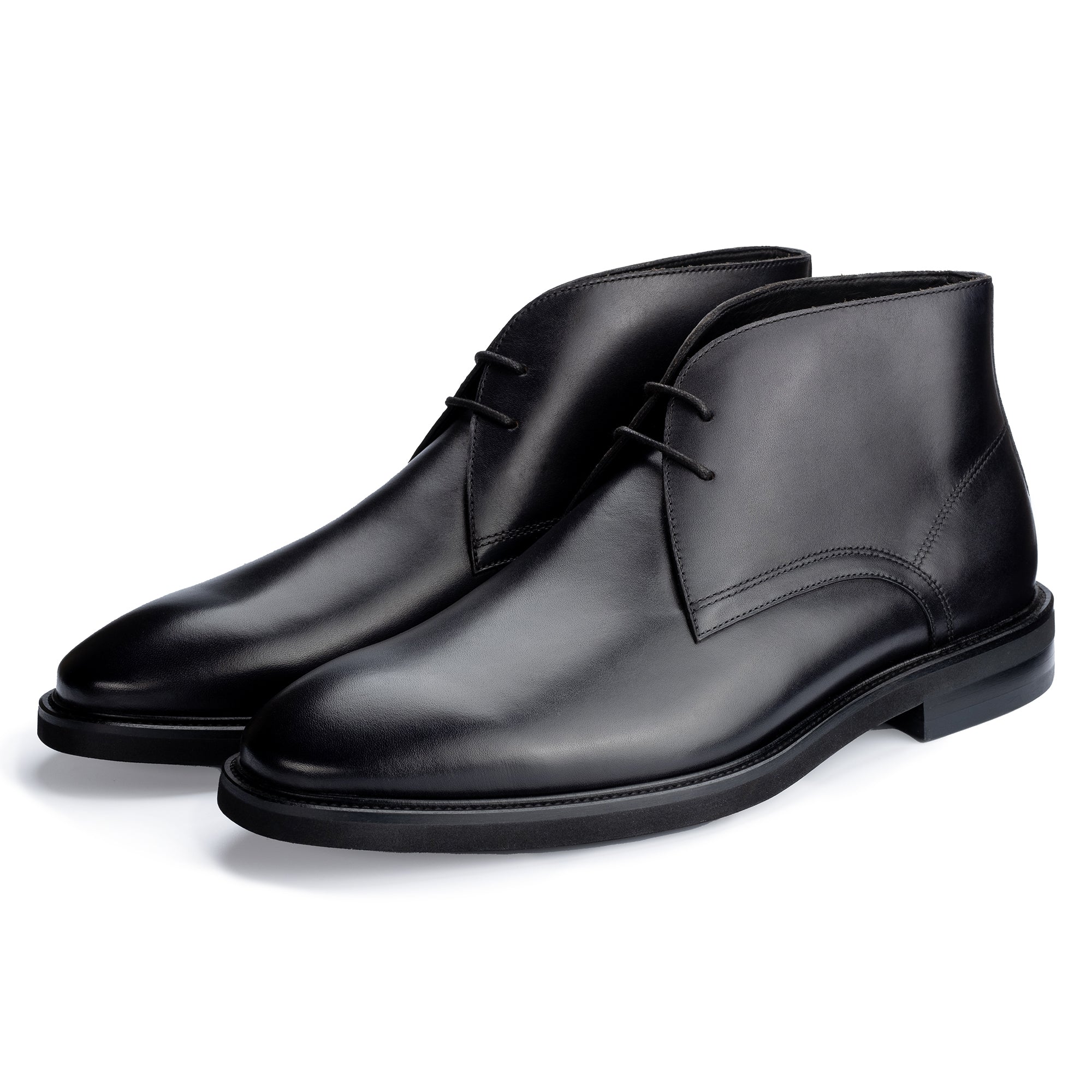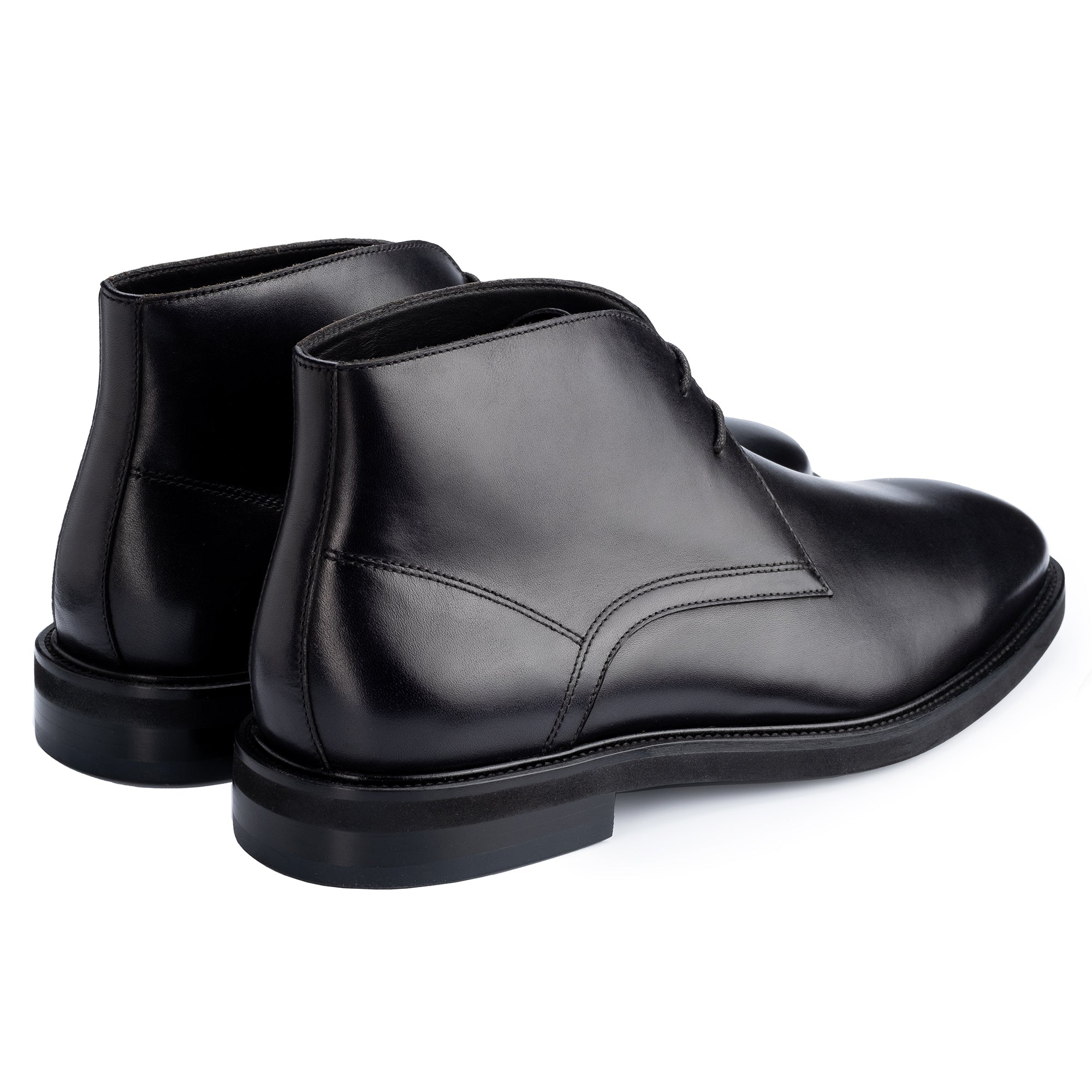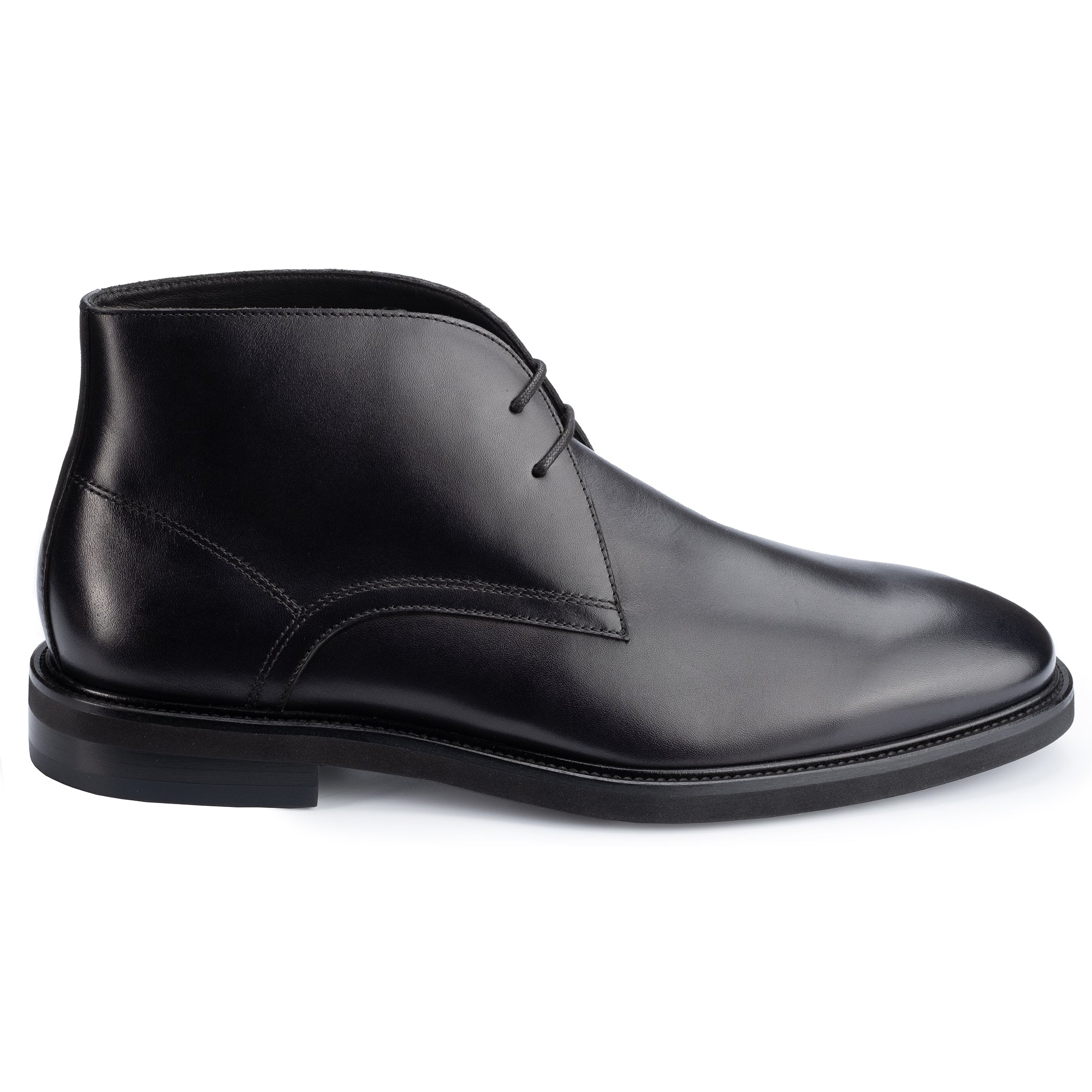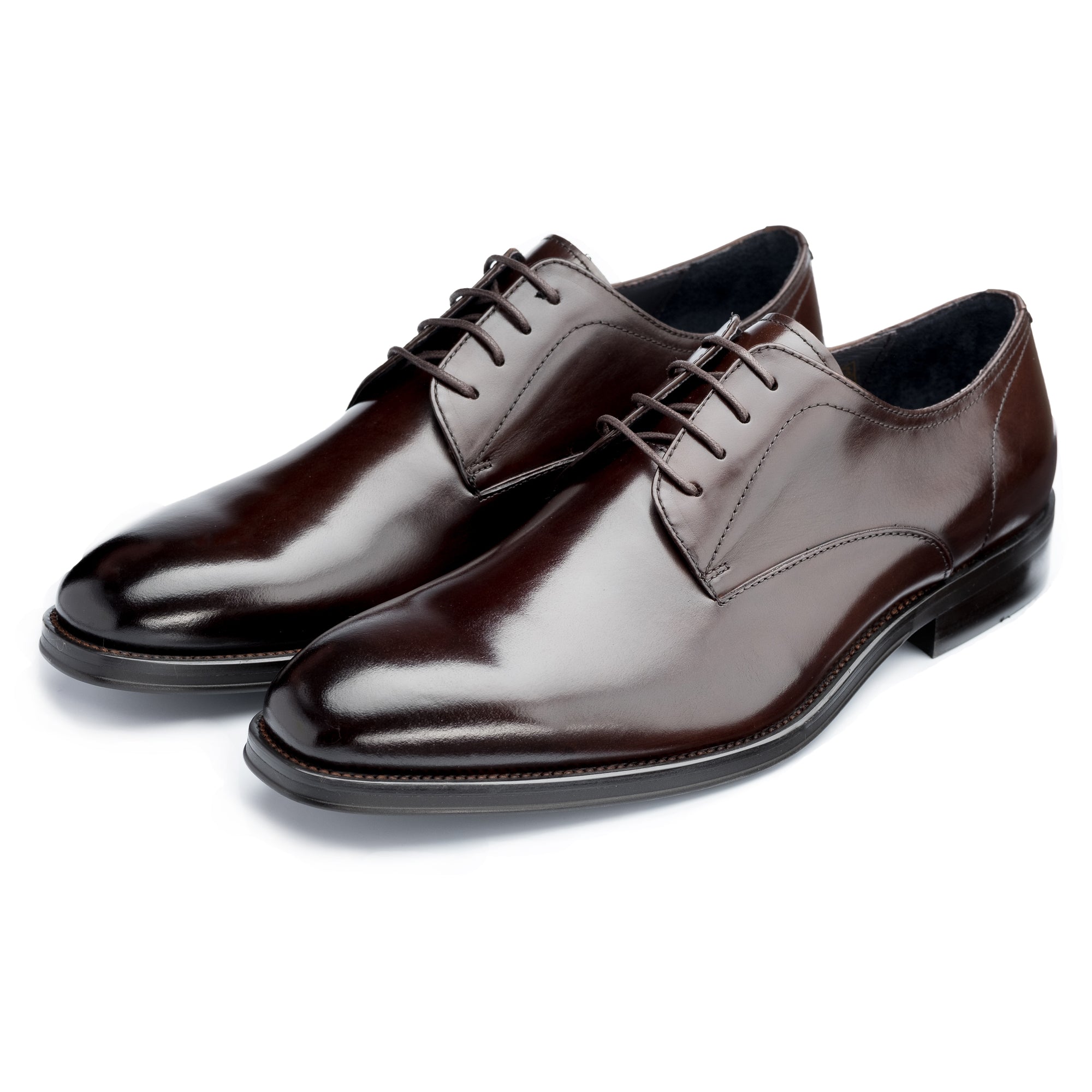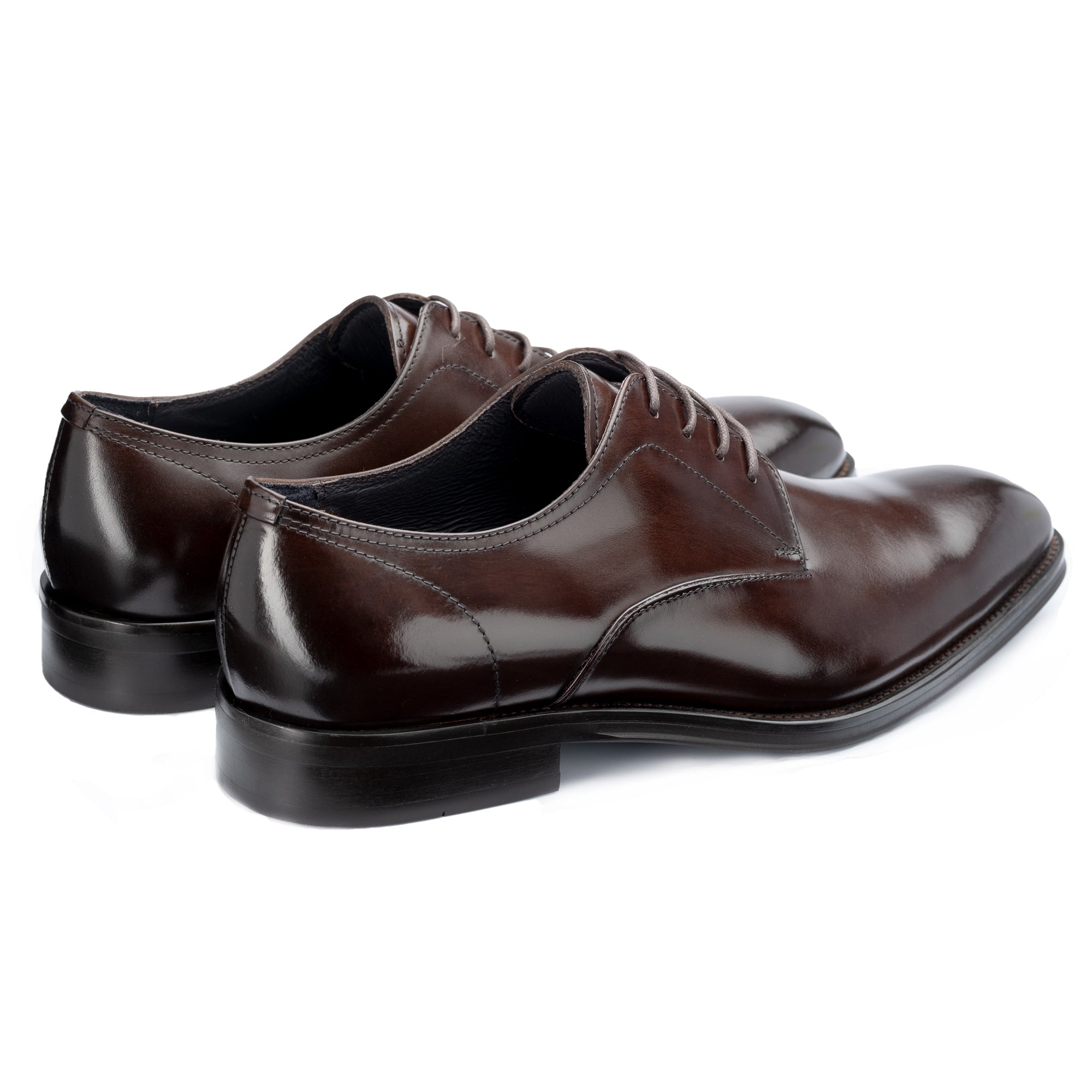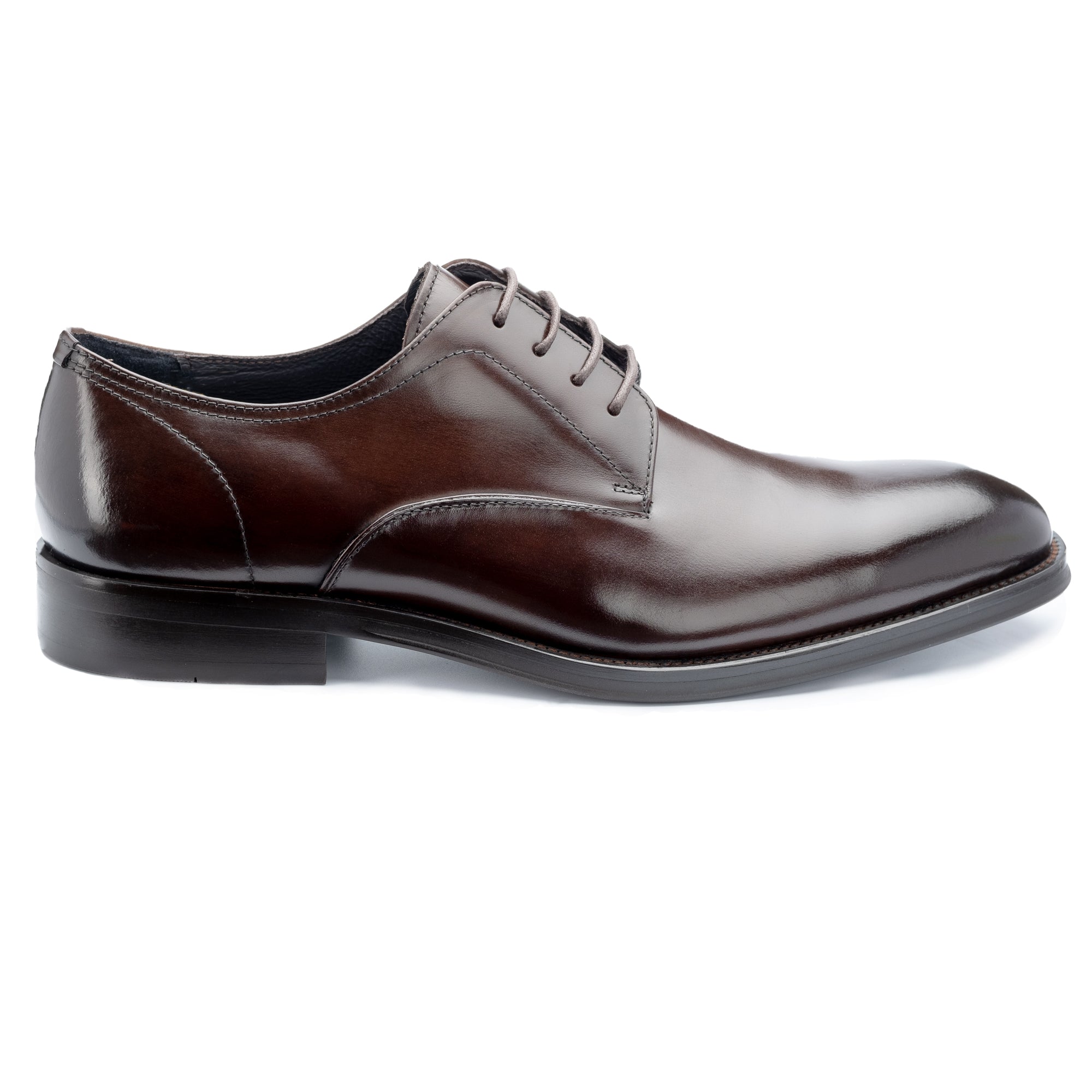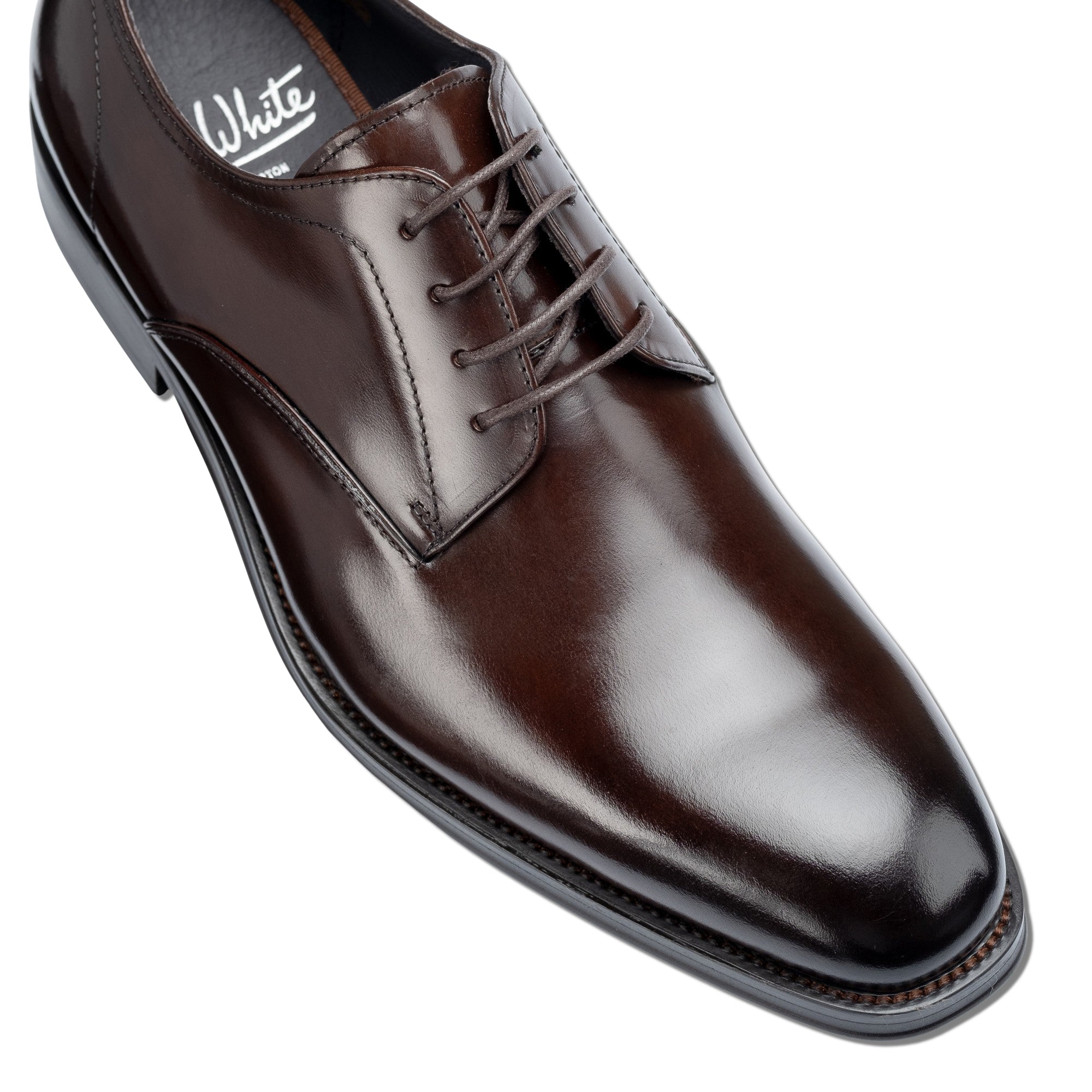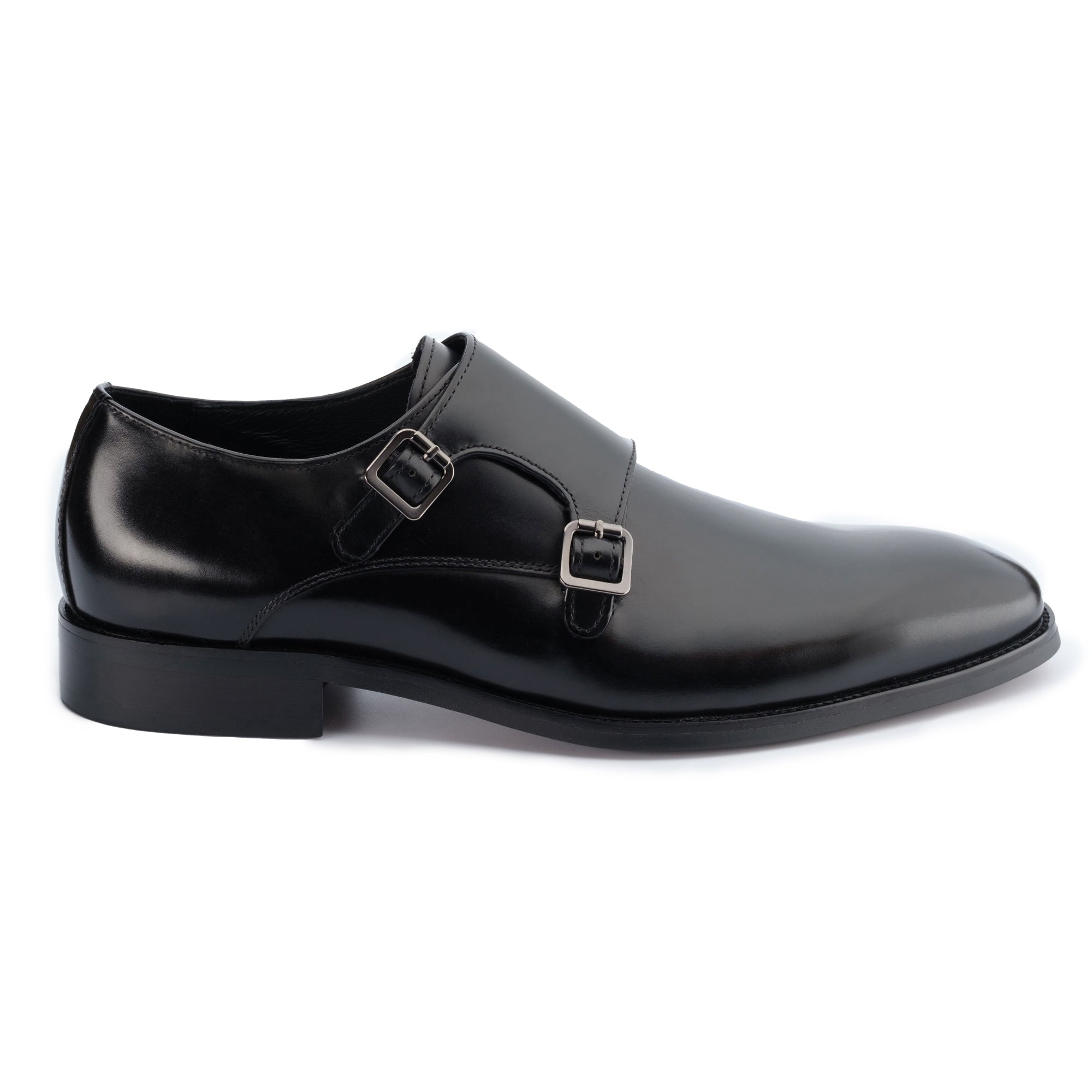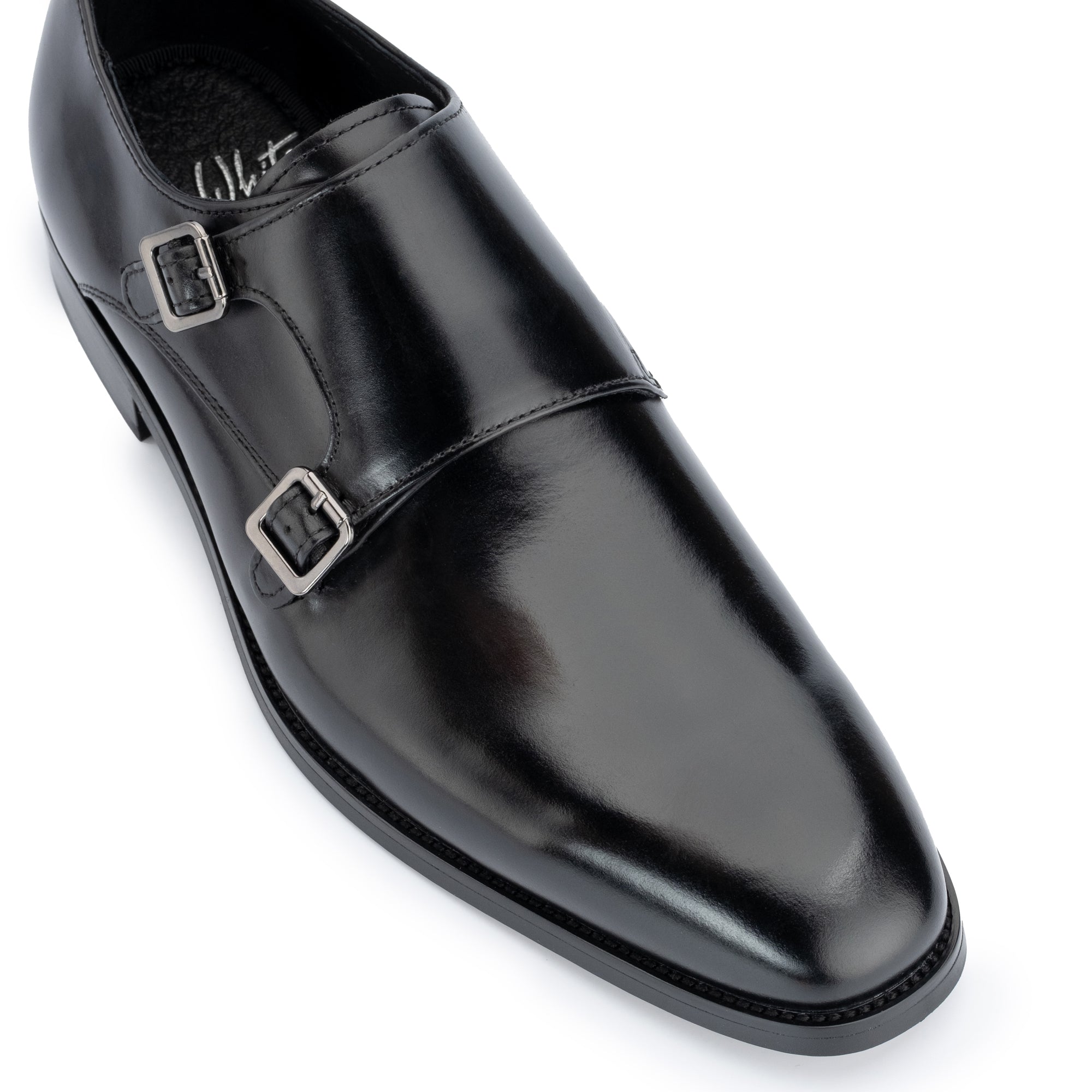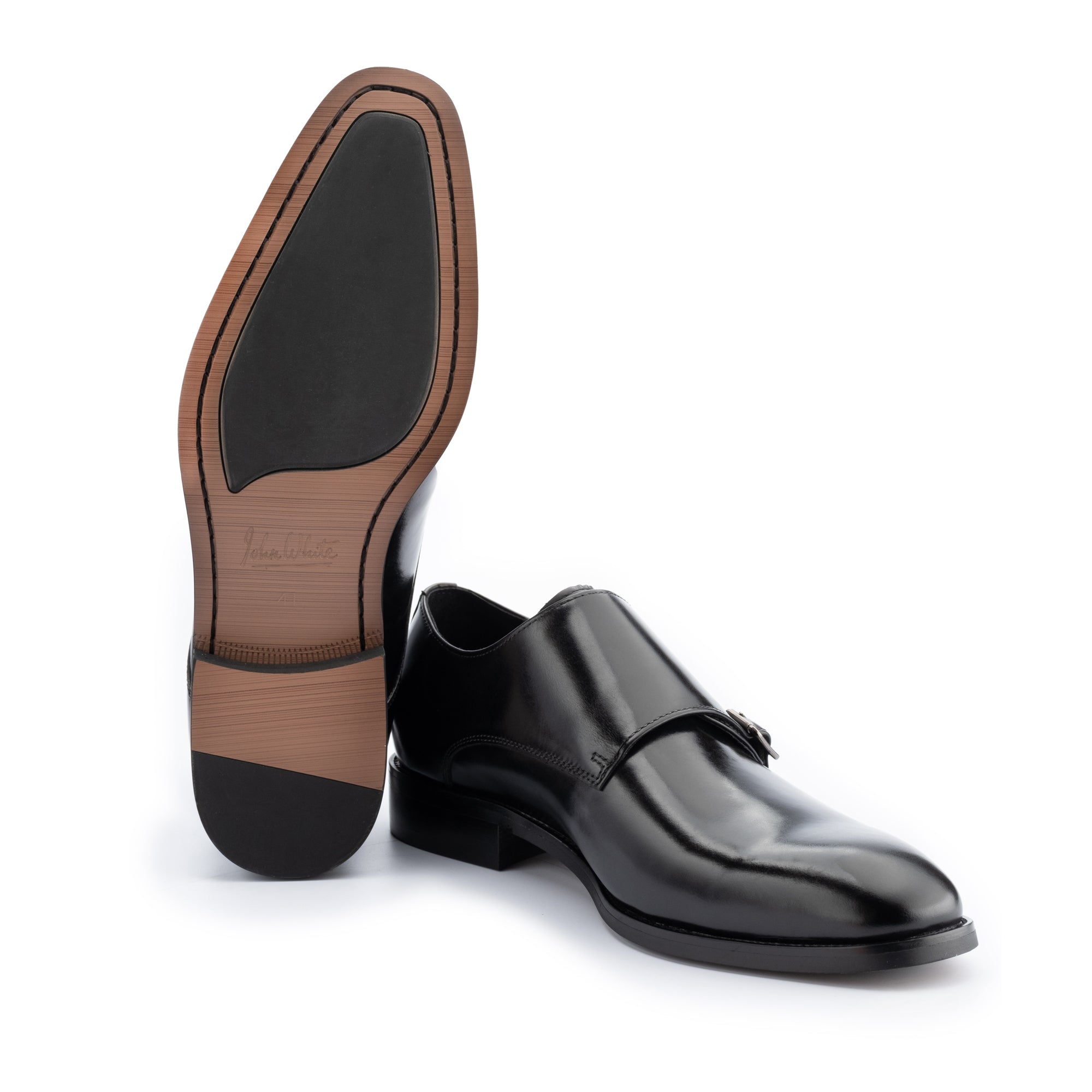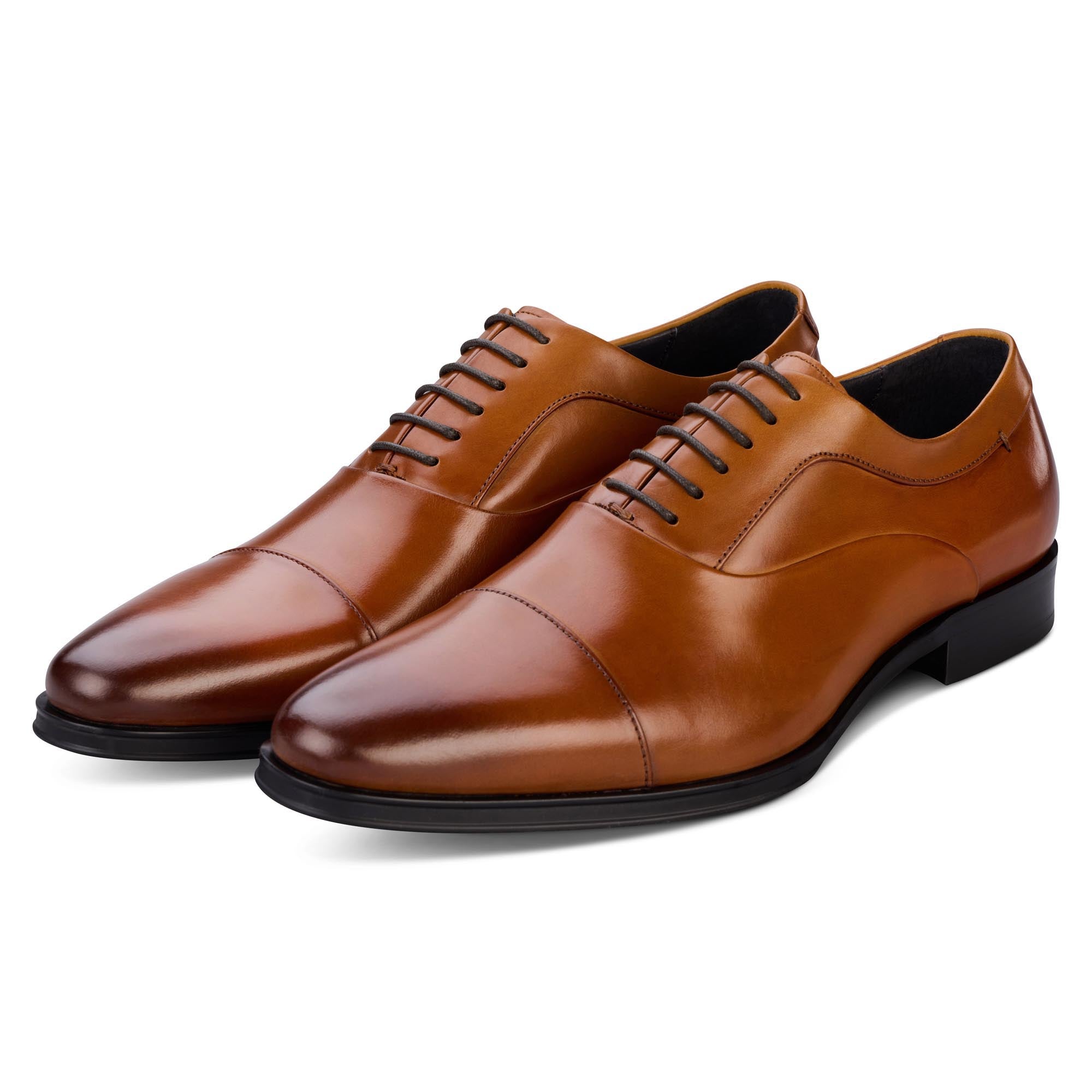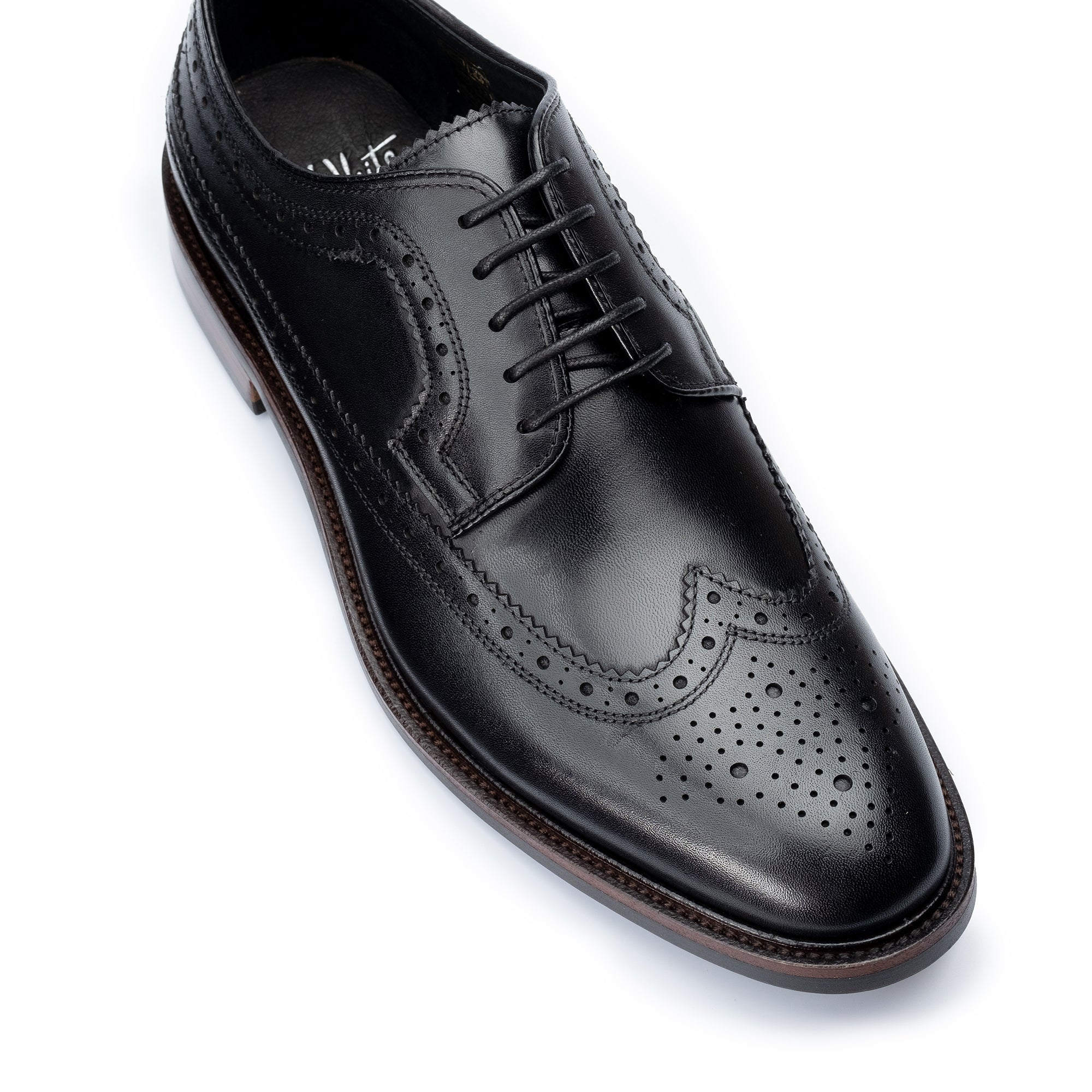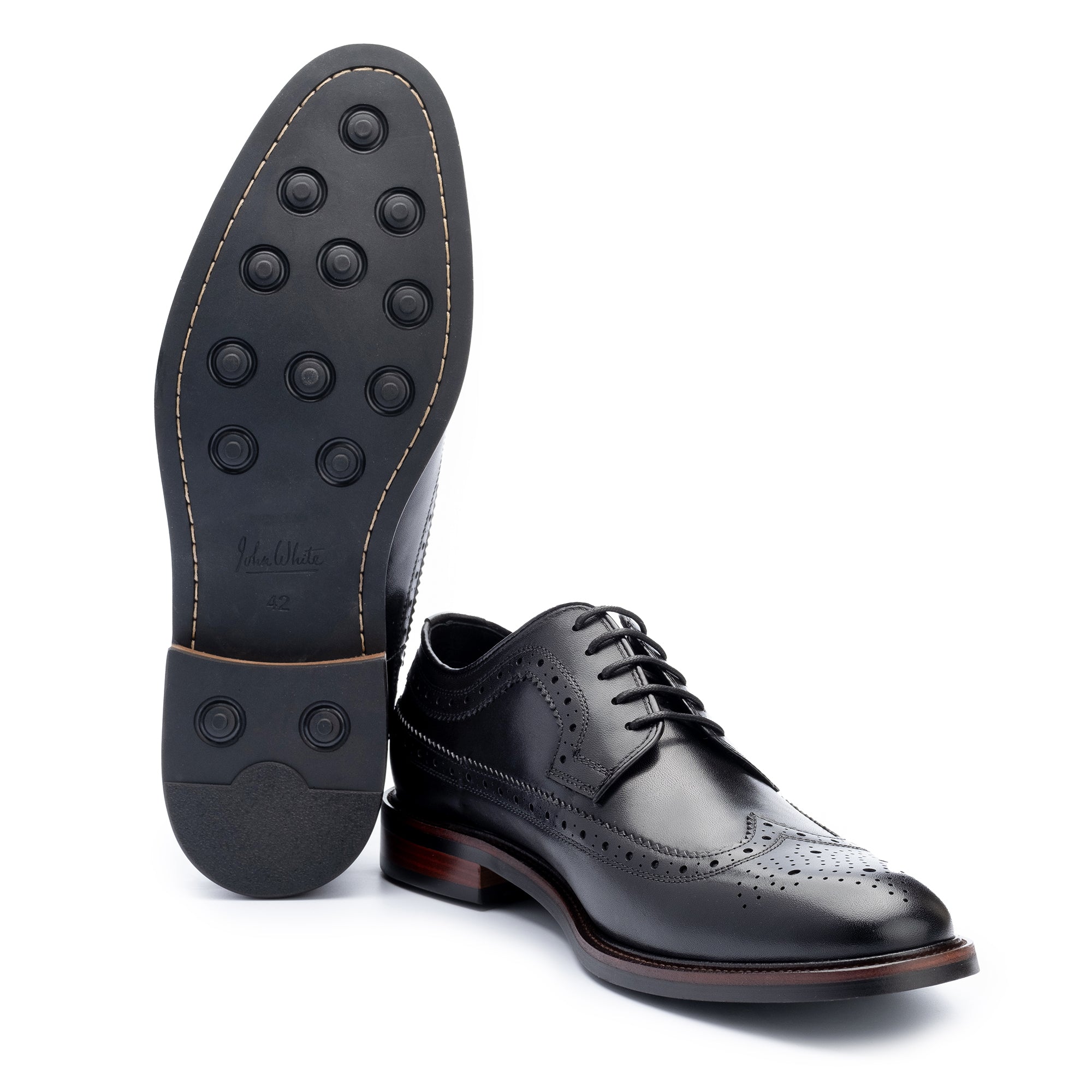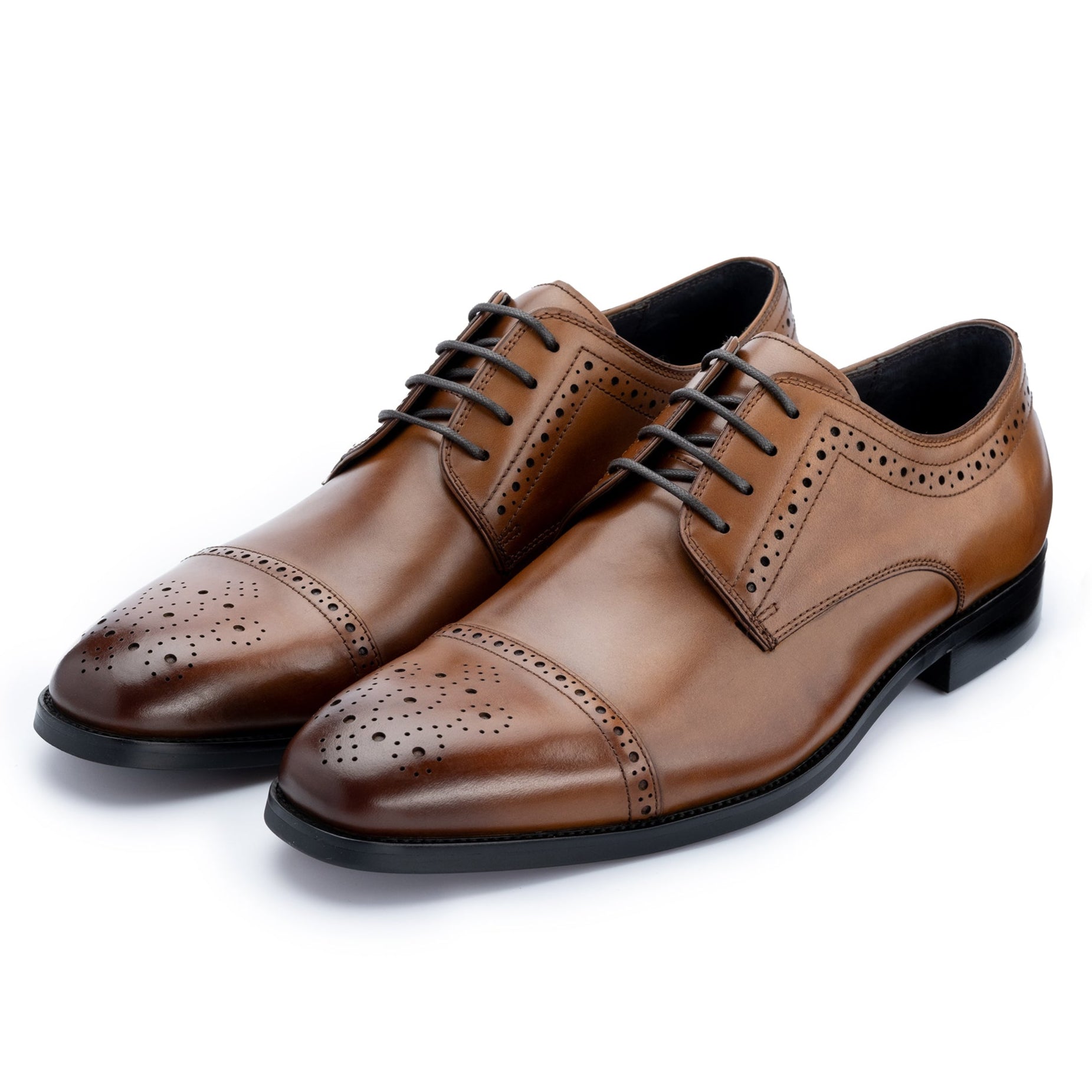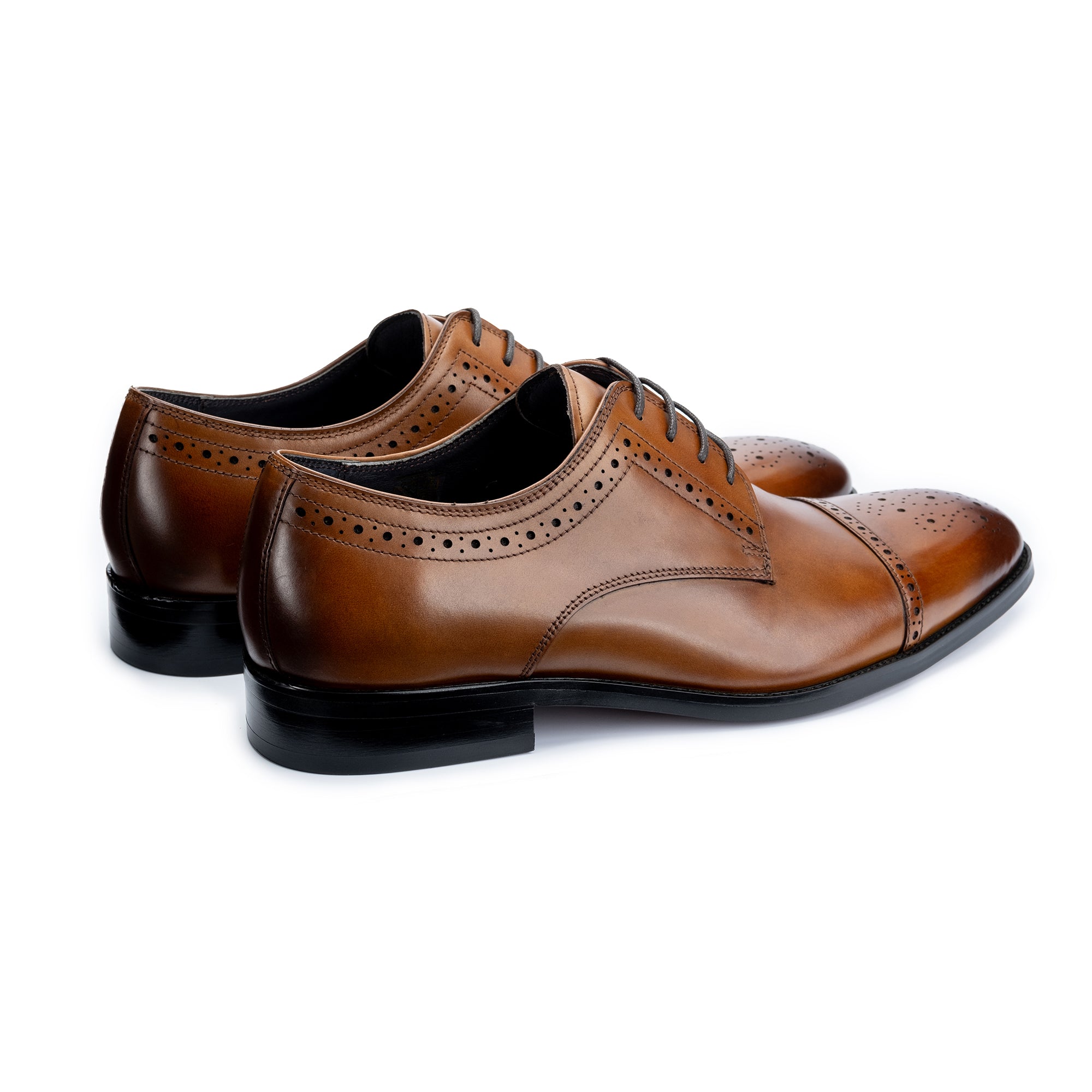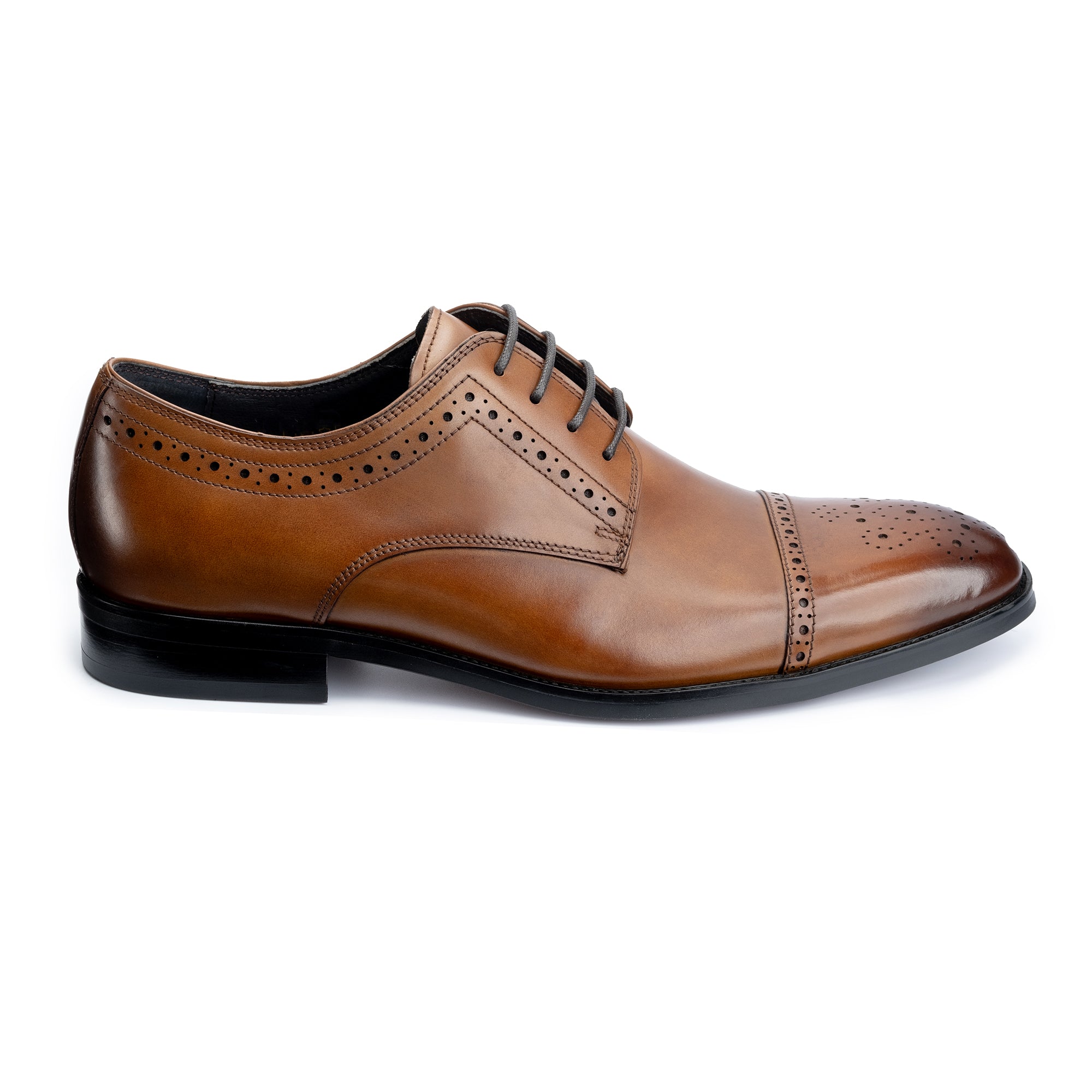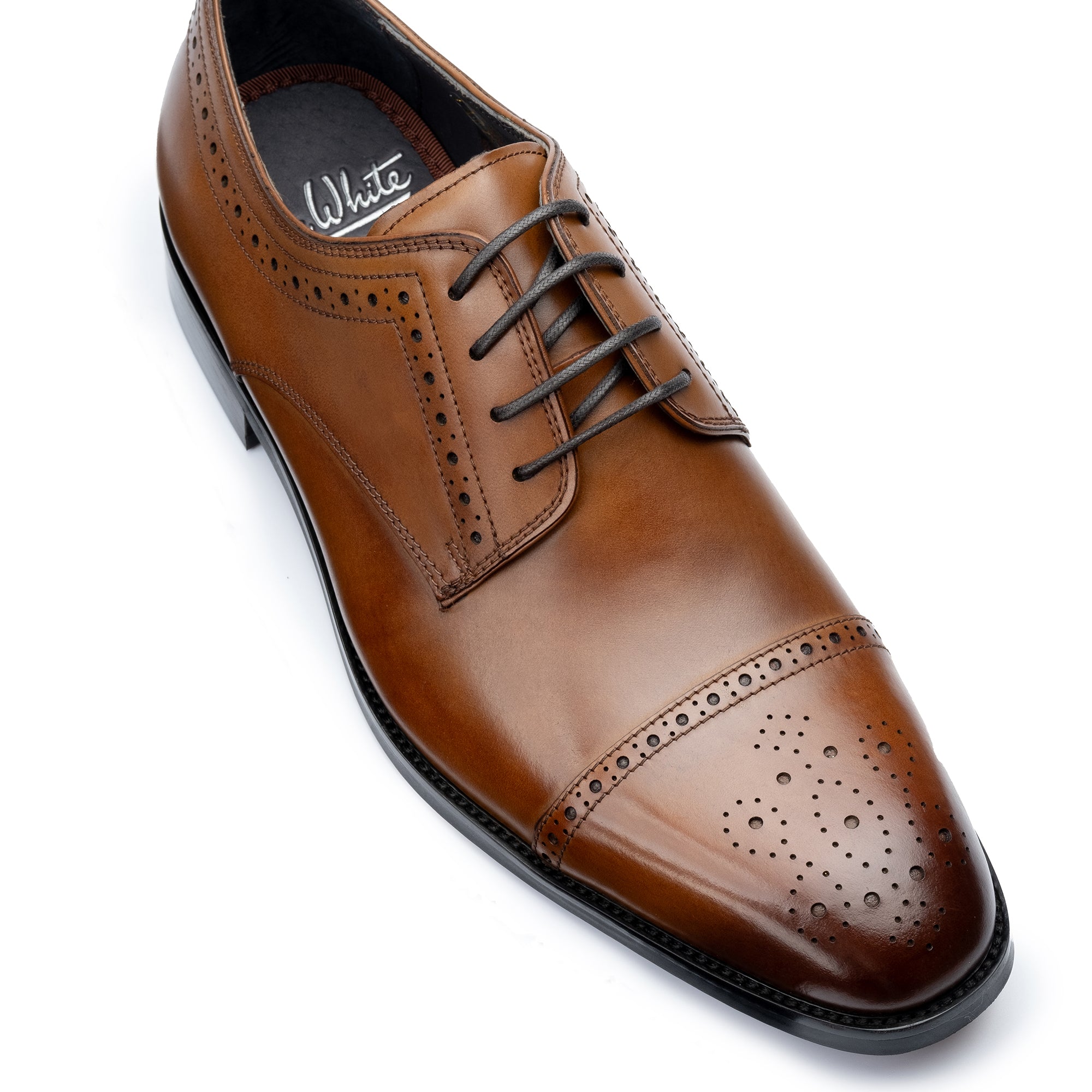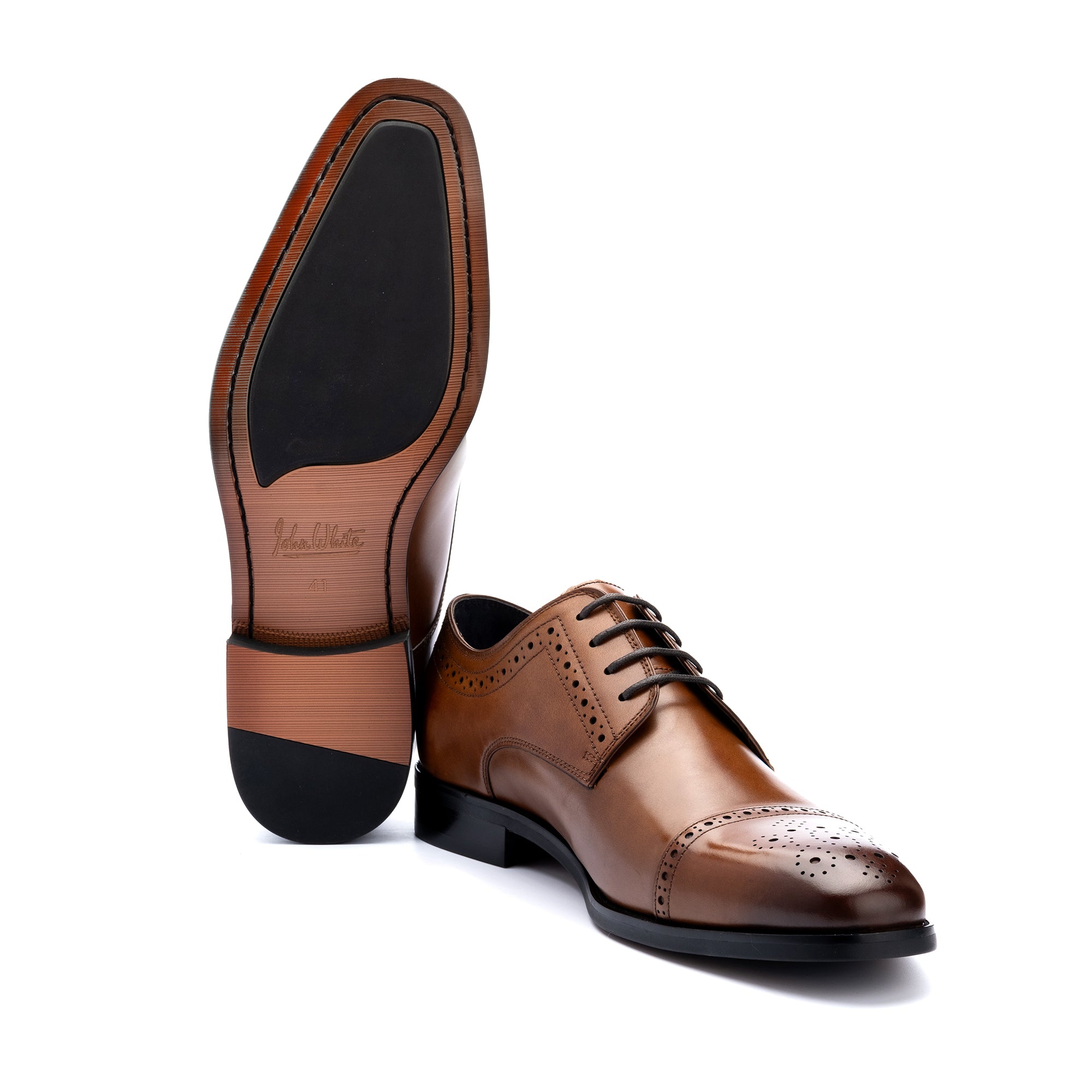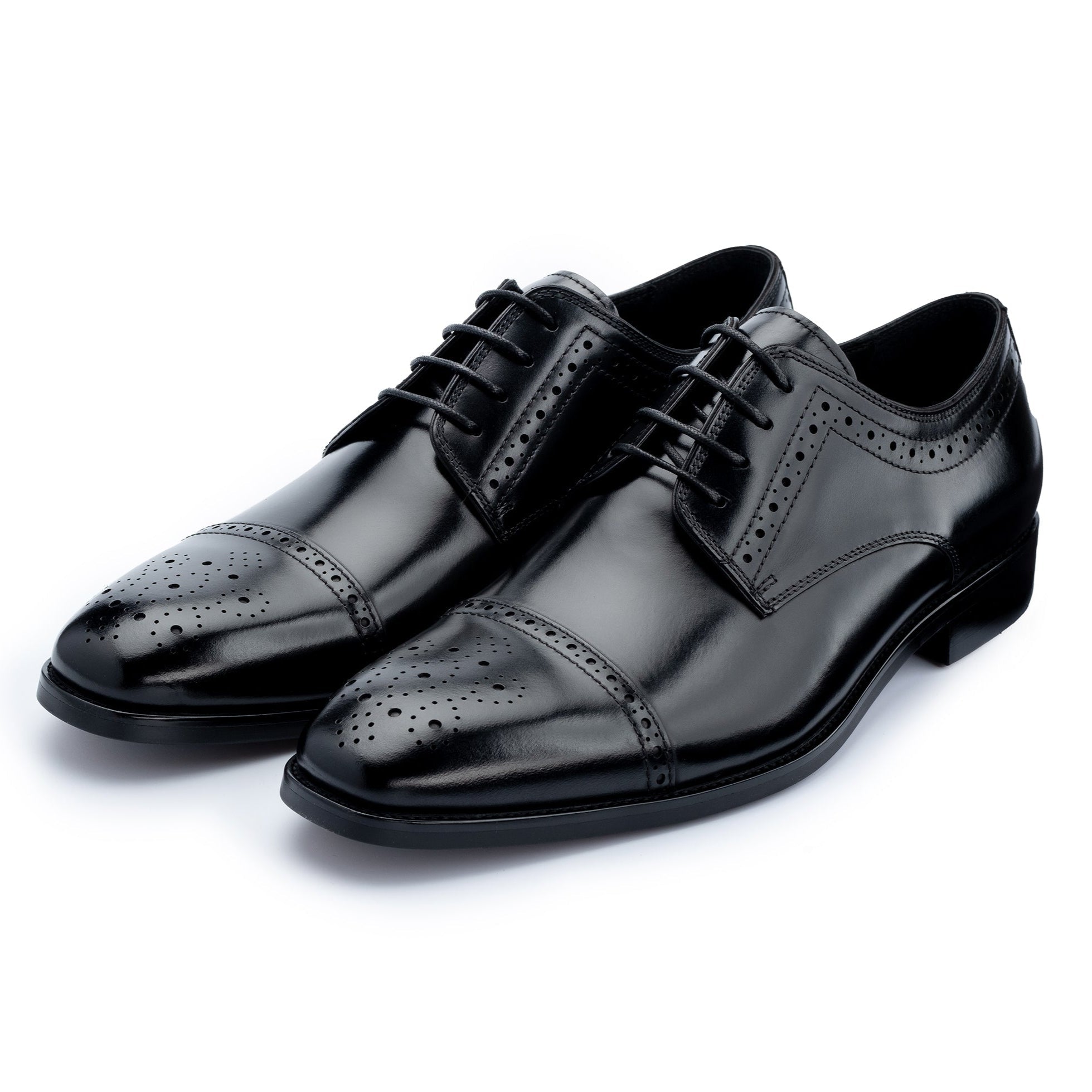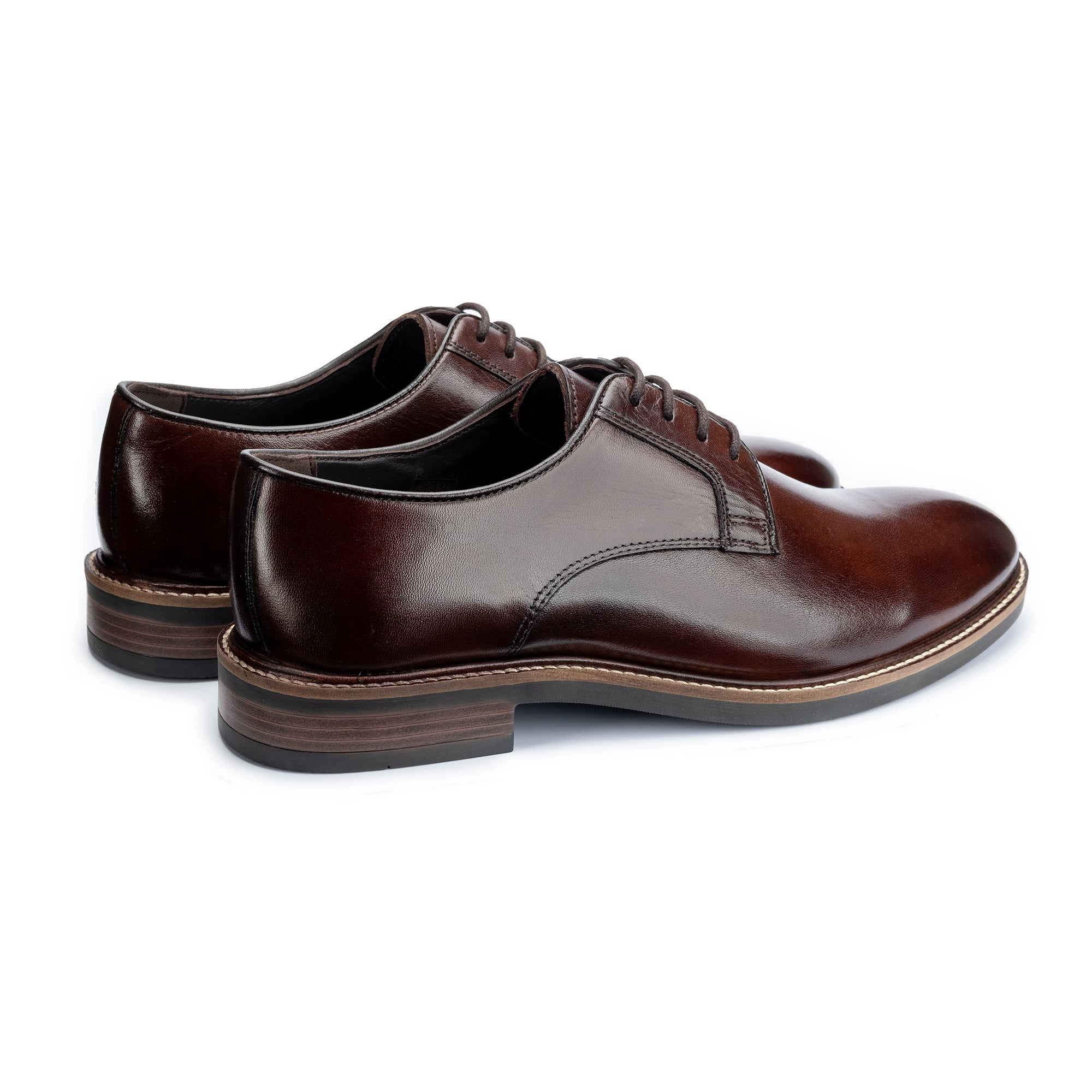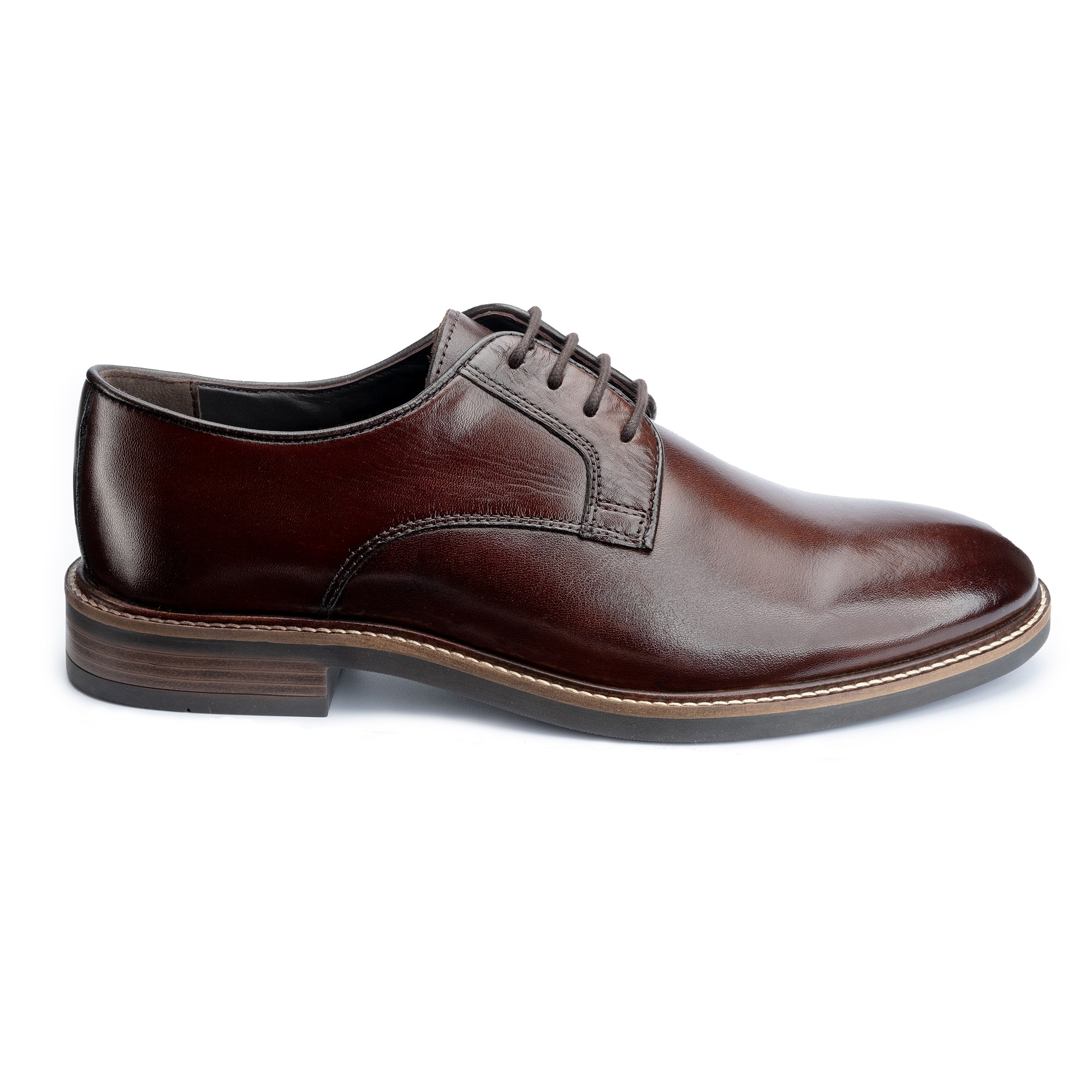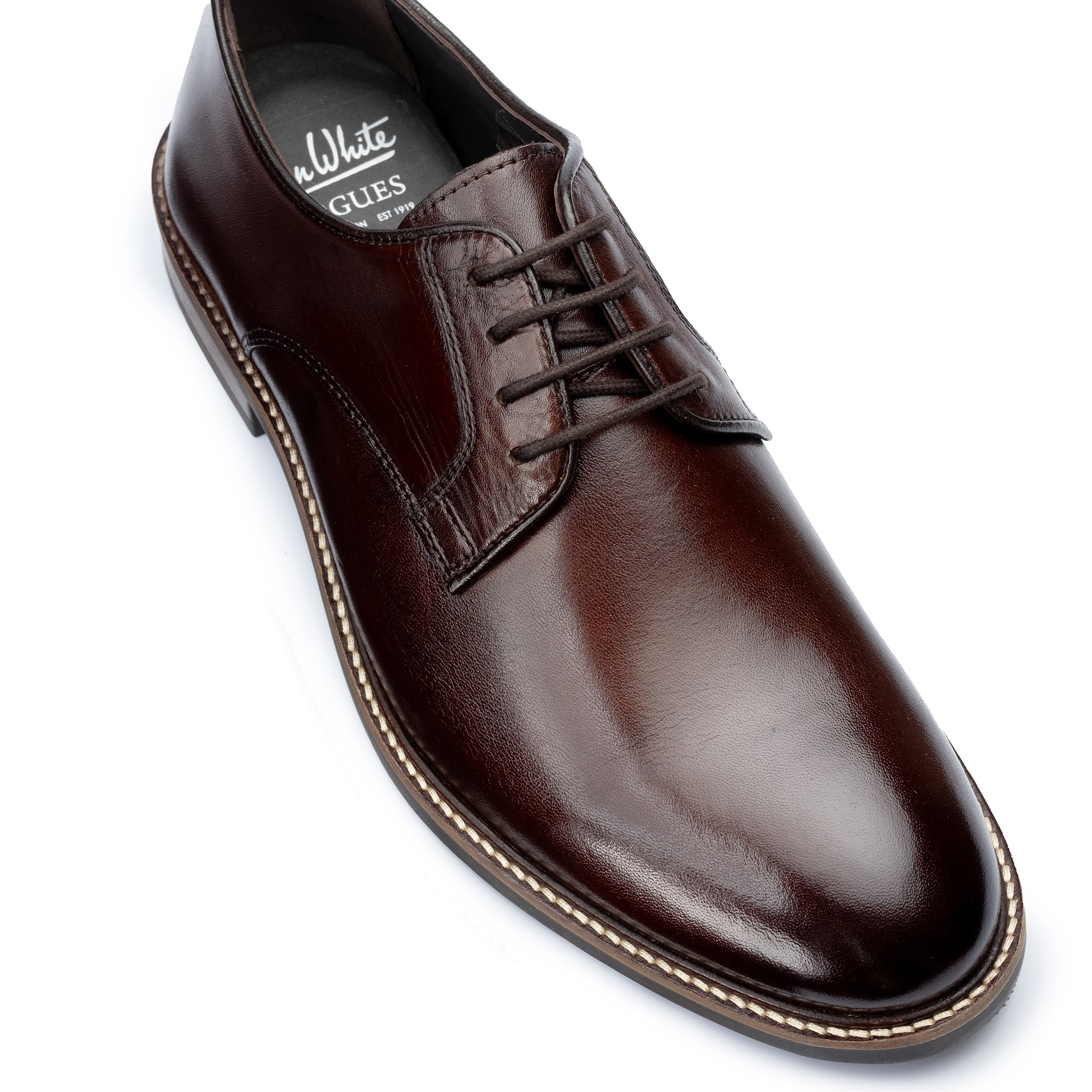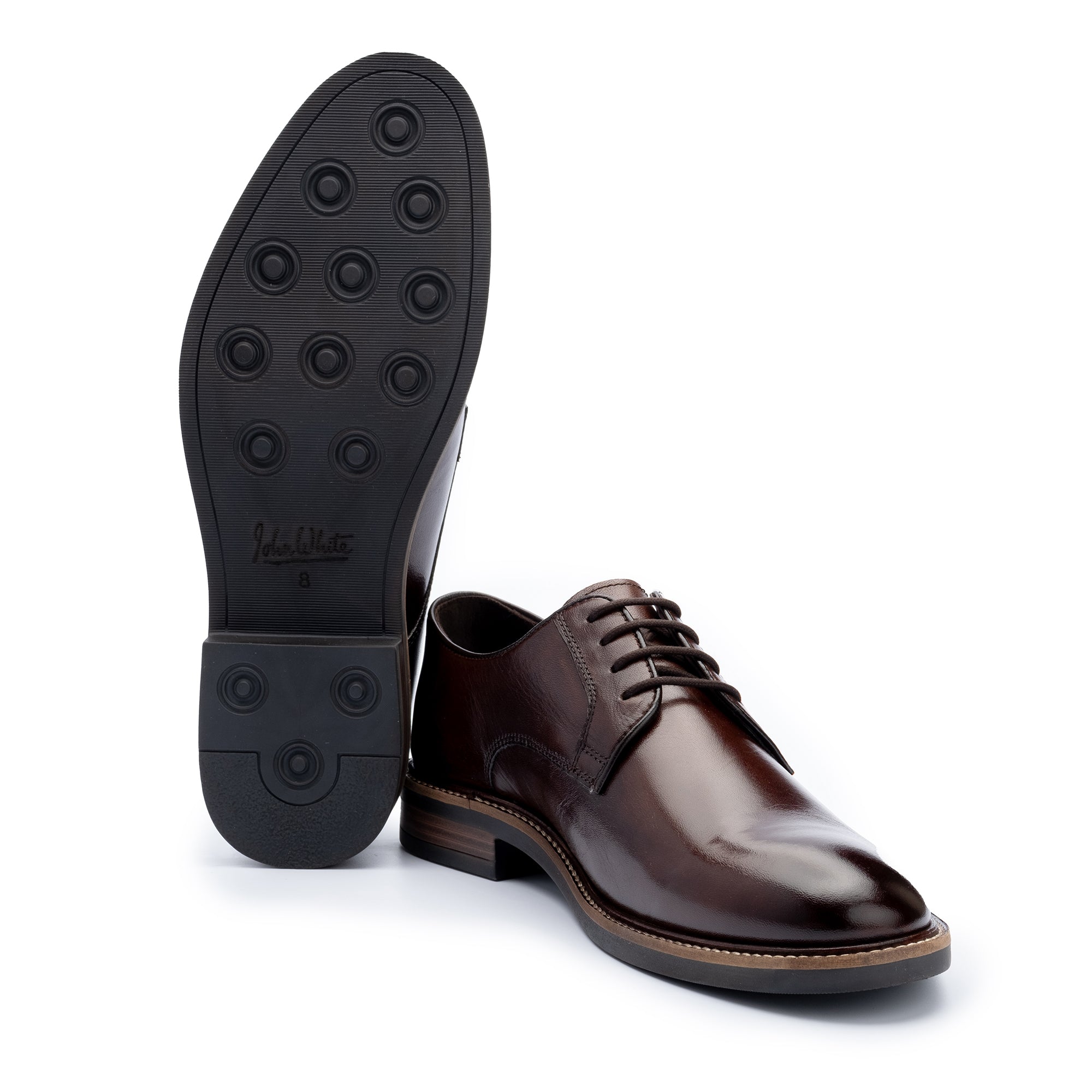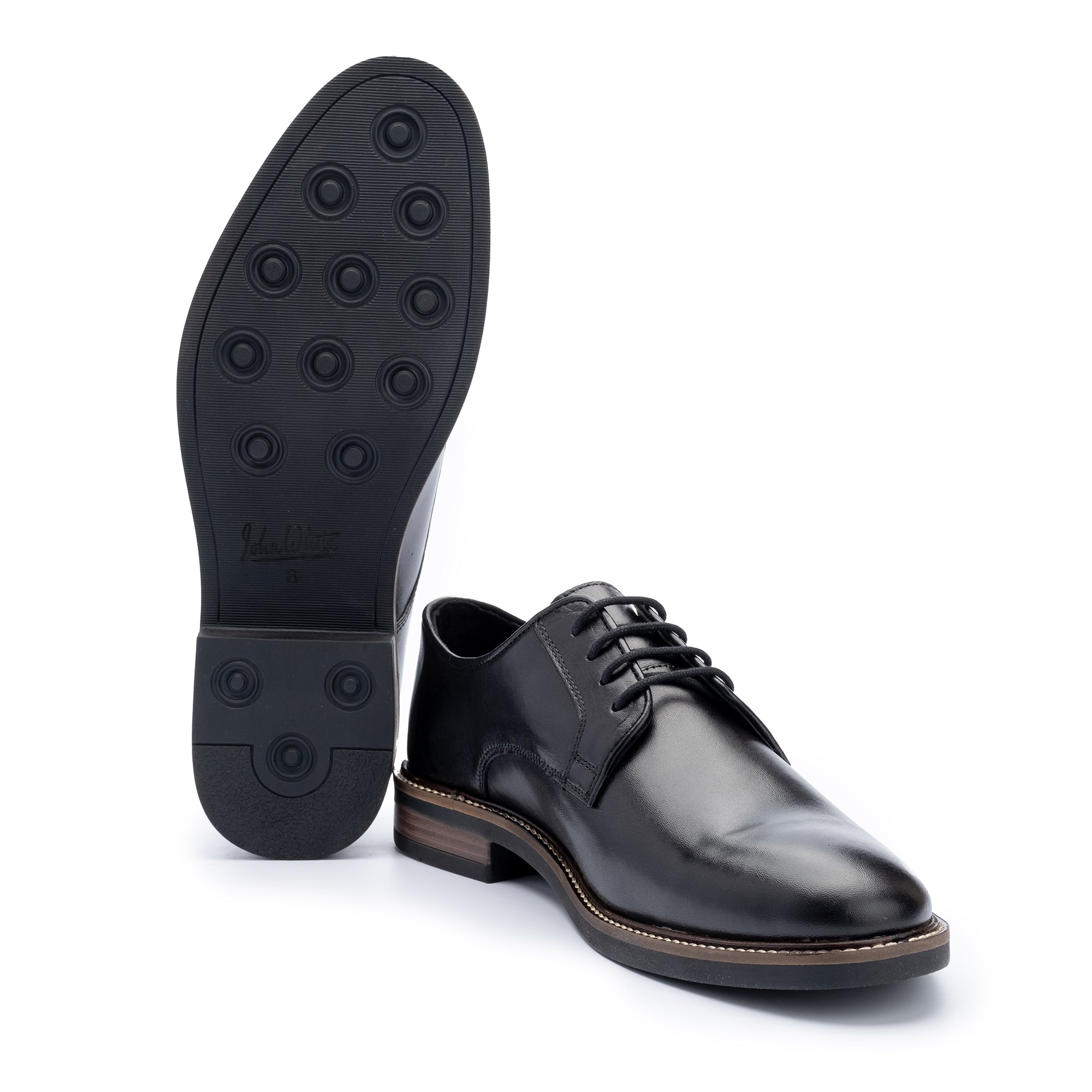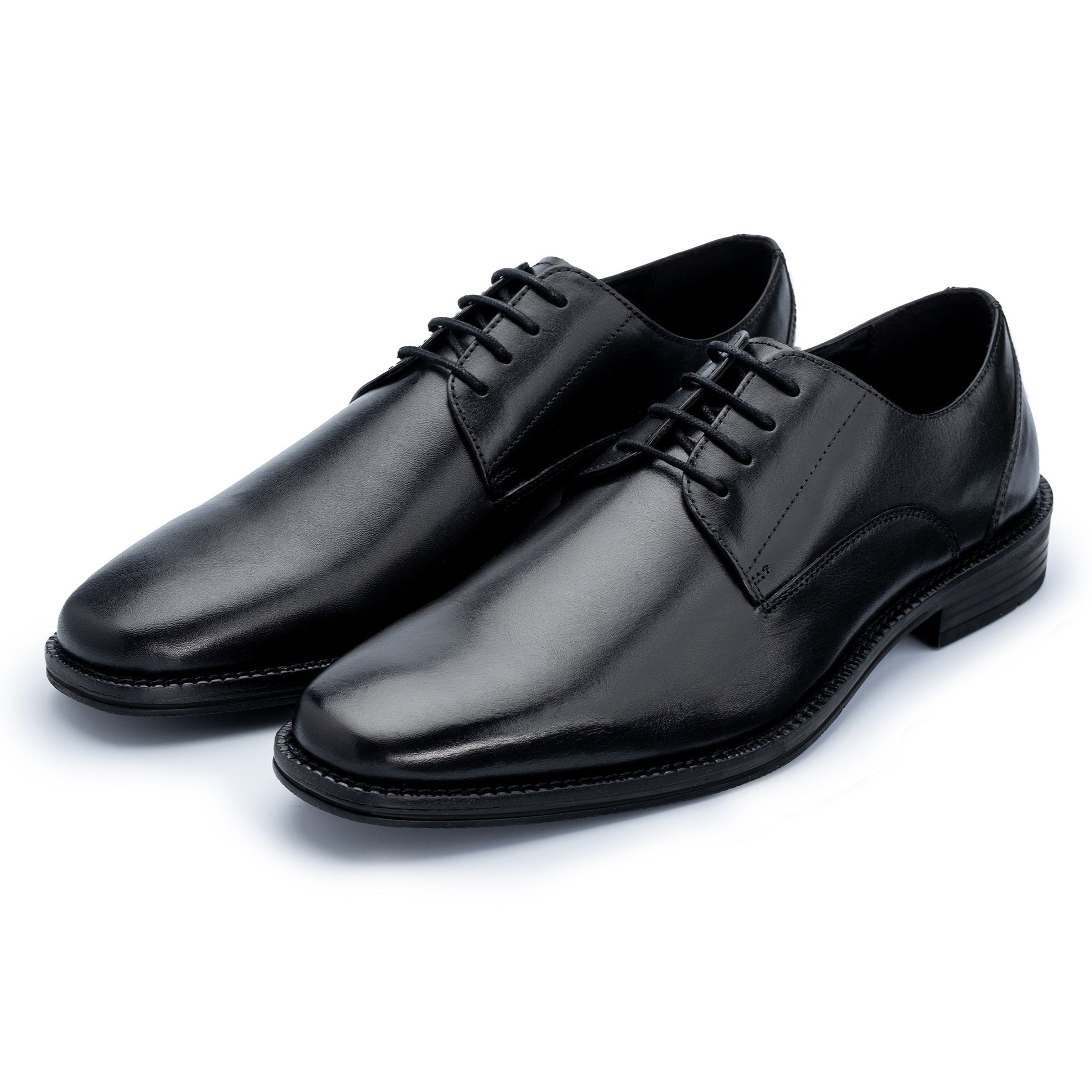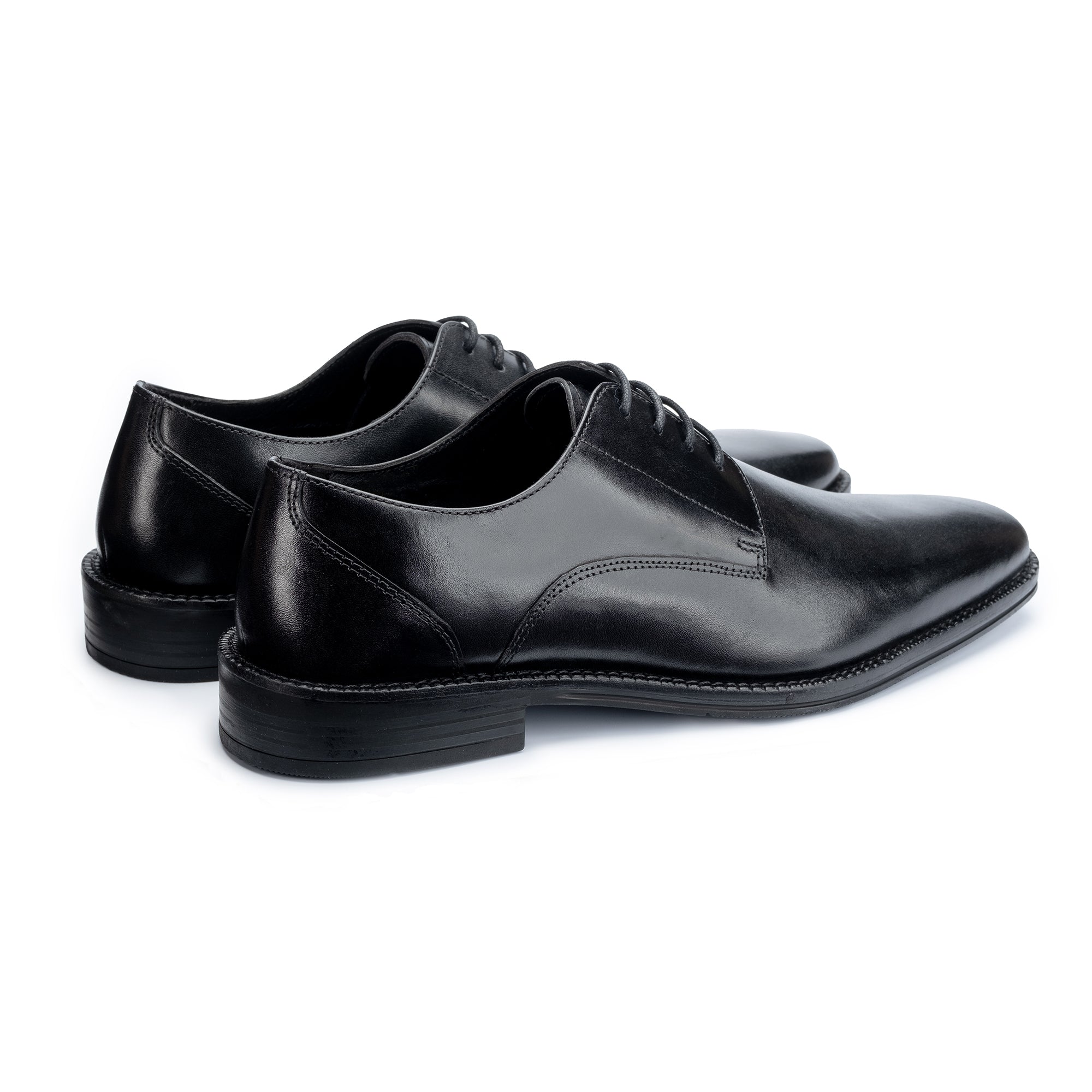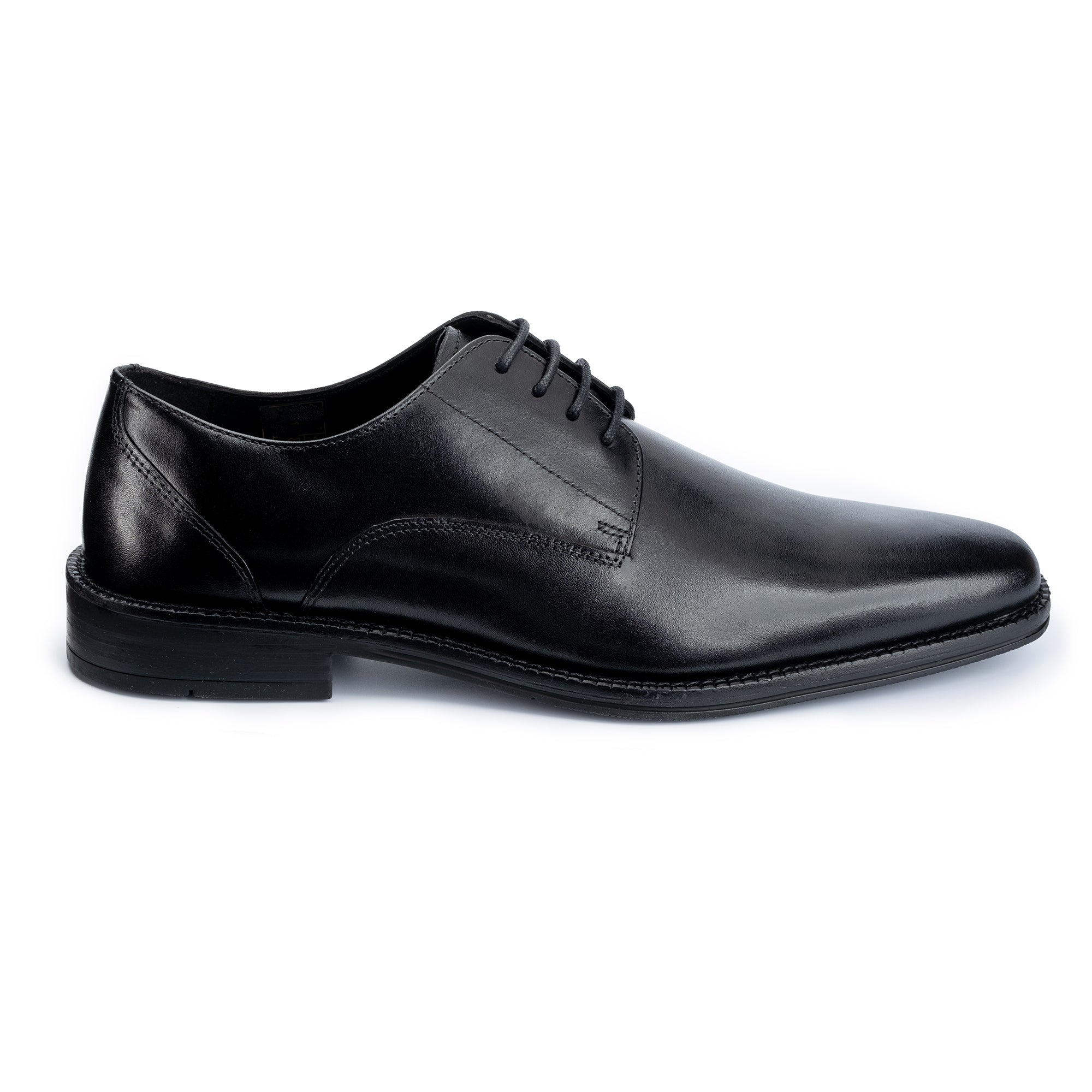

The Dress Boot Formality Guide: Choosing Between Balmoral, Brogue, and Chelsea
Choosing the right dress boot comes down to its construction and detailing. The Balmoral is the most formal, akin to an Oxford shoe. The Brogue boot offers a refined country aesthetic, while the versatile Chelsea boot can range from sharp and formal in black leather to relaxed and casual in brown suede.
In This Guide
Many men relegate boots to weekend wear, assuming they lack the required decorum for tailored clothing. This is a missed opportunity. The right pair of dress boots not only provides superior protection against the unpredictable British weather but also adds a distinct touch of character to a formal or smart-casual ensemble. Understanding the nuances of each style is key.
Navigating the world of dress boots means recognising the subtle signals of formality—from the lacing system to the presence of decorative perforations. This guide provides a clear framework for choosing the correct boot for any occasion, ensuring you always put your best foot forward.
What Defines the Chelsea Boot?
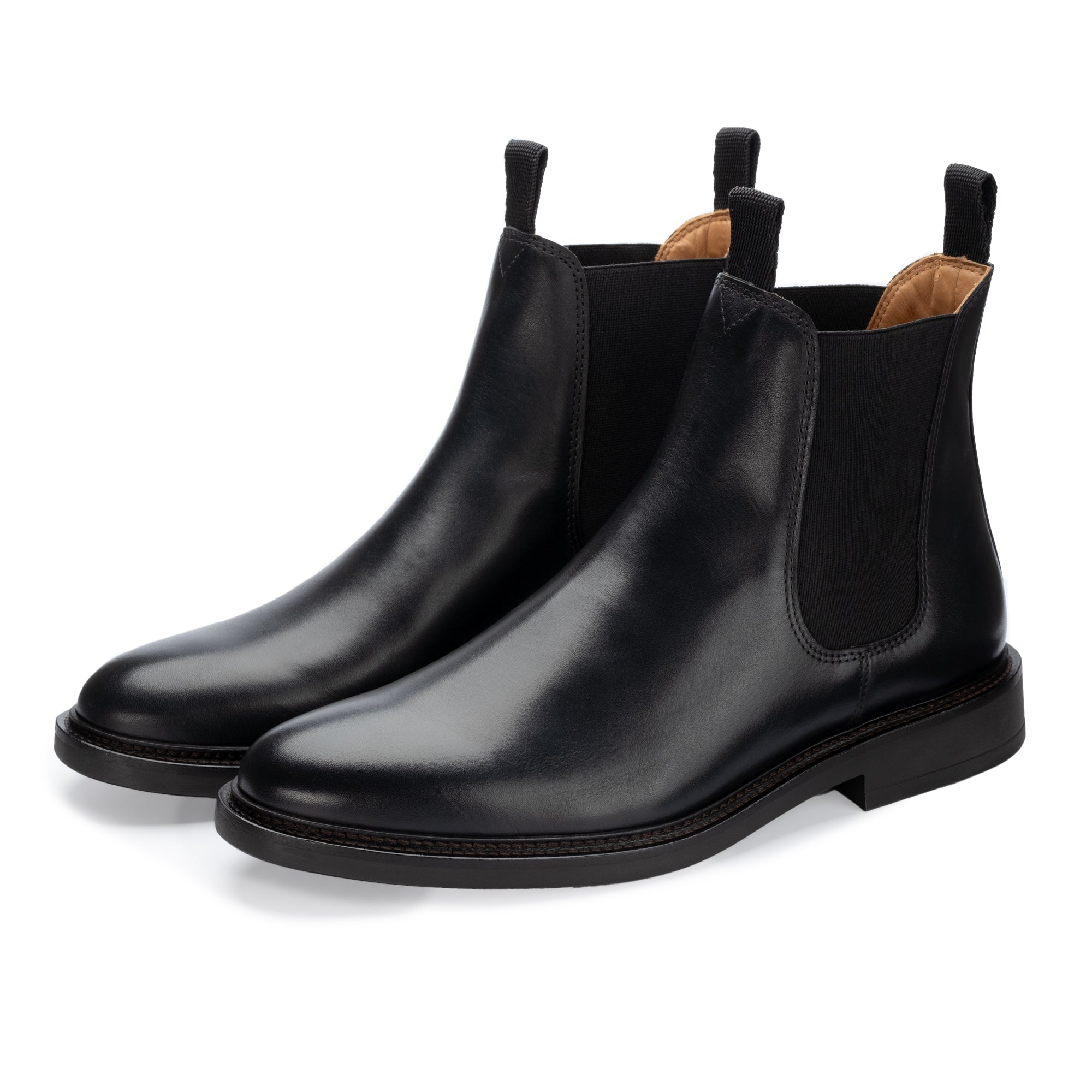
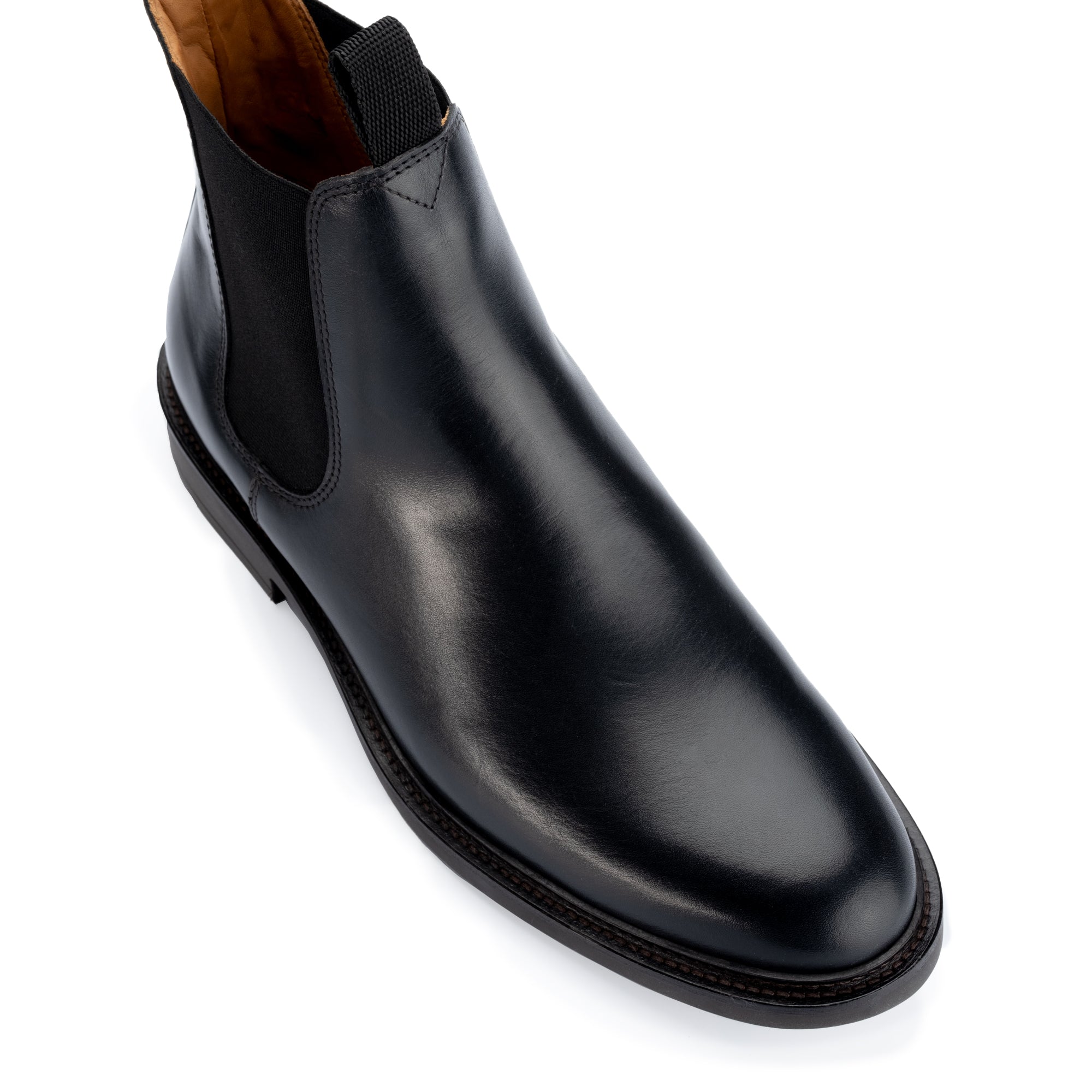
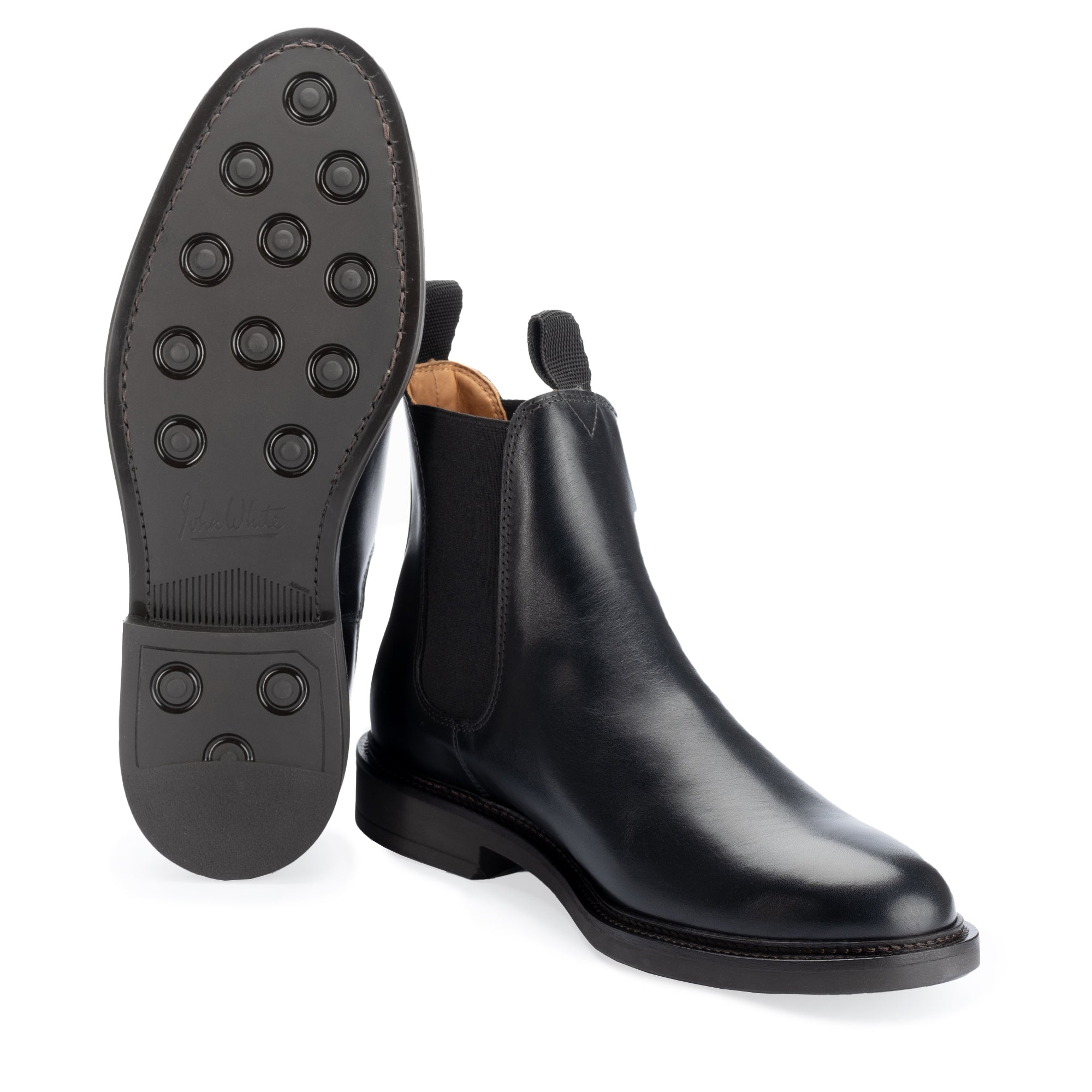
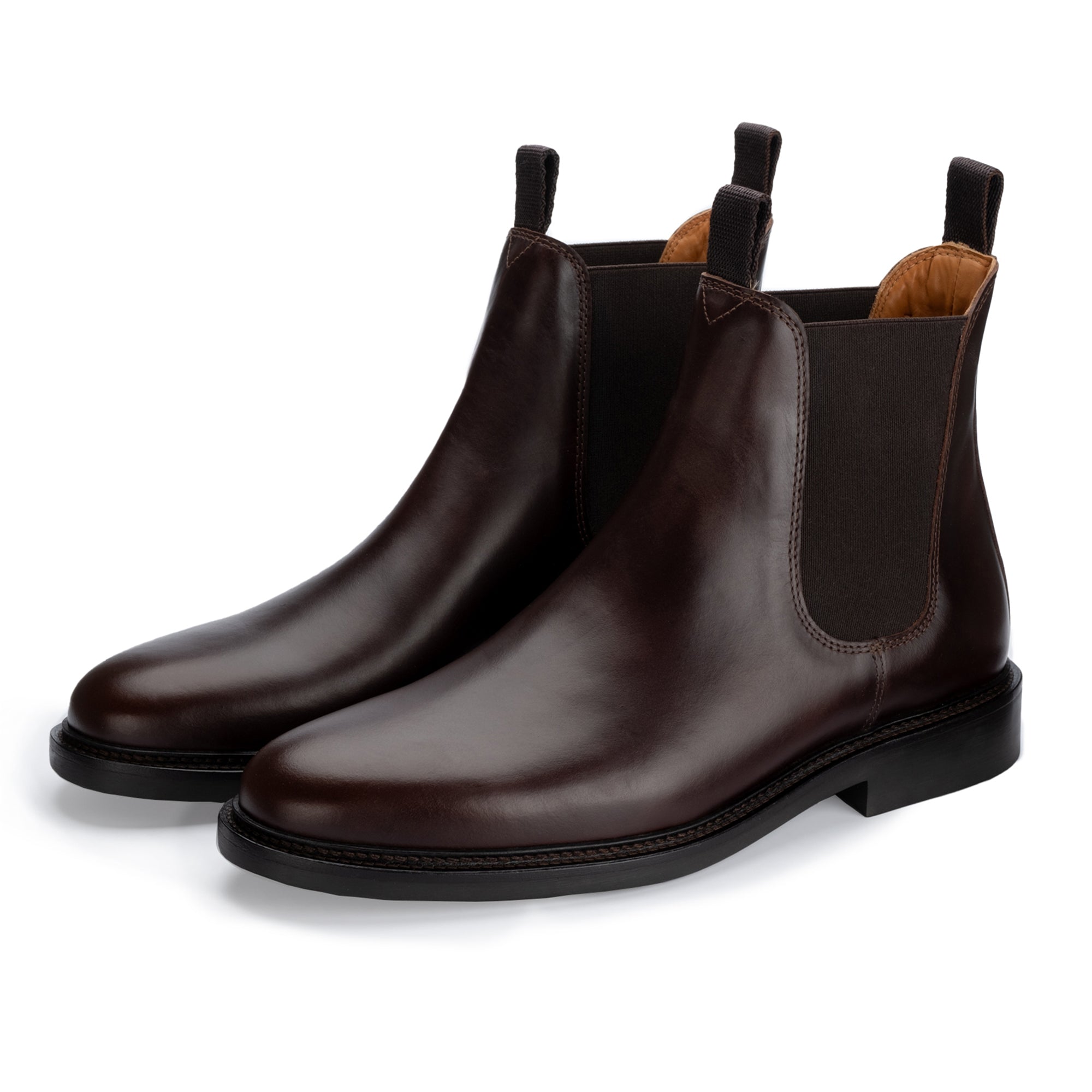
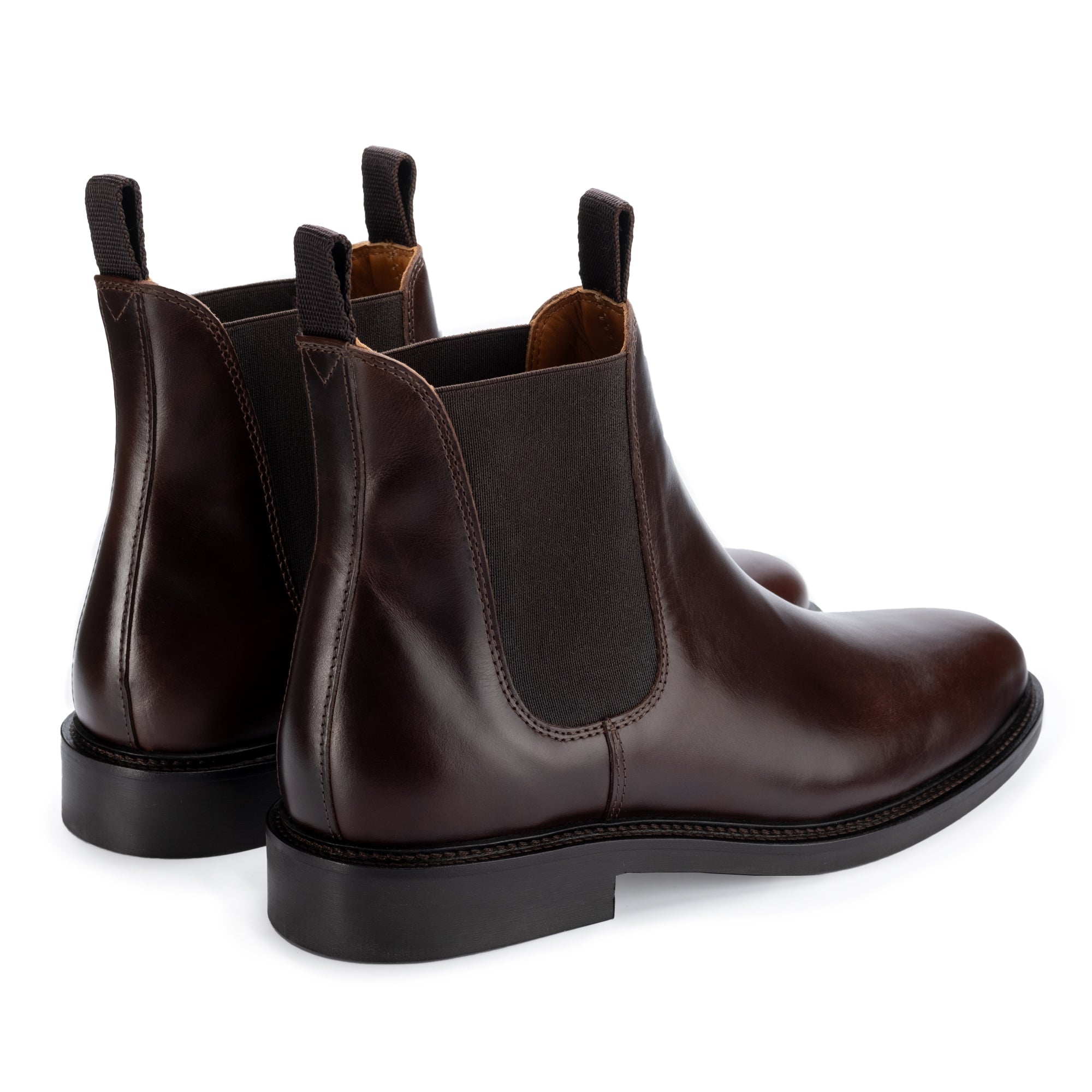
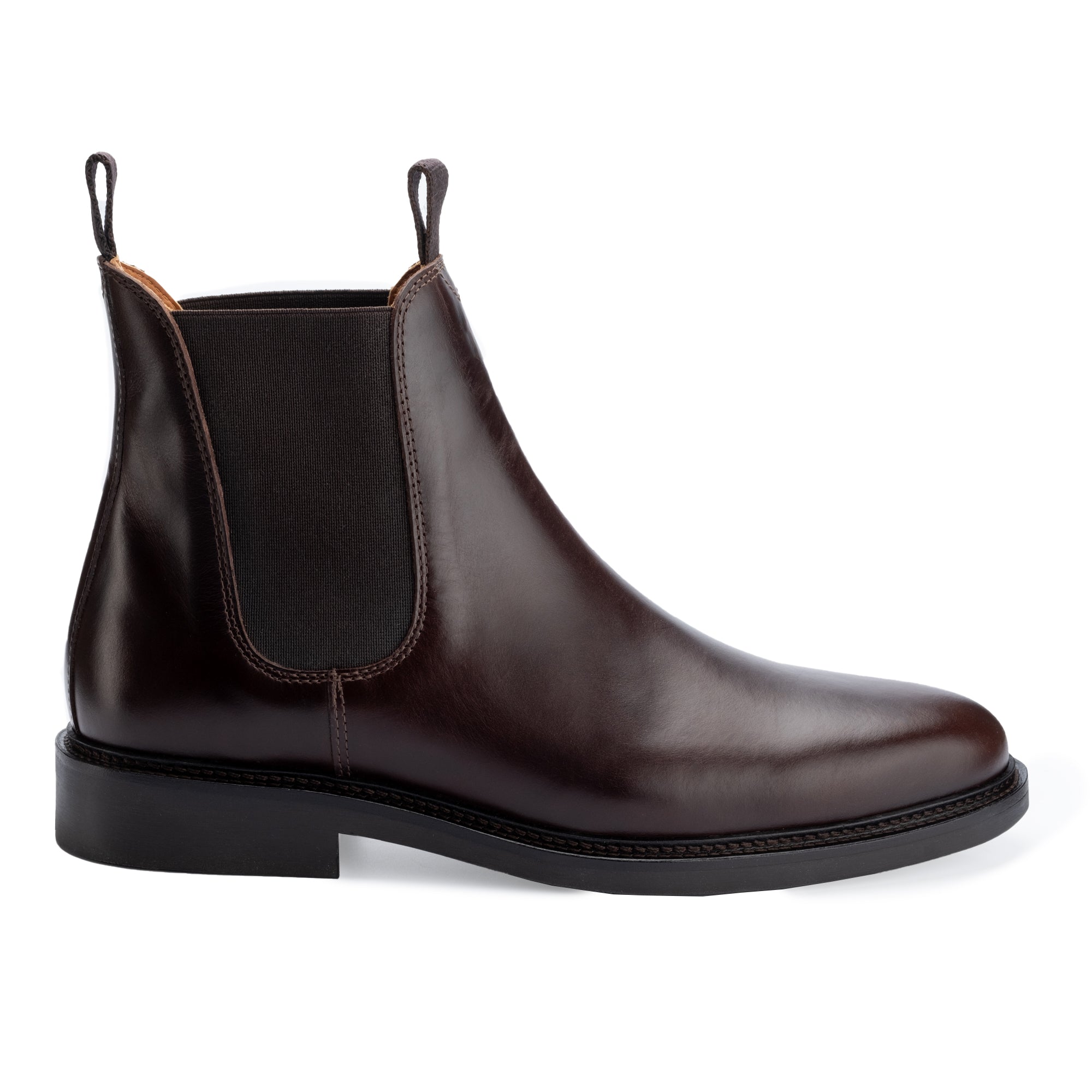
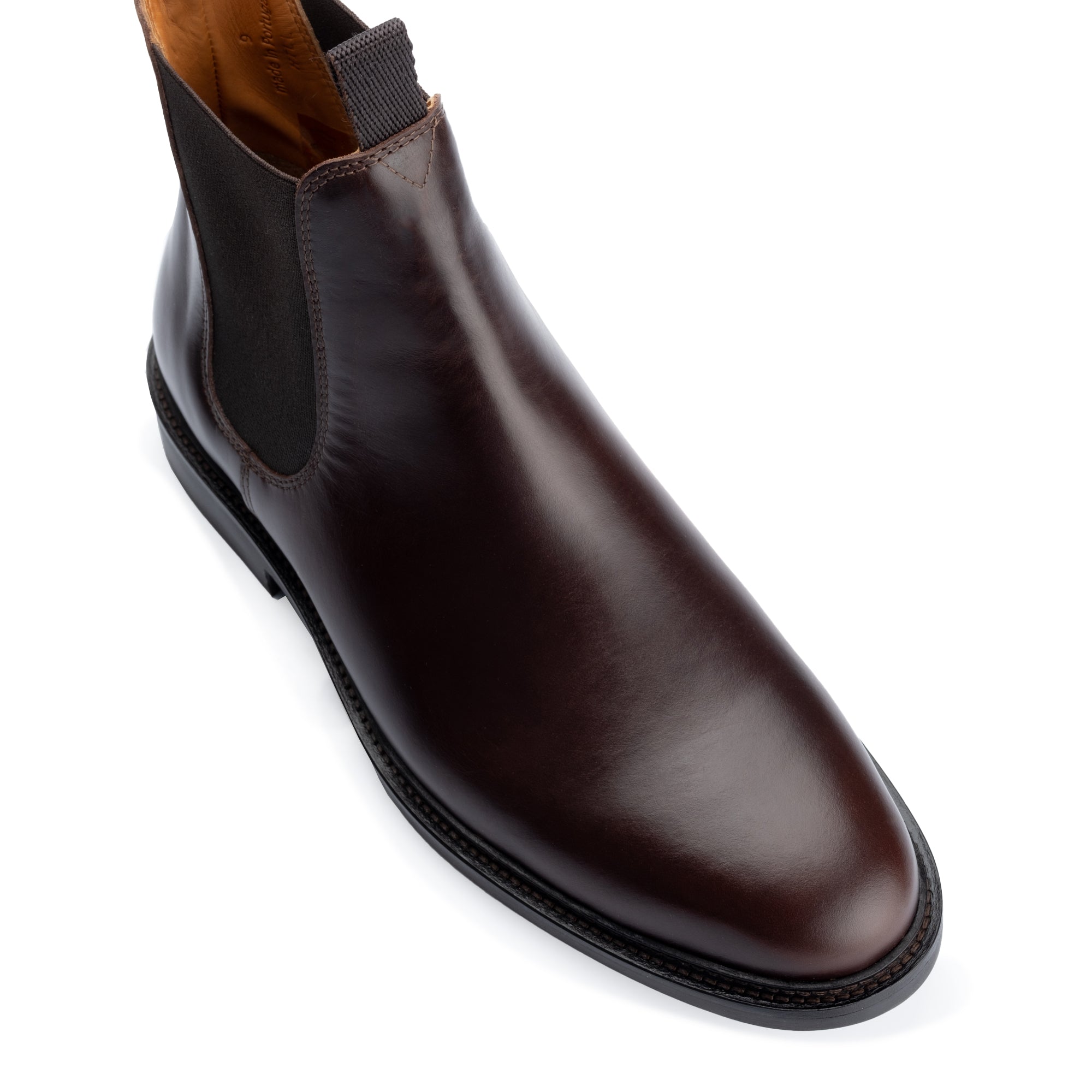
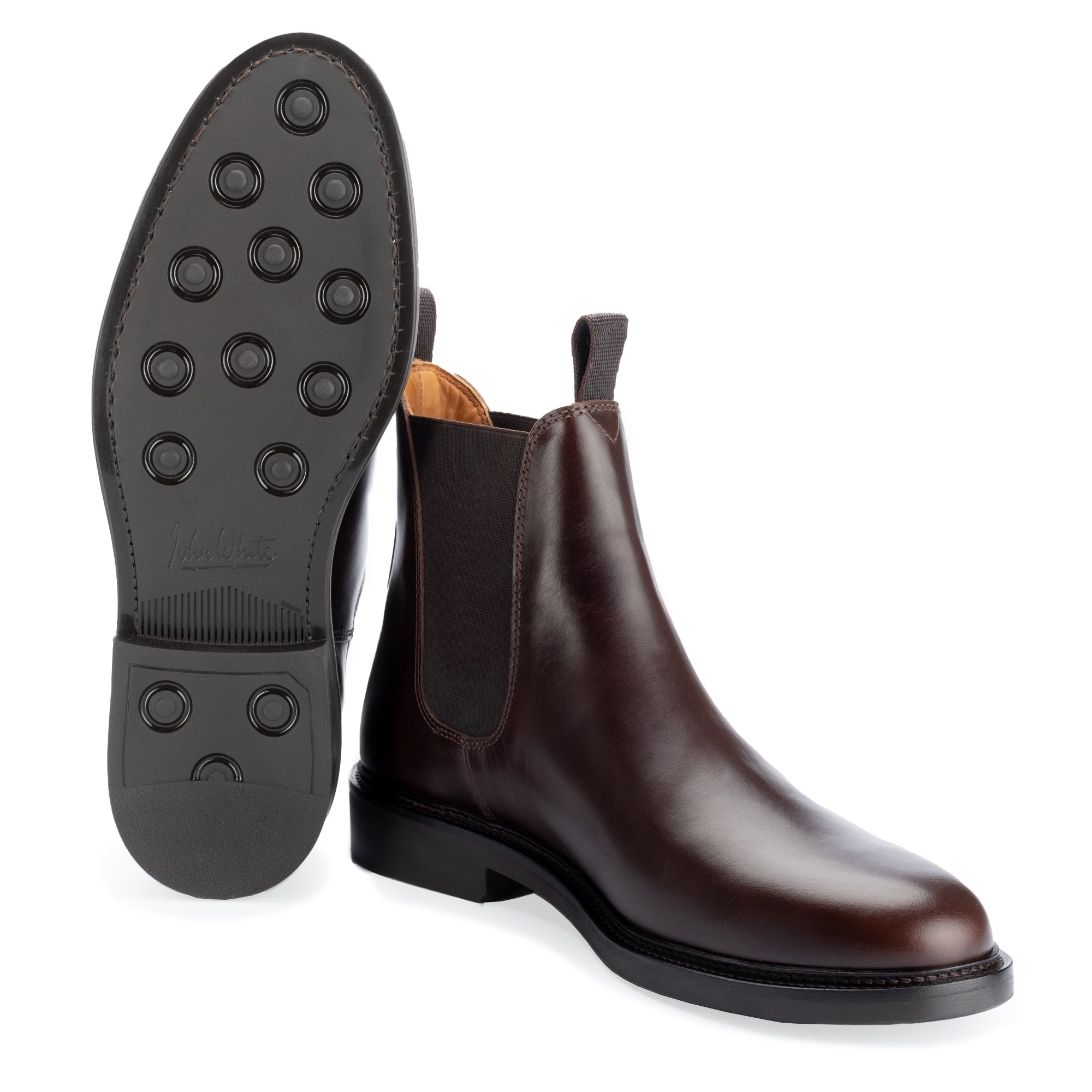
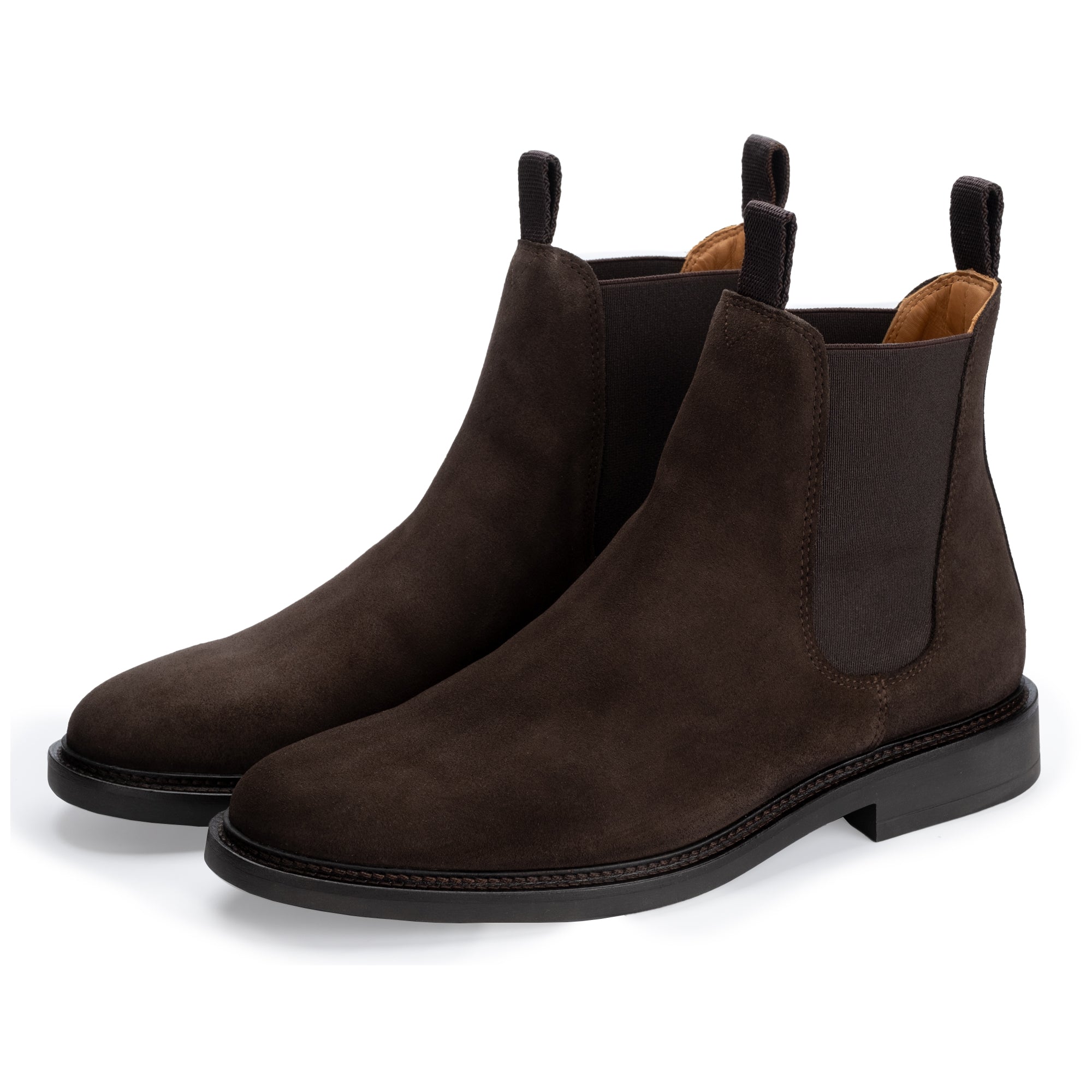
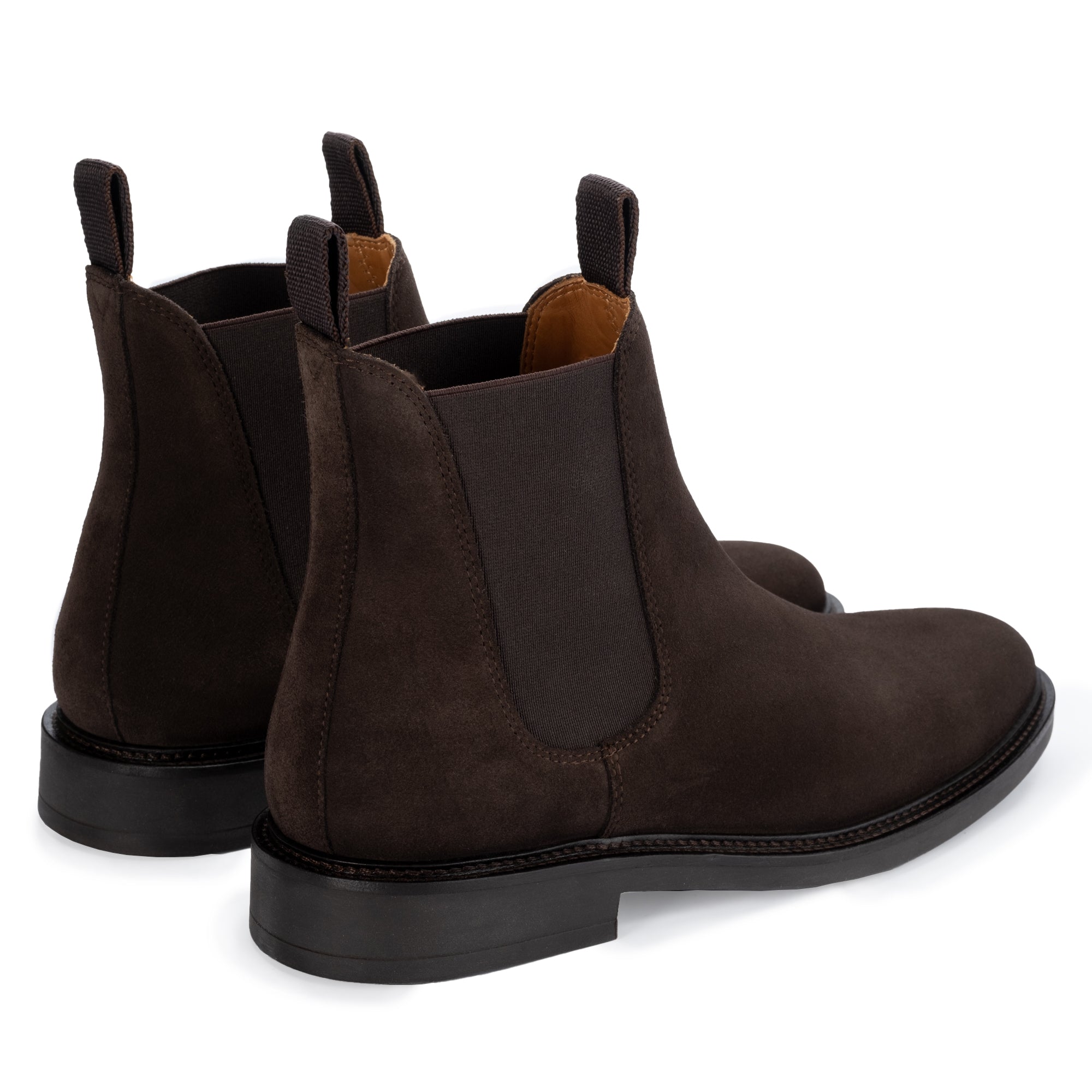
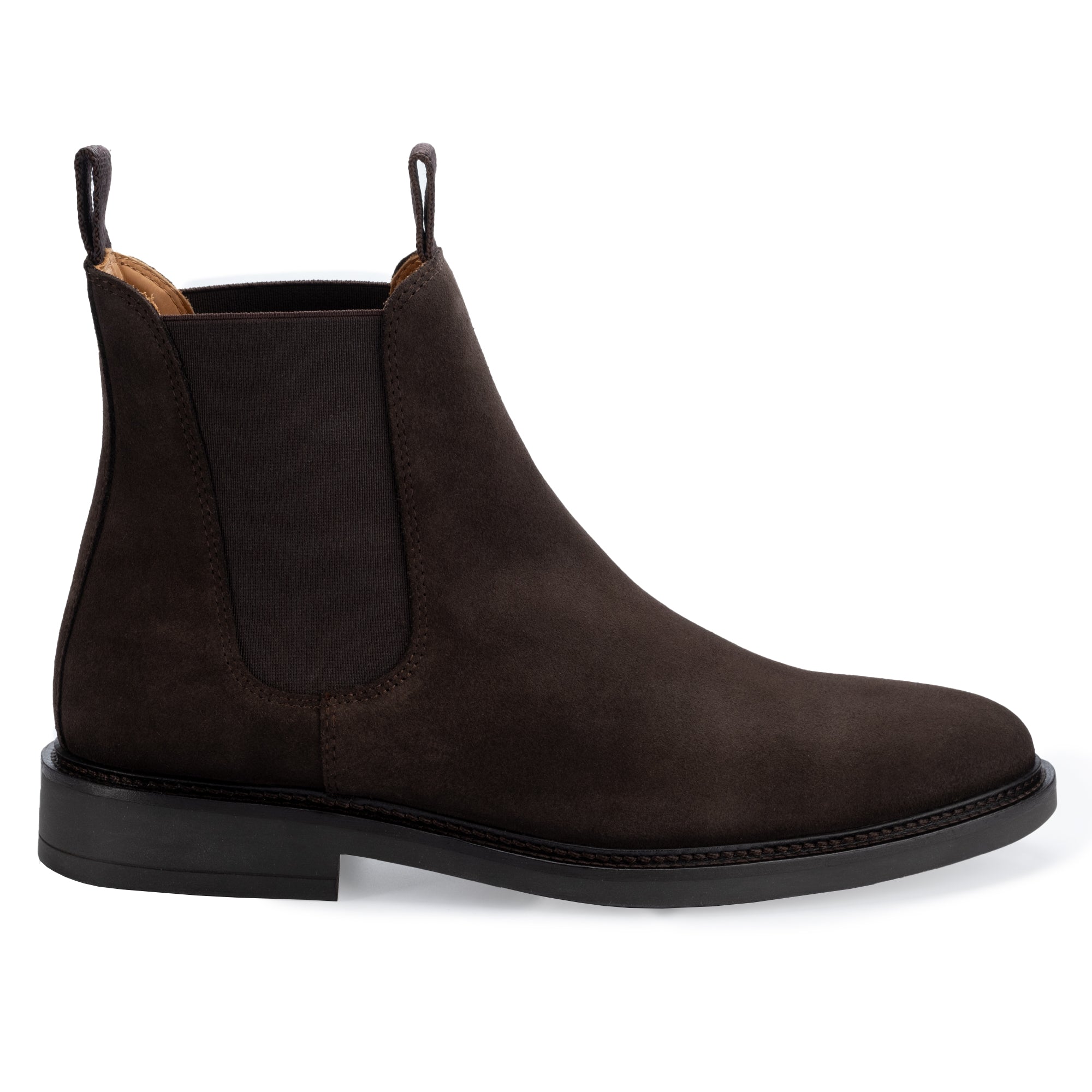
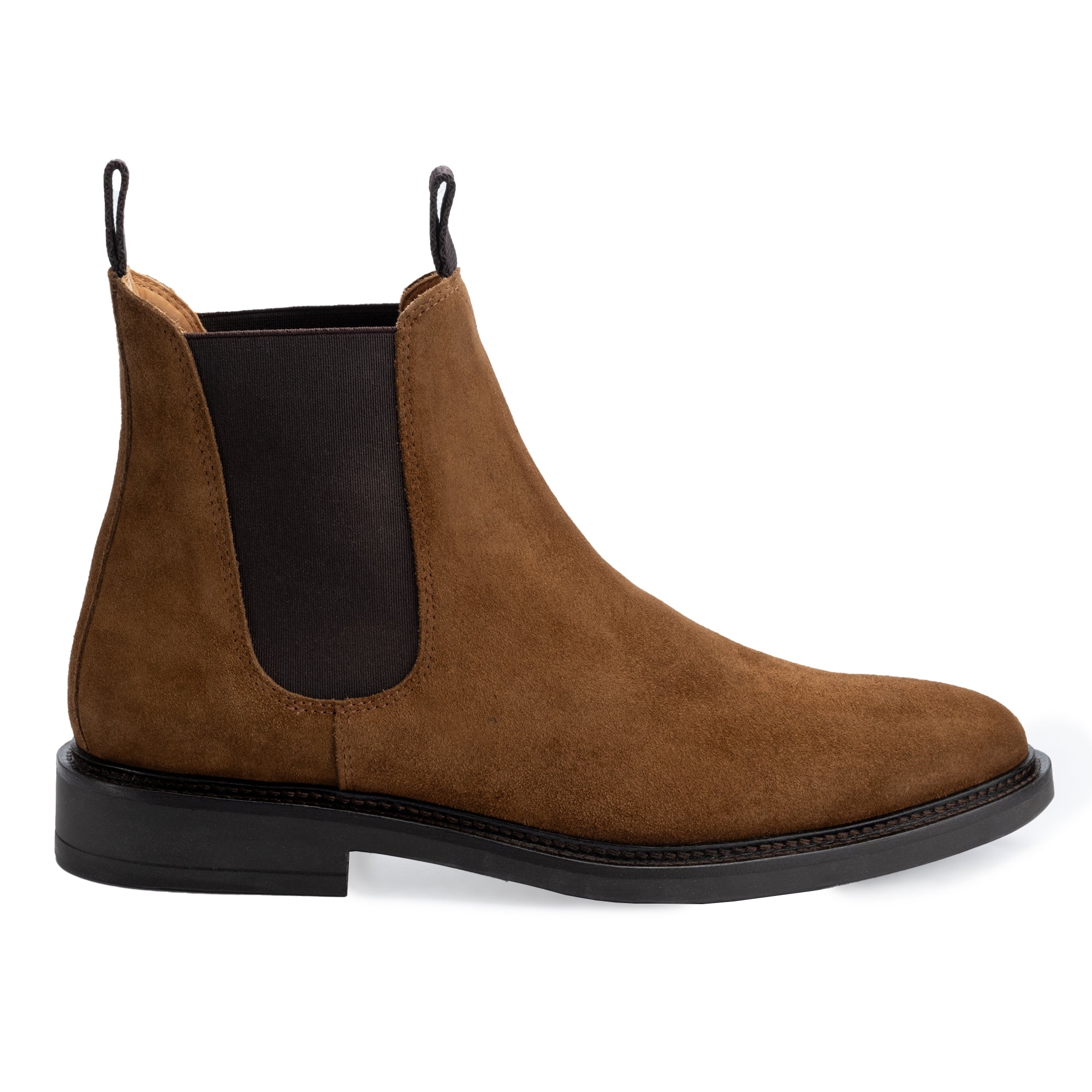
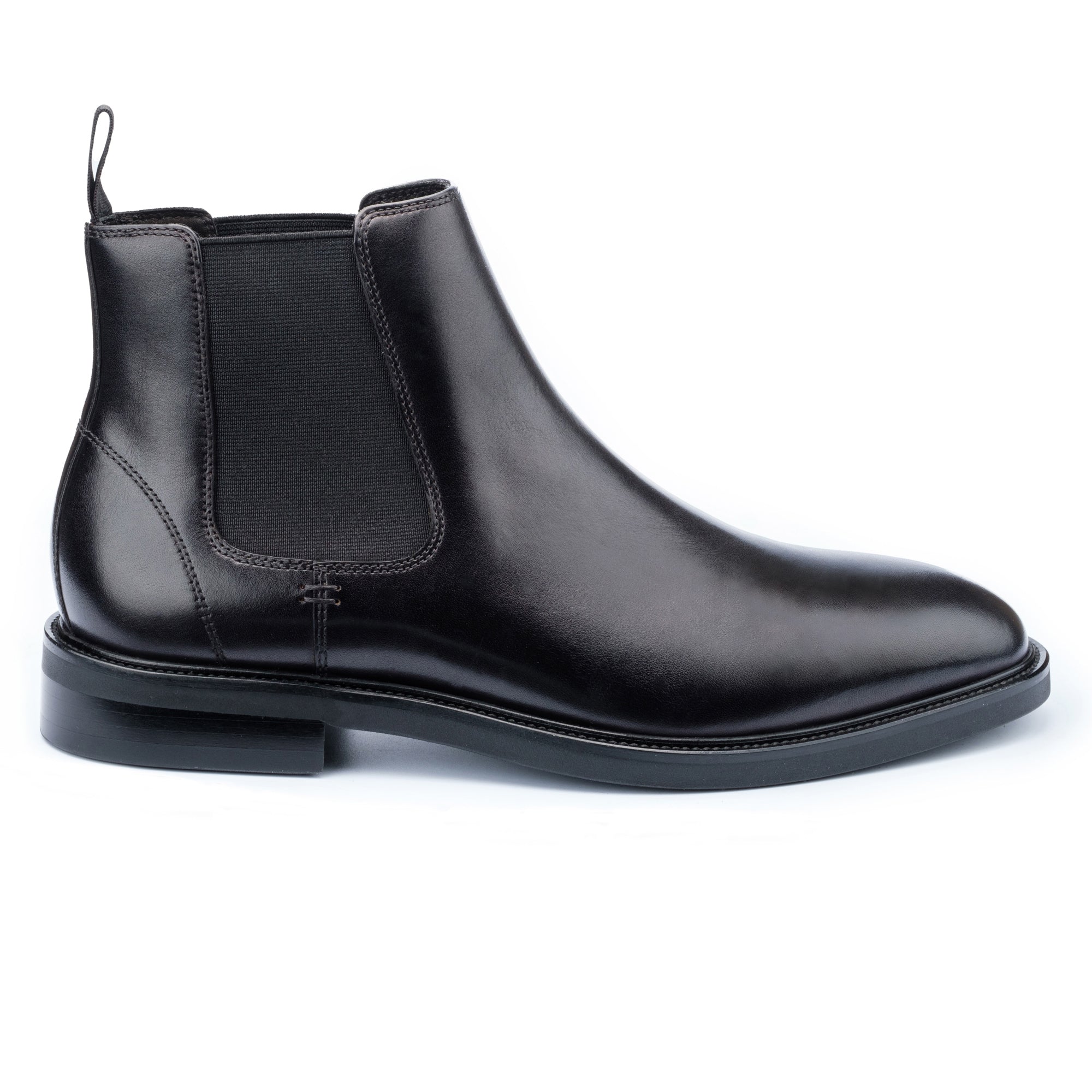
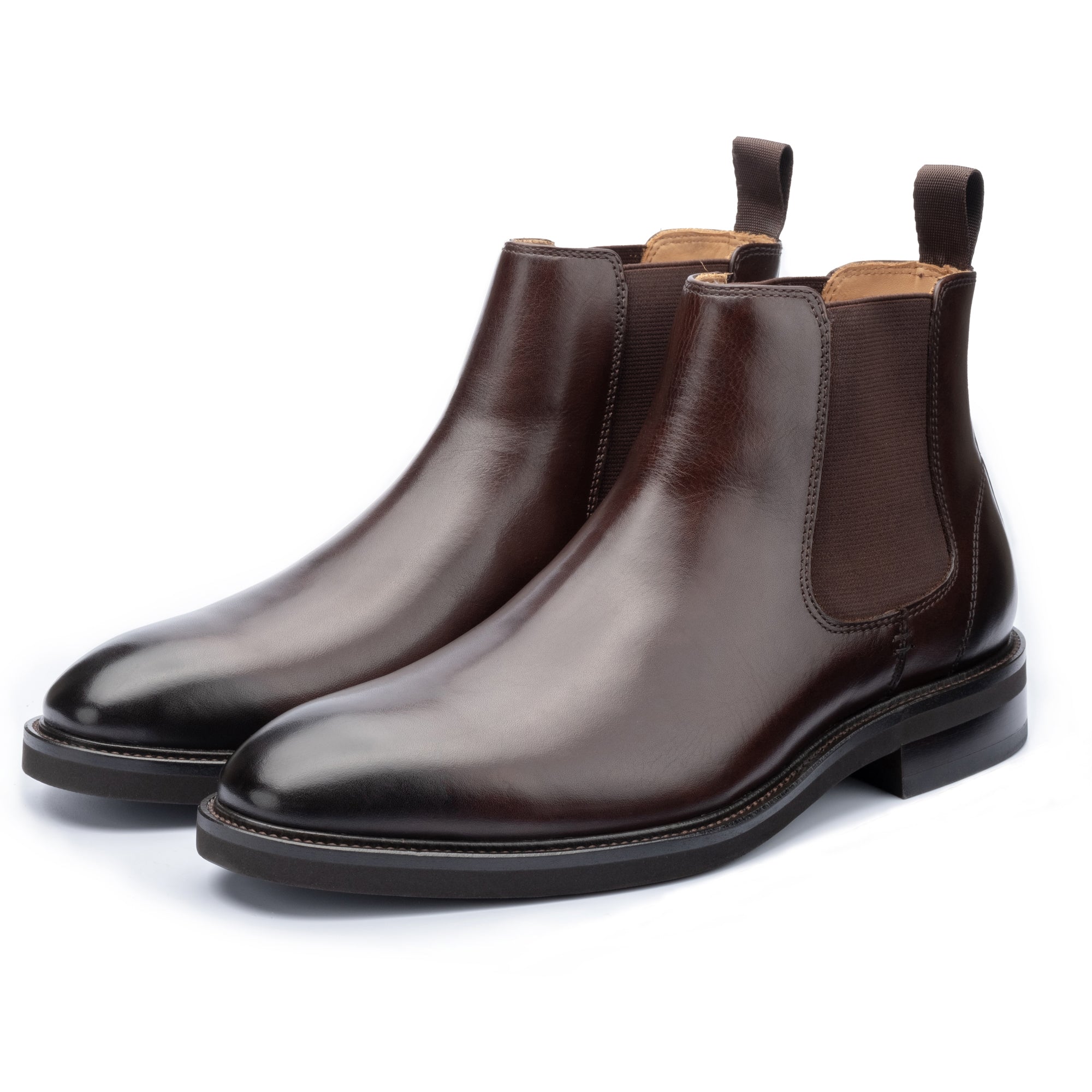
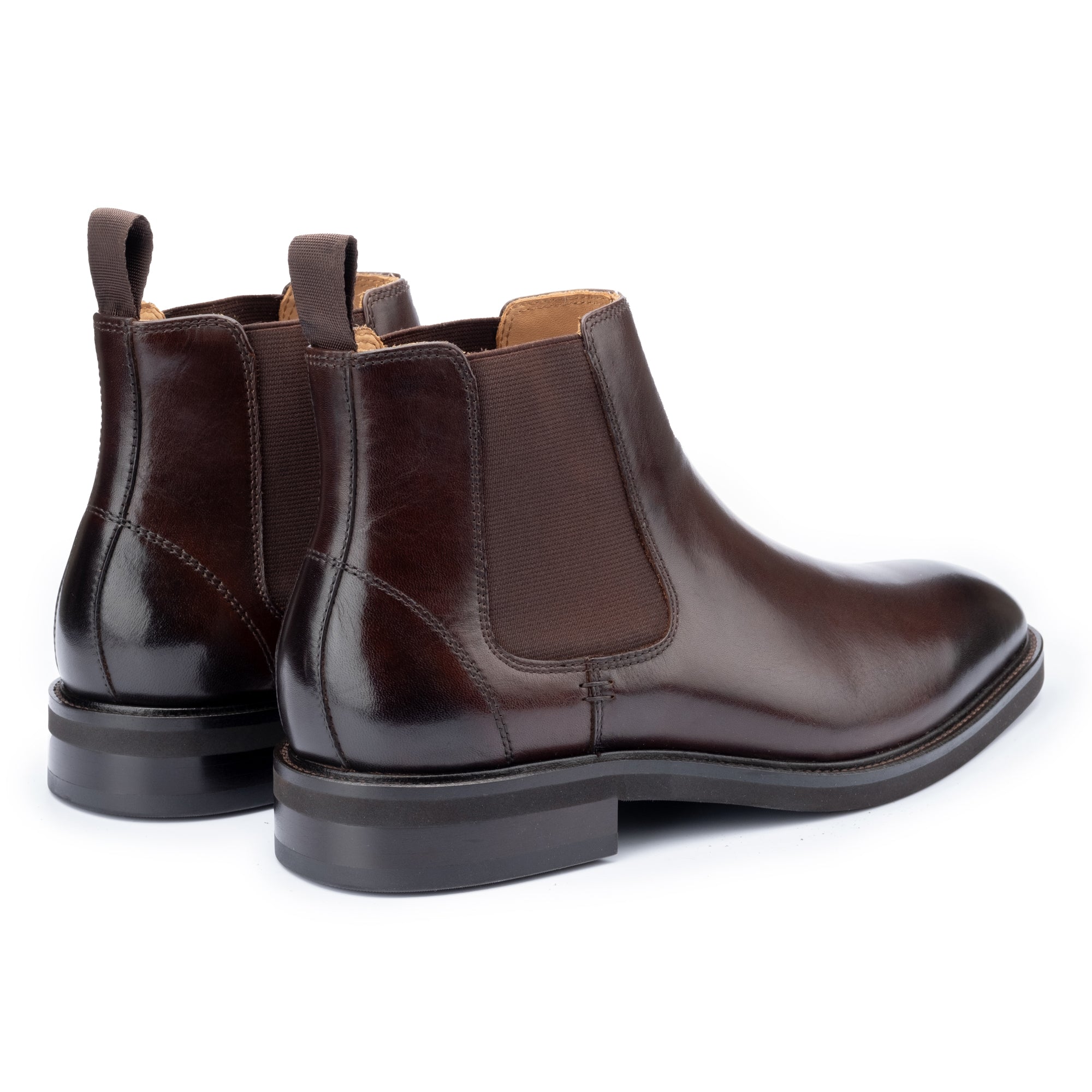
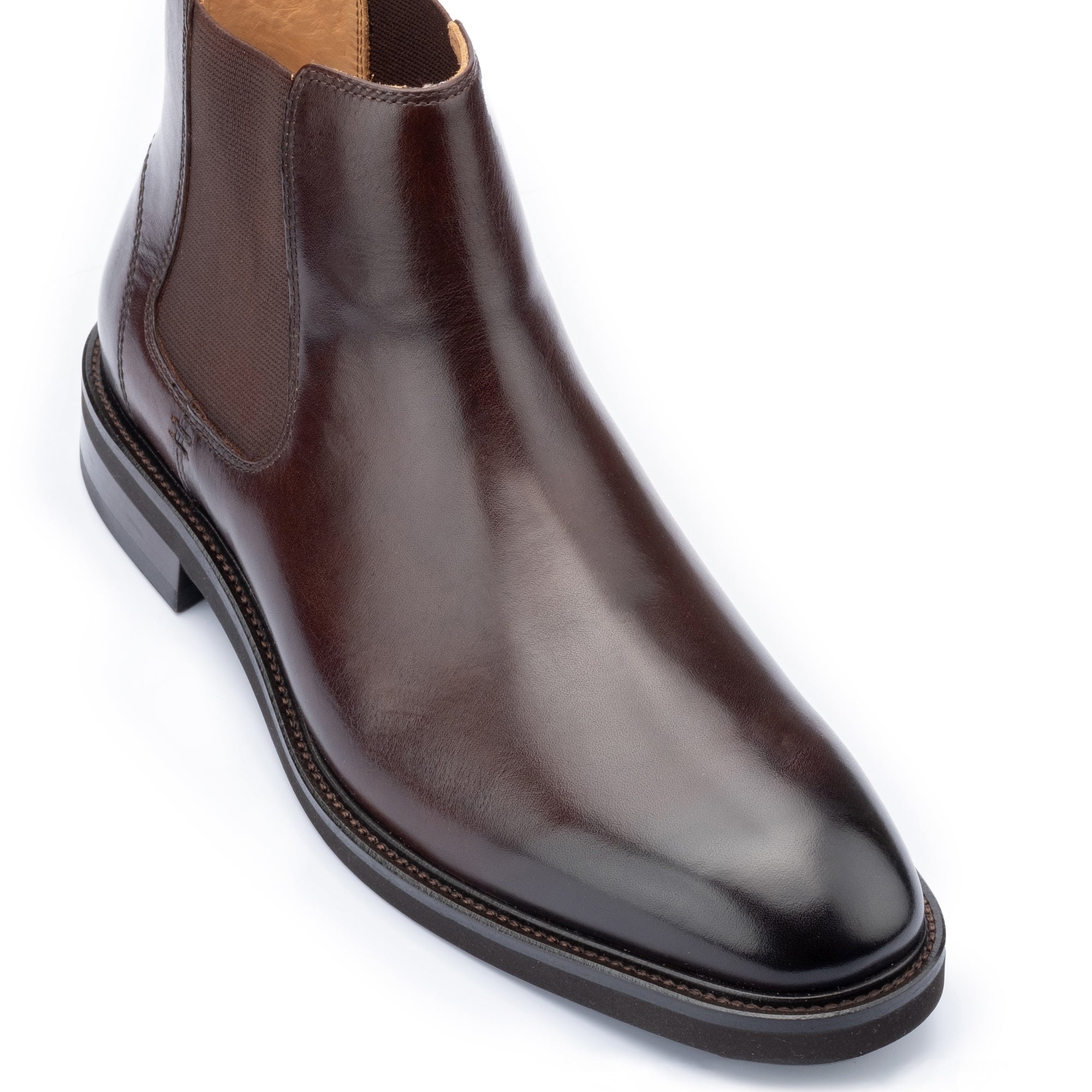
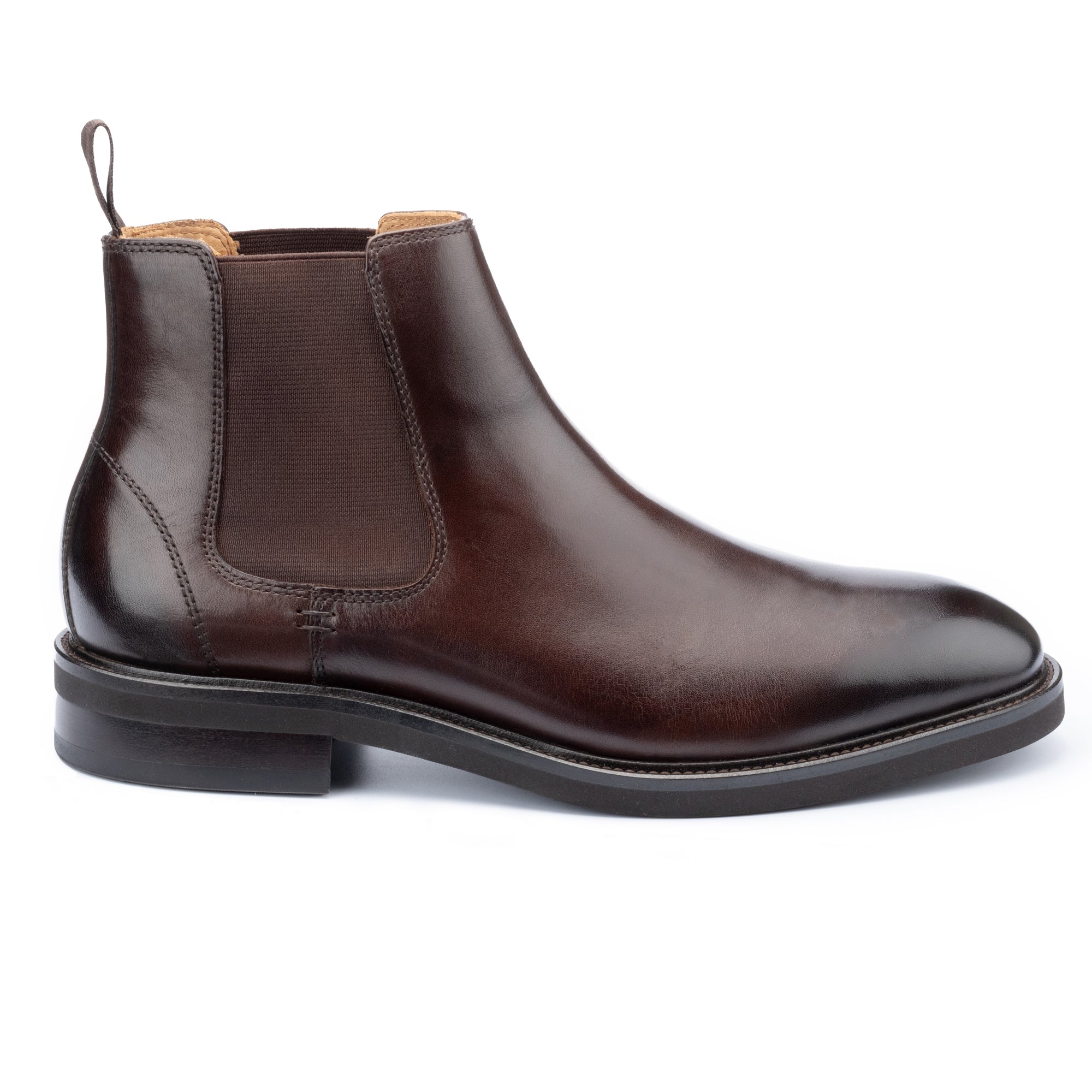
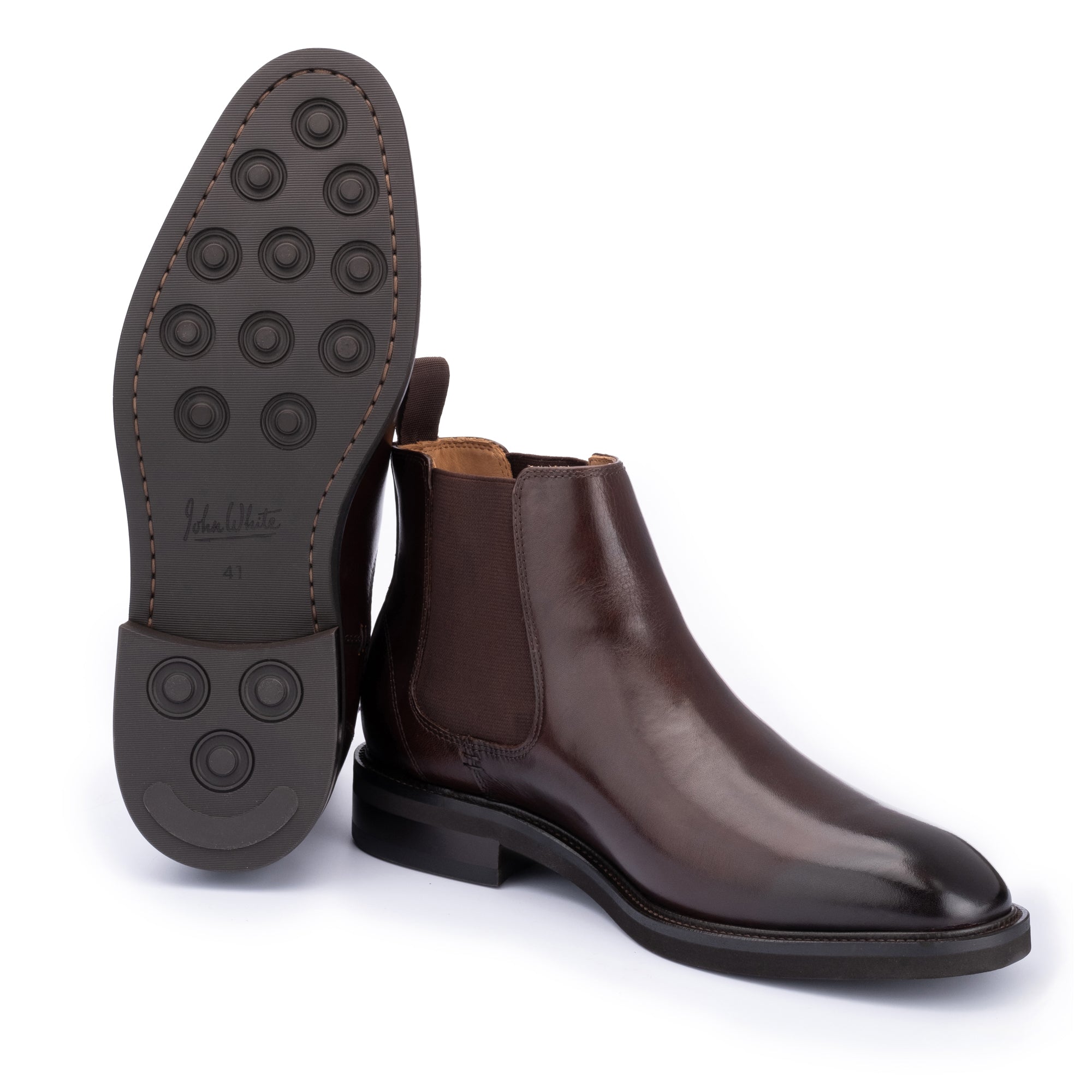
The Chelsea boot is a masterclass in understated design. Defined by its laceless, ankle-high silhouette and elasticated side panels (the gusset), it offers a clean and streamlined profile. Its origins trace back to J. Sparkes-Hall, bootmaker to Queen Victoria, who designed the boot in 1851 for its ease of use and elegant shape.
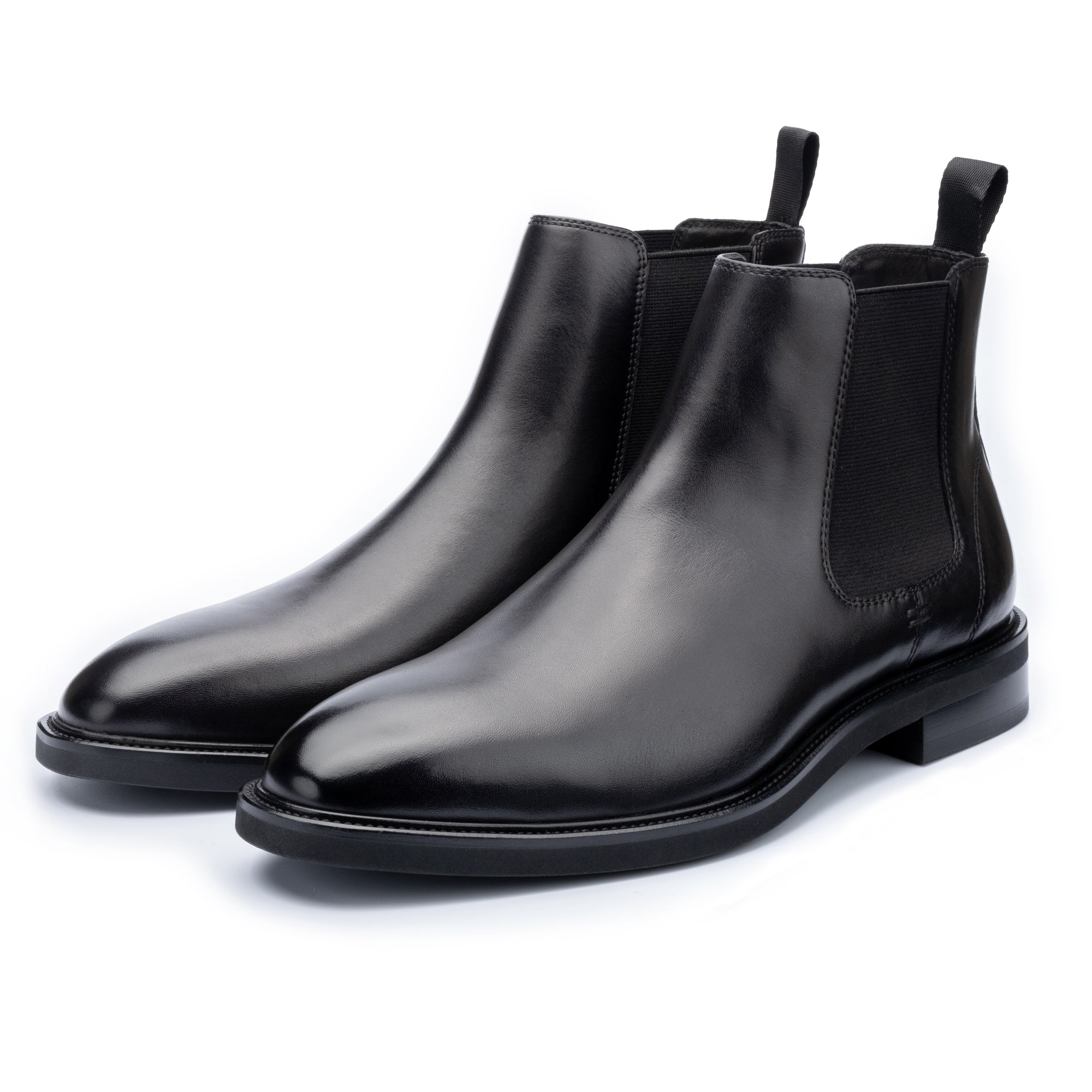
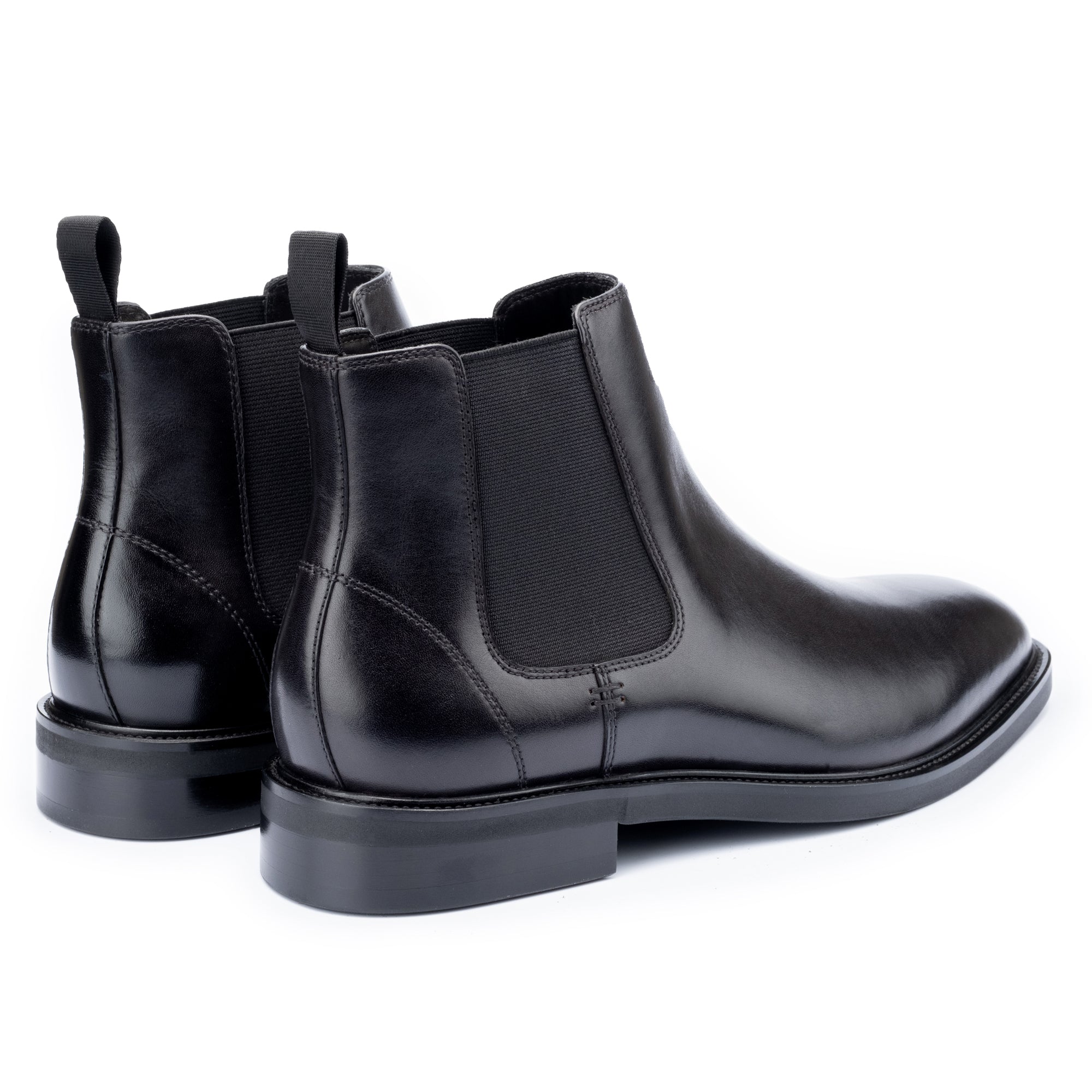
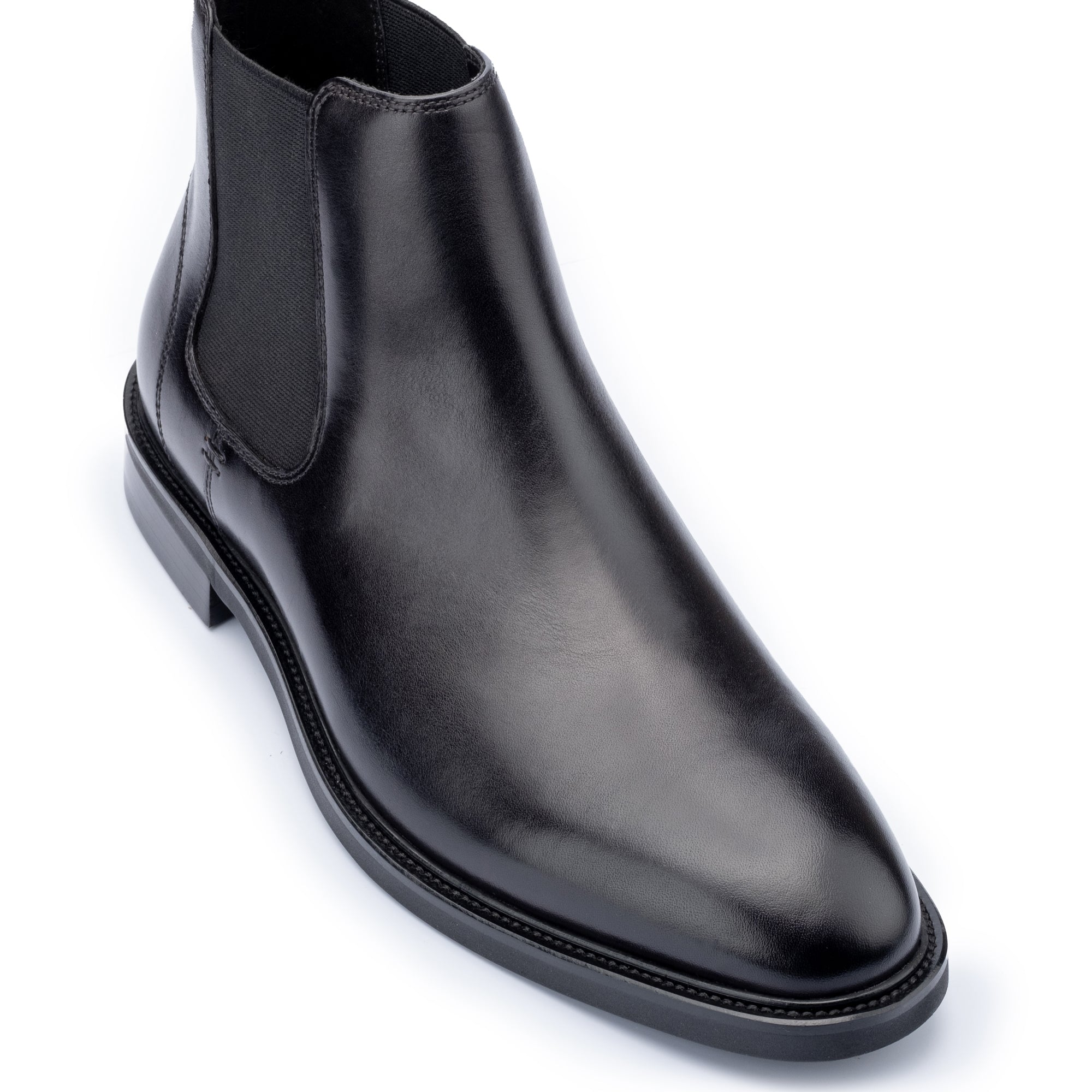
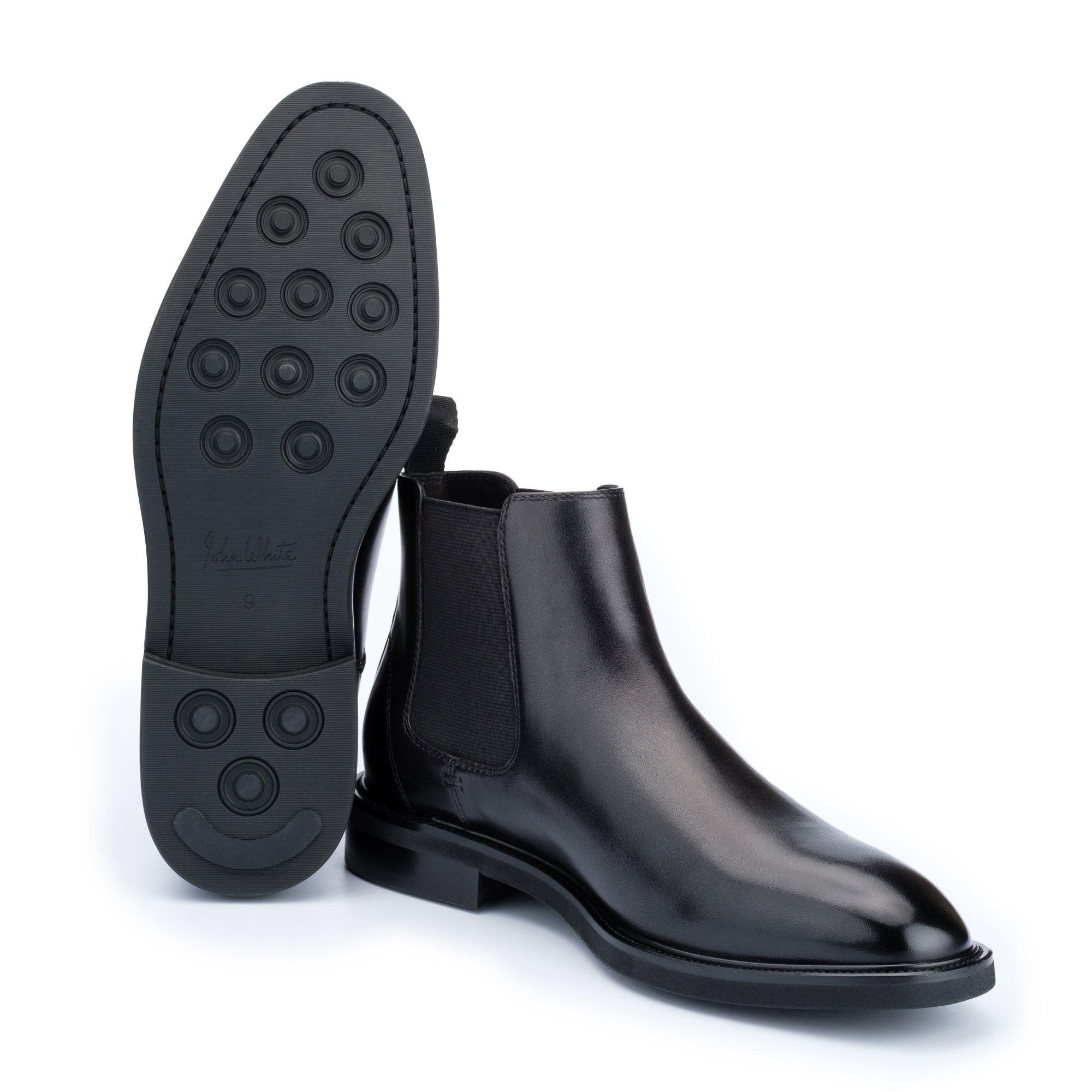
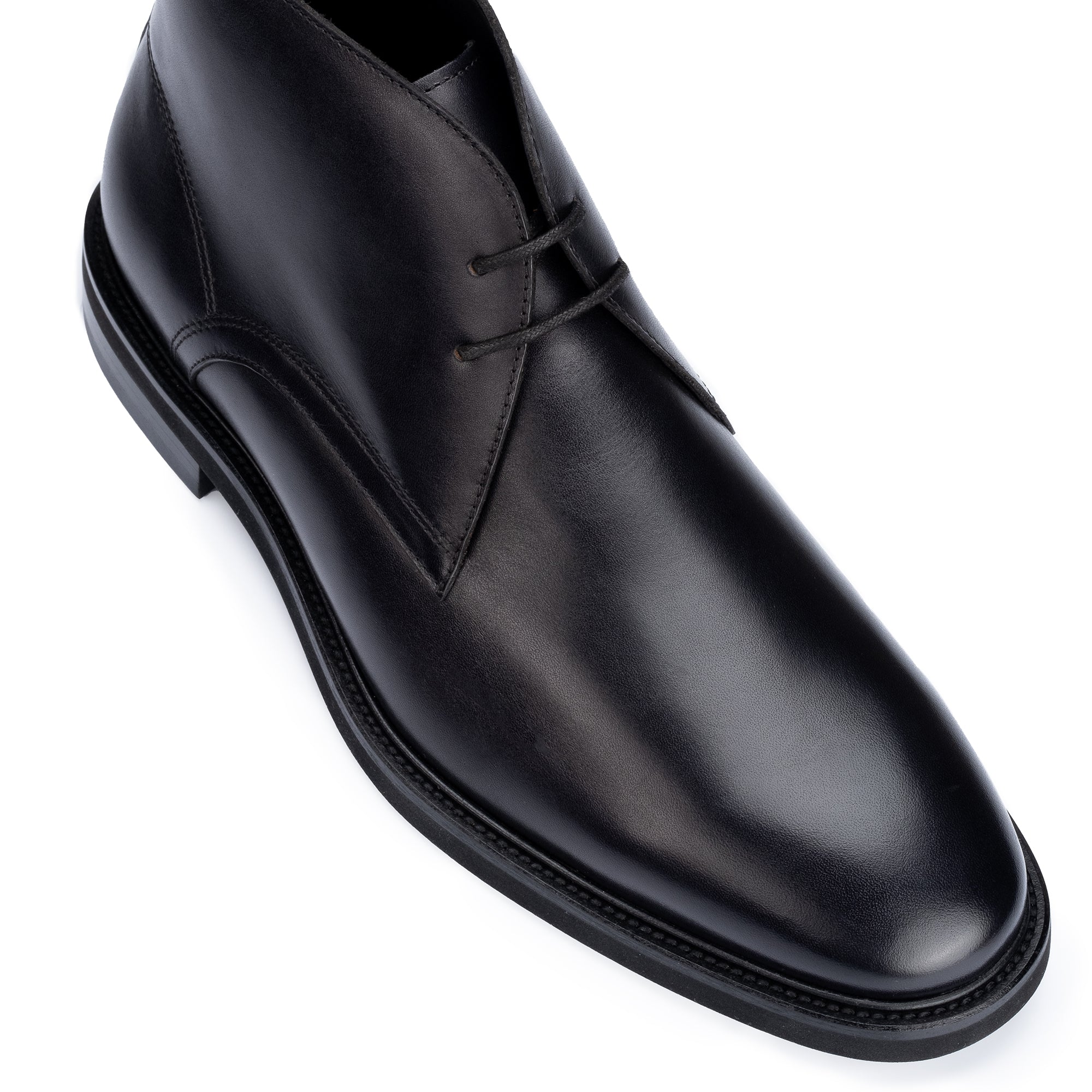
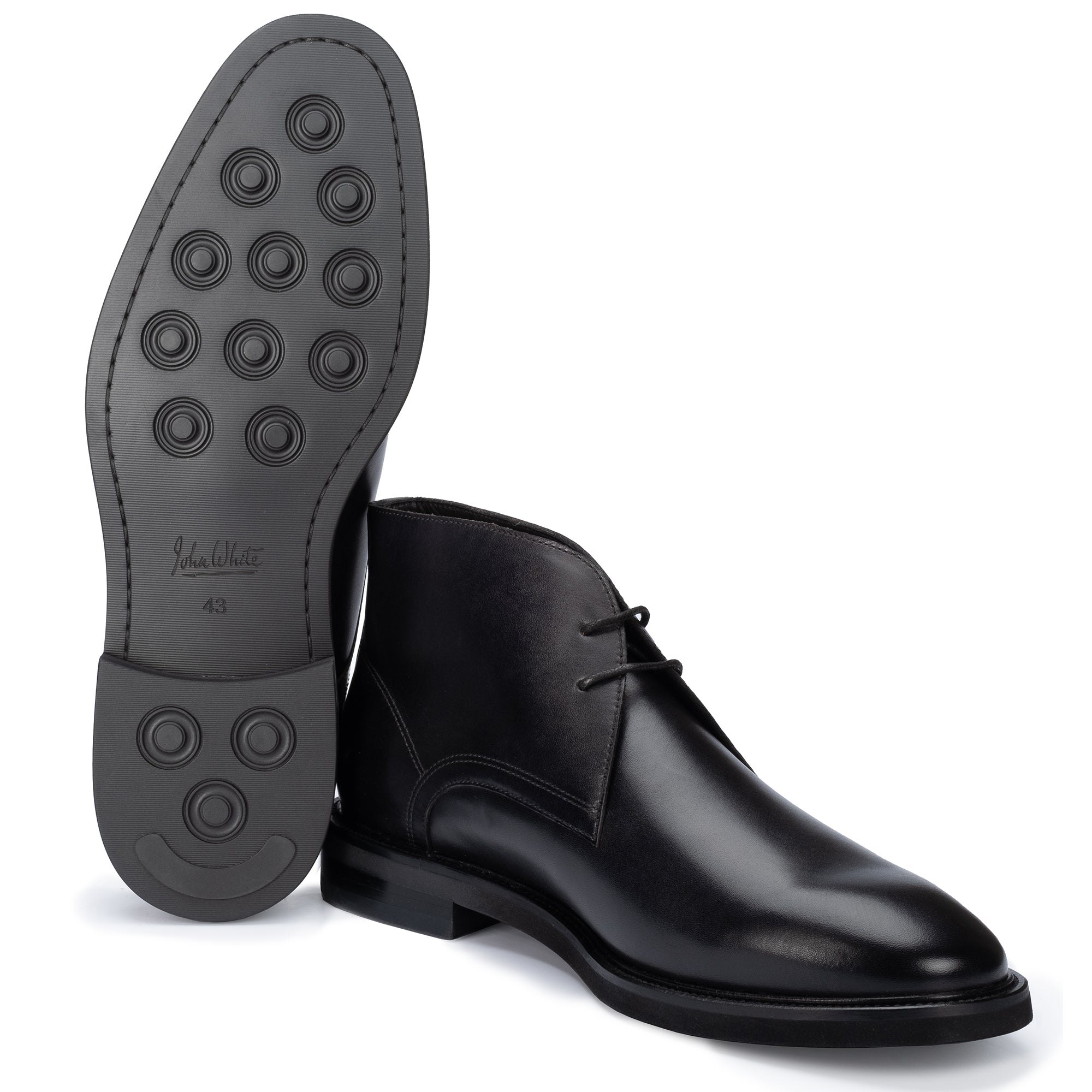
Its formality is fluid, making it one of the most versatile boots a man can own. A sleek Chelsea boot in polished black leather, like our Brecon Chelsea Boot, pairs exceptionally well with sharp suiting in charcoal or navy. It maintains a clean line under the trouser hem, mimicking the sleekness of a formal shoe.
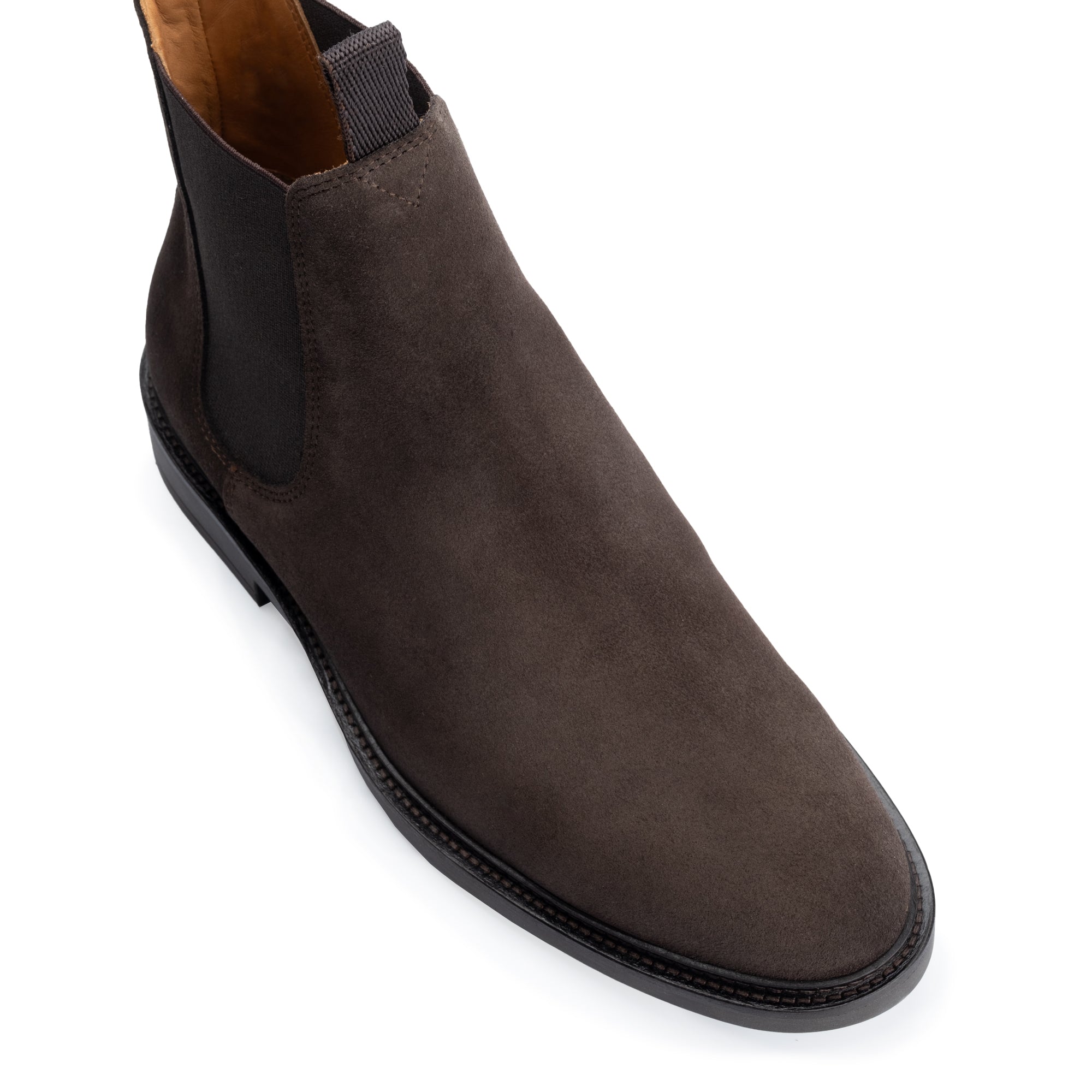
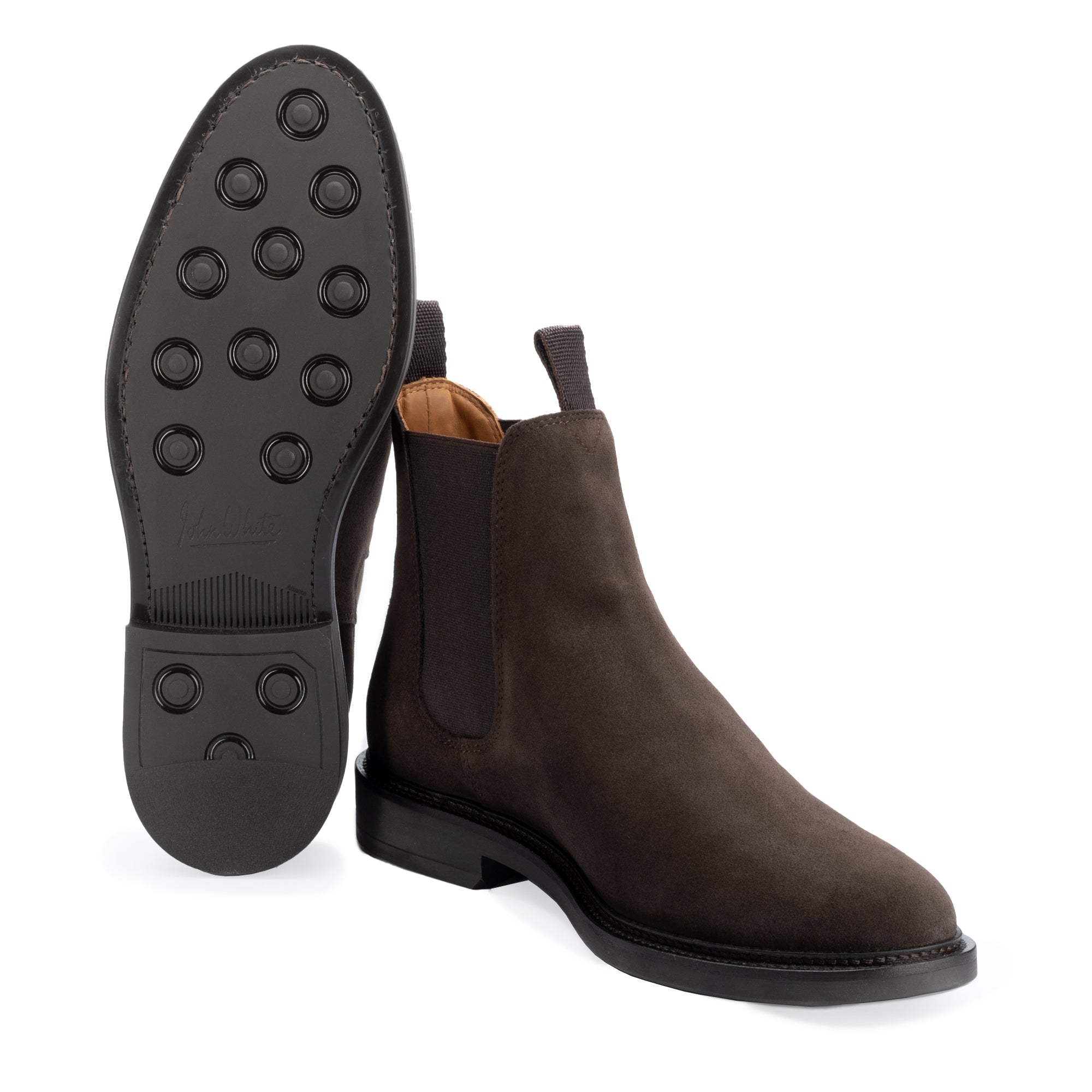
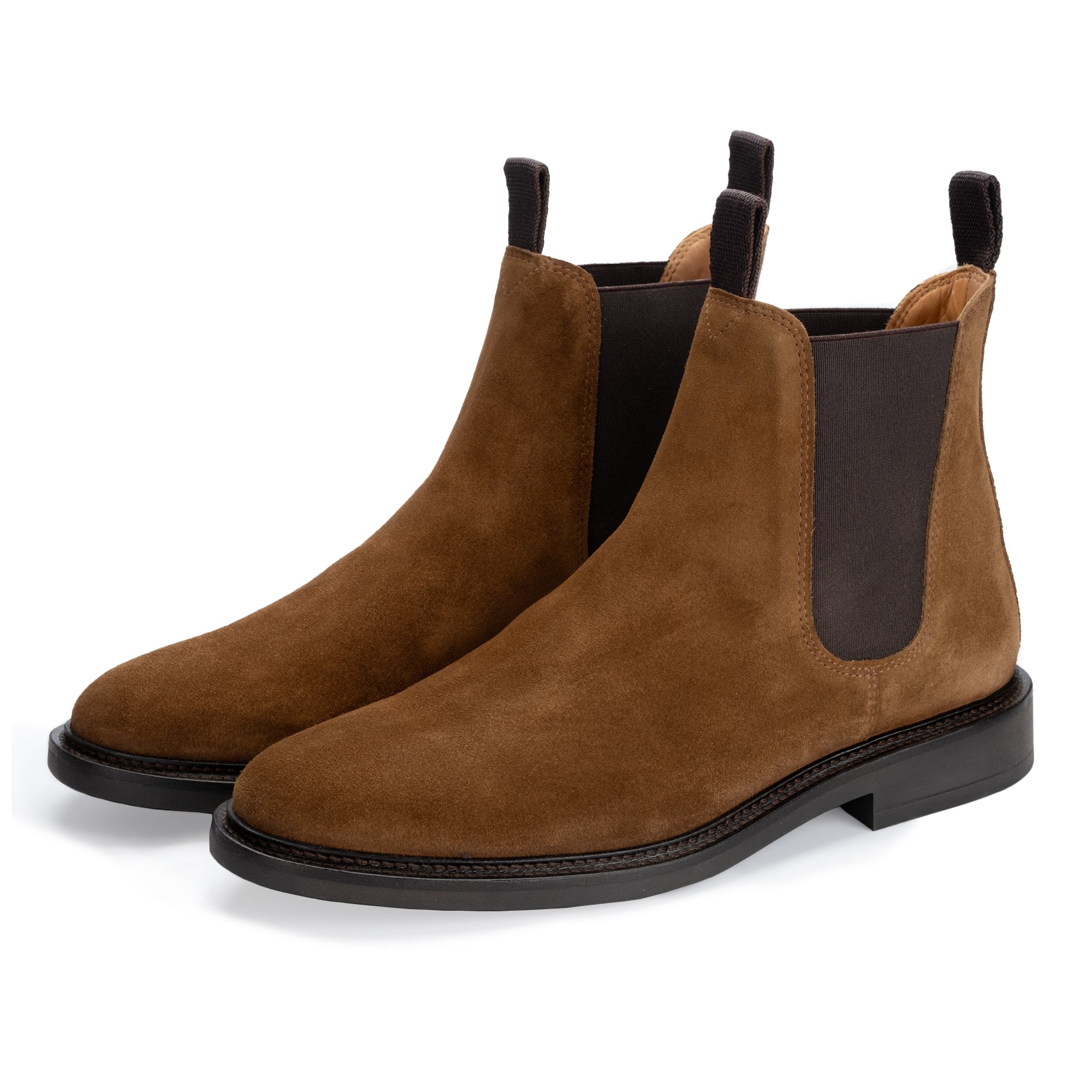
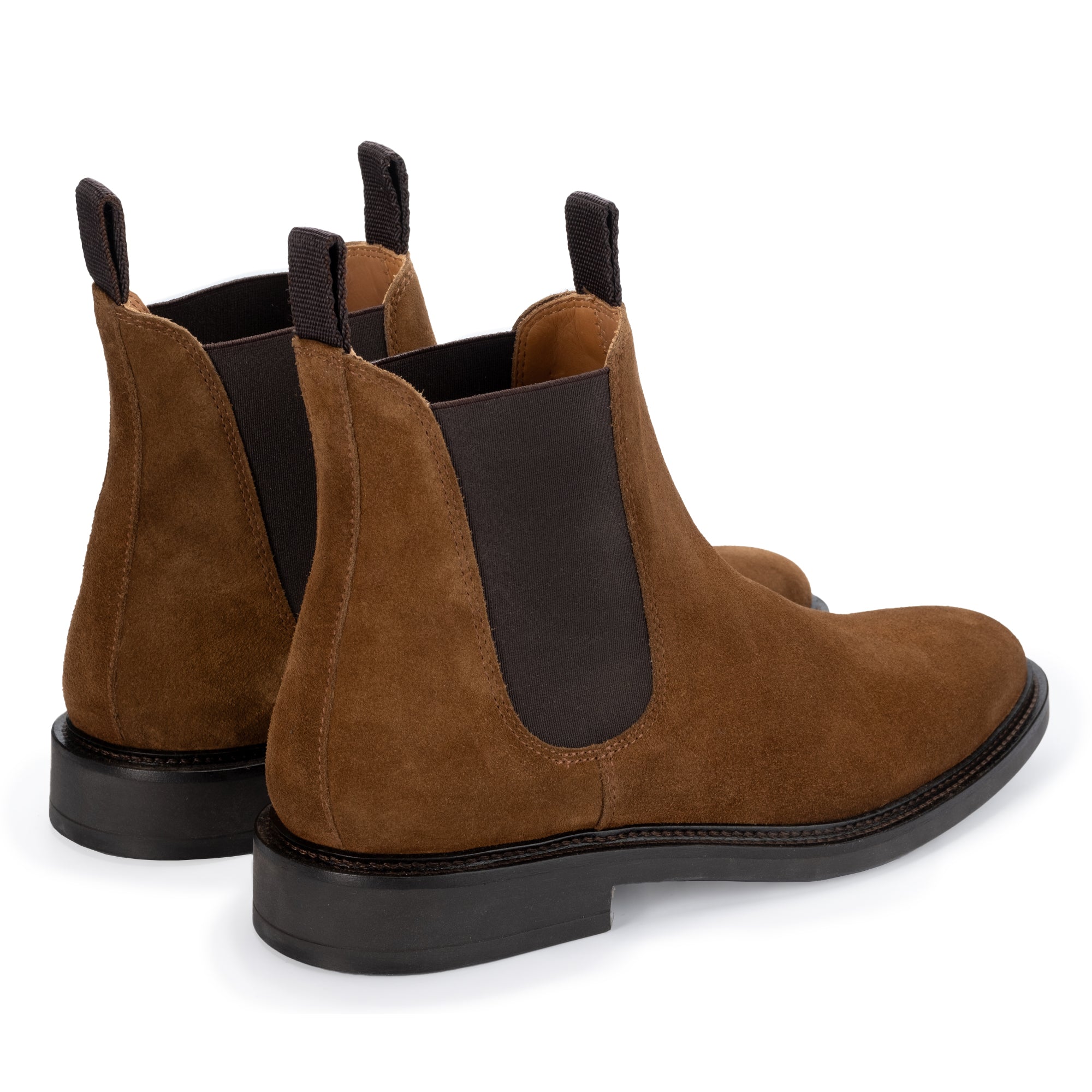
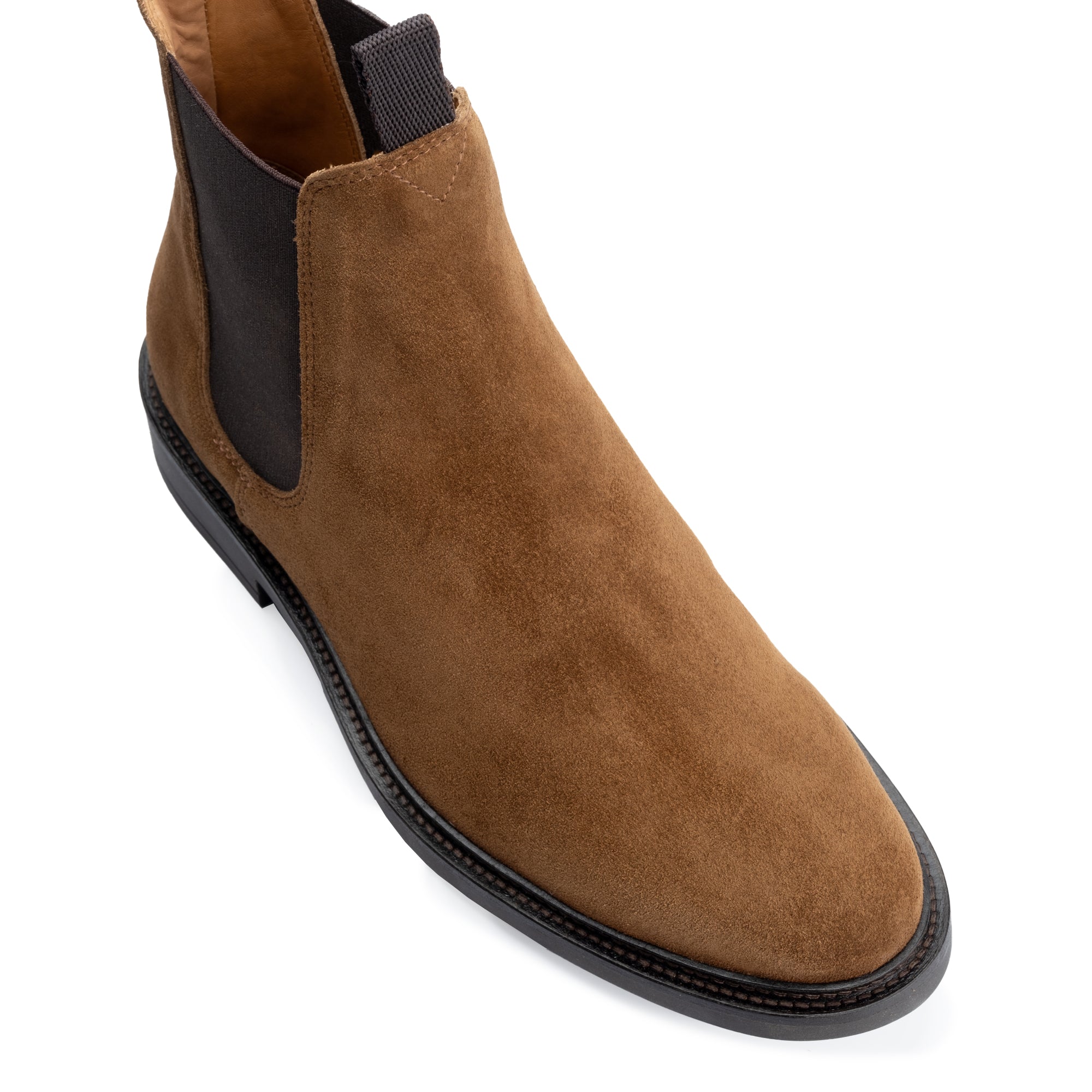
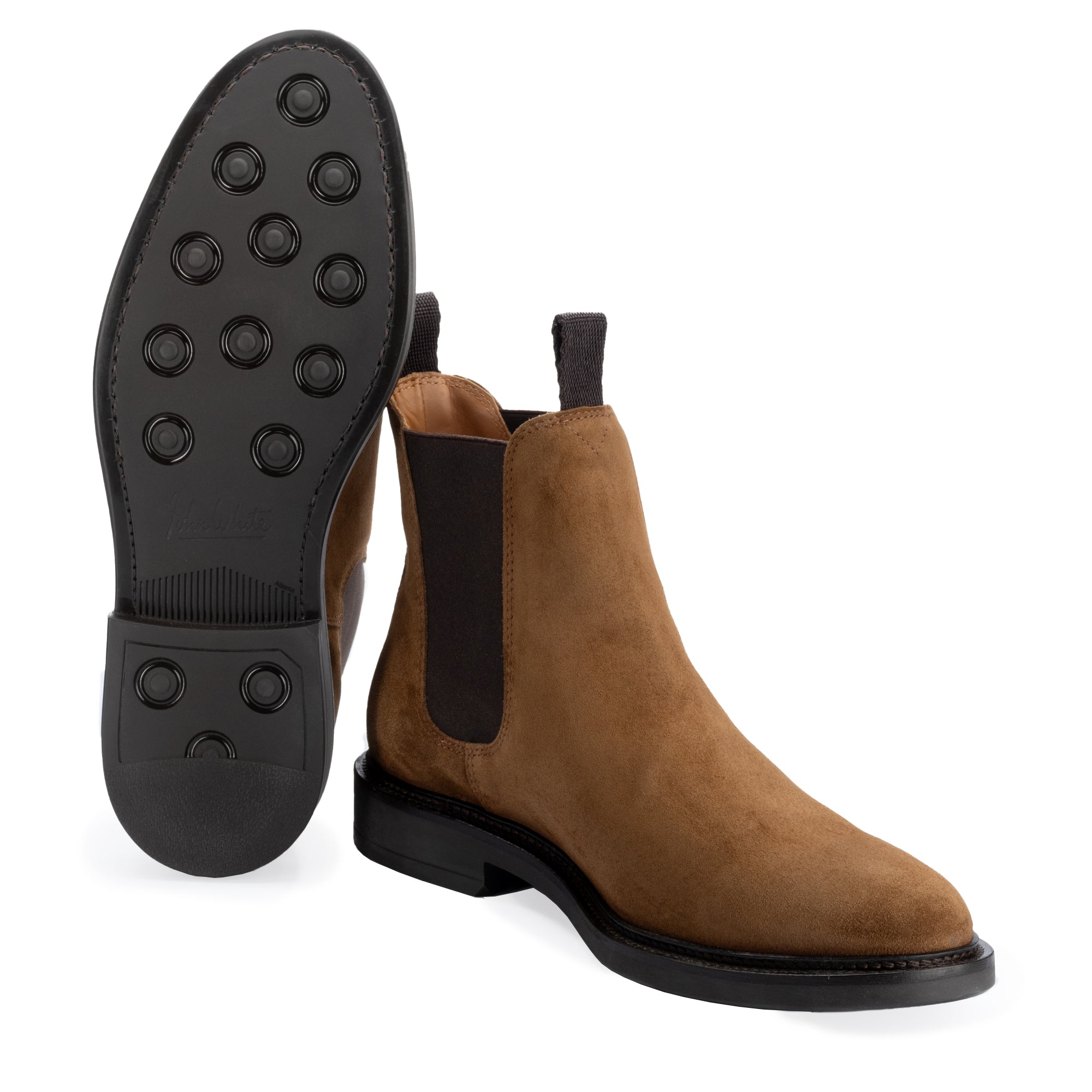
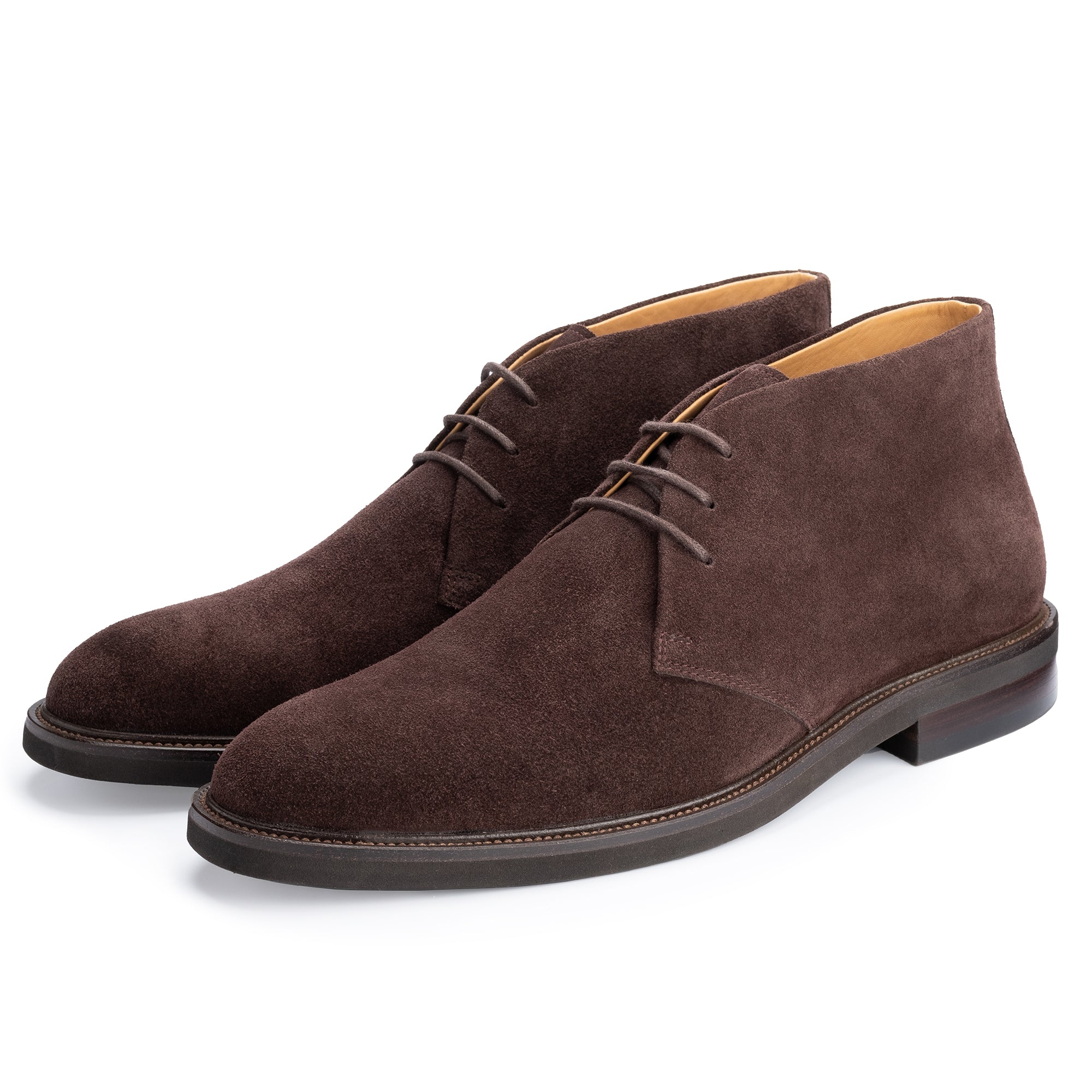
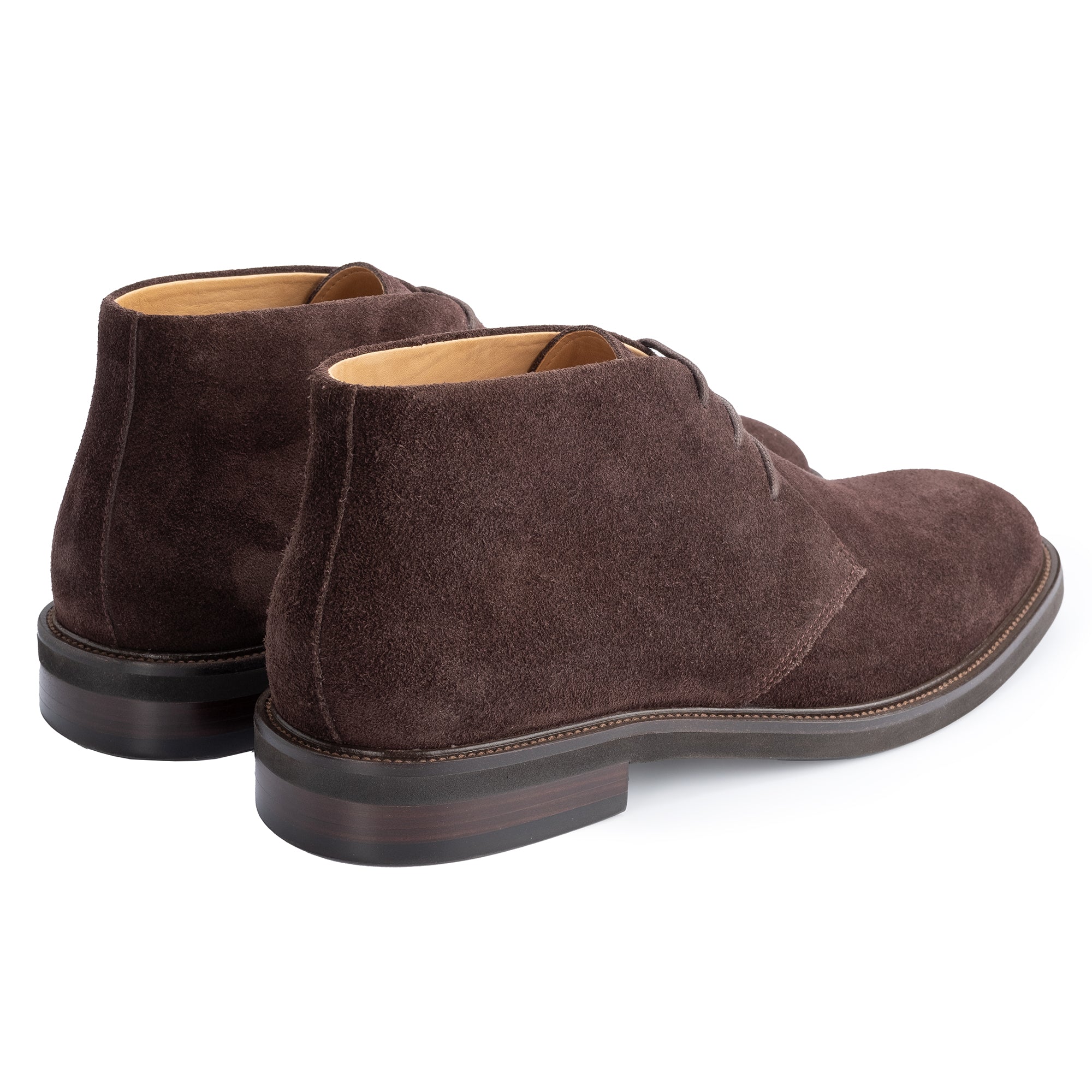
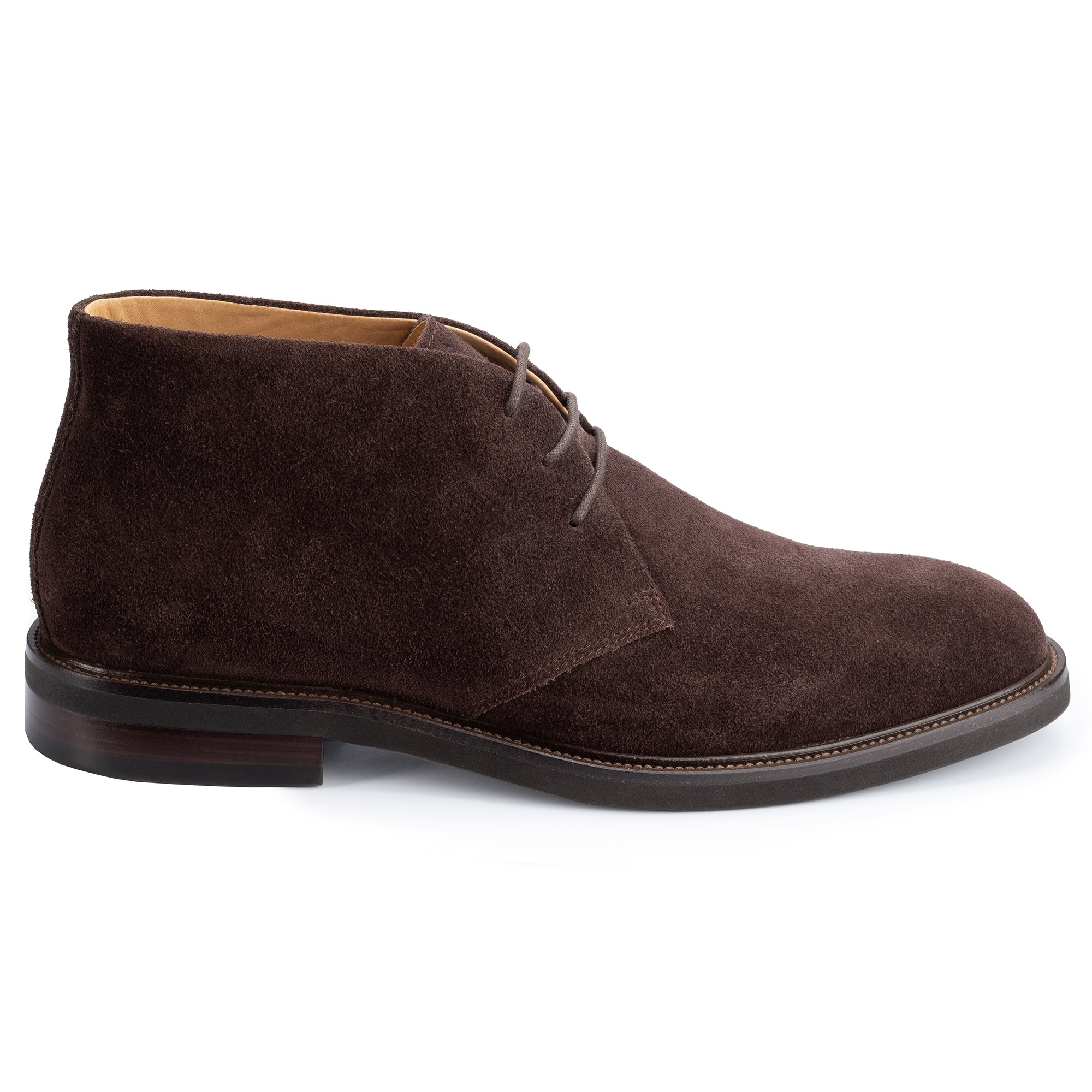
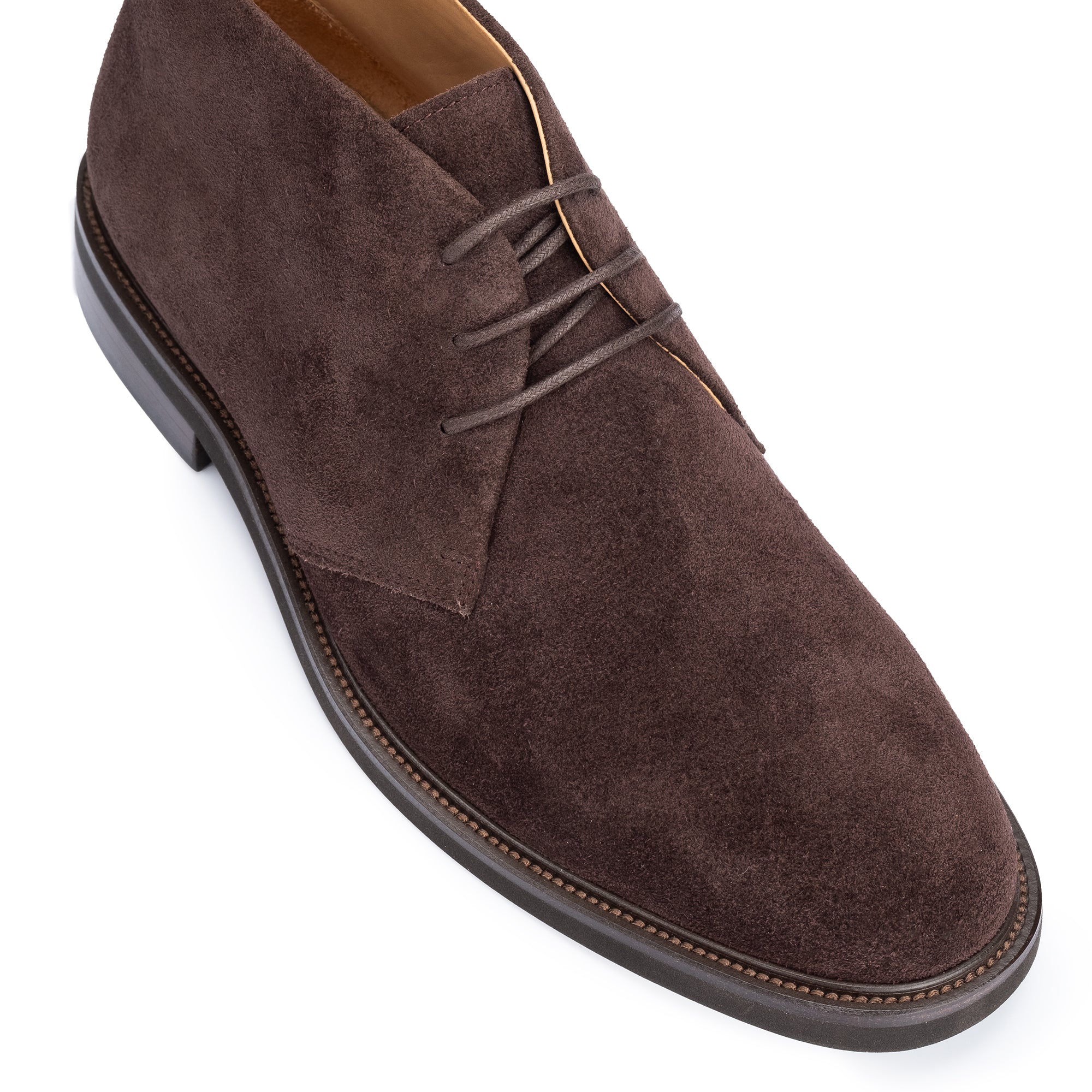
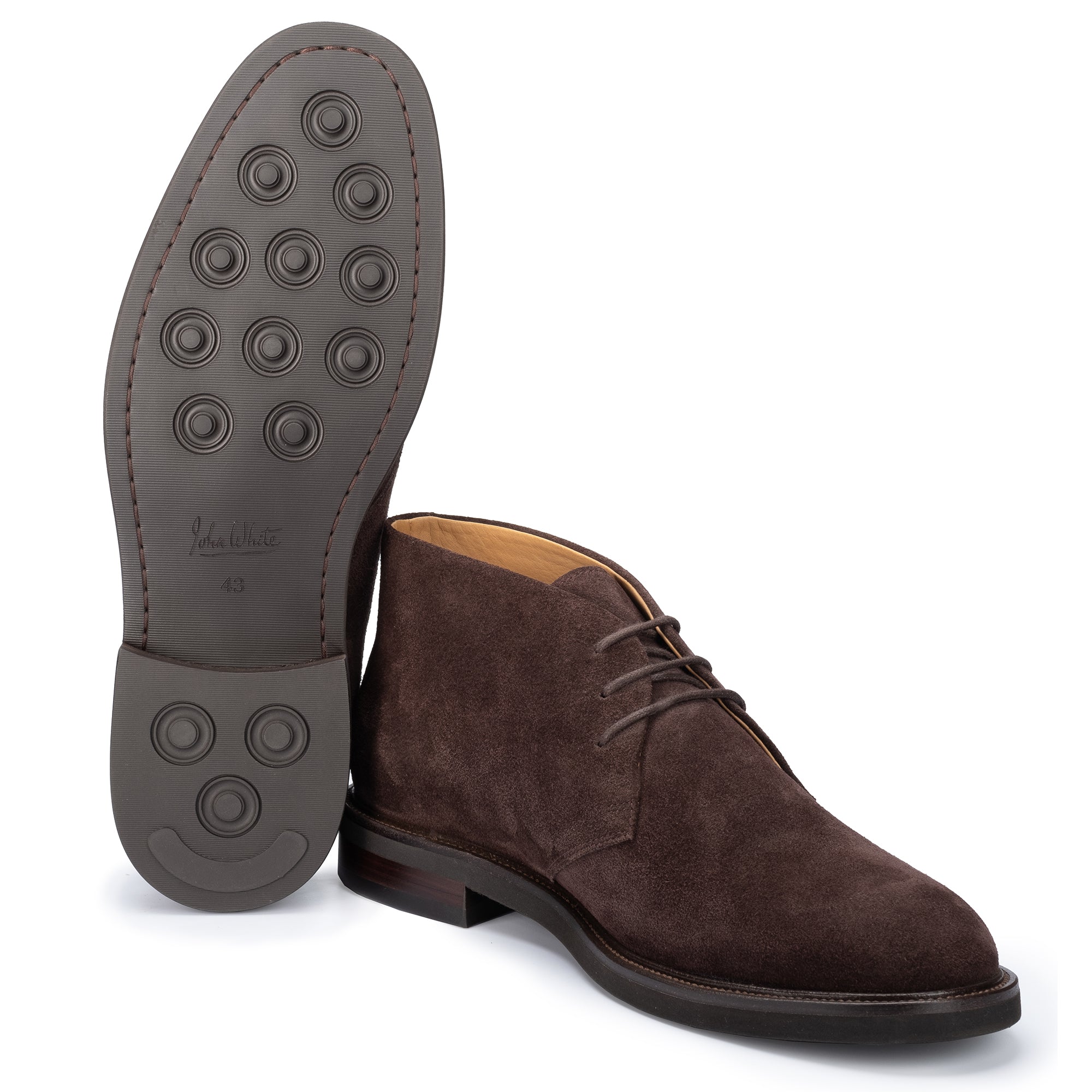
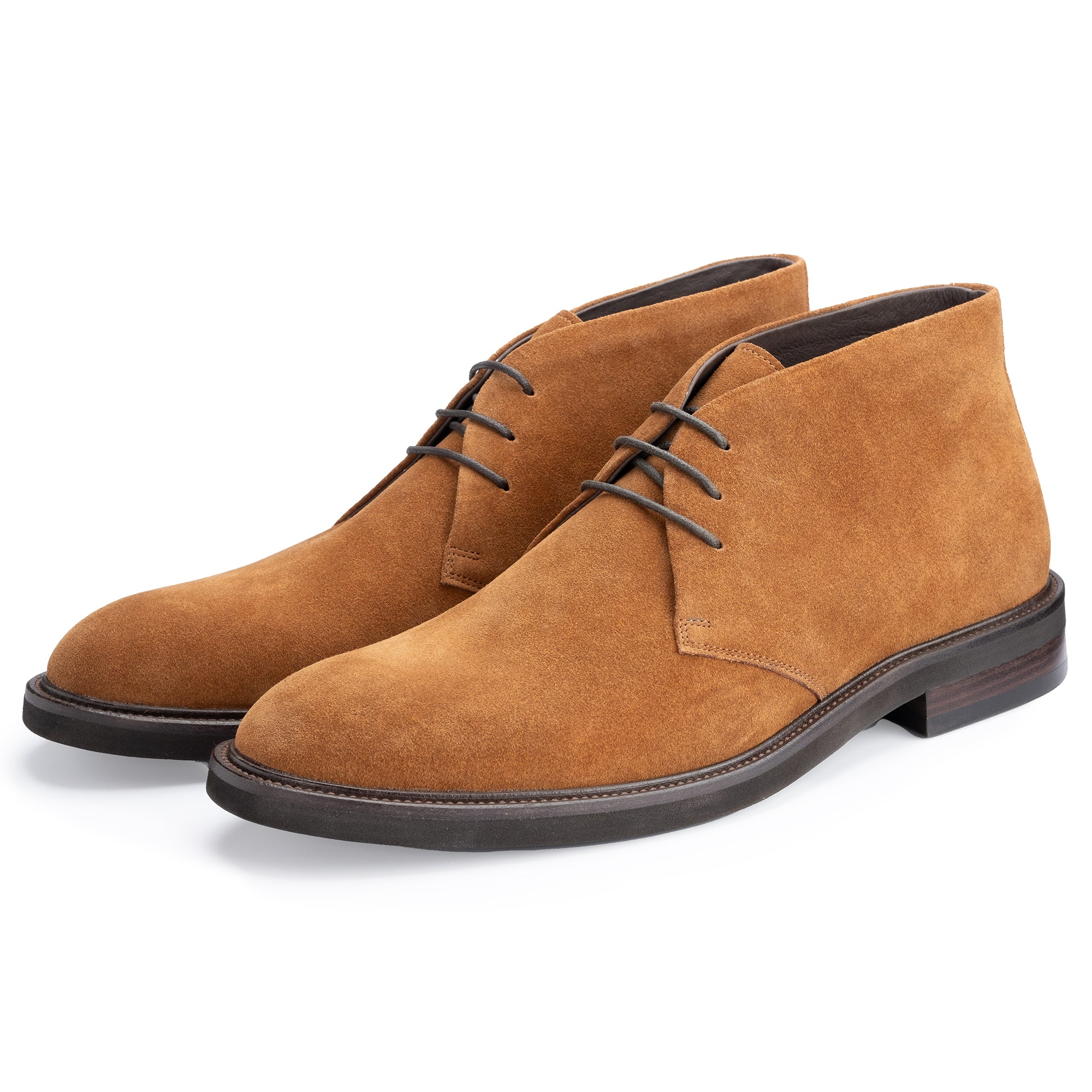
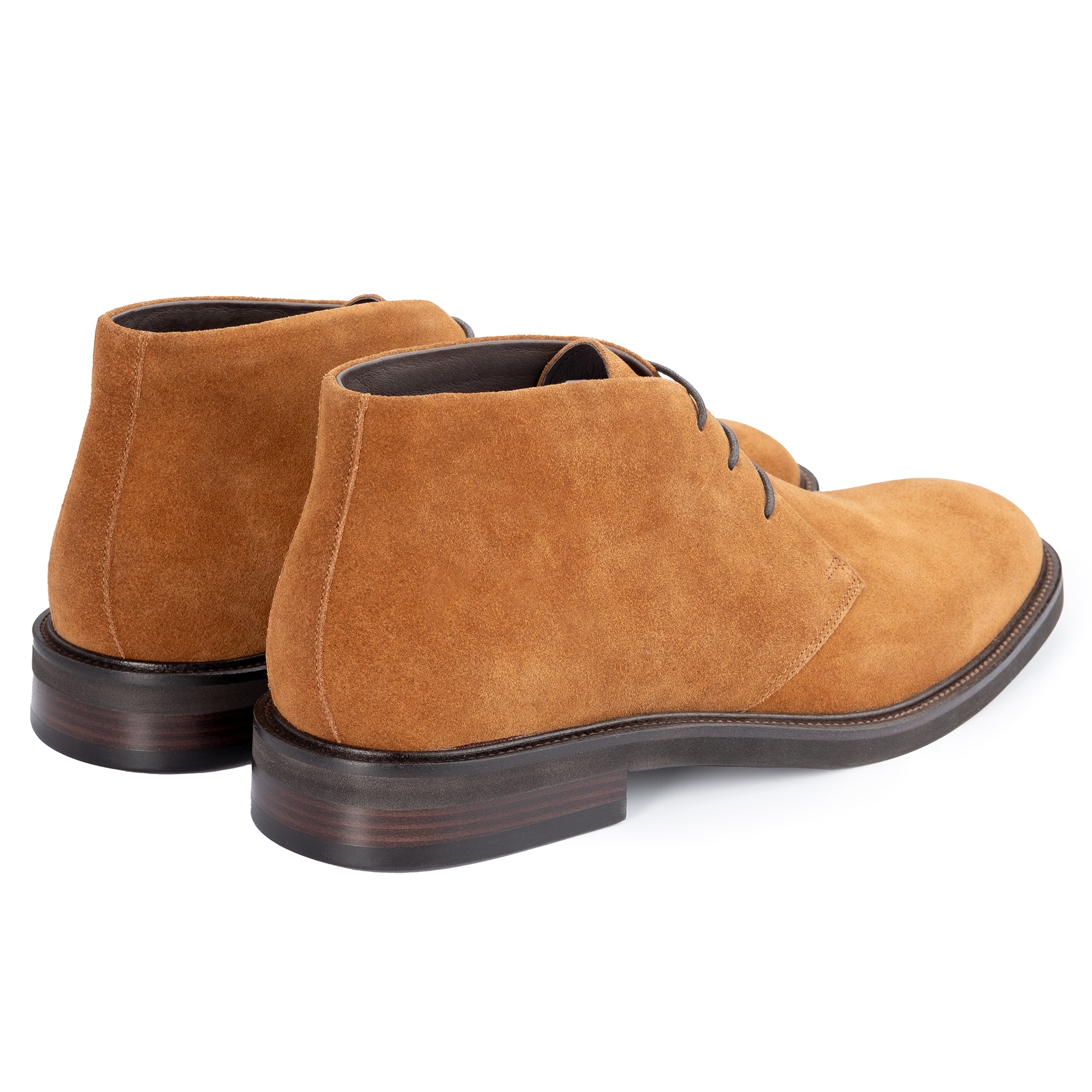
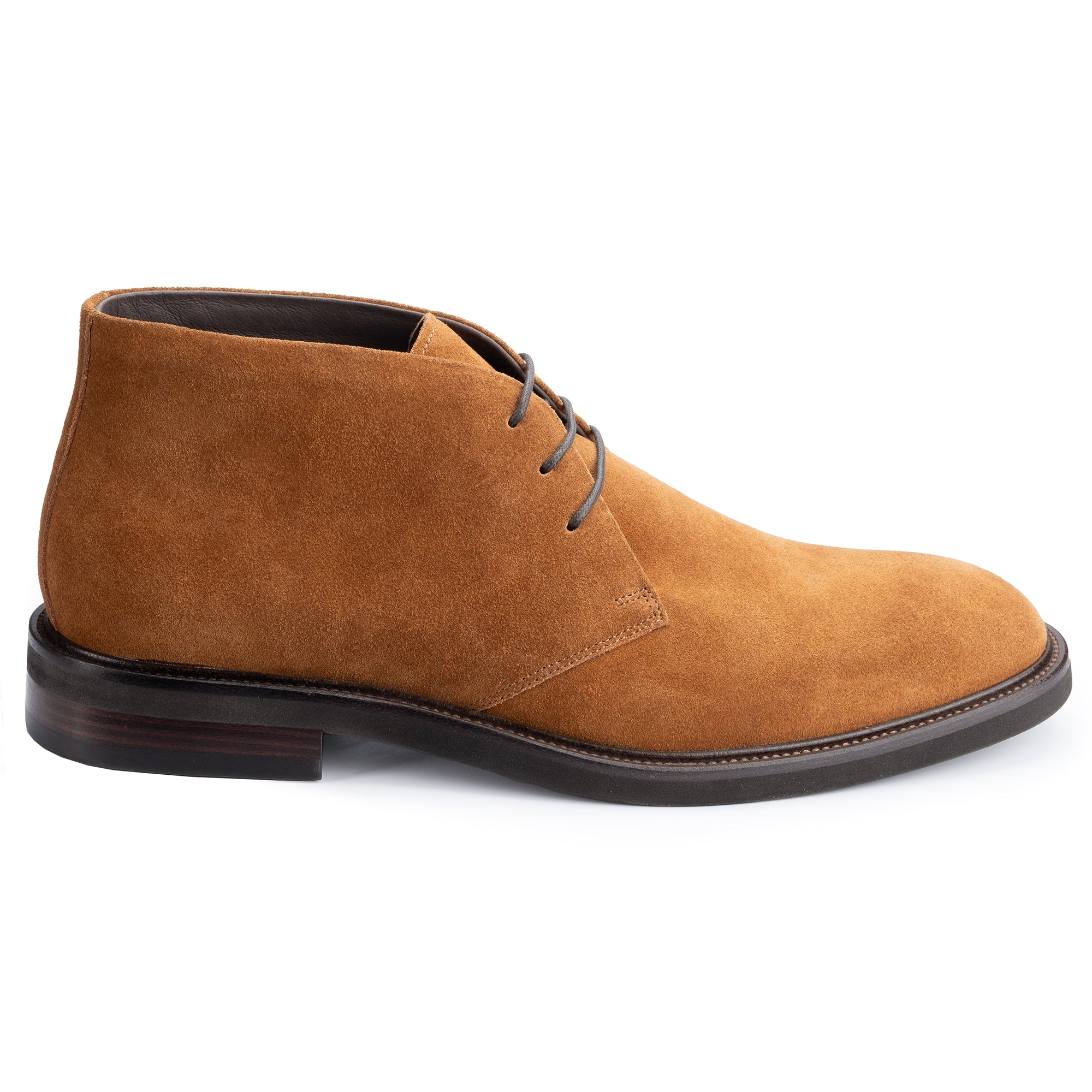
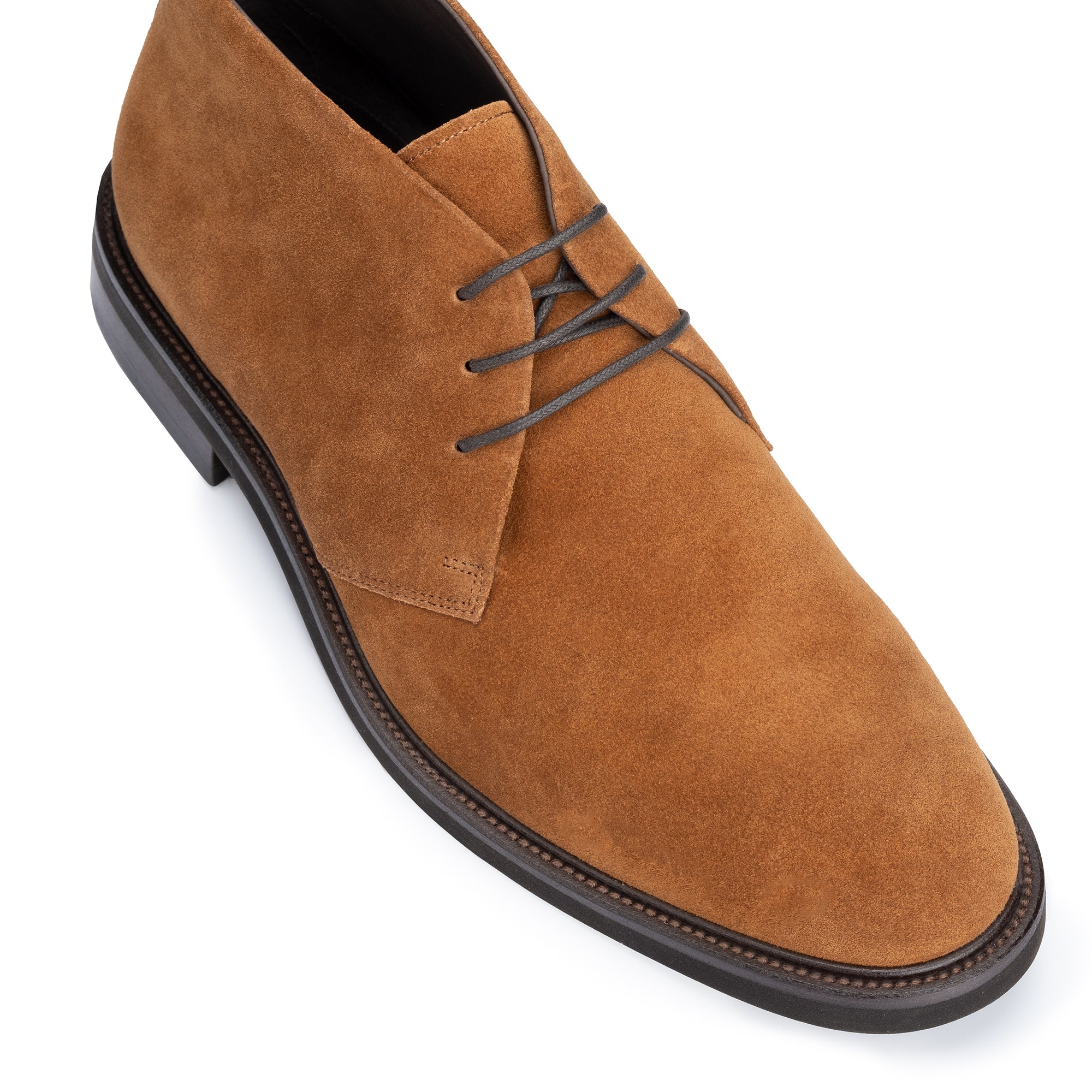
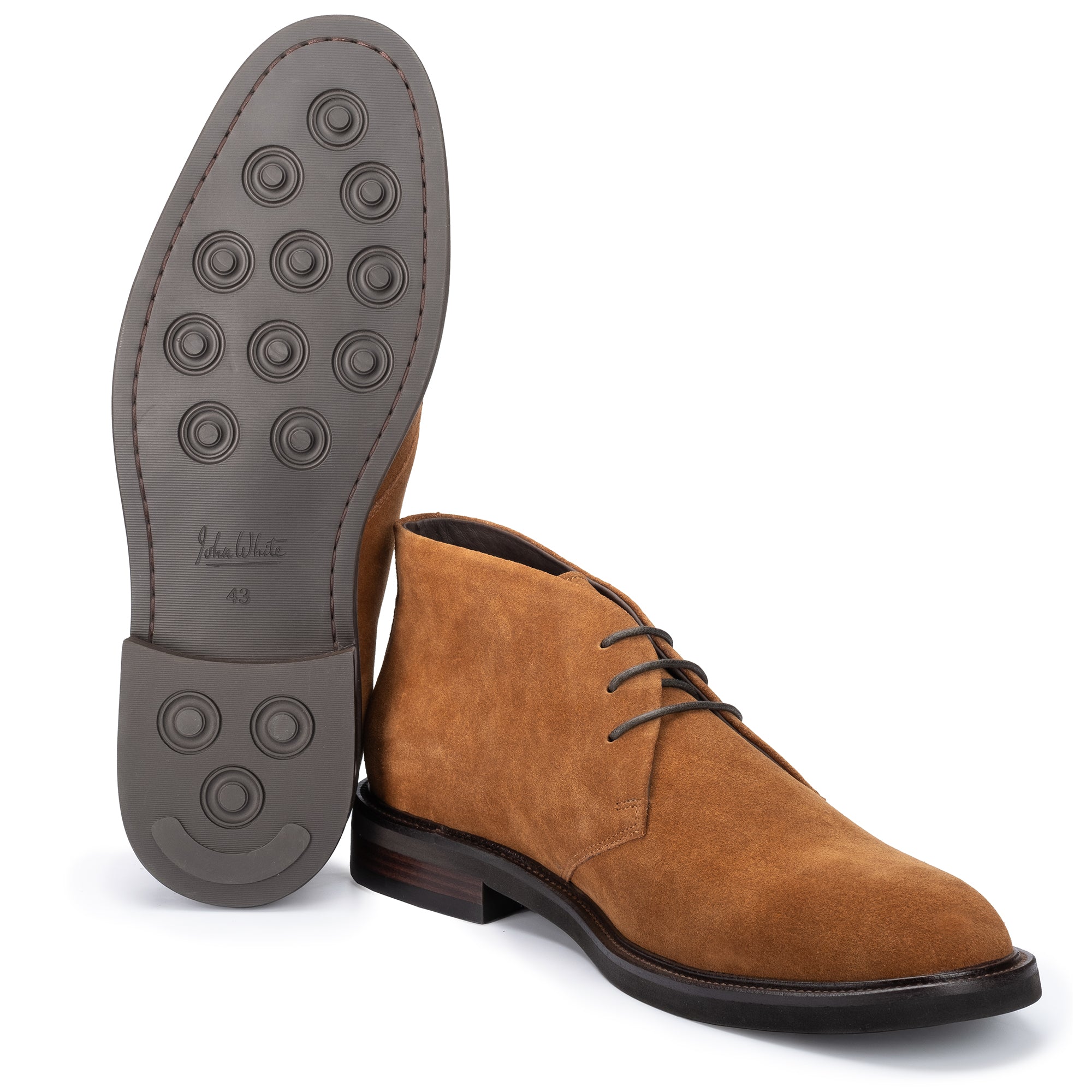
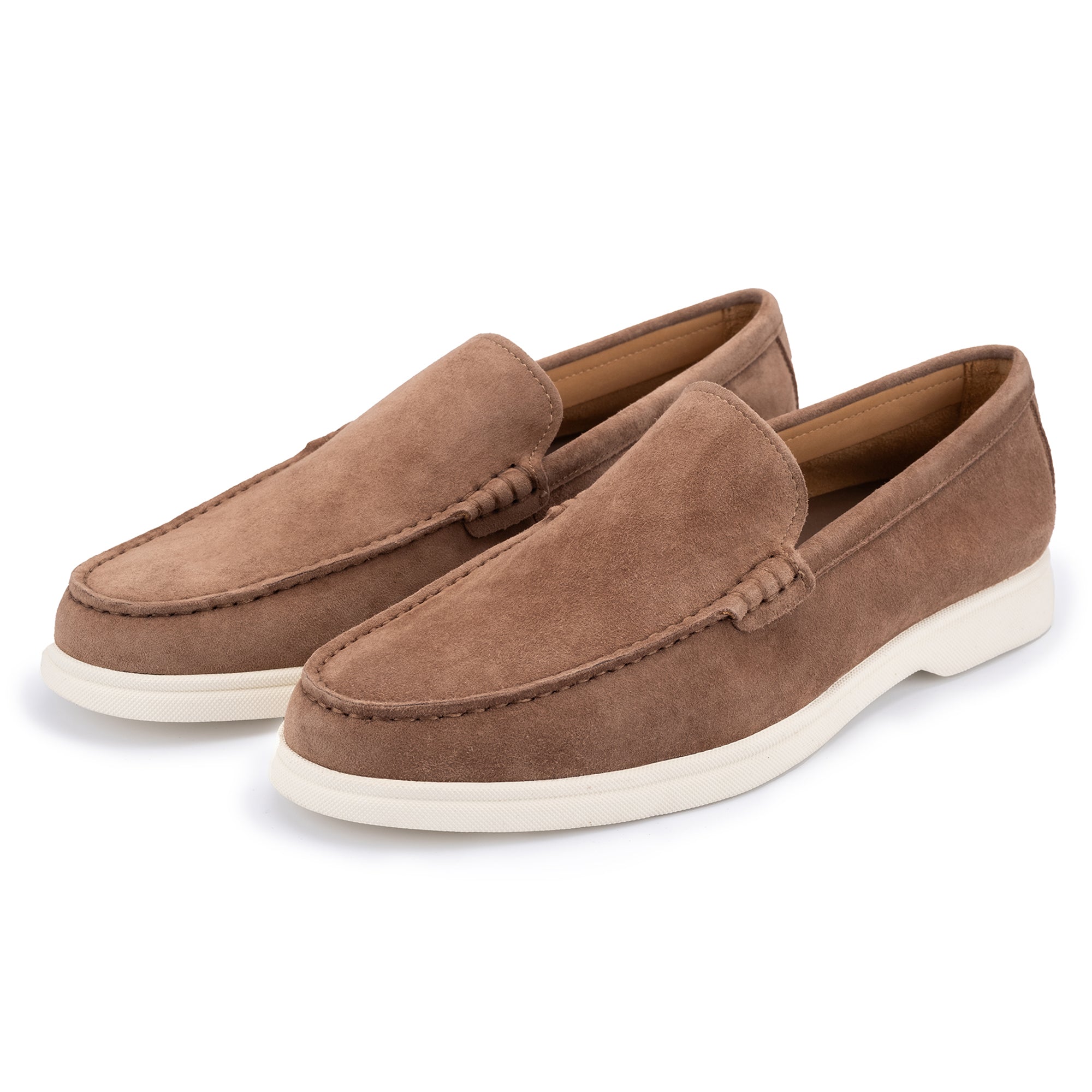
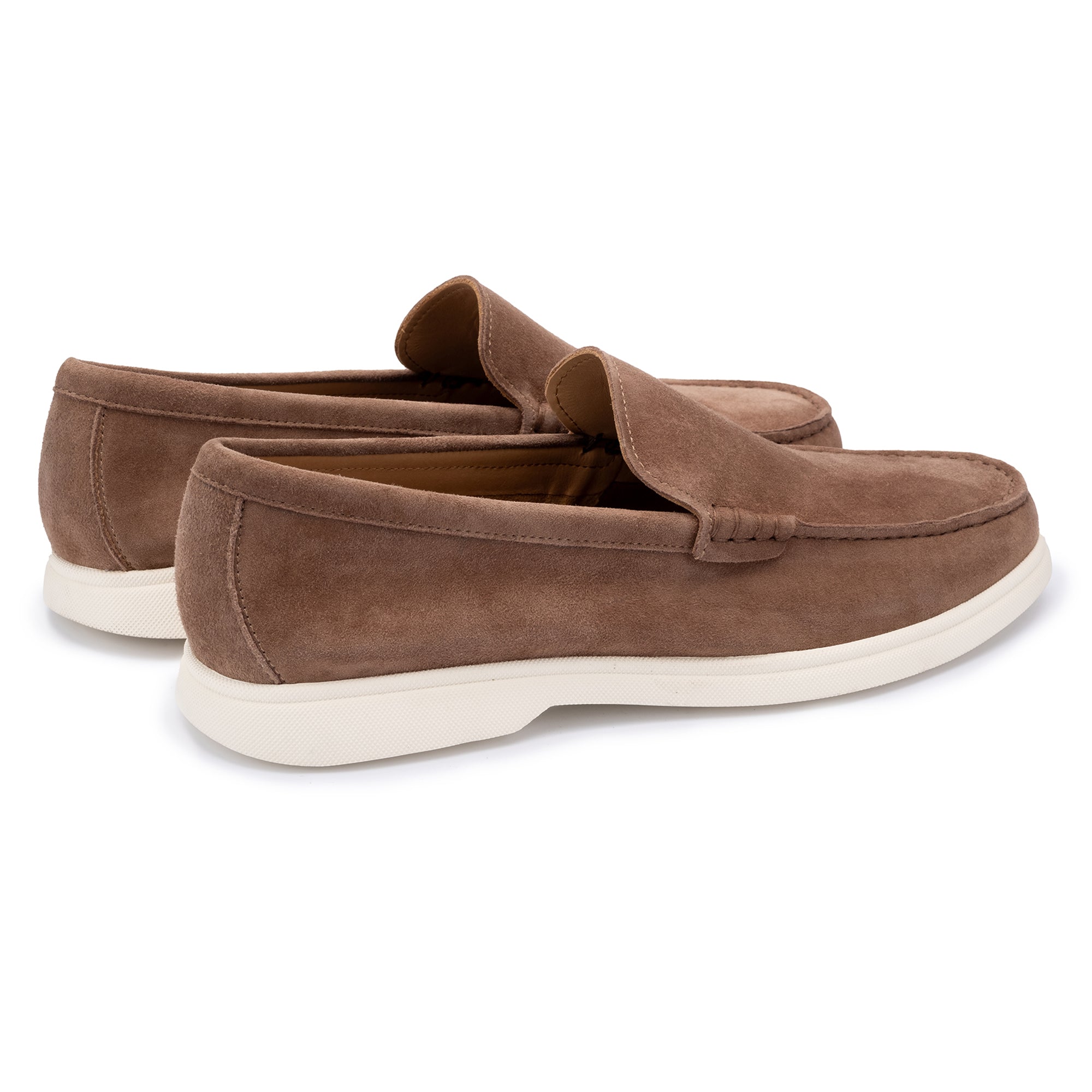
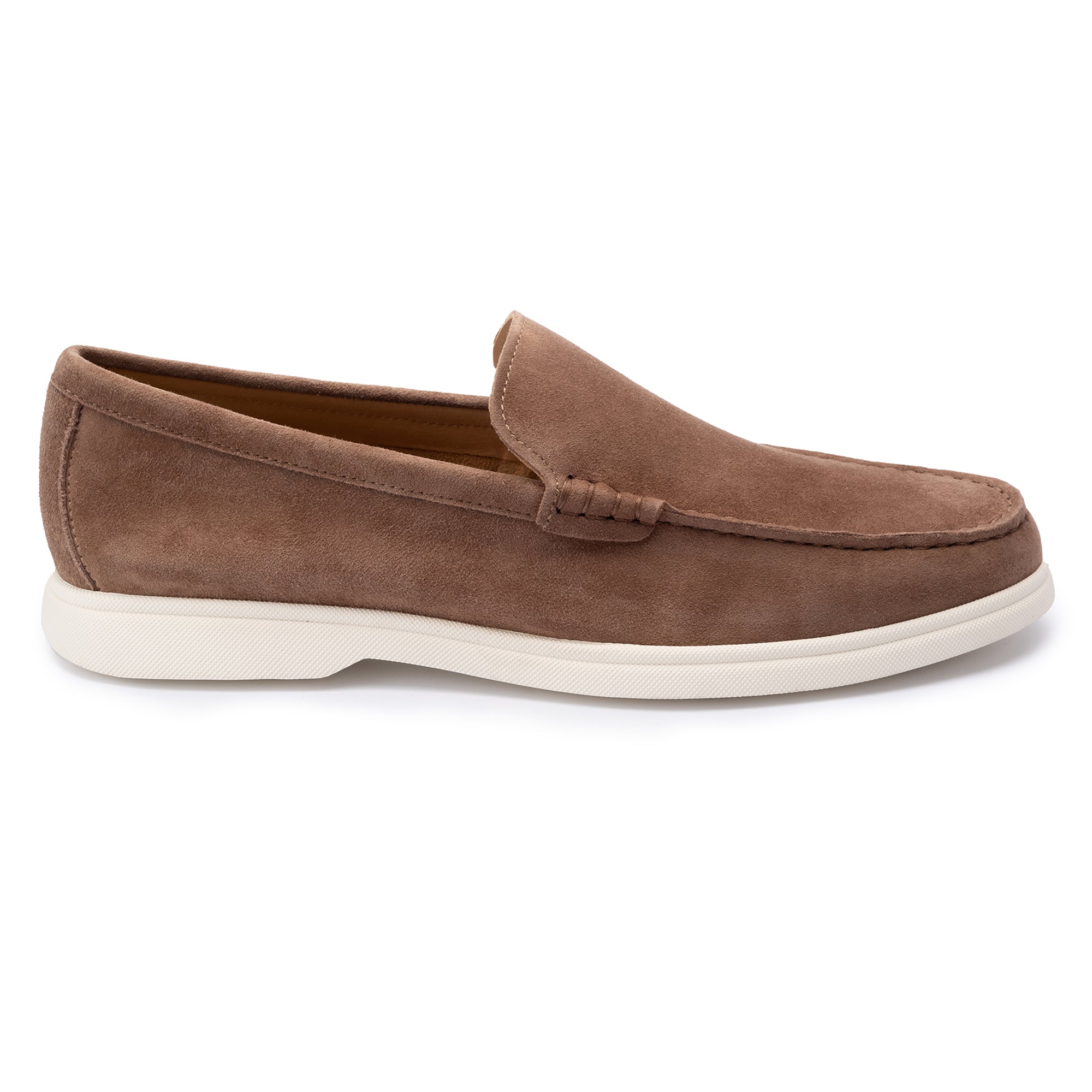
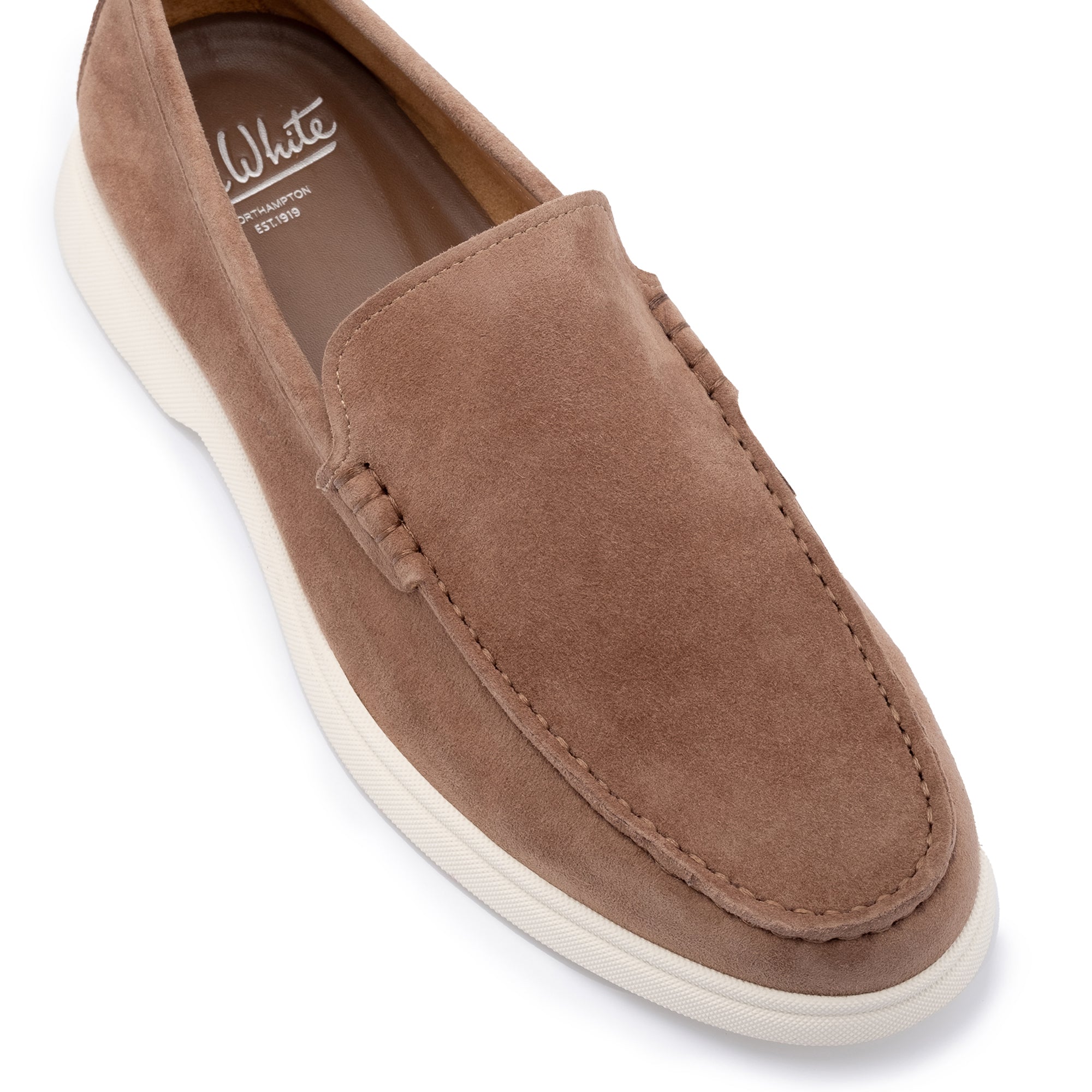
Conversely, a version in suede changes its character entirely. The Hill Chelsea Suede Boot in Brown or Cognac suede leans into a more relaxed, smart-casual aesthetic. It's the ideal partner for chinos, quality denim, or a tweed sports jacket. As we cover in our guide to choosing between leather and suede uppers, the material is as important as the style.
The Chelsea boot's strength lies in its adaptability, effortlessly bridging the gap between formal and casual attire.
Where Does the Brogue Boot Fit In?
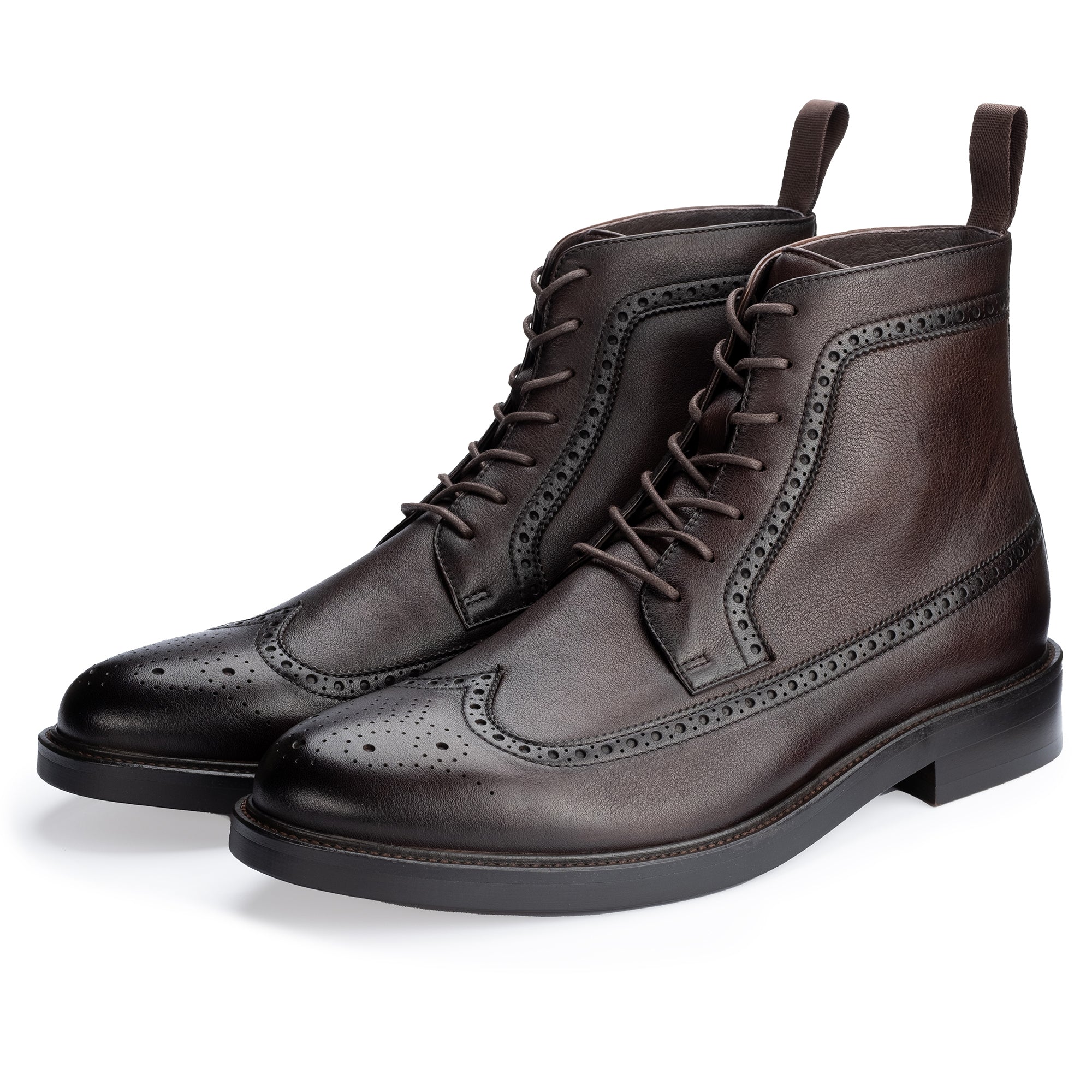
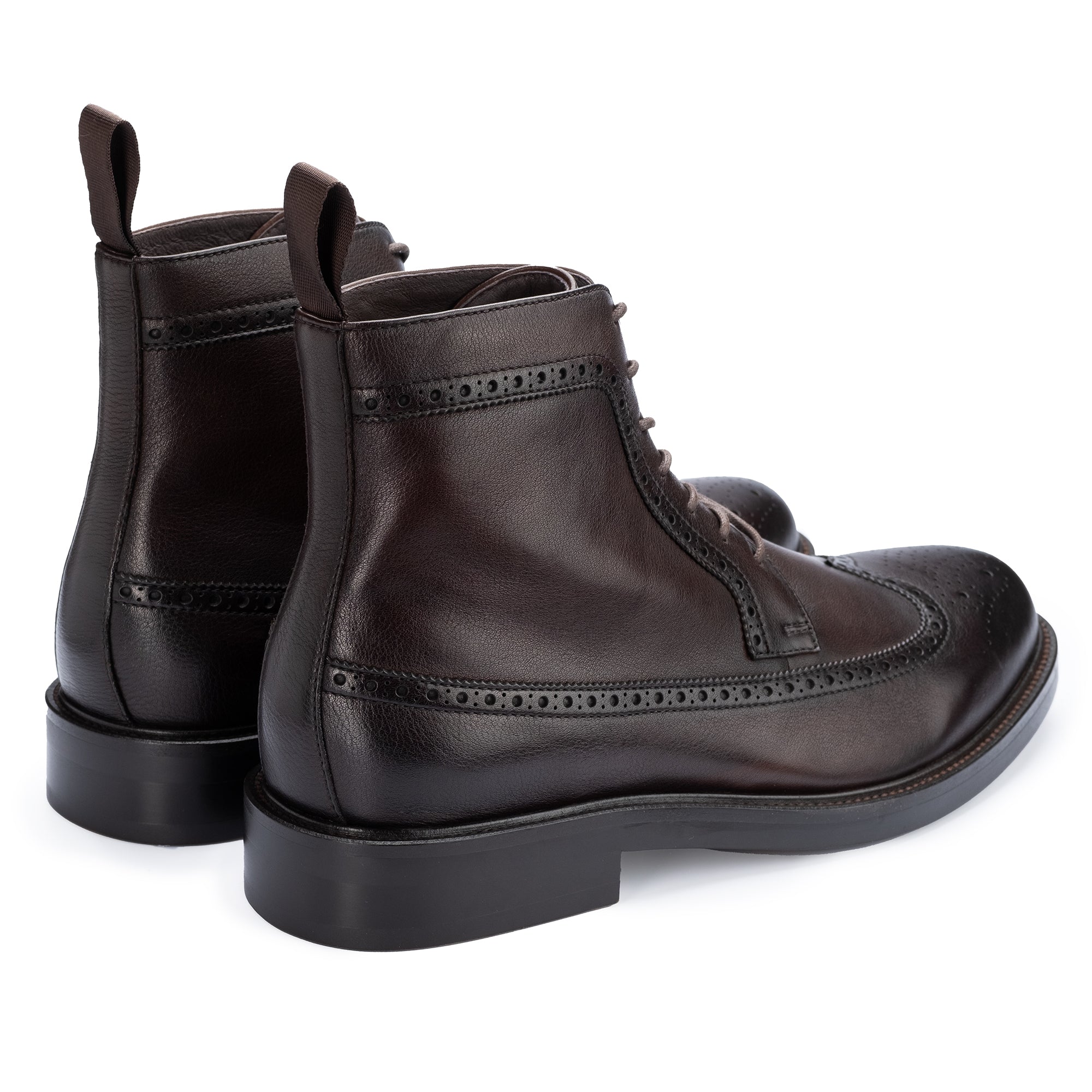
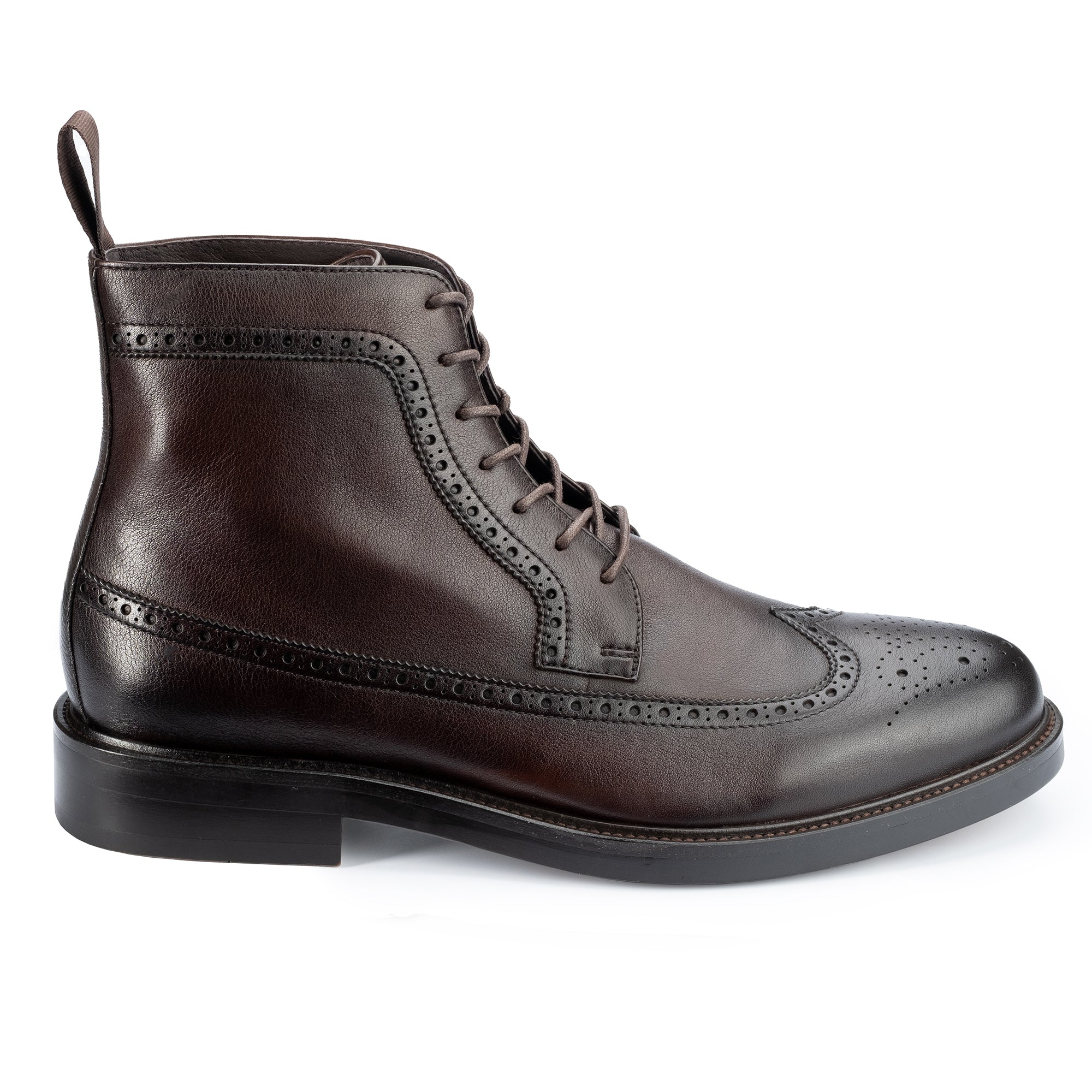
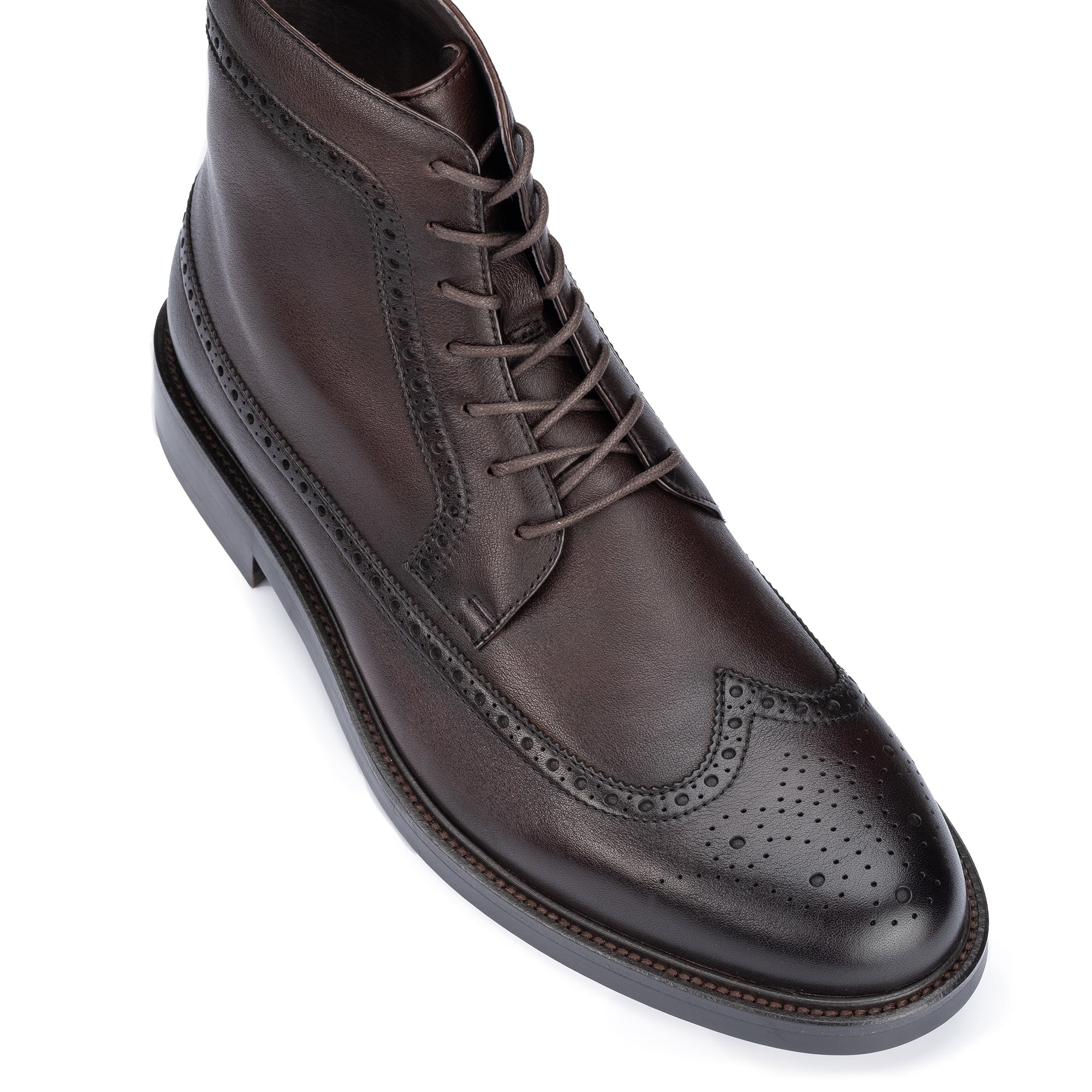
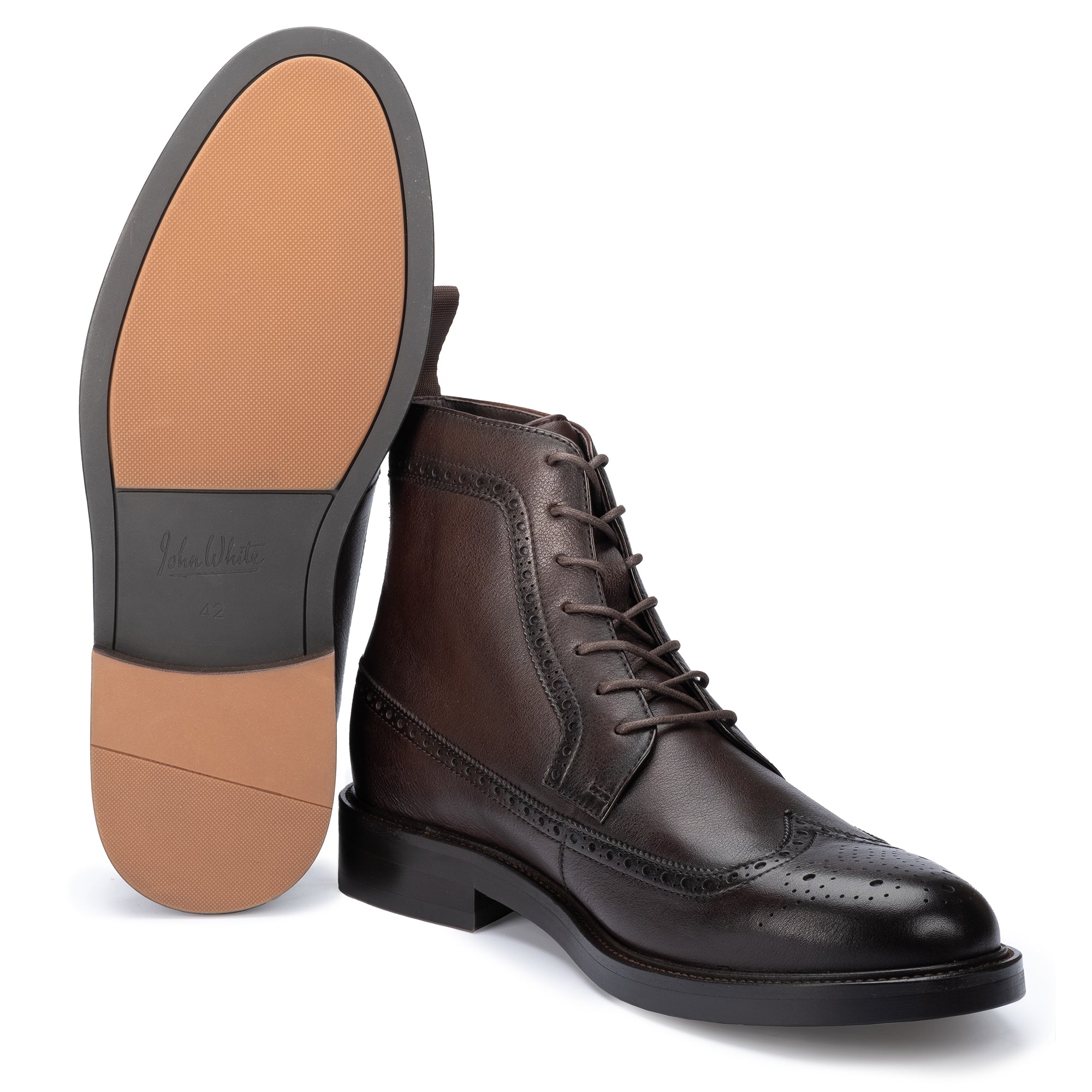
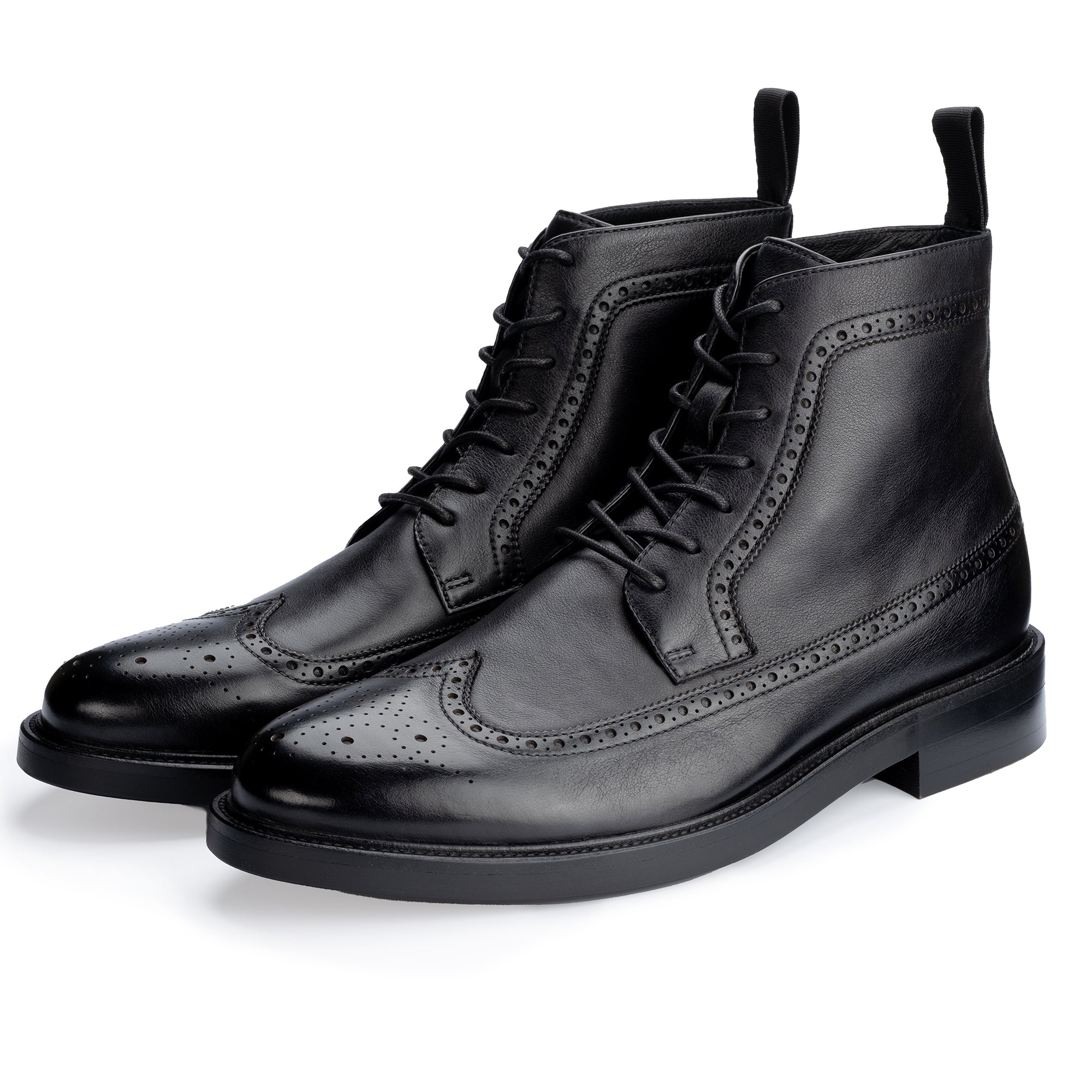
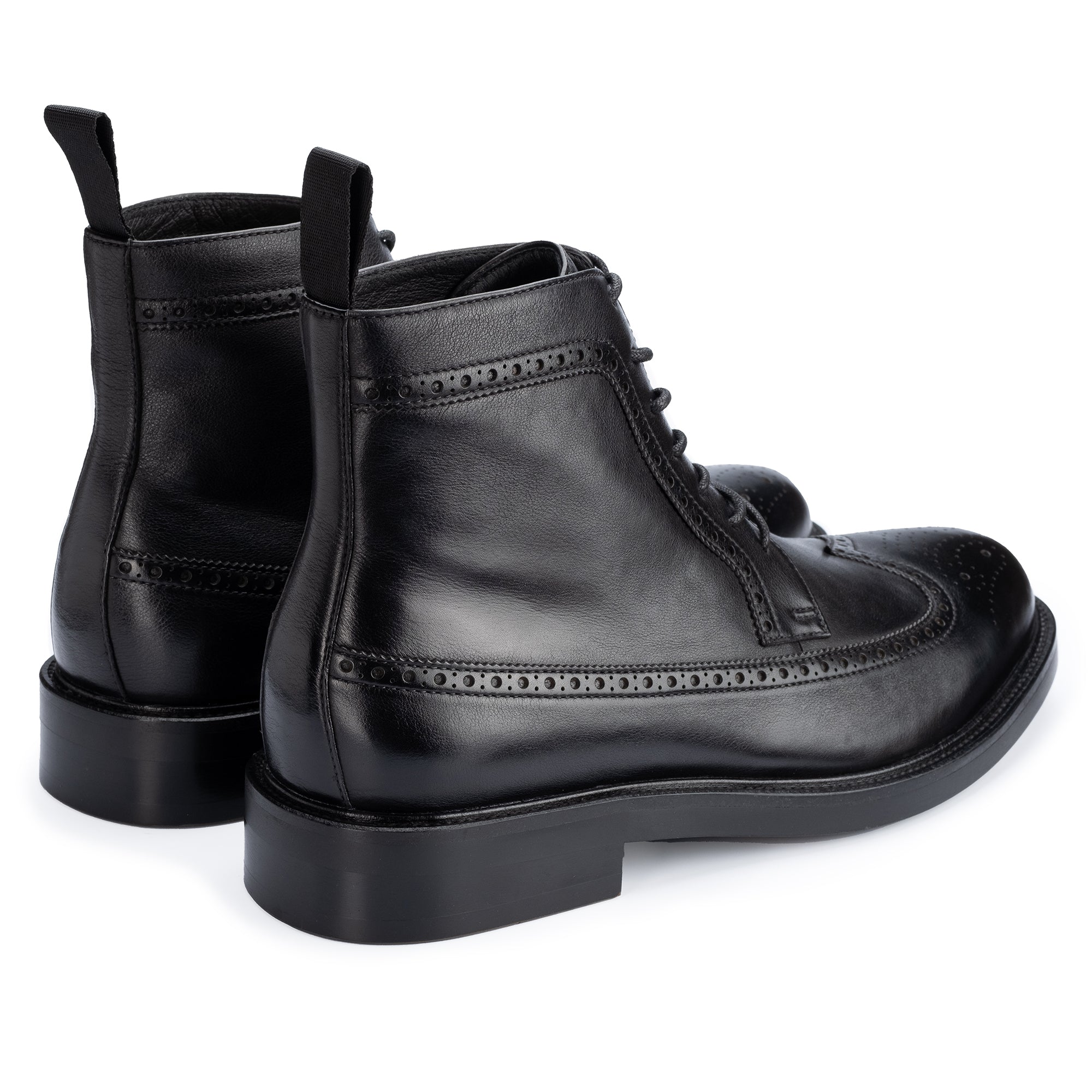
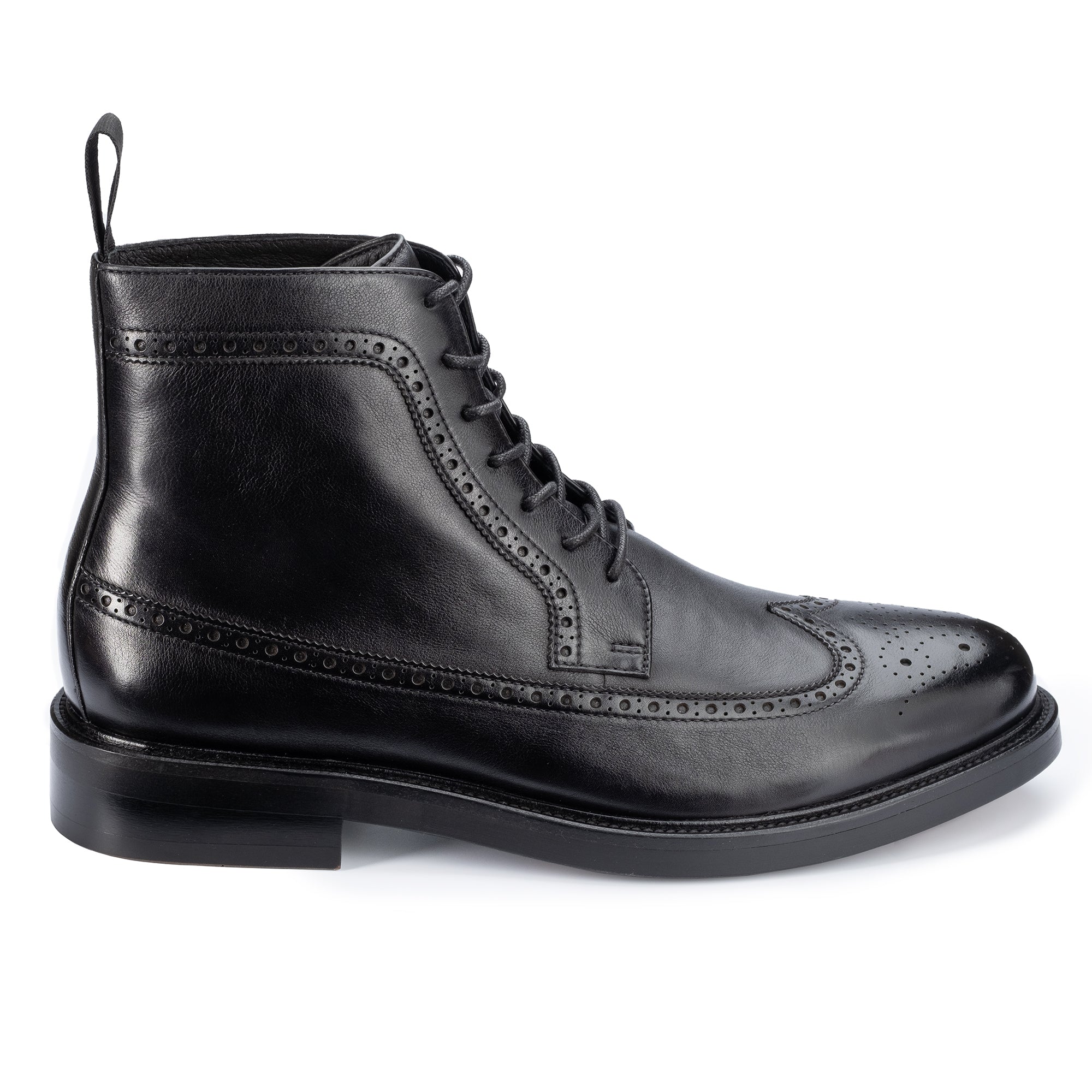
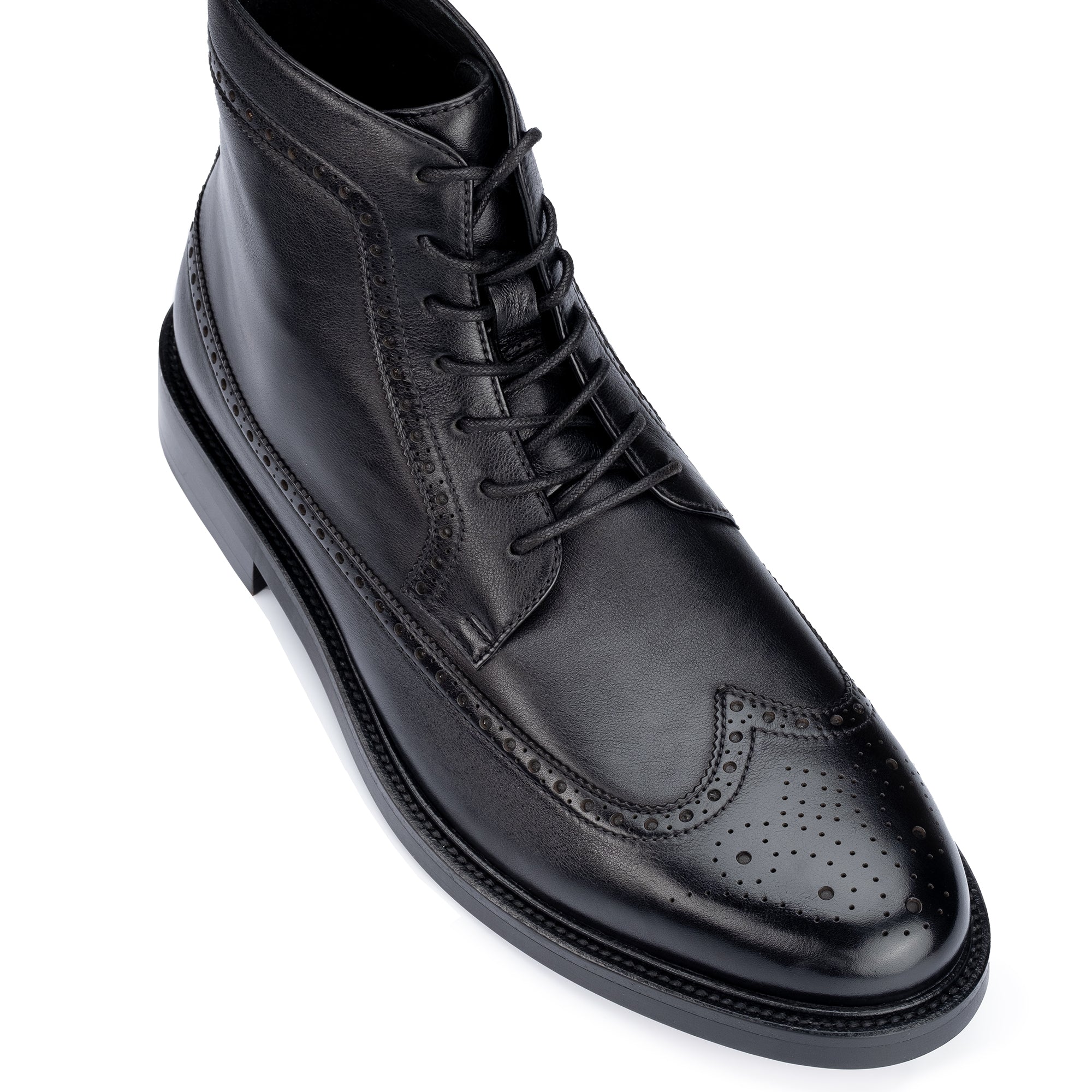
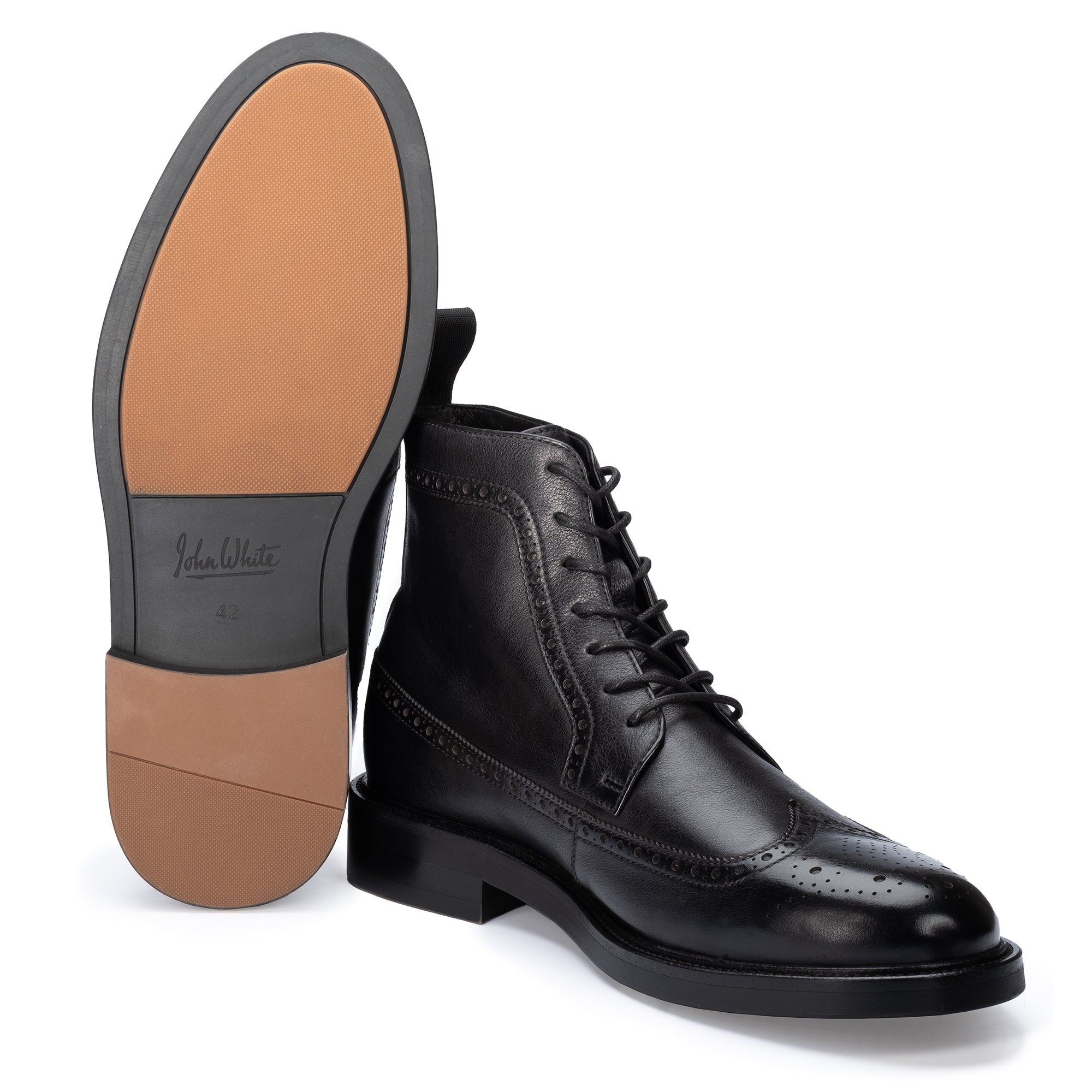
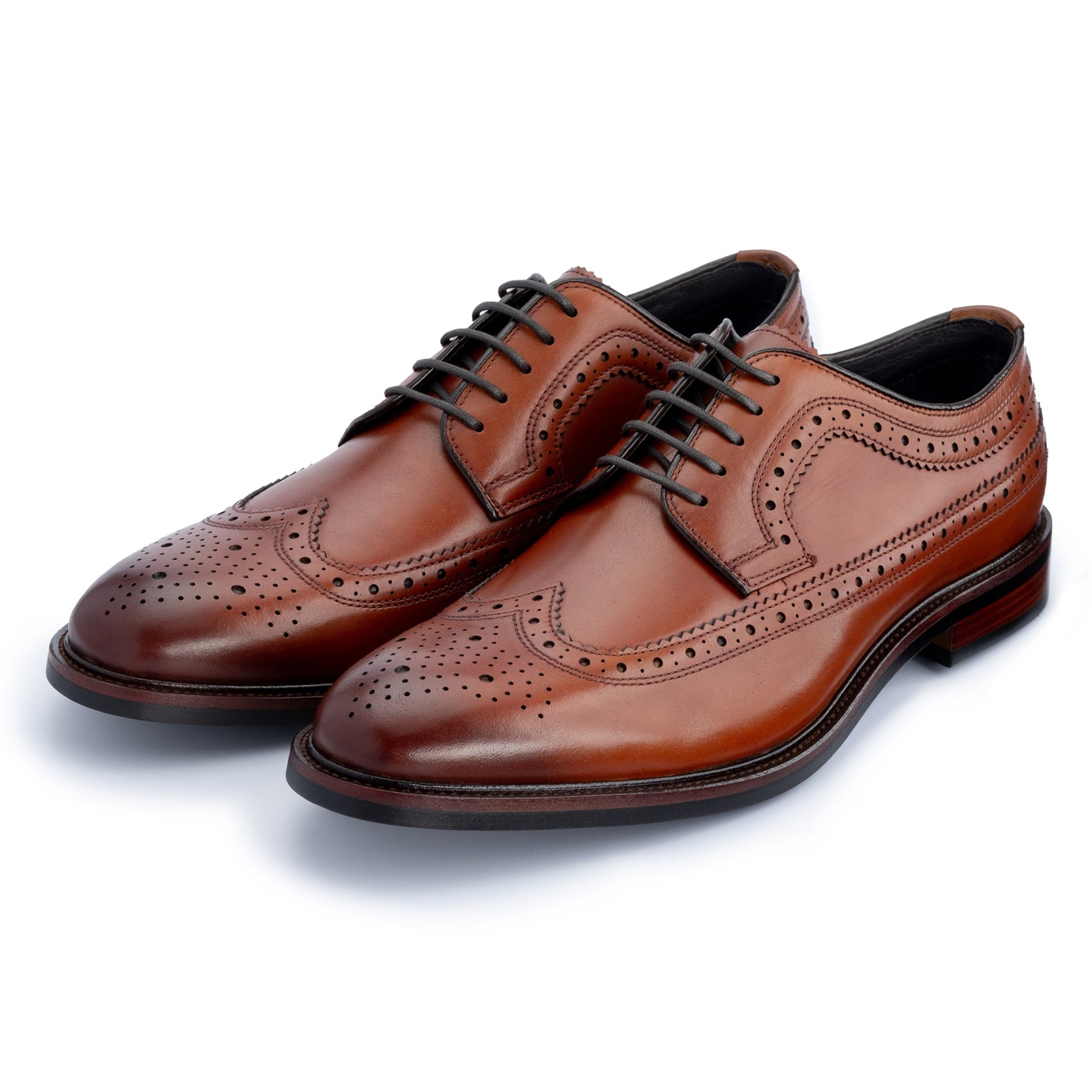
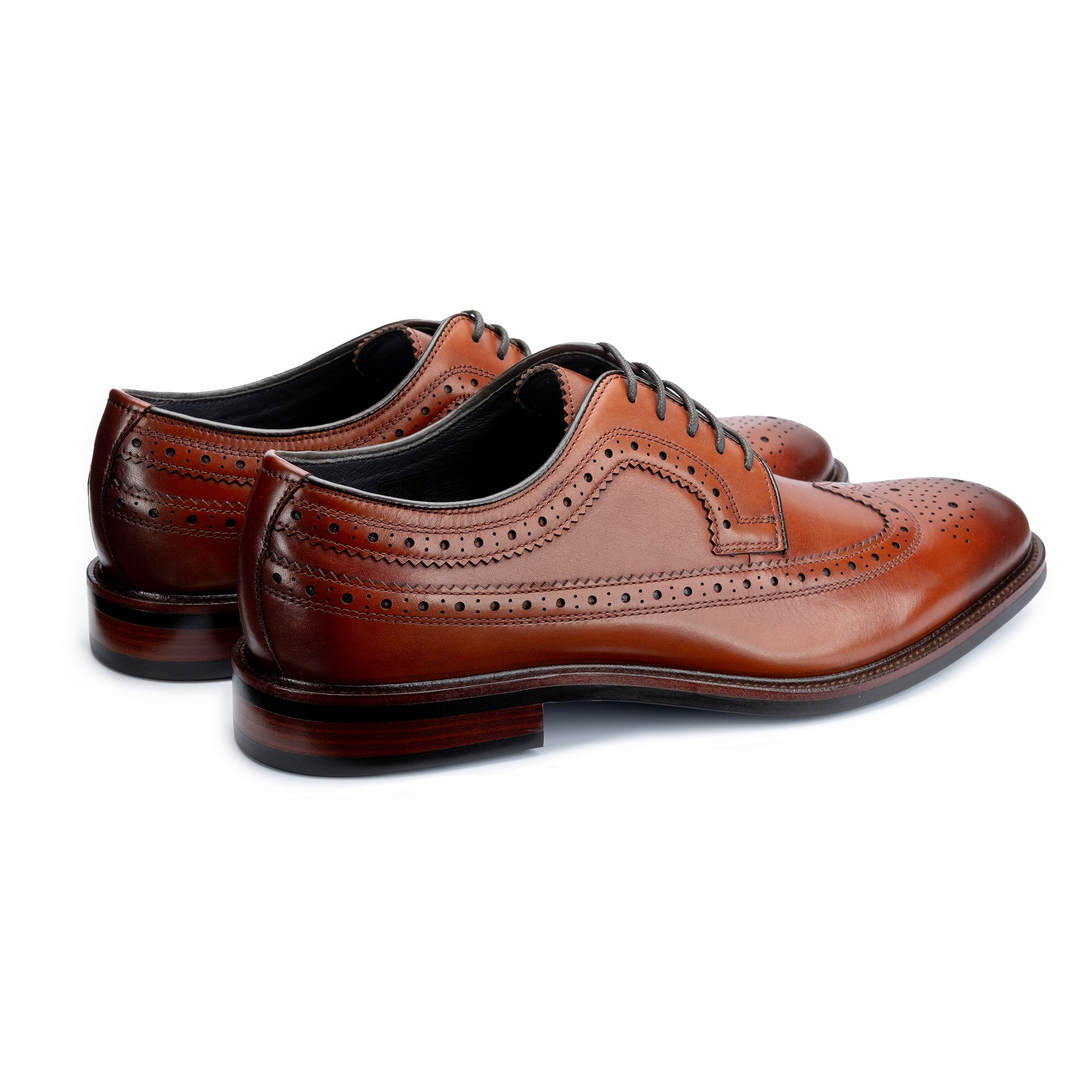
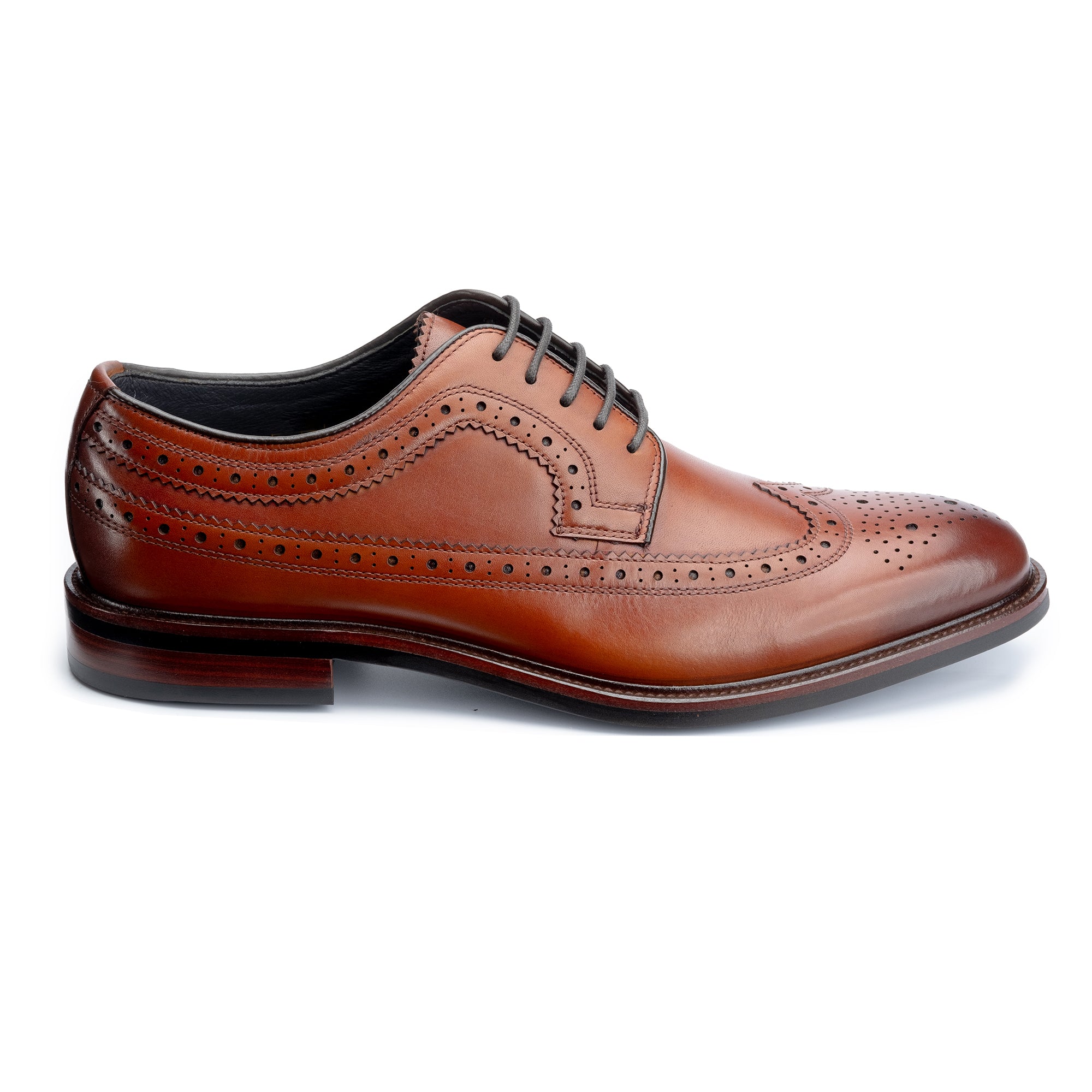
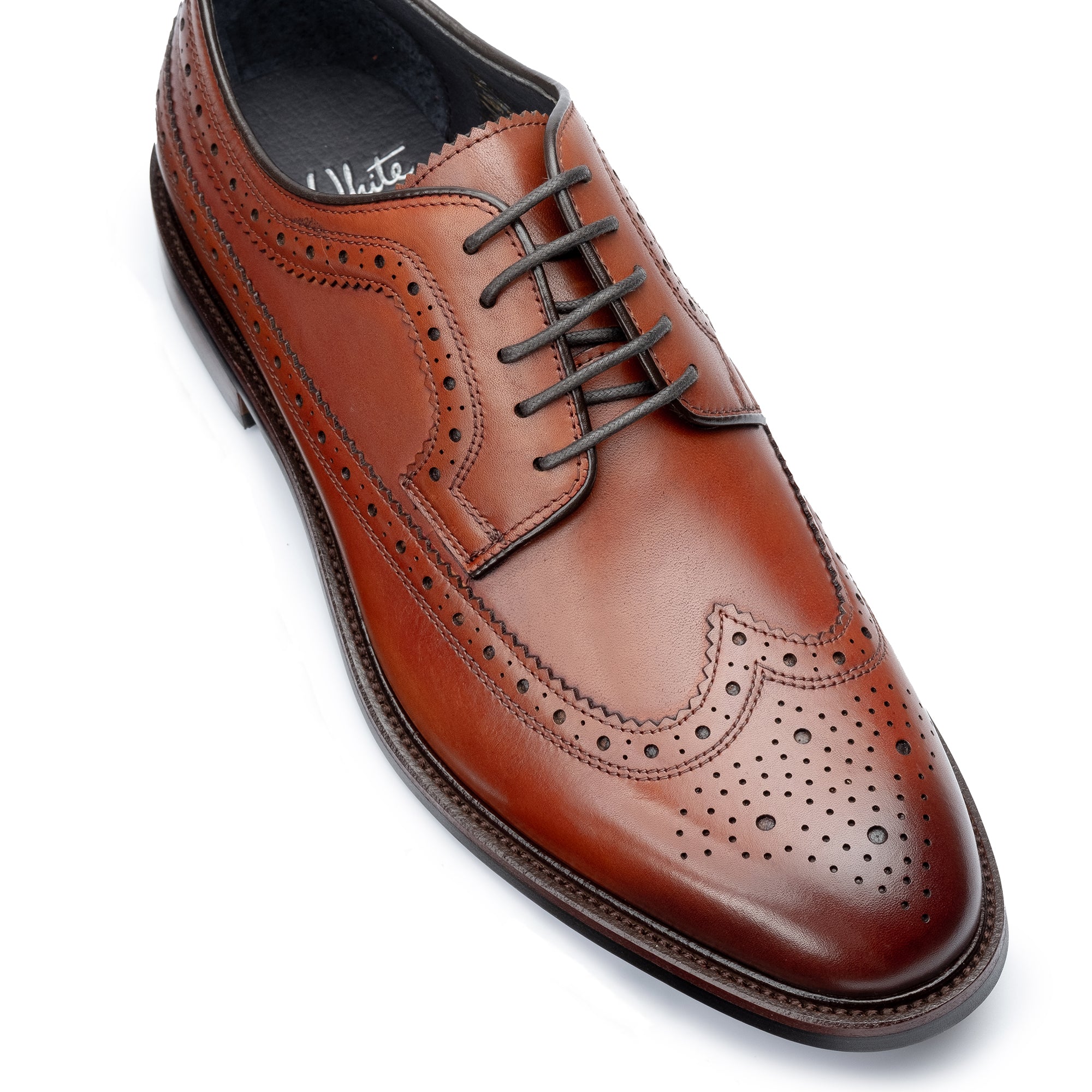
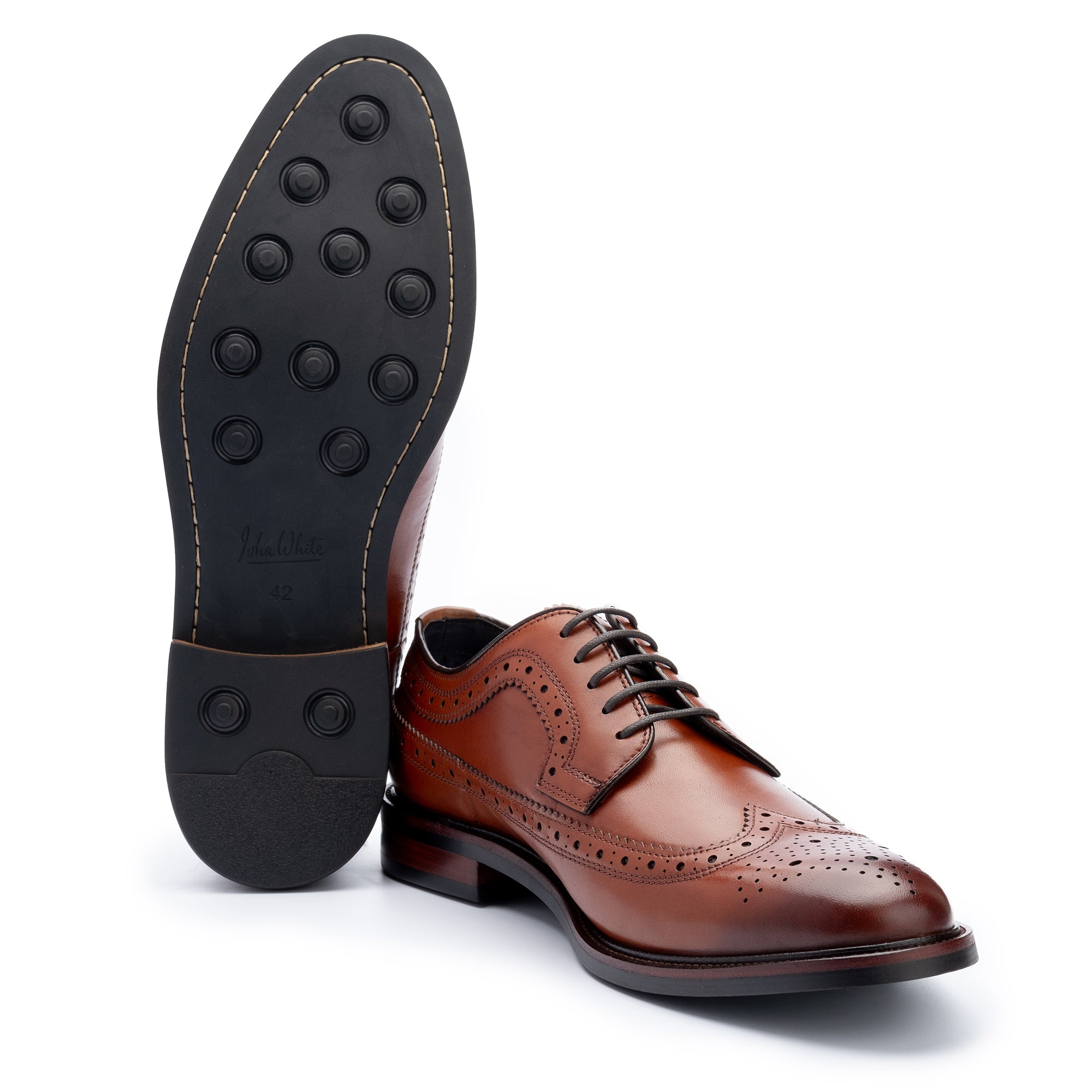
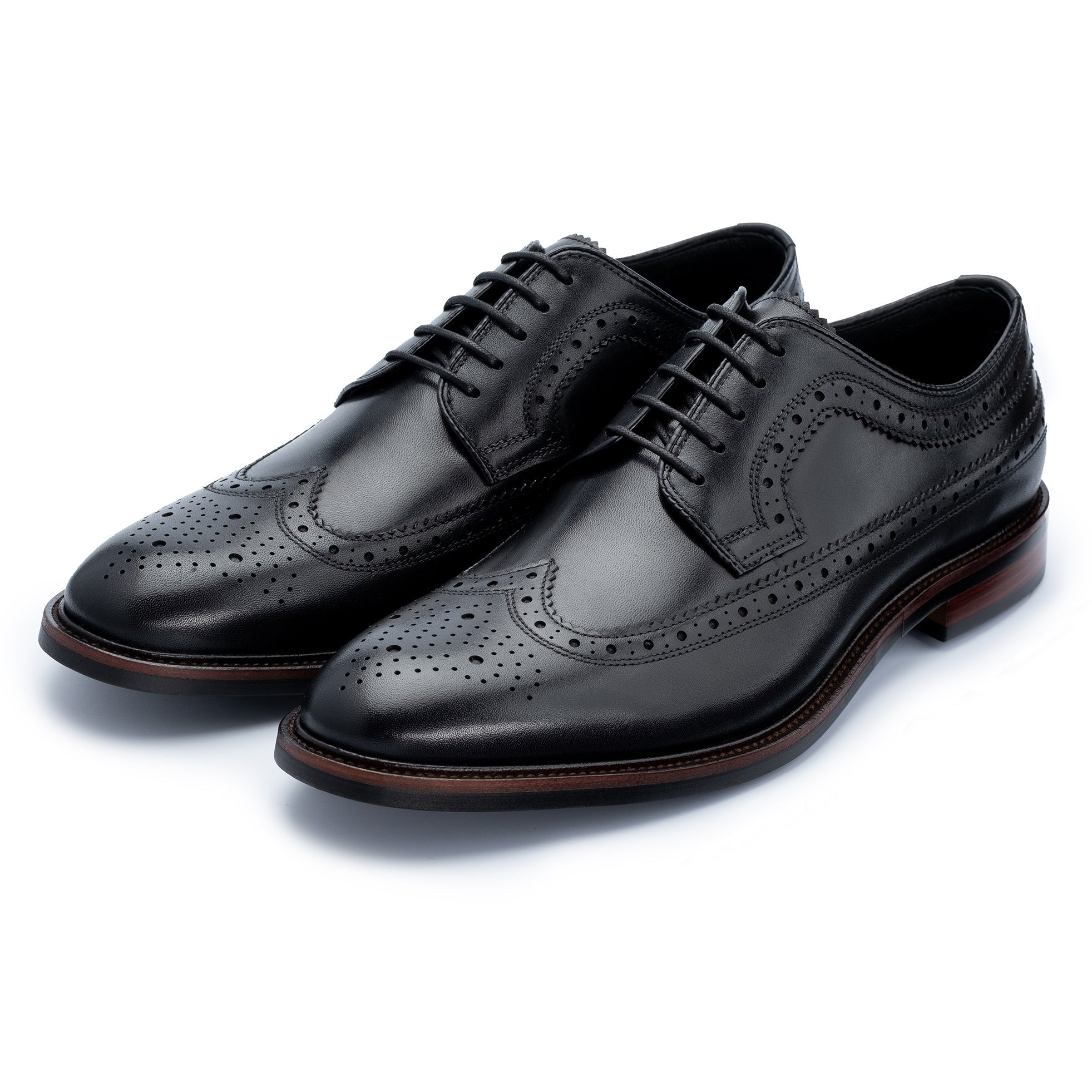
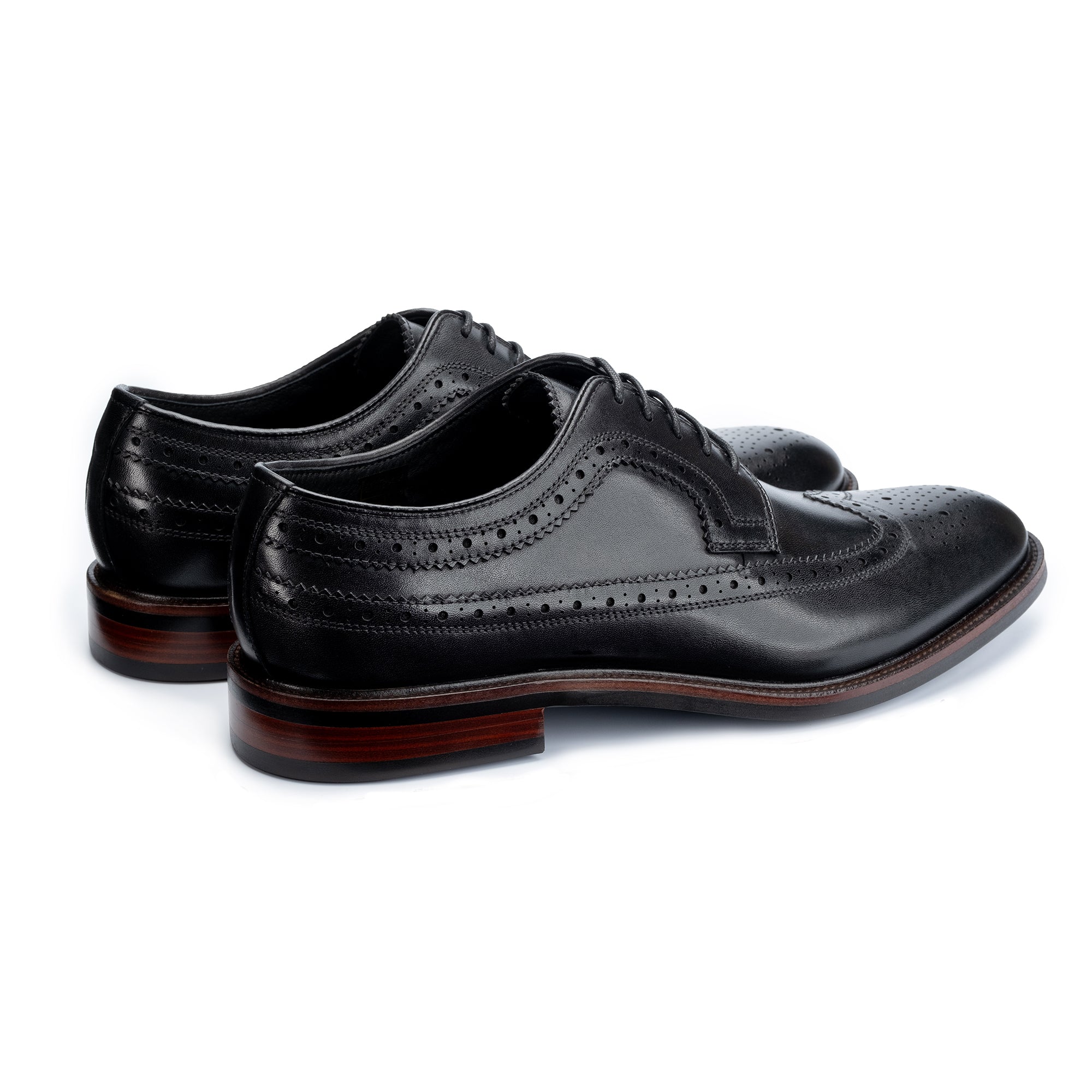
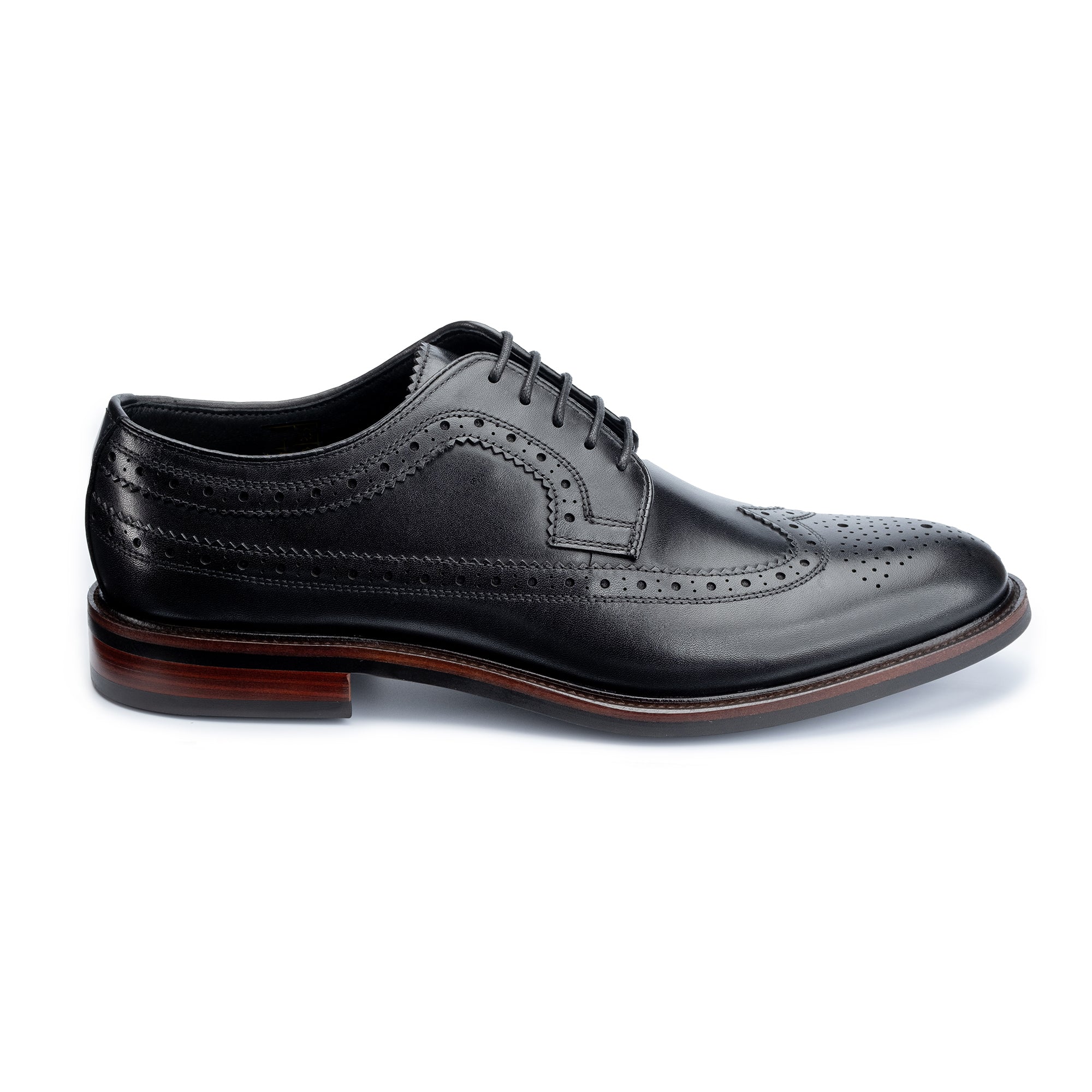
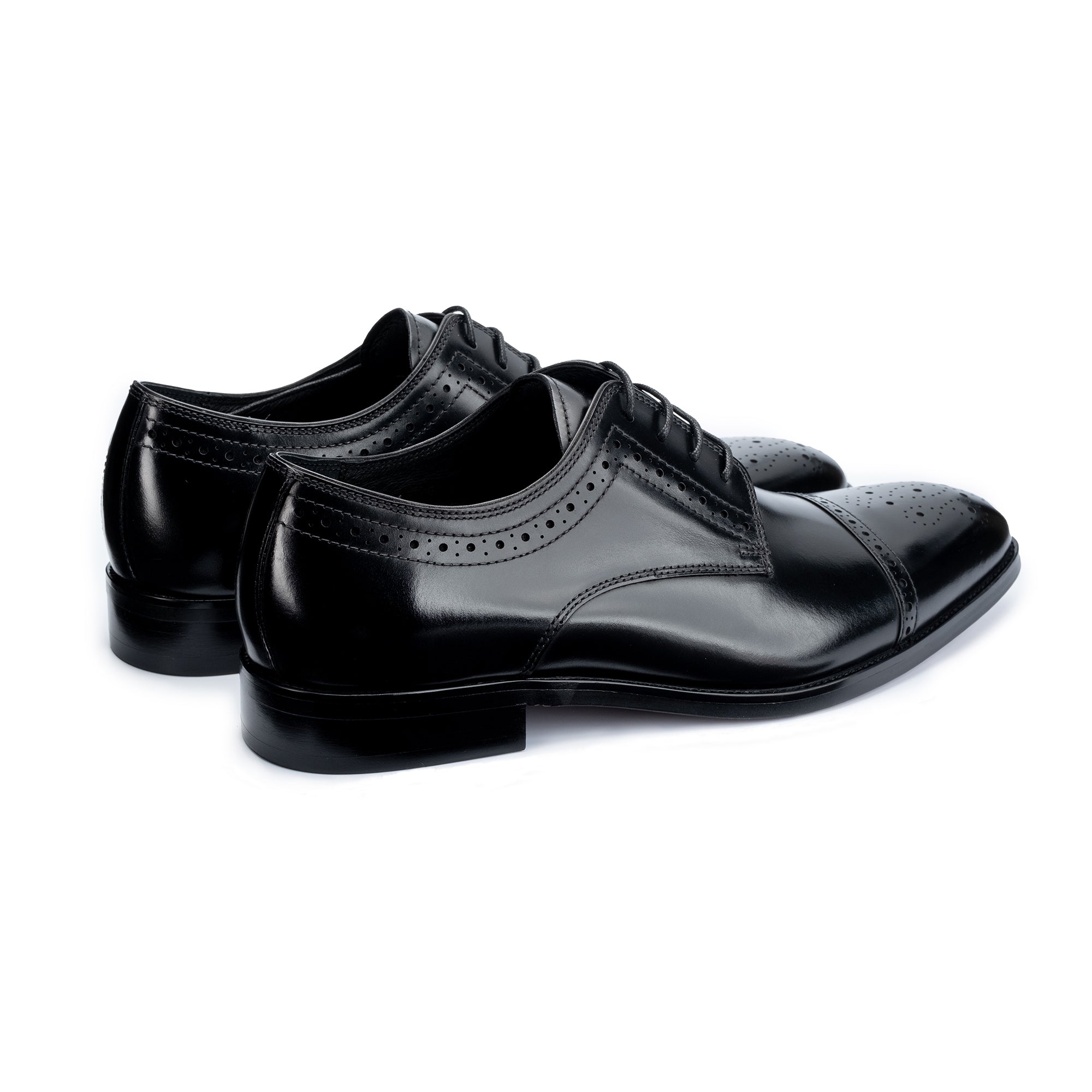
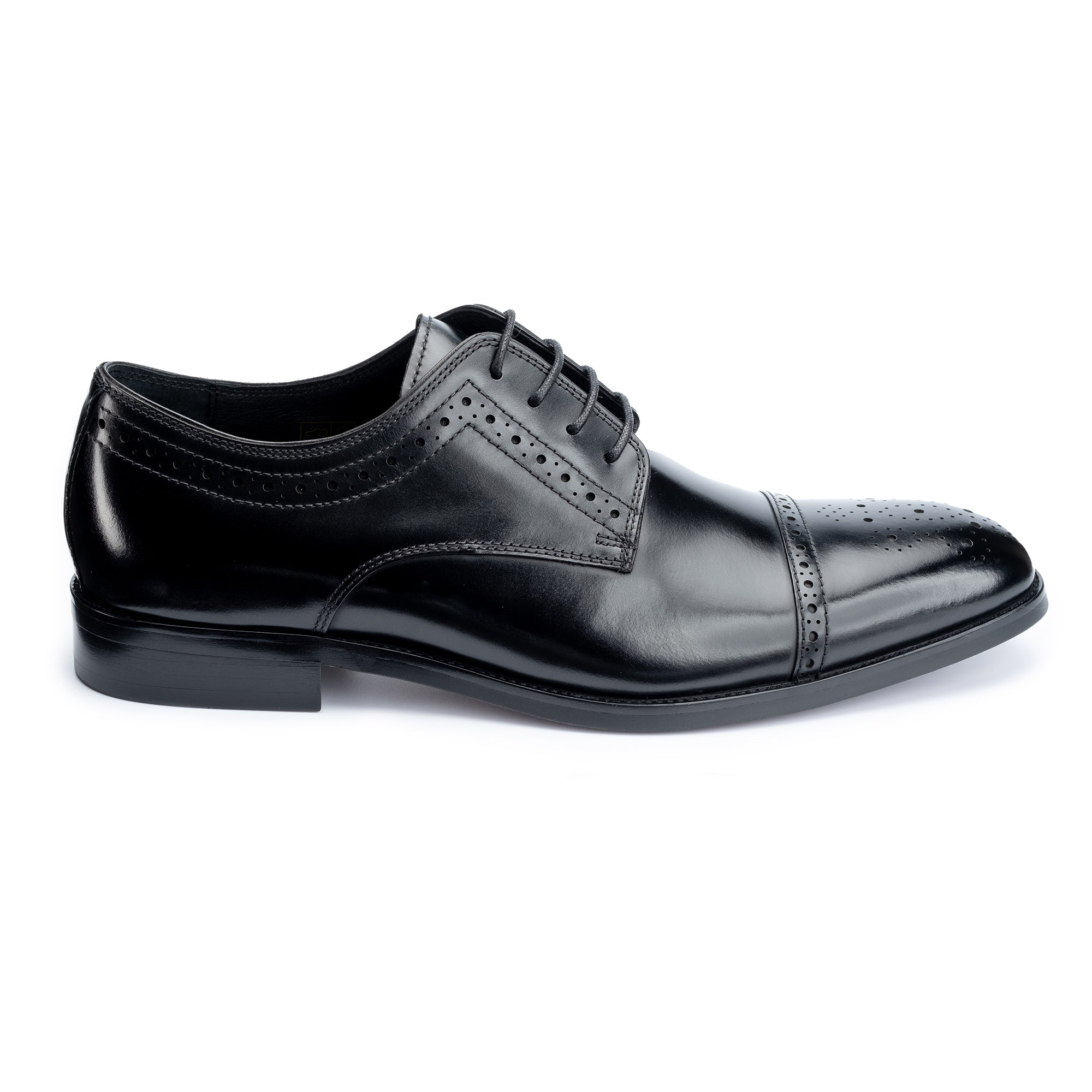
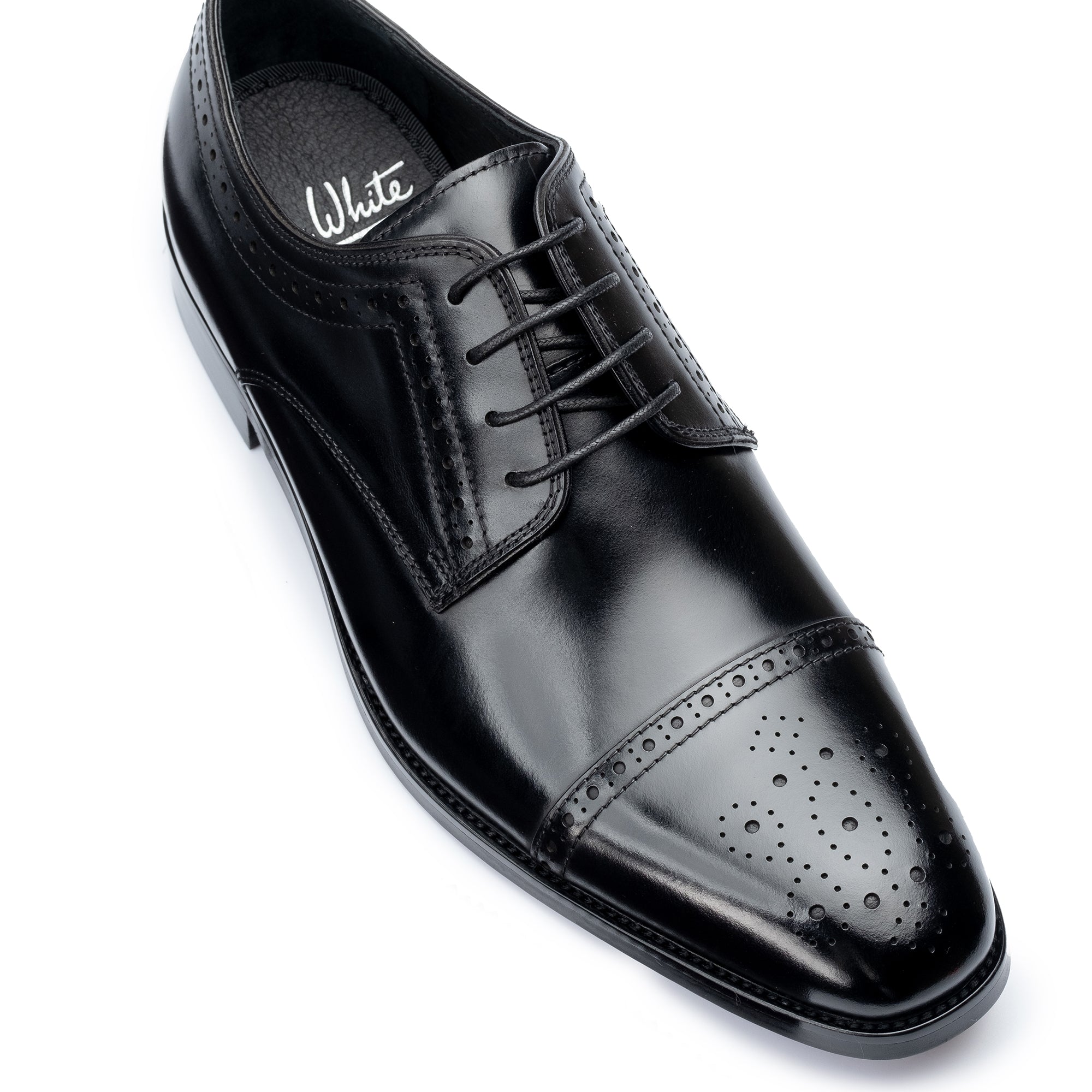
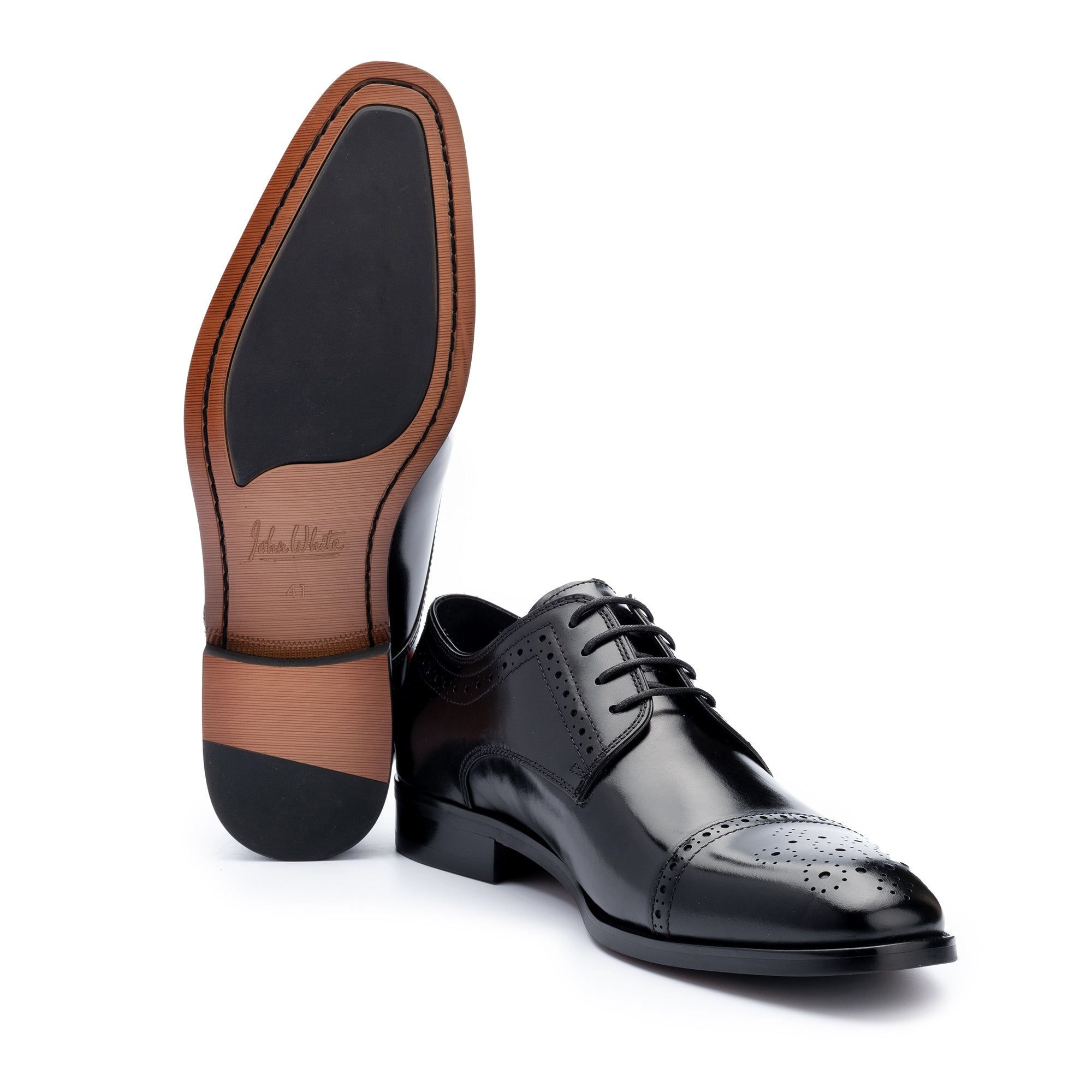
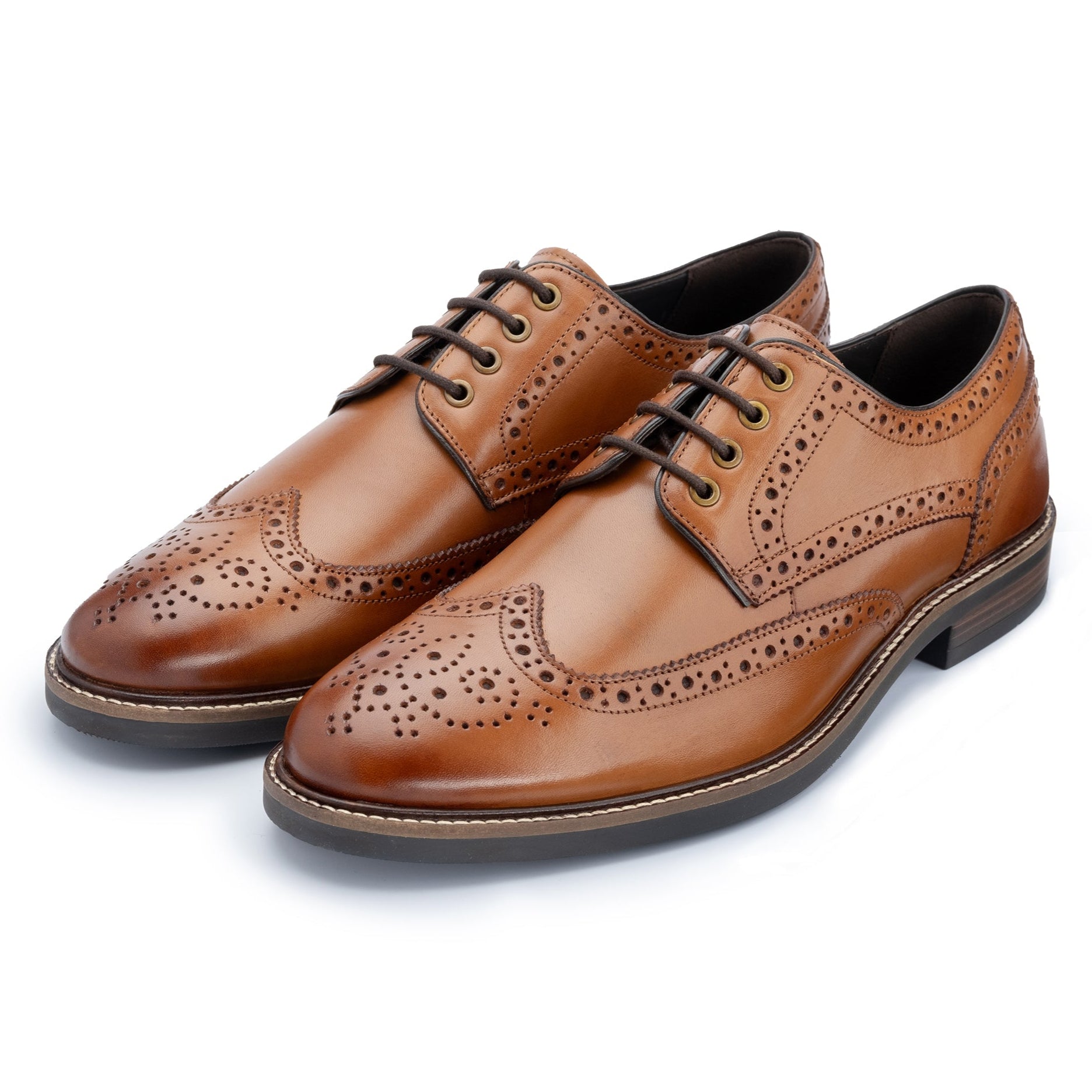
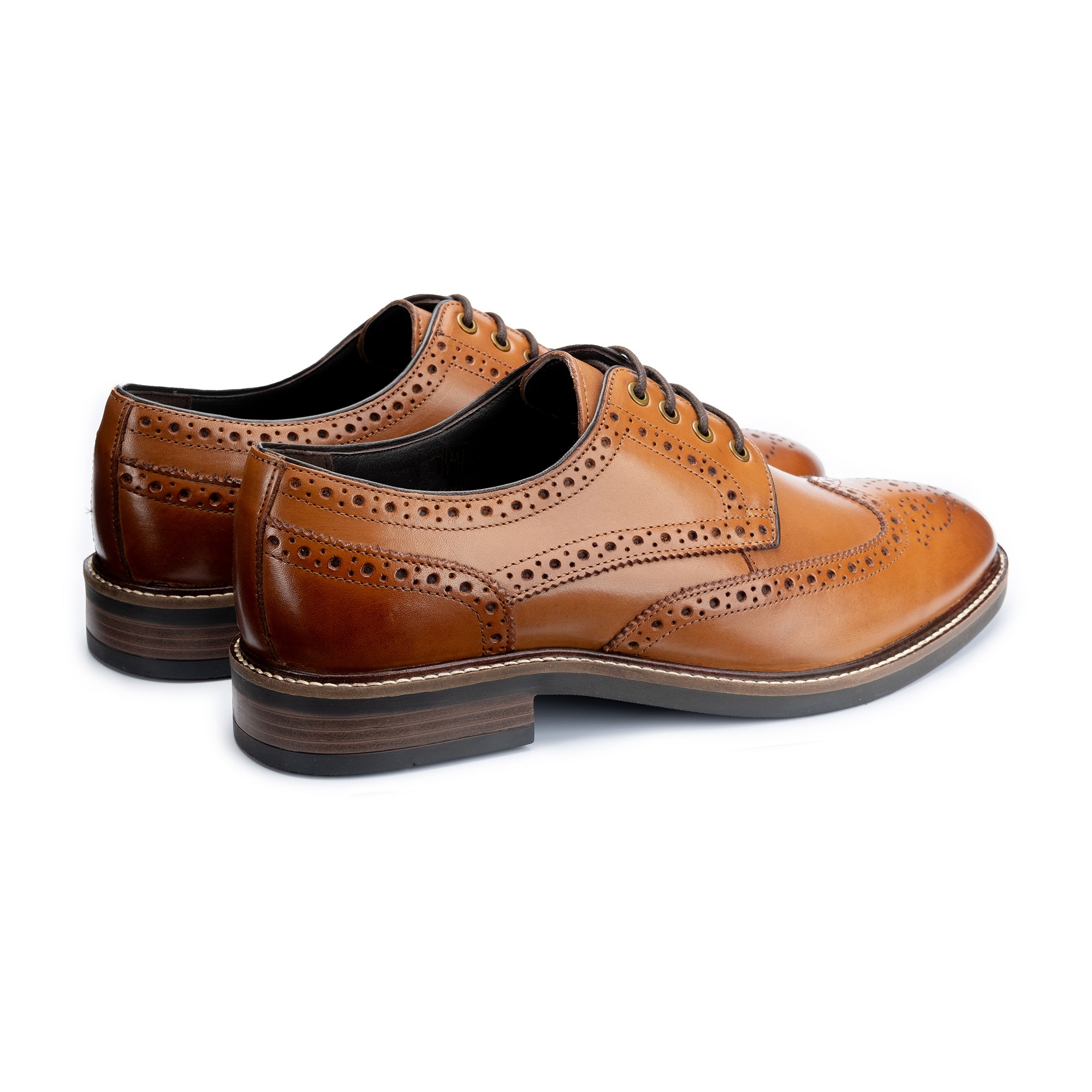
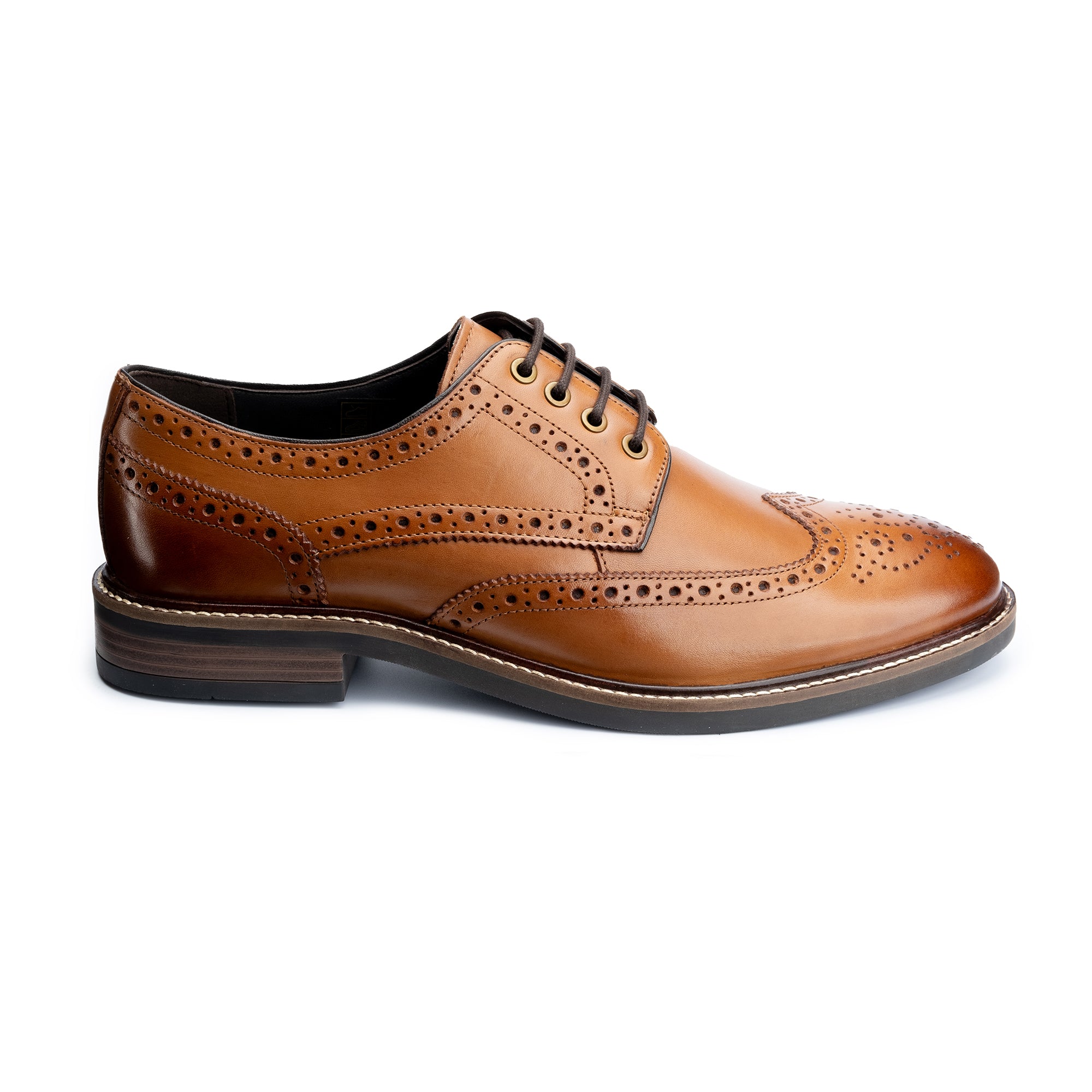
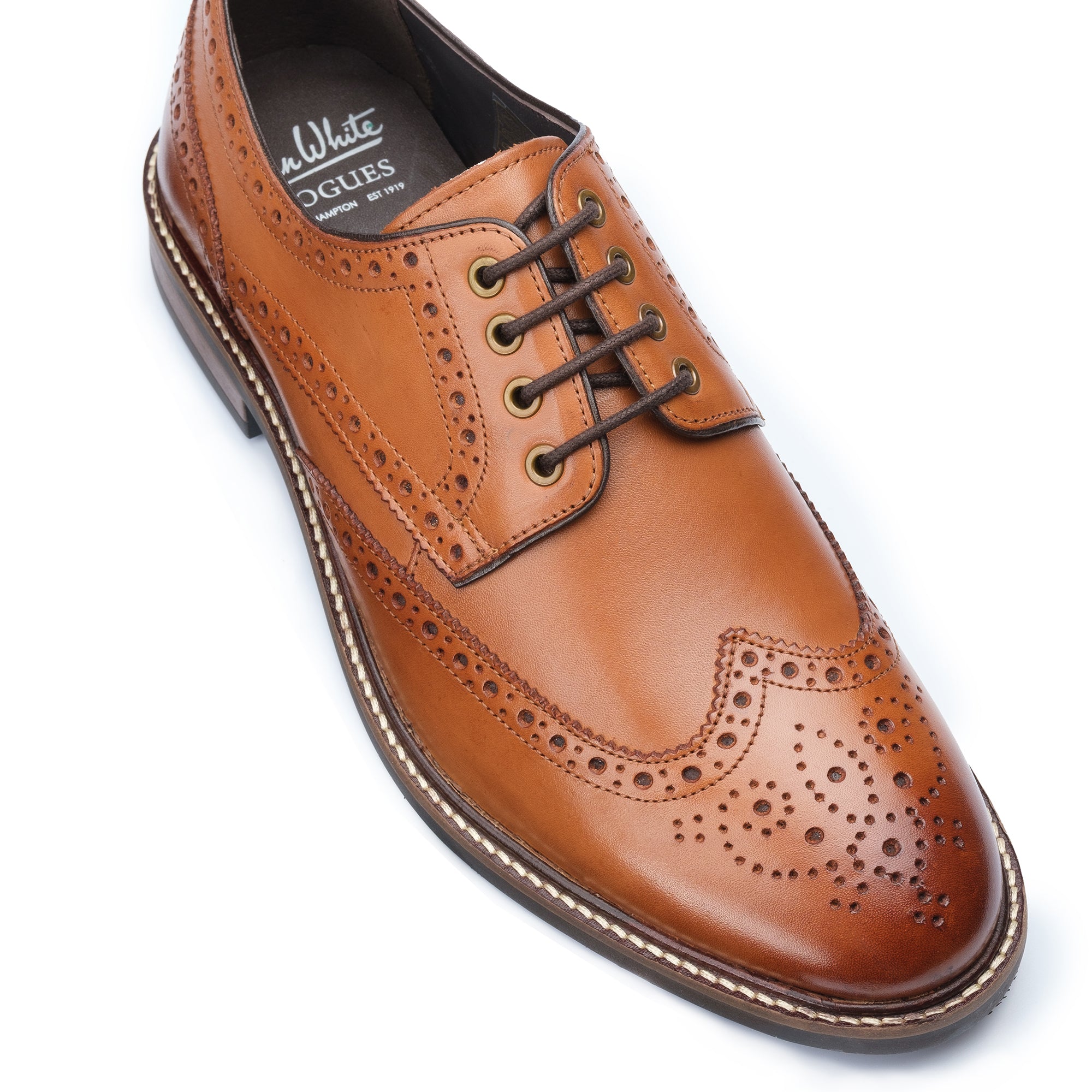
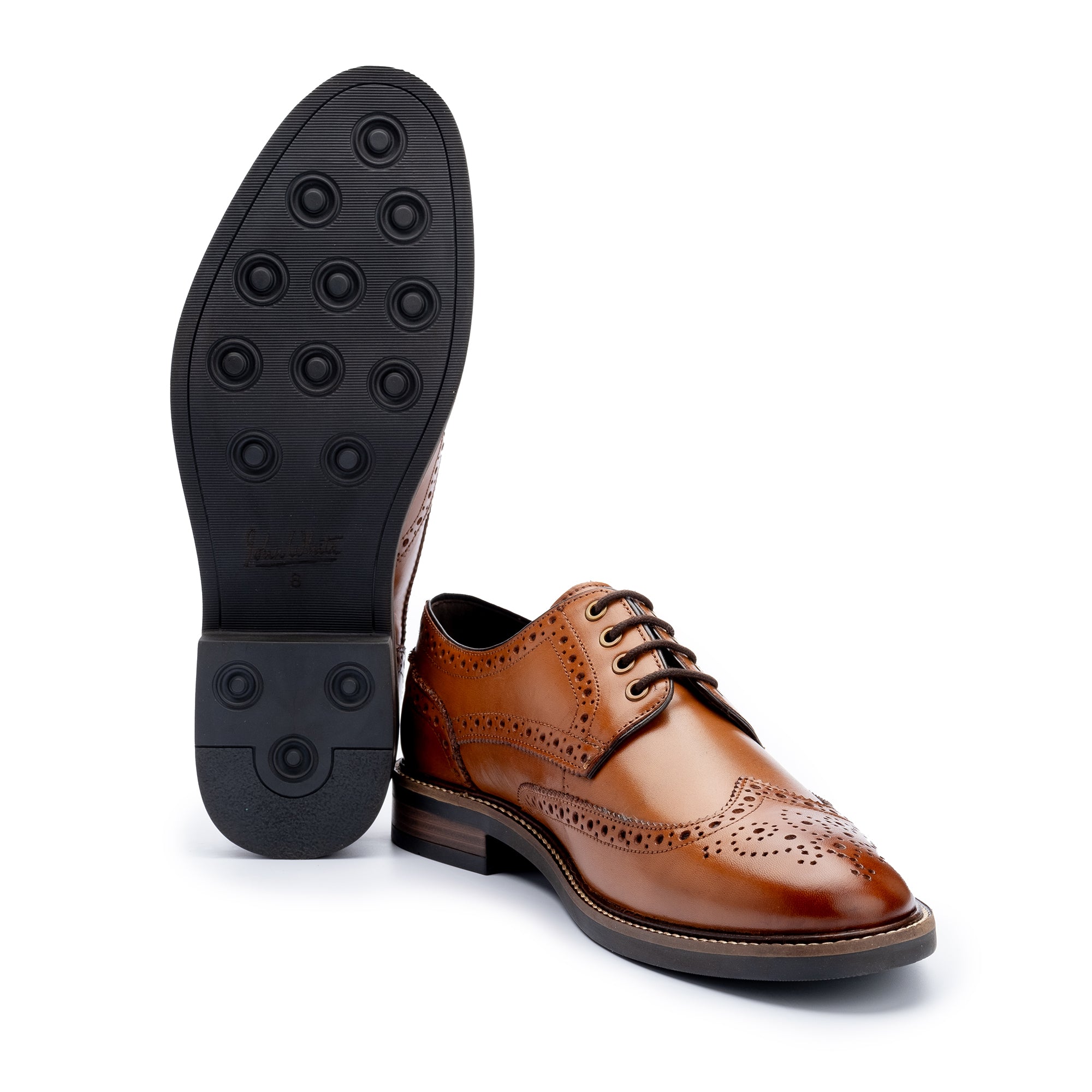
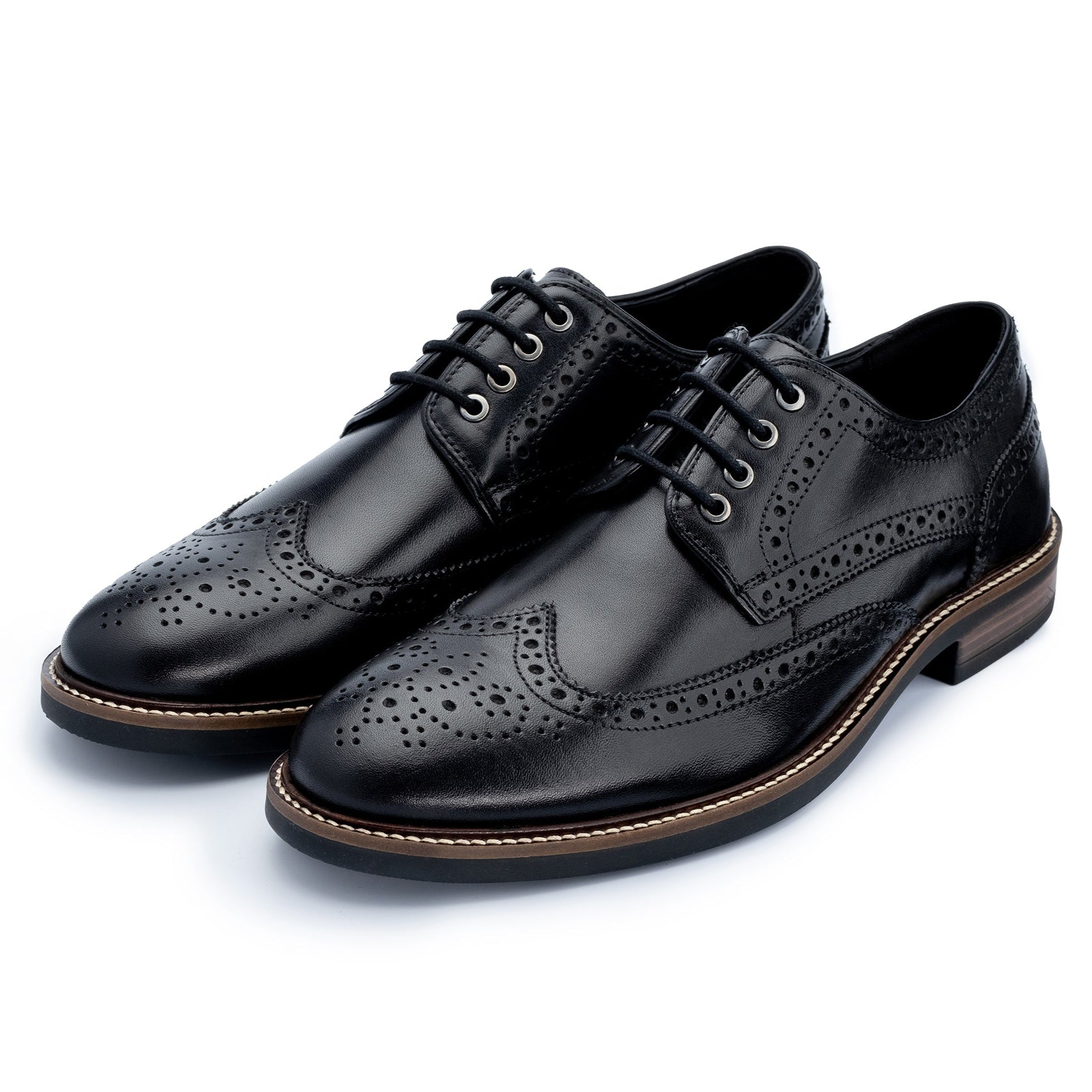
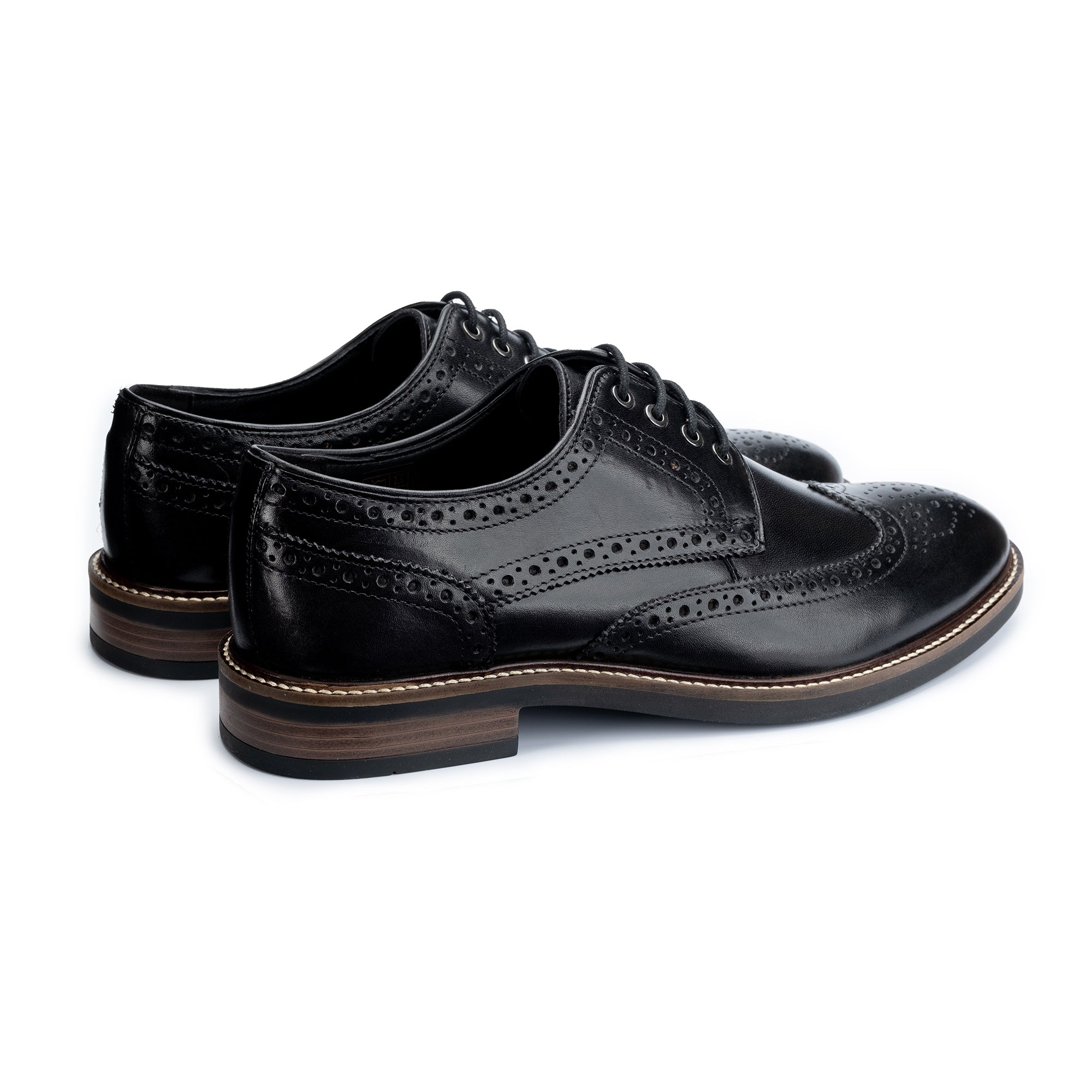
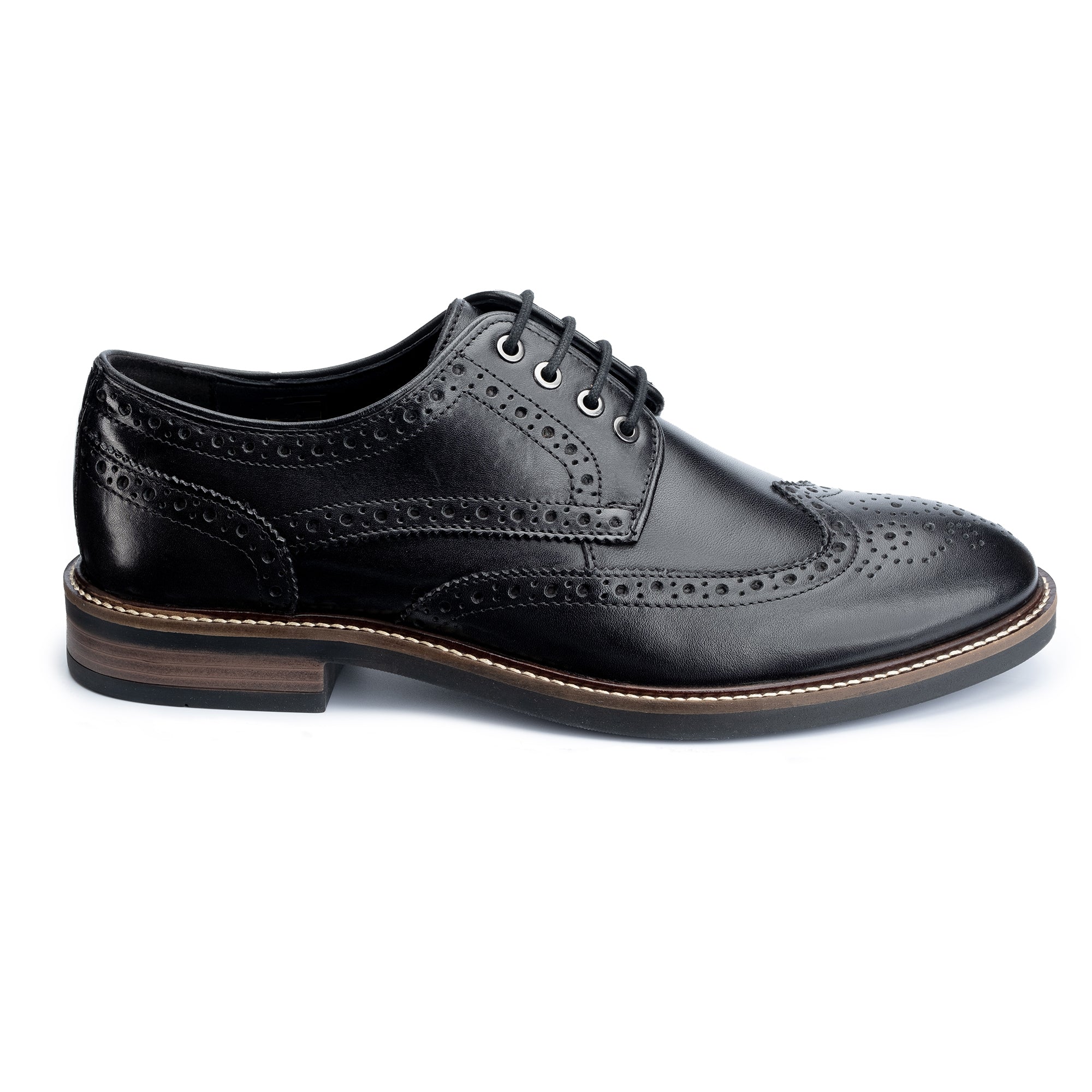
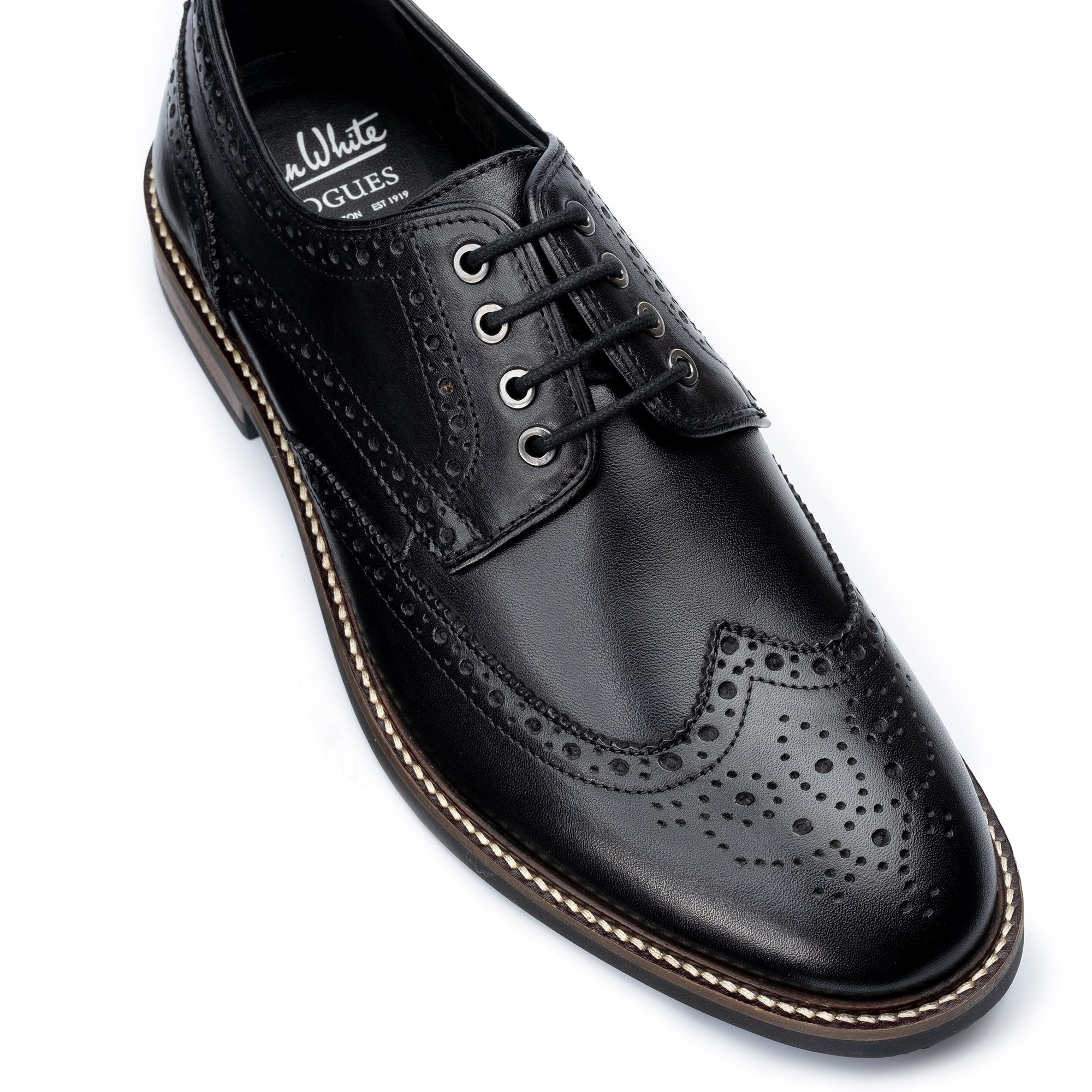
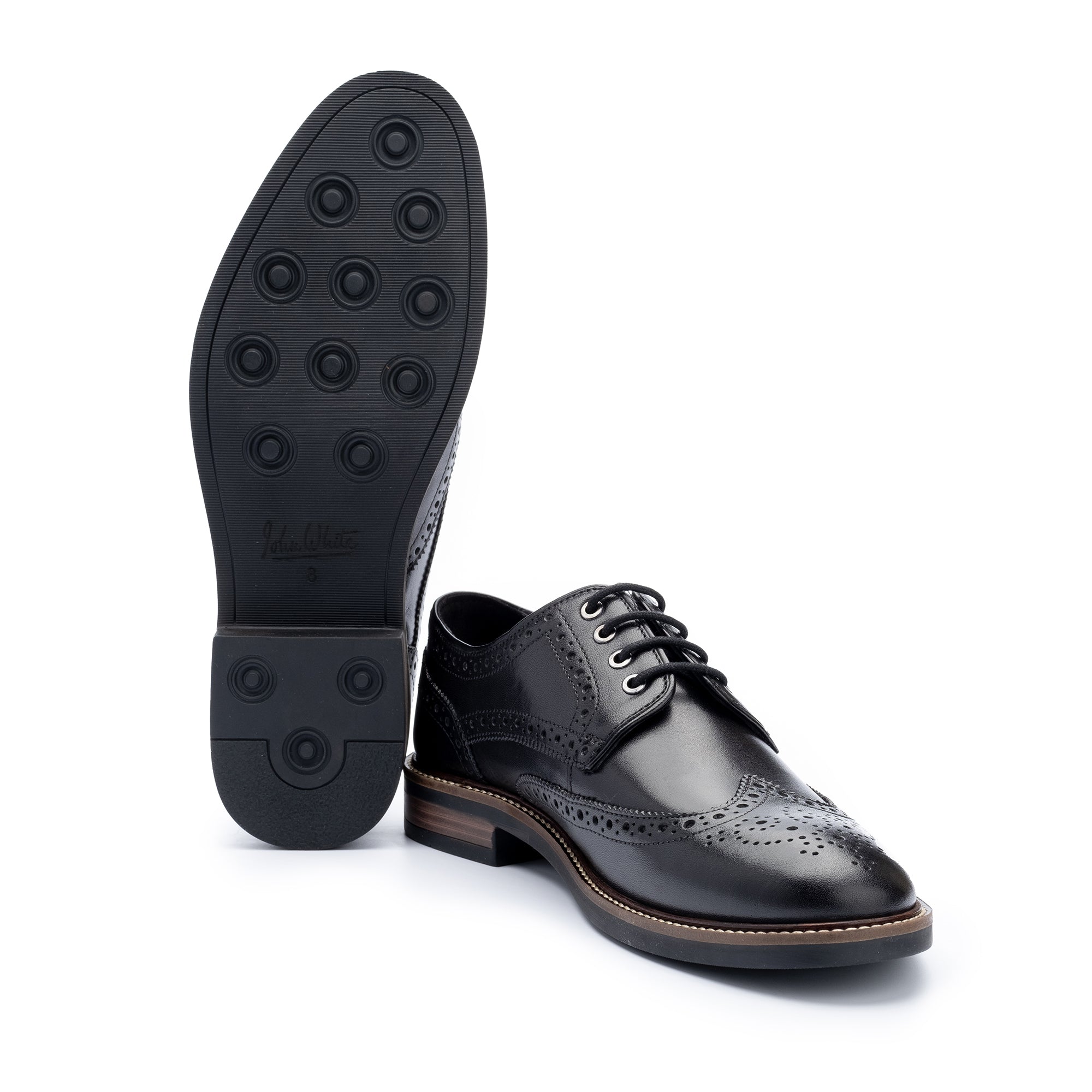
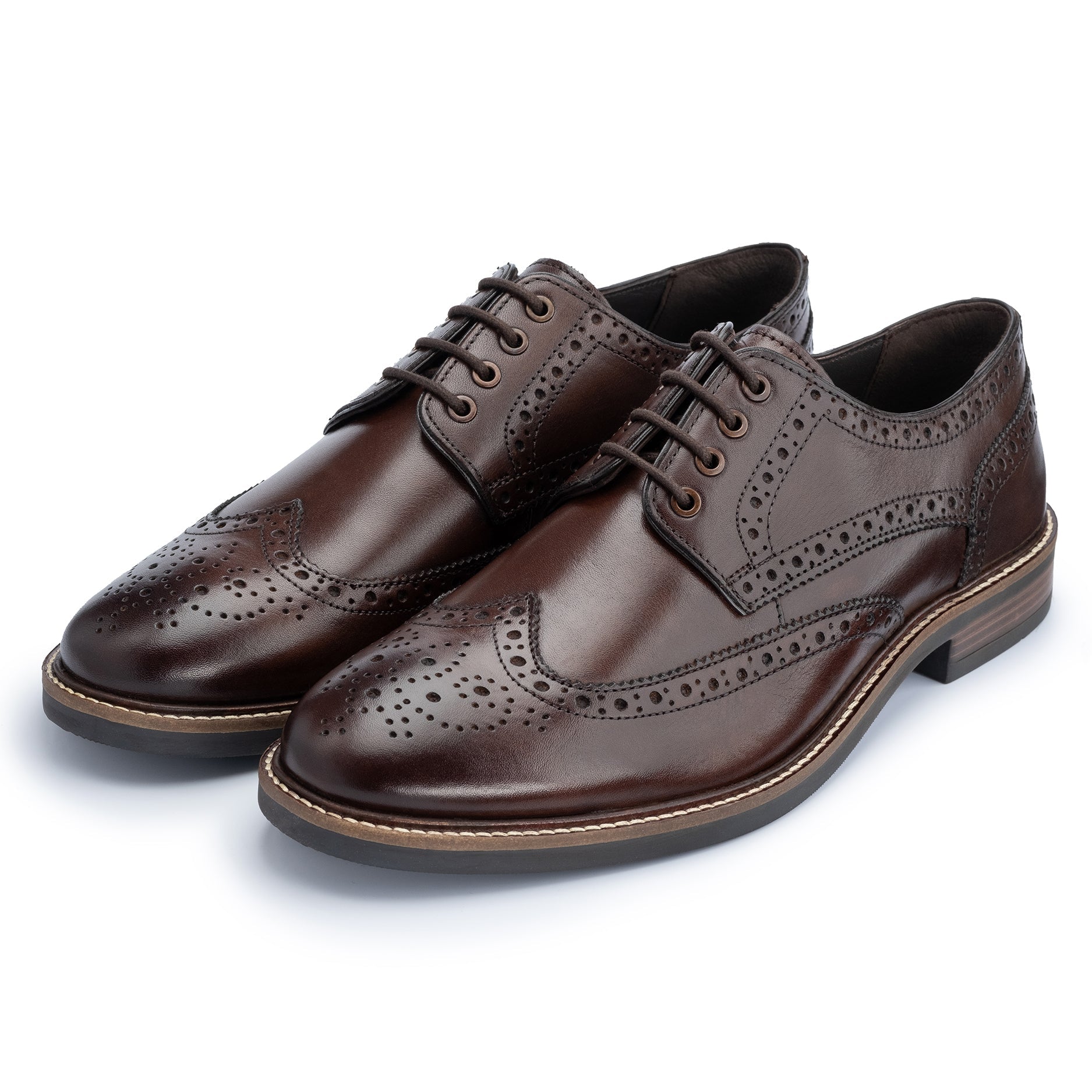
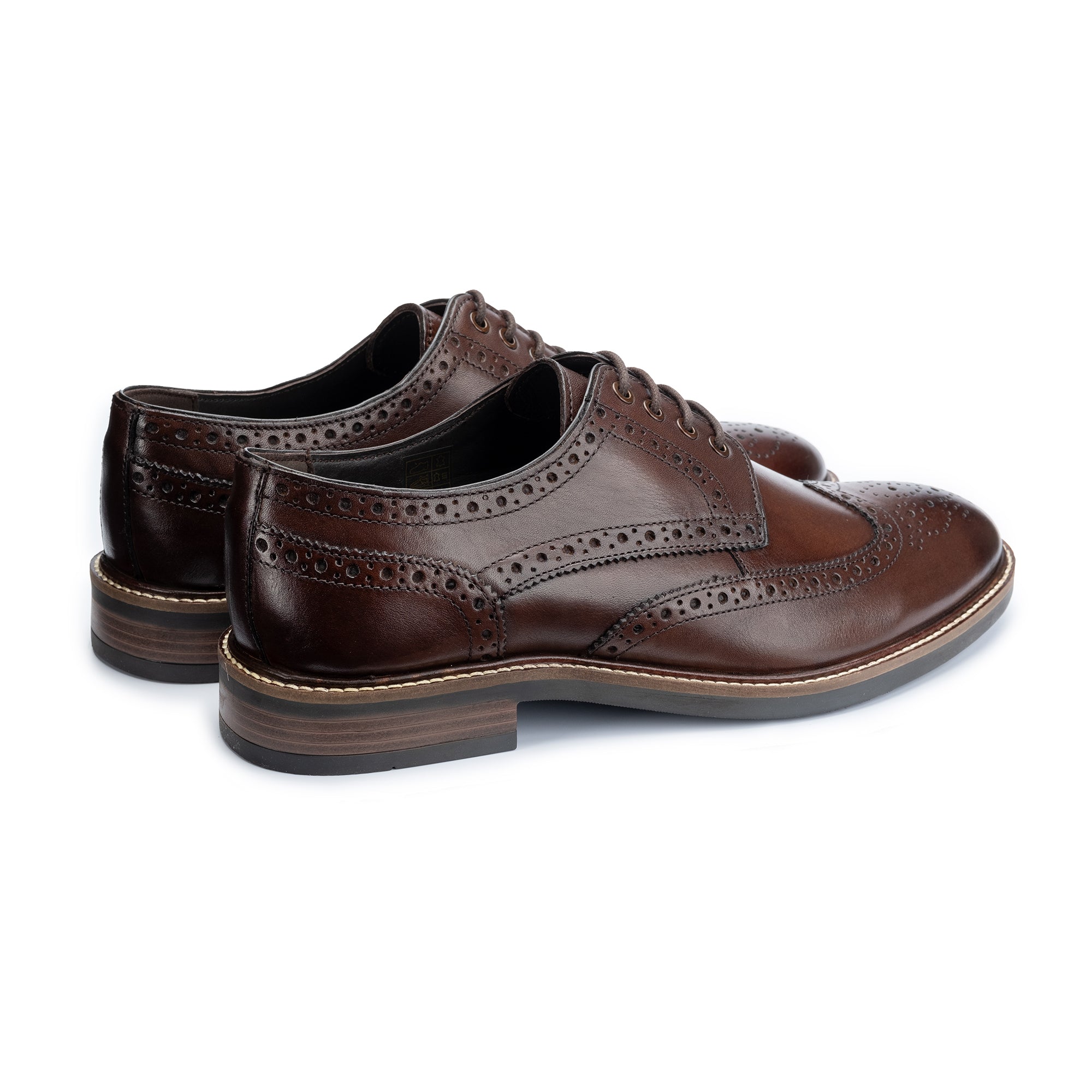
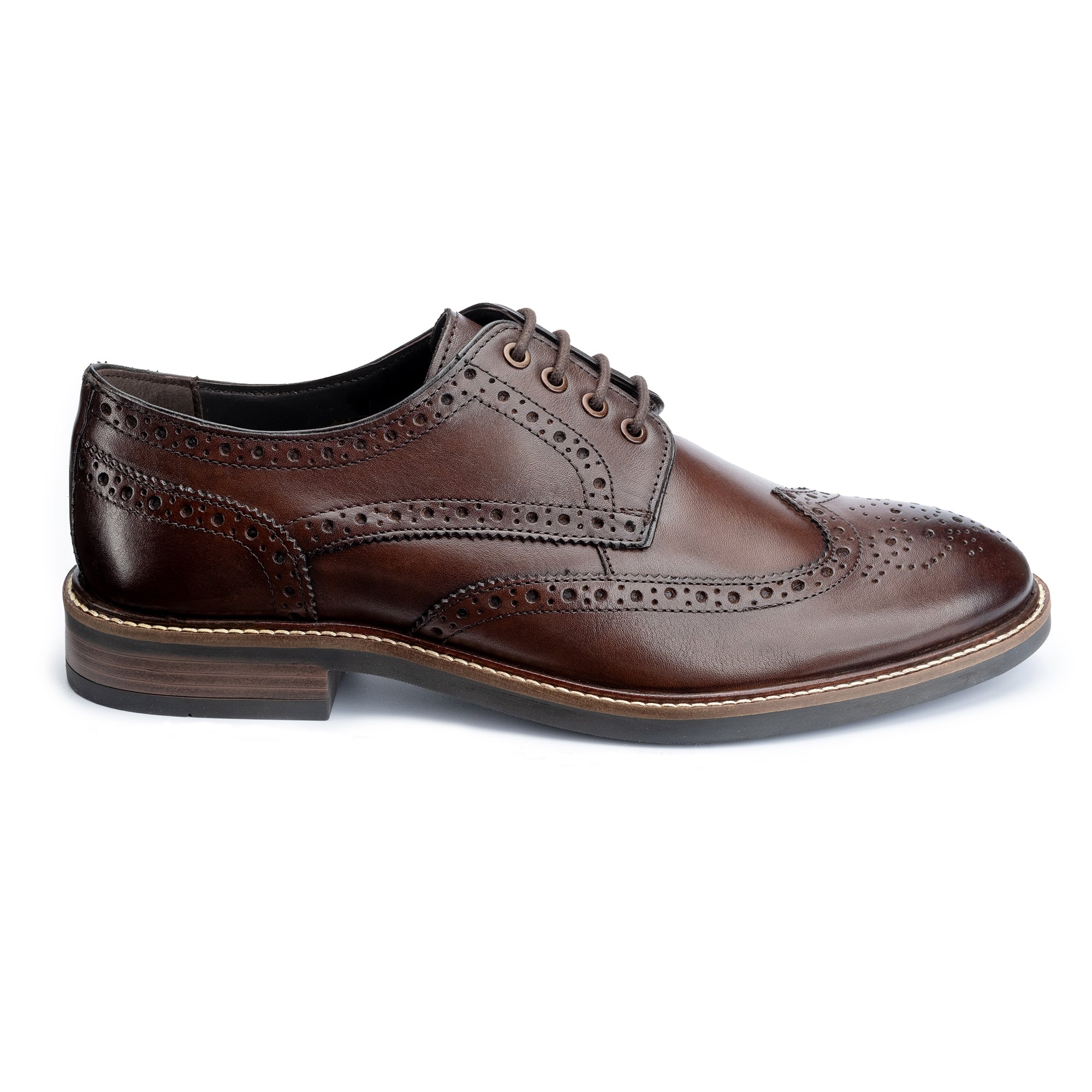
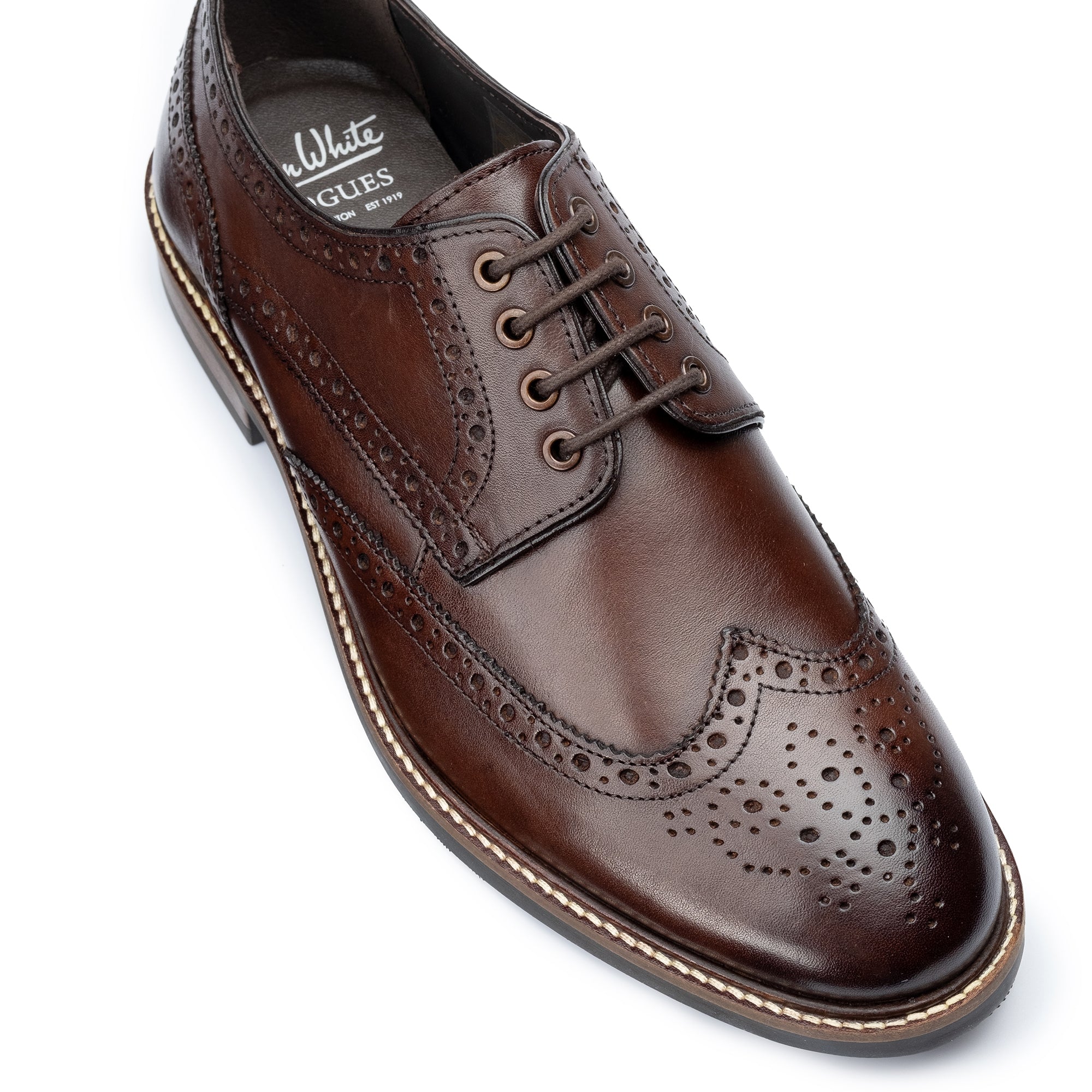
A Brogue boot is, quite simply, an ankle boot decorated with perforations. These decorative details originate from the rugged landscapes of Scotland and Ireland, where perforations were functional holes designed to drain water from the footwear. Today, they are purely ornamental, but they retain that sense of countryside heritage.
This history places the brogue boot firmly in the smart-casual to business-casual category. According to fashion historian C. Willett Cunnington, broguing was considered "quite incorrect for town wear" in the early 20th century, a sentiment that has softened but still informs its placement on the formality scale. The more broguing a boot features, the more casual it becomes.
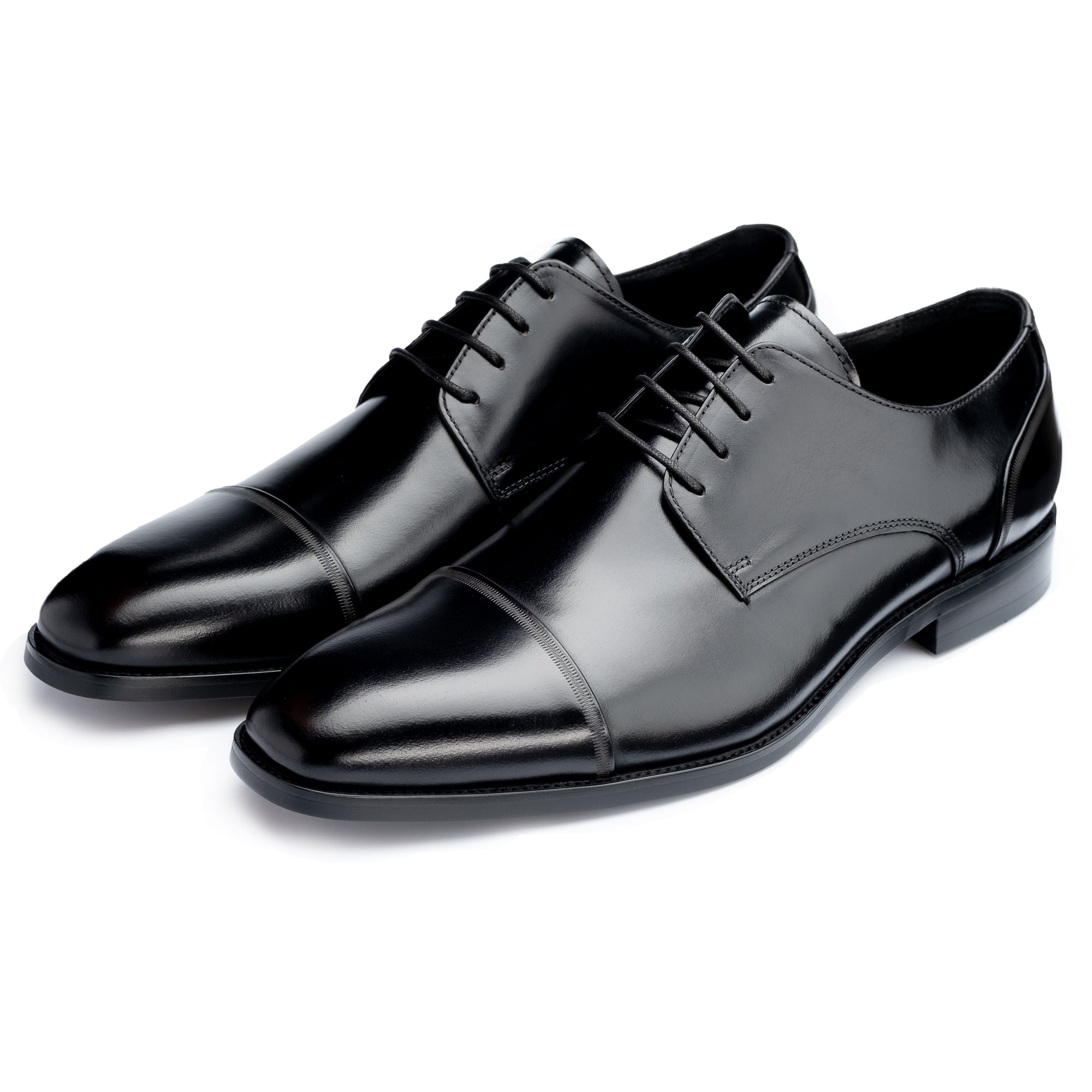
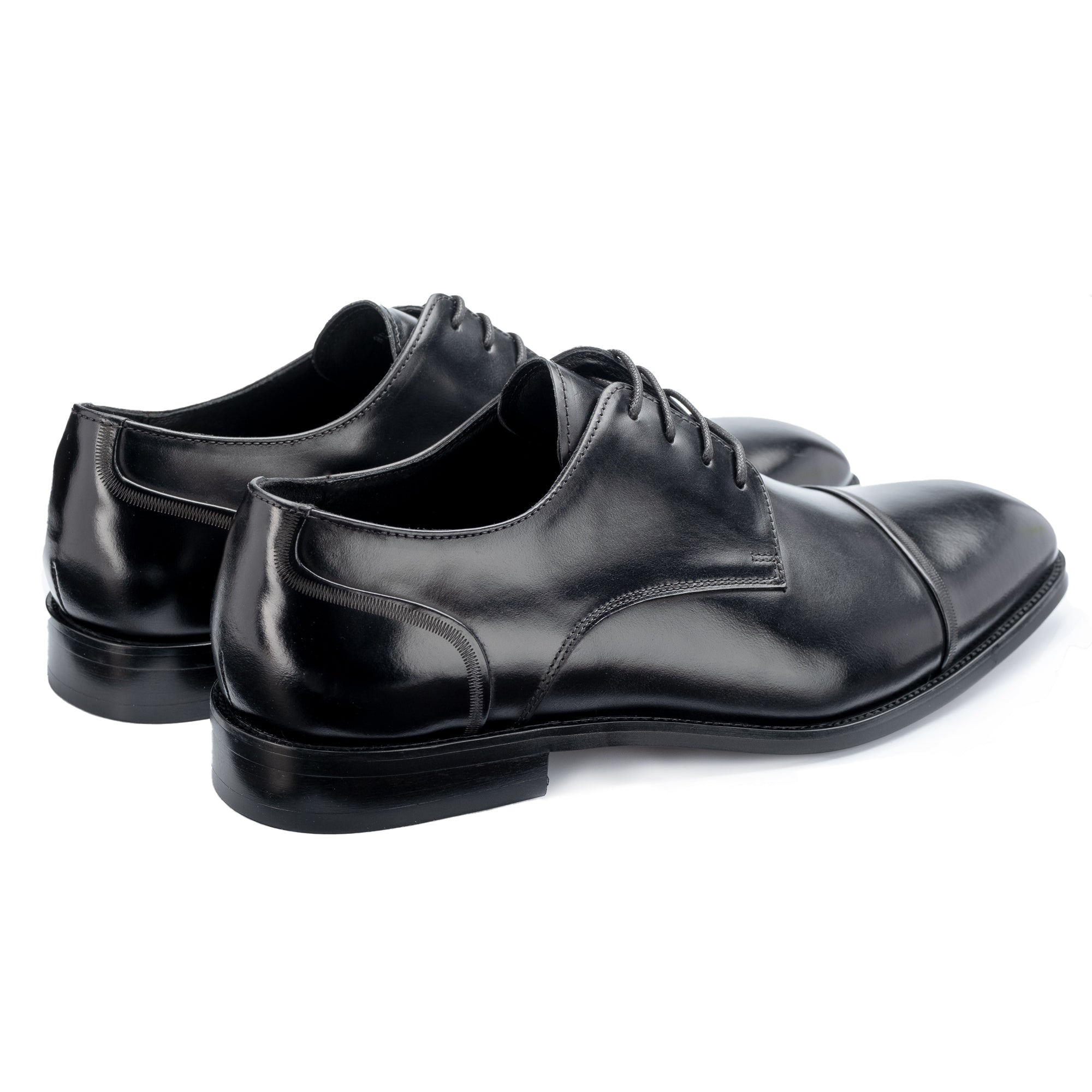
Our Falcon Brogue Boot in Brown leather is a perfect example of this style's enduring appeal. It's an excellent choice for pairing with heavier fabrics like tweed, flannel trousers, or corduroy. It's robust without being clunky, offering a sophisticated alternative to a standard shoe for country weekends or a creative office environment. For further detail on broguing, see our guide to Full Brogue vs. Semi-Brogue shoes.
A Brogue boot is the quintessential smart-casual boot, grounded in British country tradition.
How Formal is the Balmoral Boot?
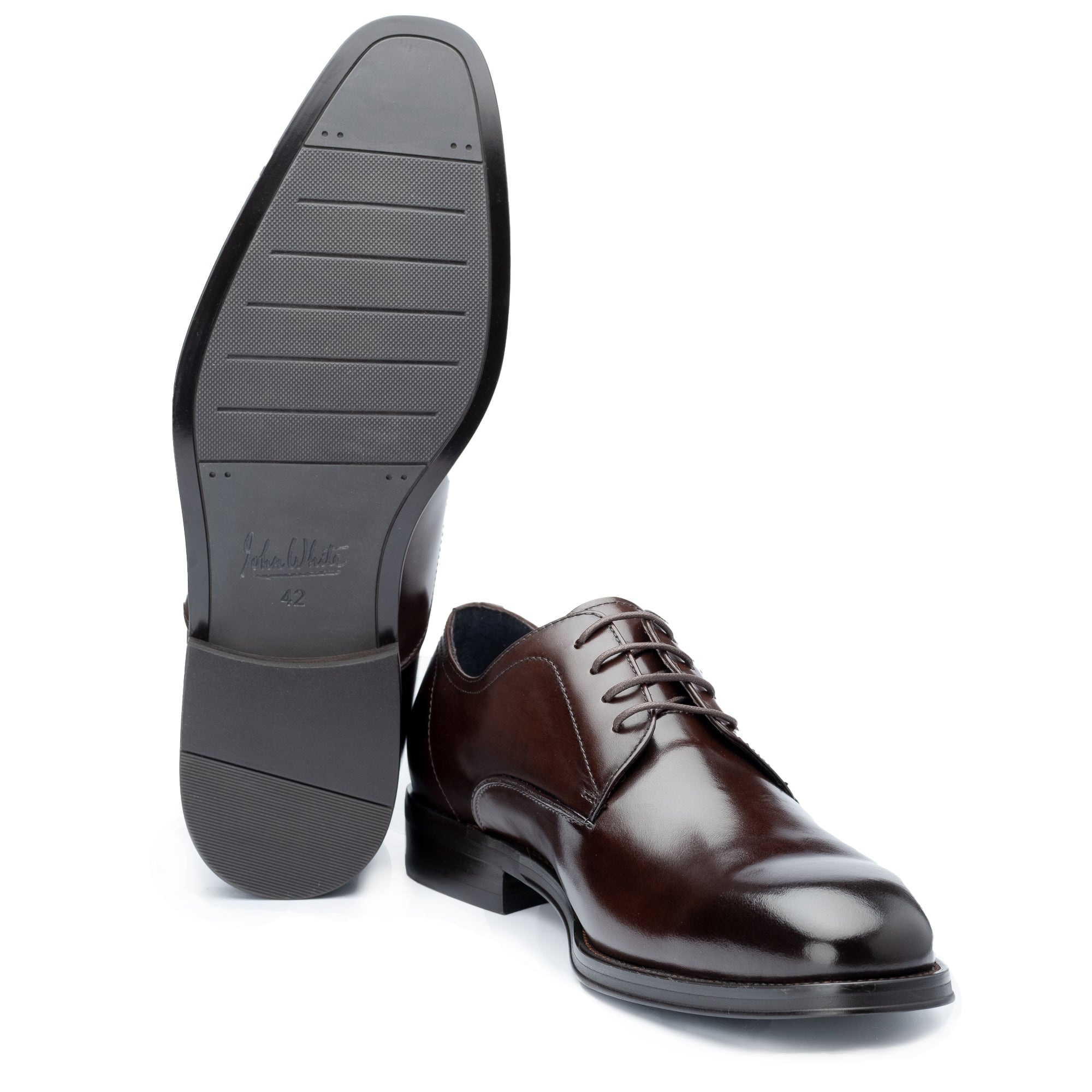
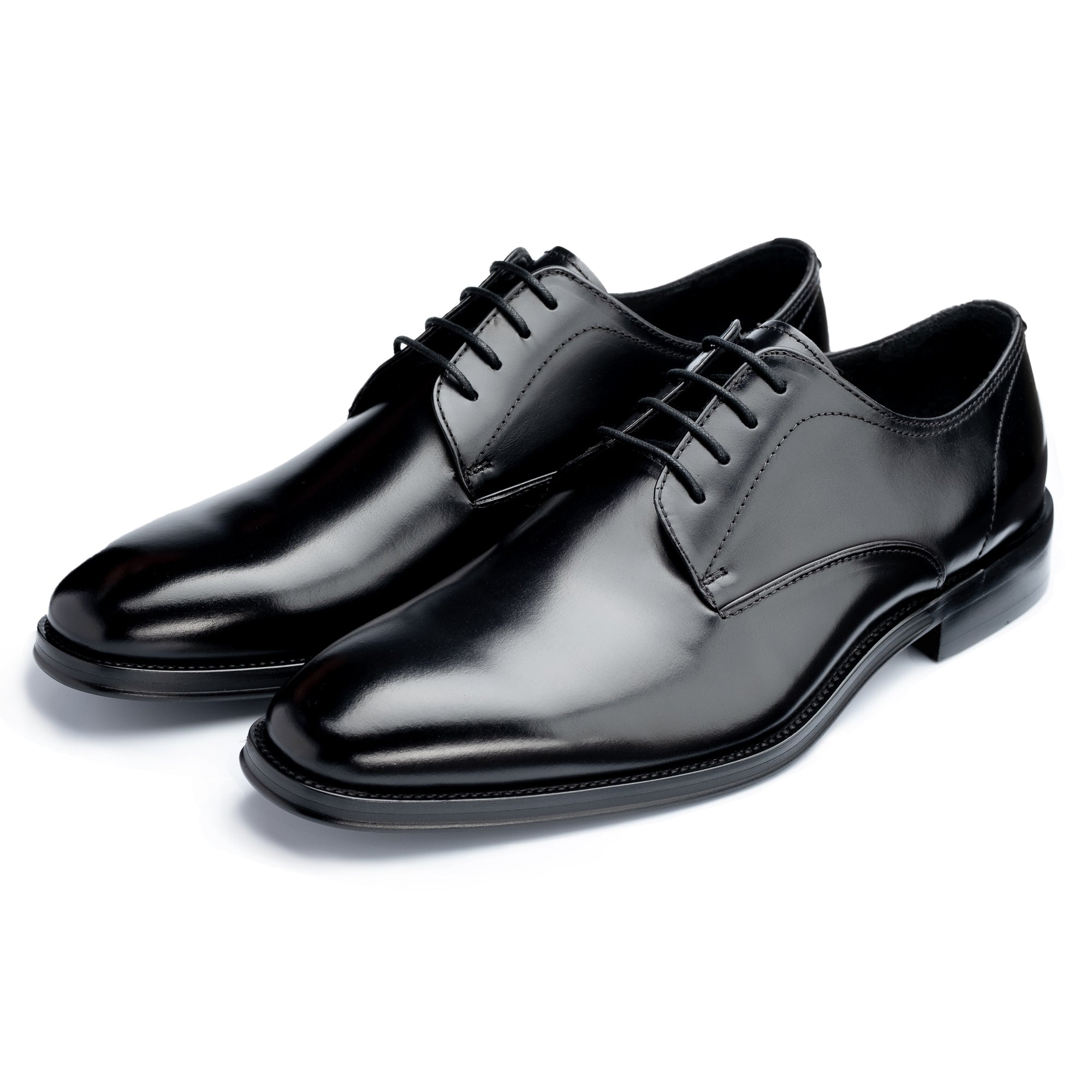
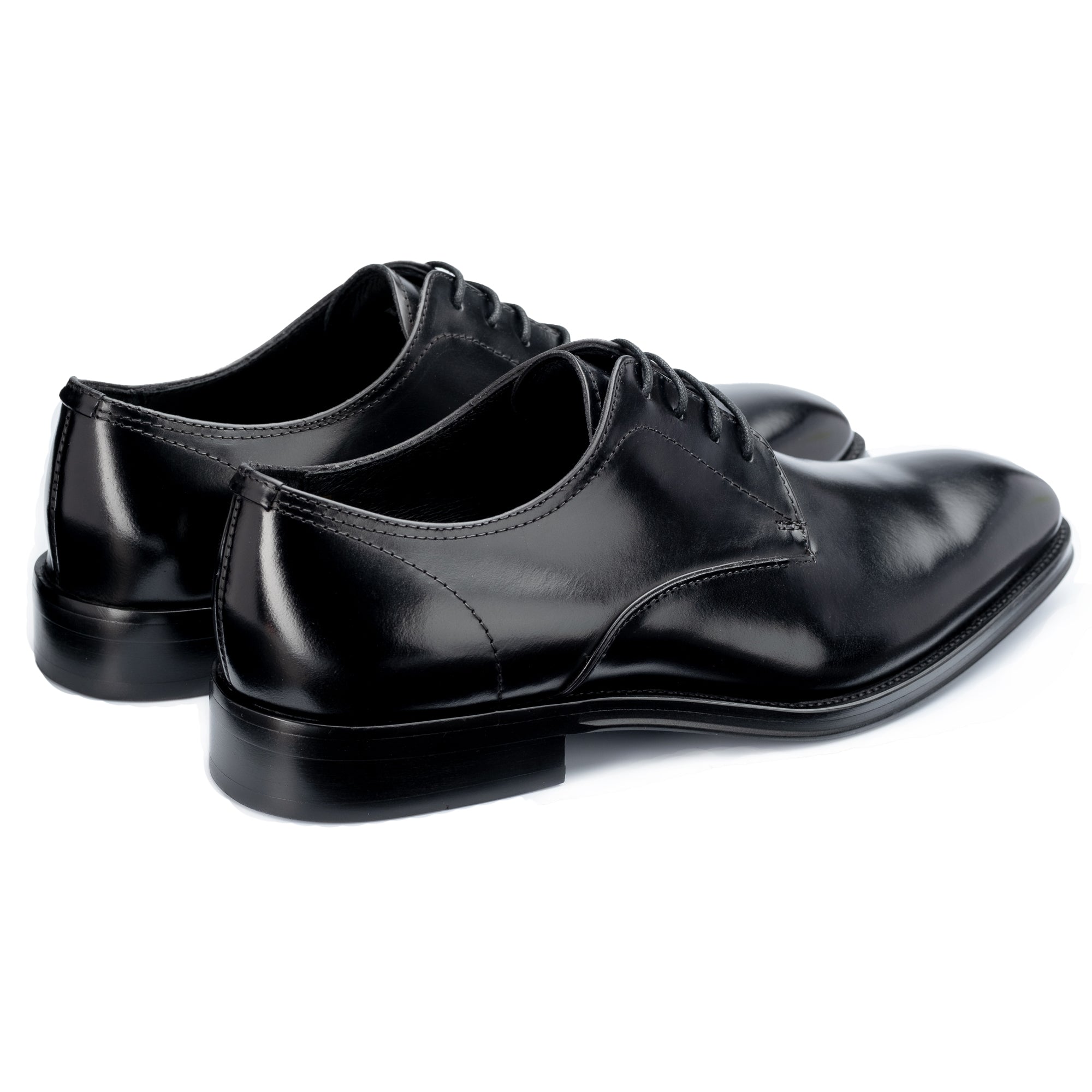
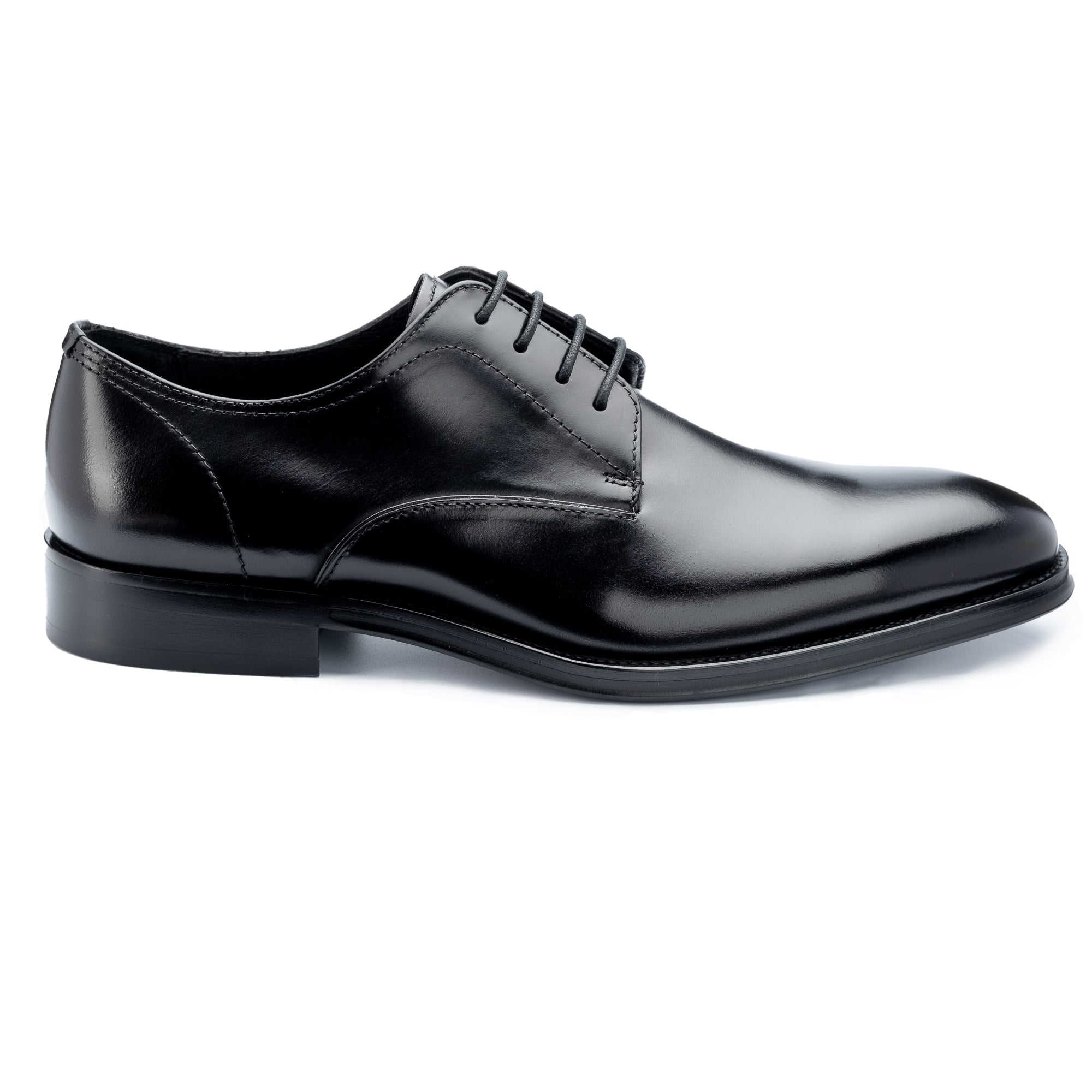
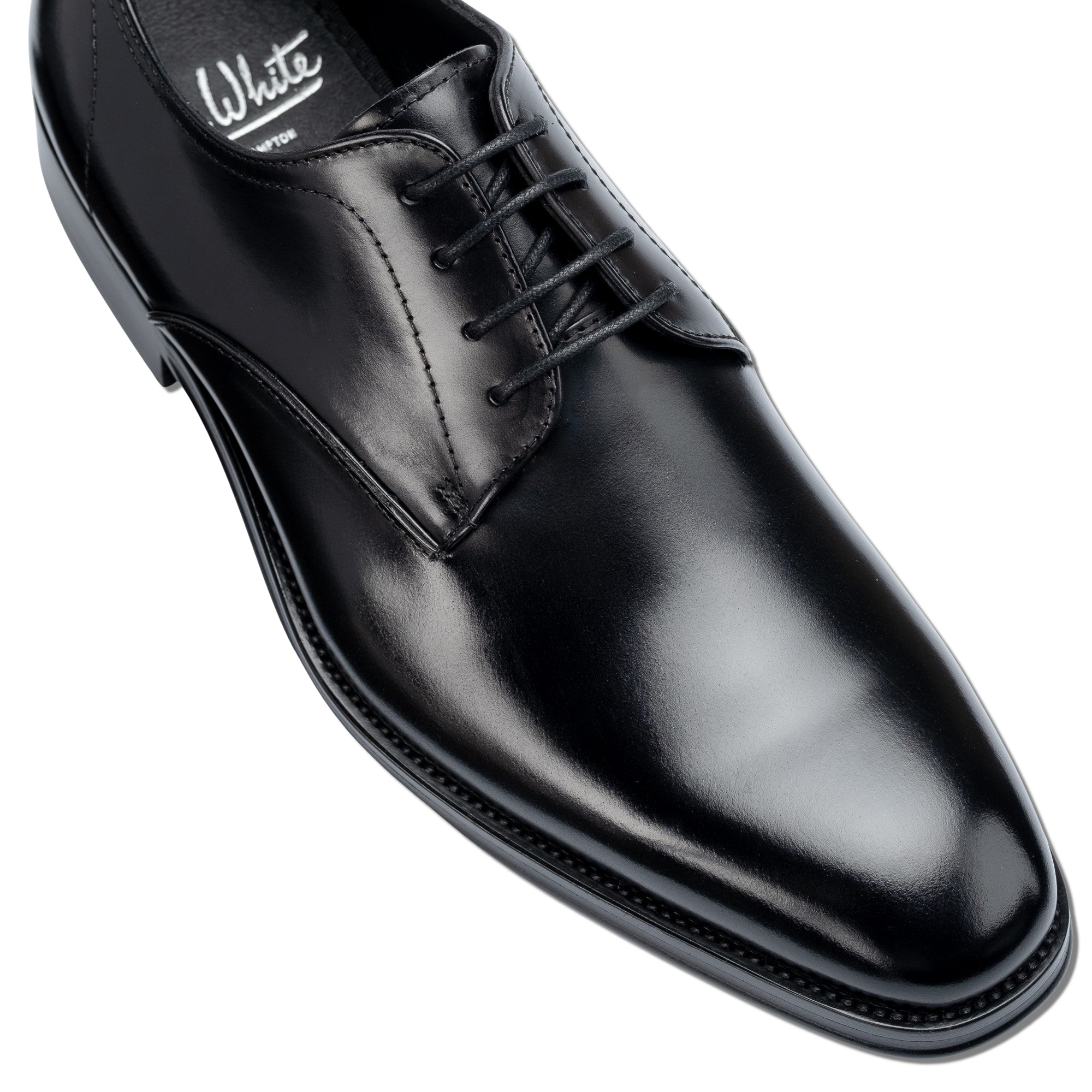
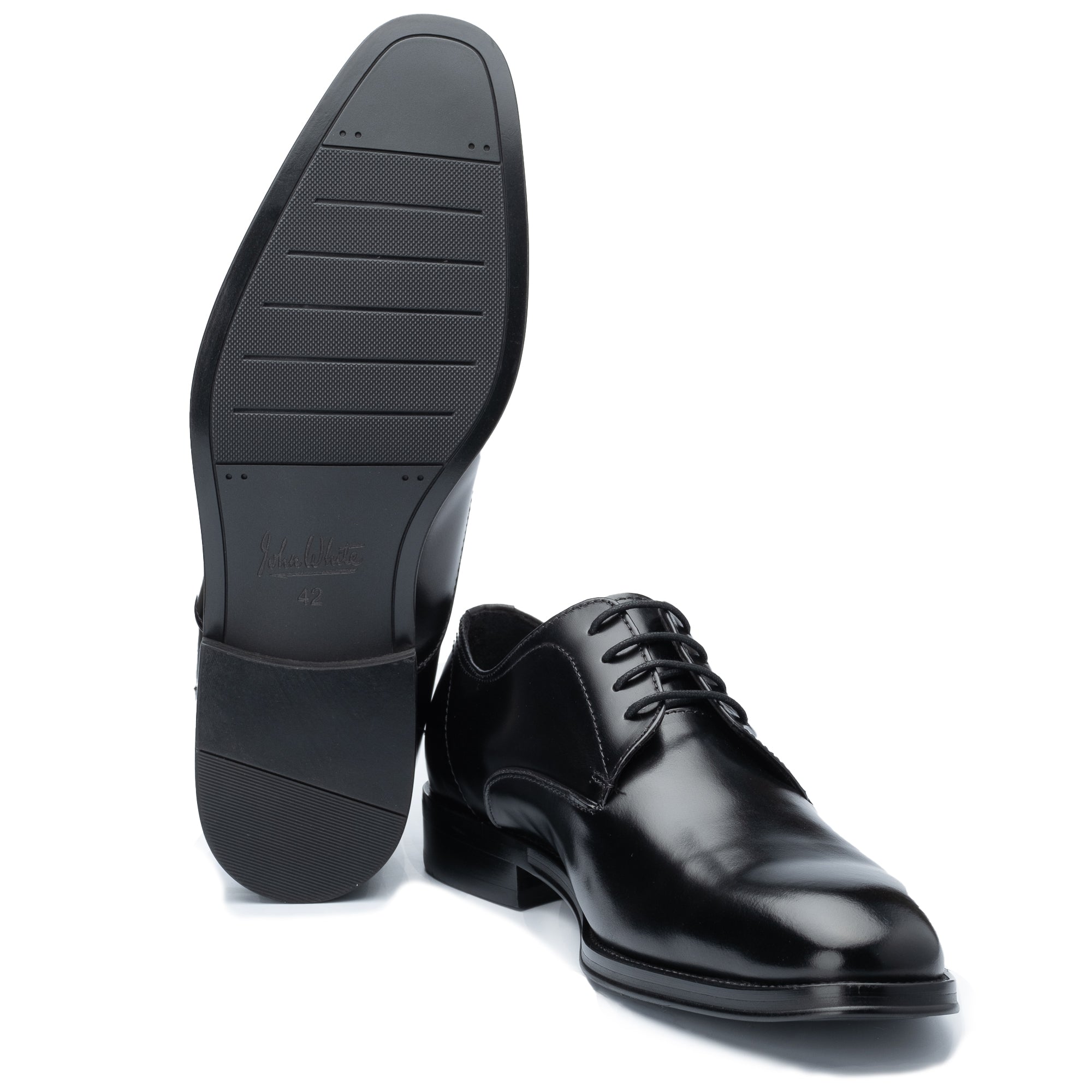
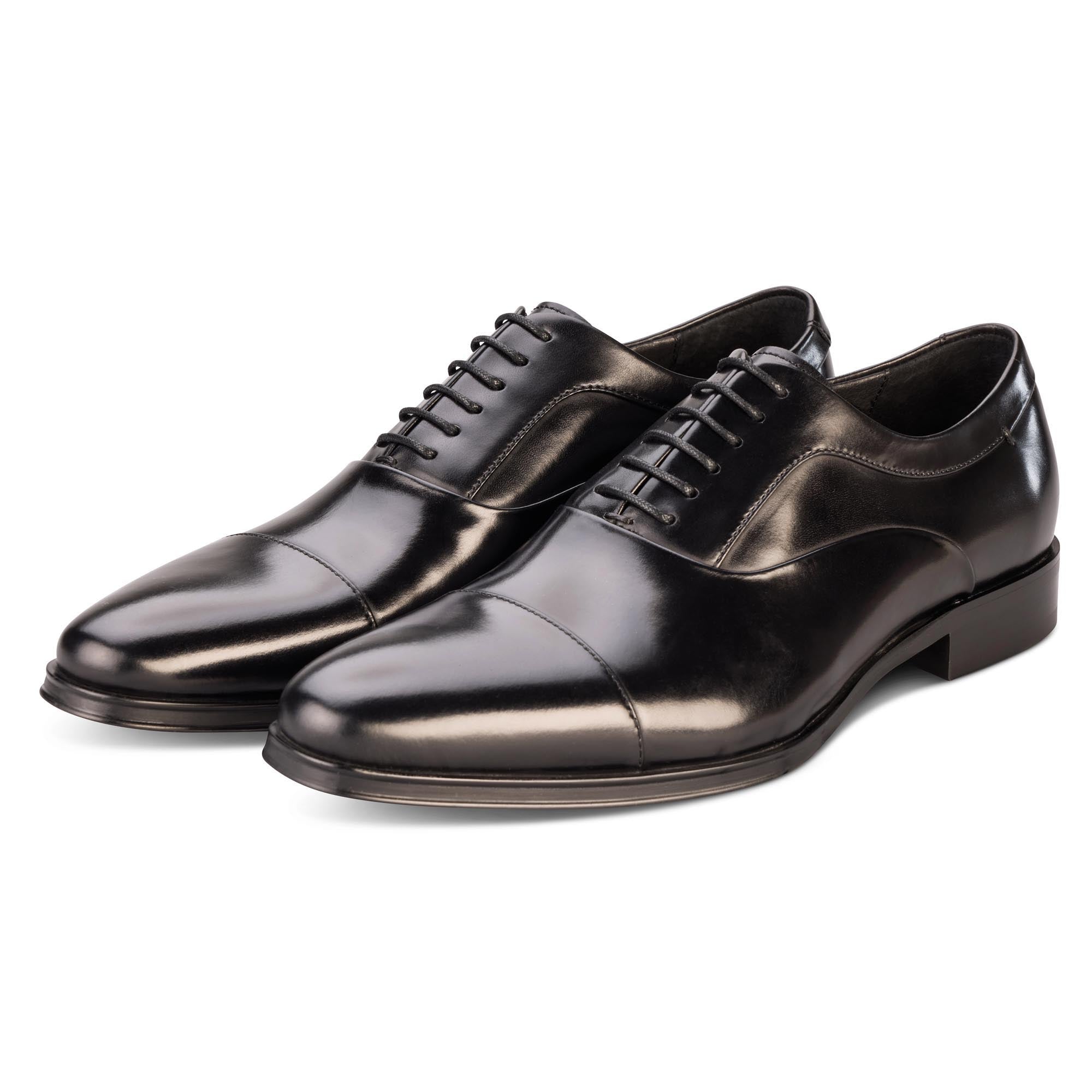
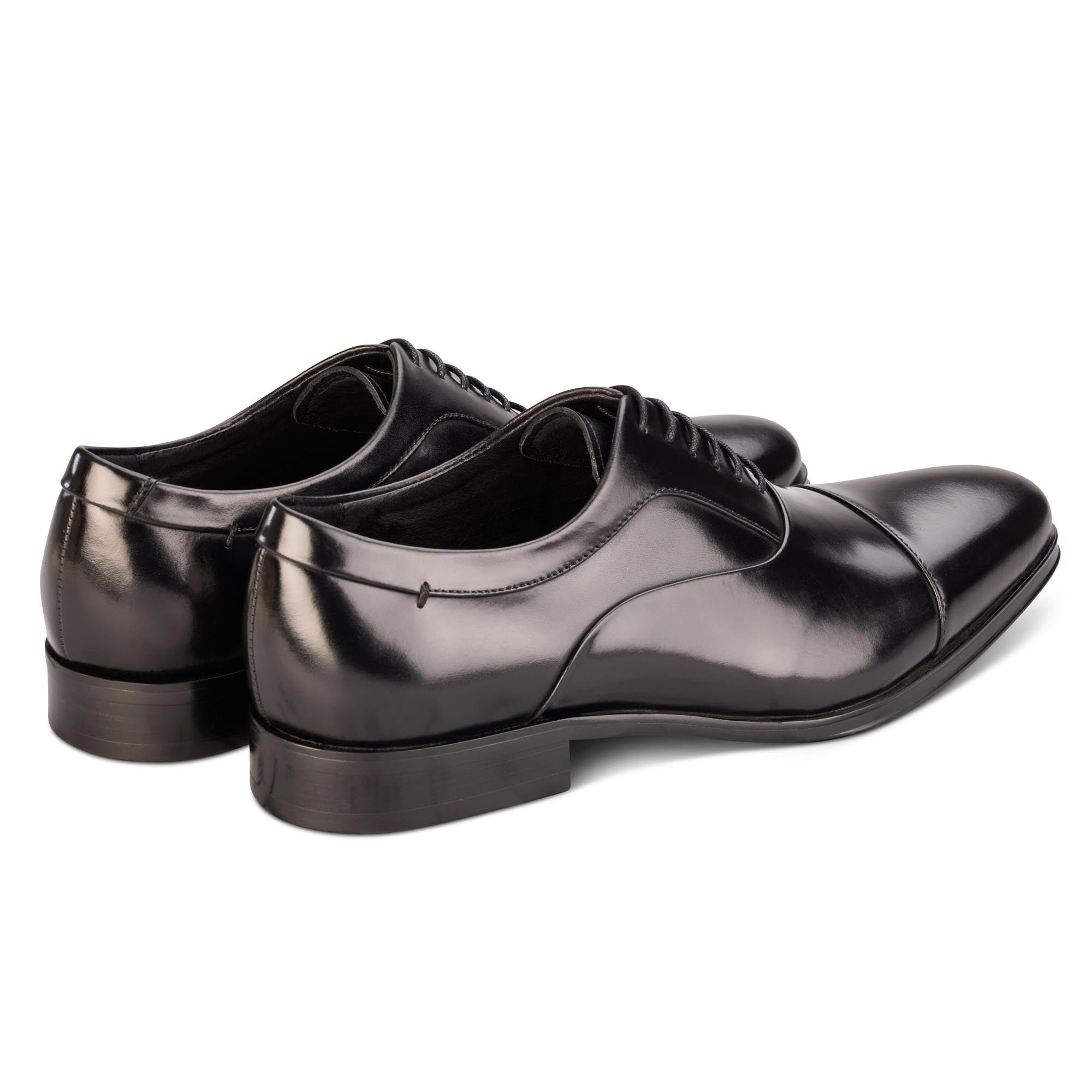
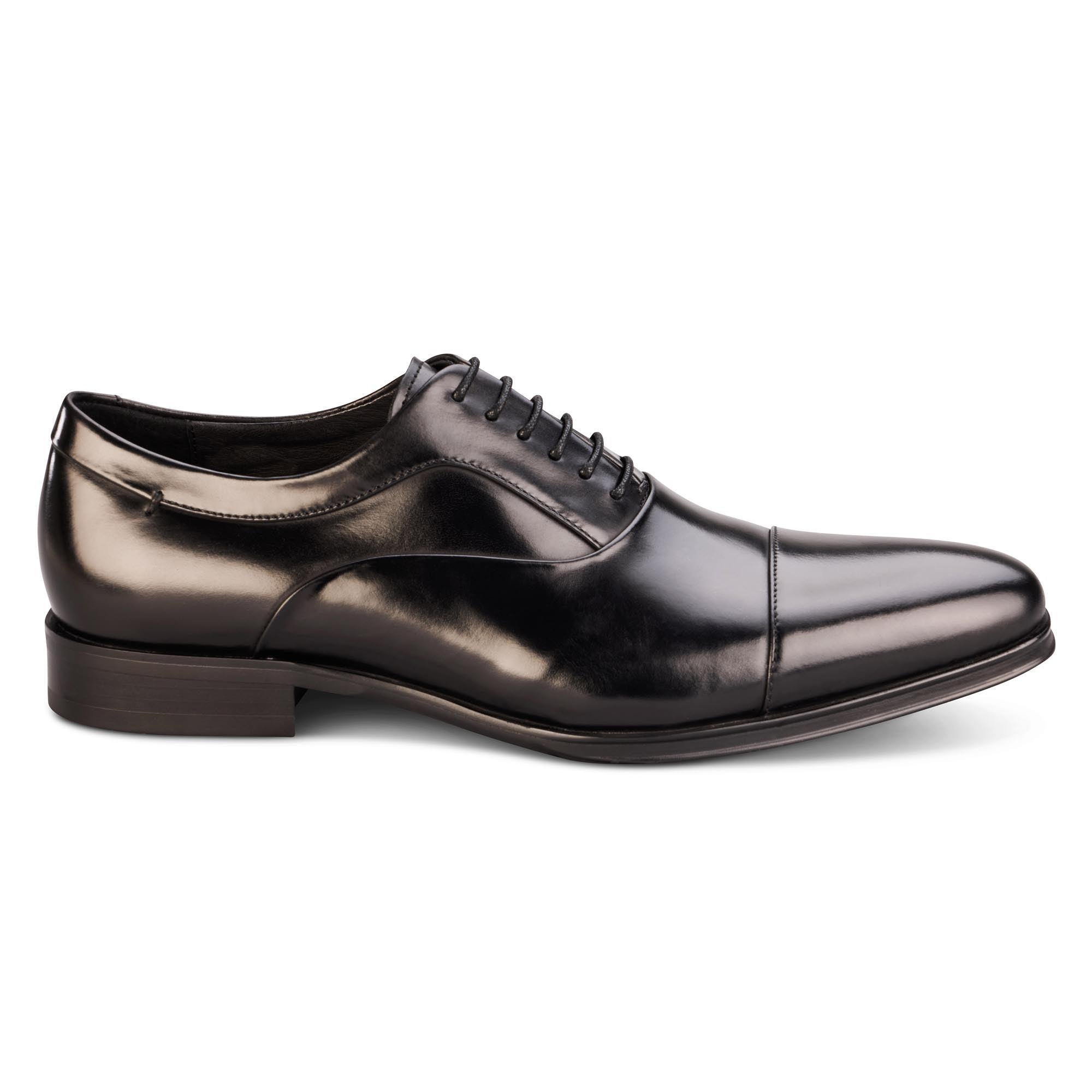
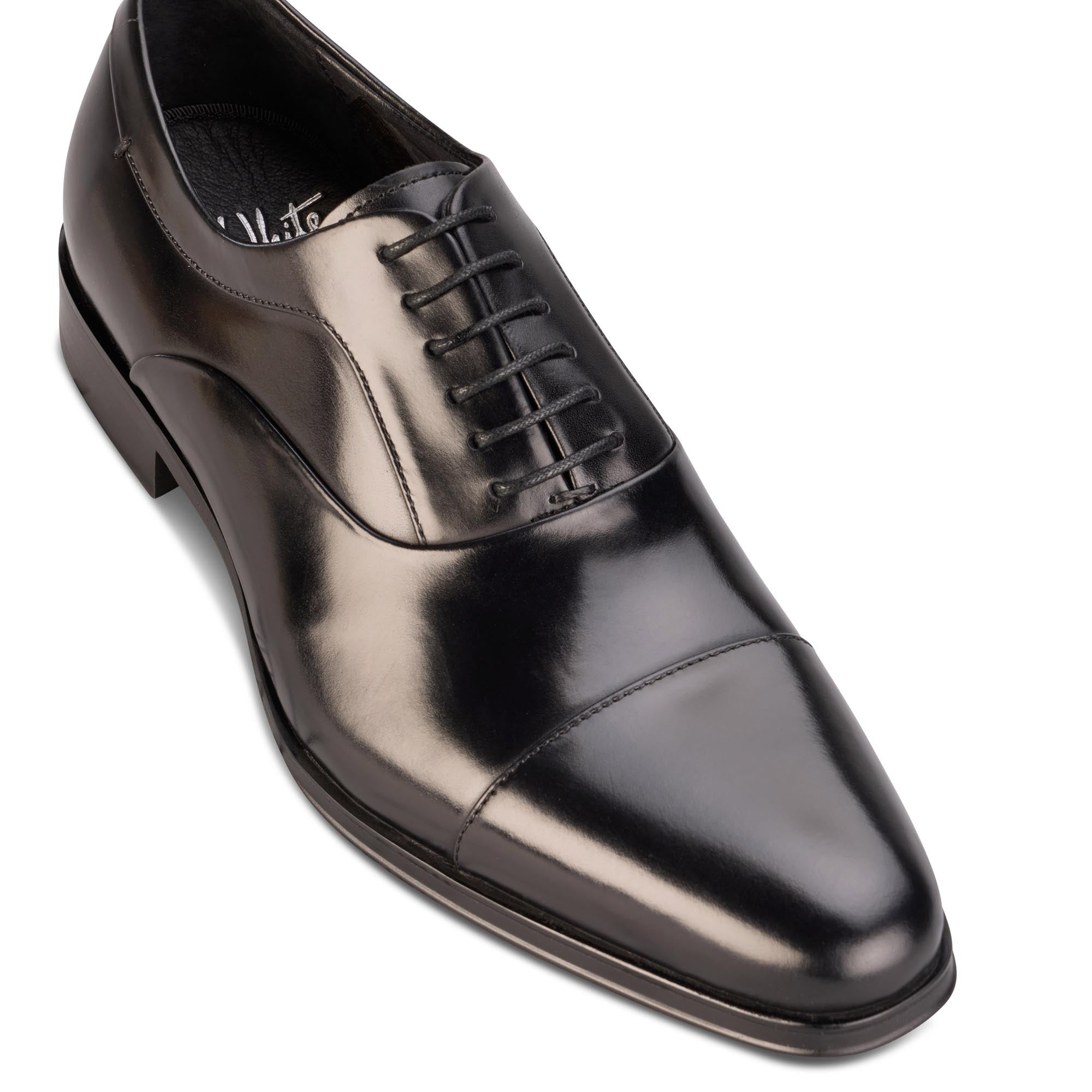
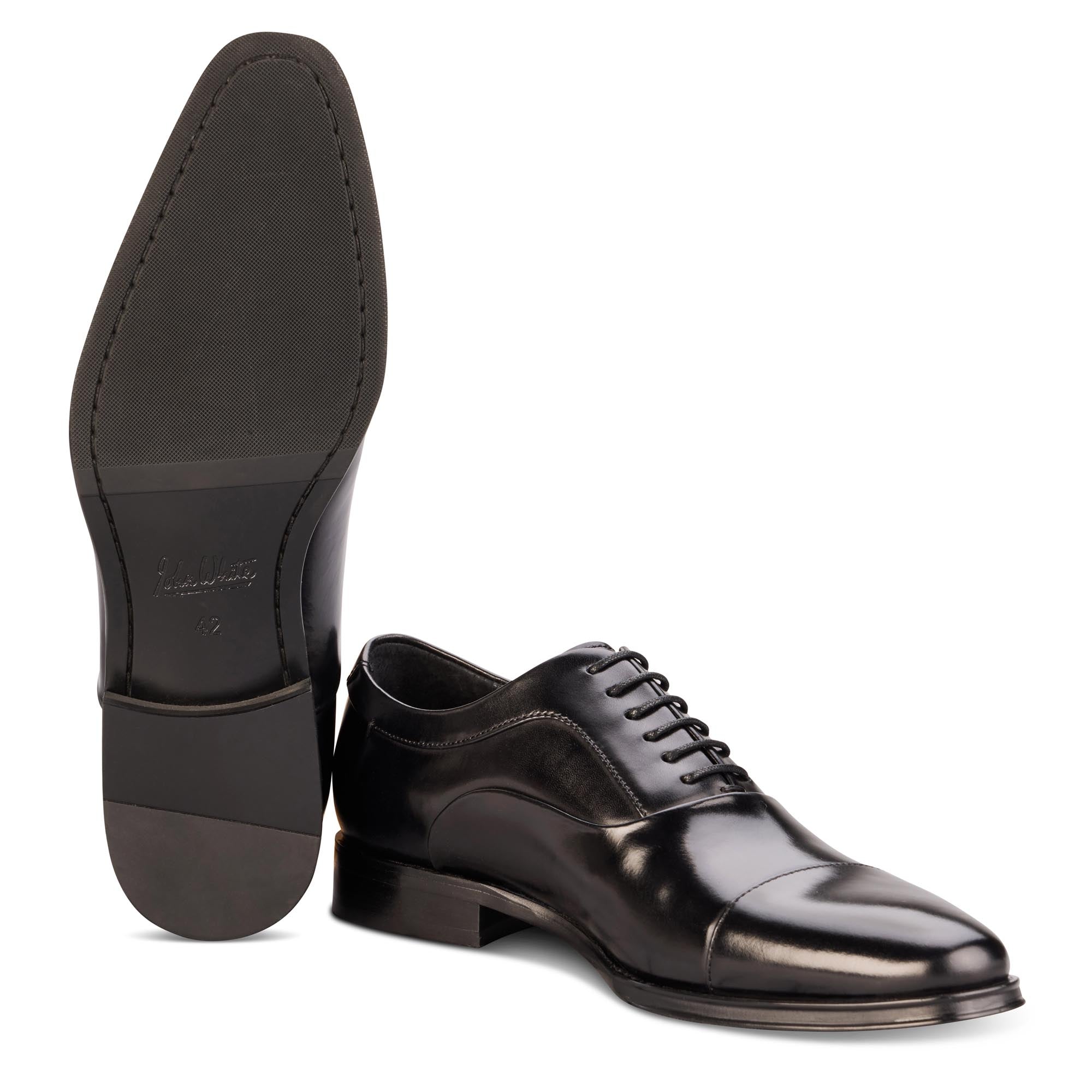
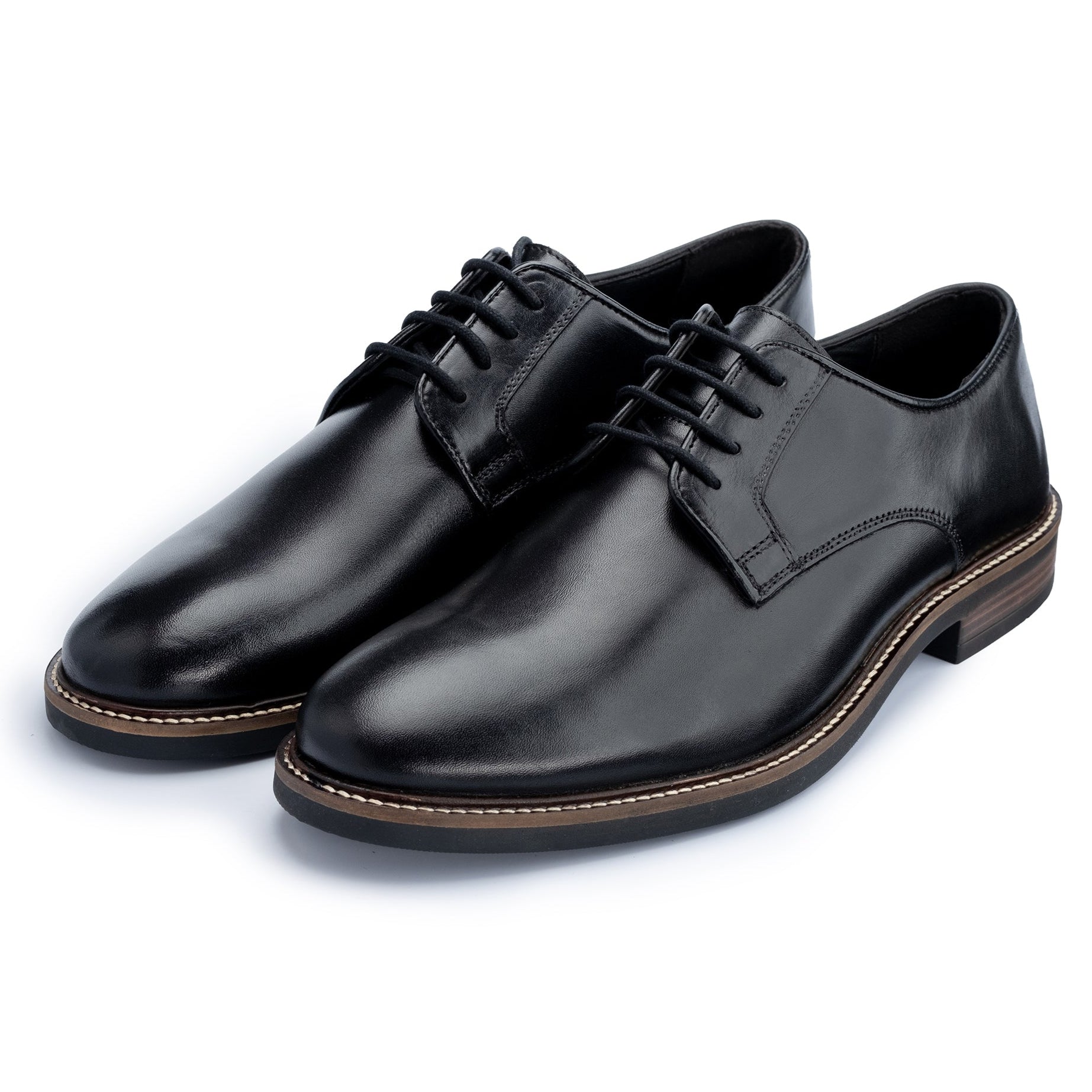
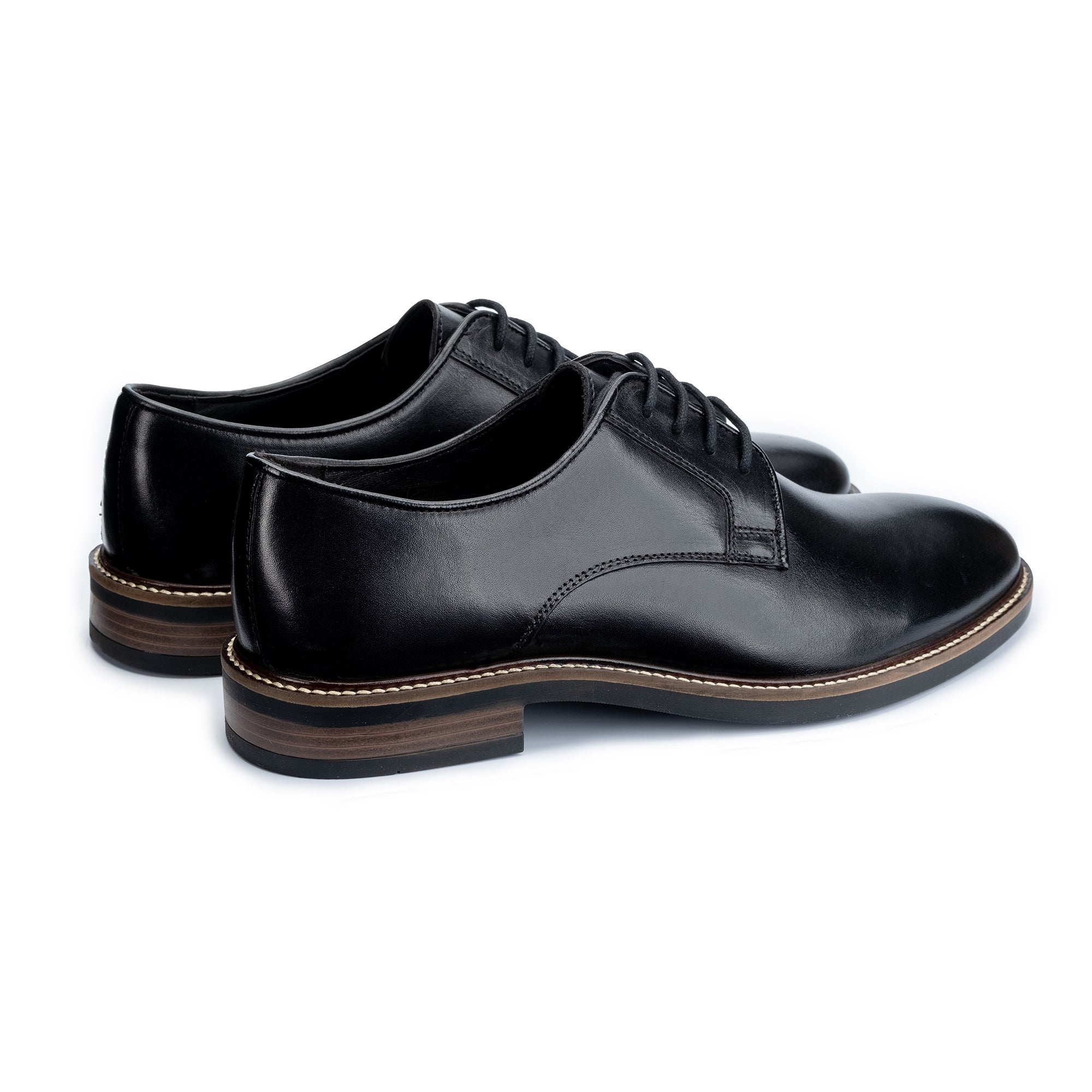
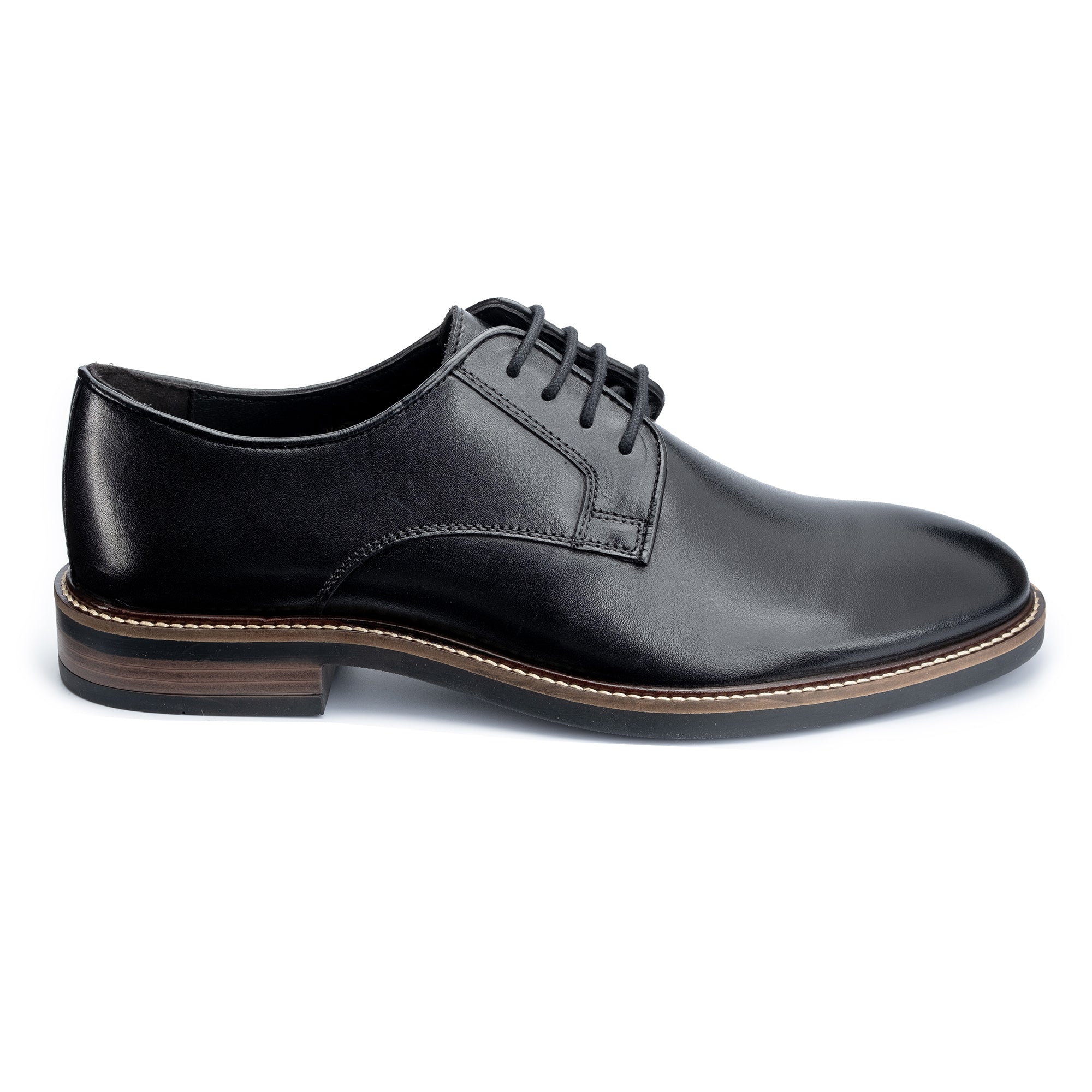
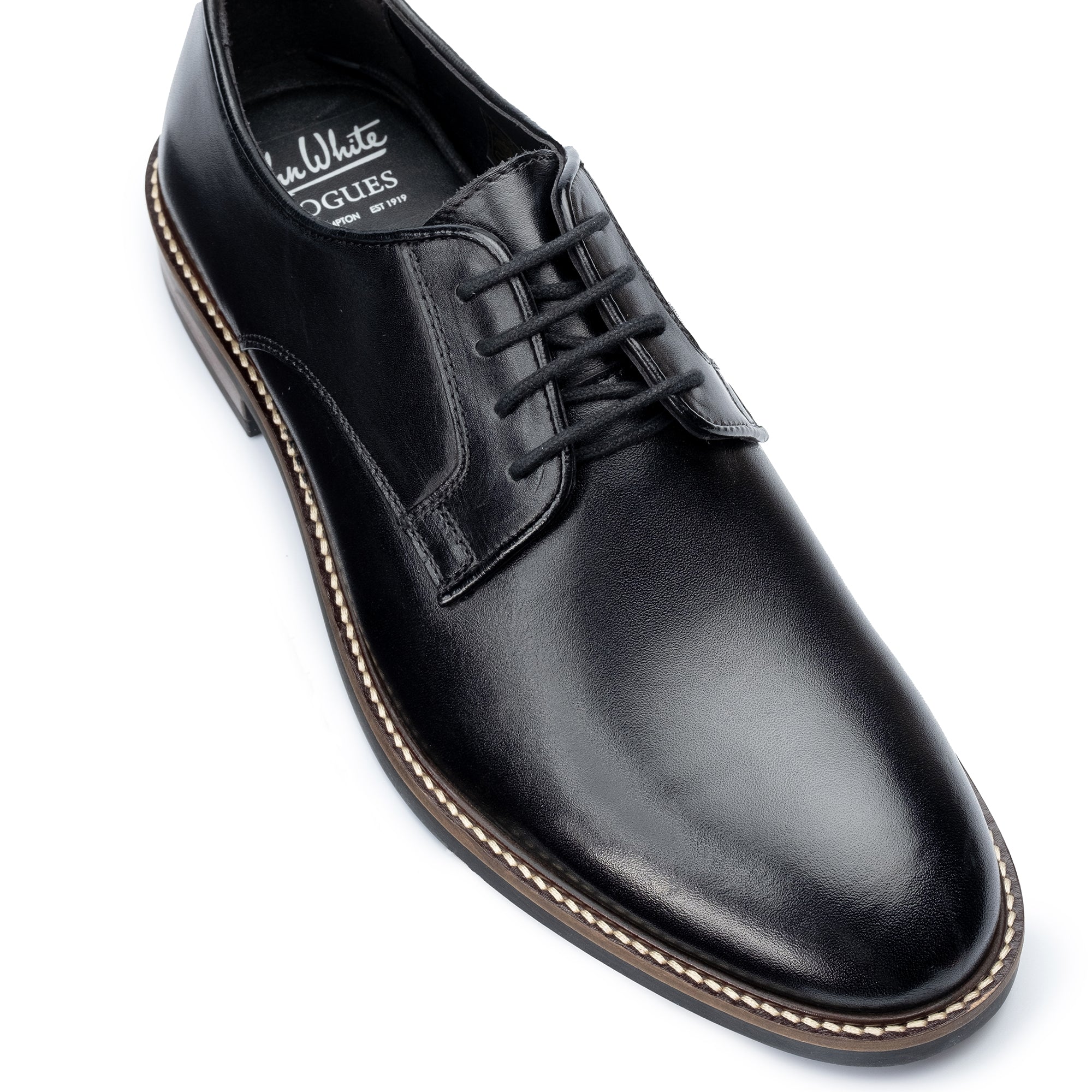
The Balmoral boot is the most formal style of men's boot, distinguished by its 'closed' lacing system, identical to that of an Oxford shoe. The seam of the boot's quarters runs horizontally from the vamp to the heel, creating a clean, uninterrupted line. This construction makes it the dress boot equivalent of the Oxford, which sits at the pinnacle of the dress shoe formality spectrum.
Historically, the Balmoral boot was popularised by Prince Albert as an indoor boot at Balmoral Castle. It soon became acceptable for daytime formal wear, often paired with morning dress or sharp city suits. Classic Balmoral boots from heritage Northamptonshire makers like Church's or Crockett & Jones often feature a different material on the shaft, such as suede or fabric, though all-leather versions are common.
While an elegant piece of footwear history, the Balmoral's strict formality can make it less practical for a modern wardrobe. Its application is narrow, best suited to very formal business or ceremonial occasions. For most men, the versatility offered by a premium Chelsea or Brogue boot provides far more utility without a significant compromise in style.
The Balmoral is the most formal dress boot, best reserved for the most stringent of dress codes.
Dress Boot Formality Comparison
To clarify the differences, here is a direct comparison of the three primary dress boot styles.
| Feature | Chelsea Boot | Brogue Boot | Balmoral Boot |
|---|---|---|---|
| Closure | Elastic Gusset (Laceless) | Open Lacing (like a Derby) | Closed Lacing (like an Oxford) |
| Formality Level | Versatile (Formal to Casual) | Smart-Casual | Highly Formal |
| Best For | Business suits, smart-casual weekends | Tweed, flannel, cords, dark denim | Formal business suits, morning dress |
| Defining Feature | Clean, uninterrupted vamp | Decorative perforations | Horizontal quarter seam |
How Do You Choose the Right Boot for Your Wardrobe?
Selecting the right dress boot depends entirely on your existing wardrobe and typical daily environment. A recent survey from YouGov found that only one in ten British workers wear a suit to the office, highlighting the shift towards more relaxed dress codes.
Follow these principles:
- For a formal, corporate setting: Choose a black leather Chelsea boot. Its sleek profile complements tailored trousers and presents a sharp, contemporary image.
- For a business-casual or creative office: A brown leather Brogue boot or a suede Chelsea boot is an ideal choice. Both pair well with chinos, separate jackets, and less formal suits.
- For weekend refinement: A brown suede Chelsea or a rich brown Brogue boot offers unparalleled style when paired with quality knitwear and dark denim or moleskin trousers.
Ultimately, the goal is to build a collection of footwear that serves your needs. A quality pair of boots is an investment in both style and practicality, offering an enduring elegance that shoes alone cannot always provide.
TL;DR: Quick Guide to Boot Formality
The Balmoral boot is the most formal due to its Oxford-style closed lacing. The Brogue boot is inherently more casual because of its decorative, rustic origins. The Chelsea boot is the most versatile; its formality is dictated by the material and colour, ranging from suit-appropriate black leather to casual brown suede.
Related Guides
- The Definitive Guide to Men's Boots — our comprehensive guide
- The Formality Spectrum: A Definitive Ranking of Men's Dress Shoes
- How to Wear Brogue Boots: Men's Styling Guide for Every Season
- The Timeless Appeal of Chelsea Boots
Frequently Asked Questions
Can you wear dress boots with a suit?
Yes, absolutely. A sleek, well-polished leather Chelsea boot in black or dark brown is an excellent and stylish choice to wear with a suit, particularly in autumn and winter. Brogue boots can be worn with less formal suits, such as those made from tweed or flannel.
Are Chelsea boots more formal than Brogue boots?
Generally, a black leather Chelsea boot is more formal than any Brogue boot. The Chelsea's clean lines and lack of ornamentation give it a more formal appearance. However, a suede Chelsea boot would be considered less formal than a dark leather Brogue boot.
What colour dress boot is the most versatile?
A deep brown leather is arguably the most versatile colour for a dress boot. It can be paired with navy, grey, and charcoal suits, as well as with a wide range of smart-casual trousers like chinos and corduroys. Black is more formal but less versatile overall.
Ready to find the perfect pair for your wardrobe? Explore our curated collection of premium men's boots, designed with over a century of British footwear heritage in mind.