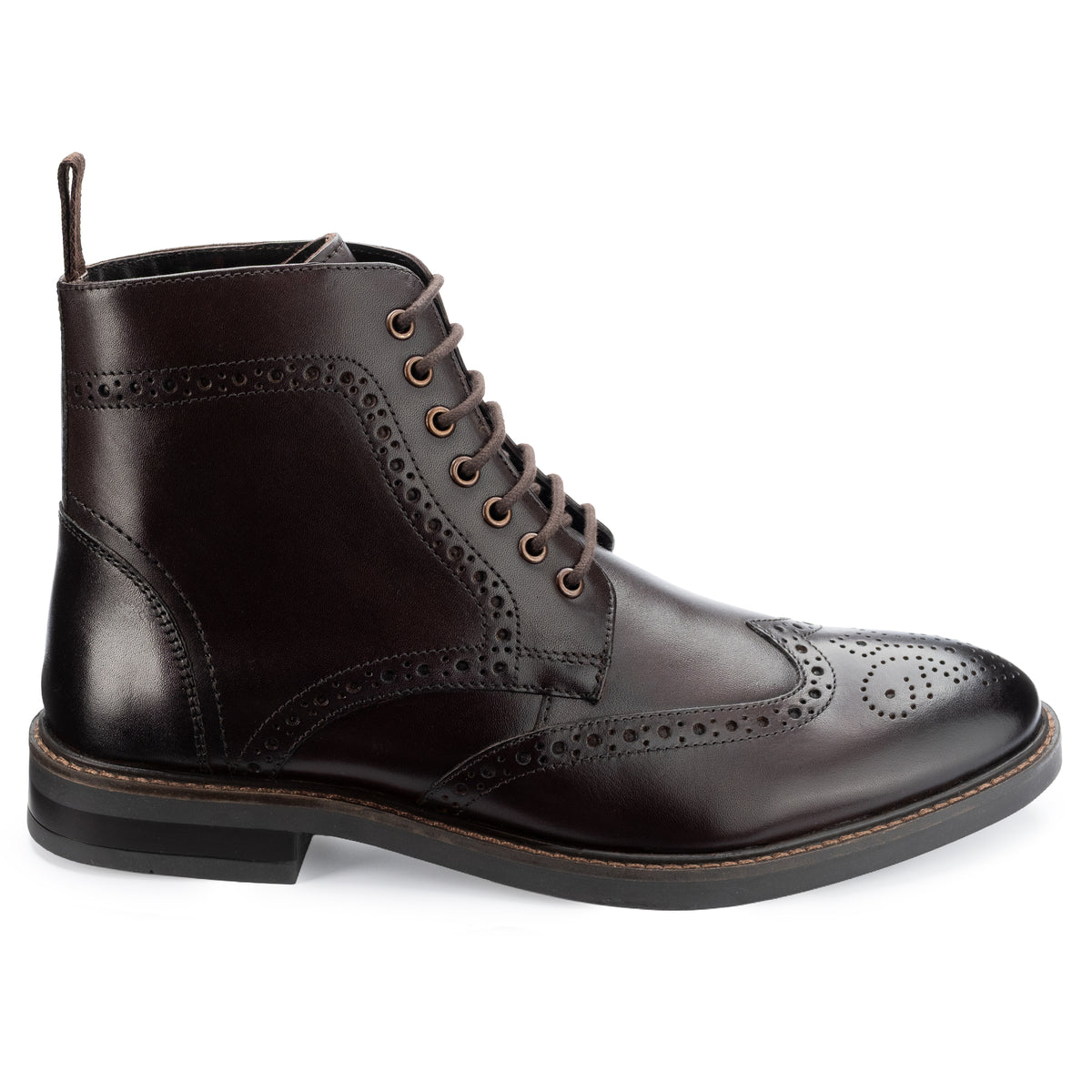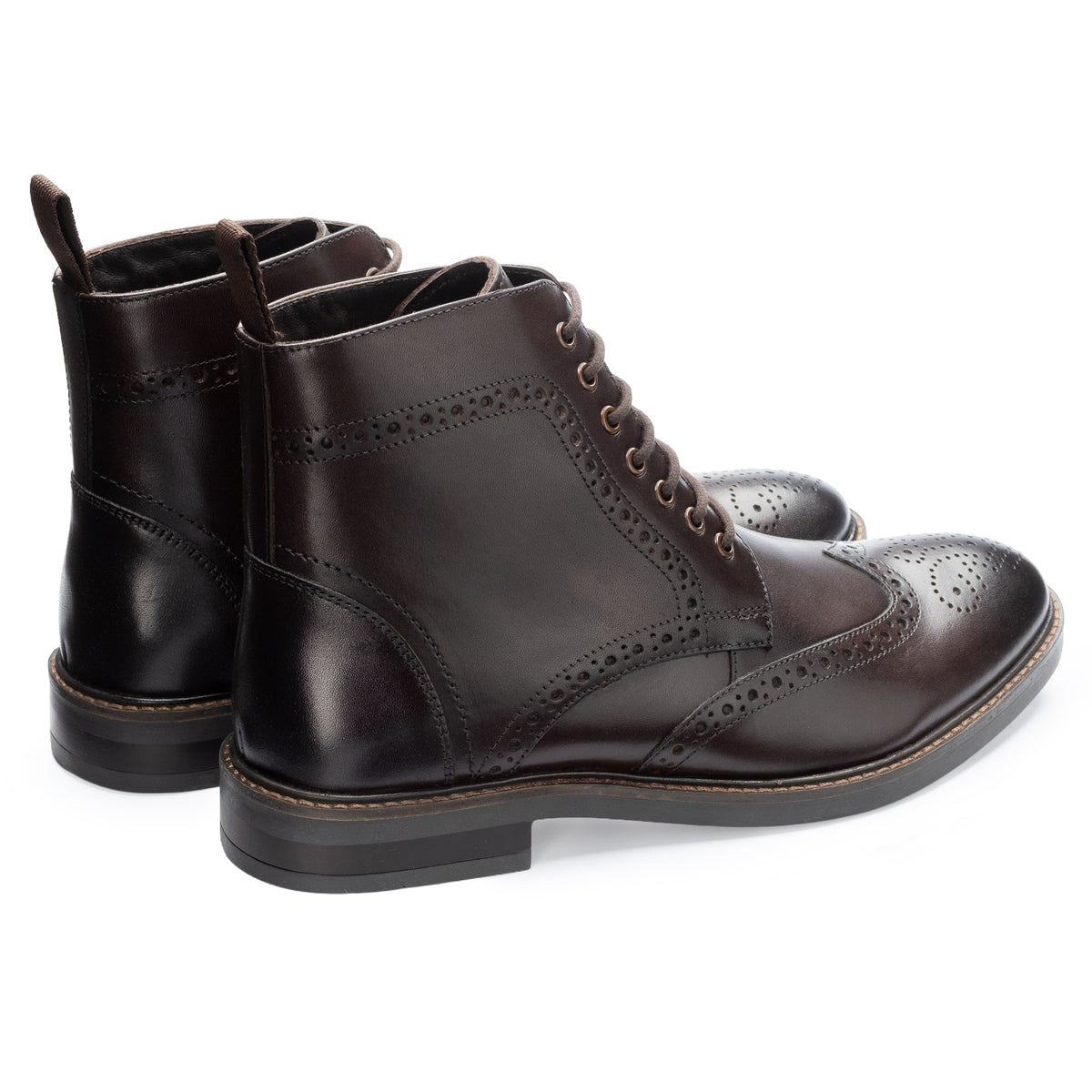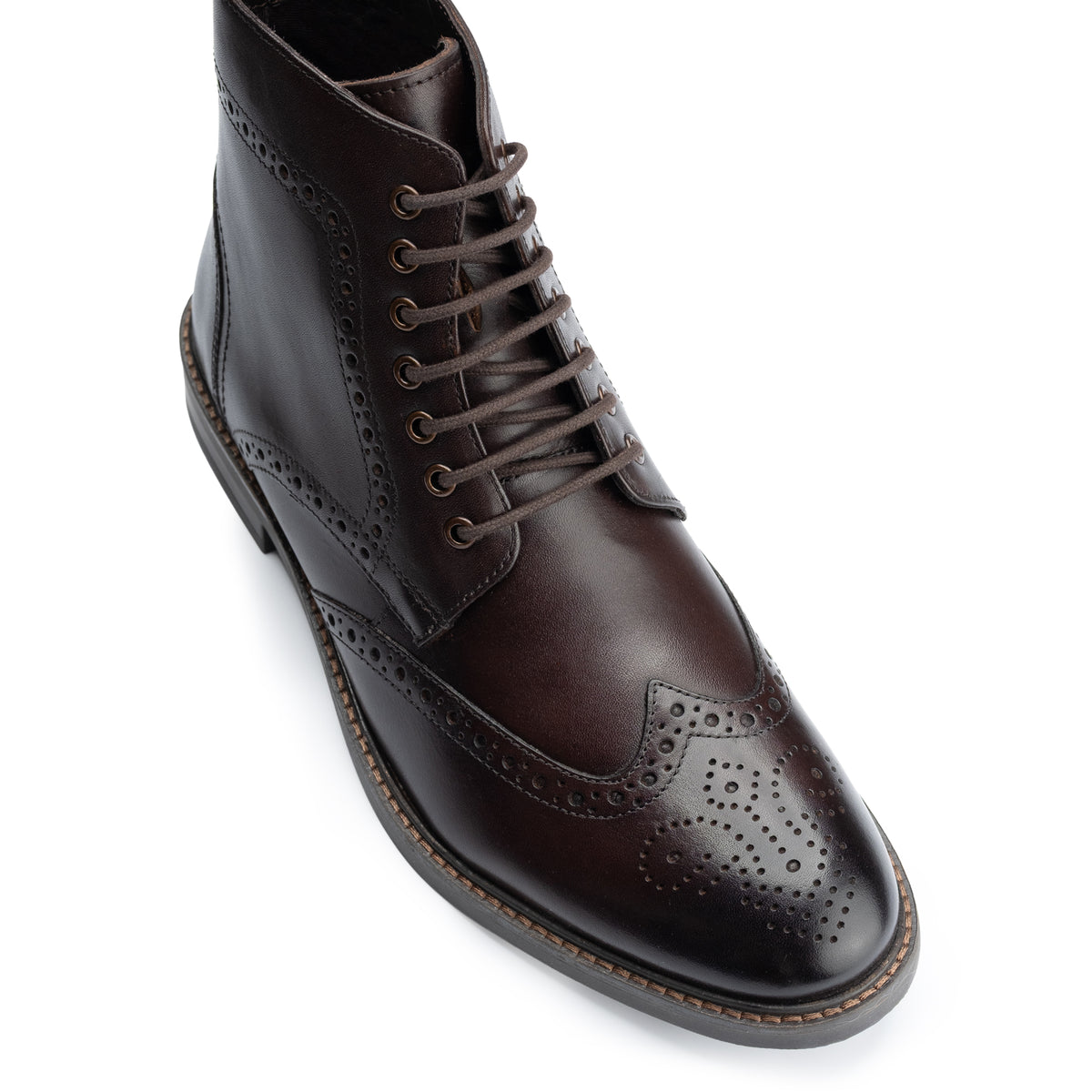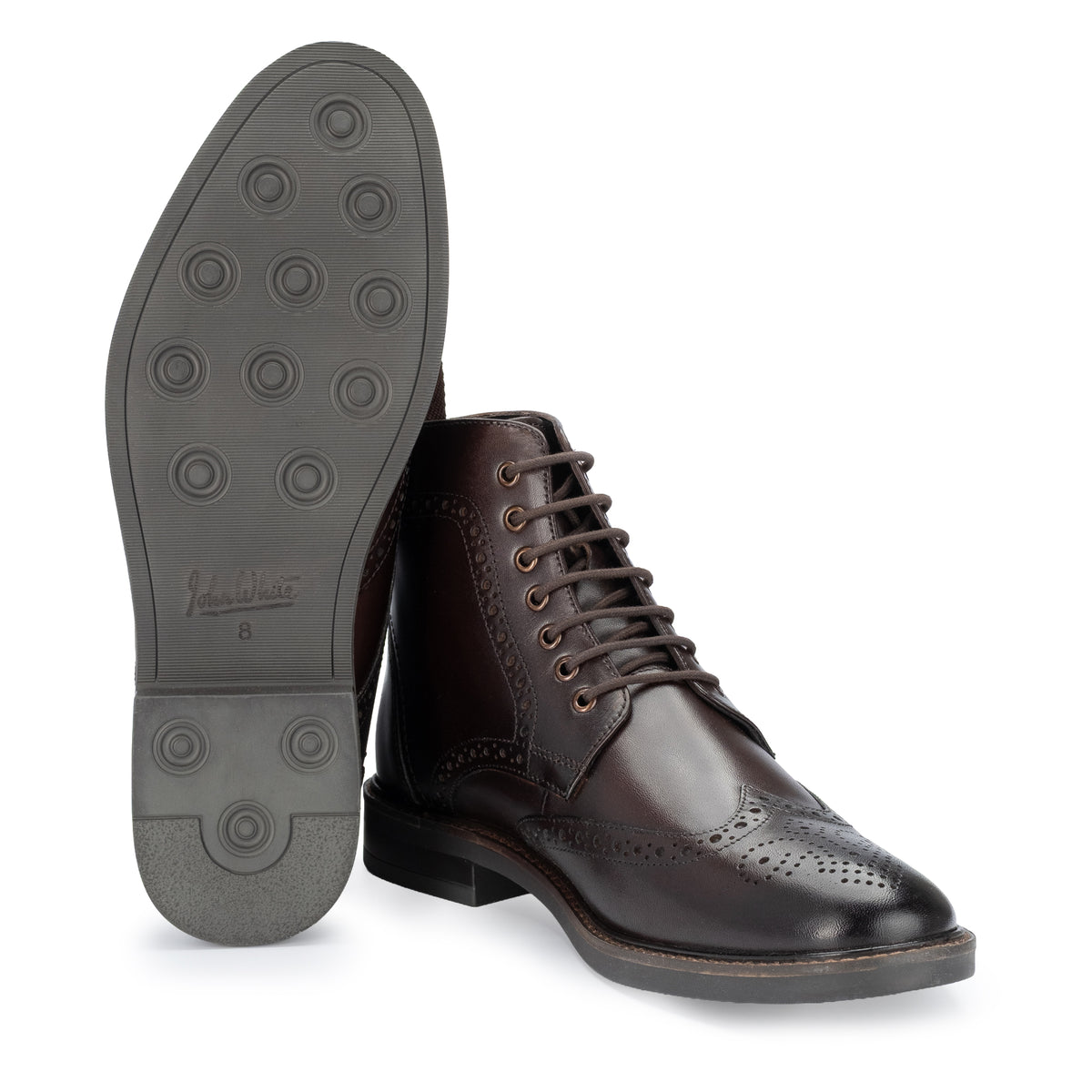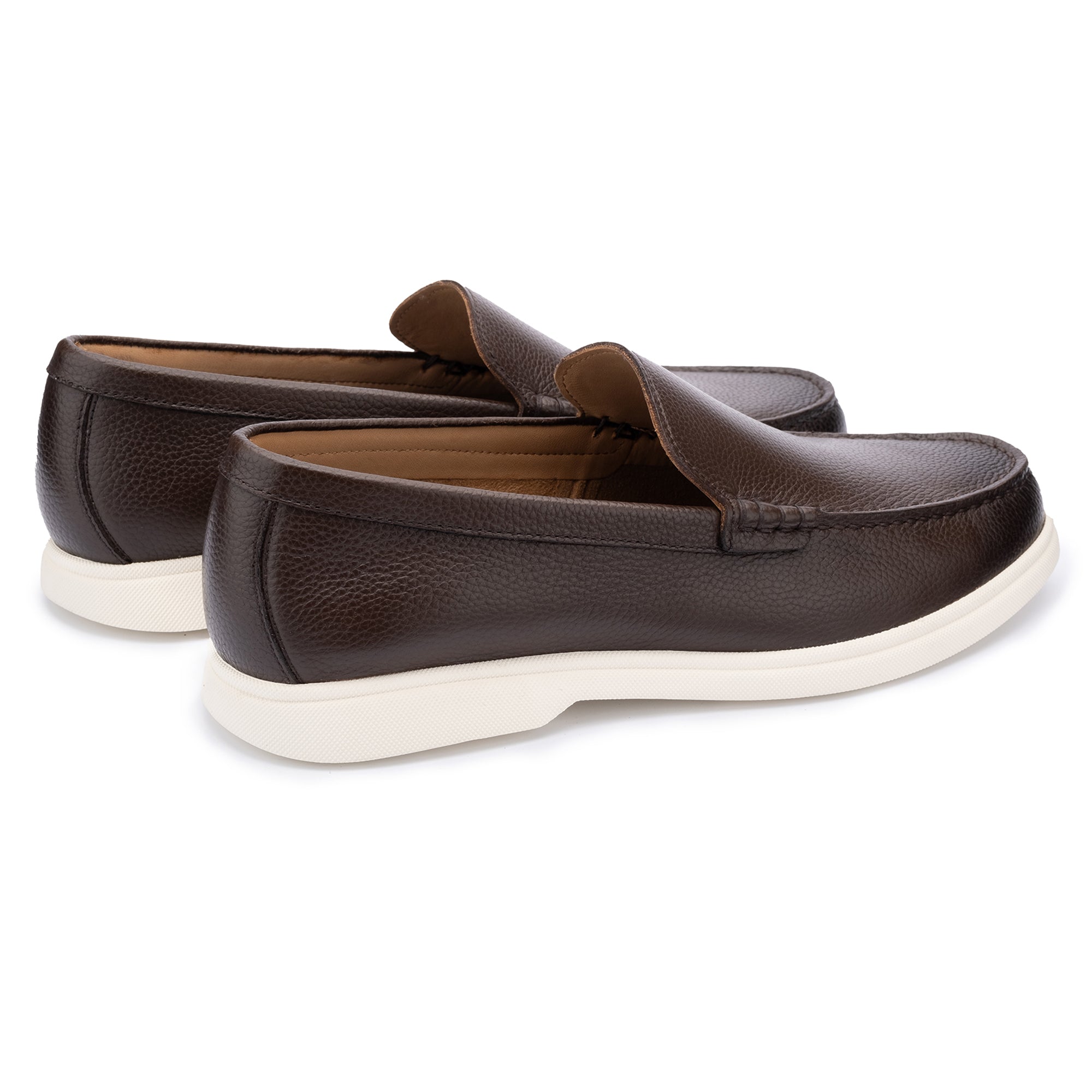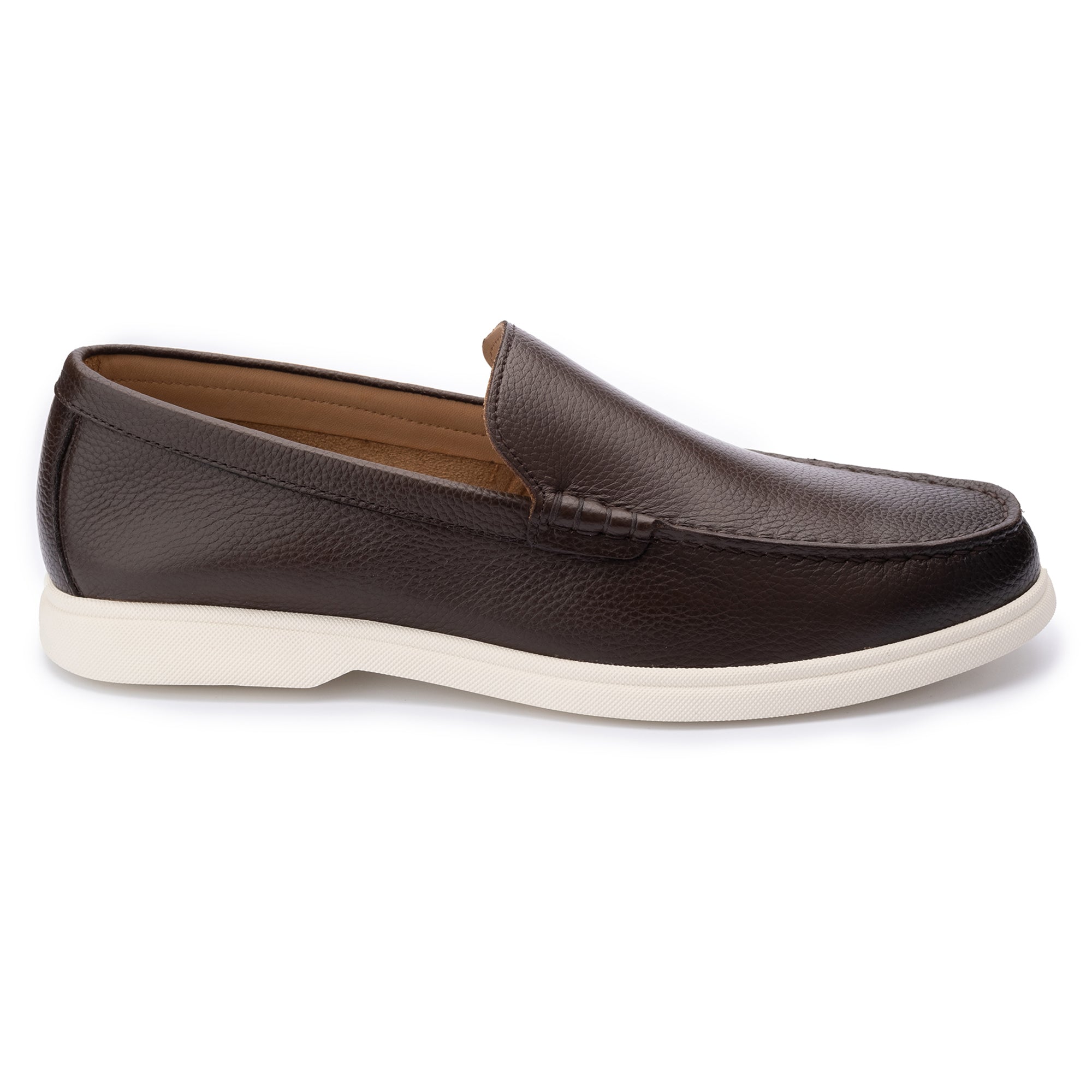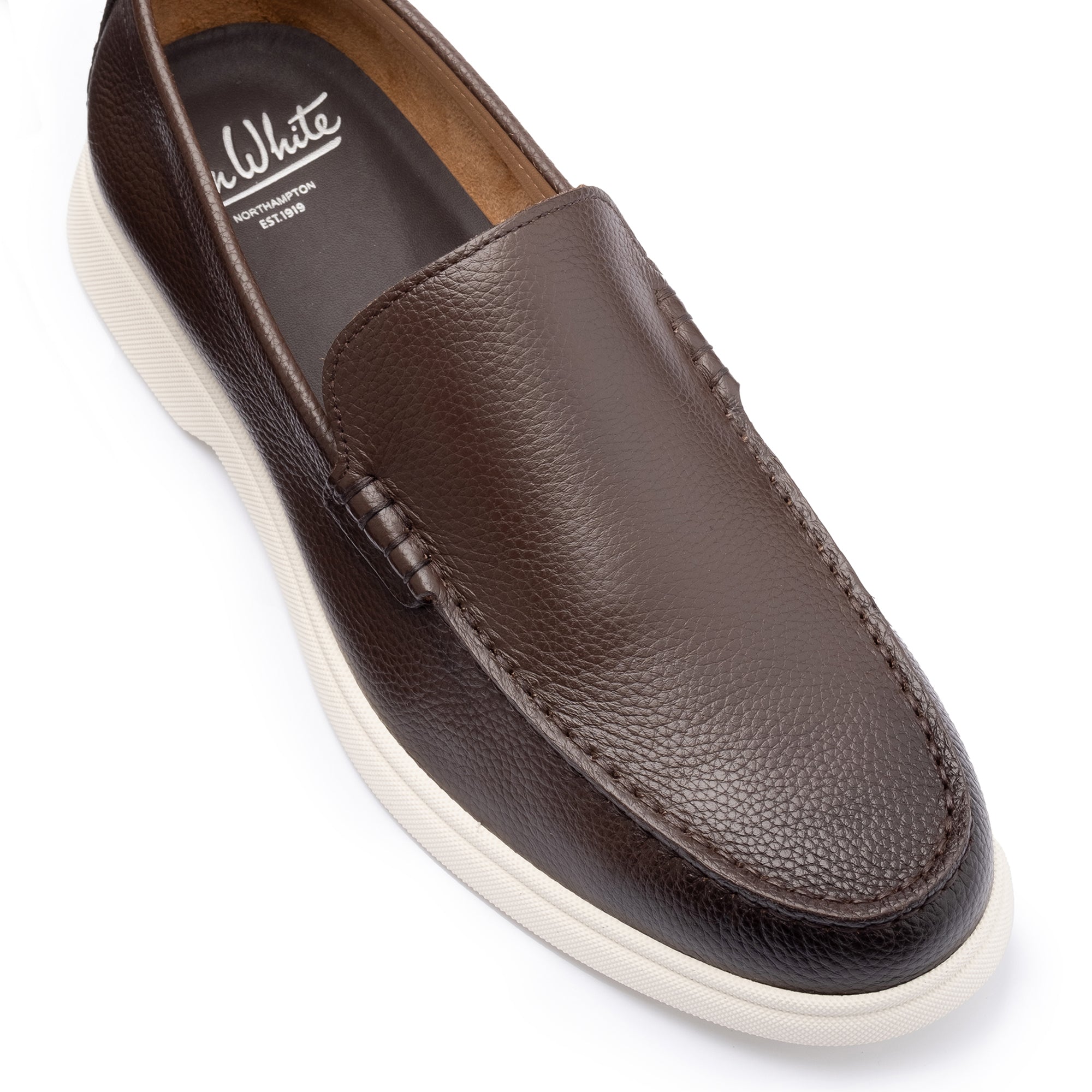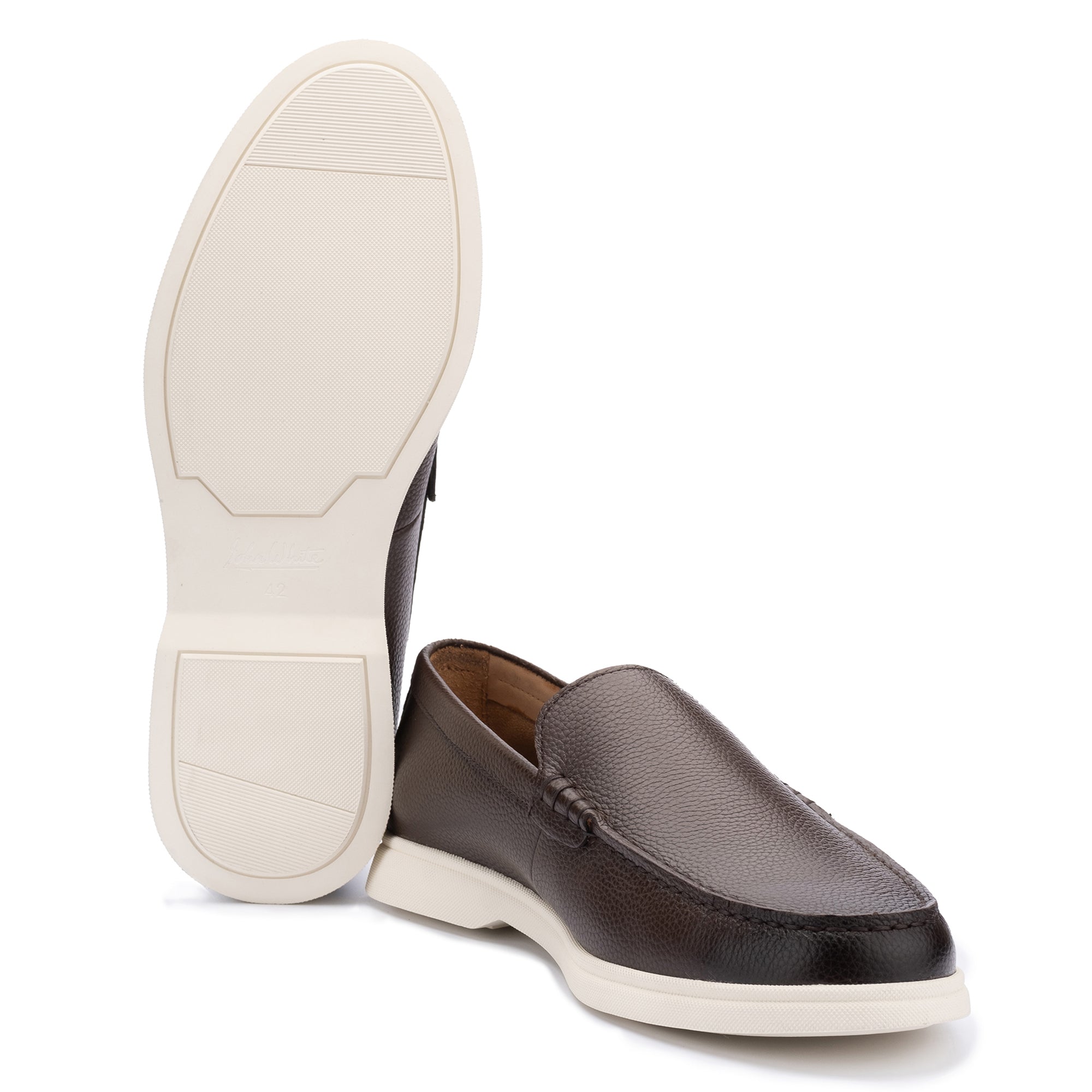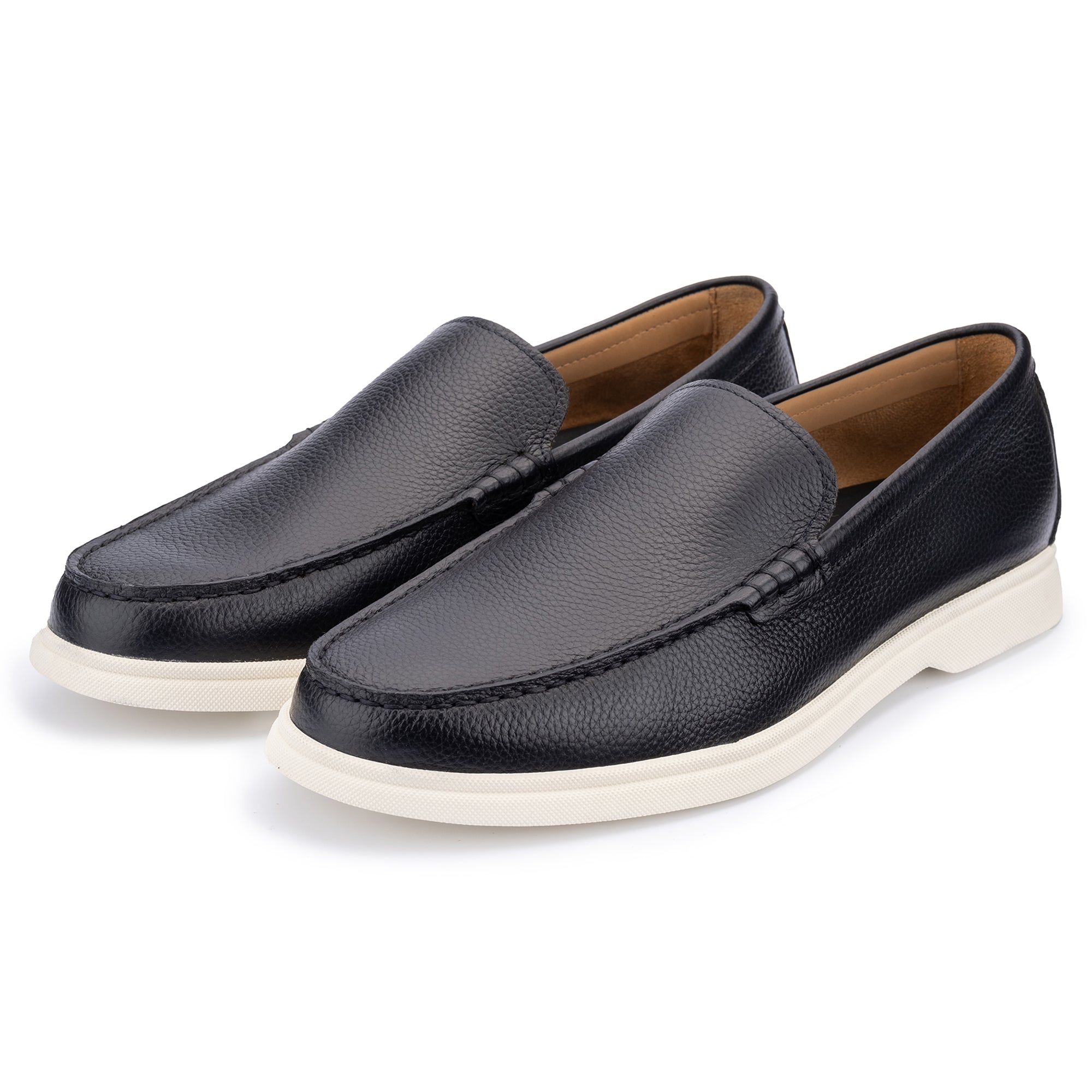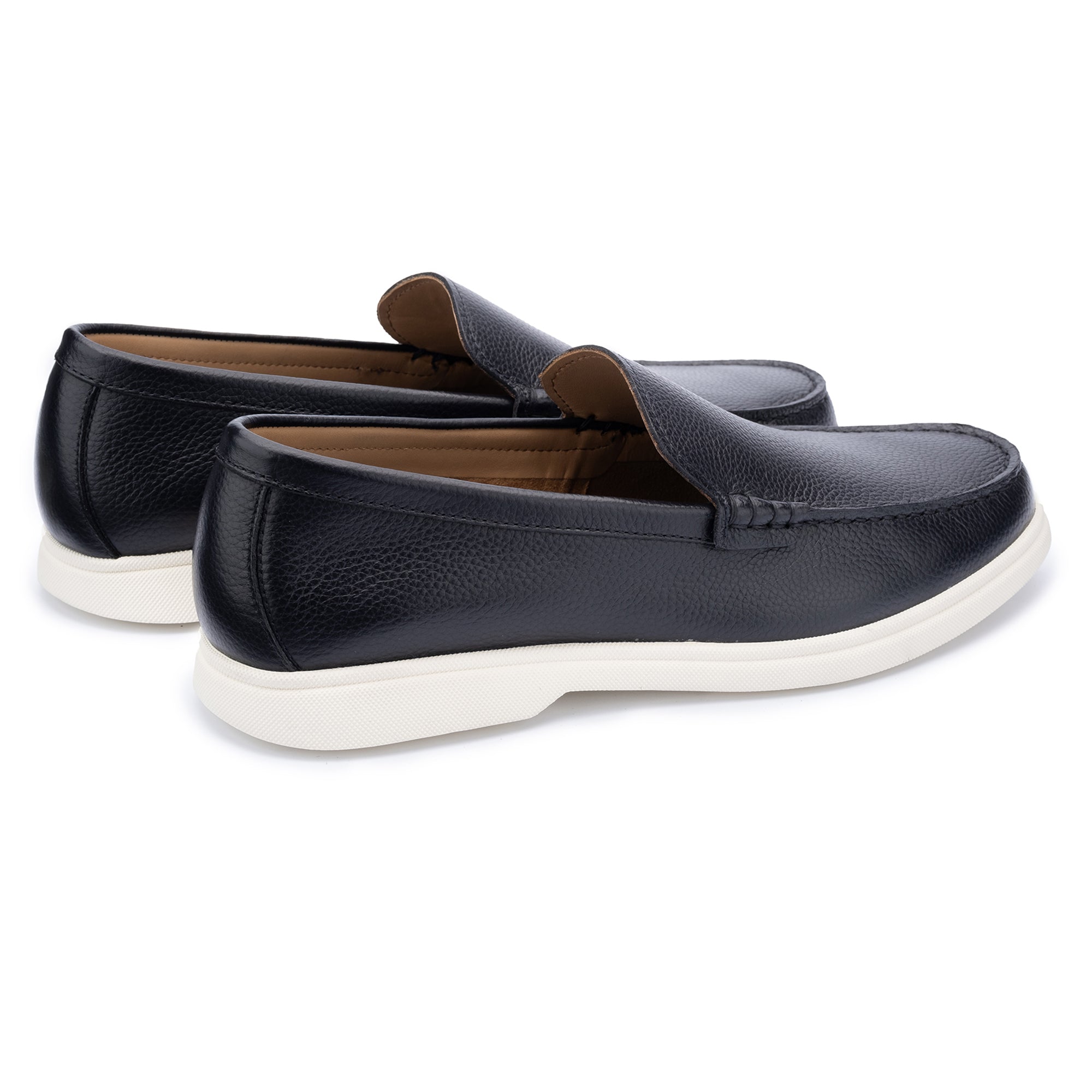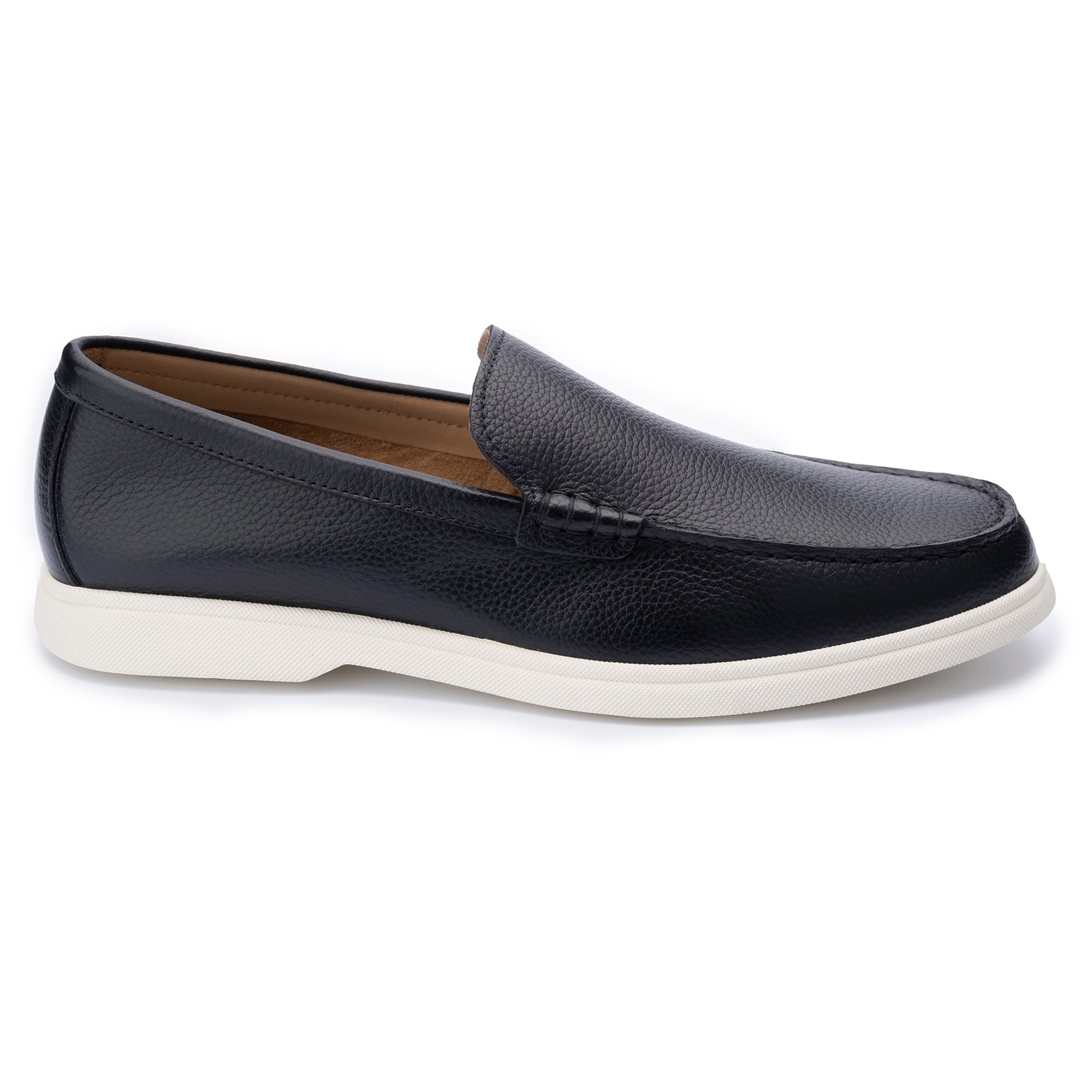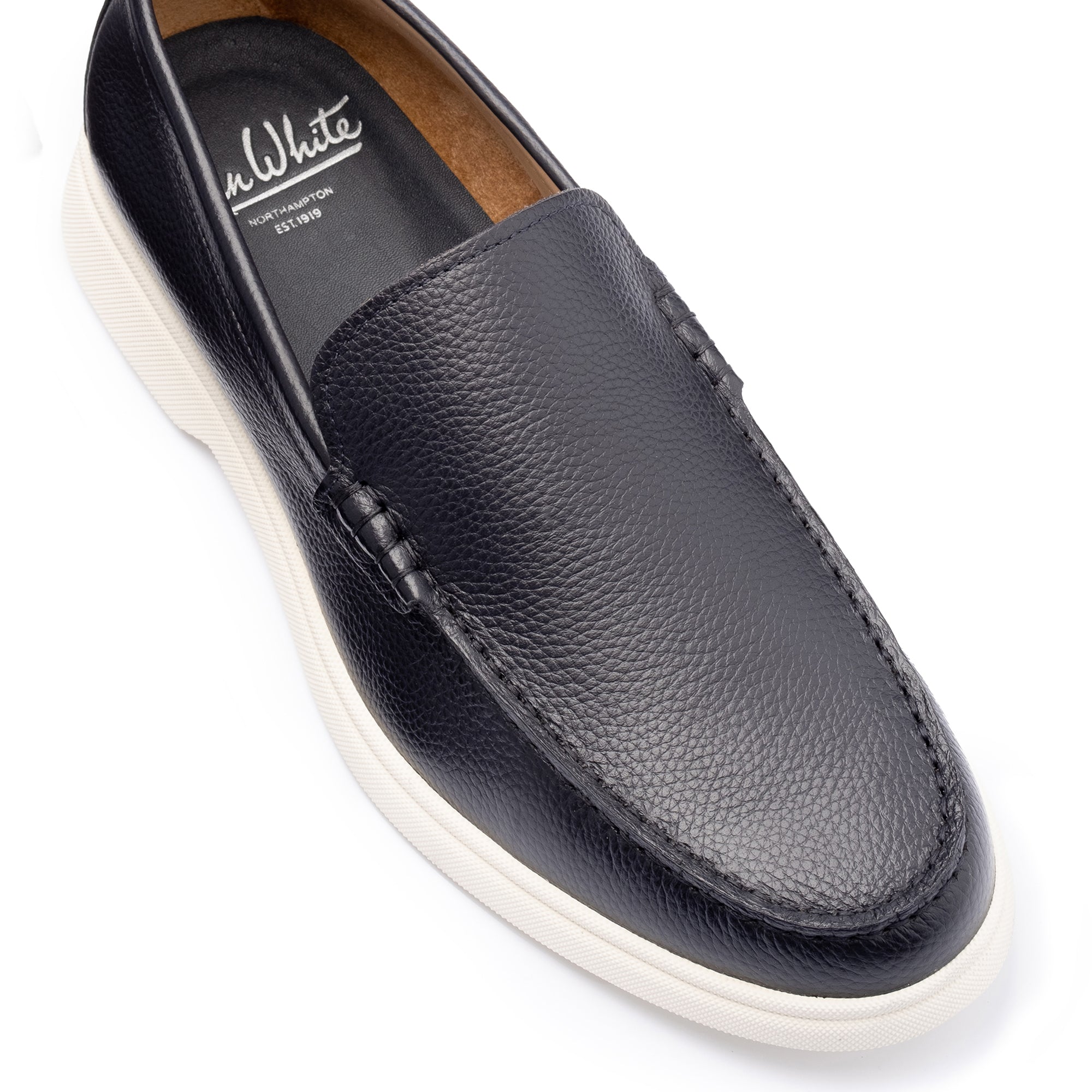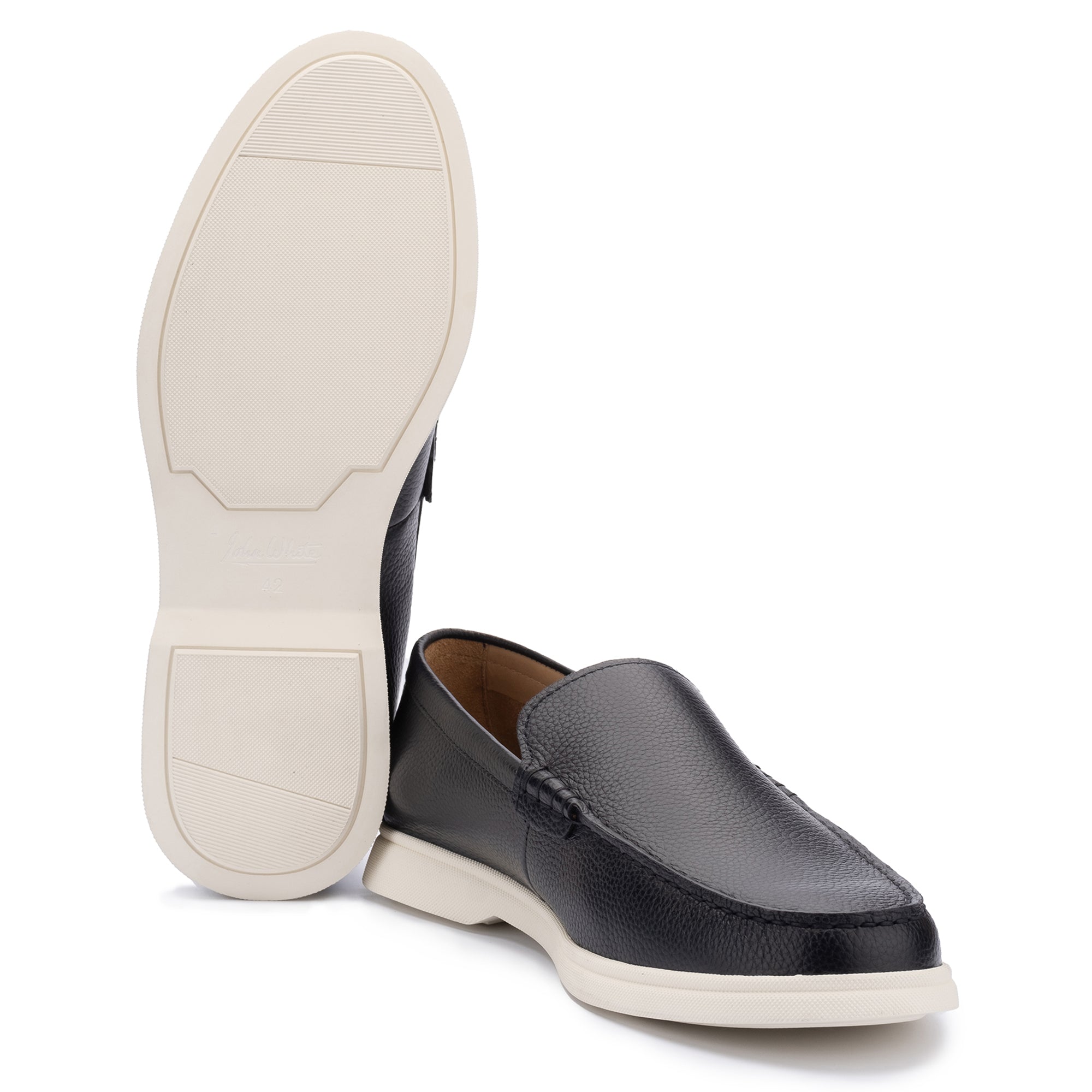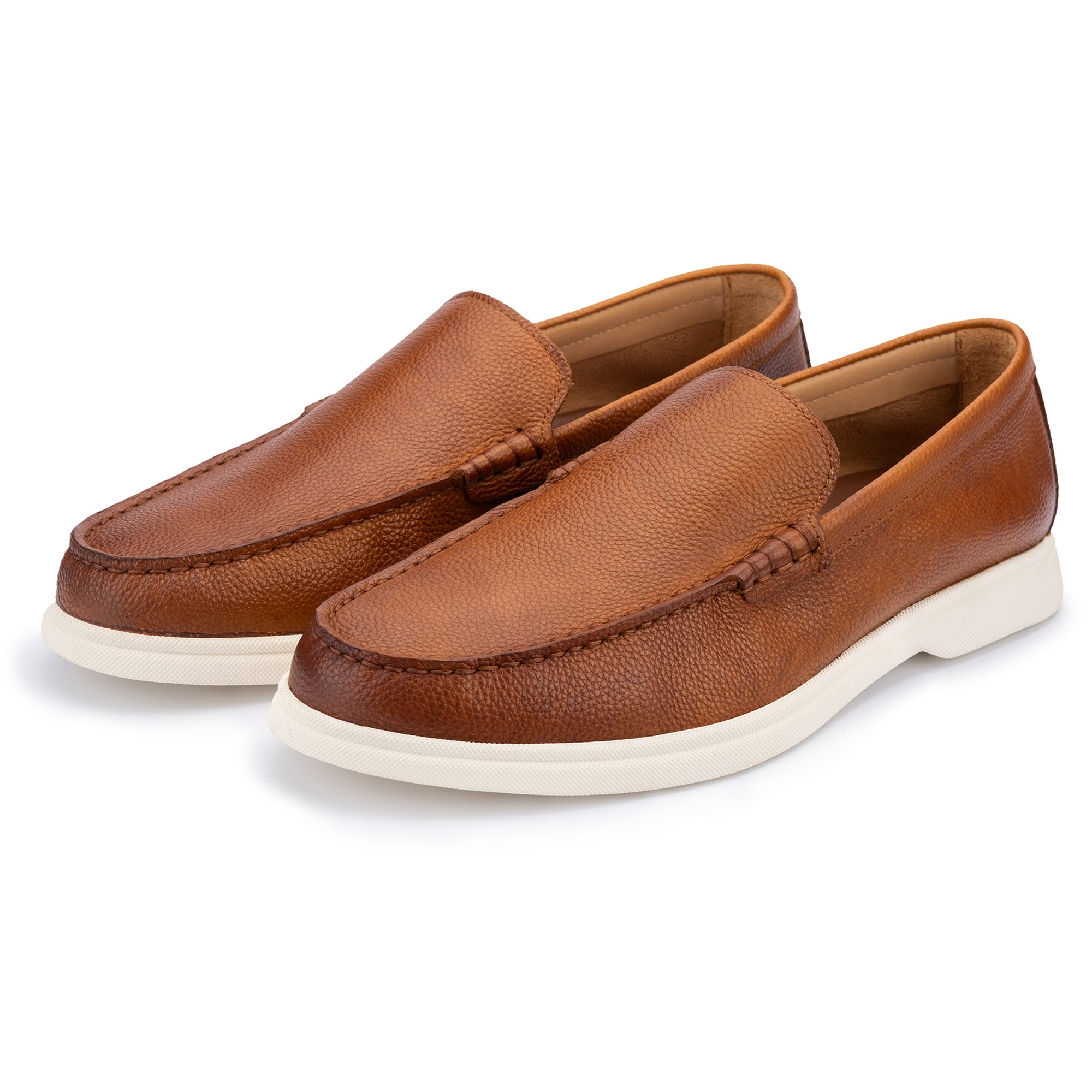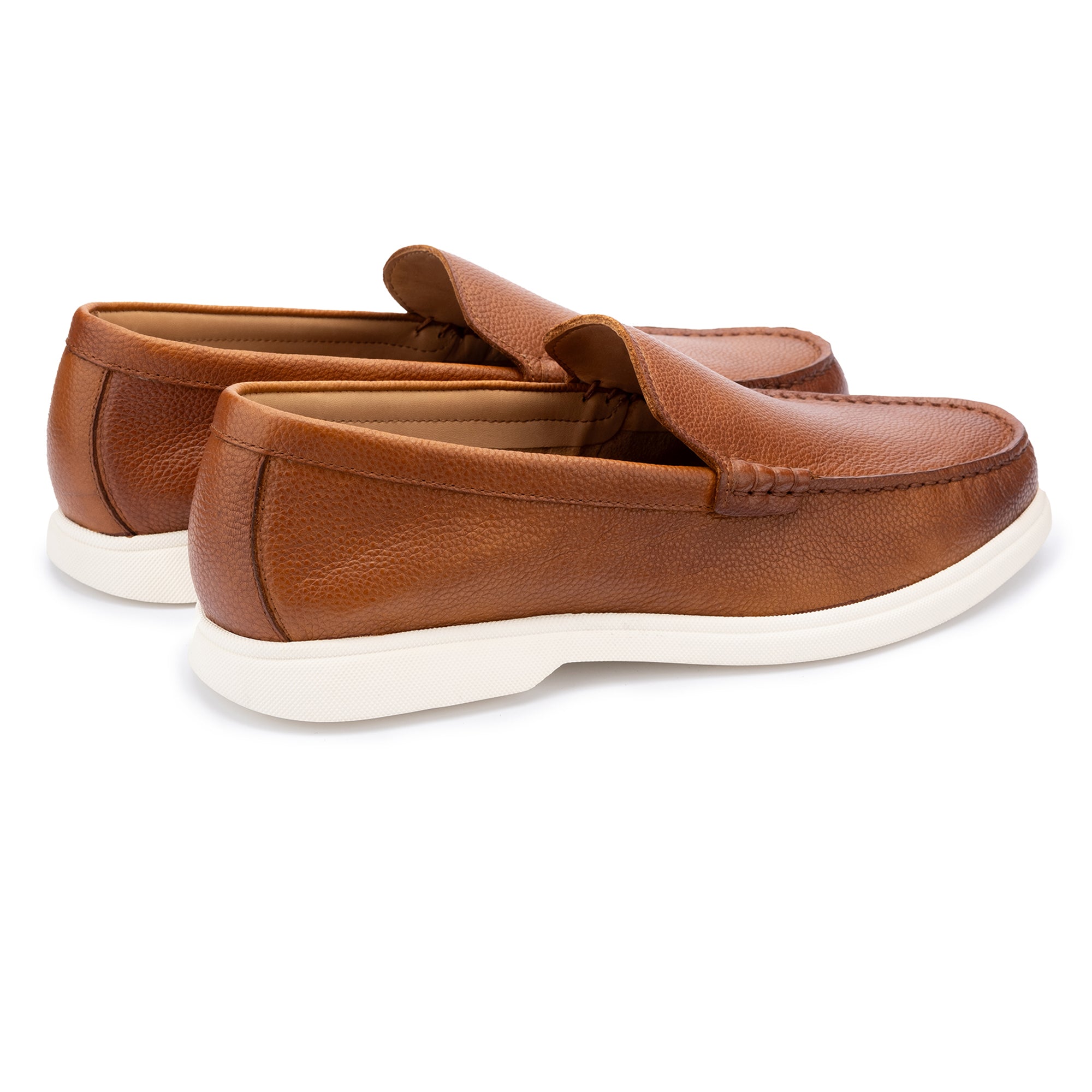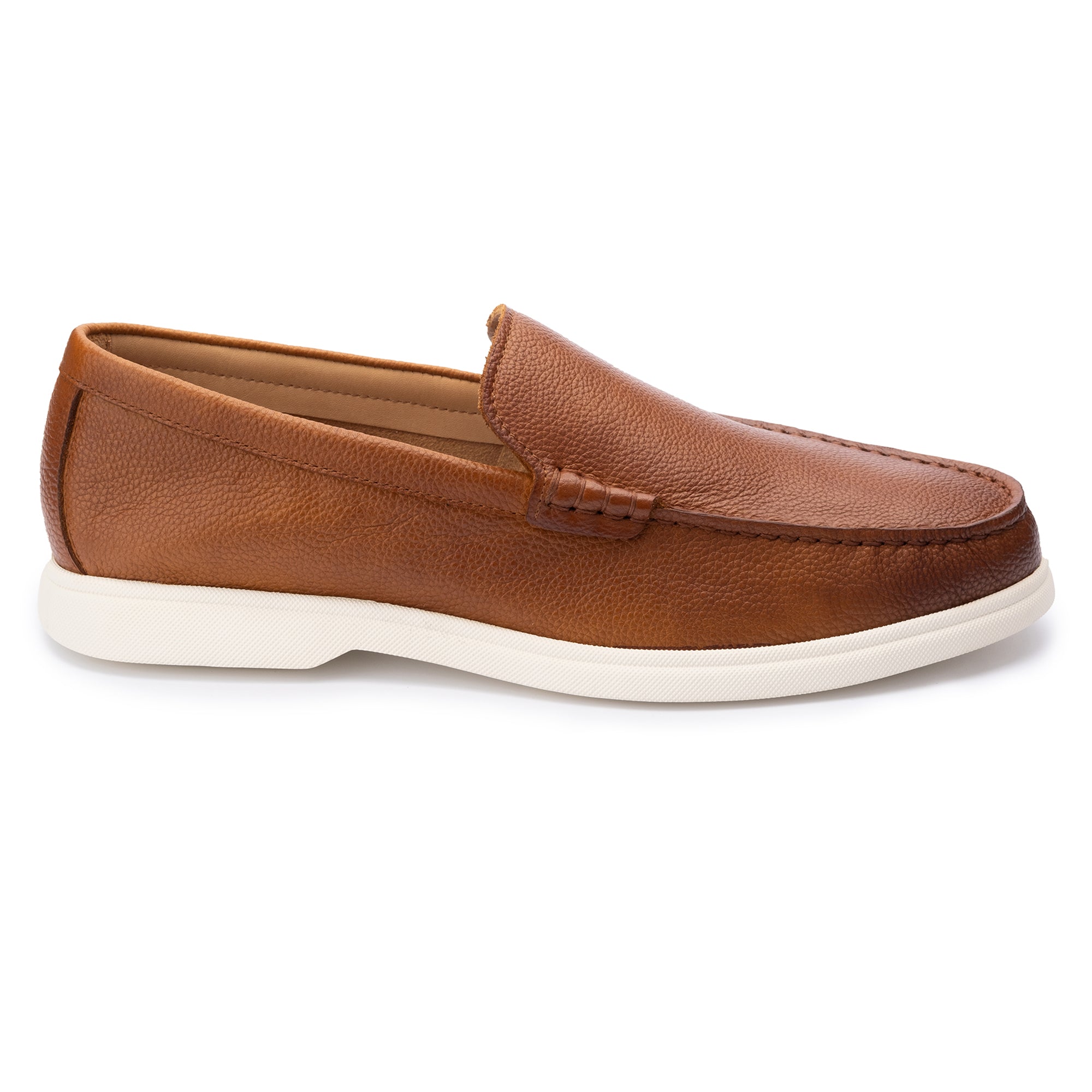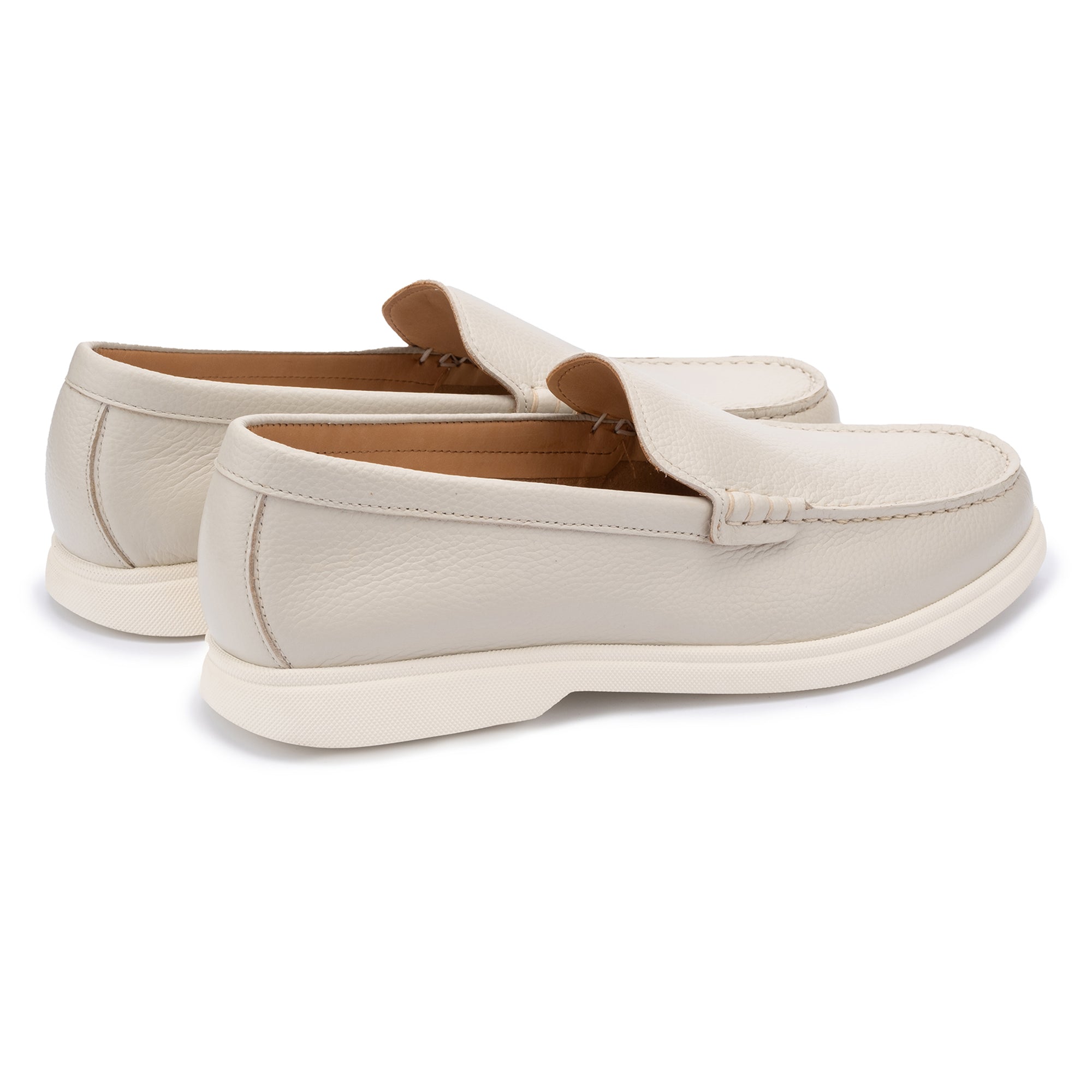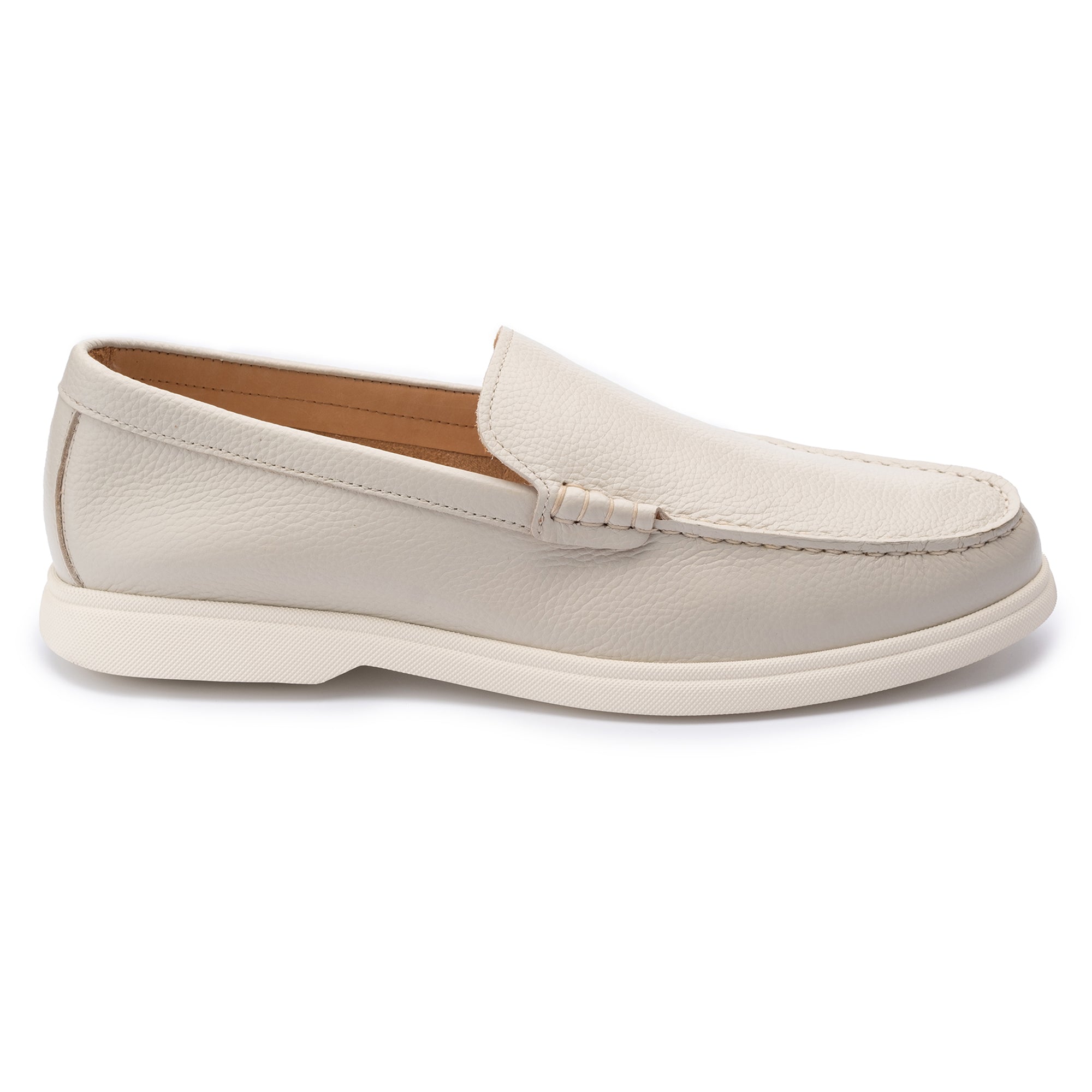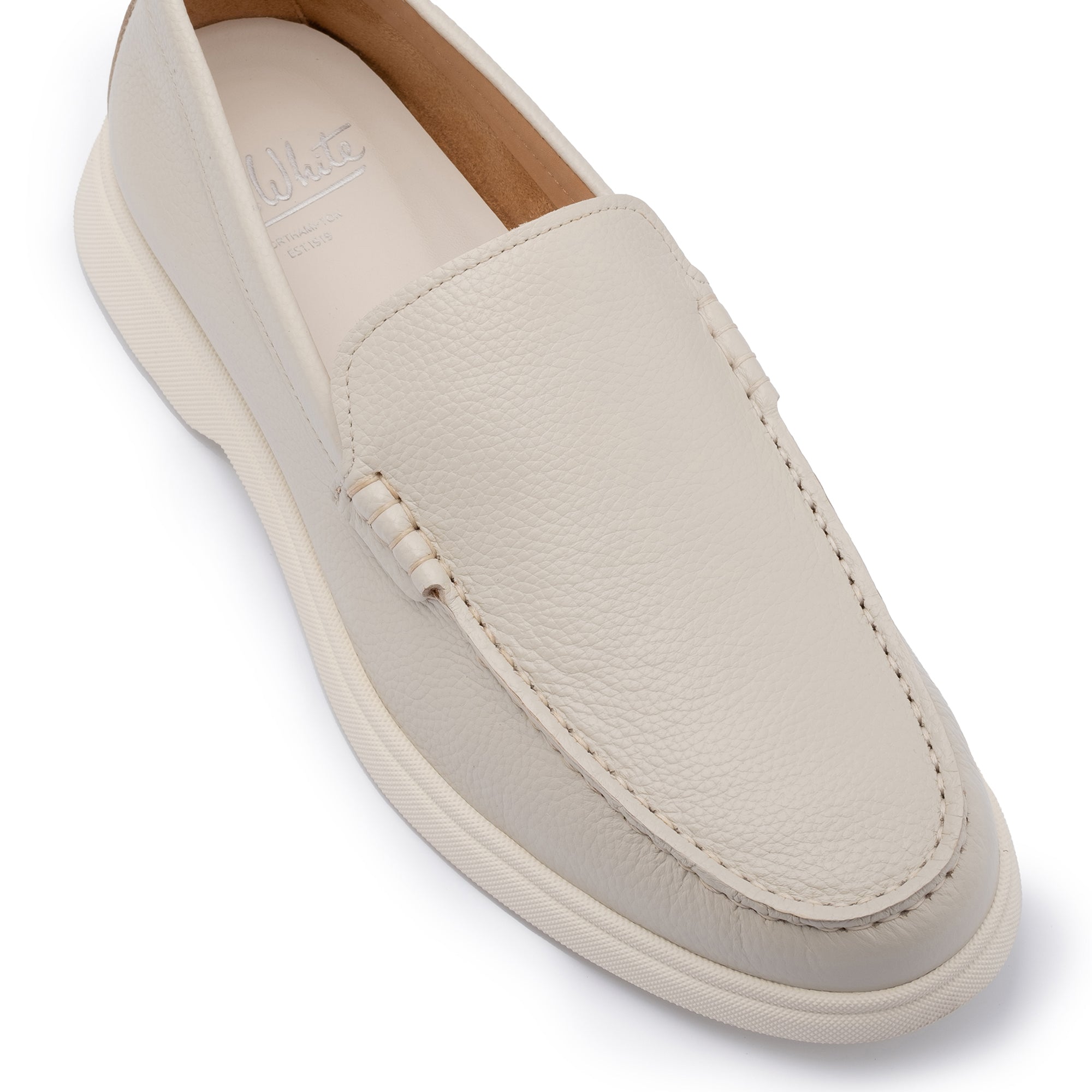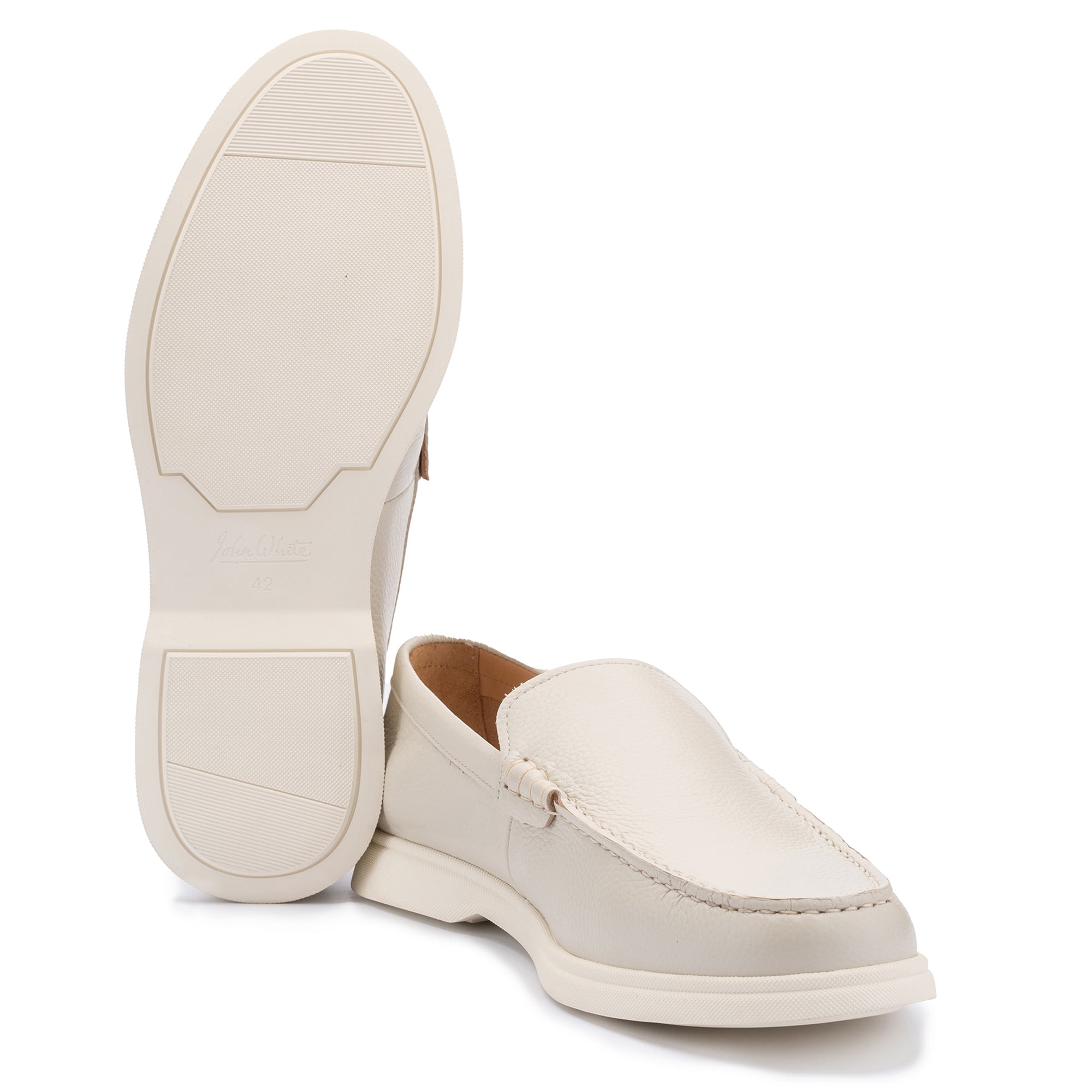

Leather vs. Suede: Which Upper Material Is Right for You?
Smooth leather is more durable and weather-resistant, making it the natural choice for formal and year-round wear. Suede is softer in texture and formality register, excelling in smart-casual contexts — particularly in spring and summer. Most men benefit from owning at least one pair of each; the right choice depends on where you'll wear them and how much upkeep you're prepared to give.
In This Guide
- What Is the Difference Between a Leather and a Suede Upper?
- How Does Smooth Leather Perform in Daily Wear?
- How Does Suede Perform in Daily Wear?
- Which Upper Material Handles British Weather Better?
- Which Occasions Call for Leather, and Which for Suede?
- Leather vs. Suede: A Direct Comparison
- Which John White Shoes Are Available in Leather and Suede?
- How Should You Care for Each Upper Material?
- Related Guides
- Frequently Asked Questions
The upper material is the single biggest factor in how a shoe performs over time — yet most men pick shoes by shape and leave material to chance. Smooth leather and suede behave differently in every meaningful way: how they age, how they respond to weather, what occasions they suit, and what they ask of you in return. Getting this choice right is what separates a shoe collection that works from one that consistently disappoints.
What Is the Difference Between a Leather and a Suede Upper?
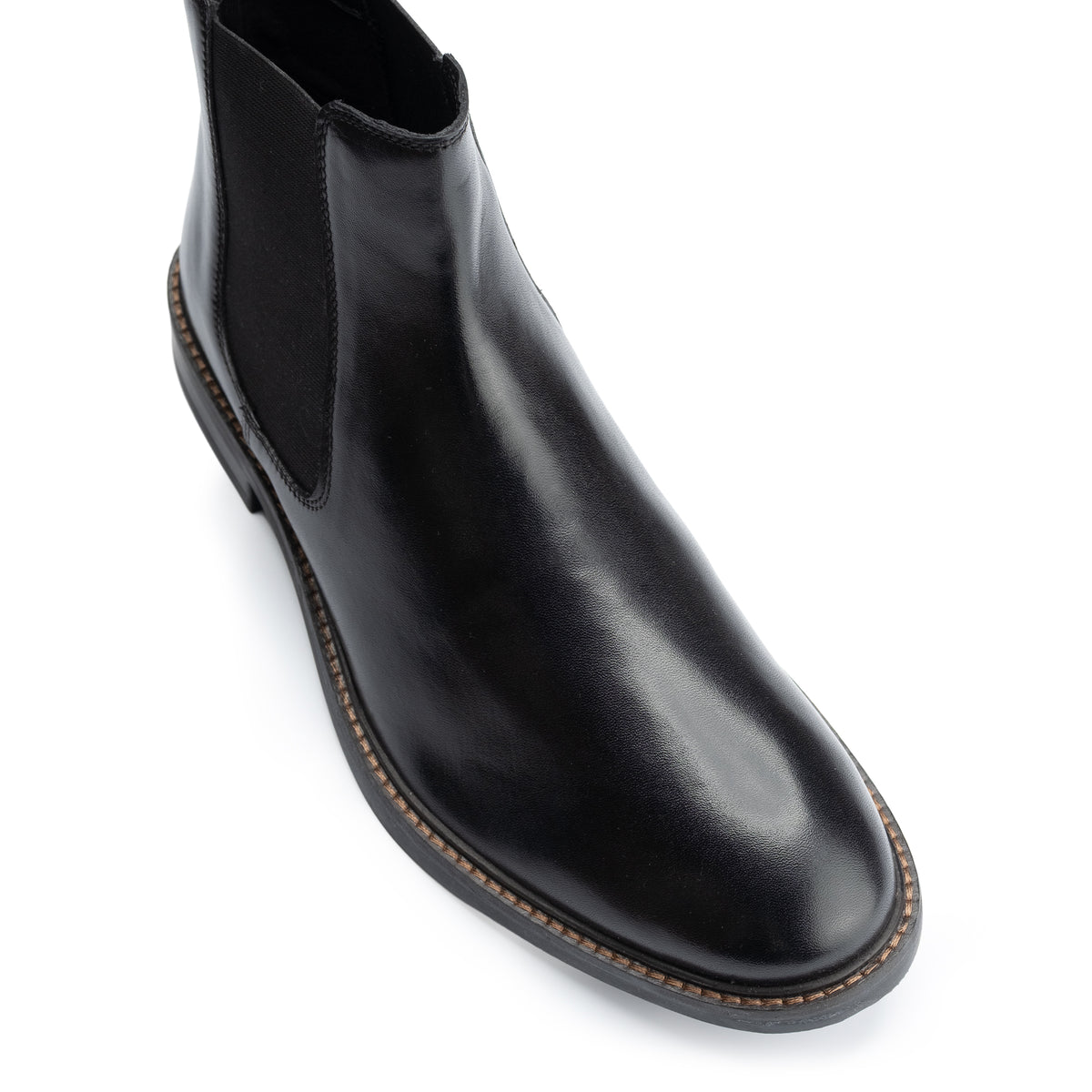
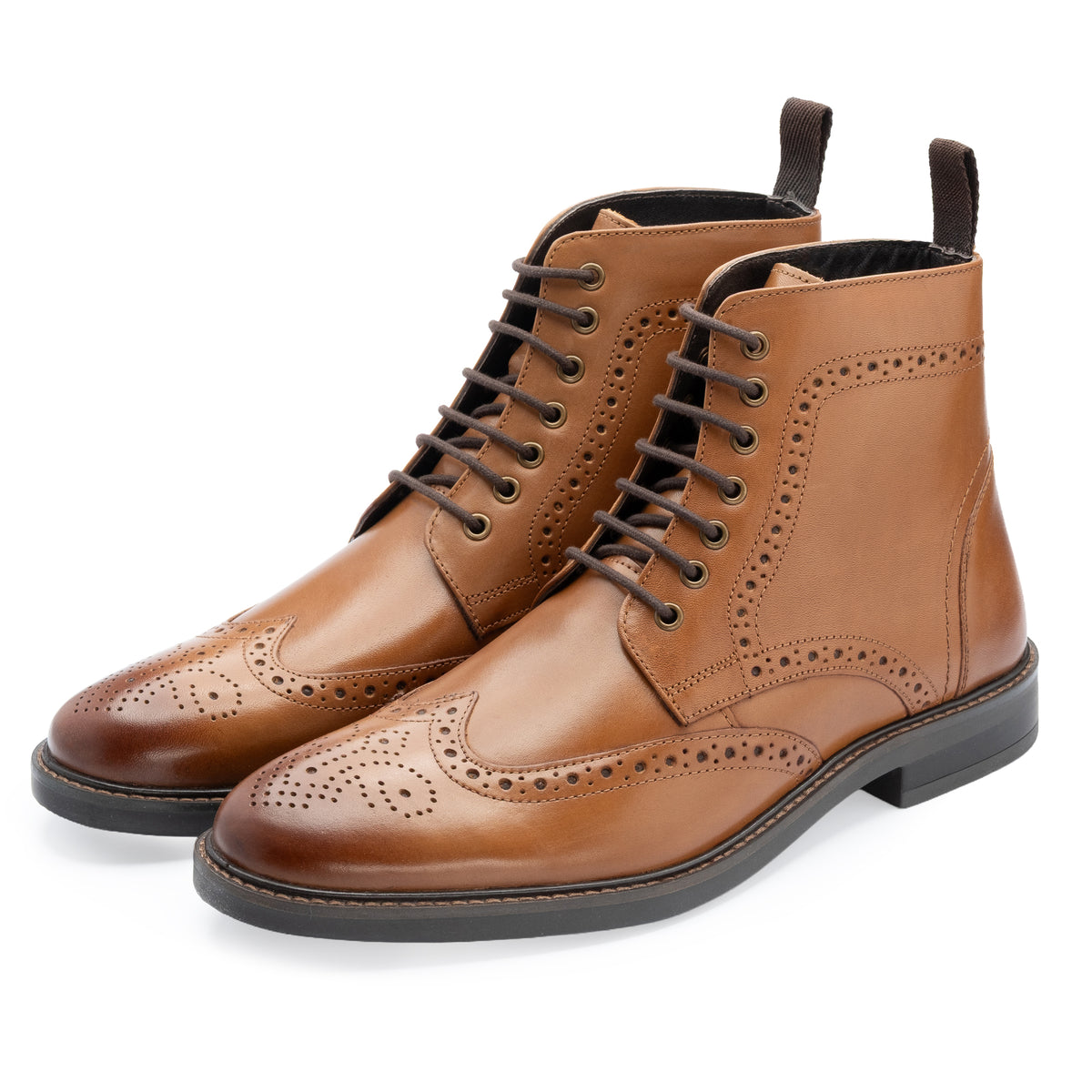
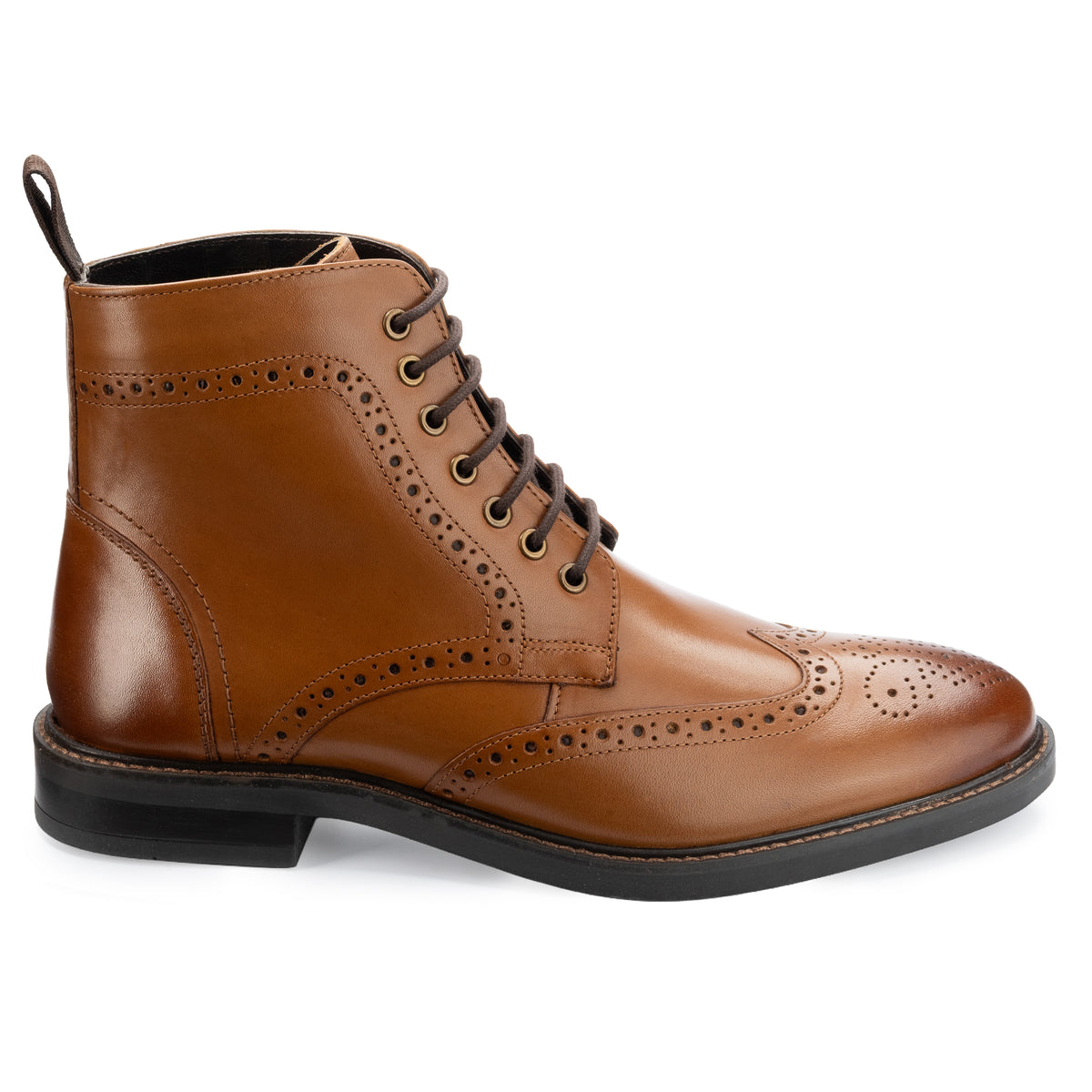
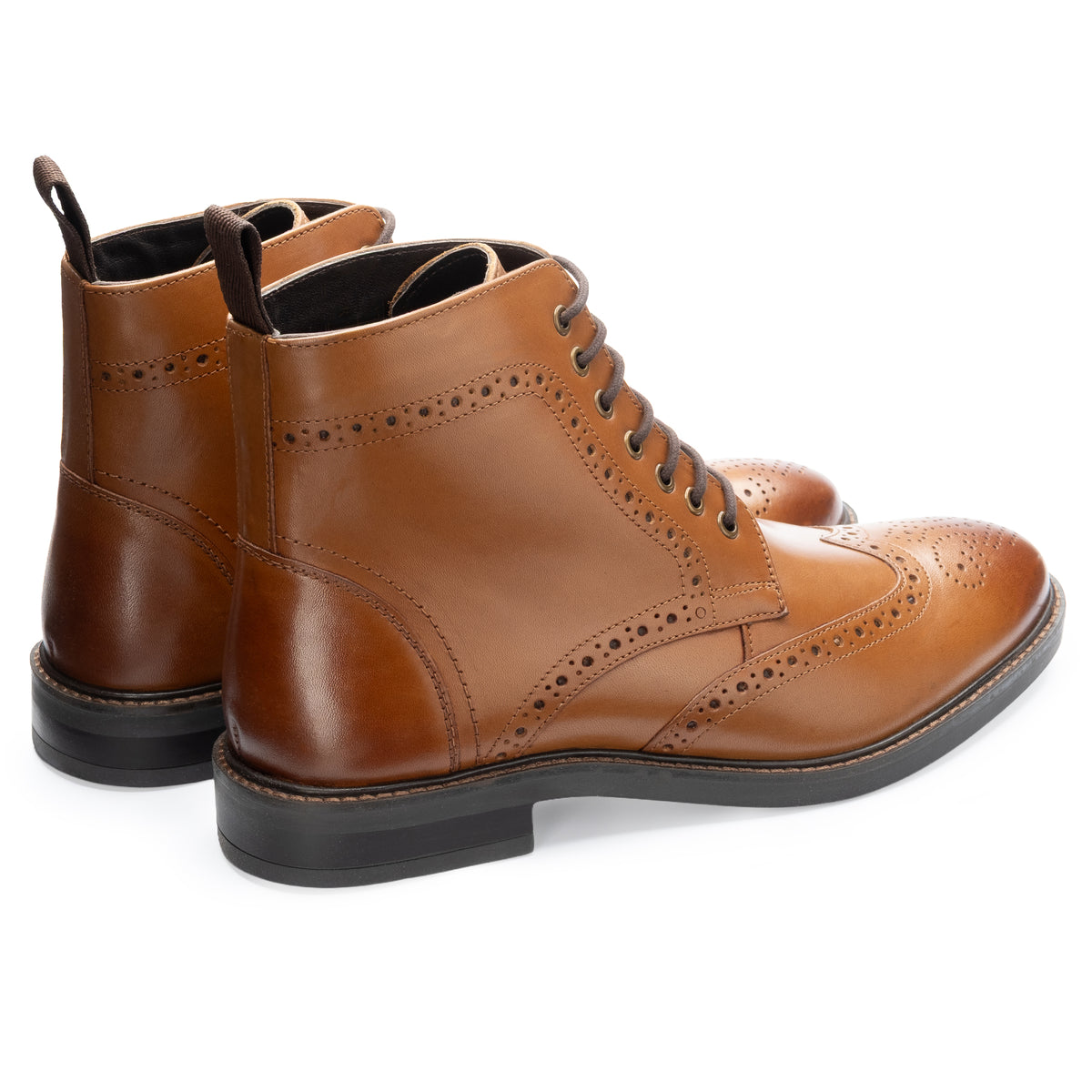
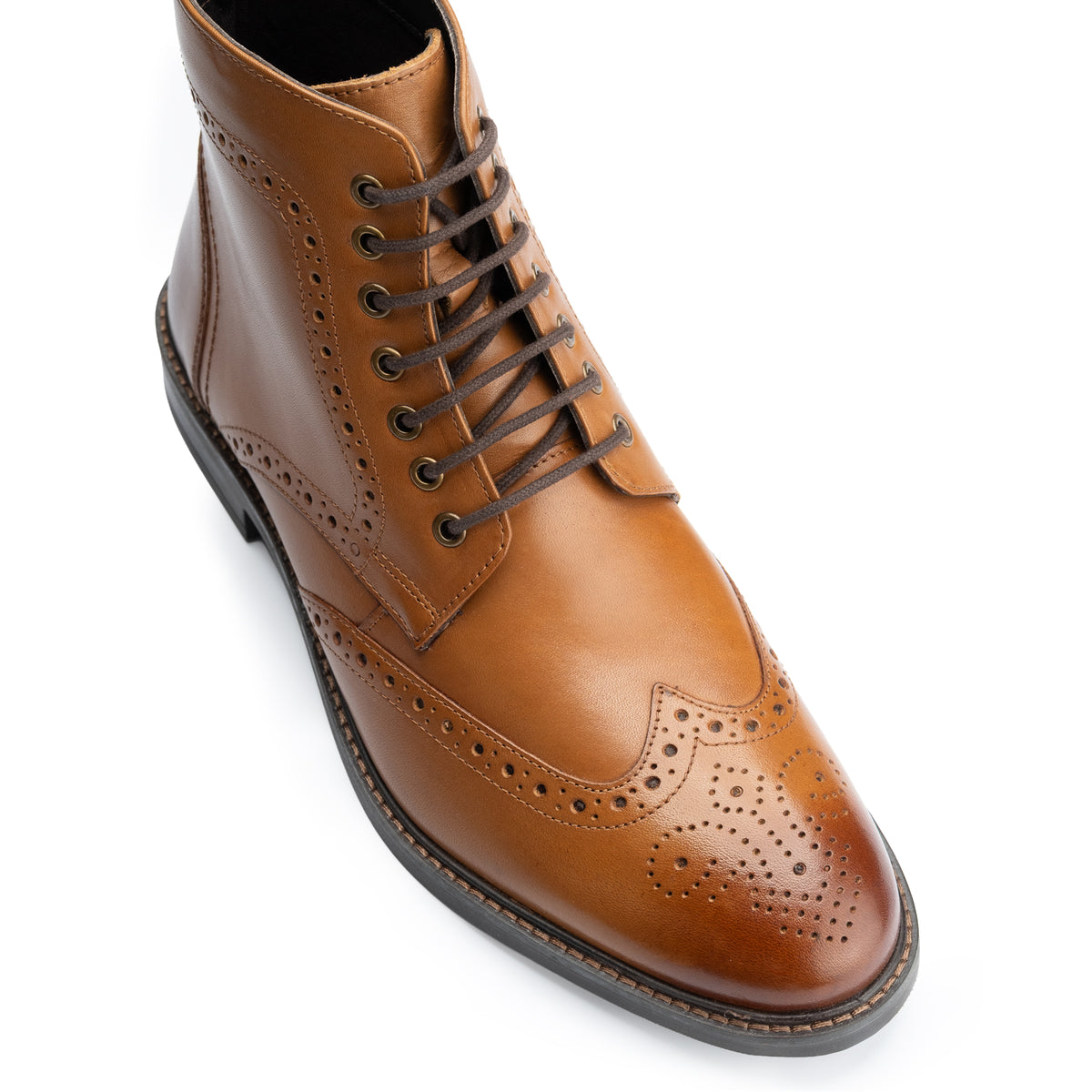
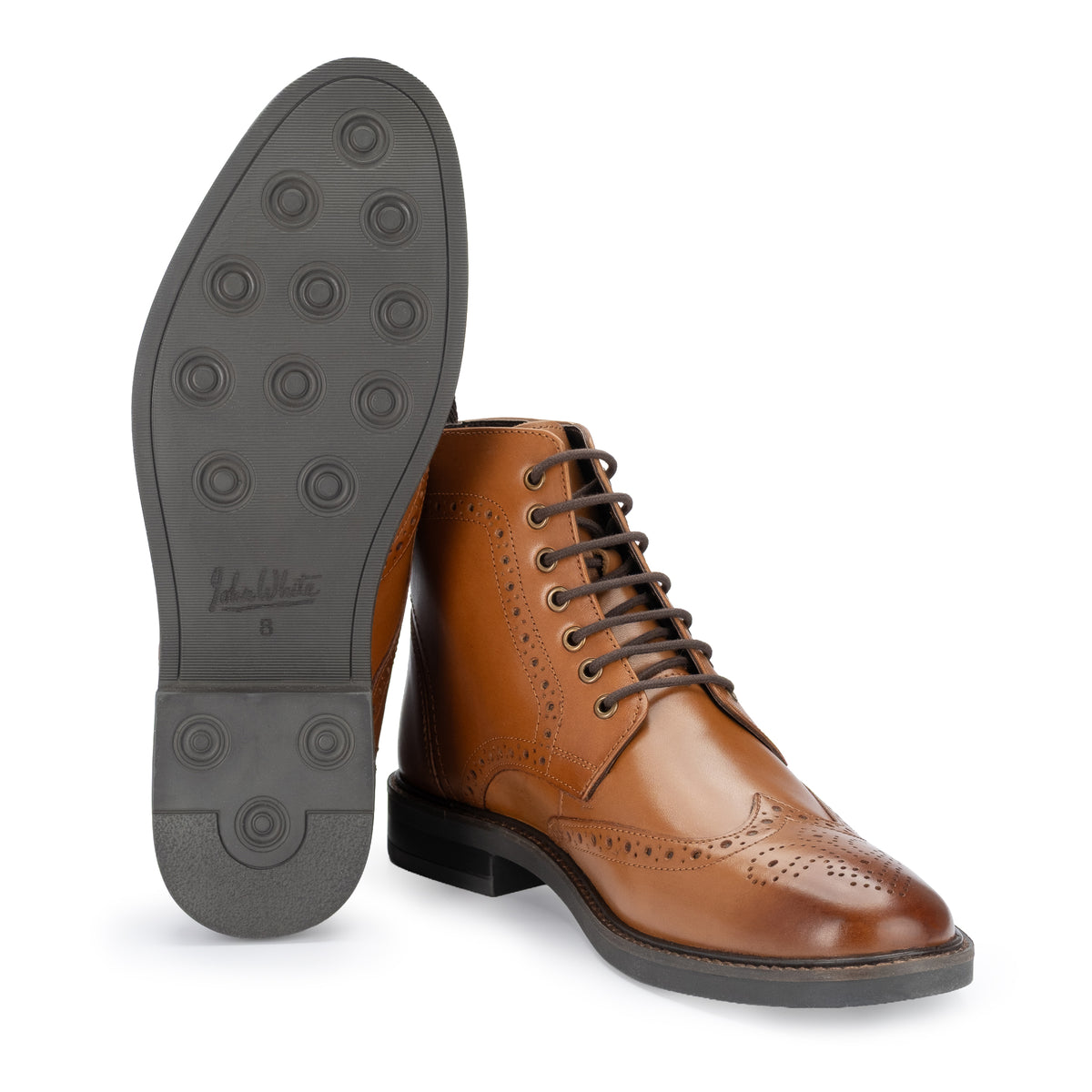
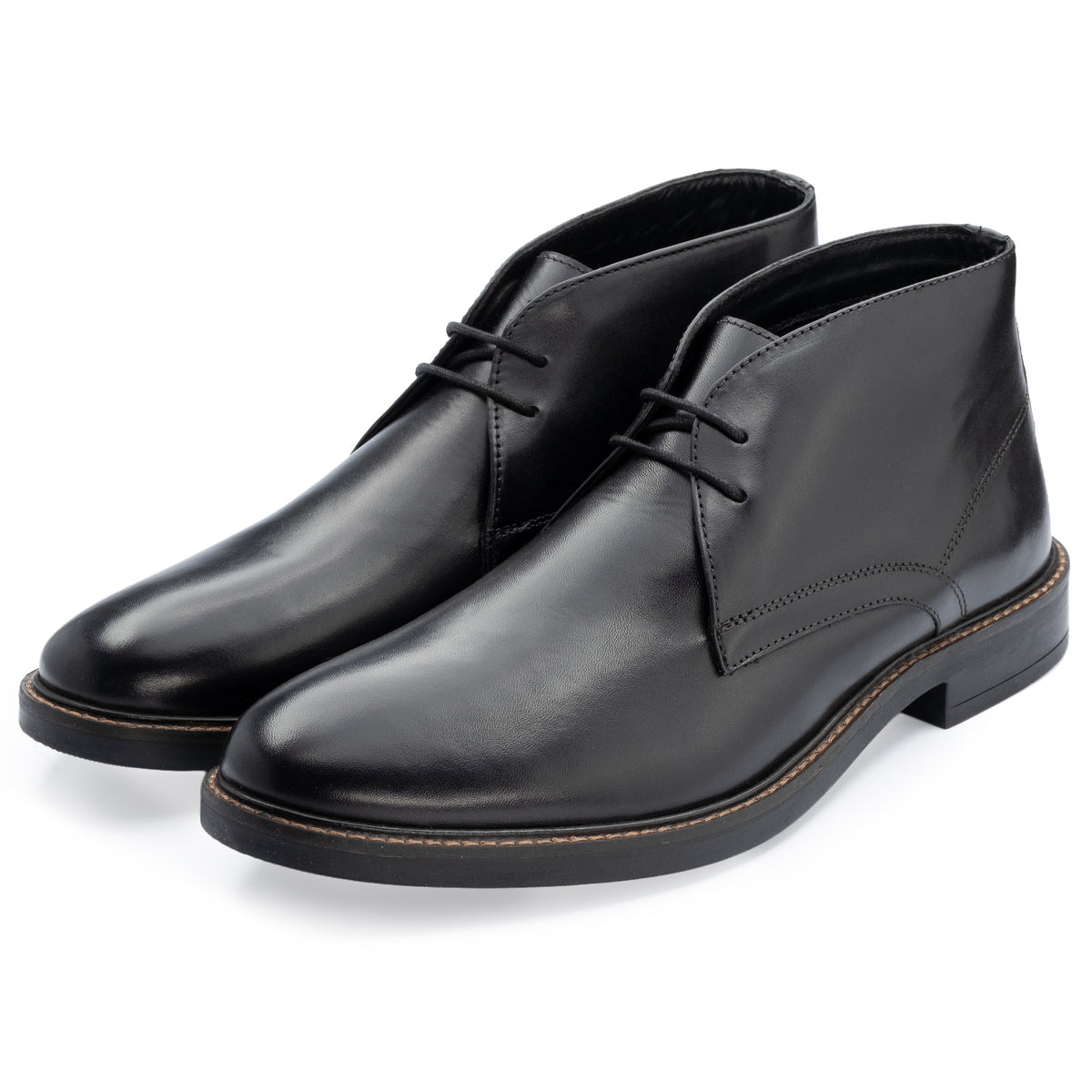
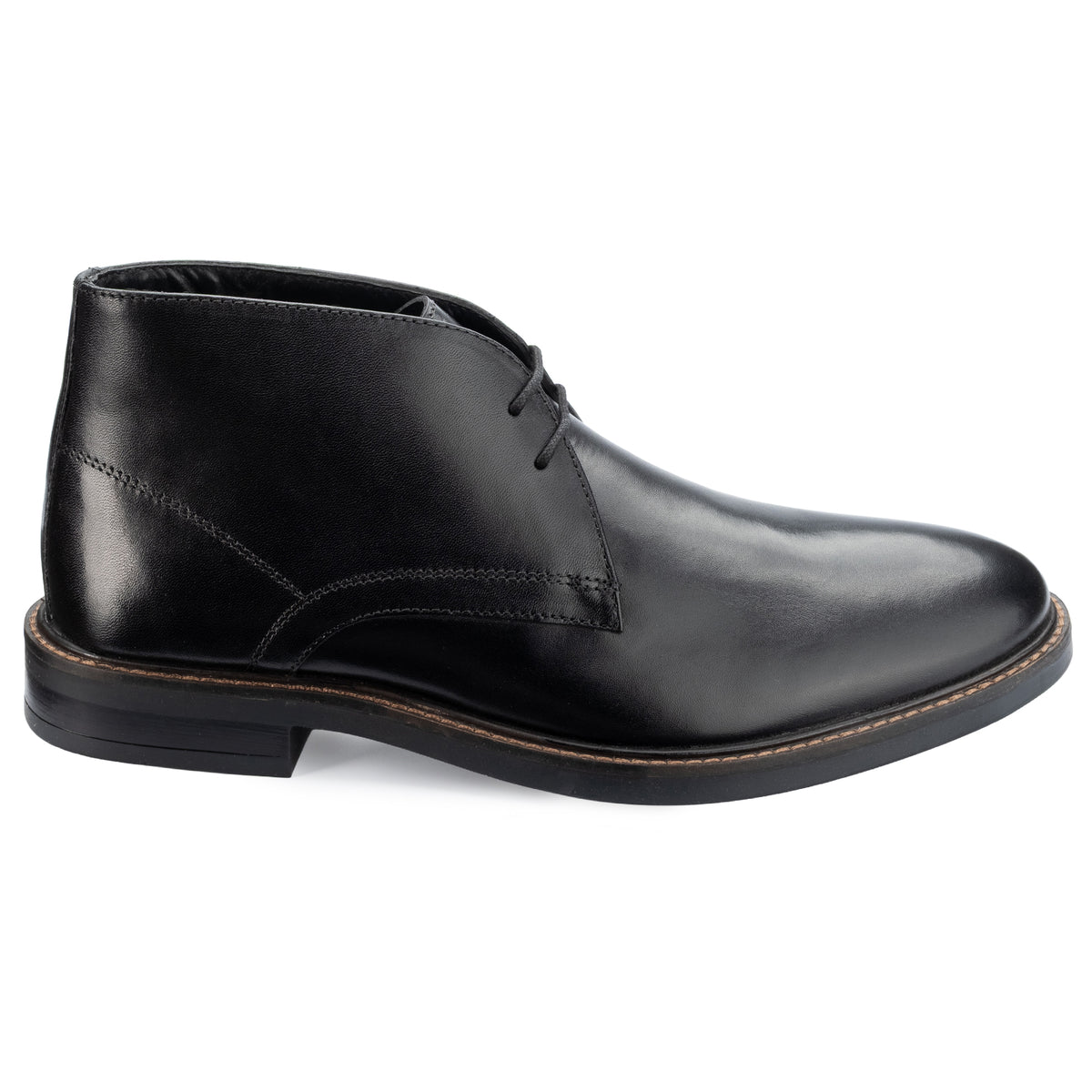
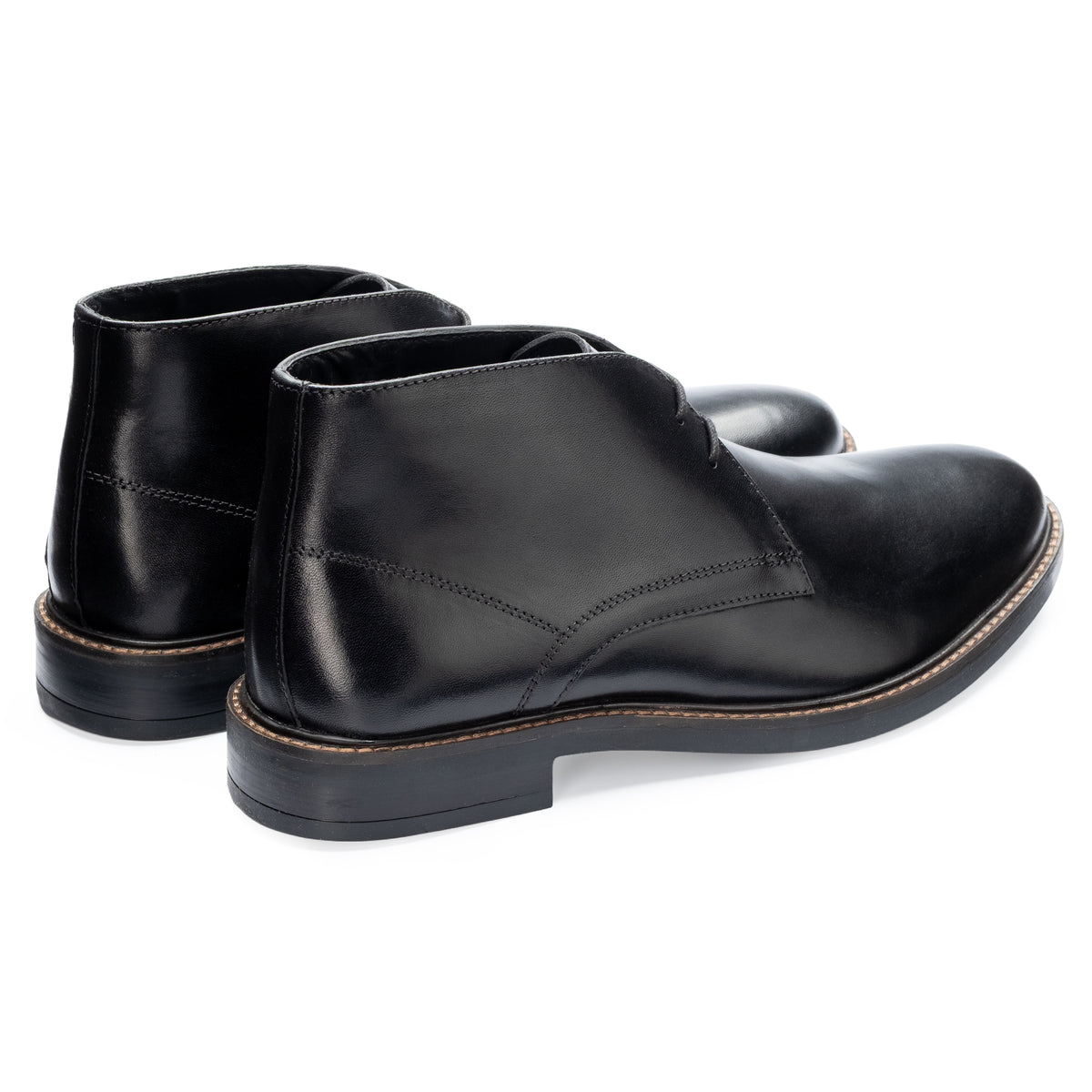
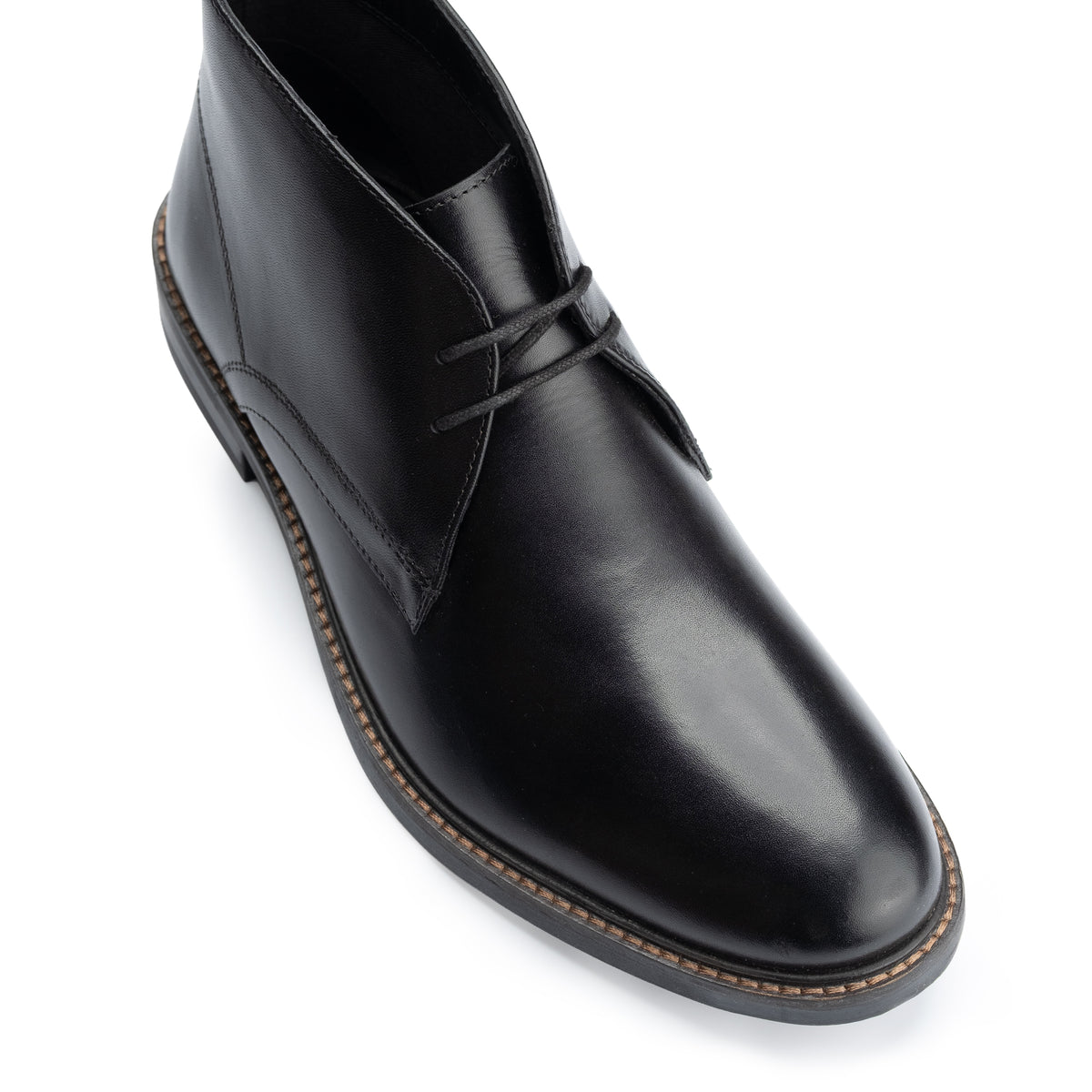
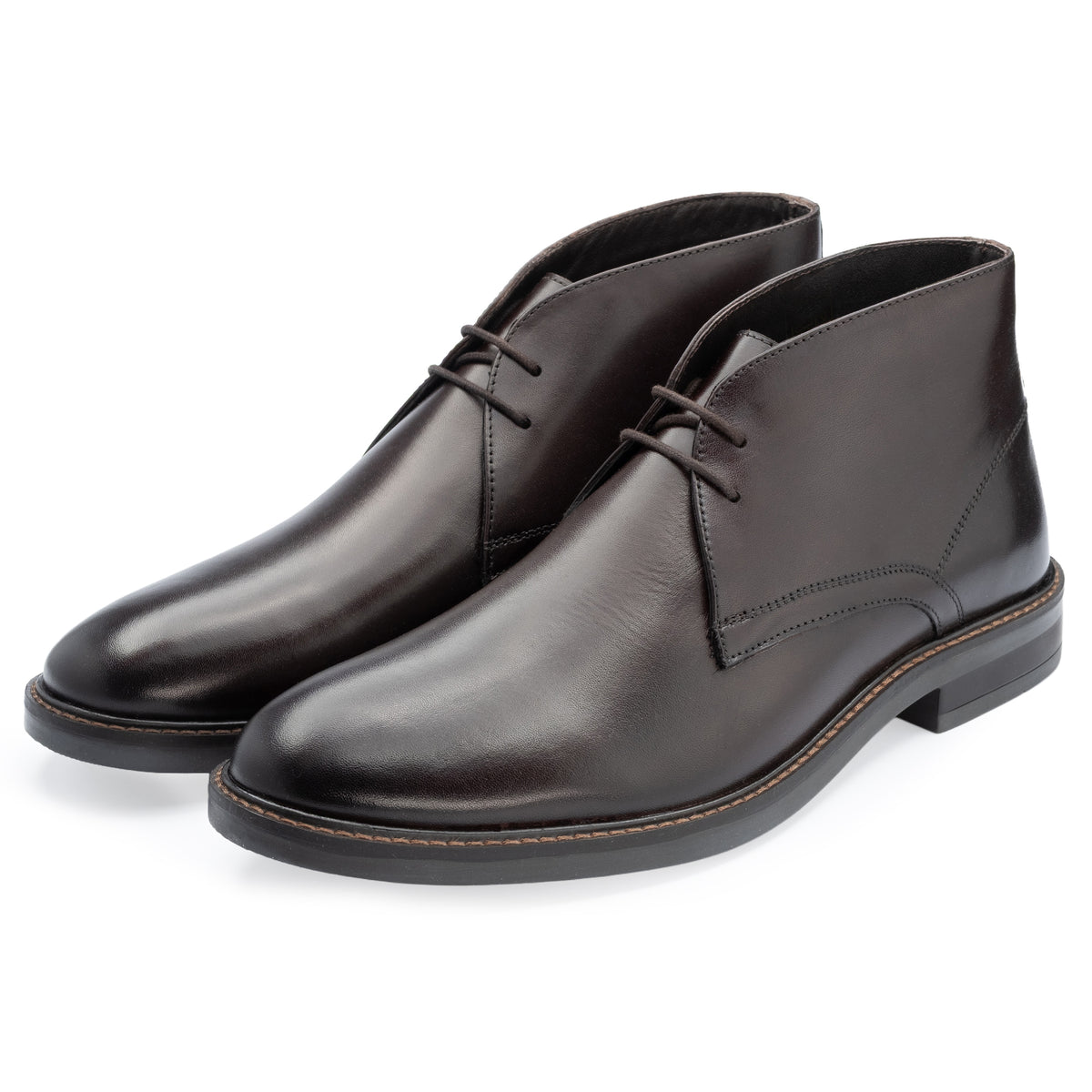
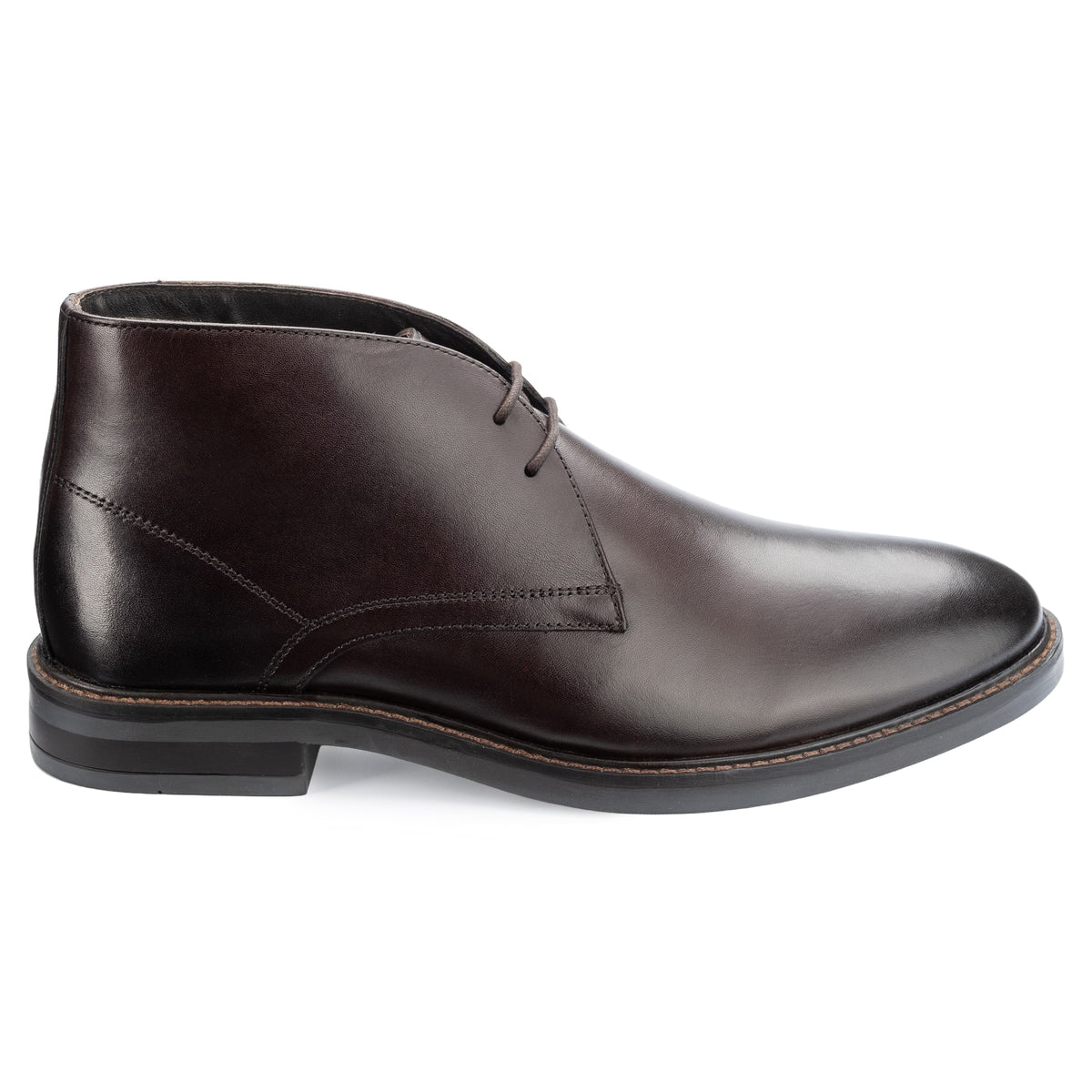
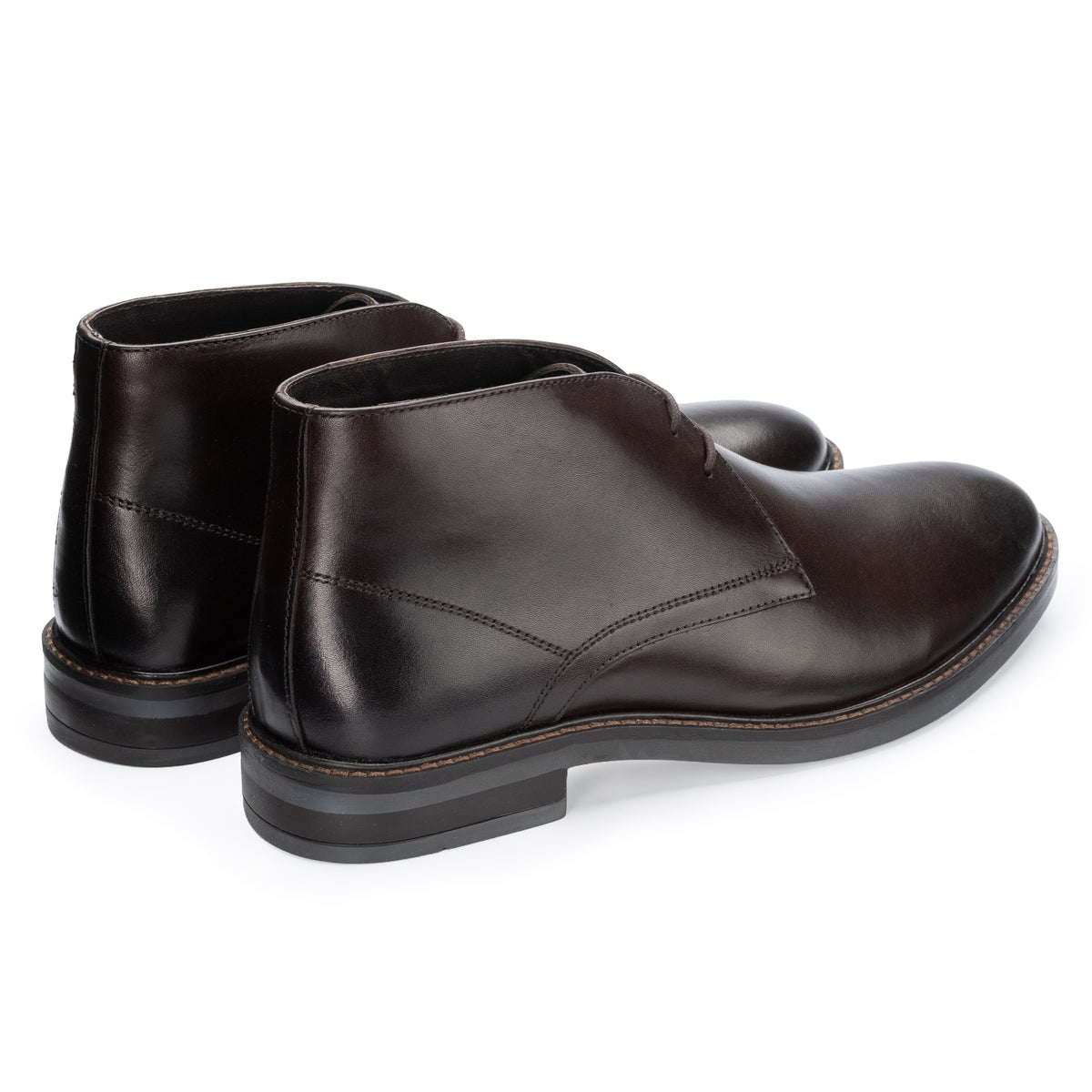
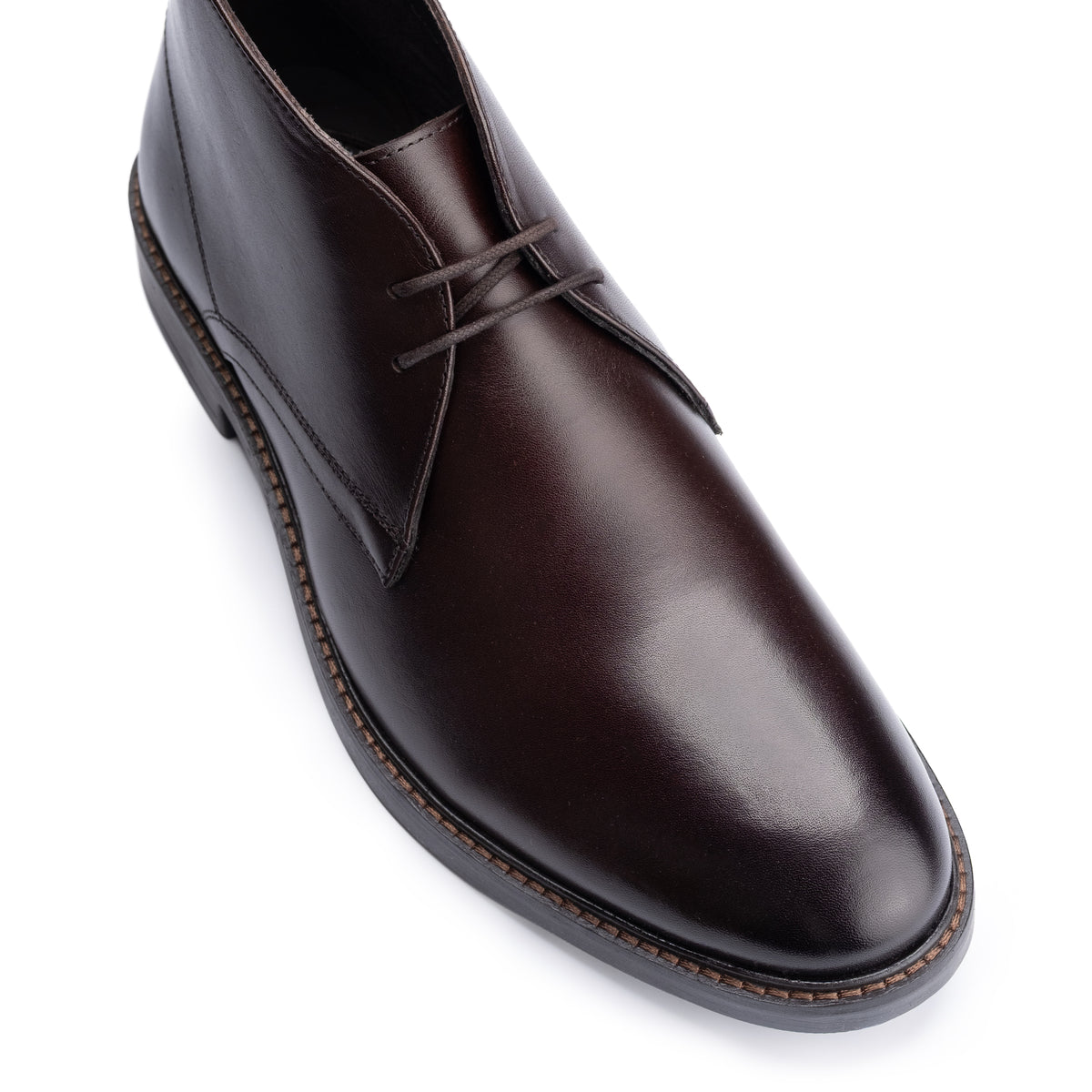
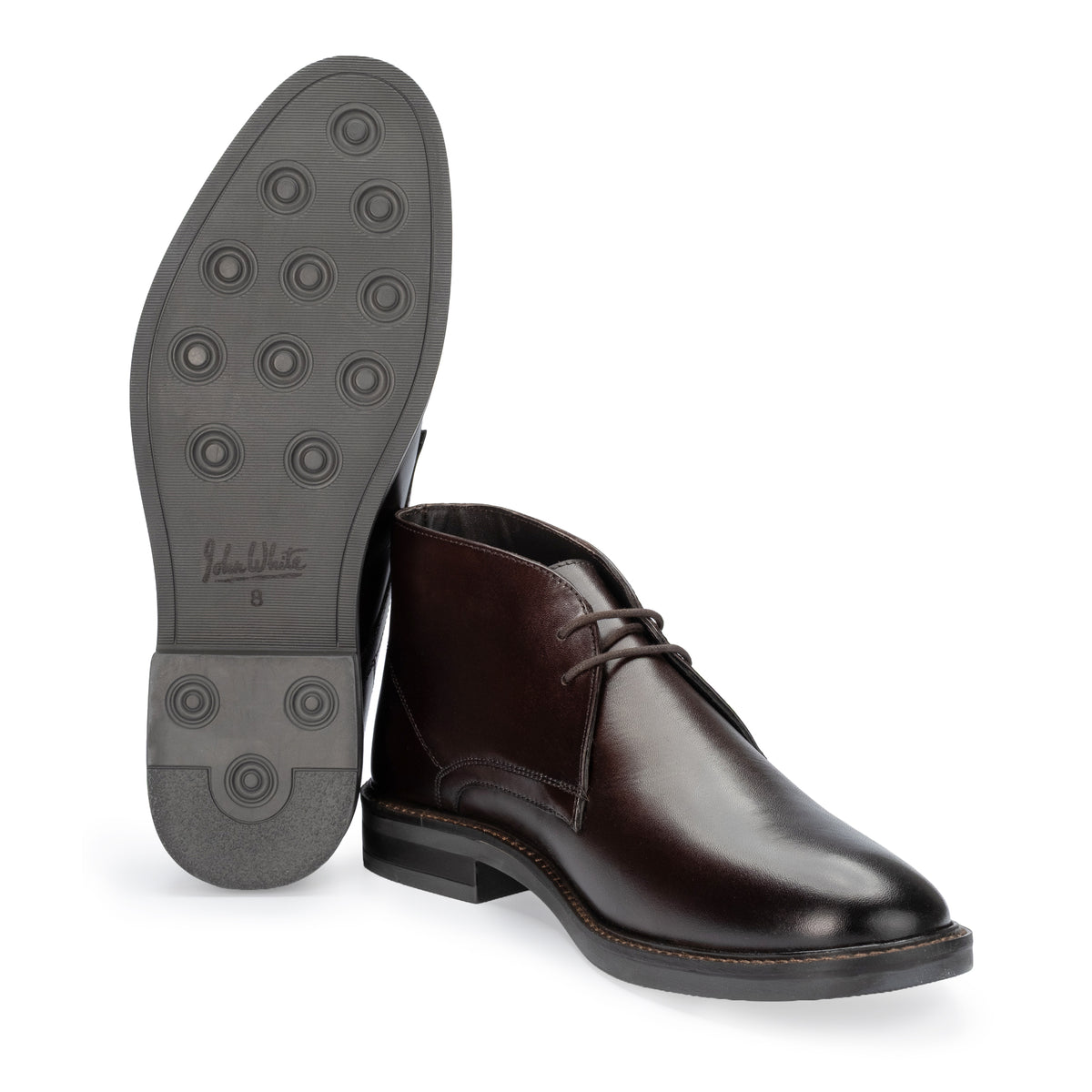
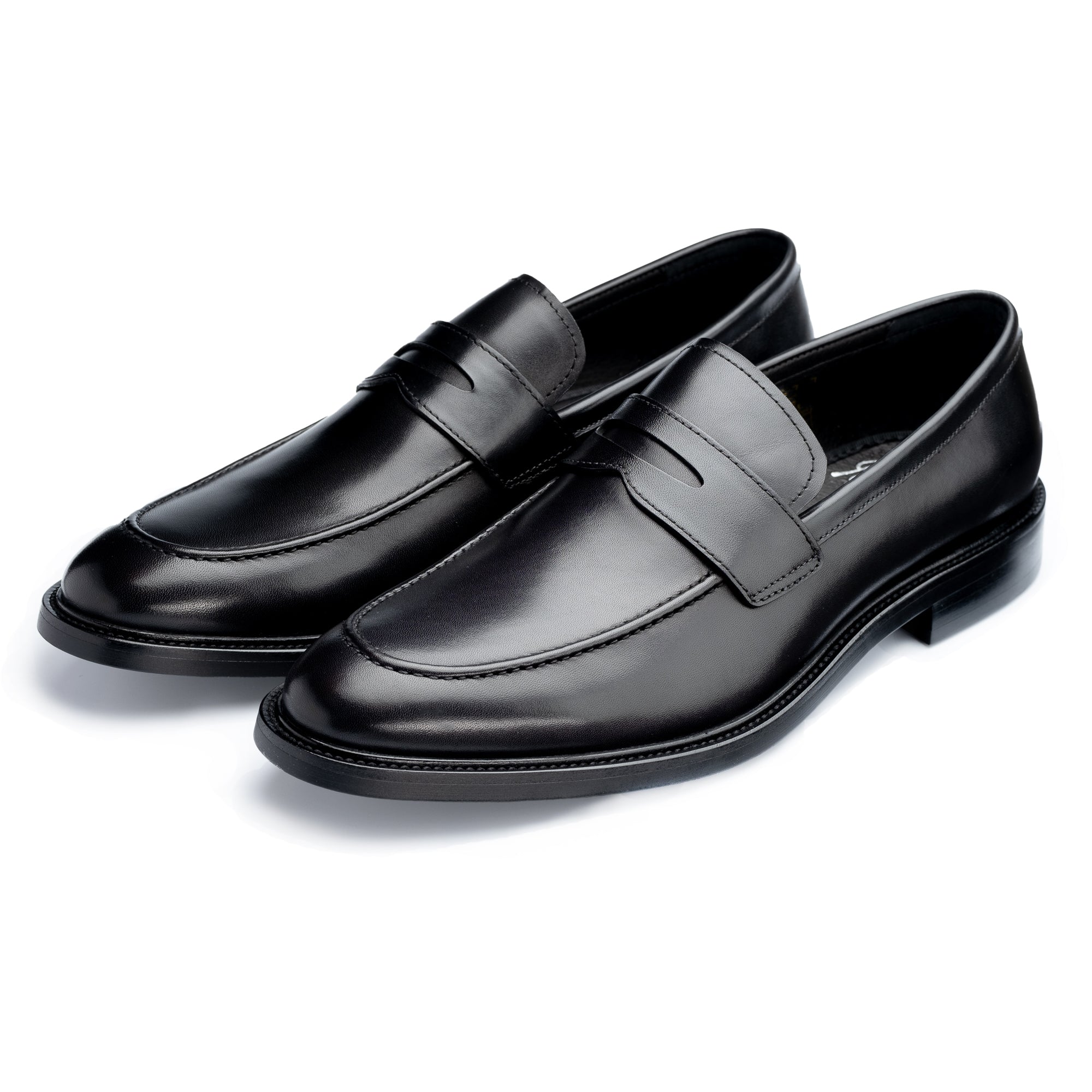
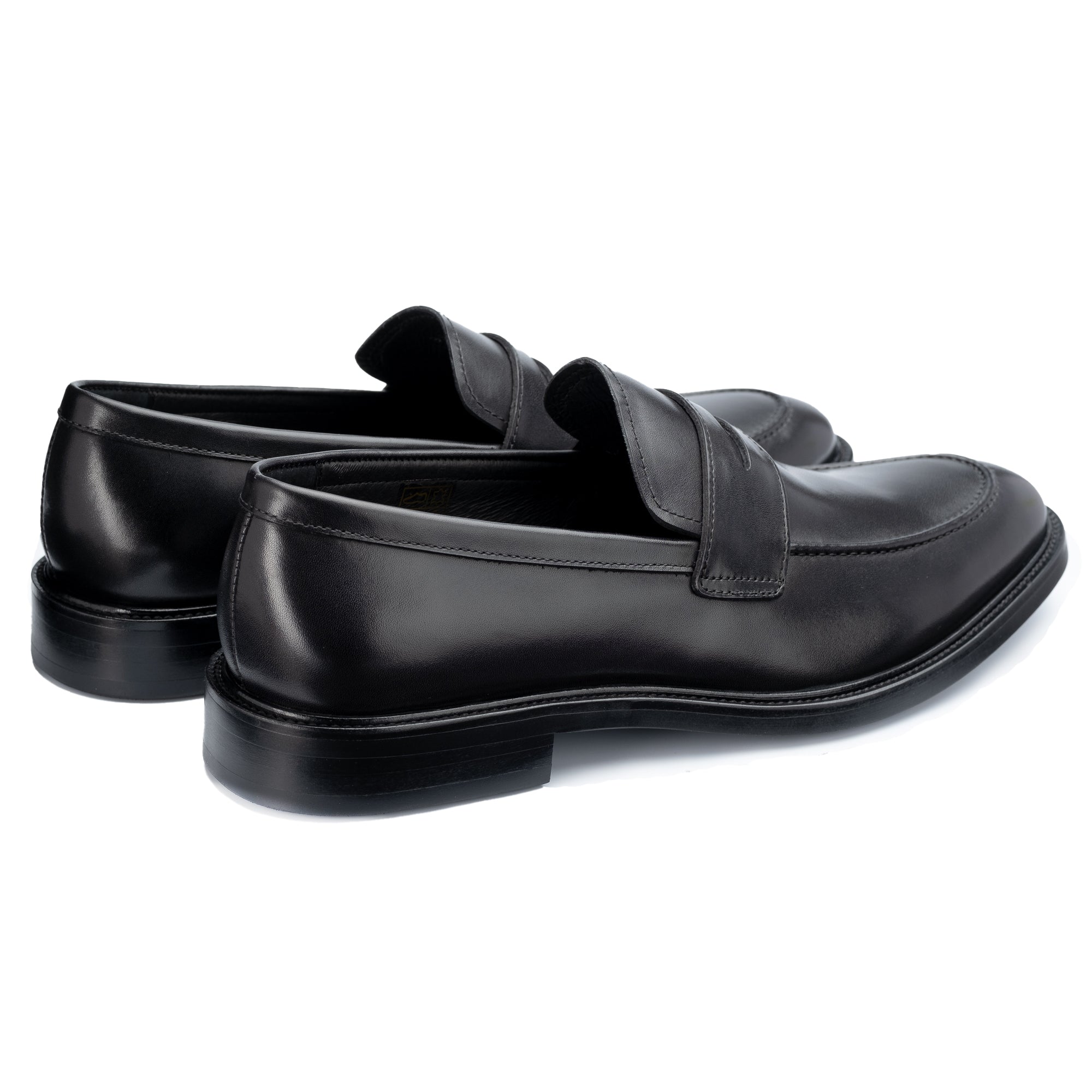
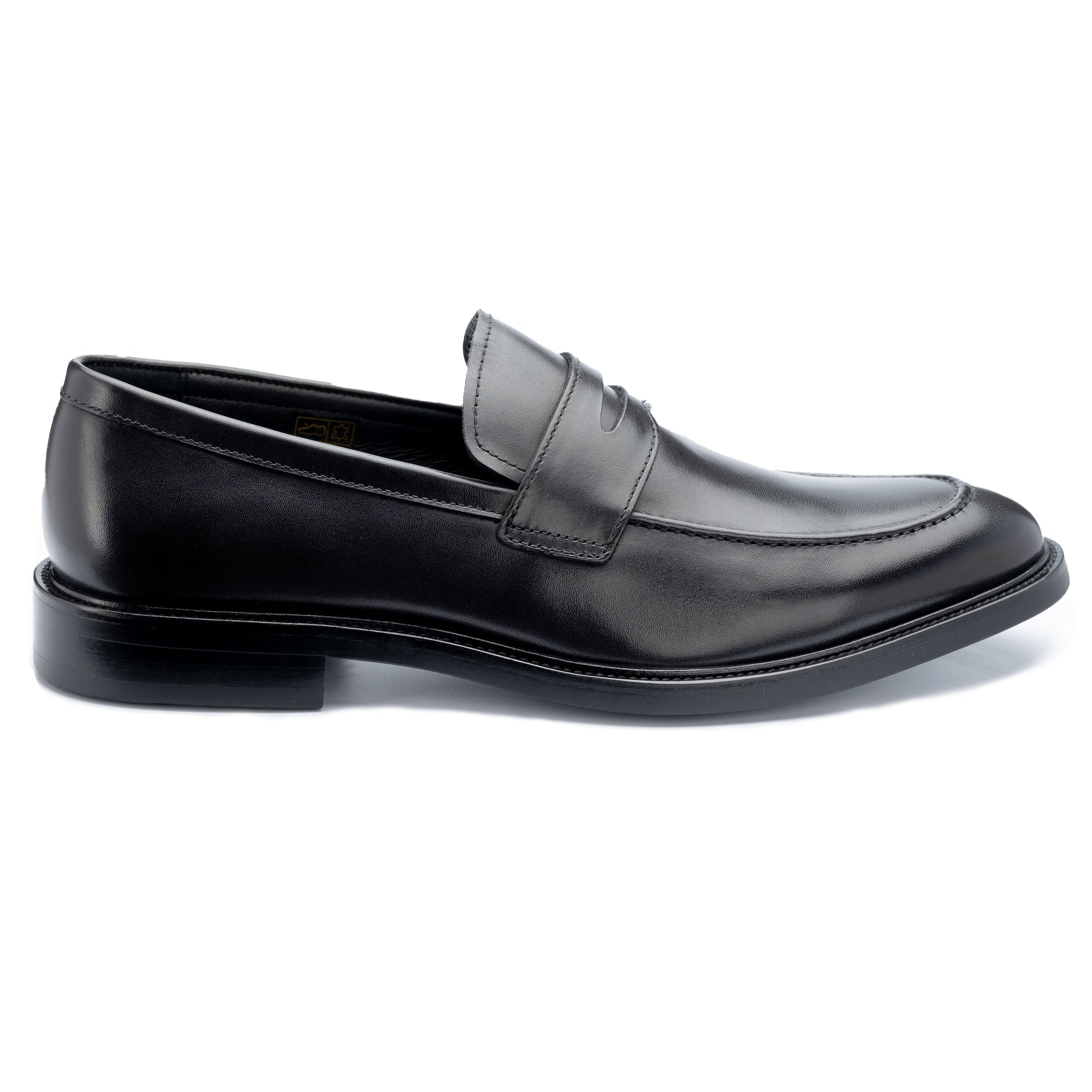
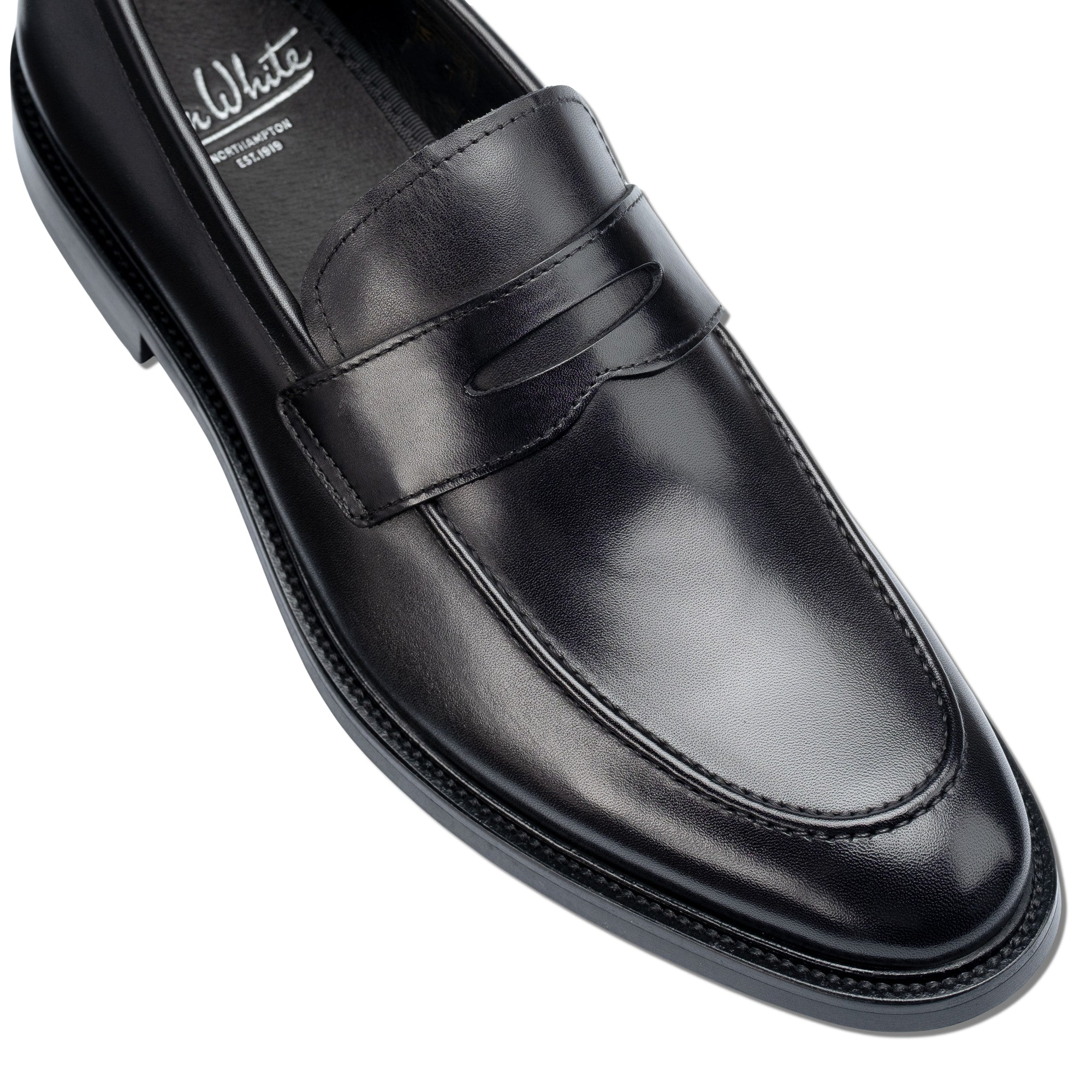
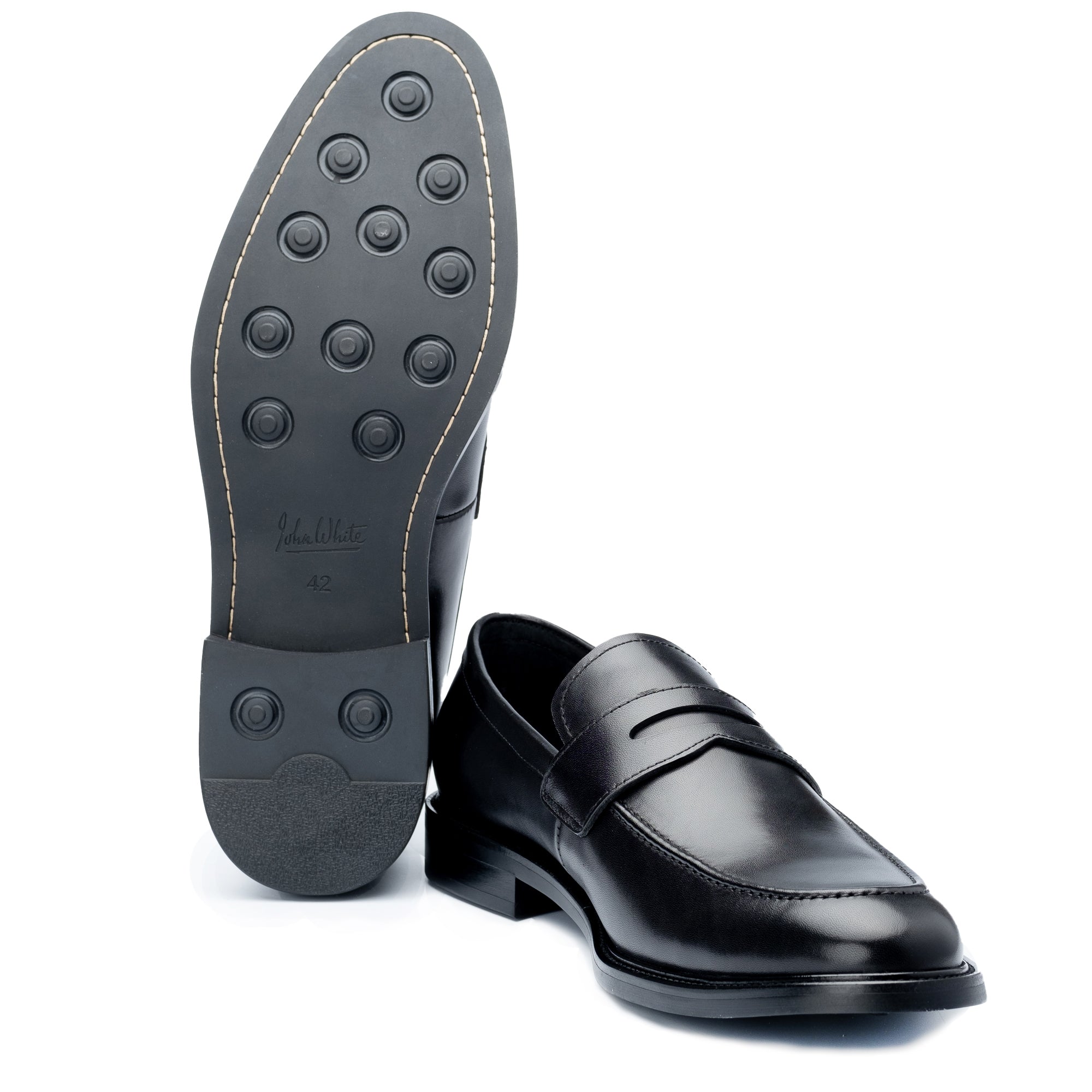
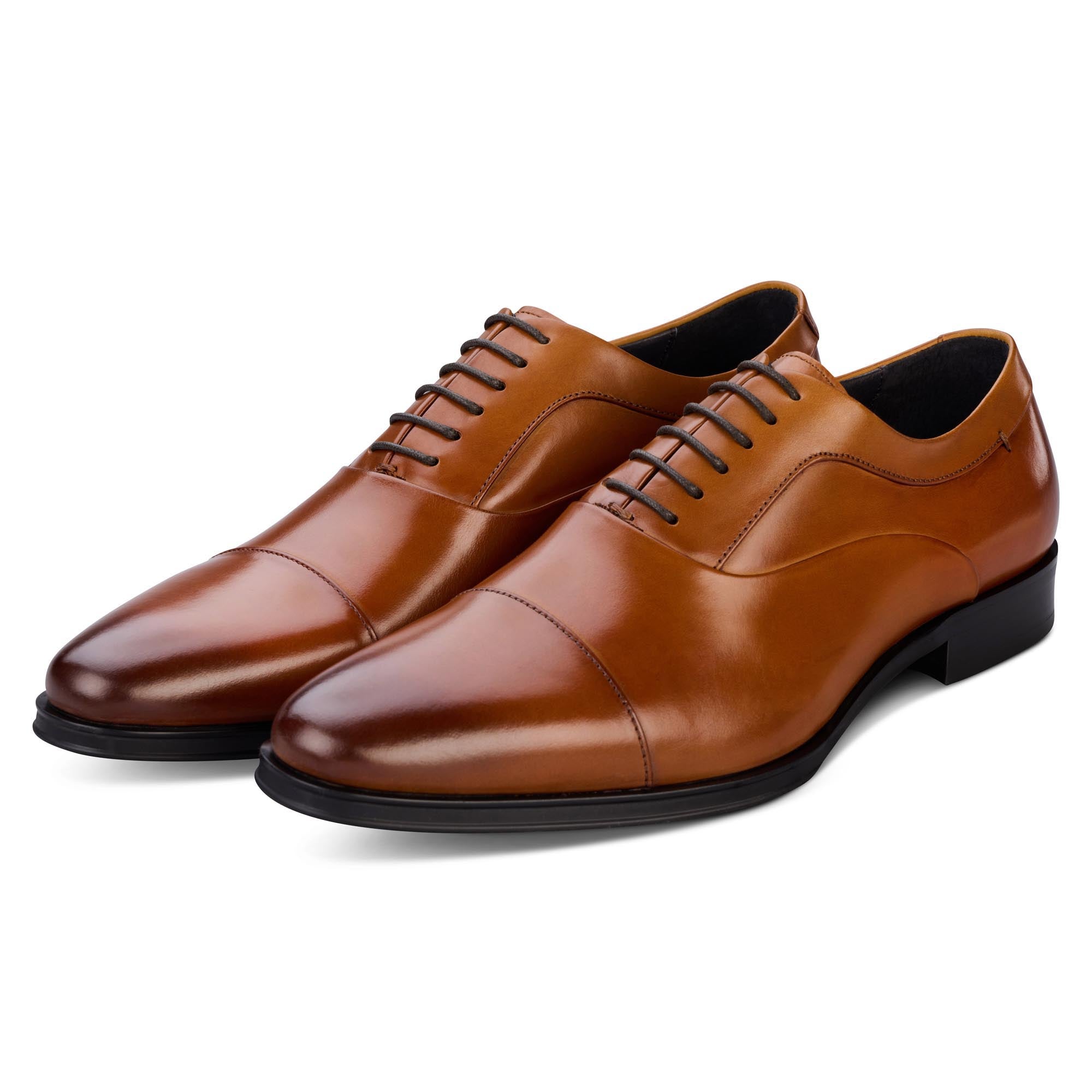
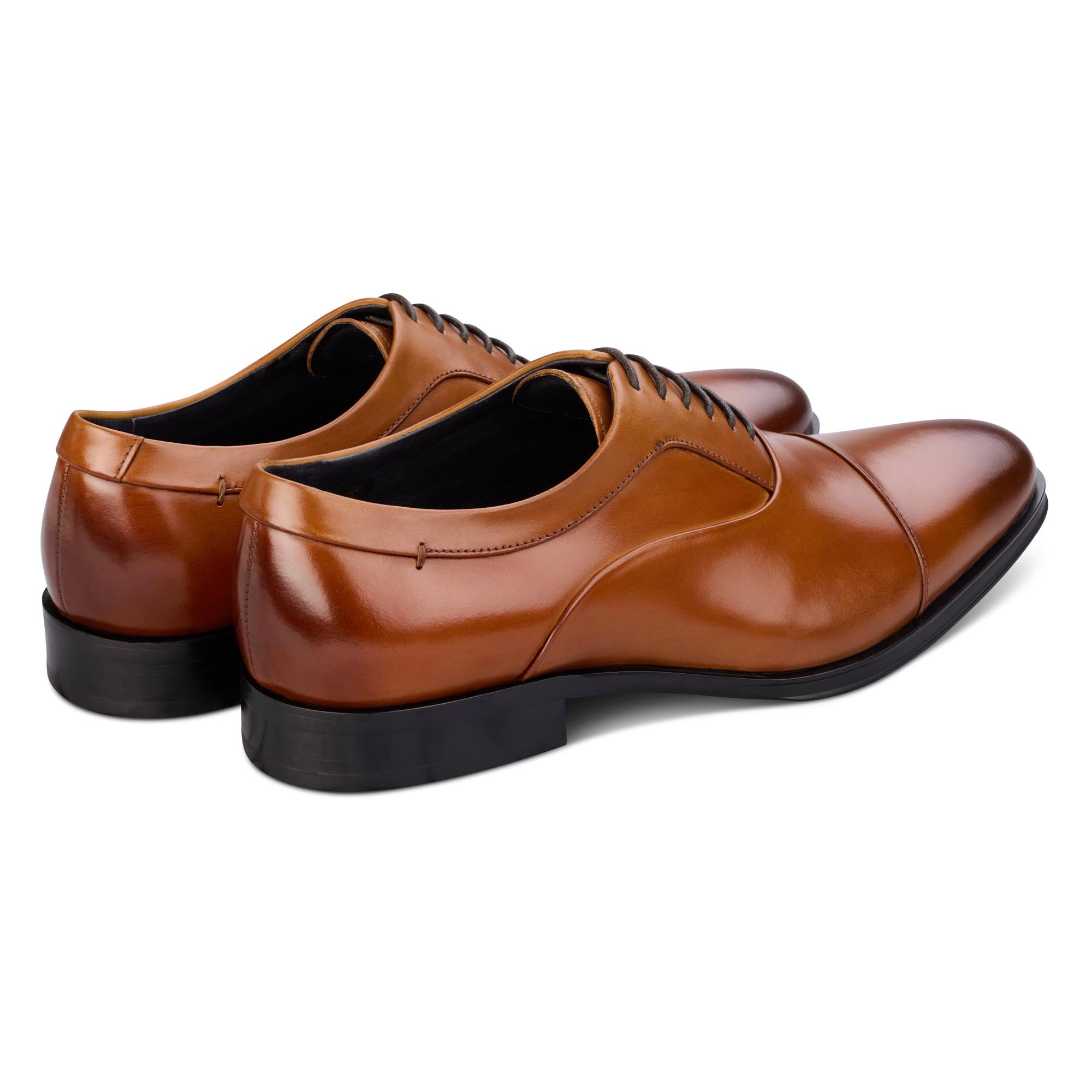
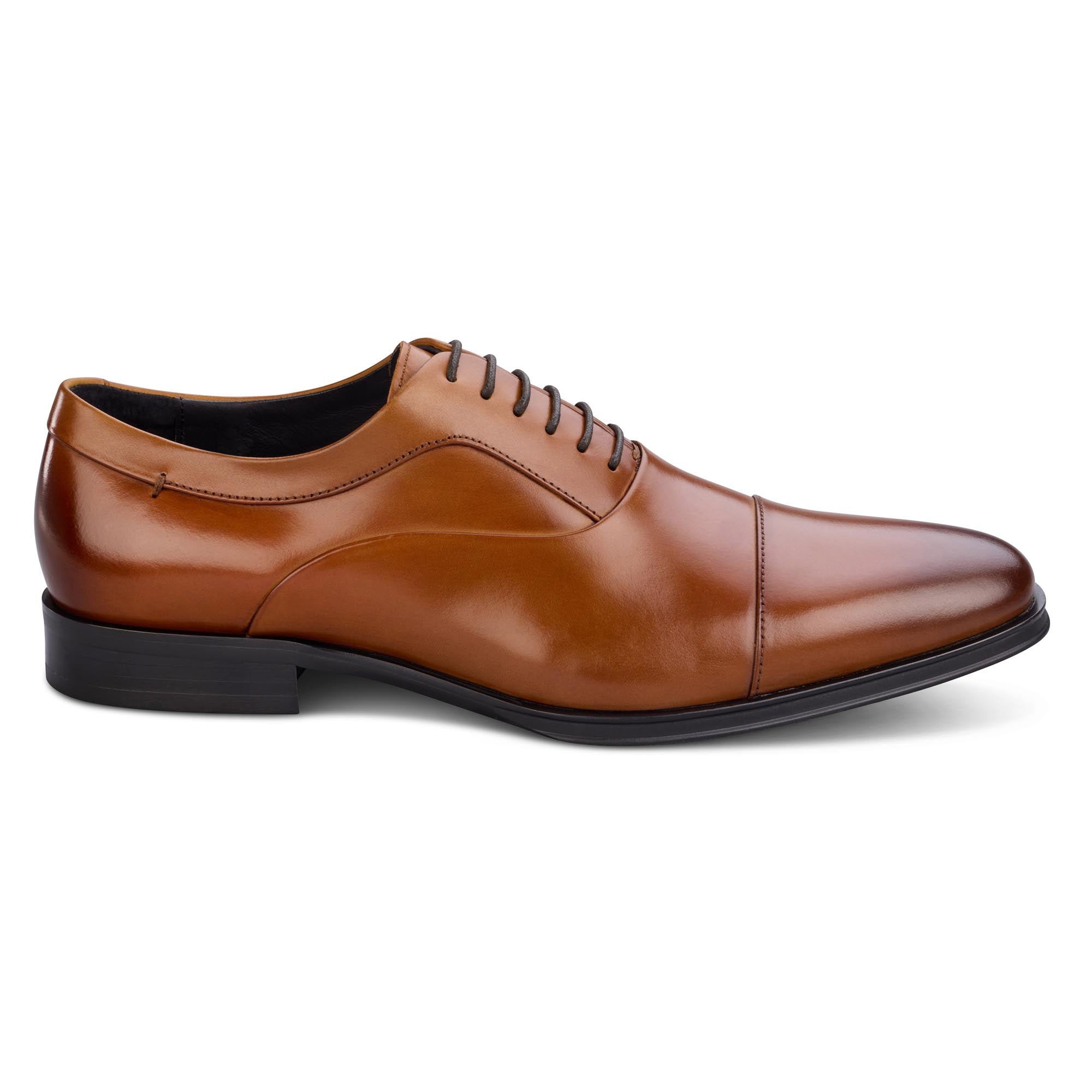
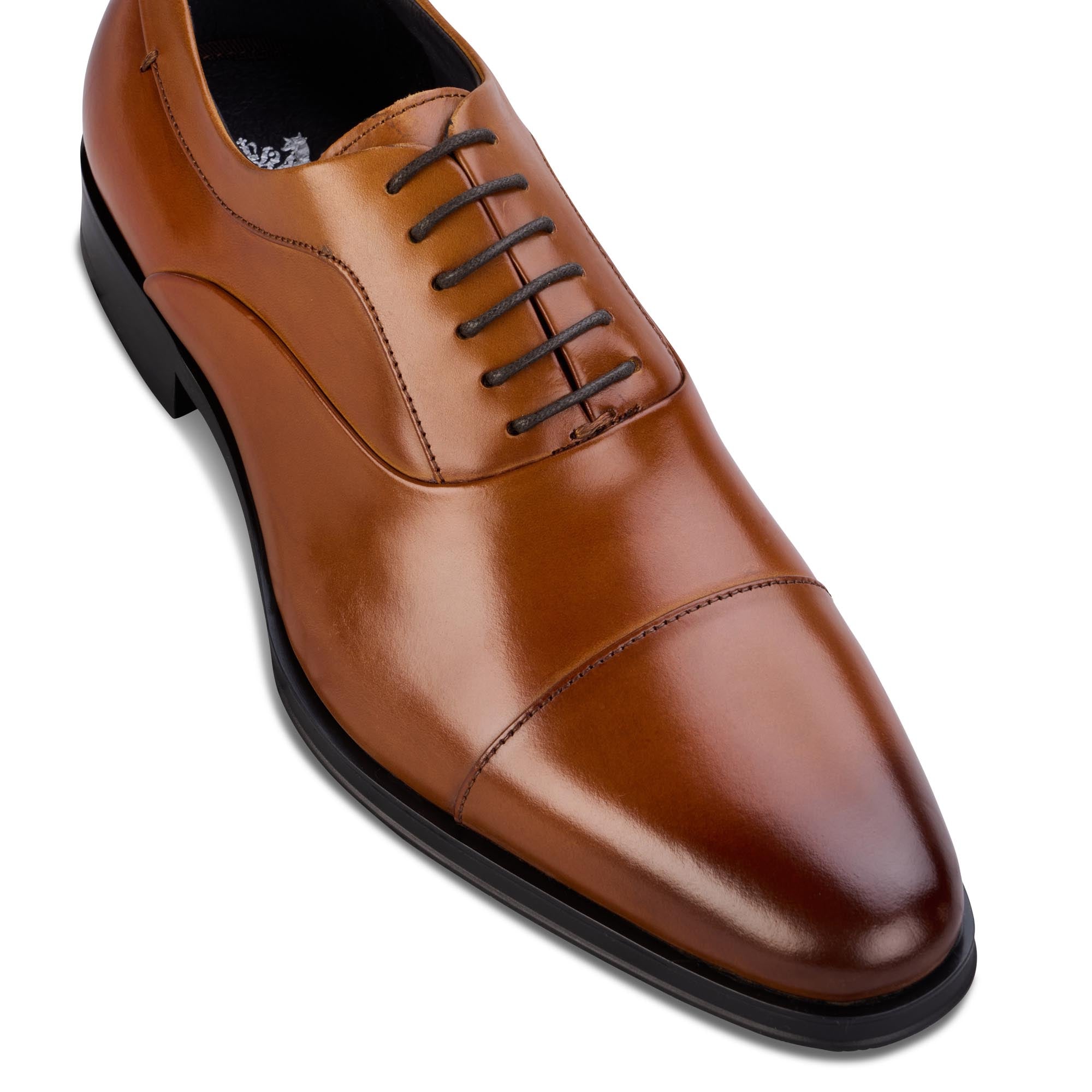
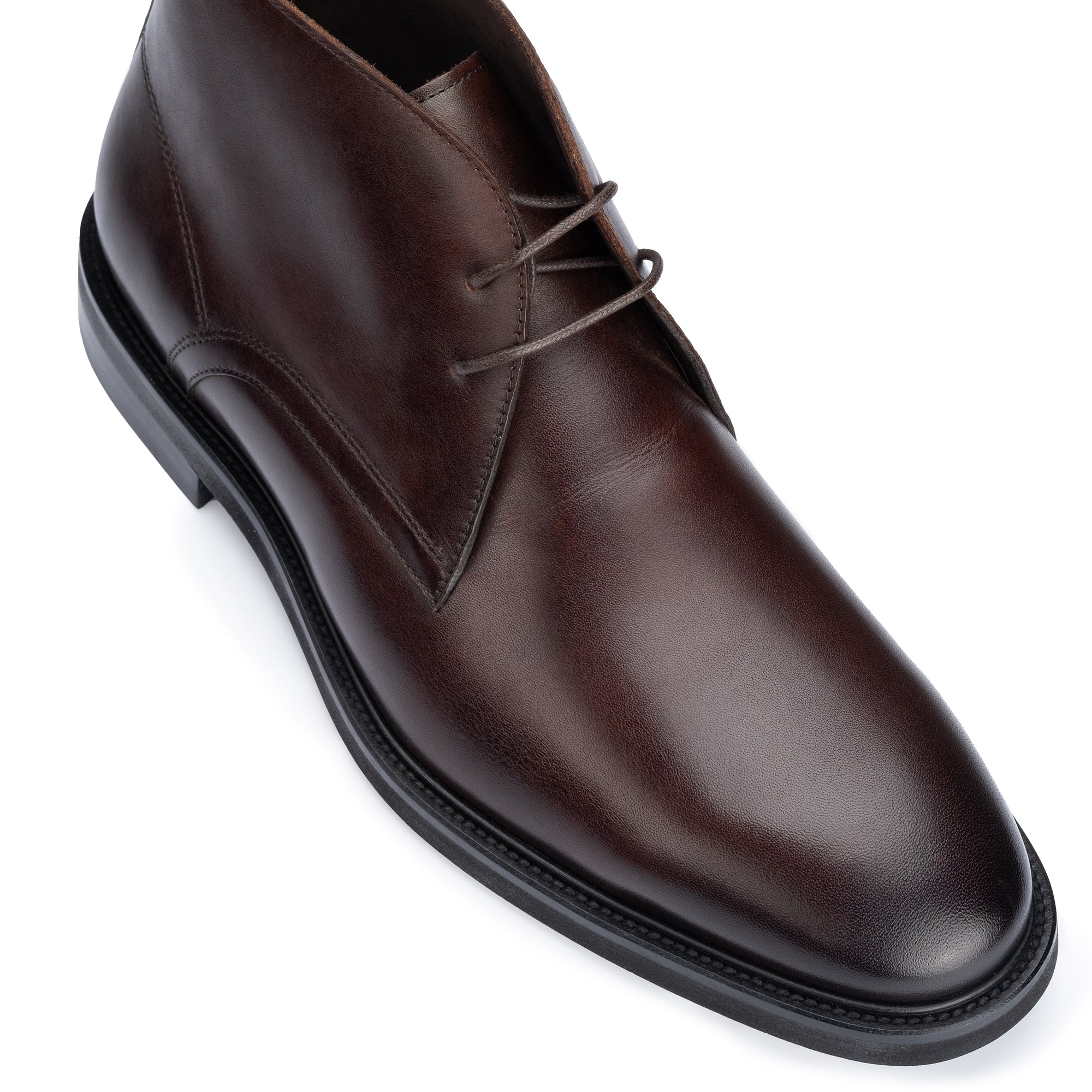
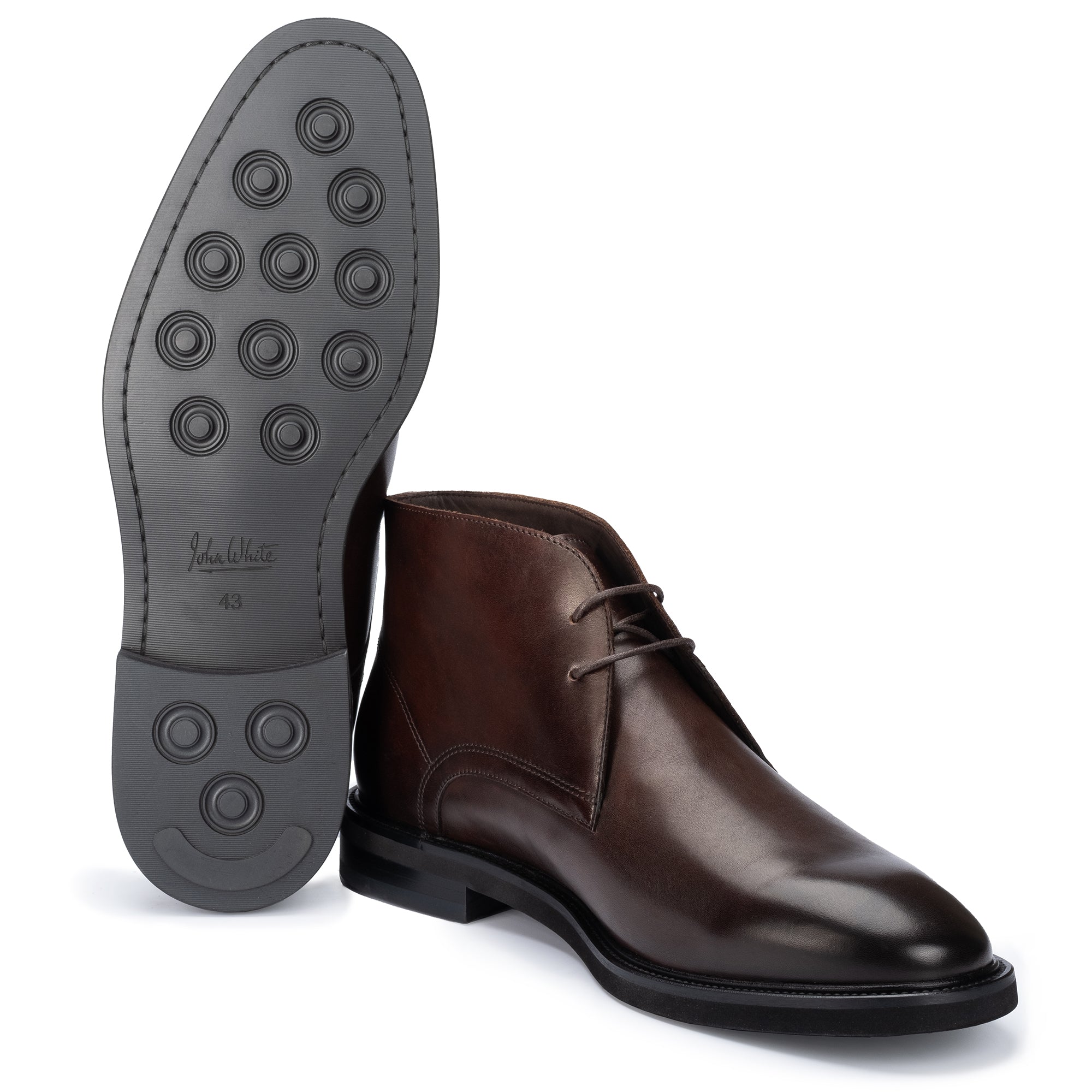
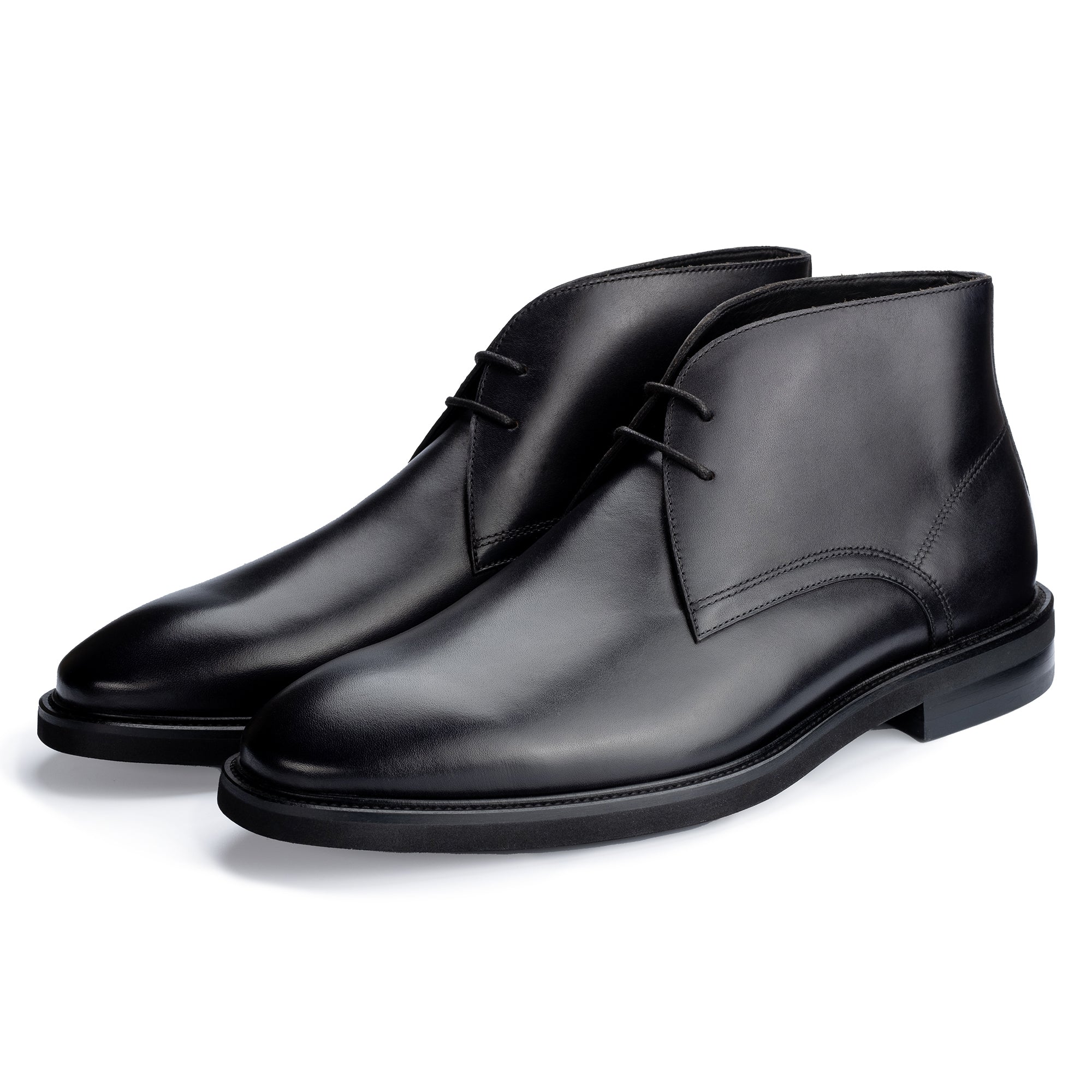
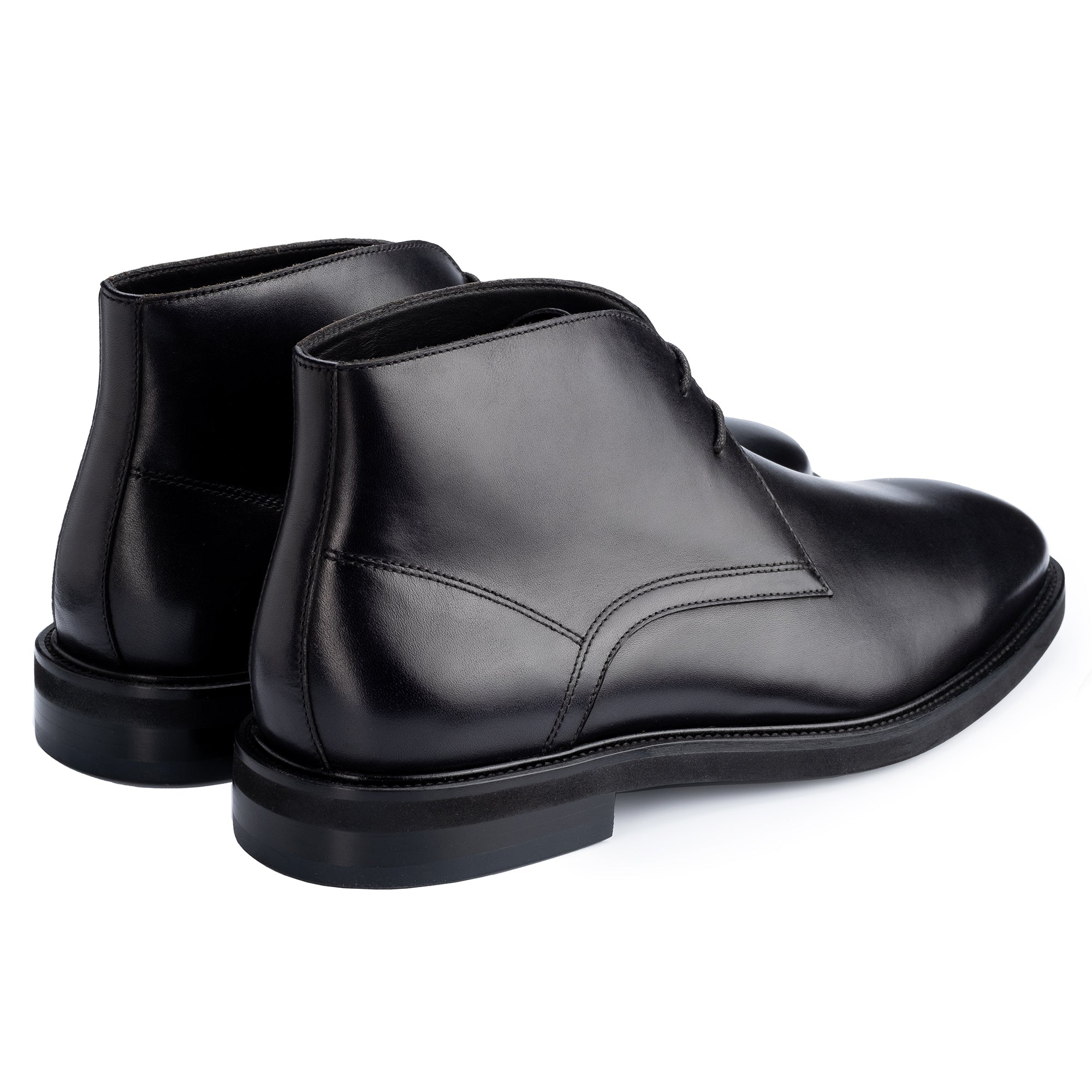
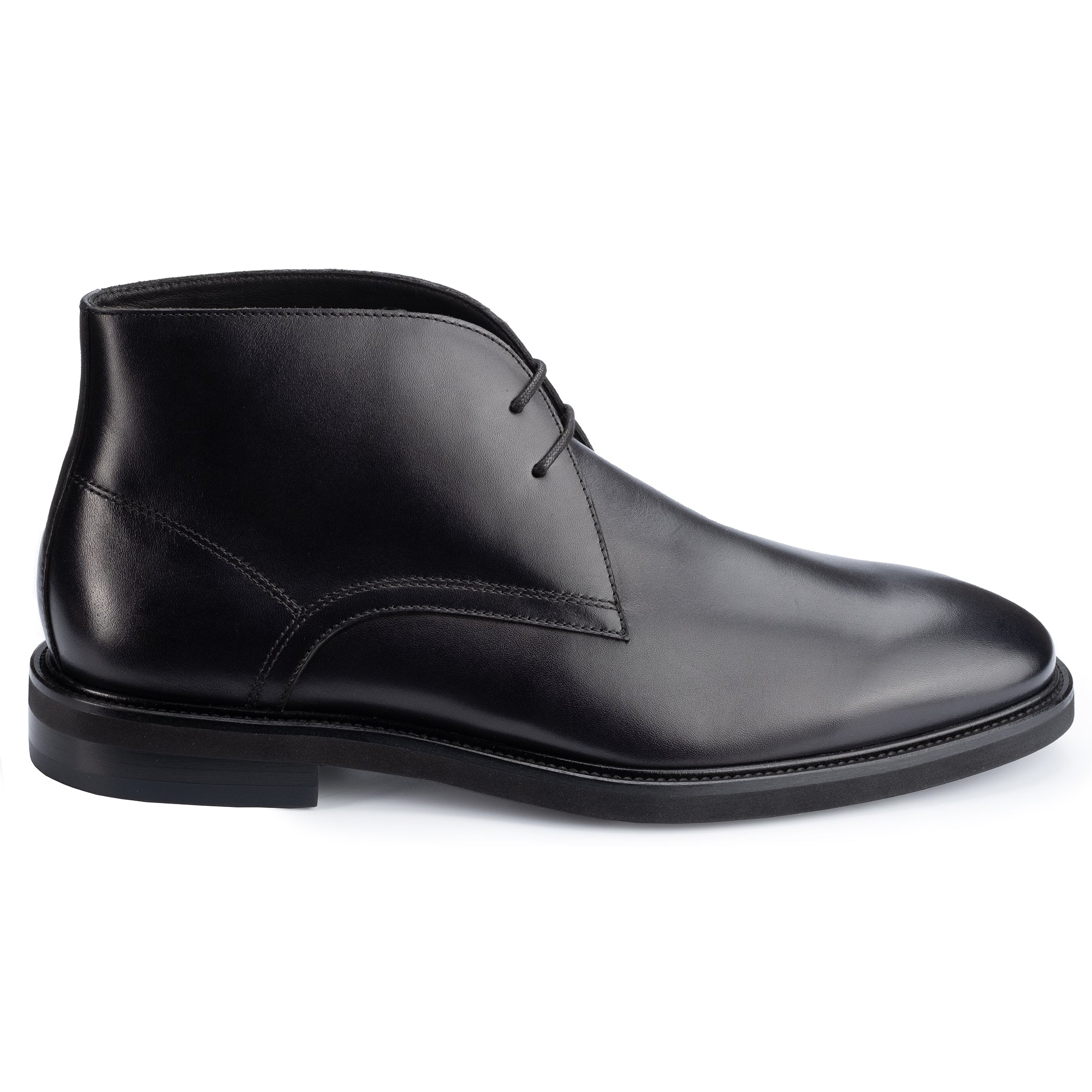
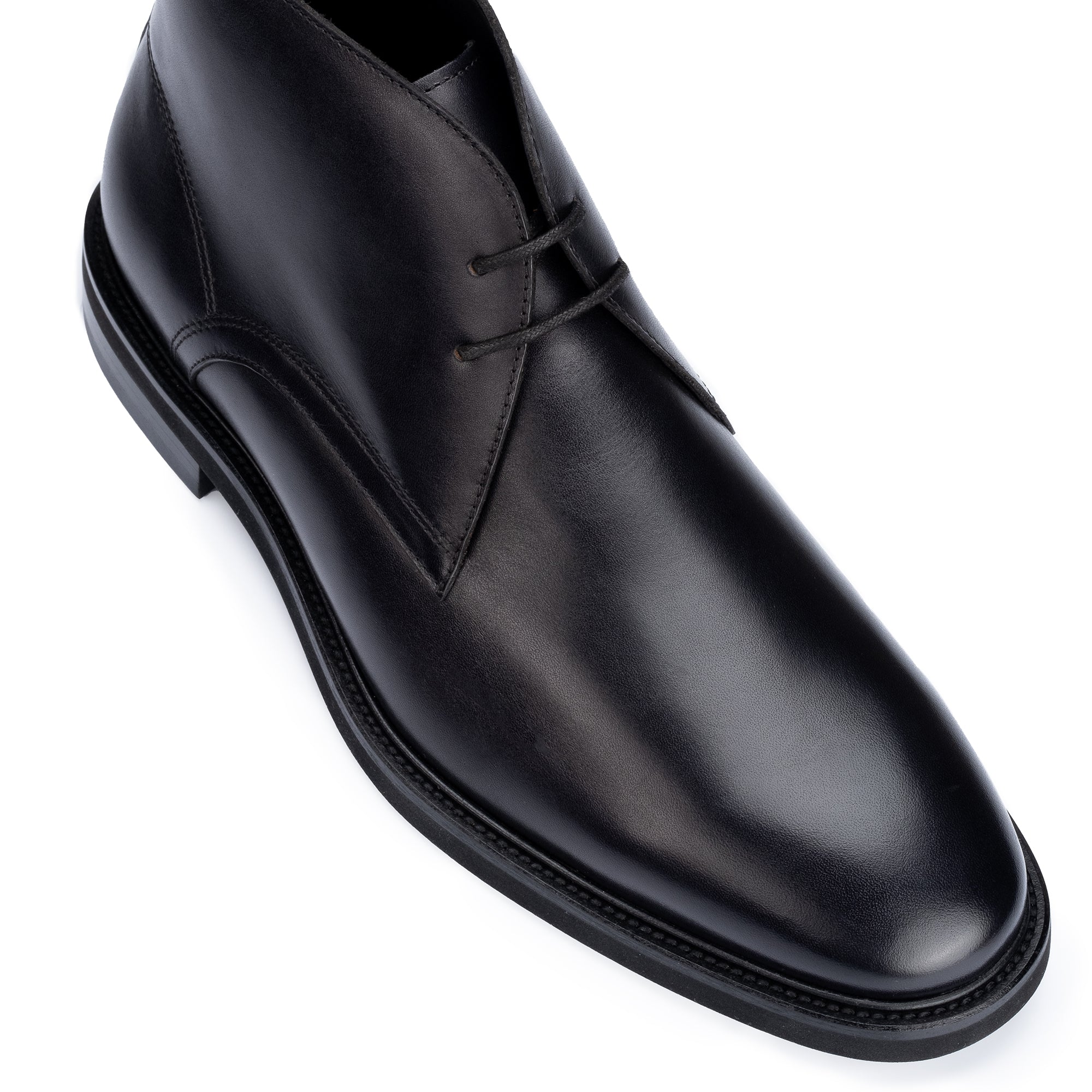
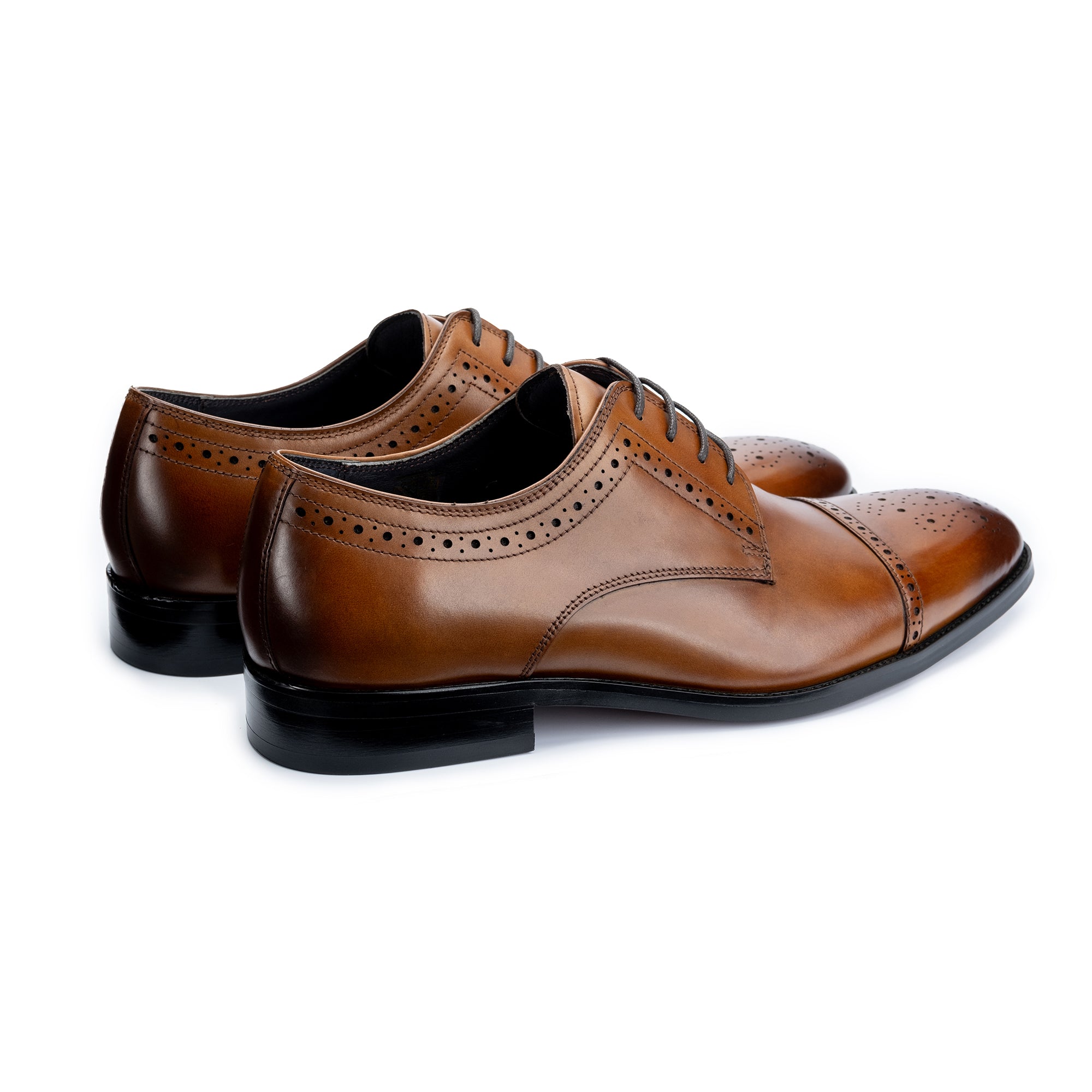
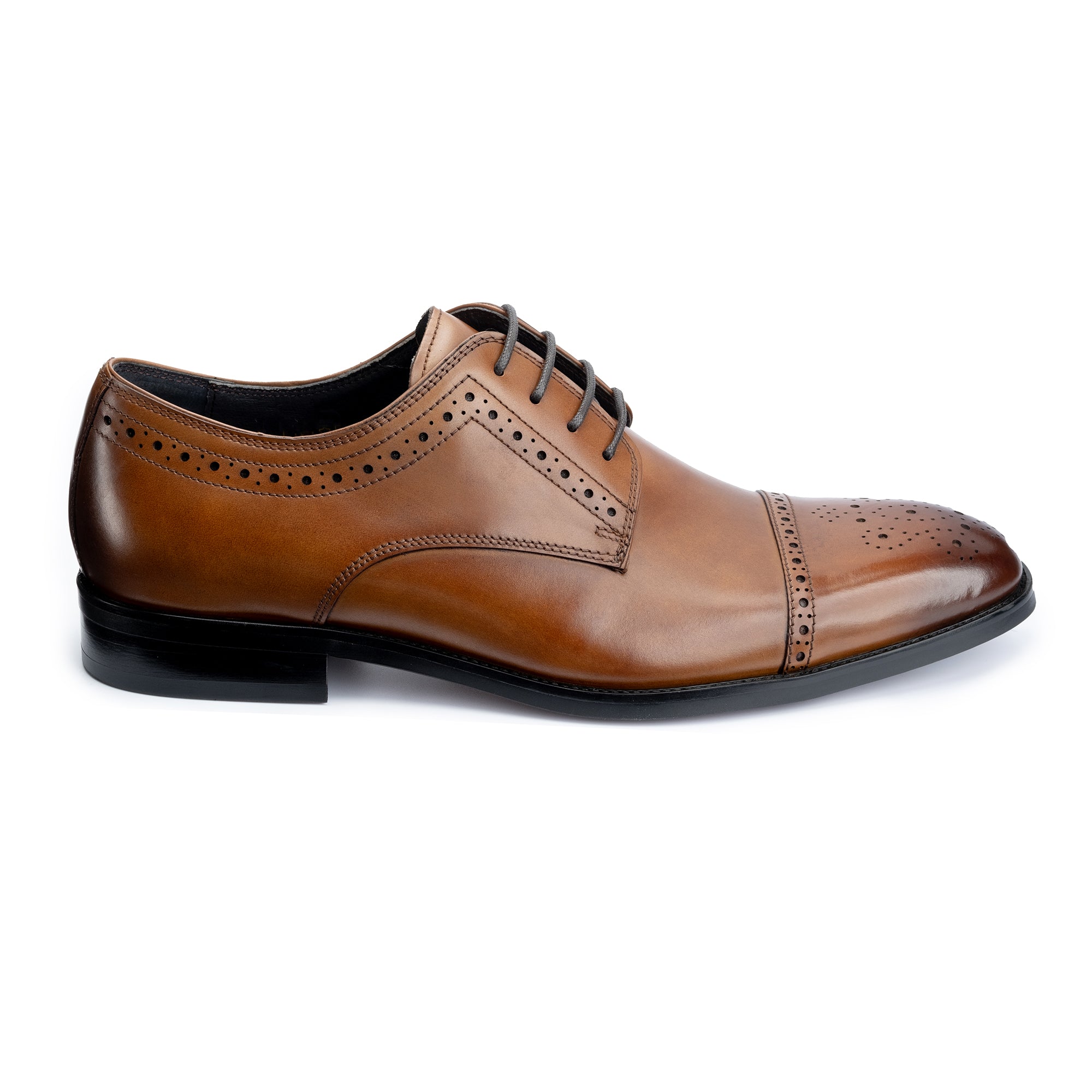
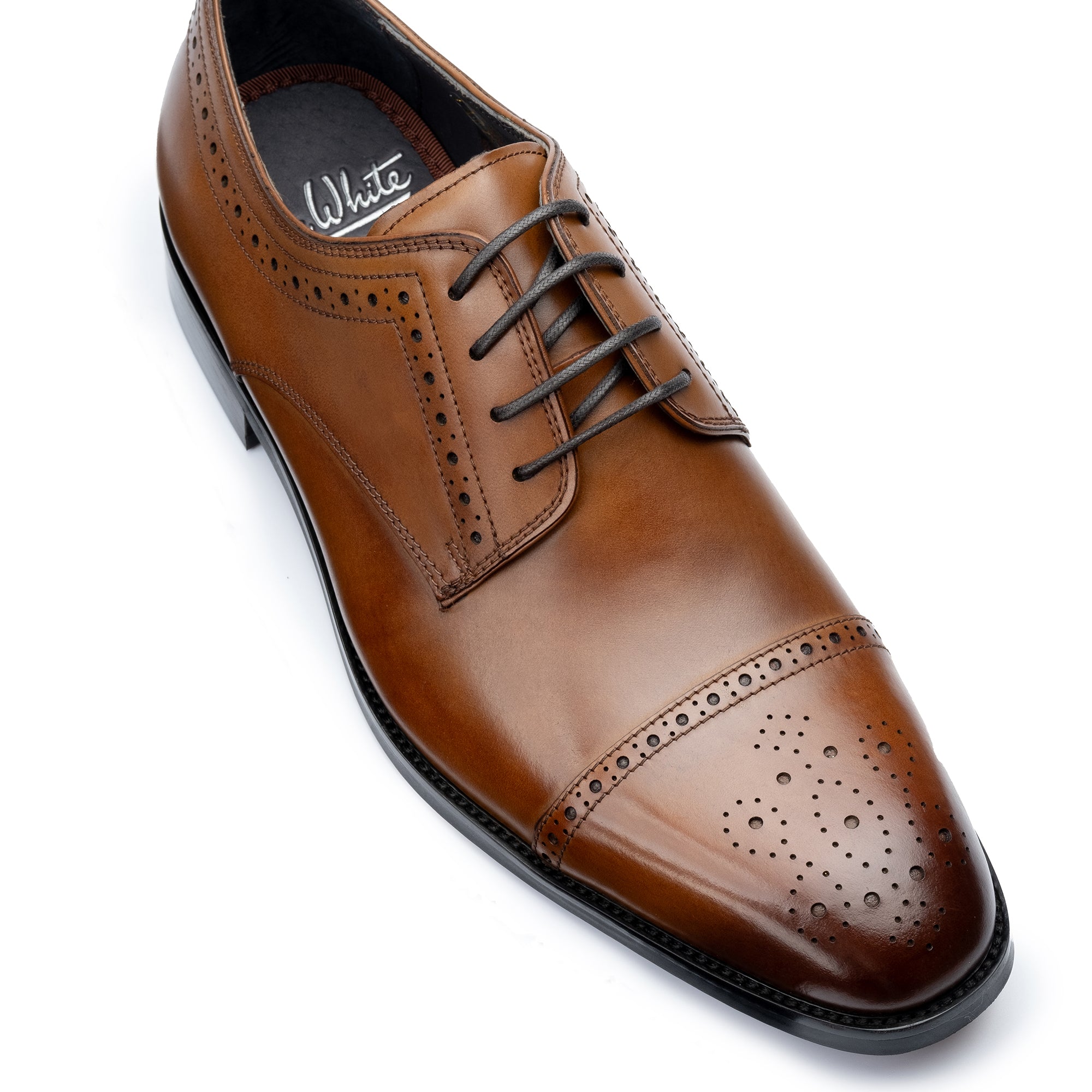
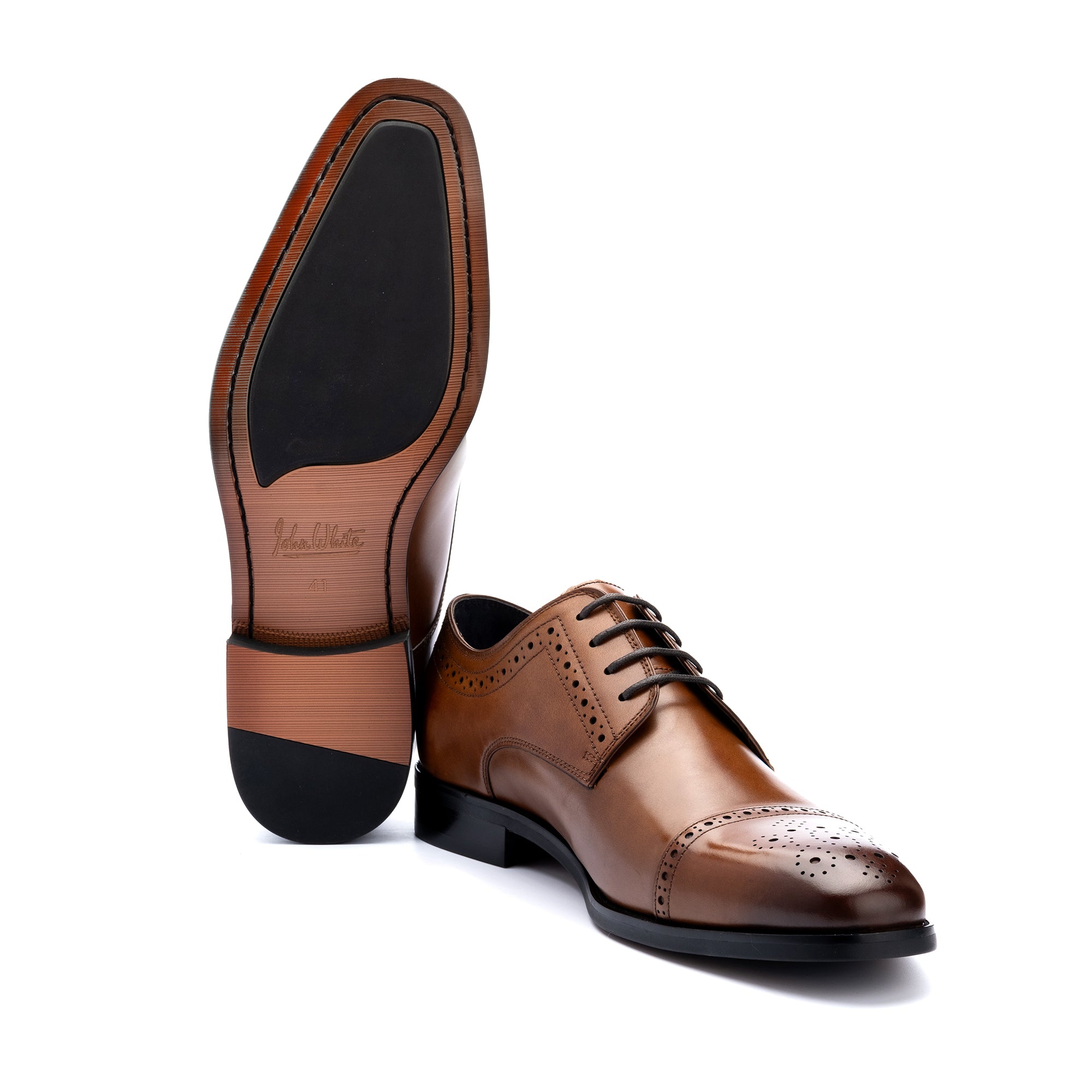
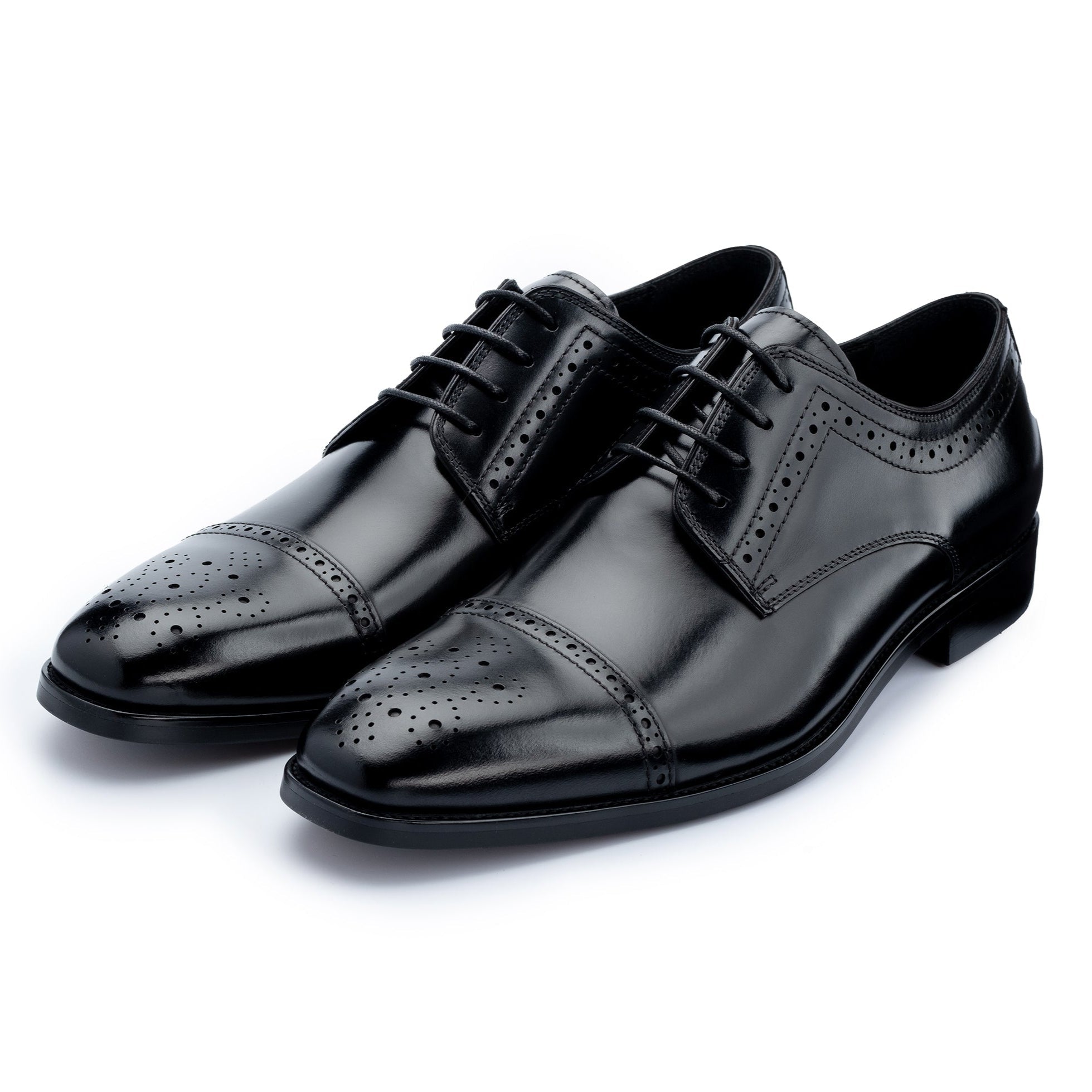
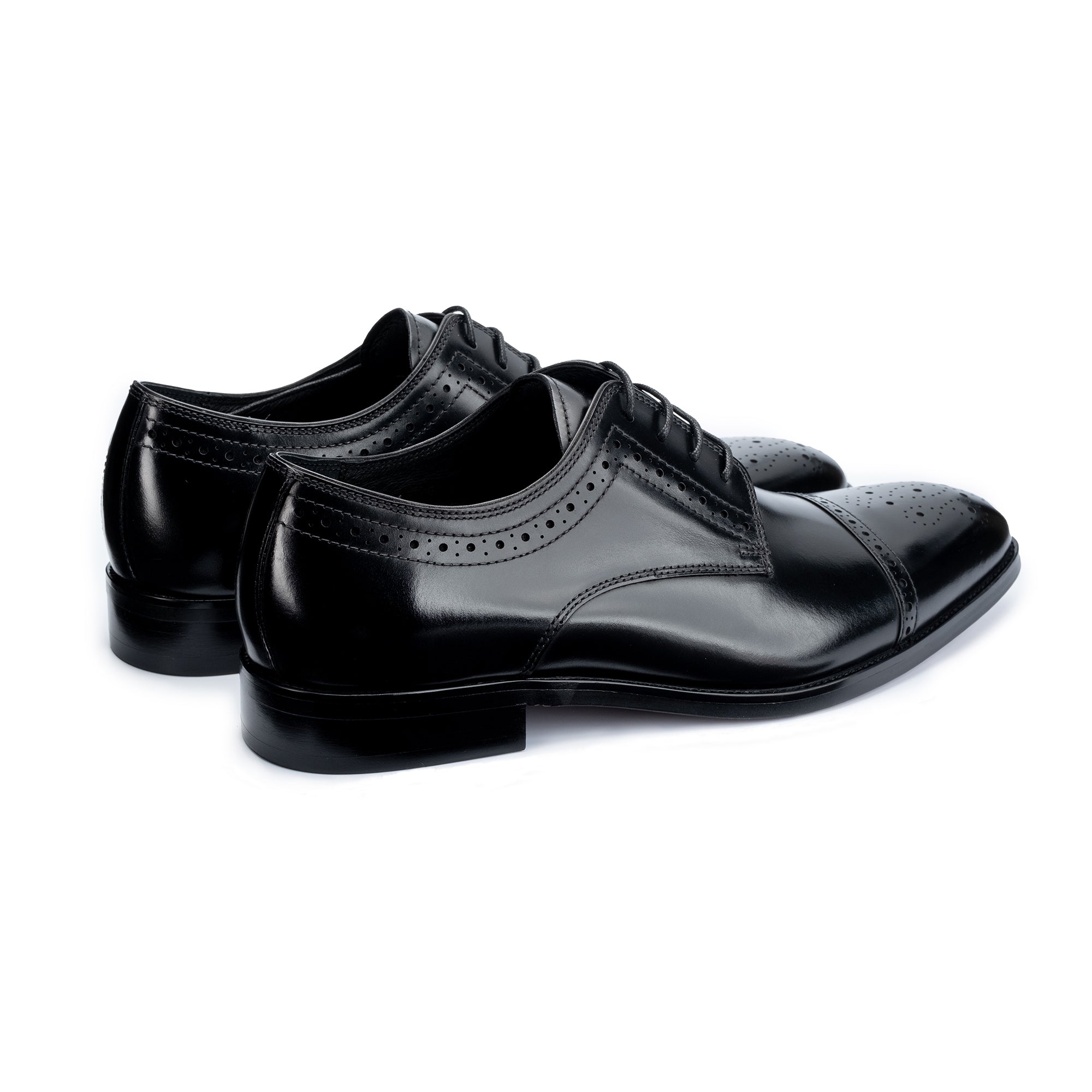
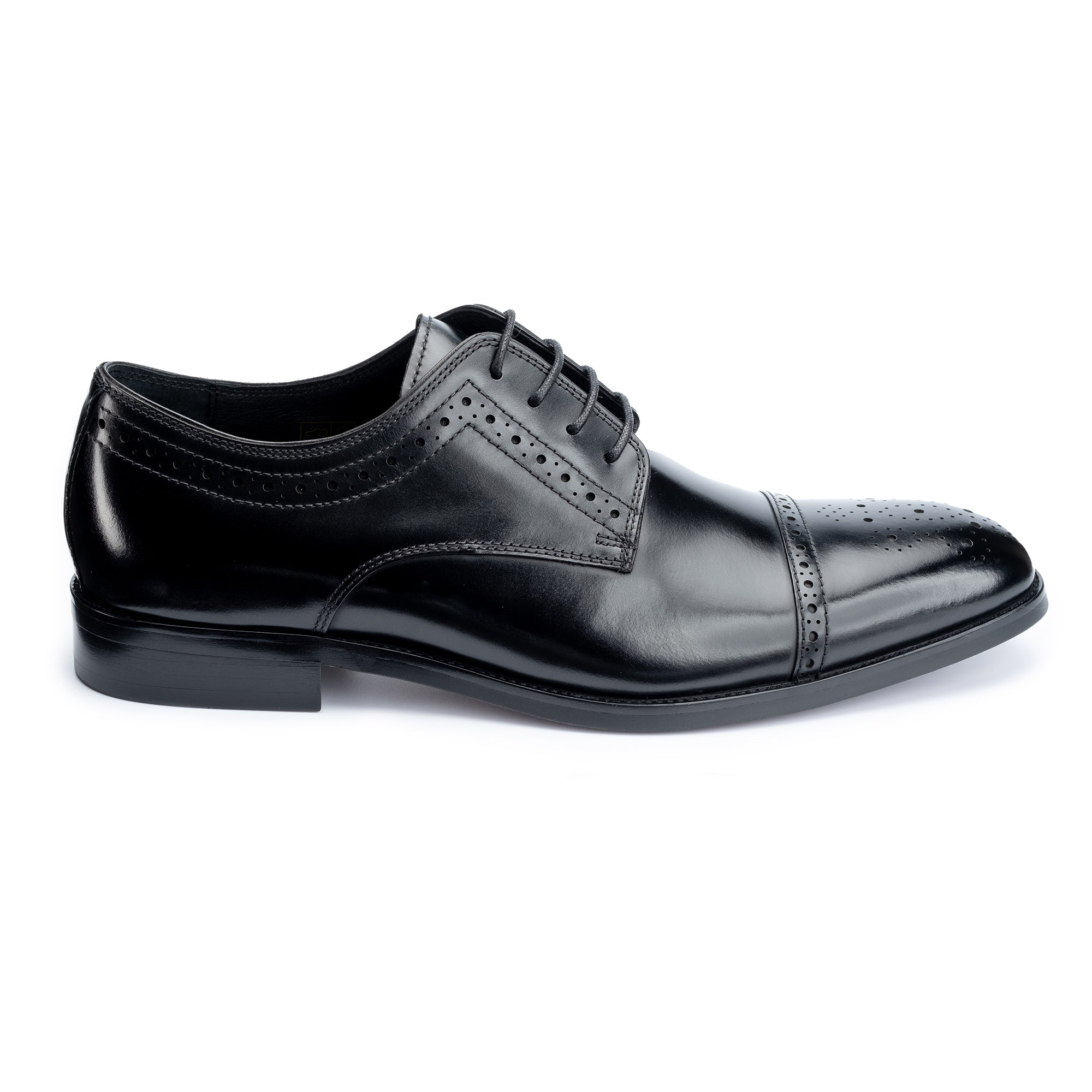
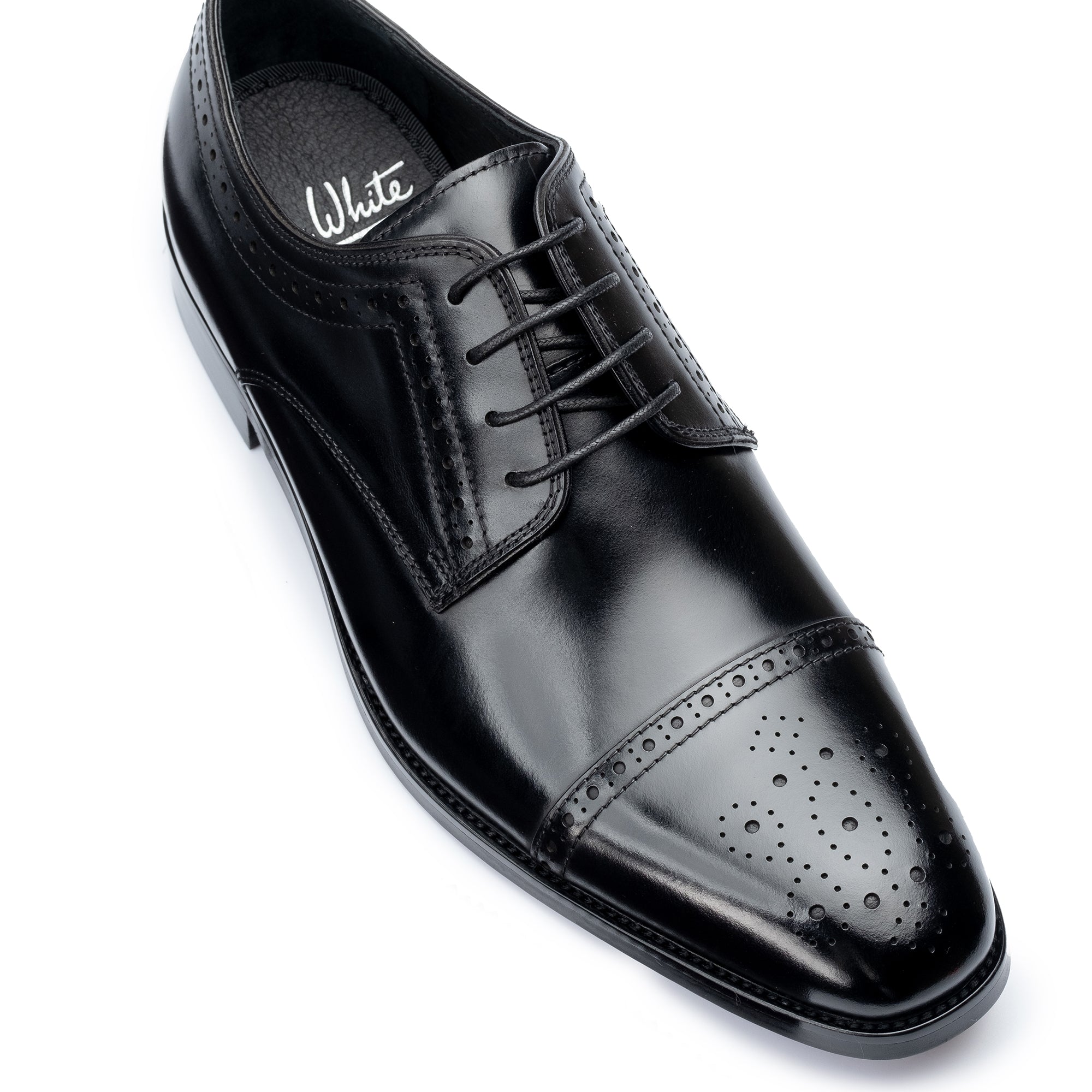
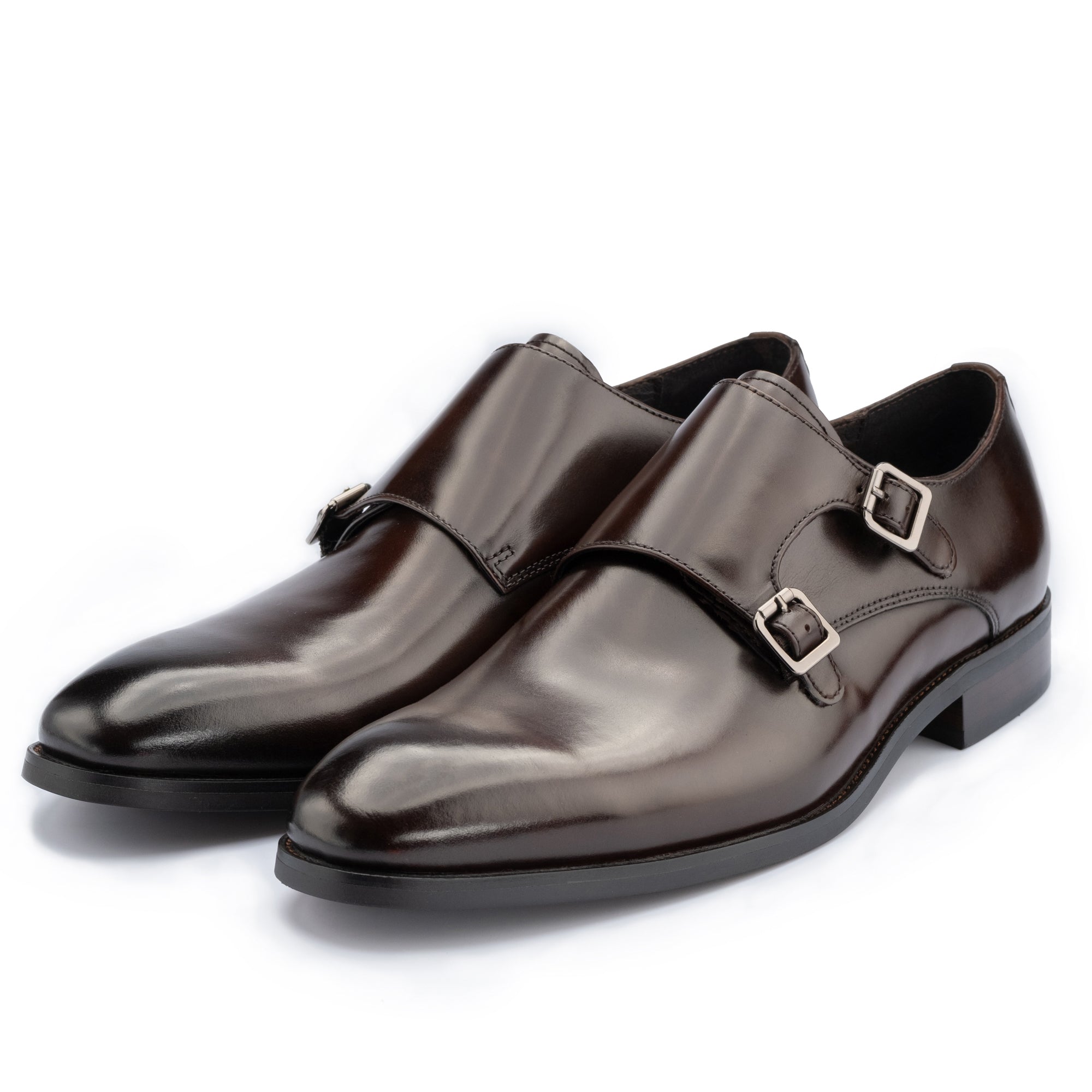
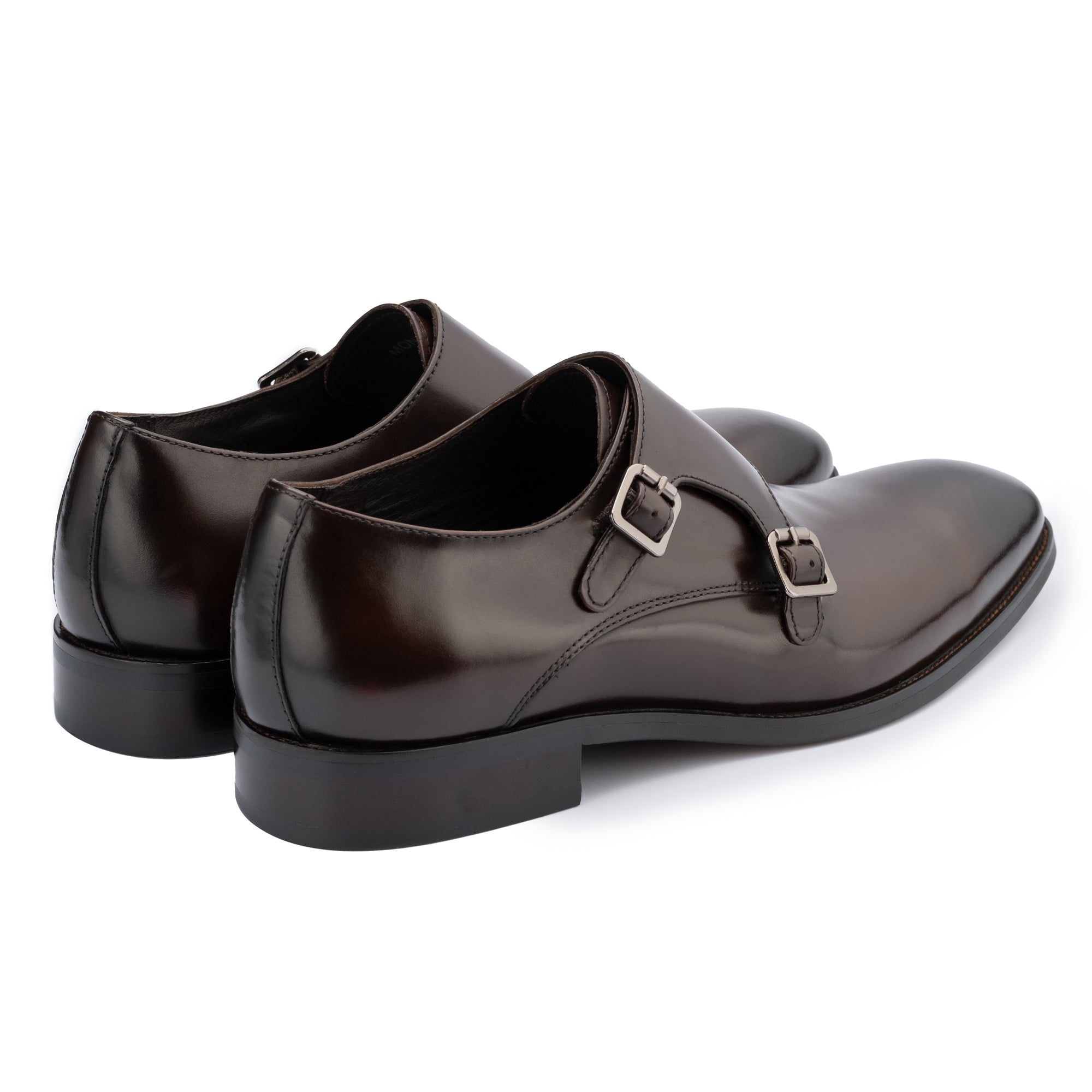
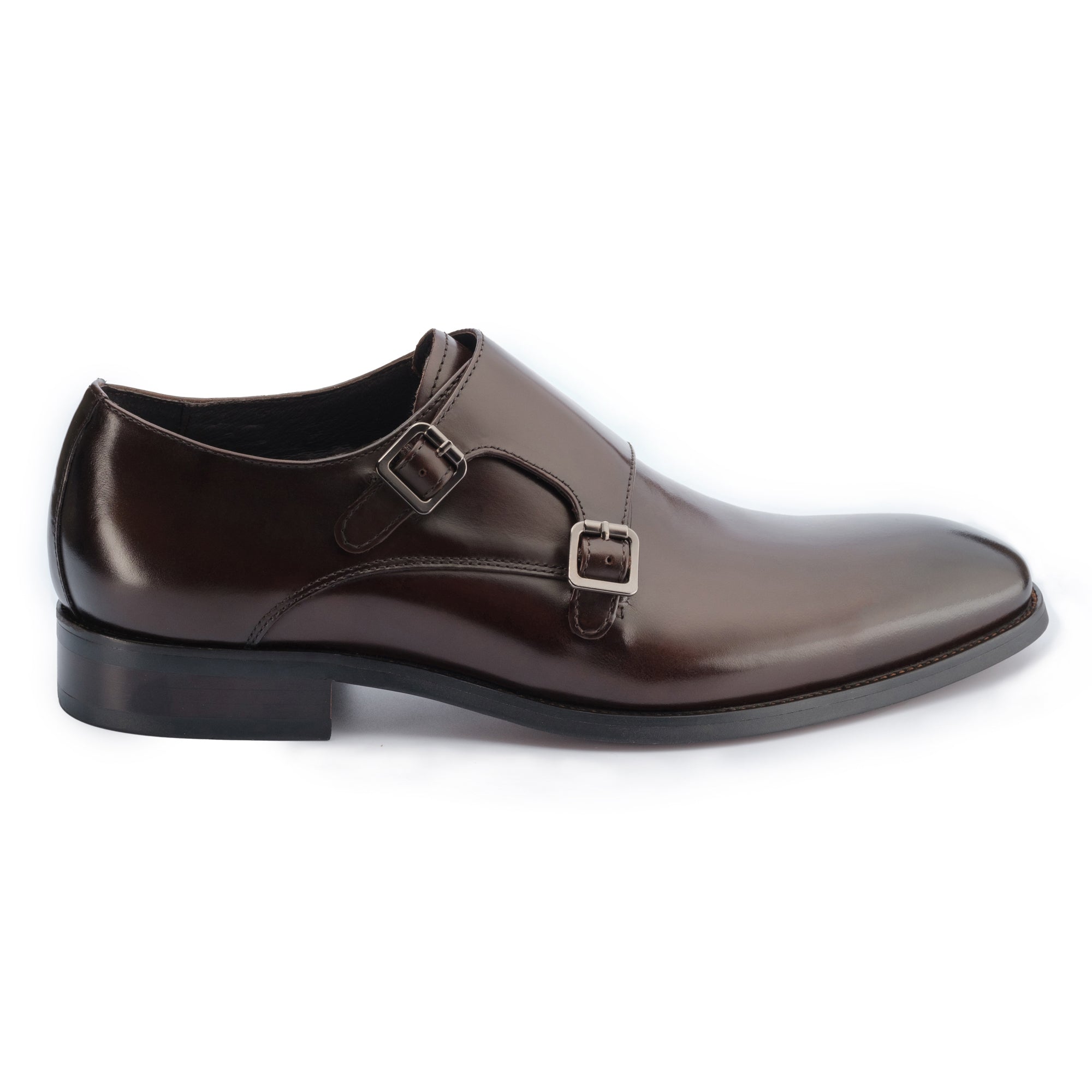
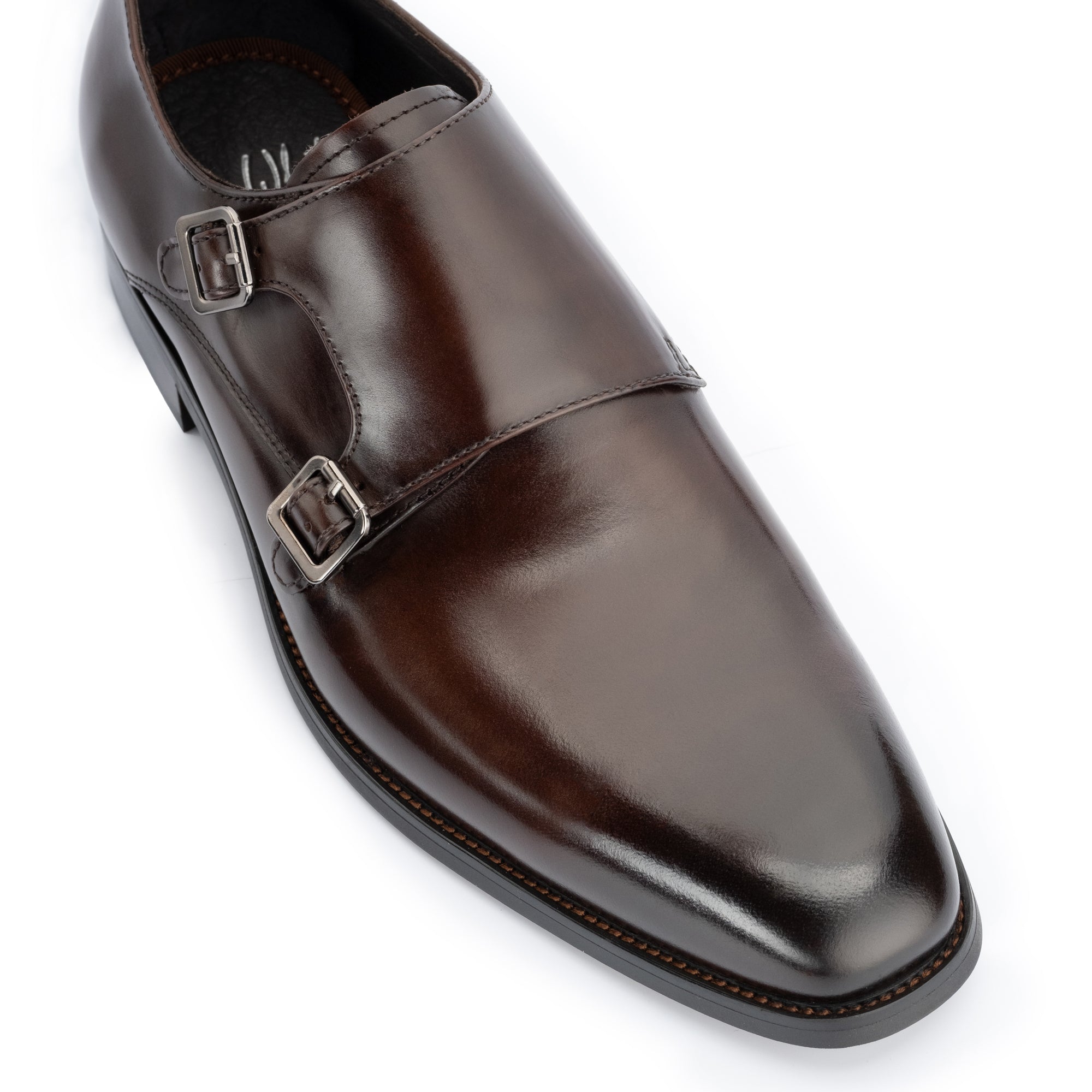
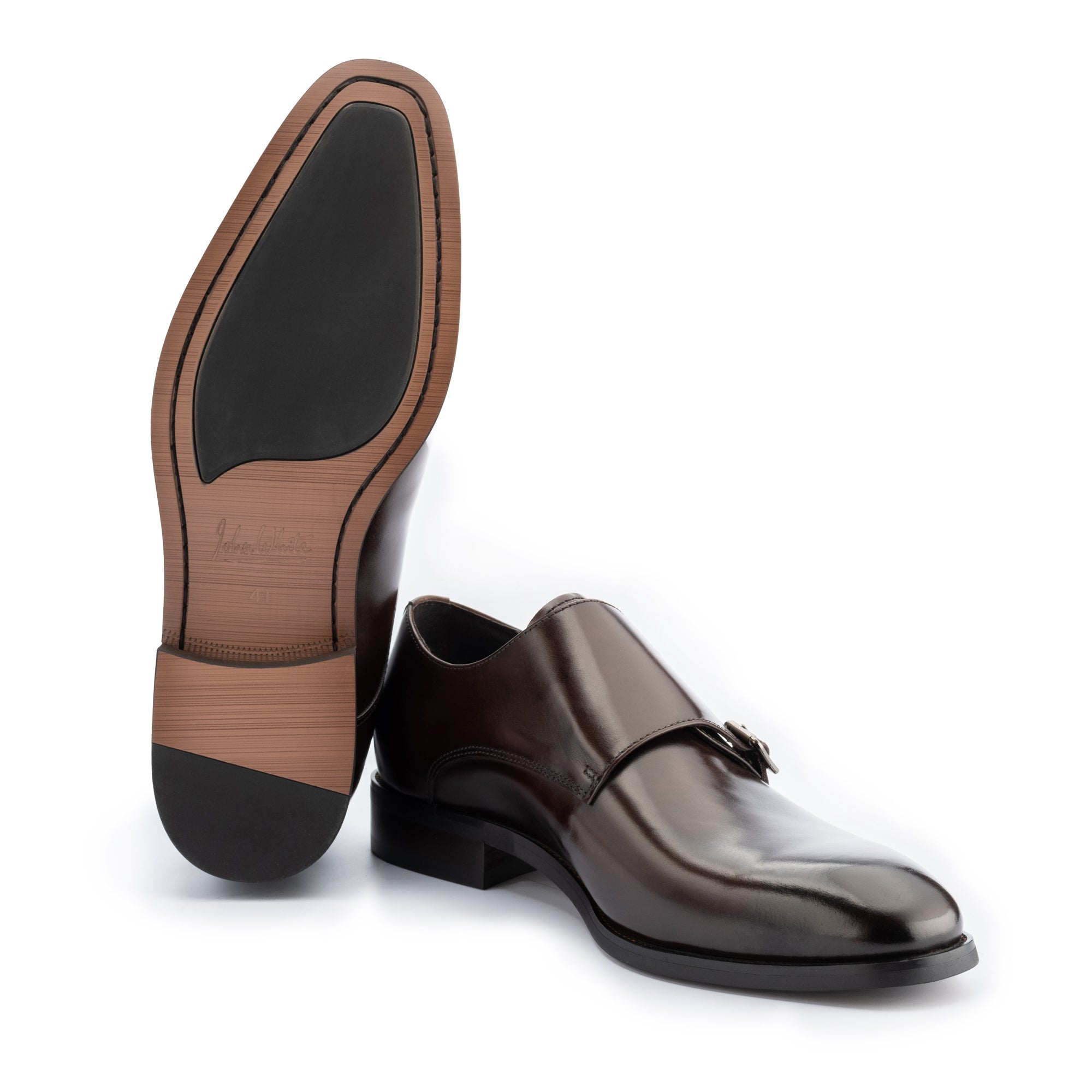
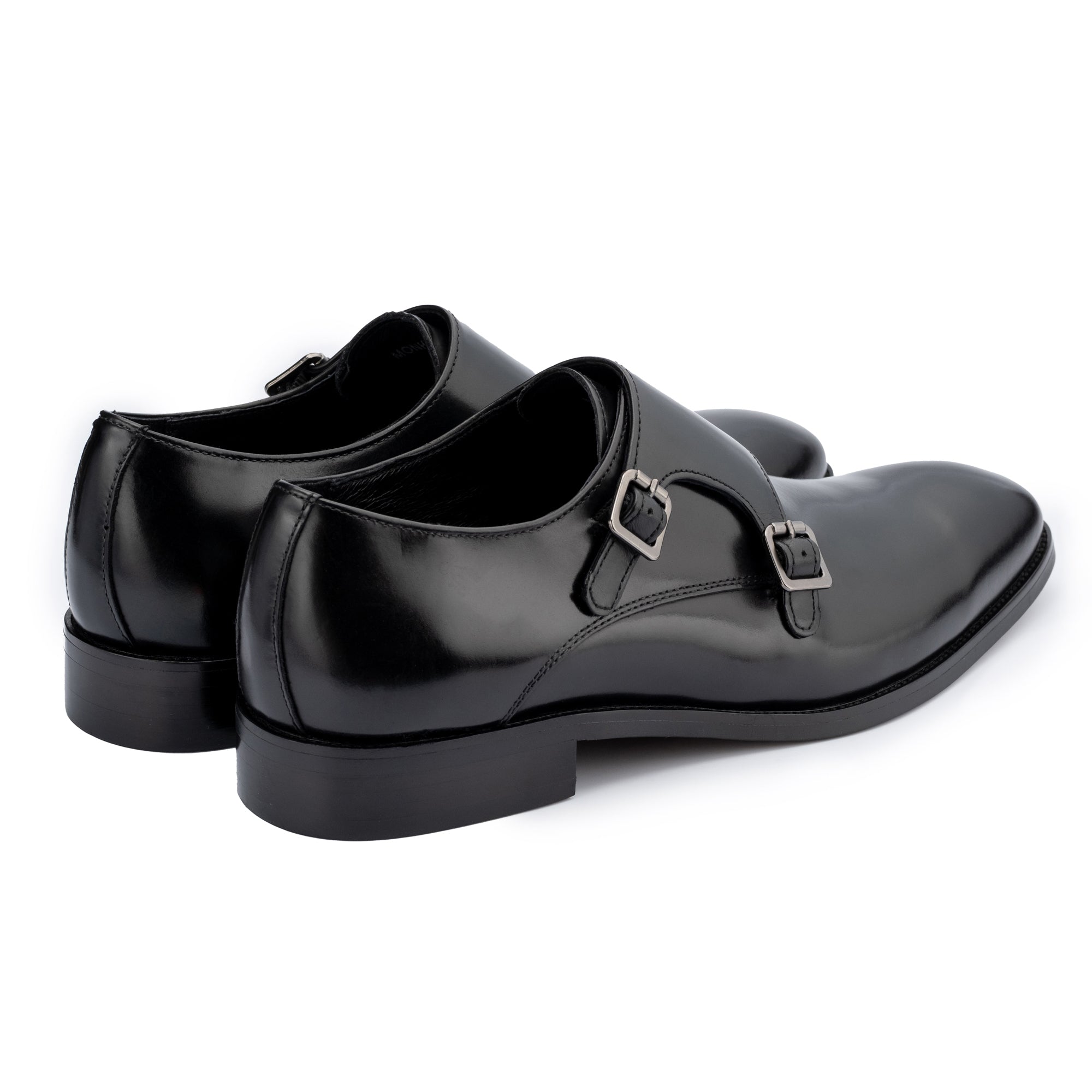
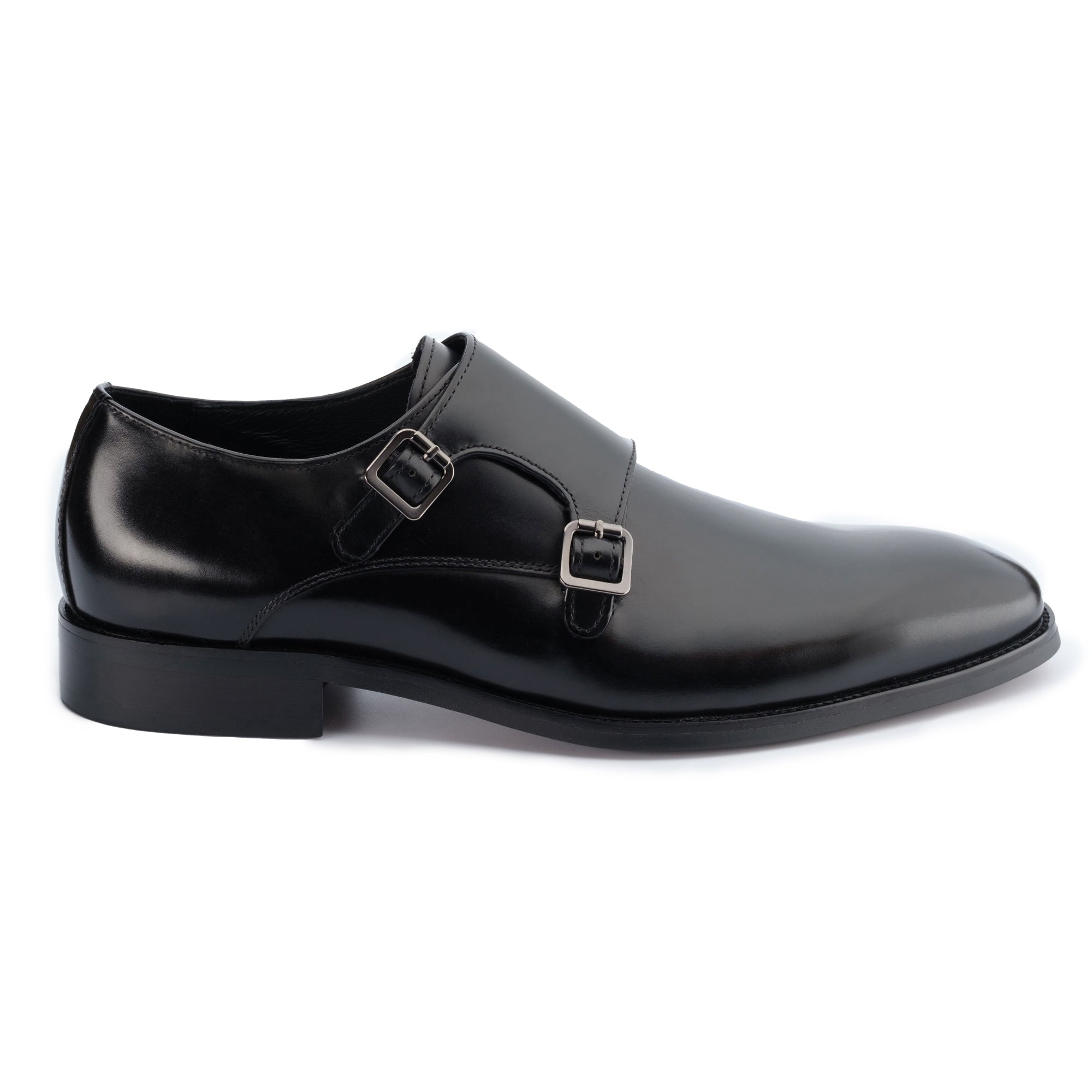
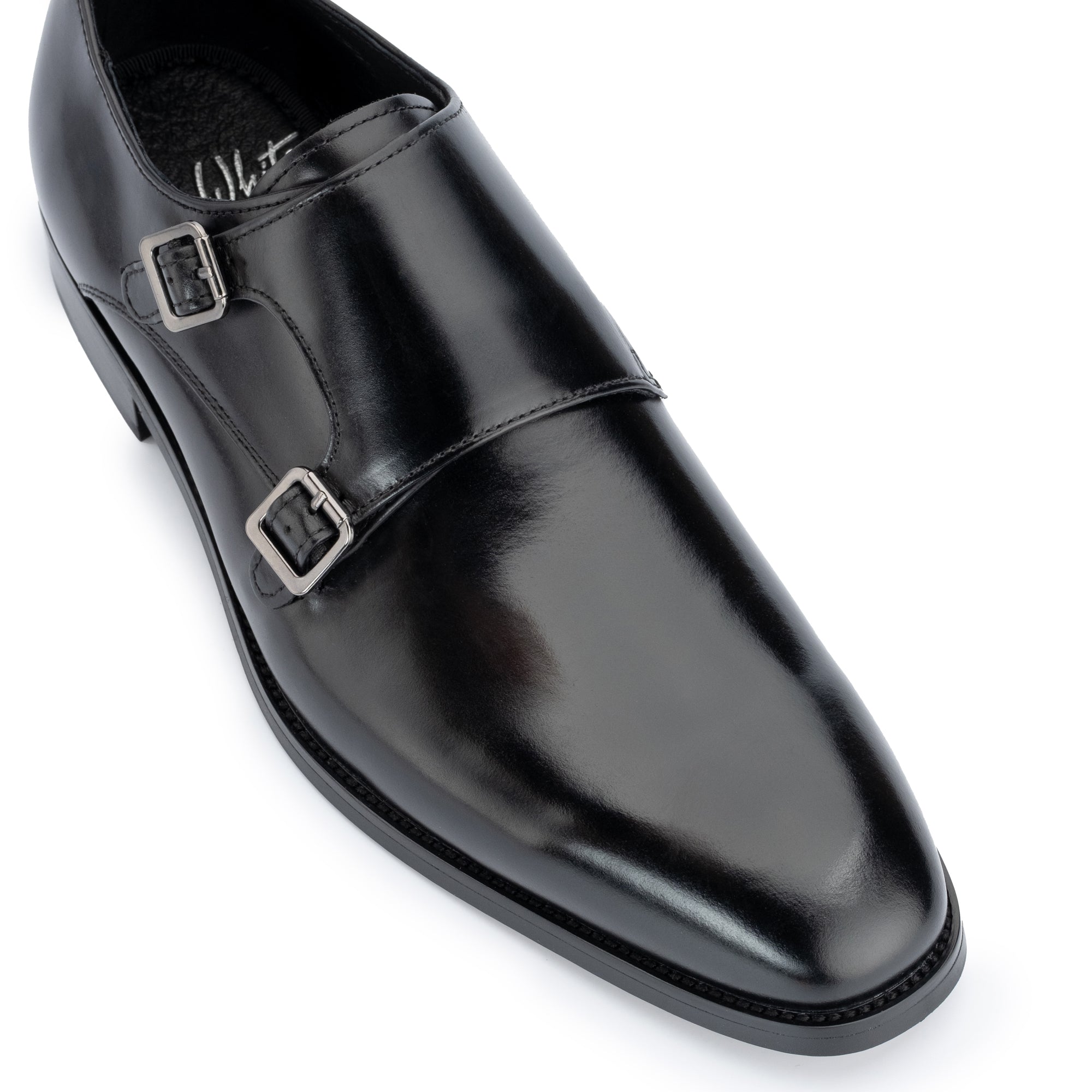
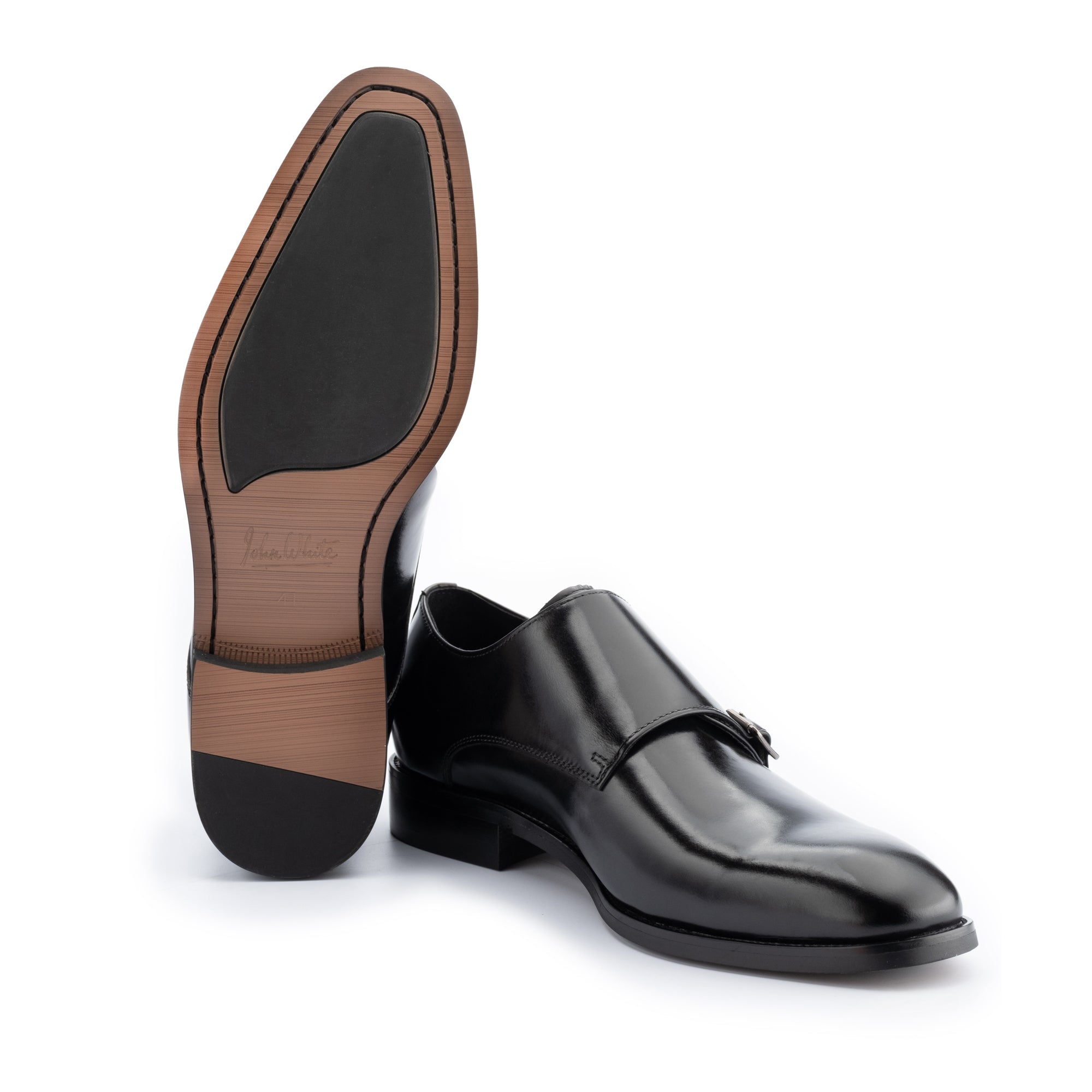
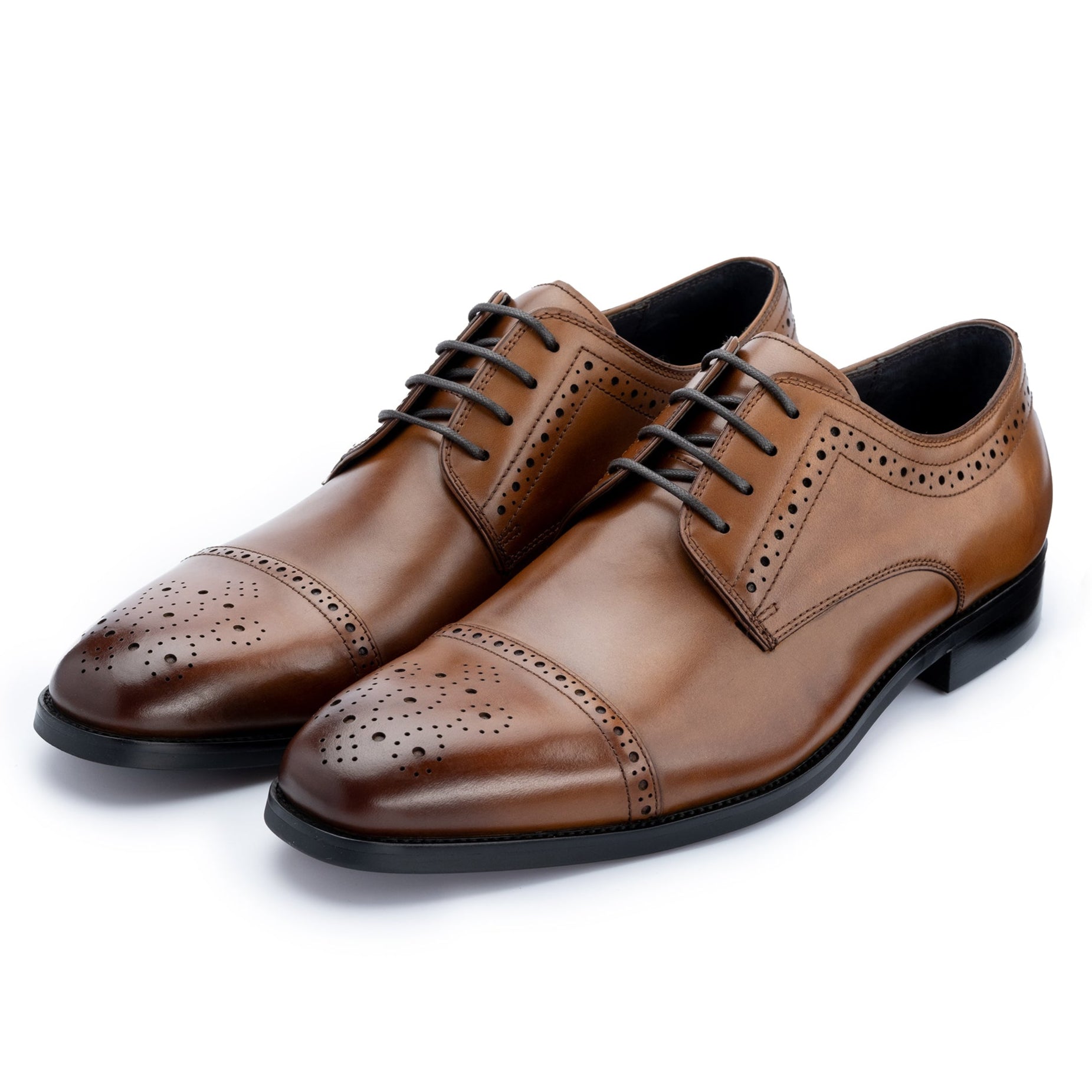
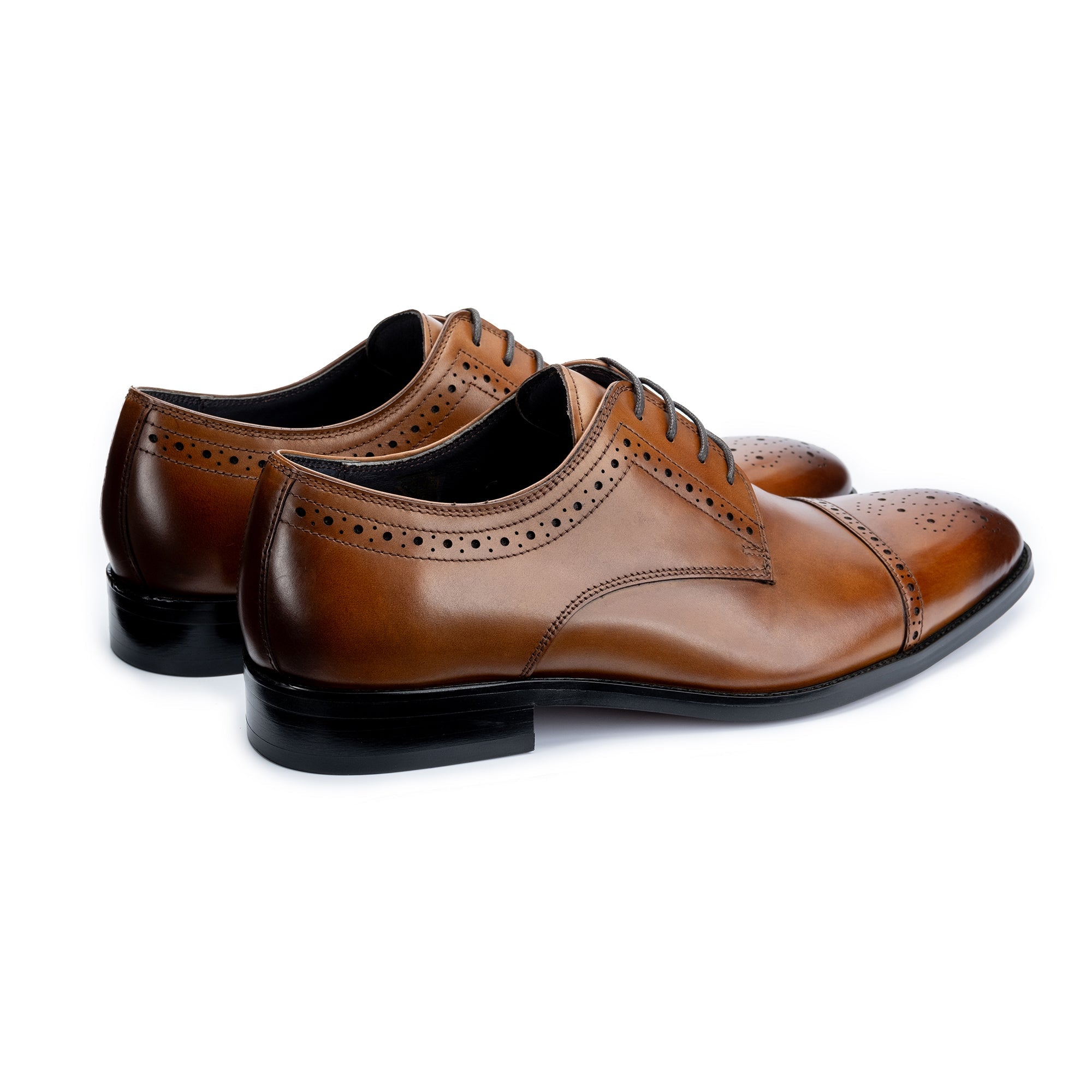
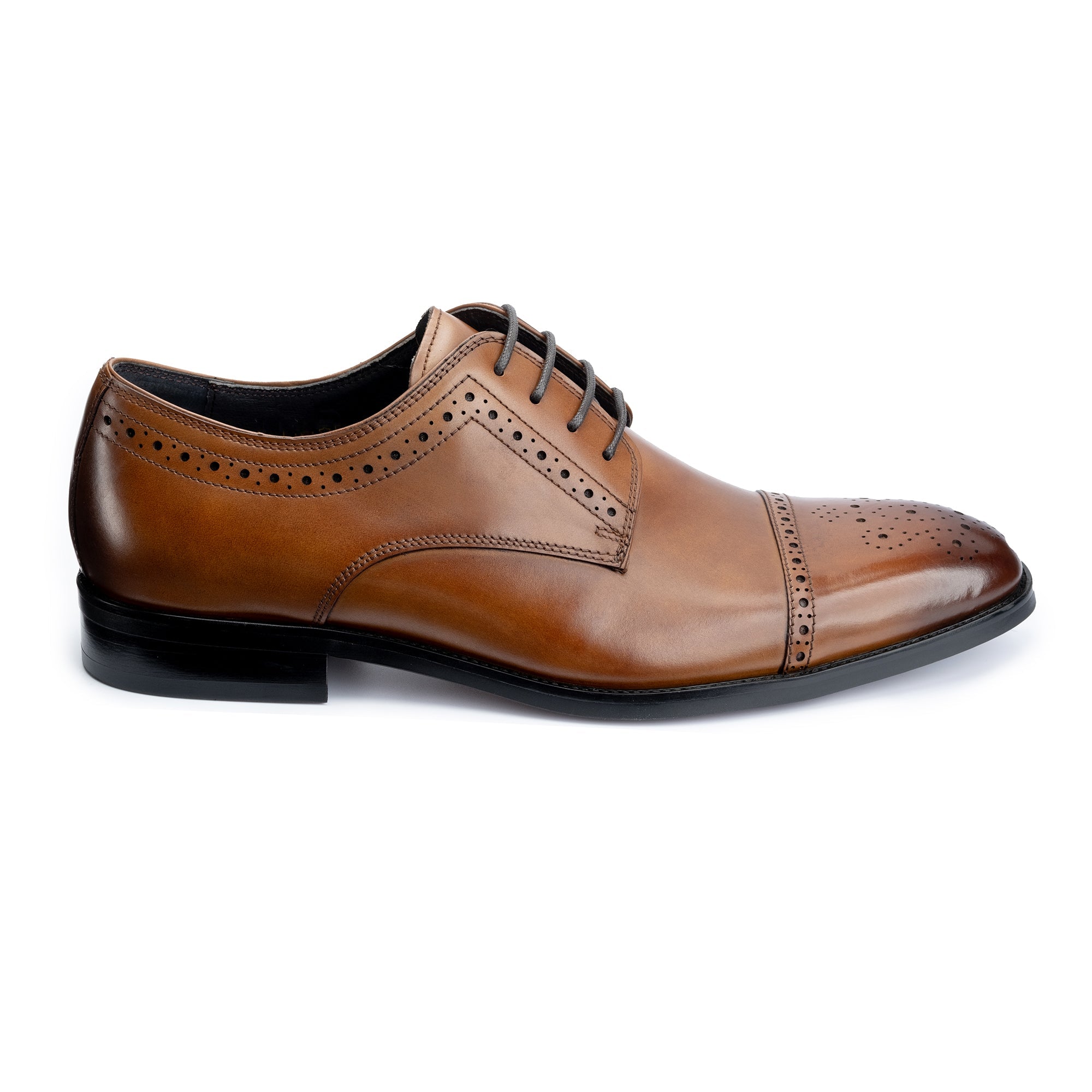
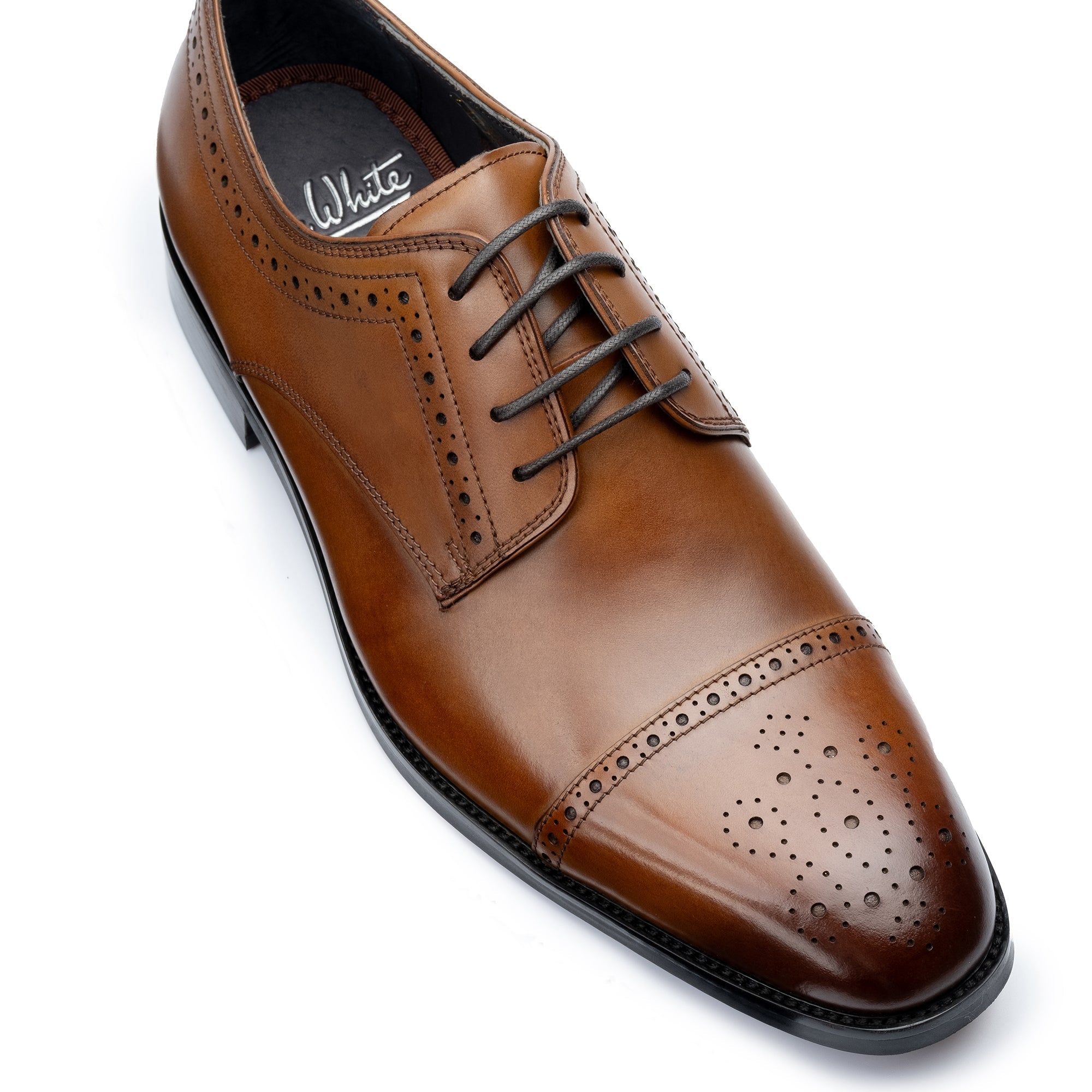
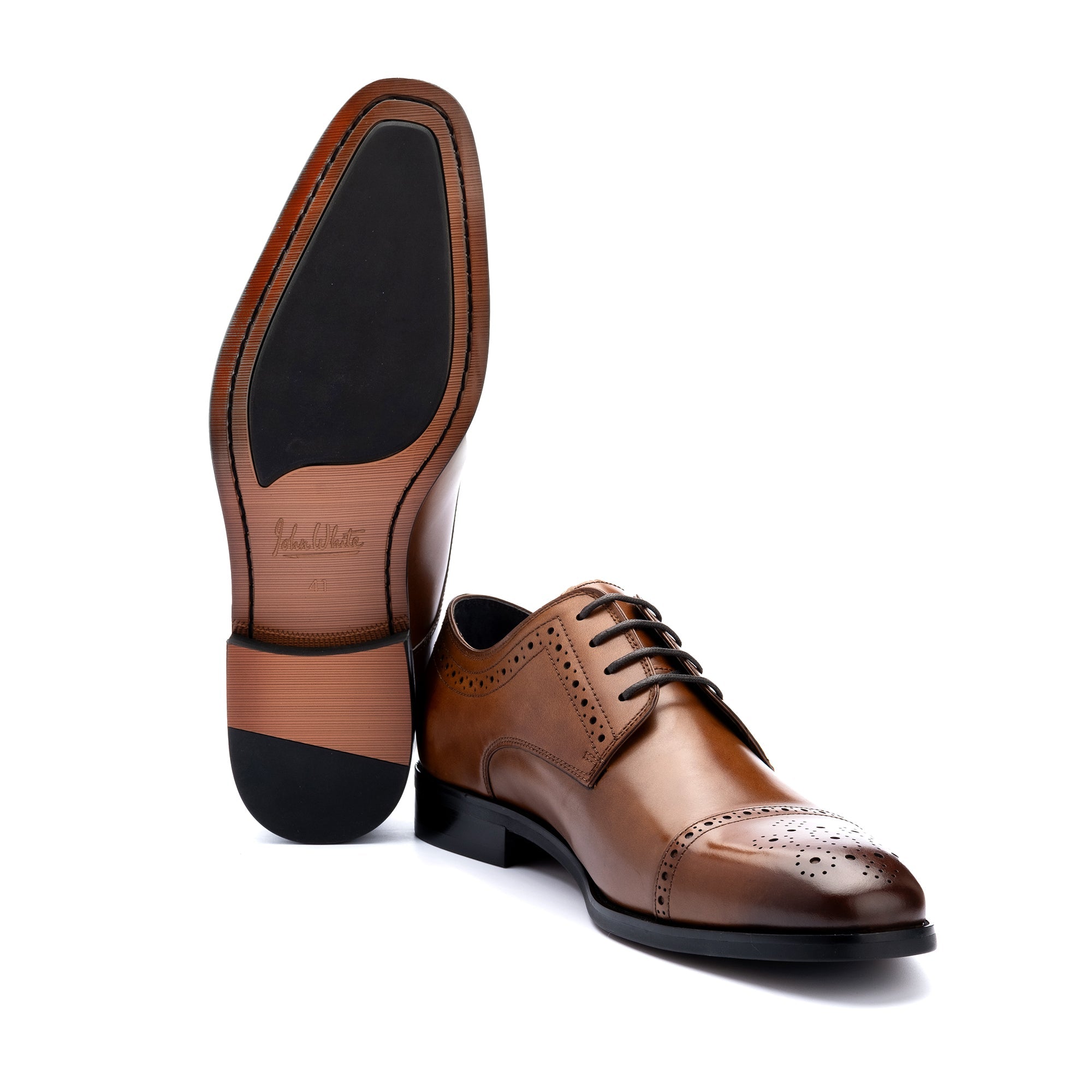
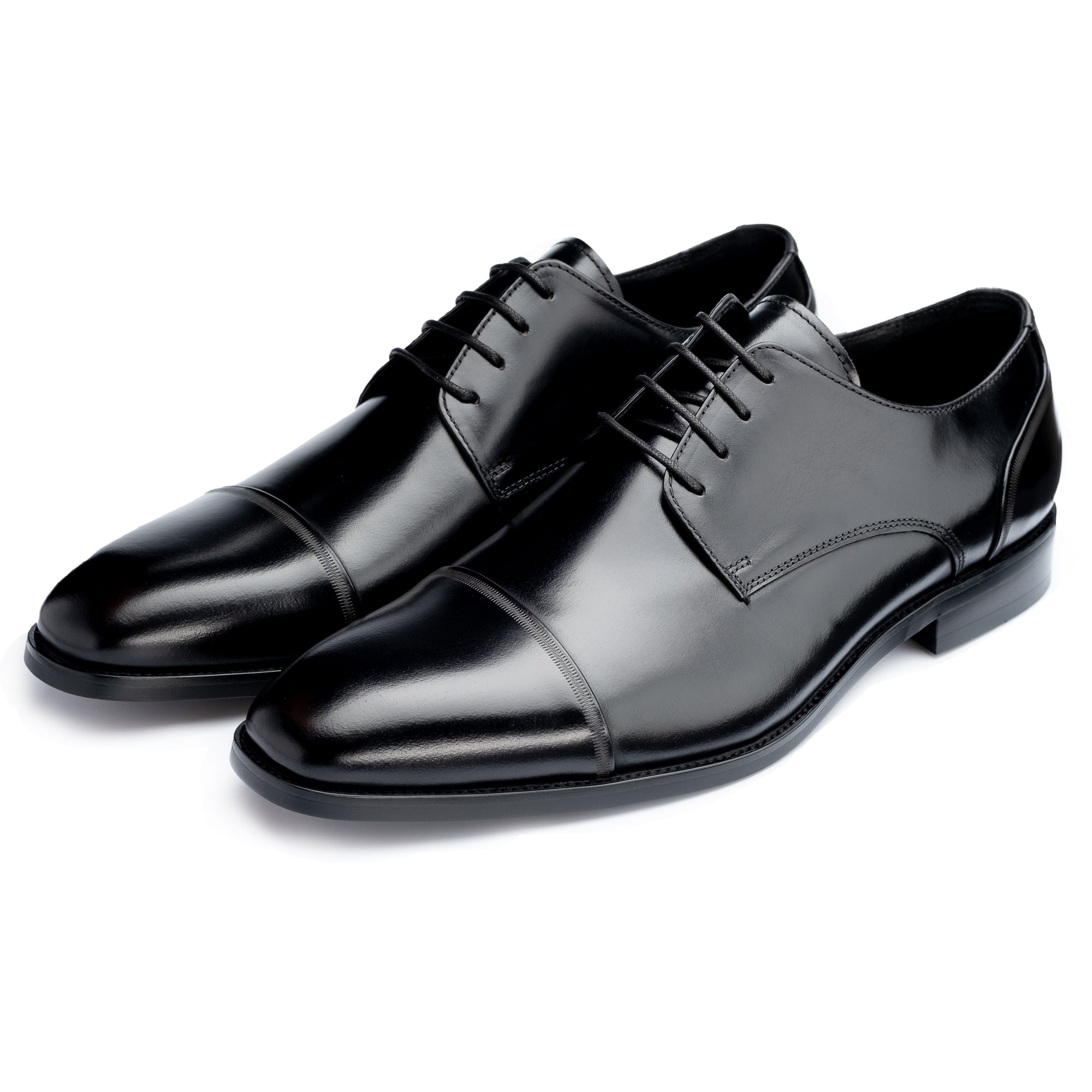
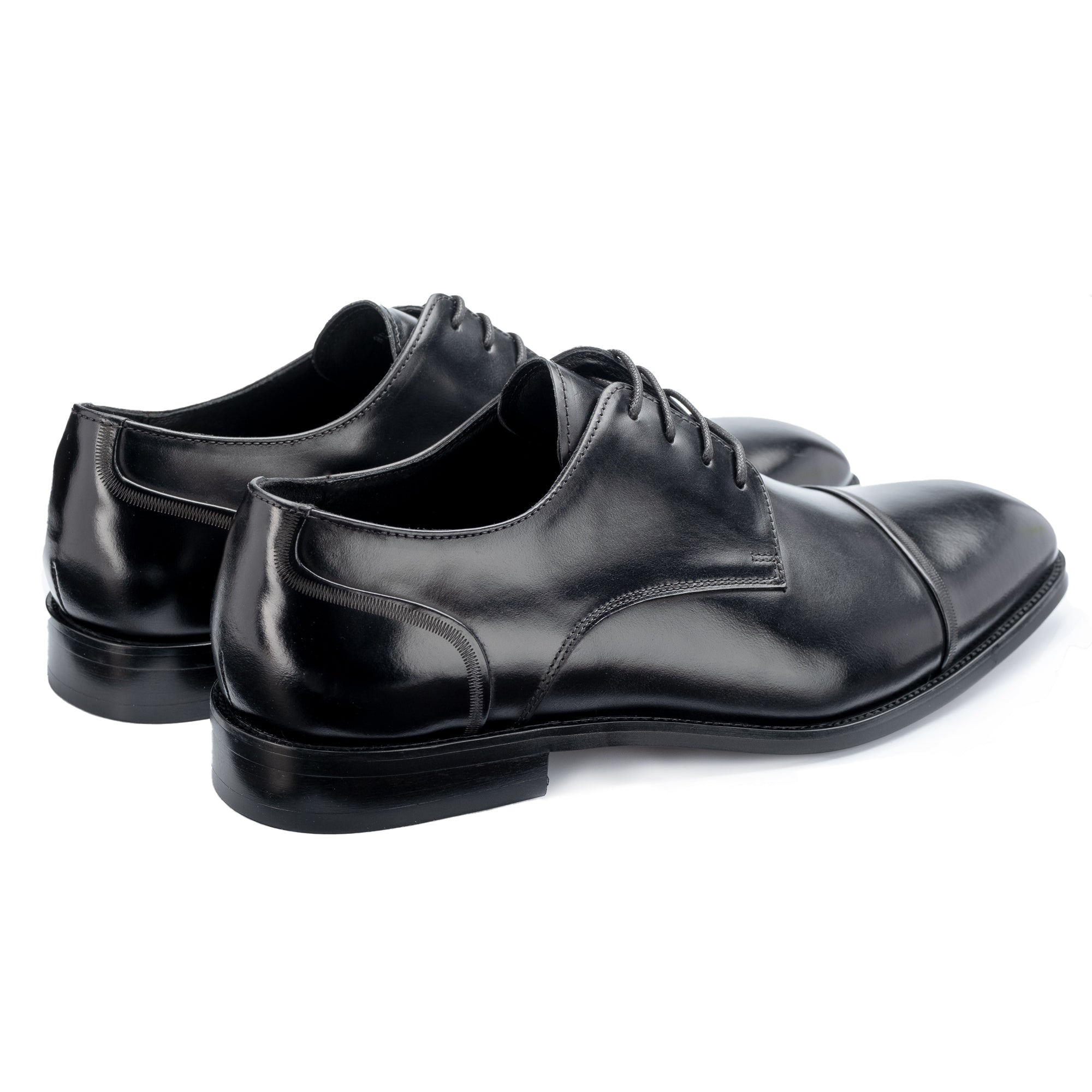
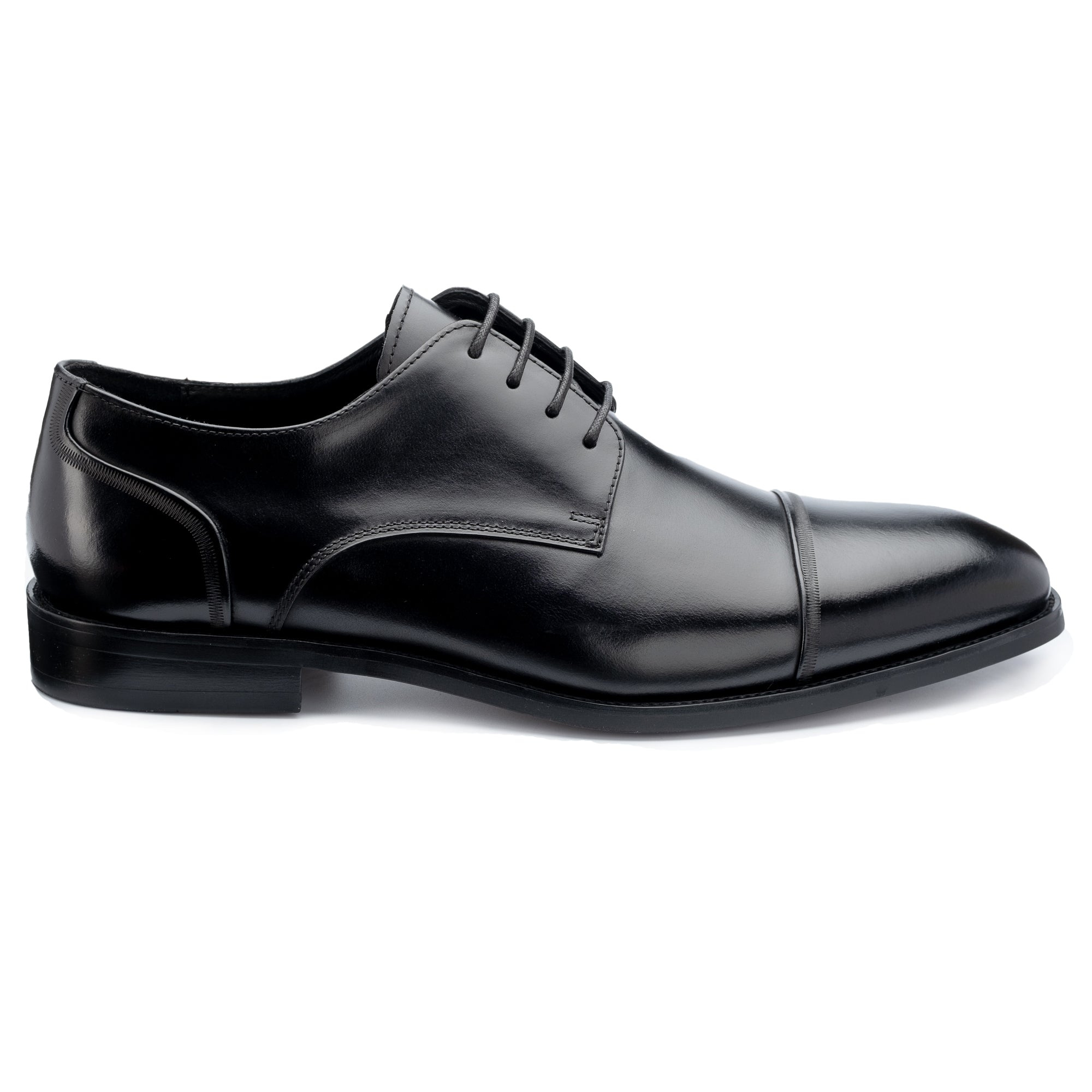
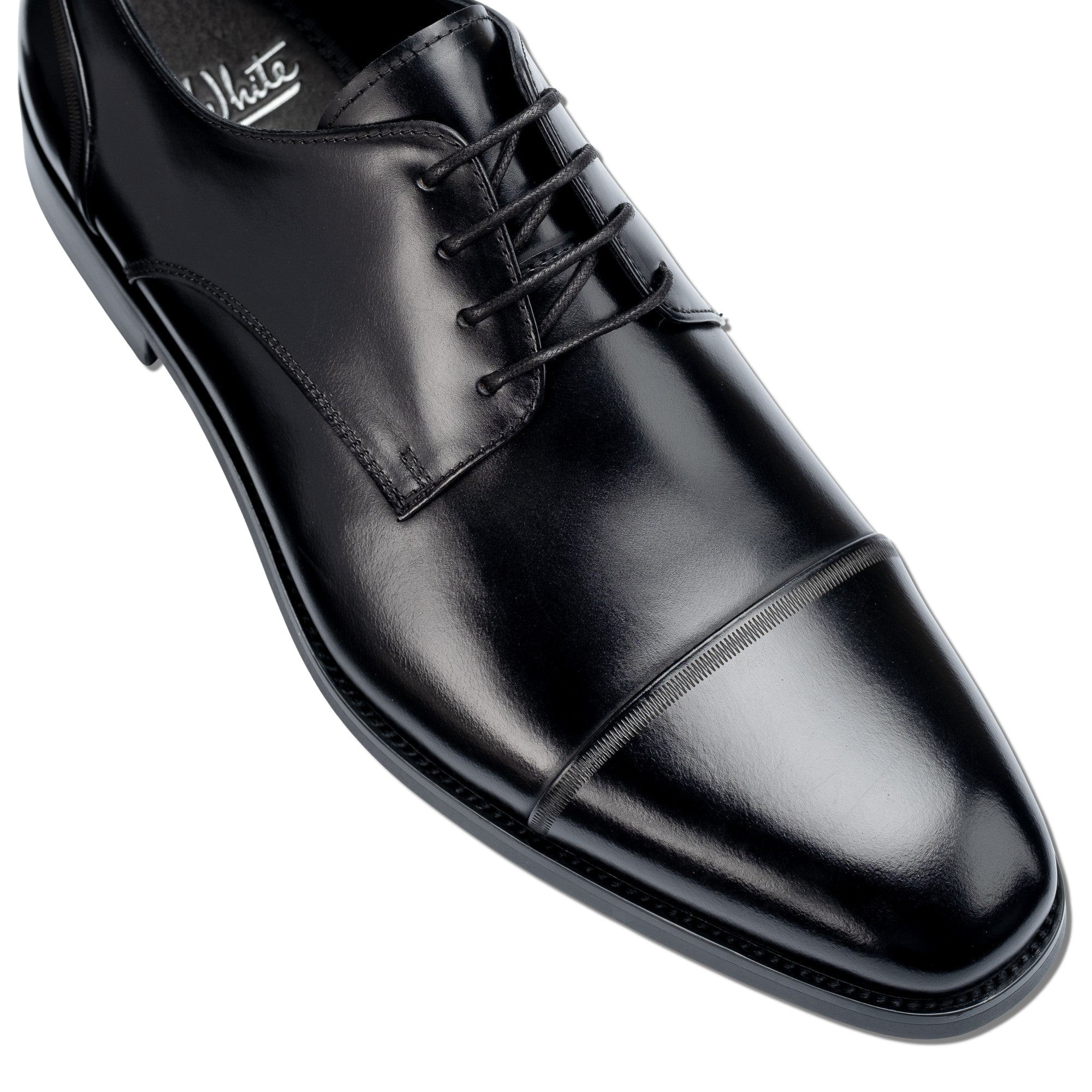
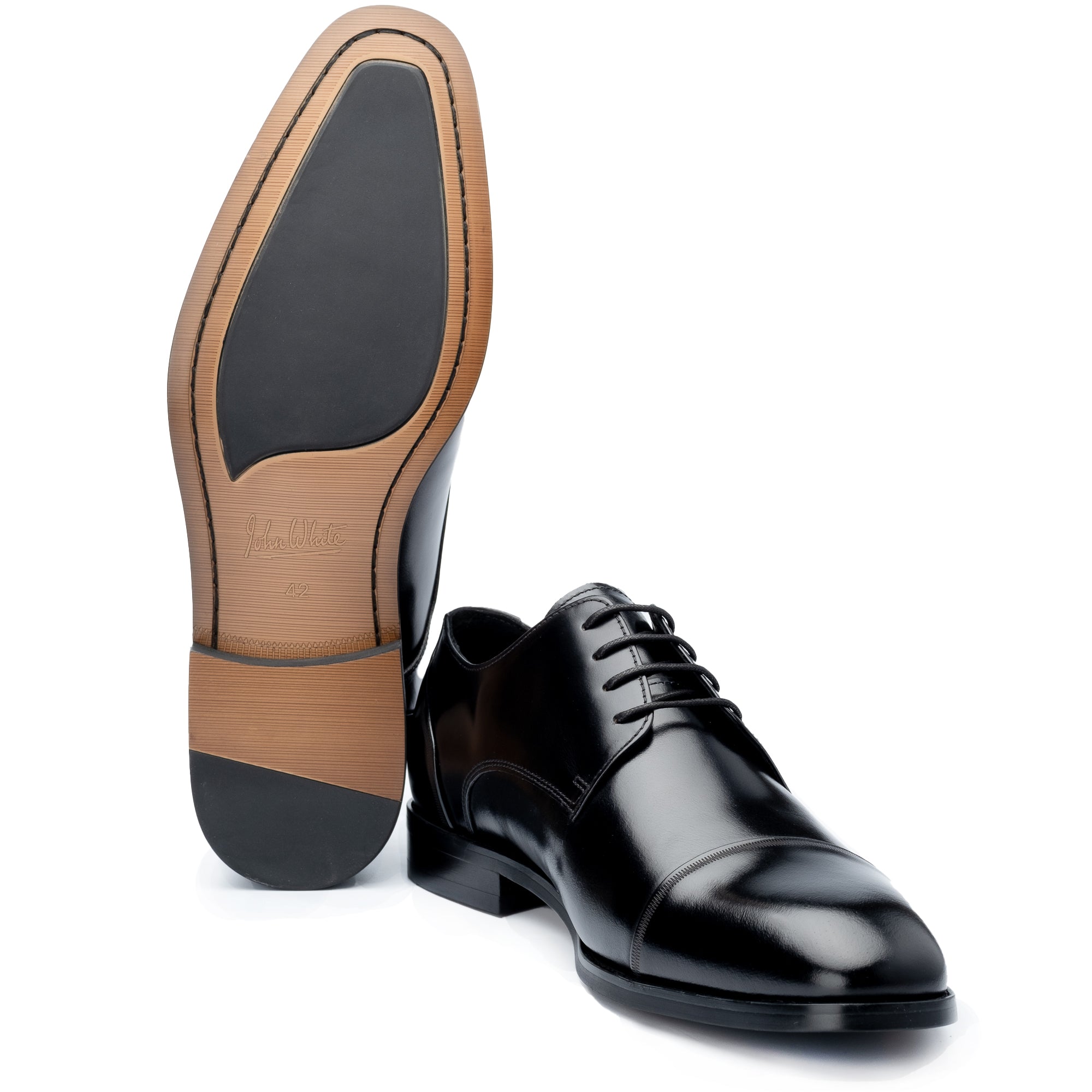
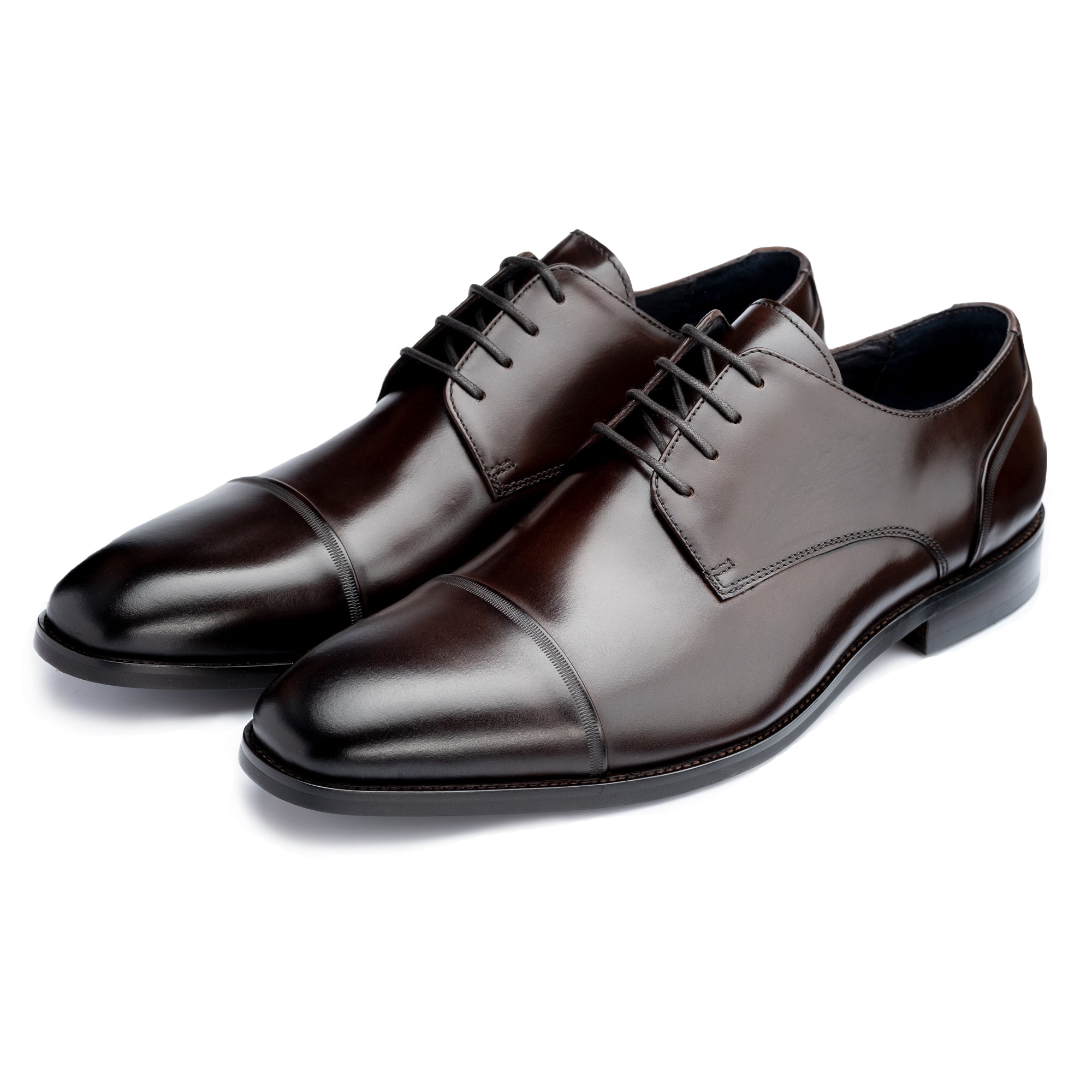
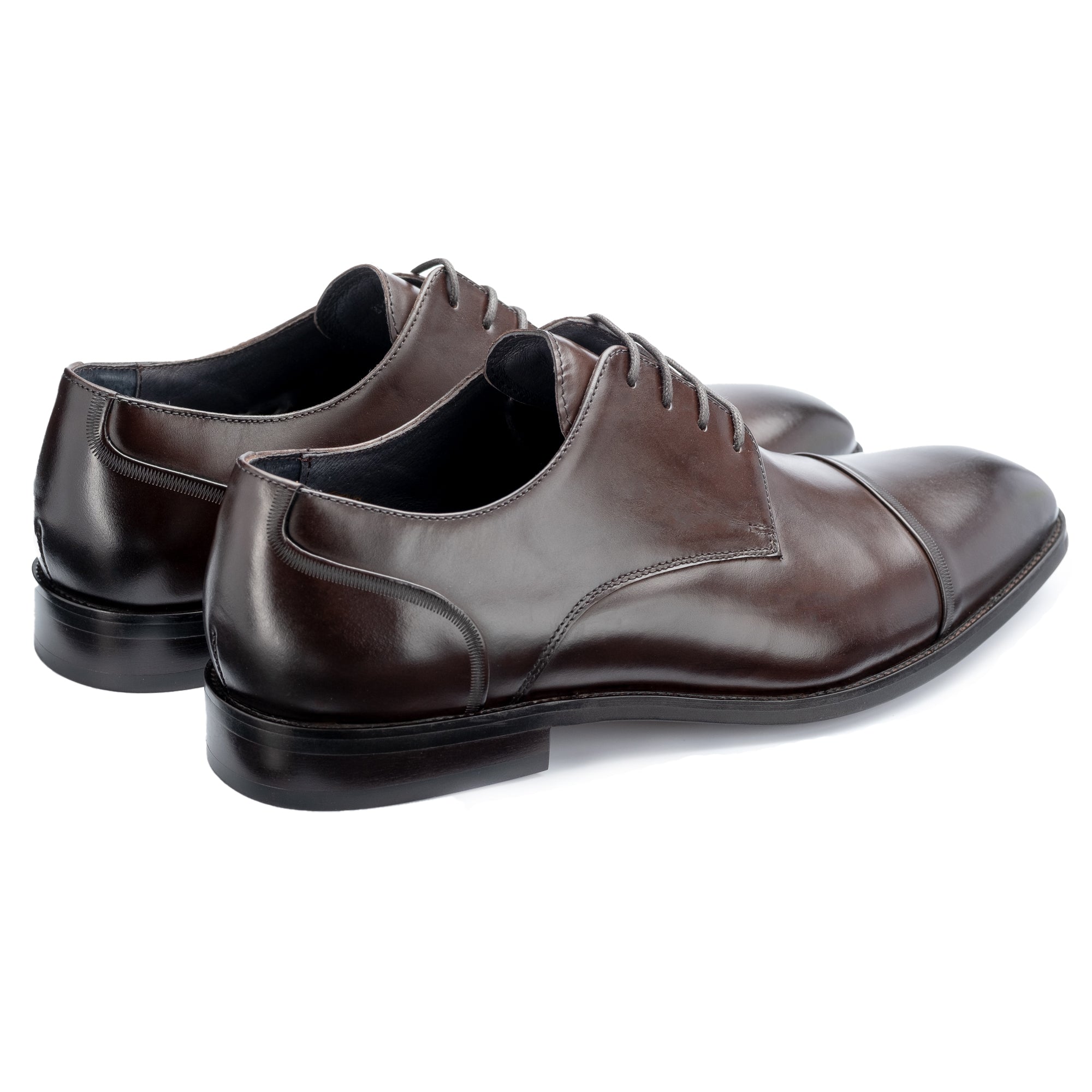
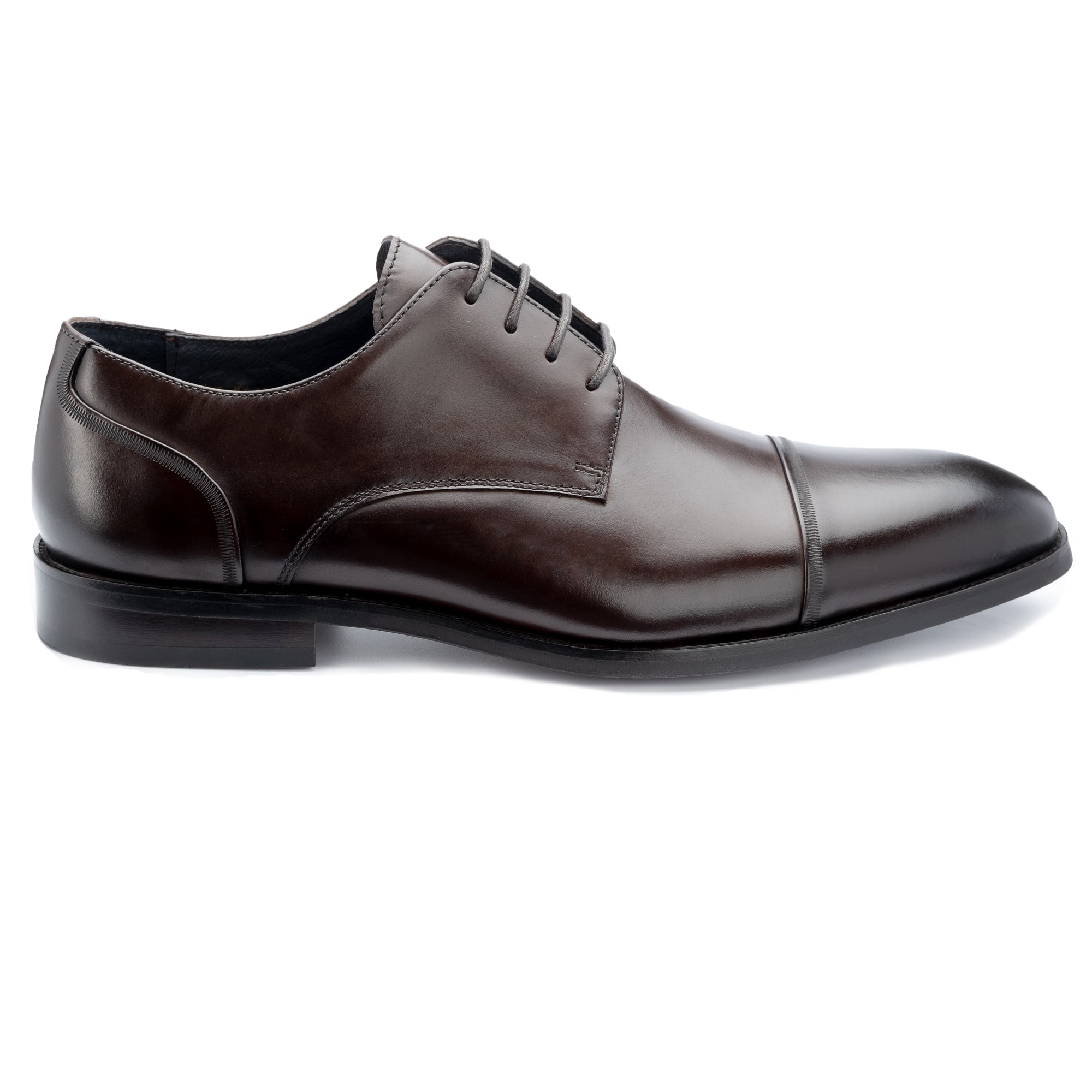
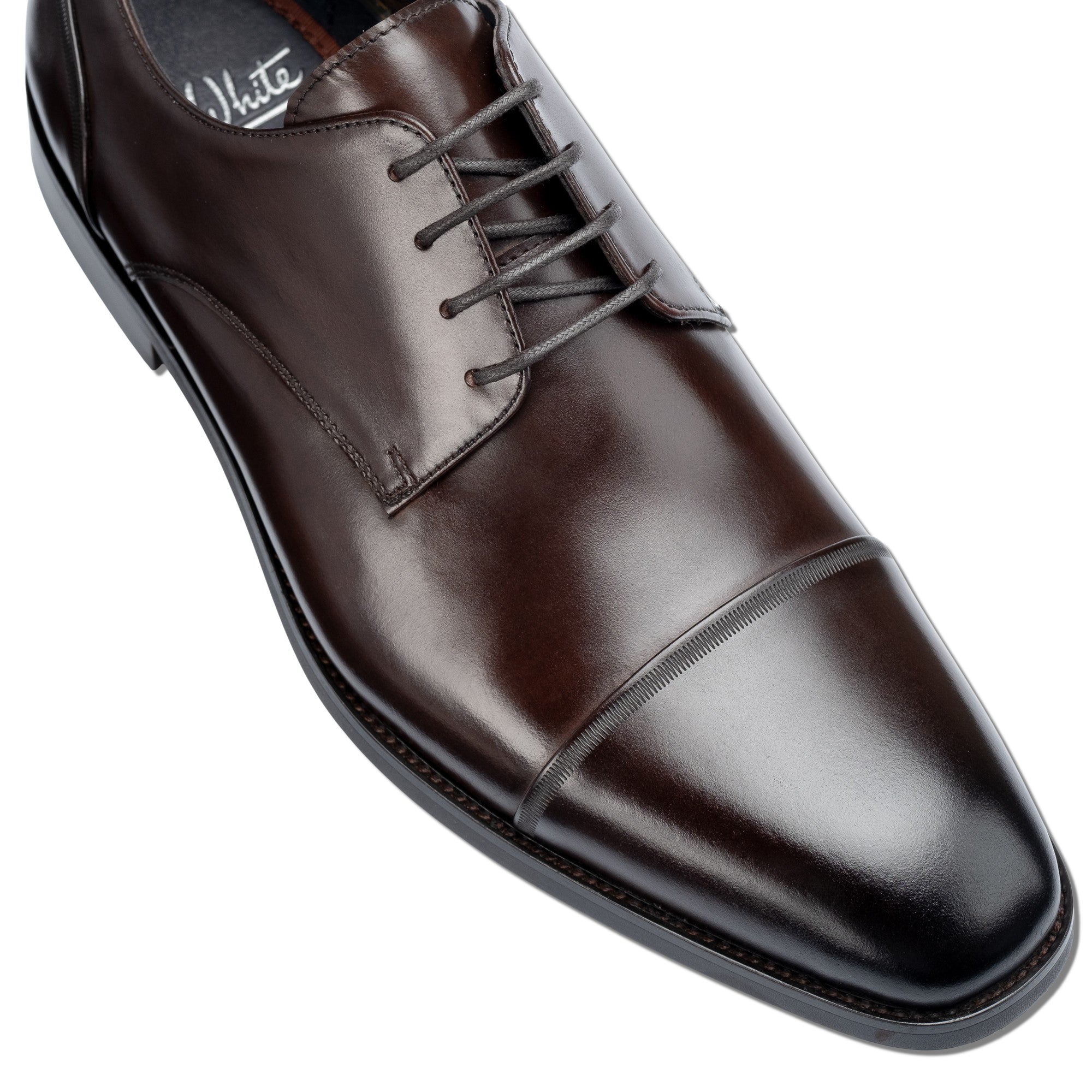
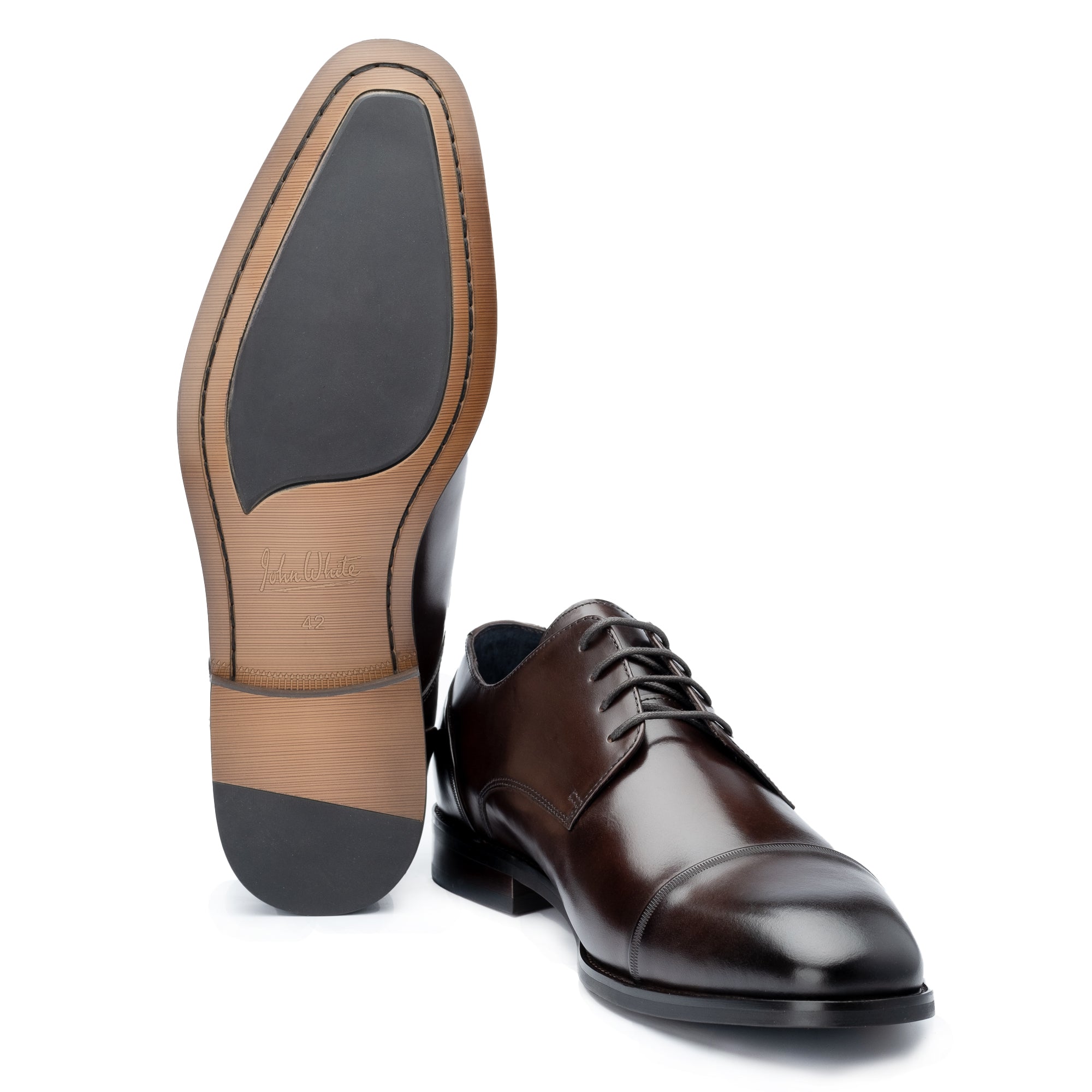
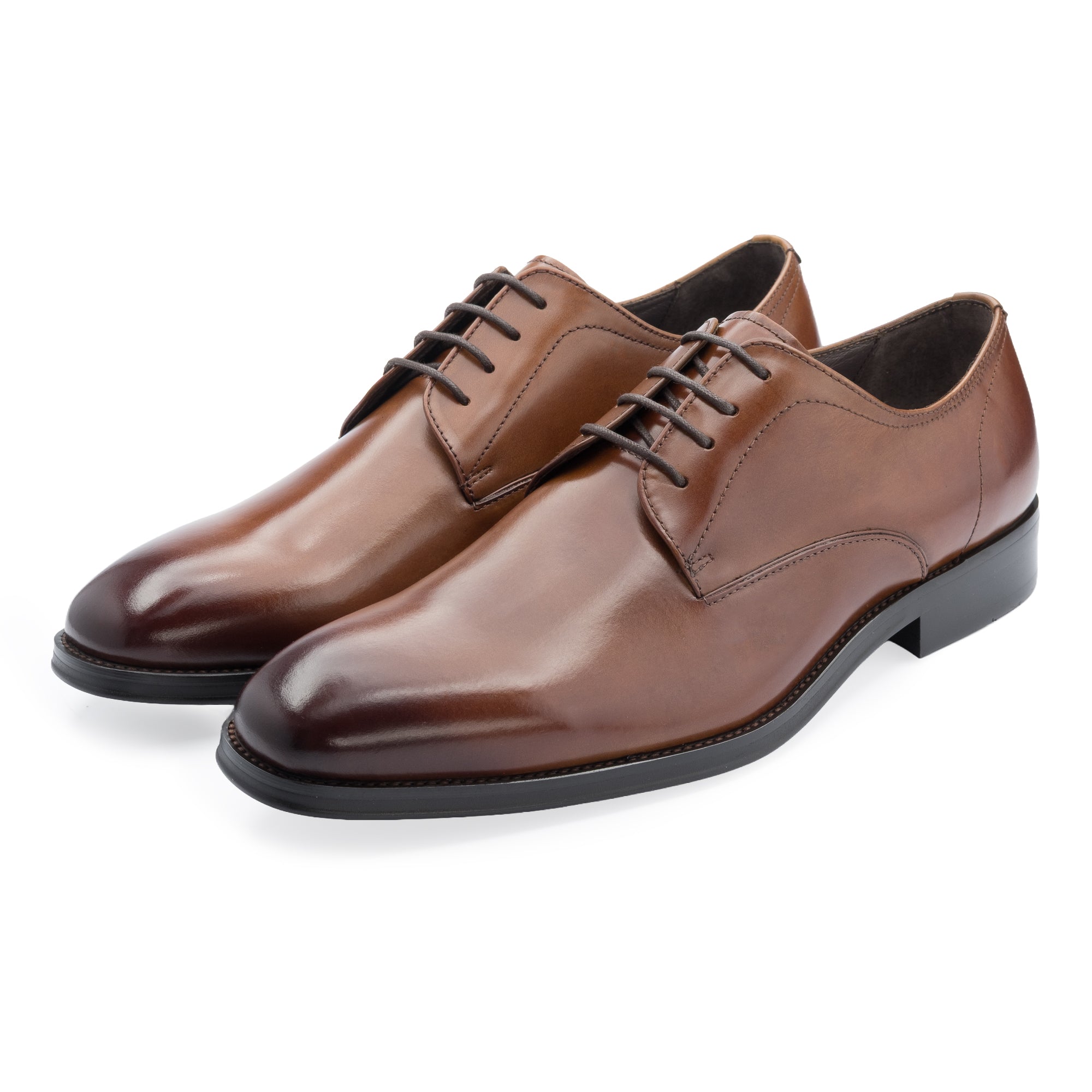
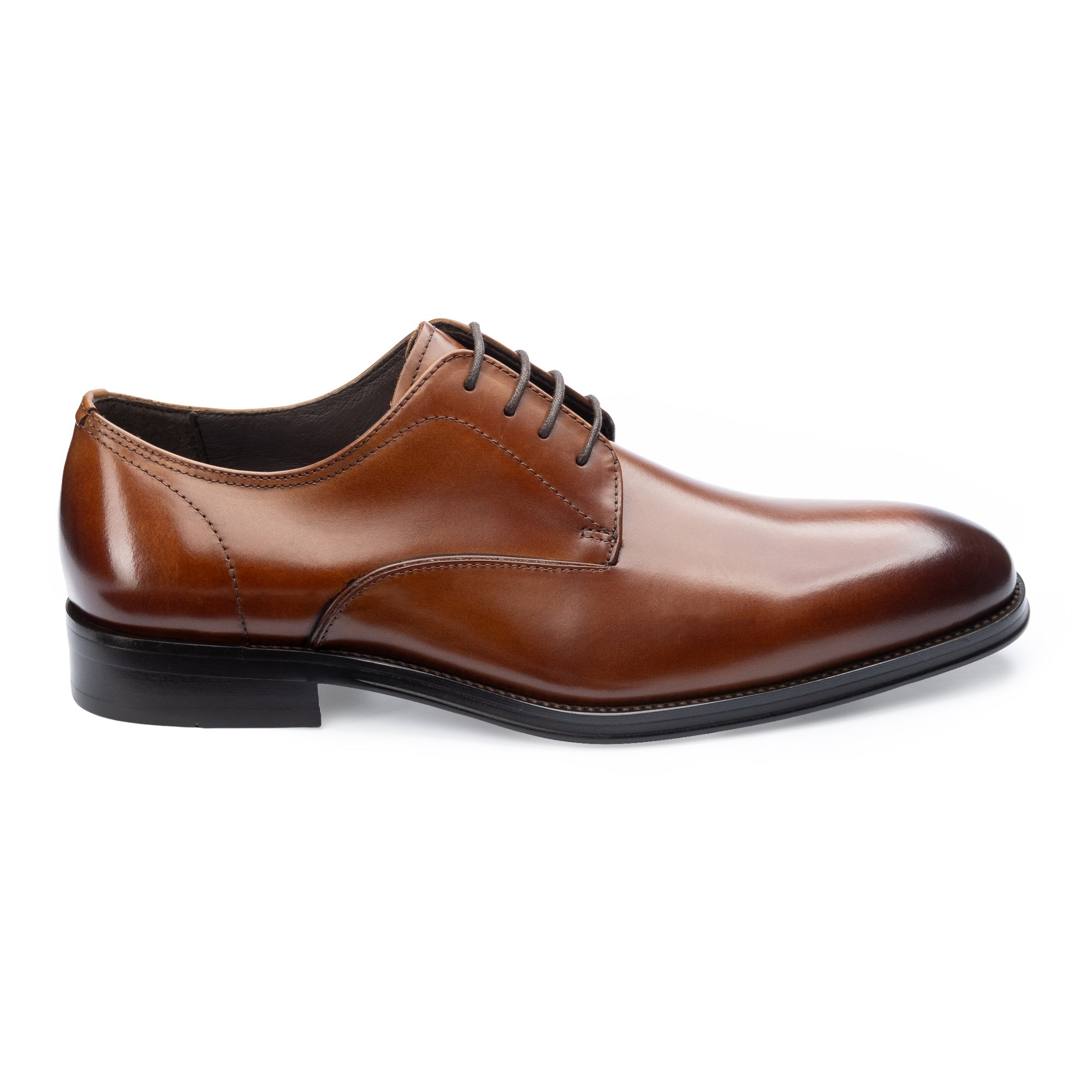
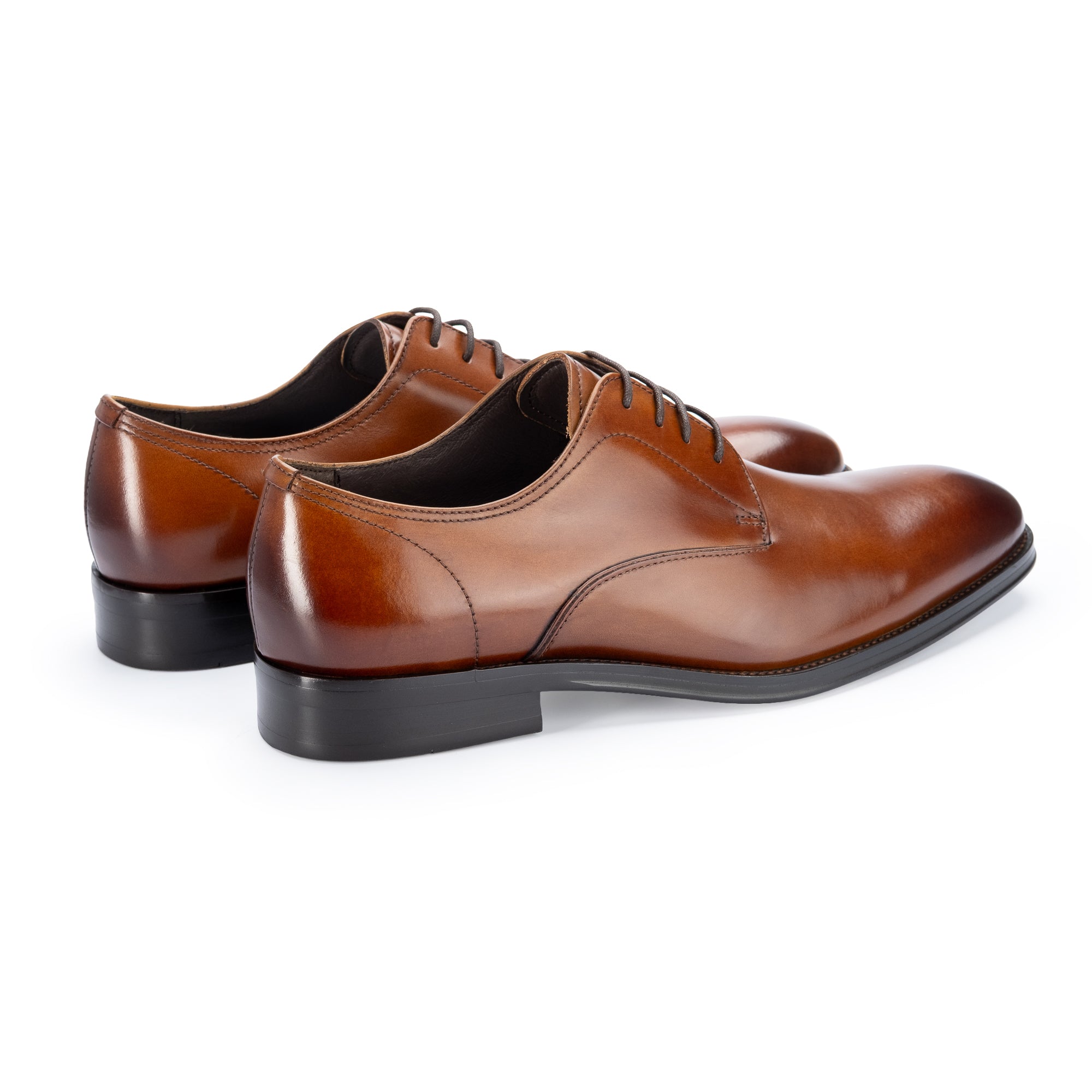
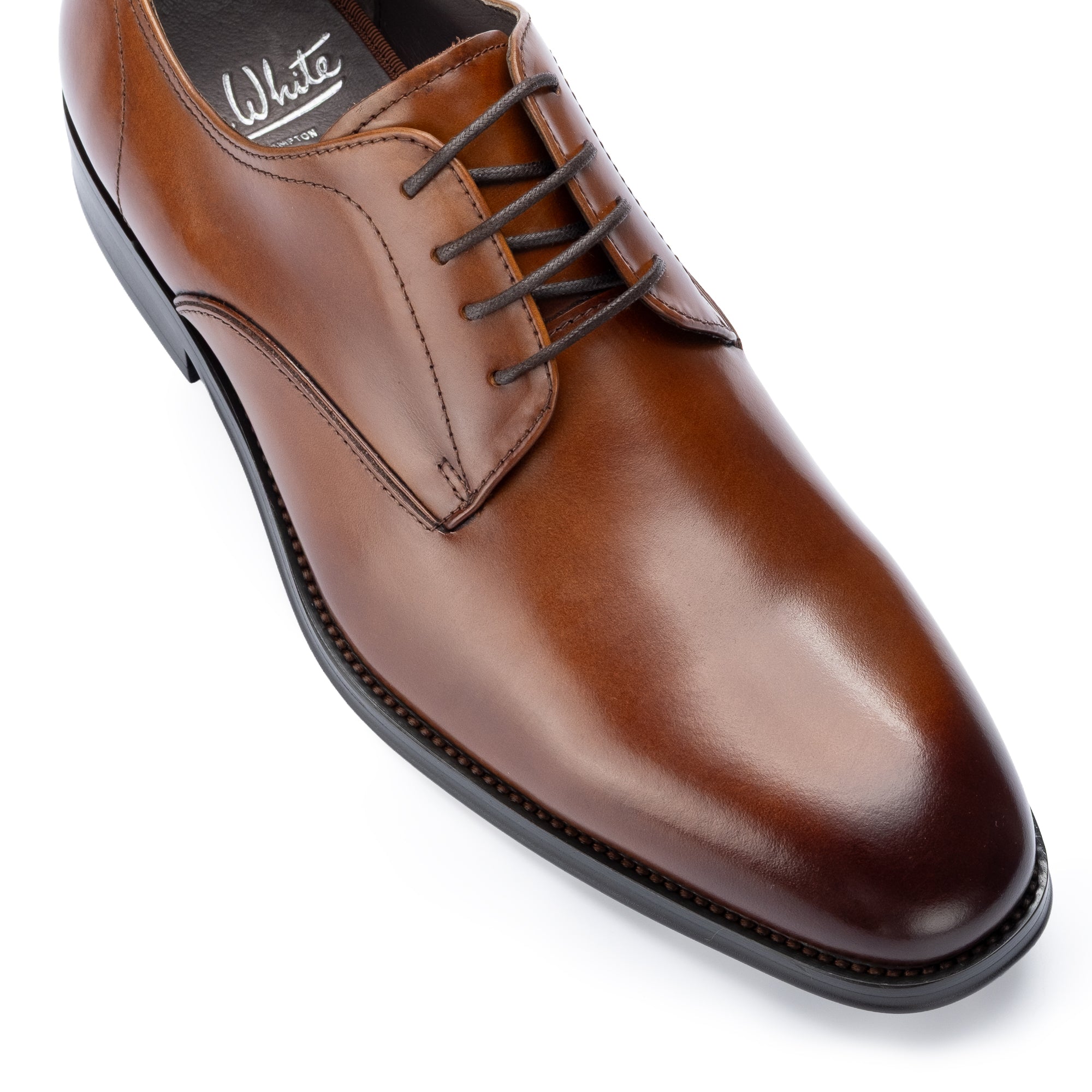
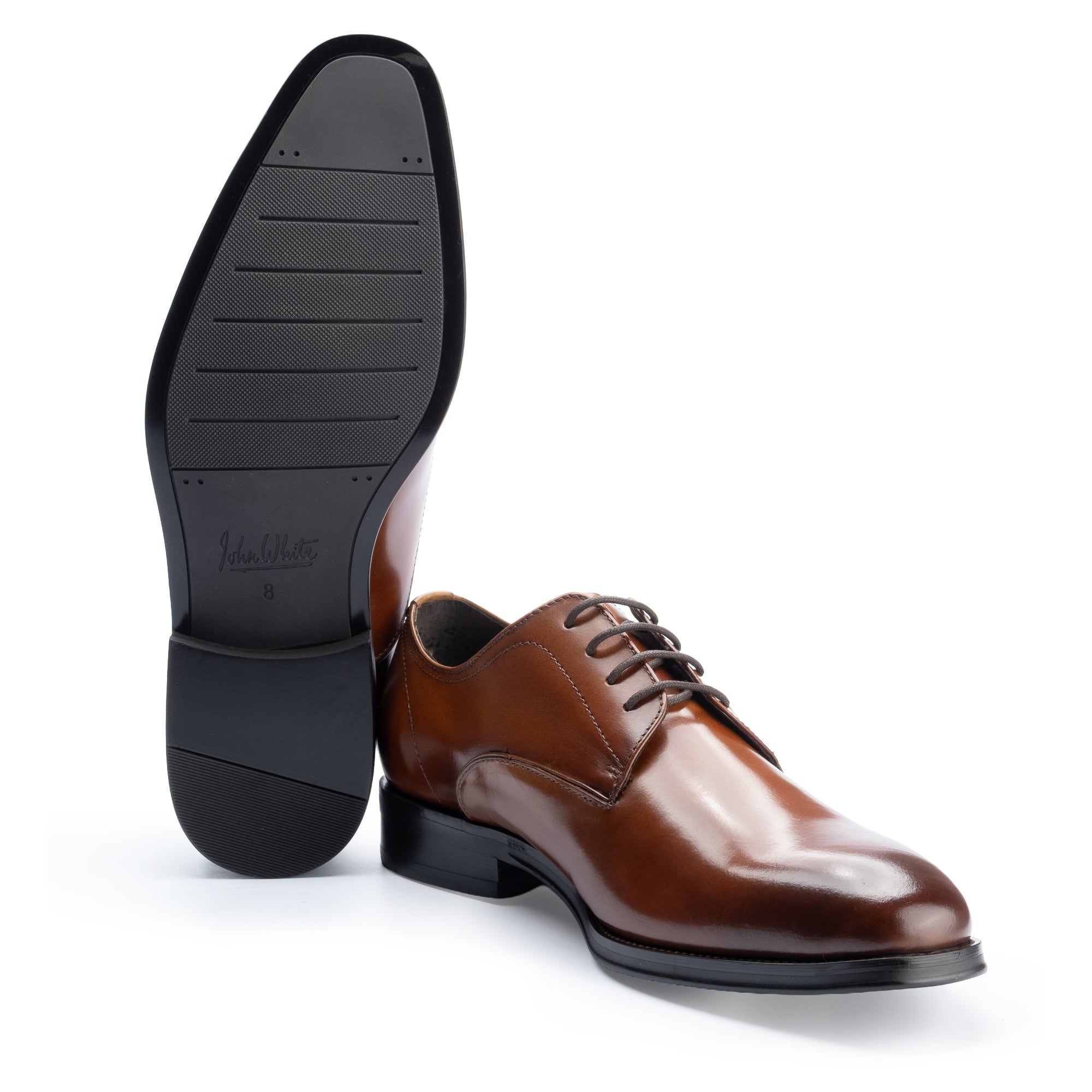
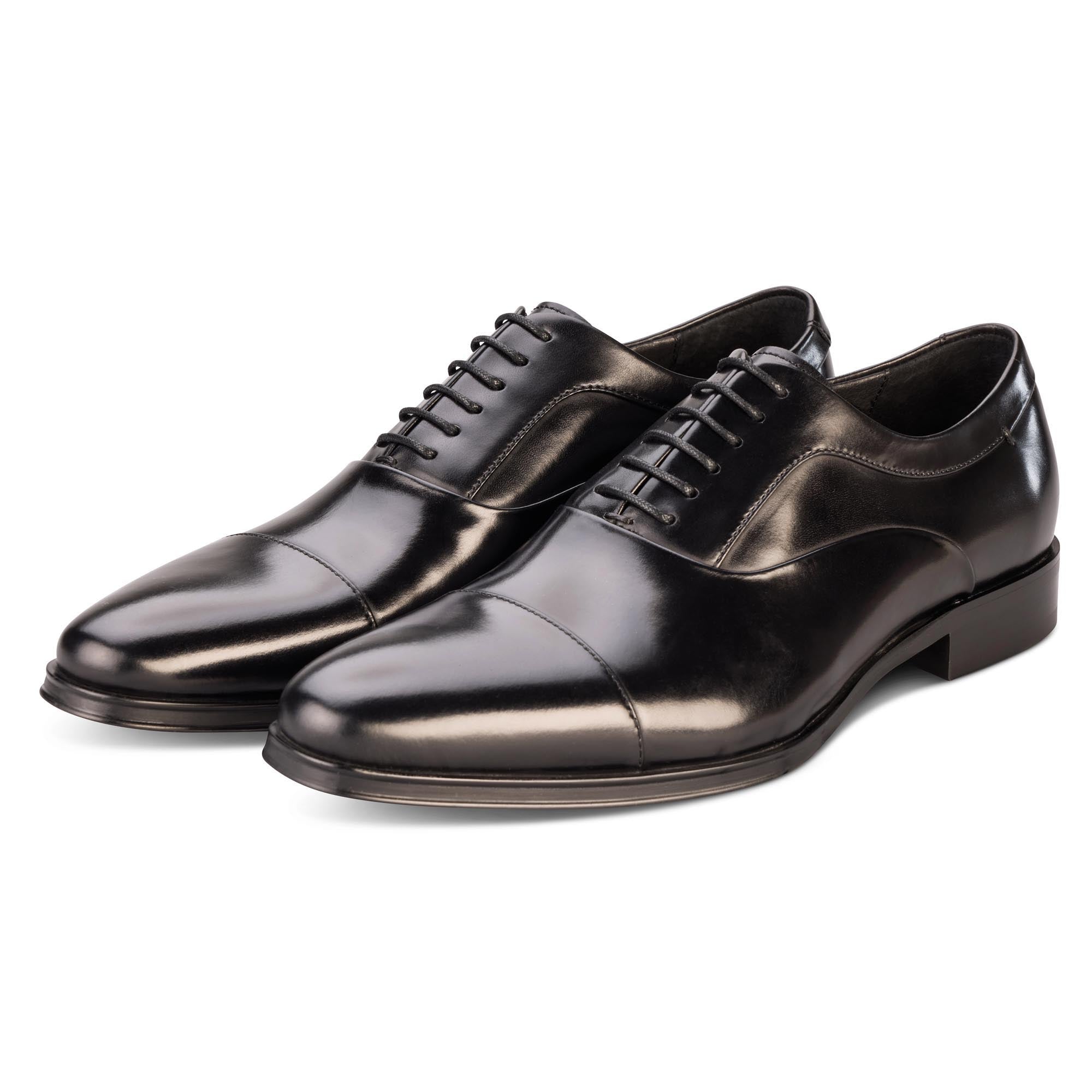
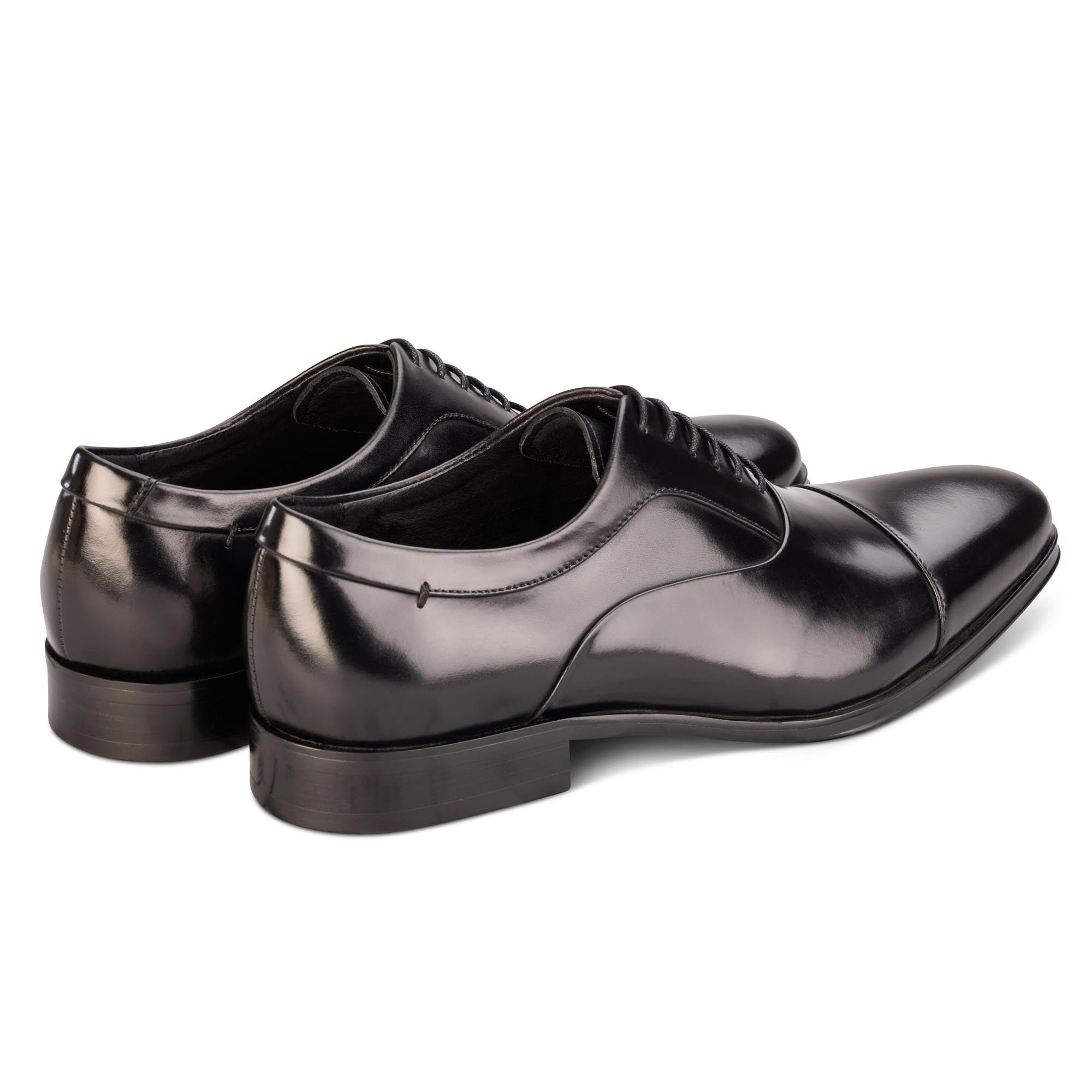
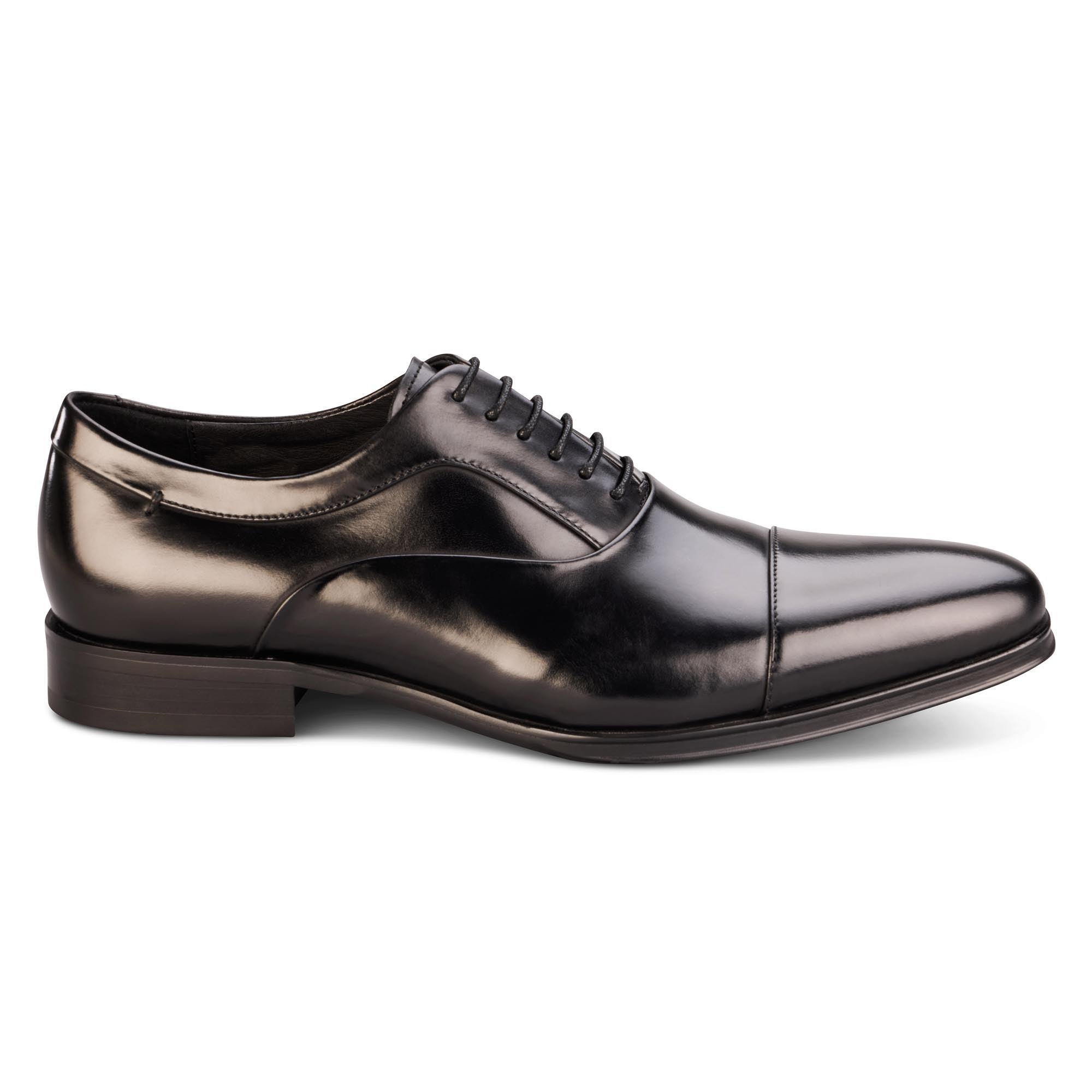
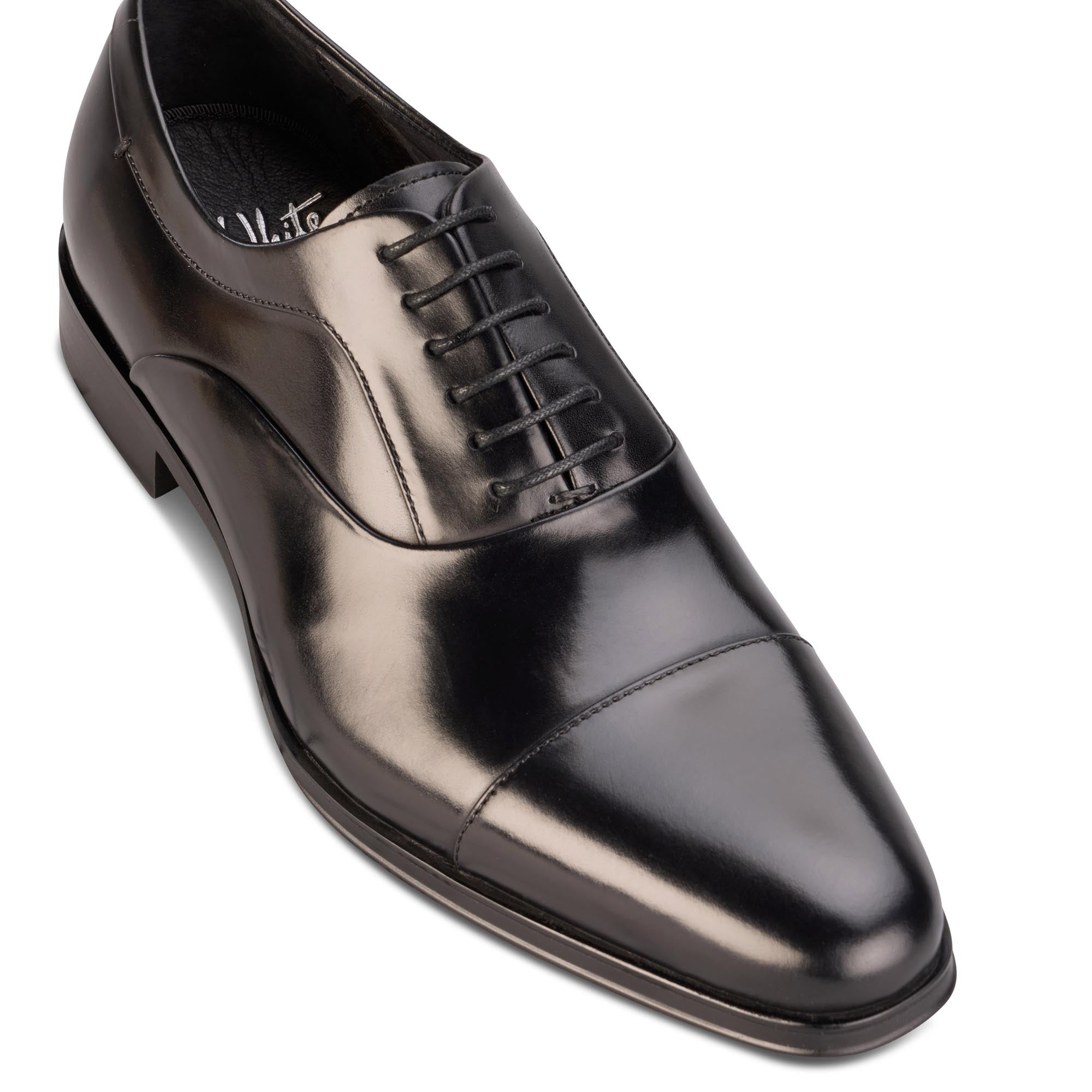
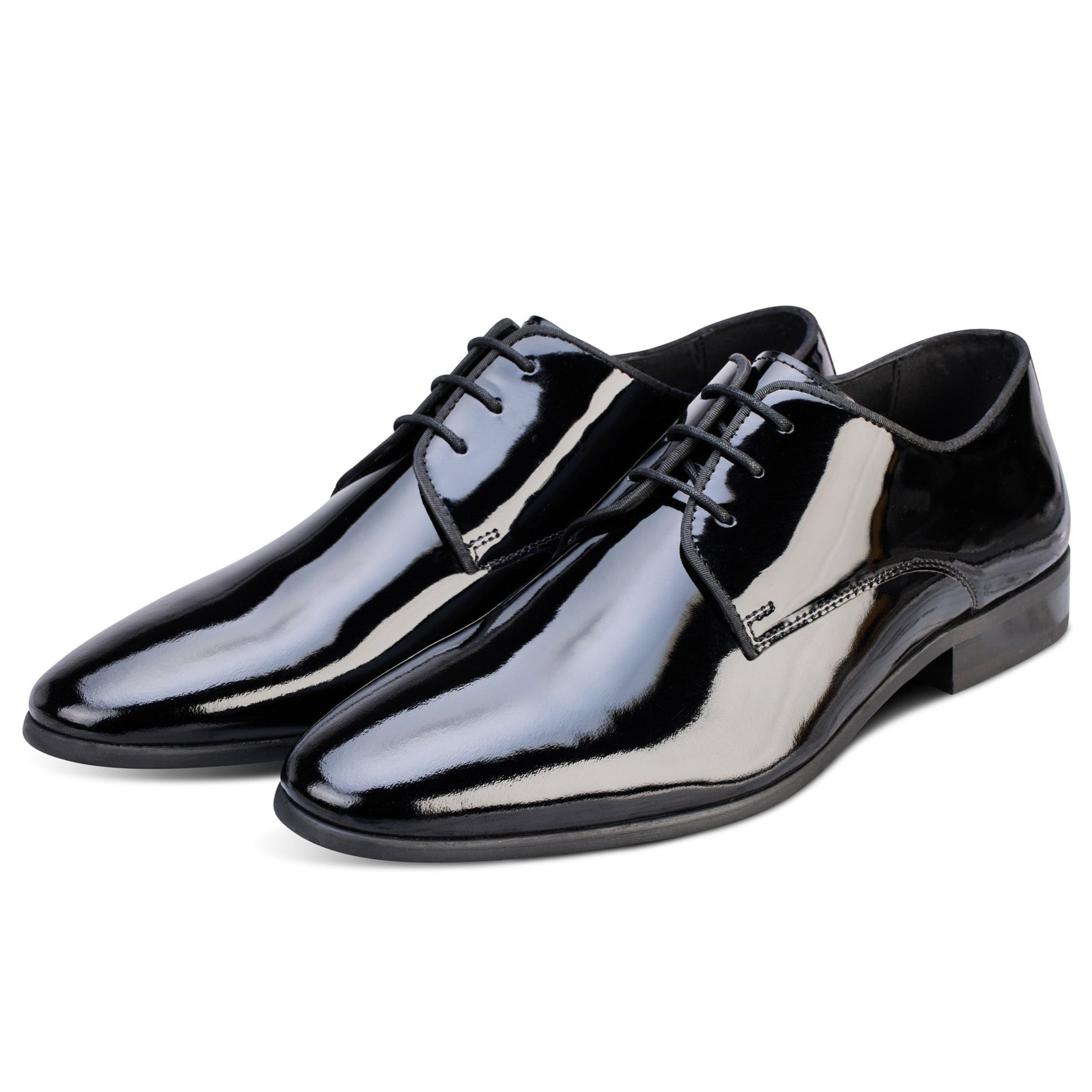
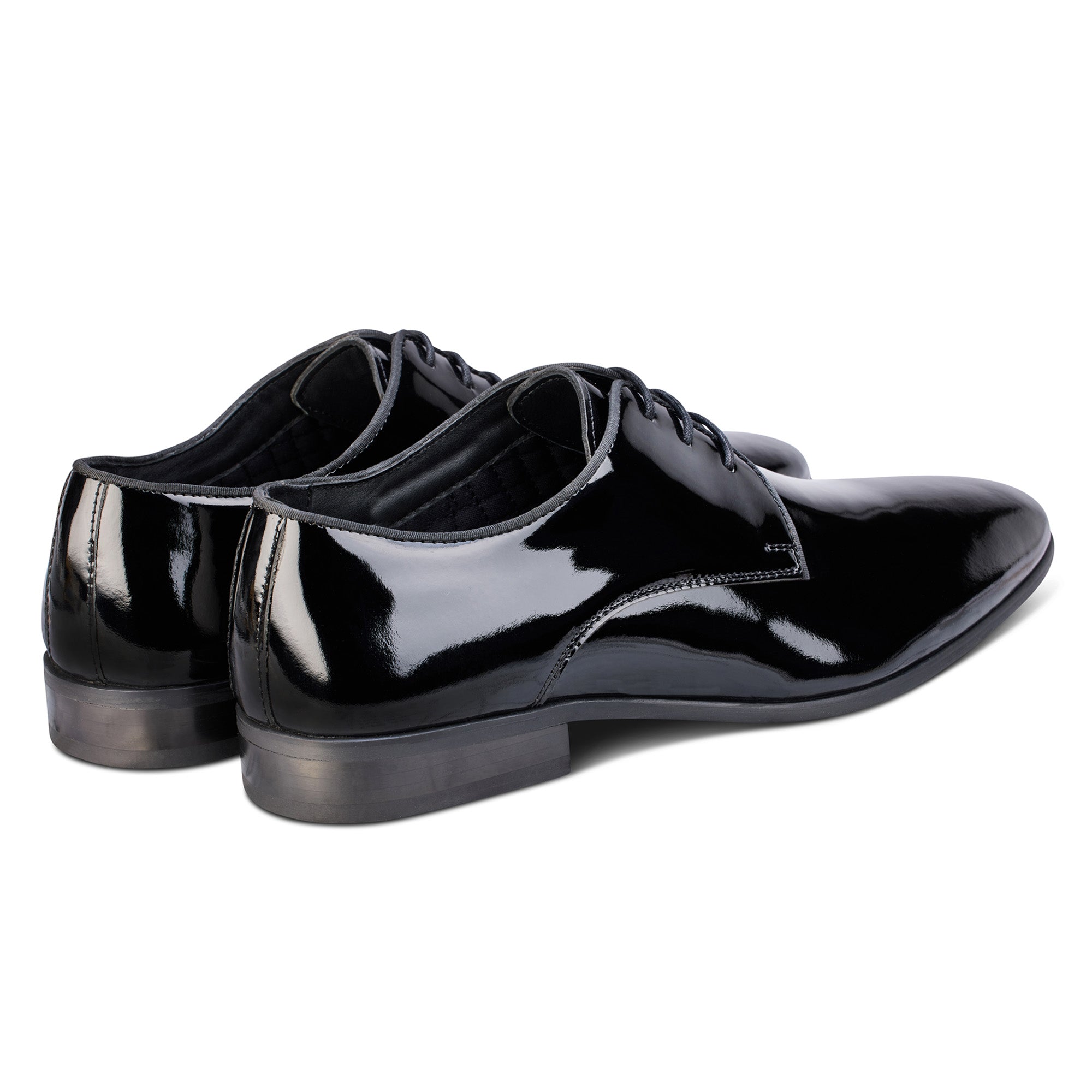
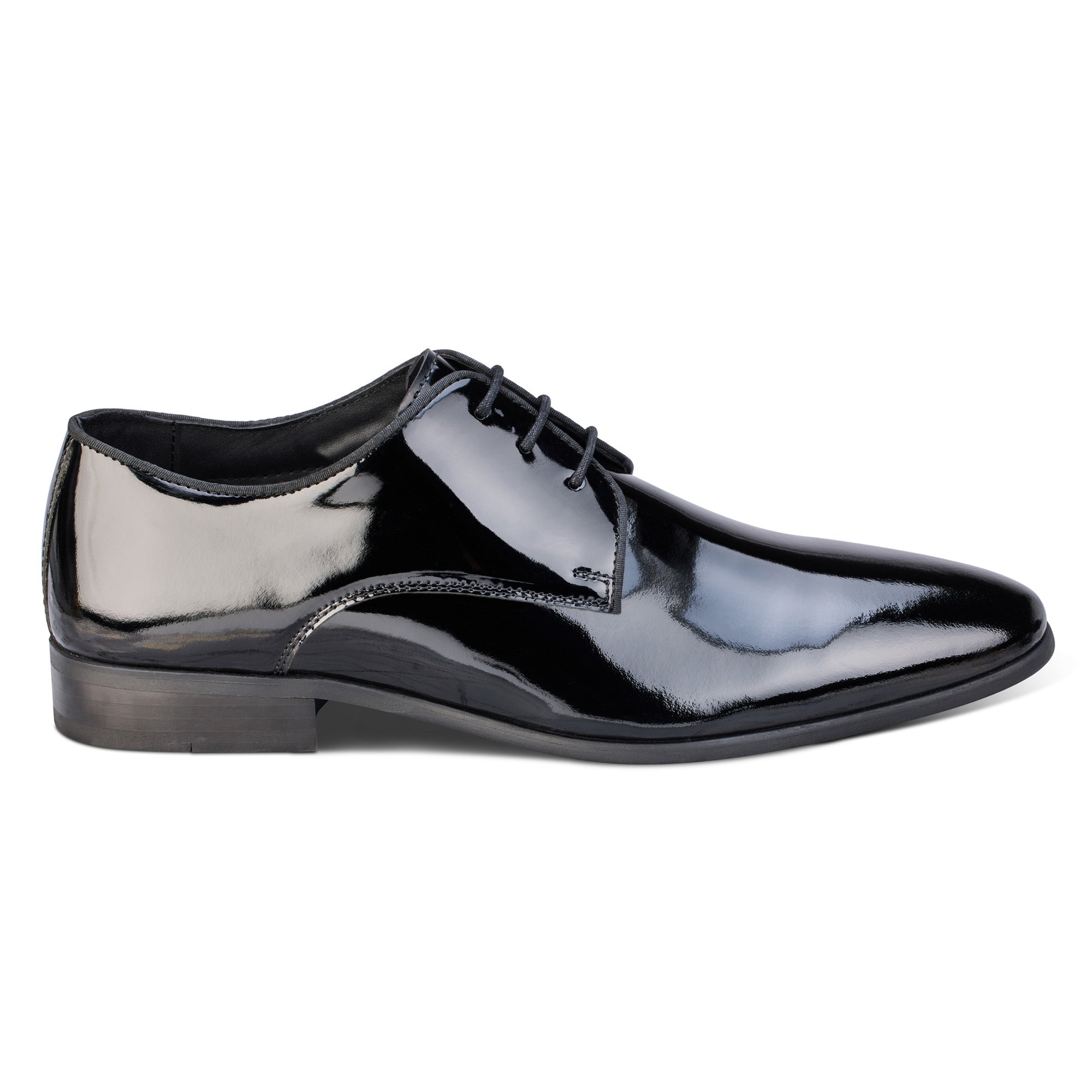
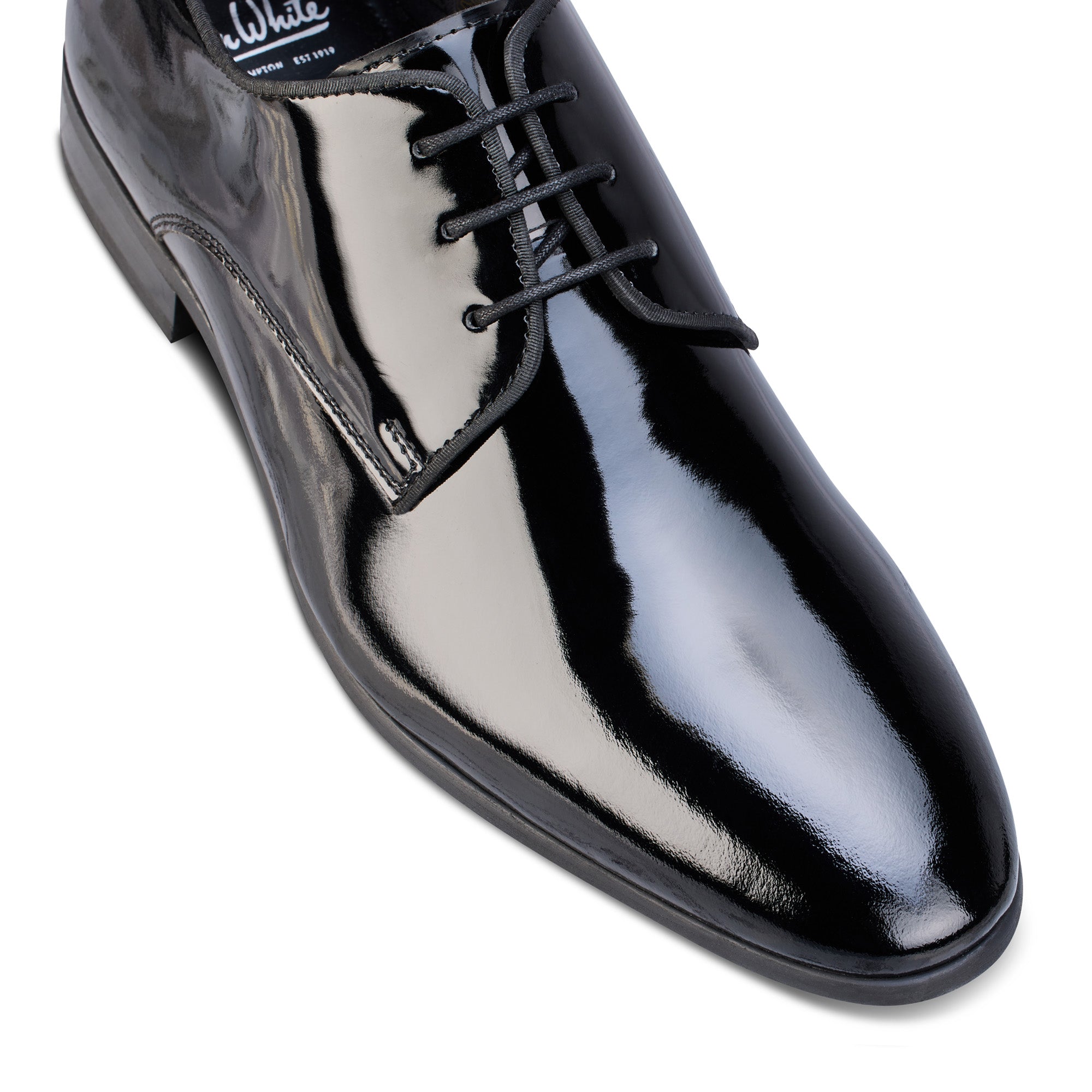
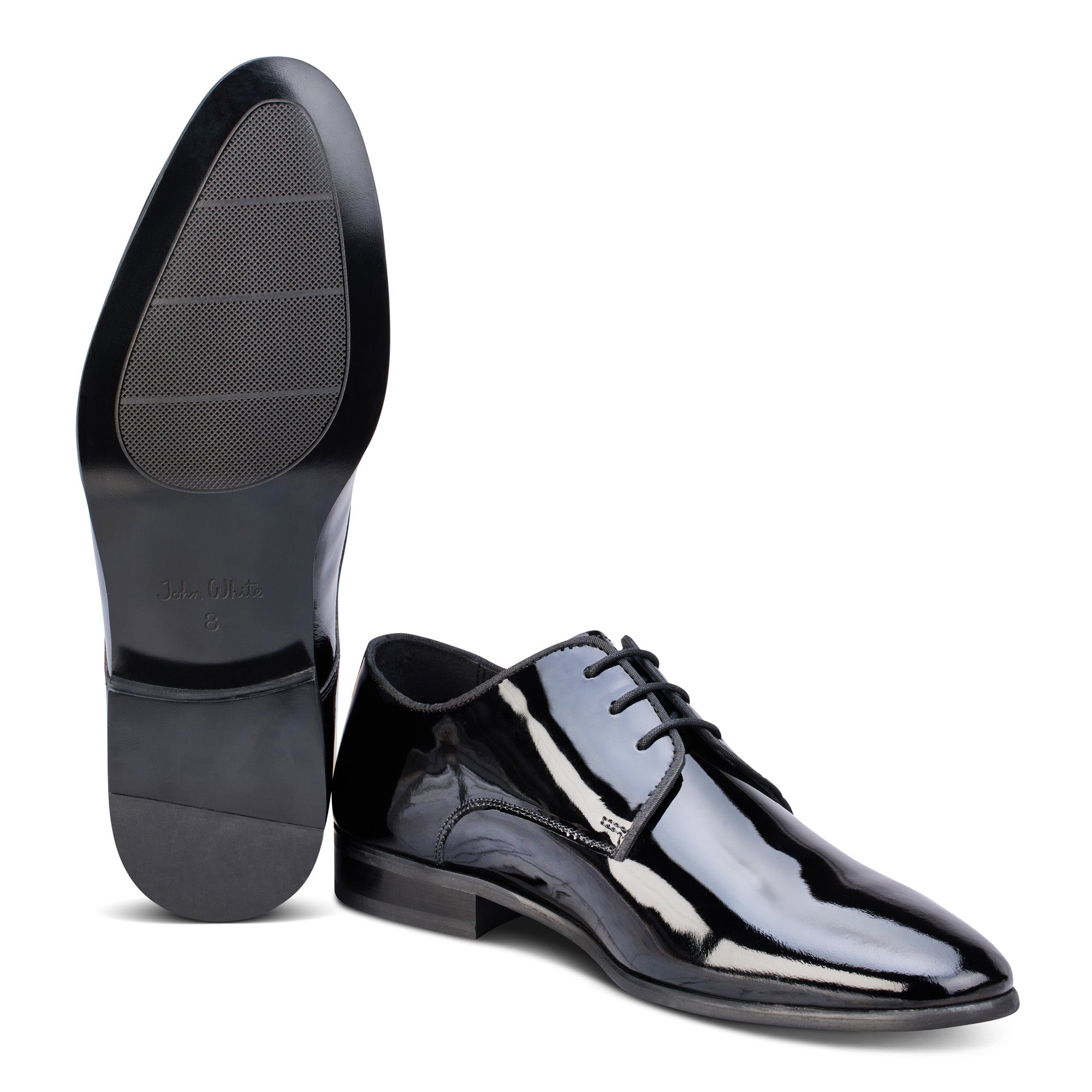
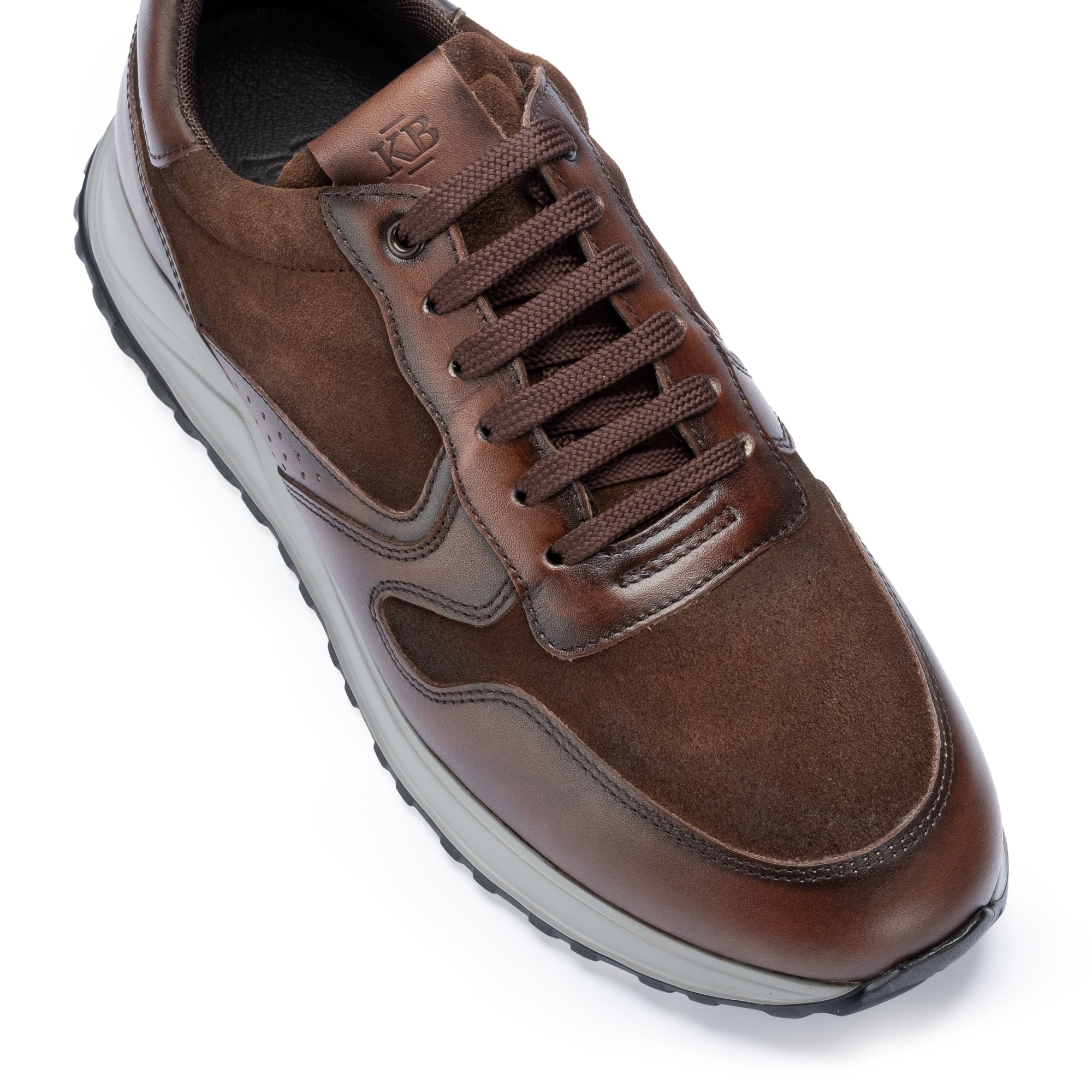
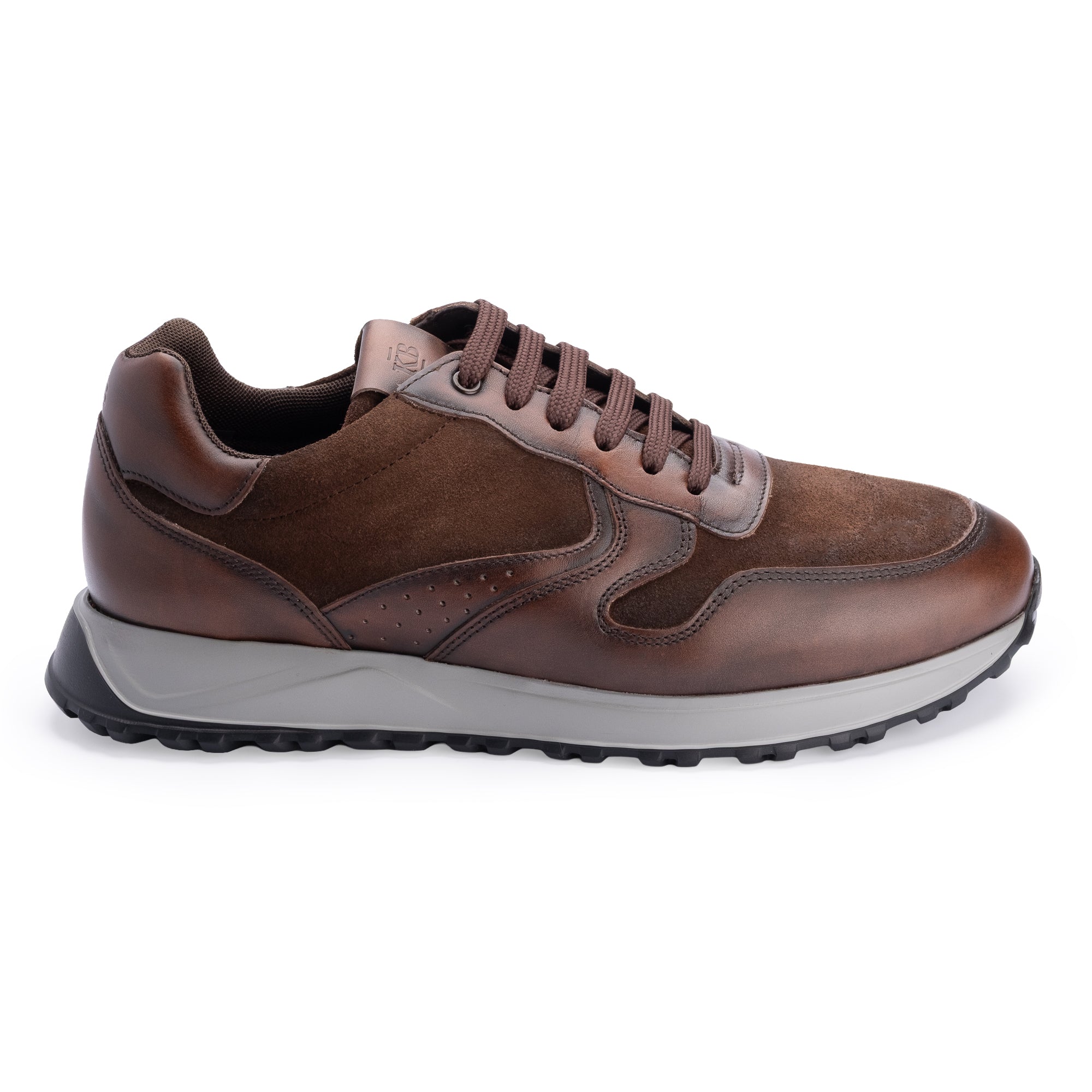
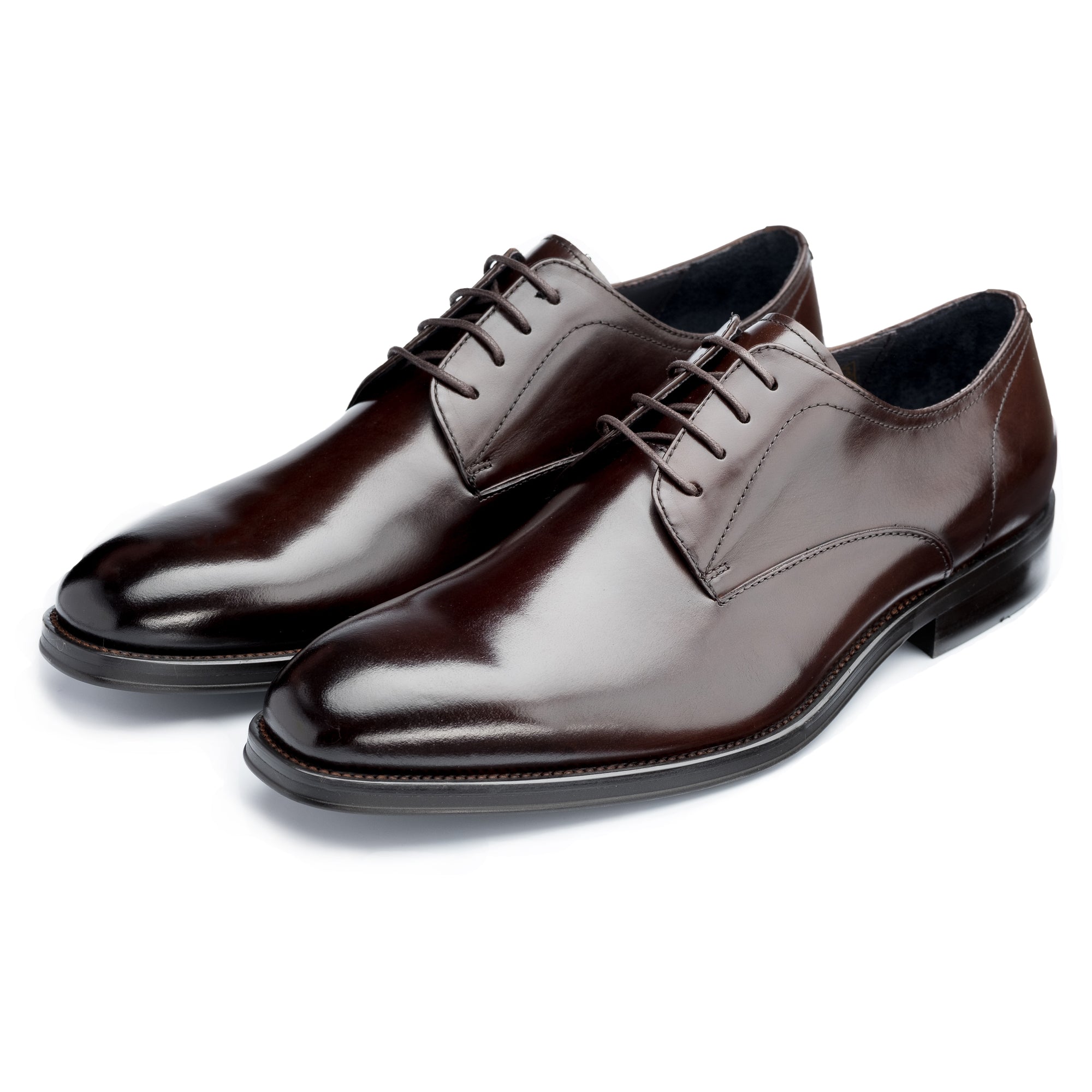
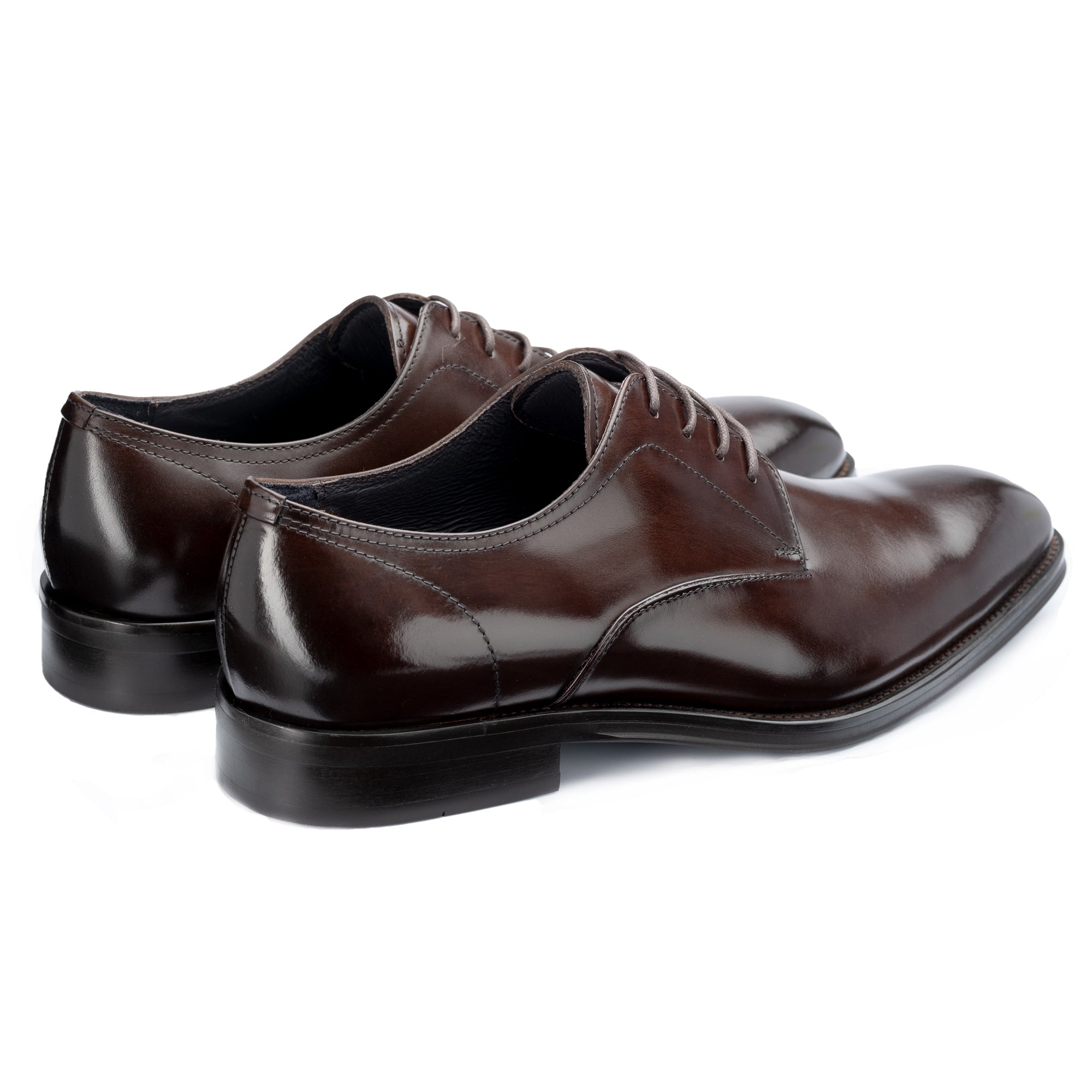
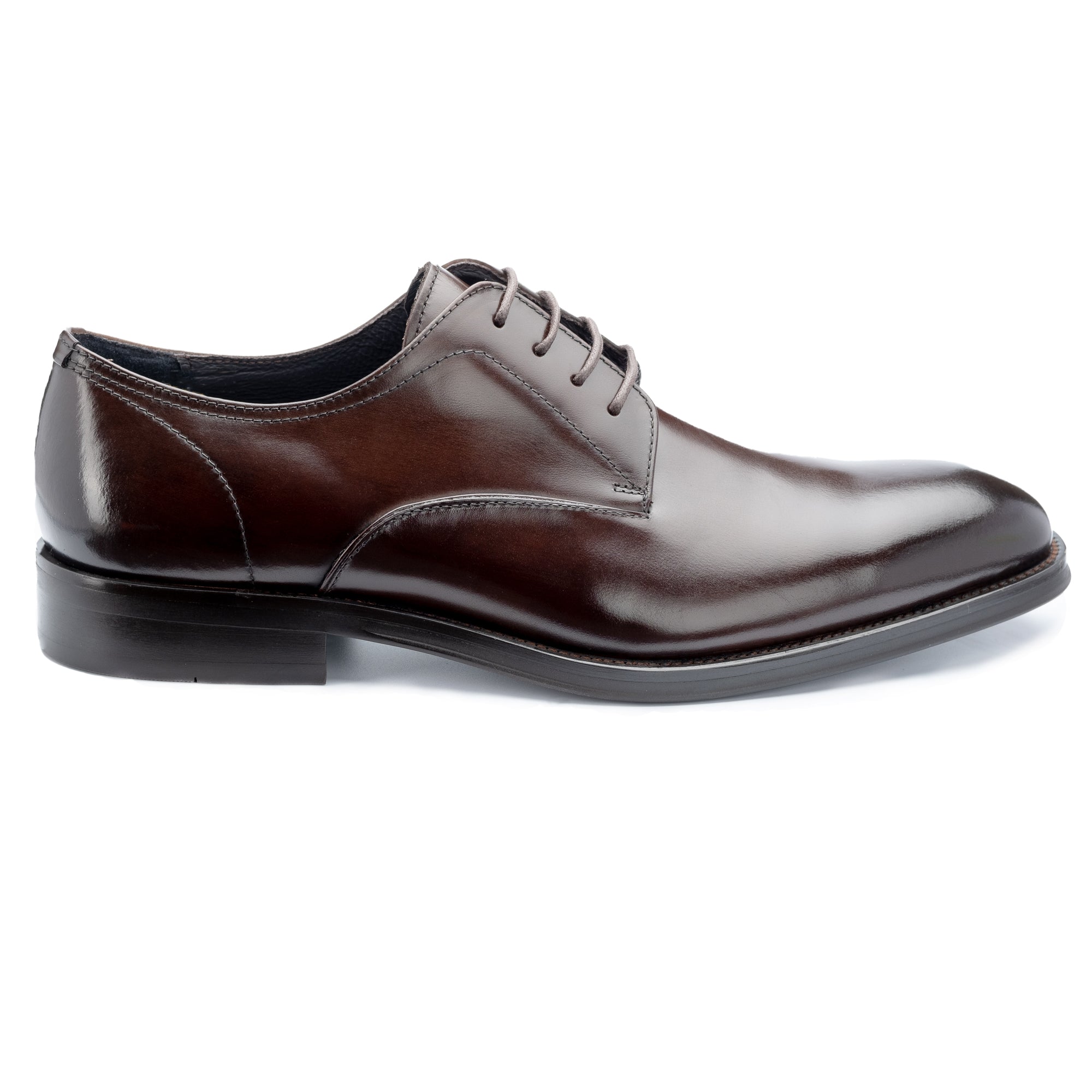
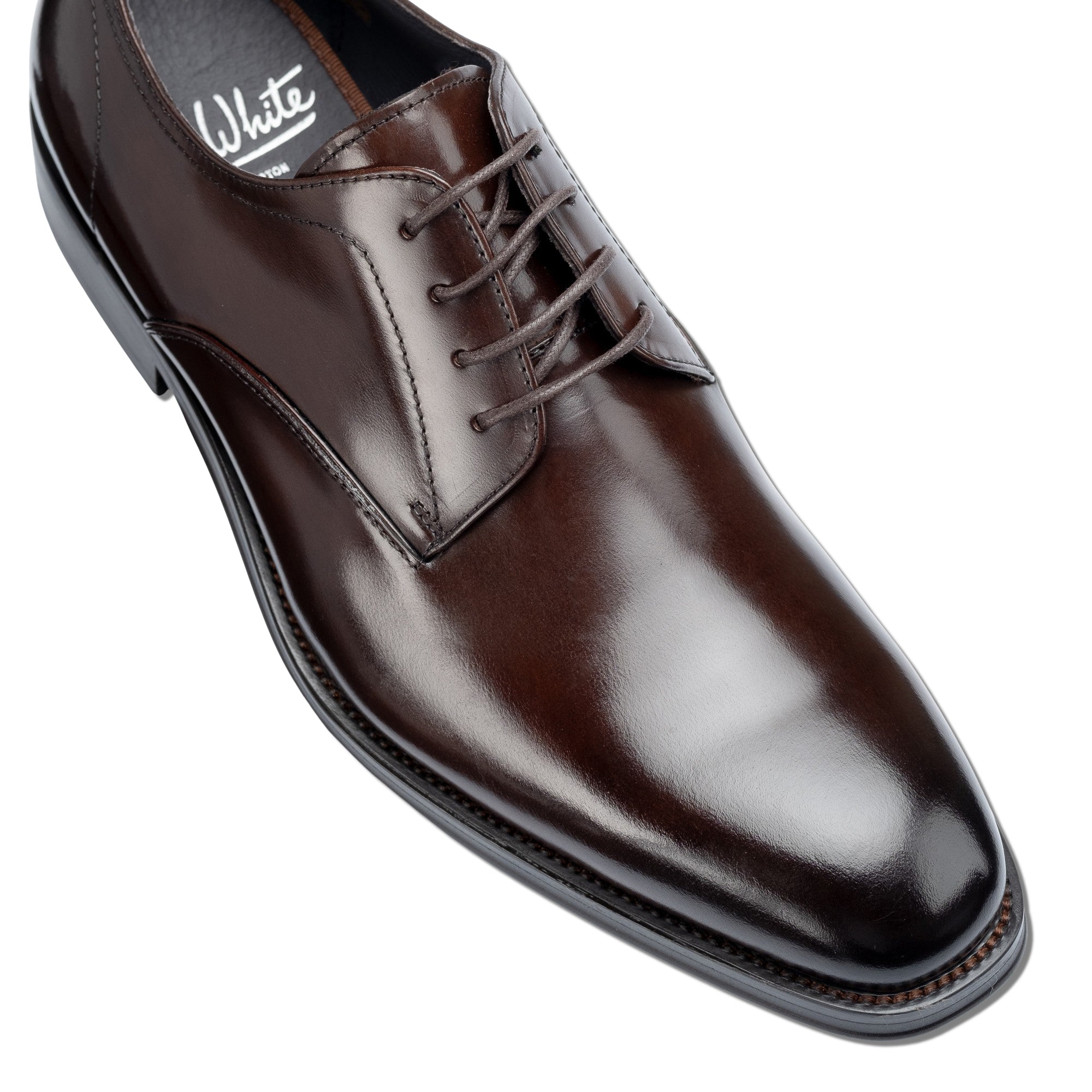
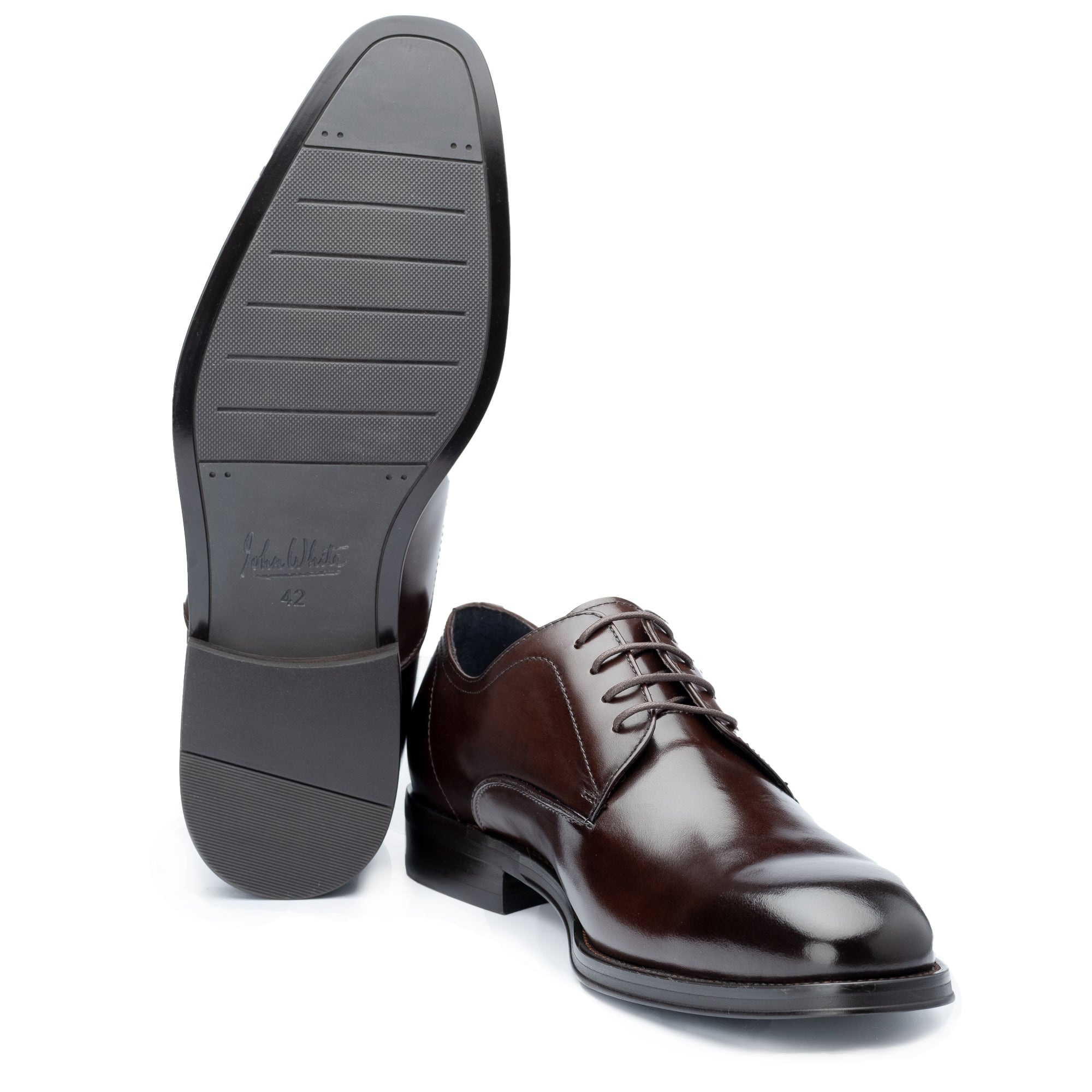
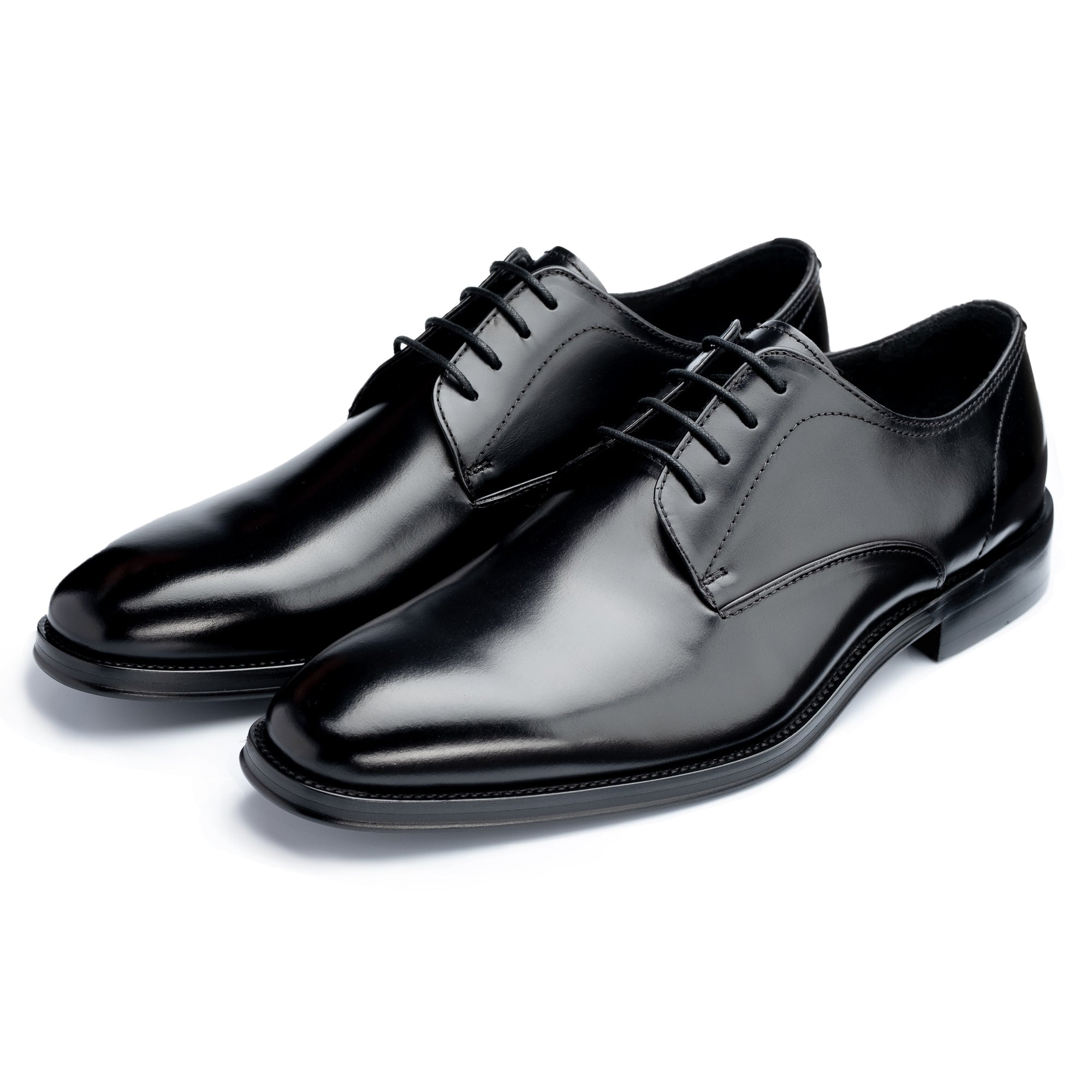
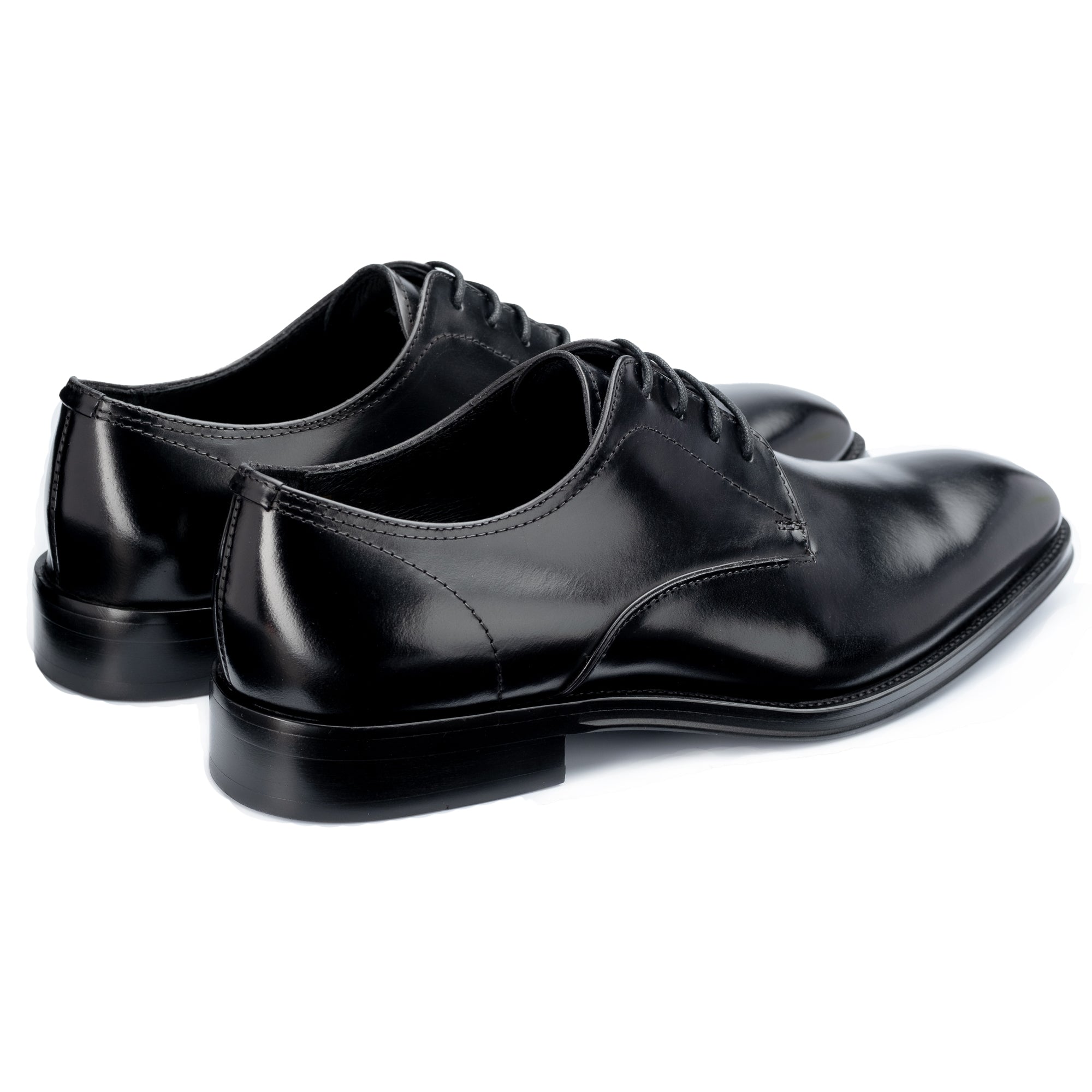
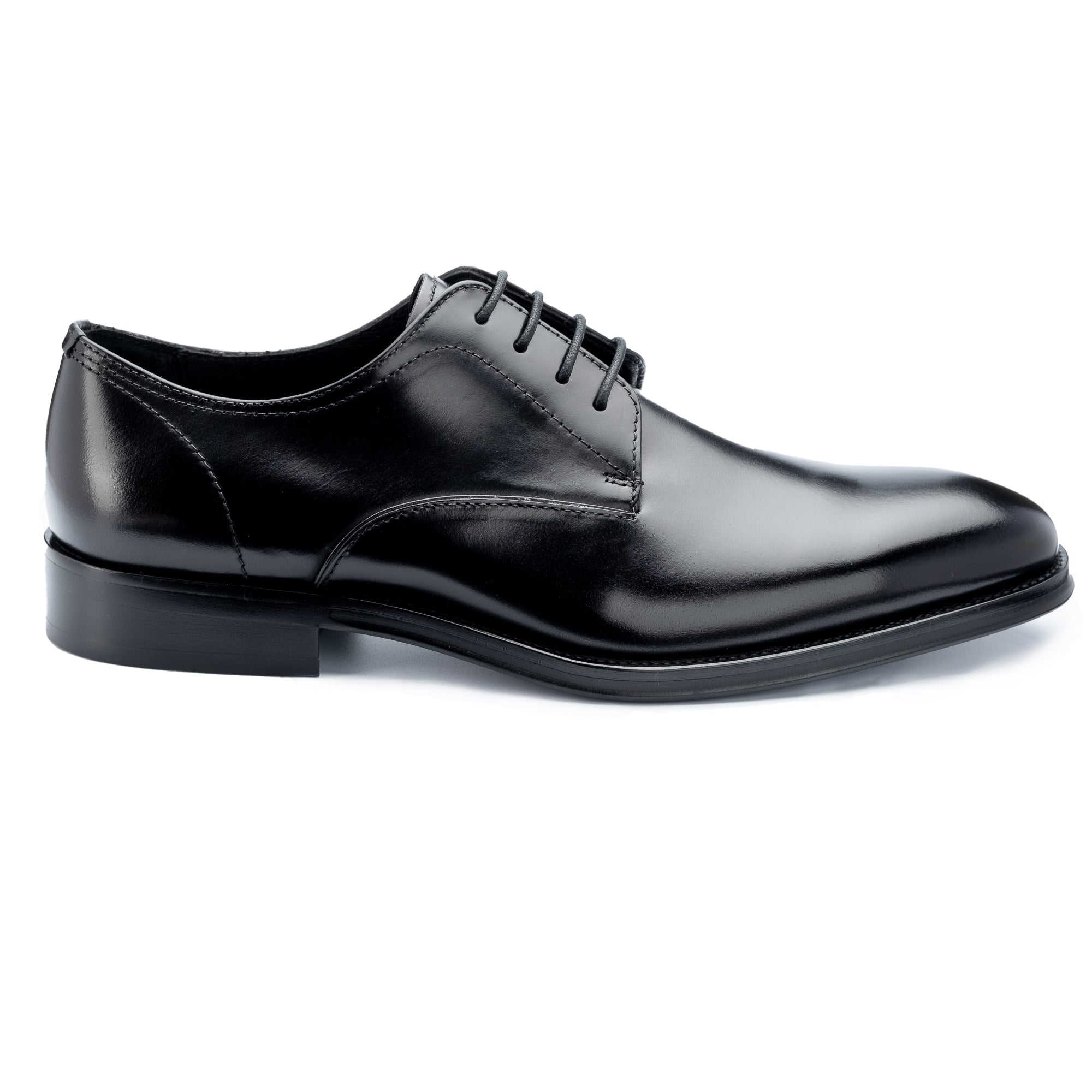
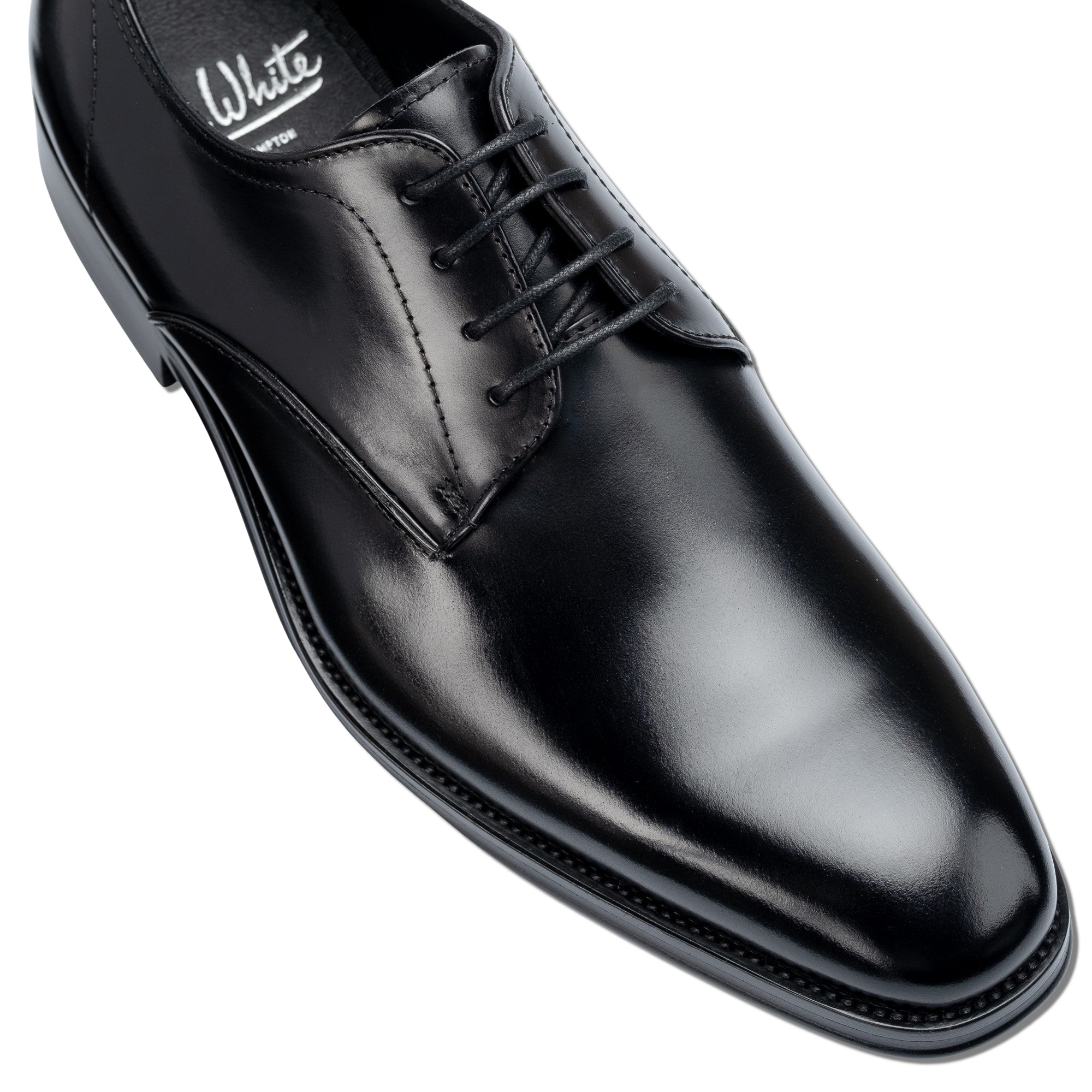
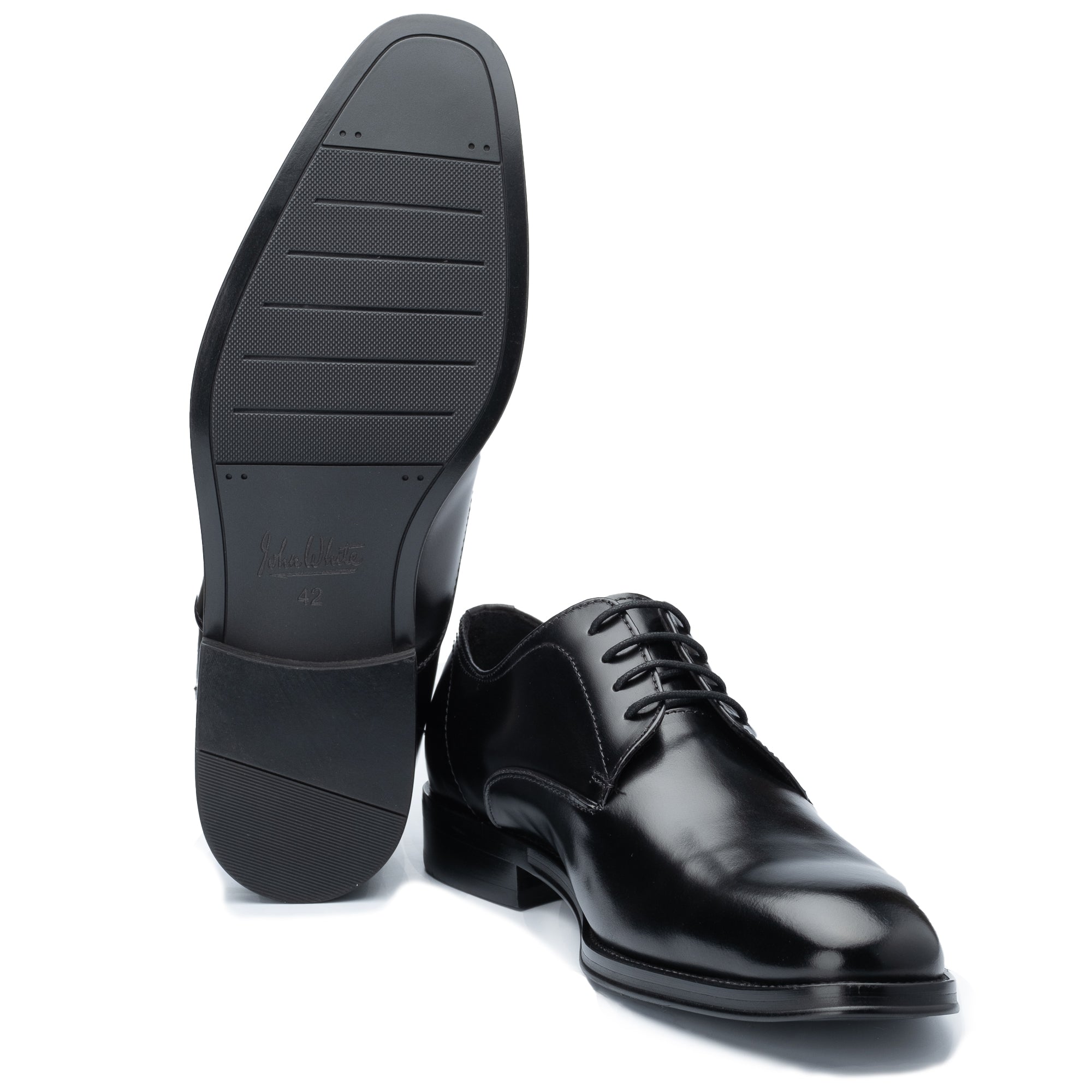
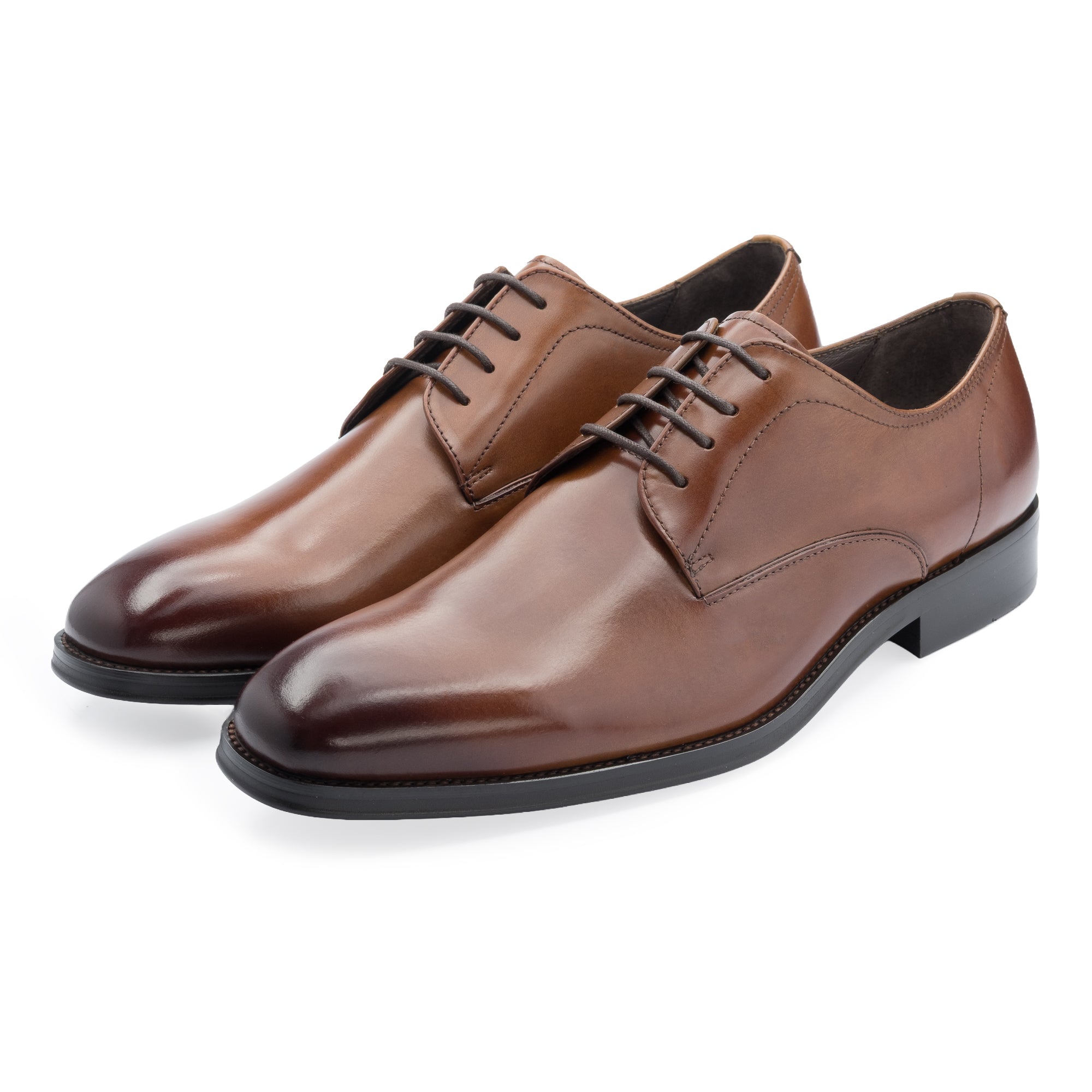
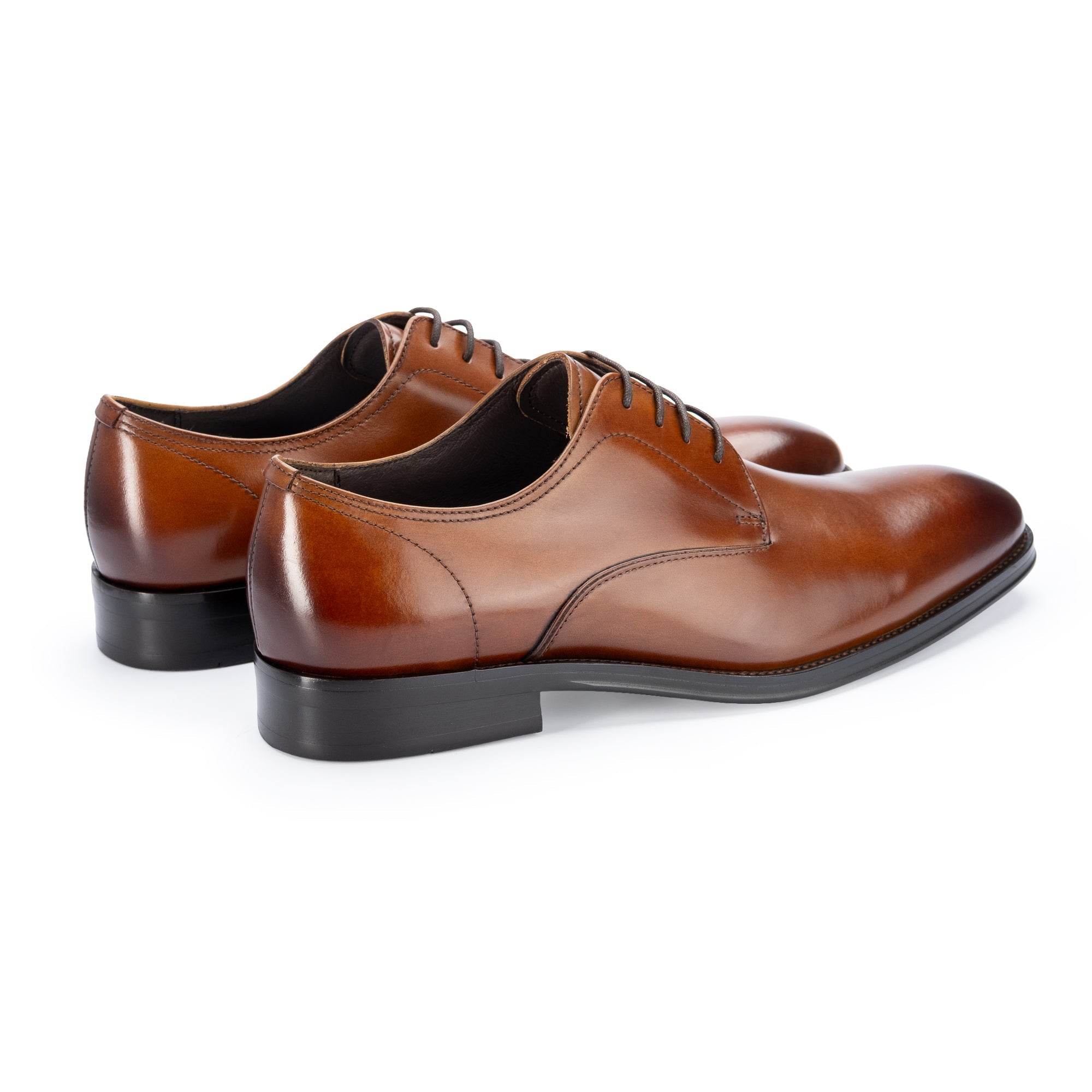
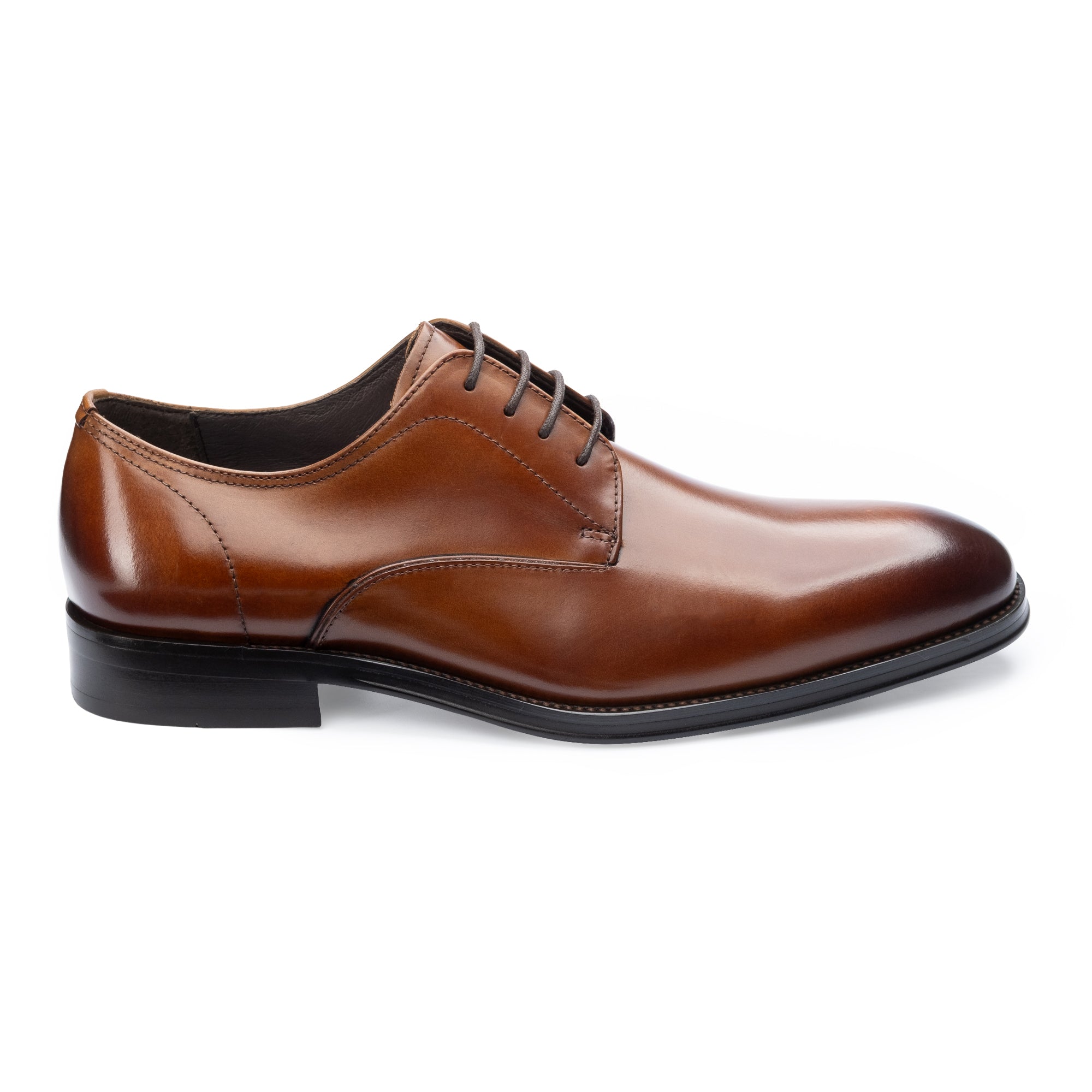
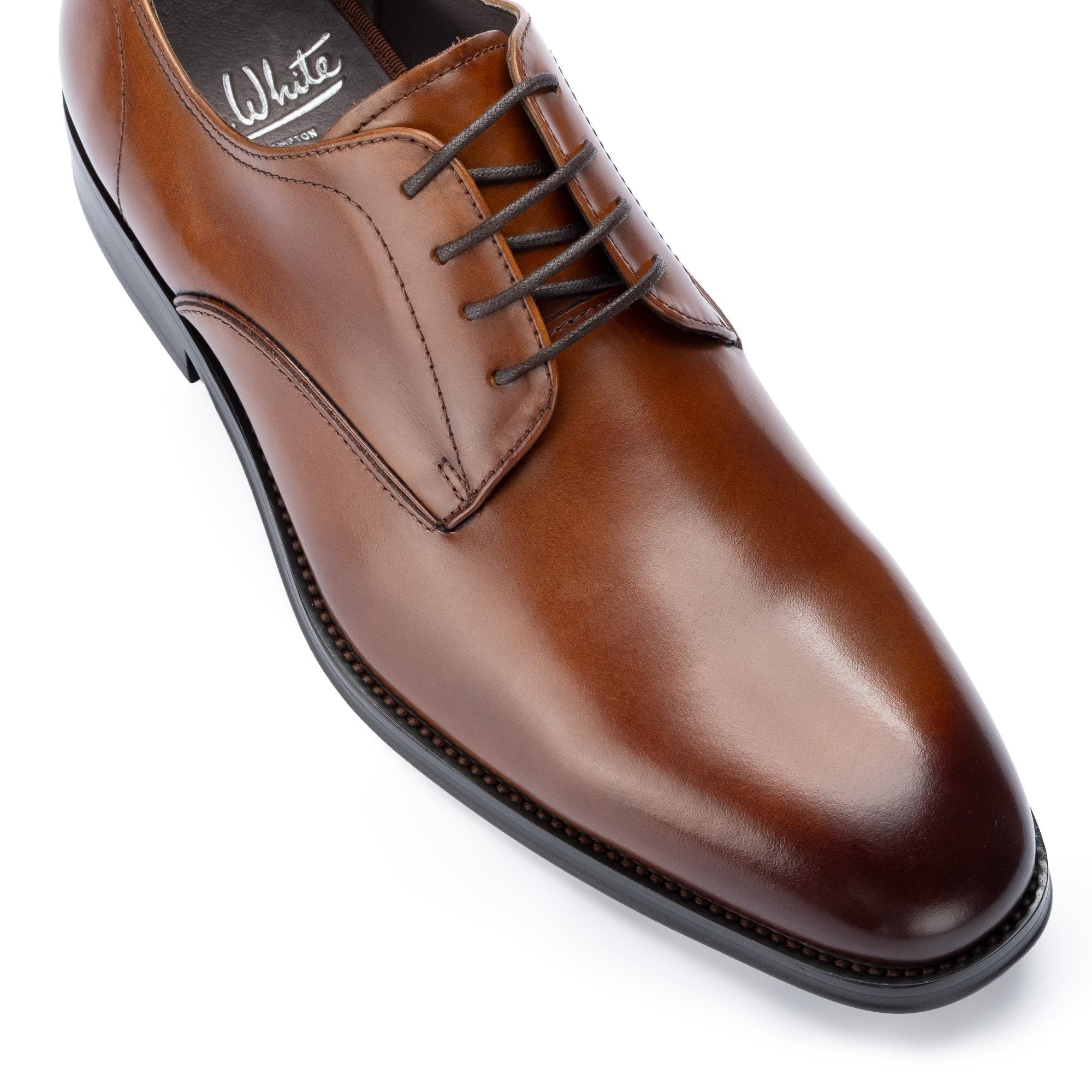
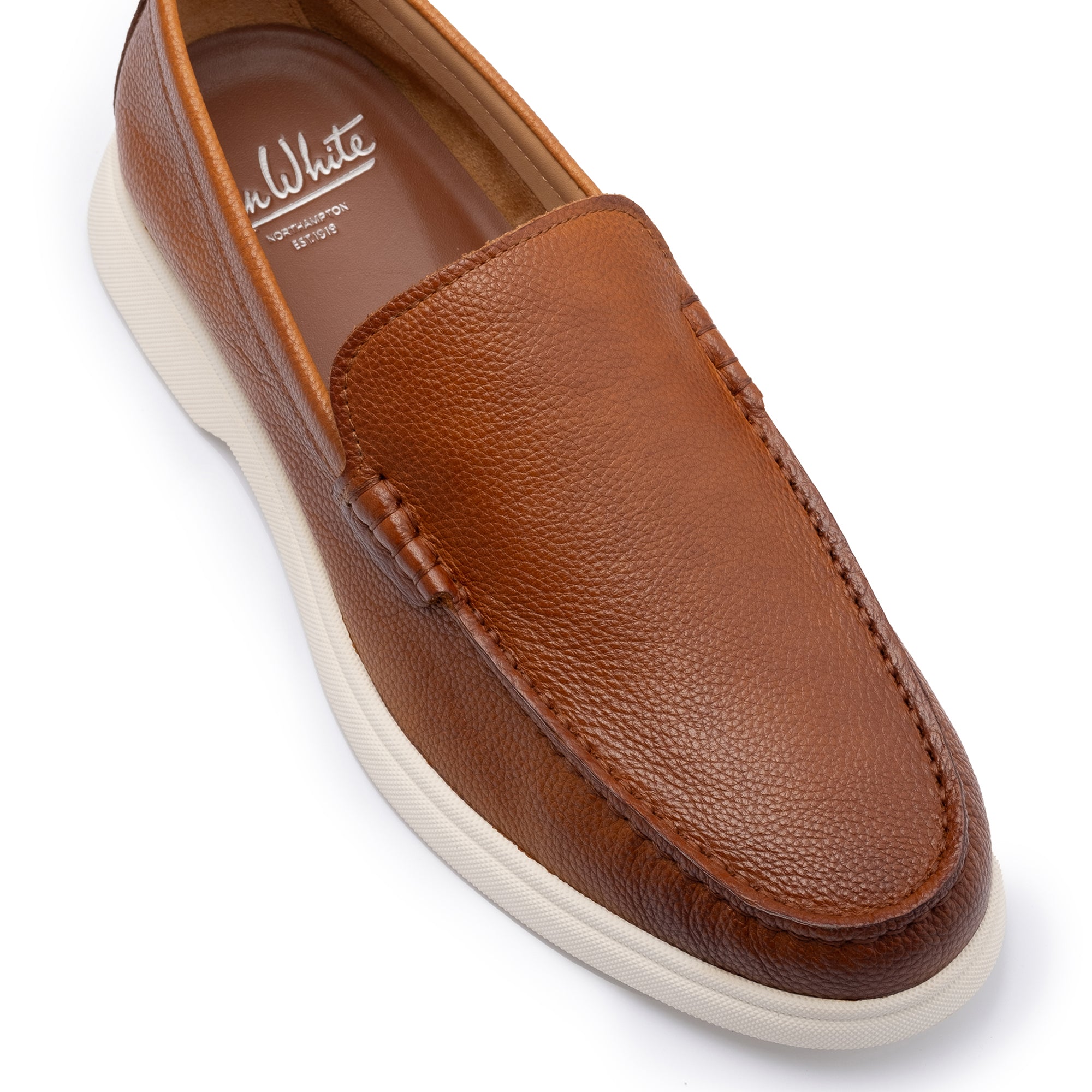
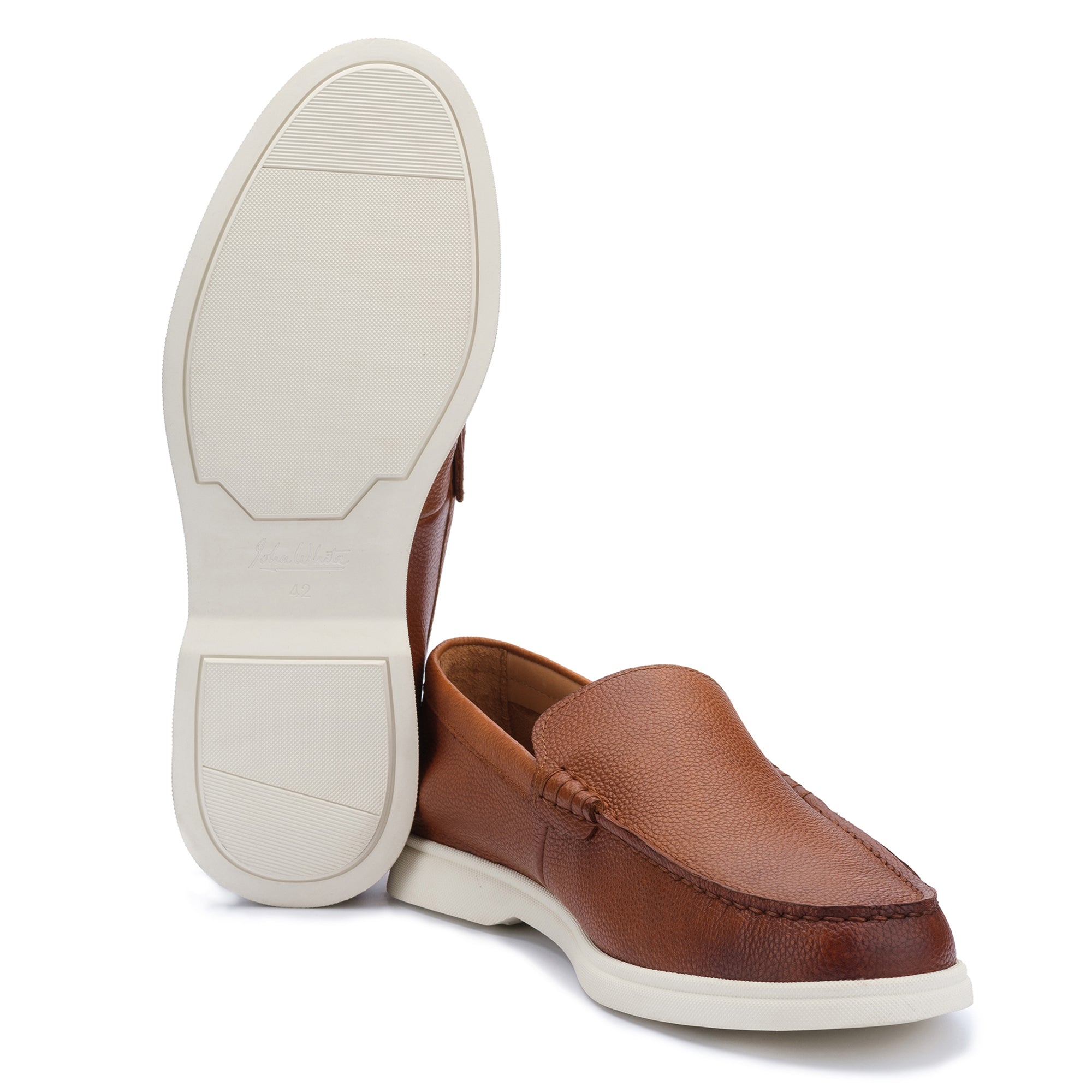
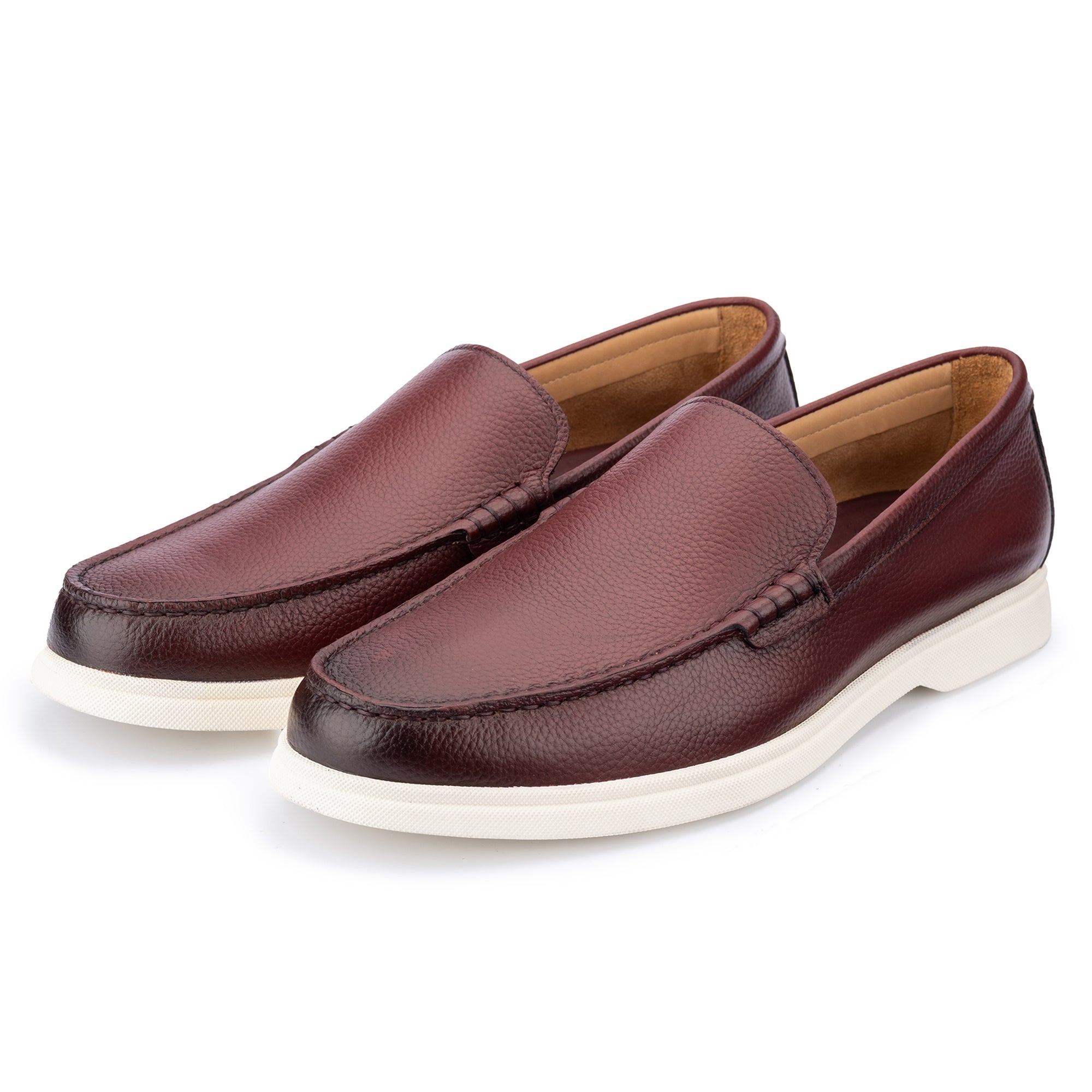
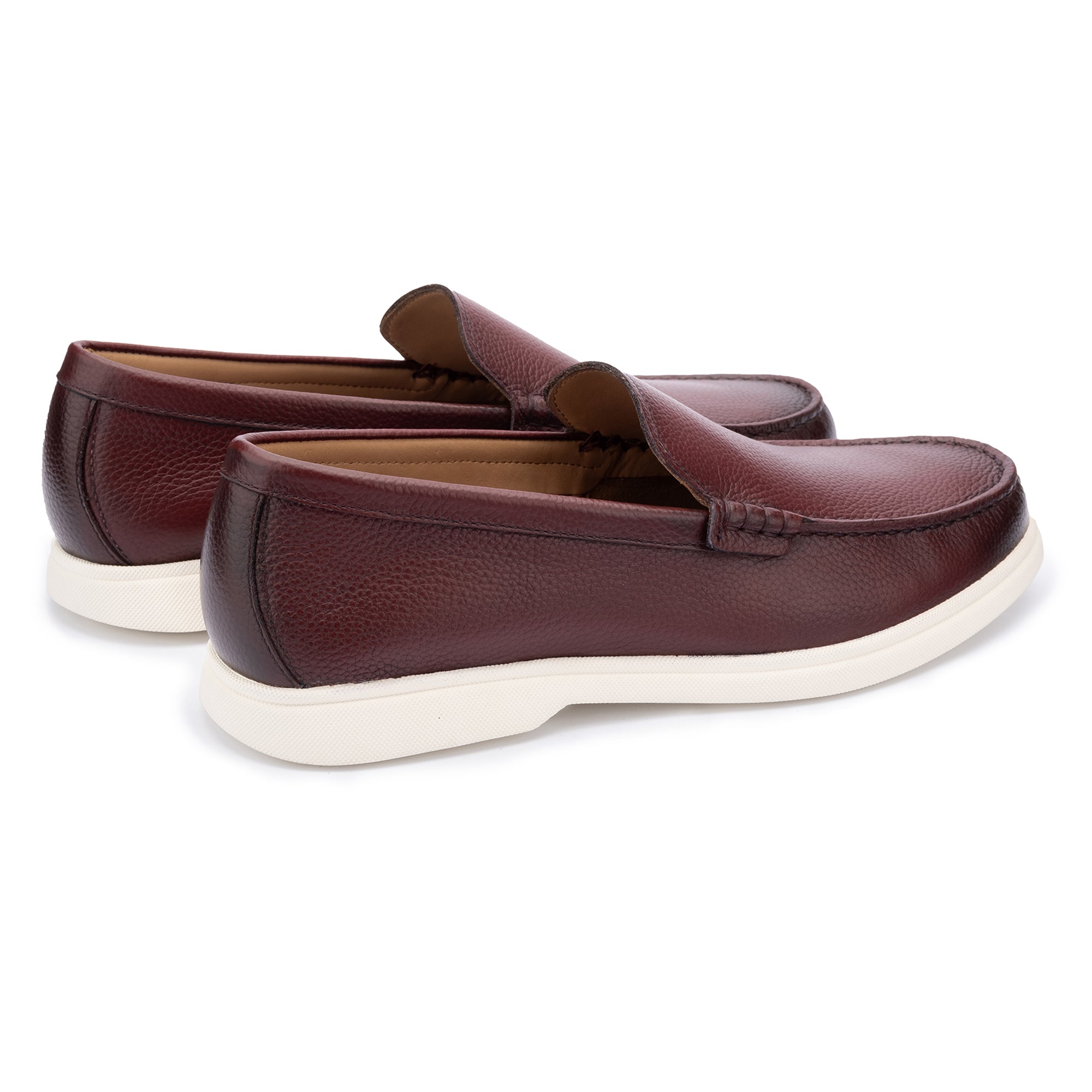
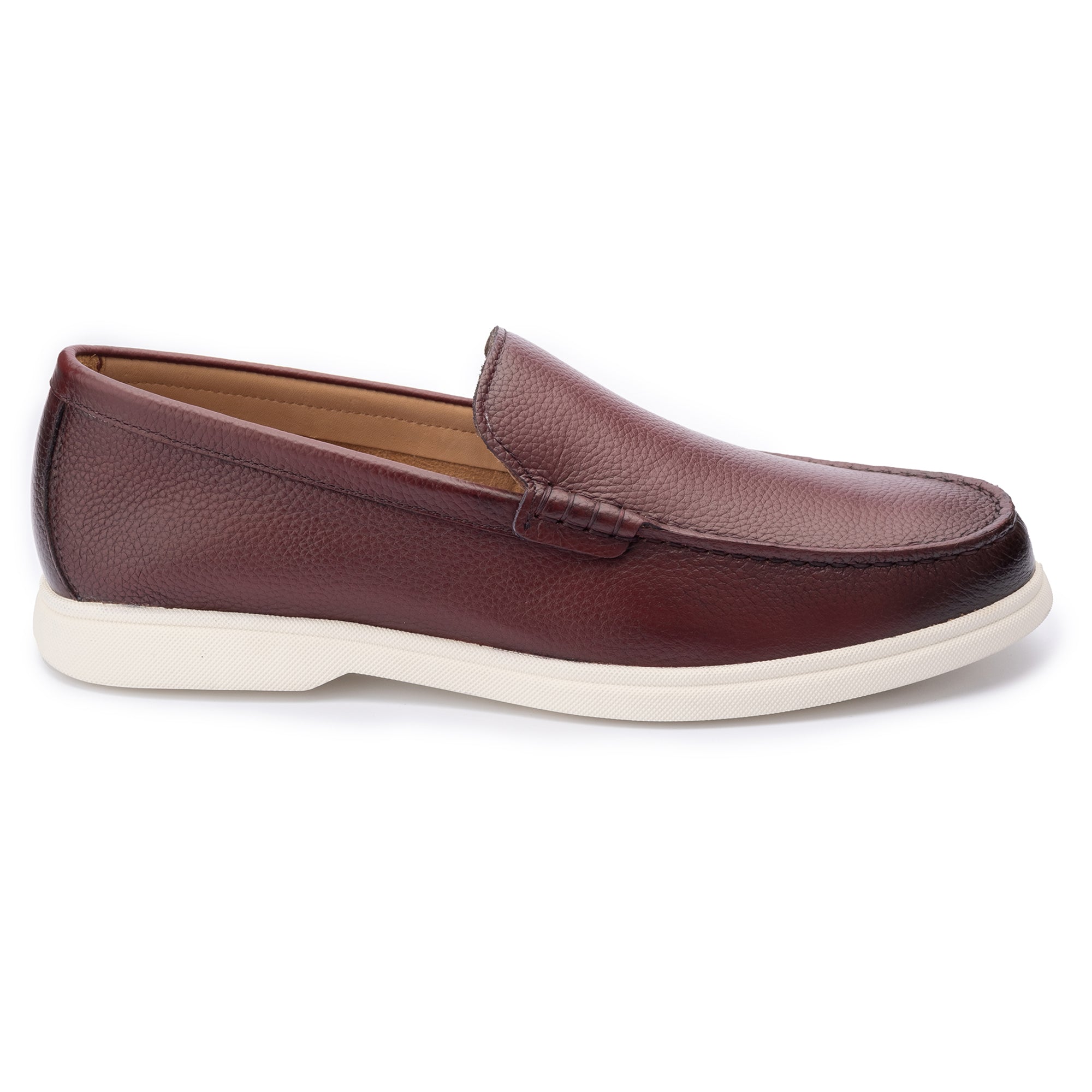
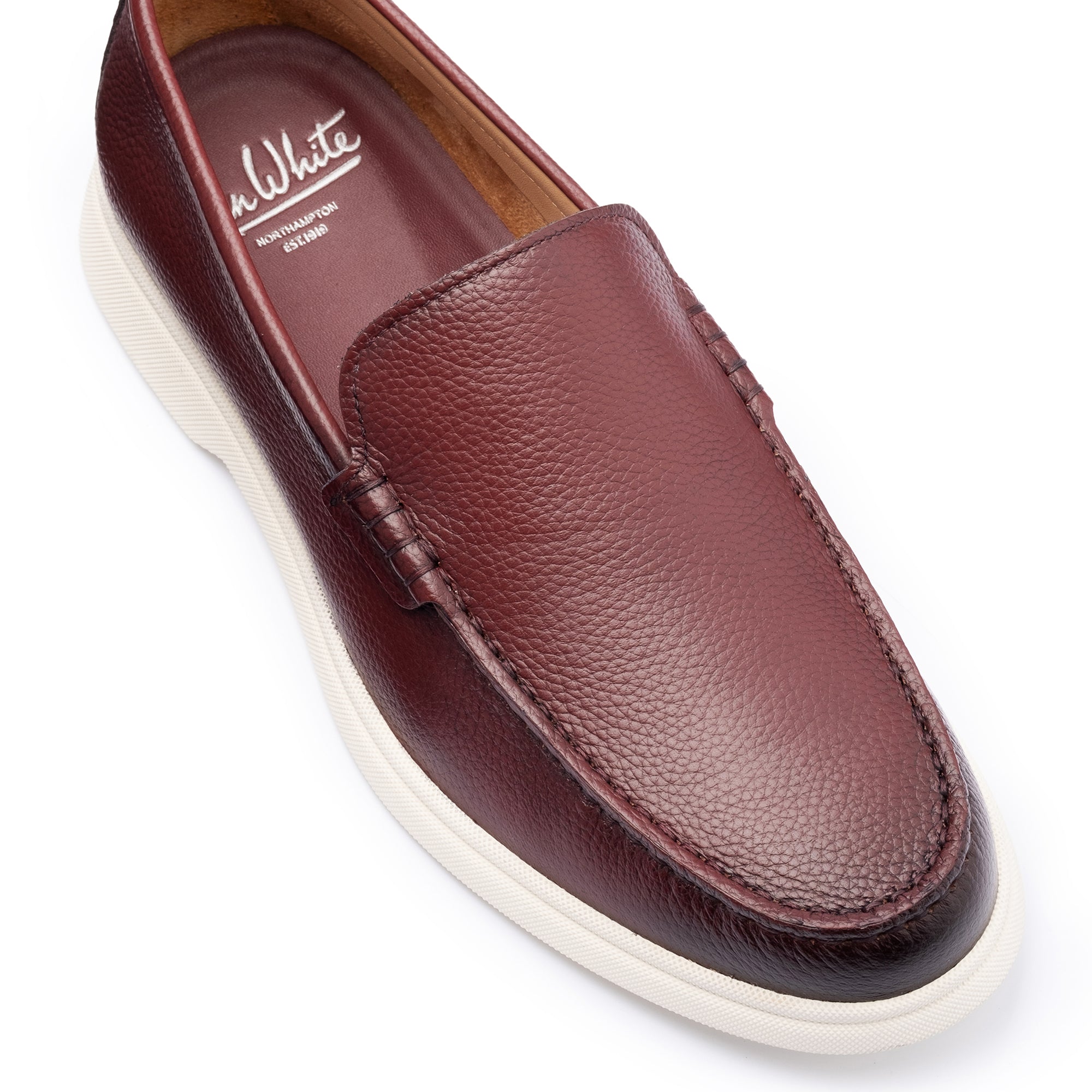
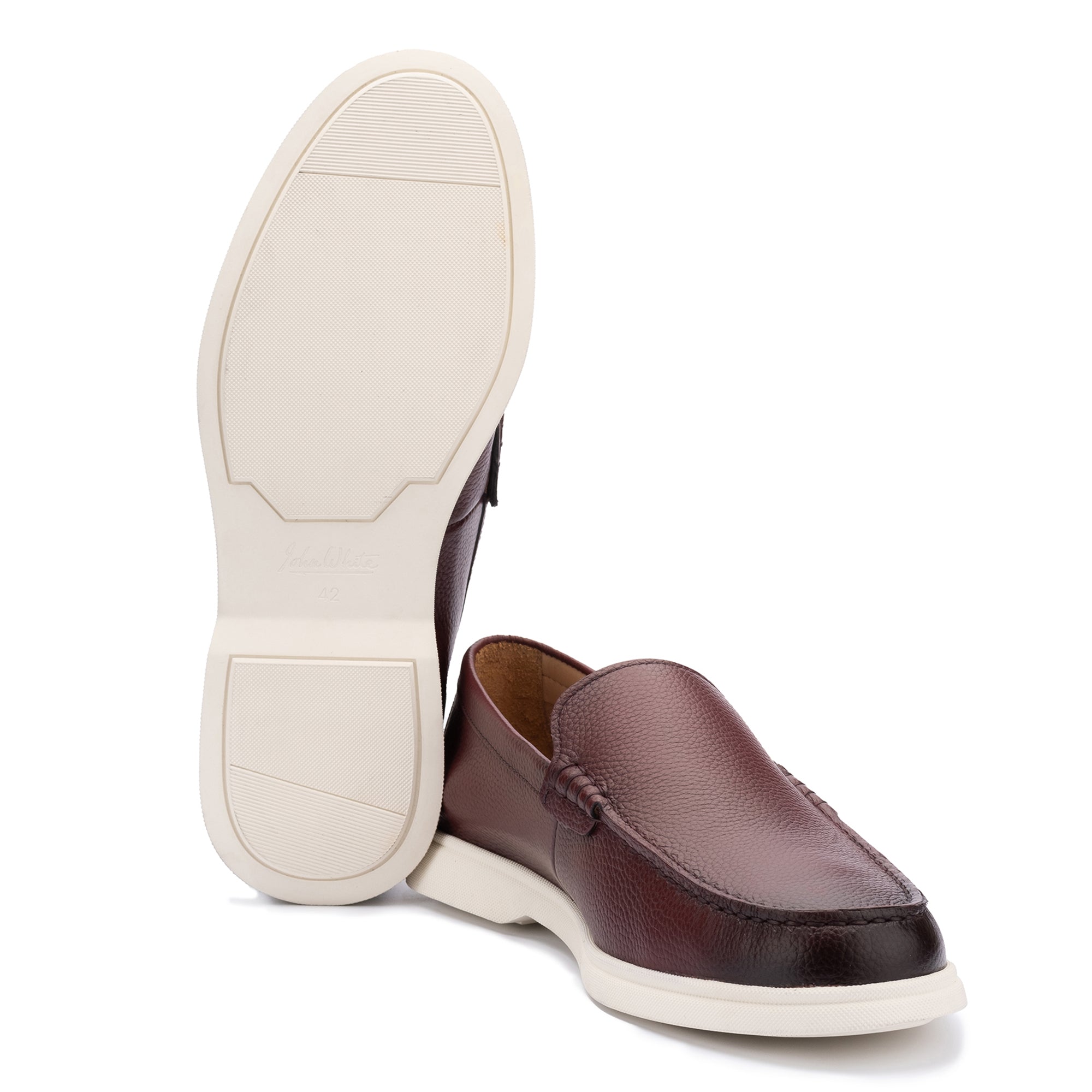
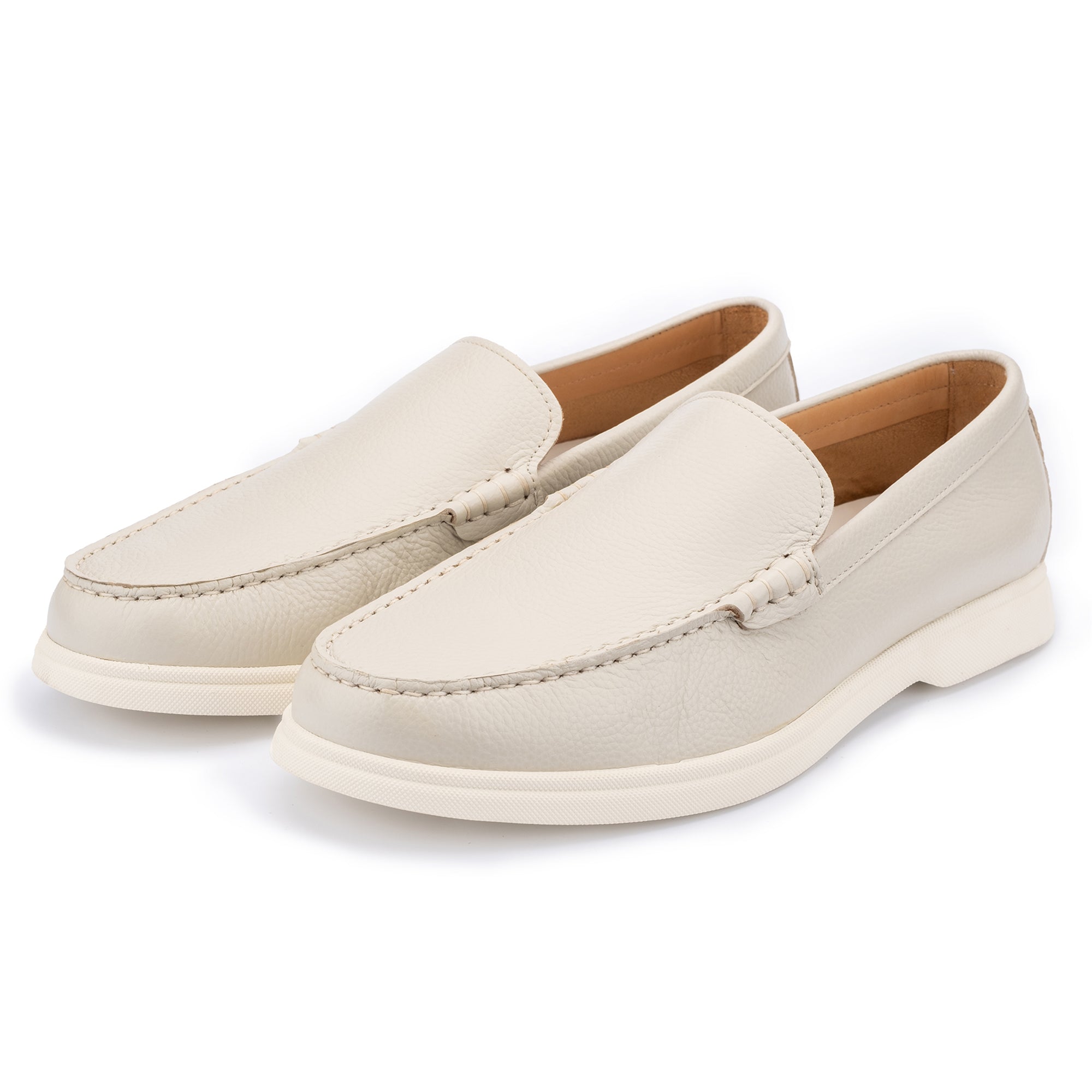
Smooth leather is a processed hide that presents the outer surface of the skin — the tightest, densest layer. Its surface is relatively non-porous, takes a shine from polish, and develops a patina with age and care. This is the material that's defined British men's formal footwear for well over a century.
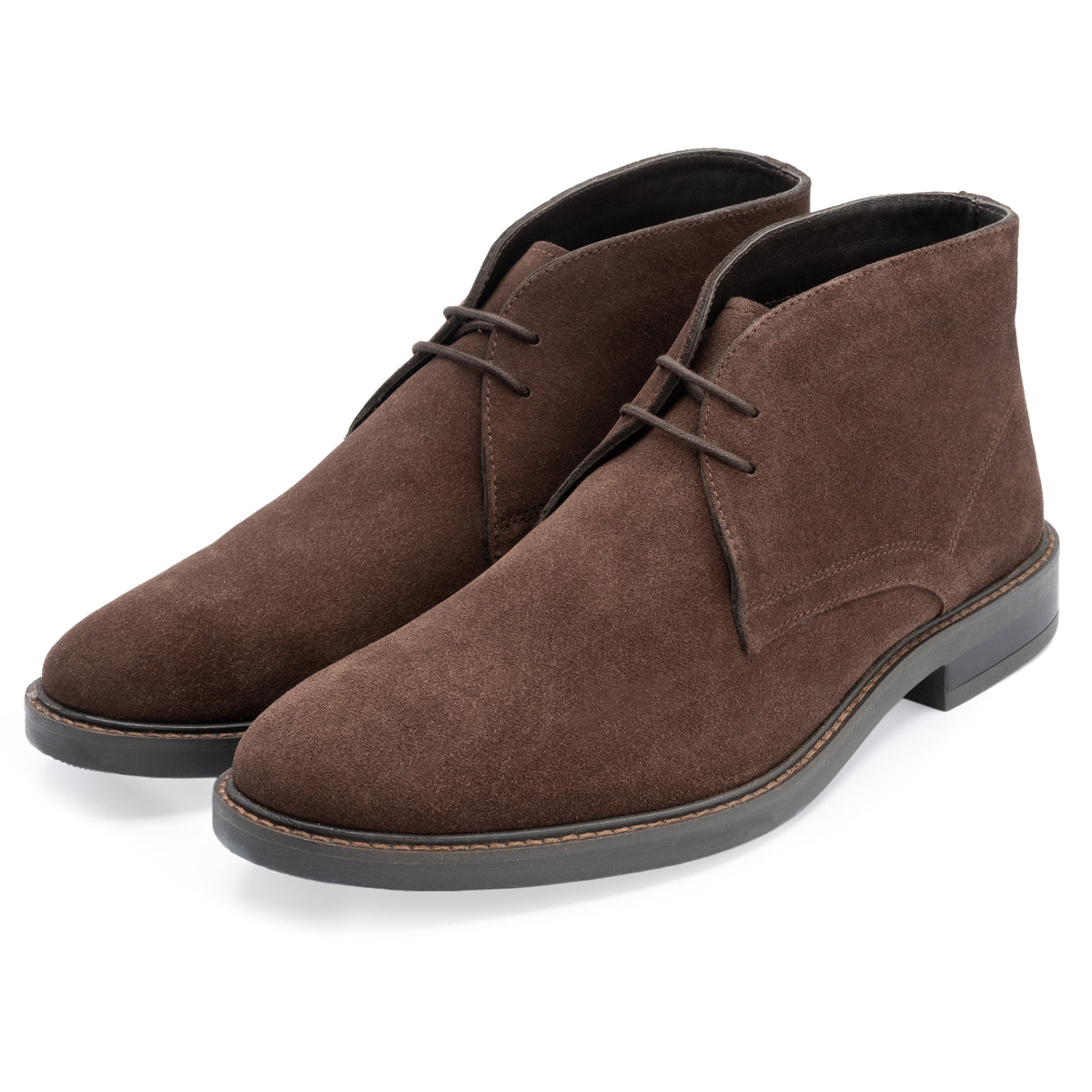
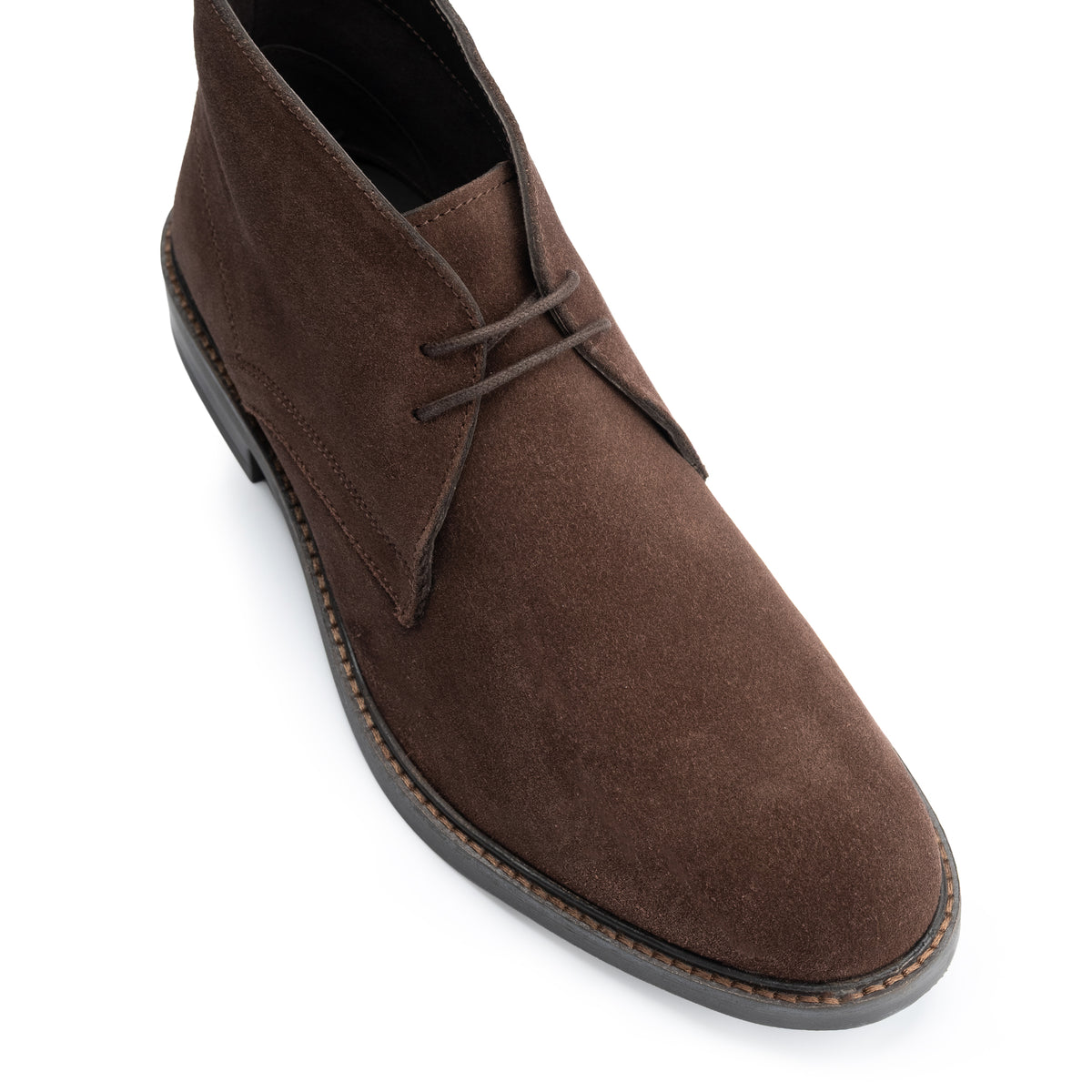
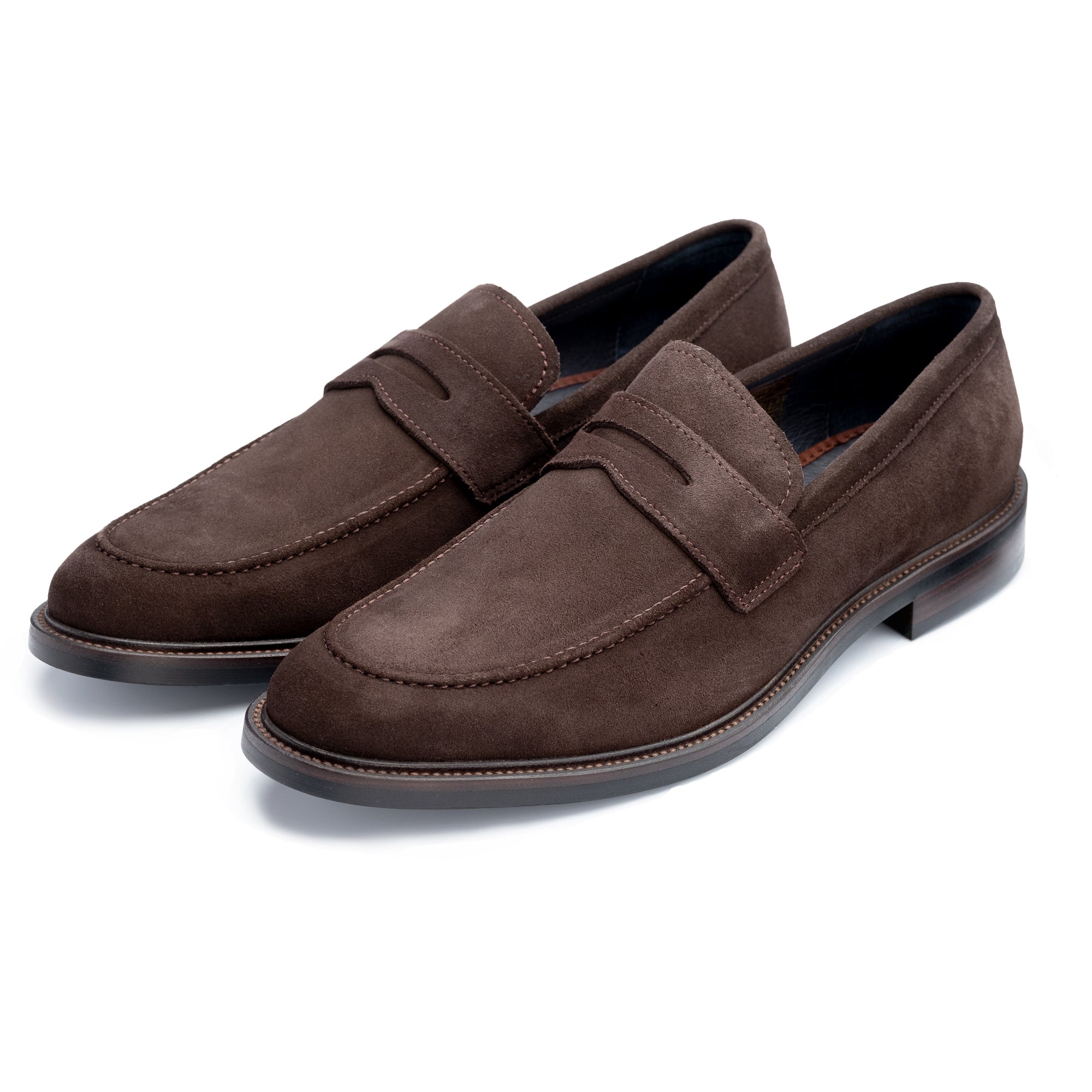
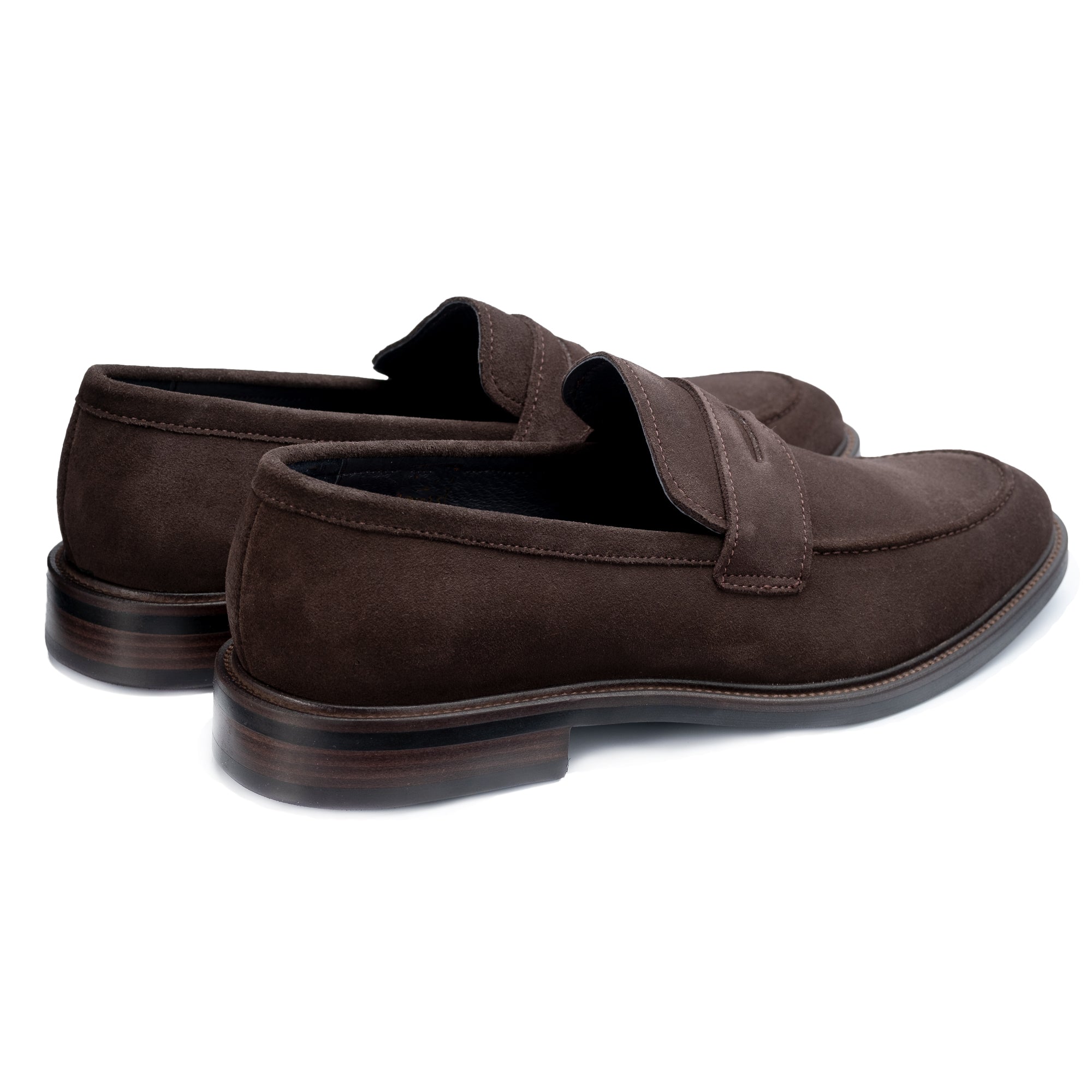
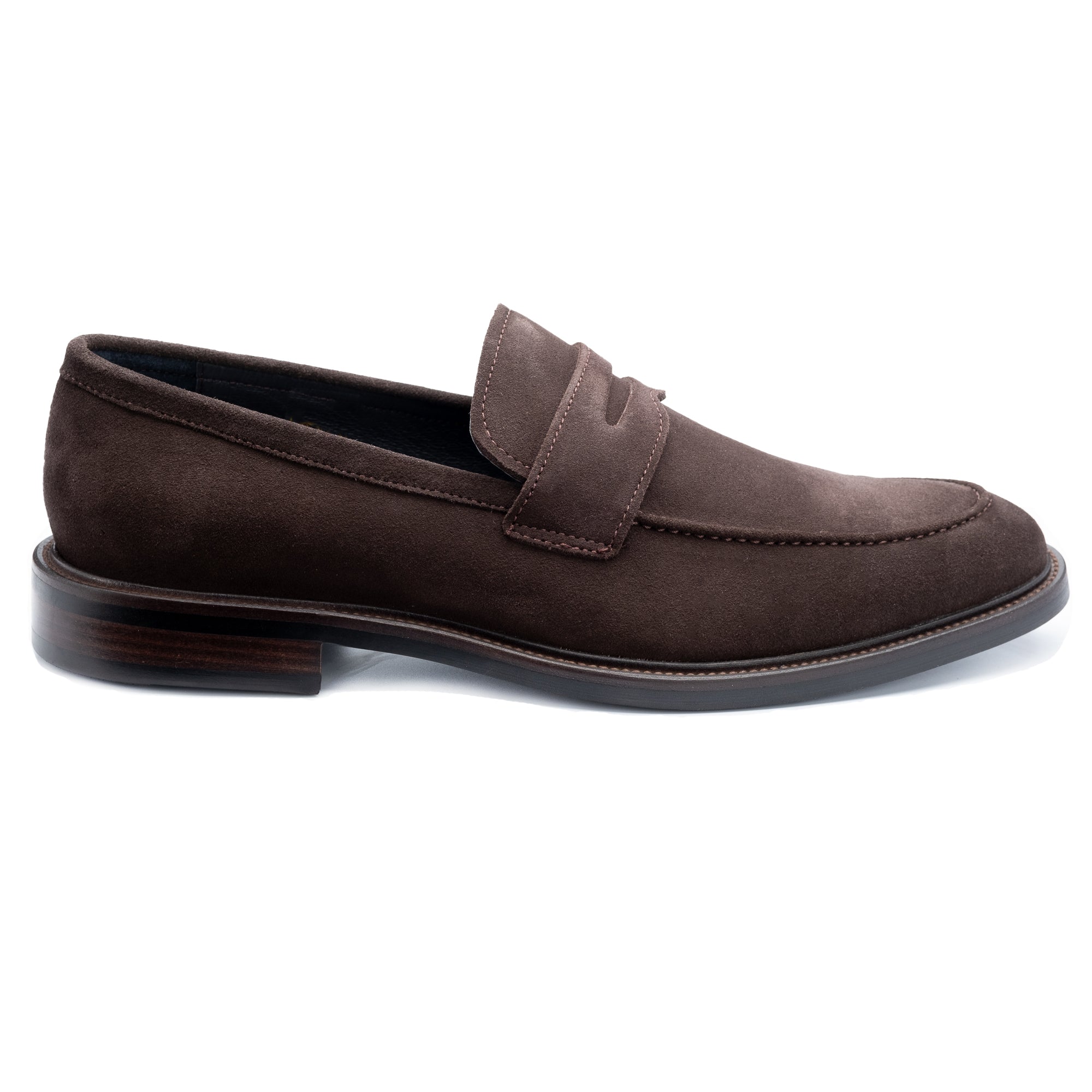
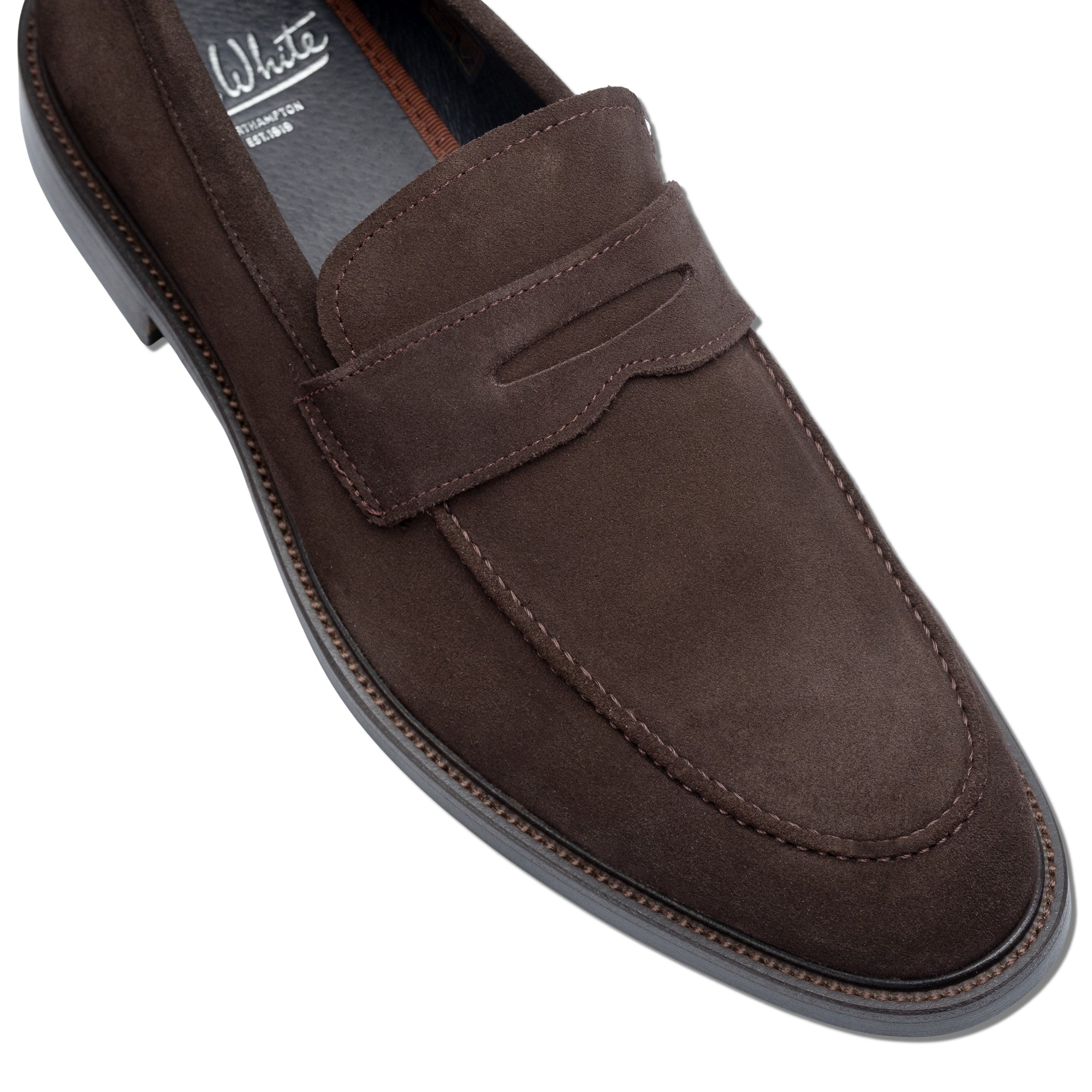
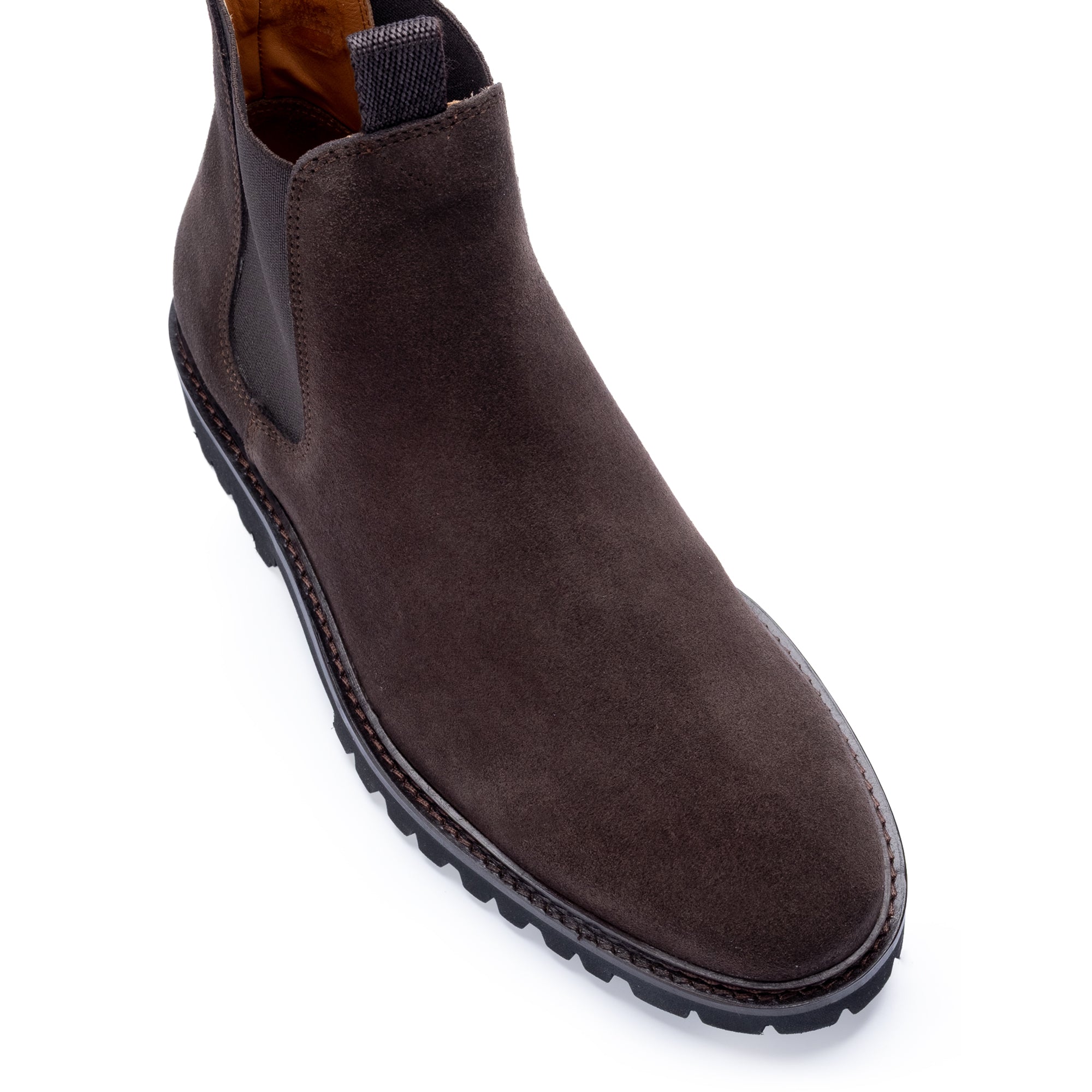
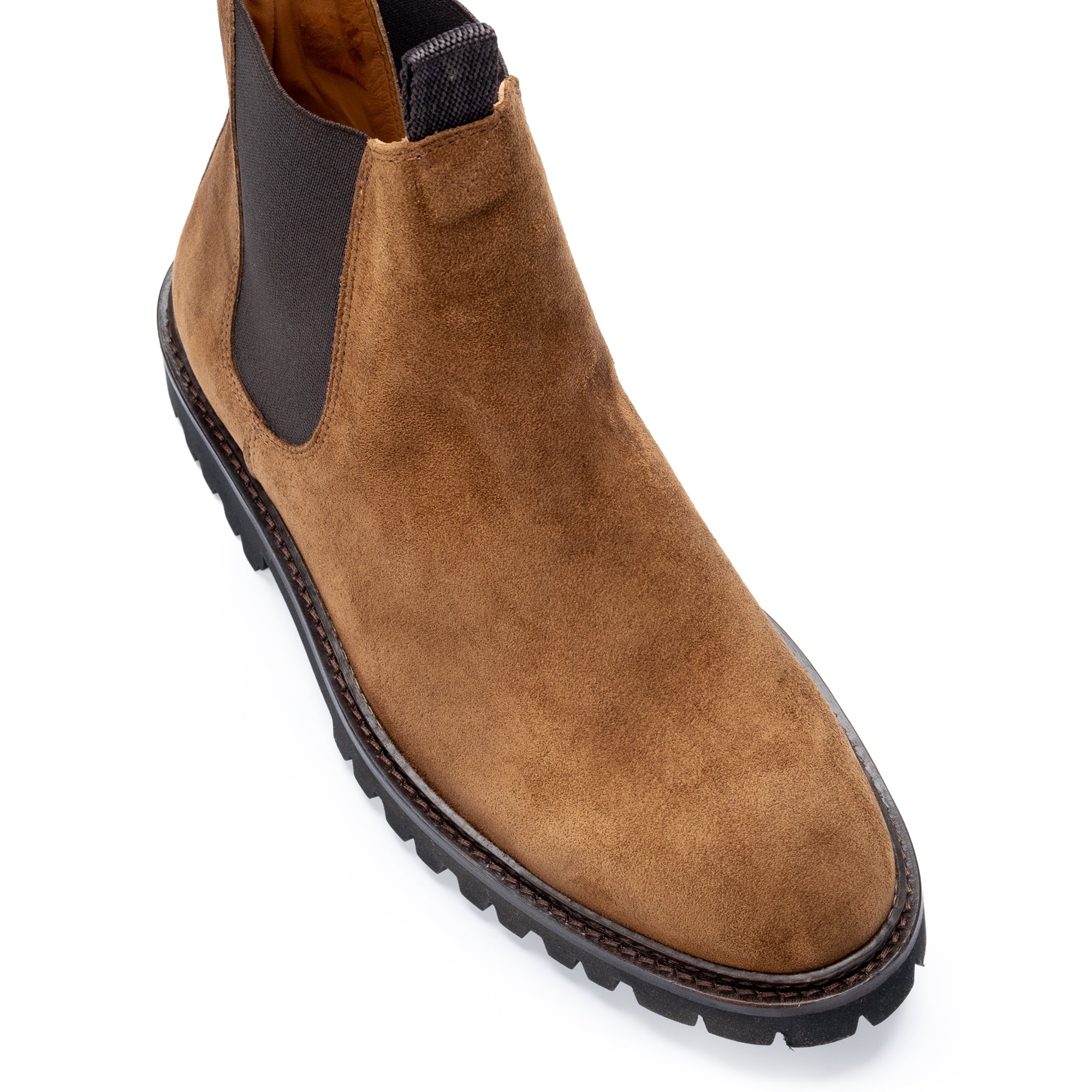
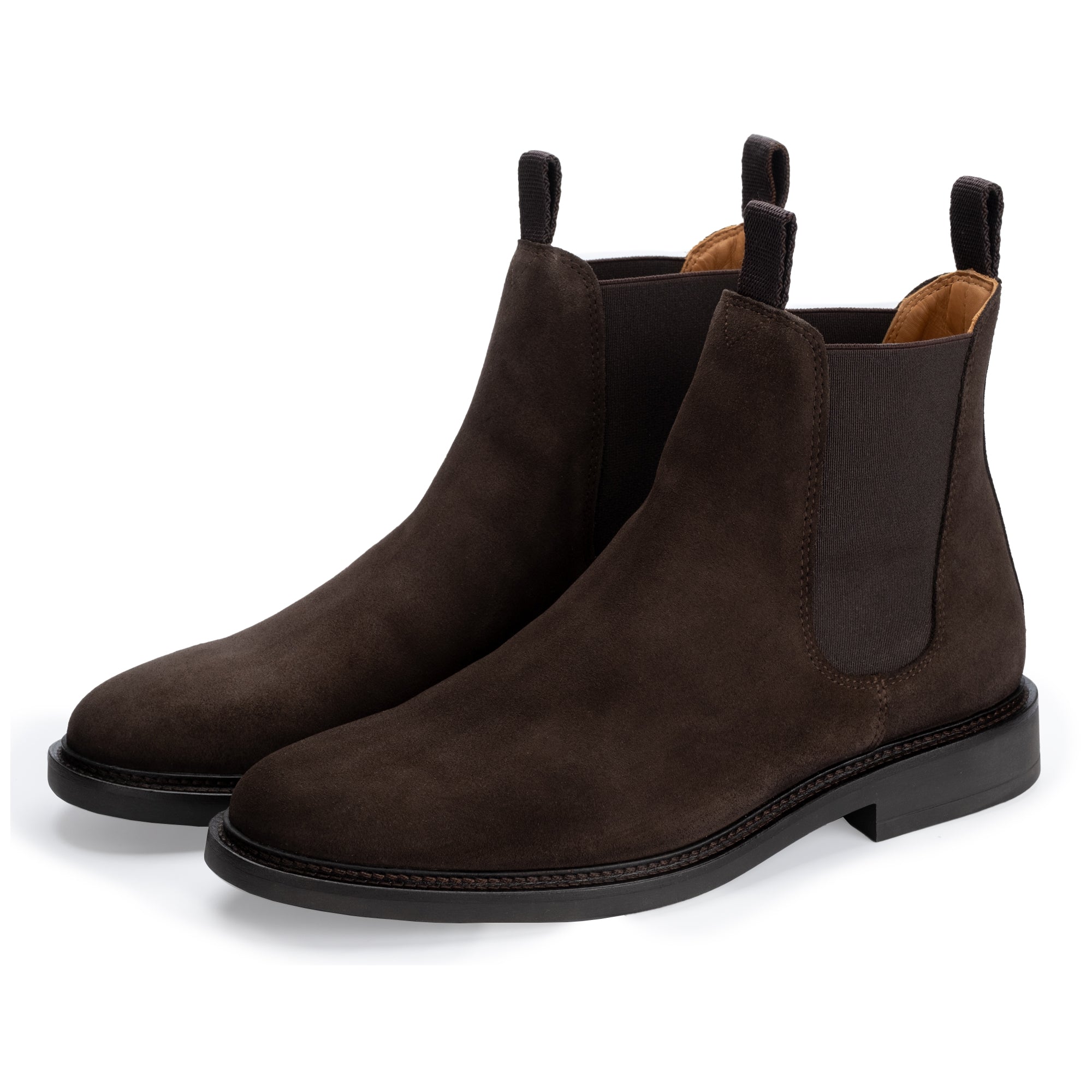
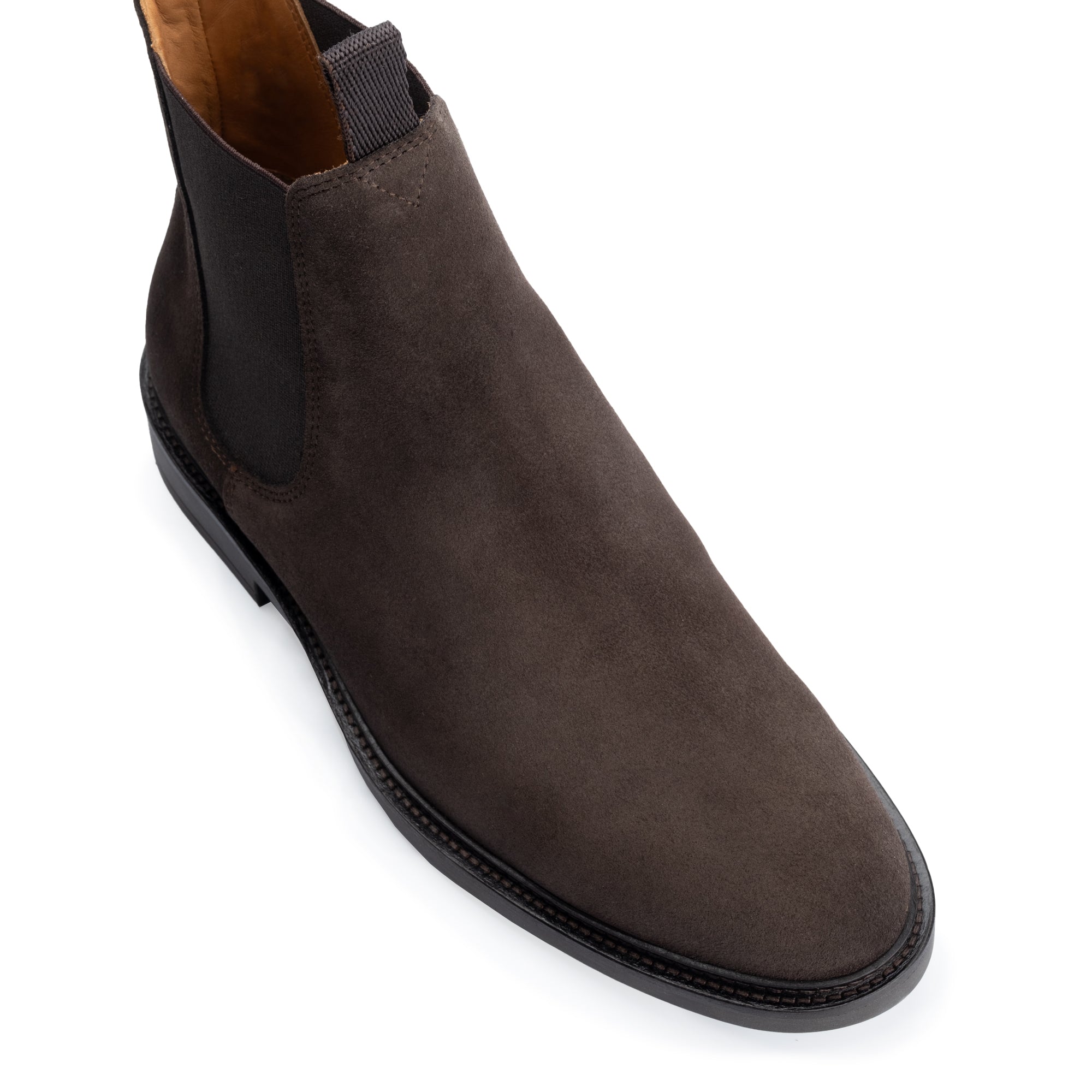
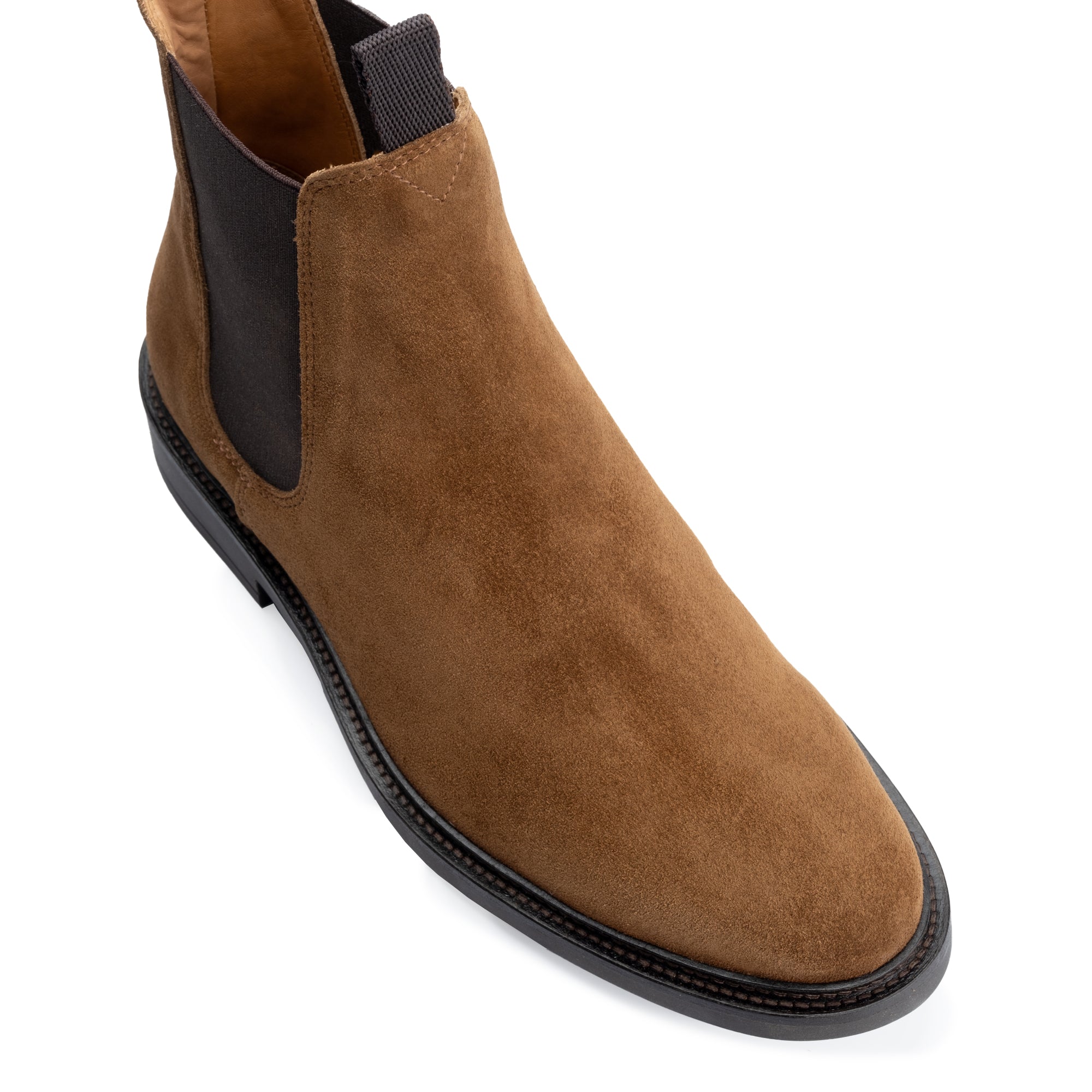
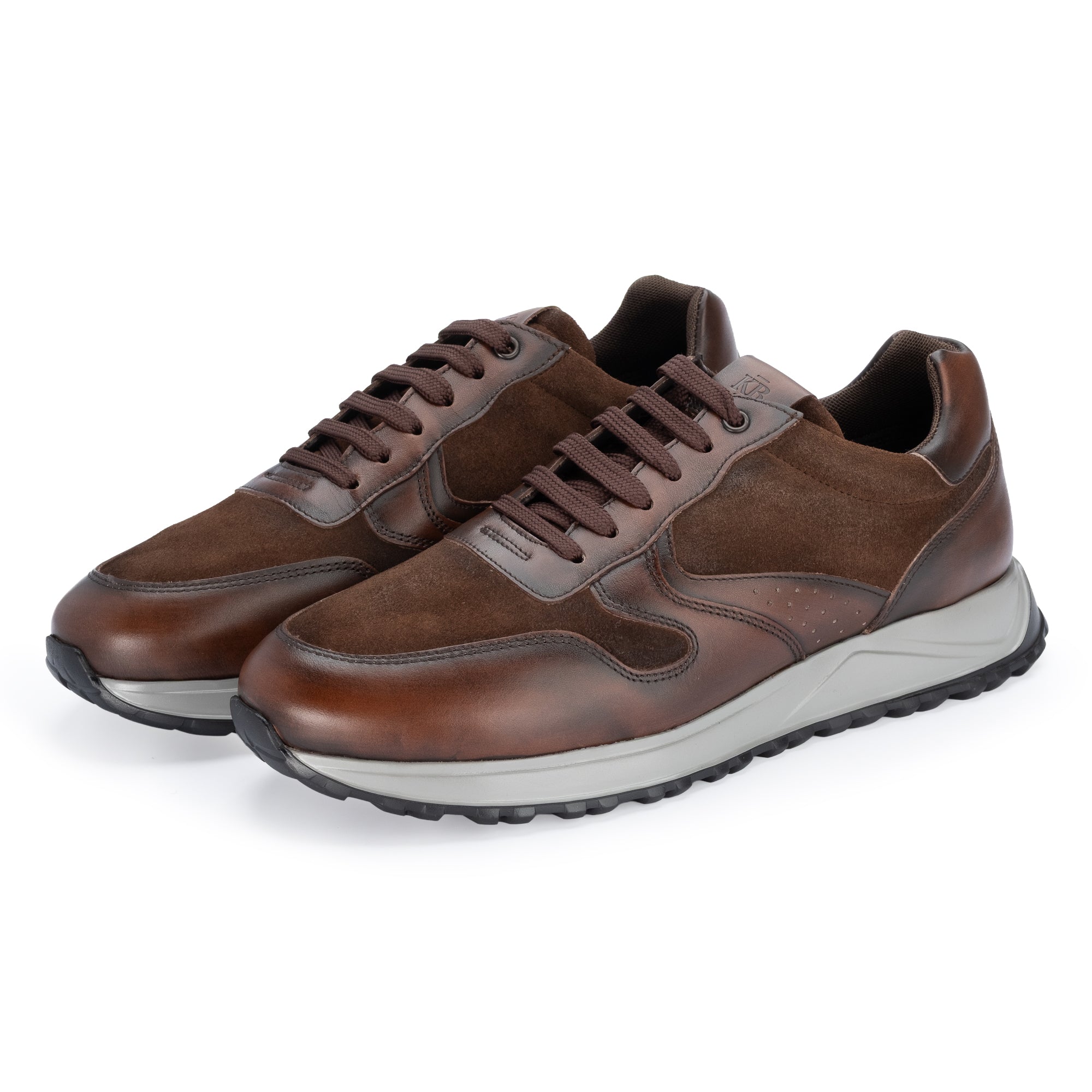
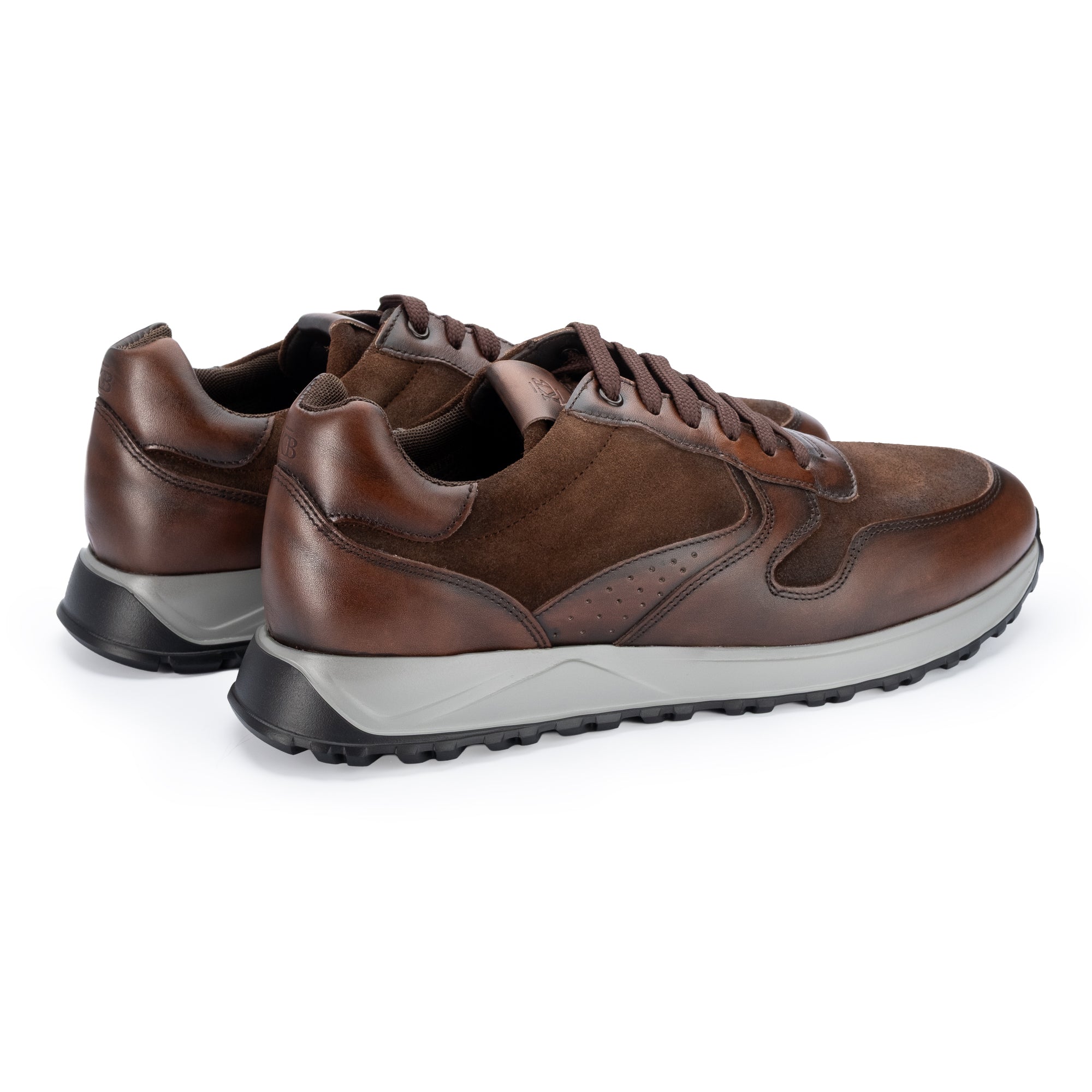
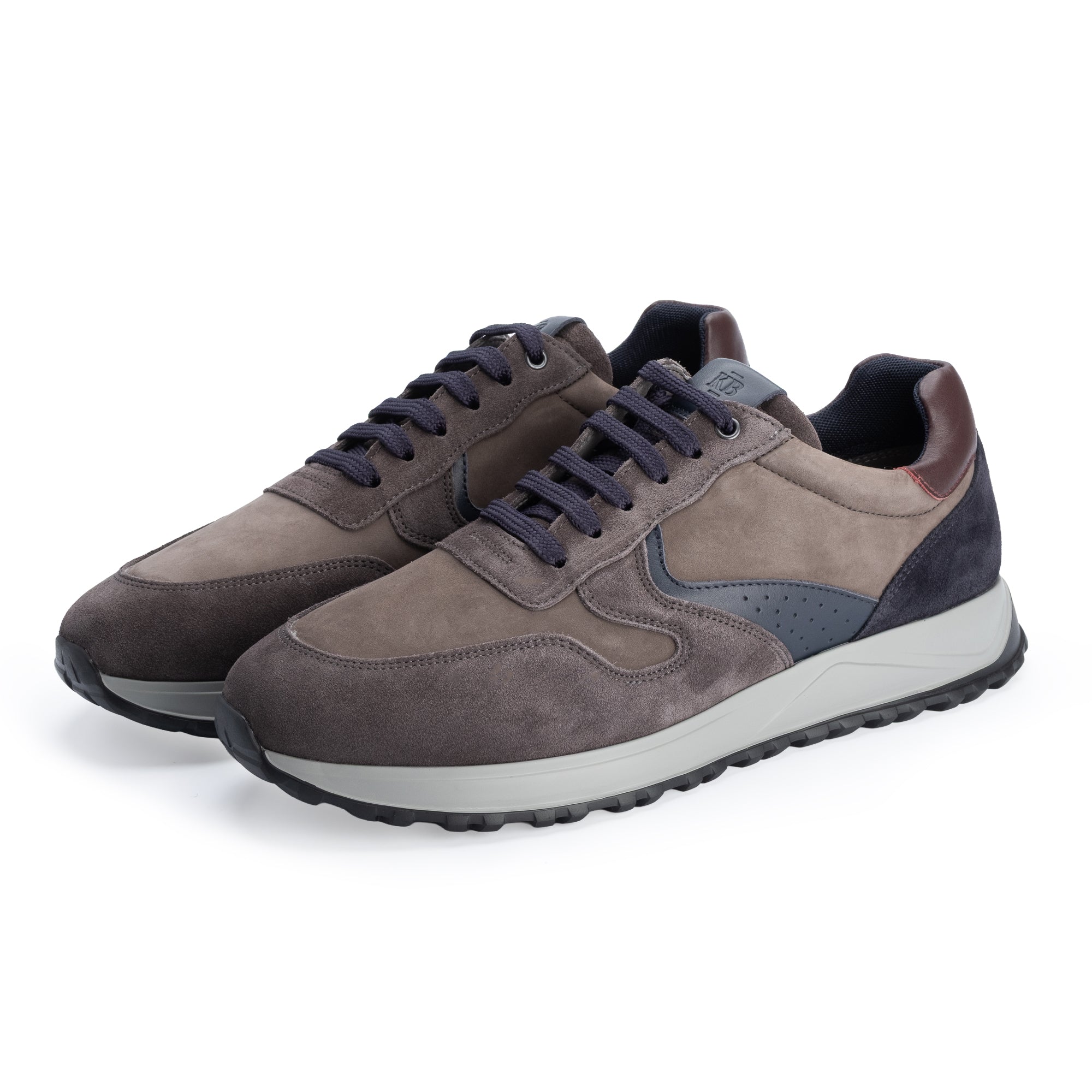
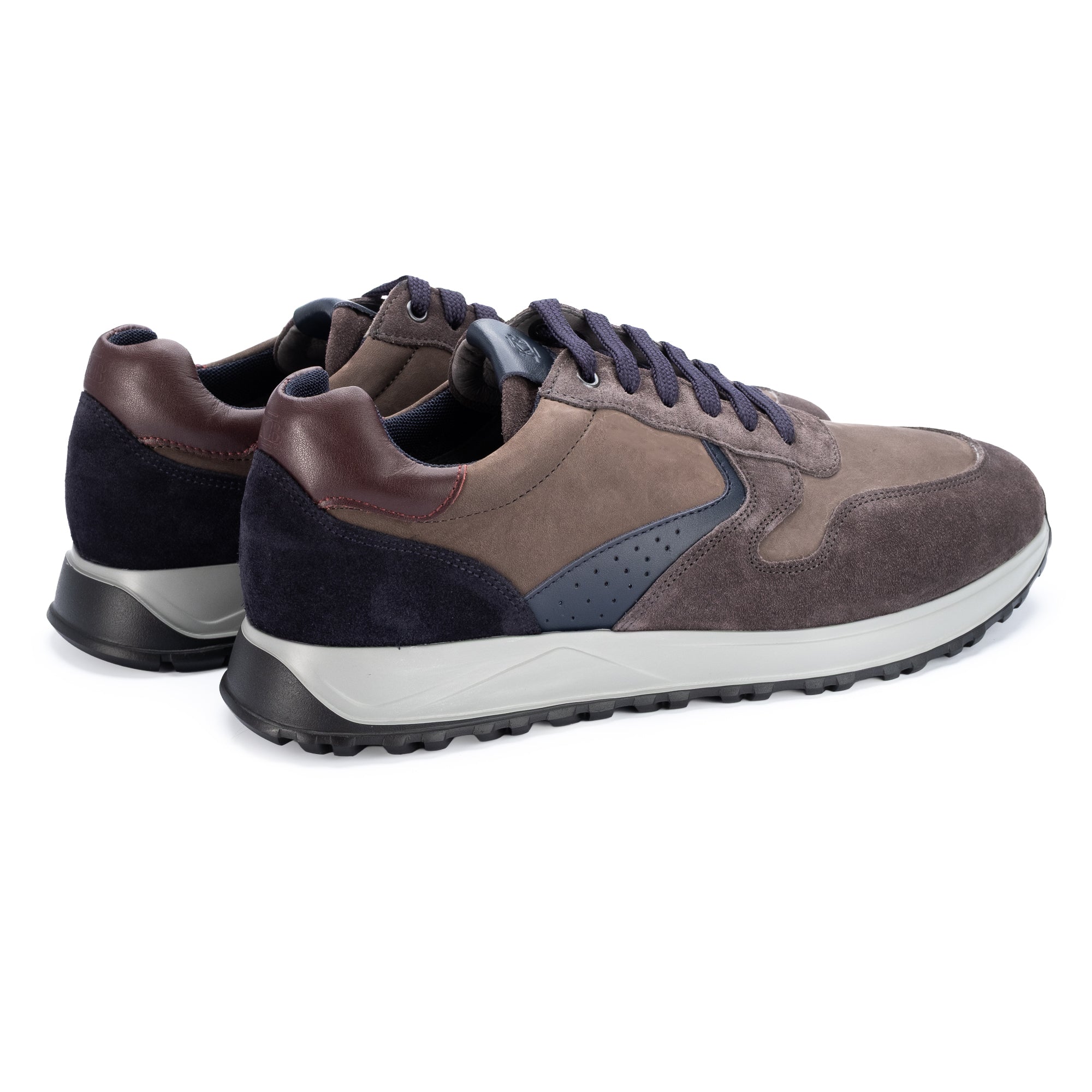
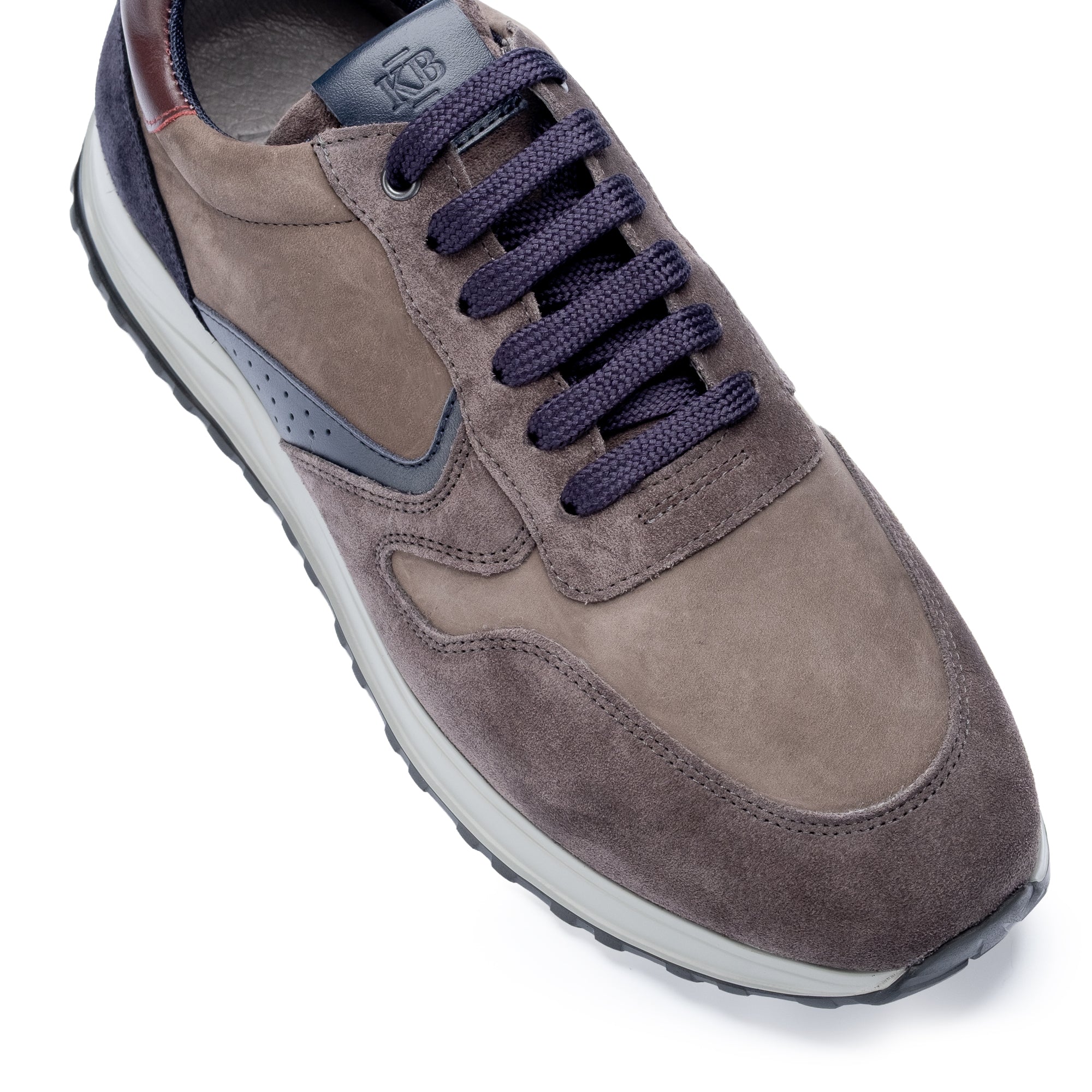
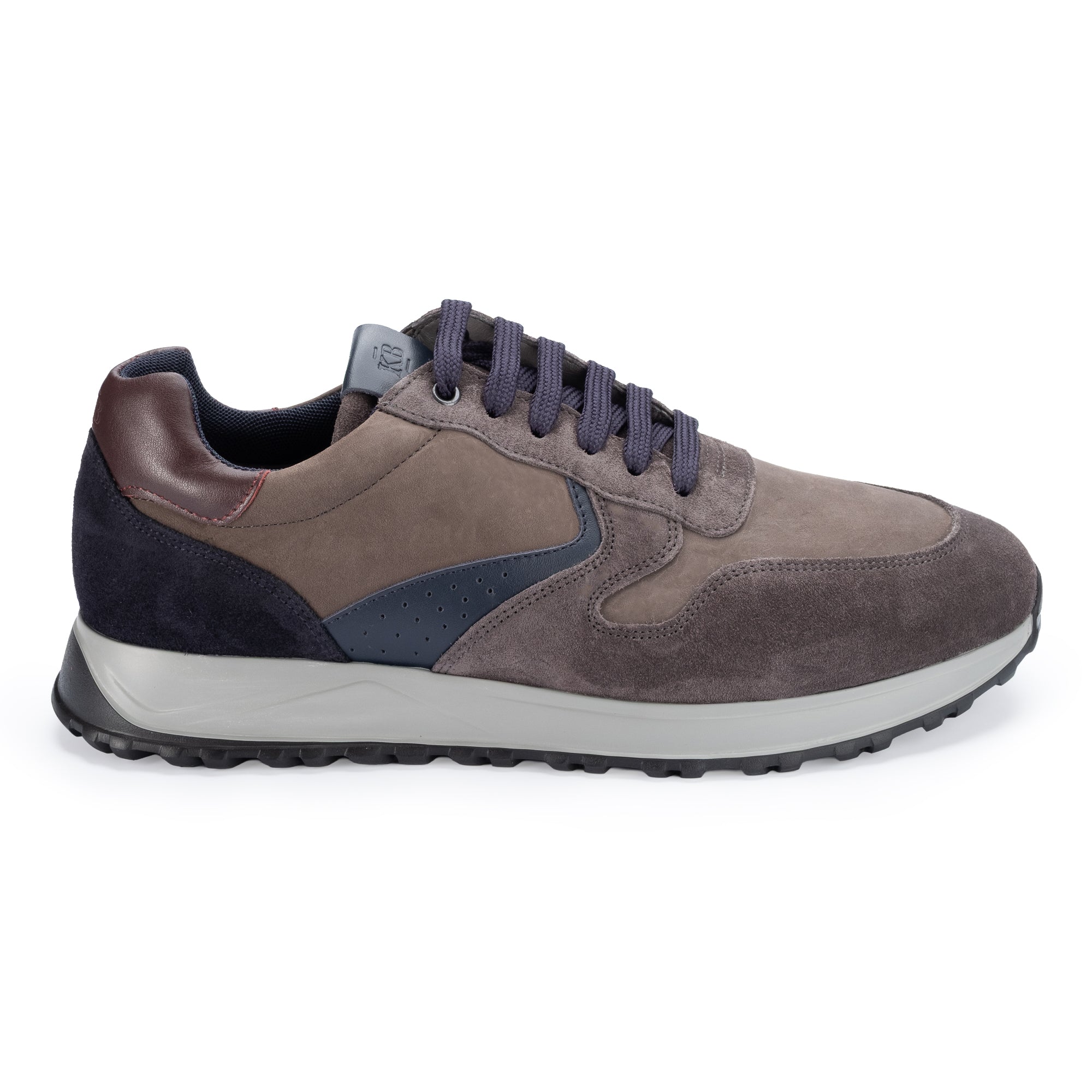
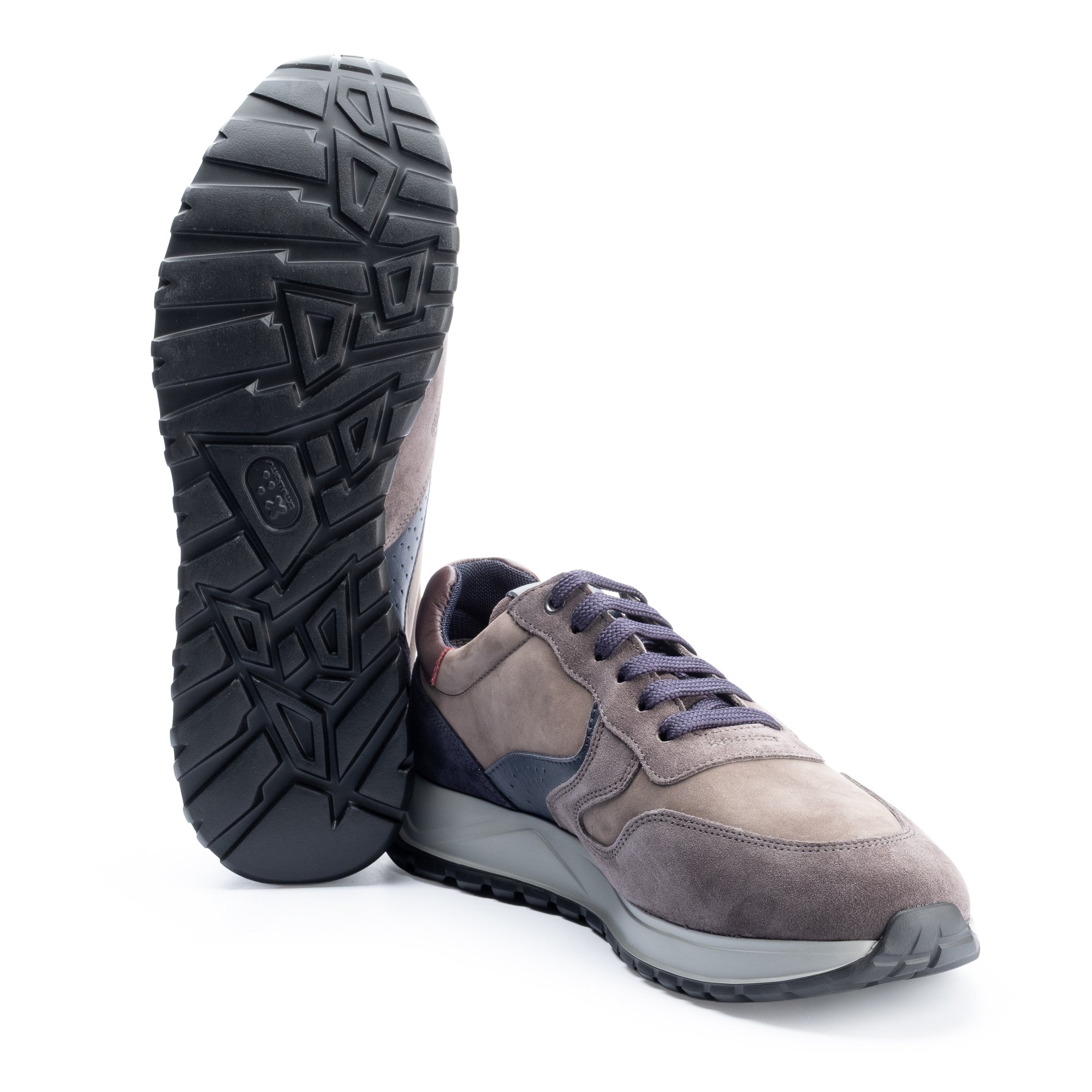
Suede is produced from the inner split of the hide, or from the underside of the skin, which is then buffed to create its characteristic soft nap. Because it uses the inner layer rather than the outer, suede is more porous and more susceptible to water and staining. It's also visibly softer in appearance — quieter and more relaxed than polished leather.
Across British heritage footwear — John White Shoes, Loake, Barker, Church's, Crockett & Jones, and Grenson — both upper materials appear throughout each collection, but they serve distinct purposes.
Smooth leather is harder-wearing and more formal; suede is softer in texture and in register.How Does Smooth Leather Perform in Daily Wear?
Smooth leather is the workhorse of formal men's footwear. It holds structure well, resists scuffing better than suede, and develops a richer patina the longer you wear and polish it. That last quality is one leather's most underappreciated: a well-maintained leather shoe at ten years looks better than it did when new.
According to the Leather Conservation Centre, properly maintained full-grain leather can last 20 years or more — outlasting the sole construction long before the upper fails. Achieving that longevity requires regular conditioning; the Centre recommends conditioning every 6–8 weeks during regular wear to prevent drying and cracking.
Leather also handles incidental moisture well. Light rain won't ruin a polished leather shoe. The protective layer that builds up through regular polishing creates meaningful resistance to the kind of damp a British working week reliably delivers.
The constraint is formality. Smooth leather carries inherent dress associations — a polished black Oxford reads as formal regardless of how you style the rest of the outfit. That's an asset in many contexts, but it limits flexibility at the casual end of a wardrobe.
Smooth leather is the right choice when longevity, formality, and weather resilience are the priorities.How Does Suede Perform in Daily Wear?
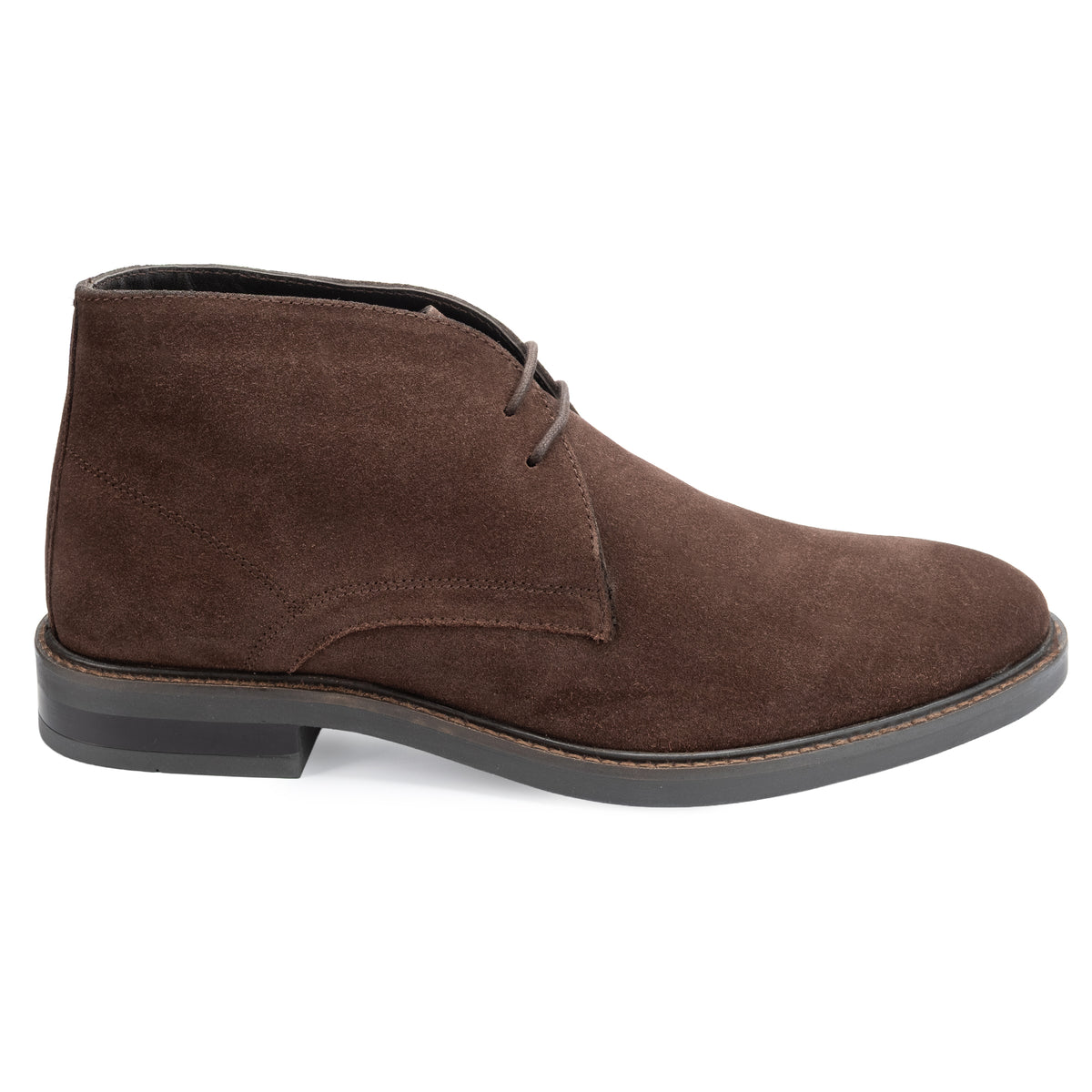
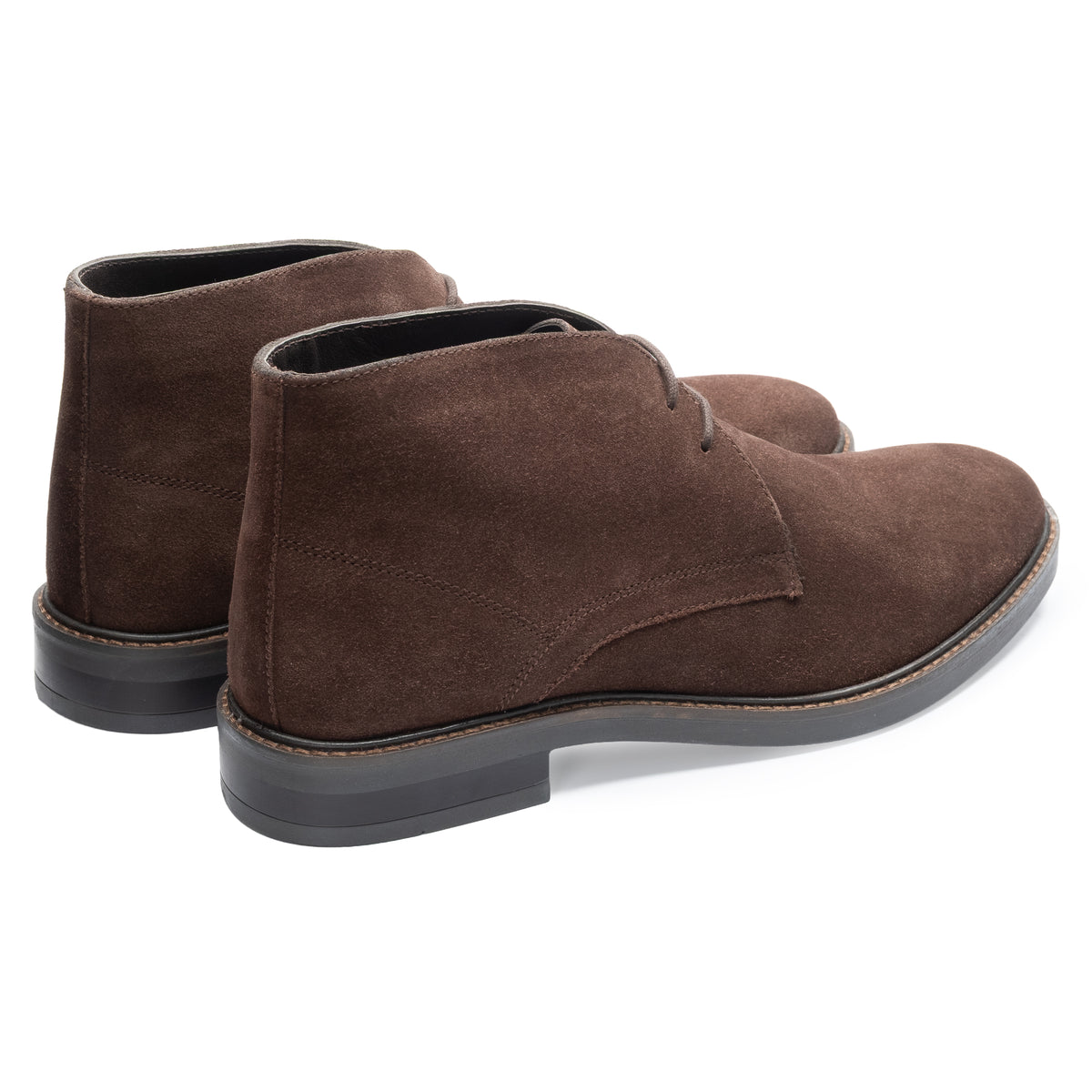
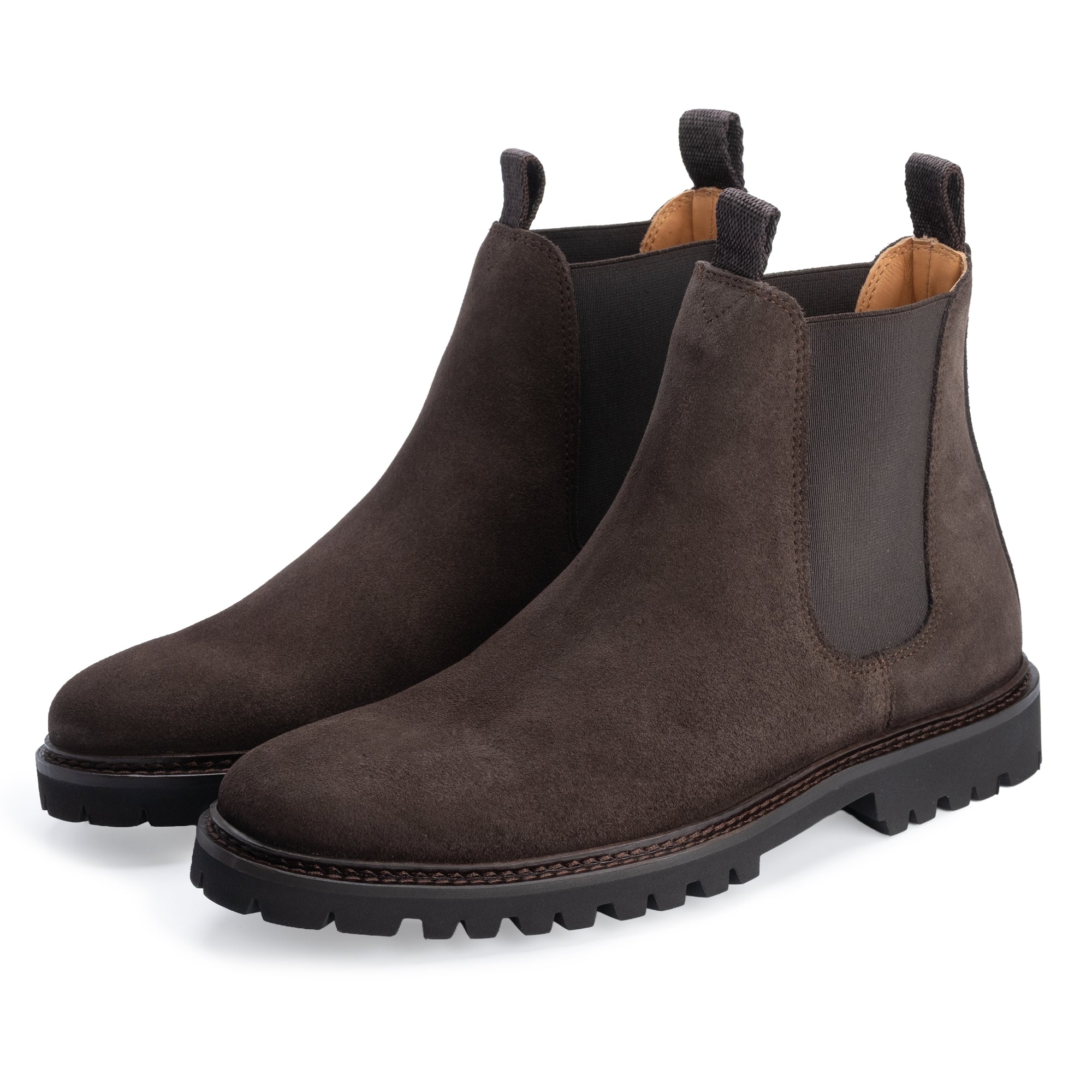
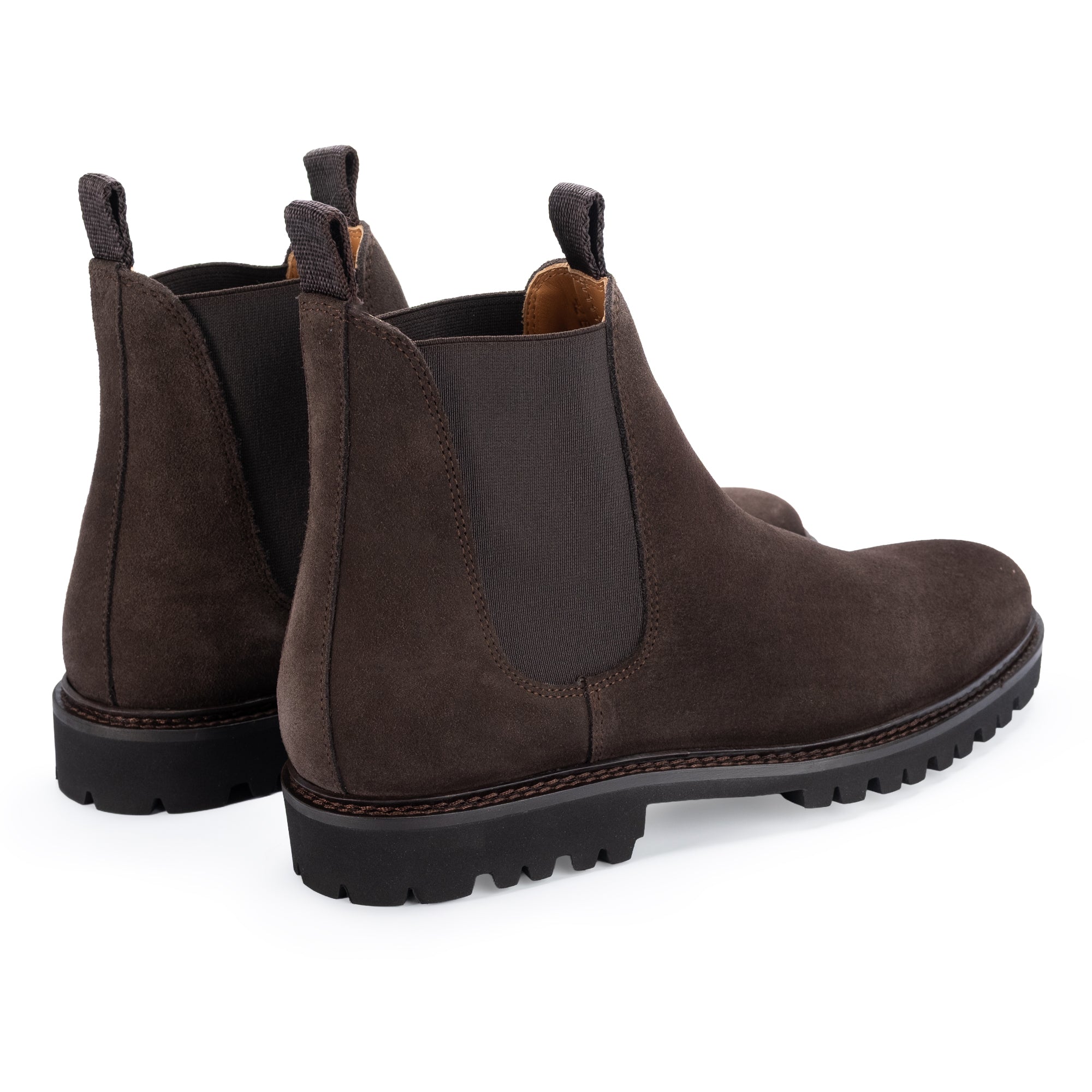
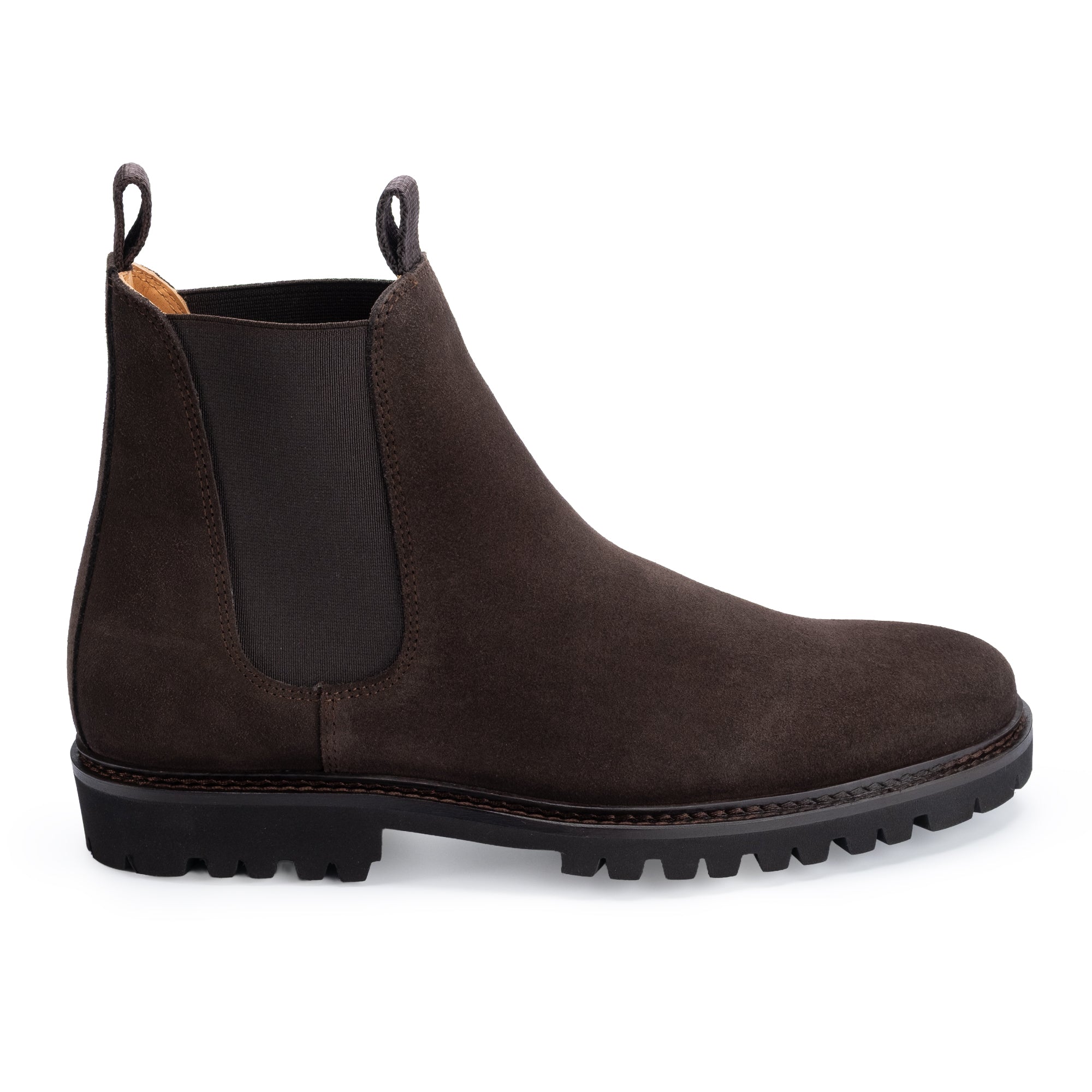
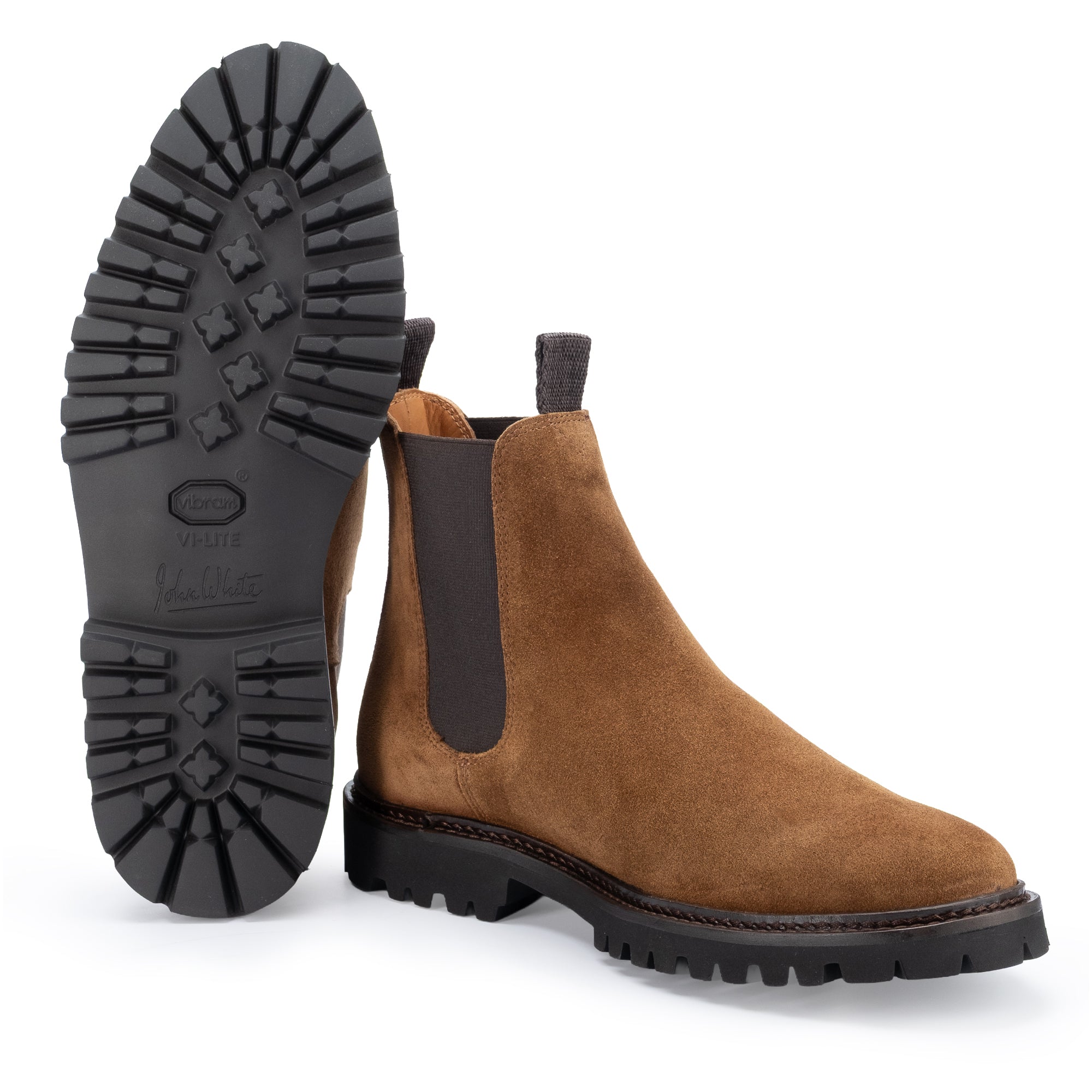
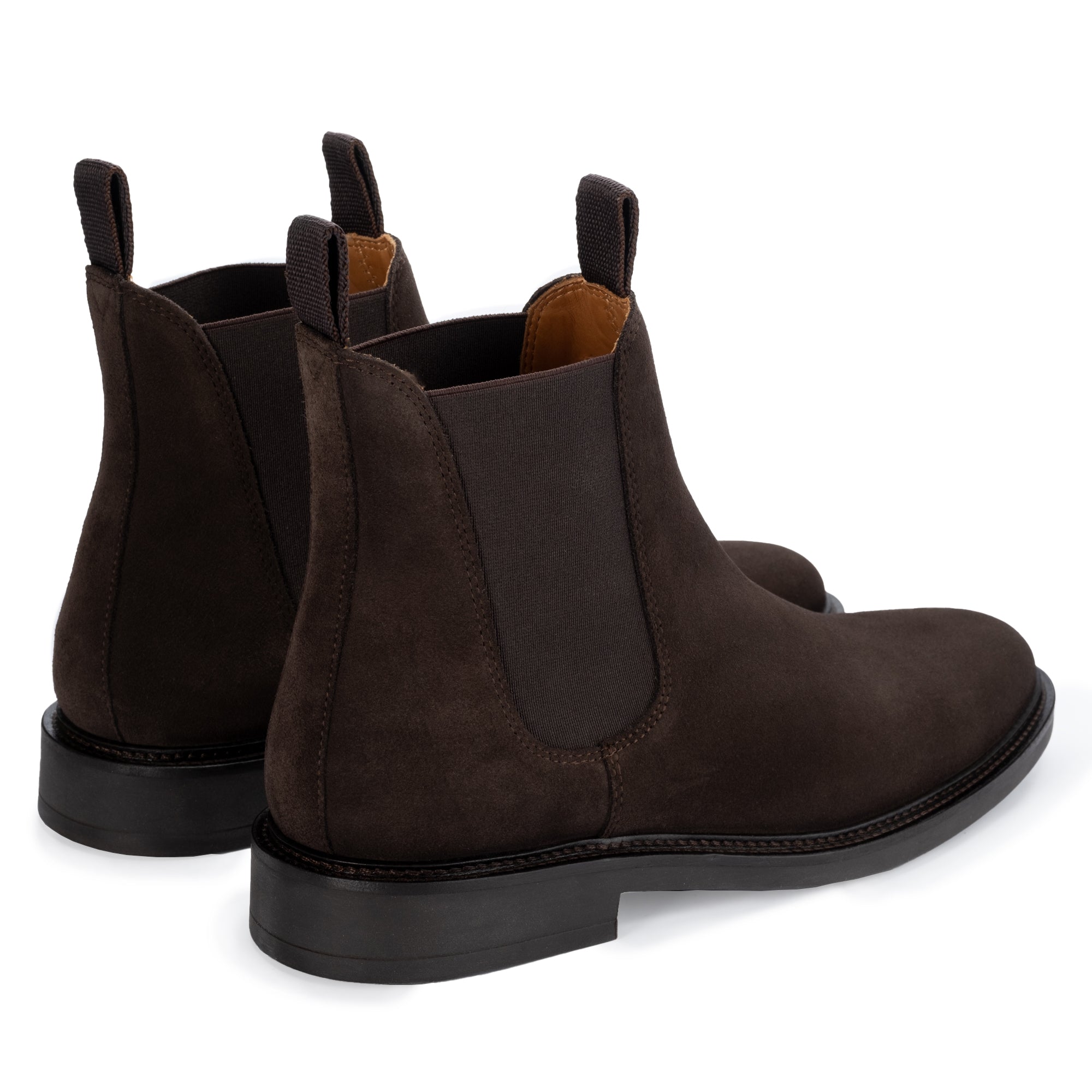
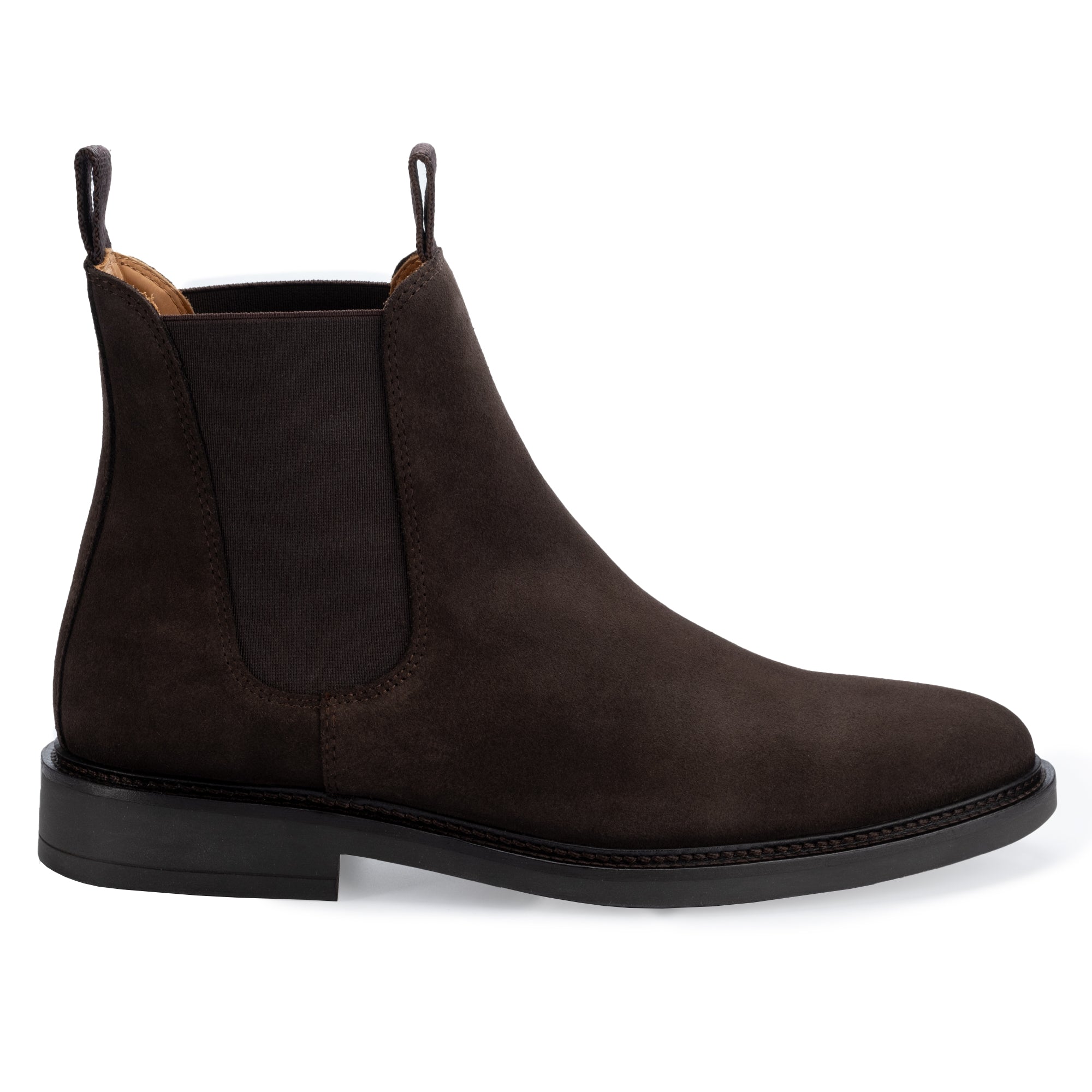
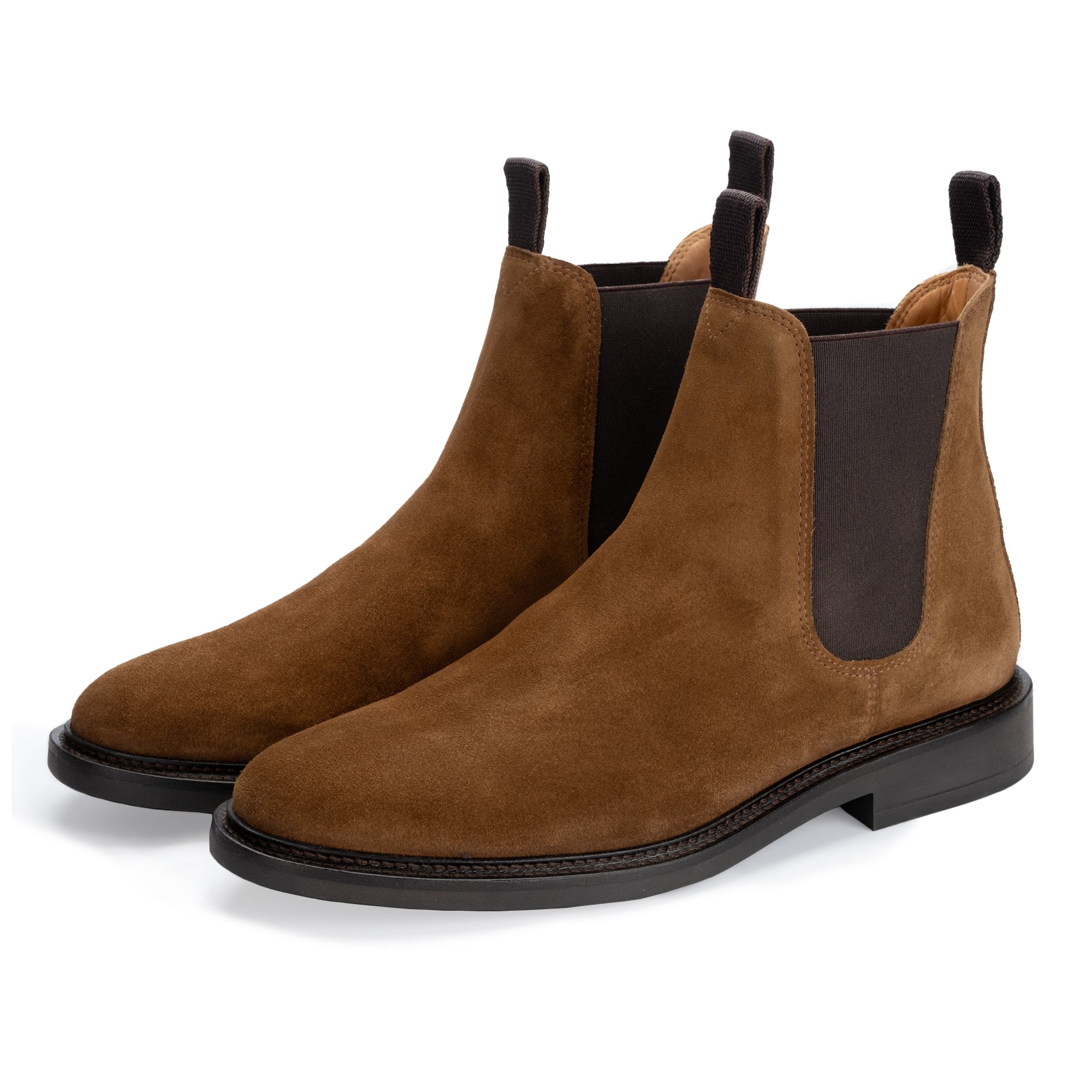
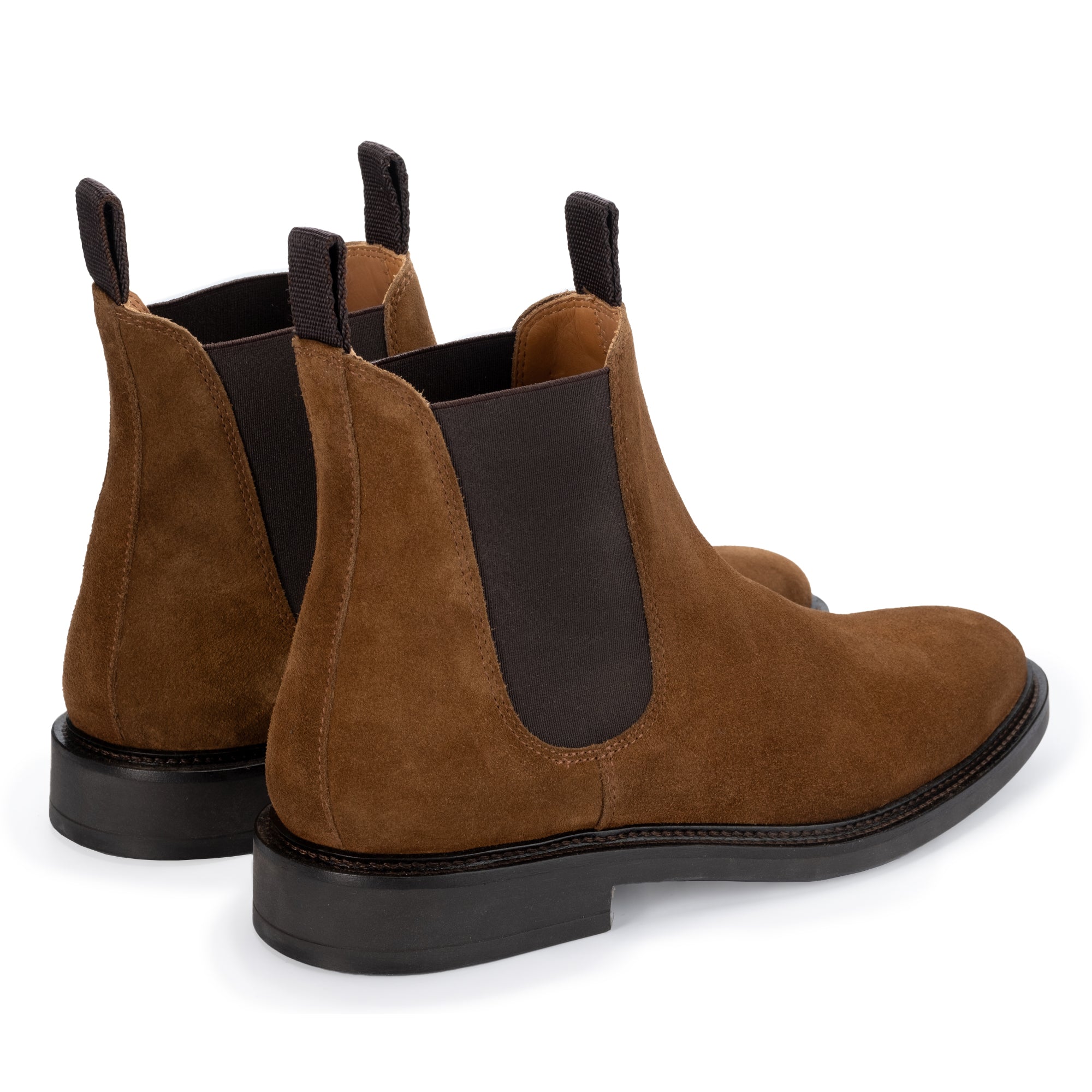
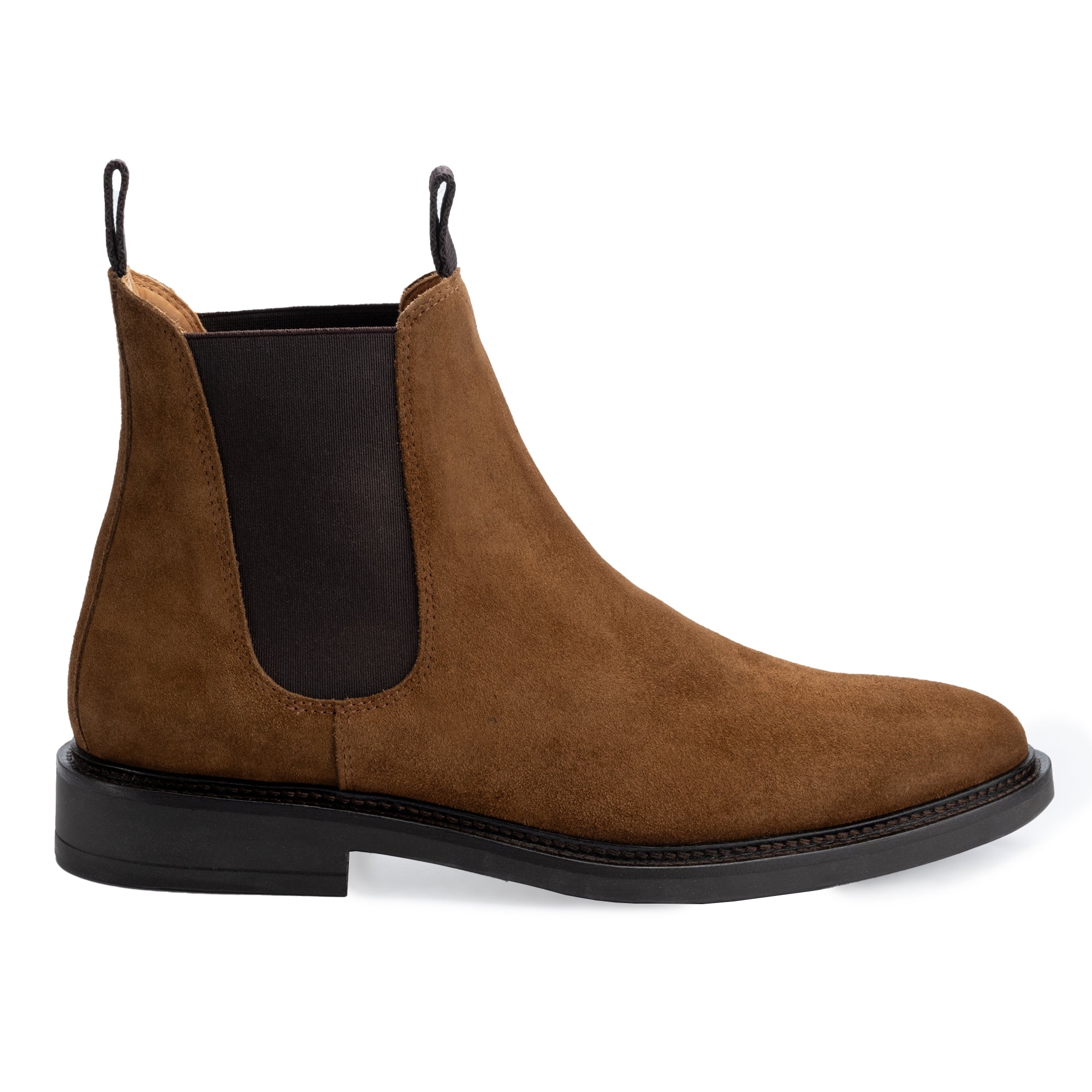
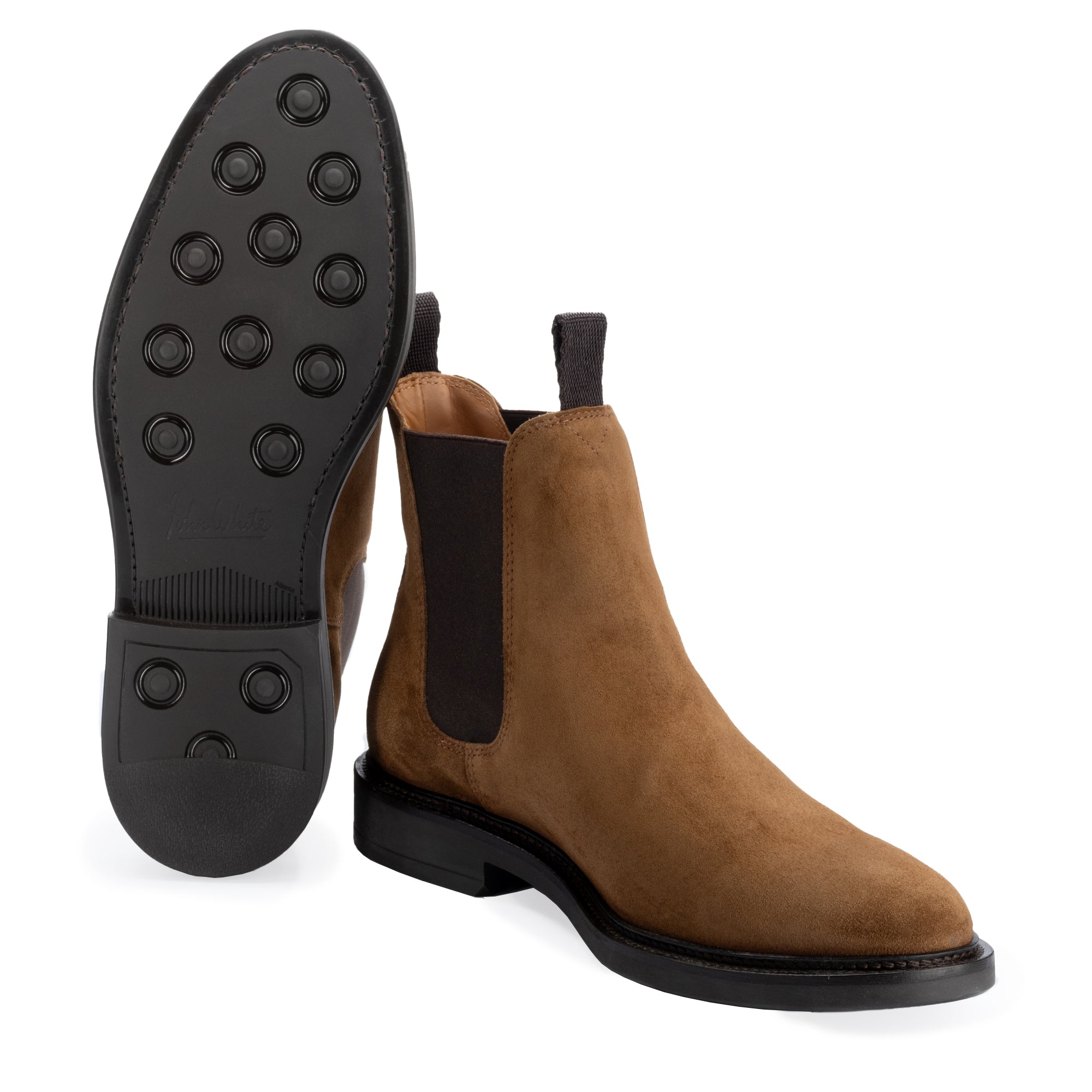
Suede is the better material for smart-casual dressing. Its napped surface reads as relaxed and textured — less formal than polished leather, more distinguished than plain canvas. A suede Chelsea boot or chukka works effortlessly with chinos, tailored trousers, and unstructured blazers in a way that polished leather can't replicate.
Where suede demands respect is in wet conditions. Its porous surface absorbs water, which stains the nap and can leave water marks that are difficult to remove uniformly. This doesn't make suede impractical — a quality suede protector spray applied regularly forms a meaningful barrier — but it requires awareness and planning. Suede isn't a wet-weather first choice.
Care is also more exacting. You can't polish suede back to life. A suede brush, a nubuck cleaning bar for marks, and a protector spray form the basic kit. According to the Society of Master Shoe Repairers, suede uppers benefit from reapplication of a water protector spray every 4–6 weeks during active wear to maintain their resistance to moisture and staining.
Suede excels in smart-casual contexts and offers a texture that polished leather can't replicate — but it demands more consistent attention.Which Upper Material Handles British Weather Better?
Smooth leather wins on weather resilience. Rain, damp pavements, and overcast commutes are facts of British life; polished leather takes them in its stride. That protective polish layer is part of why it's been the dominant material for British formal footwear for more than a century.
Suede is manageable in British weather — not impossible. The key is preparation: apply a quality suede protector before you wear them, reapply regularly, and avoid wearing suede on days when heavy rain is forecast. Many men keep their suede shoes for spring and summer, when conditions are drier and the softer texture complements lighter clothing.
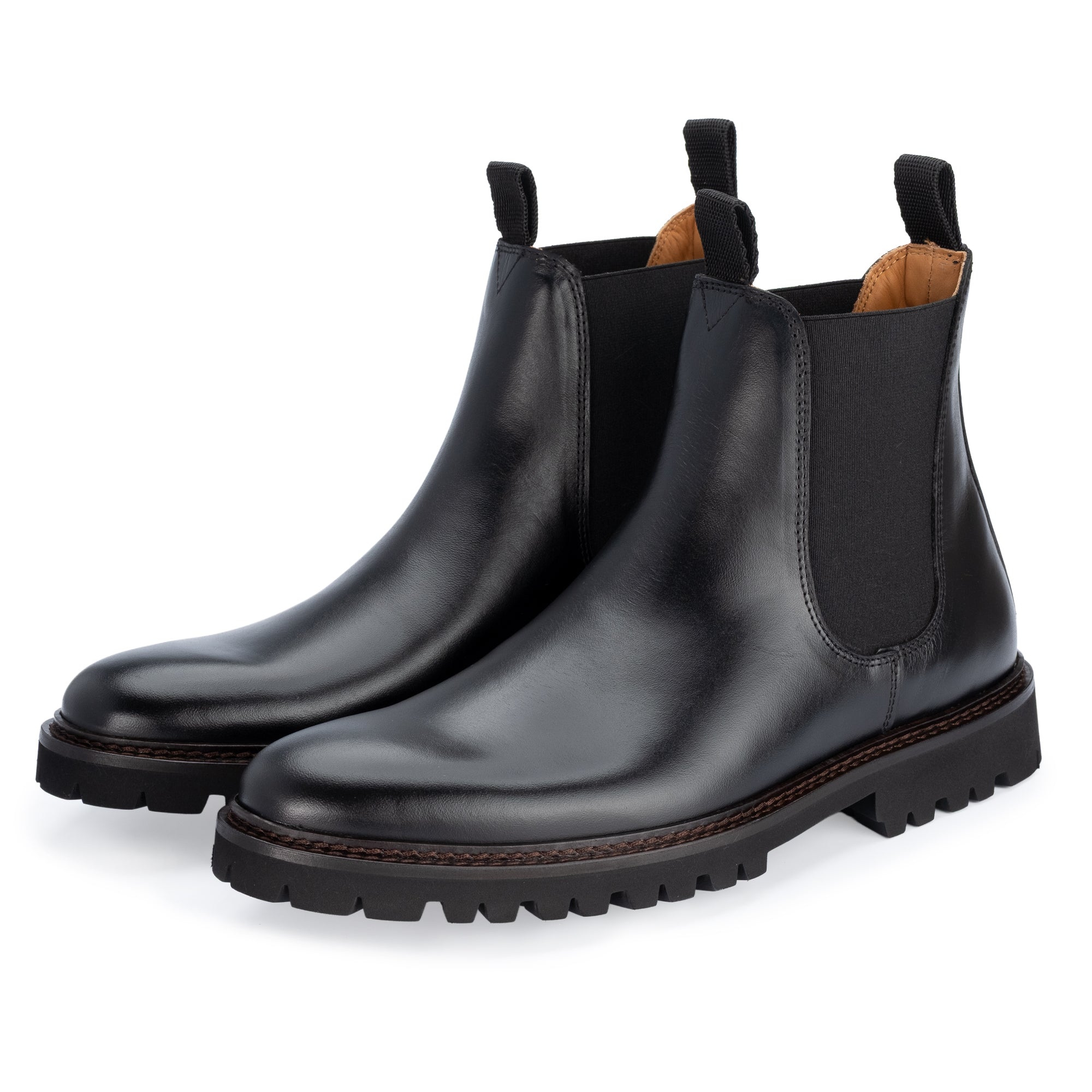
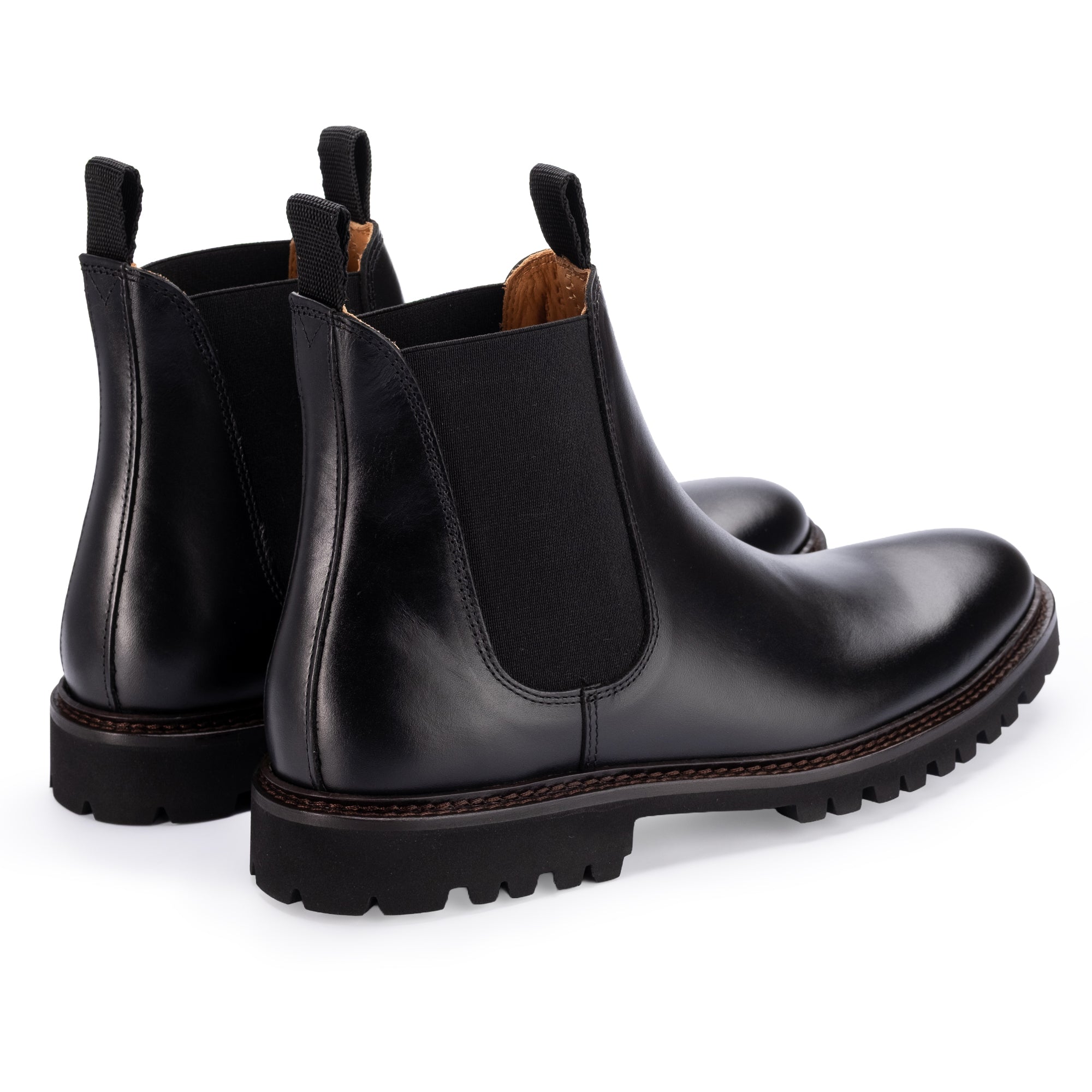
For winter specifically, smooth leather boots are the more practical upper choice. If you do wear suede through the colder months, our guide to caring for suede Chelsea boots in winter covers the protective process in detail.
Which Occasions Call for Leather, and Which for Suede?
This is where most men go wrong. The decision isn't just about weather — it's about the social register of the occasion.
- Black tie and formal events: Smooth leather only. A polished Oxford or Derby in black is the correct choice. Suede has no place at black tie.
- Business formal and office dress: Smooth leather. A polished black or dark brown Derby, Oxford, or monk strap reads as authoritative and considered.
- Business casual: Either material works, depending on colour and silhouette. Clean leather Derbies in softer browns pair as well here as suede chukkas or Chelsea boots.
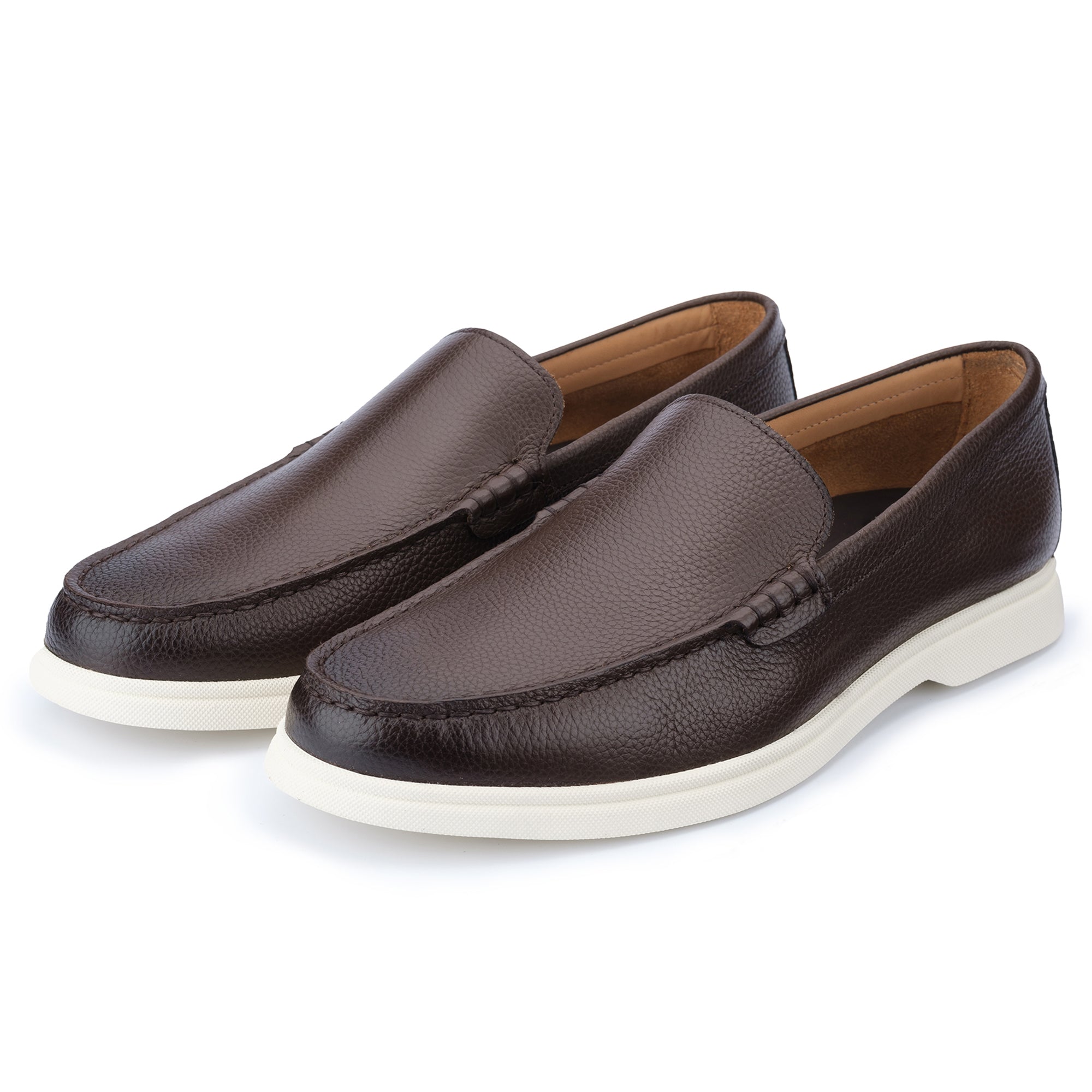
- Smart-casual and social occasions: Suede comes into its own. A cognac suede loafer or brown suede Chelsea boot with chinos and a shirt is one of the most versatile combinations a man can assemble.
- Summer weddings and garden events: Suede loafers in tan, cognac, or navy are appropriate and stylish; smooth leather in lighter tones works equally well.
Leather vs. Suede: A Direct Comparison
| Criteria | Smooth Leather | Suede |
|---|---|---|
| Weather resistance | Good — polish creates a protective barrier | Poor without regular protector spray |
| Durability | Excellent — 10–20+ years with care | Good — lower abrasion resistance than smooth leather |
| Formality register | High — suited to formal and business | Medium — smart-casual to relaxed |
| Care complexity | Moderate — polish, condition, brush | Higher — brush, nubuck bar, protector spray |
| Seasonal suitability | Year-round | Spring and summer preferred; winter with preparation |
| Patina development | Yes — improves visibly with age and polishing | No — consistent nap texture throughout life |
| Best for | Office, formal events, year-round practicality | Smart-casual, weekends, warmer months |
Which John White Shoes Are Available in Leather and Suede?
Leather Upper Styles
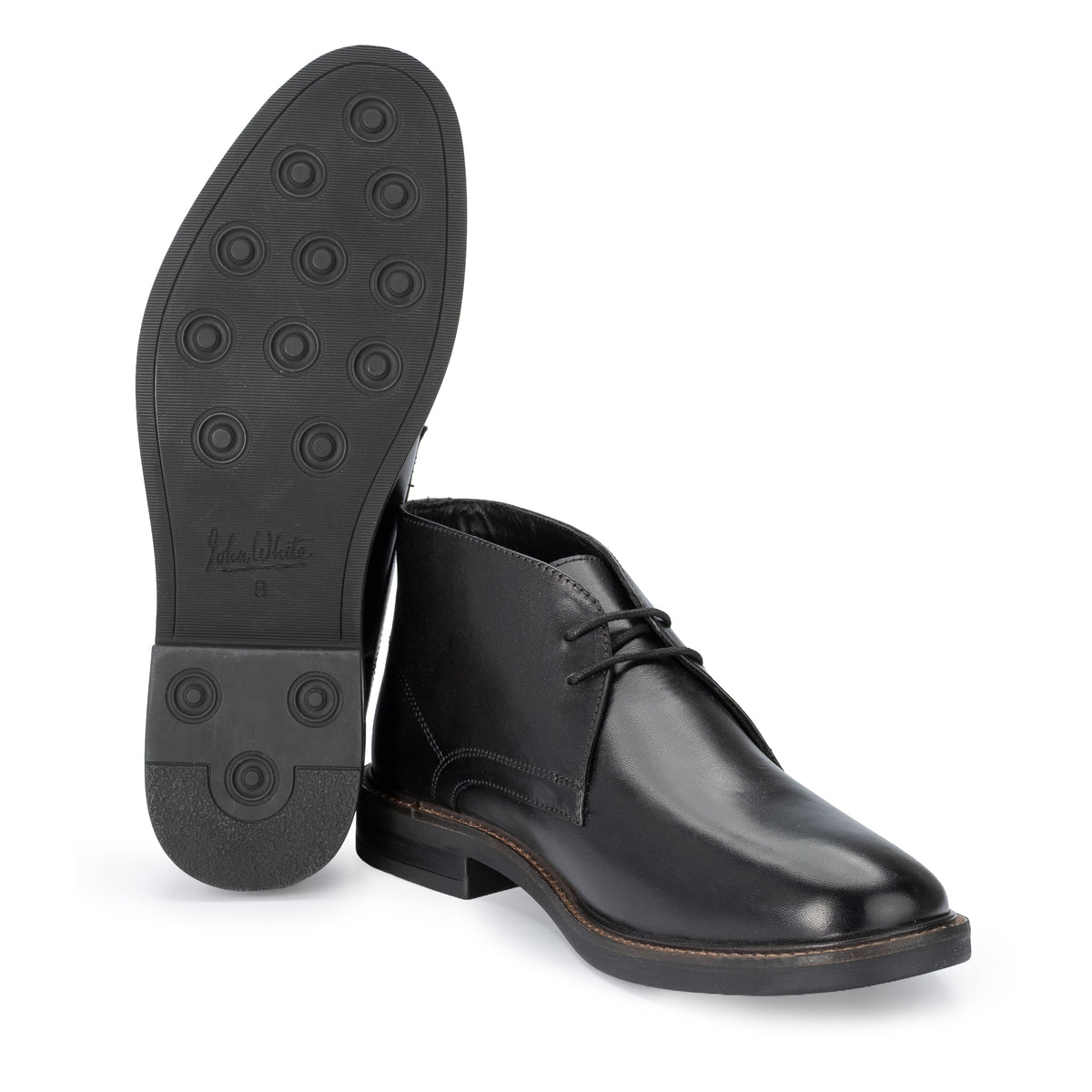
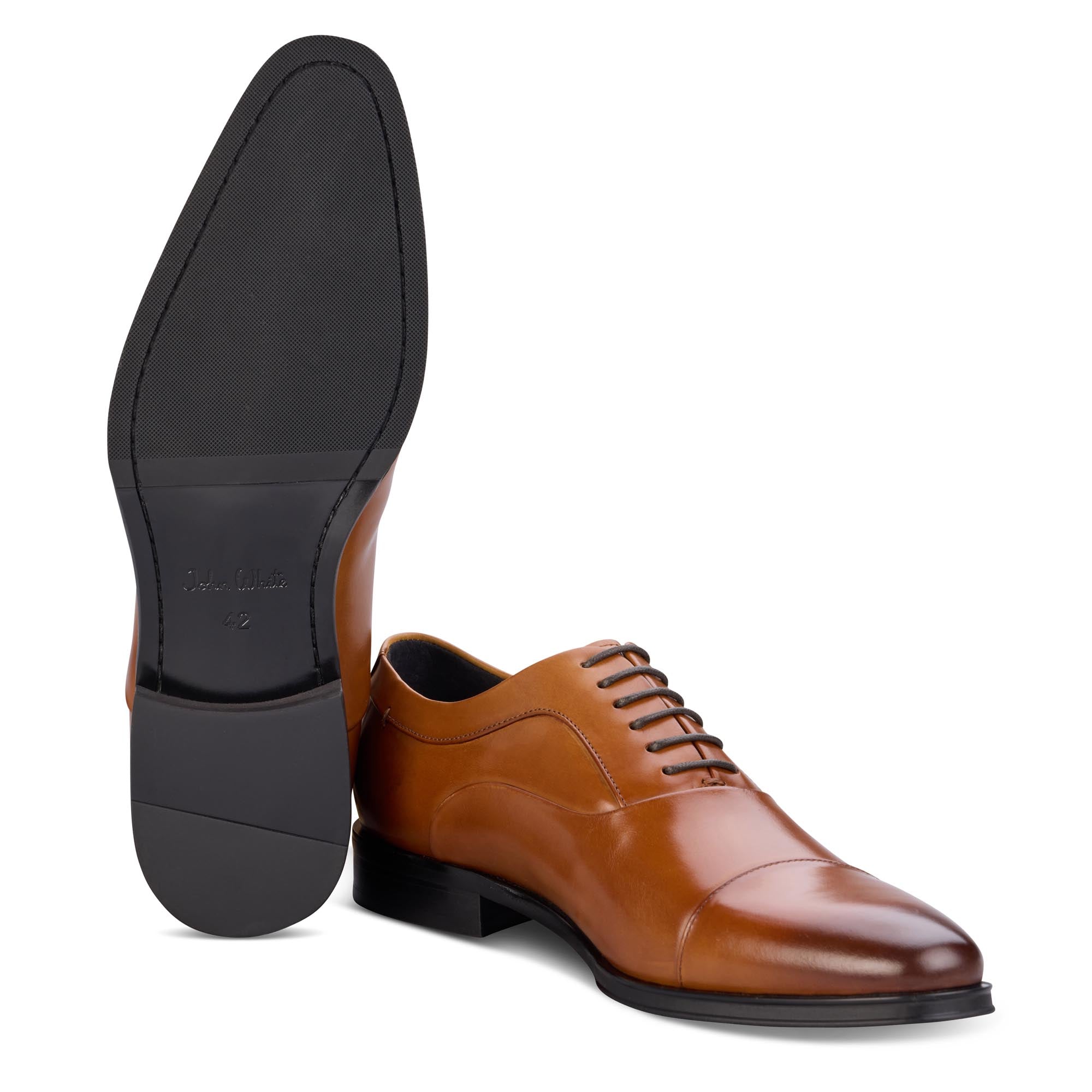
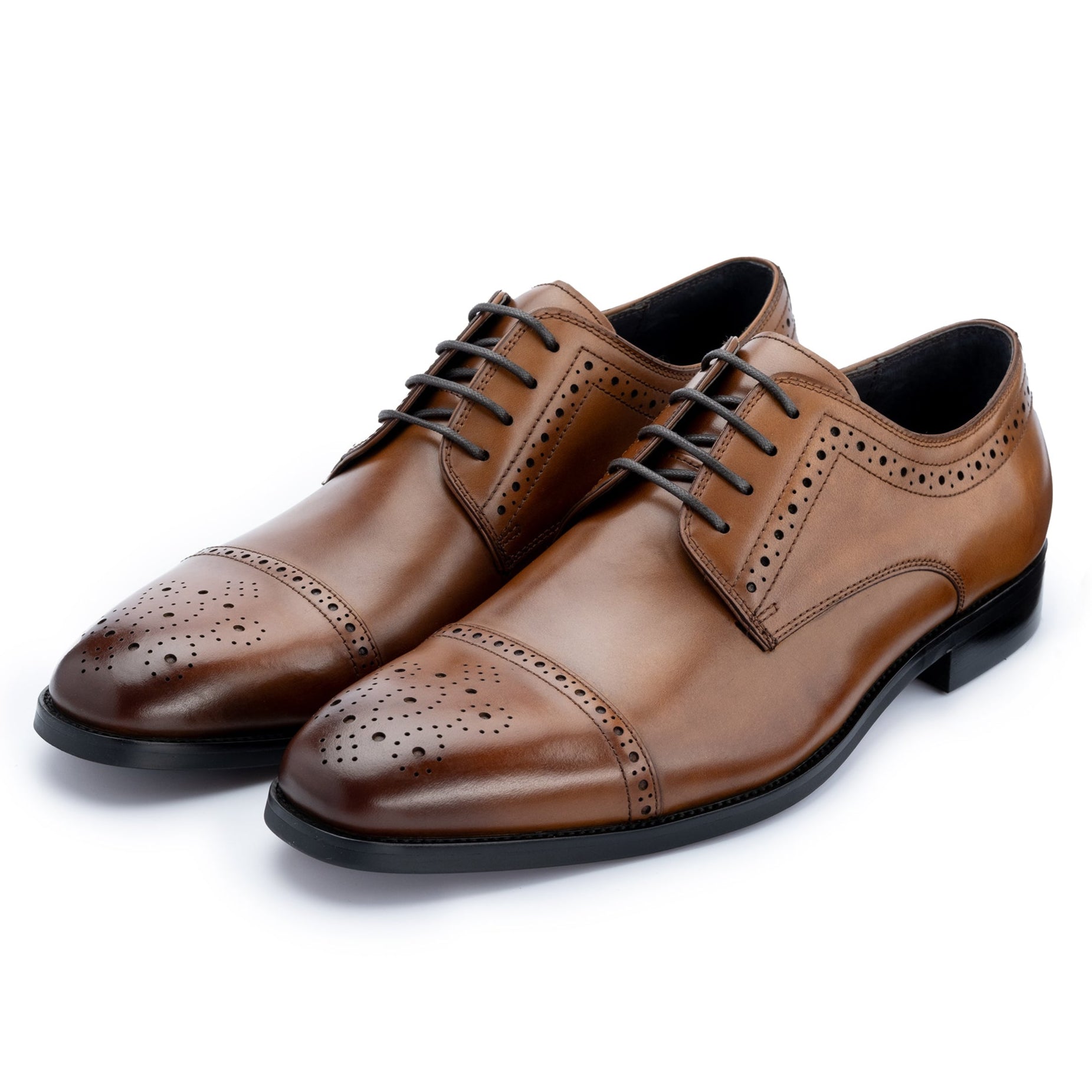
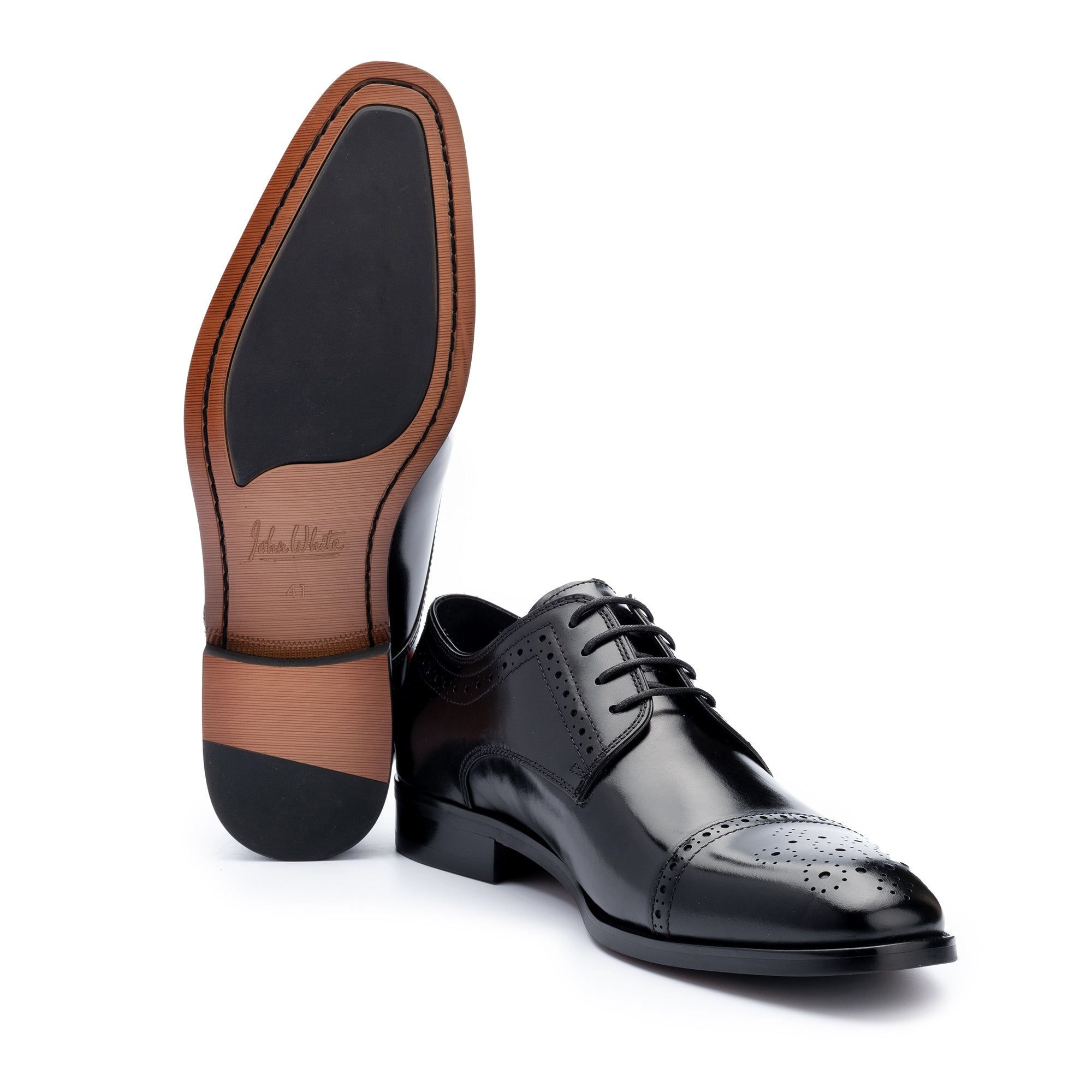
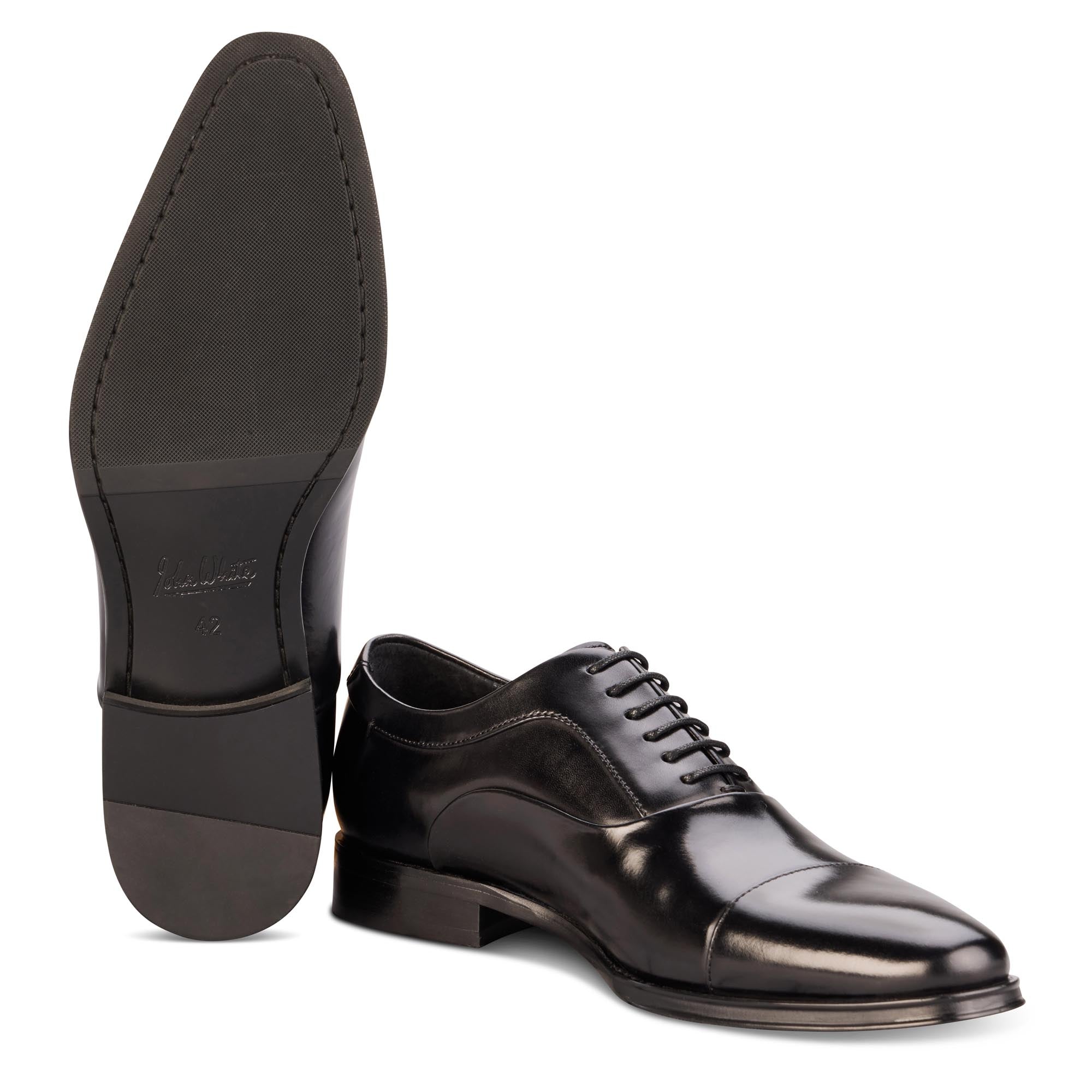
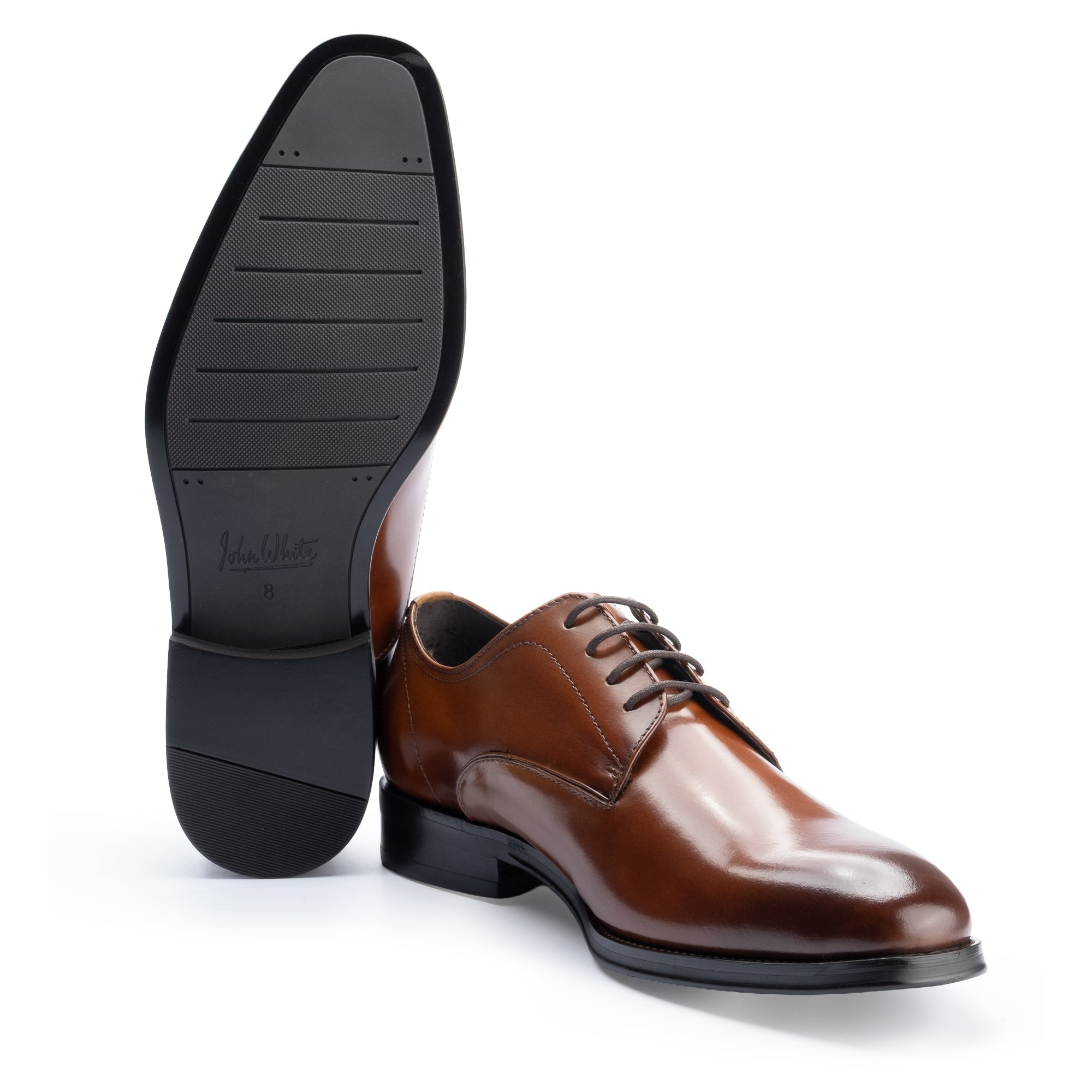
The leather upper range spans formal to smart-casual. The Guildhall Capped Oxfords in black or tan are among the sharpest options for business and formal wear — a clean, traditional silhouette that takes polish well and holds its shape over years of wear. For everyday office use, the Rudd Derby Shoes in black or brown offer an open-laced construction that crosses formal and smart-casual with ease.
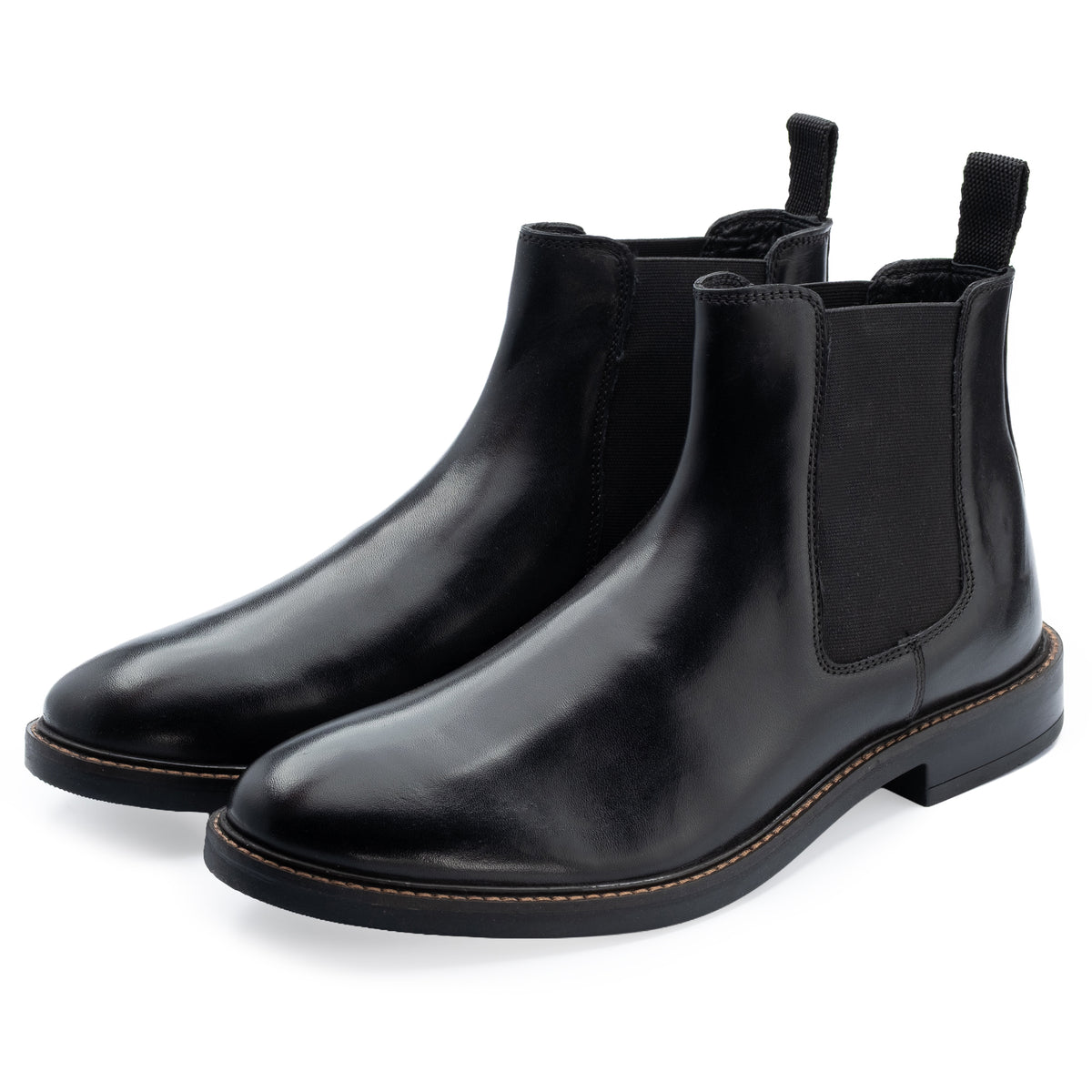
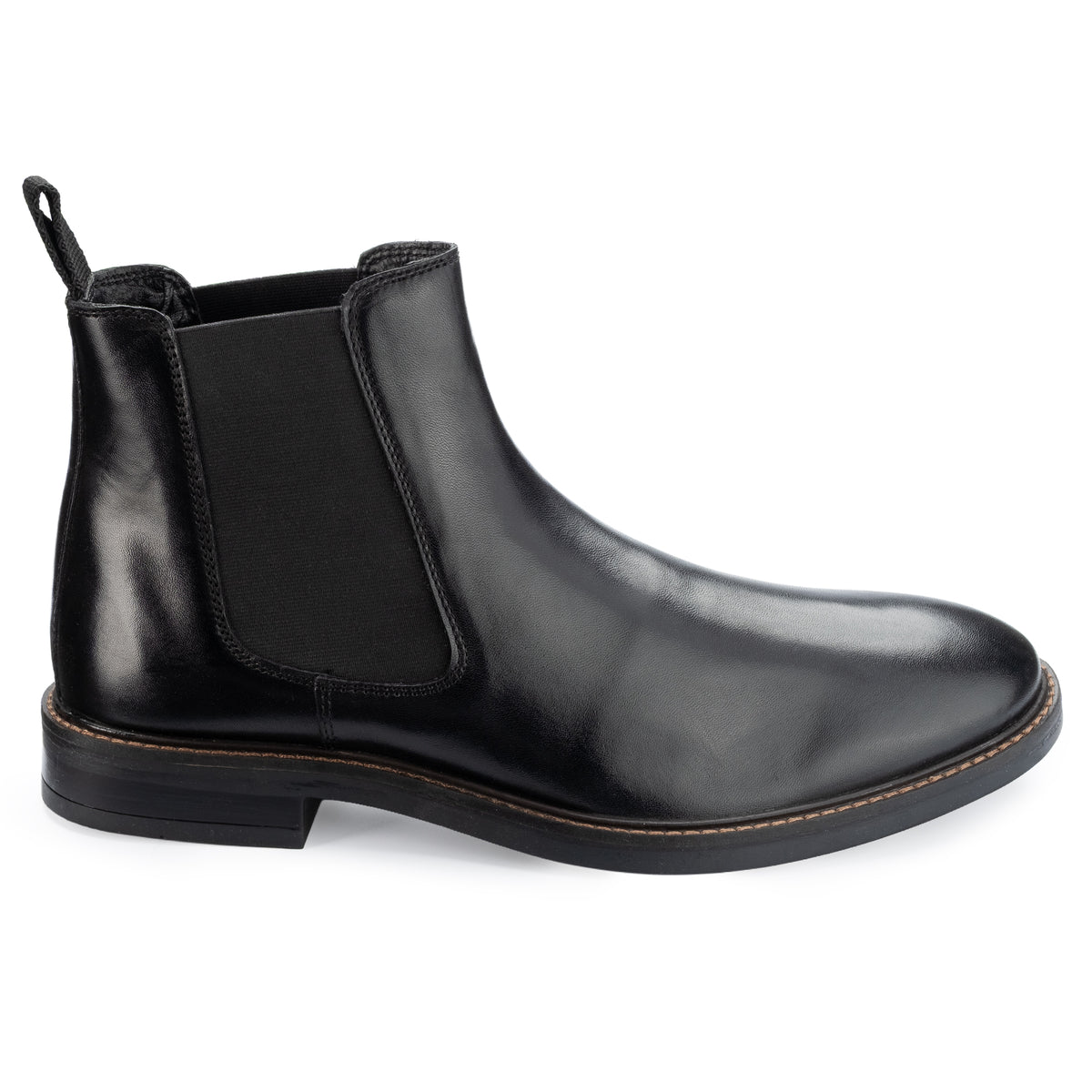
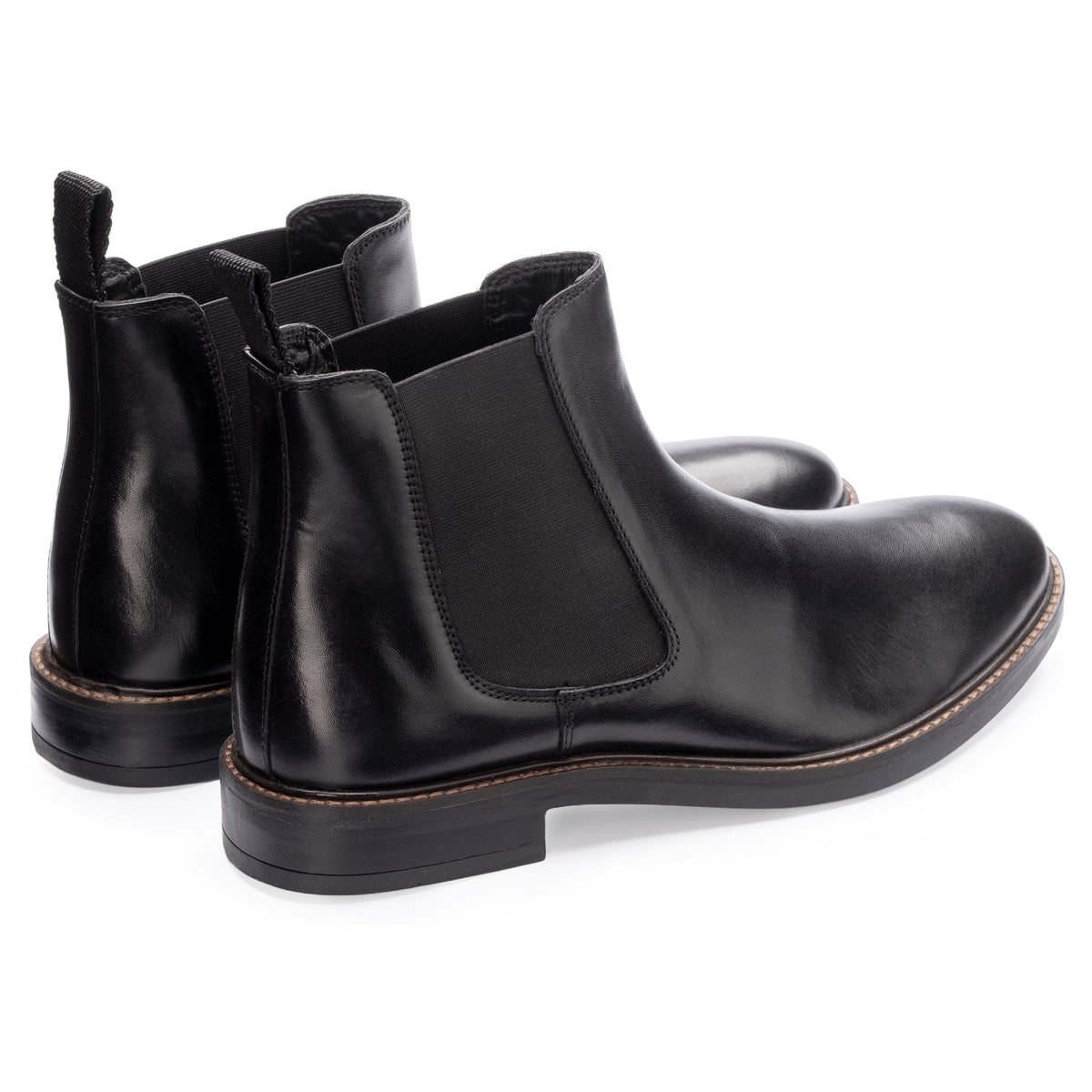
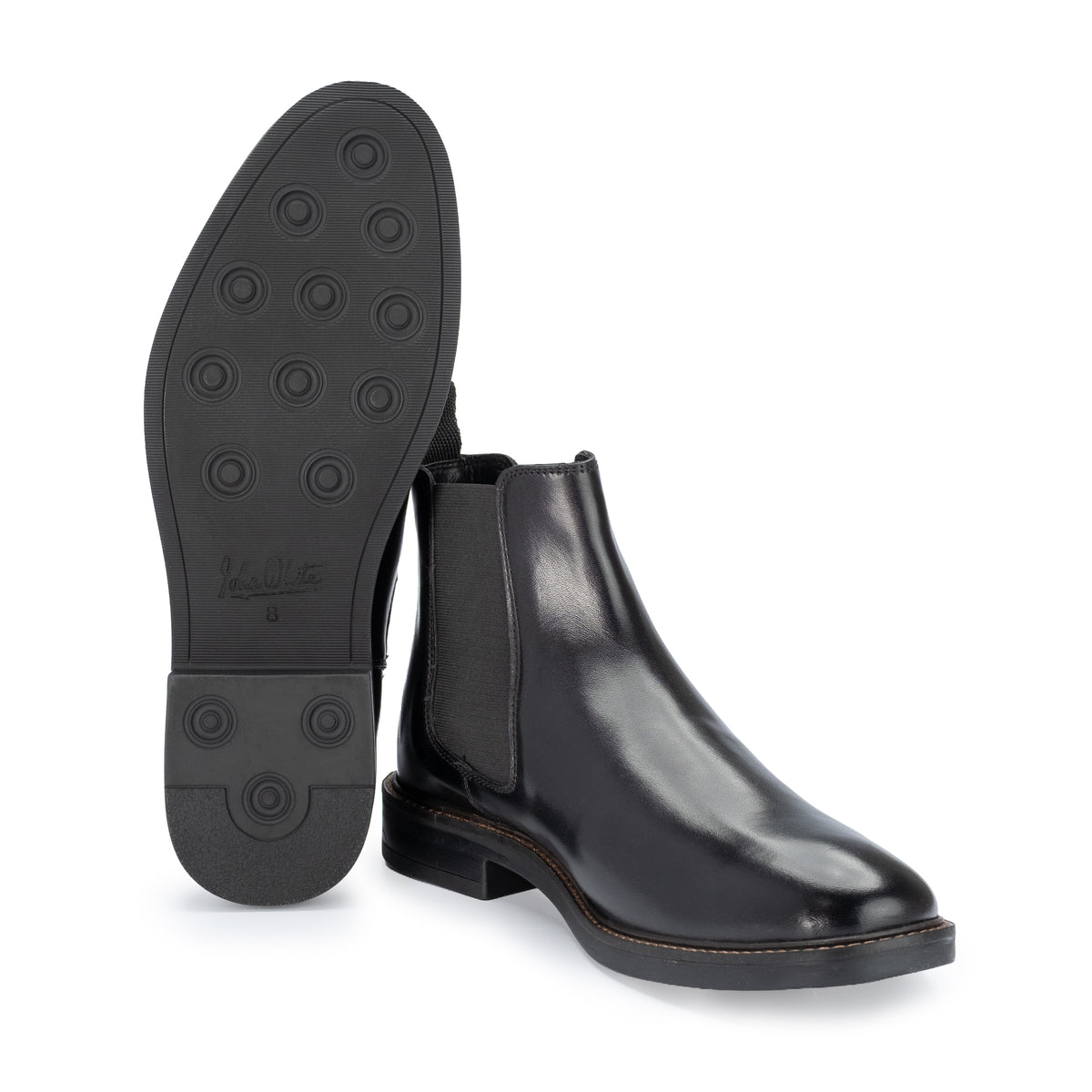
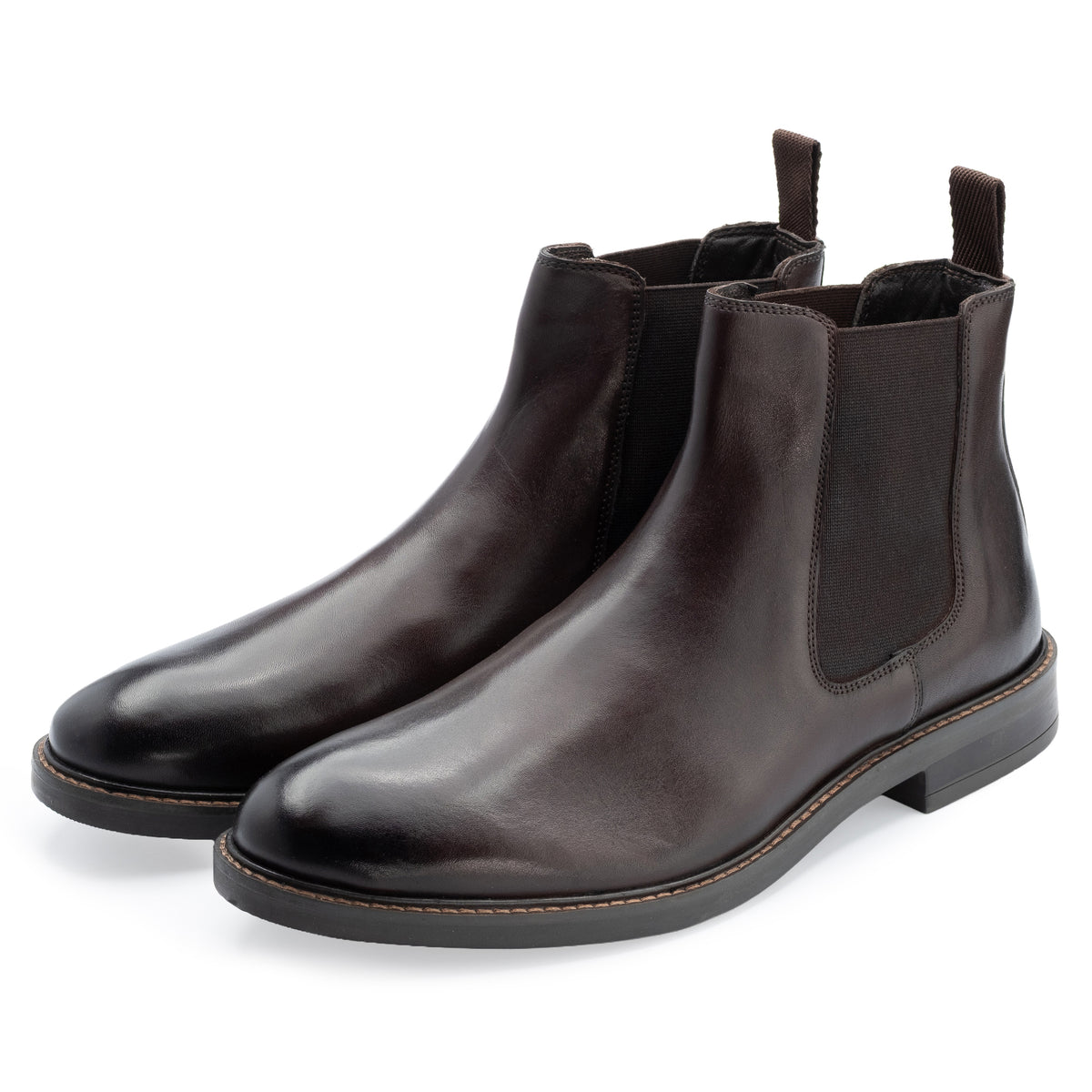
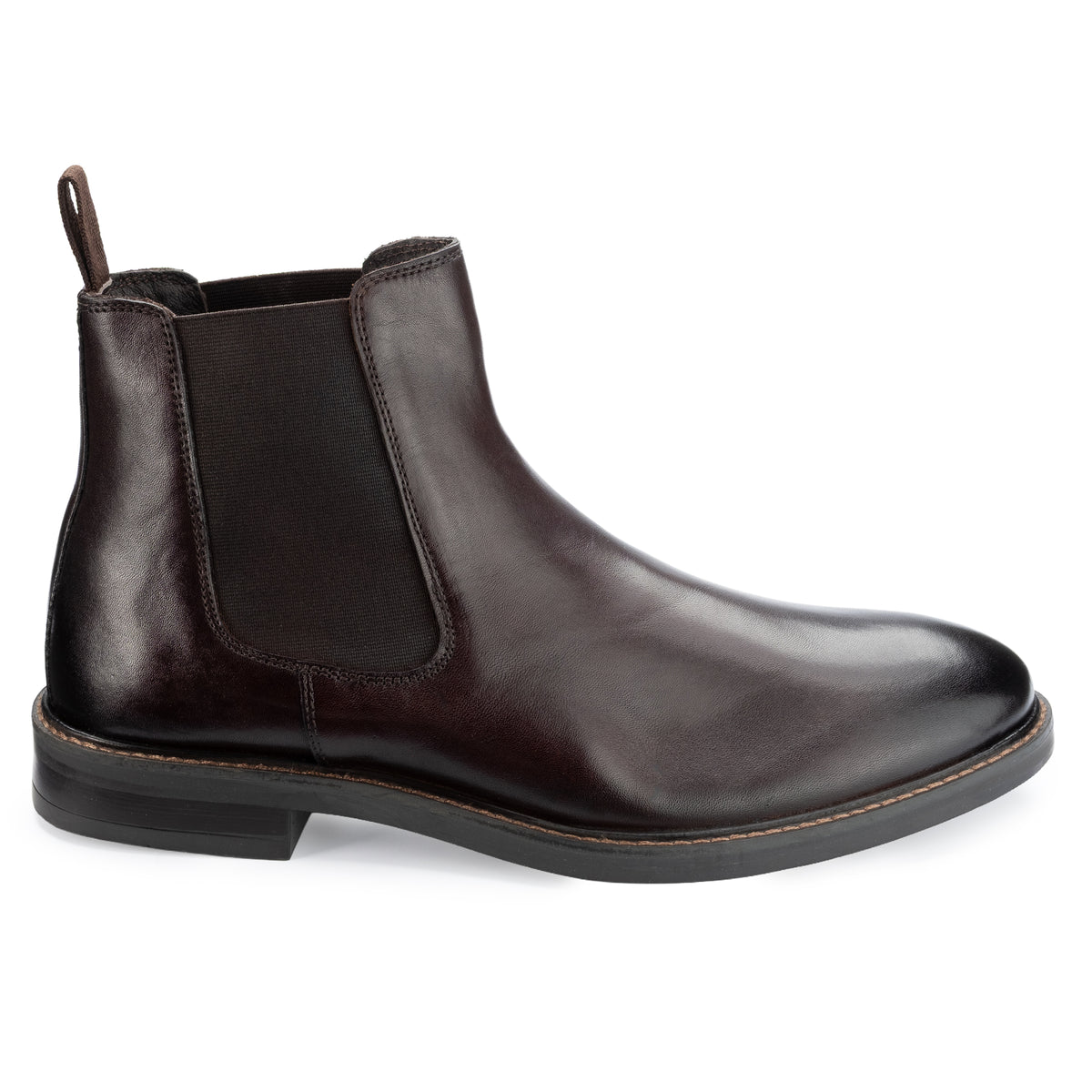
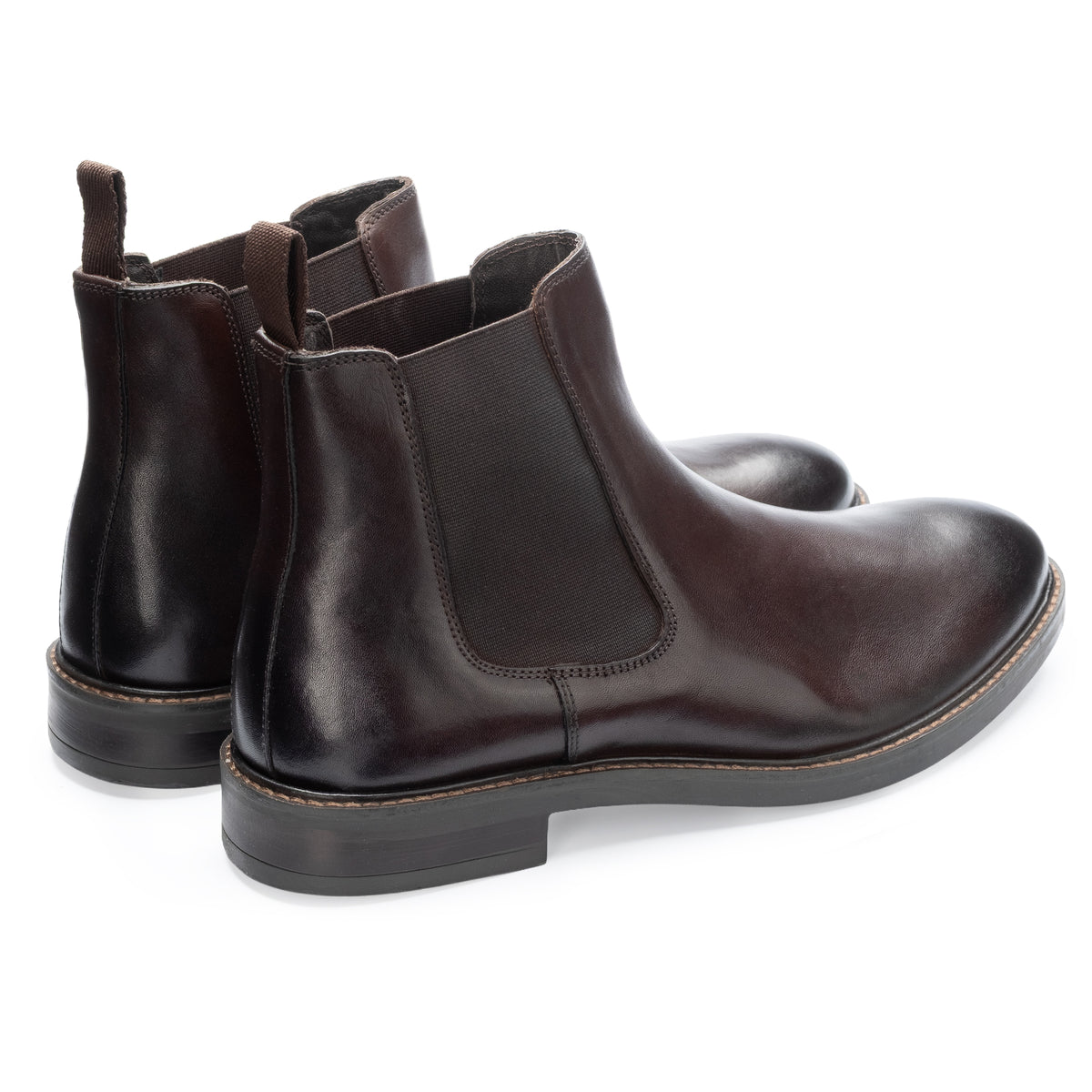
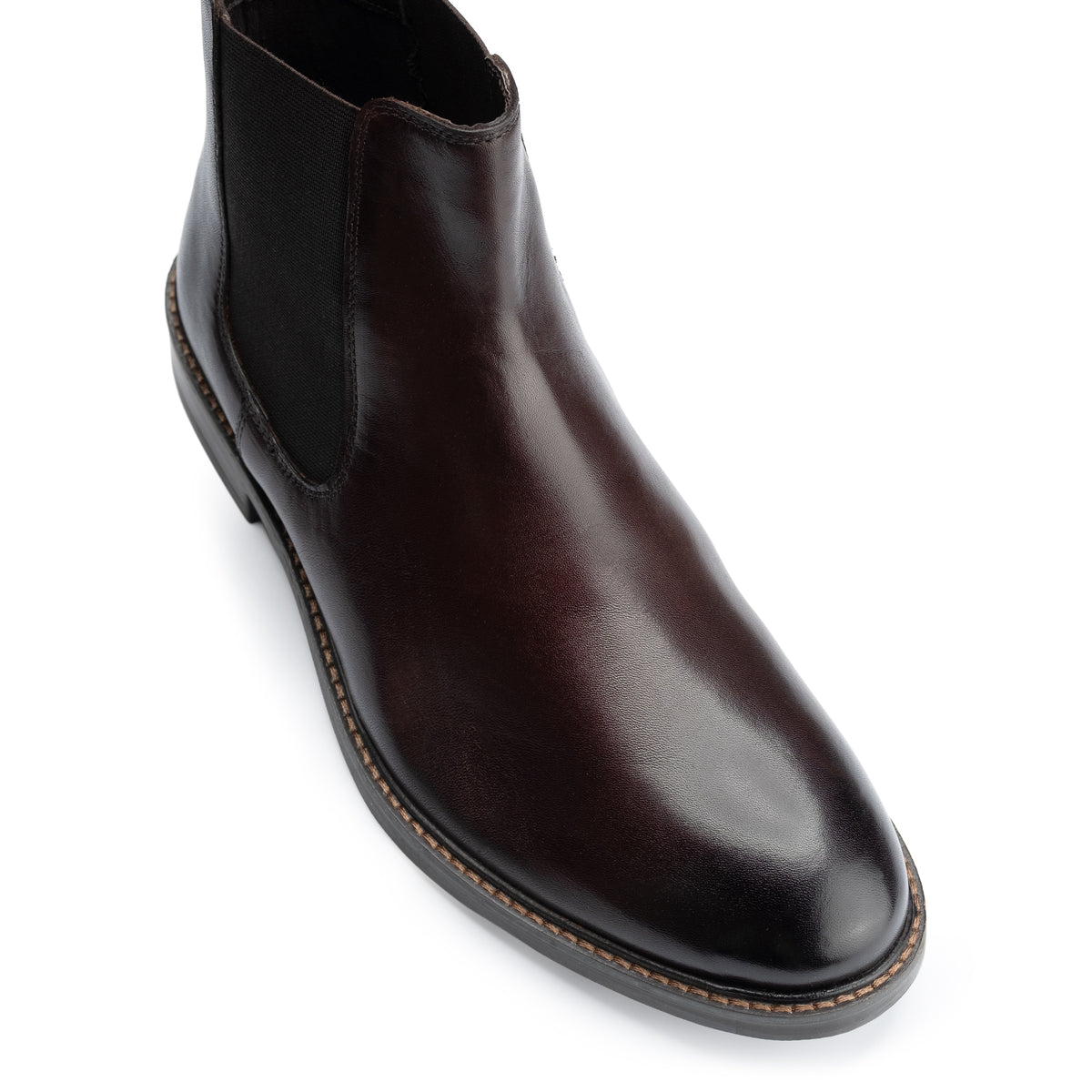
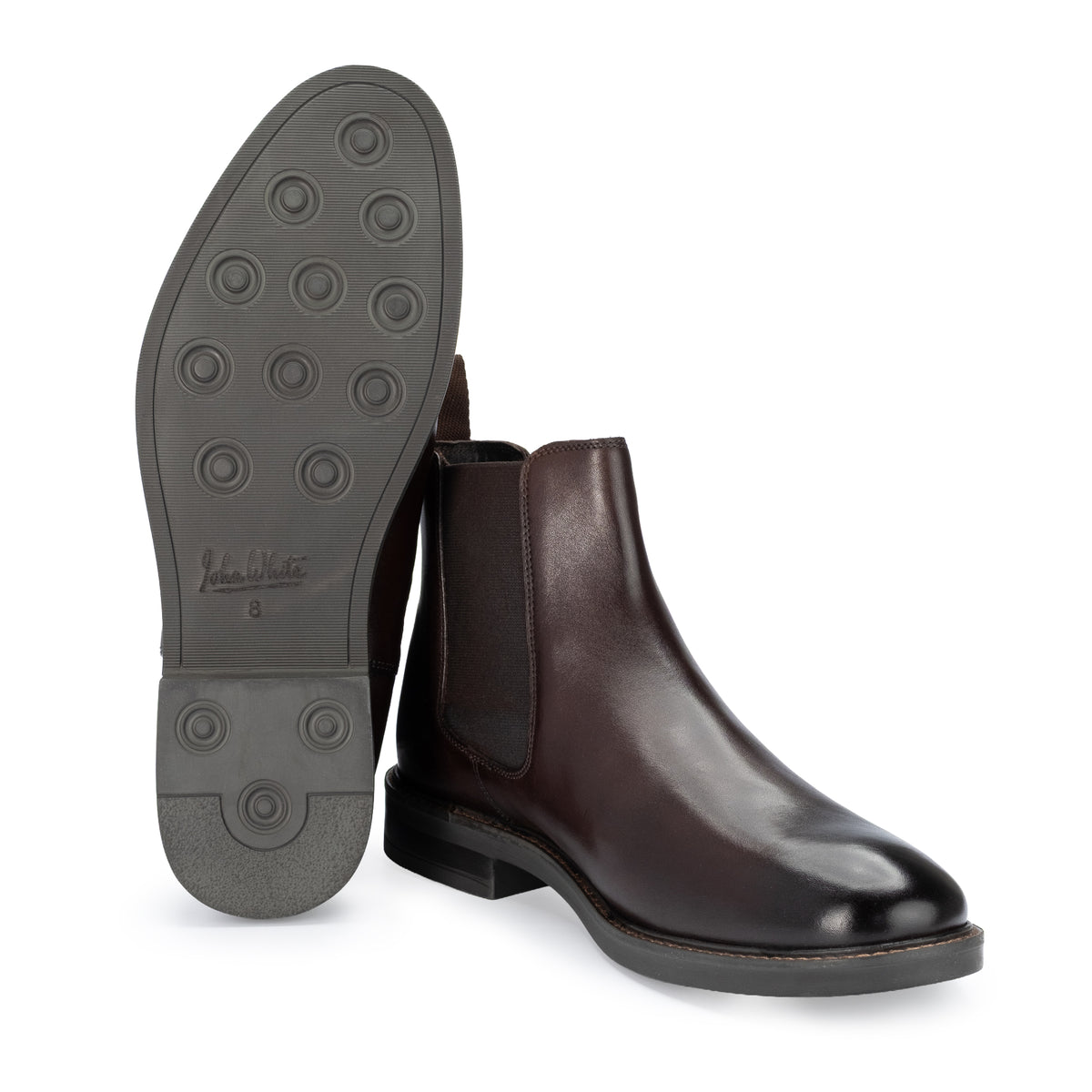
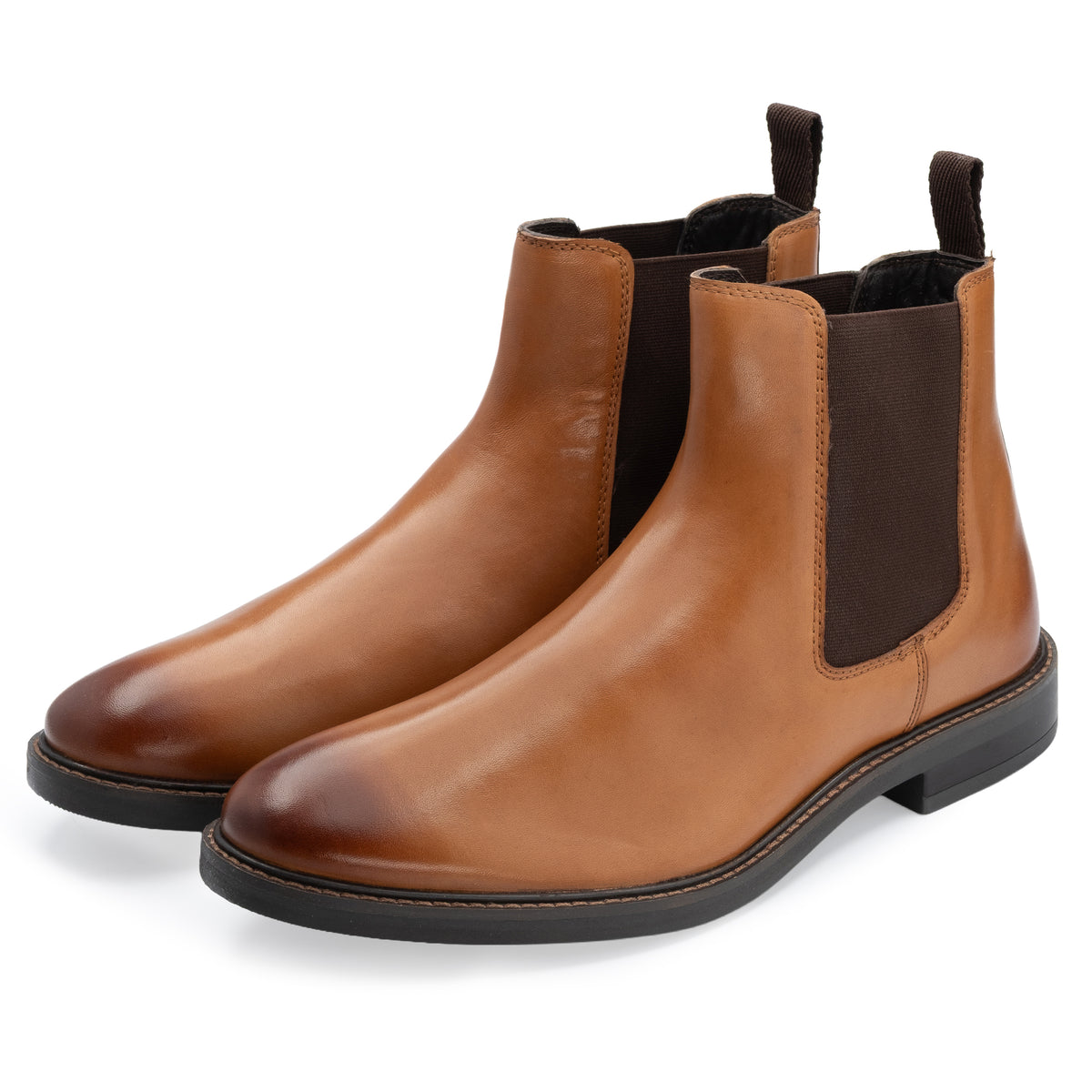
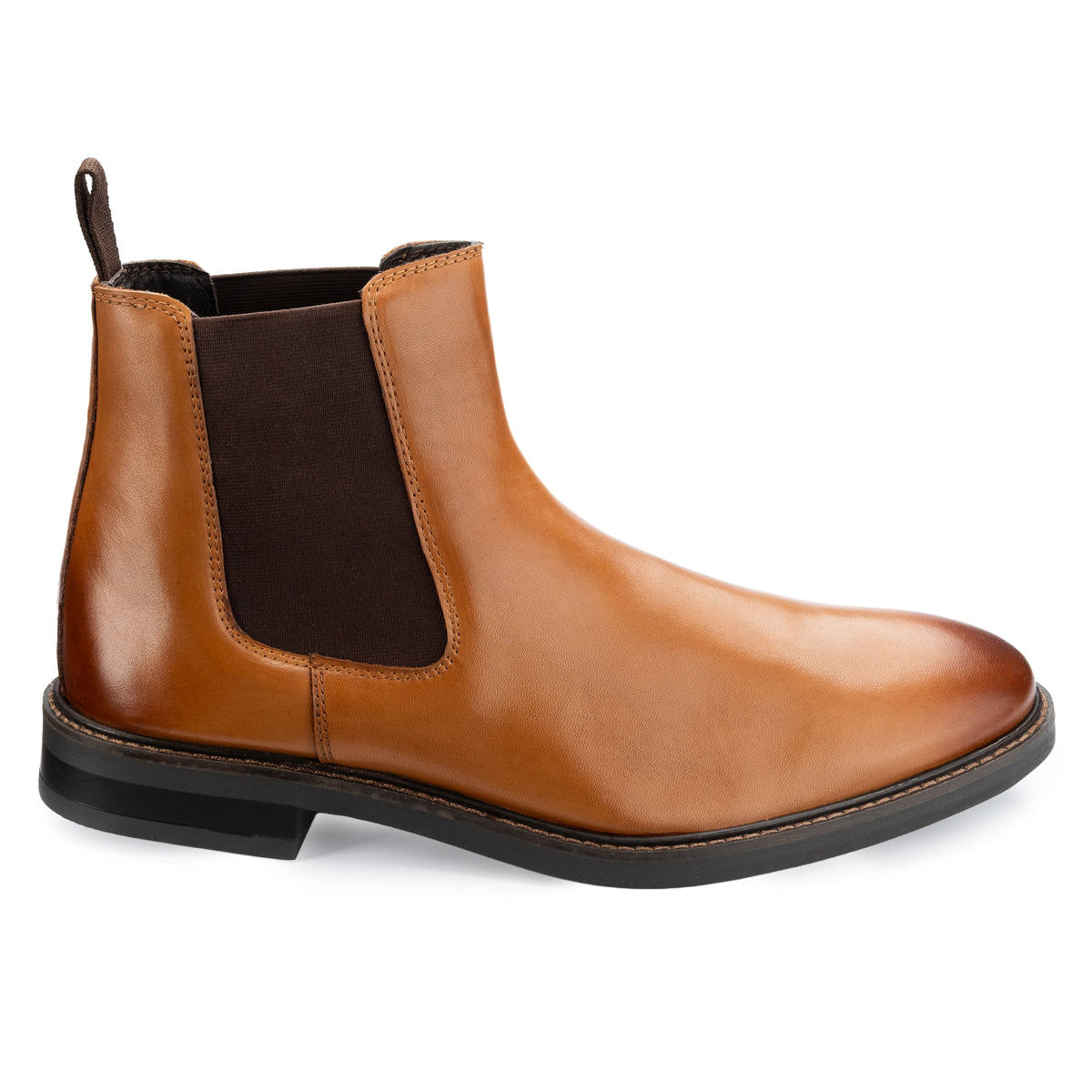
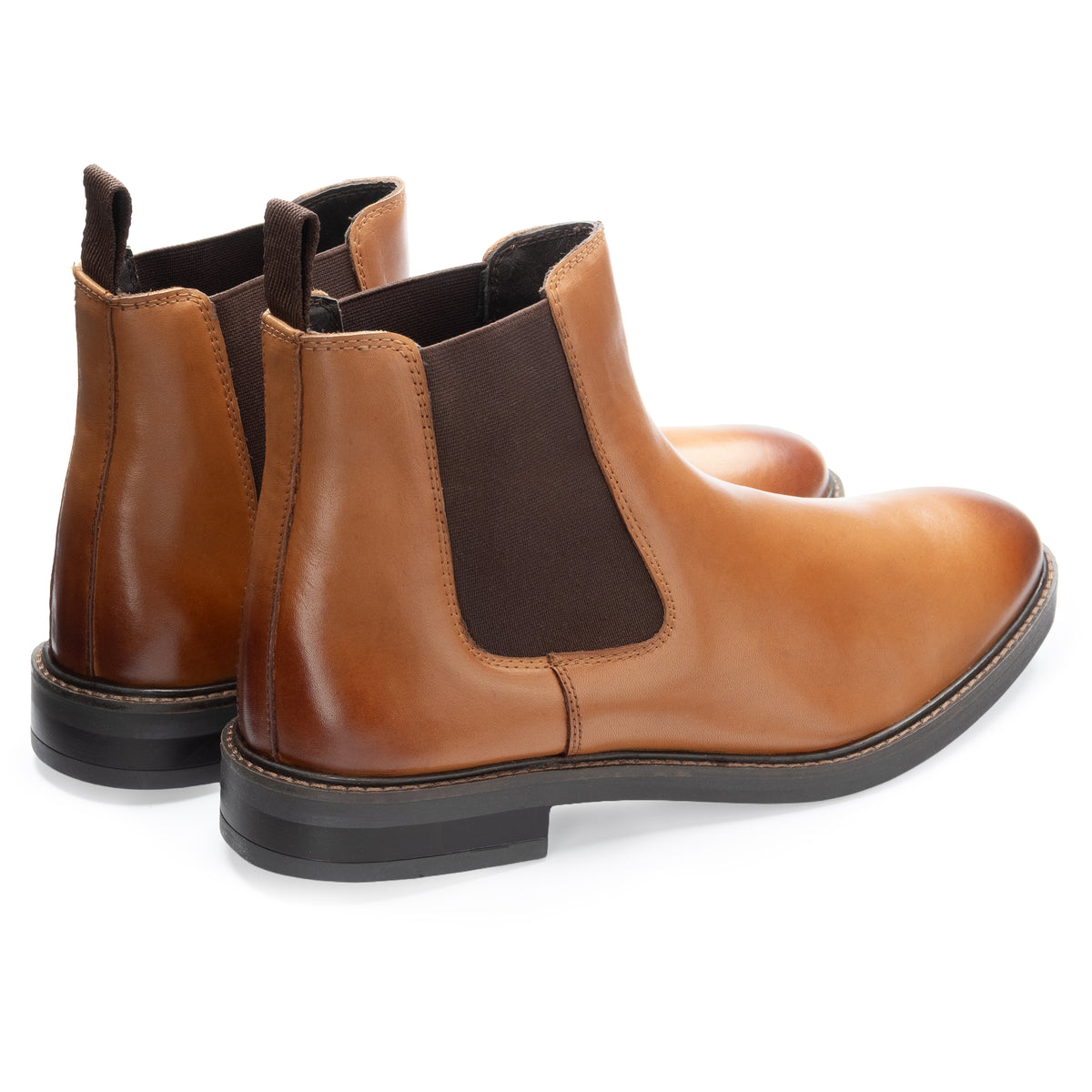
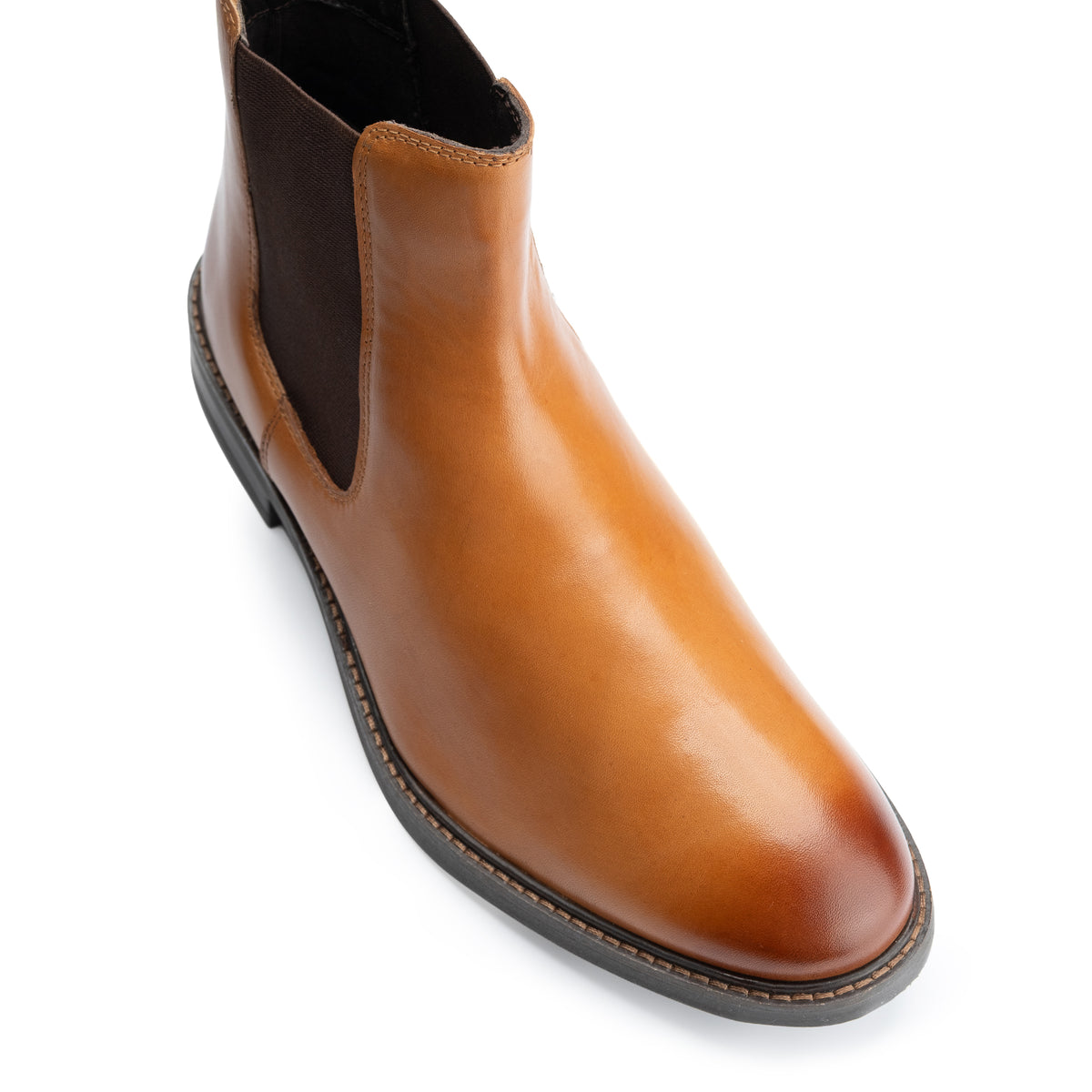
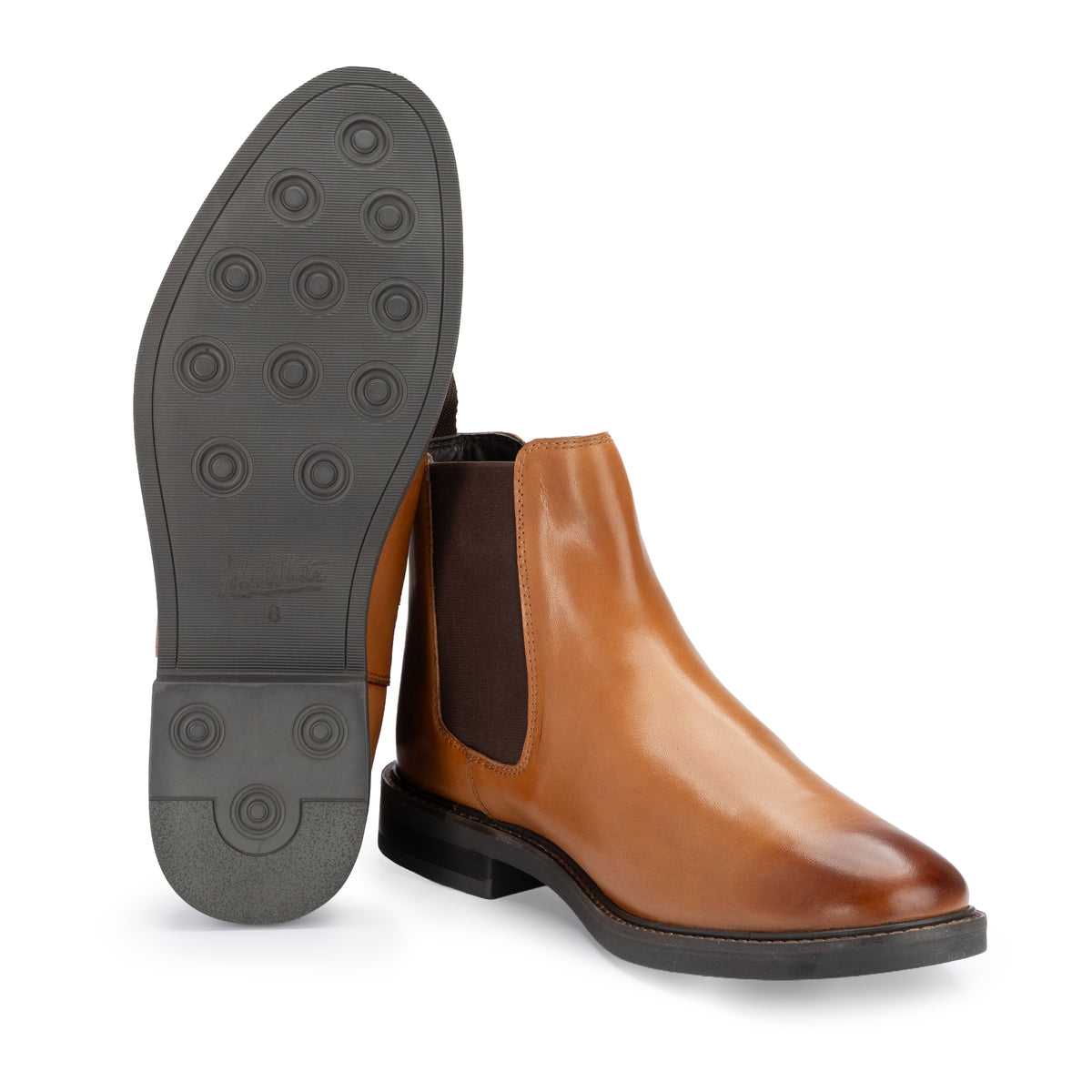
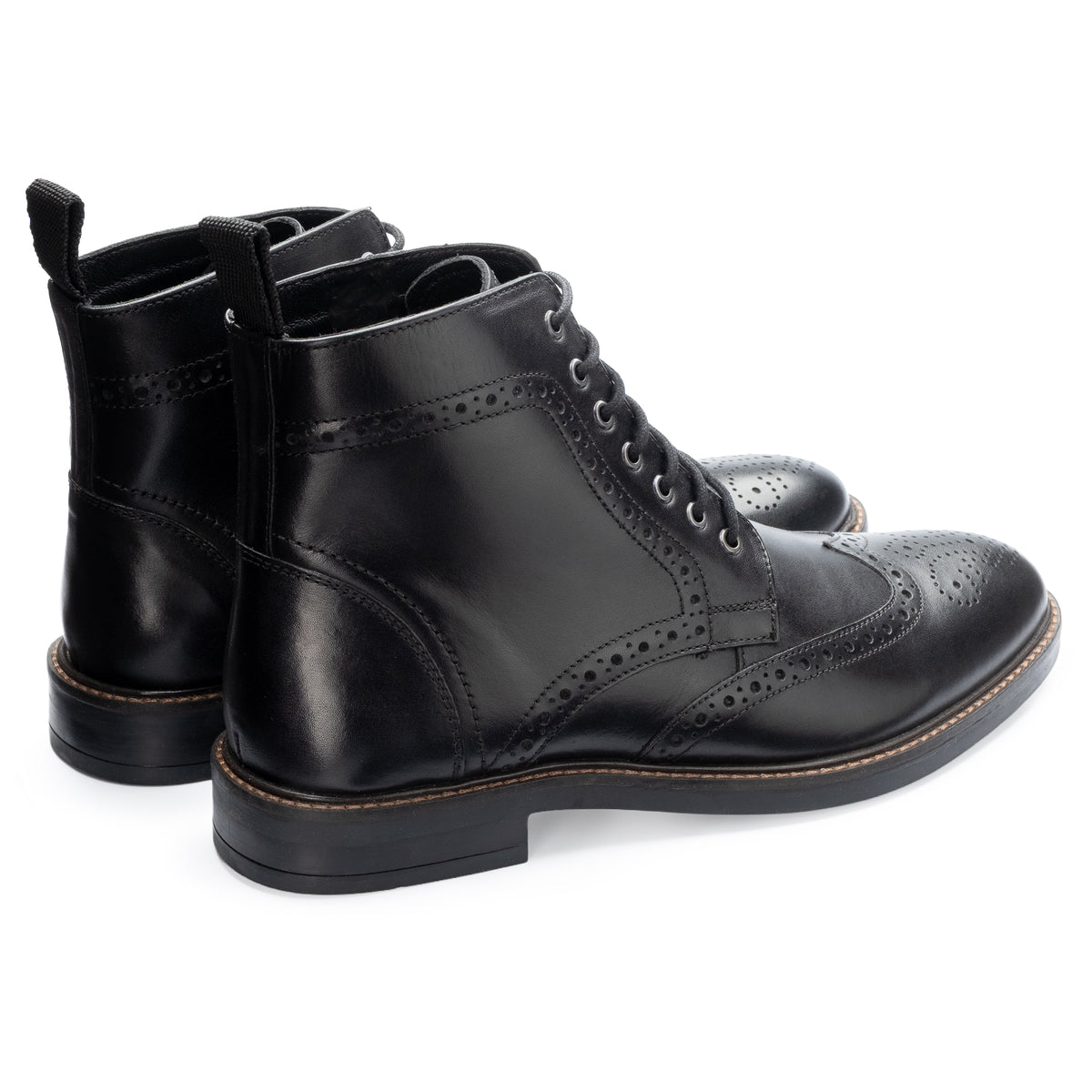
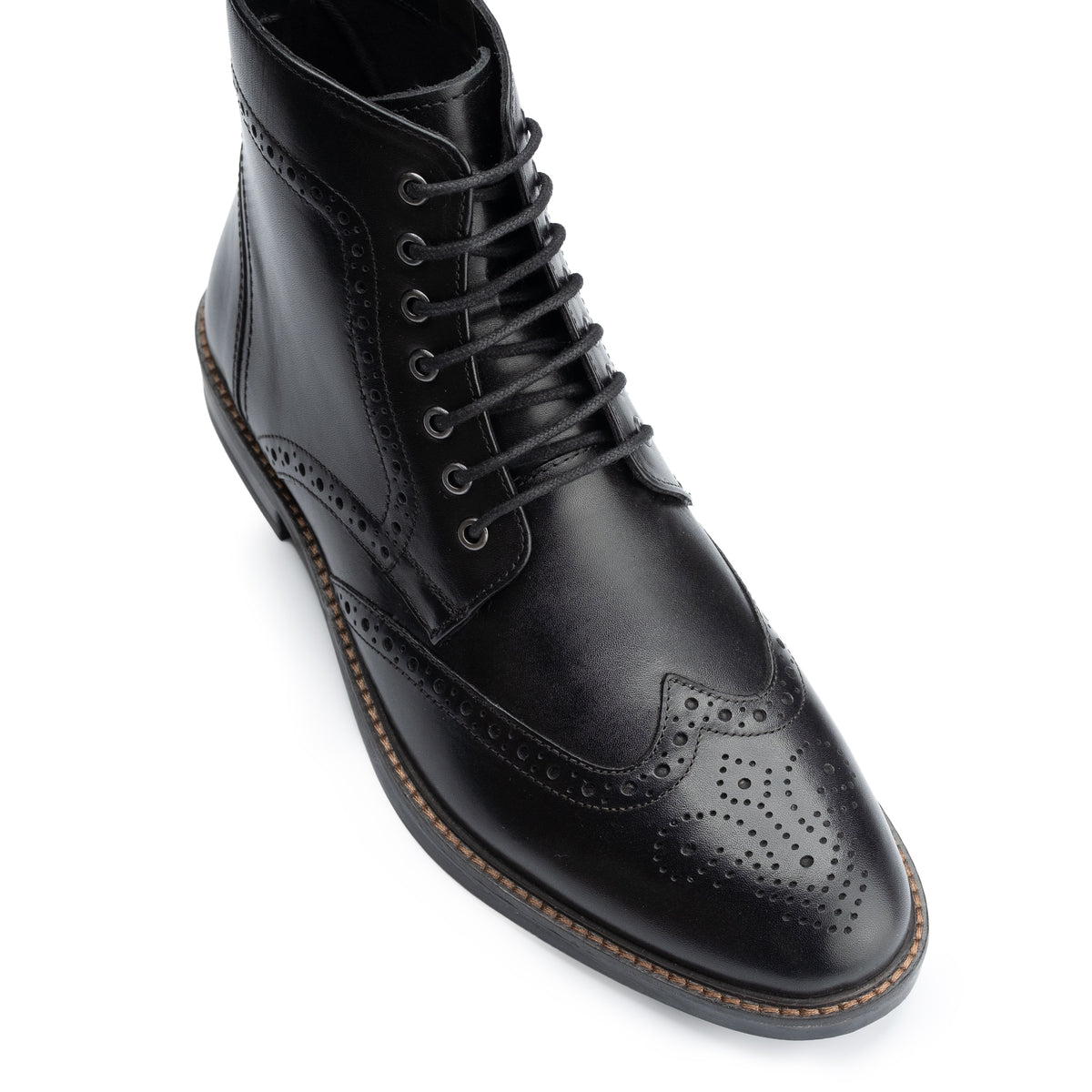
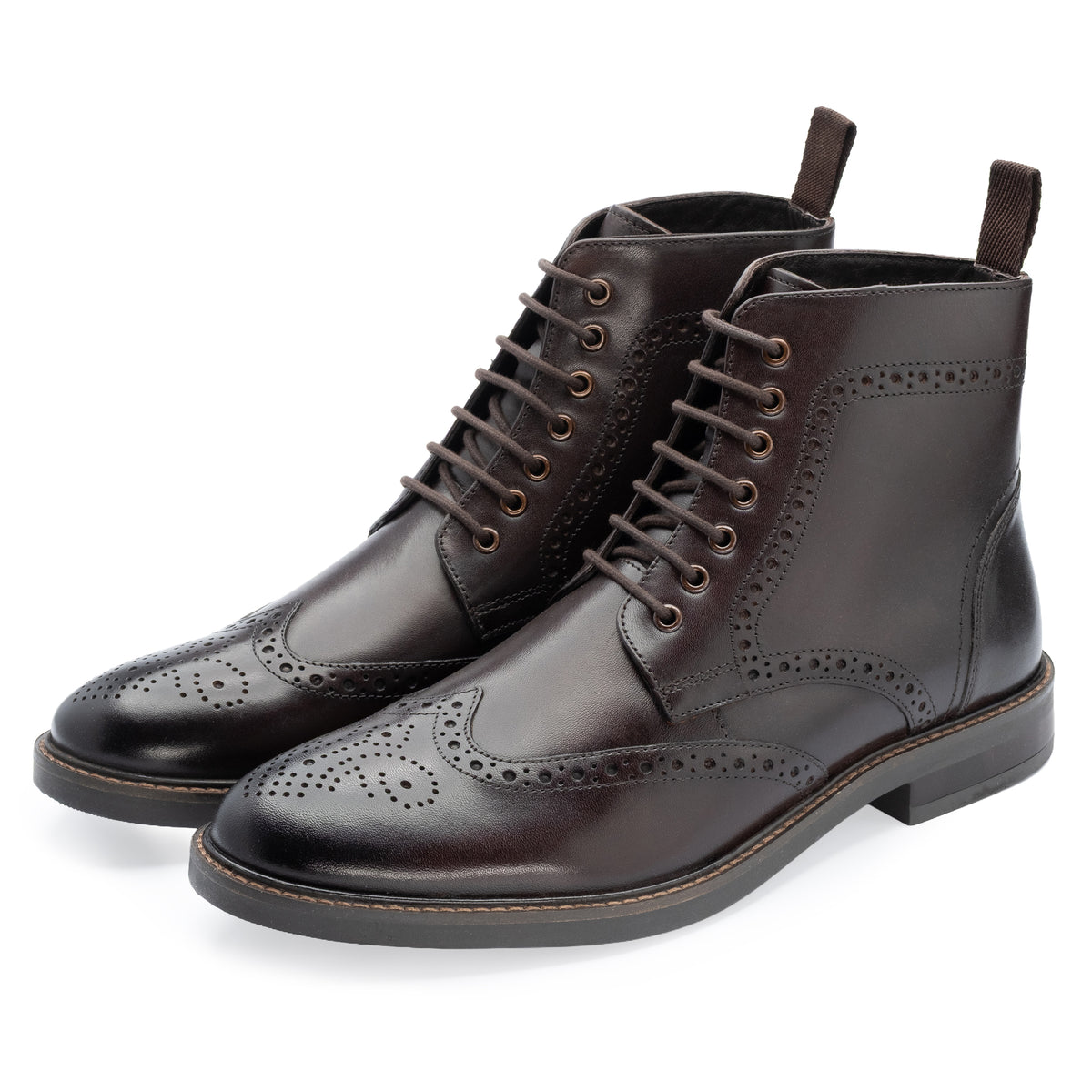
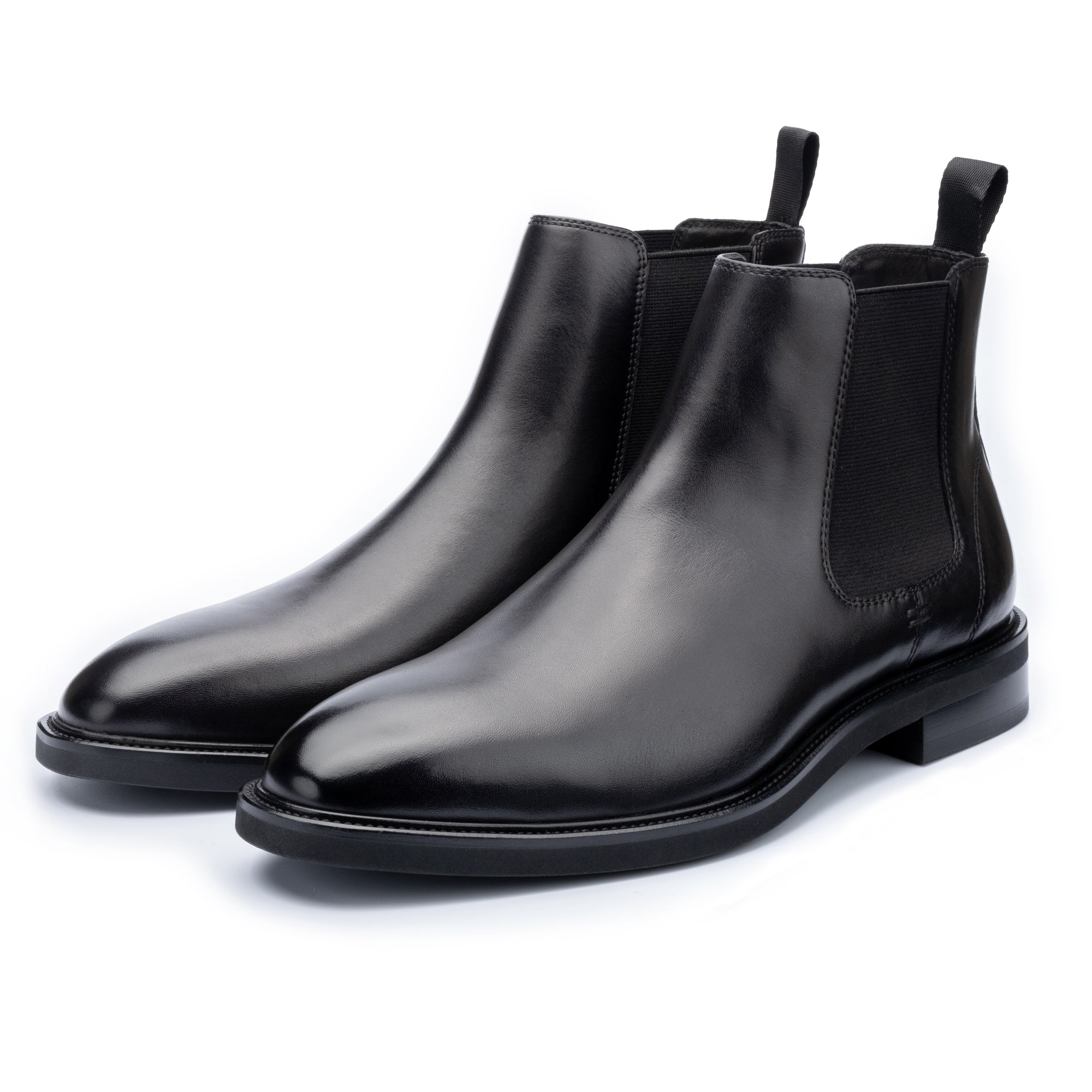
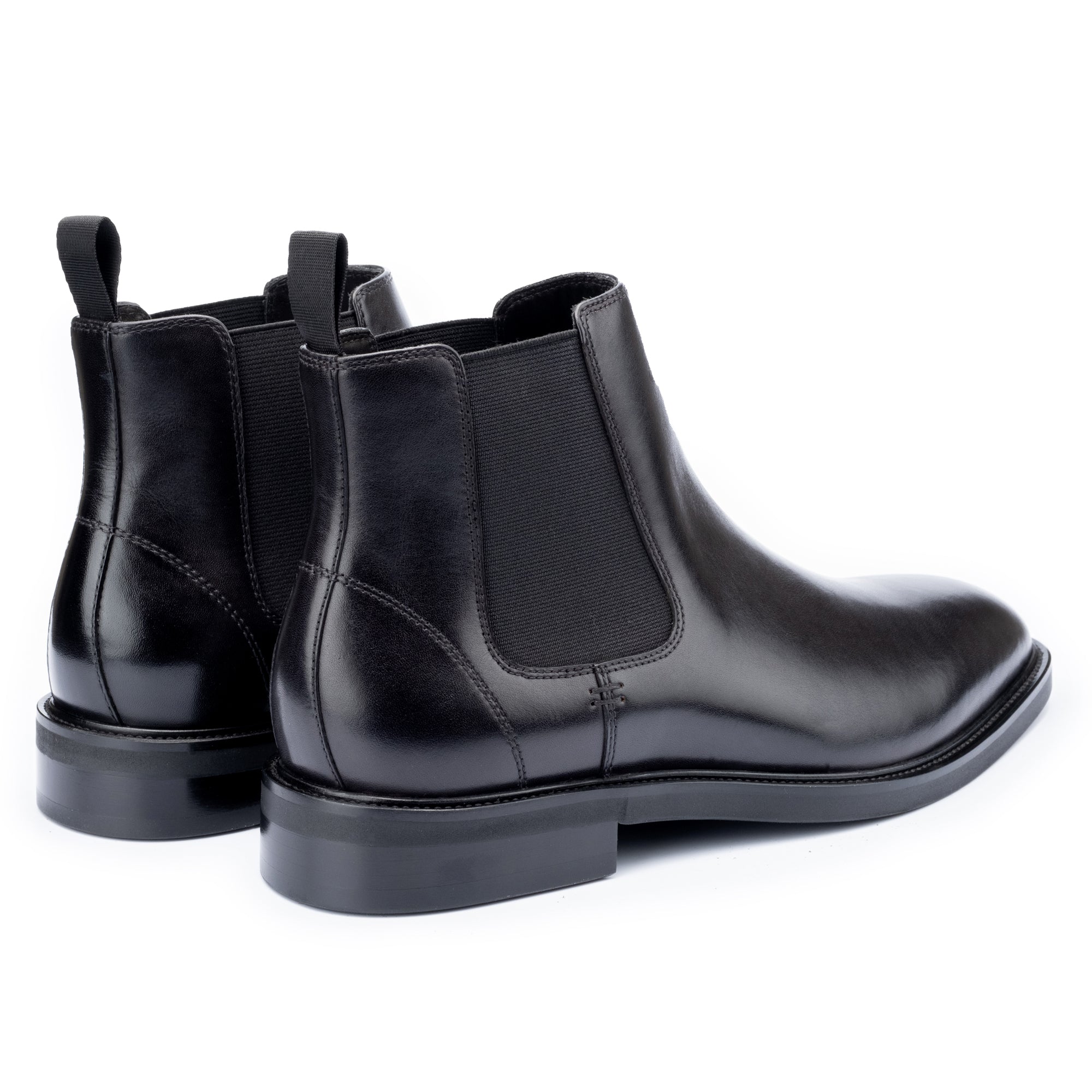
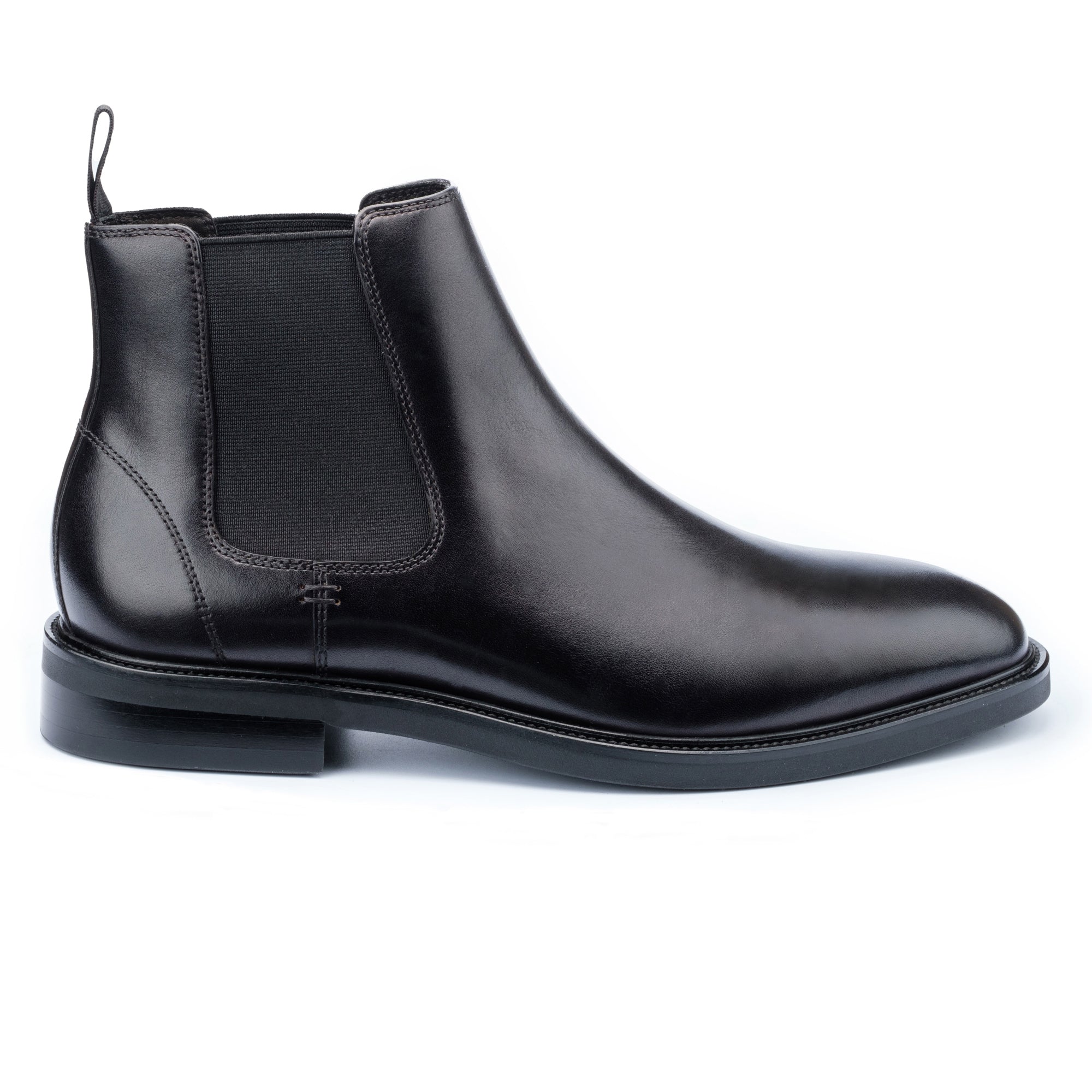
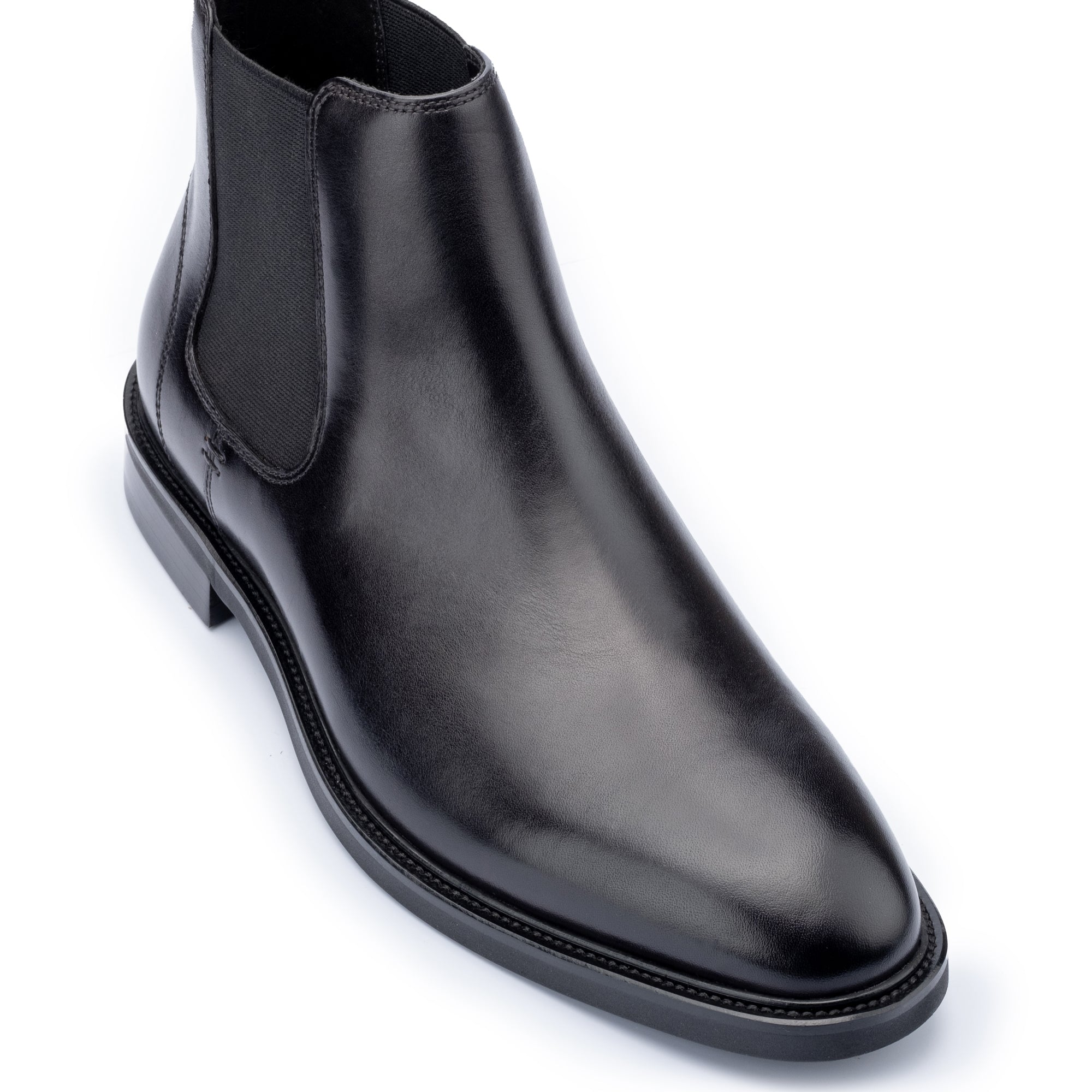
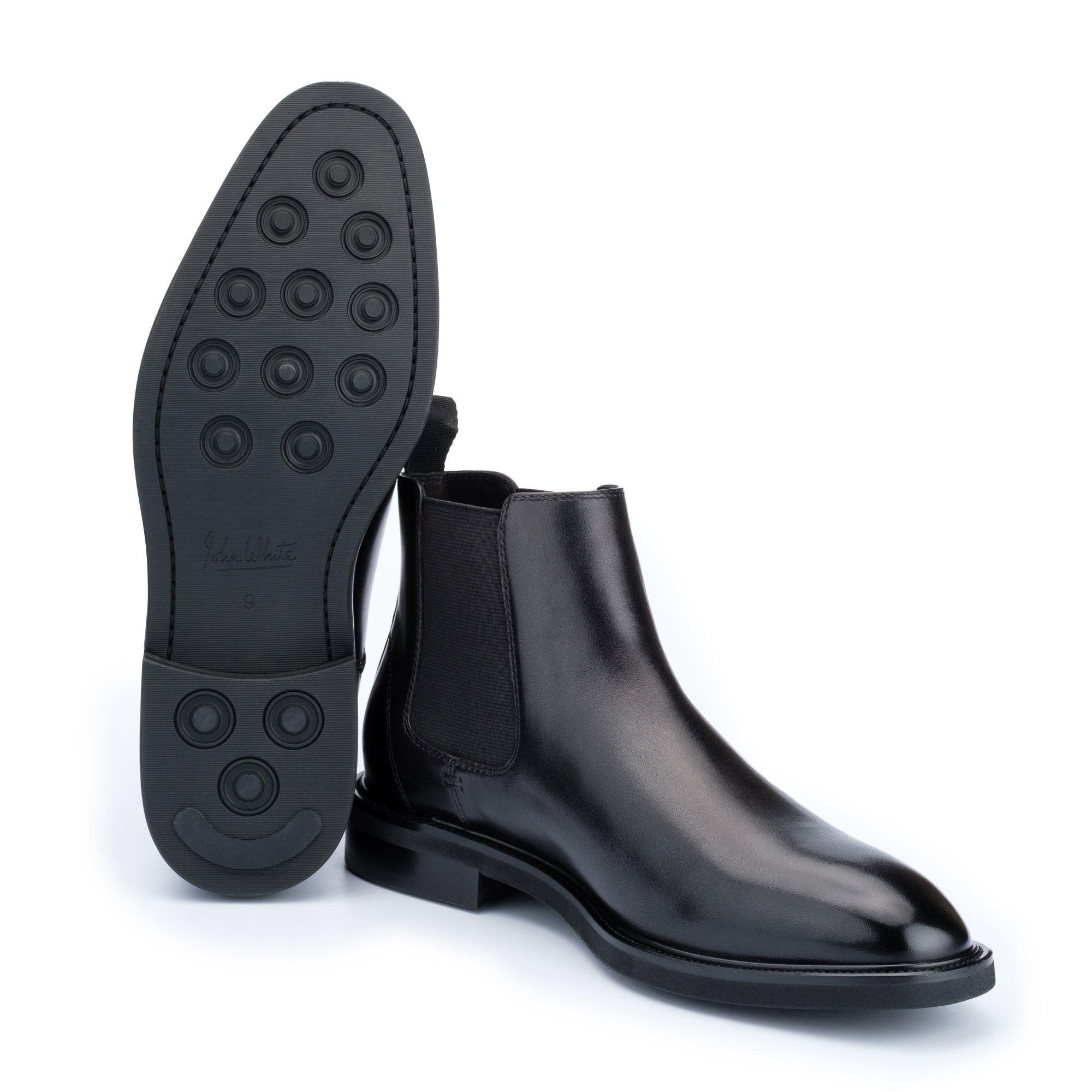
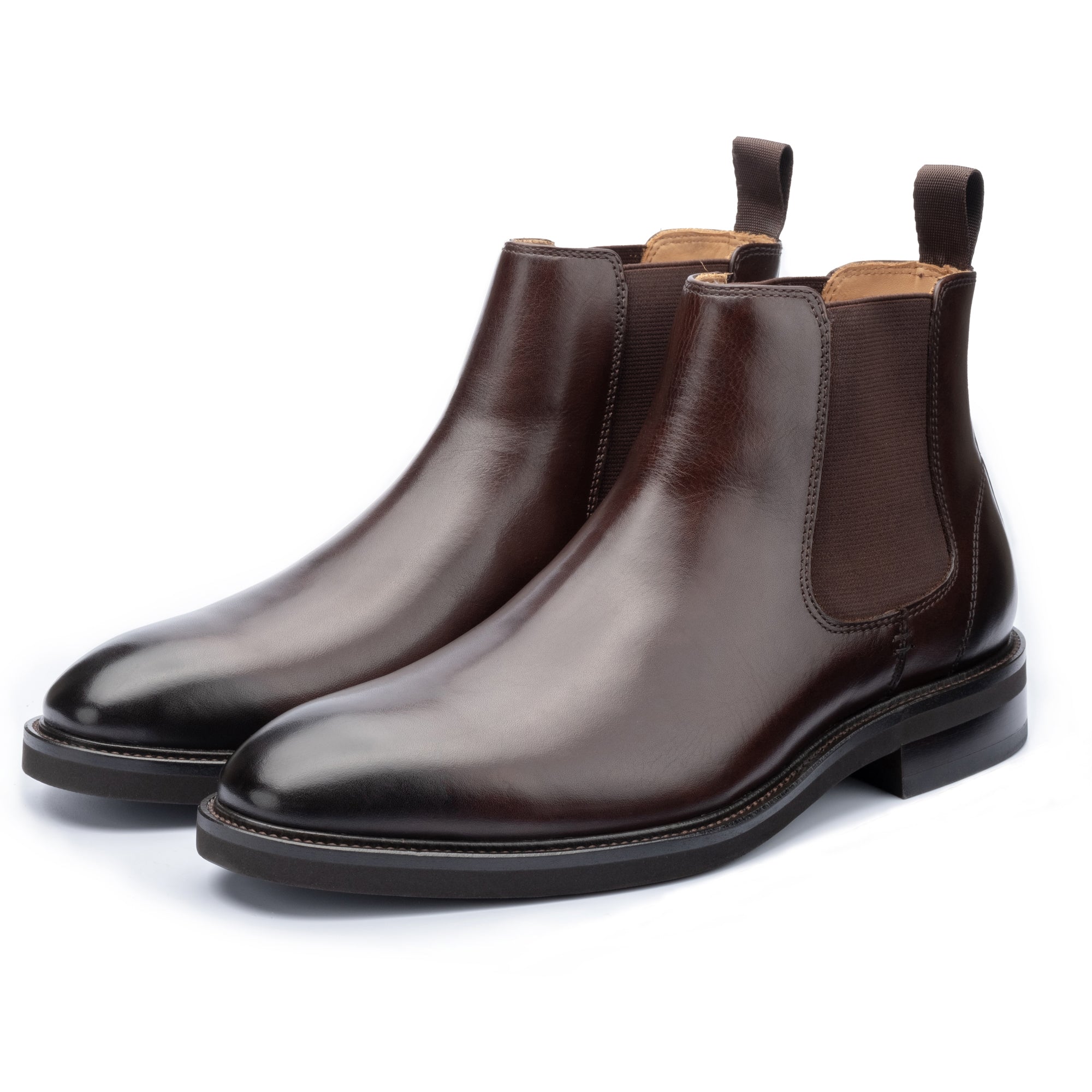
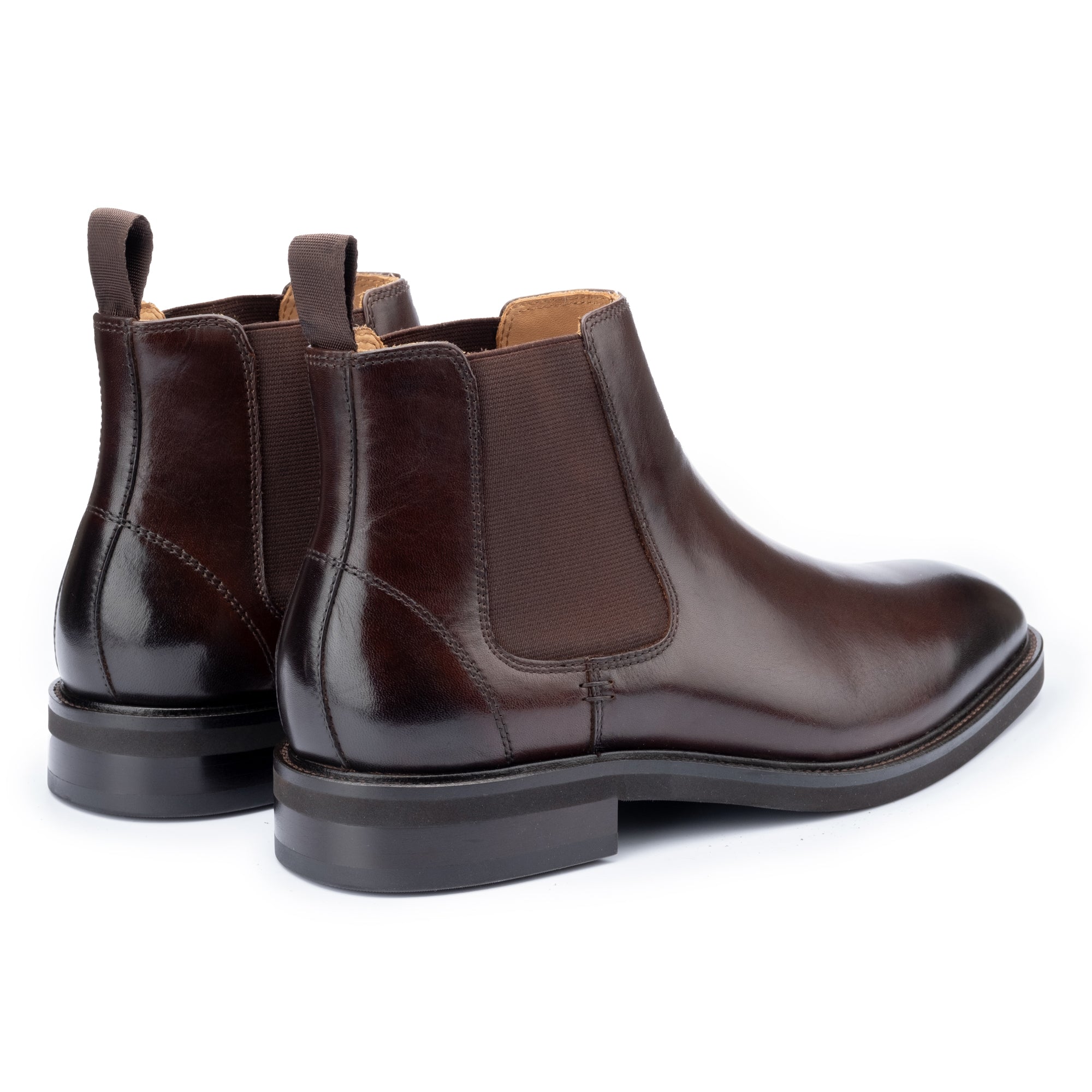
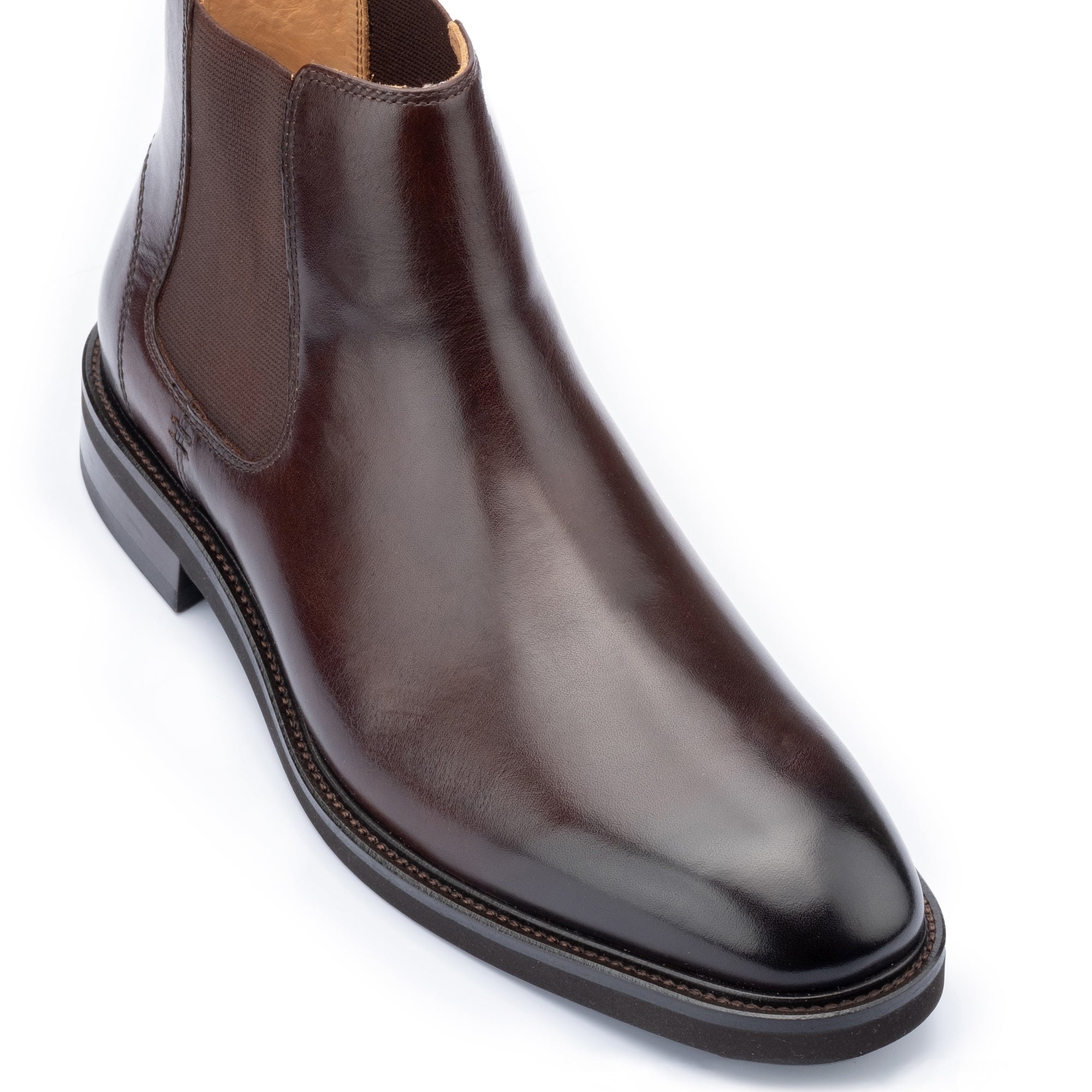
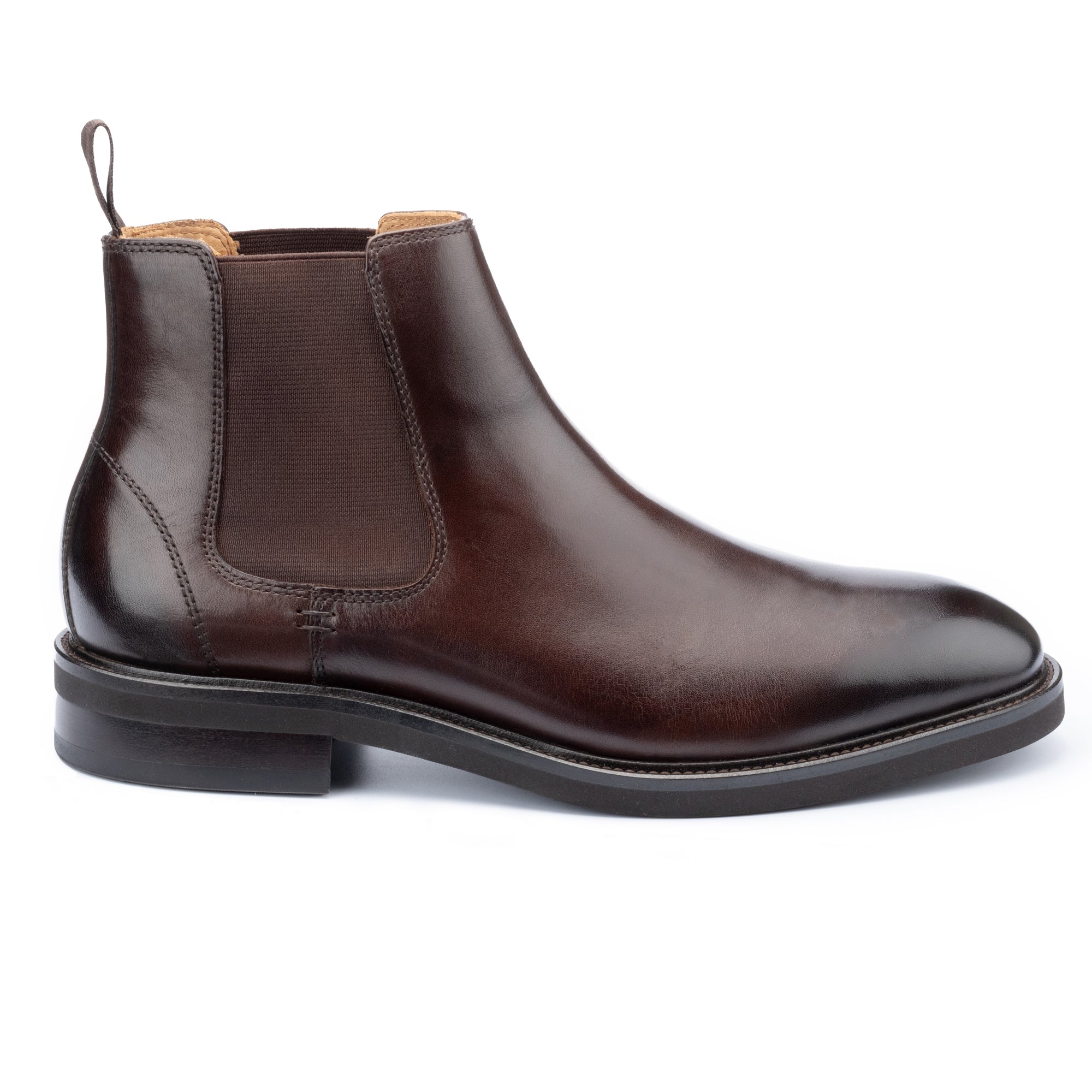
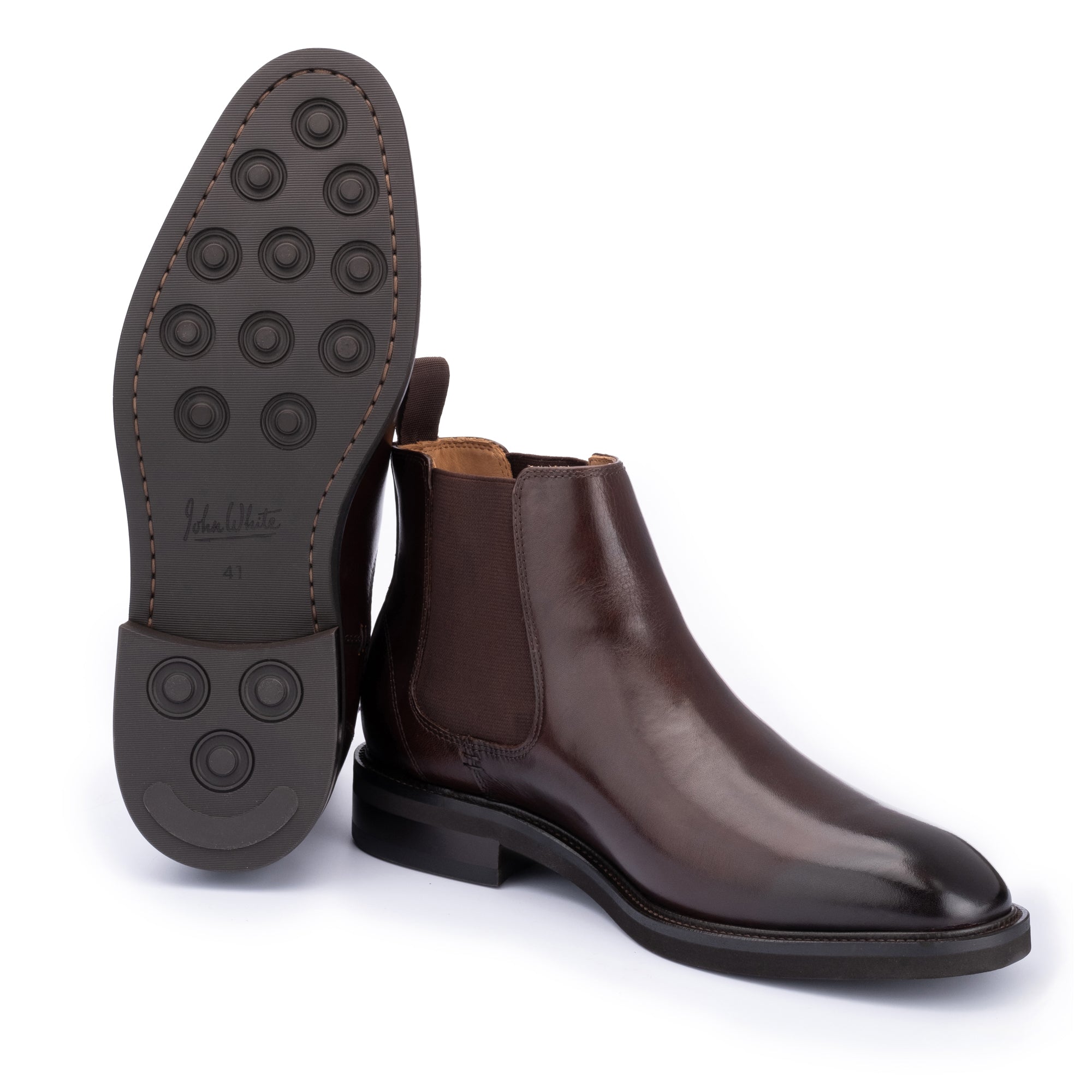
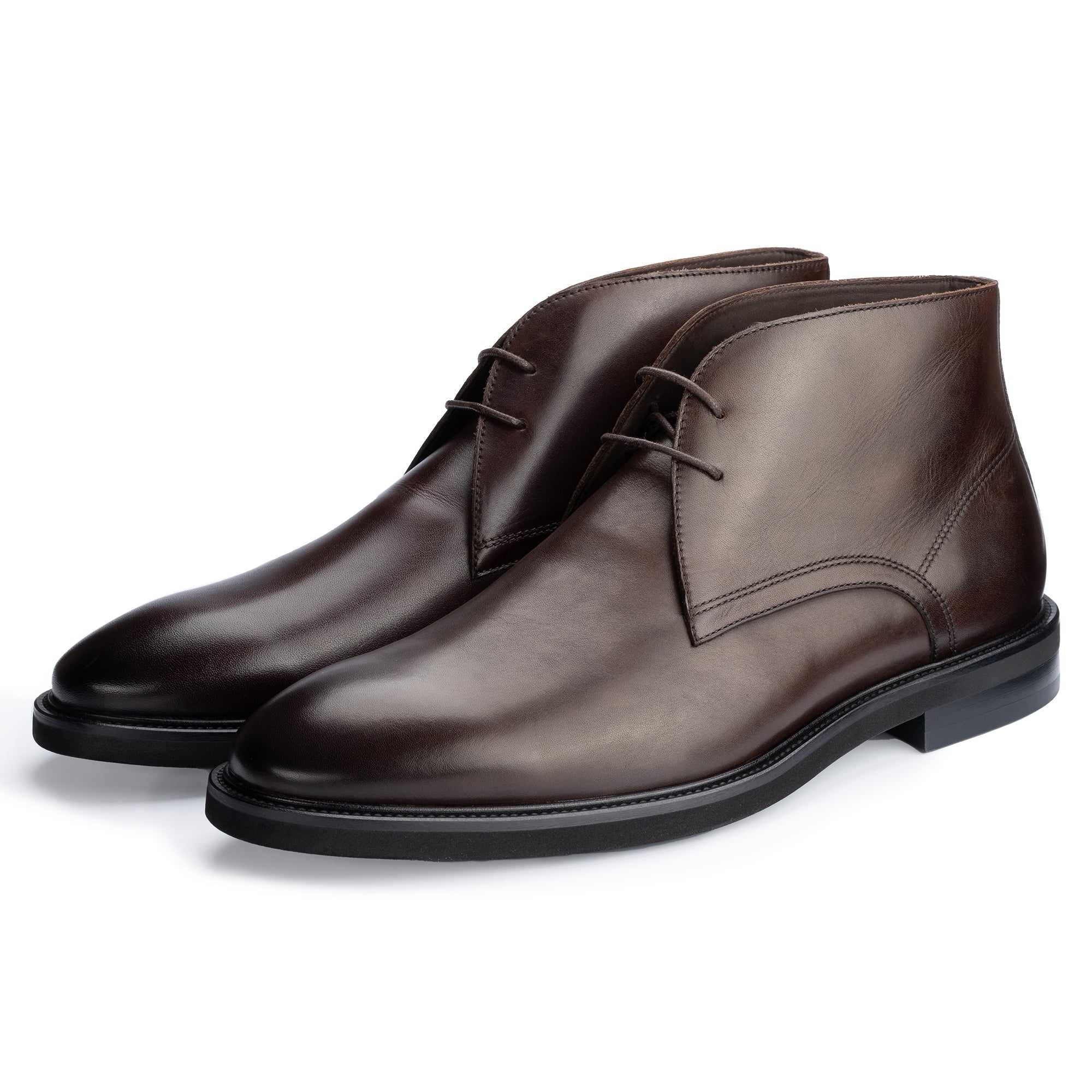
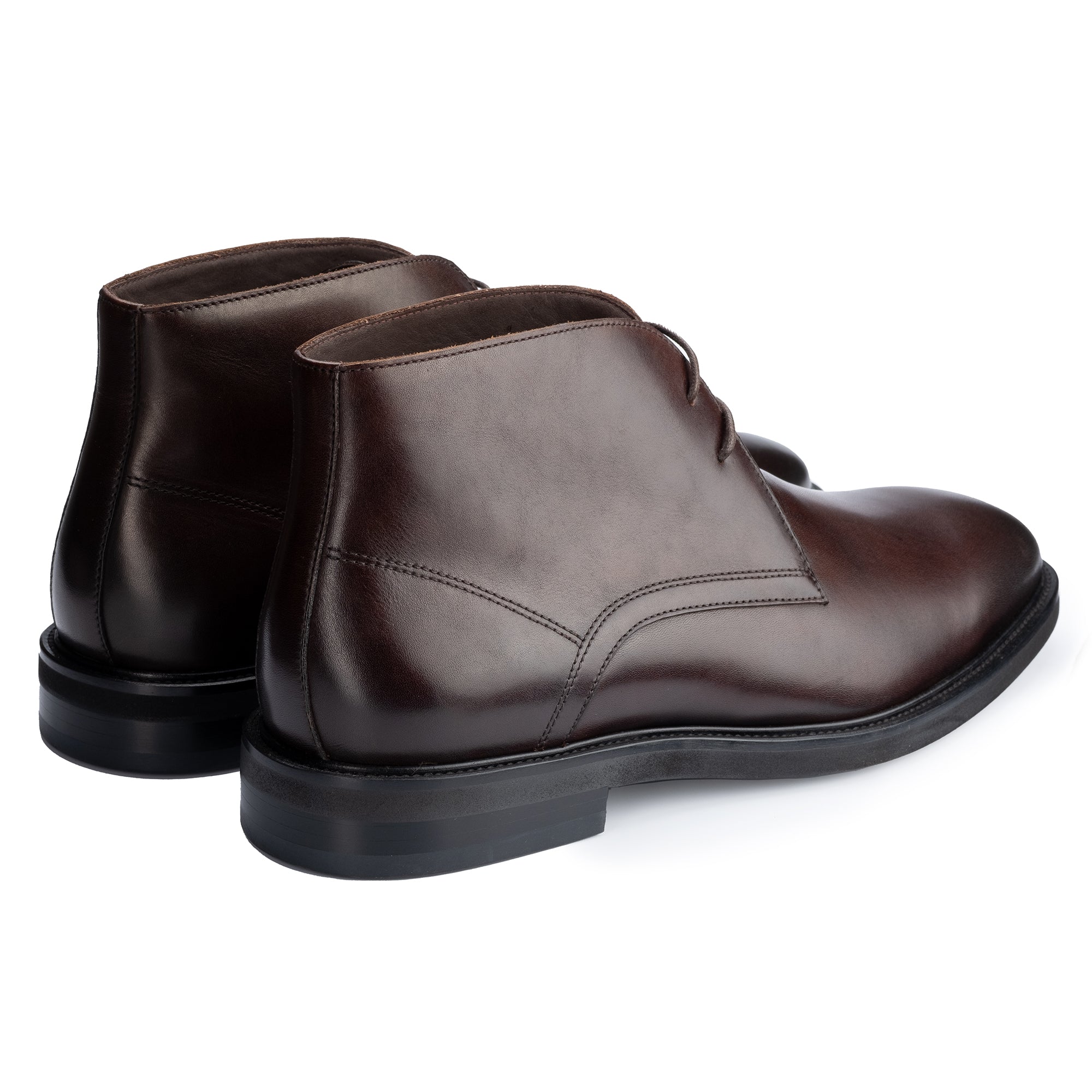
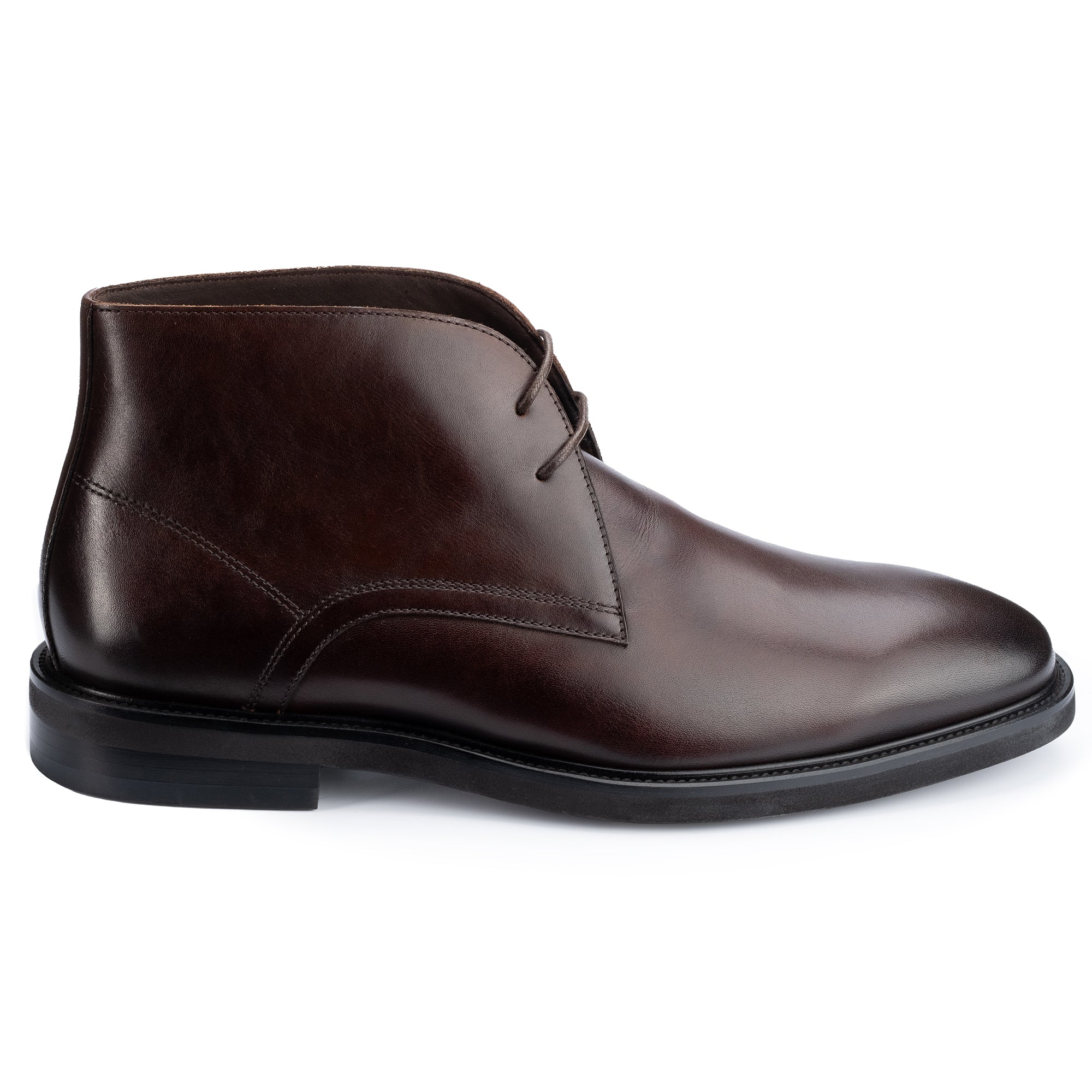
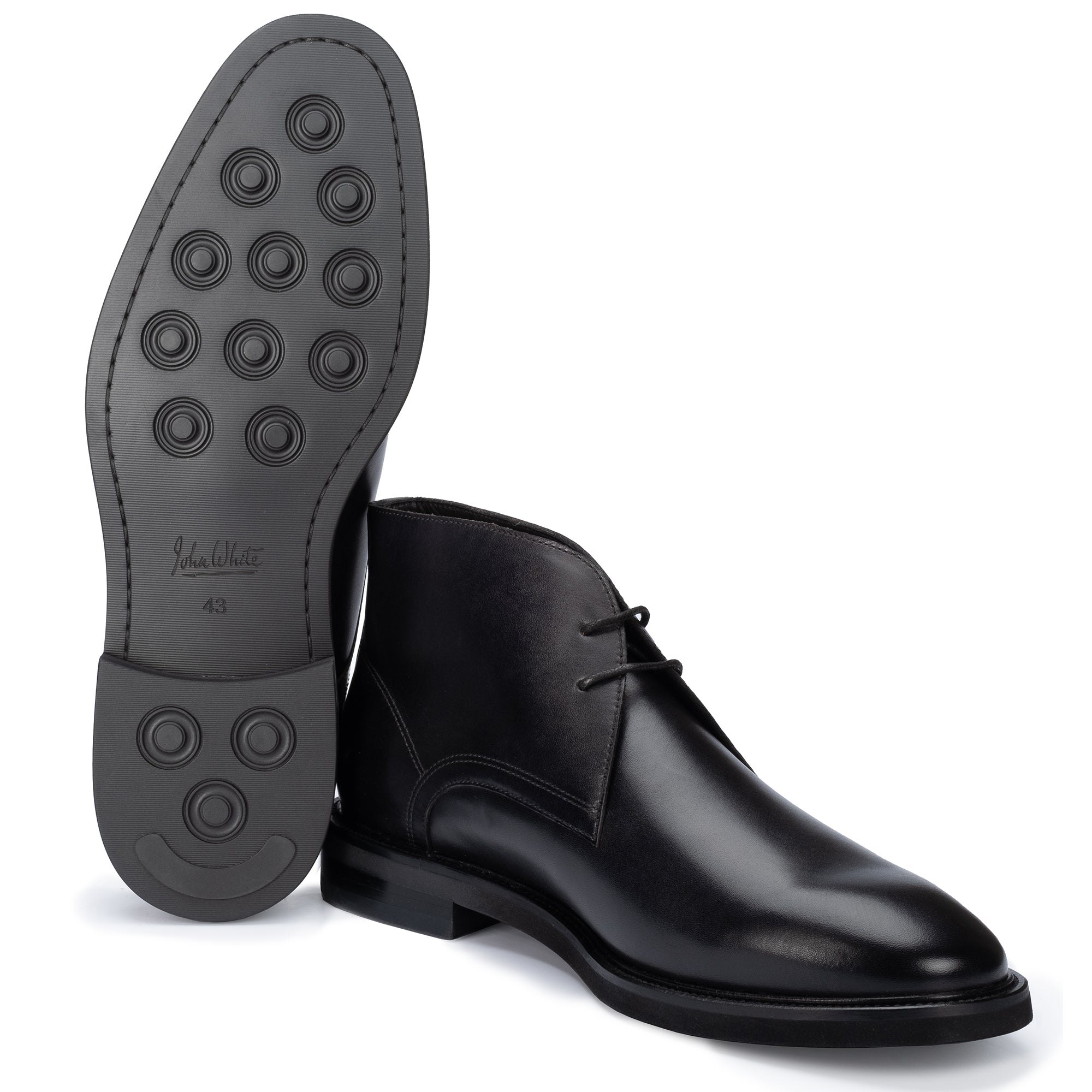
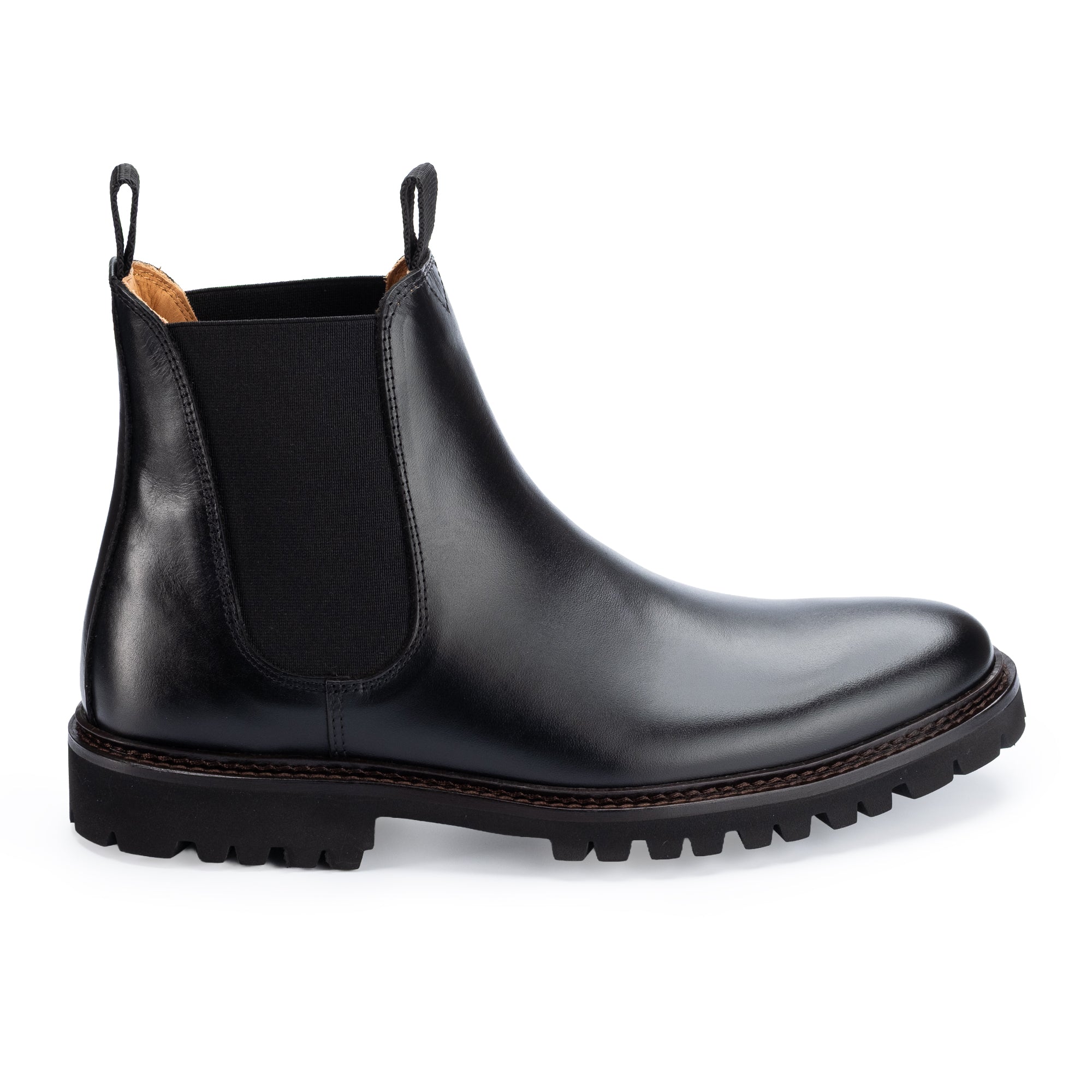
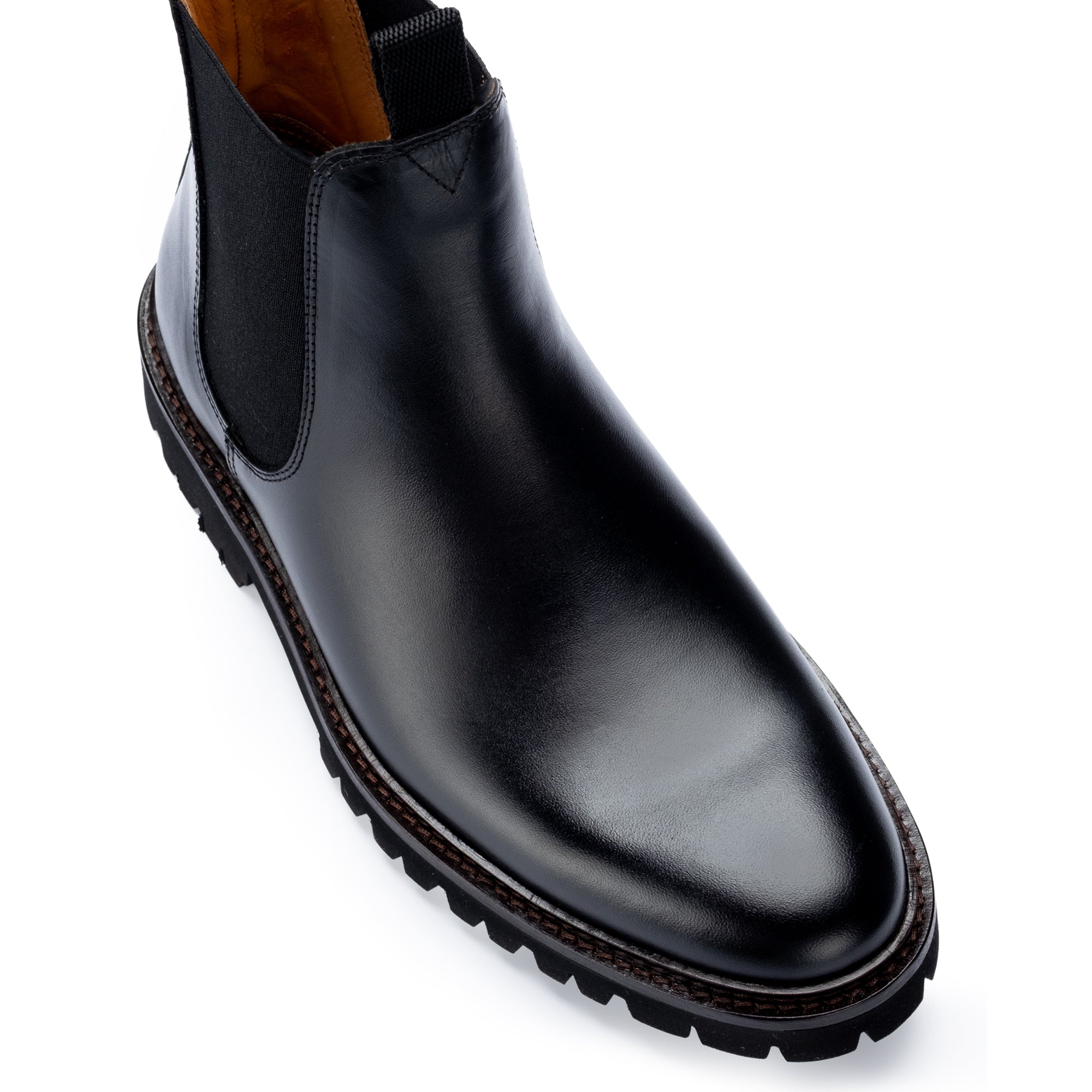
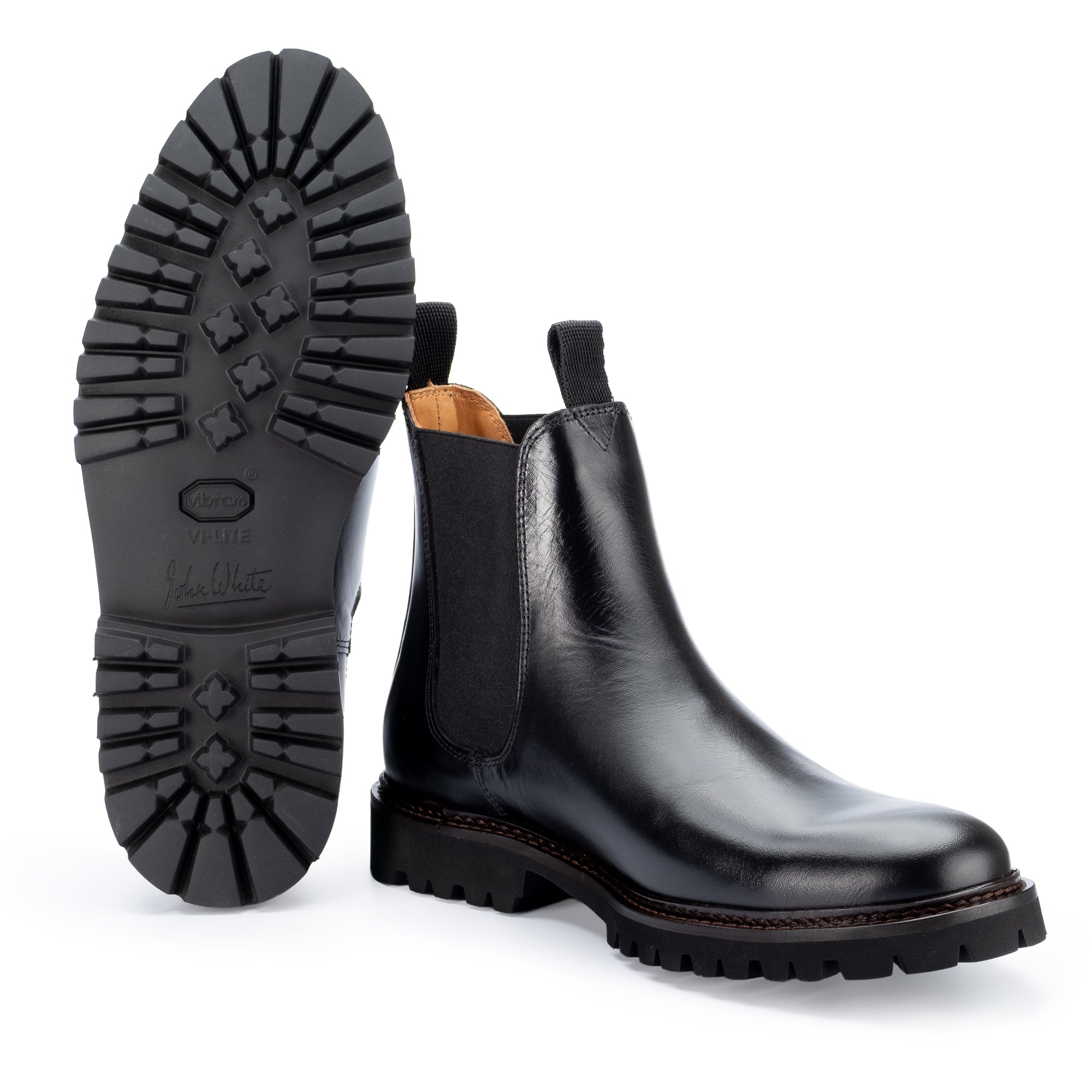
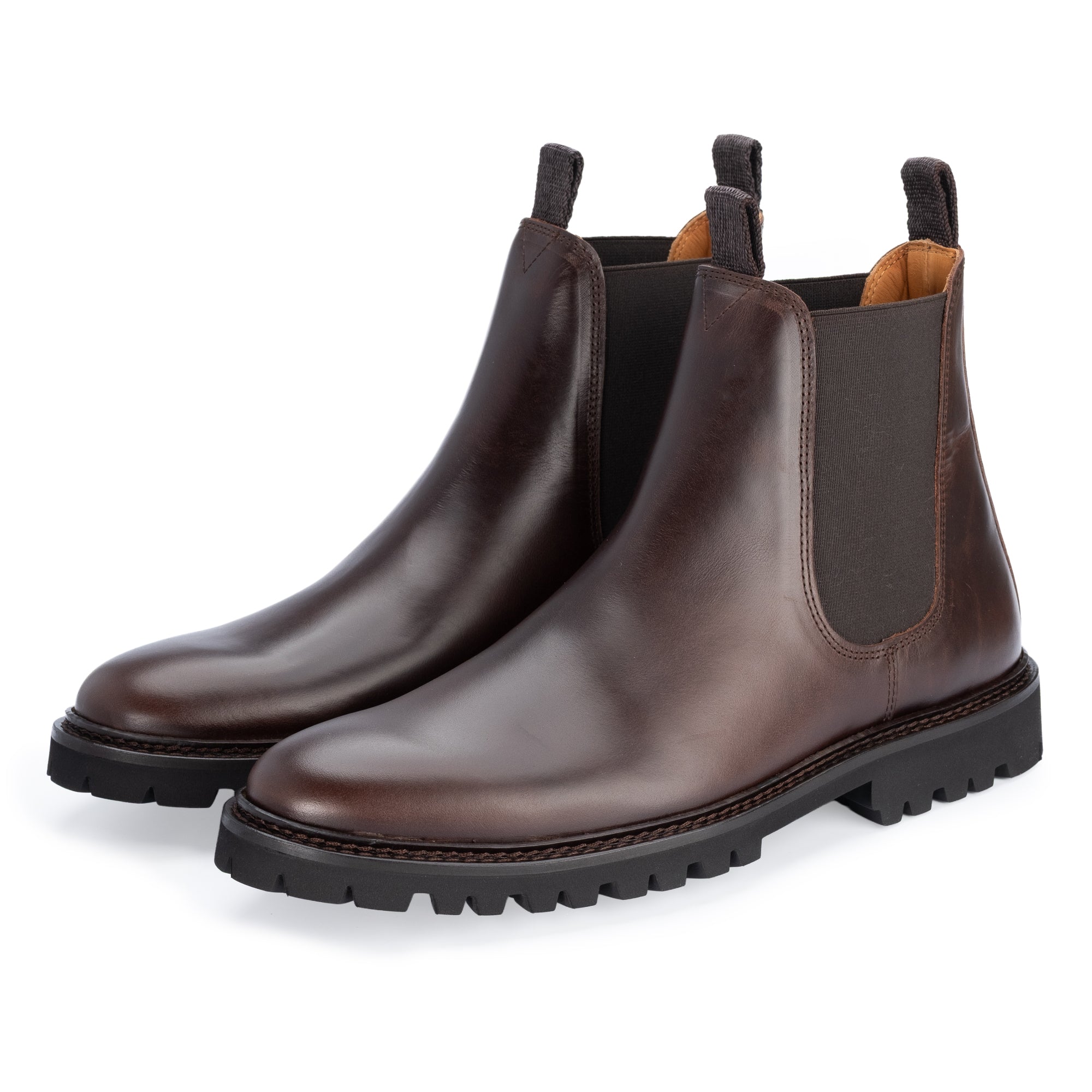
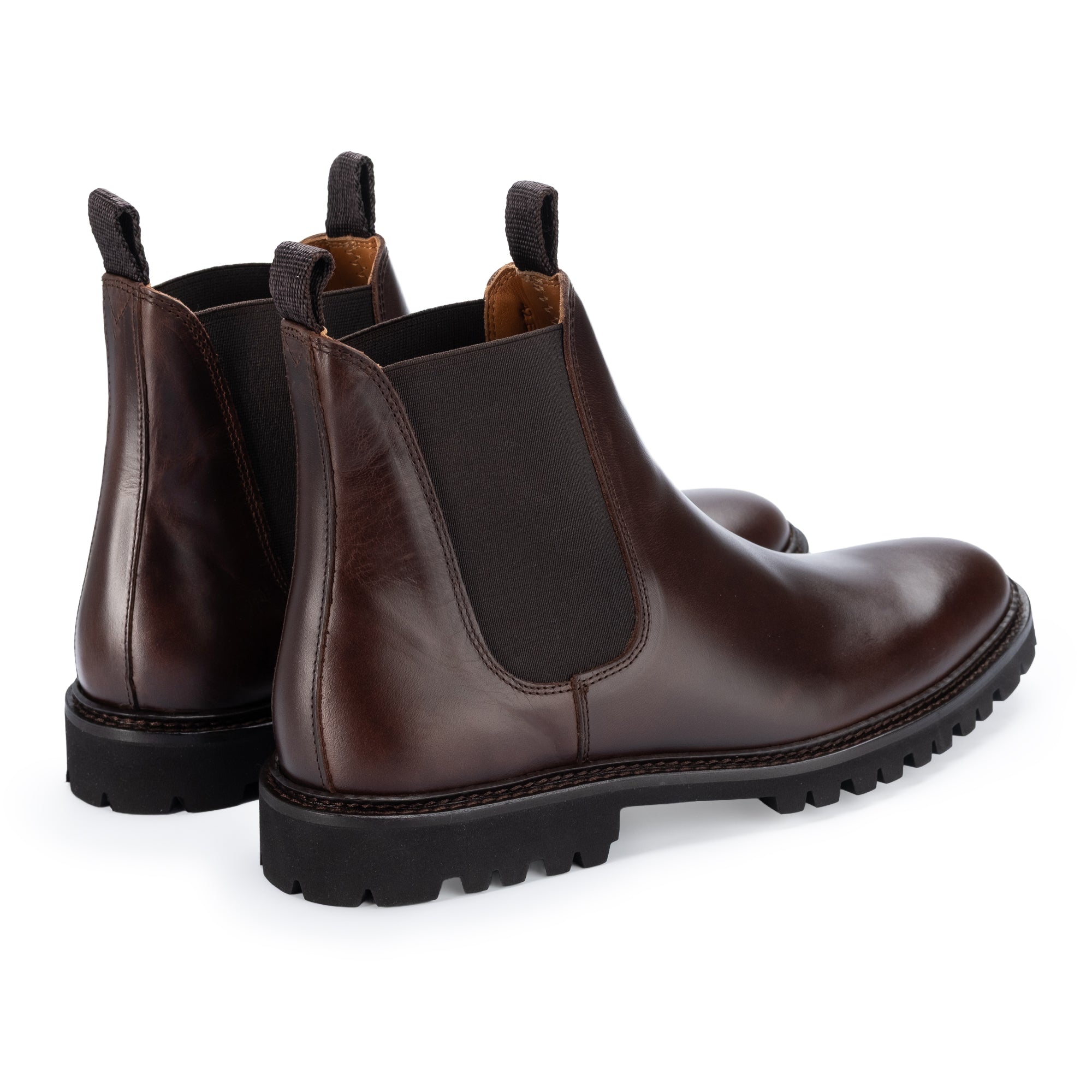
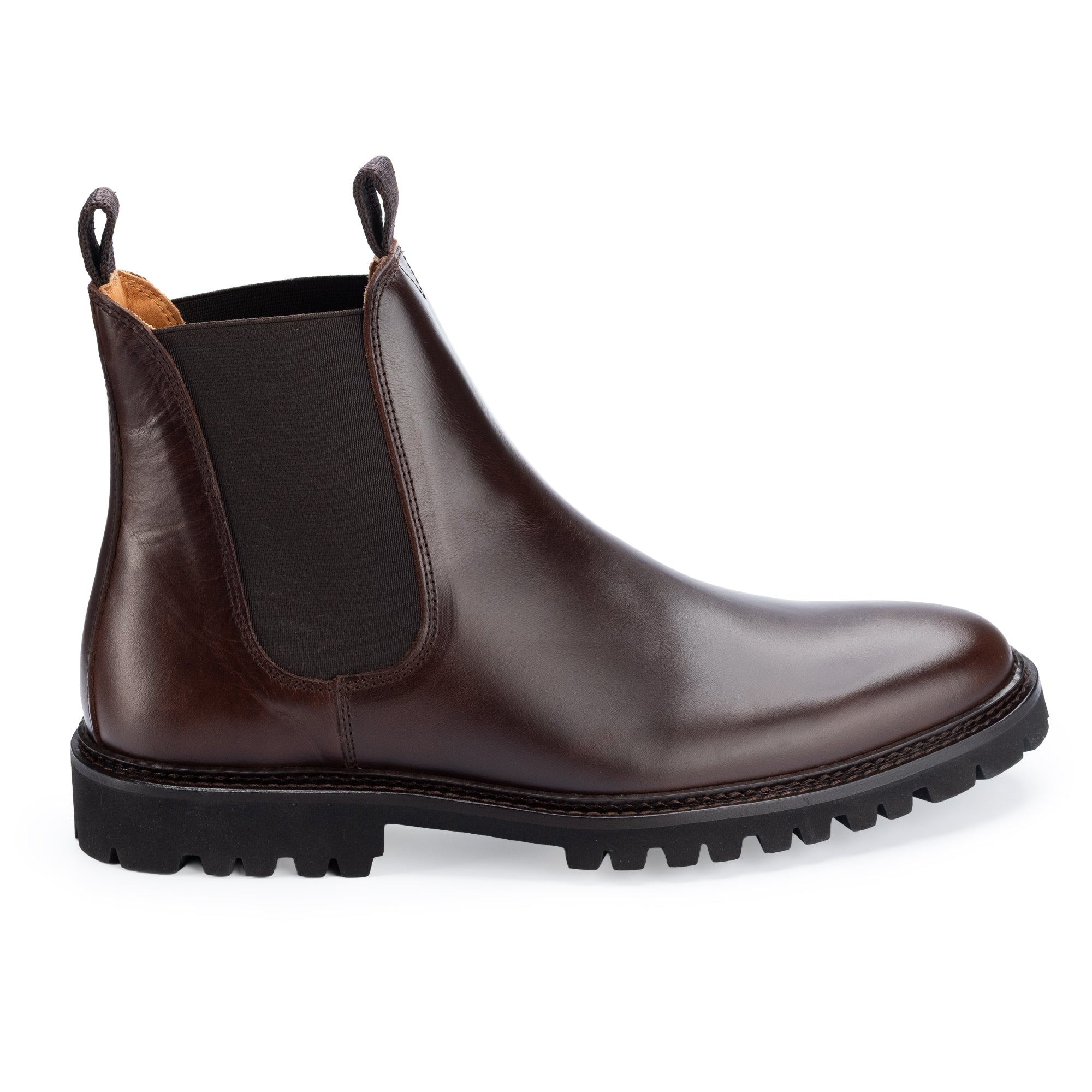
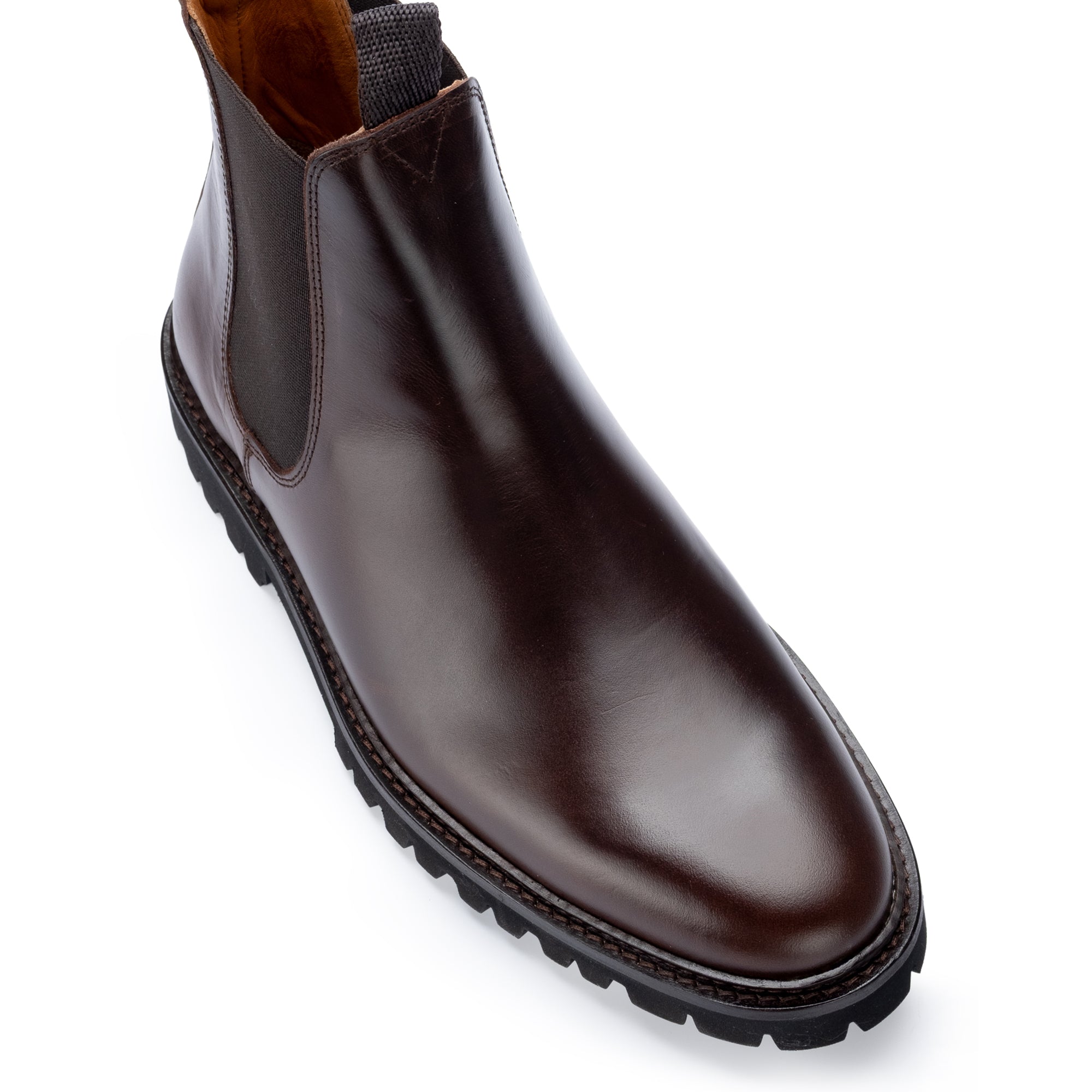
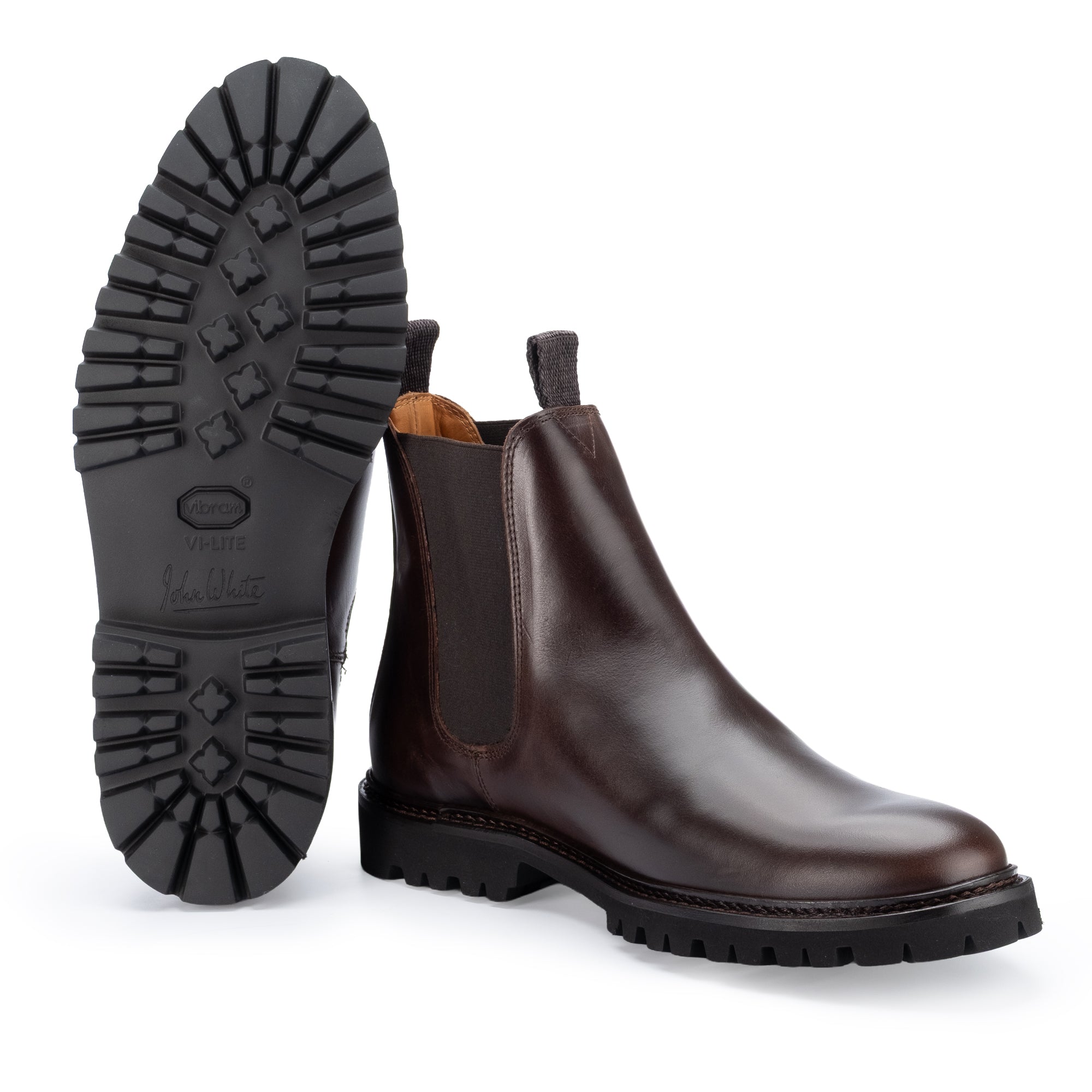
For a leather boot, the Hill Chelsea Boot in black or brown is an exceptionally wearable choice — the pull-on construction and smooth leather upper work as well under tailored trousers as with a considered pair of jeans.
Suede Upper Styles
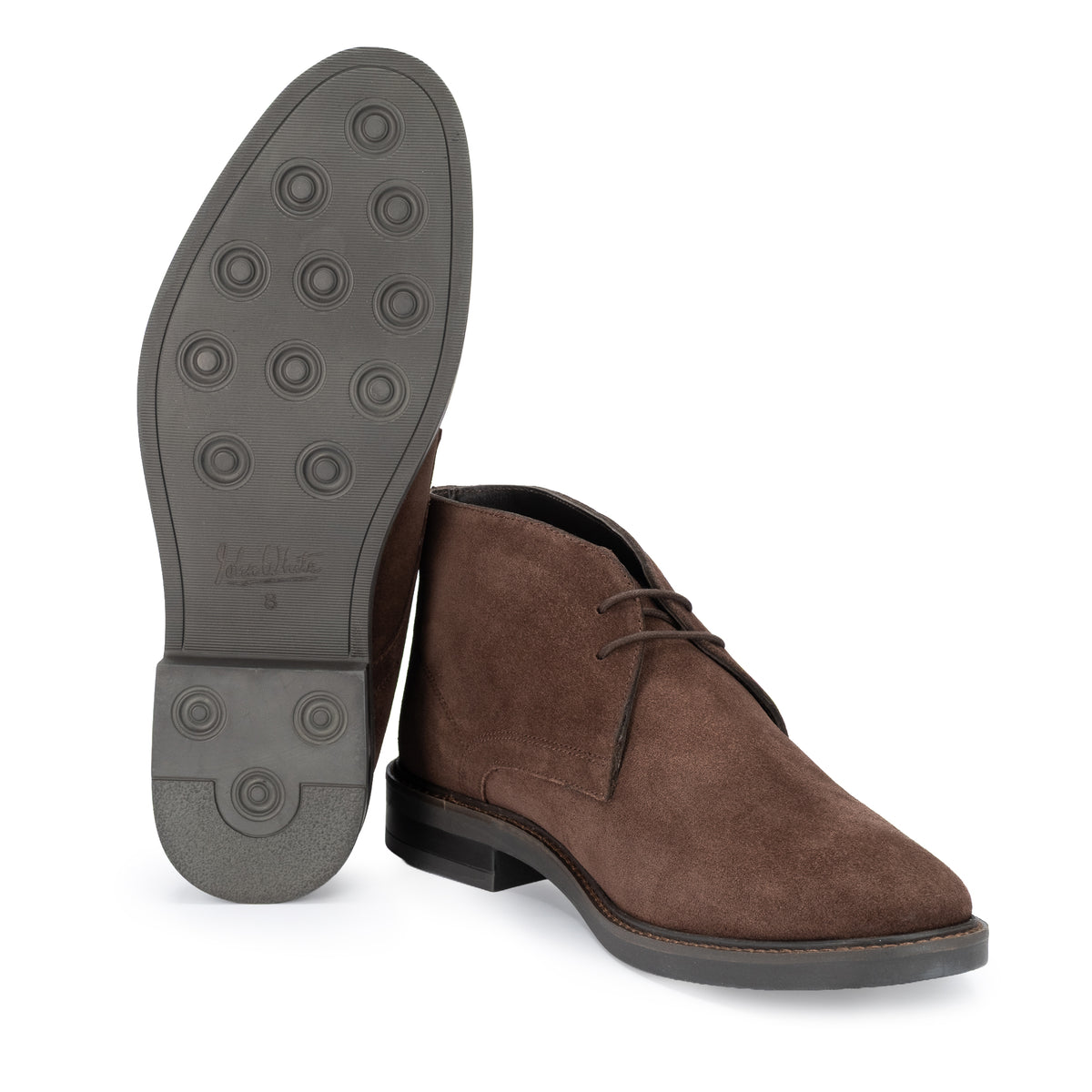
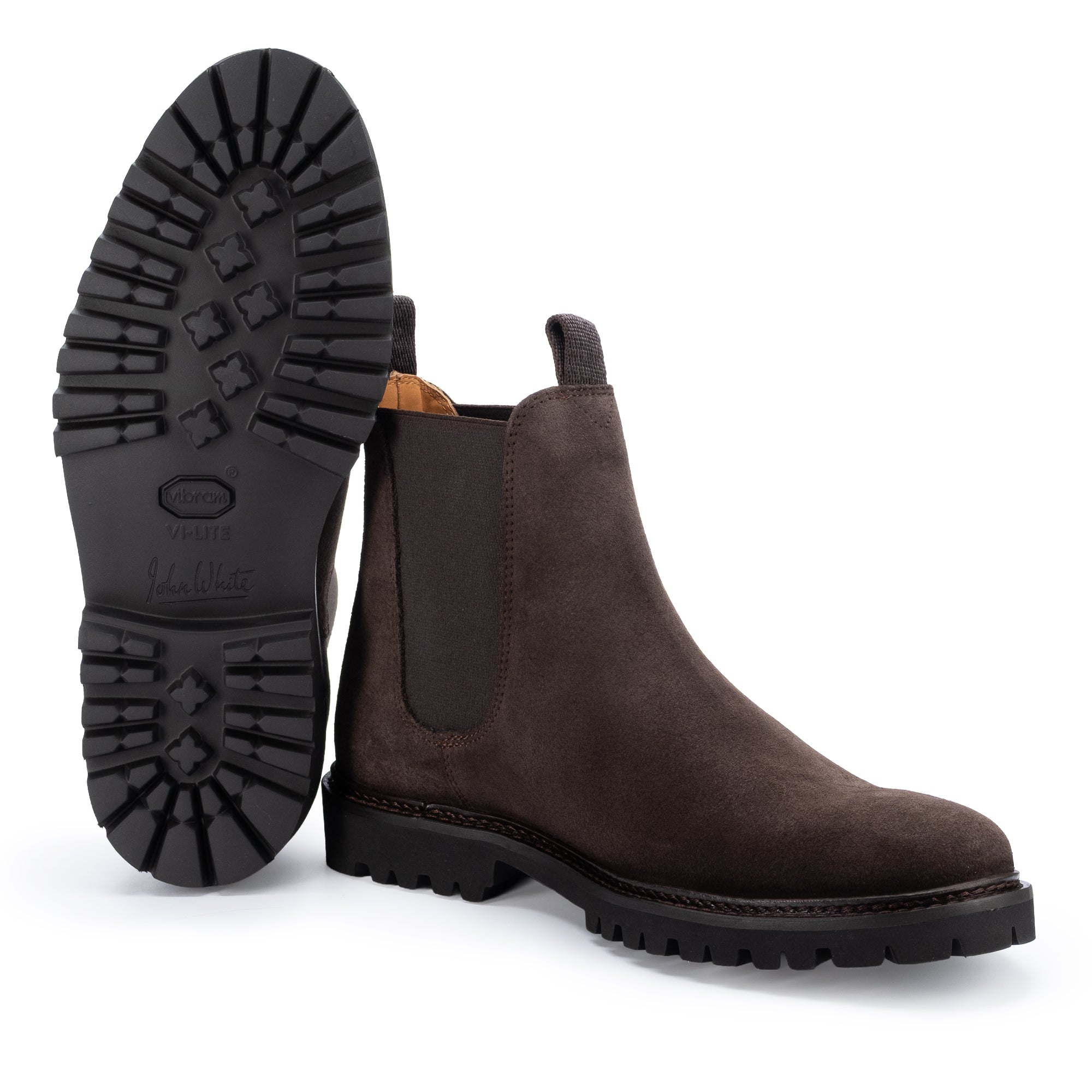
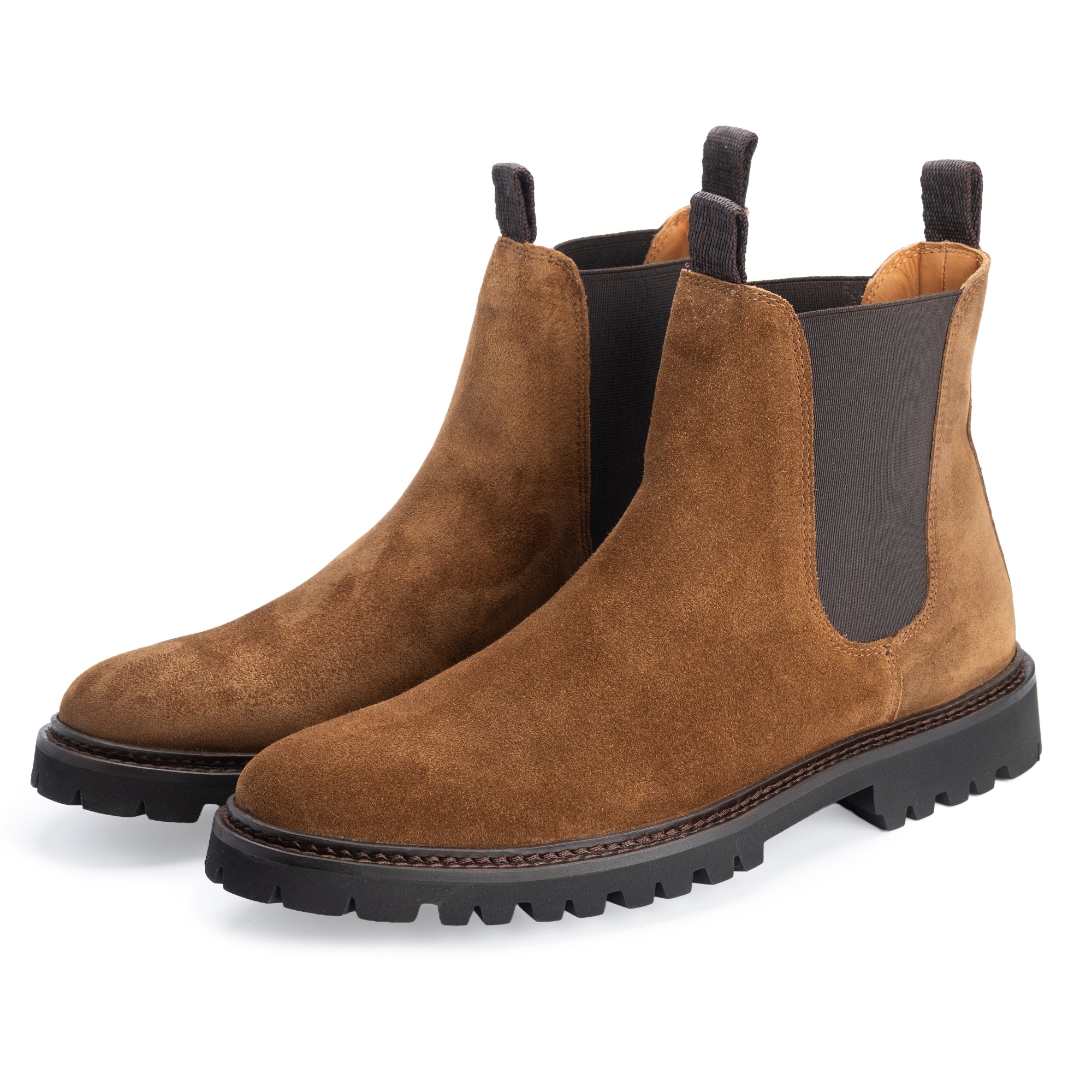
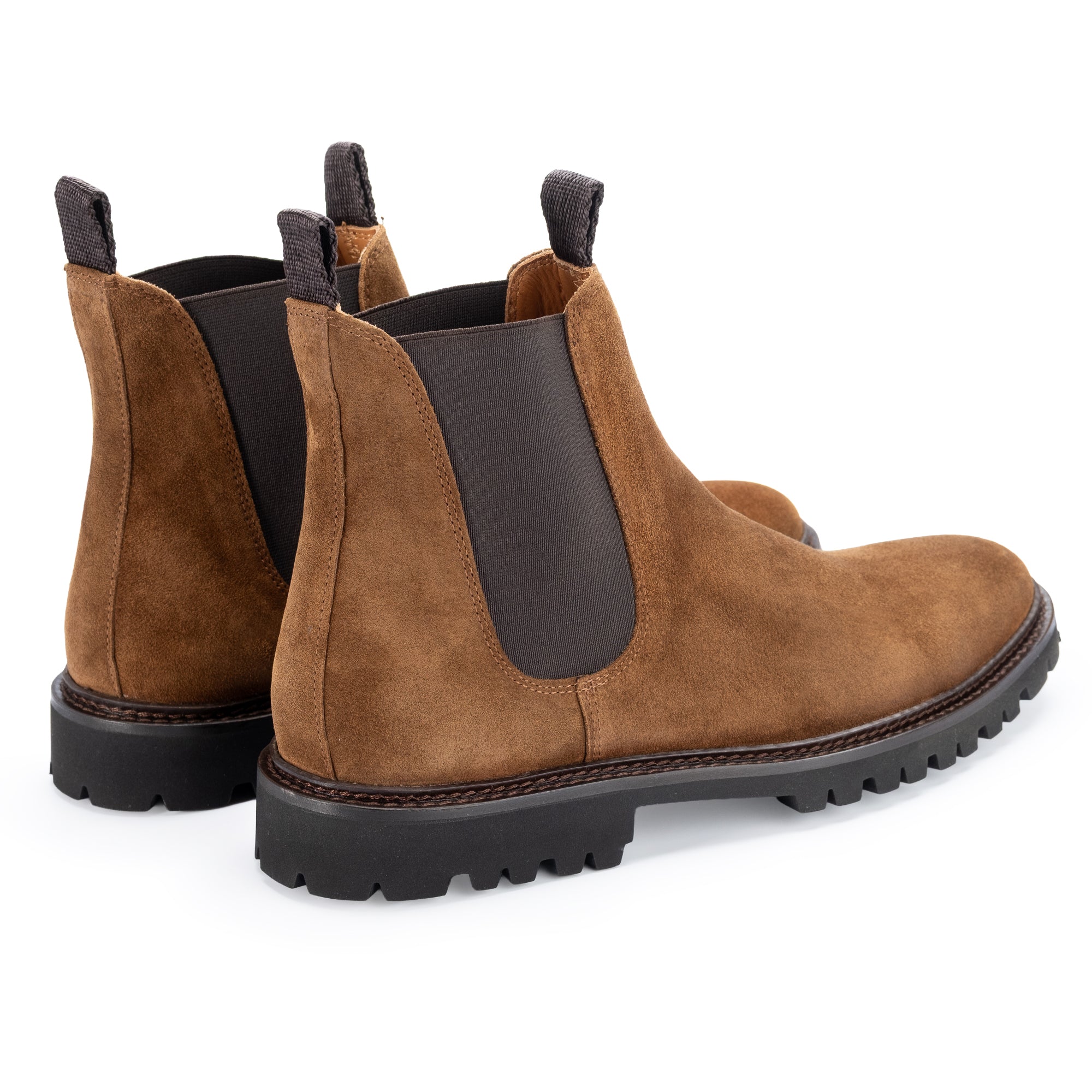
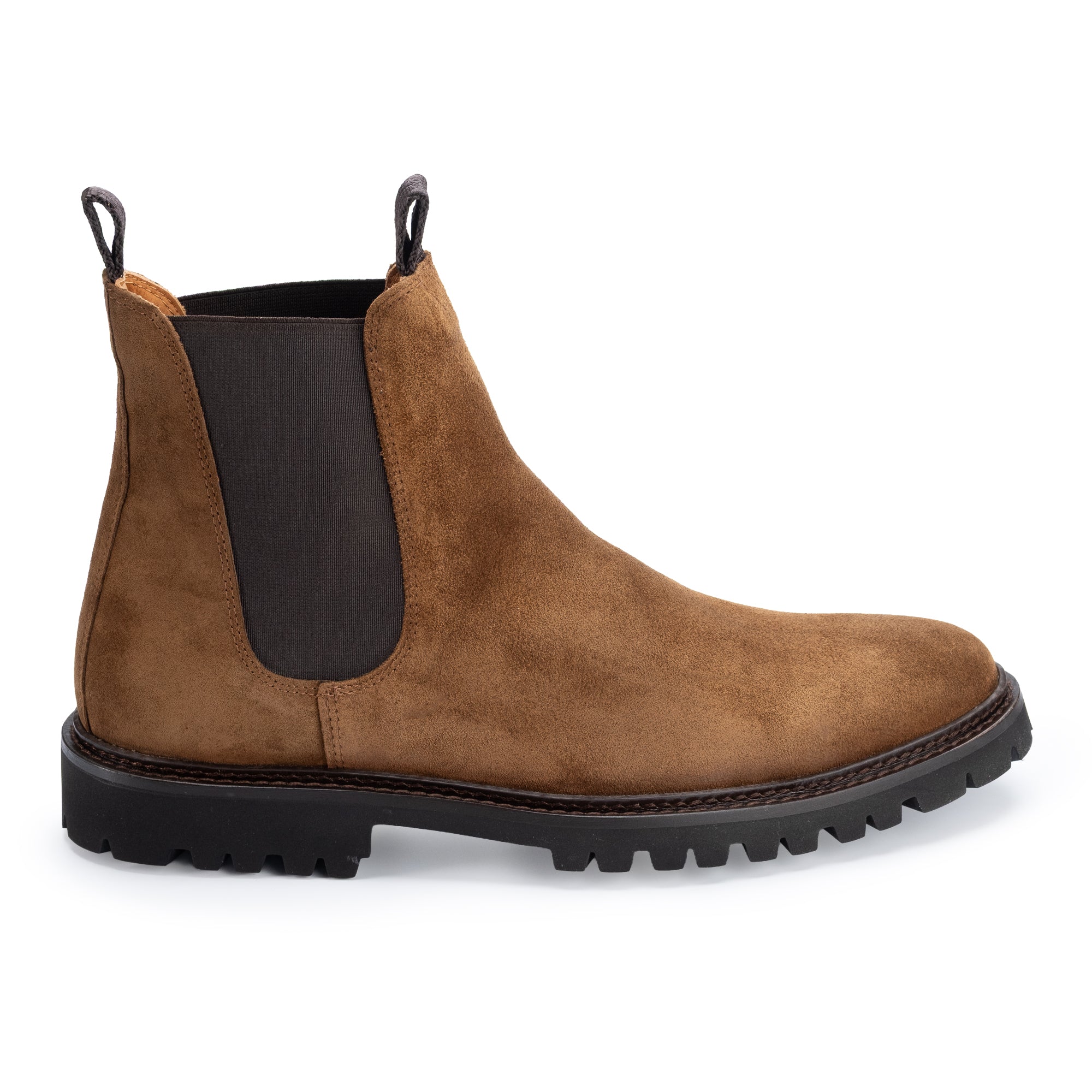
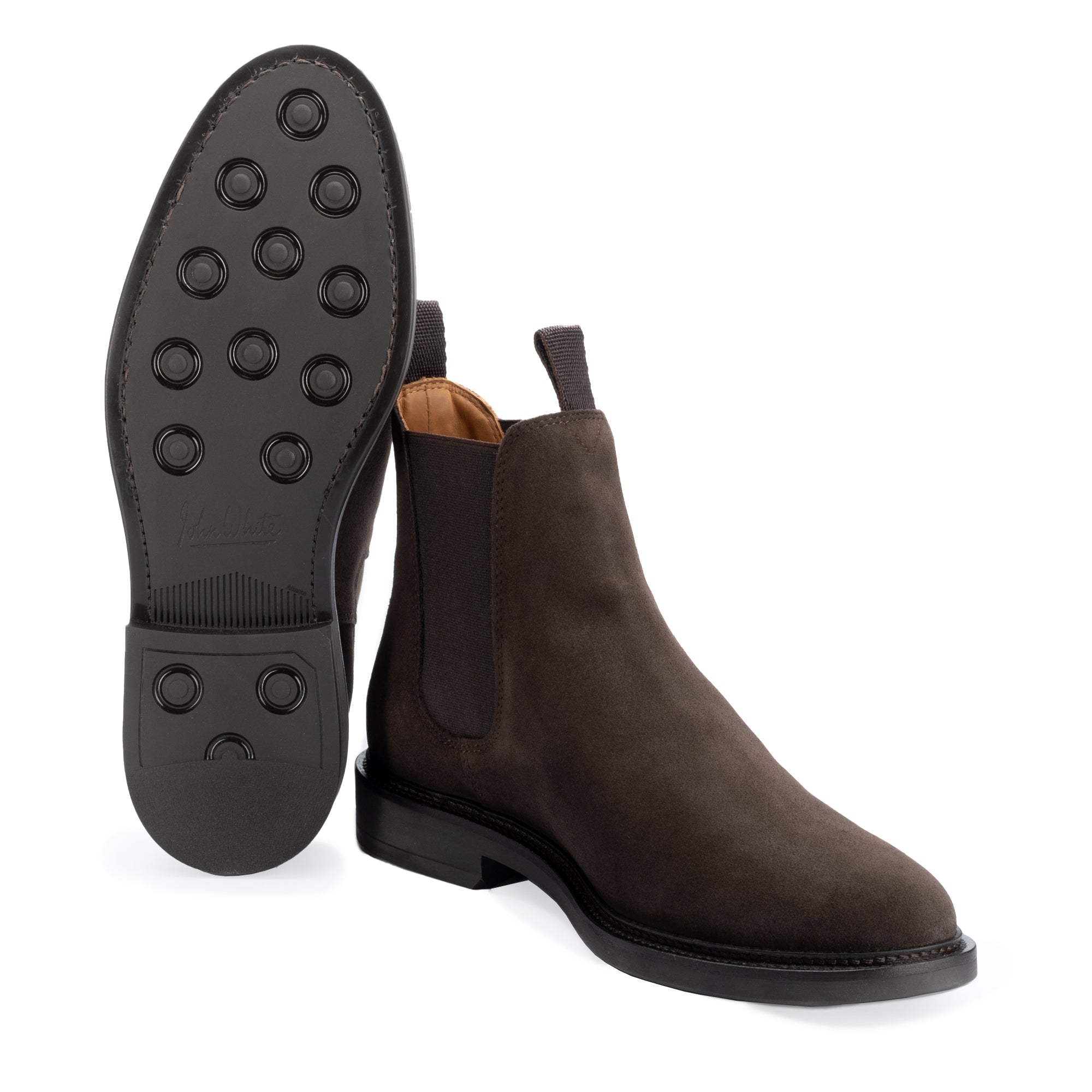
The suede range is built around the styles that most benefit from the material's relaxed texture. The Hill Chelsea Suede Boot in brown suede or cognac suede is one of the most versatile pieces in the collection — the Chelsea silhouette is clean and contained, and the suede finish lifts it out of strict formal territory into genuinely smart-casual. The Wessex Chukka Suede Boot in brown or cognac brings the same sensibility to a more open construction — well suited to weekends and relaxed office environments.
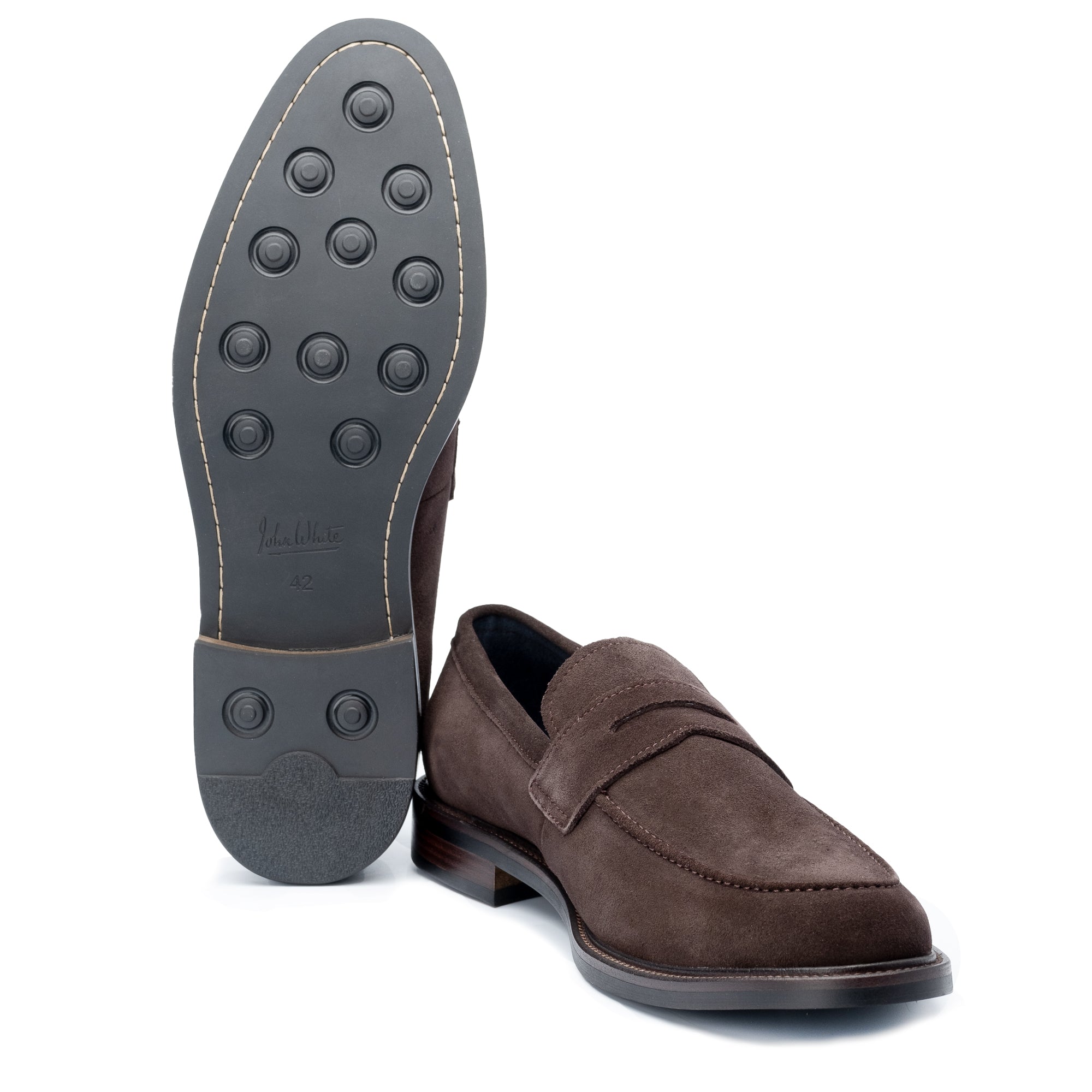
For loafers, the Ethan Plain Calf Suede Loafer is offered in brown suede, green suede, and navy suede — three colours that cover the full range of smart-casual wardrobe requirements. The green suede is a quiet statement for men who want something distinctive without being obvious about it.
How Should You Care for Each Upper Material?
Leather care follows a consistent rhythm: brush off surface dirt, apply a quality wax or cream polish, buff to a shine, and condition every 6–8 weeks. Our complete leather shoe care guide covers every step, including how to build a long-term care routine that keeps uppers looking their best for decades.
Suede care operates differently. Use a suede brush to restore the nap after each wear, treat marks with a nubuck cleaning bar, and apply suede protector spray every 4–6 weeks. Don't use standard leather polish on suede — it will mat the nap irreversibly. Our guide to cleaning and caring for suede shoes covers the full process.
Before you buy, it's also worth understanding what quality looks like in a leather upper. Our guide to full-grain vs corrected-grain leather explains exactly what to look for — relevant whether you're buying smooth leather or evaluating the quality of the hide a suede upper comes from.
Related Guides
- The History of British Shoemaking — our comprehensive guide
- The Complete Guide to Leather Shoe Care — how to clean, condition, and polish smooth leather uppers for the long term
- How to Clean and Care for Suede Shoes — the definitive process for maintaining the nap and protecting suede uppers
- Full-Grain vs Corrected-Grain Leather: How to Spot Quality in Men's Shoes — understanding what makes a leather upper genuinely superior
TL;DR: Smooth leather uppers are more durable, weather-resistant, and suited to formal and business wear; suede uppers are softer, more relaxed in formality, and better suited to smart-casual dressing and warmer months. For a complete men's shoe wardrobe, both materials earn their place — one pair of each covers the full range of occasions most men face.
Frequently Asked Questions
Is suede a type of leather?
Yes. Suede is a type of leather — specifically, it's produced from the inner split of an animal hide rather than the outer surface. The inner layer is buffed to create the characteristic soft nap. Because it uses a different layer of the hide than smooth leather, suede behaves differently: it's more porous, softer in appearance, and requires a different care approach.
Can you waterproof suede shoes?
You can significantly improve suede's water resistance, but not make it fully waterproof. A quality suede protector spray creates a barrier that repels light moisture and helps prevent water staining. Reapply every 4–6 weeks during regular wear. Even well-treated suede shouldn't be worn in heavy rain — smooth leather remains the more reliable wet-weather upper.
Does suede last as long as smooth leather?
Generally, smooth leather outlasts suede when both are maintained properly. The outer grain of smooth leather is the densest, most abrasion-resistant layer of the hide; suede's inner surface is inherently softer and more susceptible to wear and scuffing. With consistent care — regular brushing, protector spray, and appropriate use — suede shoes last many years. They simply need more attentive maintenance to reach their potential.
Can you wear suede to a formal event?
Not to black tie or white tie events — smooth leather is the correct formal choice. Suede can work at smart-casual events, business casual environments, summer weddings, and social occasions, but its relaxed texture means it's always reading slightly below formal. If you're unsure, smooth leather is the safer decision; suede is for occasions where you're confident it's appropriate.
Browse the full men's shoe collection or explore our boots range to find the right upper material for your wardrobe.