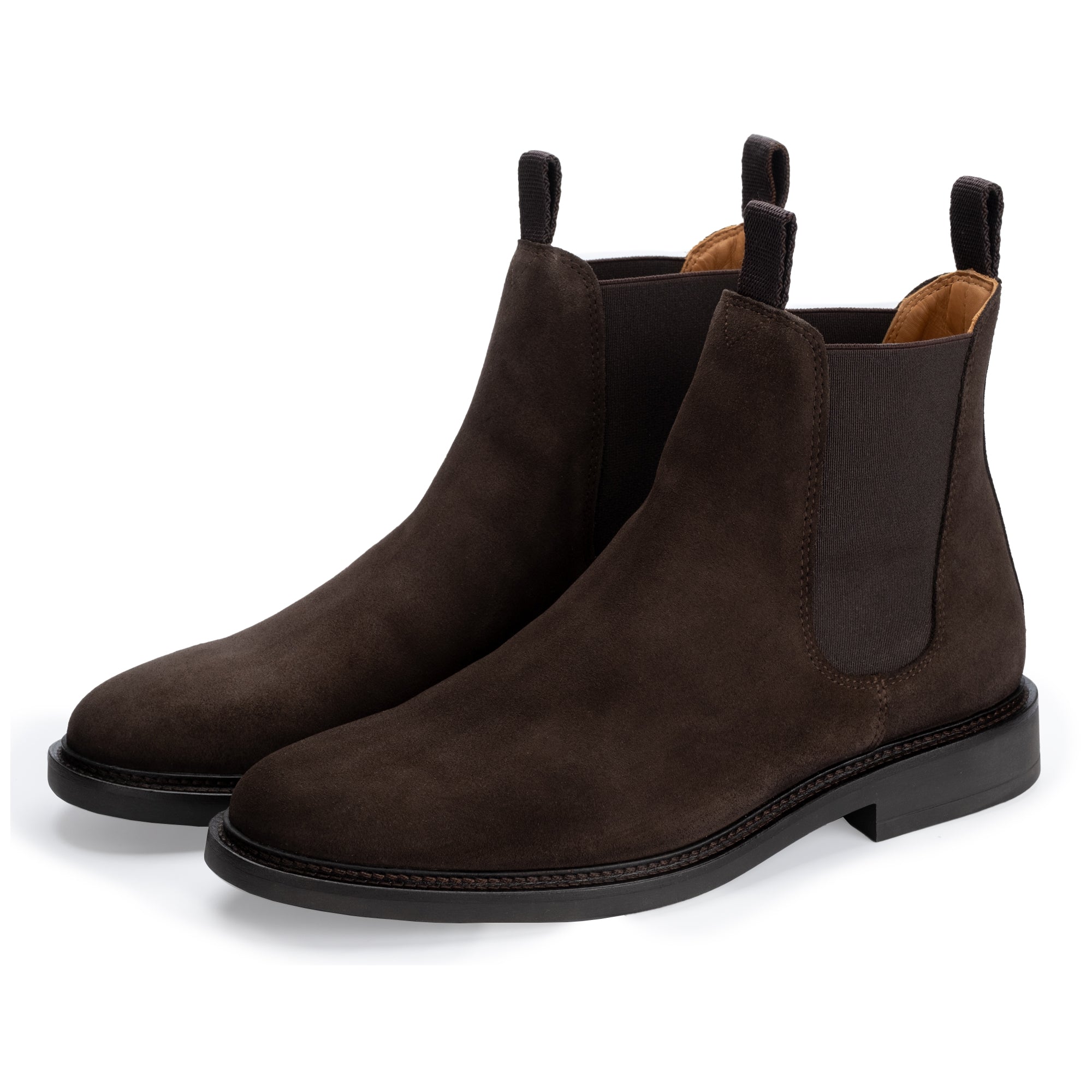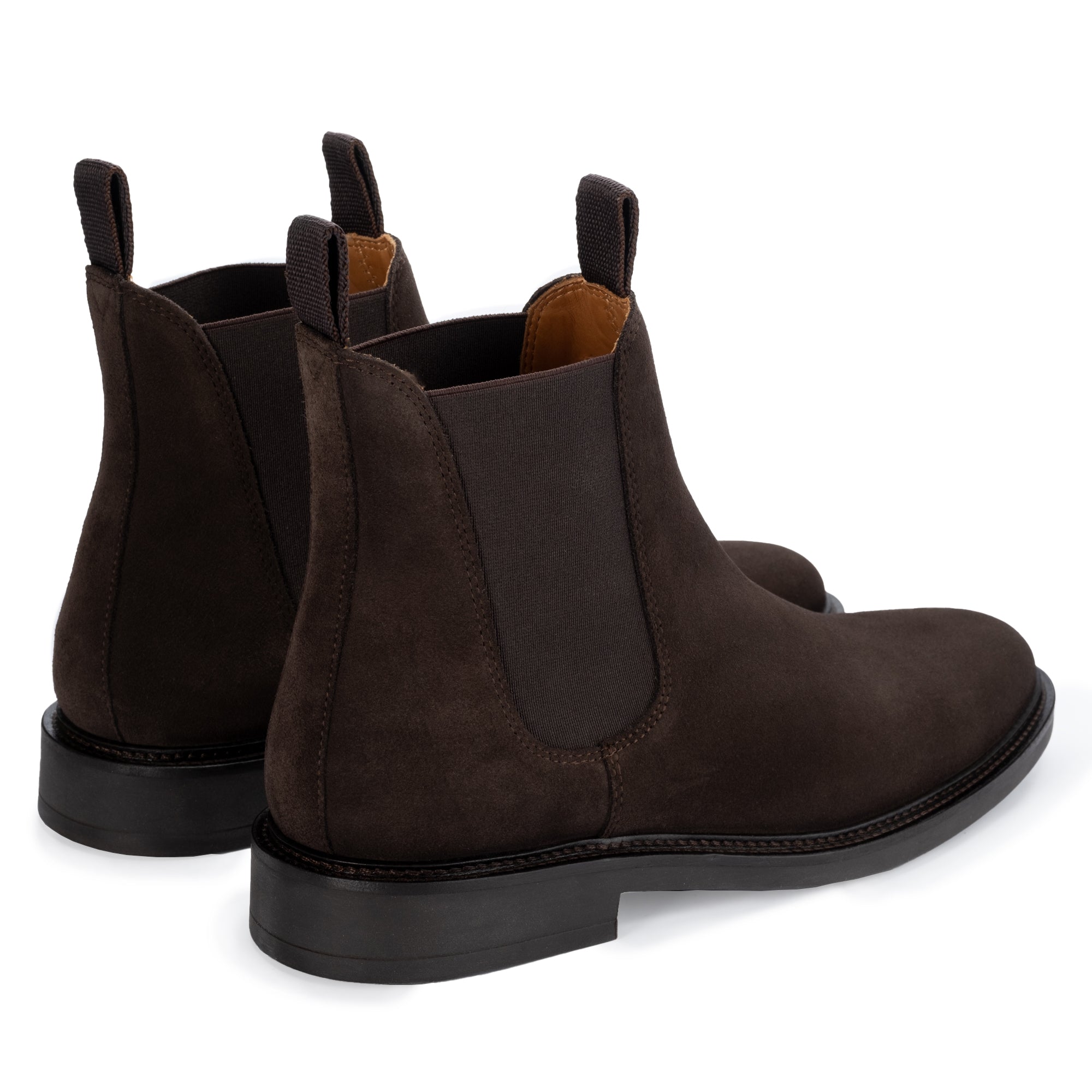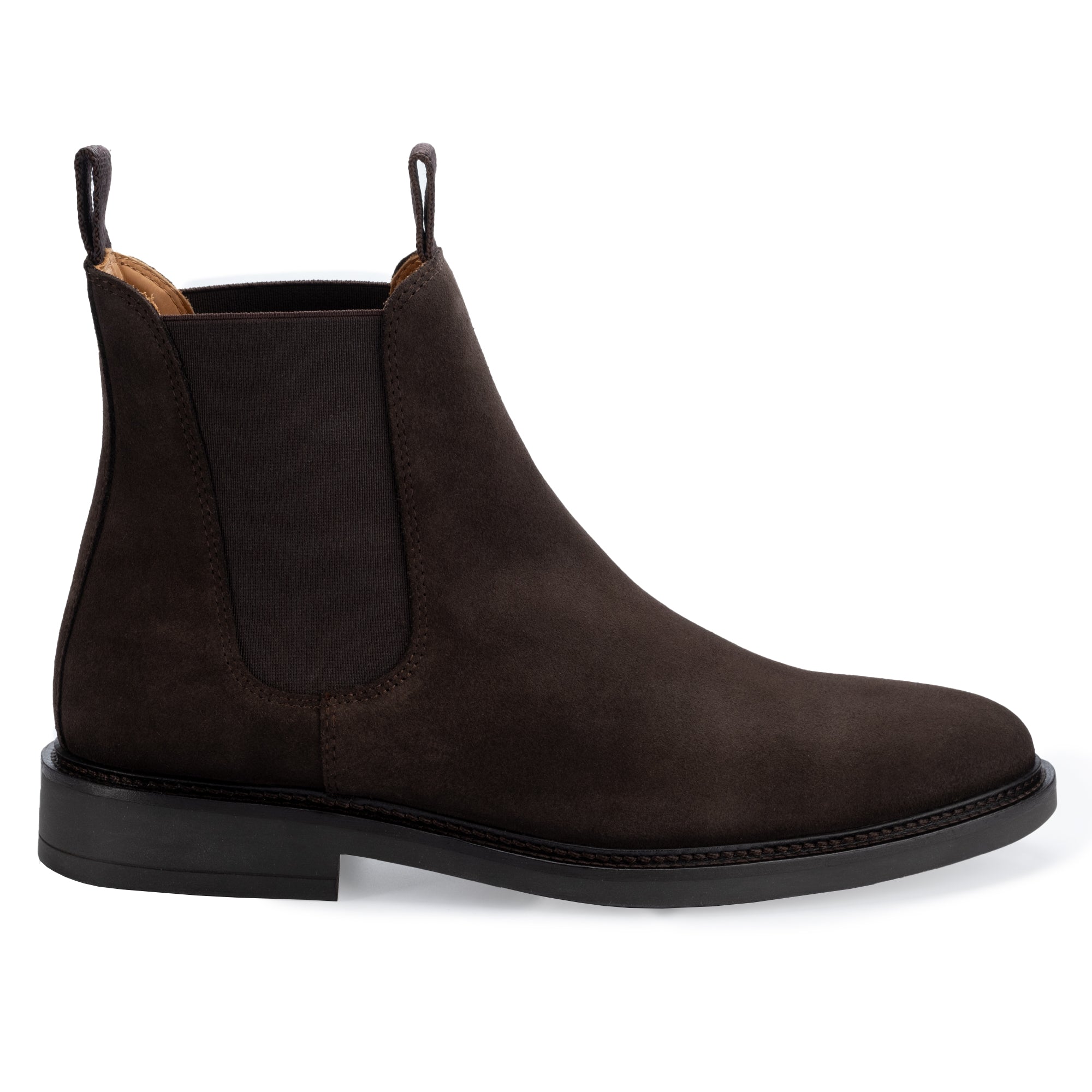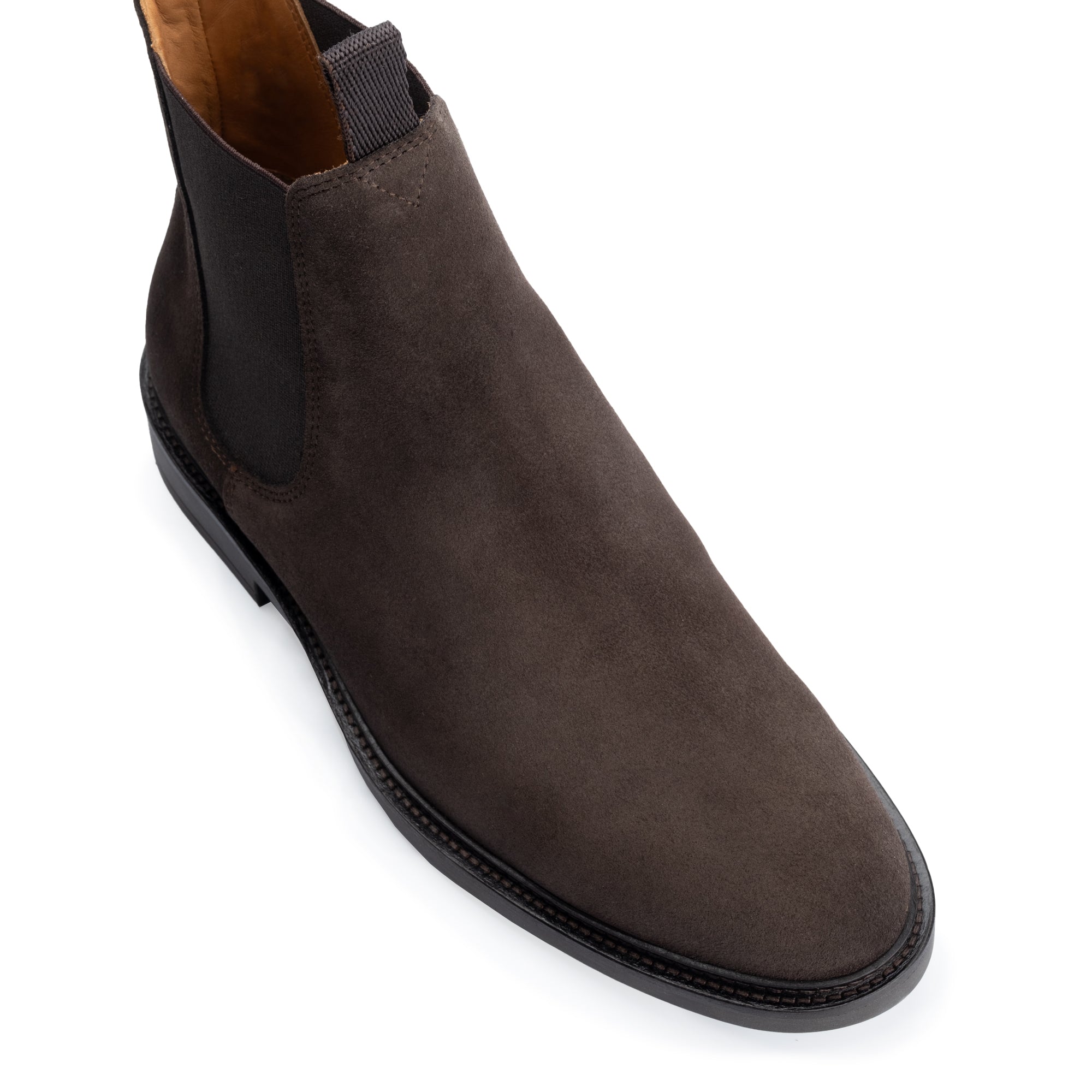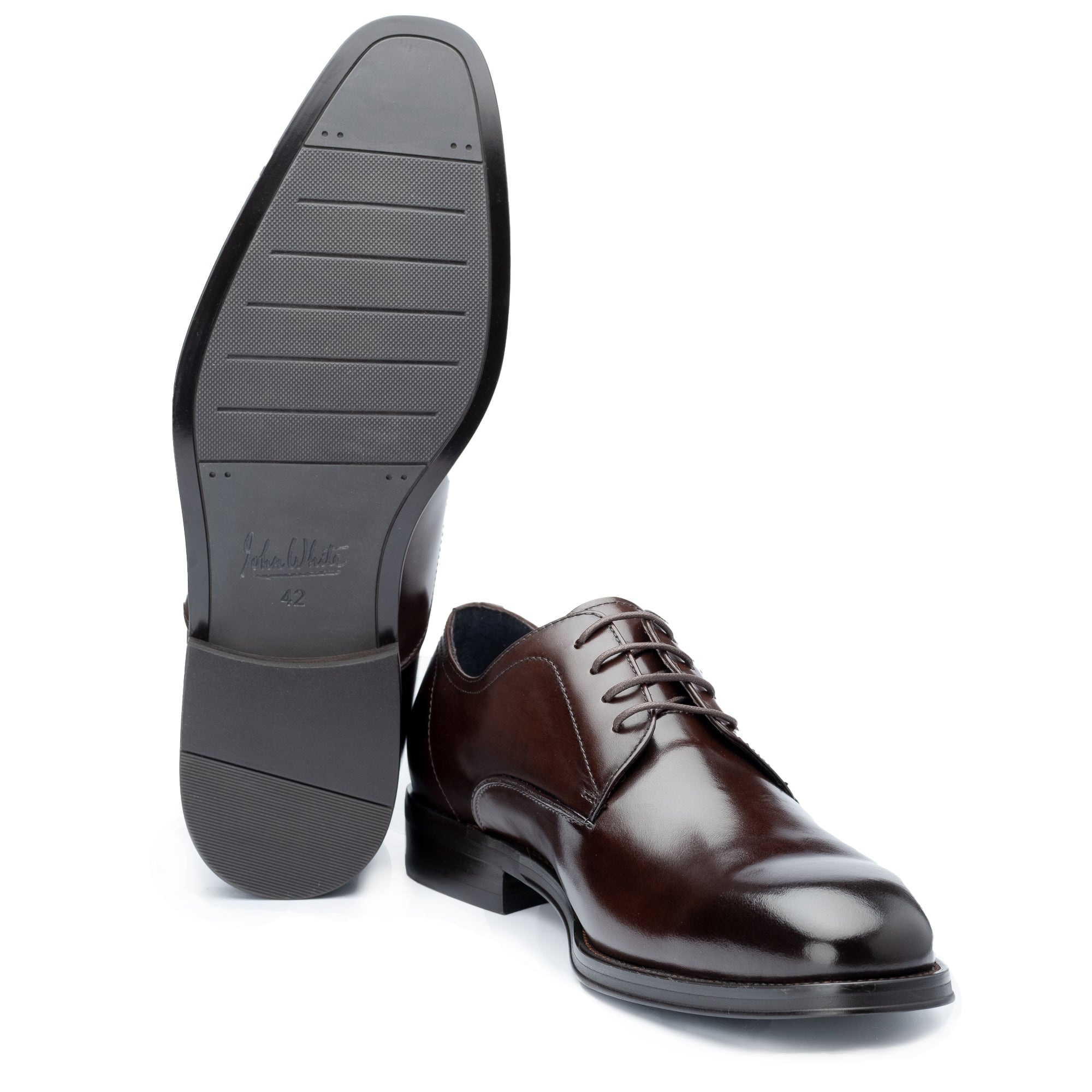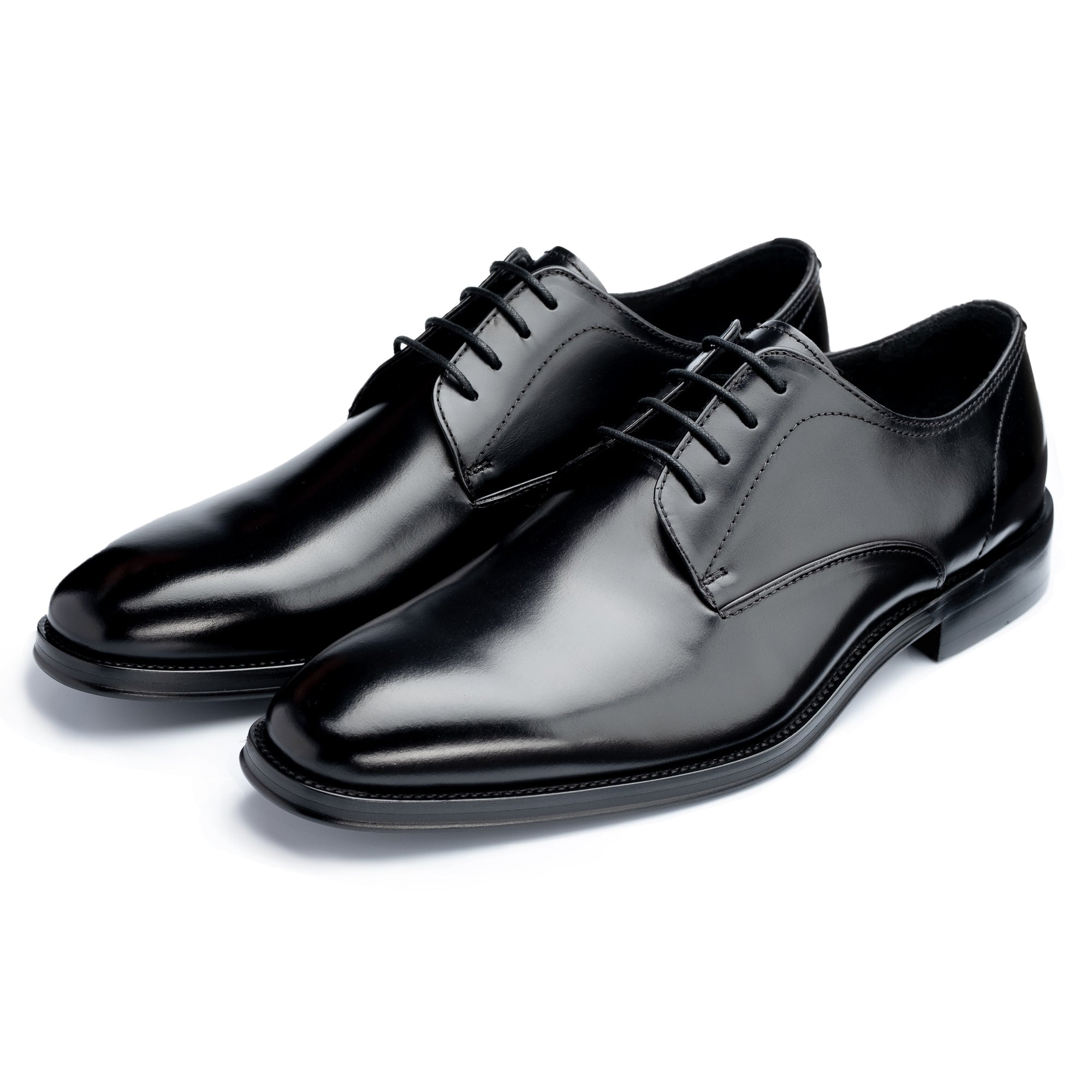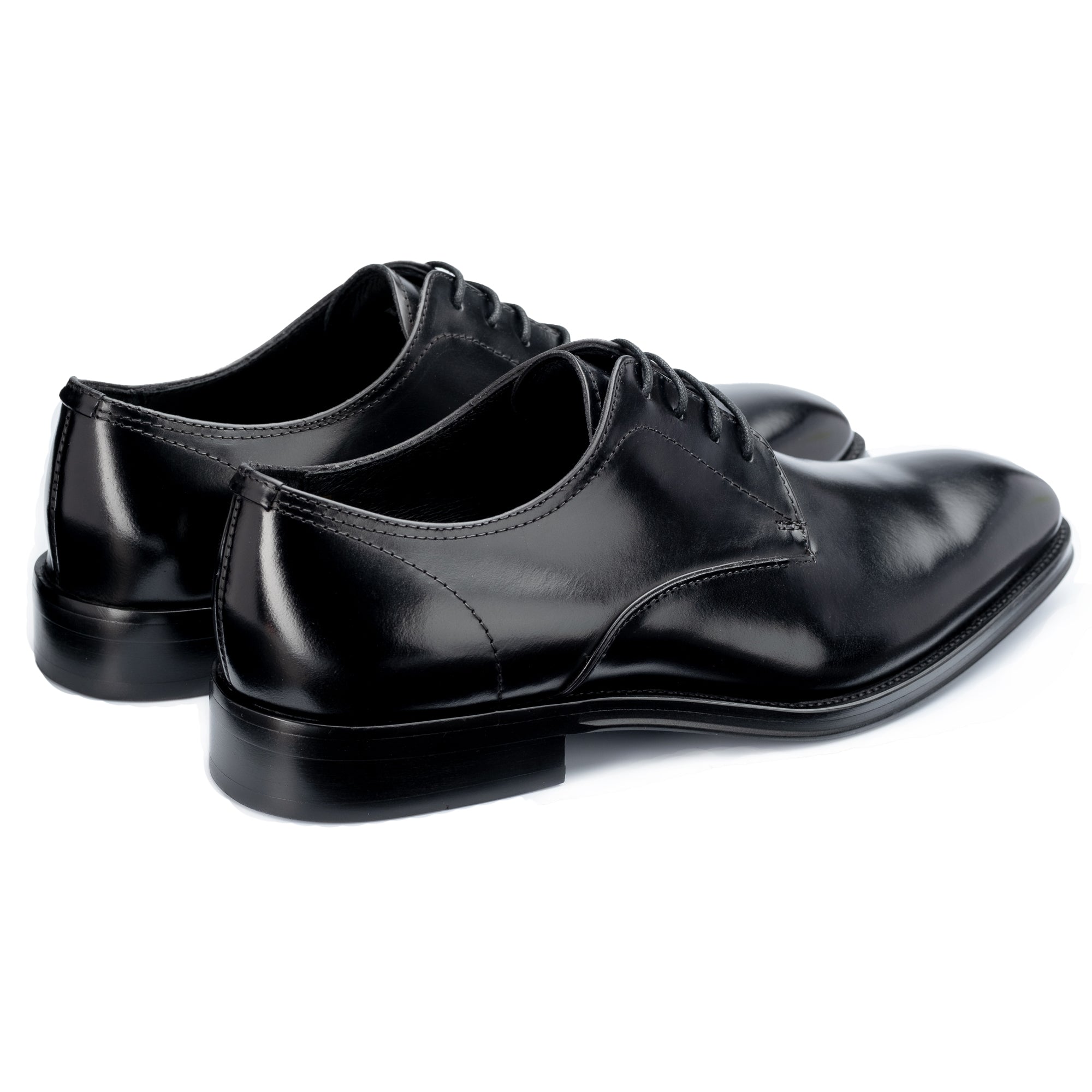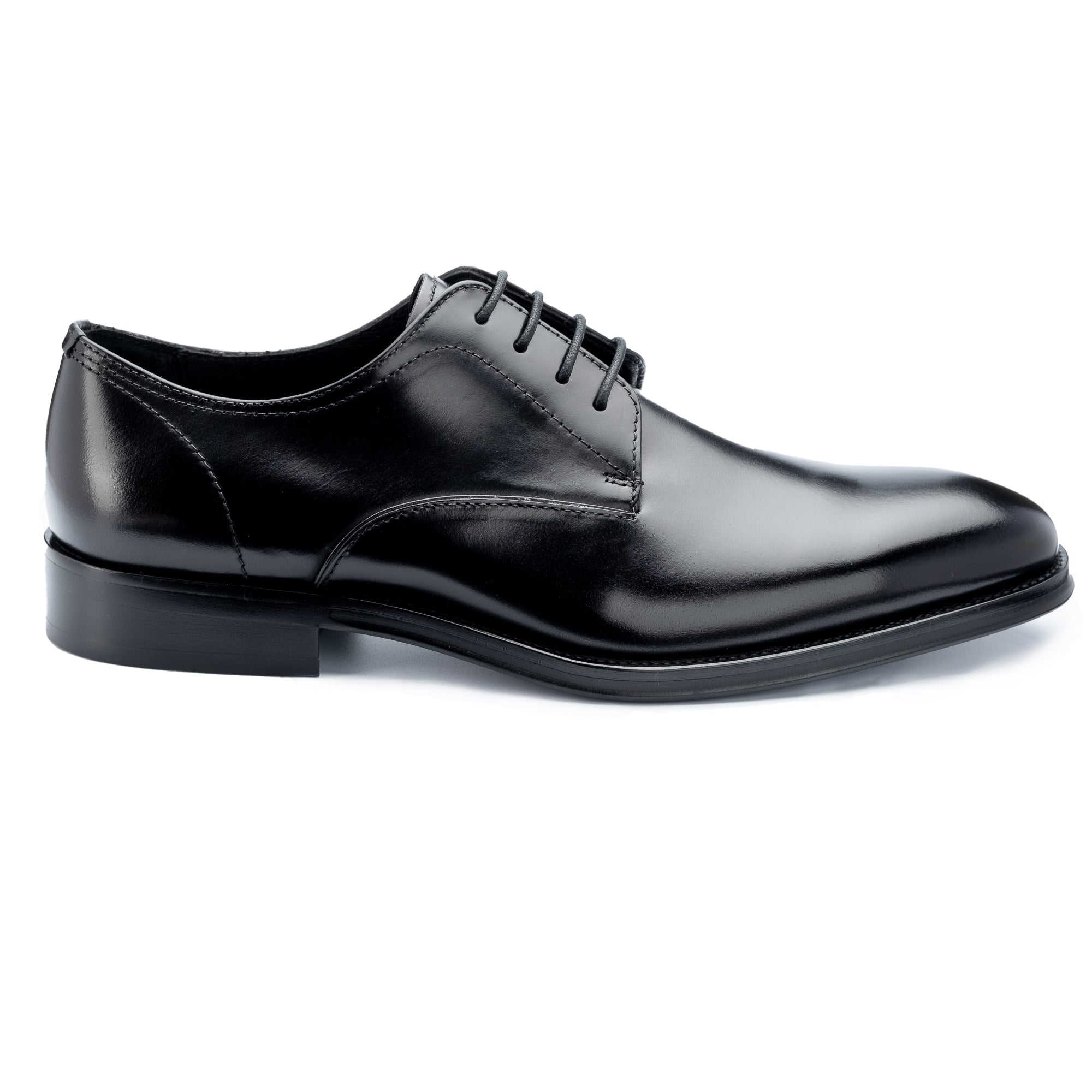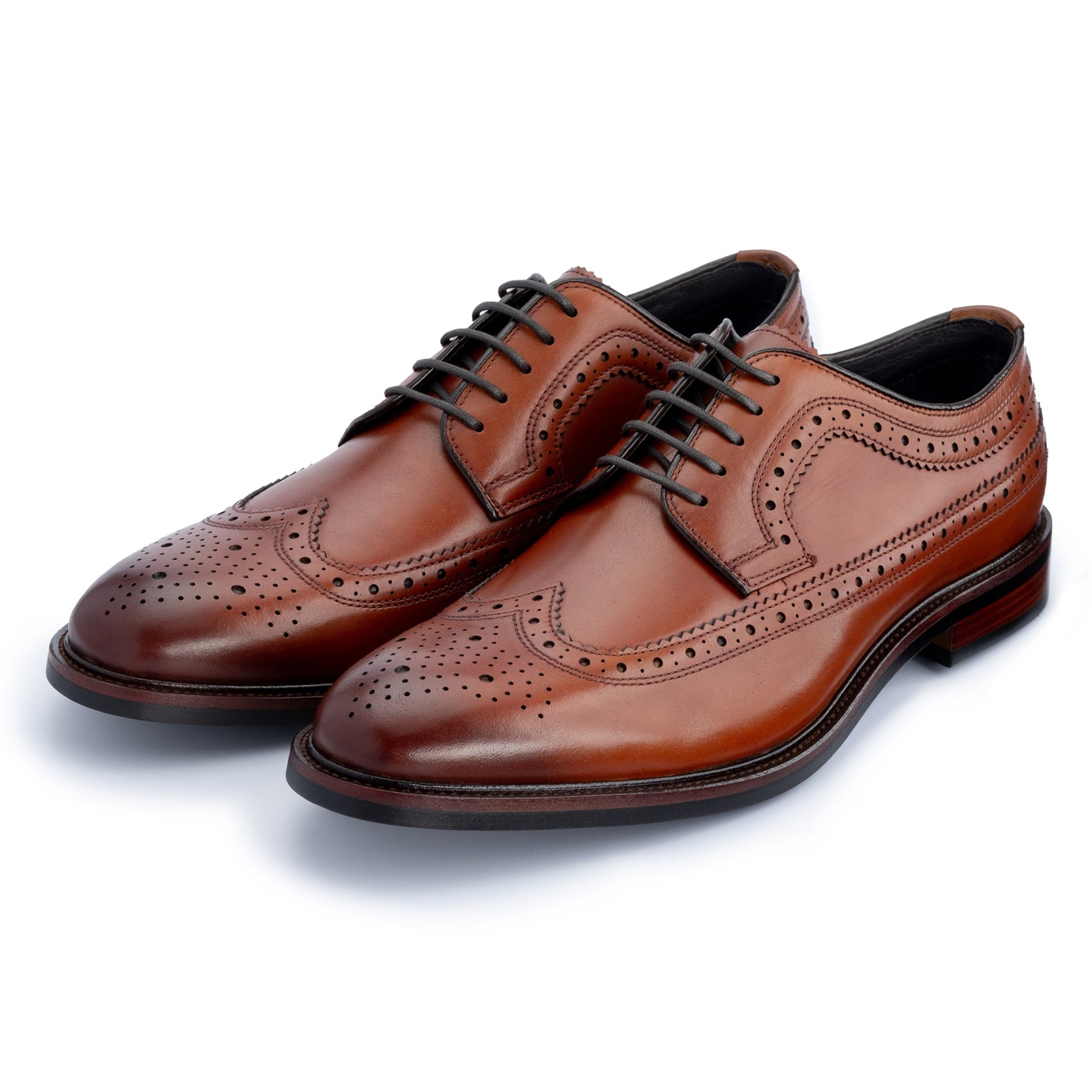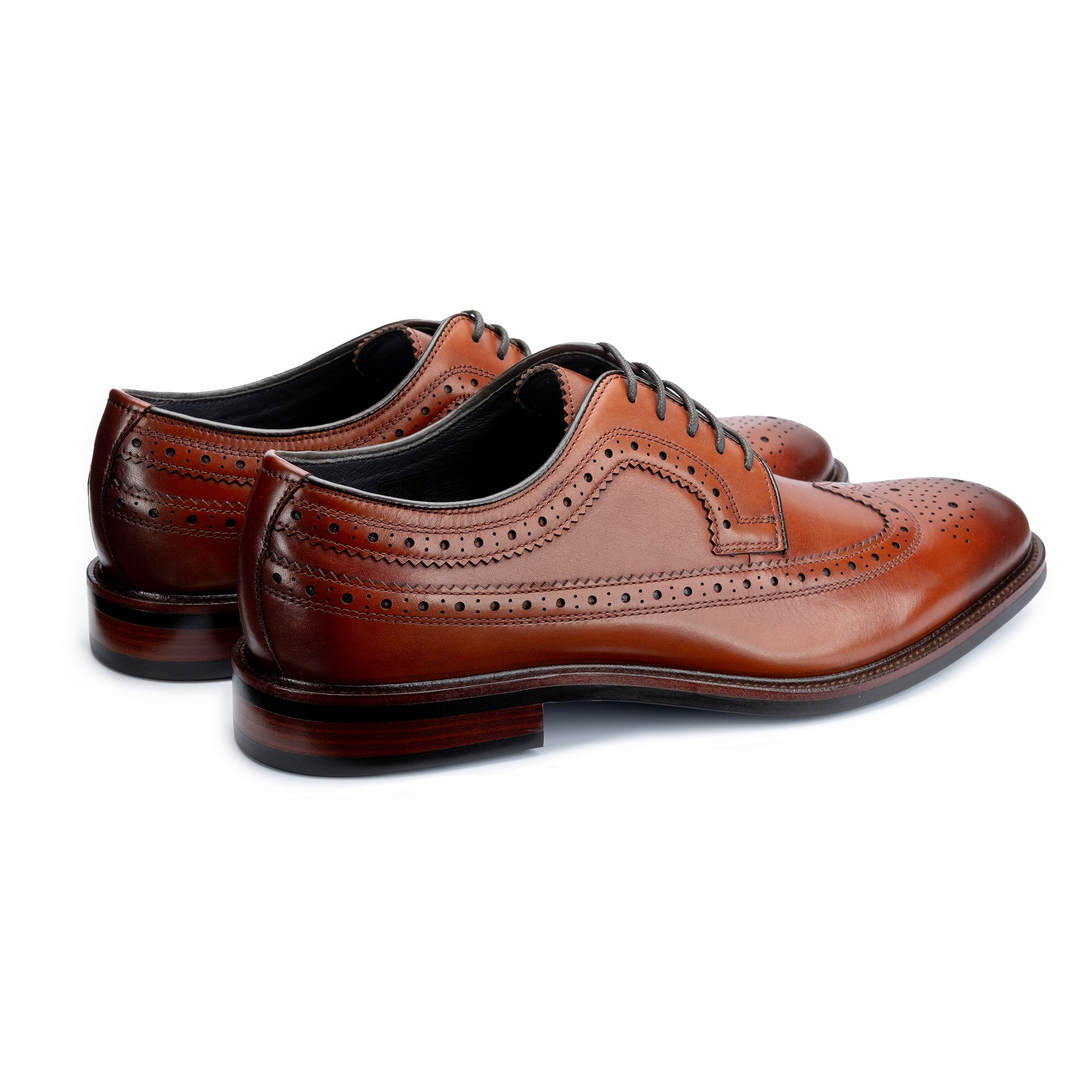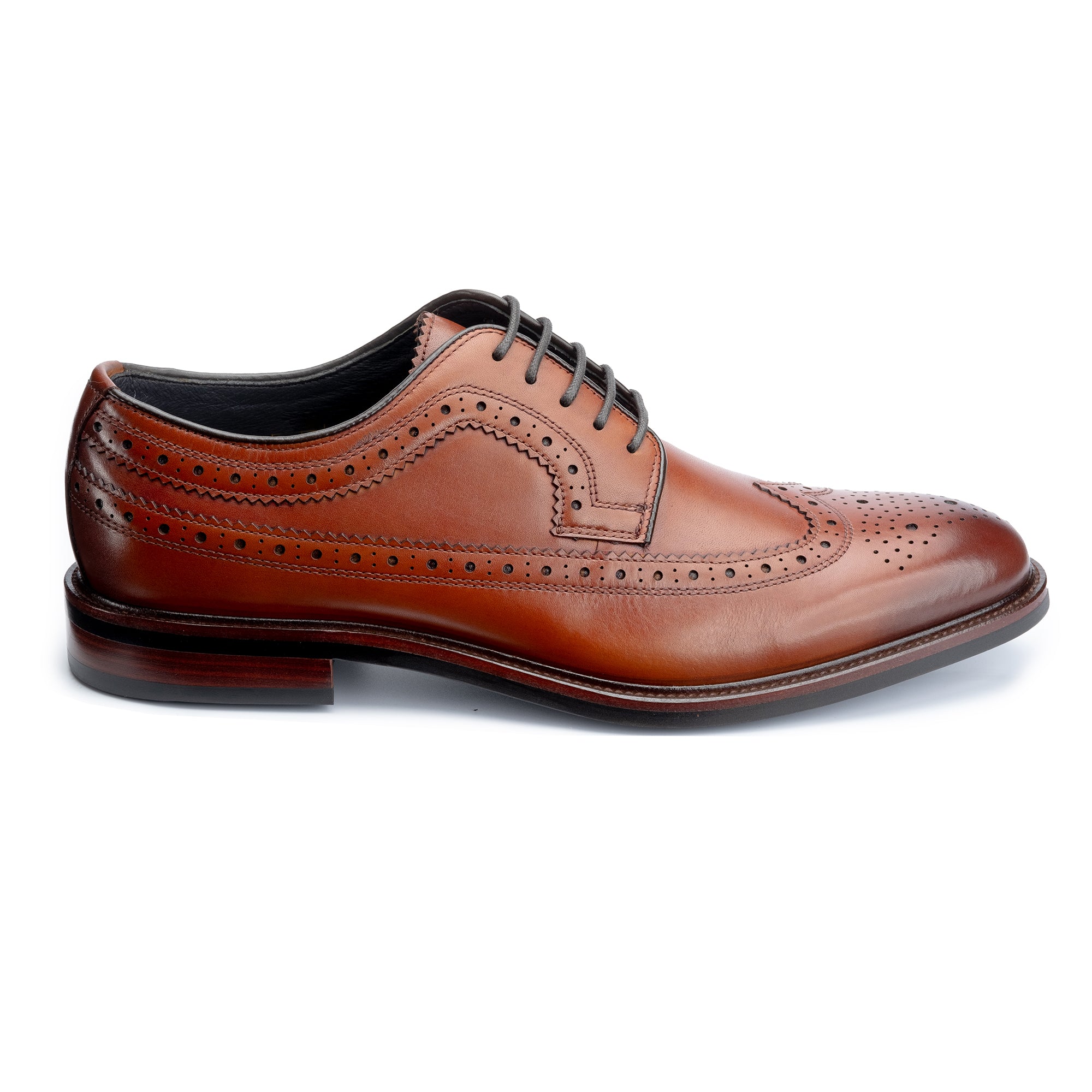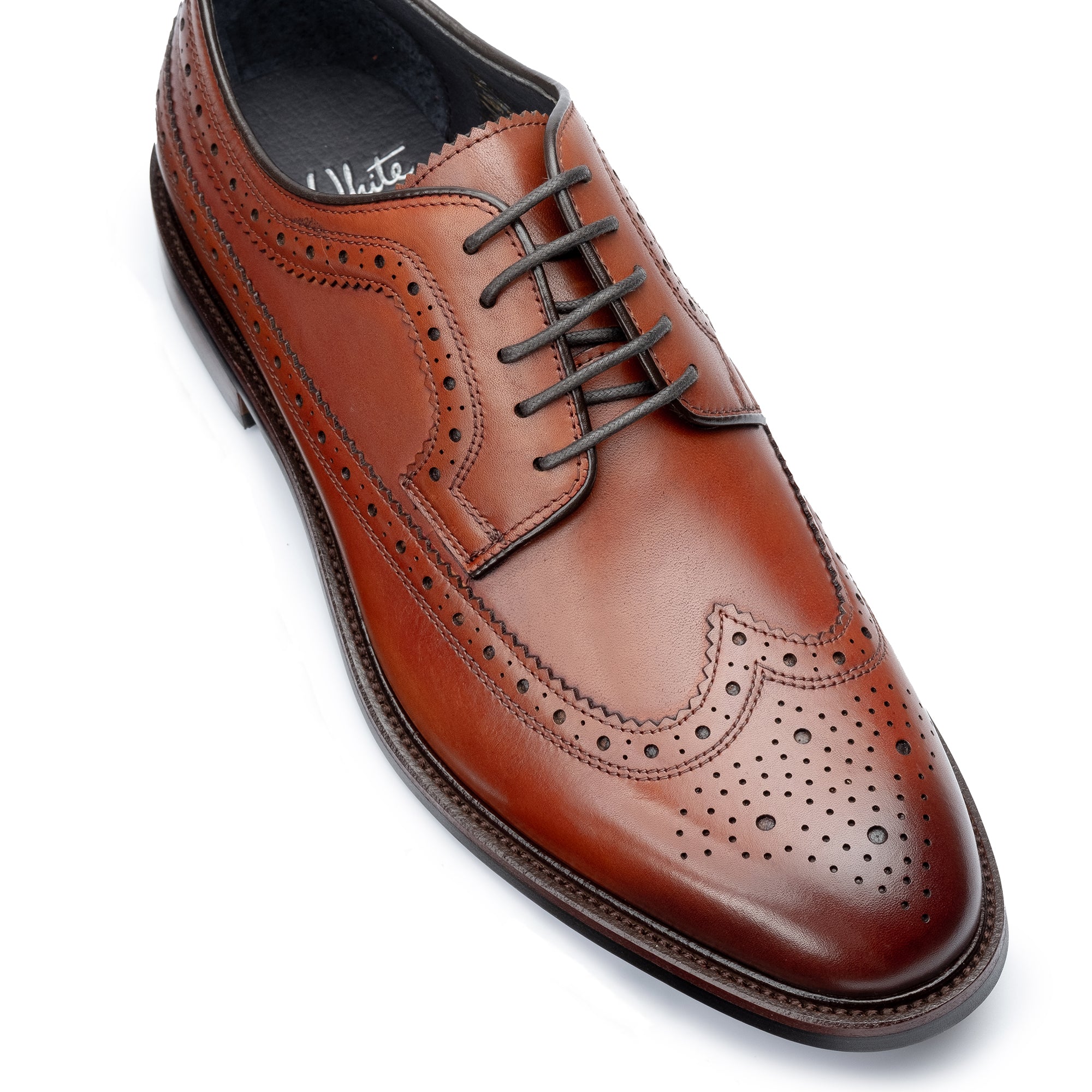

The penny loafer is one of the few slip-on shoes that navigates every register from summer weekend to smart-casual office without obvious effort. It also happens to be one of the most misread — worn too formally by some, treated as an afterthought by others, and rarely chosen with a clear sense of what distinguishes it from every other loafer on the shelf. This is a guide to the construction that defines it, the heritage that explains it, and the JWS versions that carry it forward.
In This Guide
What Makes a Penny Loafer a Penny Loafer
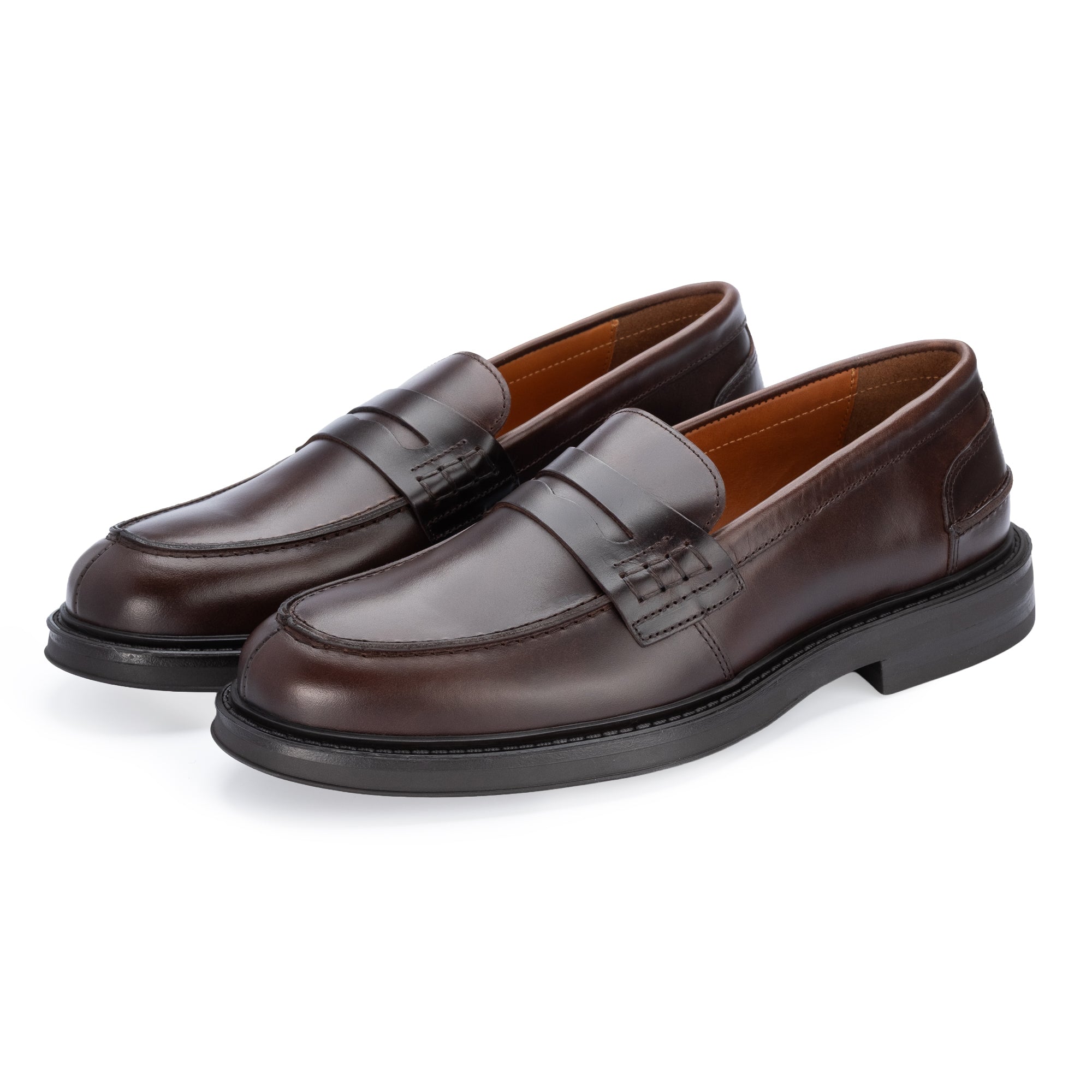
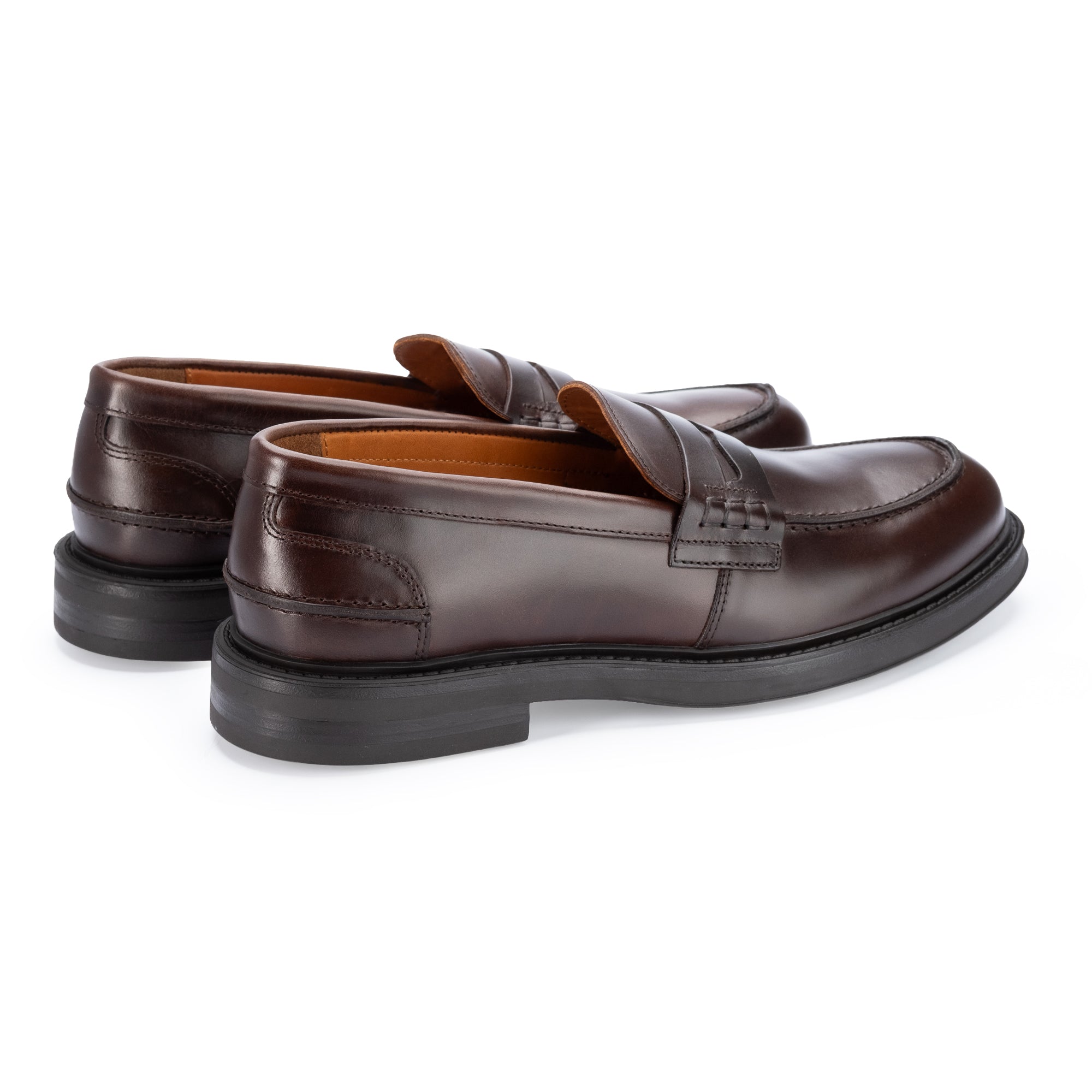
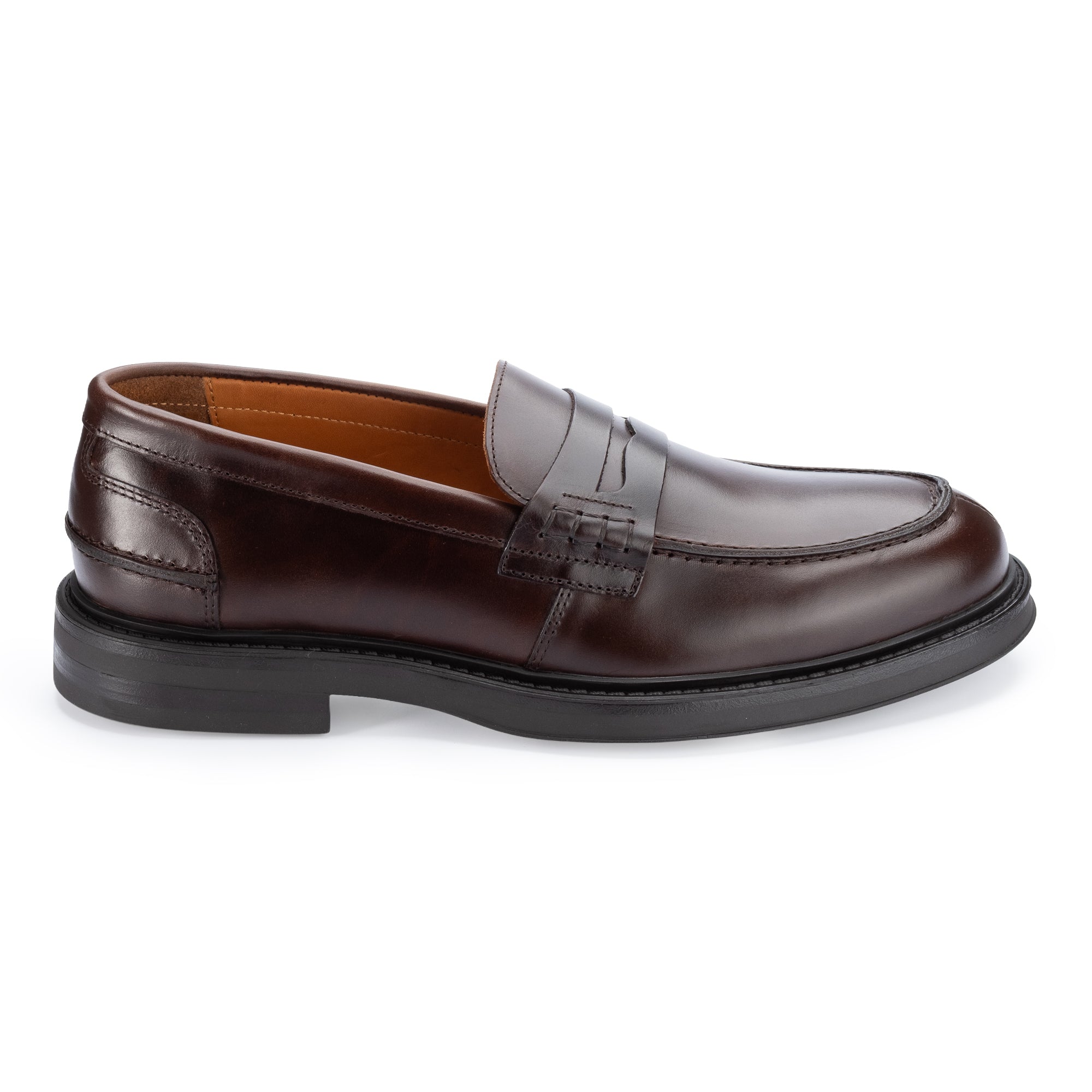
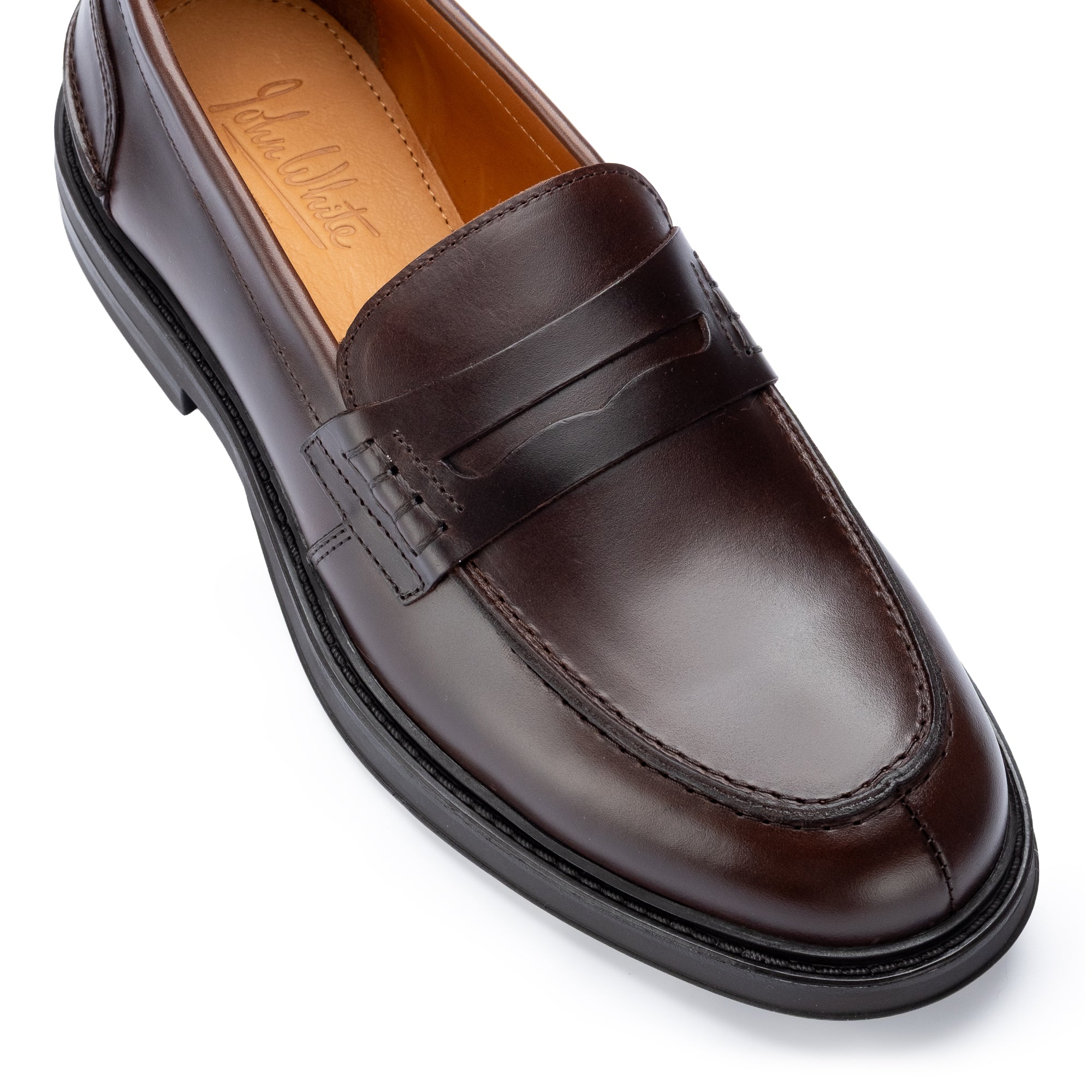
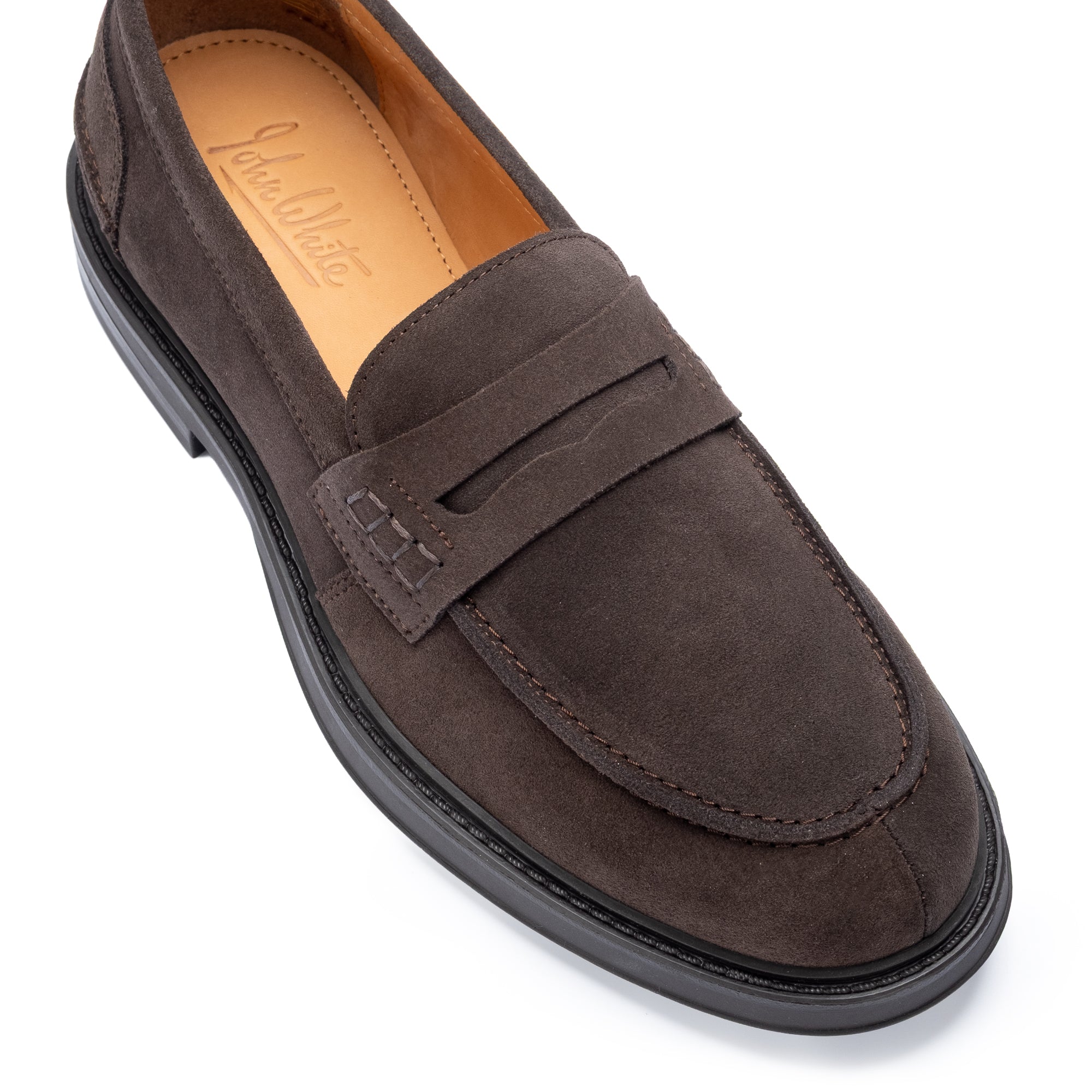
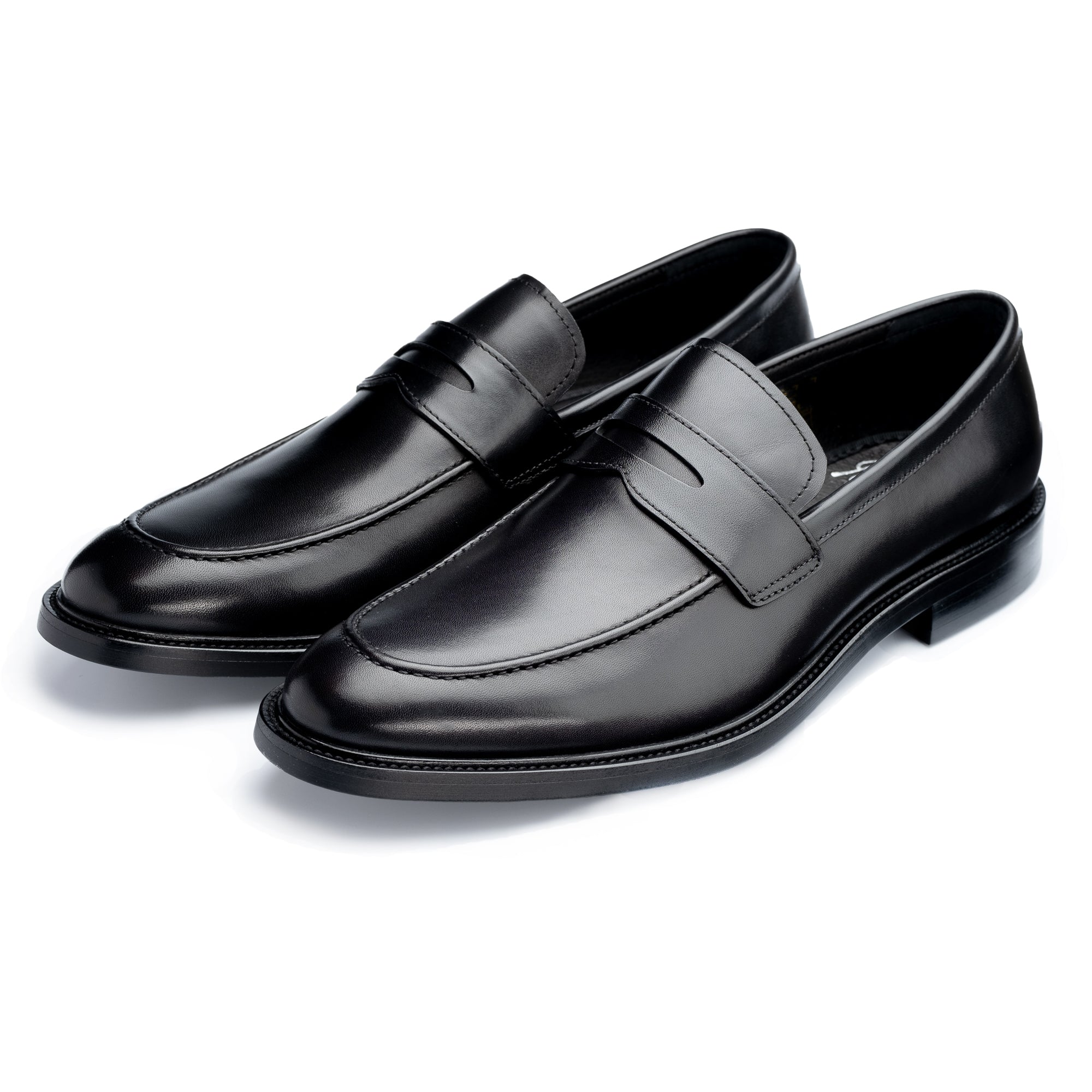
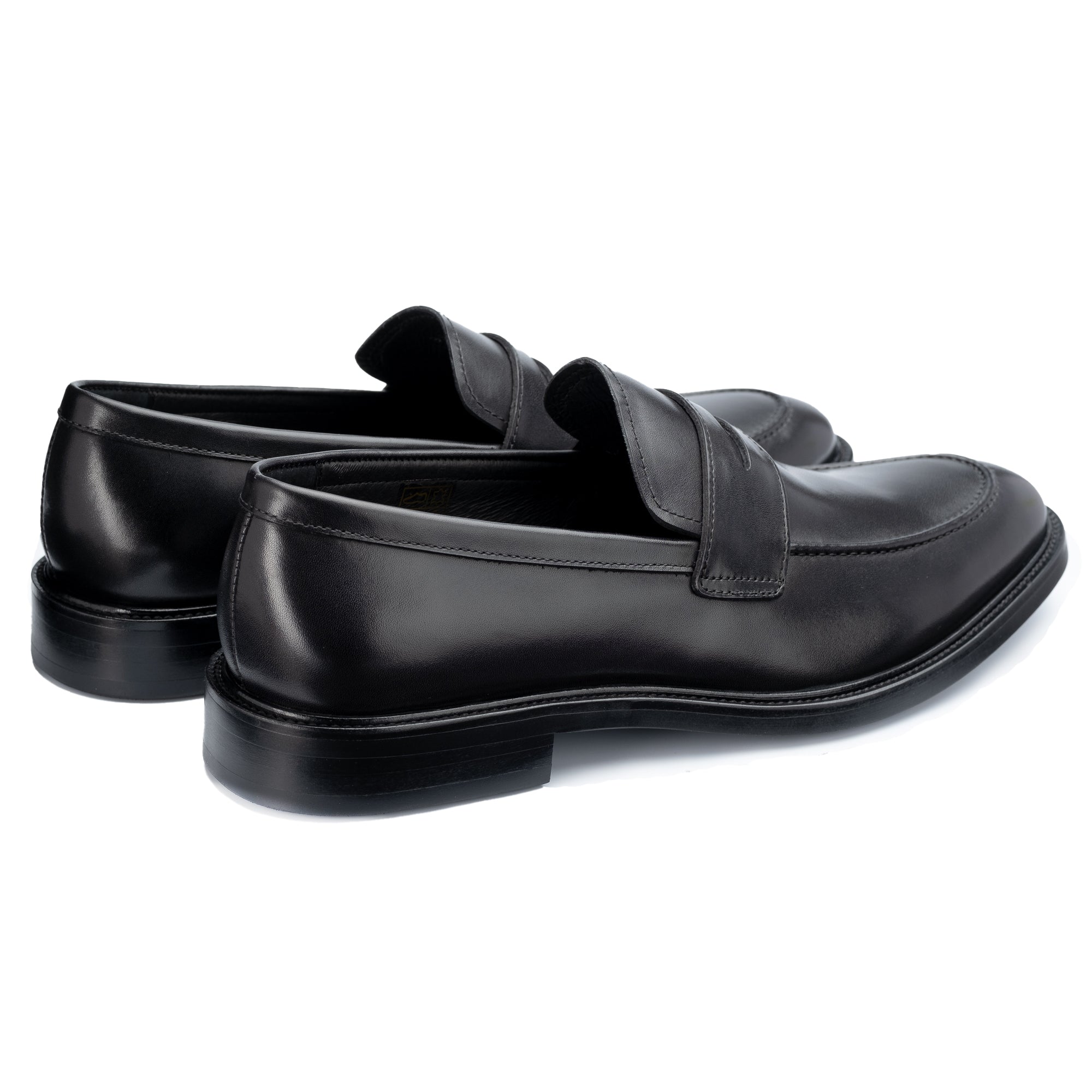
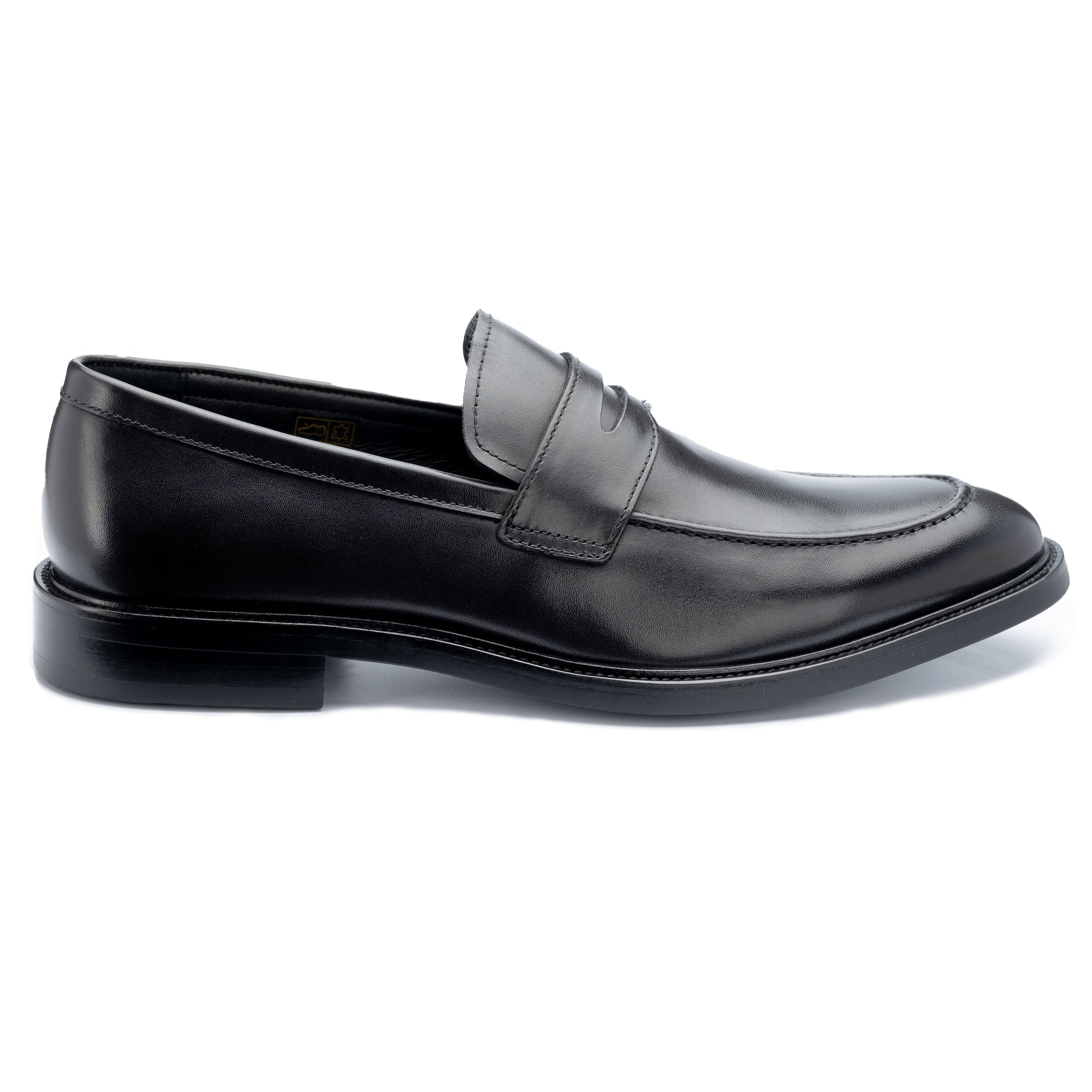
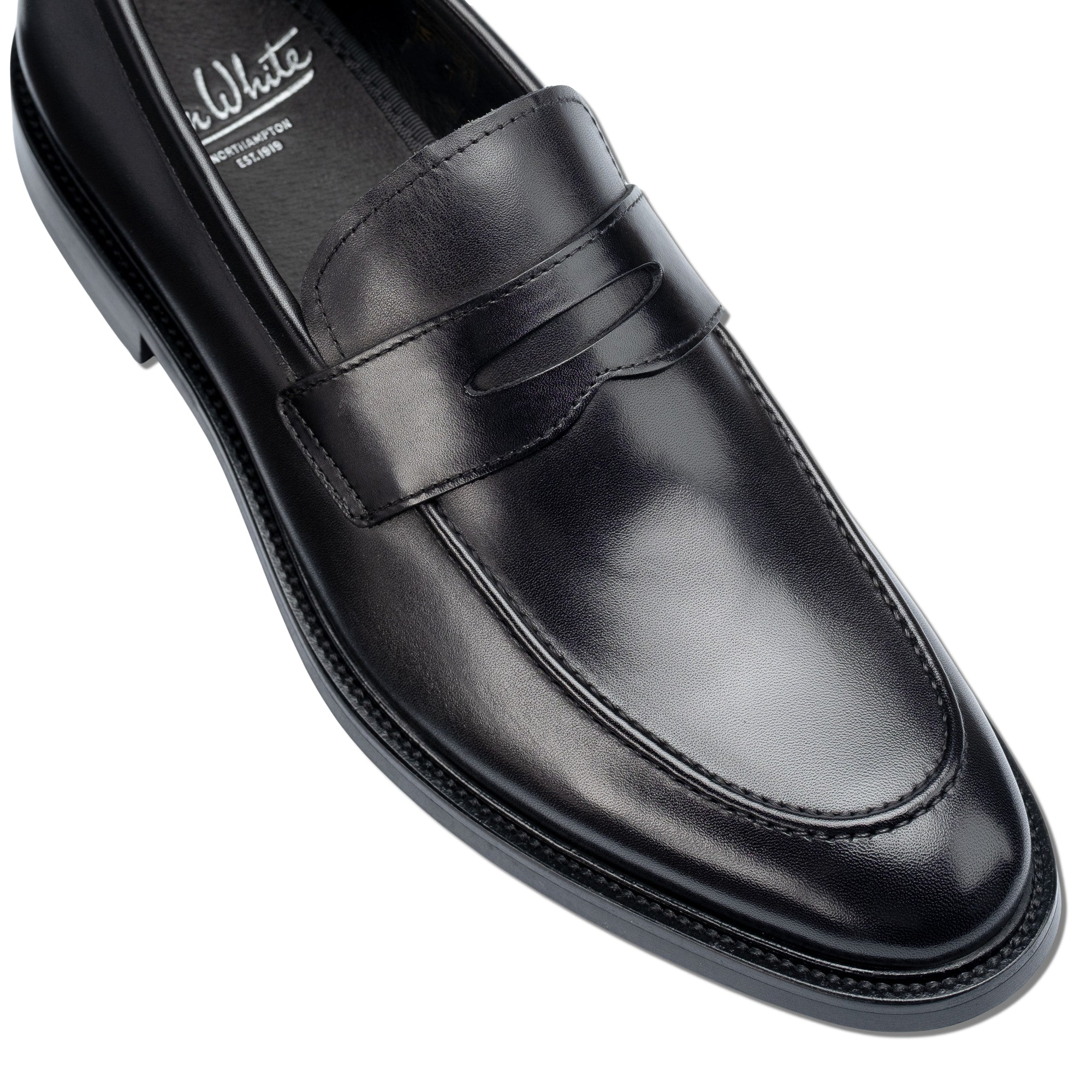
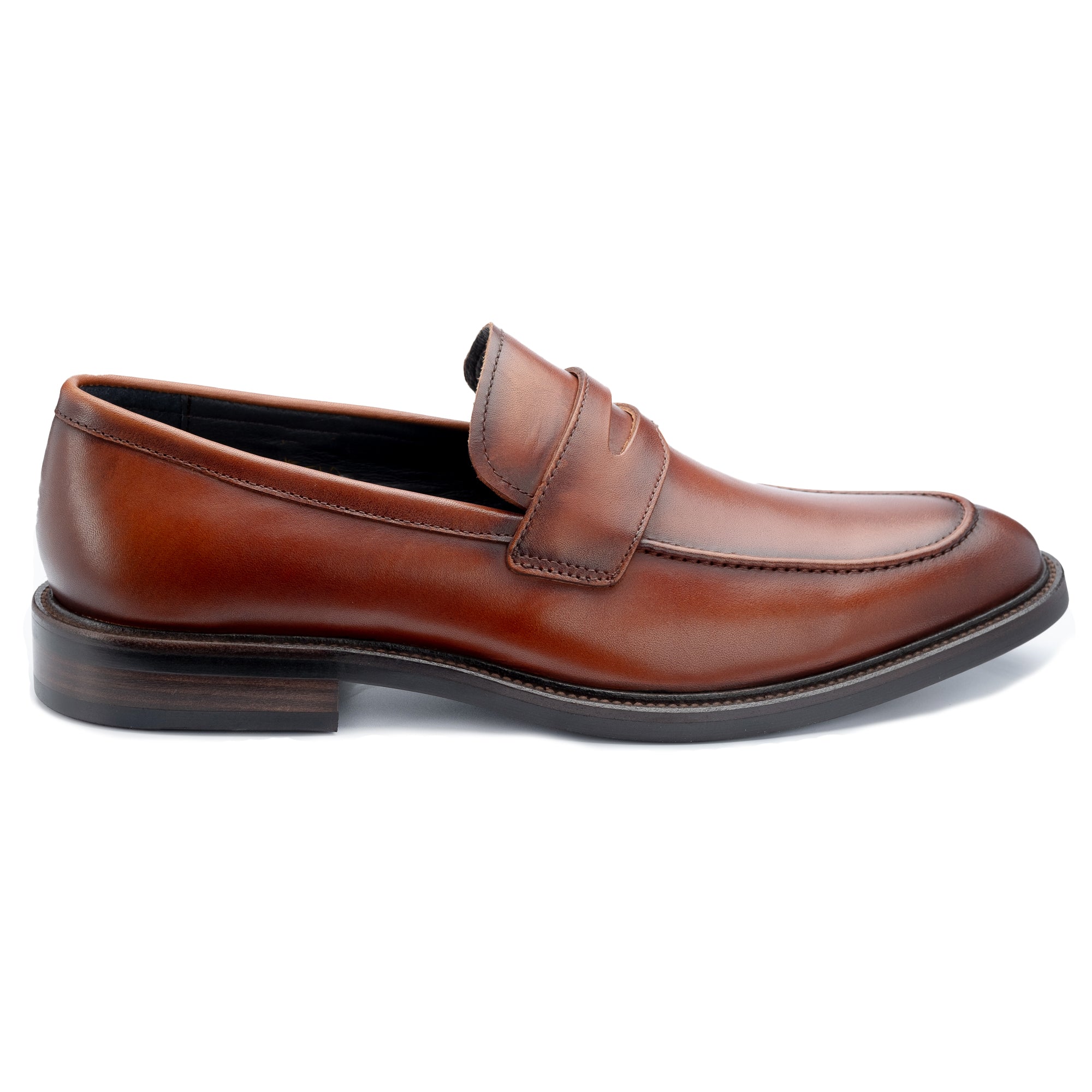
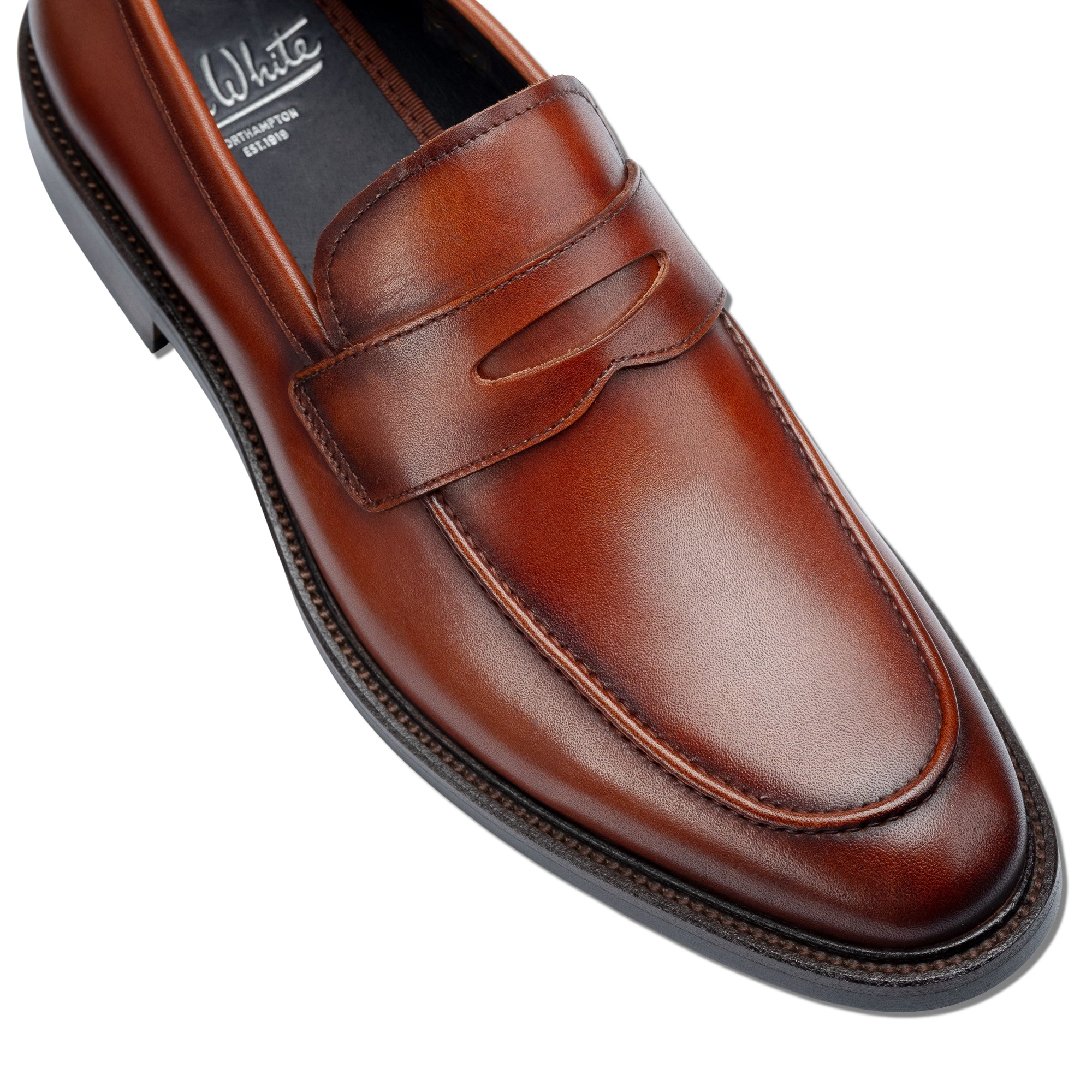
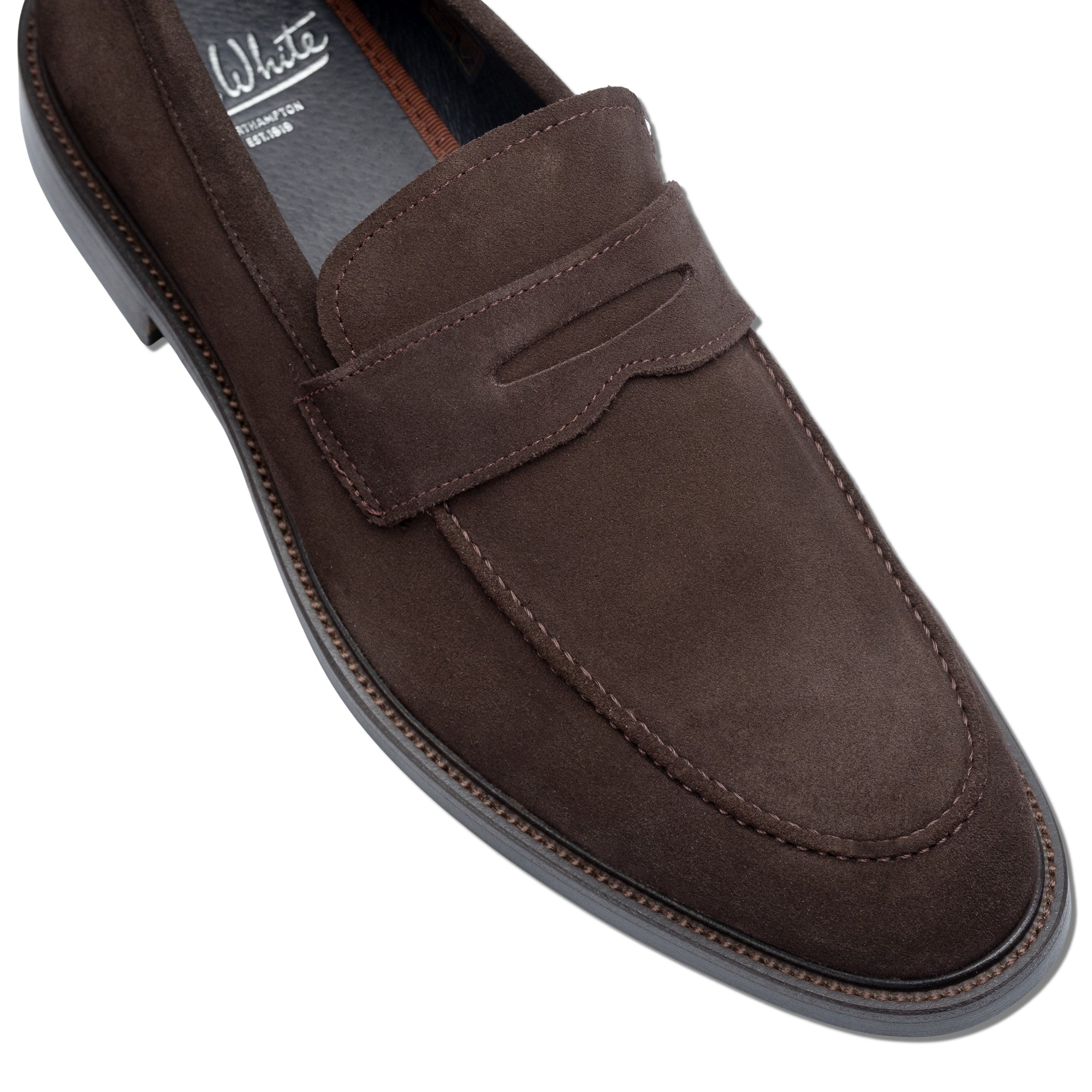
The defining feature has nothing to do with the absence of laces. That is shared by every loafer, moccasin, and driving shoe made. What separates the penny loafer is the saddle: a strap of leather that spans the vamp — the front of the upper — stitched down on either side, with a diamond-shaped cut-out at the centre.
That slot is what the style is named after. By tradition, it held a penny. Whether that tradition began as a schoolboy prank or a practical way of carrying emergency payphone money is a matter of some debate; what is certain is that the coin became a marker of the style, and the style outlasted the payphone by several decades.
Functionally, the saddle changes the visual grammar of the shoe in two ways. First, it divides the vamp into two zones — toe cap and instep — which gives the shoe a more structured, characterful appearance than the unbroken vamp of a plain loafer. Second, the cut-out introduces a moment of lightness, a small void in the leather that keeps the strap from reading as too heavy or workmanlike. Together, these elements place the penny loafer at an interesting point on the loafer spectrum: more deliberate than a penny-free slip-on, but less severe than a tassel or kilt loafer.
A History Worth Knowing
The penny loafer traces directly to the Aurland moccasin — a slip-on shoe worn by Norwegian fishermen and farmers, with a strap across the vamp to keep the shoe secure on wet decks. American travellers encountered it in the 1920s and 1930s; the footwear company G.H. Bass adapted it for the US market in the late 1930s as the Weejun, a name that is simply a compression of “Norwegian”.
By the 1950s the Weejun had become the defining shoe of the Ivy League — worn with grey flannel trousers, chino shorts, a button-down shirt, and the kind of studied ease that characterises American collegiate style at its best. The coin in the slot was an affectation; the shoe itself was a serious choice, understood as comfortable, durable, and appropriately unfussy for academic life.
The style crossed to Britain via American cultural influence in the 1960s, arriving without the same weight of collegiate association but finding an equally comfortable home in the smart-casual wardrobe. It was absorbed into the mod wardrobe, the preppy revival of the 1980s, and eventually into the permanent roster of British smart-casual footwear — where it remains, without the need for revival or rehabilitation. It simply endures.
The JWS Penny Loafers: Banff and Downey
John White Shoes offers two distinct penny loafer models. They share the saddle construction but differ in last, leather, and overall character in ways that matter when you are deciding which one to buy.
The Banff
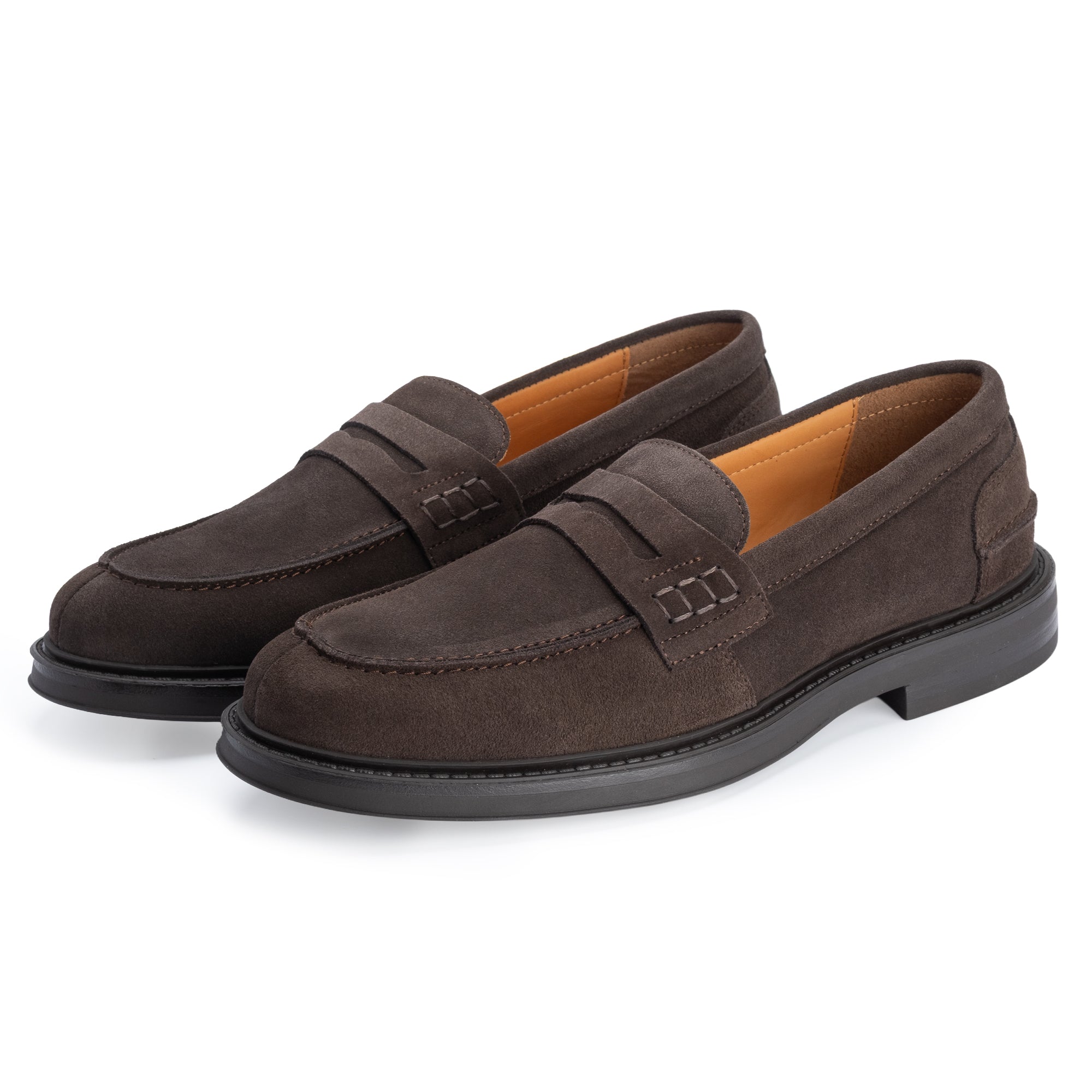
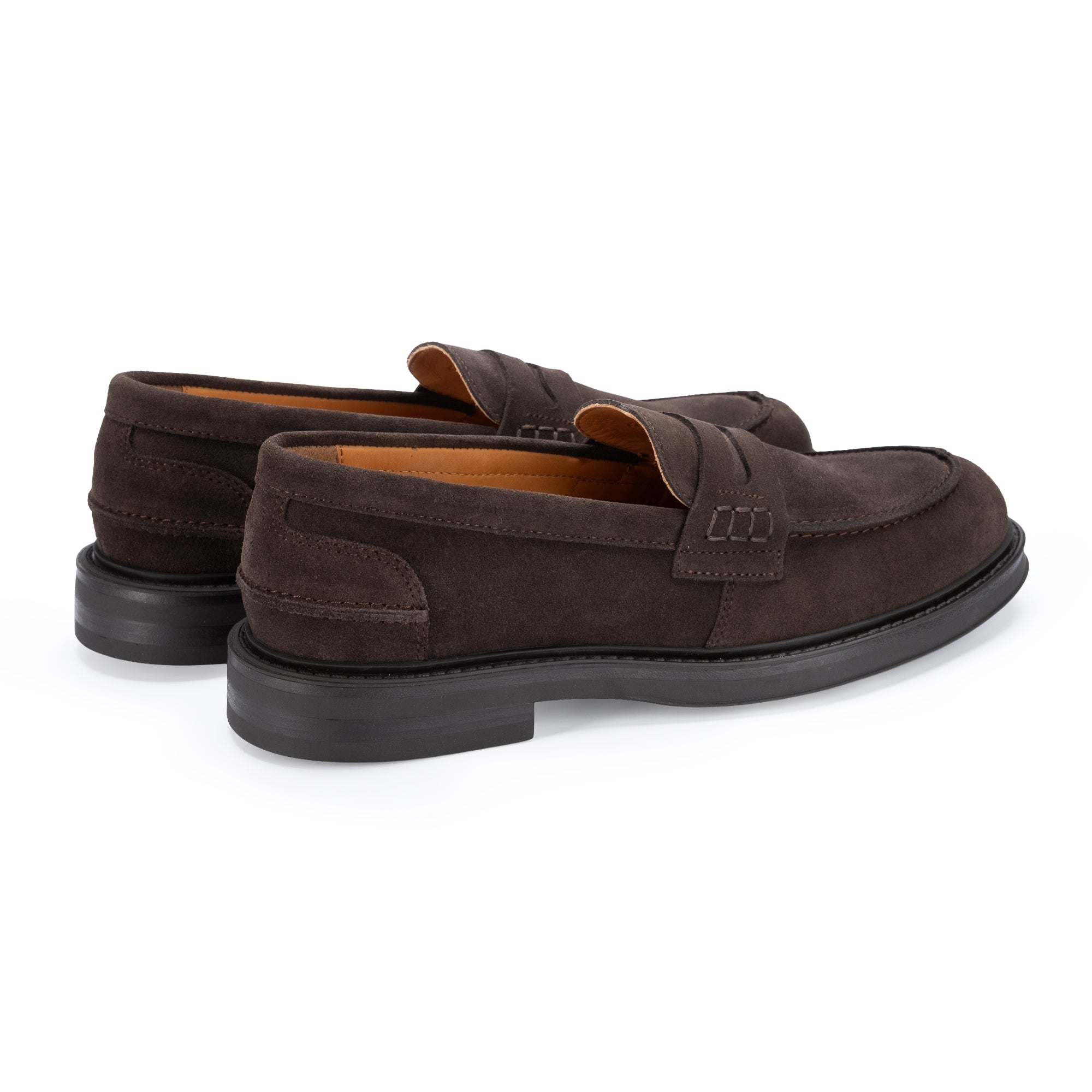
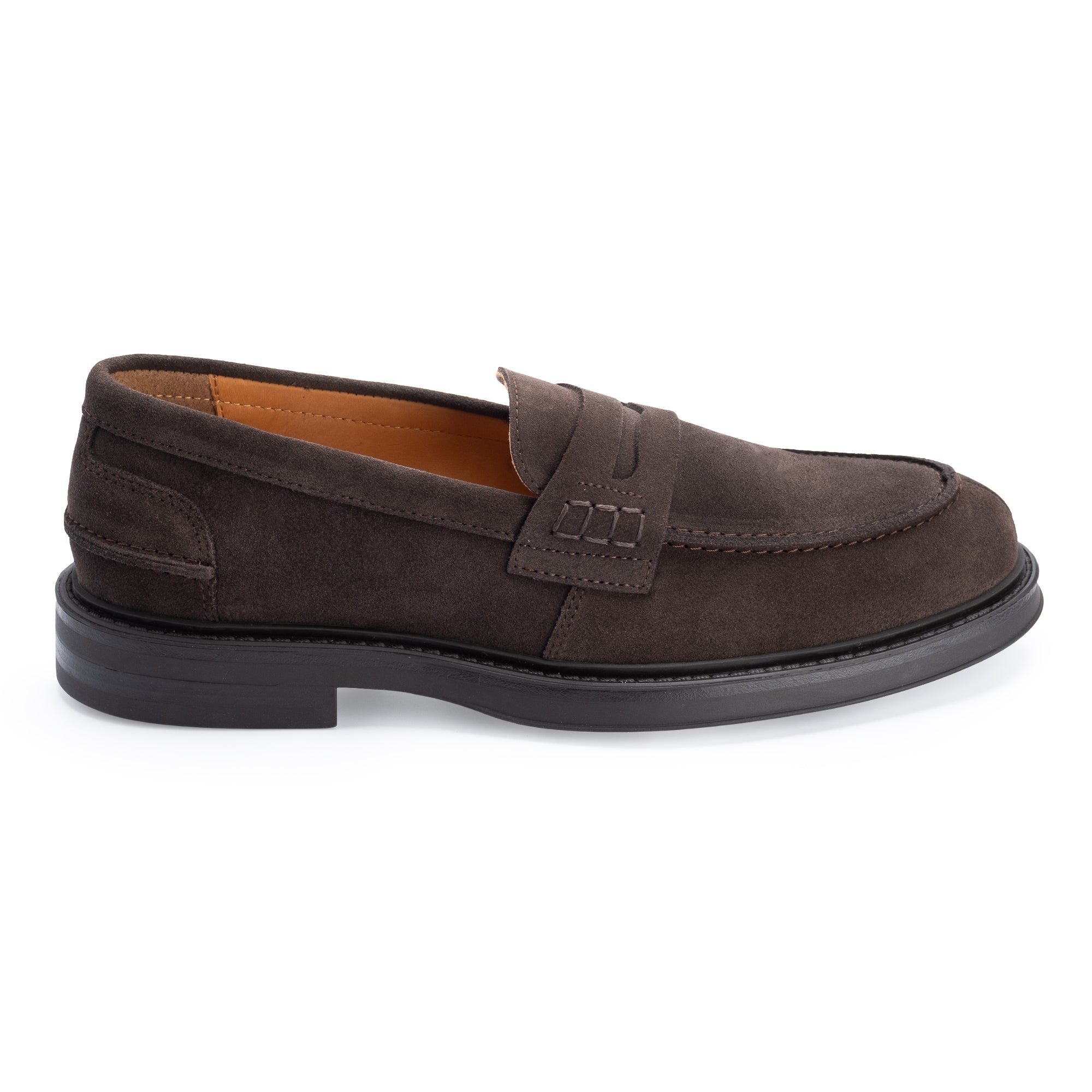
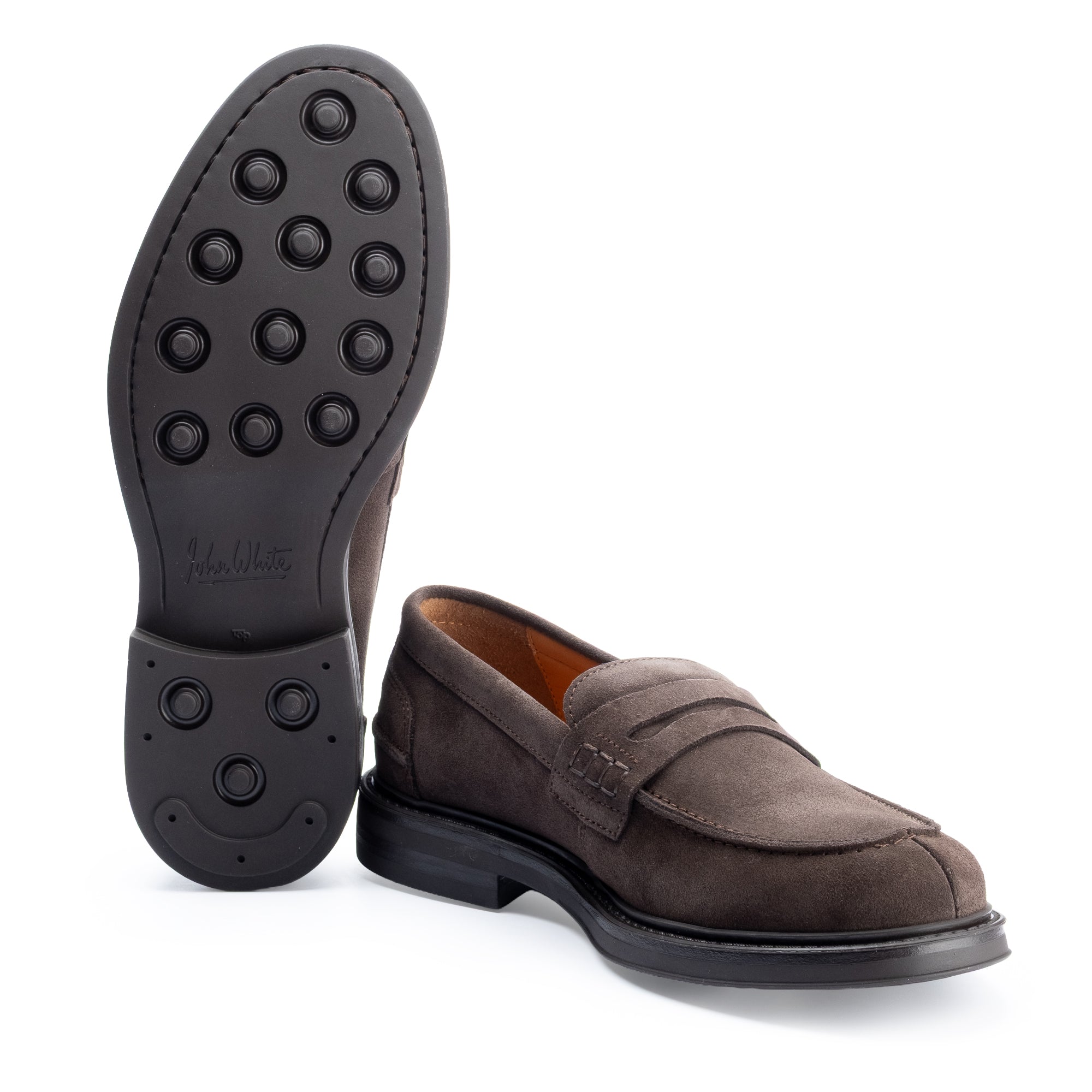
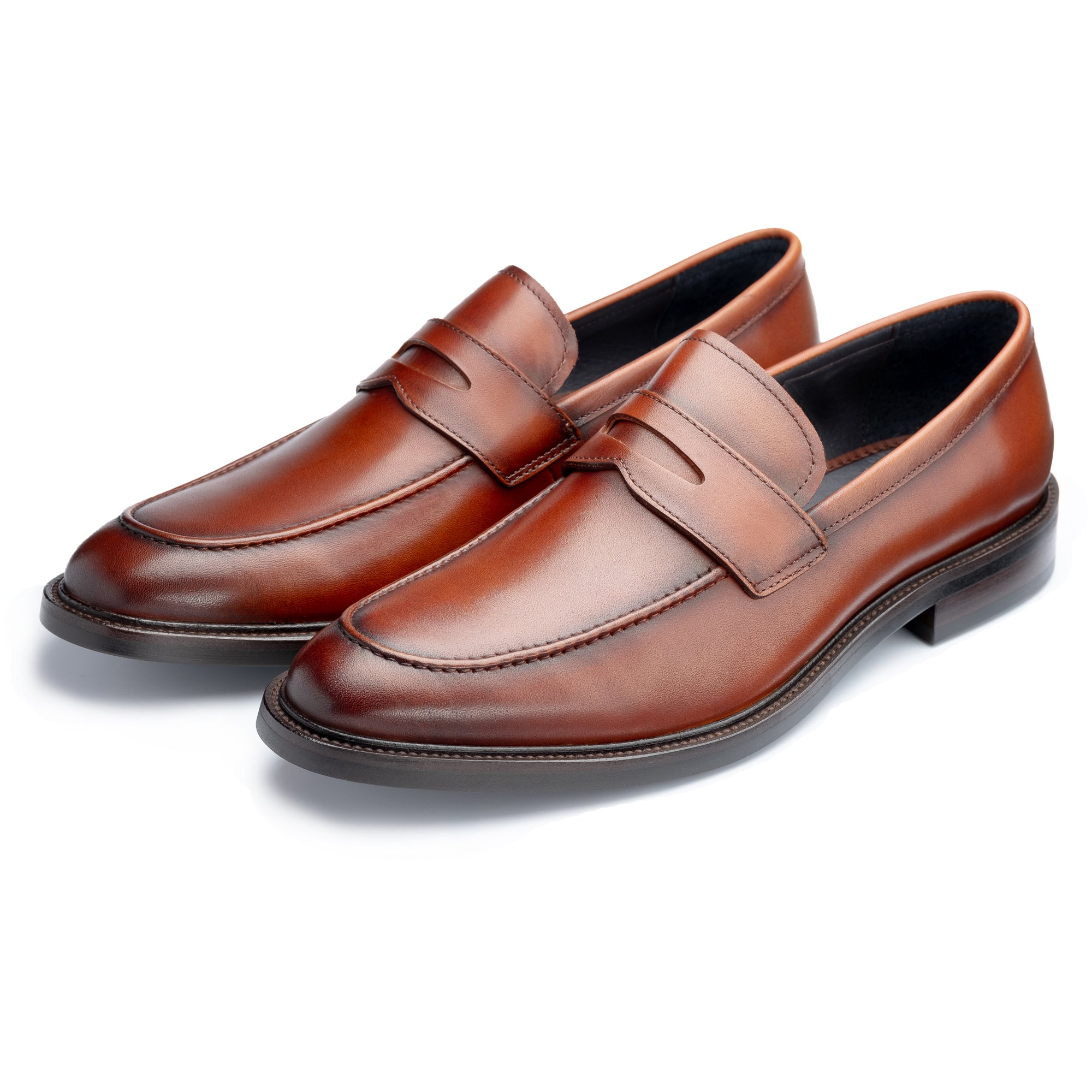
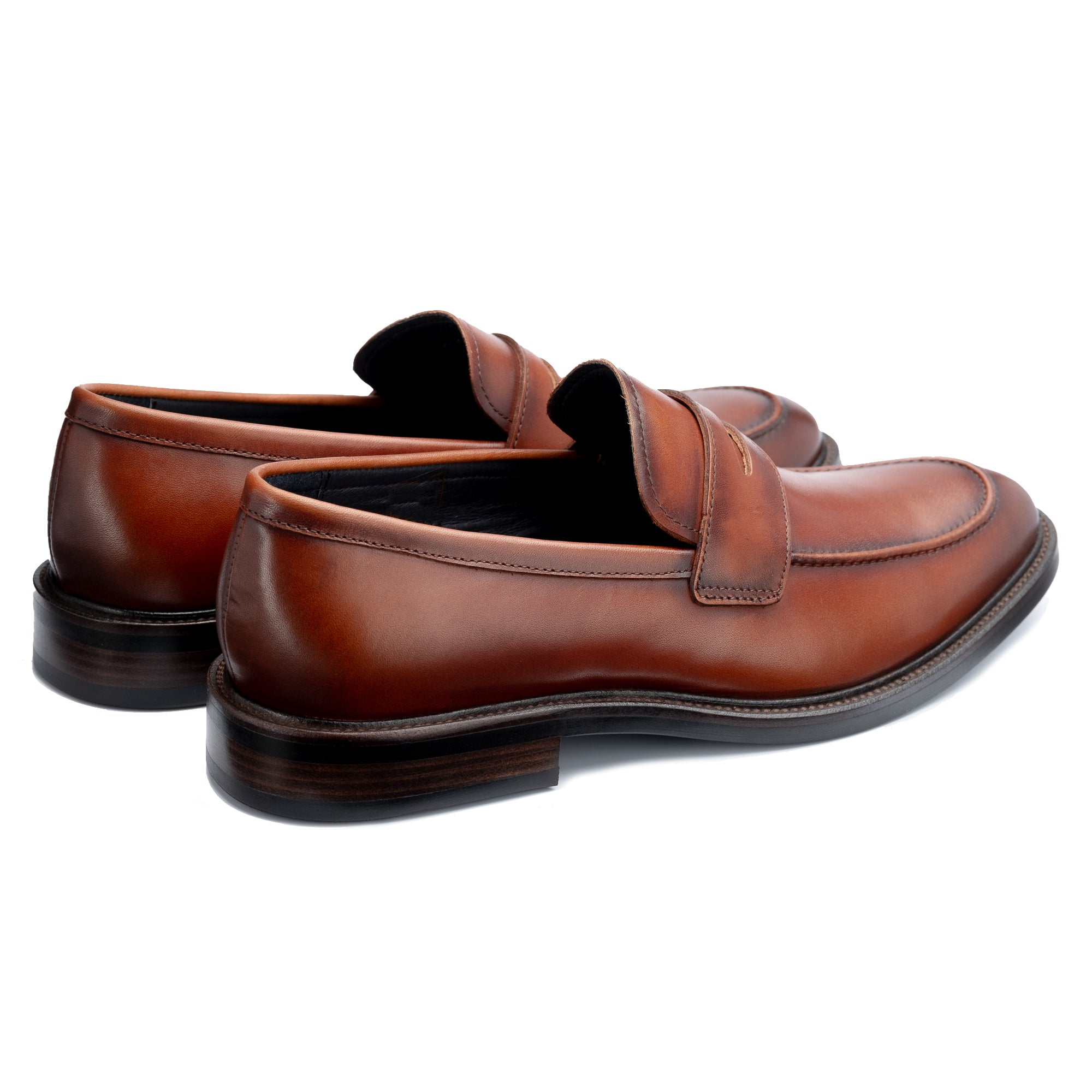
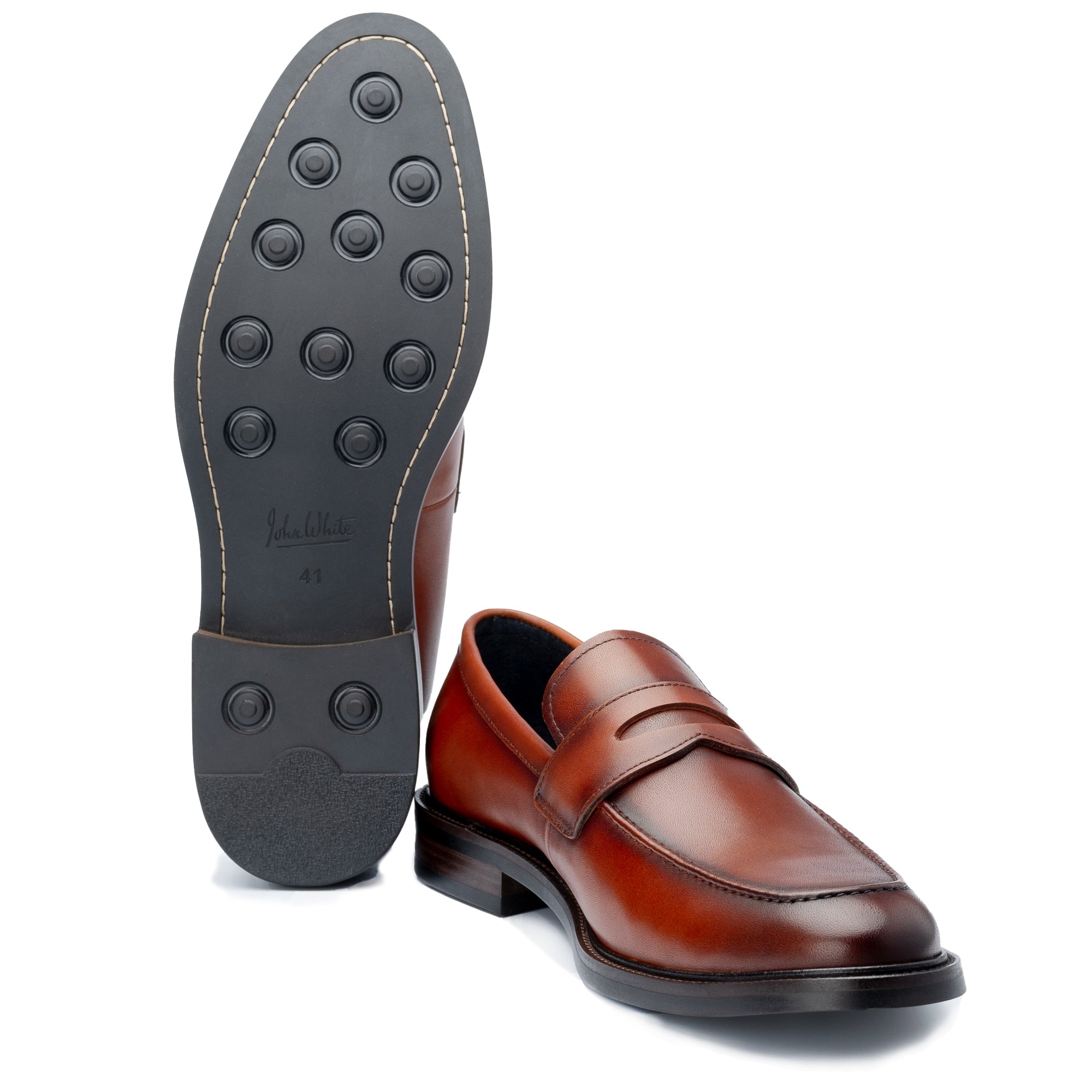
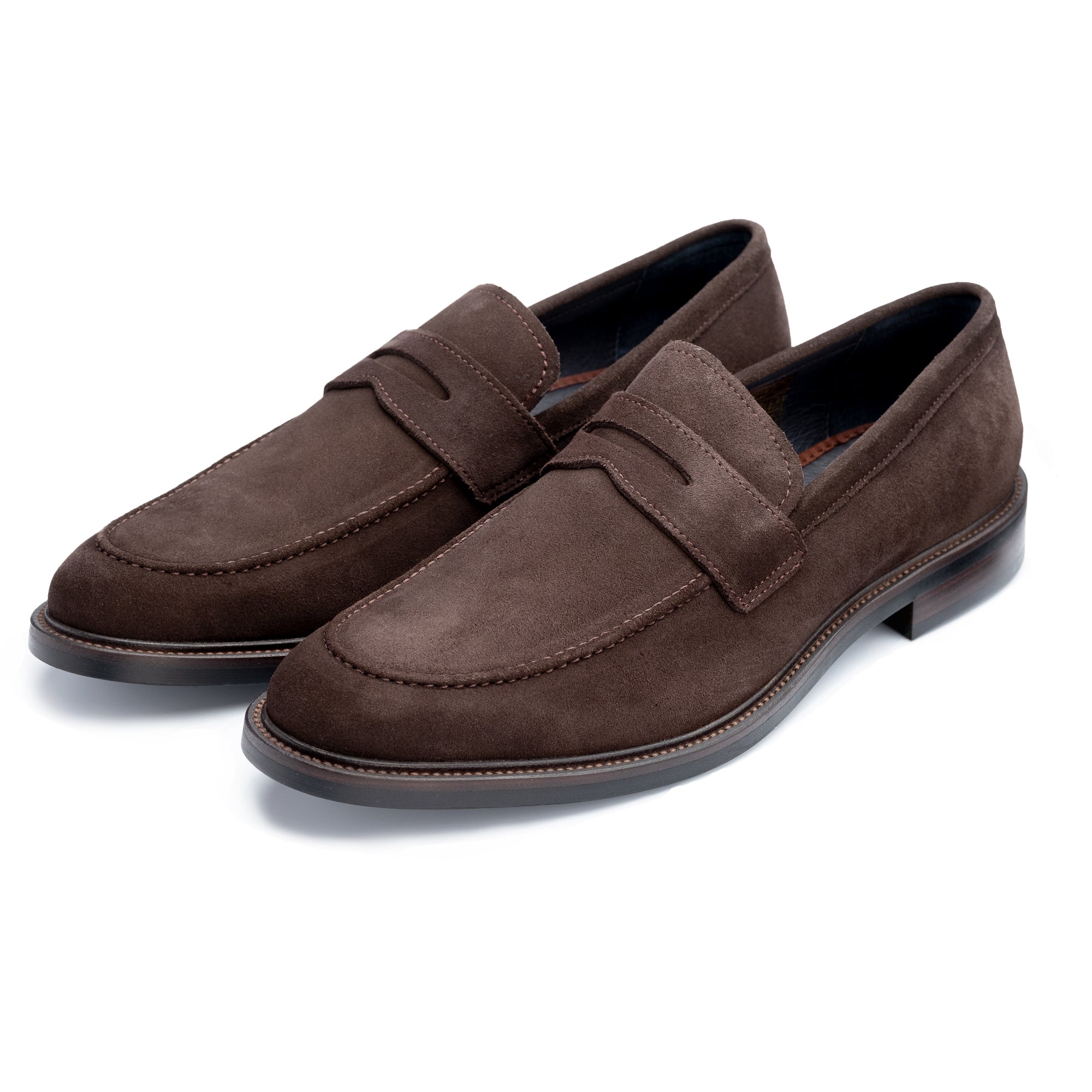
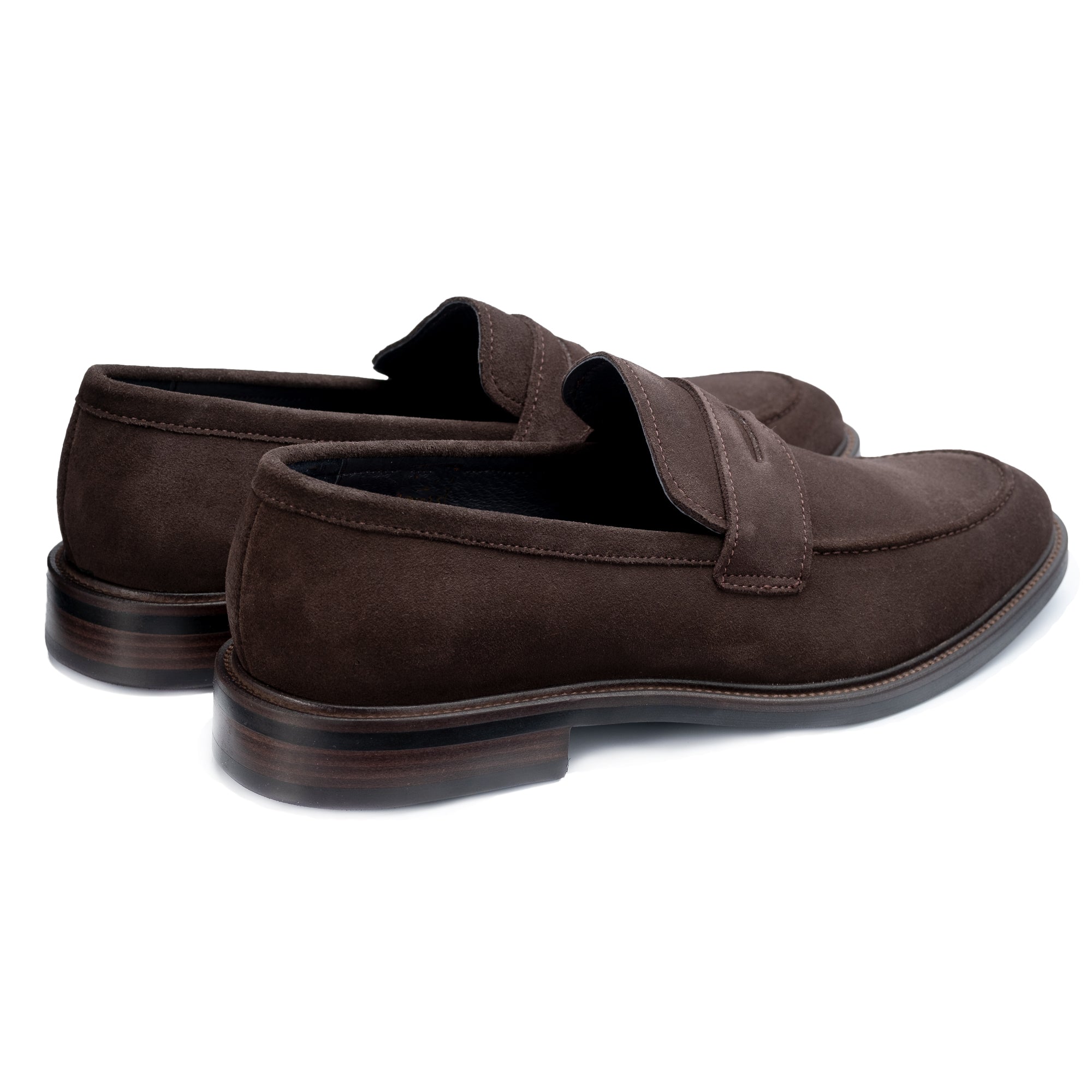
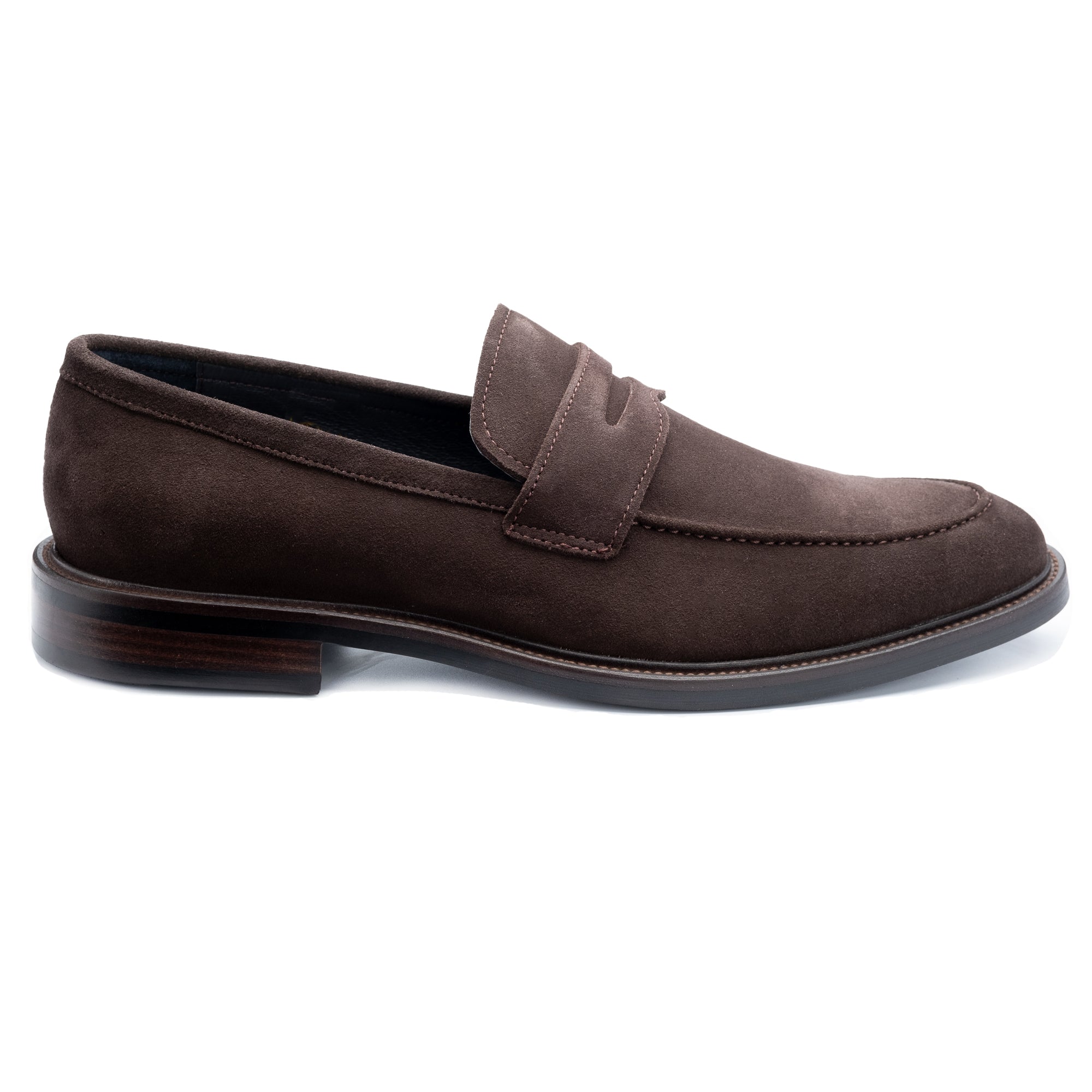
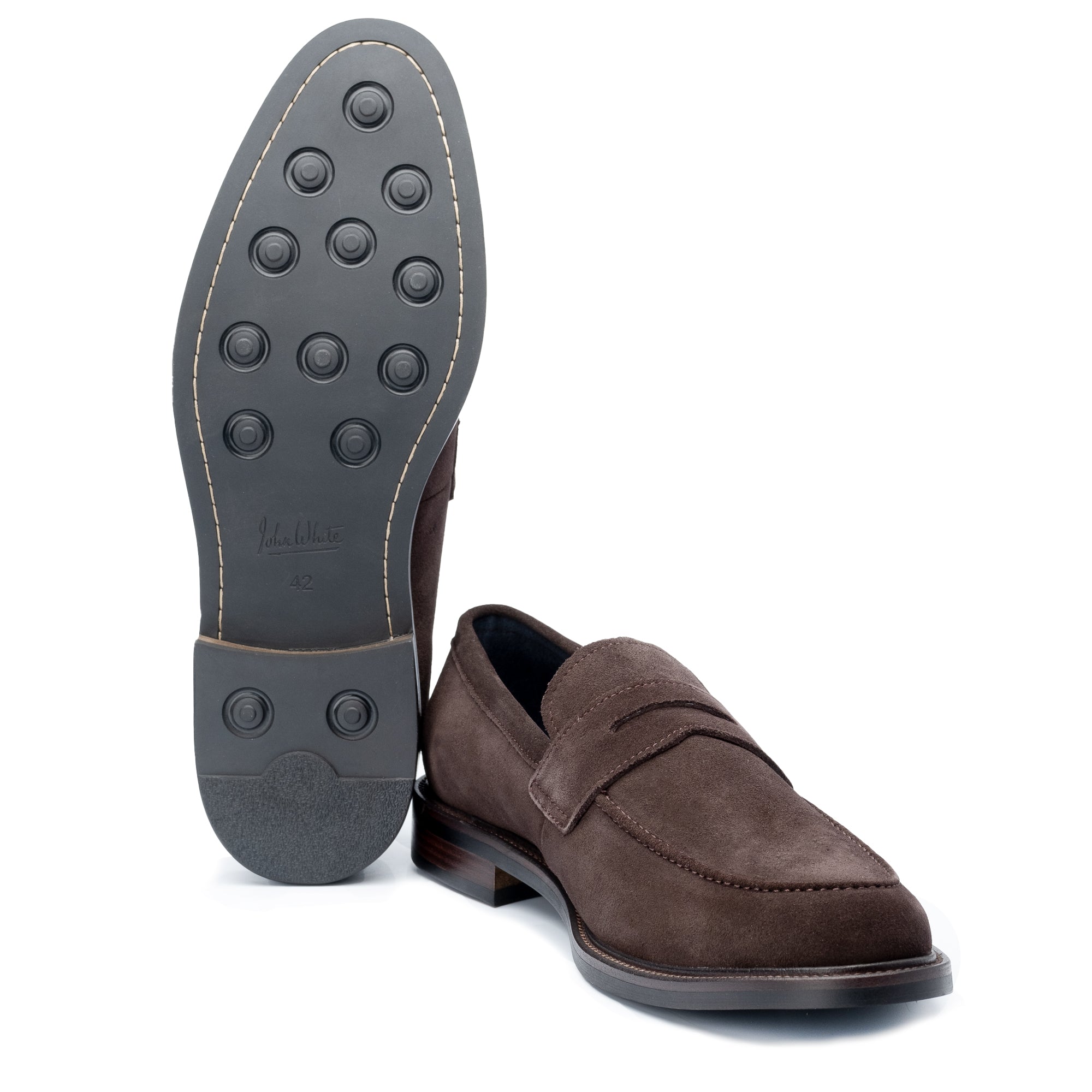
The Banff Penny Loafer is the more expressive of the two. It is available in black smooth calf, brown suede, and reef — a warm, rich tan that reads well in daylight and ages graciously. The Banff has a slightly fuller, more rounded toe and a defined saddle strap with clean, even stitching; it is a shoe that announces itself without apology, which is appropriate for a penny loafer.
The brown suede Banff is, in particular, the right choice for late spring and summer. Suede carries less visual weight than smooth calf and handles the kind of relaxed daytime context — garden events, country weekends, city Fridays — where the penny loafer is at its most natural. The reef colourway is more versatile across seasons: autumn through spring, it works with navy, charcoal, mid-grey, and the warmer end of the brown spectrum. The black Banff moves into smarter territory — appropriate for a smart-casual office environment, less so for anything requiring a polished dress shoe.
The Downey
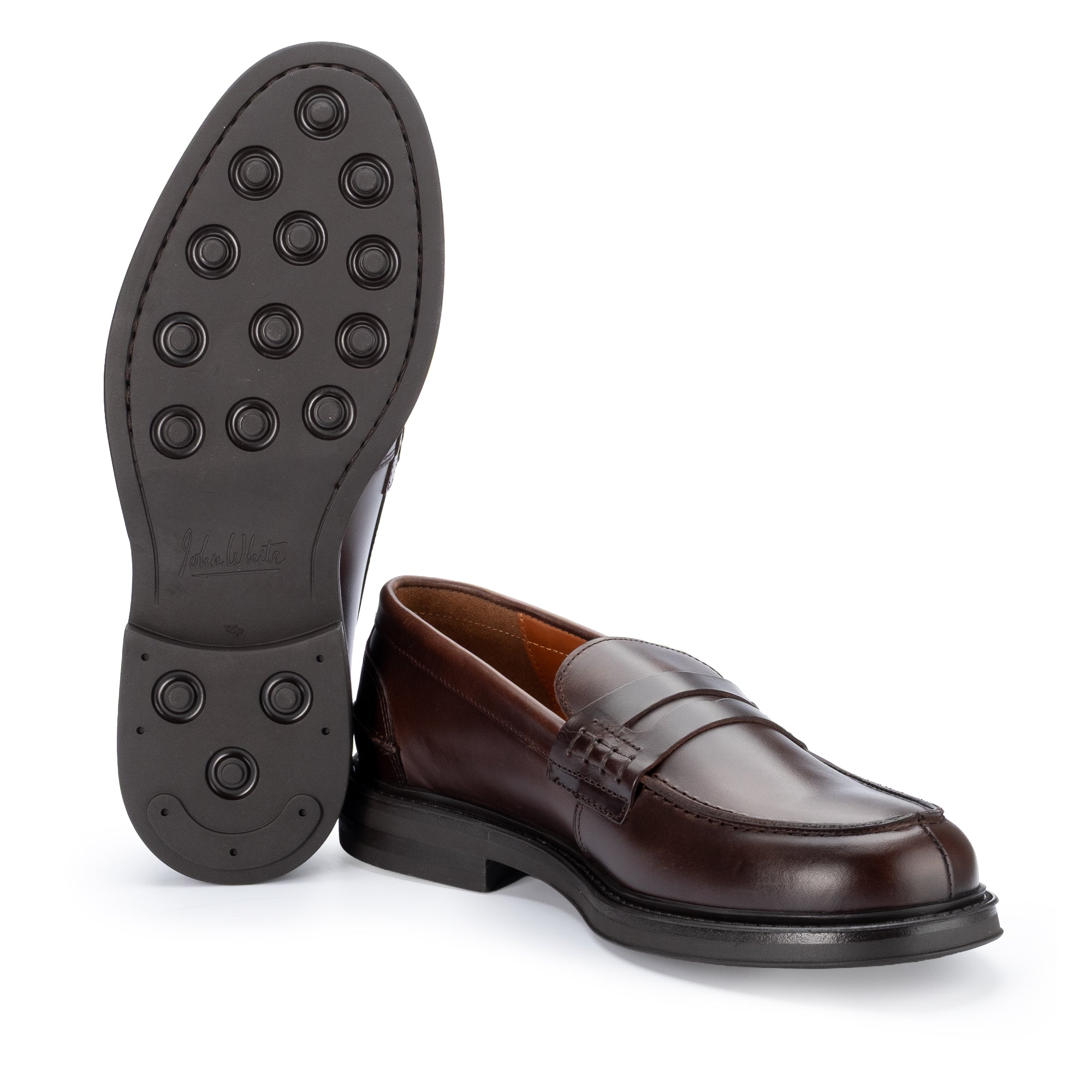
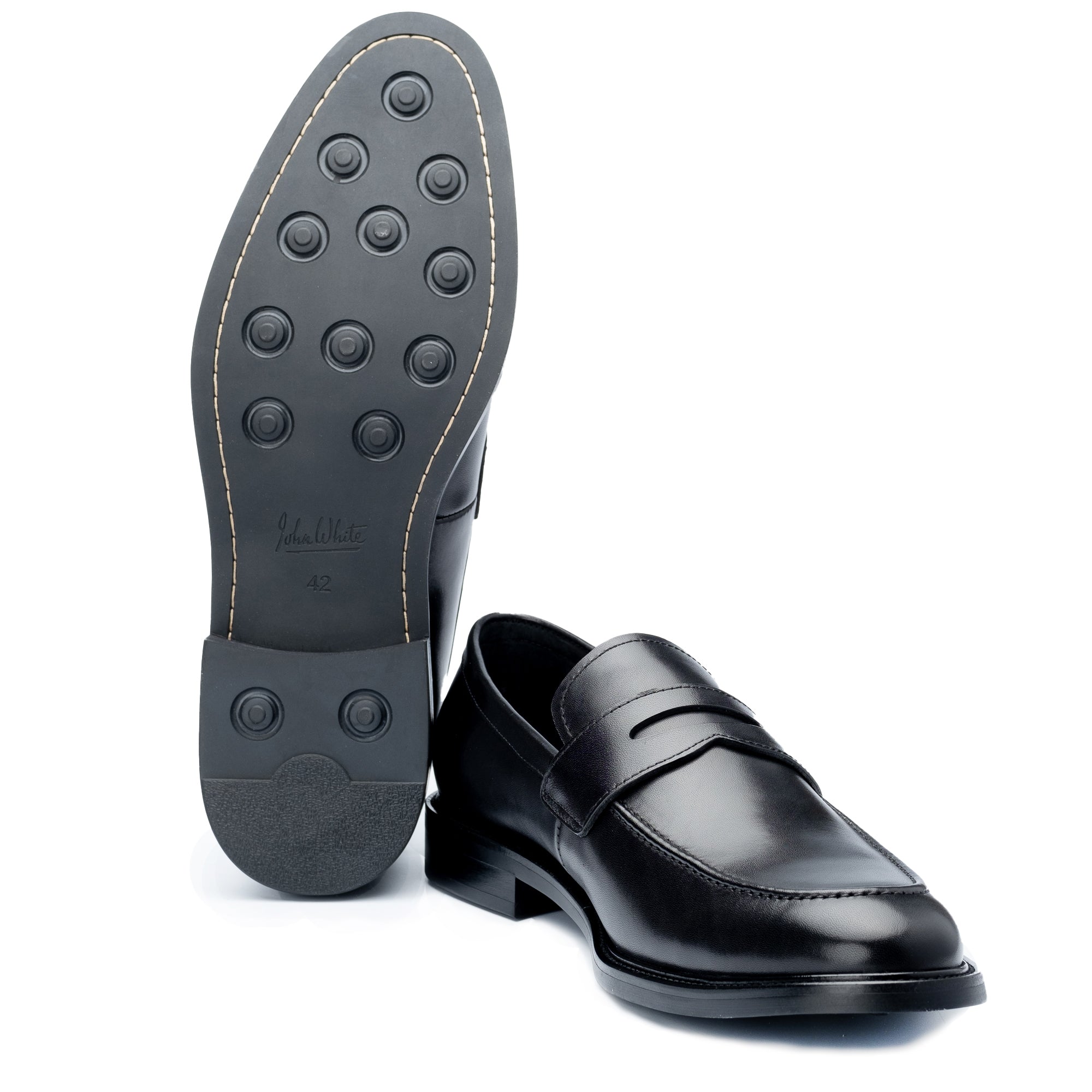
The Downey Penny Loafer takes a cleaner approach. Available in black and brown smooth calf, it has a more streamlined saddle strap and a slightly narrower last that draws the shoe towards a dress loafer in profile without abandoning the loafer's inherent comfort. Where the Banff reads as a confident casual statement, the Downey reads as a considered smart-casual choice.
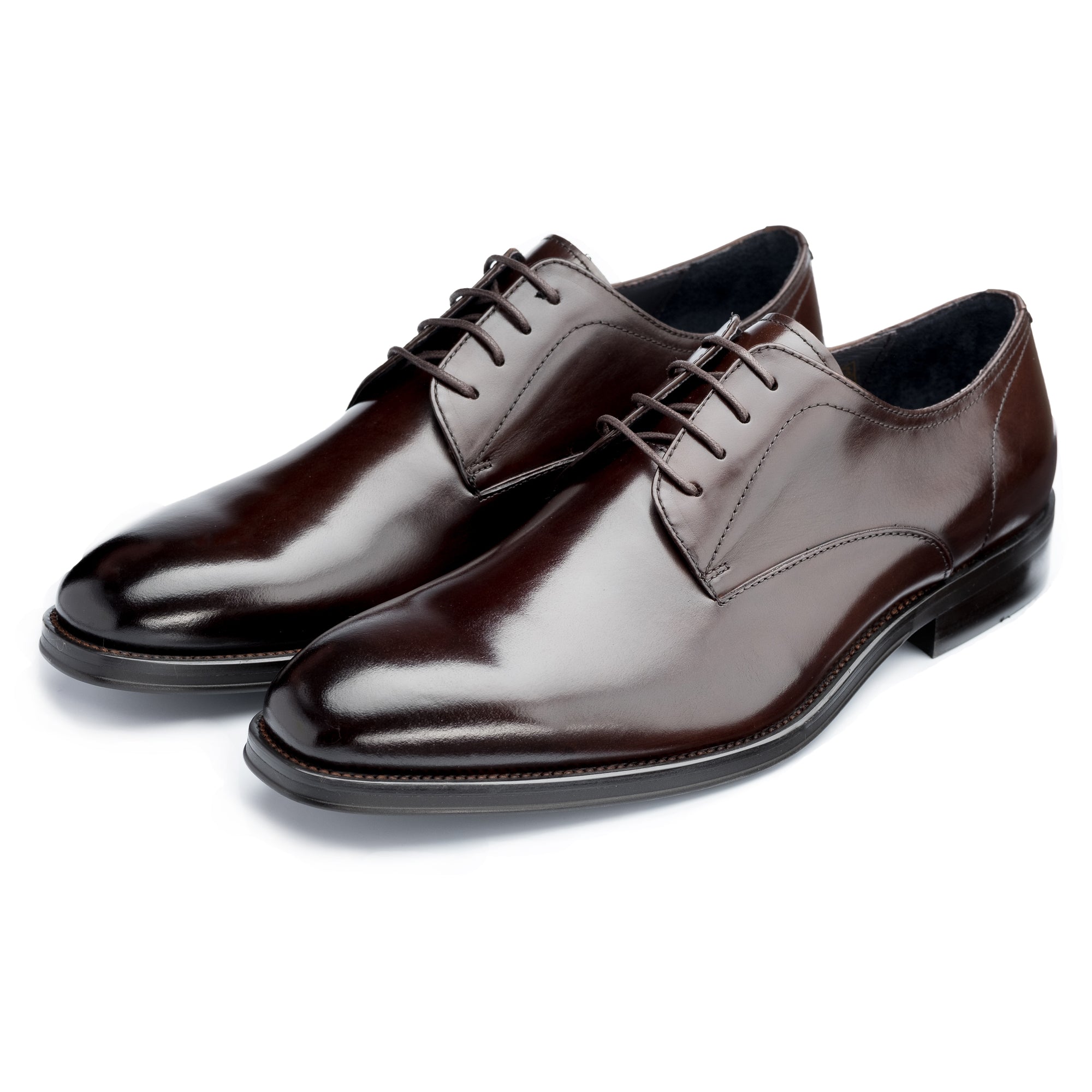
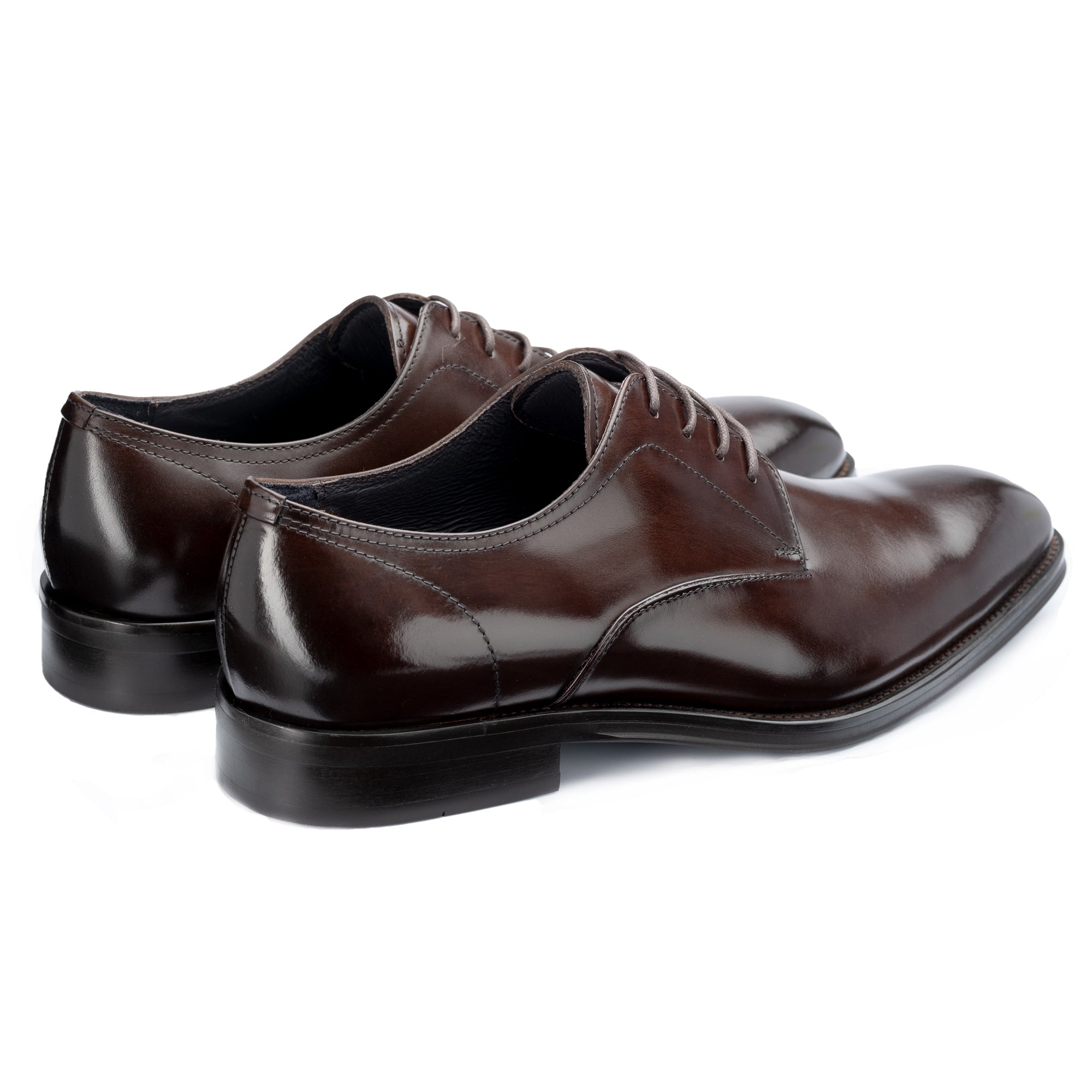
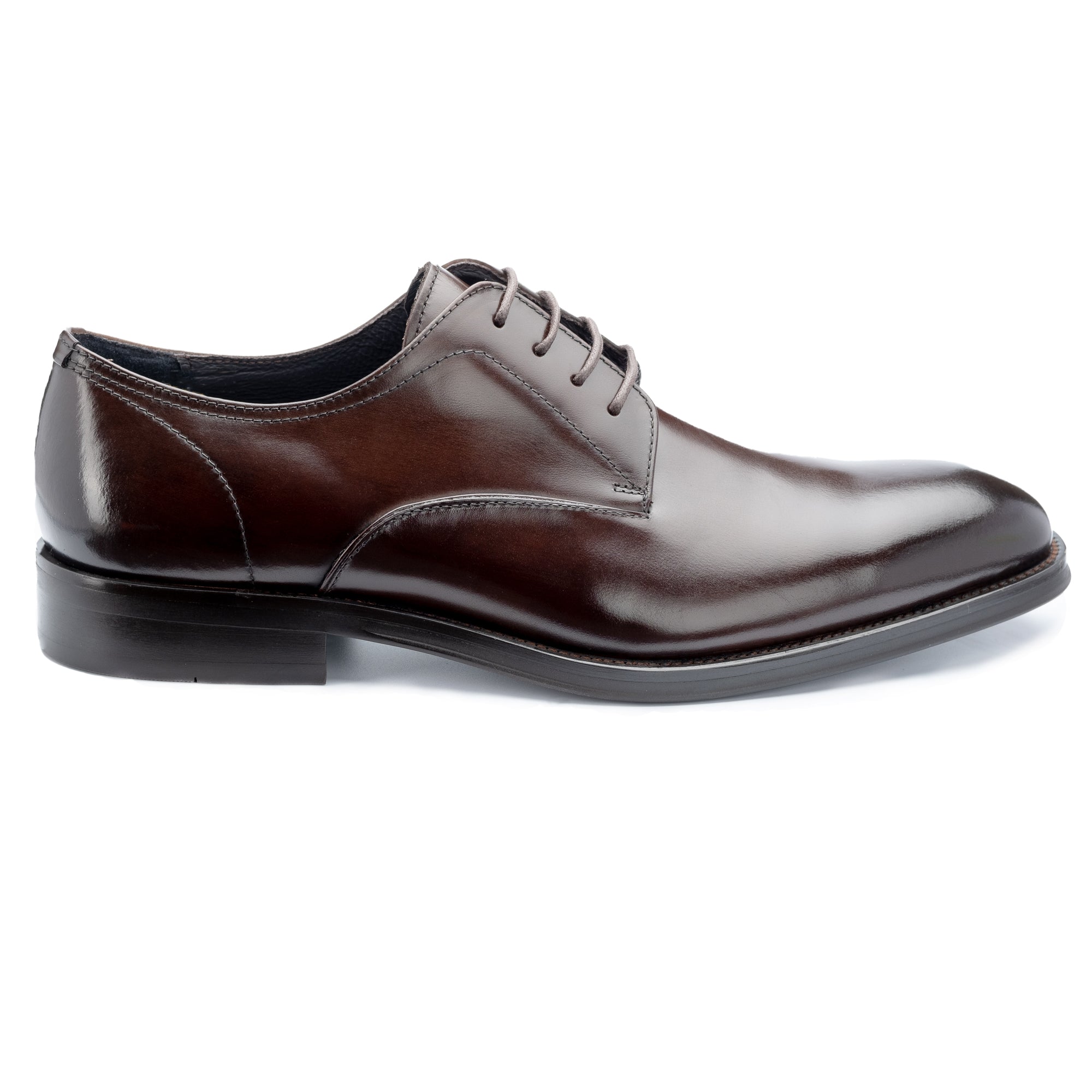
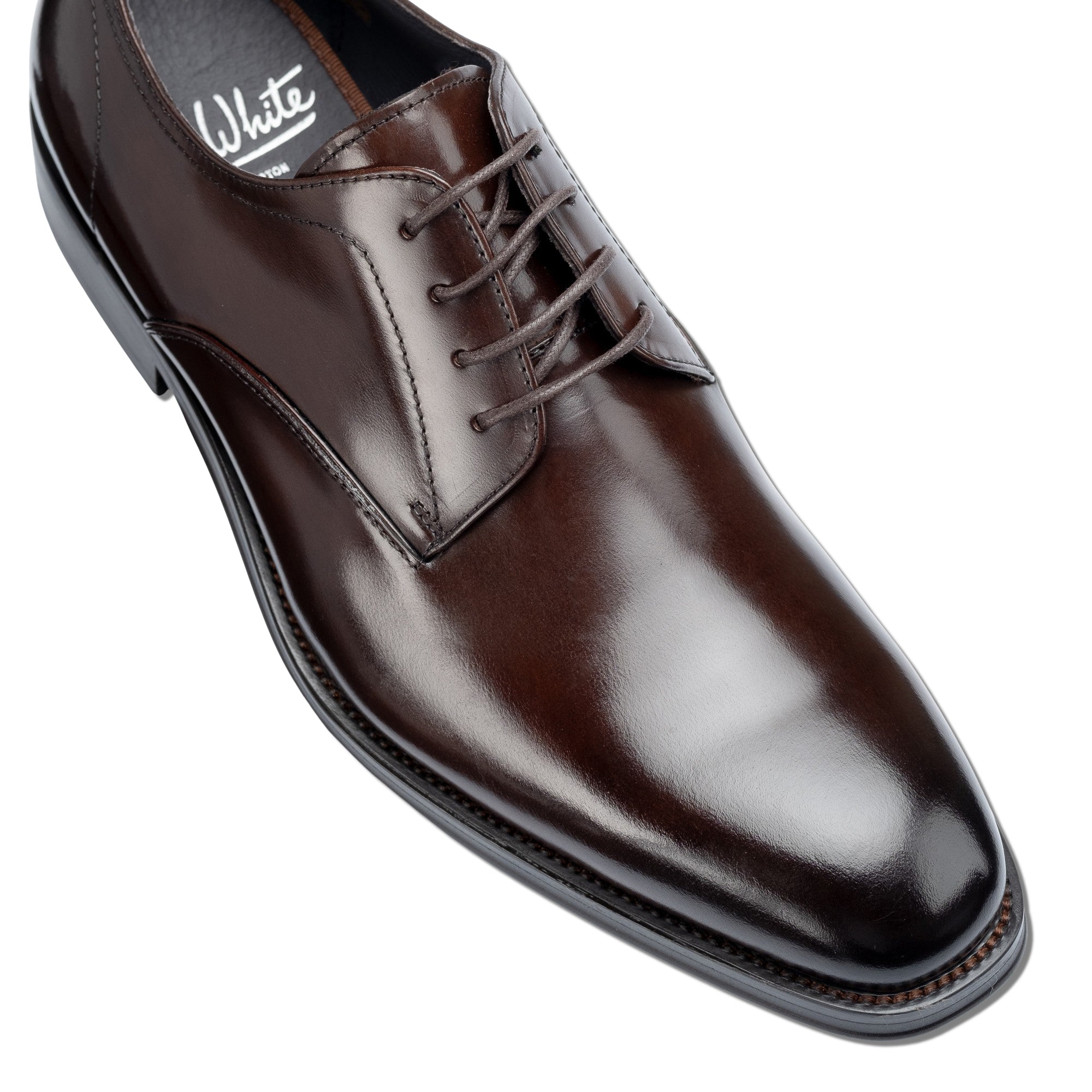
Brown Downey is the most versatile penny loafer in the JWS range for daily professional wear. Mid-brown smooth calf sits comfortably against navy, grey, charcoal, tan, and stone — which covers the majority of trouser and suit fabric options in most men's wardrobes. Polish it with the JWS Premium Wax Polish and the leather develops a controlled shine that lifts the shoe considerably for smarter occasions while remaining appropriate for weekend wear when kept at a lower level of finish.
Where the Penny Loafer Sits in the Formality Register
This is the question that most men handle incorrectly. The penny loafer is not a dress shoe, and it should not be treated as one. It is a smart-casual shoe, and within that register it has significant range — but the limits are real.
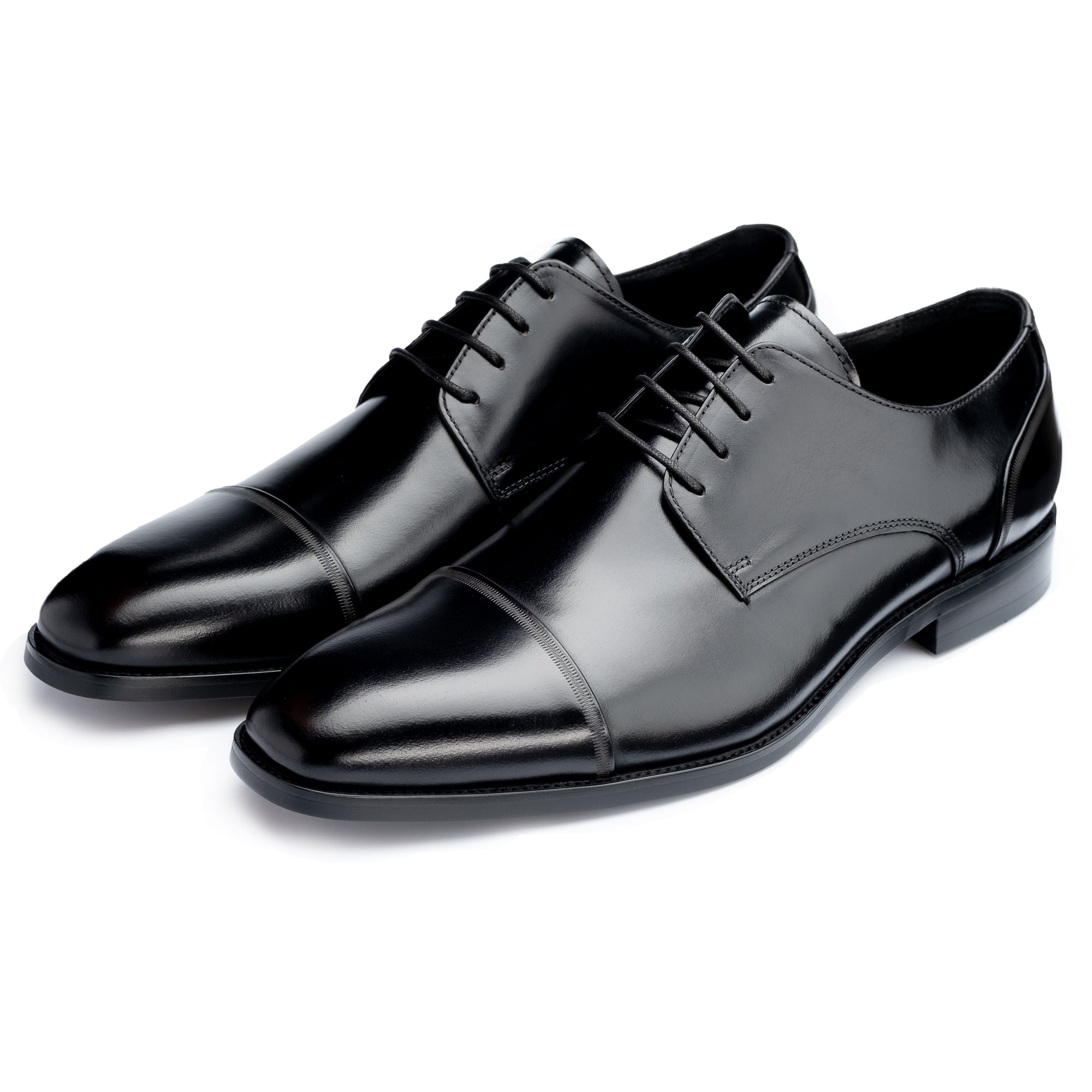
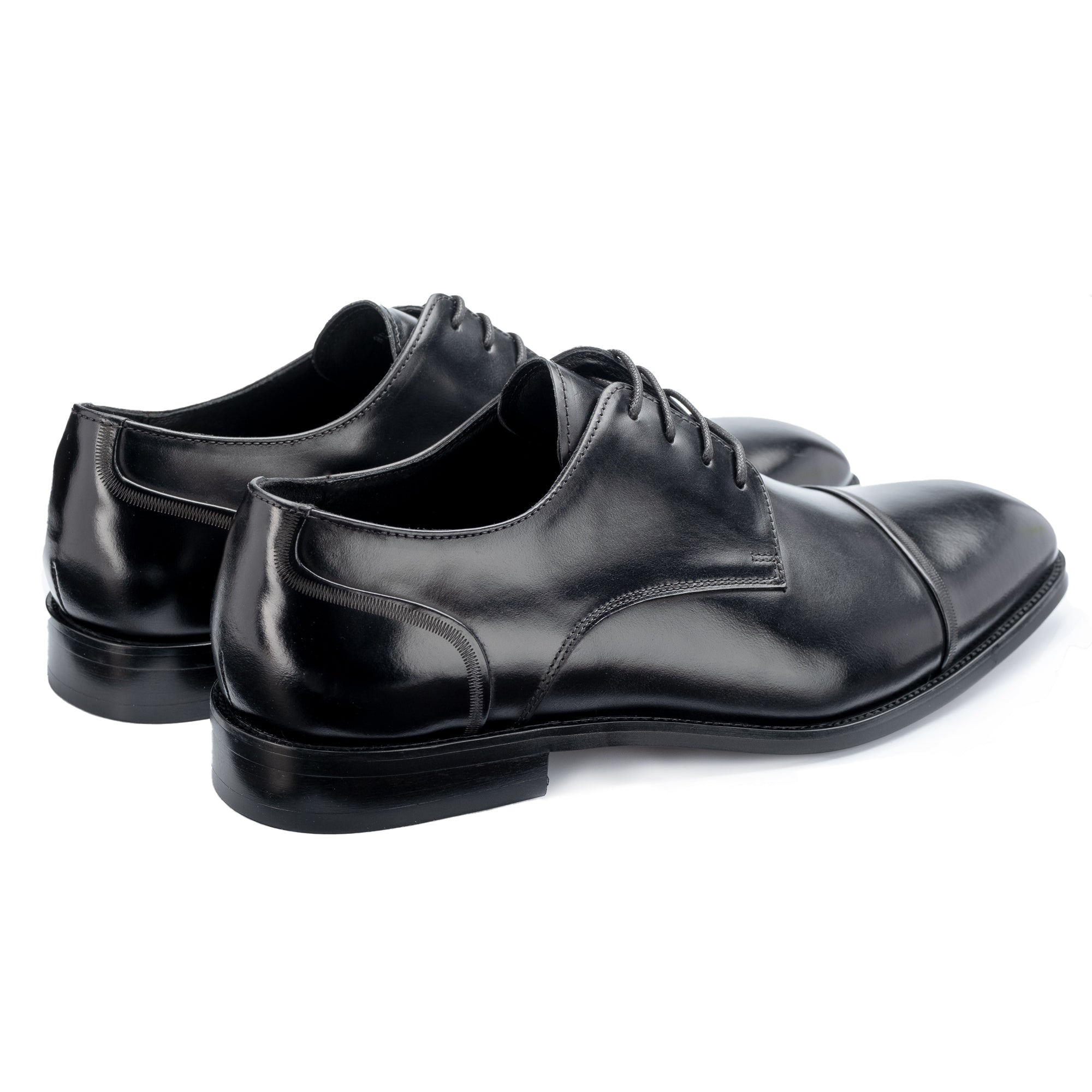
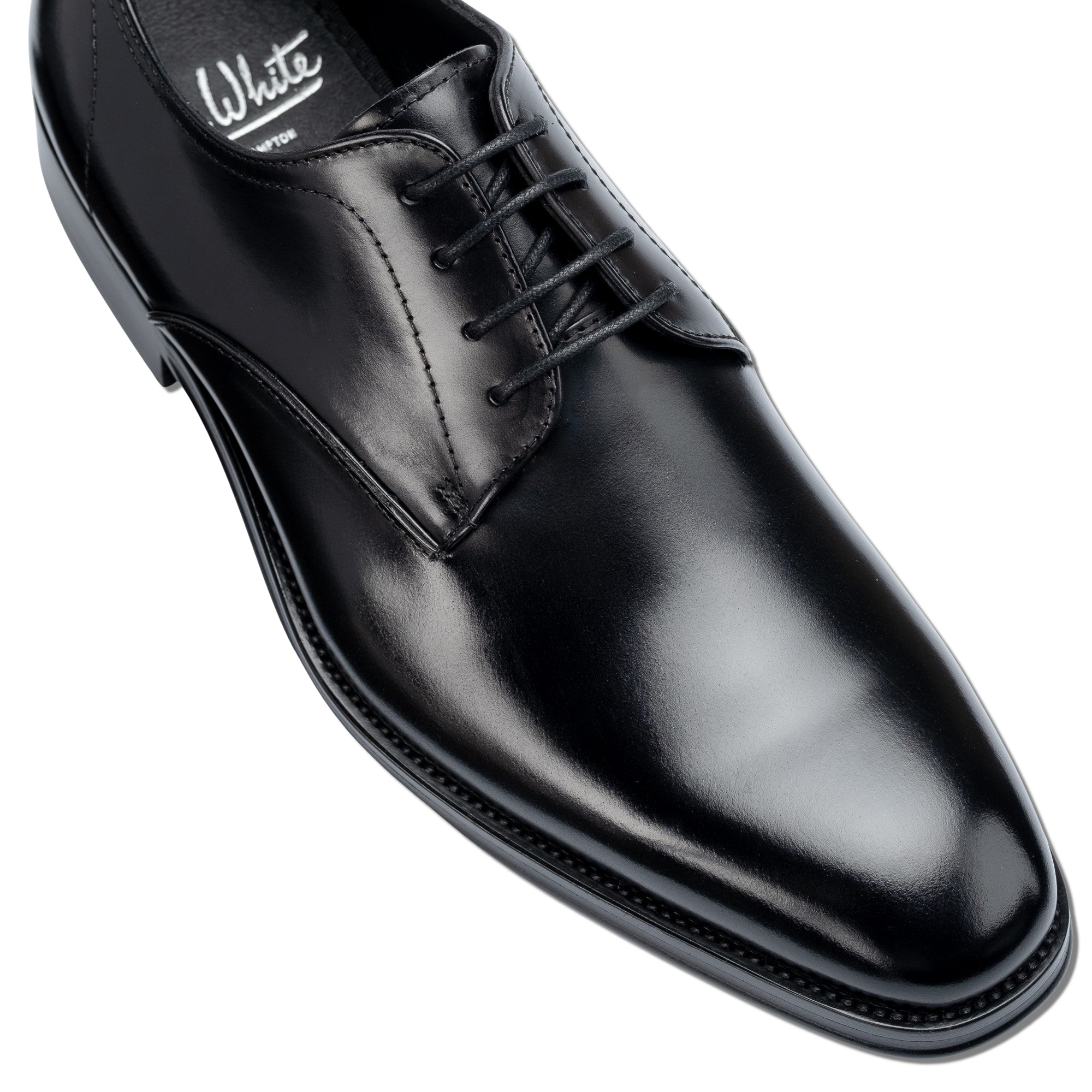
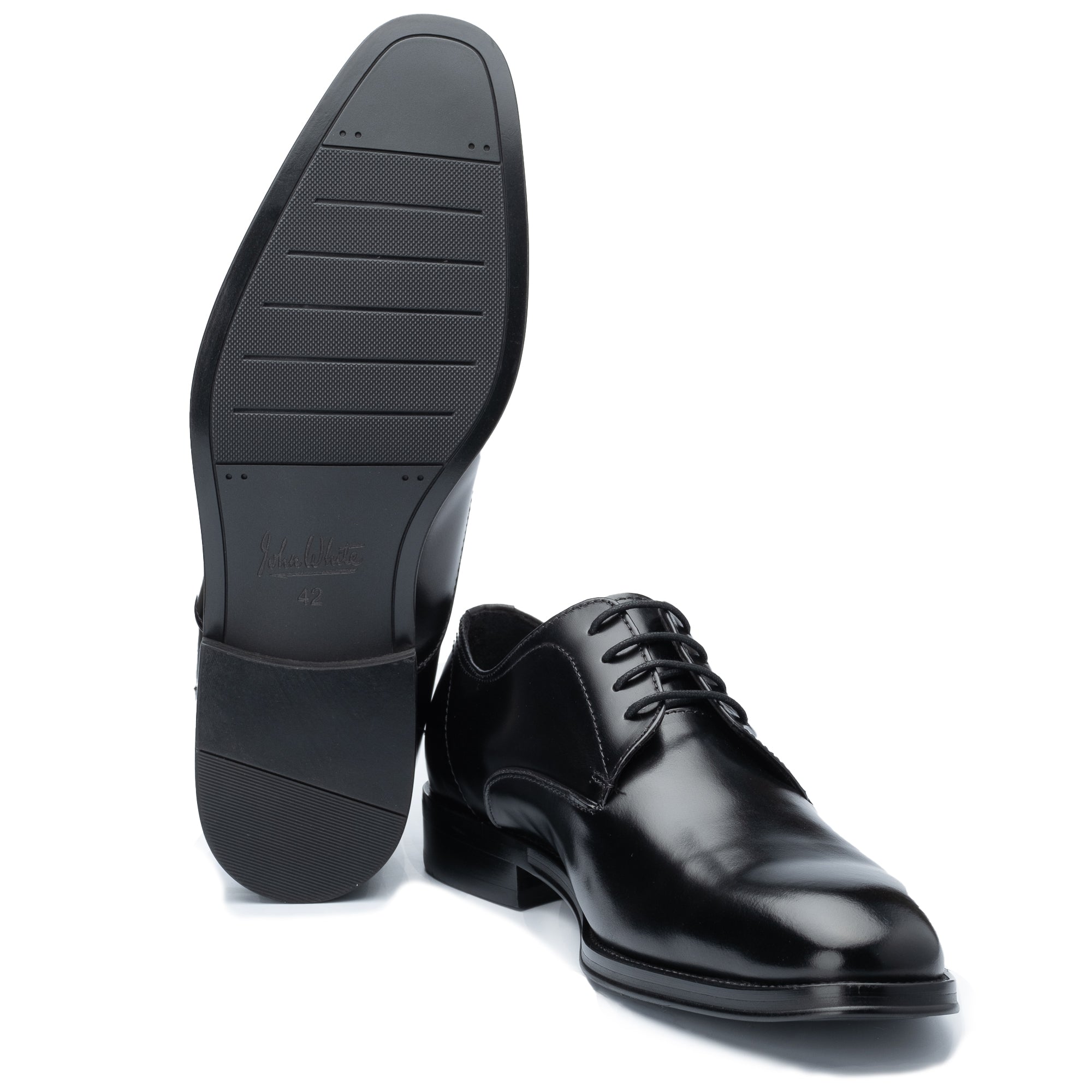
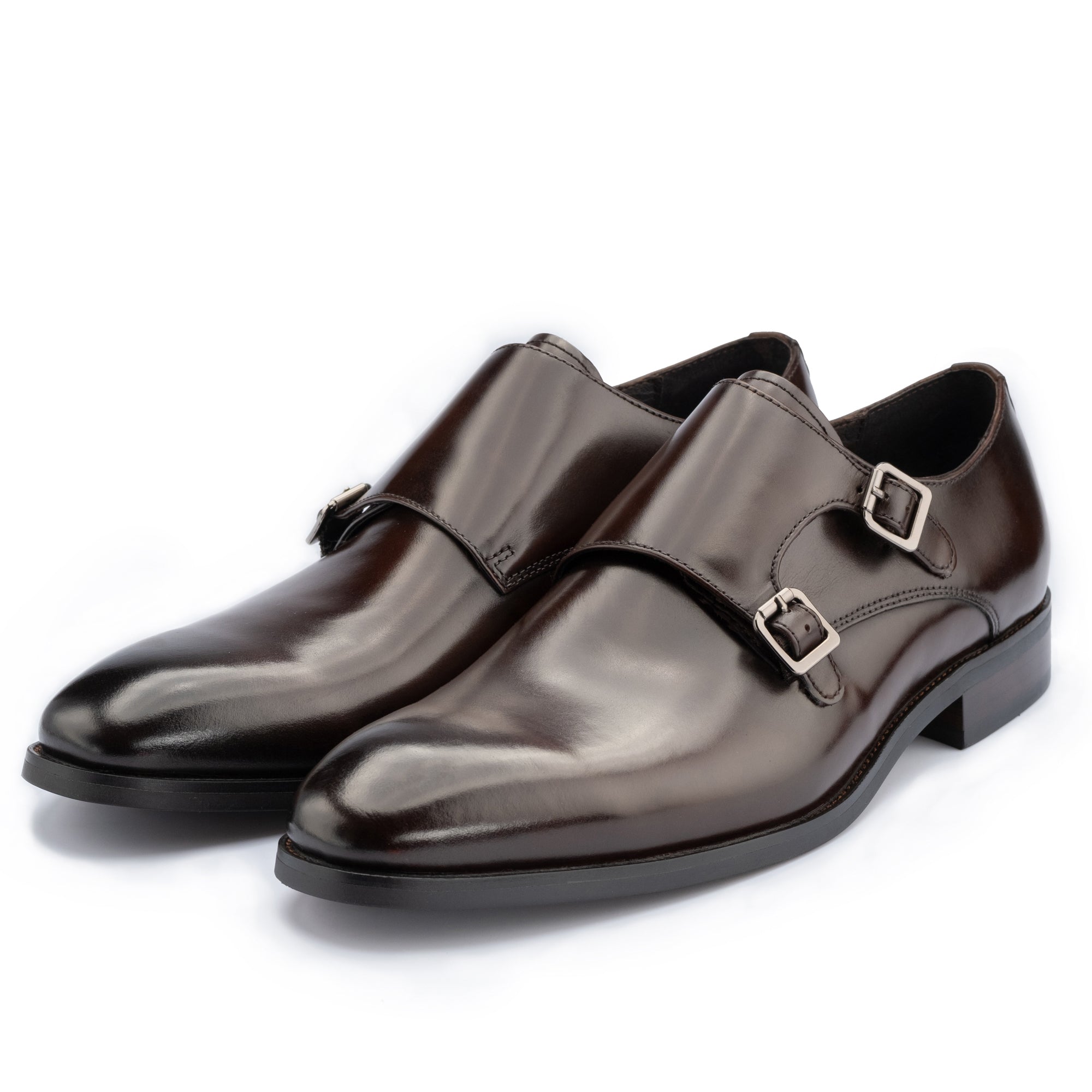
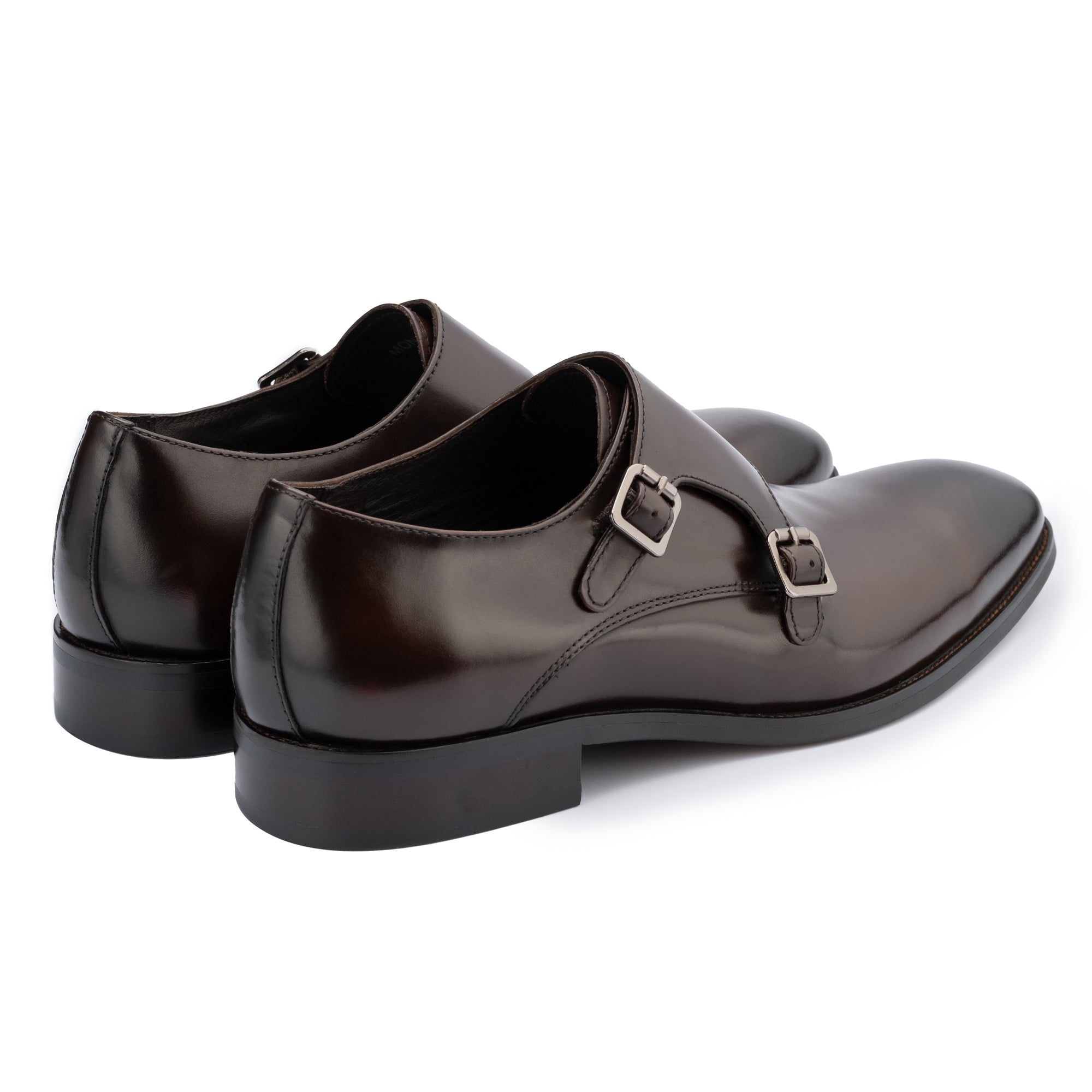
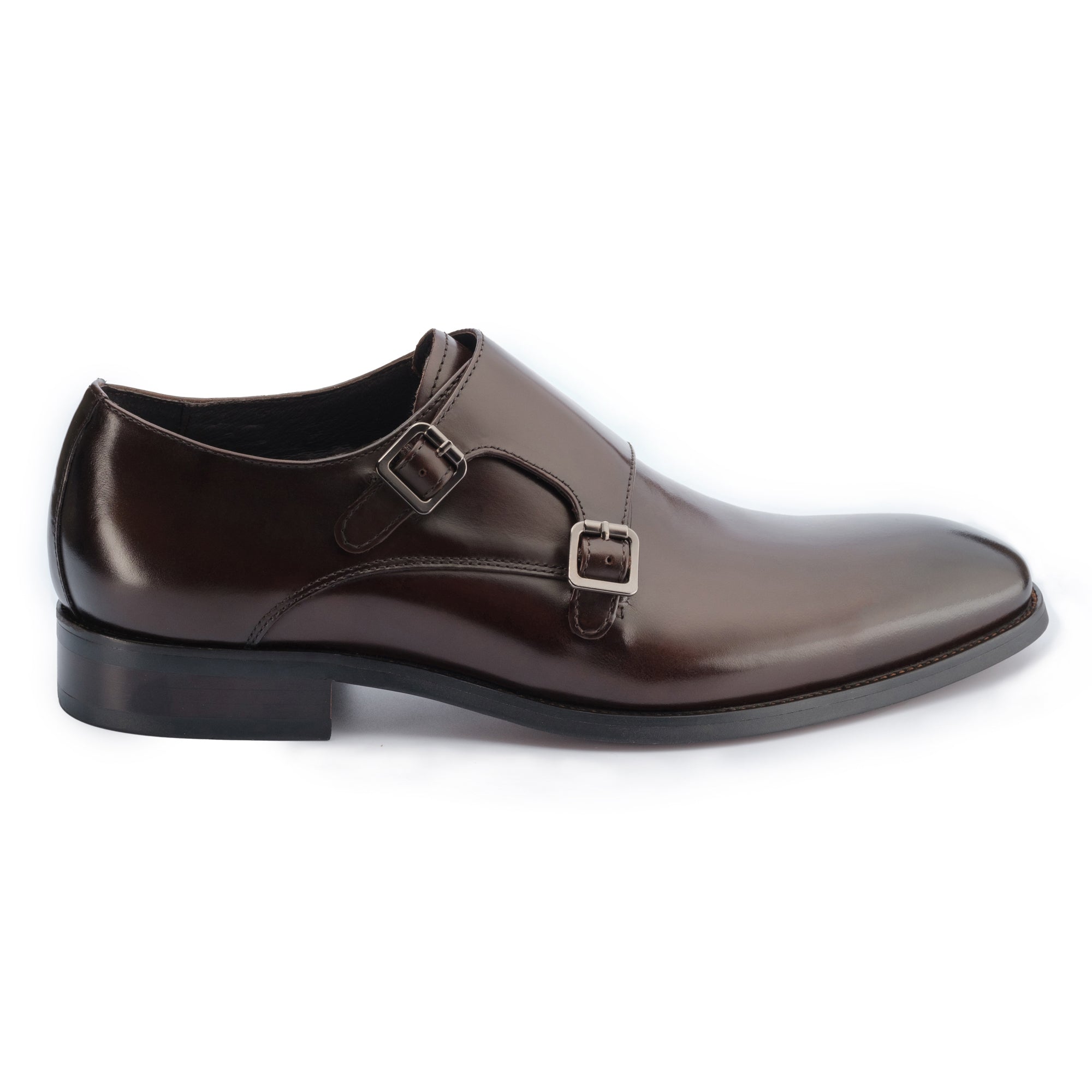
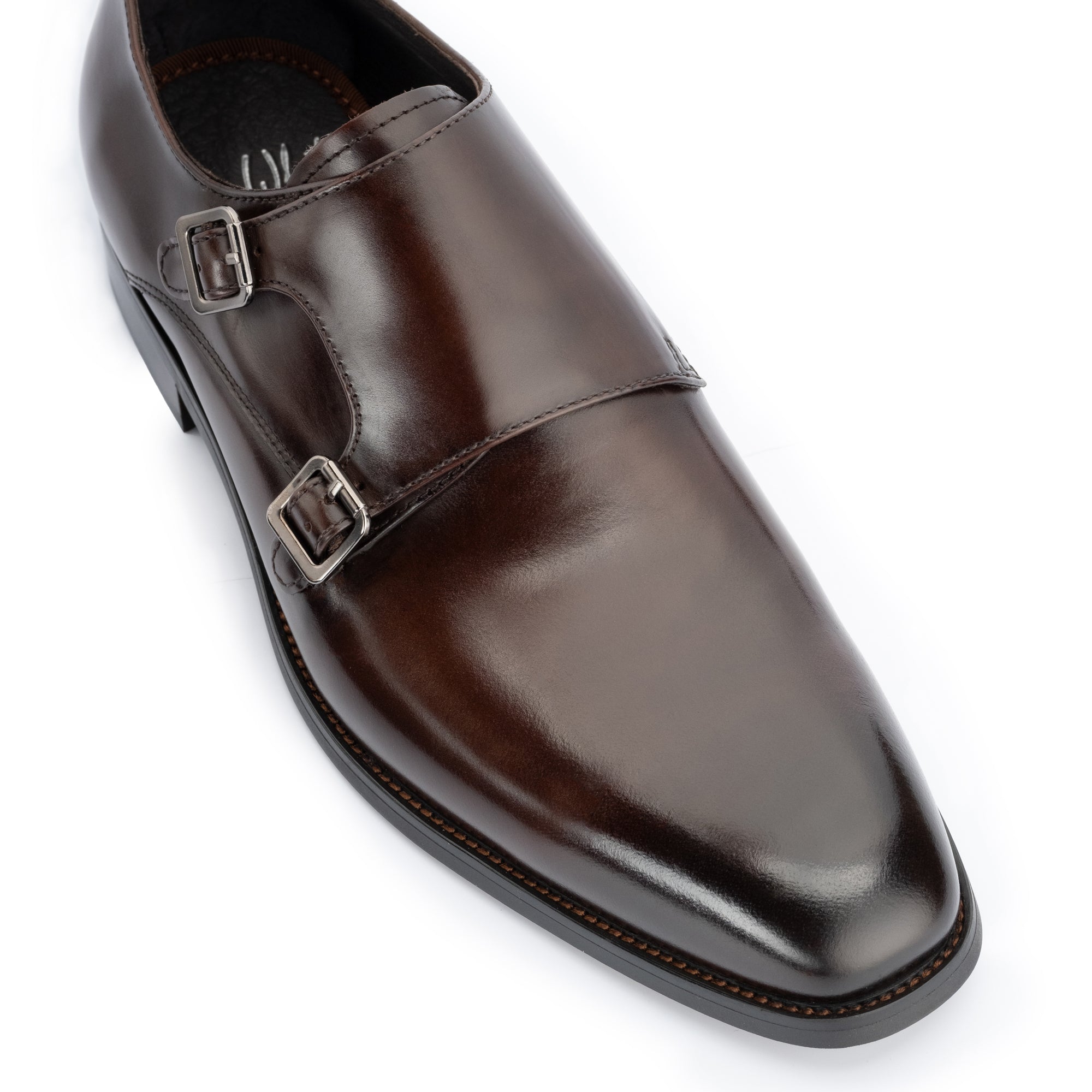
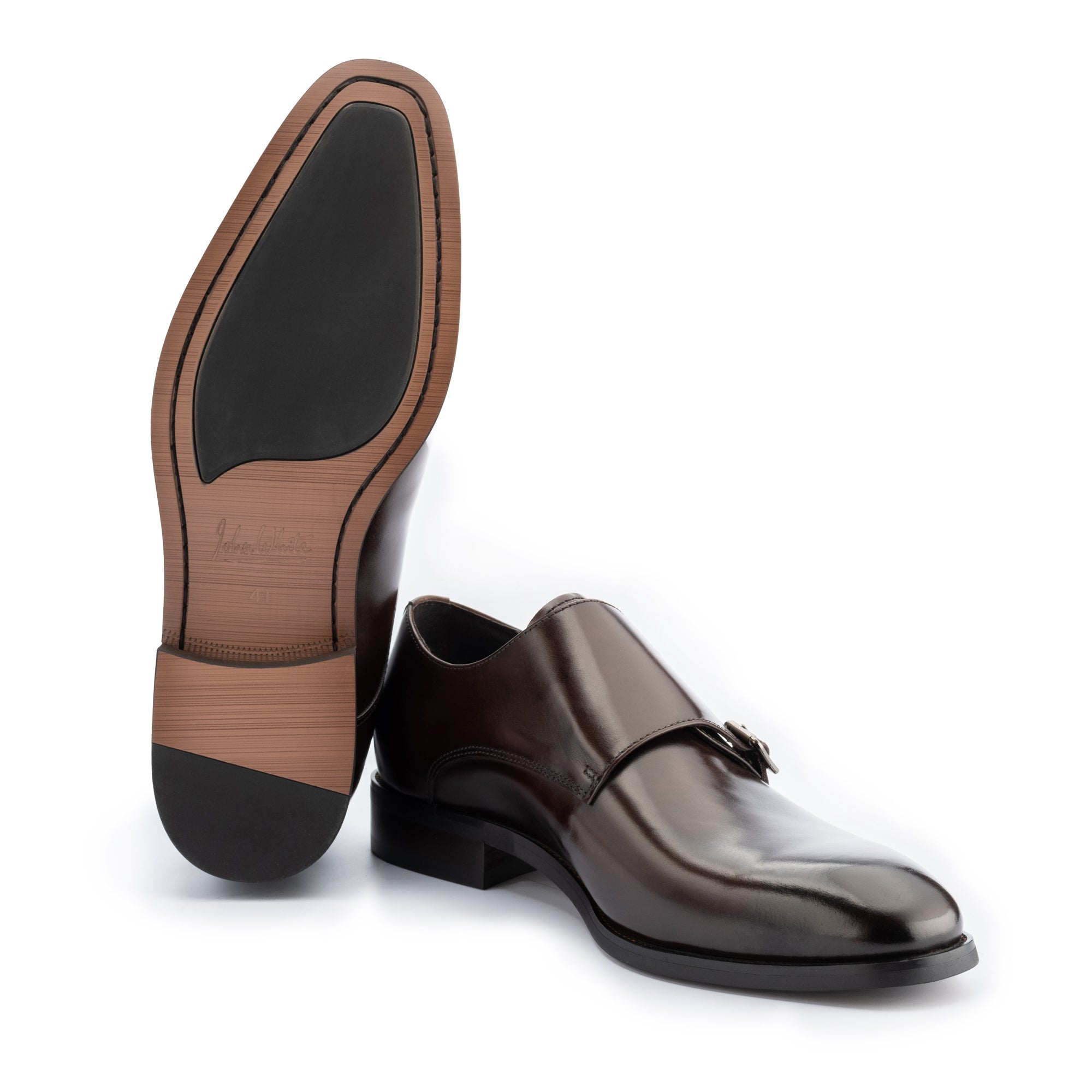
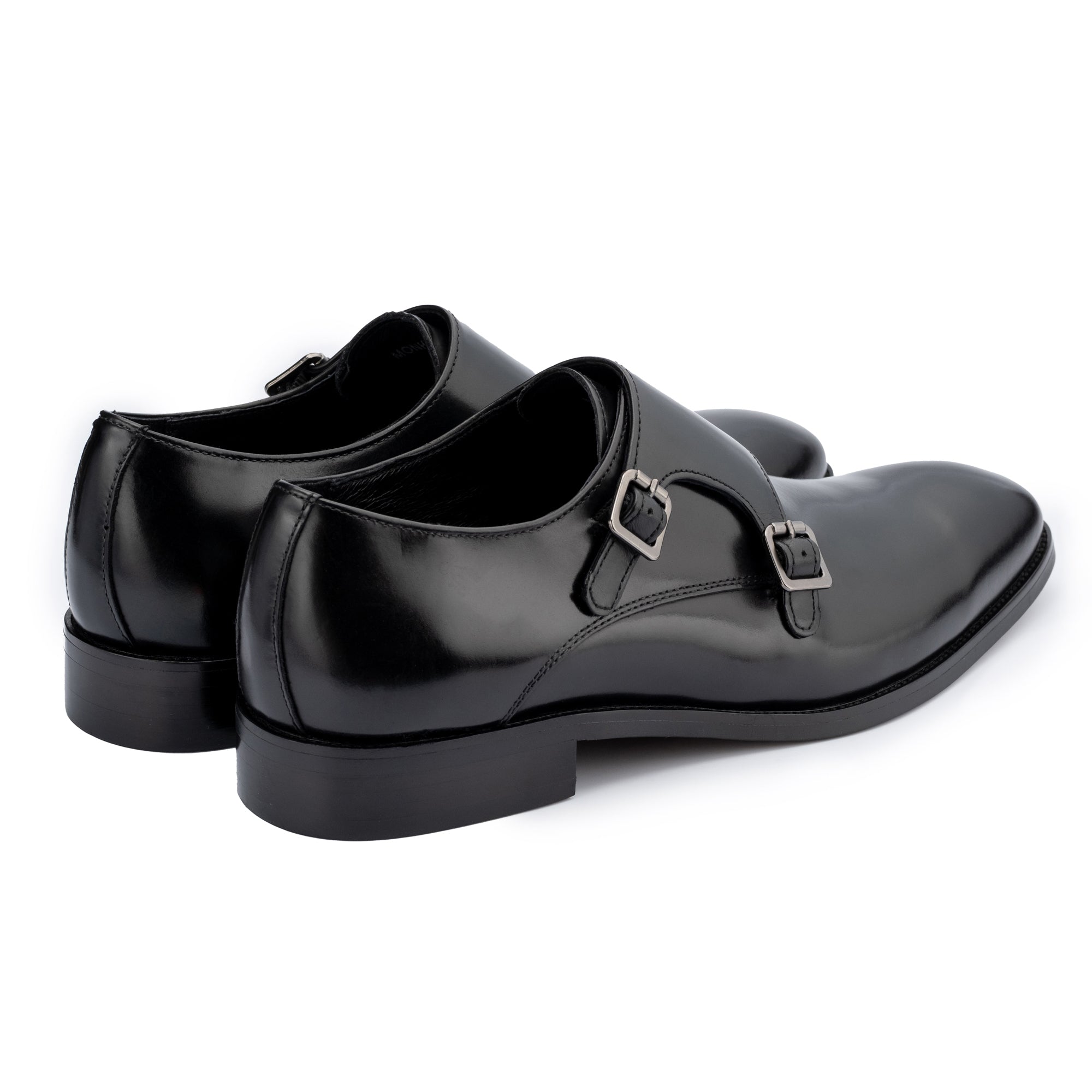
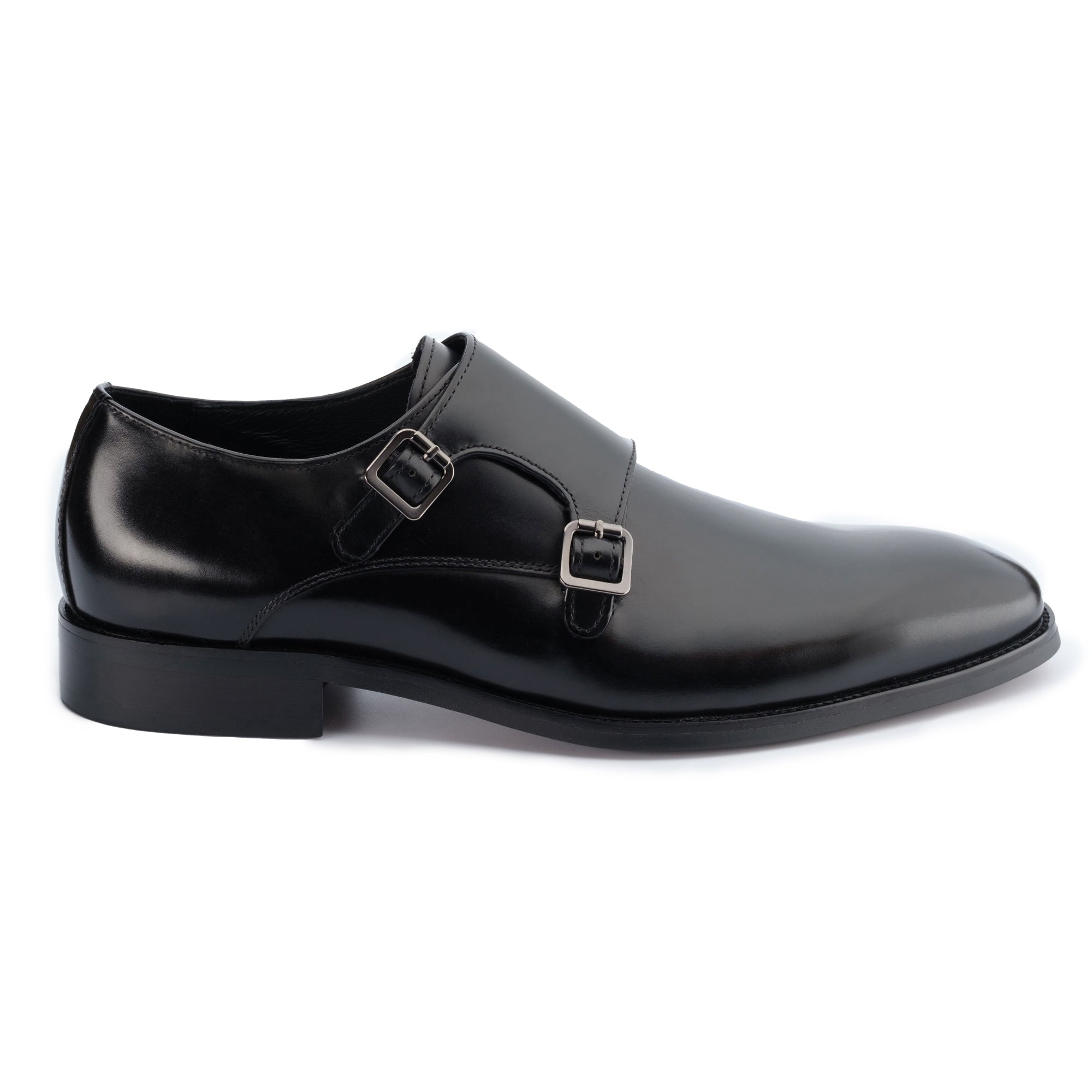
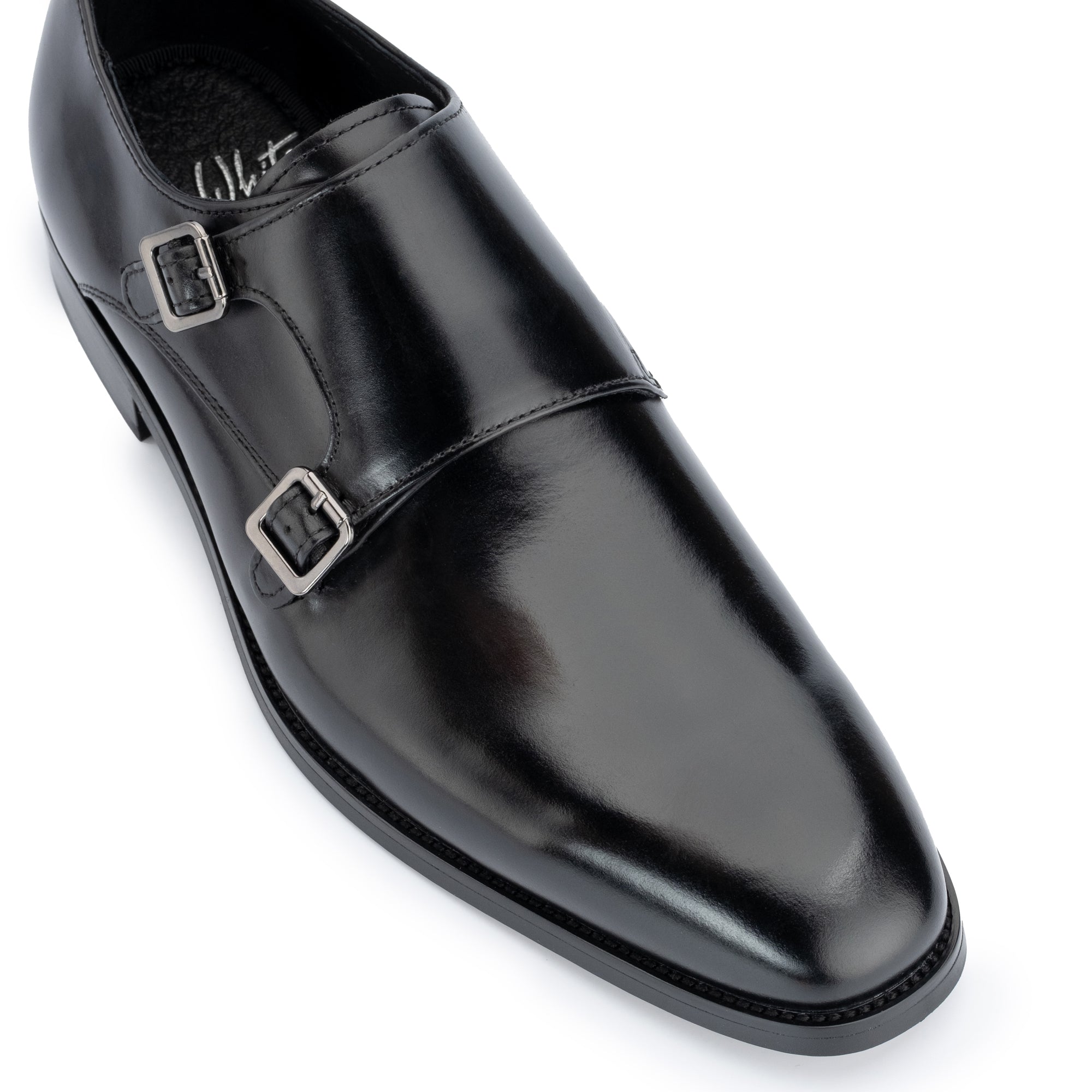
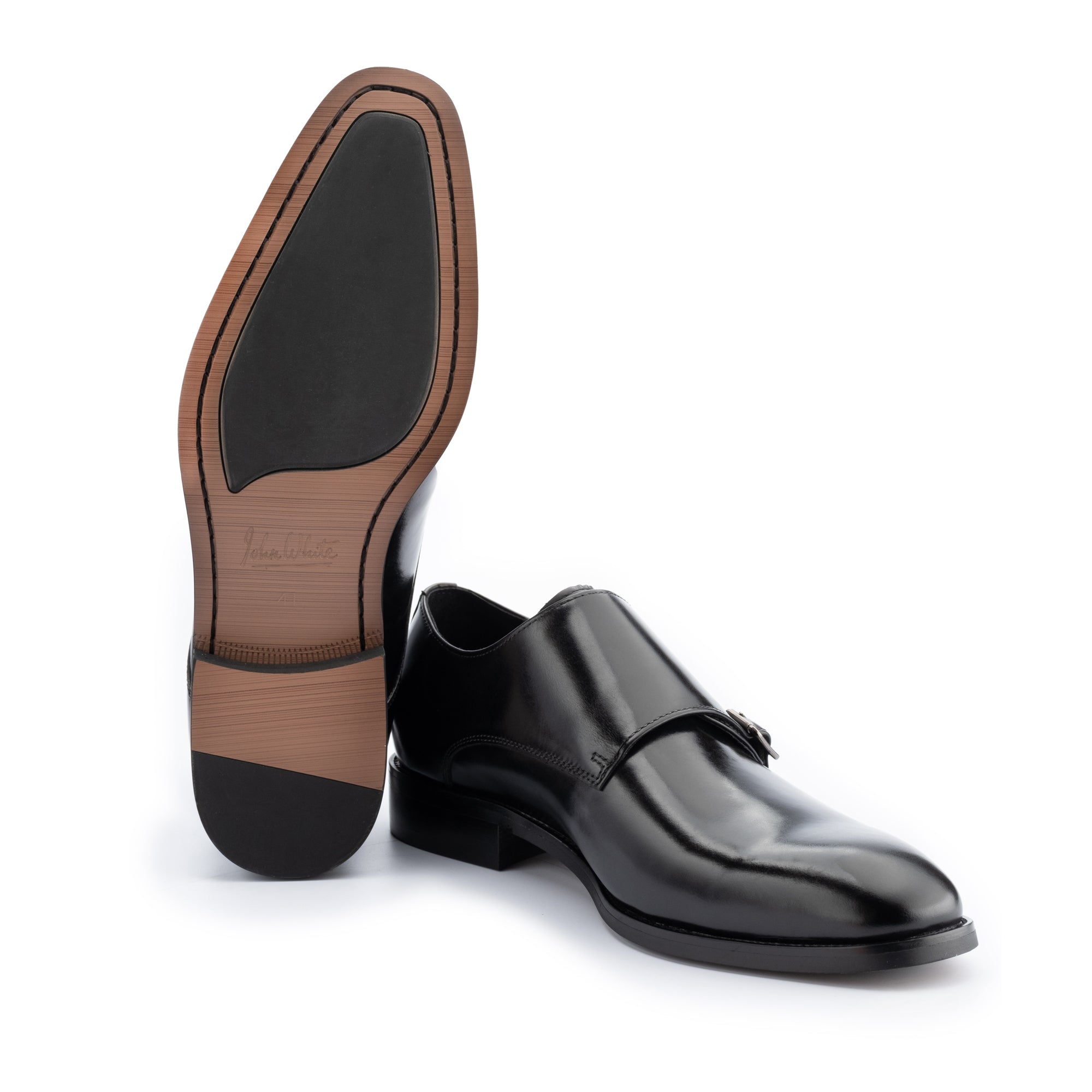
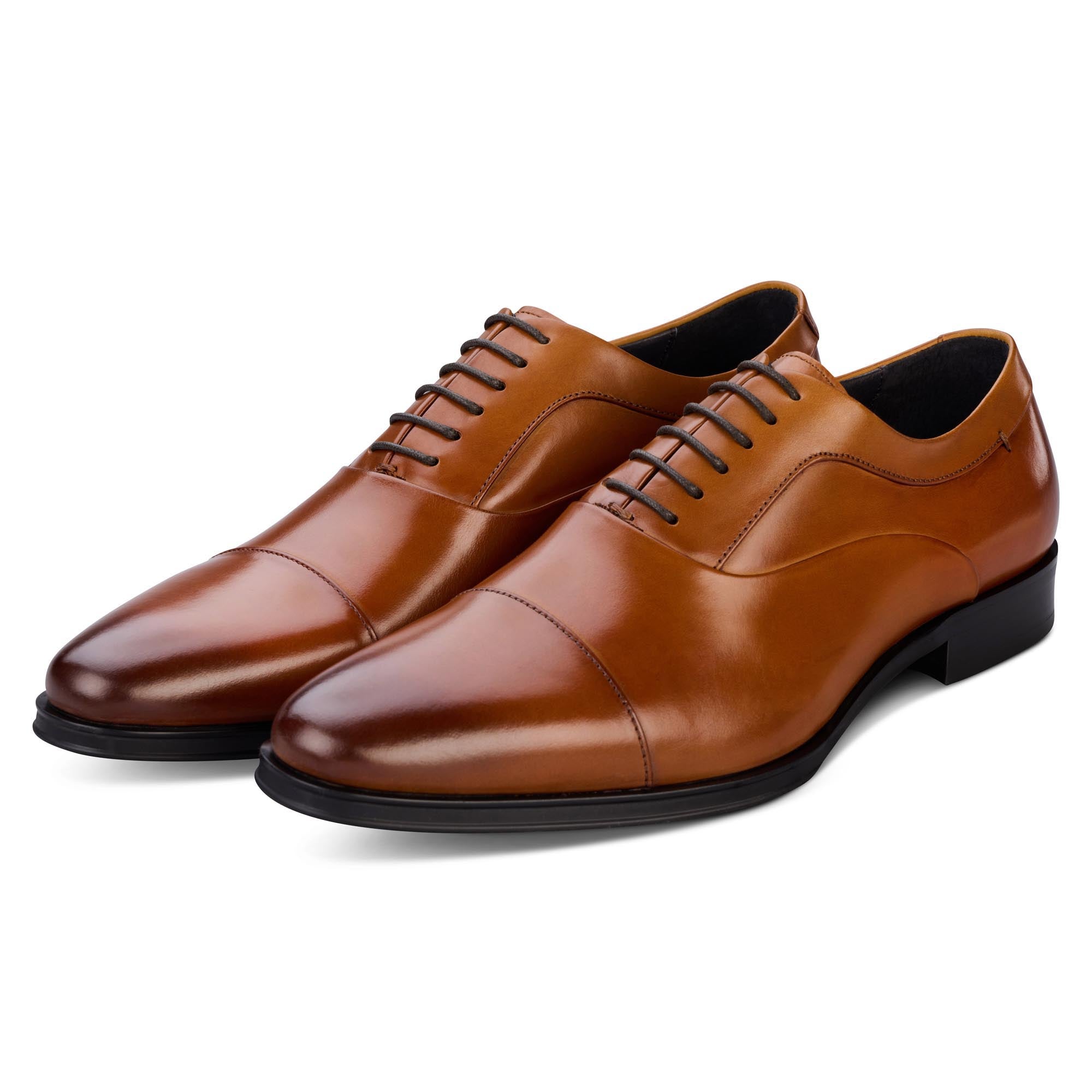
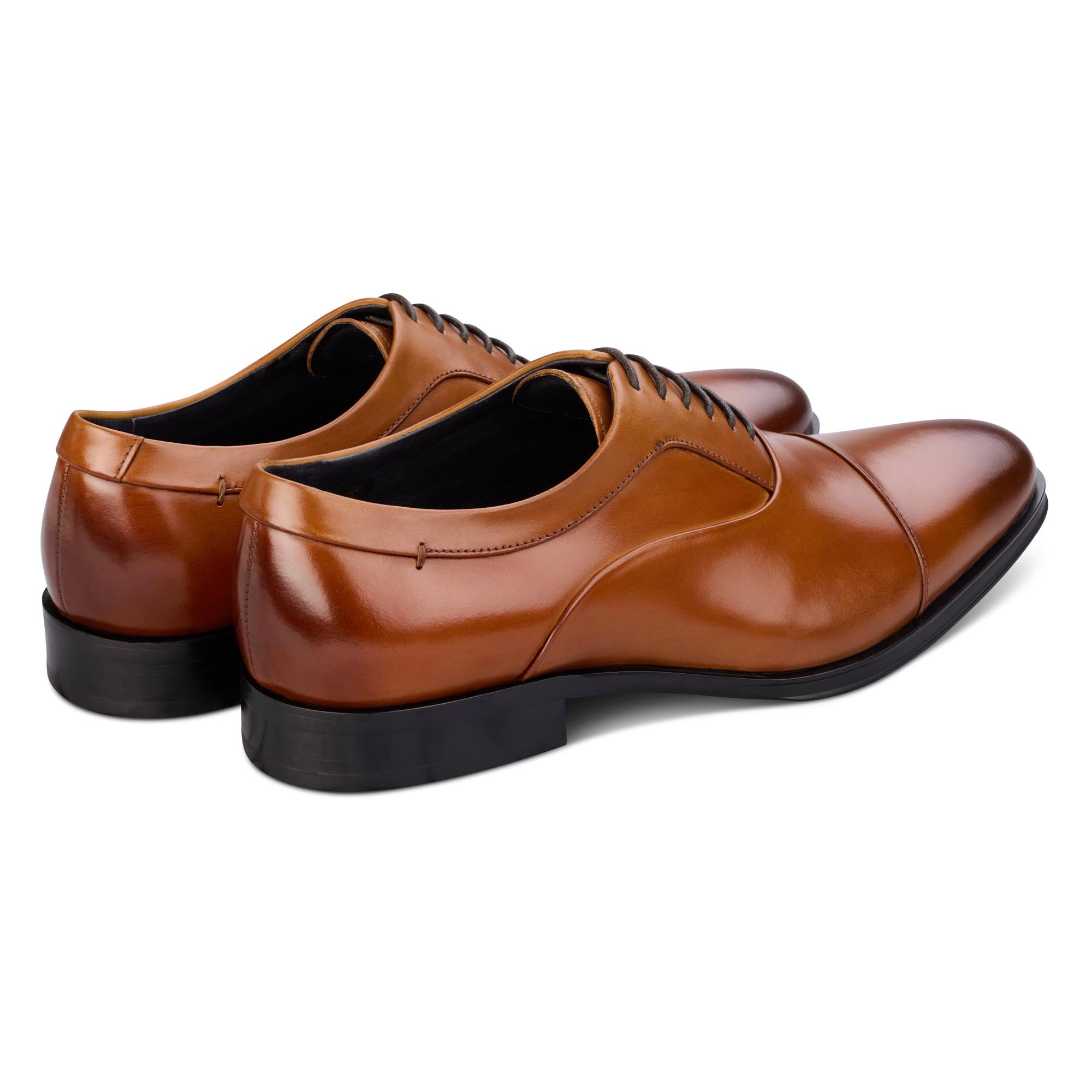
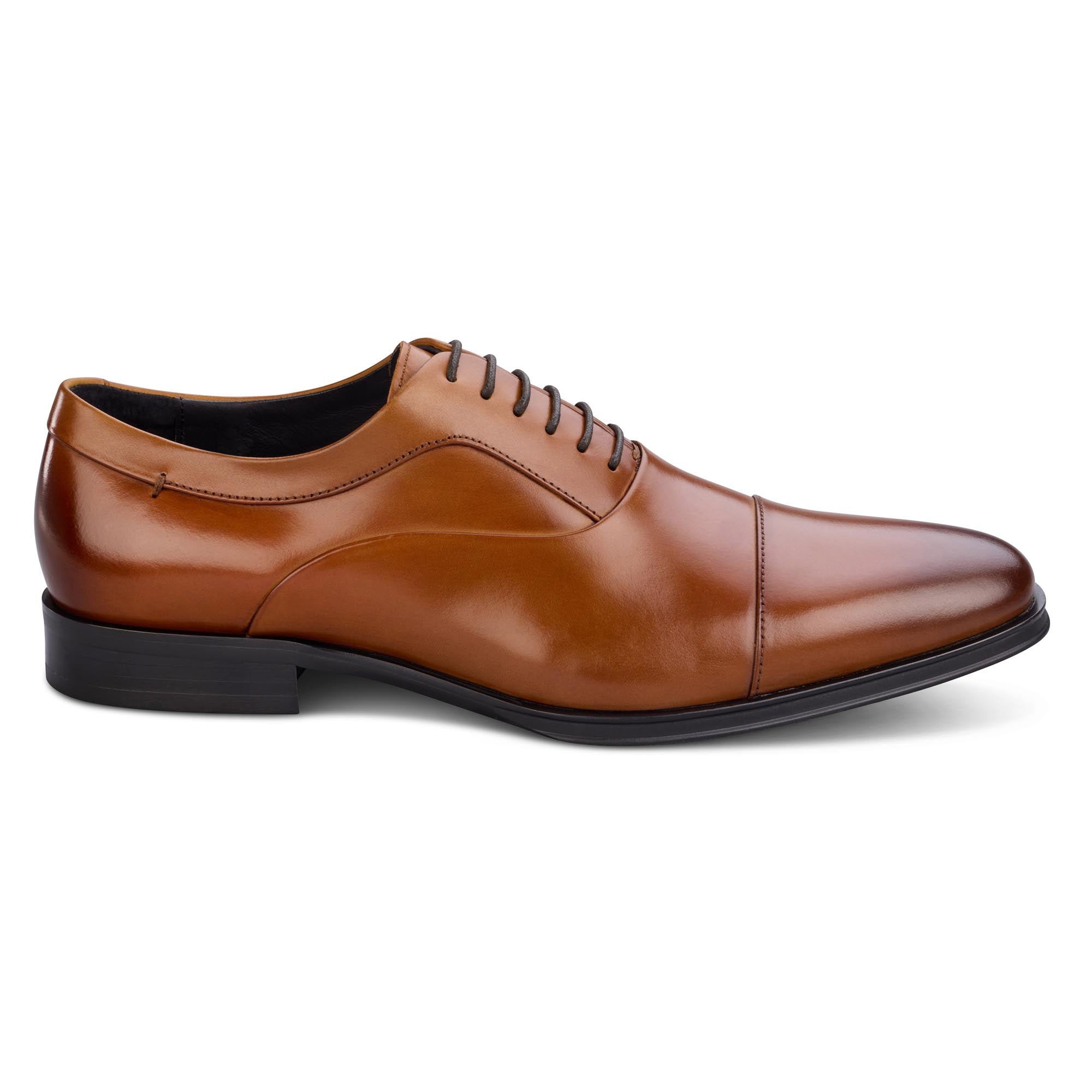
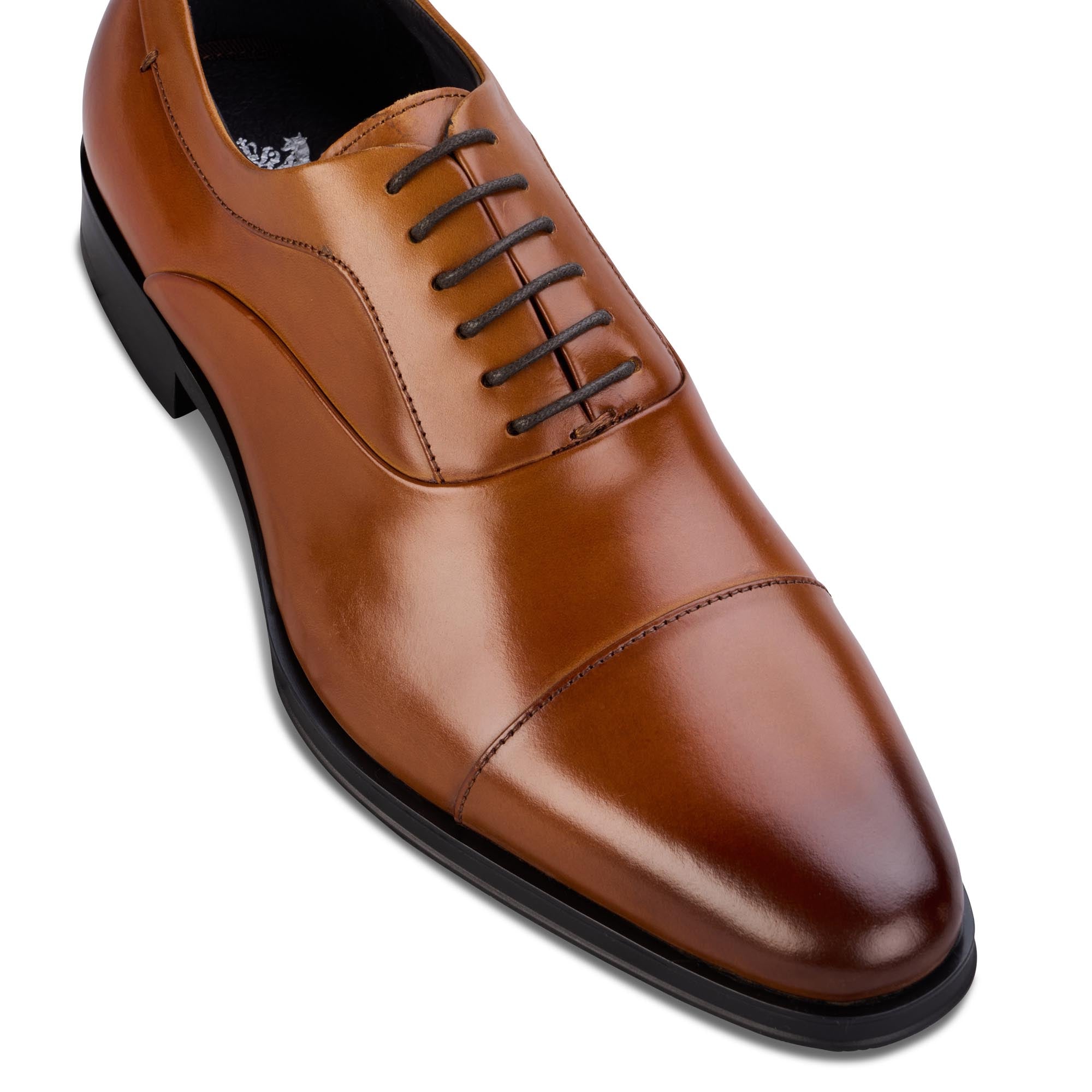
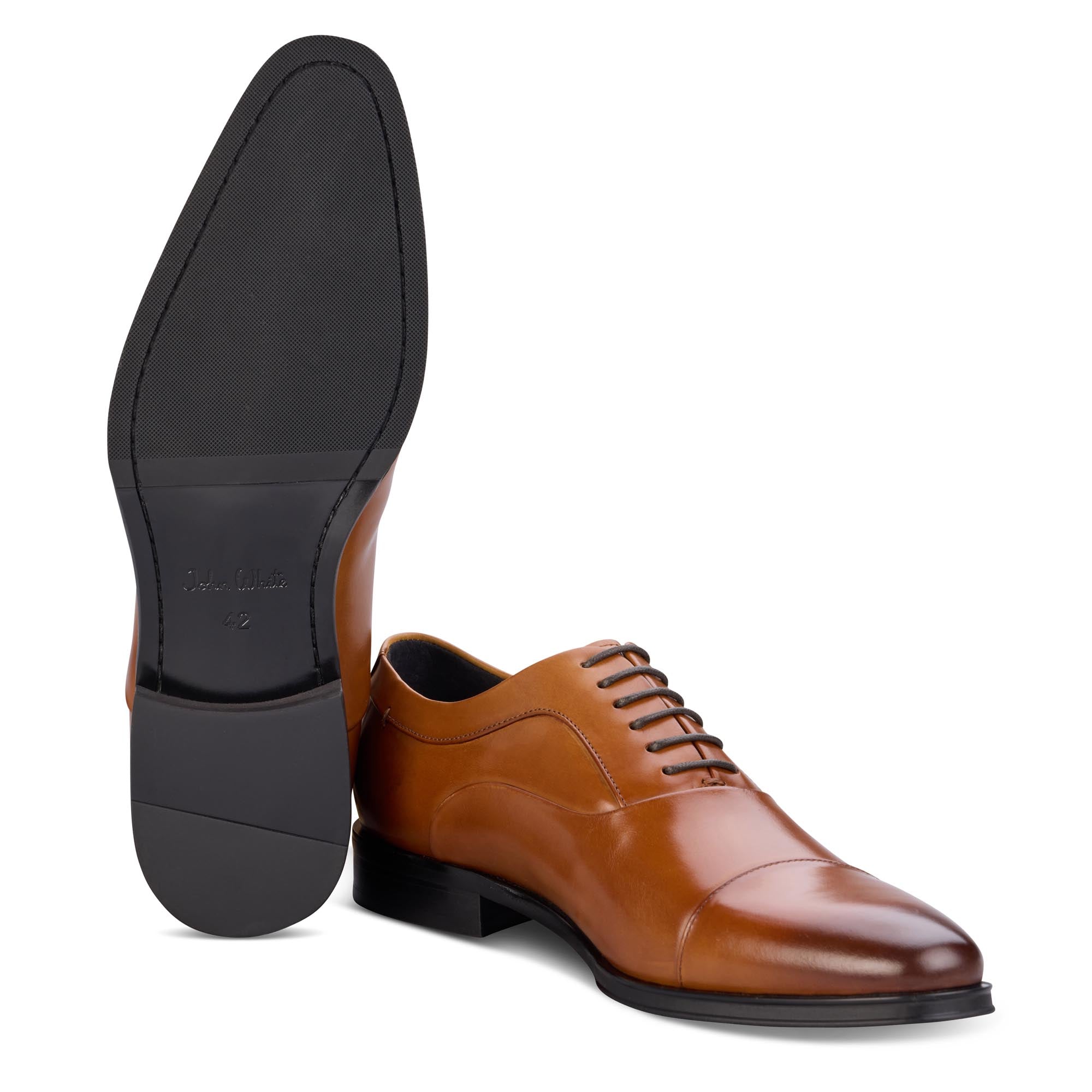
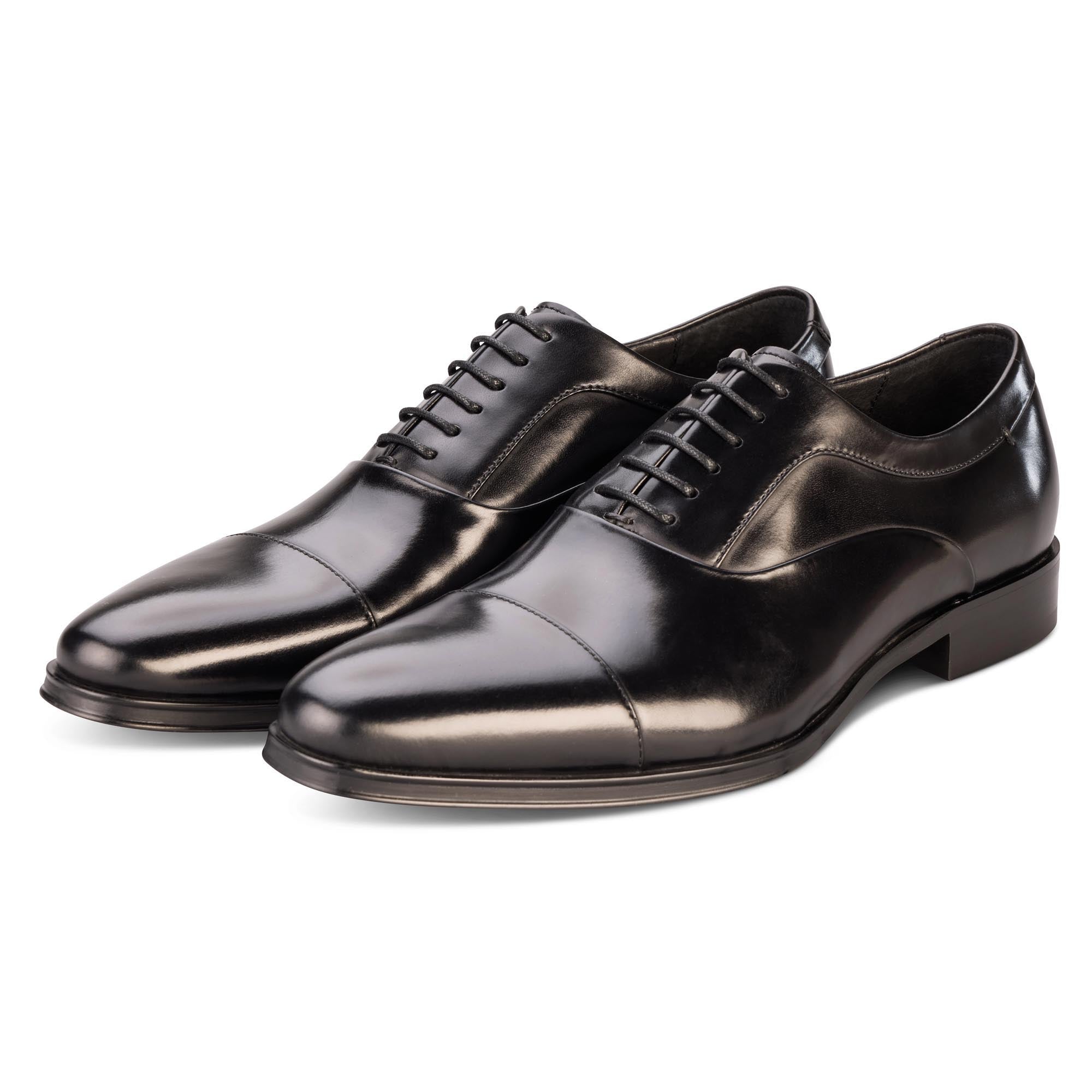
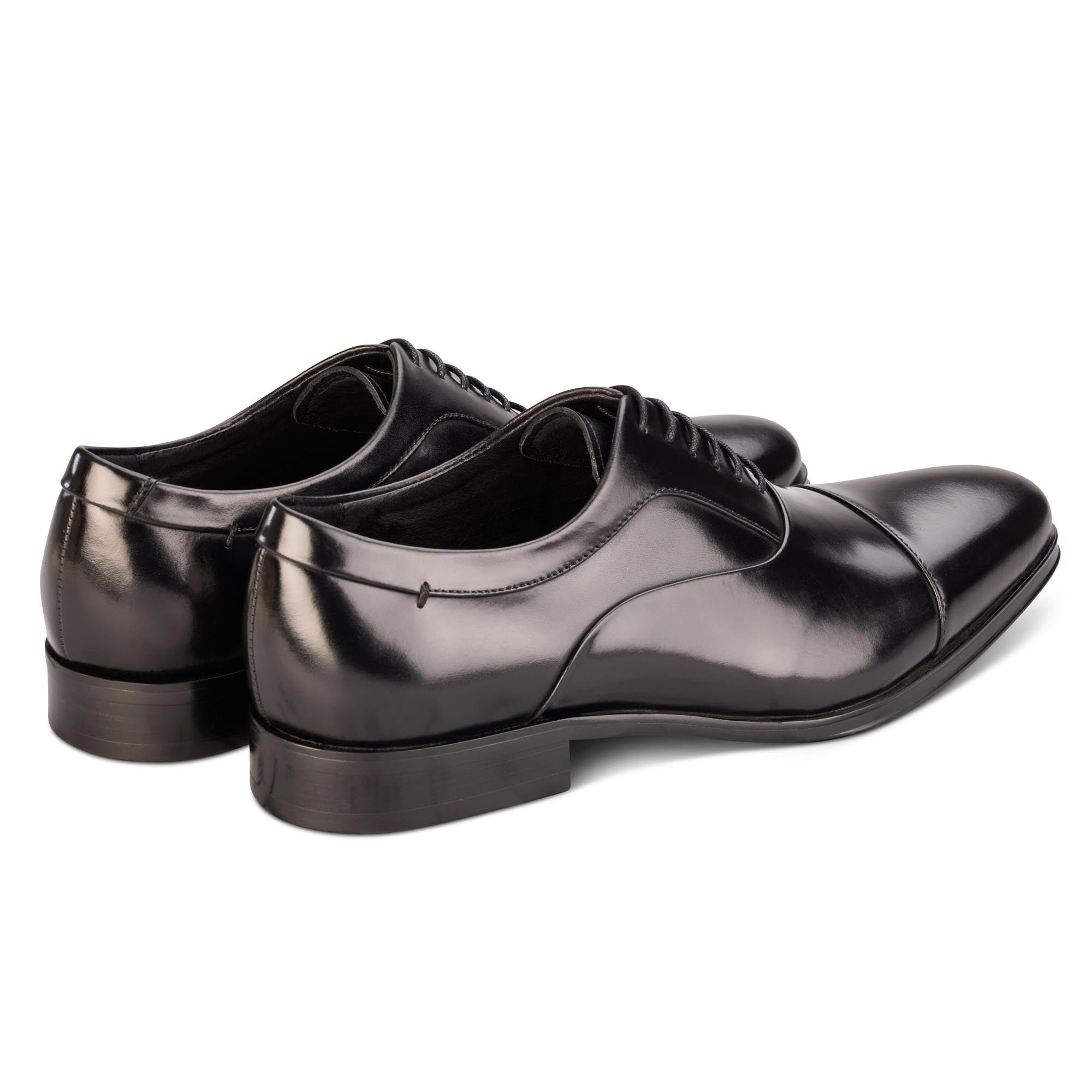
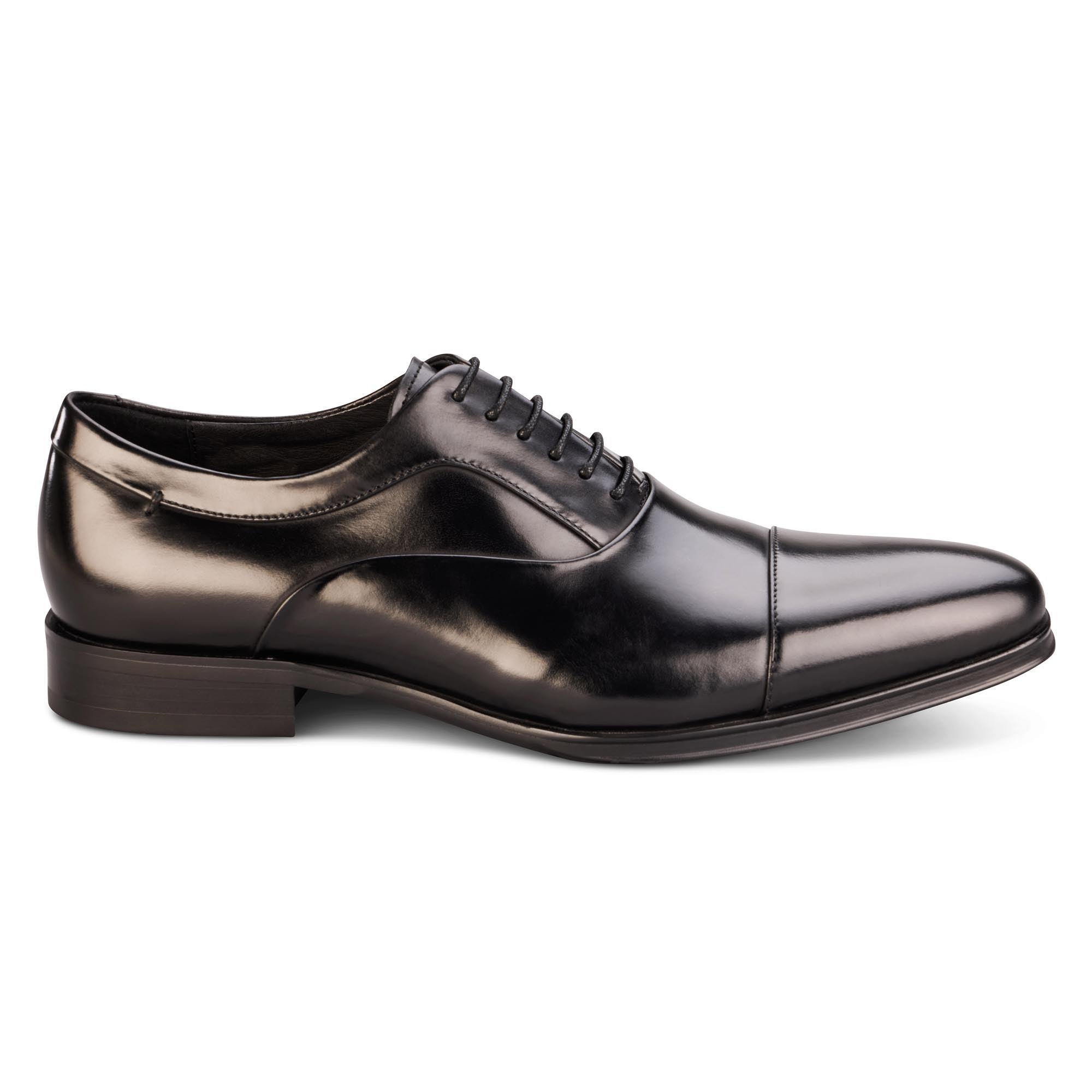
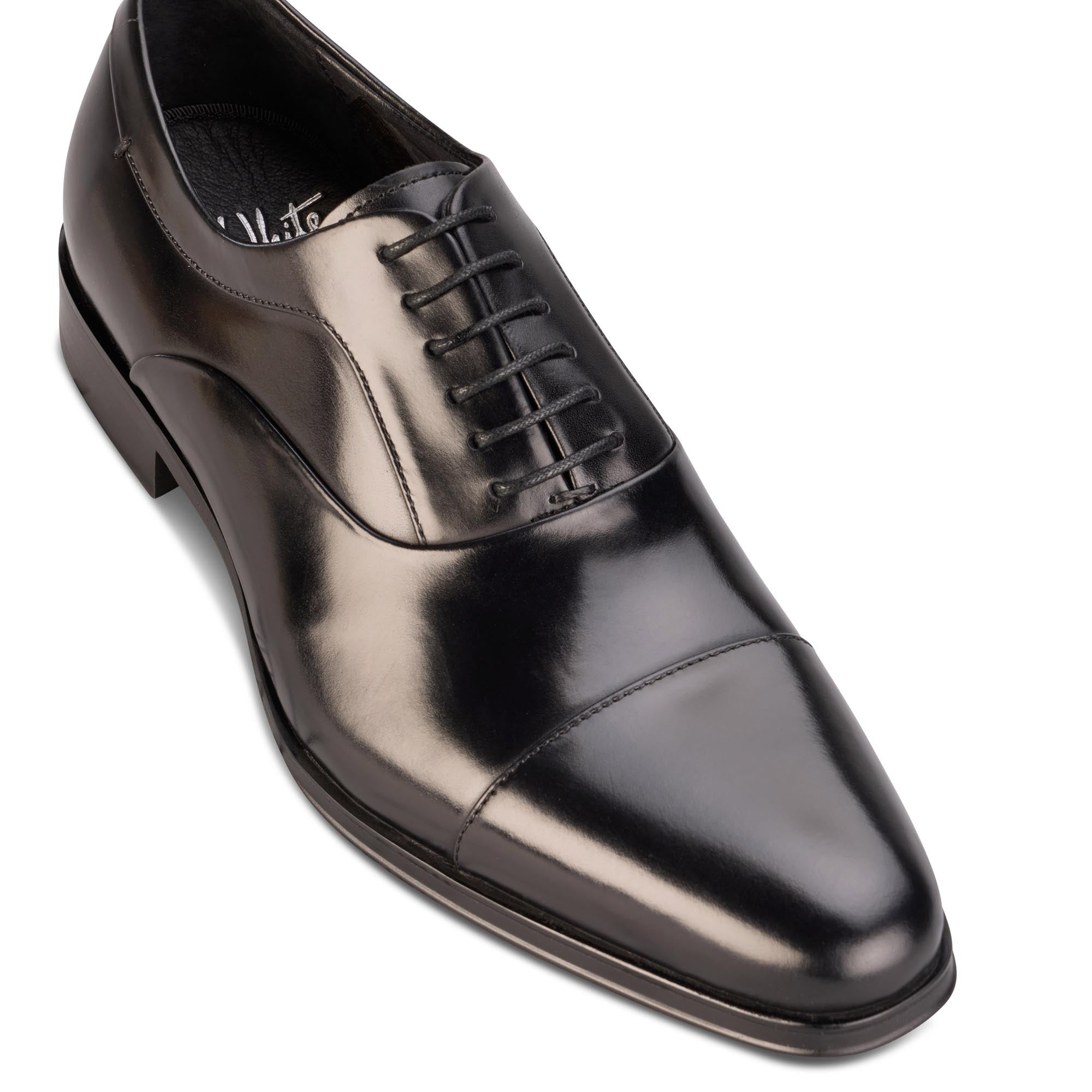
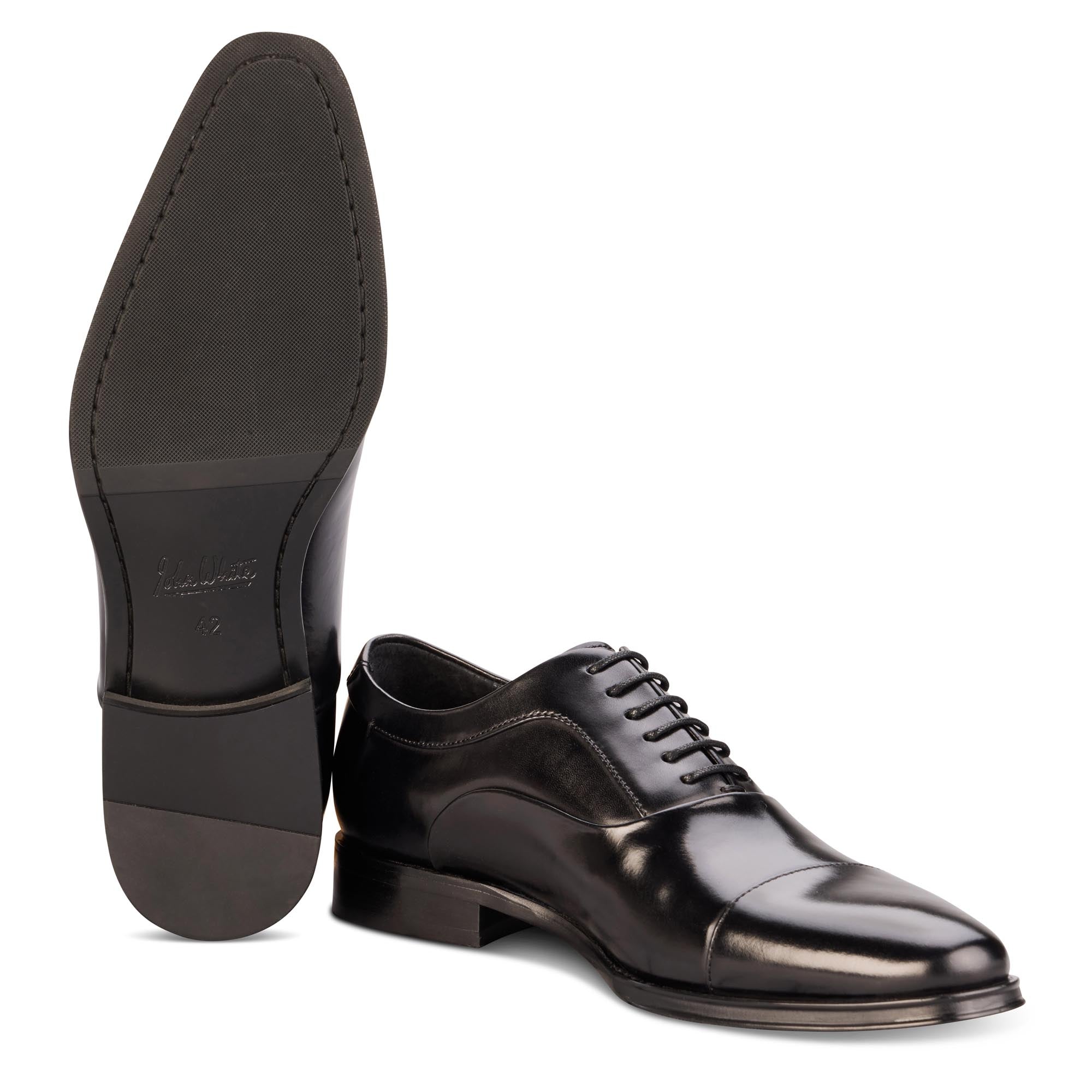
With a formal or business suit and tie: the penny loafer is the wrong choice. The Guildhall Capped Oxford or the Monkton Double Monk are the appropriate alternatives. The loafer construction and saddle strap read against the discipline of formal tailoring.
With an unstructured or business-casual suit — jacket and trousers rather than a matched suit, or a relaxed worsted in a smart-casual office: the Downey in black or brown works well. The cleaner last keeps it from reading as too relaxed against the structure of a jacket.
With chinos, flannel trousers, or cavalry twill: the natural home of both models. Either Banff or Downey. This is the penny loafer doing what it was designed to do.
With jeans — straight or slim cut, hemmed properly: the Banff is a reasonable choice, particularly in reef or brown suede. The Downey, with its smarter last, sits less comfortably against denim.
For summer social occasions — garden parties, outdoor lunches, casual evening events: the brown suede Banff has no peer in the JWS range. It carries the right amount of effort for events where dress codes are stated as “smart casual” without resolving to anything more formal.
Smooth Calf or Suede: The Seasonal Decision
The Banff gives you the choice. The Downey does not — it is smooth calf throughout. But understanding the material difference is worth the time regardless of which model you are considering.
Smooth calf leather — the Banff in black or reef, both Downey options — is more durable, more weather-resistant, and polishable to a shine. It handles the daily routine of urban wear without complaint and responds well to the JWS Premium Wax Polish, which feeds the leather and builds a burnished finish over time. This is the right choice if you intend the shoe as an all-season option that will see rain-dampened pavements and the occasional pub carpet.
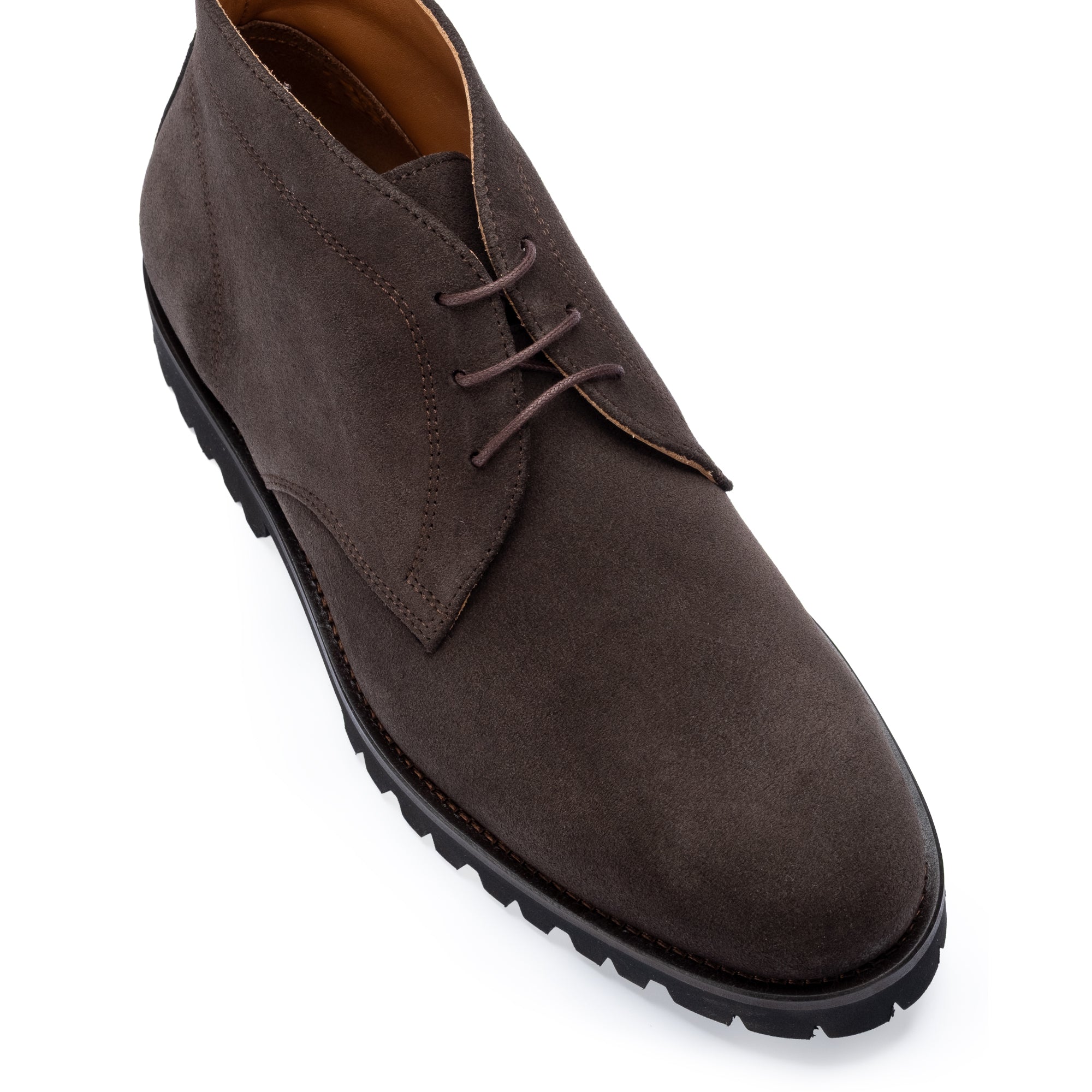
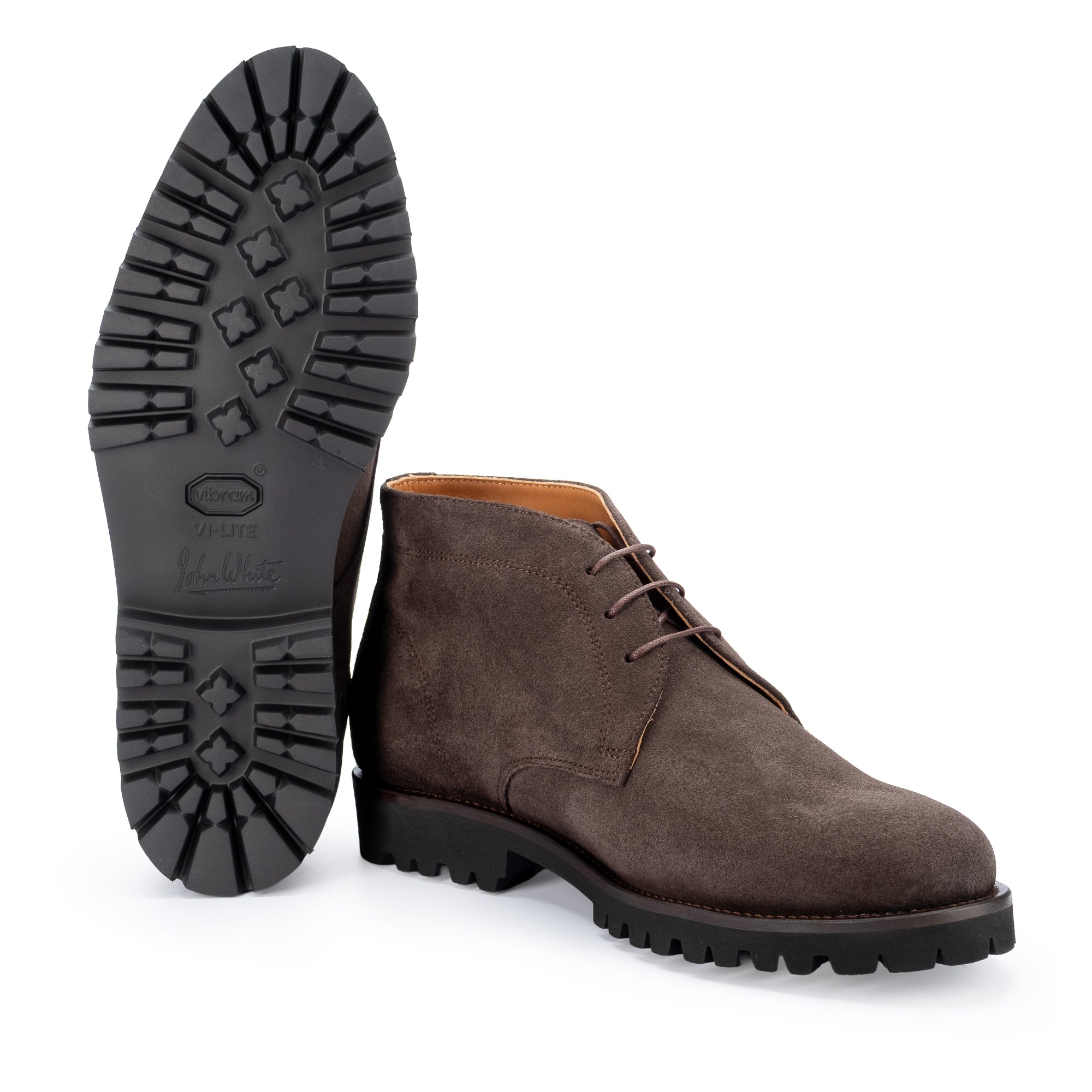
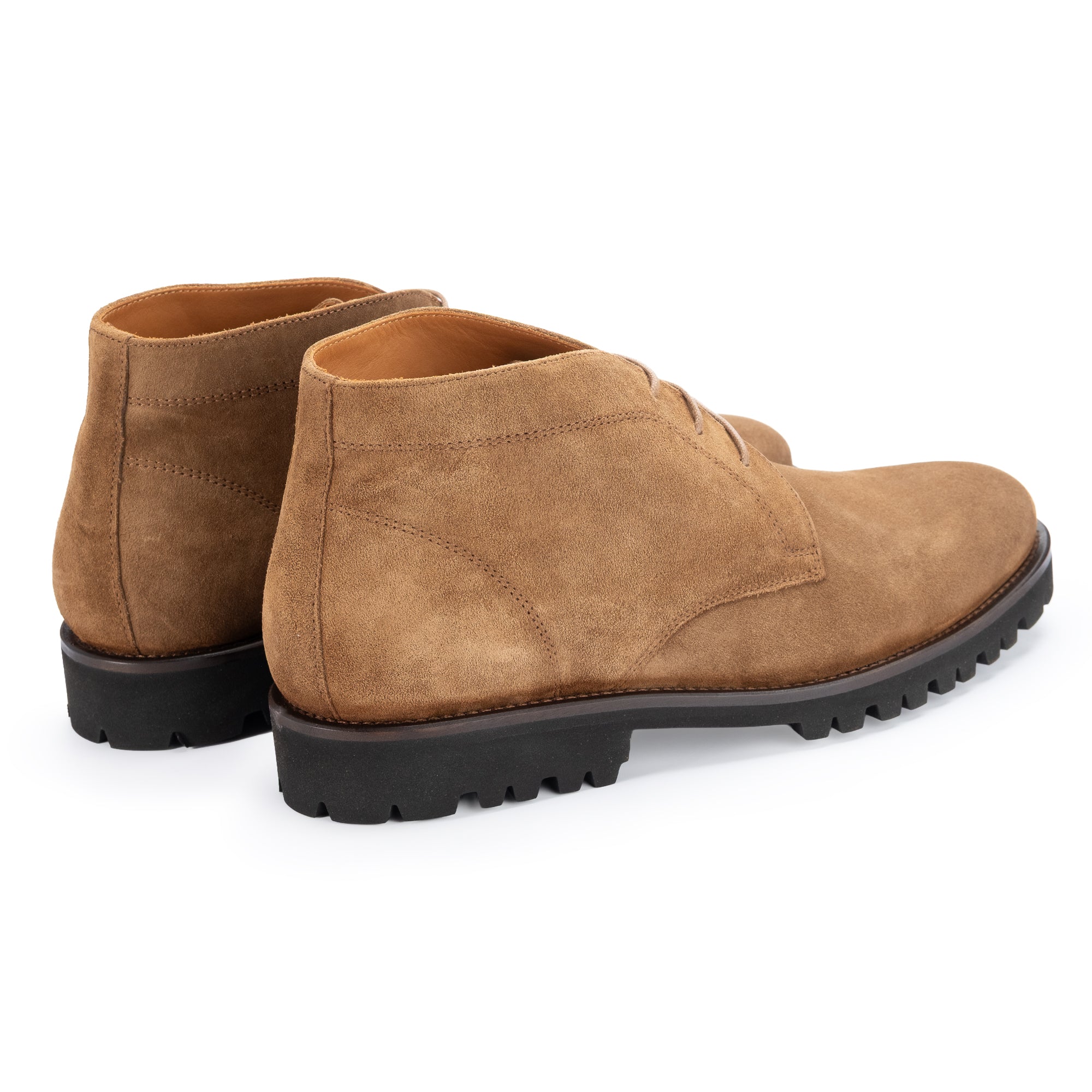
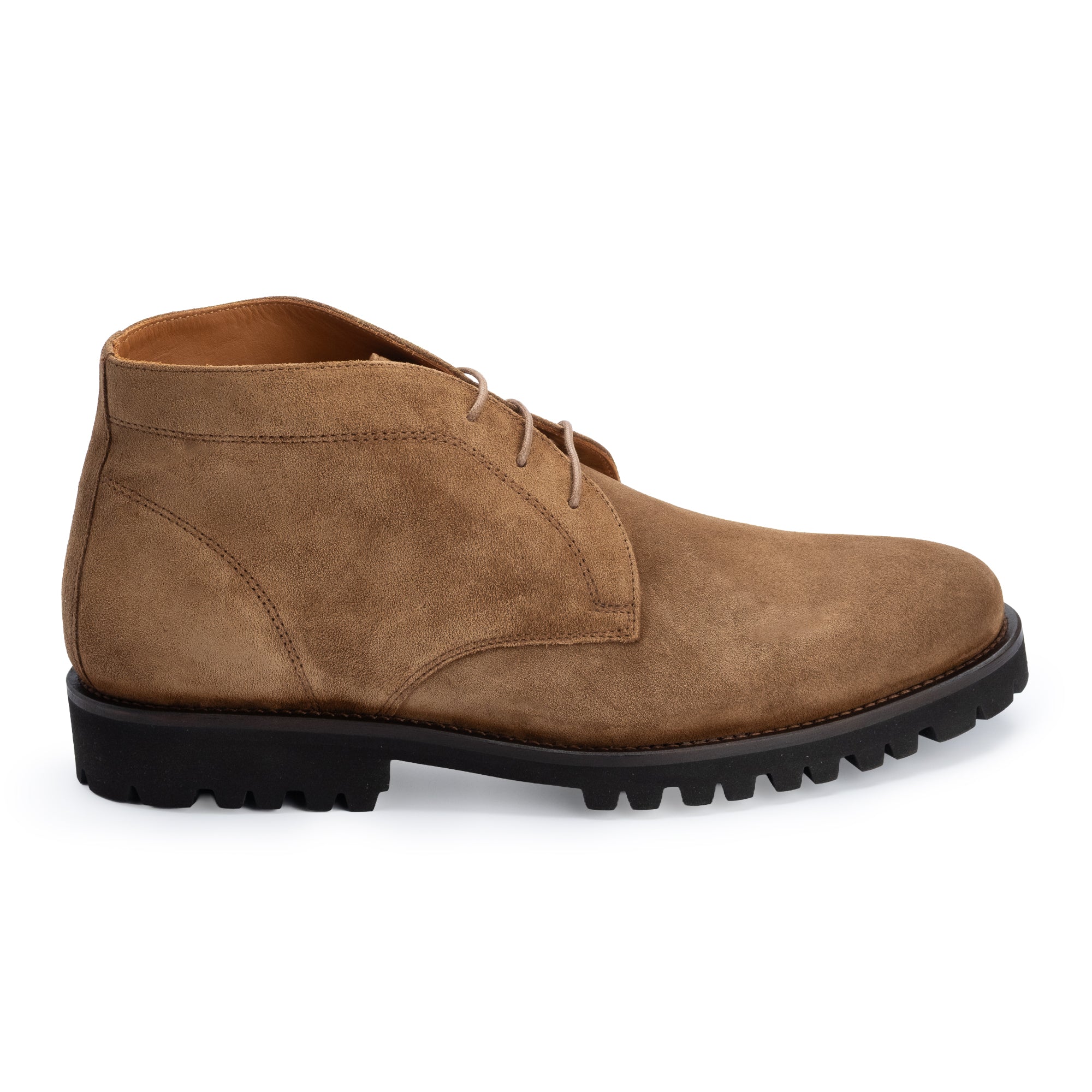
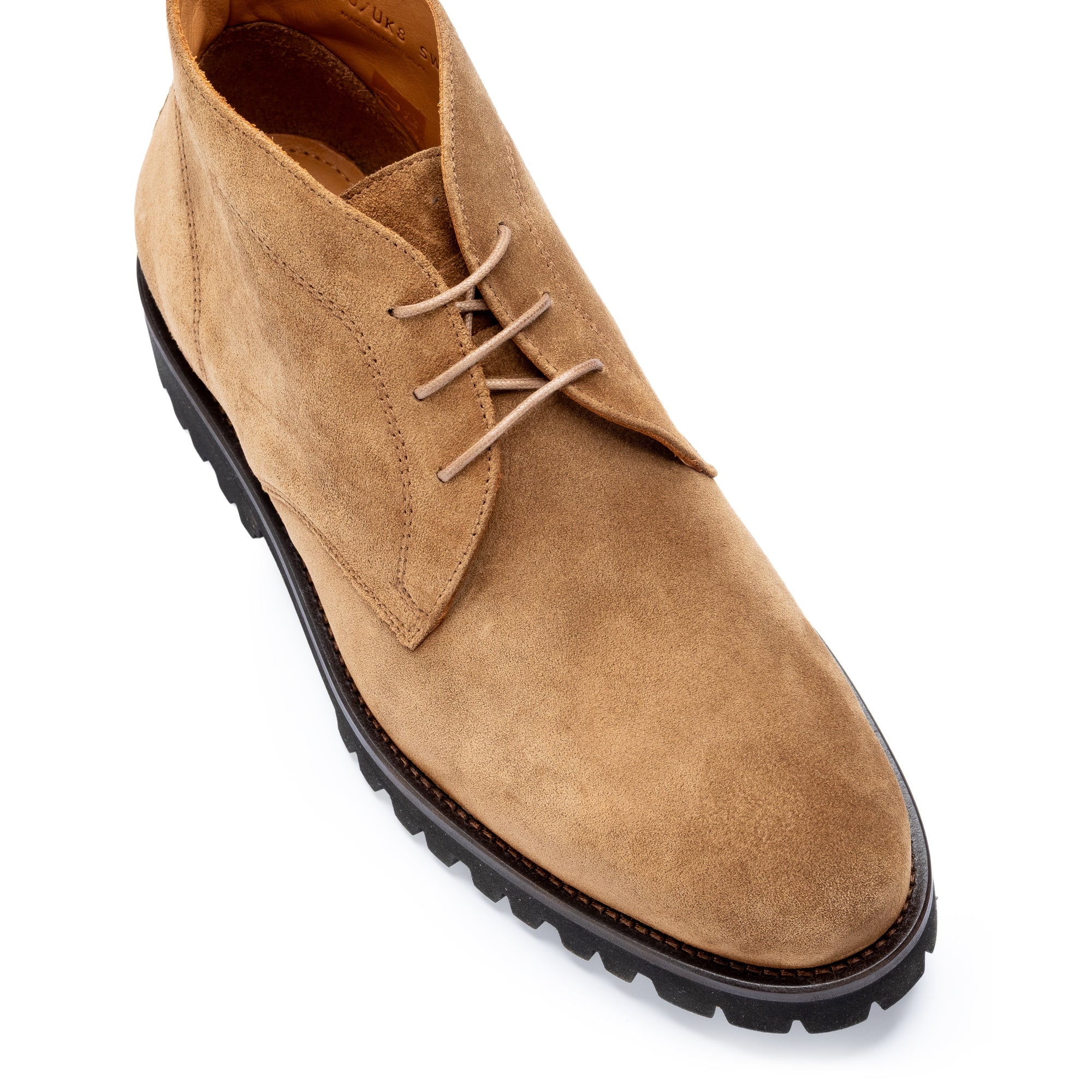
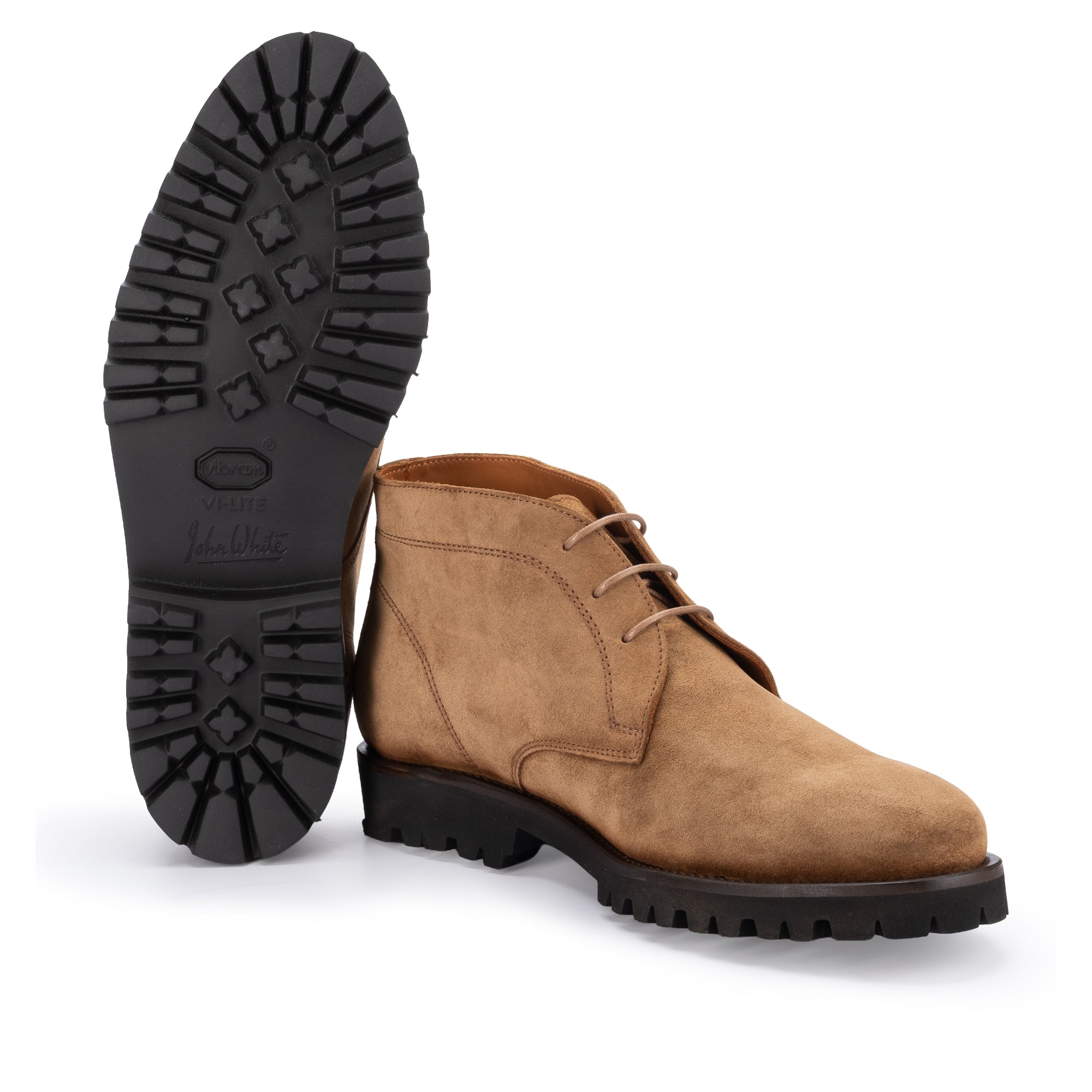
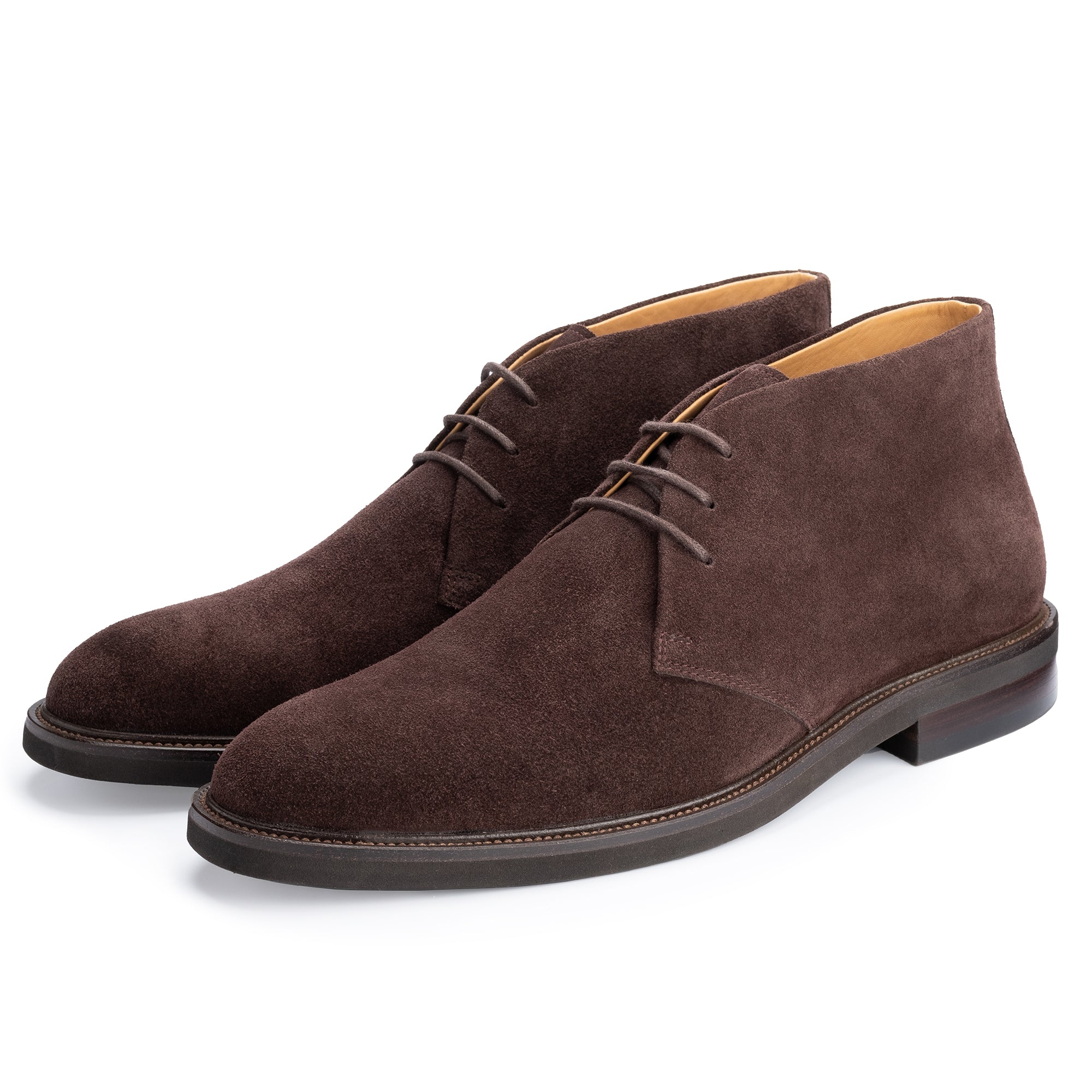
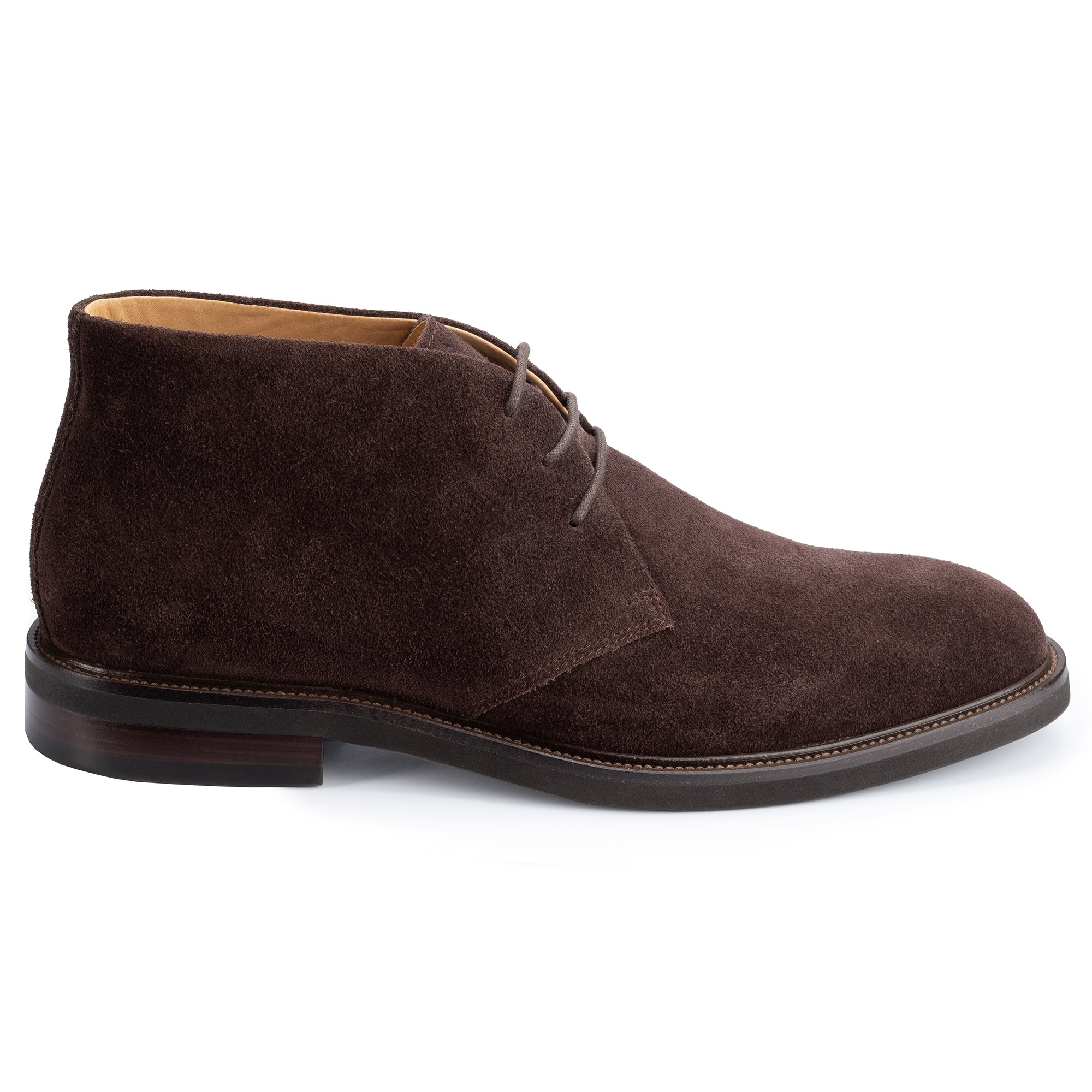
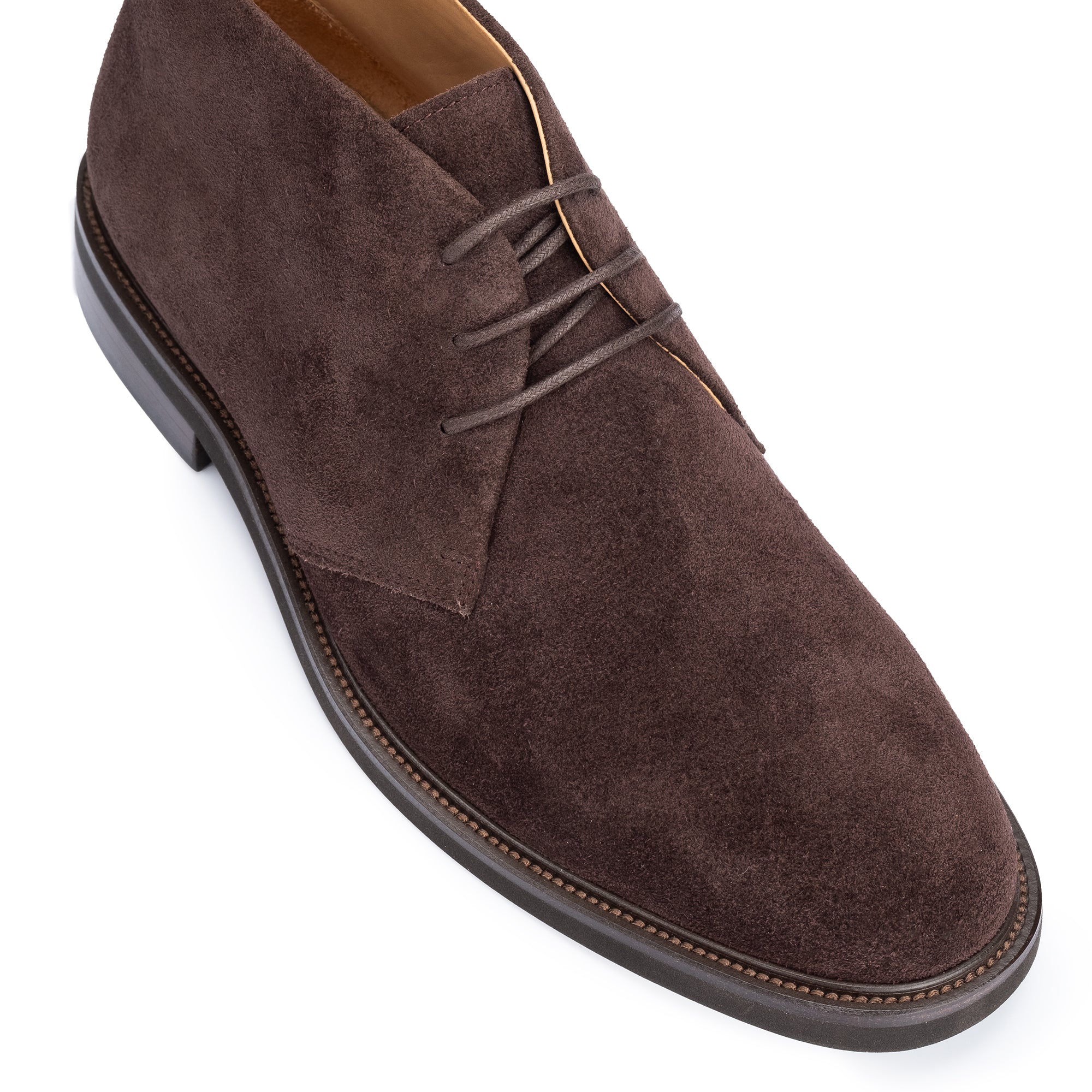
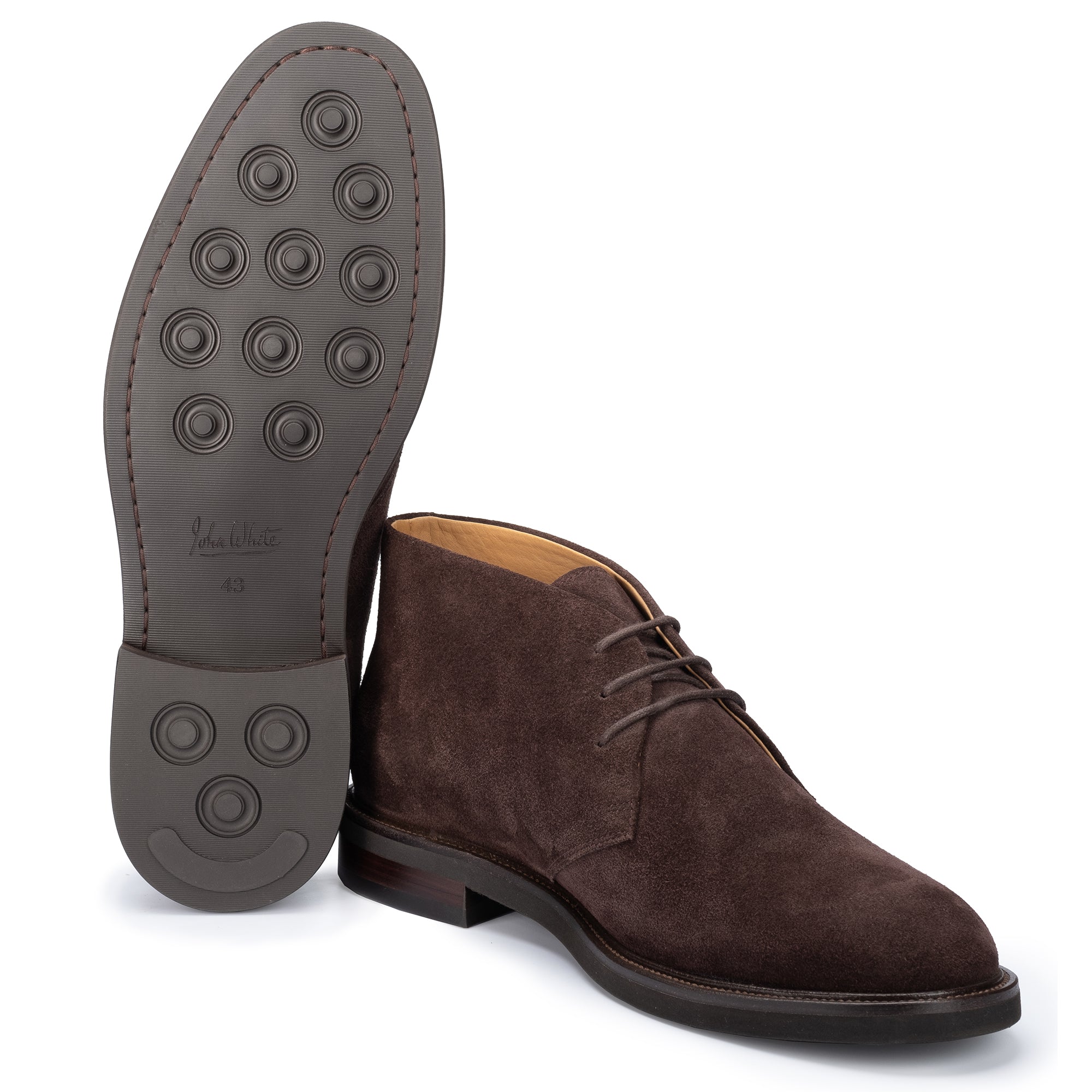
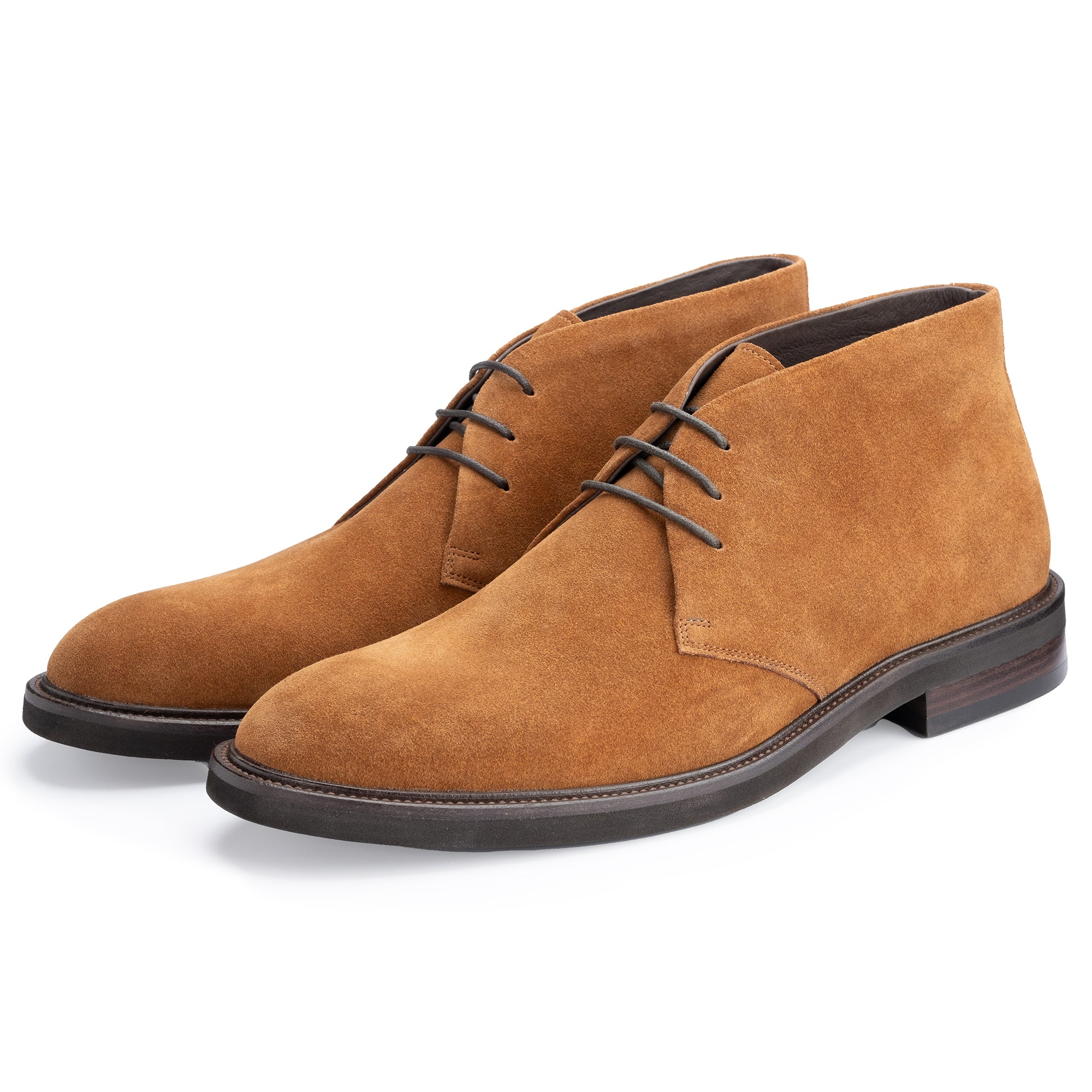
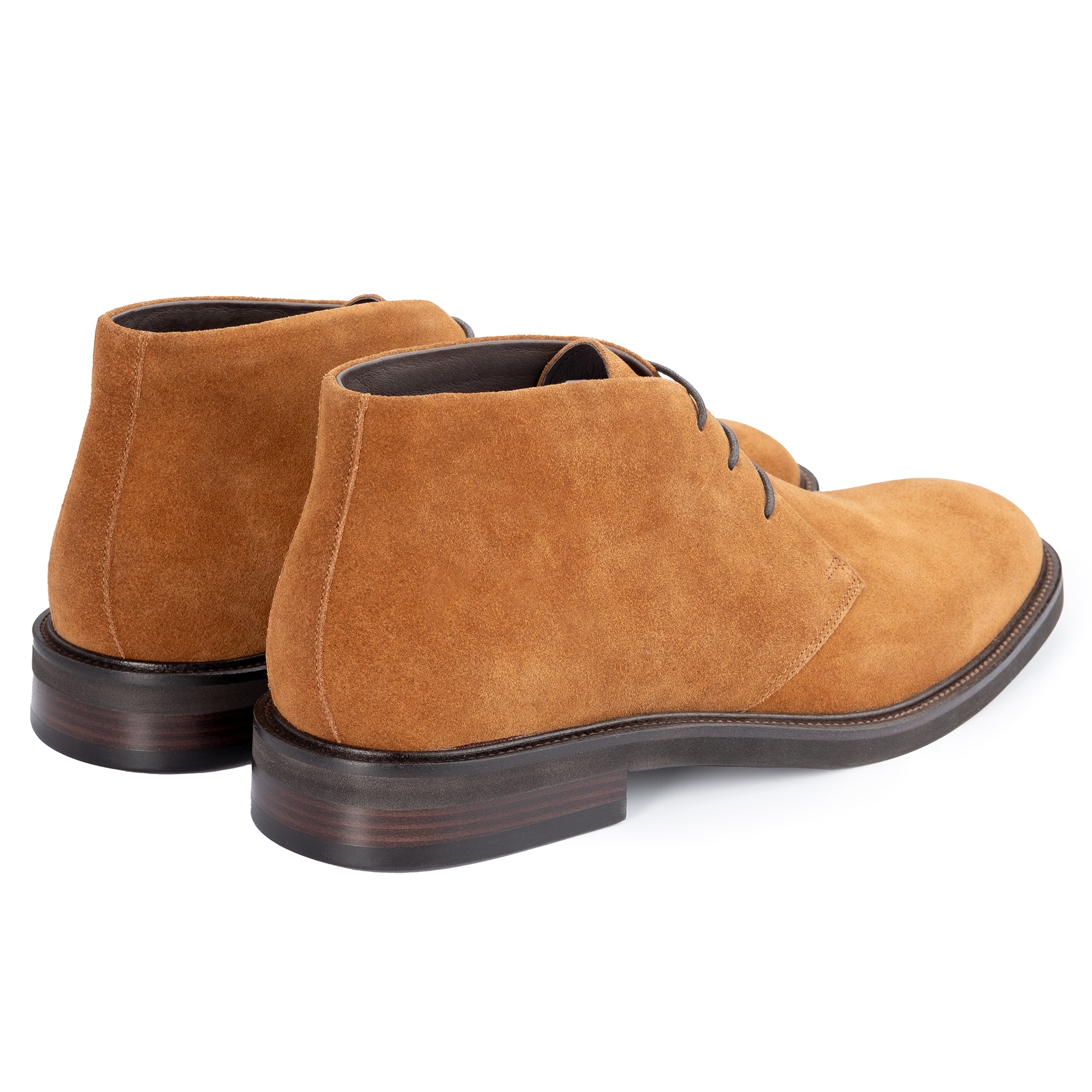
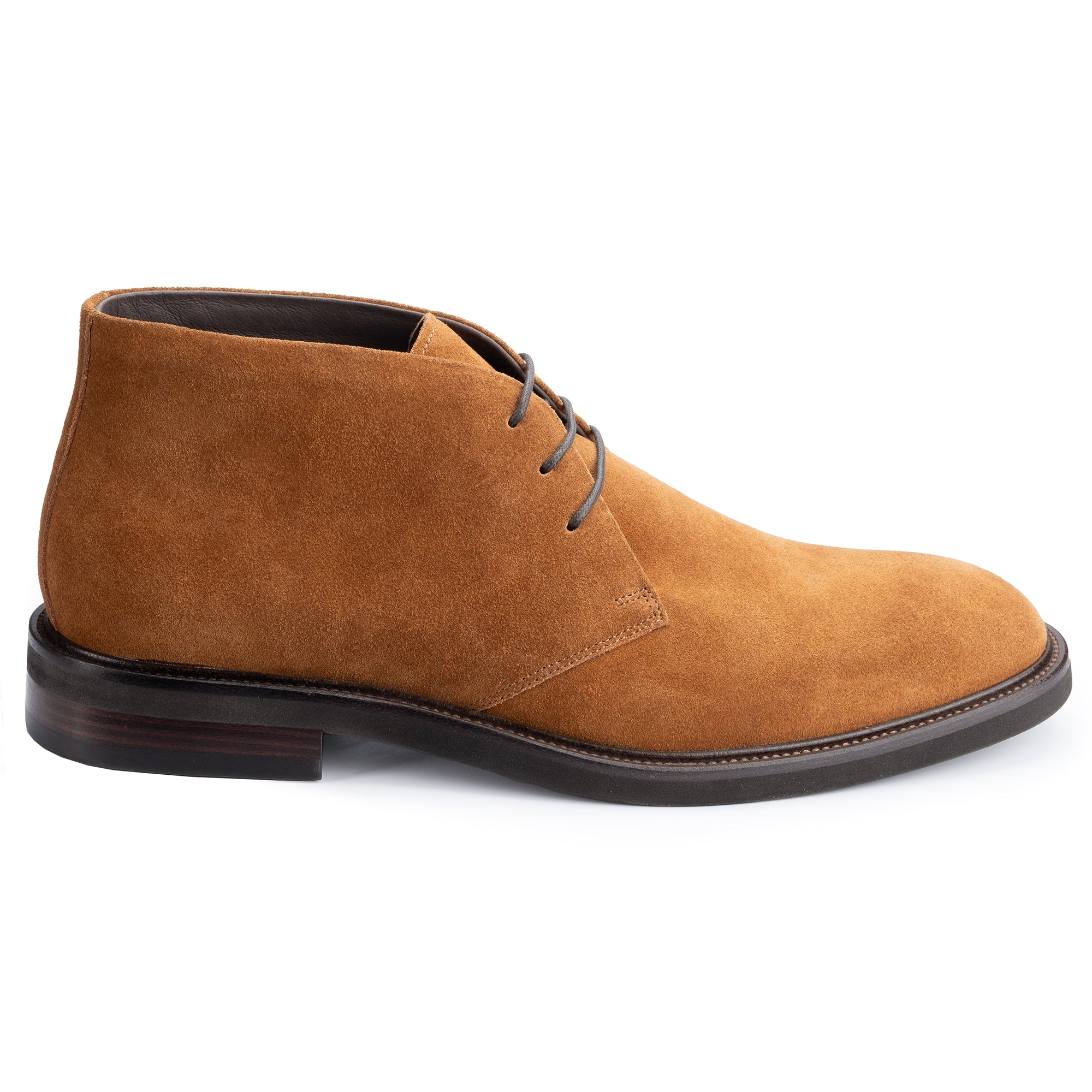
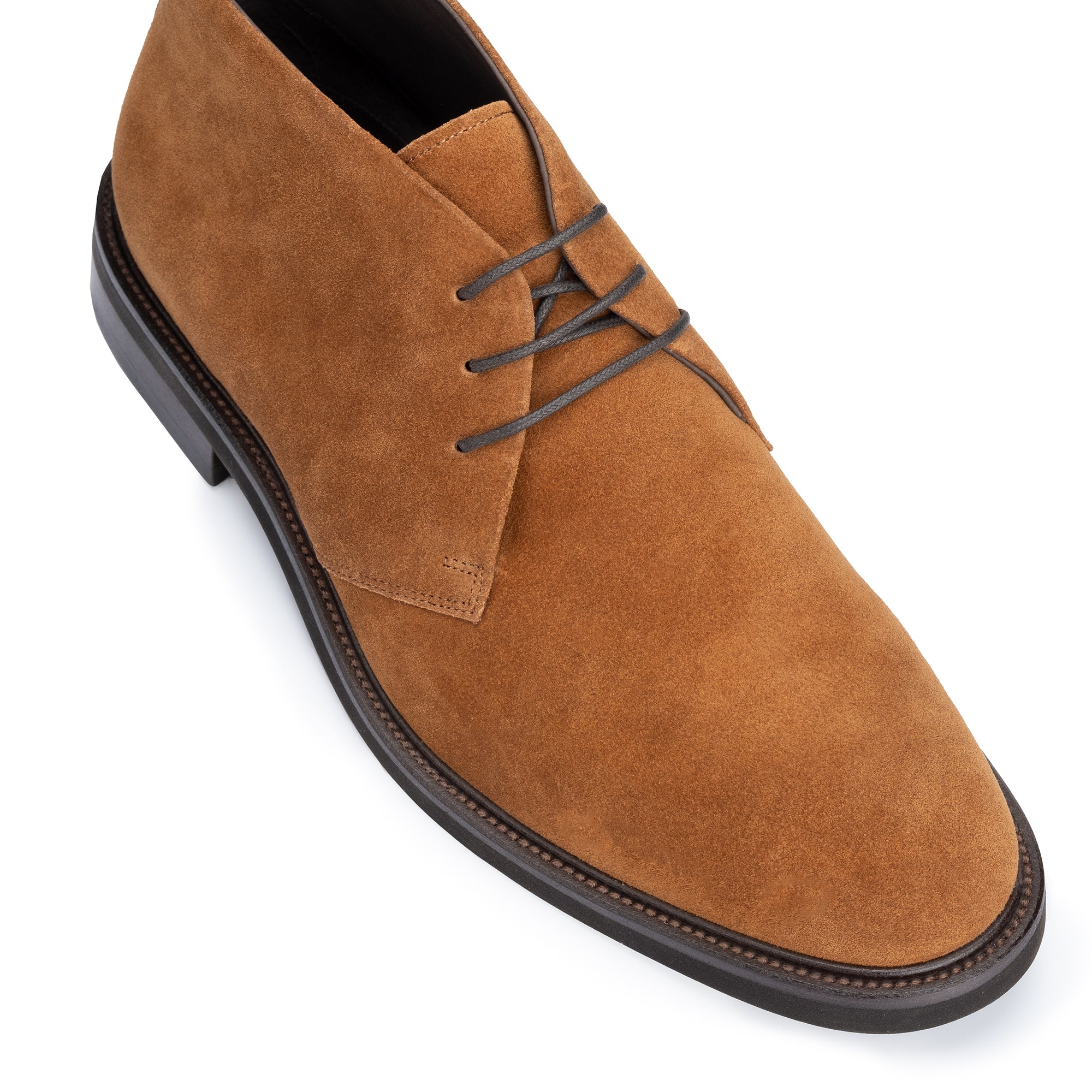
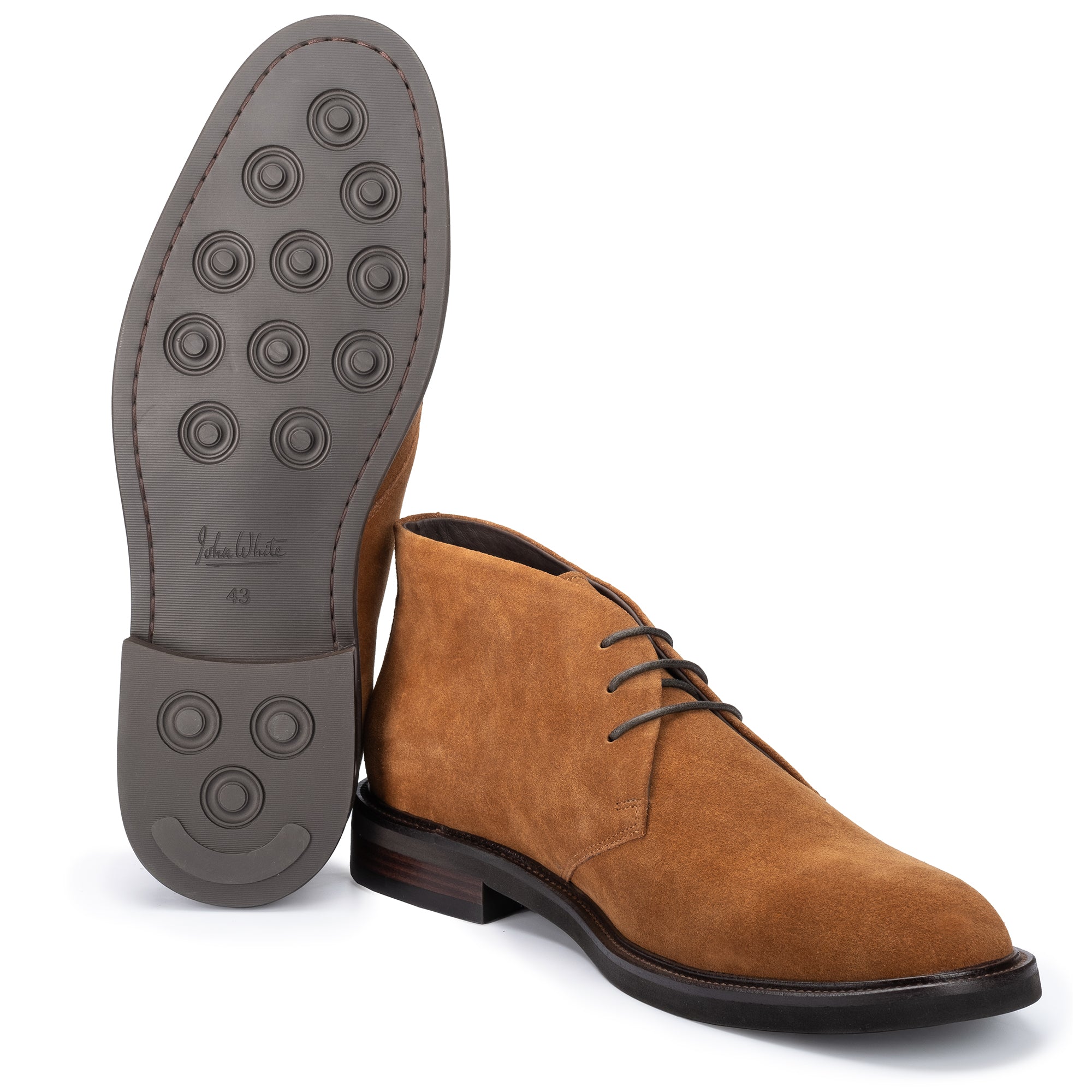
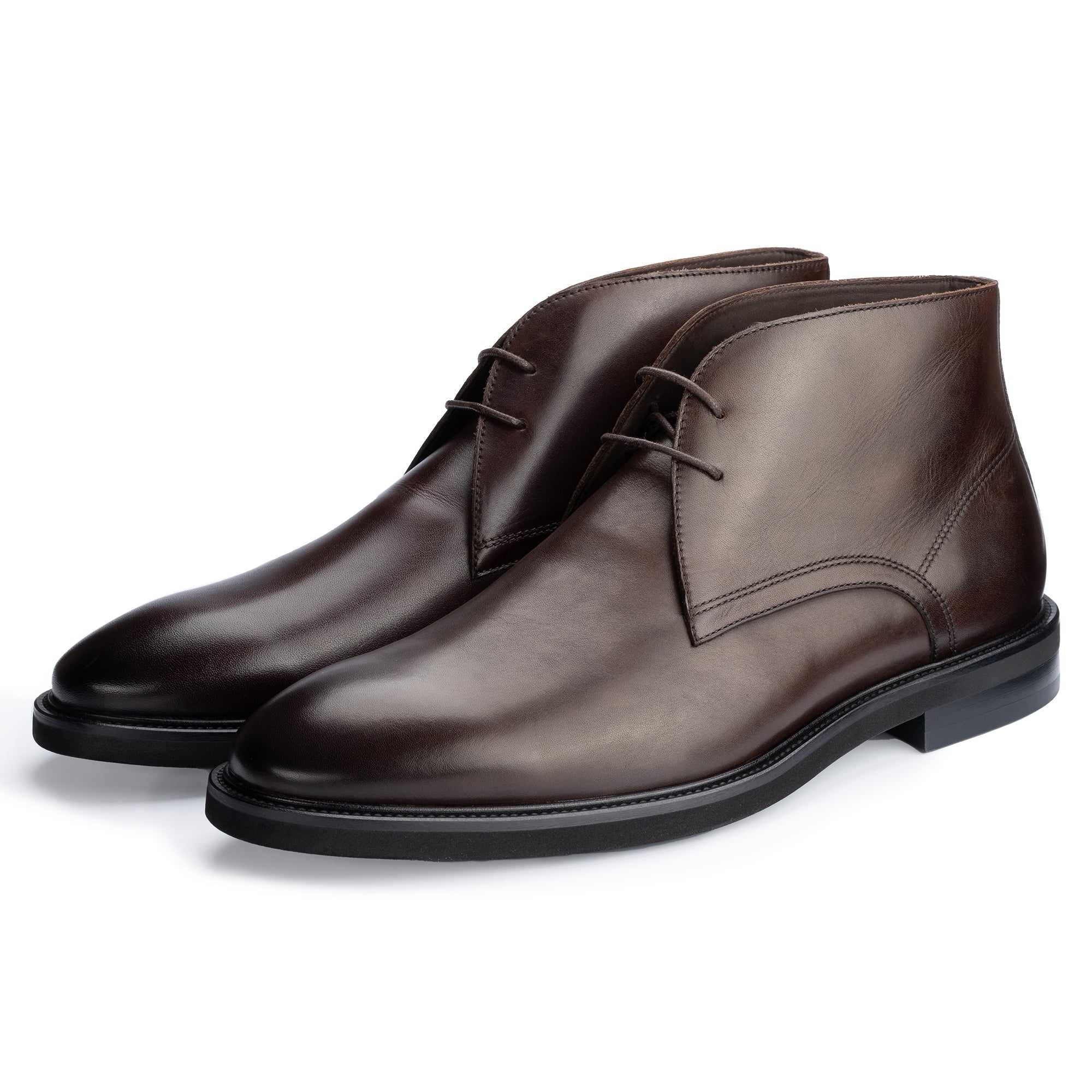
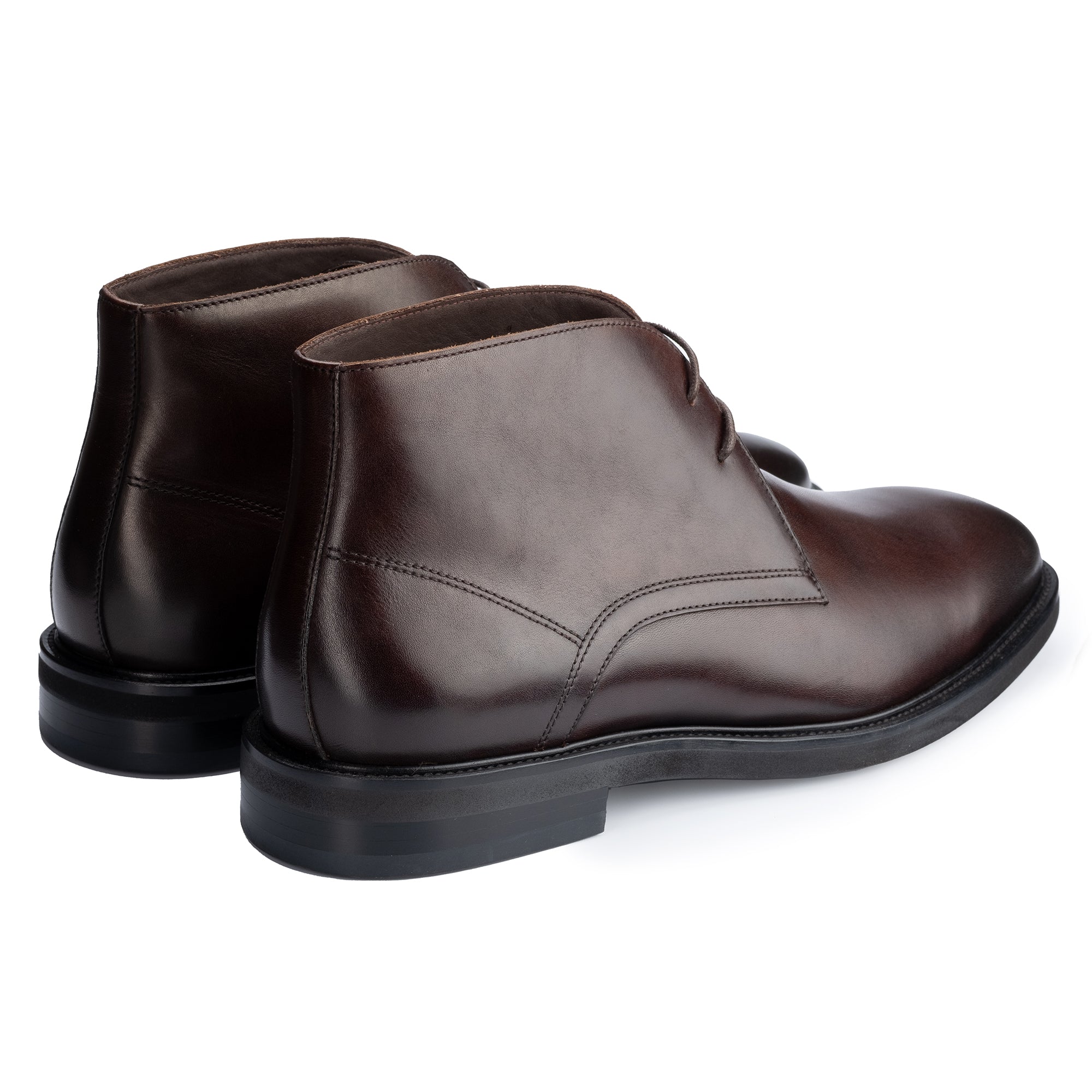
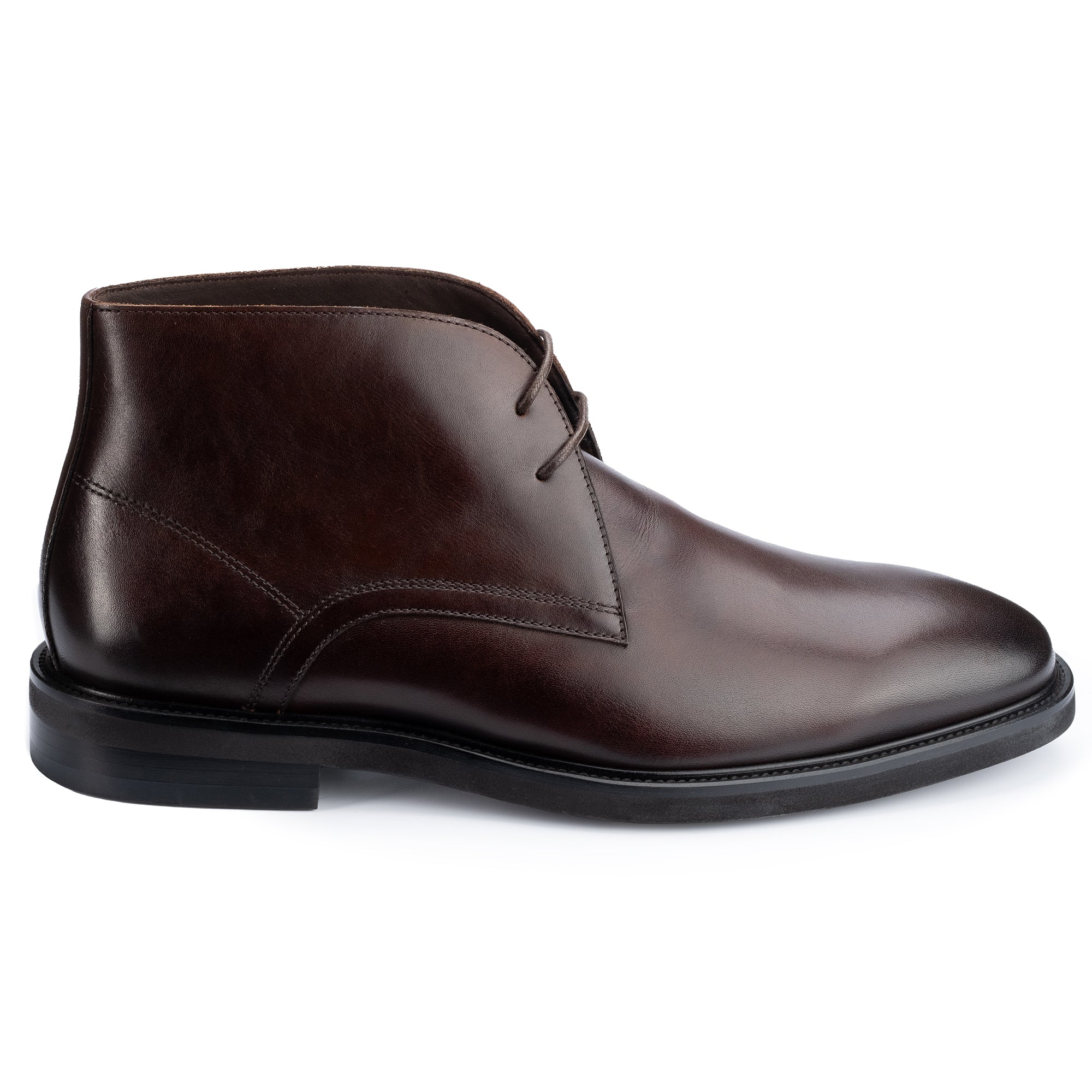
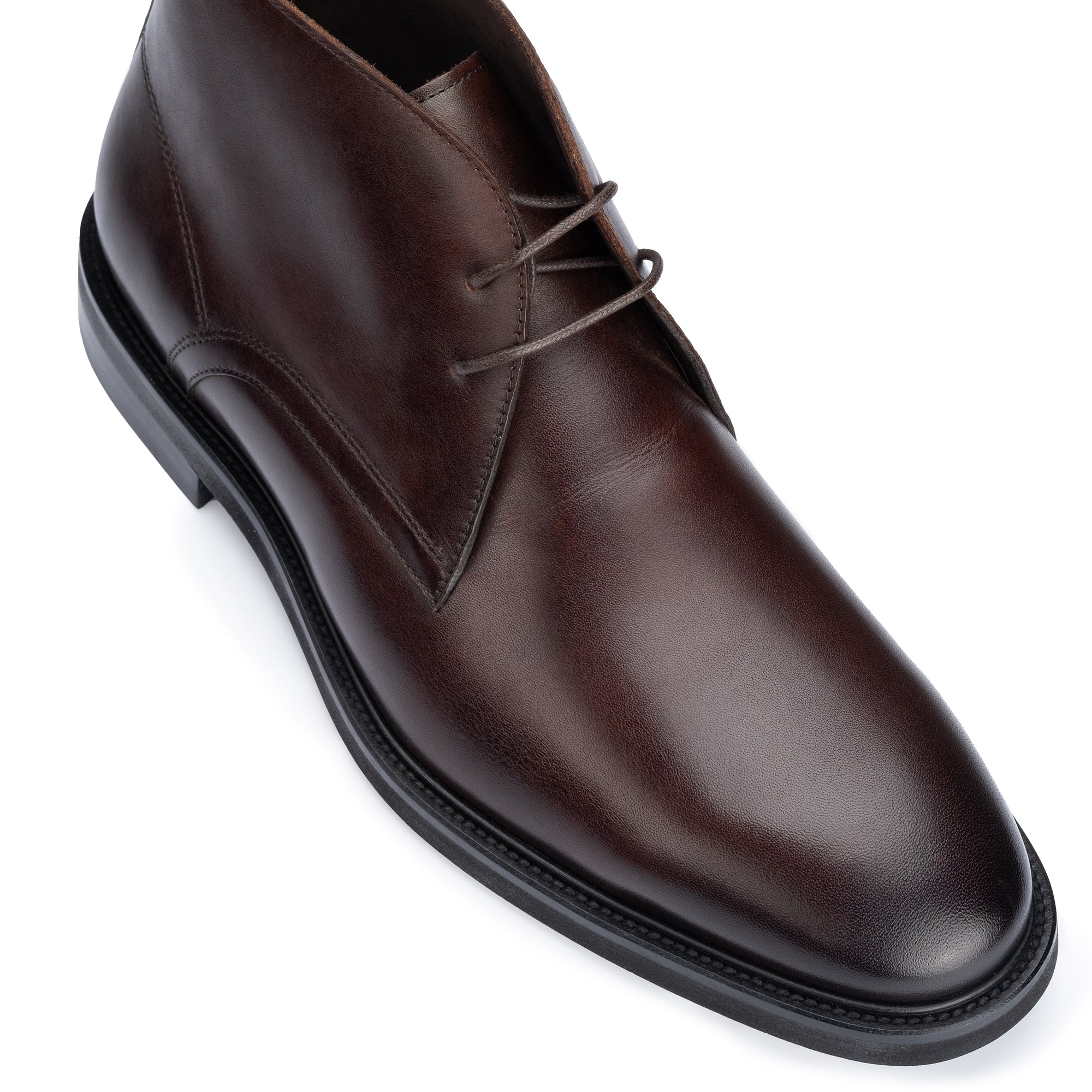
Suede — the brown Banff — is more demanding in wet conditions and requires a suede brush for maintenance, alongside an occasional application of suede protector spray. What it offers in return is a texture and visual softness that smooth calf cannot replicate. Suede absorbs light rather than reflecting it; it reads as informal in a way that is genuinely appealing in warm-season contexts, and it ages in a way that smooth calf does not — developing a character that is specifically its own. The Wessex Chukka Suede Boot uses the same material and requires the same care approach; if you already own and maintain one, adding the brown suede Banff requires no new habits.
Wearing Them In
The penny loafer, unlike a lace-up Oxford, has a relatively short breaking-in period. The absence of lacing means there is no compression across the instep during wear; the shoe adapts to the foot more quickly. That said, new smooth calf will be stiff across the saddle strap for the first few wears, and suede will stiffen and then soften in a slightly different pattern.
The standard guidance applies: wear new leather for short periods initially — a few hours rather than a full day — and allow the leather to rest between wears. The Premium Wax Polish applied thinly during the breaking-in period will condition the leather and ease the process. Shoe trees are worth using from the first wear; they maintain the last shape as the leather relaxes and prevent the heel cup from collapsing. Neither the Banff nor the Downey requires any specific break-in treatment beyond these basic habits.
A Note on the Coin
Nobody who wears penny loafers seriously inserts a coin. The tradition is roughly ninety years old and has been notional for at least fifty of them. The slot is structural — it gives the saddle strap its visual lightness, defines the cut-out that distinguishes the style, and is part of the design whether anything occupies it or not. The best thing to do with the slot is to stop thinking about it. Wear the shoe for what it is: a well-considered slip-on with a specific heritage, a clear formality position, and a construction that repays both regular wear and occasional attention.
The Banff and the Downey are both good shoes. The choice between them depends less on which is better and more on what you actually need them to do.
Related Guides
- From Northampton to the World: The Story Behind British Shoemaking — our comprehensive guide
- The History of British Shoemaking — our comprehensive guide
- Penny Loafer vs Tassel Loafer: Which Style Is Right for You?
- Leather Conditioner vs Shoe Polish: What to Use, When, and Why It Matters
- Oxford vs Loafer: Which Shoe Should Be Your Next Investment?