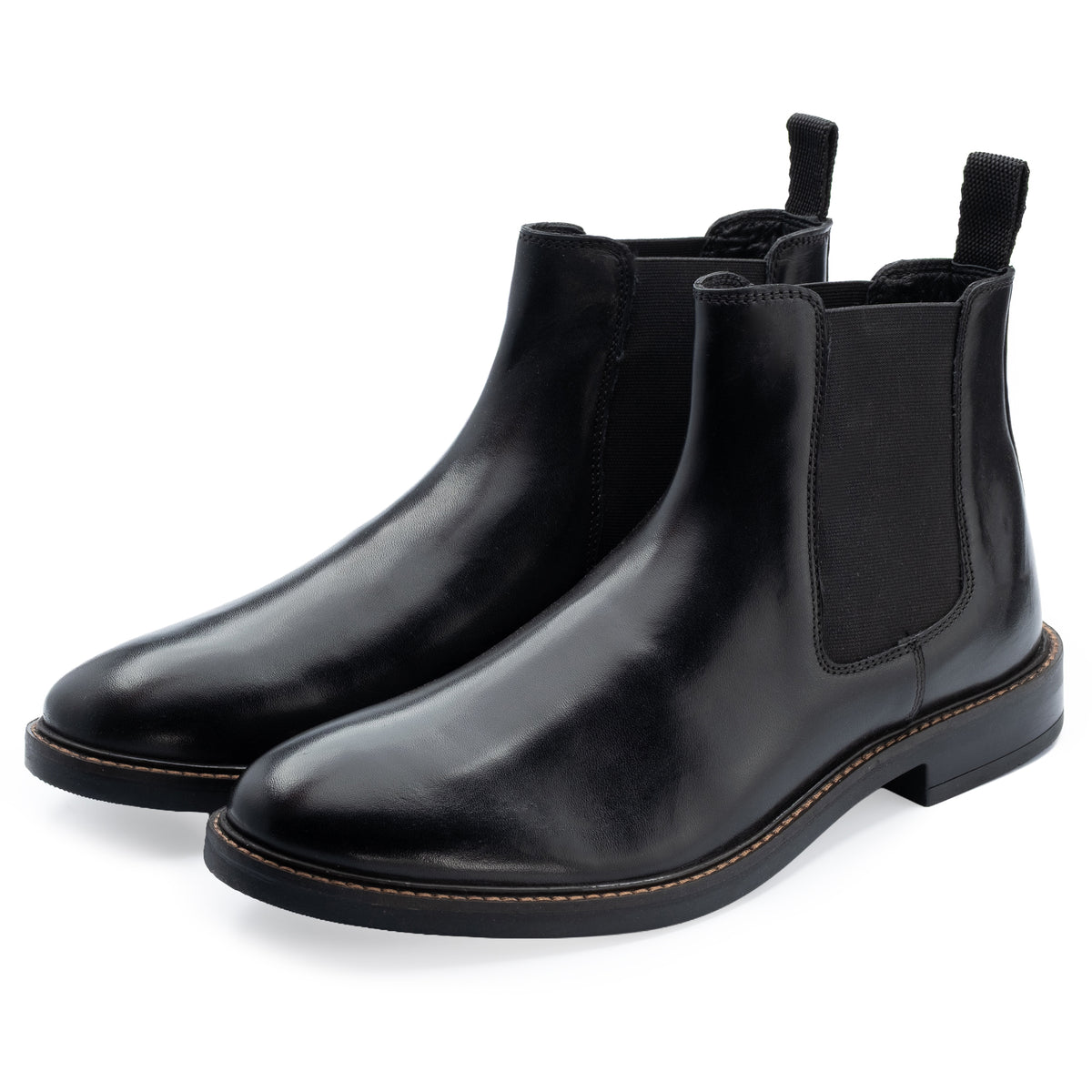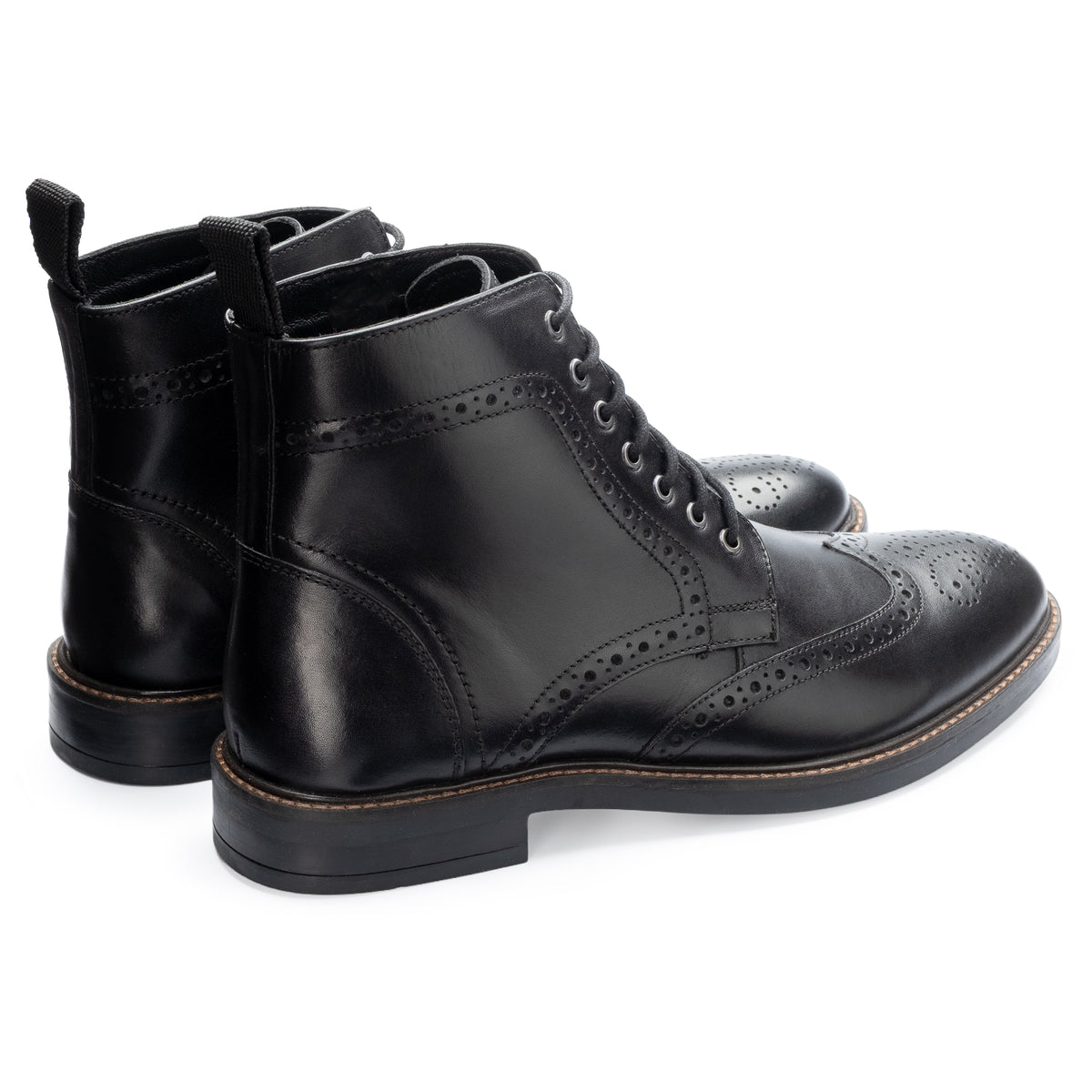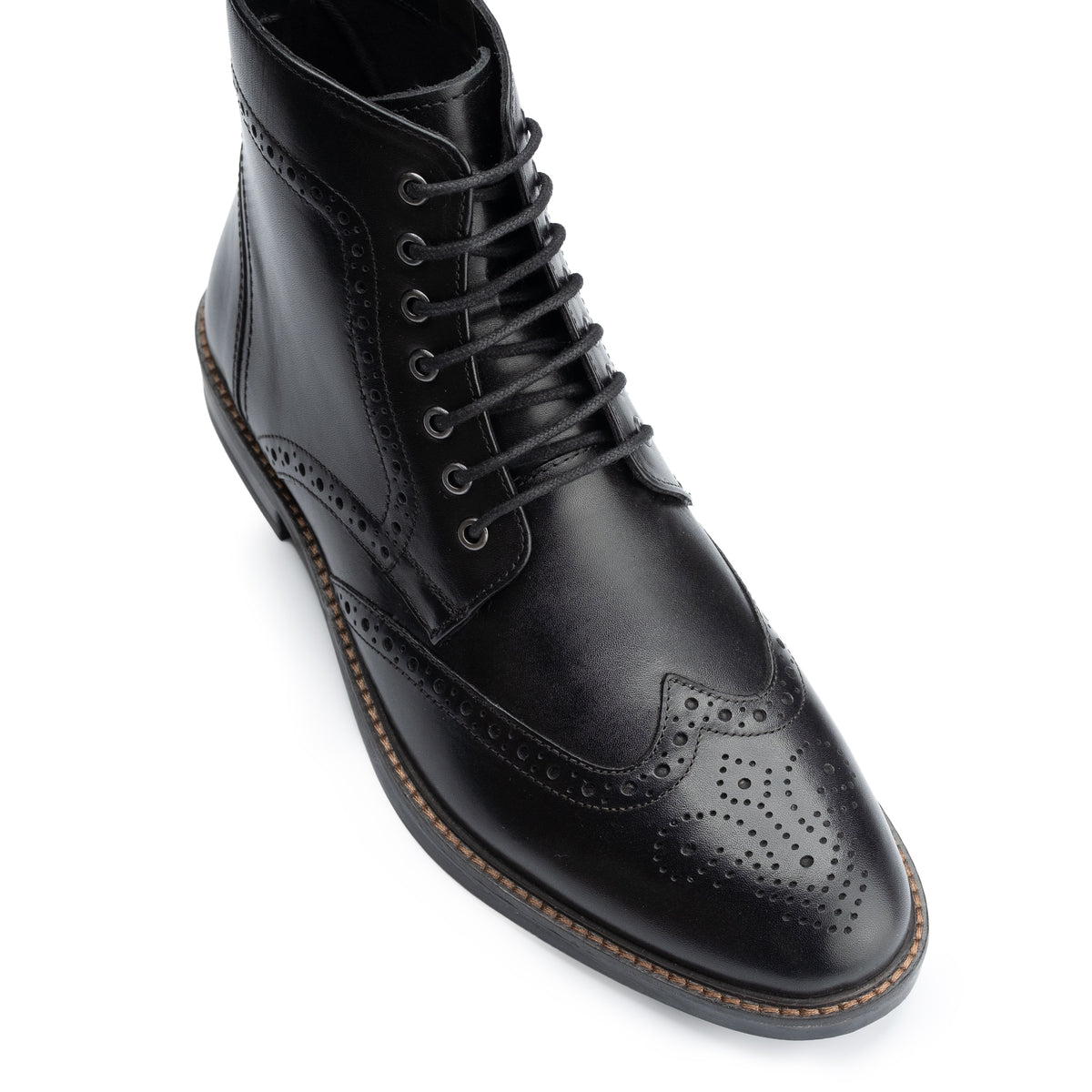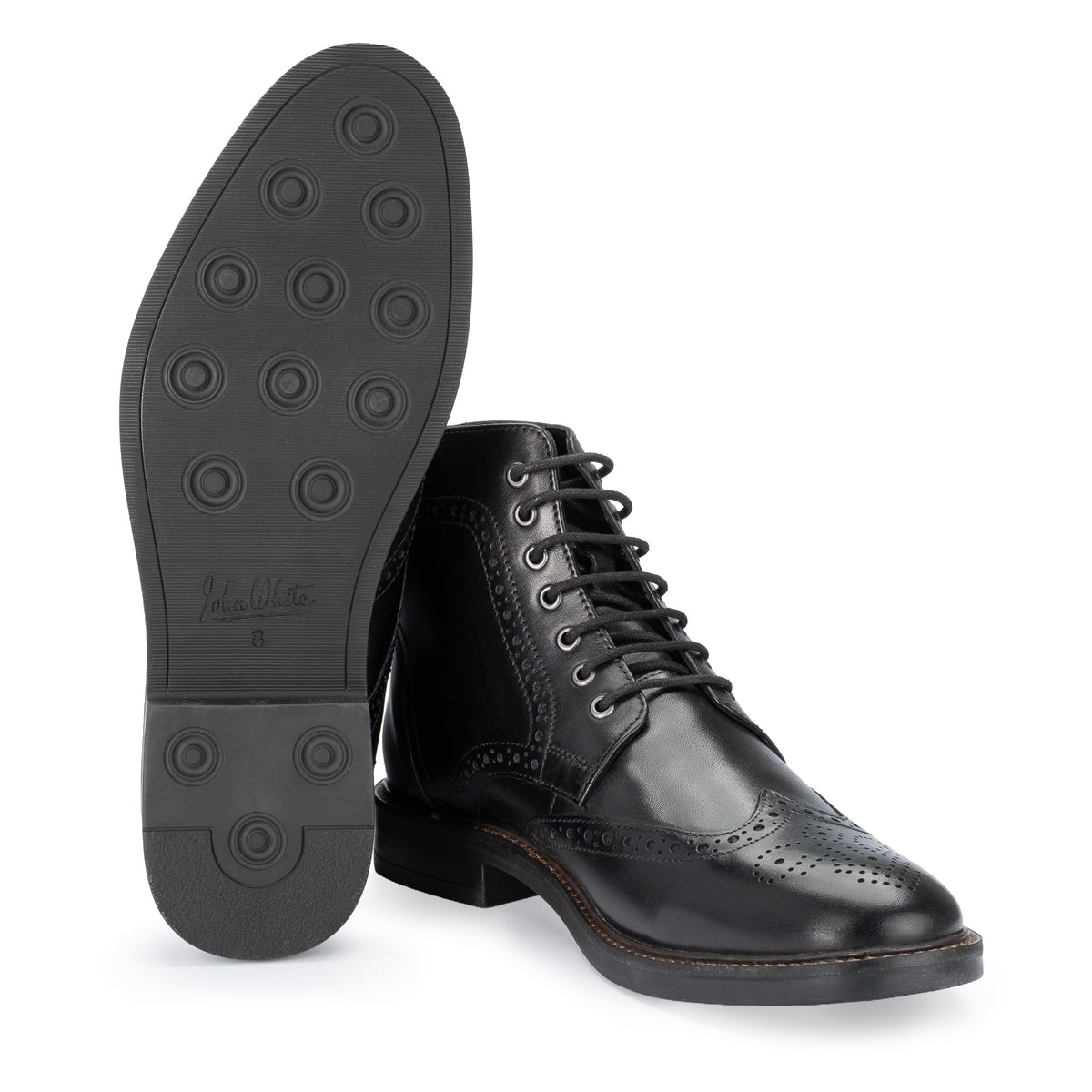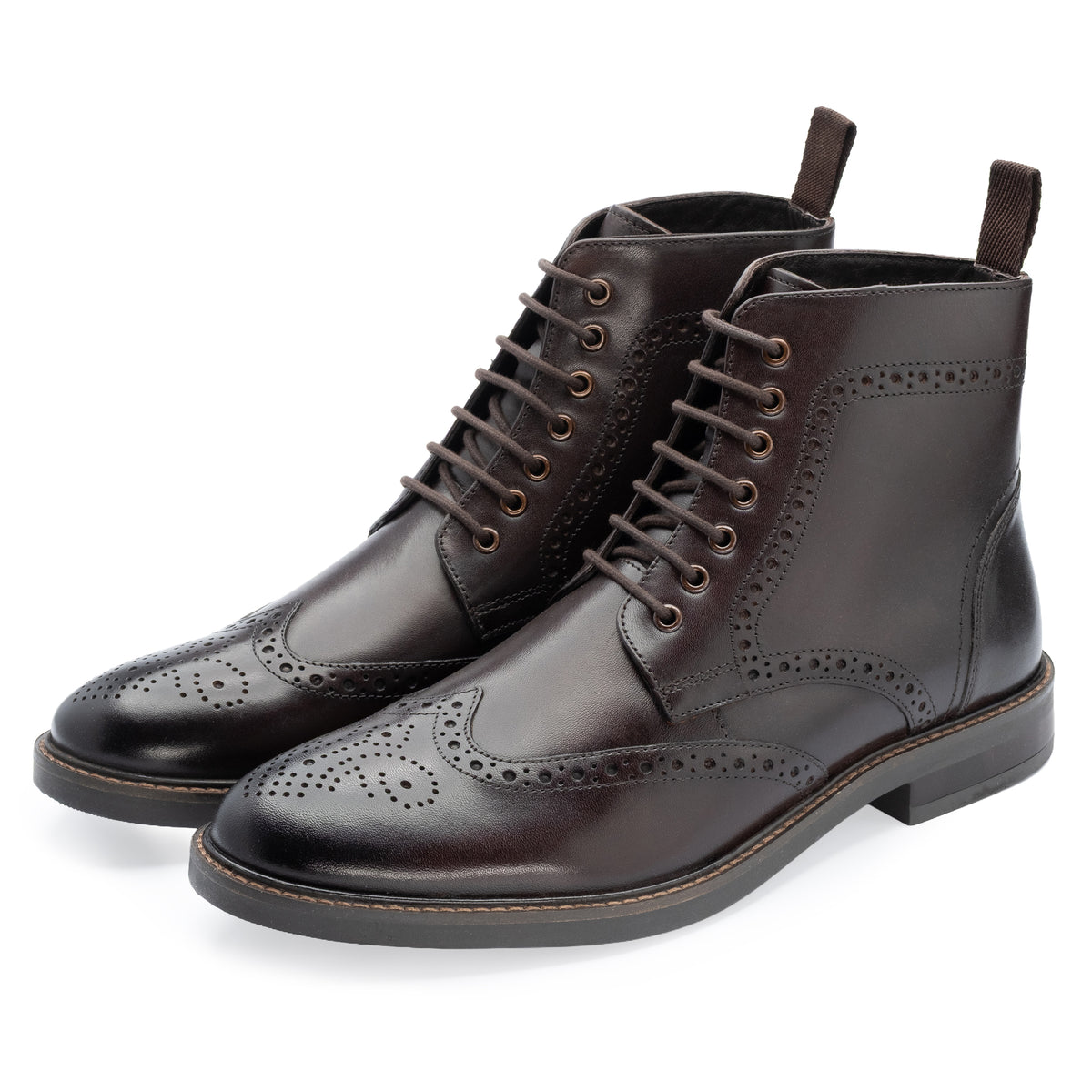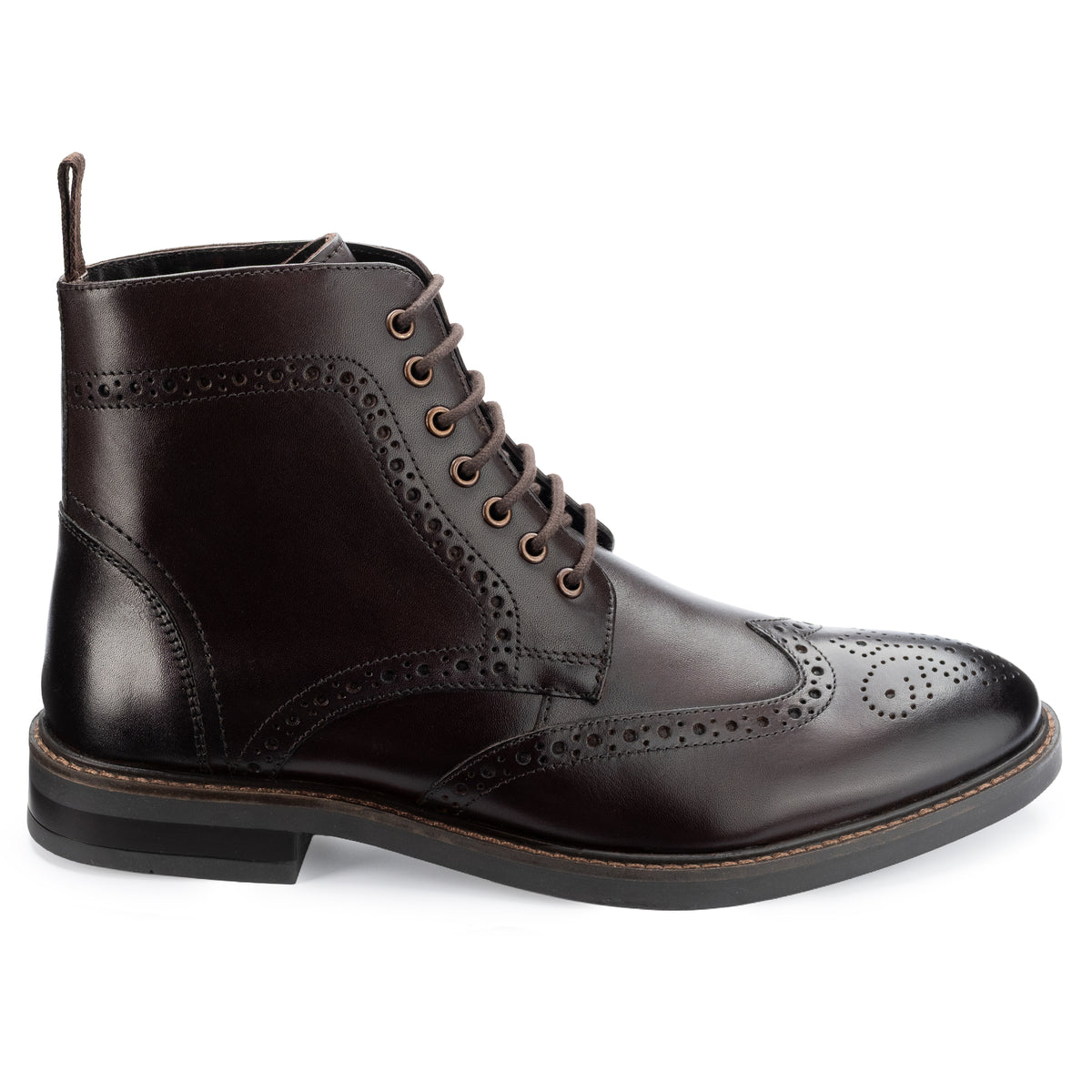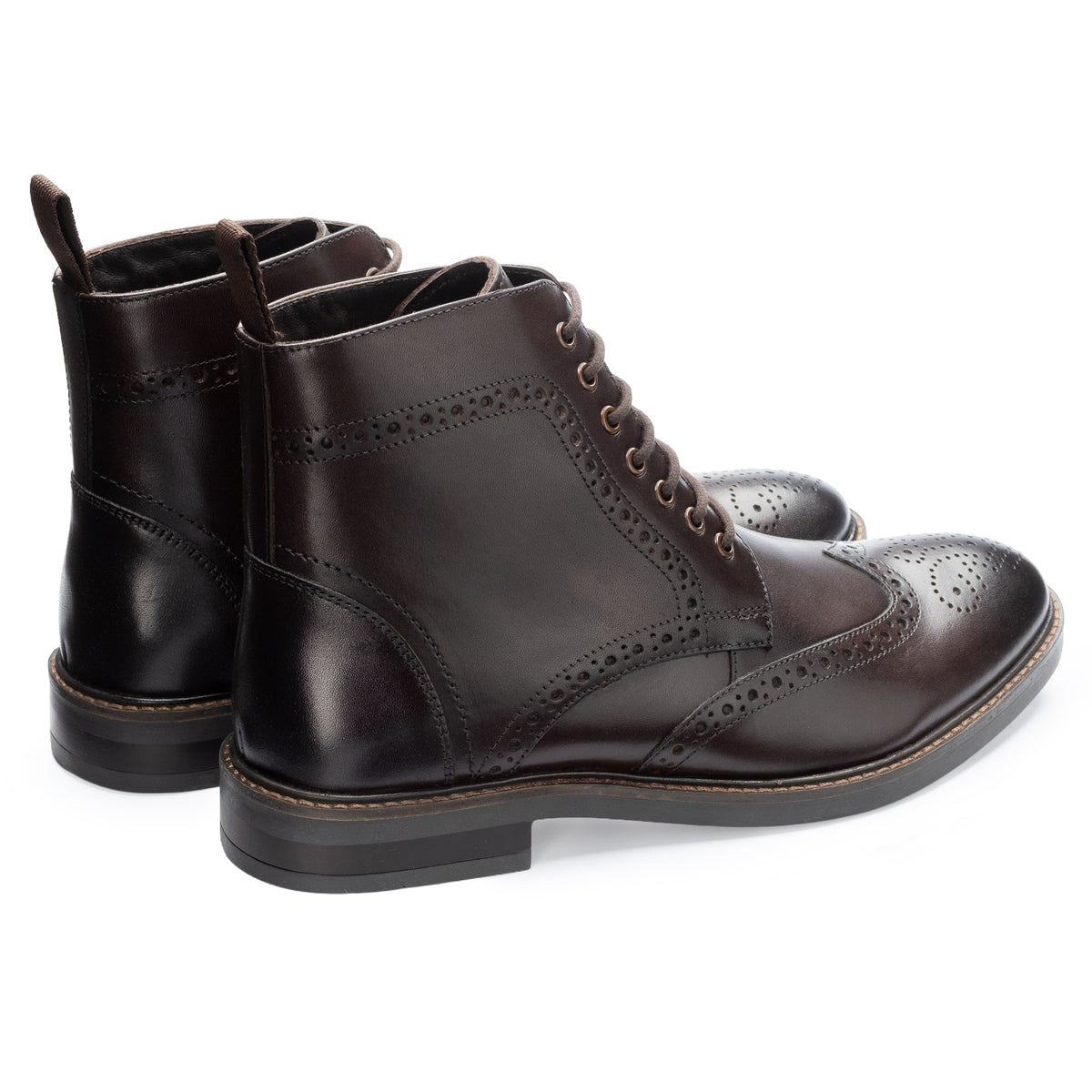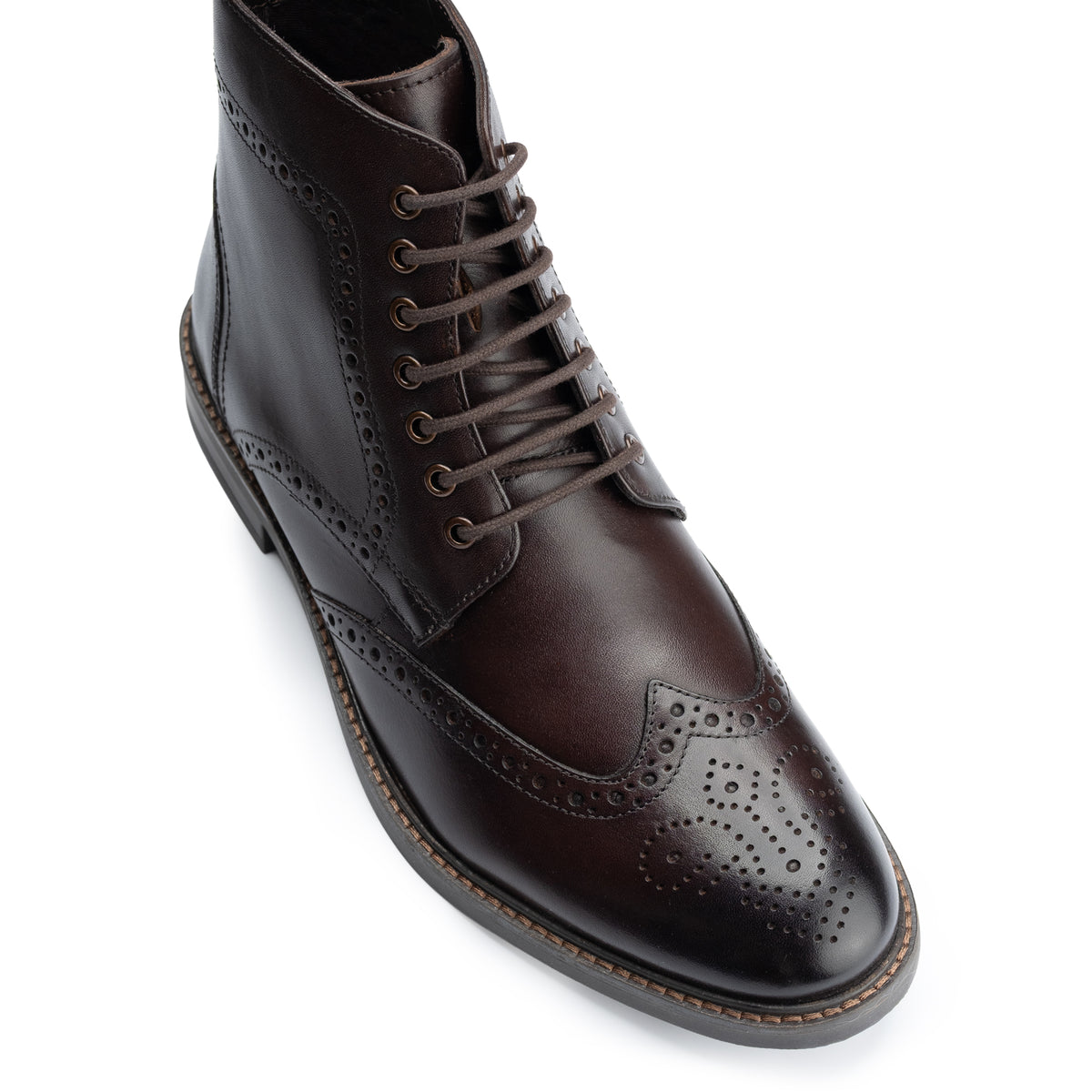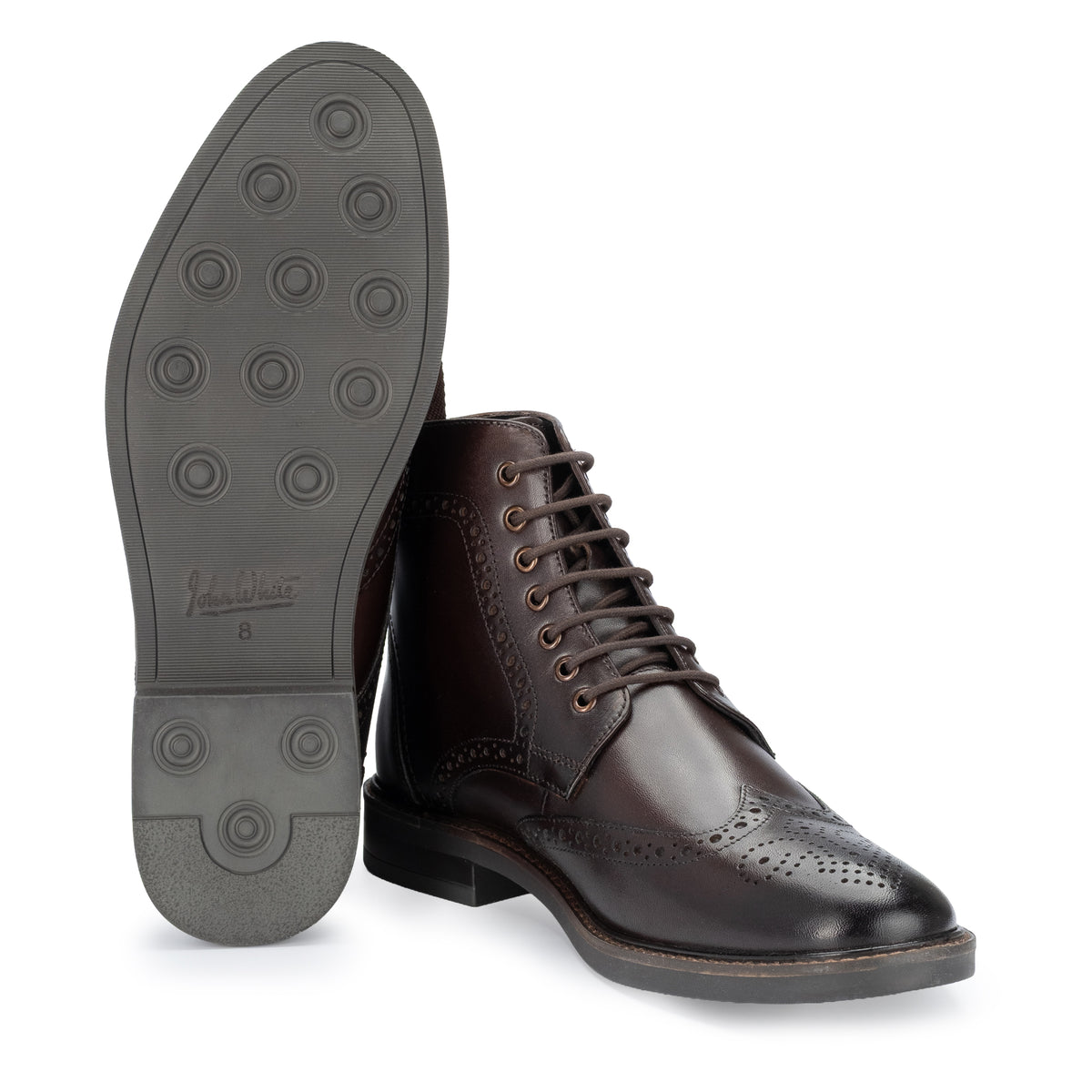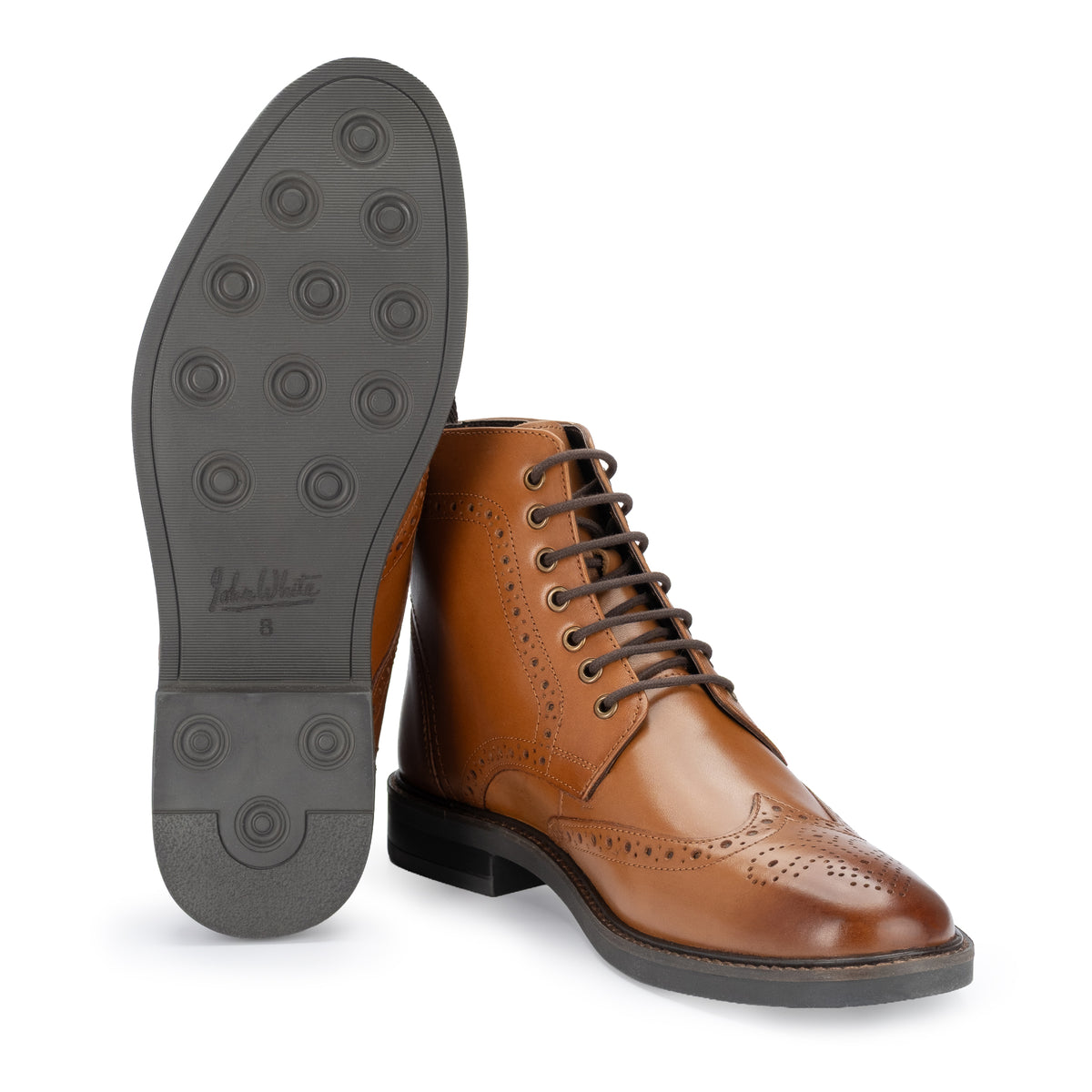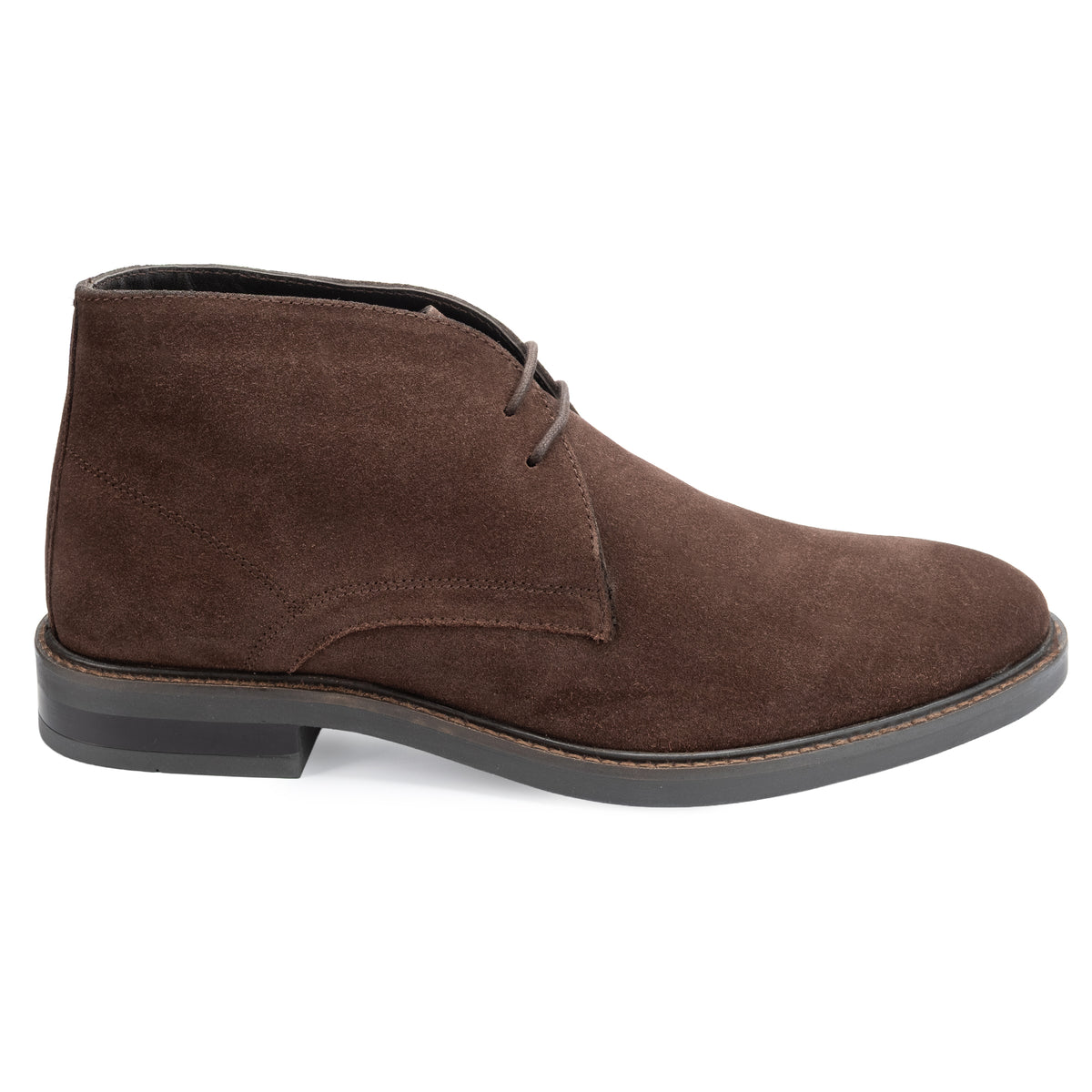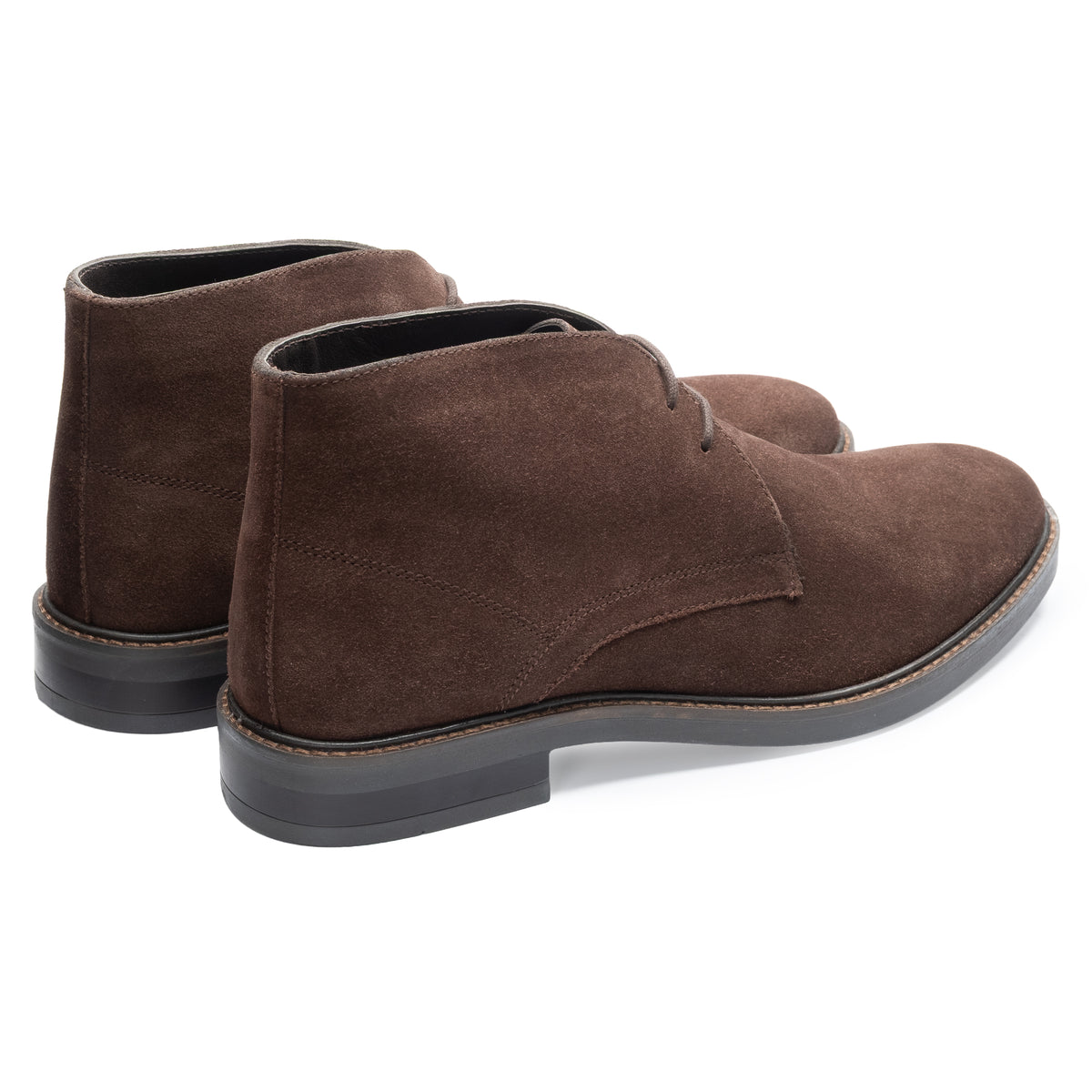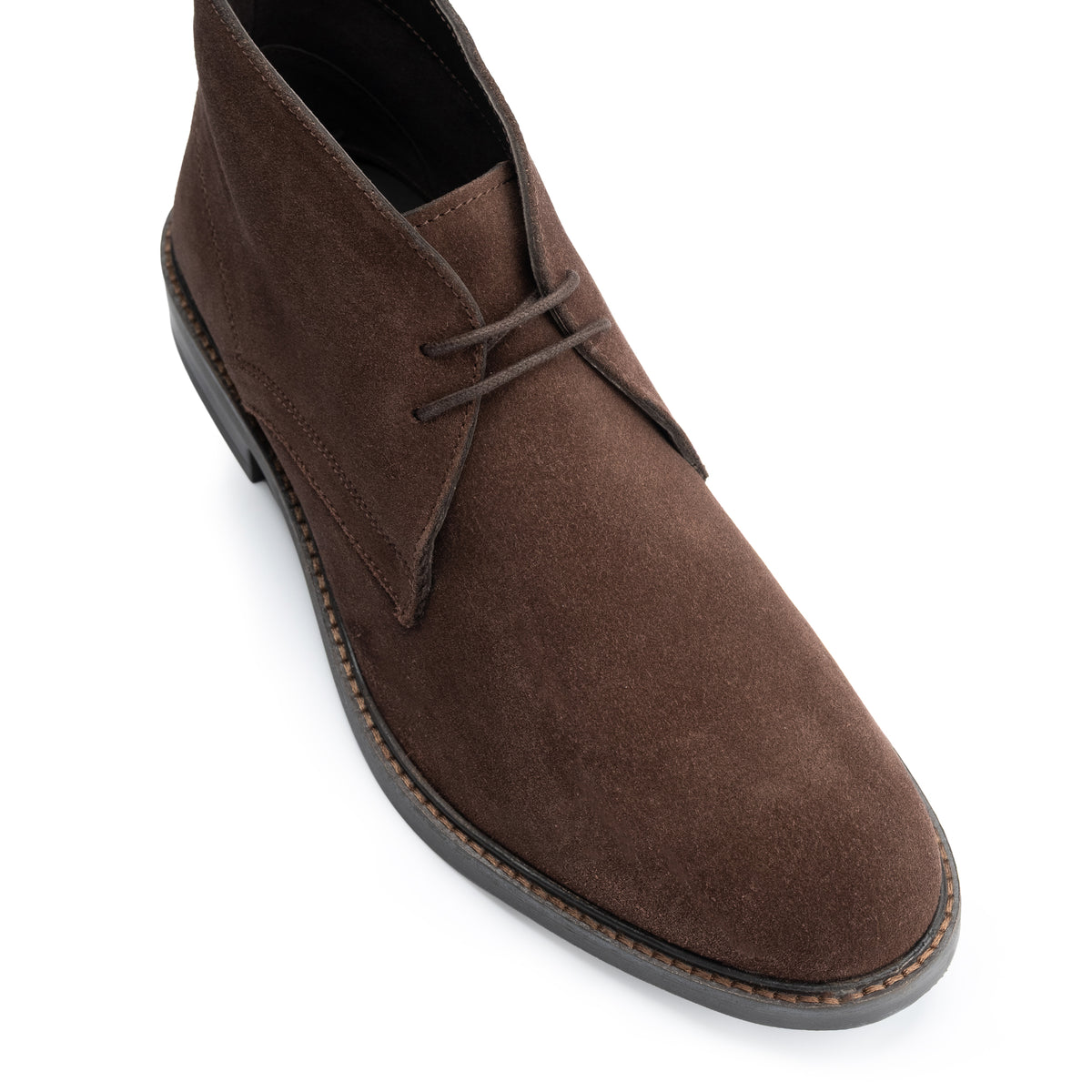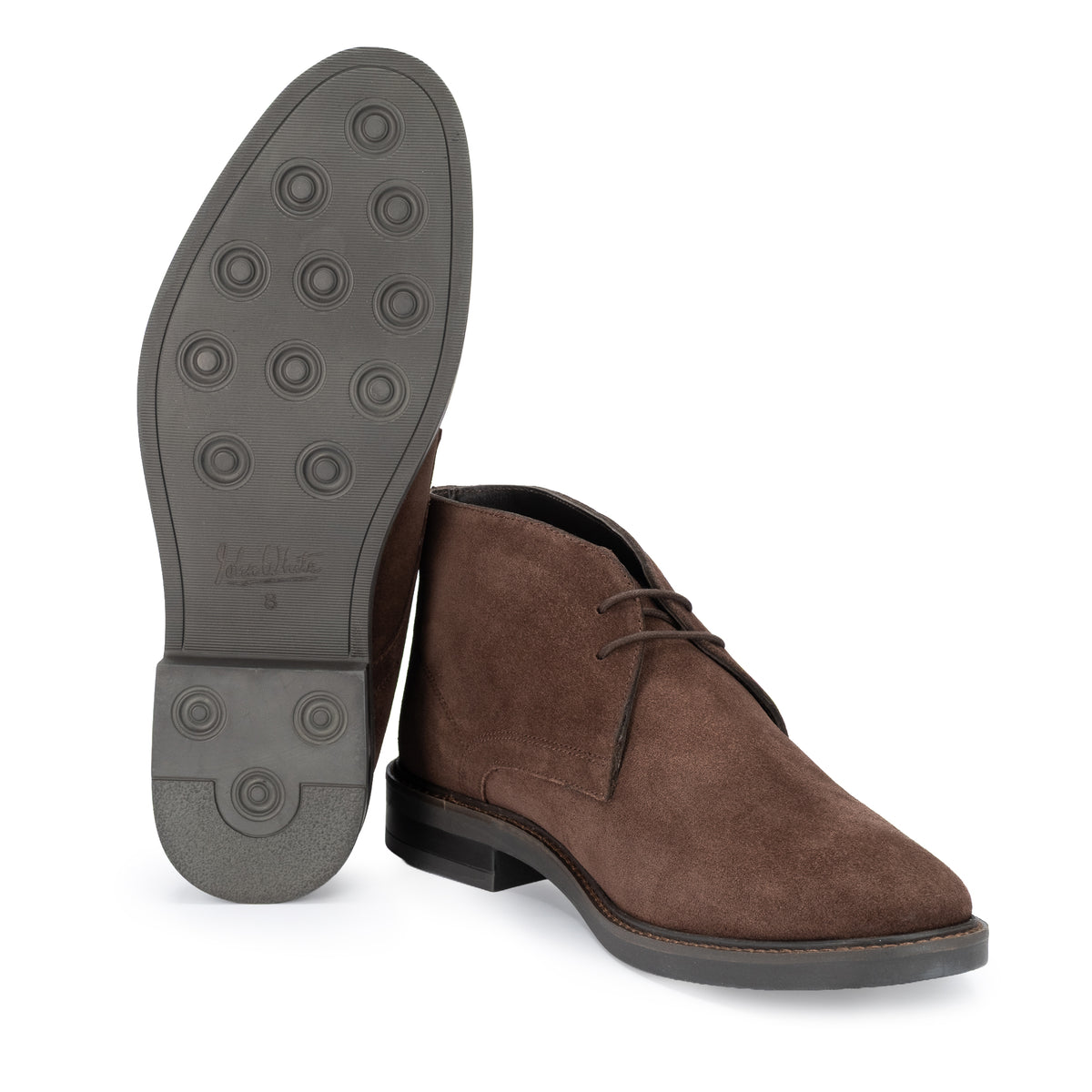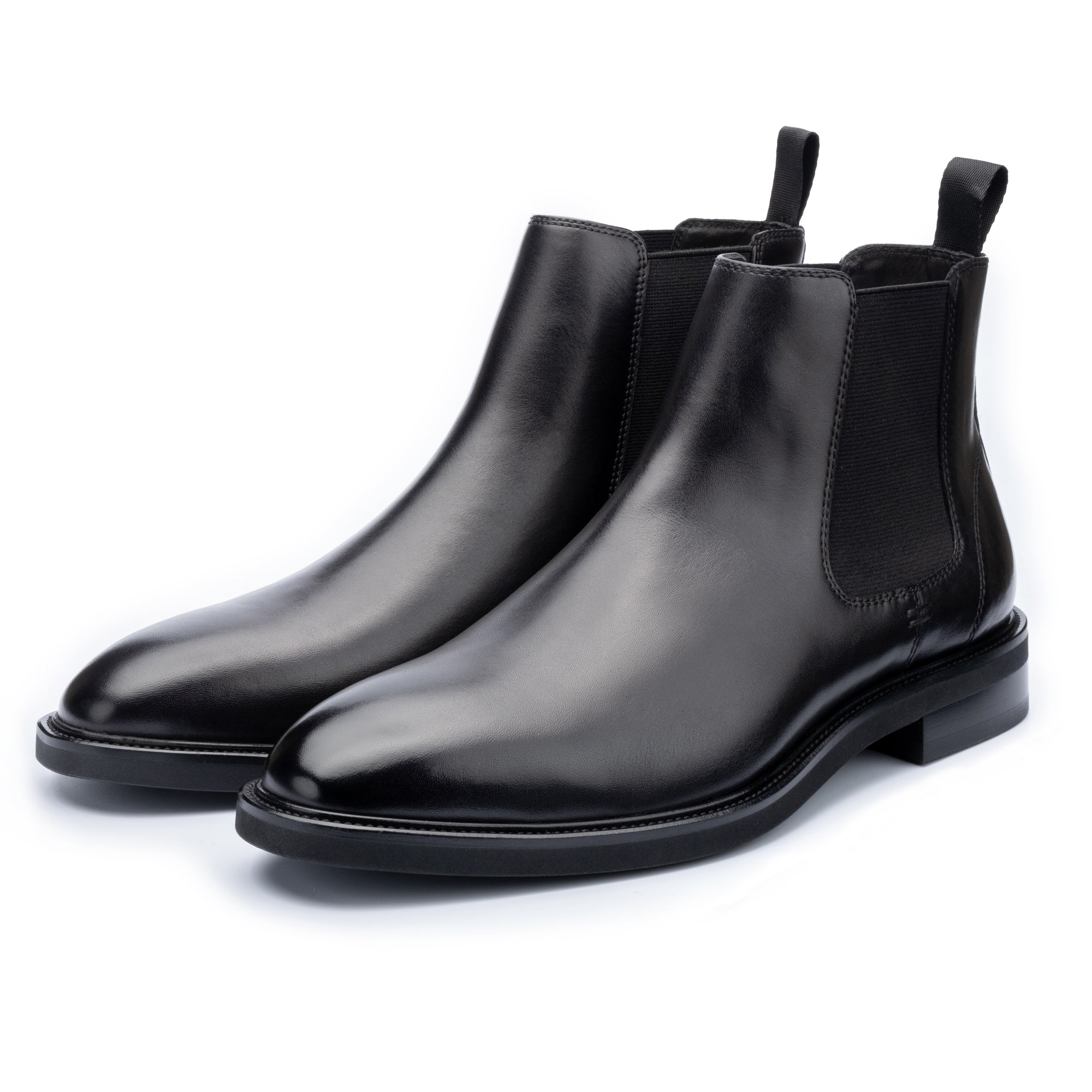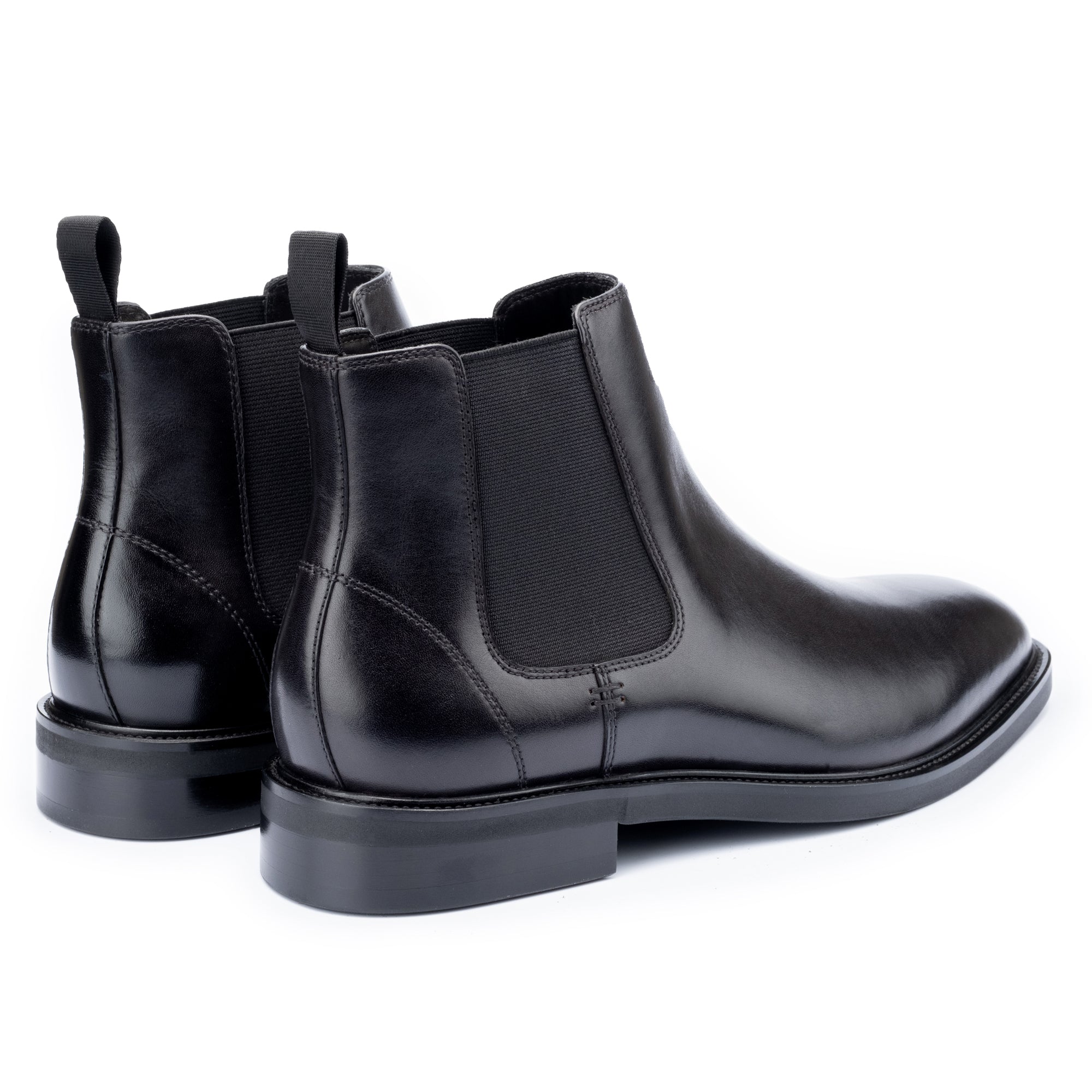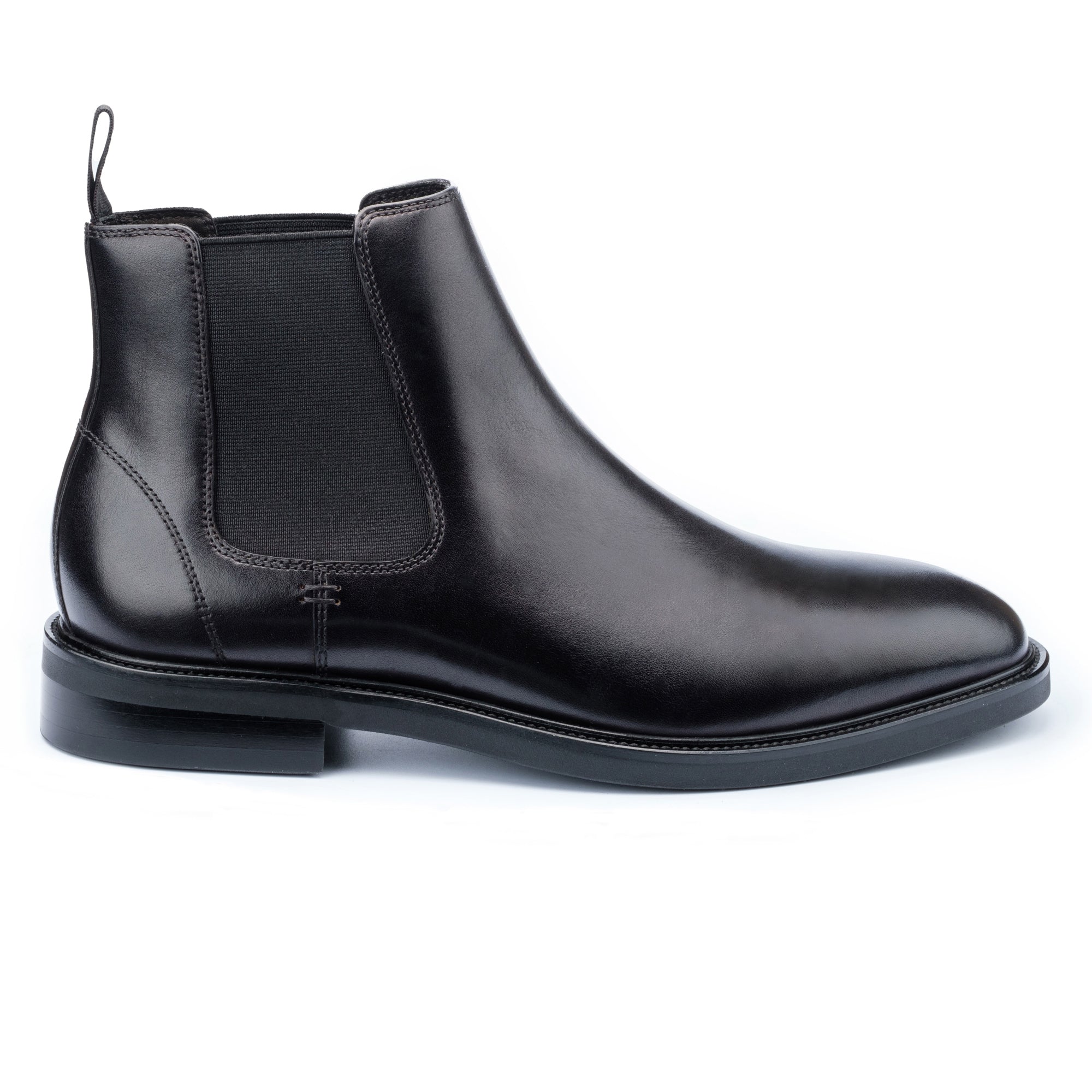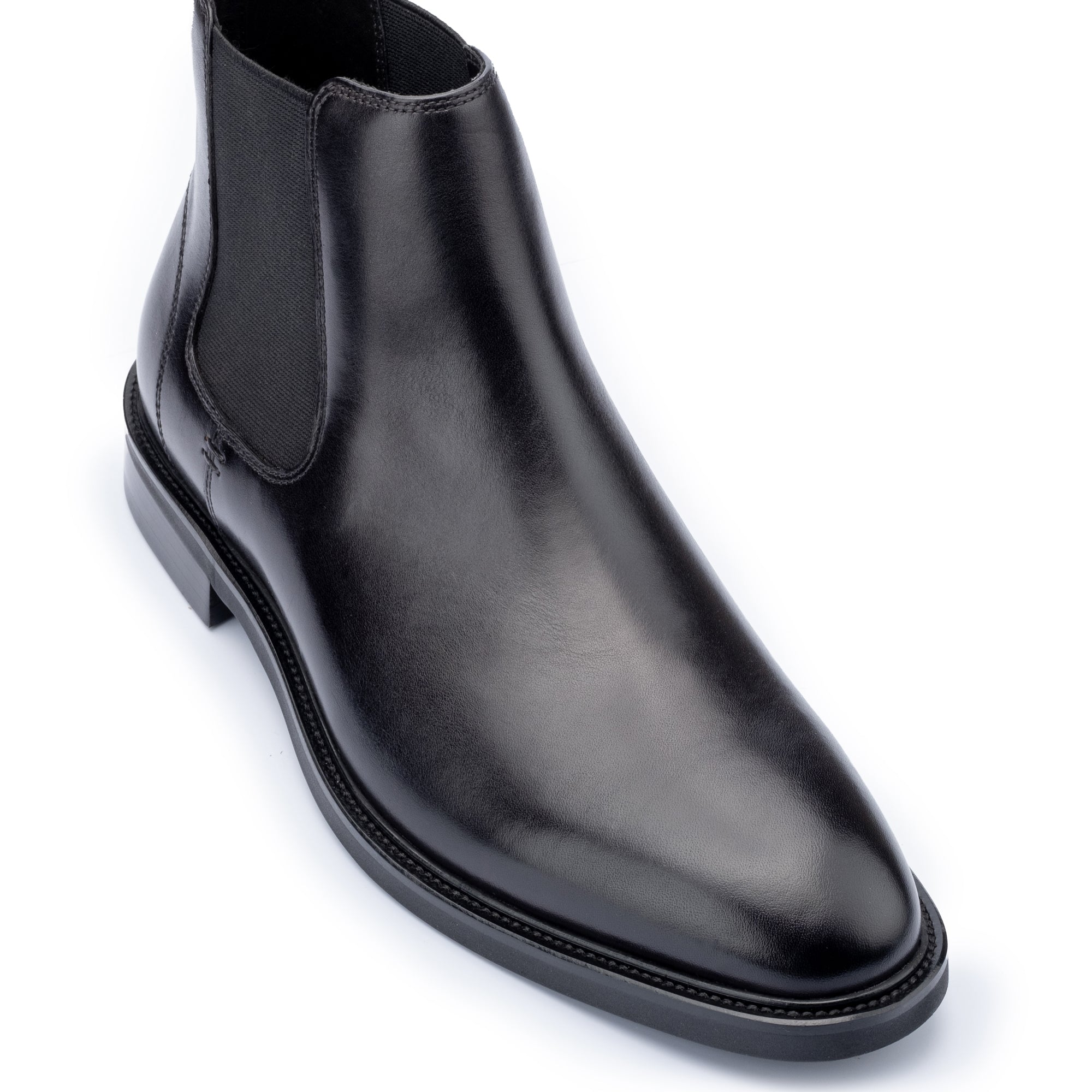

Mould on Leather Shoes: The Definitive Removal and Prevention Guide
Mould on leather shoes is caused by fungal spores activated by moisture and poor air circulation — typically appearing as grey, white, or green powdery patches on the upper or lining. Remove it by brushing away loose growth, treating with 70% isopropyl alcohol, cleaning with saddle soap, and conditioning the leather thoroughly. With correct storage and a regular care routine, mould will not return.
In This Guide
- What Actually Causes Mould to Grow on Leather Shoes?
- How Do You Distinguish Mould from Other White Residue on Leather?
- How Do You Remove Mould from Leather Shoes? The Step-by-Step Process
- Which Products Are Most Effective for Treating Leather Mould?
- How Do You Prevent Mould from Returning?
- Related Guides
- TL;DR
- Frequently Asked Questions
Leather shoes are susceptible to mould whenever moisture, warmth, and stagnant air combine — conditions that describe British autumns, understairs cupboards, and the bottom of a gym bag with equal accuracy. The good news: mould on leather is recoverable. Treated promptly, even a significant bloom can be reversed without lasting damage to the upper or lining.
This guide covers identification, full removal, and long-term prevention — the complete process, step by step.
What Actually Causes Mould to Grow on Leather Shoes?
Mould is a fungal organism that feeds on the organic compounds present in leather — the tannins, conditioning oils, and natural fats that give full-grain leather its character and suppleness. It requires three things to establish: moisture, a food source, and poor air circulation. Leather provides the food source constantly; the other two are within your control.
The most common triggers are:
- Storing shoes in enclosed spaces — boxes, bags, understairs cupboards — while still damp from wear
- Wearing shoes in wet conditions and not allowing them to dry fully before storage
- Over-conditioned leather, where excess product traps moisture at the surface
- Sustained ambient humidity above 65% relative humidity, particularly combined with warmth
According to the Leather Conservation Centre, leather stored at relative humidity above 65% is at significant risk of mould growth, particularly when temperatures exceed 20°C. British summer storage — shoes packed away in warm, slightly damp conditions after the season ends — is an ideal incubator.
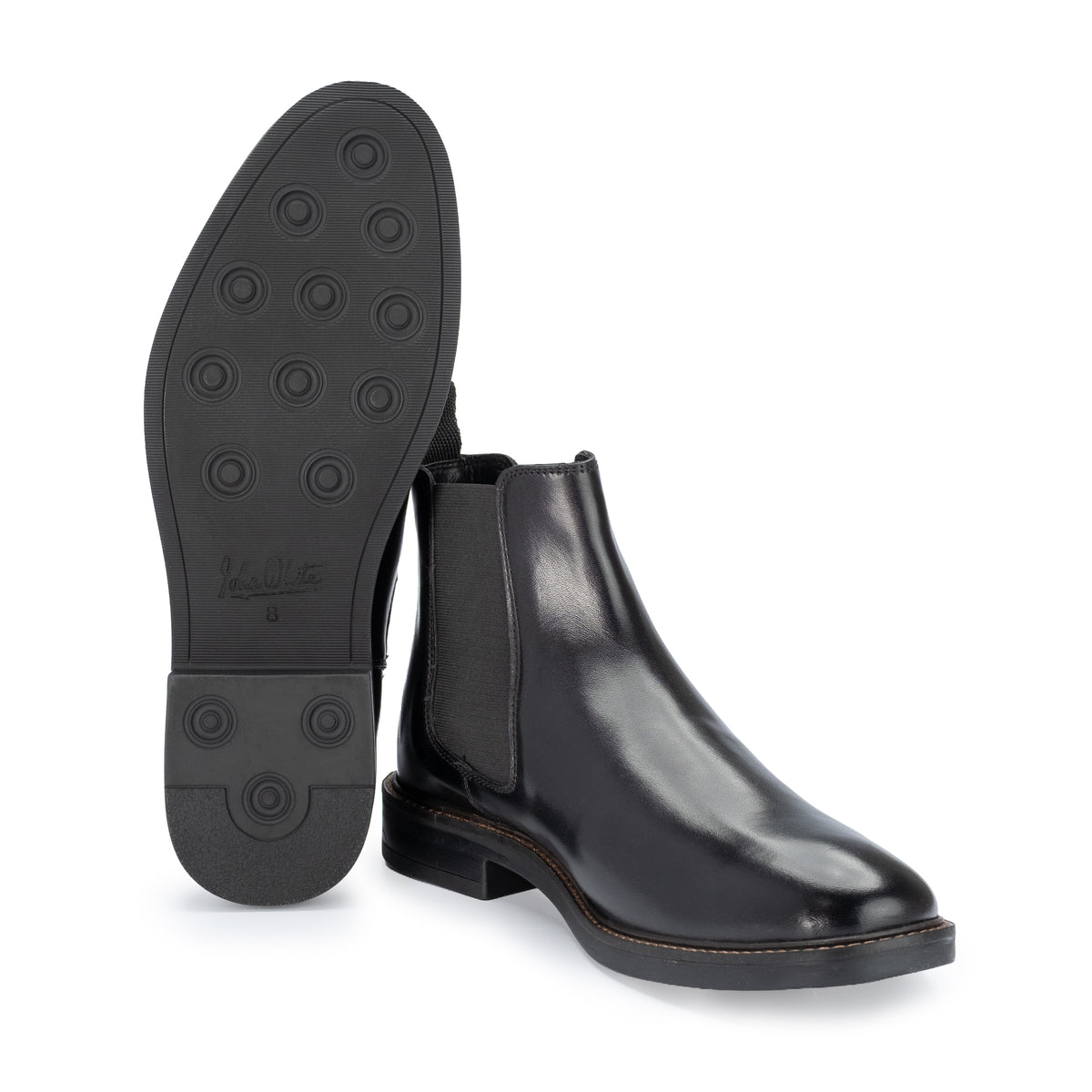
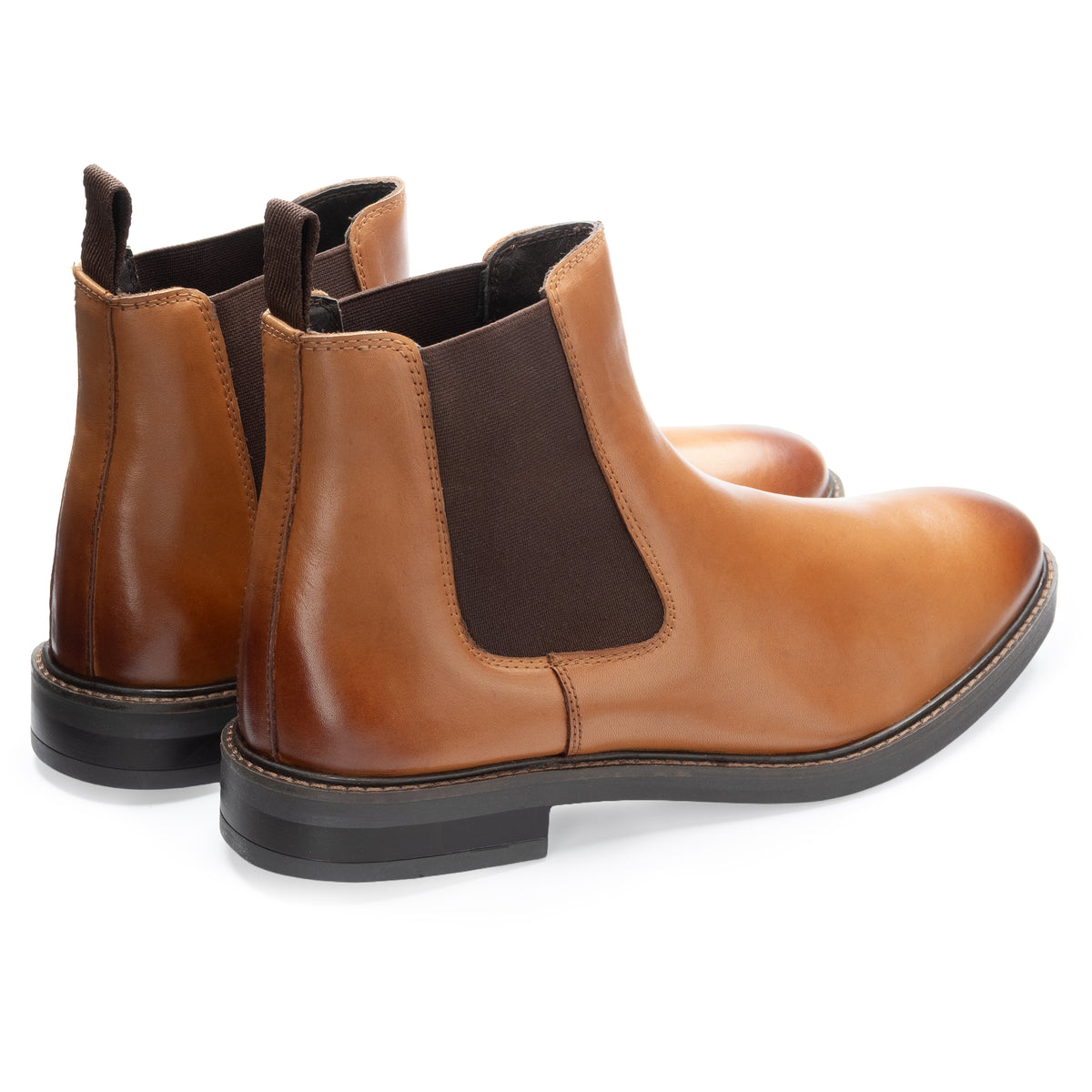
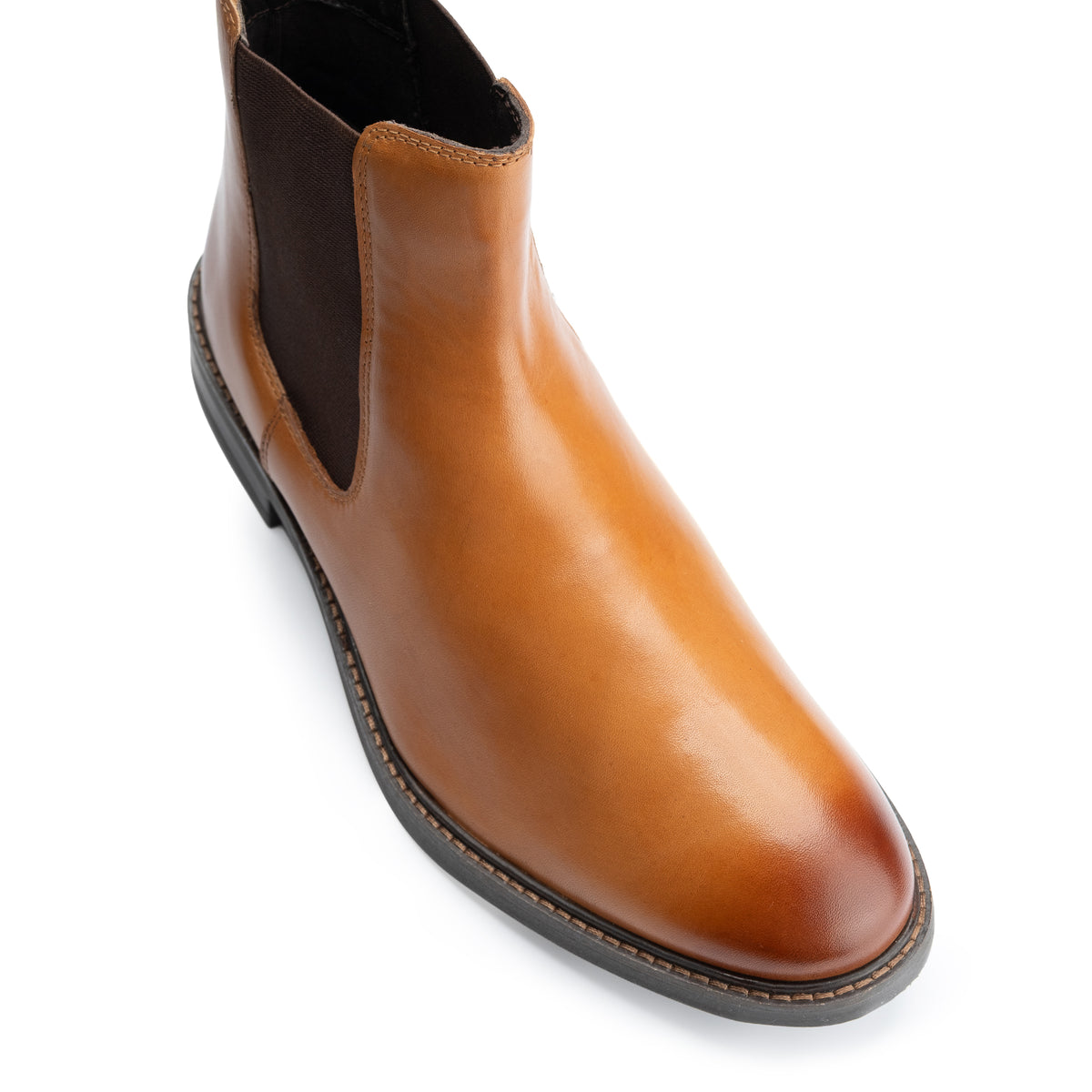
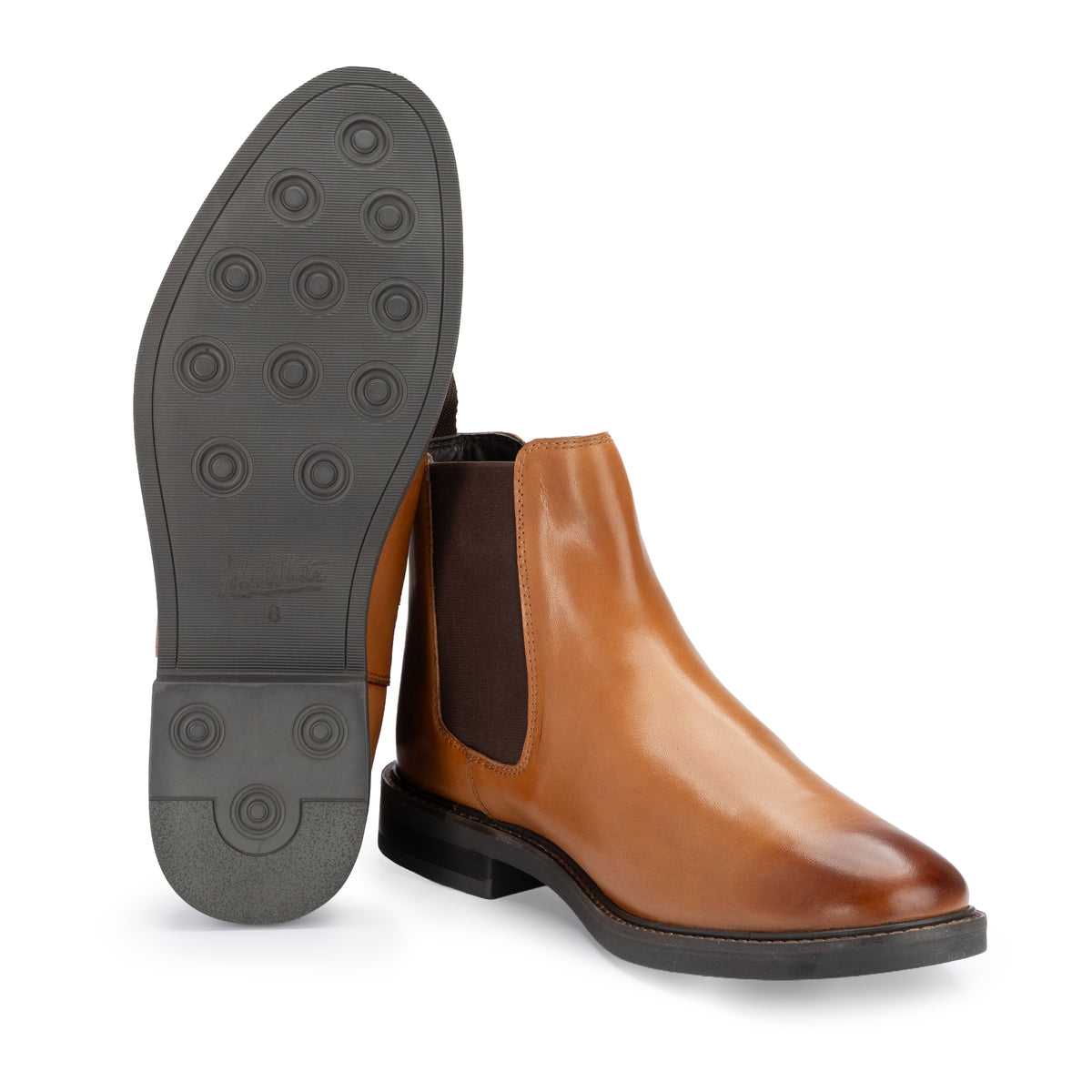
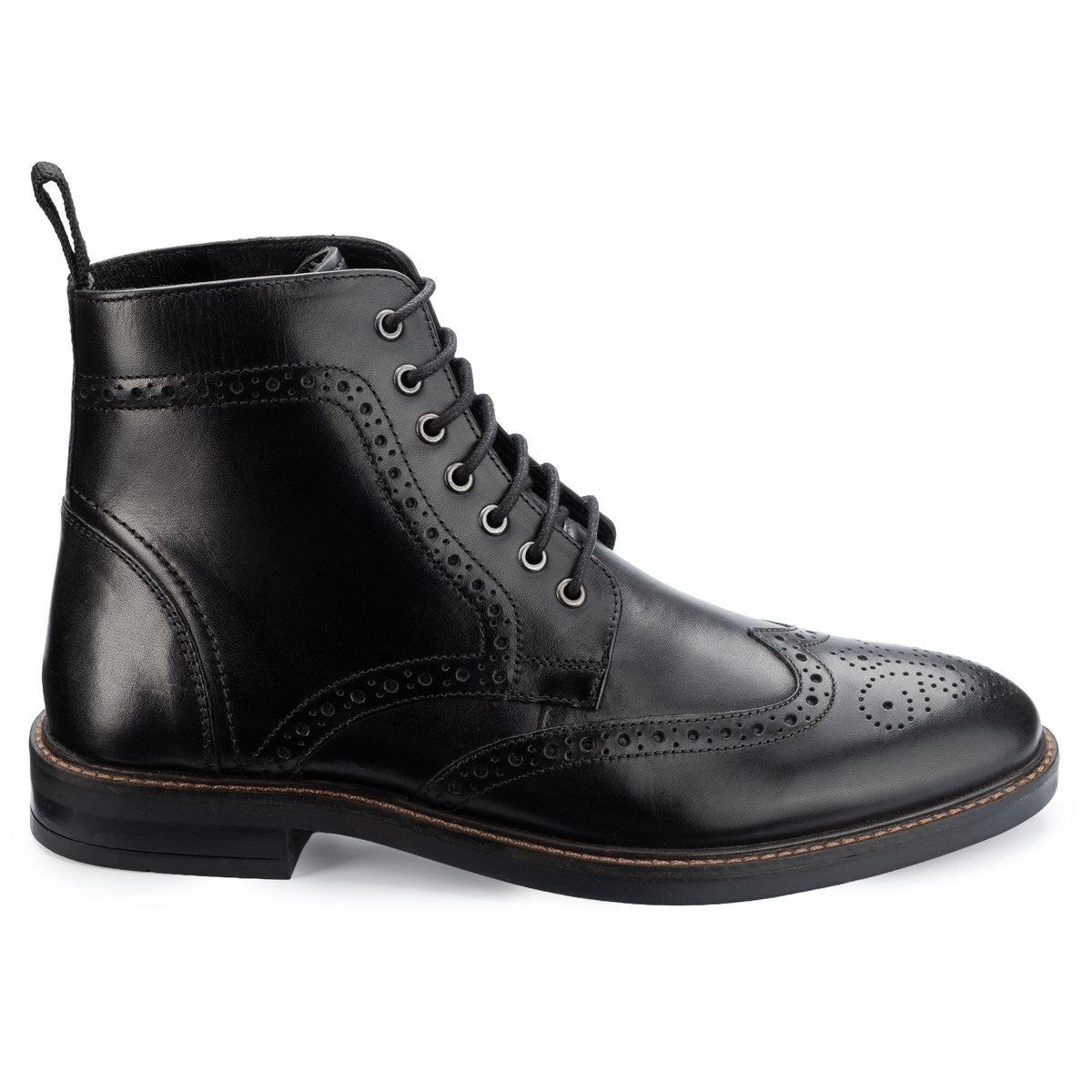
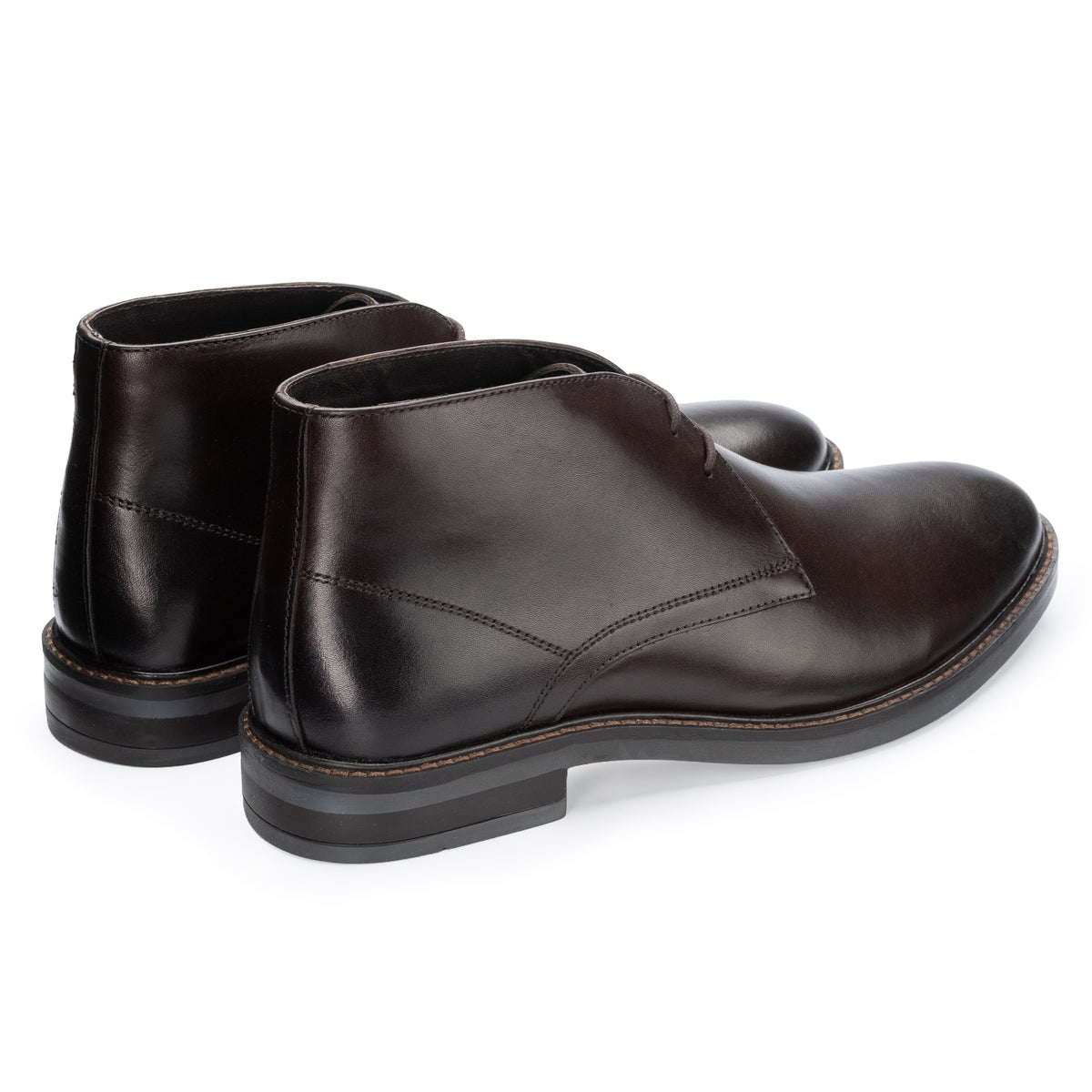
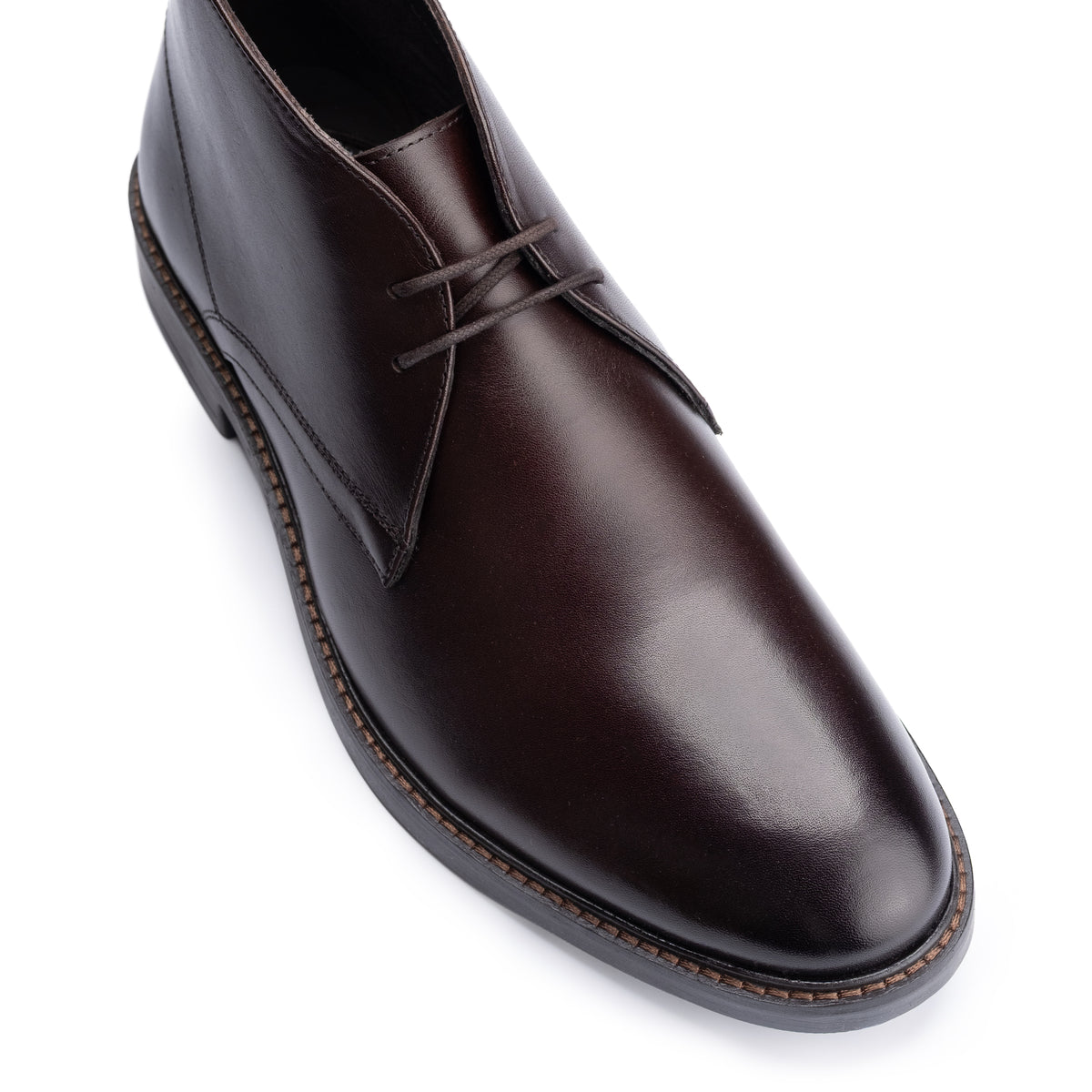
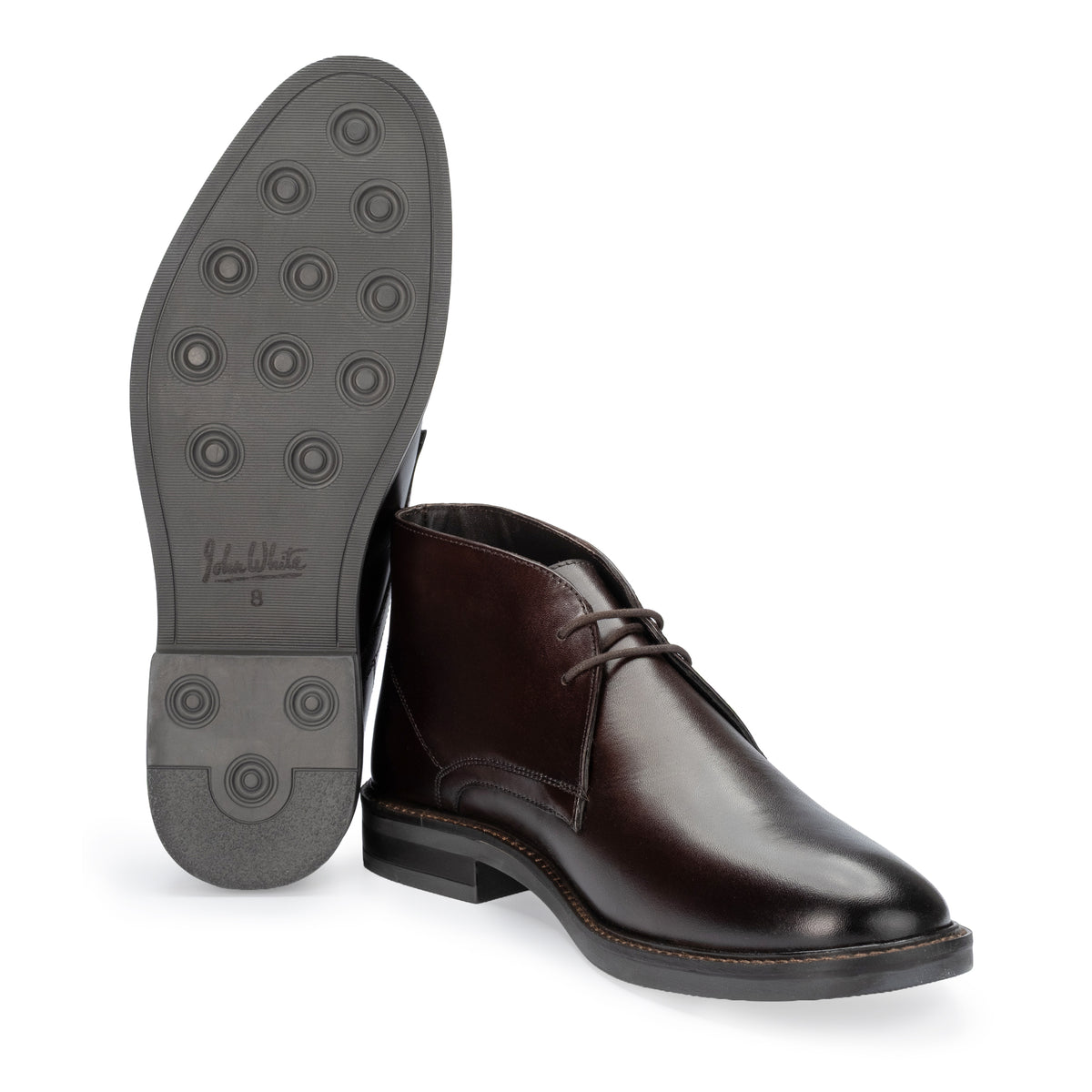
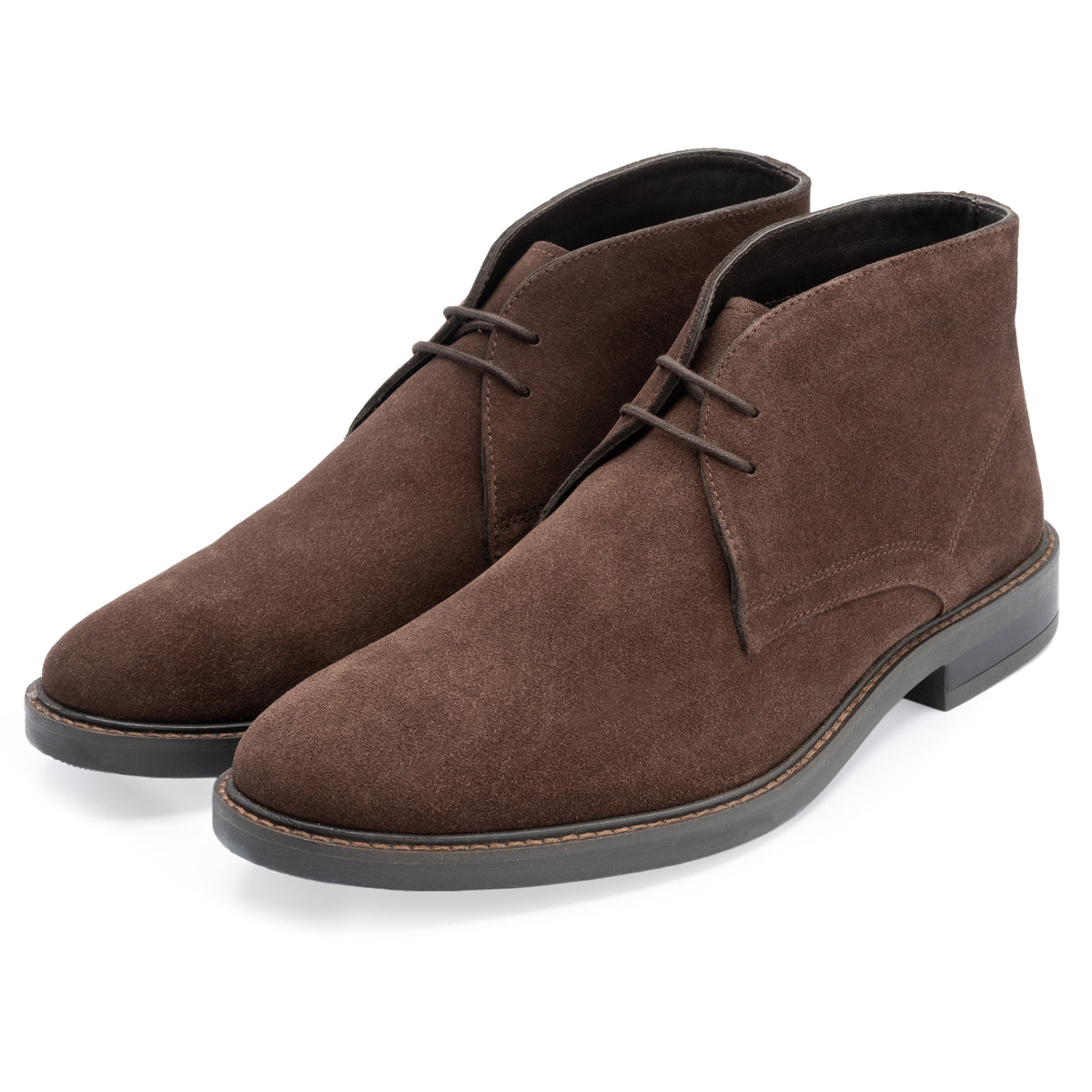
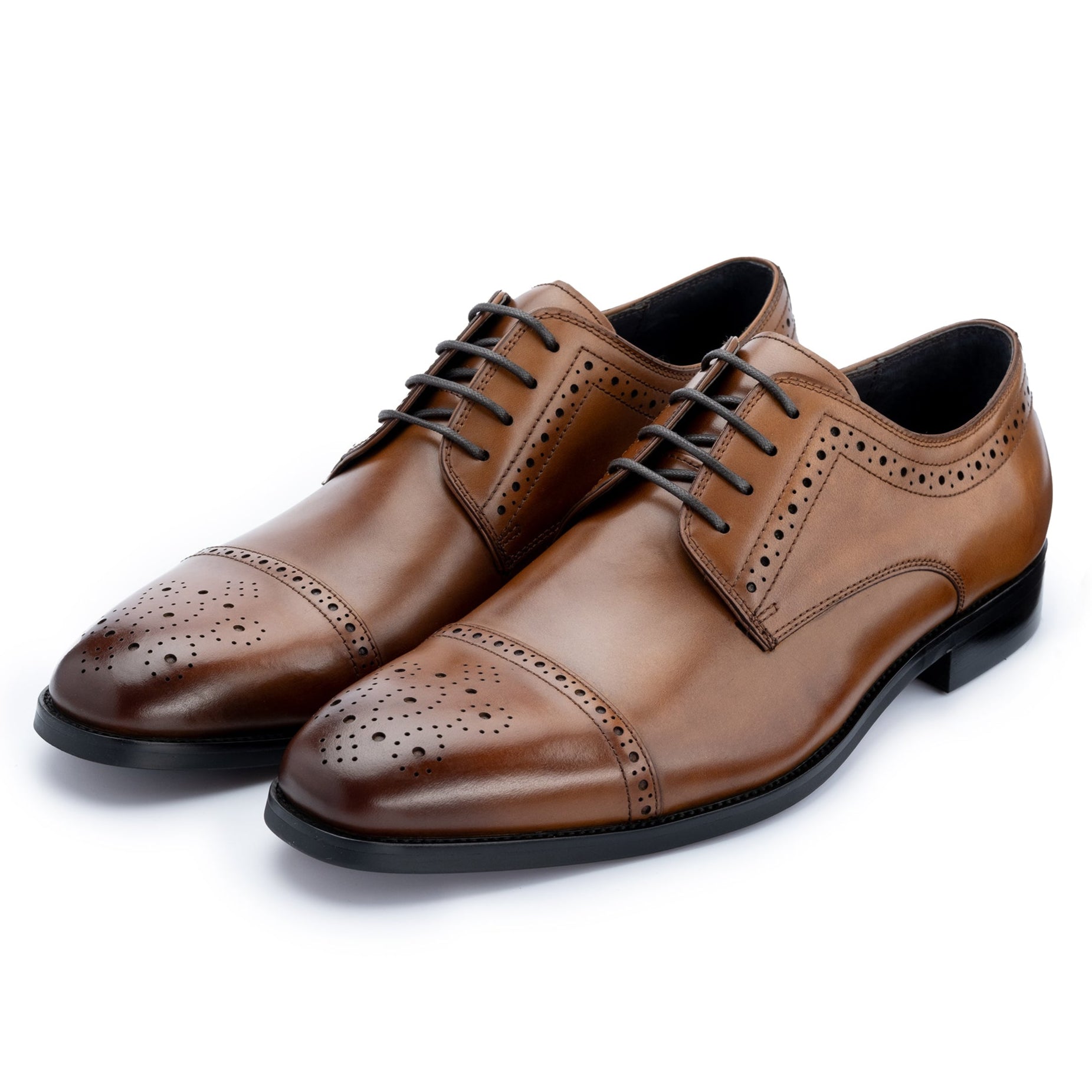
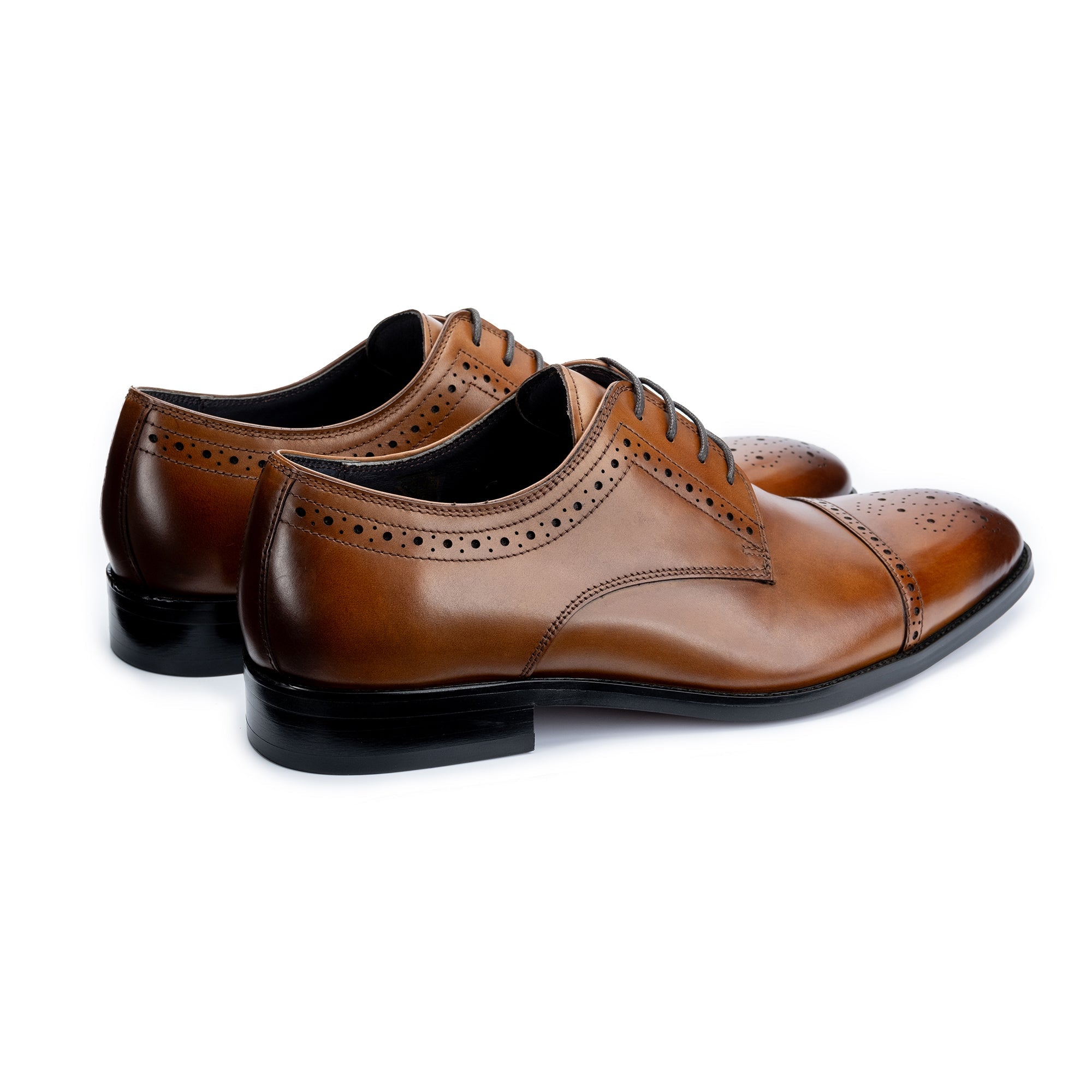
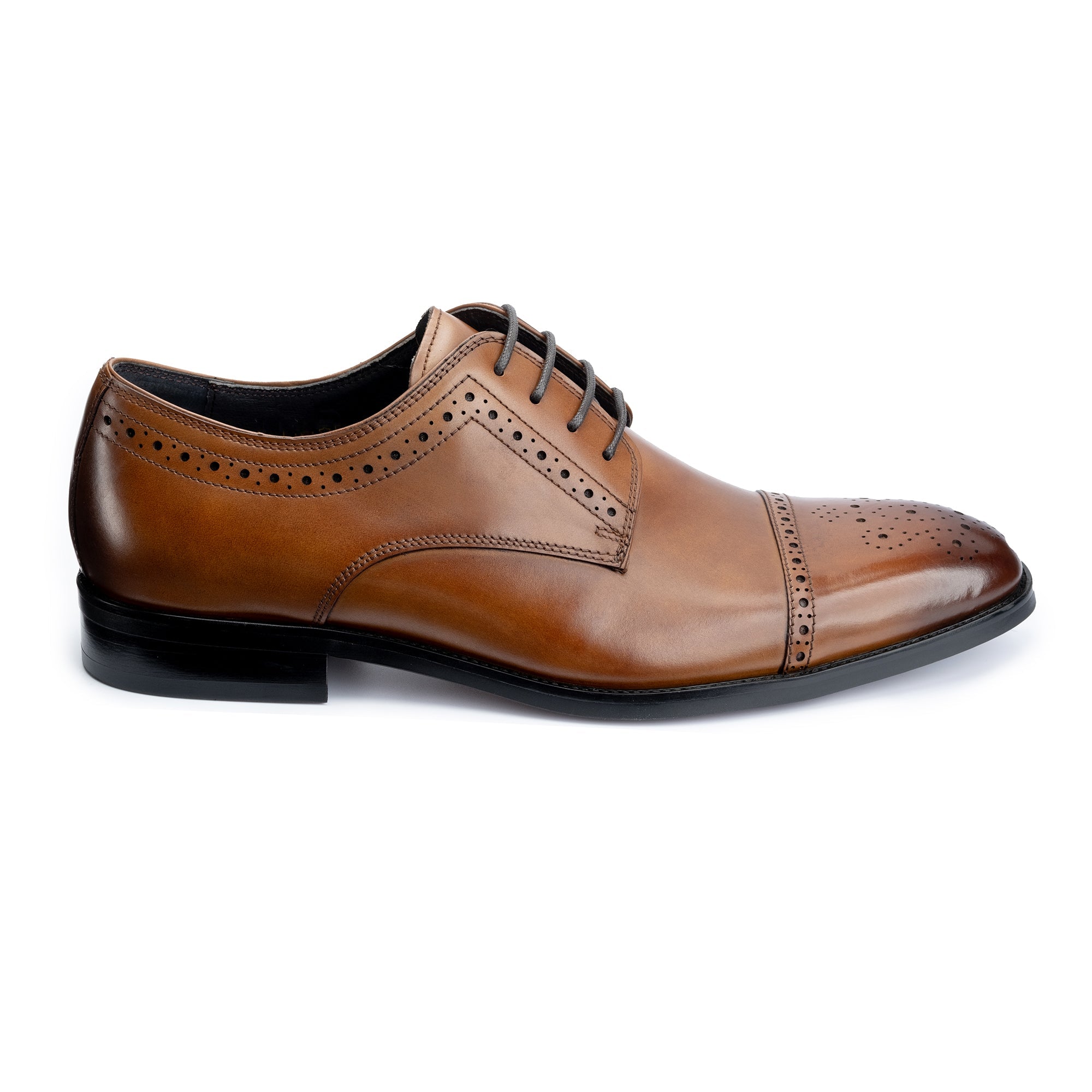
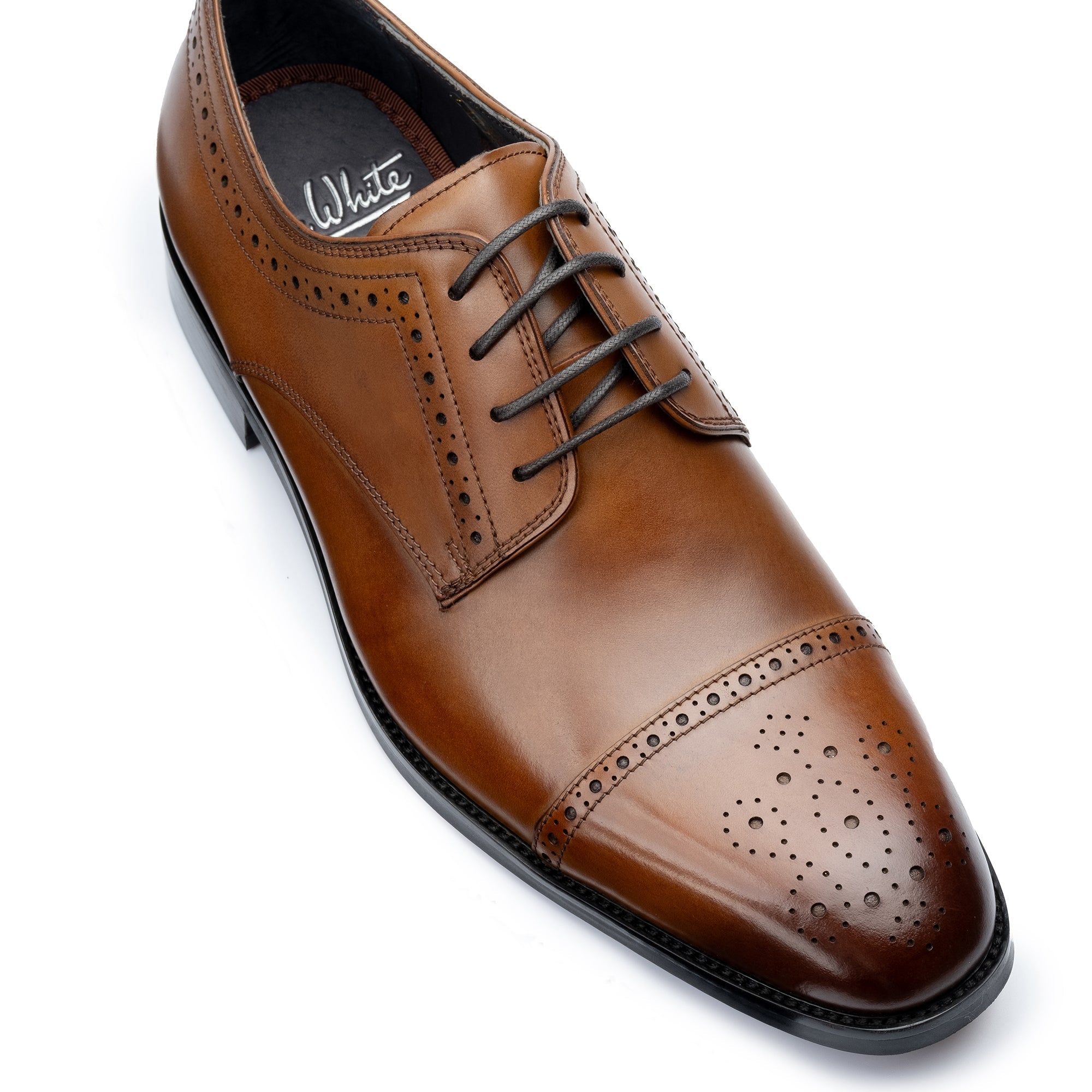
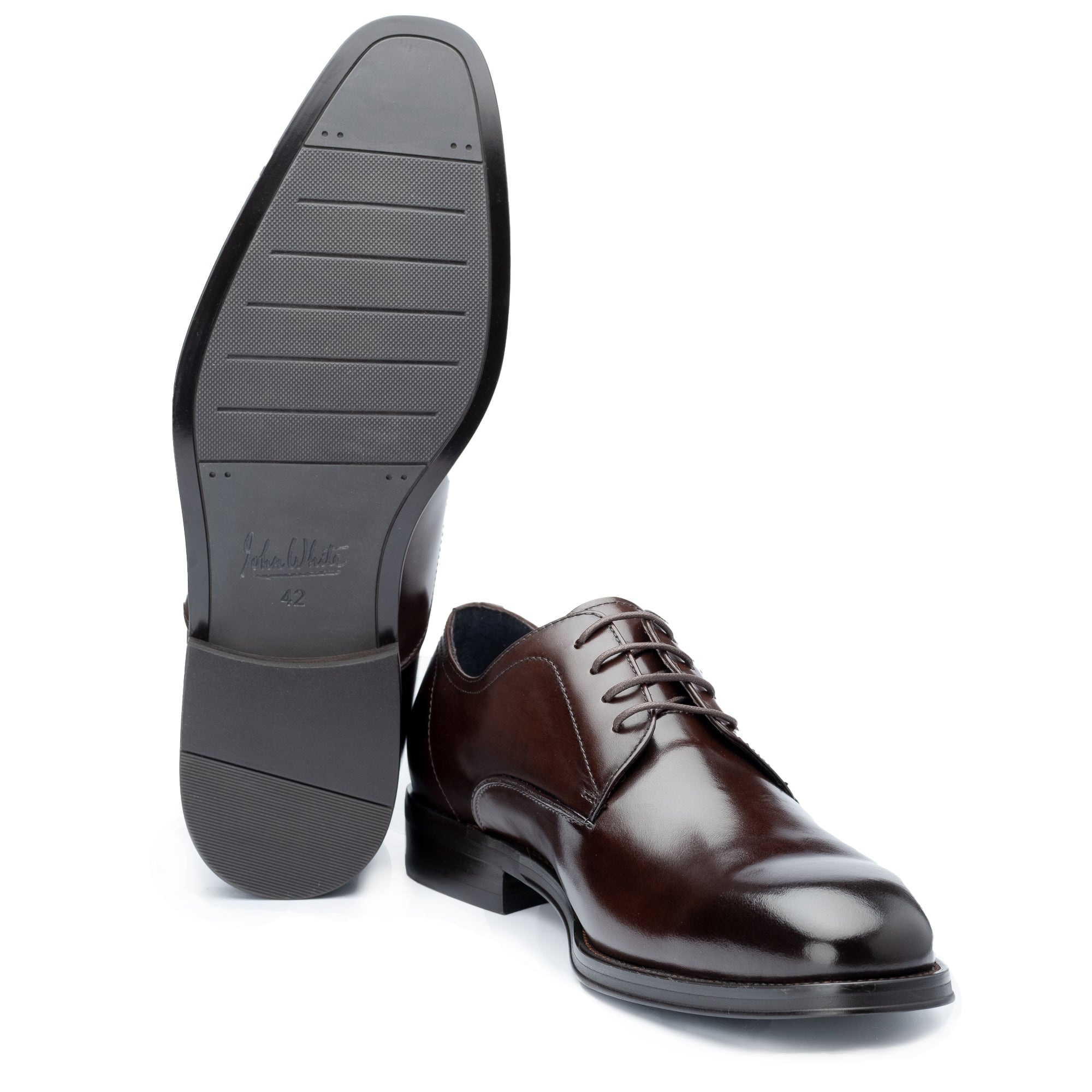
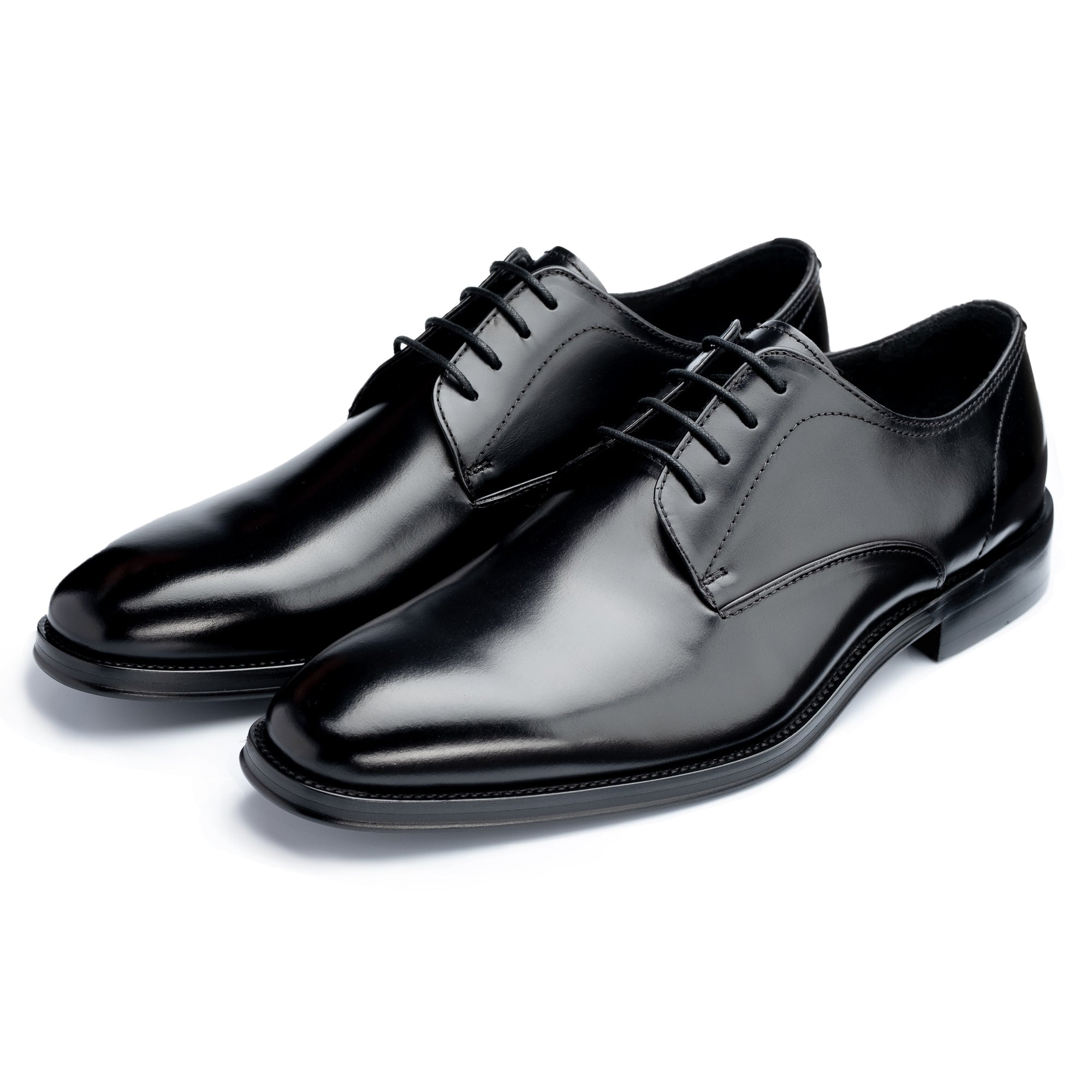
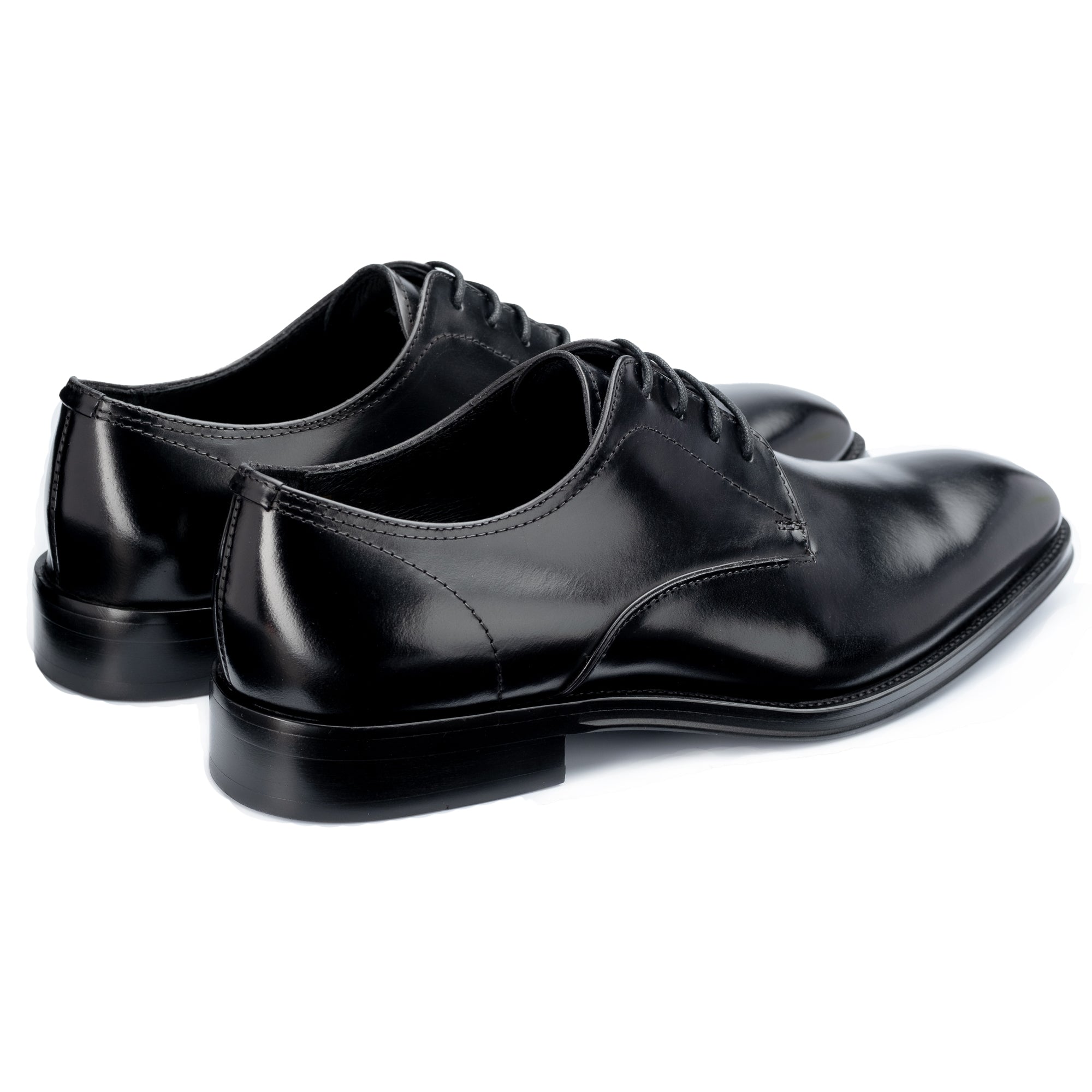
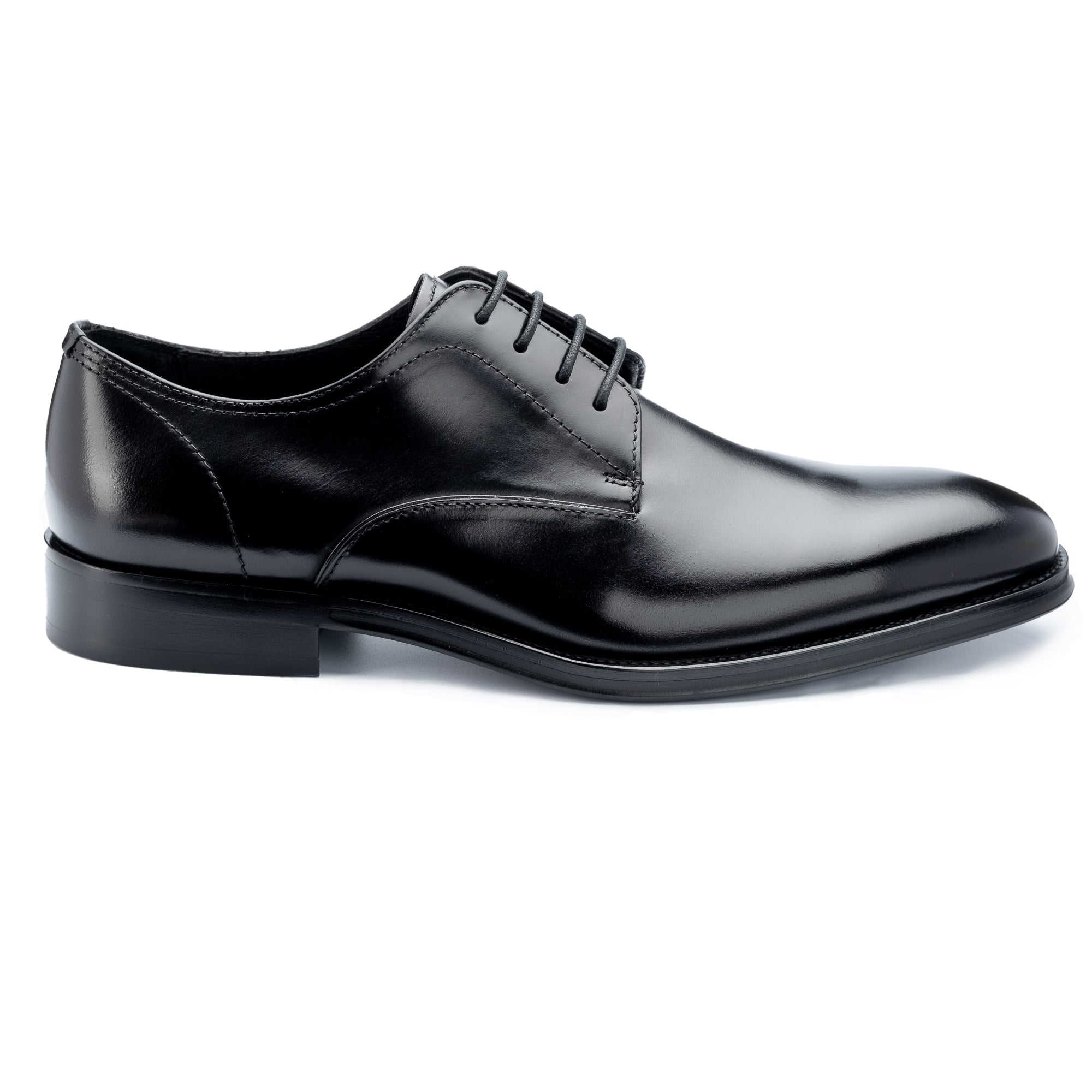
Mould on leather shoes is not a reflection of quality; it is a consequence of inadequate storage conditions. Any leather upper, from Church's and Loake to John White Shoes, Barker, and Grenson, is equally vulnerable when left in the wrong environment.
How Do You Distinguish Mould from Other White Residue on Leather?
White residue on leather falls into three distinct categories — mould, salt staining, and tannin bloom (spew) — each with a different appearance, surface texture, and required treatment. Misidentifying the problem leads to ineffective care and potential damage.
| Residue Type | Appearance | Surface Texture | Smell | Treatment |
|---|---|---|---|---|
| Mould | Grey, green, or white patches; irregular spread | Fuzzy or powdery | Musty, earthy | Antifungal treatment, then conditioning |
| Salt staining | White tide marks, usually at the lower upper | Flat, crystalline | None | Diluted white vinegar solution |
| Spew (tannin bloom) | Hazy white bloom, often after cold storage | Waxy, slightly oily | None | Buffing cloth and gentle warmth |
The clearest diagnostic: mould smells. A musty, damp-cellar odour confirms fungal growth immediately. For the other two conditions, see our guides to removing tannin bloom and white residue from leather shoes and the correct method for removing salt stains from leather footwear.
If in doubt, treat for mould first — the saddle soap and conditioning process will not harm leather affected only by spew or salt, and it eliminates the most damaging possibility immediately.
How Do You Remove Mould from Leather Shoes? The Step-by-Step Process
Mould removal from leather requires working in stages: kill the spores, clean the surface, restore the leather's natural oils, then protect the finish. Skipping any stage leaves residual fungal material that will recolonise within weeks.
- Work outdoors or in a well-ventilated space. Disturbing mould releases spores into the air. Do not treat shoes indoors over carpet or upholstered surfaces.
- Brush away loose surface mould with a dry, stiff-bristled brush. Use a brush reserved for this purpose — not your general polishing kit. Dispose of the loosened material immediately, ideally into a sealed bag.
- Wipe the surface with a cloth dampened with 70% isopropyl alcohol. This kills remaining surface spores on contact without damaging the leather. Allow the leather to dry for ten minutes. Do not accelerate with heat — a hairdryer will cause surface cracking.
- Clean the upper thoroughly with saddle soap. Work a small amount into a slightly damp cloth and apply in circular motions. Saddle soap removes both the residual mould debris and the oils the fungus has been feeding on. Wipe clean with a damp cloth and allow to dry naturally.
- Inspect and treat the lining. Mould frequently spreads to the interior first — the organic textile and leather lining provides ideal conditions. Treat with a lightly dampened cloth, then allow to dry with the tongue pulled fully open and a shoe tree inserted to maintain airflow. For a complete interior restoration, see our guide to leather shoe odour removal and restoring the interior.
- Condition the leather thoroughly. The cleaning process strips some natural oils from the hide. Apply a quality leather conditioner in a thin, even coat and allow it to absorb for a minimum of two hours before buffing.
- Apply a finishing cream or wax polish. This restores surface protection, revives the colour depth, and helps seal the leather against future moisture penetration.
According to the Society of Master Shoe Repairers, leather affected by mould and then properly treated can be fully restored with no lasting structural damage, provided treatment occurs before fungal hyphae have penetrated deeply into the hide's fibres — which, in practice, means within the first few weeks of visible growth.
The complete removal process takes under an hour; delaying treatment by even a few weeks allows mould to colonise deeper into the leather grain and may make full colour and structural restoration impossible.
Which Products Are Most Effective for Treating Leather Mould?
Effective mould removal from leather requires specific cleaning agents that kill fungal spores without stripping the leather's finish, dye, or structural integrity. Using the wrong product — particularly household bleach or undiluted solvents — causes irreversible surface damage.
Recommended materials:
- 70% isopropyl alcohol — kills mould spores on contact. Available from pharmacies at negligible cost. Higher concentrations (90%+) evaporate too quickly to be effective; lower concentrations (below 60%) are insufficiently antifungal.
- Saddle soap — deep-cleans without over-stripping. Glycerine-based formulations are gentler on full-grain and smooth calfskin leather.
- Leather conditioner — replenishes the oils stripped during the cleaning process. Look for lanolin or neatsfoot oil-based formulas for full-grain uppers.
- Anti-mould leather spray — specialist treatments containing benzalkonium chloride provide longer-term fungal protection, particularly for shoes stored for extended periods or worn repeatedly in damp conditions.
Avoid bleach (destroys leather fibres and strips dye permanently), undiluted white vinegar on smooth leather (appropriate for salt stains, too acidic for routine mould treatment), and petroleum-based solvents.
How Do You Prevent Mould from Returning?
Mould prevention on leather shoes is a discipline that requires controlling three environmental factors: humidity, temperature, and air circulation — combined with a consistent care routine. The habits are simple; the discipline is what most collections lack.
What Storage Conditions Prevent Mould on Leather Shoes?
The Leather Conservation Centre recommends storing leather at 45–55% relative humidity and below 18°C. For most British homes this is achievable year-round, but requires attention during summer months when rooms heat and humidity rises with the damp.
| Condition | Safe Range | Risk Threshold | Corrective Action |
|---|---|---|---|
| Relative humidity | 45–55% | Above 65% | Use silica gel sachets in the storage area; consider a small dehumidifier for enclosed cupboards |
| Temperature | 10–18°C | Above 20°C (combined with humidity) | Avoid airing cupboards and warm enclosed spaces; open shelving in a cooler room is preferable |
| Air circulation | Open or breathable storage | Sealed plastic bags or airtight boxes | Use cotton dust bags or open shelving; avoid cardboard boxes sealed shut |
| Moisture at point of storage | Fully dry | Any residual dampness in the upper or lining | Allow a minimum of 24 hours drying time before storing after wet wear |
For detailed preparation of shoes before extended storage, see our guide to storing leather shoes long-term: the definitive preparation and preservation guide.
Does Using Shoe Trees Prevent Mould?
Cedar shoe trees provide genuine anti-mould protection beyond their shape-retention function. Cedar is naturally antimicrobial and hygroscopic — it absorbs moisture from the leather lining and upper as the shoe dries after wear. Inserted immediately after removing shoes, cedar trees accelerate the drying process significantly, according to testing published by the British Footwear Association.
Plastic shoe trees do not offer this benefit. For mould prevention, cedar is the only material worth specifying.
How Does Regular Conditioning Prevent Mould?
Well-conditioned leather resists mould more effectively than dry, neglected leather. Properly nourished leather maintains a consistent surface that repels rather than traps surface moisture. Cracked, dry leather has micro-fissures where moisture and spores accumulate undetected.
Condition smooth leather shoes every six to eight weeks through a British winter, and every ten to twelve weeks through summer. Over-conditioning — applying product without allowing full absorption — is itself a mould risk. Thin coats, fully buffed out, are the correct approach. For the complete seasonal schedule, see our guide to conditioning frequency for leather shoes through every season.
The most reliable prevention is a three-part habit: cedar shoe trees inserted after every wear, full drying before storage, and conditioning on a consistent seasonal schedule — none of which requires more than a few minutes per pair.
Related Guides
- Storing Leather Shoes Long-Term: The Definitive Preparation and Preservation Guide
- Conditioning Frequency for Leather Shoes: The Definitive Seasonal Schedule
- Tannin Bloom and Spew: The Definitive Guide to Removing White Residue from Leather Shoes
TL;DR
Mould on leather shoes is caused by moisture and poor air circulation acting on leather's organic compounds. Remove it by brushing away surface growth, treating with 70% isopropyl alcohol, cleaning with saddle soap, and conditioning thoroughly. Prevent recurrence with cedar shoe trees, full drying before storage, and relative humidity kept below 65%. Treated within the first few weeks, leather recovers fully; left untreated, fungal penetration into the hide becomes irreversible.
Frequently Asked Questions
Can mould permanently damage leather shoes?
Mould treated in its early stages — the visible surface bloom — causes no permanent damage. However, mould left untreated for several weeks allows fungal hyphae to penetrate the leather fibres, weakening the hide's structure and causing deep discolouration that does not respond fully to conditioning or polishing. The first visible sign of growth is the correct moment to act.
Is white vinegar safe to use on leather shoes to kill mould?
White vinegar diluted 1:1 with water can kill mould spores but is not the ideal treatment for smooth leather — its acidity can strip dye and dry out the surface with repeated use. It is better reserved for salt stain removal, where its chemistry is specifically appropriate. For mould, 70% isopropyl alcohol is more effective and gentler on the leather finish. Always condition afterwards regardless of which cleaner is used.
How long does it take for mould to damage leather shoes?
According to the Leather Conservation Centre, visible surface mould can establish within 24–48 hours in conditions above 75% relative humidity. Structural damage to the hide — the kind that resists full restoration — typically begins after two to four weeks of sustained growth, when fungal hyphae penetrate beneath the surface grain. A surface bloom treated within the first week almost always results in complete recovery.
Should I throw away leather shoes that have developed mould?
In the vast majority of cases, no. Leather shoes — including premium pairs from John White Shoes, Church's, Grenson, and Barker — are built to withstand thorough cleaning and reconditioning. Only shoes where the leather has completely degraded, the lining has separated, or structural integrity has been lost warrant disposal. When in doubt, consult a reputable cobbler before discarding a pair that may be fully restorable.
Explore the full John White Shoes men's collection or browse our range of men's leather boots — built for British conditions and designed, with the right care, to last a generation.