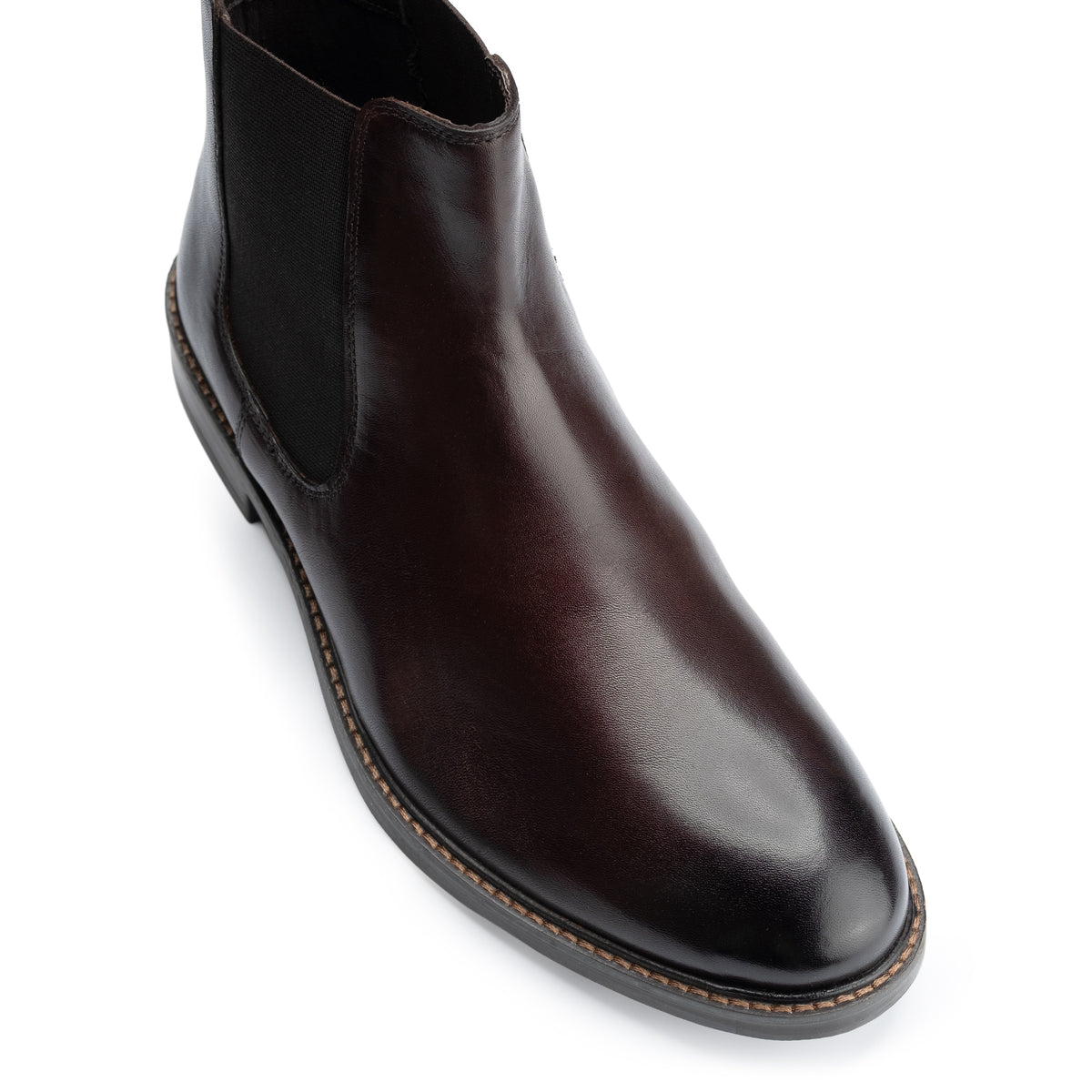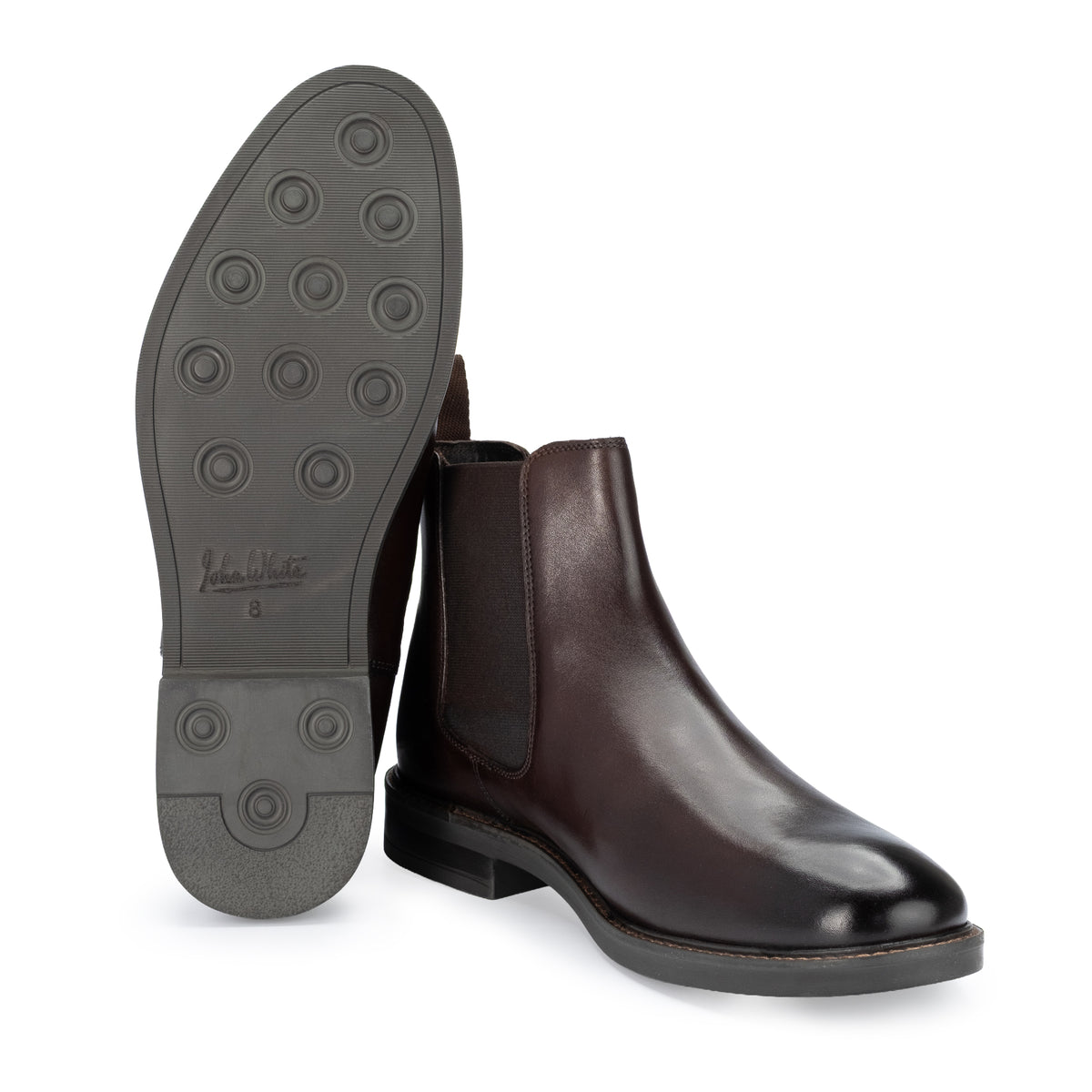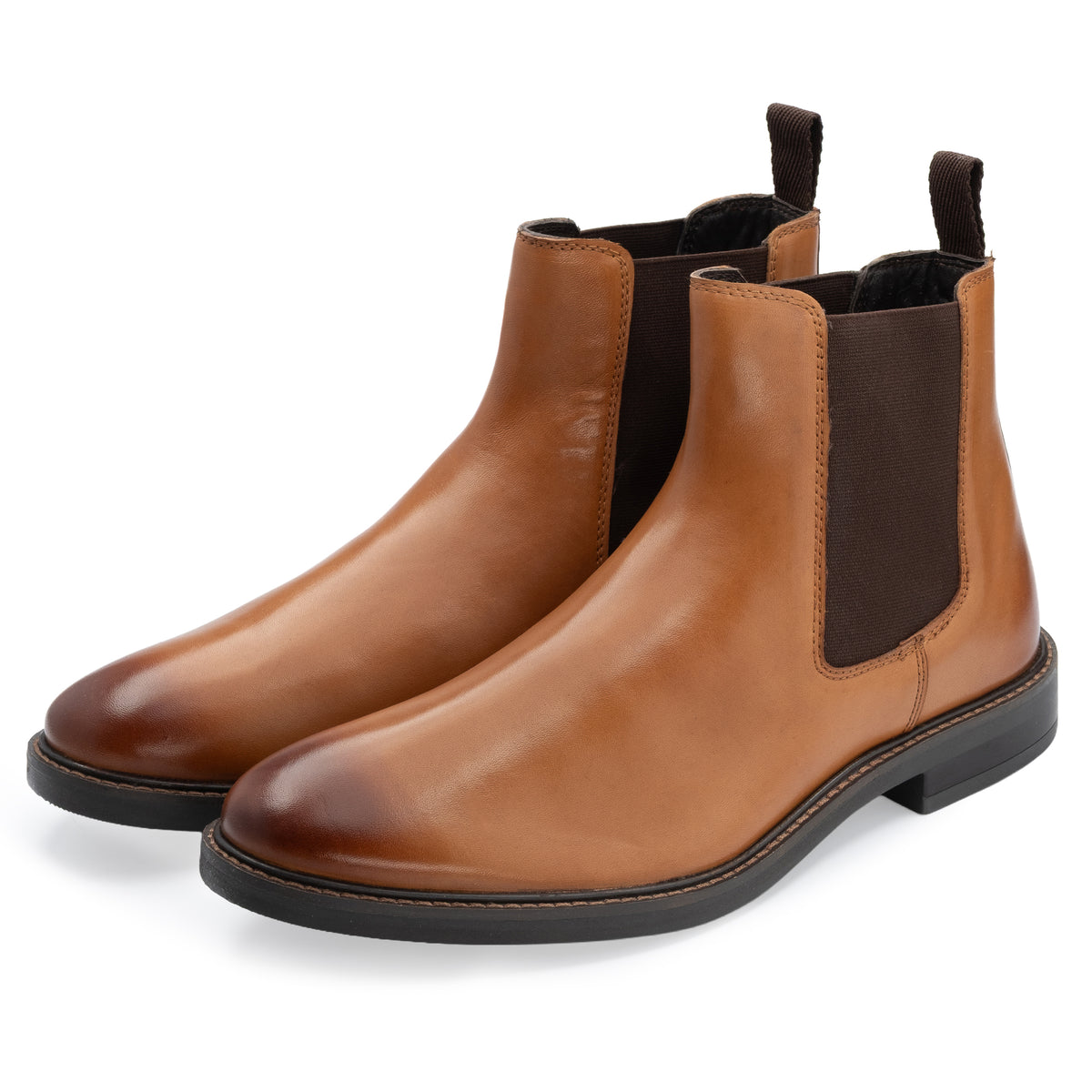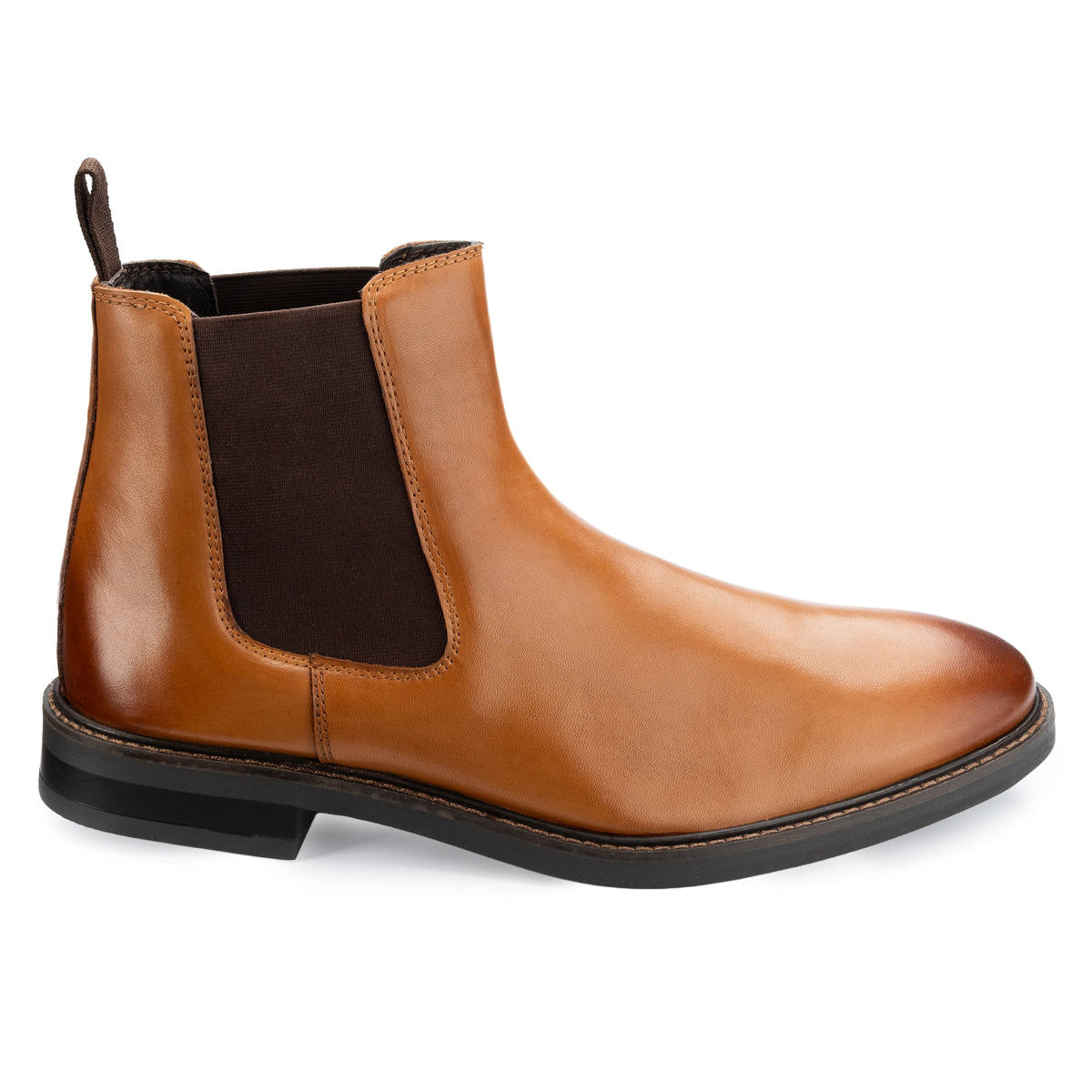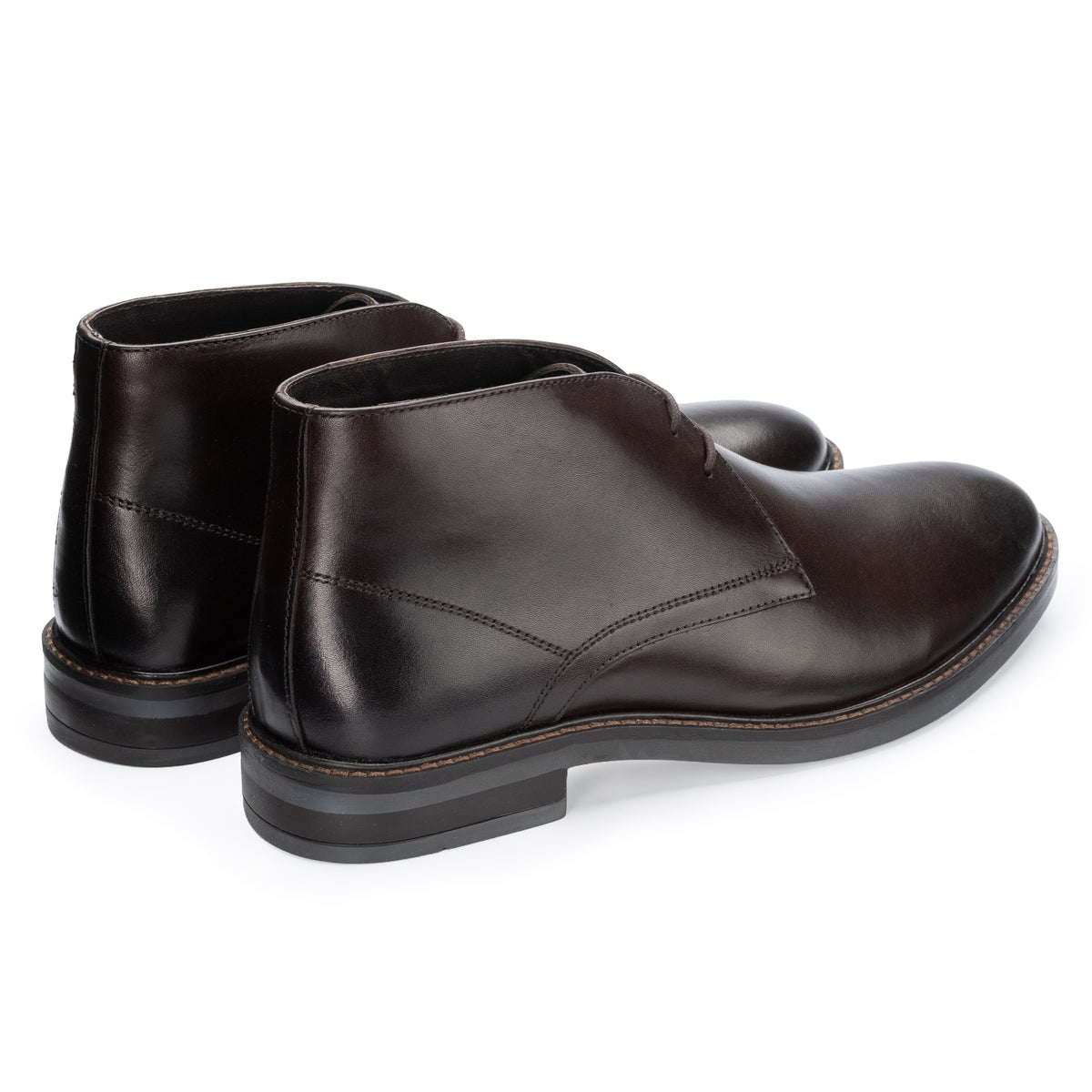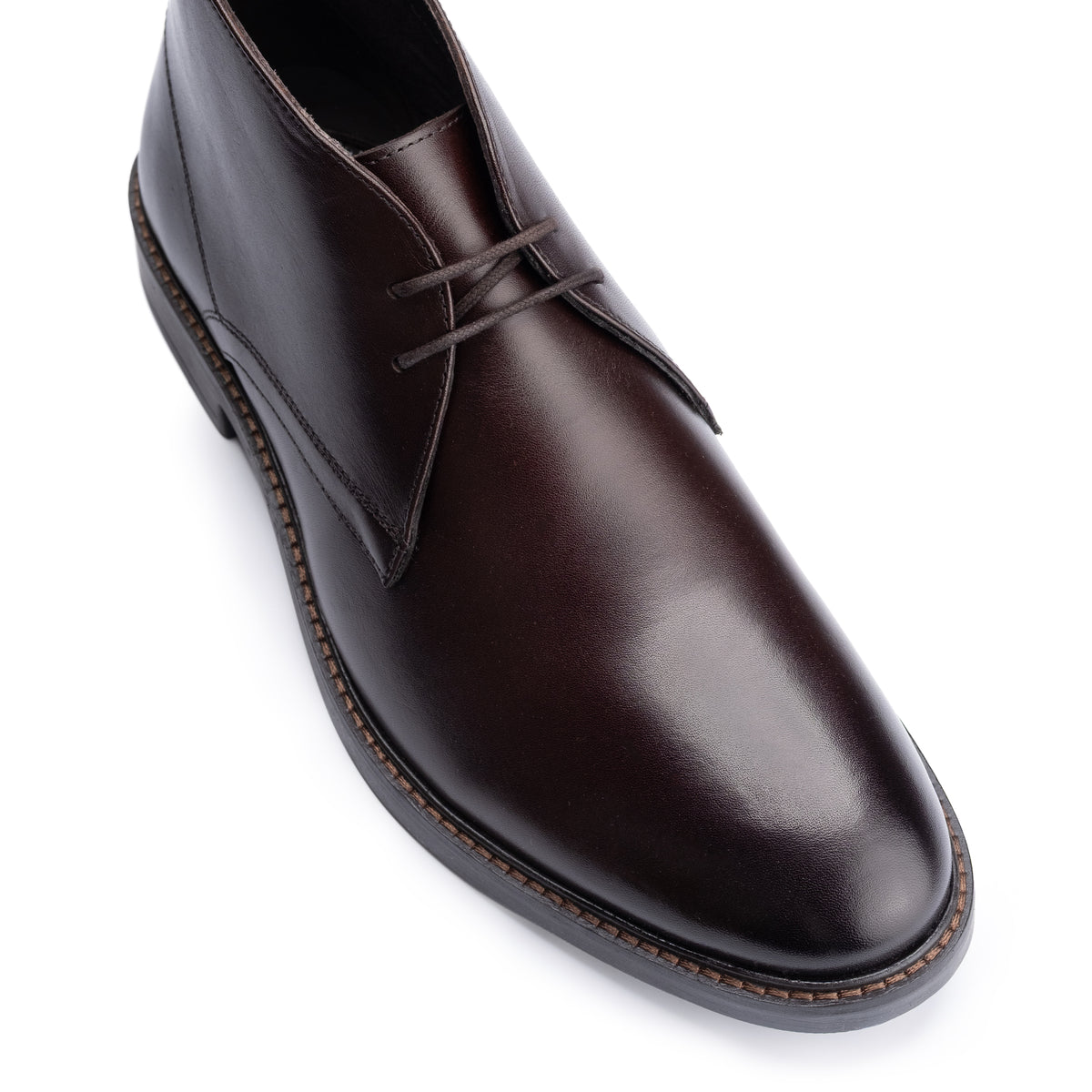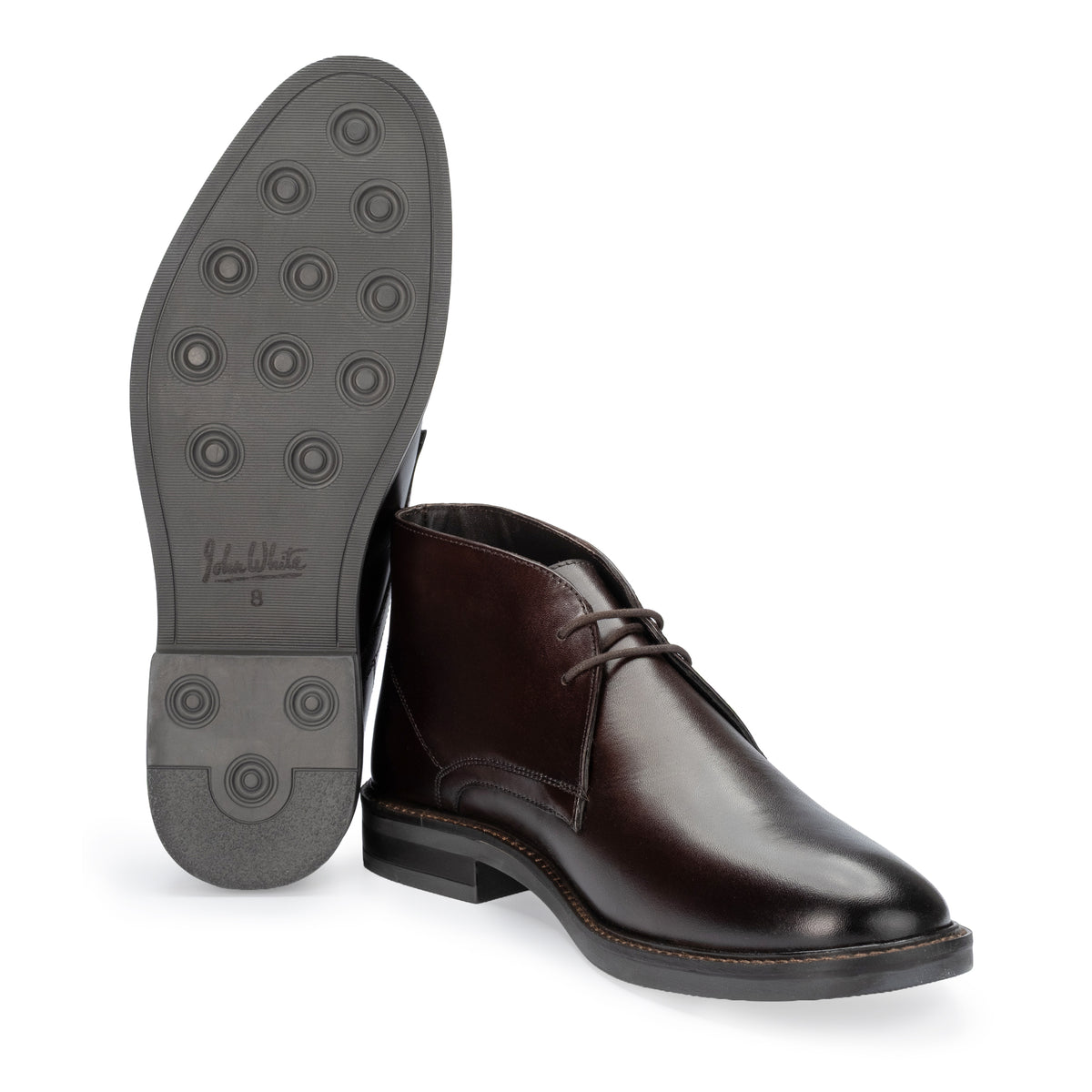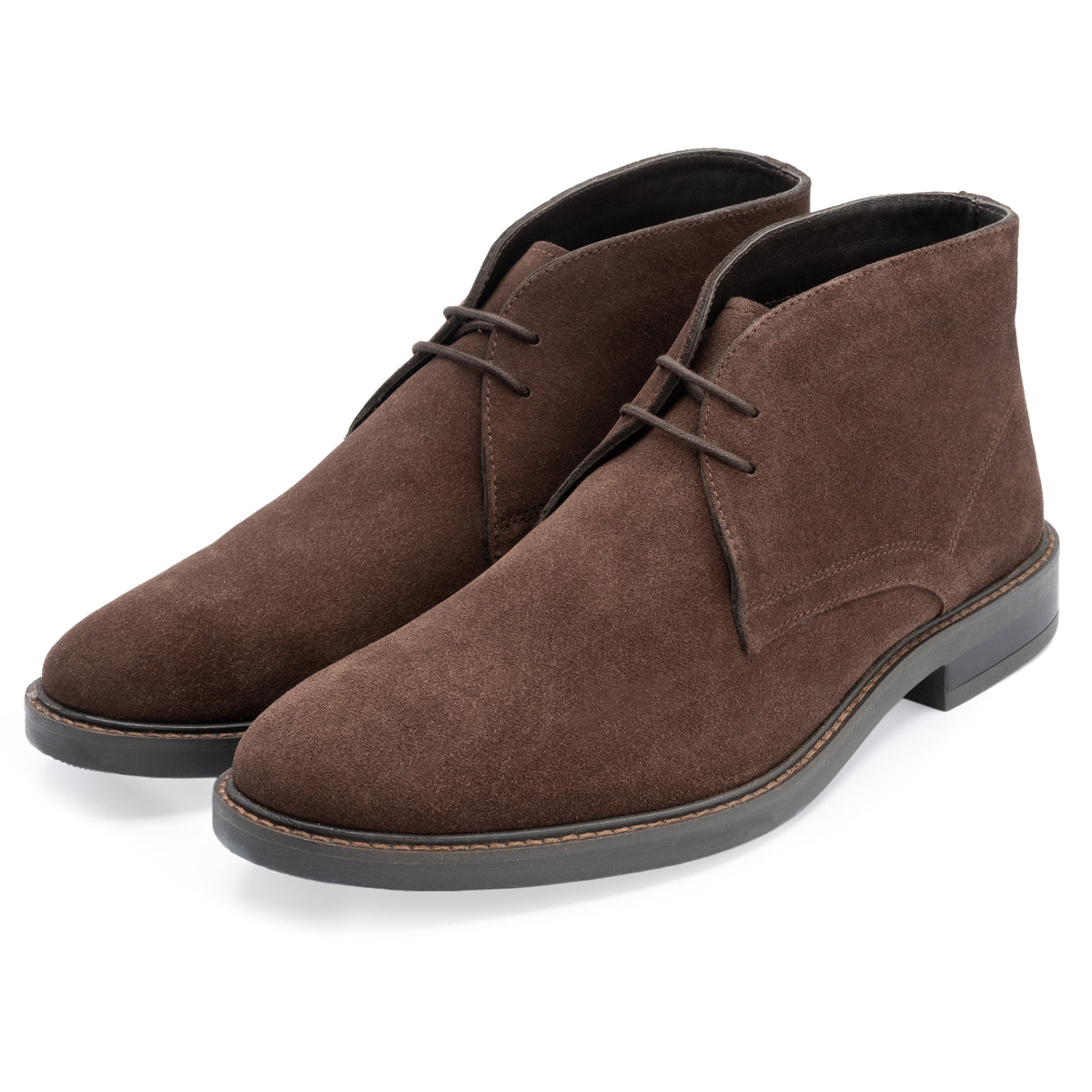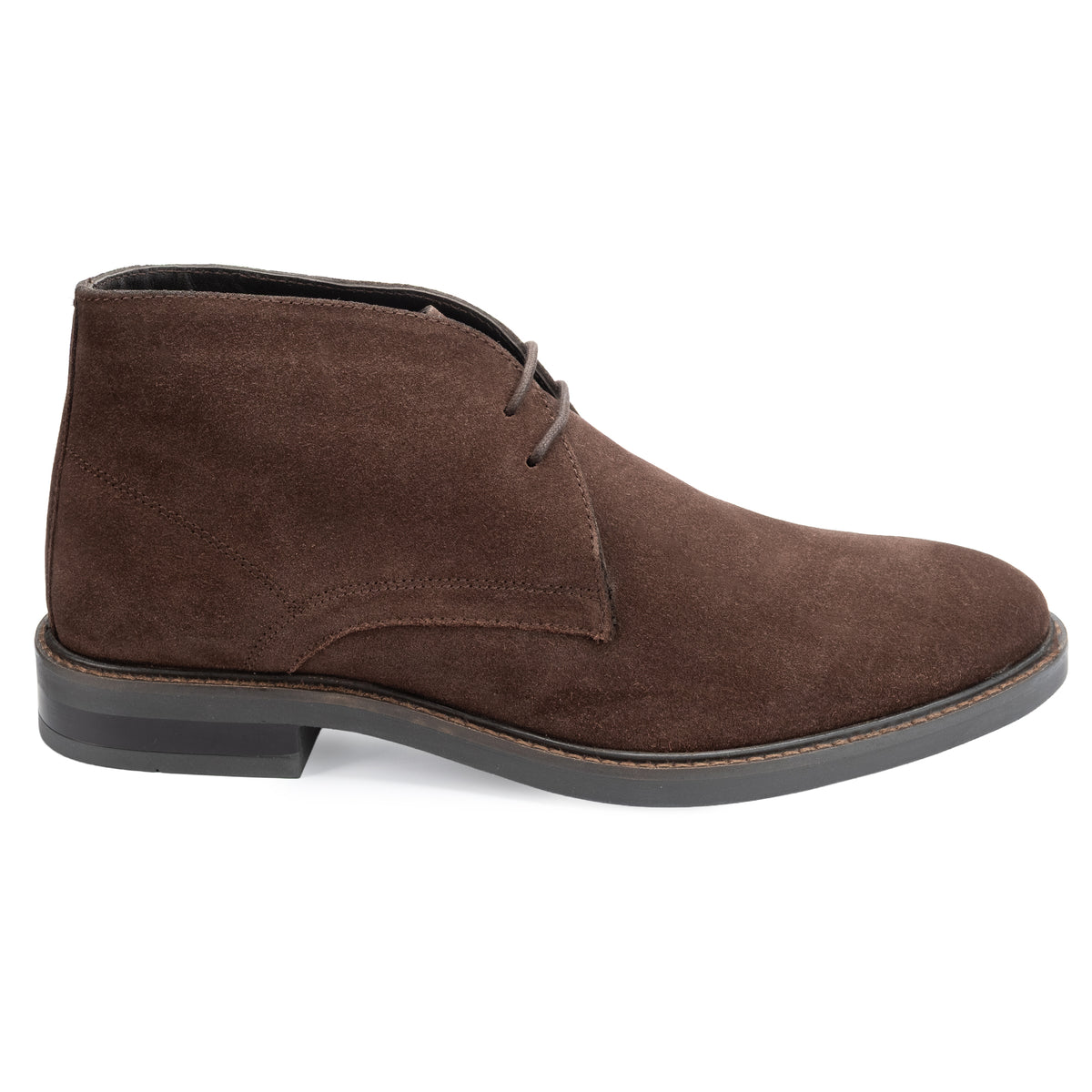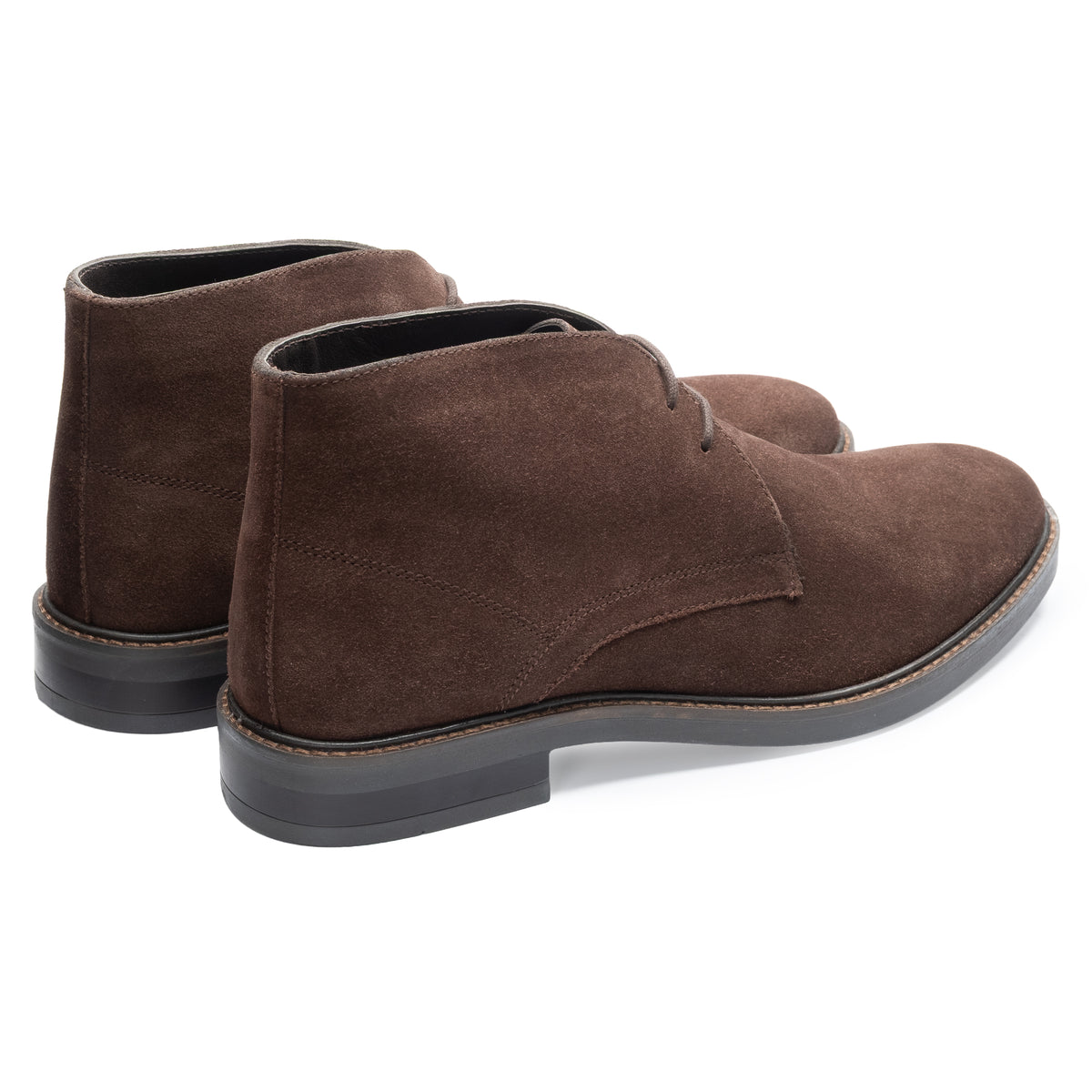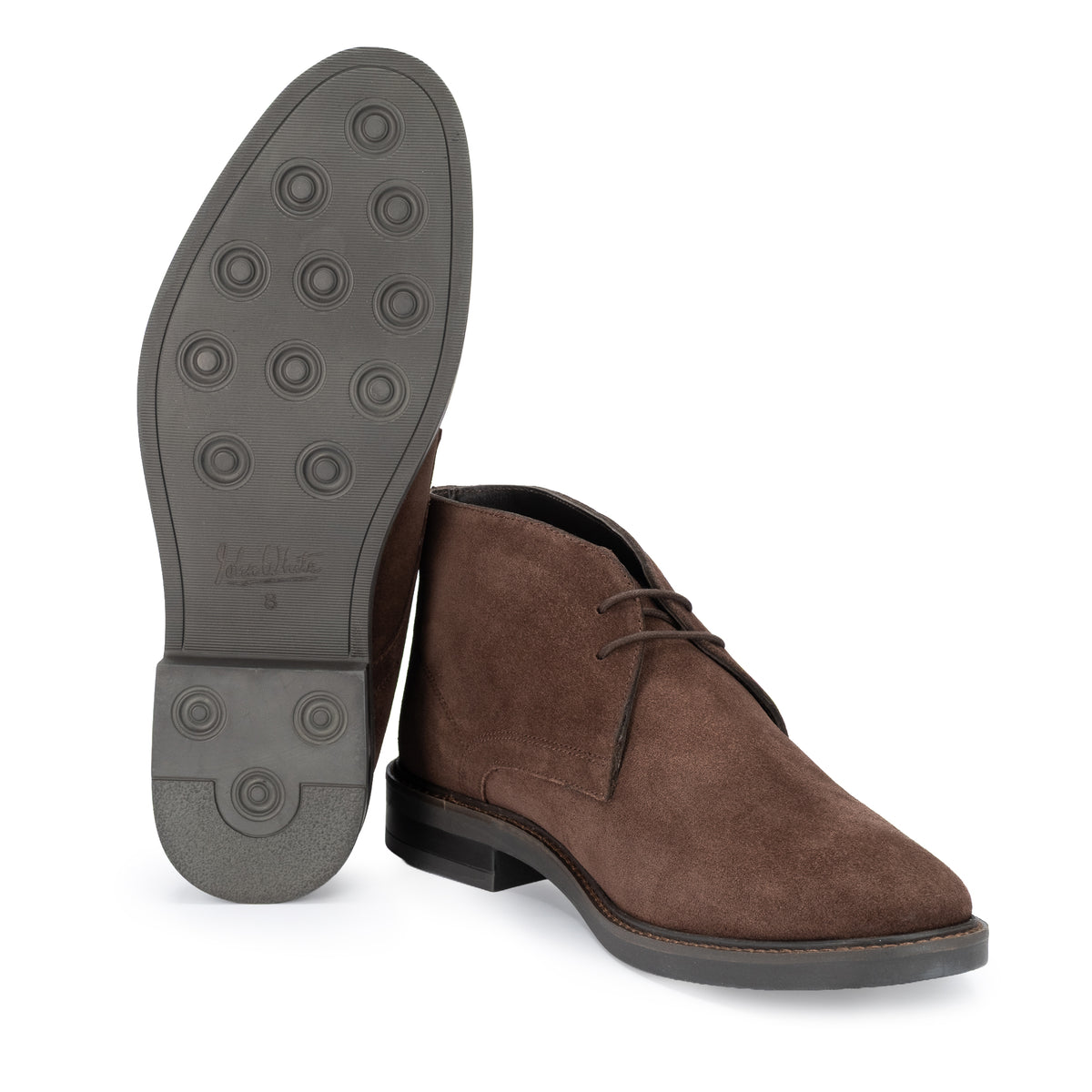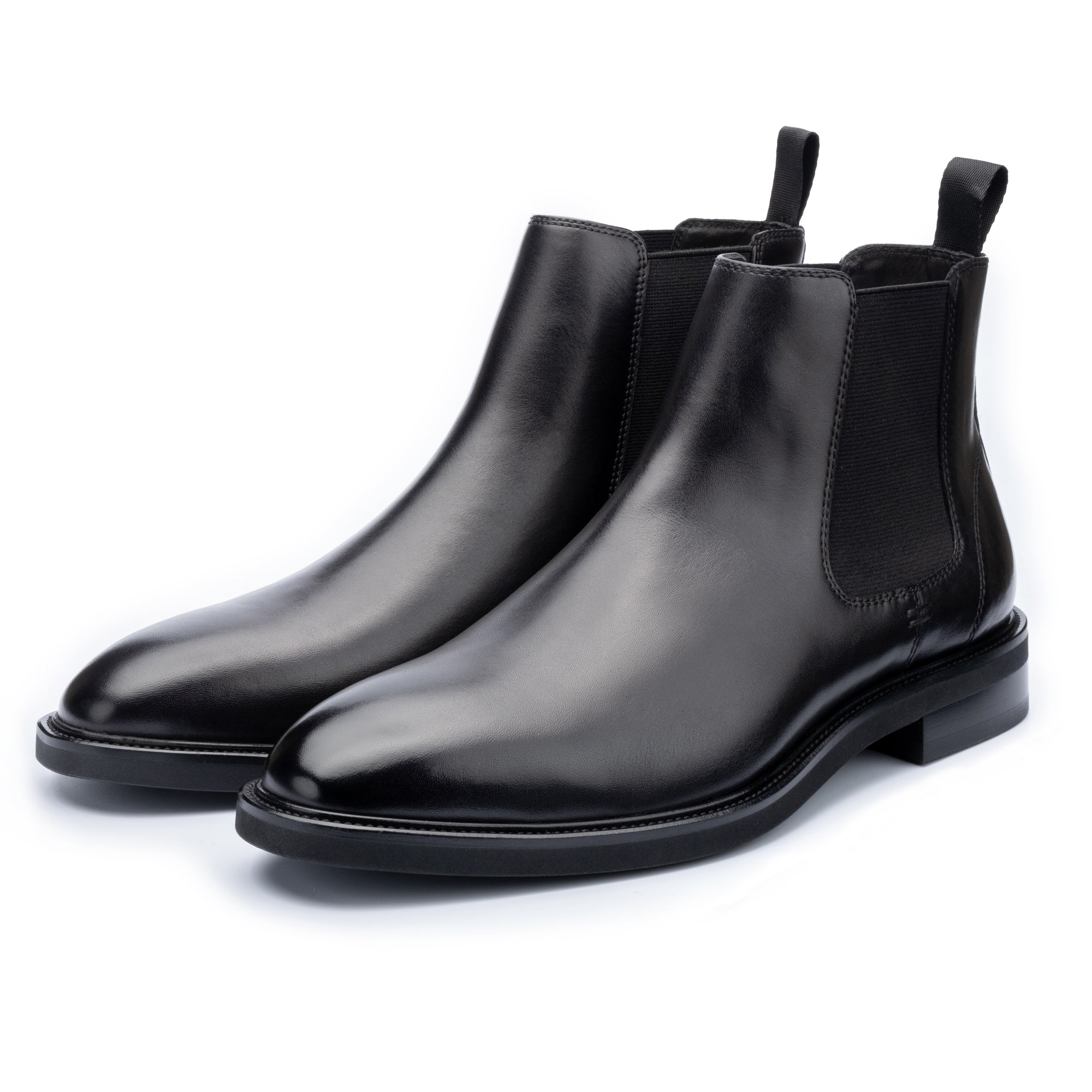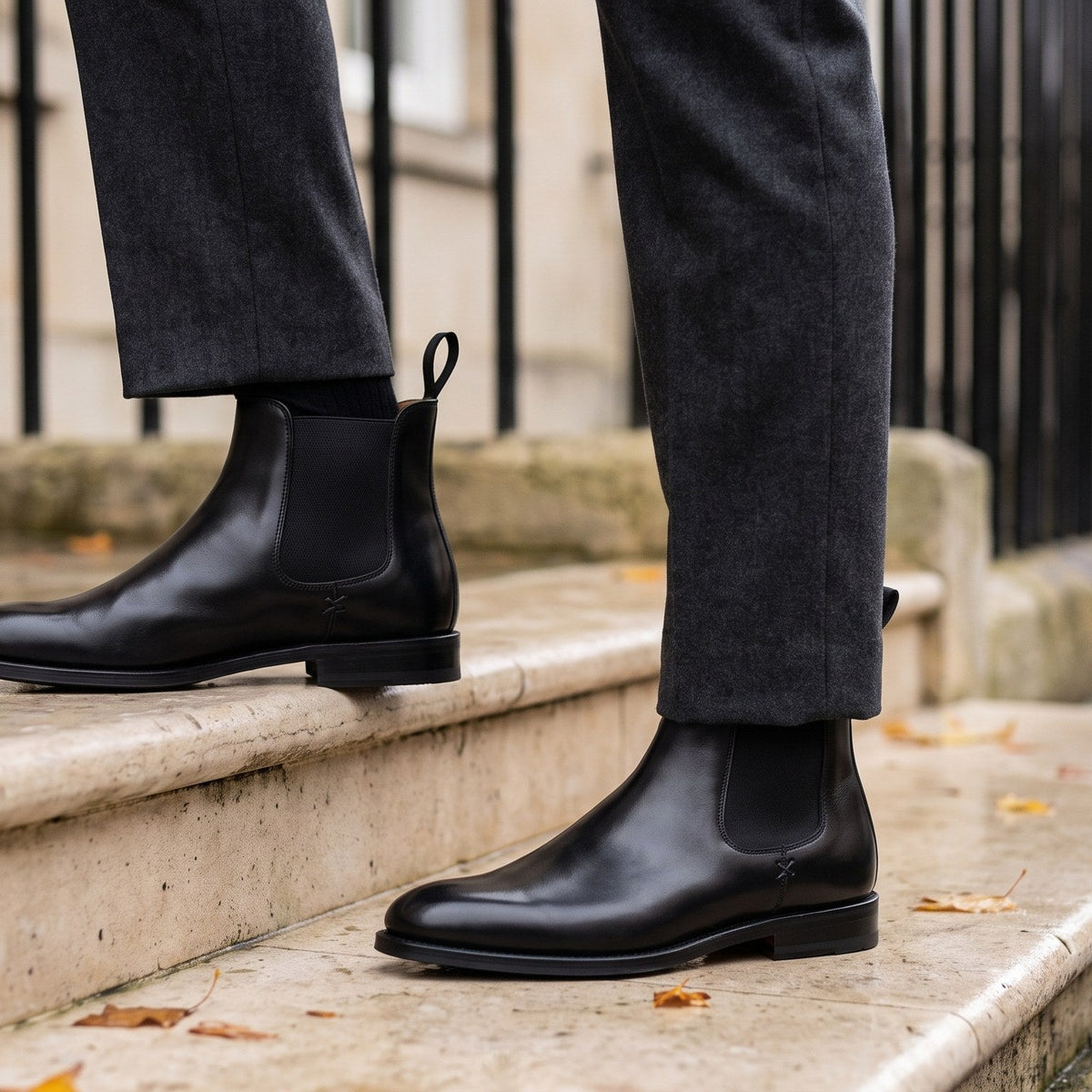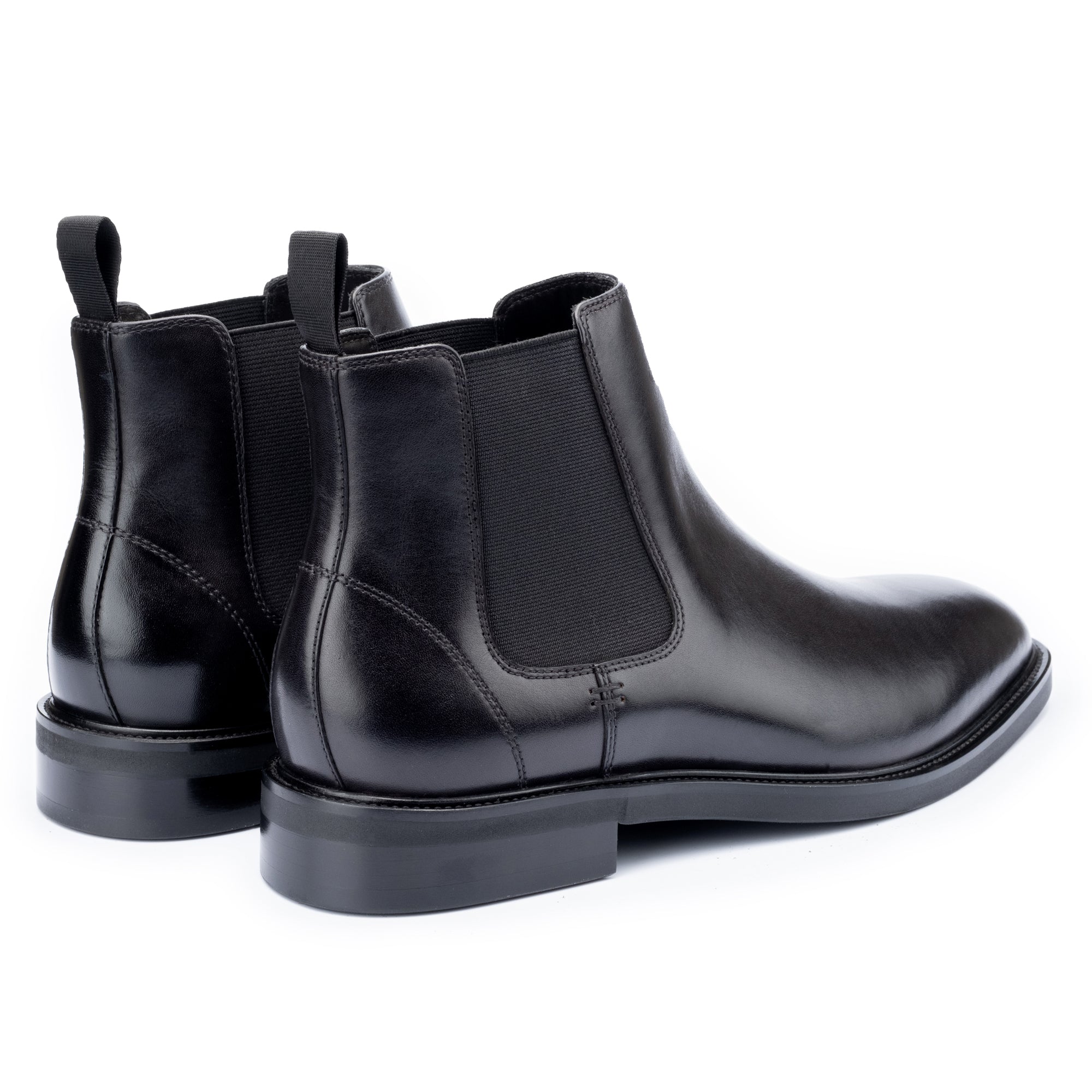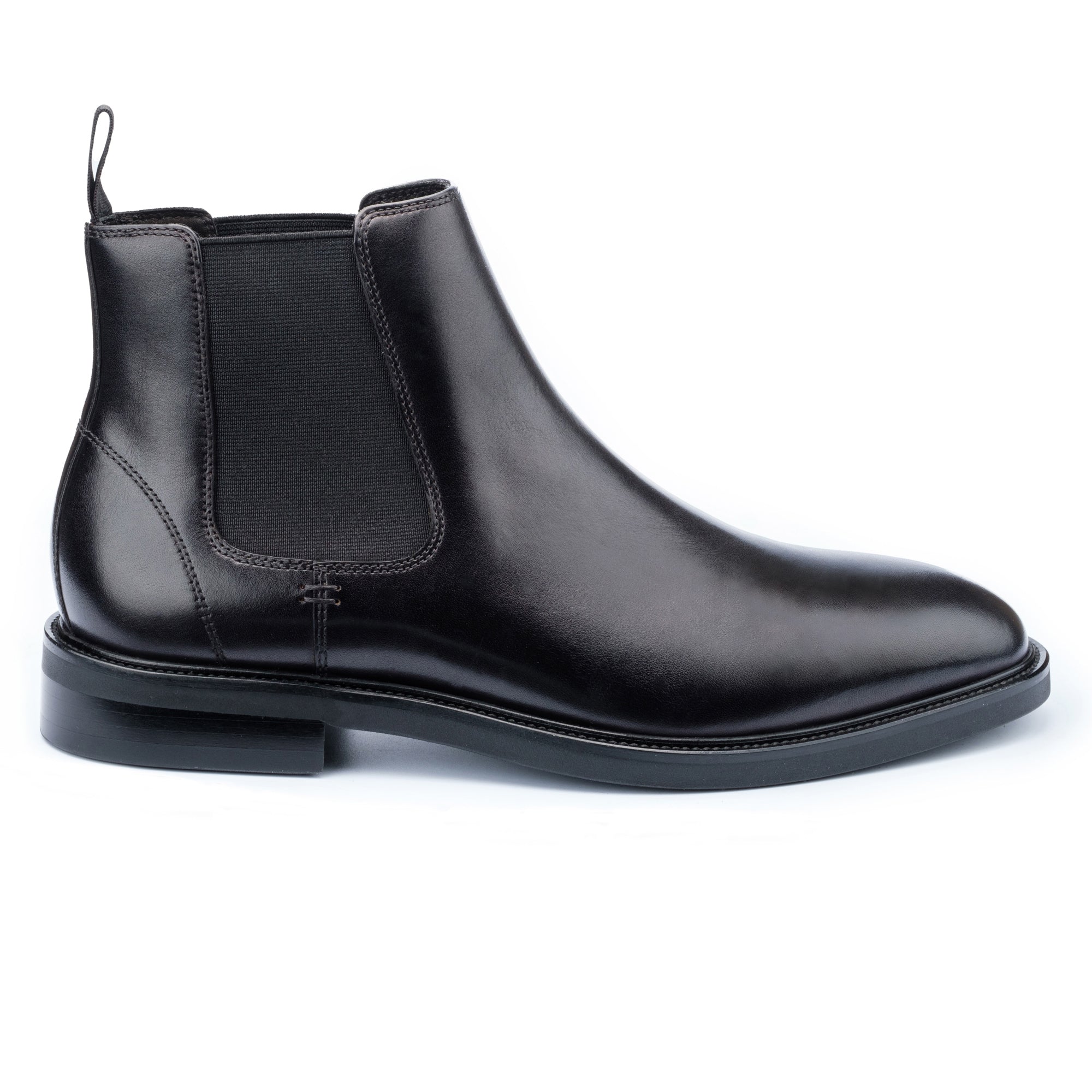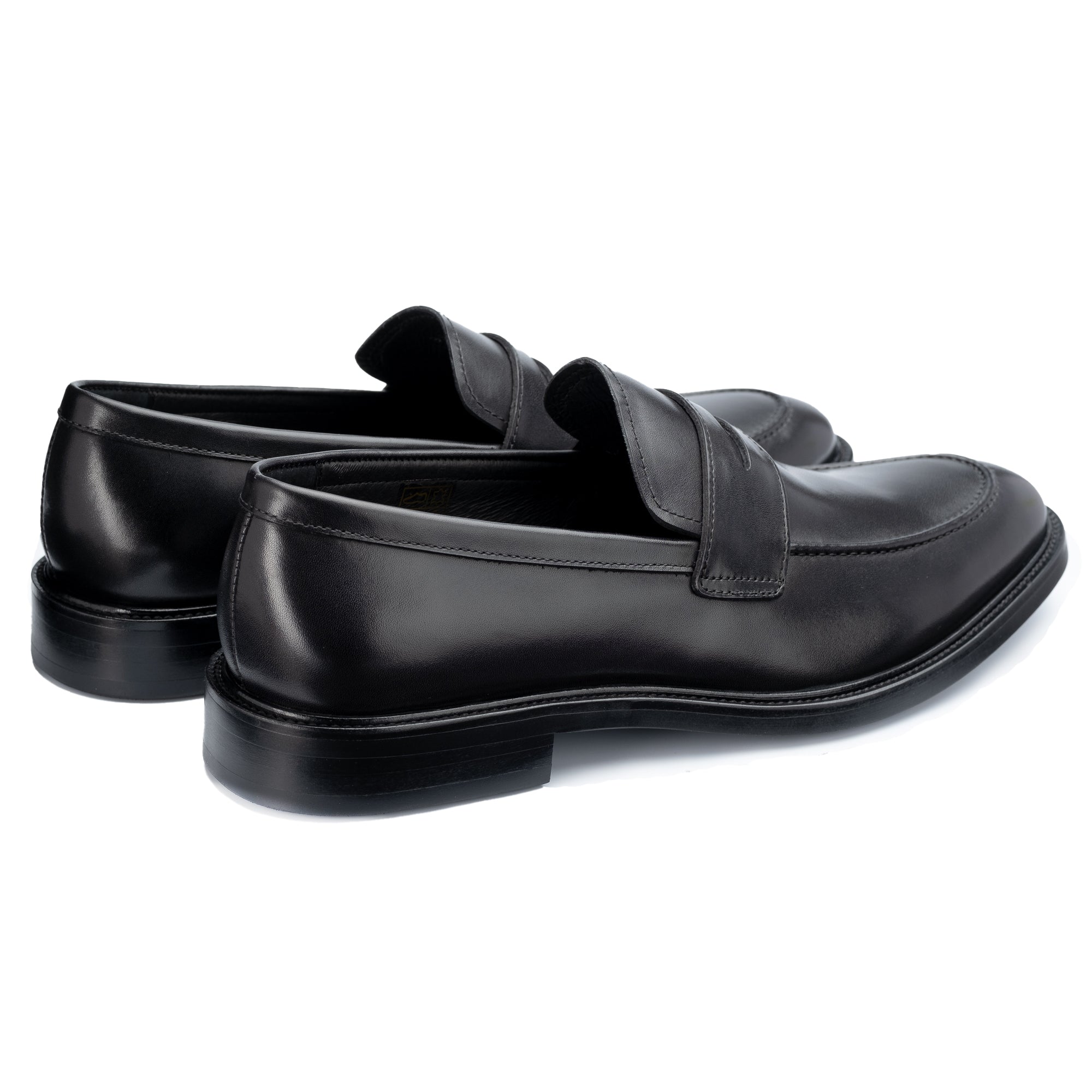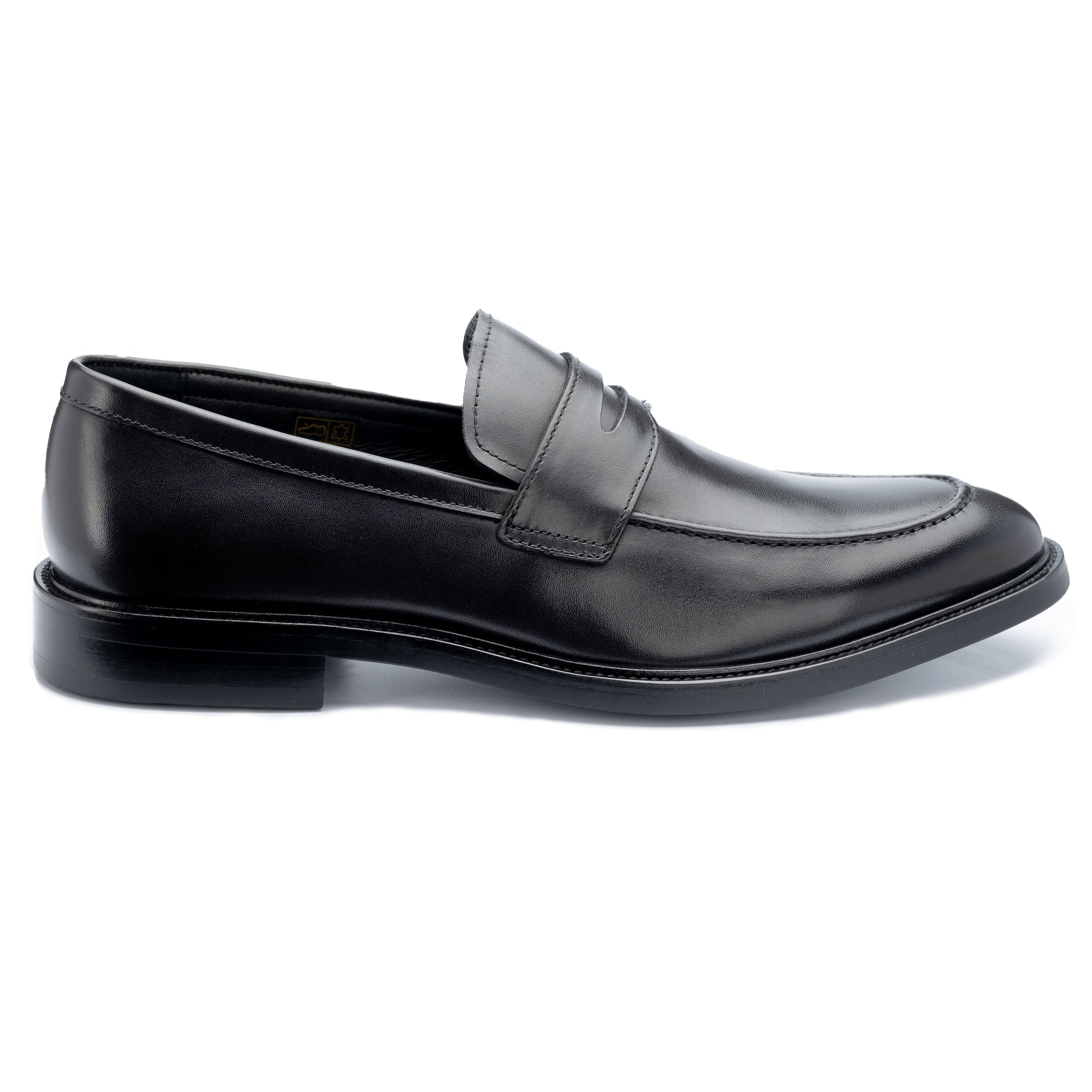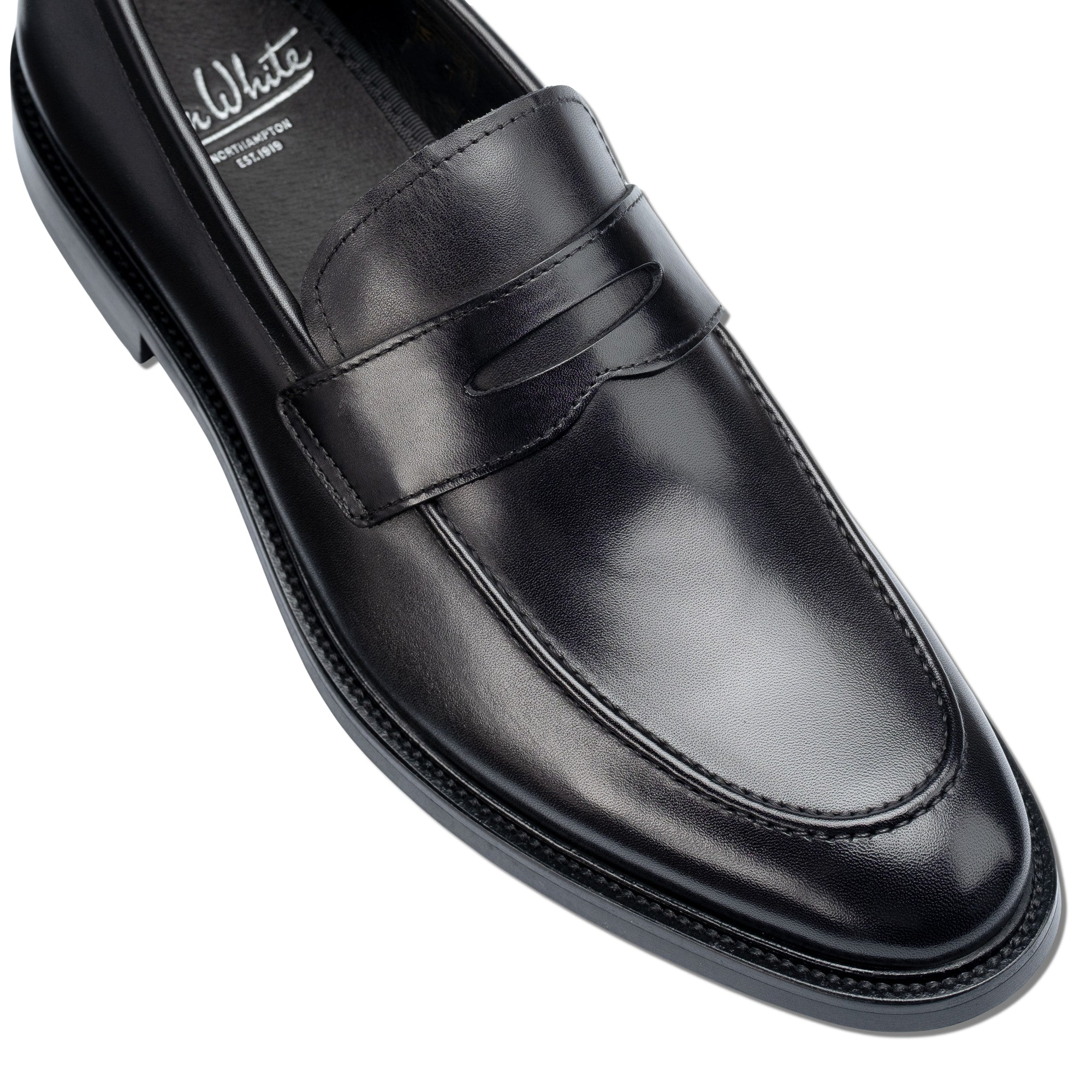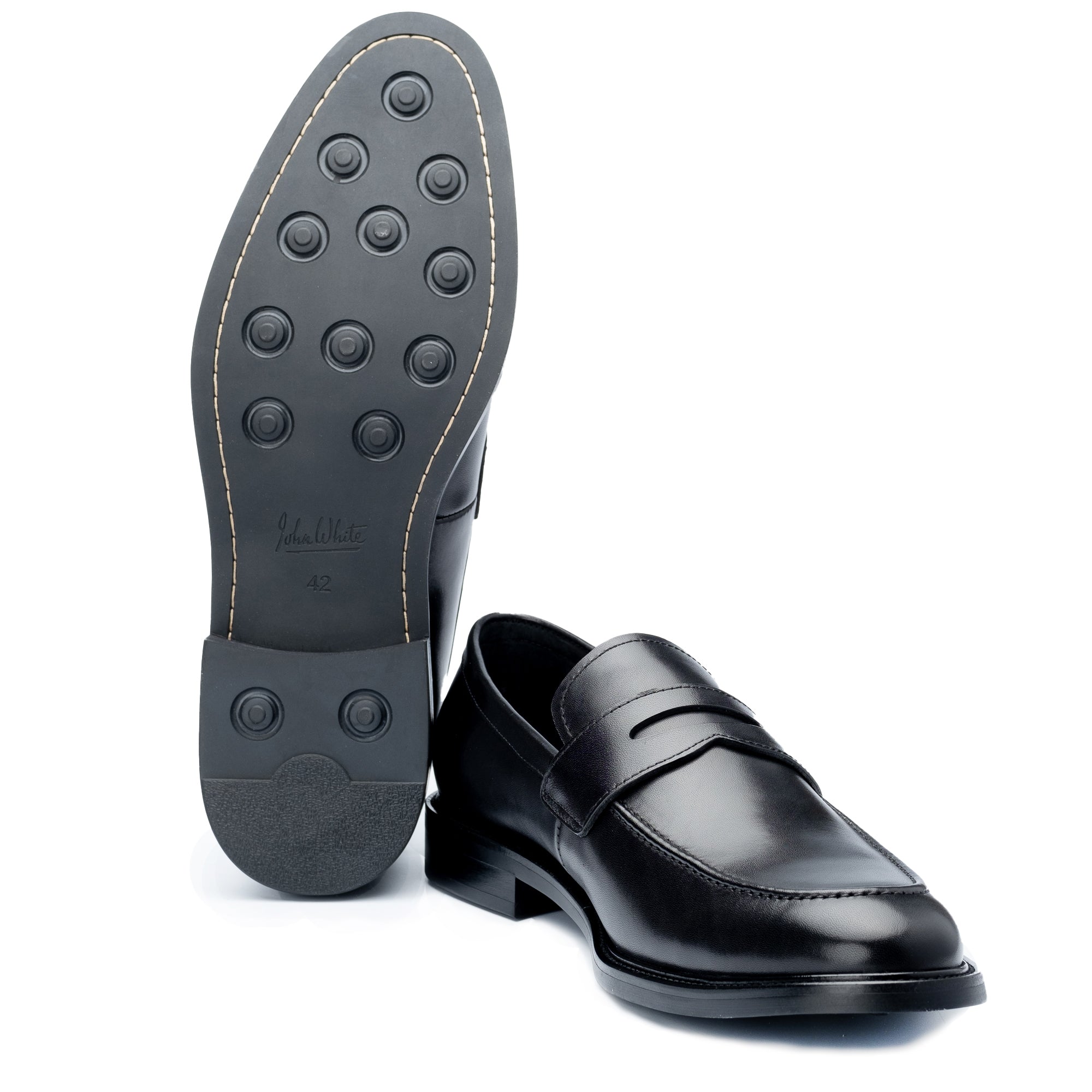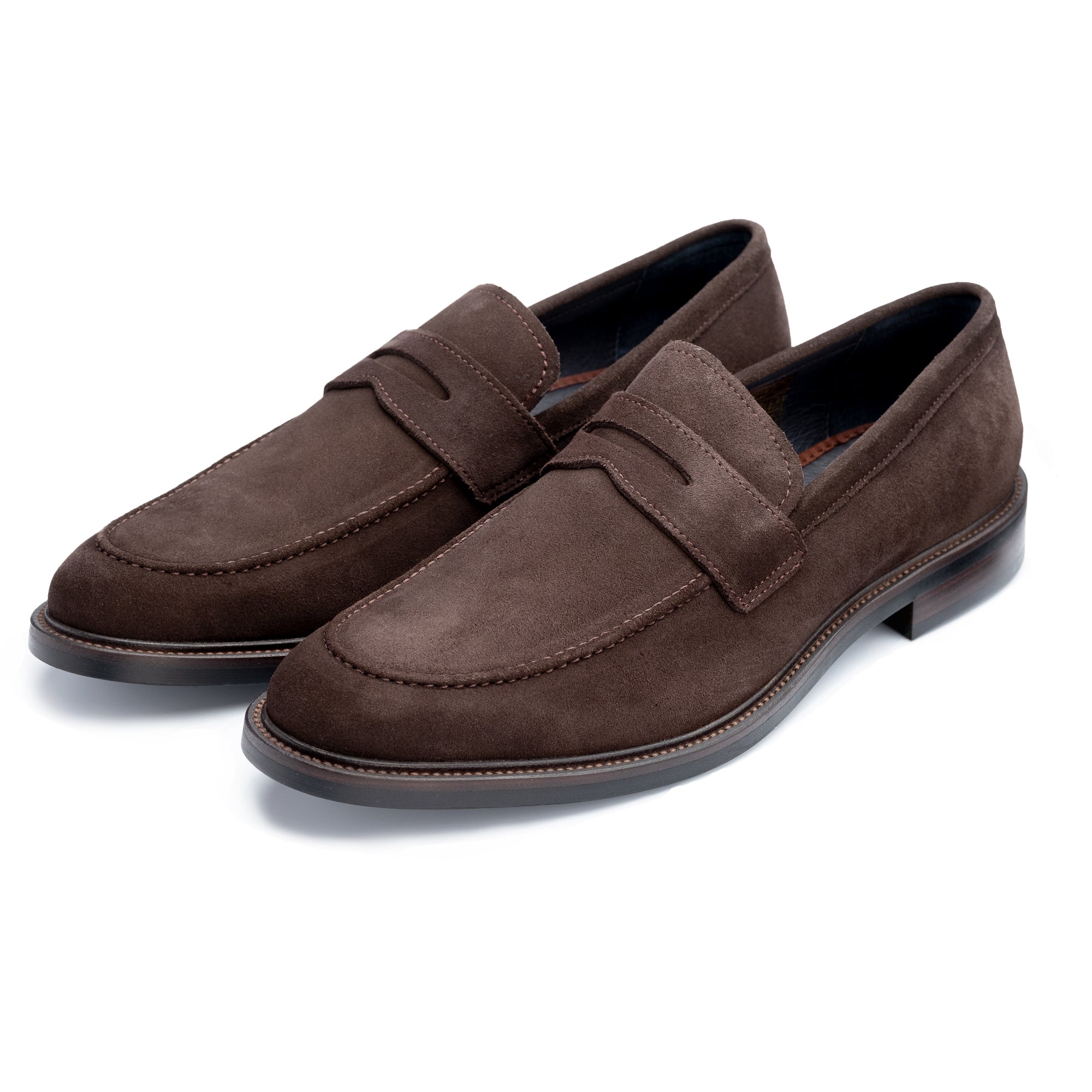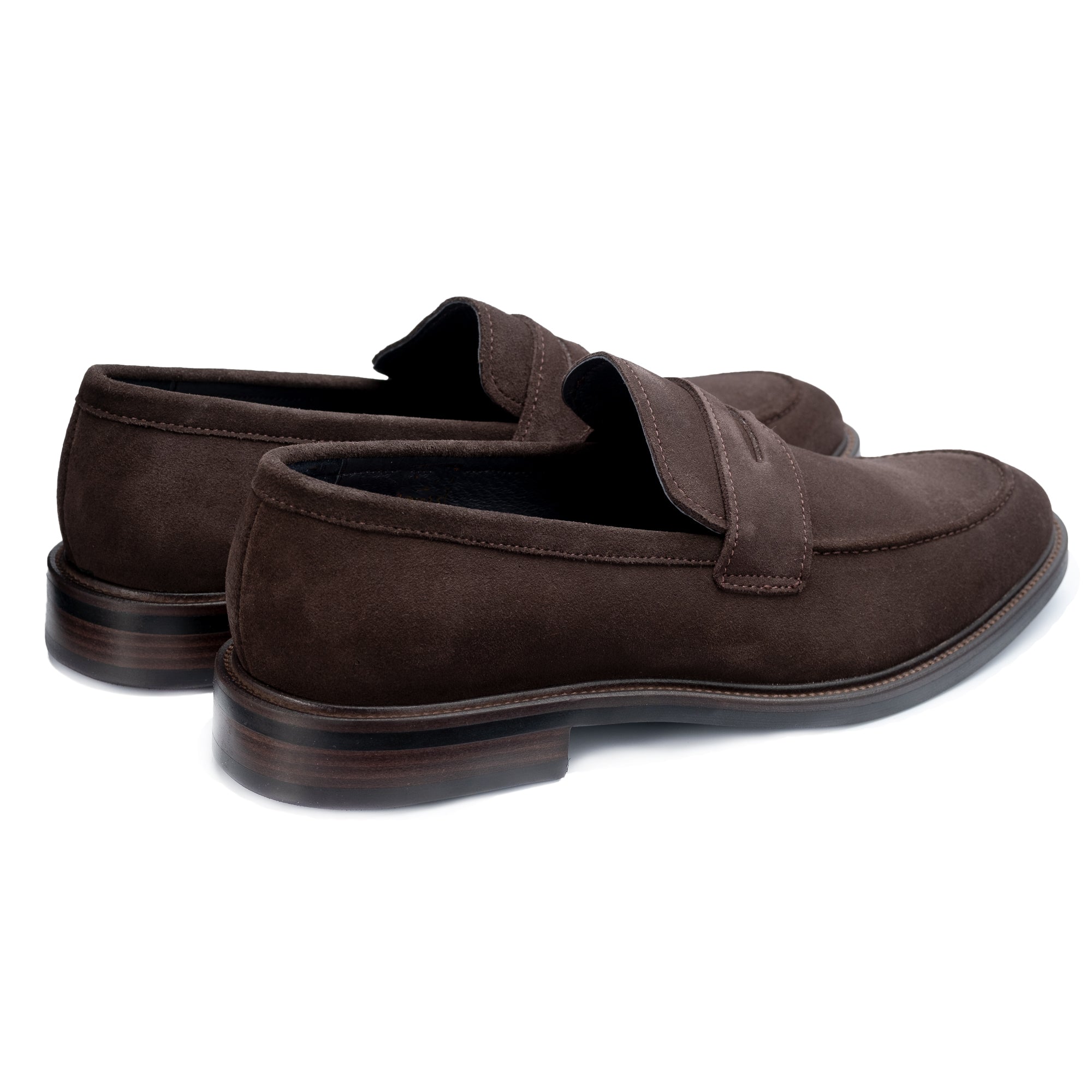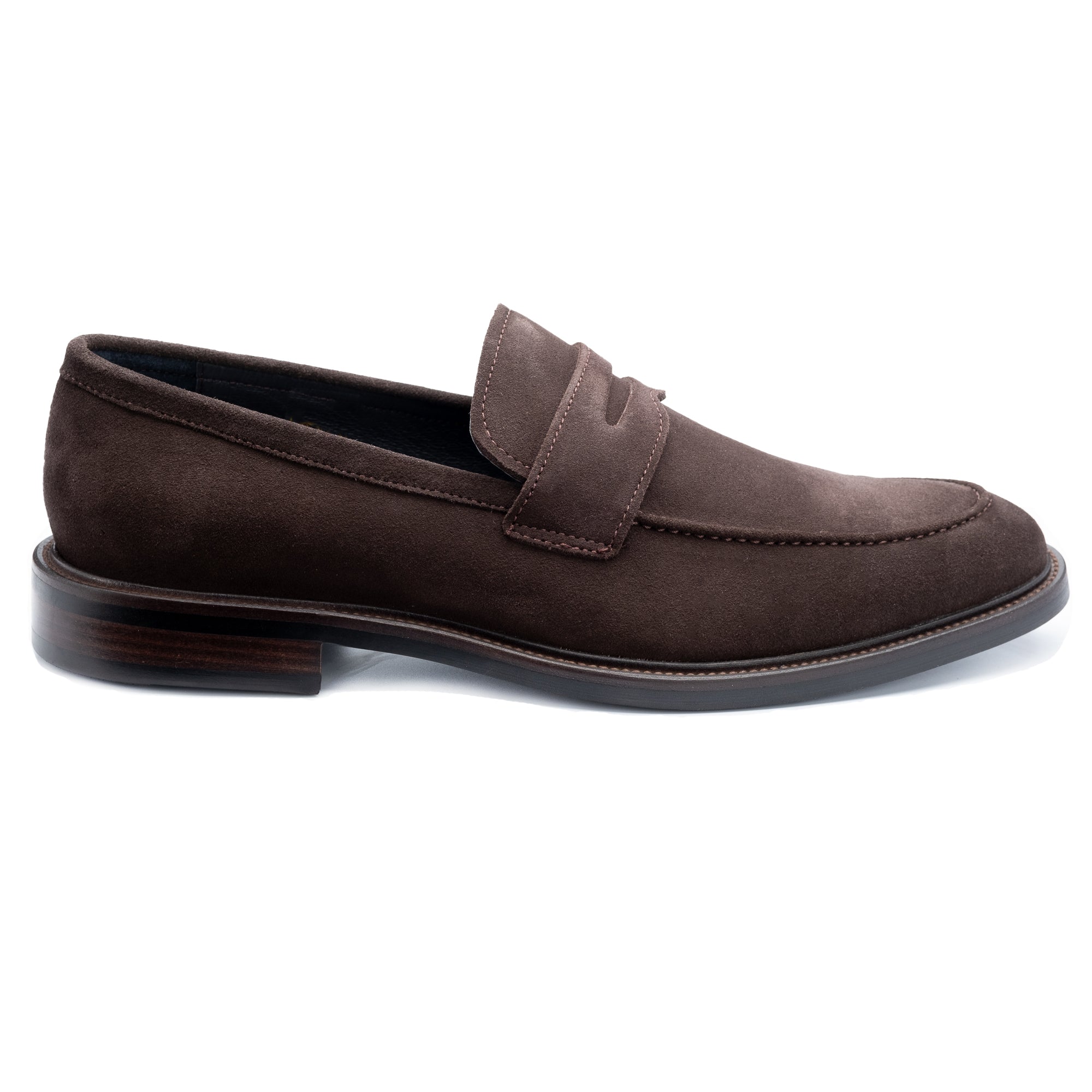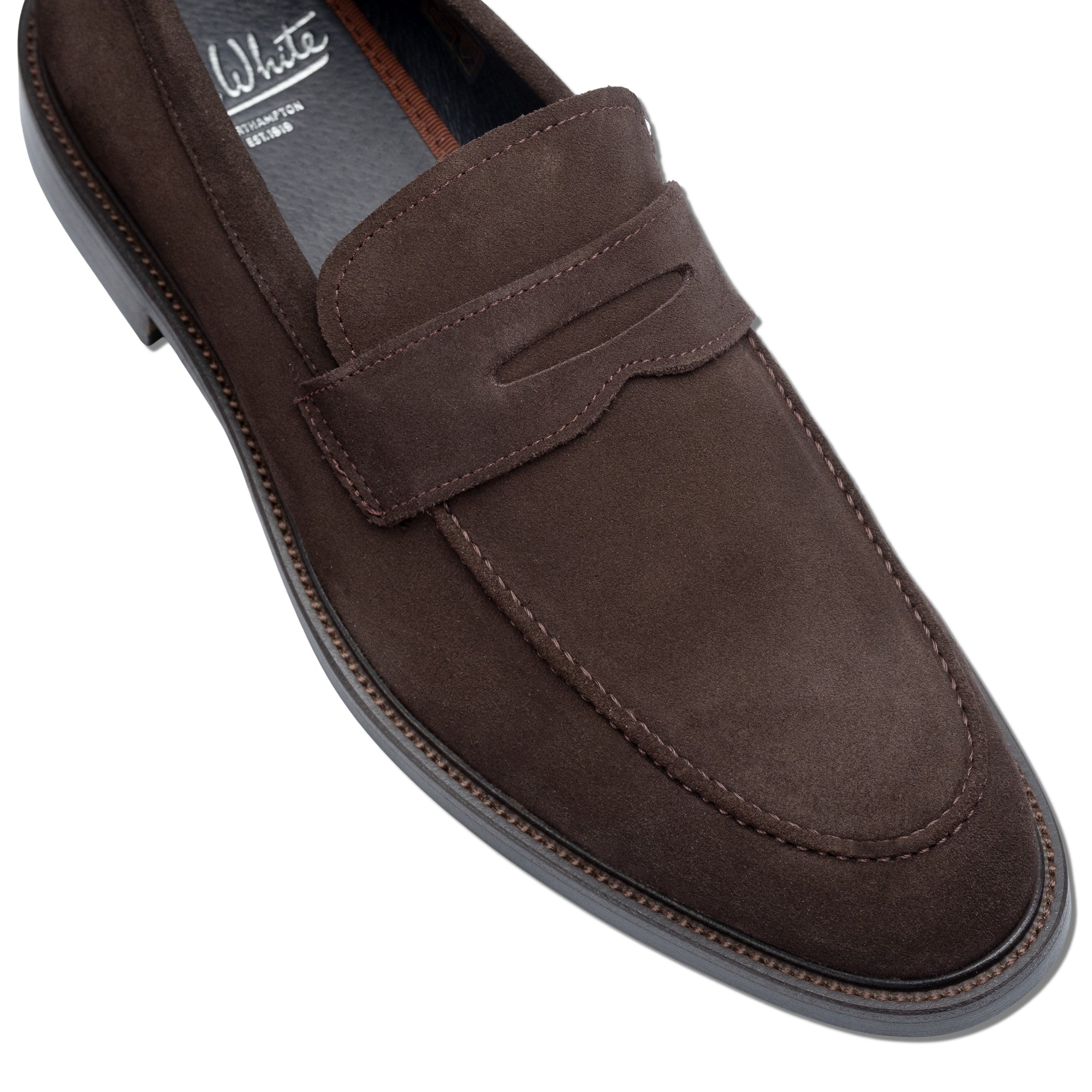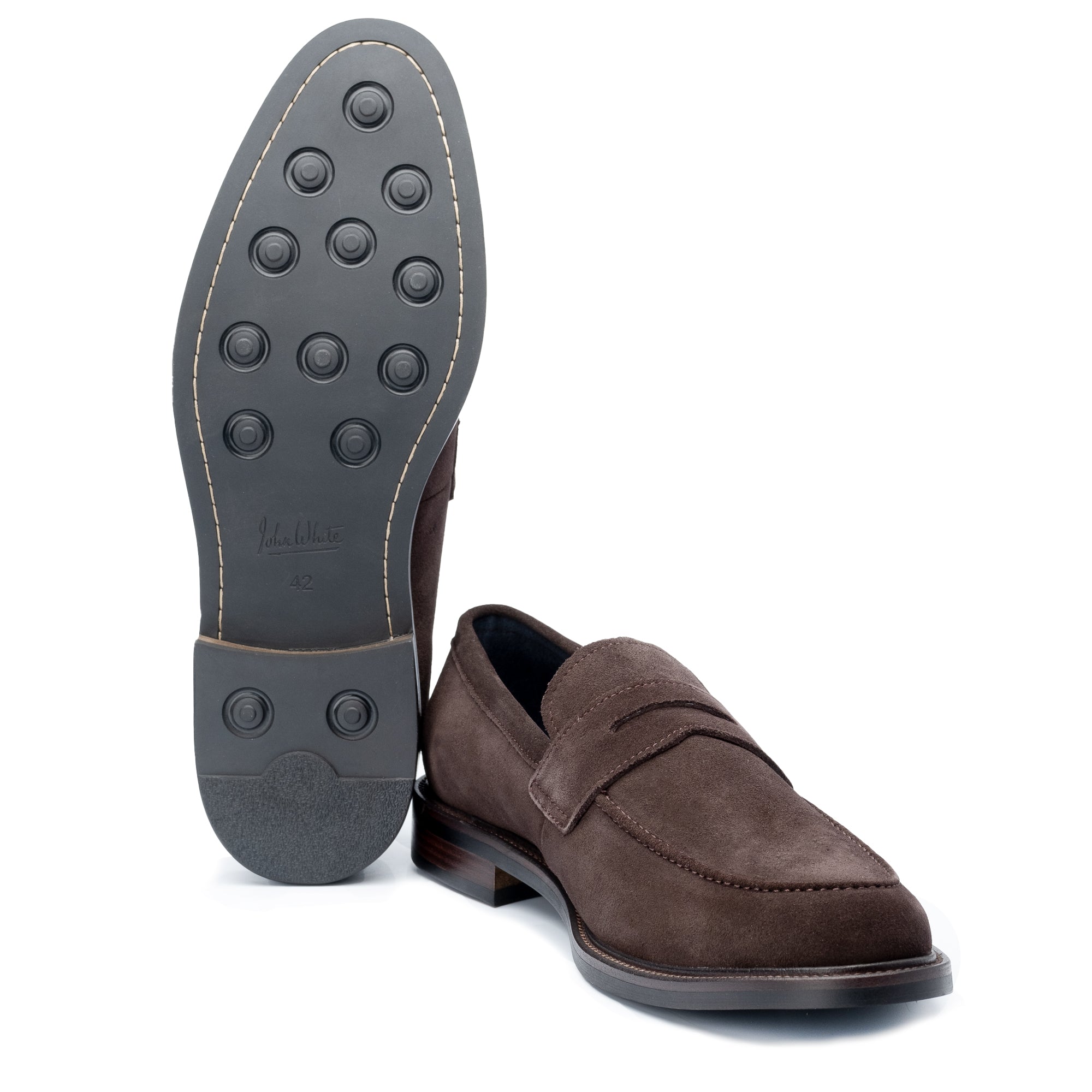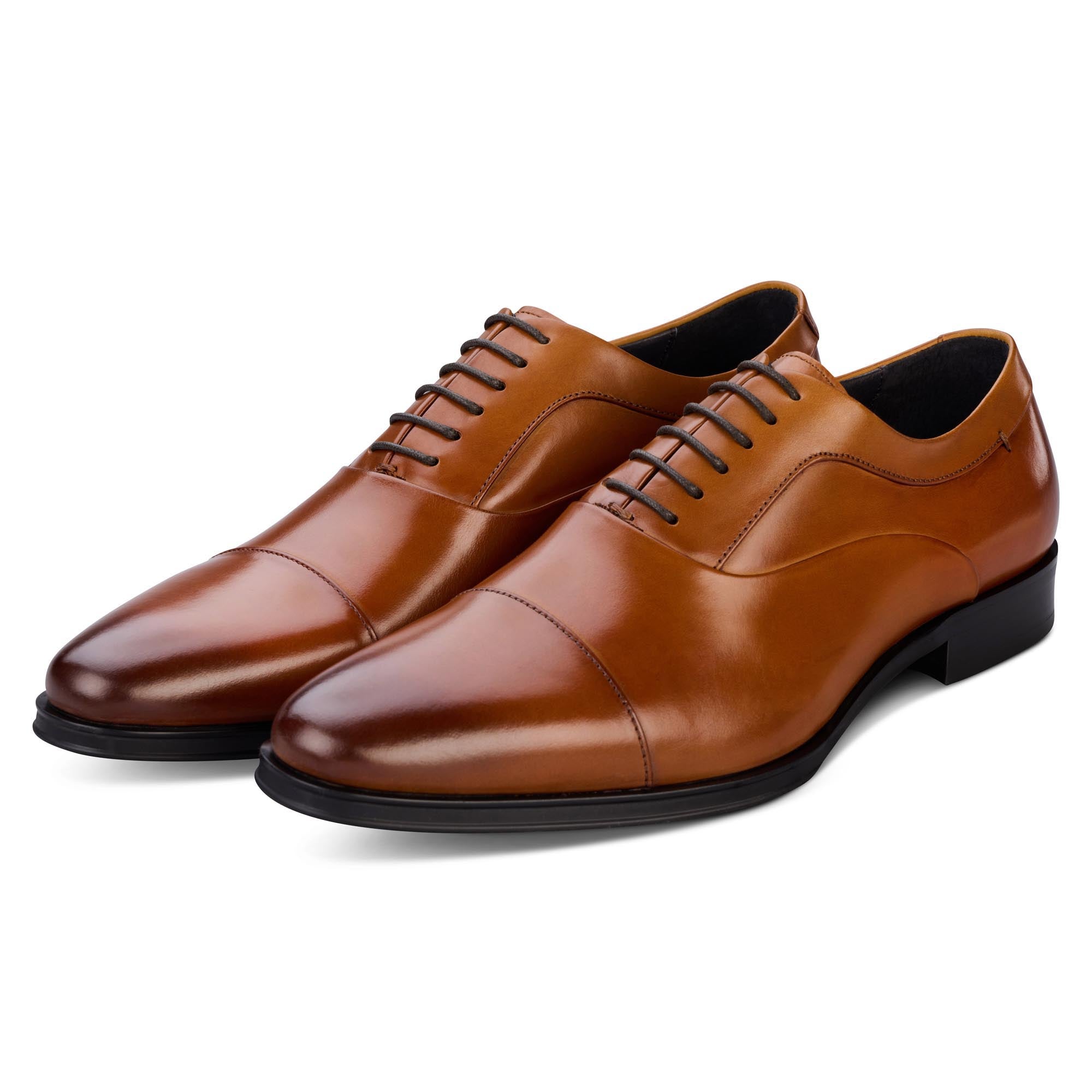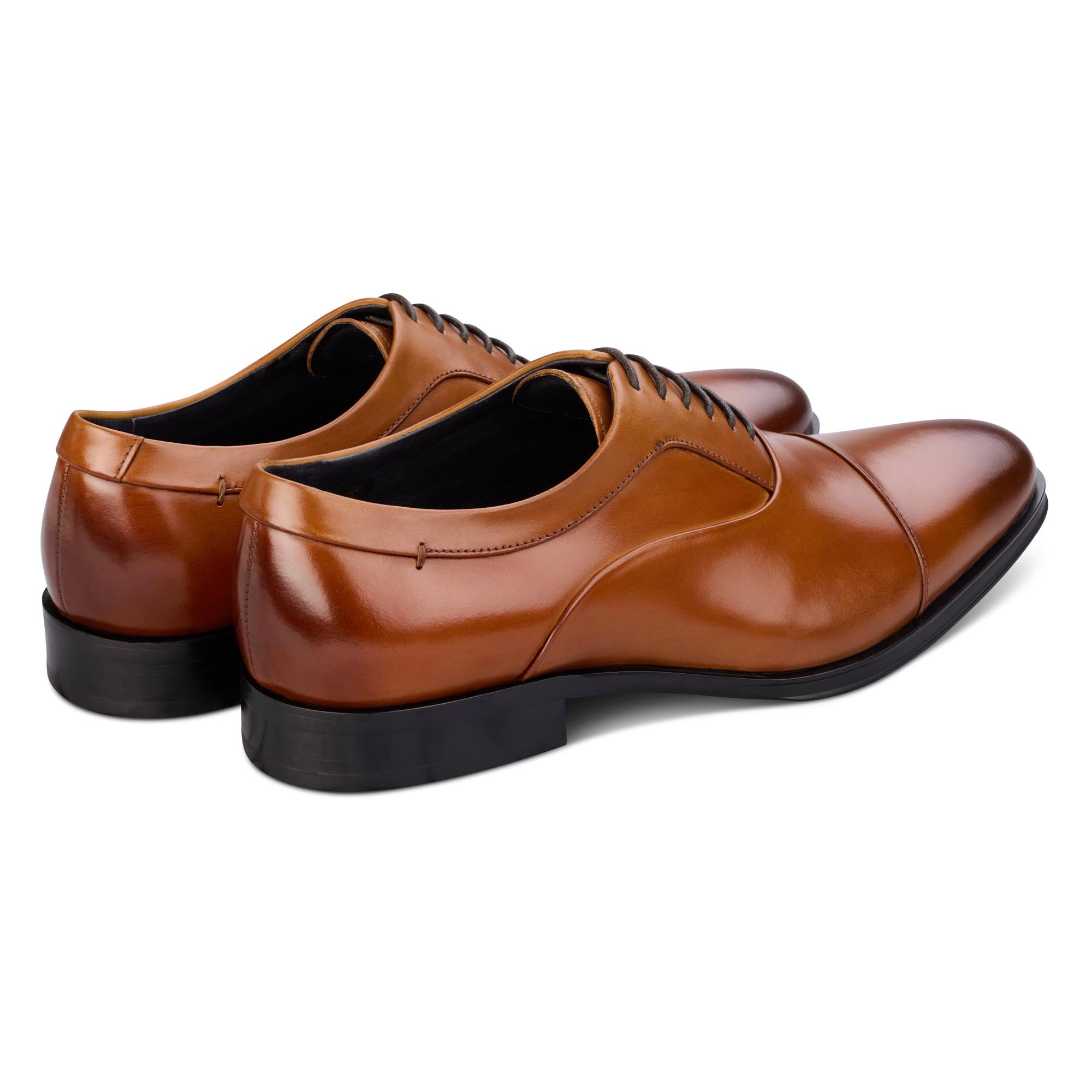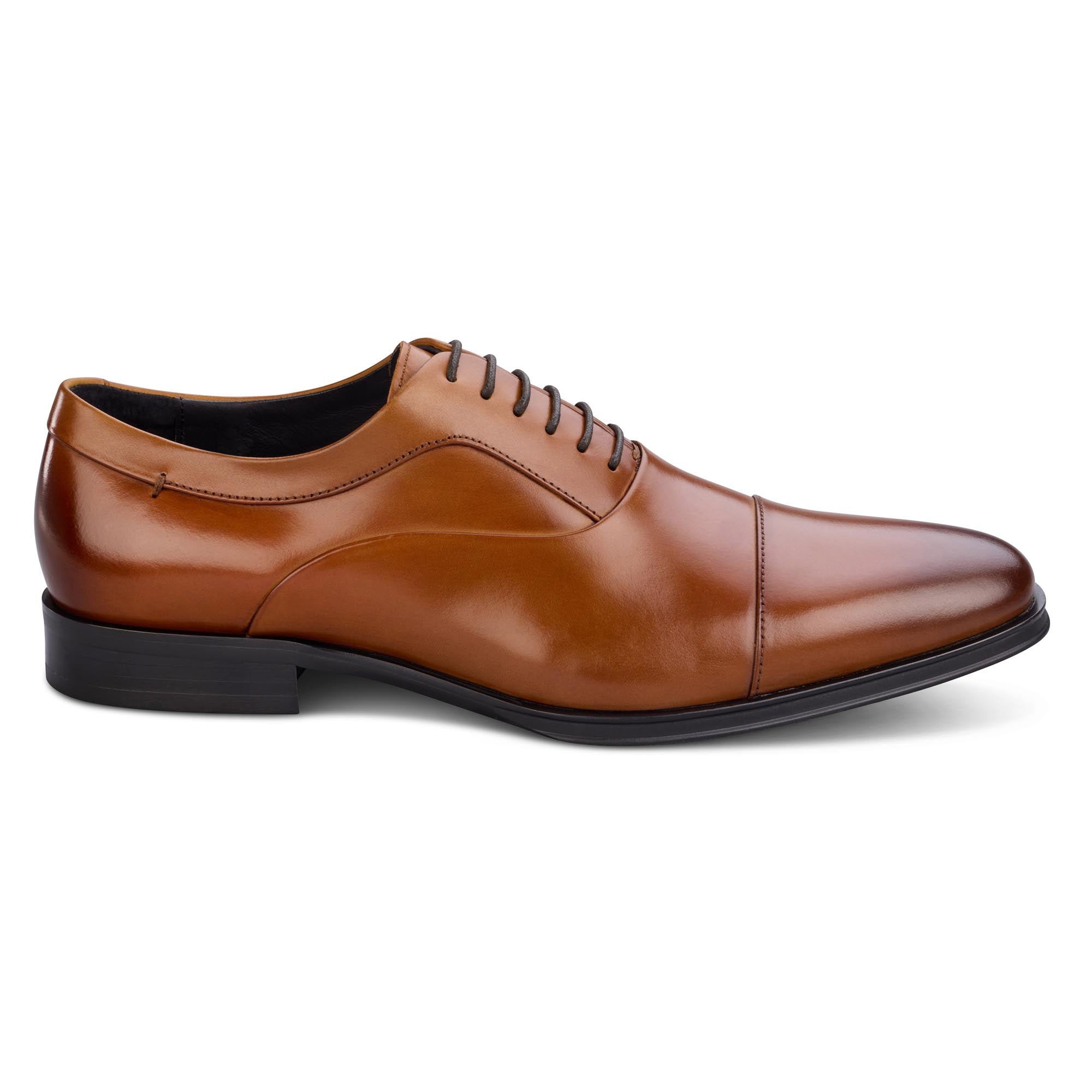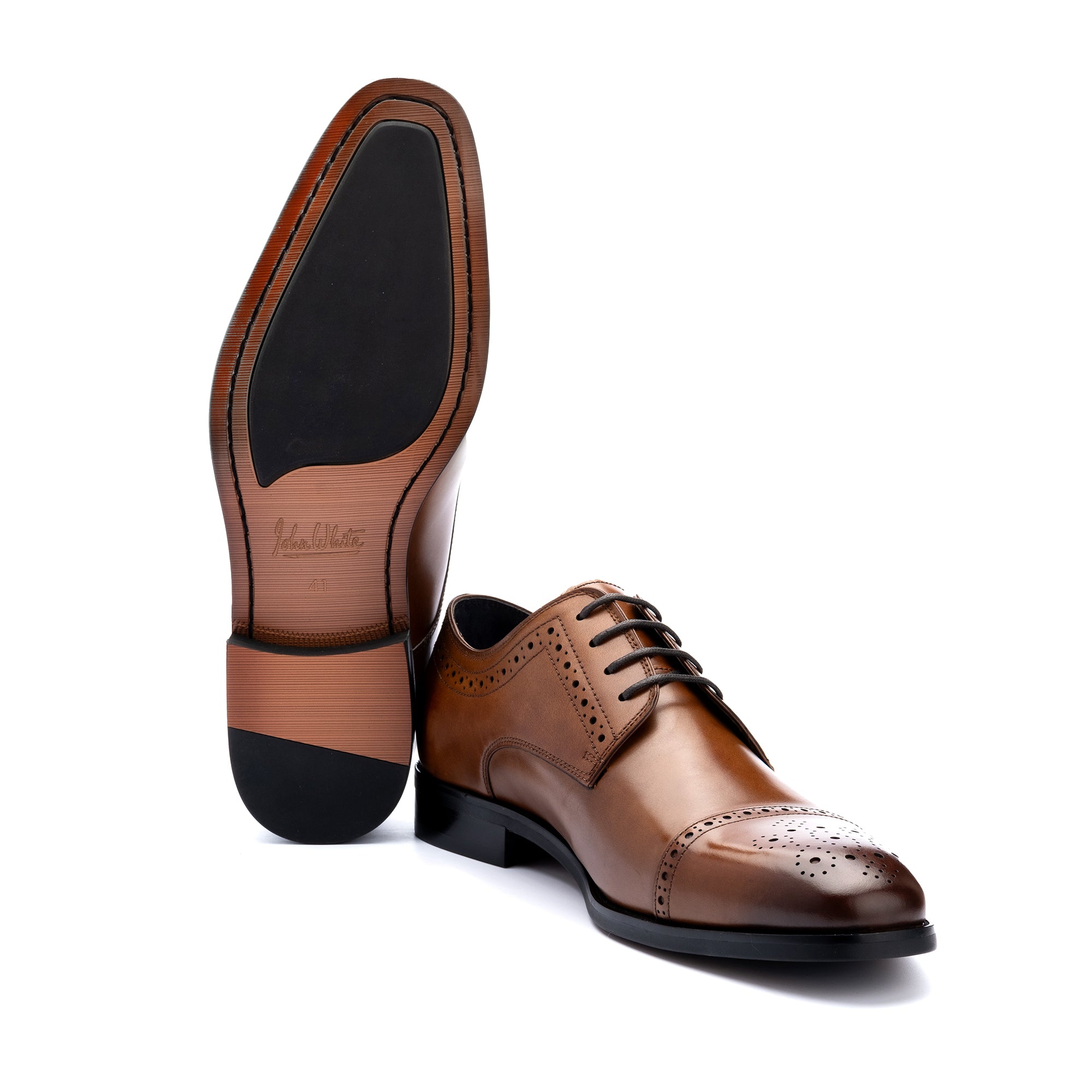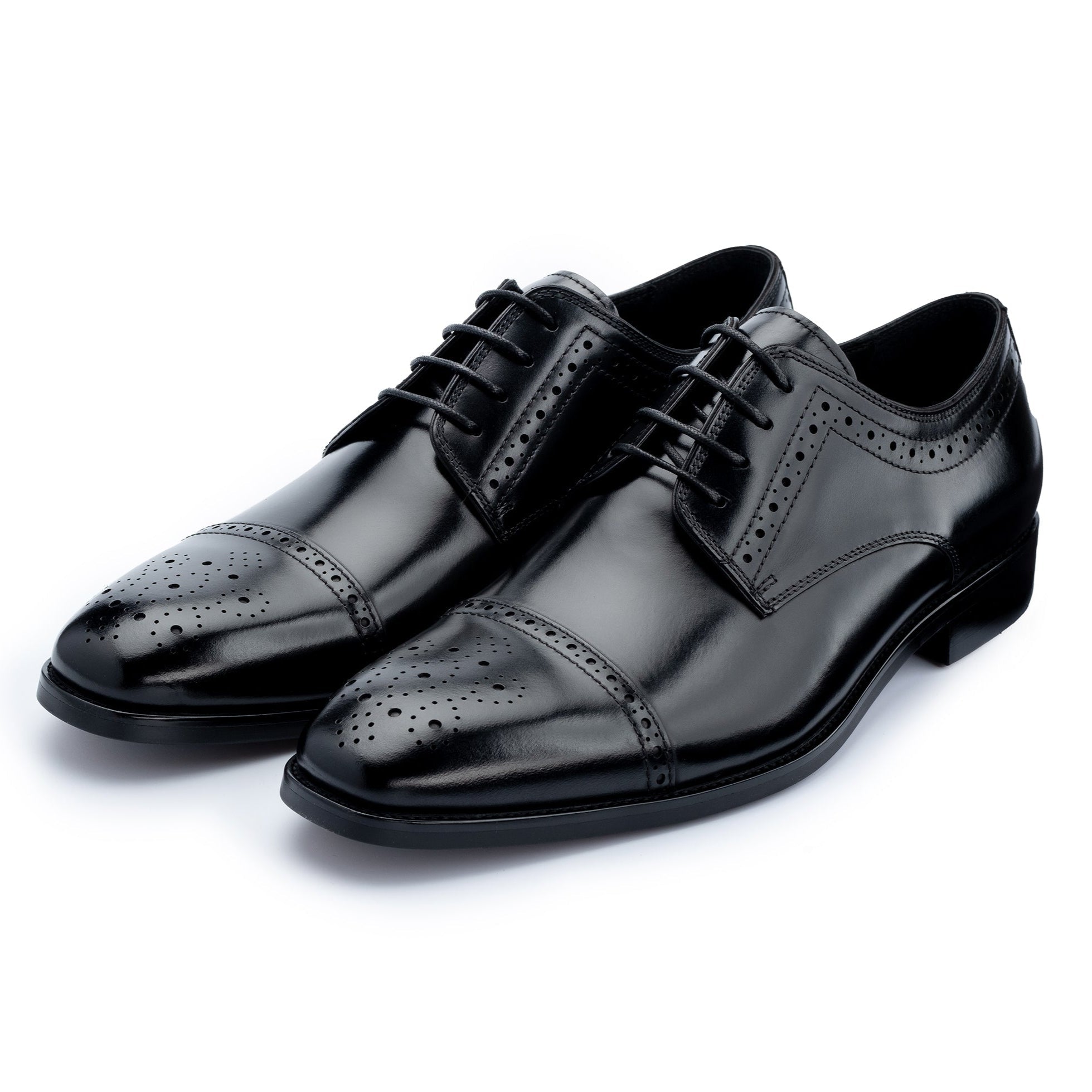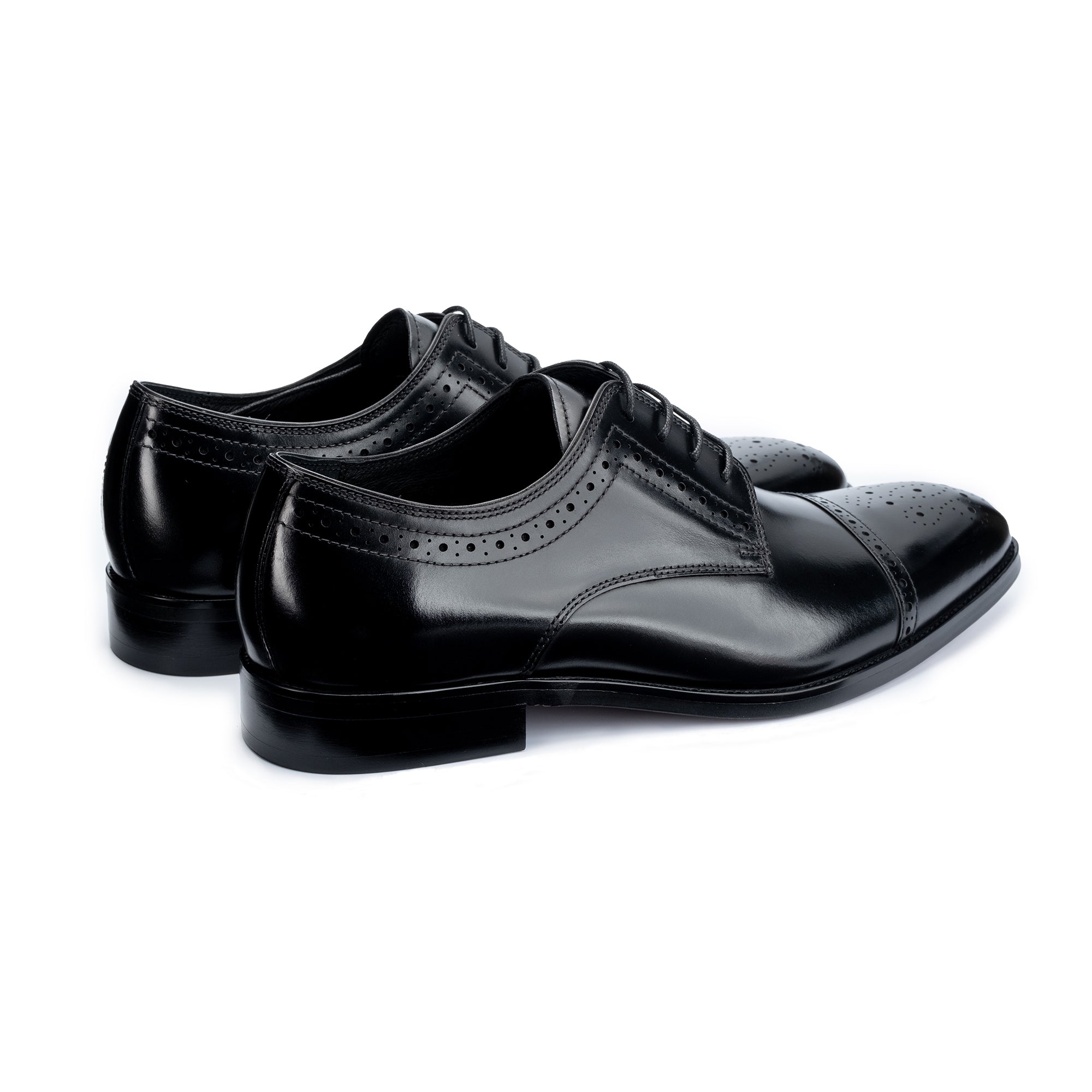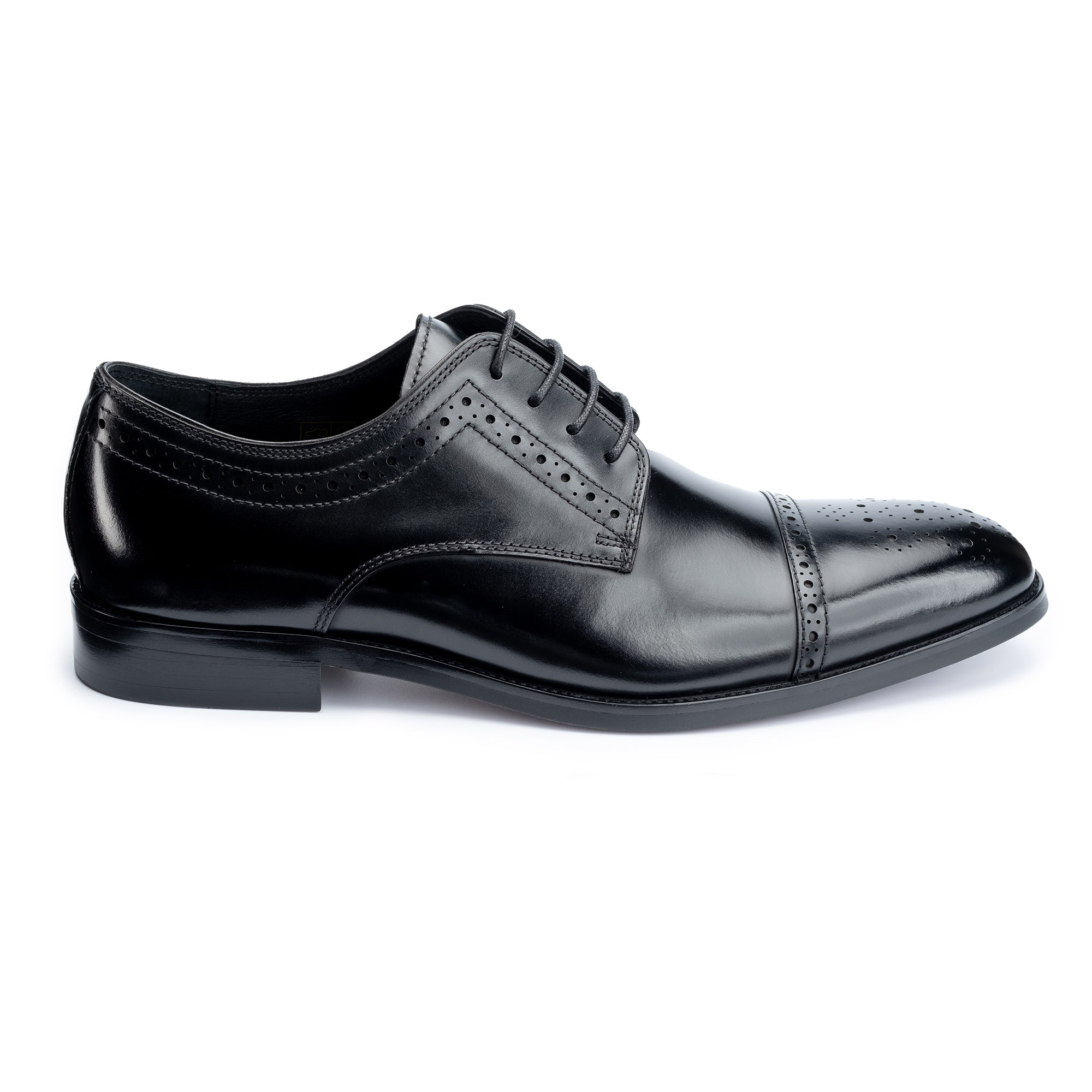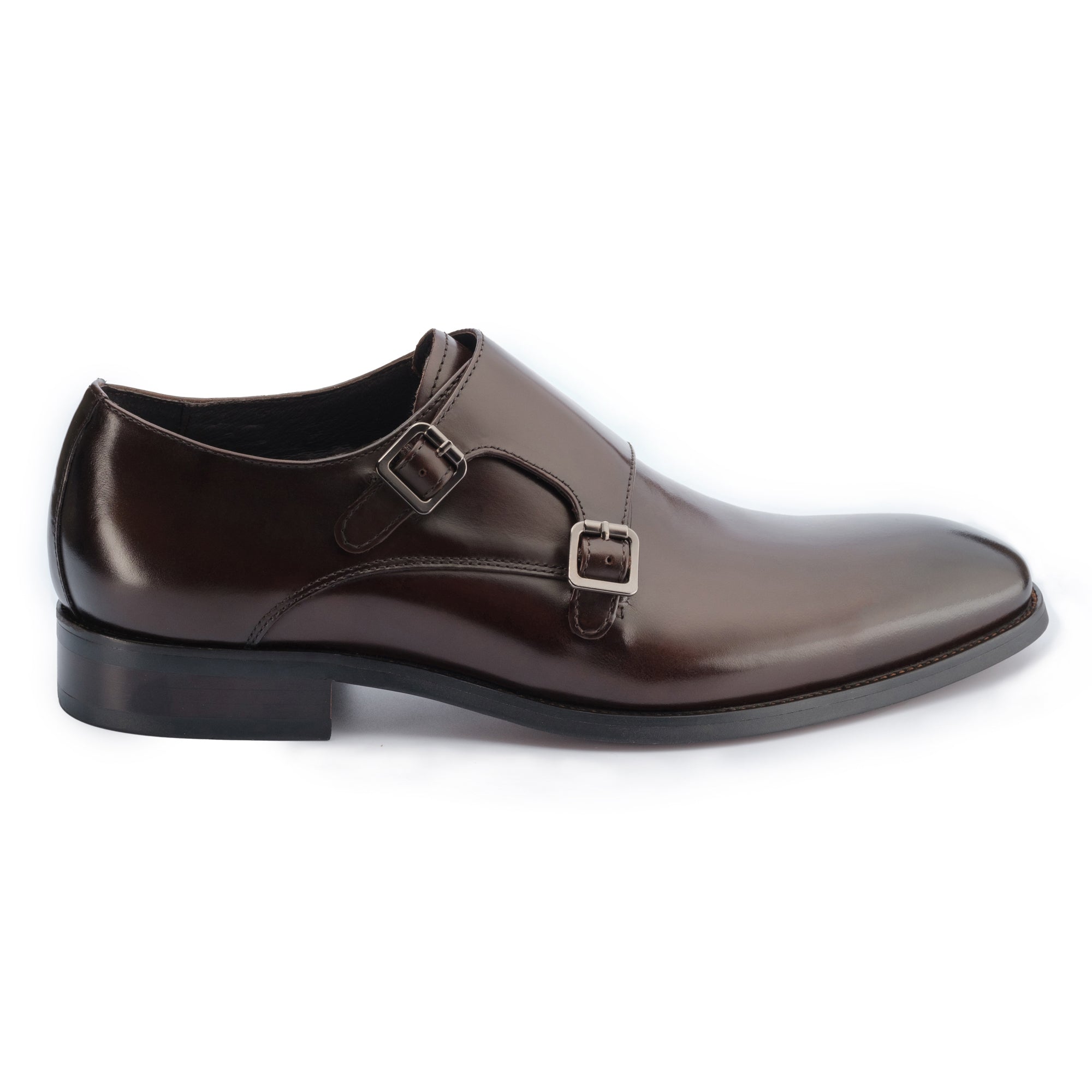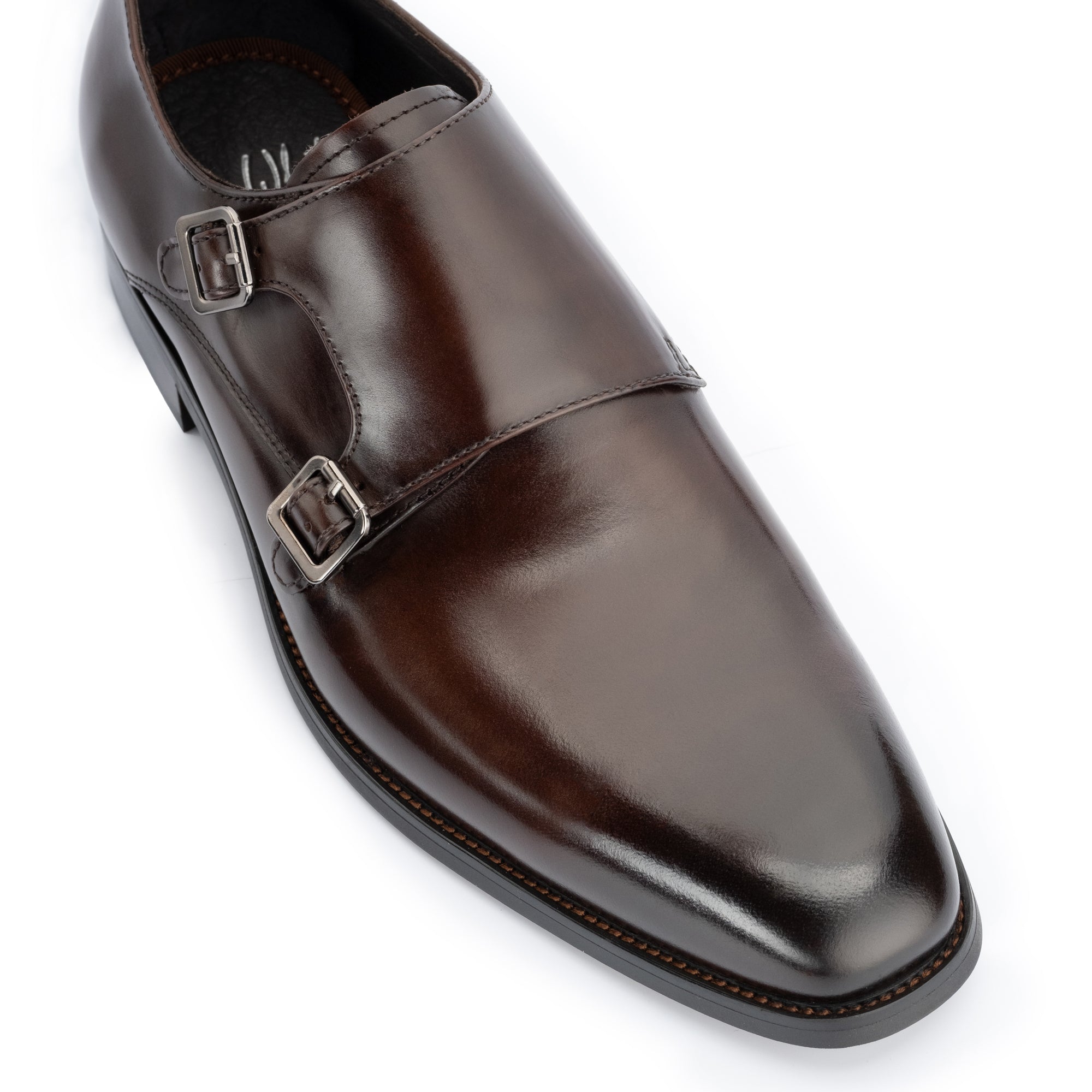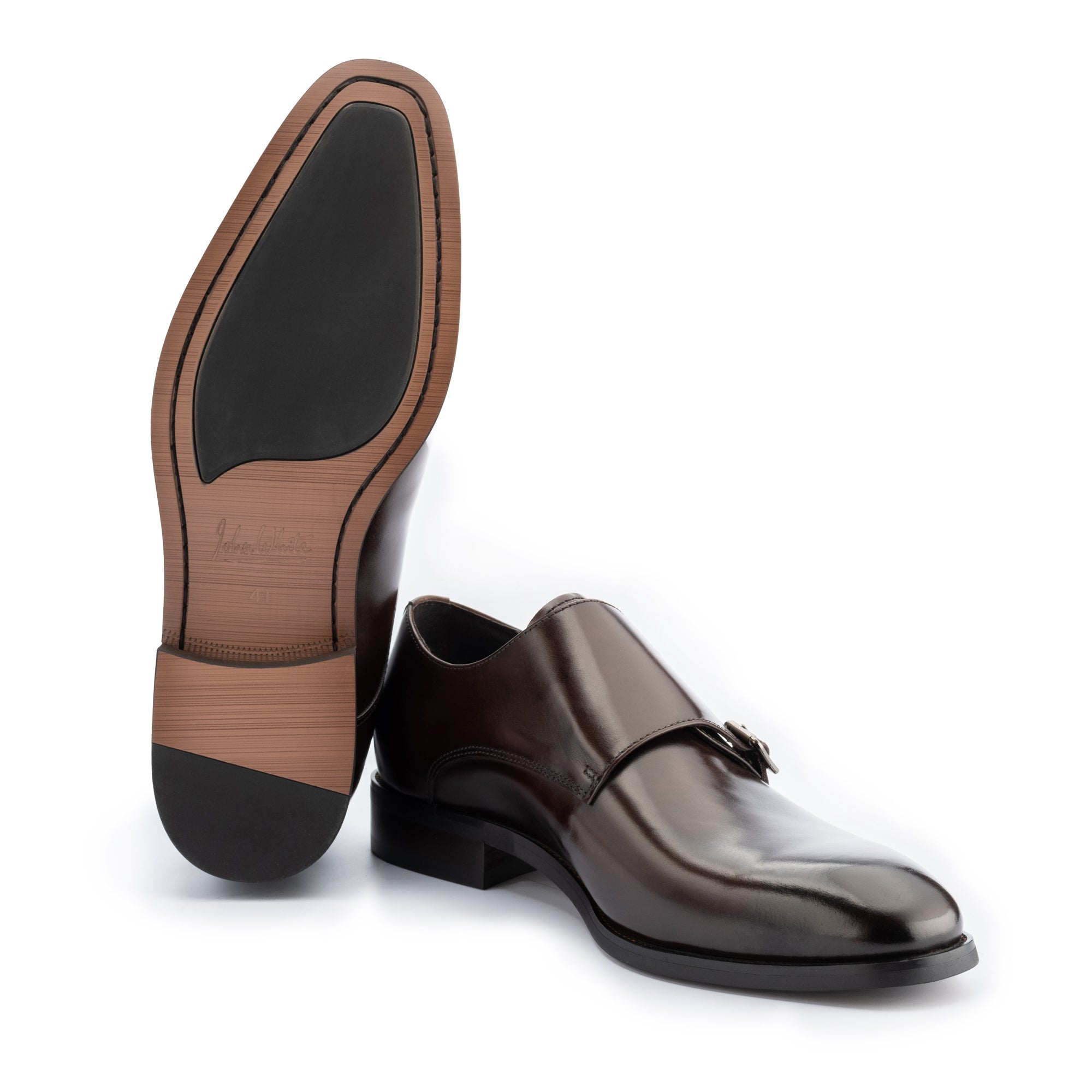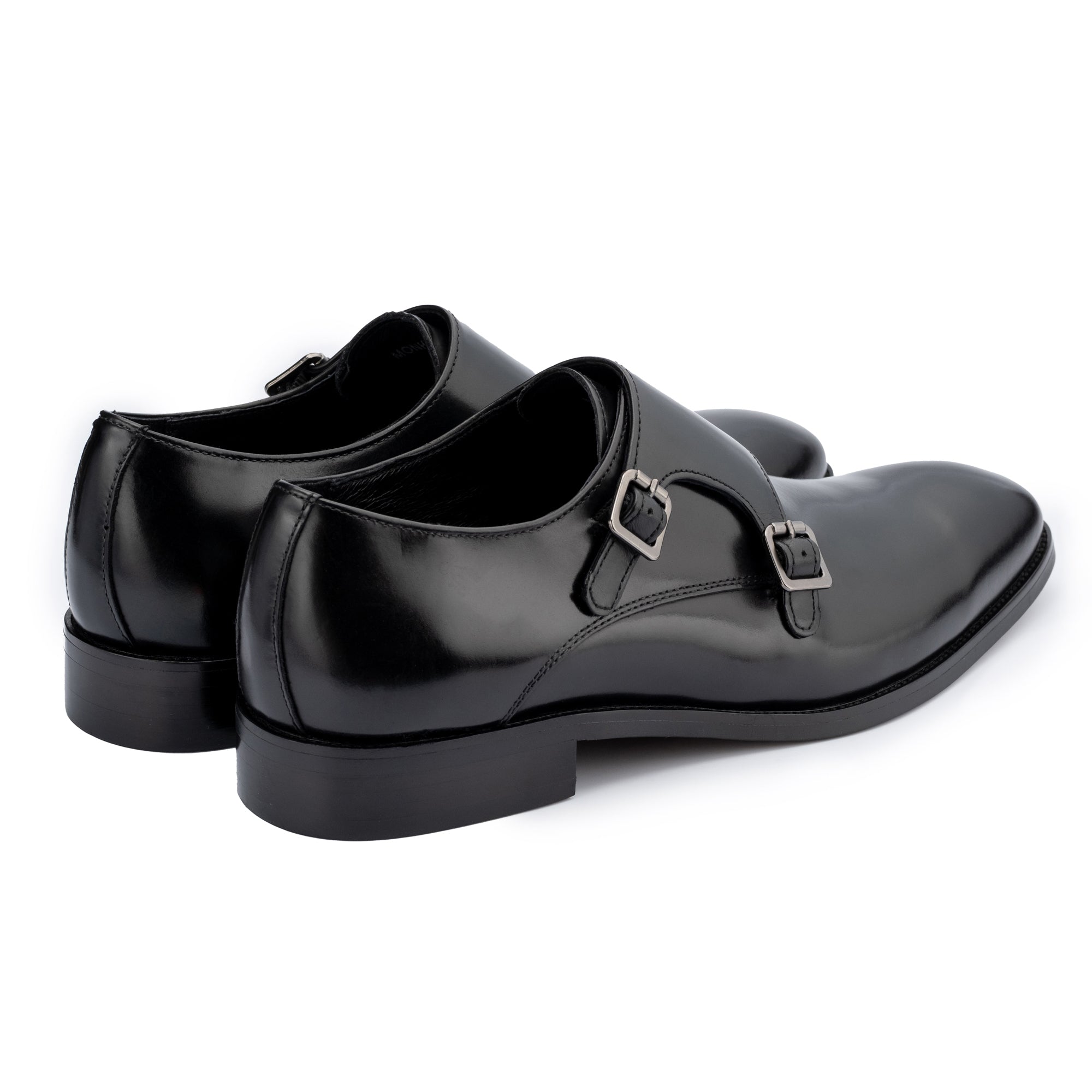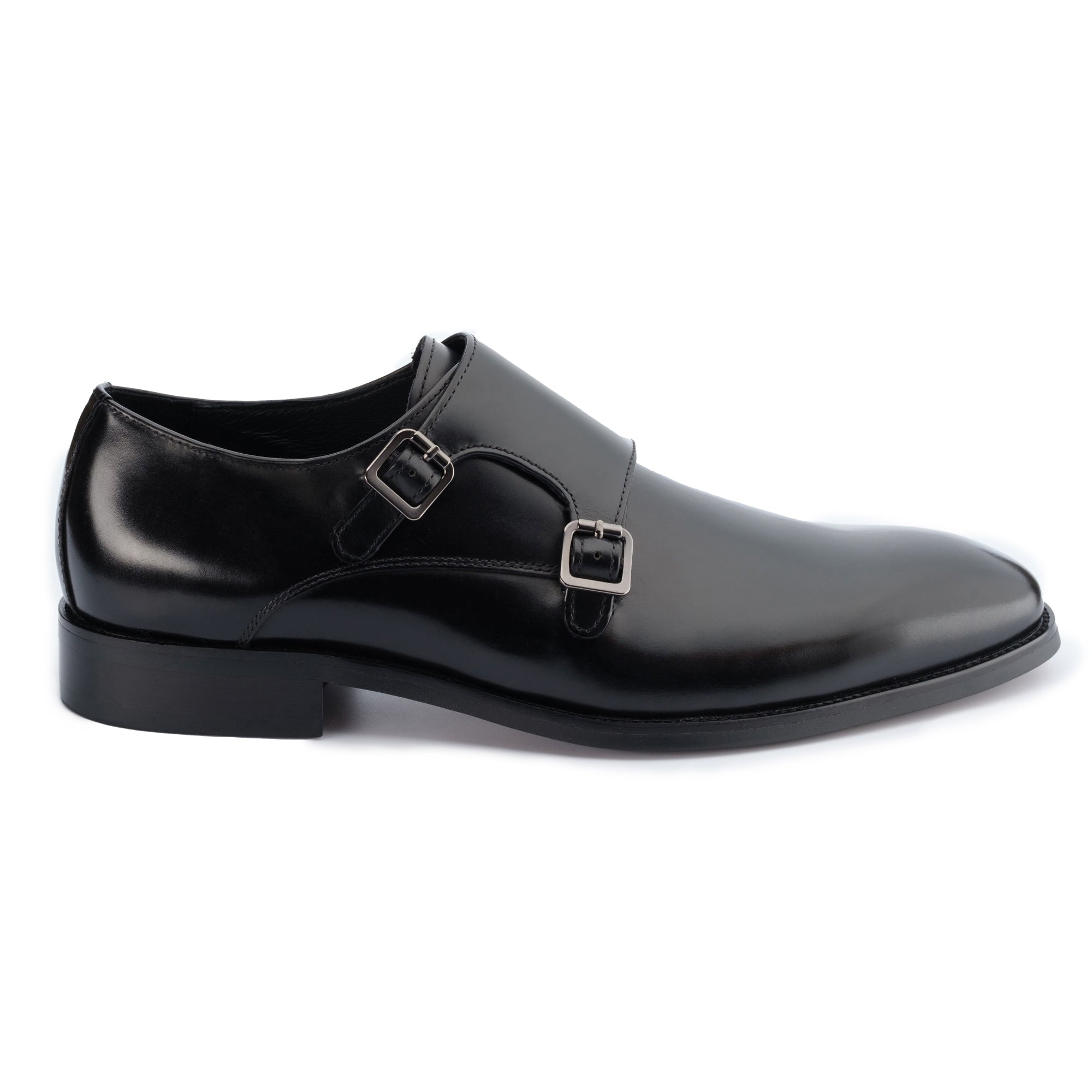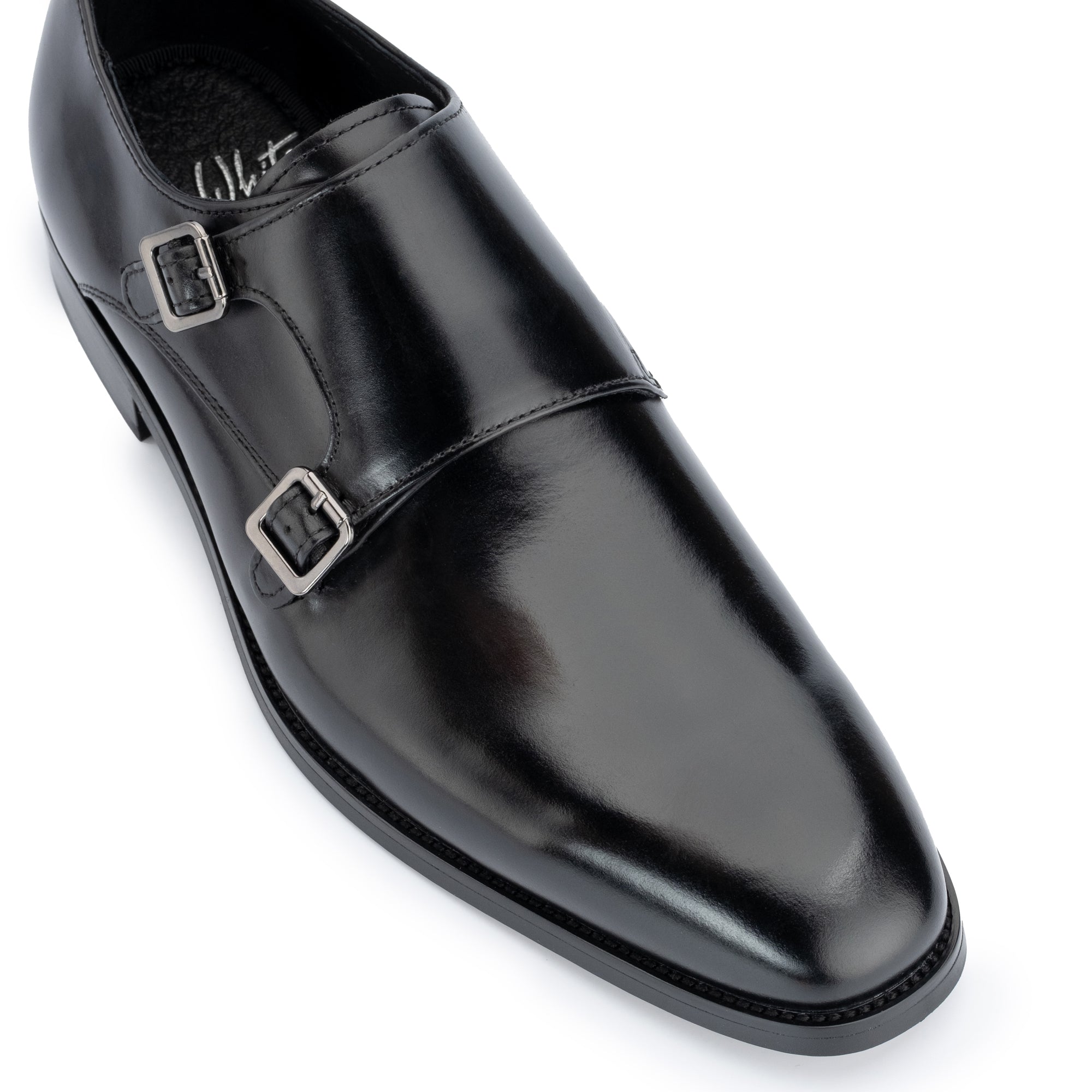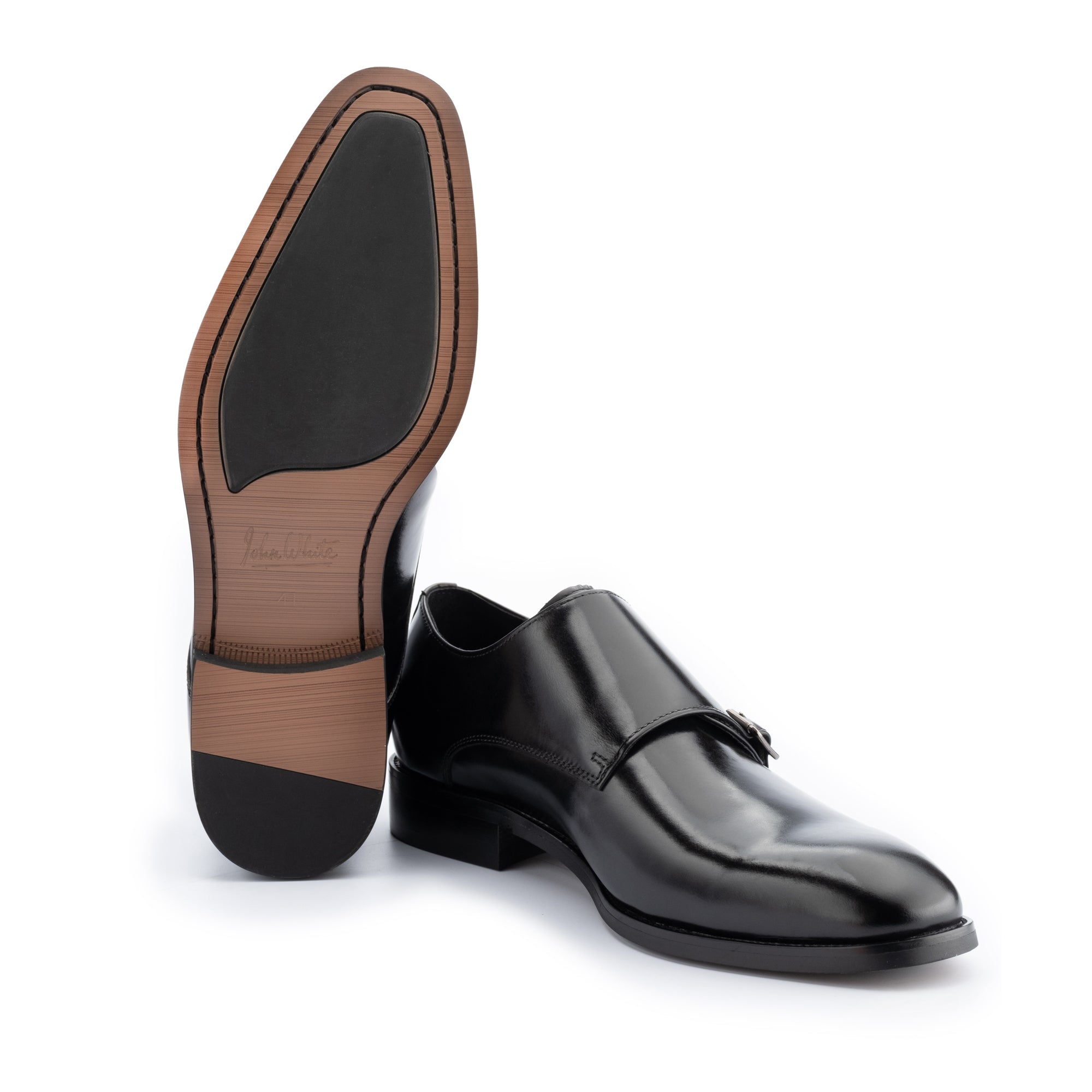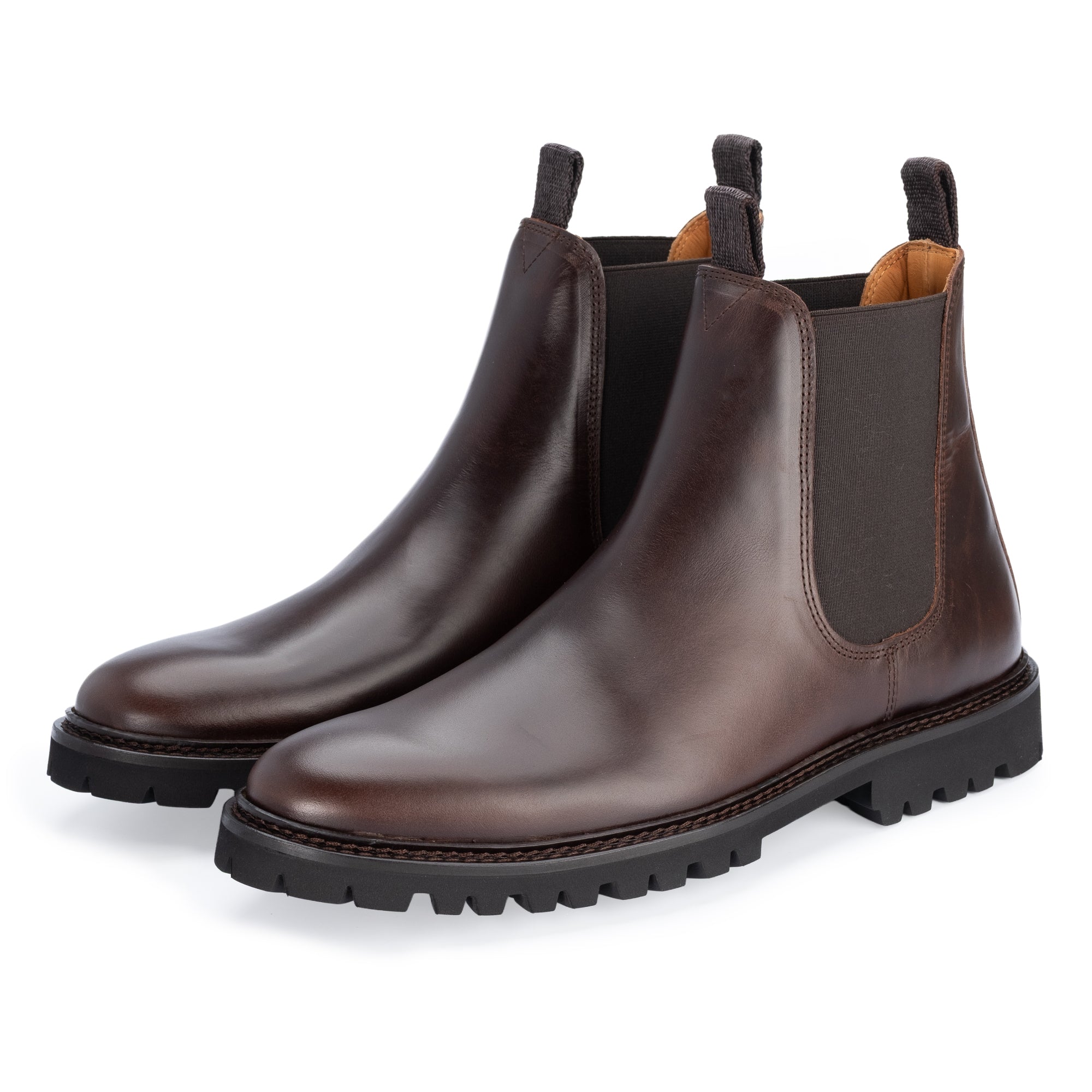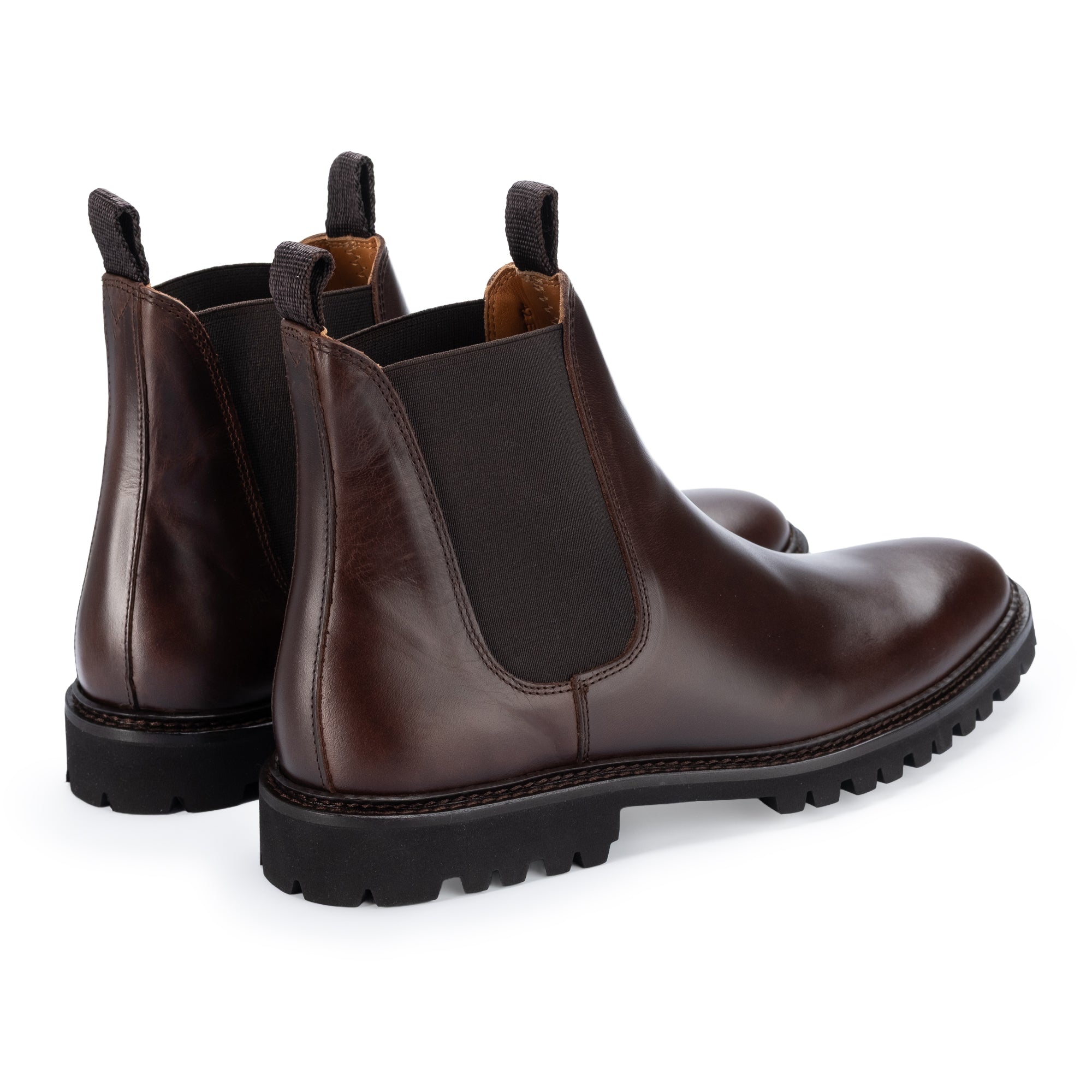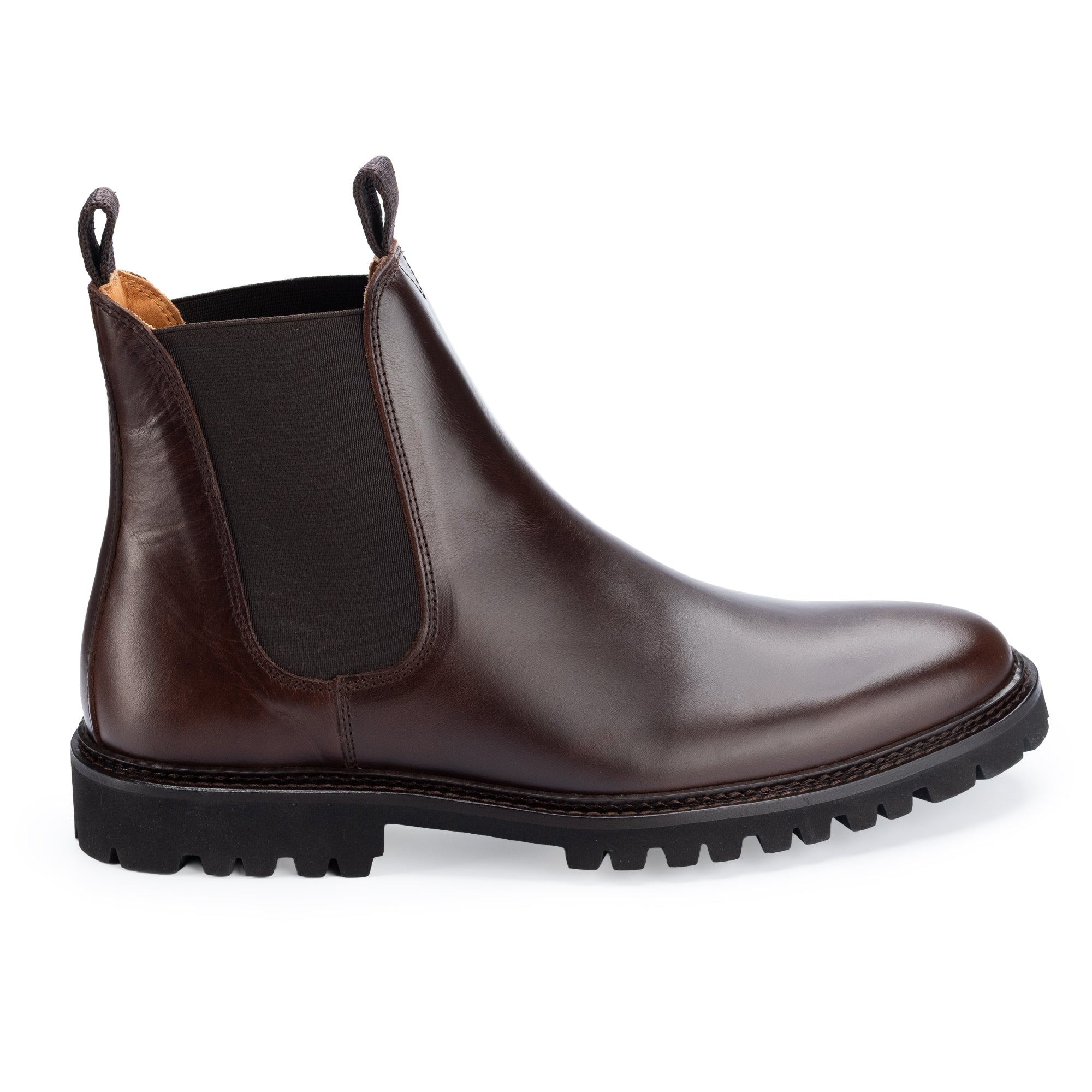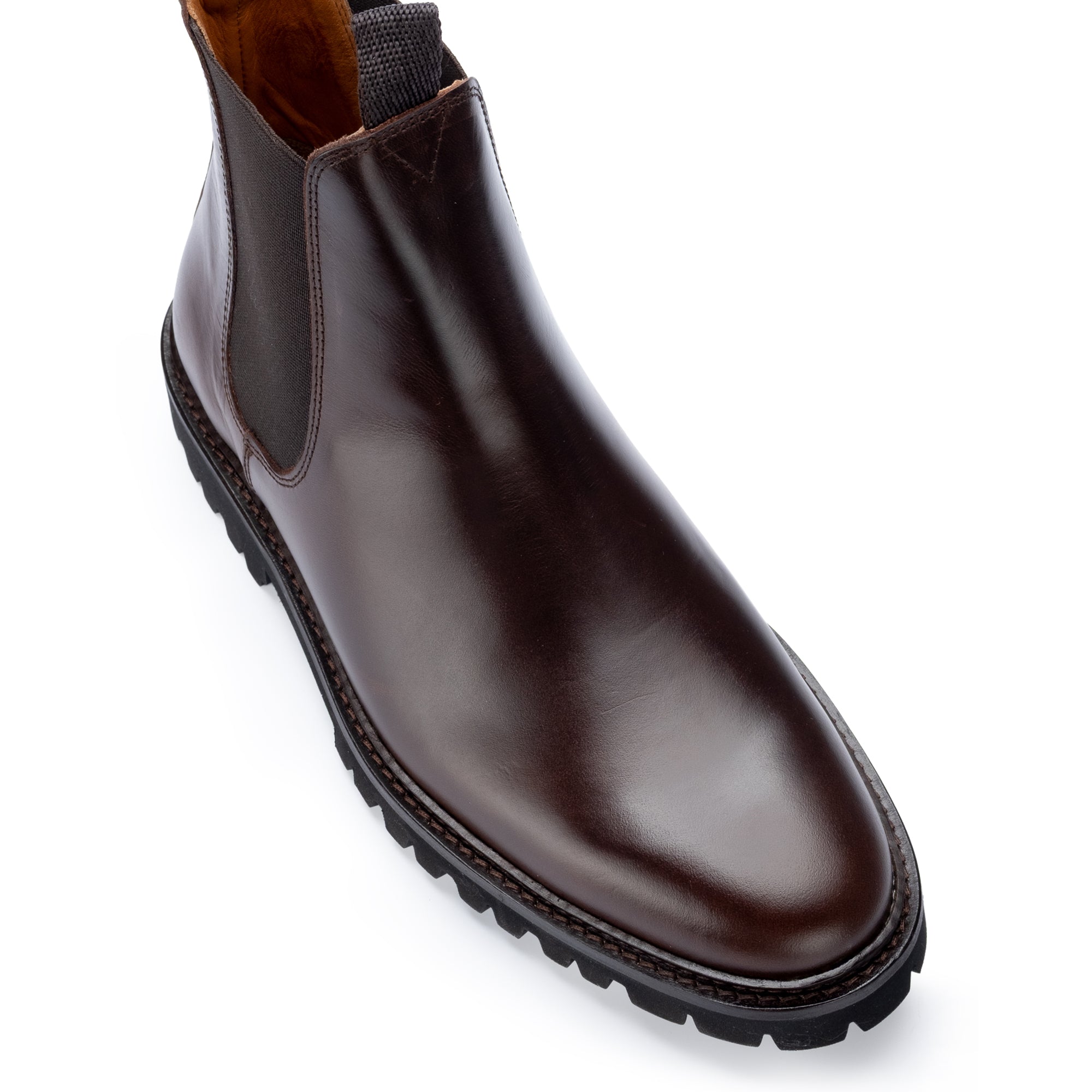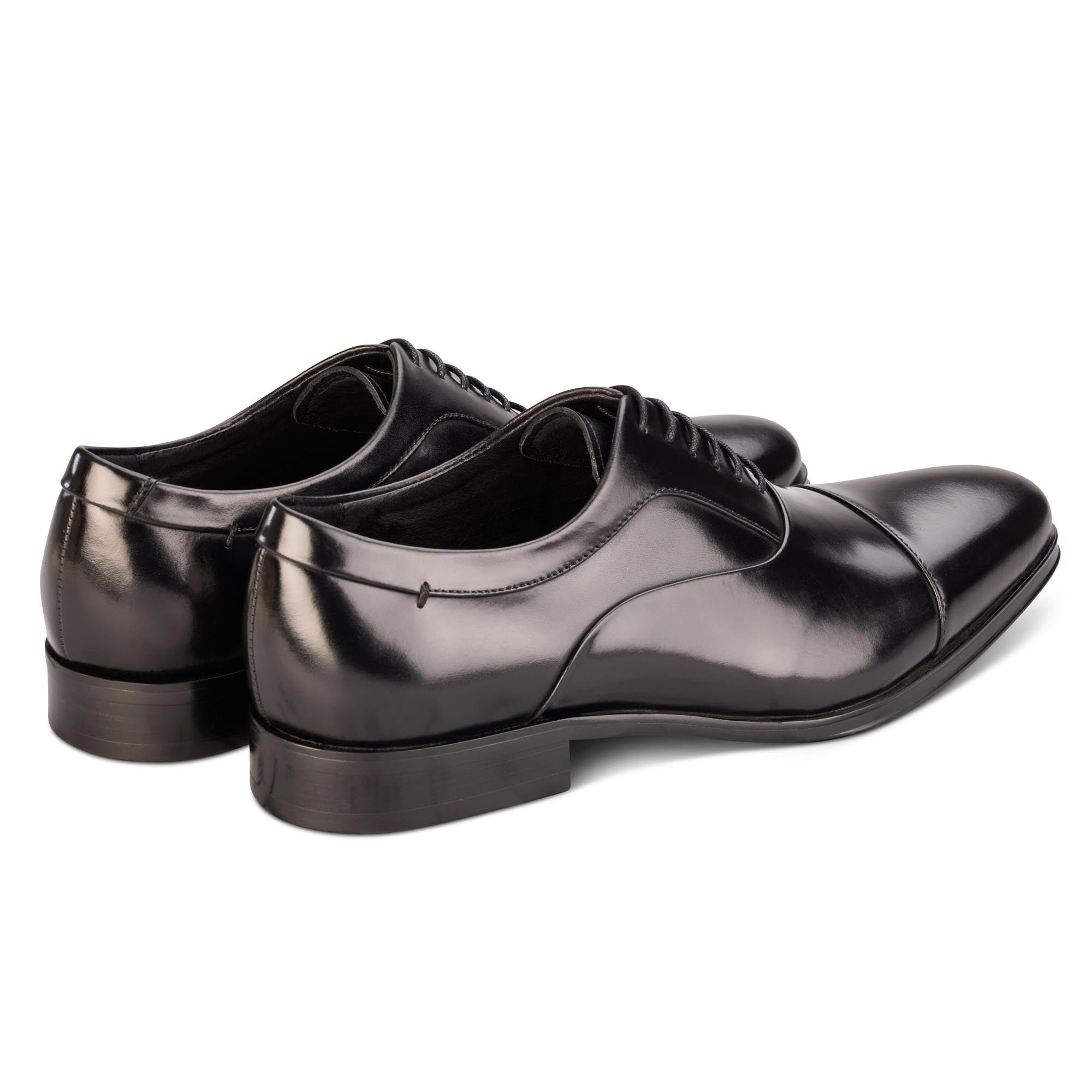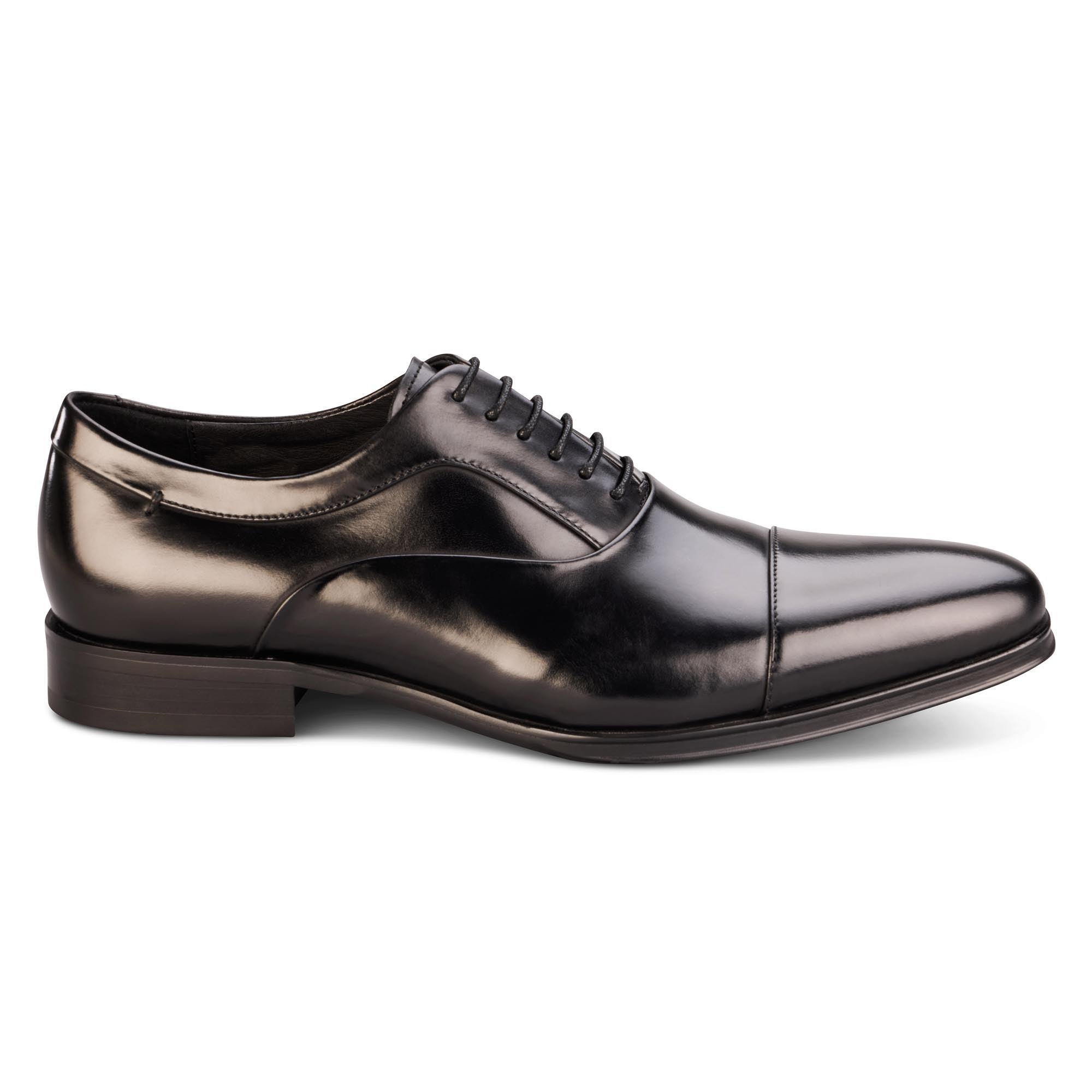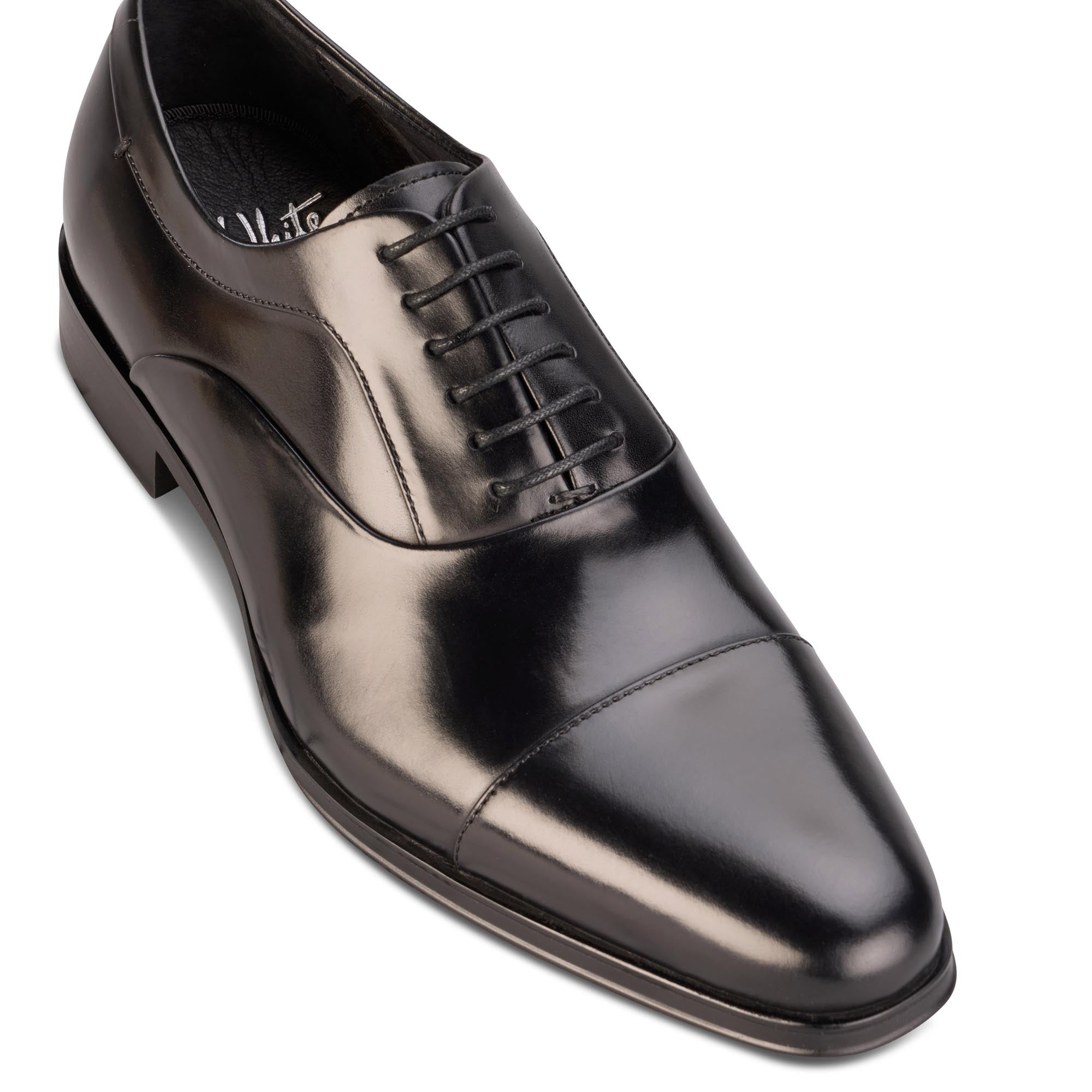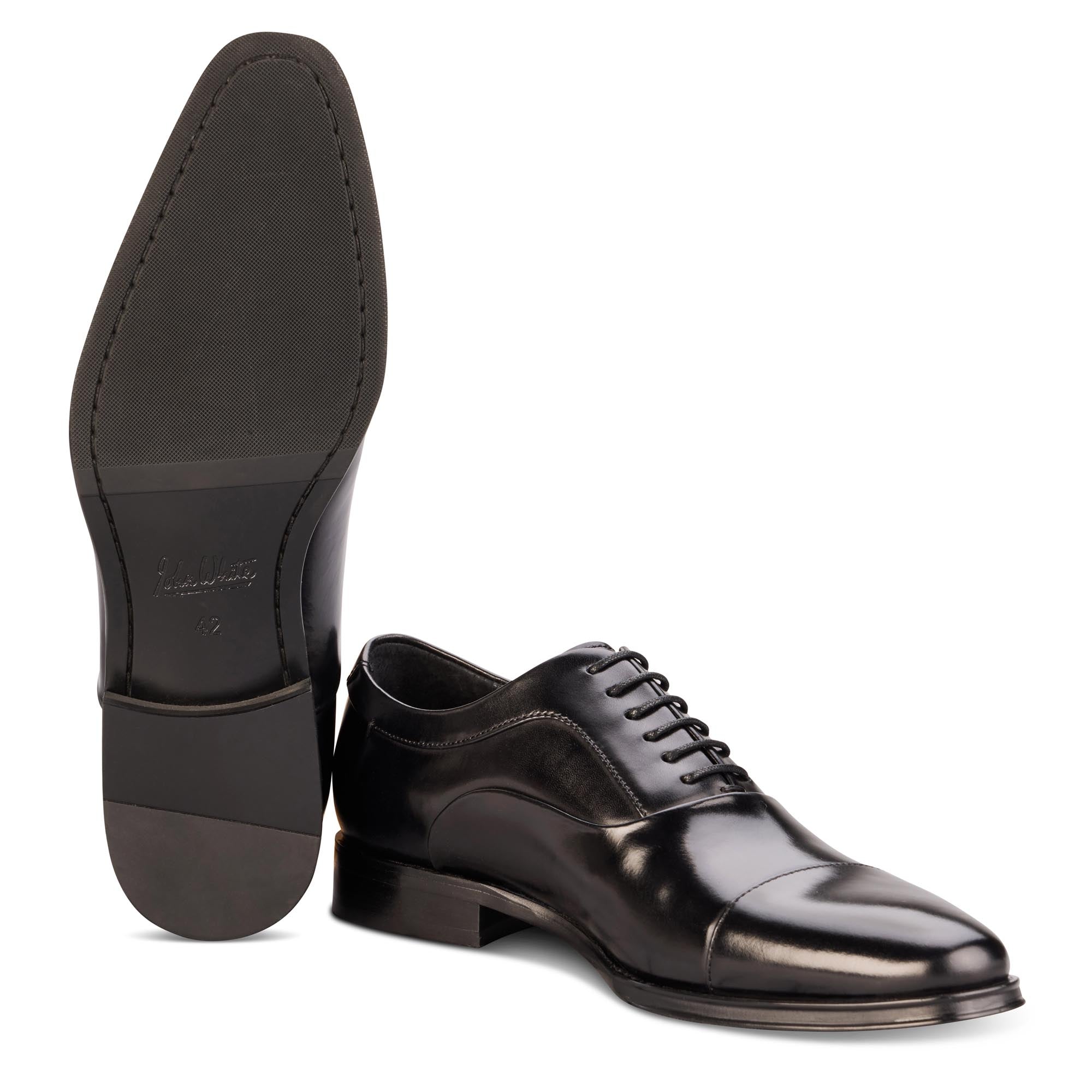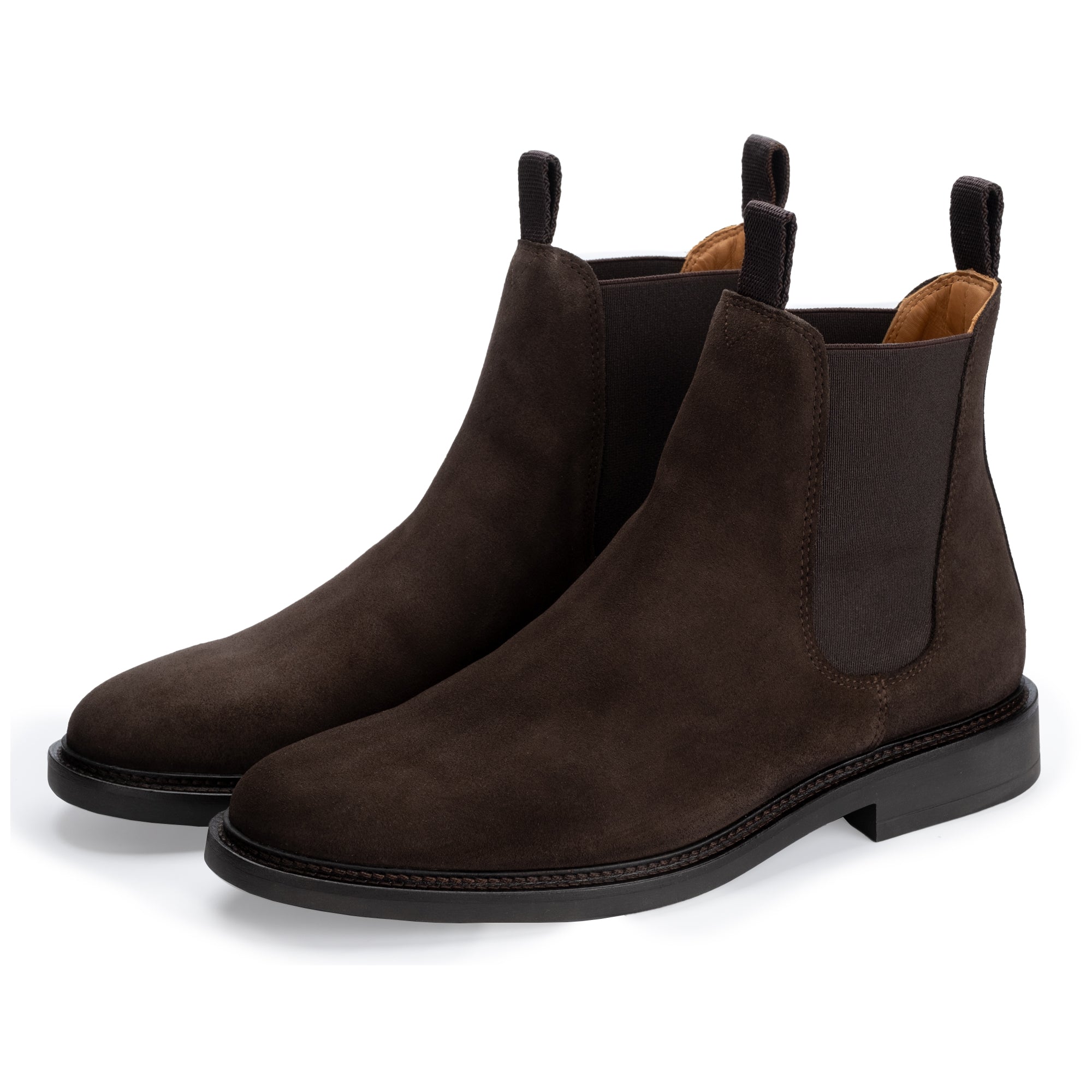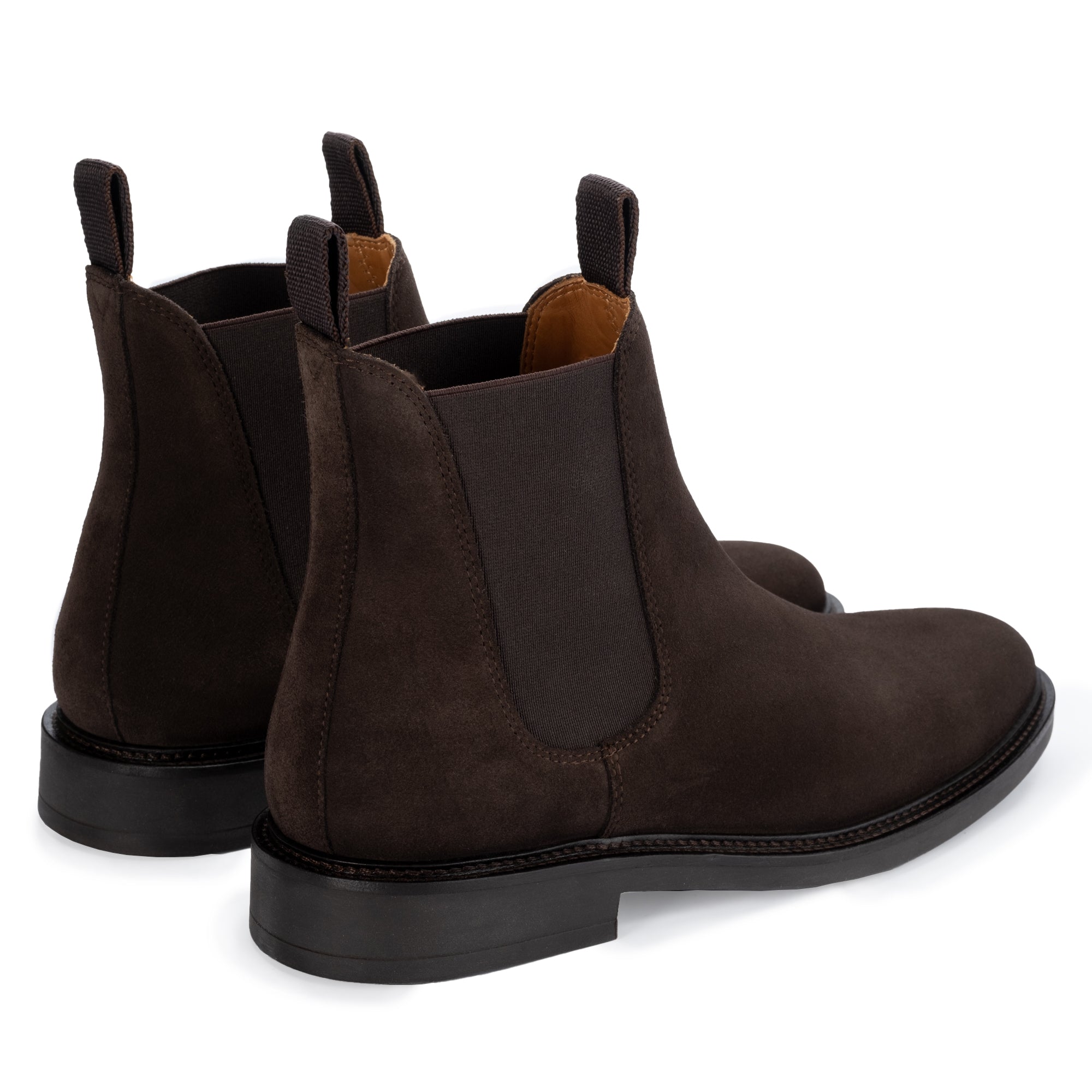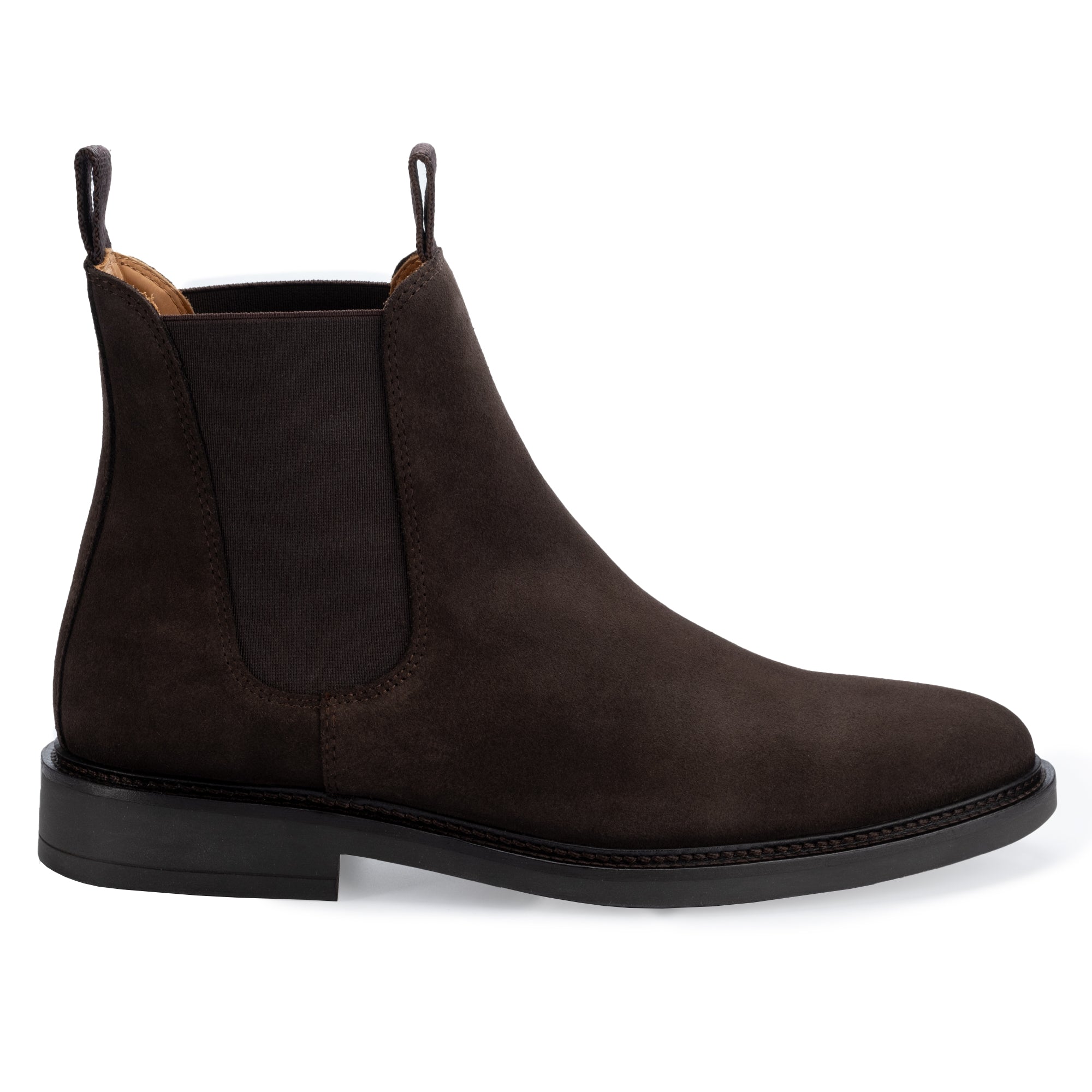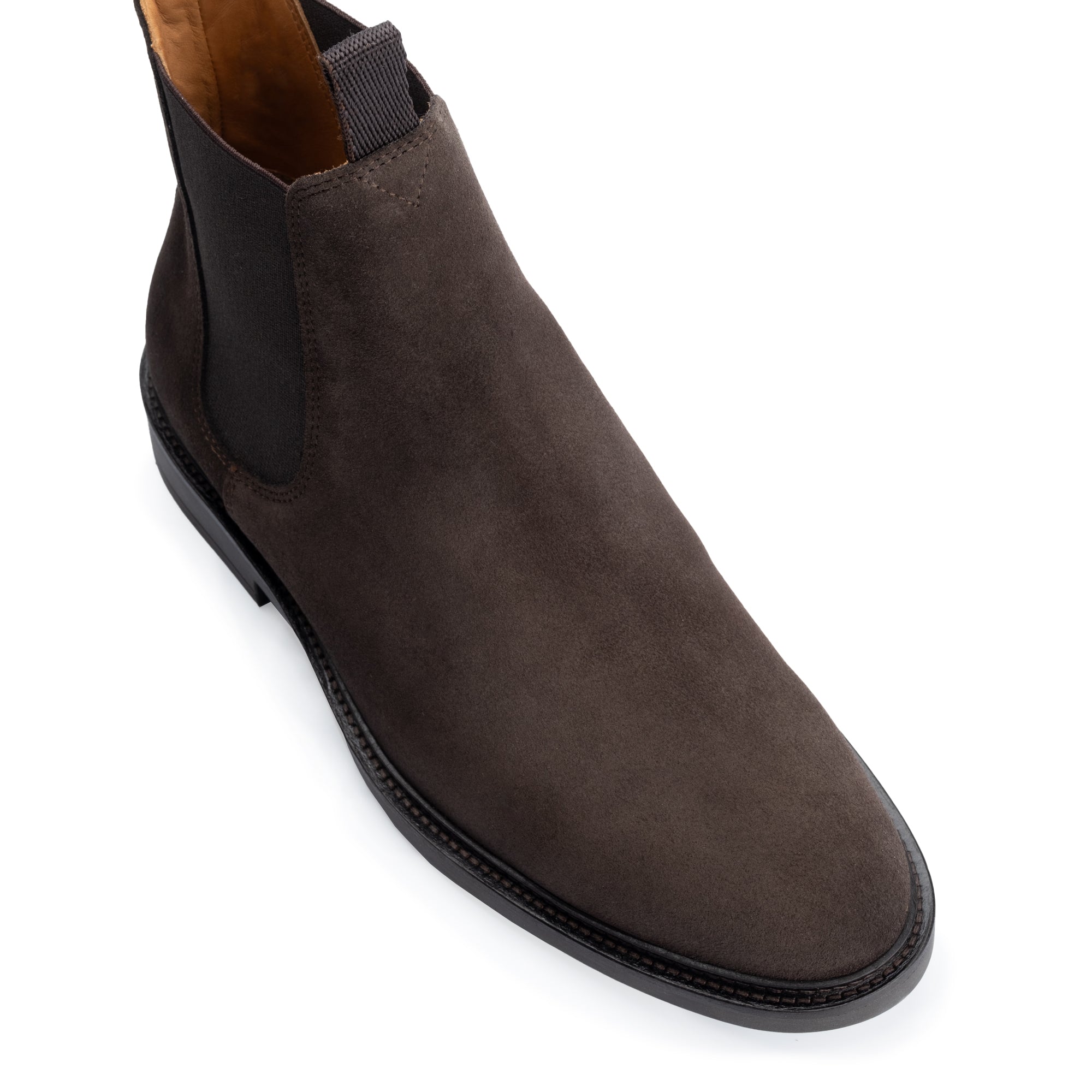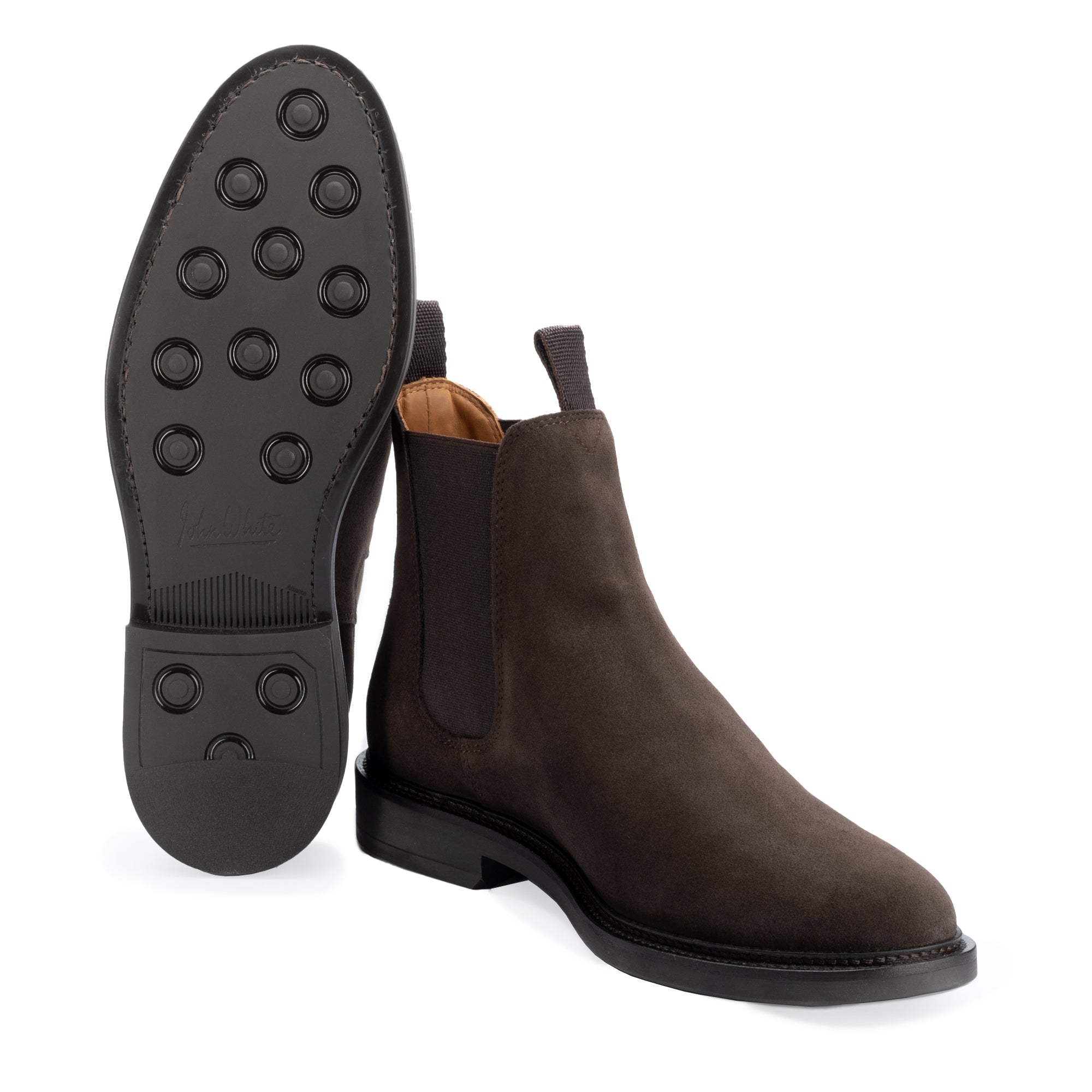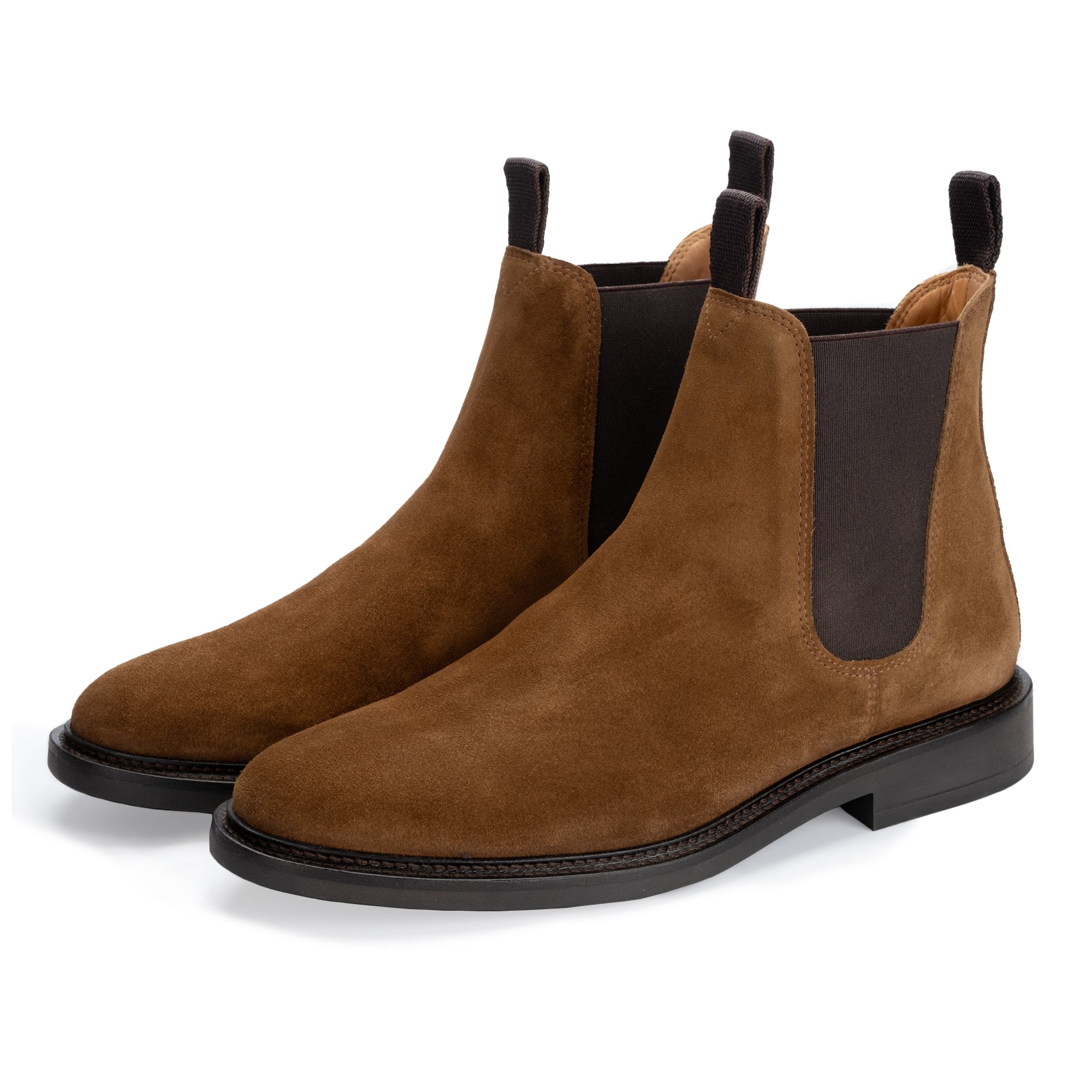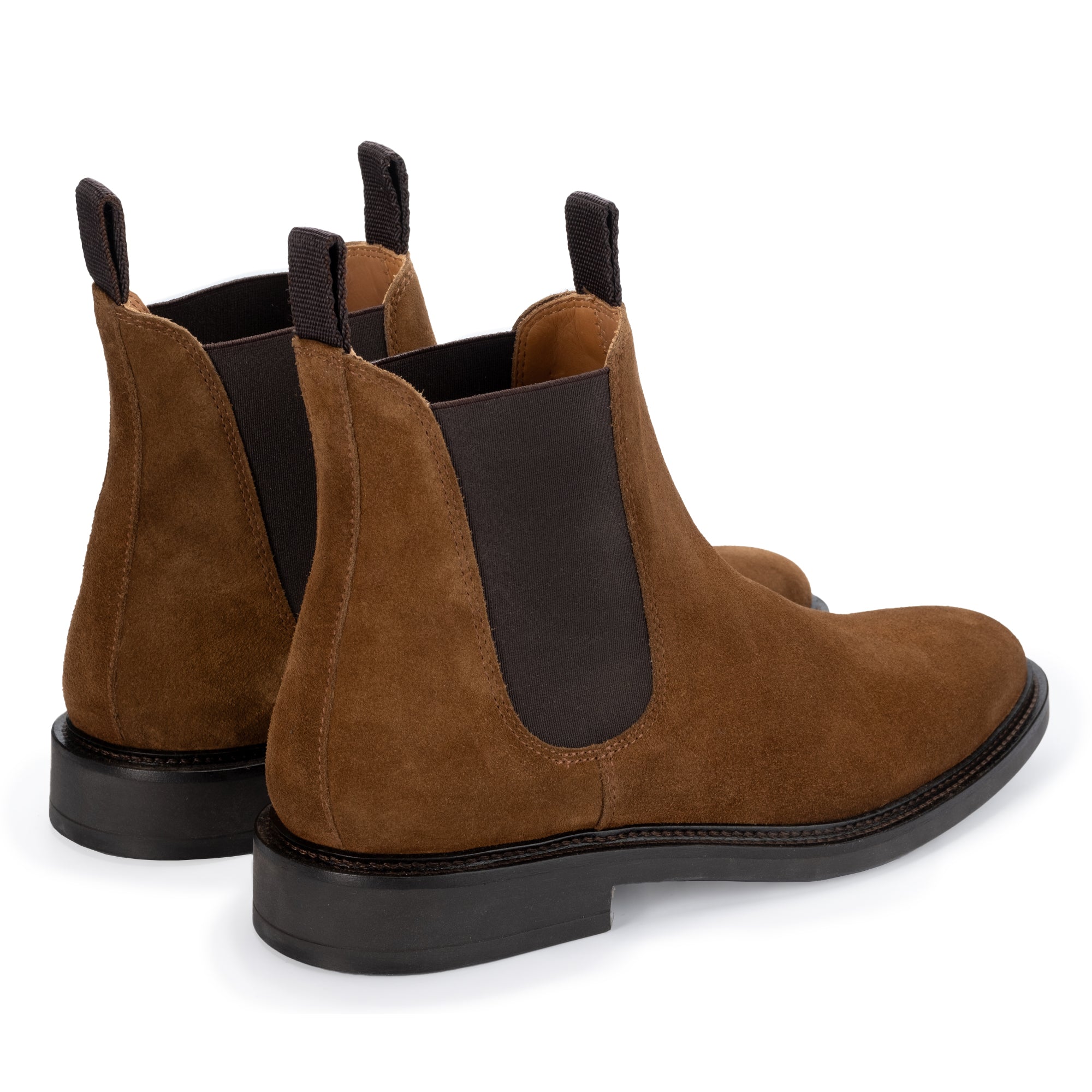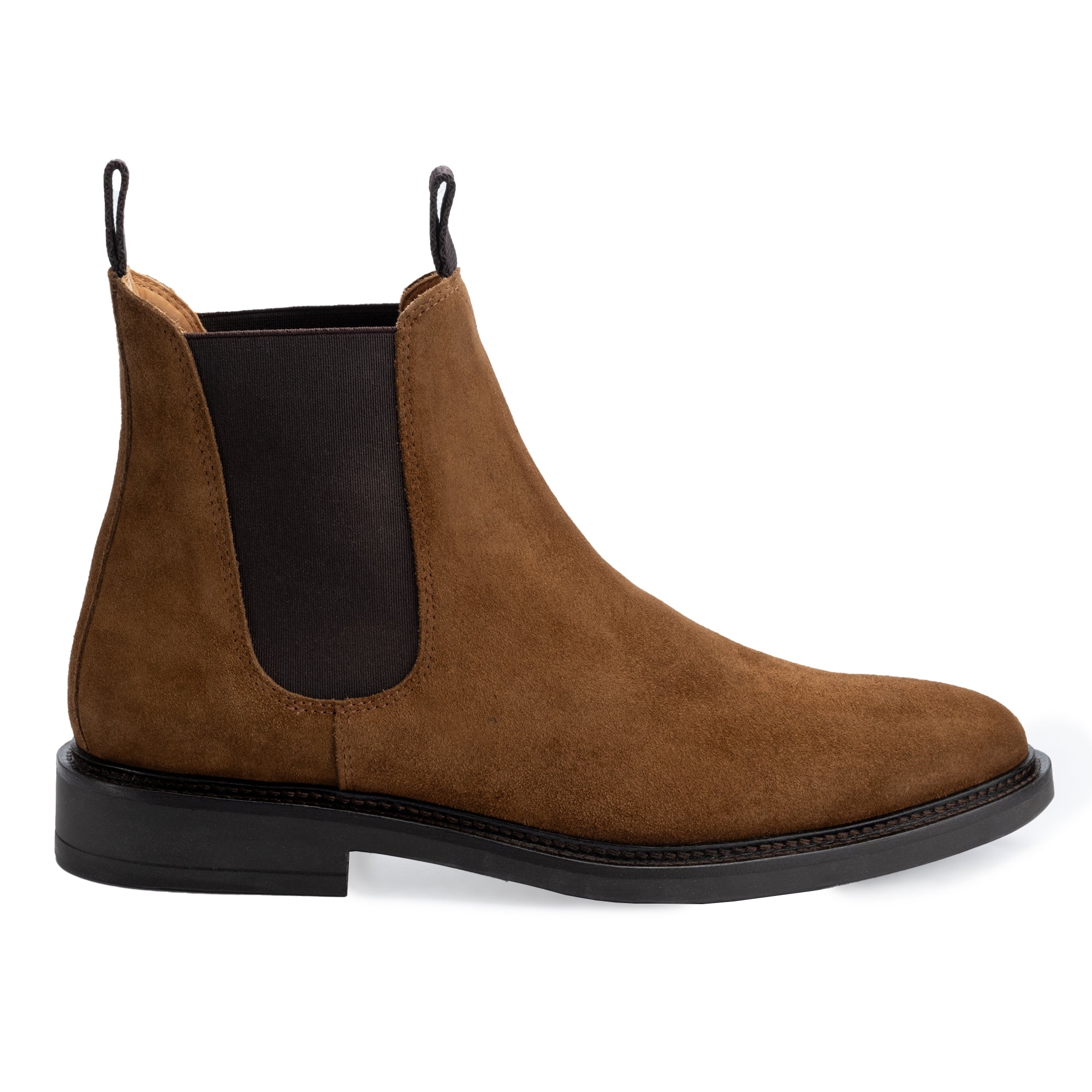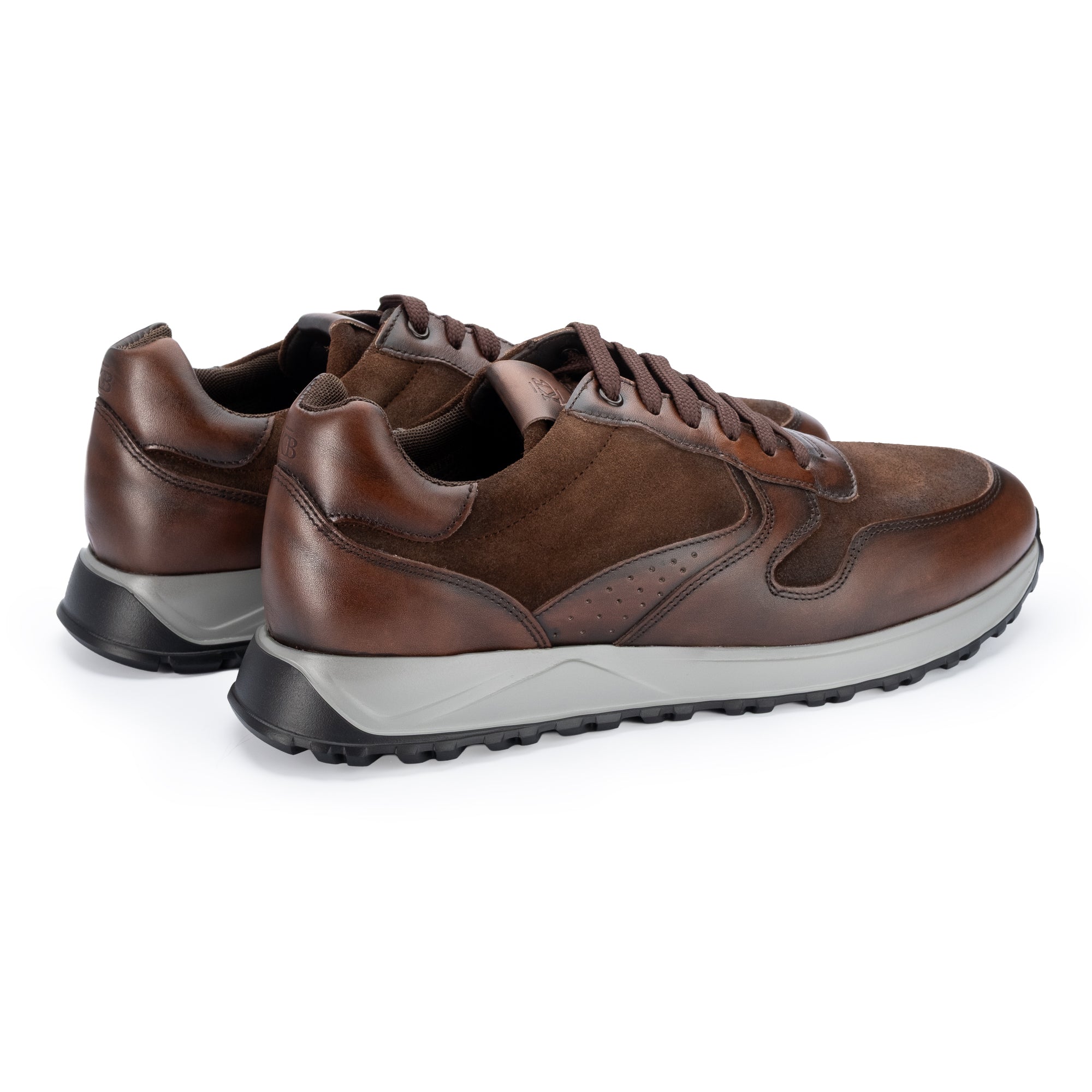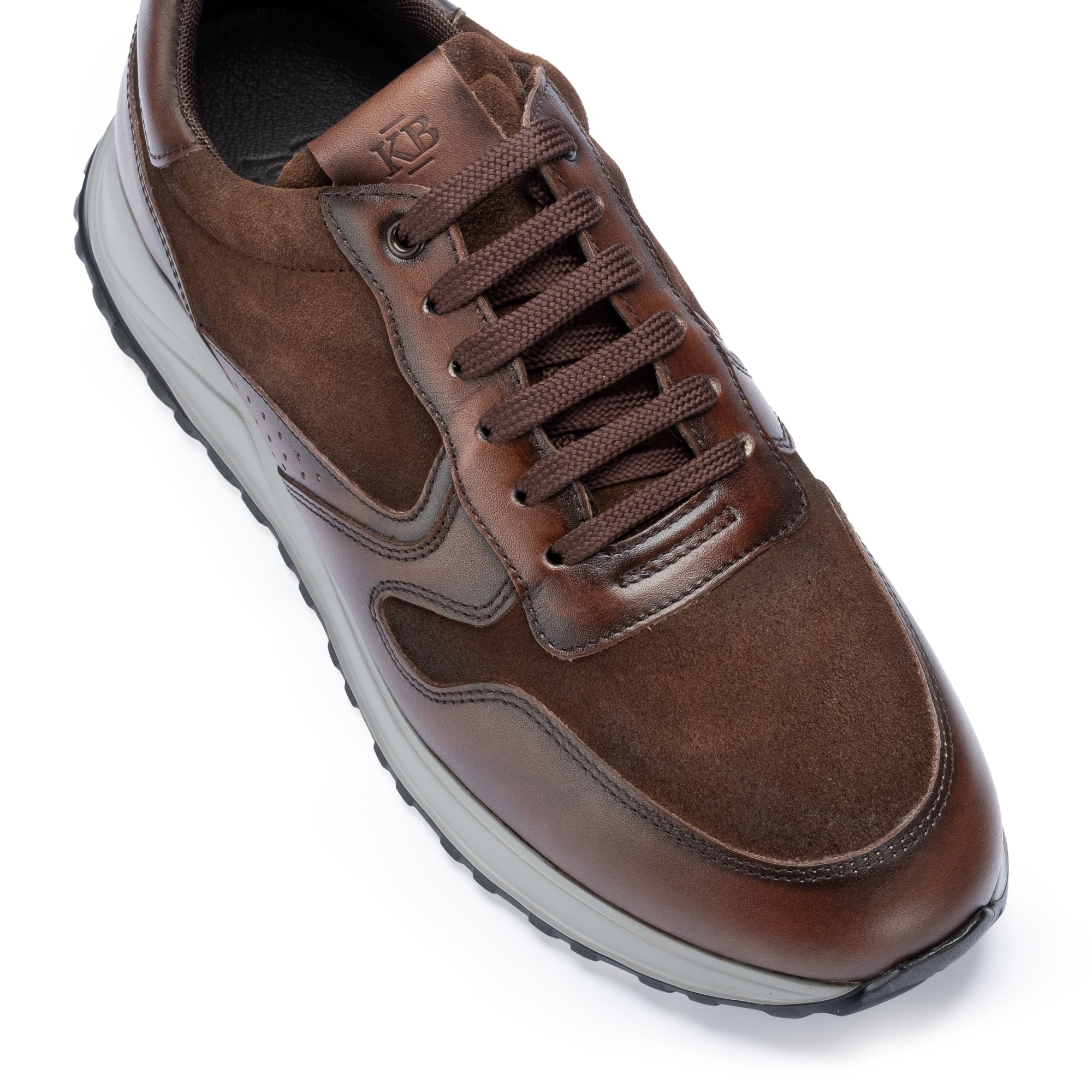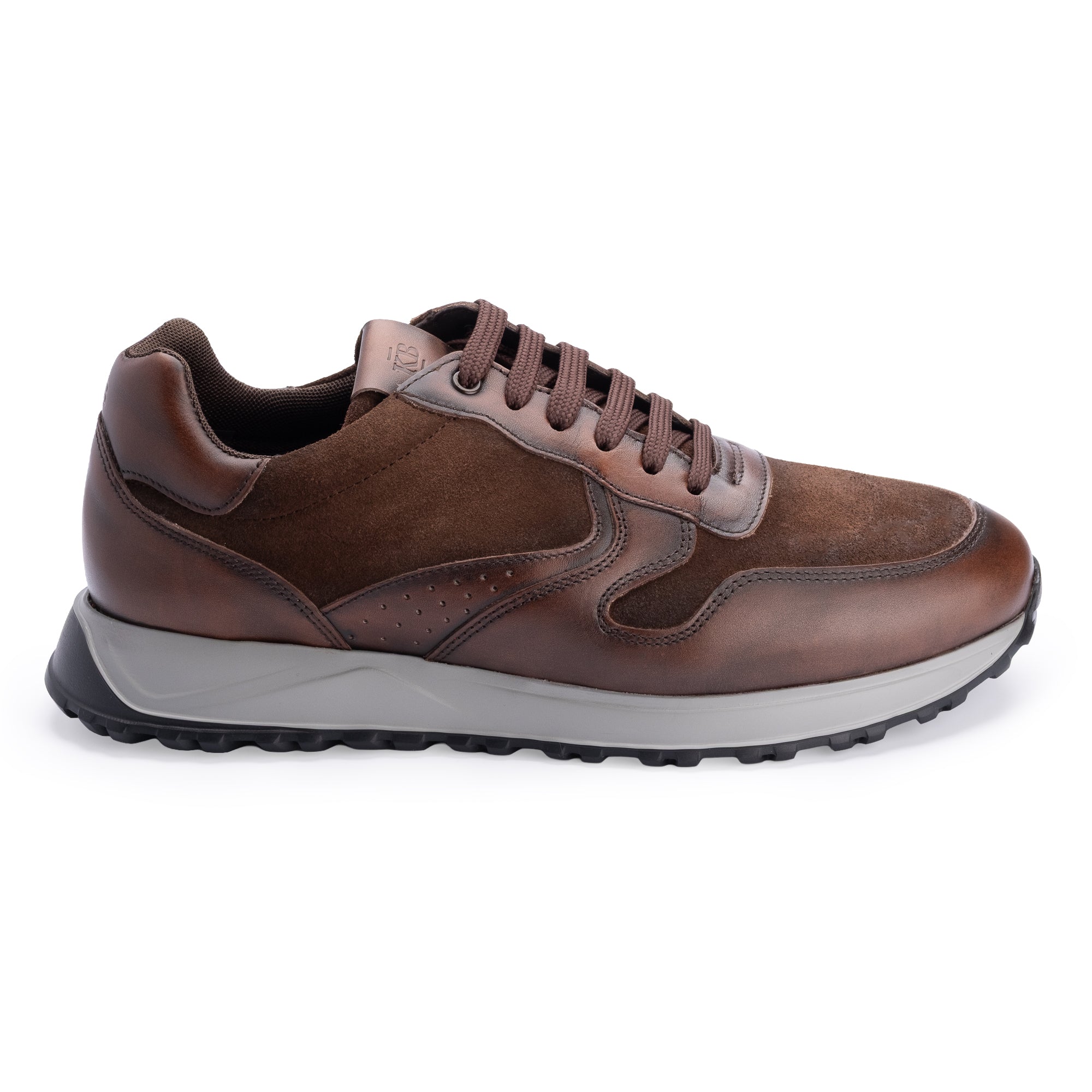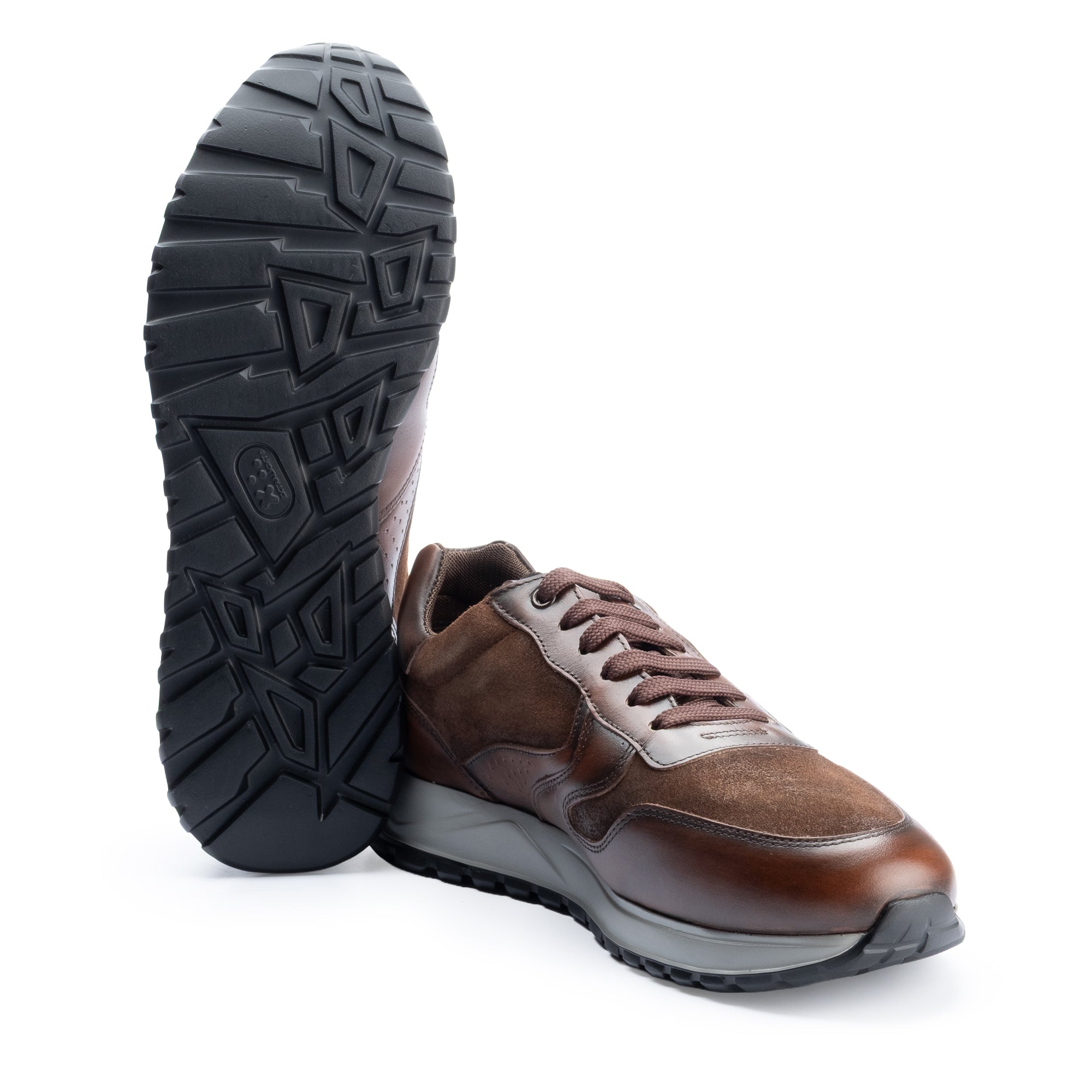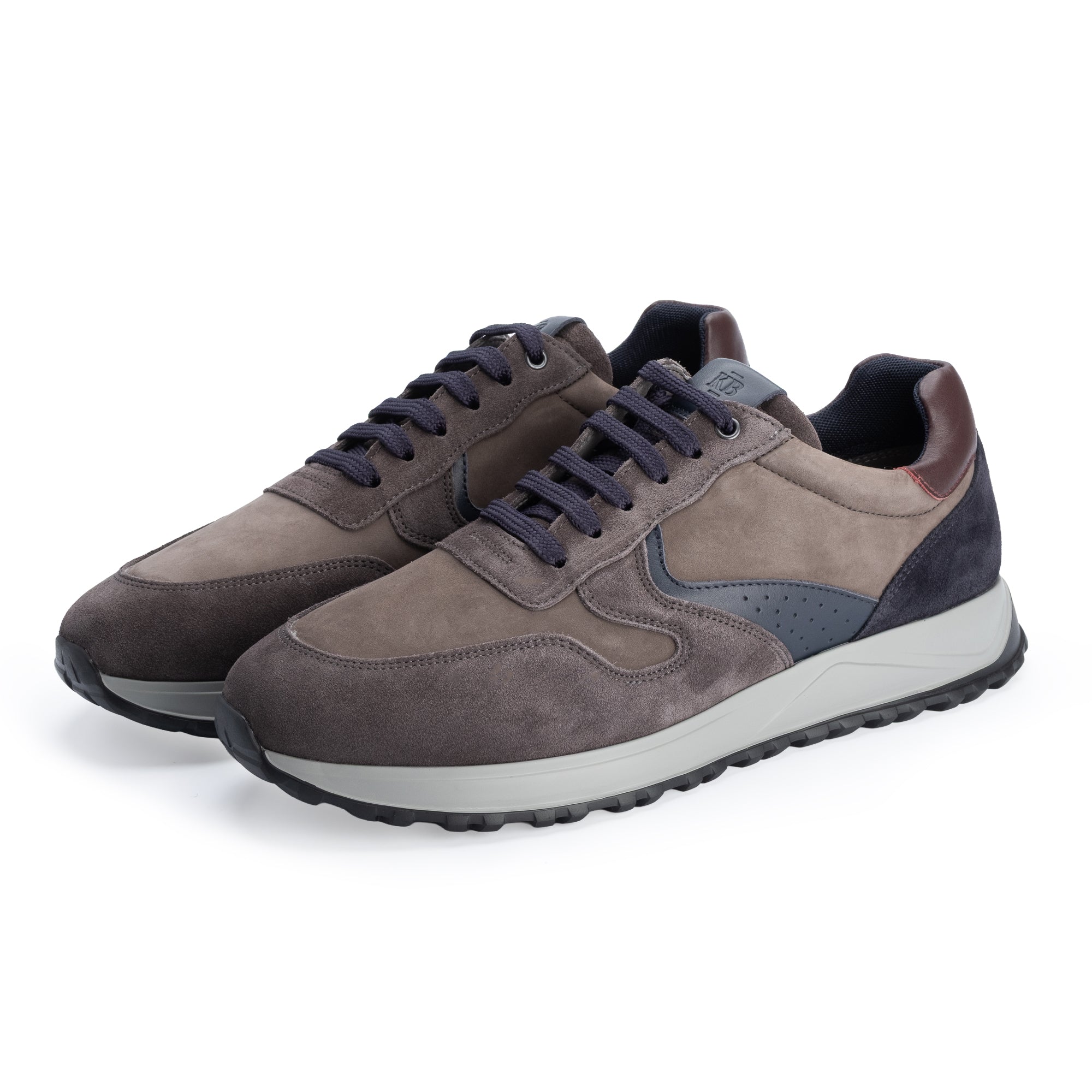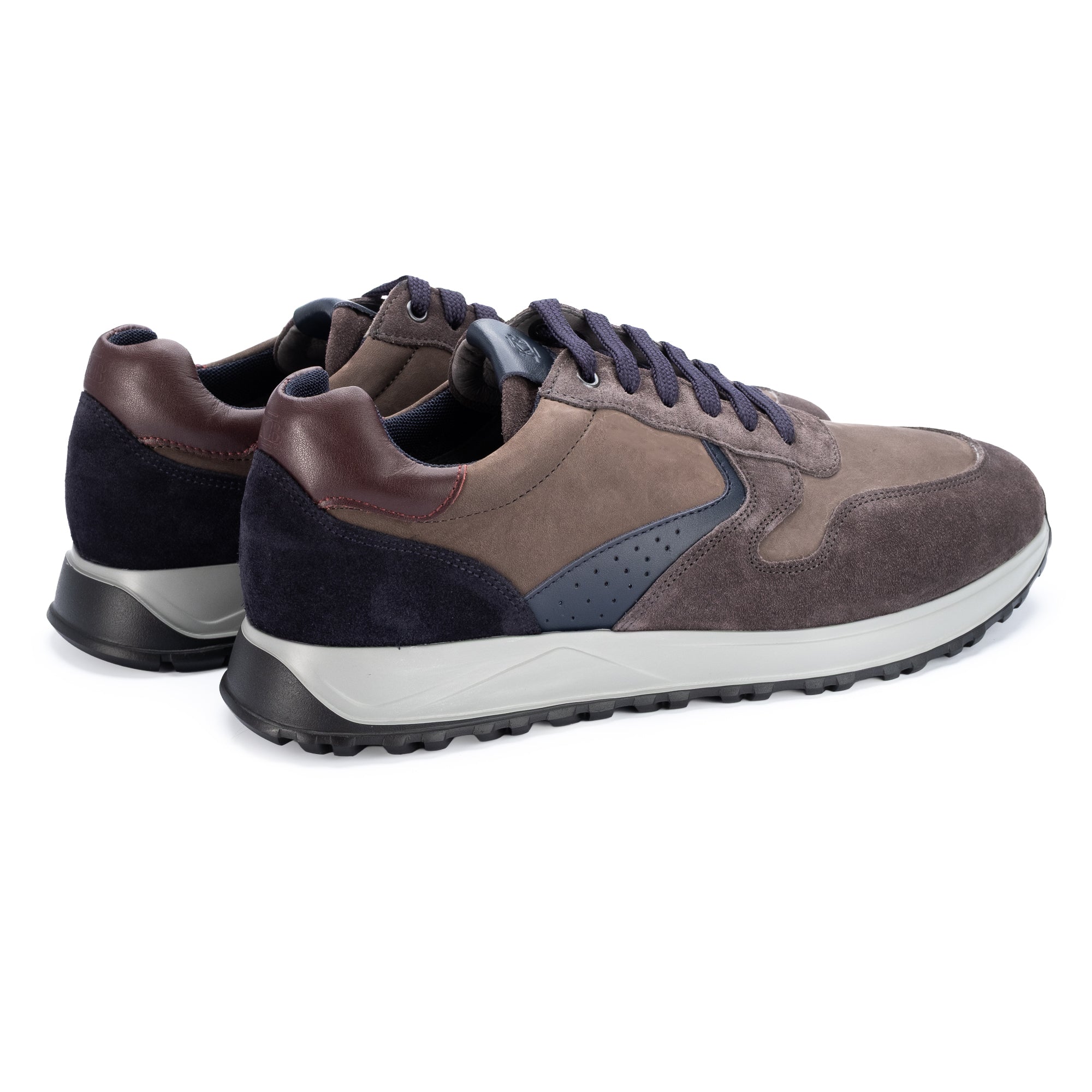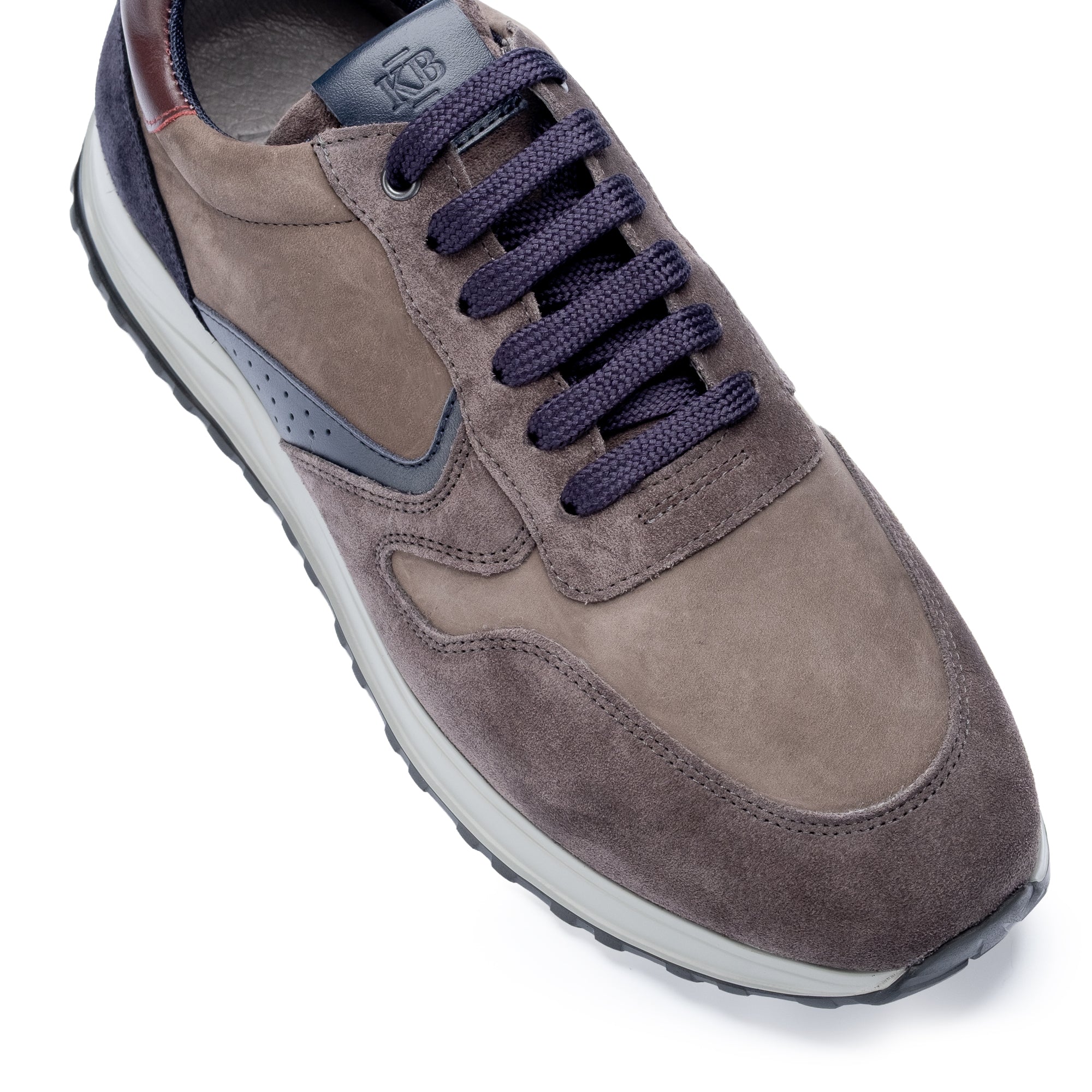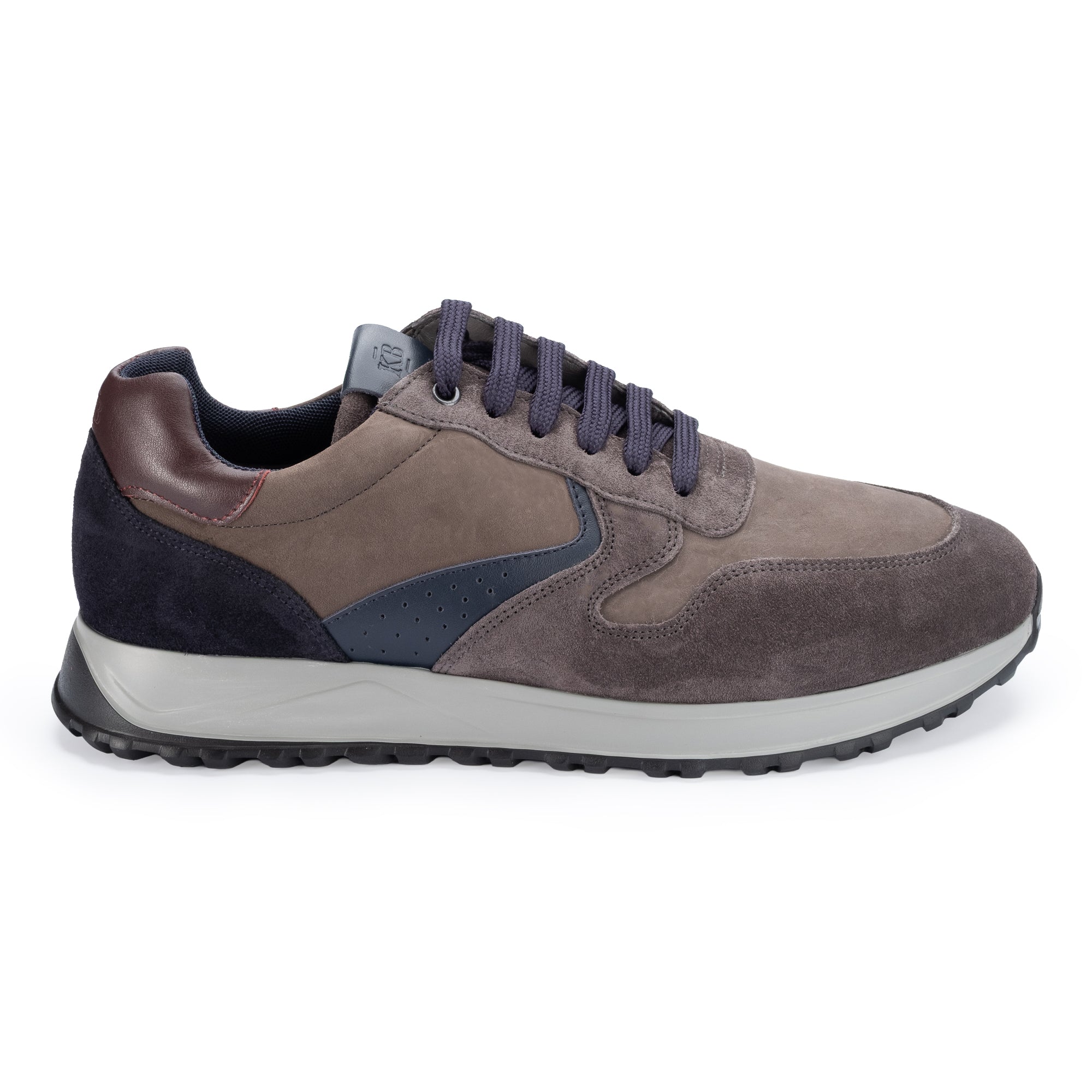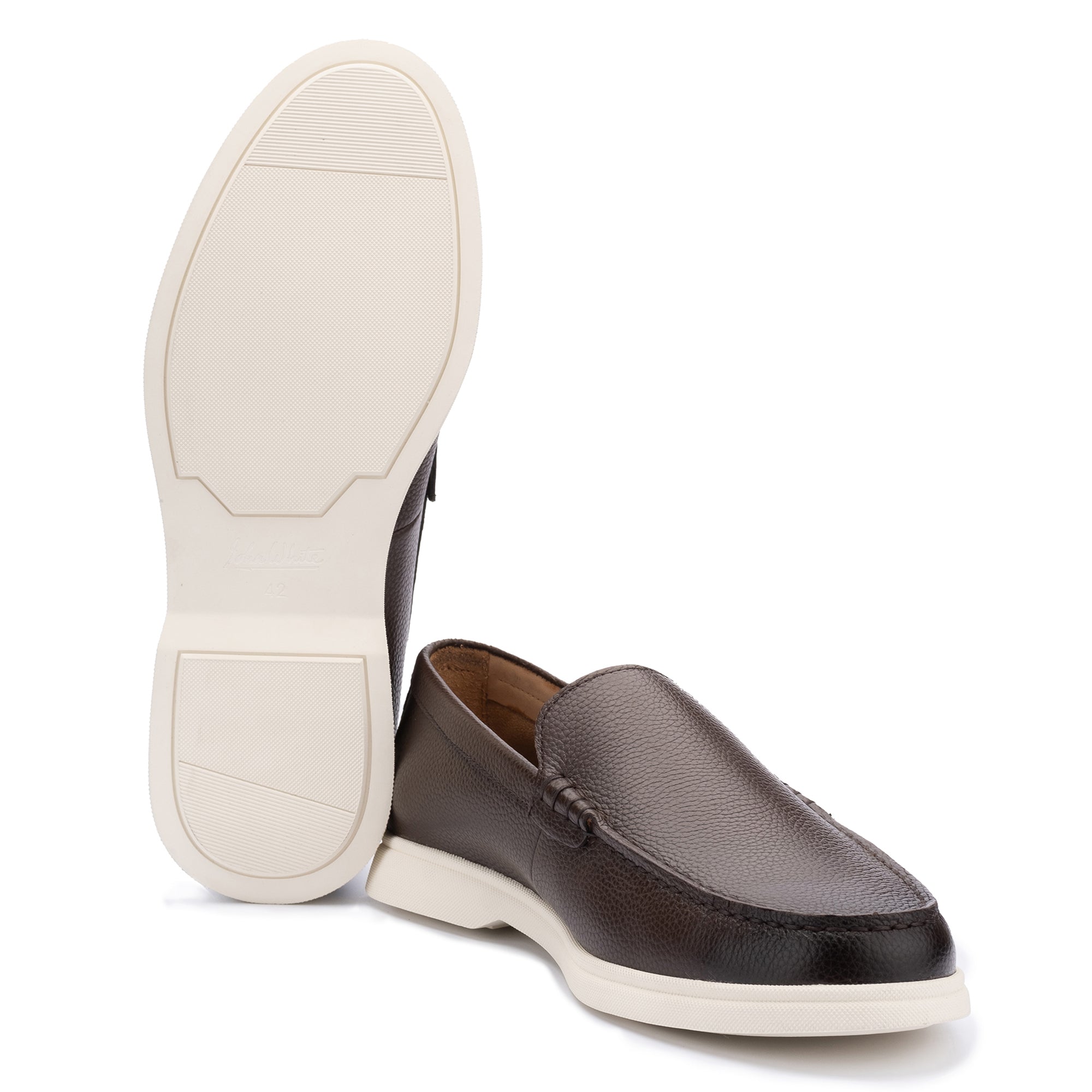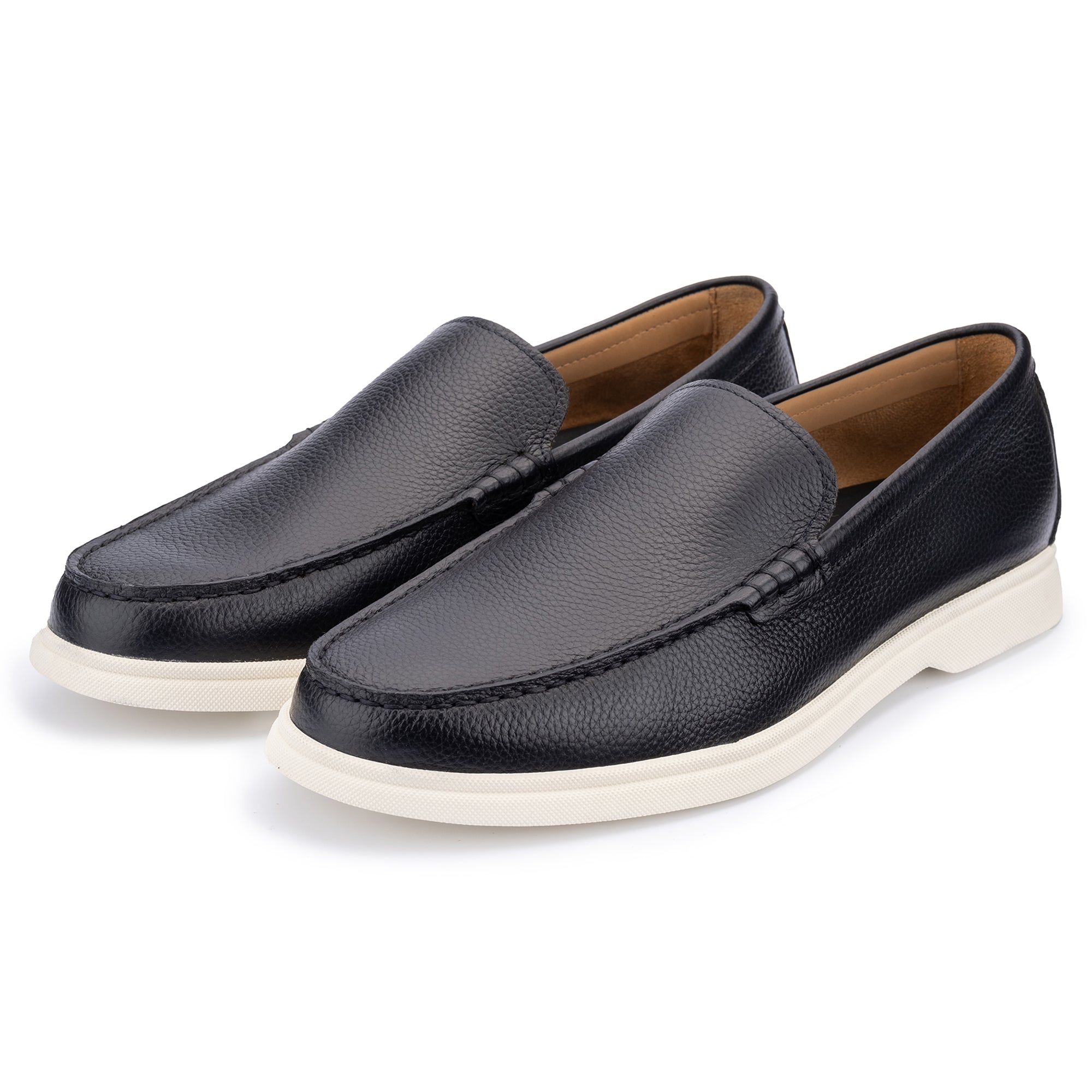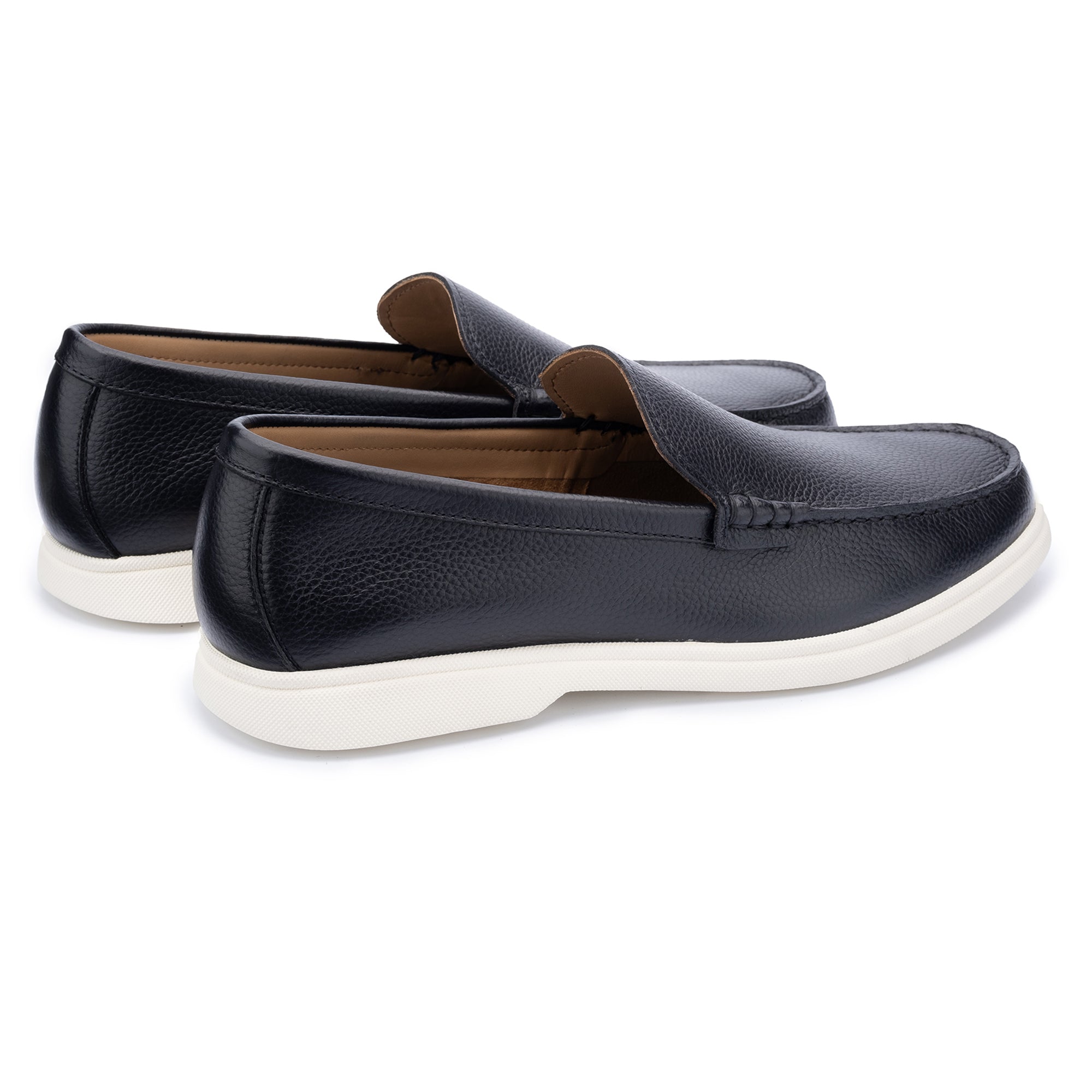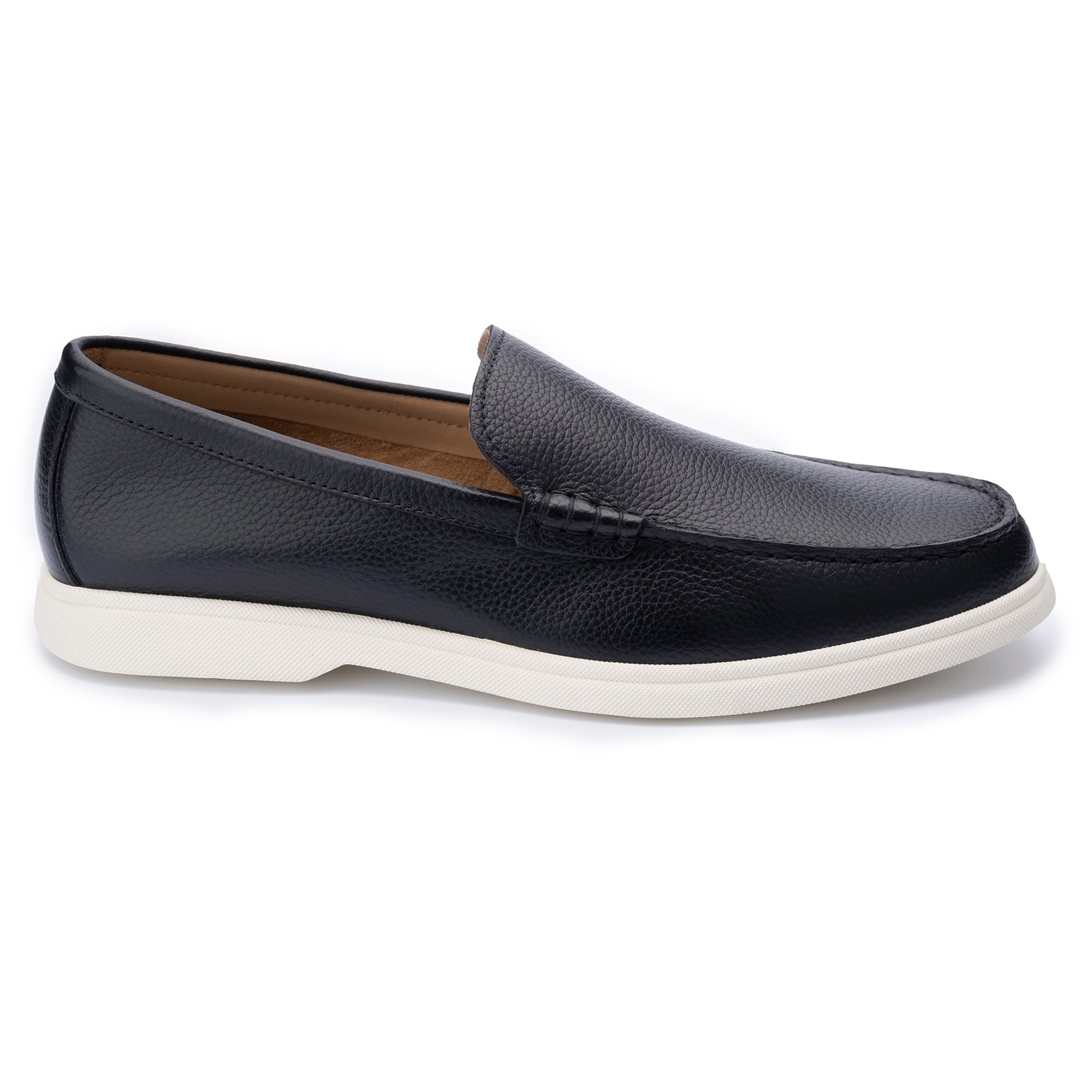

How to Wear Derby Shoes: Smart to Casual Styling Guide for Men
Derby shoes are the most versatile dress shoe a man can own. Their open lacing system suits everything from a business meeting in black leather to a weekend lunch in tan brogue — without looking like you've compromised on either. A well-chosen pair of black or brown Derbies will carry you across more occasions than almost any other shoe in your wardrobe.
In This Guide
The Derby has outlasted decades of changing trends, and it's done so without effort. It works with a suit on Monday and dark jeans on Saturday. It's understated enough for a formal office and characterful enough for a country weekend. If you're building a serious shoe wardrobe, a Derby is where most men should start.
What Is a Derby Shoe?
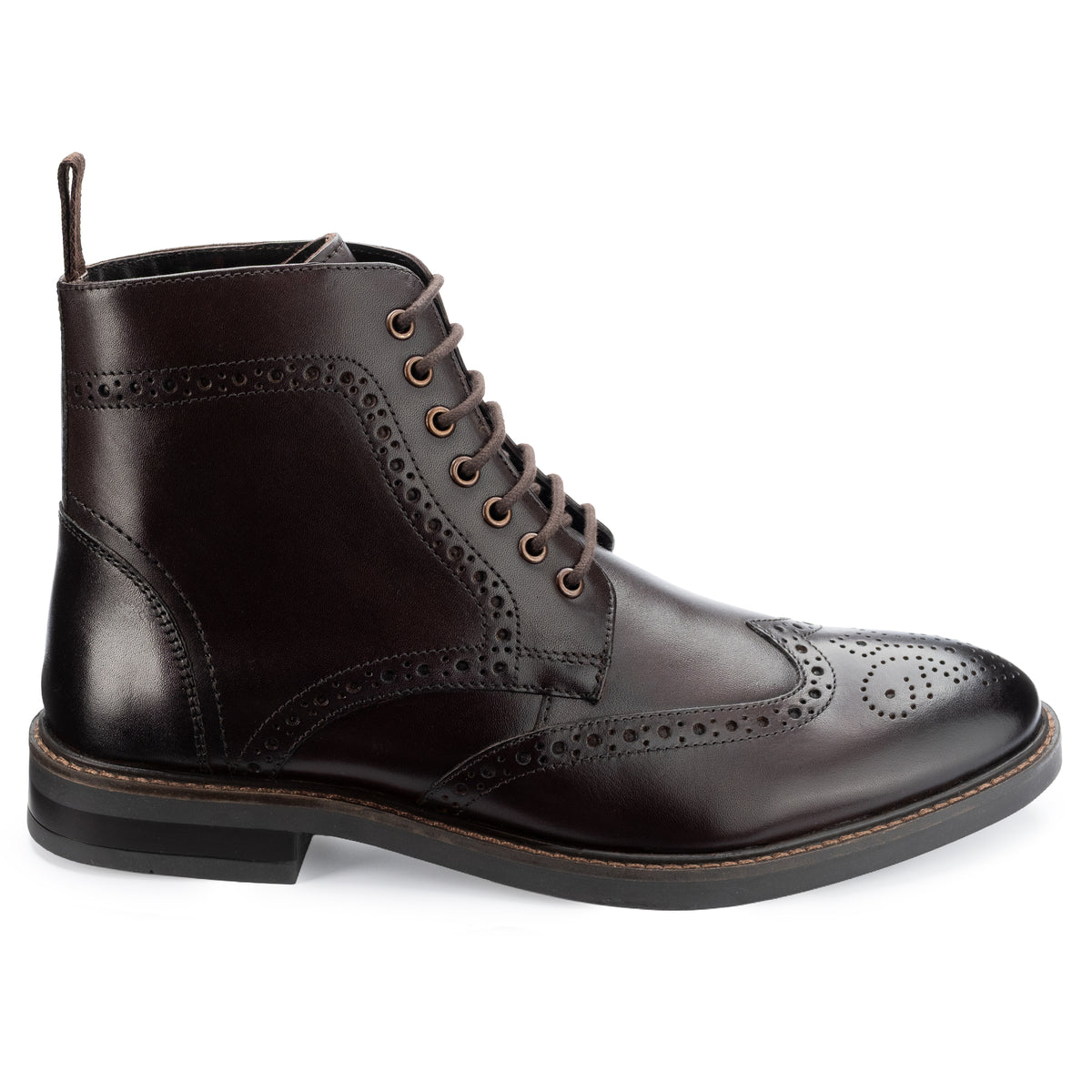
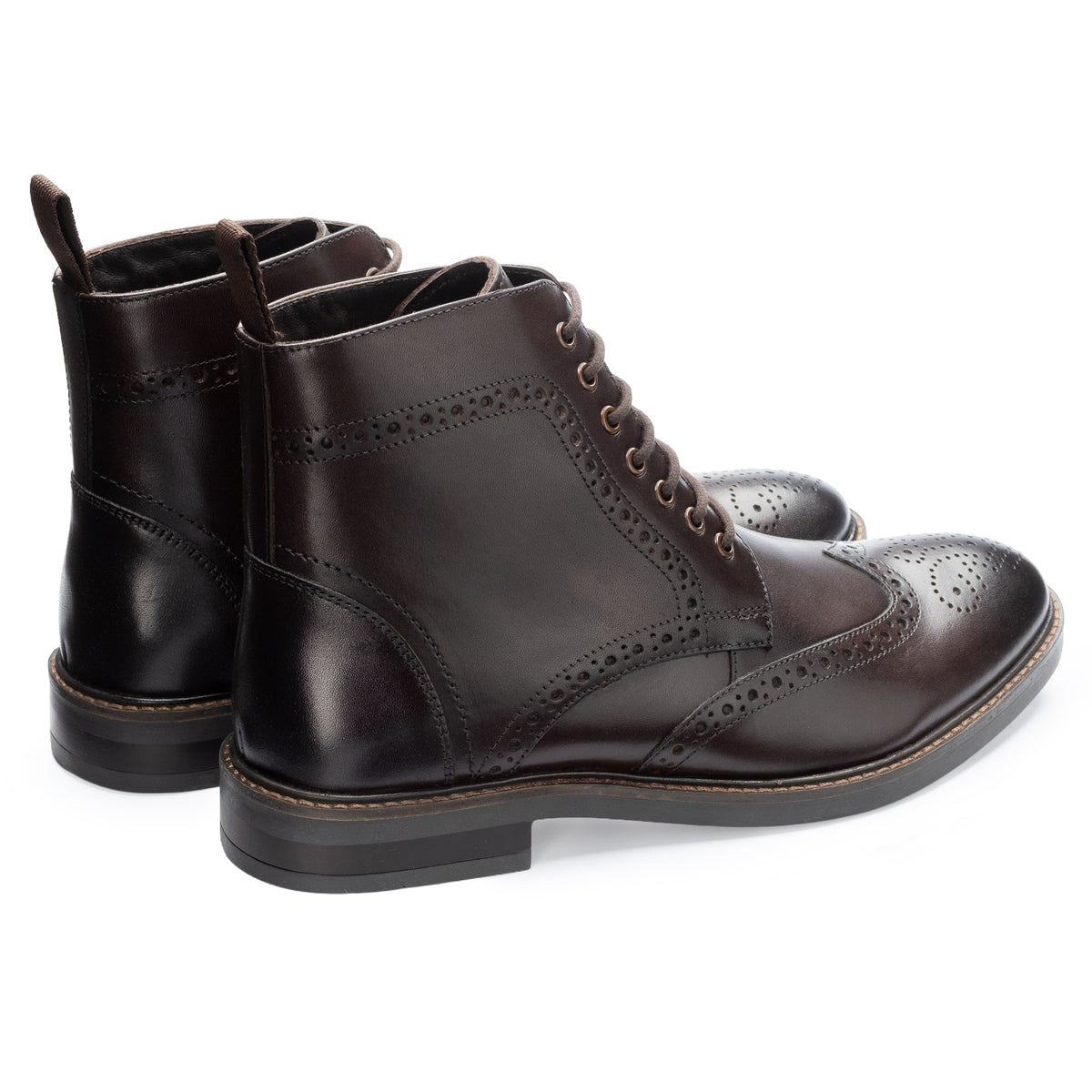
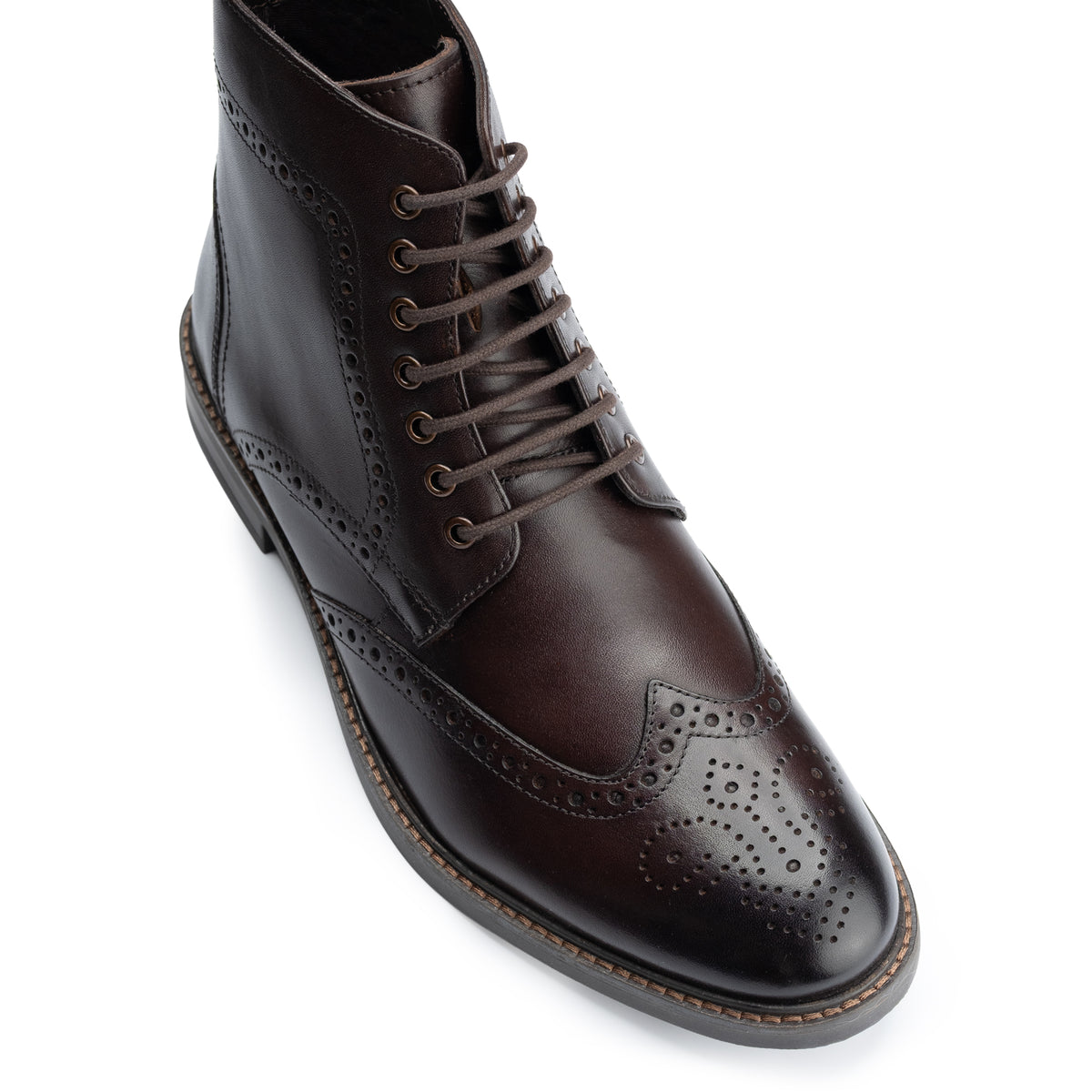
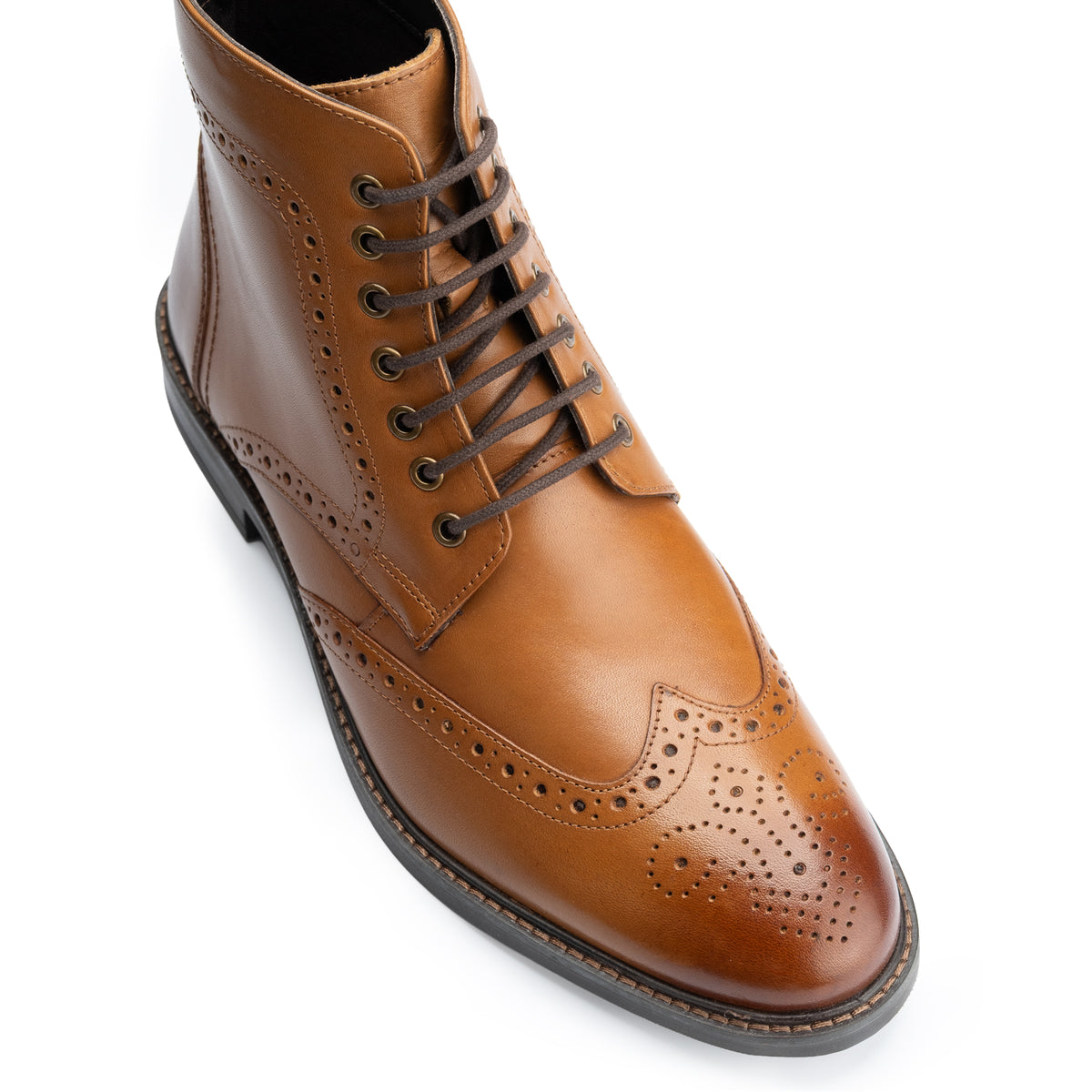
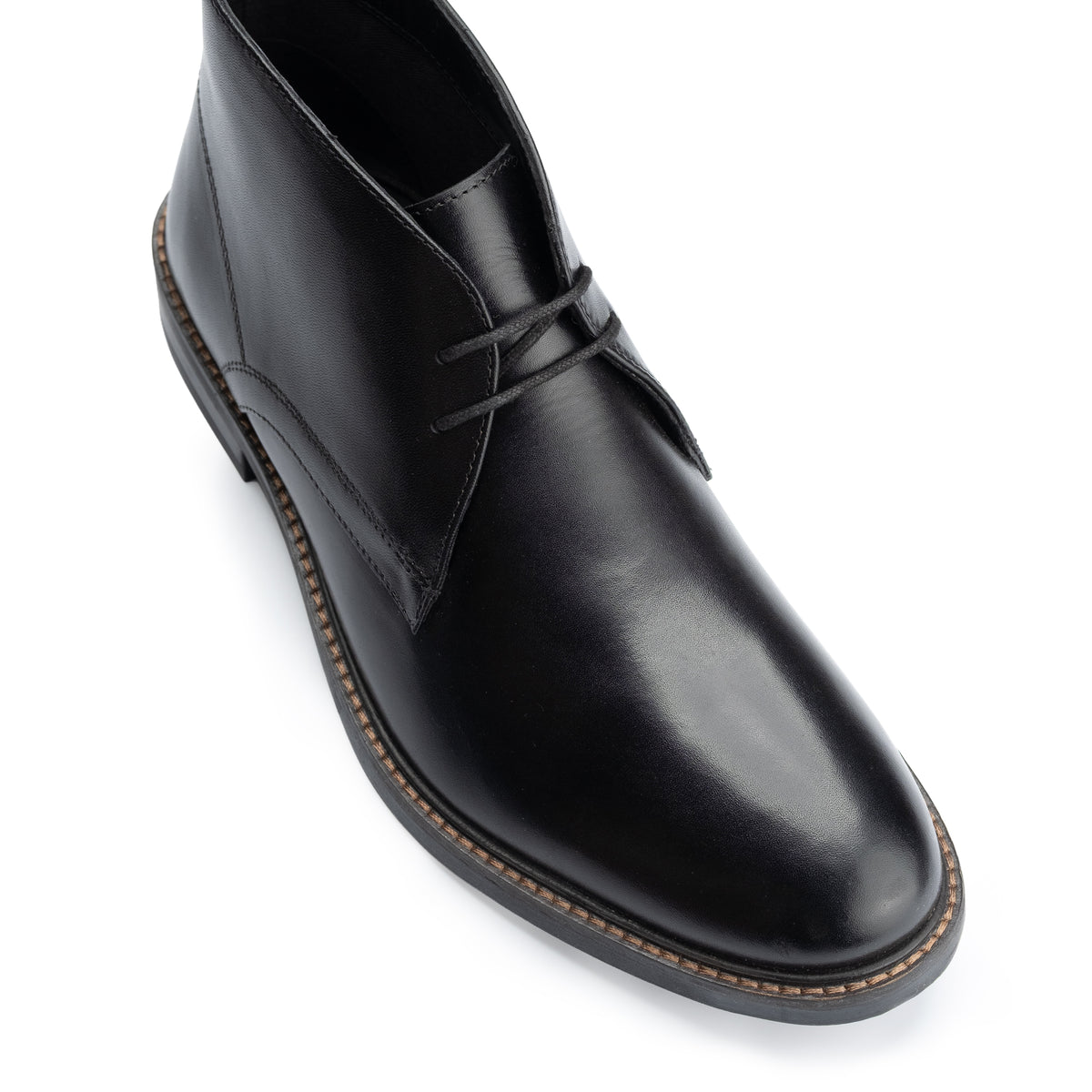
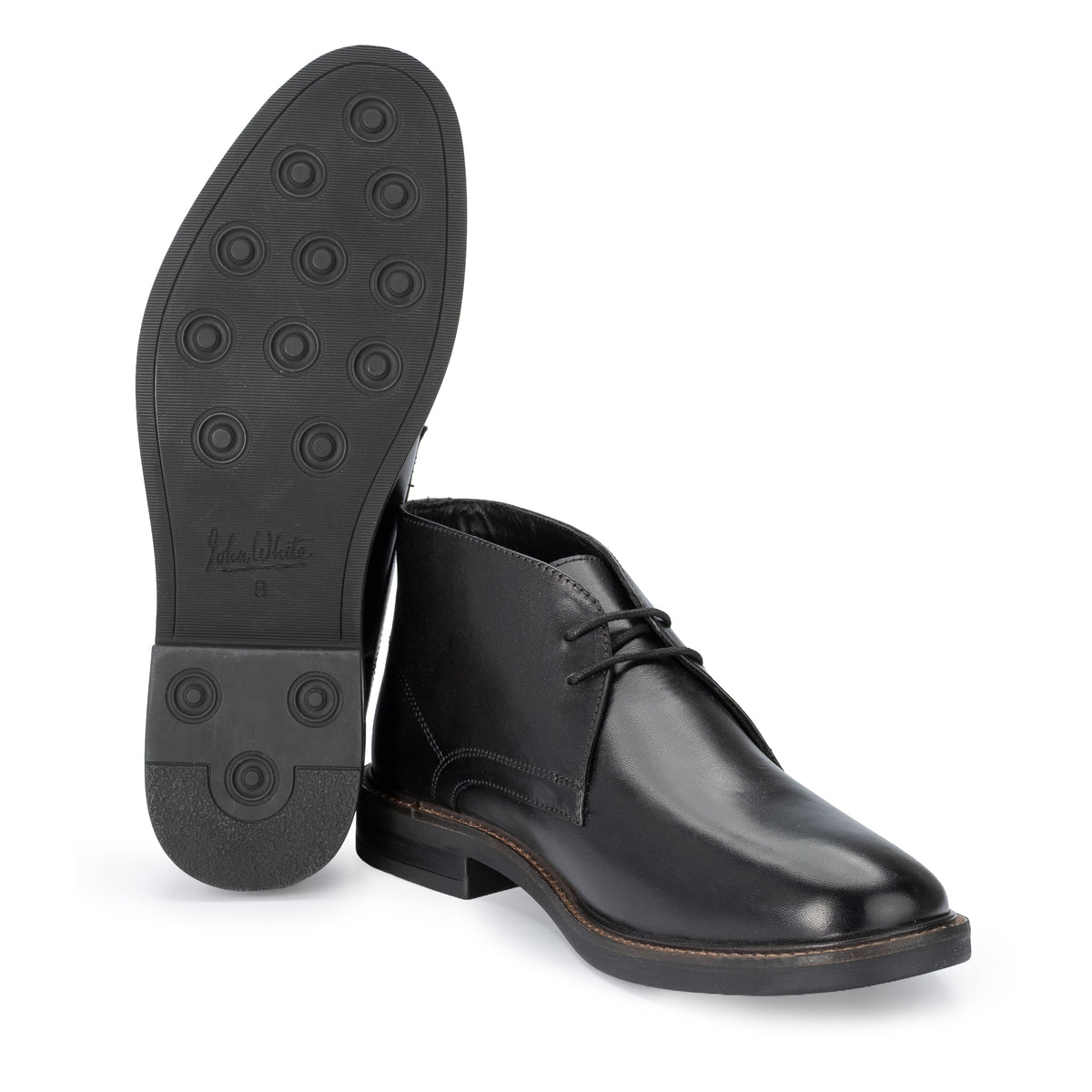
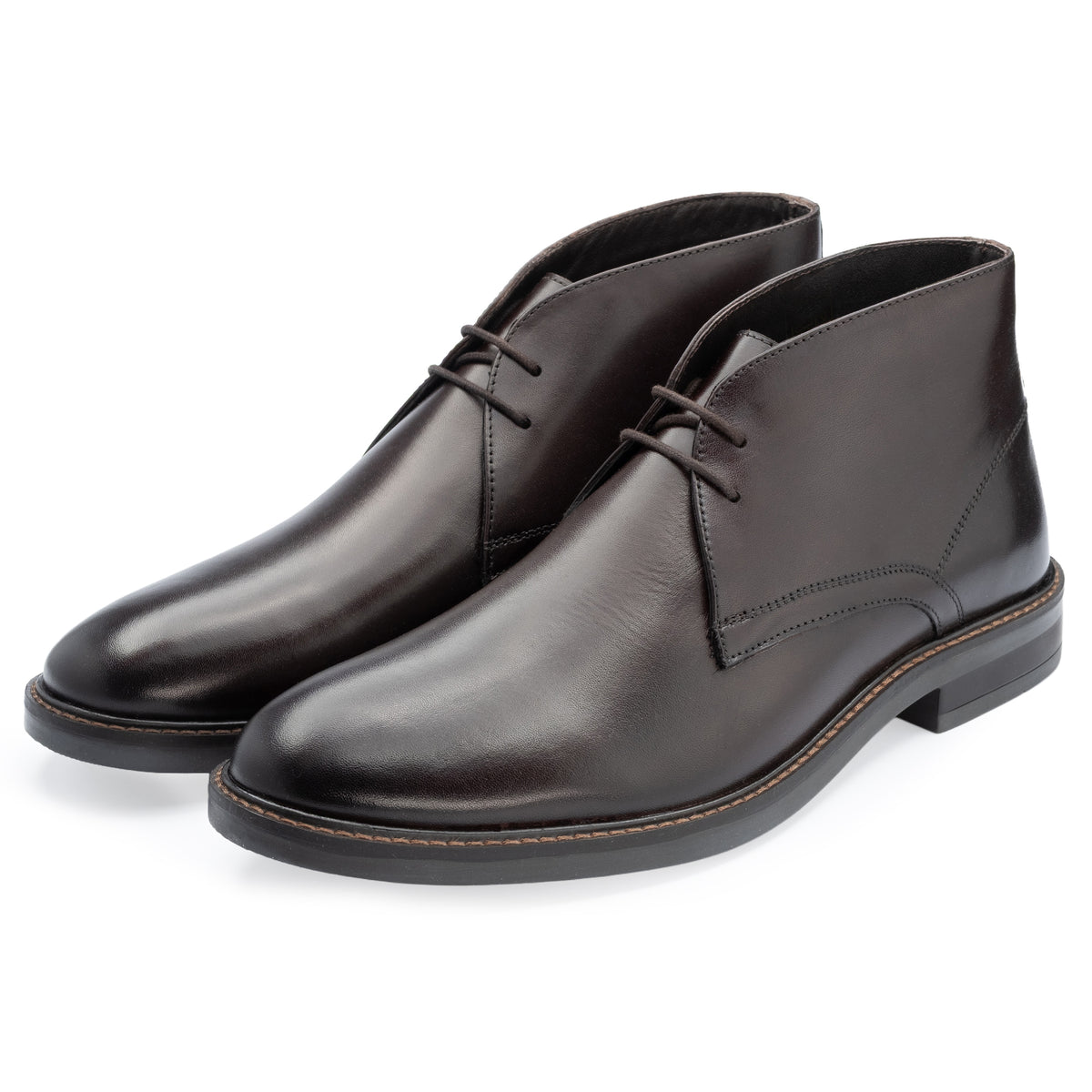
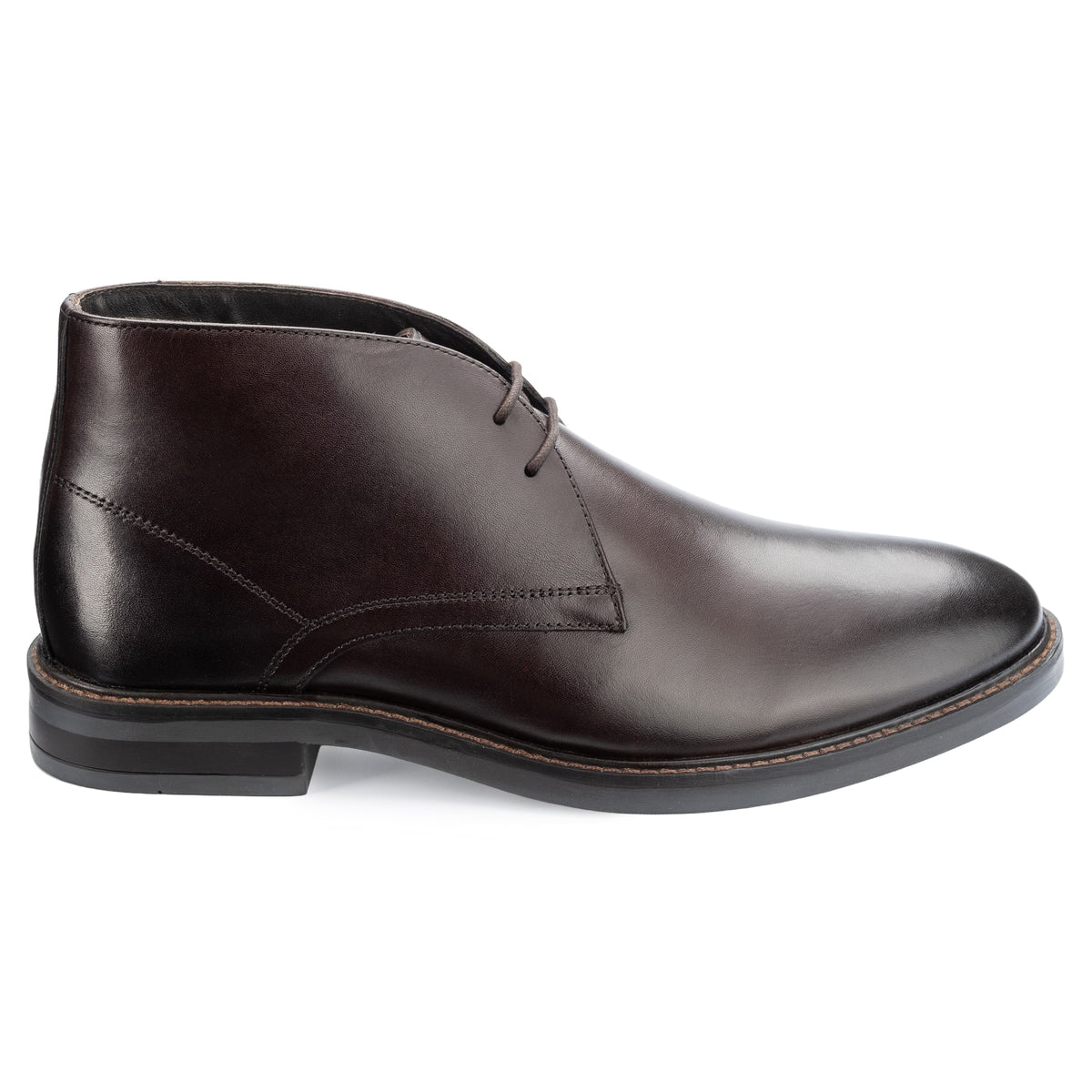
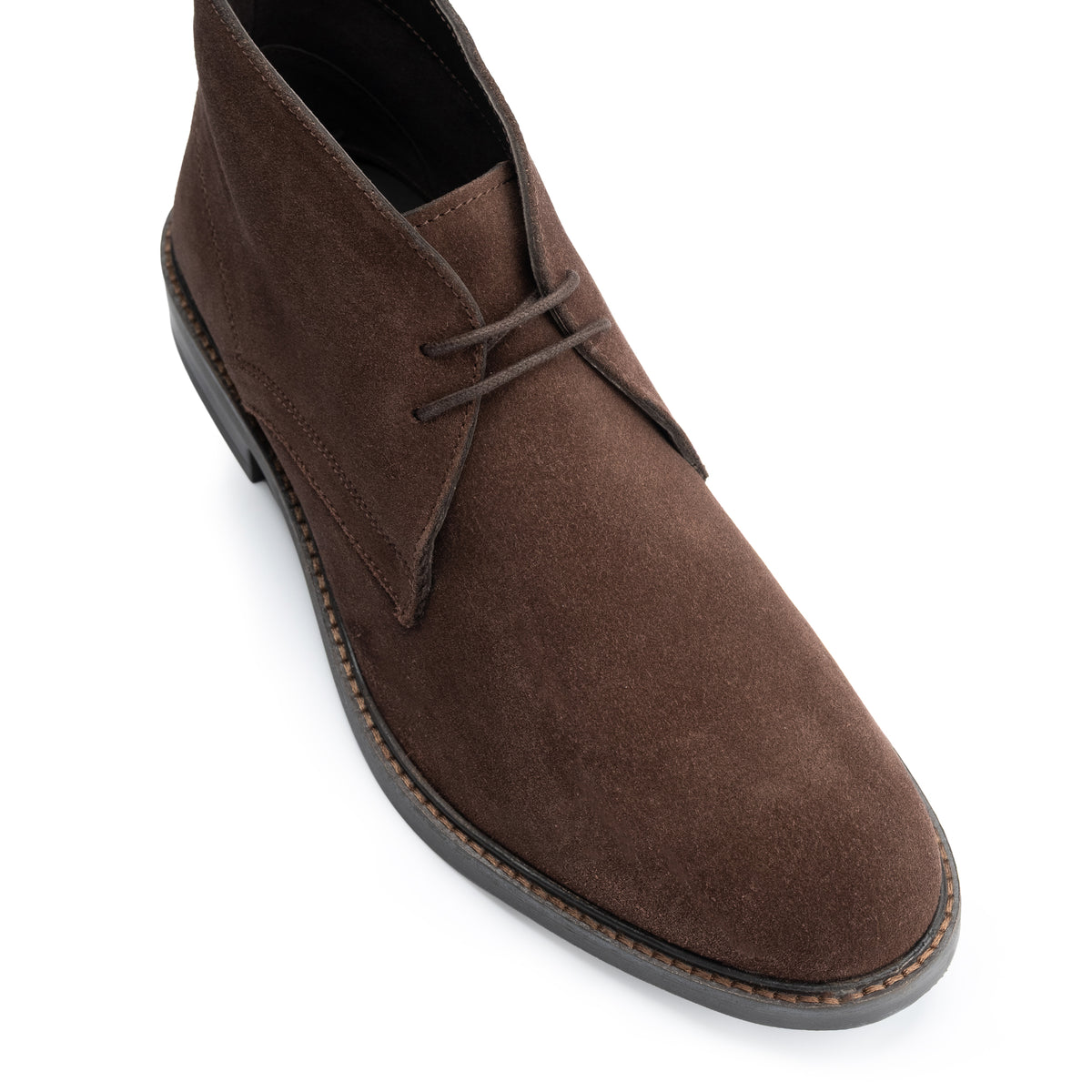
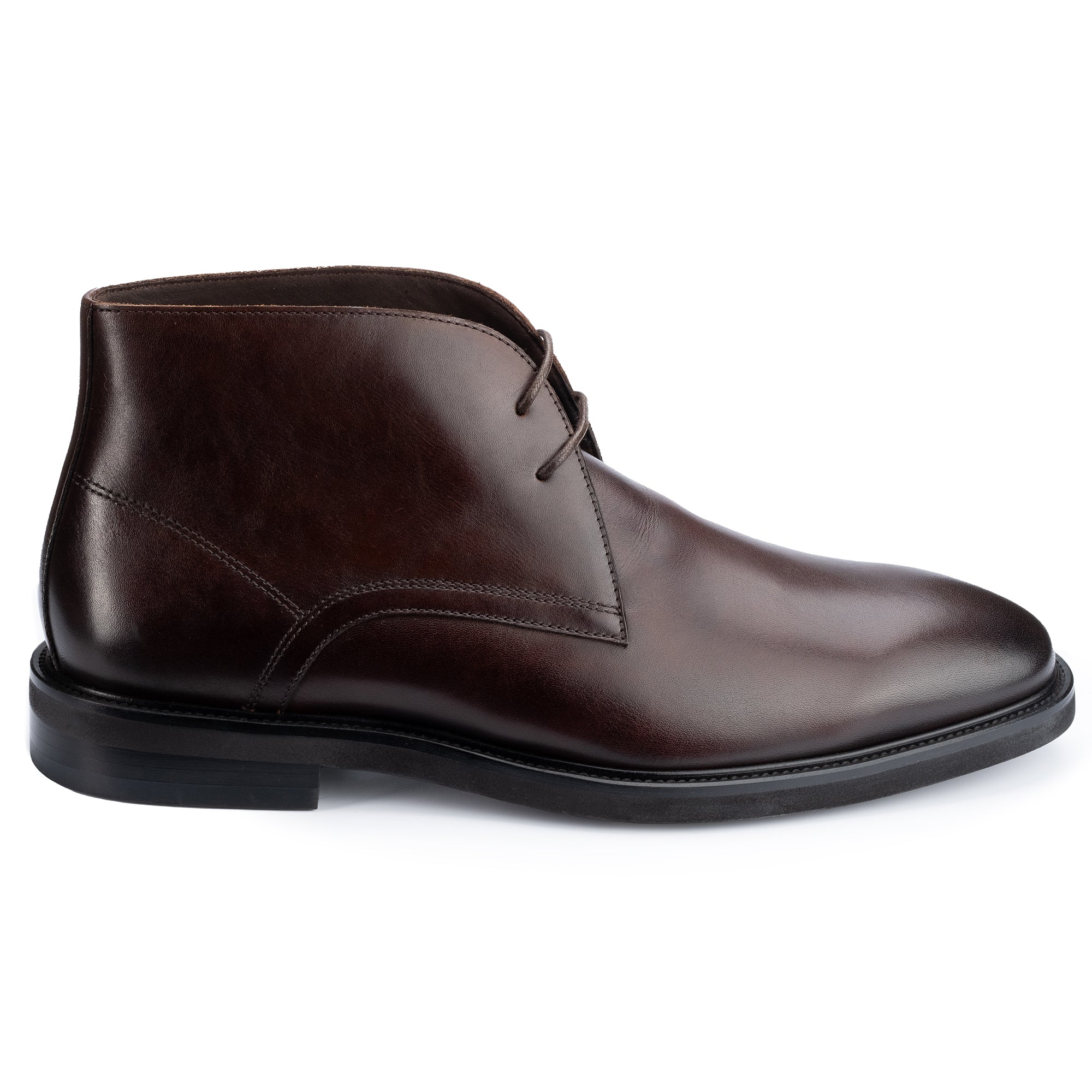
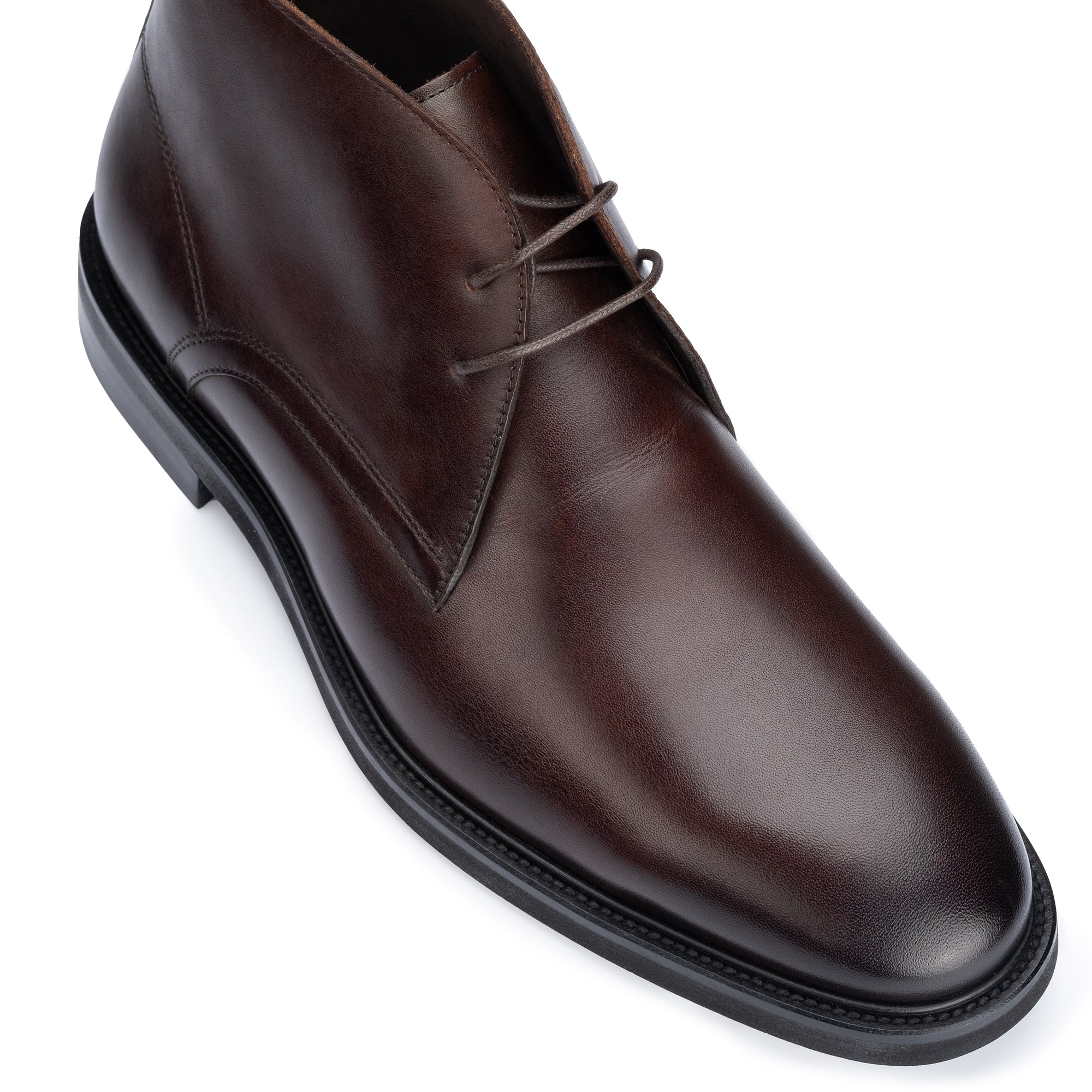
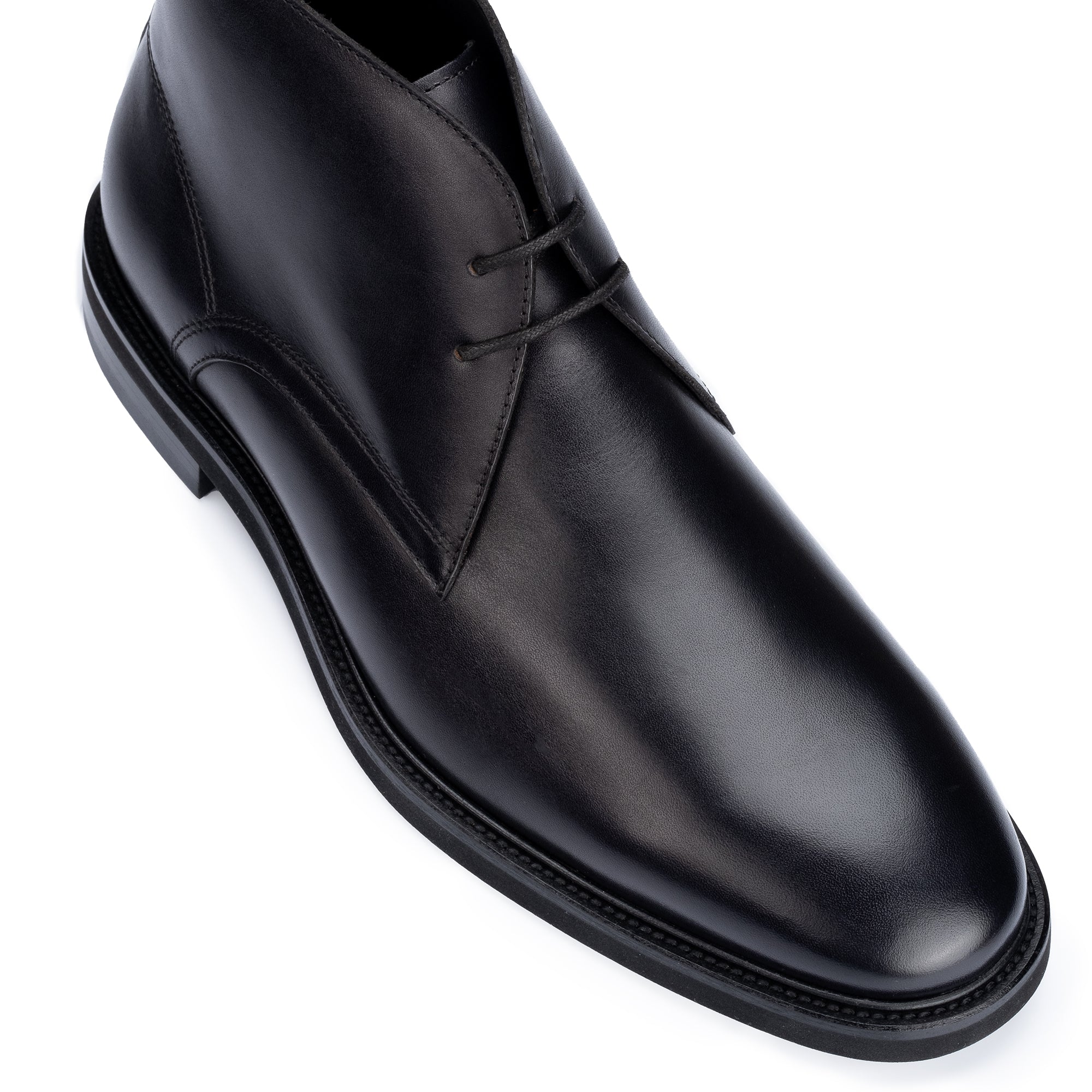
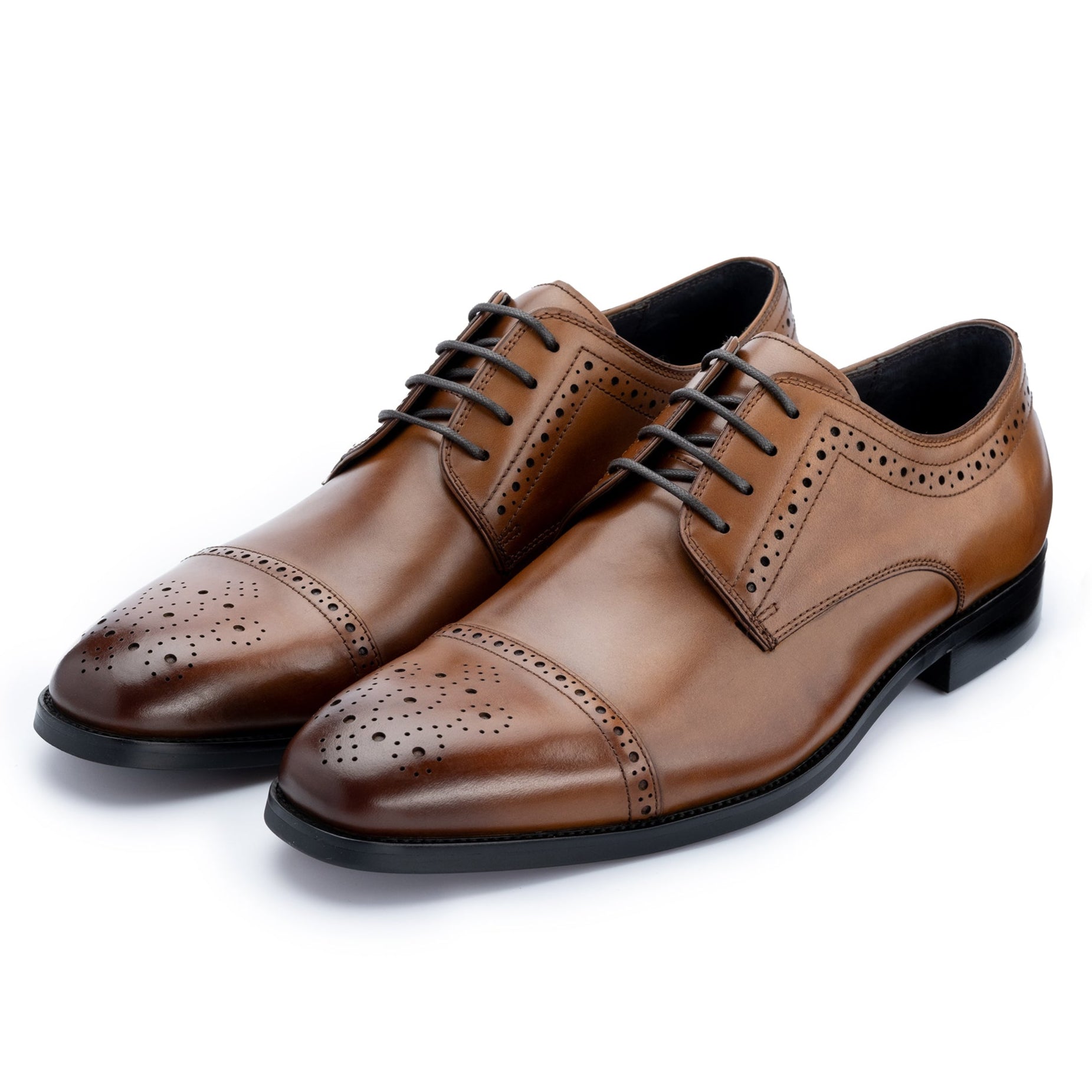
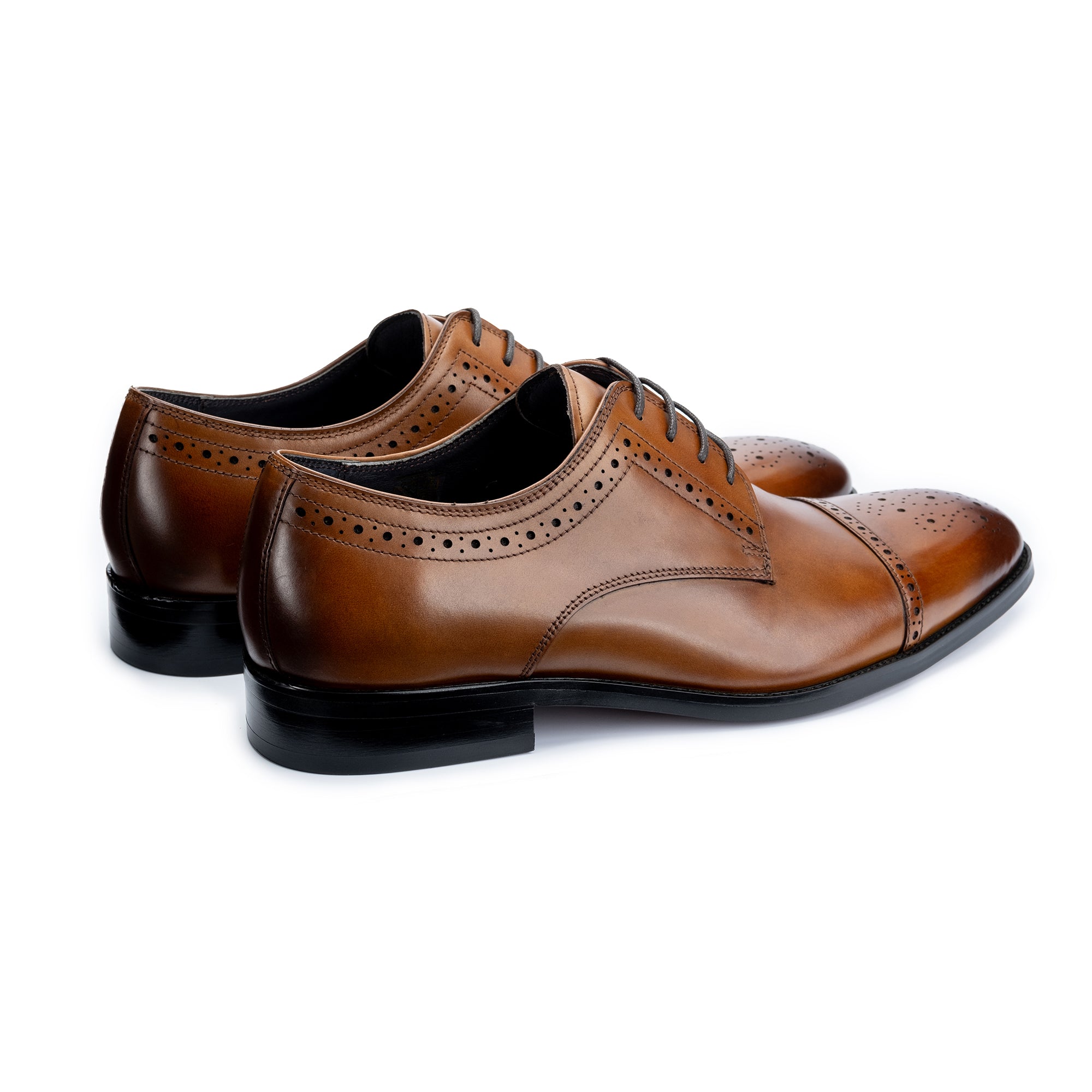
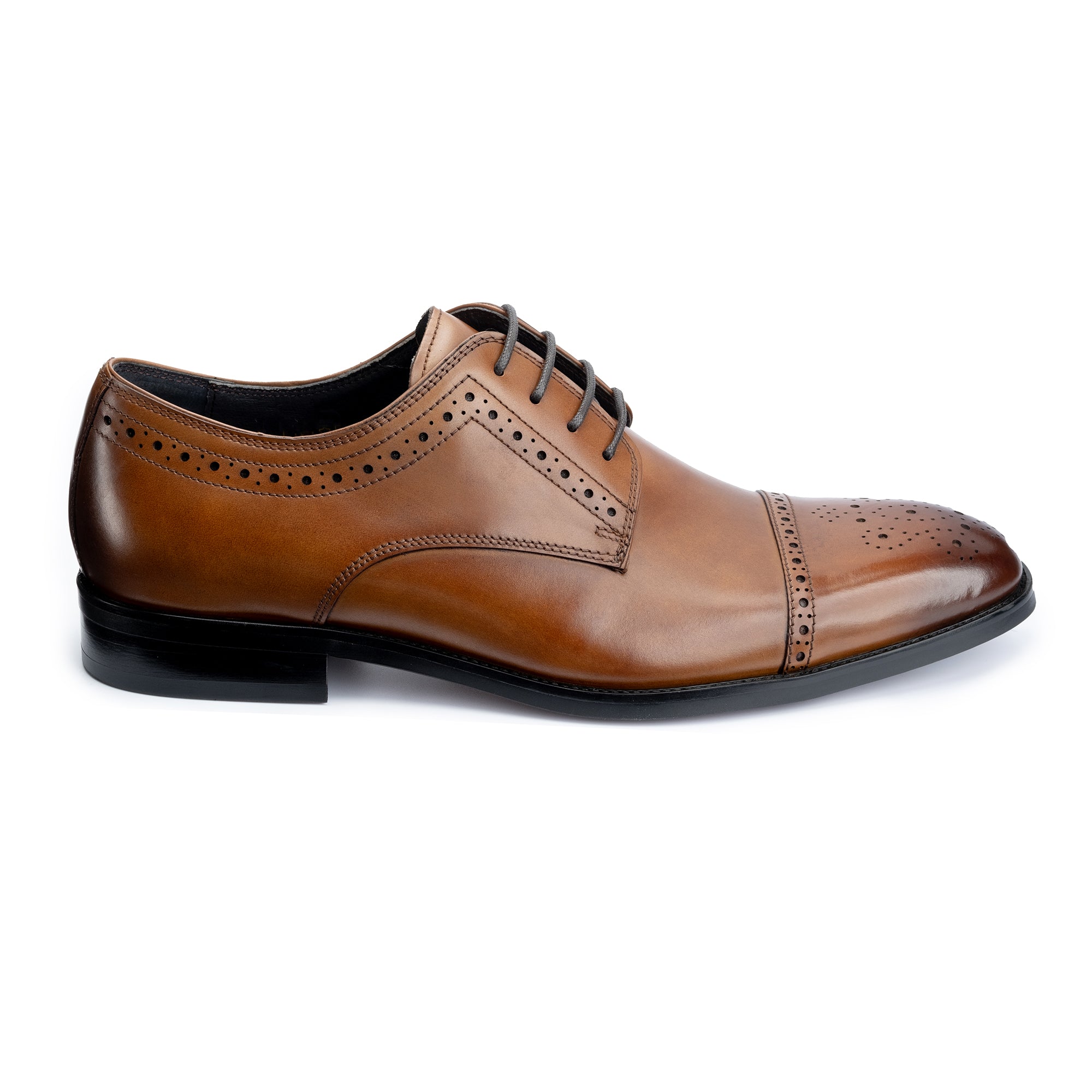
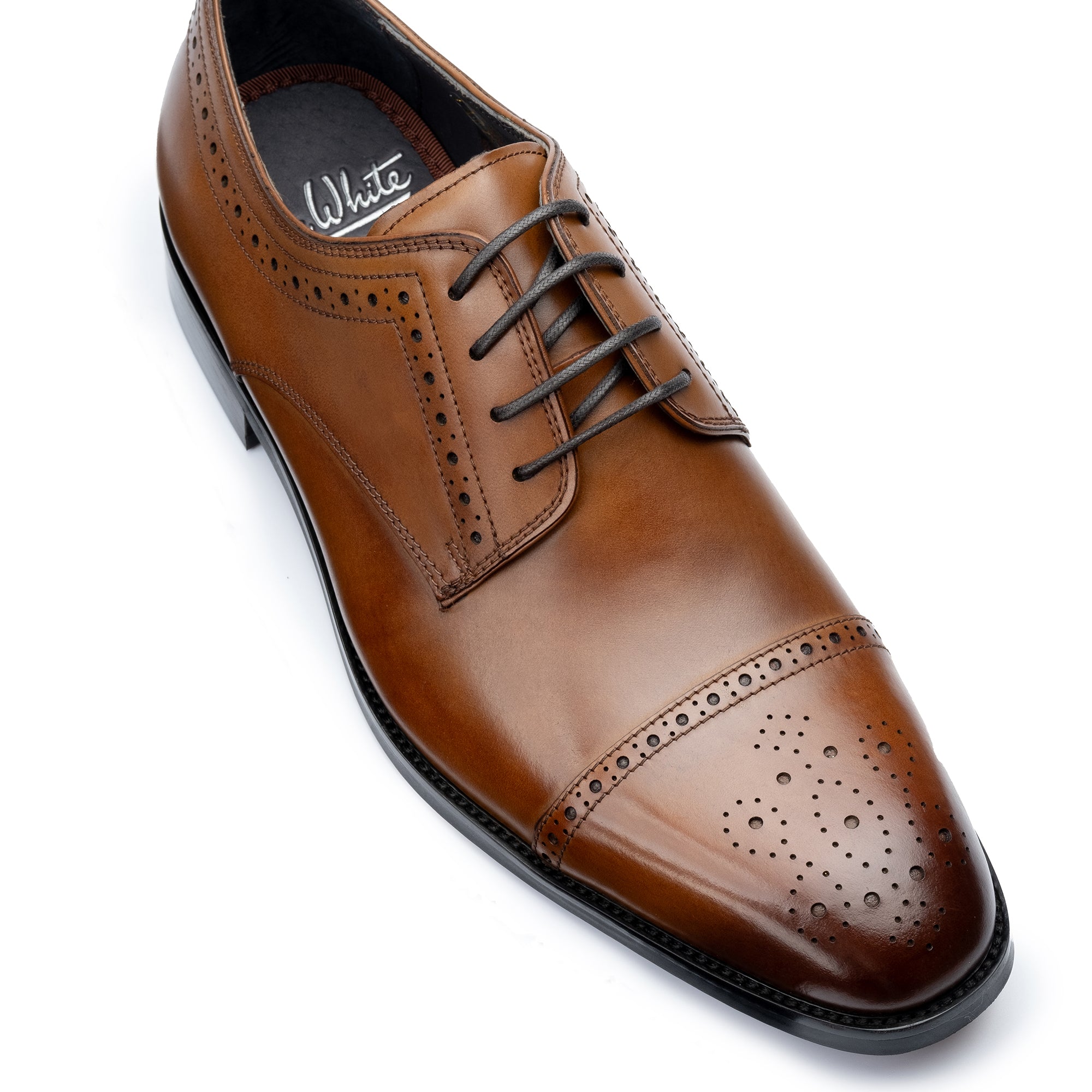
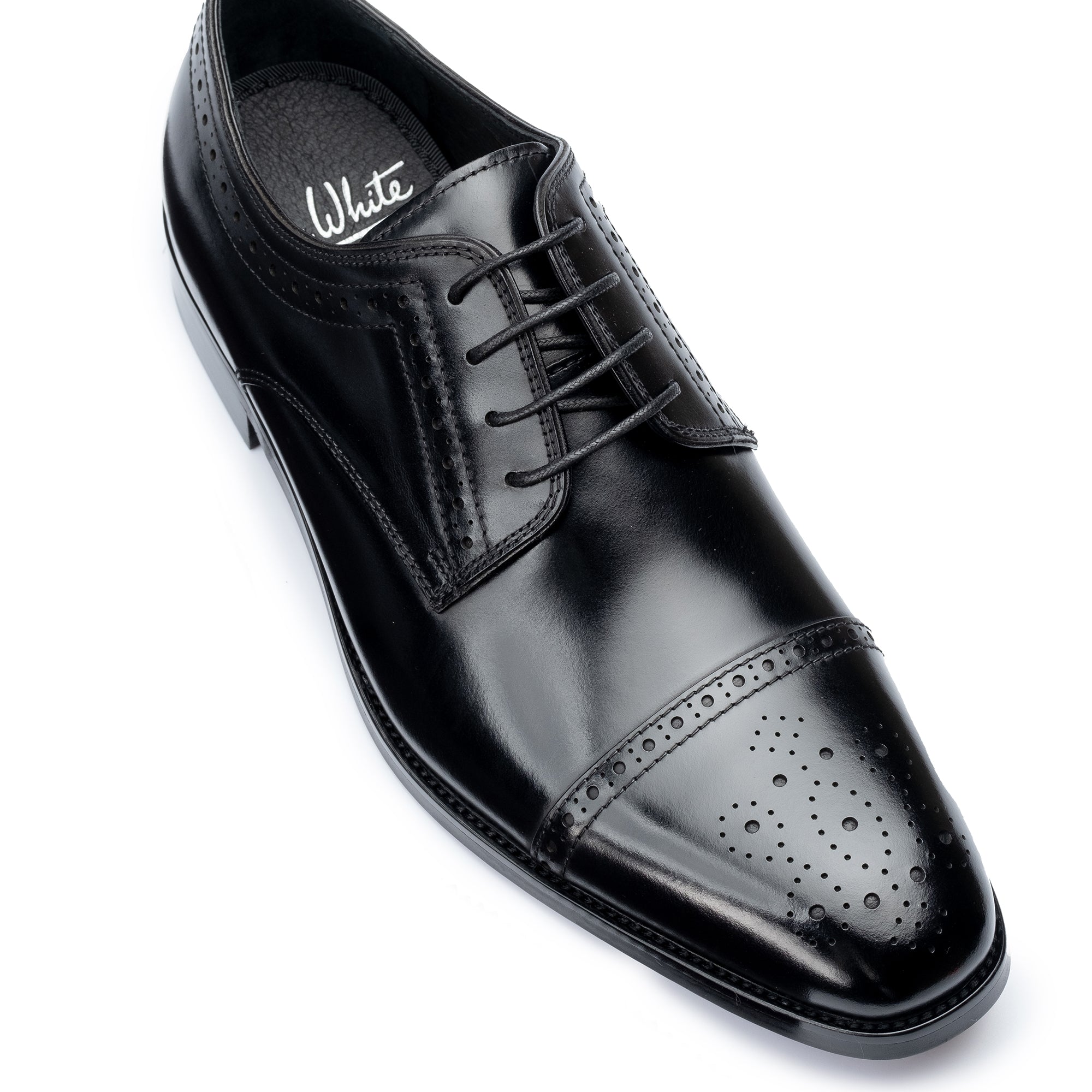
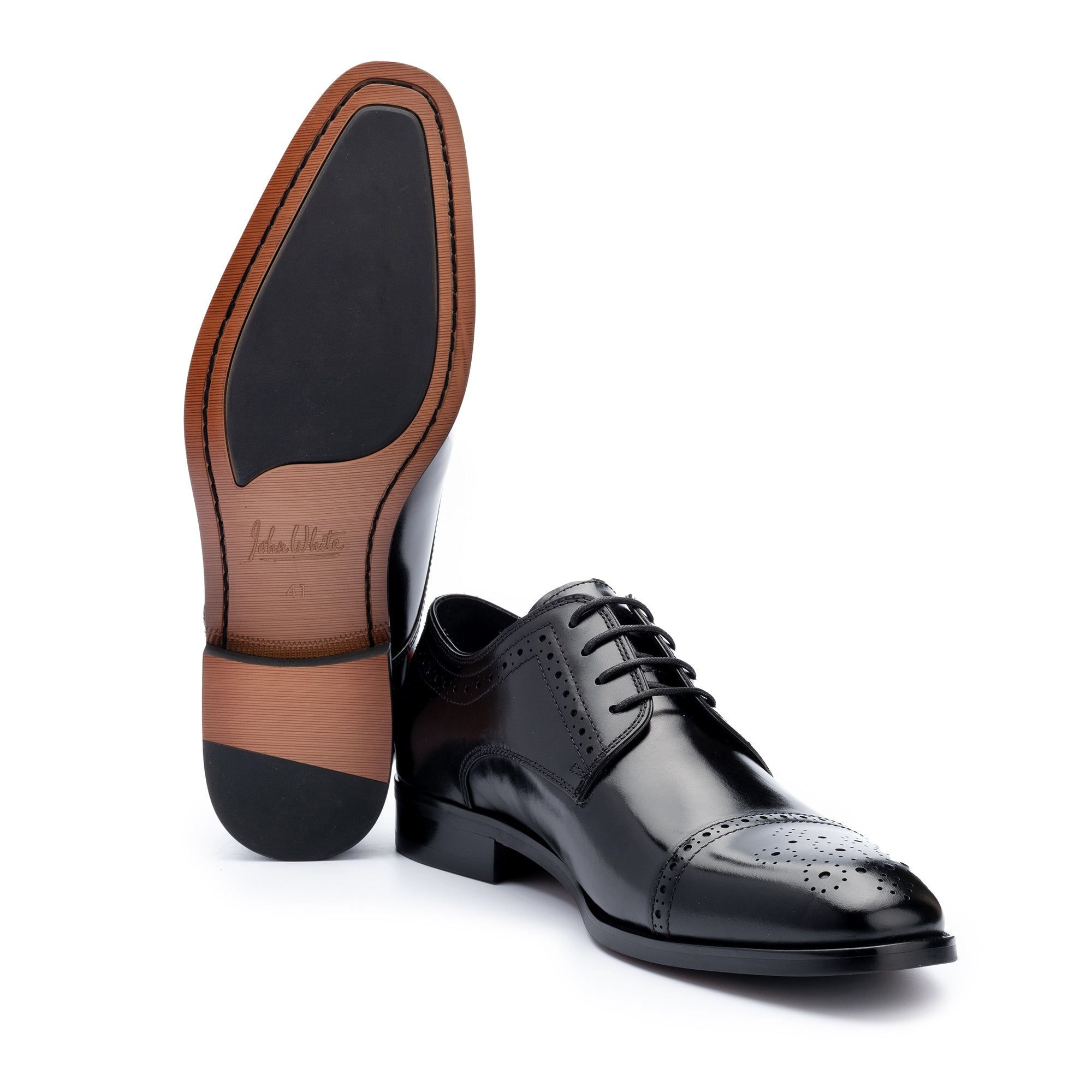
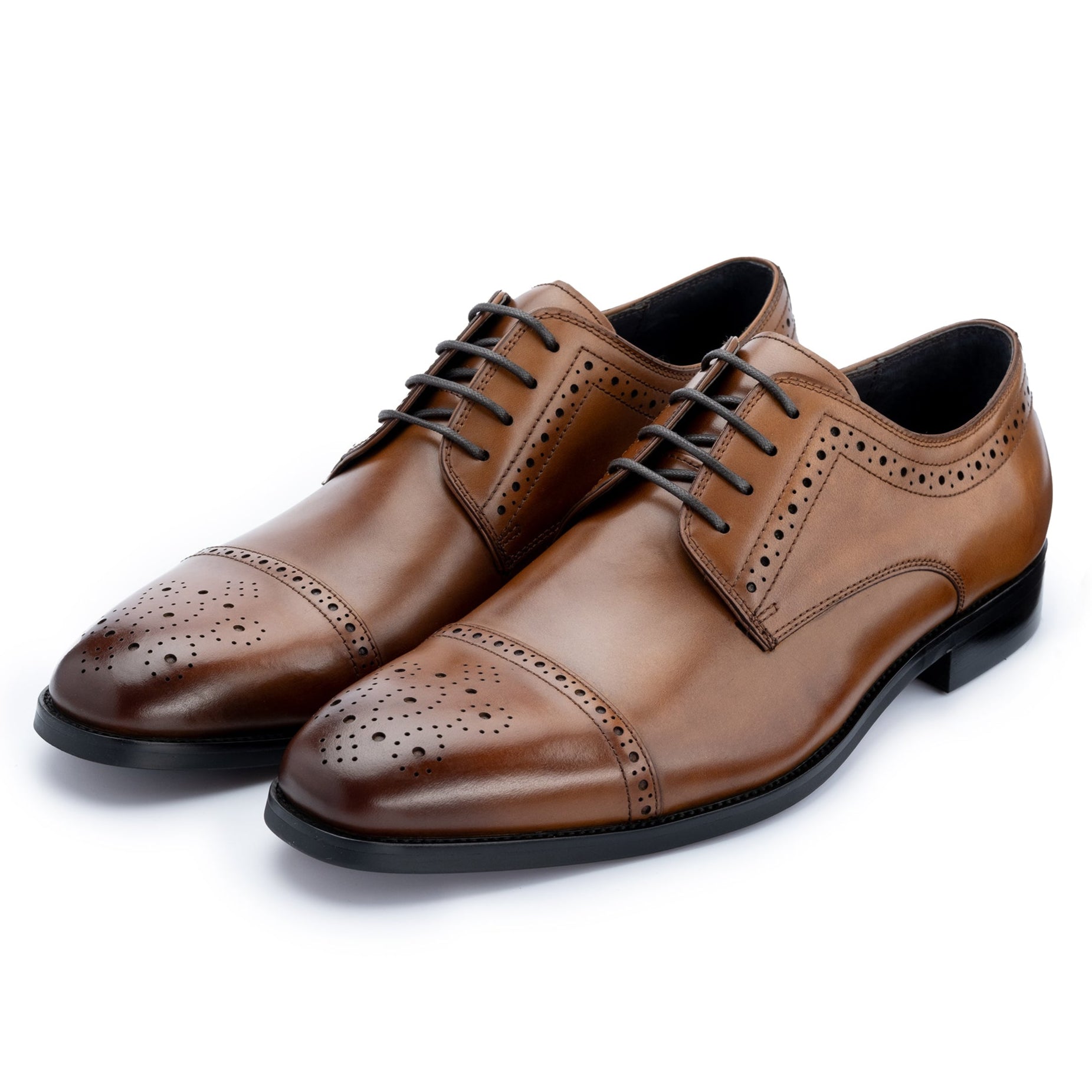
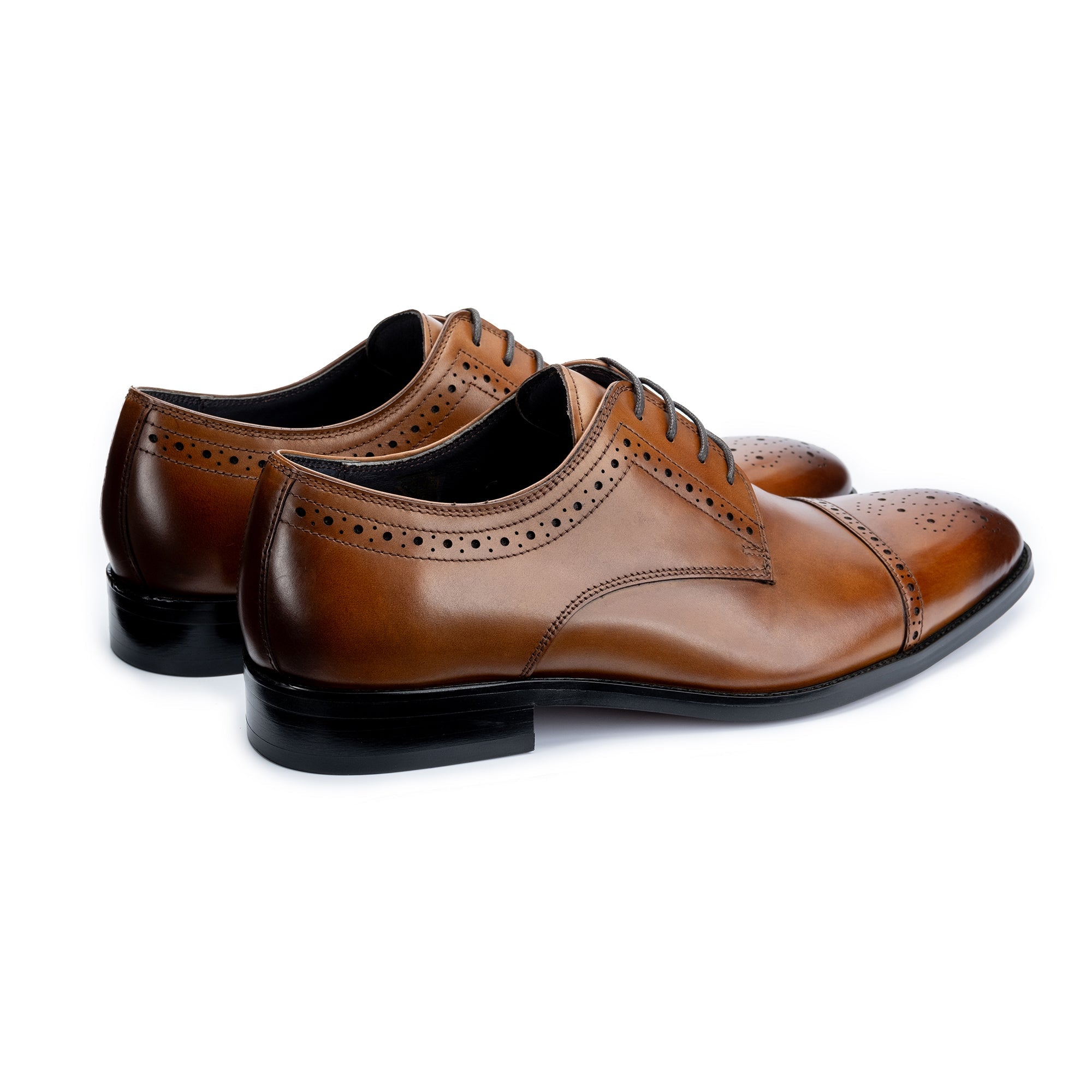
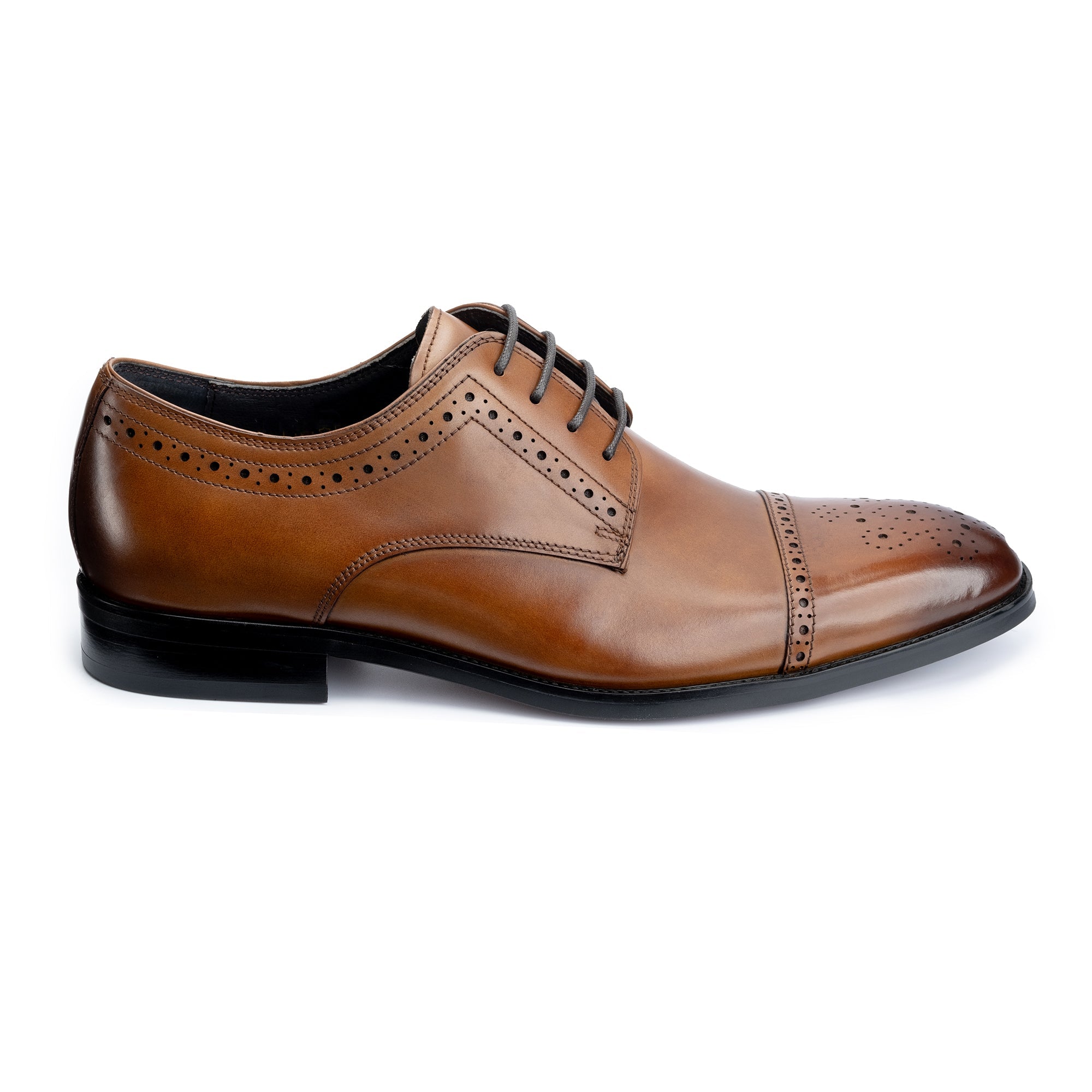
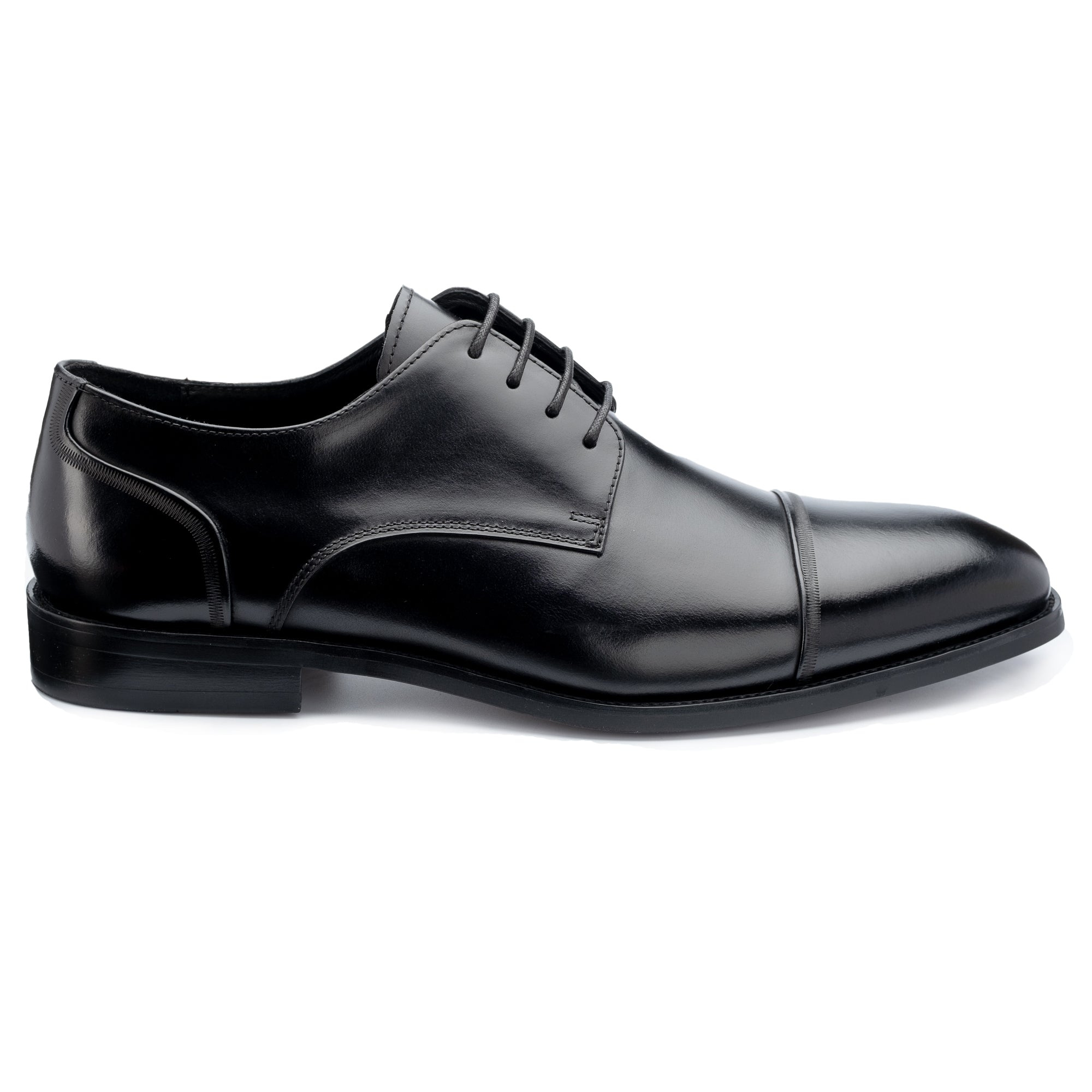
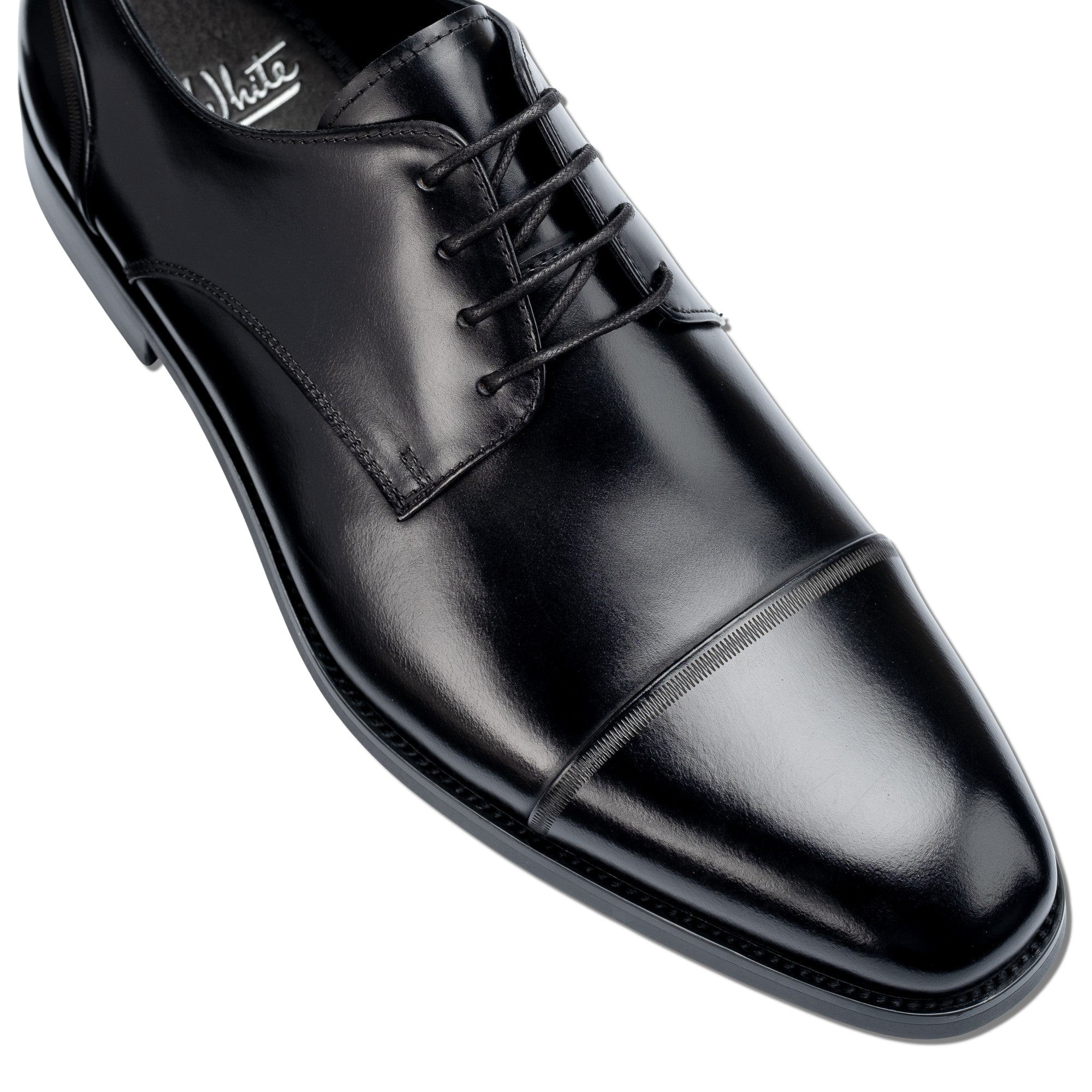
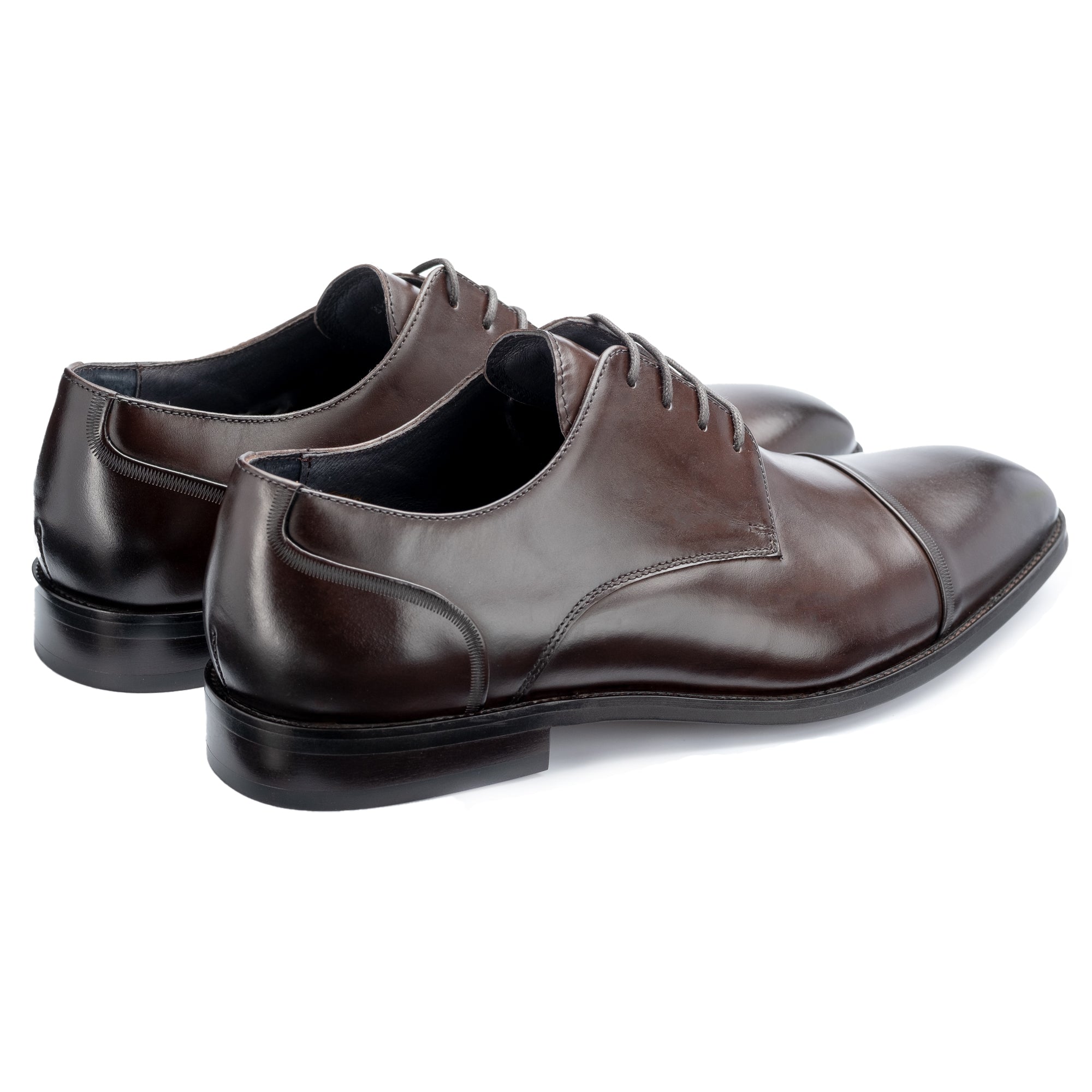
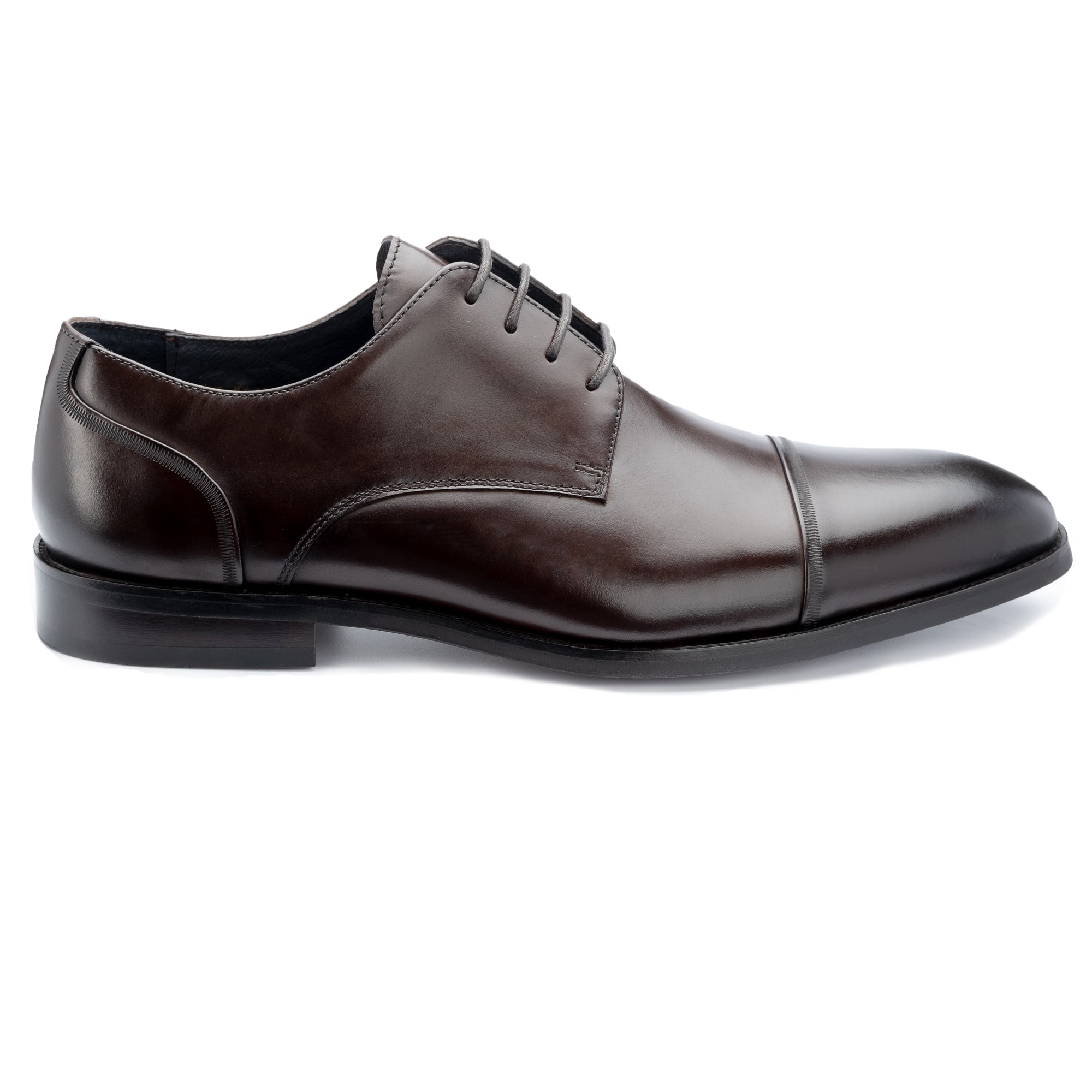
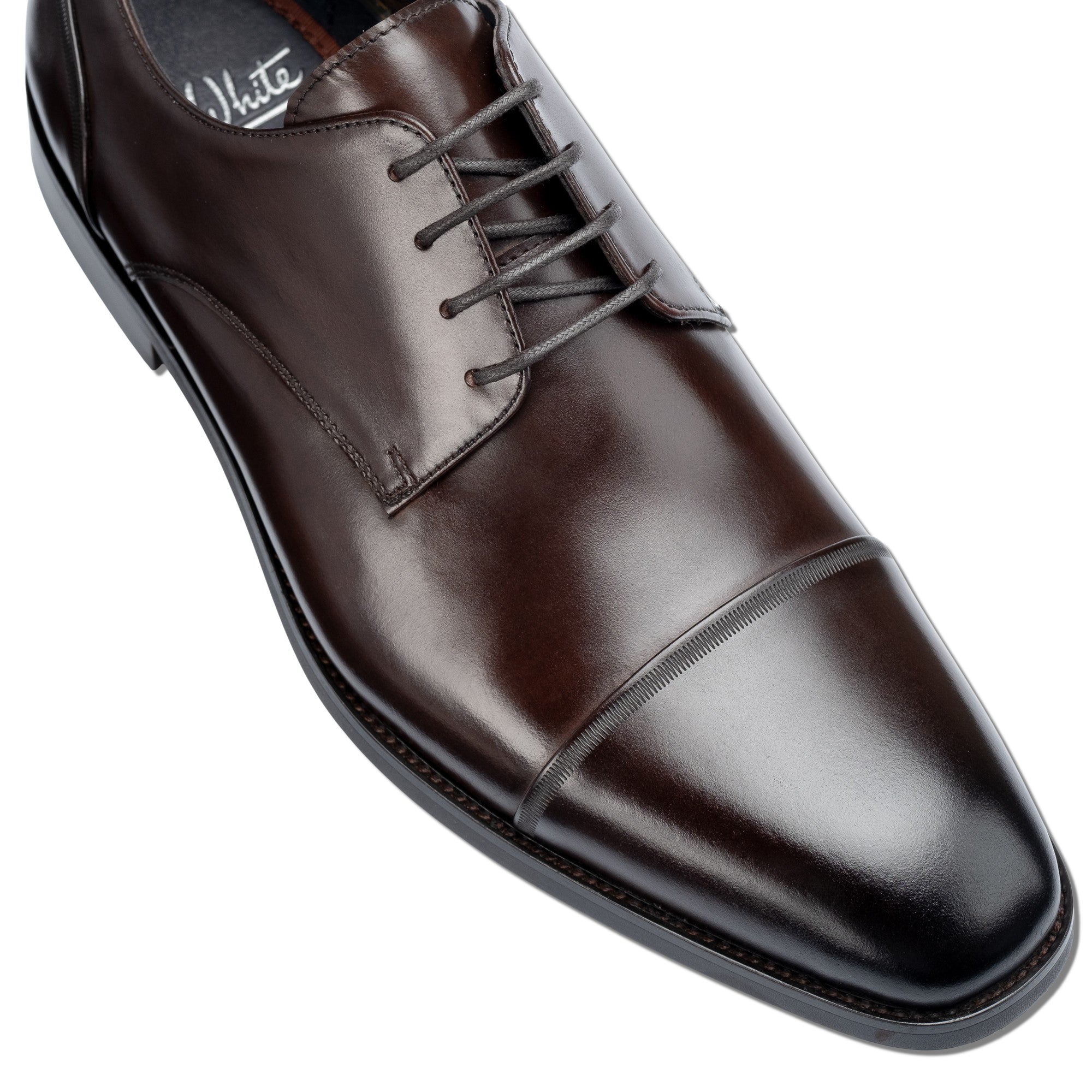
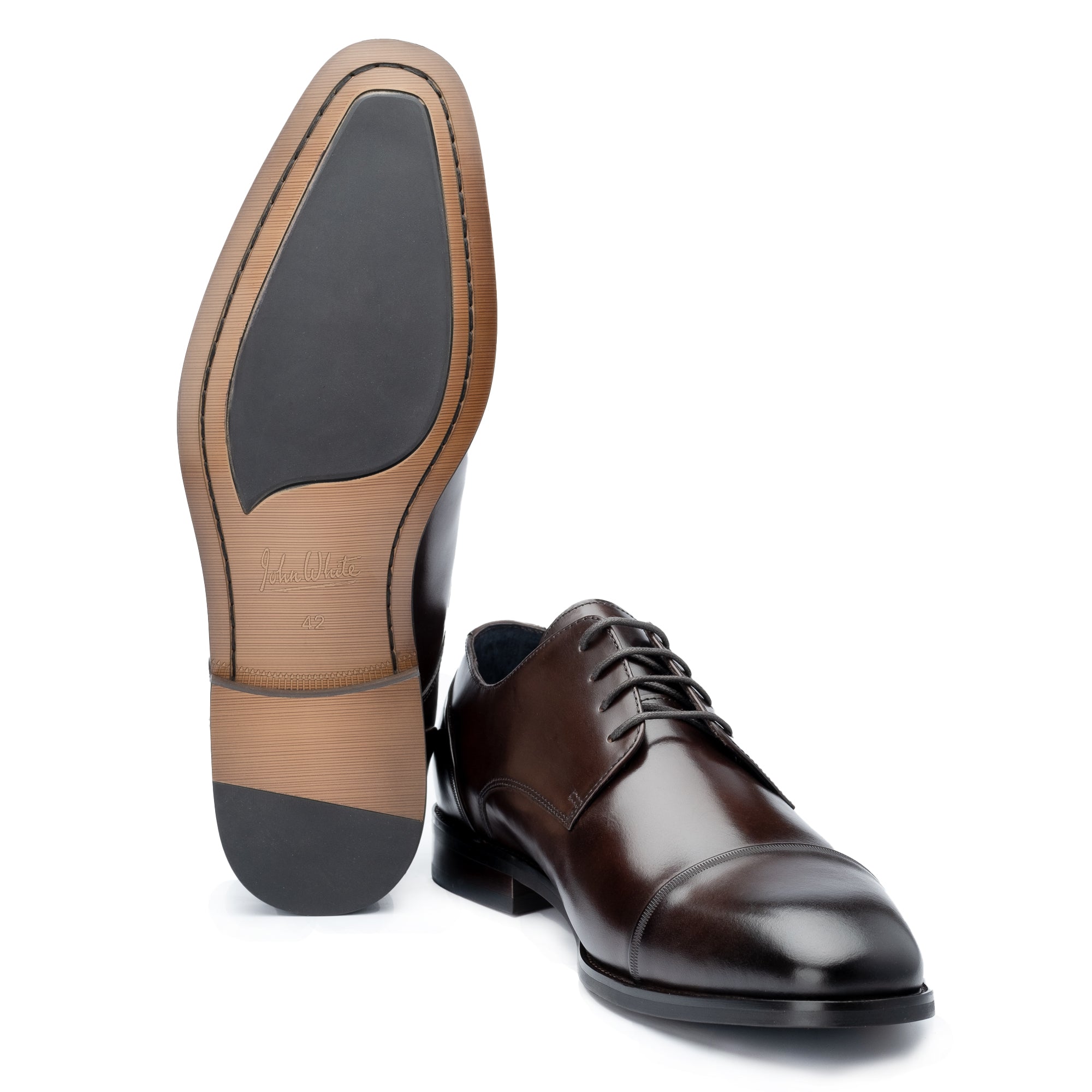
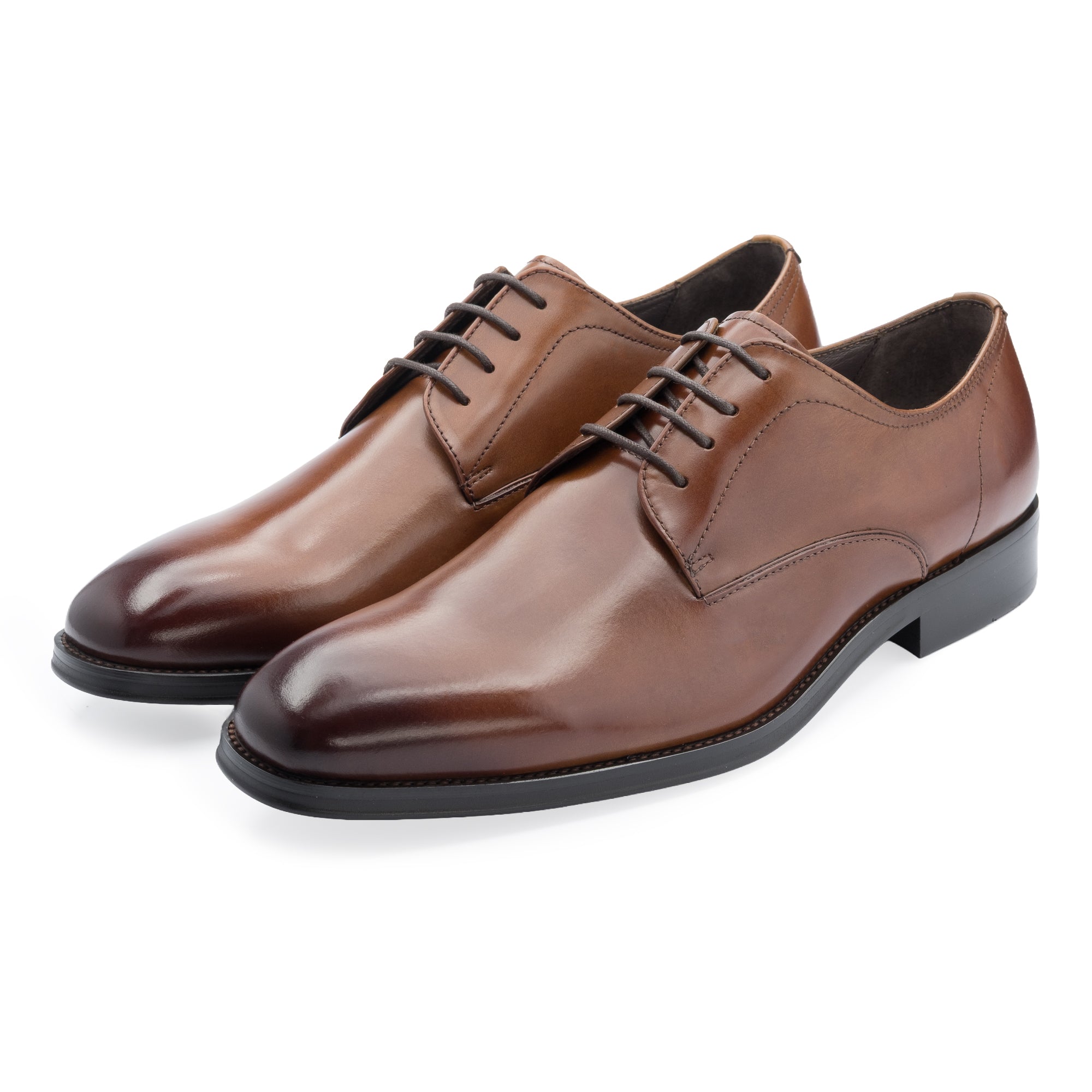
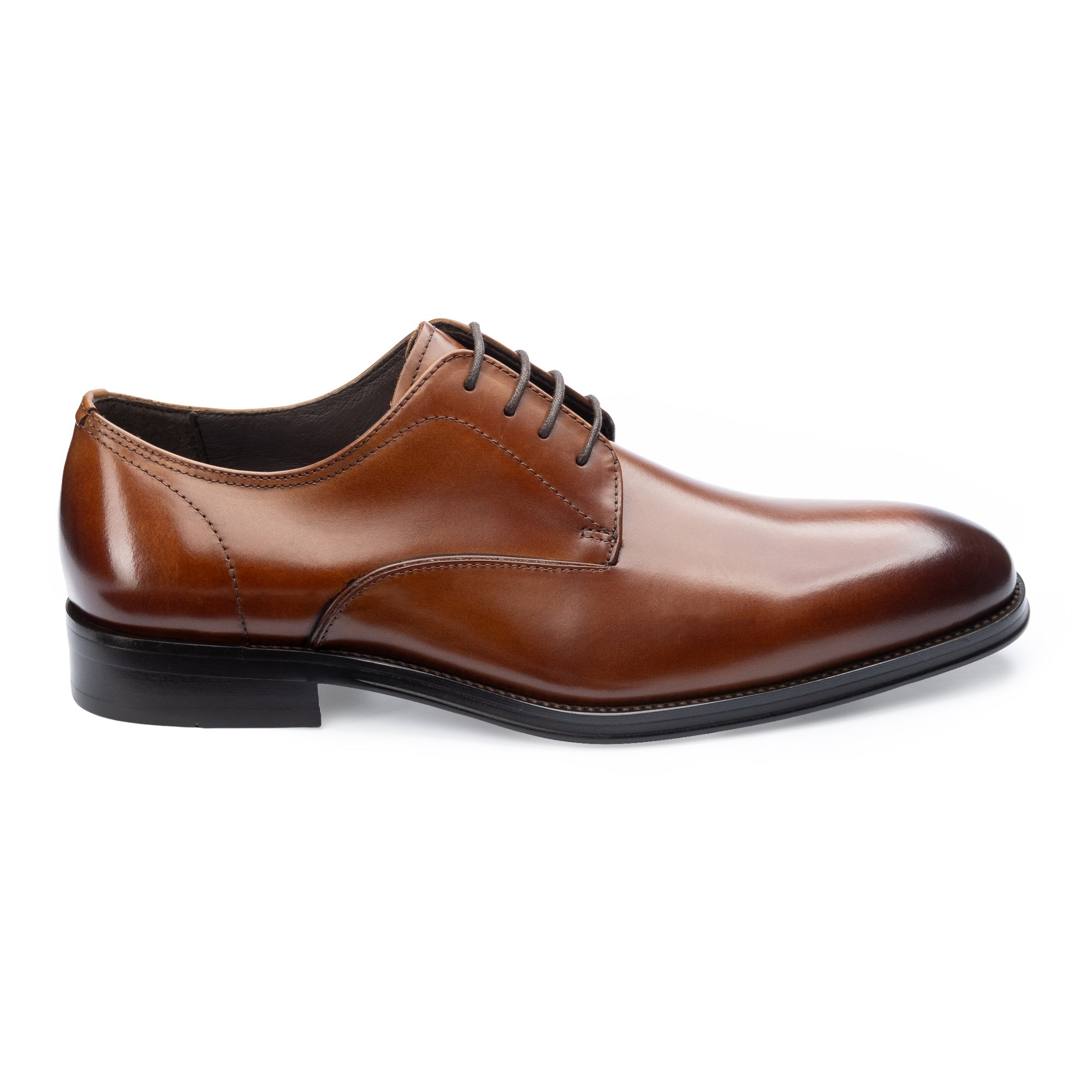
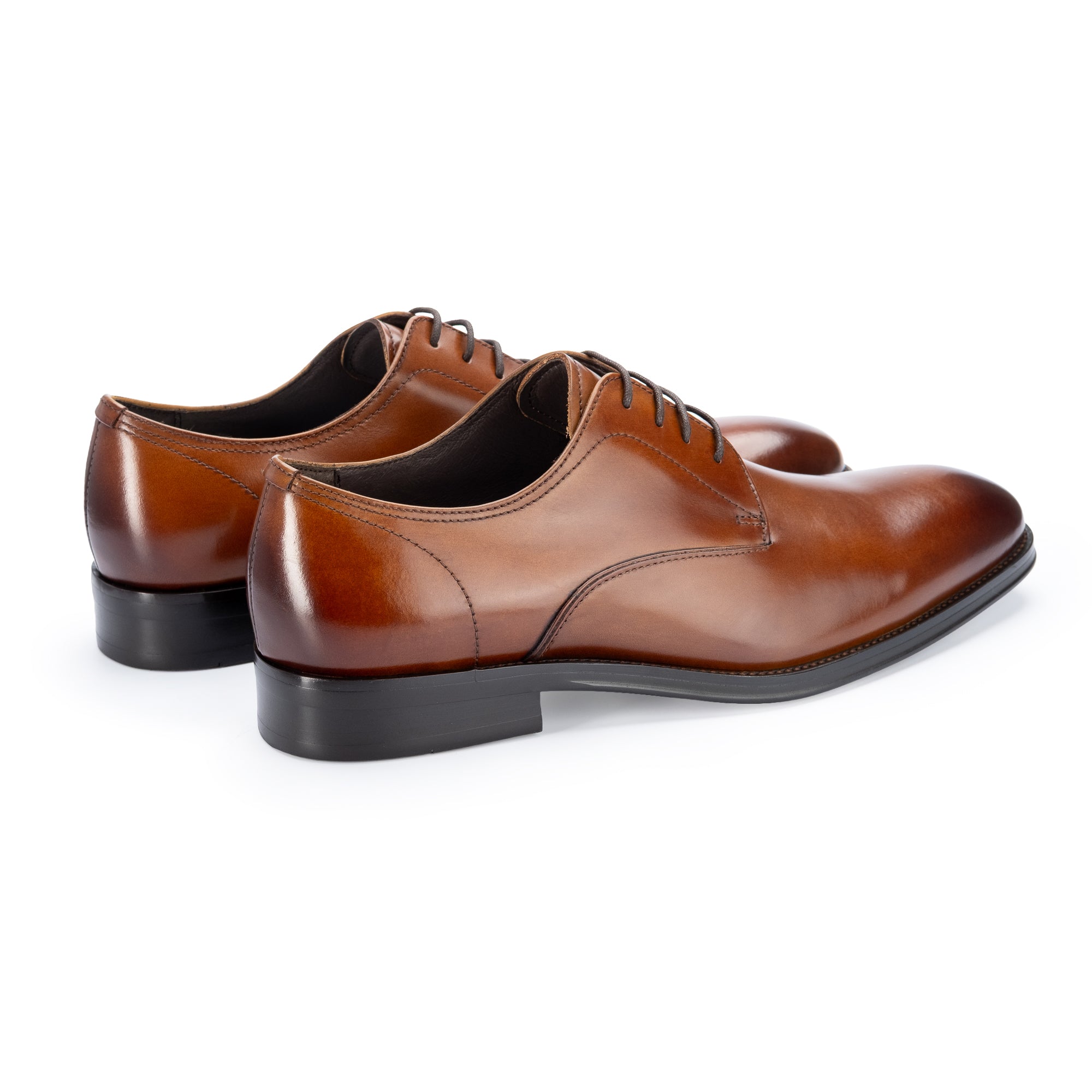
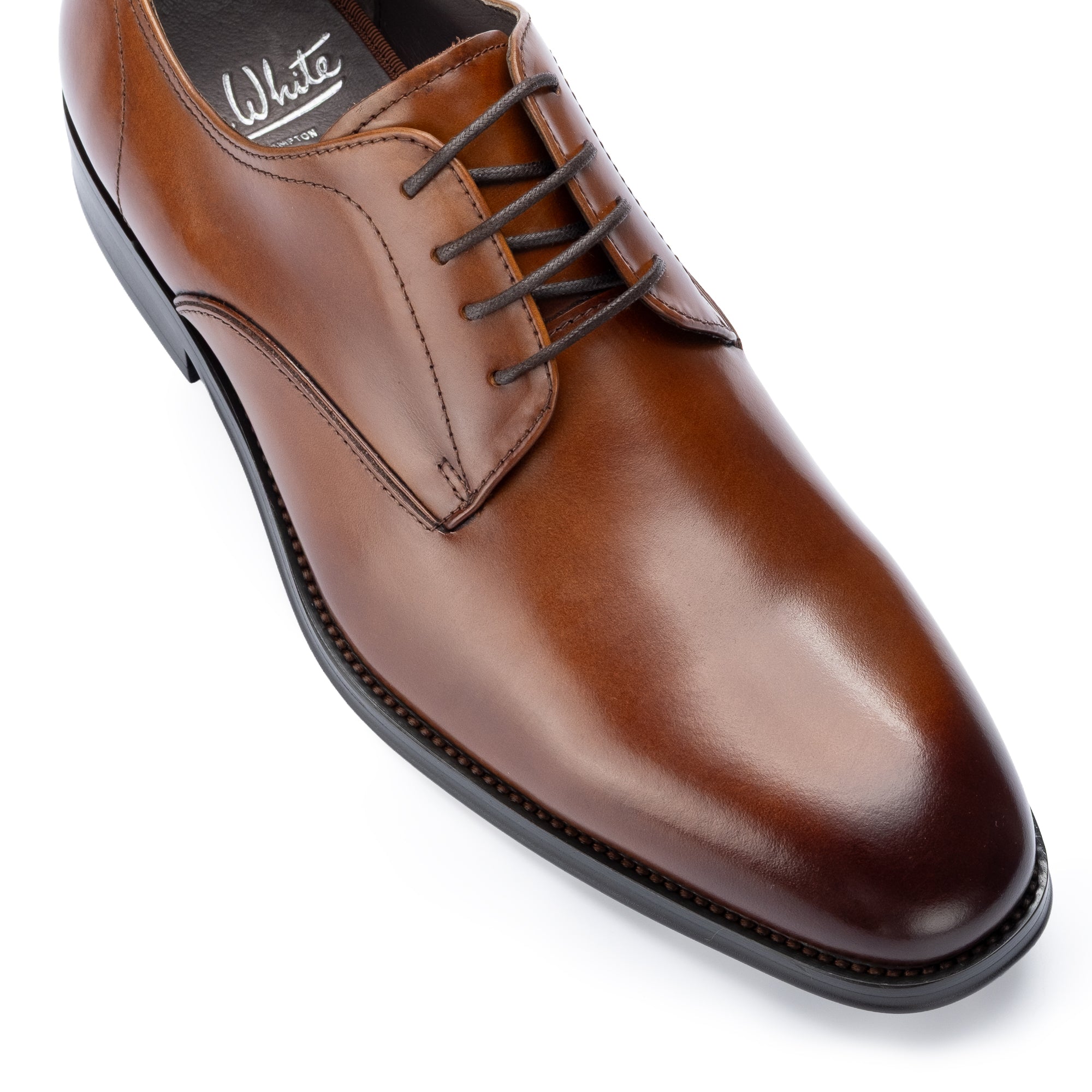
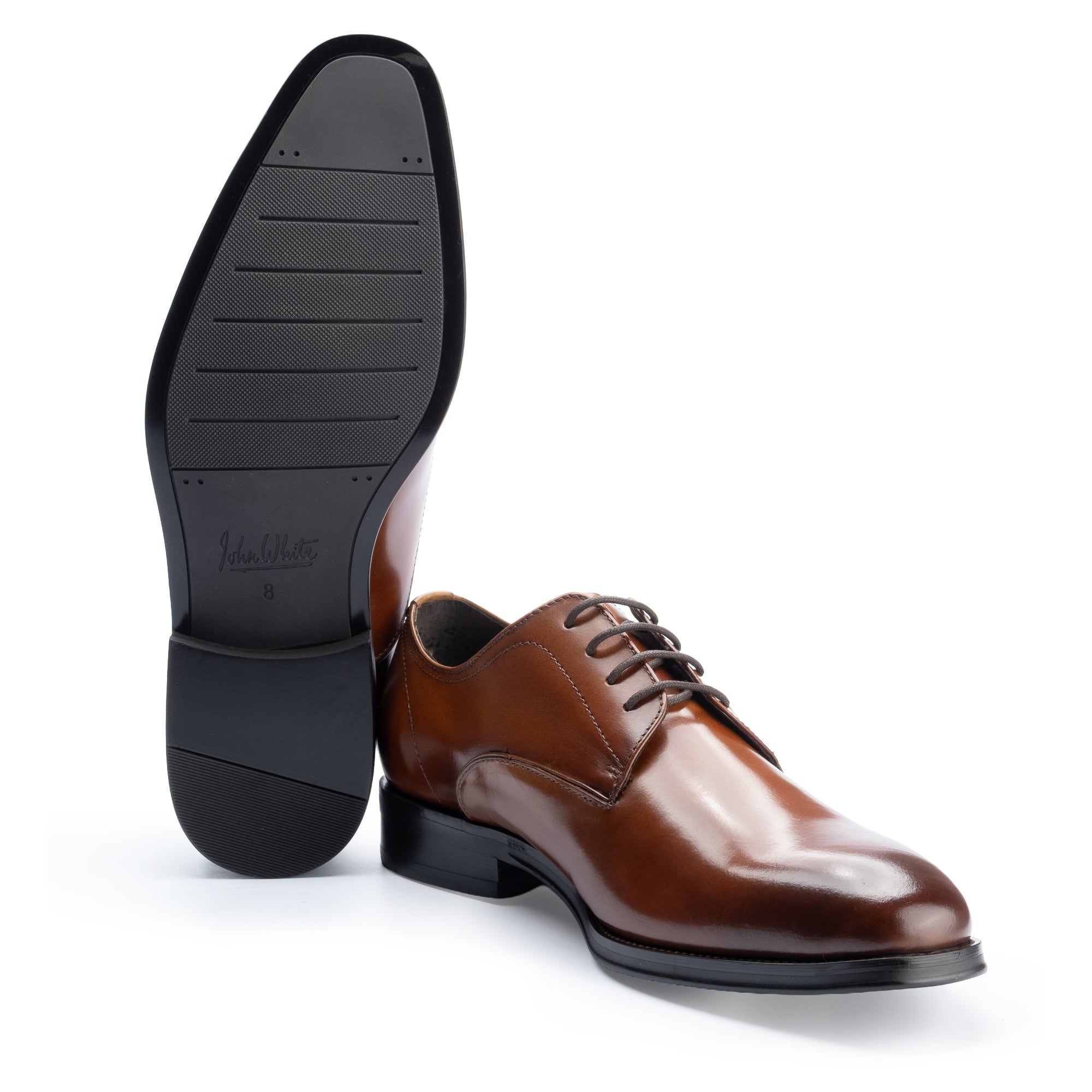
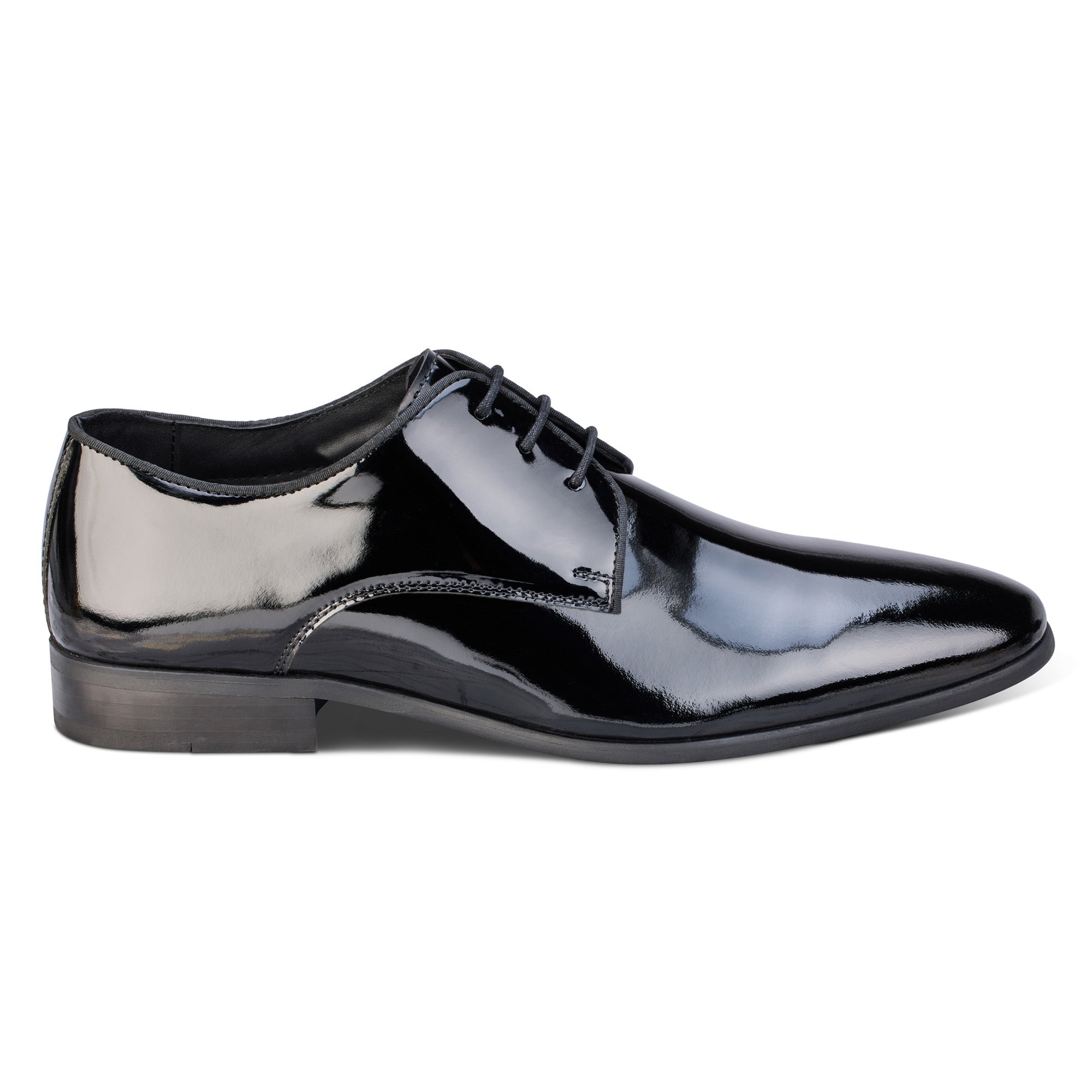
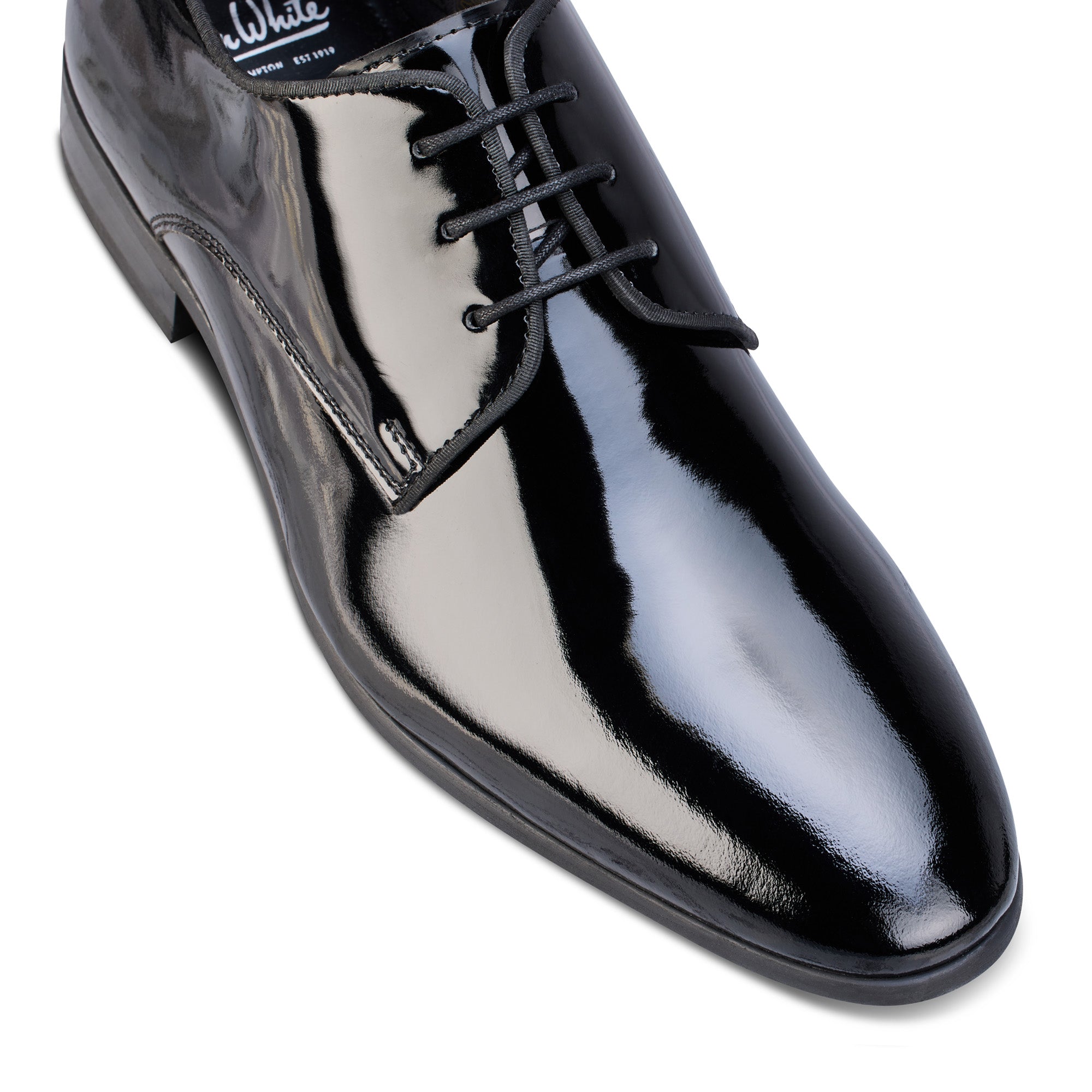
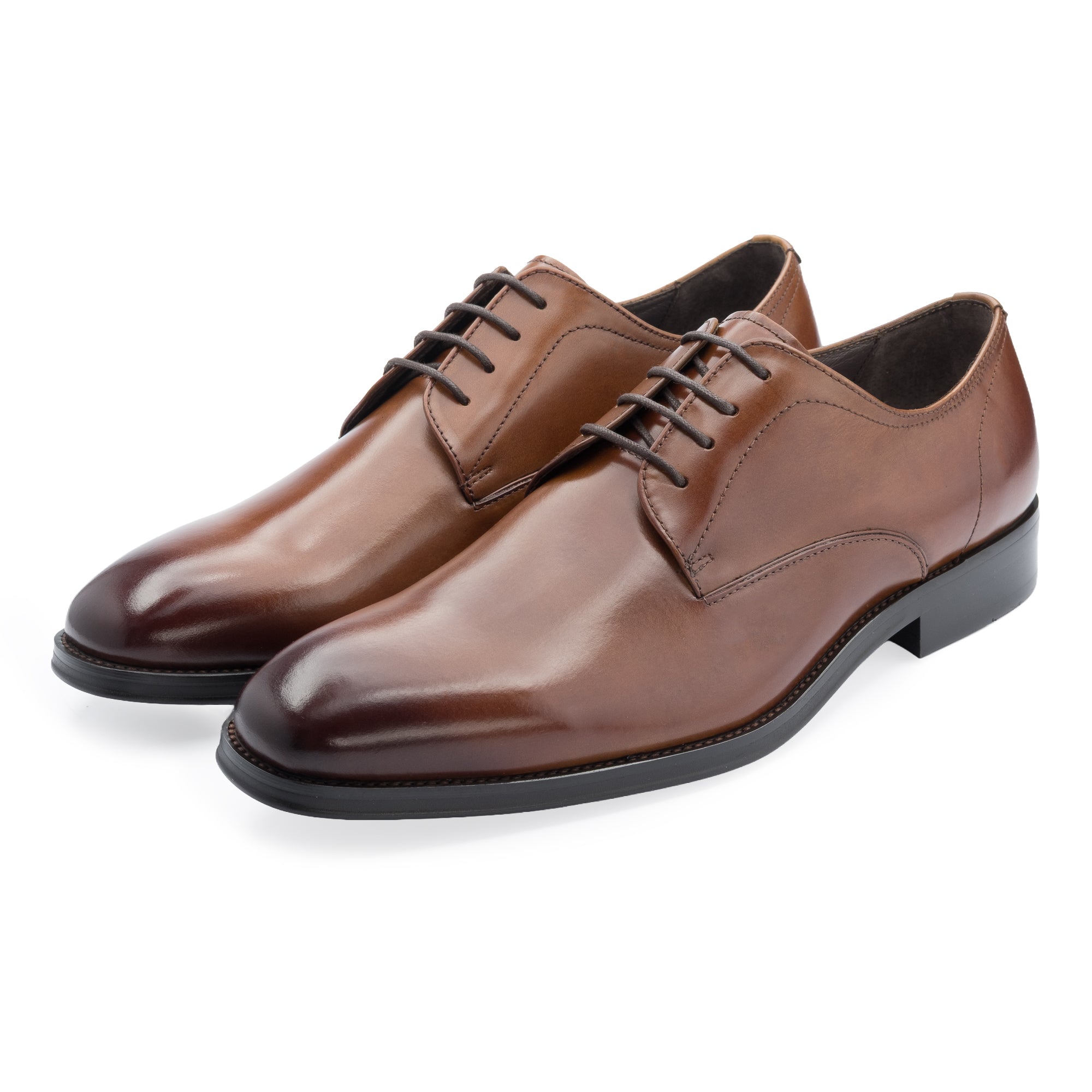
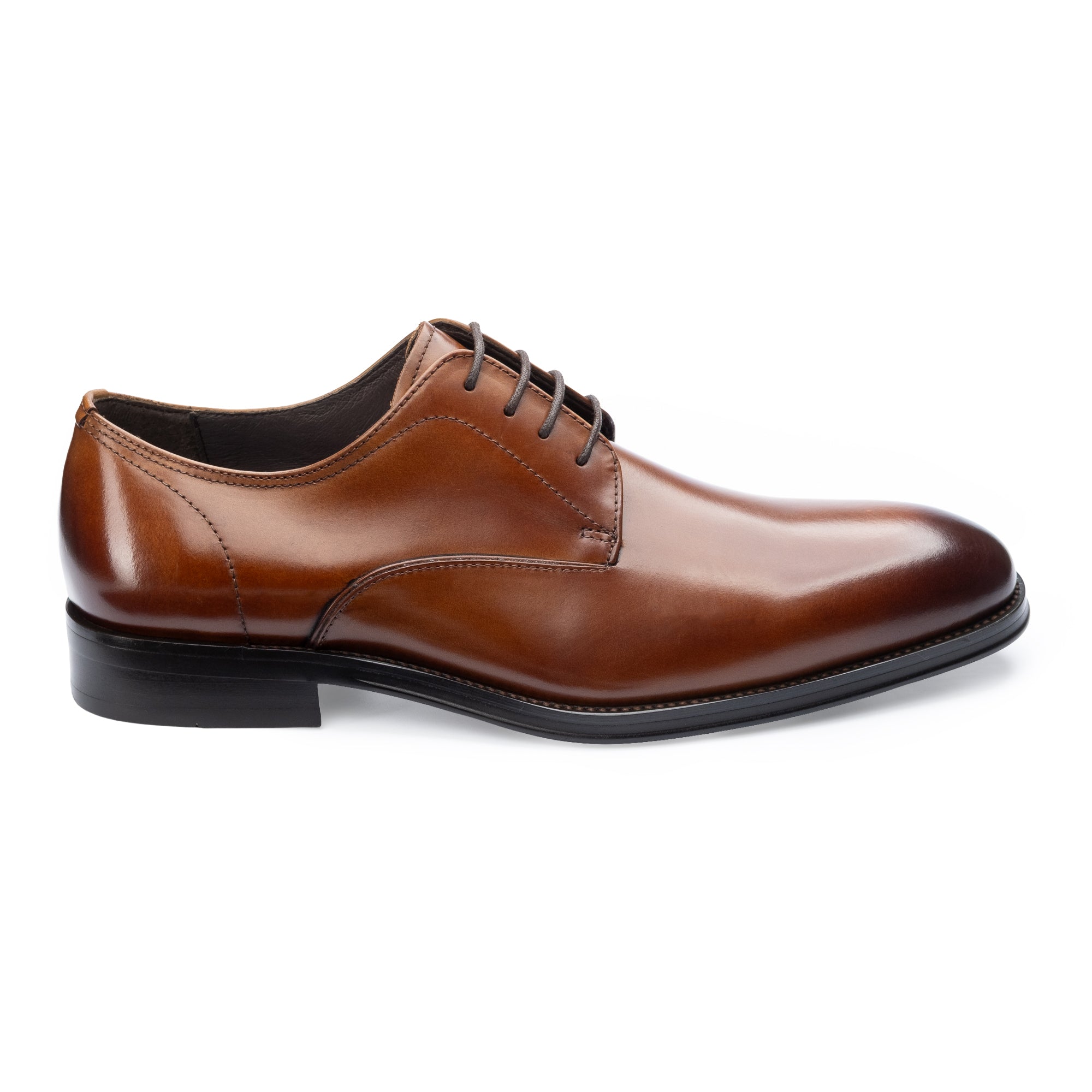
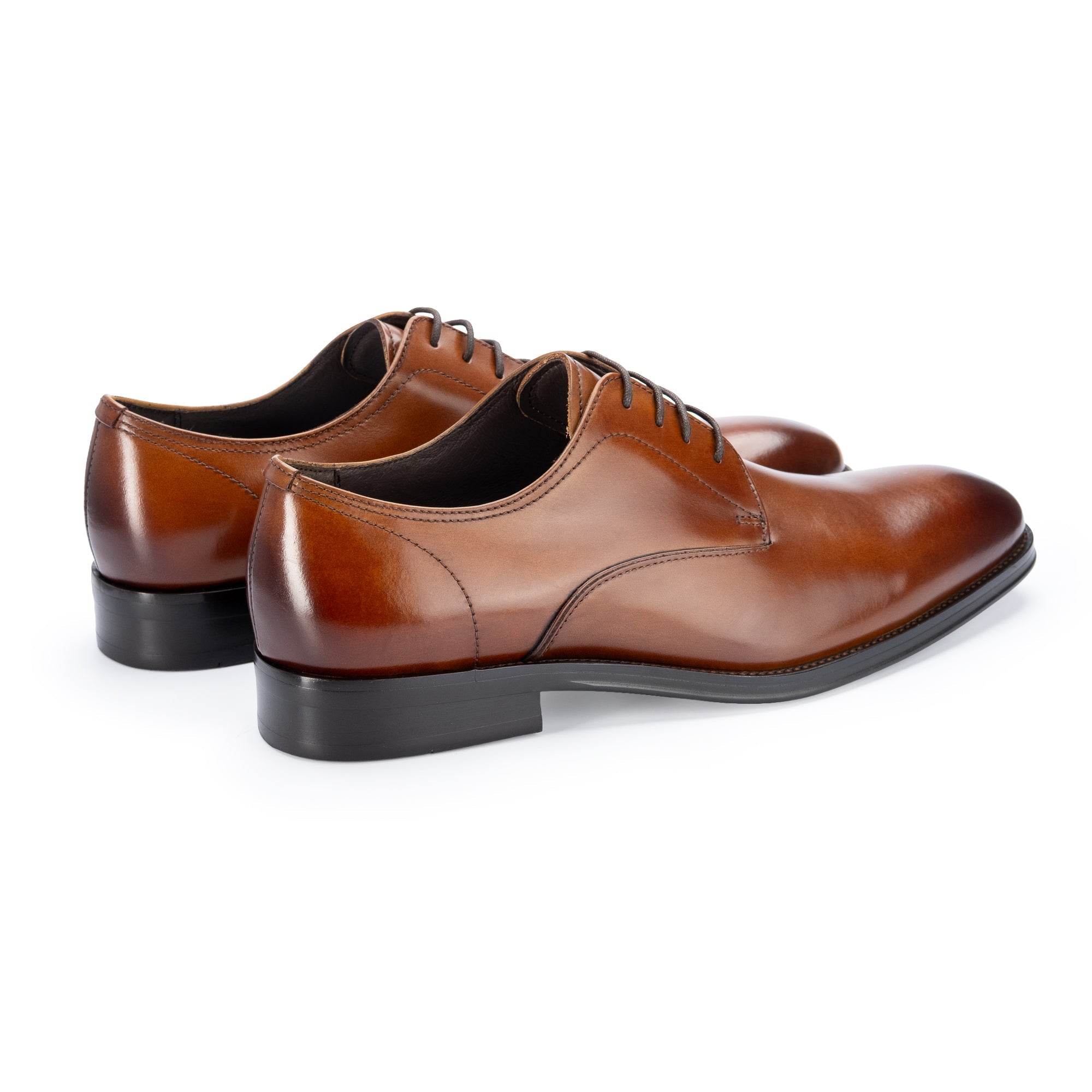
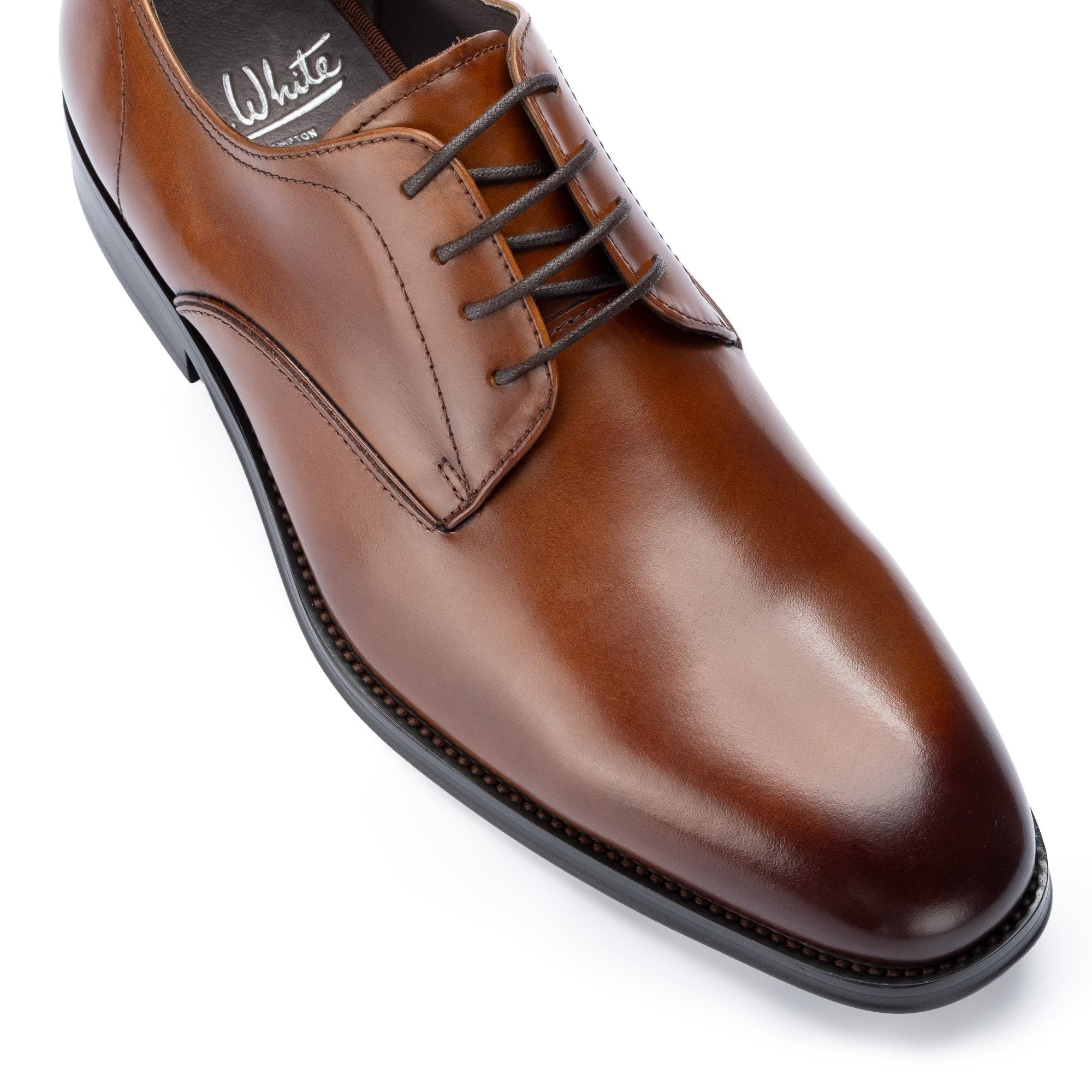
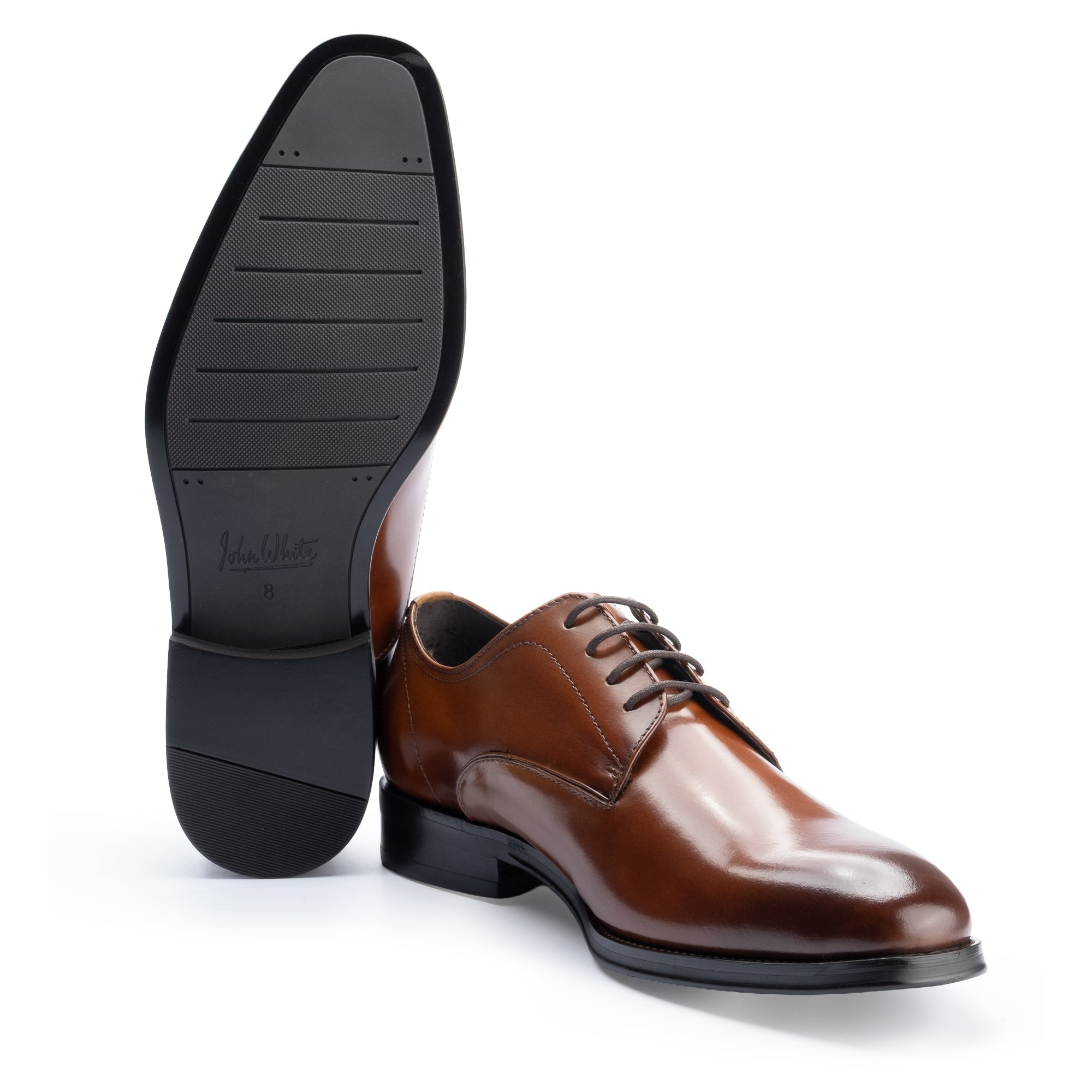
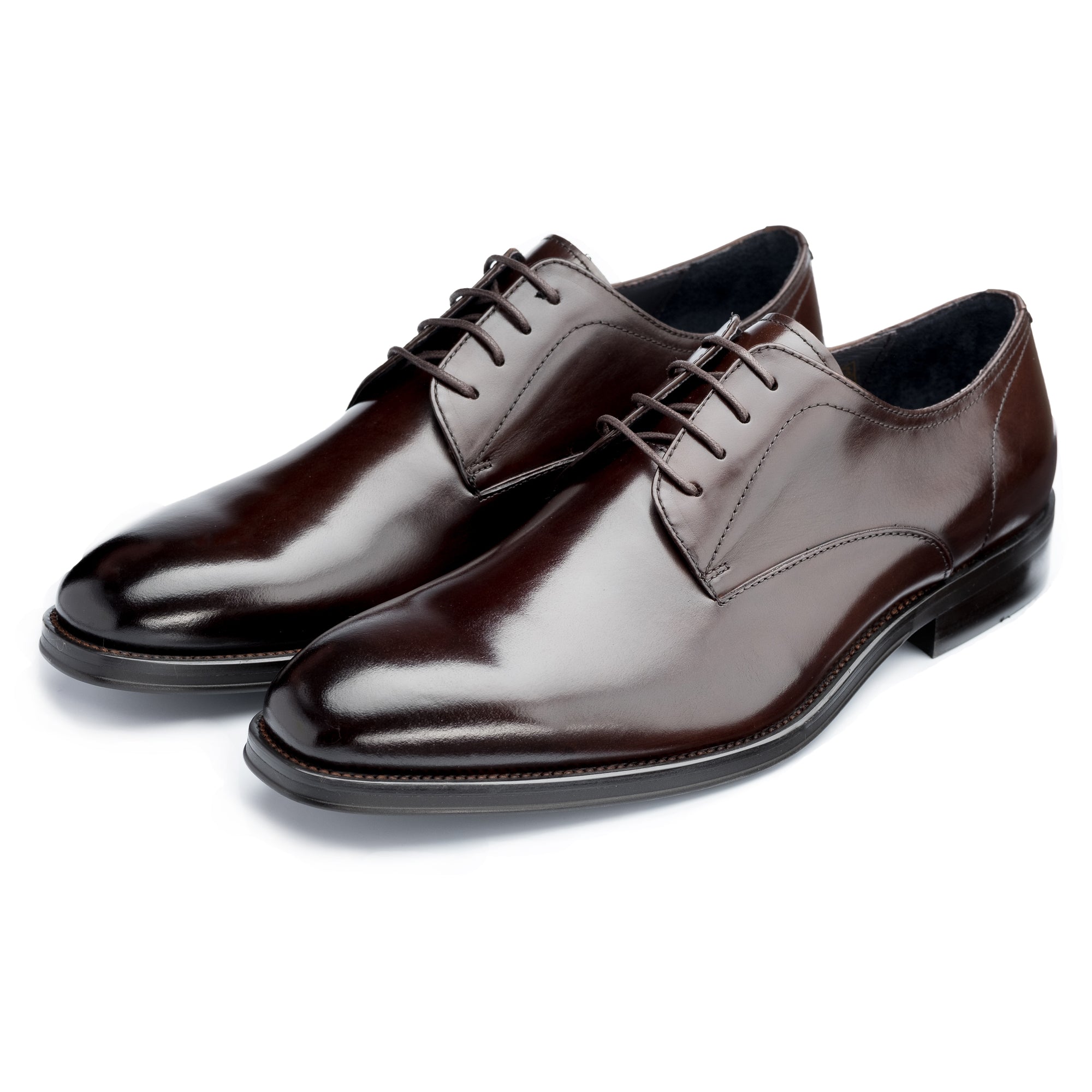
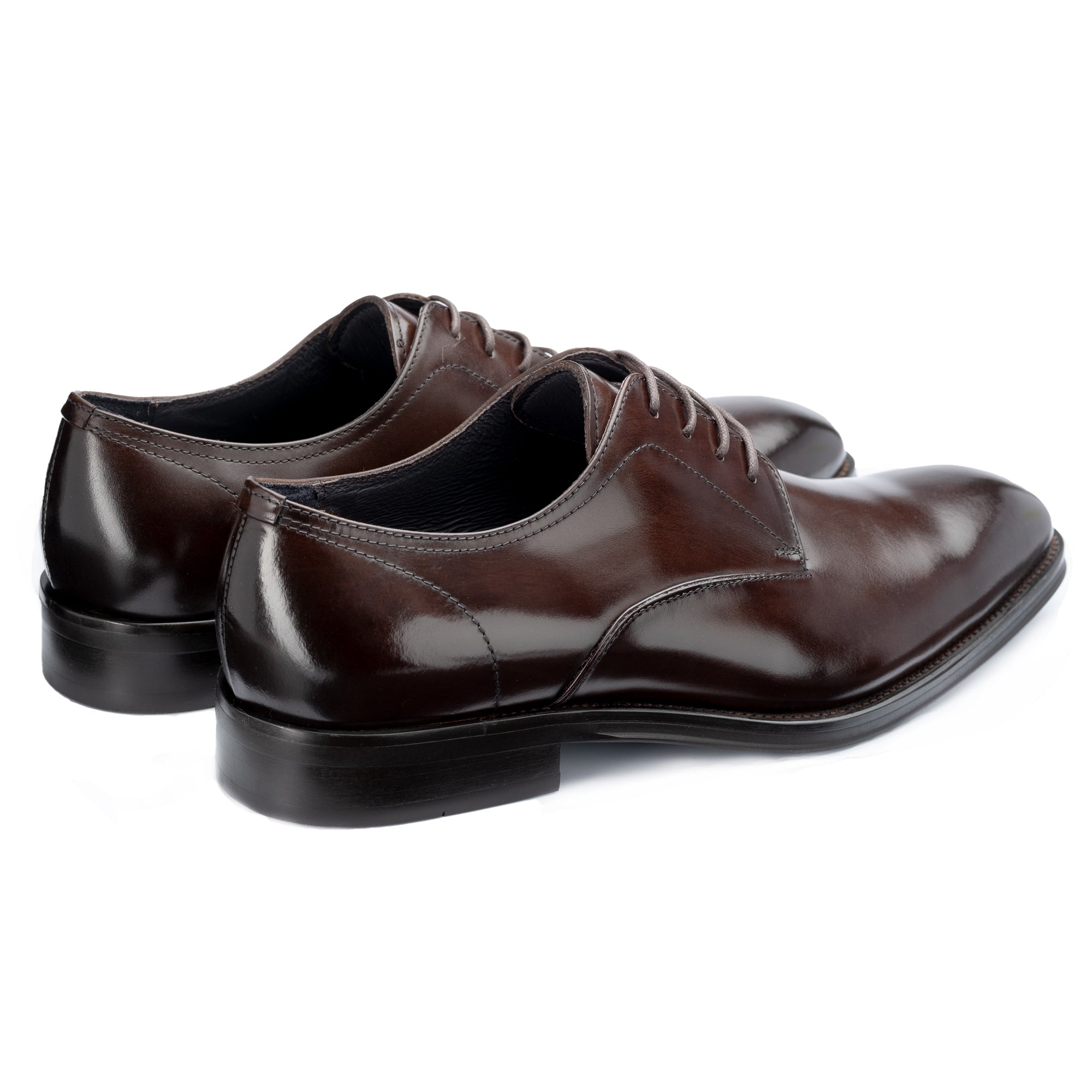
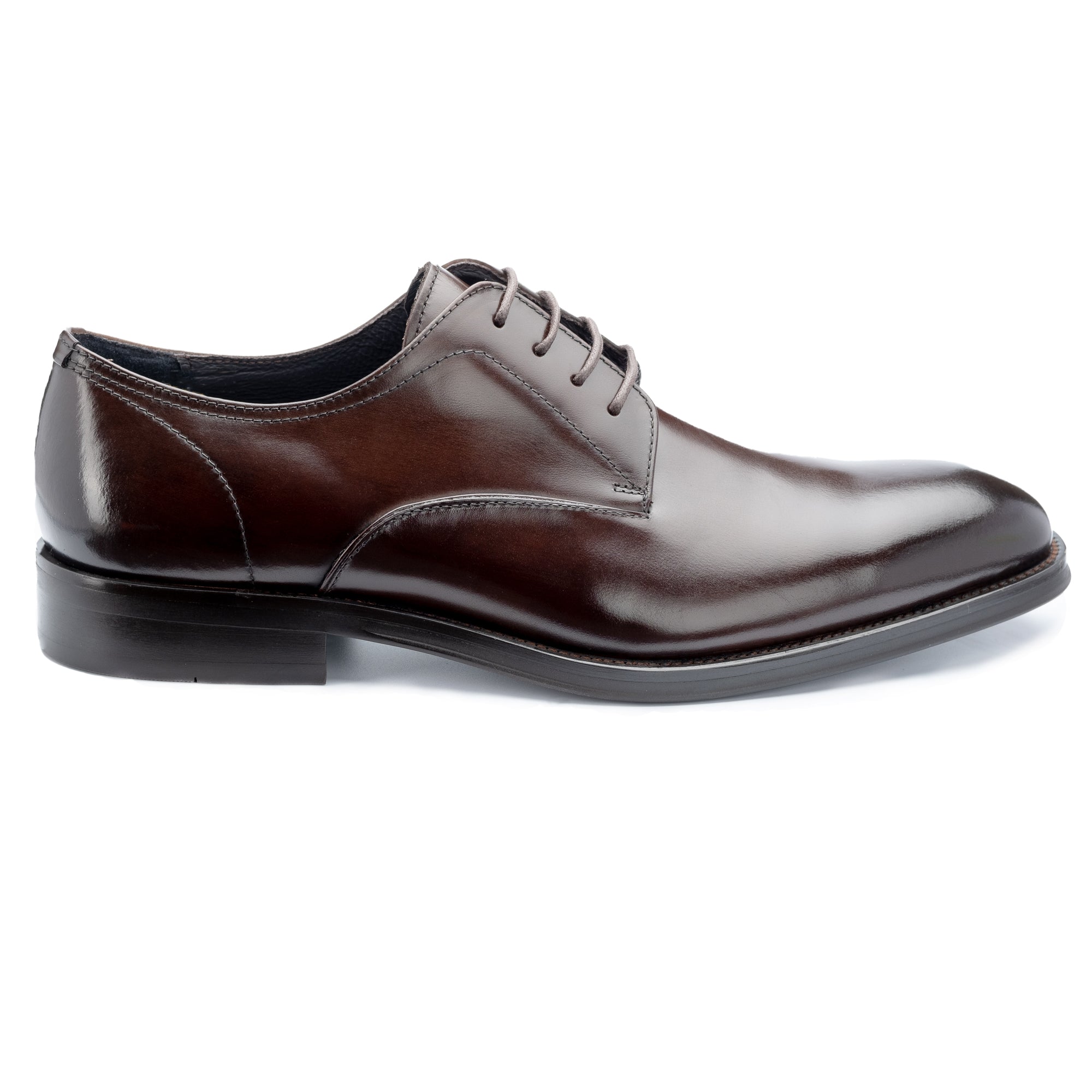
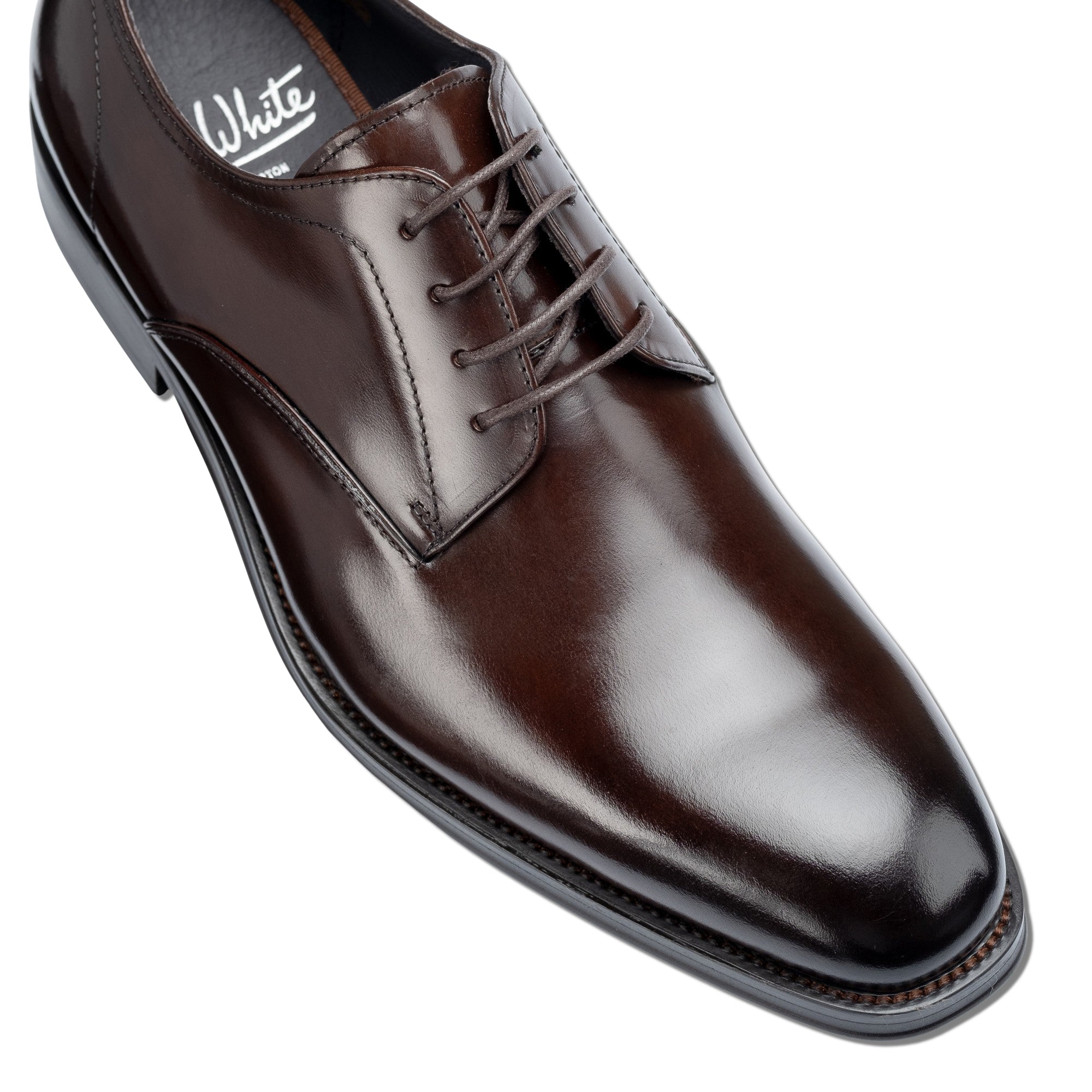
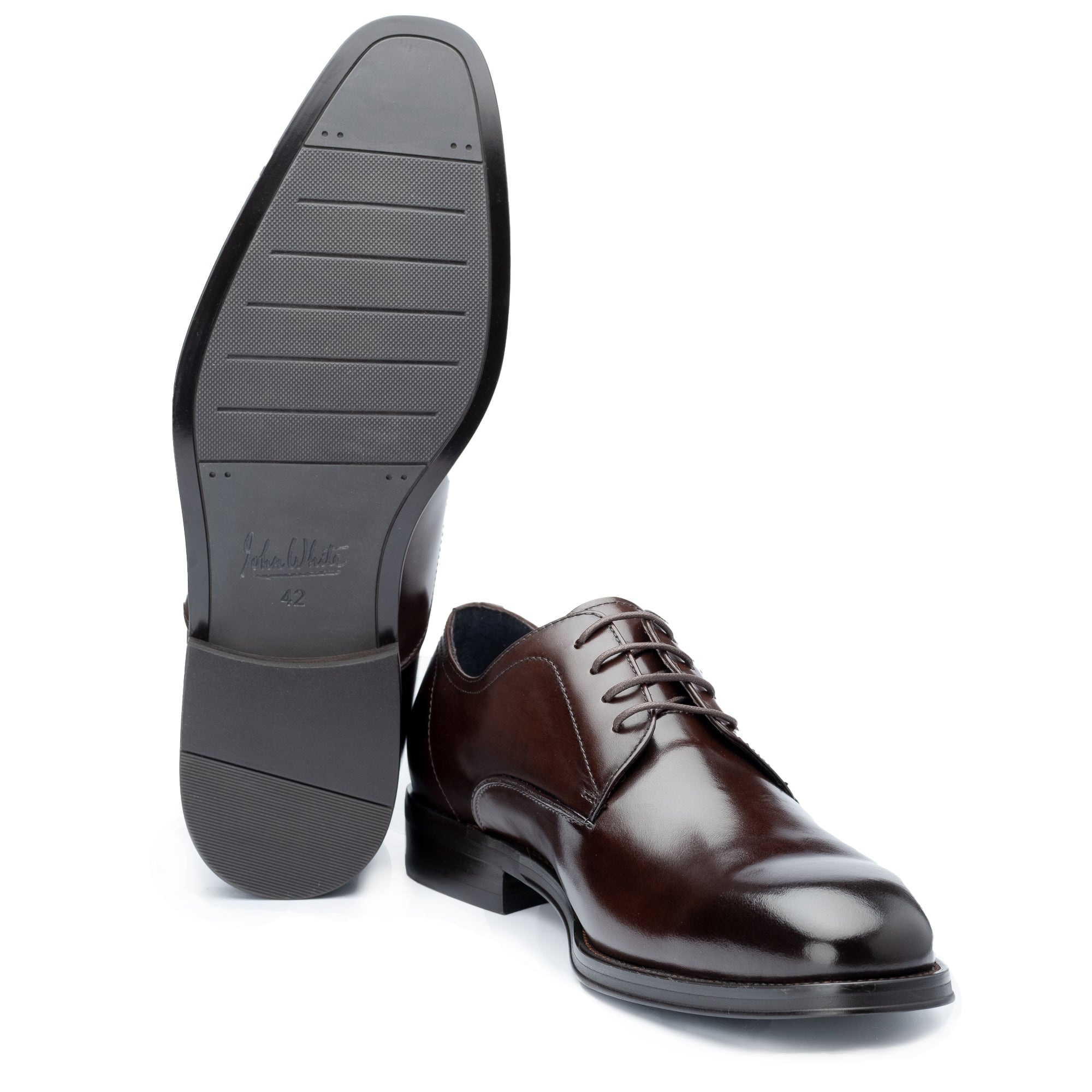
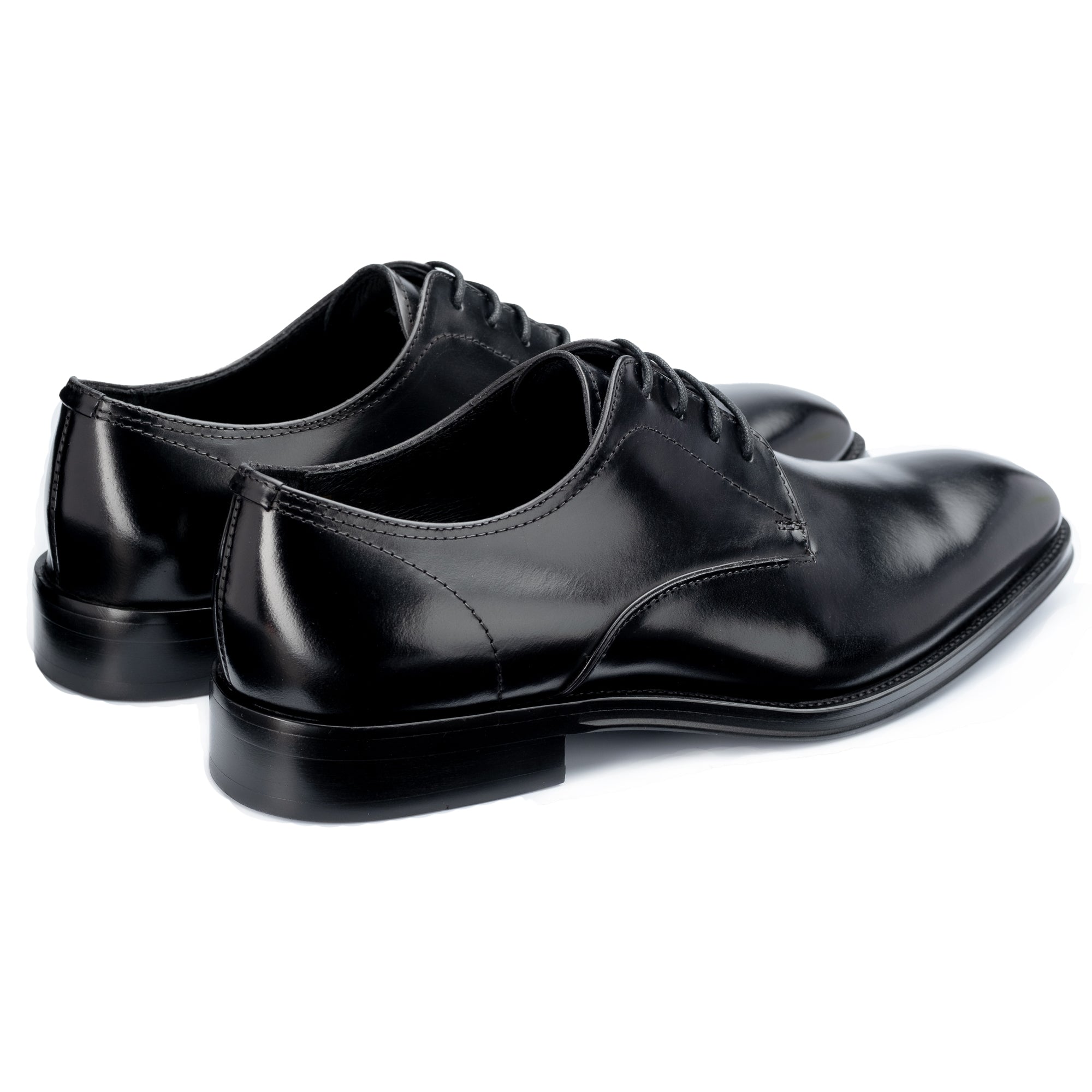
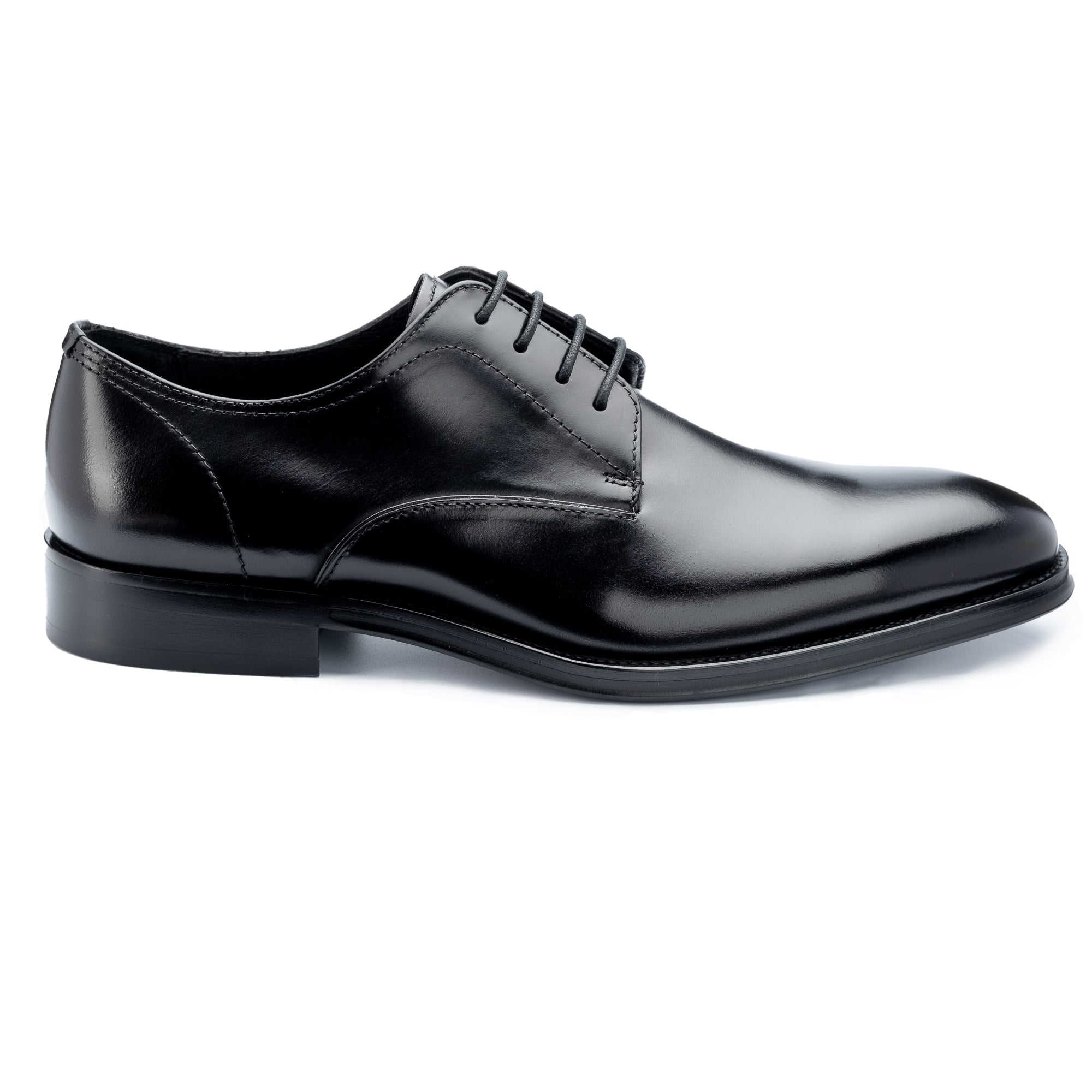
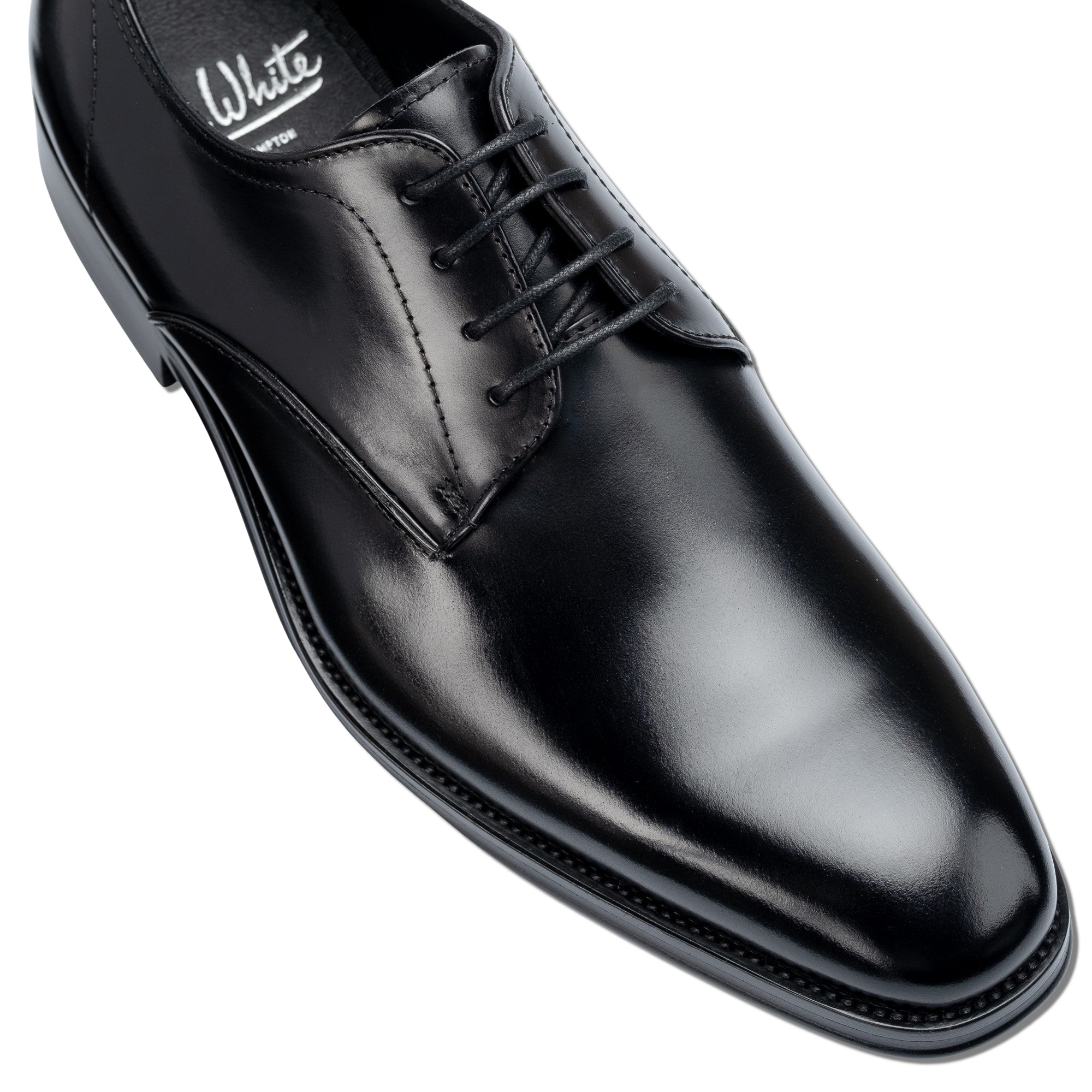
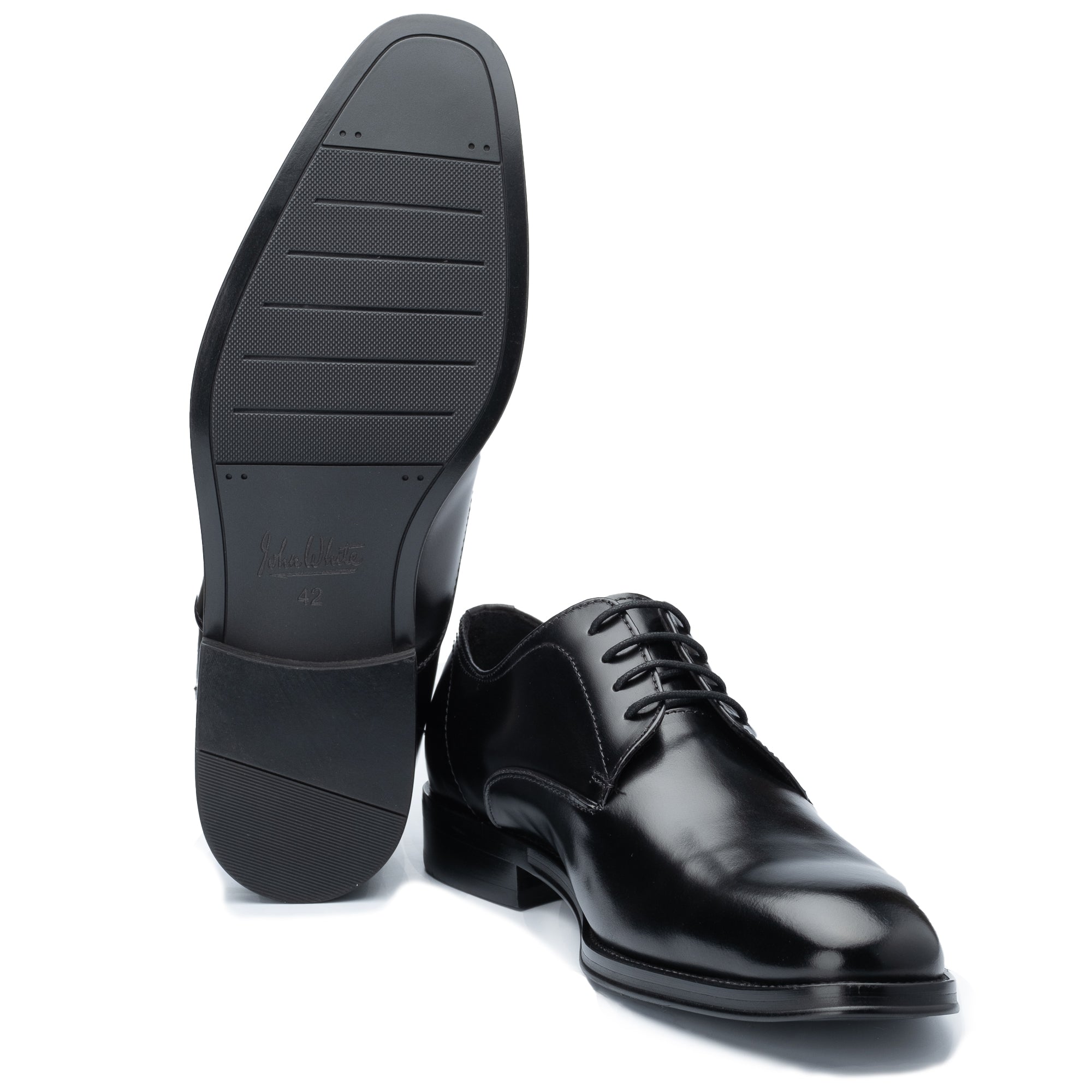
A Derby shoe is a lace-up defined by its open lacing system: the two eyelet tabs are stitched on top of the vamp, so the quarters open outward when unlaced. This gives it a slightly more relaxed silhouette and a more generous fit across the instep than a closed-lacing Oxford. It's a small structural detail with significant consequences for both comfort and formality.
Heritage names across the British shoe industry — including John White Shoes, Loake, Barker, Grenson, and Church's — have offered Derby styles as core wardrobe staples for generations. The Derby's structural openness makes it more wearable across a wider range of contexts than the more formal Oxford, which is precisely why it belongs in any considered wardrobe.
According to GQ's style desk, the Derby and the loafer are consistently ranked as the two most versatile men's dress shoes for building a wardrobe that covers formal through casual with a minimum number of pairs.
The Derby shoe's open lacing system is what makes it the most adaptable leather shoe a man can own — appropriate from a client meeting to a weekend lunch, without adjustment.How Do Derby Shoes Differ from Oxford Shoes?
The structural difference is in the lacing. An Oxford's quarters are stitched beneath the vamp — a closed system that creates a neater, more formal silhouette. A Derby's quarters sit on top, giving it a slightly more open look and a more adjustable fit. In practice, the Oxford is the formal specialist; the Derby is the all-rounder you reach for more often.
| Feature | Derby Shoe | Oxford Shoe |
|---|---|---|
| Lacing | Open (quarters on top) | Closed (quarters stitched under) |
| Formality range | Business formal to casual | Formal to smart-casual |
| Instep fit | More adjustable | Closer, fixed cut |
| Common toe styles | Plain, cap toe, brogue | Plain, cap toe |
| Best paired with | Suits, chinos, smart jeans | Suits, formal occasions |
For a fuller breakdown of the structural distinction, see our guide to Oxford vs Derby shoes: the key differences explained.
If the Oxford is the formal specialist, the Derby is the all-rounder — the shoe that earns its place by covering more ground than any other single pair.What Occasions Are Derby Shoes Best For?
Derby shoes span the widest formality range of any lace-up. The variables that shift them up or down the scale are leather finish, colour, and whether brogue detailing is present.
Are Derby Shoes Smart Enough for Business and Formal Wear?
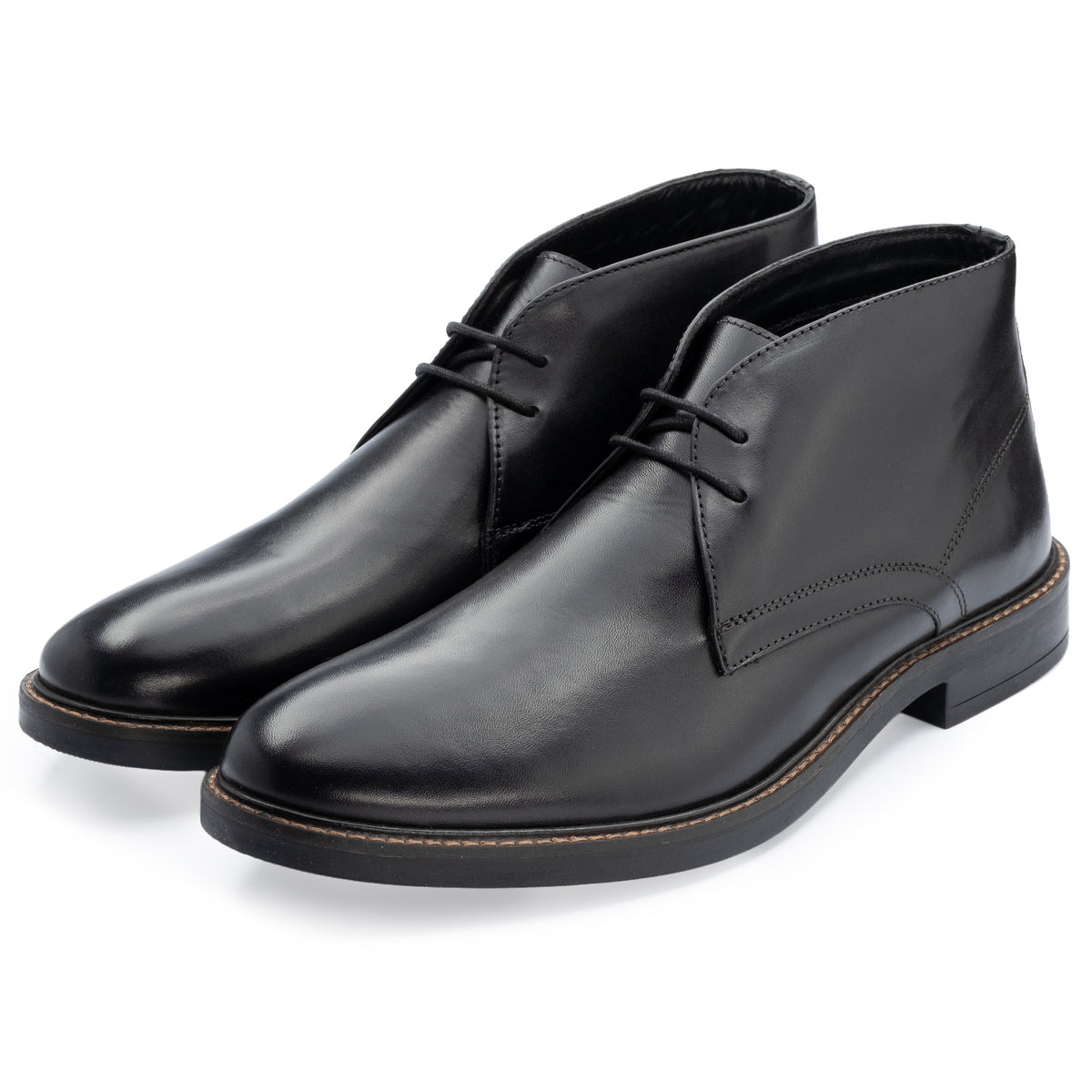
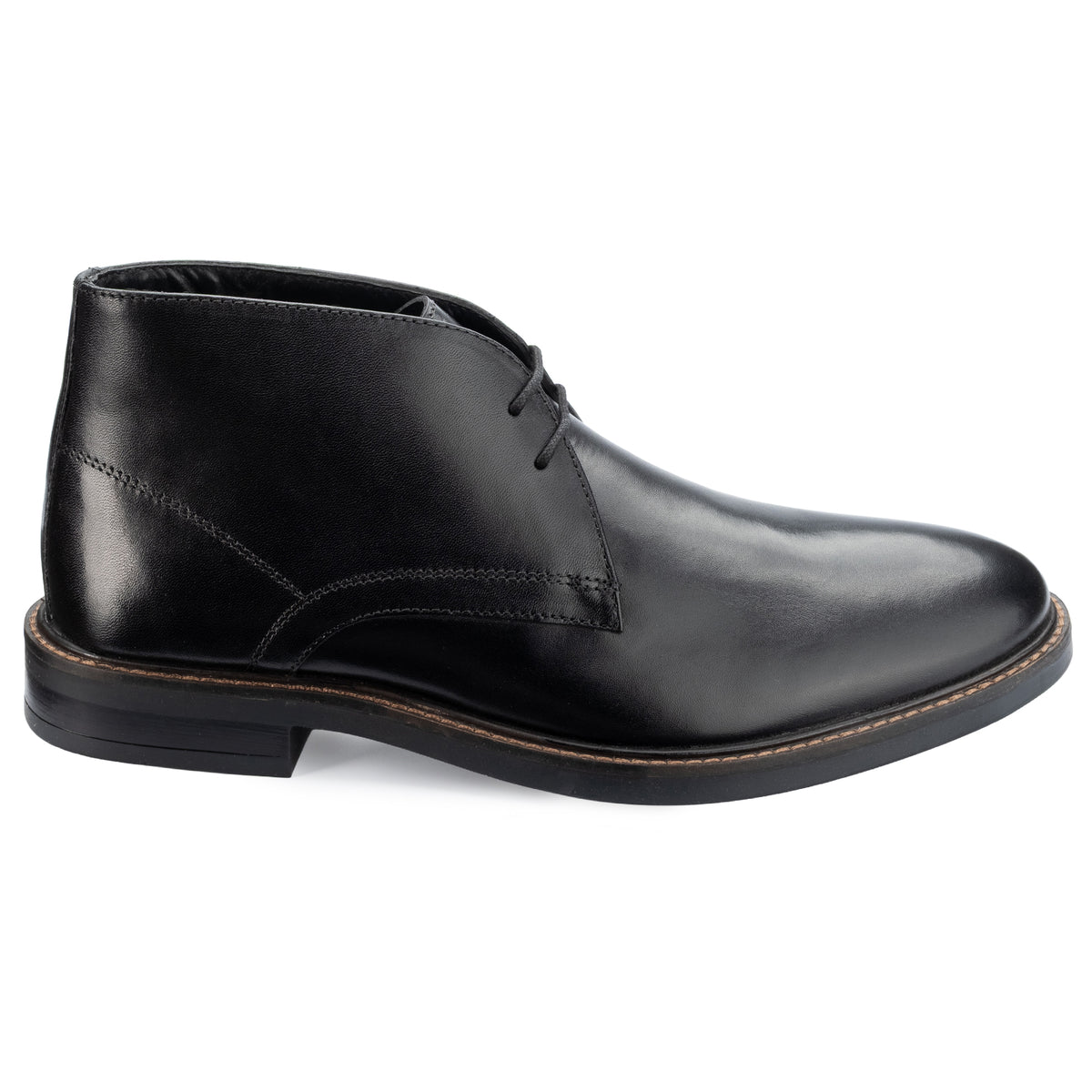
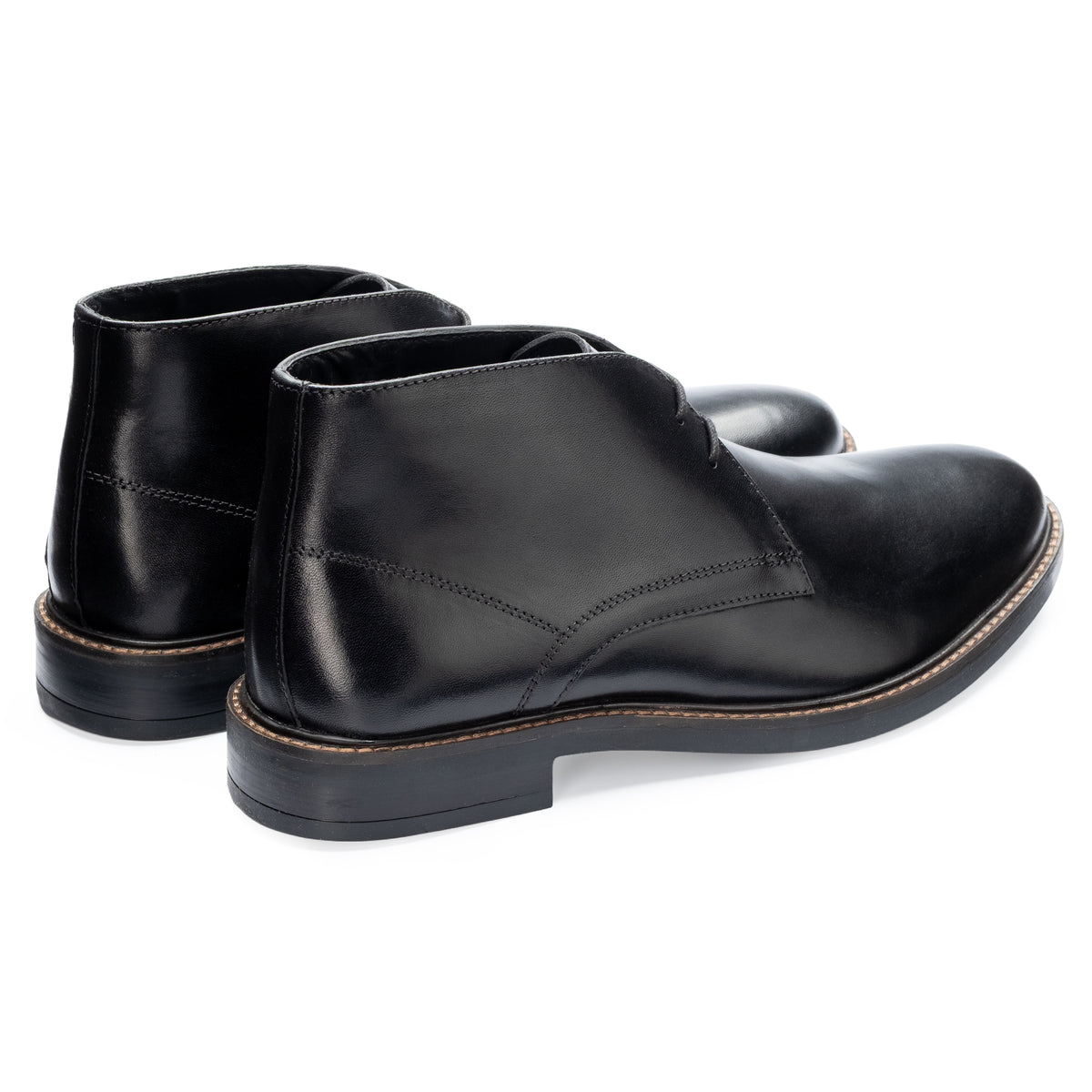
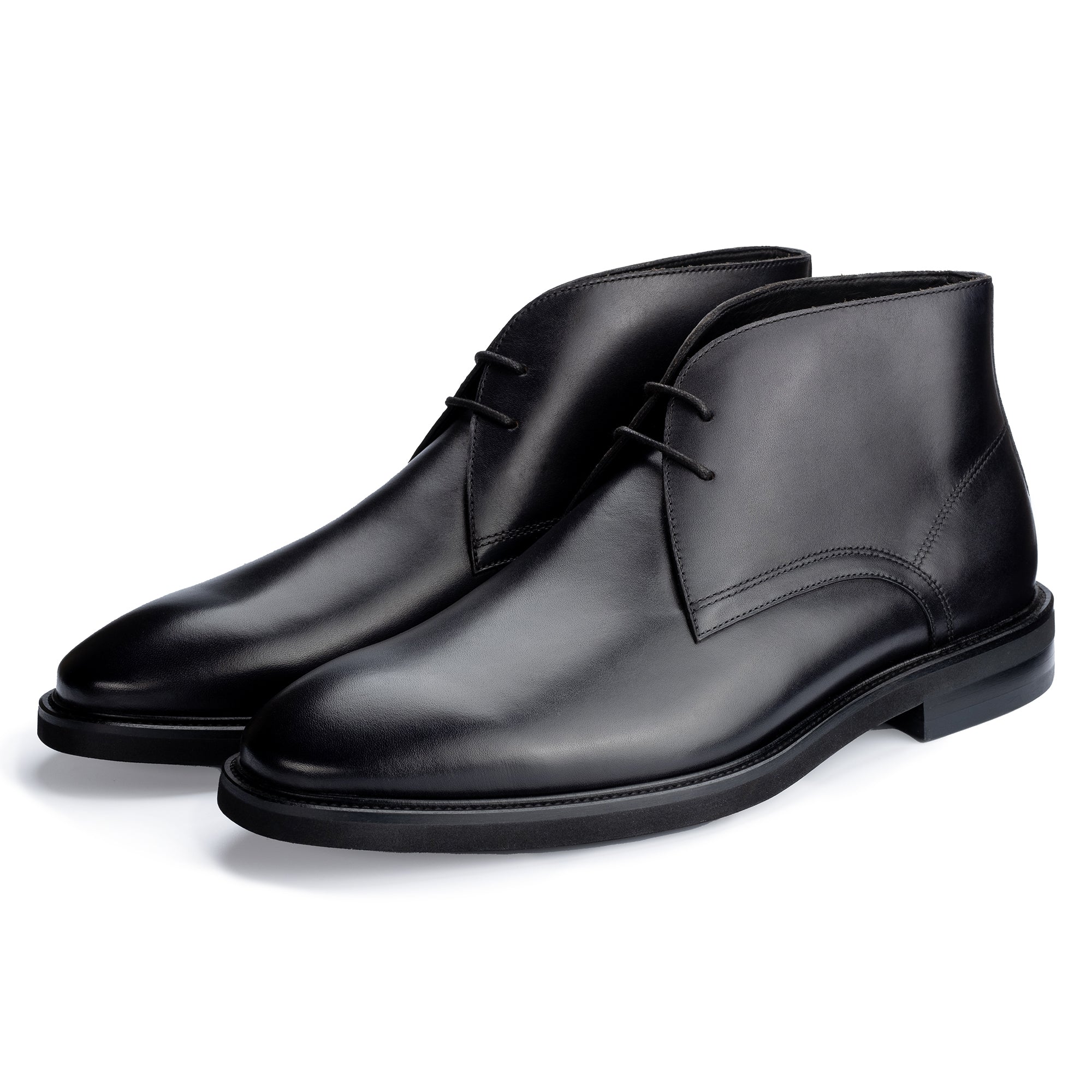
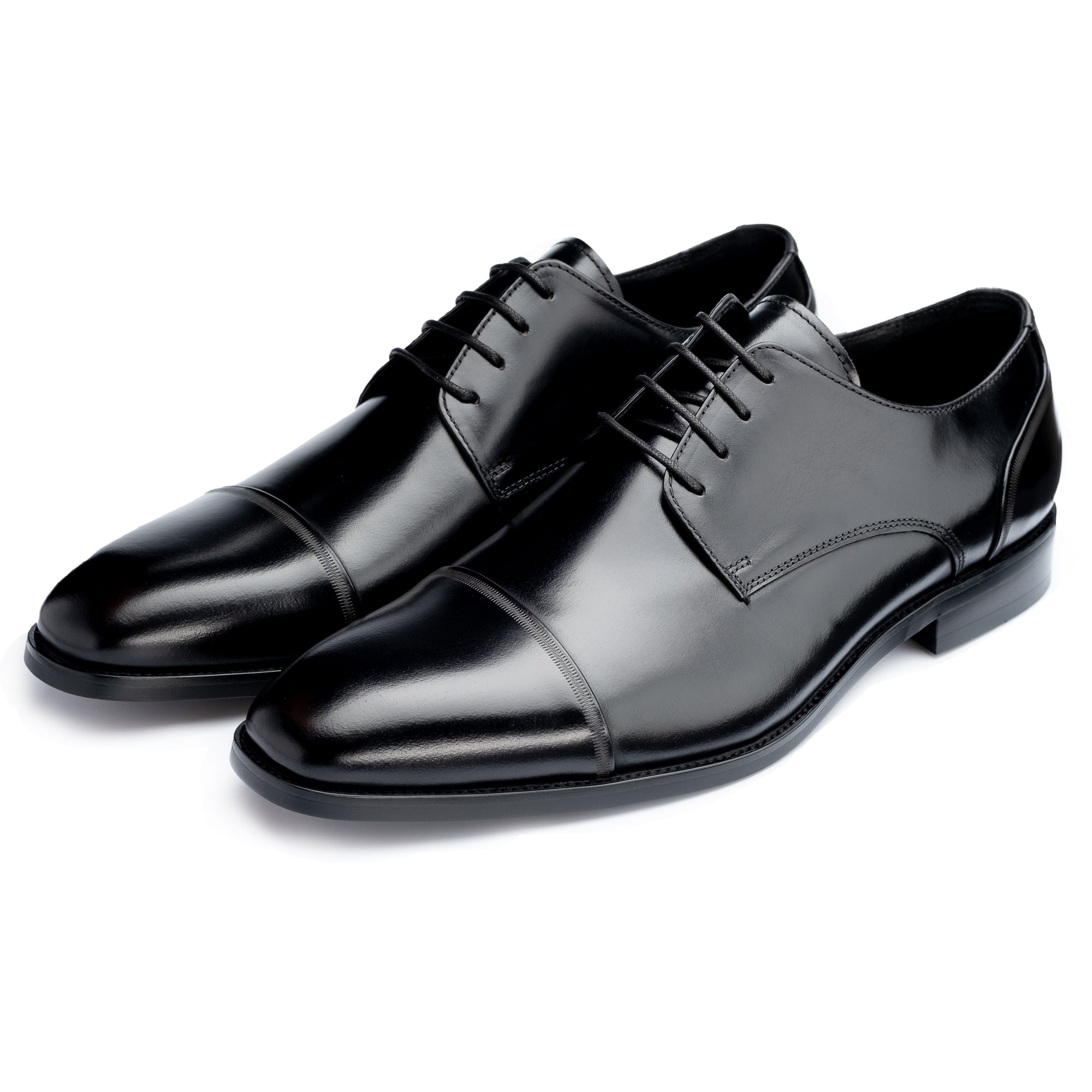
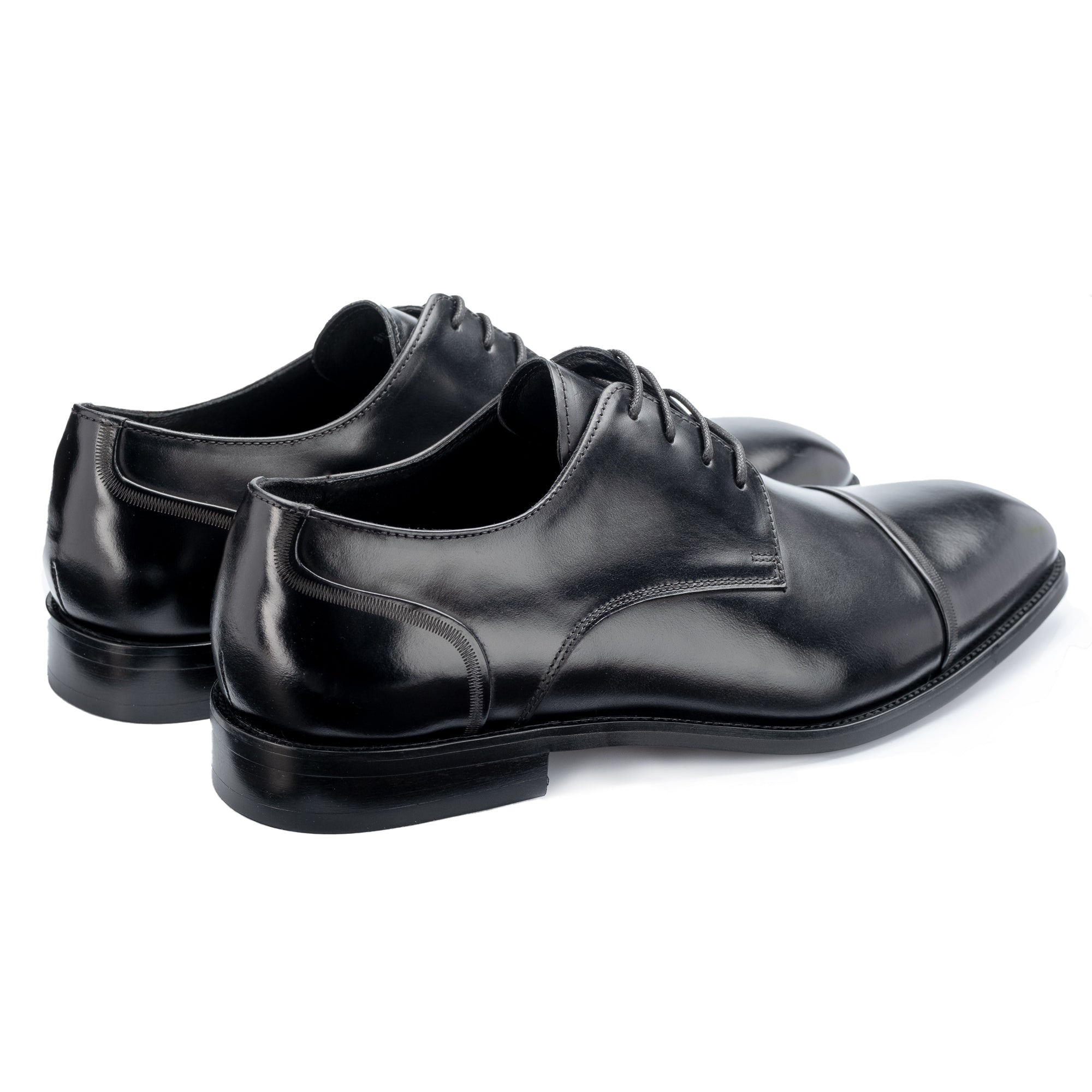
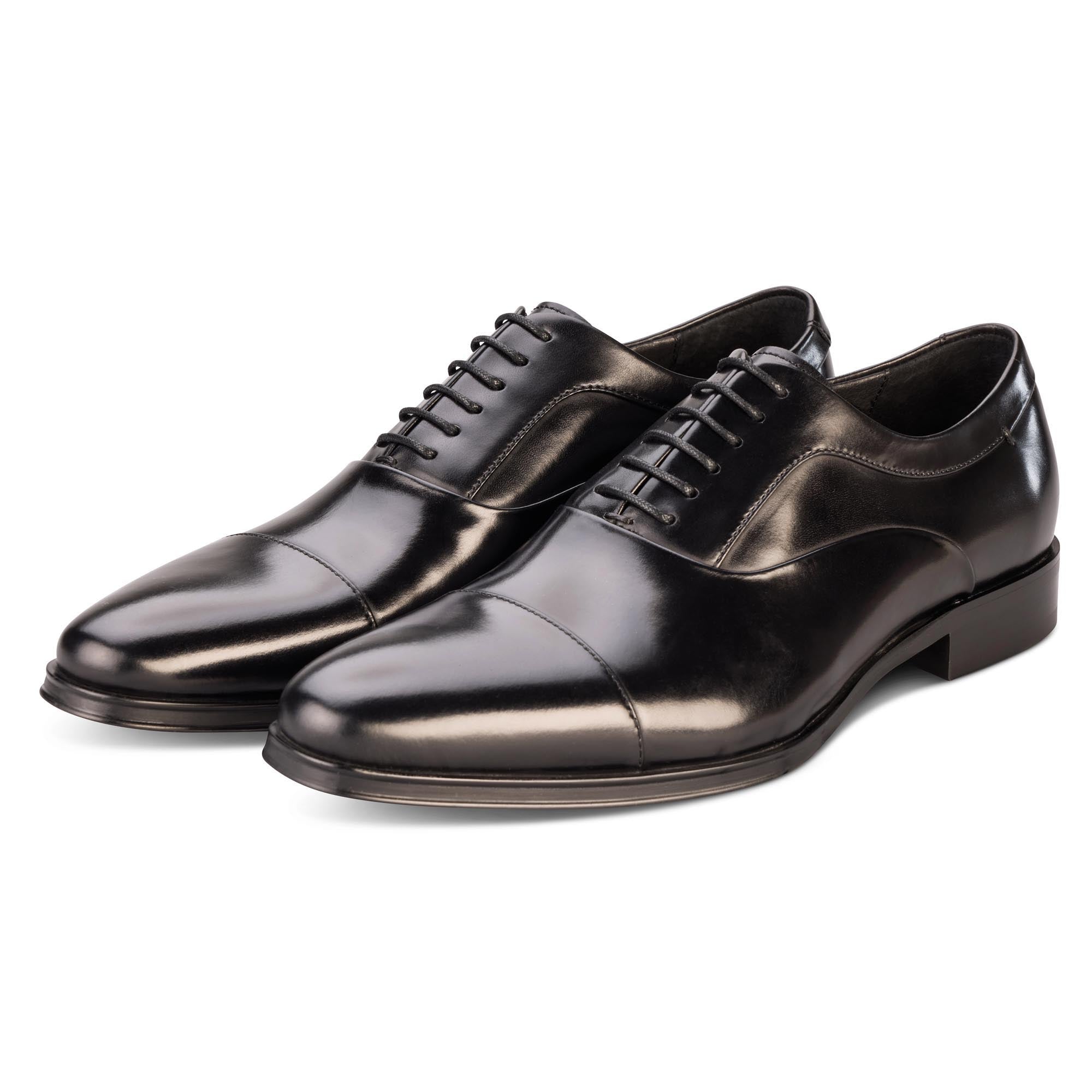
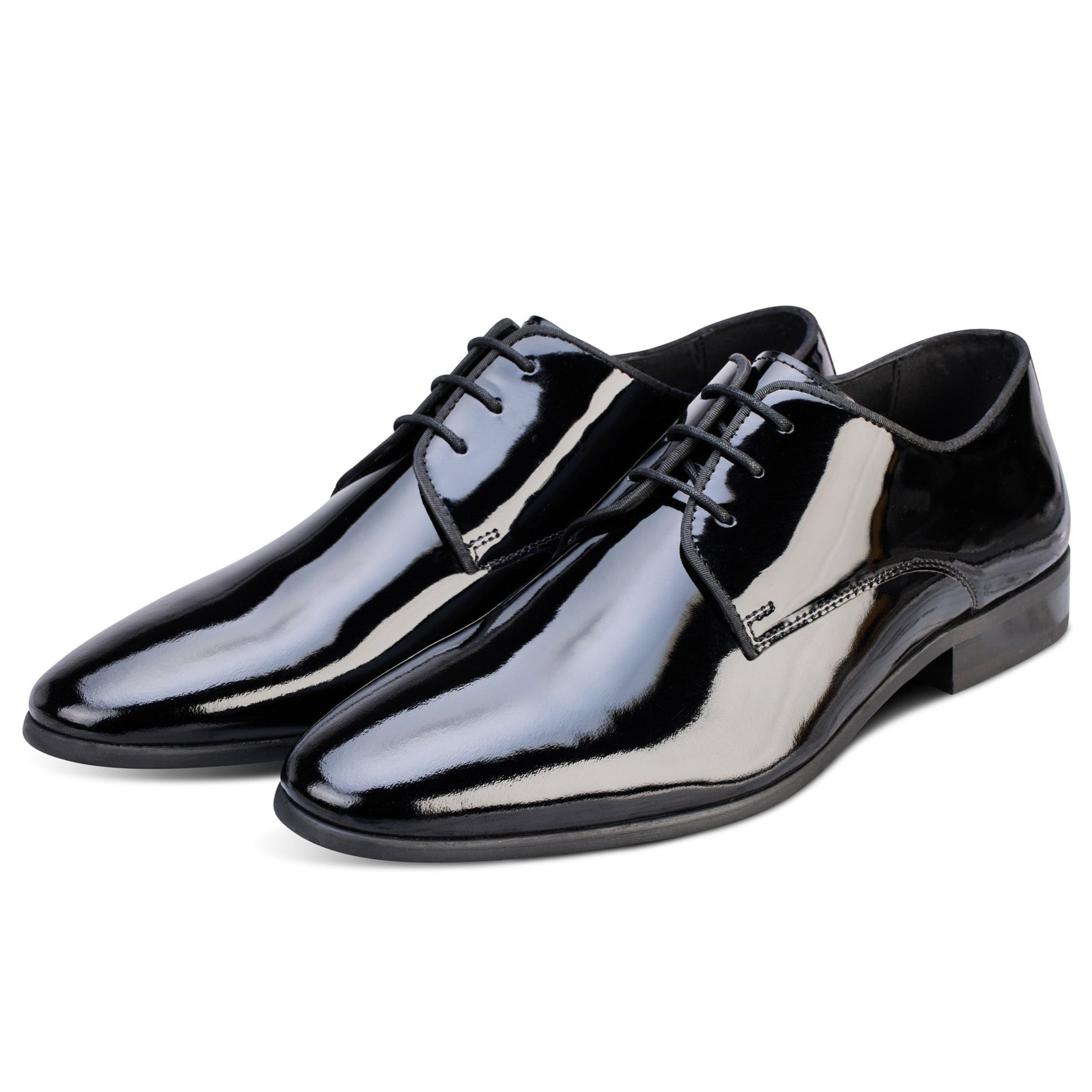
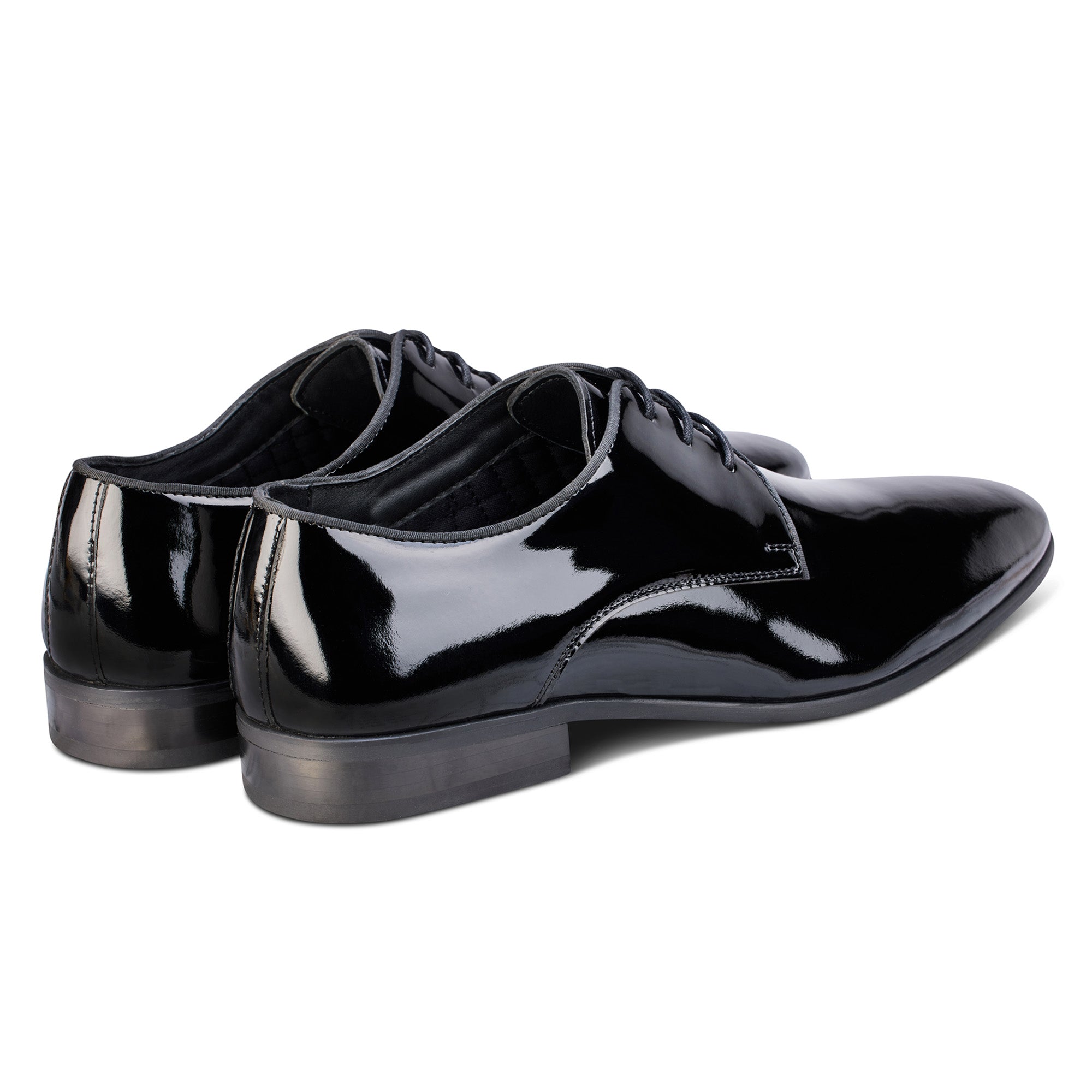
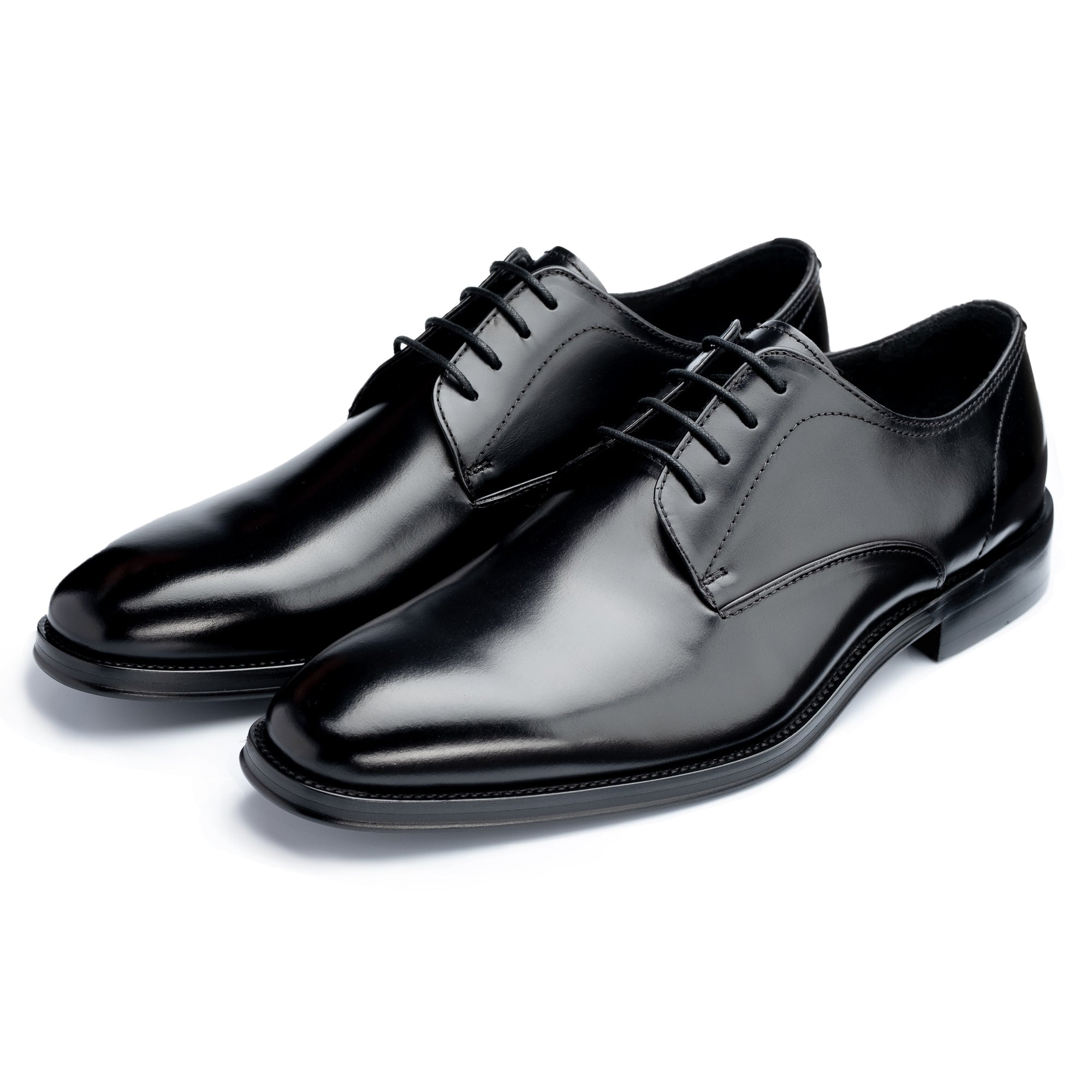
Yes. A plain black Derby in polished leather is entirely appropriate for business formal, client meetings, and interviews. It sits just below a captoe Oxford in the traditional formality hierarchy, but for a modern British office, the practical difference is negligible. A clean, well-maintained black Derby reads as confident and considered.
As we explored in our guide on what footwear says about you at a job interview, shoe condition matters more than precise style — polish and care consistently outperform shoe type alone.
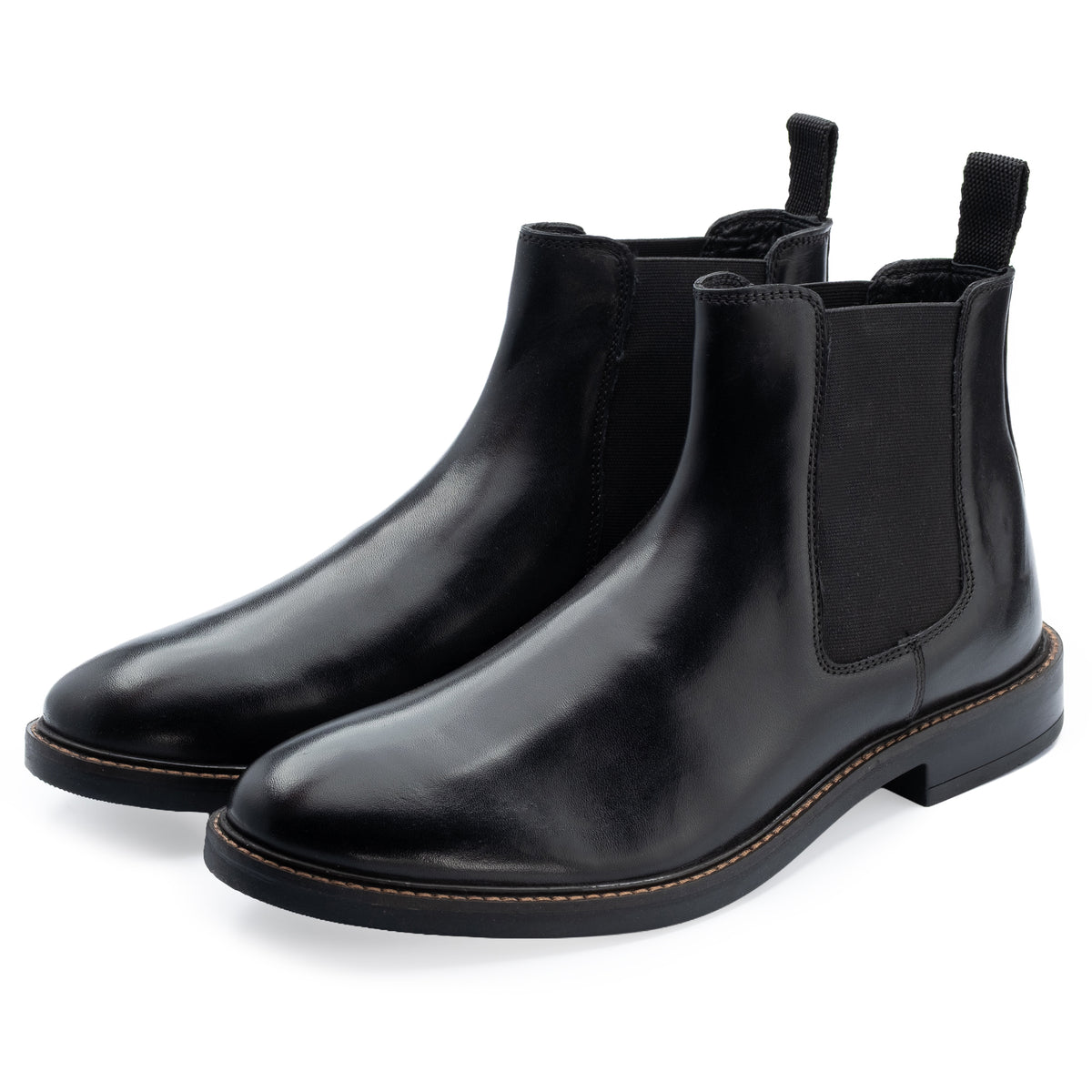
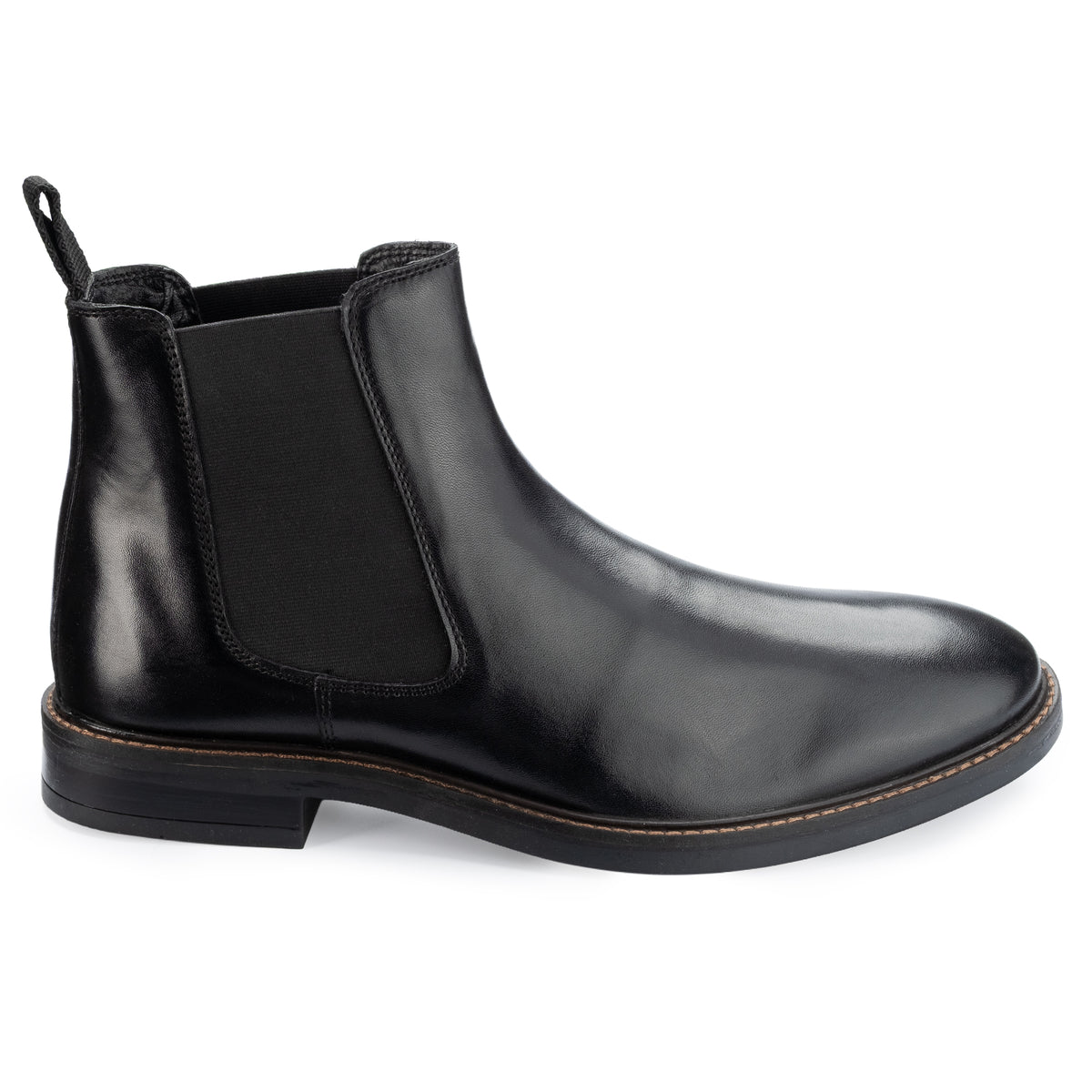
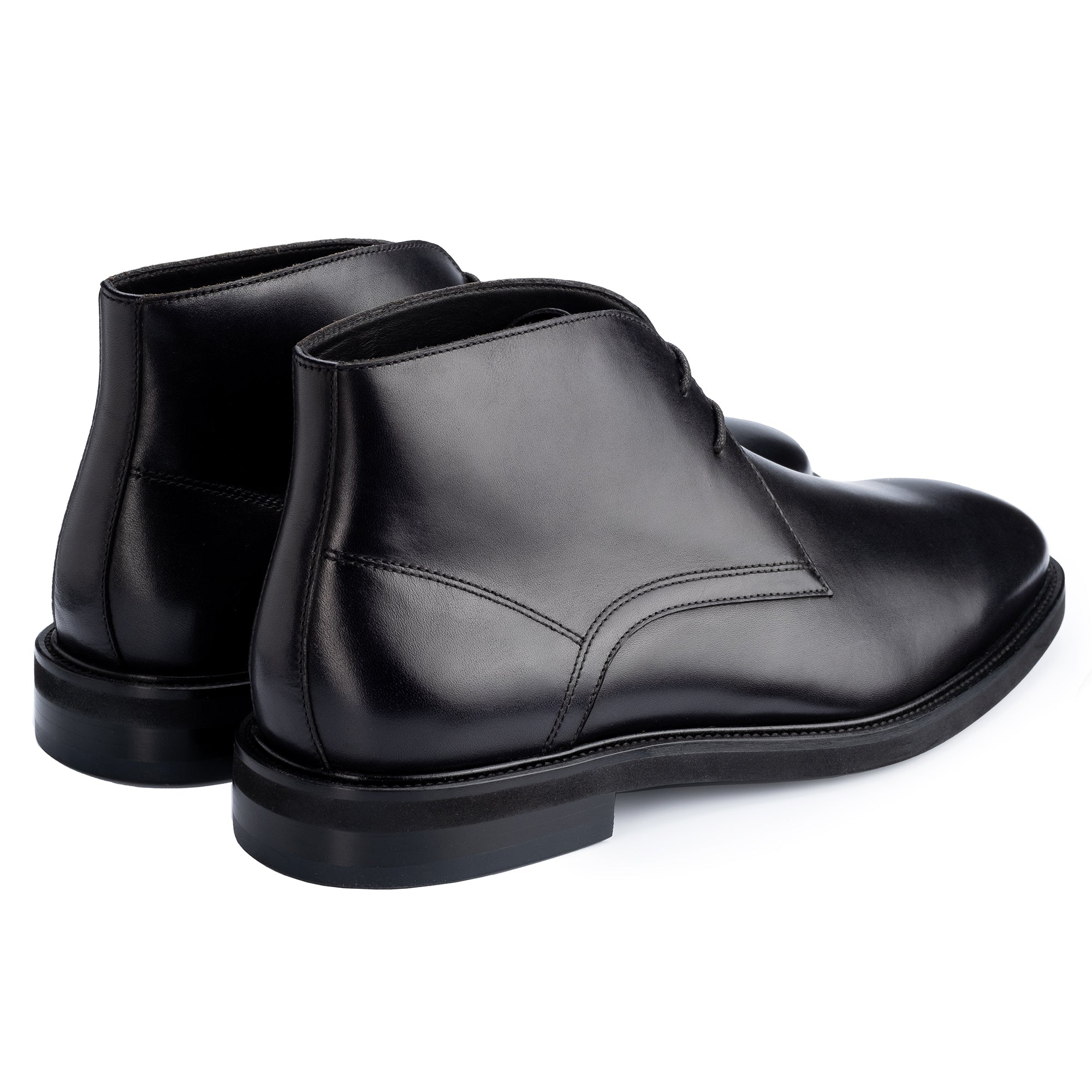
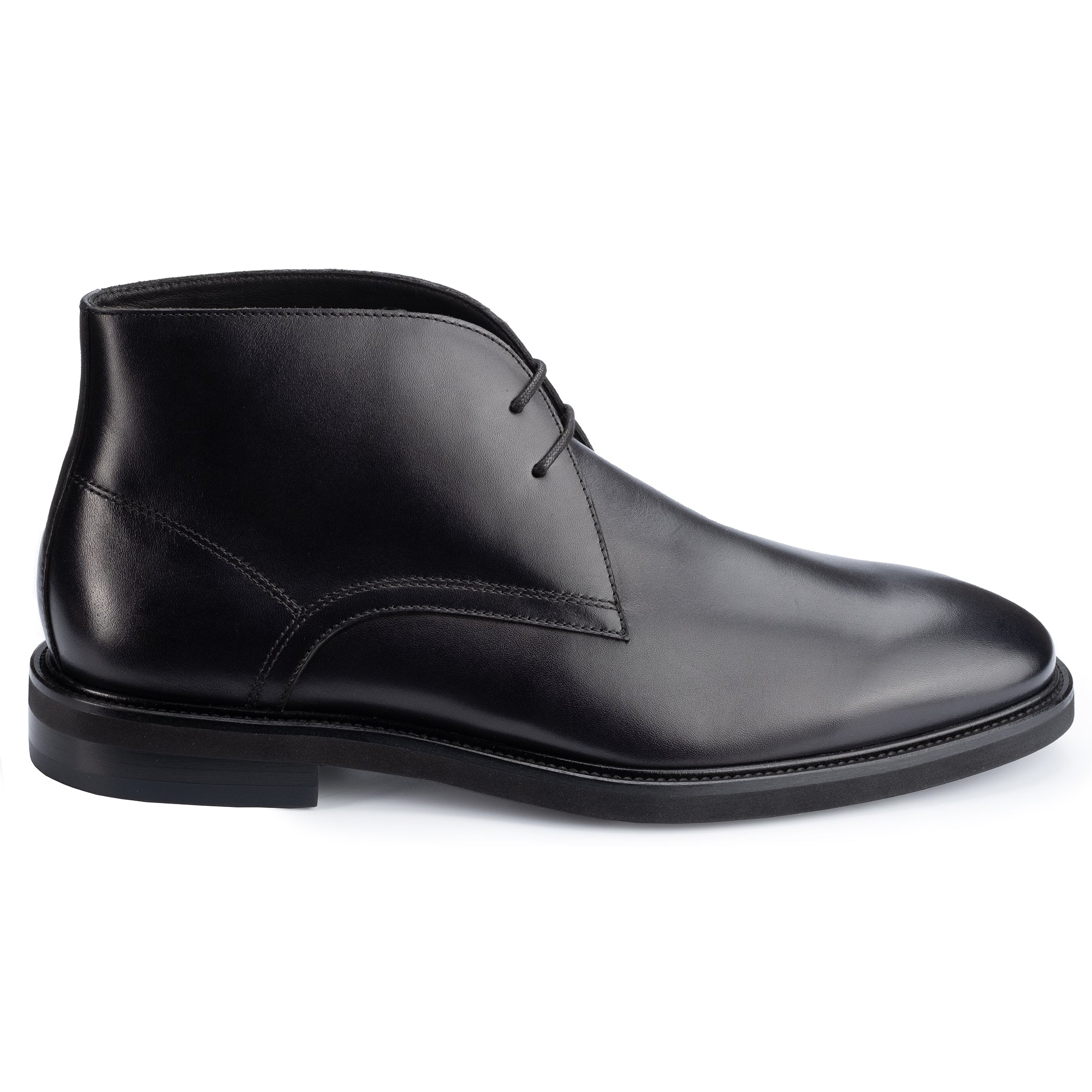
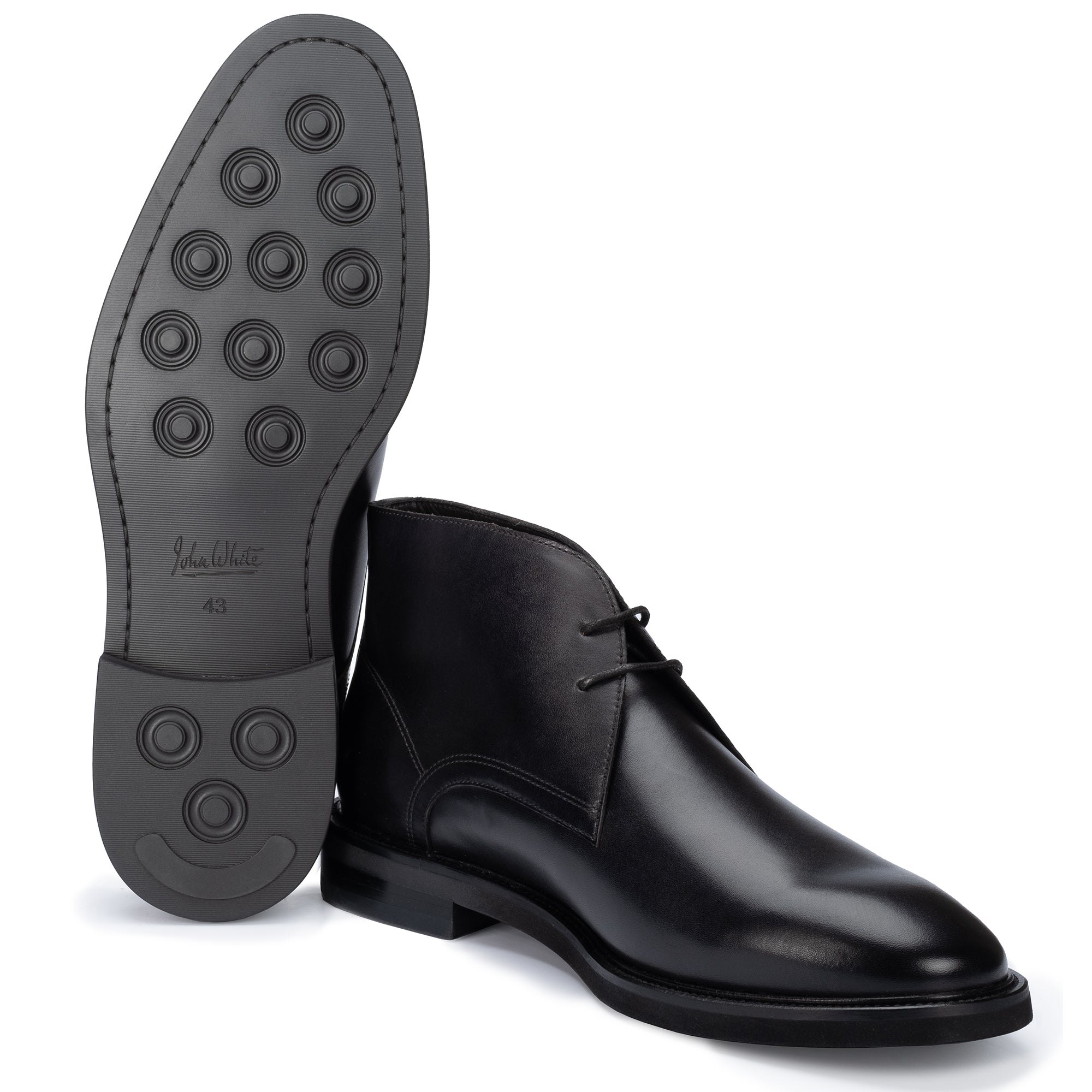
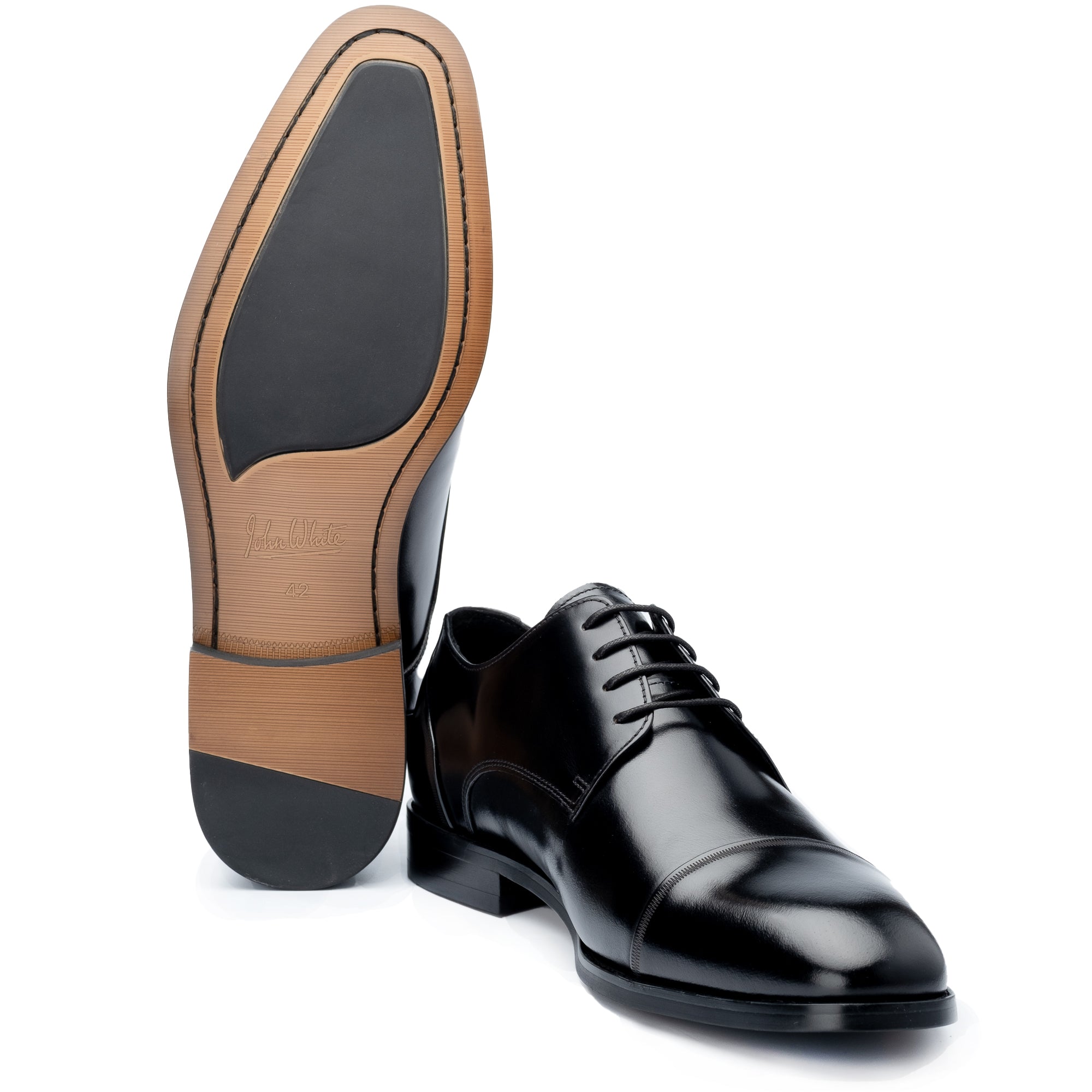
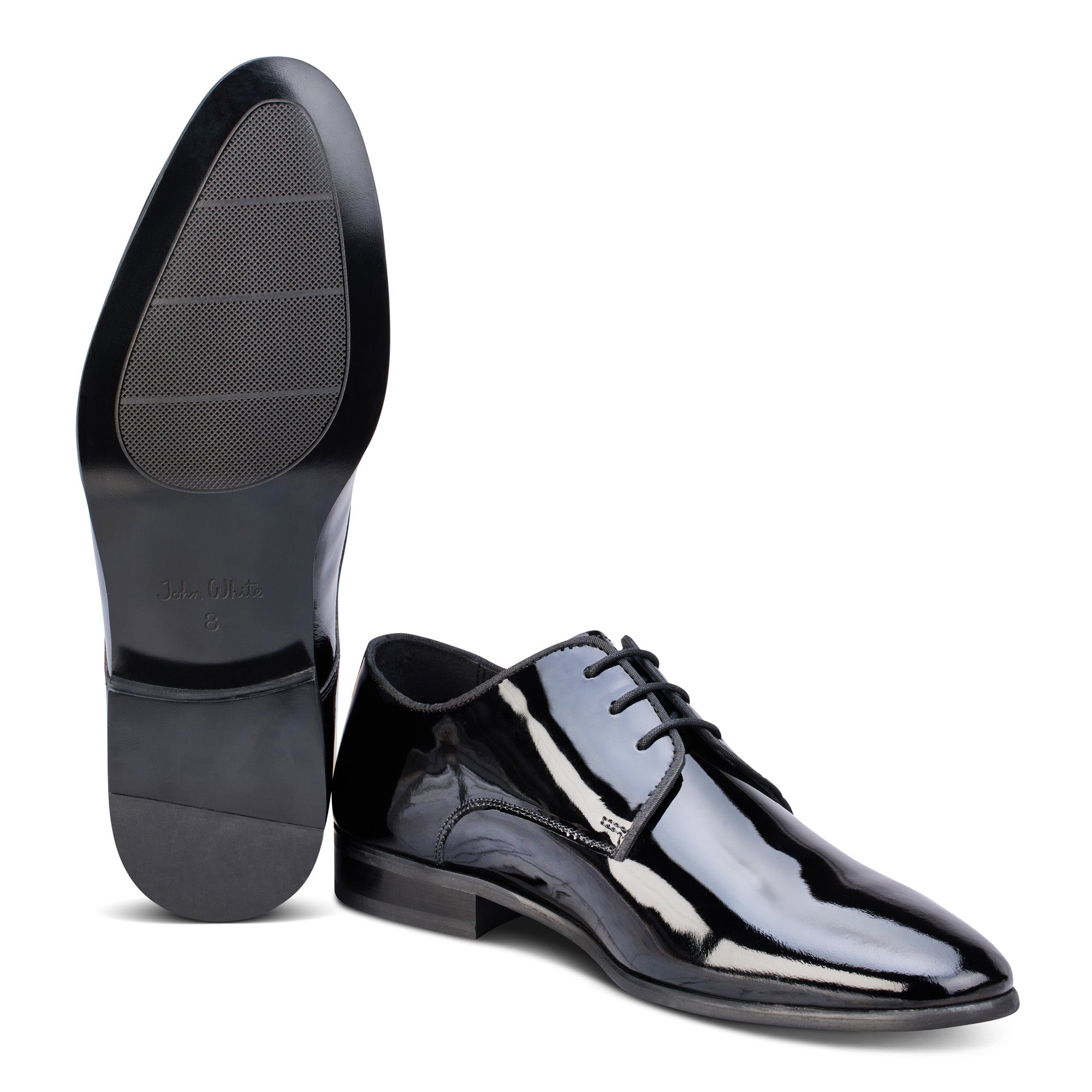
The Rudd Derby Shoes in black offer a clean, conservative profile suited to formal professional contexts. The Ivy Black Derby works equally well where a sleeker, pared-back silhouette is called for.
How Do You Style Derby Shoes for Smart-Casual?
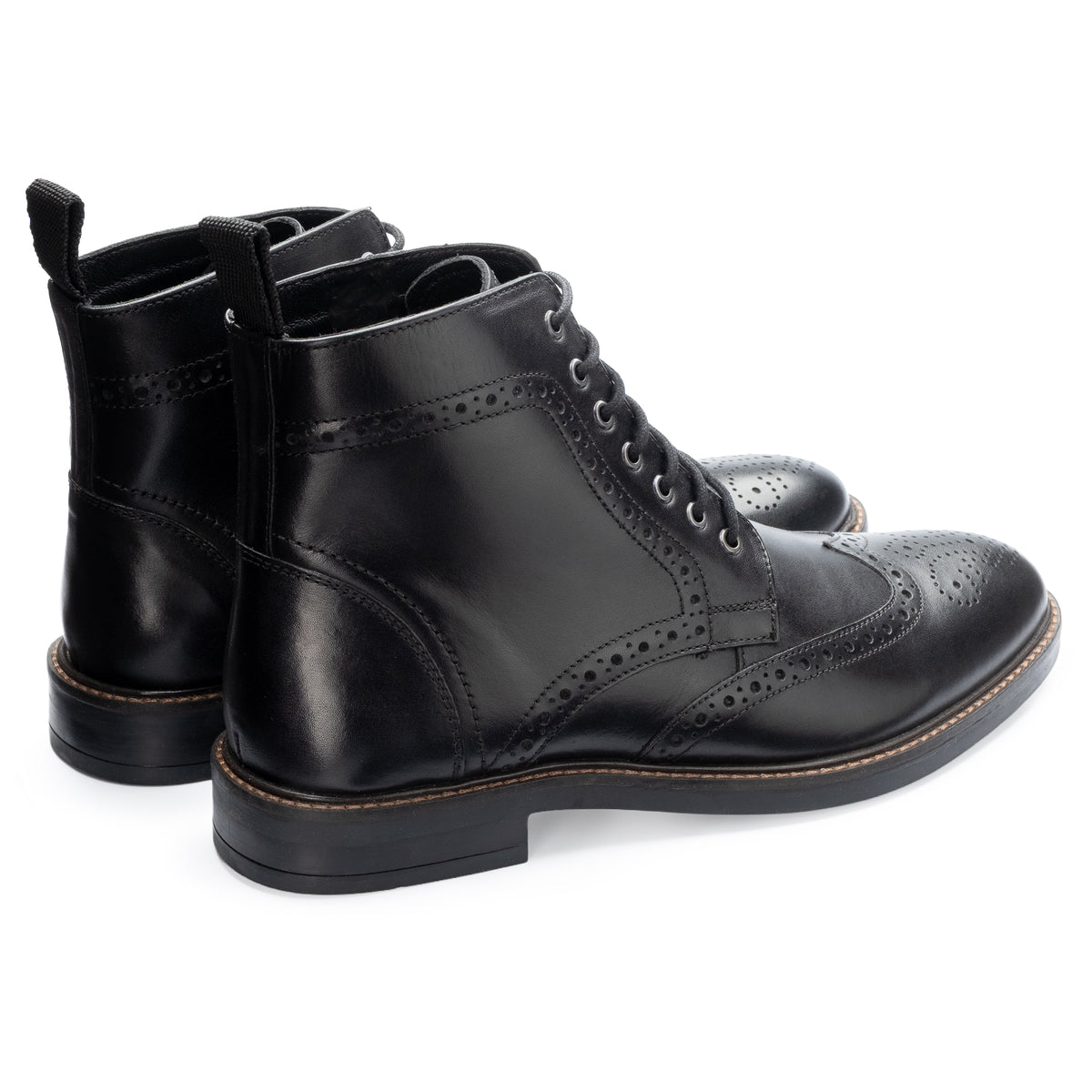
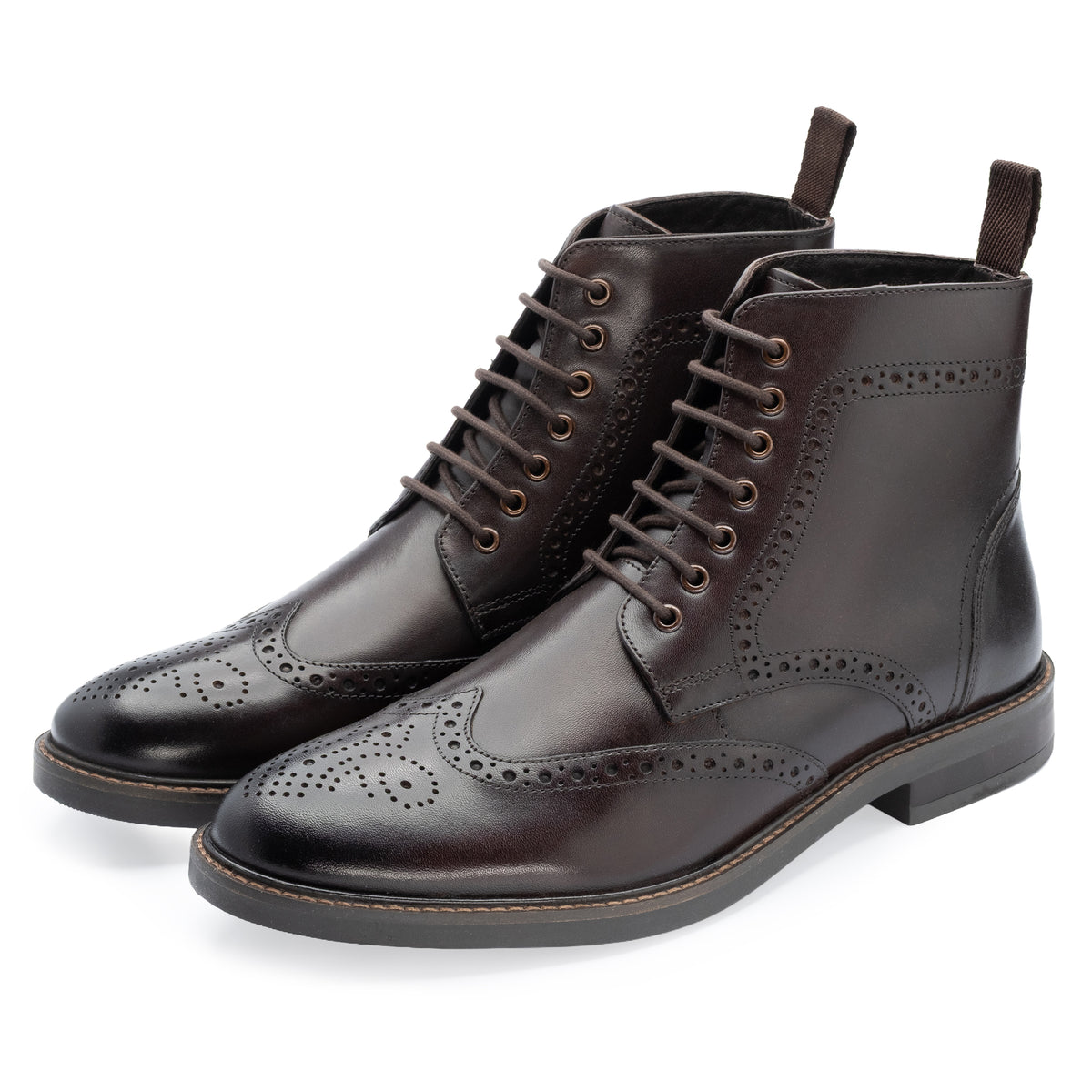
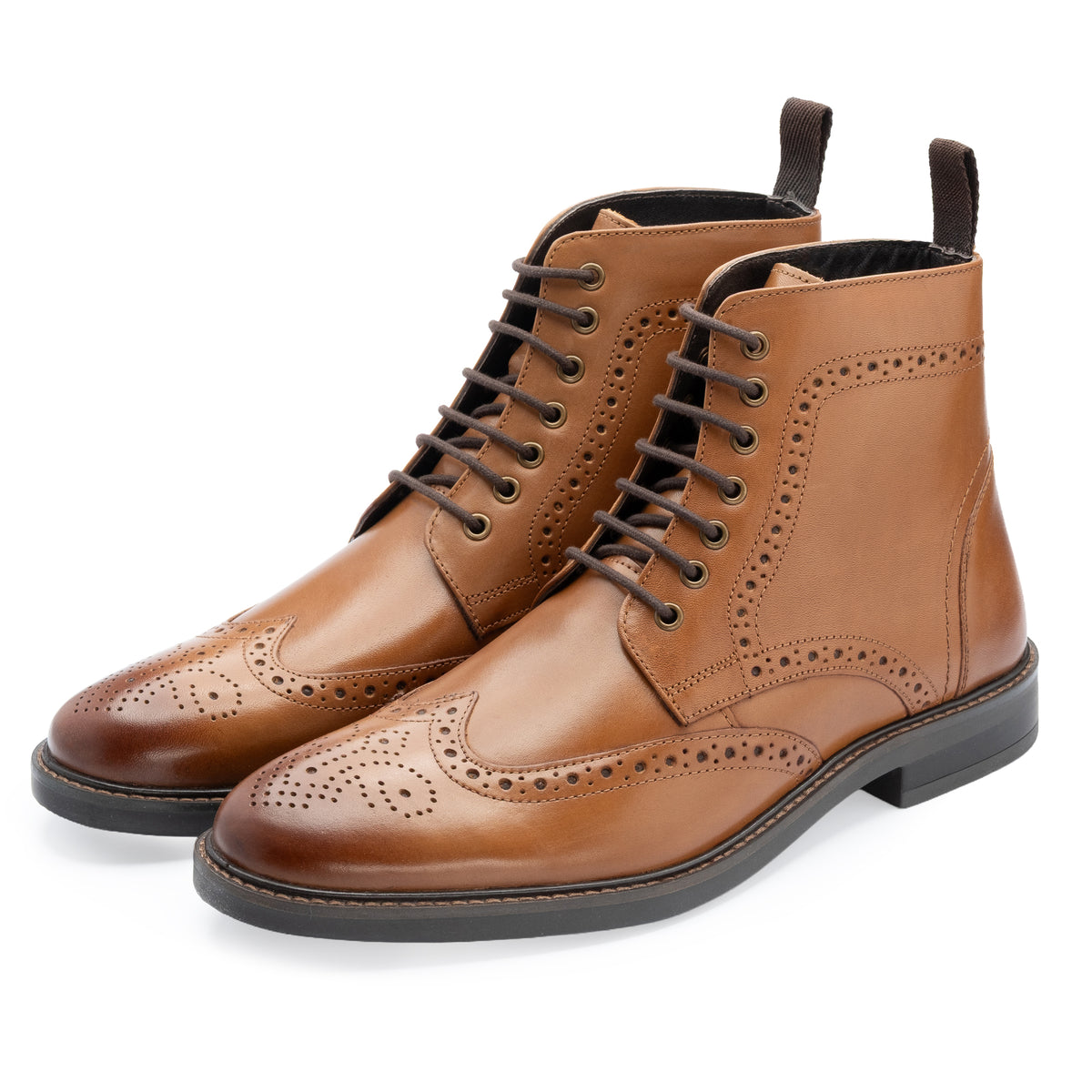
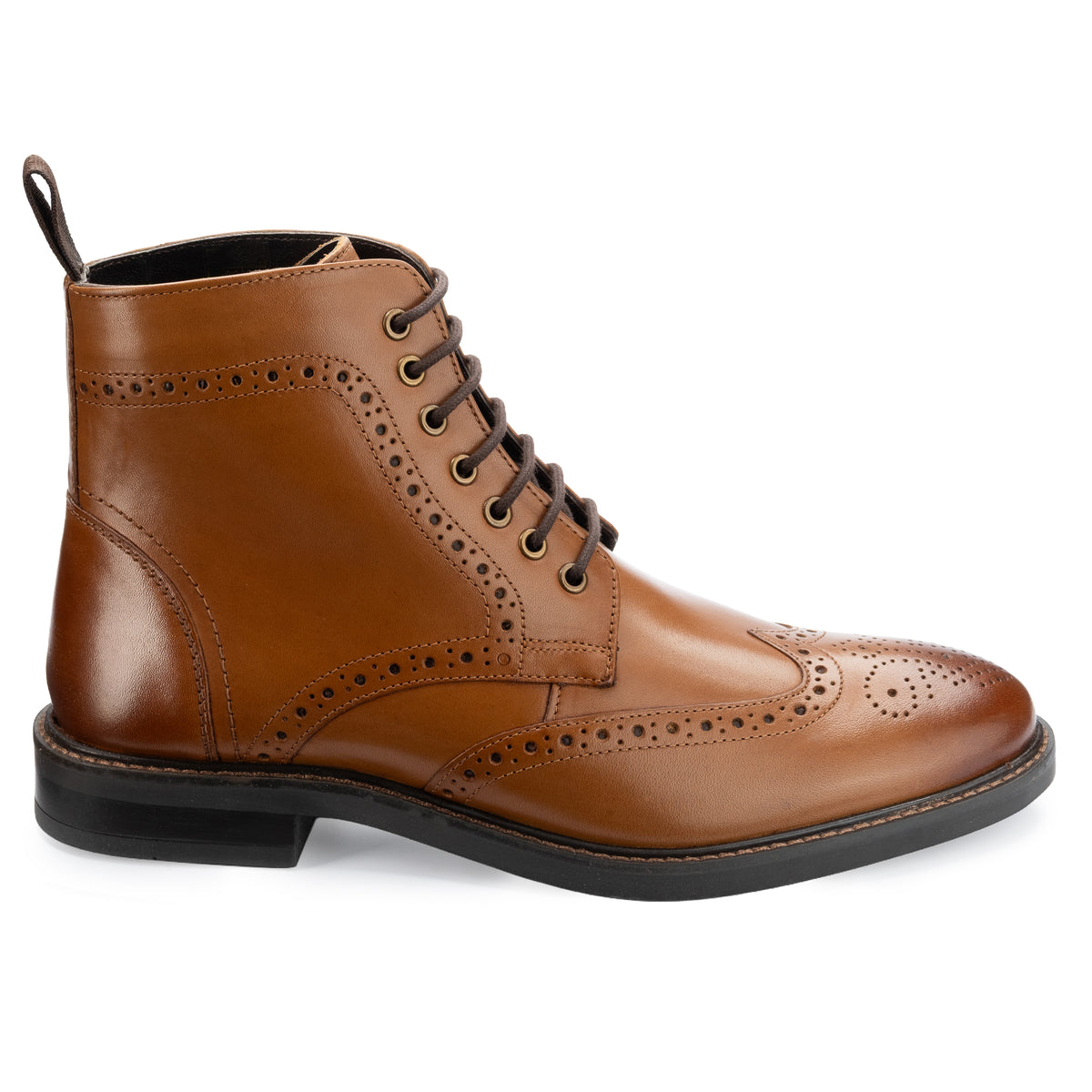
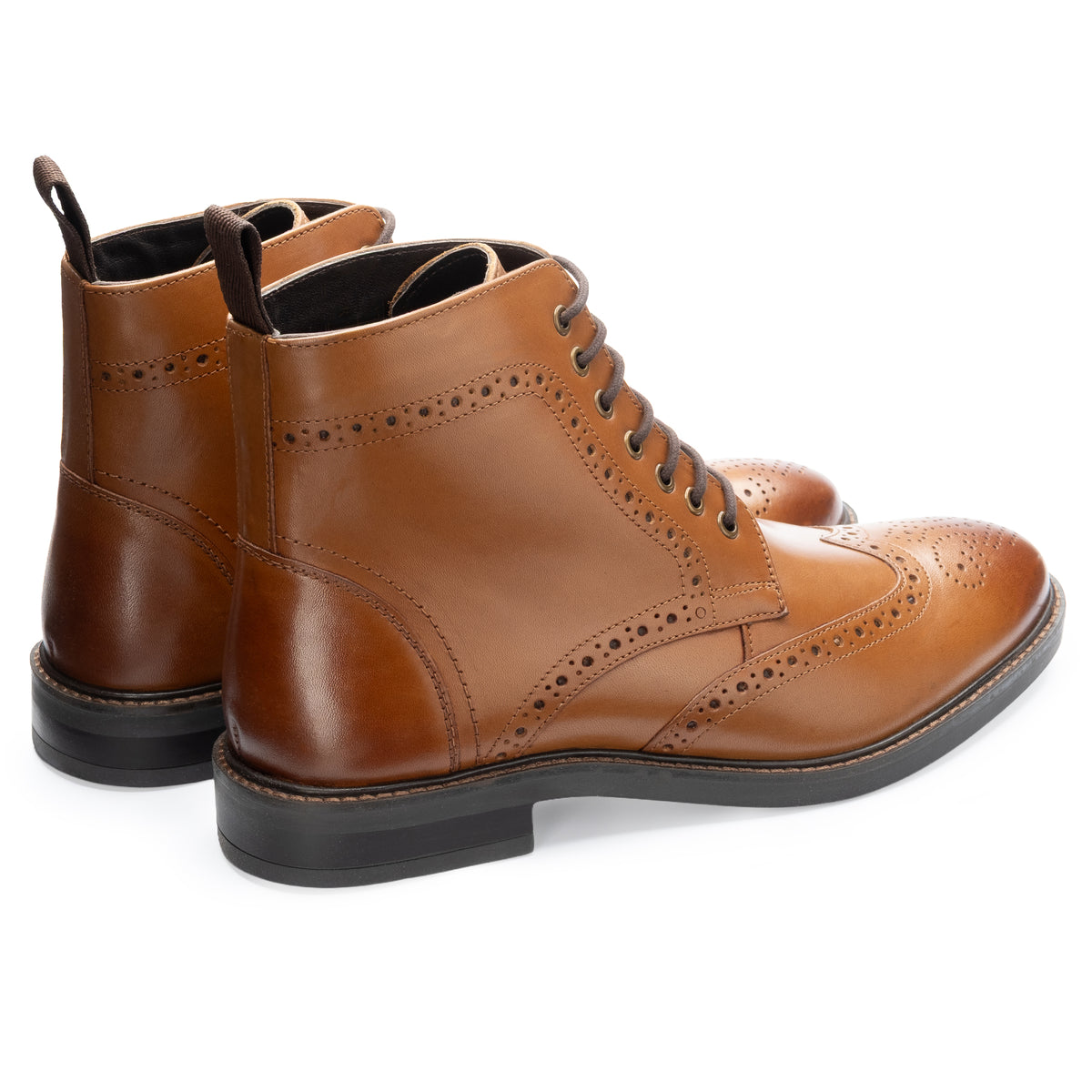
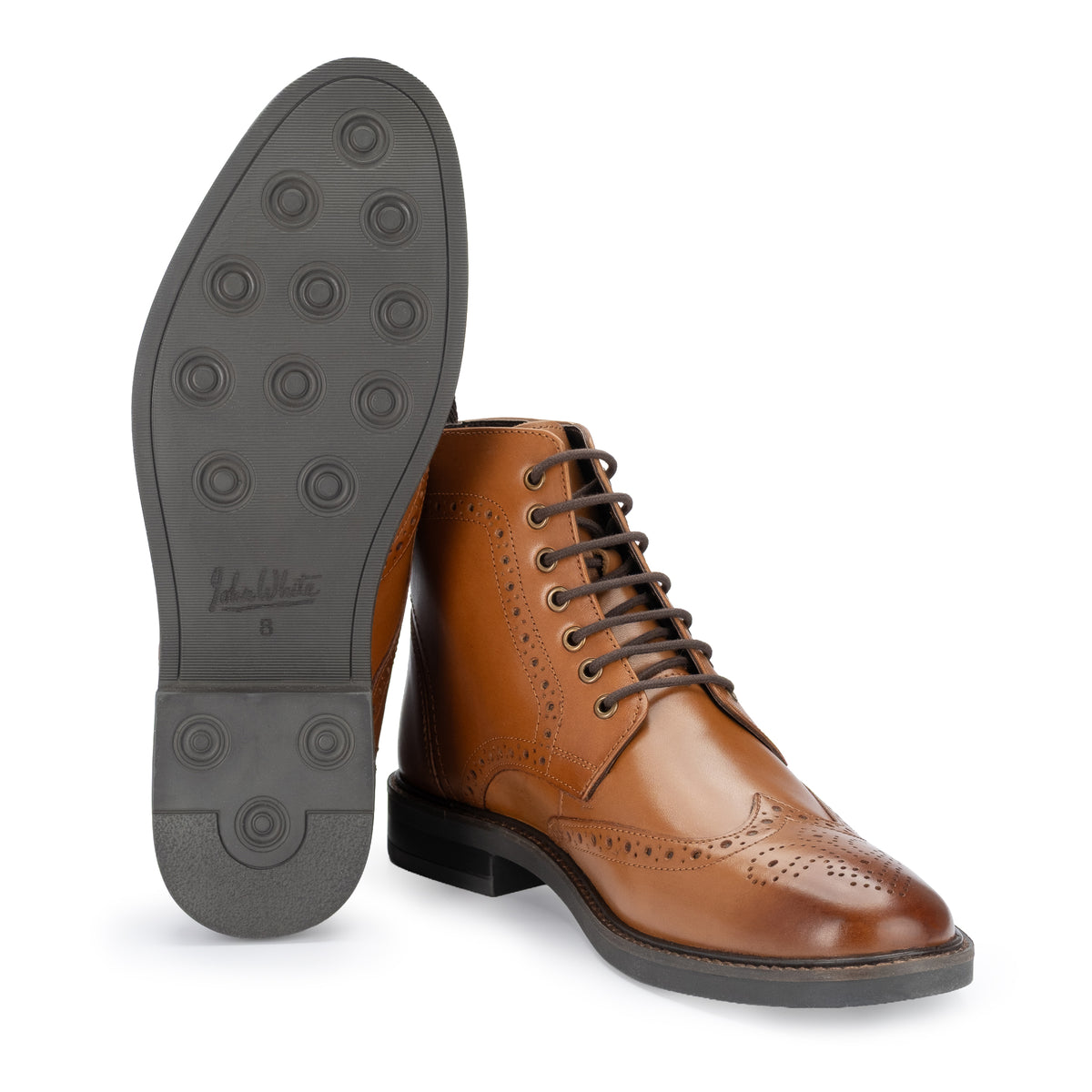
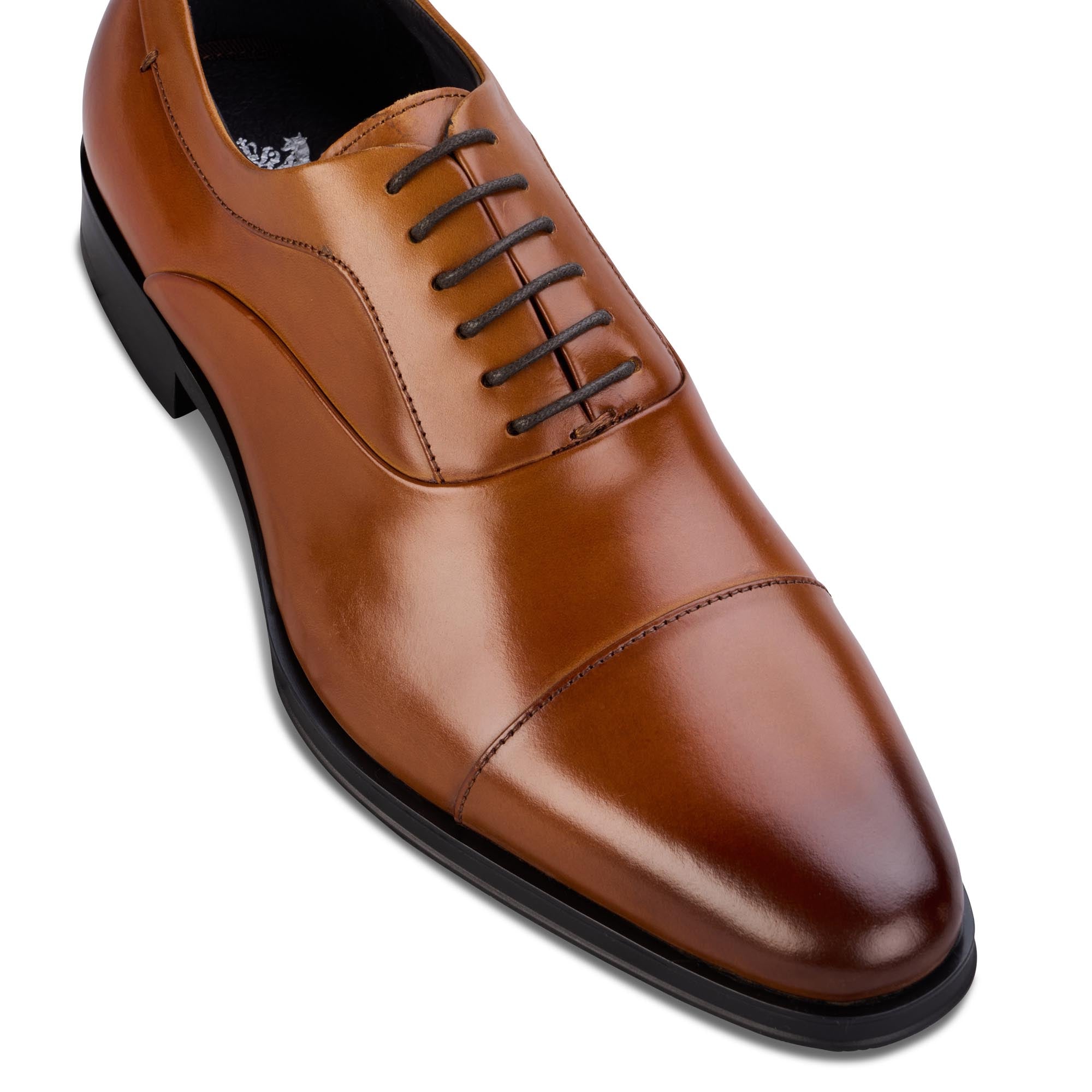
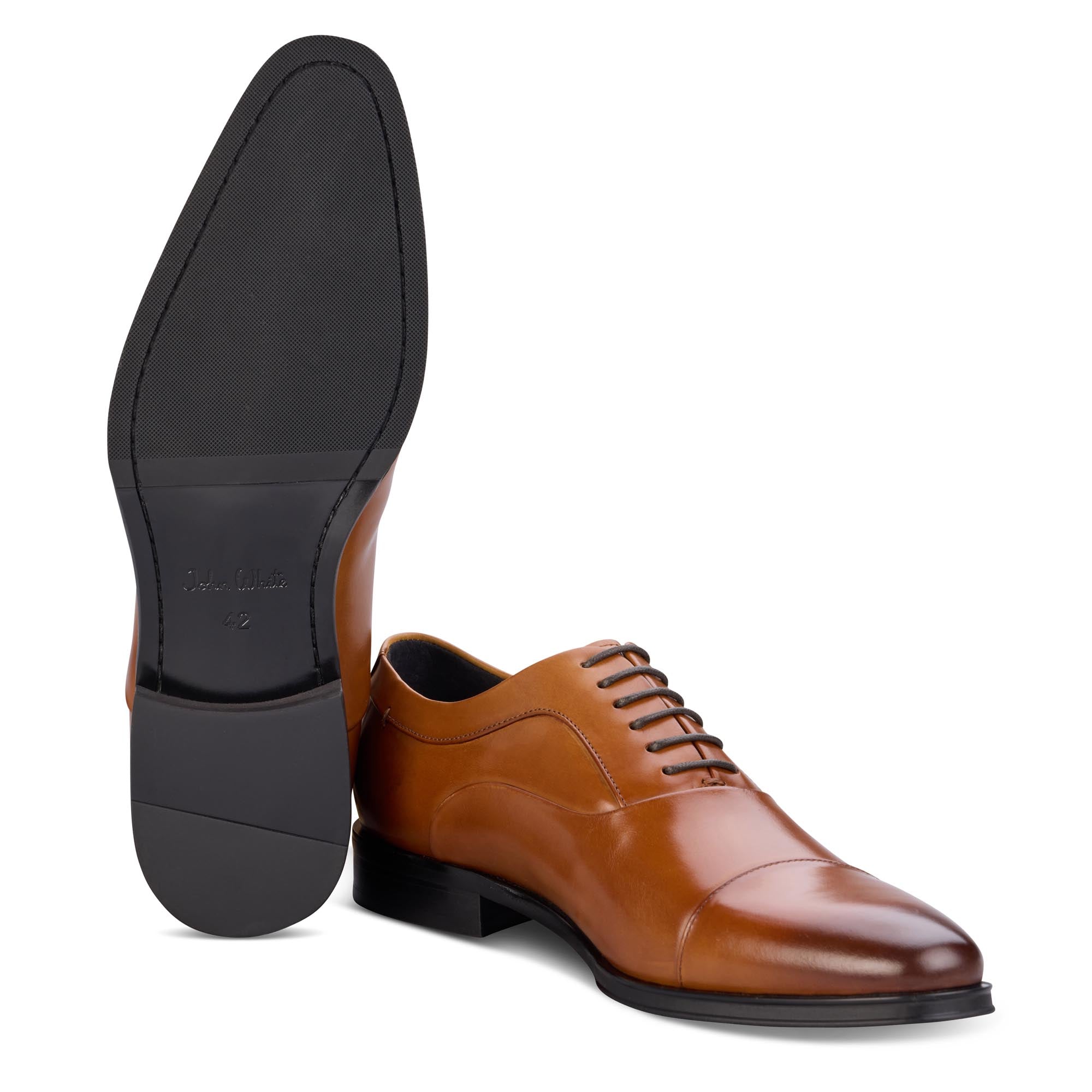
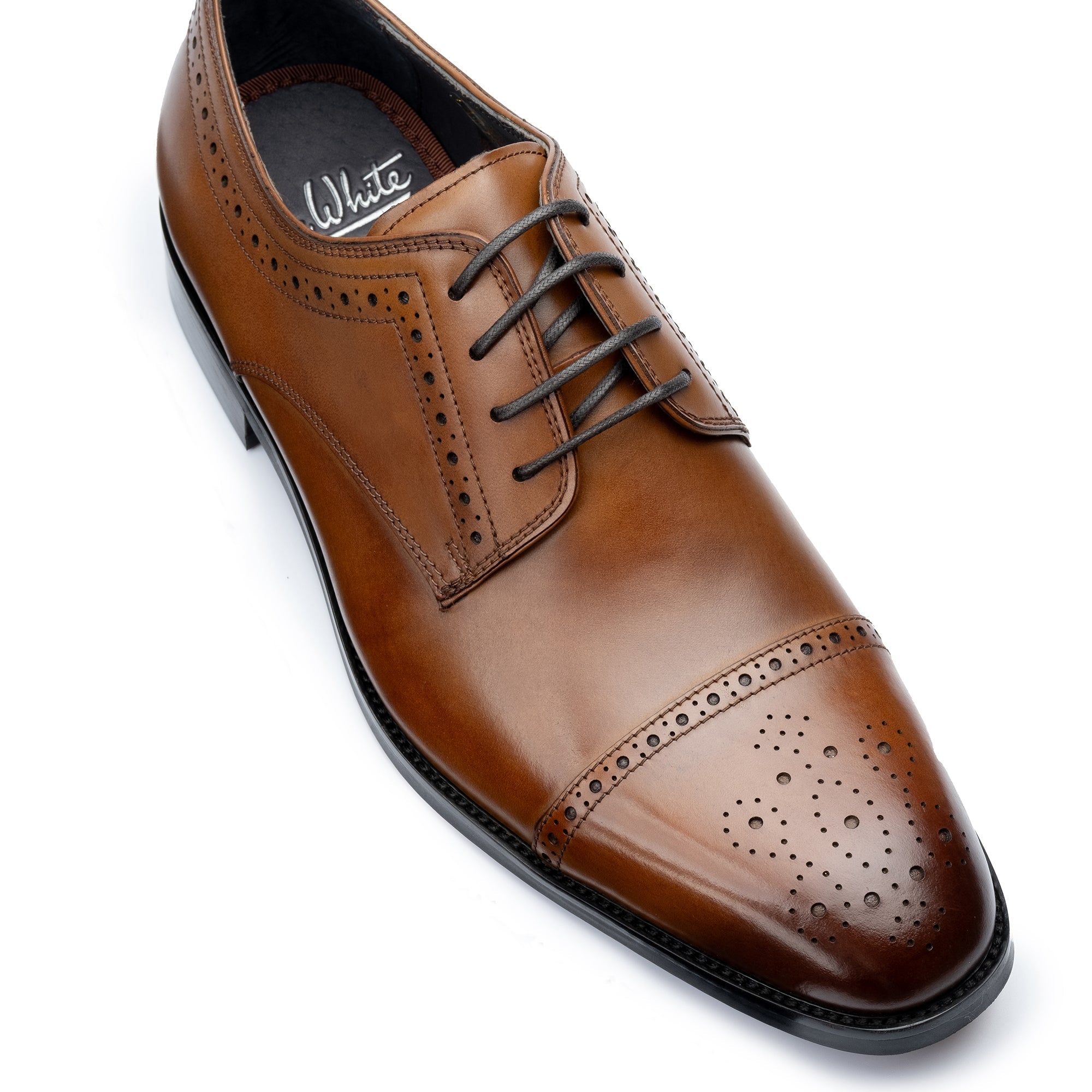
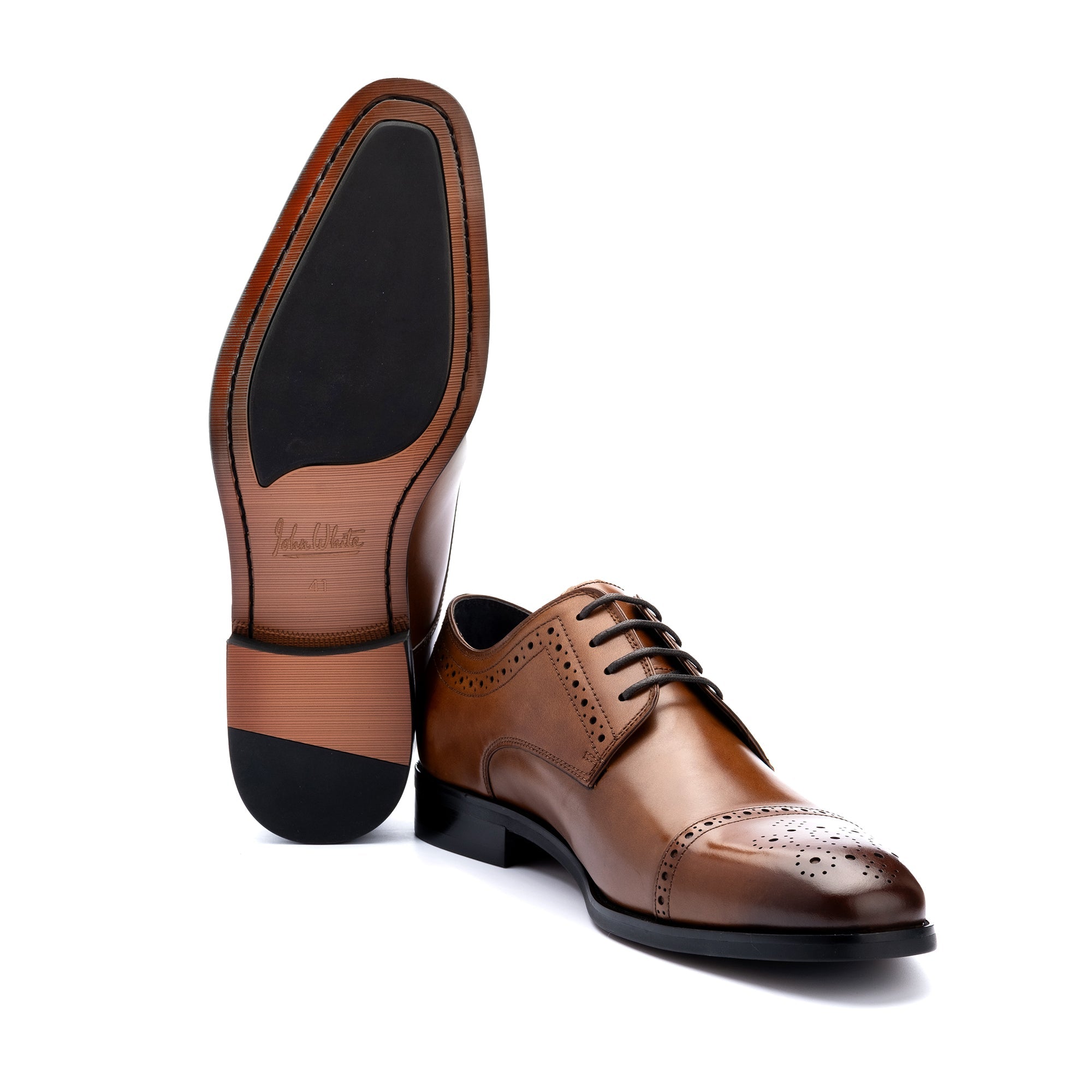
Smart-casual is where the Derby is most at home. A tan or brown brogue Derby with chinos and a well-fitted shirt is one of the most reliable combinations in British men's style — the brogue perforations add character without undermining the overall polish.
- Tan brogues + slim chinos + Oxford shirt: relaxed but clearly considered — ideal for creative offices, weekend lunches, or country occasions
- Brown Derby + tailored trousers + knitwear: smart without effort — works for dinners, gallery visits, or smart-casual events
- Black Derby + dark chinos + blazer: the reliable fallback — evening smart-casual, team meetings, anything the dress code leaves open
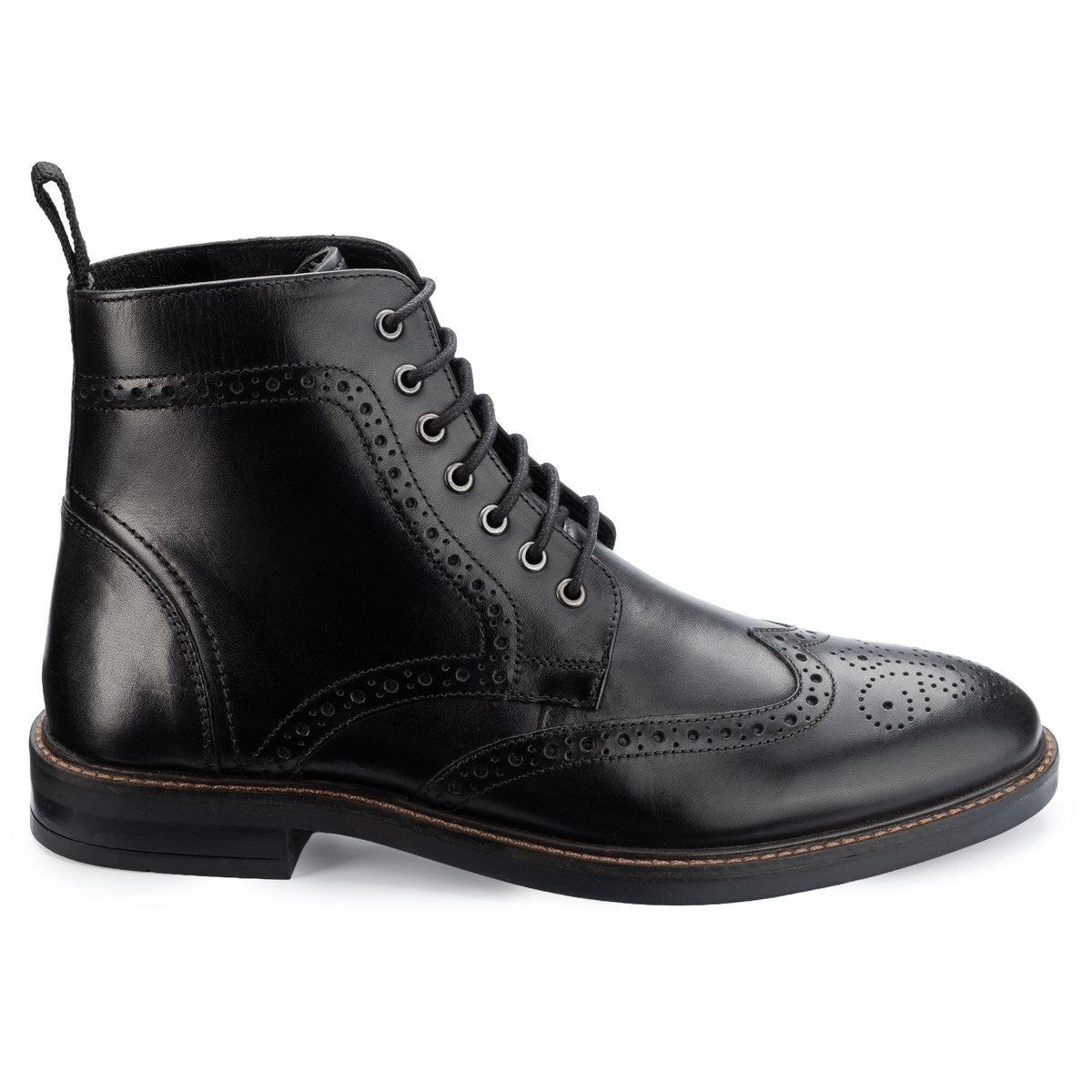
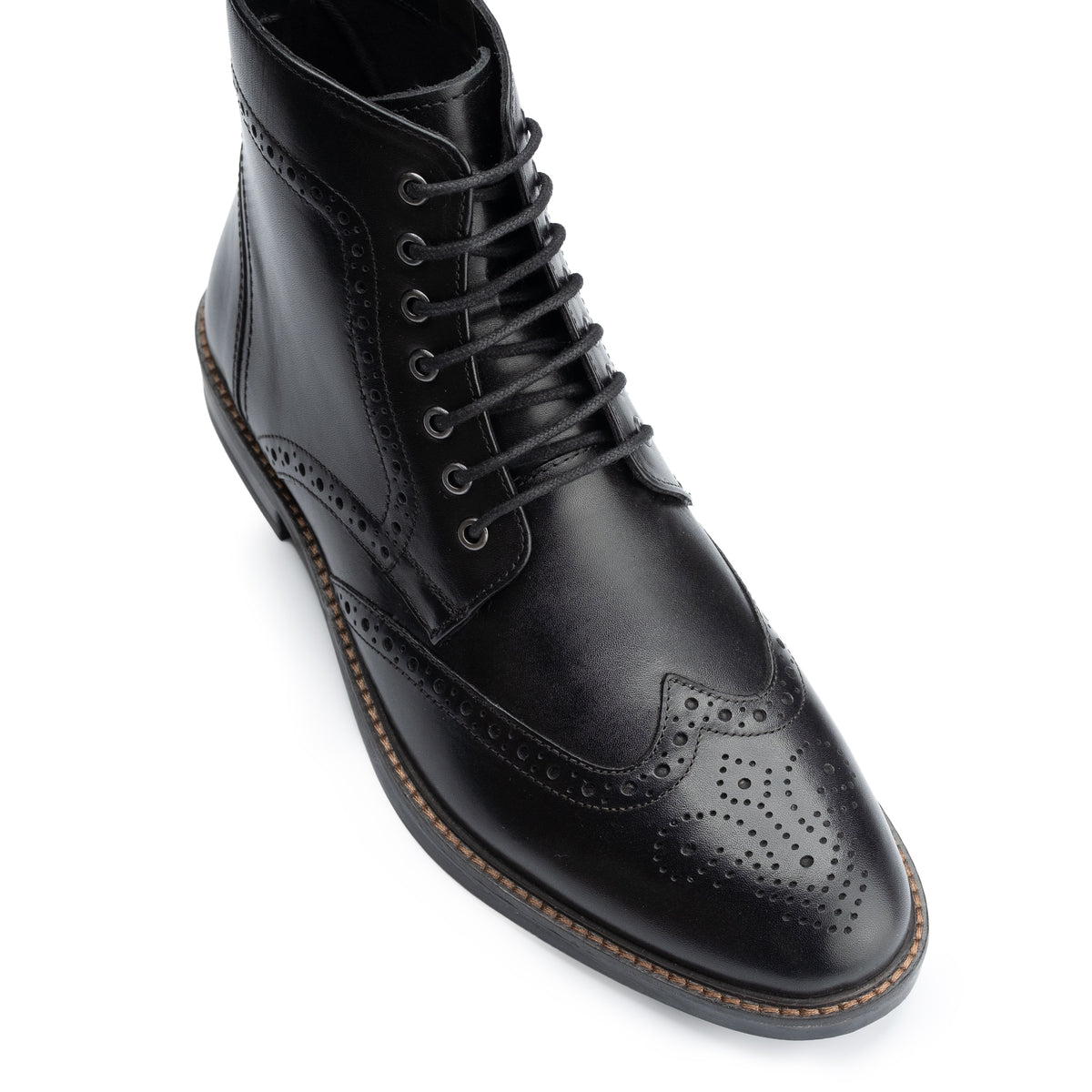
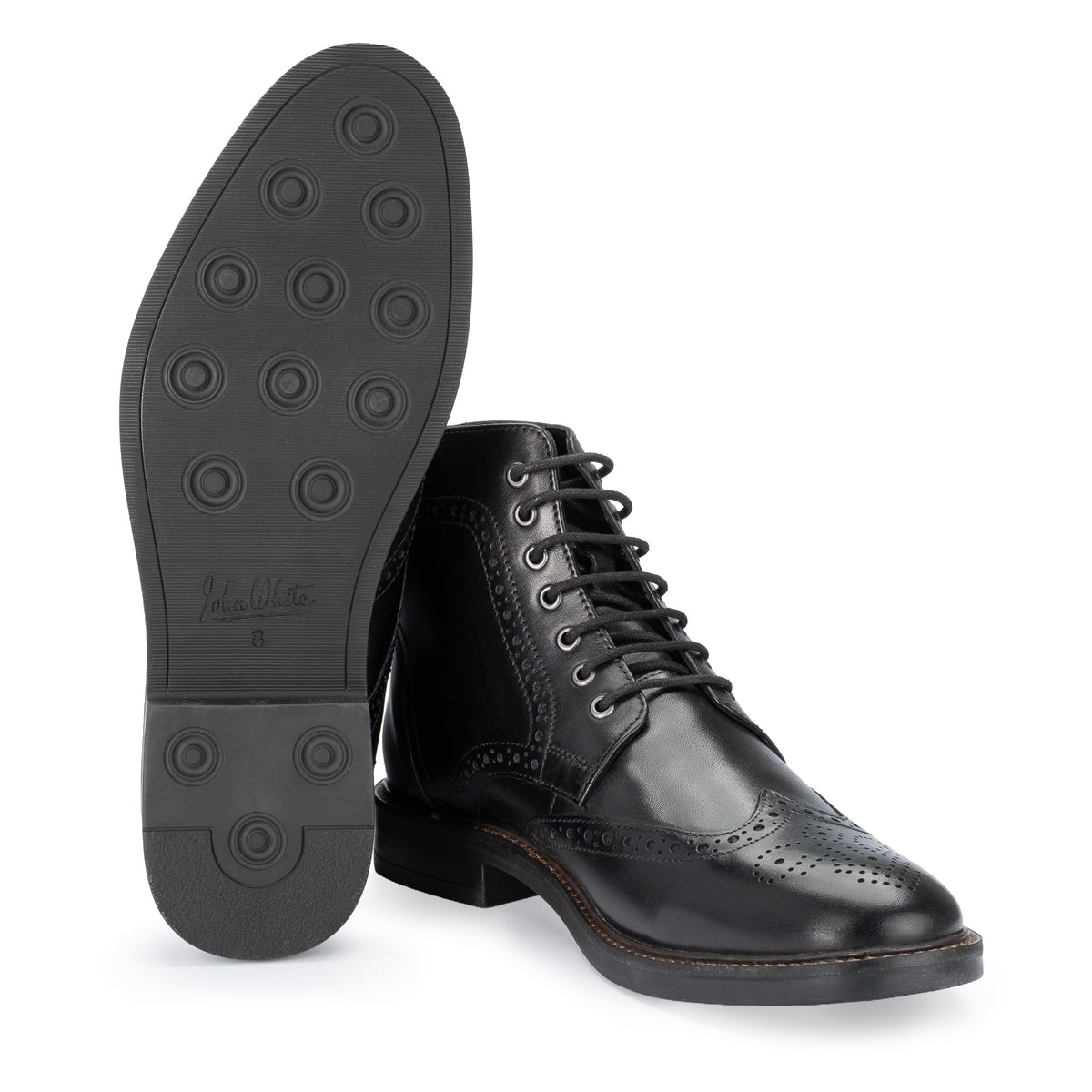
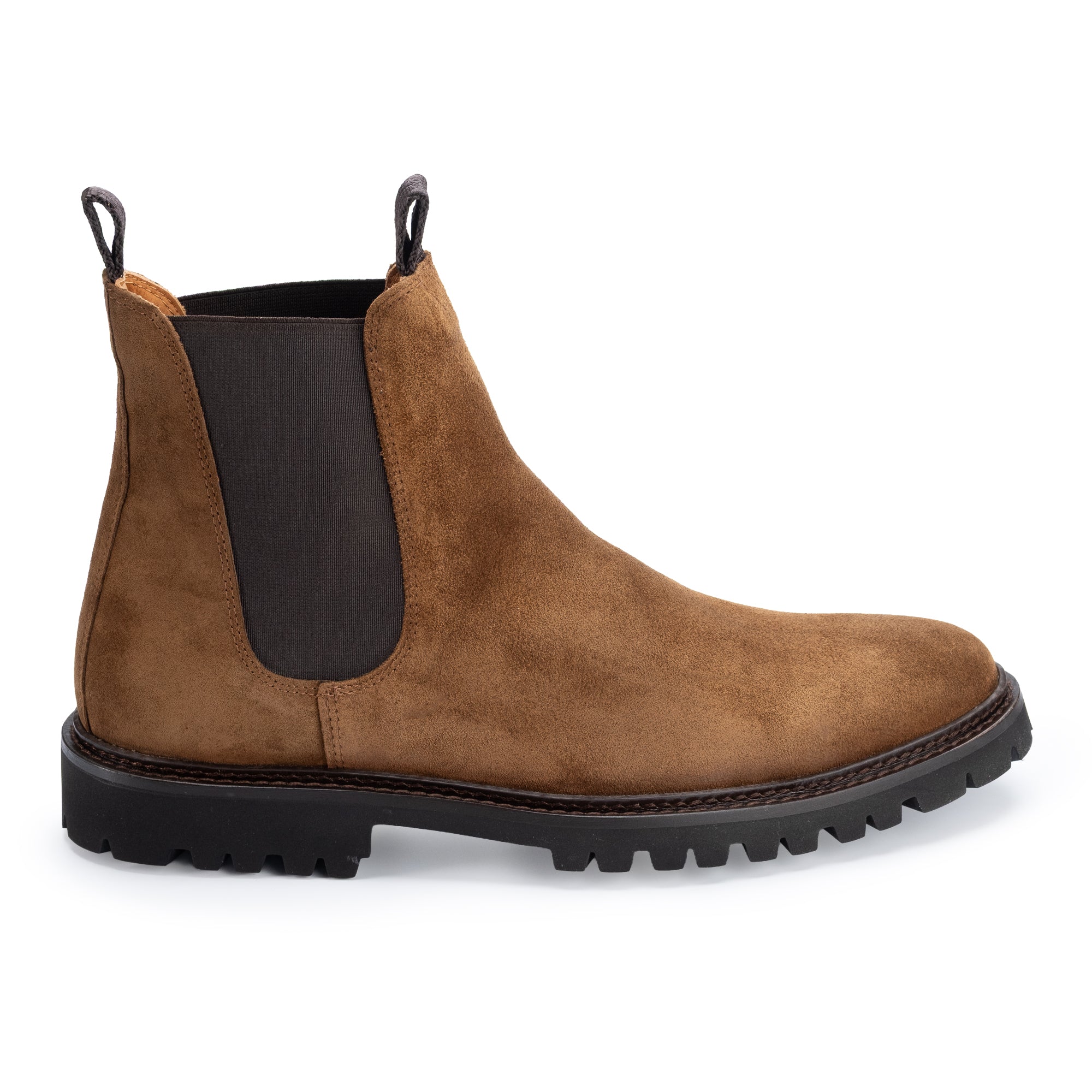
The Stokes Brogue Derby Shoes, available in black, brown, and tan, are particularly suited here. The full brogue detailing gives them presence; the Derby last keeps the formality measured.
For the full picture of how to navigate chinos and leather shoes, our guide on what shoes to wear with chinos covers every combination worth knowing.
A tan or brown brogue Derby with slim-fit chinos is one of the most consistently reliable smart-casual choices a British man can make — adaptable, polished, and never forced.Can You Wear Derby Shoes with Jeans?
You can — with the right pair and the right jeans. A heavier brogue Derby or a Derby in textured leather crosses into casual denim territory more naturally than a plain-toe dress shoe would. Fit is the critical variable: slim or straight-leg dark jeans that sit cleanly over the shoe, without pooling at the ankle.
- Dark indigo slim jeans + tan brogue Derby: a credible smart-casual pairing
- Black slim jeans + black Derby: clean and considered, not overdressed
- Avoid wide-leg or light-wash jeans with formal Derbies — the contrast undermines both
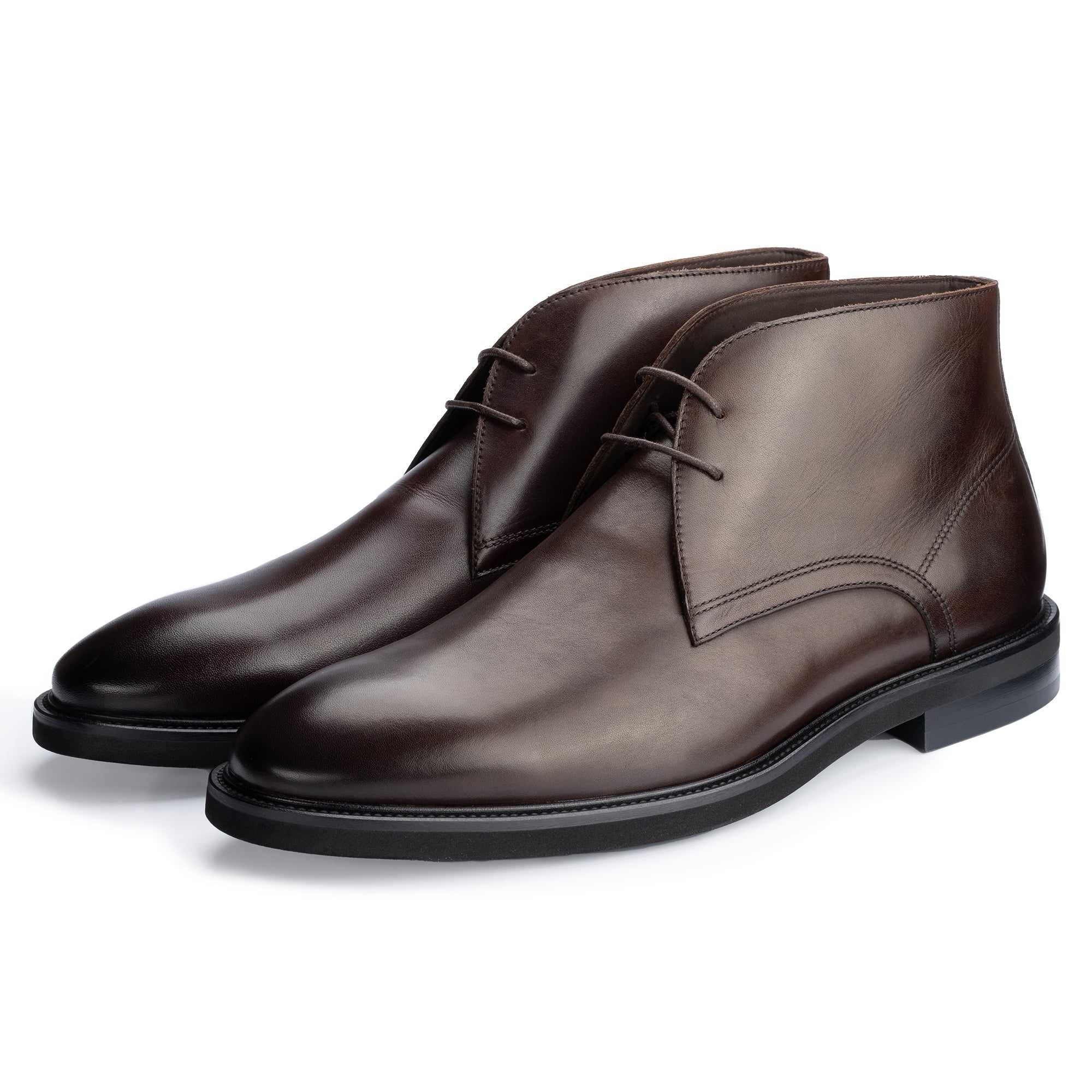
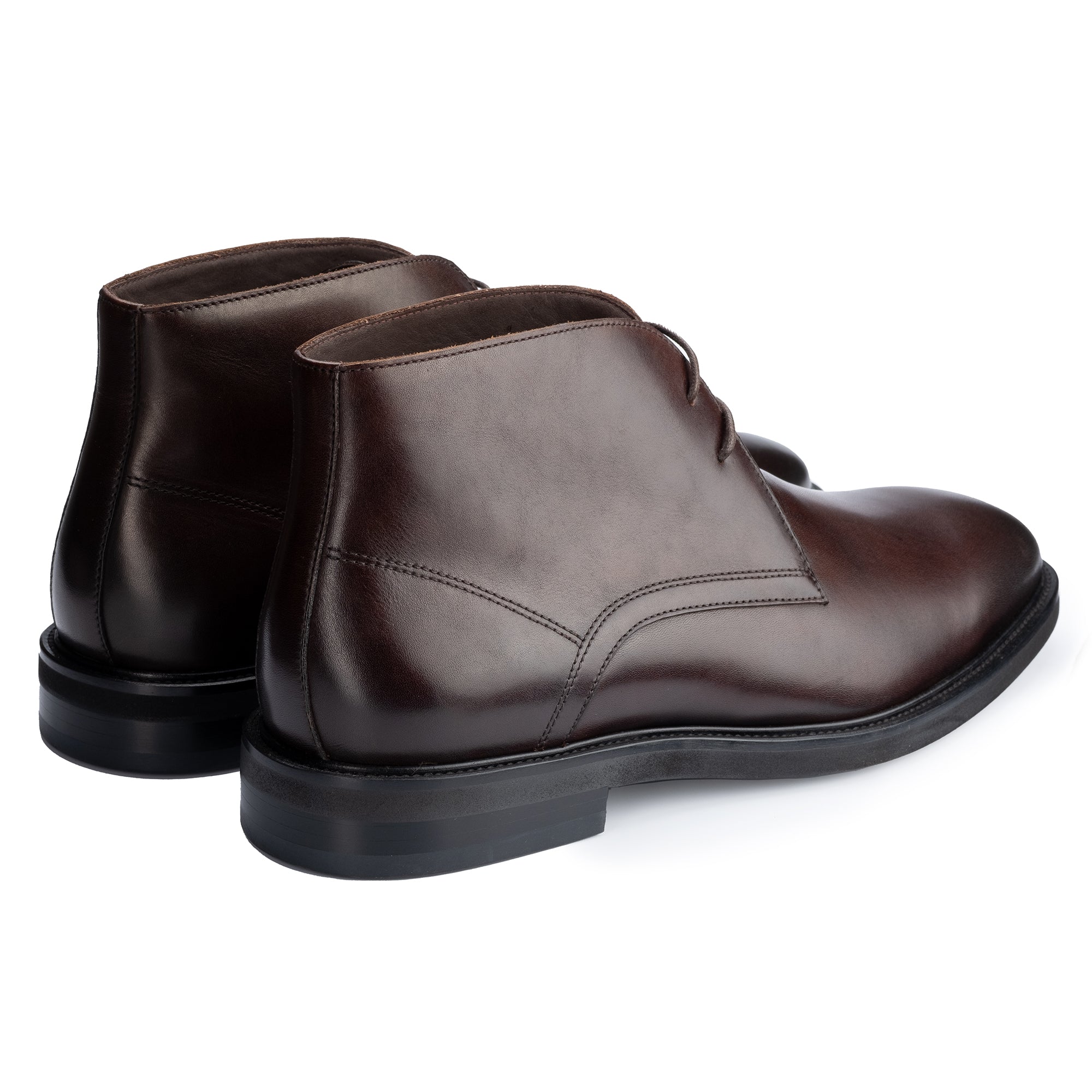
The Tanner Derby Shoes and the Wilms Derby Shoes — both available in black and brown — have a rounded, slightly more relaxed profile that transitions well between tailored and casual contexts.
Which Colour Derby Shoe Should You Buy First?
Black is the functional starting point. It works with grey, navy, and charcoal suits; with formal trousers; and across nearly any professional context. A black plain-toe Derby is the closest thing to a universal dress shoe.
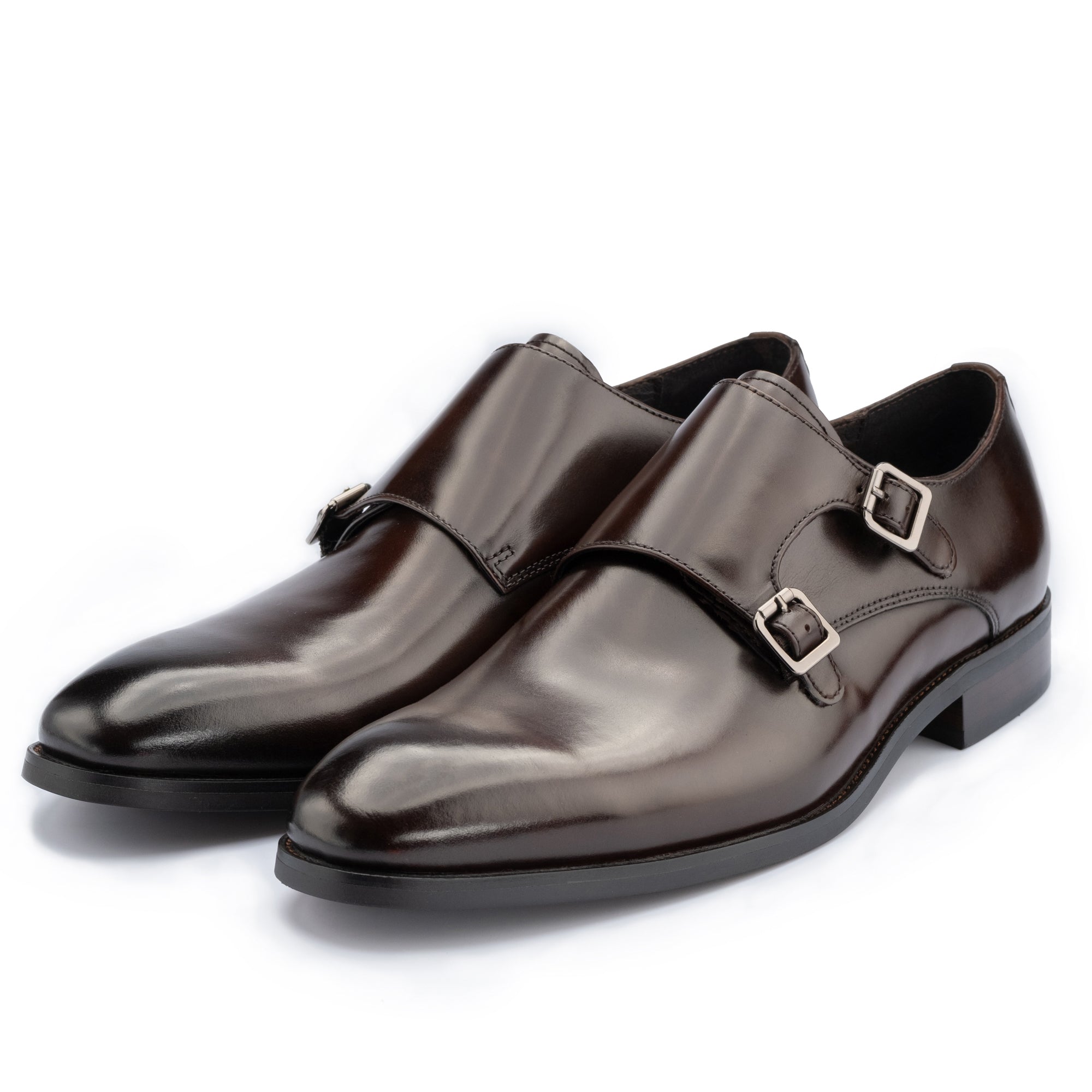
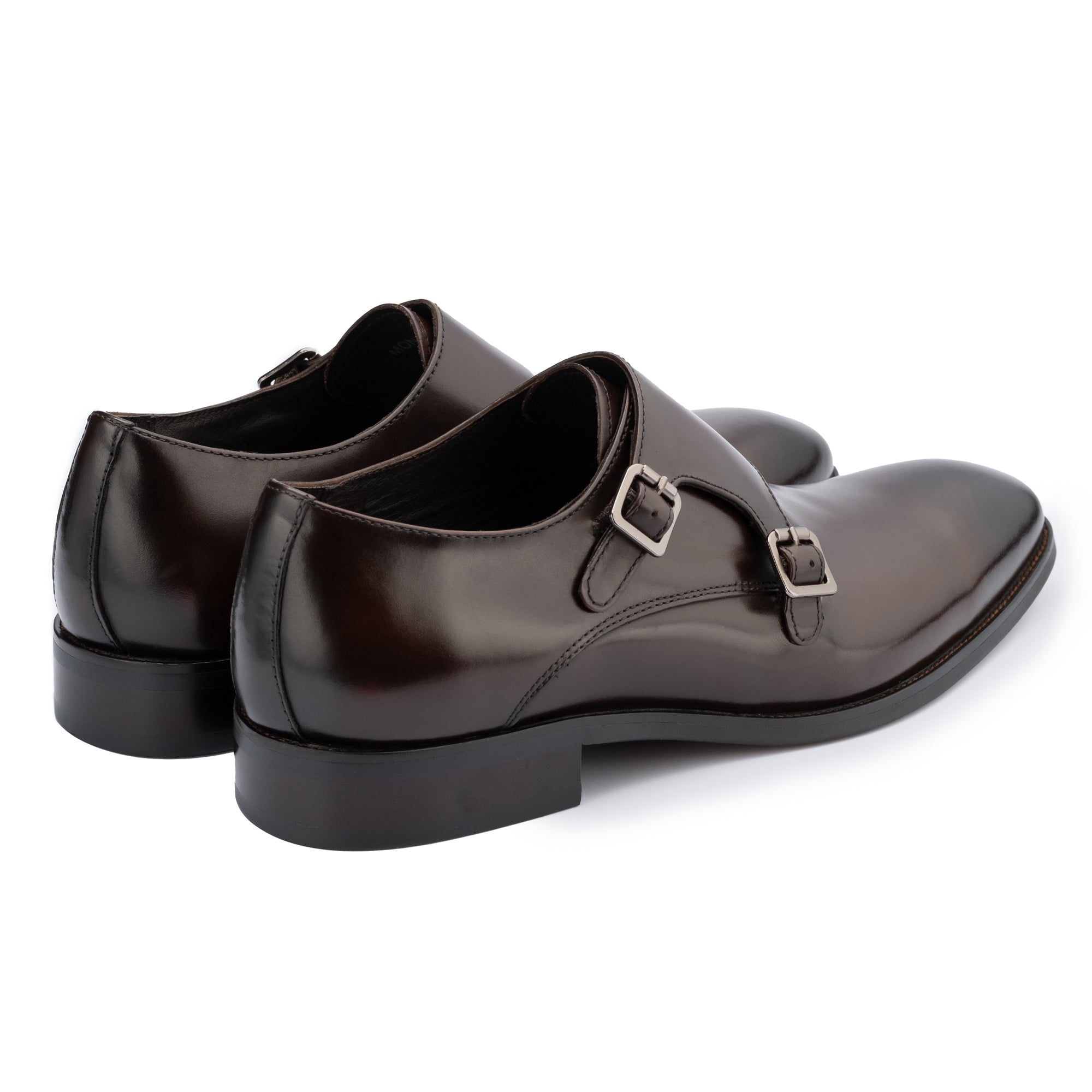
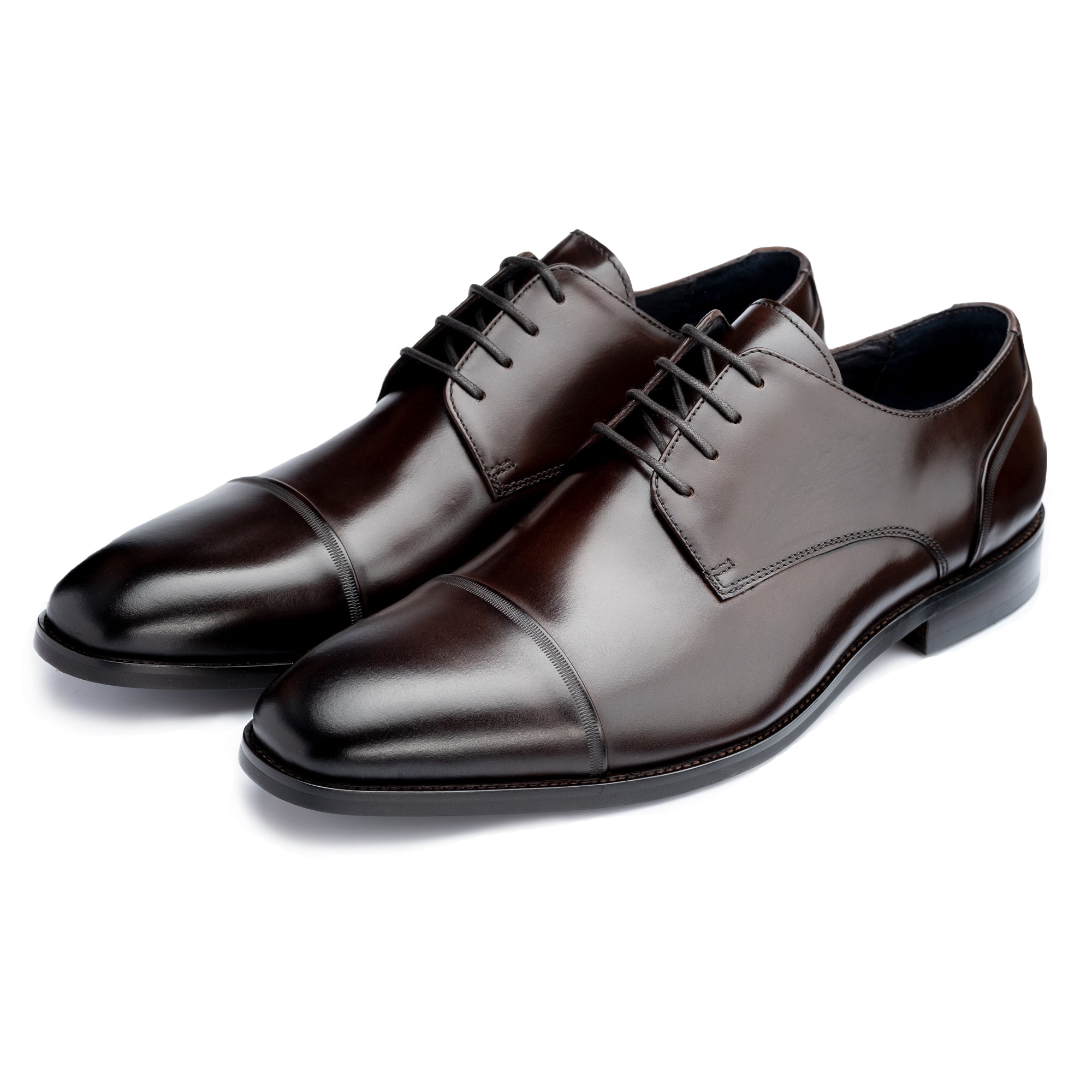
Brown and tan, however, are often the more characterful choice — and in British style, considerably more versatile than many men assume. According to British men's style publication The Rake, the brown shoe with a navy suit remains one of the most enduring combinations in men's tailored dressing, a pairing that heritage names including John White Shoes, Crockett & Jones, and Barker have championed for generations.
| Colour | Best Paired With | Formality | Suggested Style |
|---|---|---|---|
| Black | Grey, charcoal, navy suits; formal trousers | Formal to smart-casual | Rudd Derby, Ivy Derby |
| Brown | Navy, grey, tan trousers and suits | Smart-casual to casual | Broad Derby, Tanner Derby |
| Tan | Navy, grey, cream, stone chinos | Smart-casual to relaxed | Stokes Brogue Derby, Jermyn Derby |
What Suits Work Best with Derby Shoes?
The Derby suits nearly every suit colour and cut in a working wardrobe. The only pairing to avoid is a very formal, sleek suit with a heavy full-brogue Derby — the textures and formality levels pull in different directions.
- Navy suit: Brown or tan Derby is the classic British pairing. Black works too for a sharper, more formal look.
- Grey suit: Black Derby for the most formal outcome; brown adds warmth in a relaxed setting.
- Charcoal suit: Black Derby — clean, authoritative, never wrong.
- Tweed or check suit: Brown or tan brogue Derby. The textures and the detailing complement each other naturally.
For a comprehensive breakdown of suit and shoe pairings, our guide to what shoes to wear with a suit covers every combination worth knowing.
Brown Derby shoes with a navy suit is one of the most enduring pairings in British tailored dressing — and one of the few you genuinely cannot get wrong.How Should You Care for Derby Shoes?
A pair of Derby shoes in good condition will last considerably longer than the same pair worn without care. The Leather Conservation Centre recommends conditioning leather footwear every six to eight weeks, increasing frequency through winter when road salt and damp accelerate surface wear.
A basic routine takes less than ten minutes:
- Remove surface dust and dirt with a soft-bristle horsehair brush
- Apply a colour-matched premium wax polish using a cloth or applicator brush
- Leave for five minutes to allow the polish to penetrate the leather
- Buff to a shine with a clean polishing brush
- Insert cedar shoe trees before storing — they maintain the shape and draw out moisture
The Society of Master Shoe Repairers notes that regular polishing — at minimum once a fortnight for shoes worn two or more times per week — meaningfully extends upper life by preventing the leather from drying out and cracking at stress points.
For seasonal maintenance beyond the basics, see the annual maintenance checklist for your leather shoe collection.
Consistent care — not an expensive original purchase — is what separates a shoe that still looks refined after five years from one that's finished after eighteen months.Related Guides
- The Complete Guide to Men's Dress Shoes — our comprehensive guide
- Oxford vs Derby Shoes: Key Differences Explained
- Full Brogue vs. Semi-Brogue: A Guide to Choosing Your Next Pair
- What Shoes to Wear with a Suit
TL;DR
Derby shoes are the most versatile lace-up in a man's wardrobe, covering business formal through to smart-casual and relaxed weekend wear. A black plain-toe Derby handles formal and office contexts; a tan or brown brogue Derby is the stronger choice for smart-casual and chinos. Regular conditioning every six to eight weeks and cedar shoe trees between wears keeps a well-chosen pair in service for years. Browse the men's derby shoes collection or explore the full range at John White Shoes men's shoes.
Frequently Asked Questions About Derby Shoes
Are Derby shoes formal enough for a business environment?
Yes. A plain black Derby in polished leather is appropriate for business formal across most UK office environments. Only black-tie events demand a step up to a captoe Oxford — for everything below that, a well-maintained black Derby is entirely correct.
What's the difference between a Derby and a brogue Derby?
A Derby describes the lacing construction — the open quarters. A brogue describes the decorative perforations along the seams. A brogue Derby combines both: open lacing with punched detailing. The brogue element reduces formality slightly, making brogue Derbies best suited to smart-casual rather than strictly formal wear.
Can you wear Derby shoes with chinos?
Yes — it's one of the most reliable smart-casual combinations in British men's dressing. A tan or brown Derby (plain or brogue) with slim-fit navy or stone chinos is a natural pairing. Avoid pairing formal plain black Derbies with casual chinos in light shades — the formality mismatch becomes apparent.
How many pairs of Derby shoes does a man actually need?
Two covers most wardrobes: one black for formal and business use, one brown or tan for smart-casual and weekends. Rotating between them — and using shoe trees consistently — means both pairs last substantially longer than wearing one pair daily. For the full case on rotation, see our guide on maximising shoe life with shoe trees.