
How to Choose the Right Shoe Width for a Perfect Fit
The right shoe width is as important as the right shoe length. A correctly fitted shoe holds your foot securely across the widest point — the ball — without pinching the sides or allowing lateral movement. Measure both feet in the afternoon, fit to the larger foot, and check the specific brand's width chart: width designations vary between makers and styles.
In This Guide
- Why Does Shoe Width Matter More Than You Might Think?
- What Are the Standard Men's Shoe Width Fittings?
- How Do You Measure Your Foot Width at Home?
- What Are the Signs That Your Shoes Are Too Narrow or Too Wide?
- How Does Shoe Style Affect Width Fit?
- How Does the Shoe Last Influence Perceived Width?
- Does Leather Stretch to Accommodate Width?
- Related Guides
- TL;DR
- Frequently Asked Questions
Most men buy the right shoe length and ignore width entirely. It's a mistake that leads to blisters, bunions, and a quality leather shoe that never quite feels as good as it should. Getting shoe width right is the difference between a shoe that looks the part and one you actually want to wear all day.
Why Does Shoe Width Matter More Than You Might Think?
Shoe width is the horizontal measurement across the widest part of your foot — typically the ball, just behind your toes. When a shoe is too narrow at this point, it compresses the metatarsal bones, restricts circulation, and causes the kind of discomfort that no amount of breaking in will resolve. When it's too wide, your foot slides laterally, creating friction at the heel and toe with every step.
According to the College of Podiatry, up to 72% of people wear shoes that don't fit correctly — and width is the most commonly overlooked dimension. Most men have only ever been measured for length.
A shoe that fits correctly in width will feel supportive across the ball of the foot from the first wear, not merely after a lengthy break-in period.
What Are the Standard Men's Shoe Width Fittings?
UK shoe width fitting is a letter-based classification system, though labels vary between manufacturers. Heritage British brands including Loake, Church's, Crockett & Jones, Barker, and Grenson each use slightly different designations — what one maker calls "E standard" another labels "F wide". The table below outlines the most widely used classifications:
| Width Designation | UK Description | US Equivalent | Best Suited For |
|---|---|---|---|
| B / C | Narrow | AA / A | Slim, tapered feet with low instep |
| D / E | Standard | D | Average foot width — the majority of men |
| EE / 2E | Wide | 2E | Wider ball of foot, mild bunion allowance |
| EEE / 3E | Extra Wide | 4E | Broad feet, high instep, or pronounced swelling |
| F / G | Wide / Extra Wide (alternative labelling) | 2E / 4E | Used by some UK heritage makers in lieu of EE/EEE |
Always consult the specific brand's sizing guide before ordering. Nominal width designations don't translate directly across makers.
Width designations are starting points, not guarantees — last shape, upper construction, and material all affect how a given width code actually fits on your foot.
How Do You Measure Your Foot Width at Home?
Measuring foot width accurately takes less than five minutes. Do it standing, and do it late in the day.
- Stand on a piece of paper in the afternoon. Research published in the Journal of Foot and Ankle Research found that foot volume increases by 4–8% throughout the day due to normal swelling. Morning measurements can underestimate true width.
- Trace the outline of your foot with a pencil held vertically — not angled. A tilted pencil produces a false reading.
- Measure the widest point — typically across the ball of the foot, just behind the toes. Record this in millimetres.
- Cross-reference against a brand width chart at your specific shoe length. Width measurements correspond to different codes depending on the length you're buying.
- Repeat for both feet. The Society of Chiropodists and Podiatrists recommends always measuring both feet, as most people have one that's slightly larger. Fit to the larger foot.
If you fall between two widths, go wider. A fractionally wide shoe can be refined with insoles or slightly thicker socks. A shoe that's too narrow causes lasting damage to both your foot and the leather.
What Are the Signs That Your Shoes Are Too Narrow or Too Wide?
Width problems reveal themselves early. Don't assume that pinching or sliding is simply a breaking-in issue — these are usually fit problems presenting themselves clearly.
Signs your shoes are too narrow:
- Pinching or numbness across the ball of the foot after an hour of wear
- The upper leather bulging outward at the sides
- Blisters on the little toe or at the first metatarsal joint
- Toes pressing against each other or curling under
Signs your shoes are too wide:
- Heel slipping with every step
- Deep, irregular creasing into the toe box rather than a clean crease across the vamp
- Laces that need pulling exceptionally tight to secure the foot
- A general lack of stability — the sense of walking in someone else's shoes
Leather upper quality matters significantly here. As we cover in our guide to full-grain vs corrected-grain leather, quality full-grain hides will mark and permanently deform under sustained width pressure — making correct initial fit even more important than with lower-grade materials.
How Does Shoe Style Affect Width Fit?
The lacing system and upper construction of a shoe determines how much width accommodation is available without buying a different fitting.
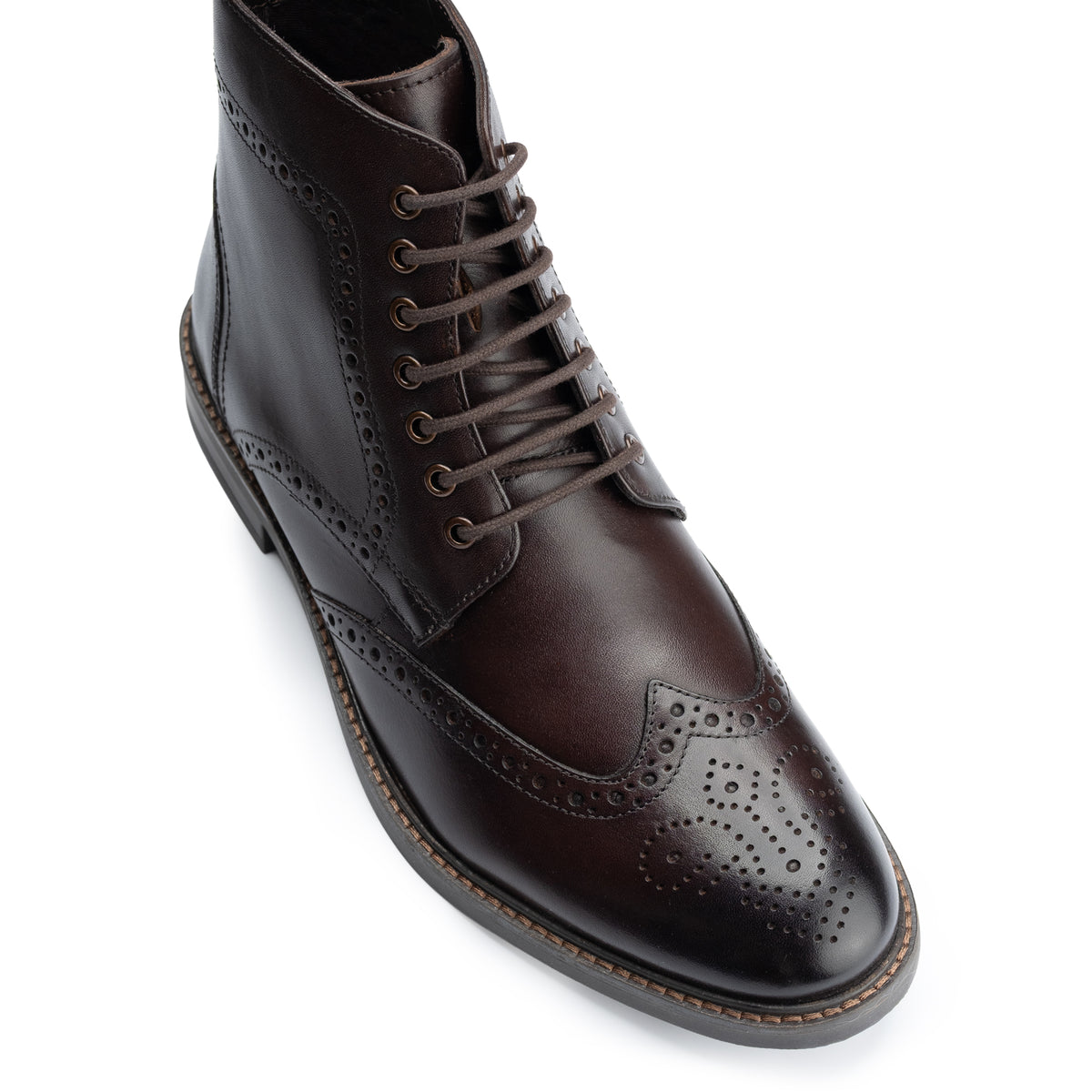
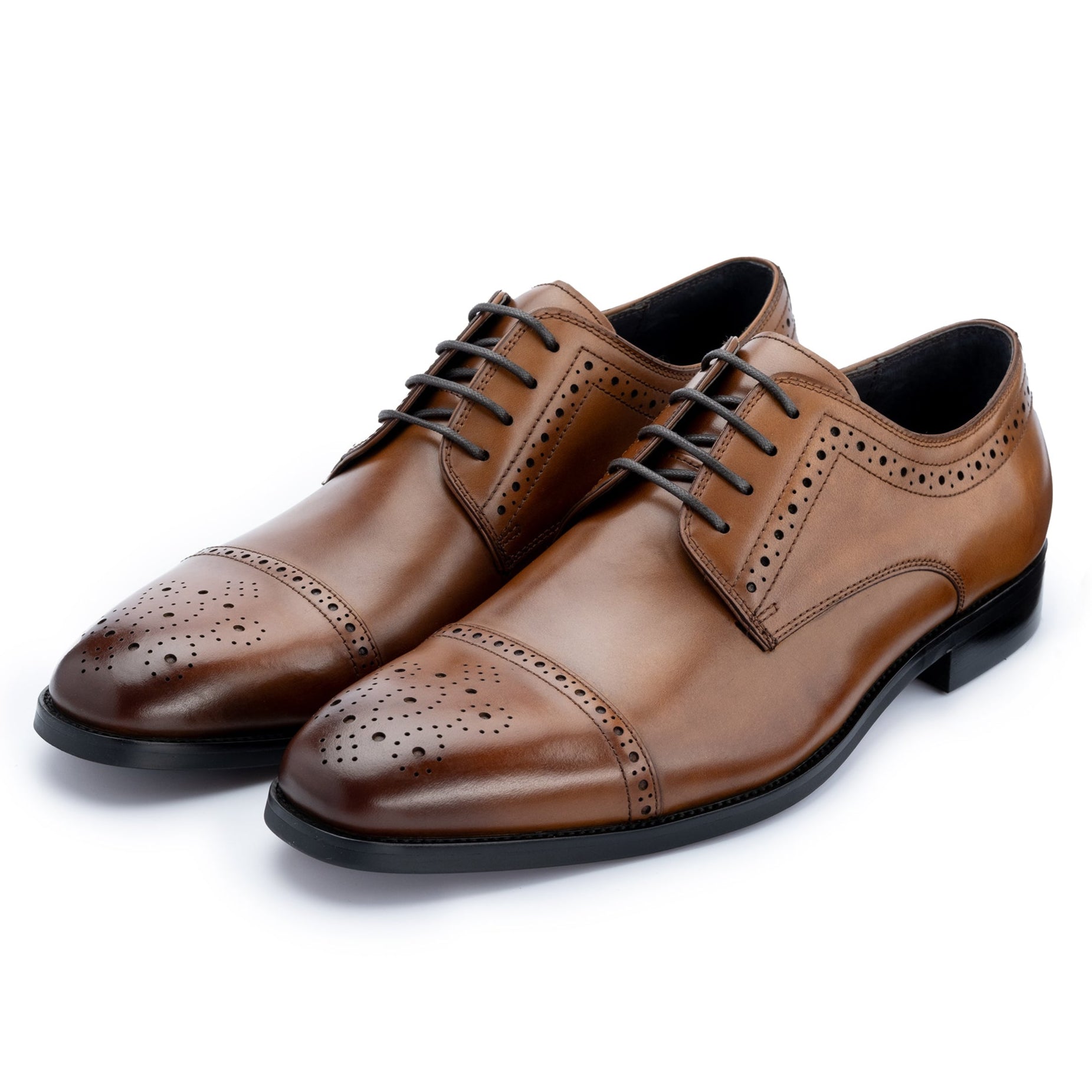
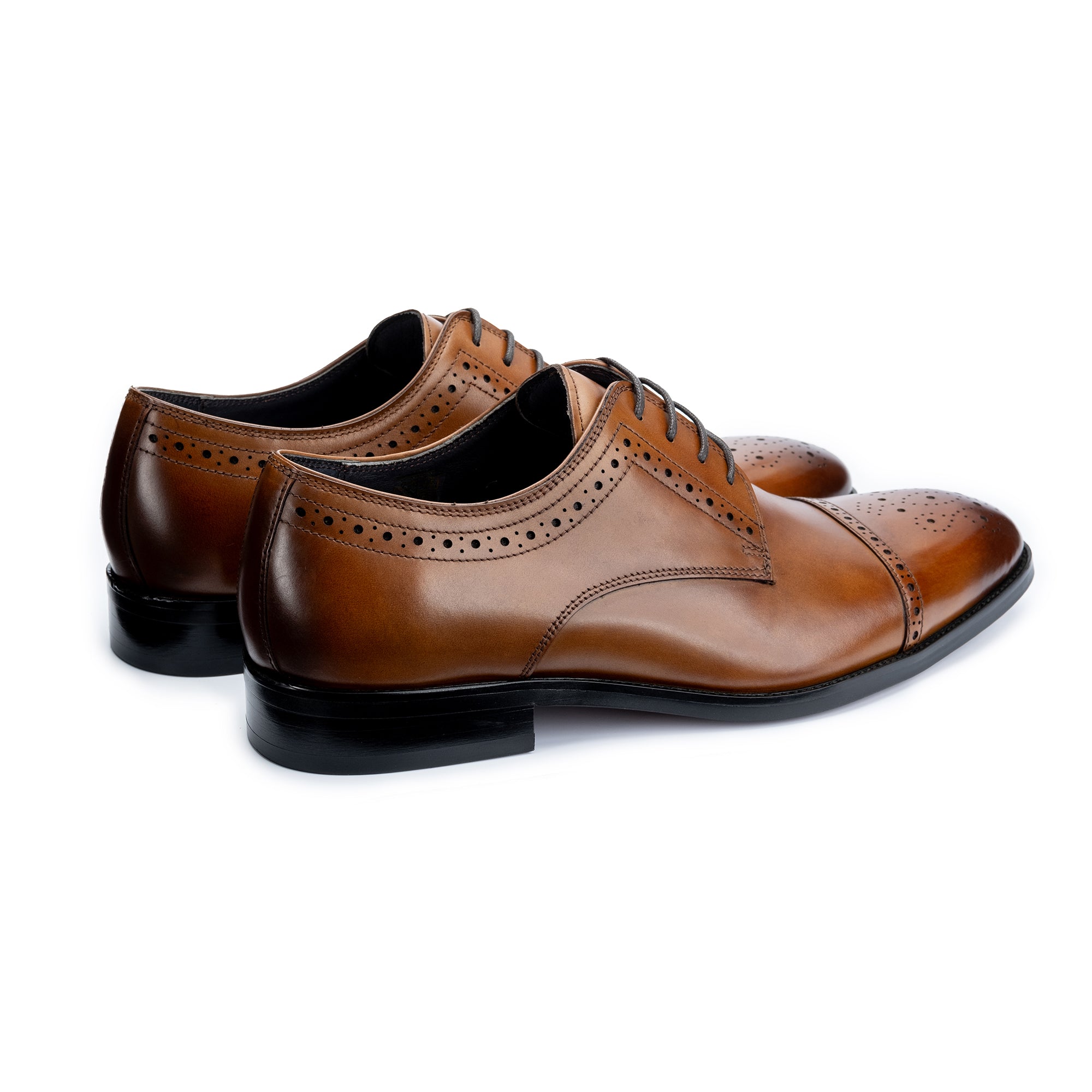
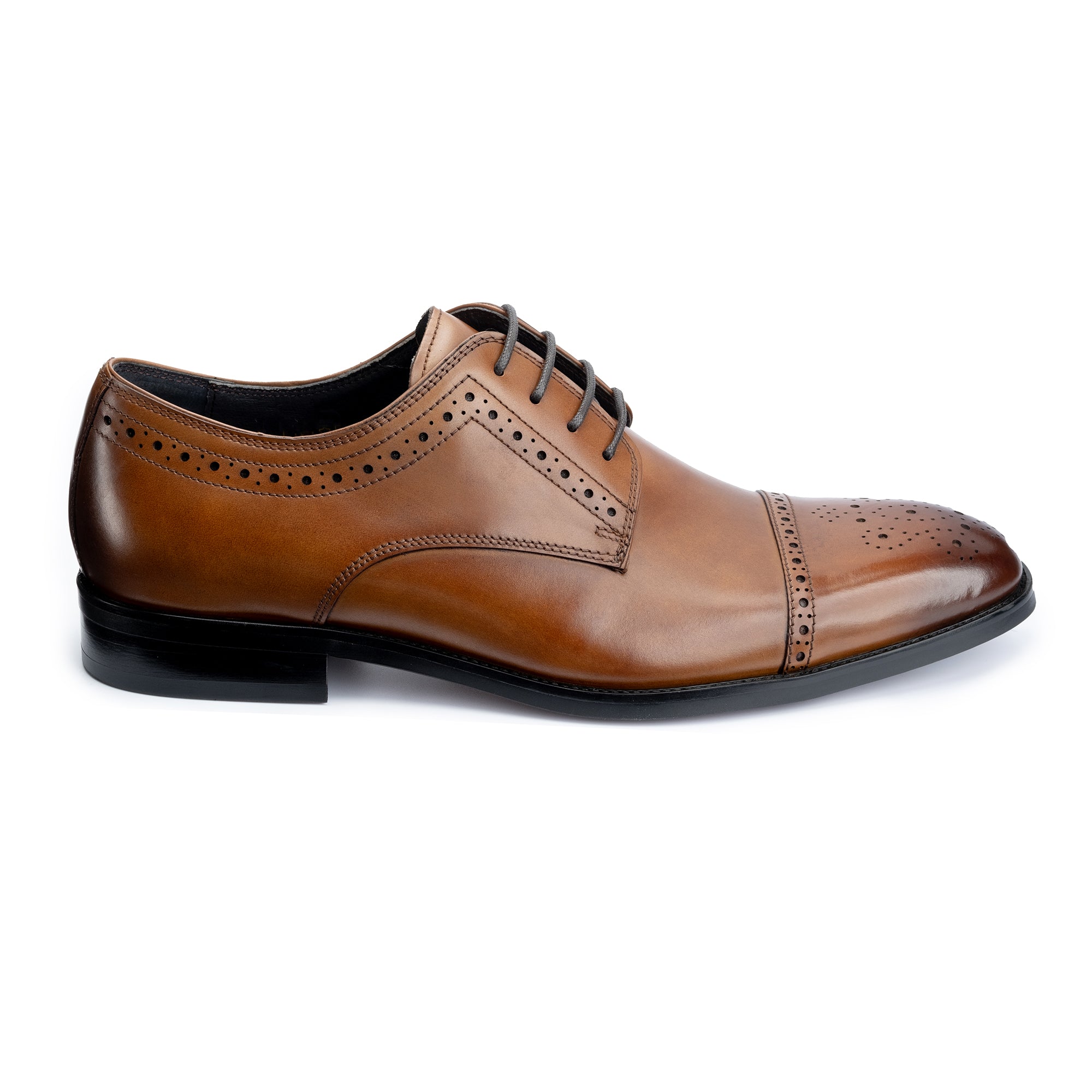
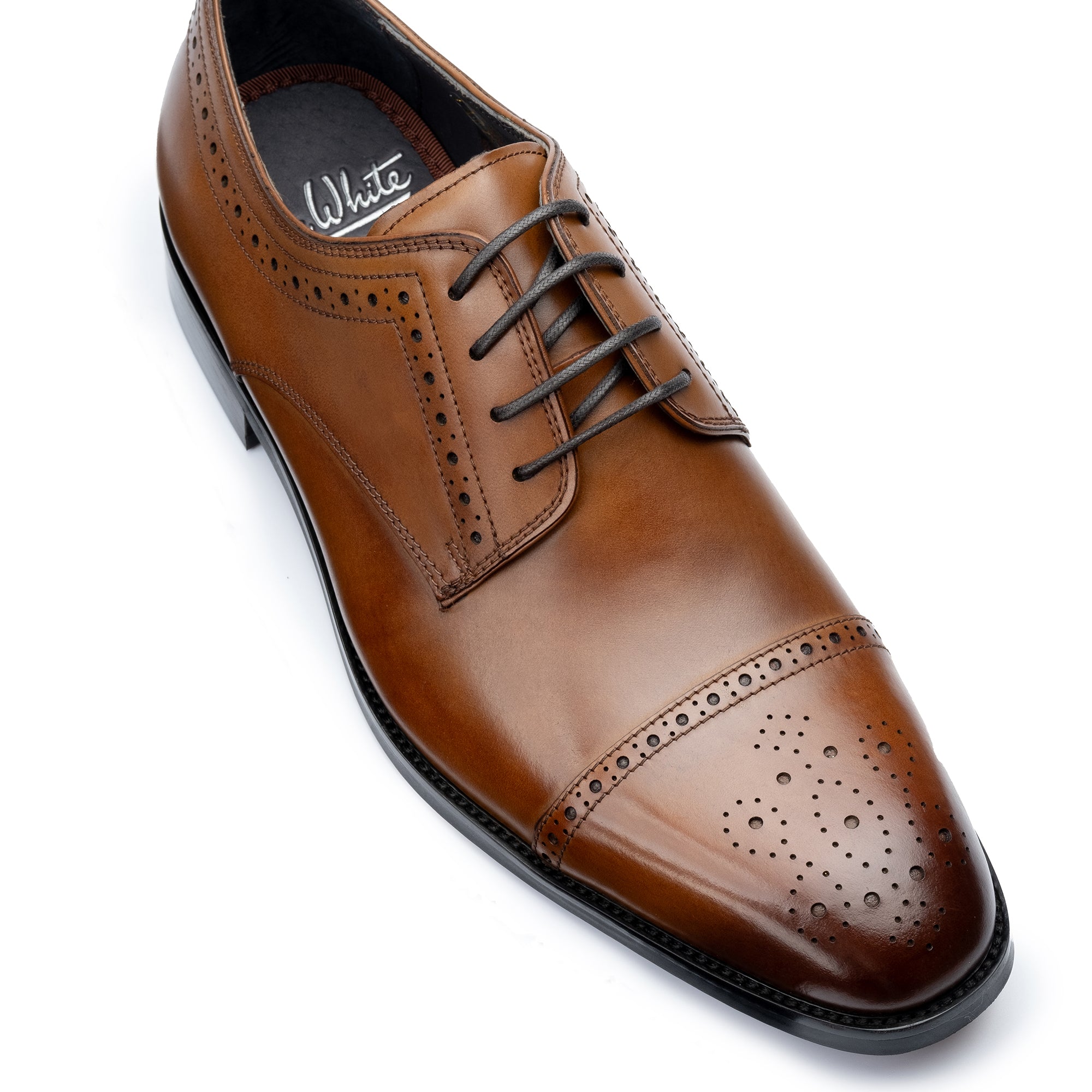
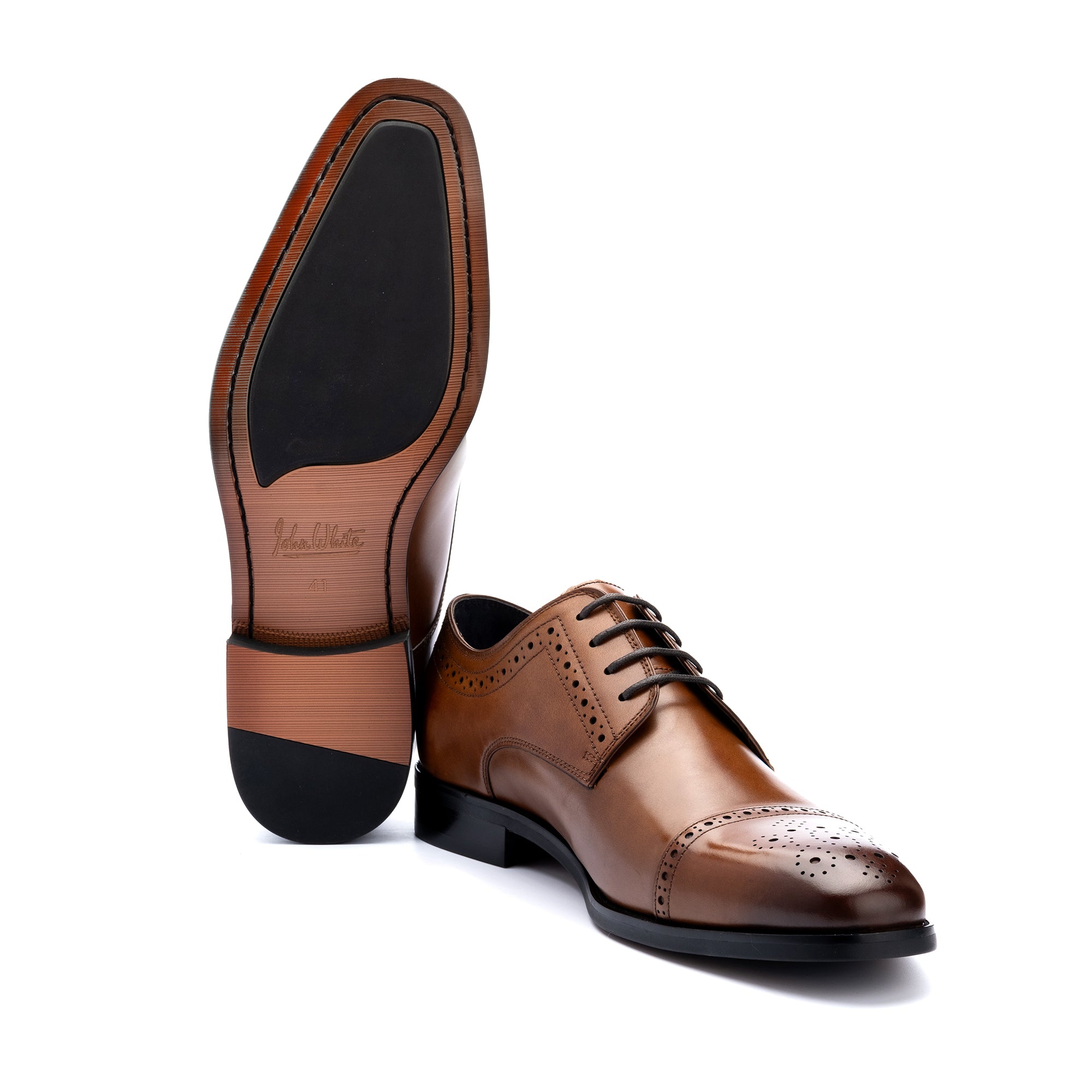
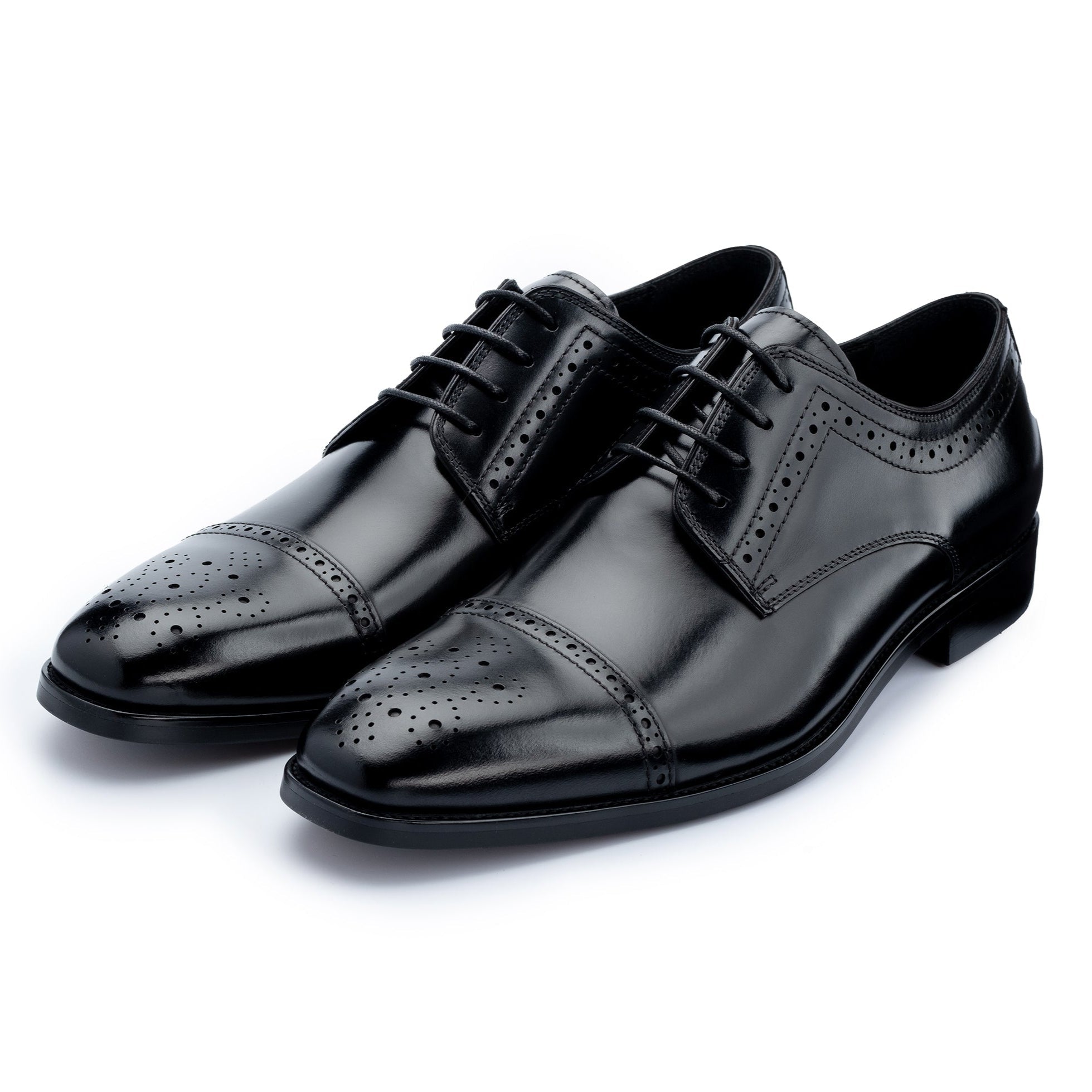
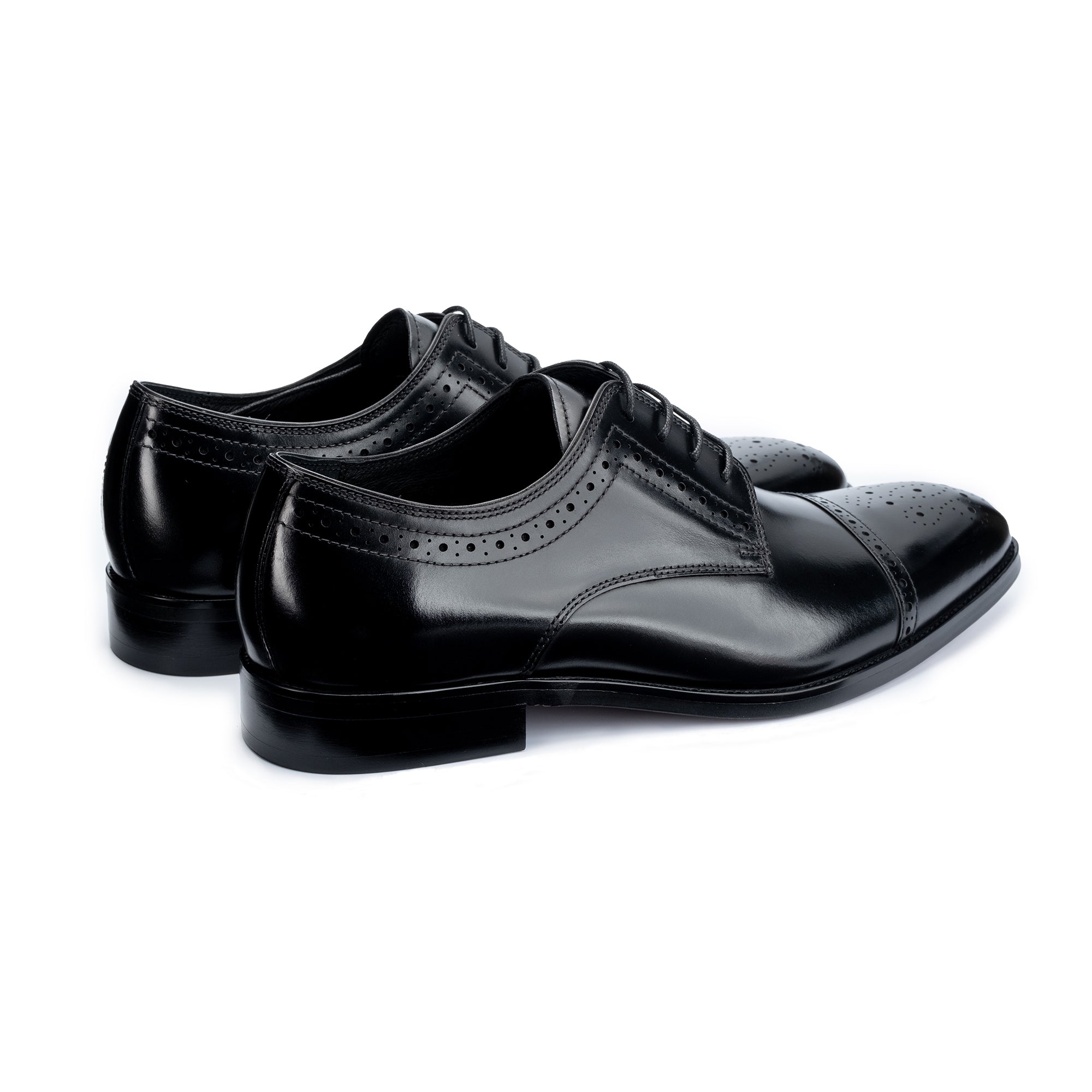
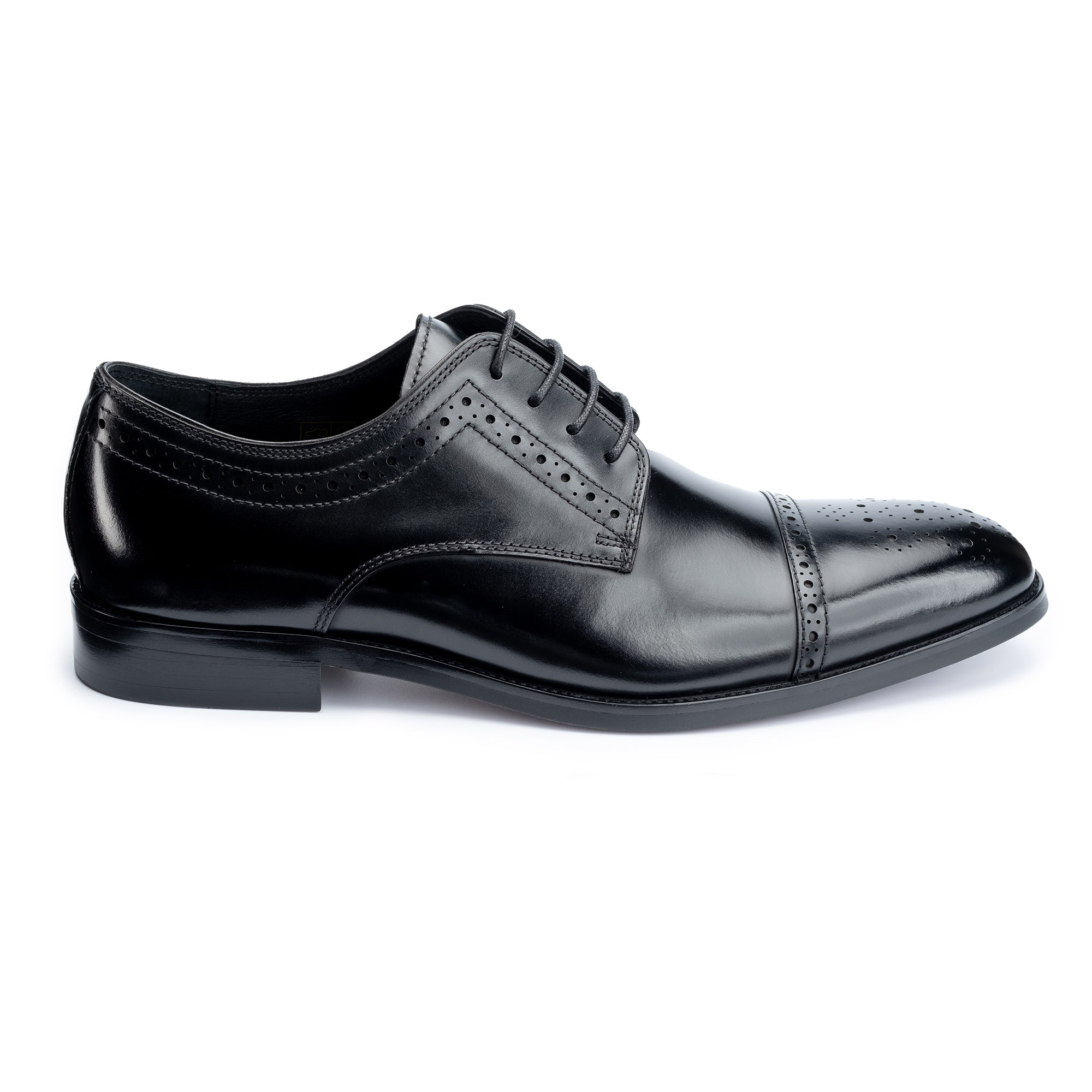
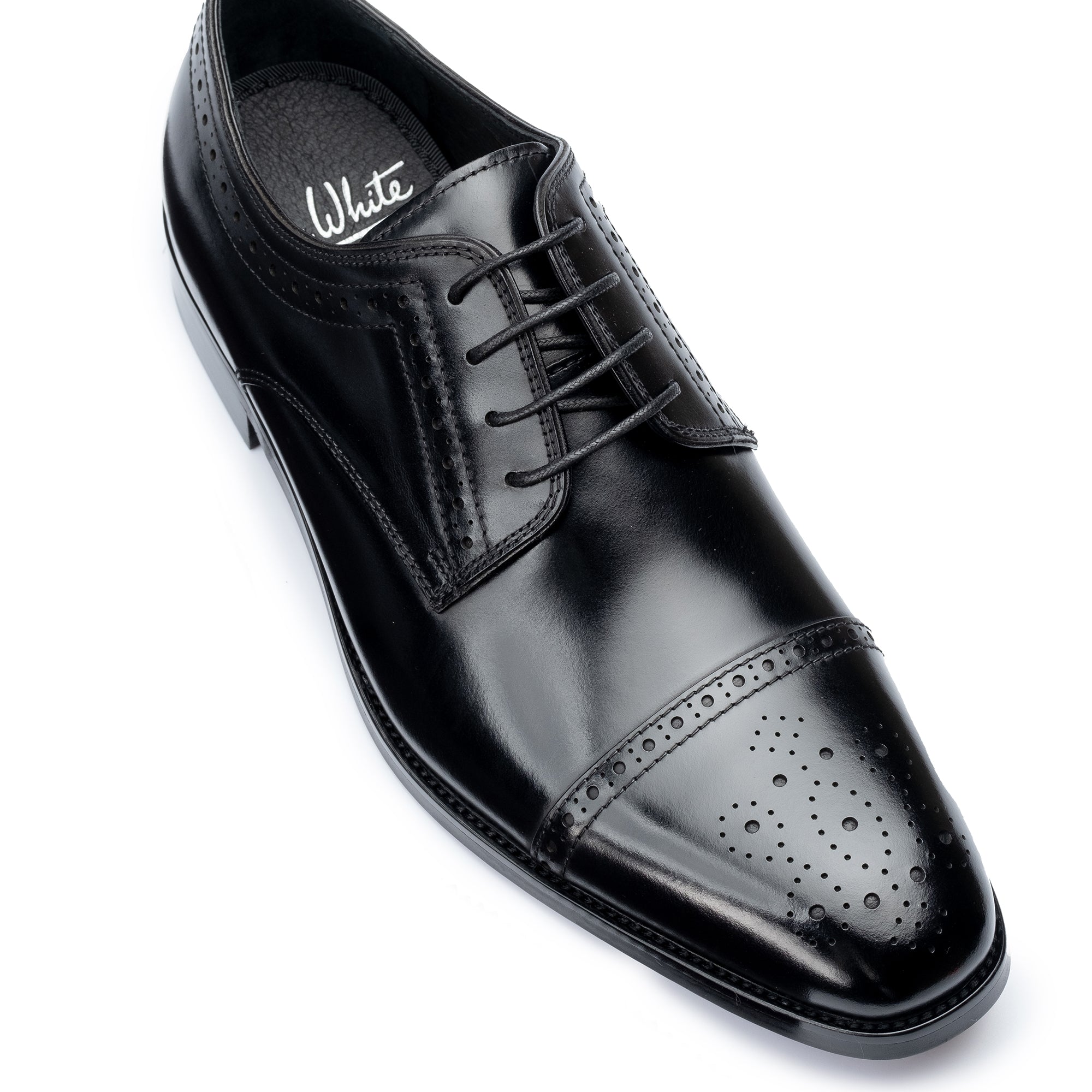
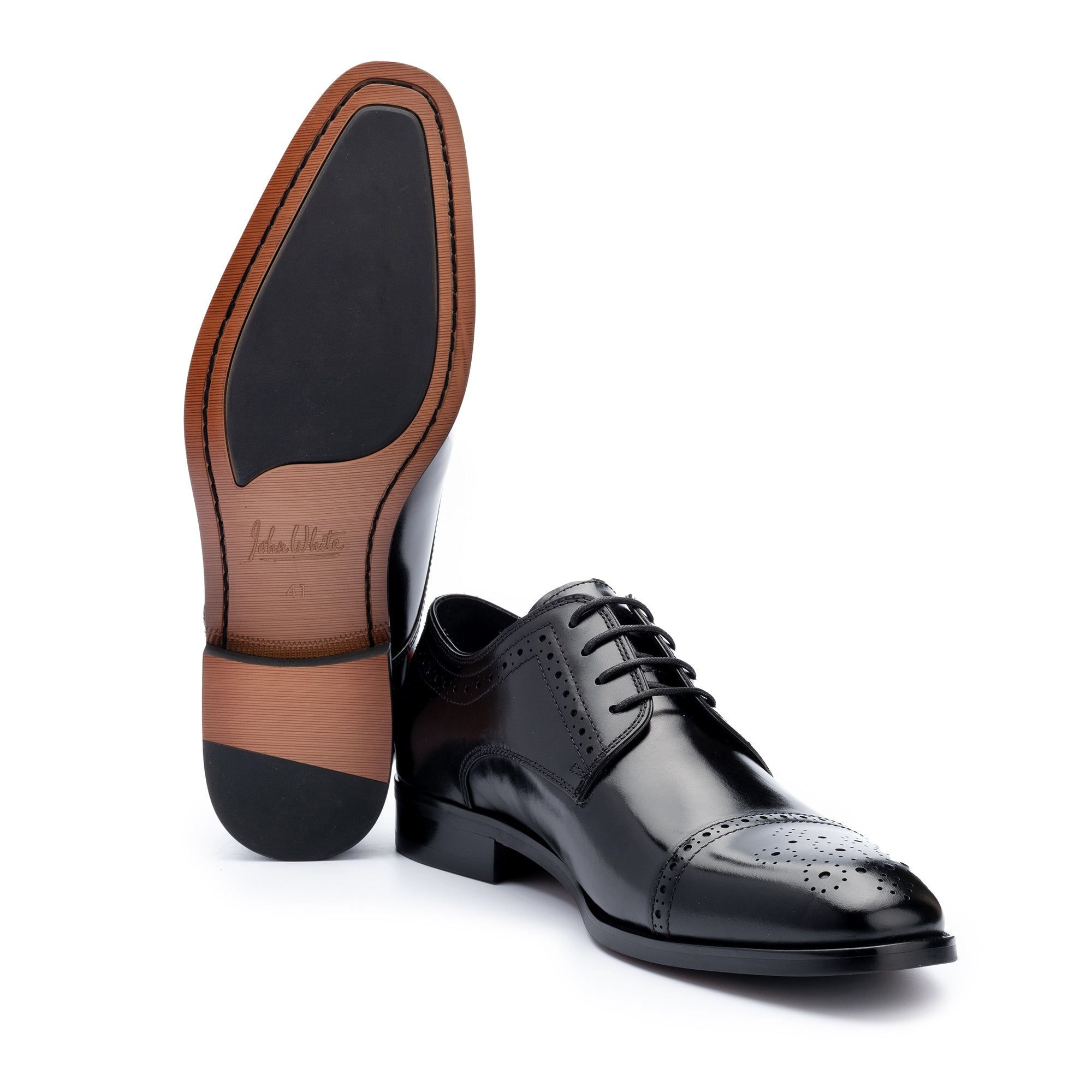
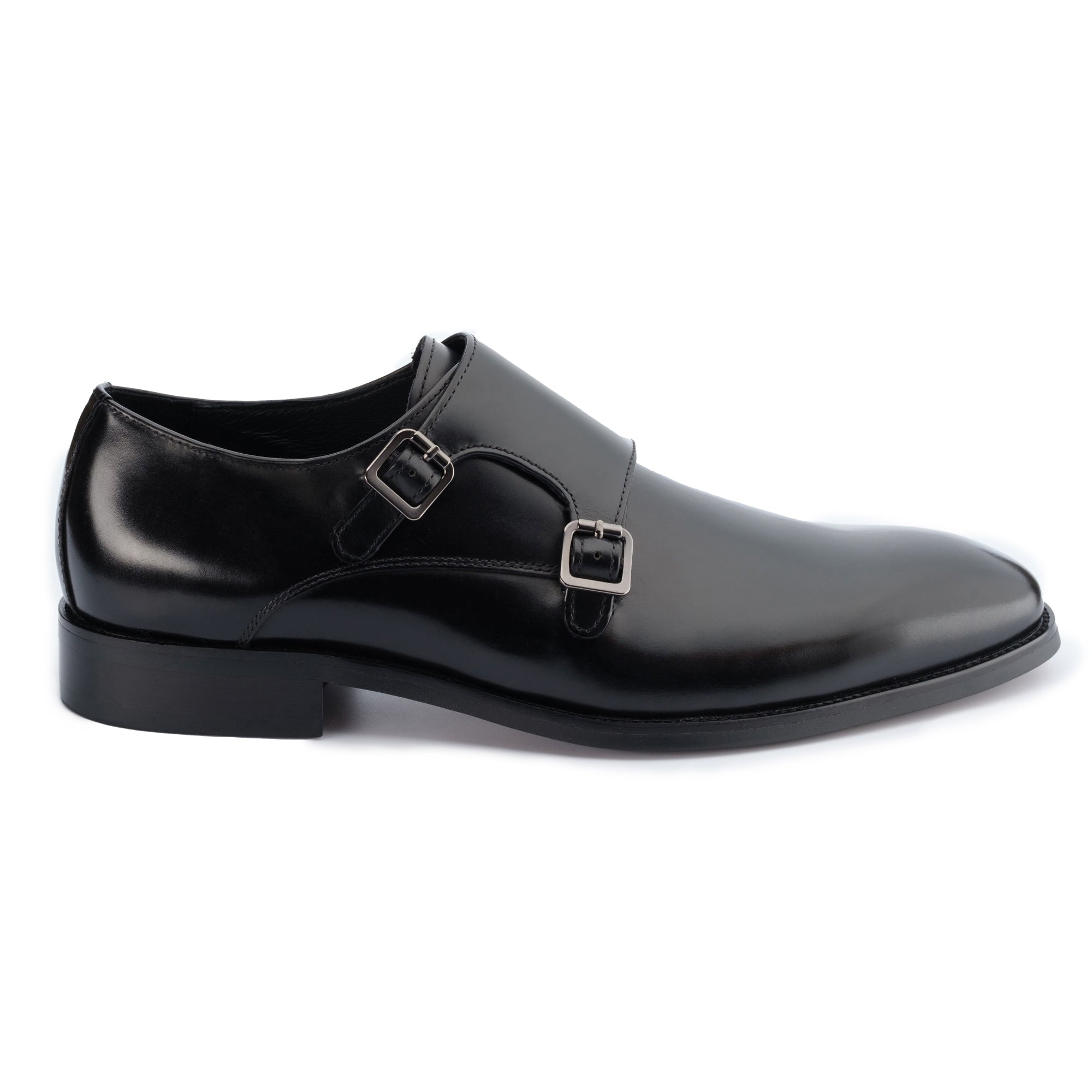
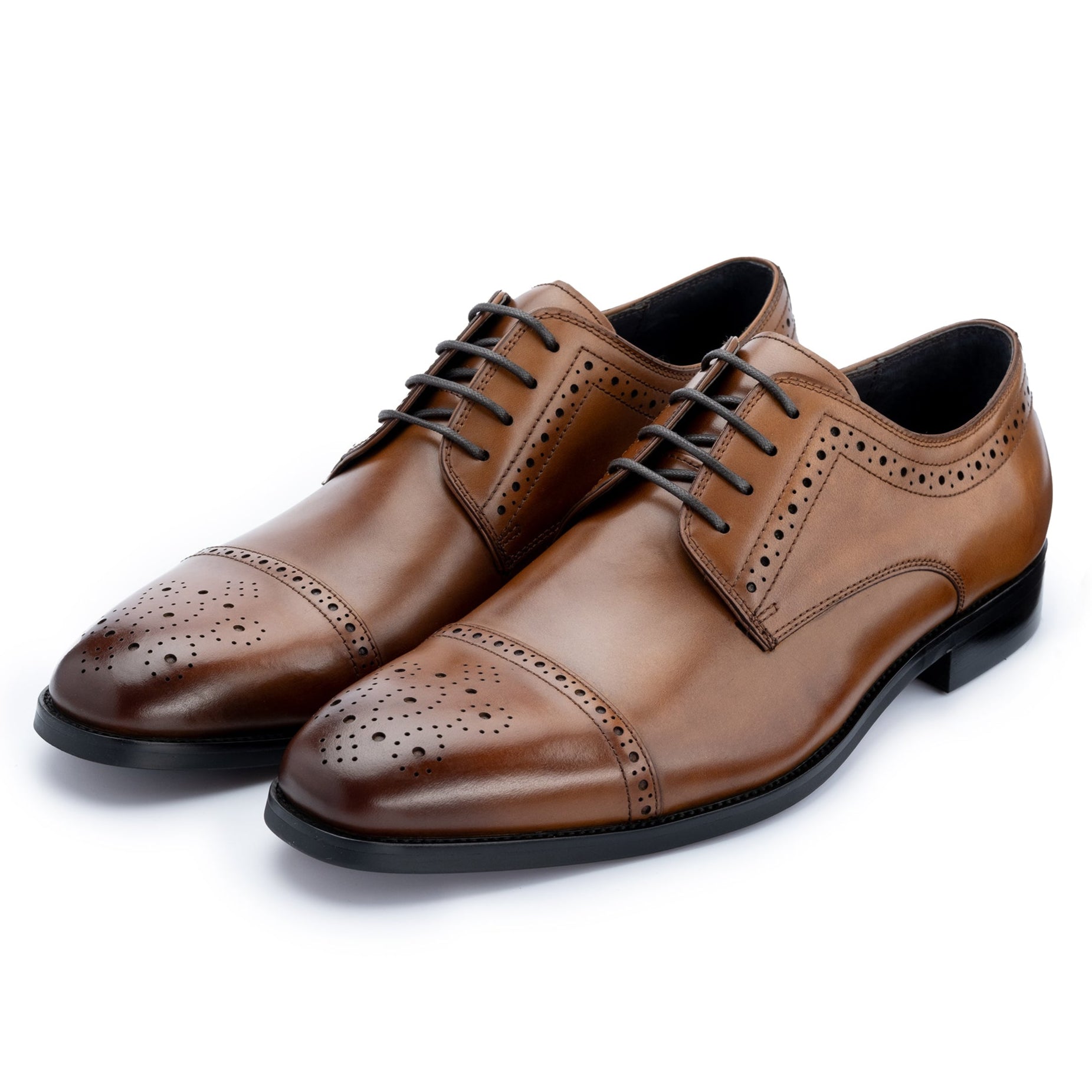
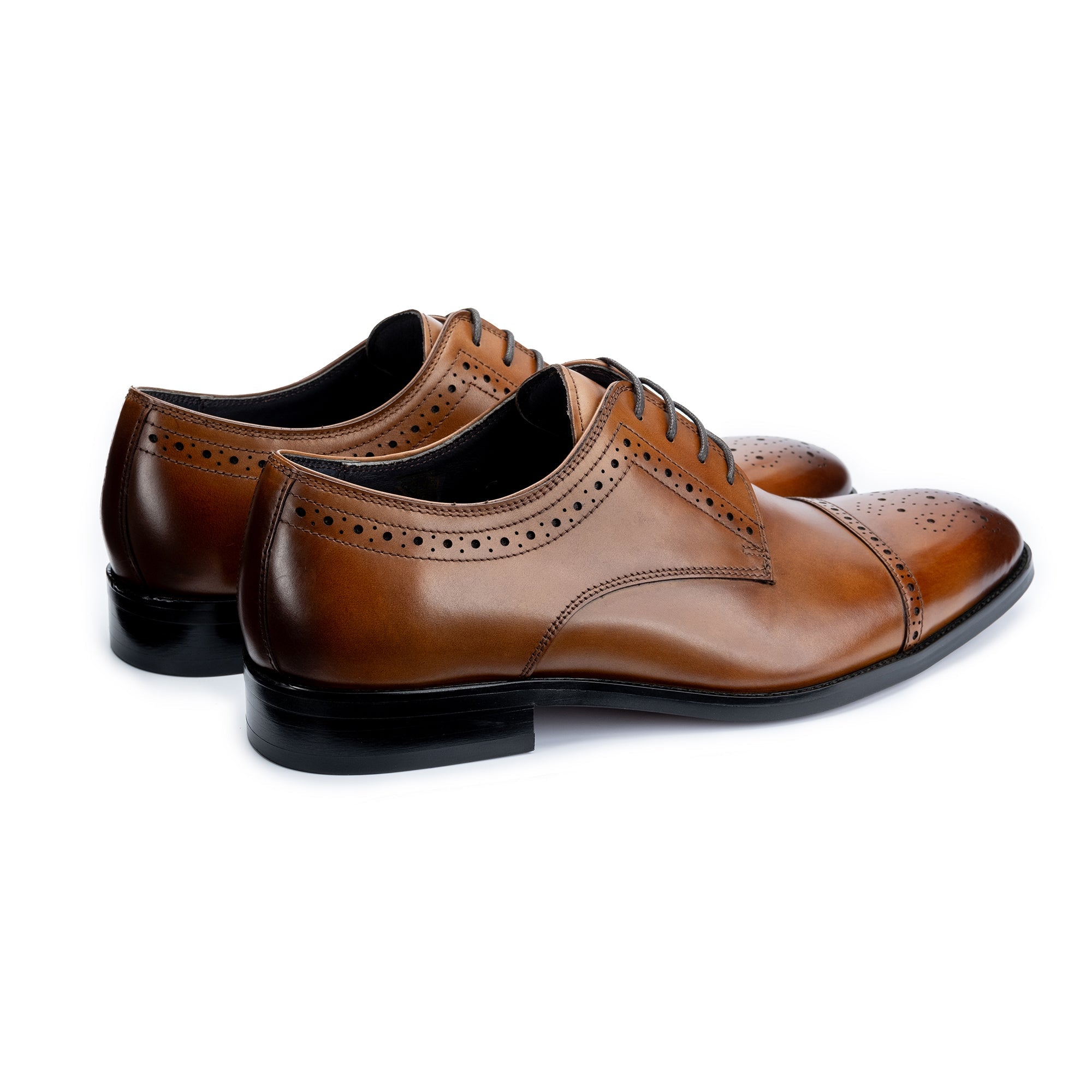
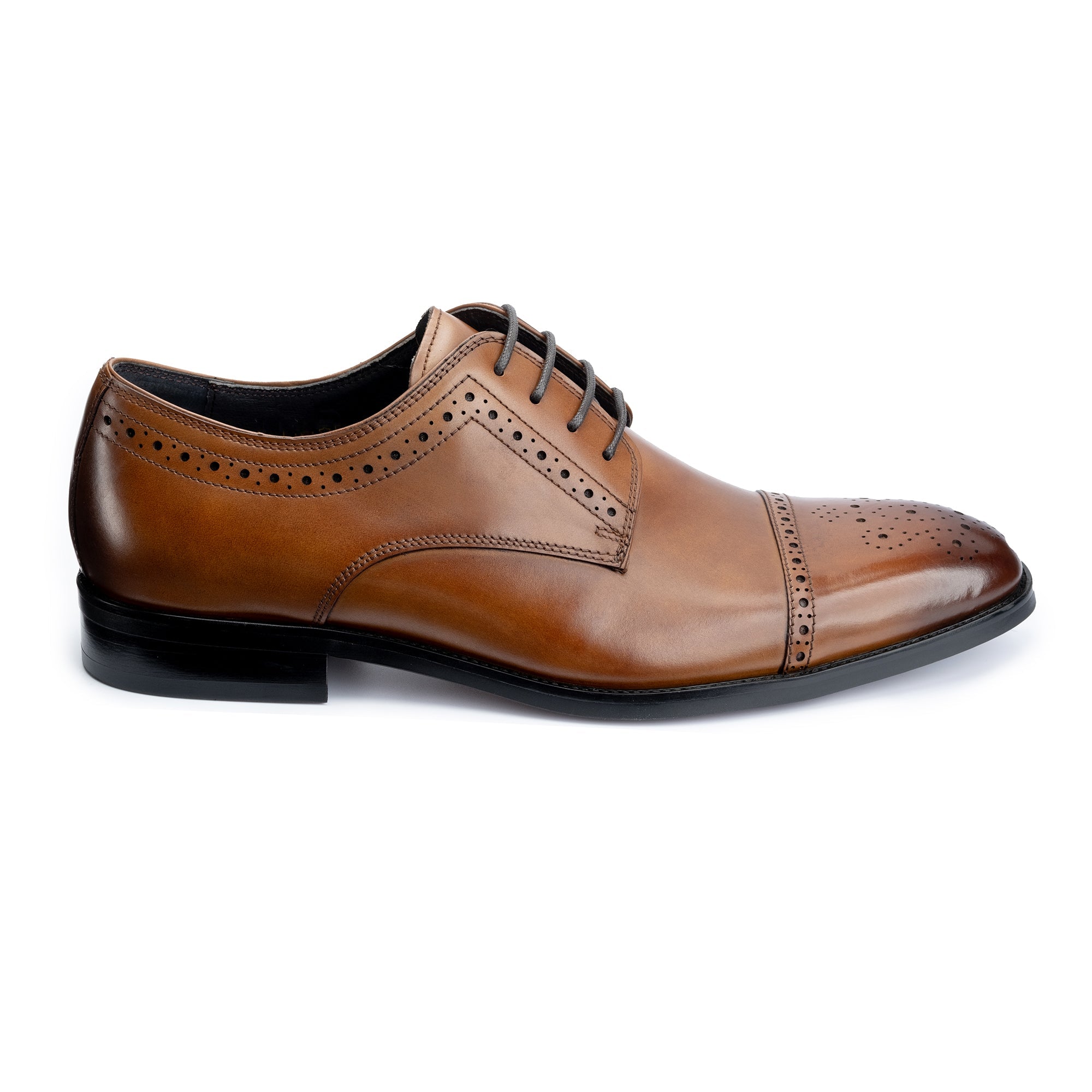
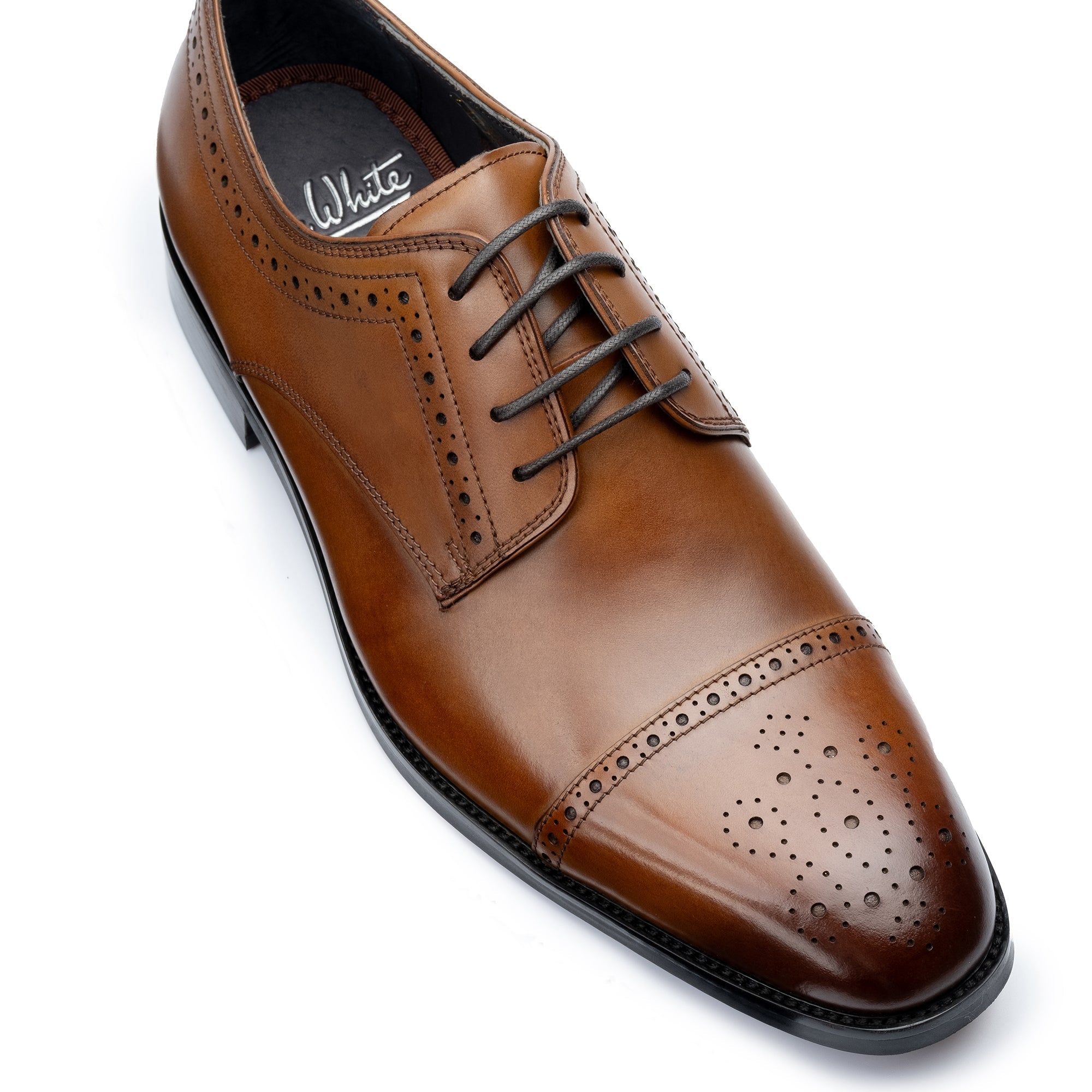
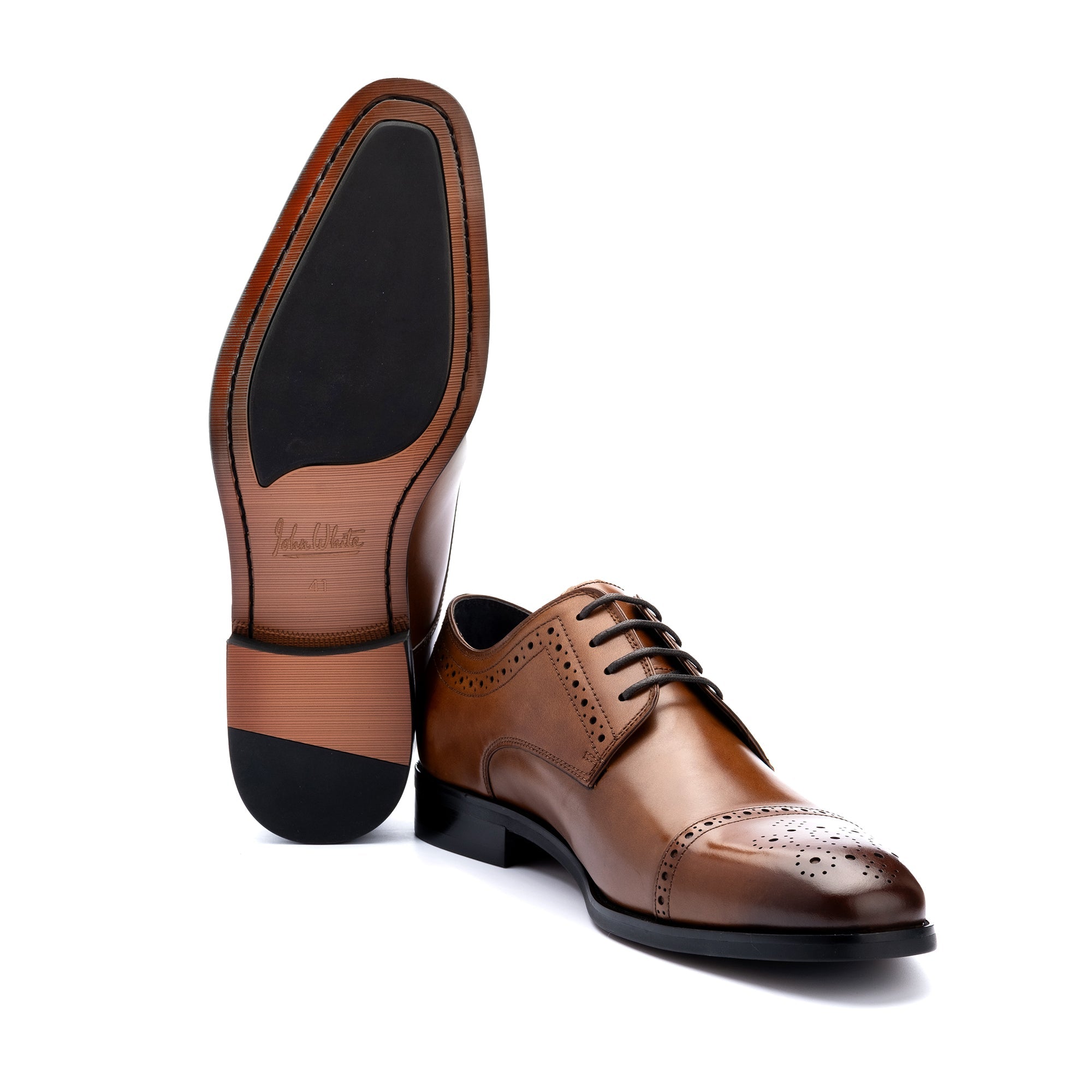
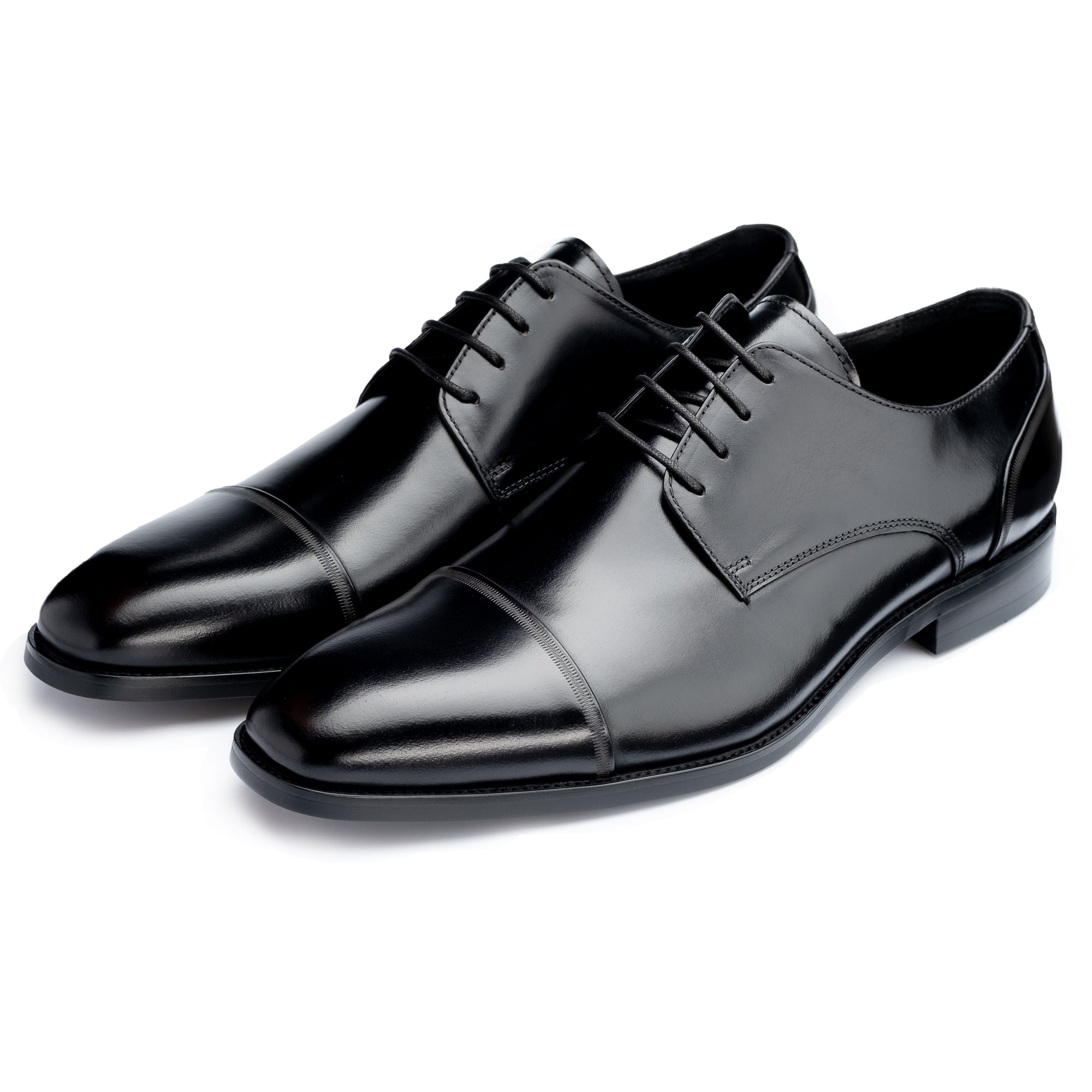
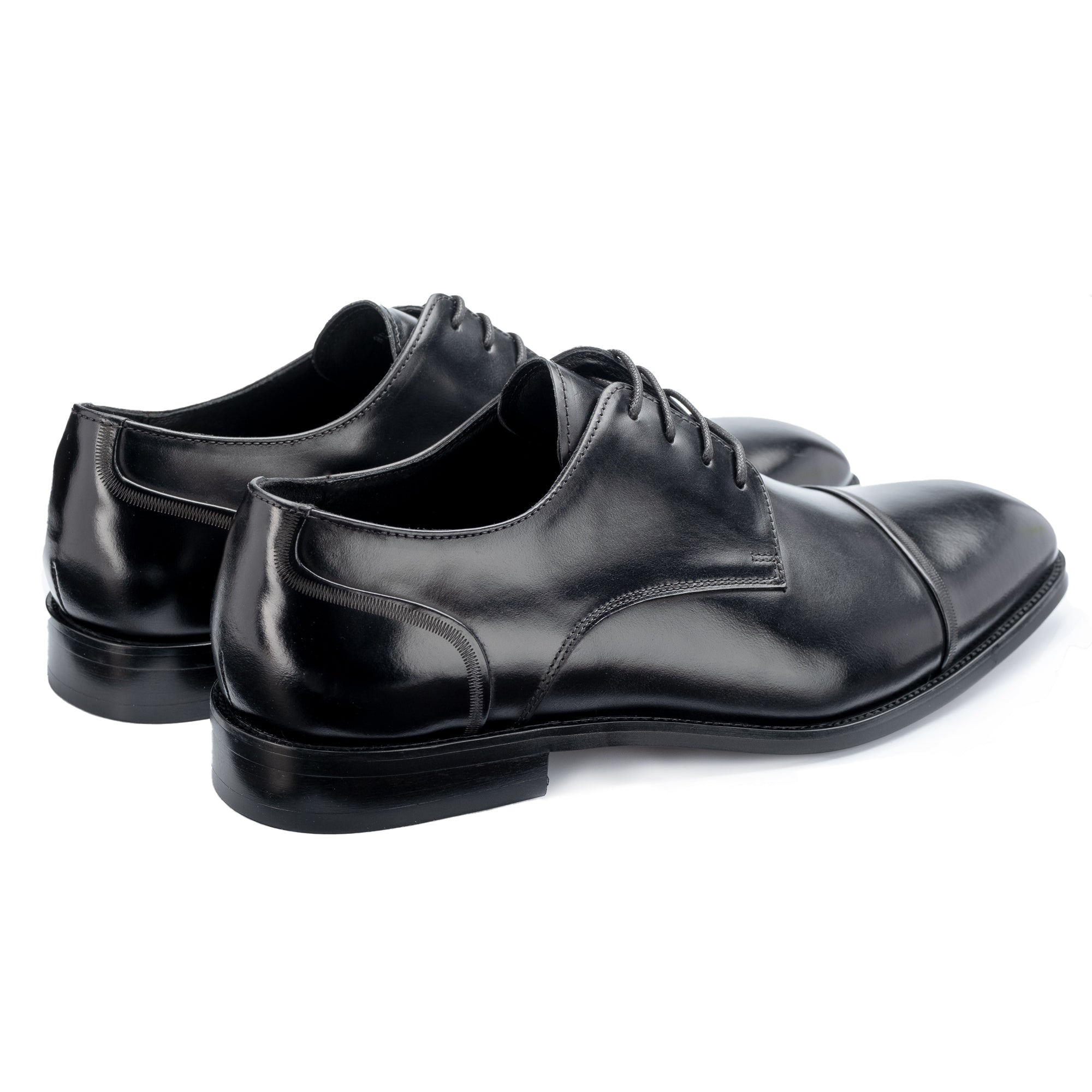
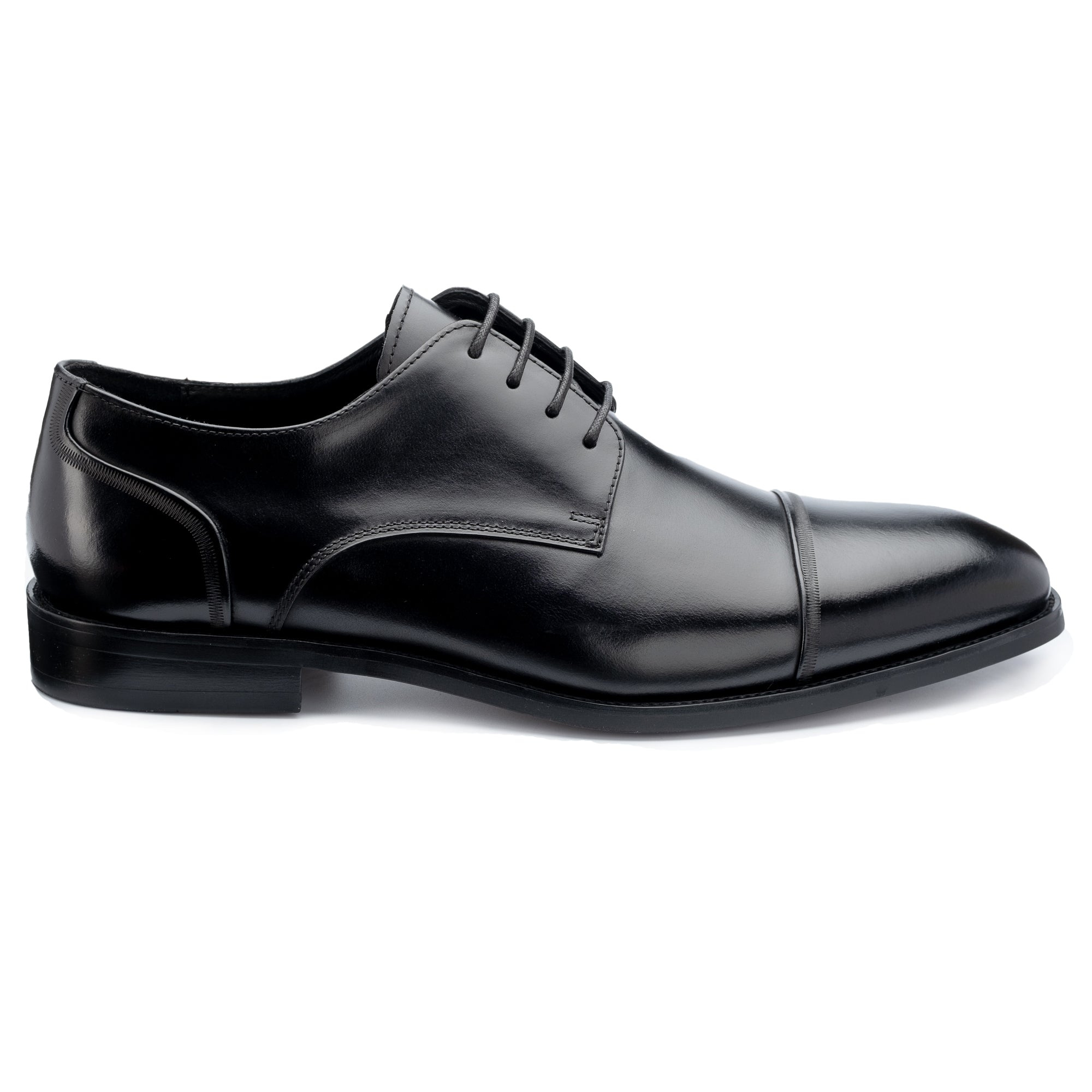
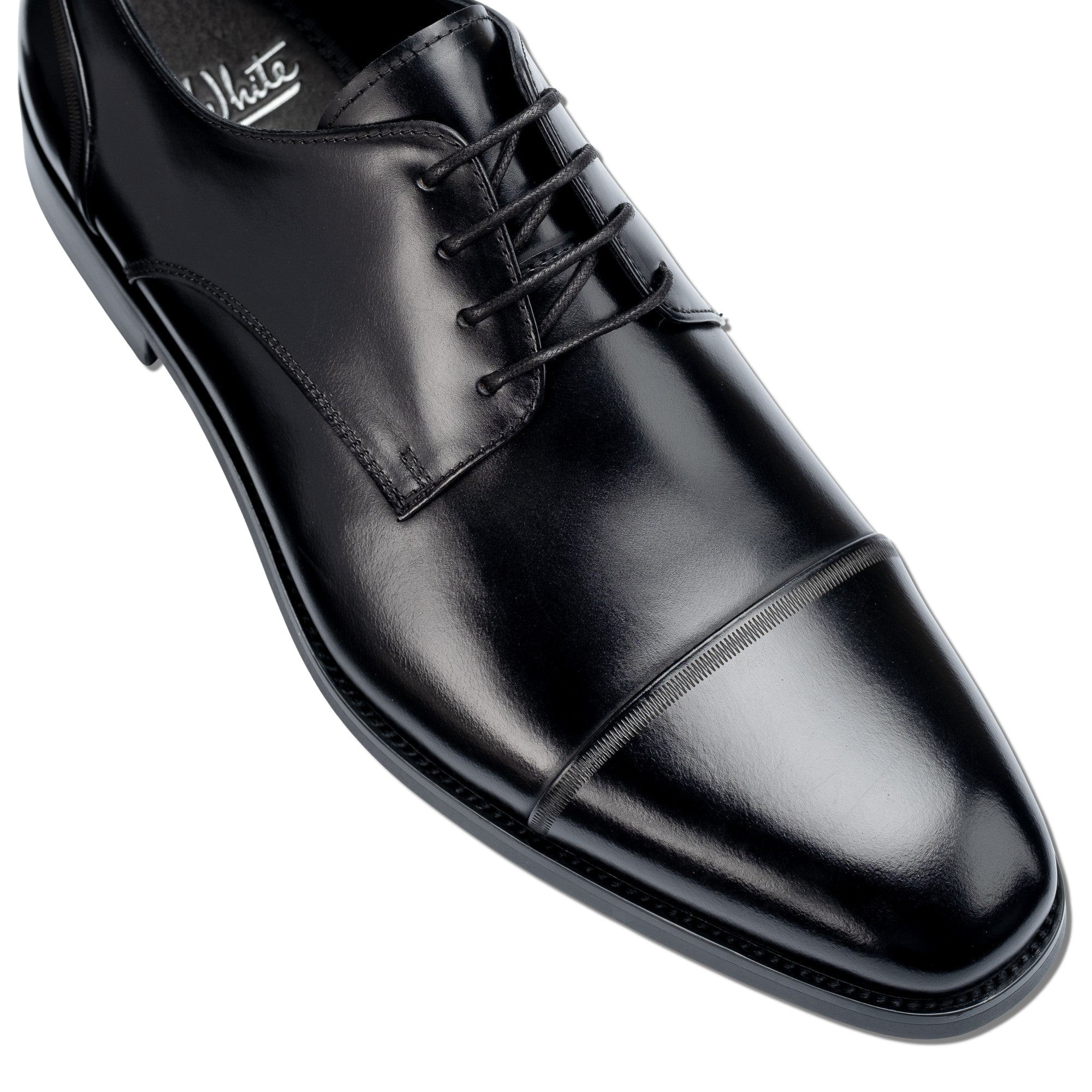
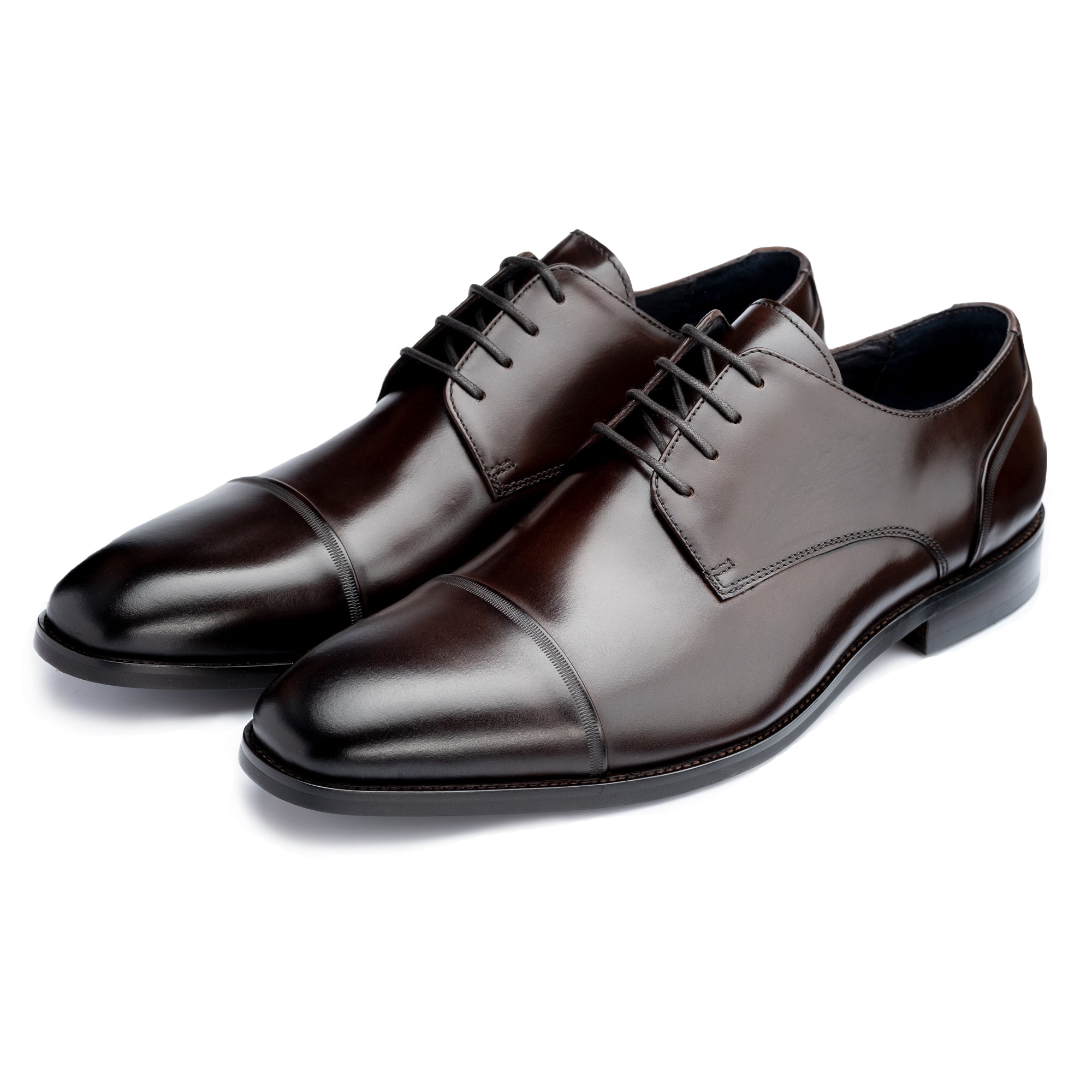
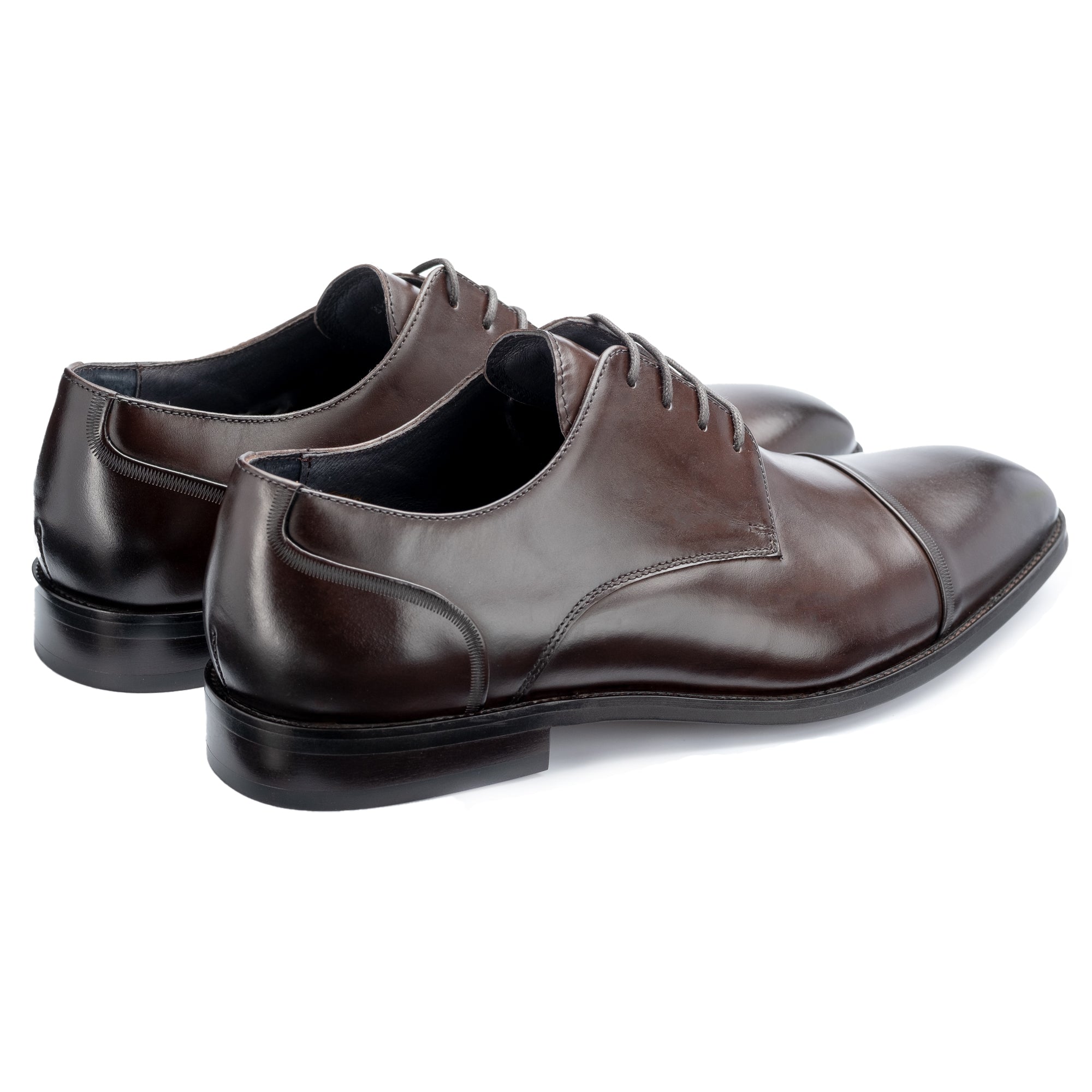
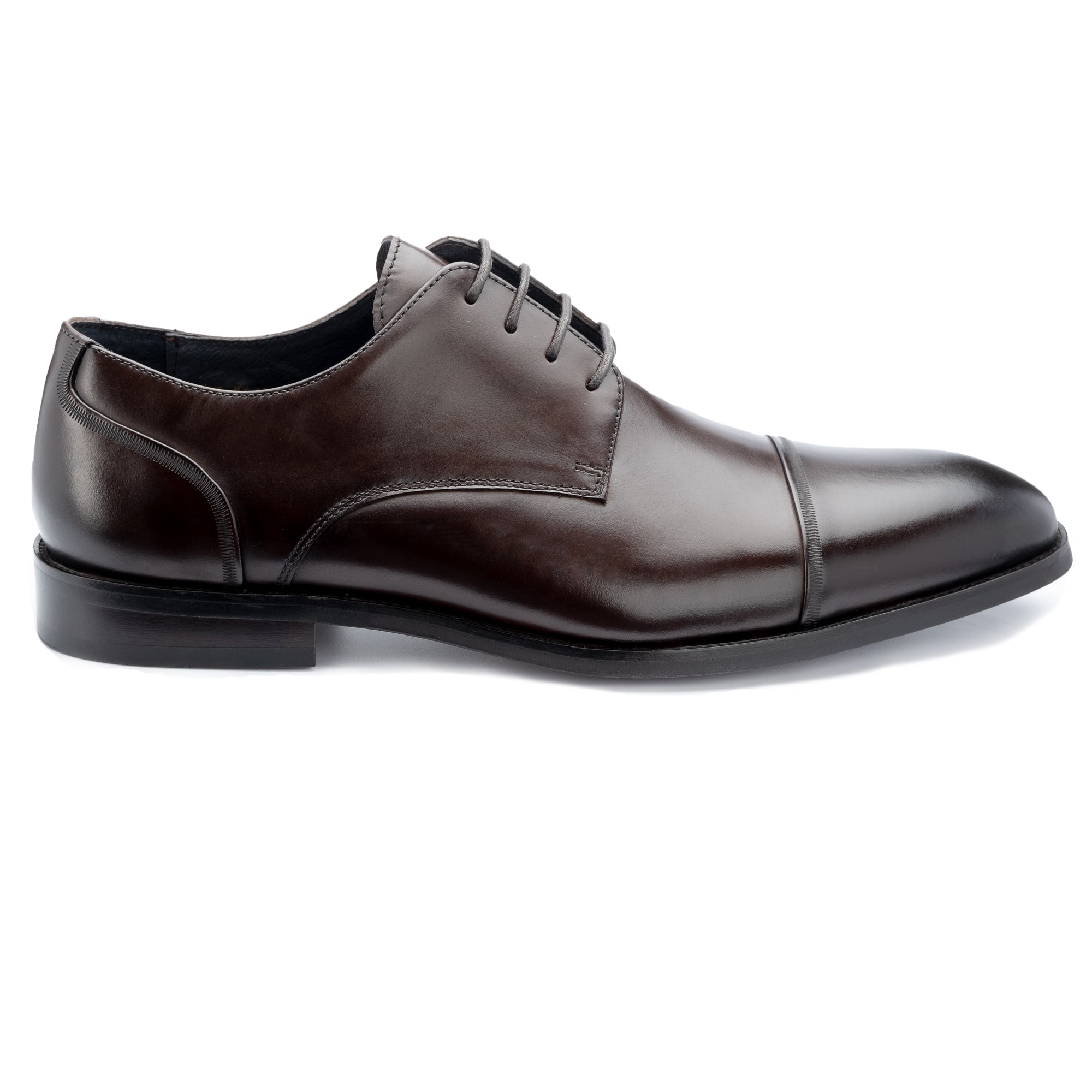
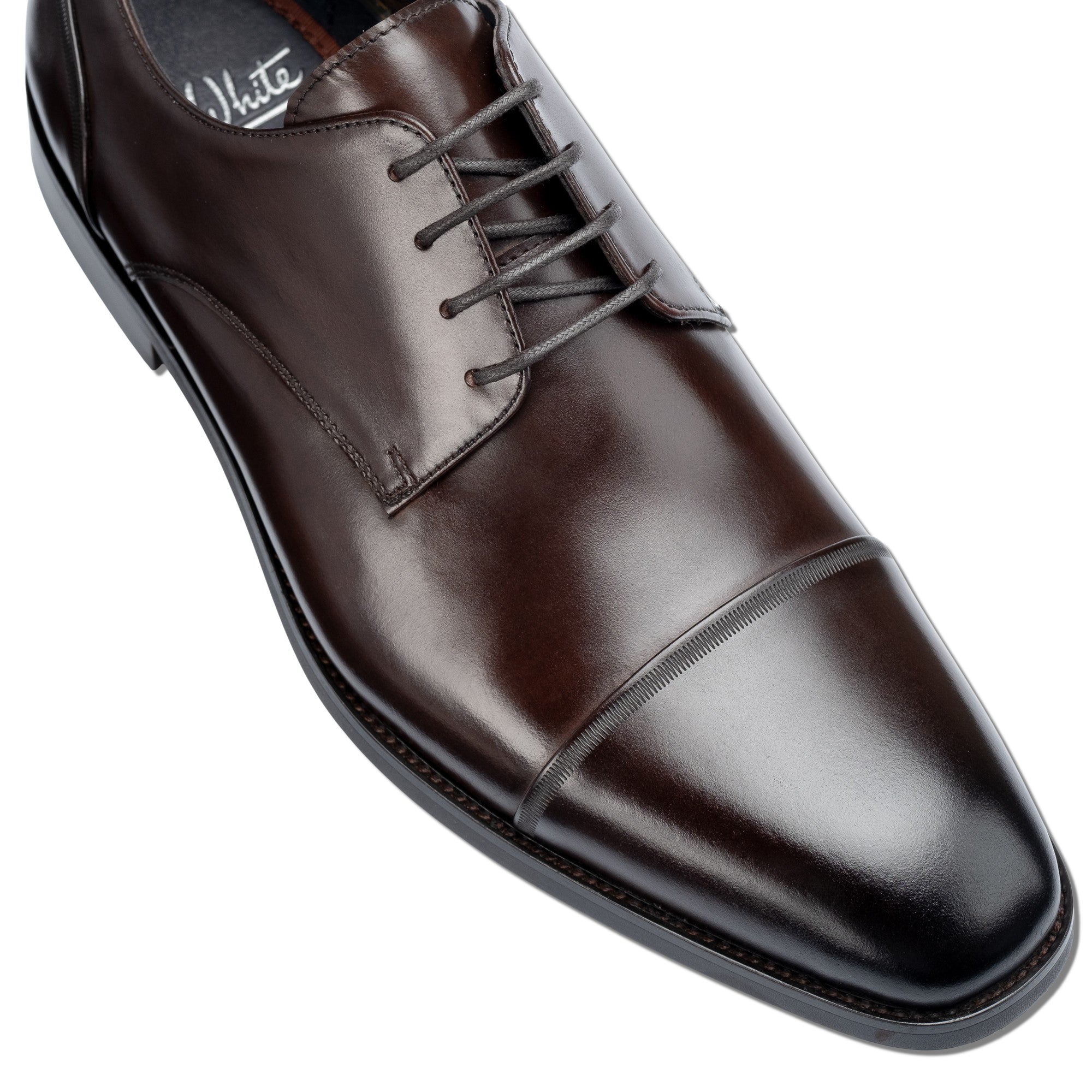
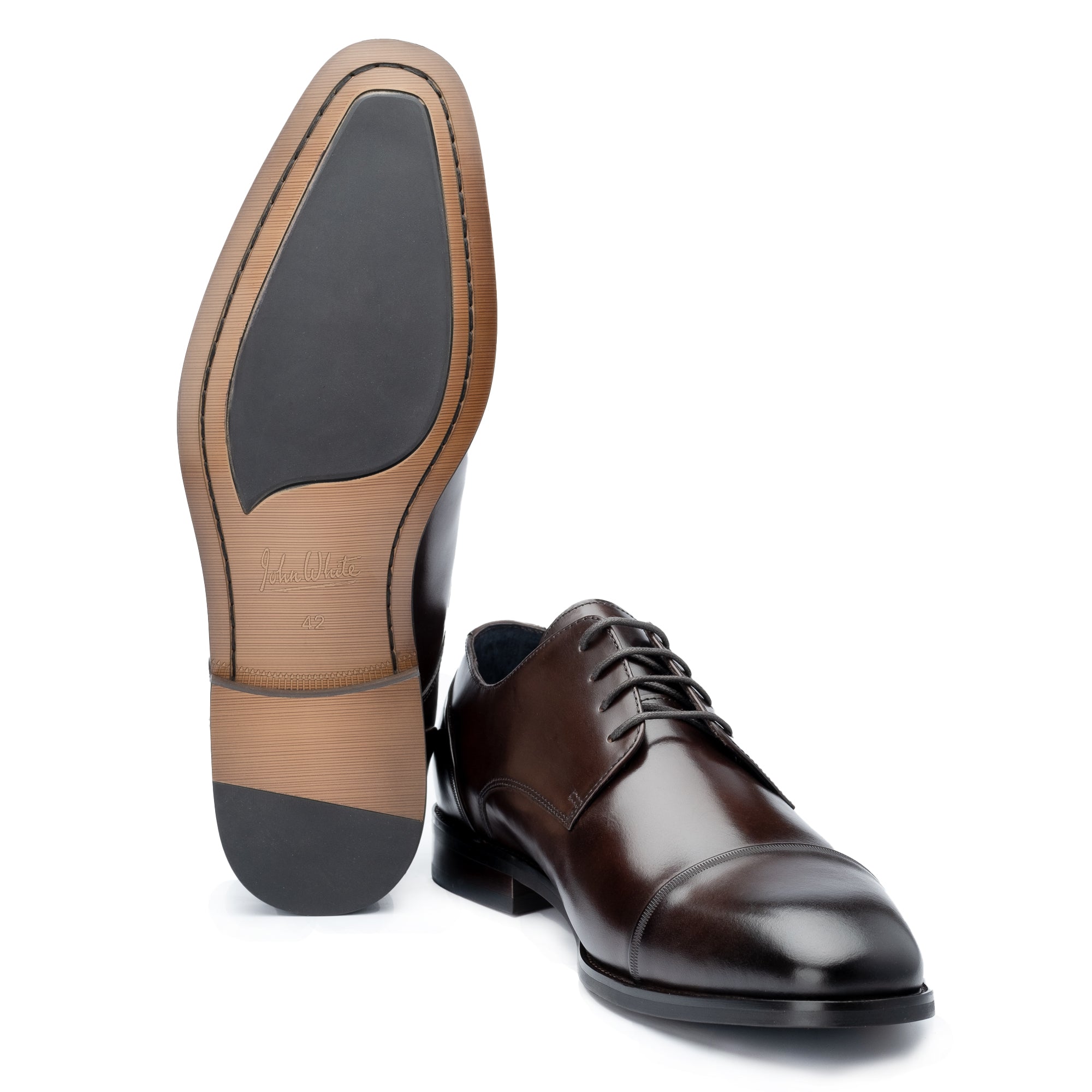
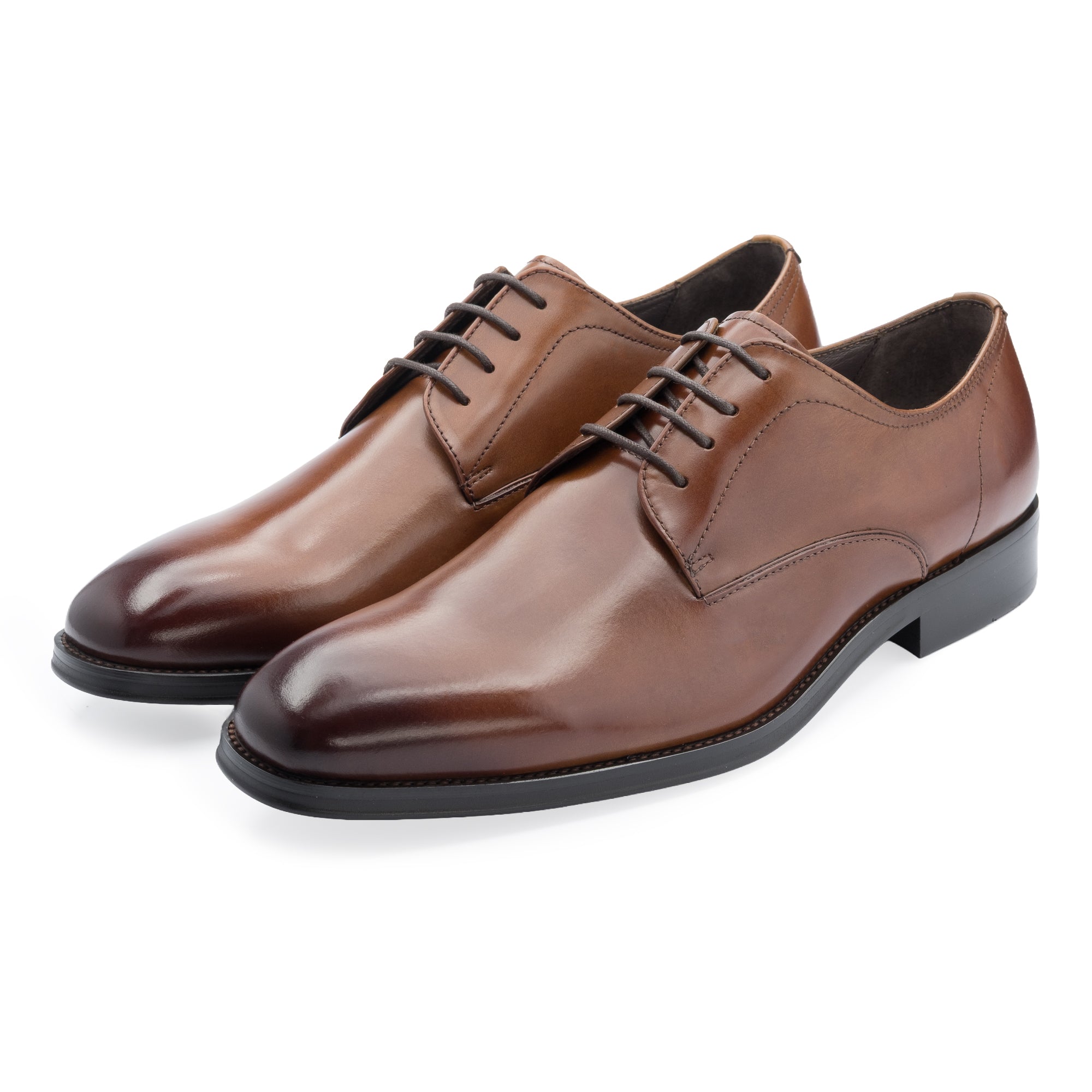
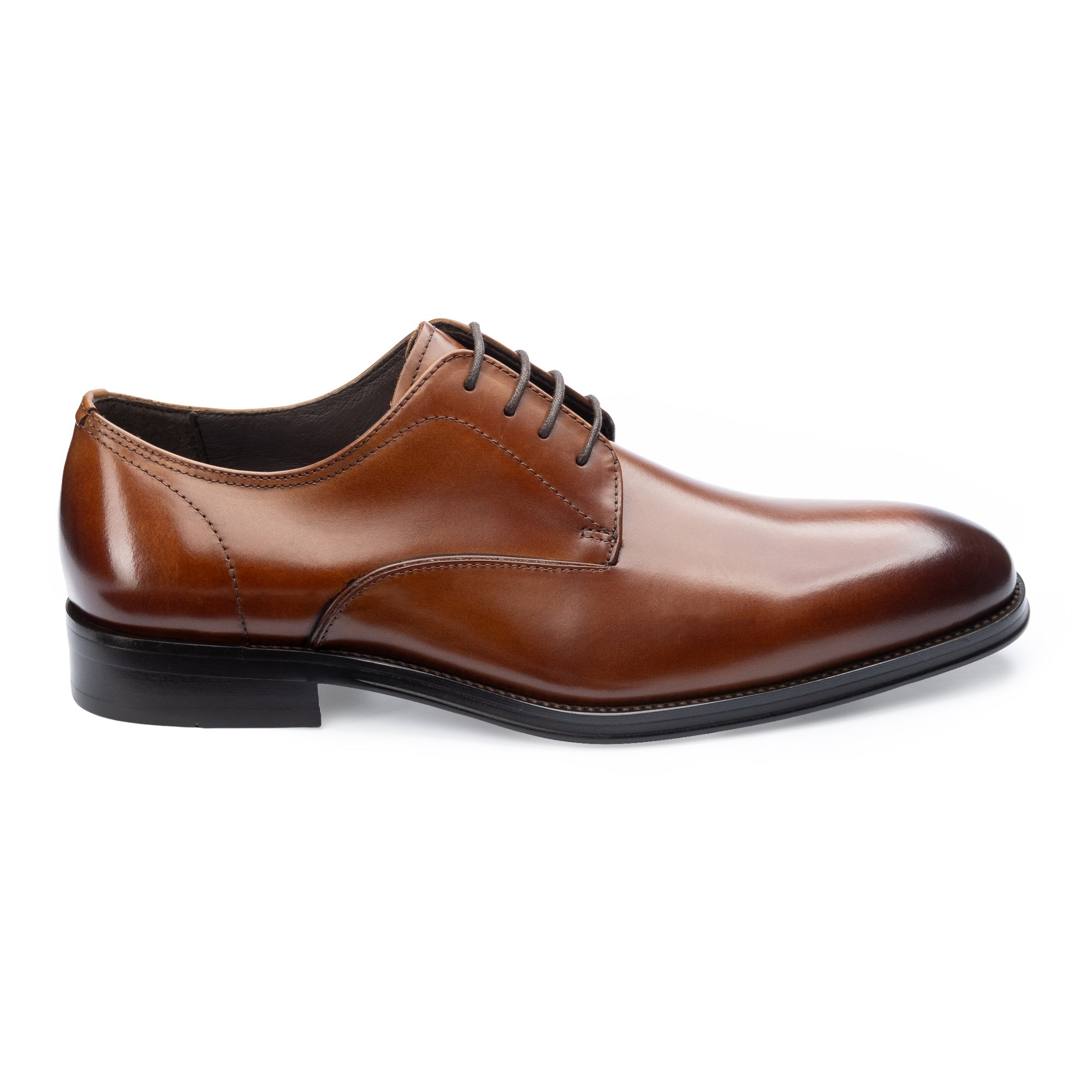
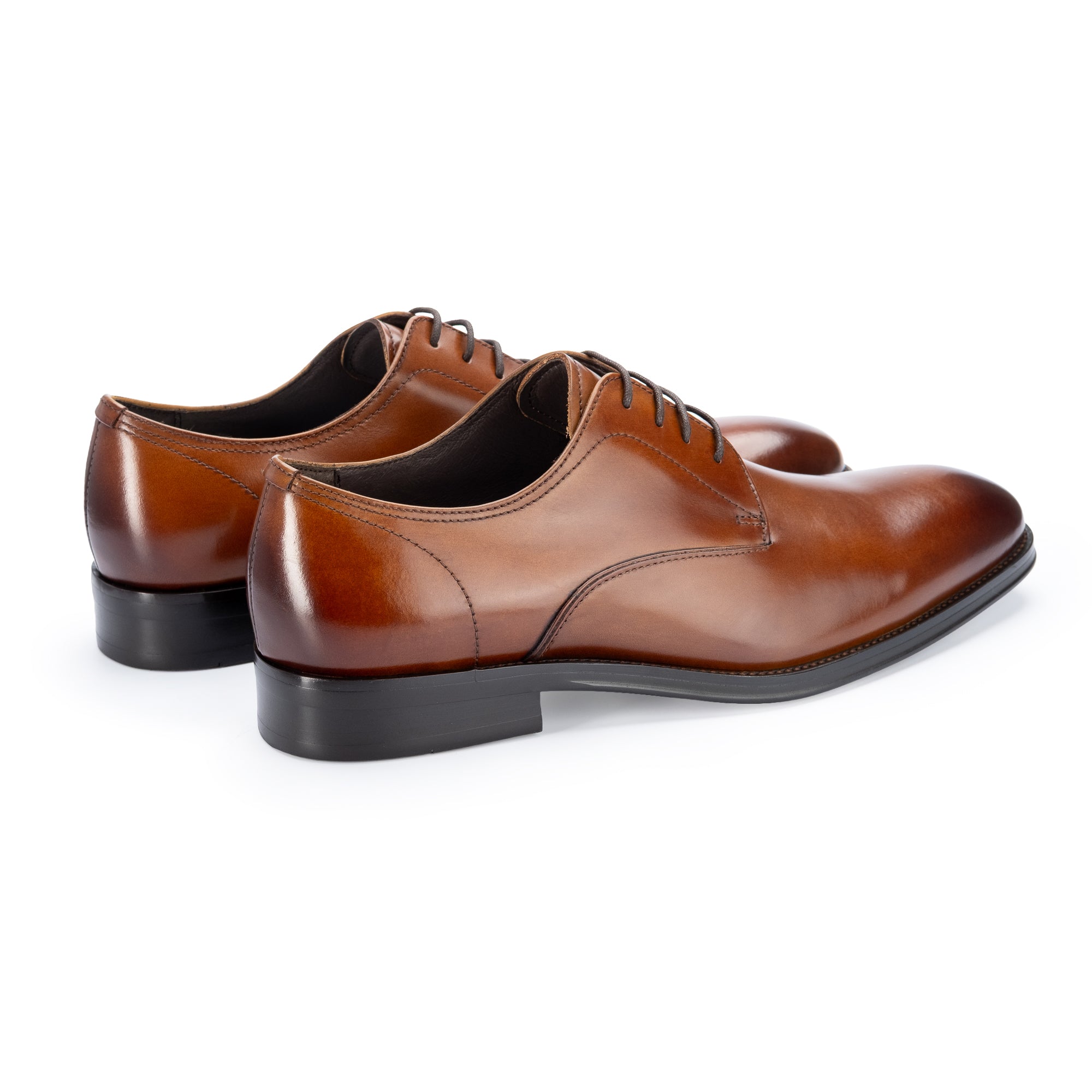
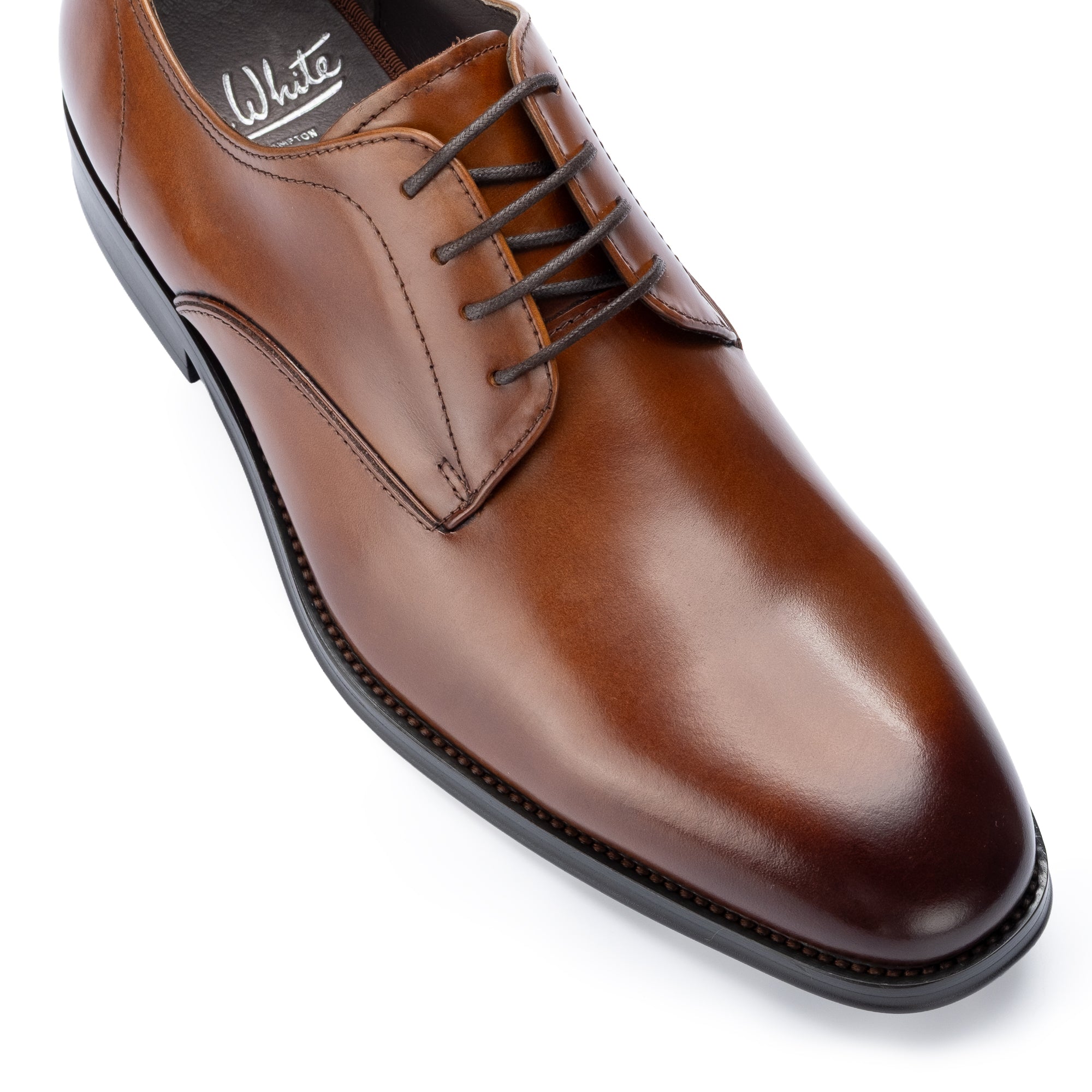
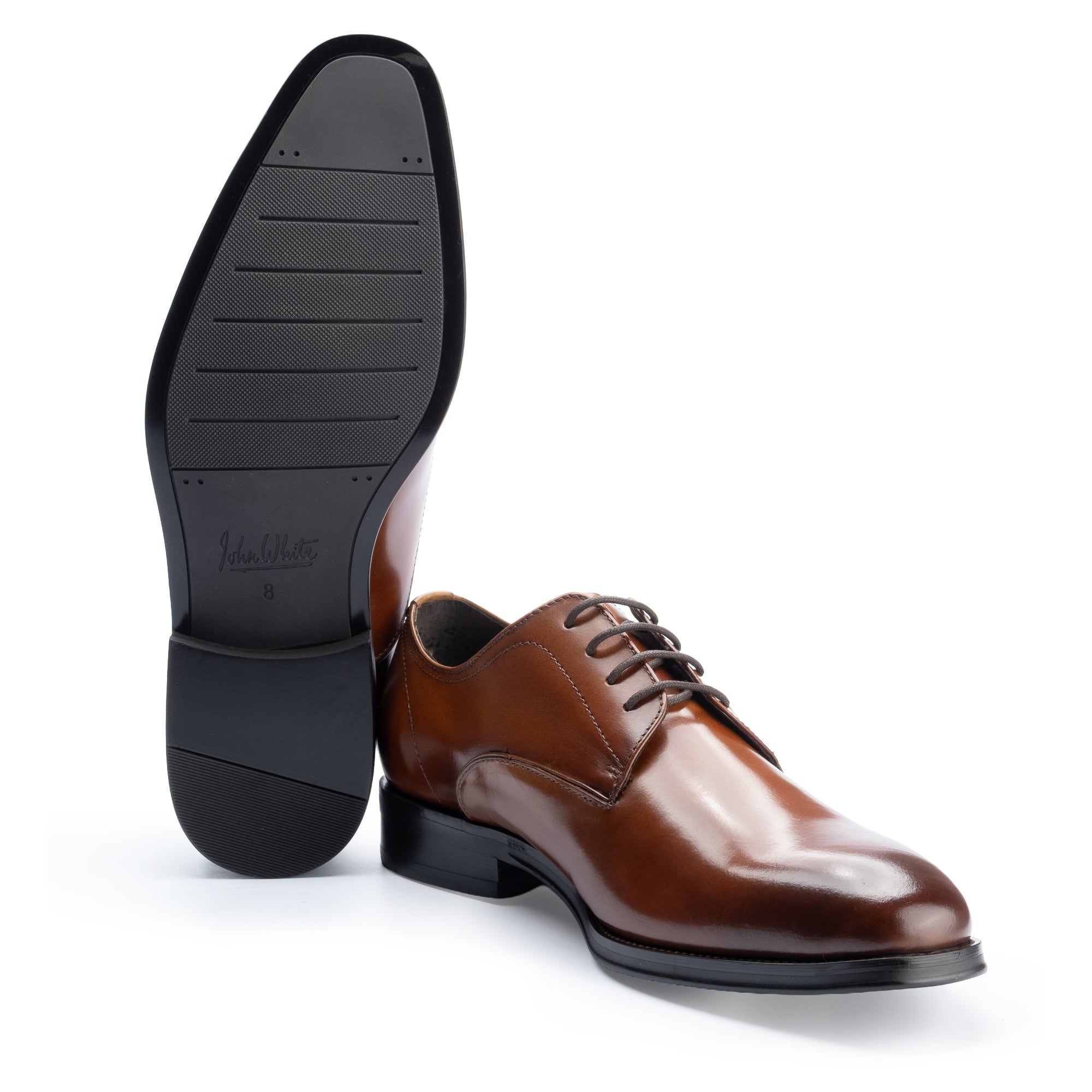
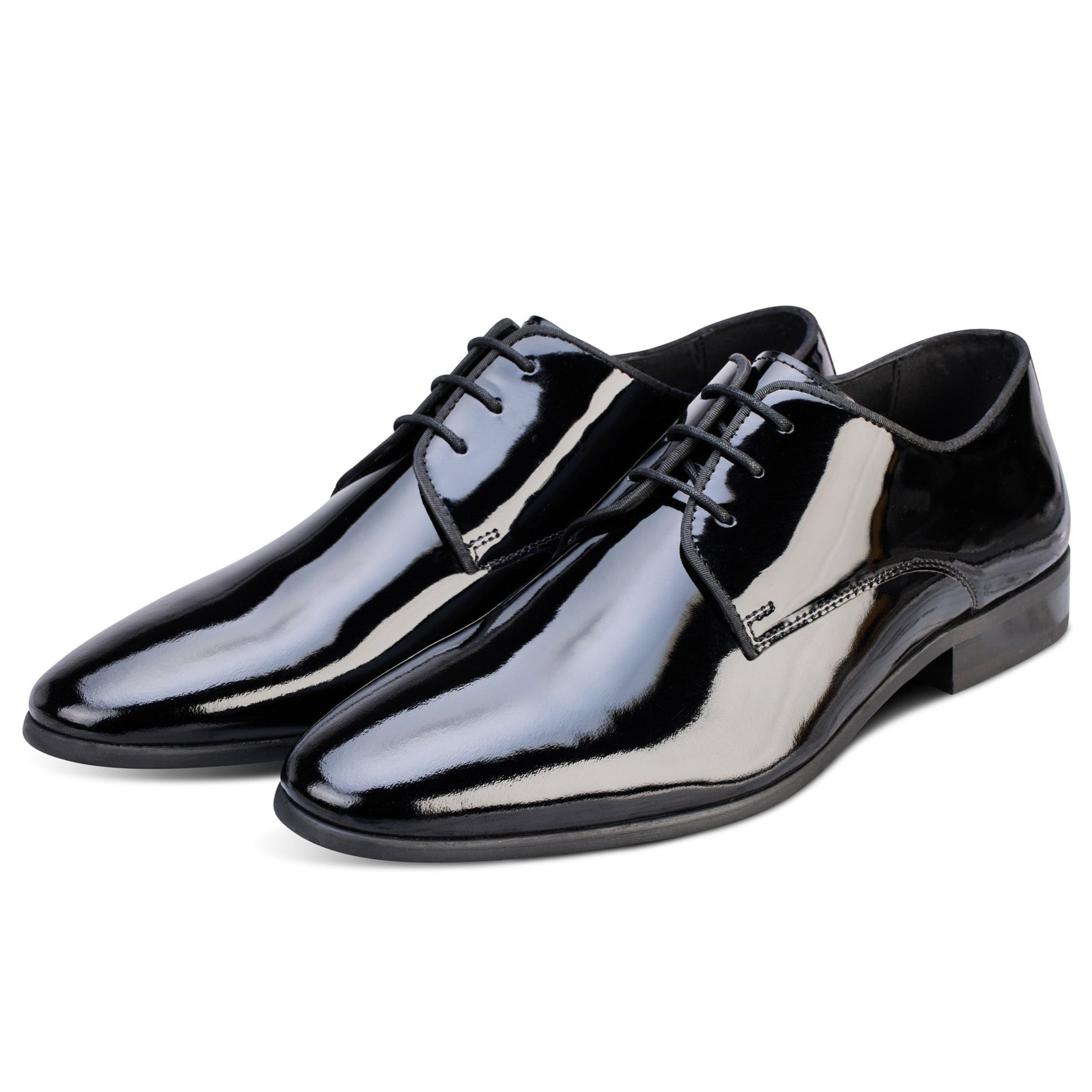
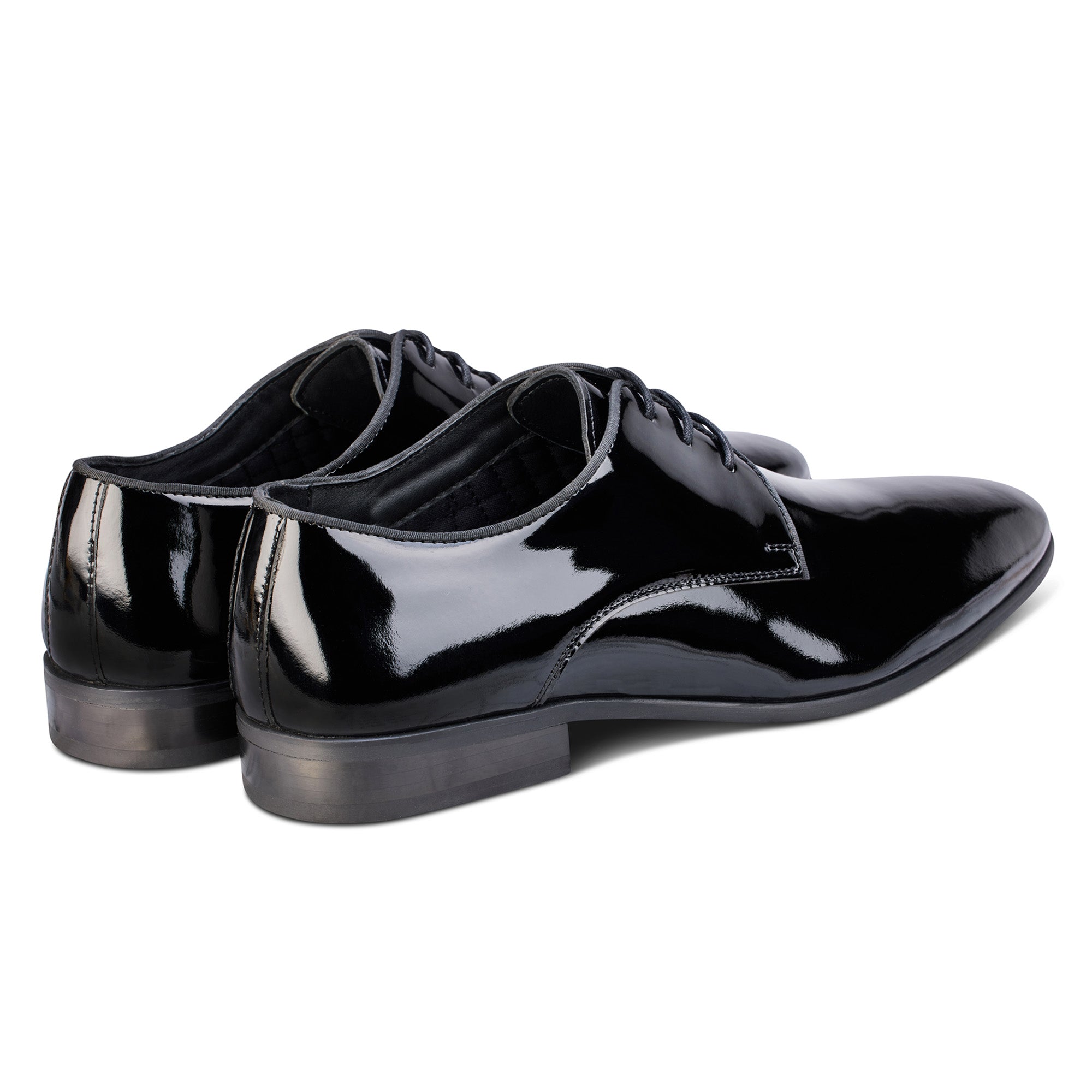
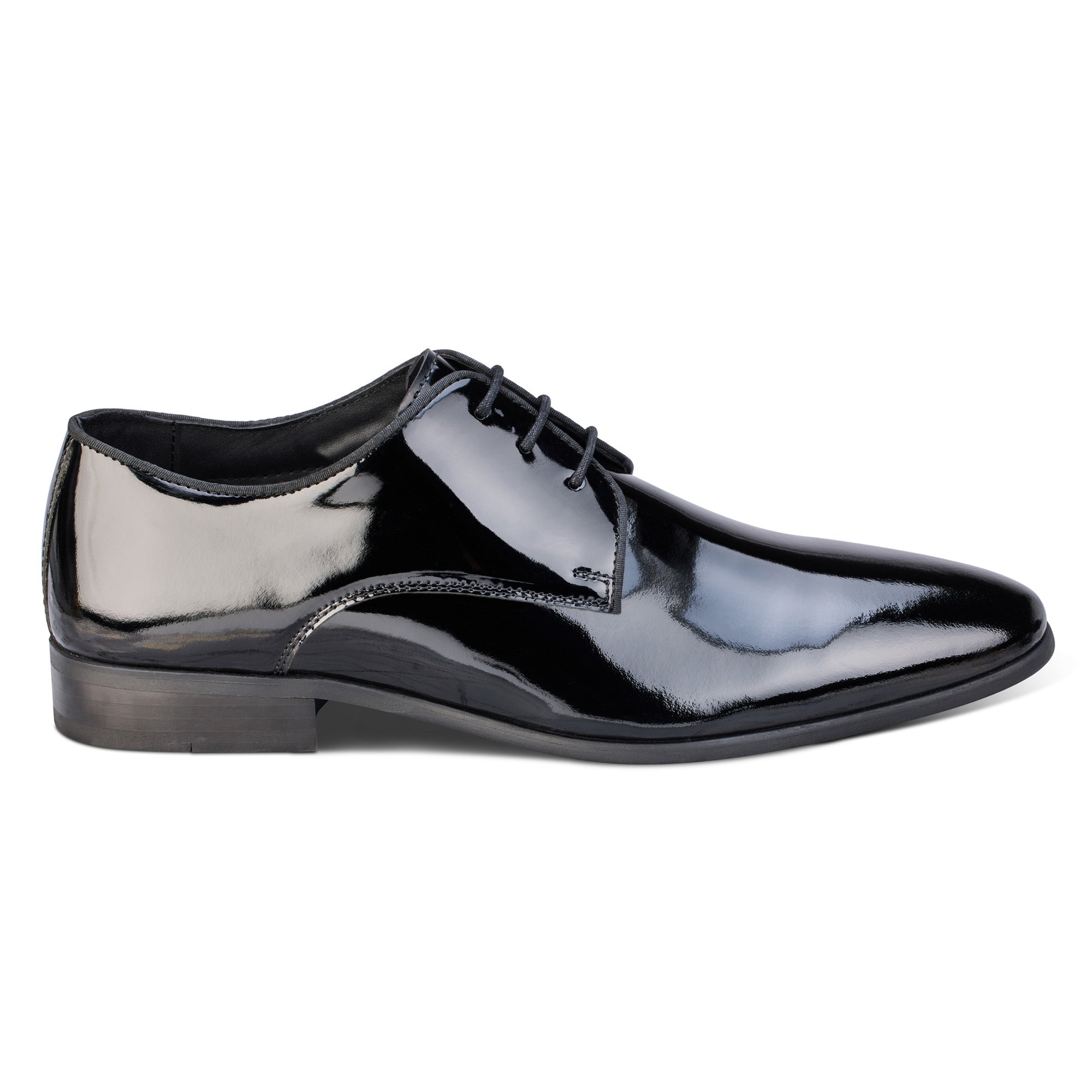
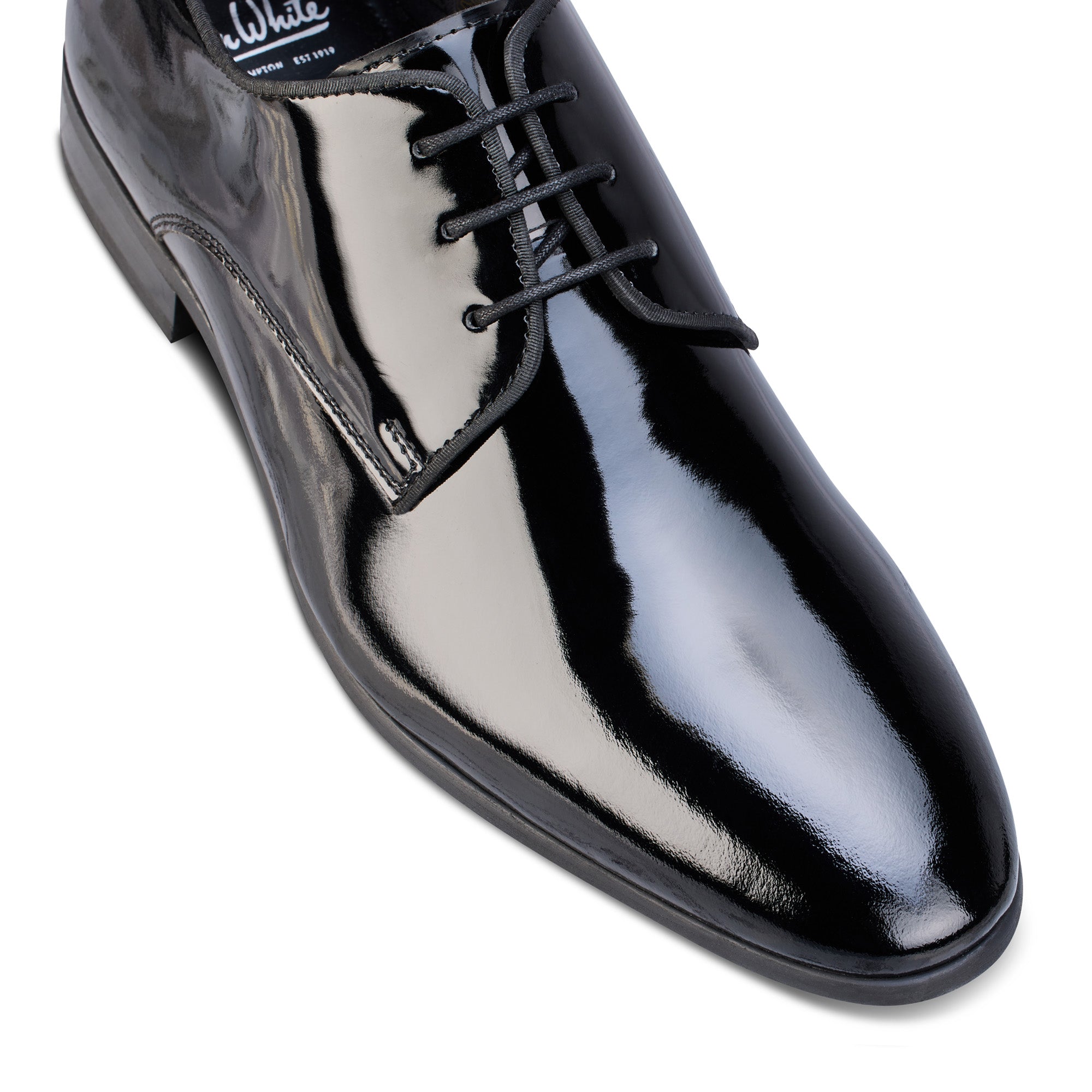
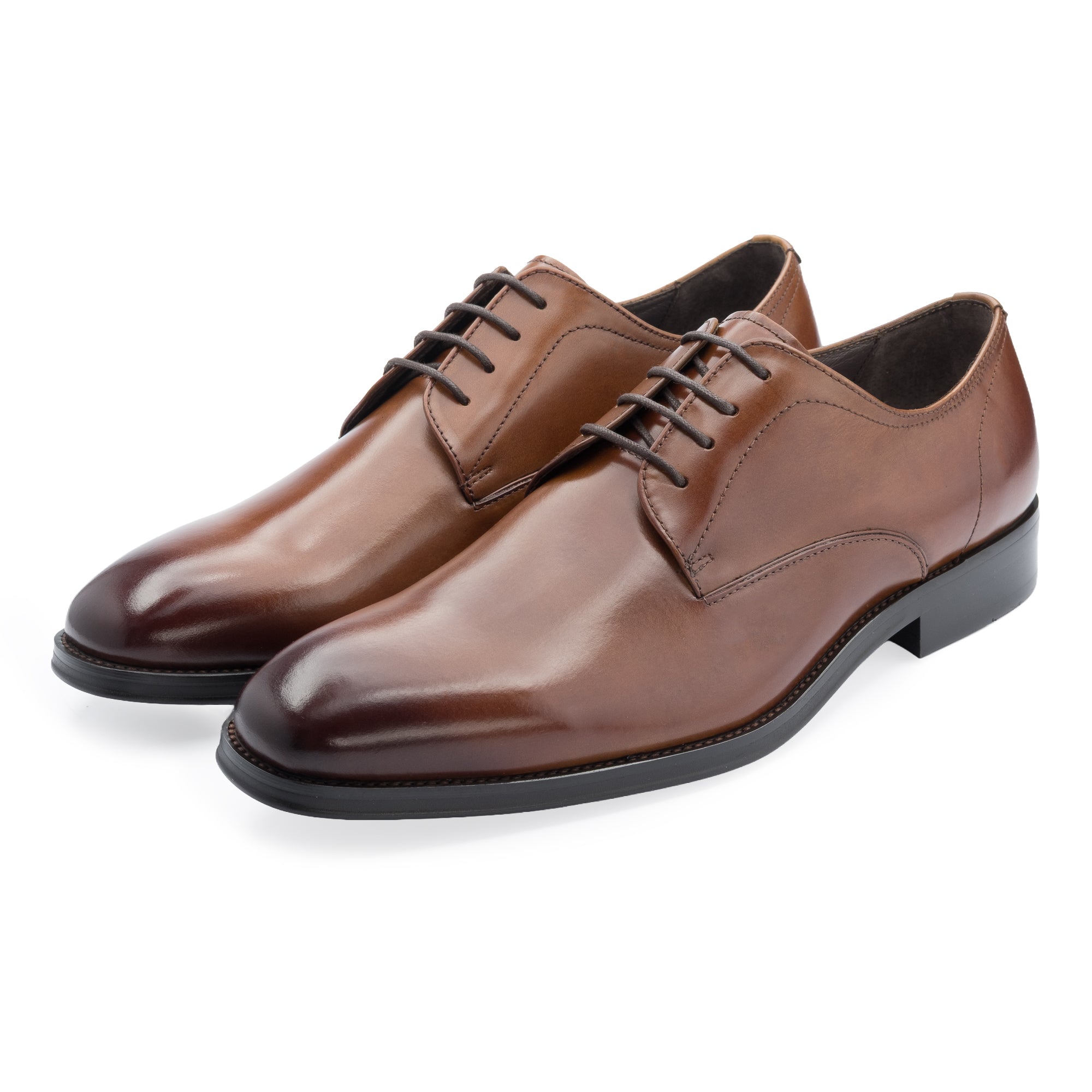
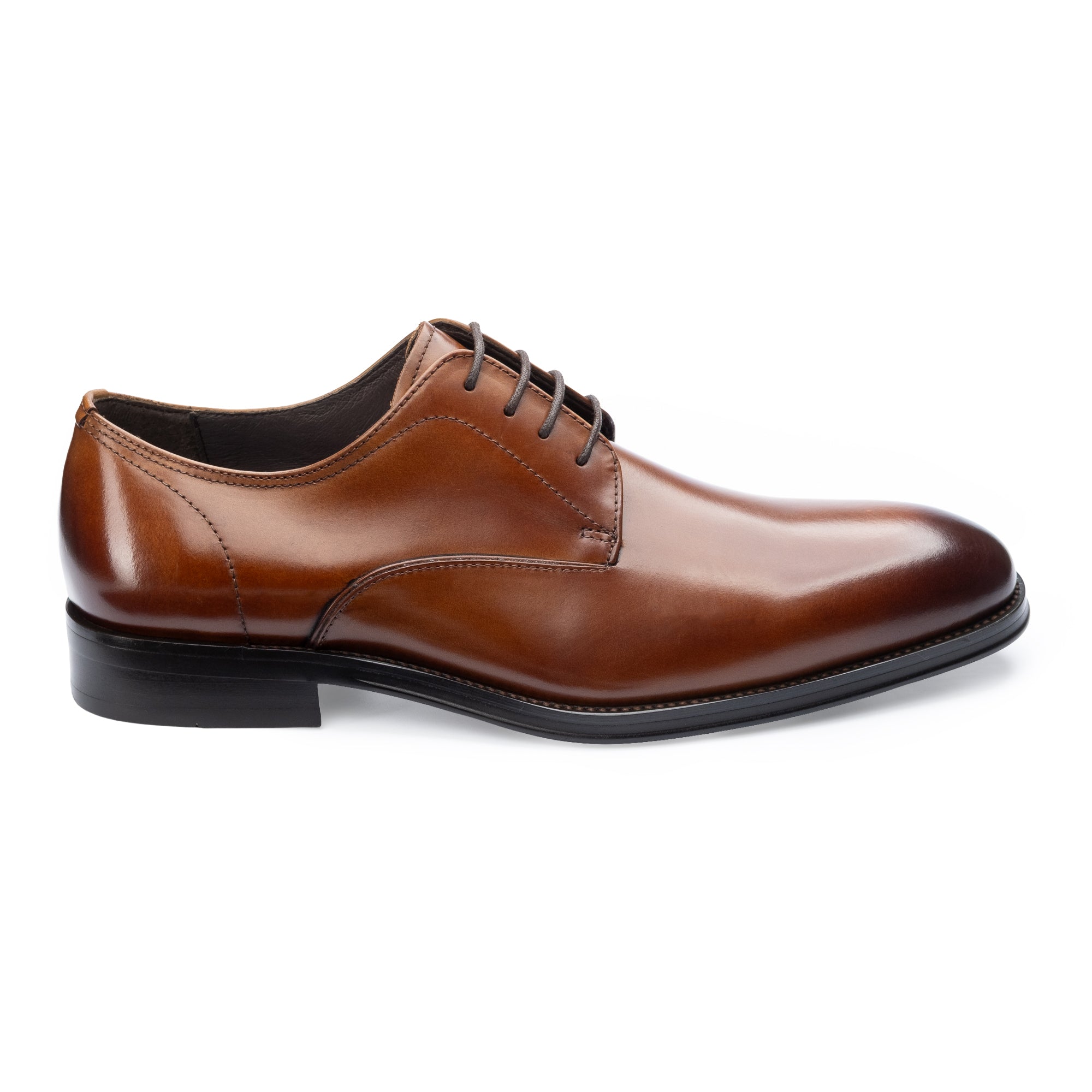
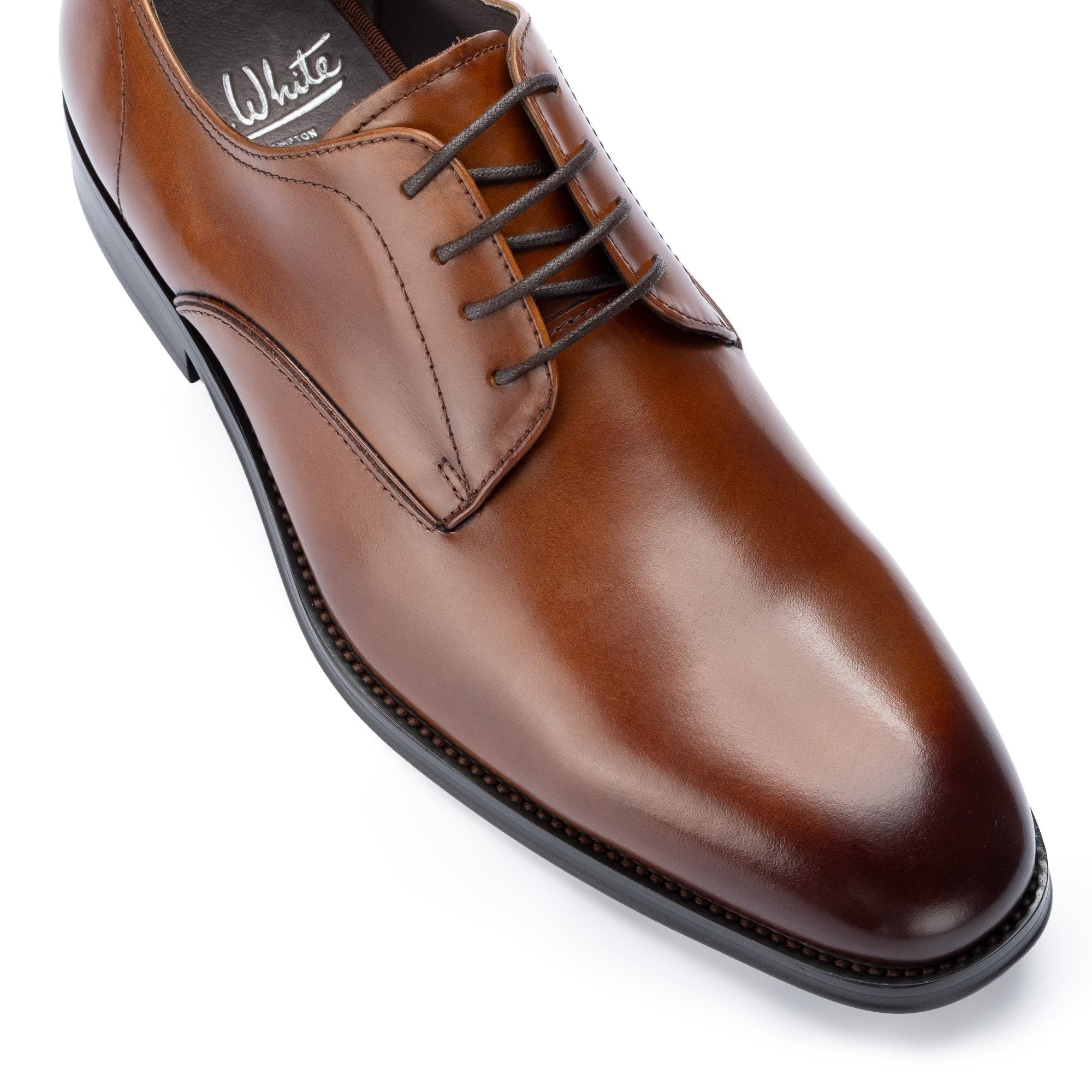
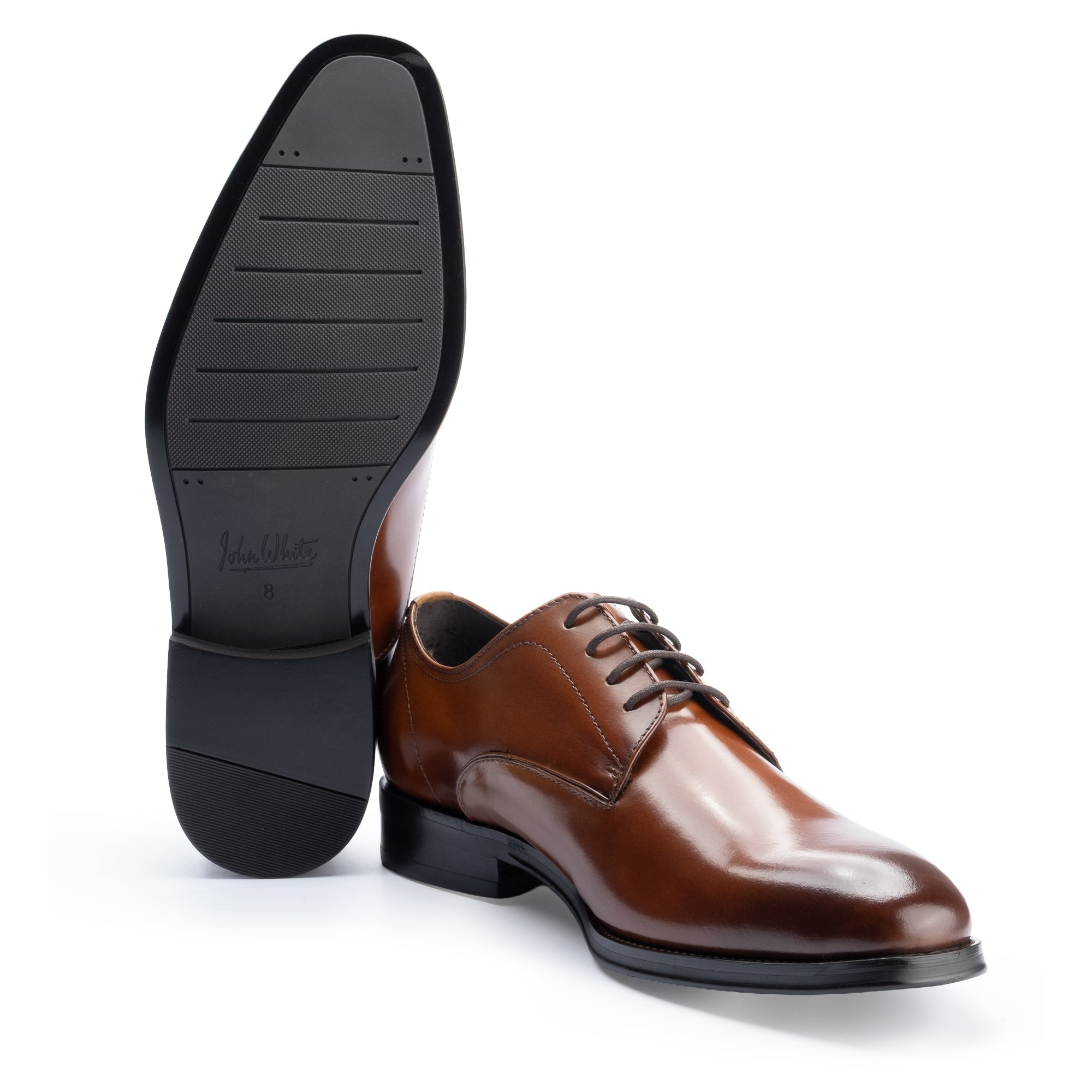
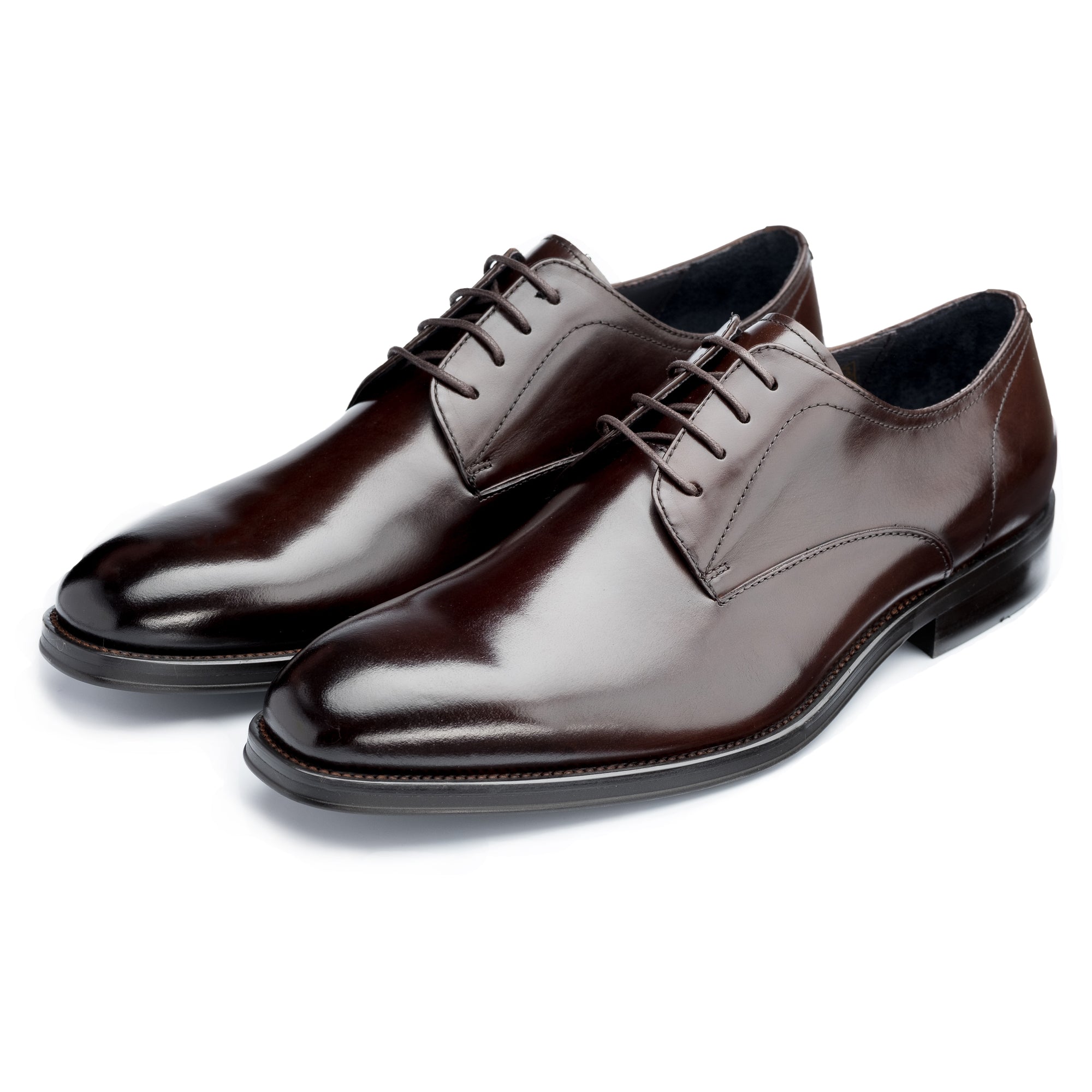
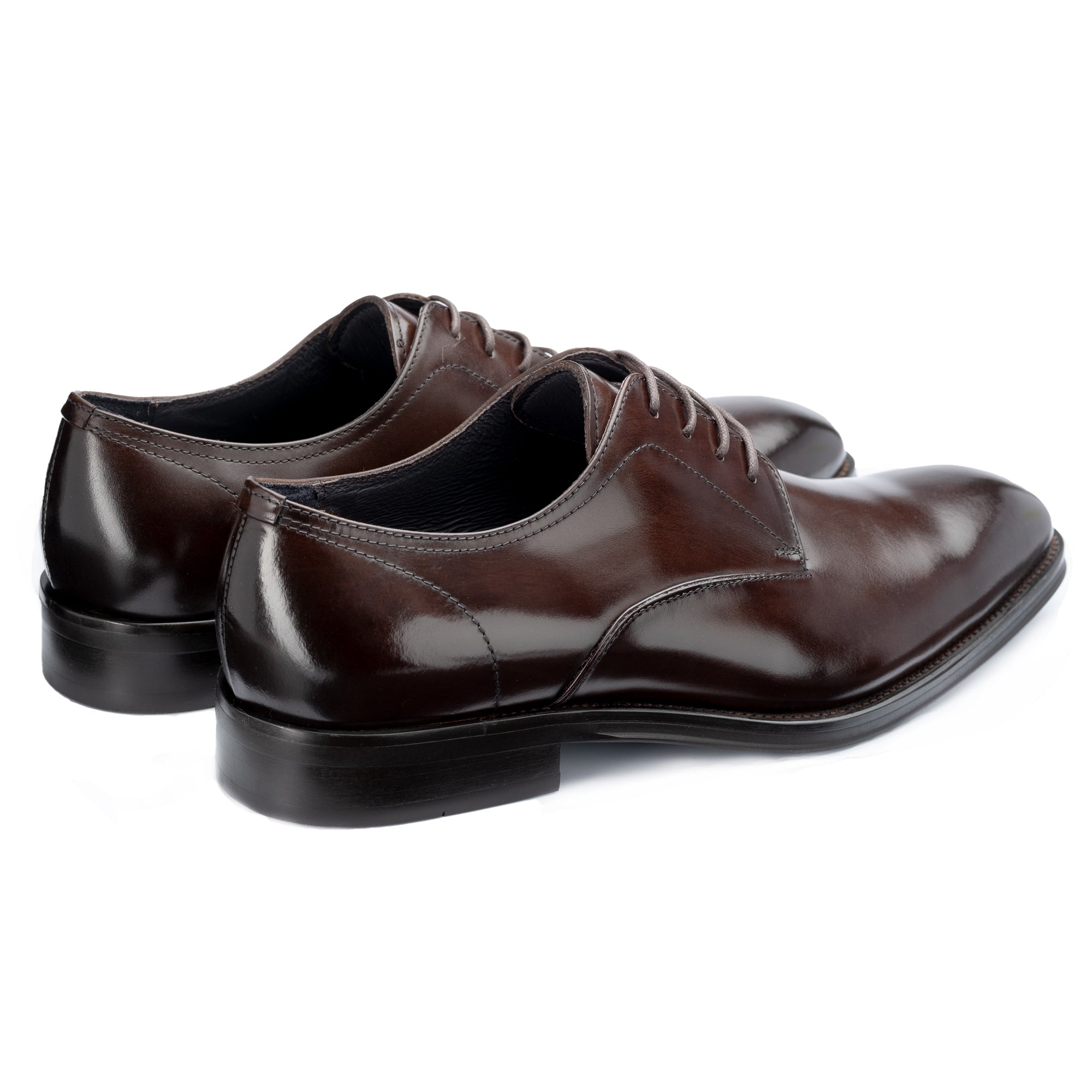
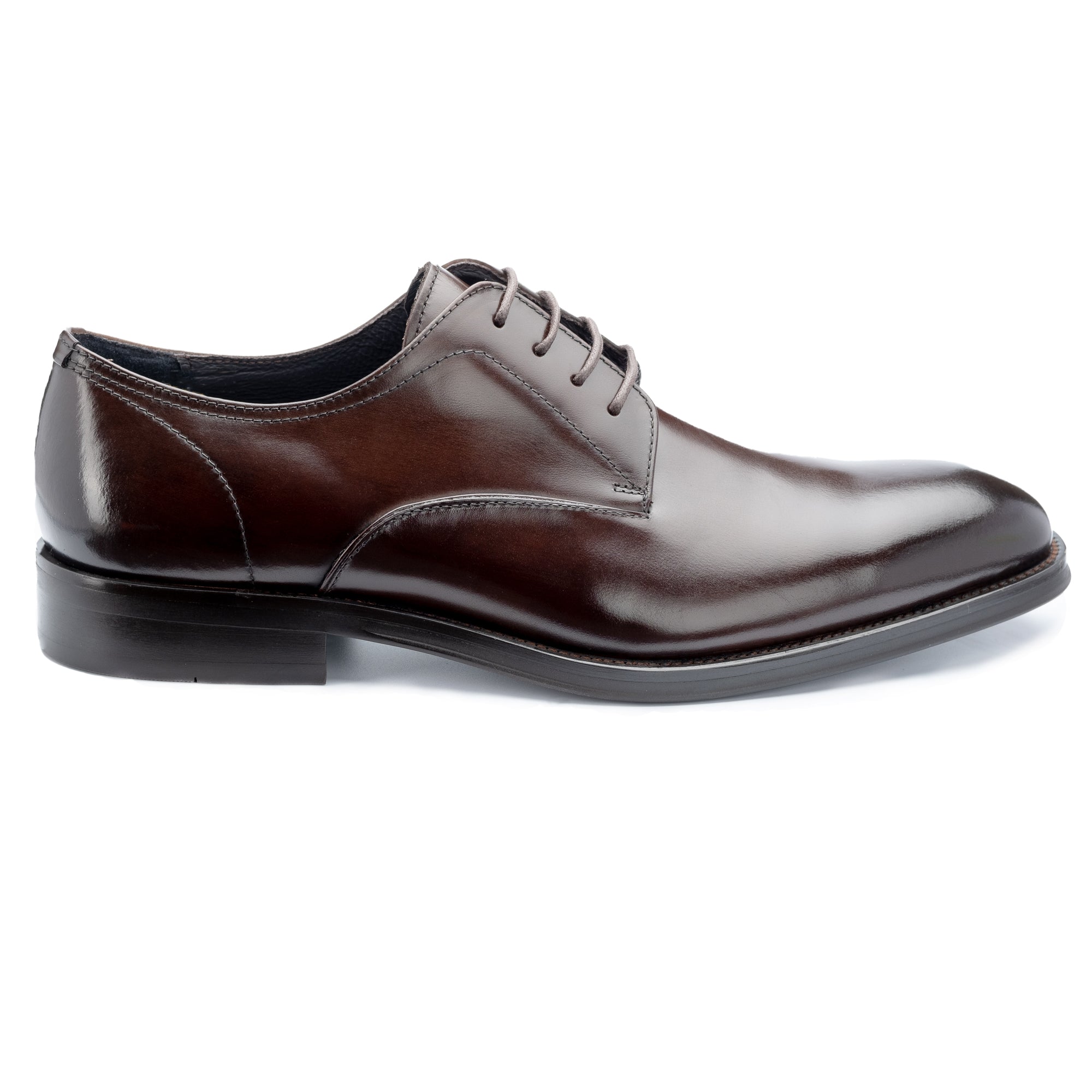
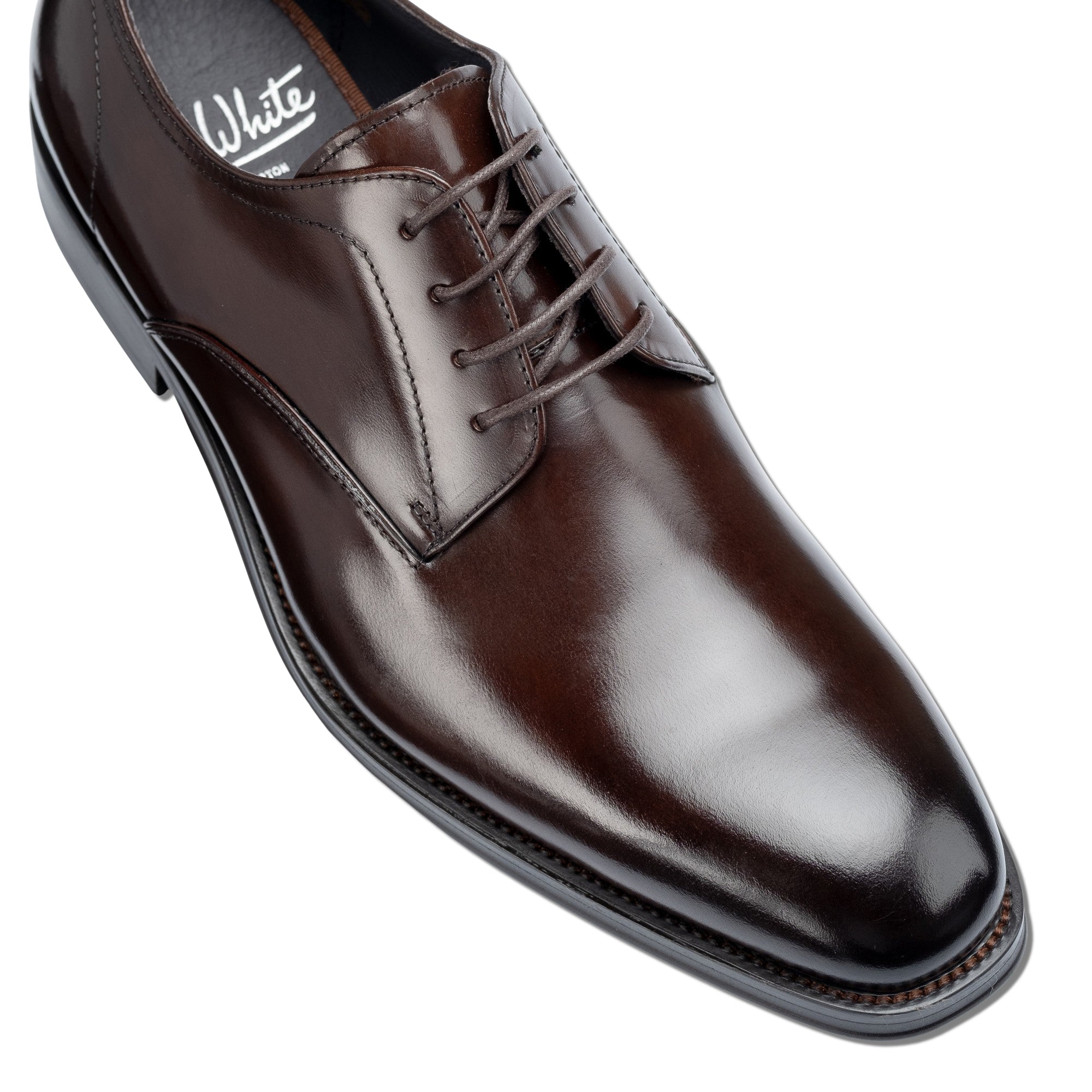
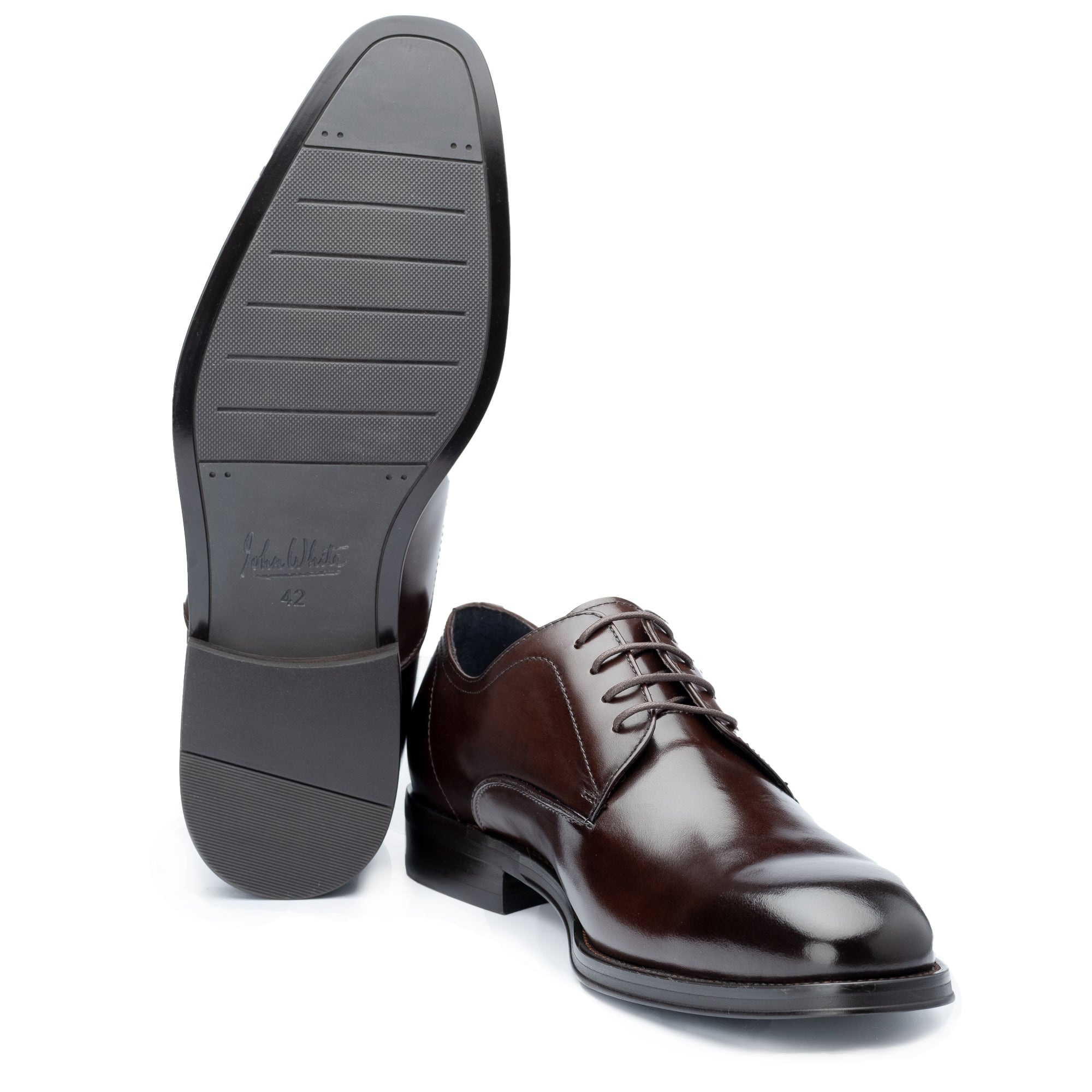
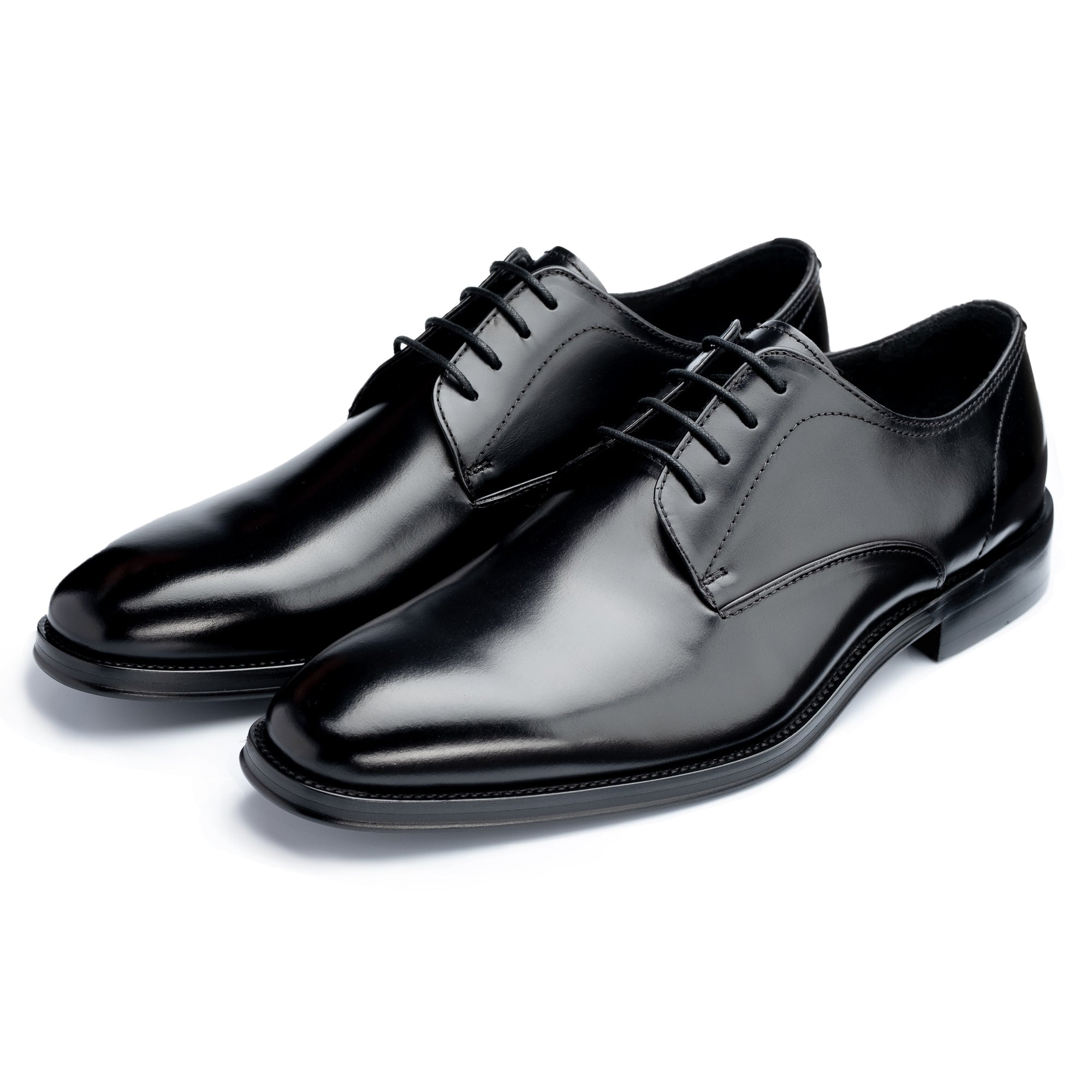
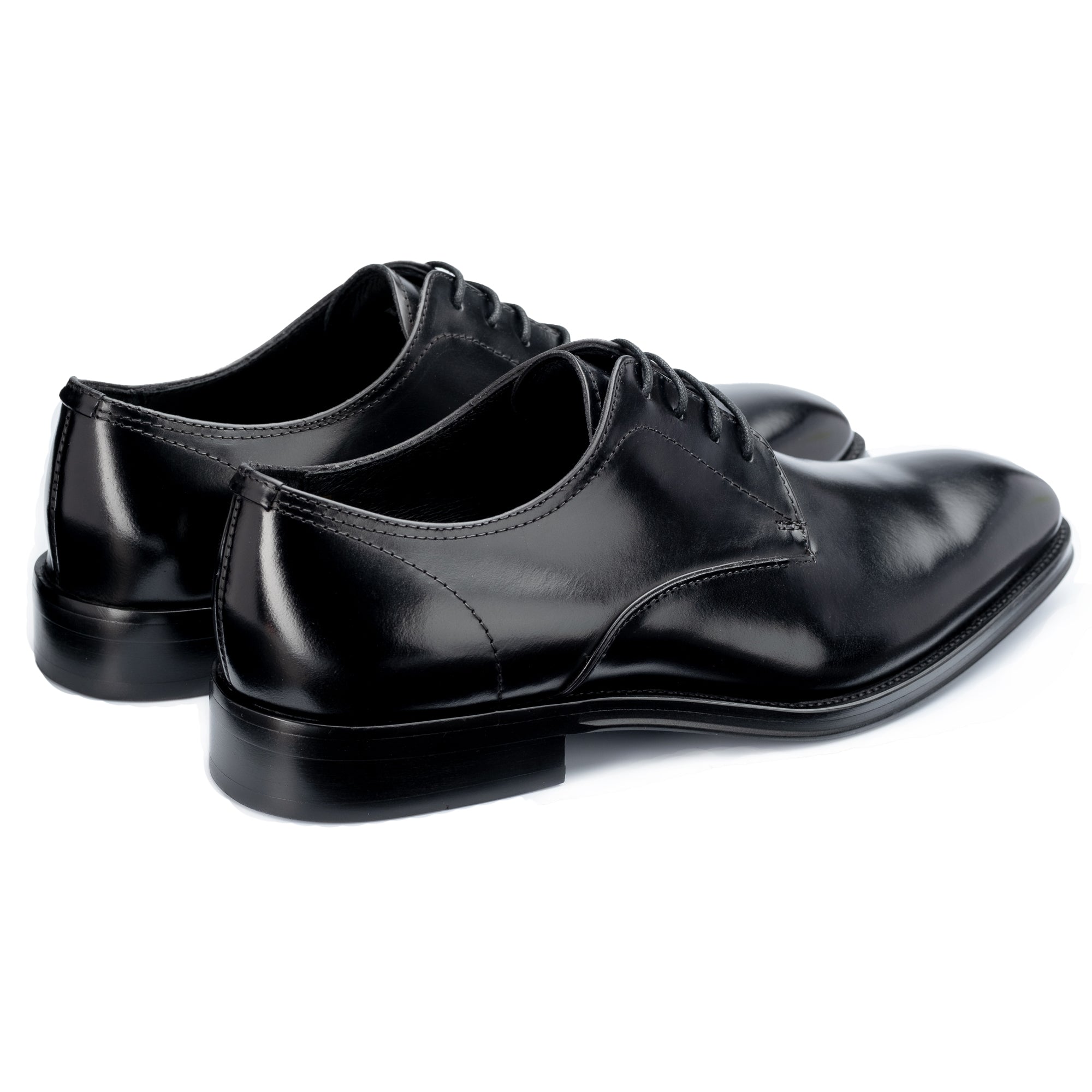
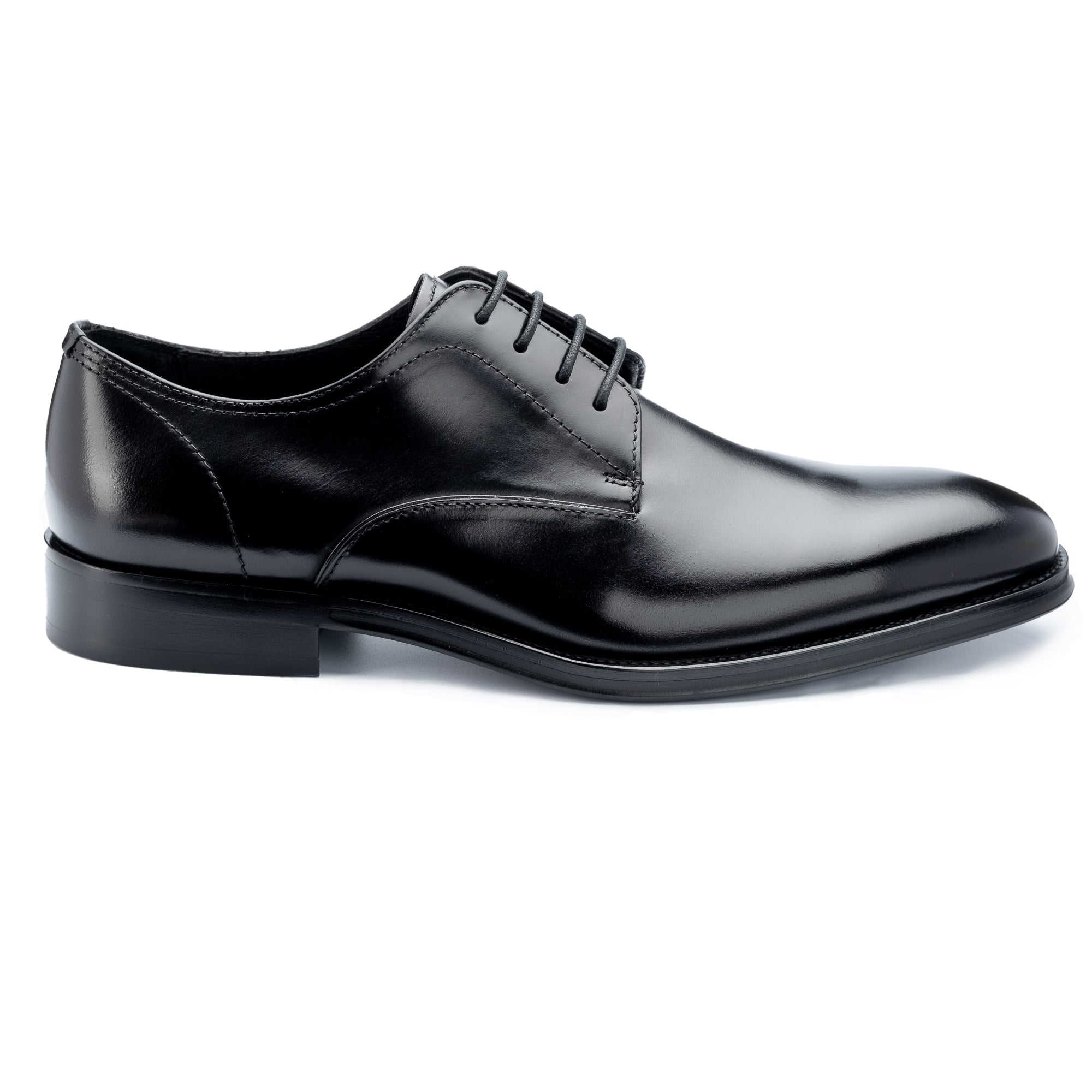
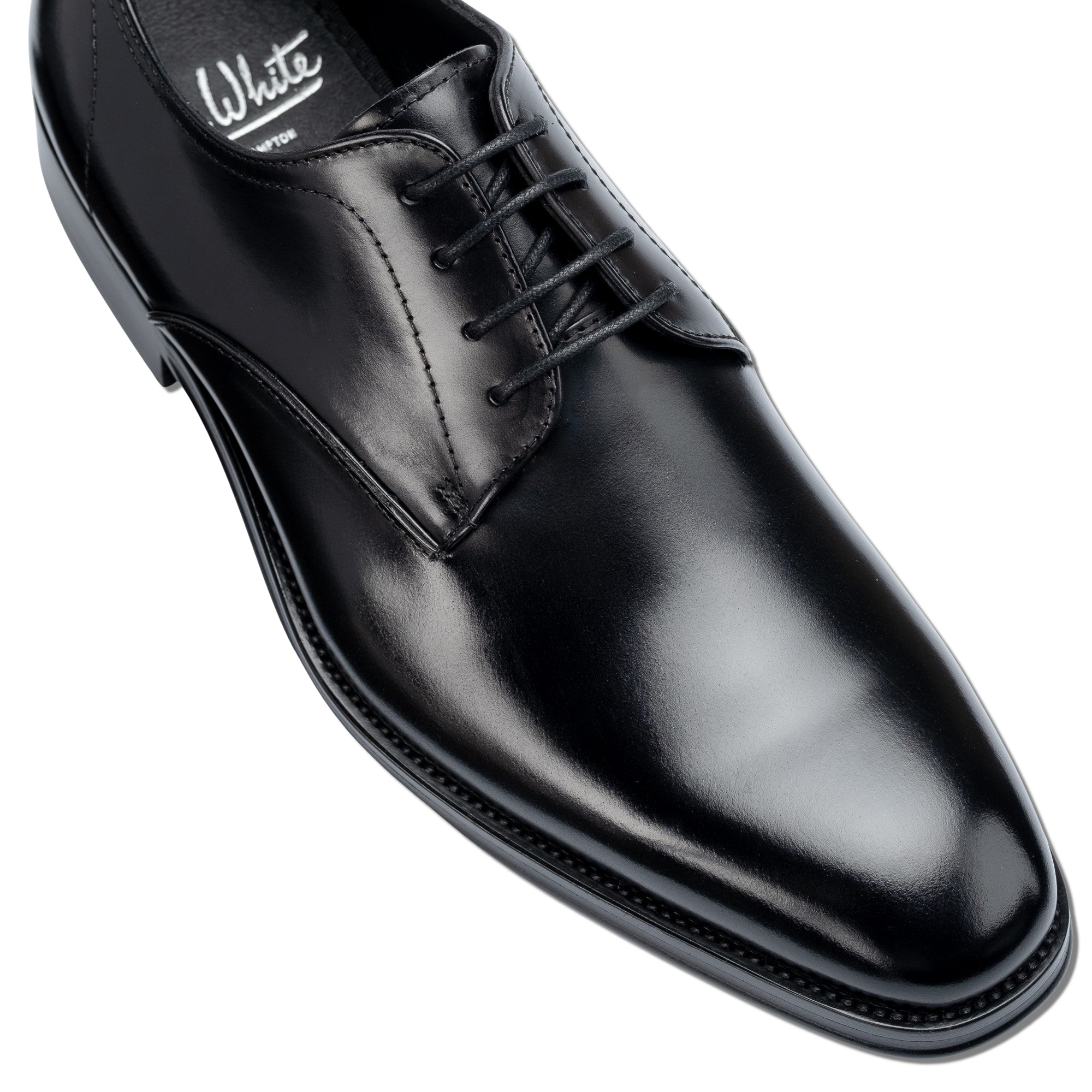
Derby shoes — where the lace facing is stitched on top of the vamp — offer the most adjustability for wider feet. The open lacing system allows the shoe to splay at the instep, accommodating a broader foot without uncomfortable compression. In our men's shoe collection, styles such as the Broad Derby Shoes and the Stokes Brogue Derby Shoes suit men who find closed Oxford-lacing styles restrictive across the instep.
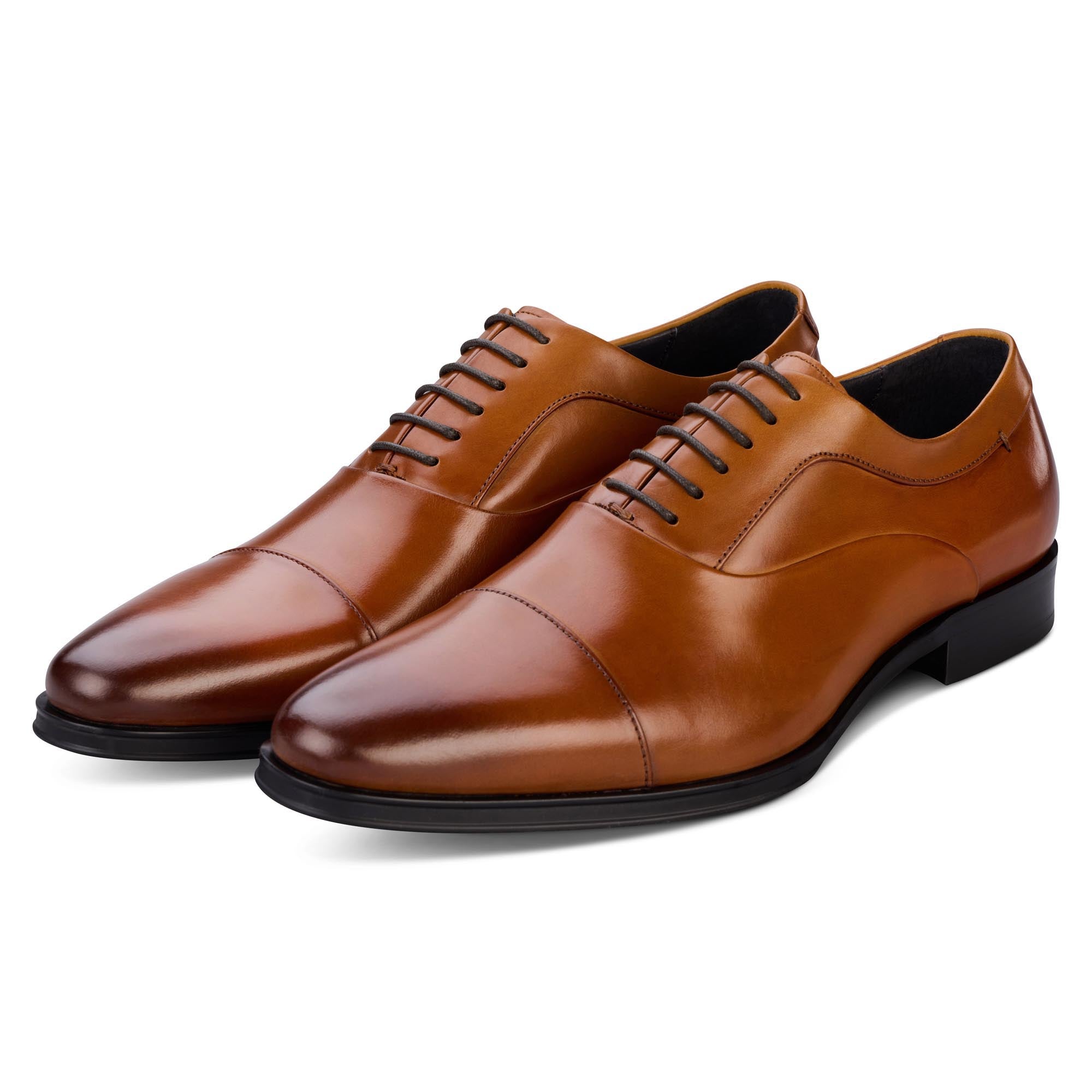
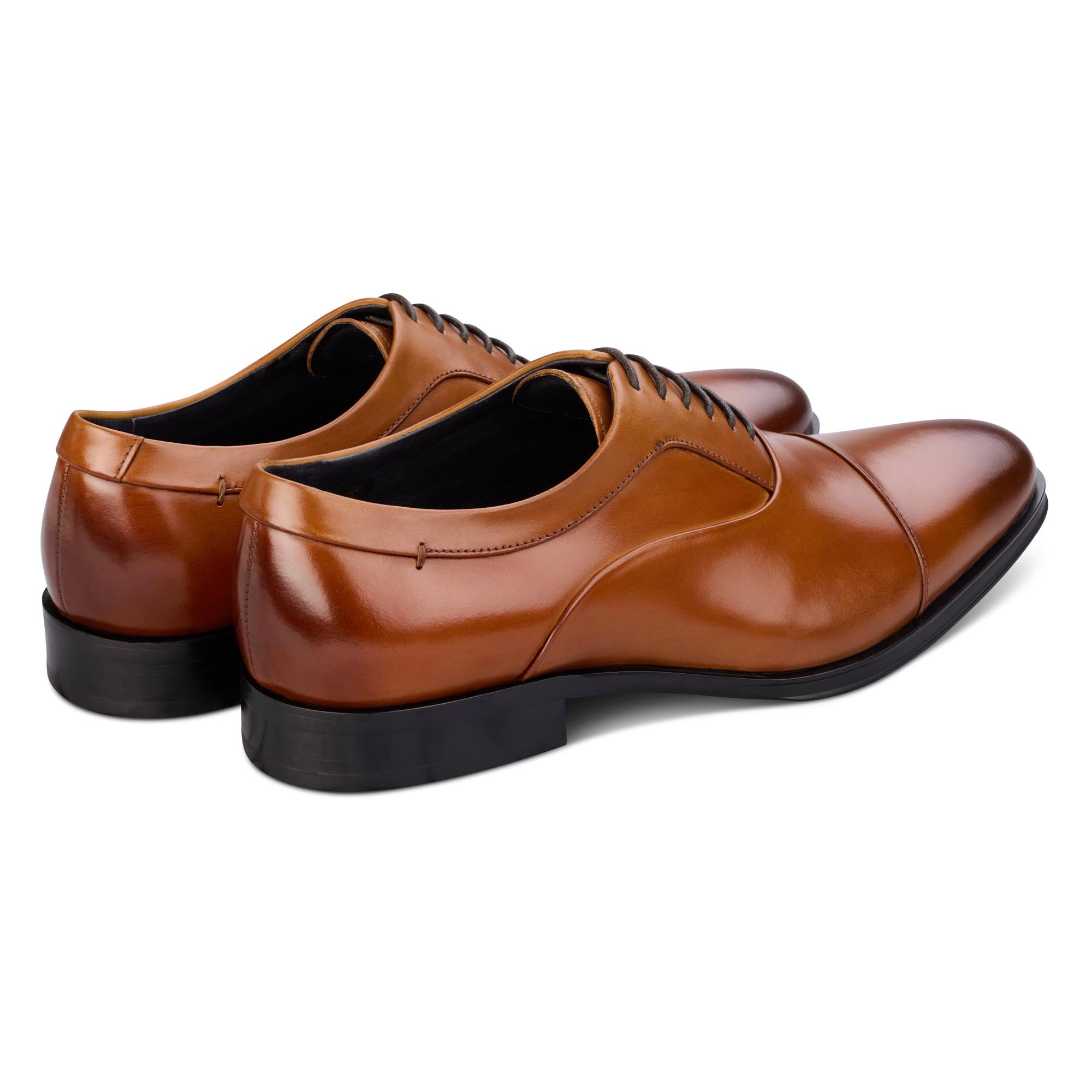
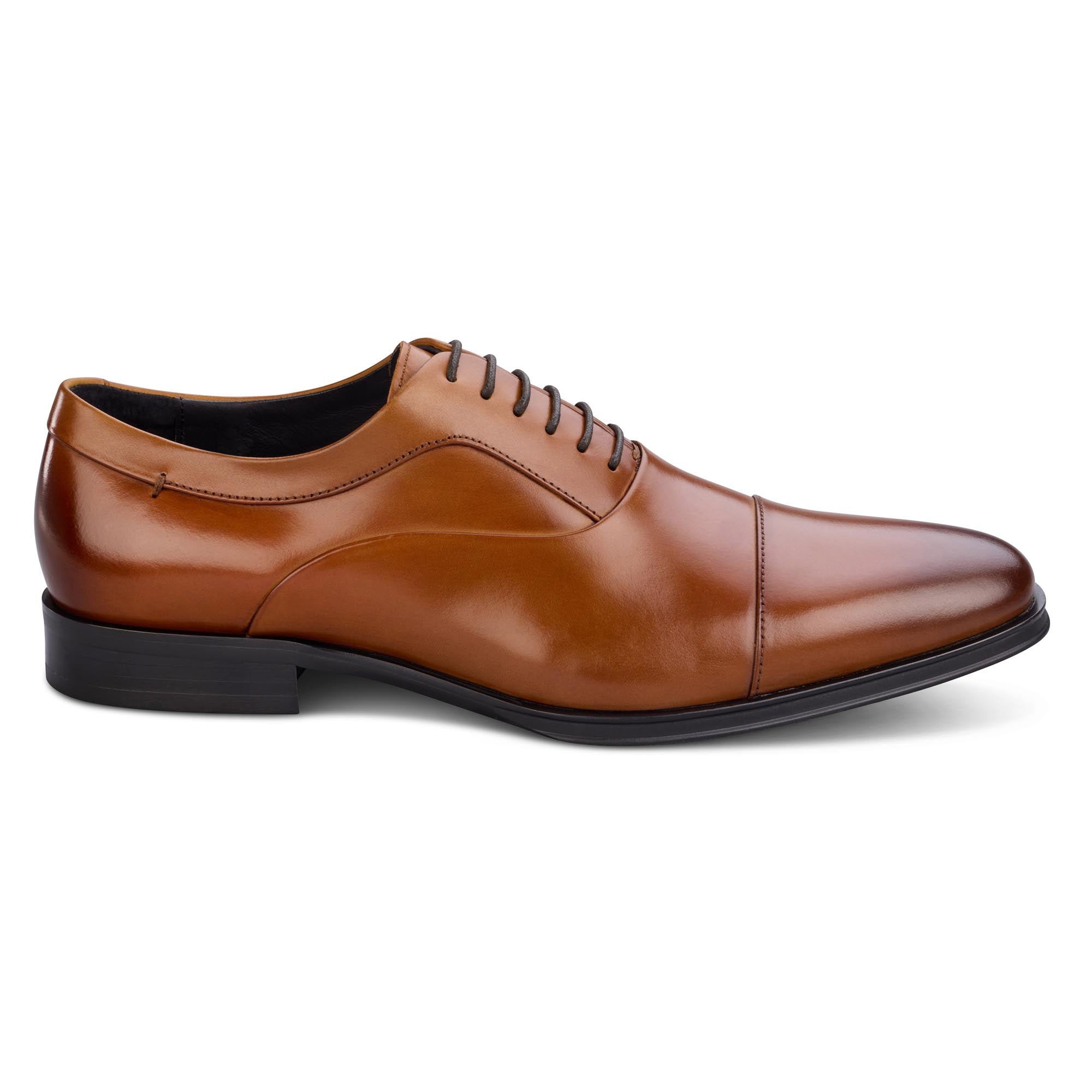
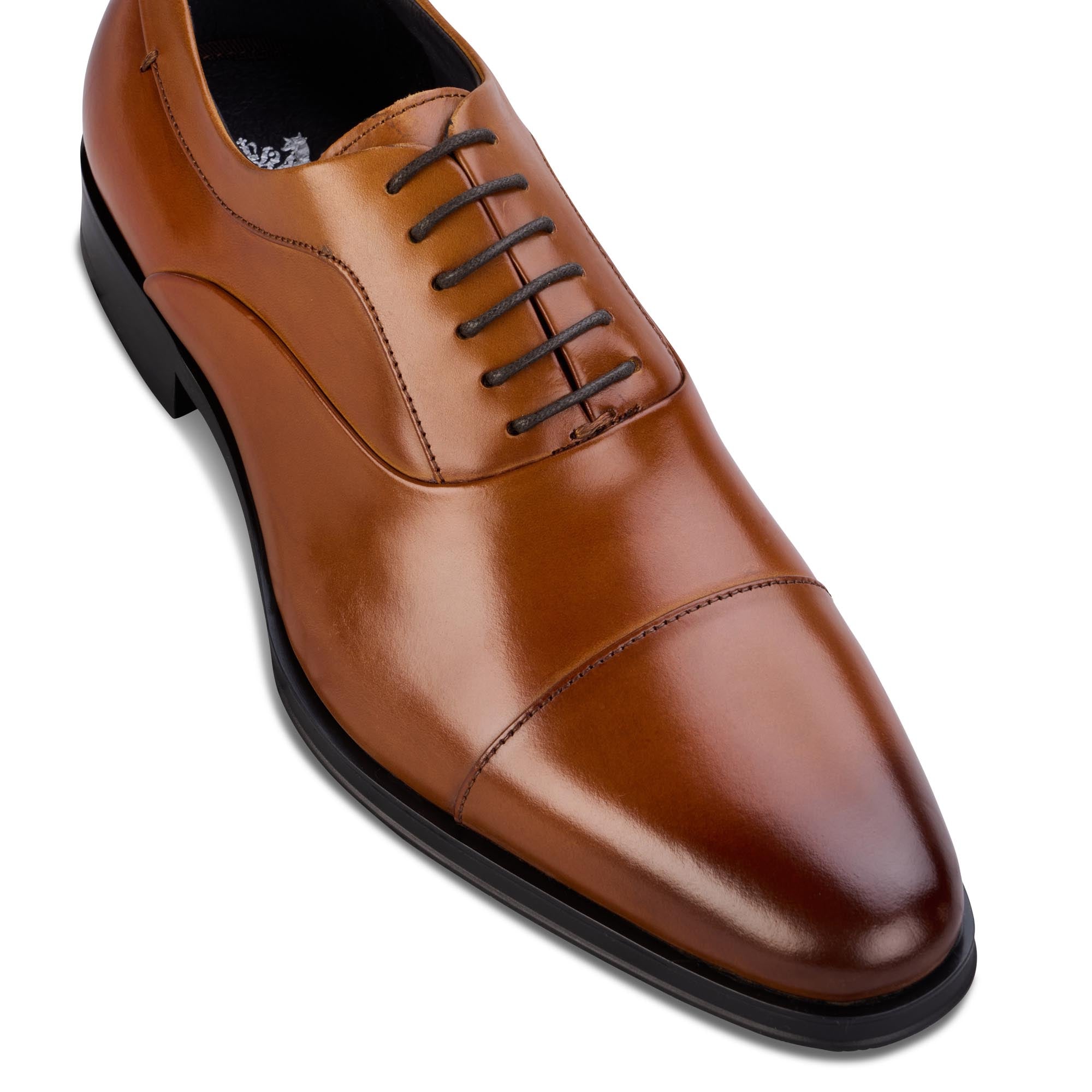
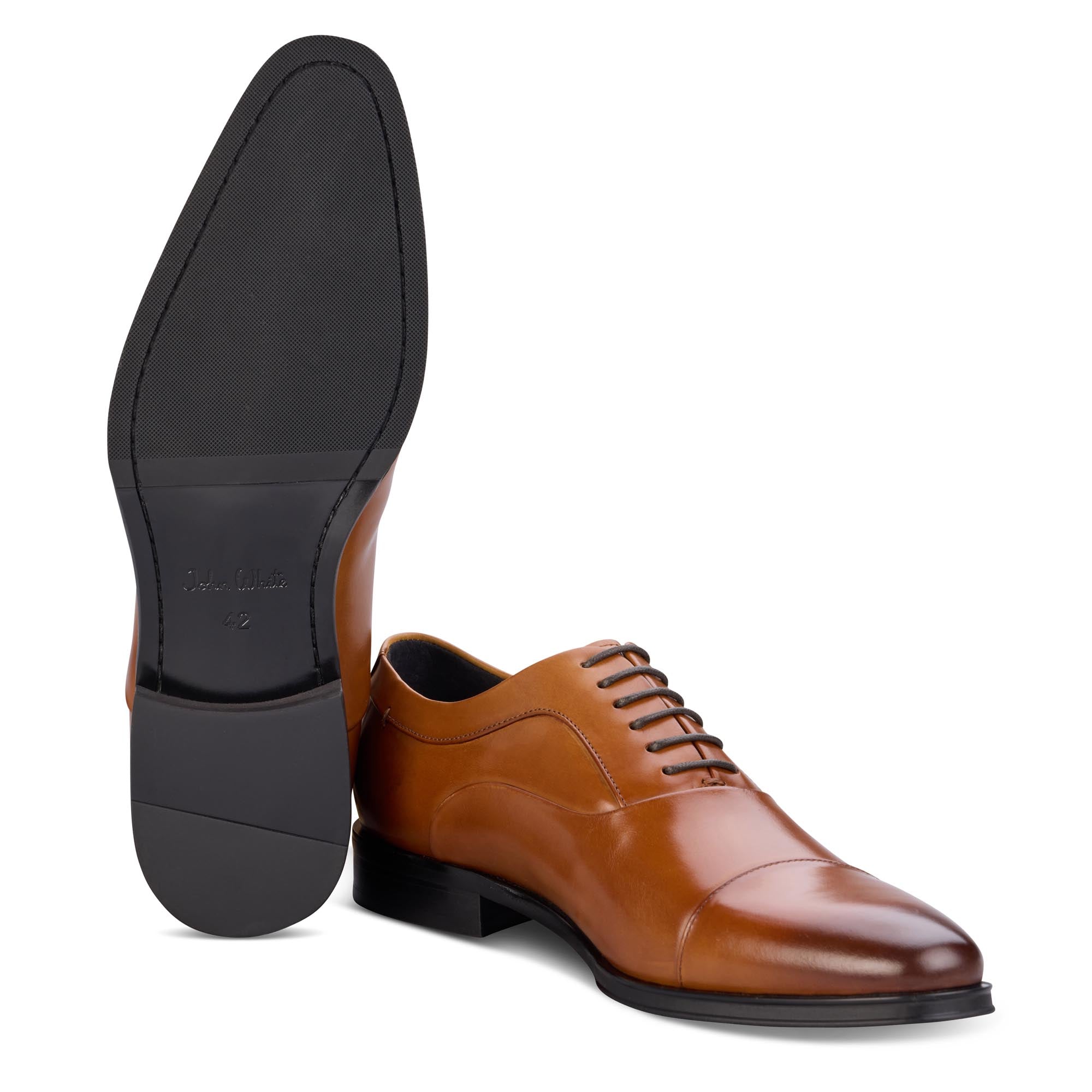
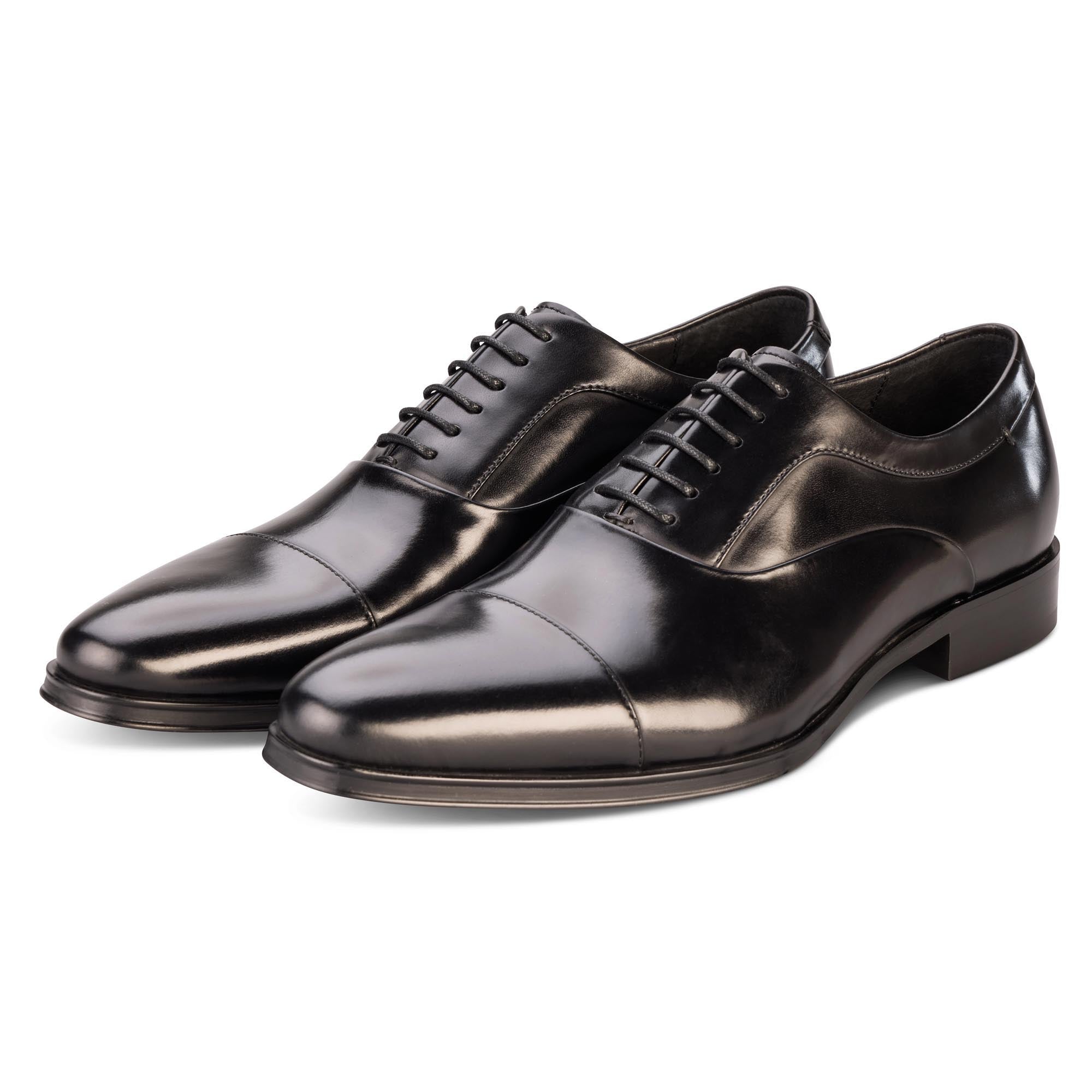
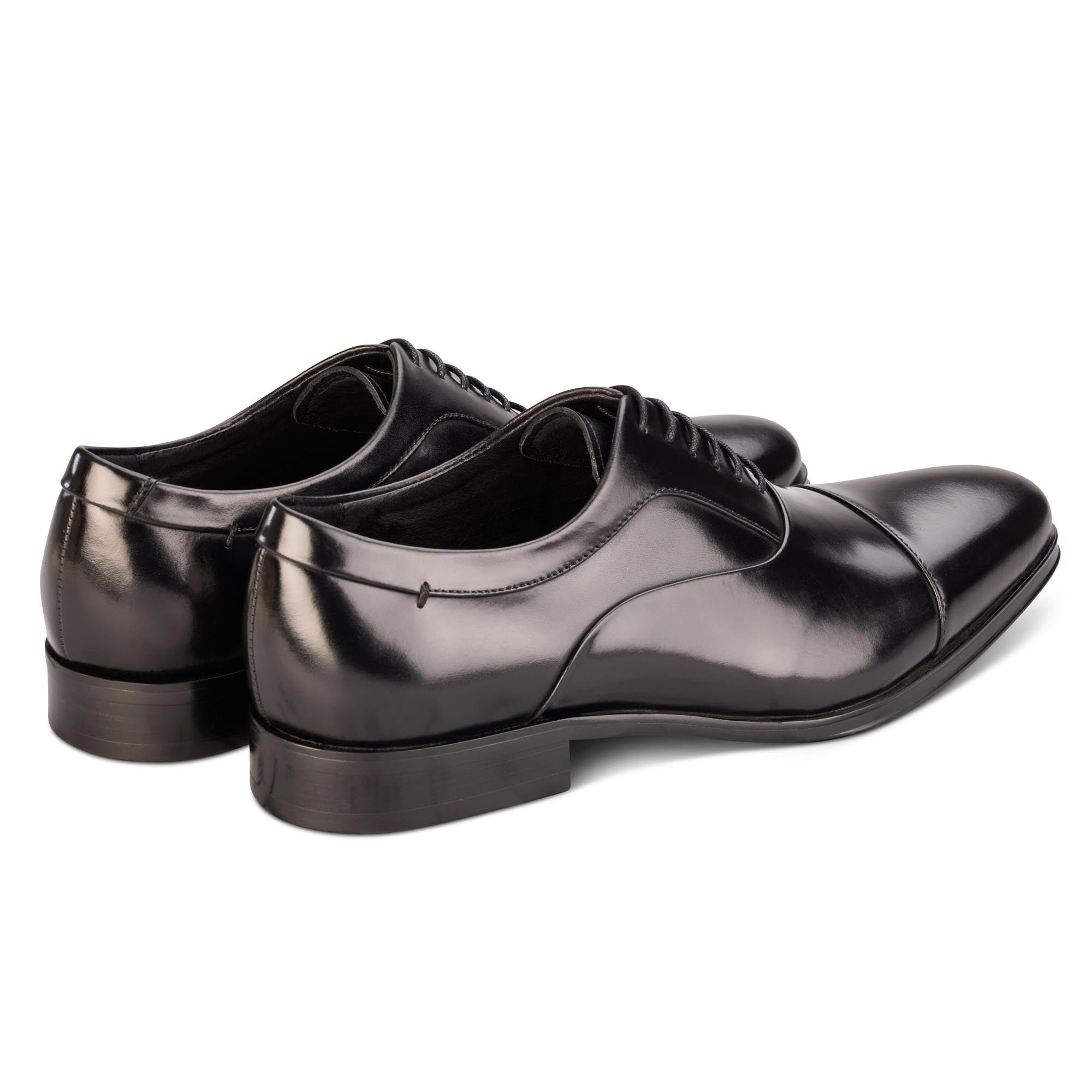
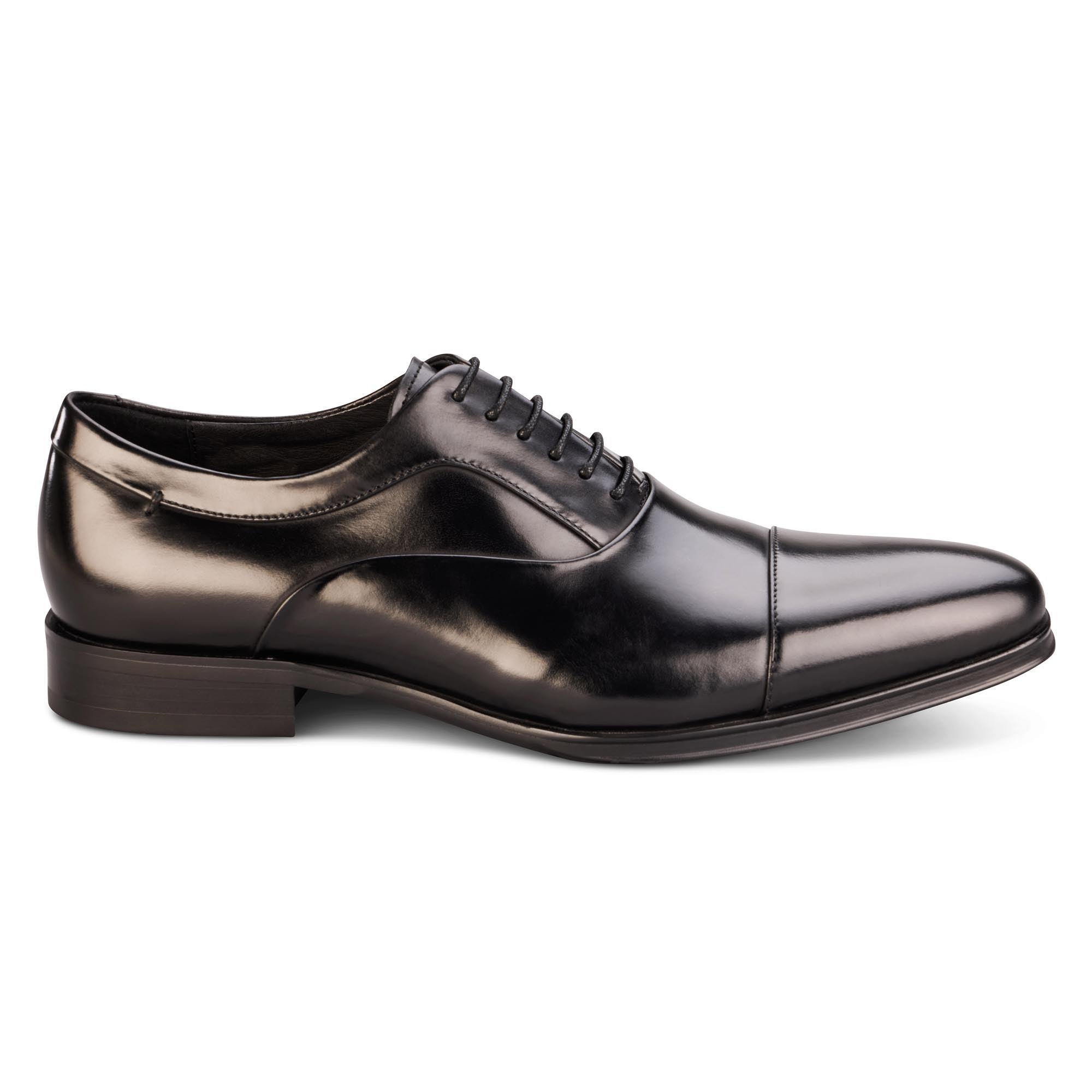
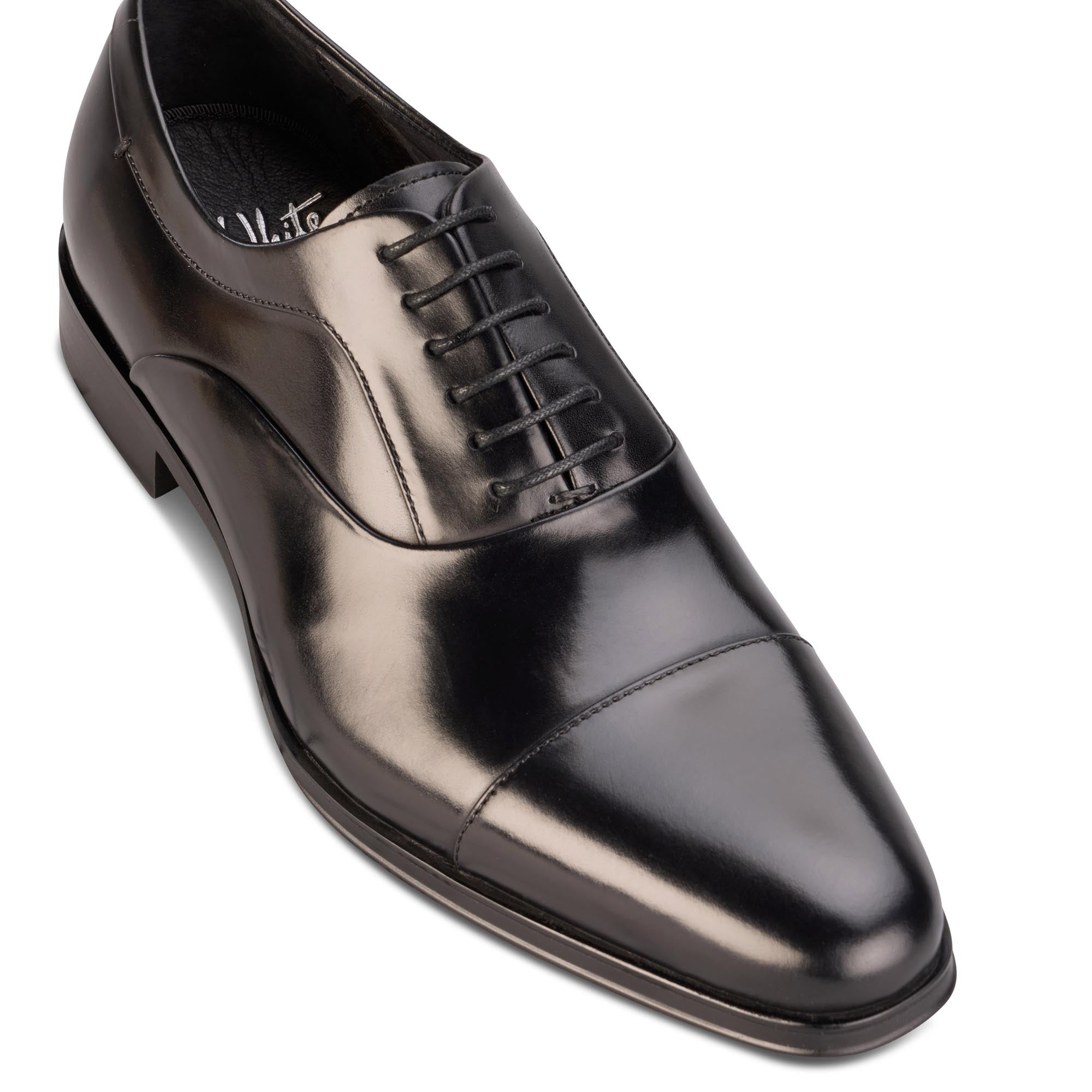
Oxford shoes have a closed lacing system where the facings are stitched beneath the vamp. This creates a refined, formal silhouette but limits how far the shoe can open. Men with wider feet consistently find Oxford styles more restrictive, particularly at the instep under a full day's wear. Our guide to Oxford vs Derby shoes covers this distinction in full, including how it affects both style and fit.
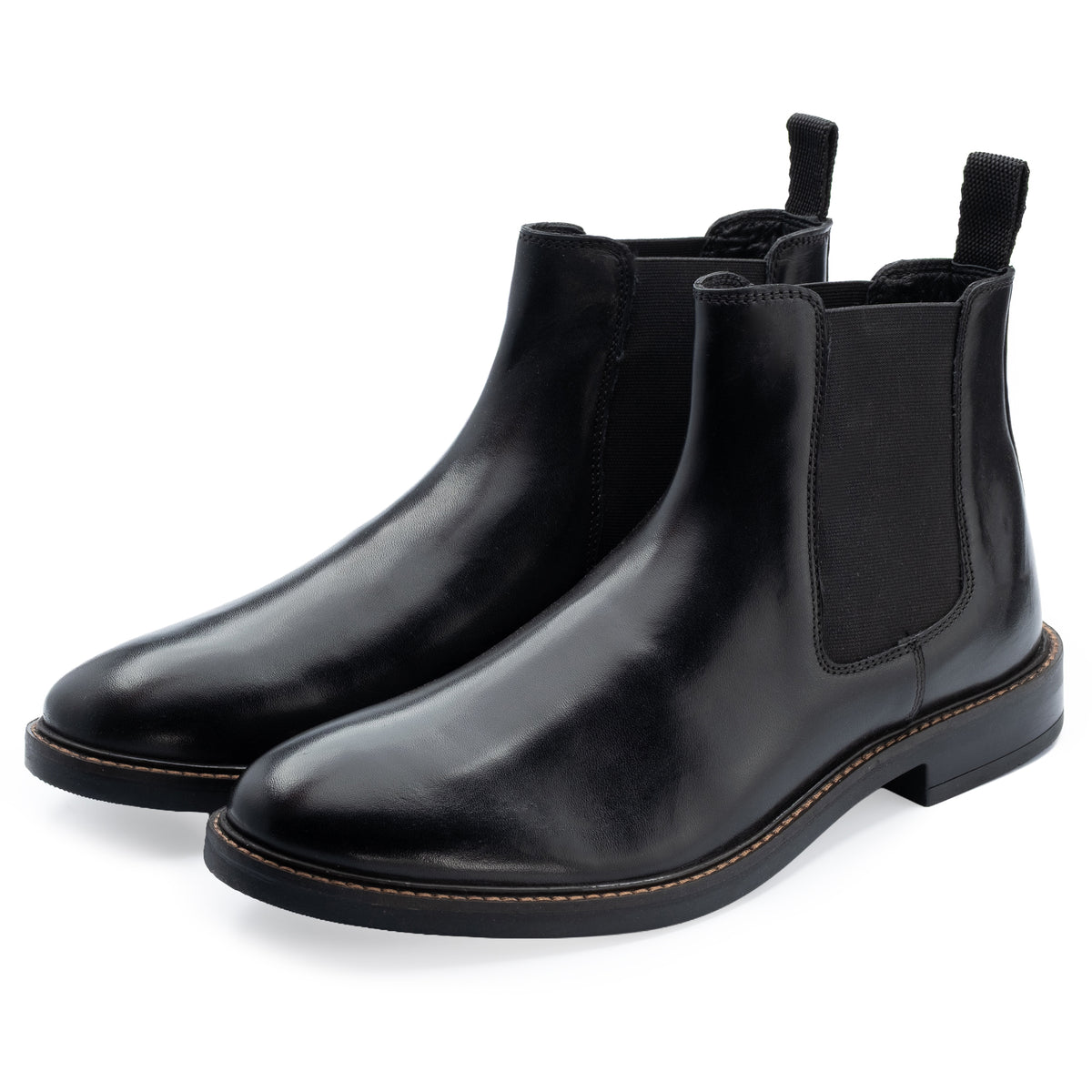
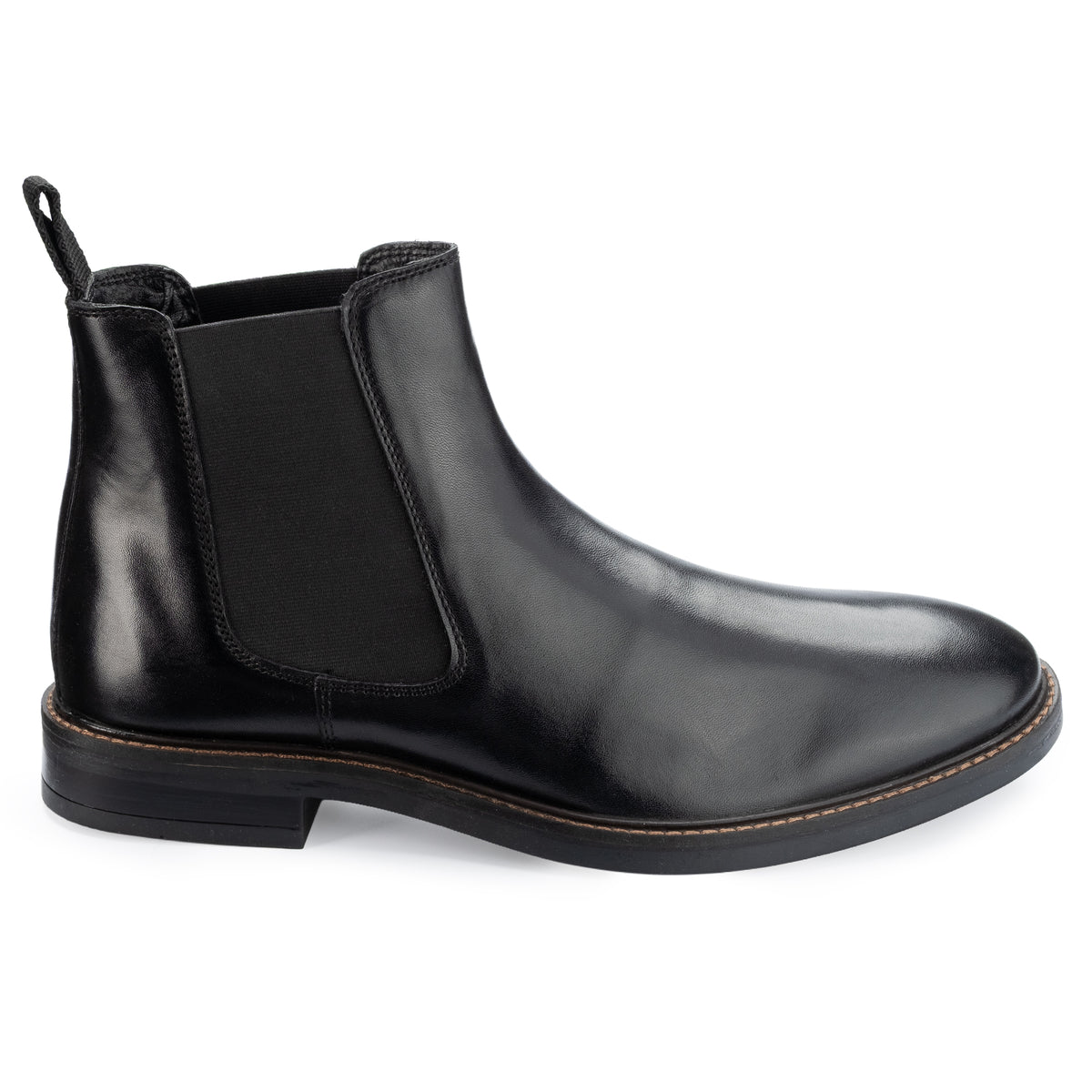
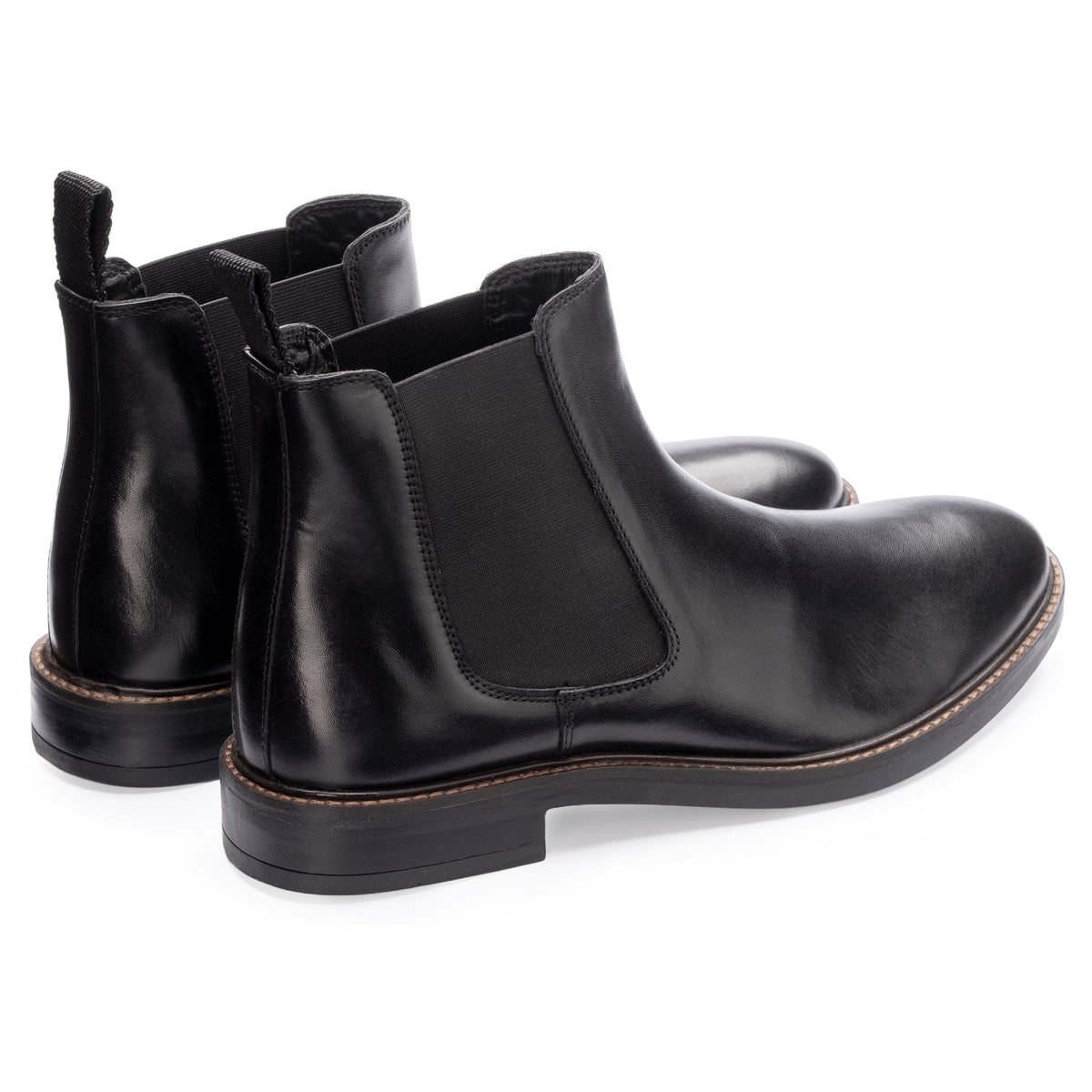
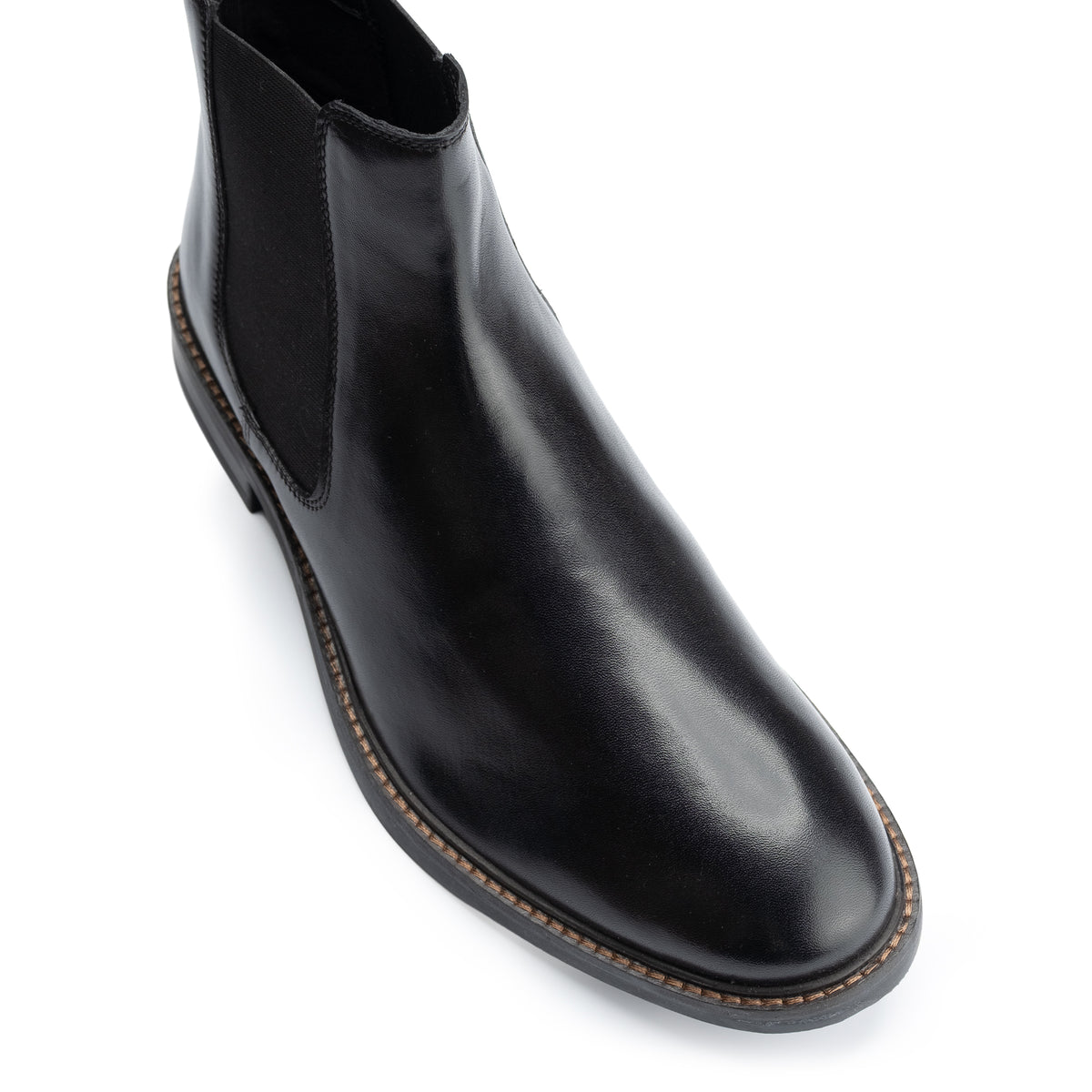
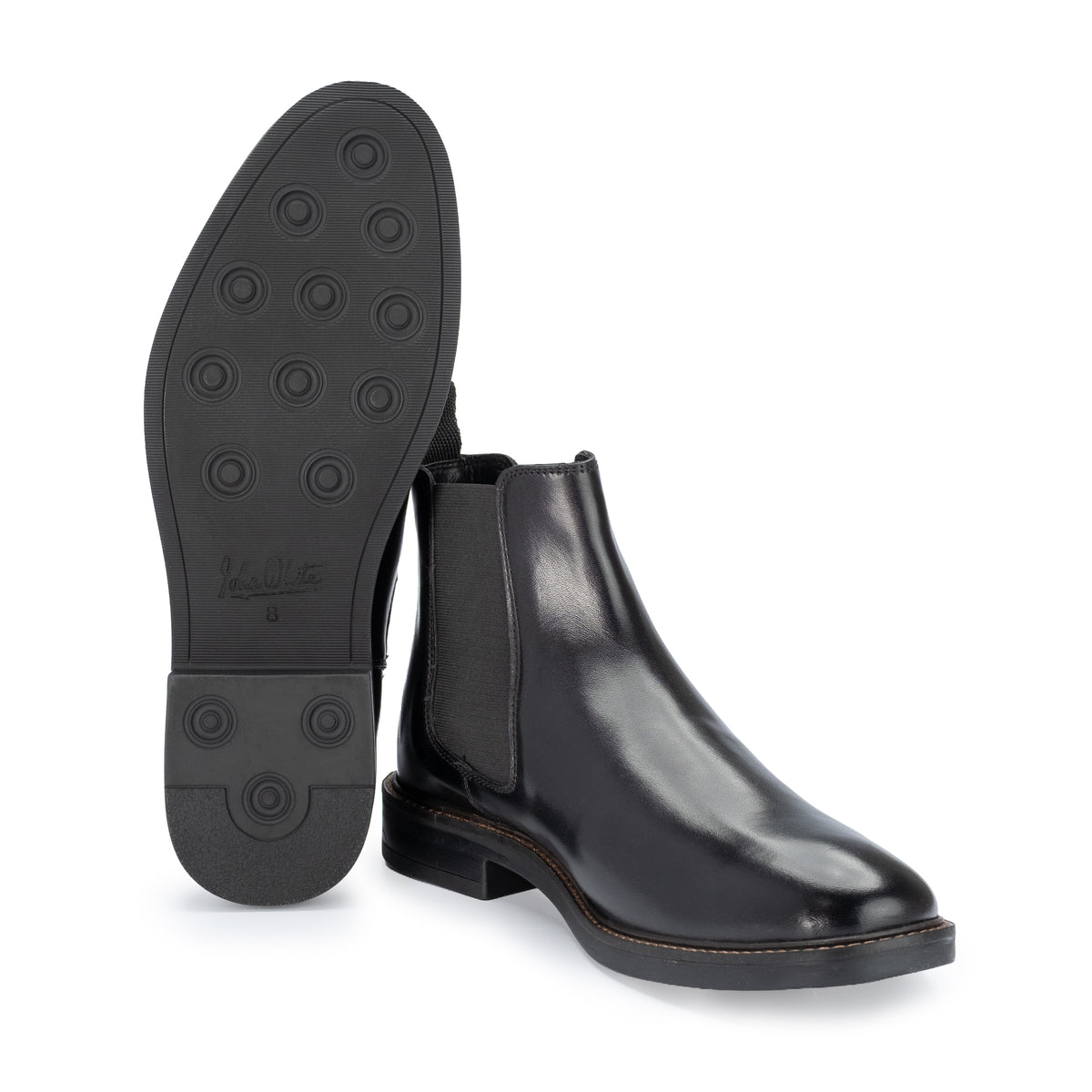
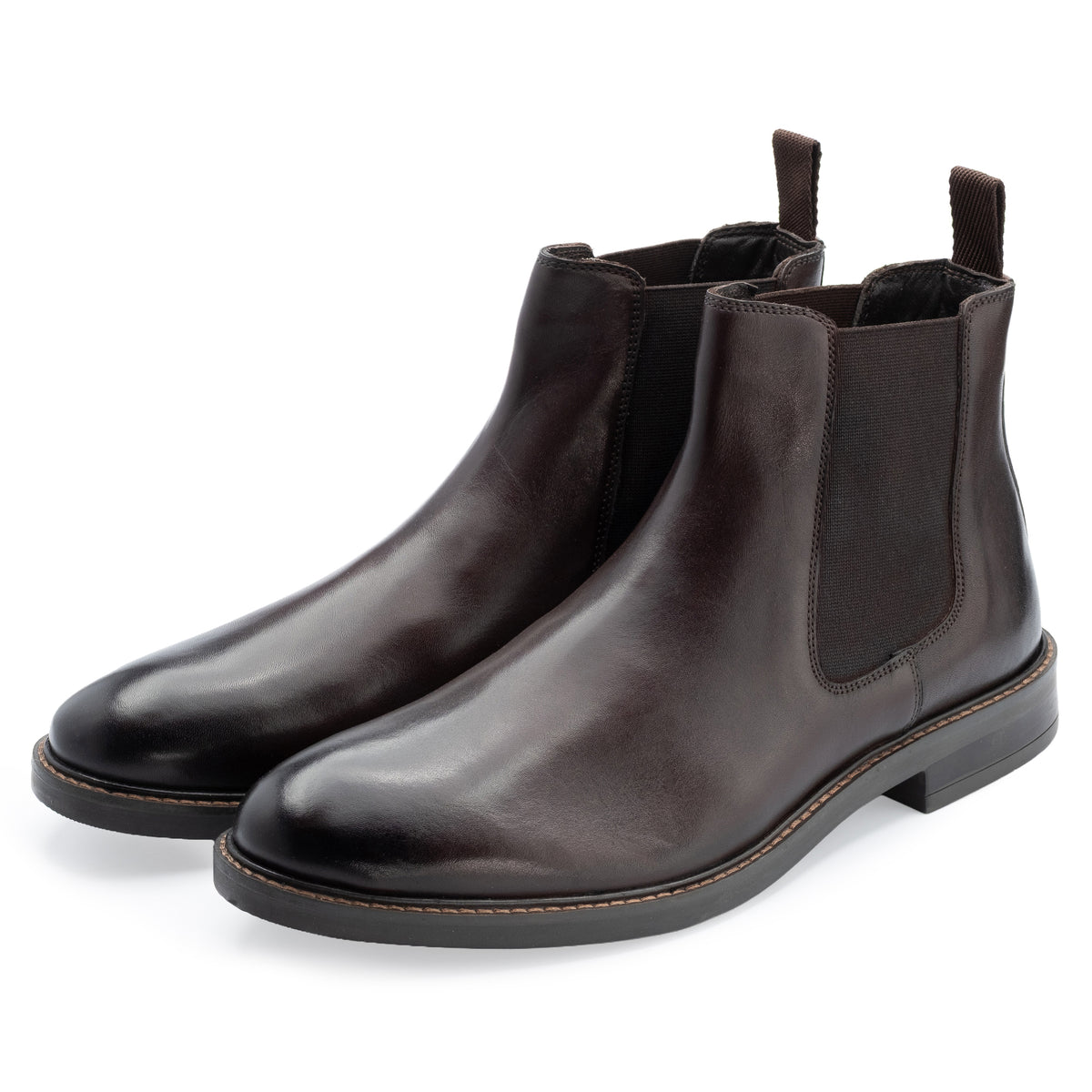
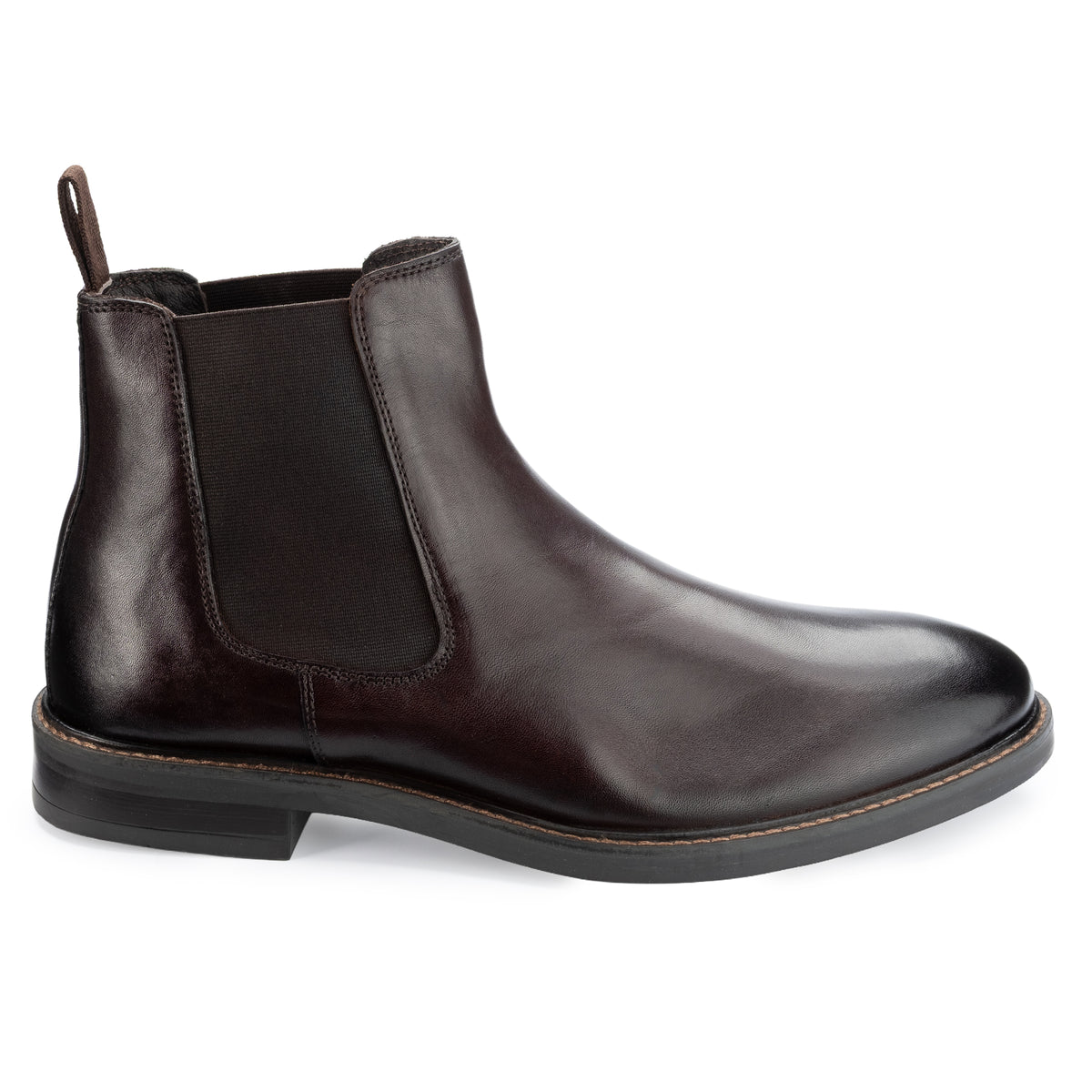
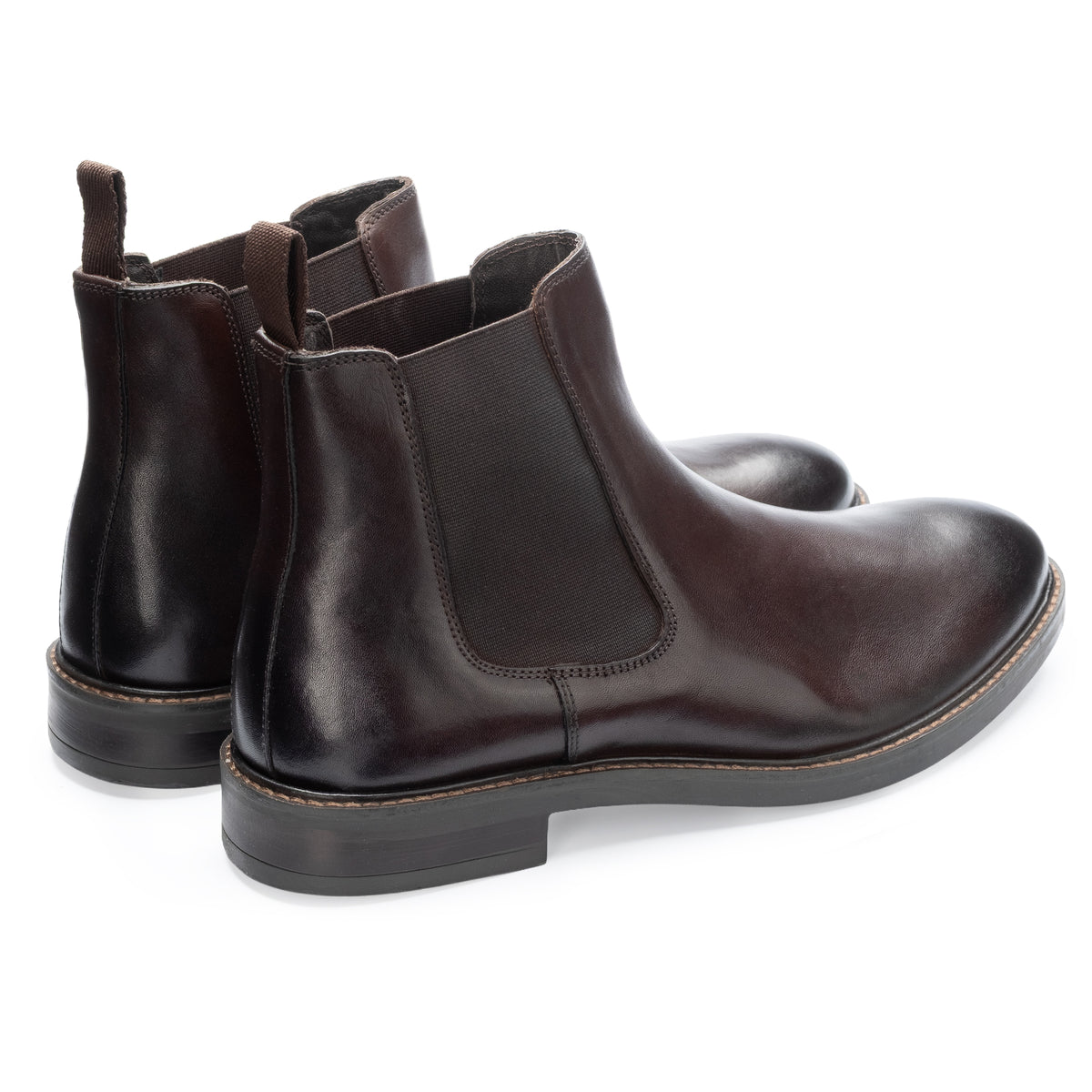
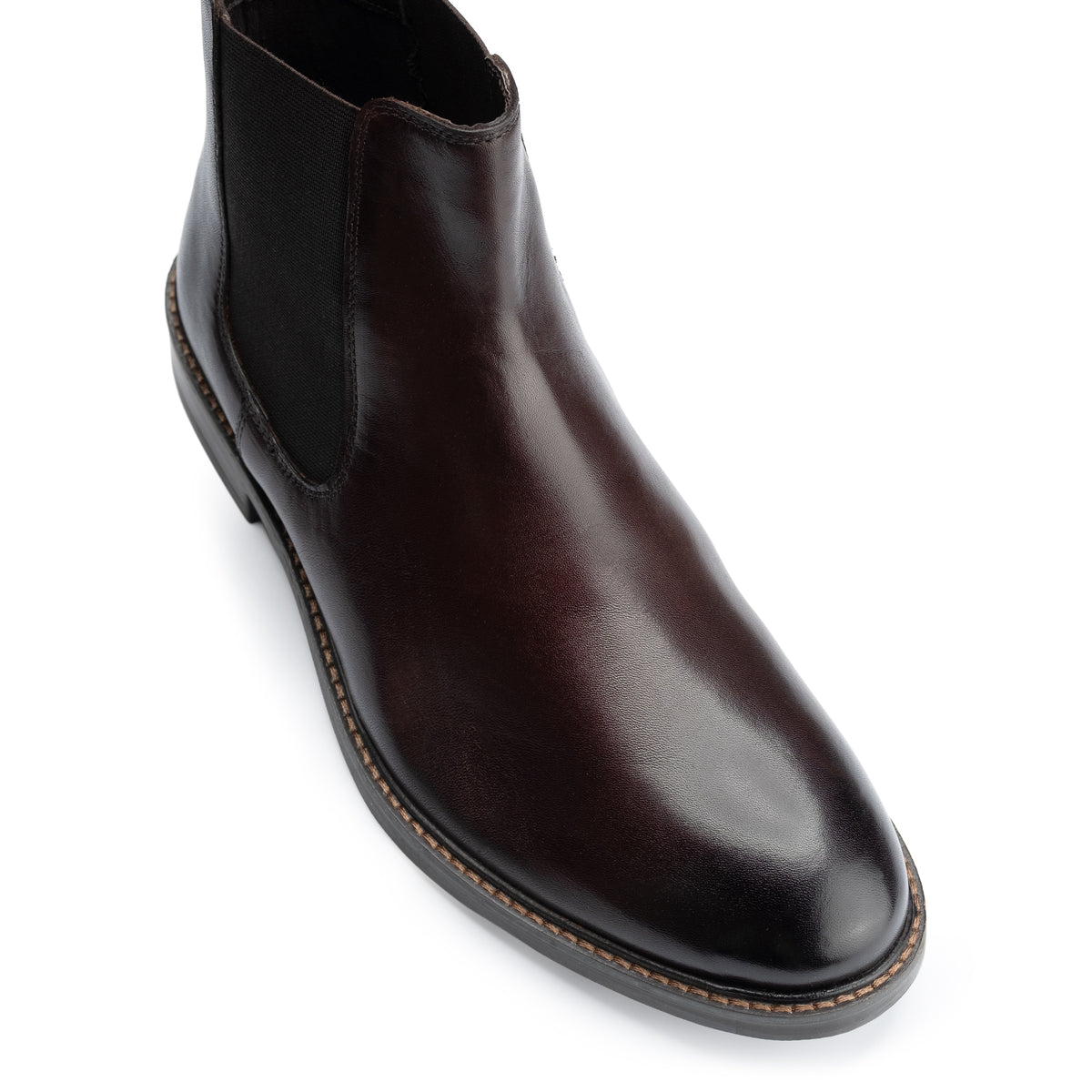
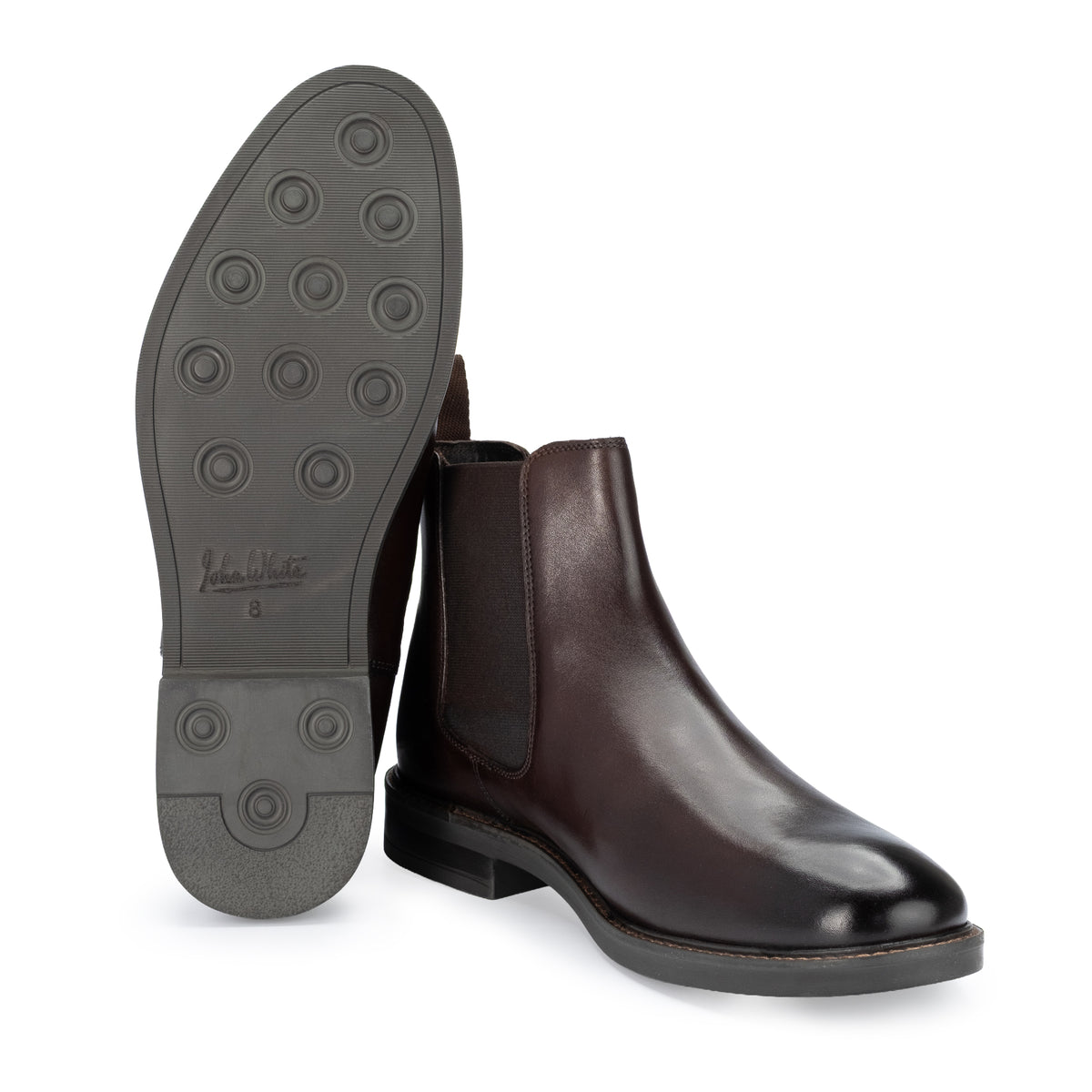
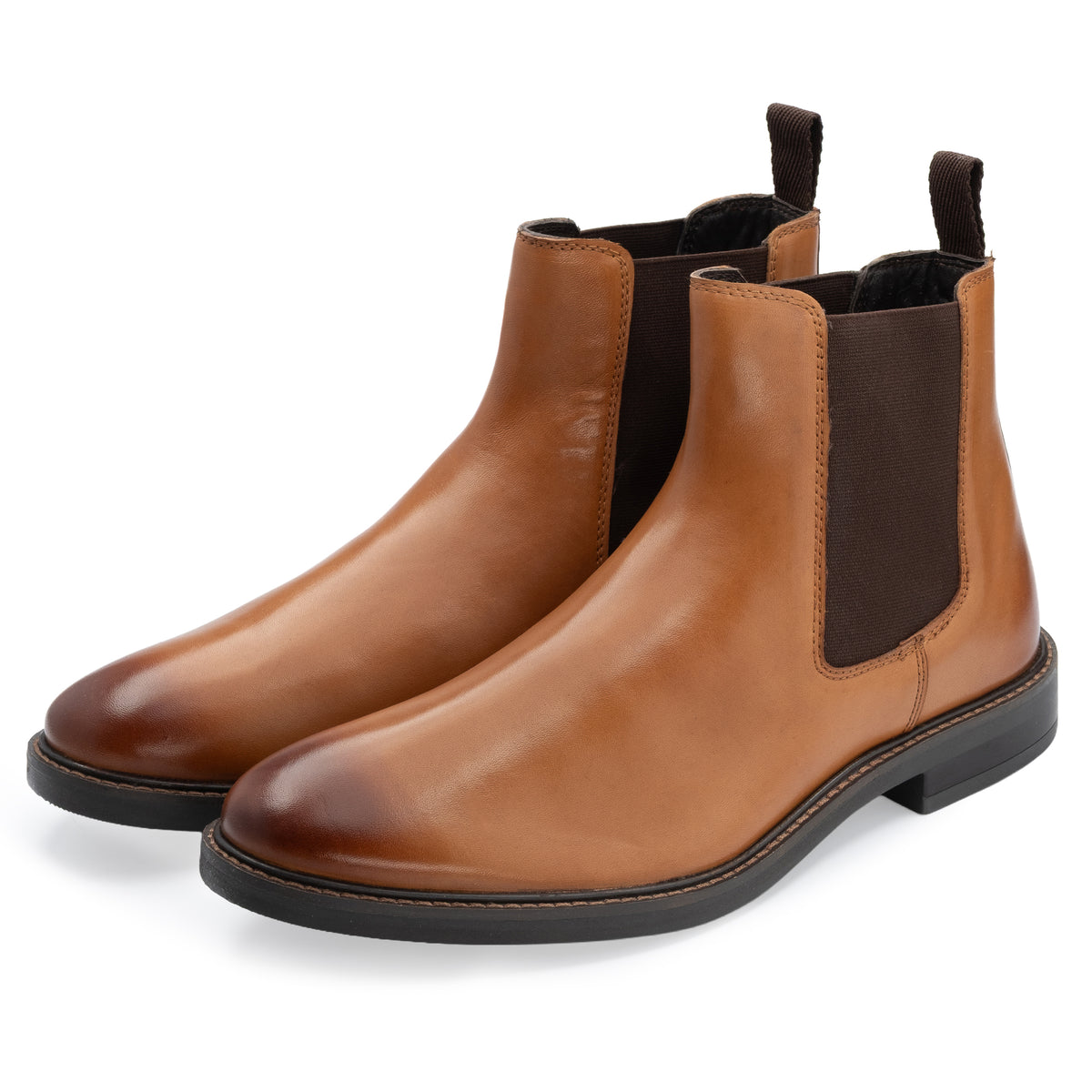
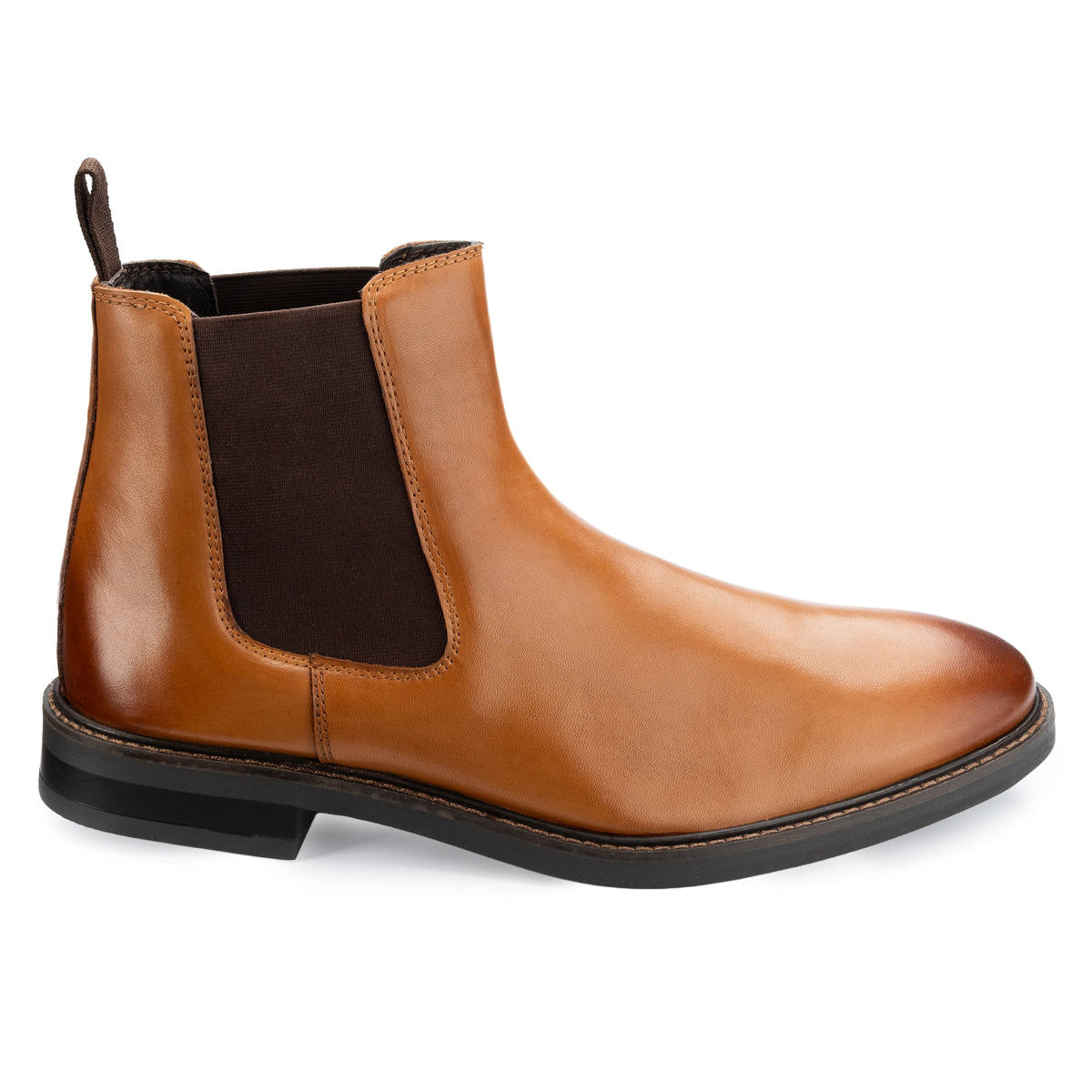
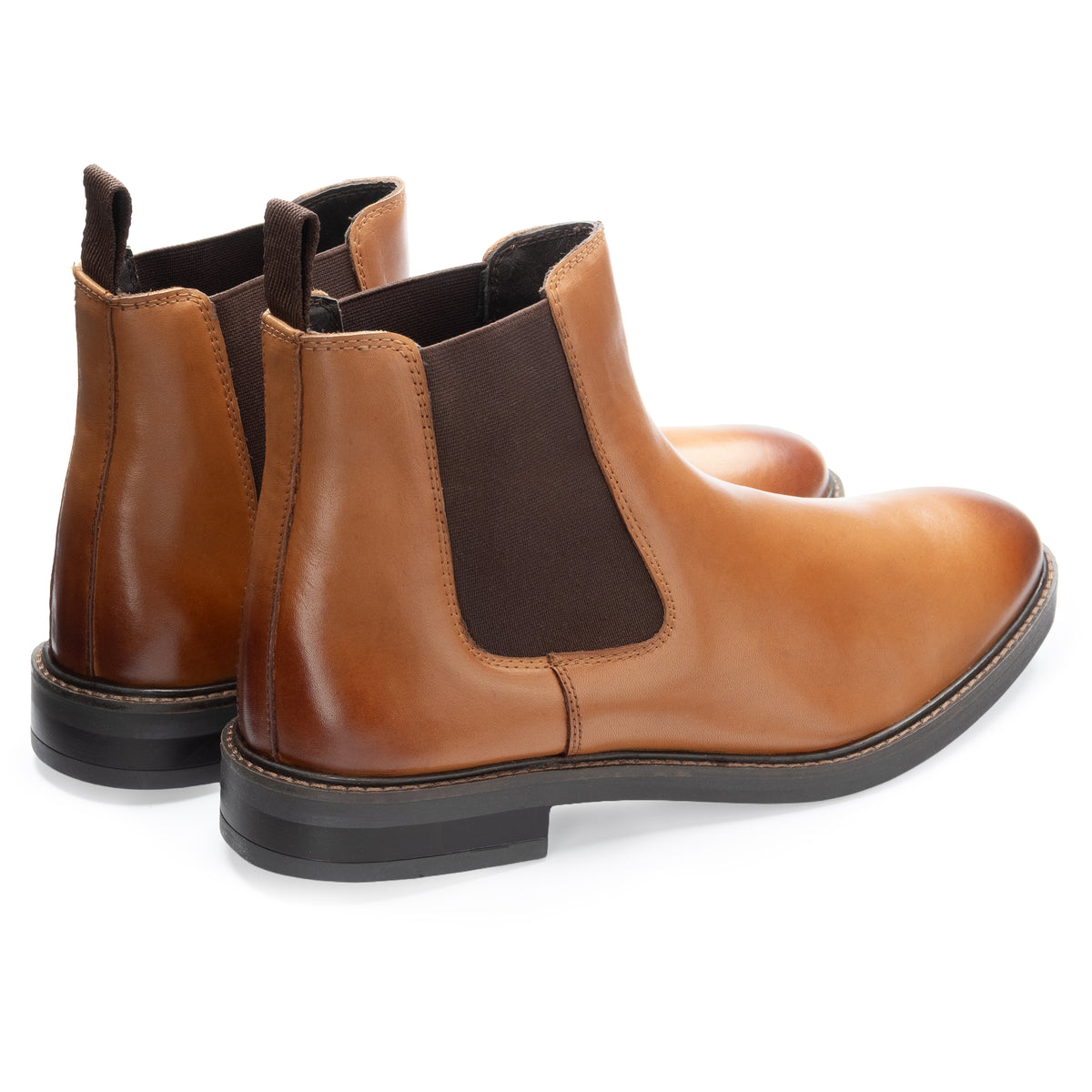
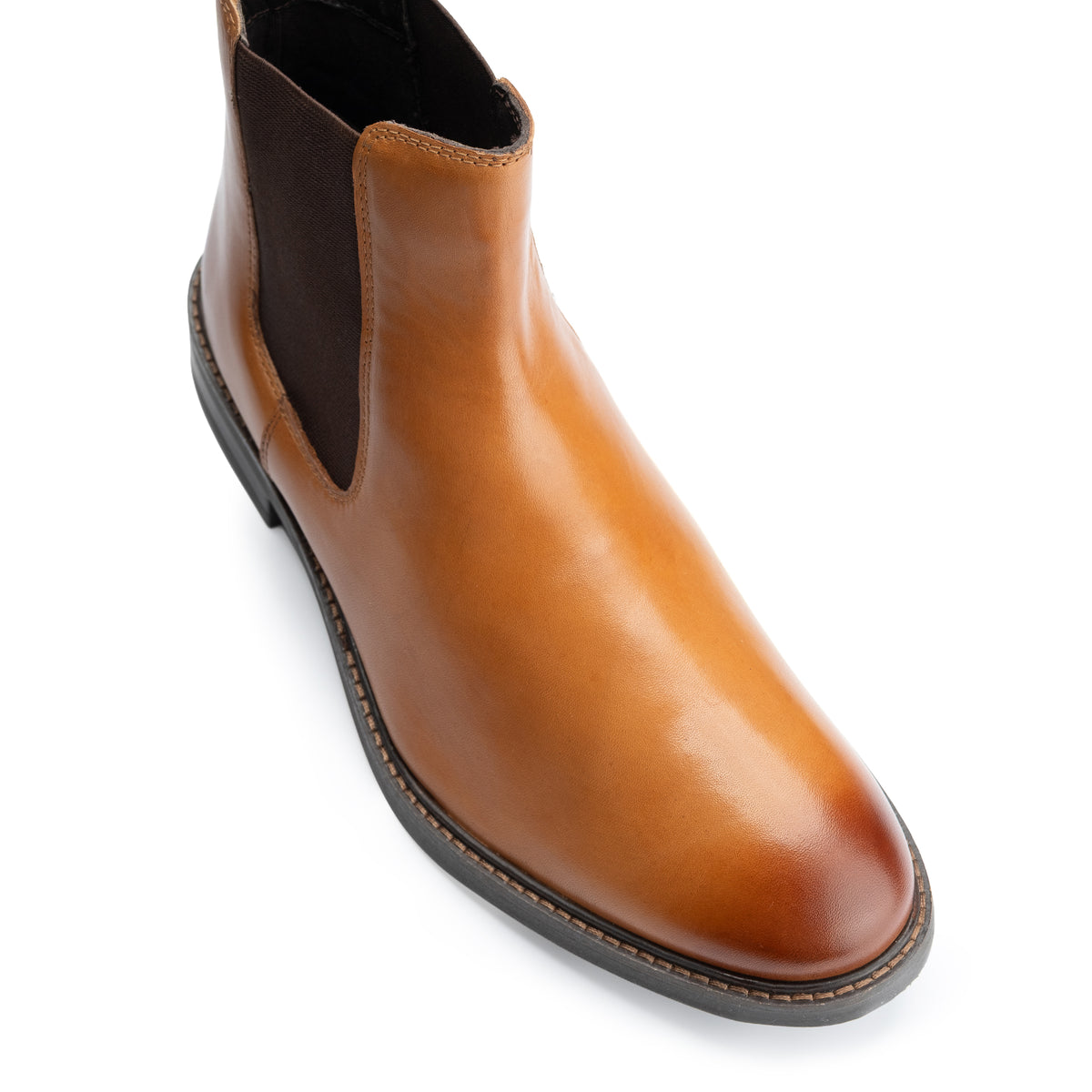
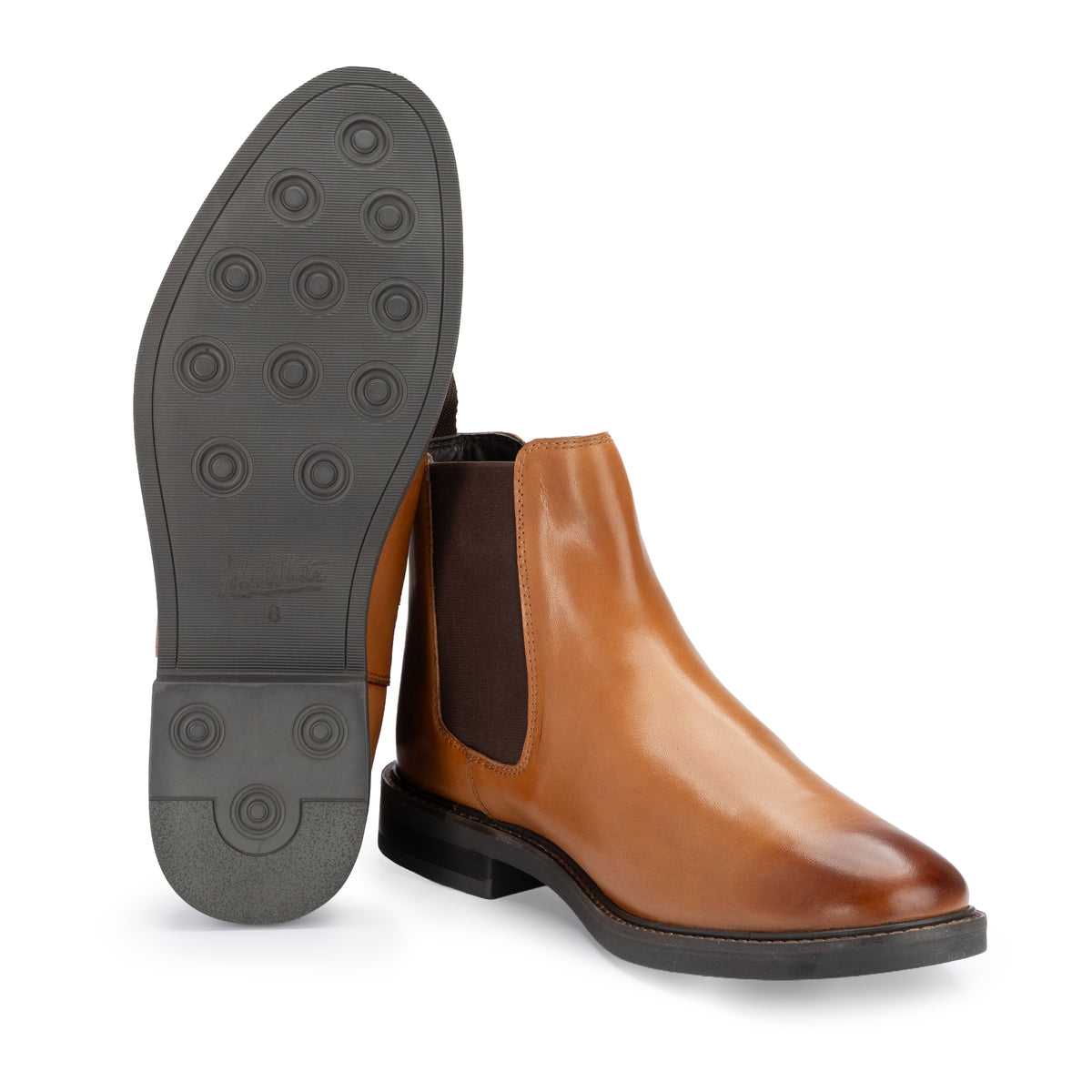
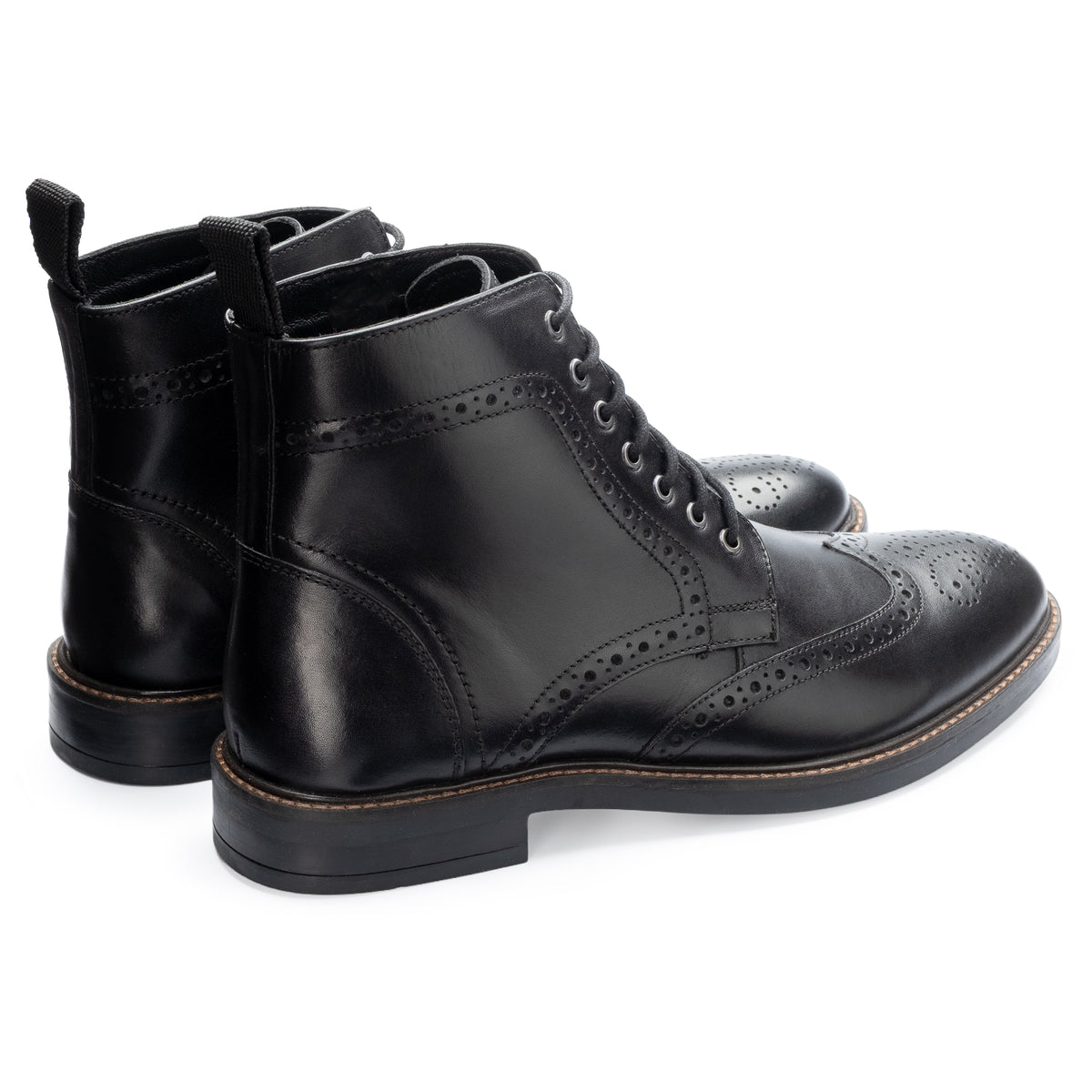
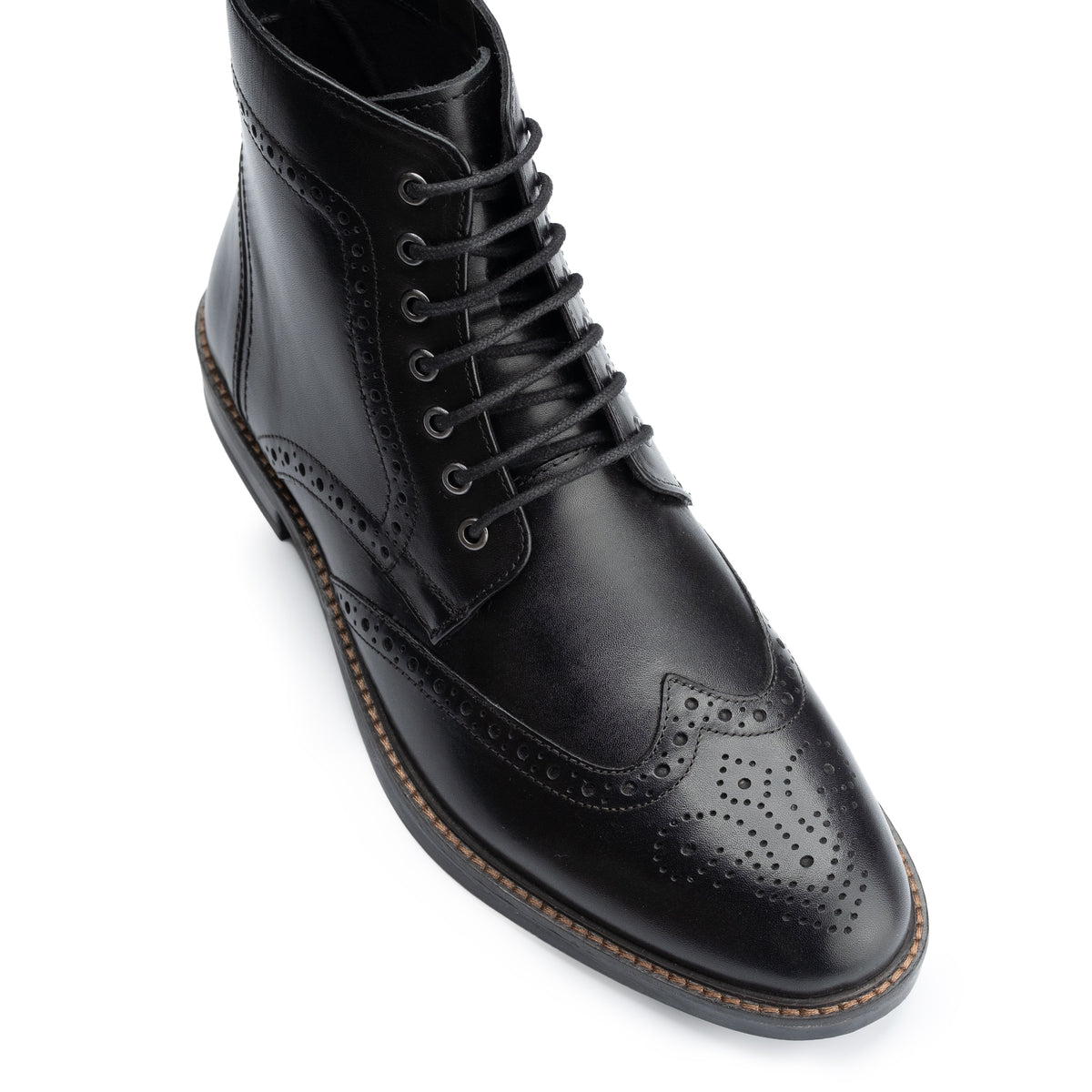
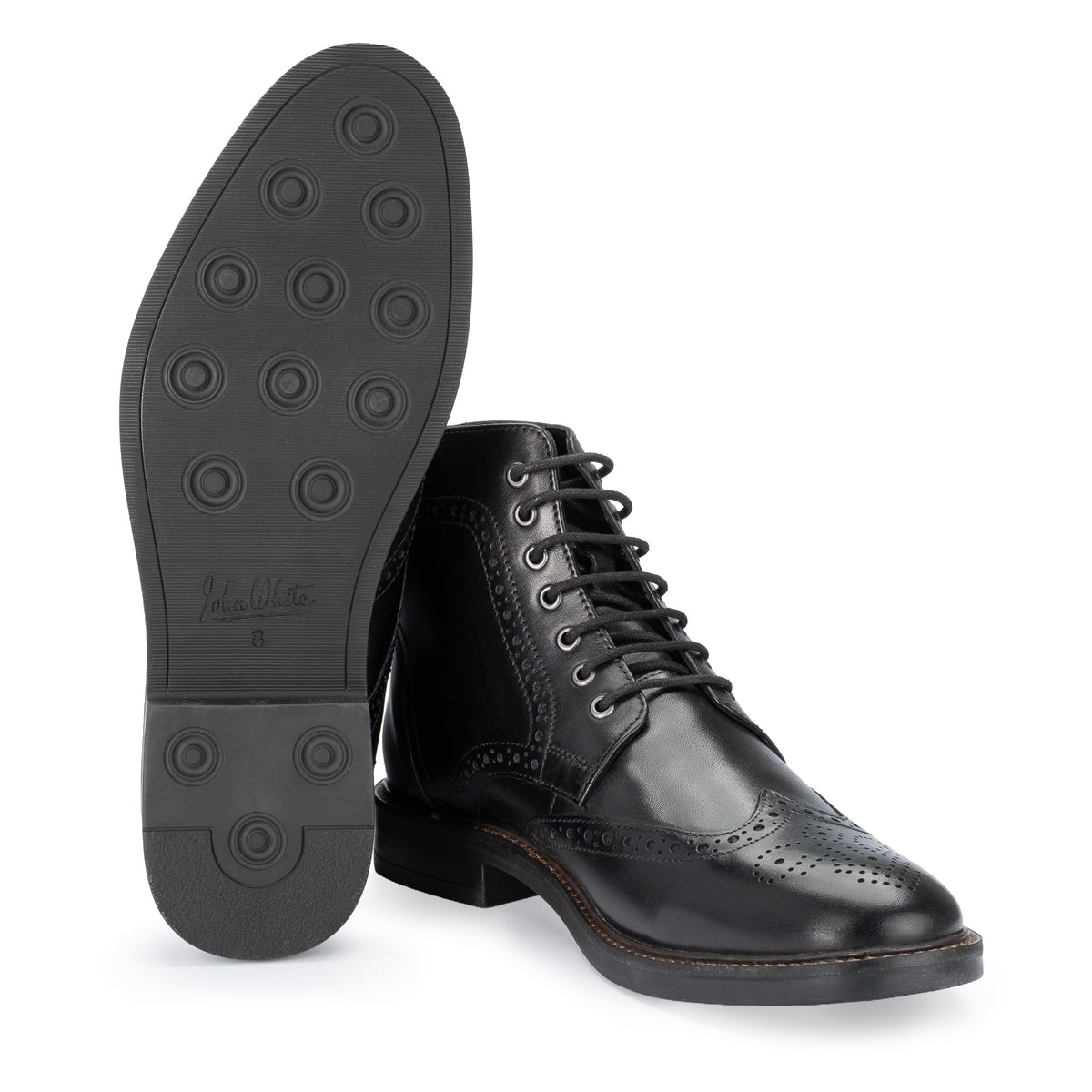
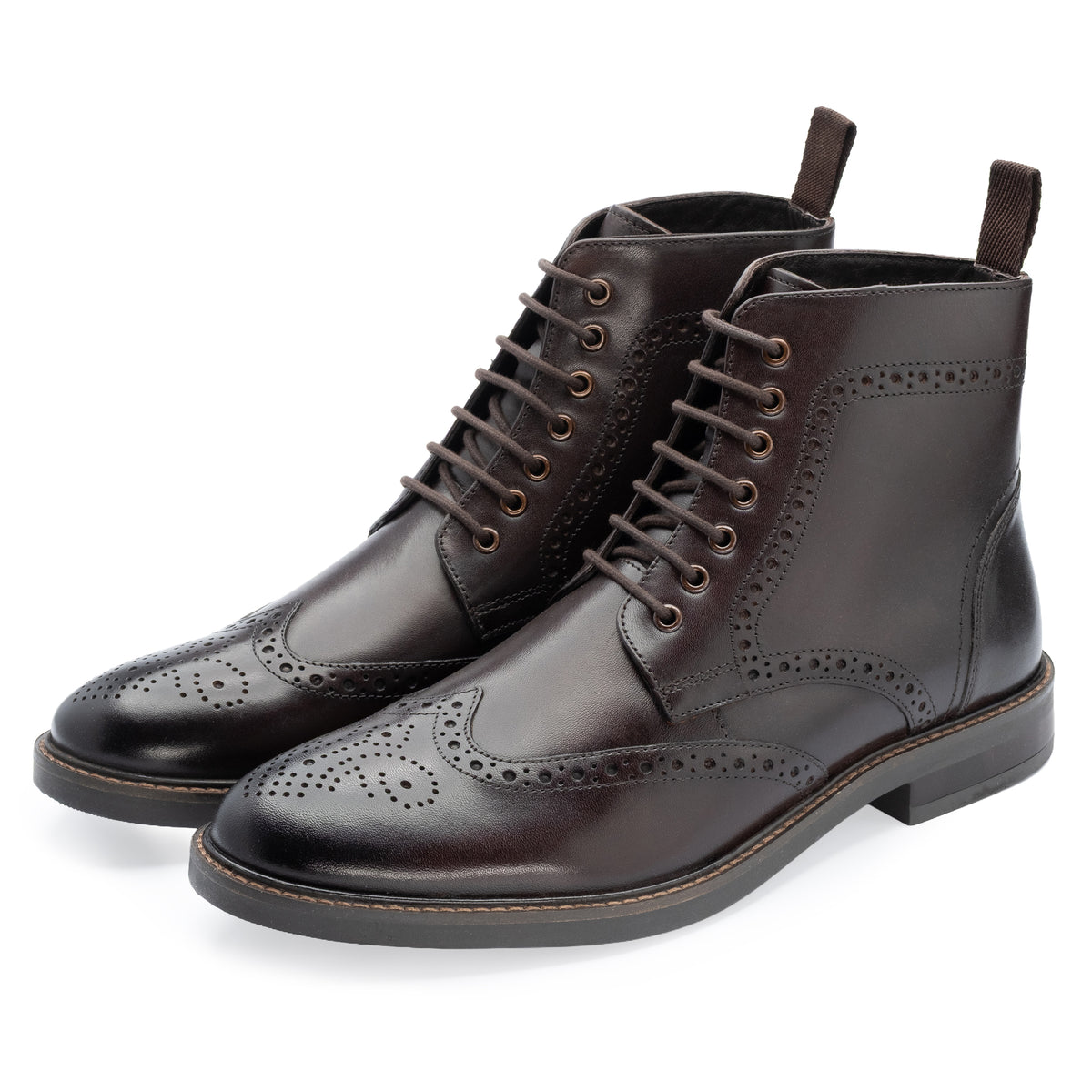
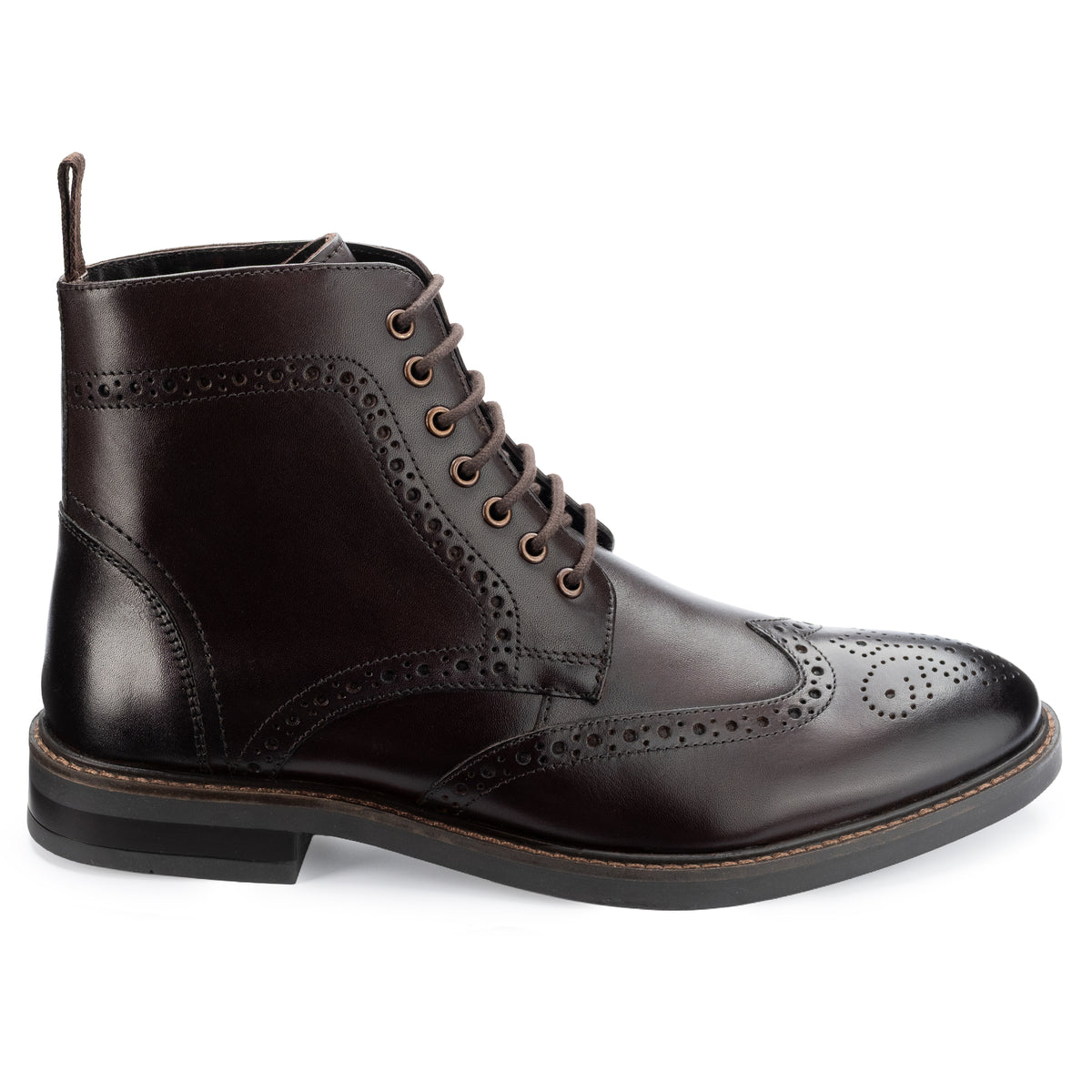
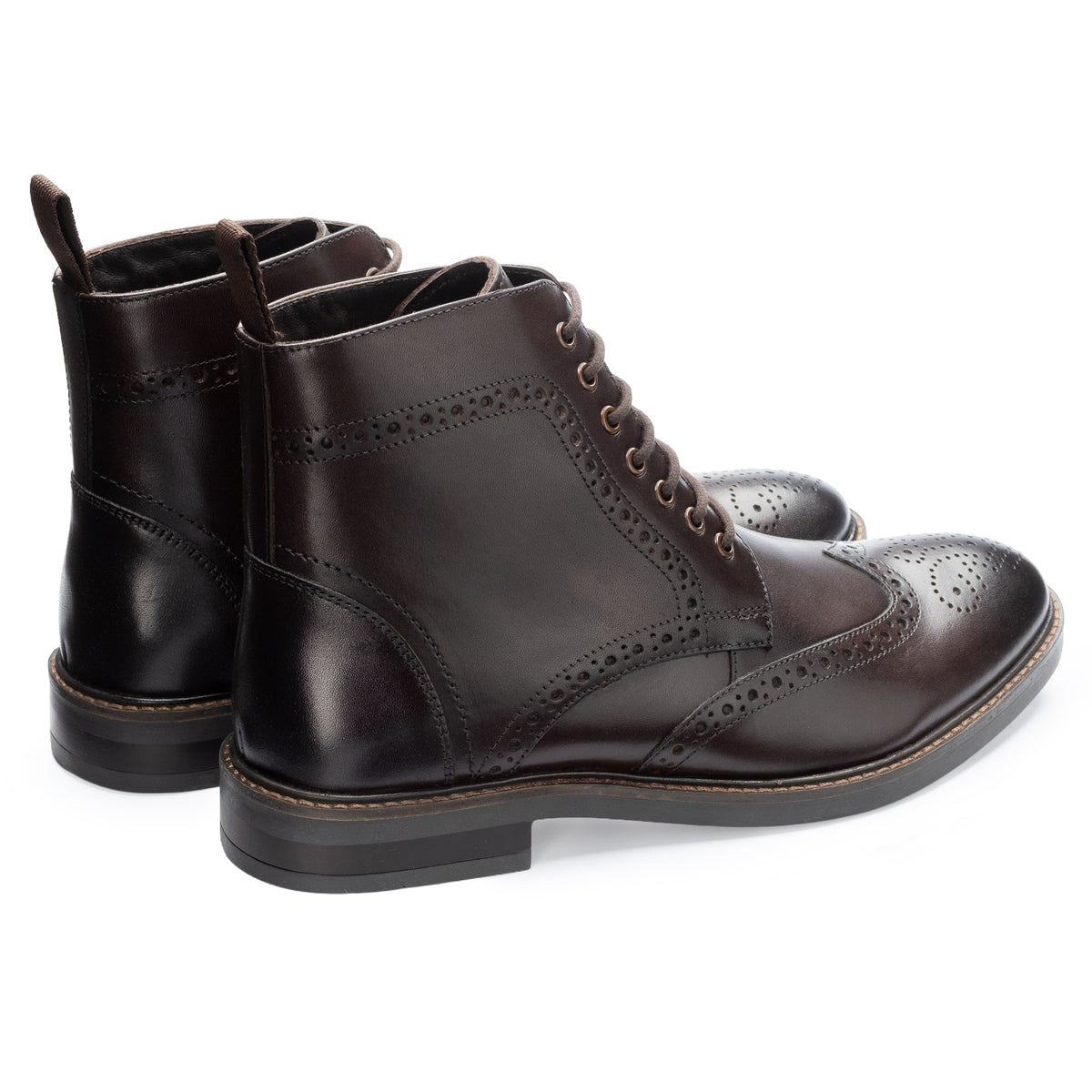
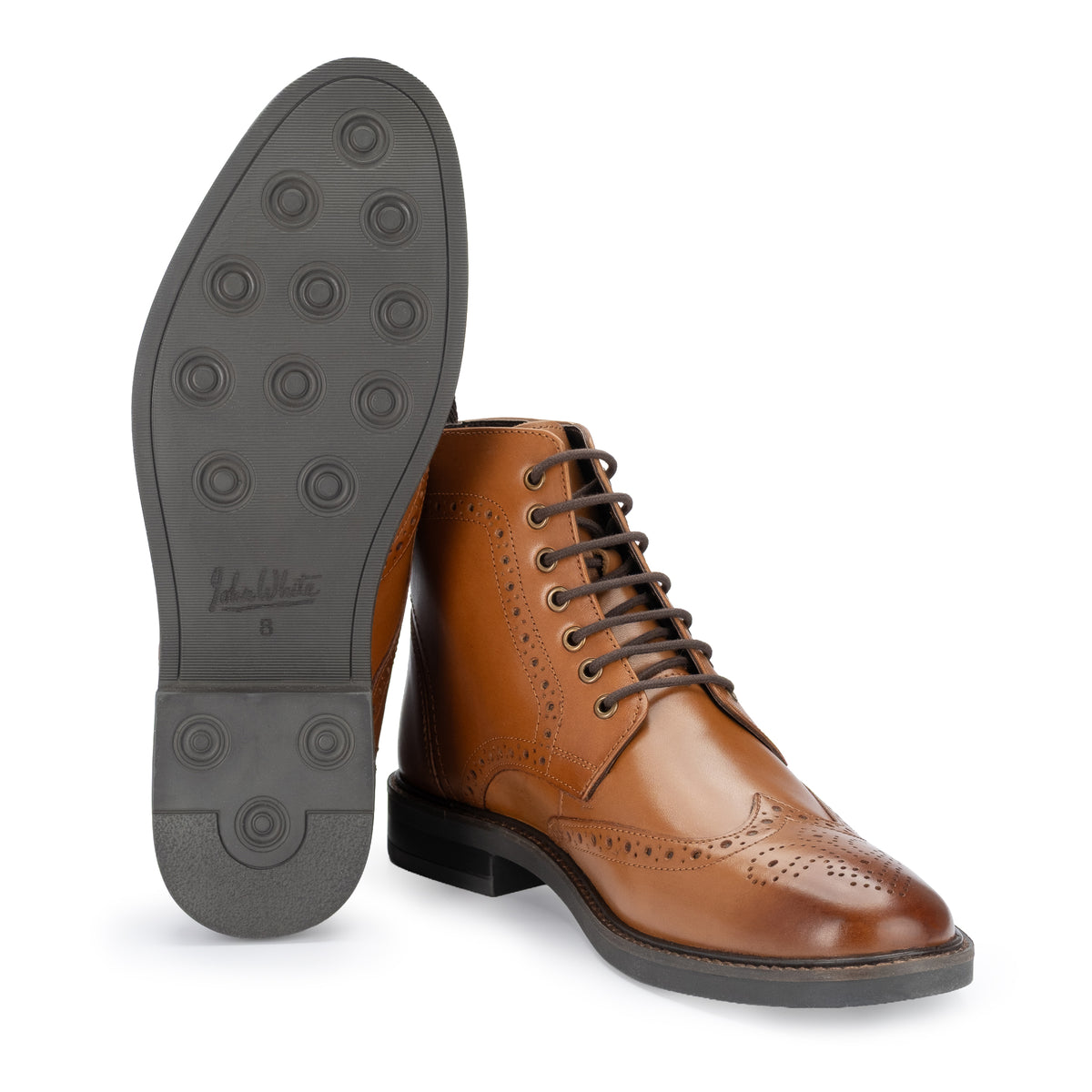
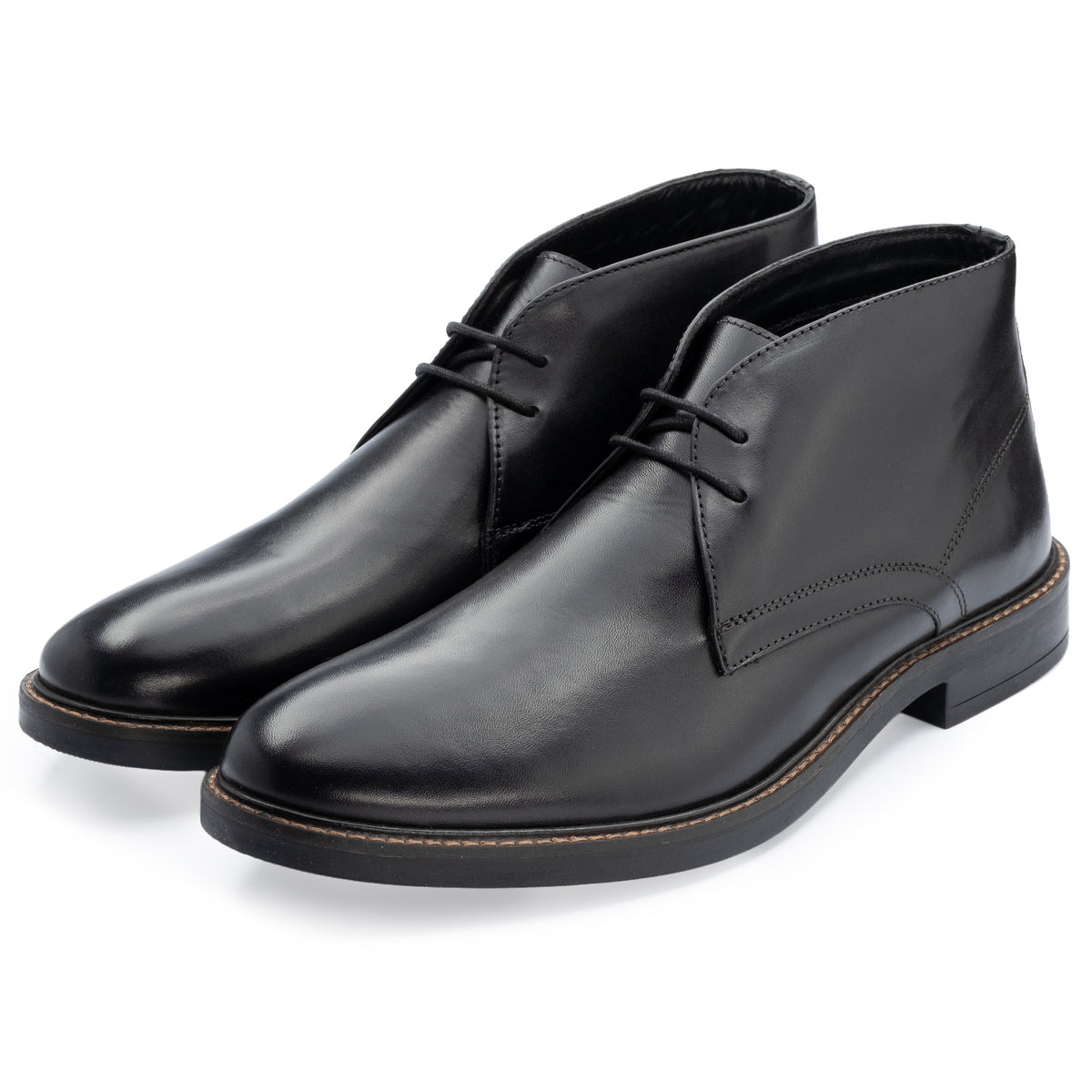
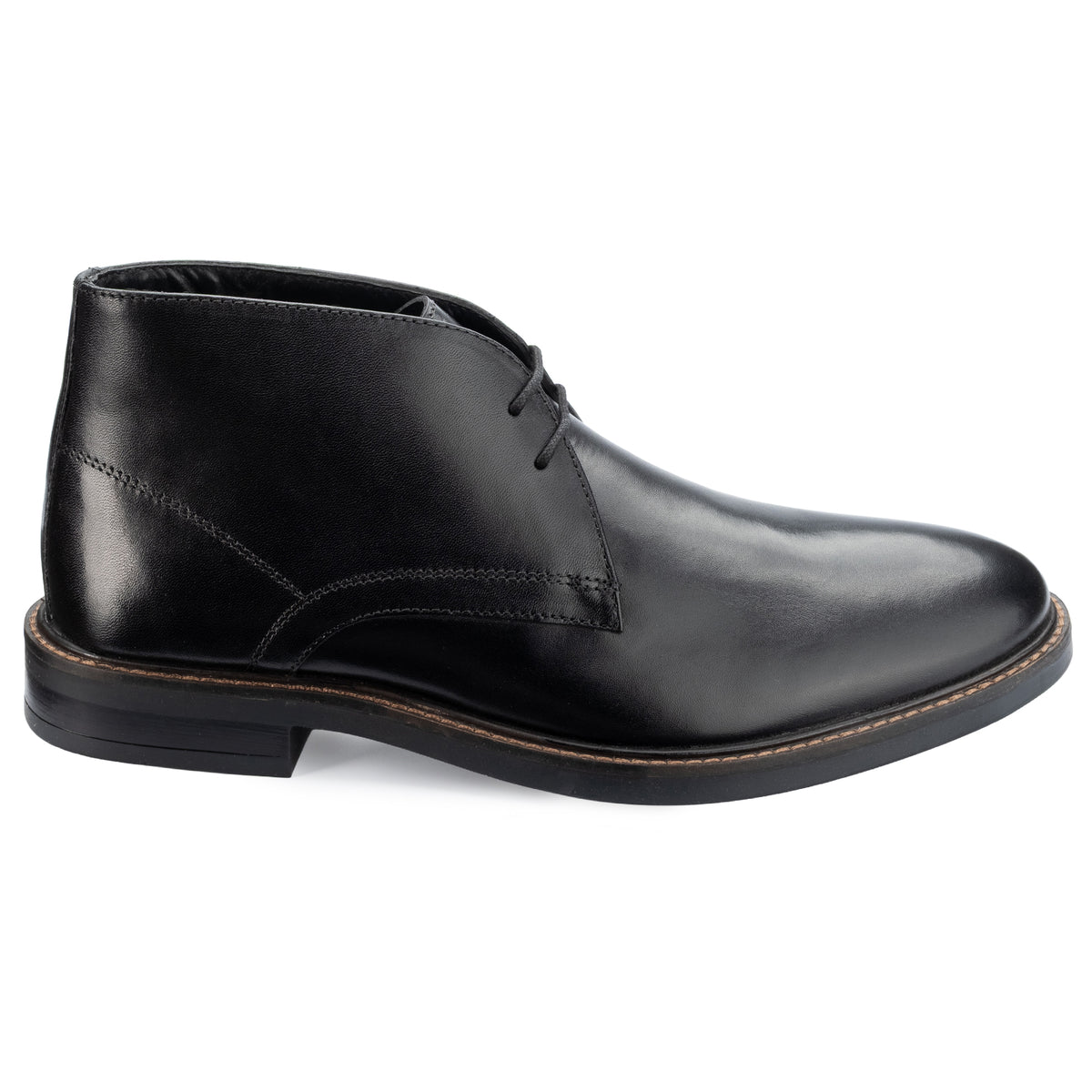
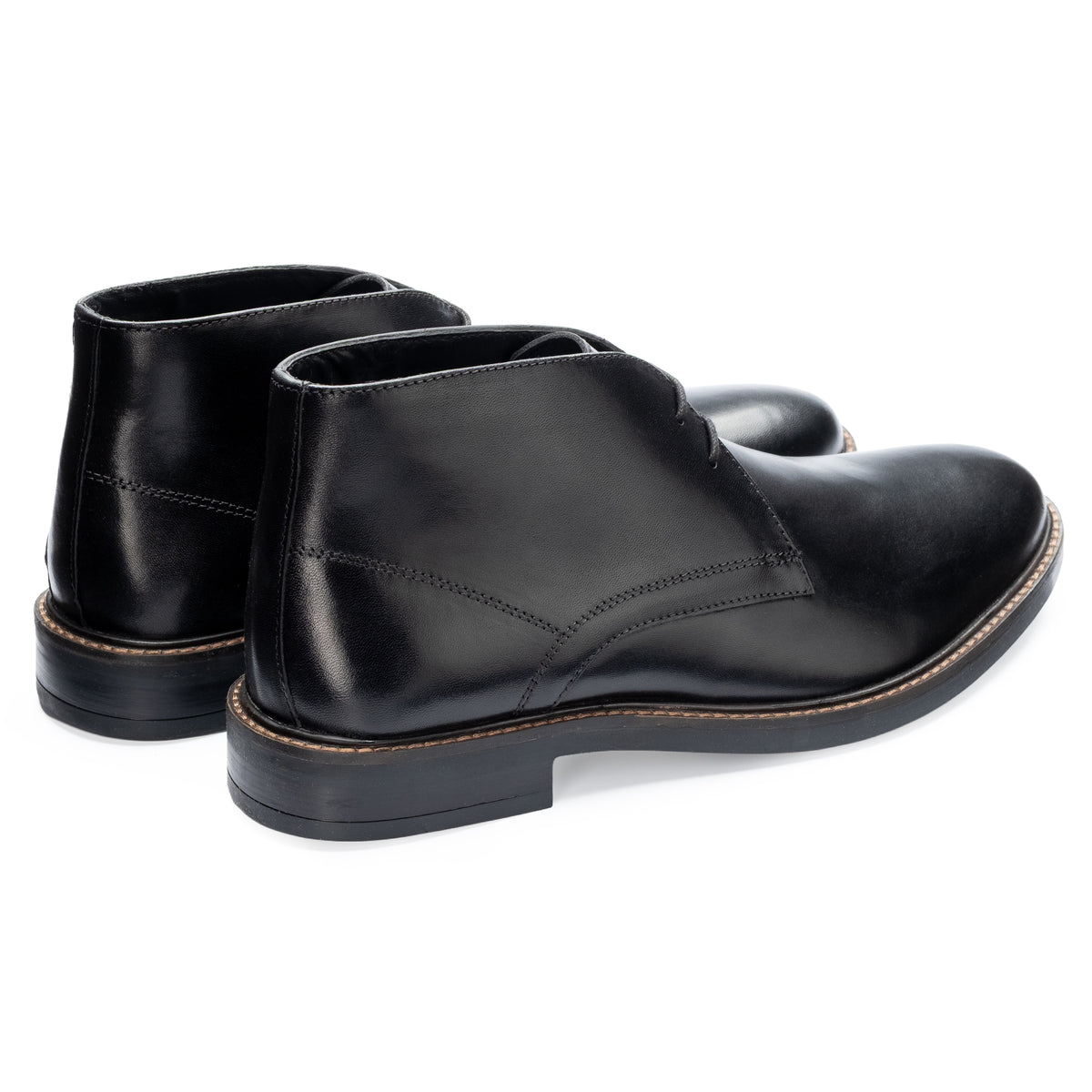
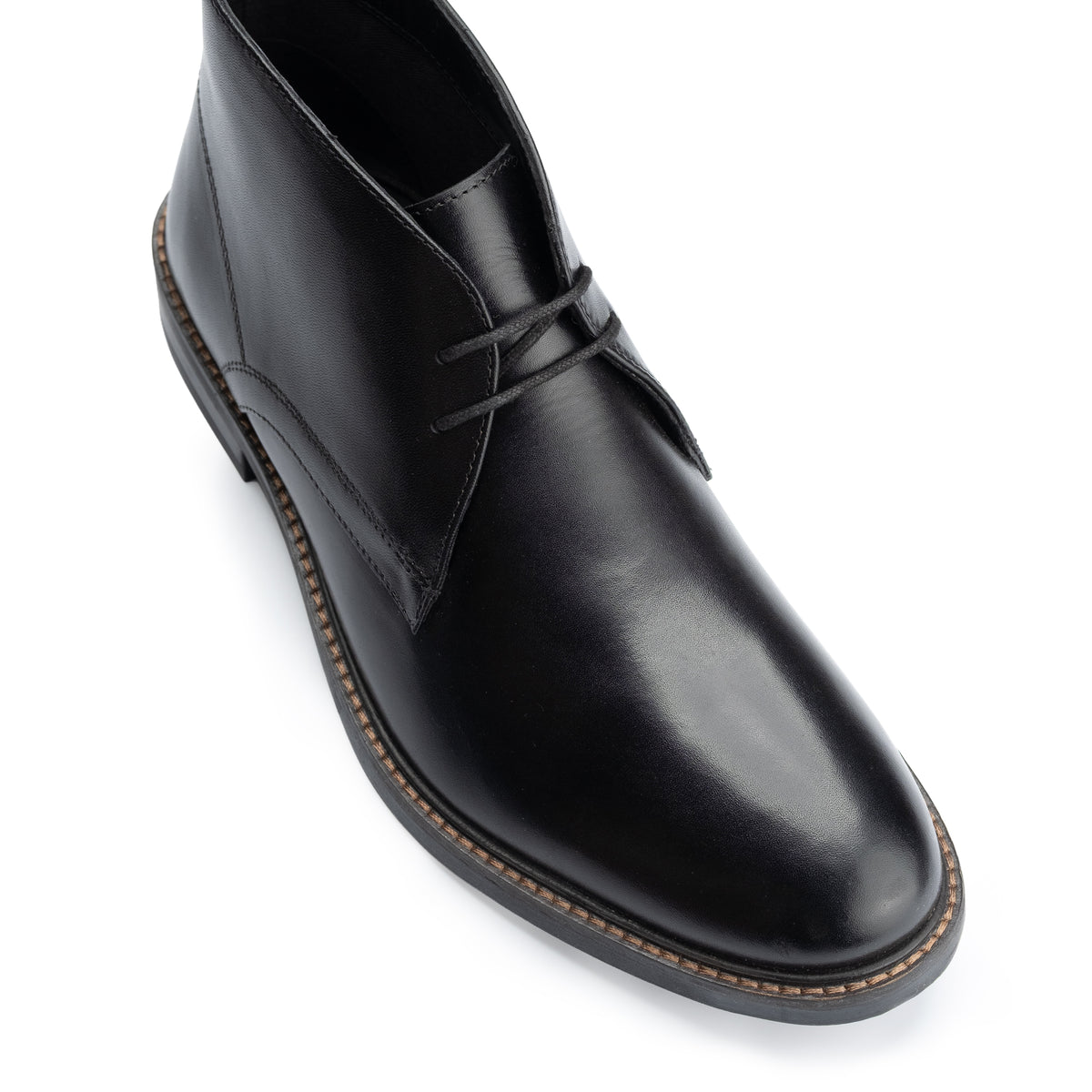
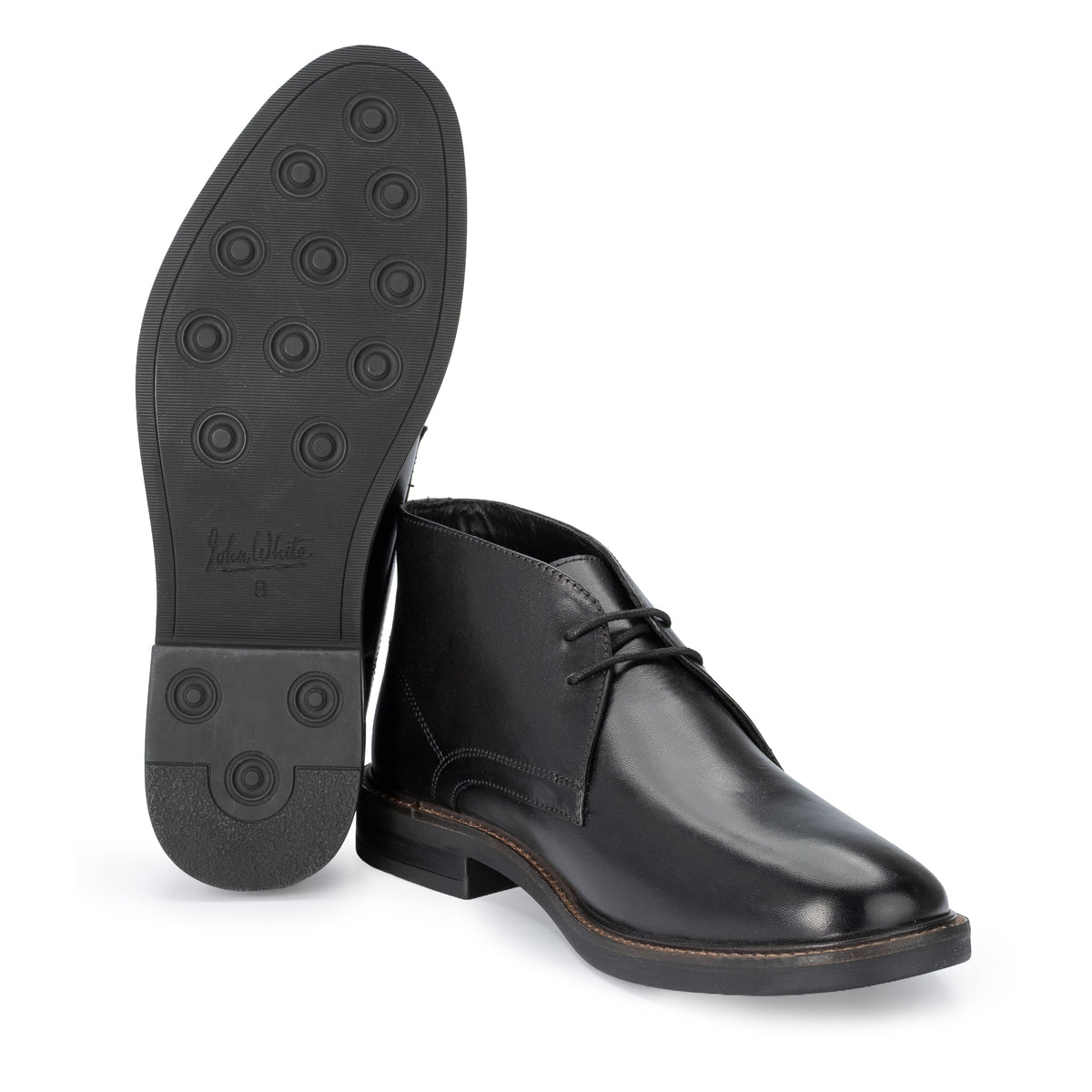
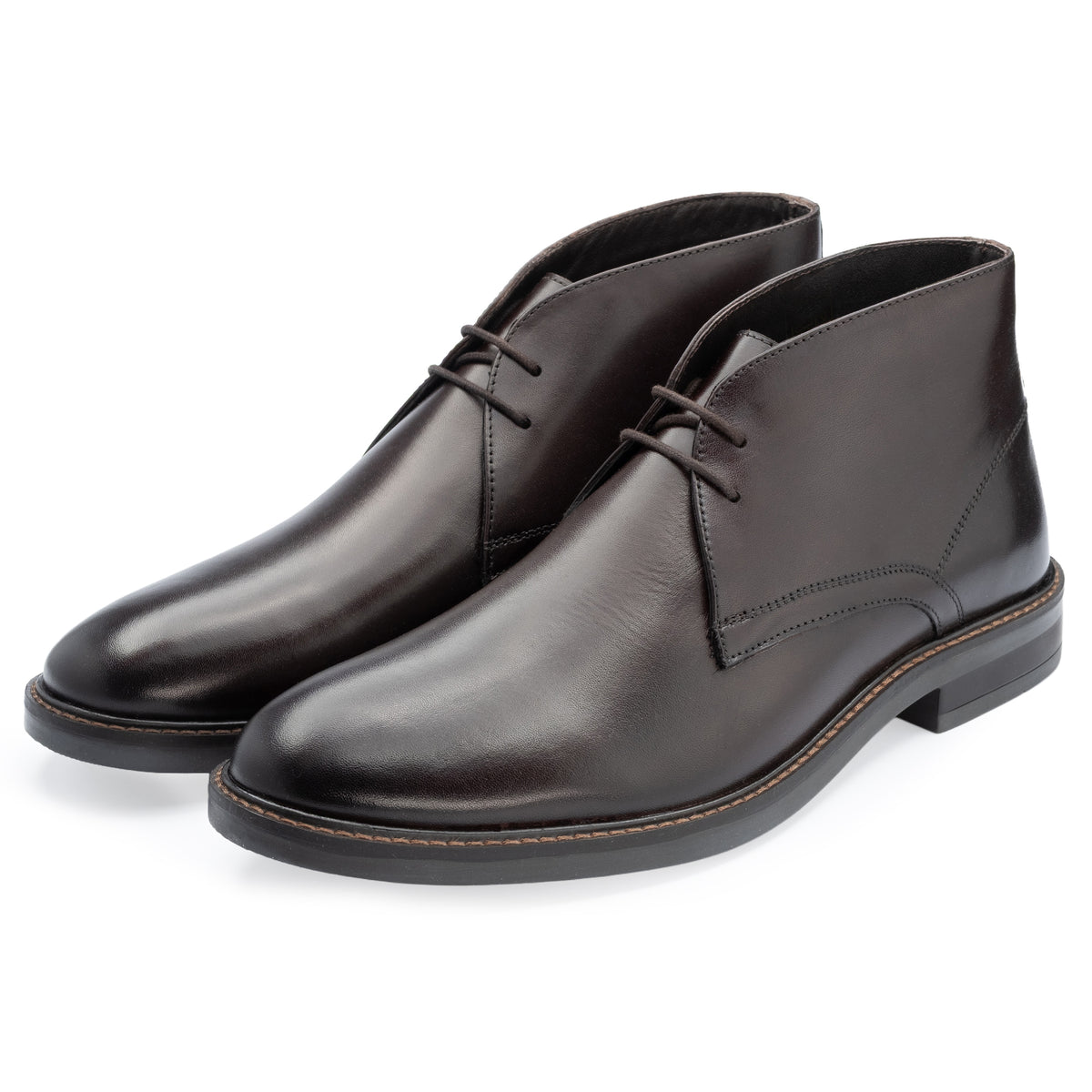
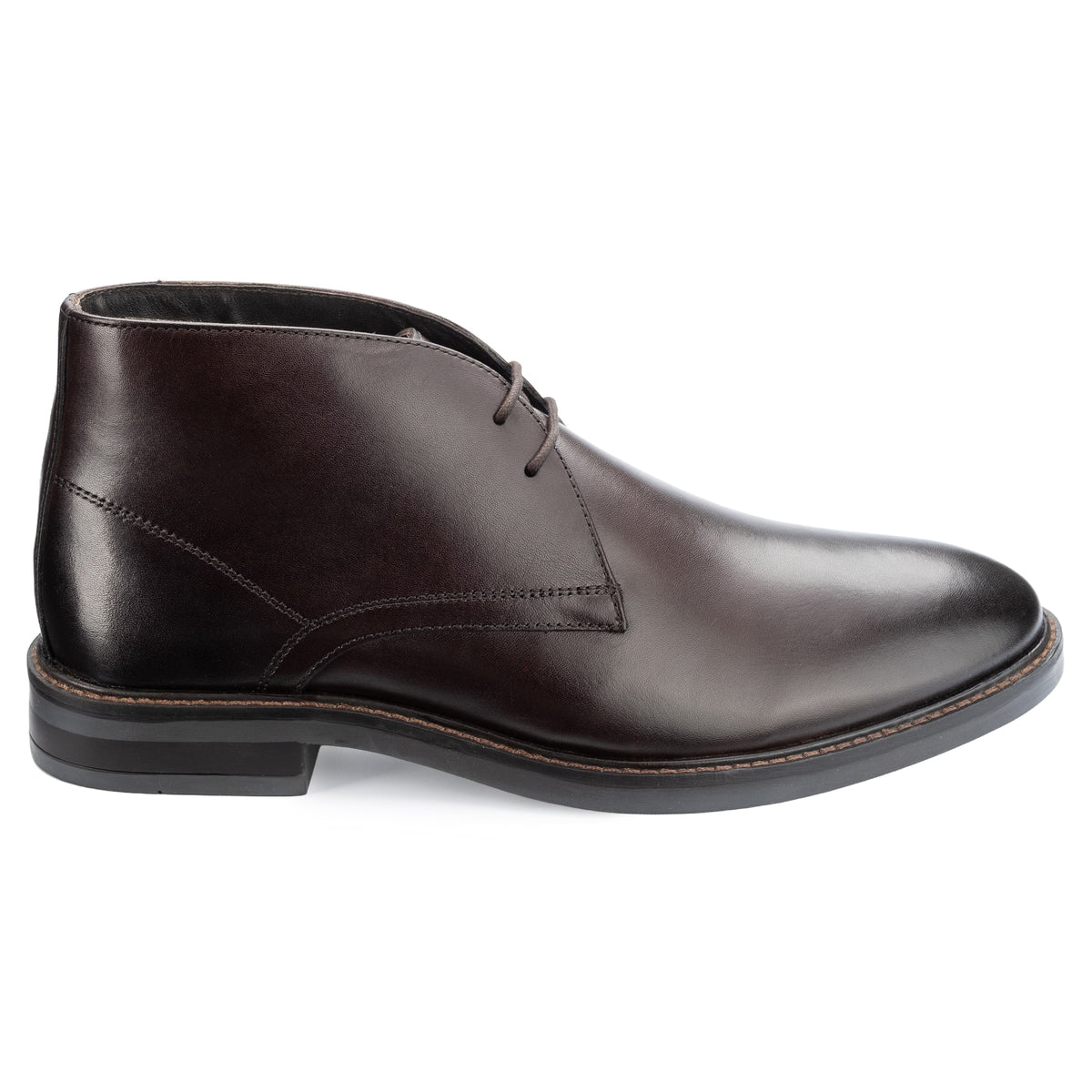
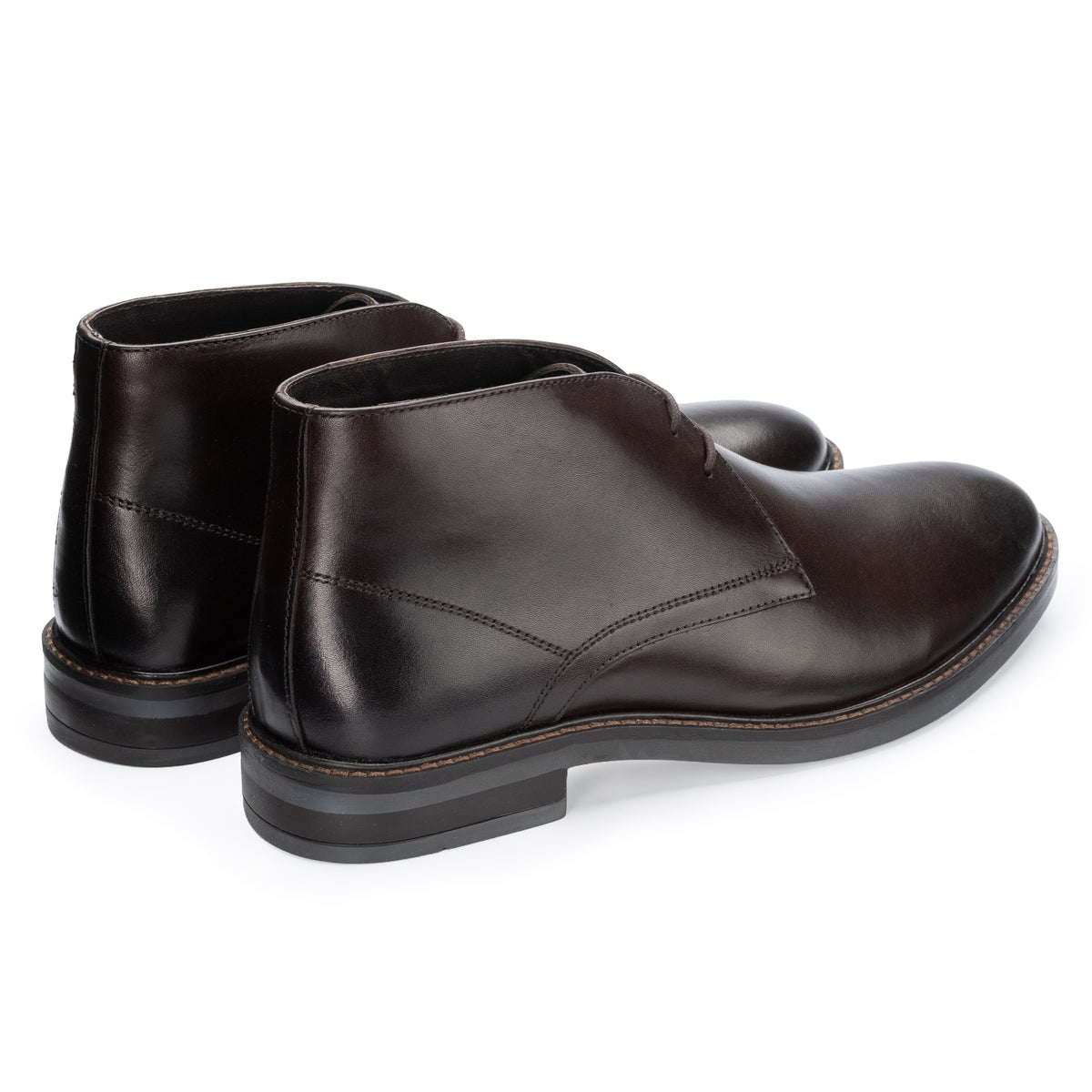
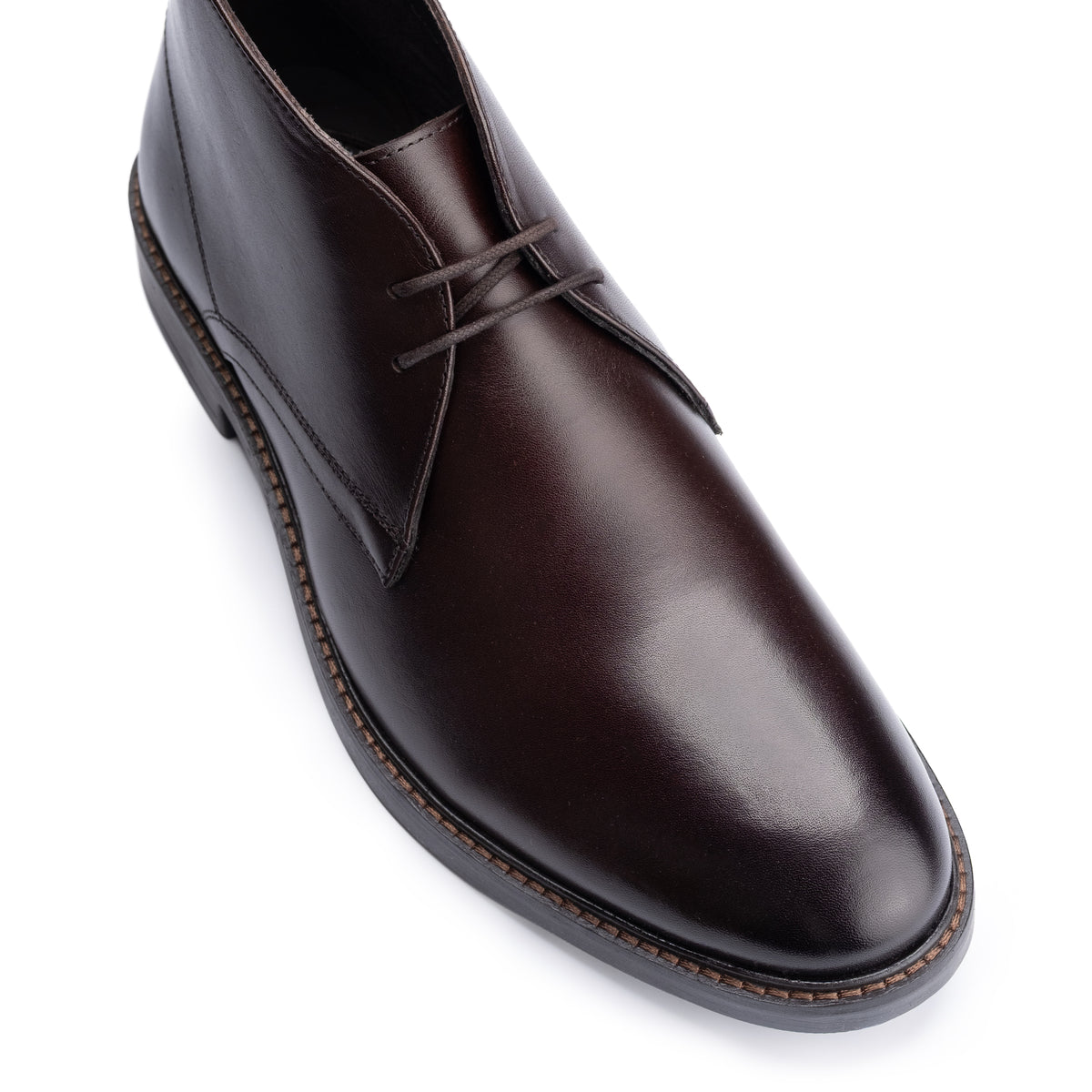
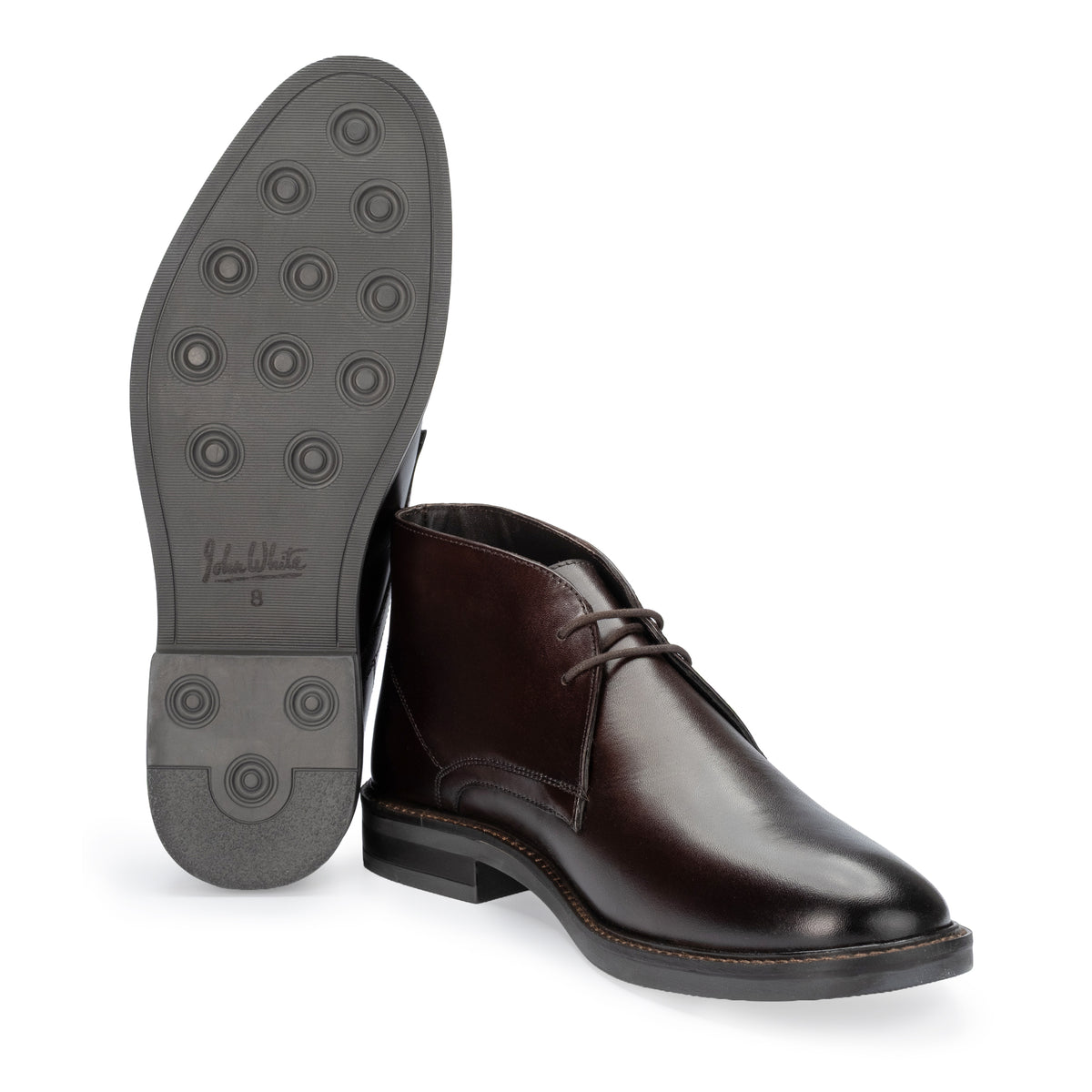
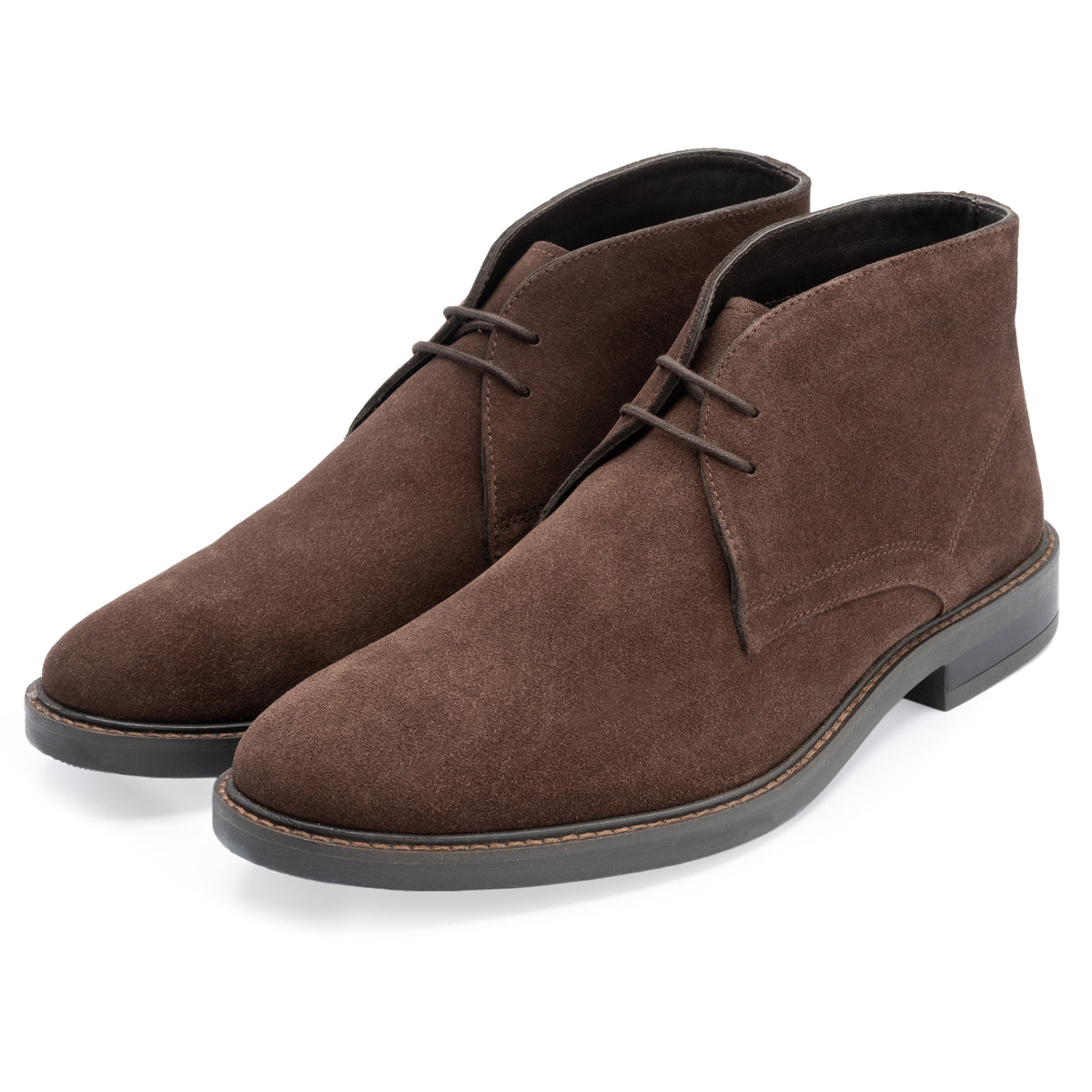
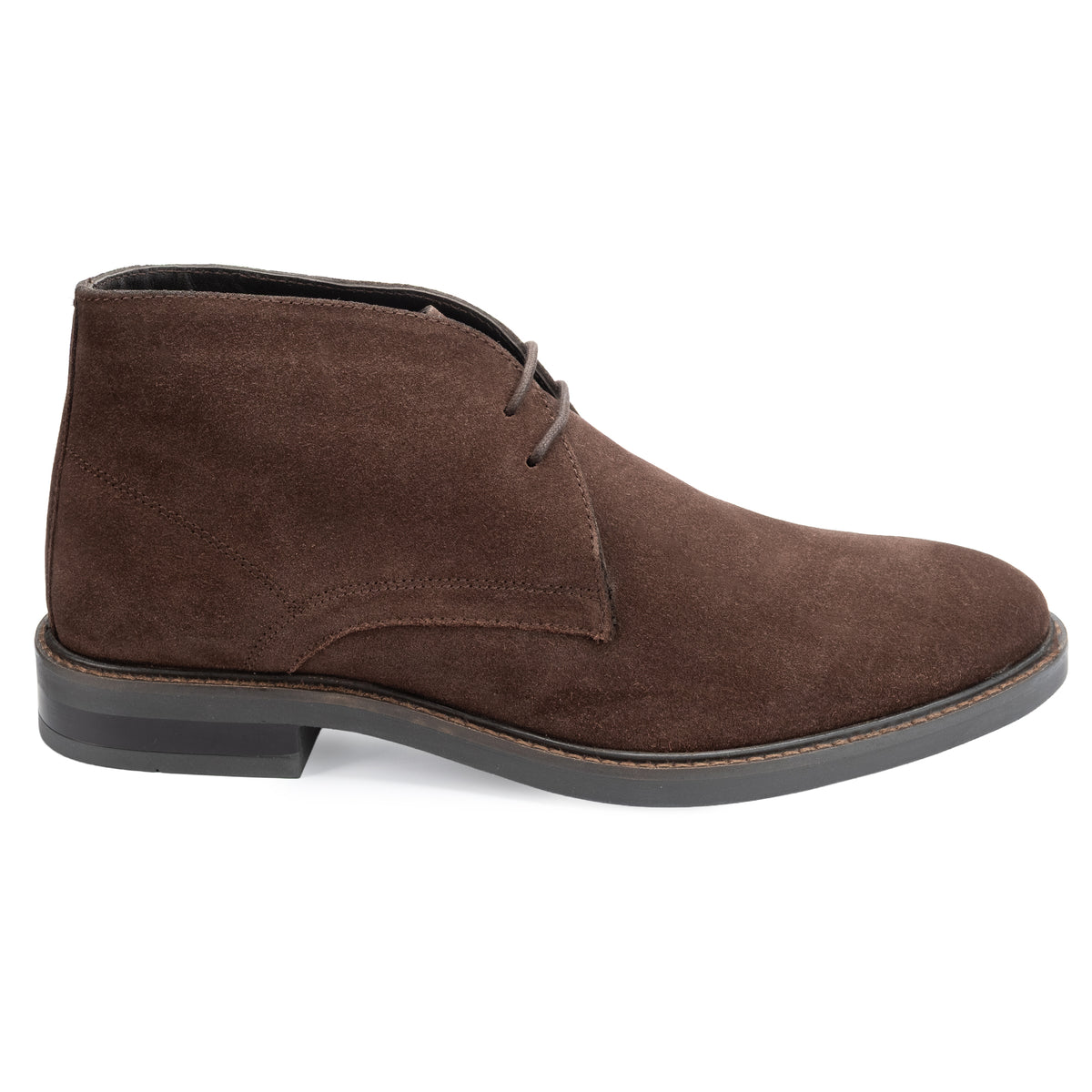
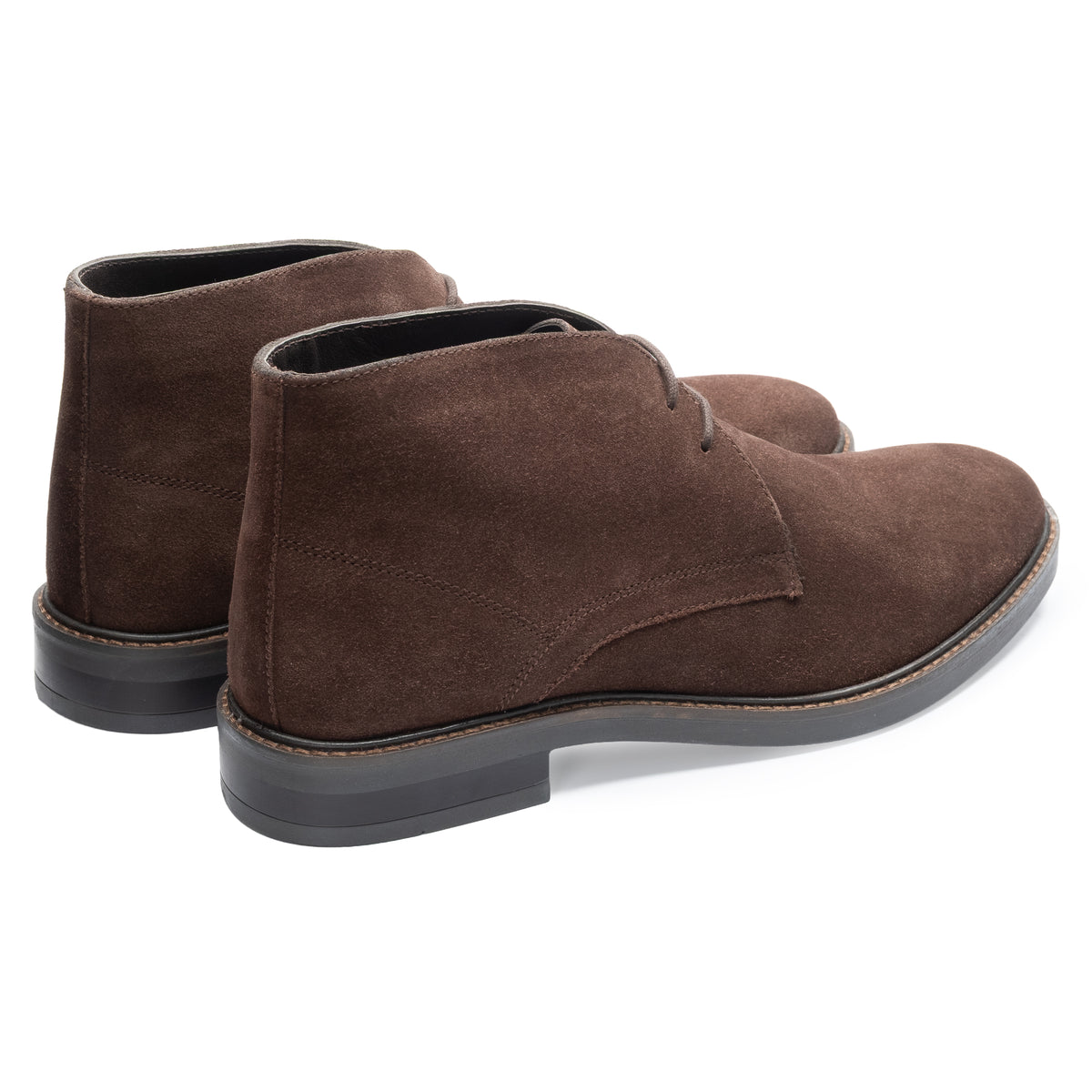
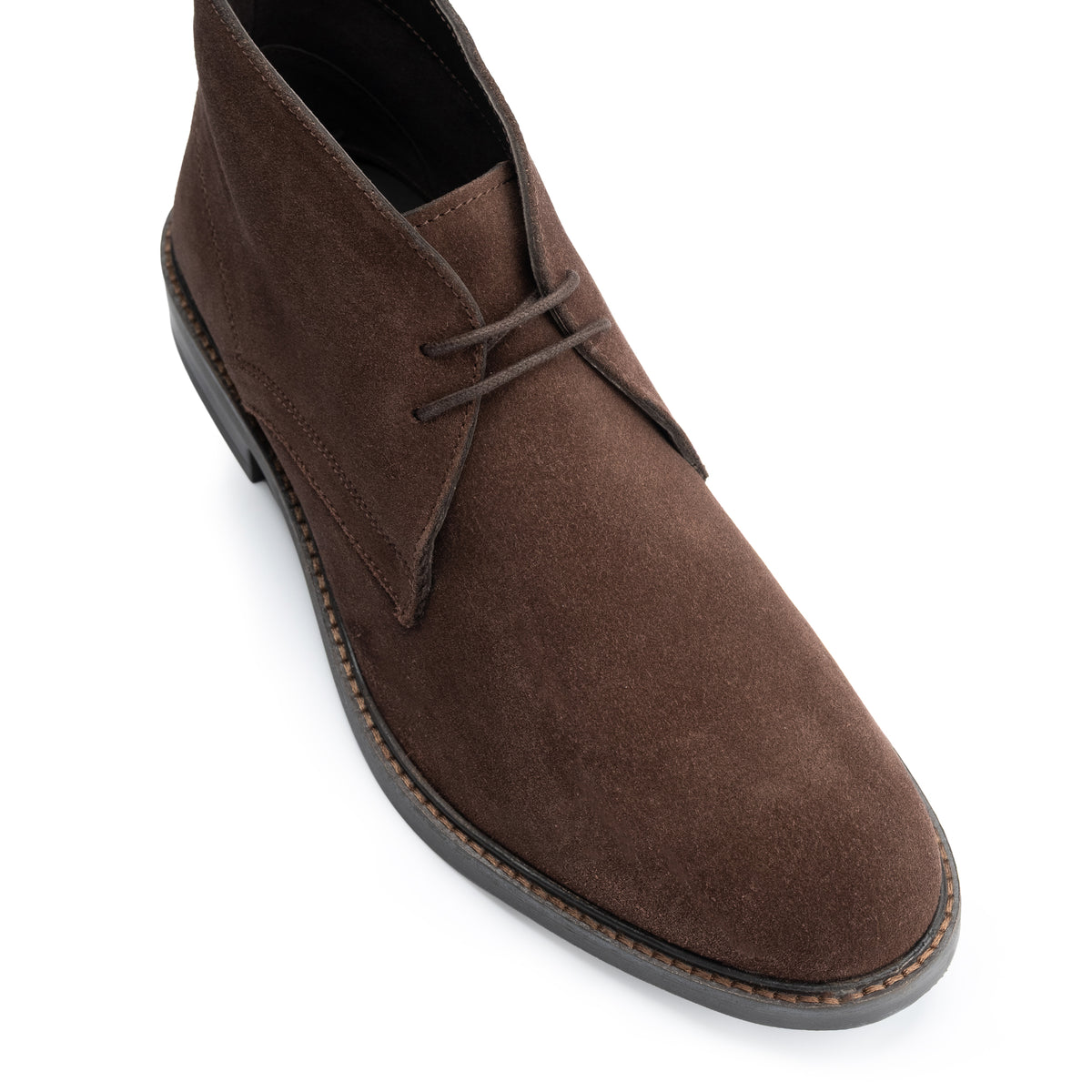
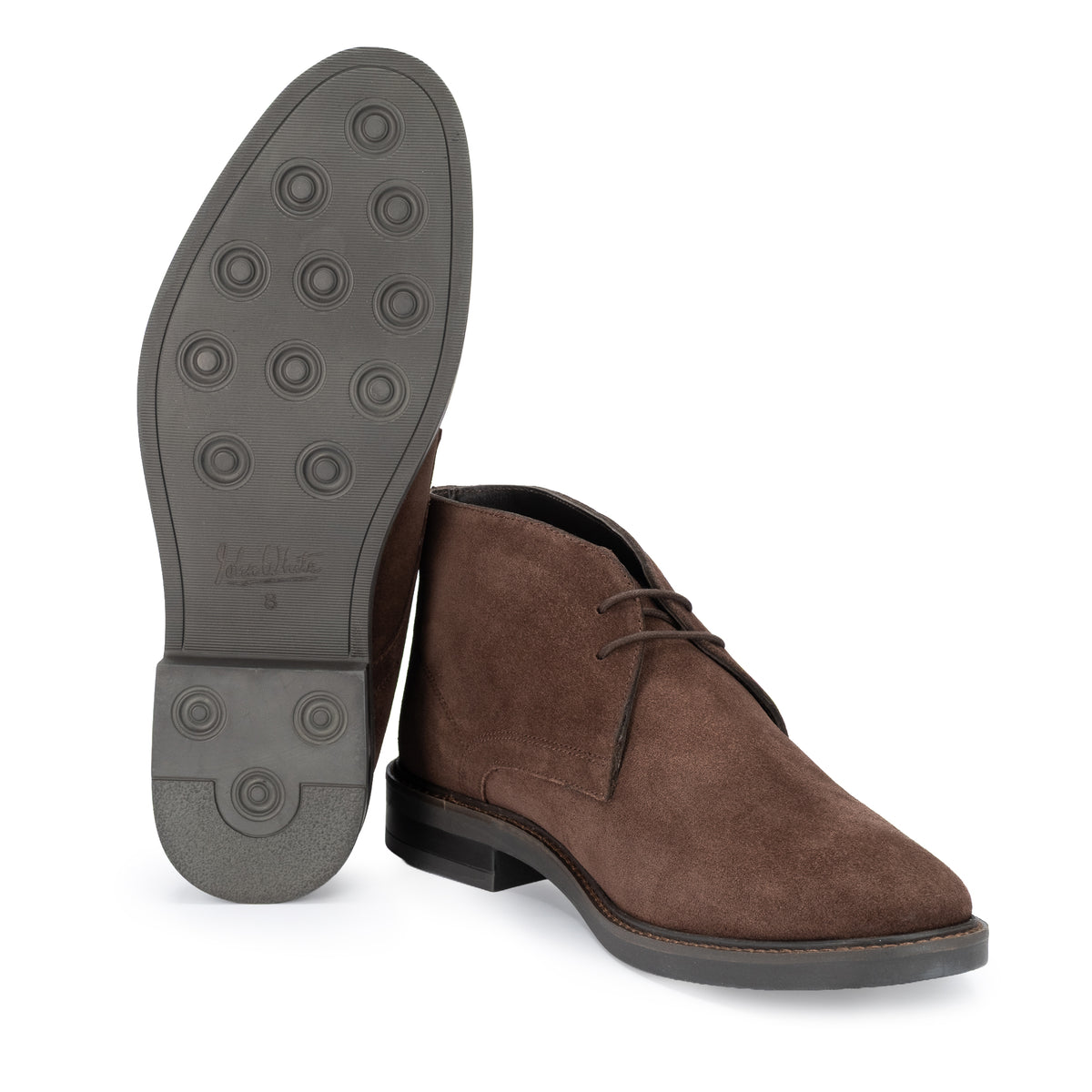
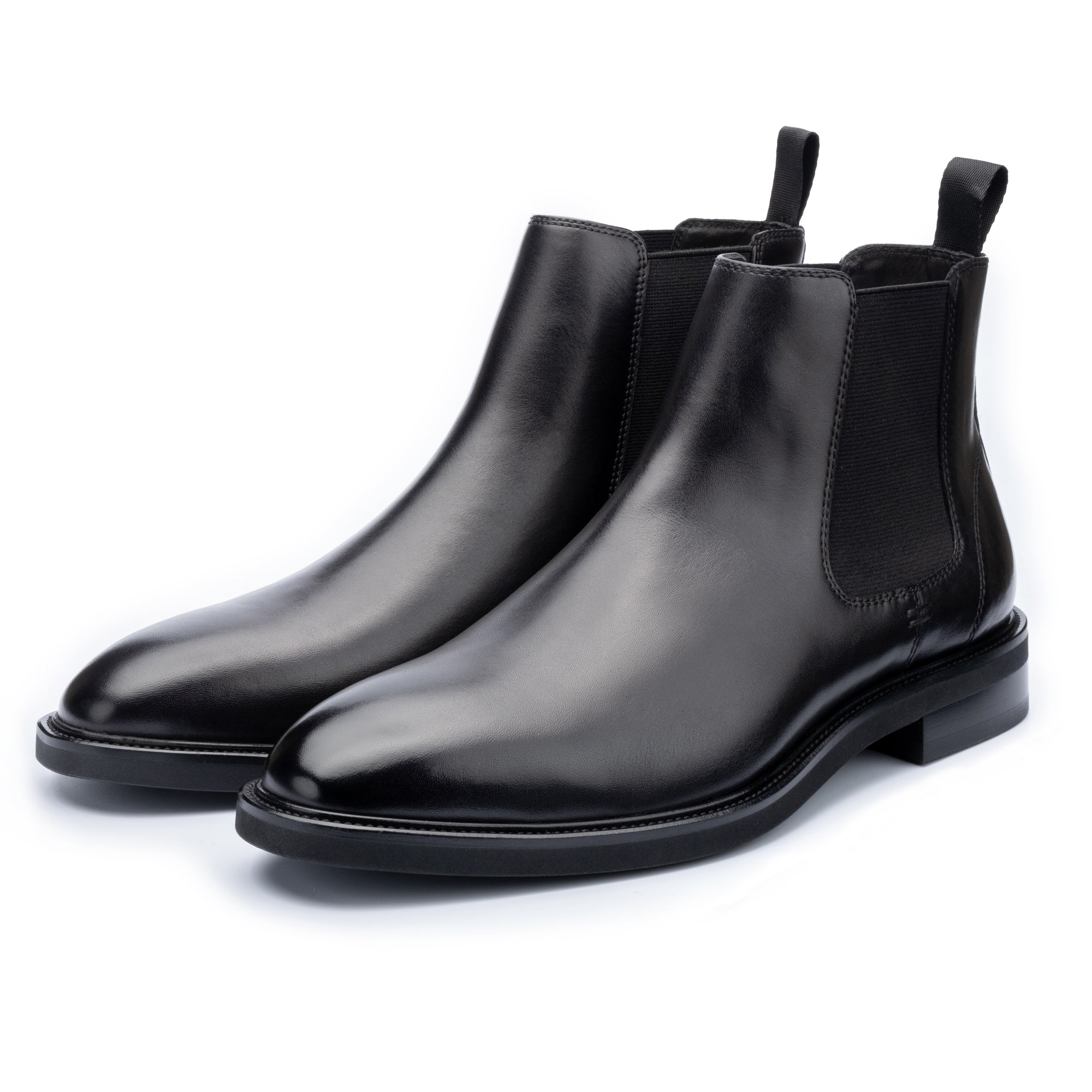
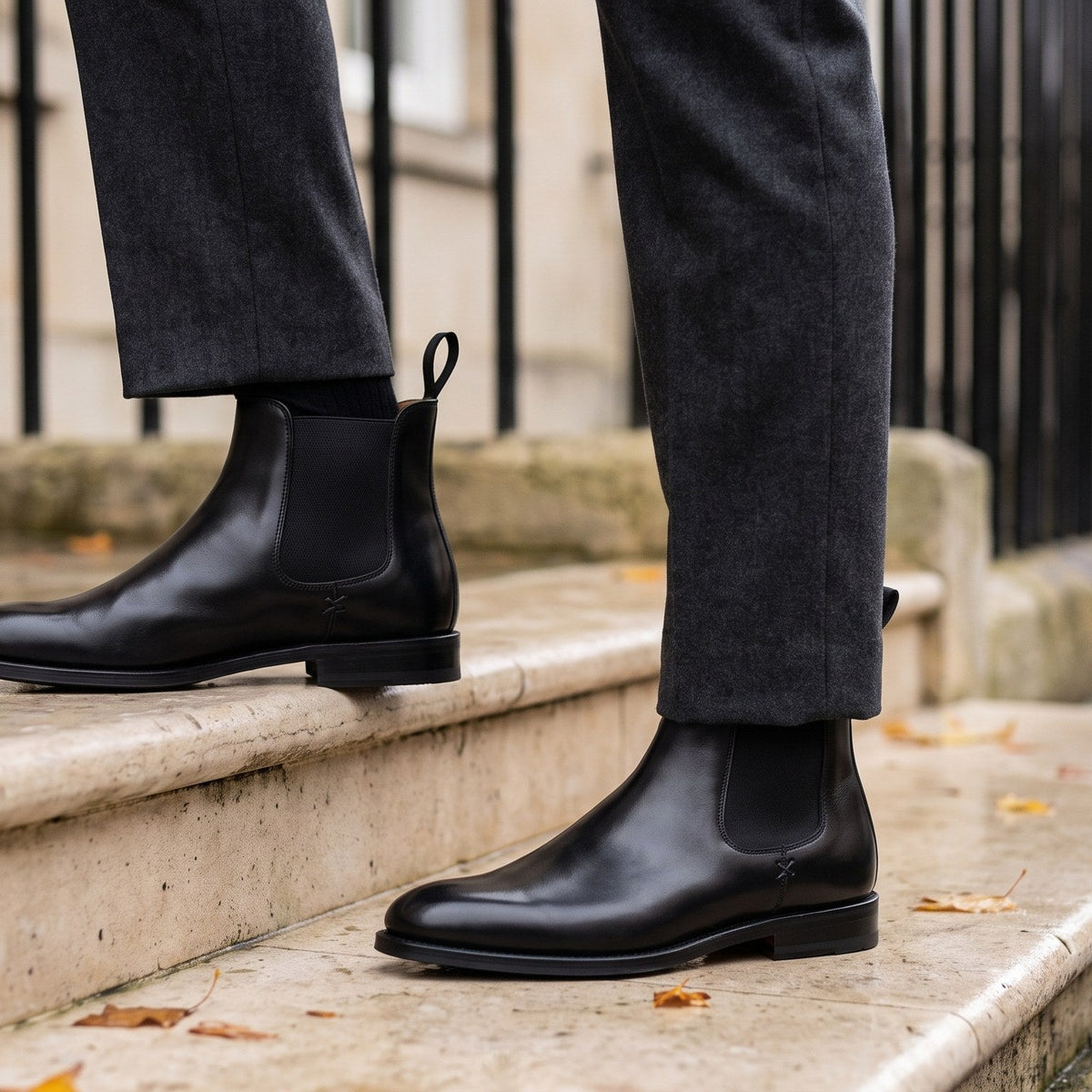
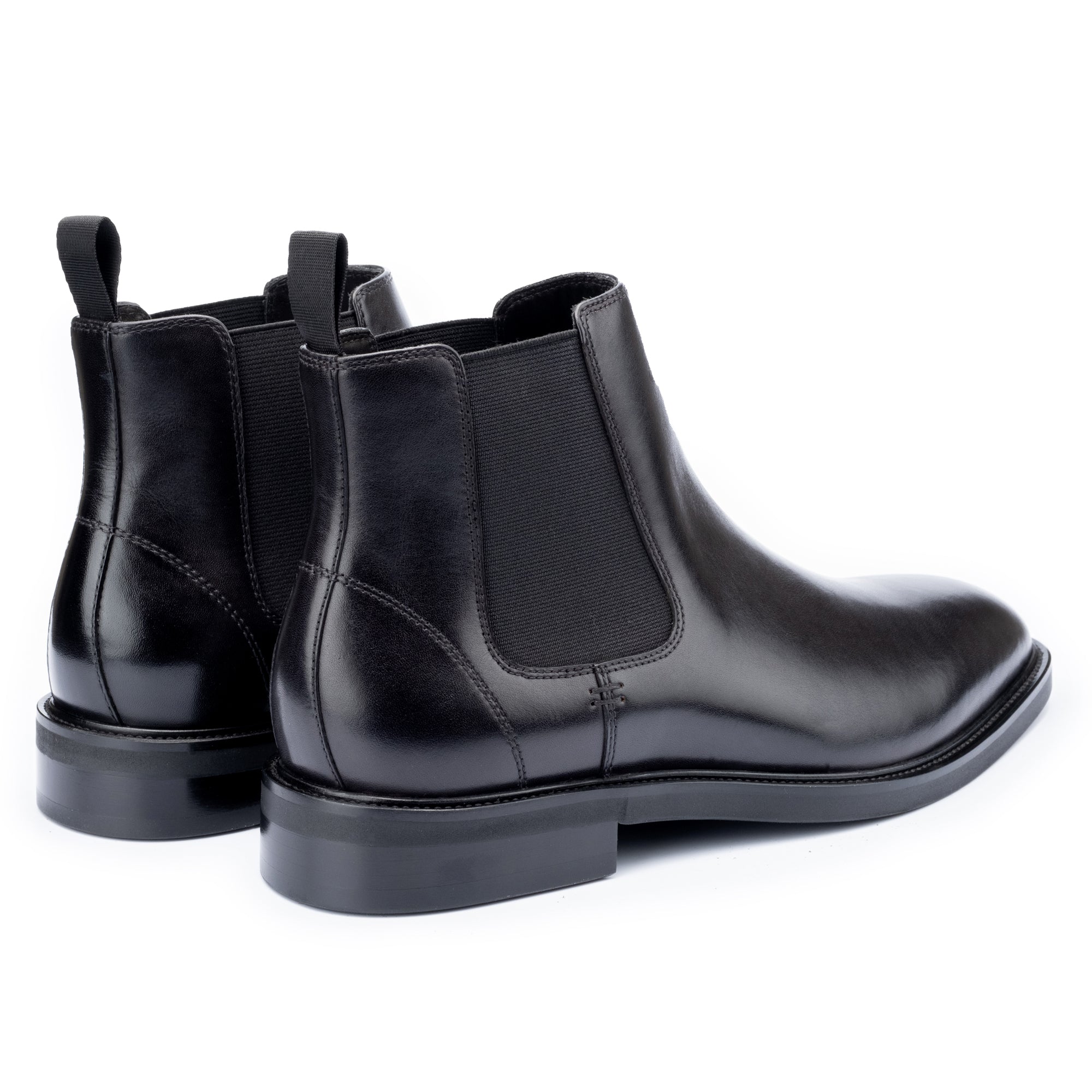
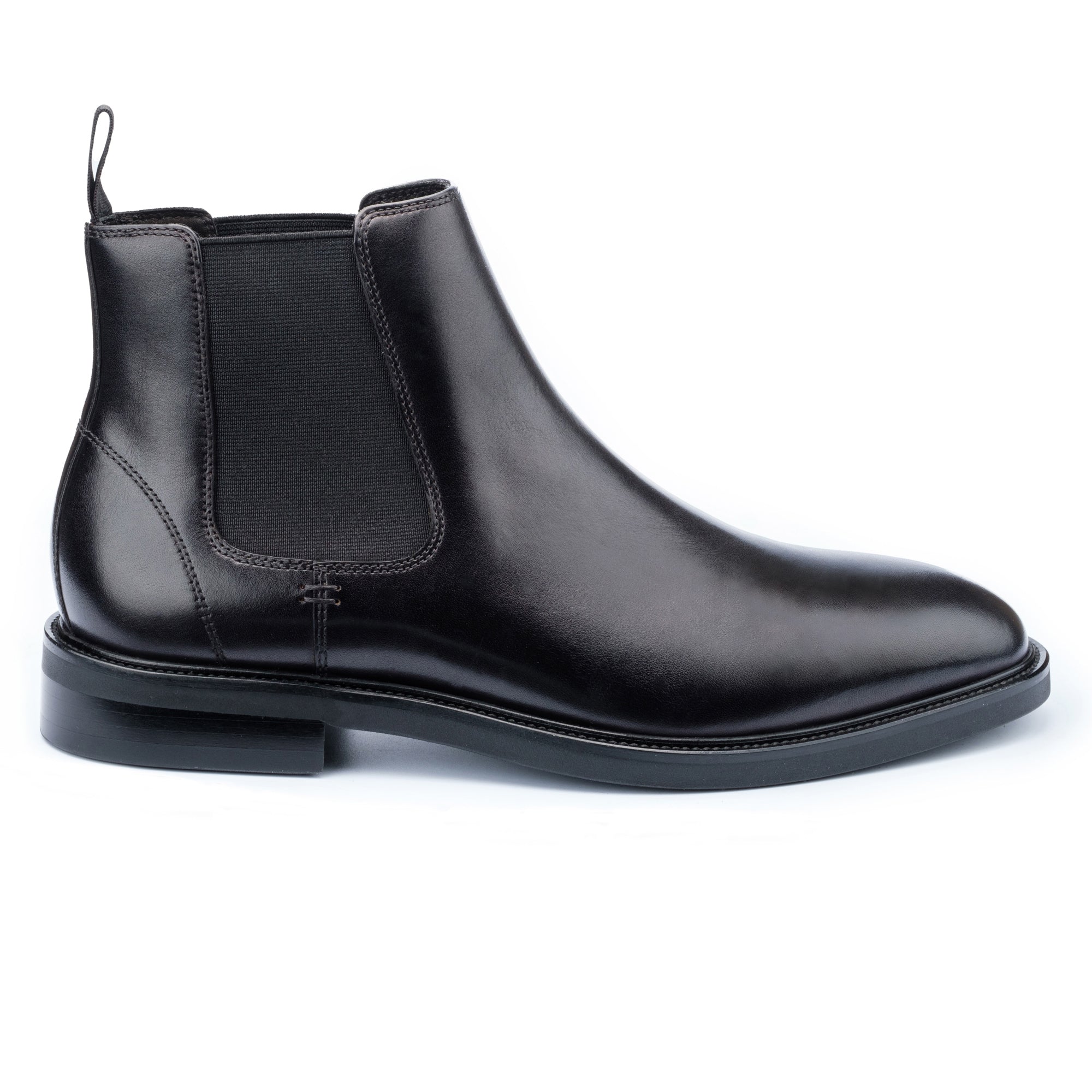
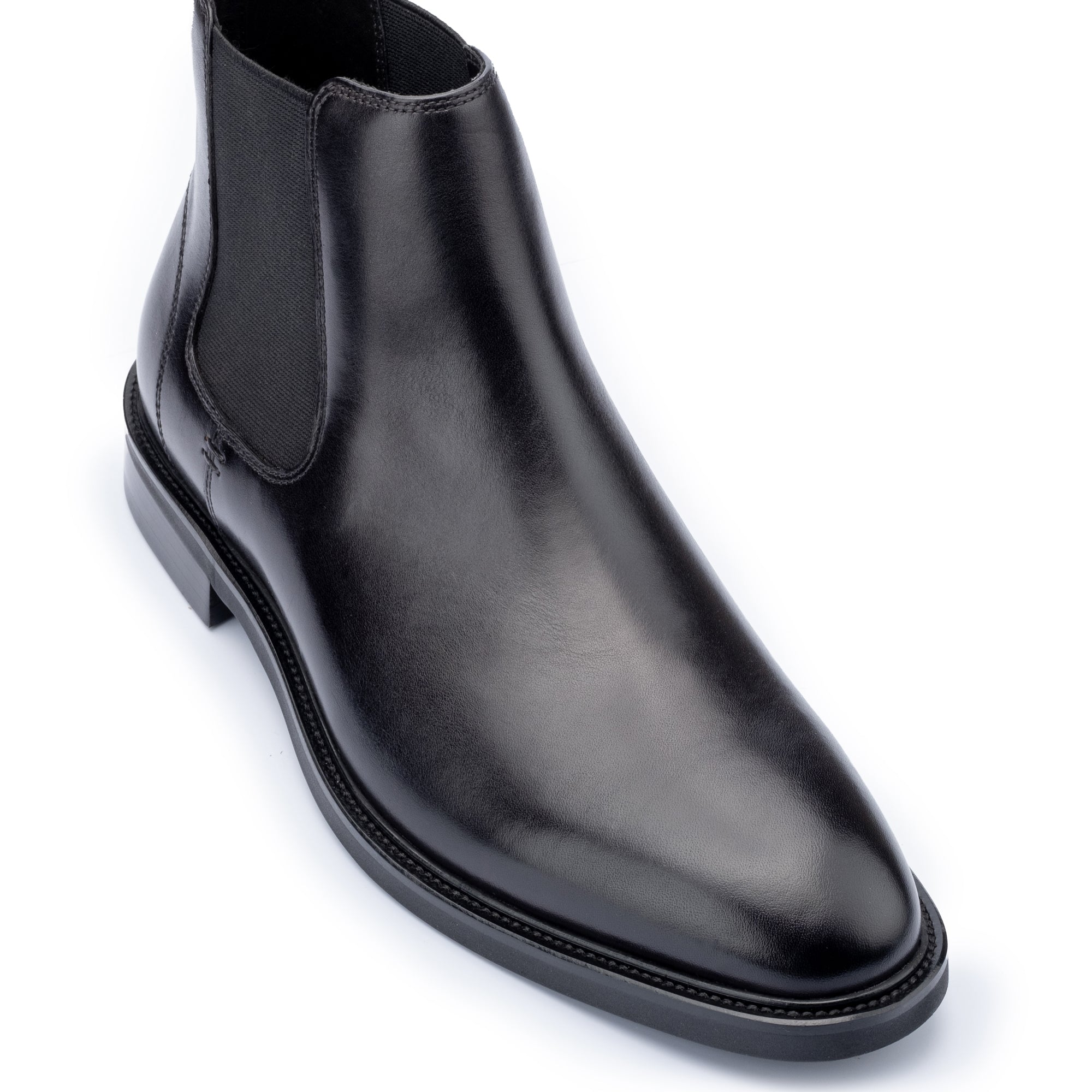
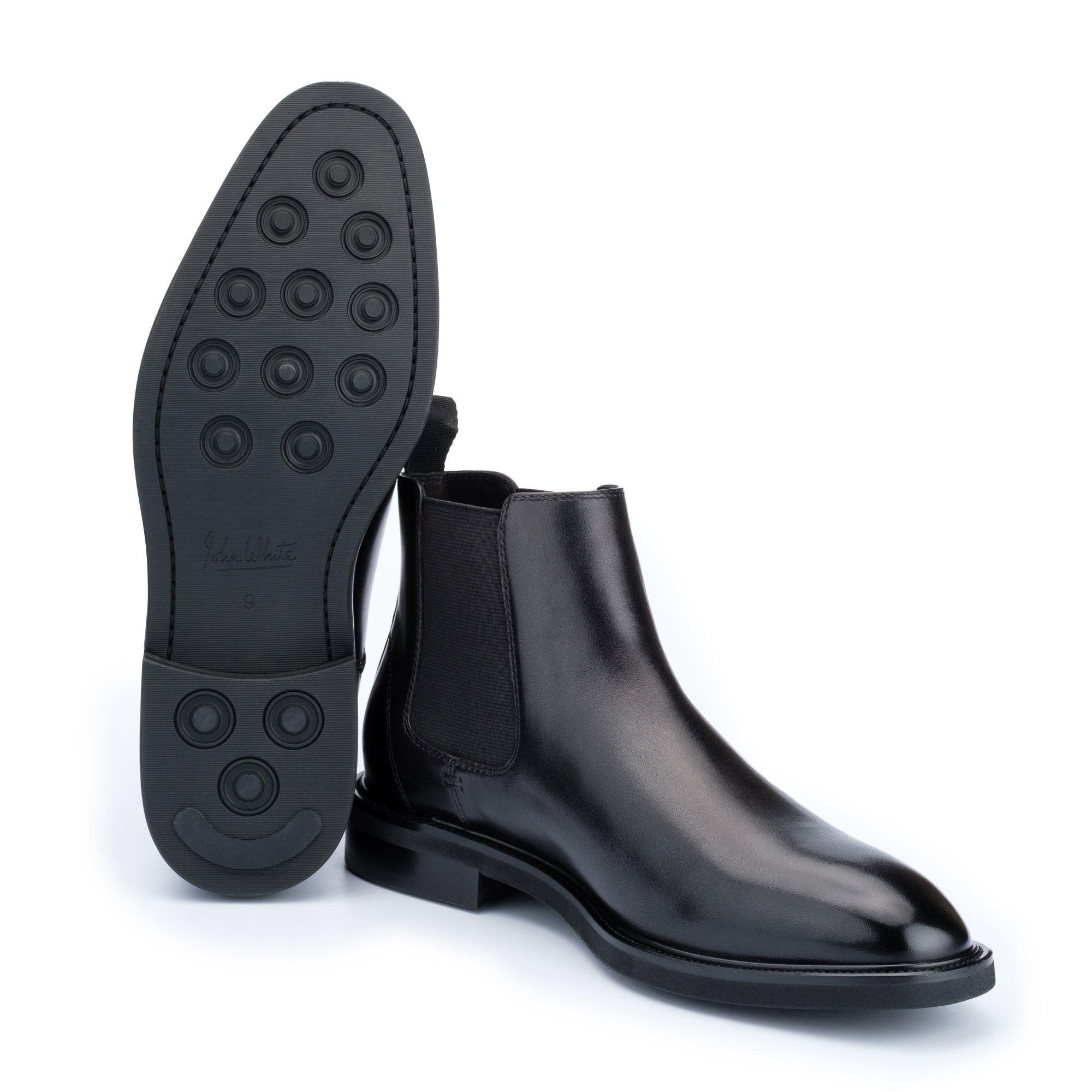
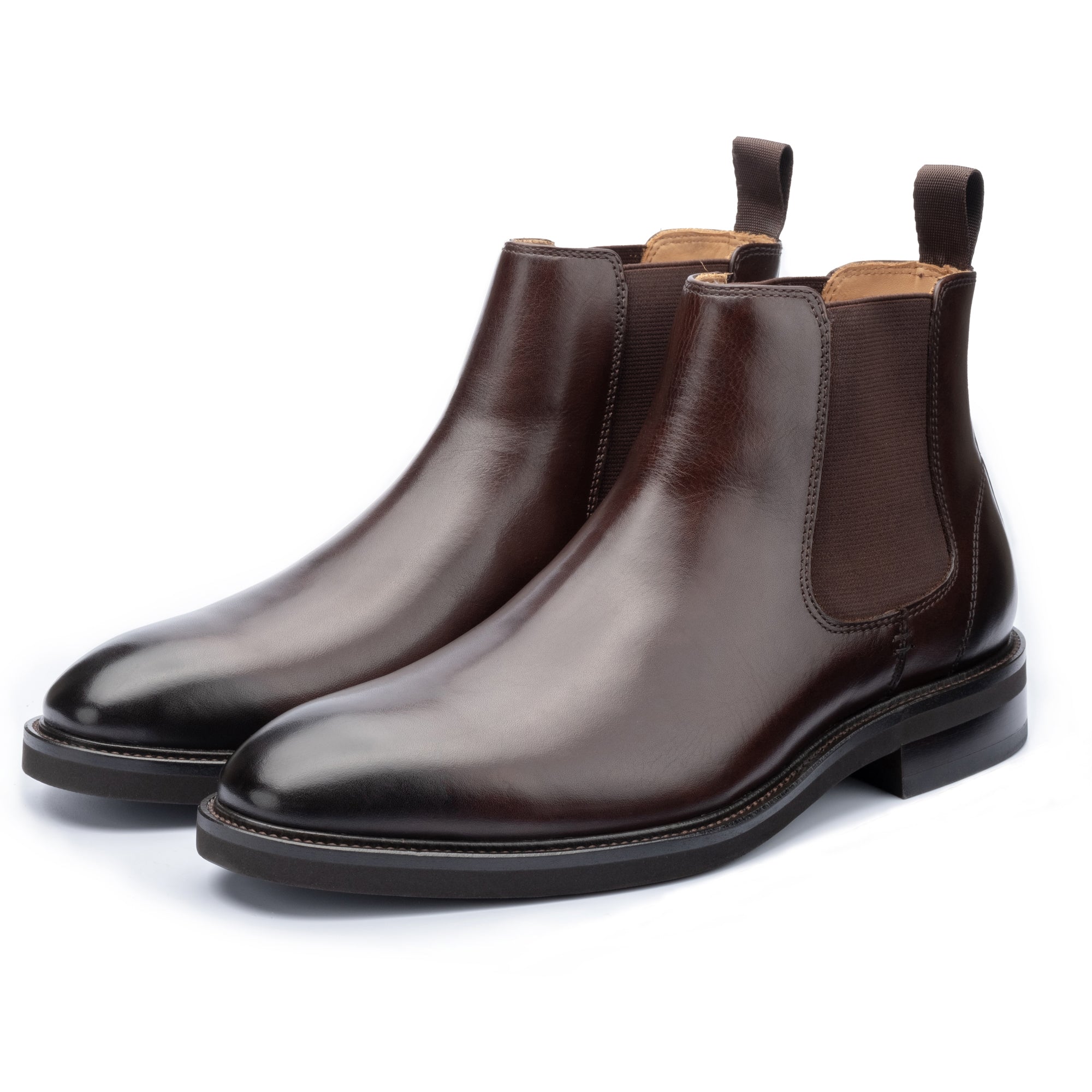
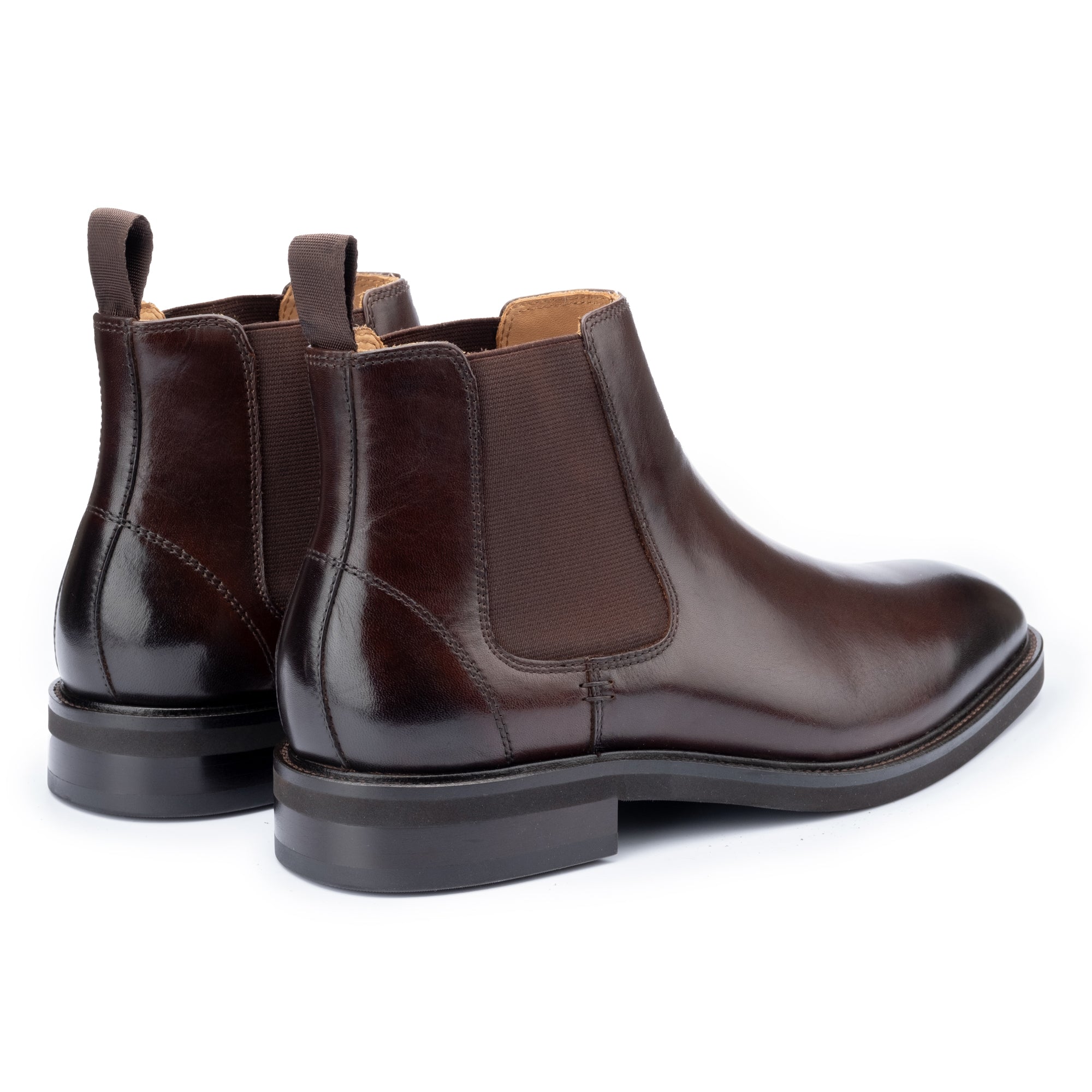
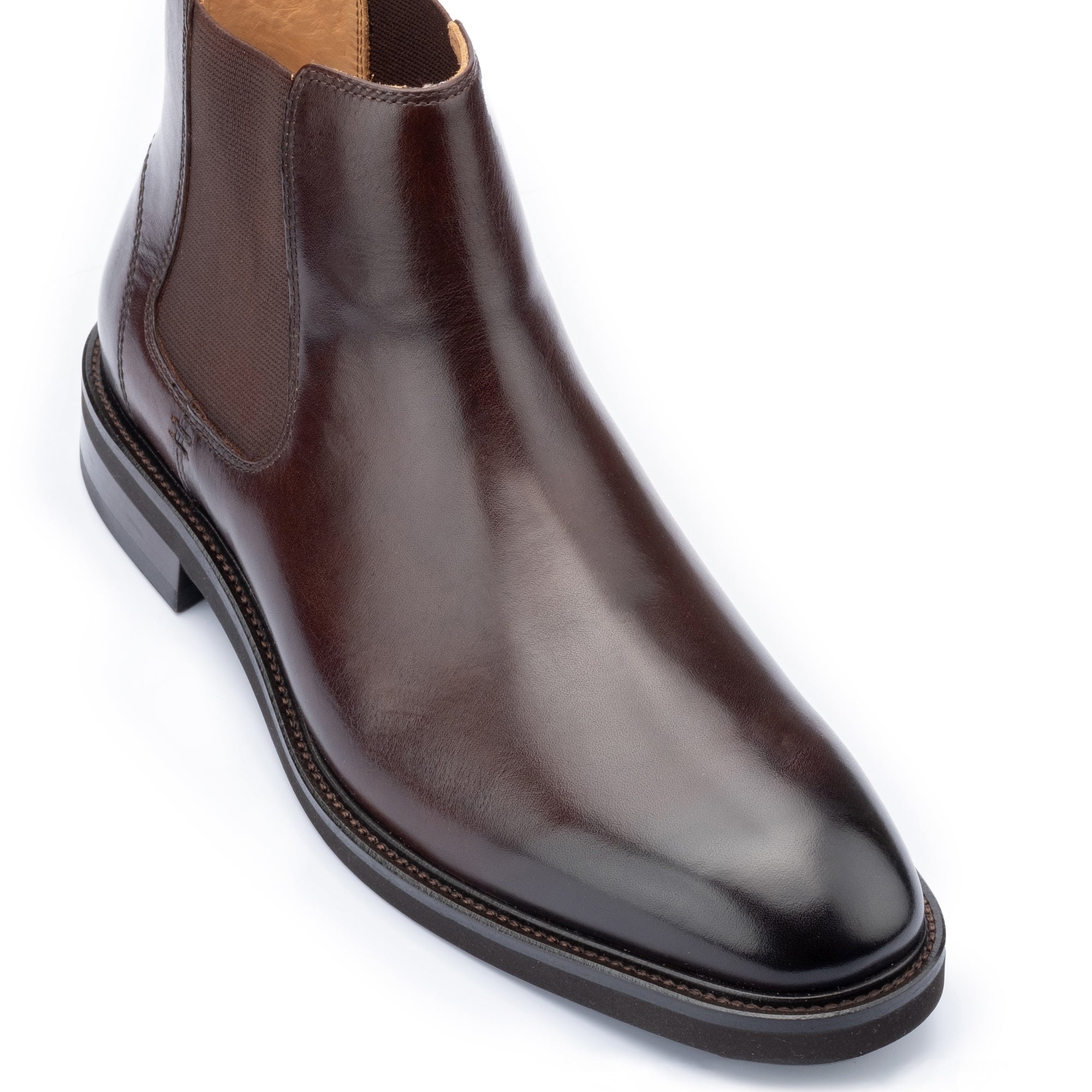
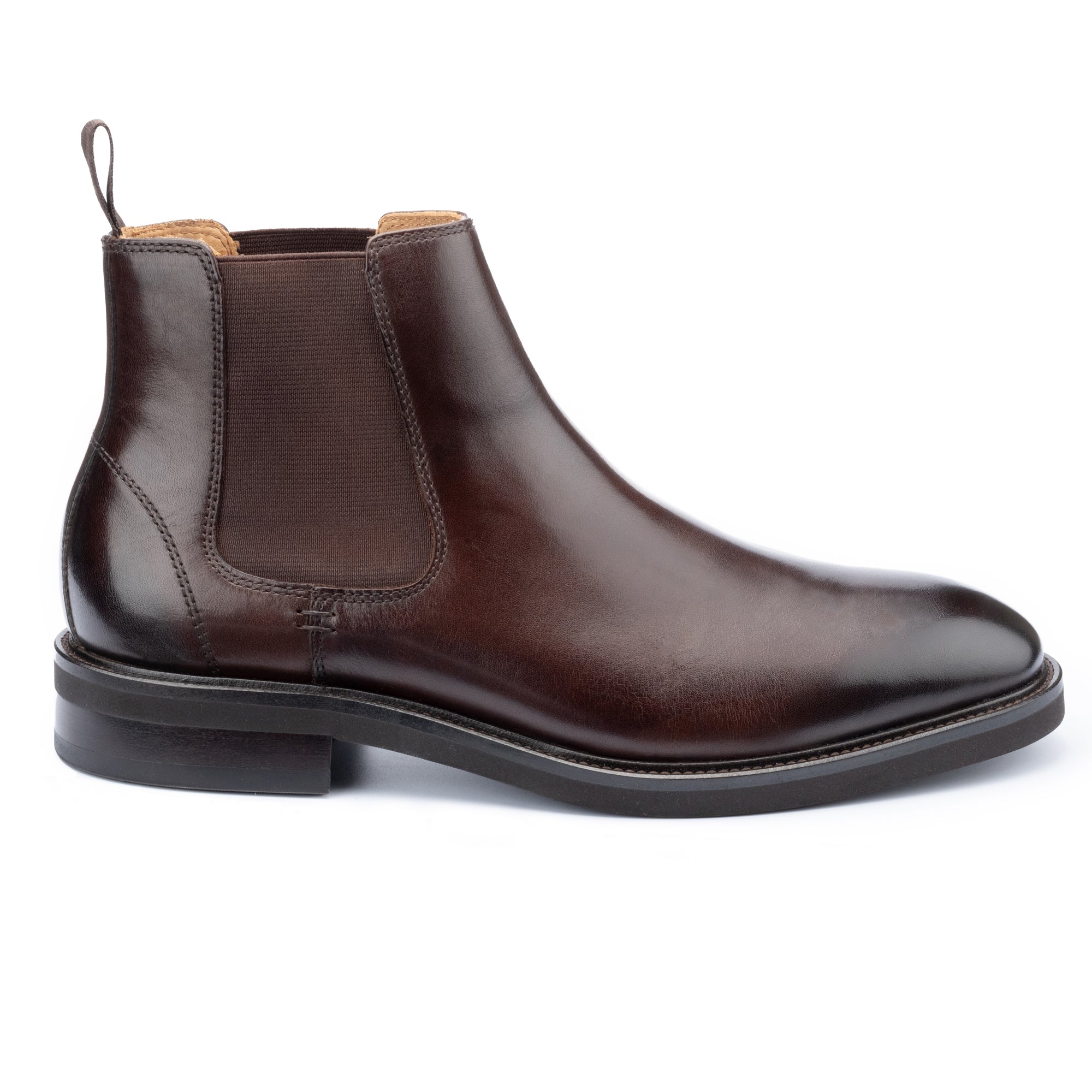
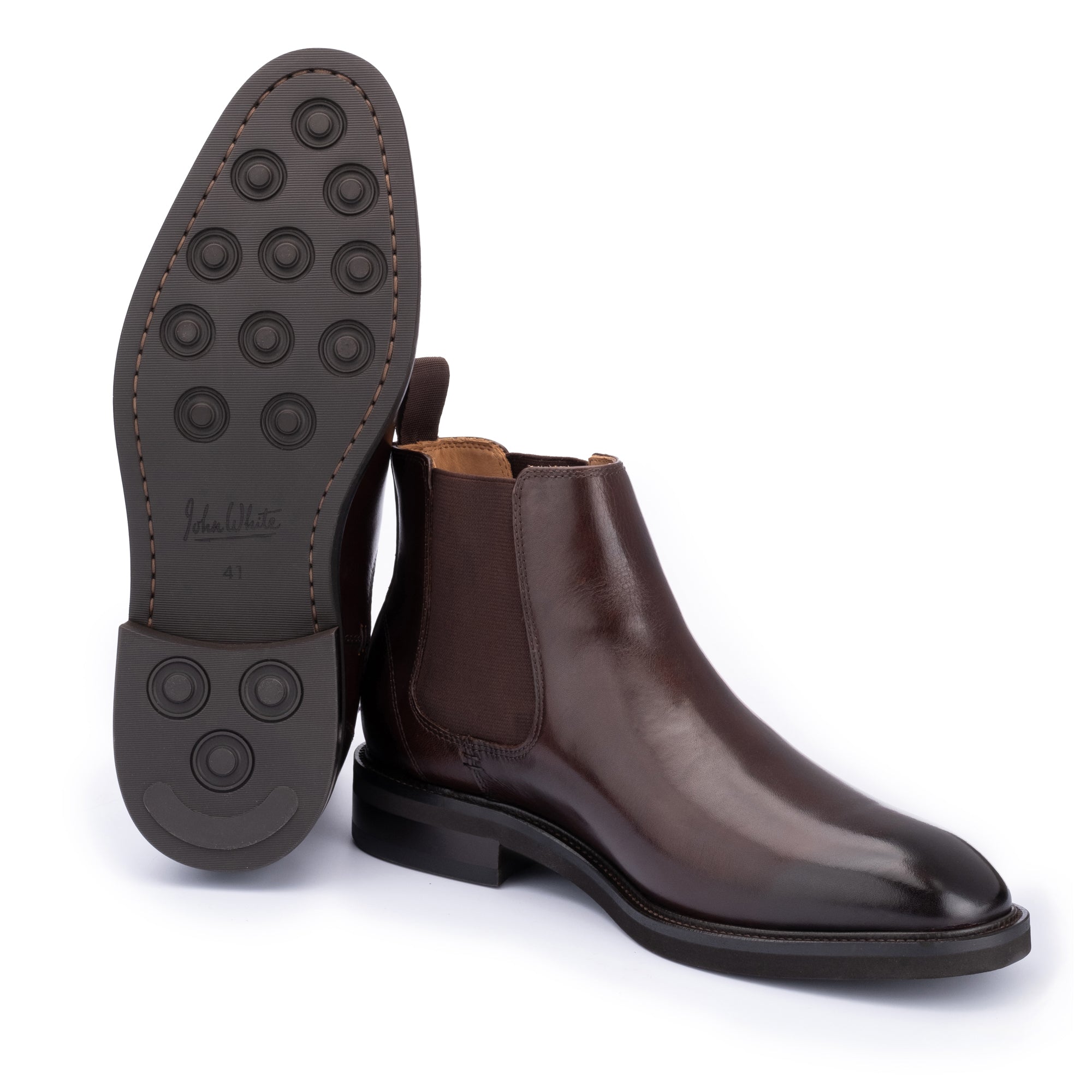
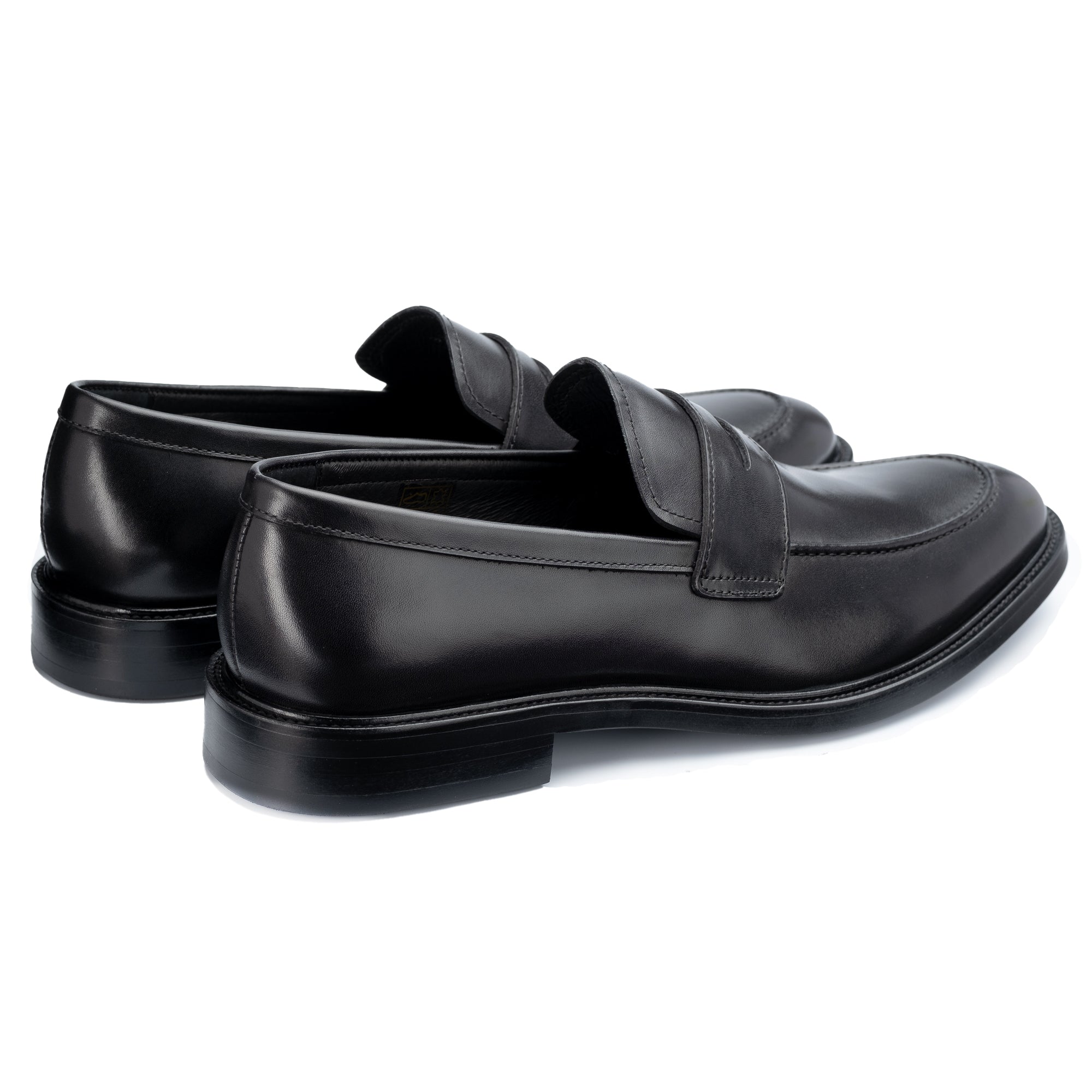
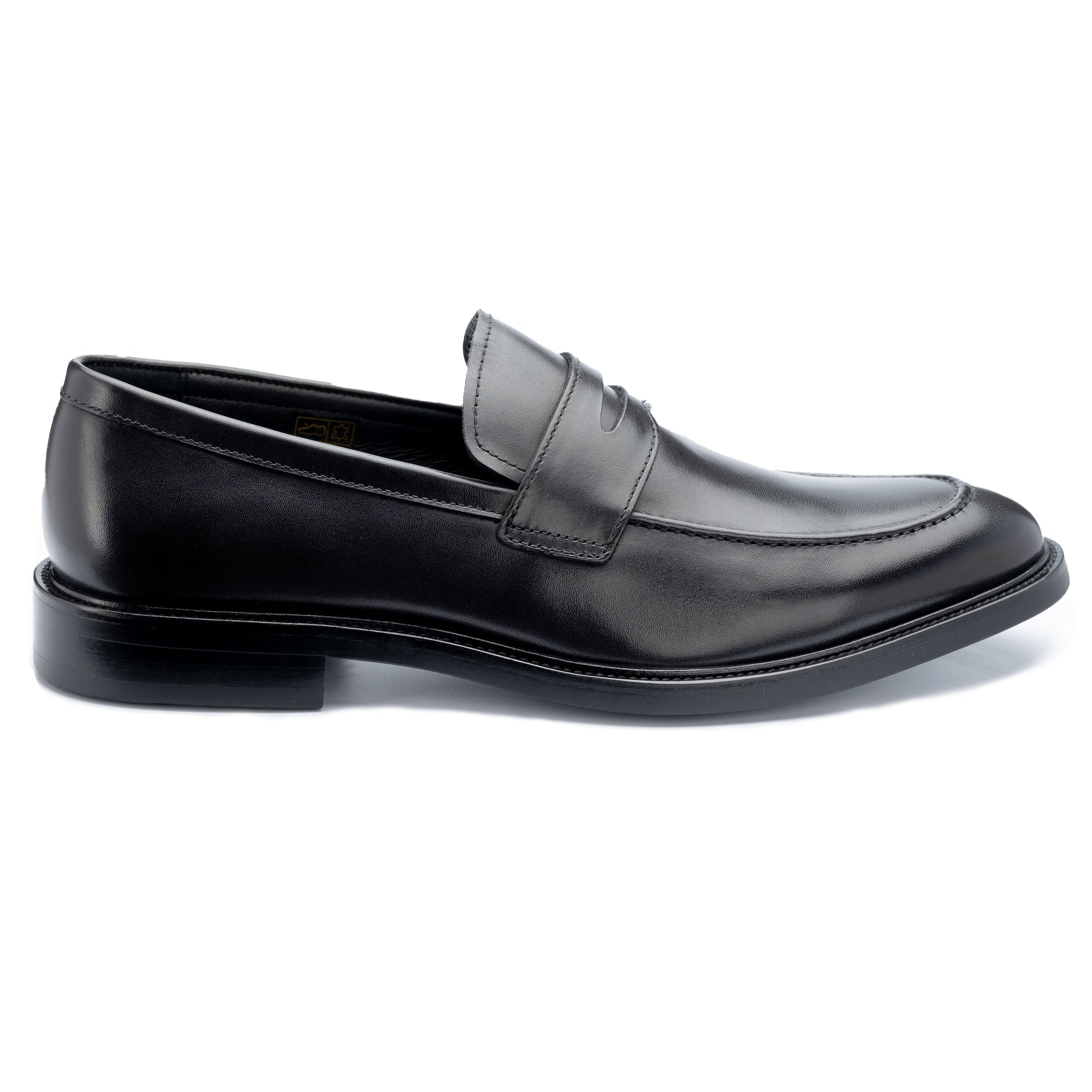
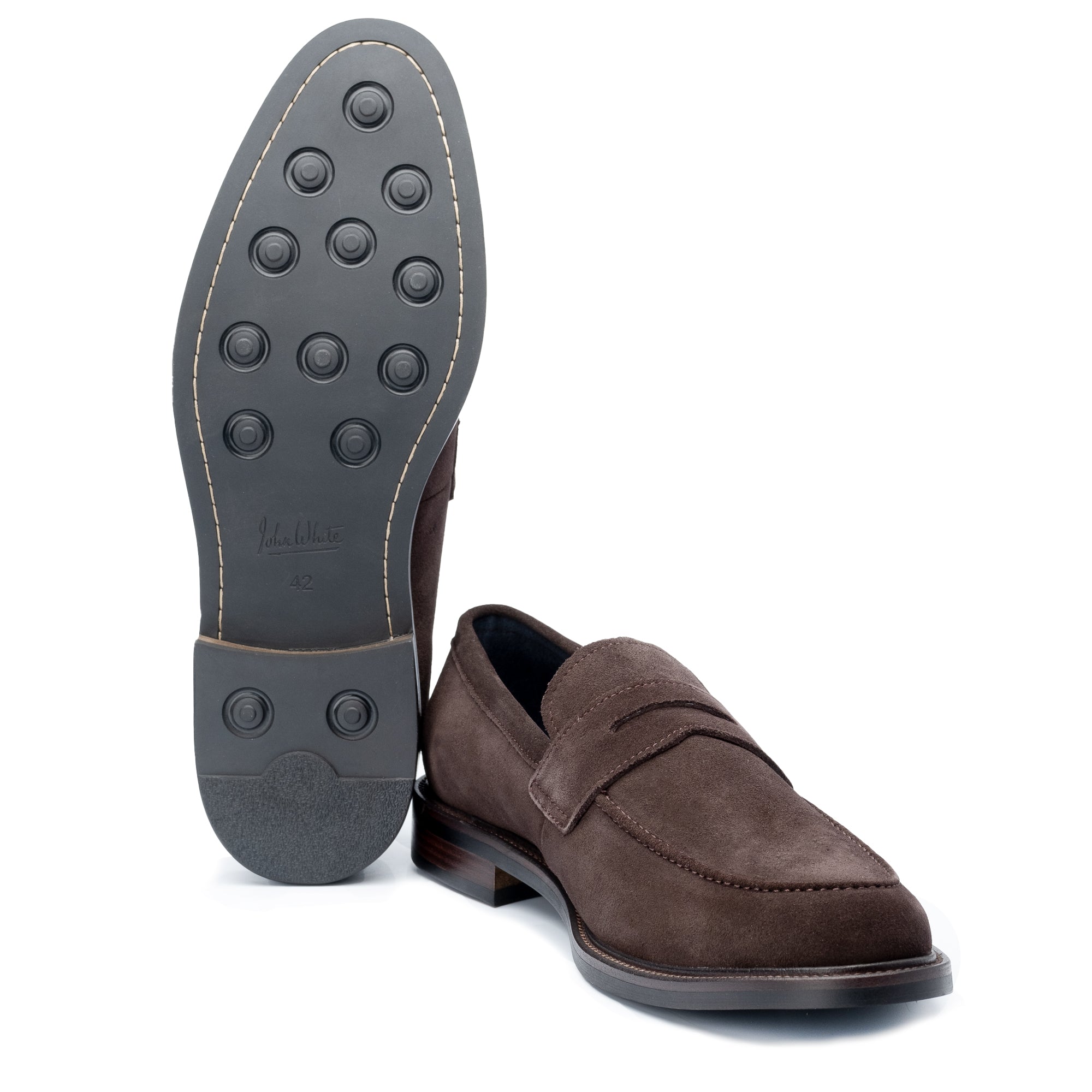
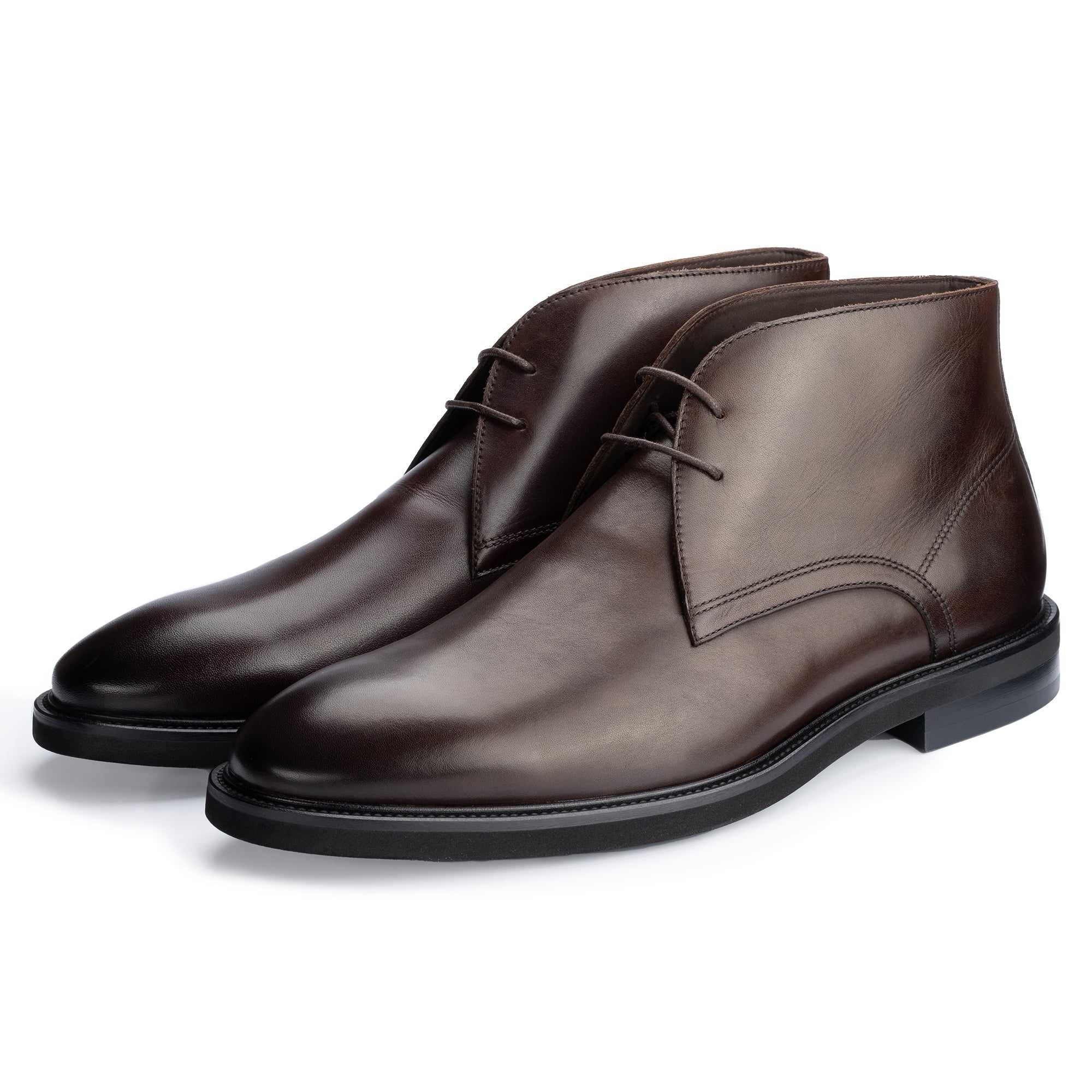
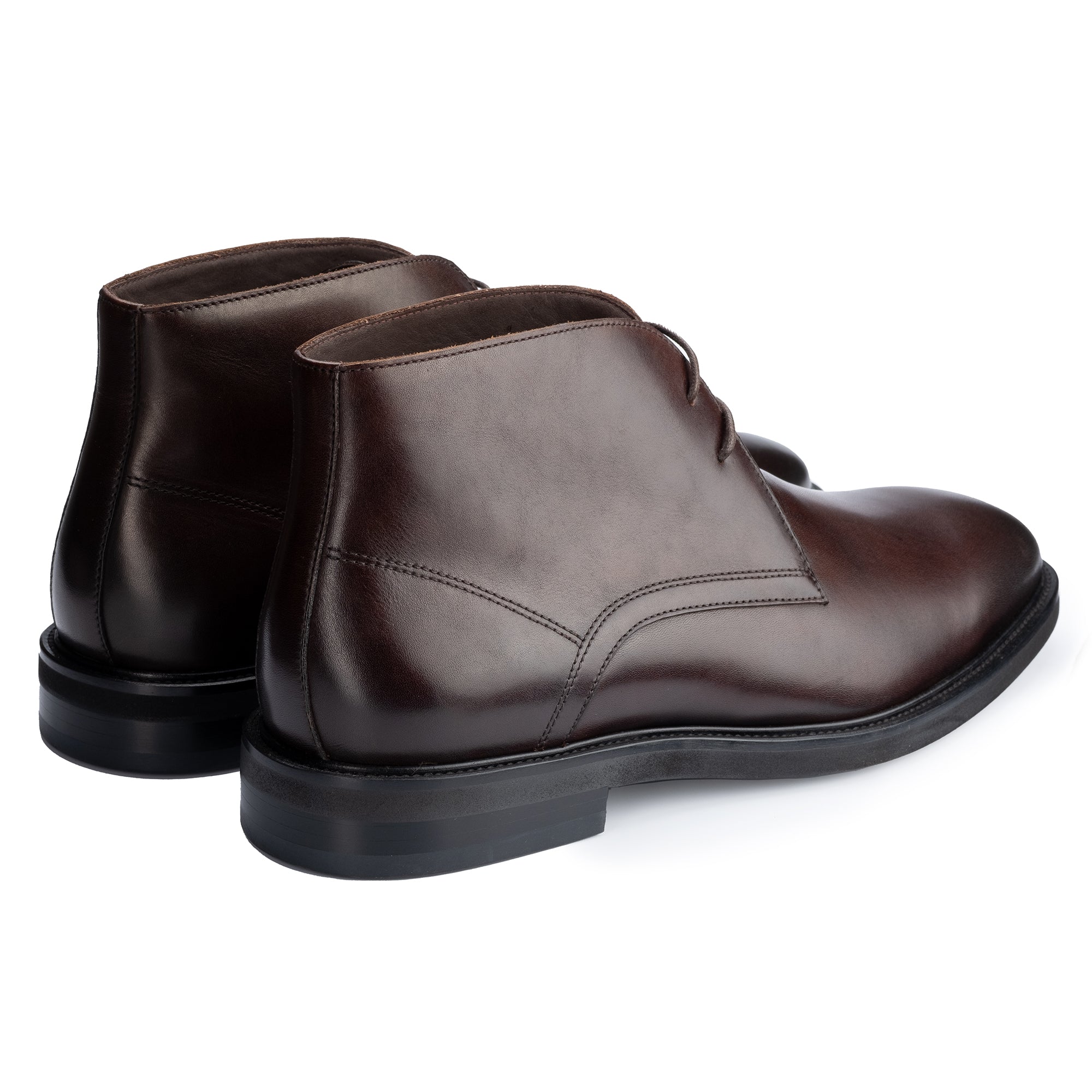
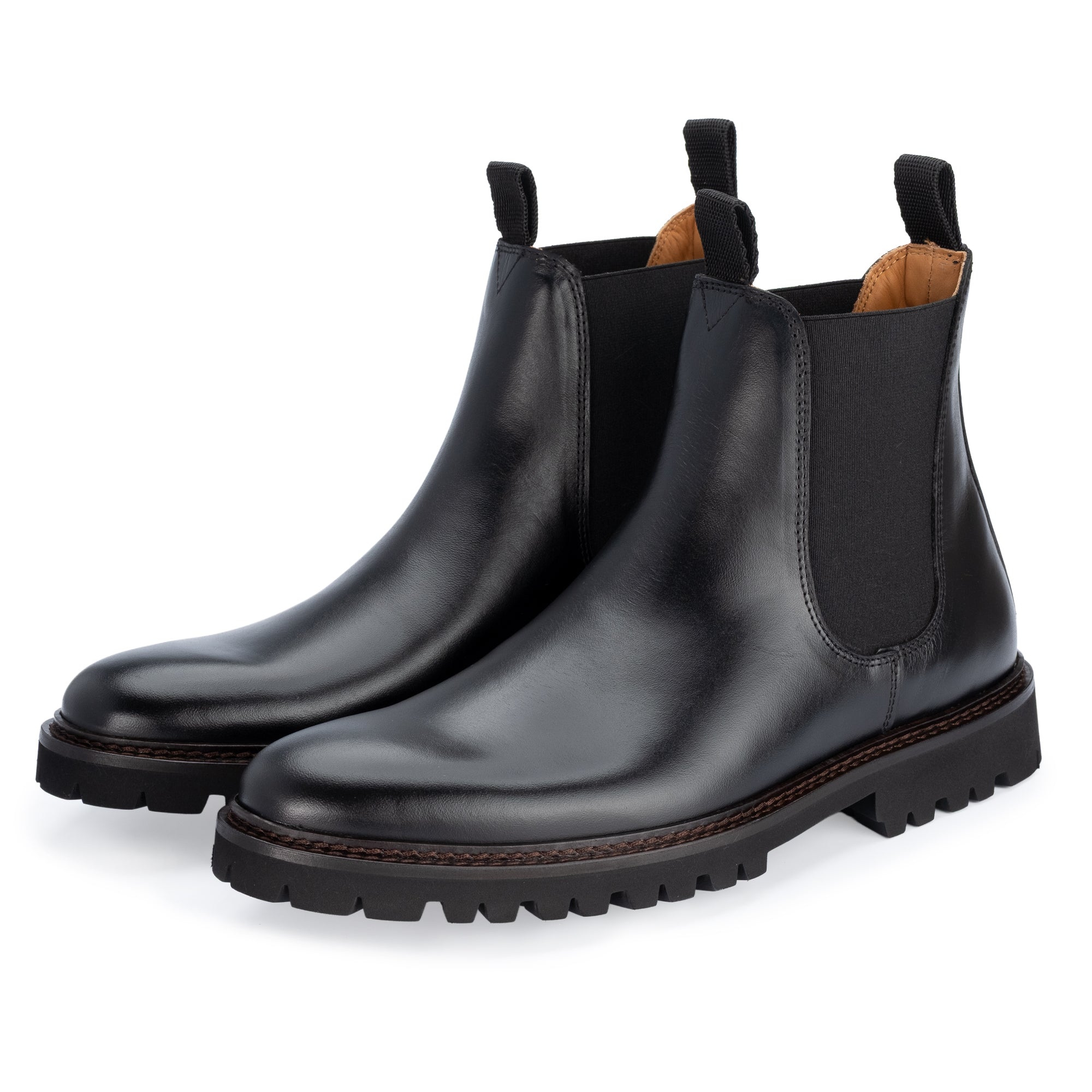
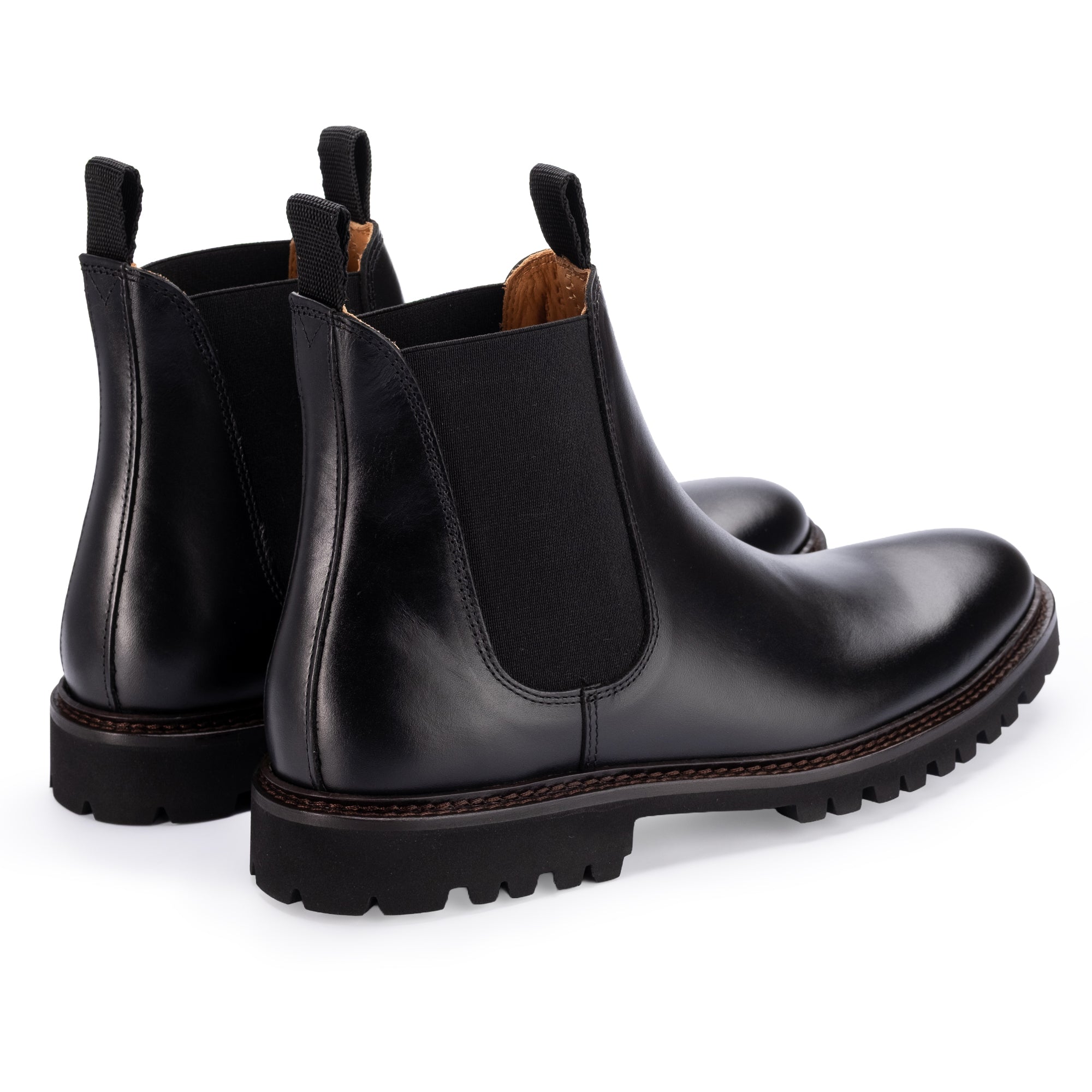
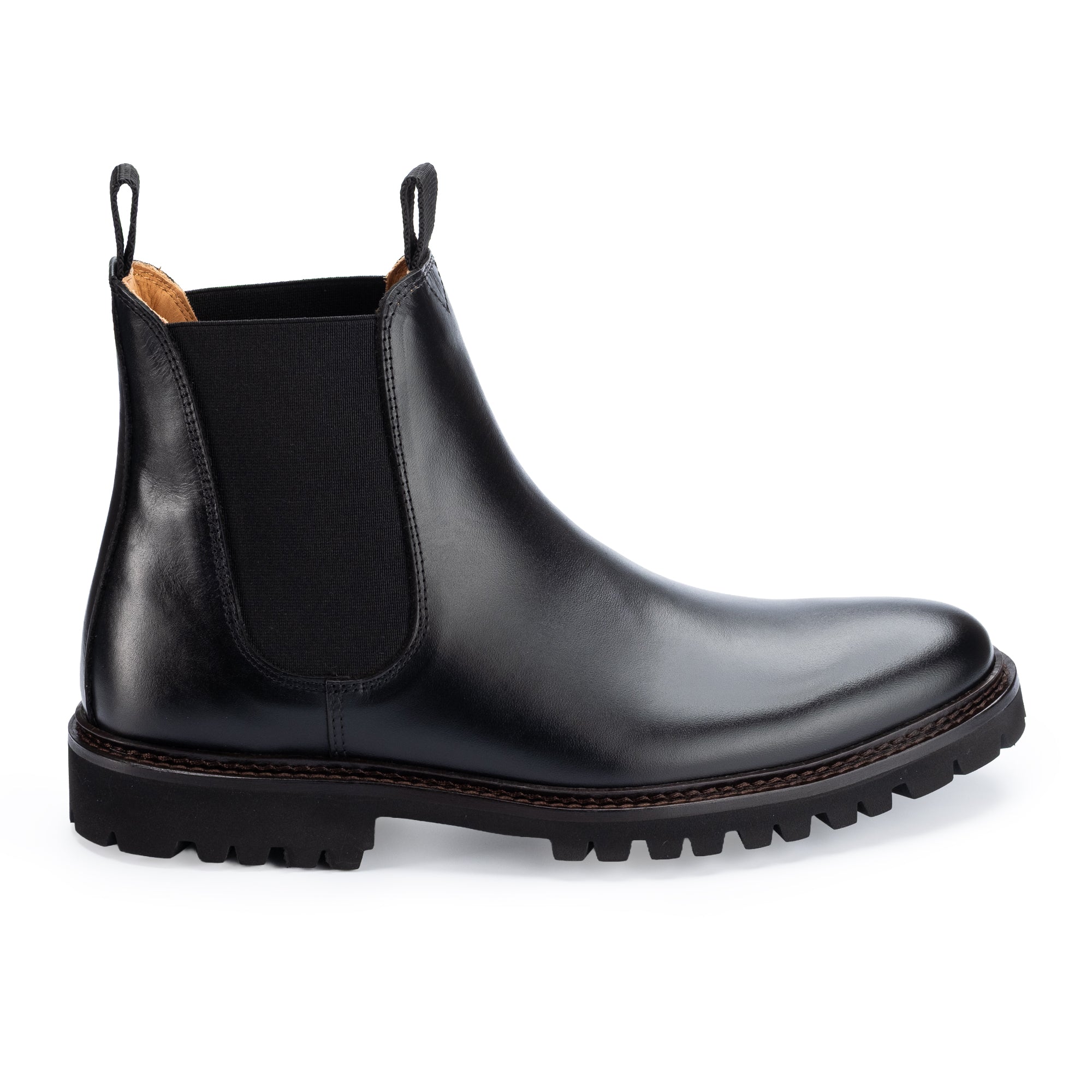
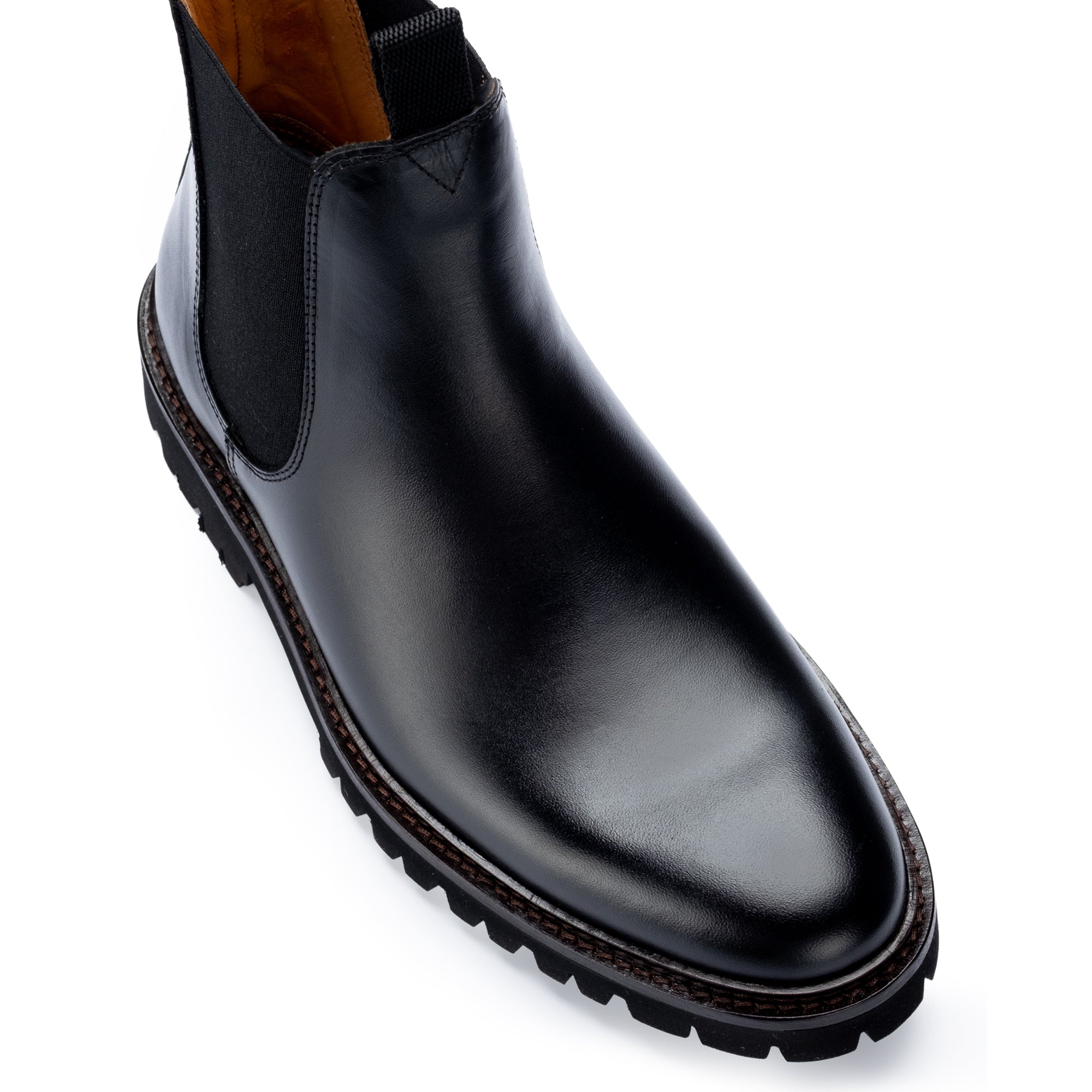
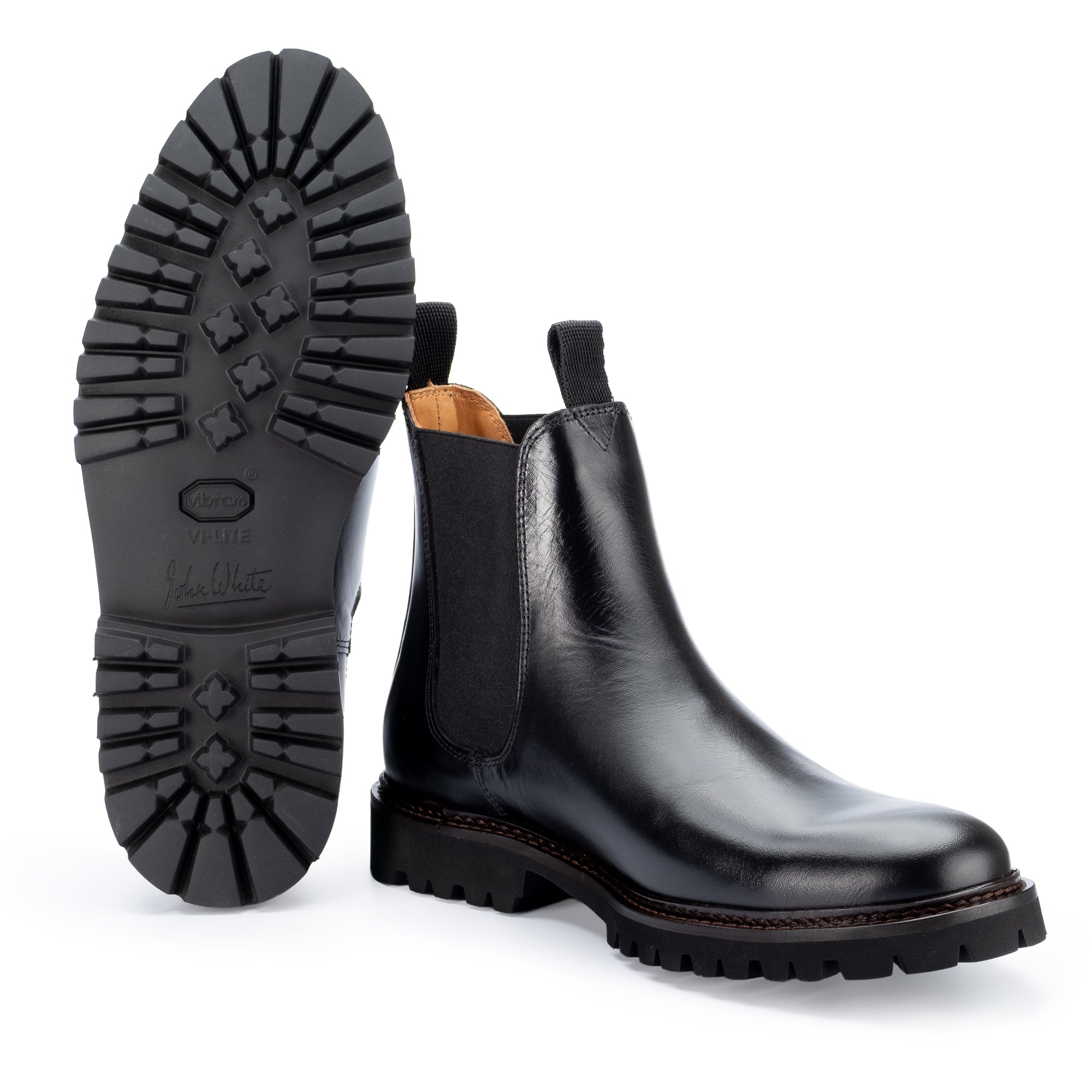
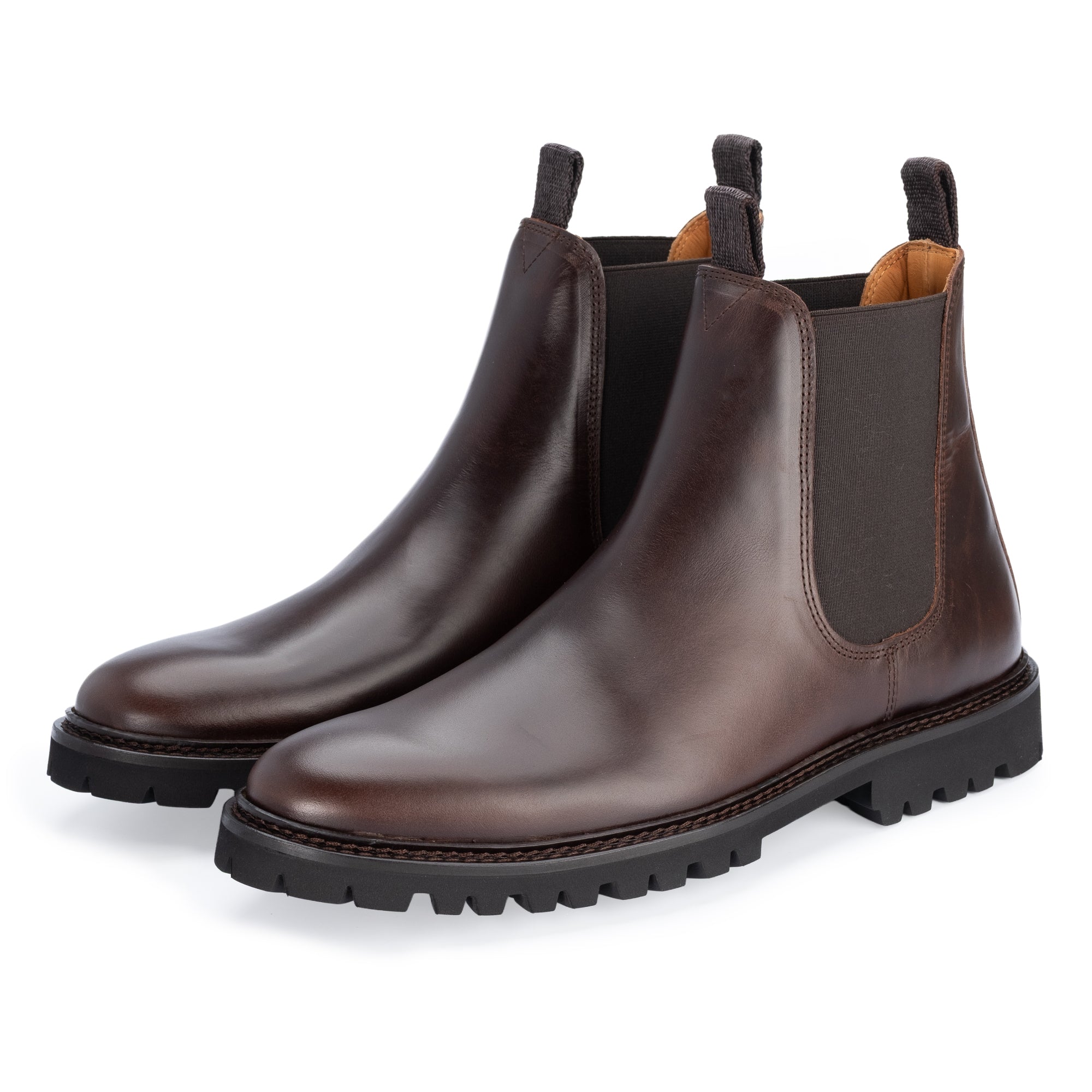
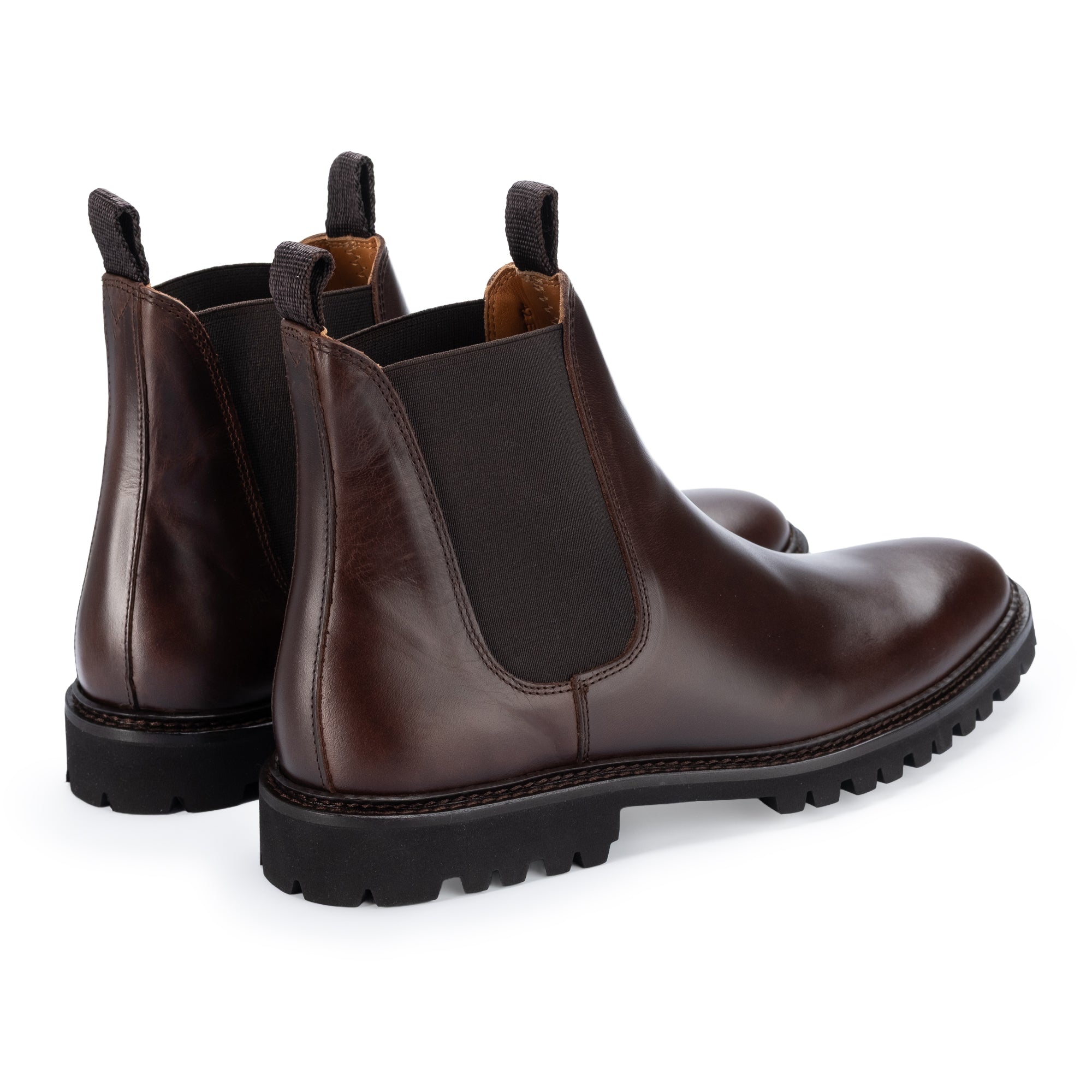
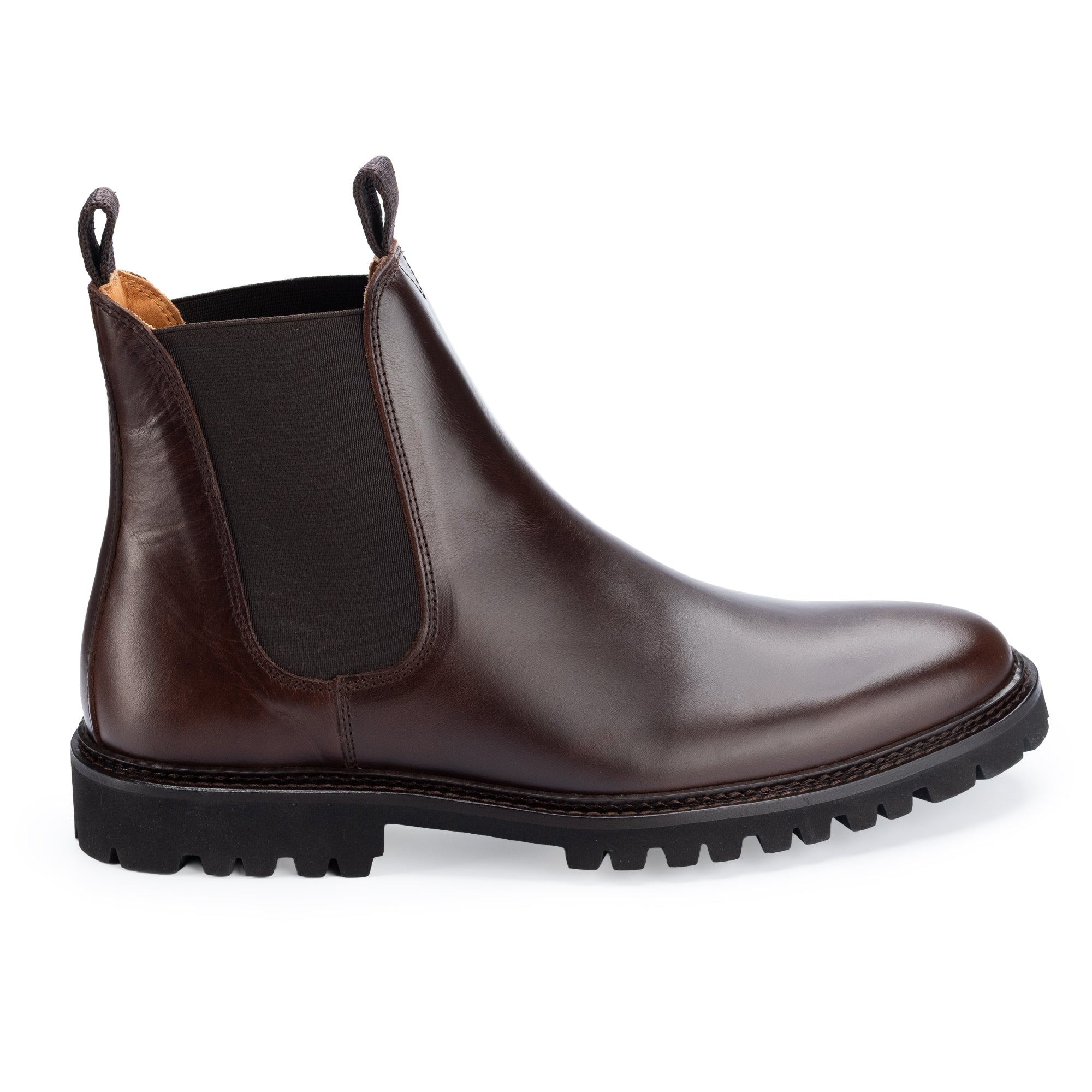
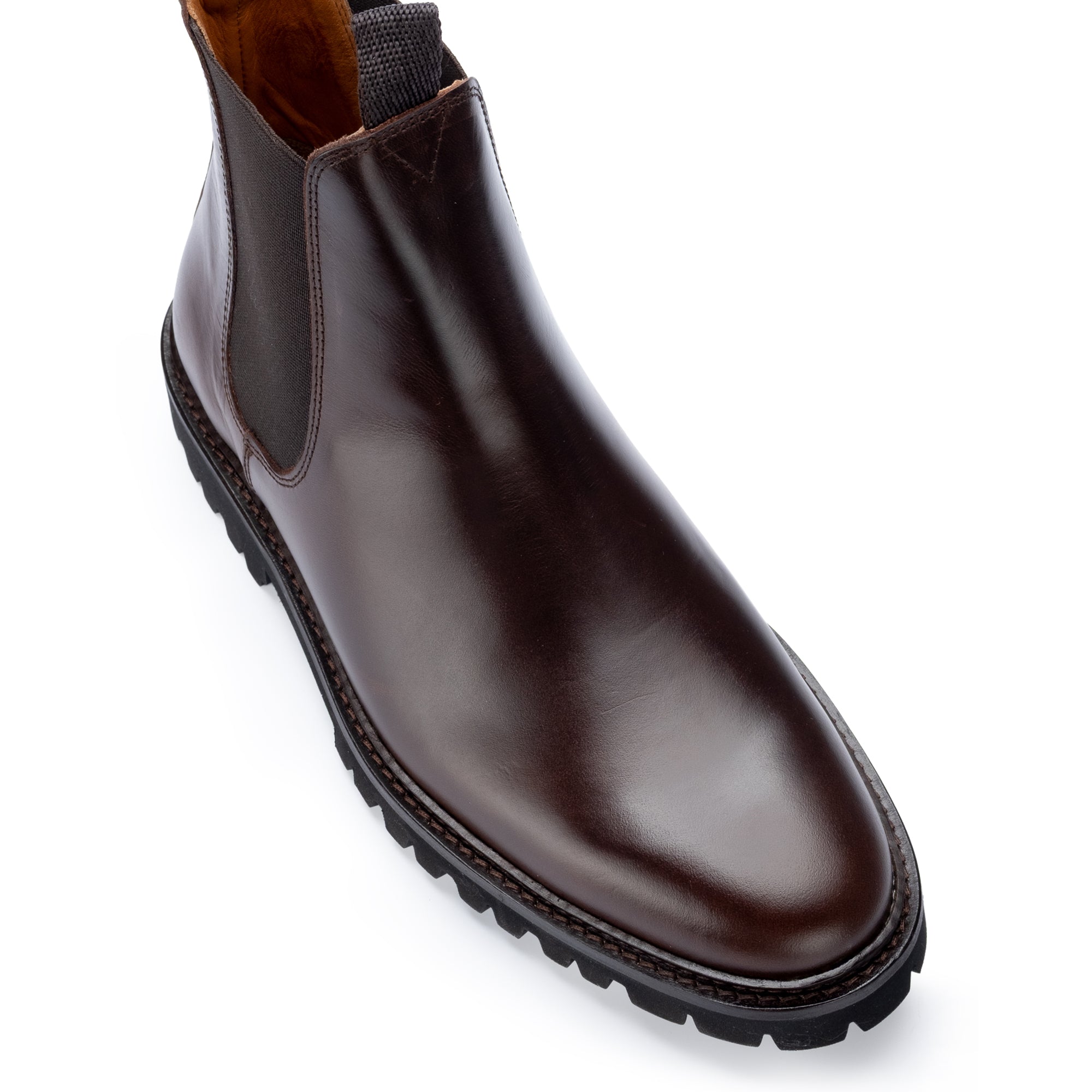
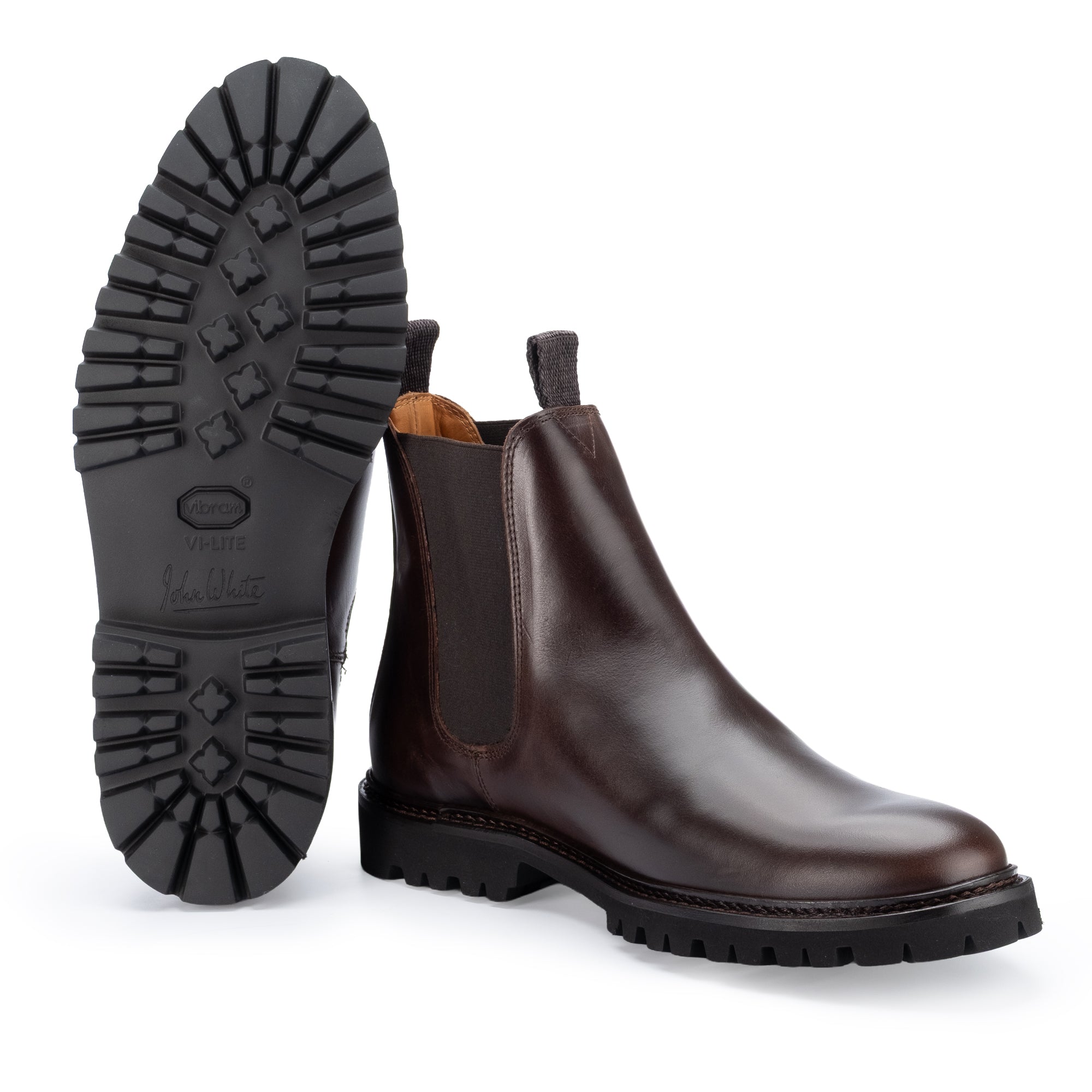
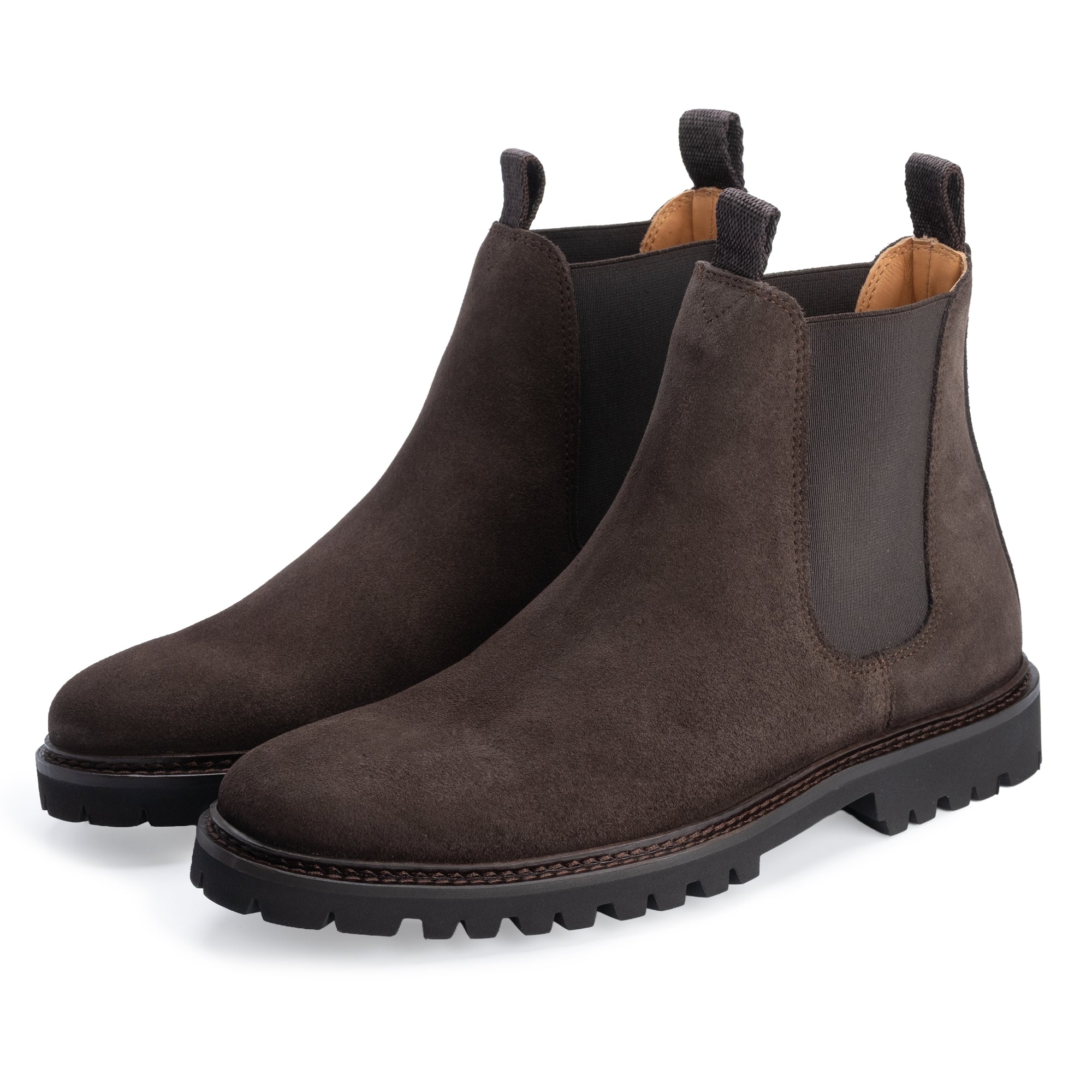
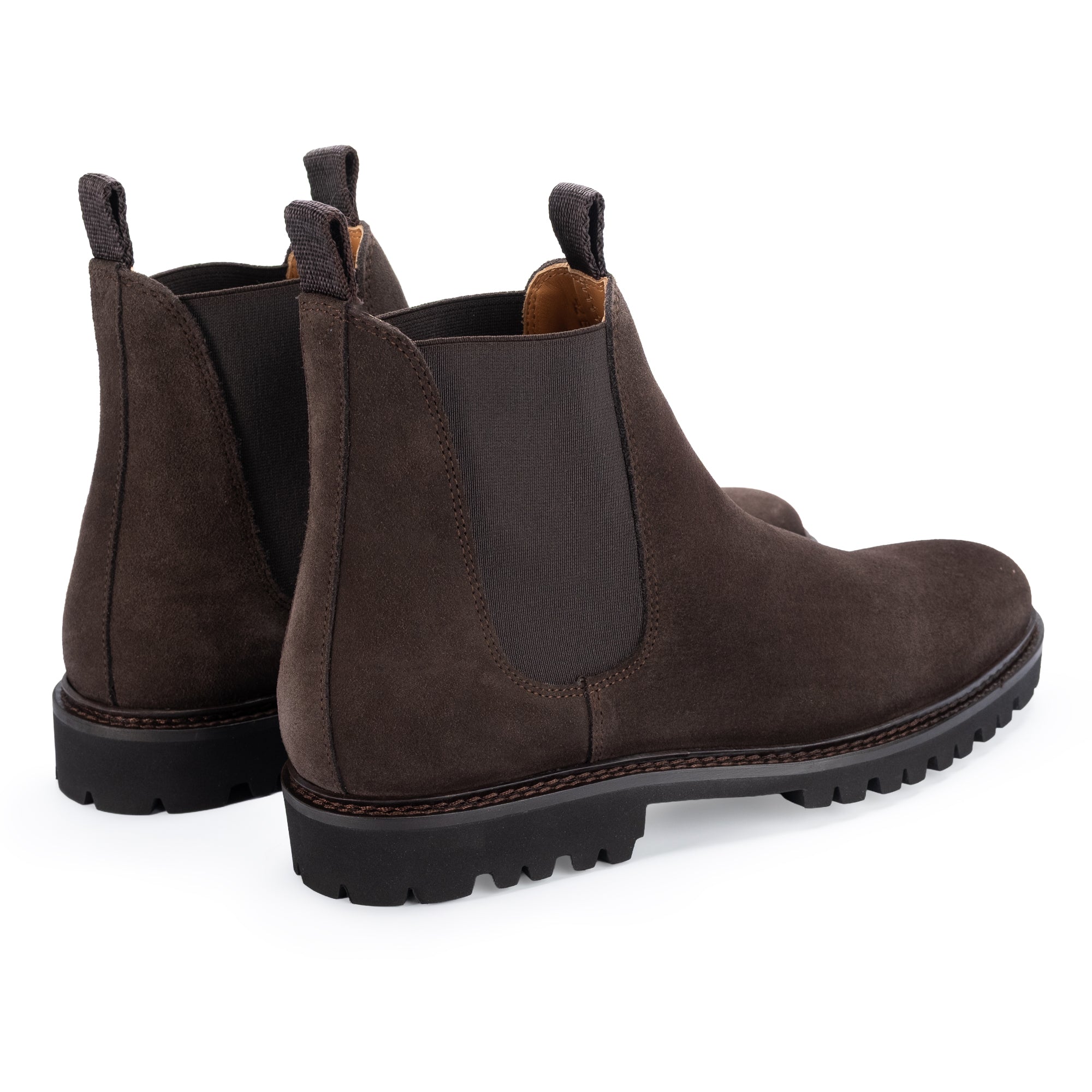
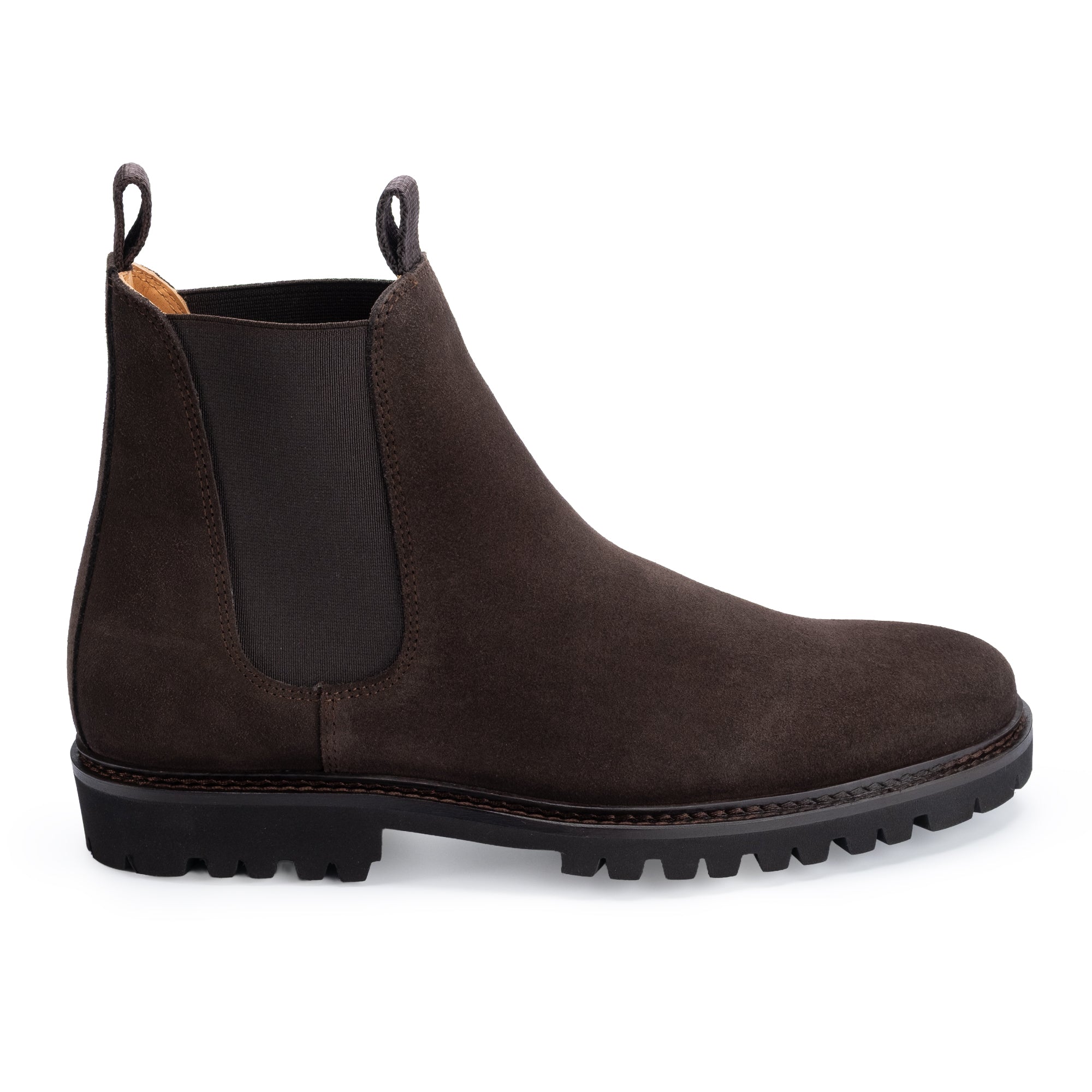
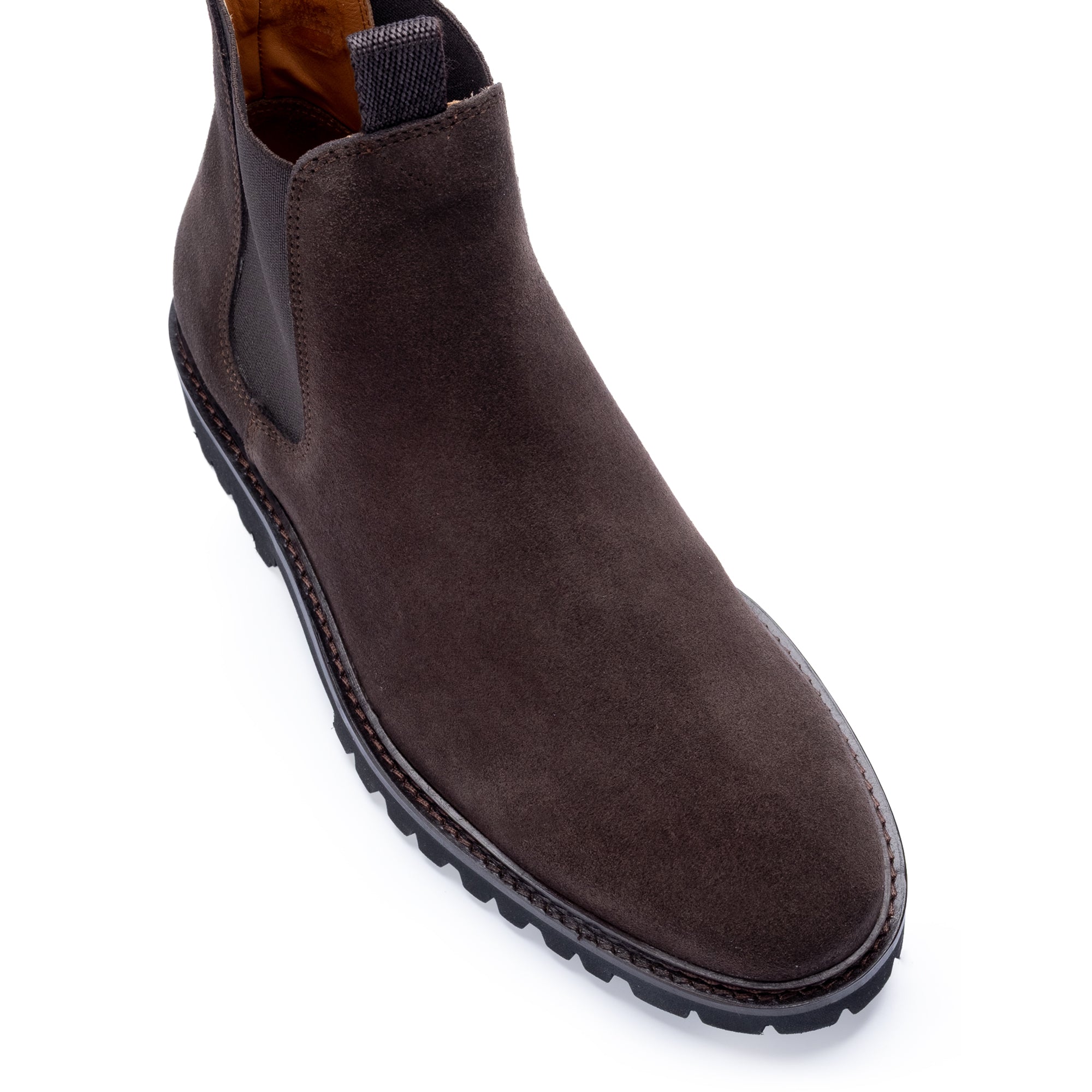
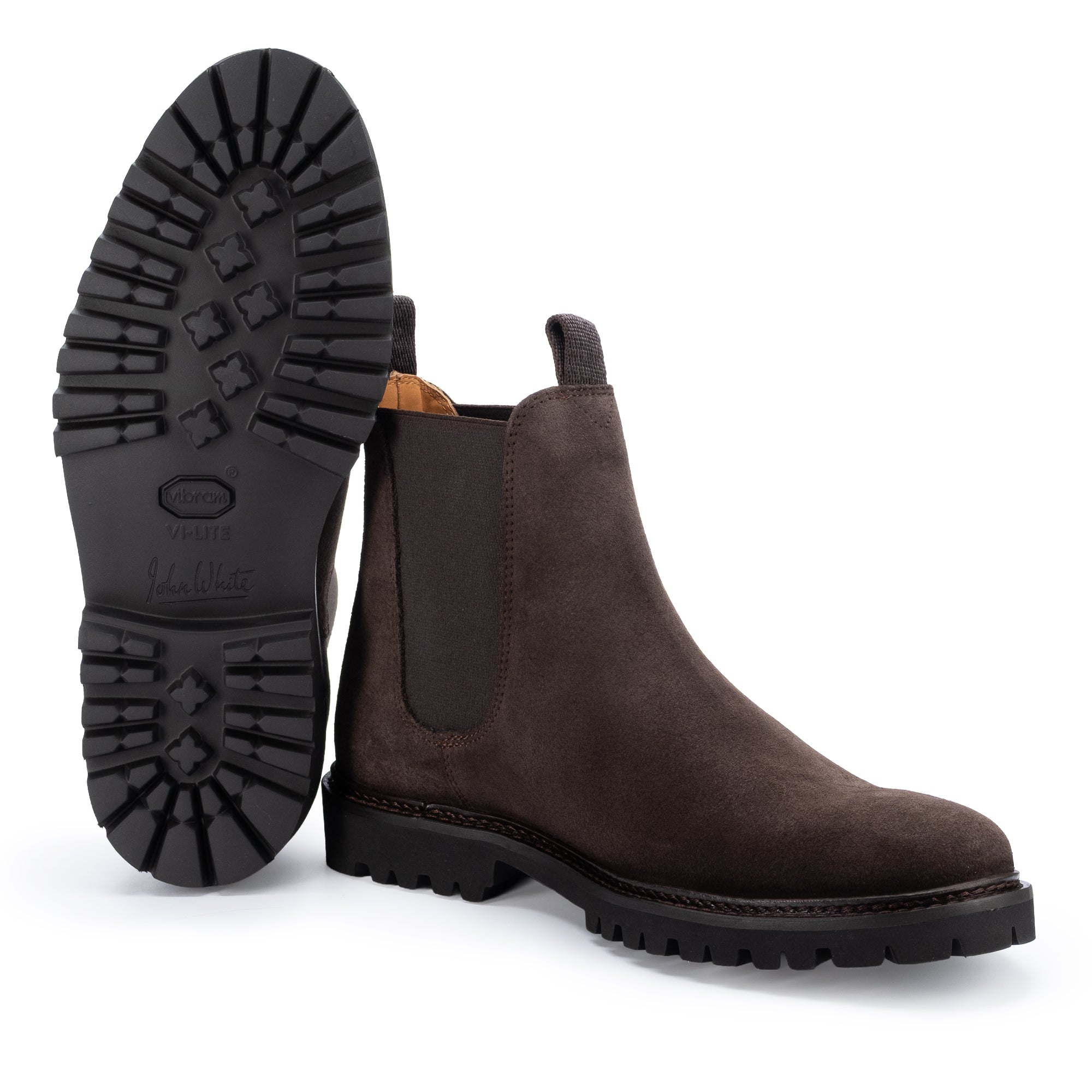
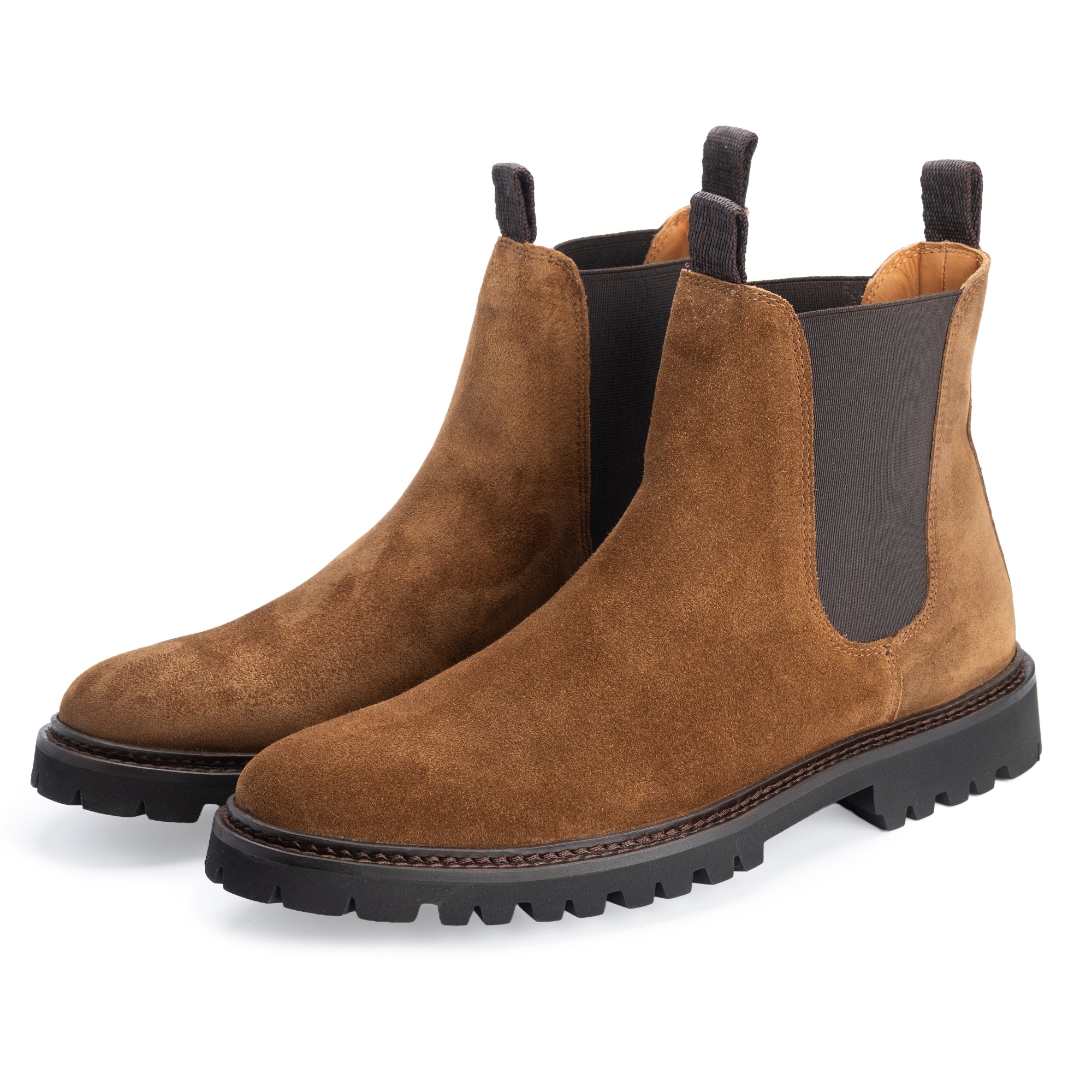
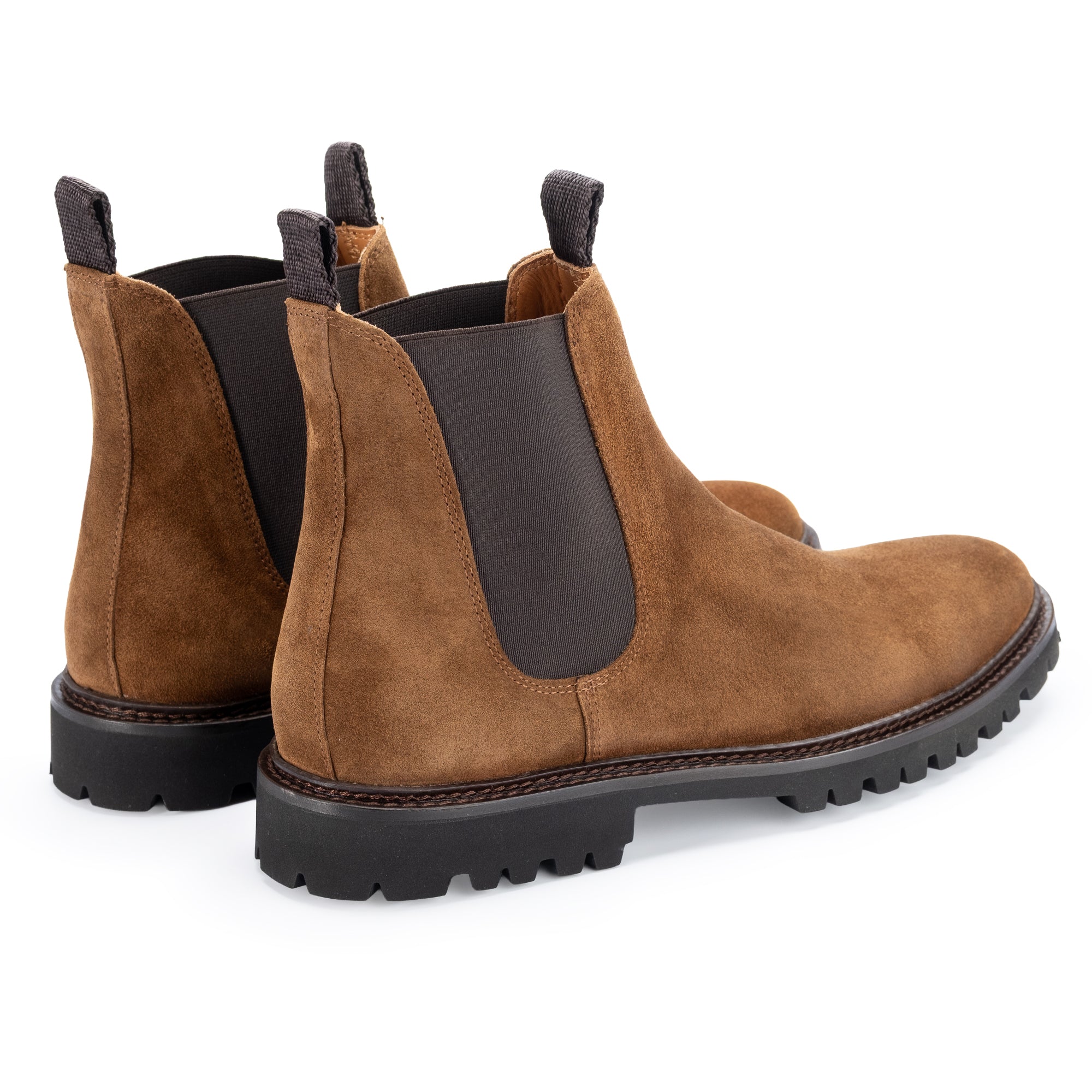
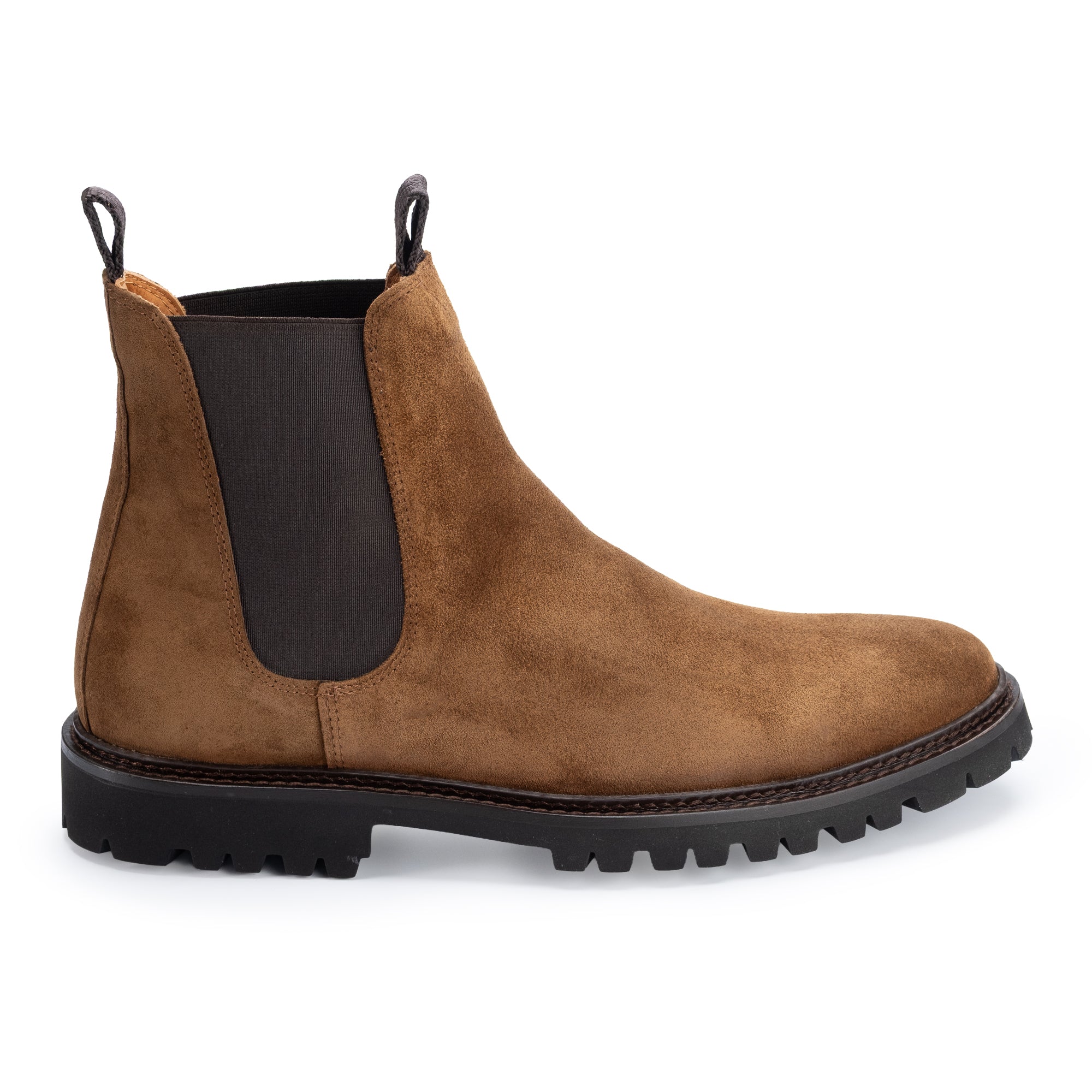
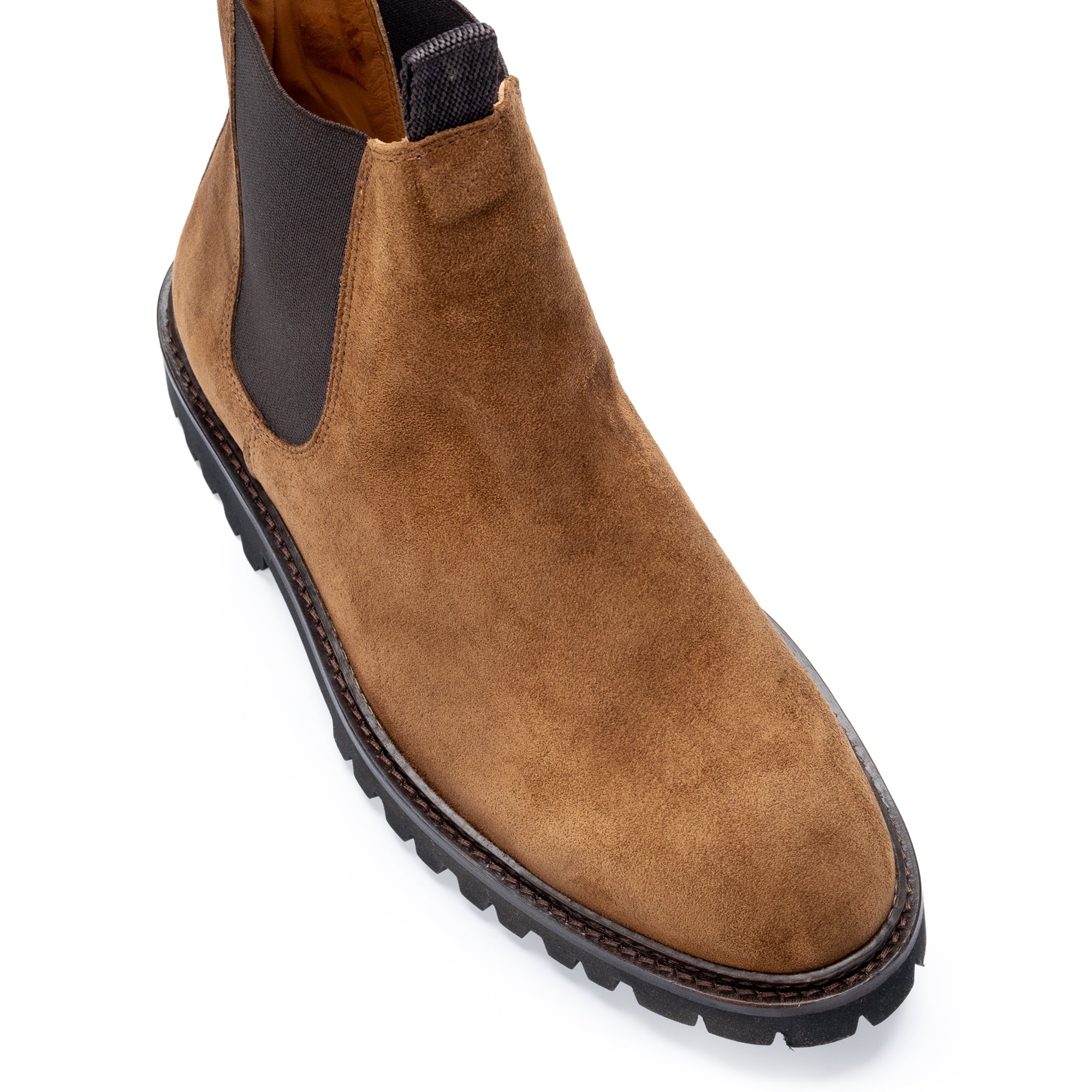
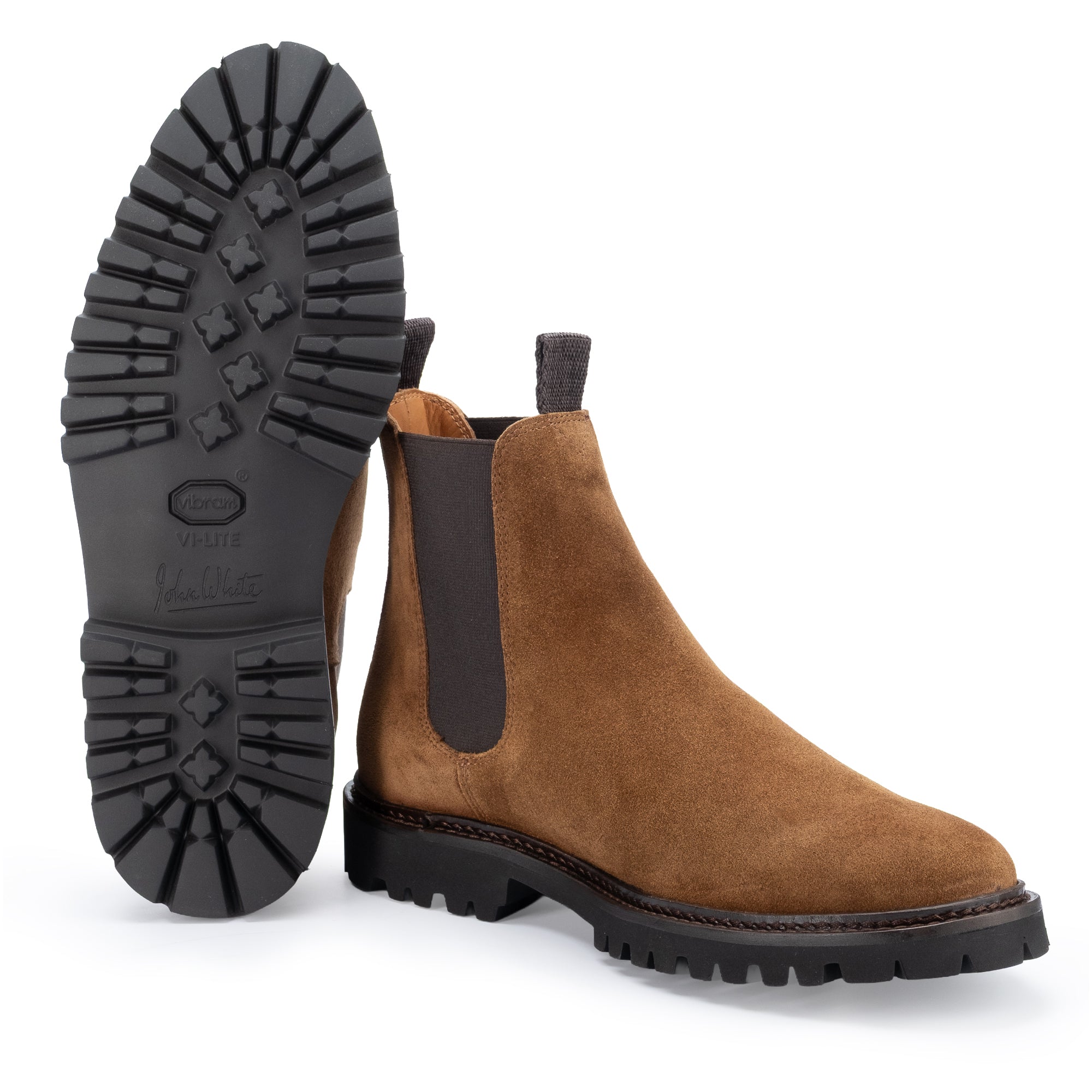
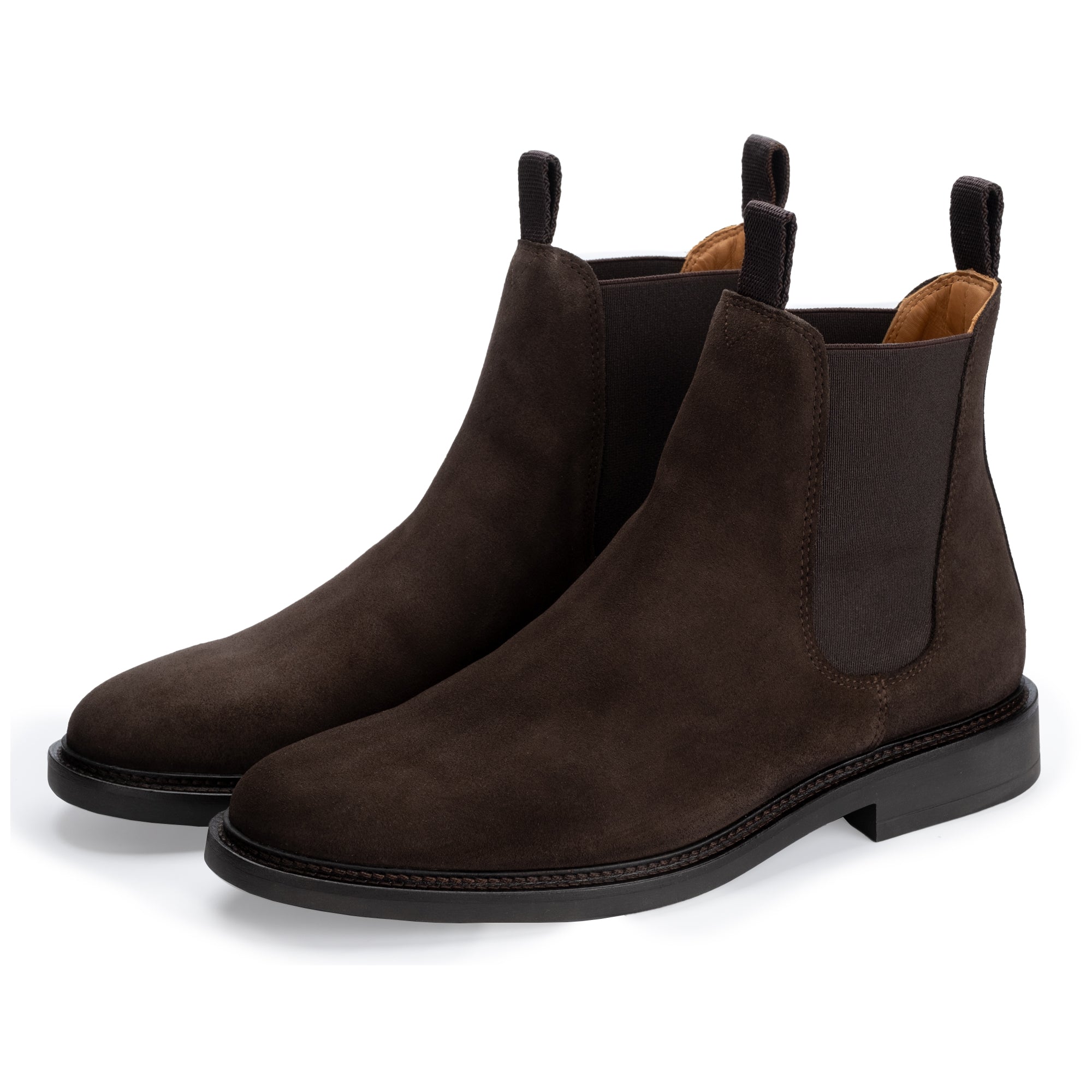
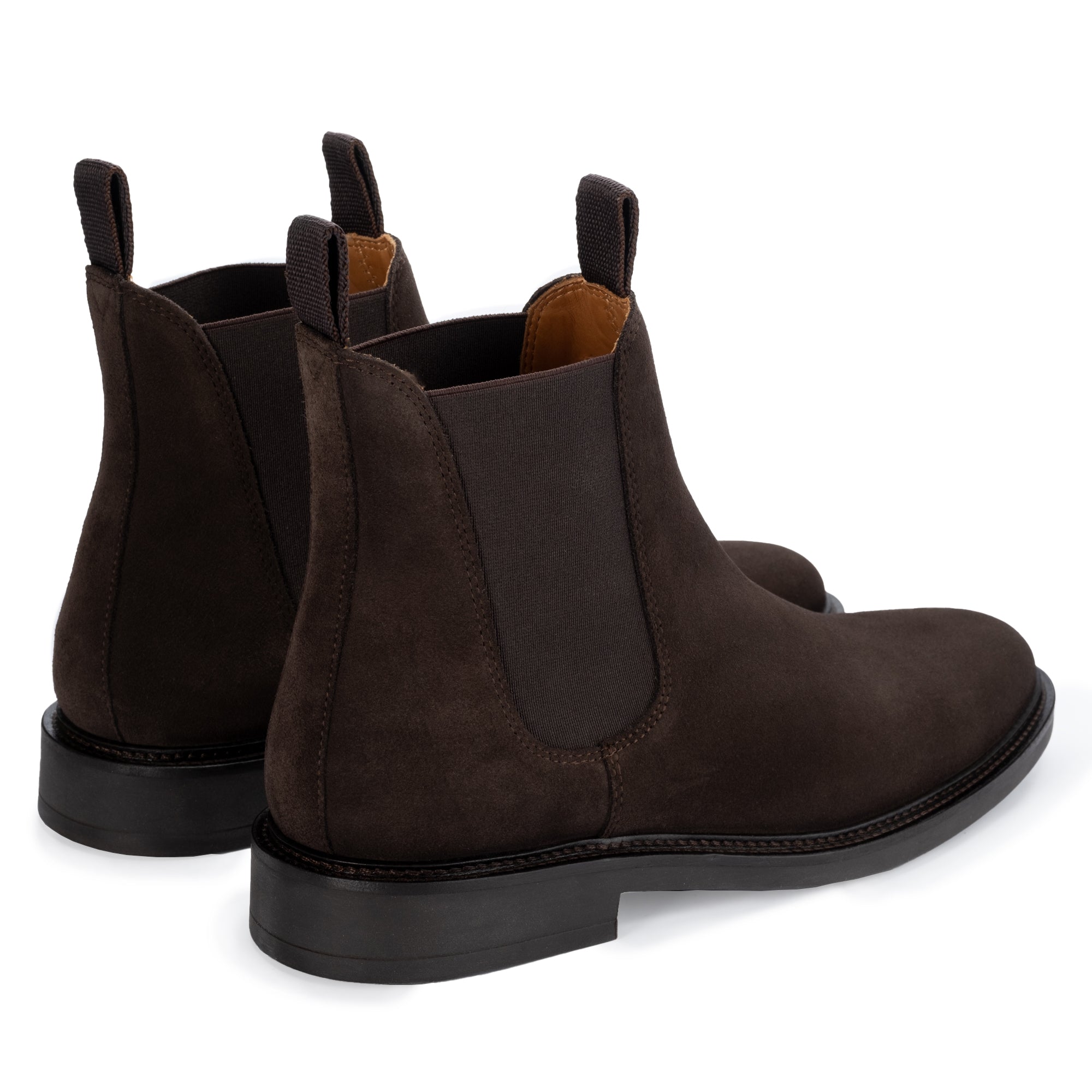
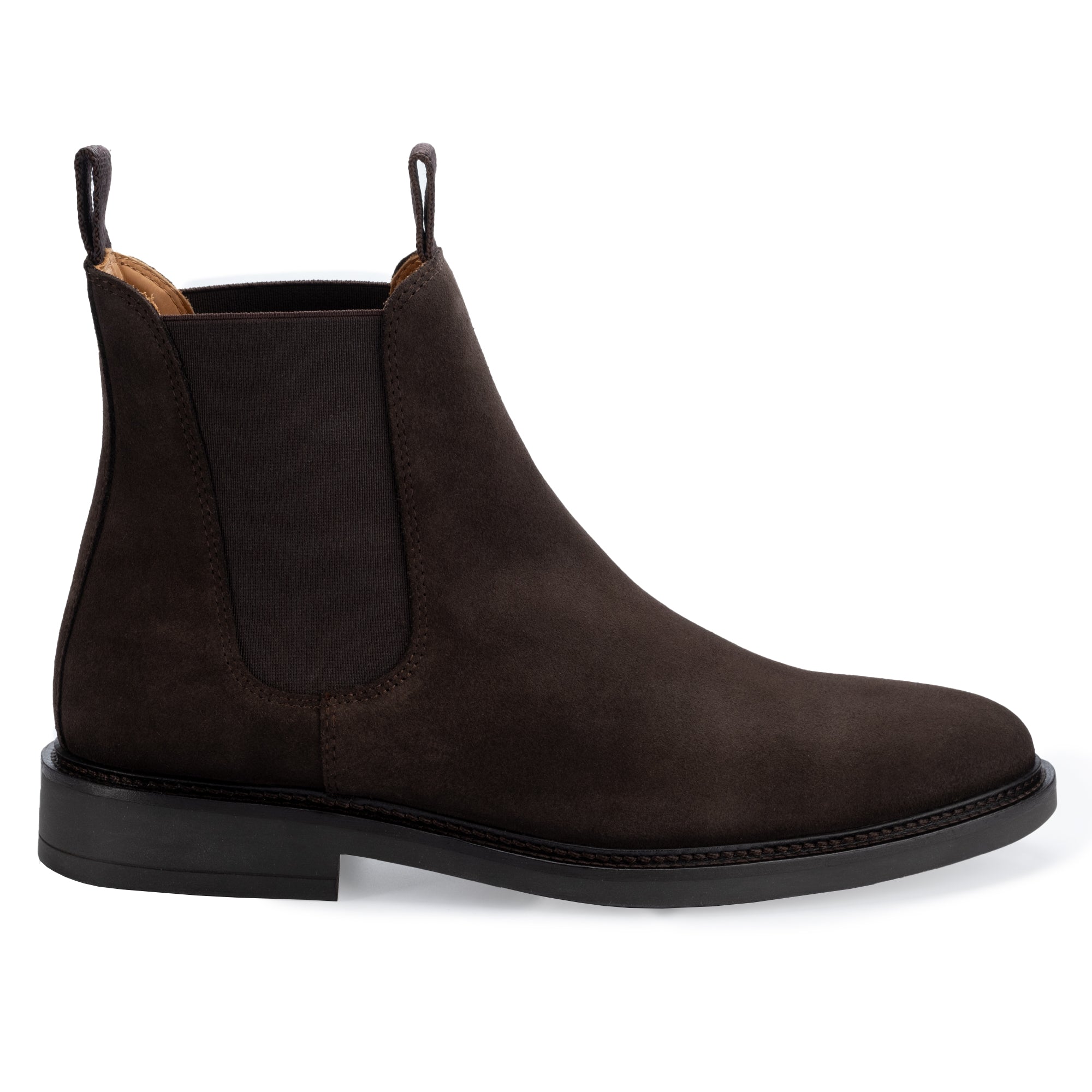
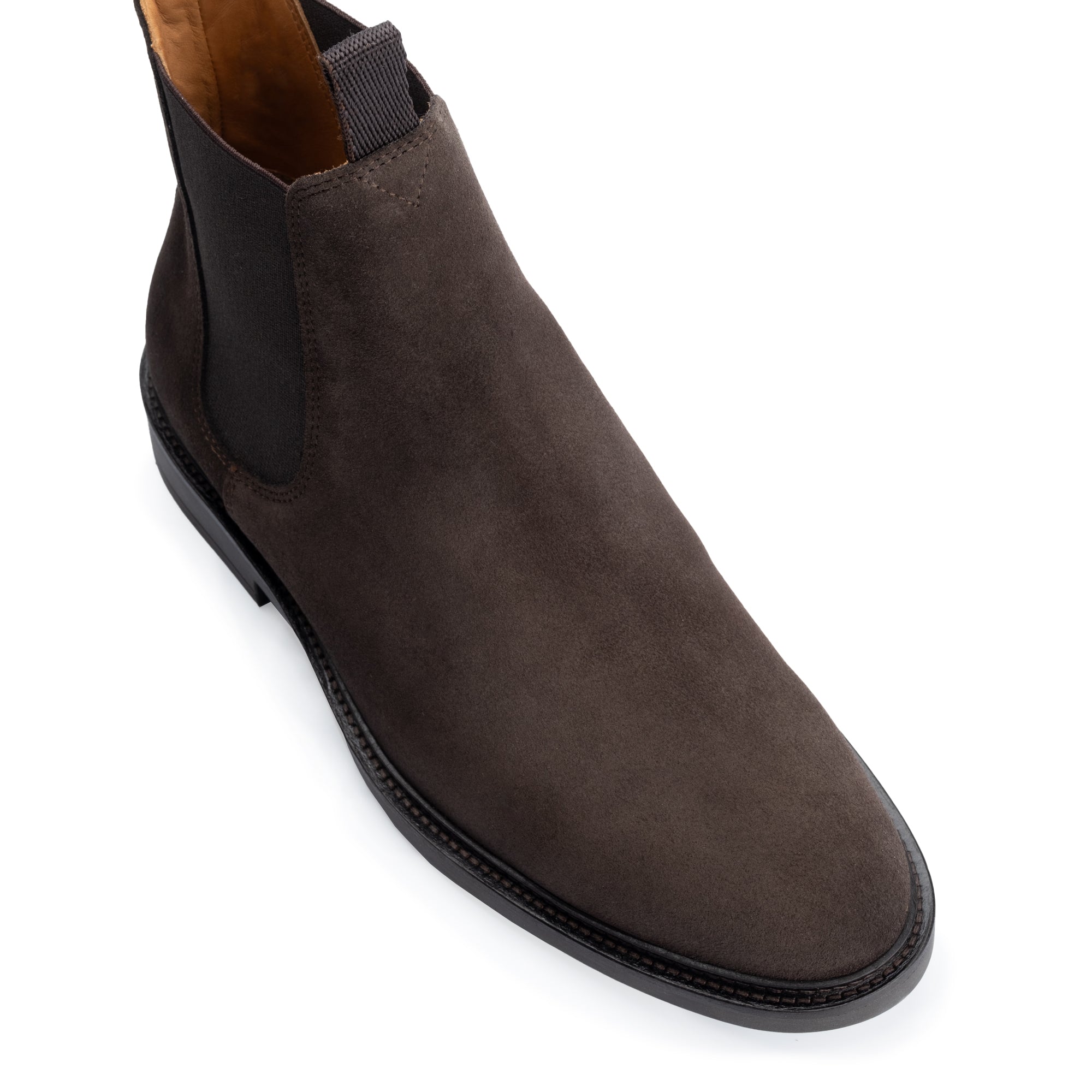
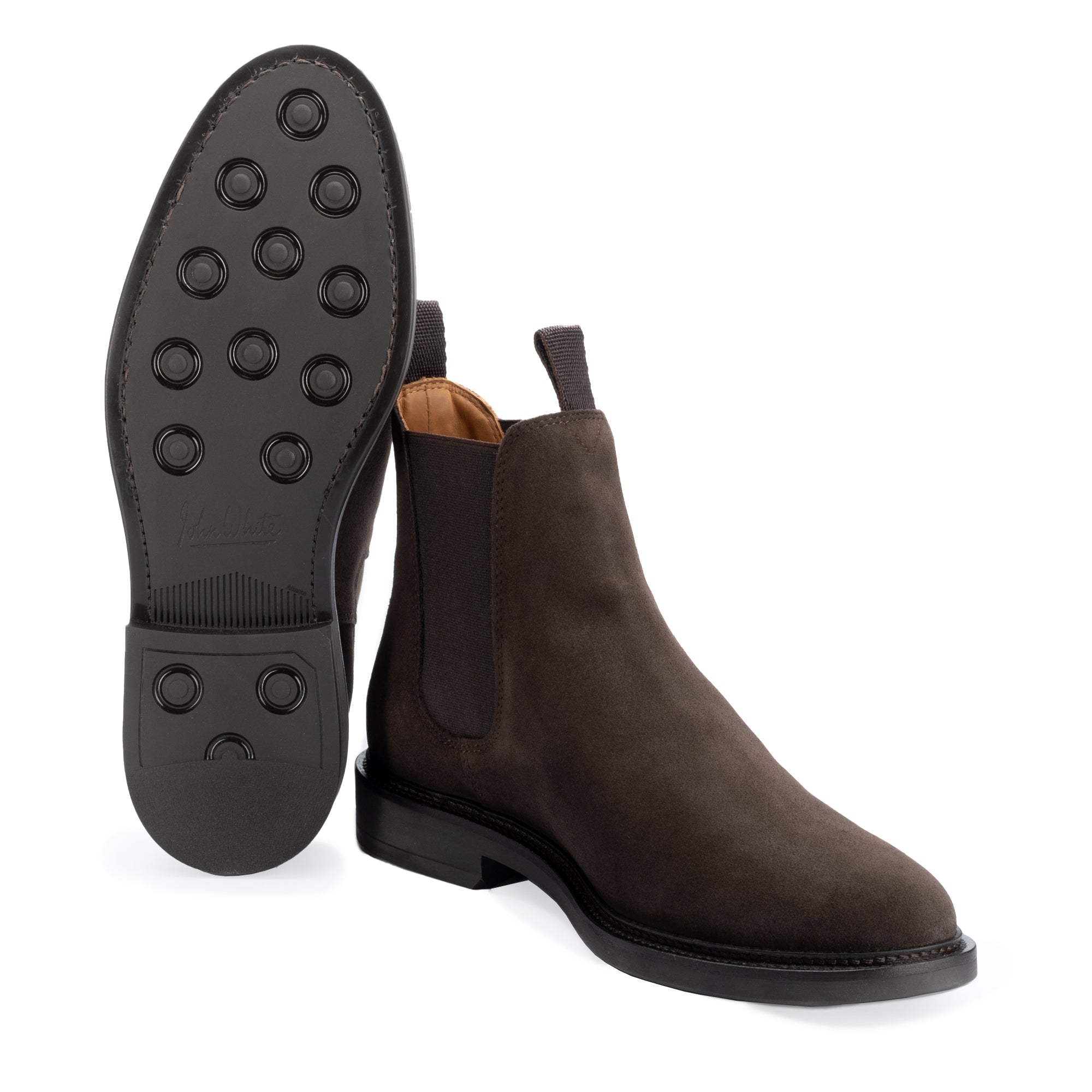
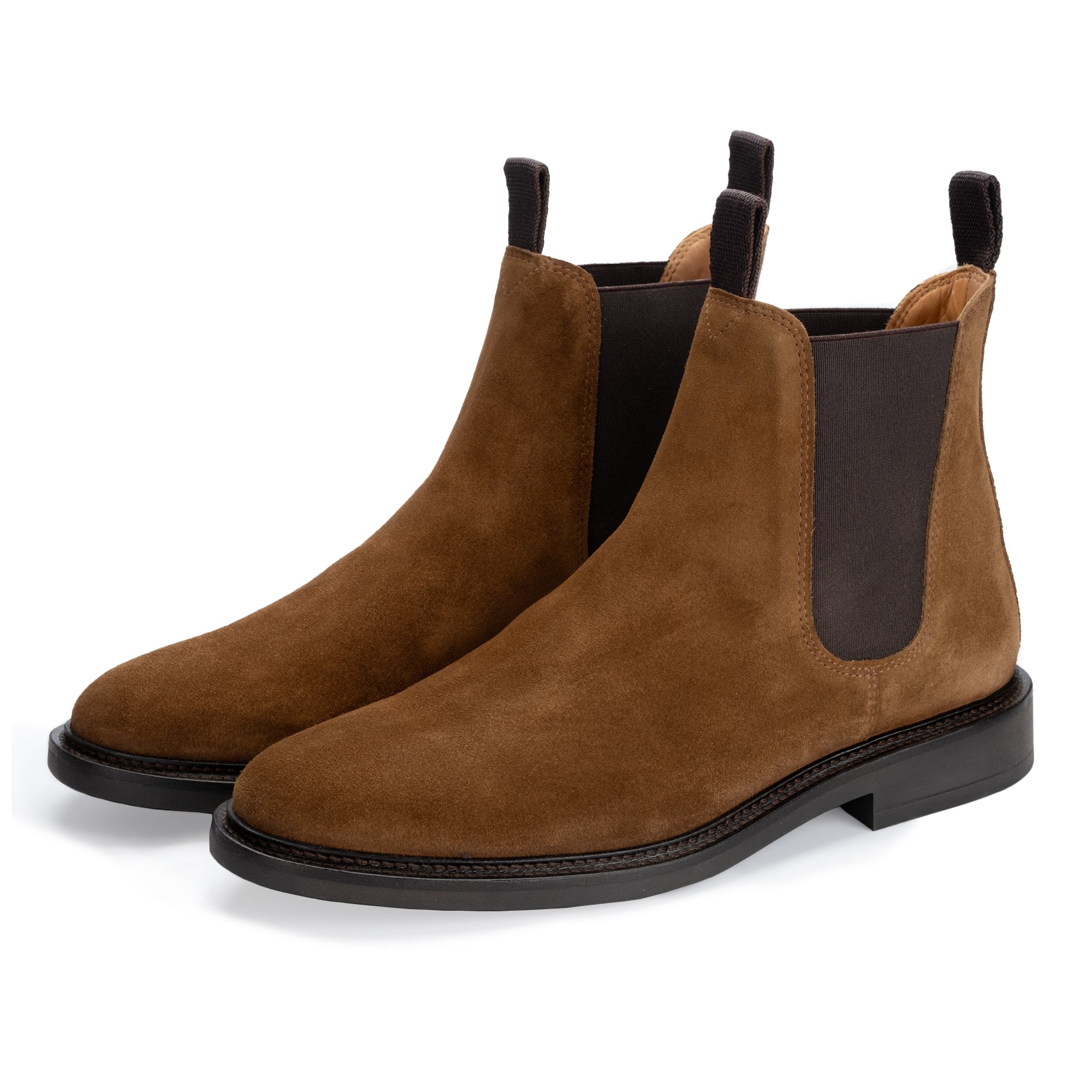
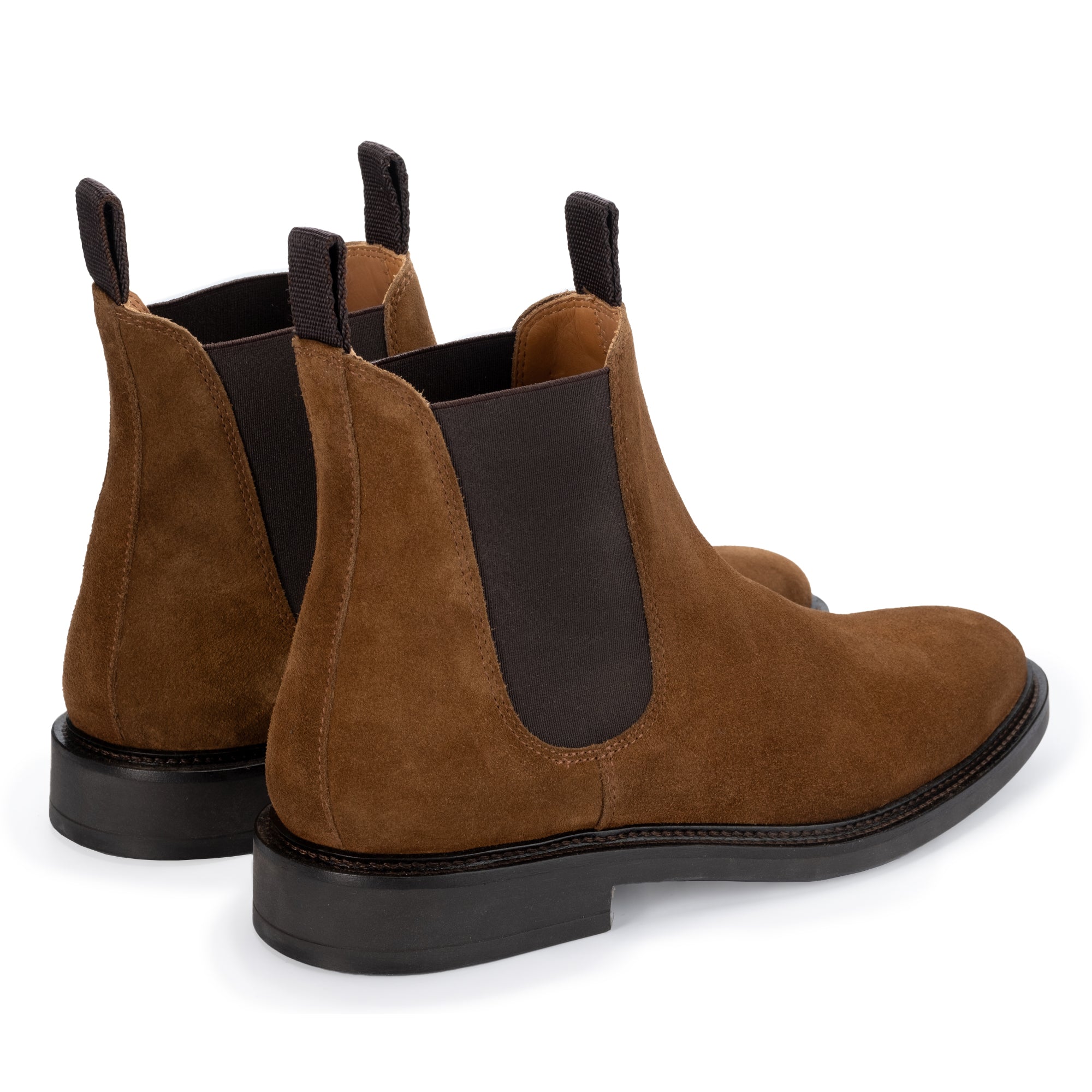
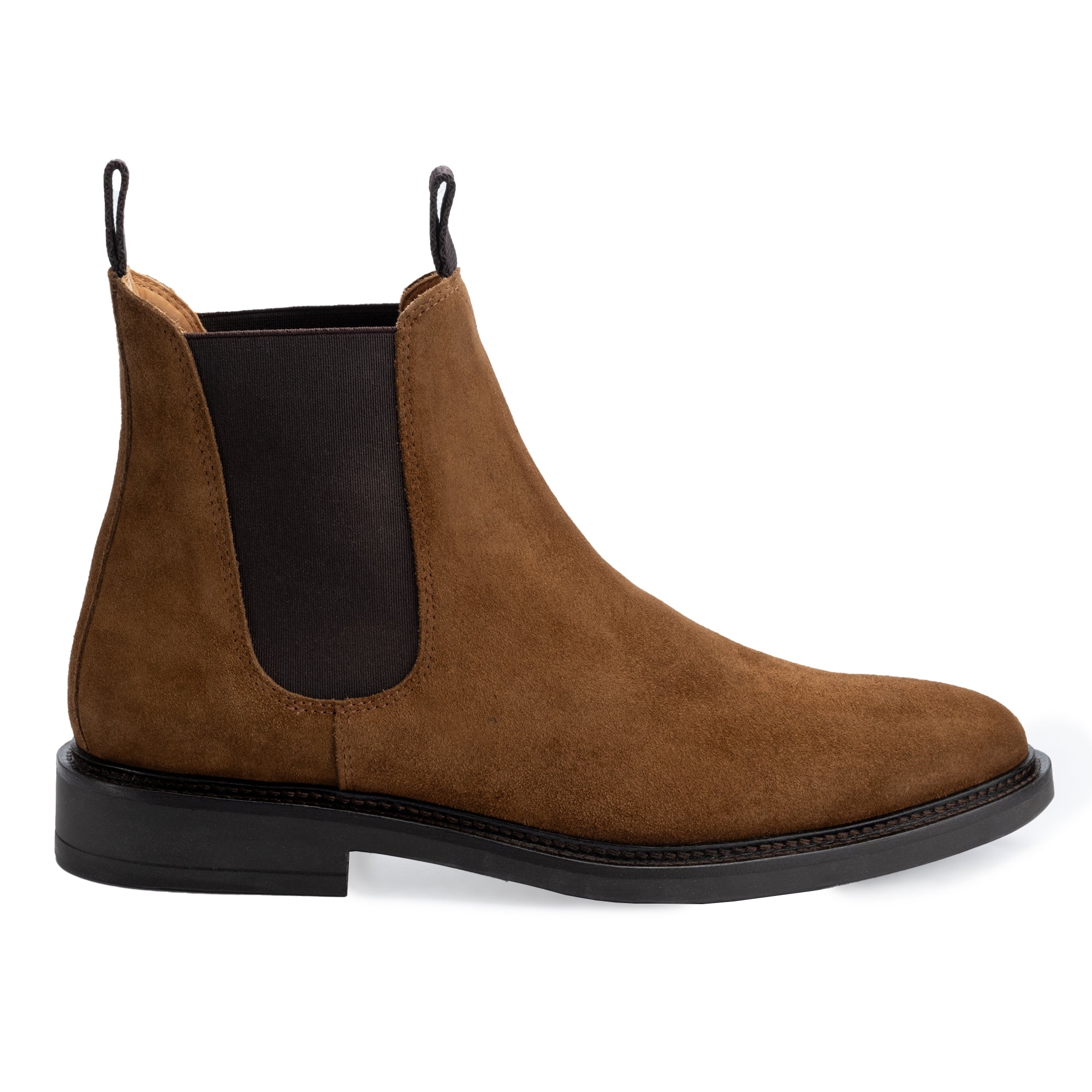
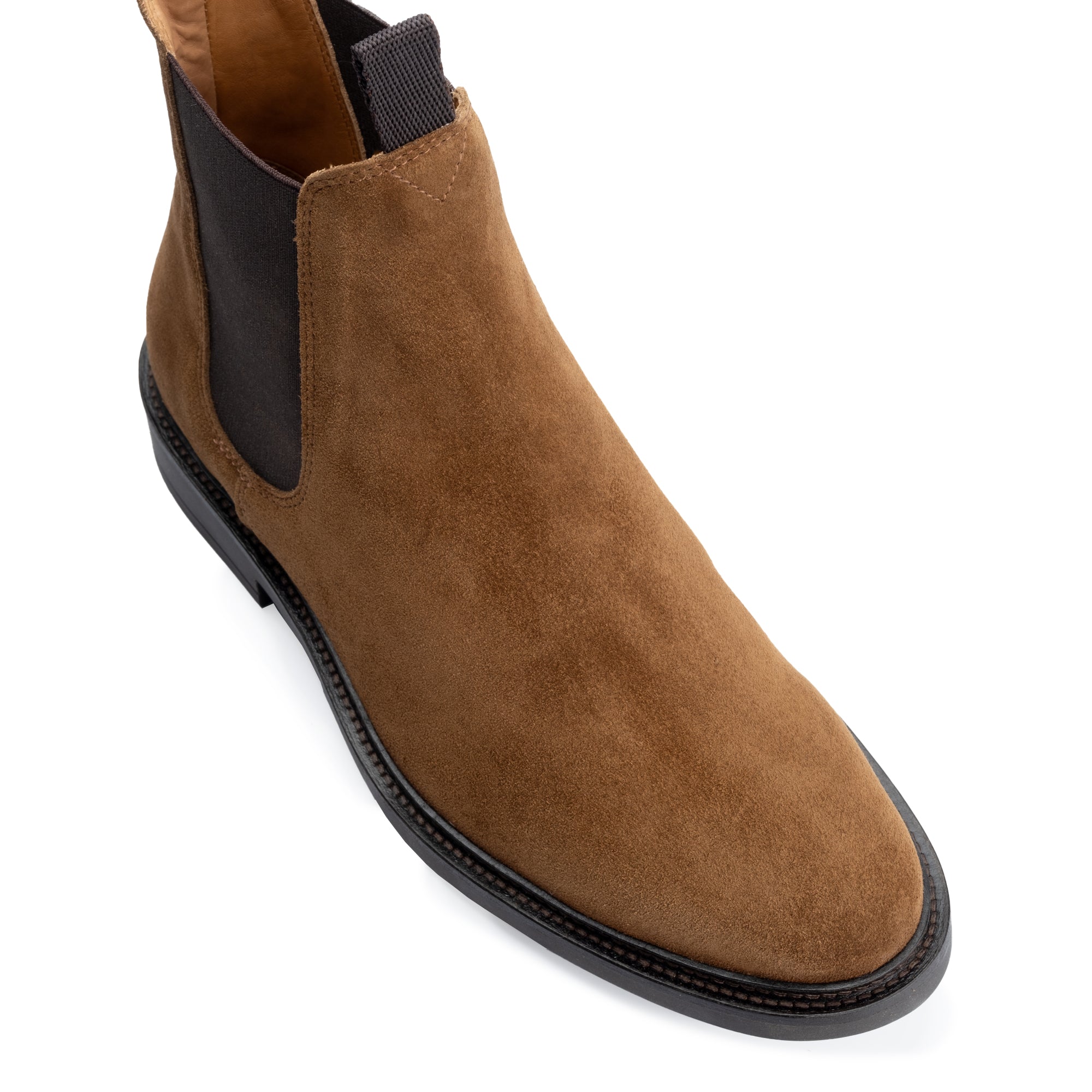
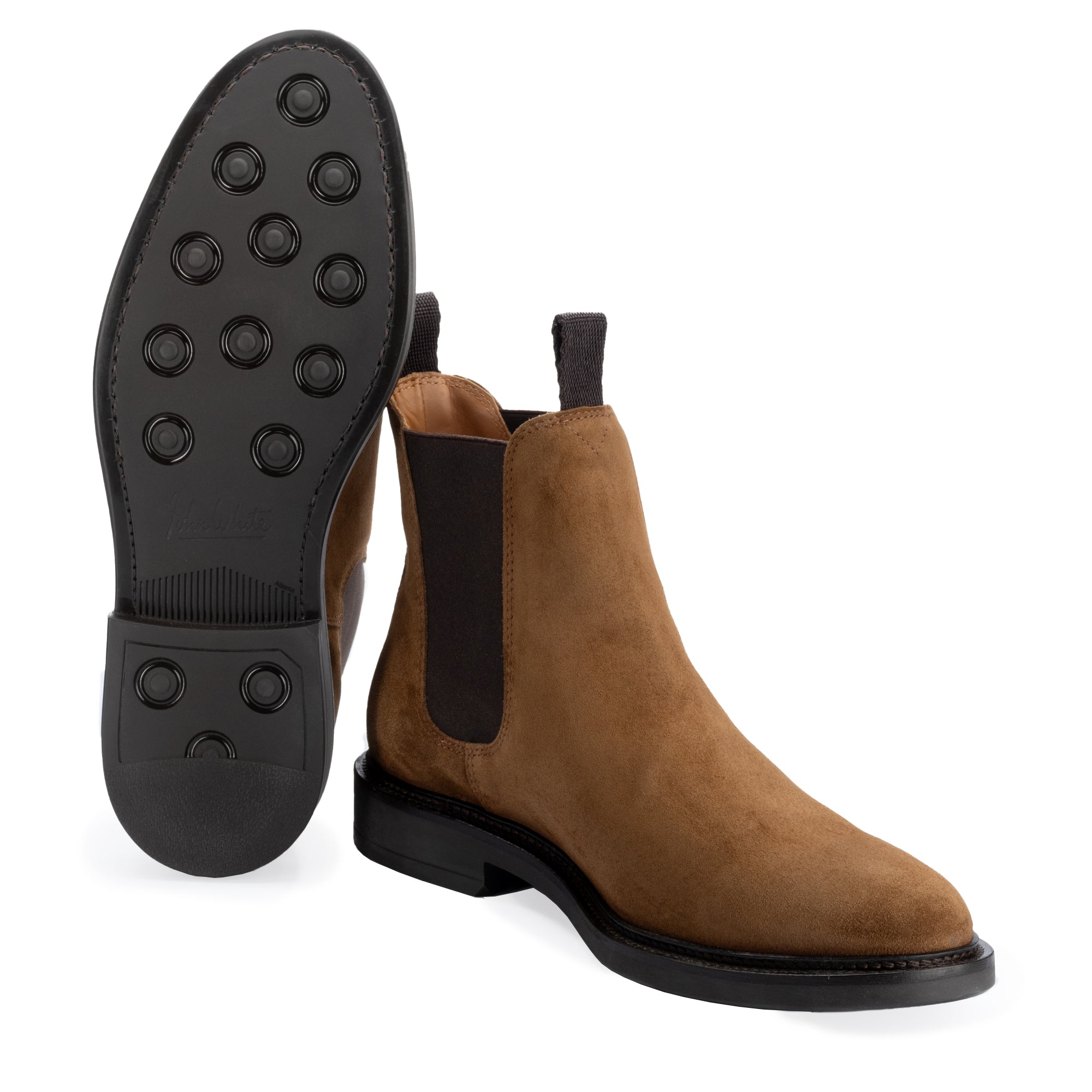
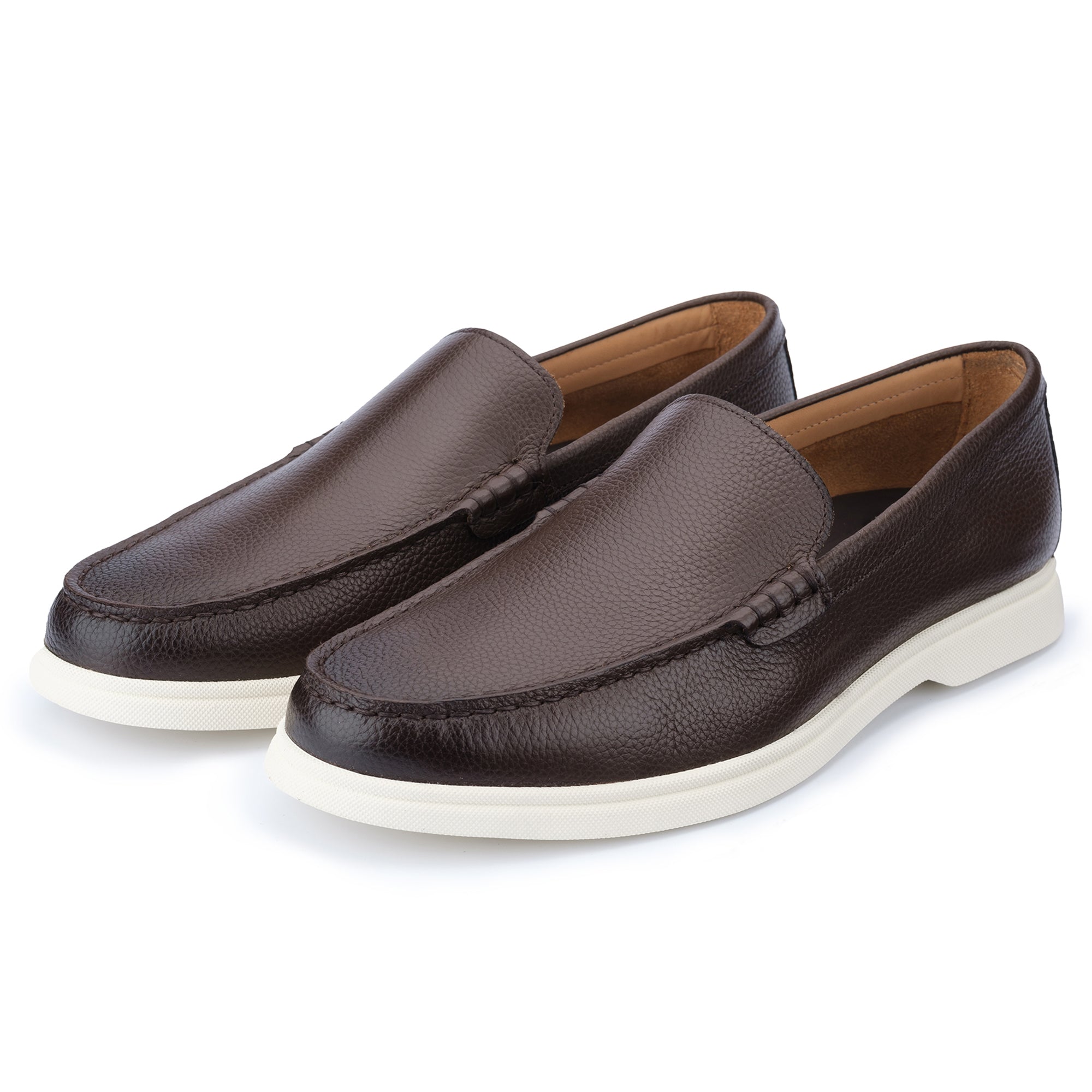
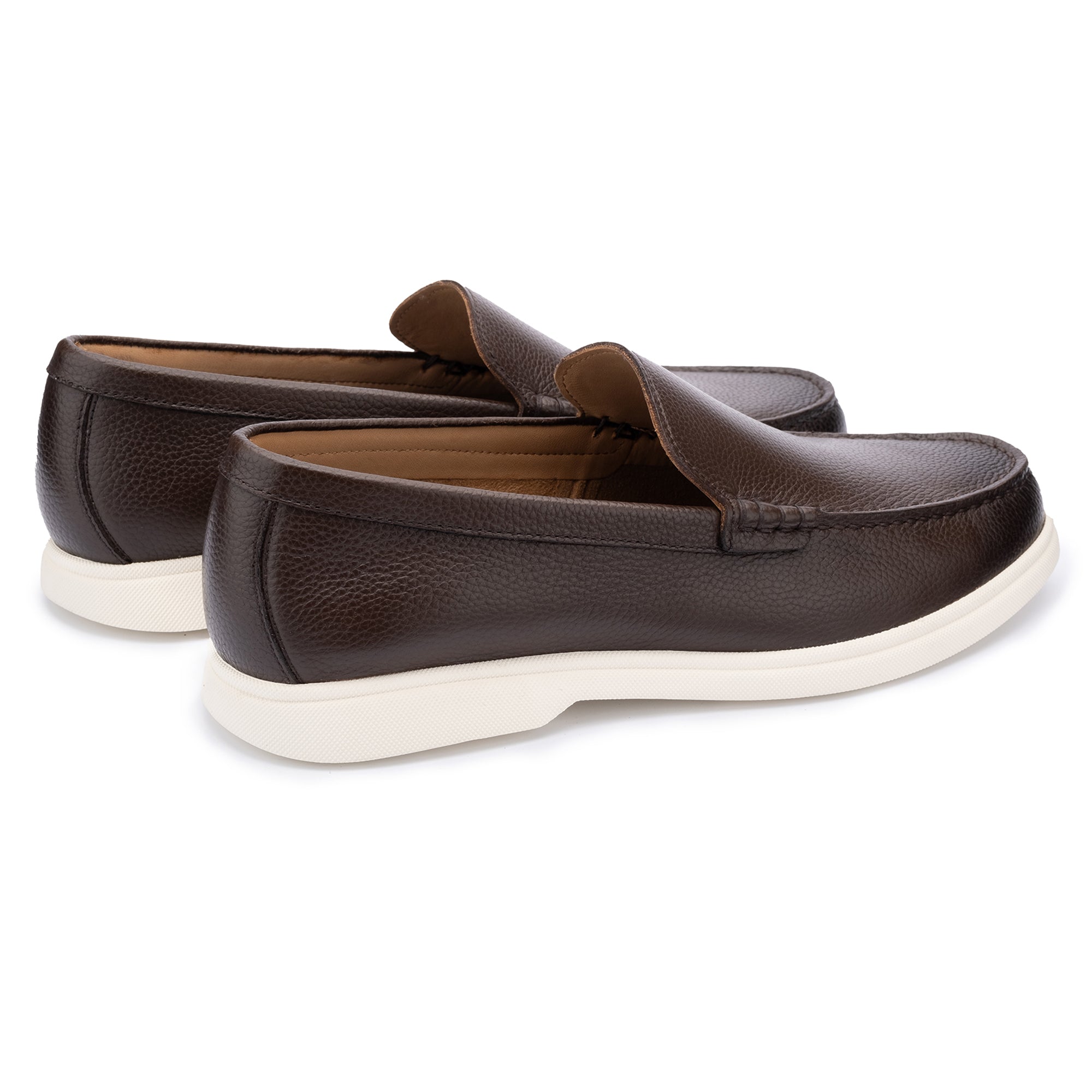
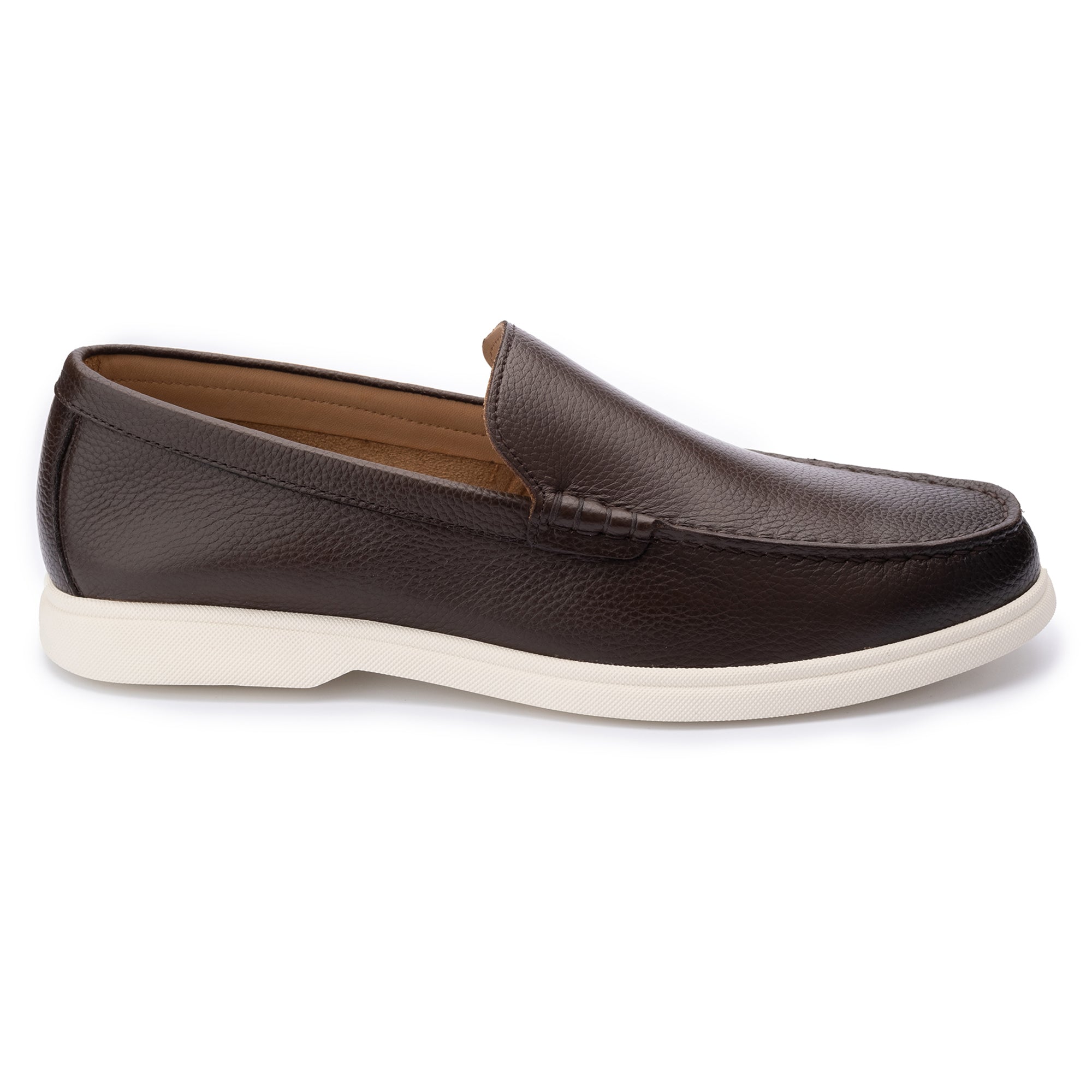
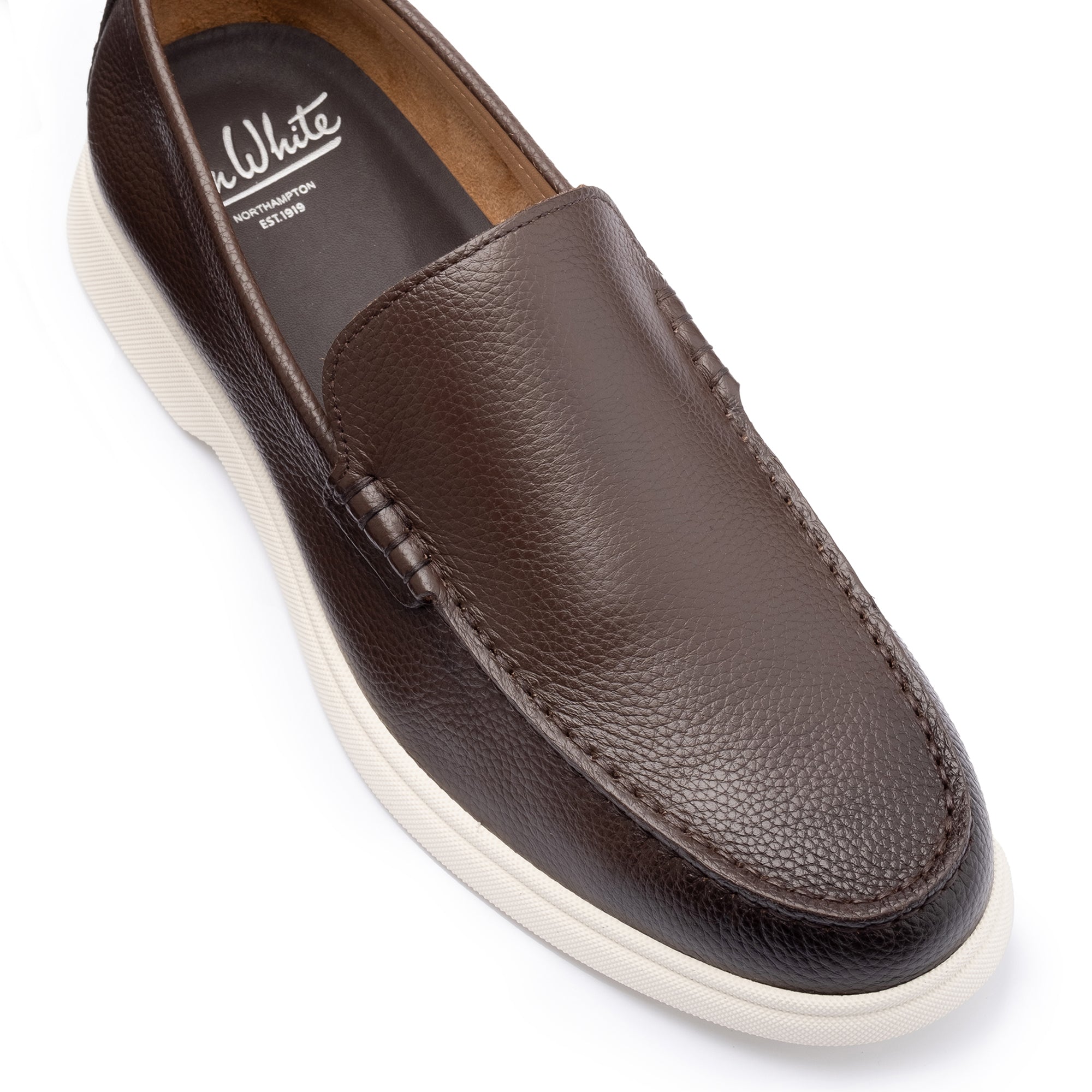
Chelsea boots and chukka boots present a different challenge — without laces, the fit depends entirely on last shape and the elasticity of the side gussets. The Hill Chelsea Boot and Brecon Chelsea Boot, available across our boots range, use side gusset construction that accommodates reasonable width variation, though they can't compensate for a significantly broader-than-standard foot.
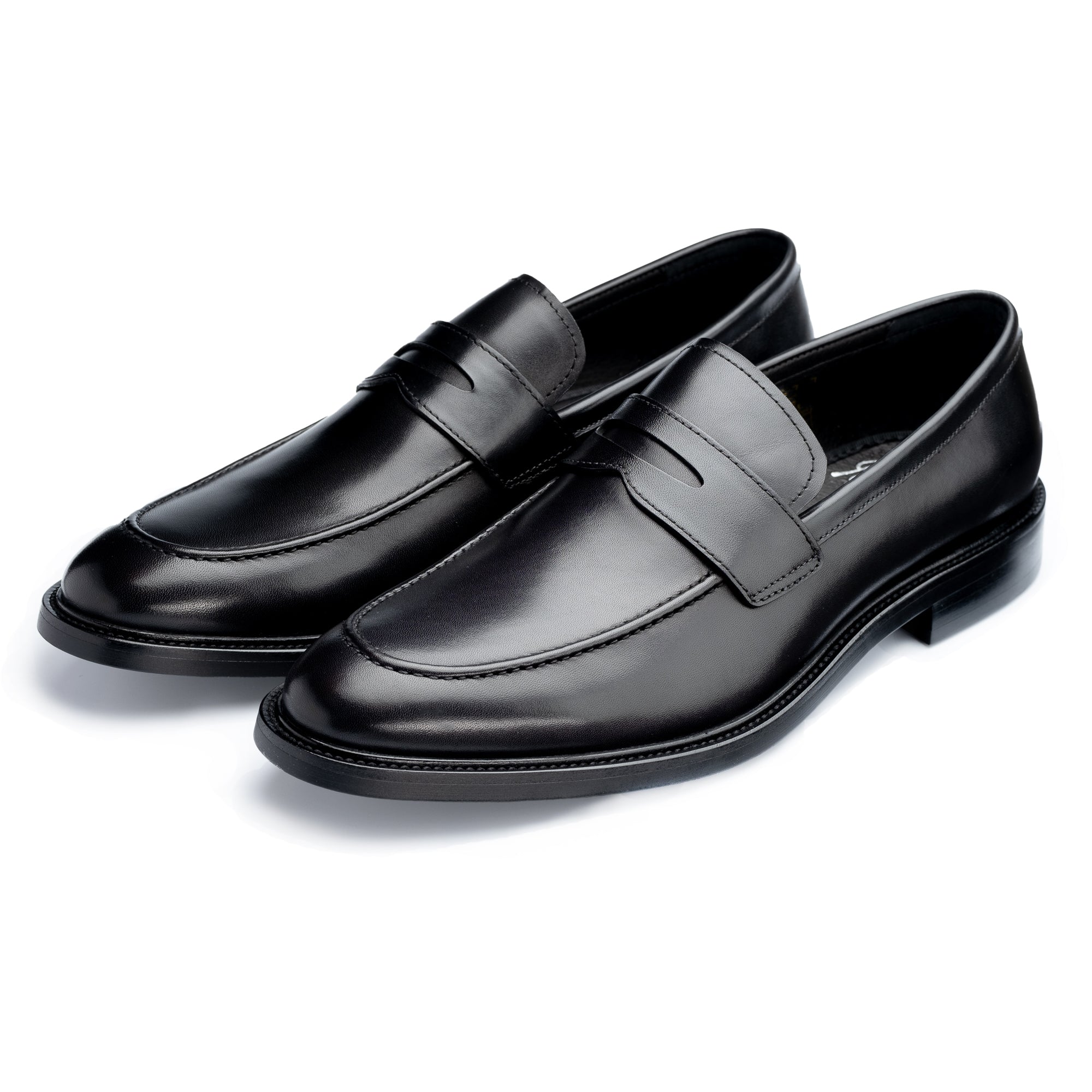
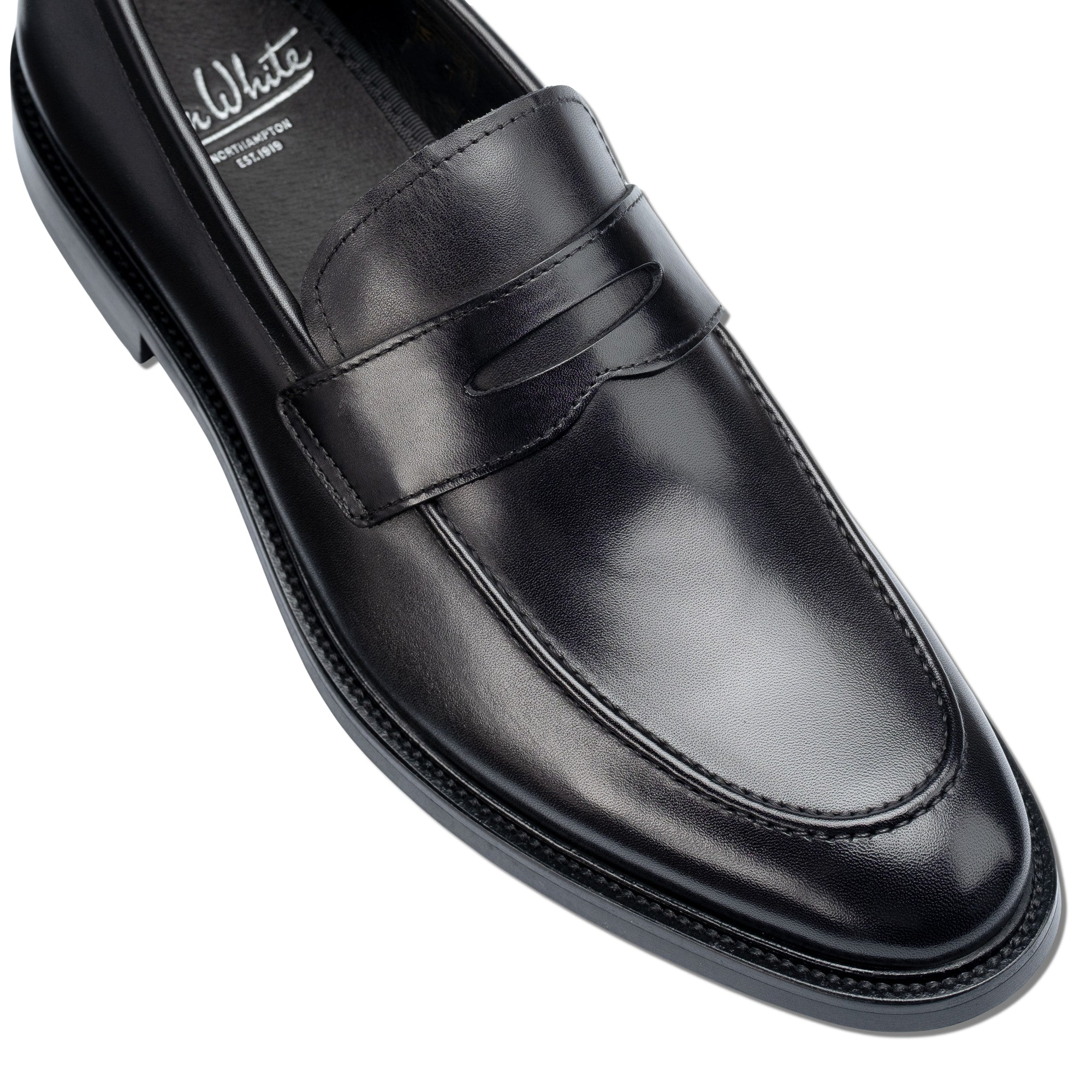
Style choice is a width fitting tool as much as an aesthetic decision — selecting Derby over Oxford, or a loafer over a Chelsea boot, can resolve a width mismatch without needing to source an entirely different fitting.
How Does the Shoe Last Influence Perceived Width?
The last — the shaped form around which a shoe is constructed — determines far more than silhouette. As we explore in detail in our guide to why shoe shape matters more than you think, last curvature affects how width is distributed across the ball, the instep, and the toe box.
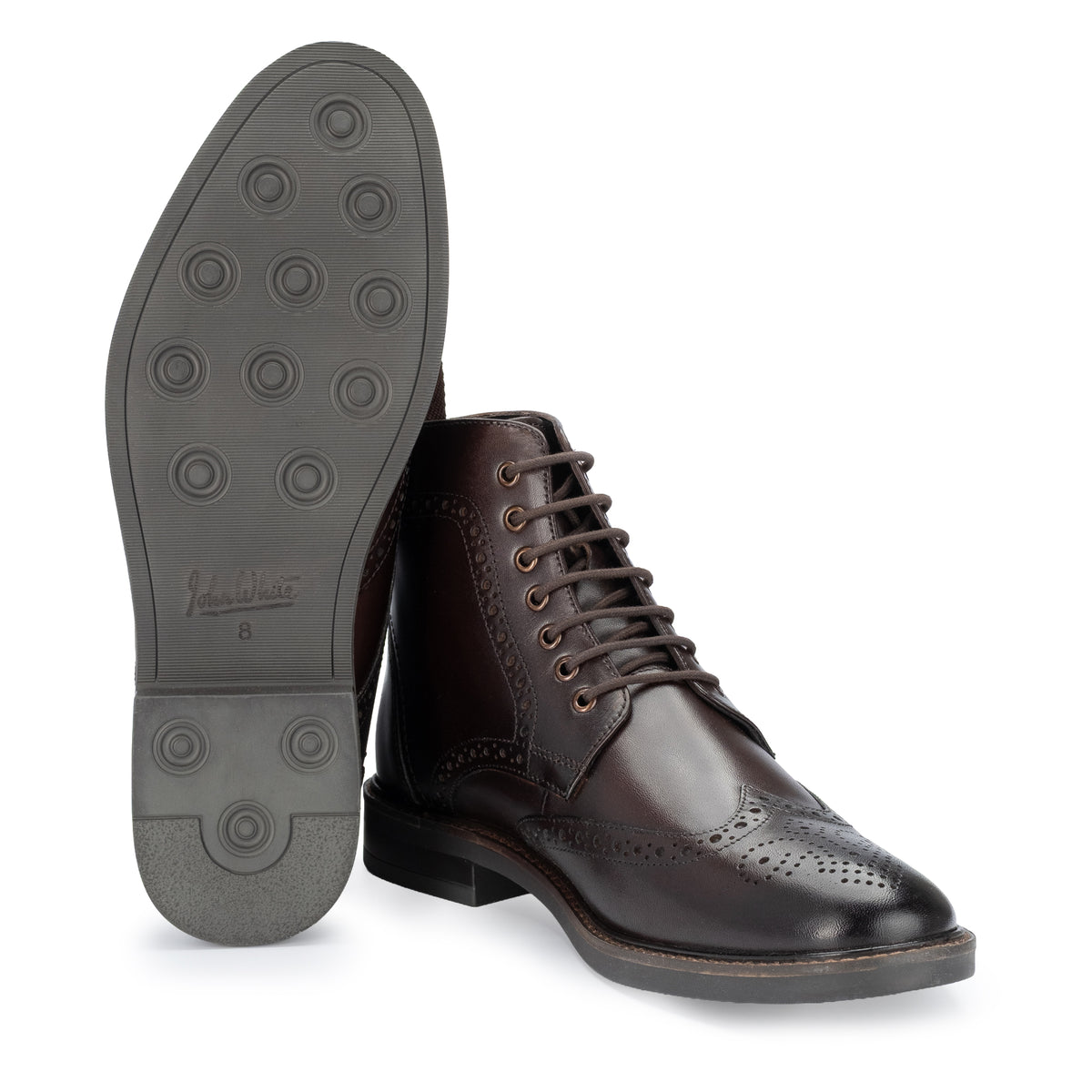
A straight-lasted shoe aligns the inner edge of the shoe with the inner edge of the foot, offering more room across the ball. A curved last follows the natural arc of the foot but can feel tighter at the widest point. John White Shoes designs its lasts with a contemporary profile suited to the modern professional foot — but as with any brand, it's worth trying a new style standing with full body weight before assessing fit.
When you're already standing, press your thumb against the toe box. You want roughly 1cm of clearance between your longest toe and the shoe's end. If the ball of your foot doesn't align with the widest point of the upper, the shoe's last isn't right for your foot shape — regardless of the width designation.
Does Leather Stretch to Accommodate Width?
Leather does adapt — but within defined limits, and not predictably. Quality full-grain calf leather will conform to a foot over several weeks of careful wear, accommodating minor discrepancies of 3–5mm at the ball. Beyond that, you're asking the leather to do something it isn't designed for.
Forced stretching — through shoe stretchers, cobbler's spray, or simply wearing too-tight shoes until they yield — damages leather fibres and accelerates cracking at the flex point. The better approach is to buy correctly, then allow natural break-in for gradual conforming. Our guide to breaking in new leather shoes covers this process in full, including the correct pacing for new dress shoes and boots.
A cobbler can professionally stretch a leather shoe by approximately one width fitting using specialist equipment. This is most effective on full-grain leather and less reliable on synthetic or heavily corrected uppers. It's a viable solution for a minor width mismatch — not a substitute for buying the right size from the outset.
Leather's capacity to adapt is a refinement tool, not a correction tool — it cannot transform a narrow shoe into a wide-fit shoe.
Related Guides
- The Art of the Last: Why Shoe Shape Matters More Than You Think
- Oxford vs Derby Shoes: Key Differences Explained
- How to Break In New Leather Shoes
TL;DR
Shoe width — measured across the ball of the foot — is as critical as length for long-term comfort. Measure both feet standing in the afternoon, fit to the larger foot, and consult the specific brand's width chart. Derby-laced styles offer more width flexibility than closed Oxford lacing. Quality leather adapts marginally with wear, but can't correct a significant mismatch — the right width is always bought, not broken into.
Frequently Asked Questions
What is the standard shoe width for men in the UK?
Standard width in UK men's footwear is typically designated as D or E, depending on the maker. This fits the majority of men. If you've never experienced significant discomfort from off-the-shelf shoes, you're almost certainly a standard fit. Recurring pinching, numbness, or heel slip suggests it's worth having your feet properly measured before your next purchase.
Should I size up in length if I can't find my width?
No. Sizing up in length to compensate for width creates its own problems — heel slip, toe box bunching, and a crease in the wrong place. If you need more room across the ball of the foot, look for styles in EE or wider, or choose a Derby style, which naturally accommodates a broader foot through its open lacing system.
Do width fittings differ between shoes and boots?
Yes. A width designation in dress shoes doesn't translate directly to boots or loafers. Last design, upper construction, and elastic gussets all affect how a given width code feels in practice. Always try any new style standing with your full weight applied, wearing the socks you intend to wear with the shoe.
How much can a cobbler stretch a shoe in width?
A professional cobbler can typically stretch a leather shoe by approximately one width fitting — roughly 4–6mm across the ball — using specialist stretching equipment and leather-relaxing spray. This works best on full-grain leather shoes. It's a practical option for a minor width issue; for anything more significant, a different size or style is the right answer.
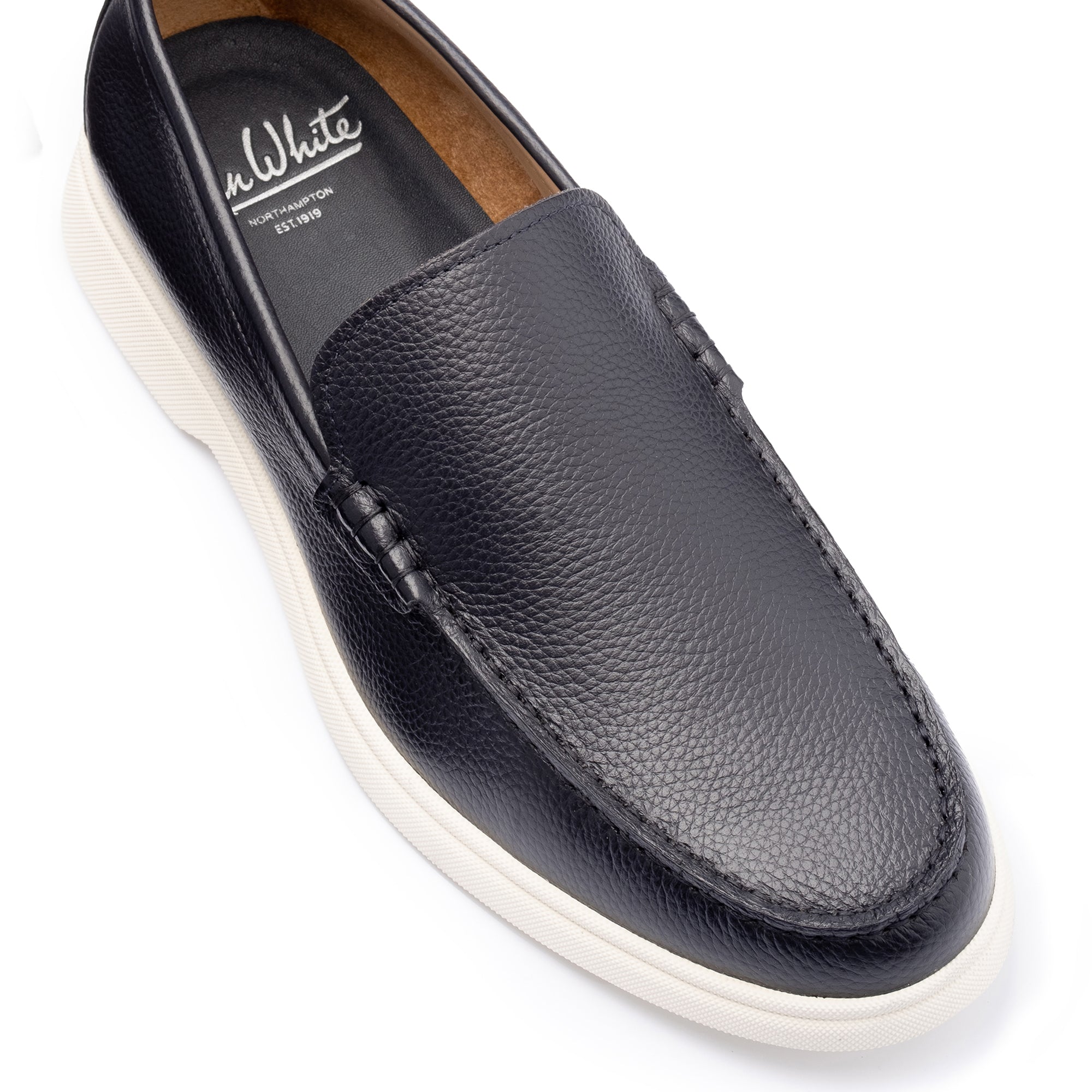
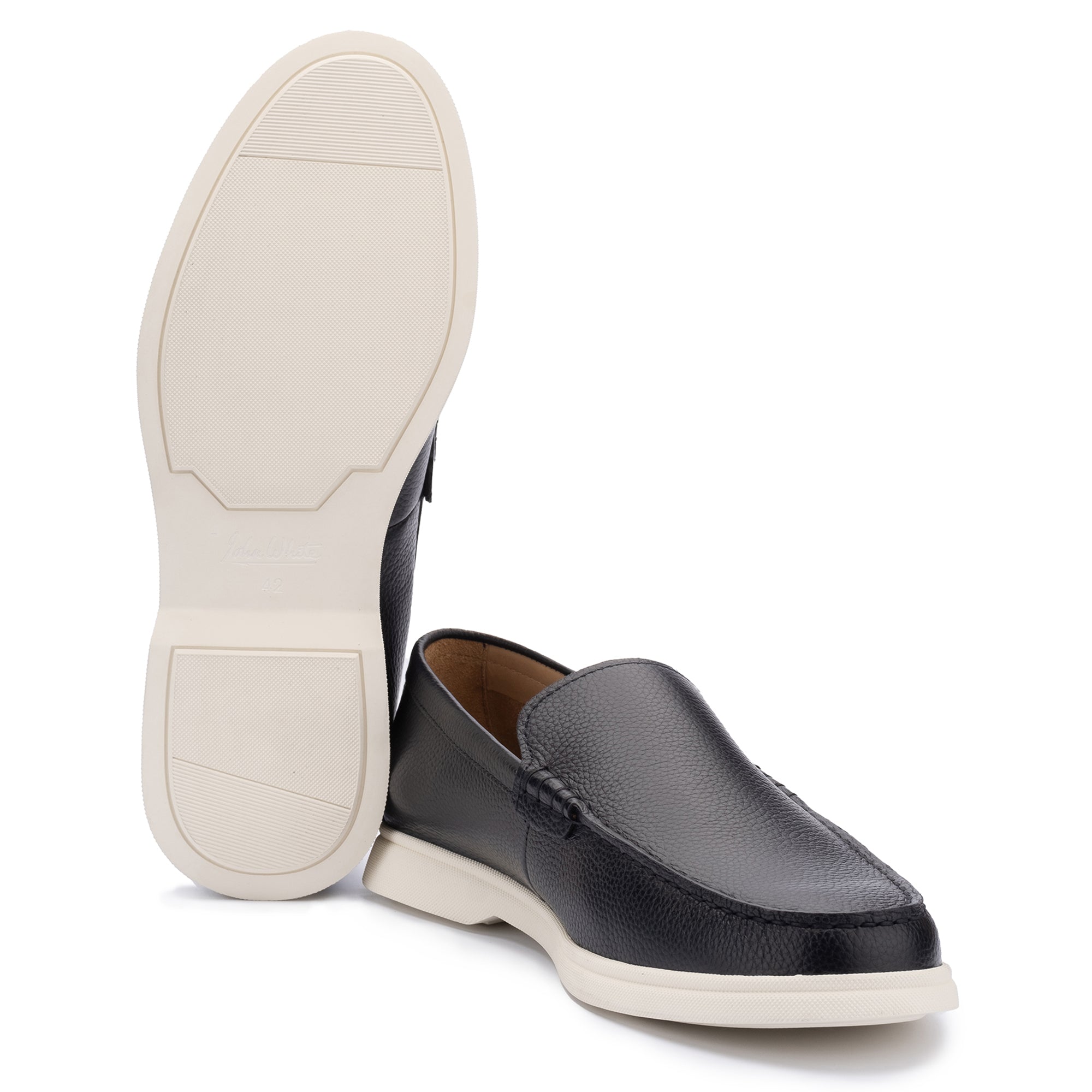
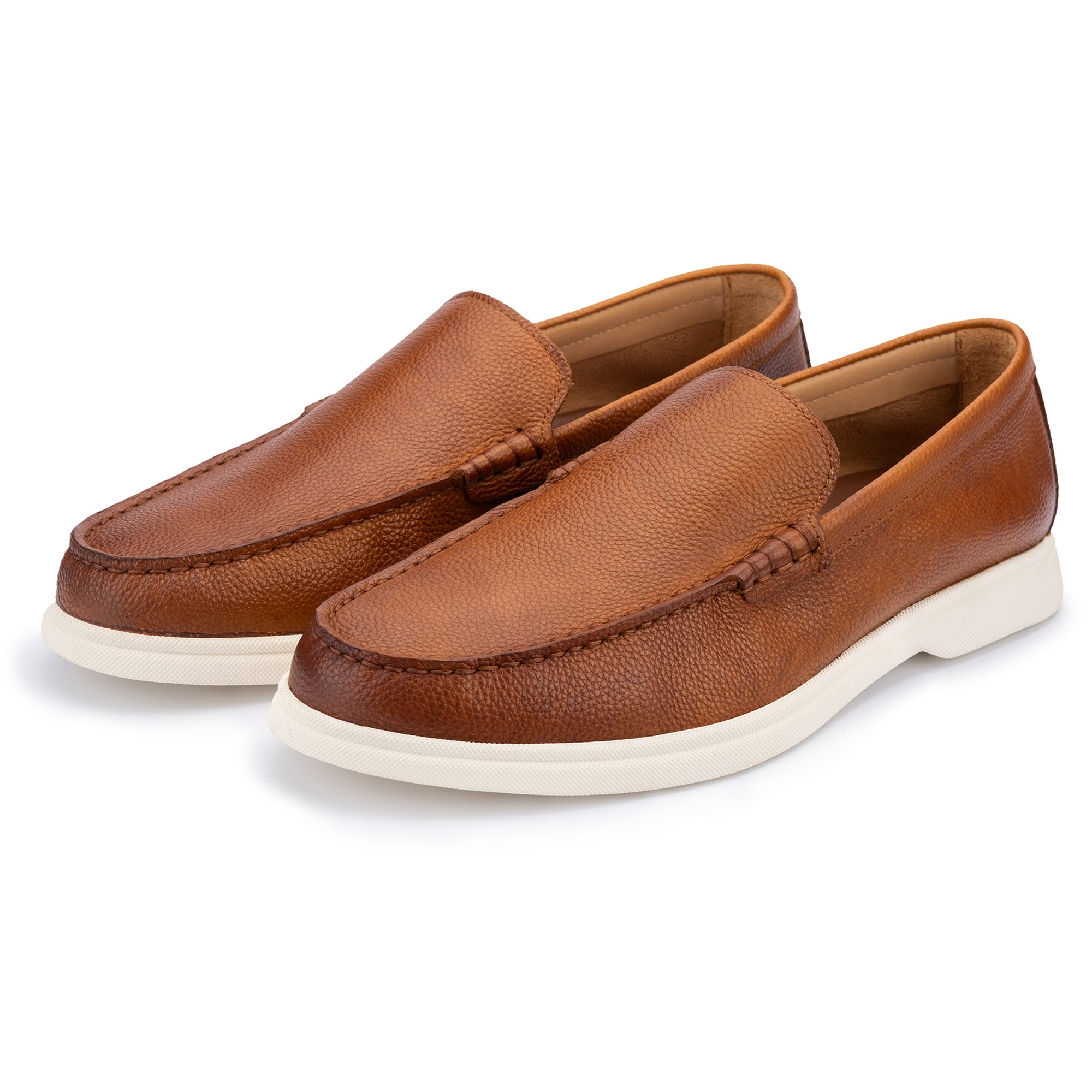
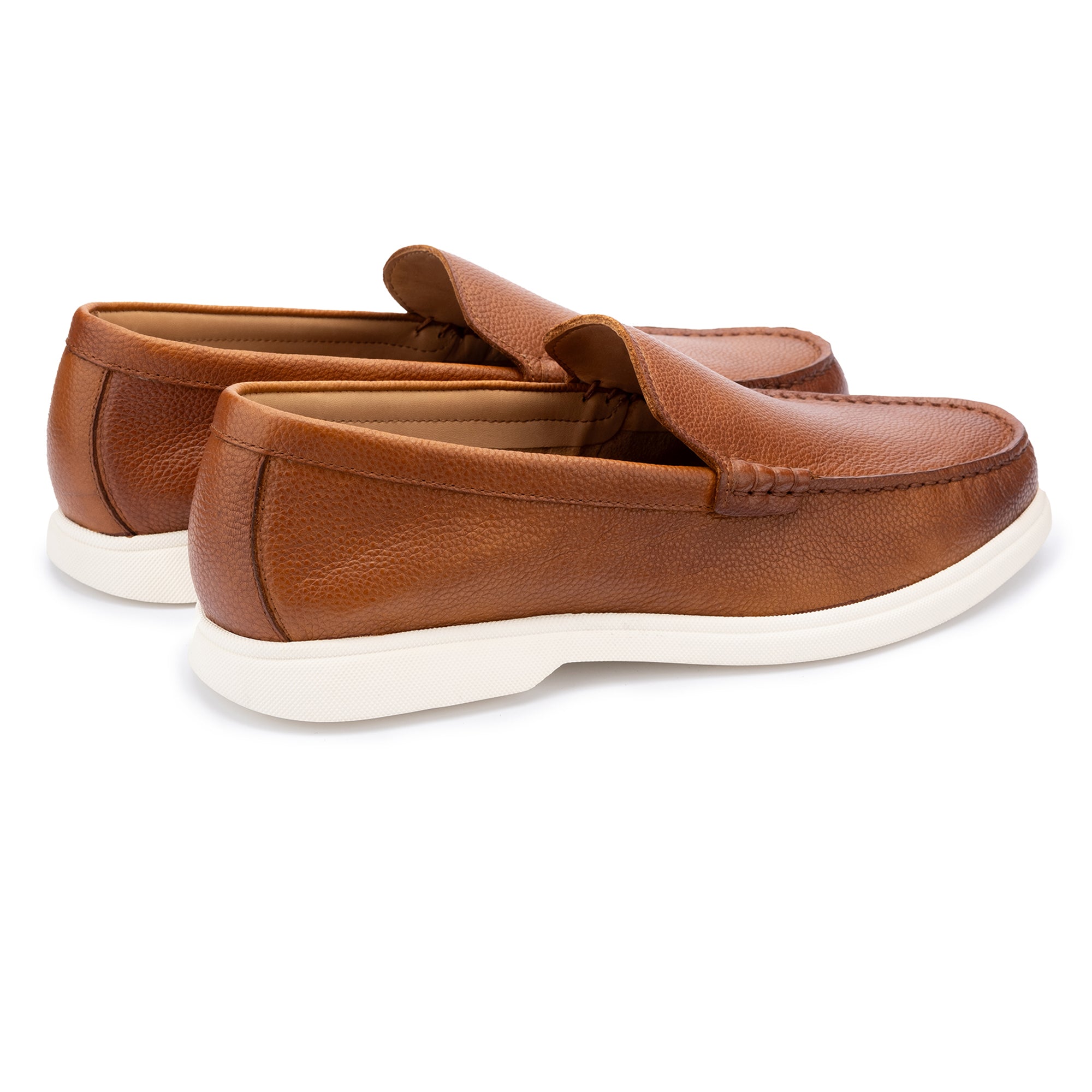
Find your fit across our full range of men's dress shoes, boots, and loafers — each designed to balance the refined silhouette of British heritage footwear with all-day wearability. Browse the complete collection at John White Shoes.