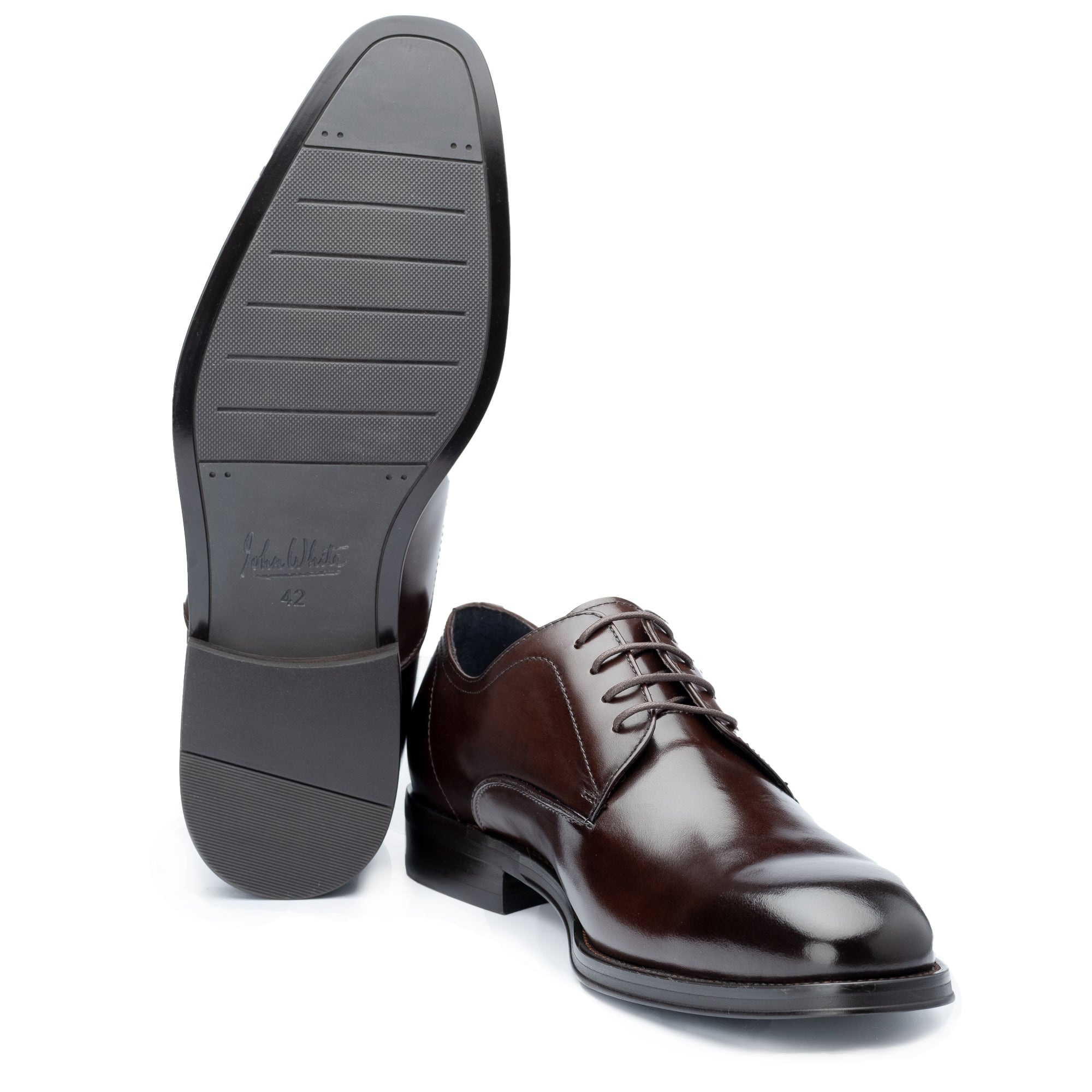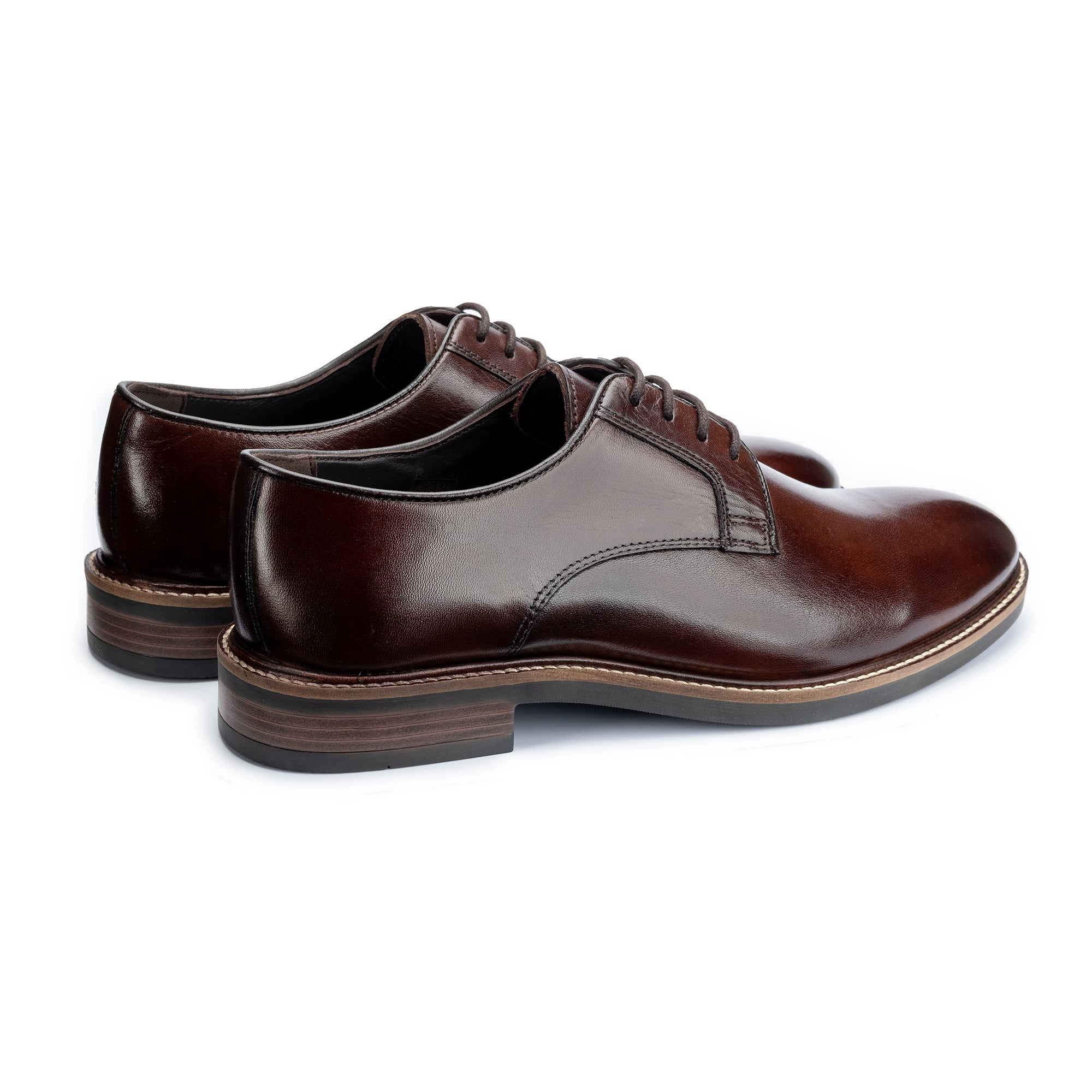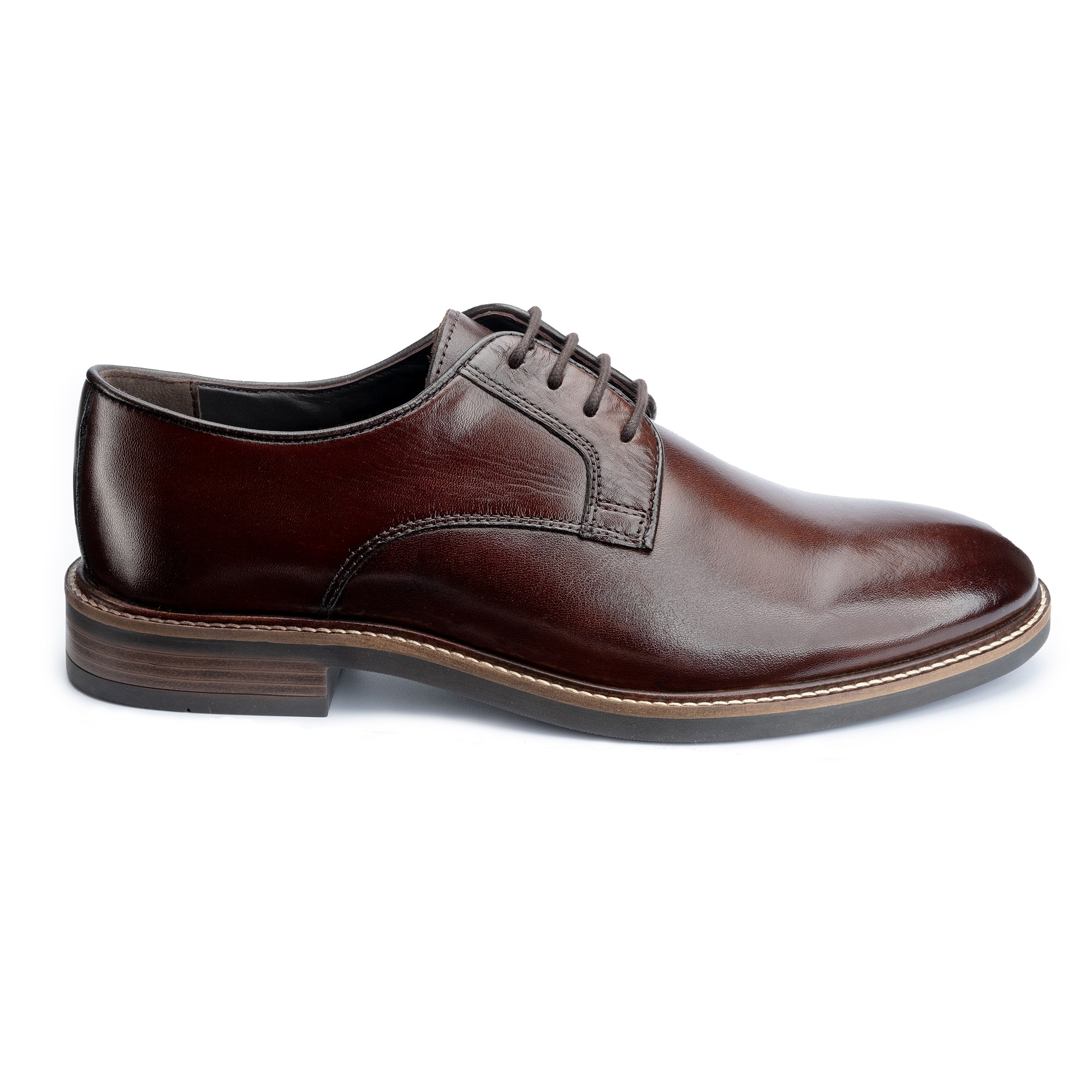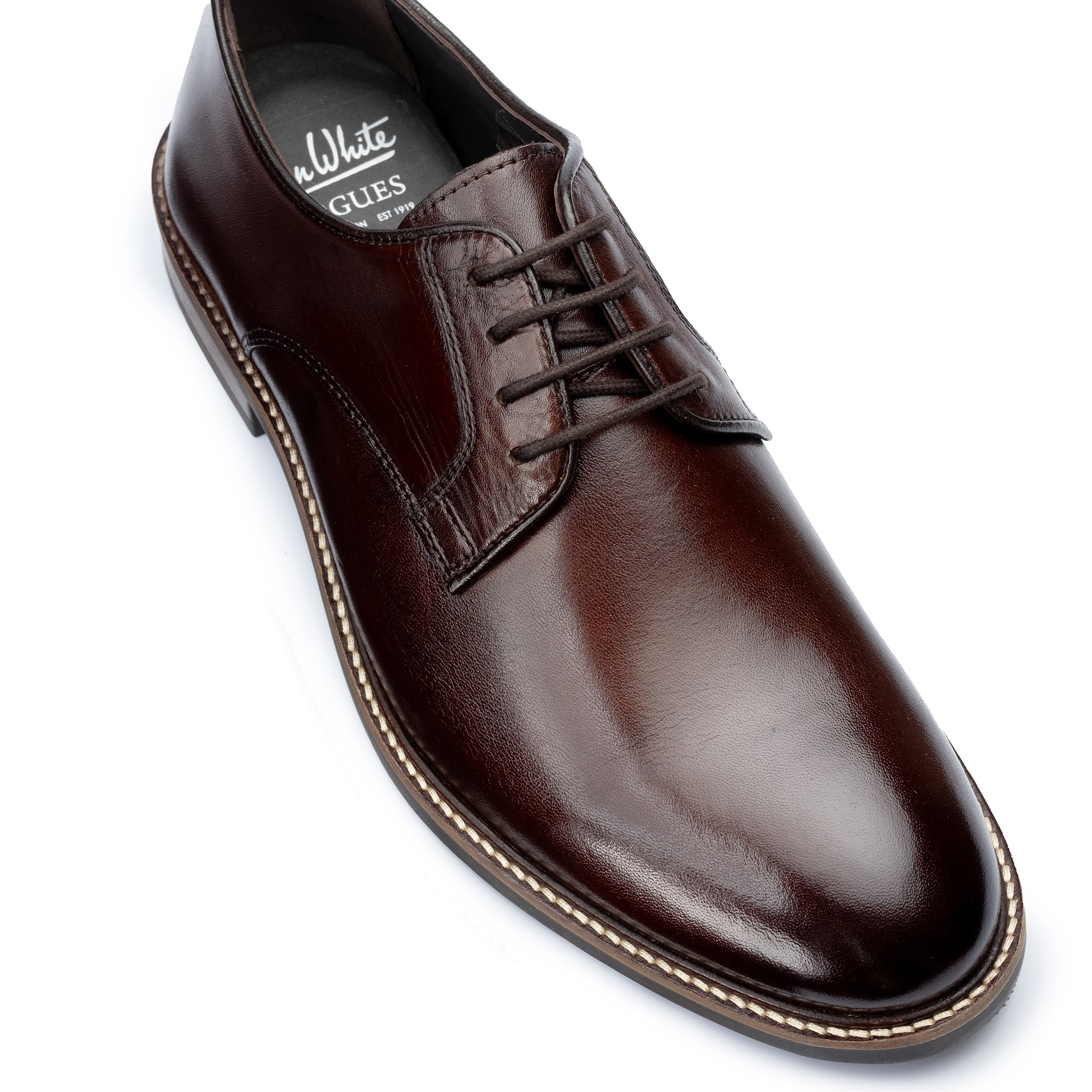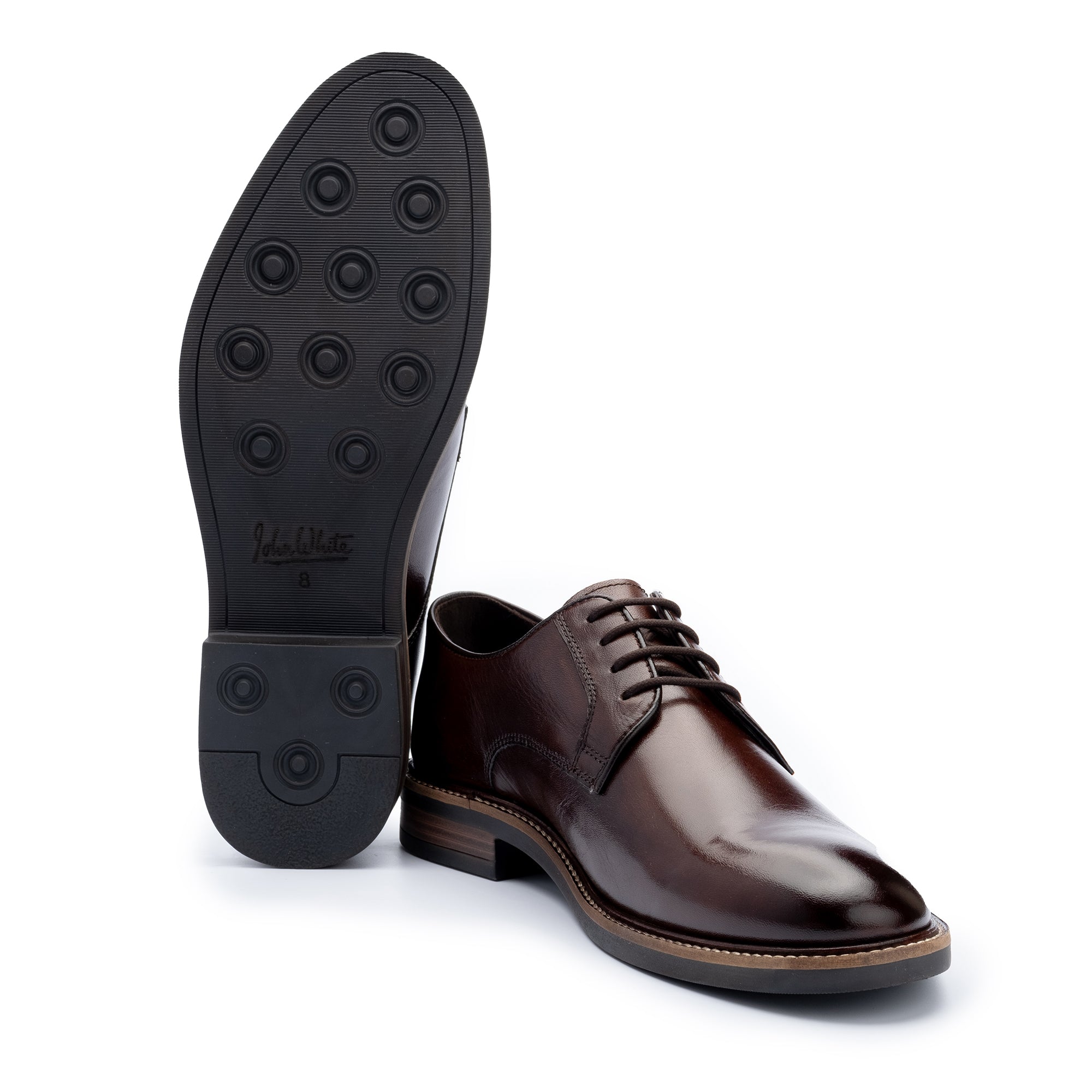

Black Tie Shoes: Plain Oxford, Patent or Polished Calf
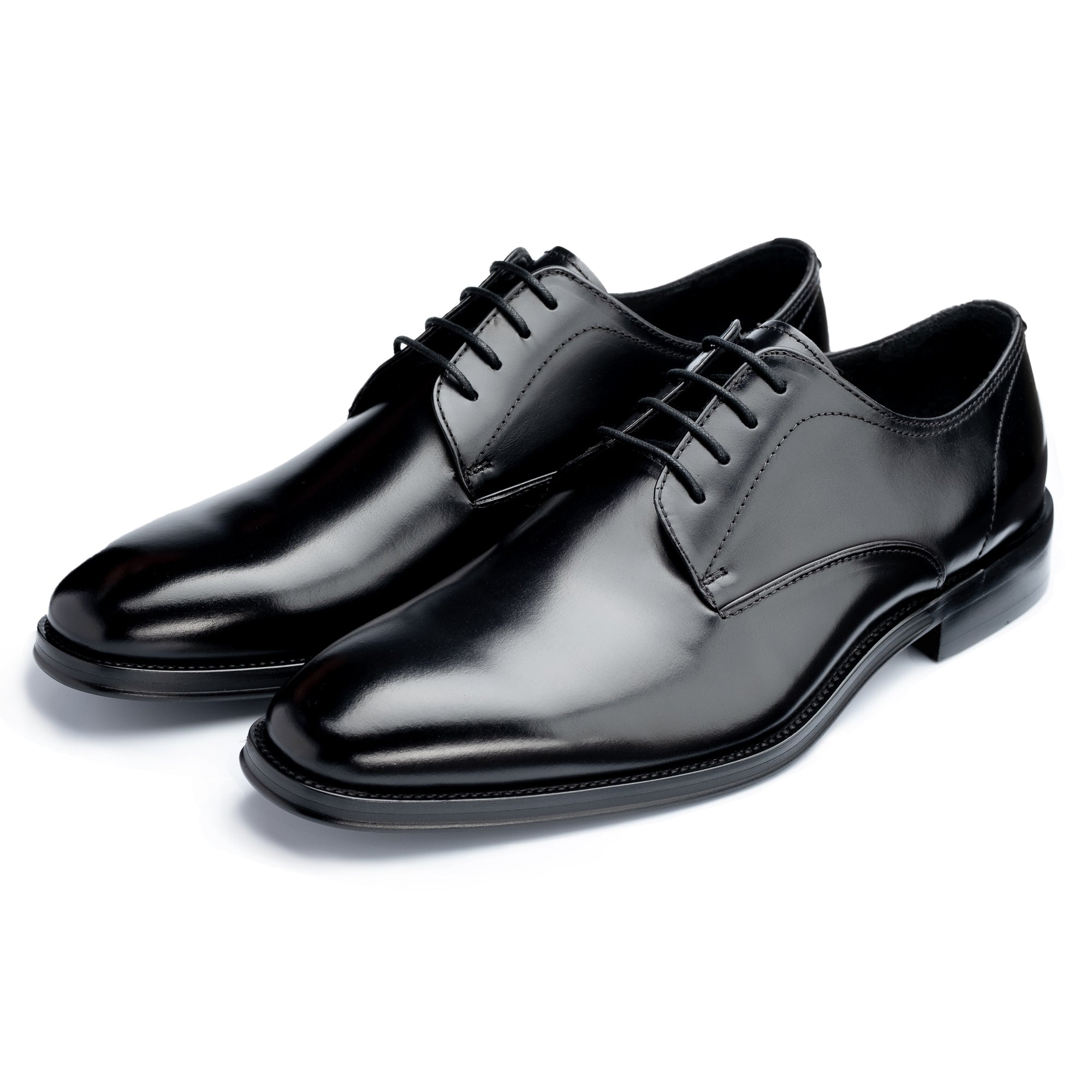
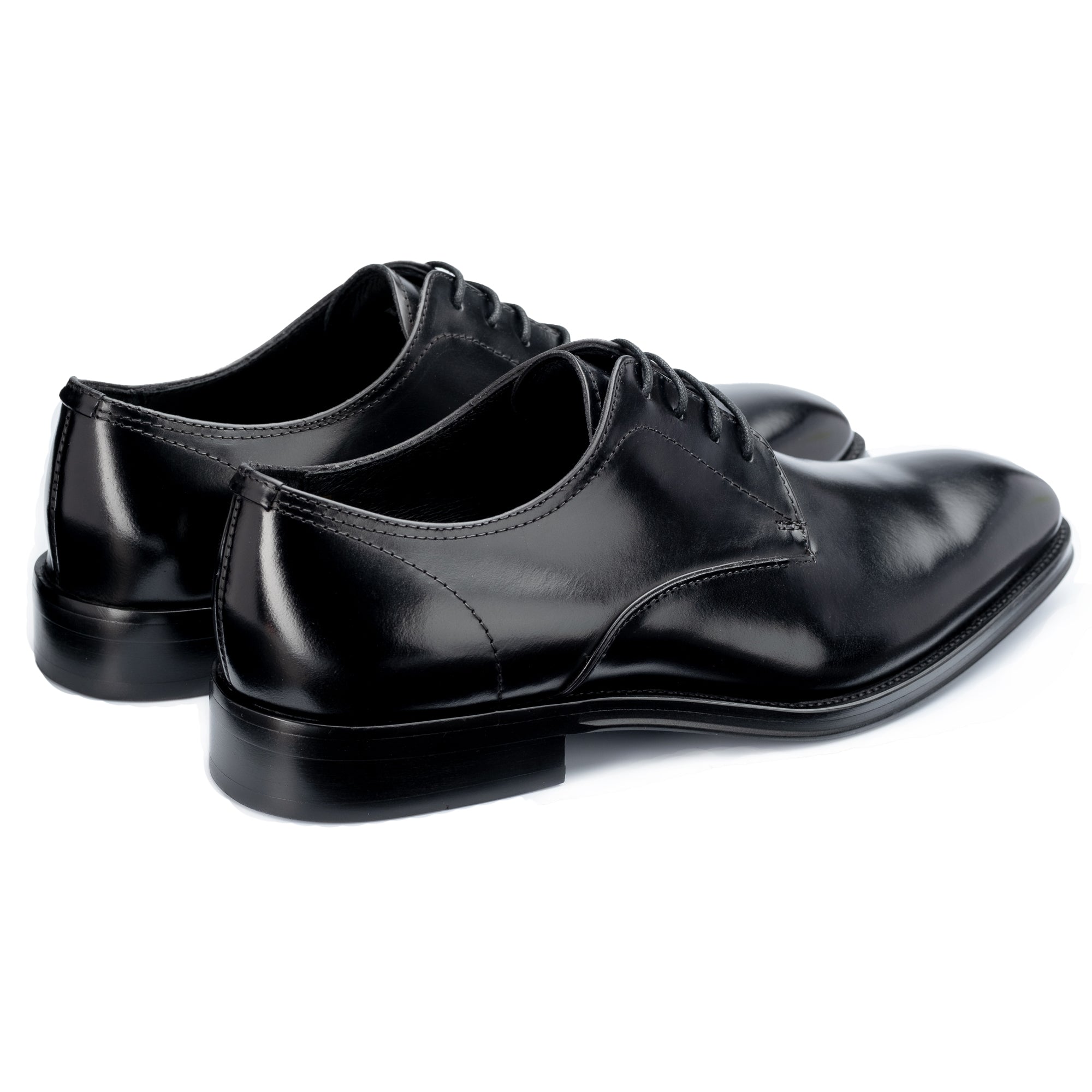
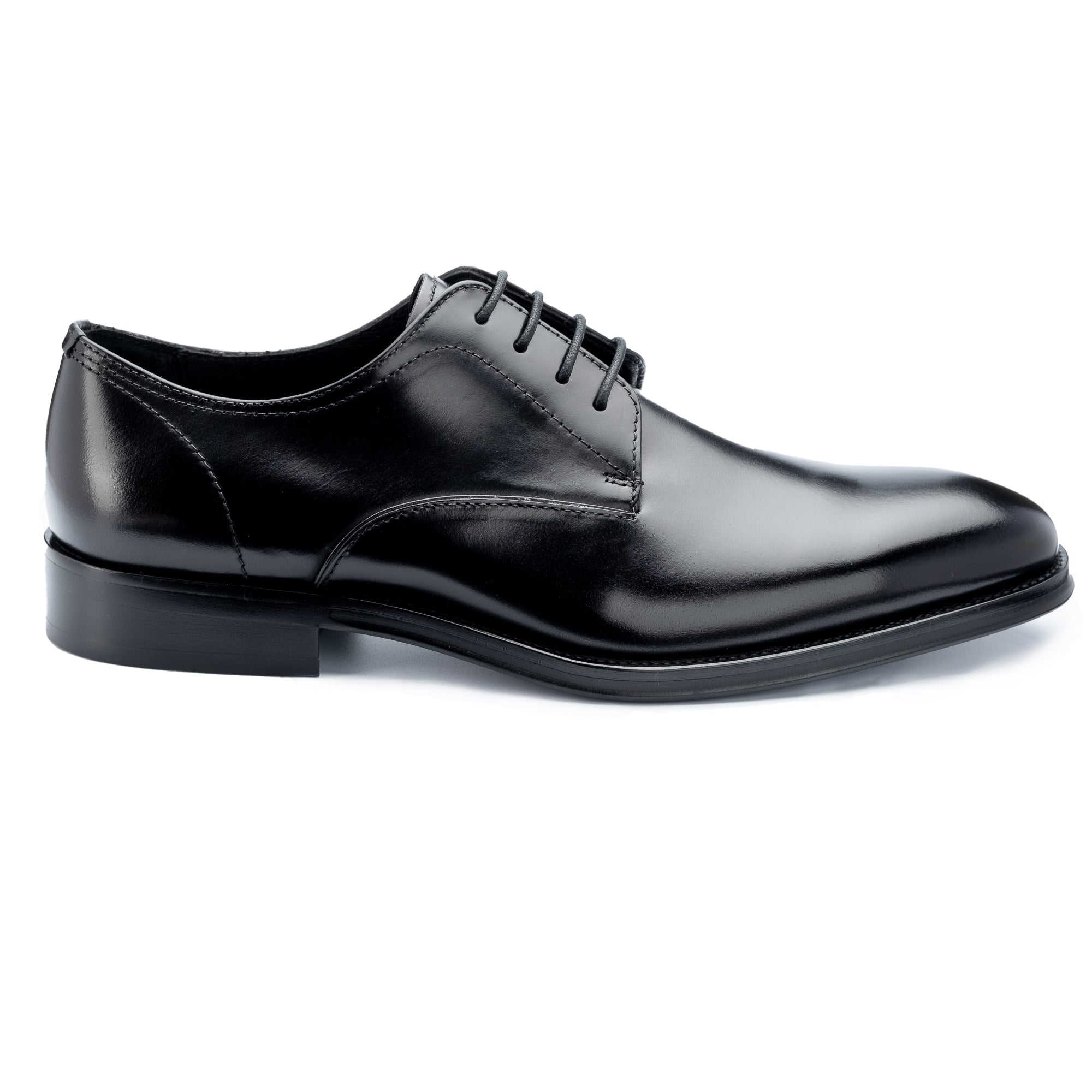
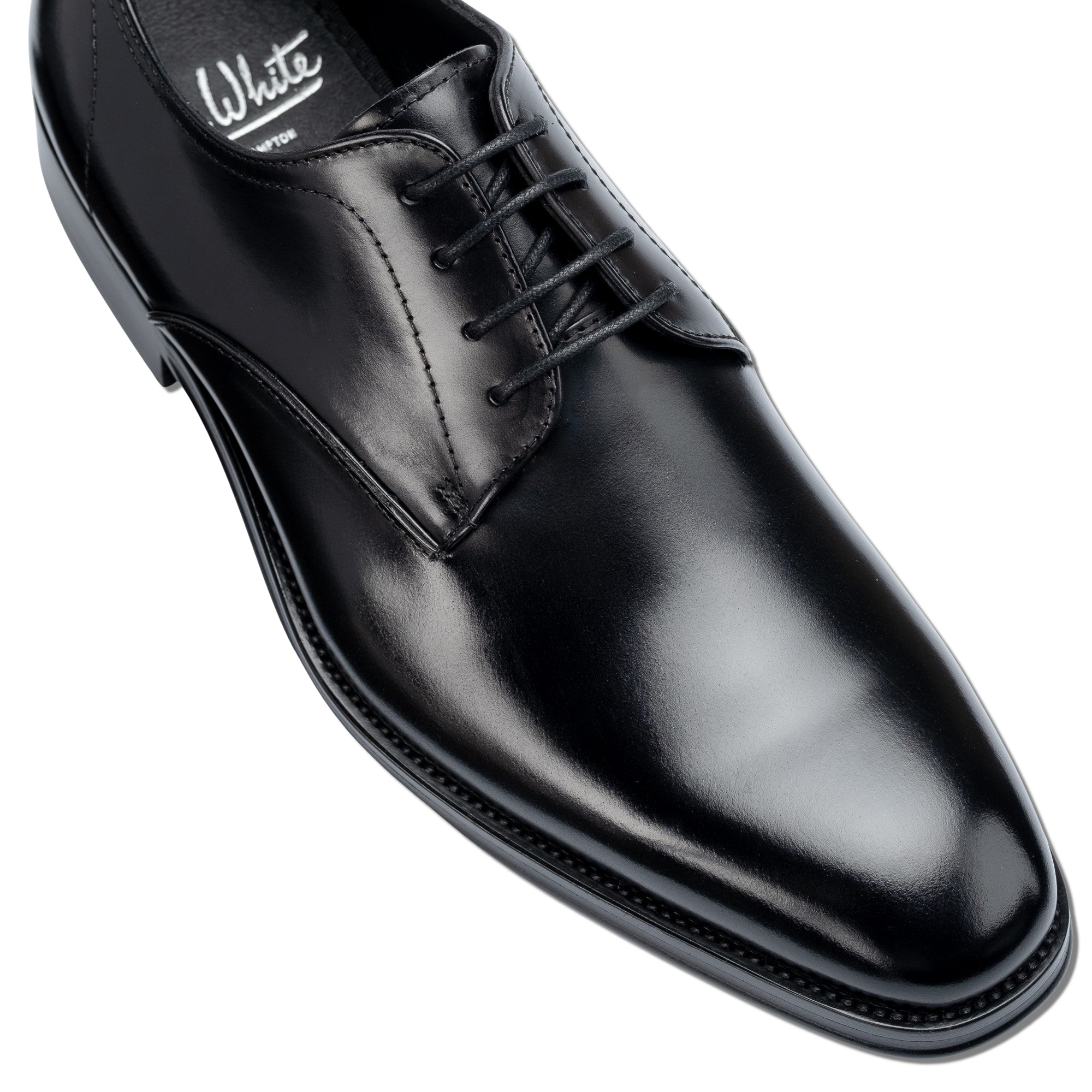
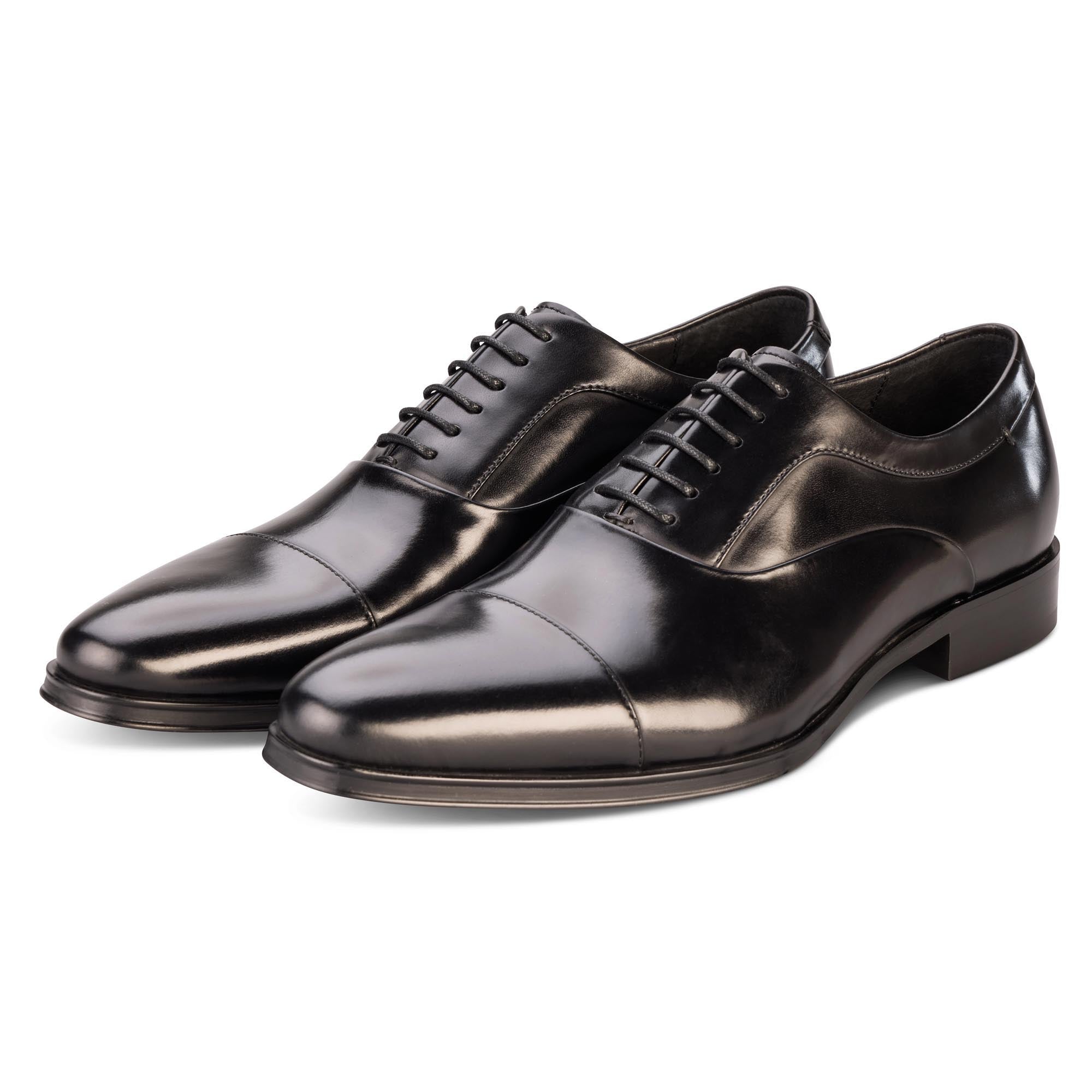
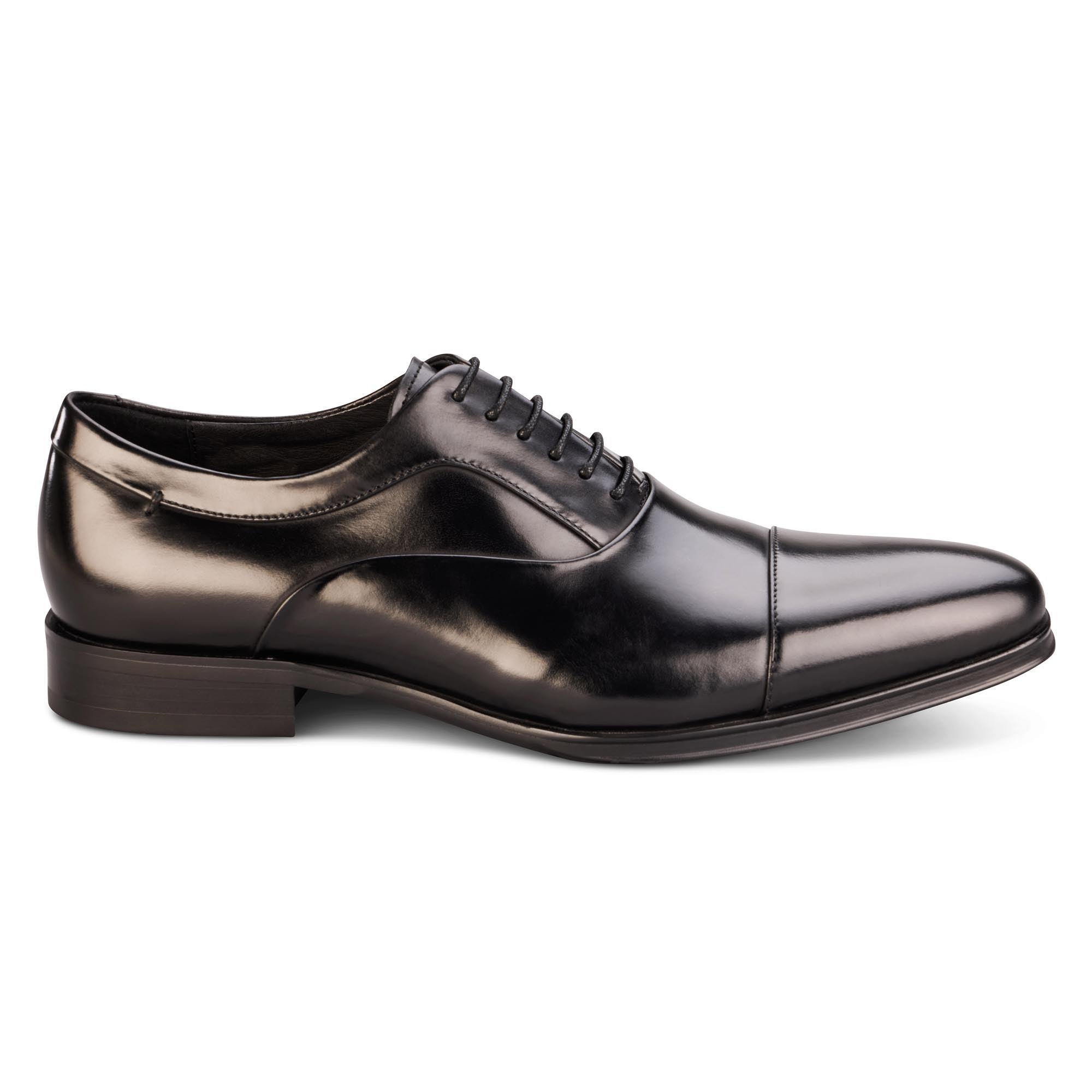
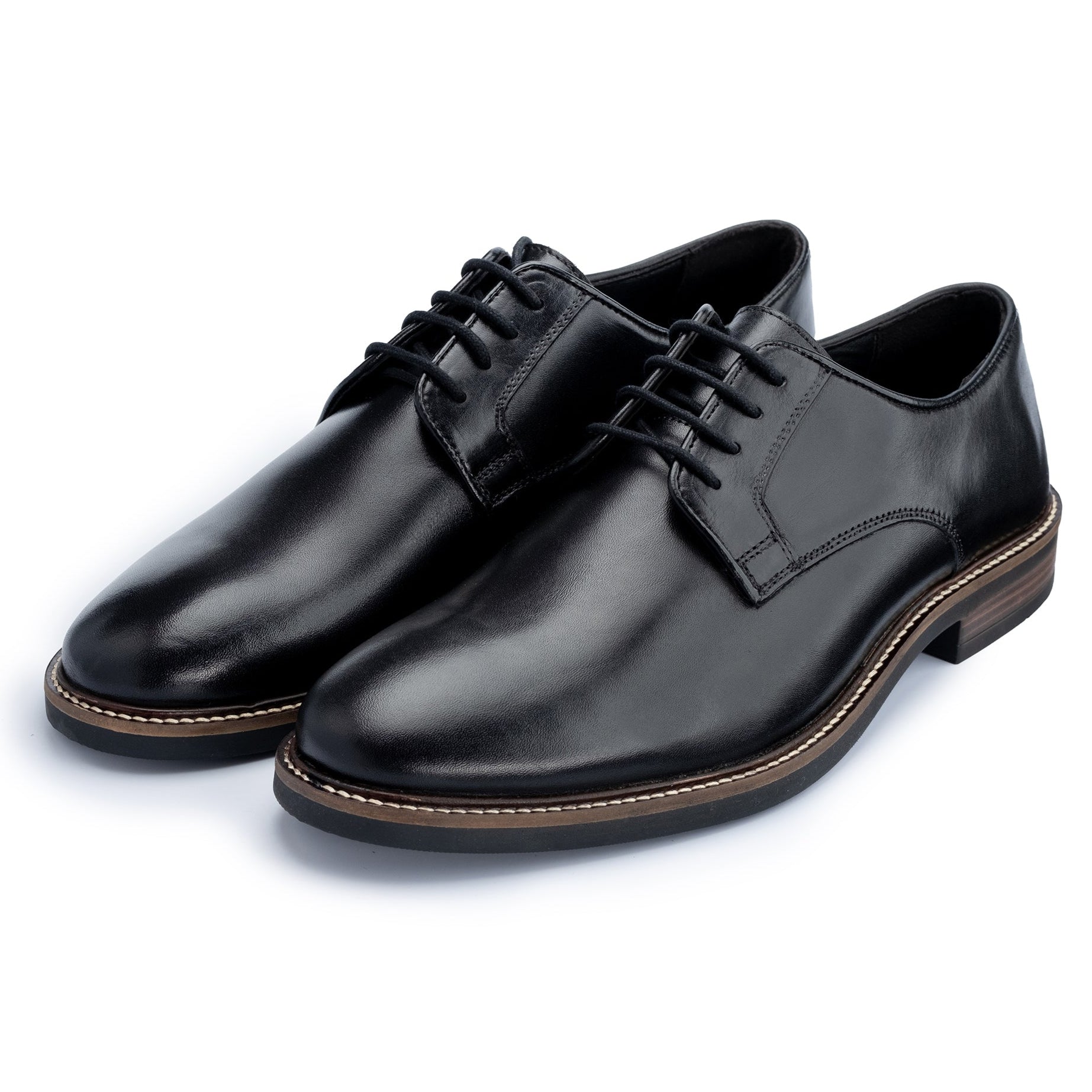
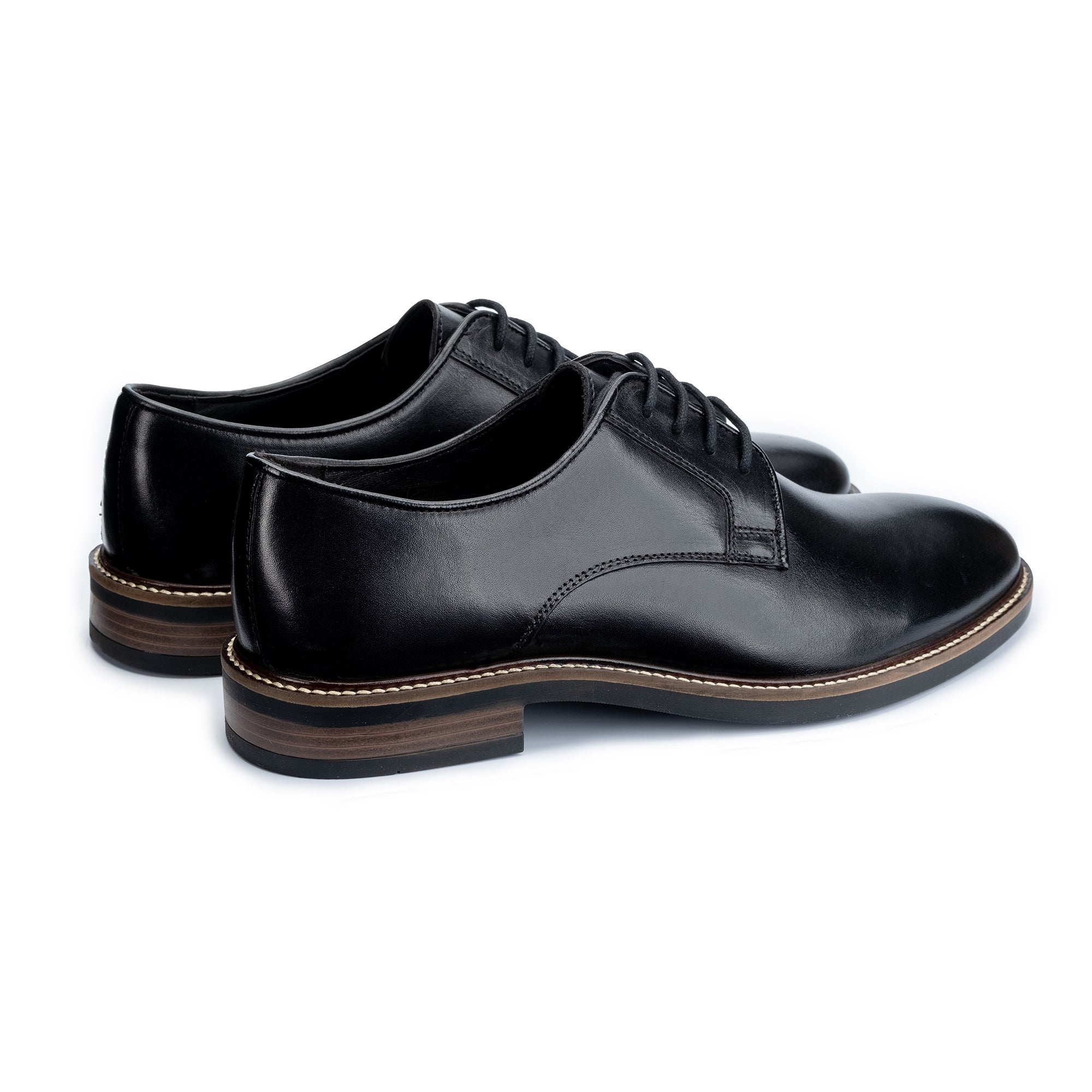
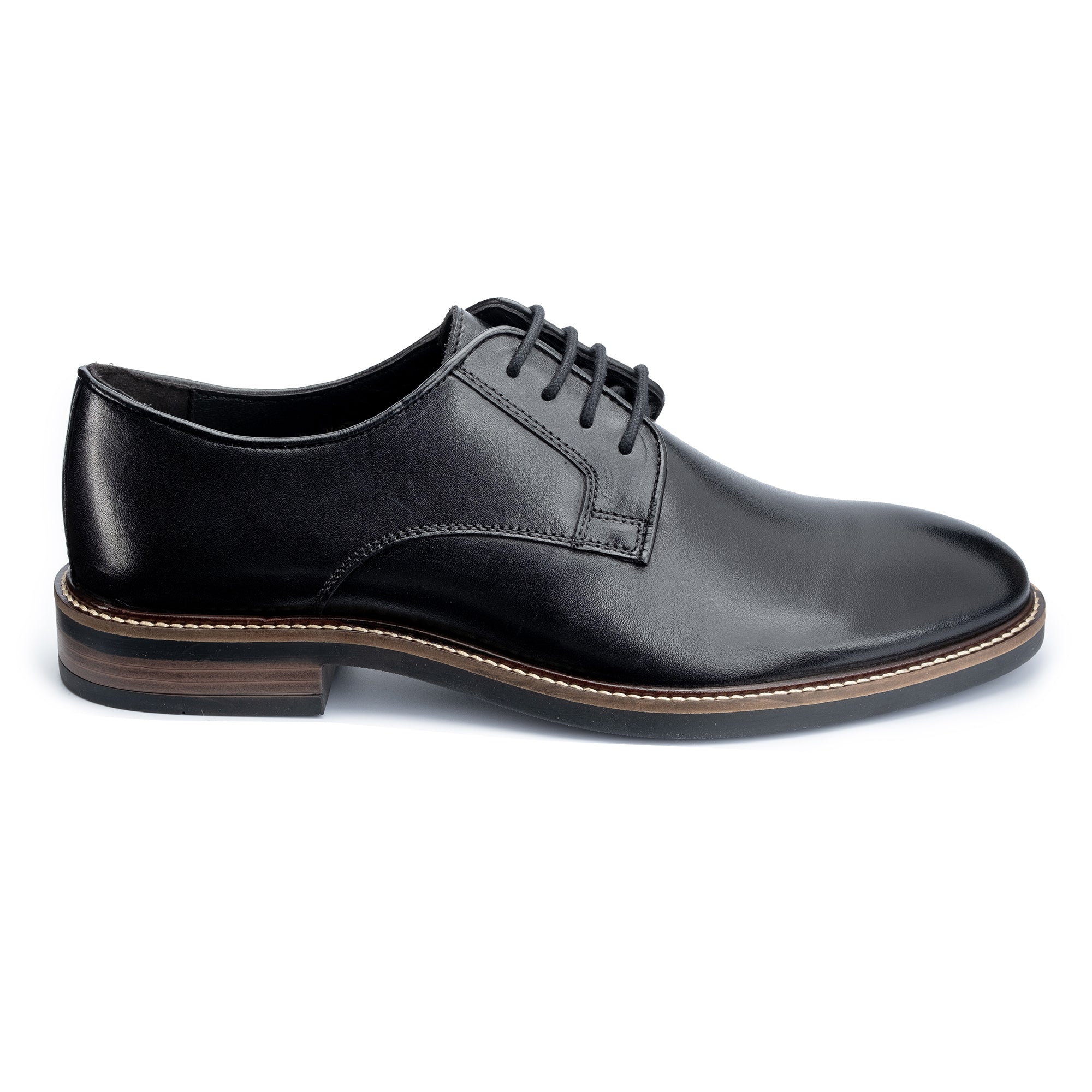
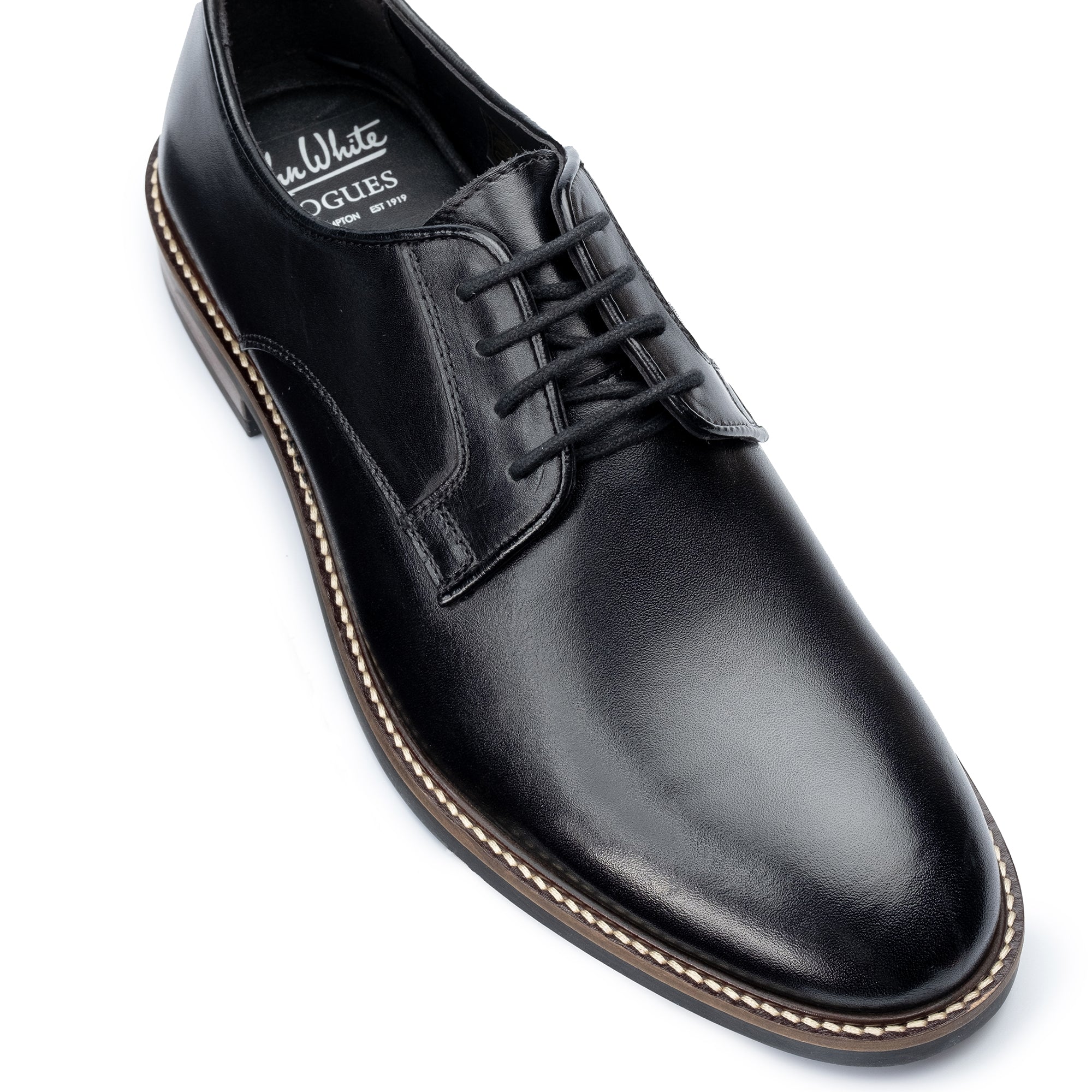
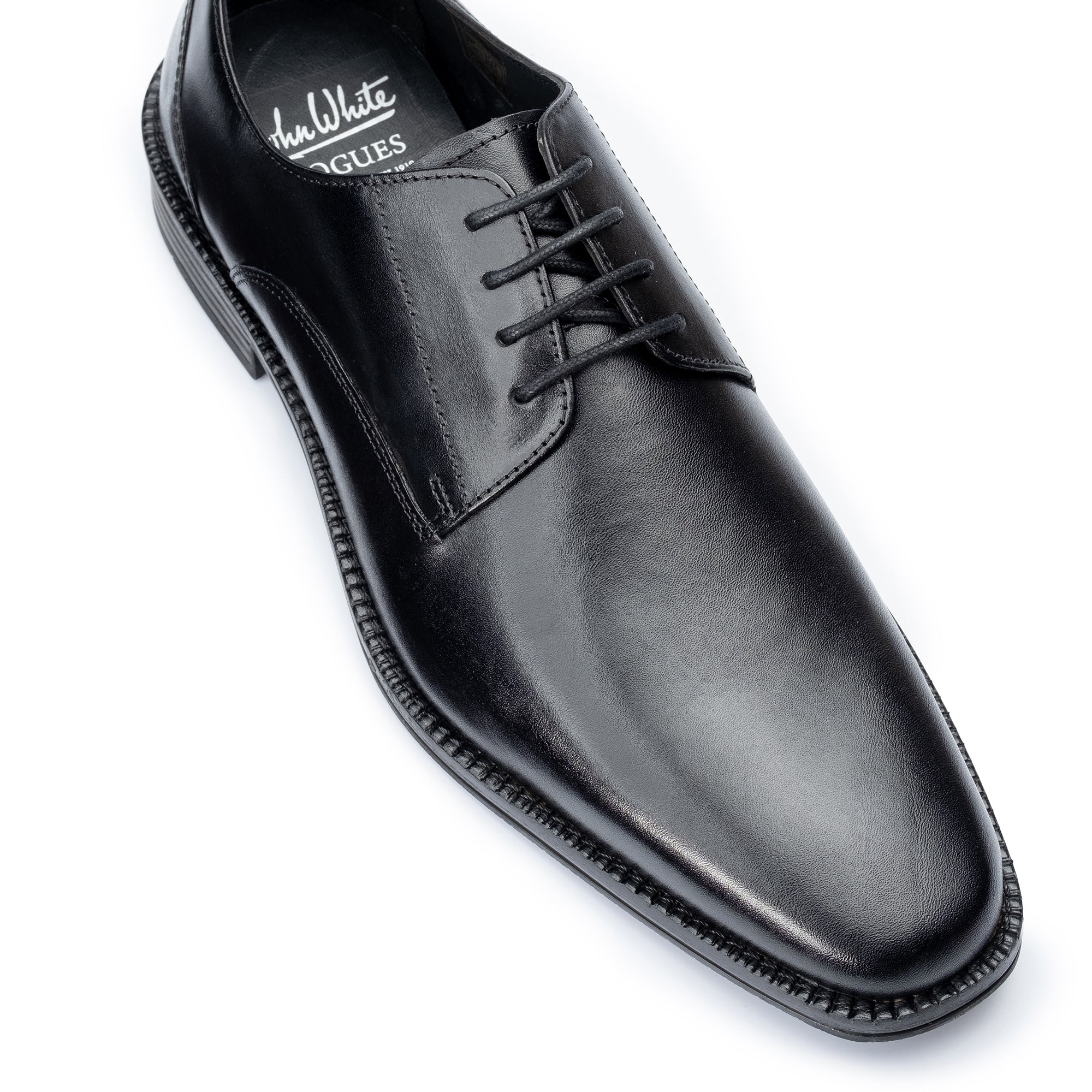
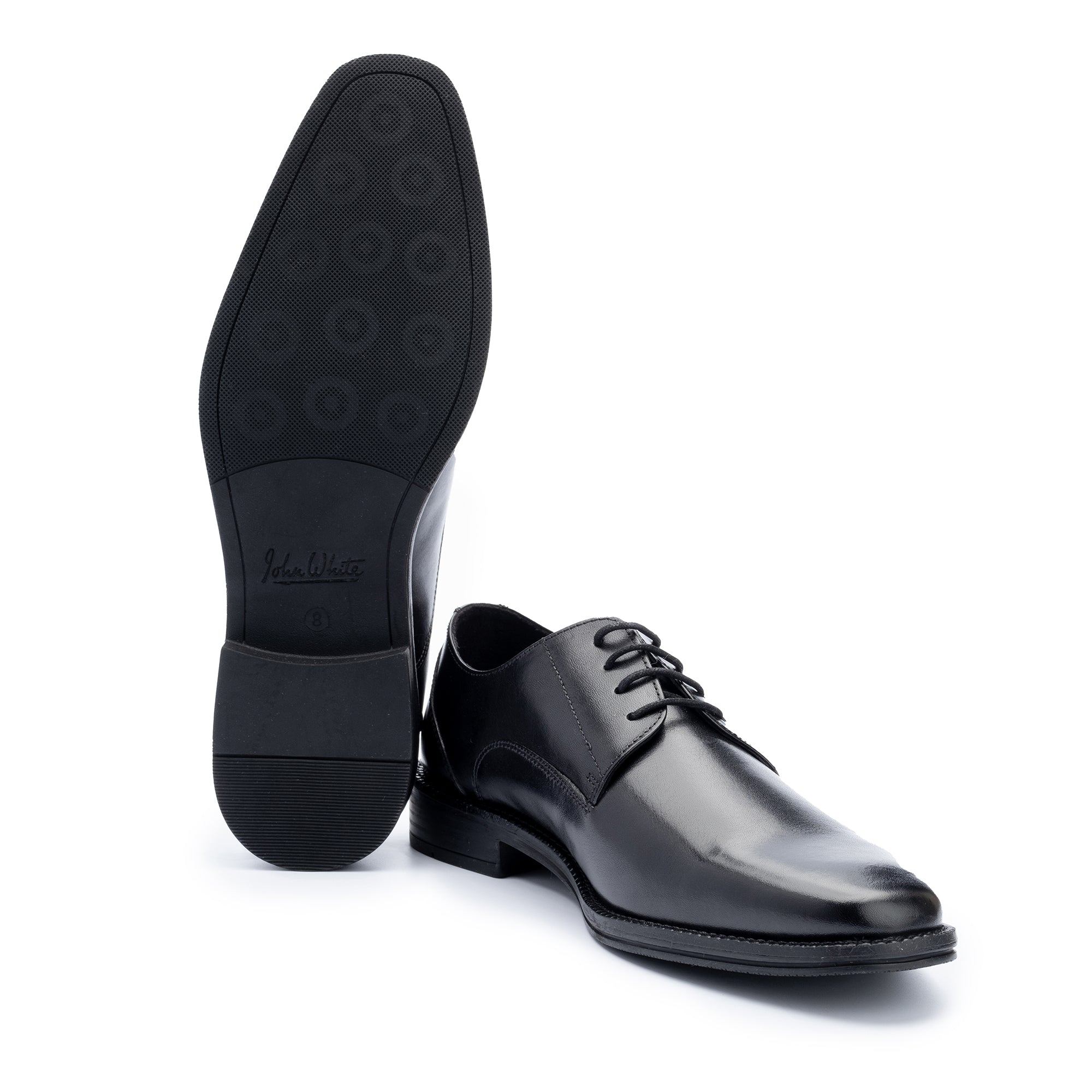
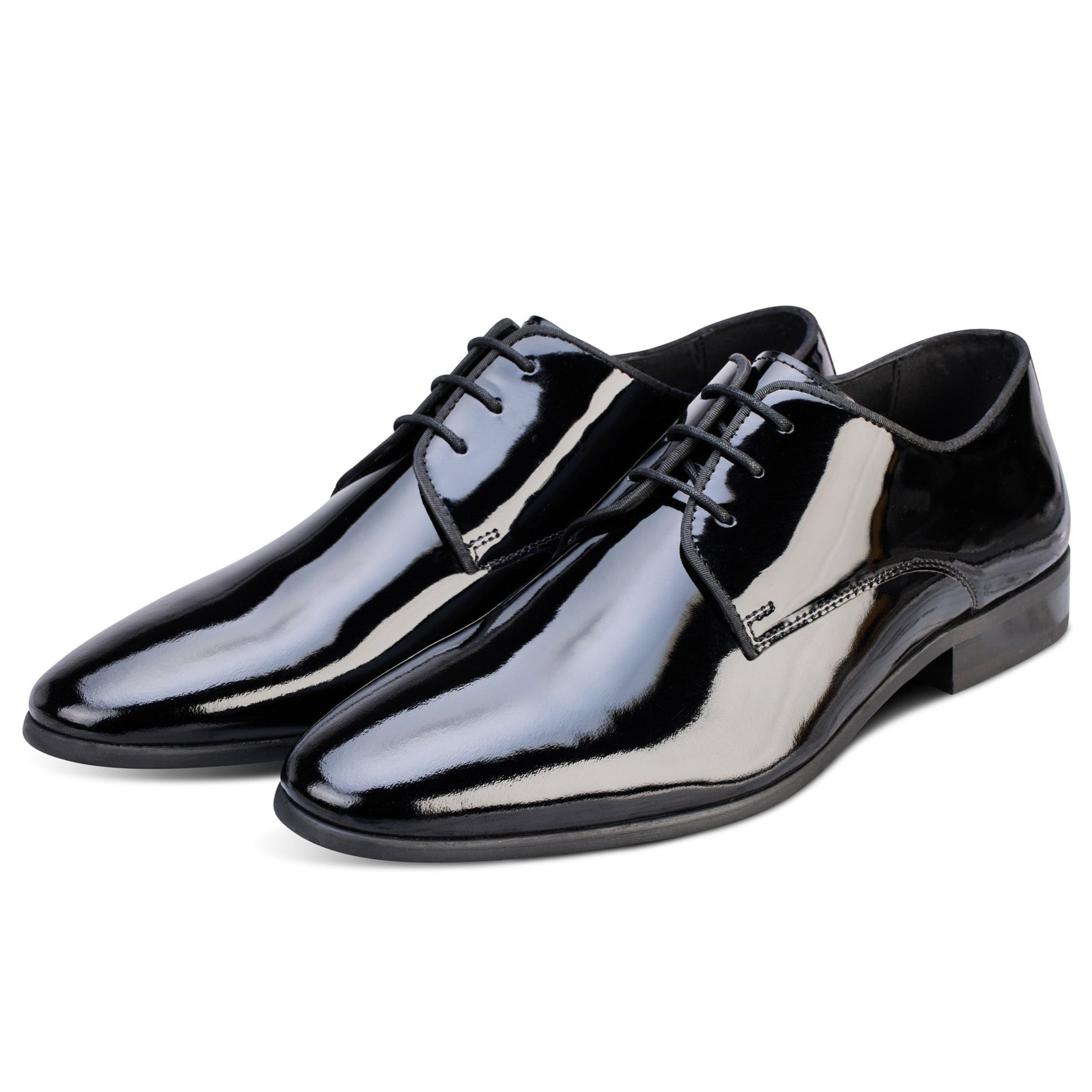
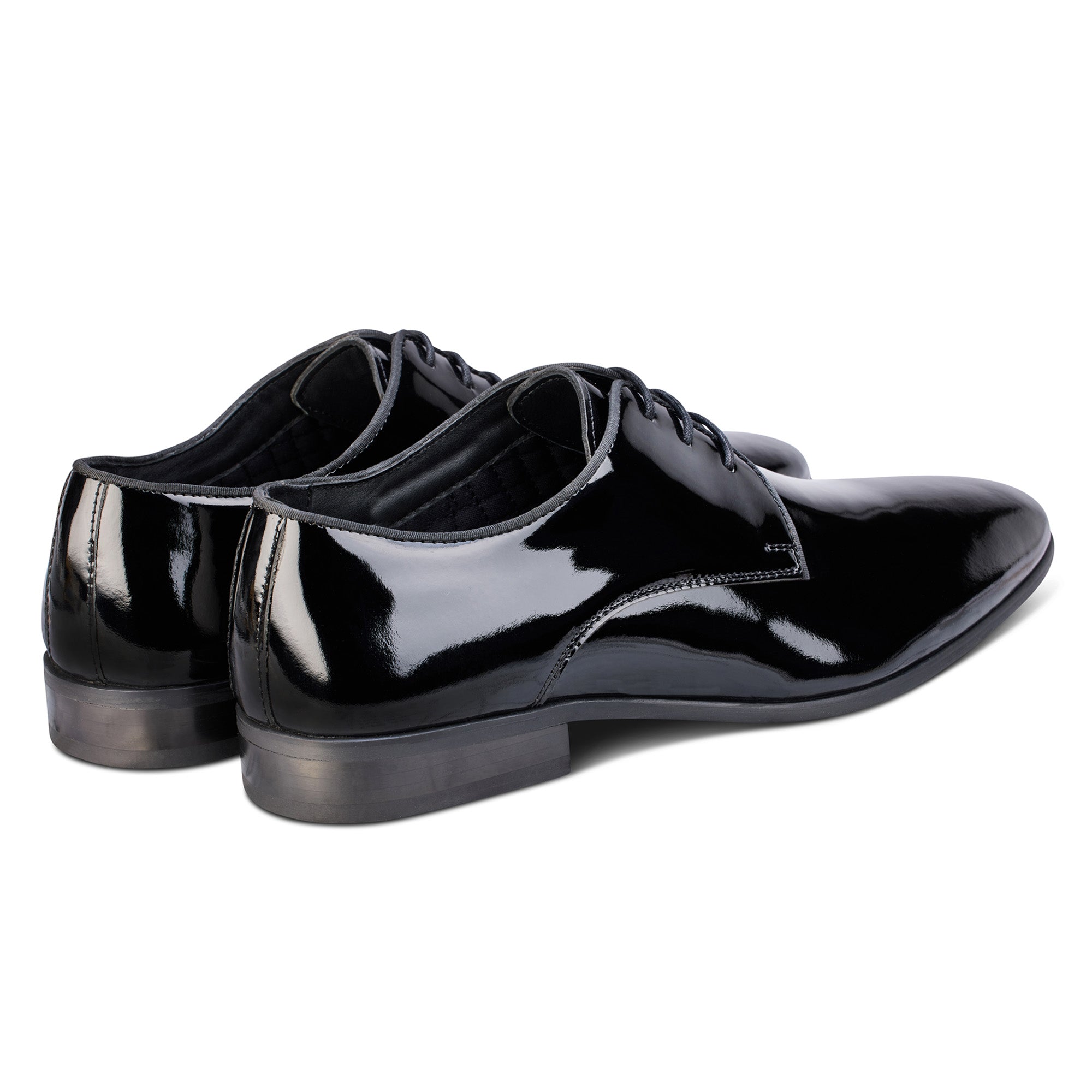
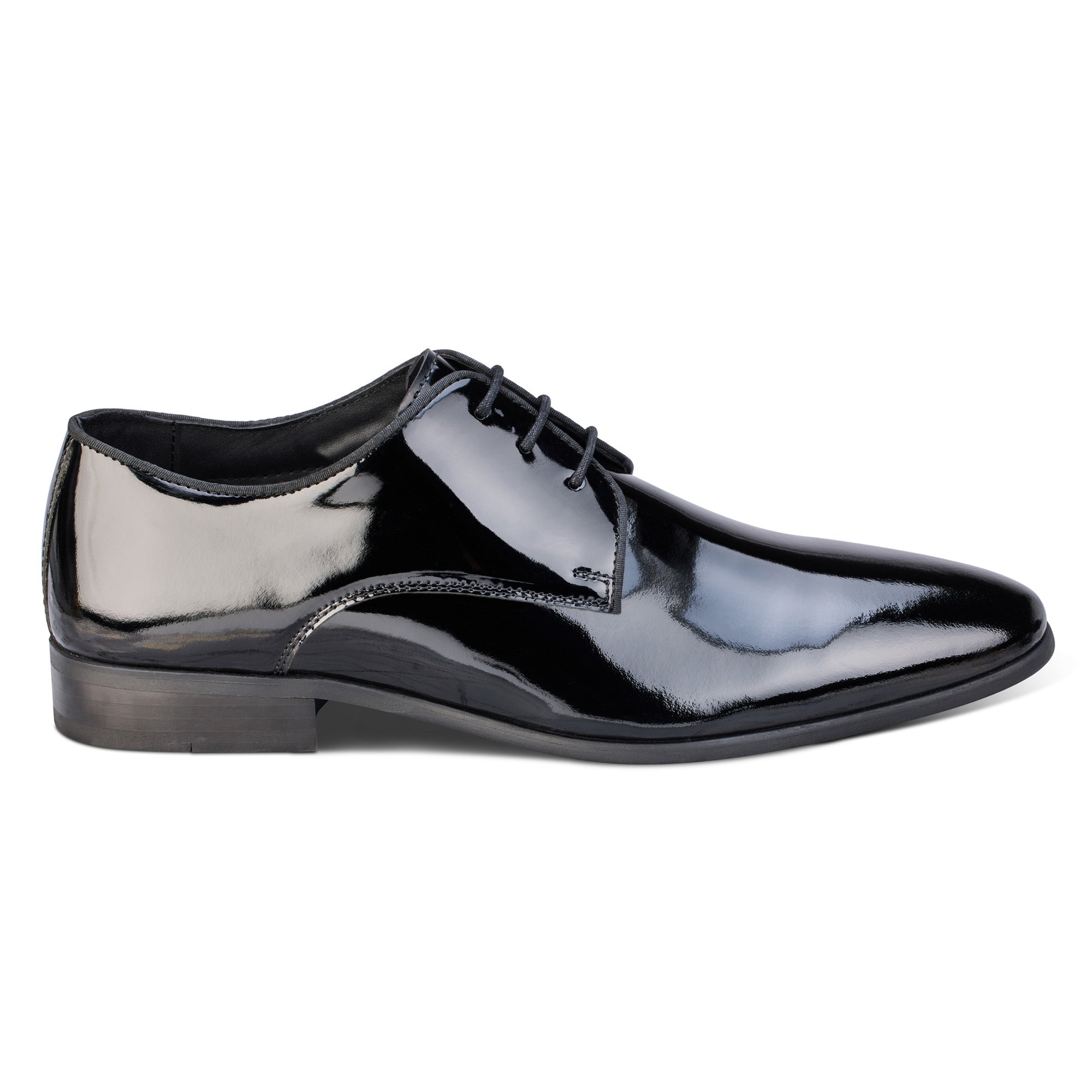
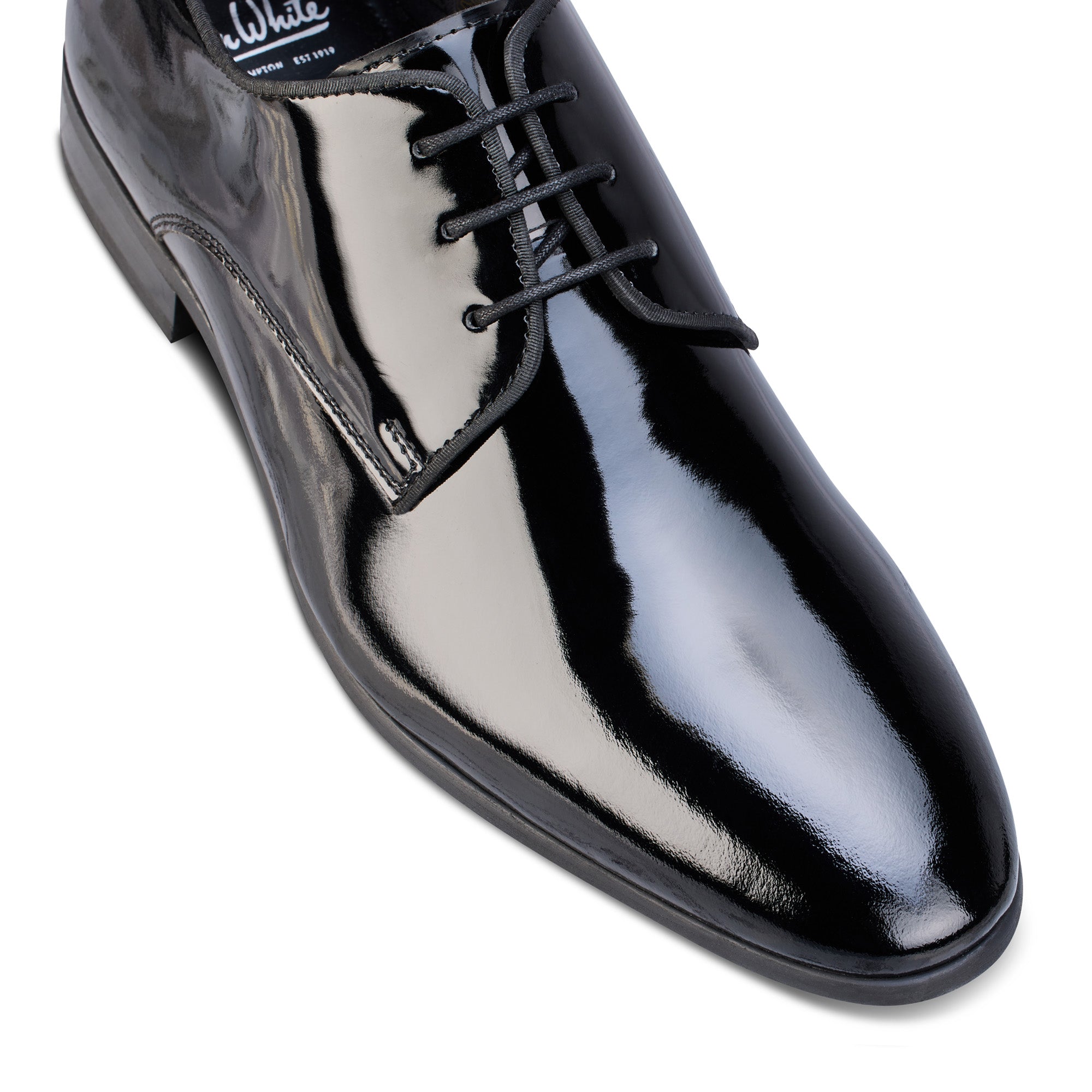
For a black tie event, the correct shoe is a plain black Oxford — either patent leather or highly polished smooth calf — with no brogue detailing, no suede, and no contrasting soles. The silhouette should be slim and understated. When in doubt, the plainer the better.
In This Guide
- What Does a Black Tie Dress Code Actually Require?
- What Type of Shoe Is Correct for Black Tie?
- Patent Leather vs Polished Calf: Which Should You Choose?
- Can You Wear Anything Other Than an Oxford to Black Tie?
- What Shoes Should You Avoid at Black Tie?
- How Should You Prepare Your Black Tie Shoes?
- Why Does the Oxford Endure as the Formal Shoe of Choice?
- Related Guides
- TL;DR
- Frequently Asked Questions
The shoes you wear to a black tie event carry more weight than most men realise. Black tie is one of the few dress codes where the rules remain genuinely non-negotiable, and footwear is where well-dressed men still stumble. Most men focus on the jacket; the shoe becomes an afterthought. That's the mistake. For formal evening dress, there's one correct answer: a plain black leather Oxford, impeccably polished.
What Does a Black Tie Dress Code Actually Require?
Black tie is a semi-formal evening dress code, positioned below white tie and above lounge suit. The standard components are a black dinner jacket, matching trousers with a satin stripe, a dress shirt, a black bow tie, and a cummerbund or waistcoat.
Footwear is the most frequently misread element. According to Debrett's, the authority on British social etiquette, black tie requires patent leather or plain polished black shoes. The guidance is explicit: no decorative perforations, no suede, no casual construction.
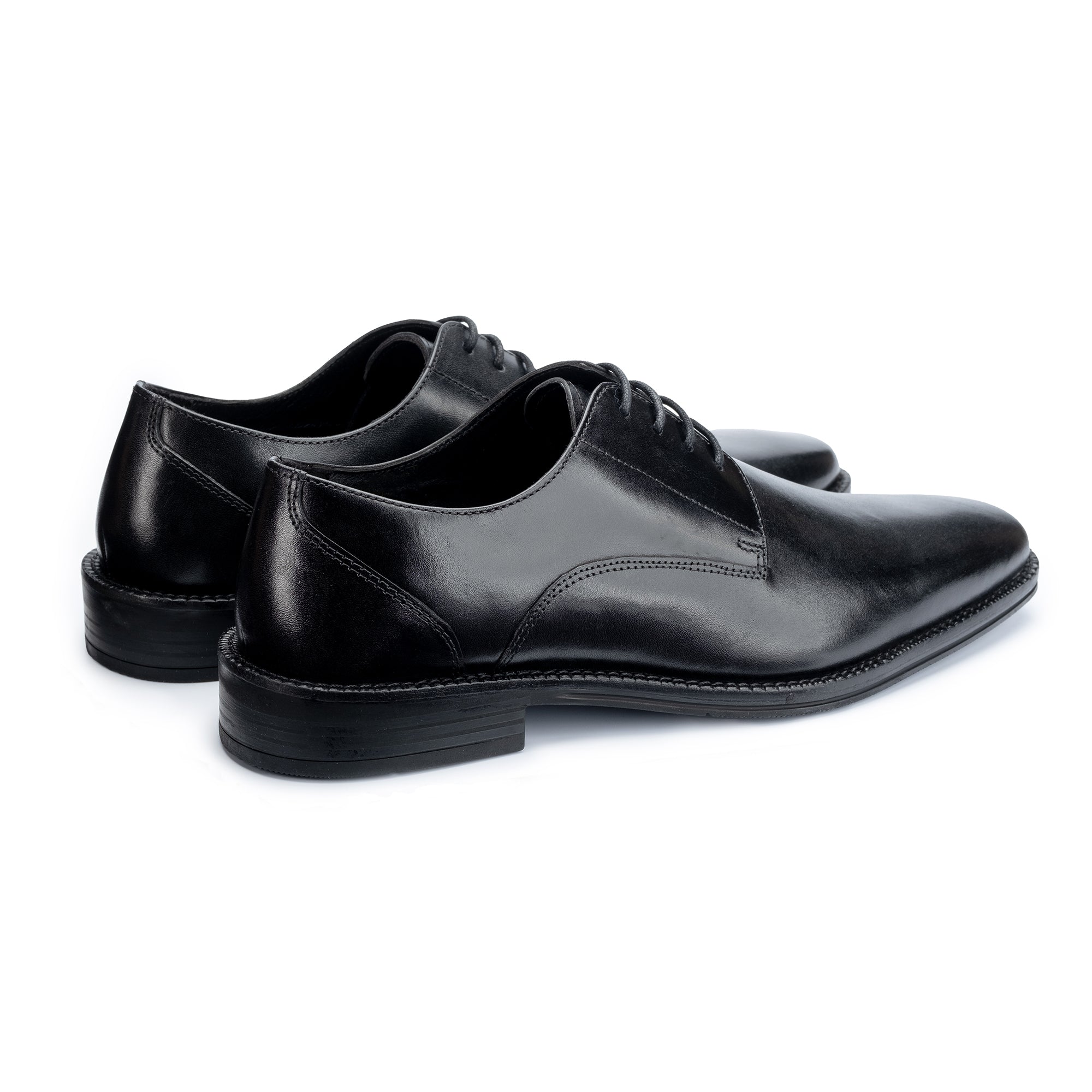
The silhouette matters as much as the finish. A slim, low-profile shoe reads as formal. A chunky or heavily soled shoe breaks the line of an evening trouser, regardless of how well it's polished.
What Type of Shoe Is Correct for Black Tie?
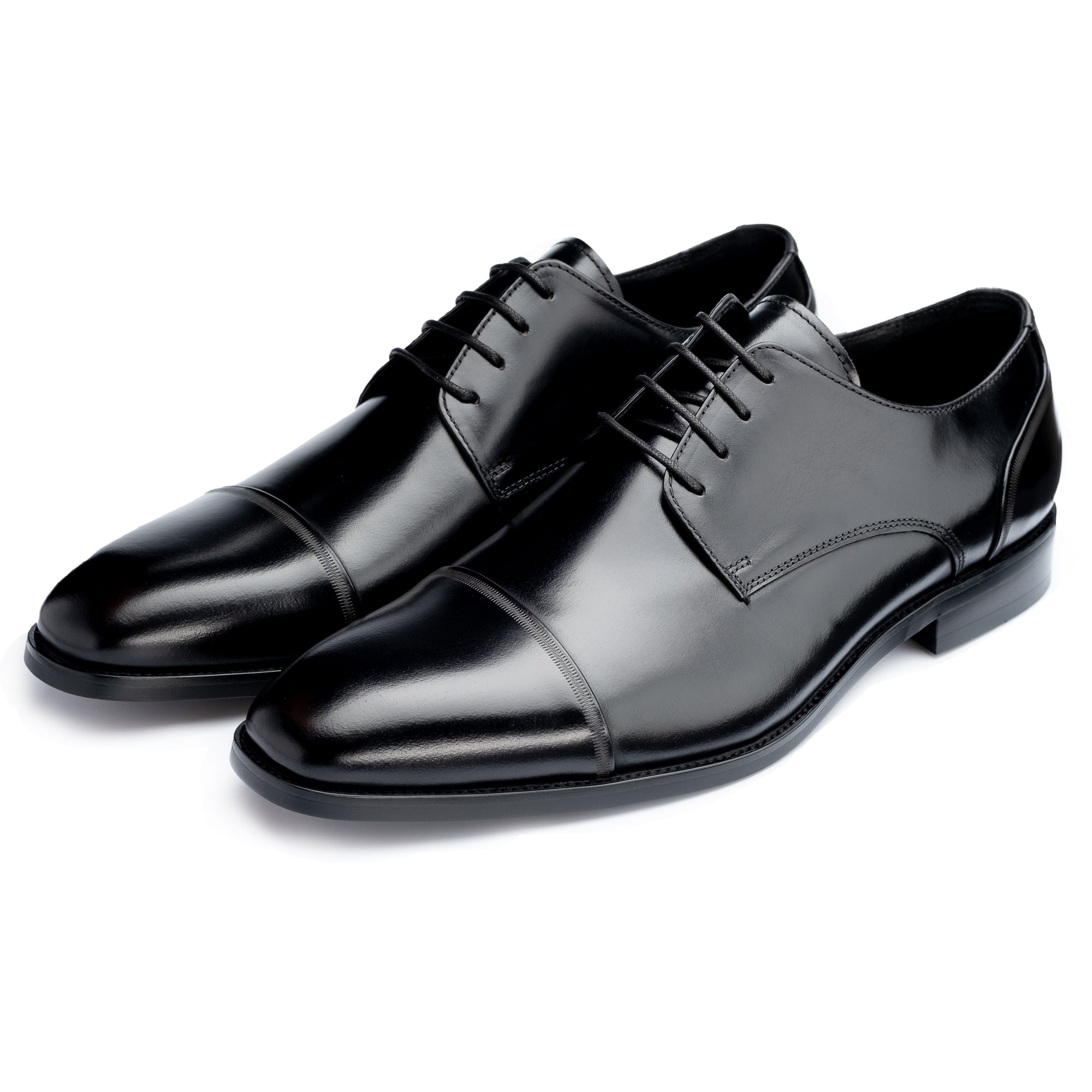
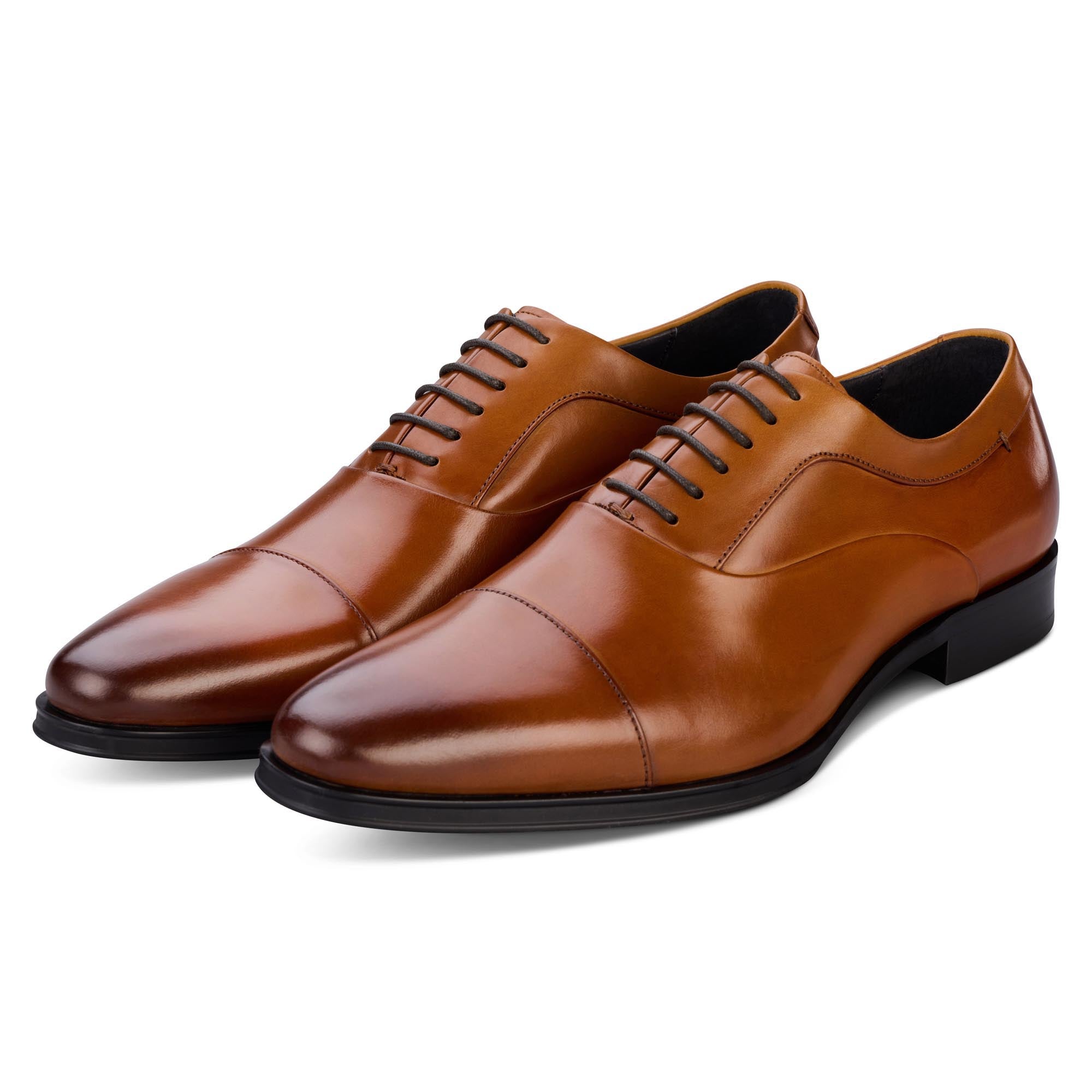
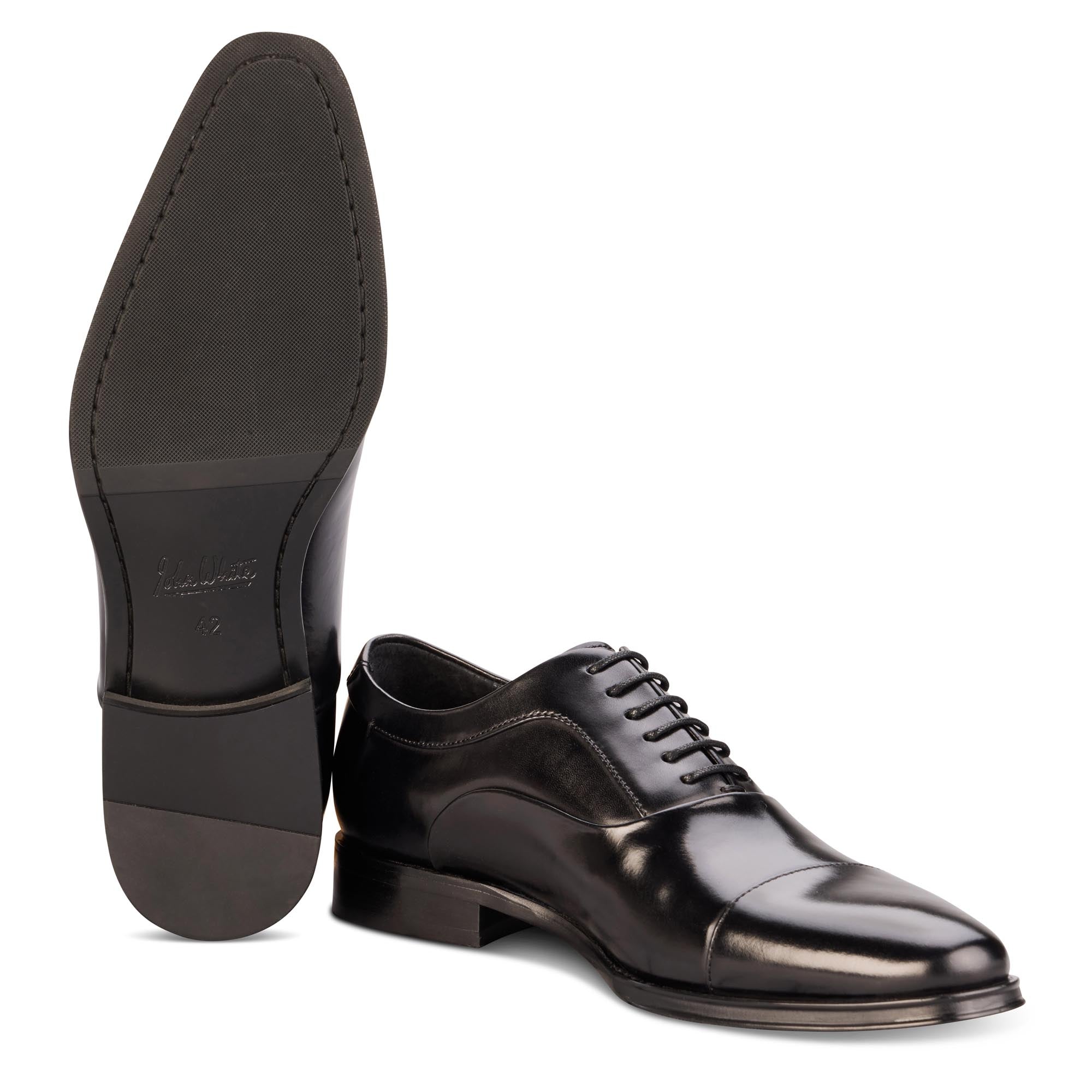
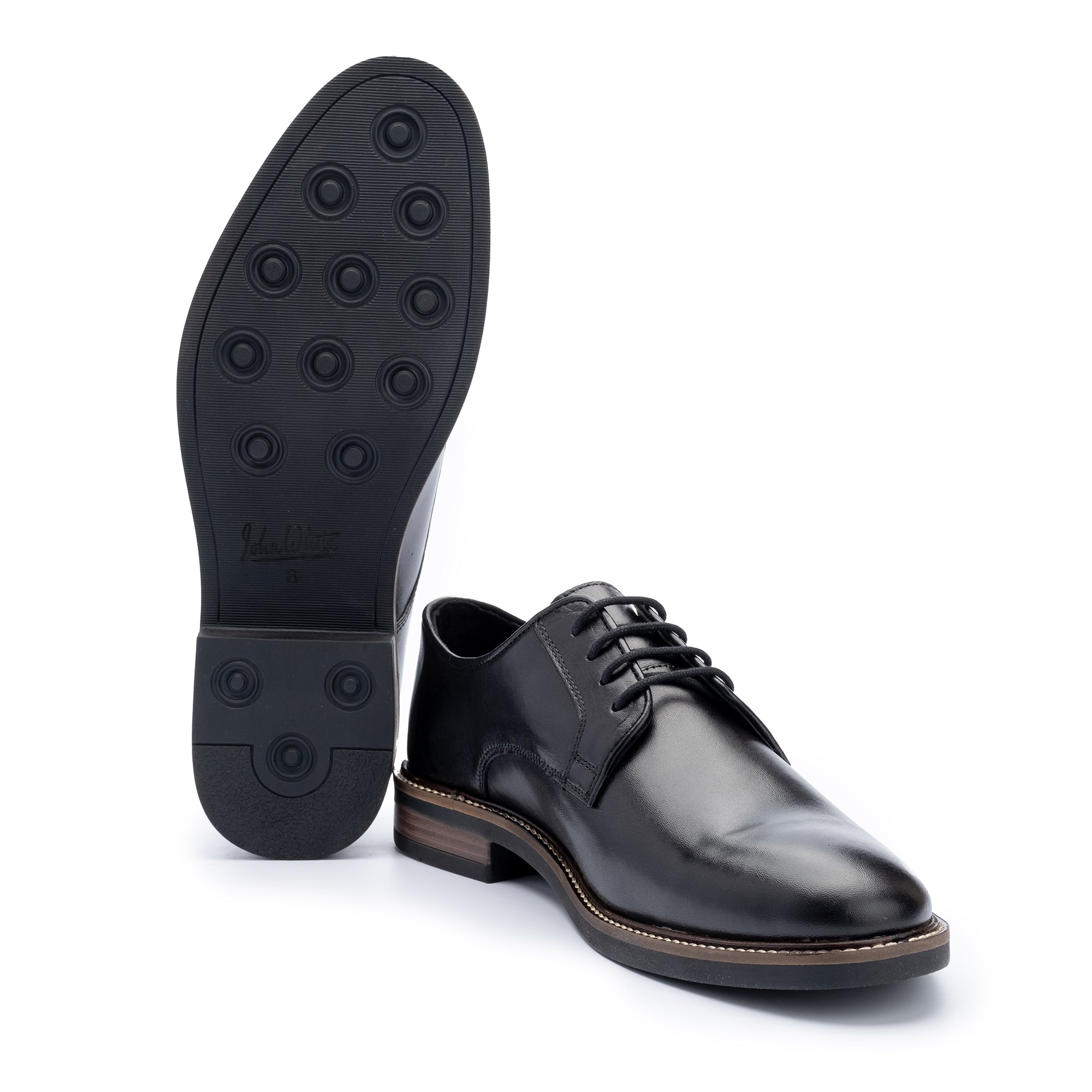
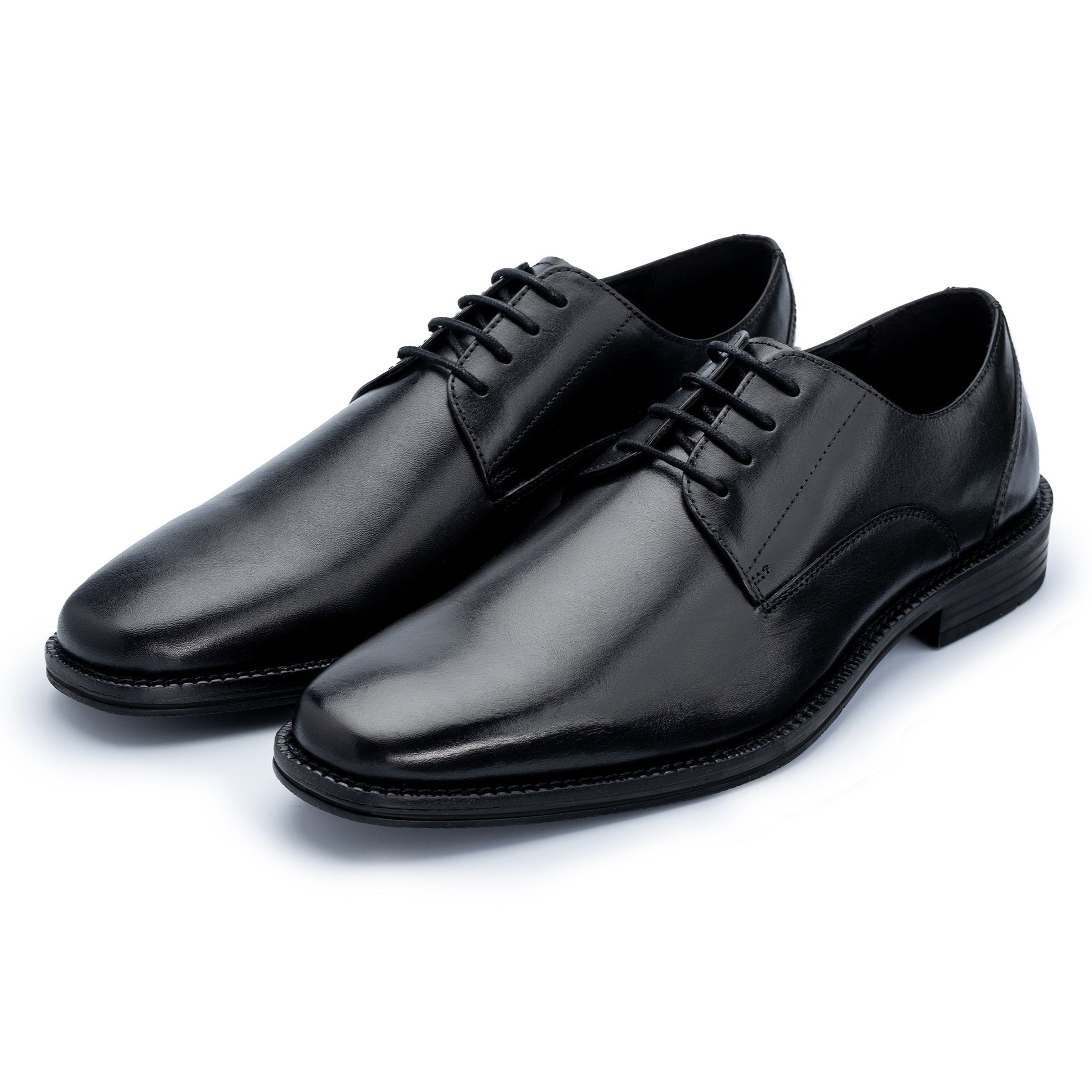
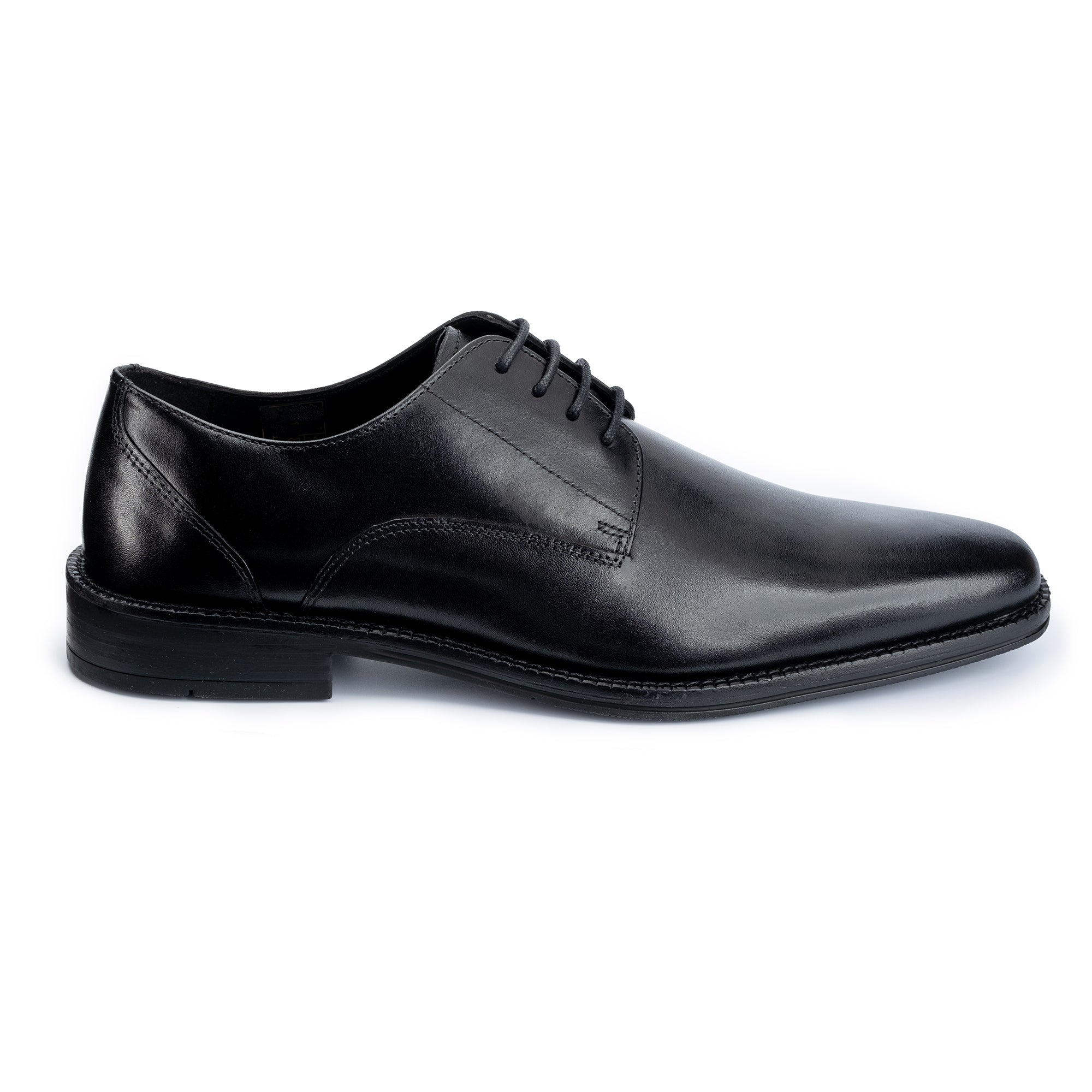
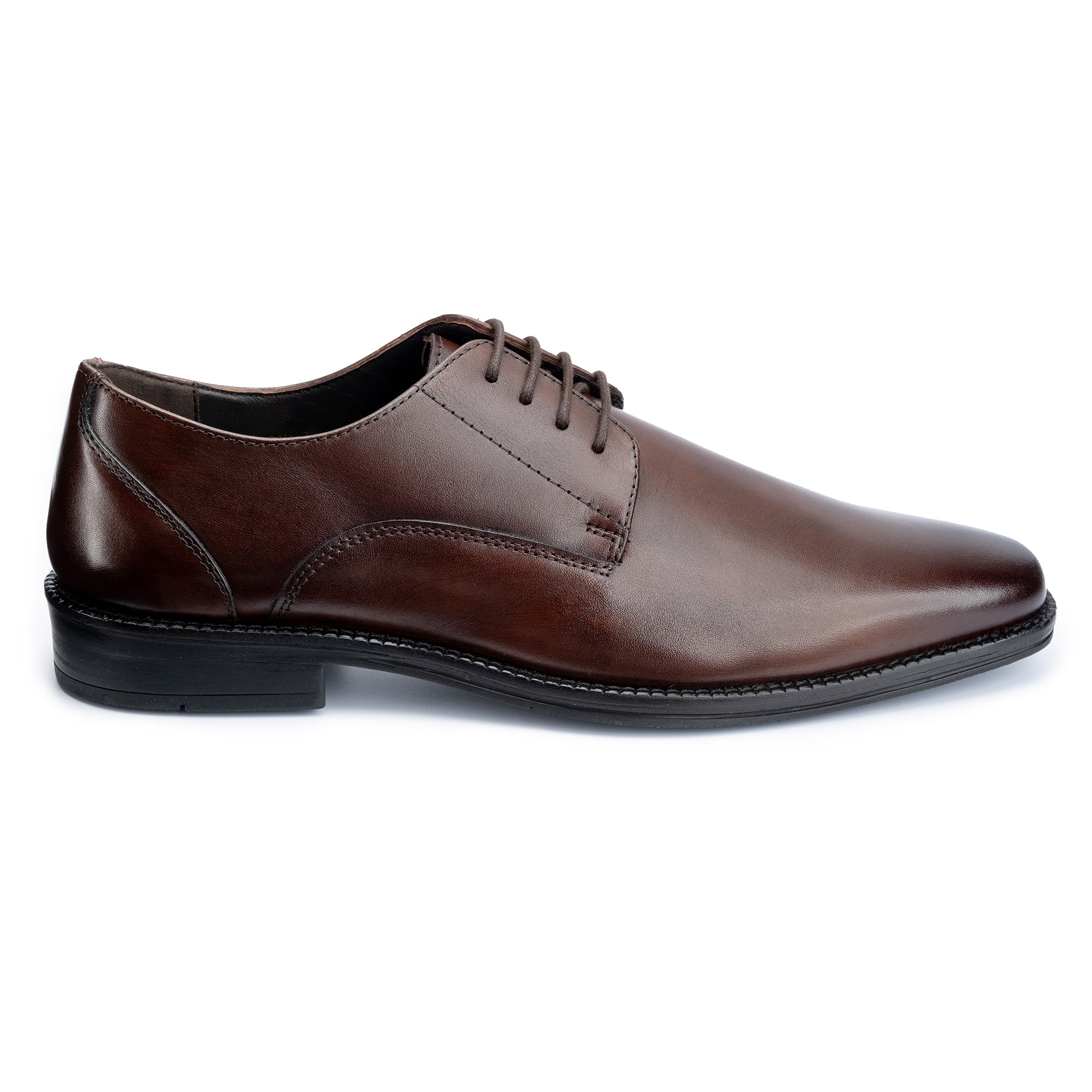
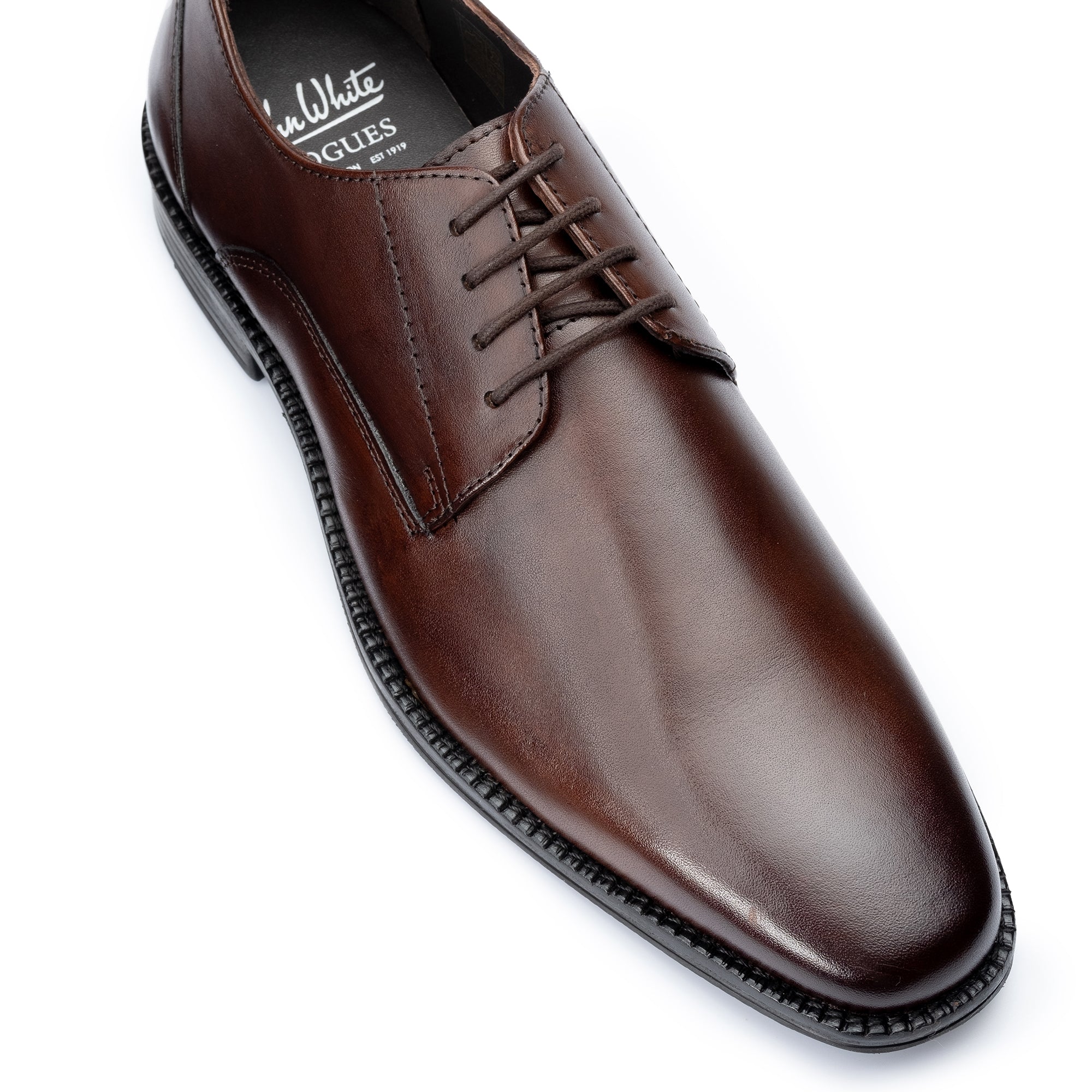
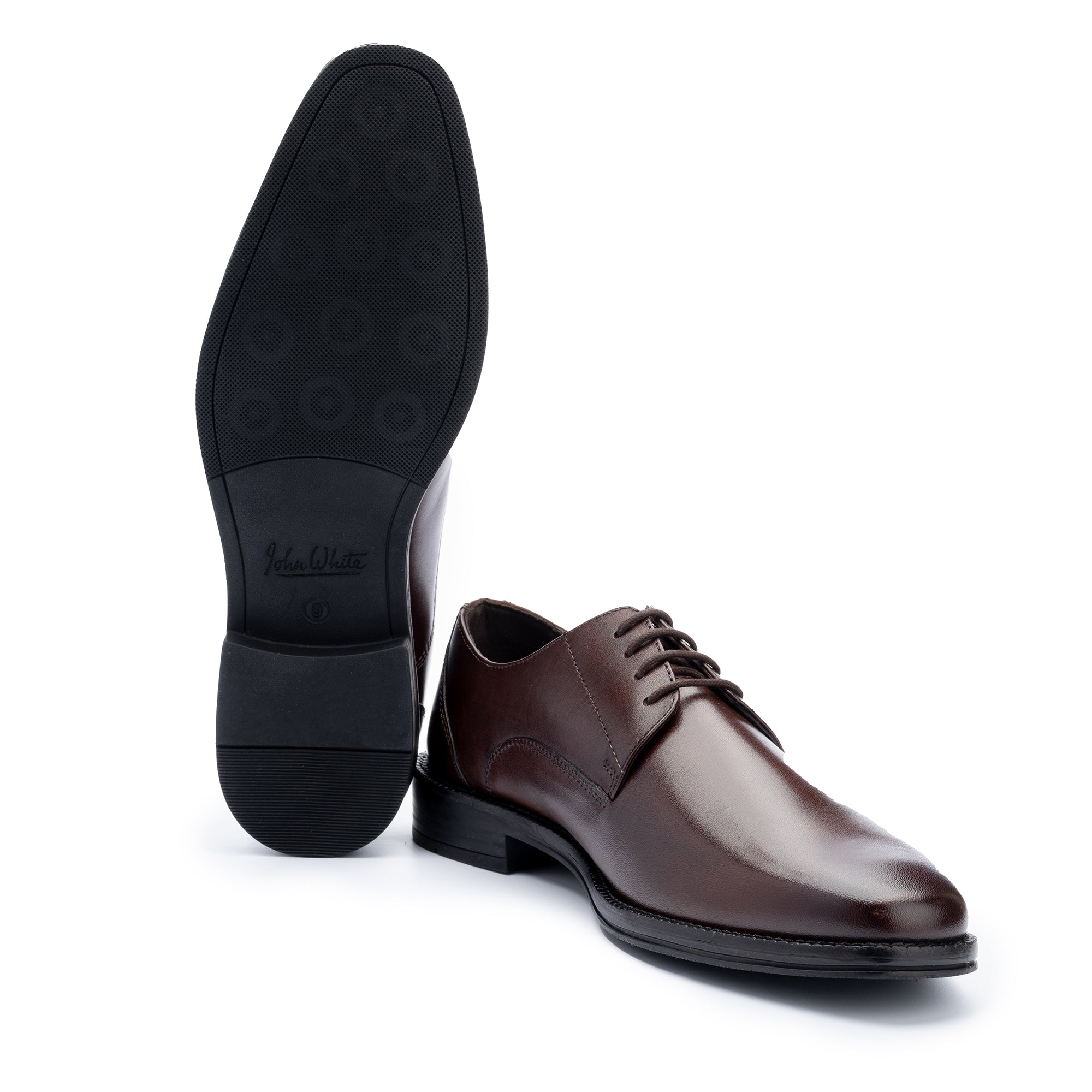
The Oxford is the definitive black tie shoe. Its closed lacing system — where the facings are sewn beneath the vamp — creates a clean, unbroken line across the top of the foot. No other shoe construction achieves this degree of formality.
There are two acceptable finishes:
- Patent leather — the traditional choice. A mirror-bright finish that requires no polishing and is specifically designed for evening wear. A patent Oxford or pump is the most formal option available.
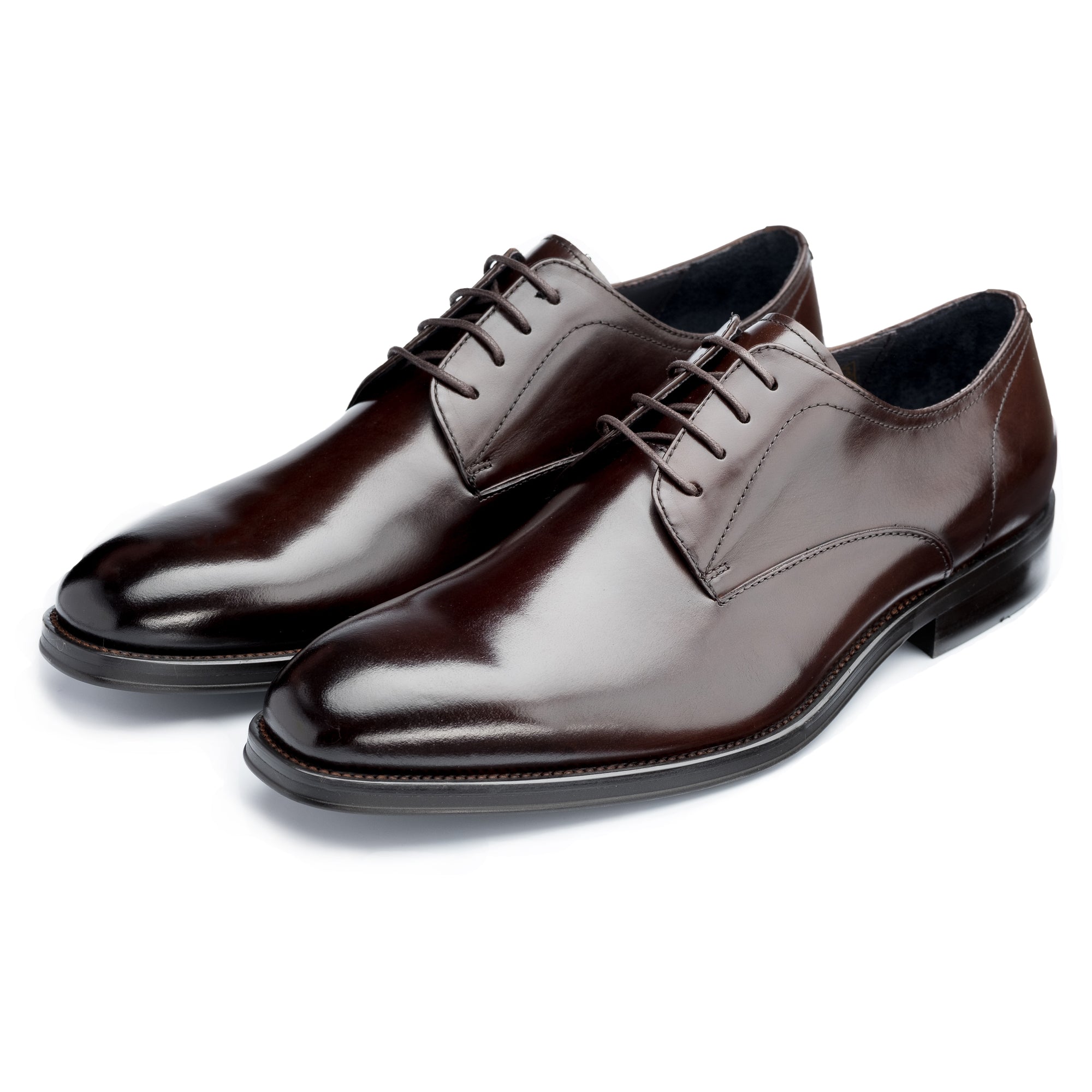
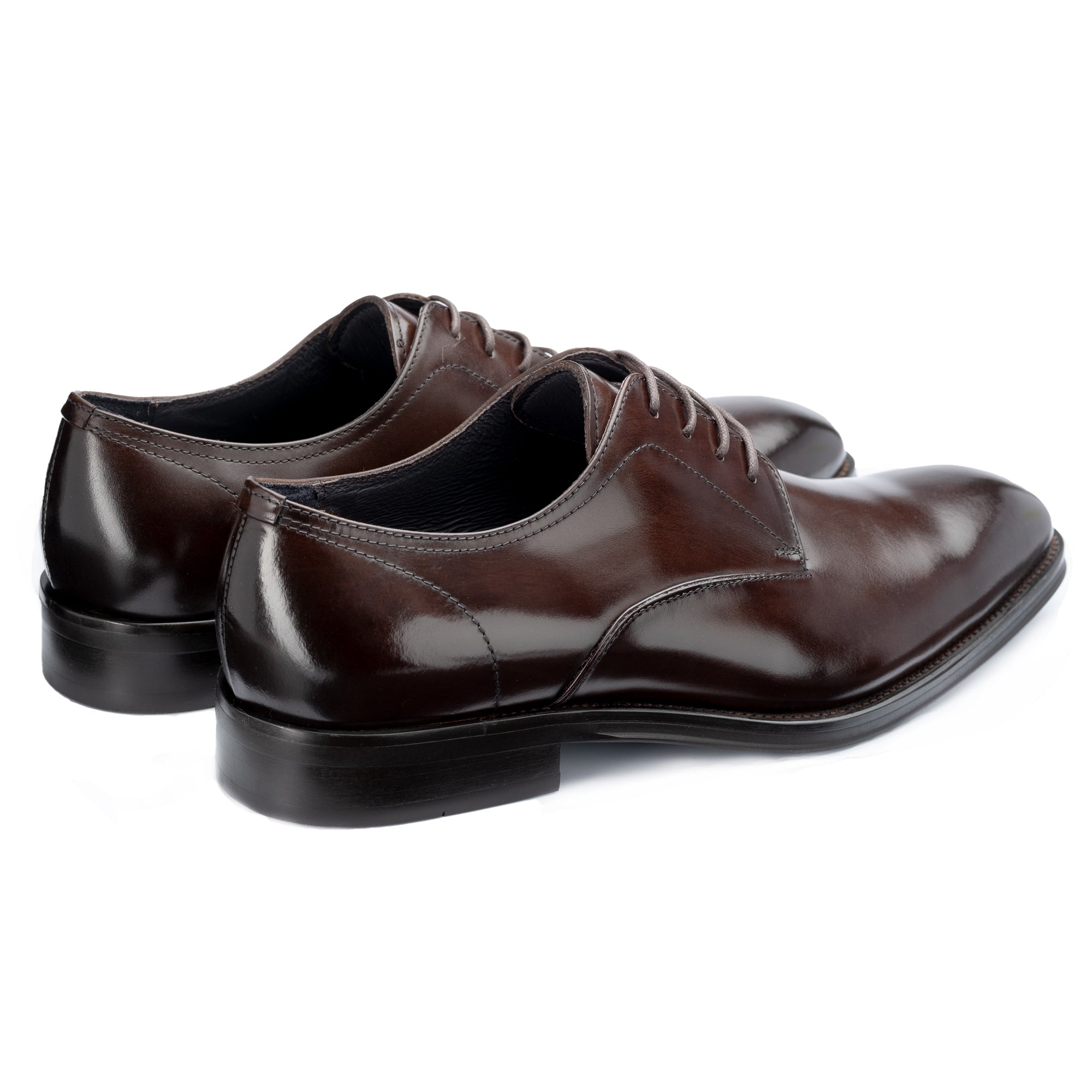
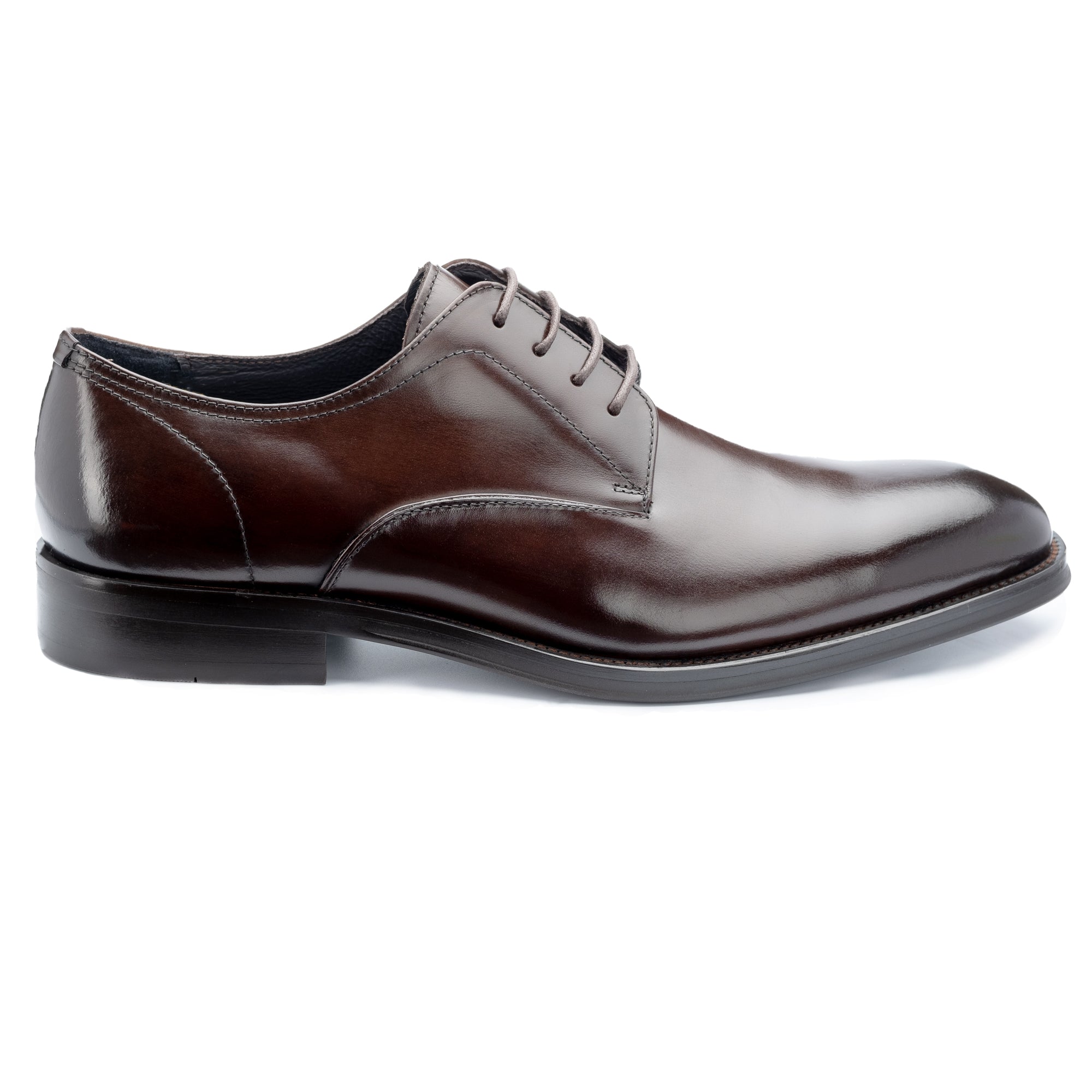
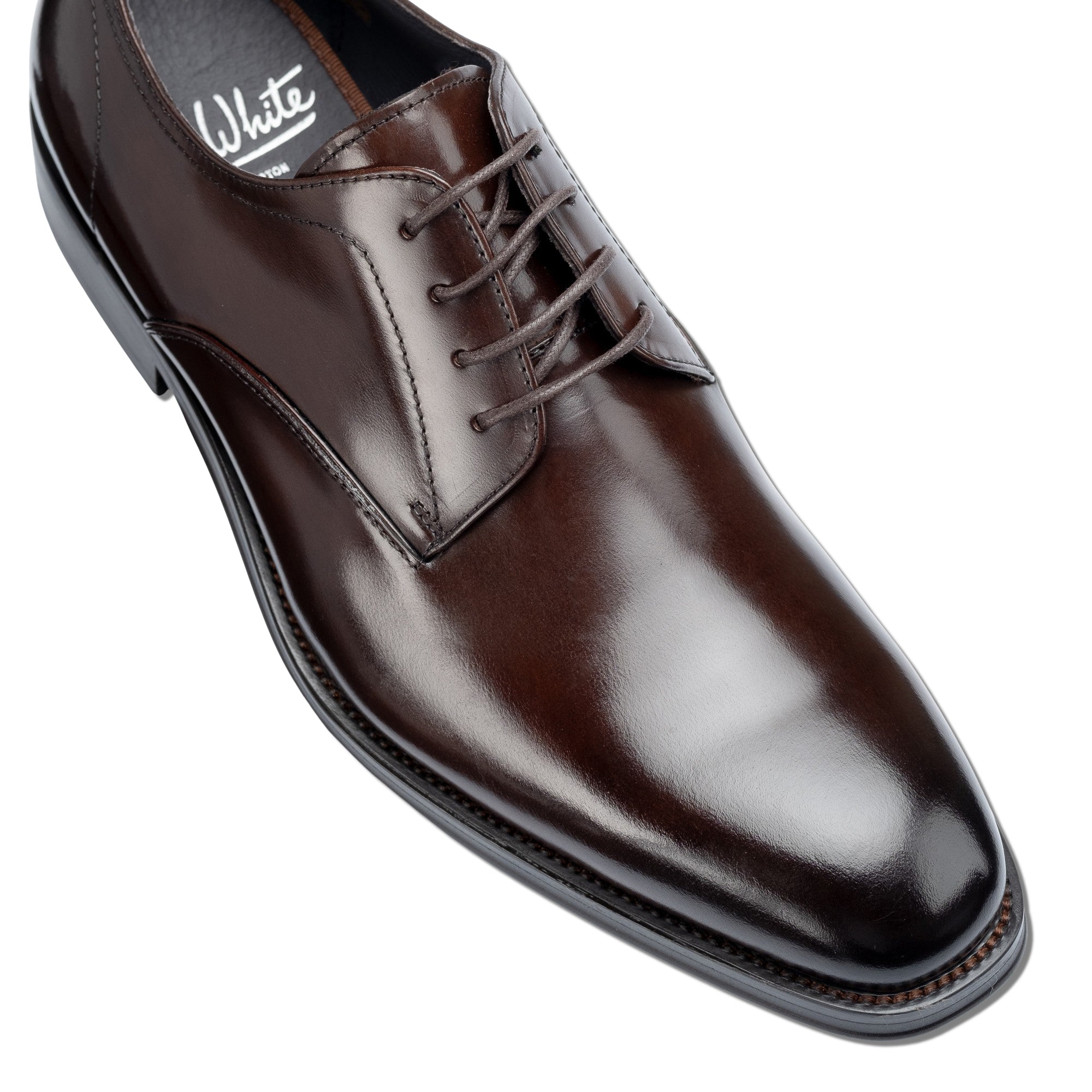
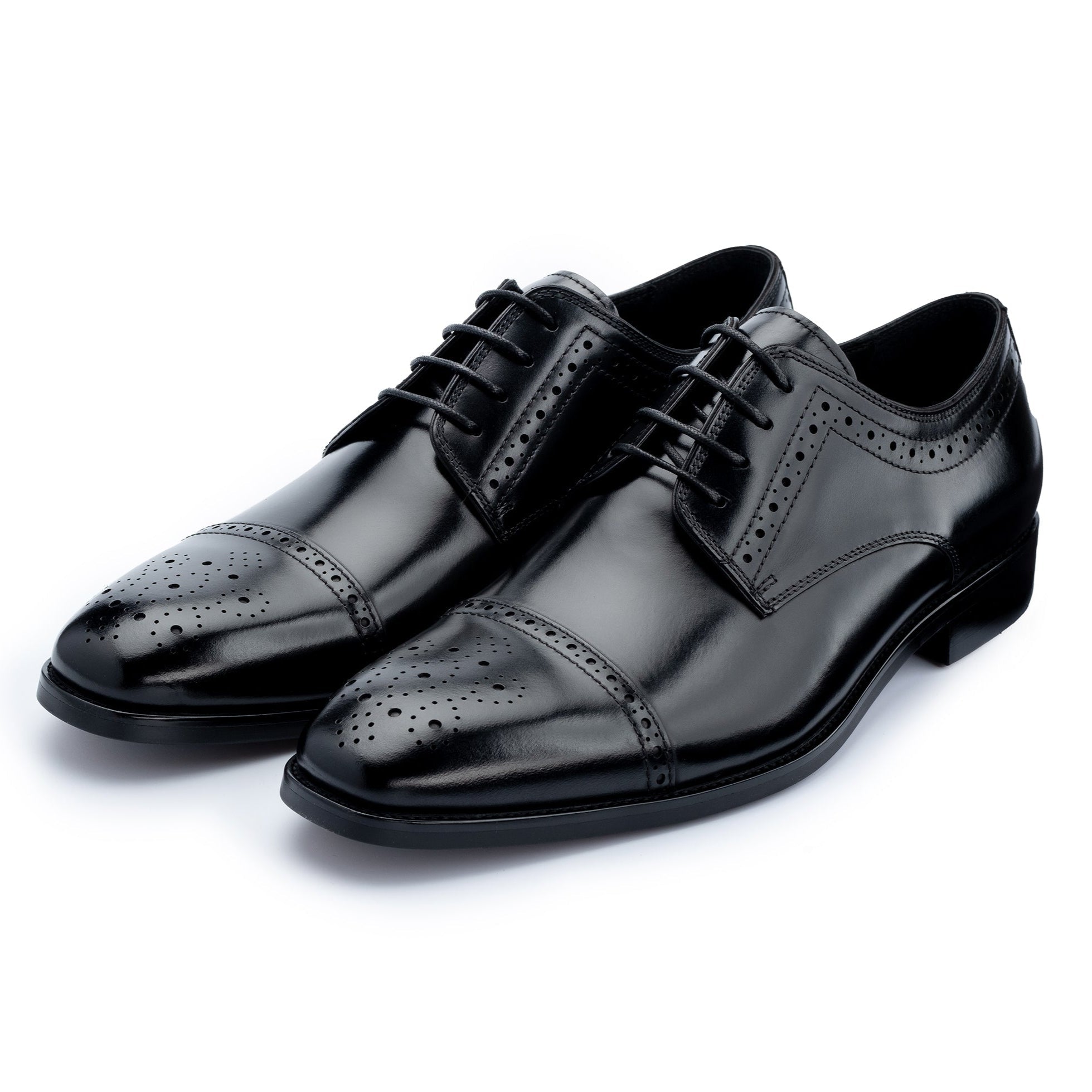
- Highly polished plain calf leather — the practical alternative. A well-conditioned, freshly polished black Oxford in smooth leather reads as formally as patent when properly prepared. This is what most men will wear, and it works perfectly.
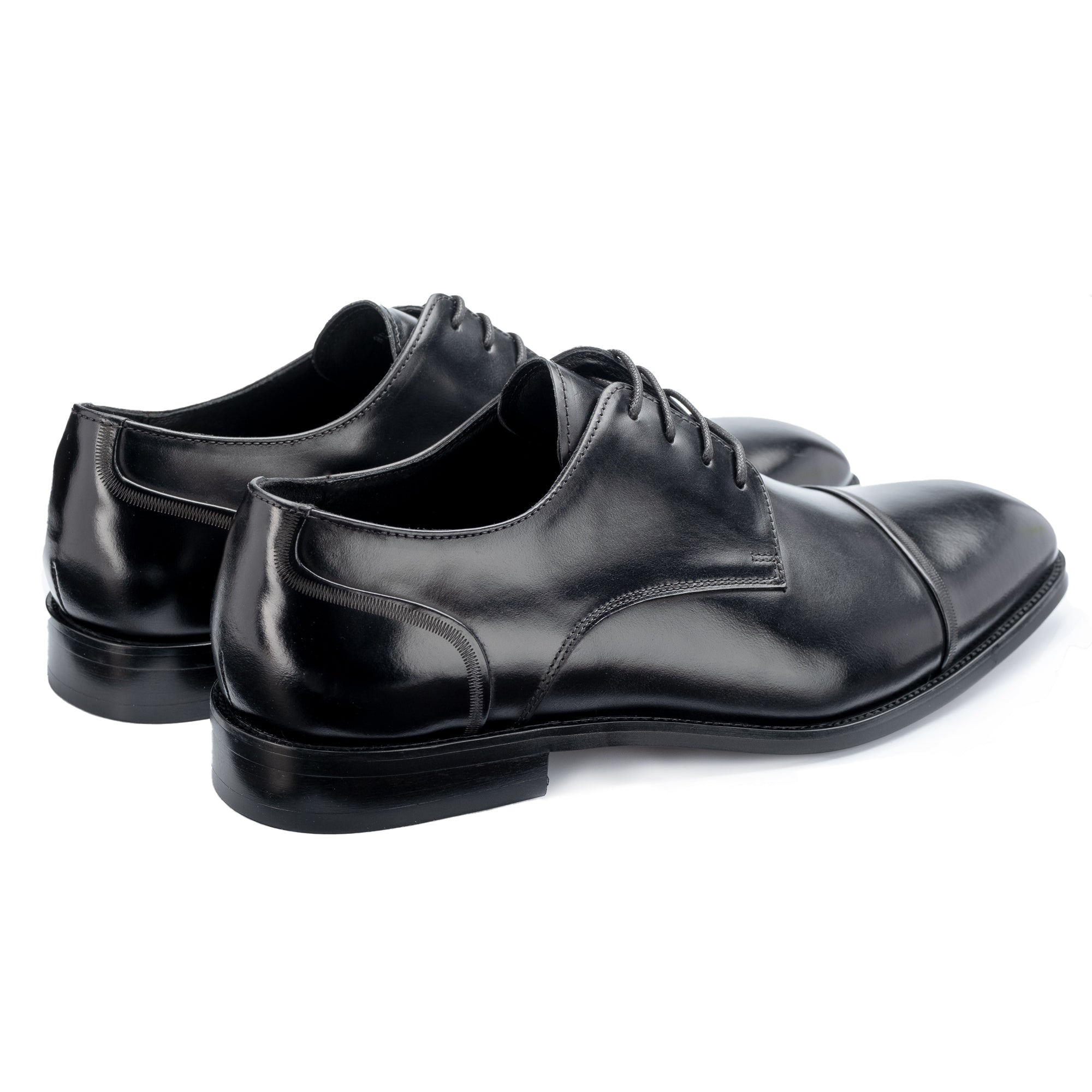
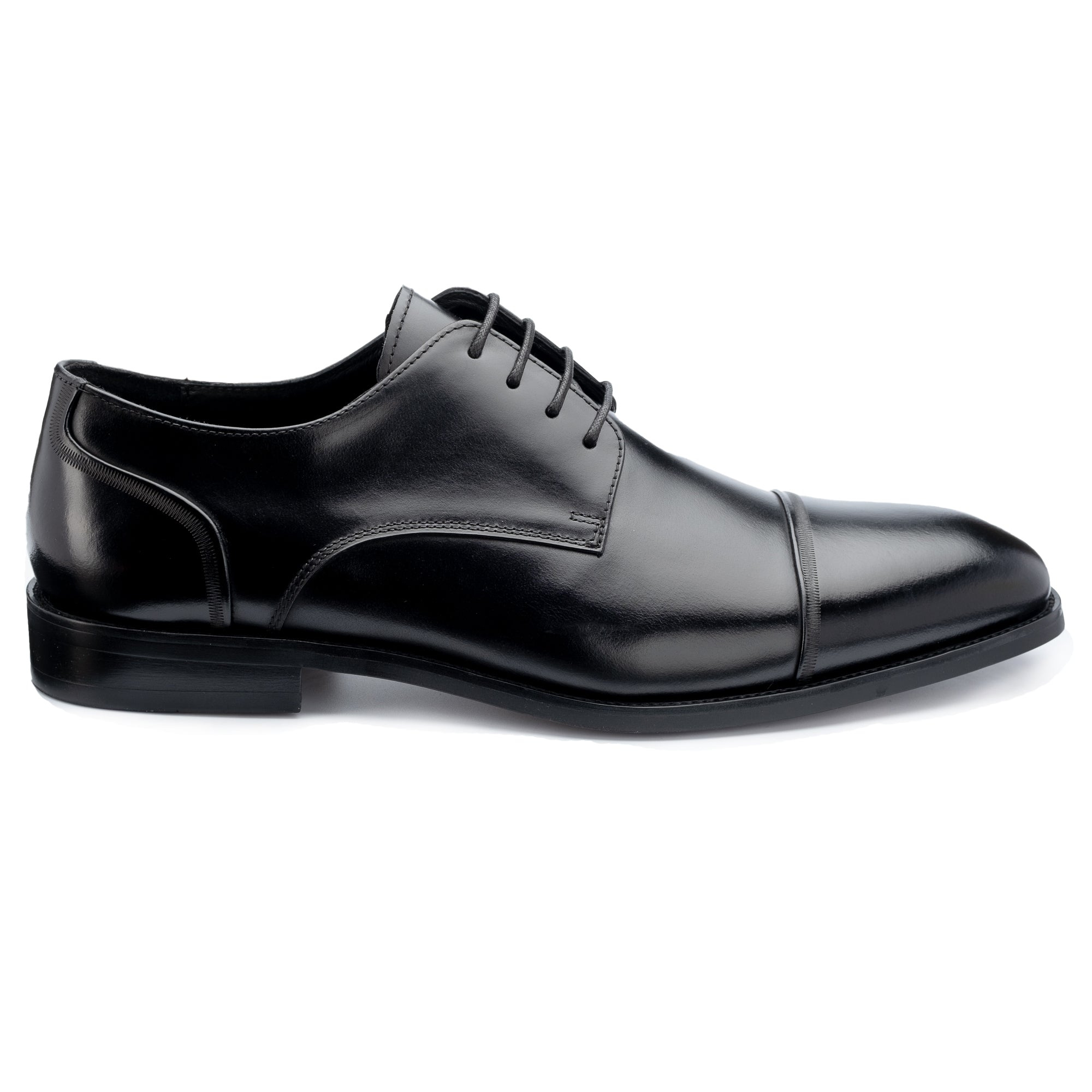
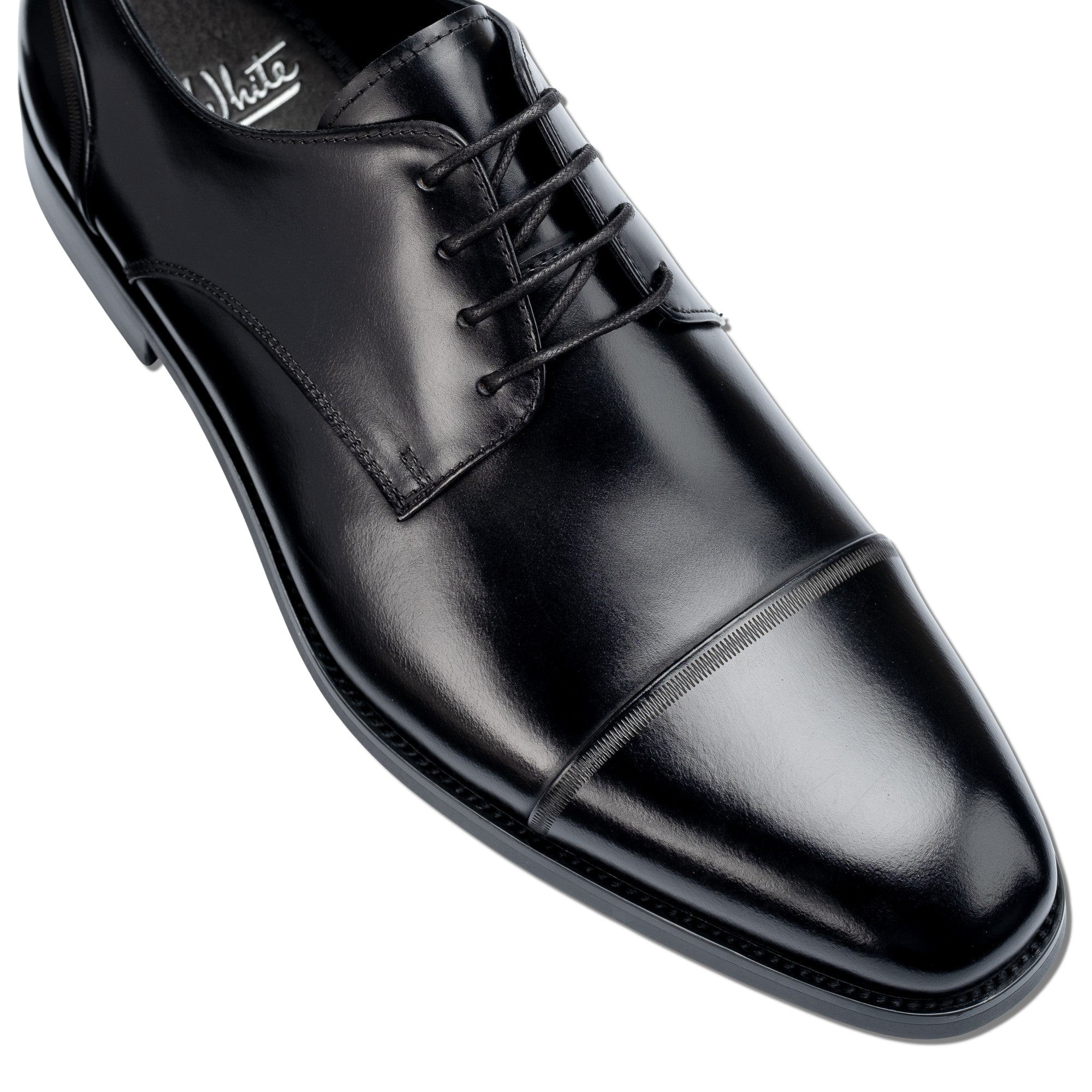
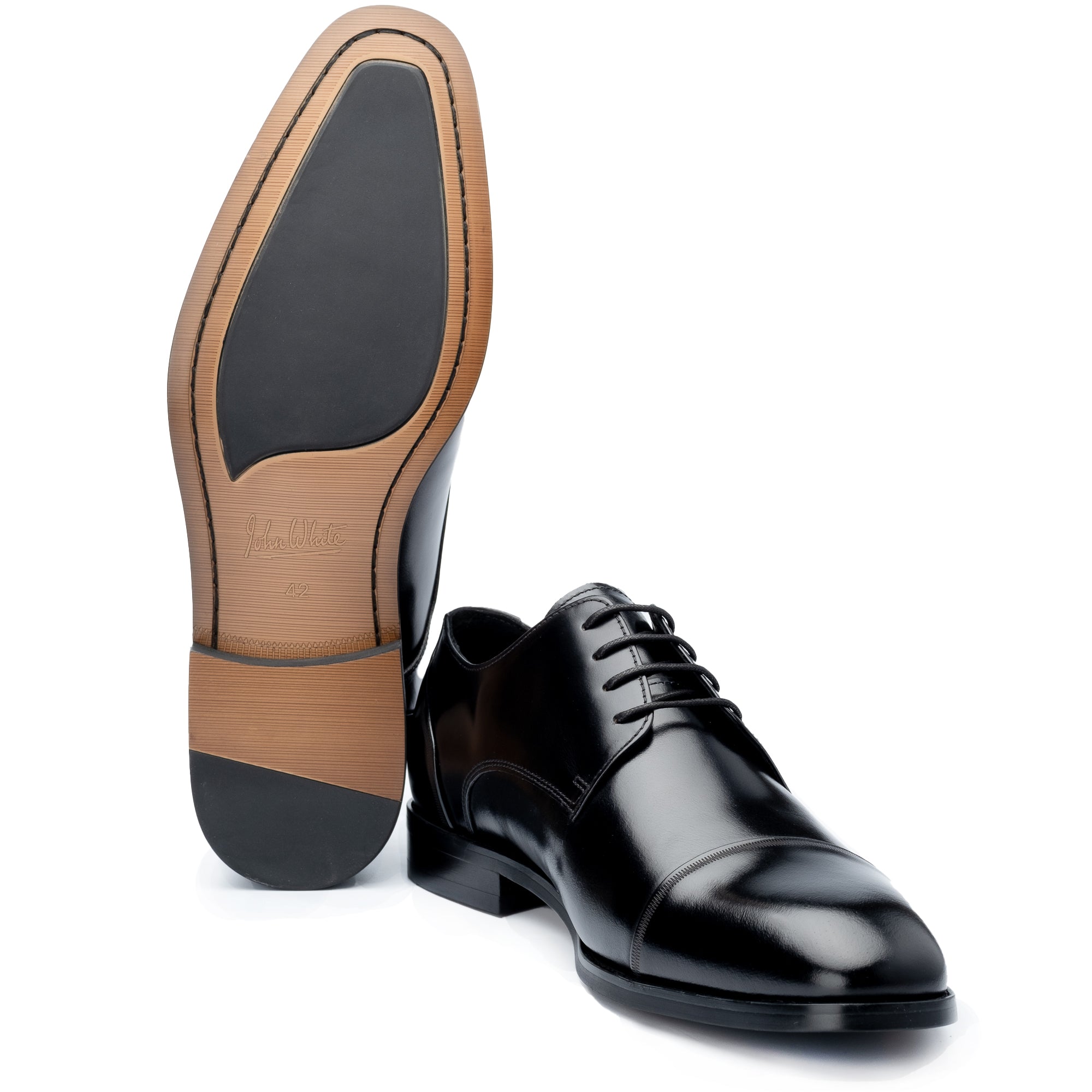
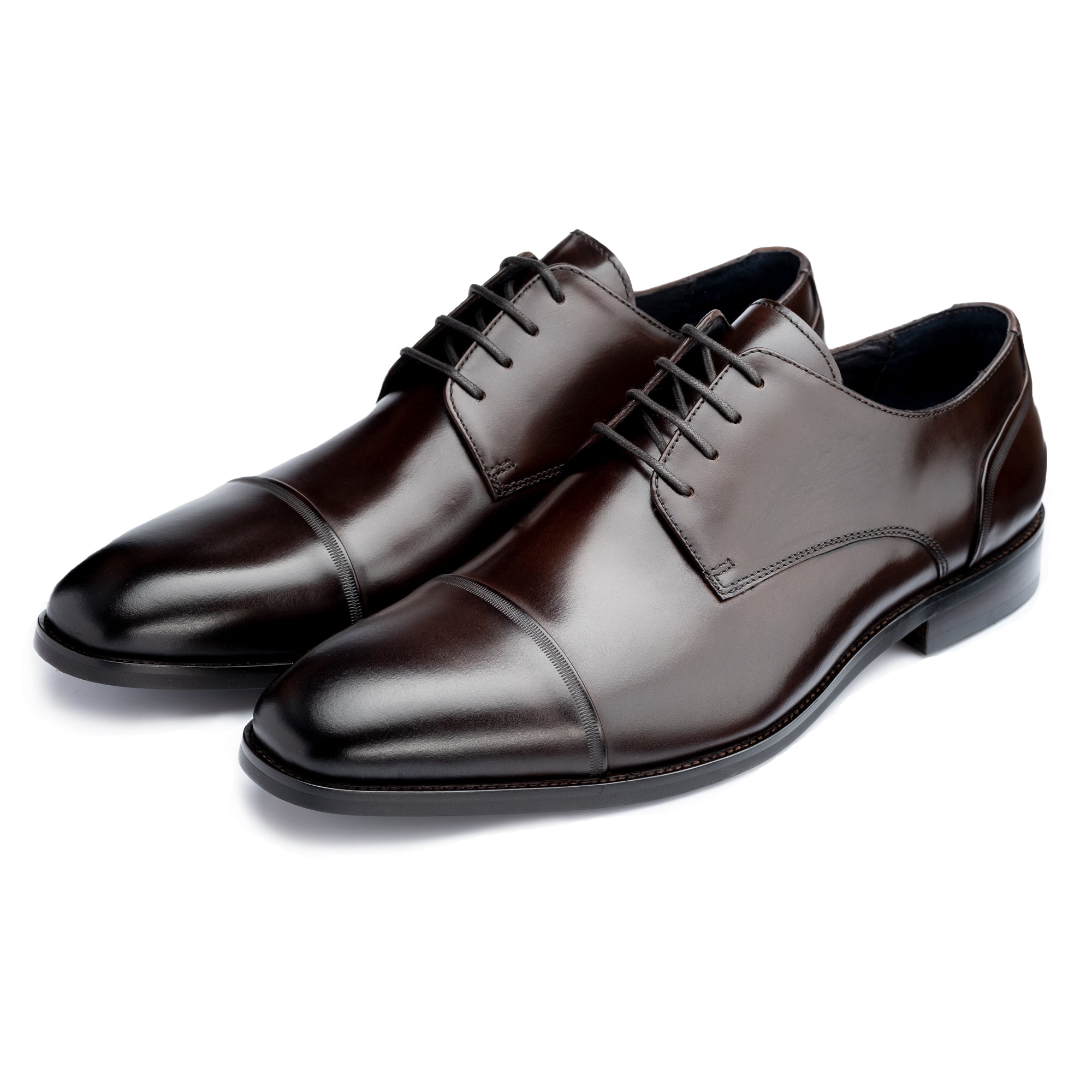
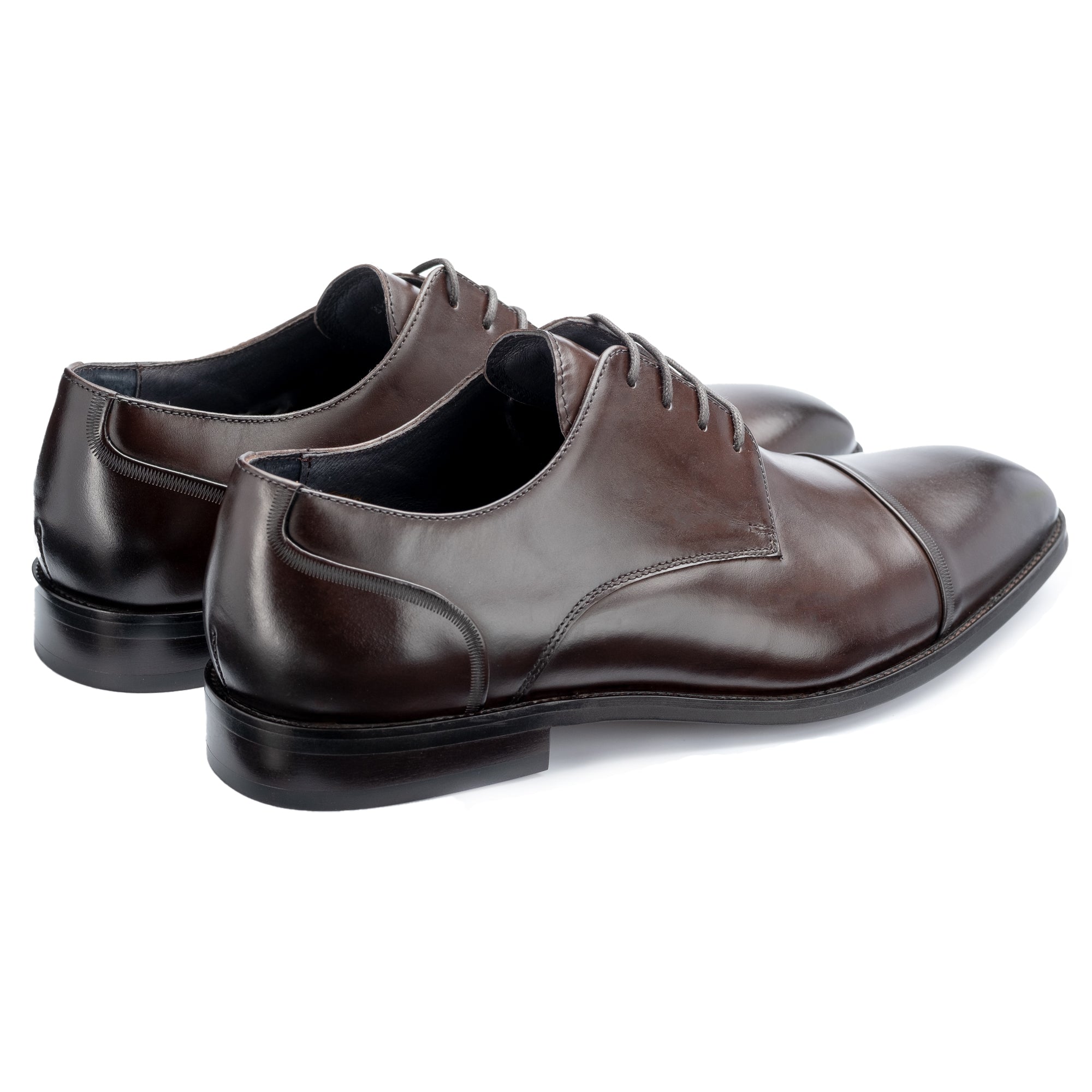
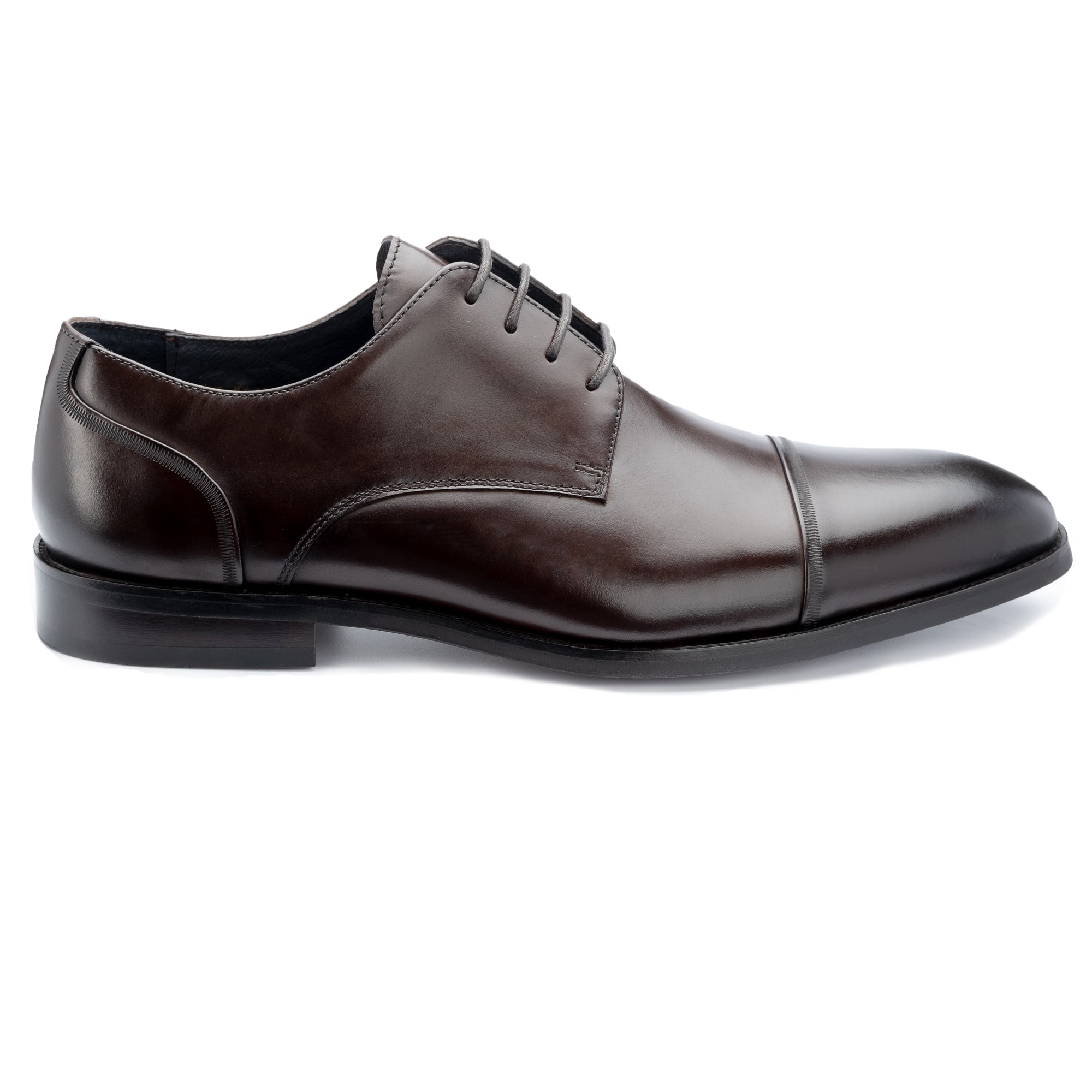
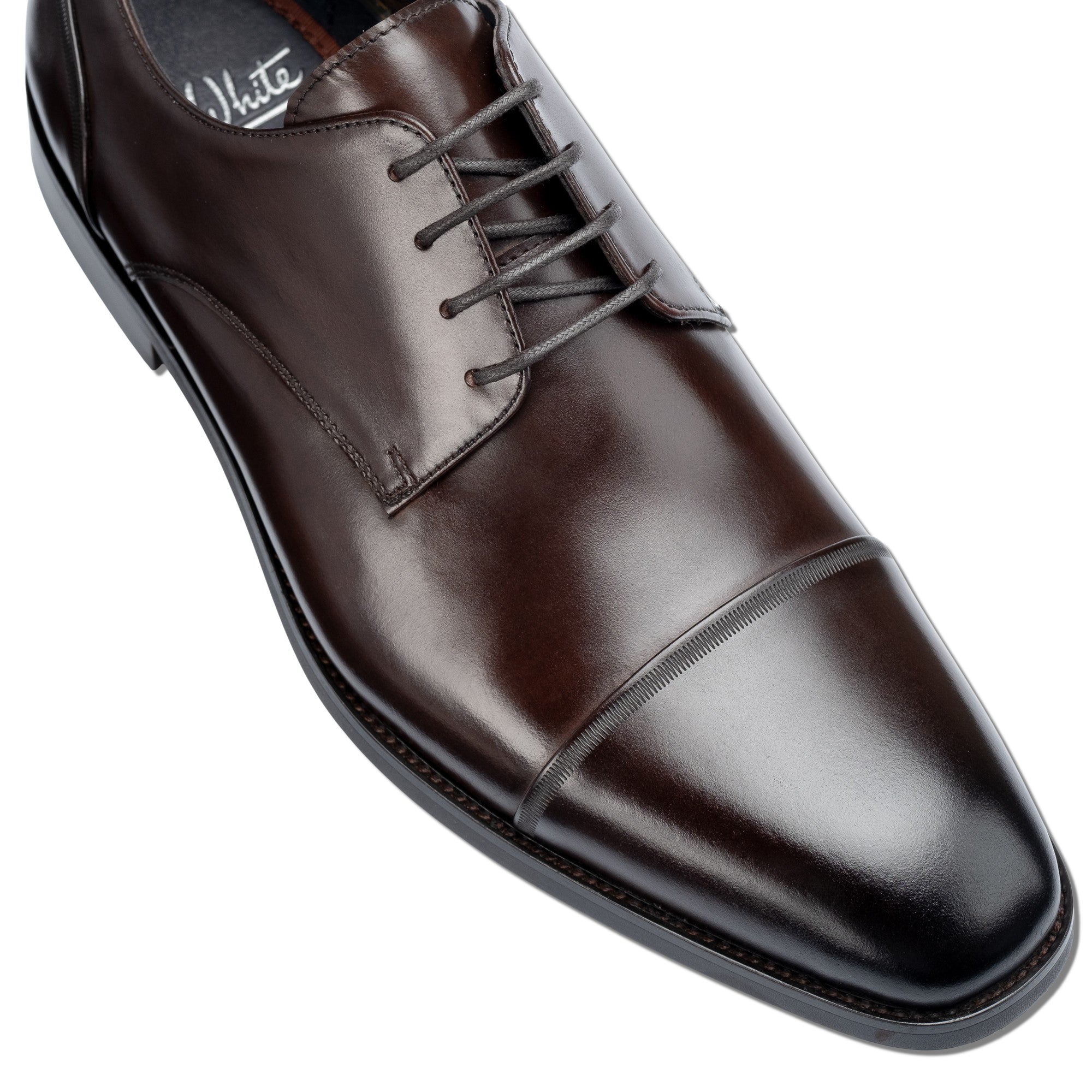
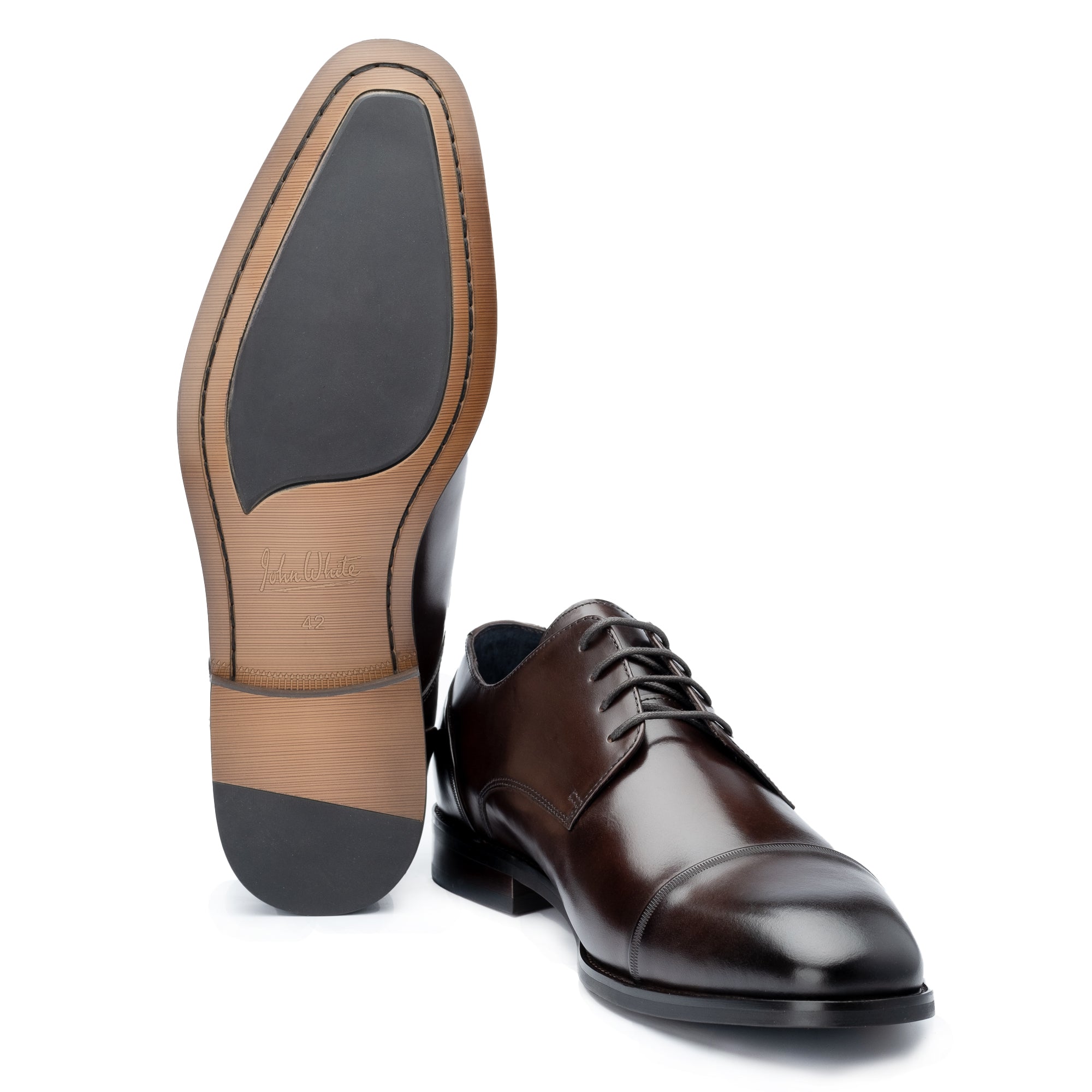
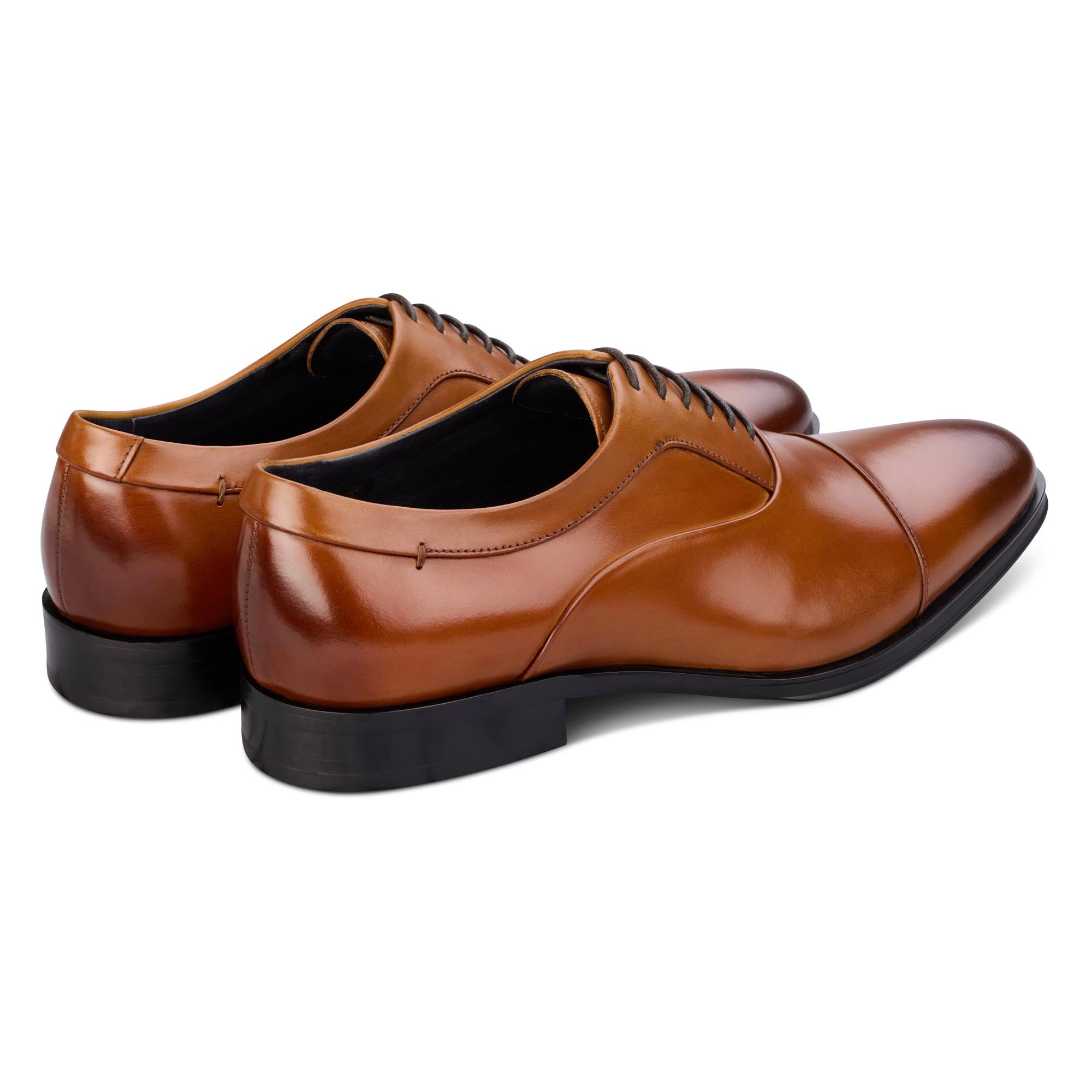
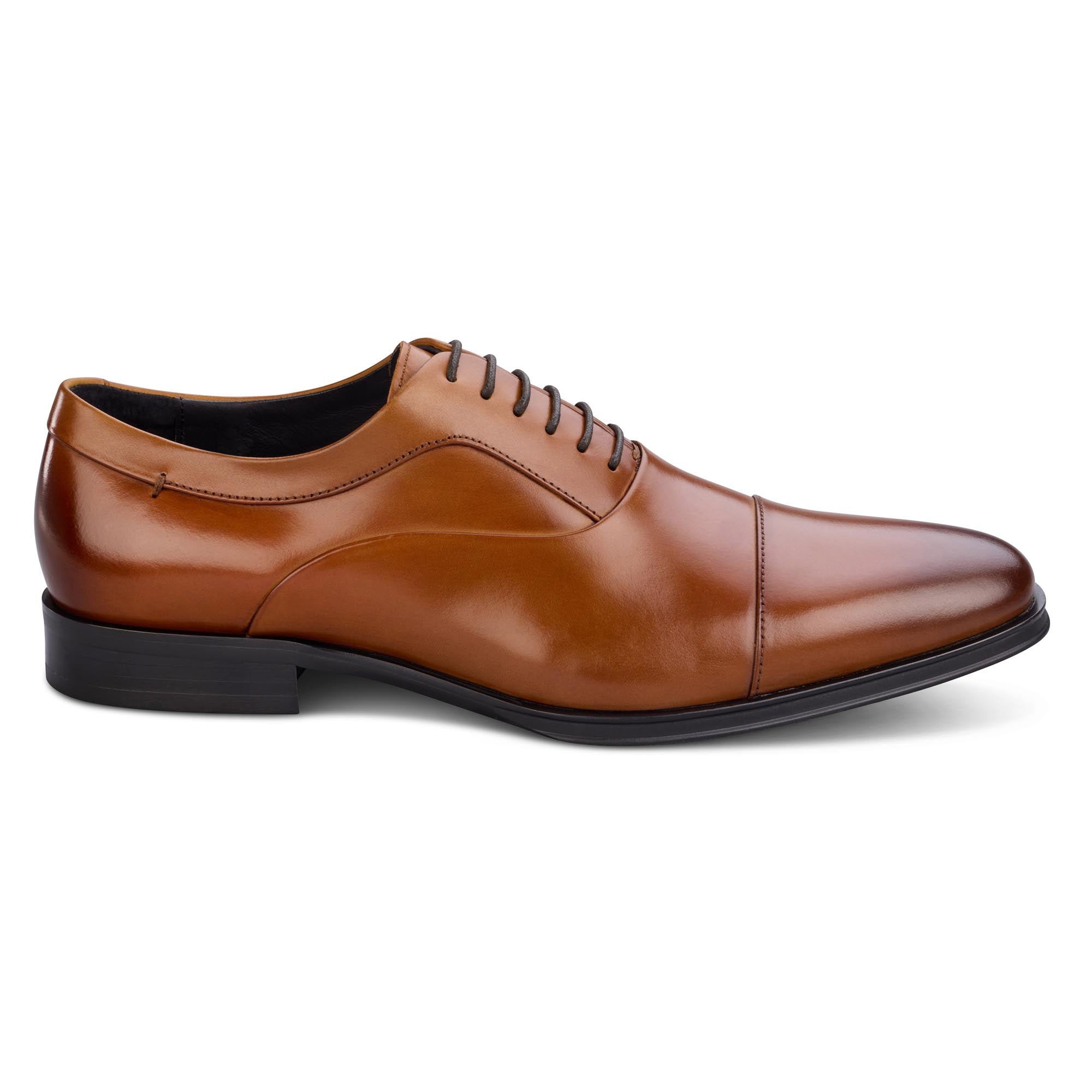
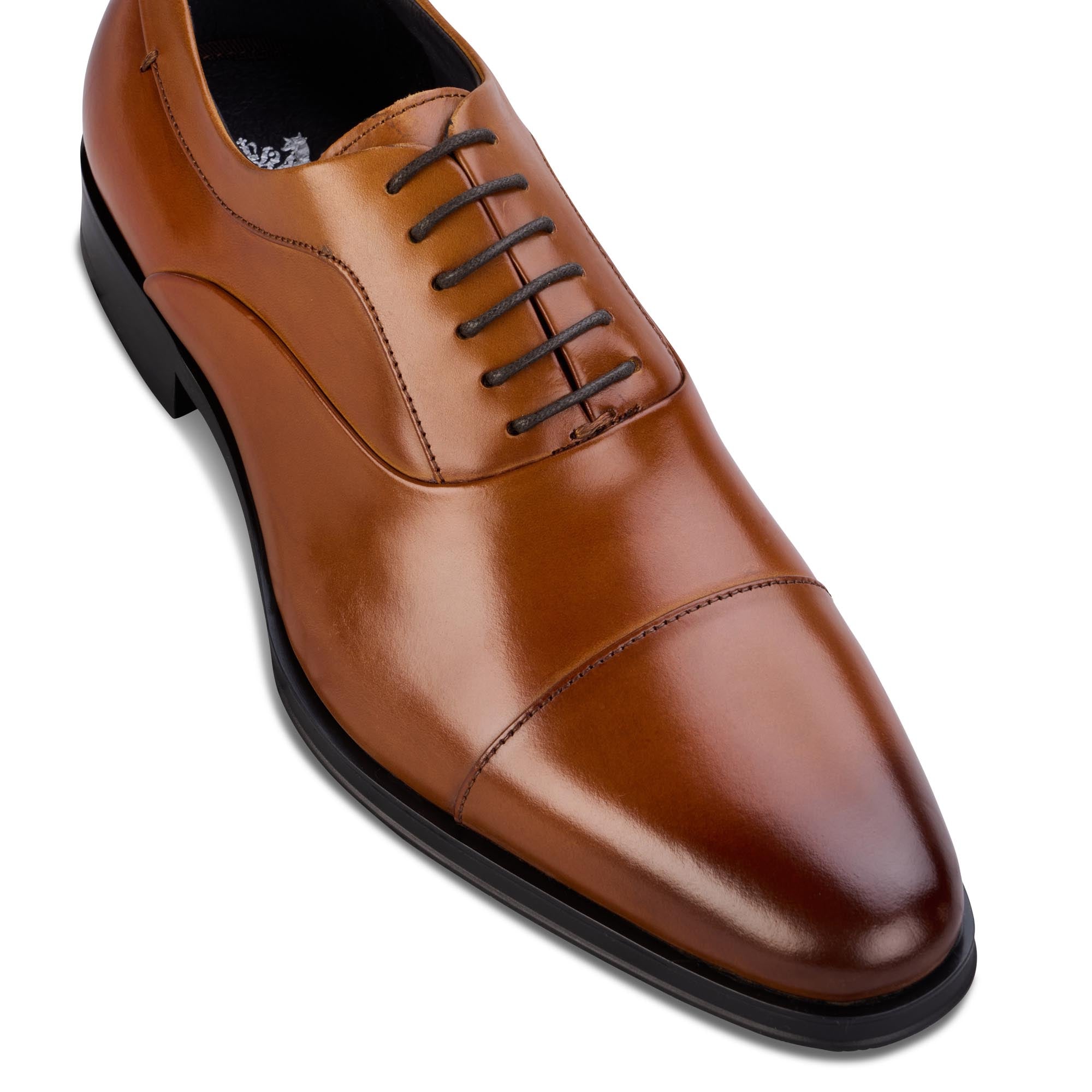
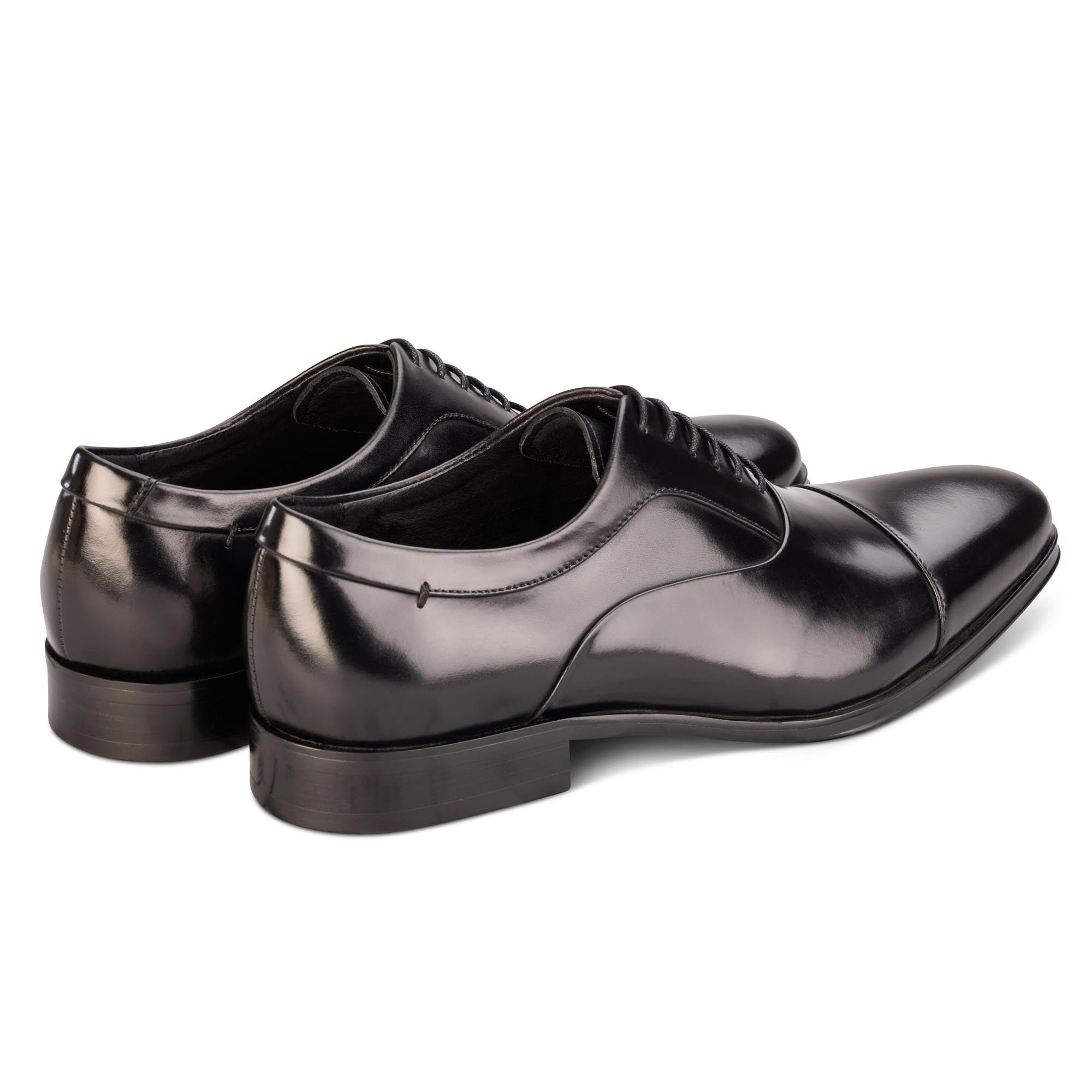
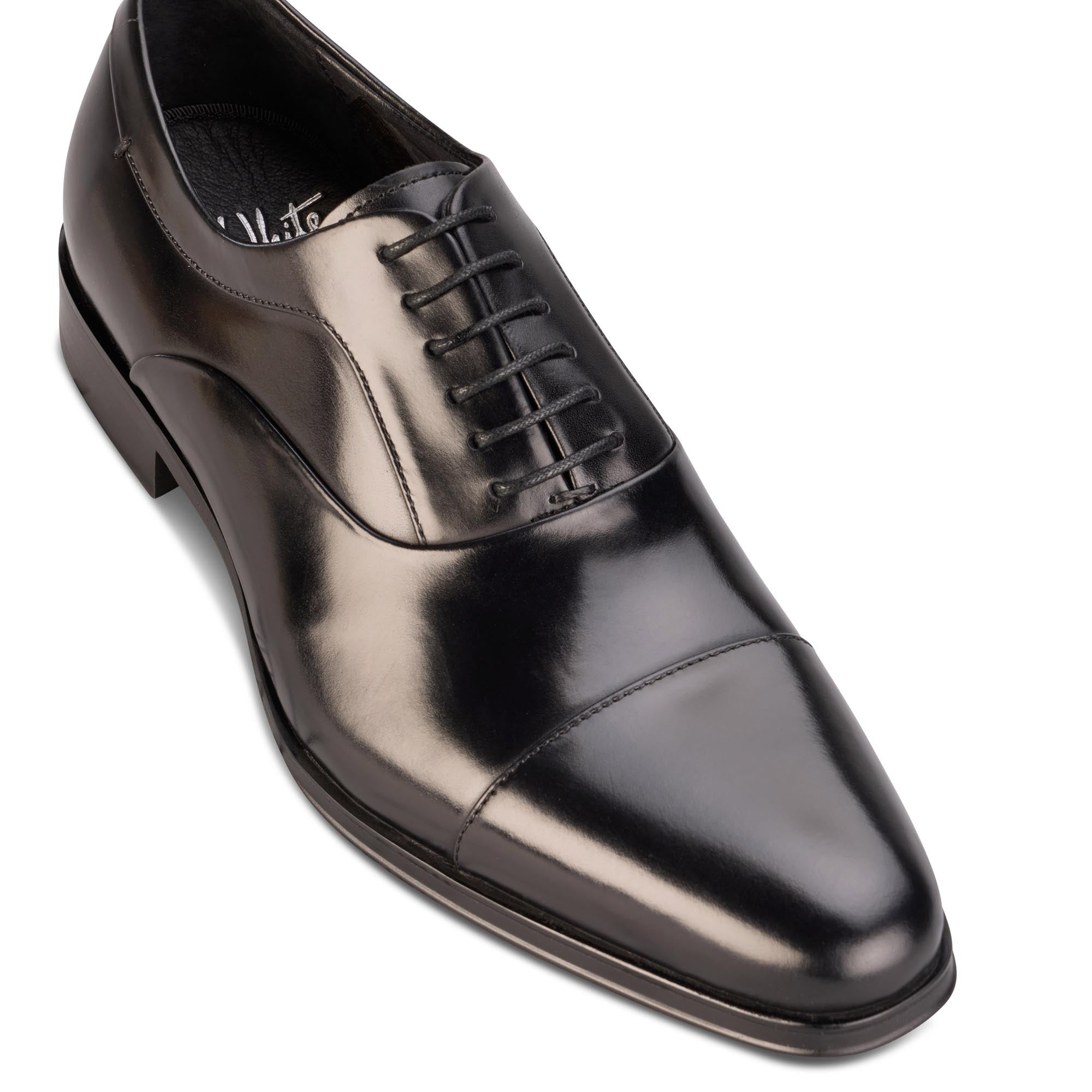
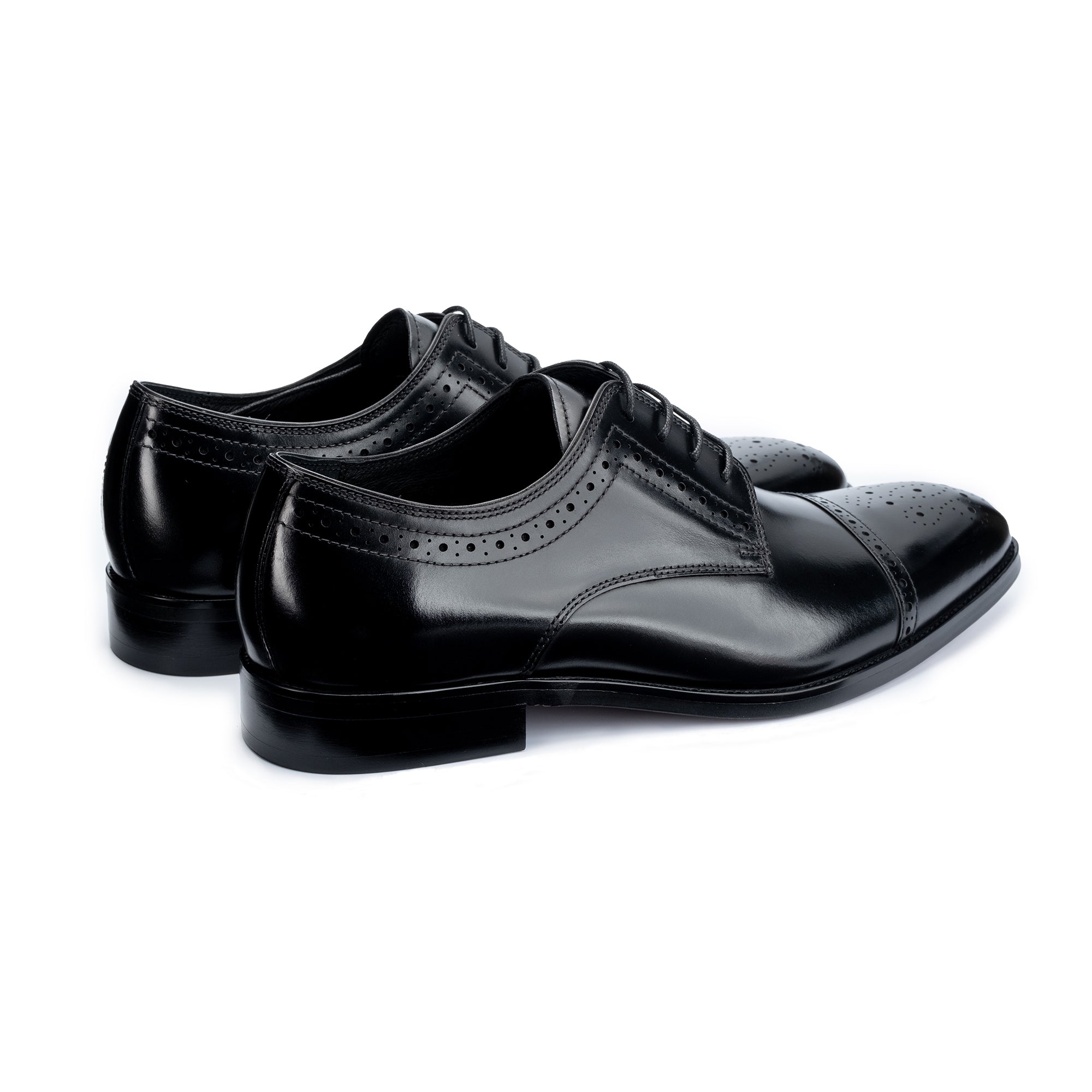
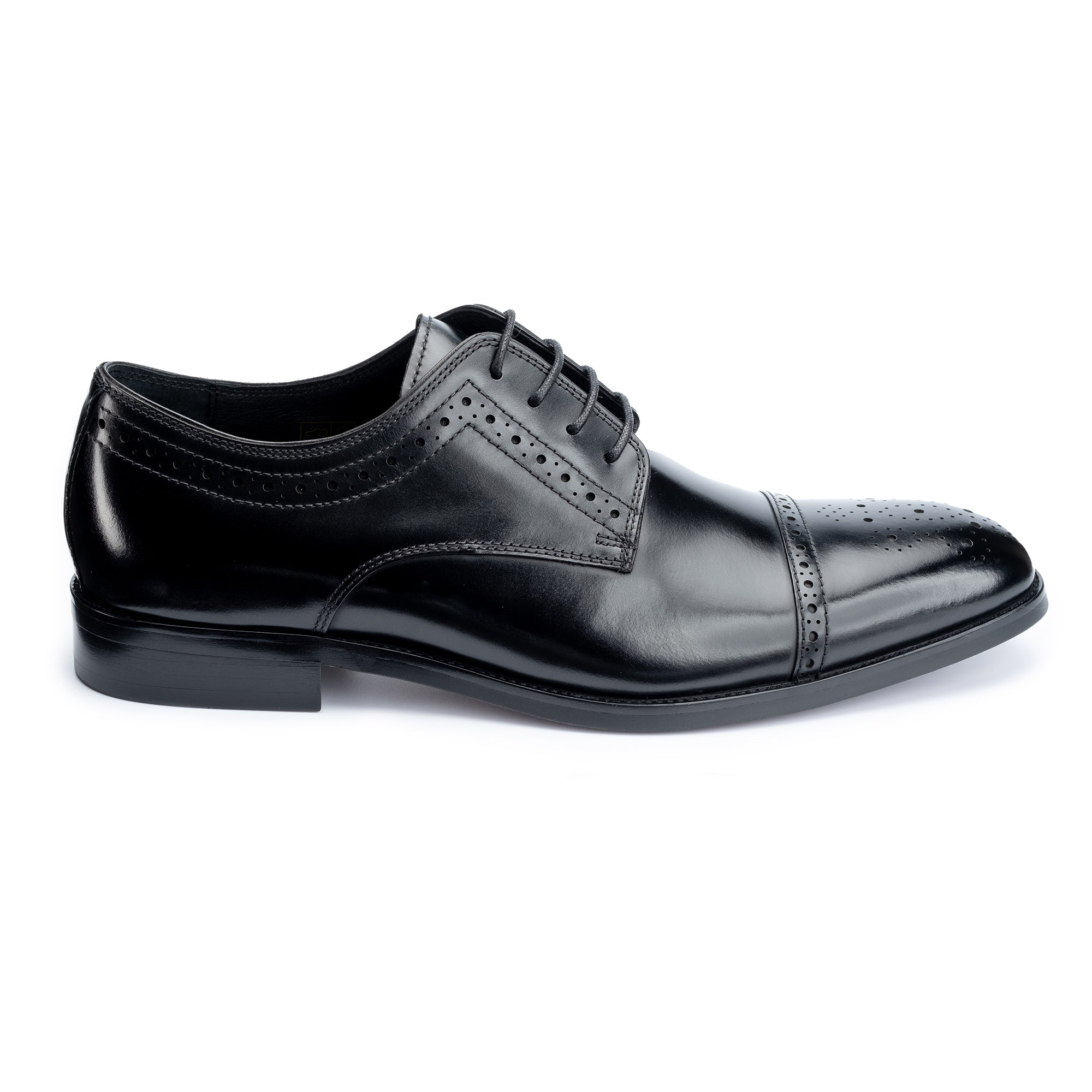
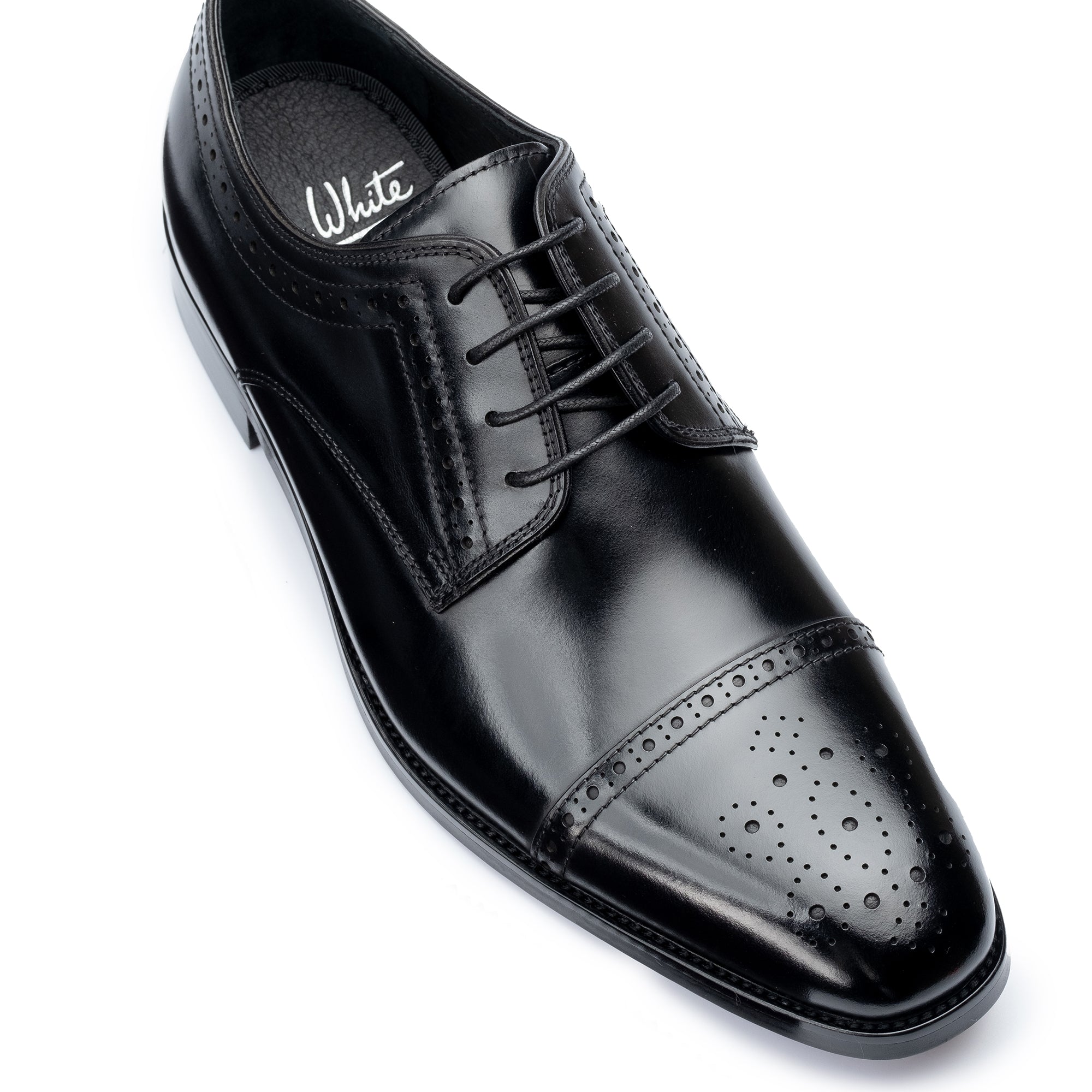
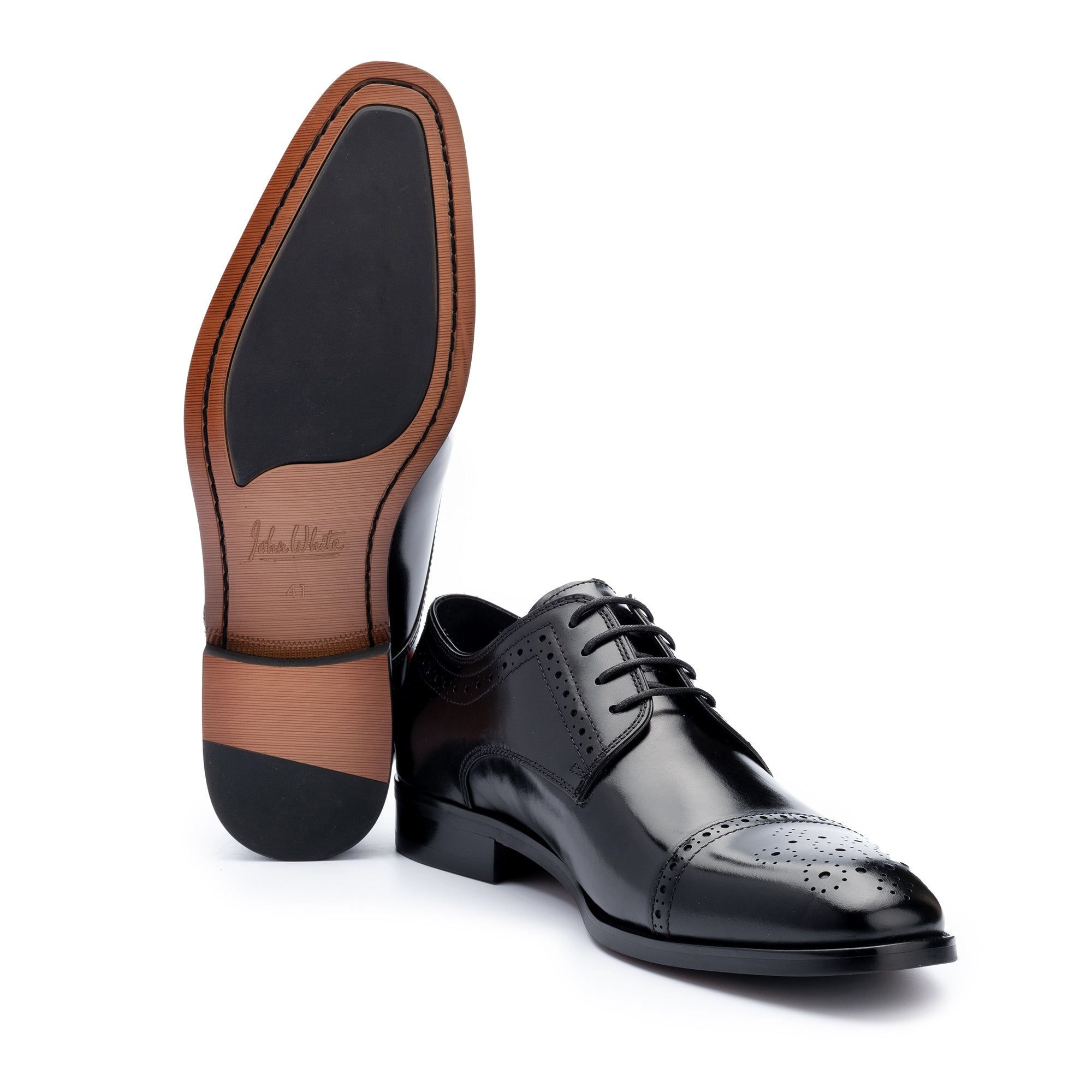
For a plain leather Oxford that meets this standard, the Guildhall Capped Oxford in Black delivers the slim silhouette and clean captoe that black tie demands. The captoe adds a subtle structural line without brogue perforations — precisely what this dress code calls for.
The Oxford is the only shoe universally accepted at black tie — no other style matches its formality or its clean visual line beneath an evening trouser.
Patent Leather vs Polished Calf: Which Should You Choose?
| Type | Formality | Maintenance | Versatility | Best For |
|---|---|---|---|---|
| Patent leather Oxford | Highest | Low — wipe clean | Black tie only | Frequent formal events |
| Polished plain calf Oxford | Very high | Regular polishing required | Business, smart formal, black tie | Occasional black tie |
Patent leather is purpose-built for evening wear. It doesn't require polishing, doesn't absorb dye transfer from dark trousers, and holds its mirror finish throughout a long evening. It's the technically correct choice for strict black tie.
A highly polished plain calf Oxford is the more practical option for most men. It performs correctly at black tie when freshly dressed, and it earns its keep at every other formal occasion in your diary. For the full picture on how to wear Oxford shoes across every dress code, our complete guide covers the range from formal to smart casual.
Can You Wear Anything Other Than an Oxford to Black Tie?
Strictly speaking, no. The rules of black tie are well-established. But formal dress codes have evolved, and some alternatives are contextually acceptable — with important caveats.
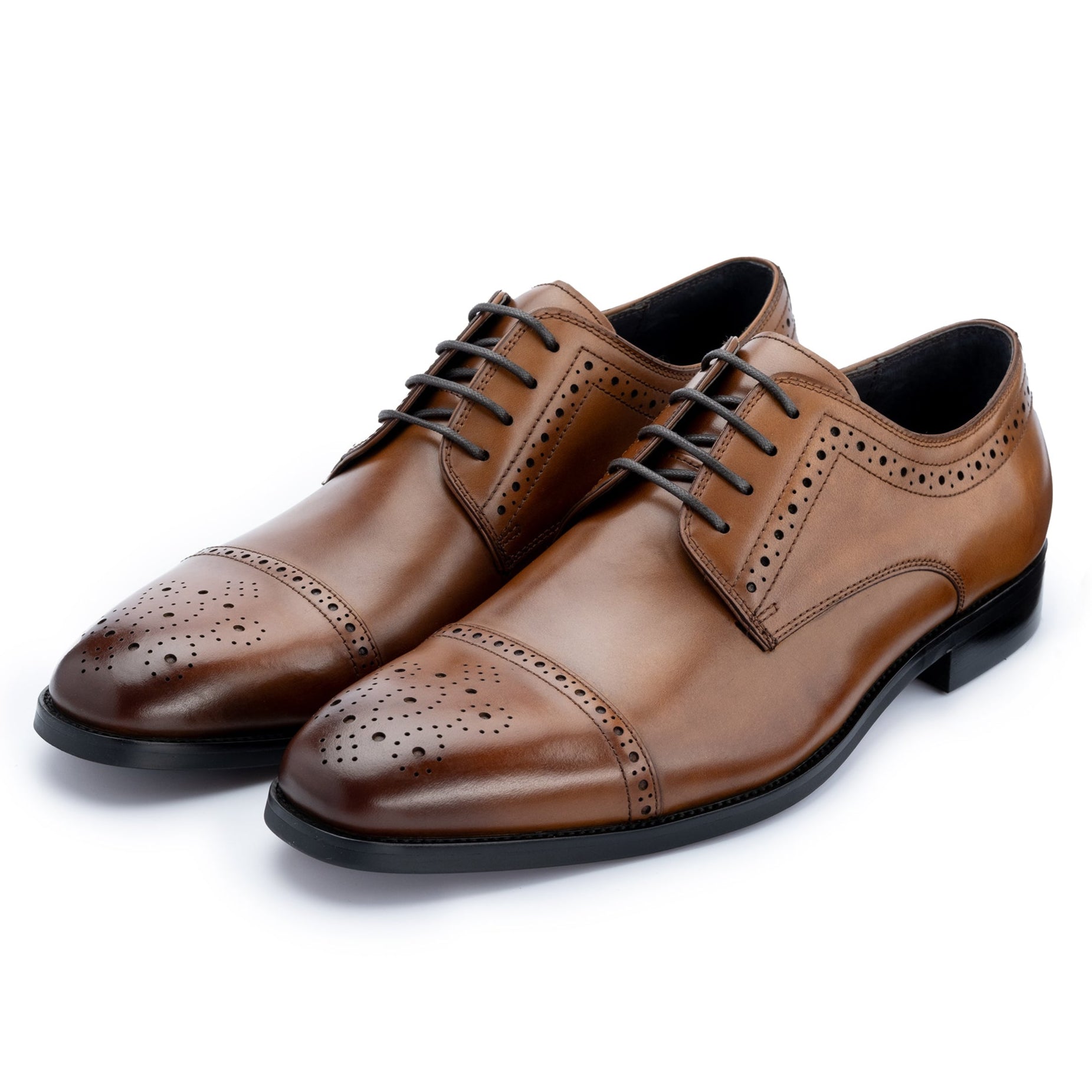
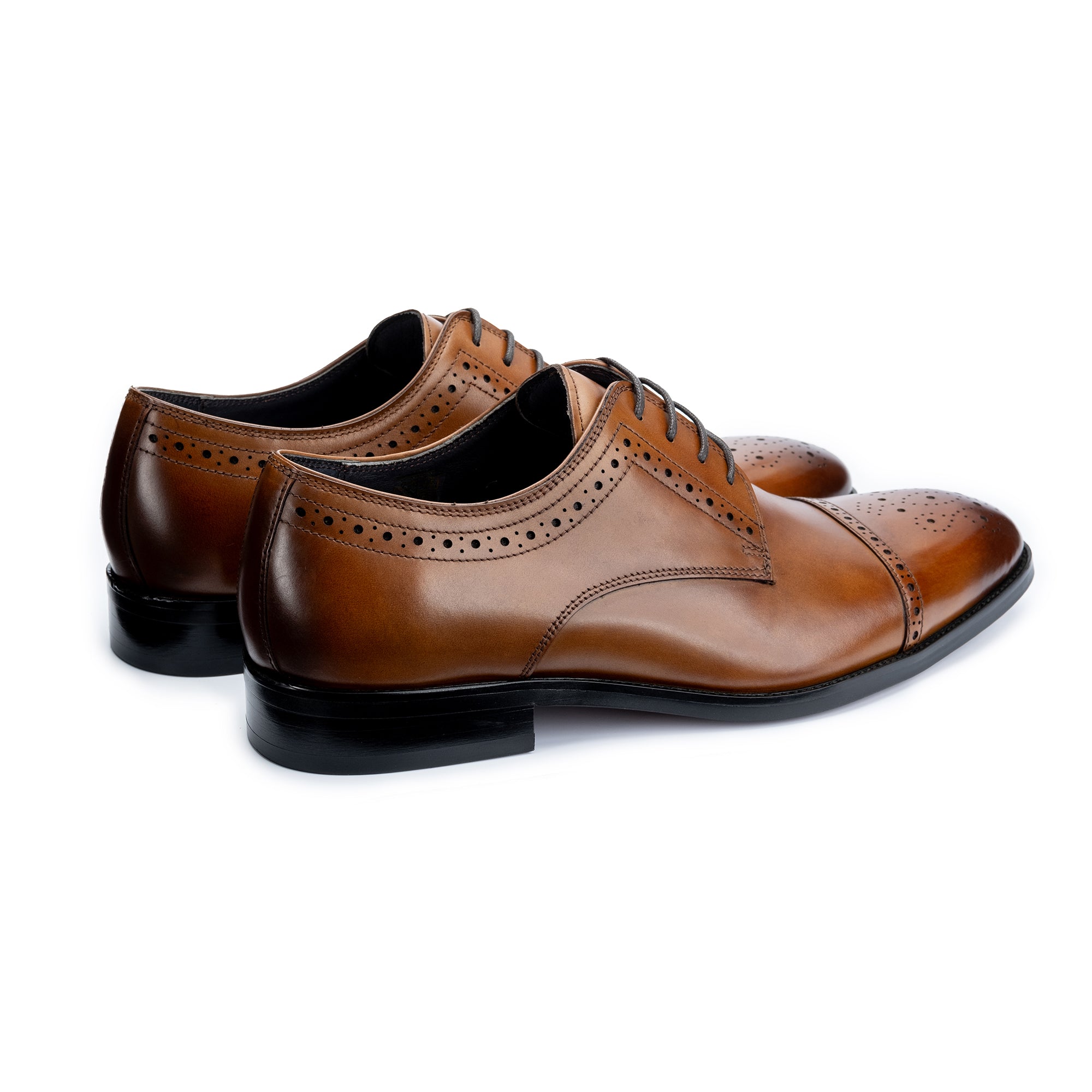
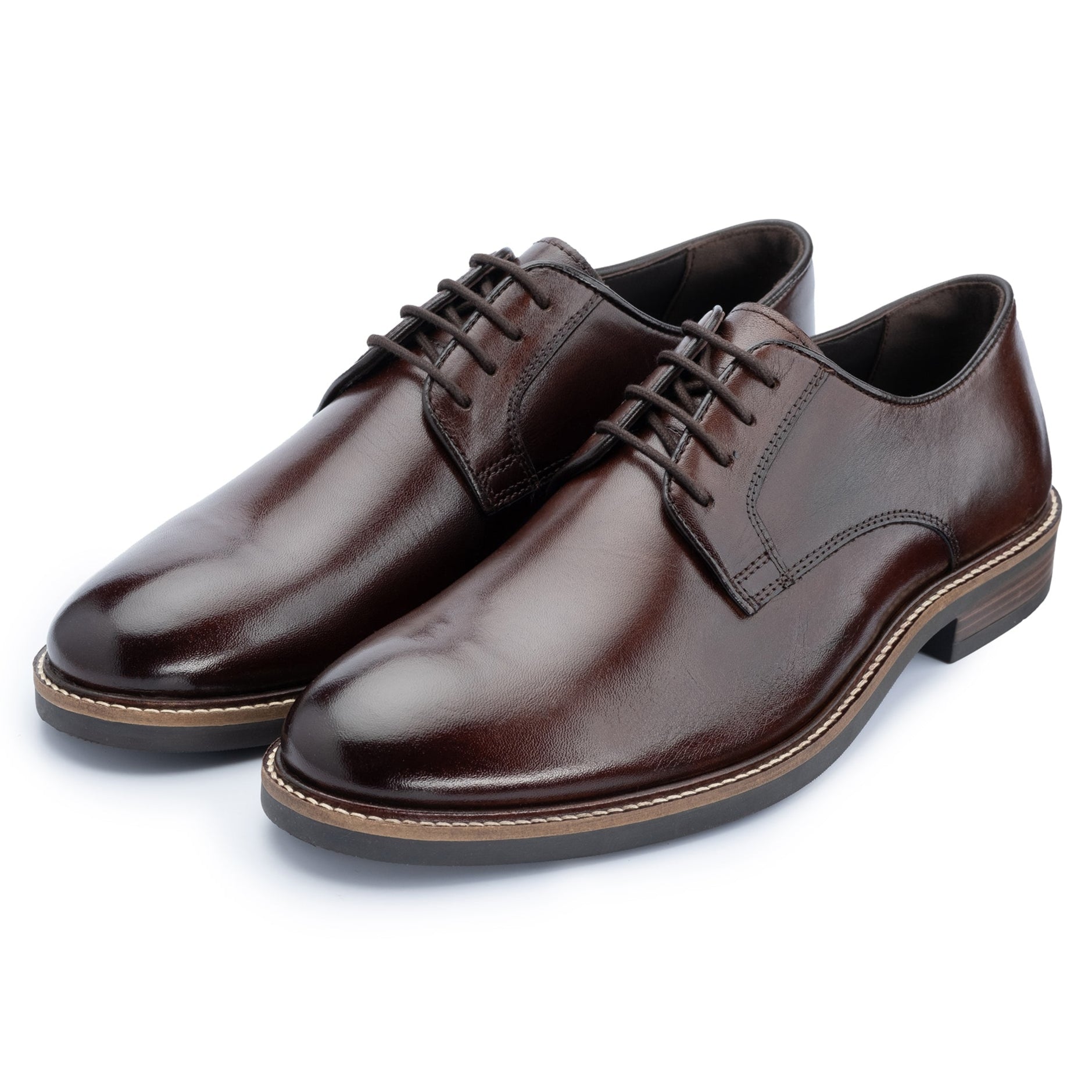
- Derby shoes — technically less formal than an Oxford due to their open lacing. Acceptable in a plain, clean-lined black leather finish at relaxed events, but not the correct choice for traditional formal settings.
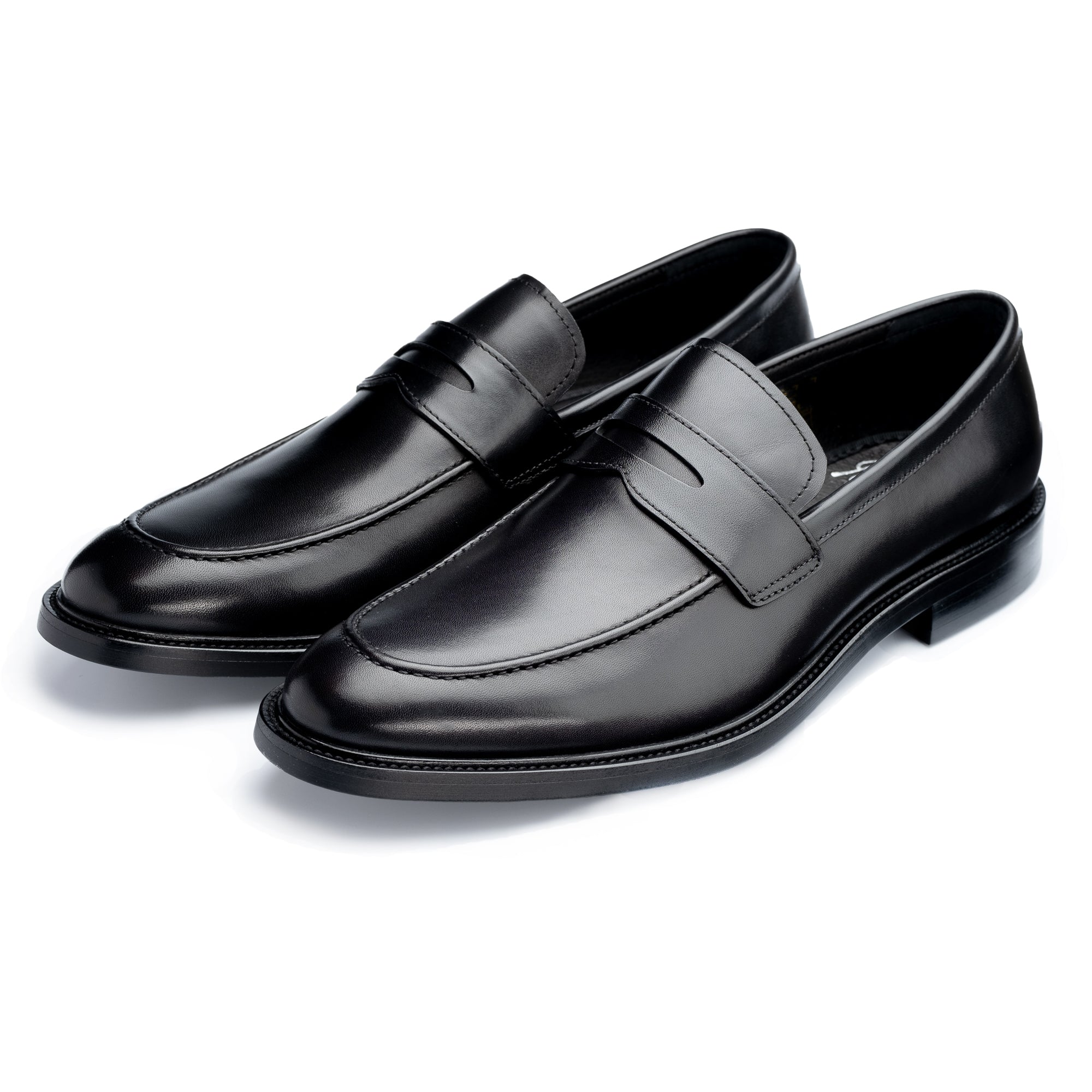
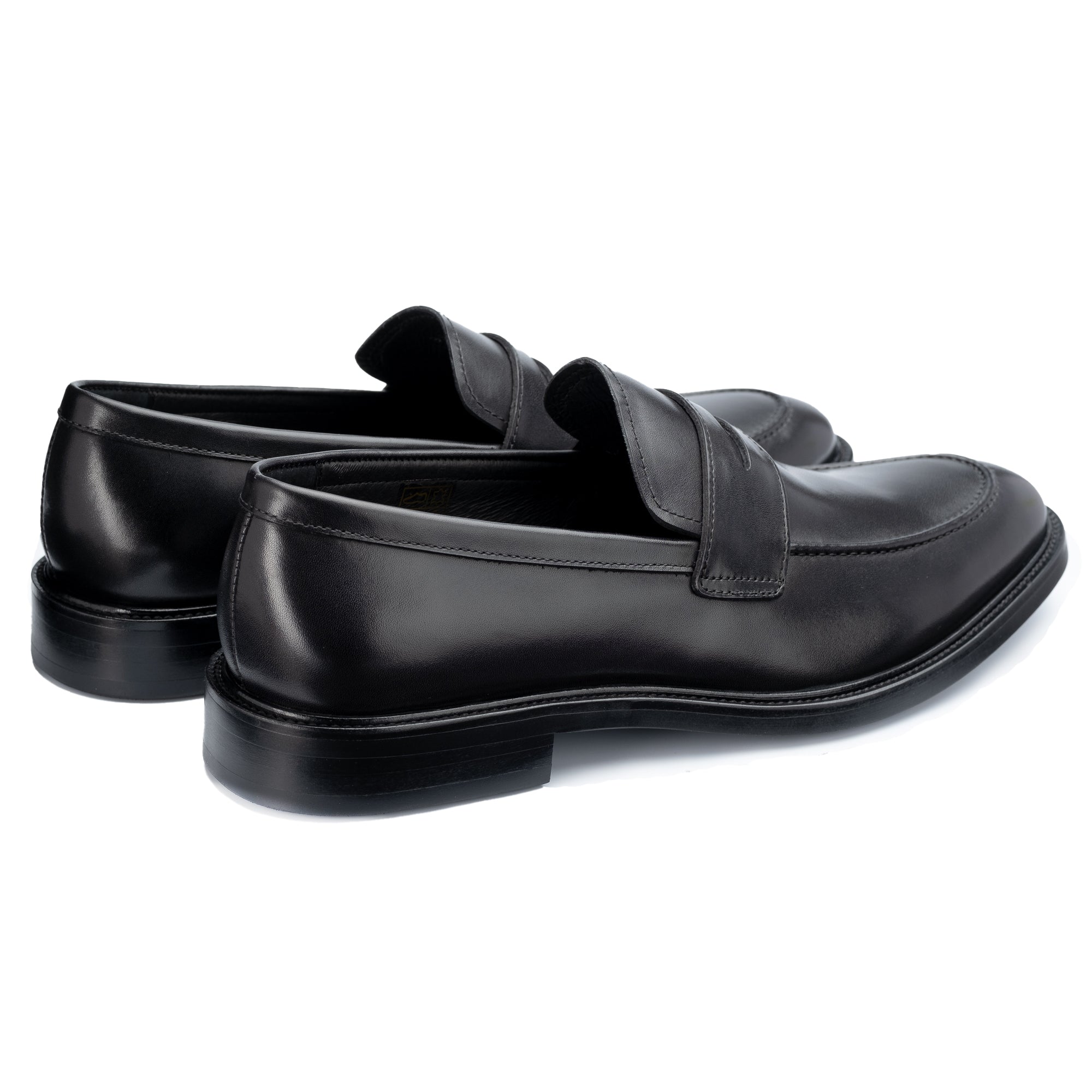
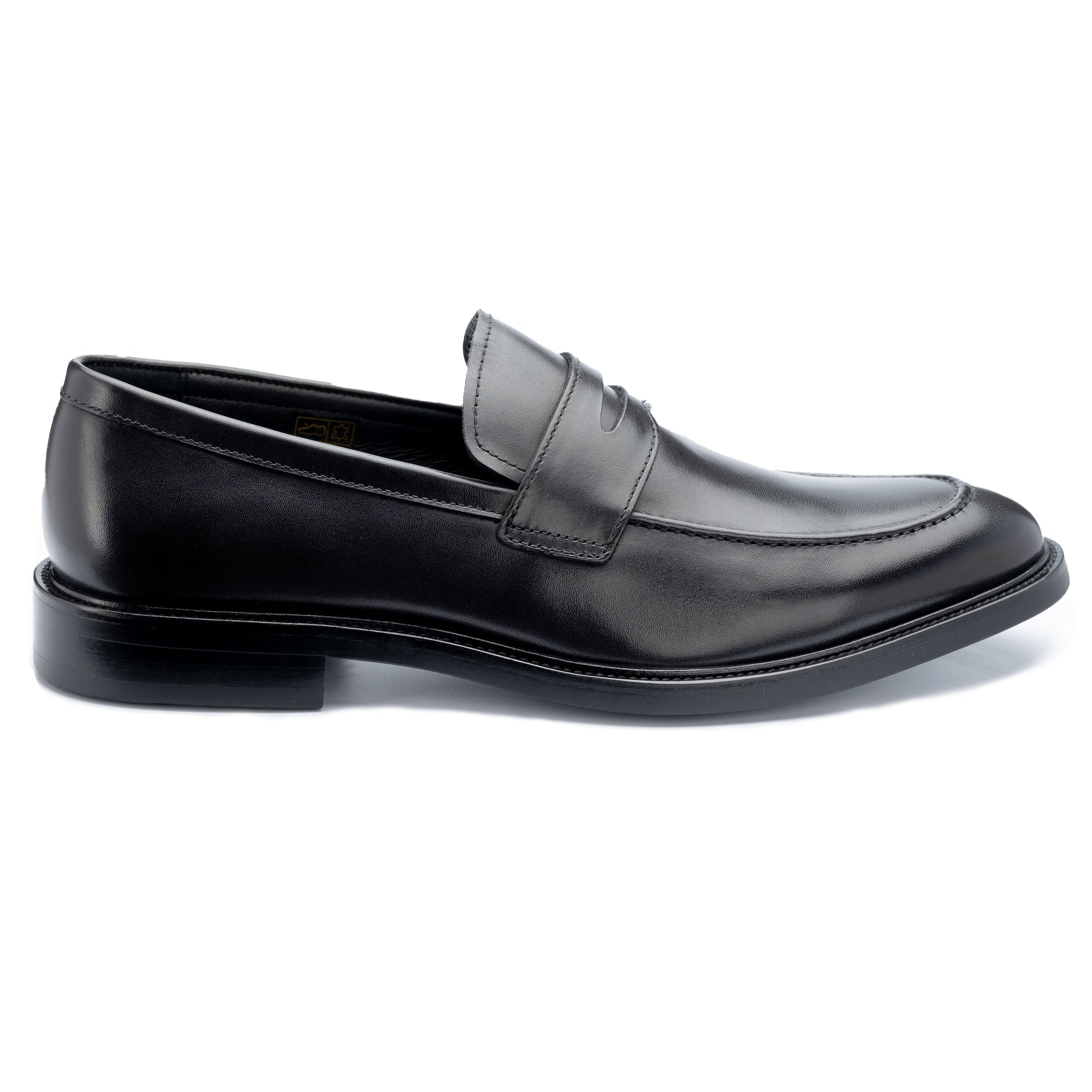
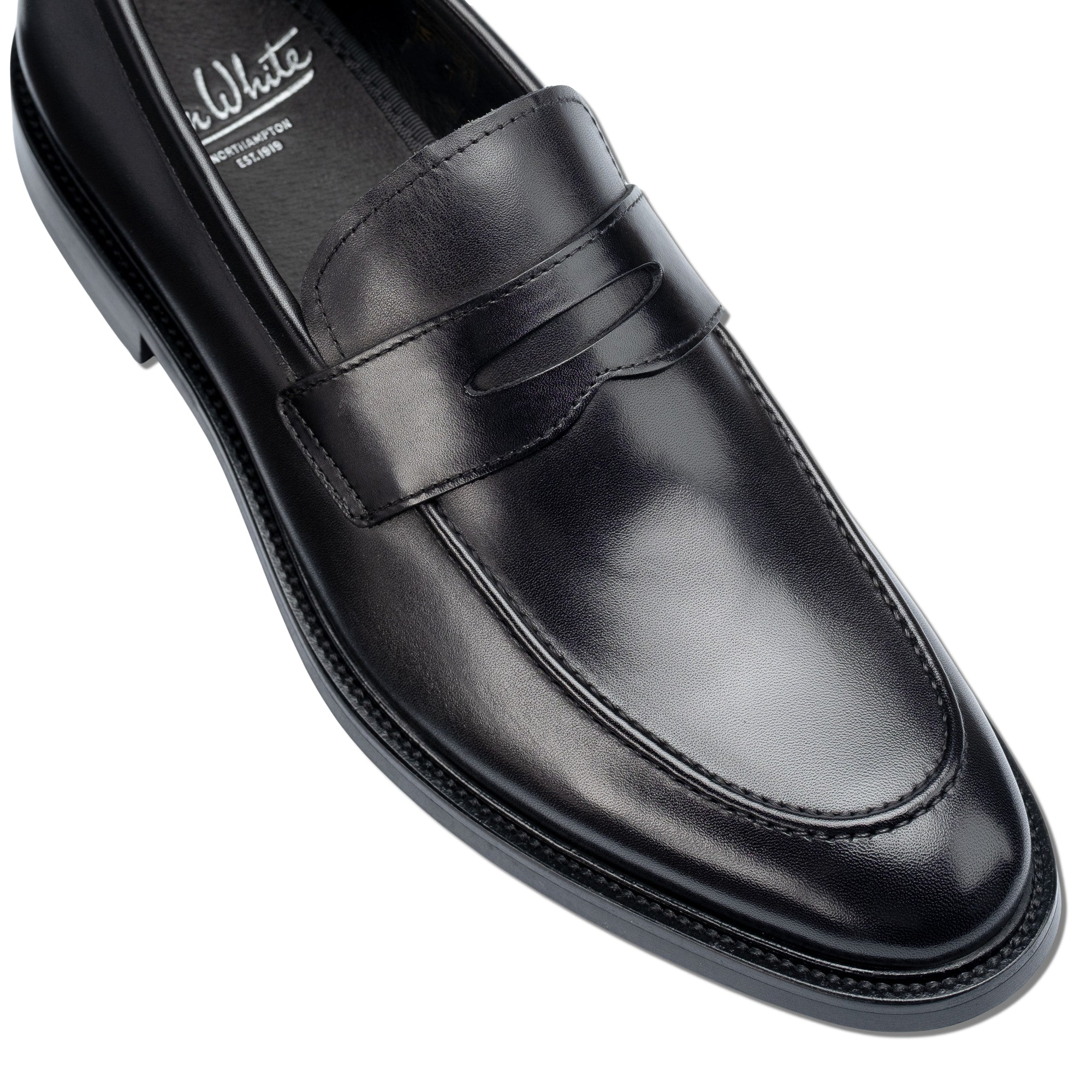
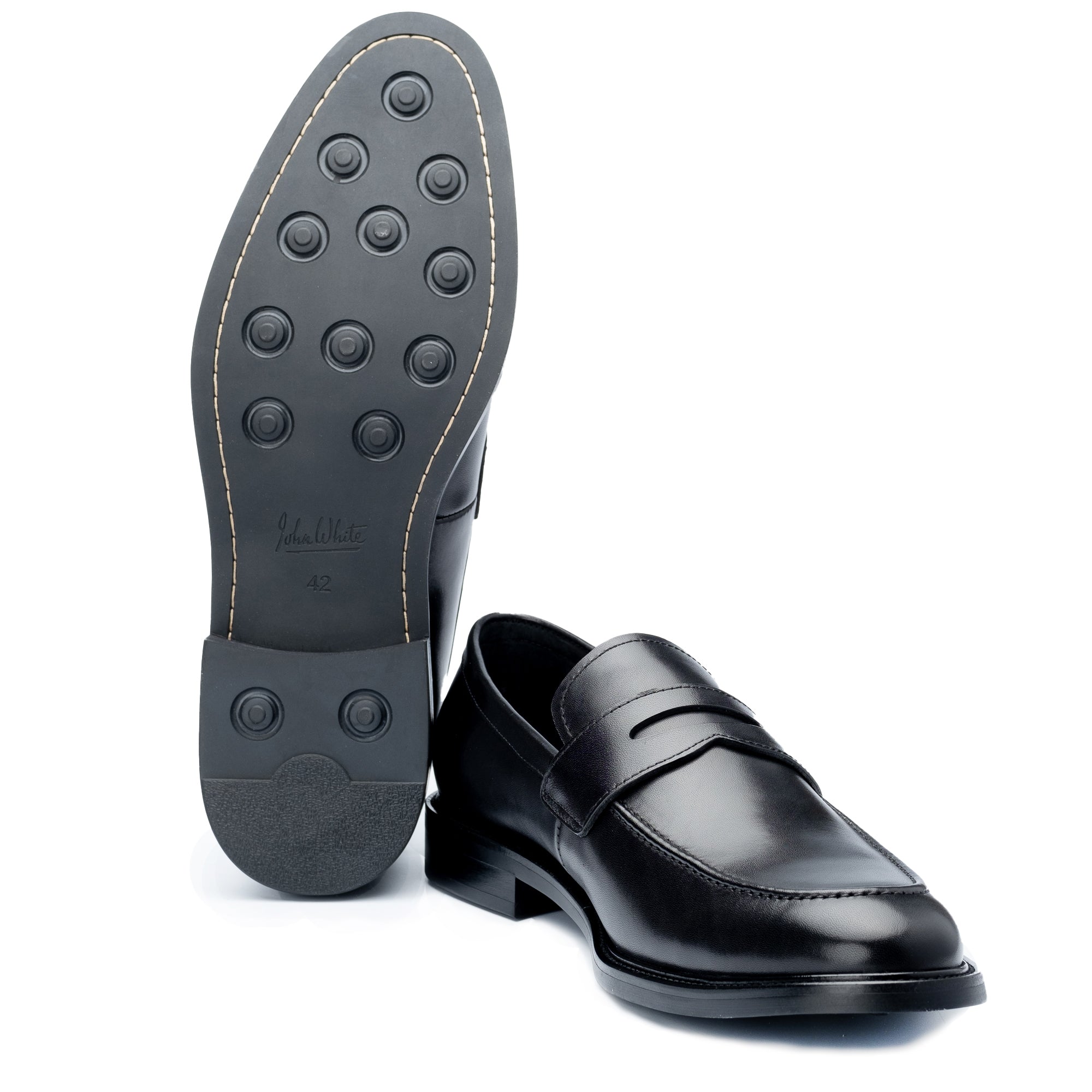
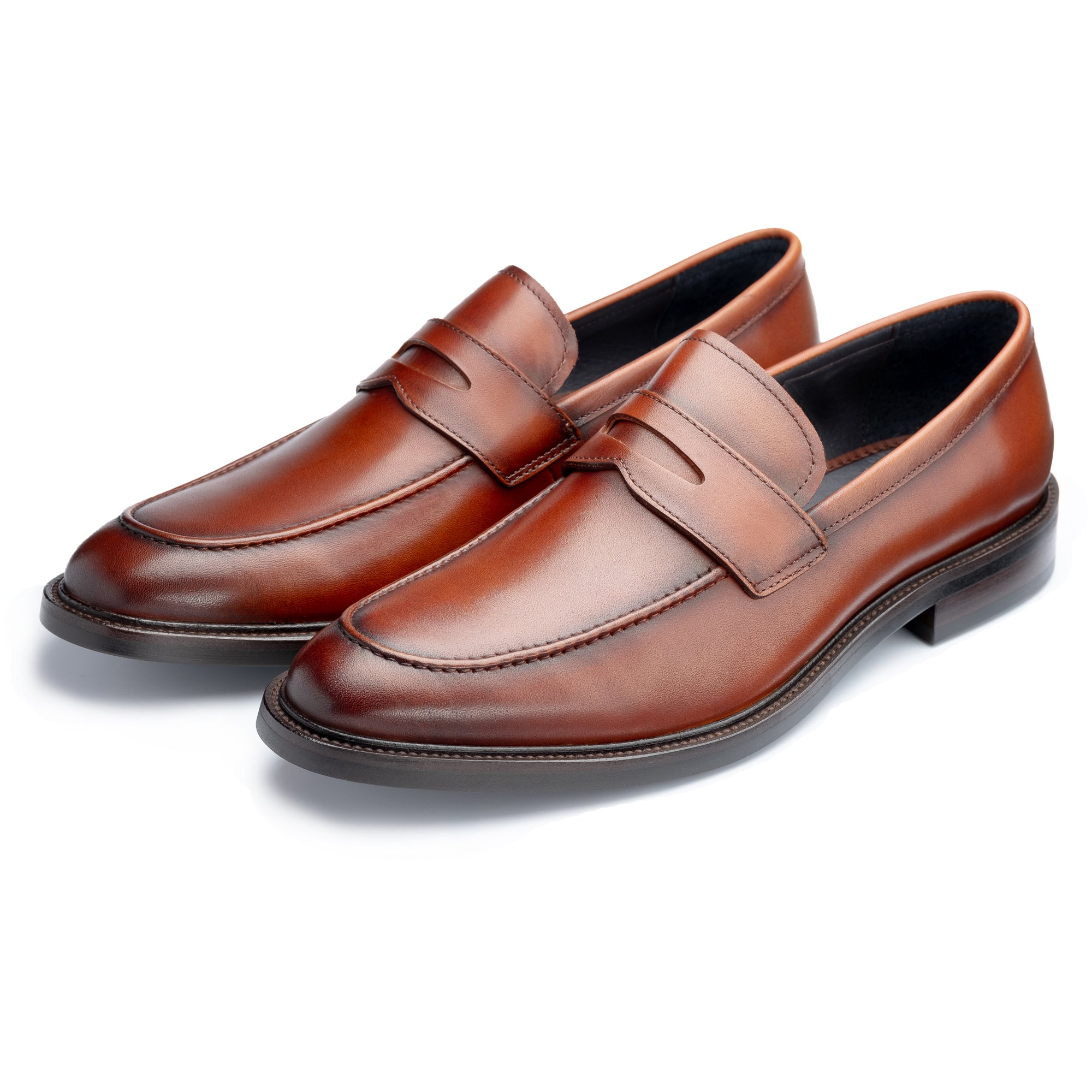
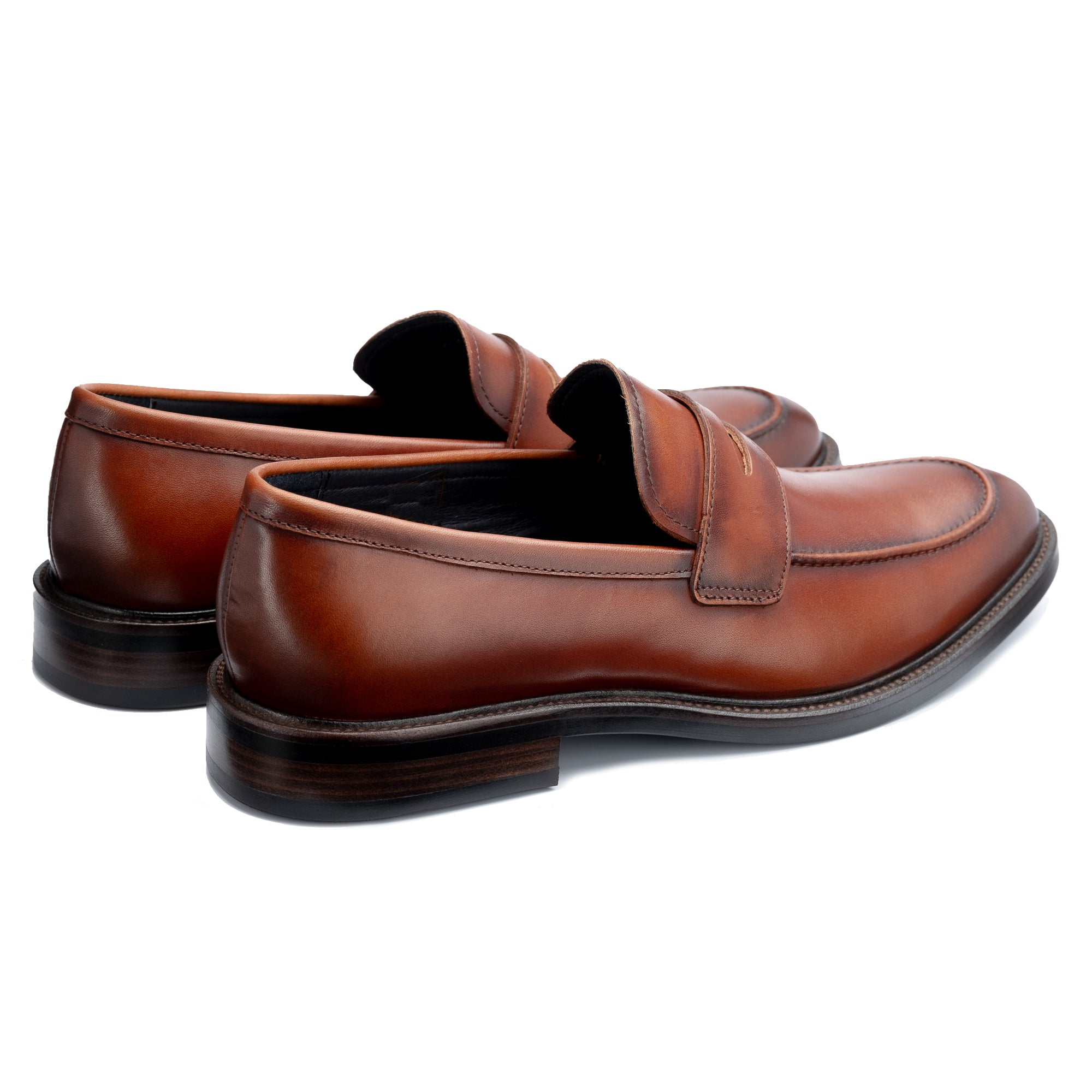
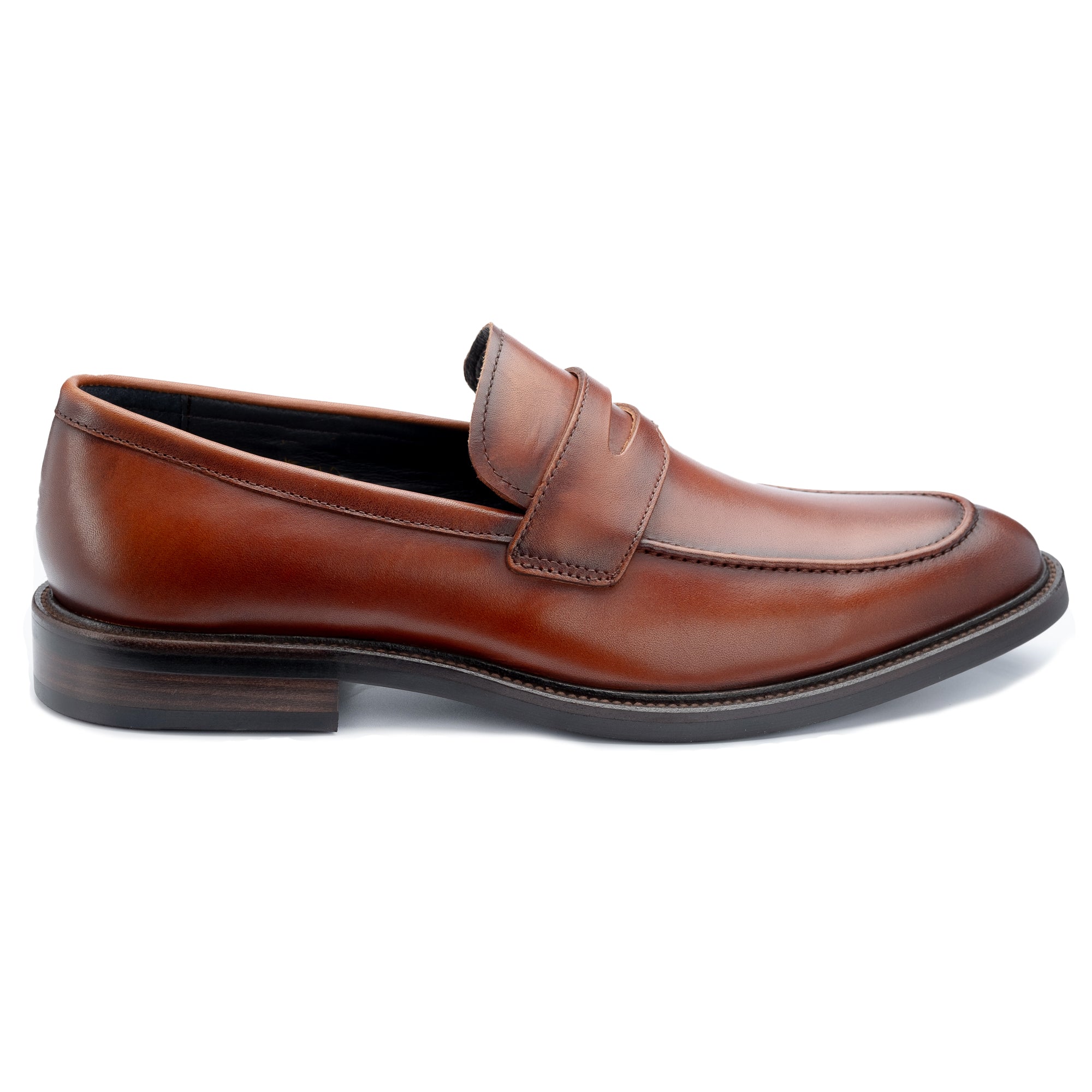
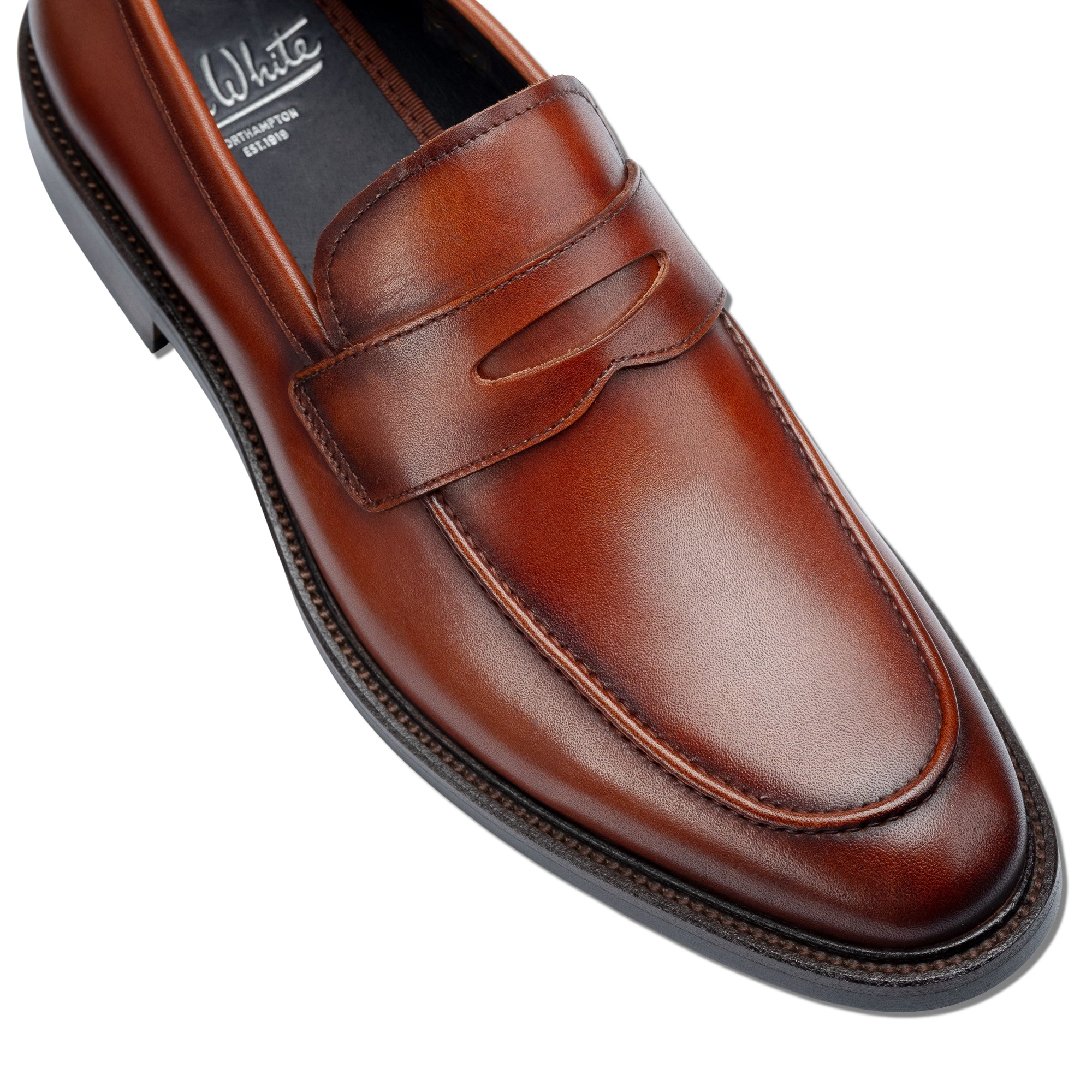
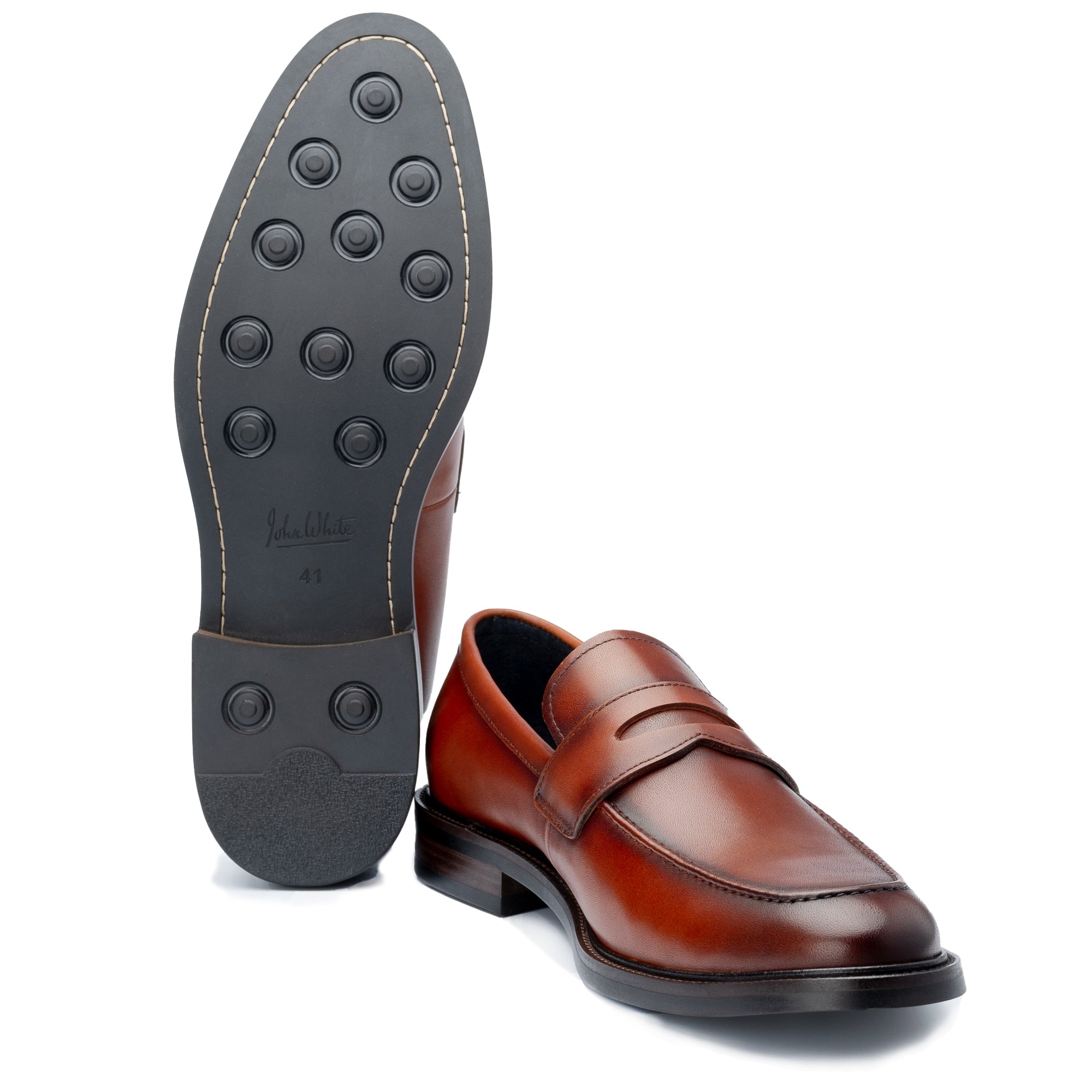
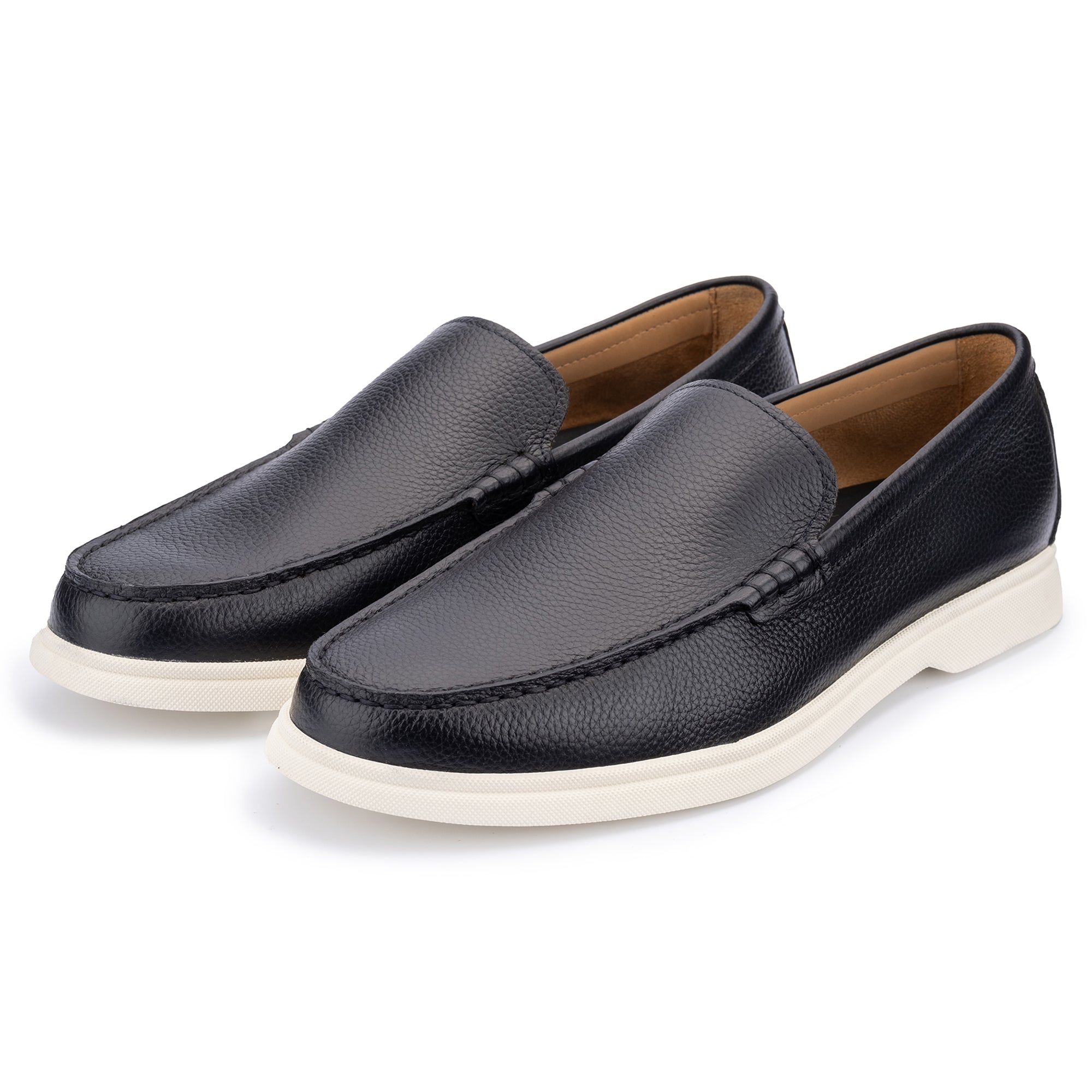
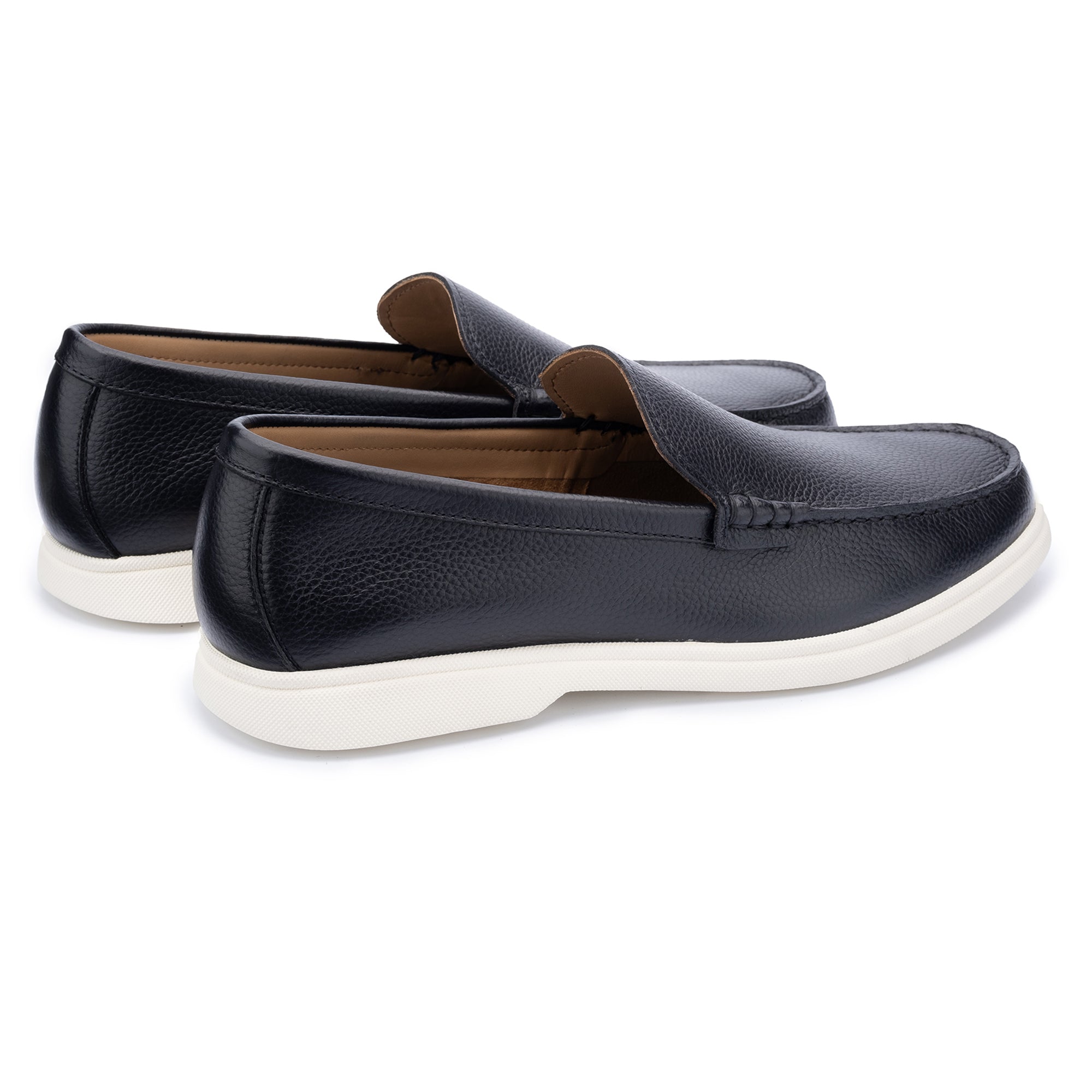
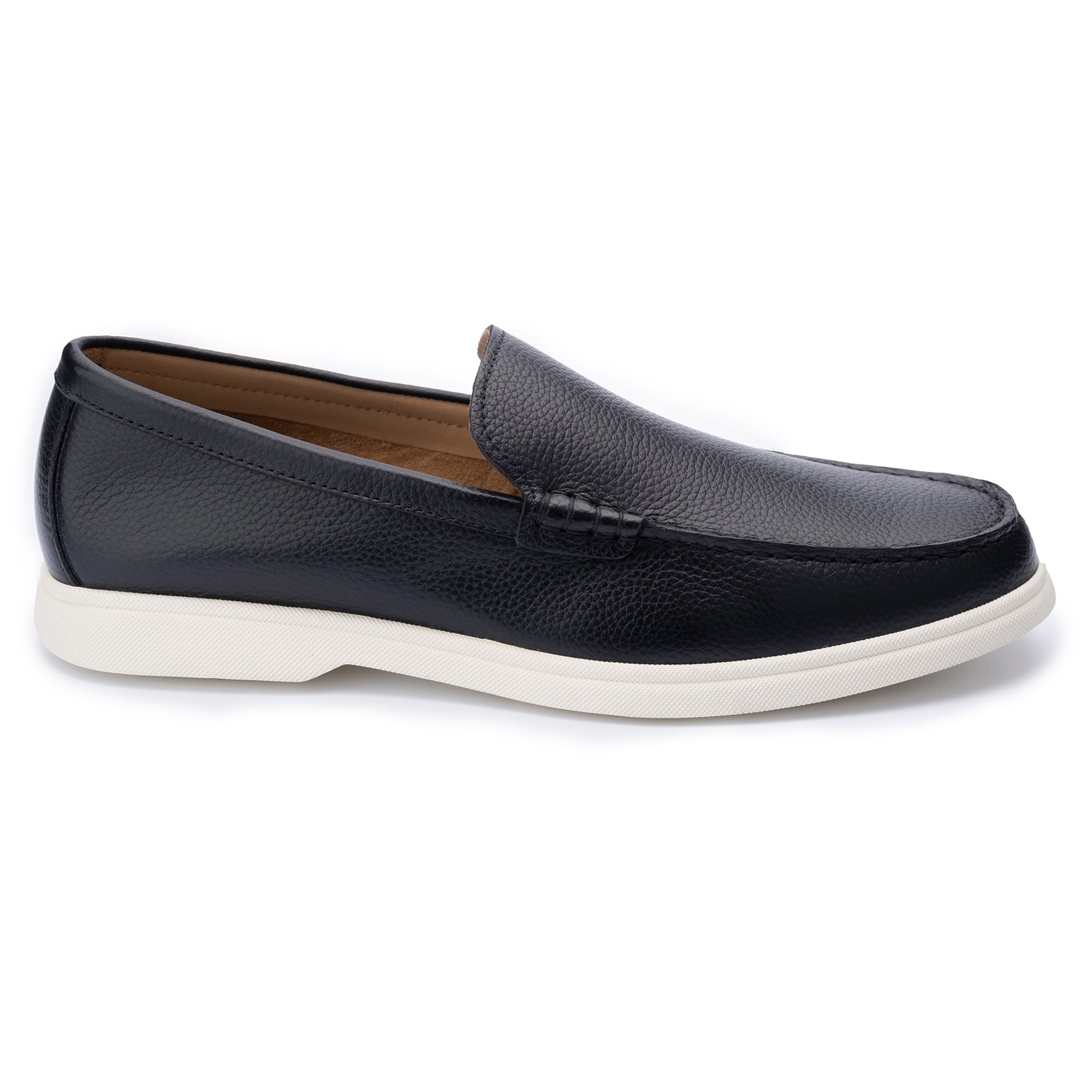
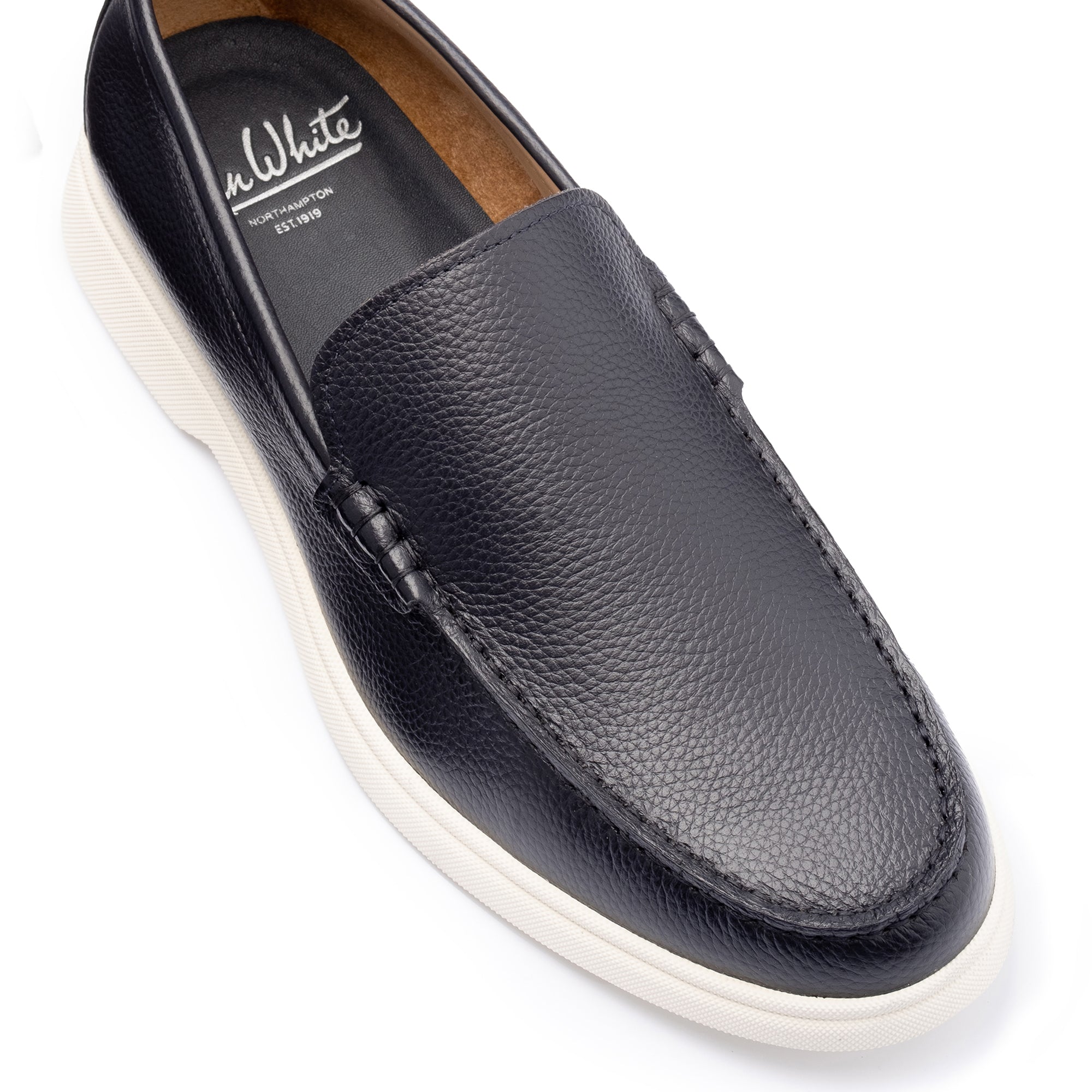
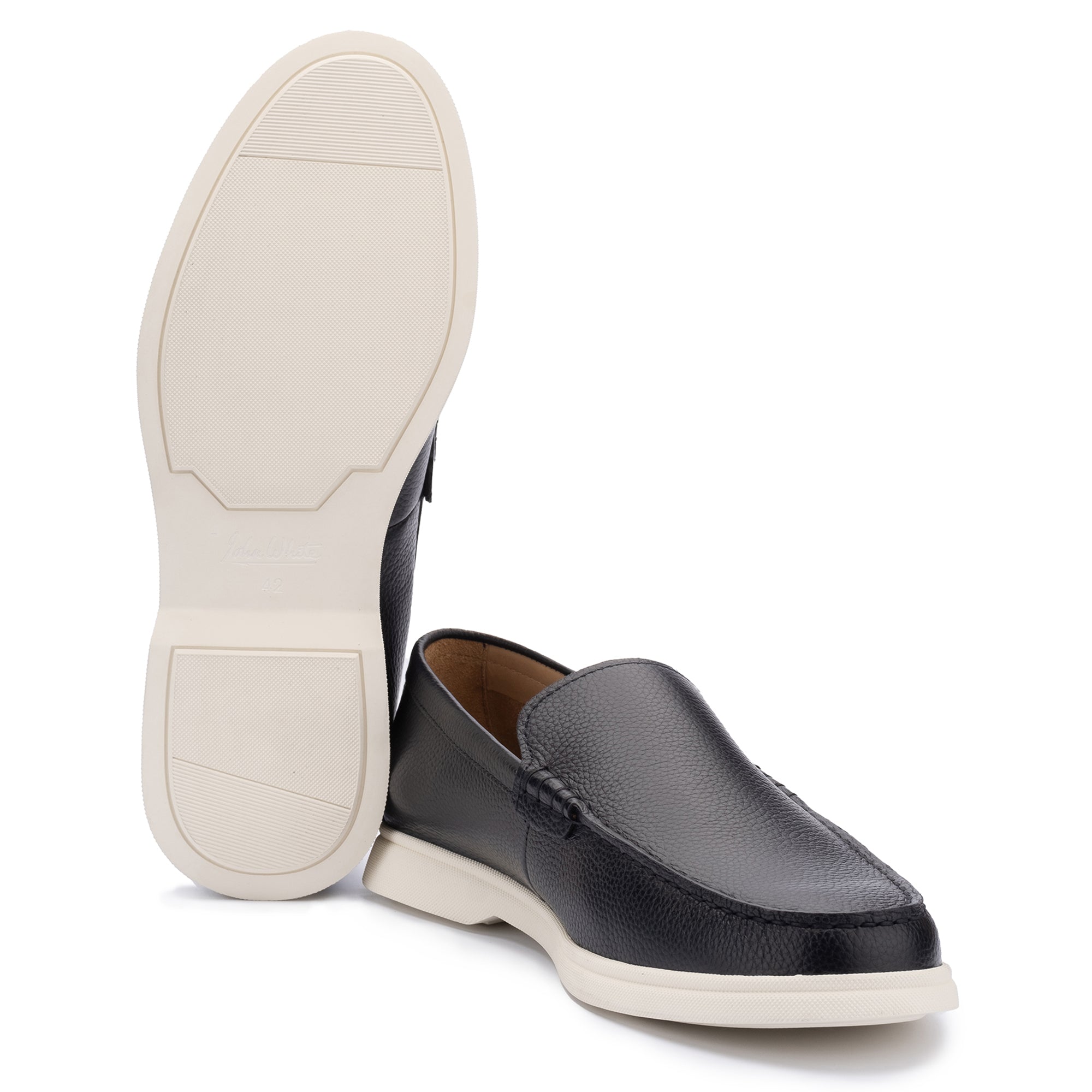
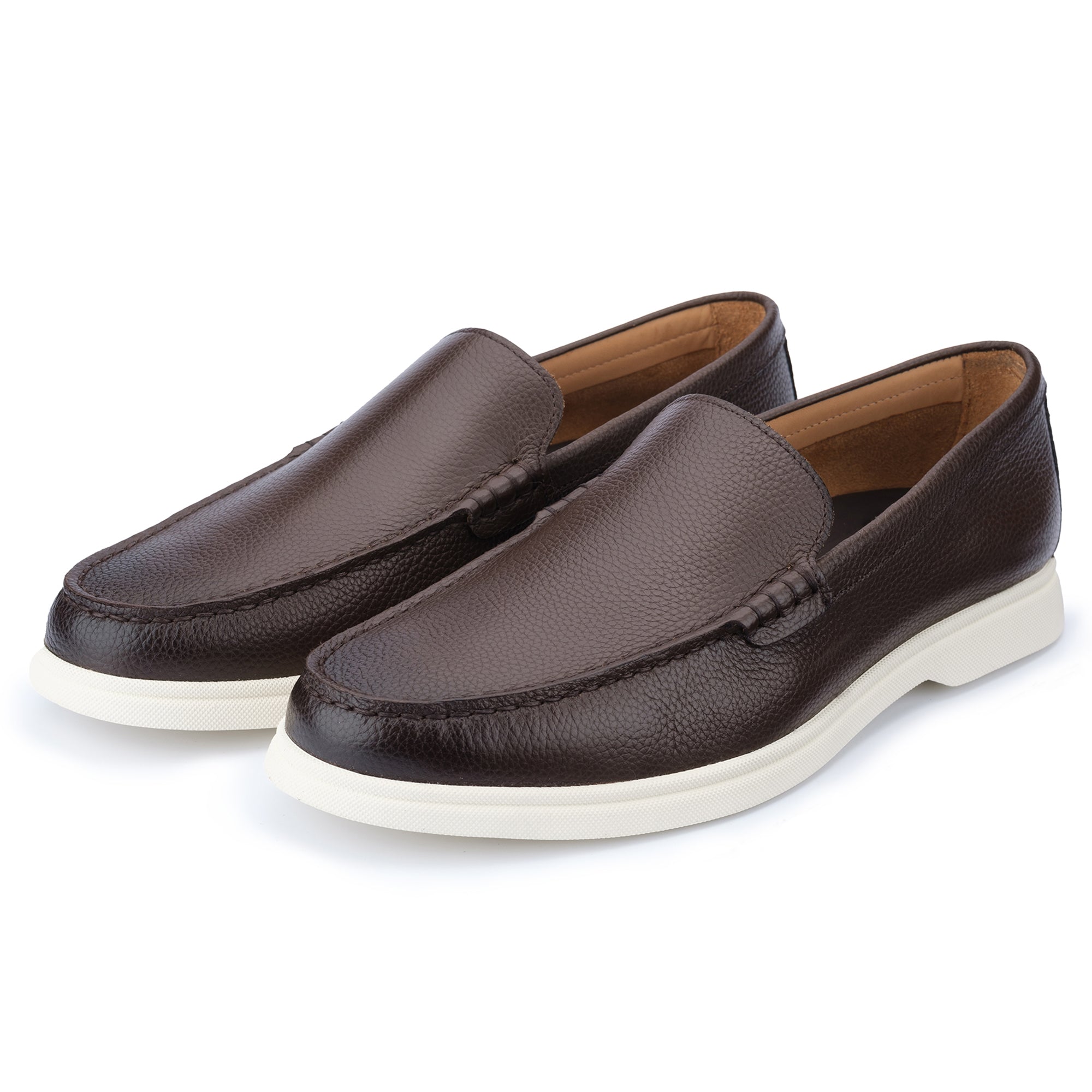
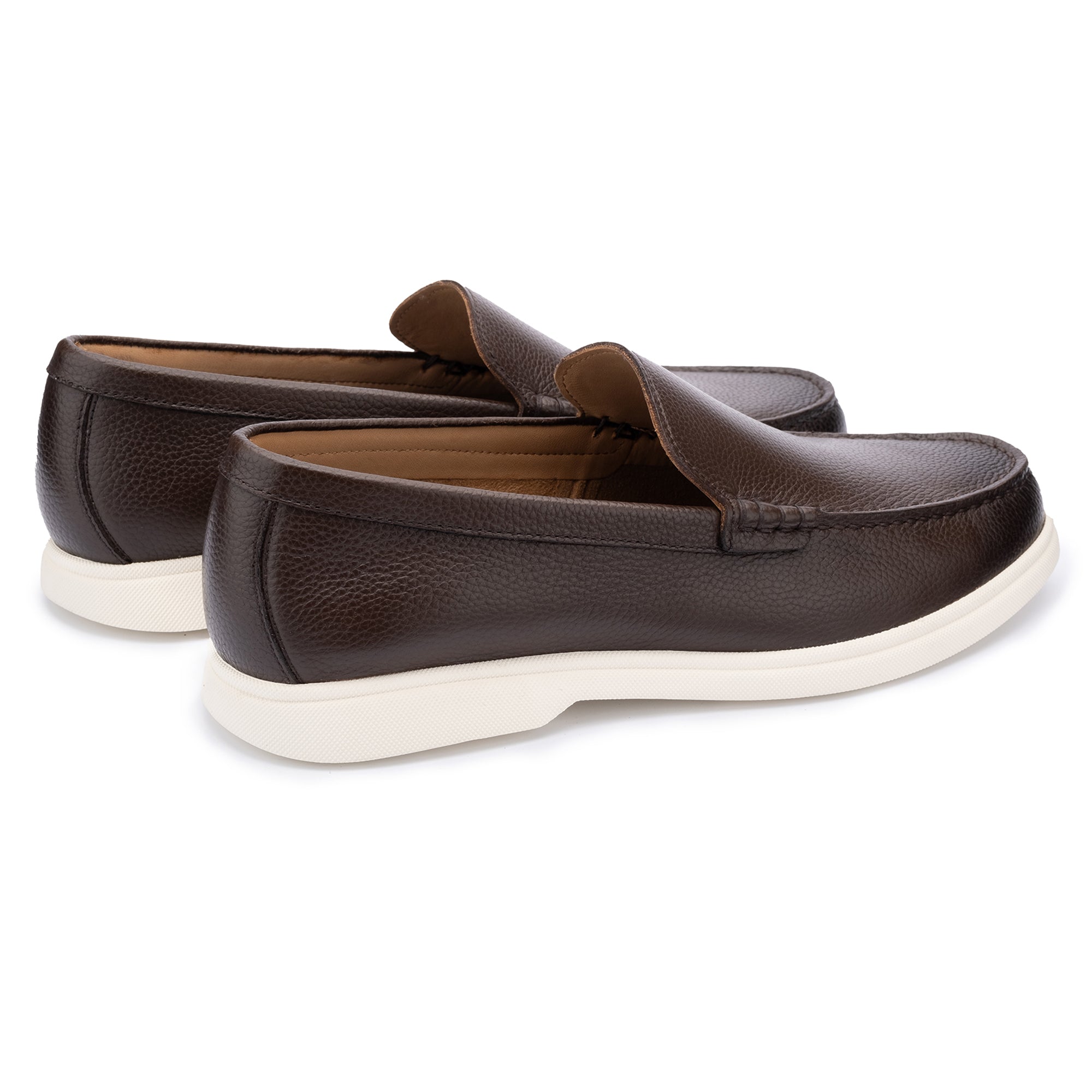
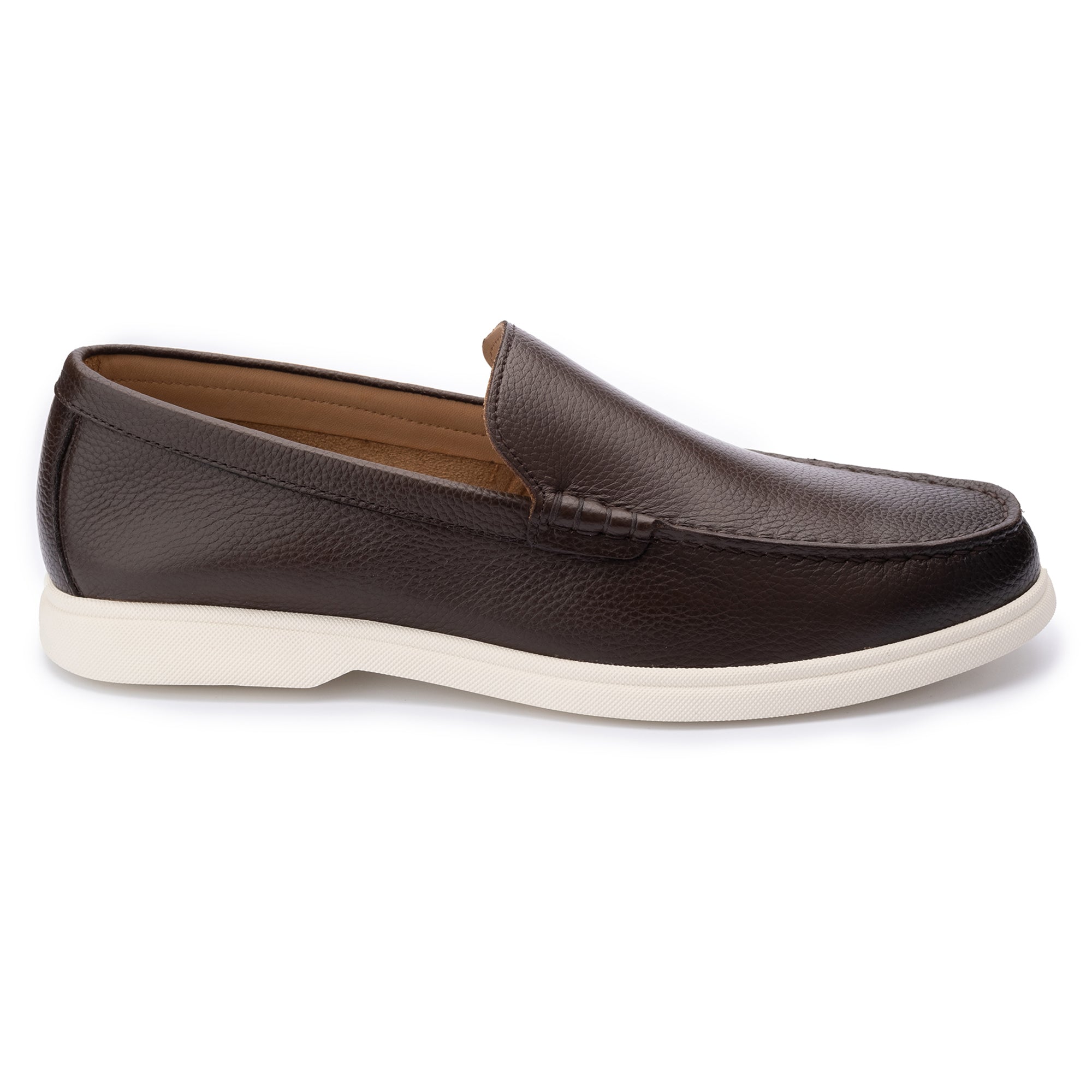
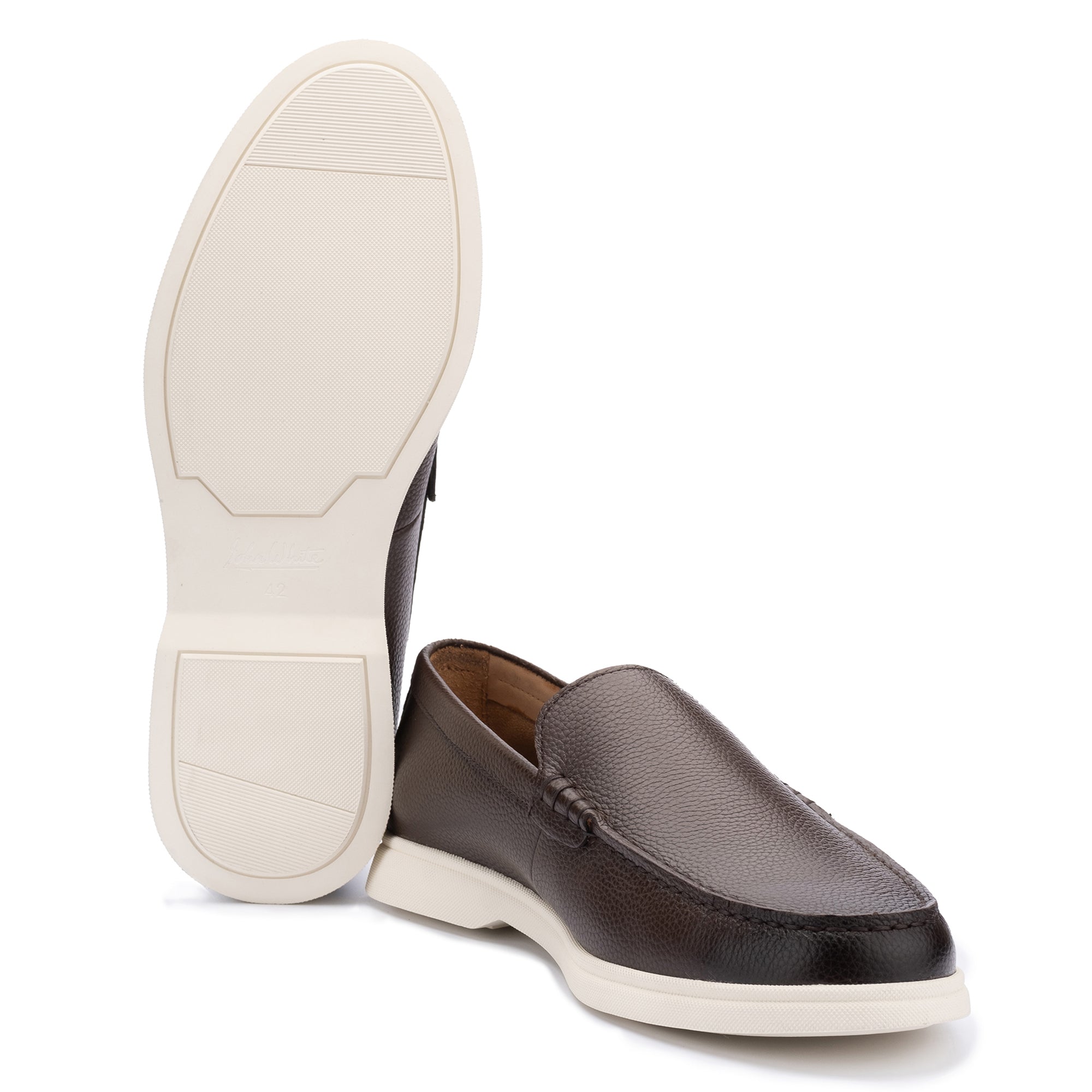
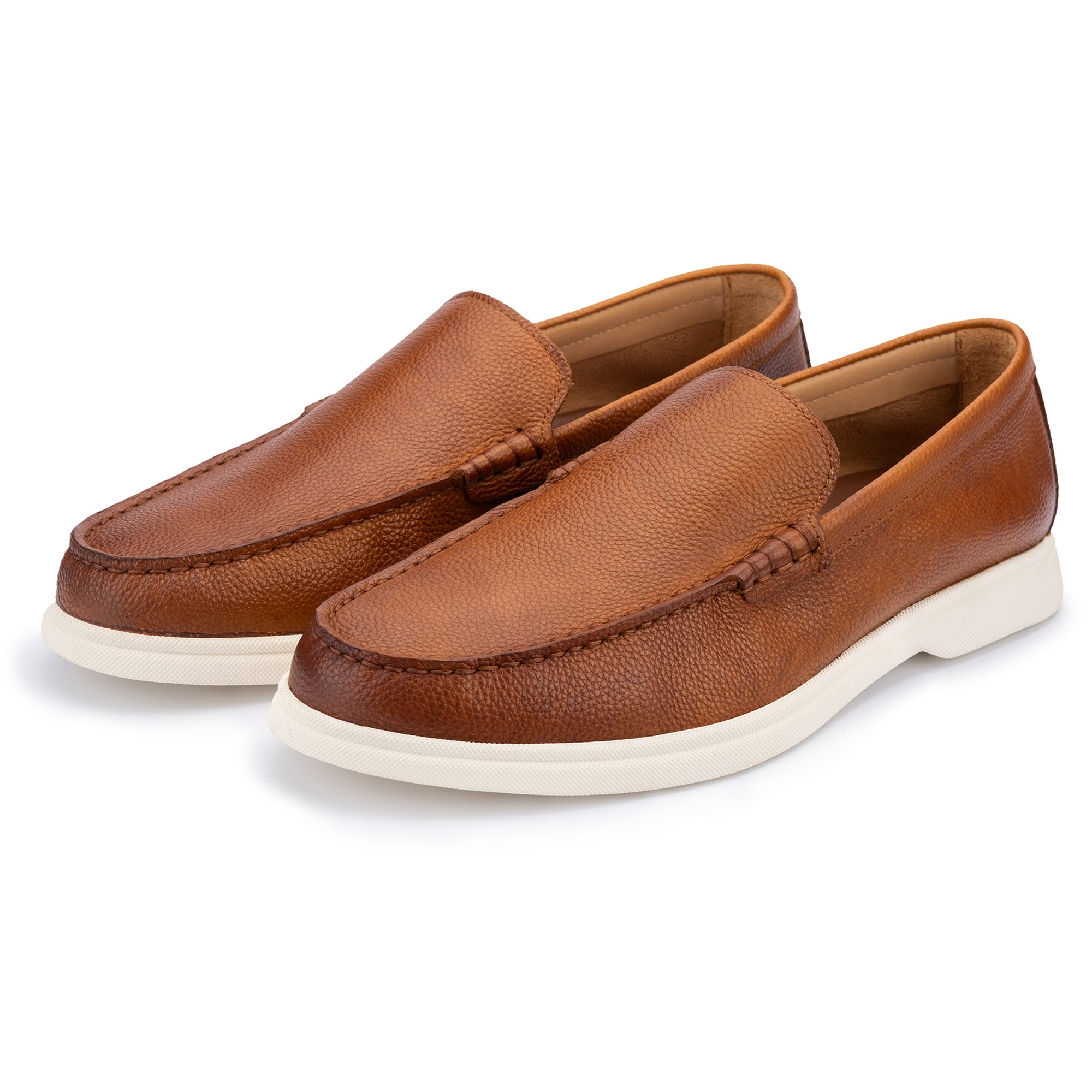
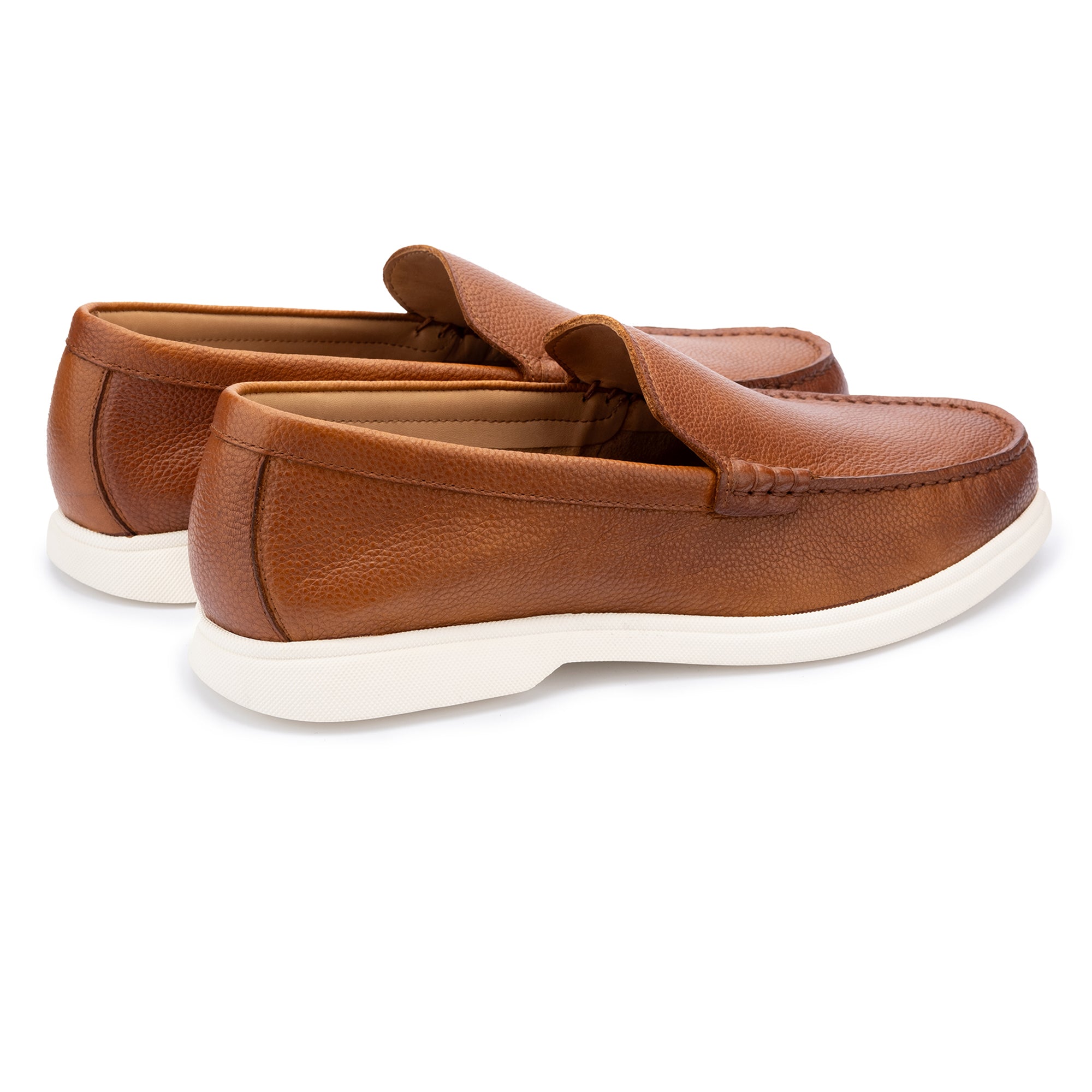
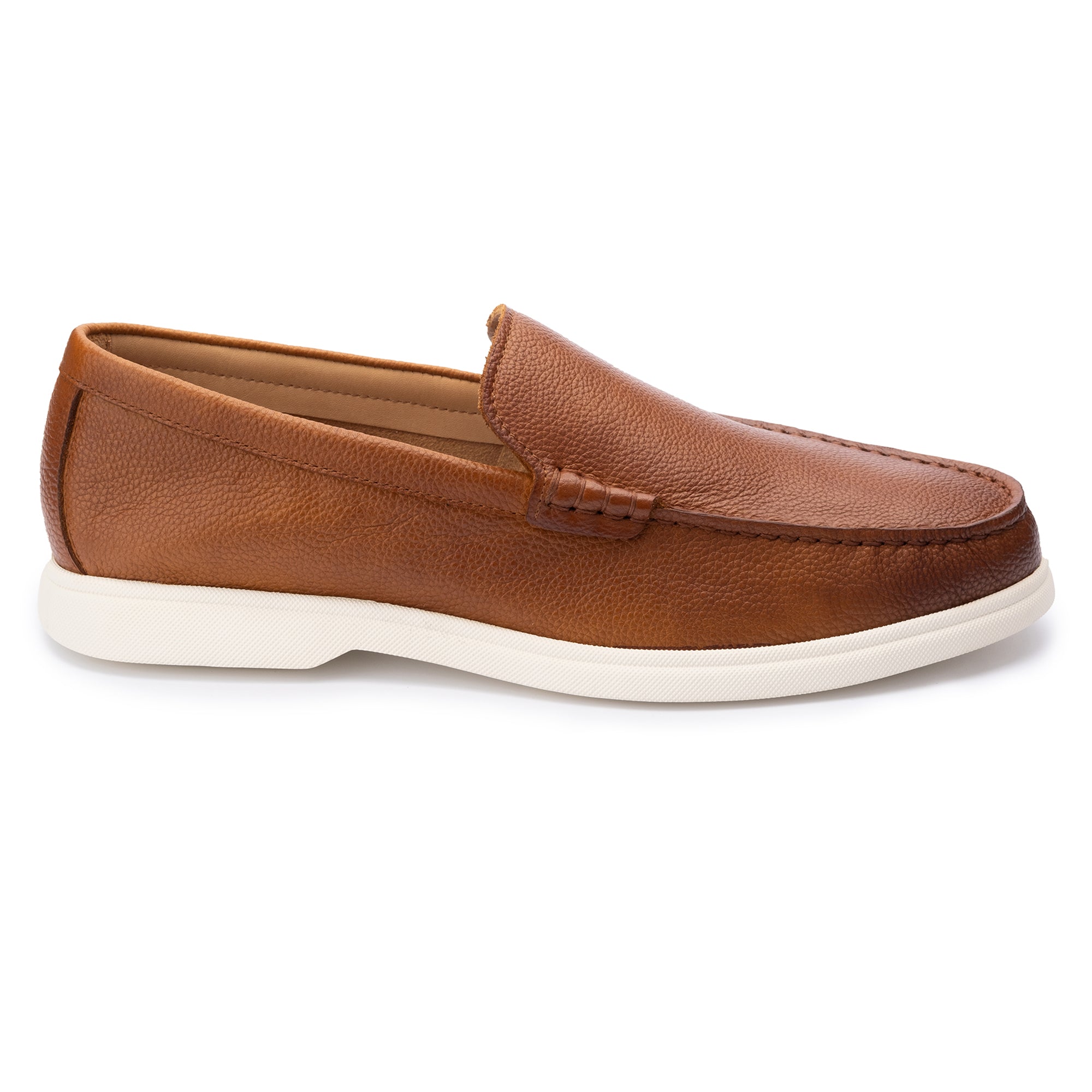
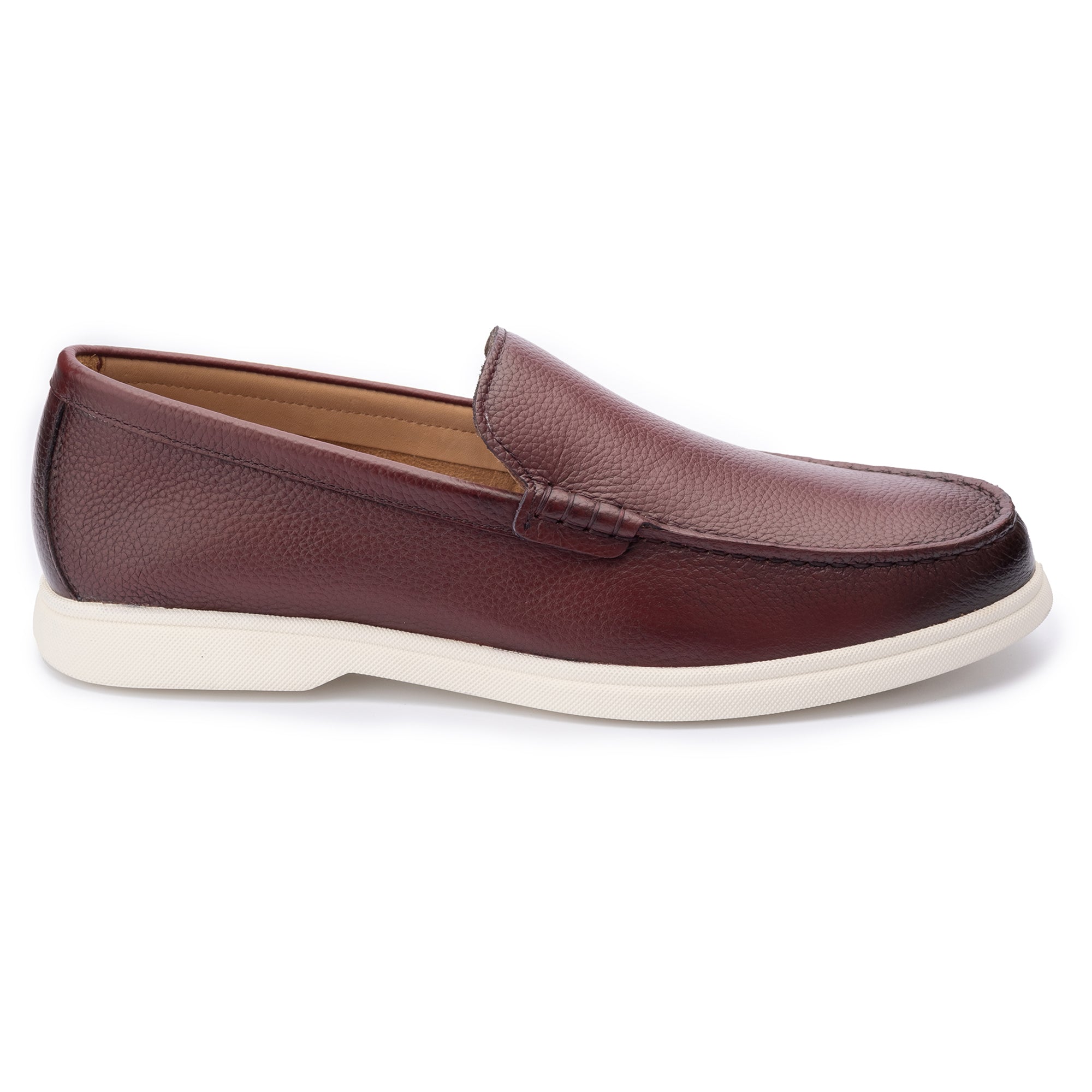
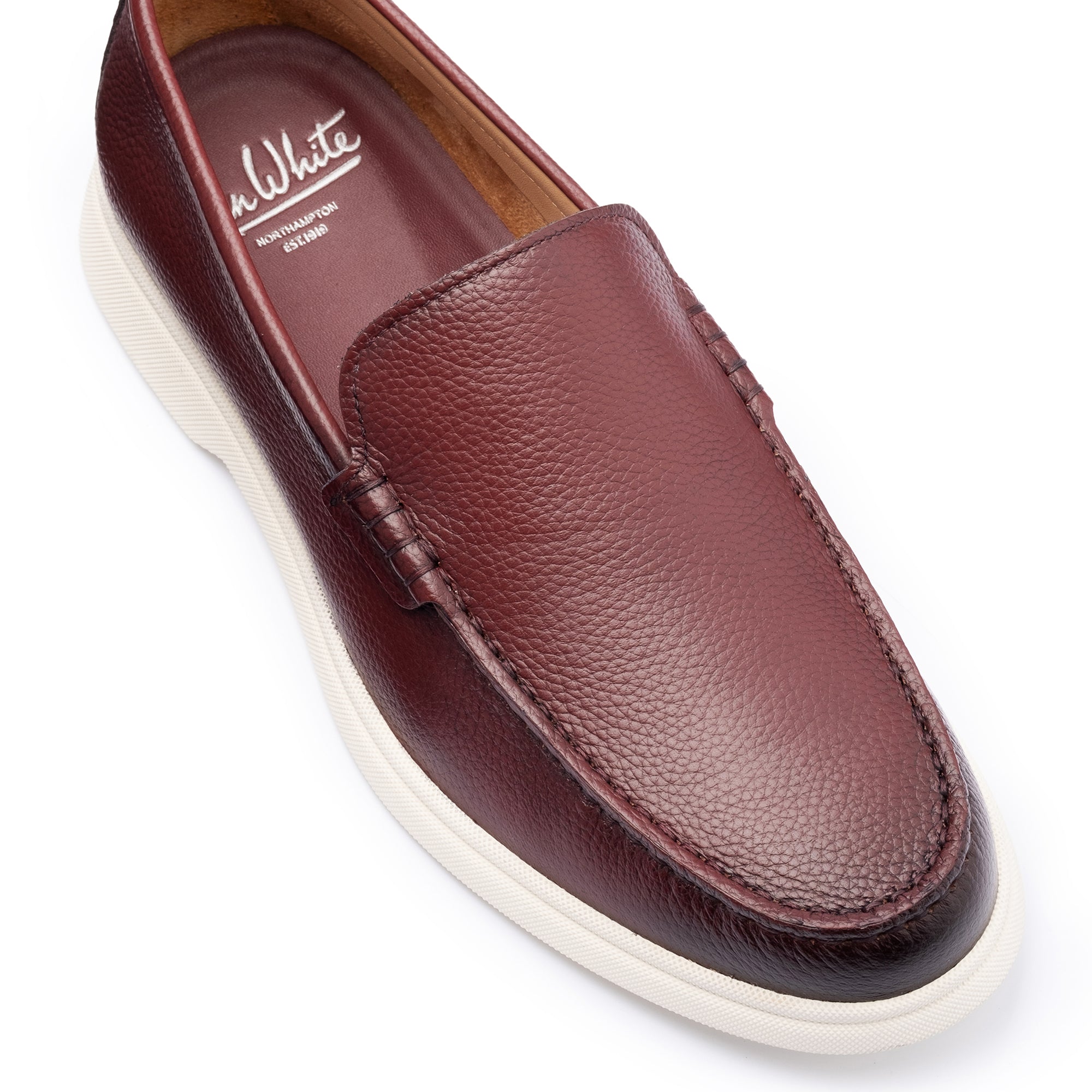
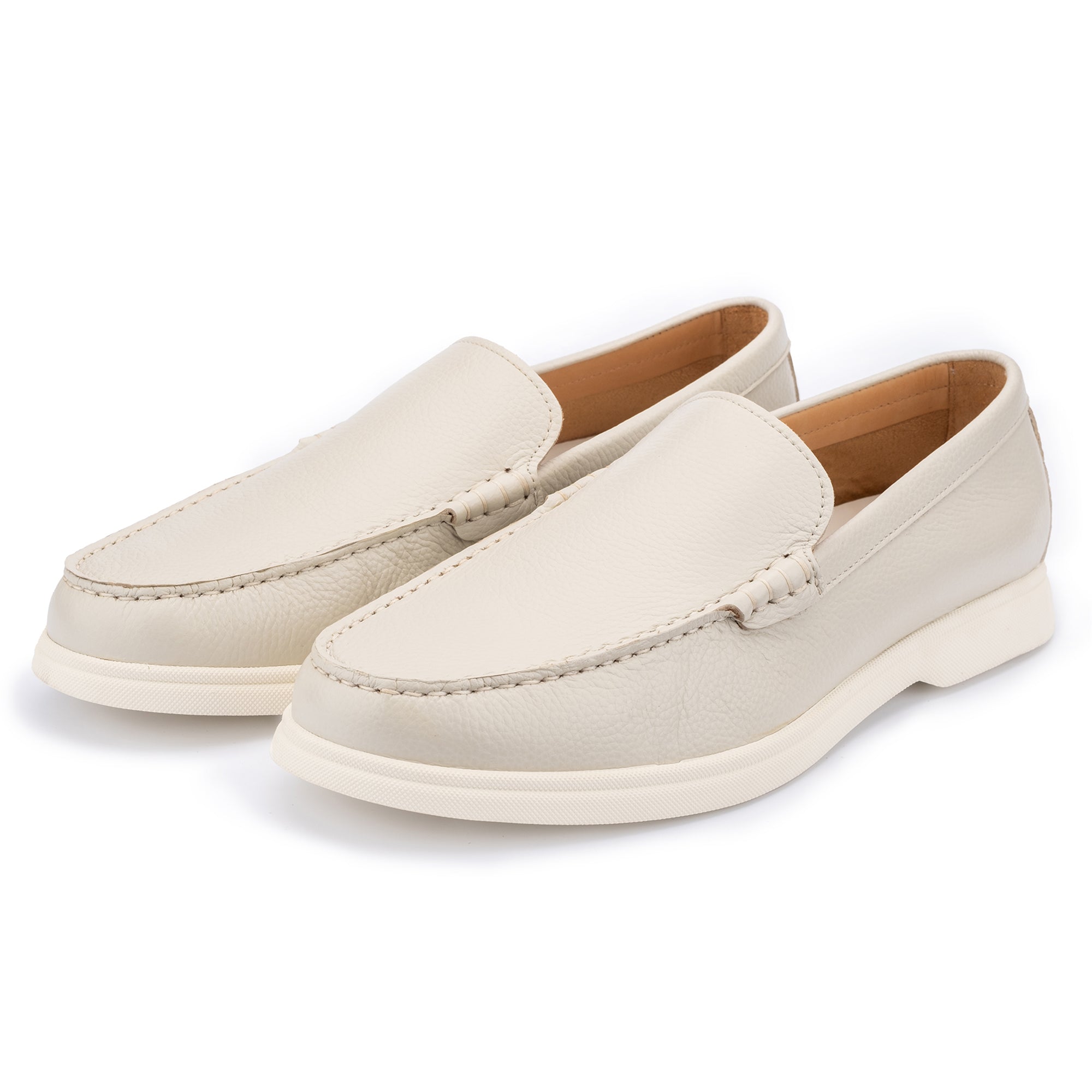
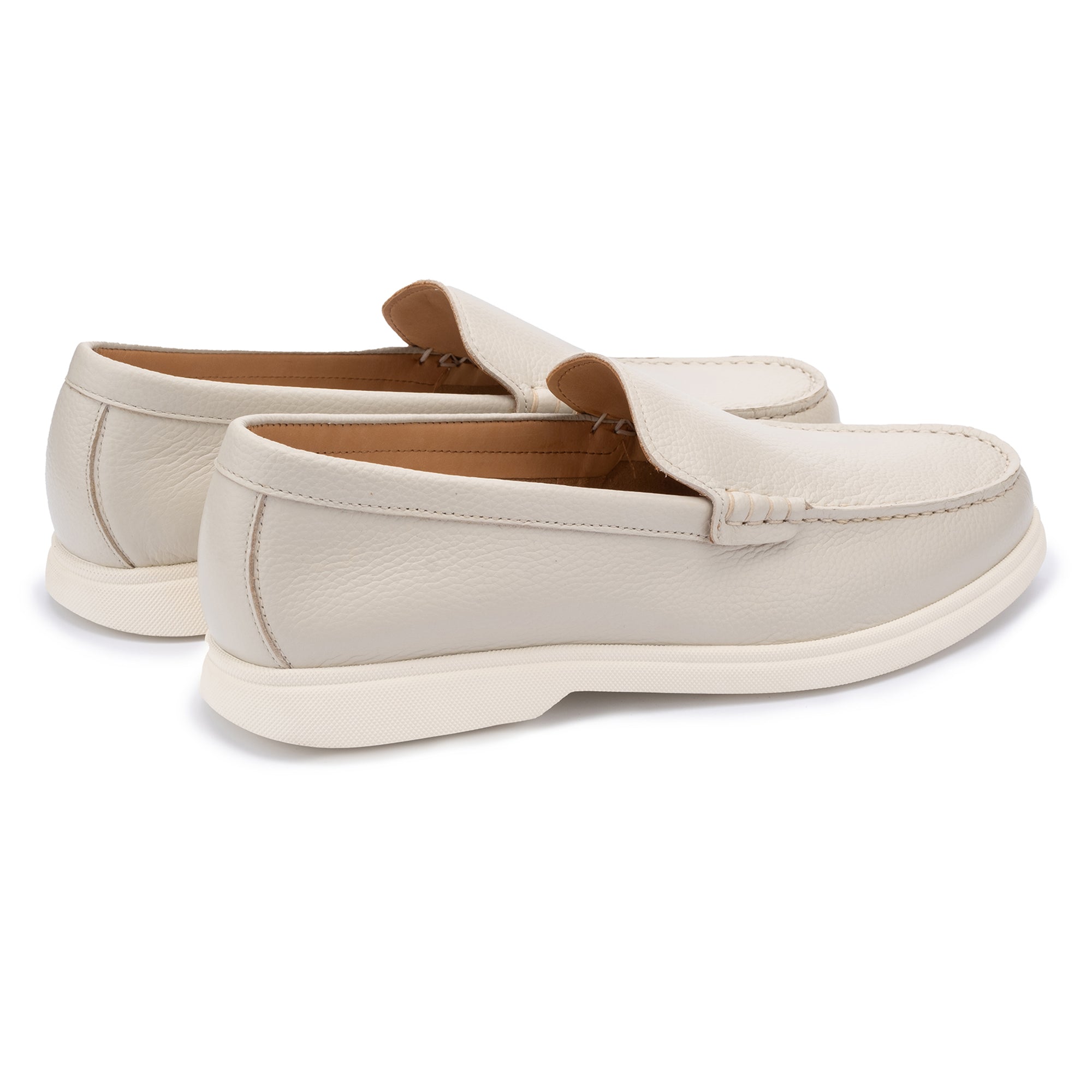
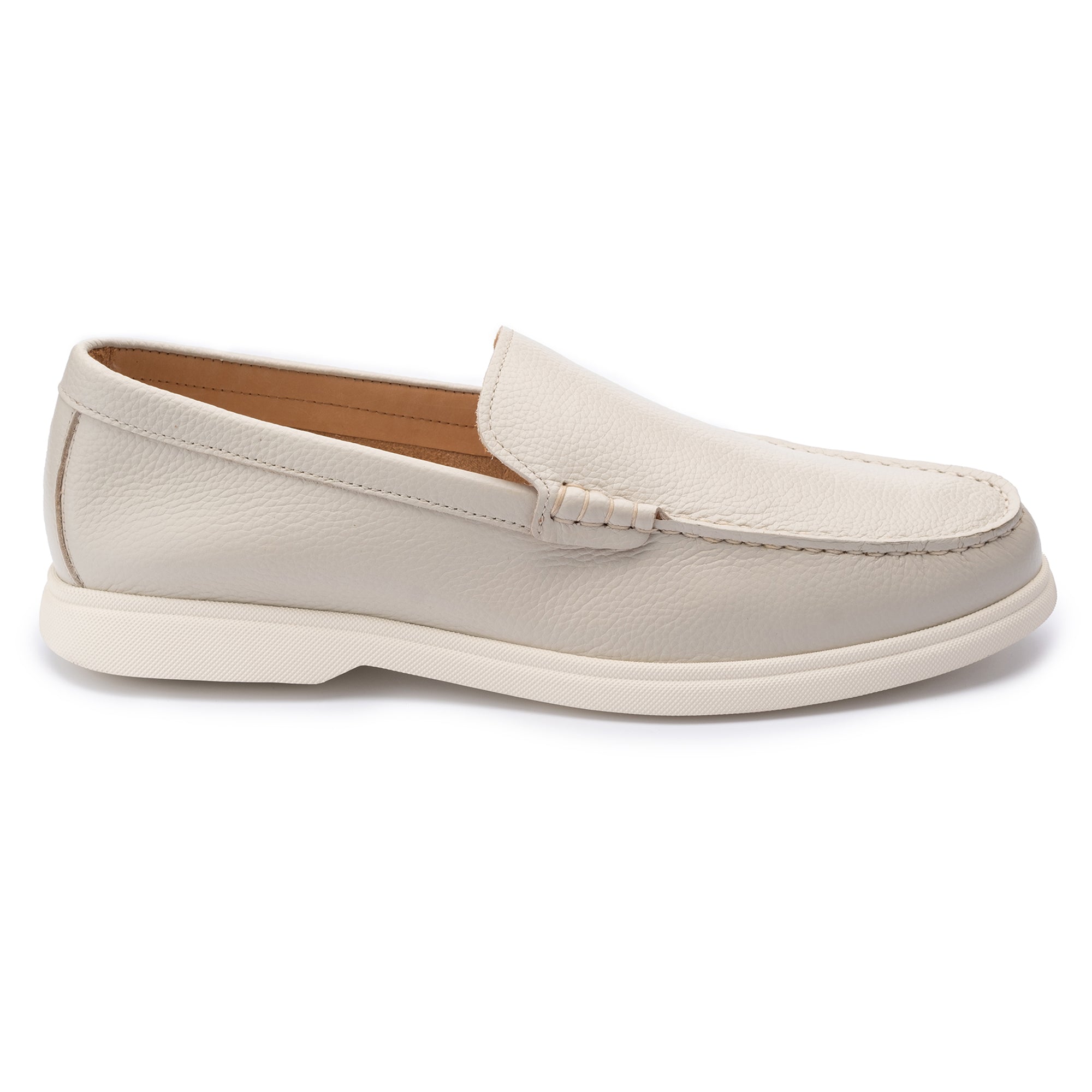
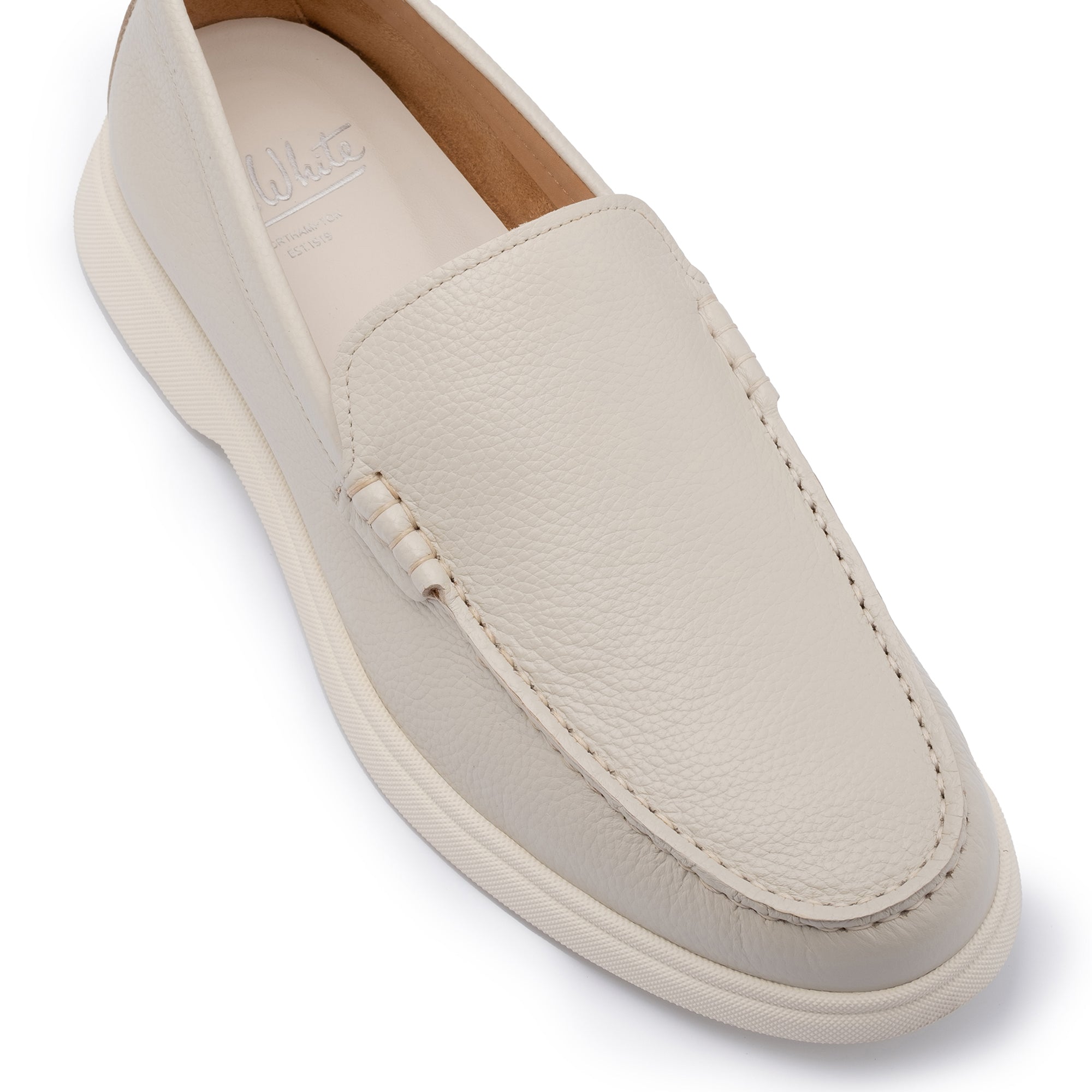
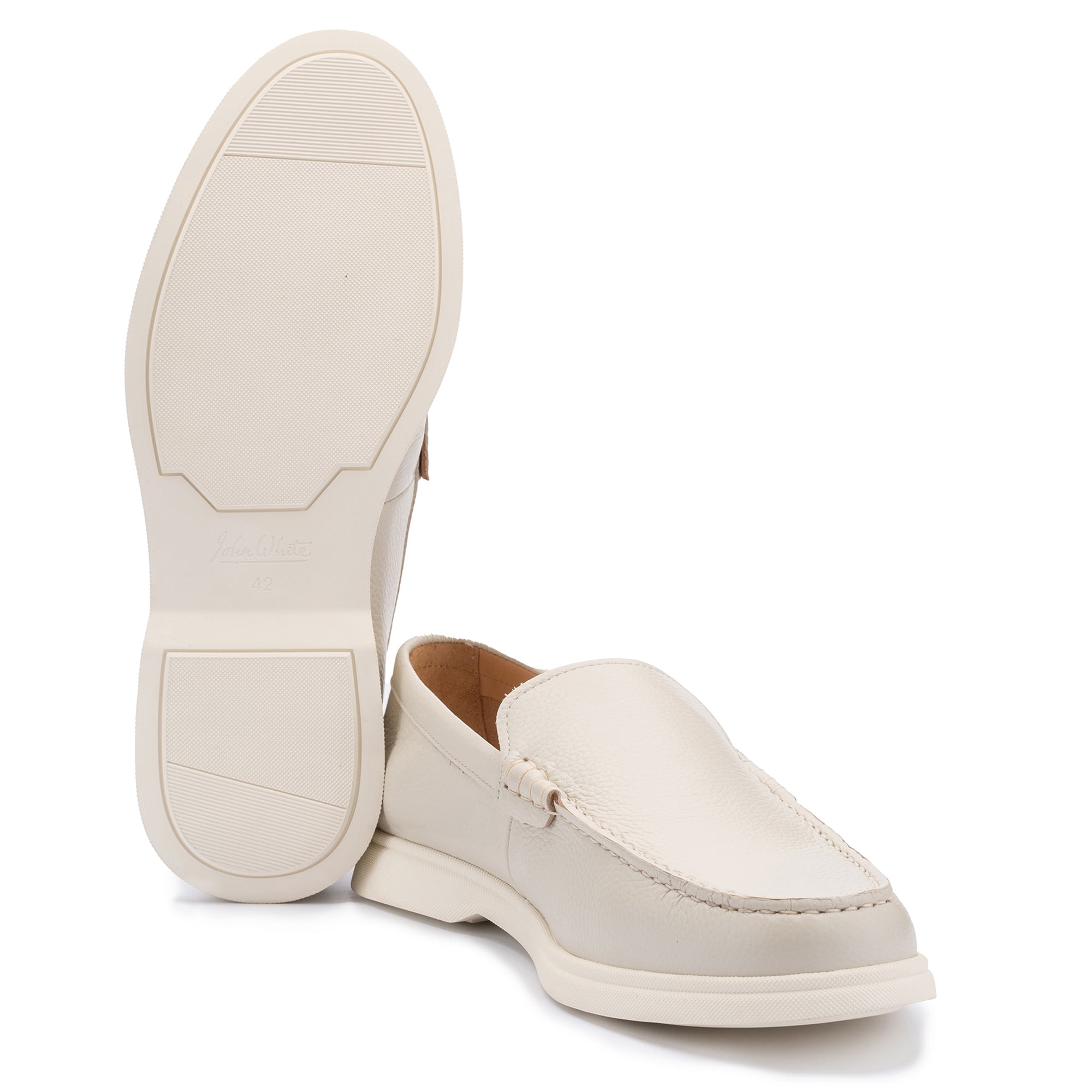
- Loafers — acceptable only for creative or relaxed interpretations of black tie. A plain black leather loafer can work at modern, less traditional events; at a formal dinner, gala, or awards ceremony, they fall short. Our guide to wearing loafers with a suit covers when they're appropriate.
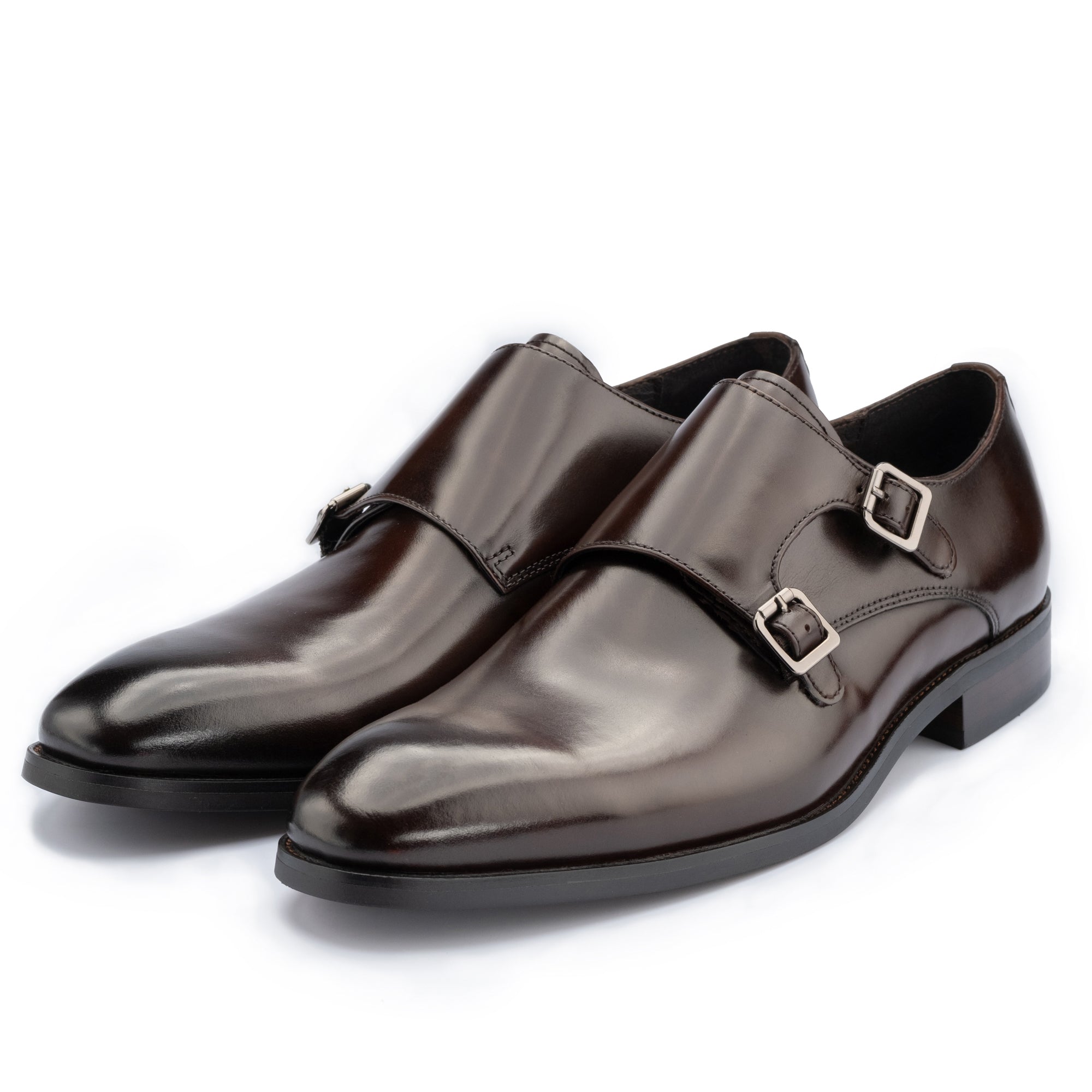
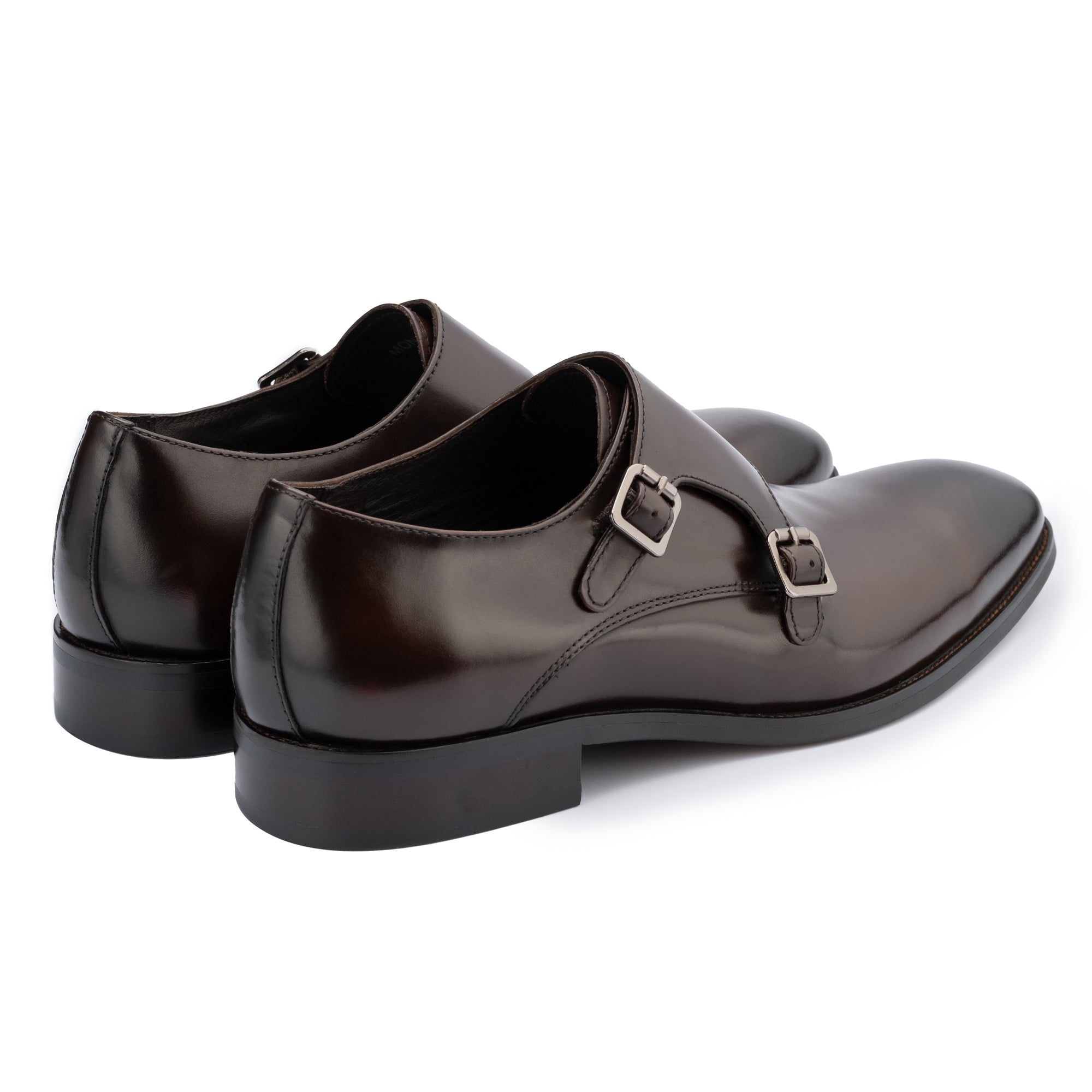
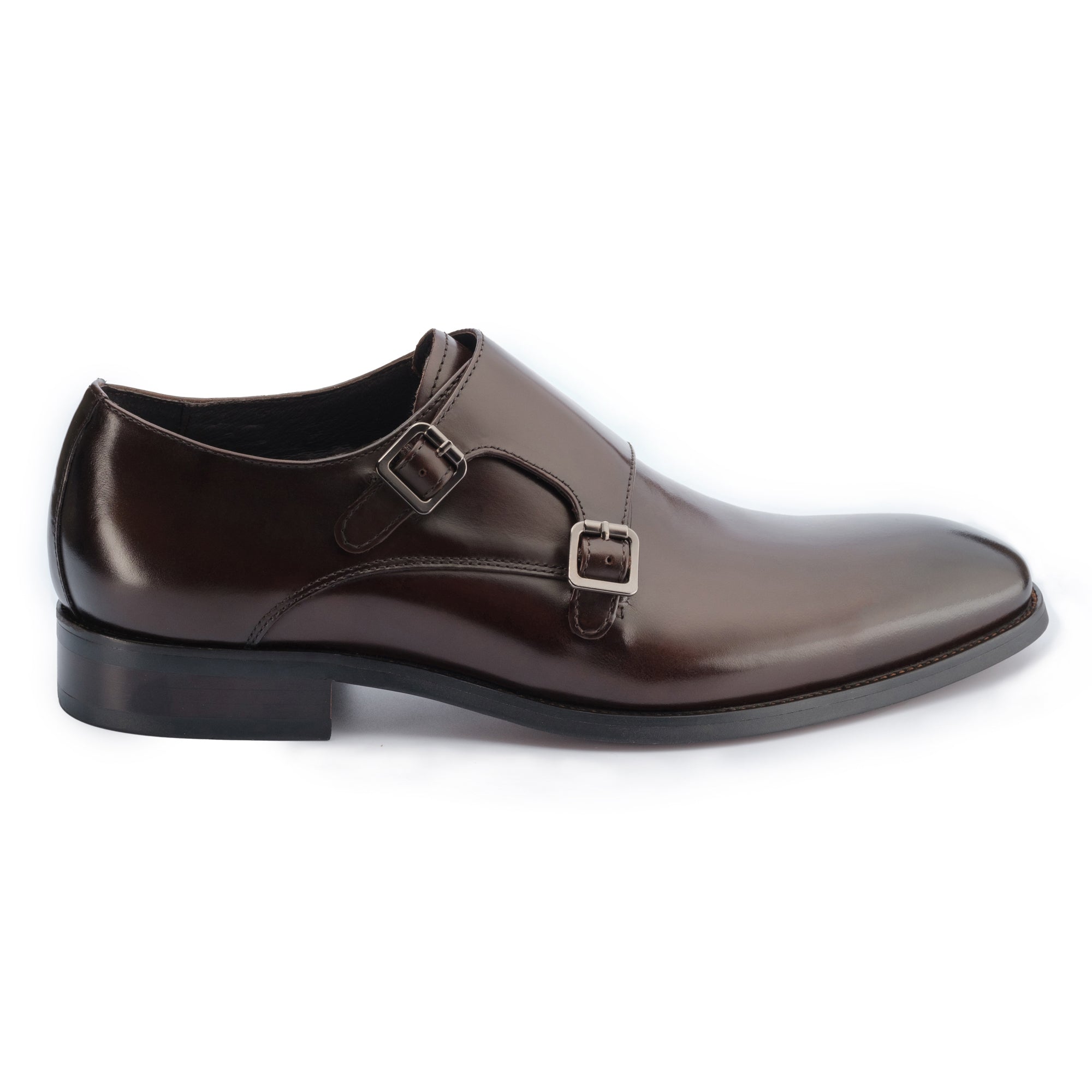
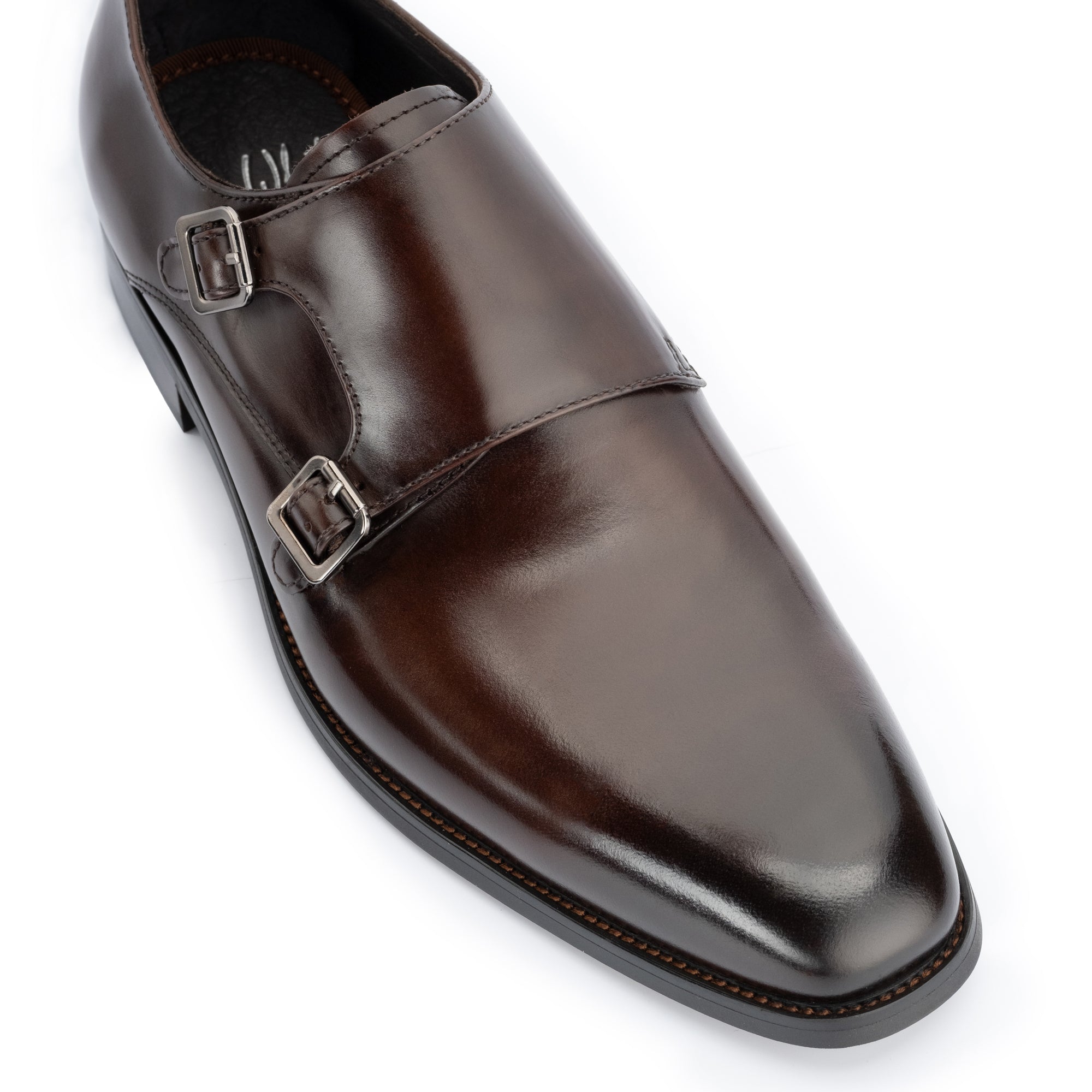
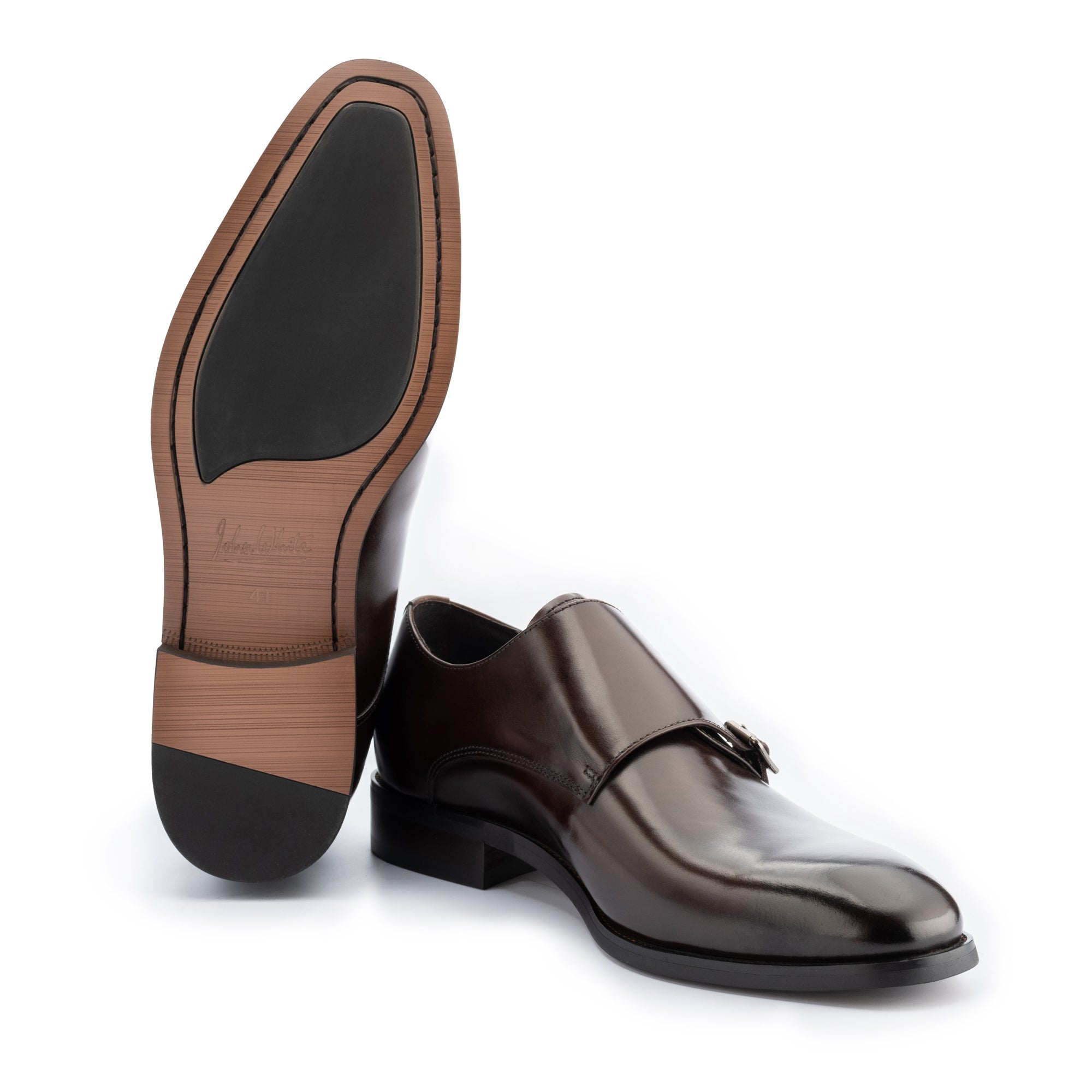
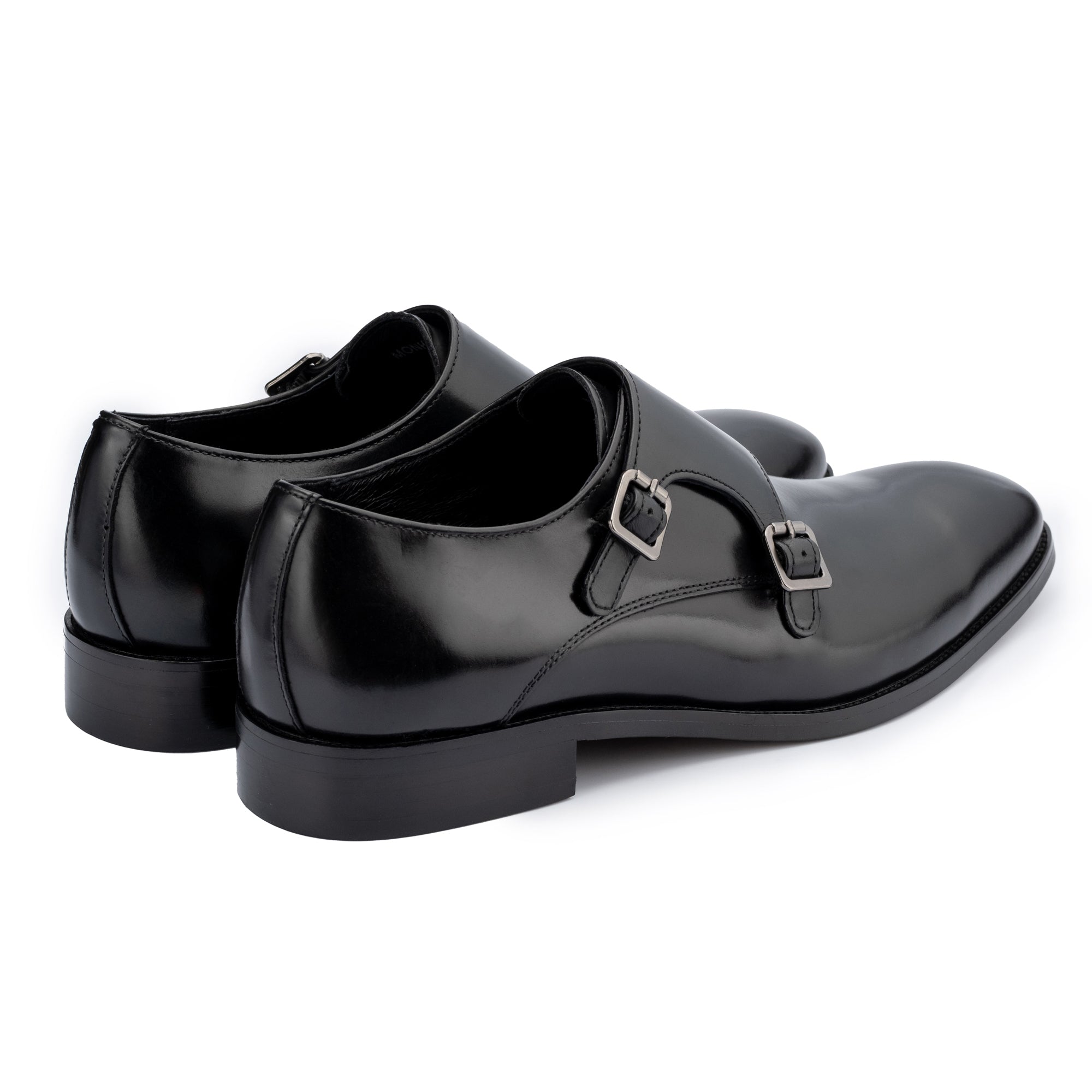
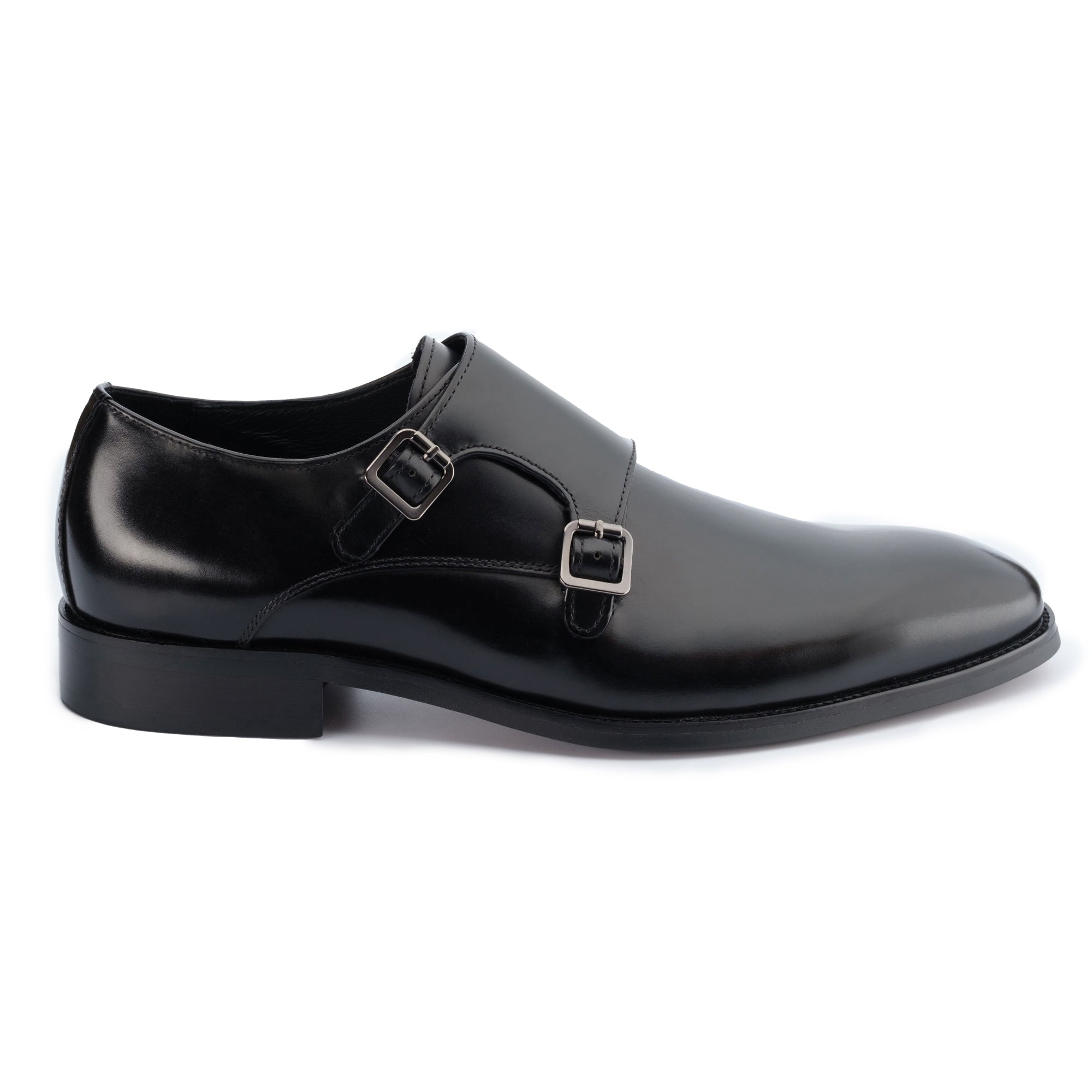
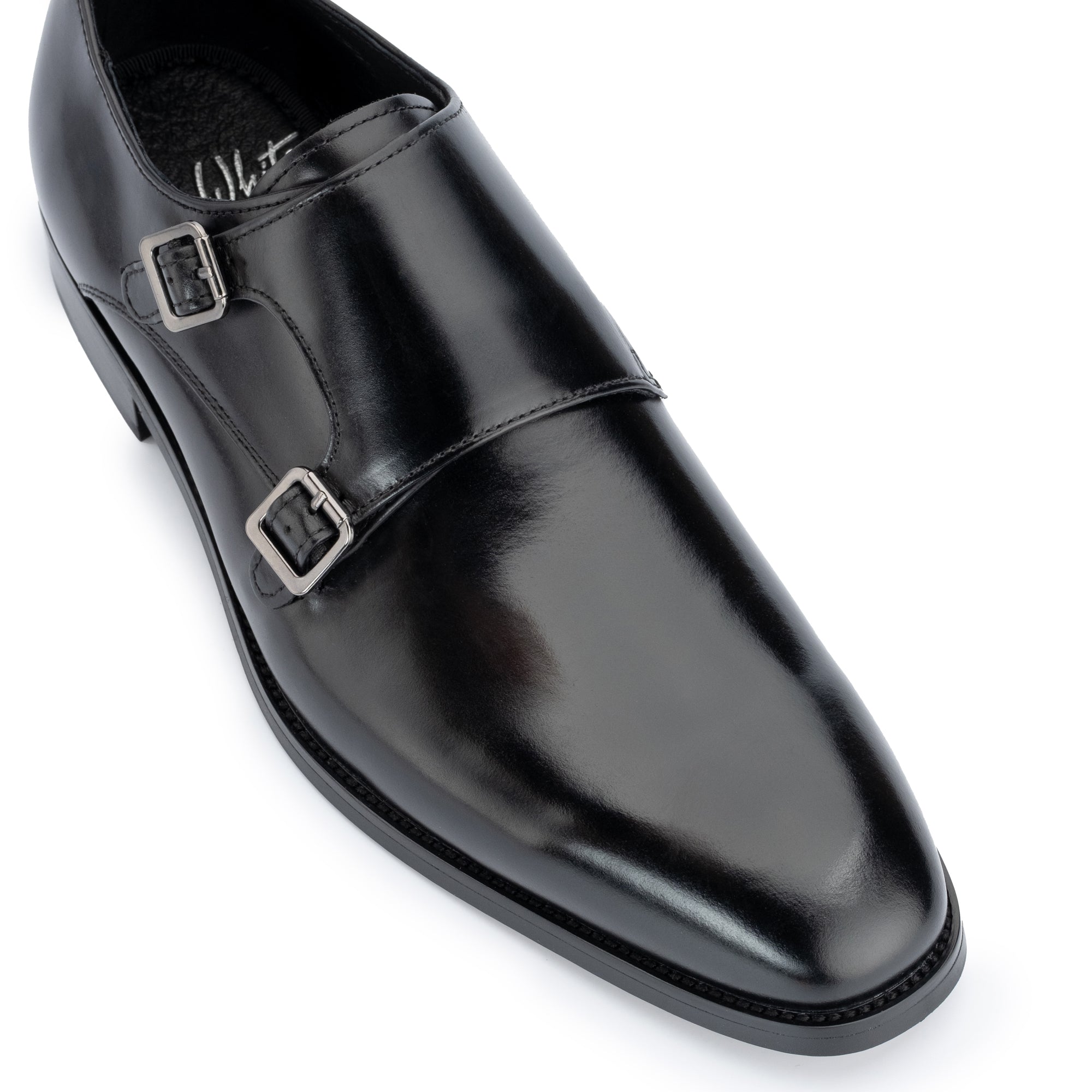
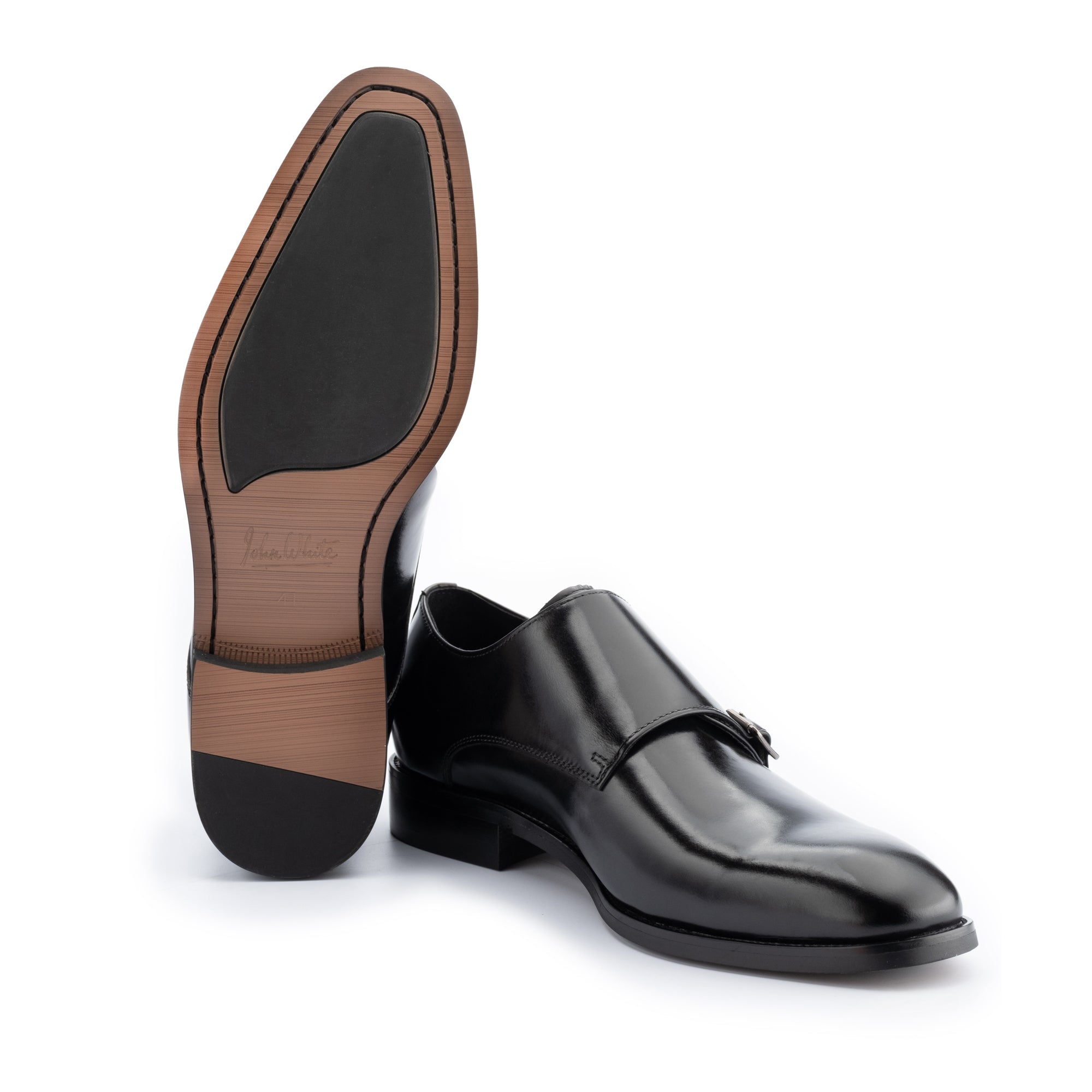
- Double monk strap shoes — gaining acceptance at contemporary black tie occasions. The Monkton Double Monk in Black, worn with confidence, reads as deliberate rather than casual. For the full picture, our guide to wearing double monk strap shoes is worth reading before committing.
The conservative choice is always the Oxford. If the event is a formal gala, a wedding reception, or a corporate dinner, default to it. Save the alternatives for occasions where the invitation explicitly says "creative black tie" or "modern formal".
What Shoes Should You Avoid at Black Tie?
The following are not appropriate for black tie, regardless of how well they're polished or what they cost:
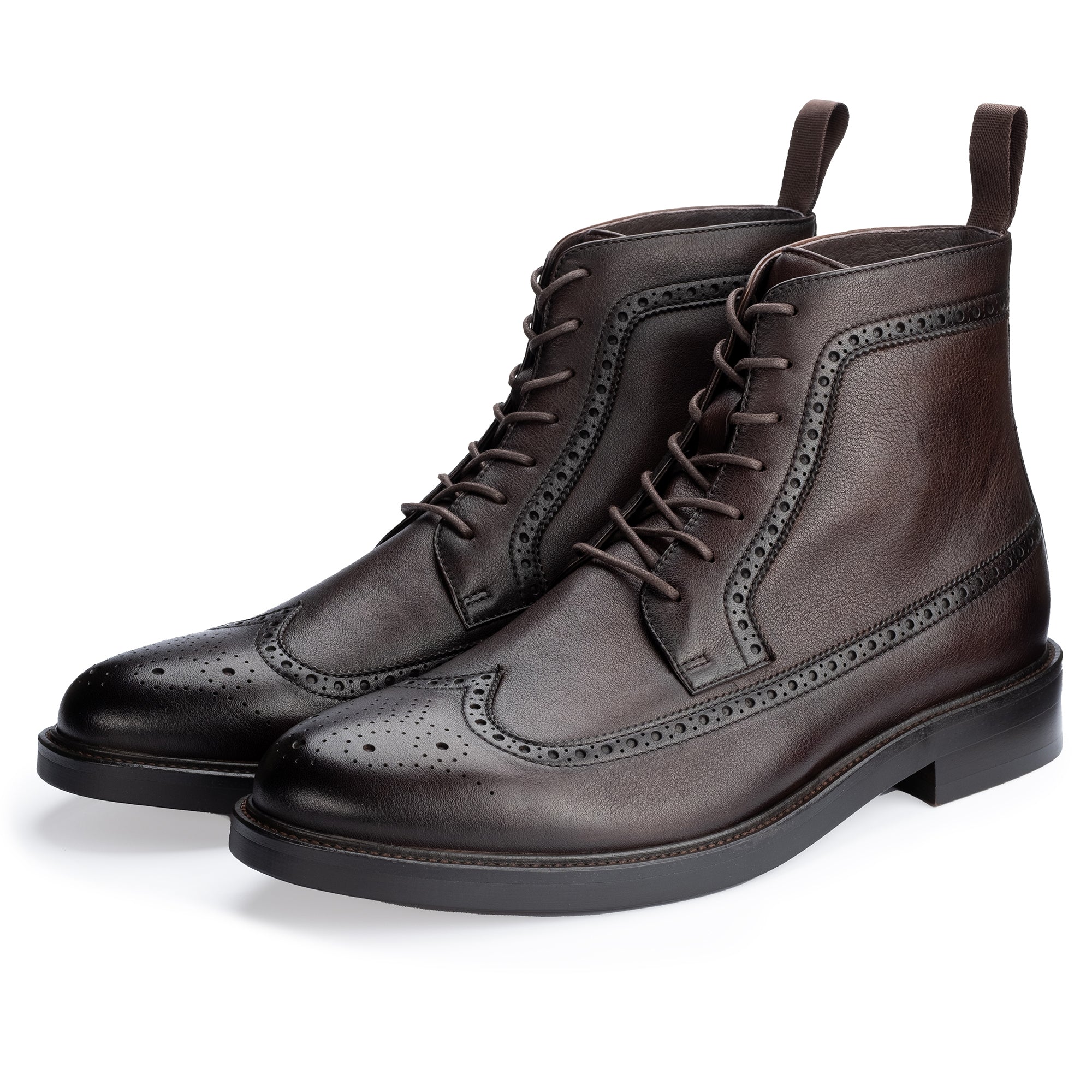
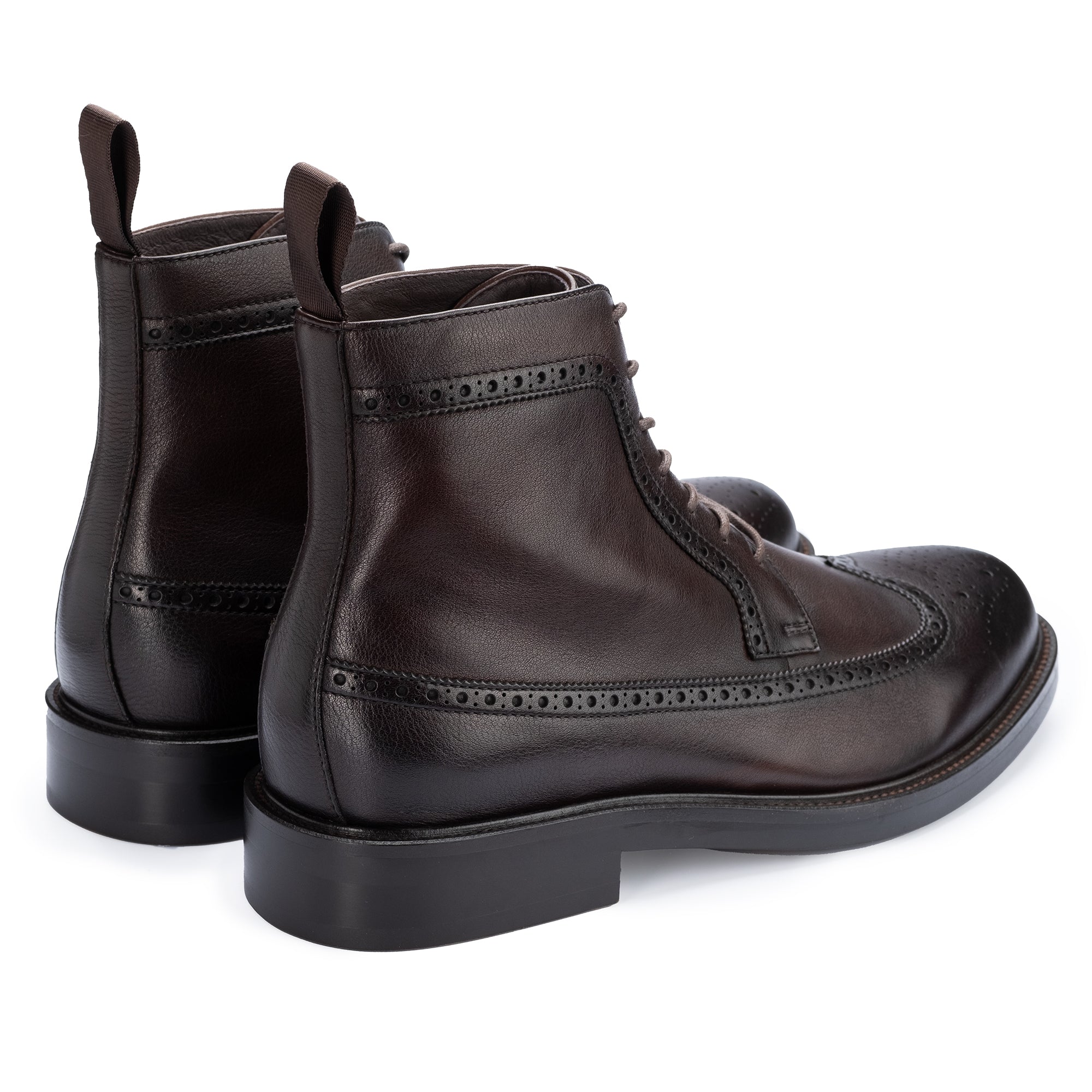
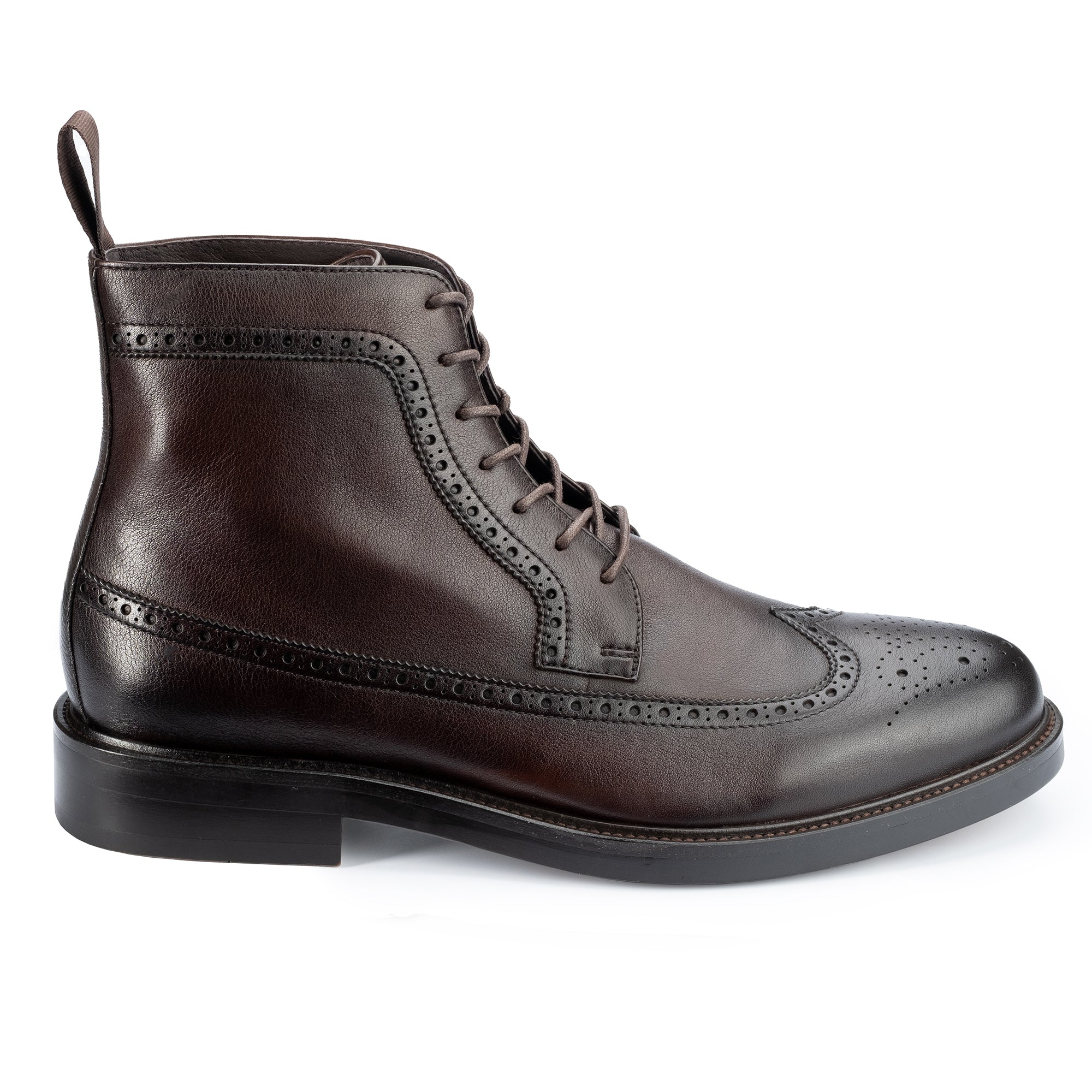
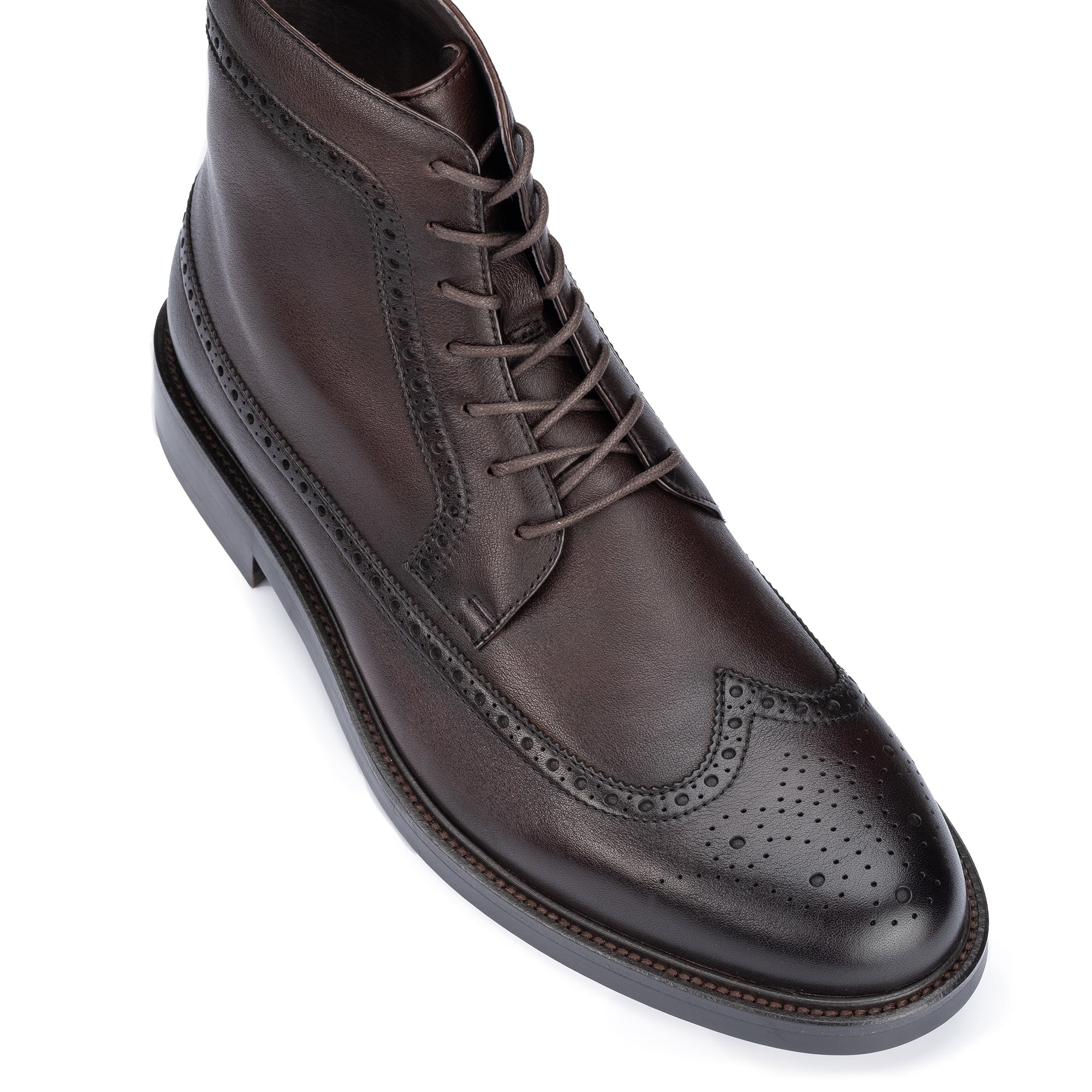
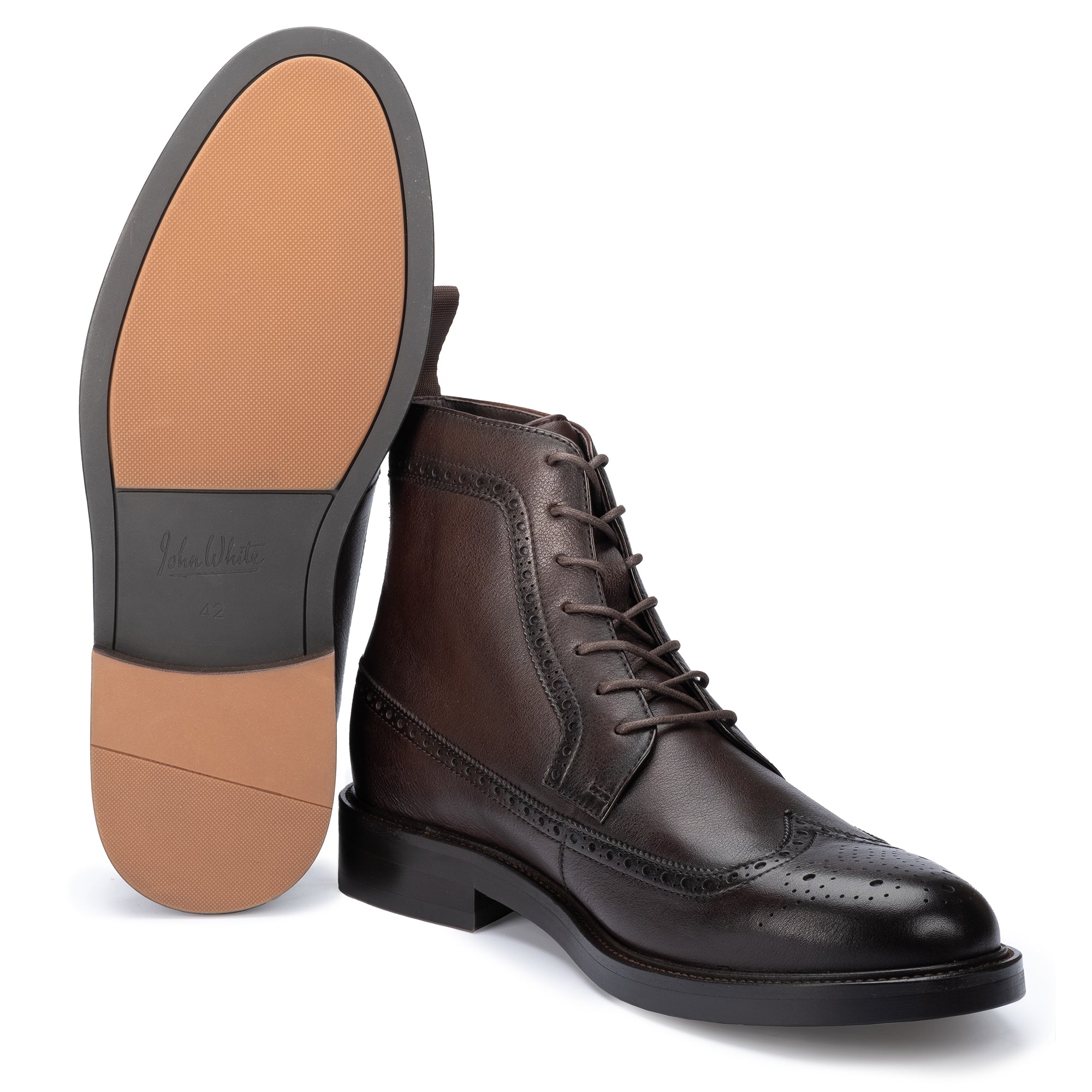
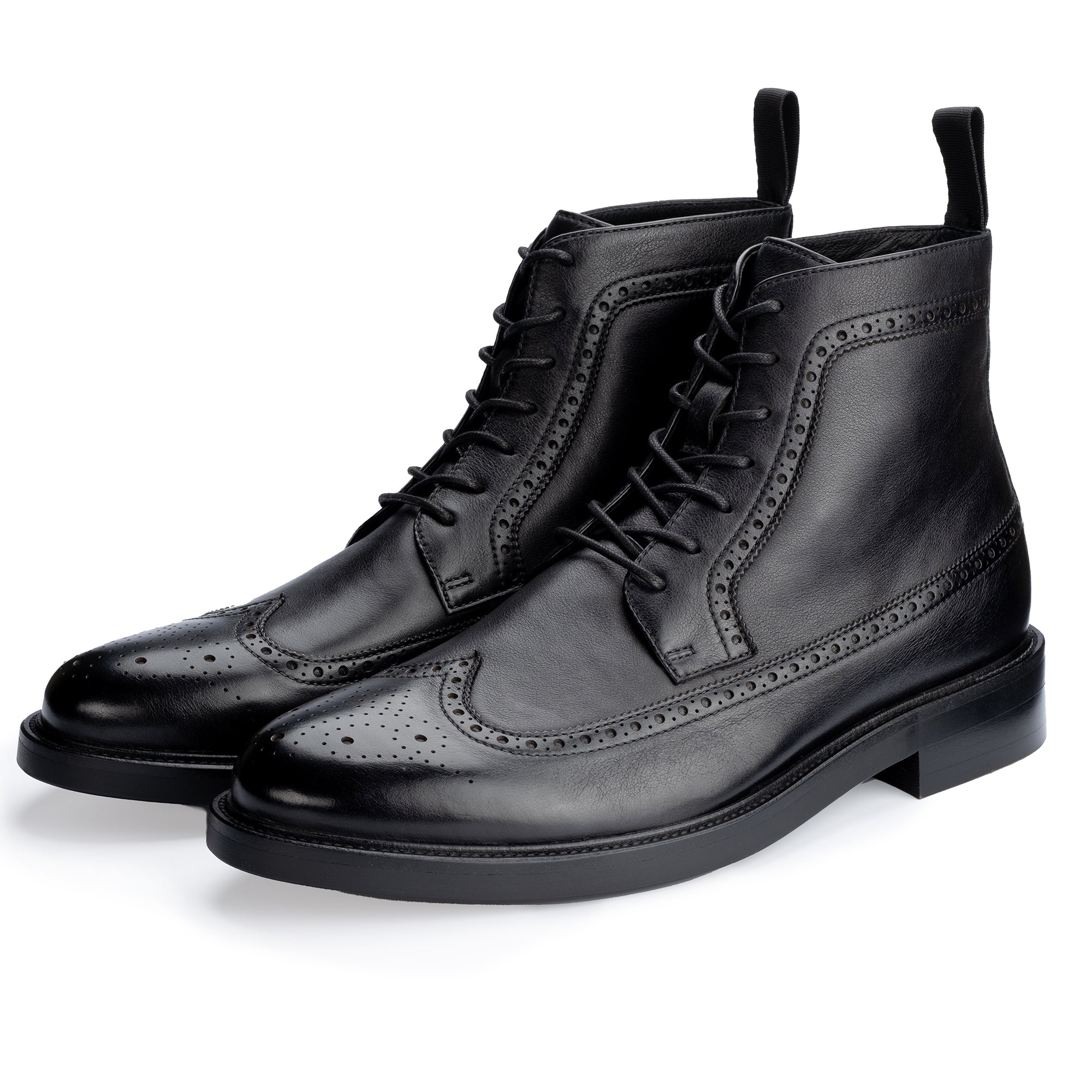
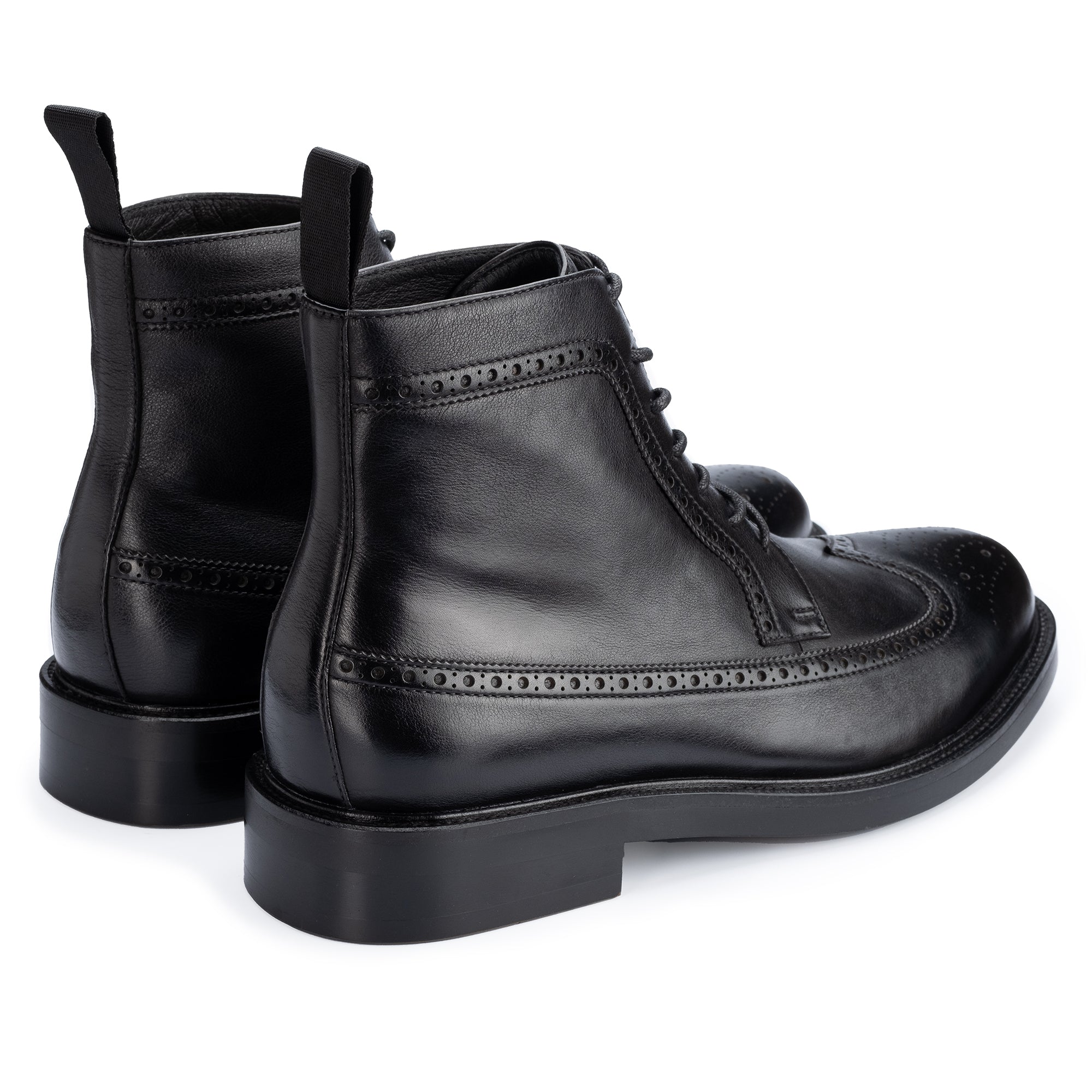
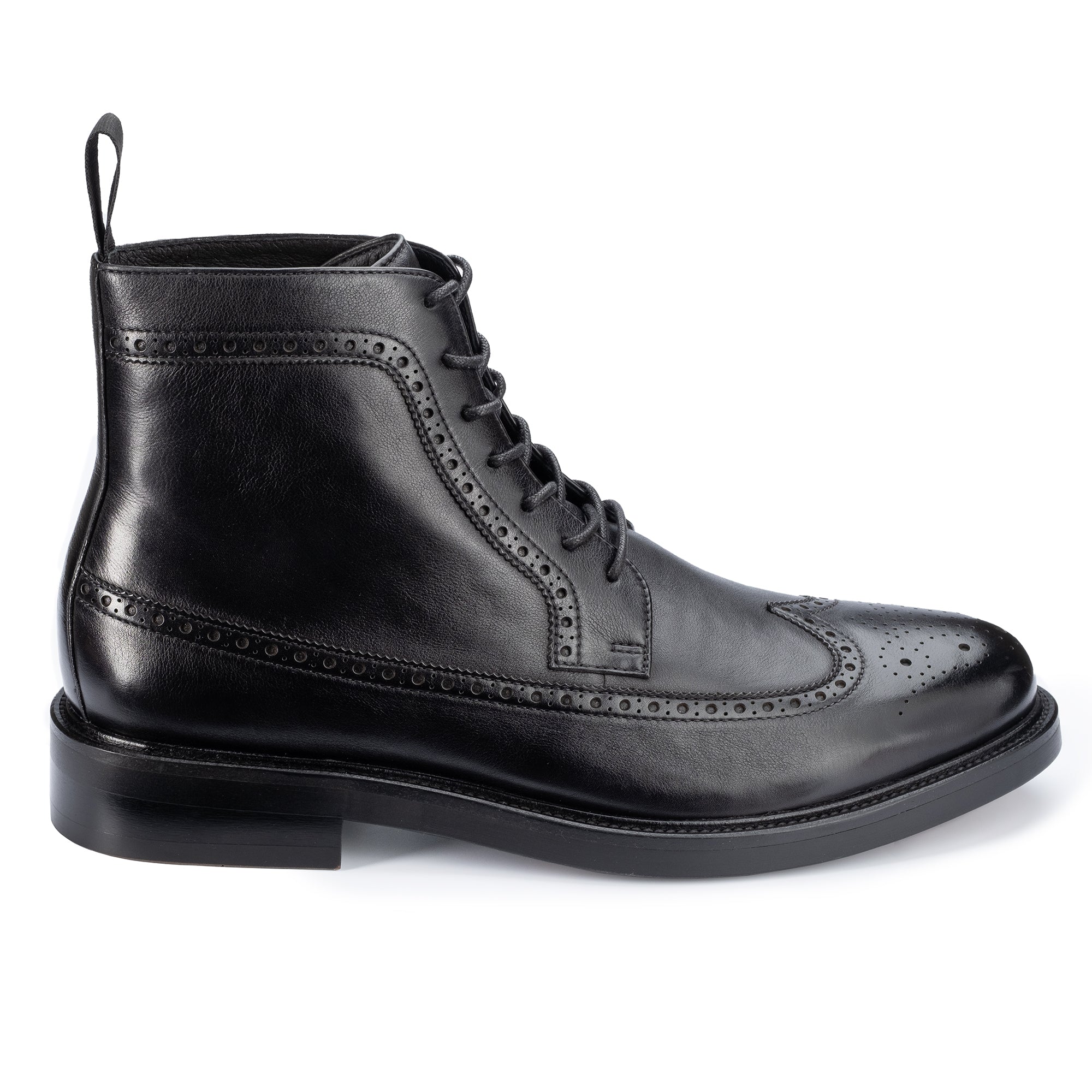
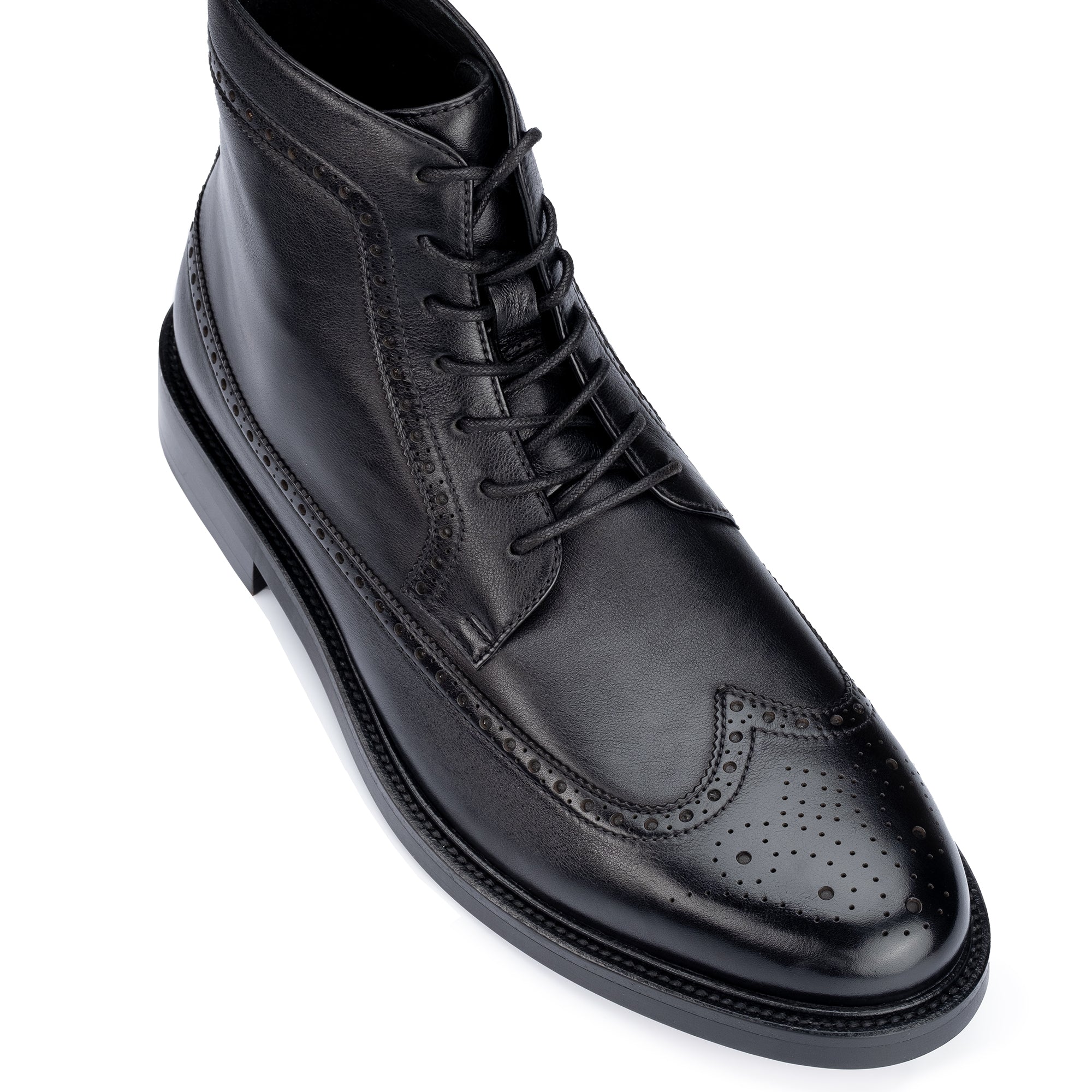
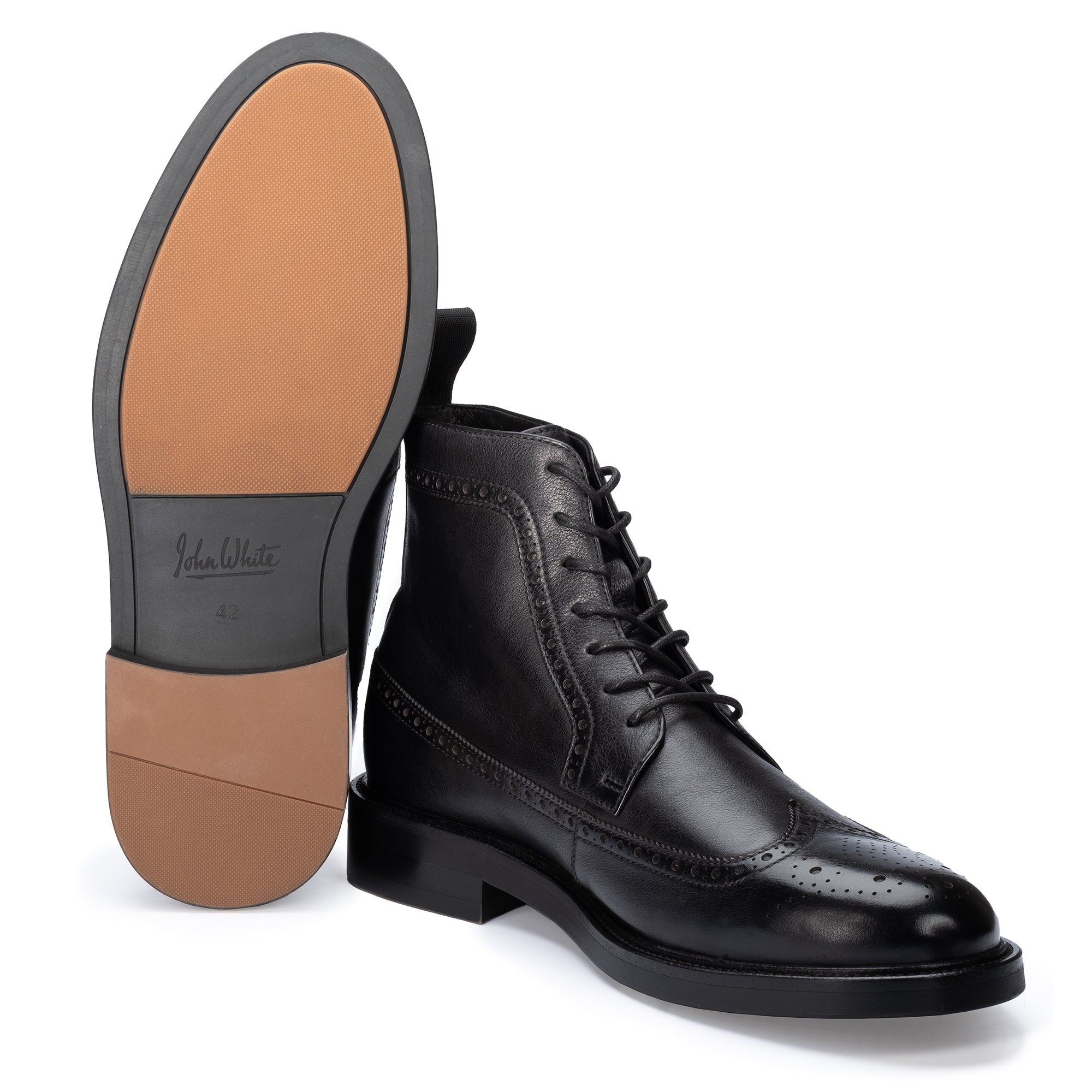
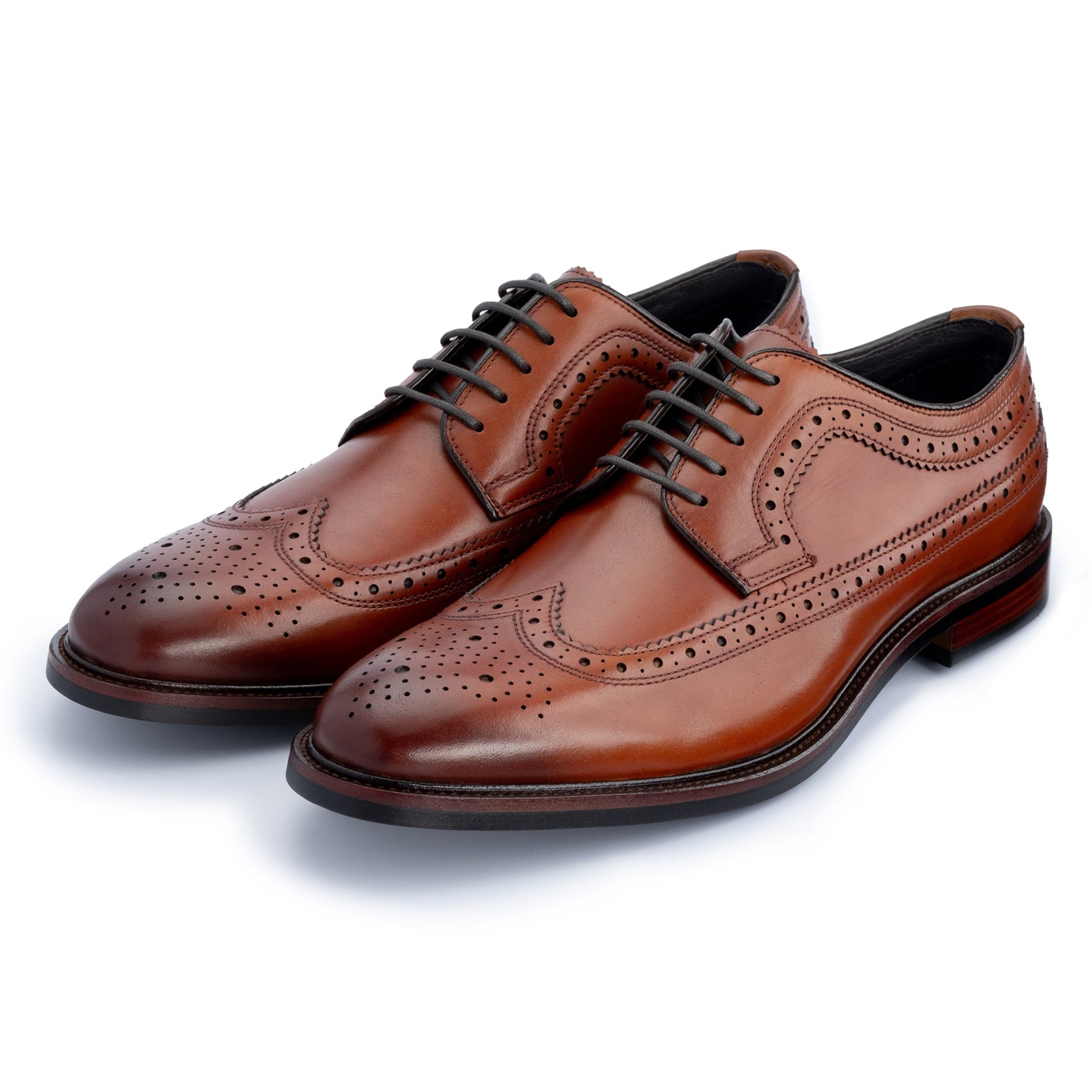
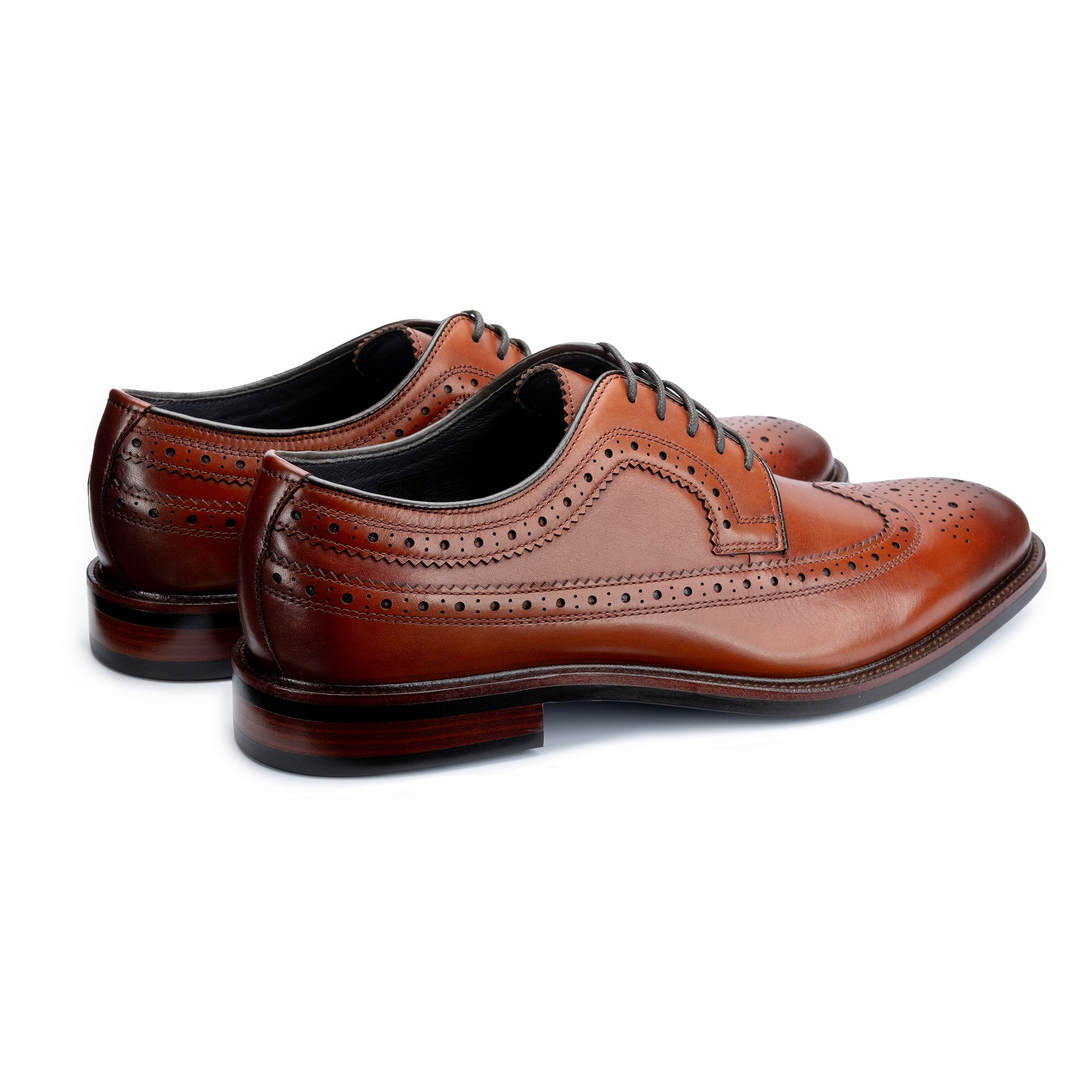
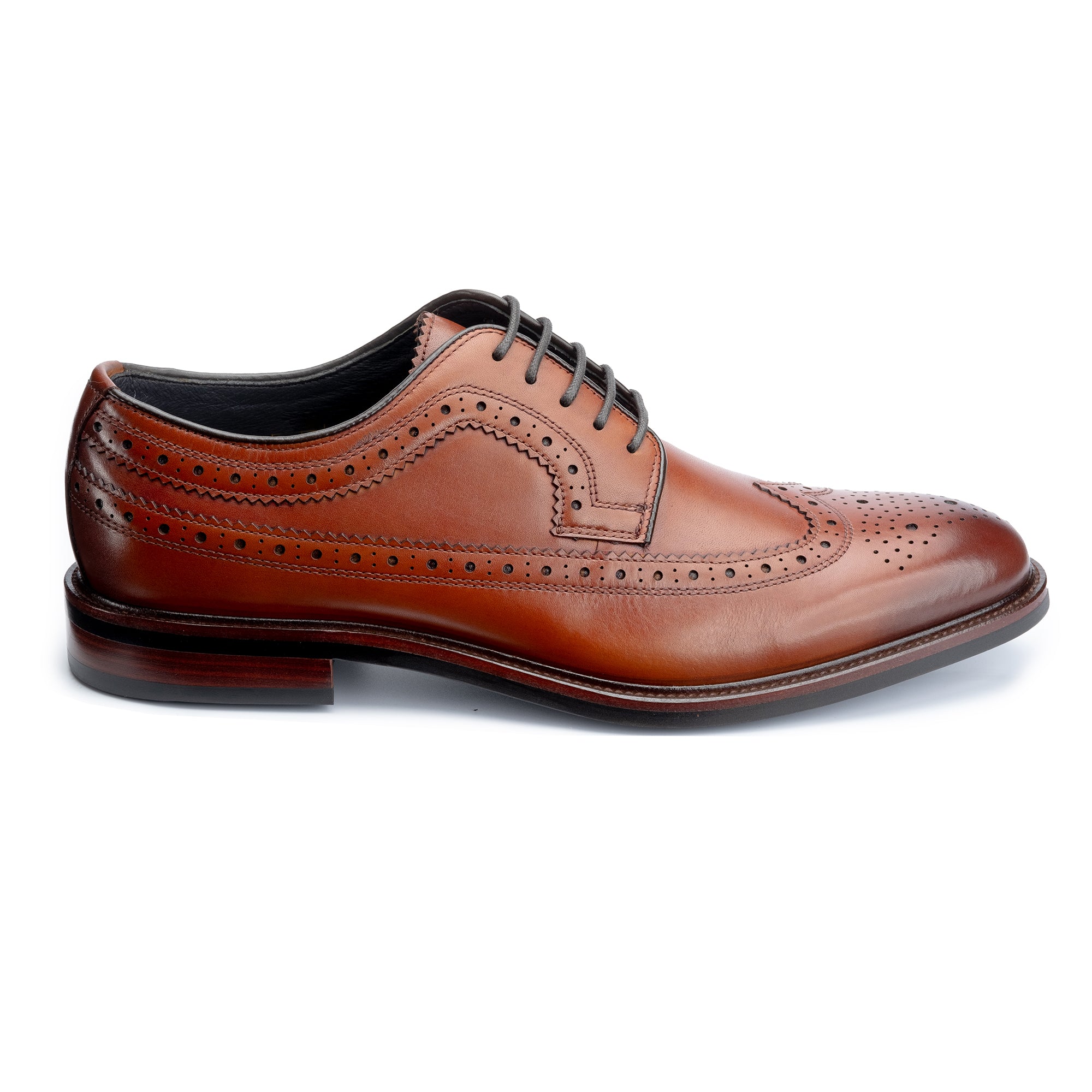
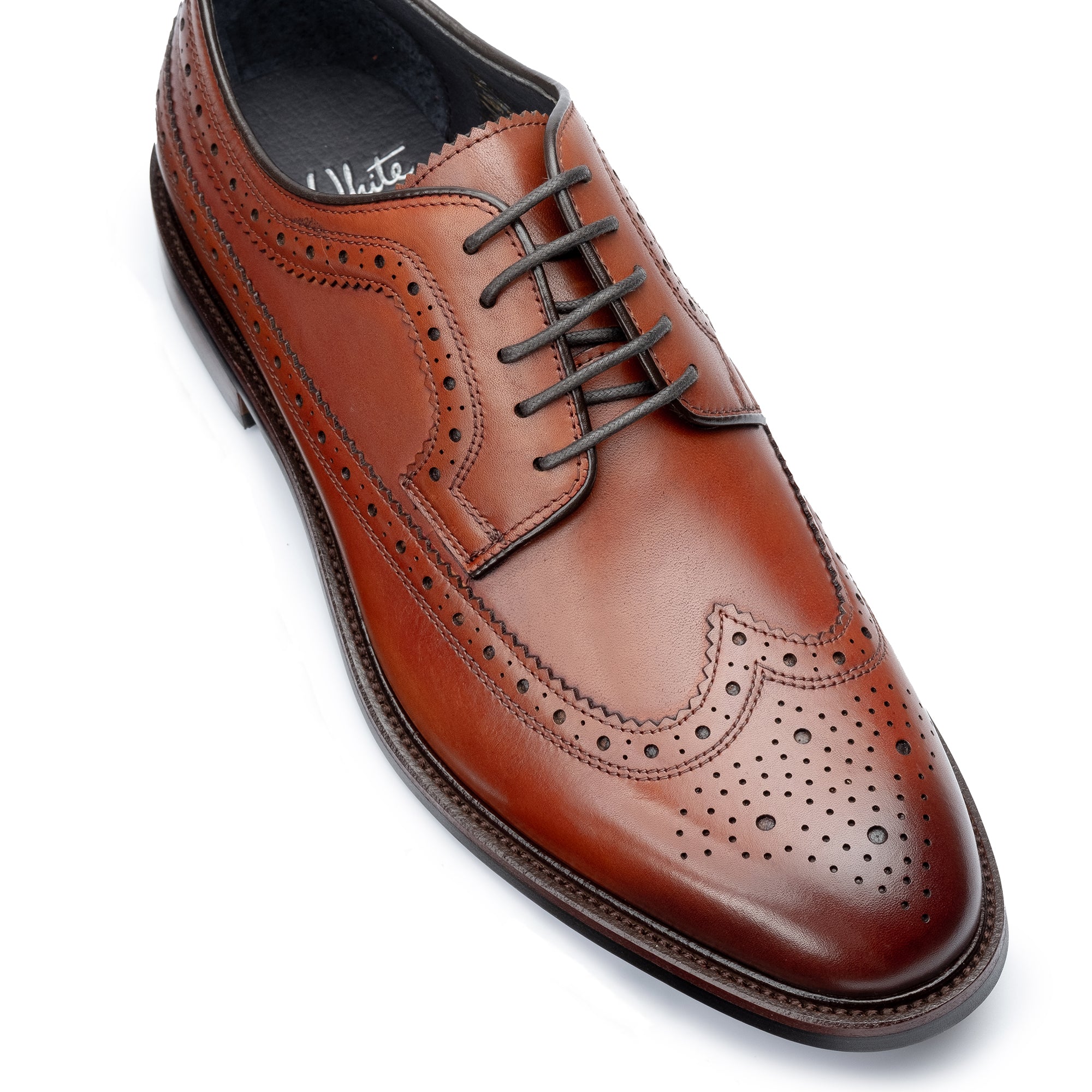
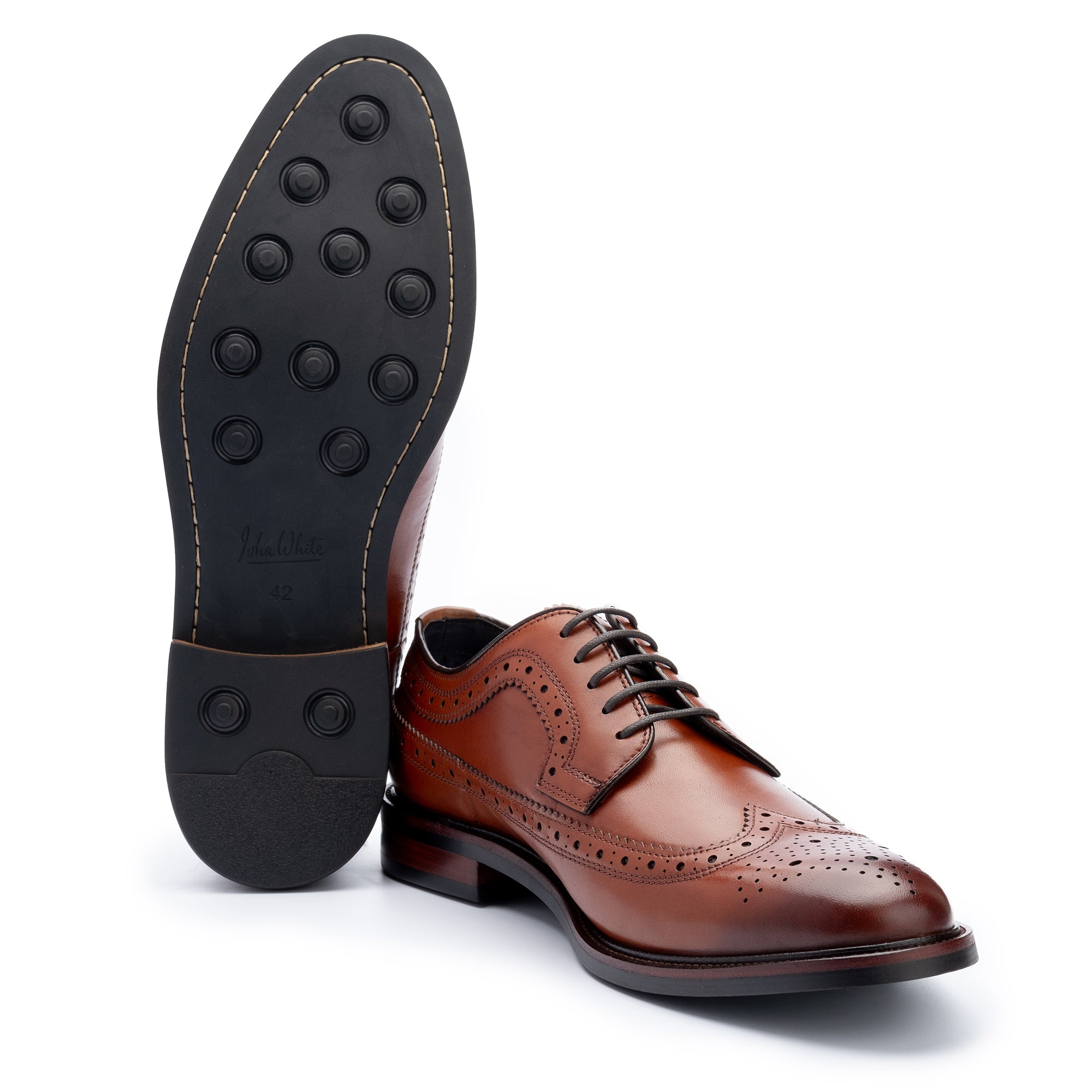
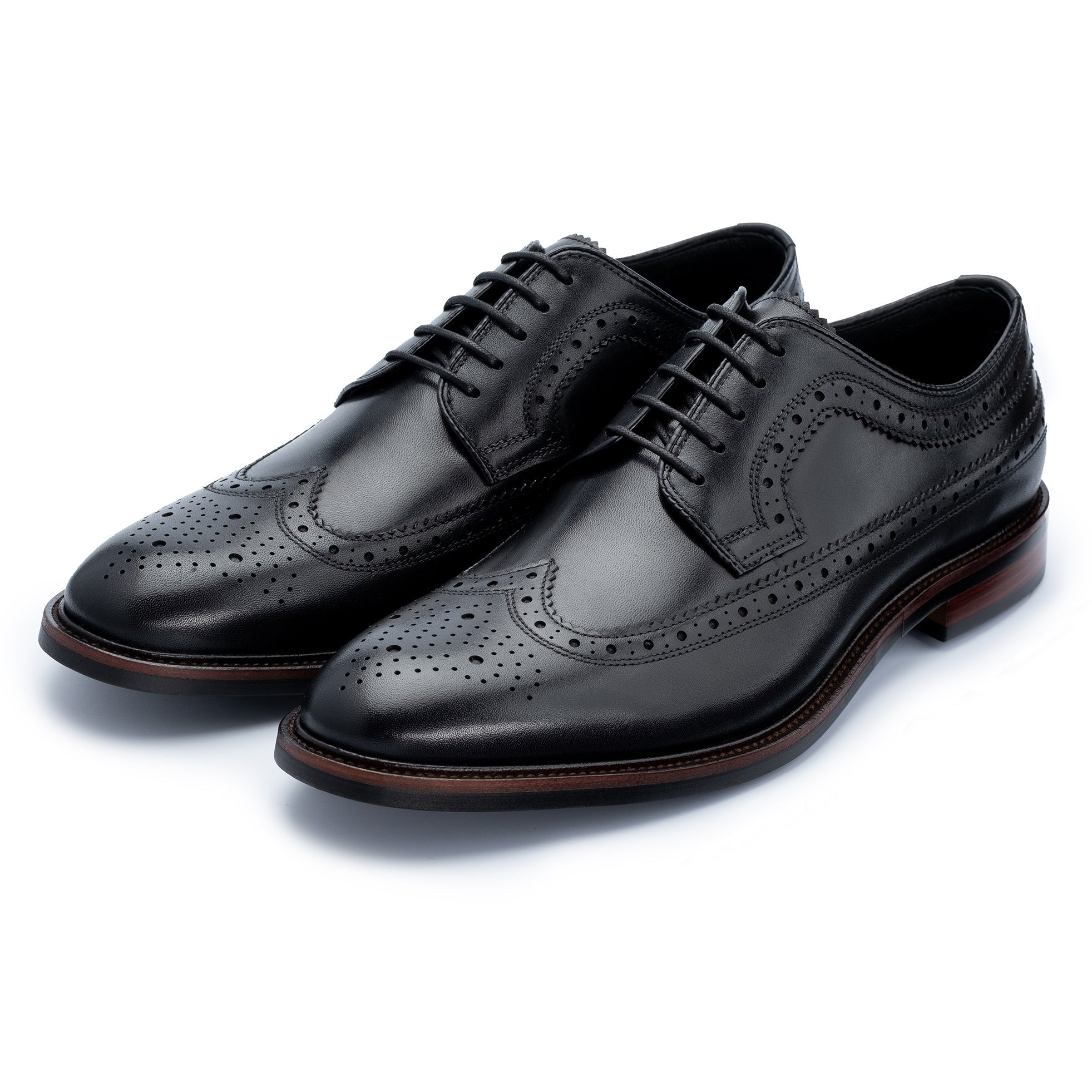
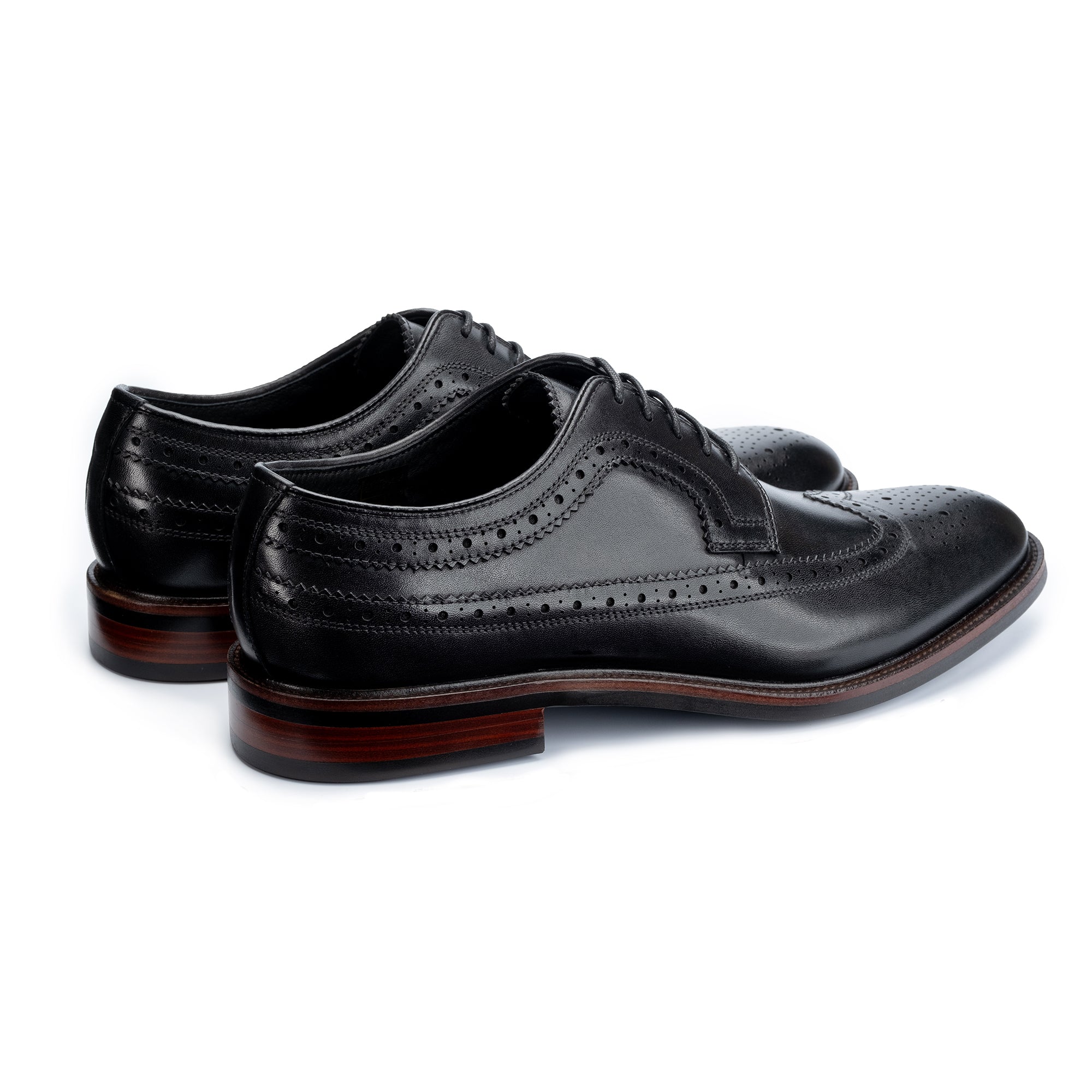
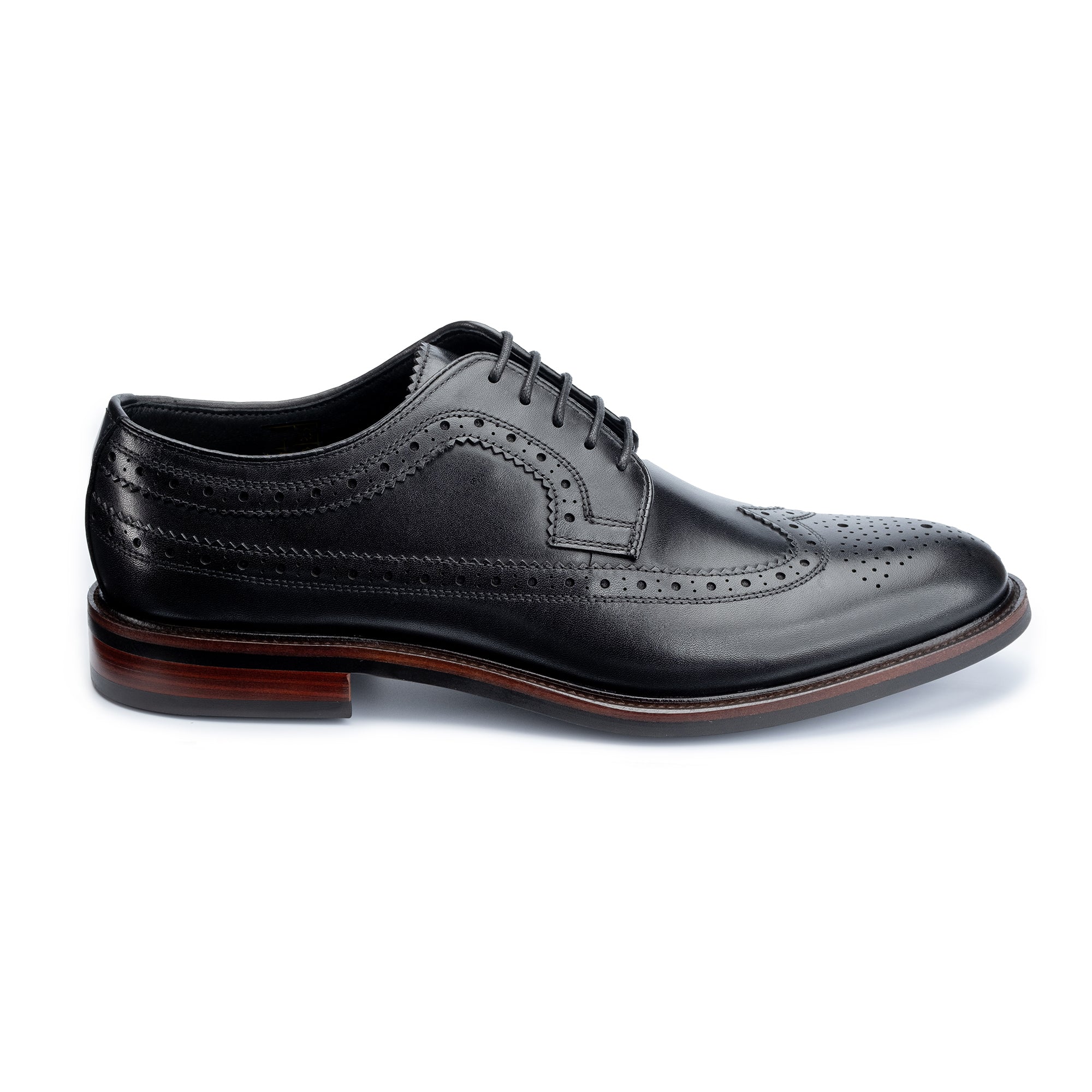
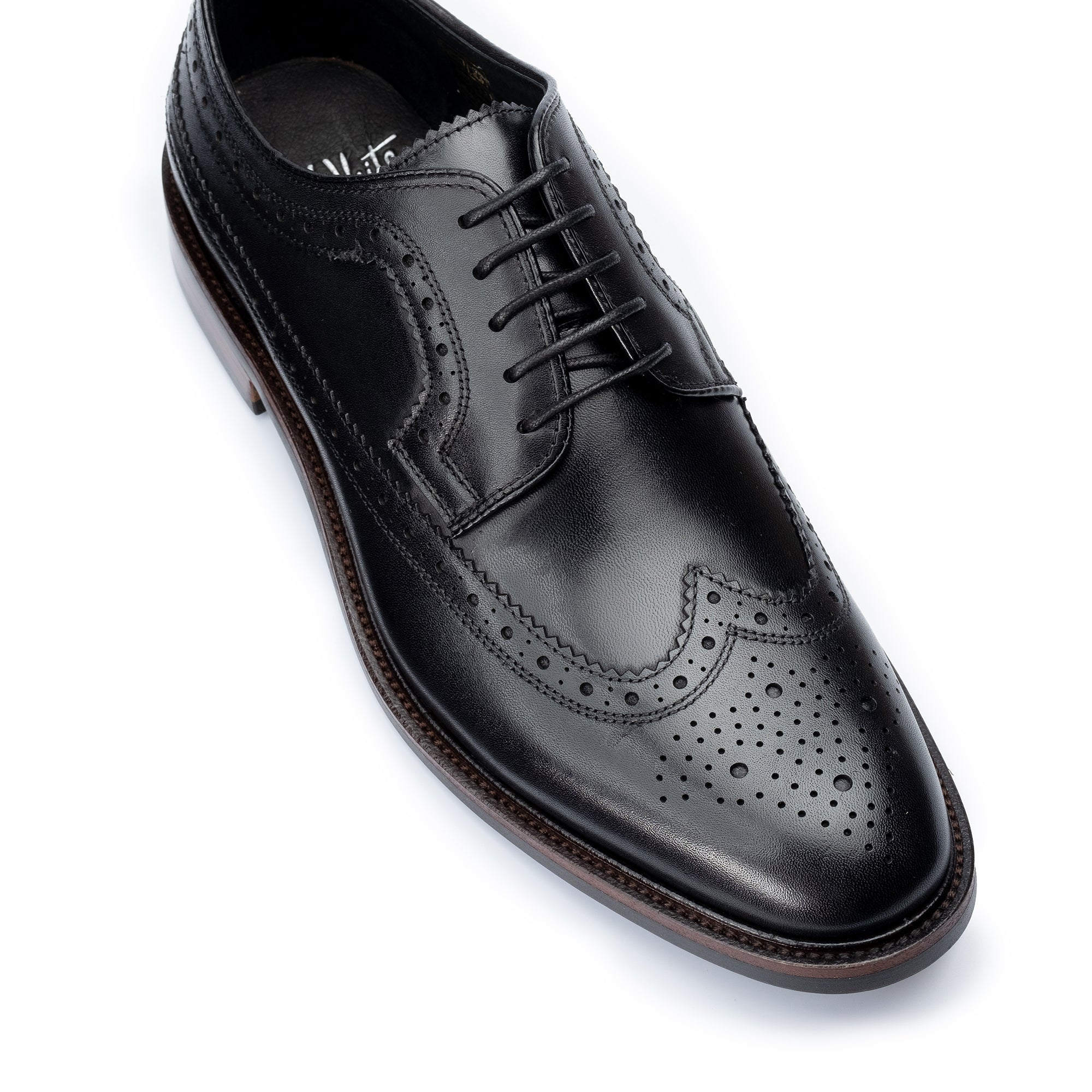
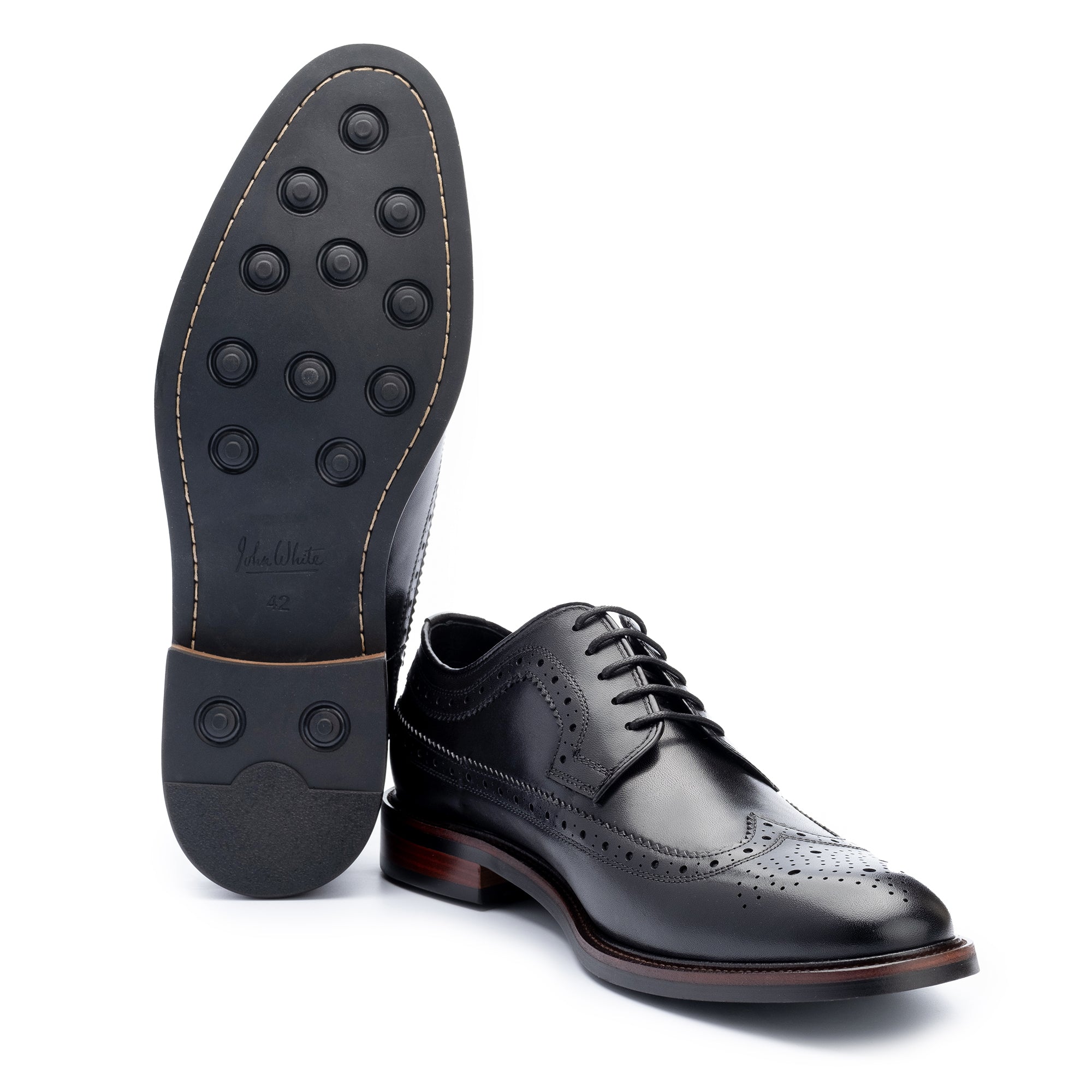
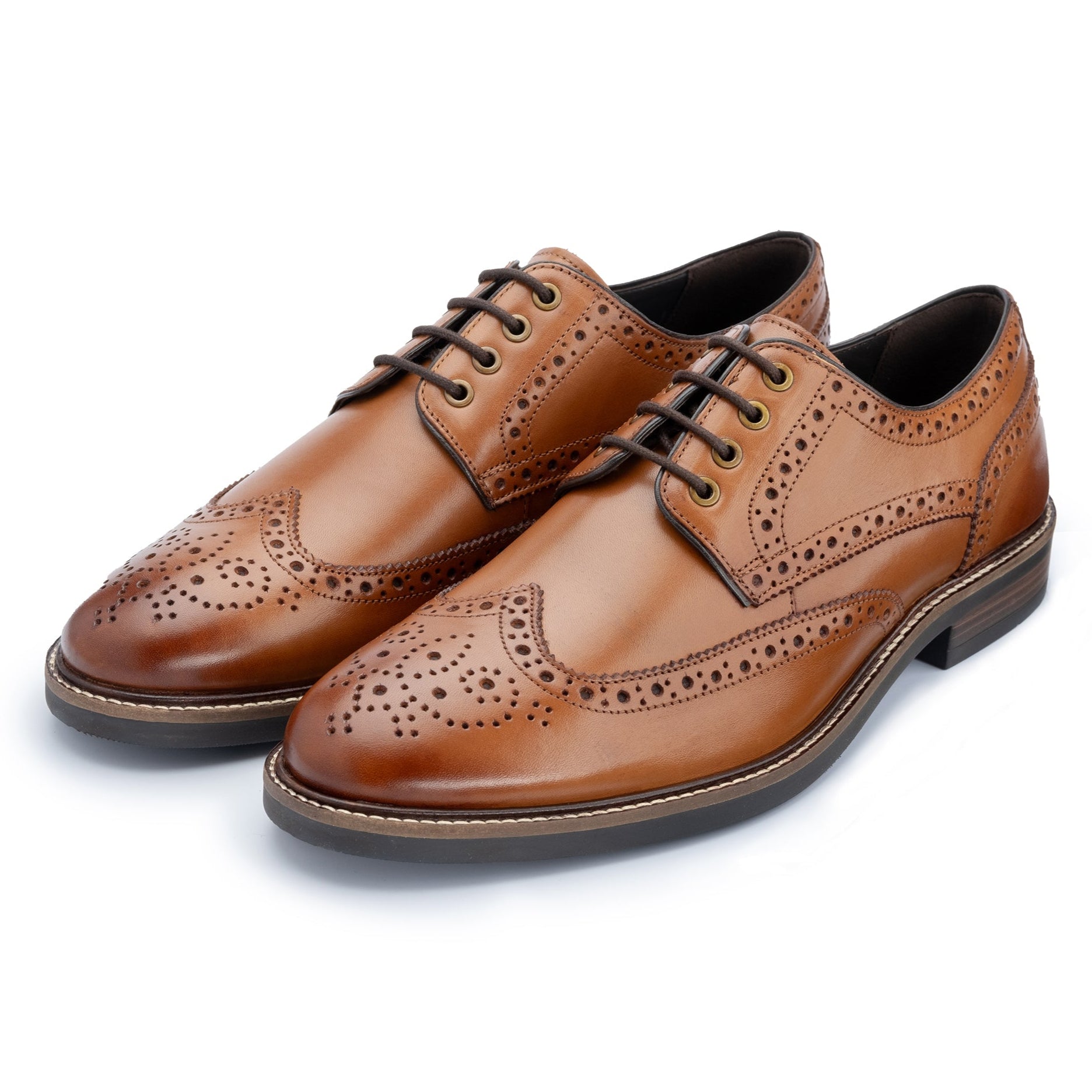
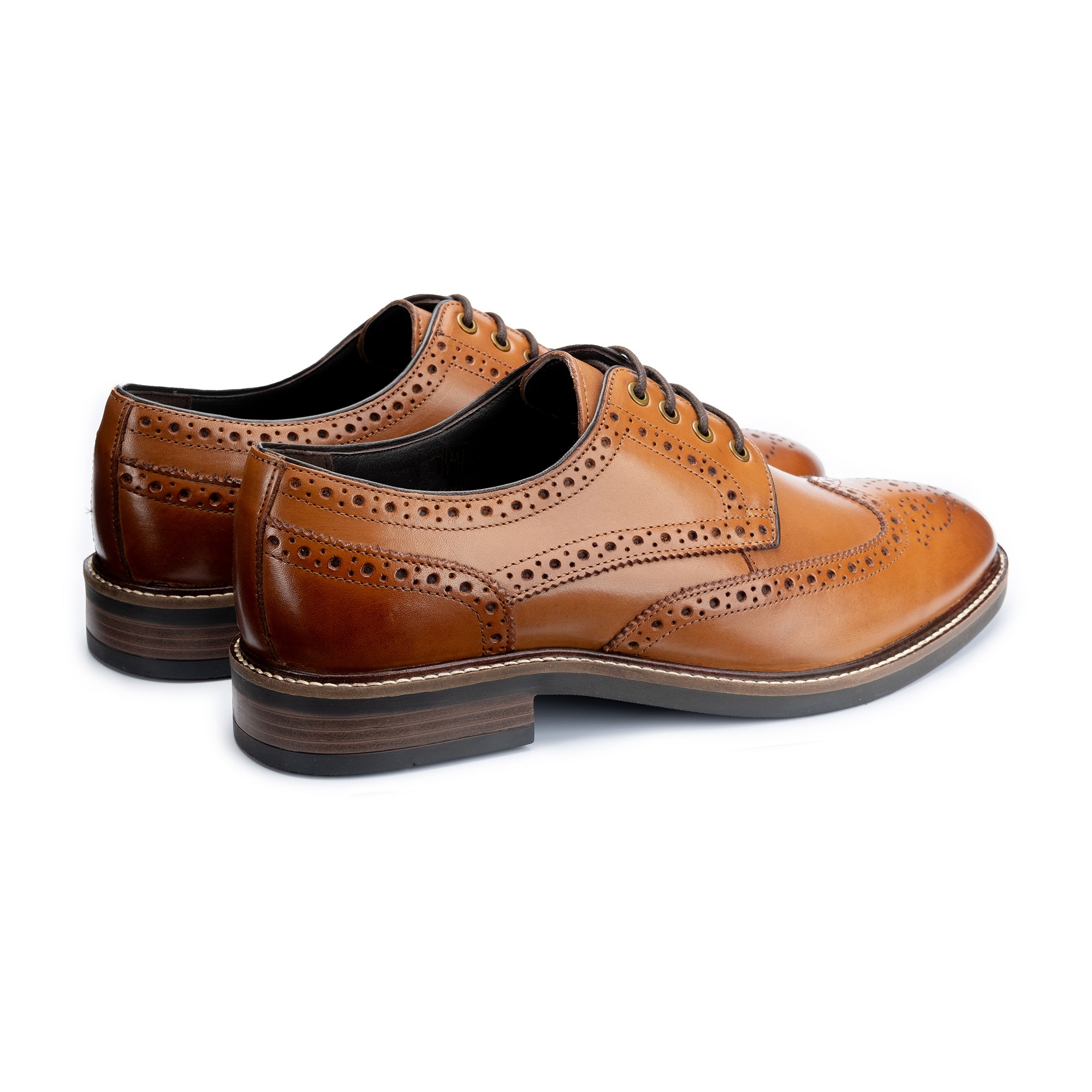
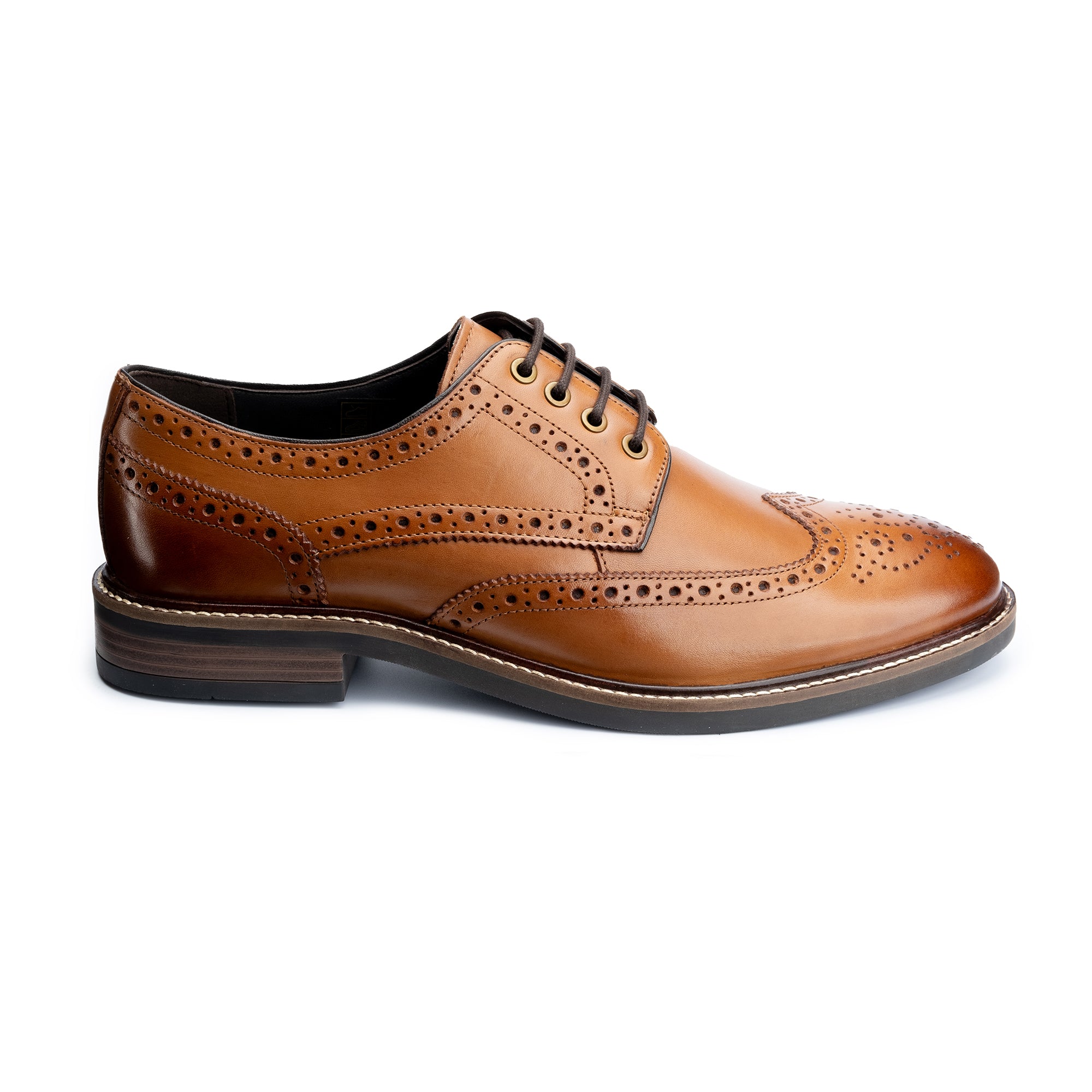
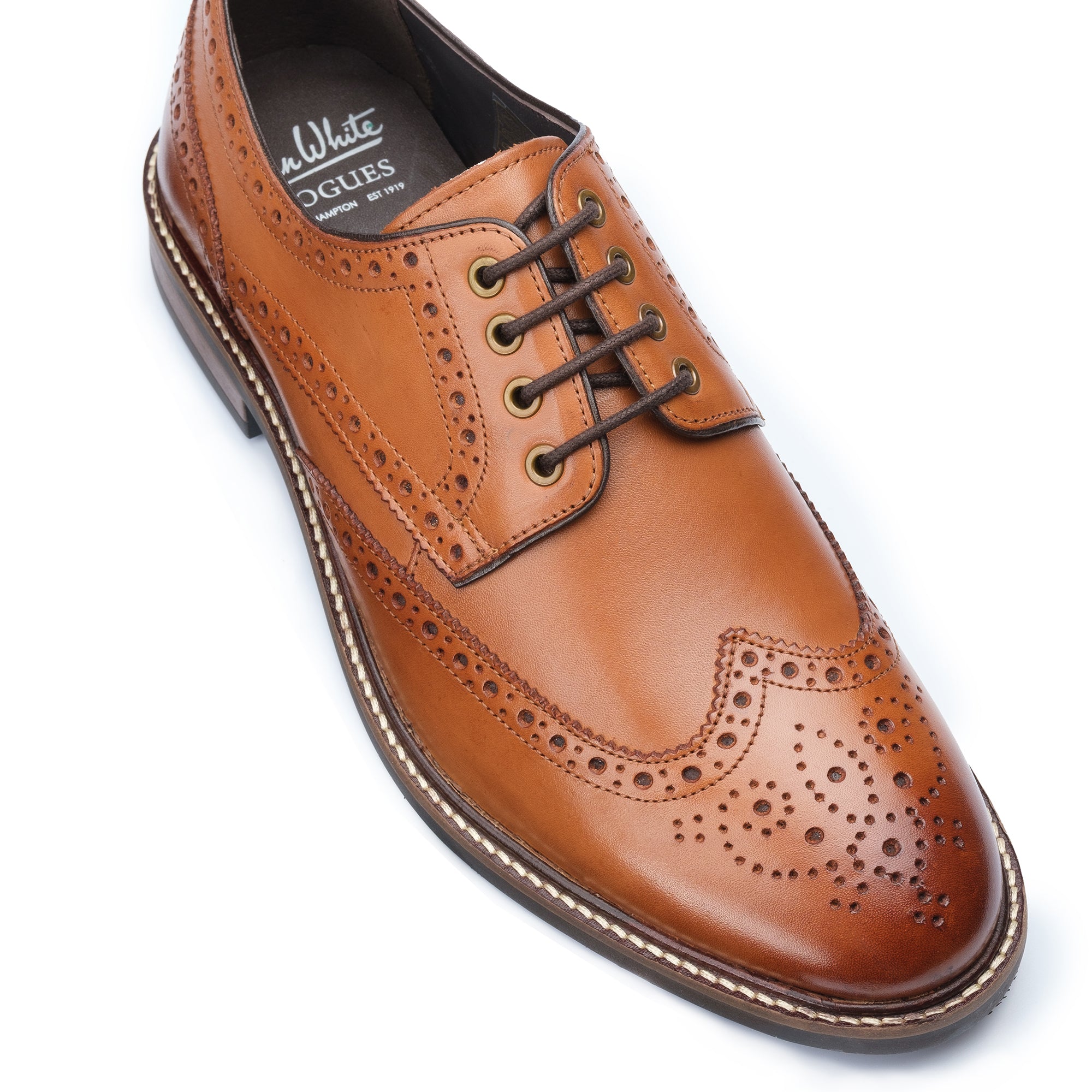
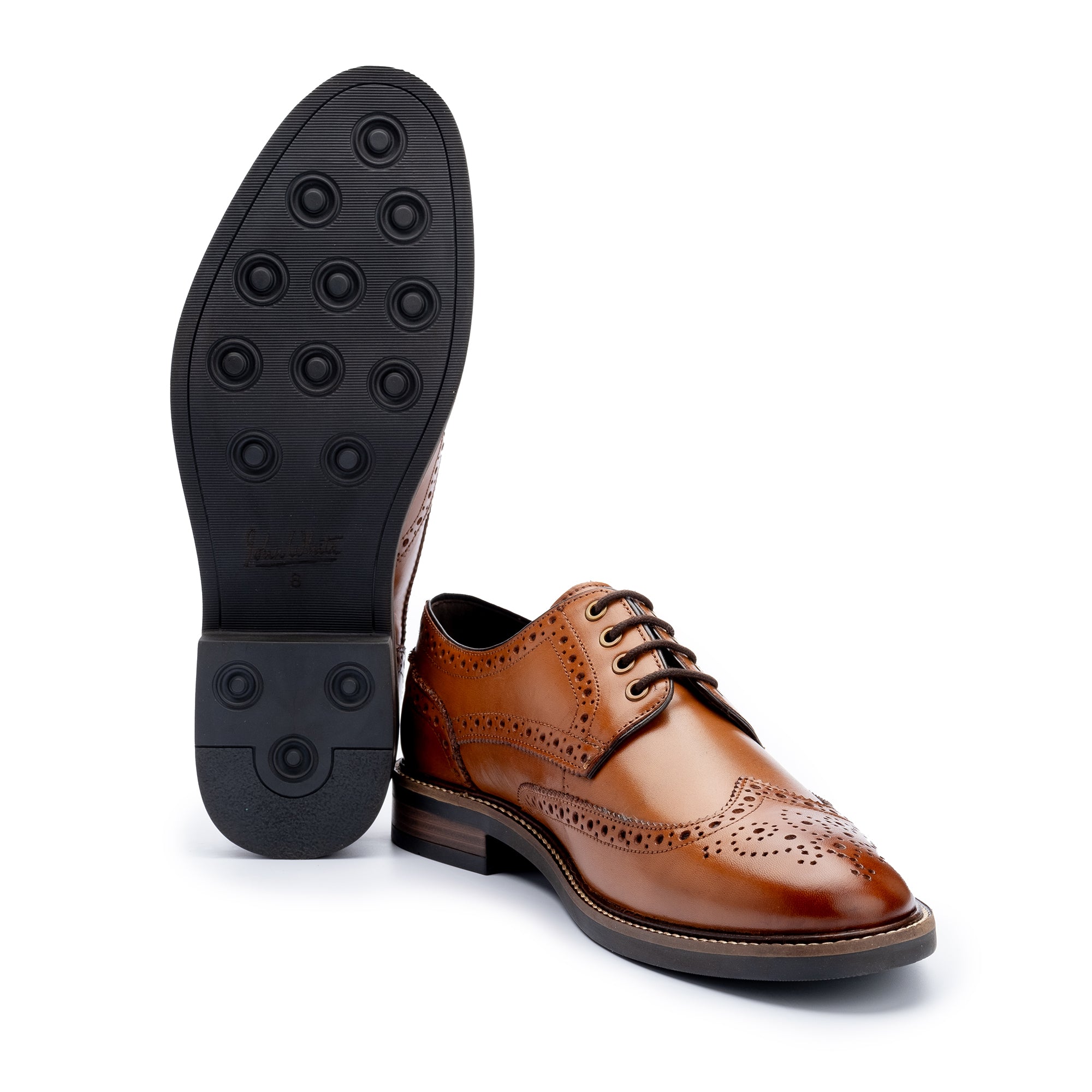
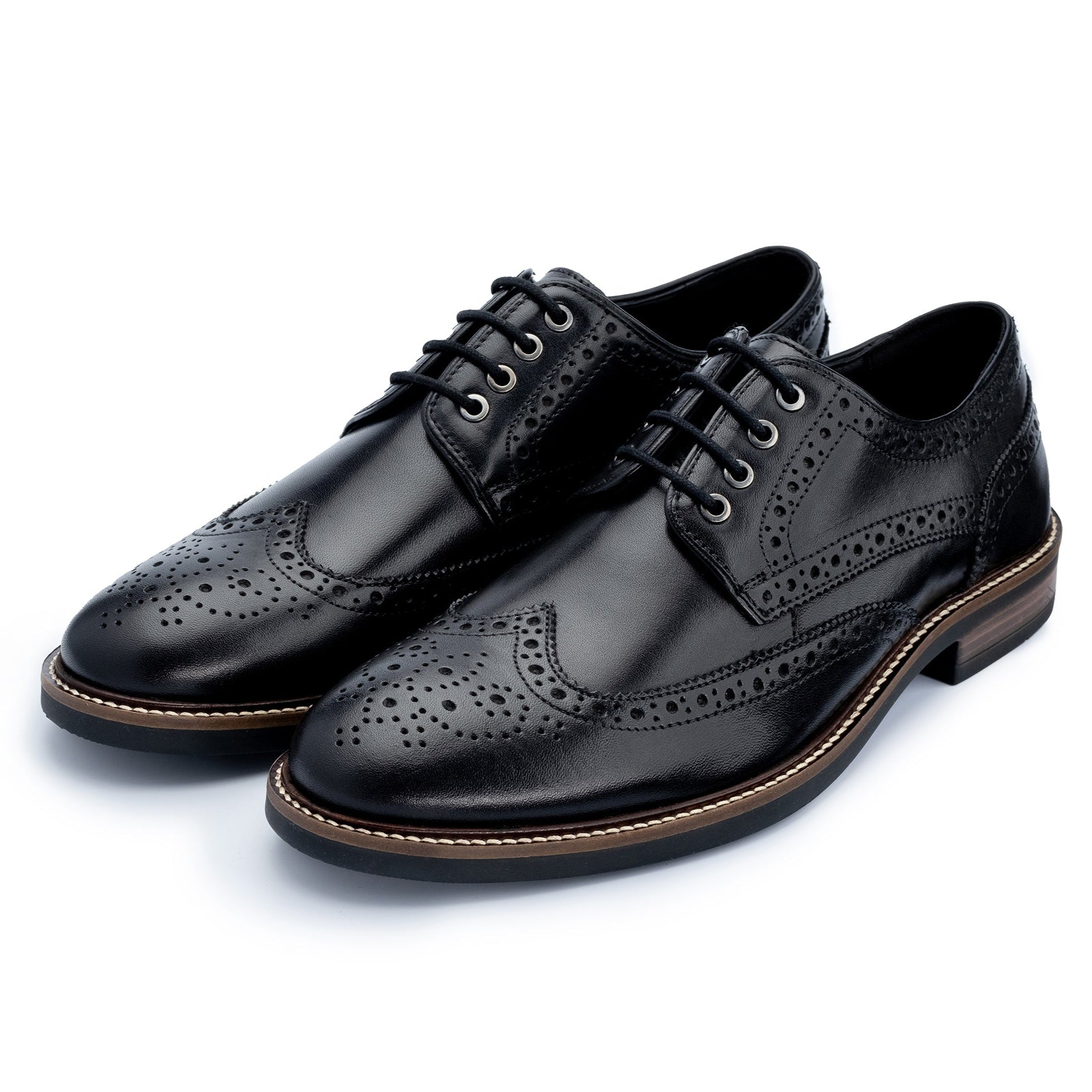
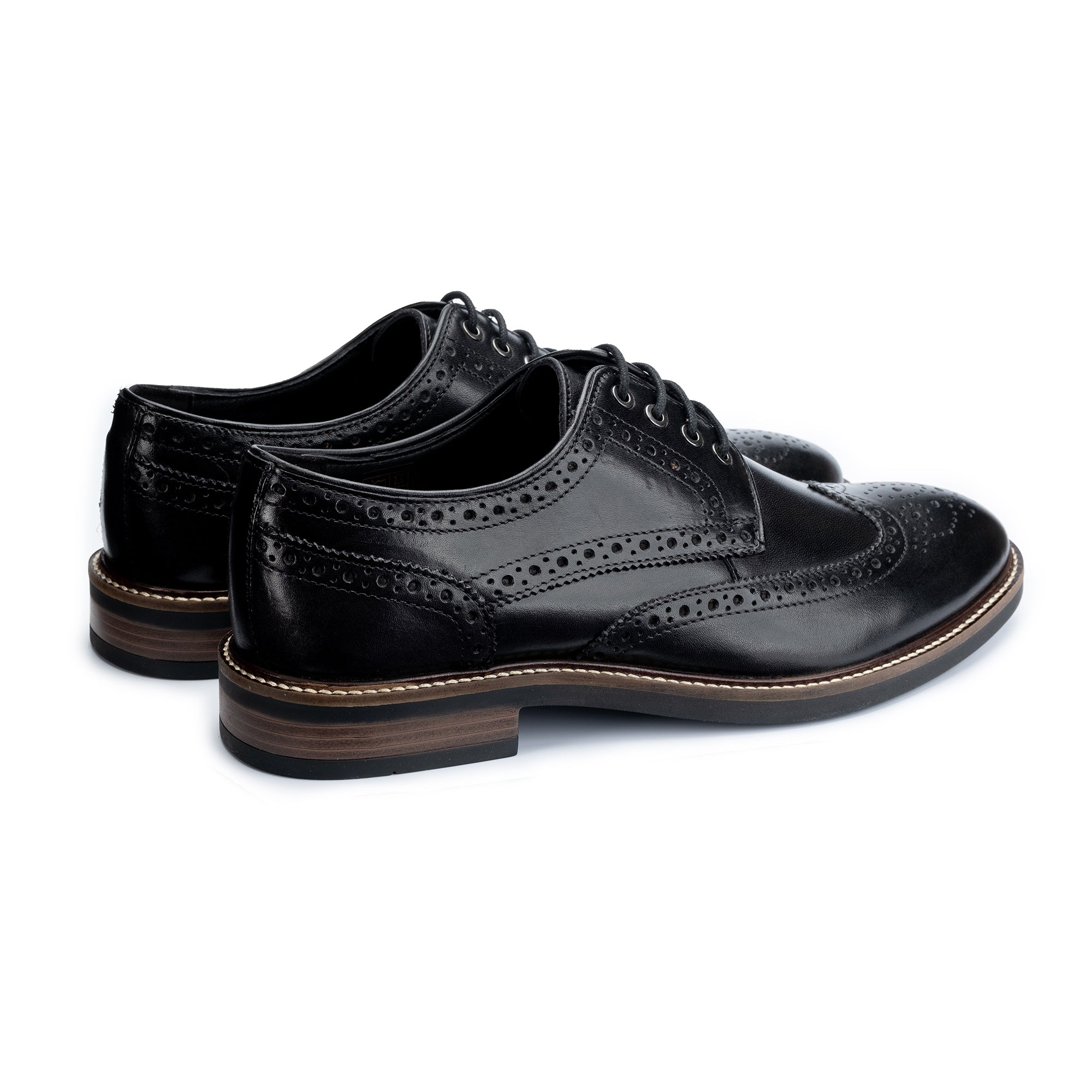
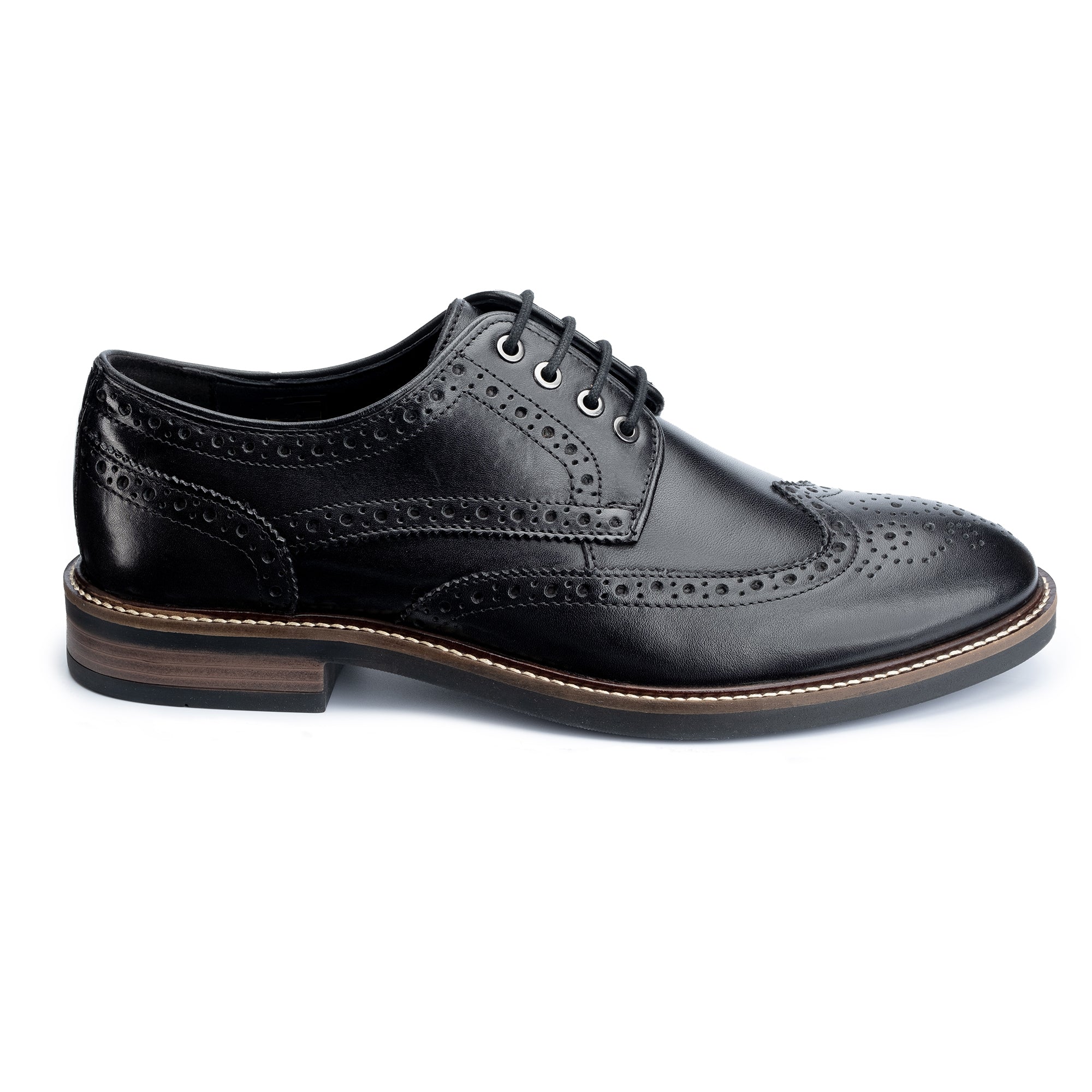
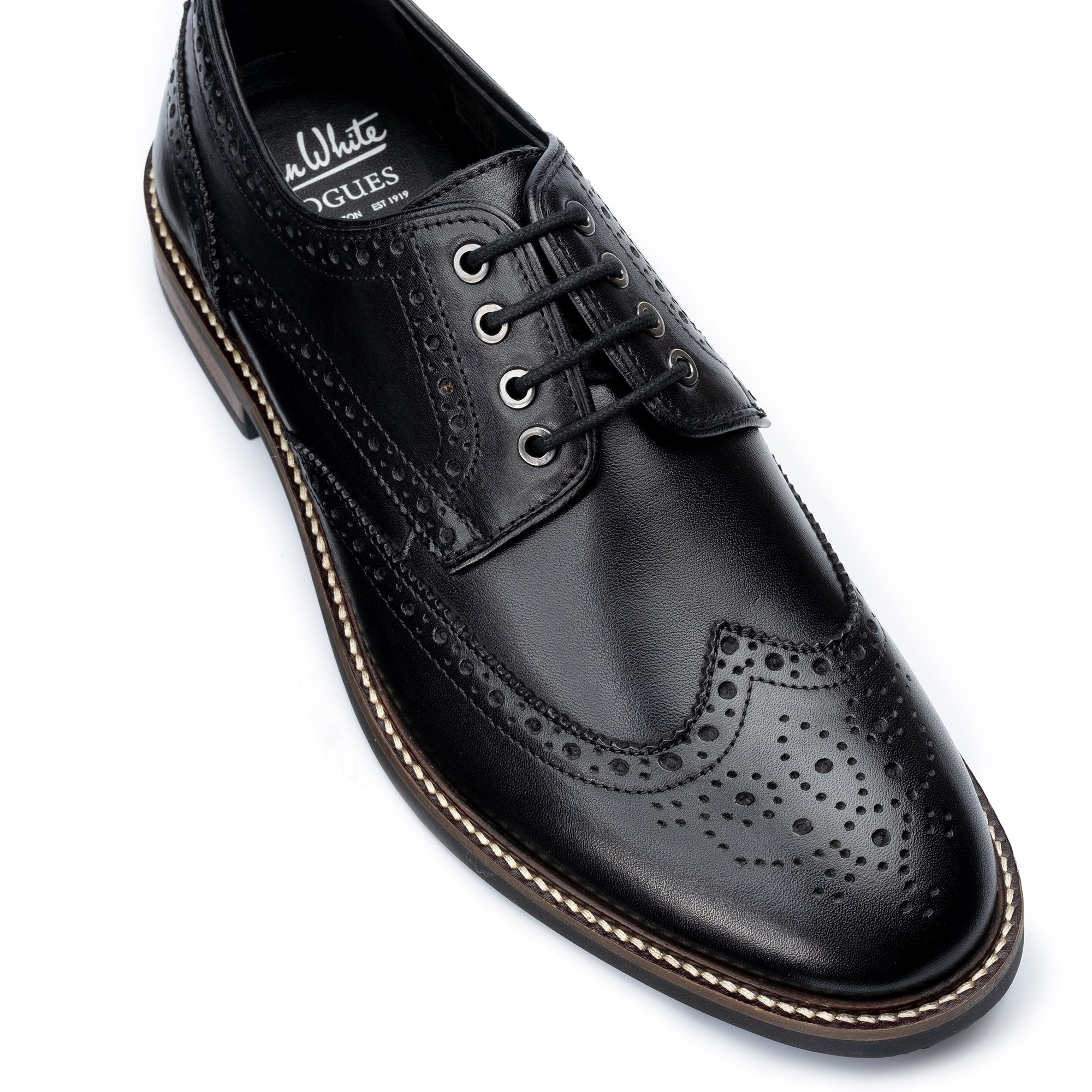
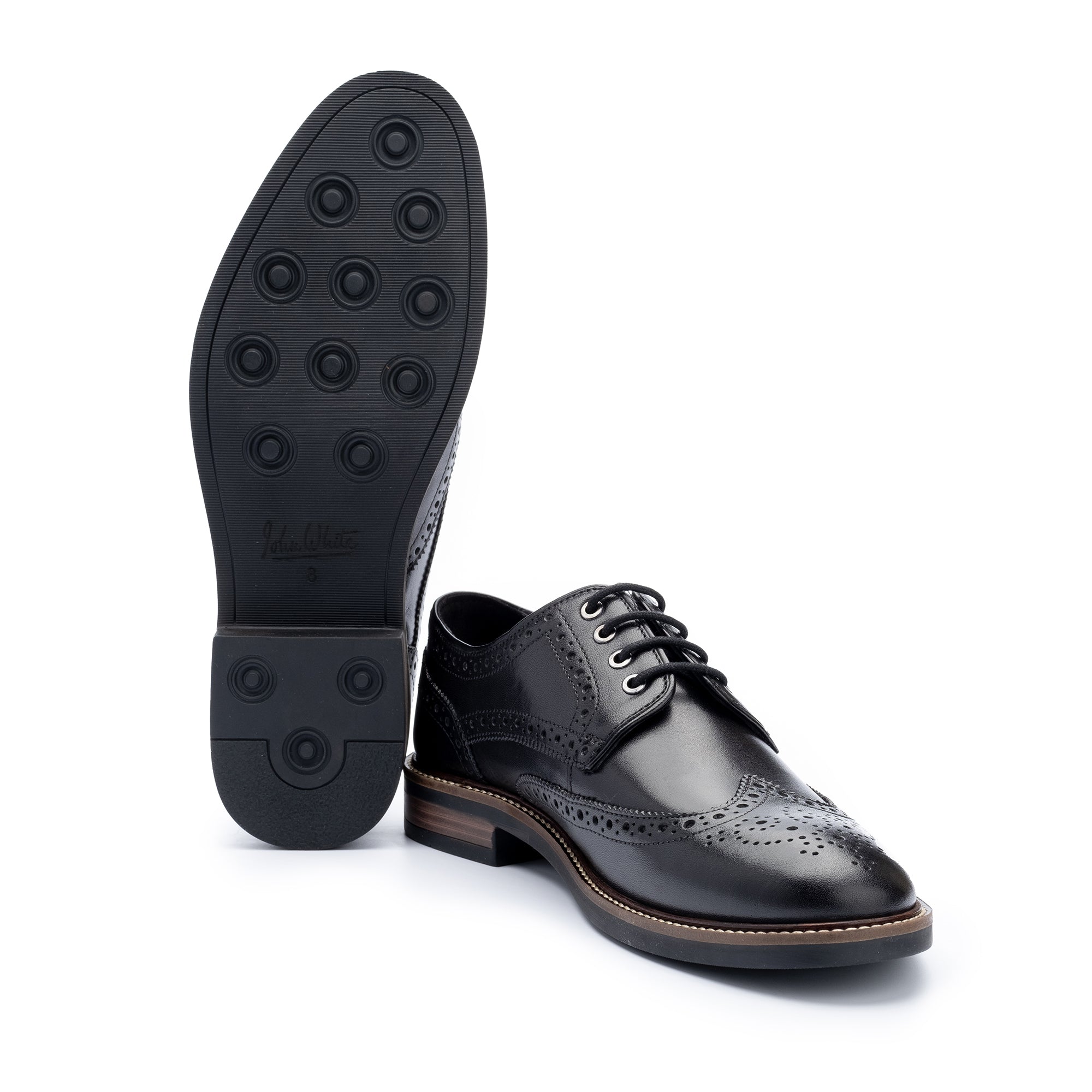
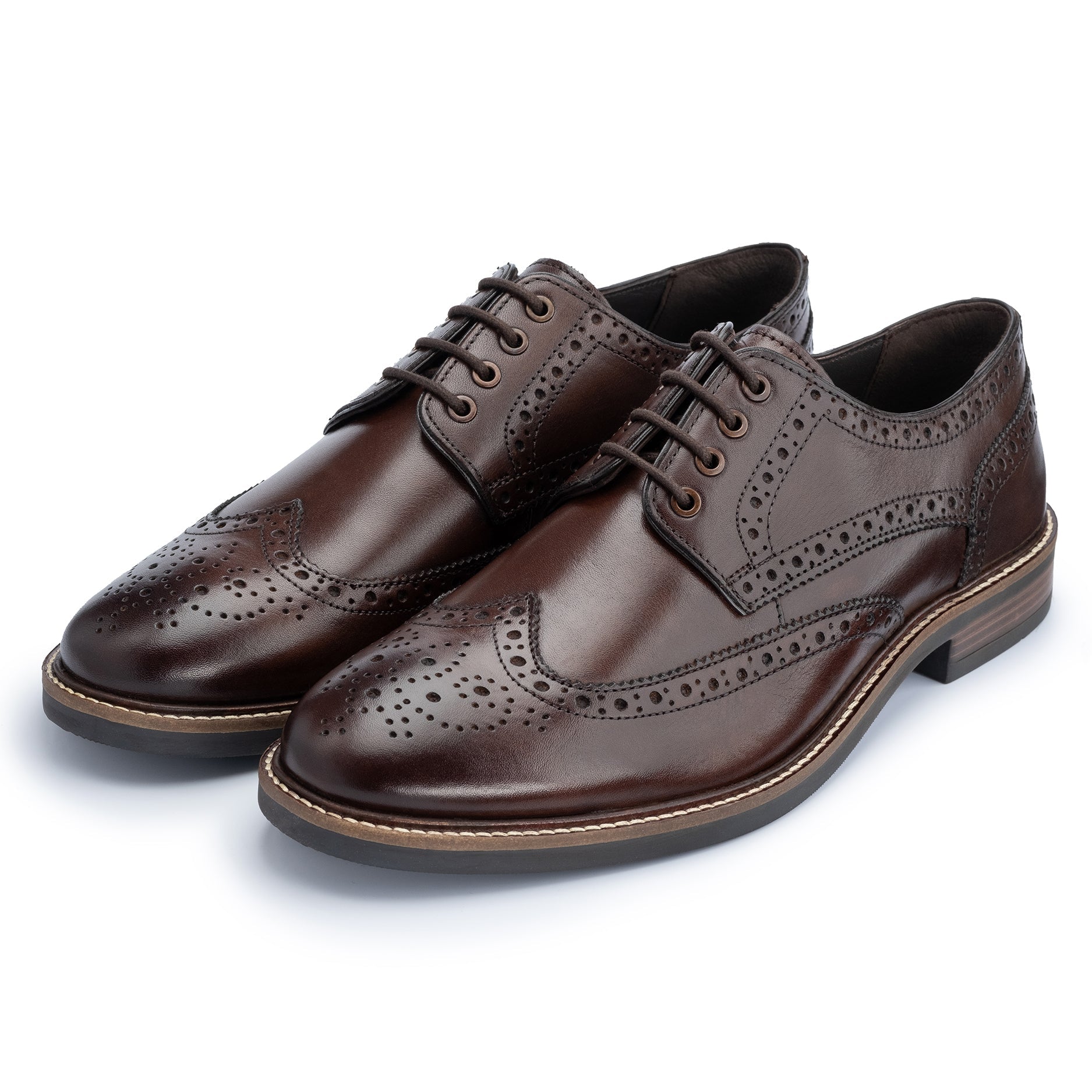
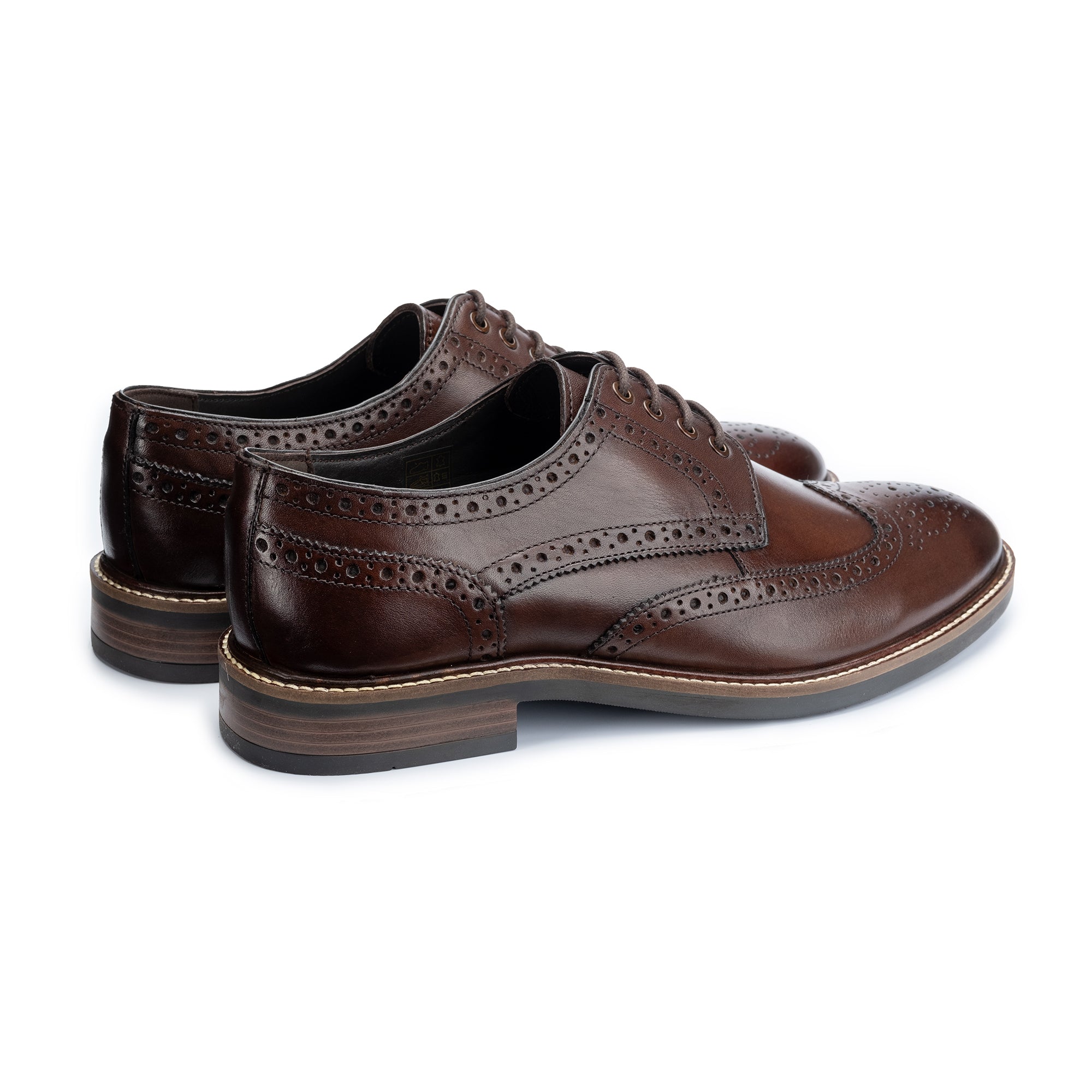
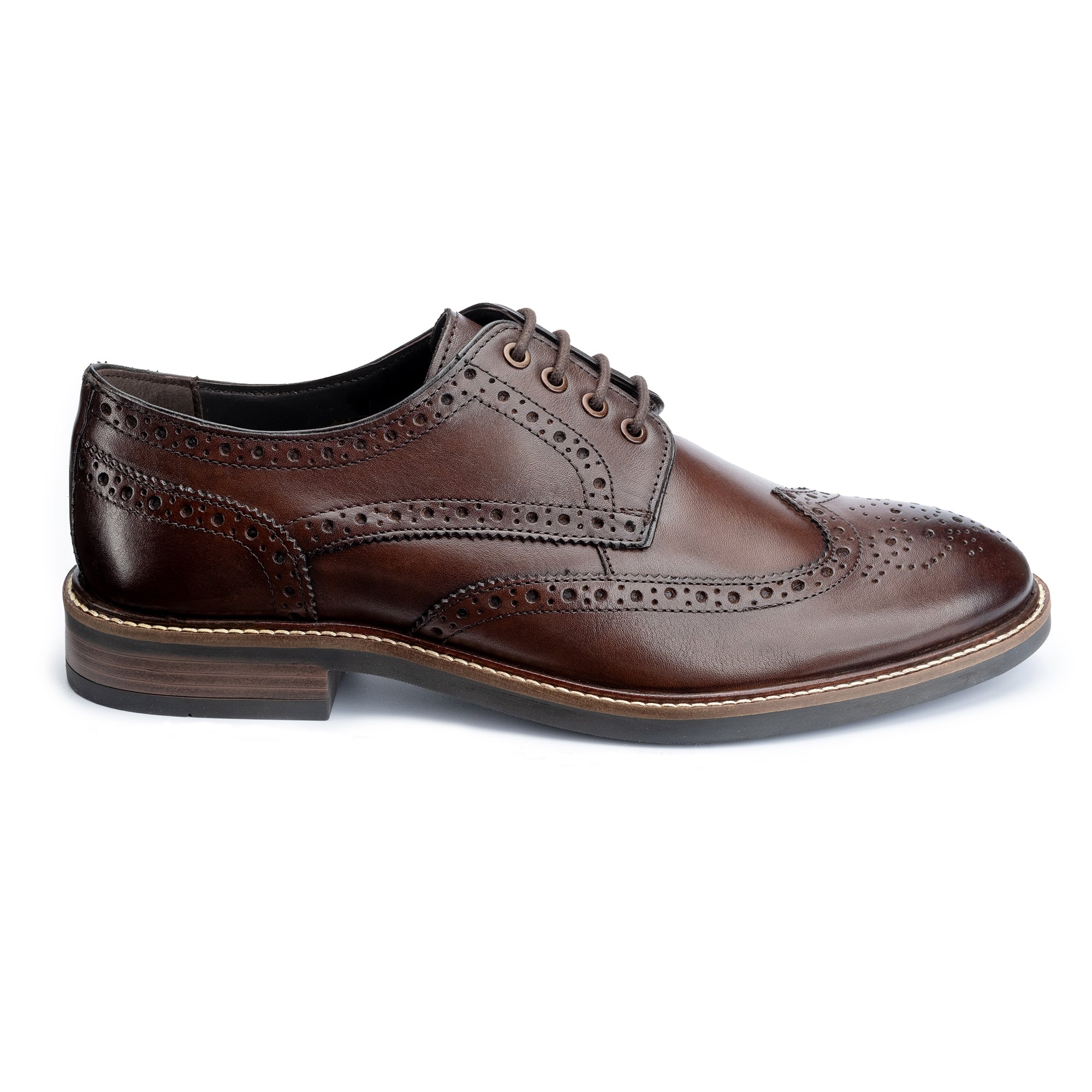
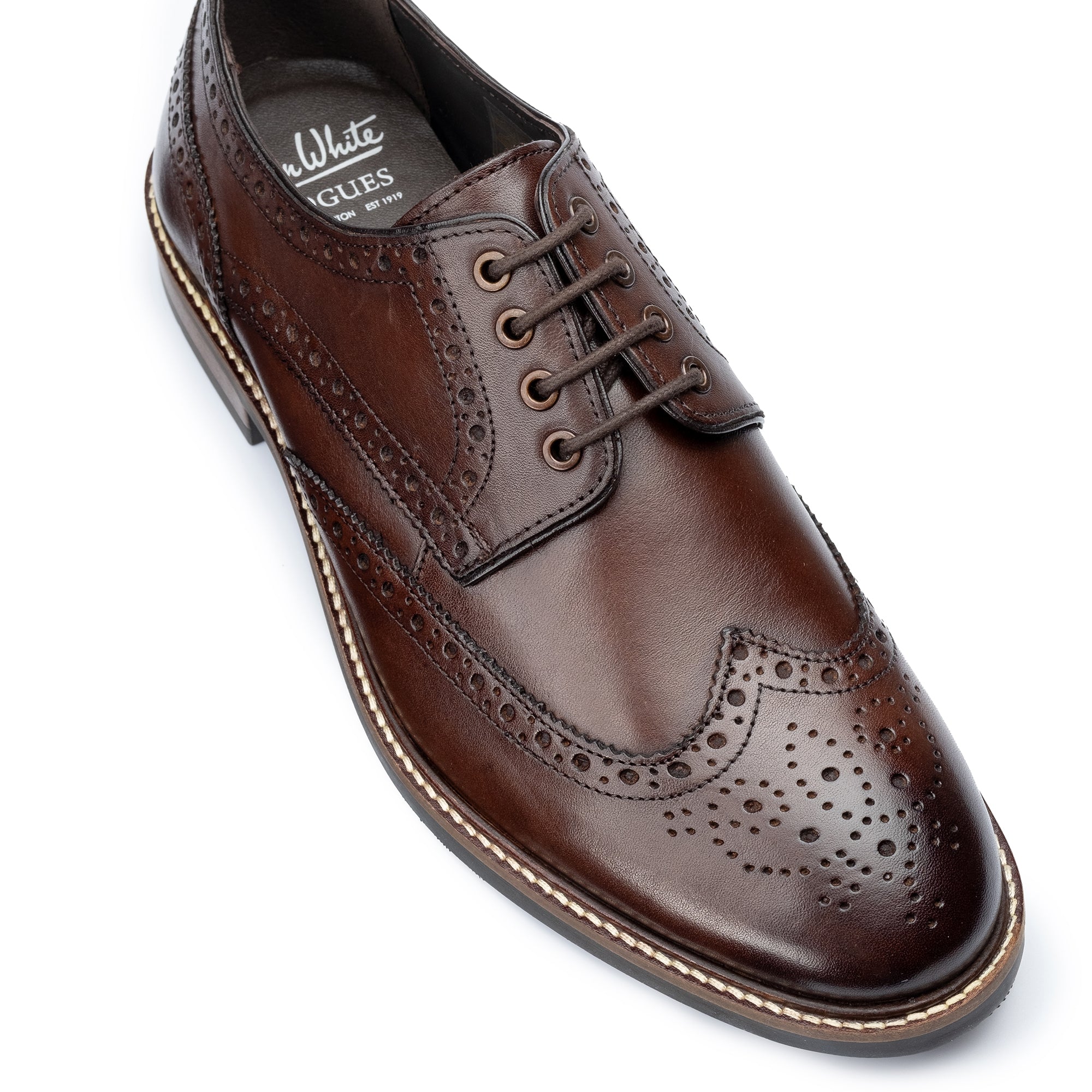
- Brogues — the decorative perforations on full and semi-brogues are considered too casual for formal evening dress. Our full brogue vs semi-brogue guide covers exactly when each style is appropriate.
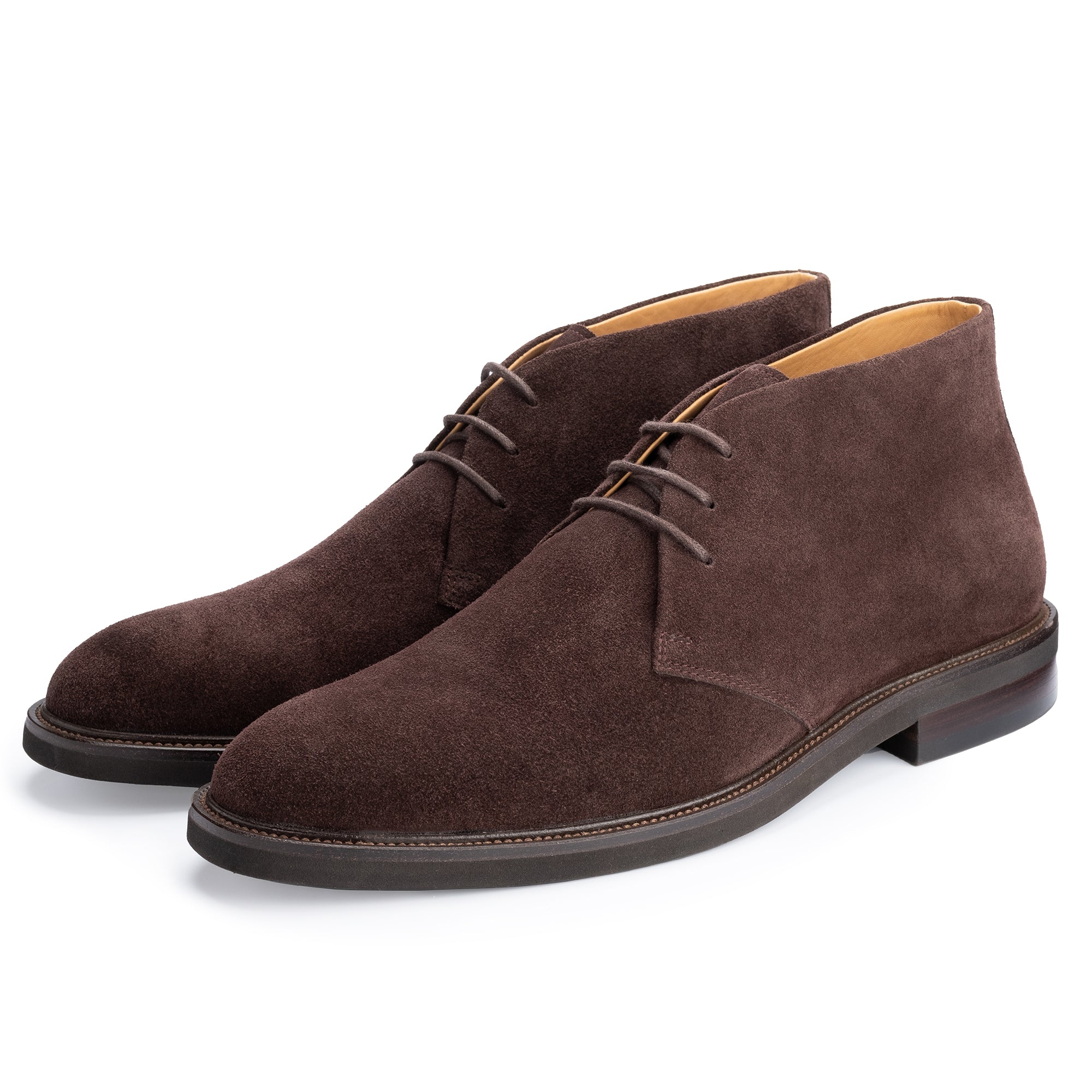
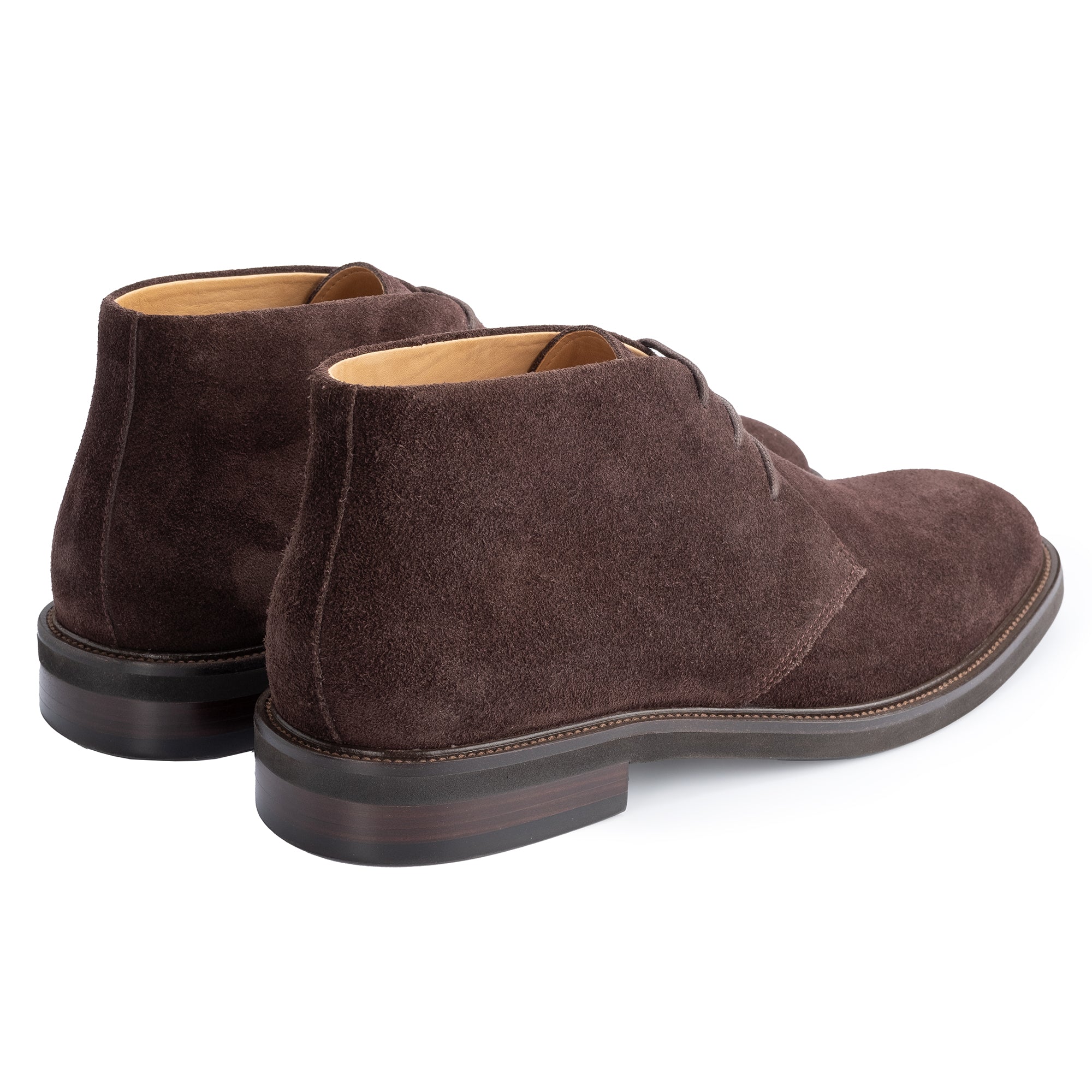
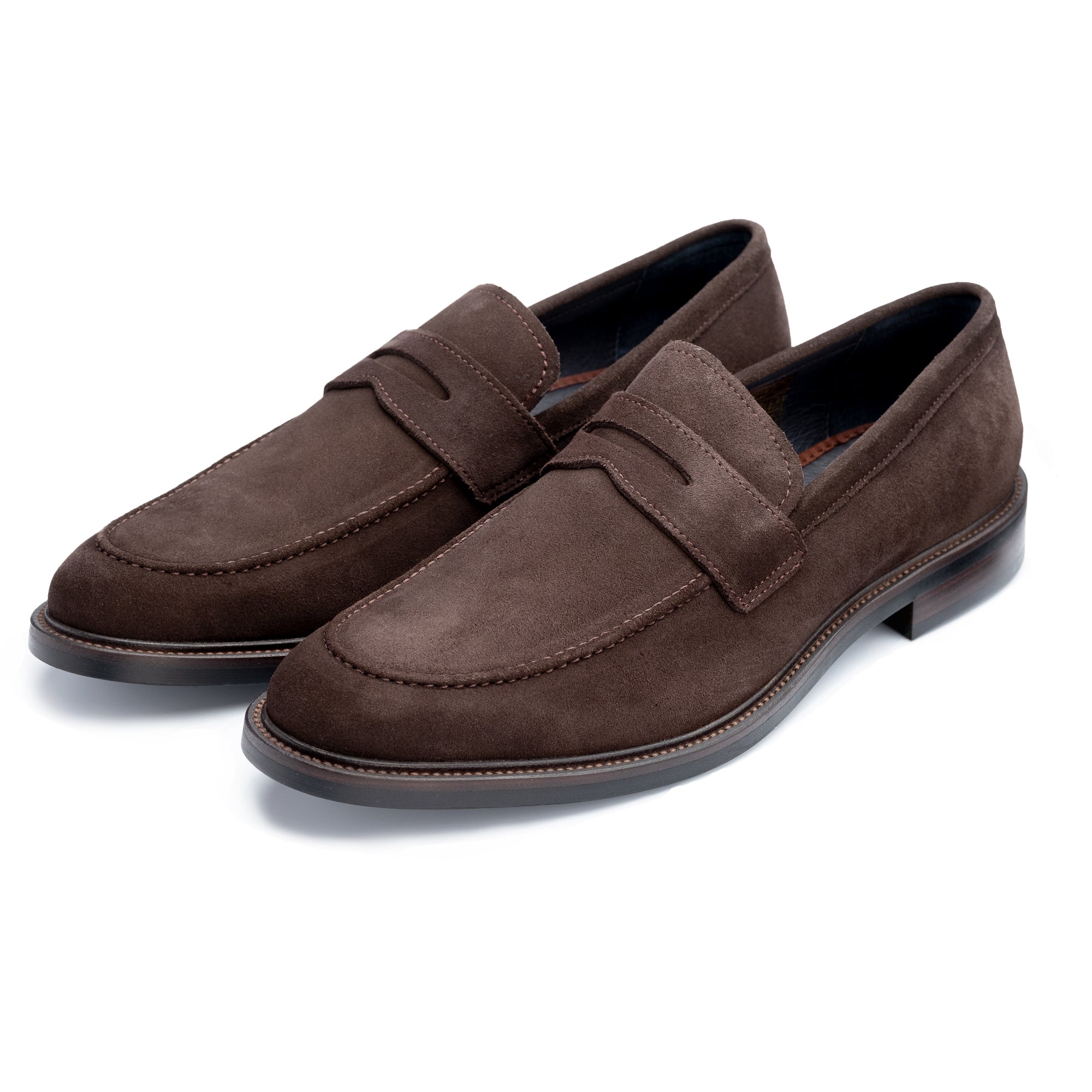
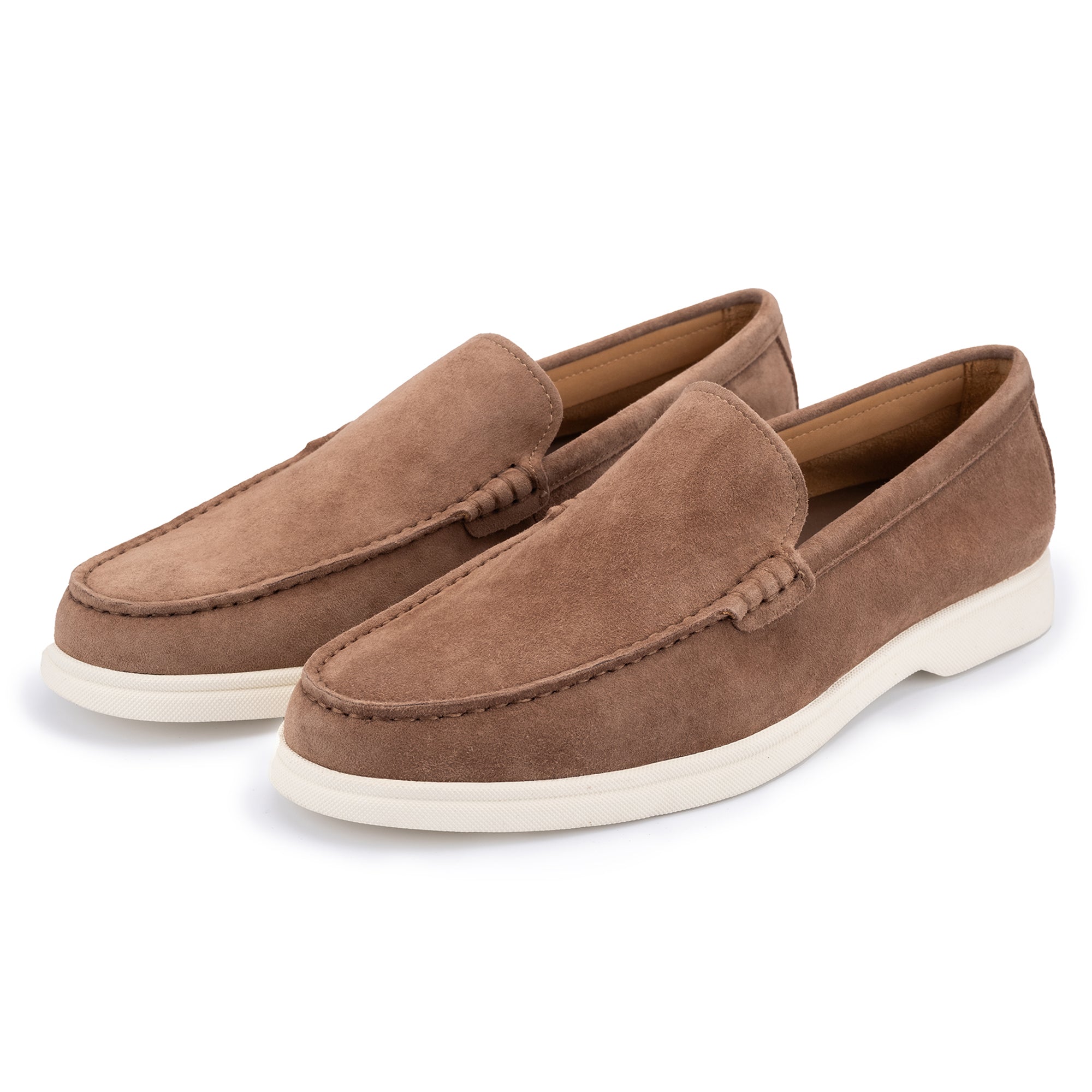
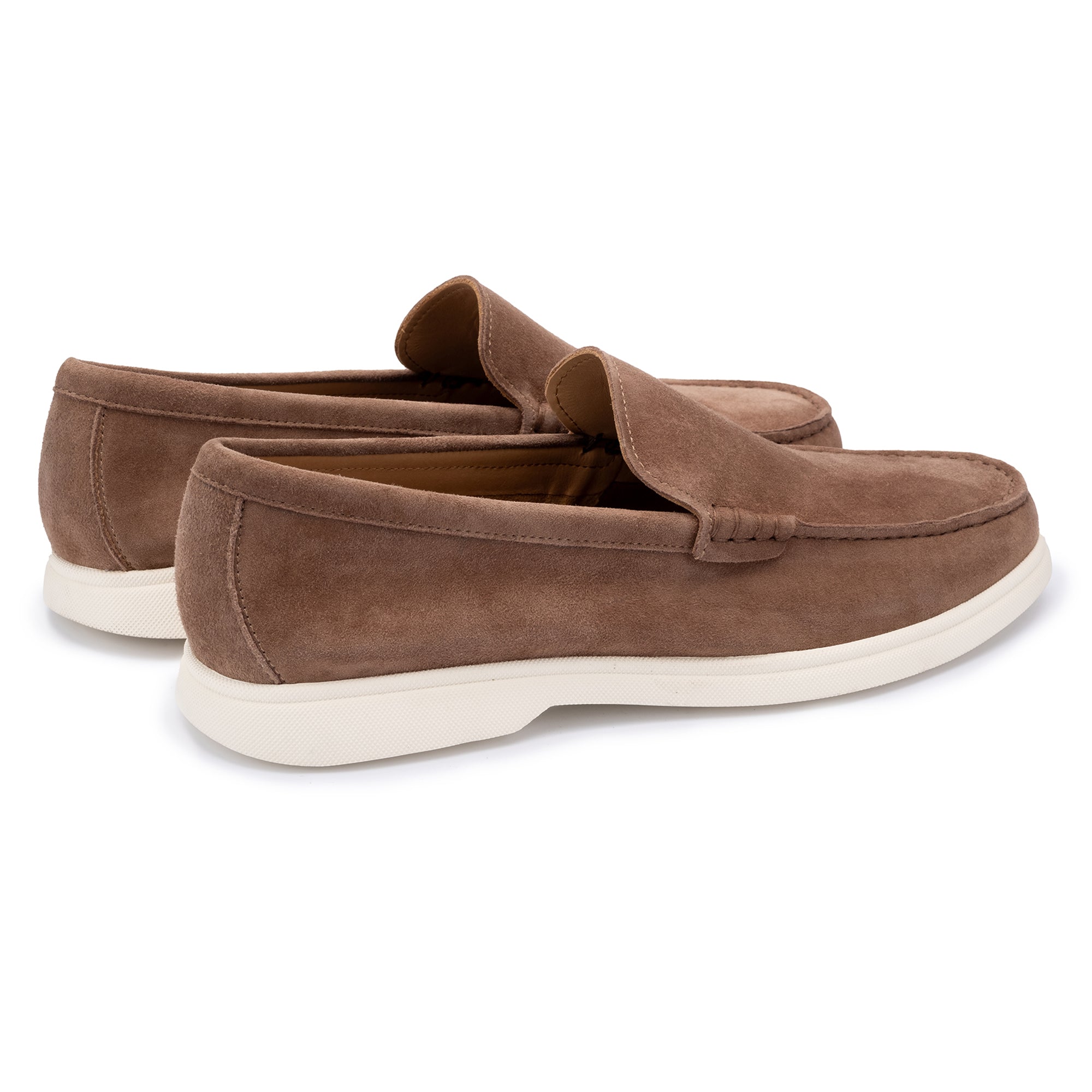
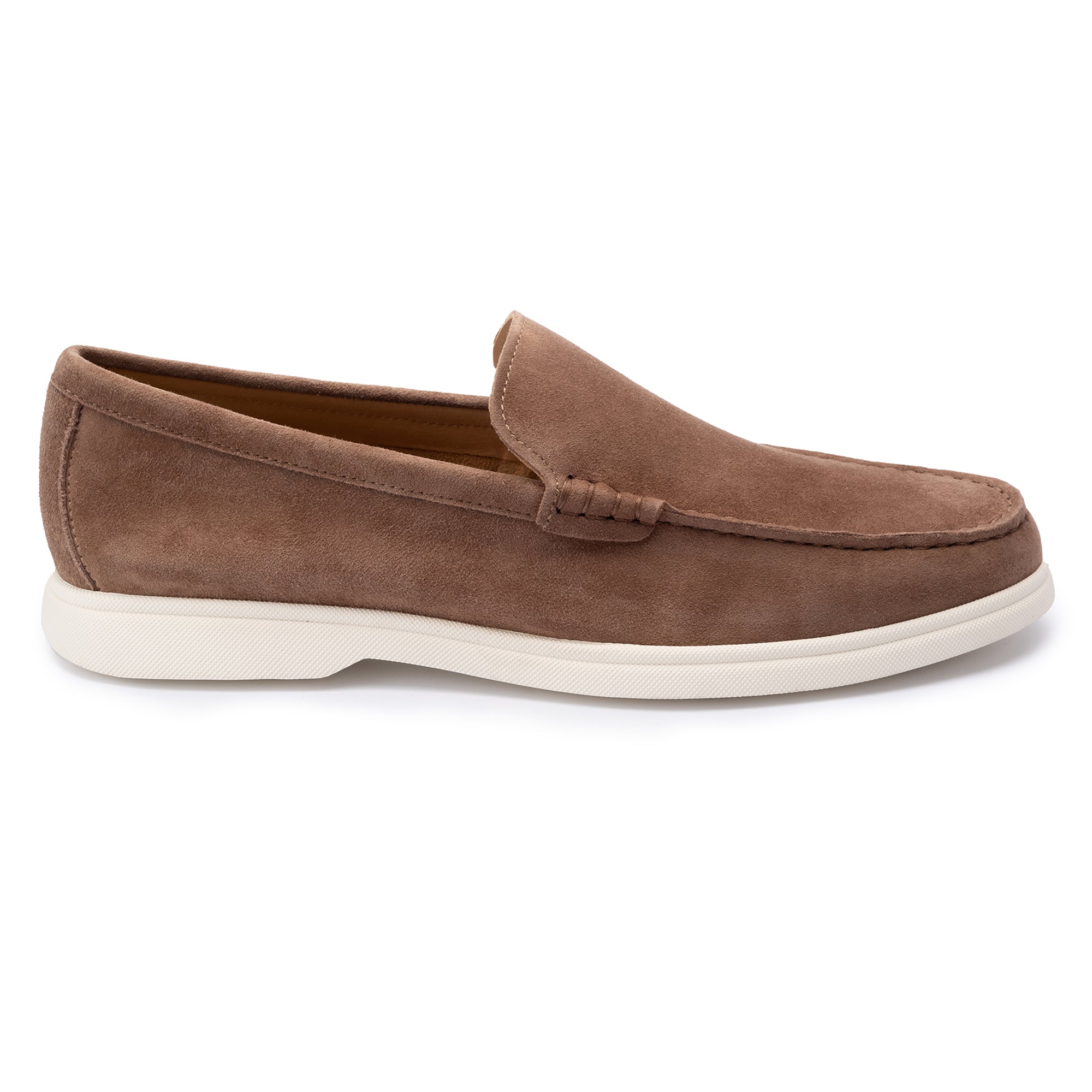
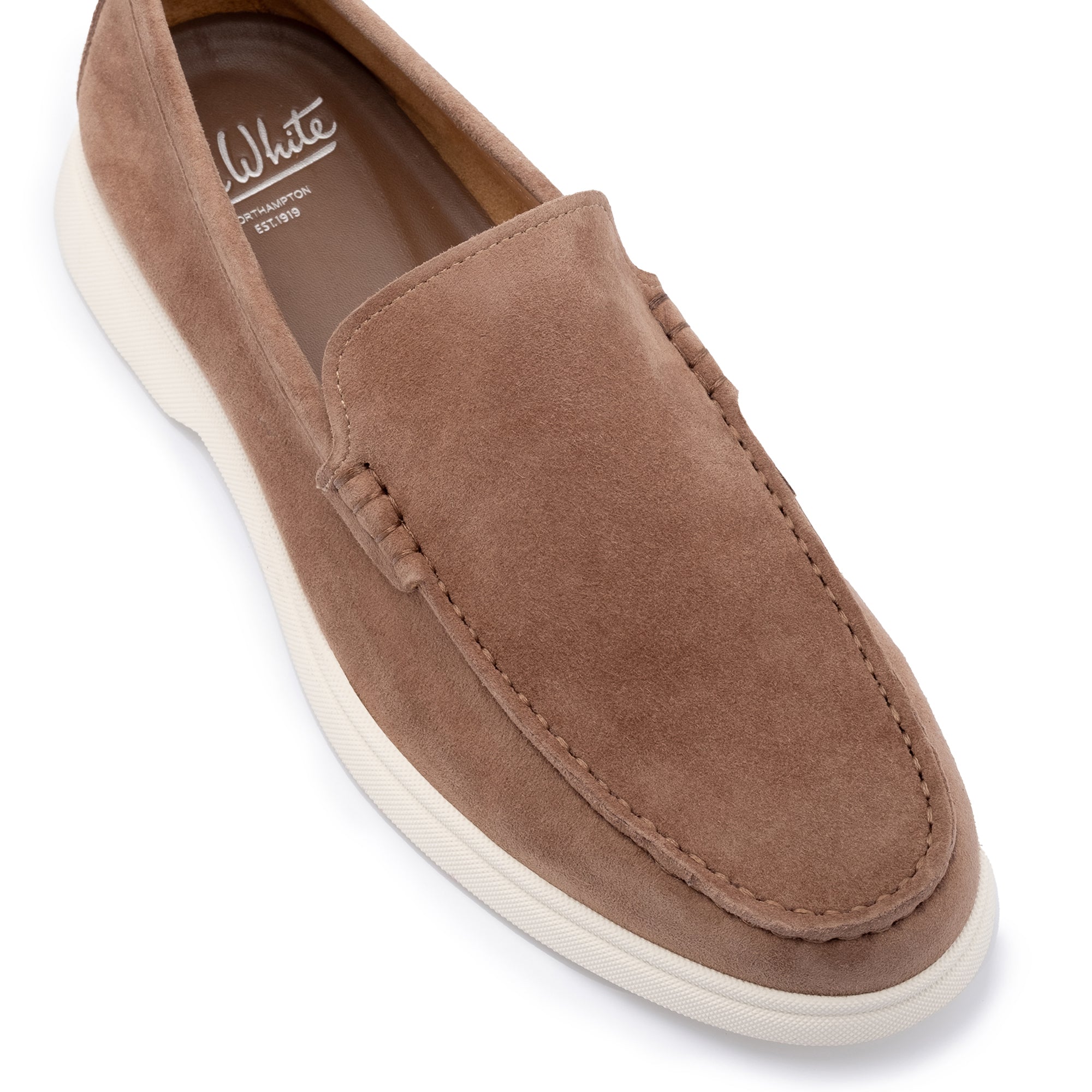
- Suede shoes — suede absorbs light rather than reflecting it, which undermines the polished formality black tie requires. It's inherently casual.
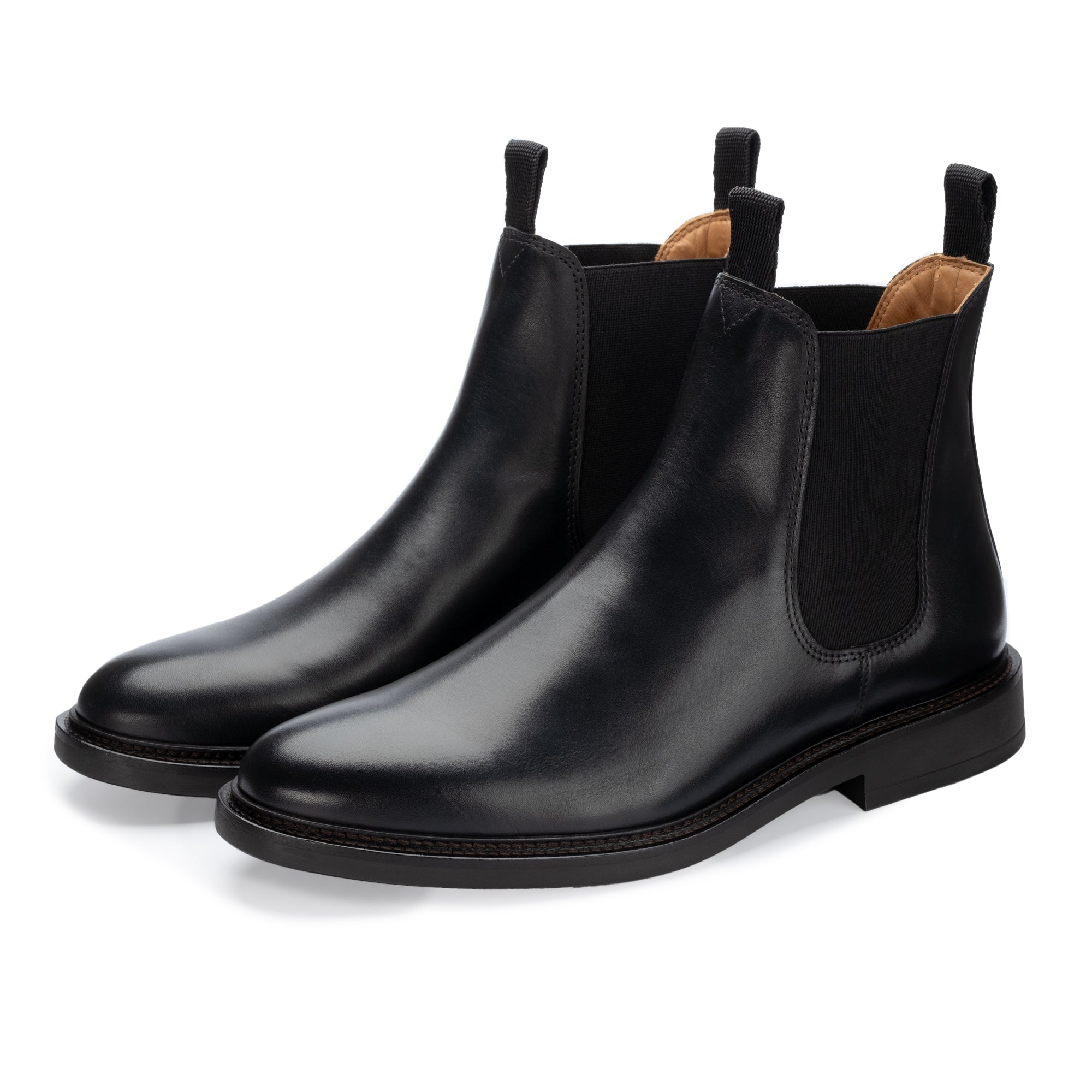
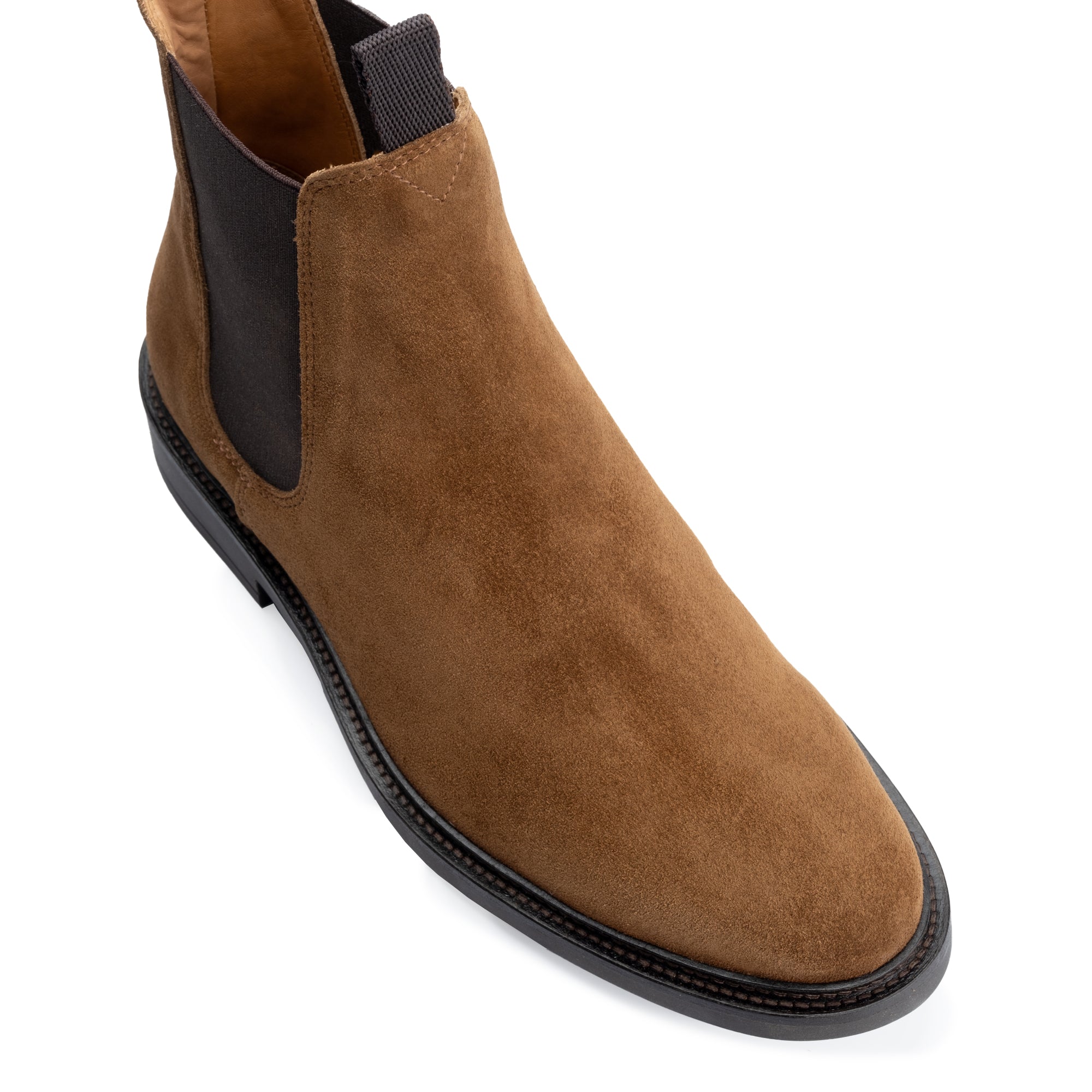
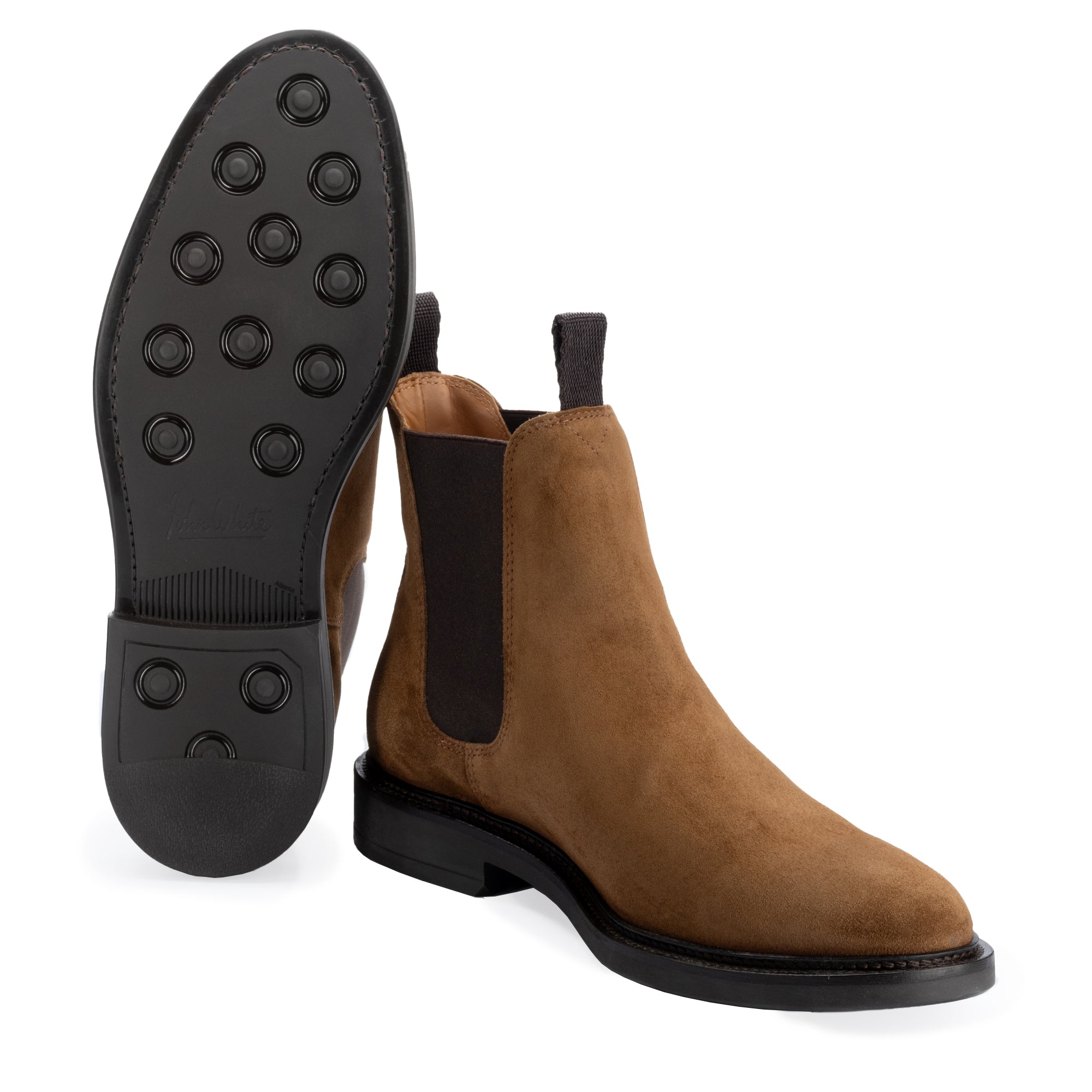
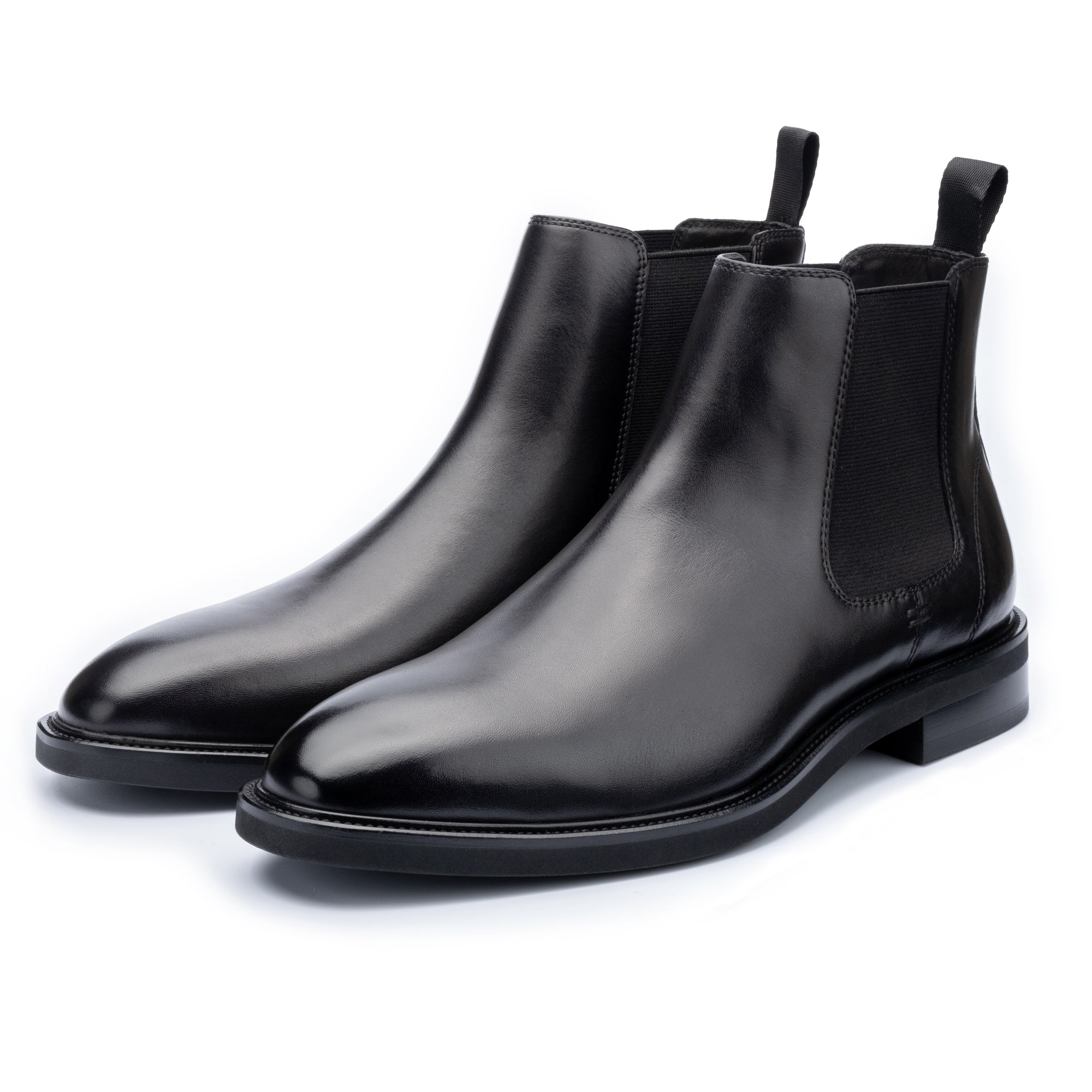
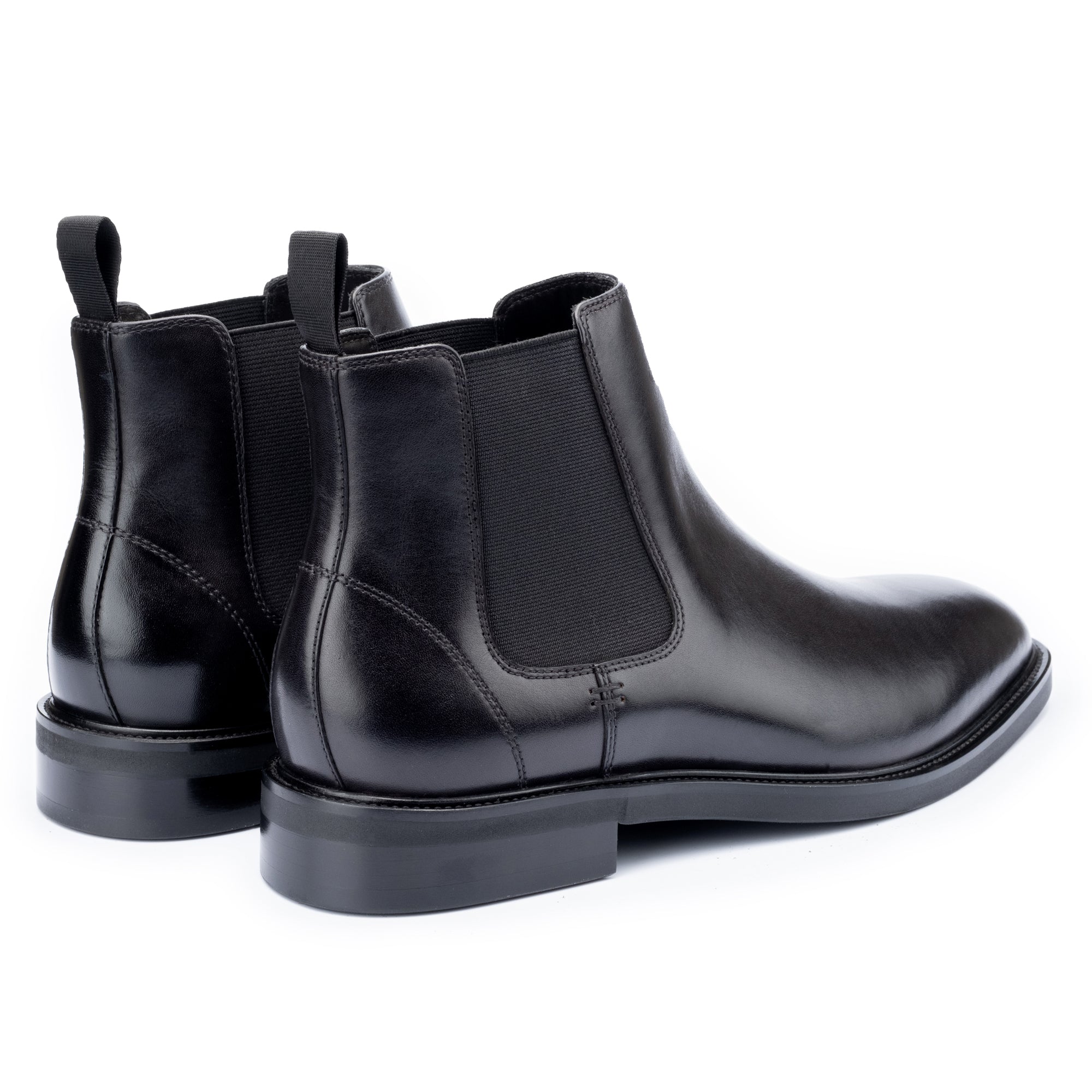
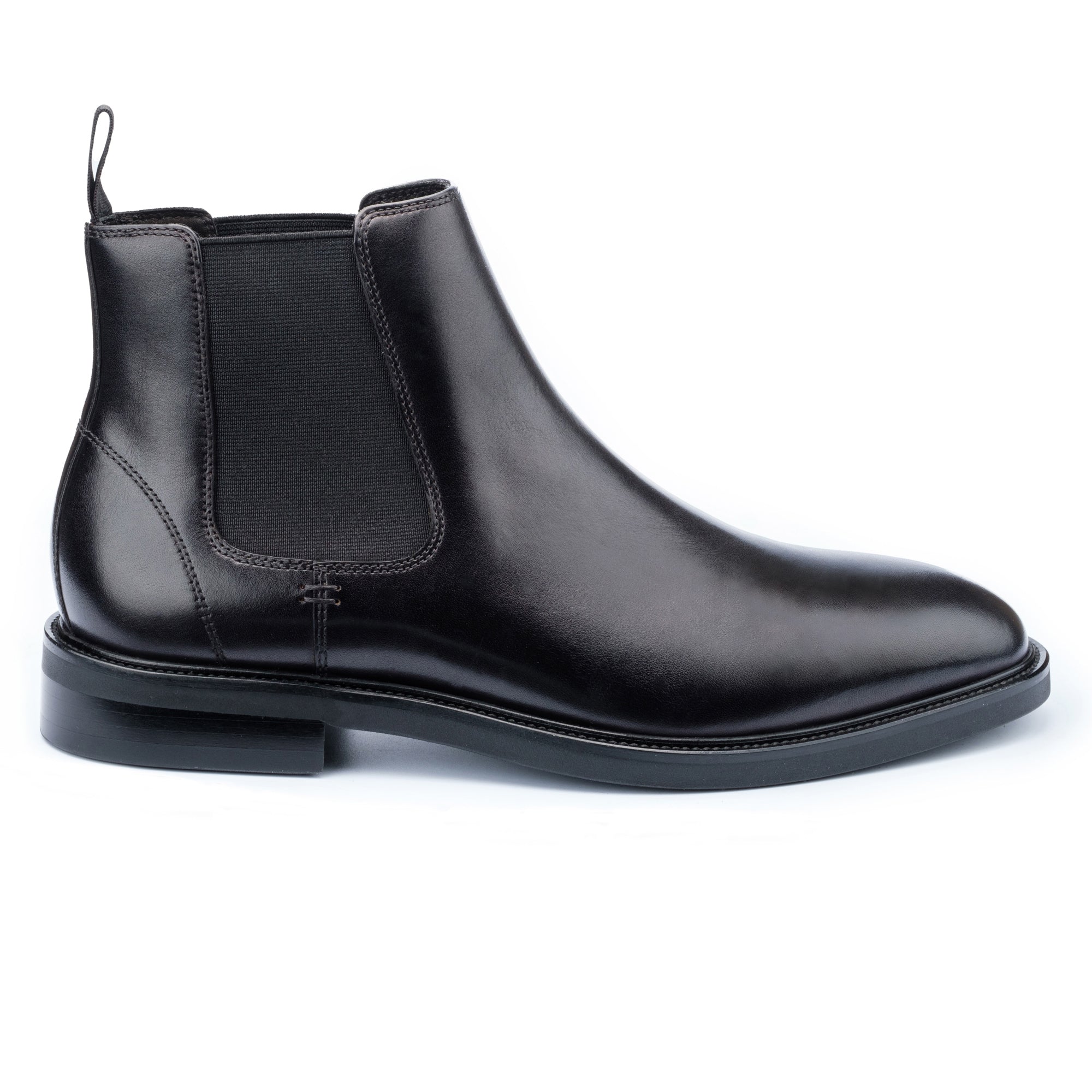
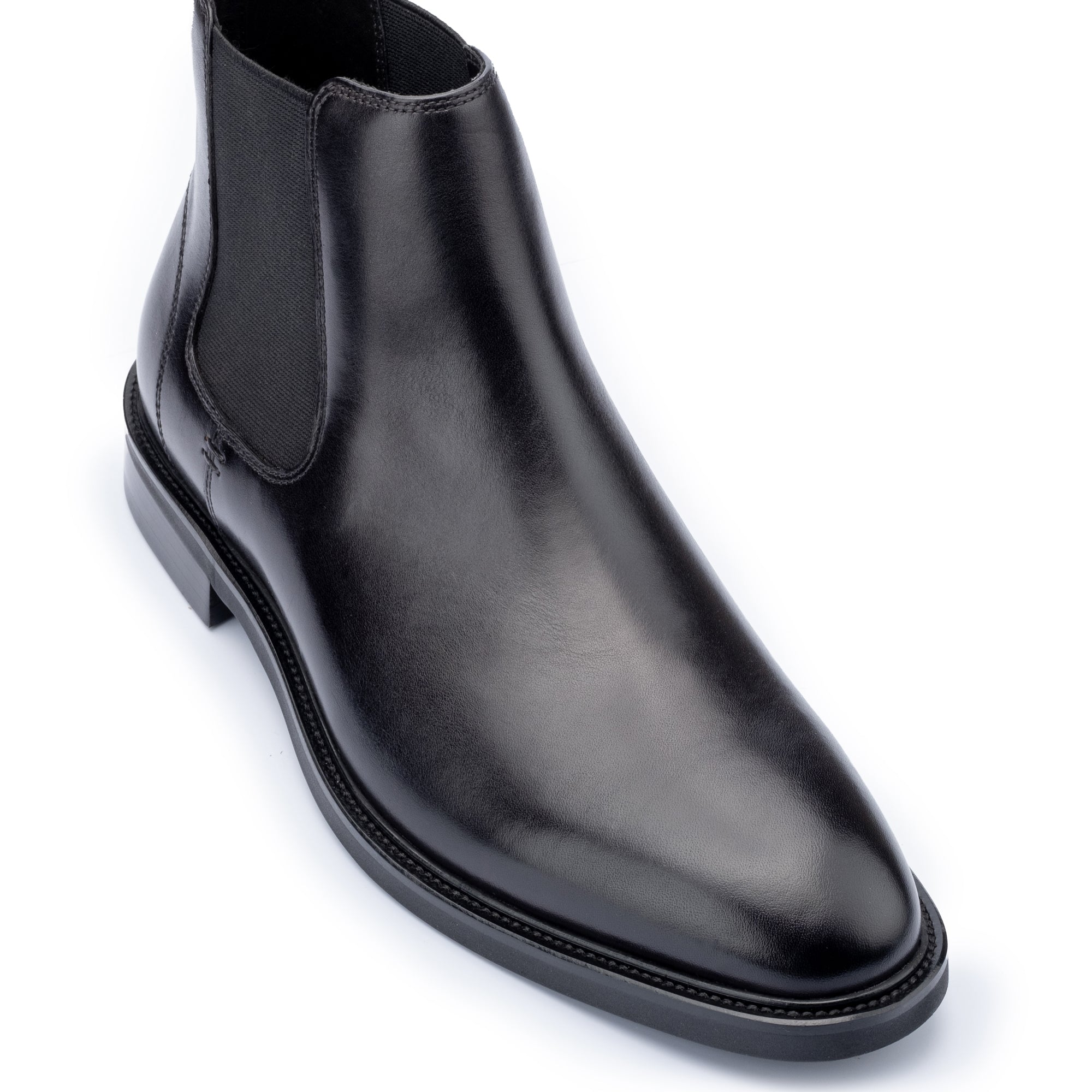
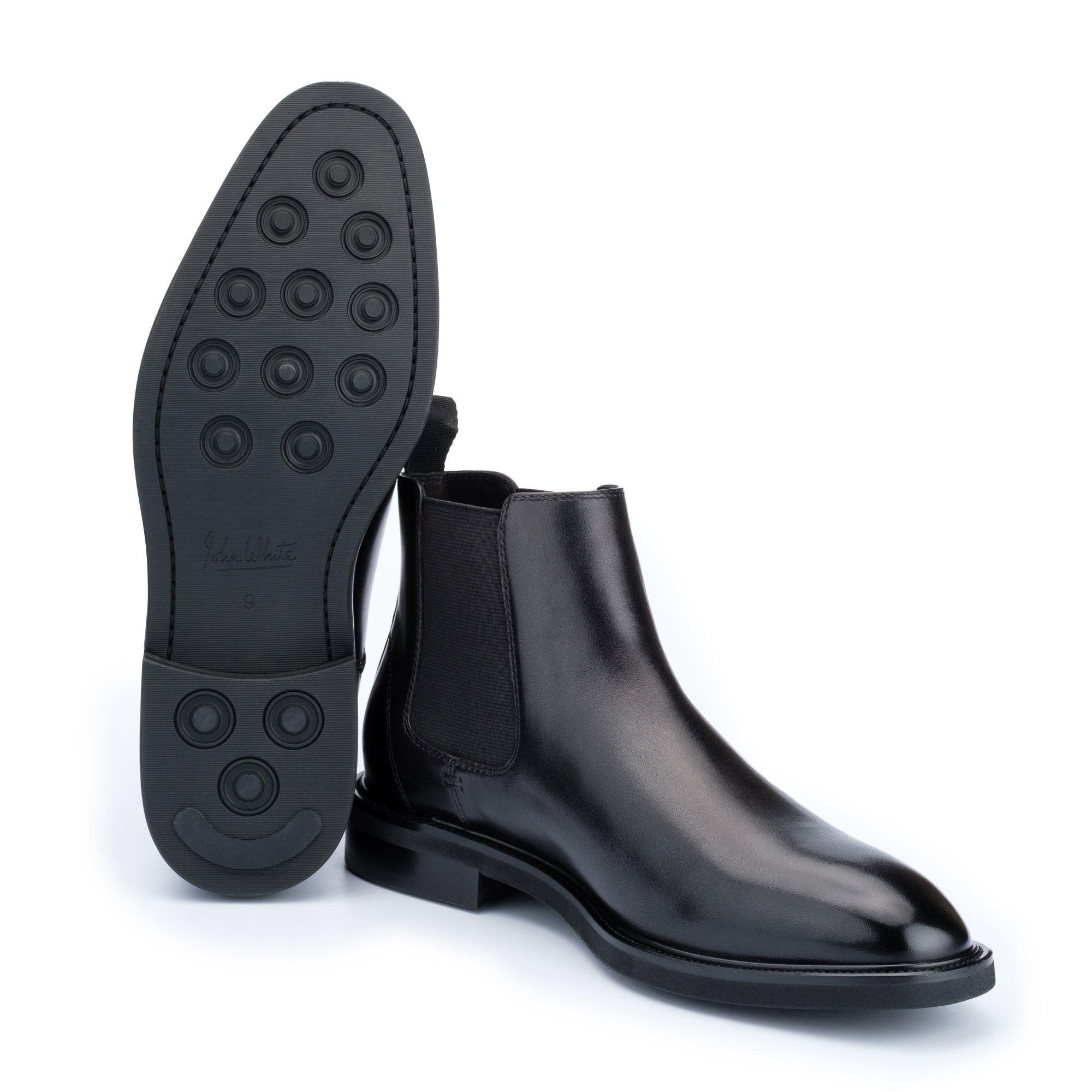
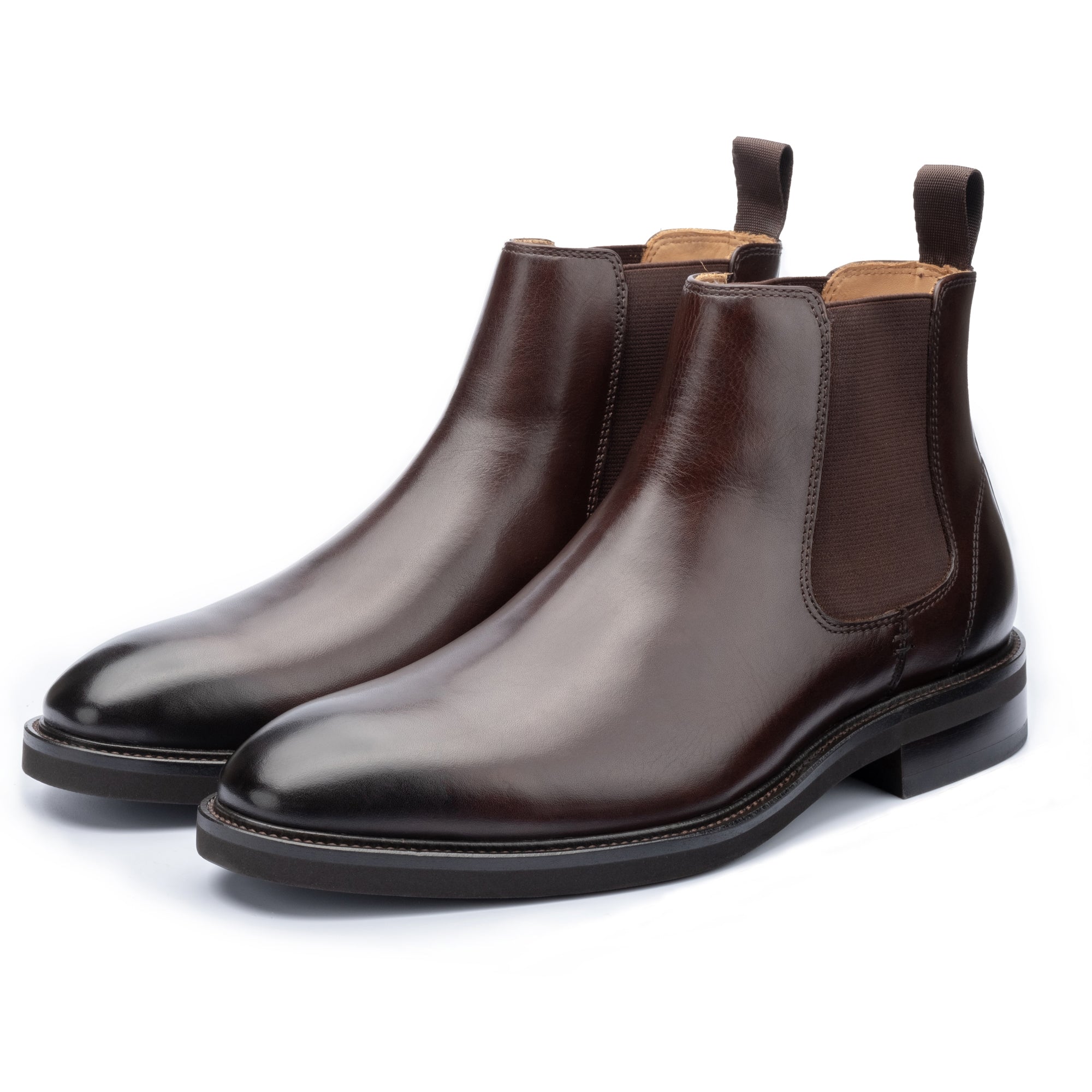
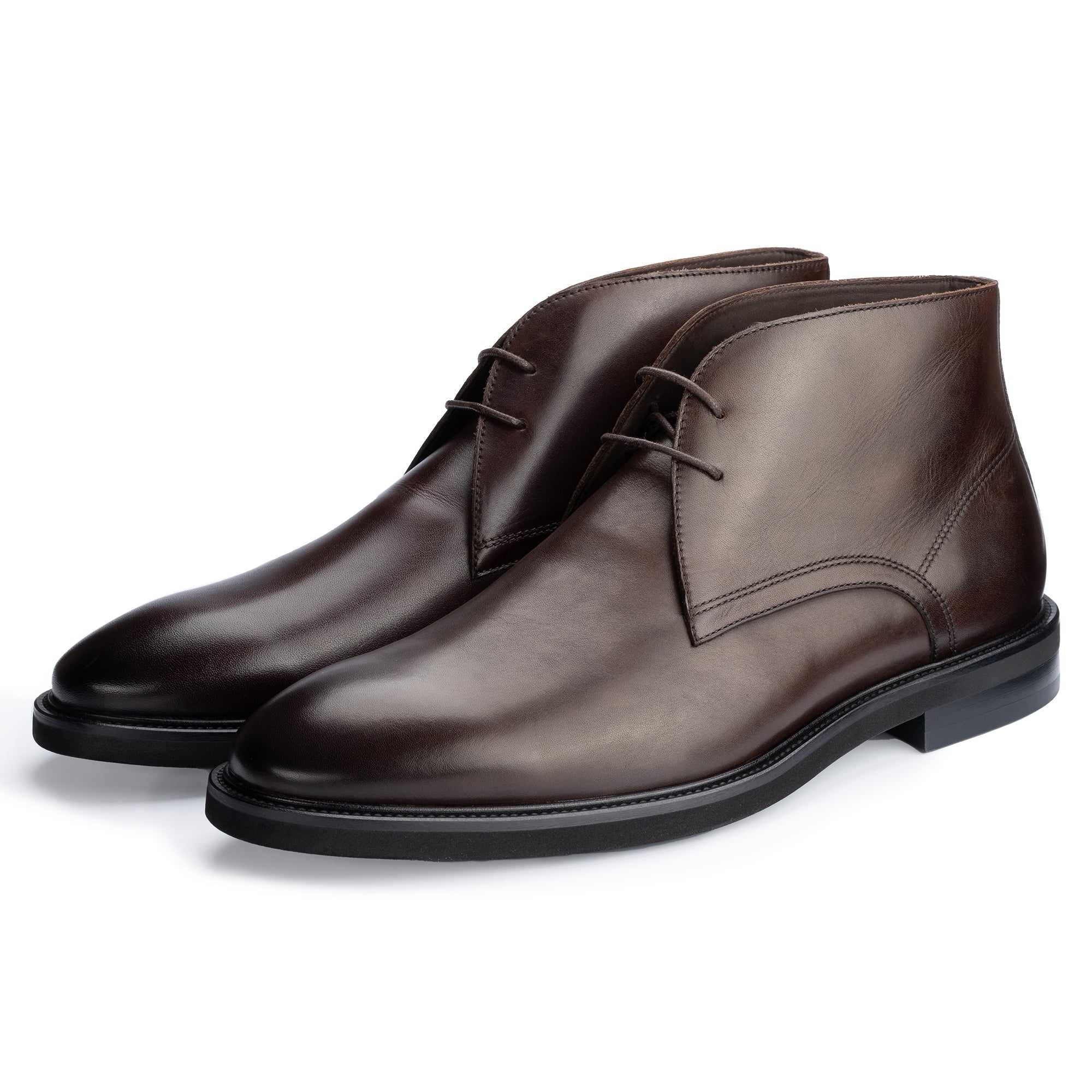
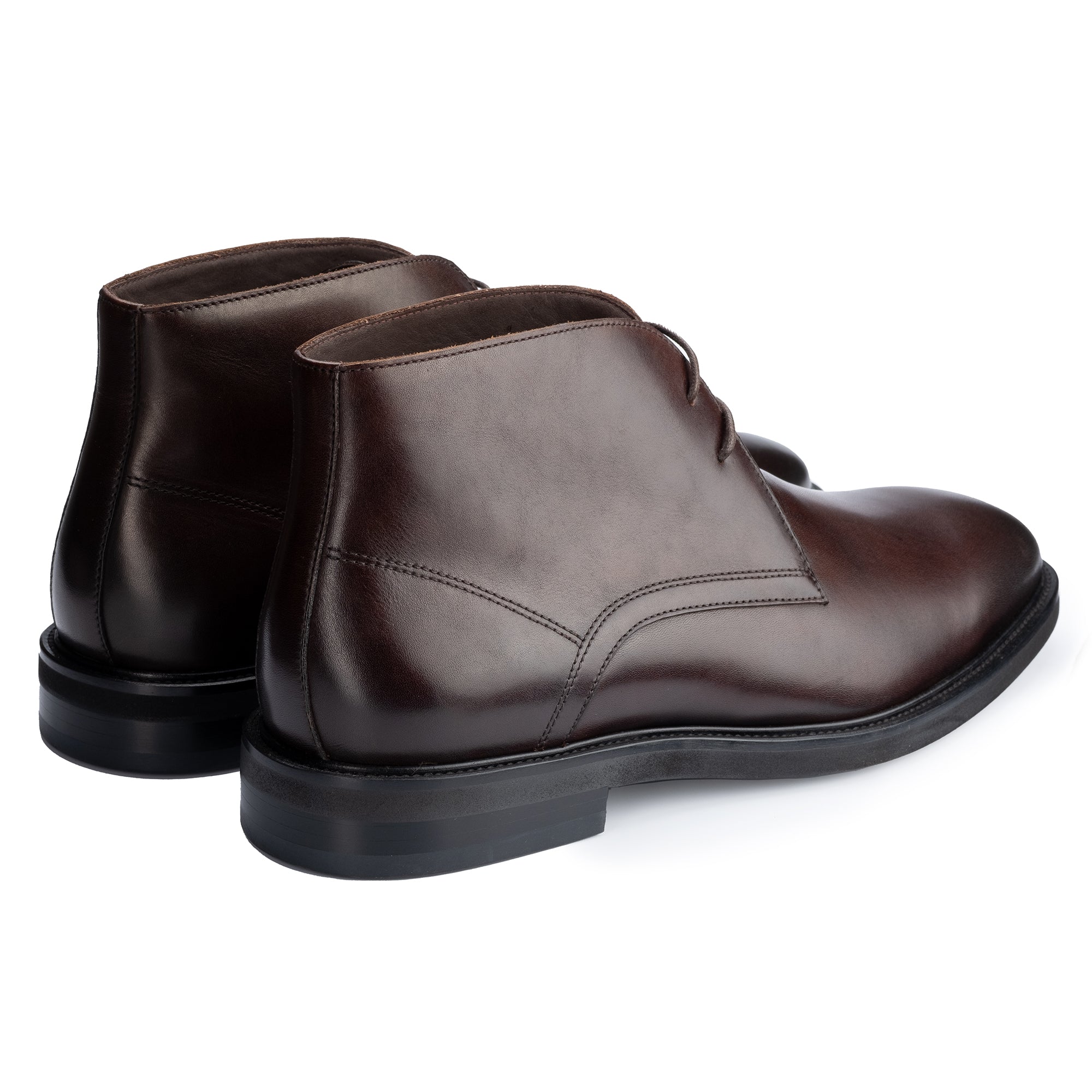
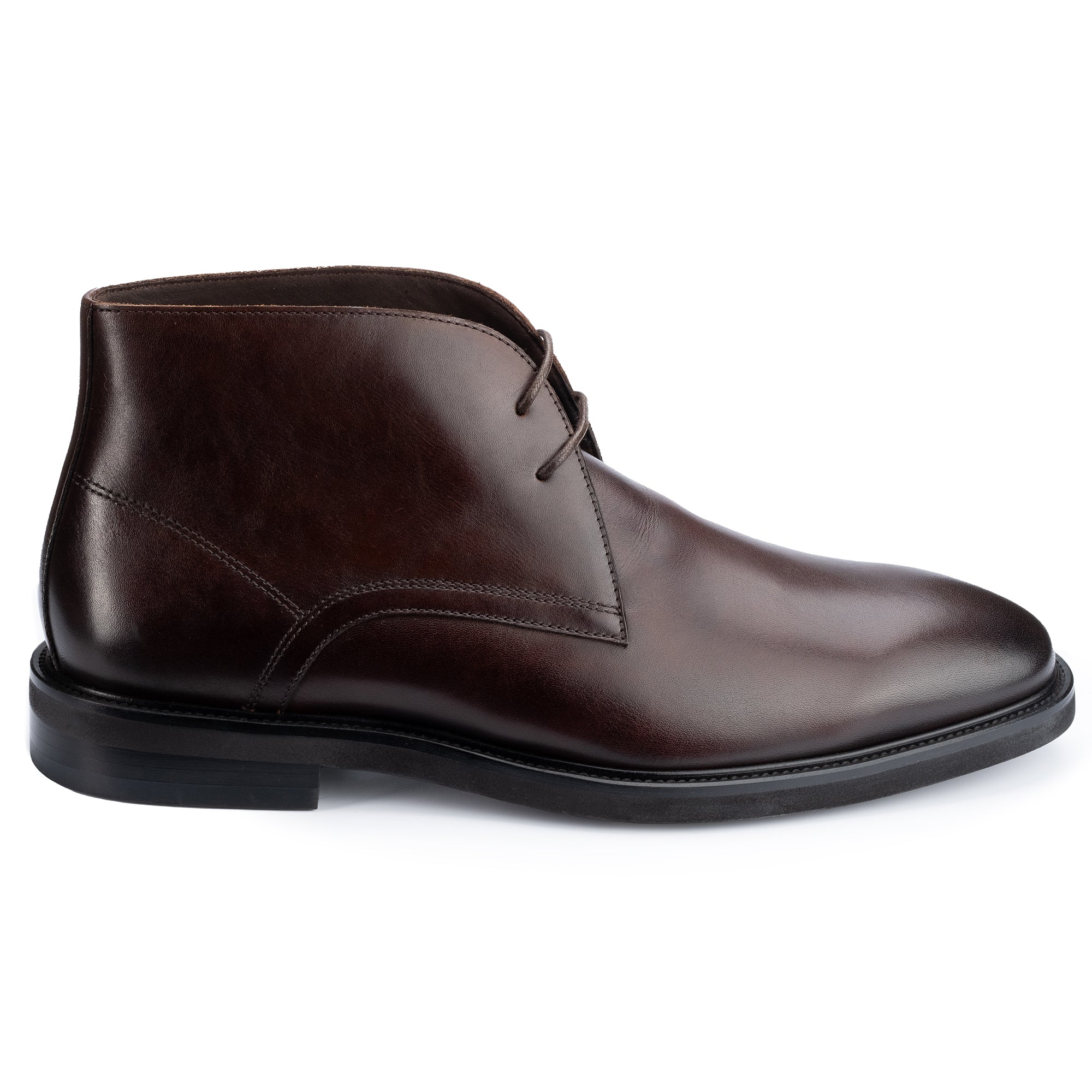
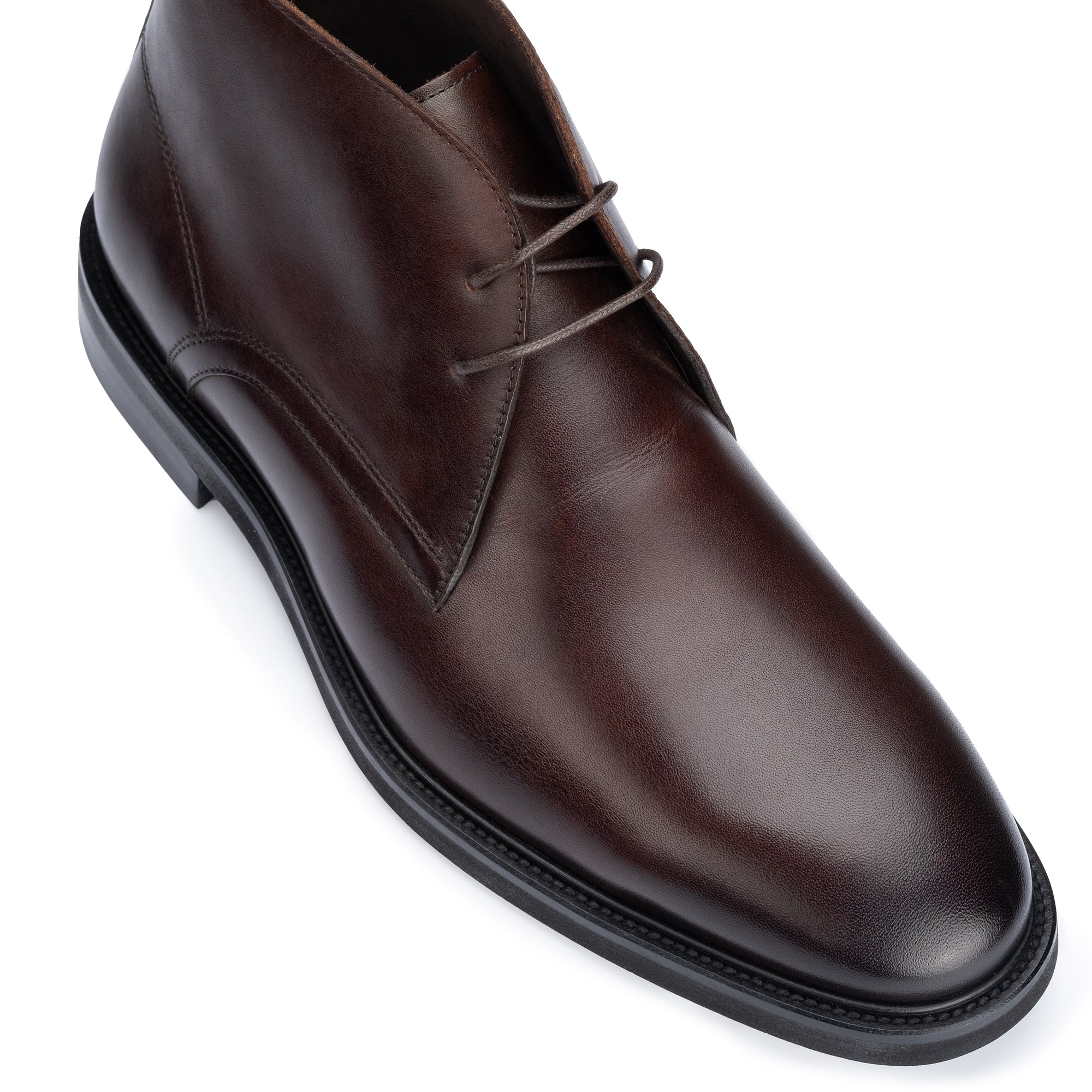
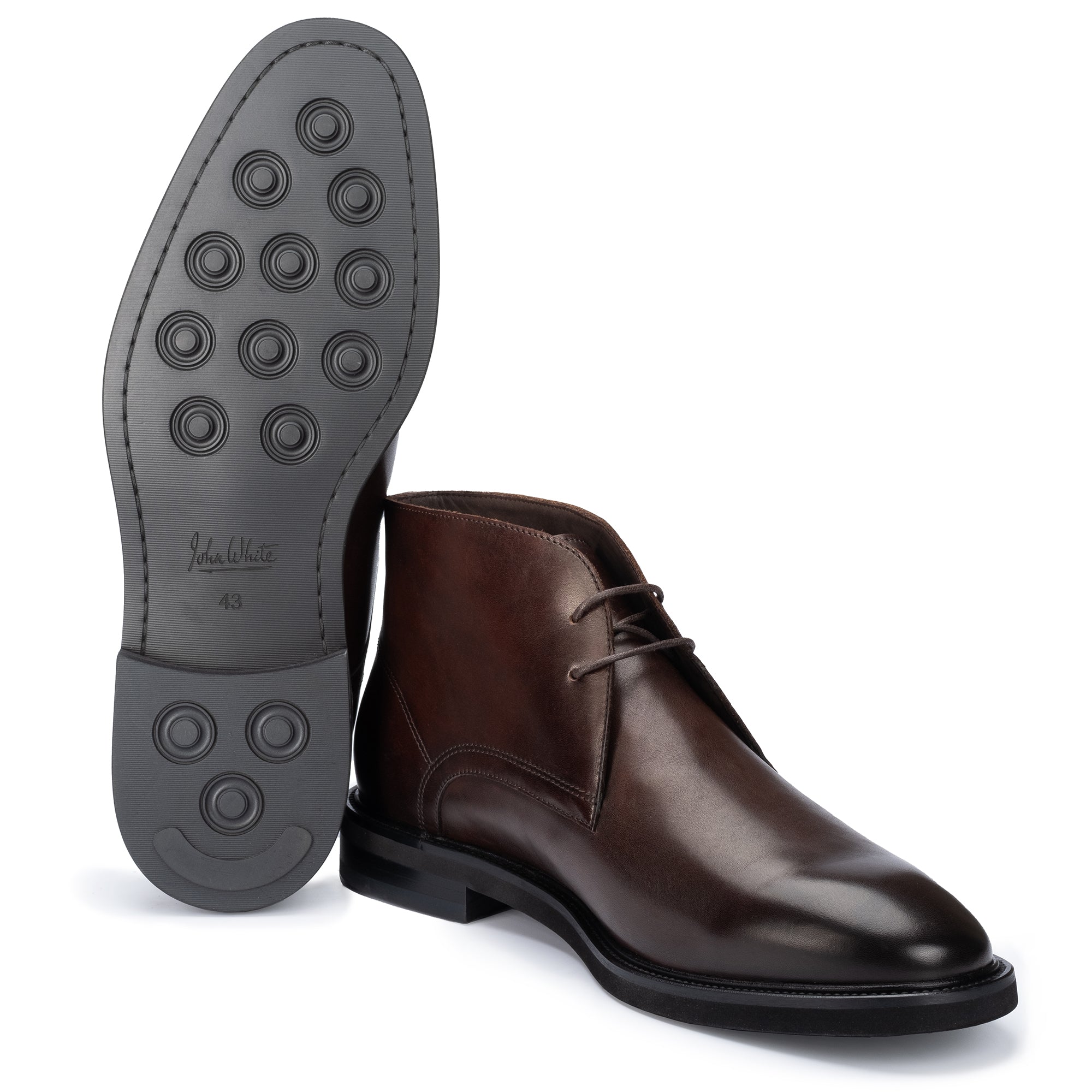
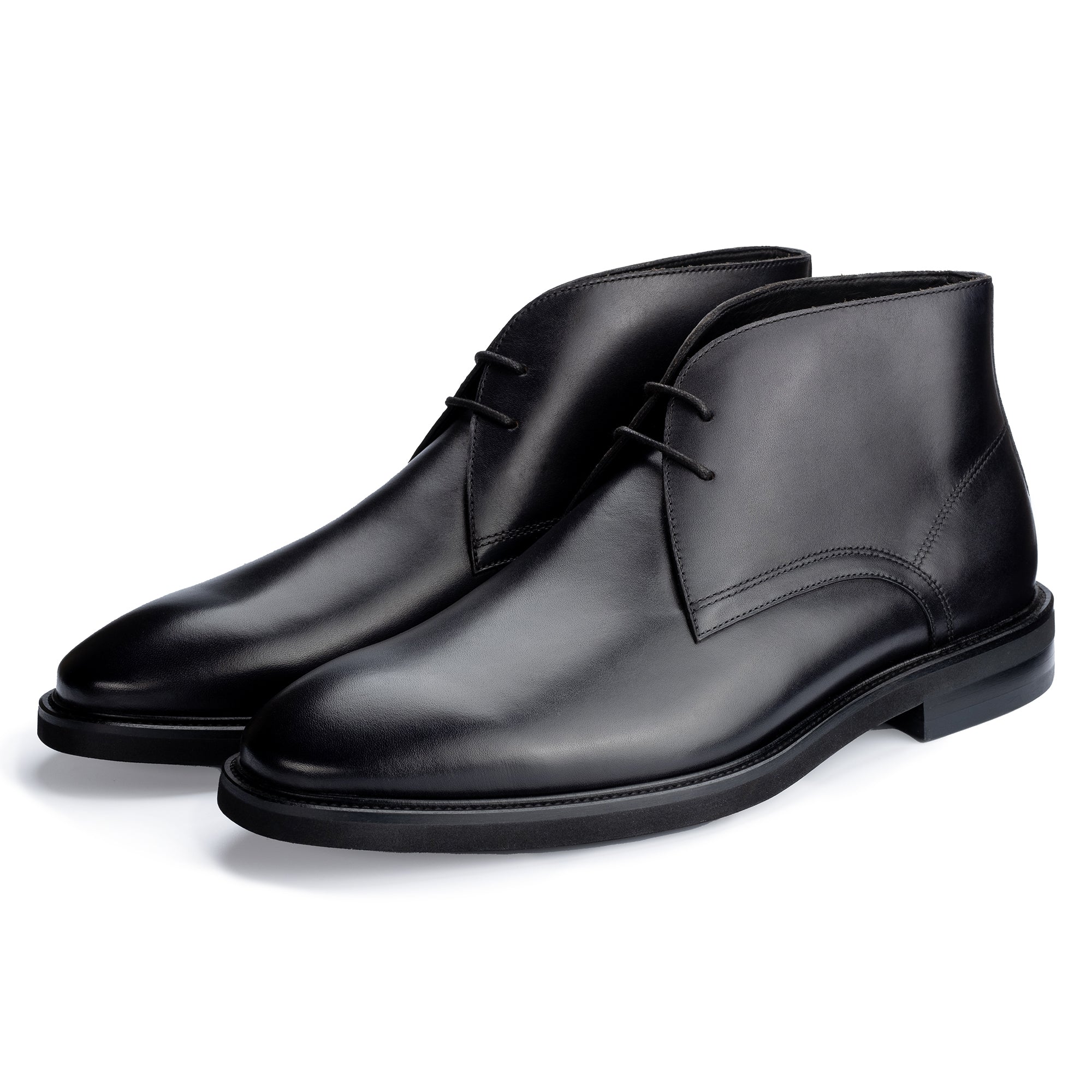
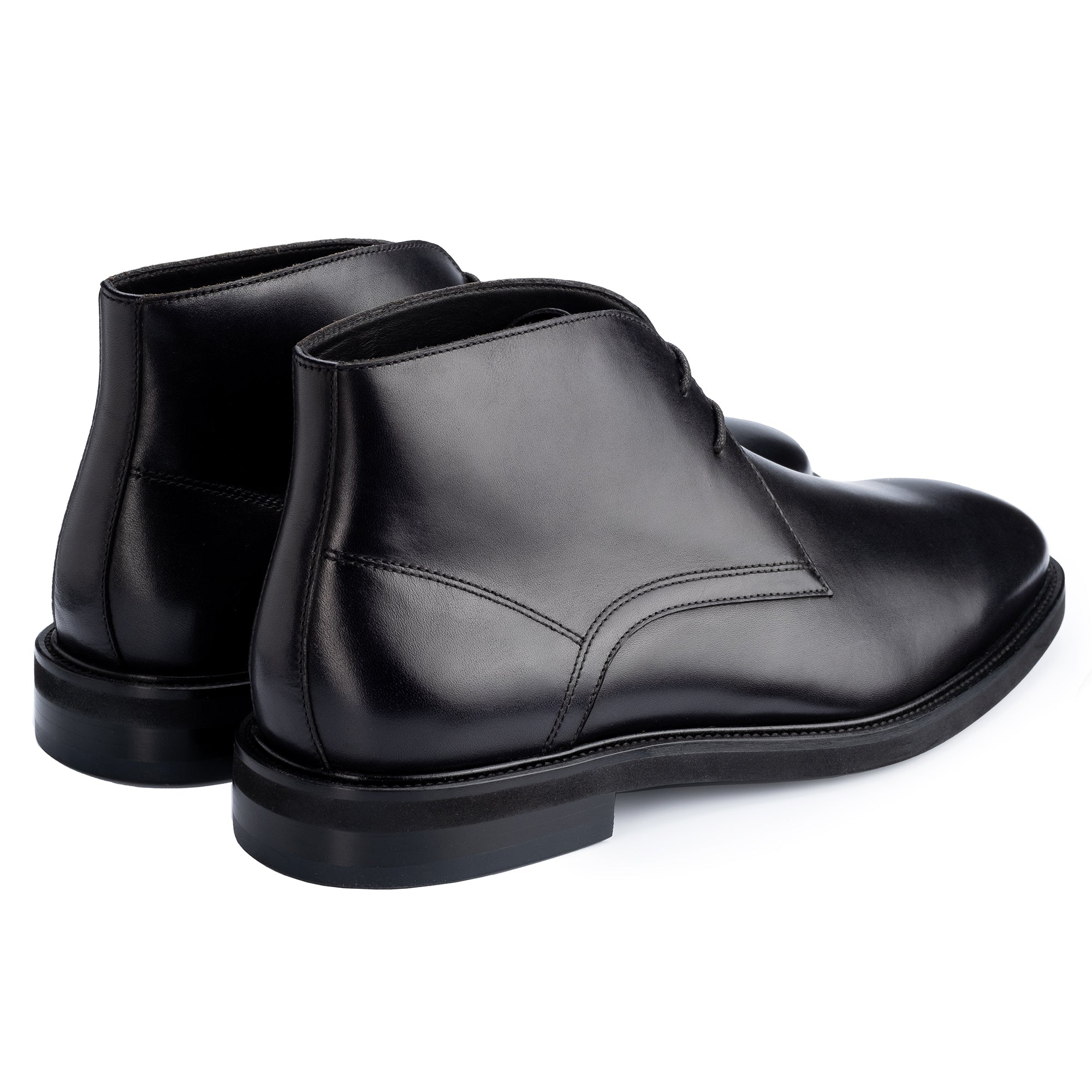
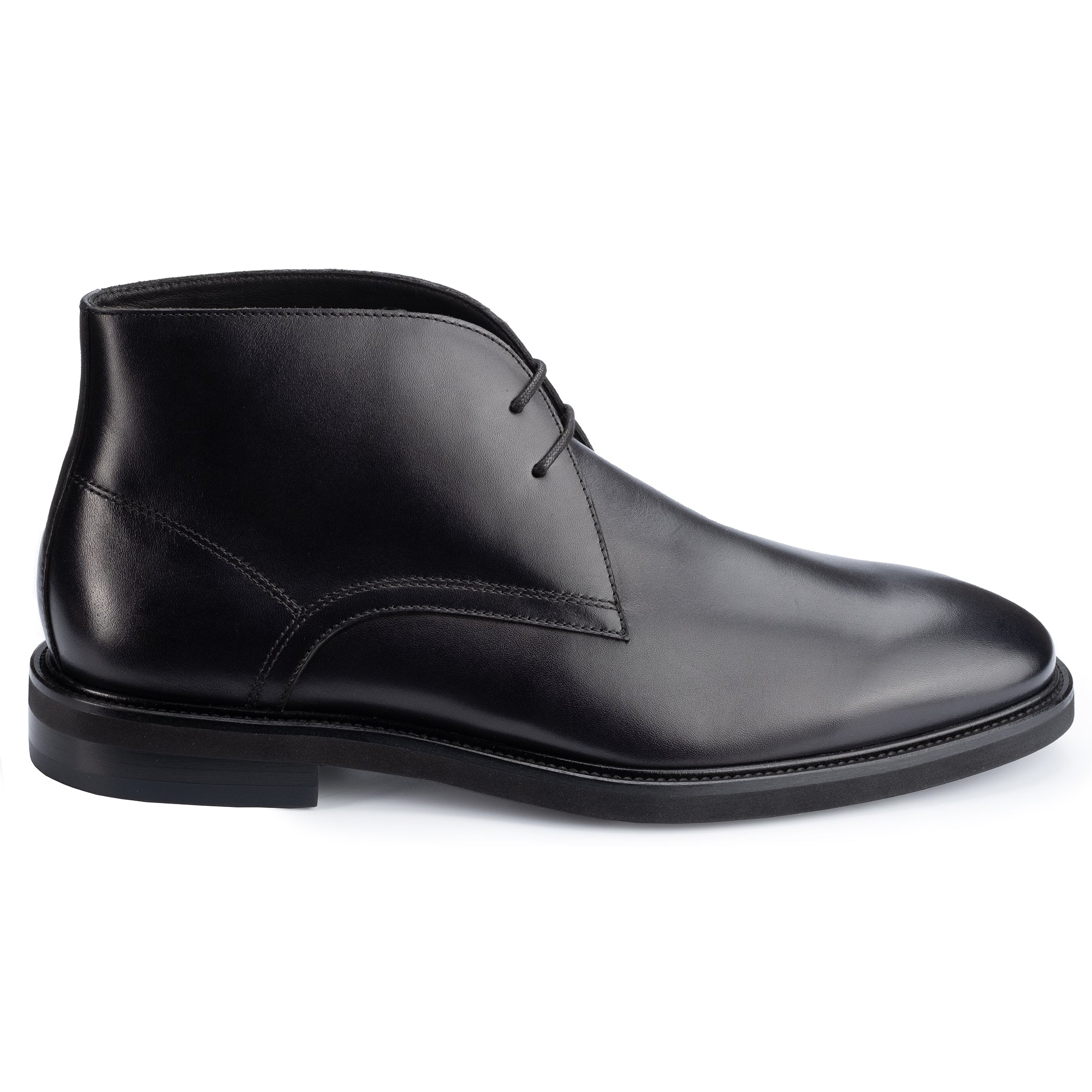
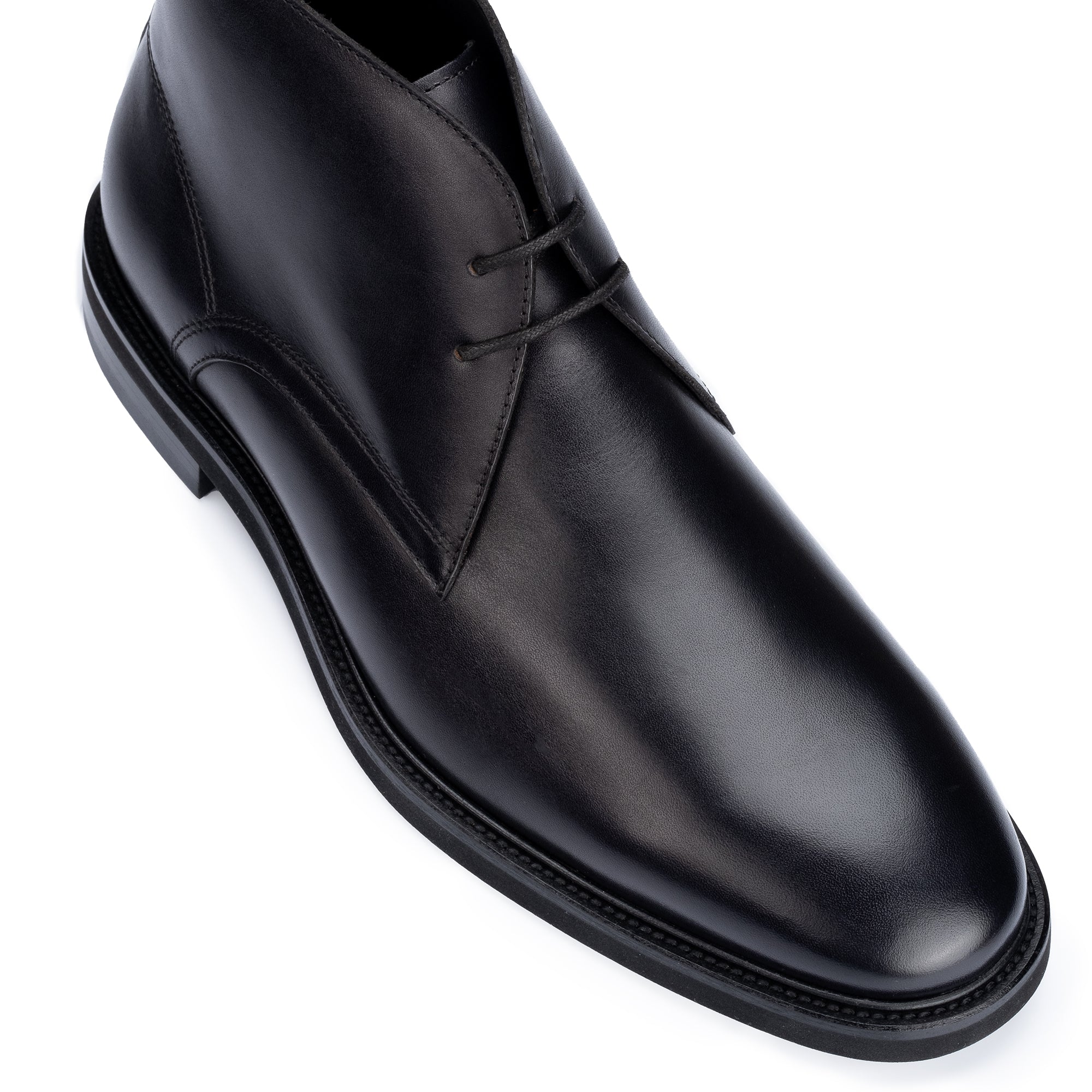
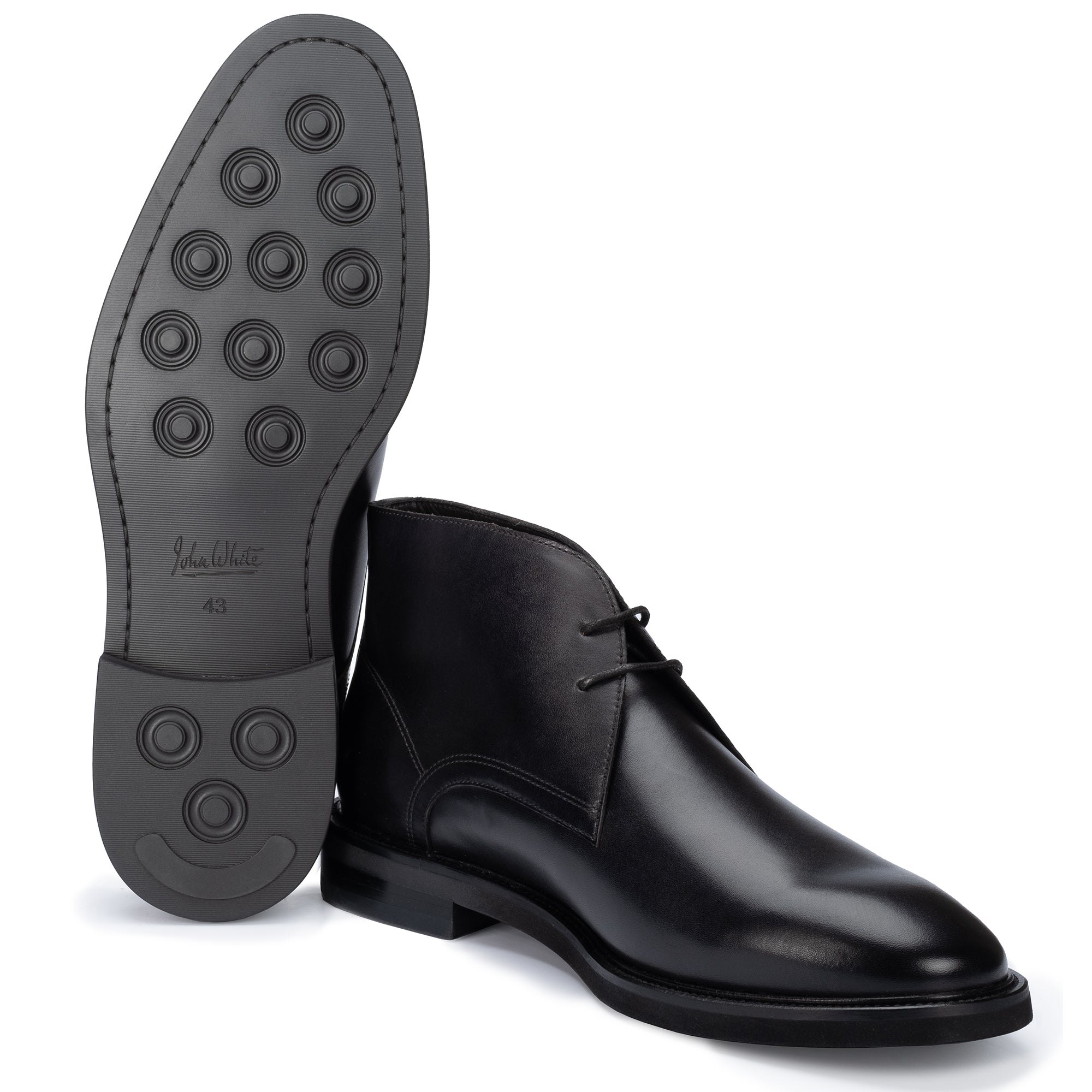
- Chelsea or chukka boots — boots of any kind read as too casual for strict black tie, regardless of colour or finish.
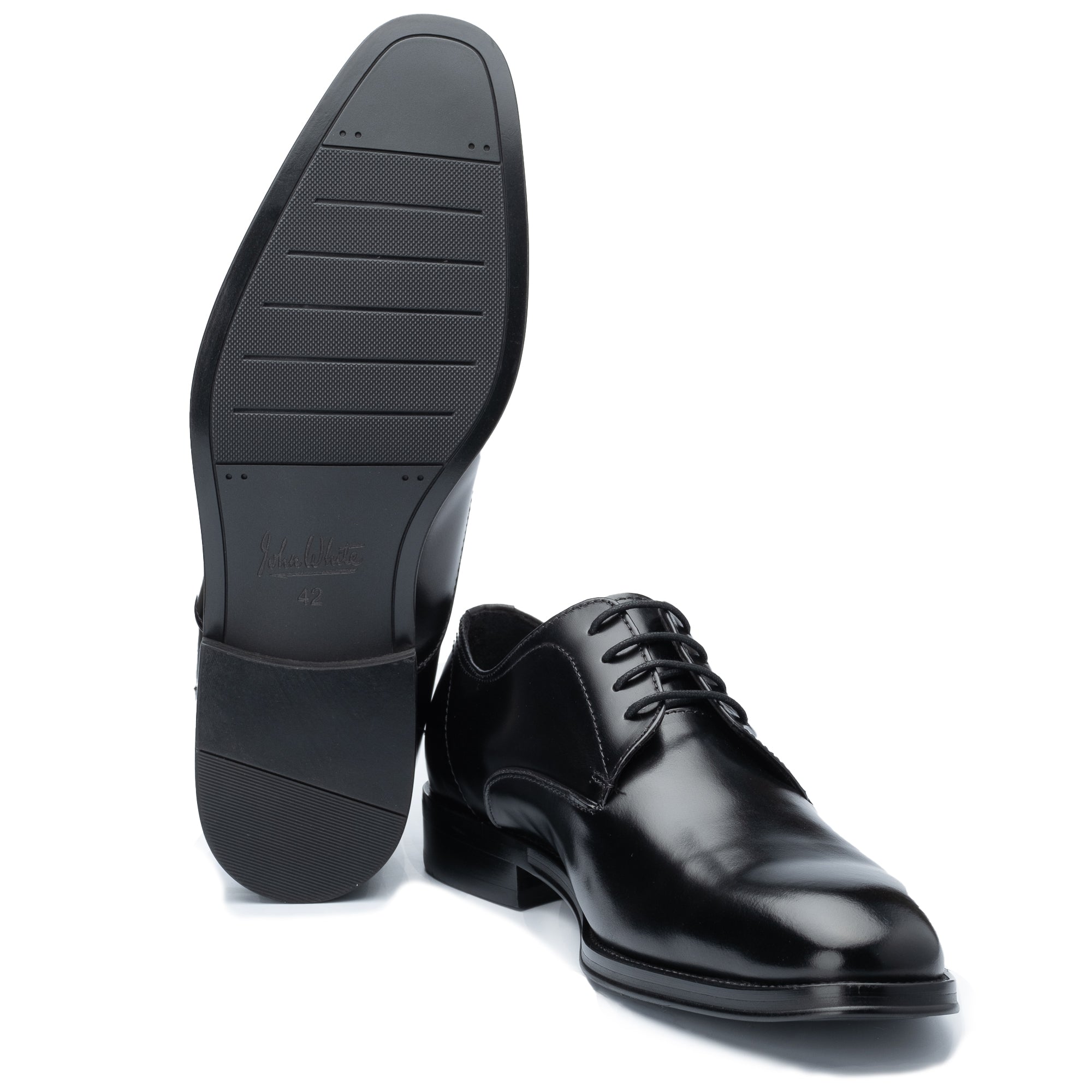
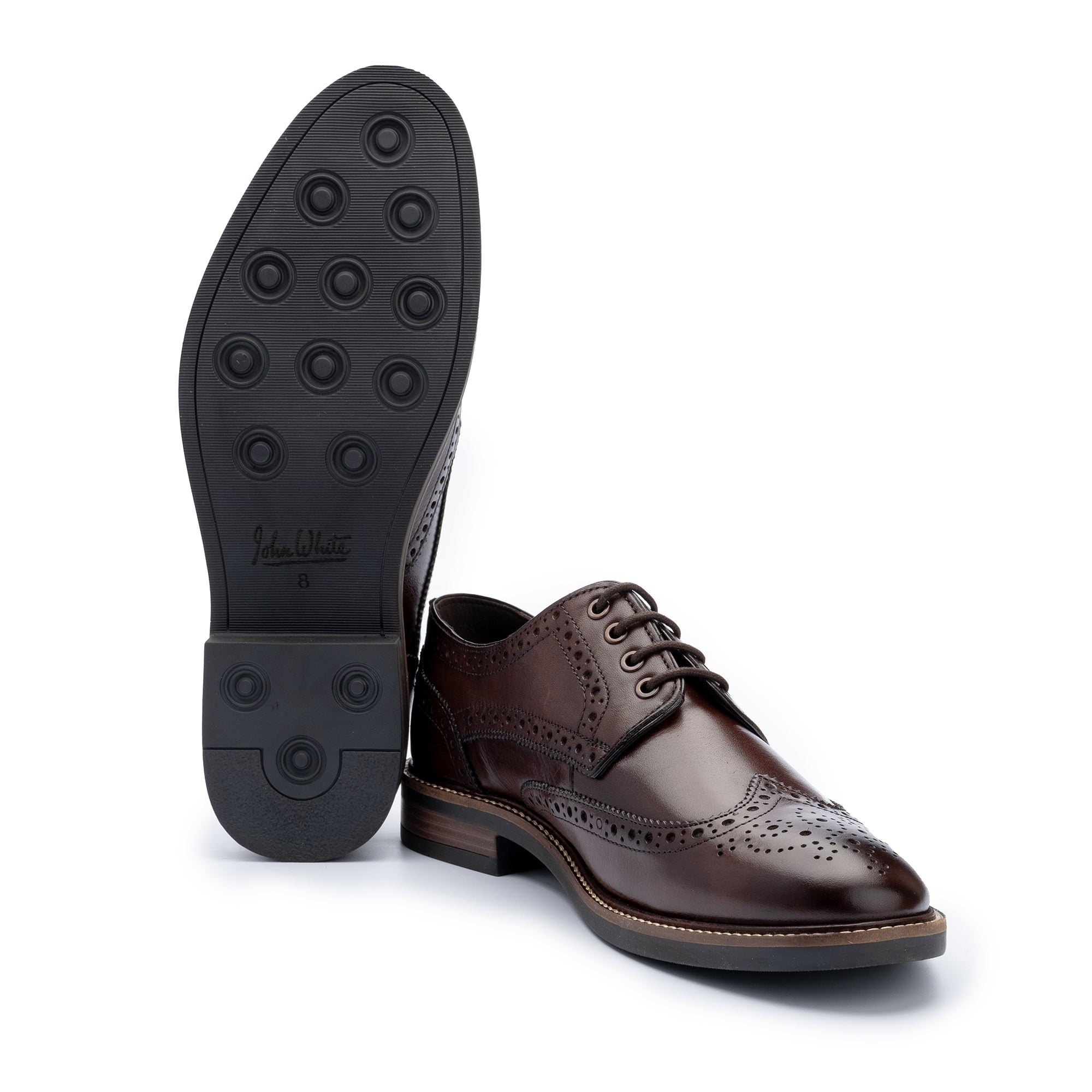
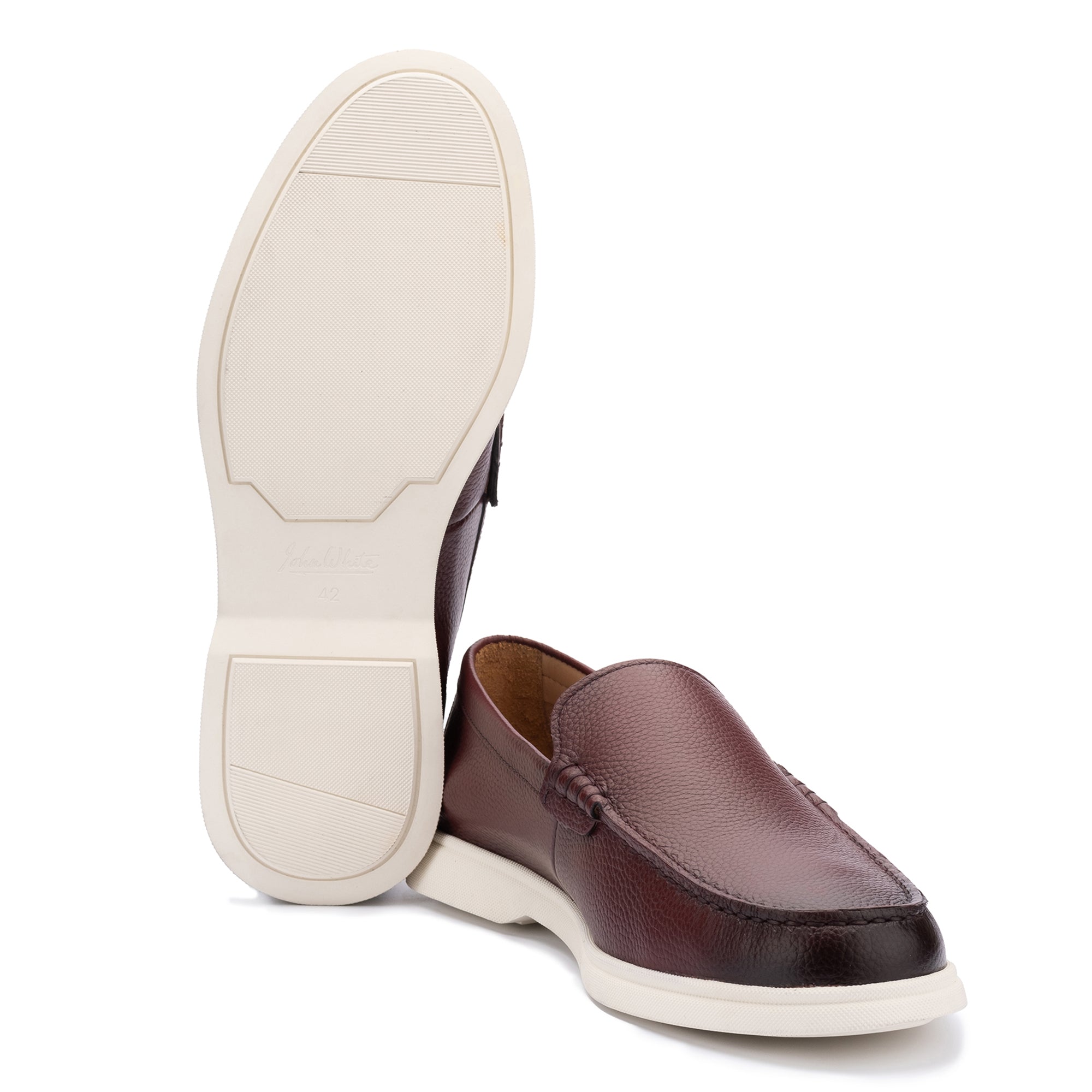
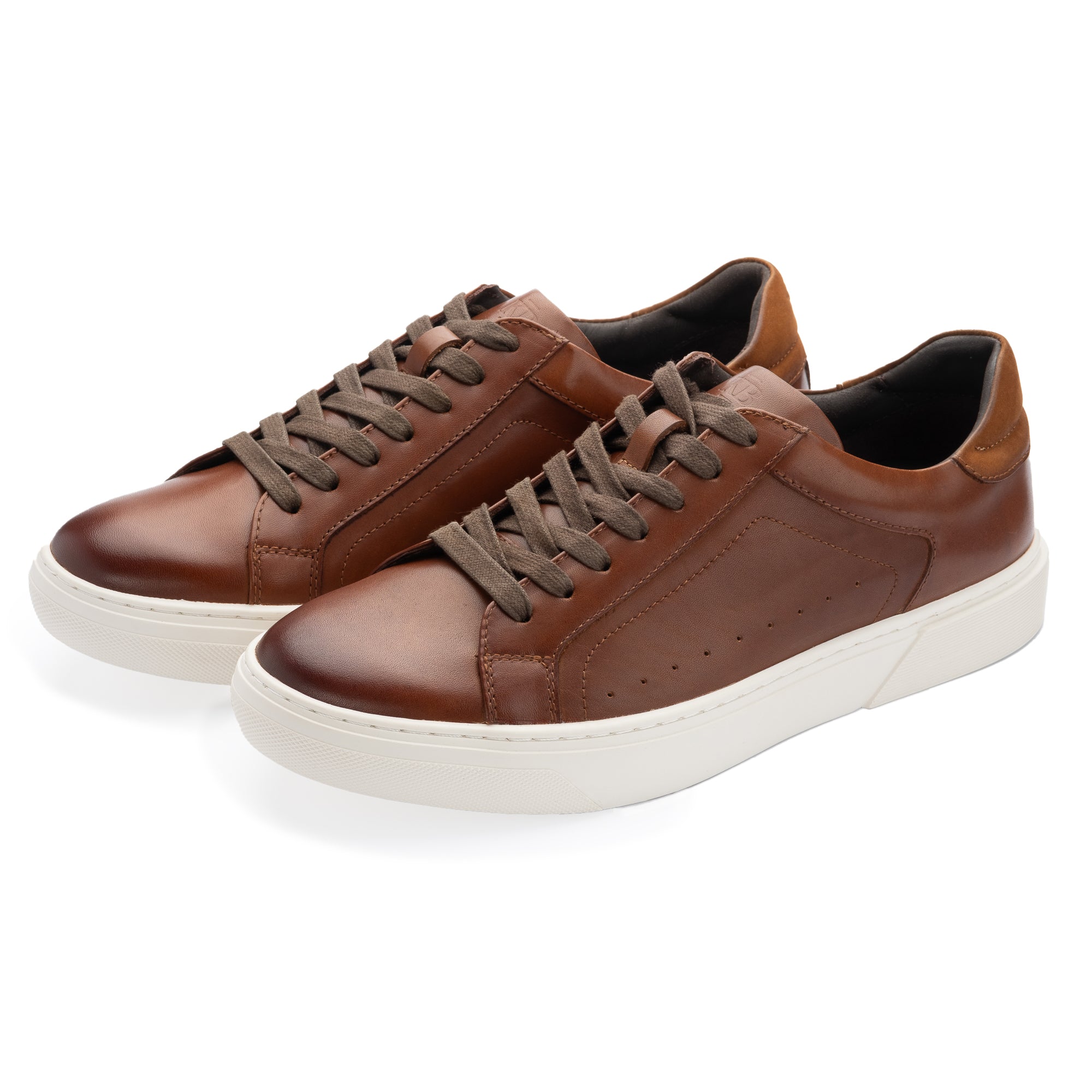
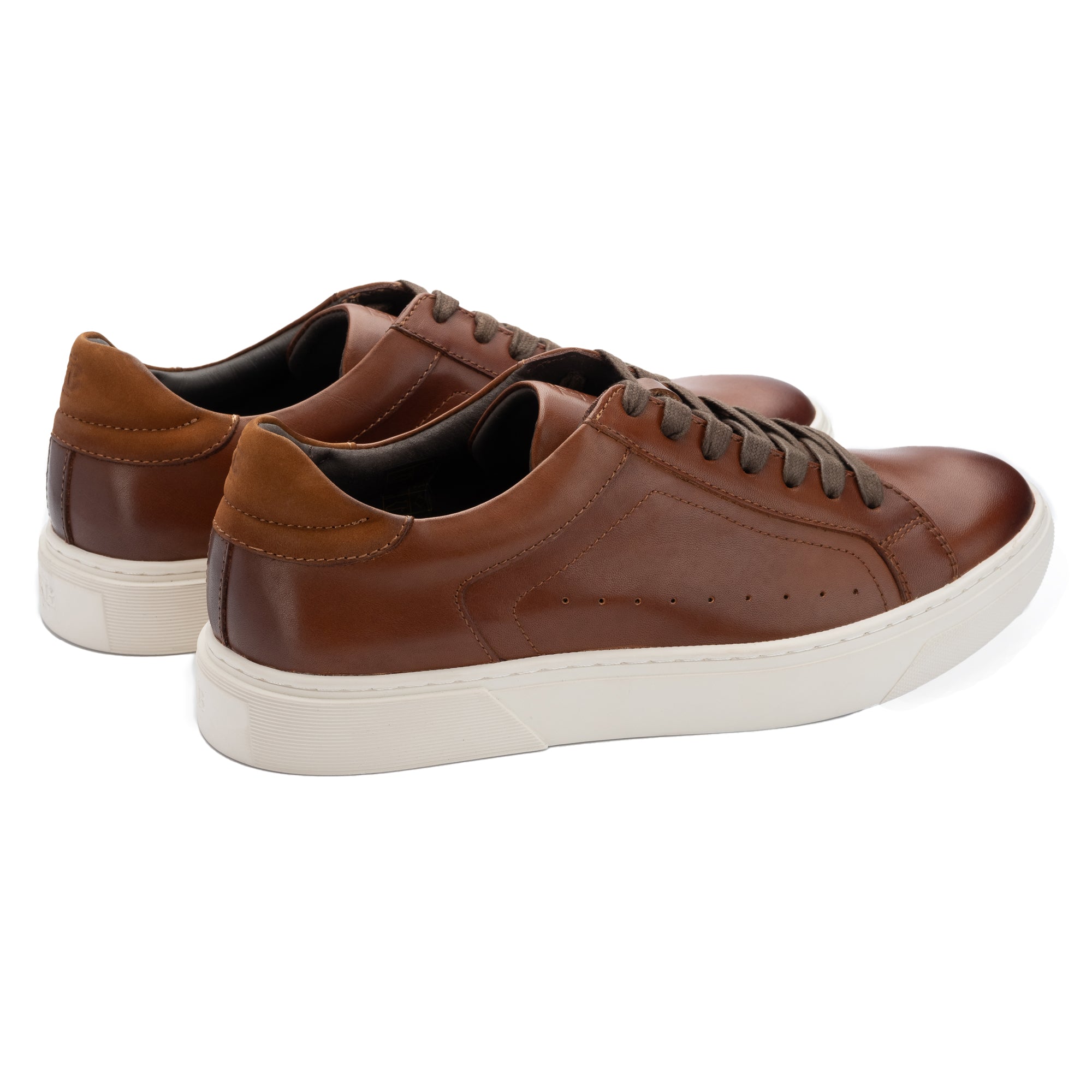
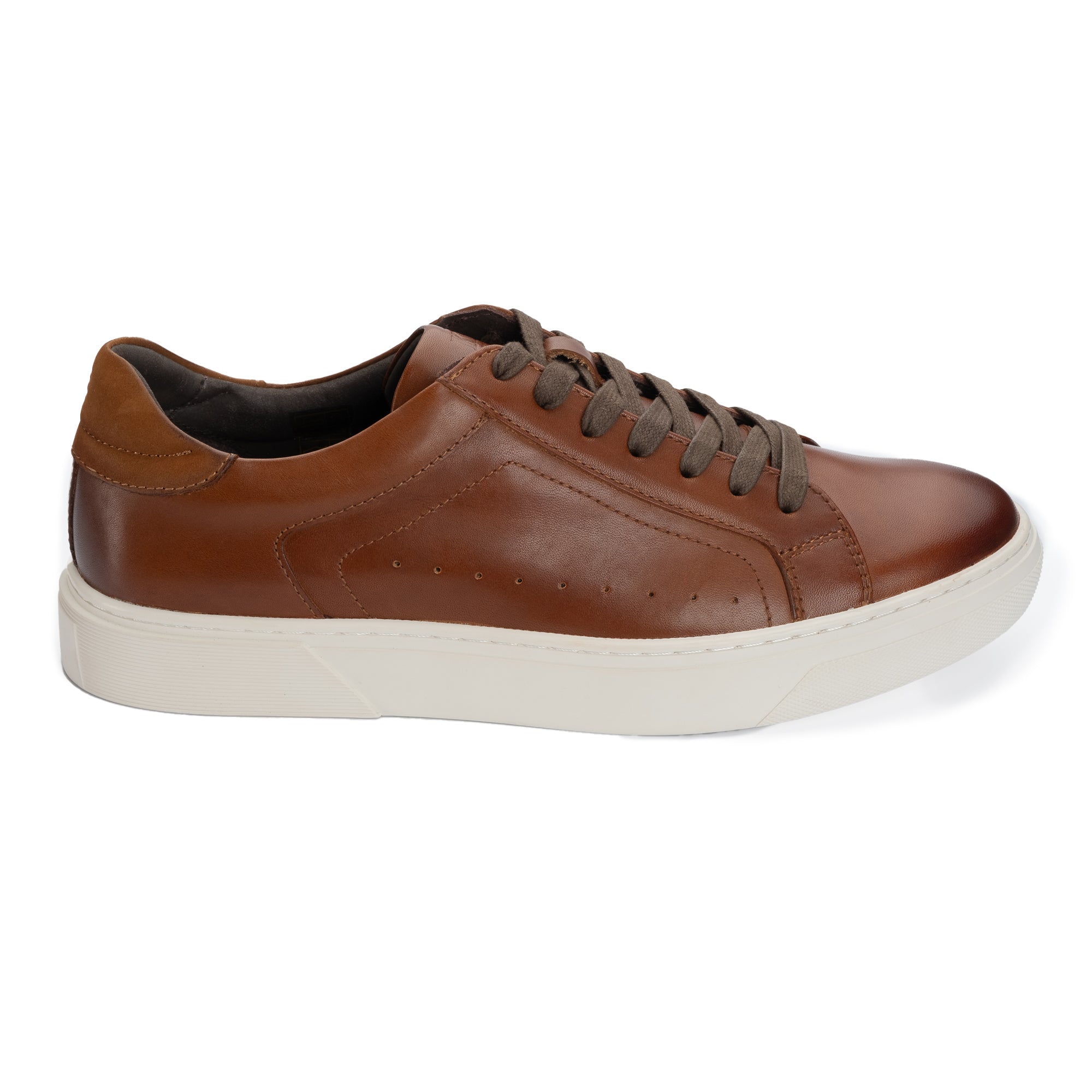
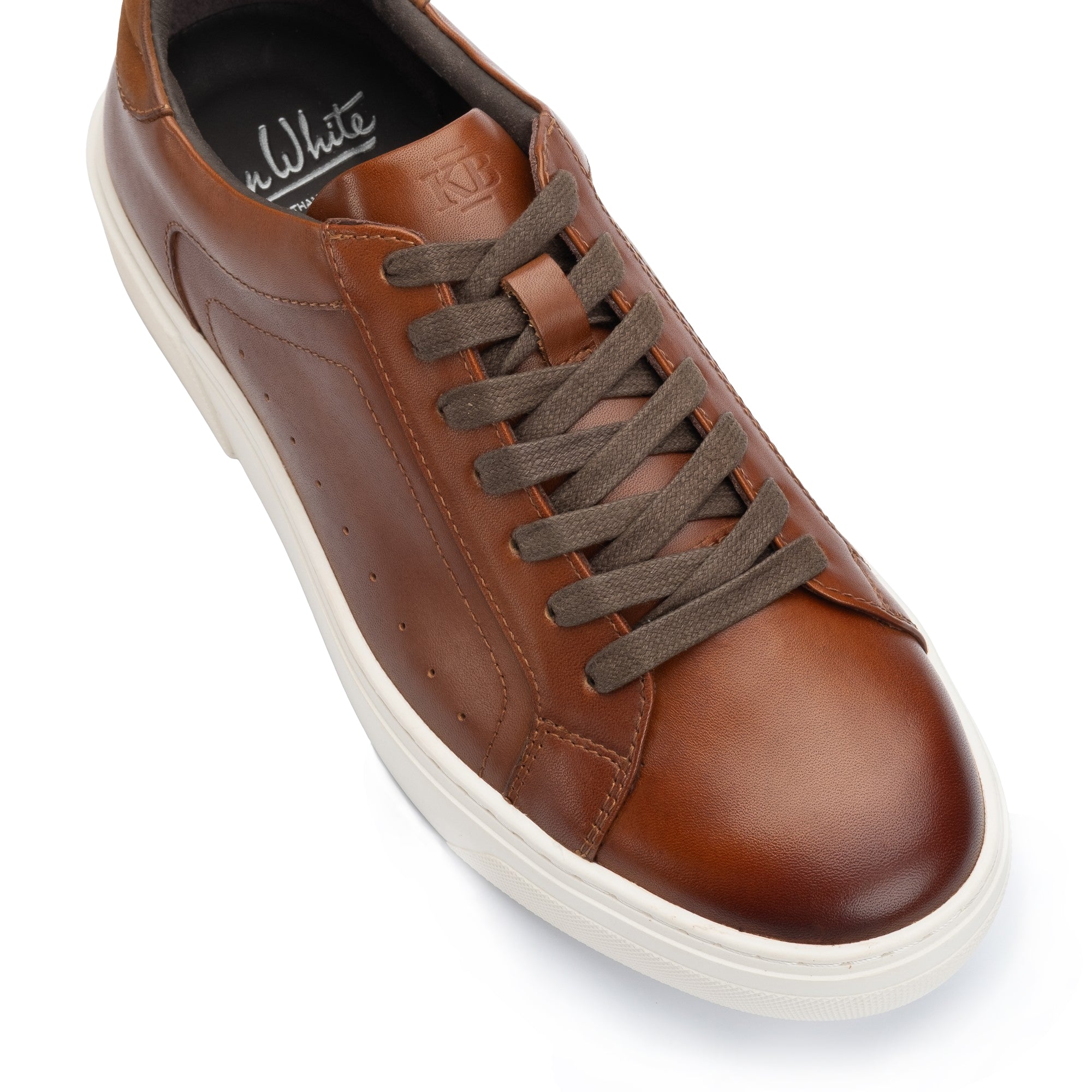
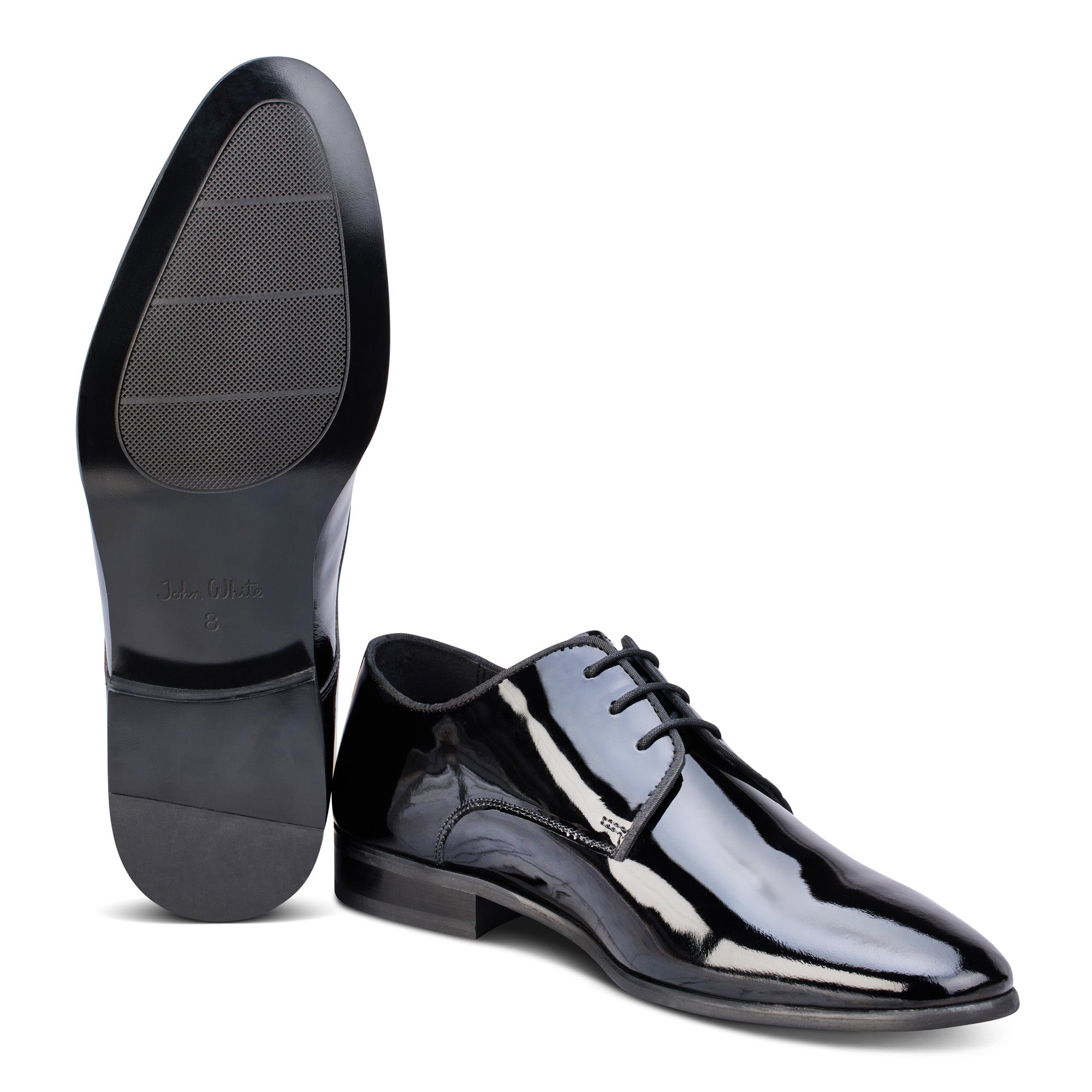
- Contrasting soles — white or cream rubber soles break the clean visual line of a formal trouser. A slim, dark sole is non-negotiable.
- Unpolished leather — a technically correct Oxford in poor condition is a more conspicuous error than an imperfect style worn impeccably. Dull leather at a formal event is a significant oversight.
How Should You Prepare Your Black Tie Shoes?
The condition of your shoes on the night is as important as the style you've chosen. Don't wait until the last minute.
- Clean — remove surface dust and residue with a soft cloth before applying anything else.
- Condition — if the shoe hasn't been worn recently, apply a leather conditioner first. Dry leather won't hold a high shine.
- Polish — apply a quality wax polish in the matching shade and work it in with a brush. The Premium Wax Polish develops the depth of shine that formal leather requires.
- Buff — use a soft cloth in small circular movements to build the surface finish. Patience produces a better shine than volume of product.
- Replace the laces — worn or frayed laces undermine everything else. The Waxed Formal Shoe Laces maintain their structure through a long evening and tie cleanly.
According to the Leather Conservation Centre, a consistent conditioning and polishing regime before formal wearing maintains leather integrity and significantly extends shoe life. The Society of Master Shoe Repairers notes that a quality leather shoe, properly maintained, can last well over a decade with periodic professional attention.
Preparation is not optional at black tie: the condition of your shoes is as legible as the cut of your jacket.
Why Does the Oxford Endure as the Formal Shoe of Choice?
The plain black Oxford has been the standard for formal British dress for well over a century. Its dominance isn't arbitrary — it's the result of a long refinement in which British formalwear settled on the shoe that best serves the visual requirements of evening dress: slim, clean, uninterrupted.
John White Shoes, established in 1919 in Northamptonshire, emerged from the same tradition that shaped Britain's approach to formal footwear. Northamptonshire — the county that gave rise to heritage names including Church's, Loake, Barker, Grenson, and Crockett & Jones — built generations of expertise in the dress shoe, and the Oxford remains its finest expression. For the full history, our guide to British shoemaking from Northampton to the world covers the tradition in depth.
Related Guides
- Captoe vs Plain Toe Oxford: Which Dress Shoe Should You Buy?
- Men's Shoes for a Wedding Guest: What to Wear at Every Dress Code
- What Shoes to Wear with a Suit
TL;DR
For black tie, wear a plain black Oxford — patent leather for the strictest interpretation, highly polished smooth calf for everyday formal use. No brogues, no suede, no boots. Prepare your shoes with a full polish regime before the event and replace the laces. The Guildhall Capped Oxford in Black is the correct starting point for any formal wardrobe.
Frequently Asked Questions
Can you wear brogues to a black tie event?
No. Brogues — whether full or semi — carry decorative perforations that are considered too casual for formal evening dress. Save them for business, smart casual, and lounge suit occasions. Black tie calls for a plain, undecorated Oxford.
Do black tie shoes have to be patent leather?
Not strictly. Patent leather is the traditional and most formally correct finish, but a highly polished plain calf leather Oxford is widely accepted and performs correctly at all but the most formal occasions. The key is the level of shine — not the specific leather type.
Can you wear a black Derby shoe to black tie?
A Derby shoe has an open lacing system, which makes it technically less formal than an Oxford. It's acceptable at relaxed or modern black tie events but not the correct choice for traditional settings such as galas or formal dinners. When in doubt, choose the Oxford.
How do you get a mirror shine for a formal event?
Clean the shoe first, condition if needed, then build thin layers of wax polish with a cloth in small circular movements — minimal product each time. Patience produces a better result than quantity. Buffing between coats builds depth of shine. Our complete guide to leather shoe care covers the full process in detail.
Shop the John White Shoes collection and find the Oxford your next formal occasion deserves.