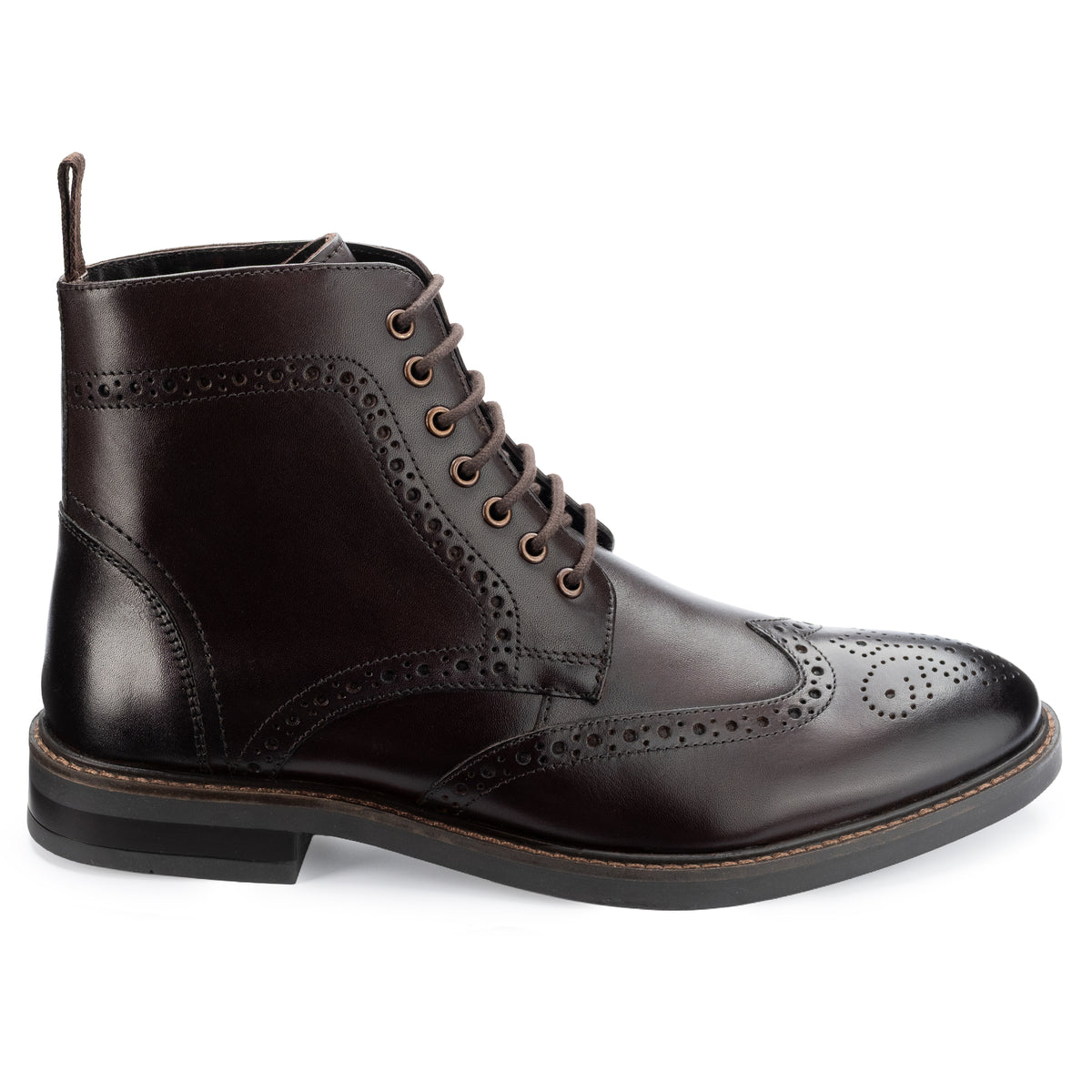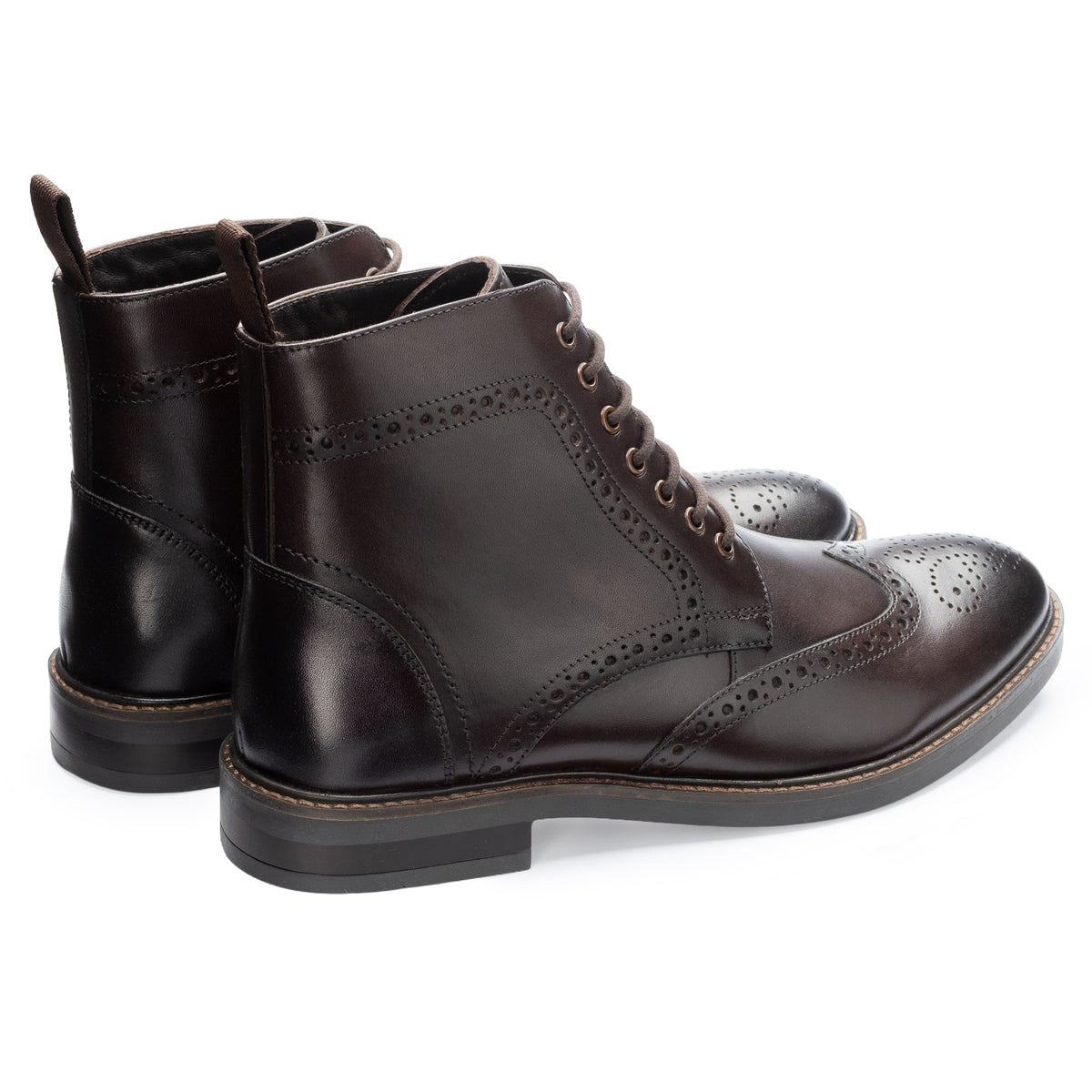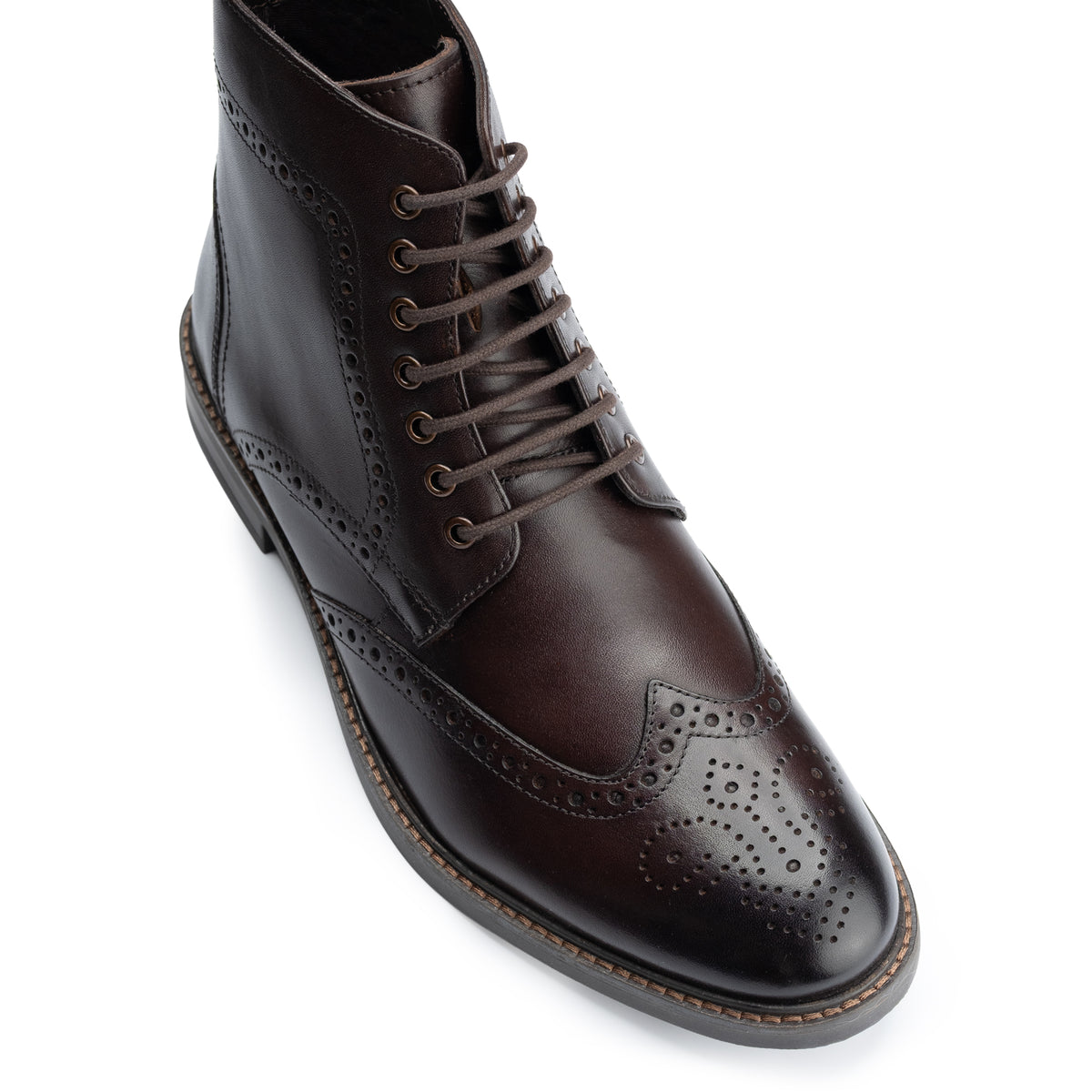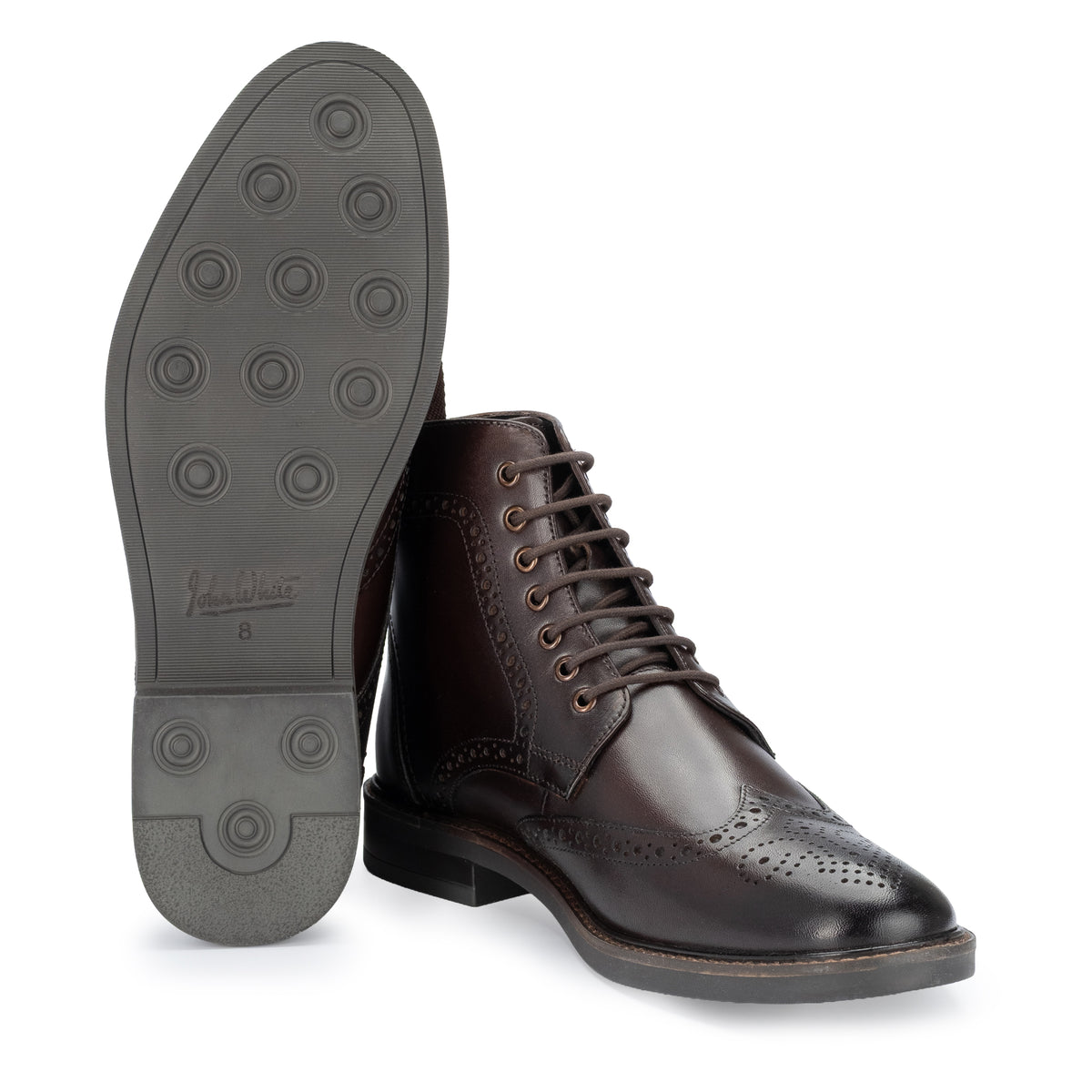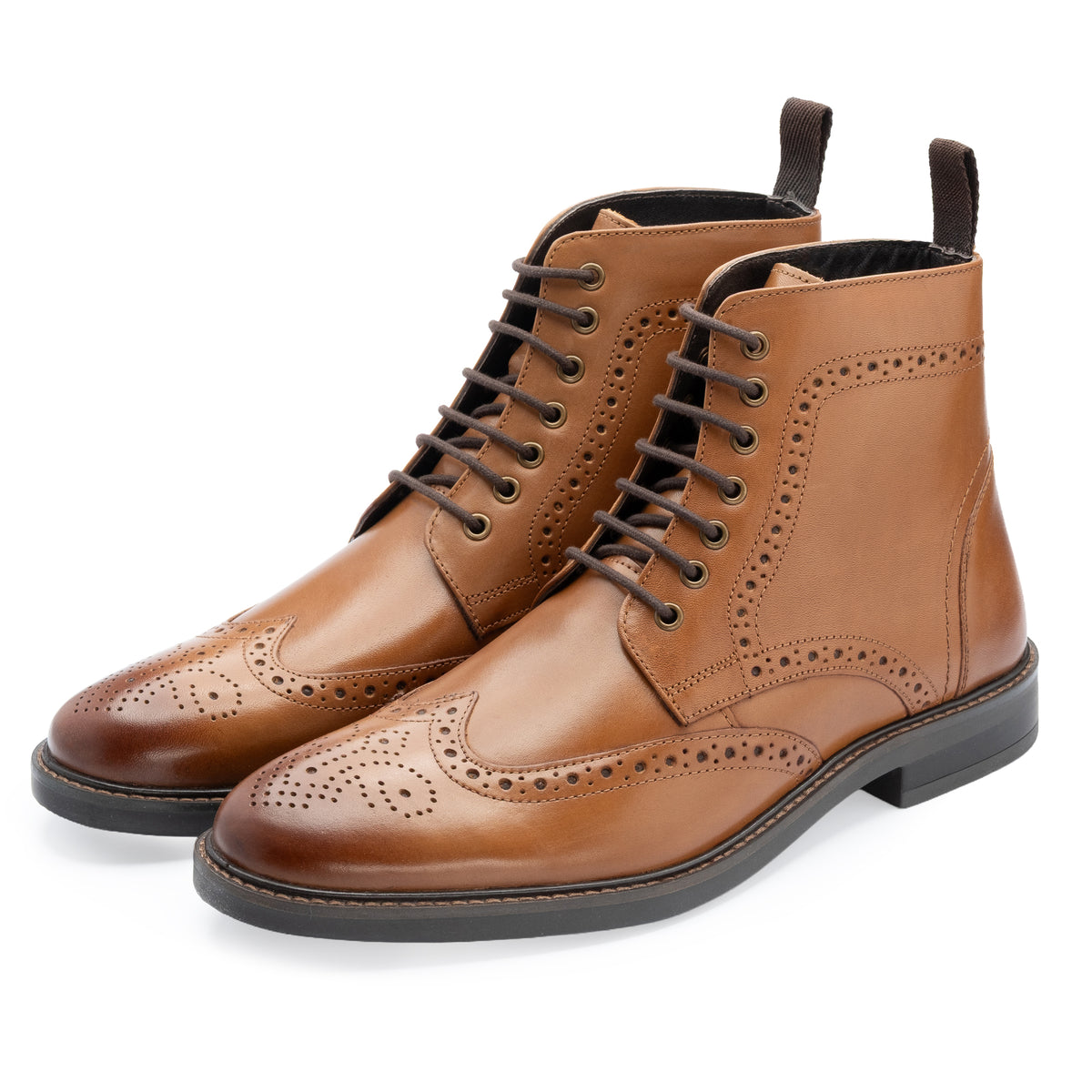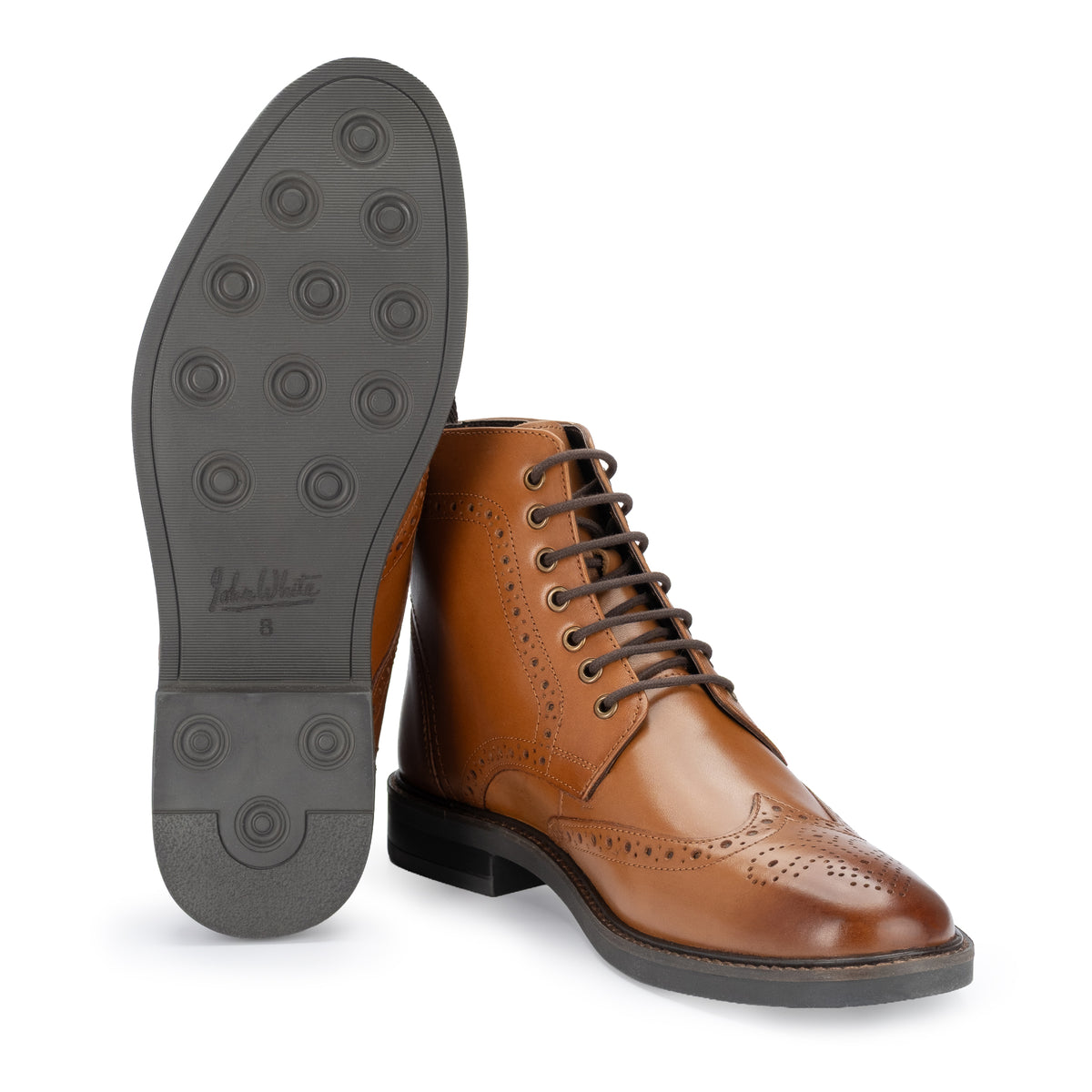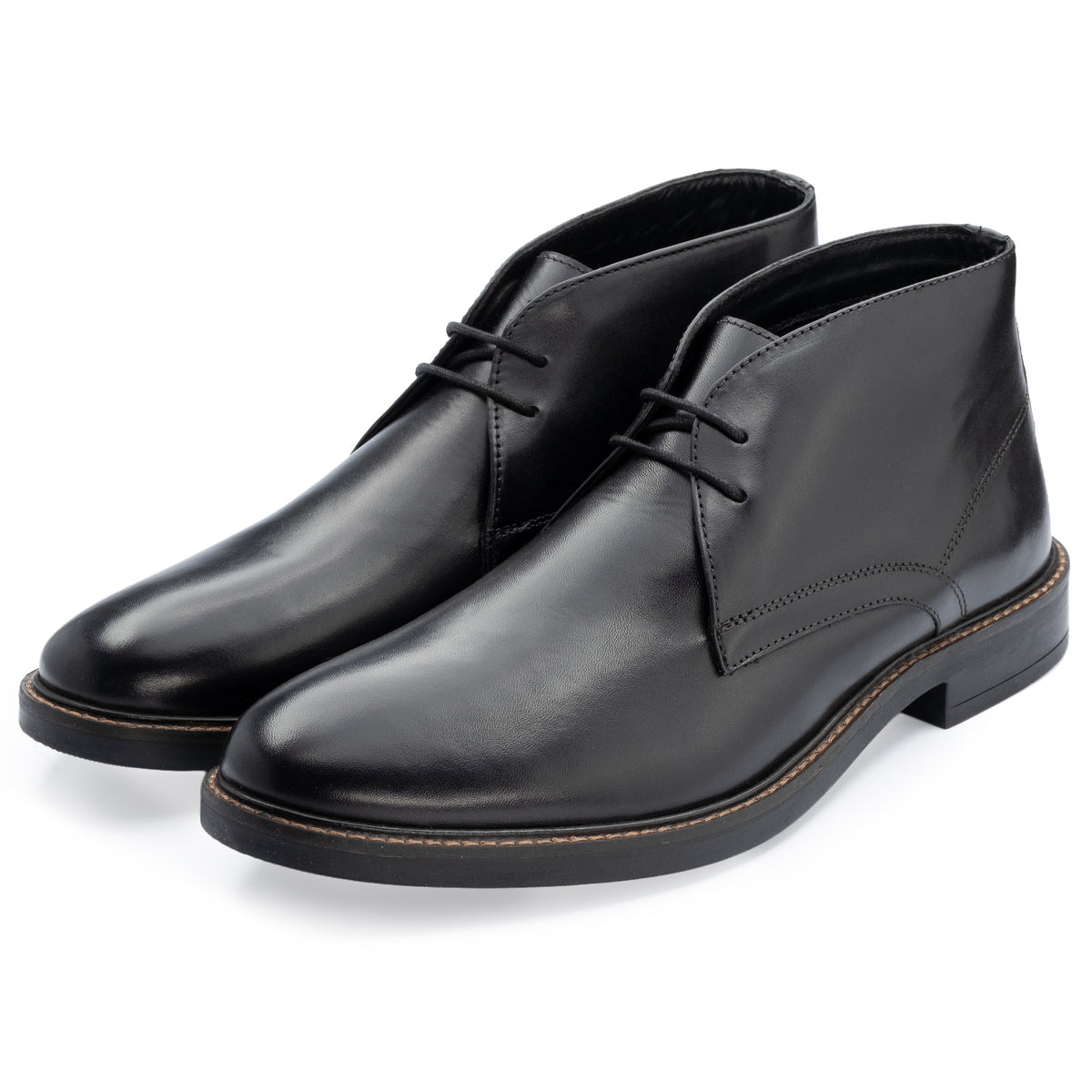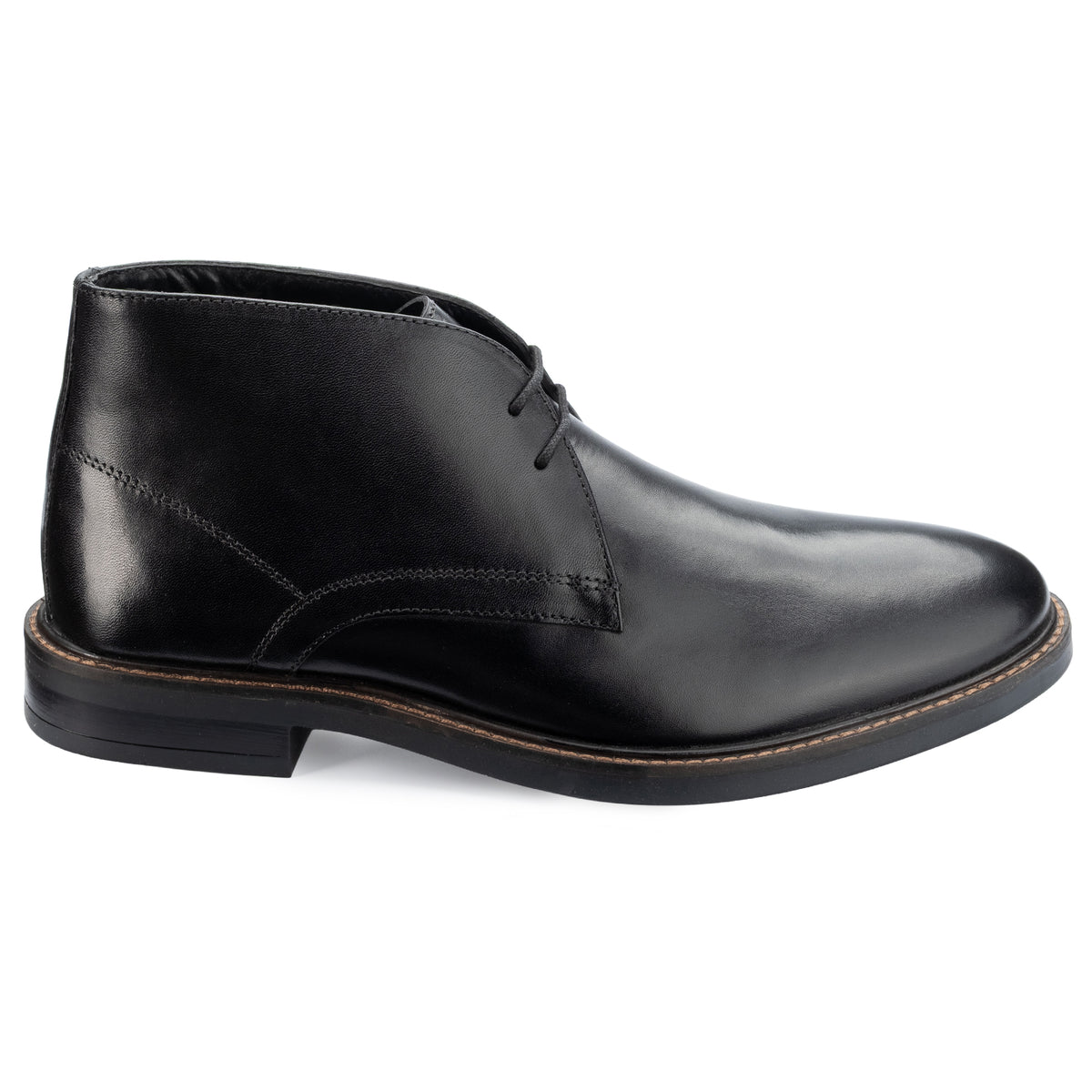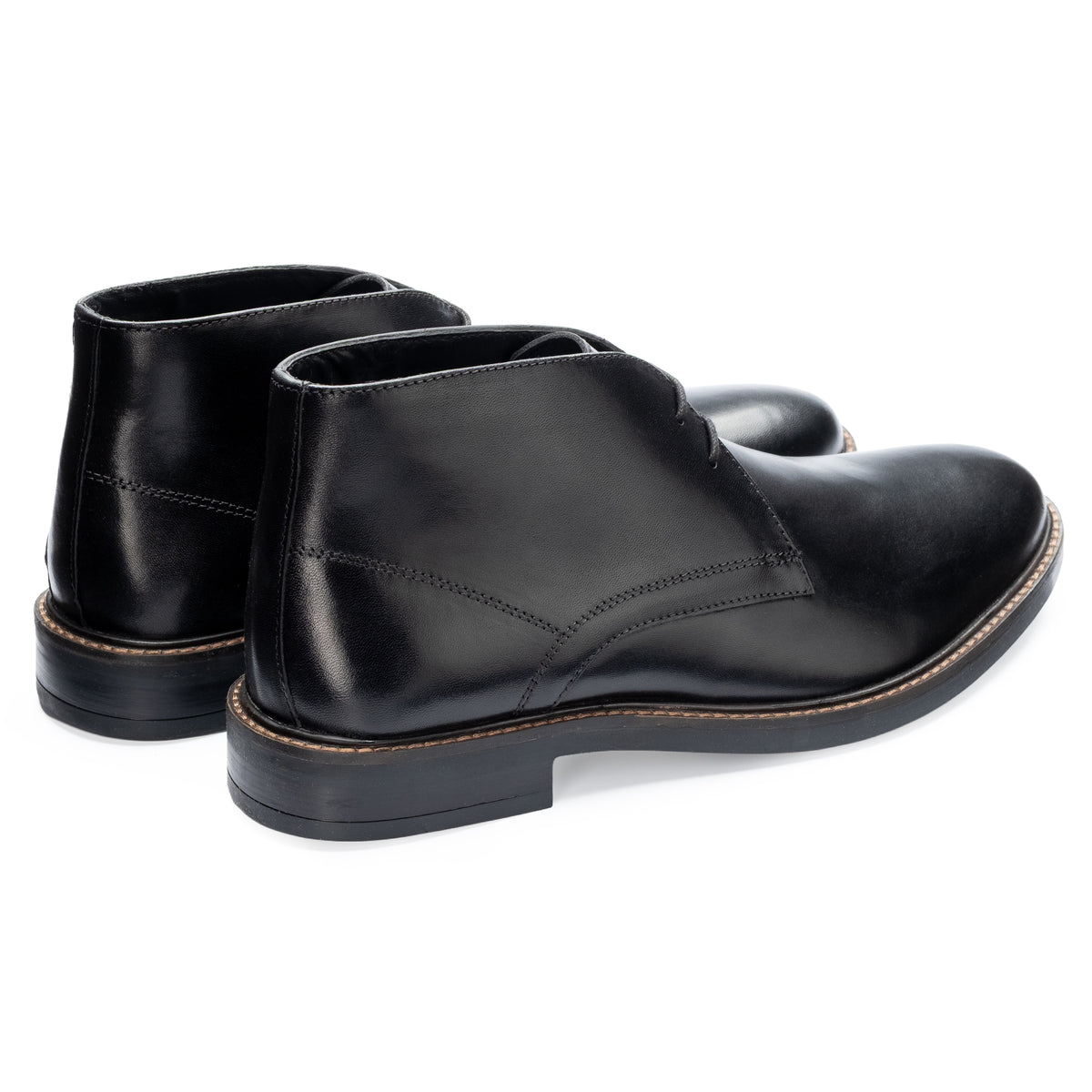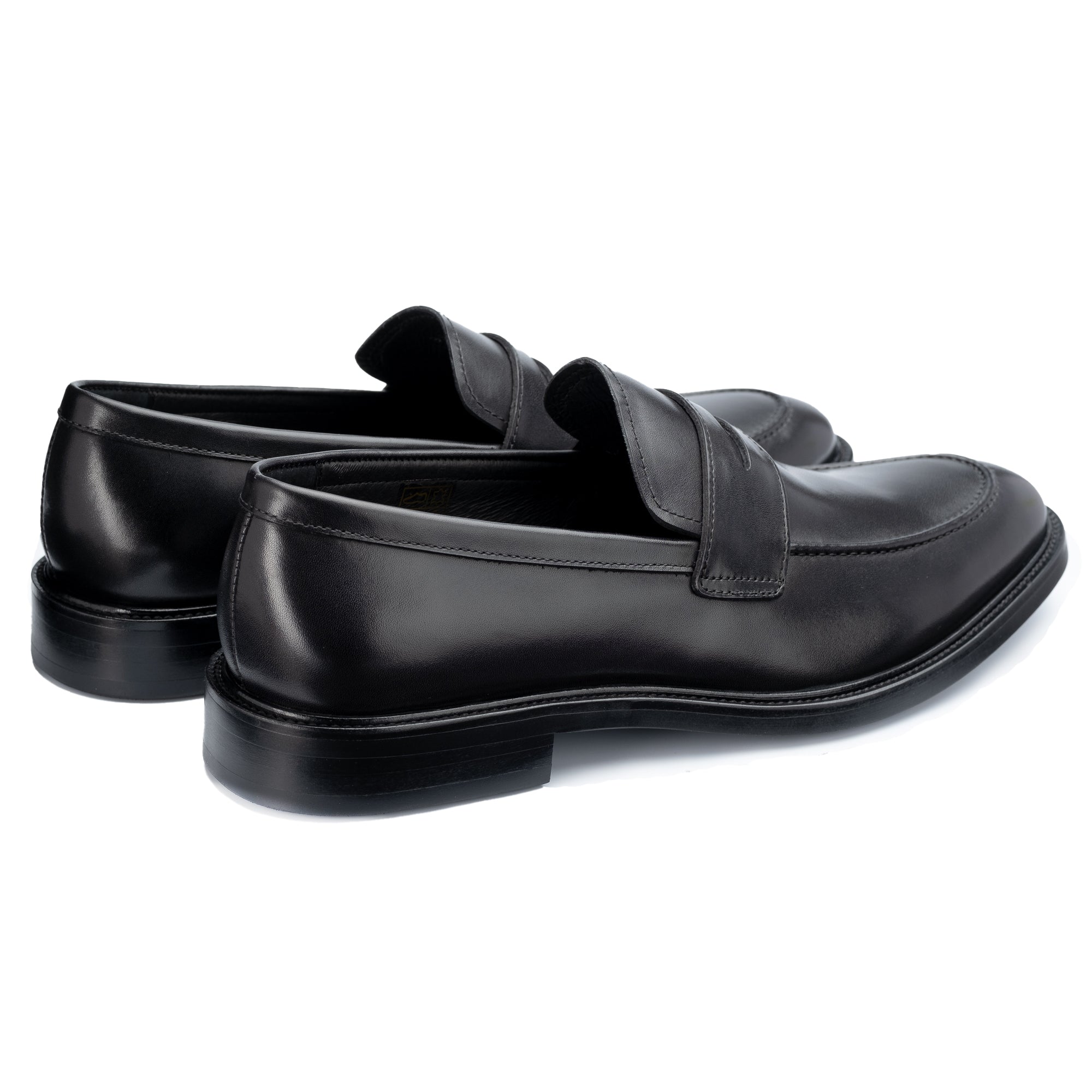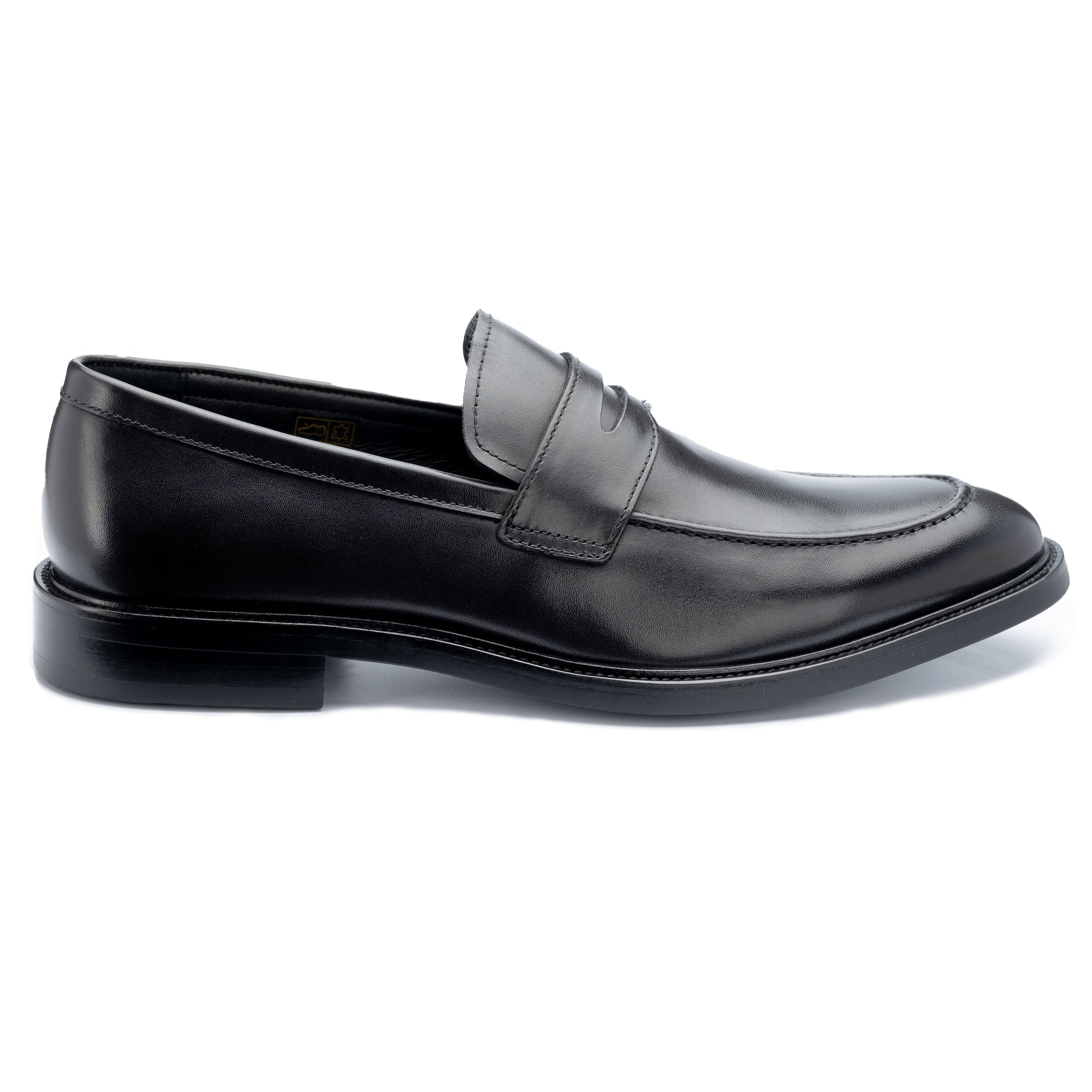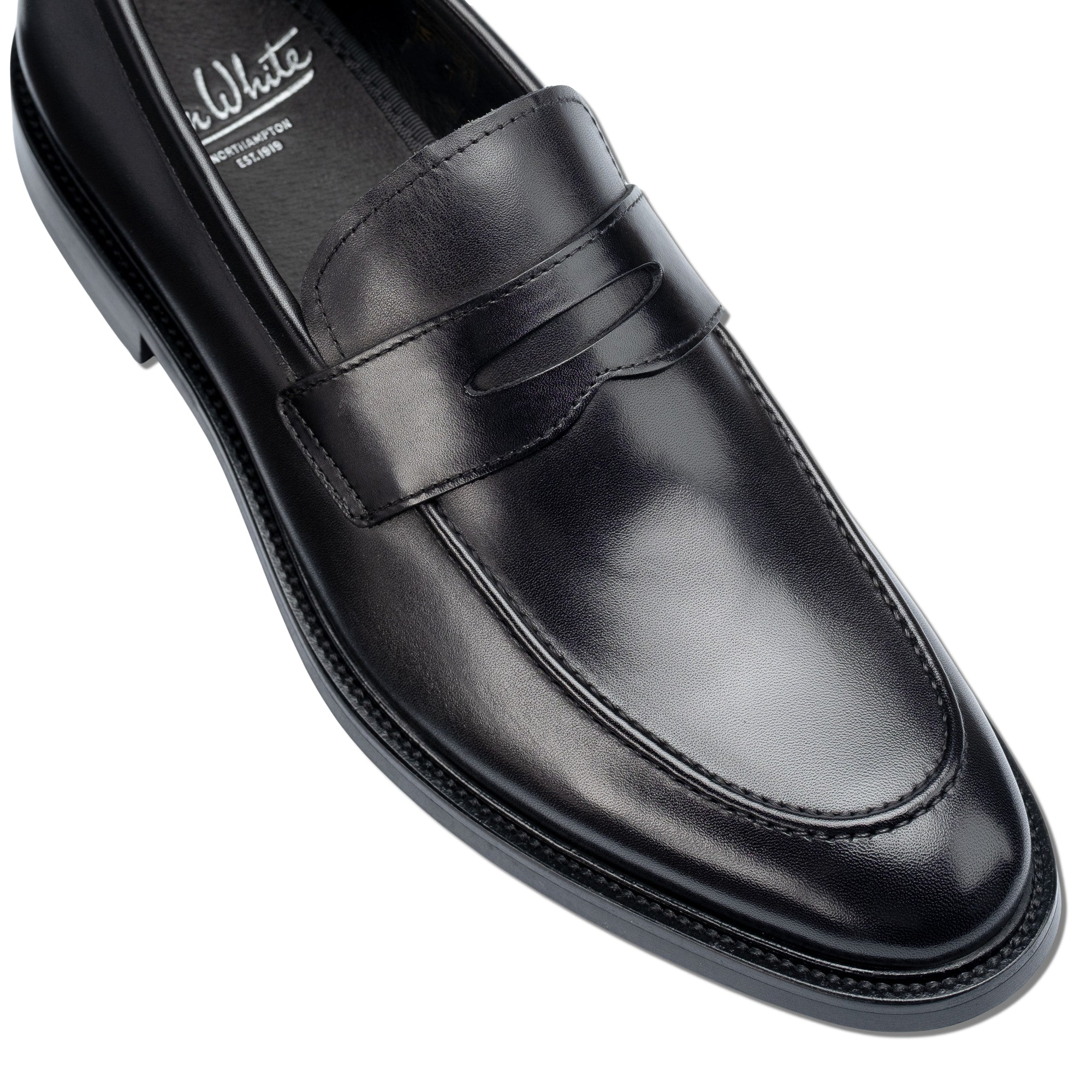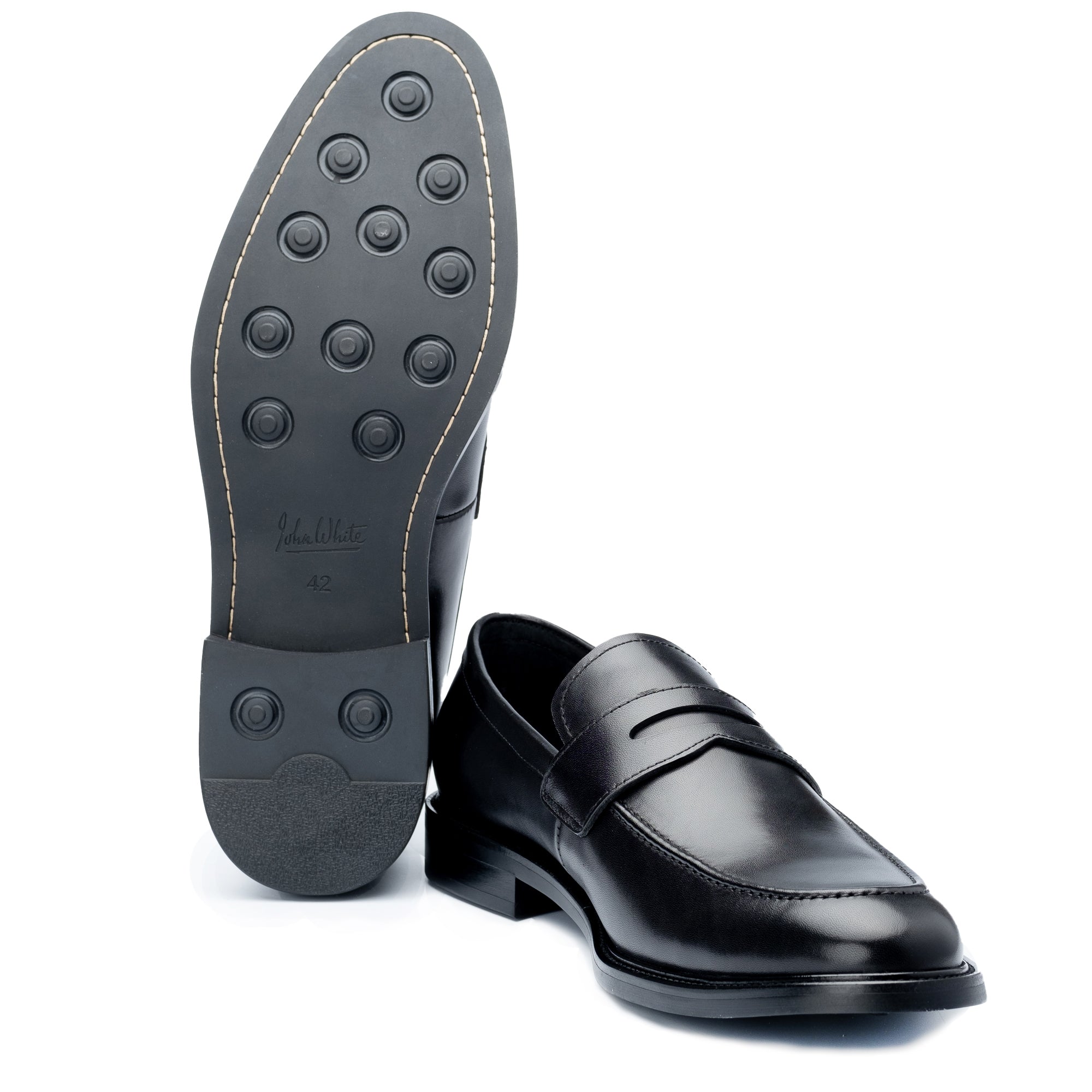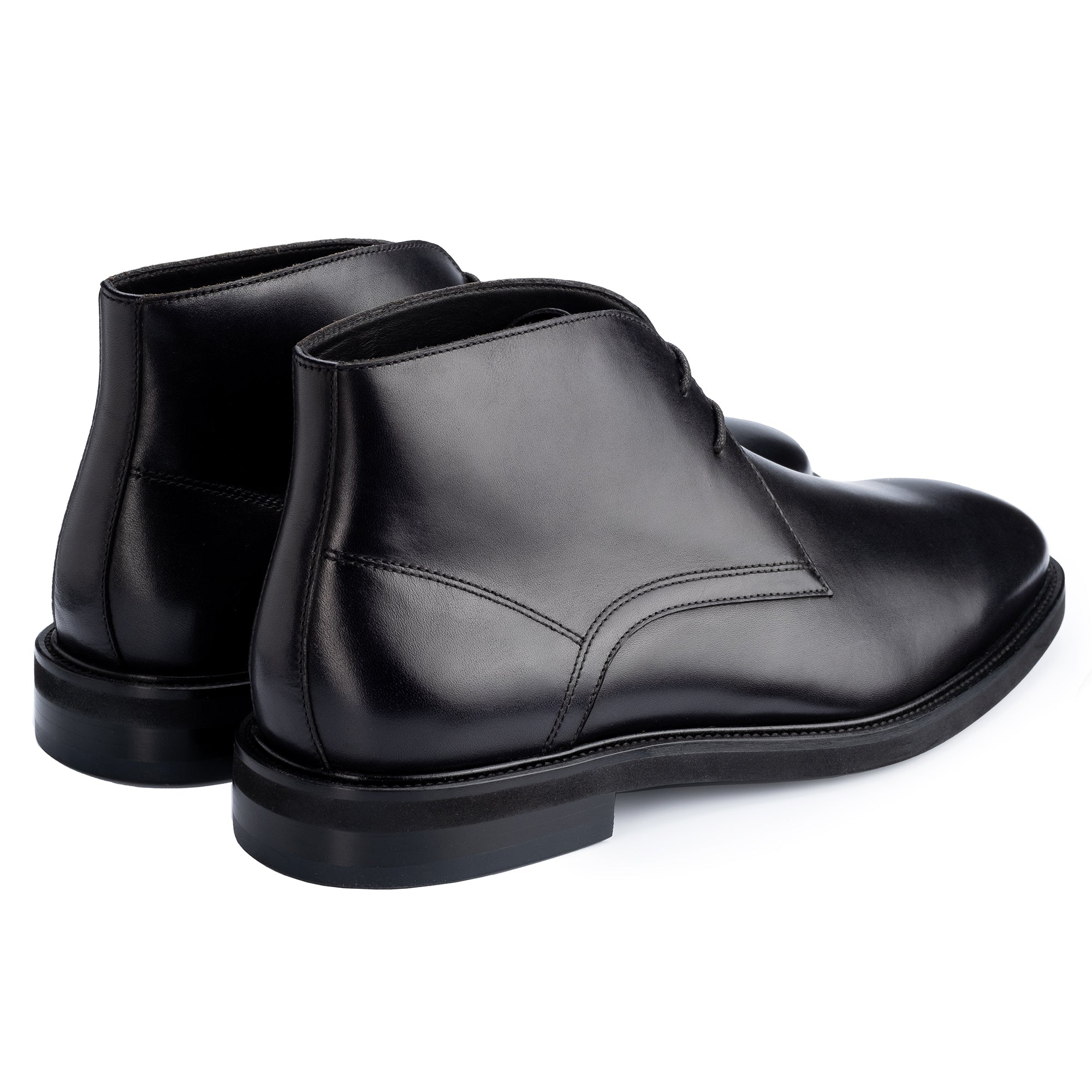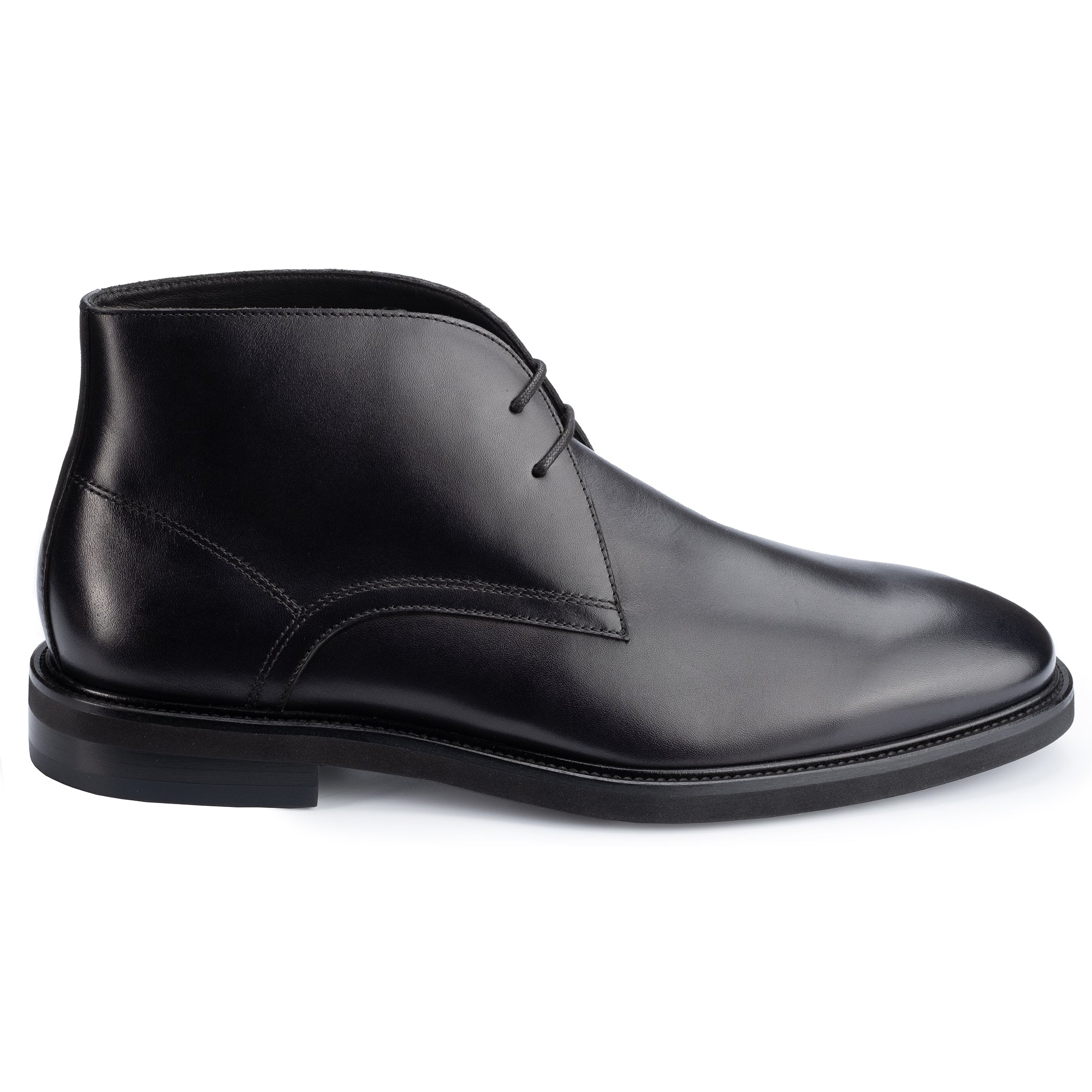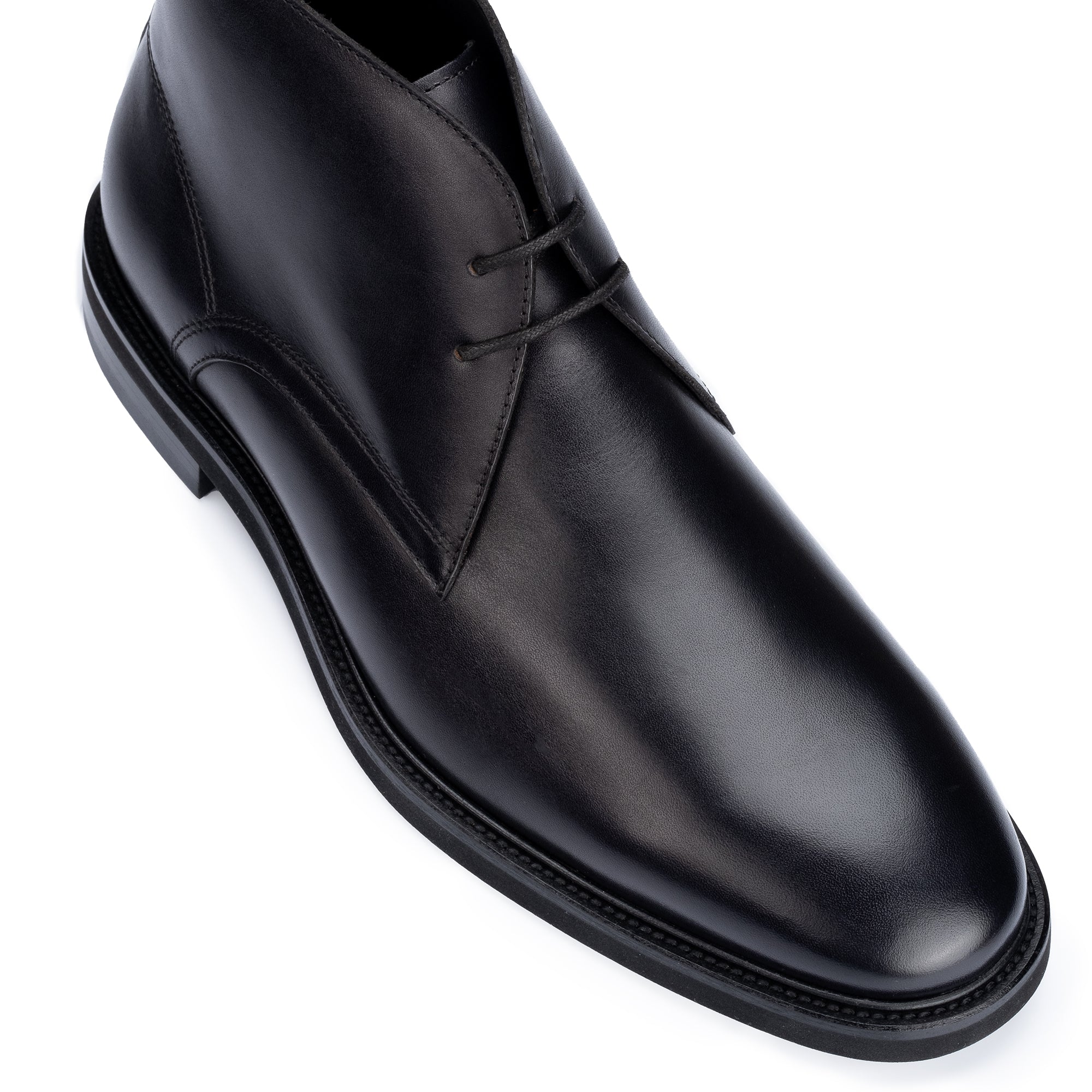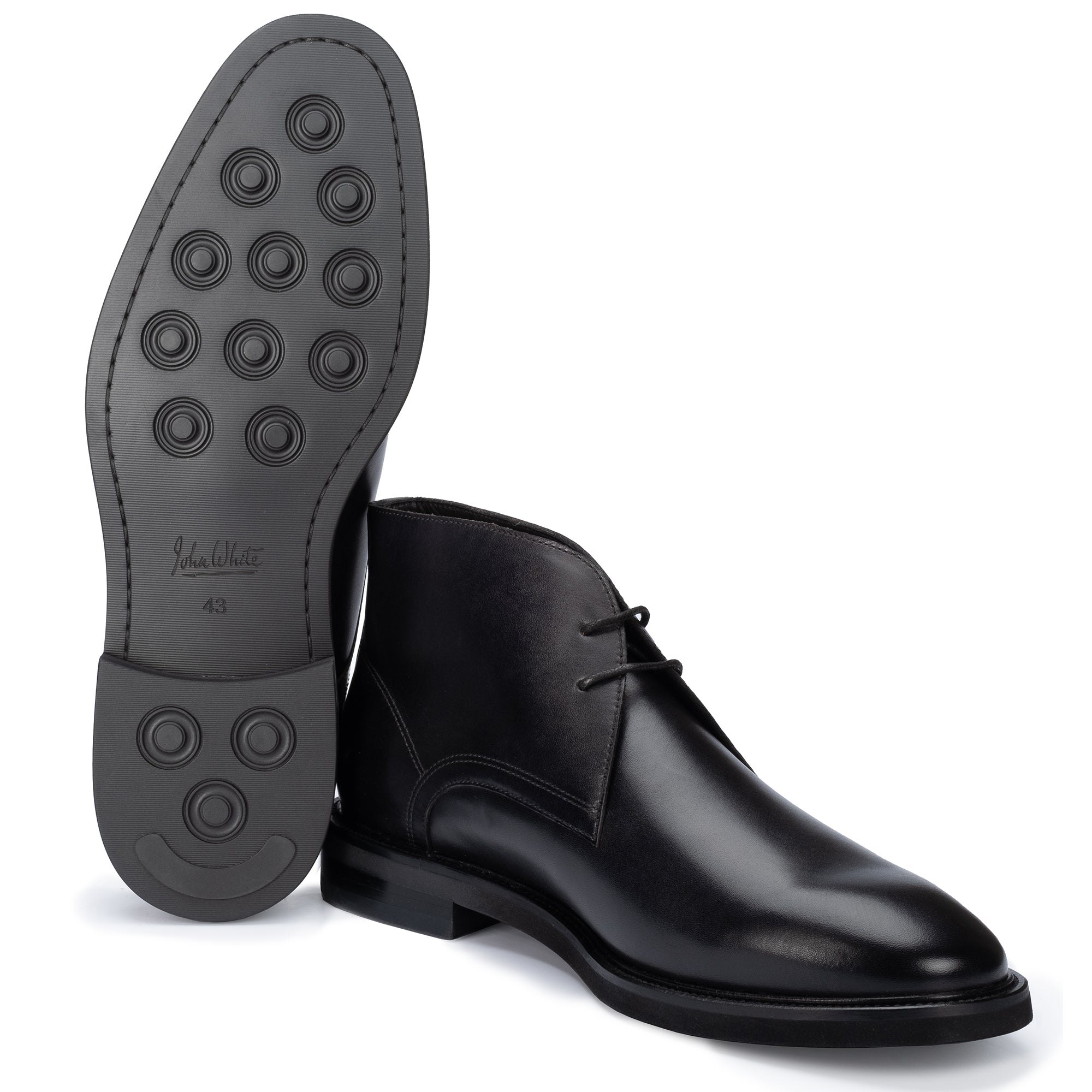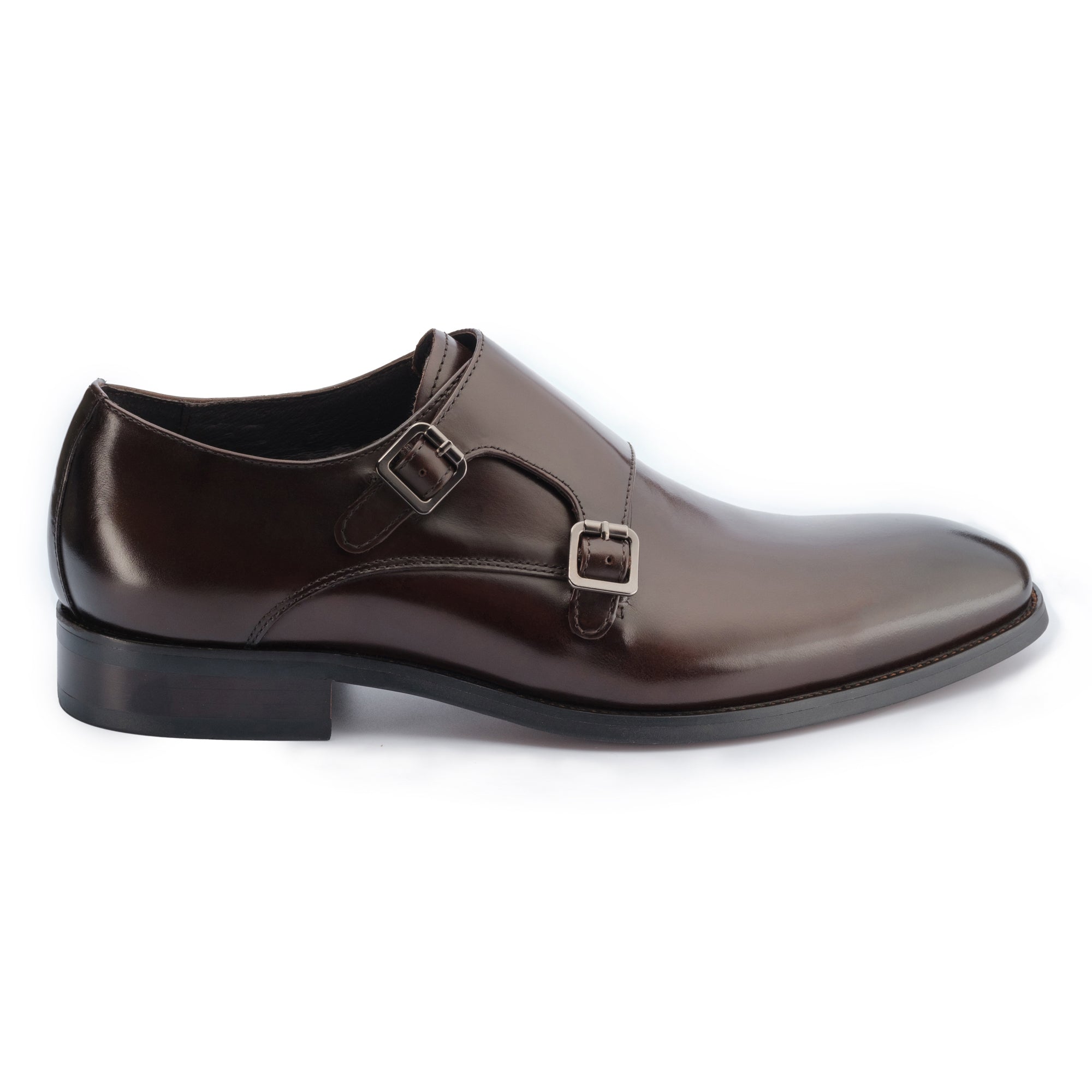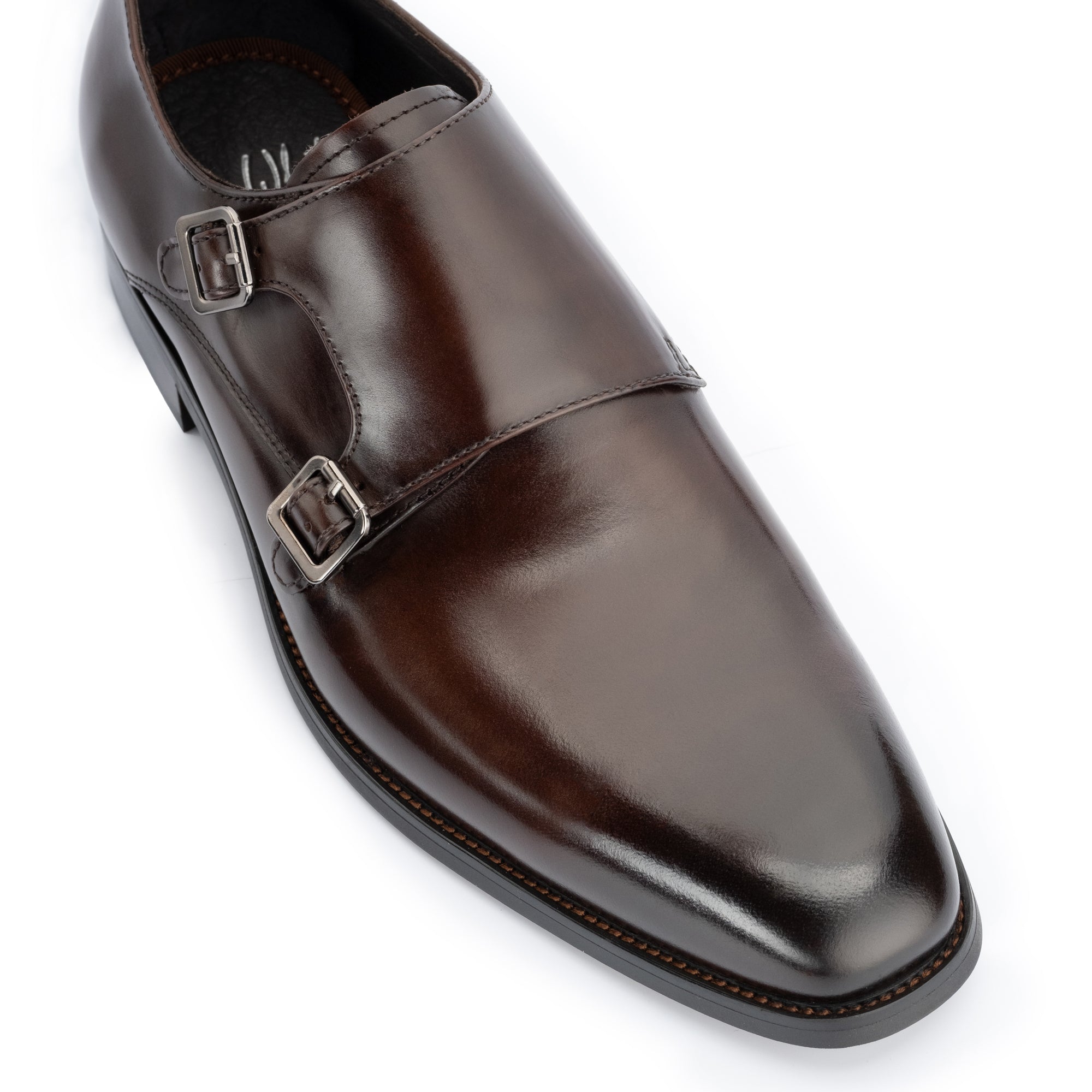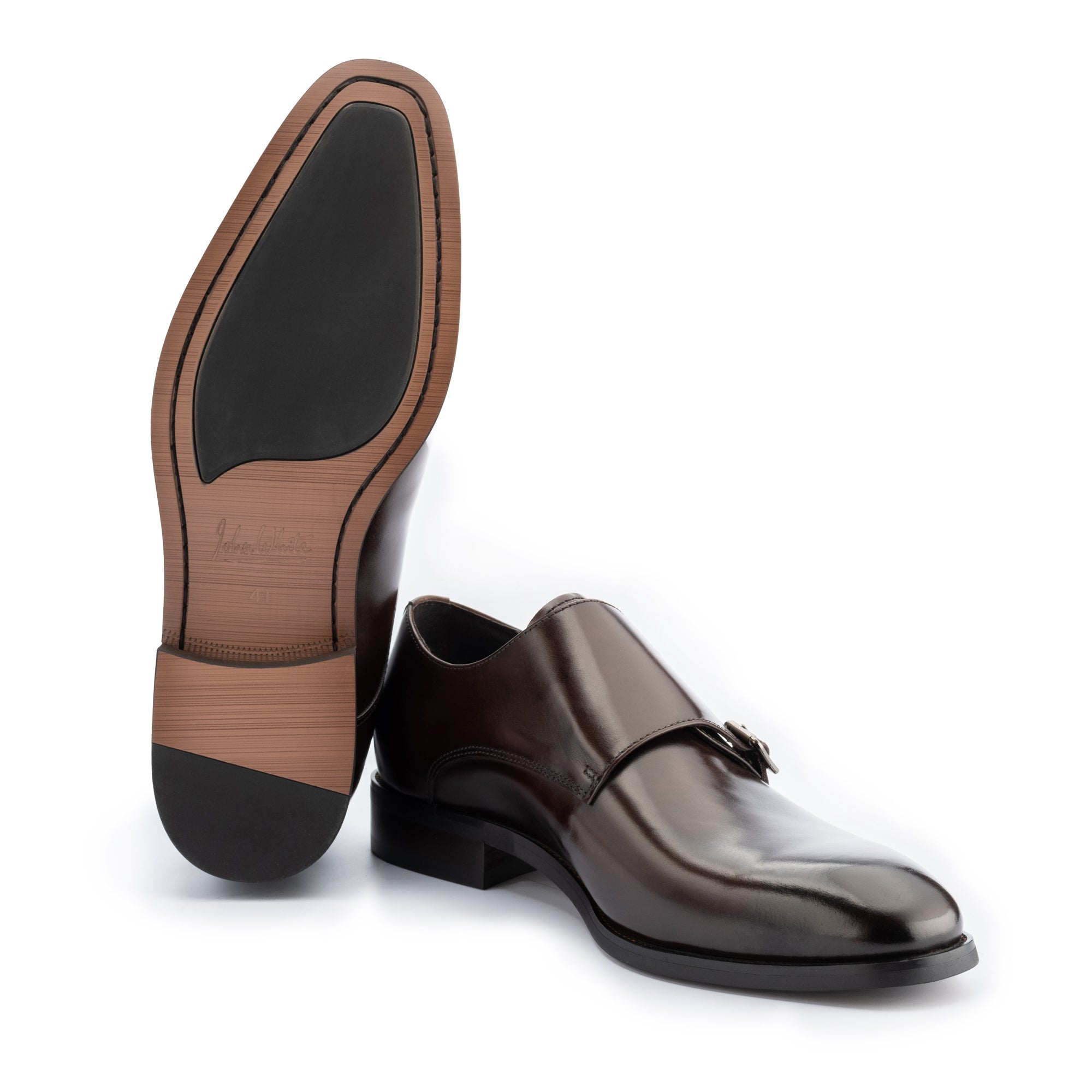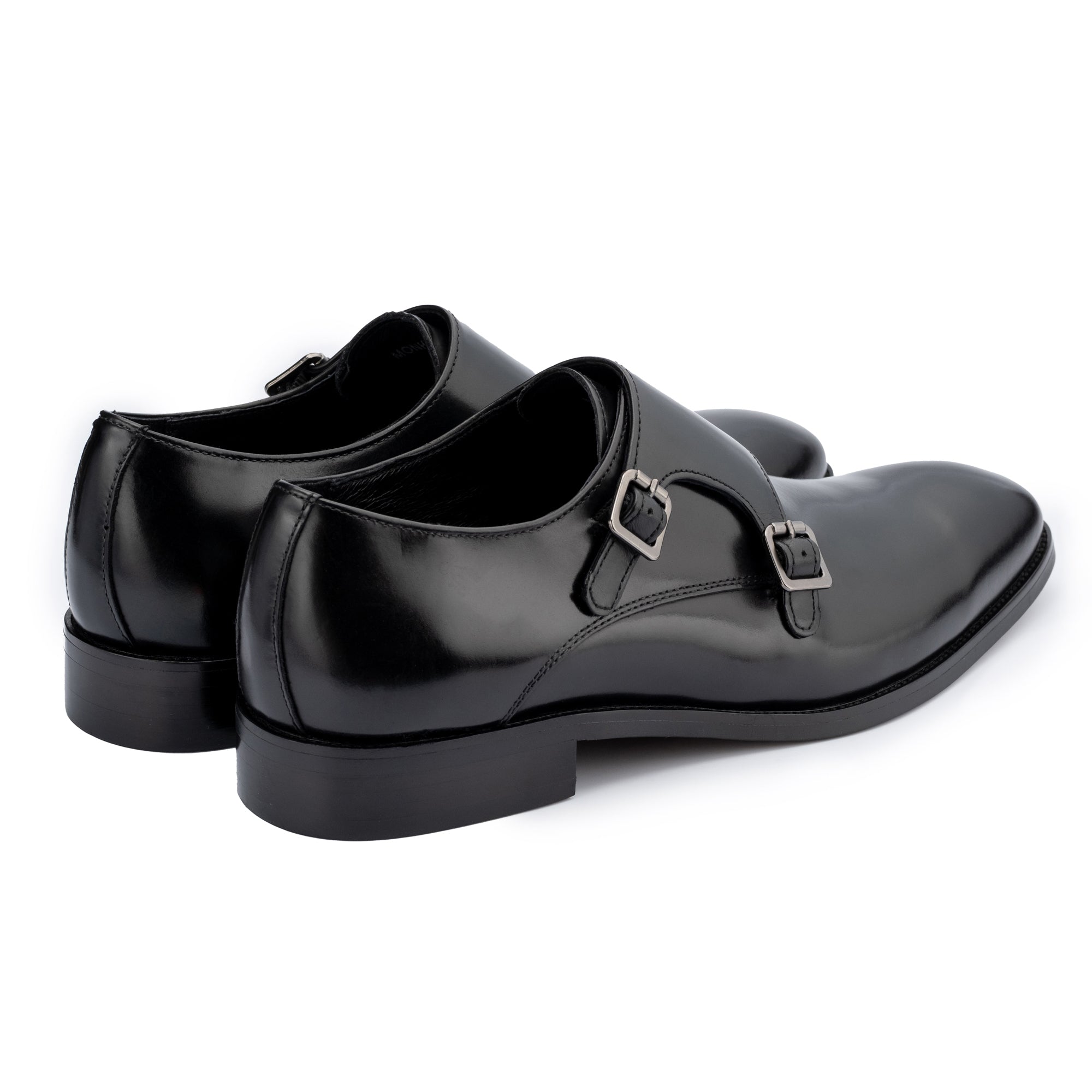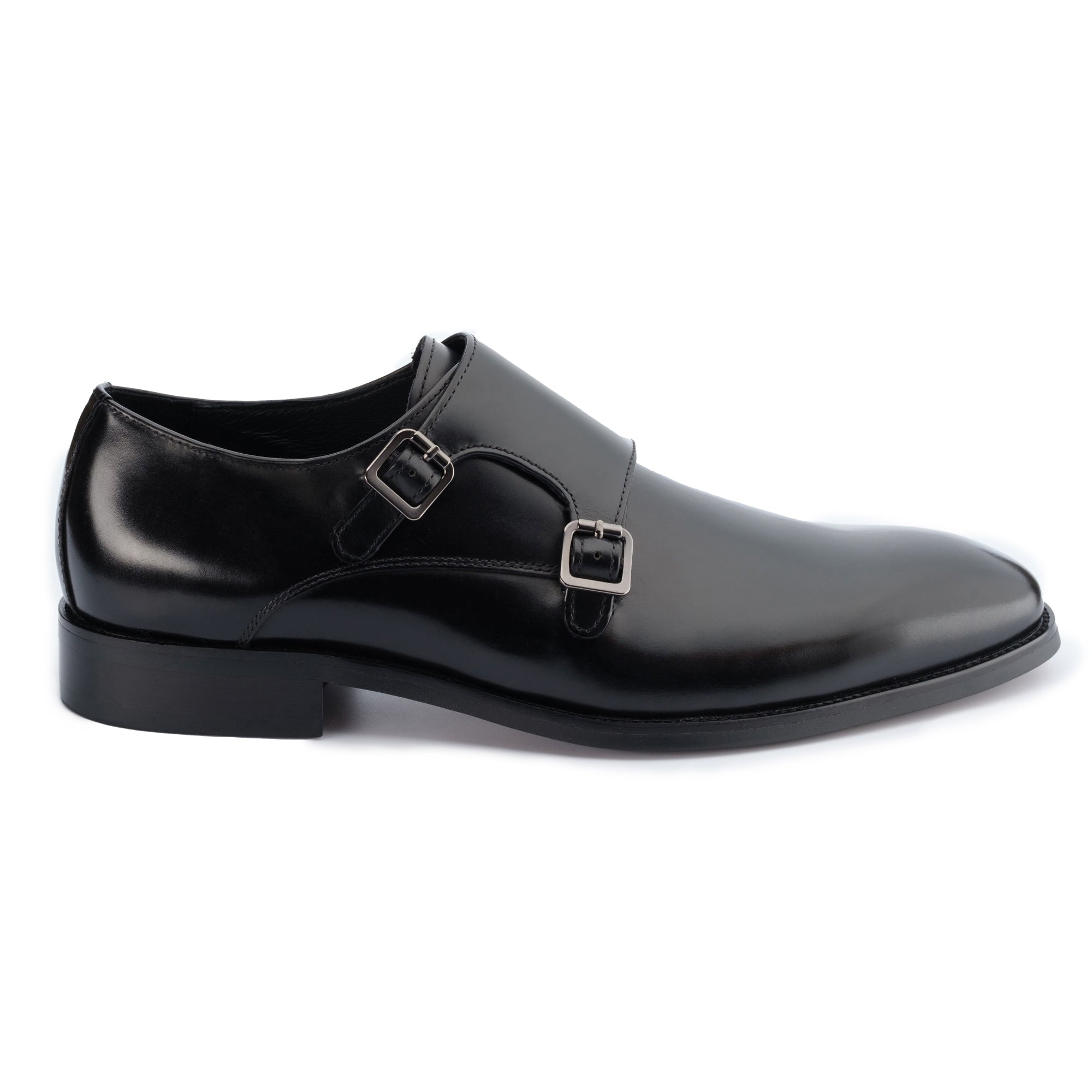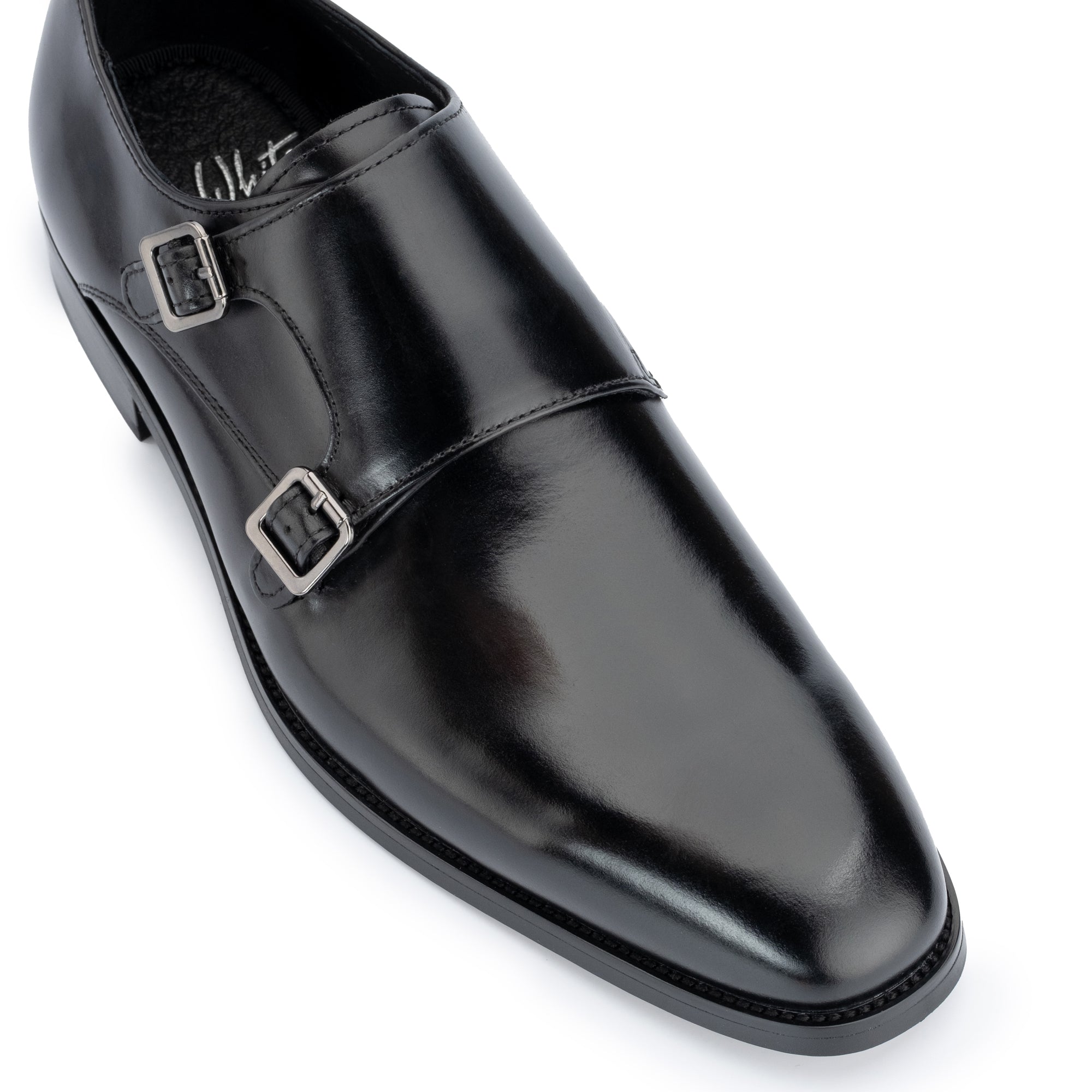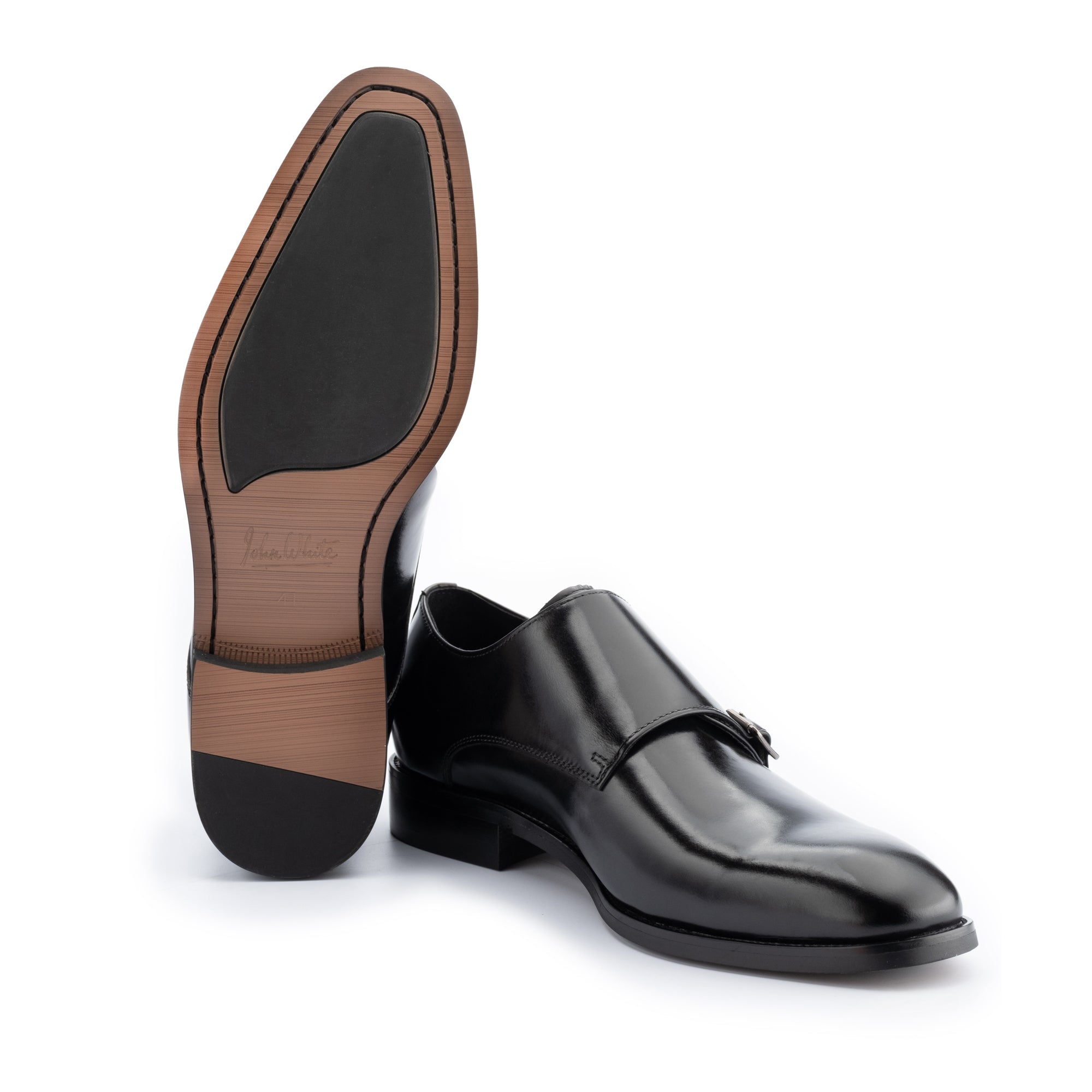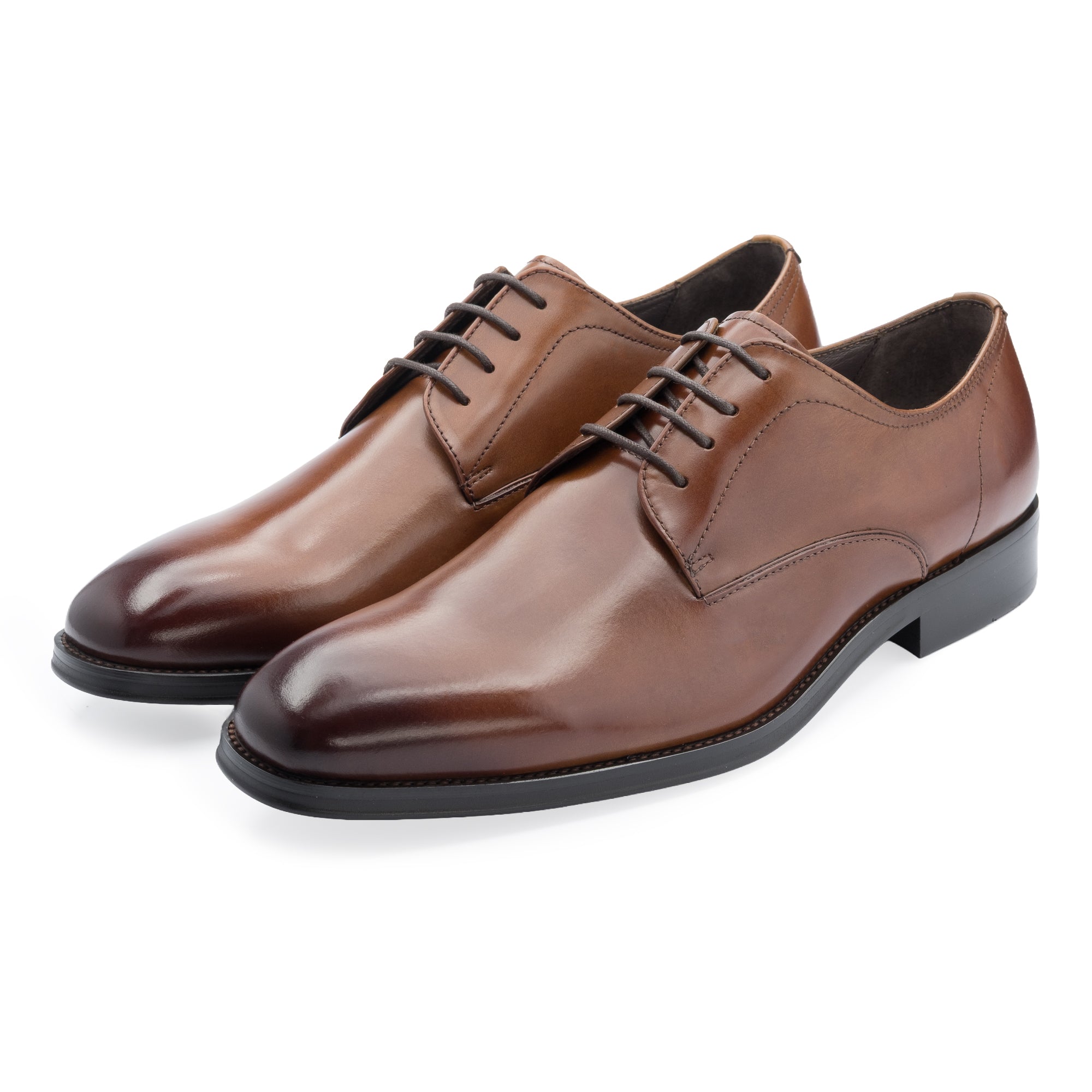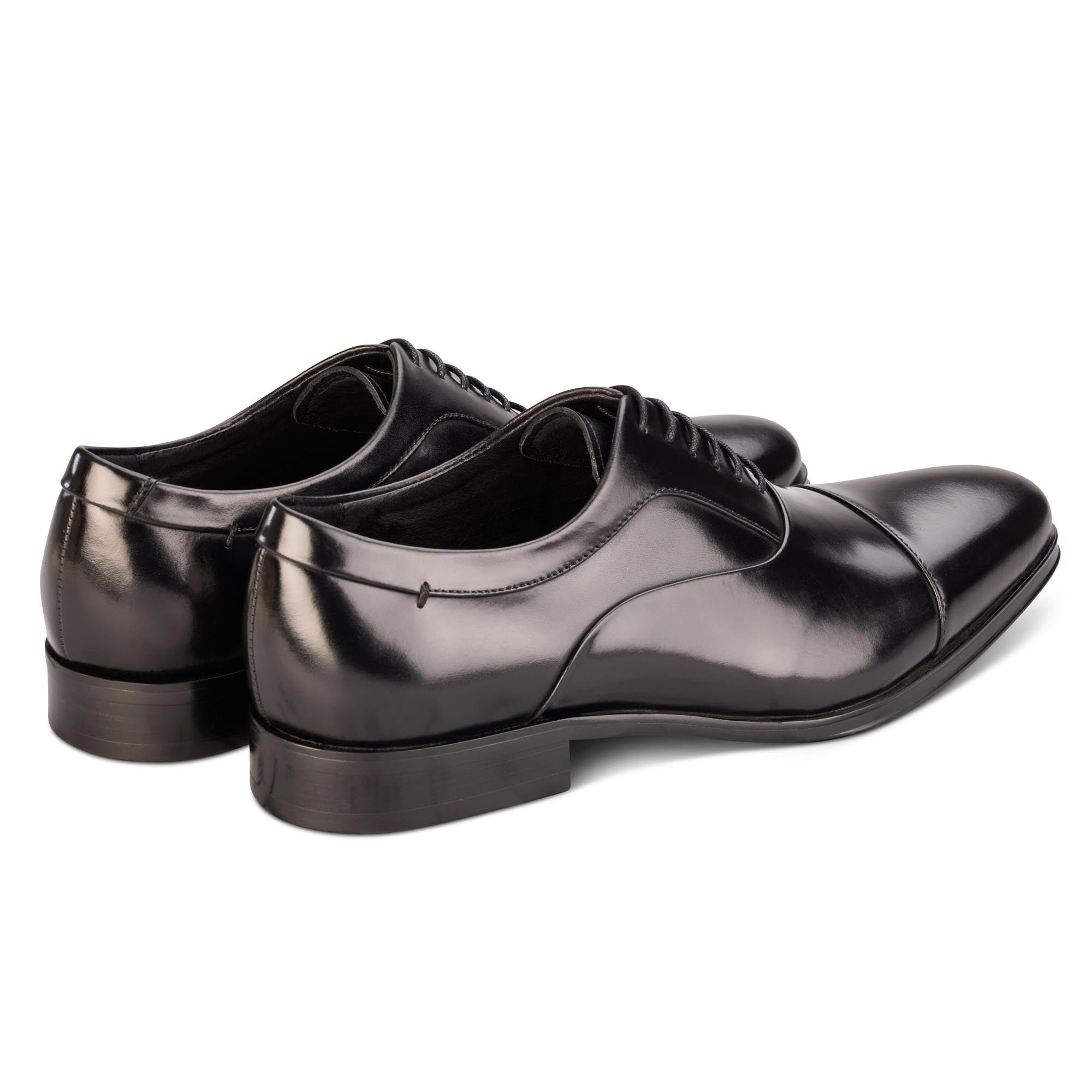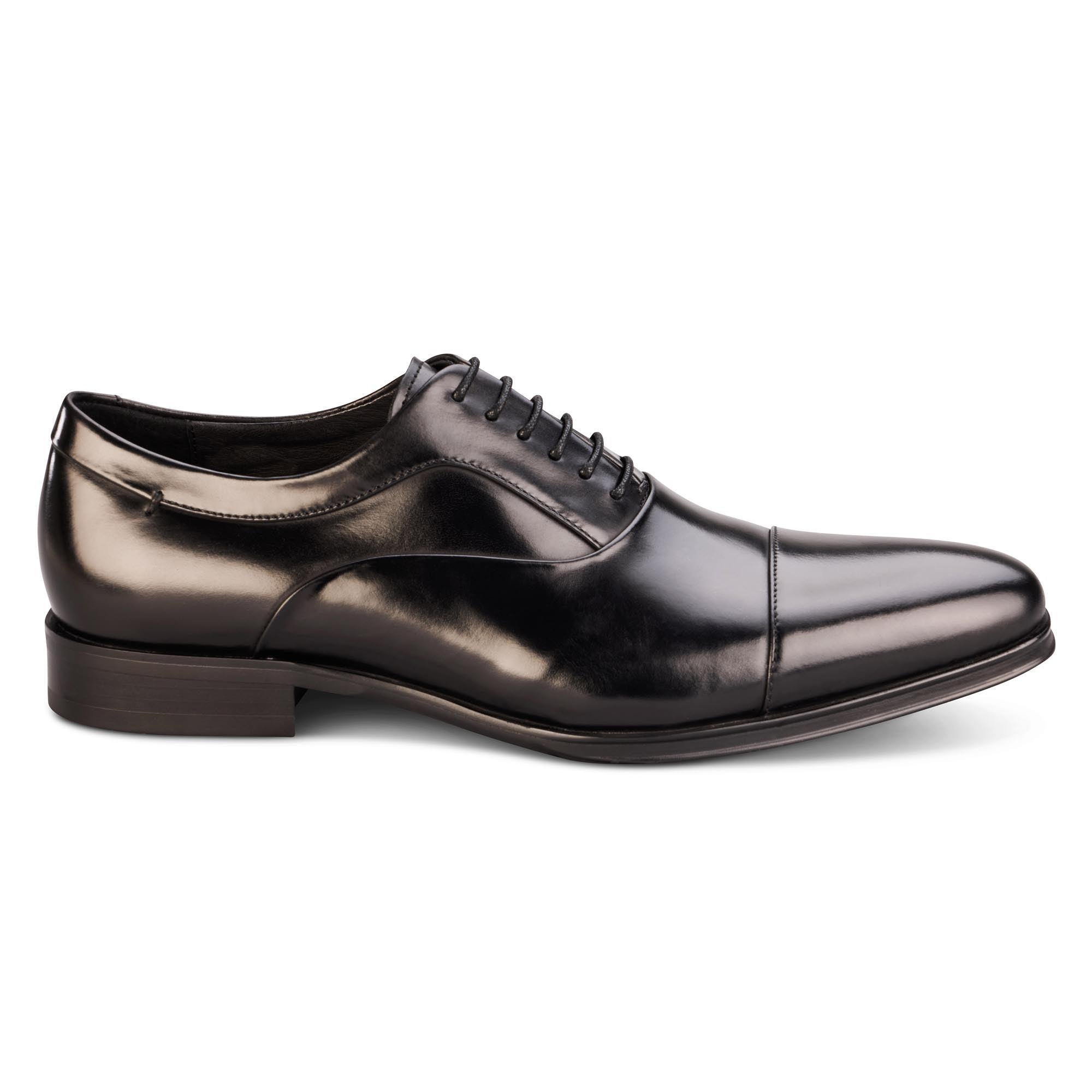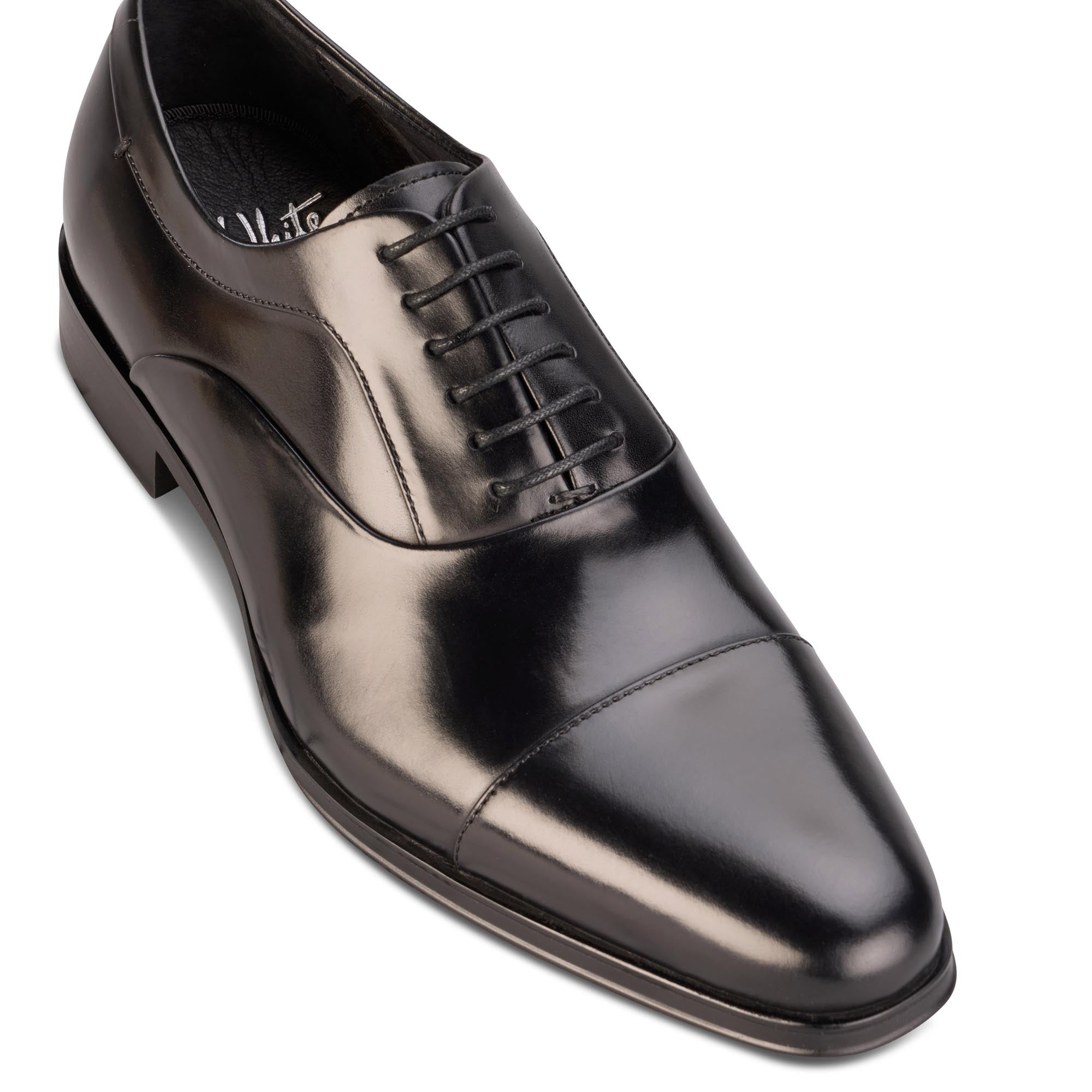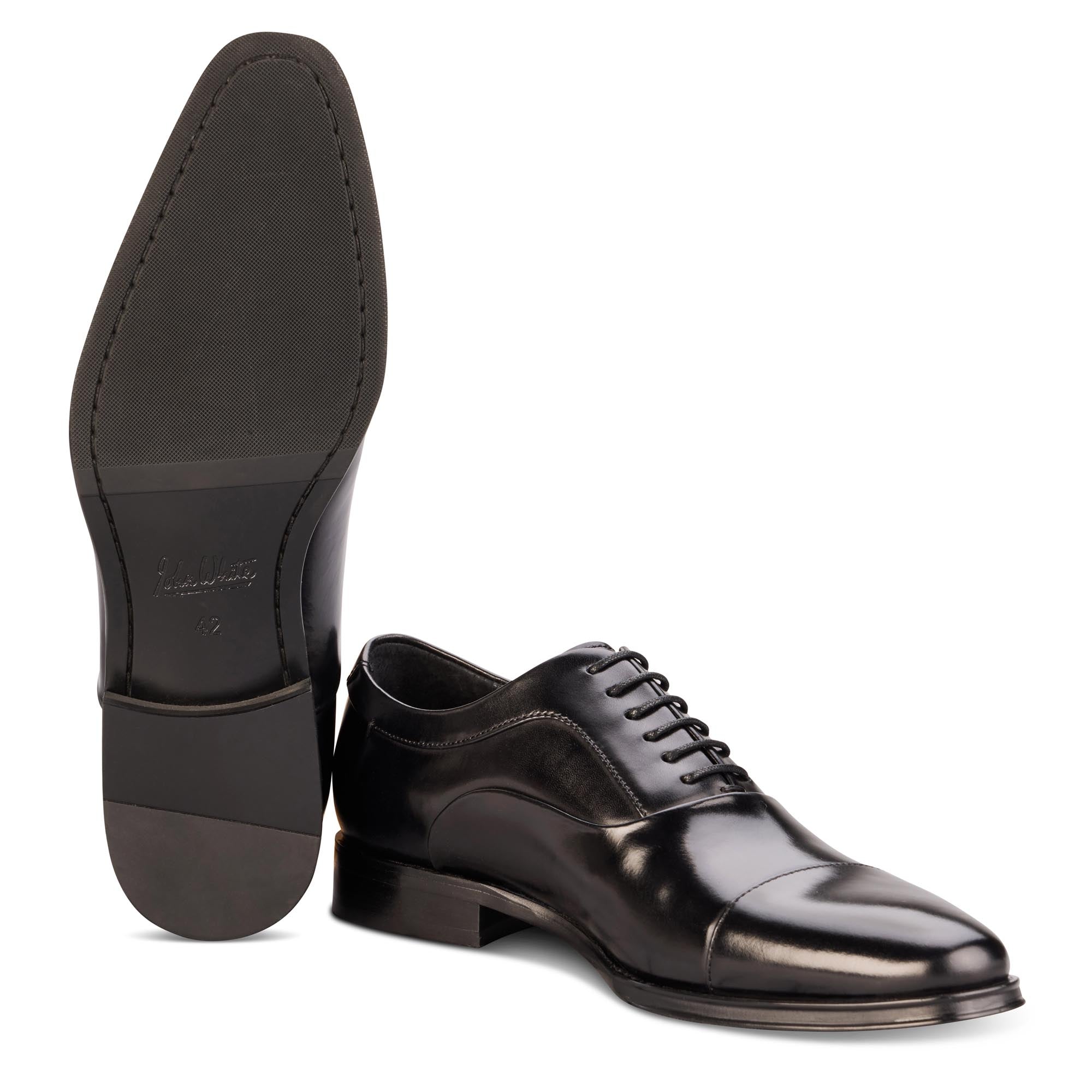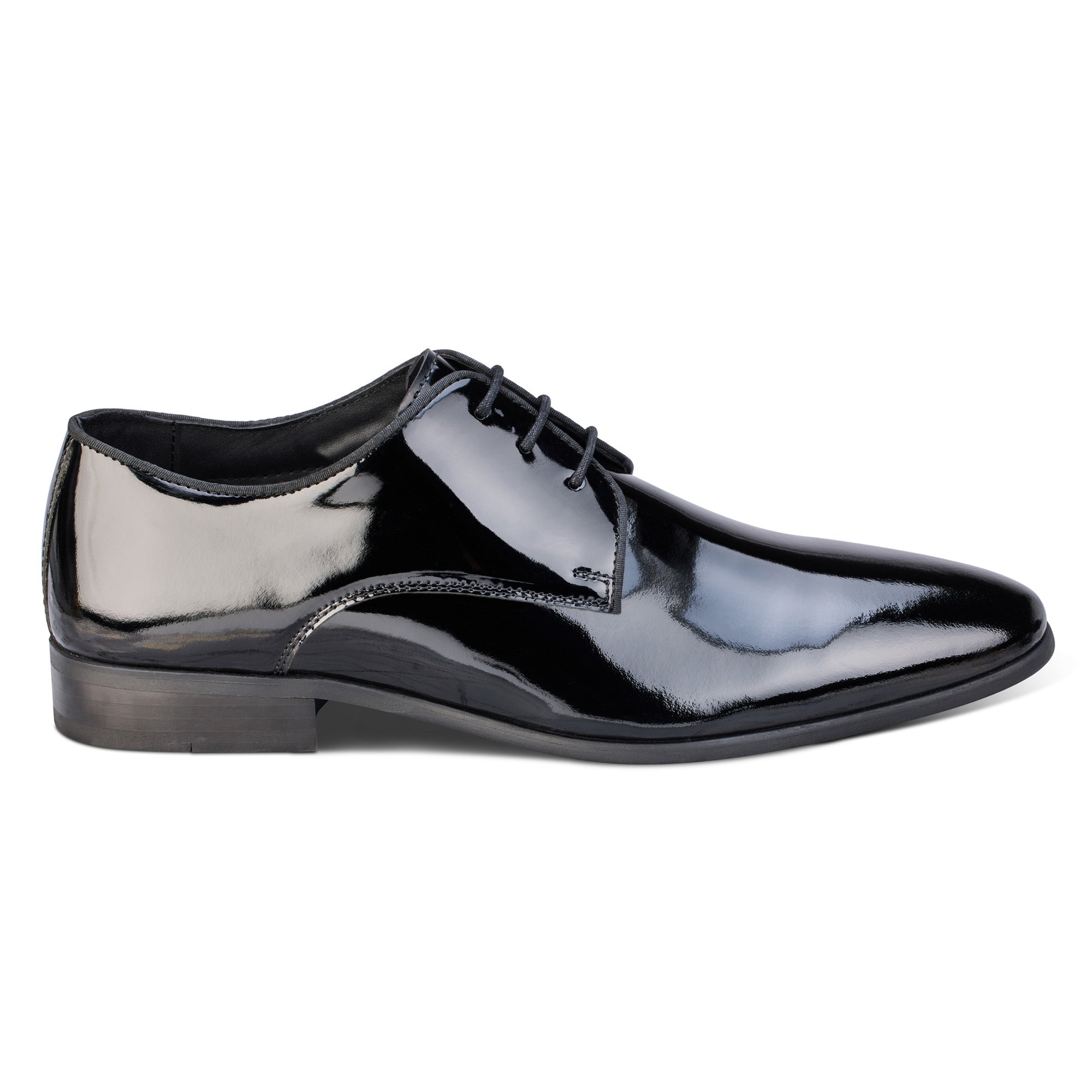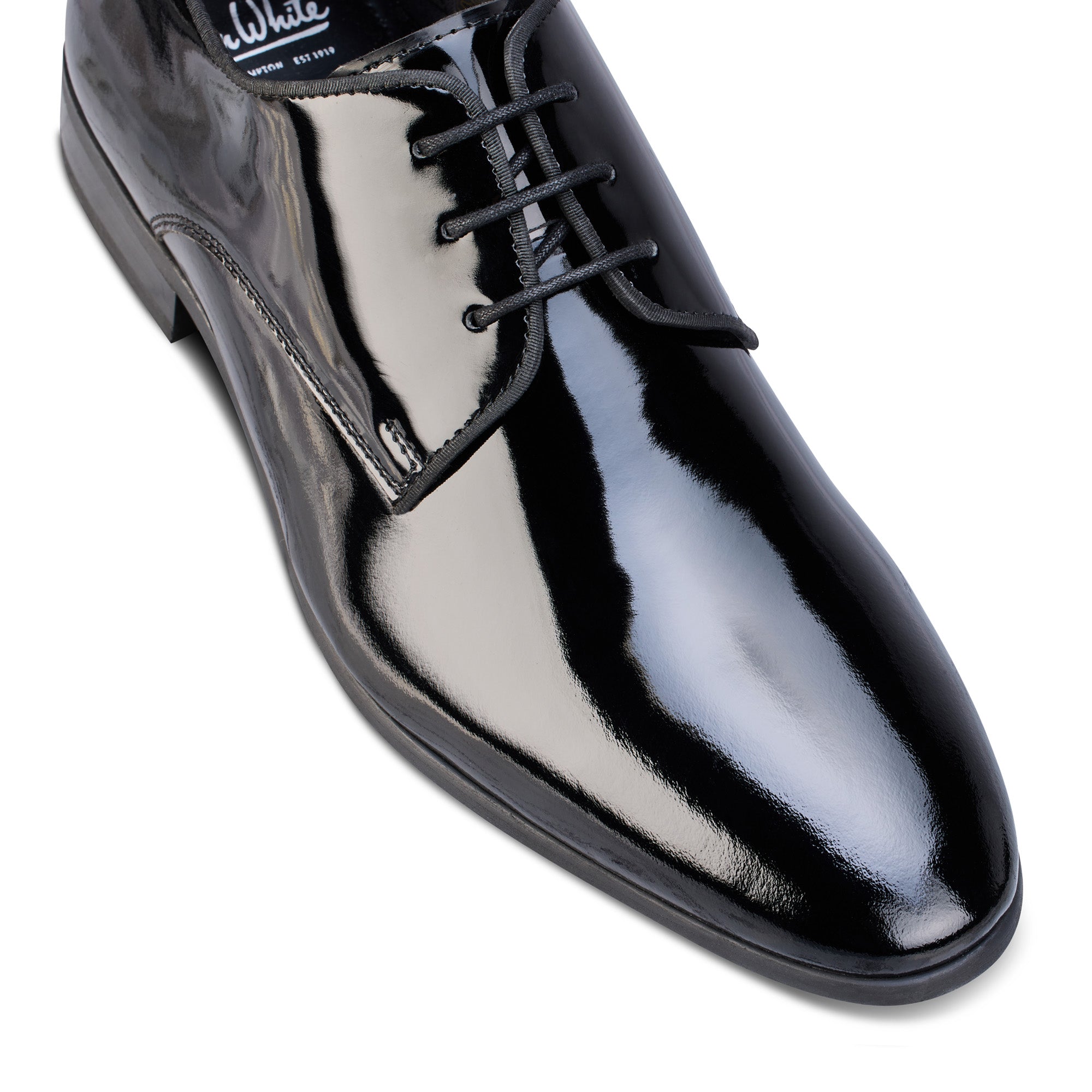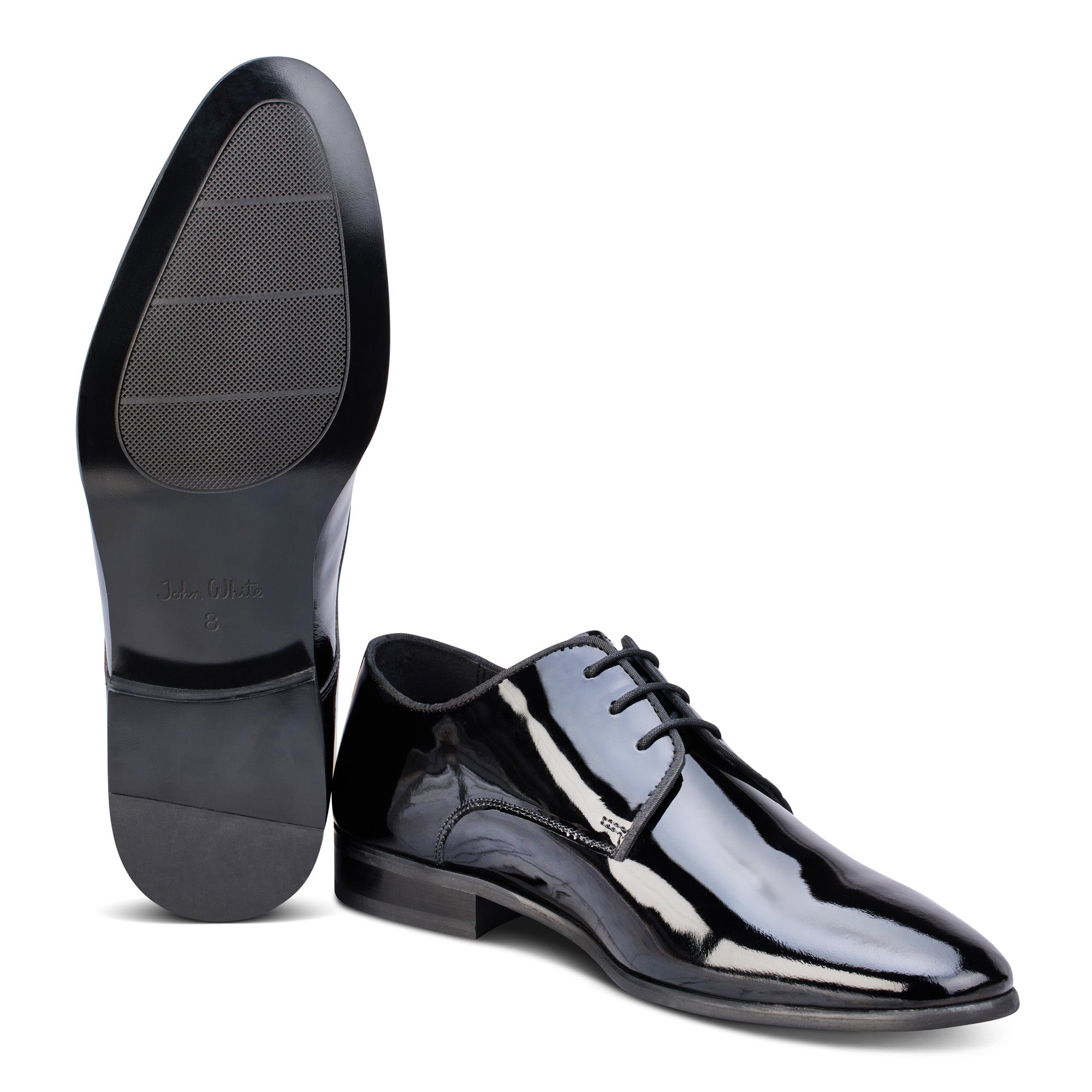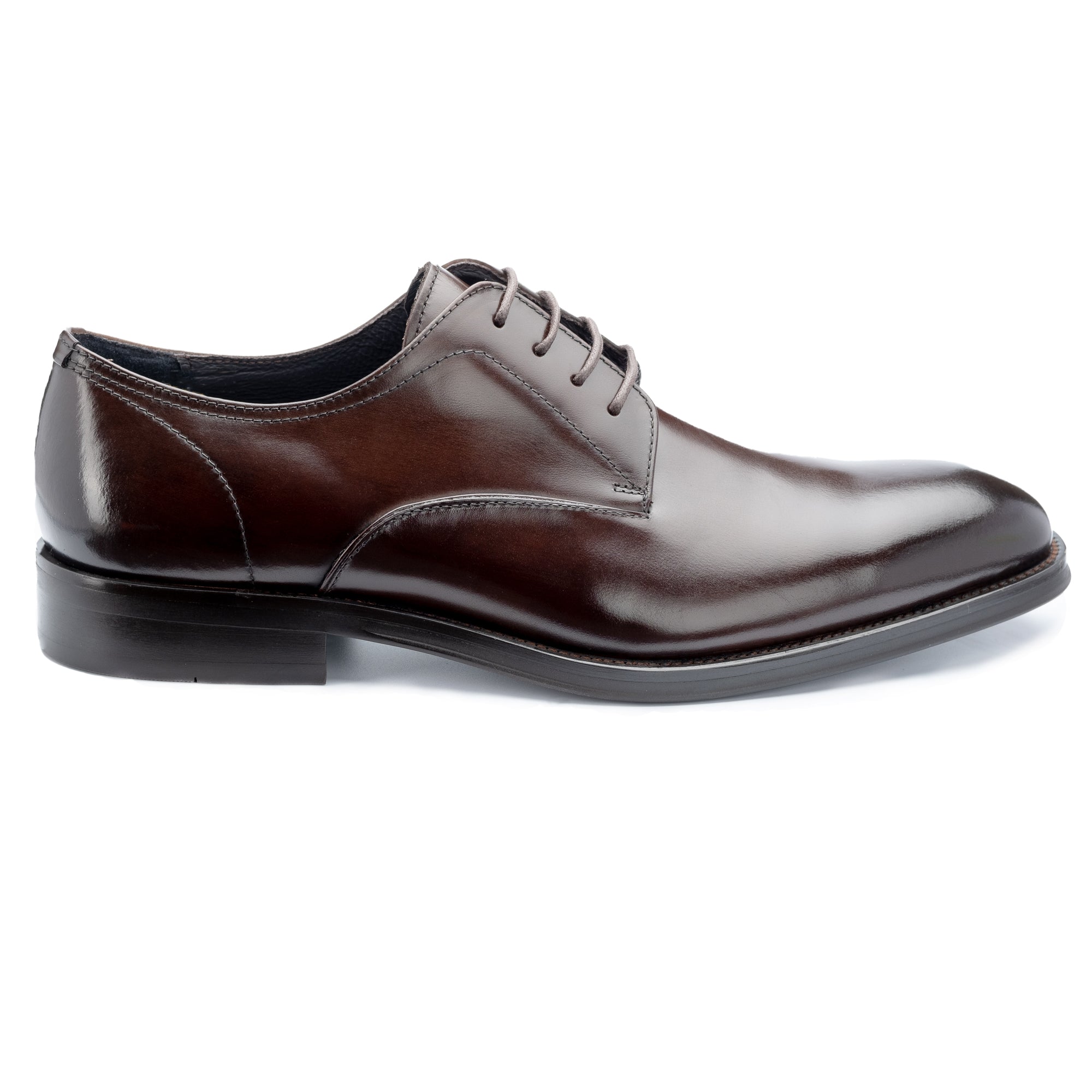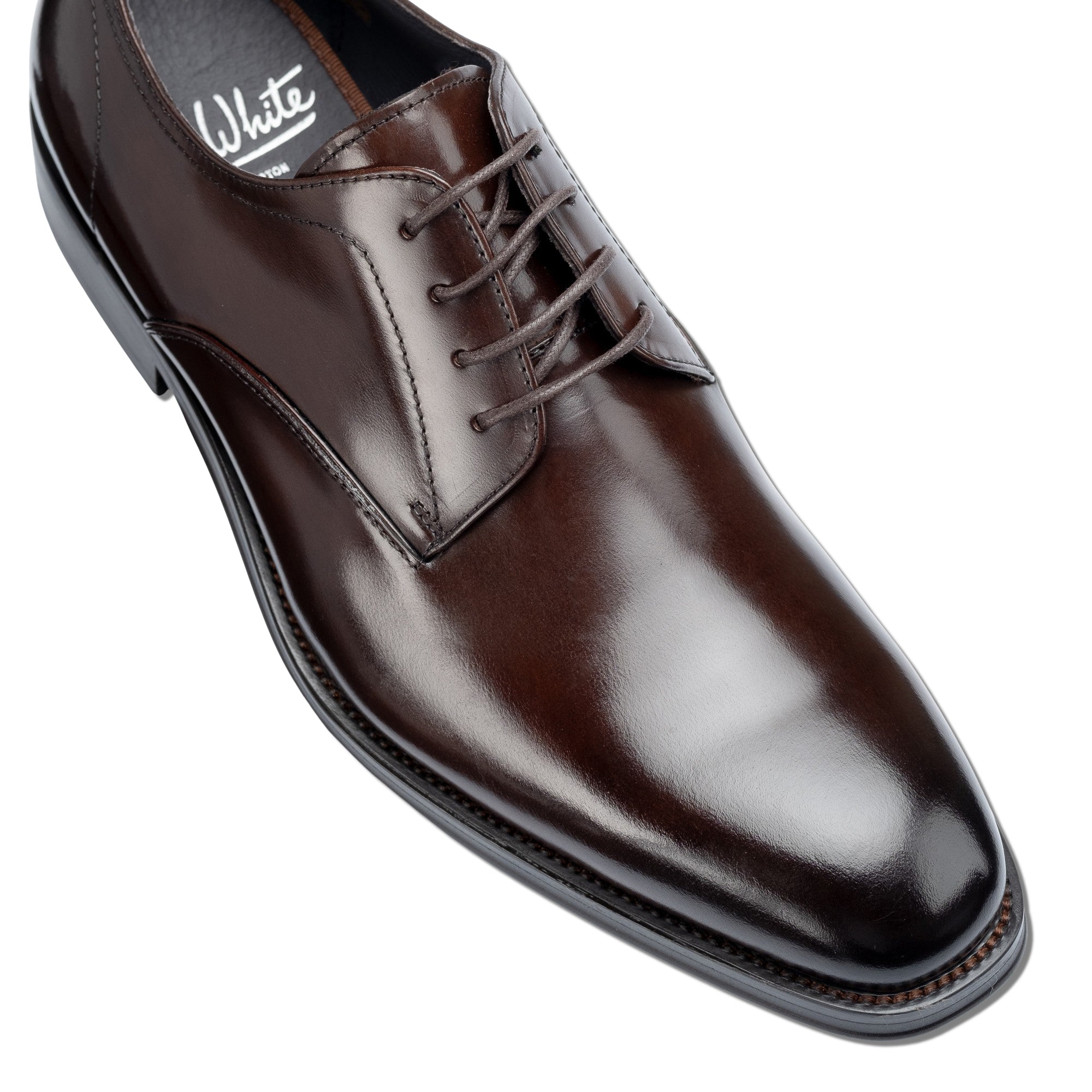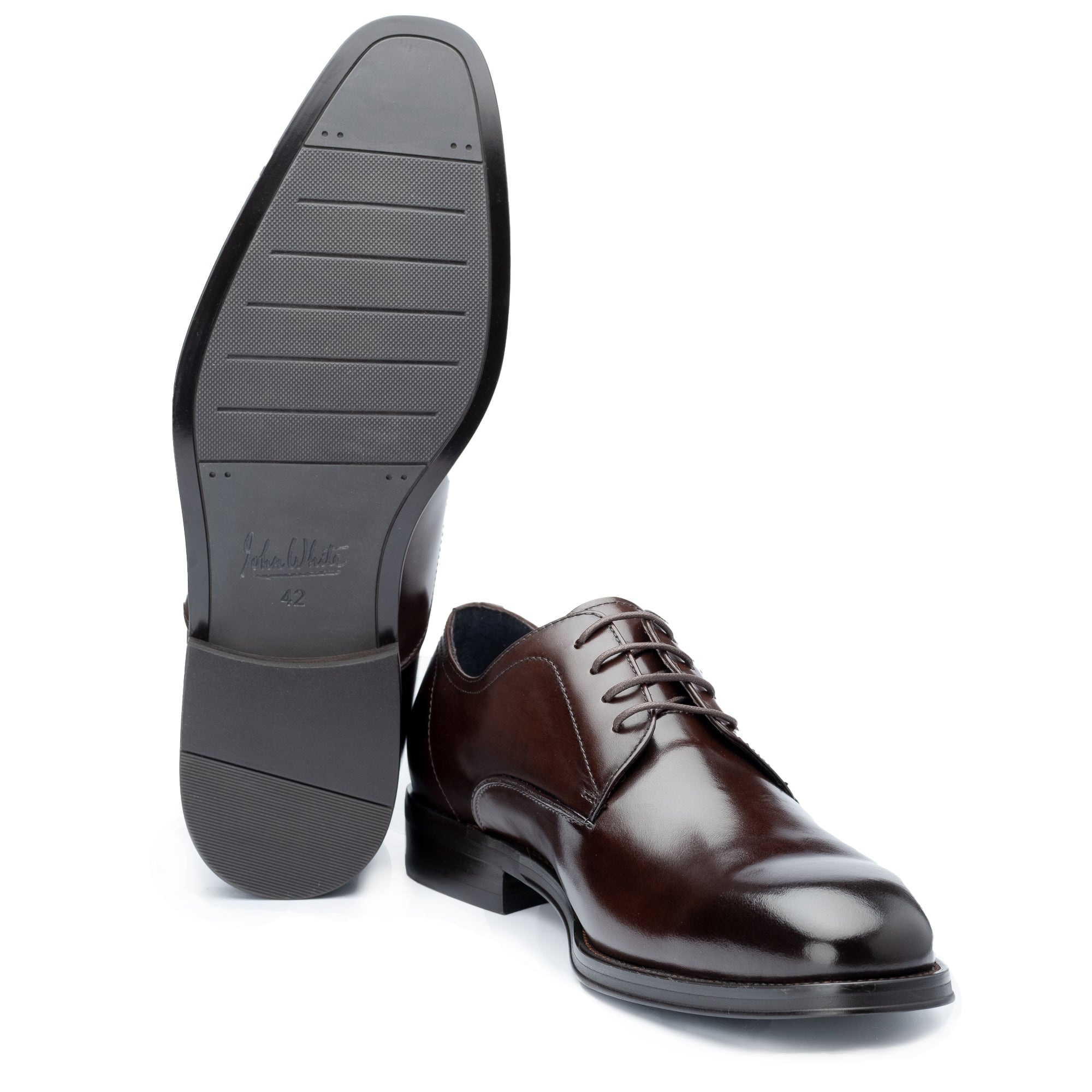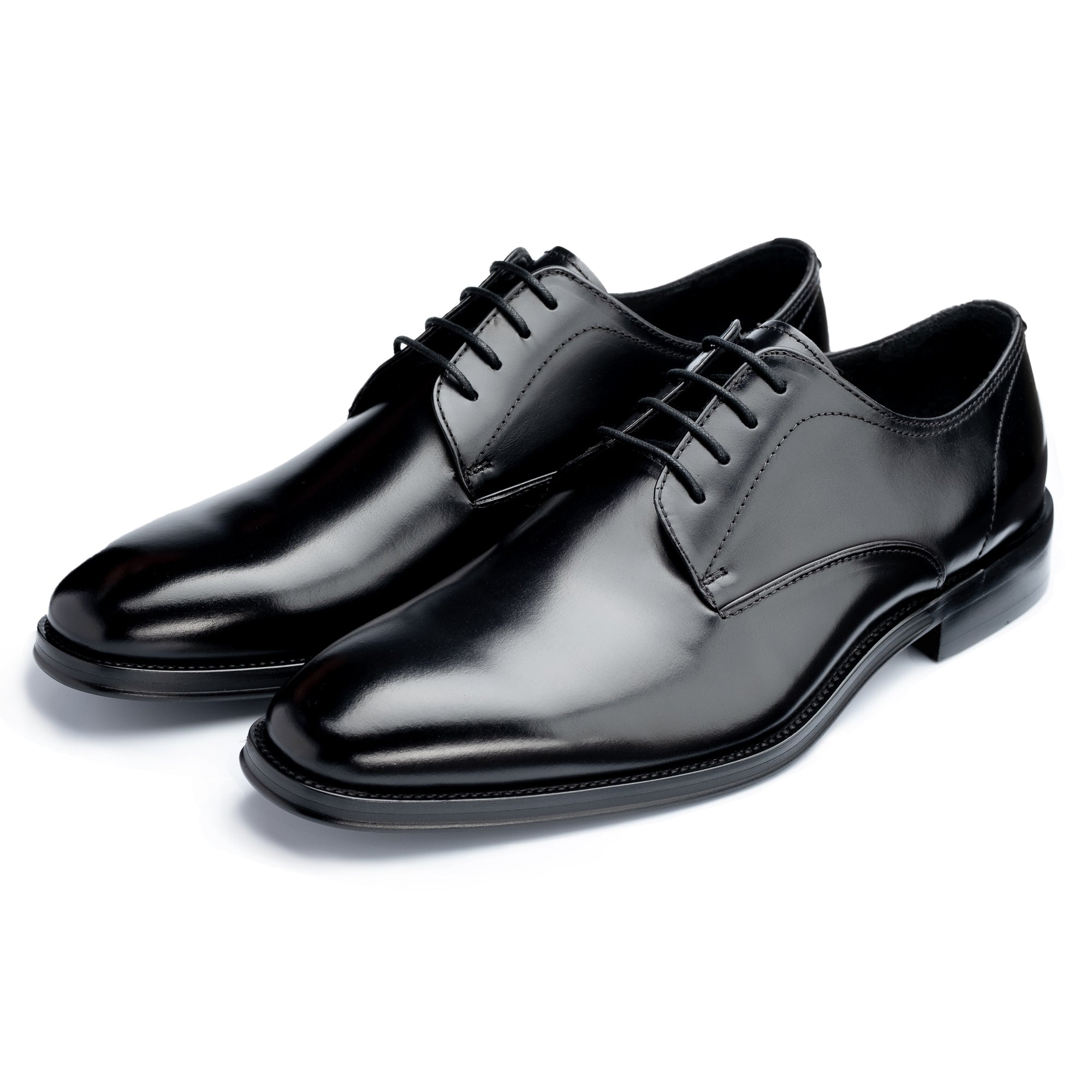

Graduation Day arrives once. The gown is hired, the ticket collected, the suit pressed. What goes on your feet that morning carries more weight than most men give it credit for — you will wear those shoes for six to eight hours, stand for photographs in bright summer light, and walk across ground that ranges from polished stone to cobbled courtyards. Getting the shoe right is not vanity. It is preparation.
In This Guide
UK graduation season runs from late June through September, with the busiest weeks concentrated in July. If you are reading this ahead of a summer ceremony, you have time to make a considered choice. This guide sets out exactly what to wear, why it works, and which JWS styles are equal to the occasion.
Understanding the Formality Register
UK graduation ceremonies range from ancient civic halls to modern campus auditoria, but the dress code is remarkably consistent: suit or smart trousers, gown on top, and shoes that would not look out of place in a formal office. Academic dress amplifies the formality of everything beneath it. A loafer that reads as polished smart-casual at a summer garden party reads a degree more casual under a black or scarlet gown. The appropriate register is dress shoe — full stop.
The ceremony itself typically lasts ninety minutes to two hours; the day around it — pre-ceremony photographs, the family lunch, the evening out — easily stretches to eight hours or more. Comfort is not a secondary consideration. A shoe that fits correctly, has been worn in, and is appropriate to the occasion is the only useful combination.
The Oxford: The Default Choice for Formal Ceremonies
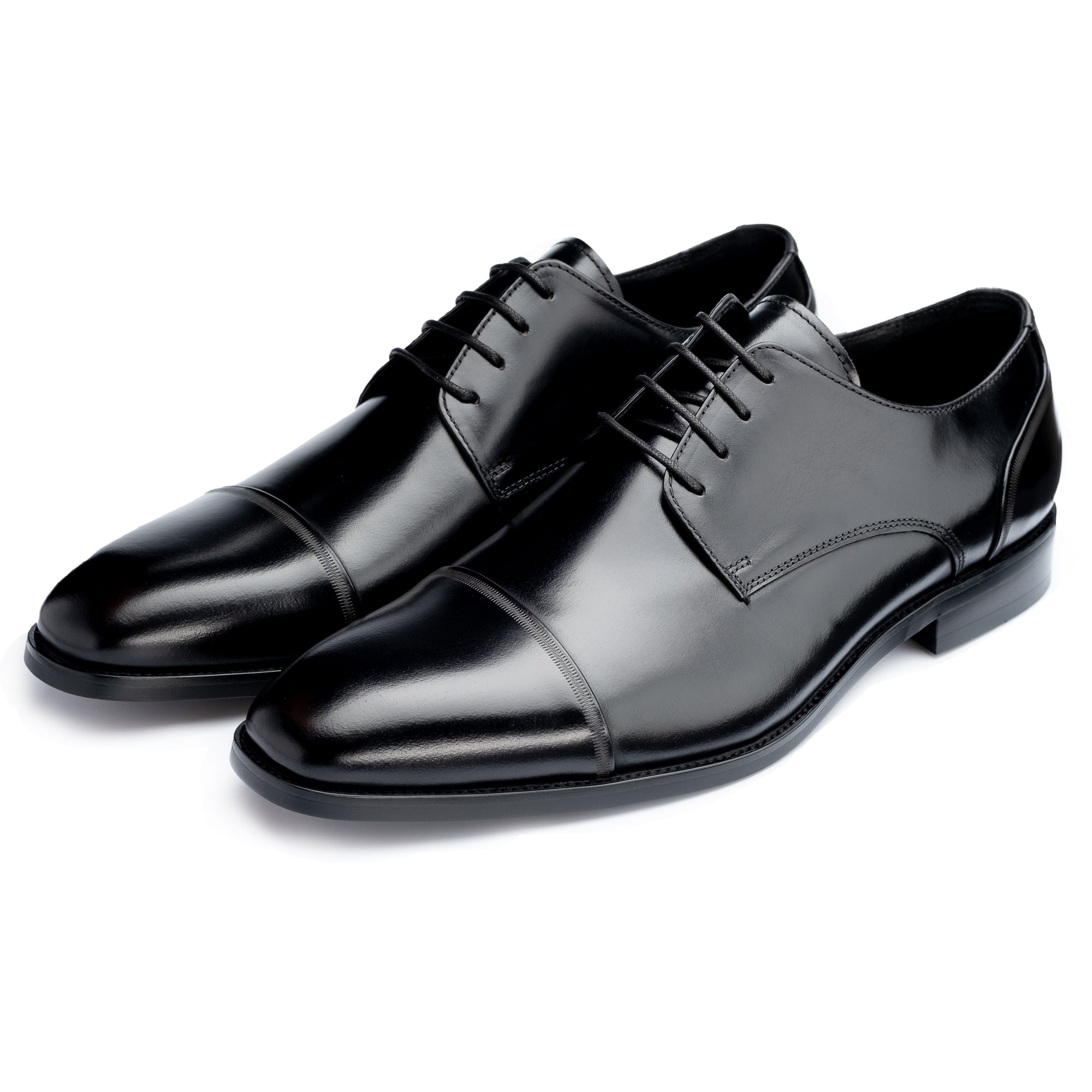
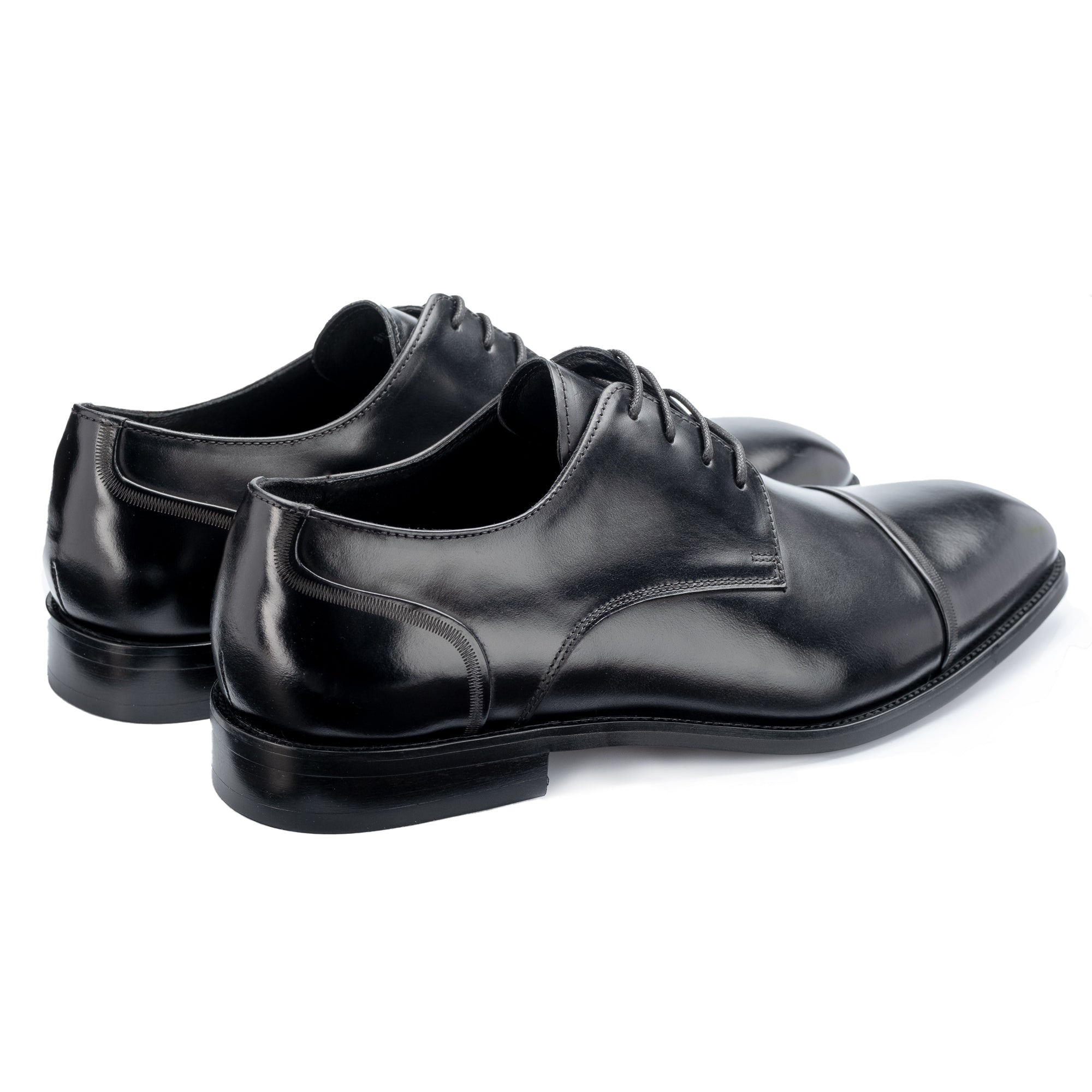
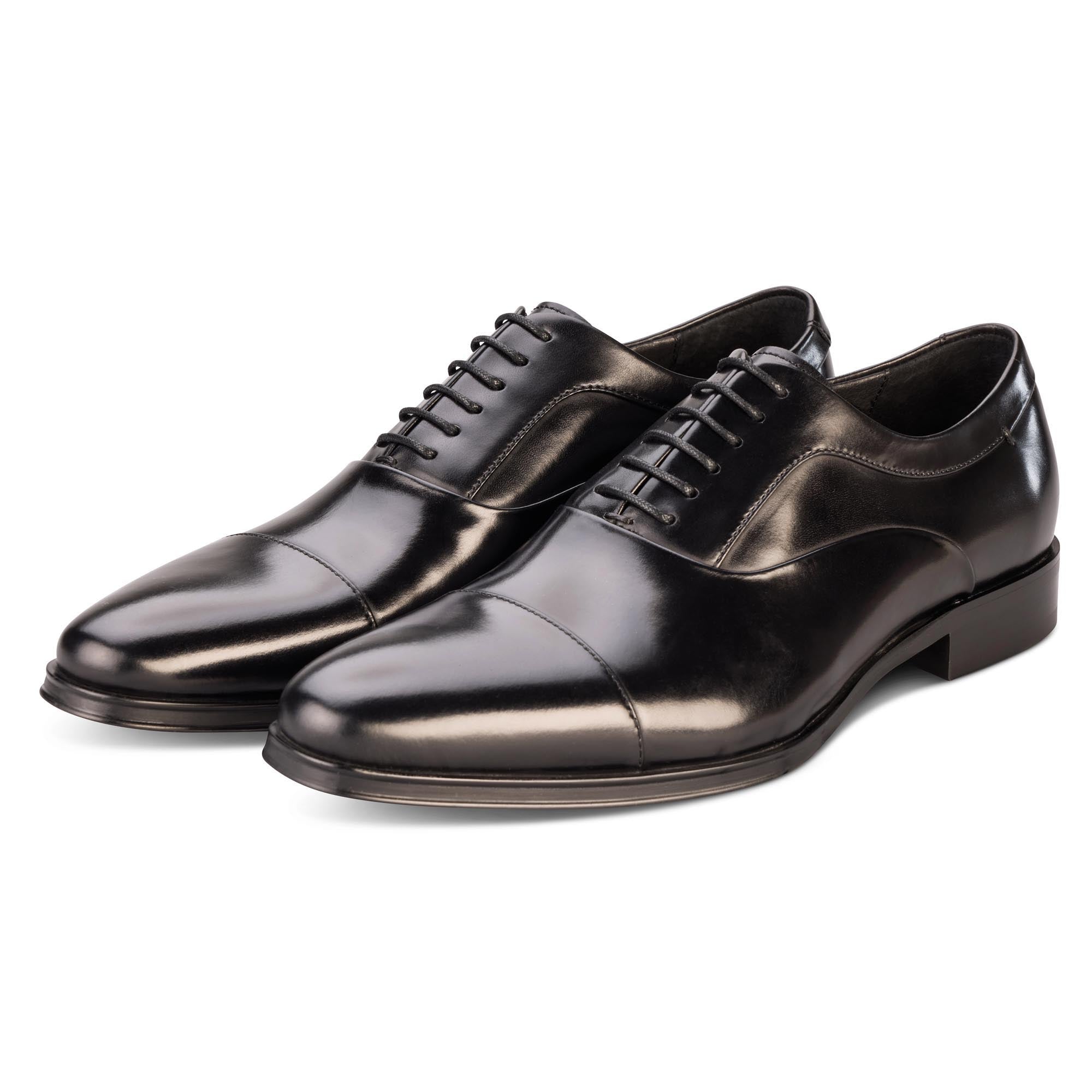
For a formal graduation ceremony, the Oxford shoe is correct by convention. Its closed-lacing construction — where the two quarters are stitched beneath the vamp, allowing no gap when laced — gives it a cleaner, tighter silhouette than a derby. That precision reads as deliberate formality: appropriate for civic halls, university ceremonials, and the kind of occasion where a photograph will be kept for decades.
Black is the natural choice for the majority of graduation settings. It works under navy, charcoal, and mid-grey suits equally, reads cleanly against the dark of a gown, and does not compete with the occasion for attention.
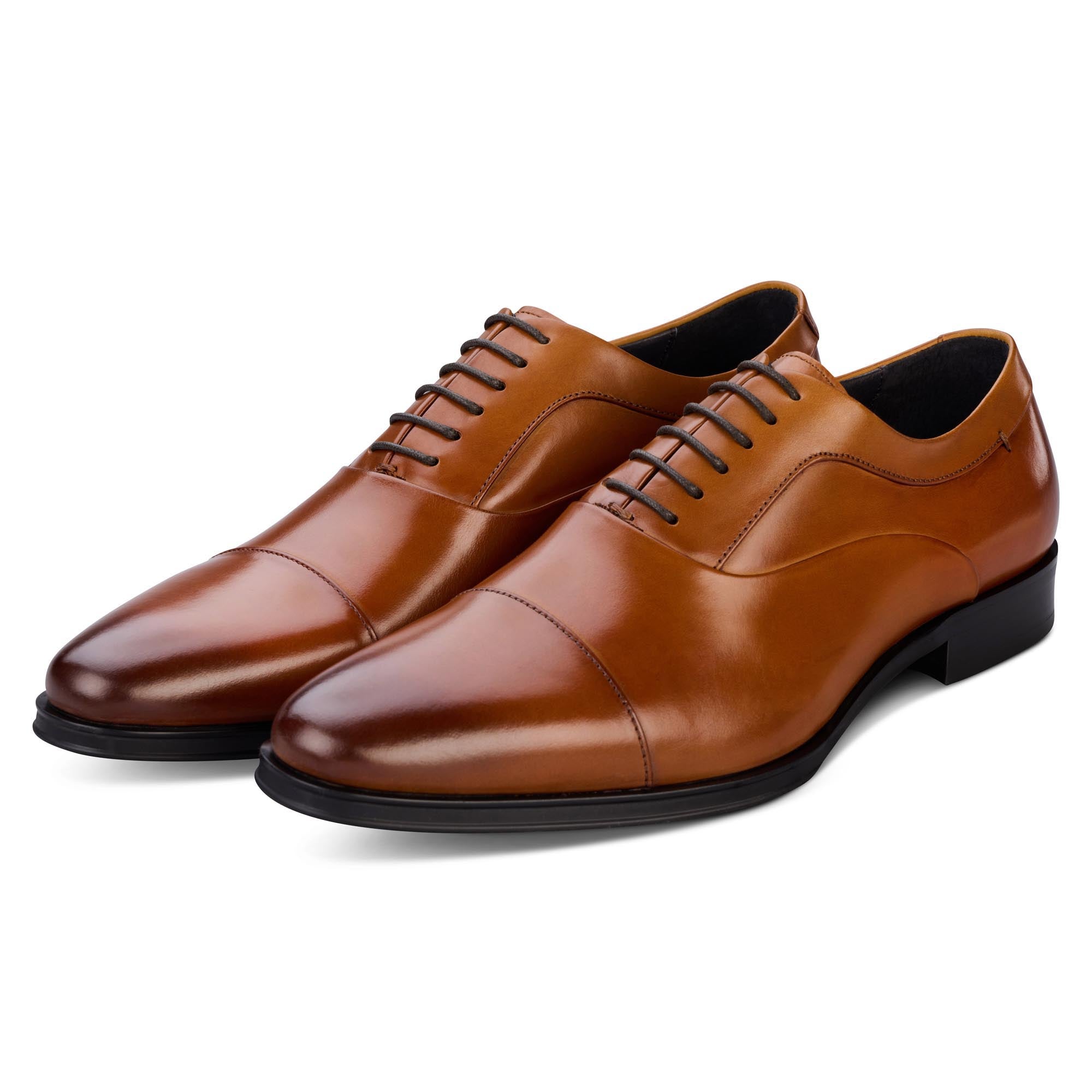
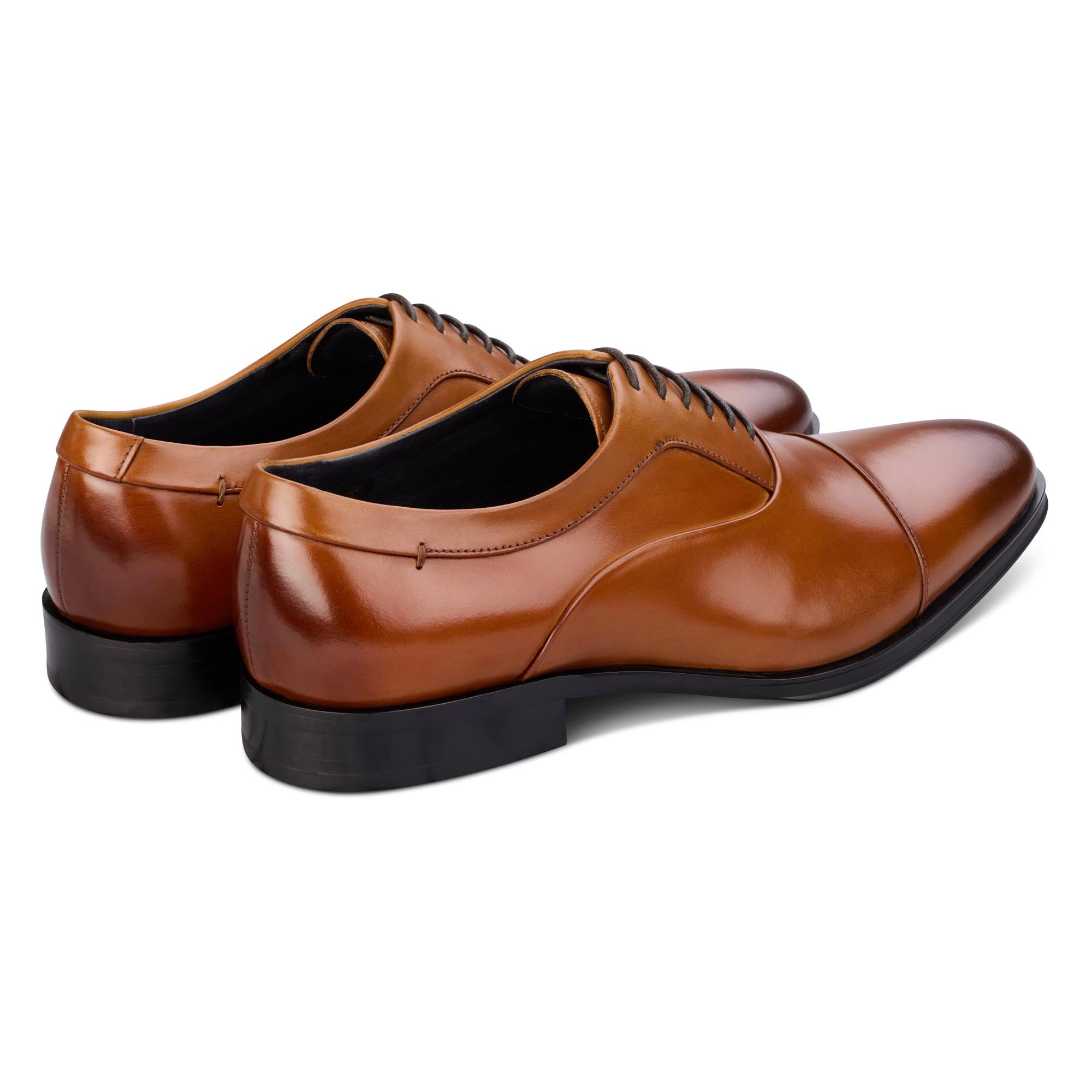
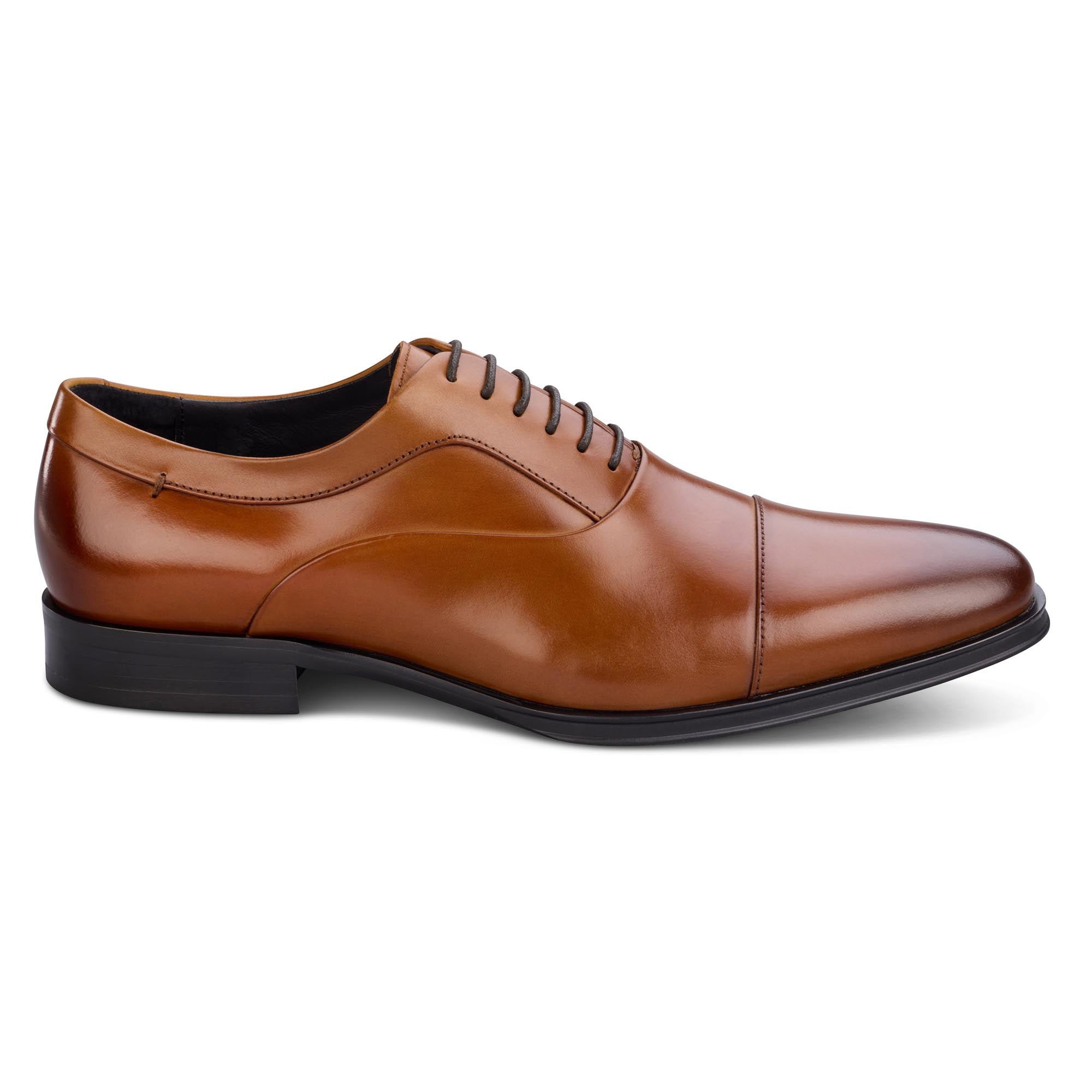
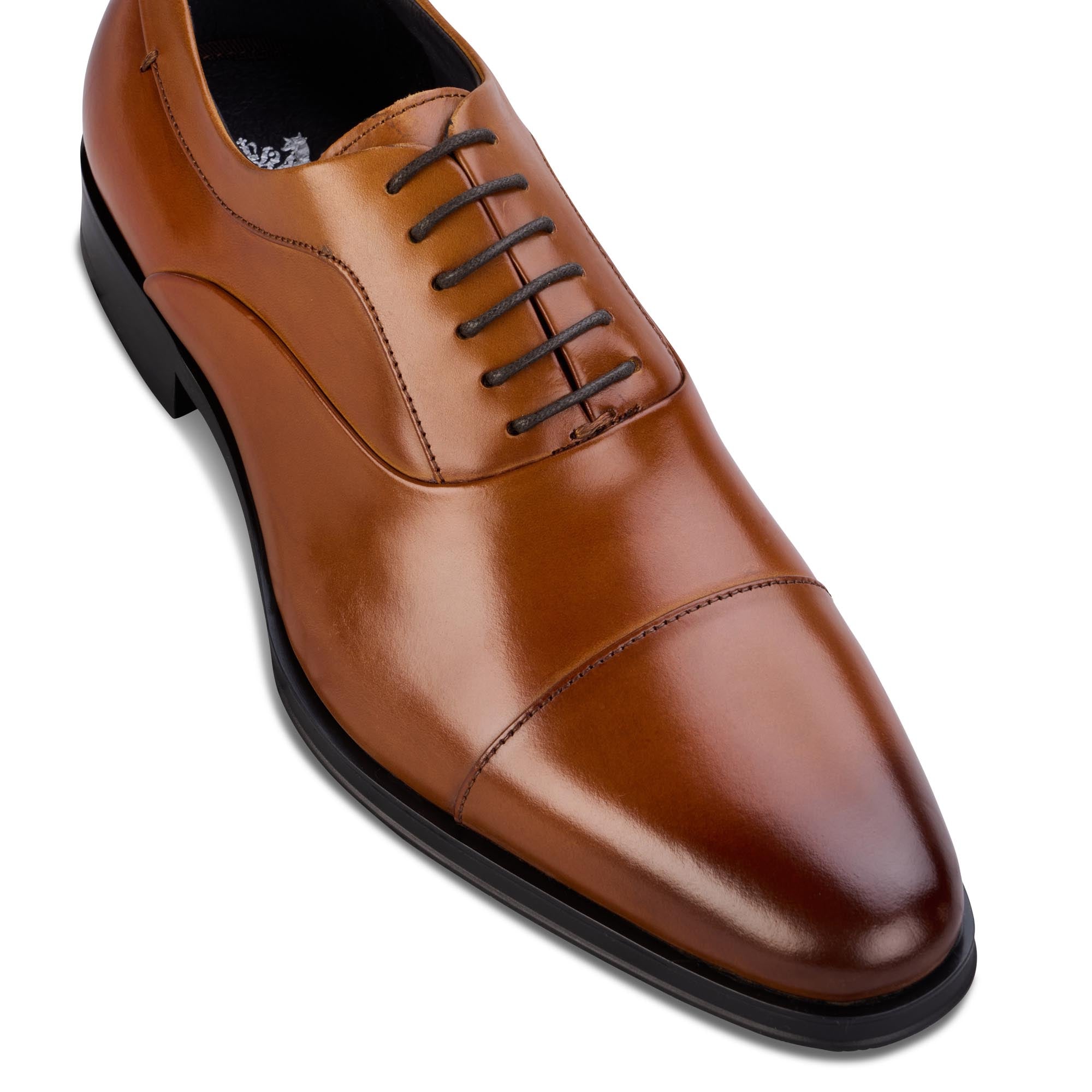
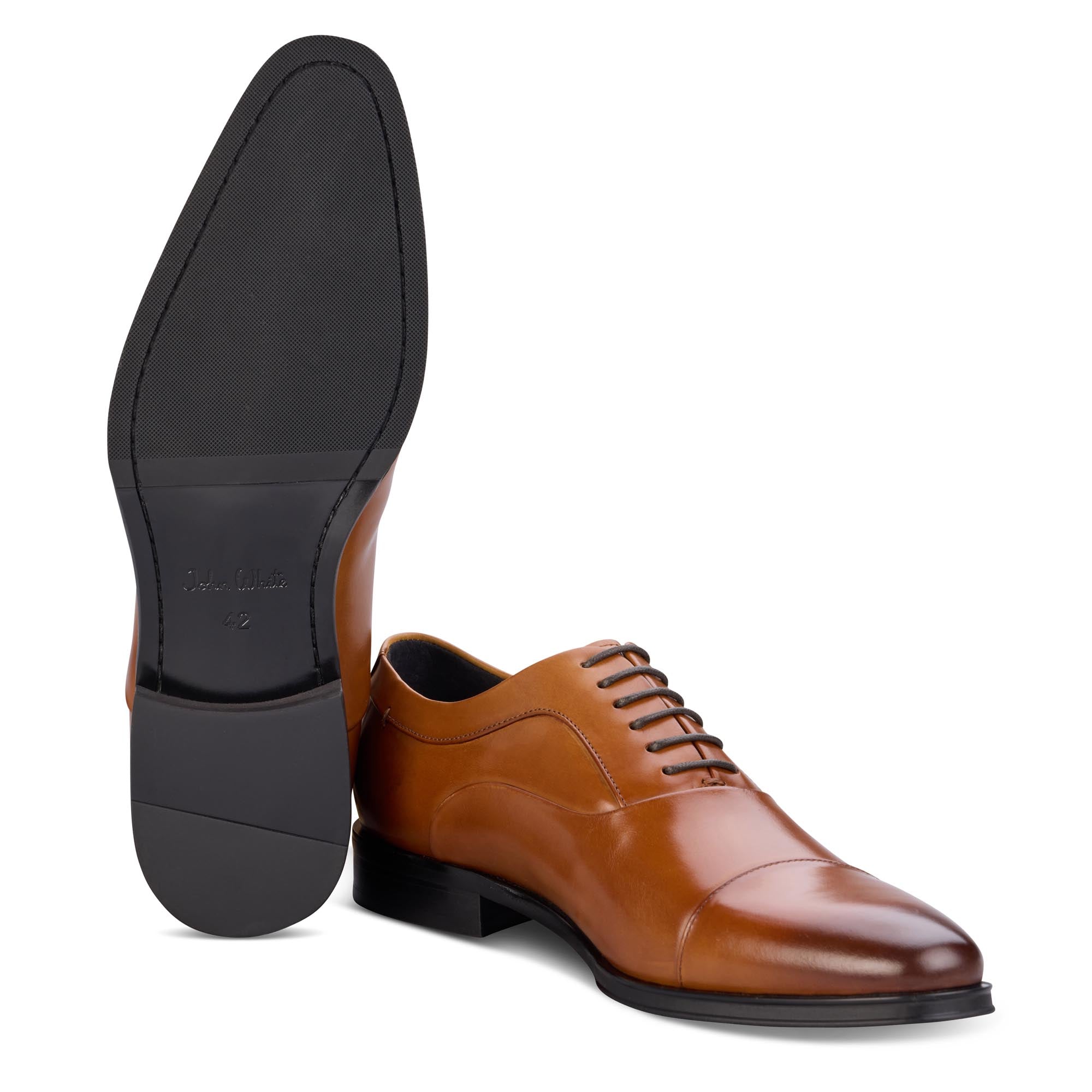
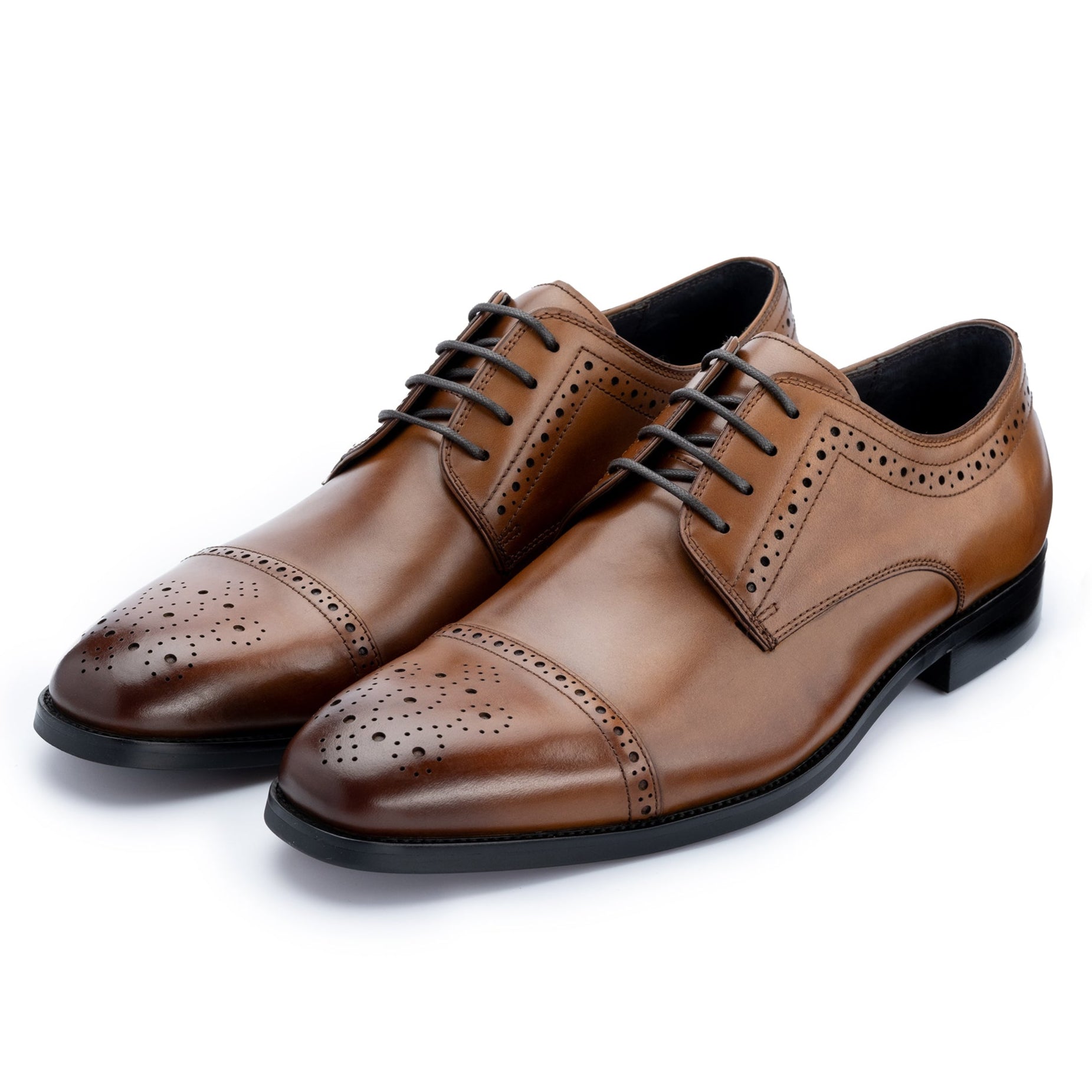
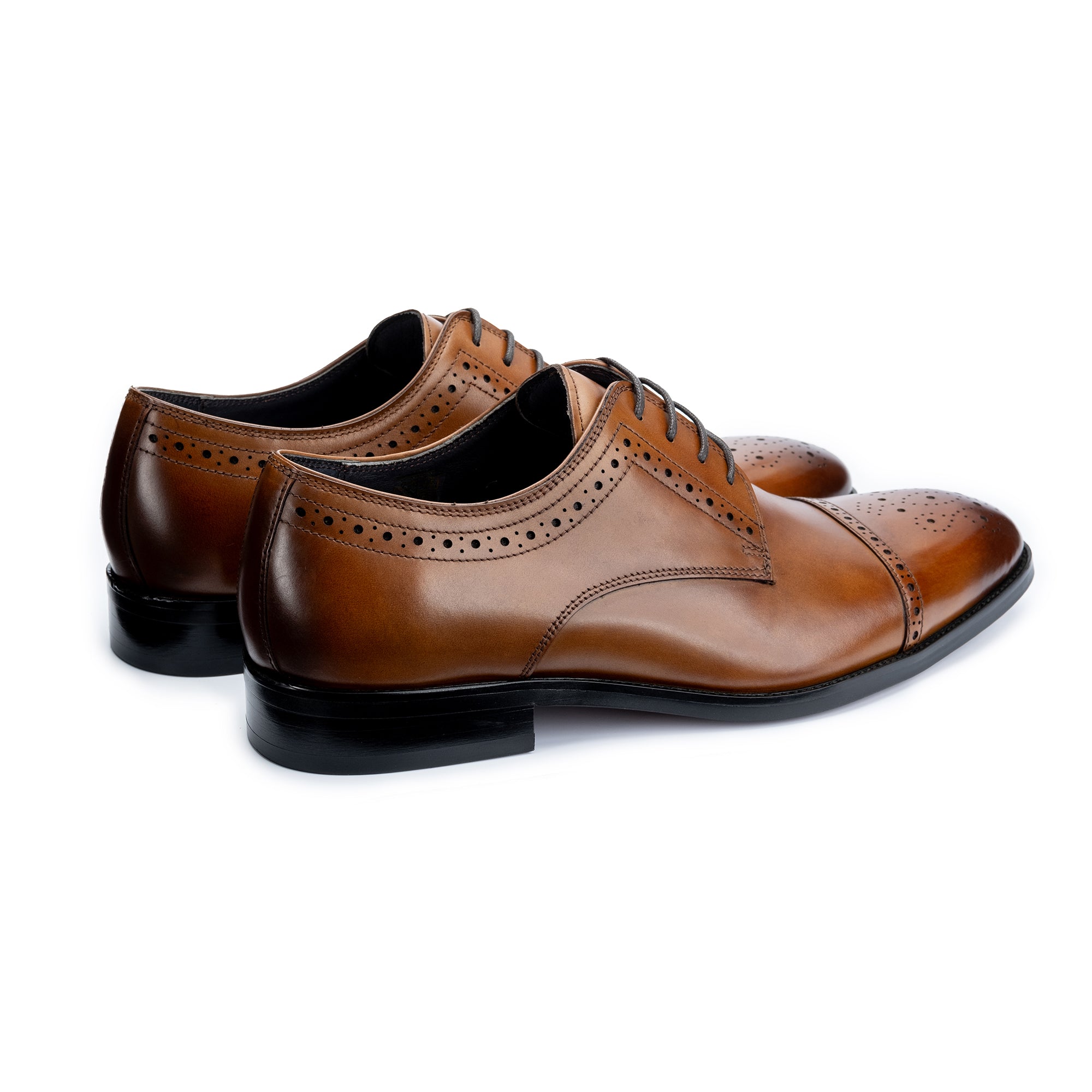
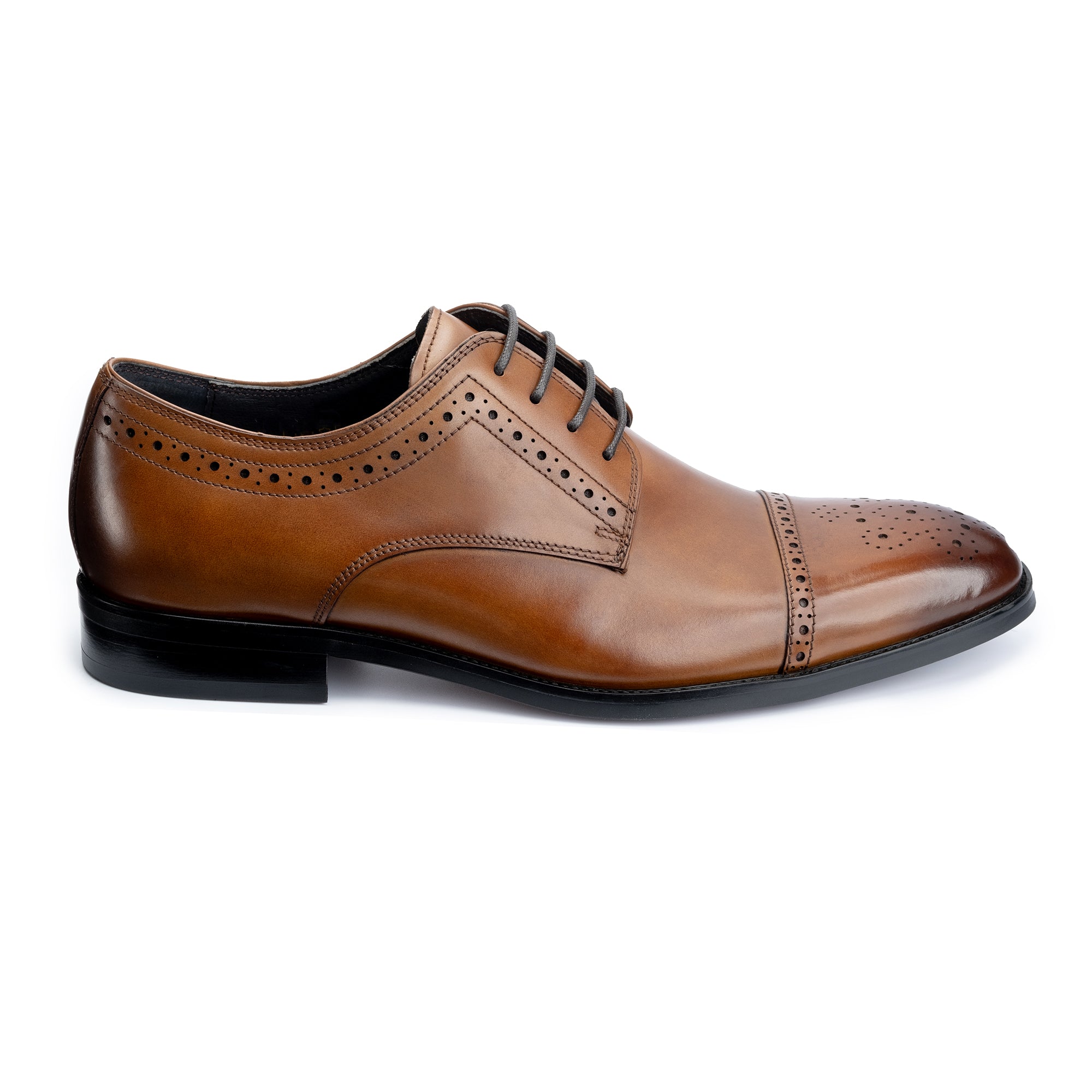
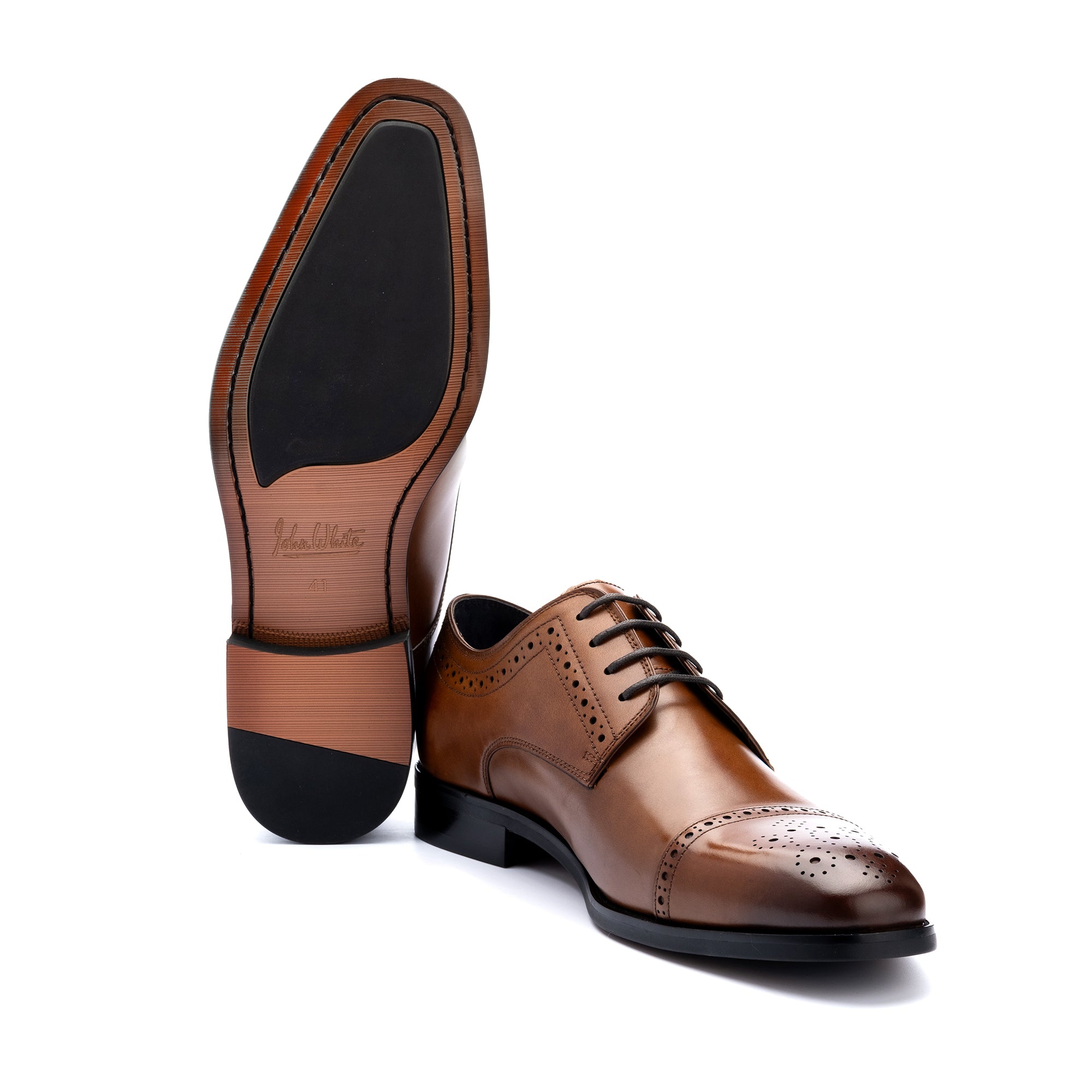
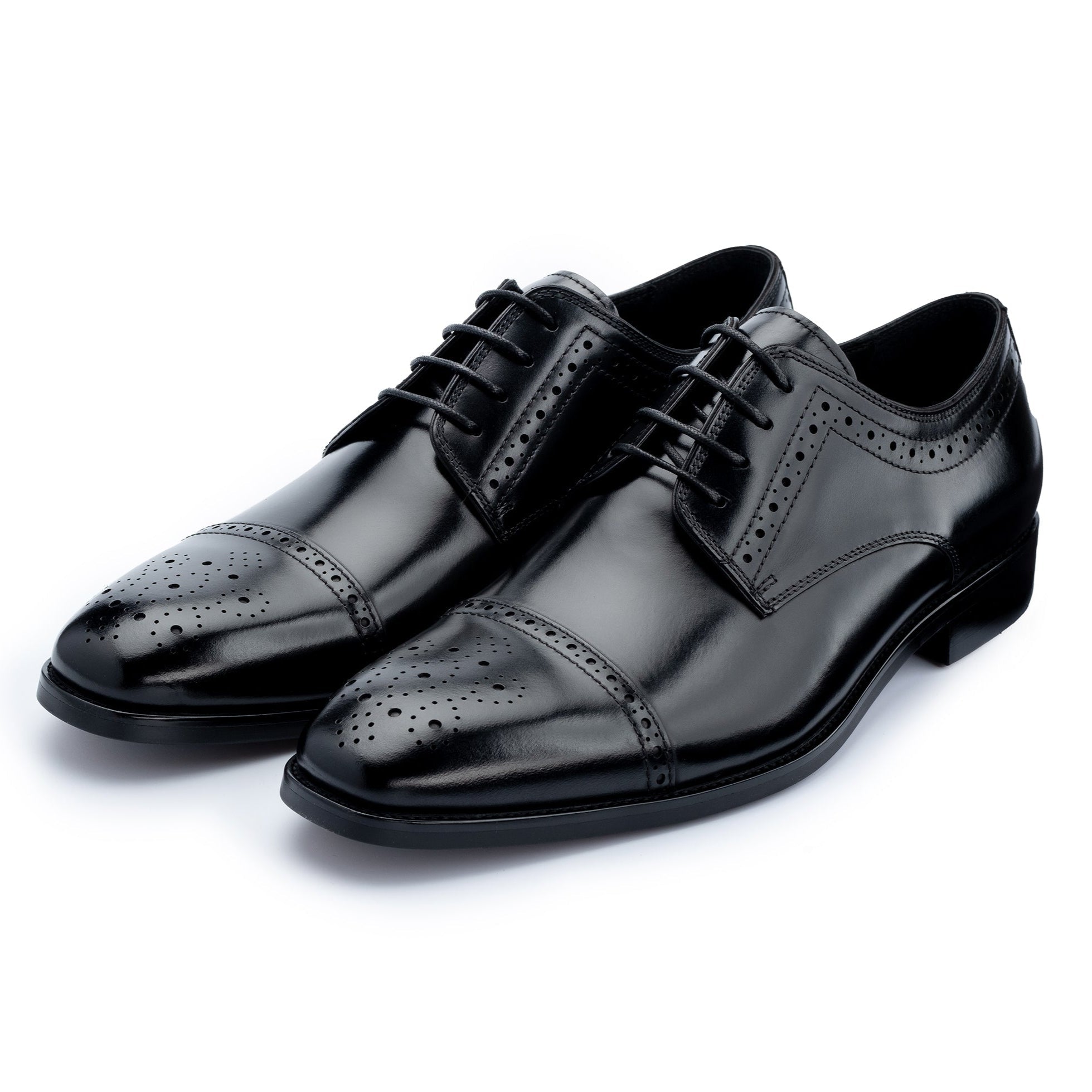
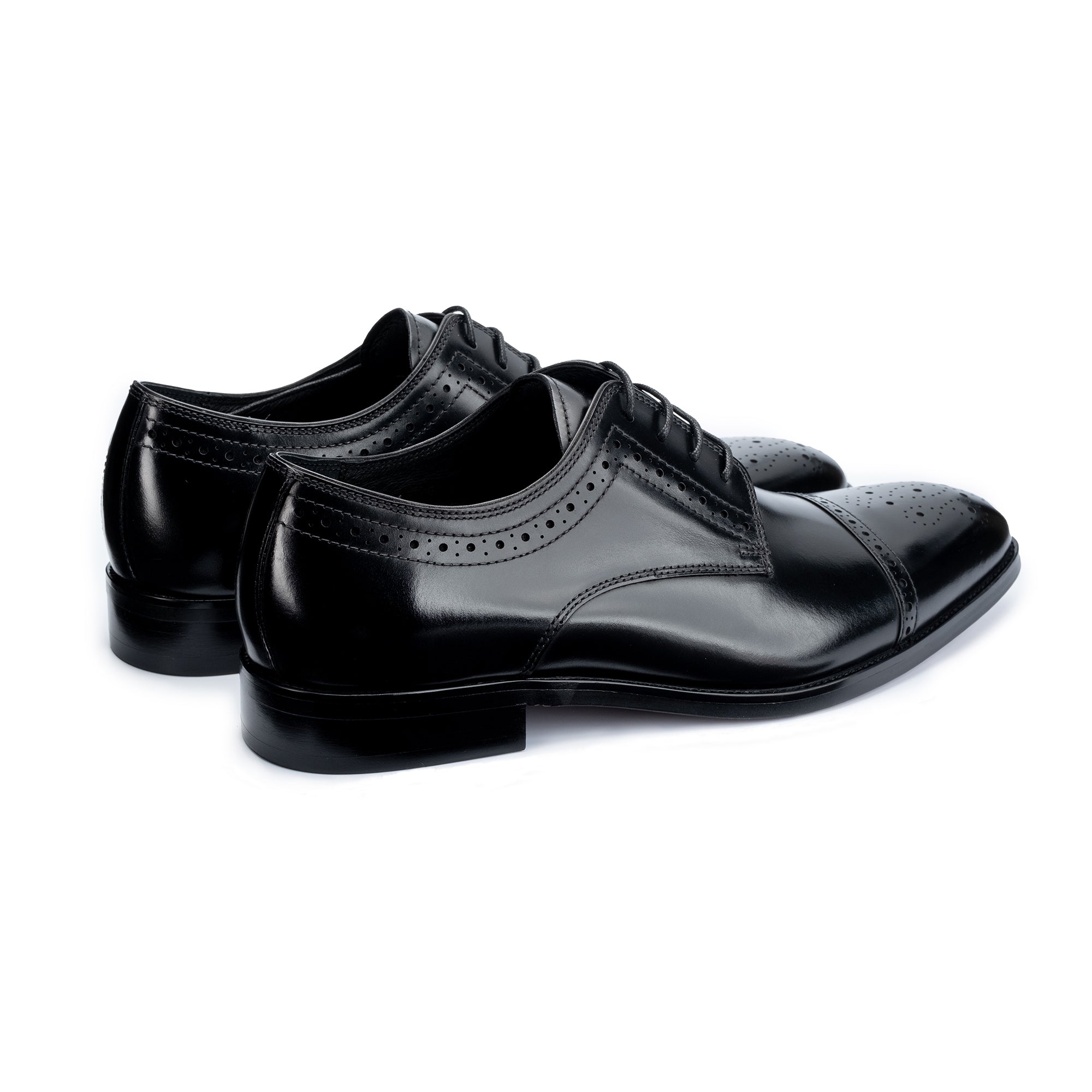
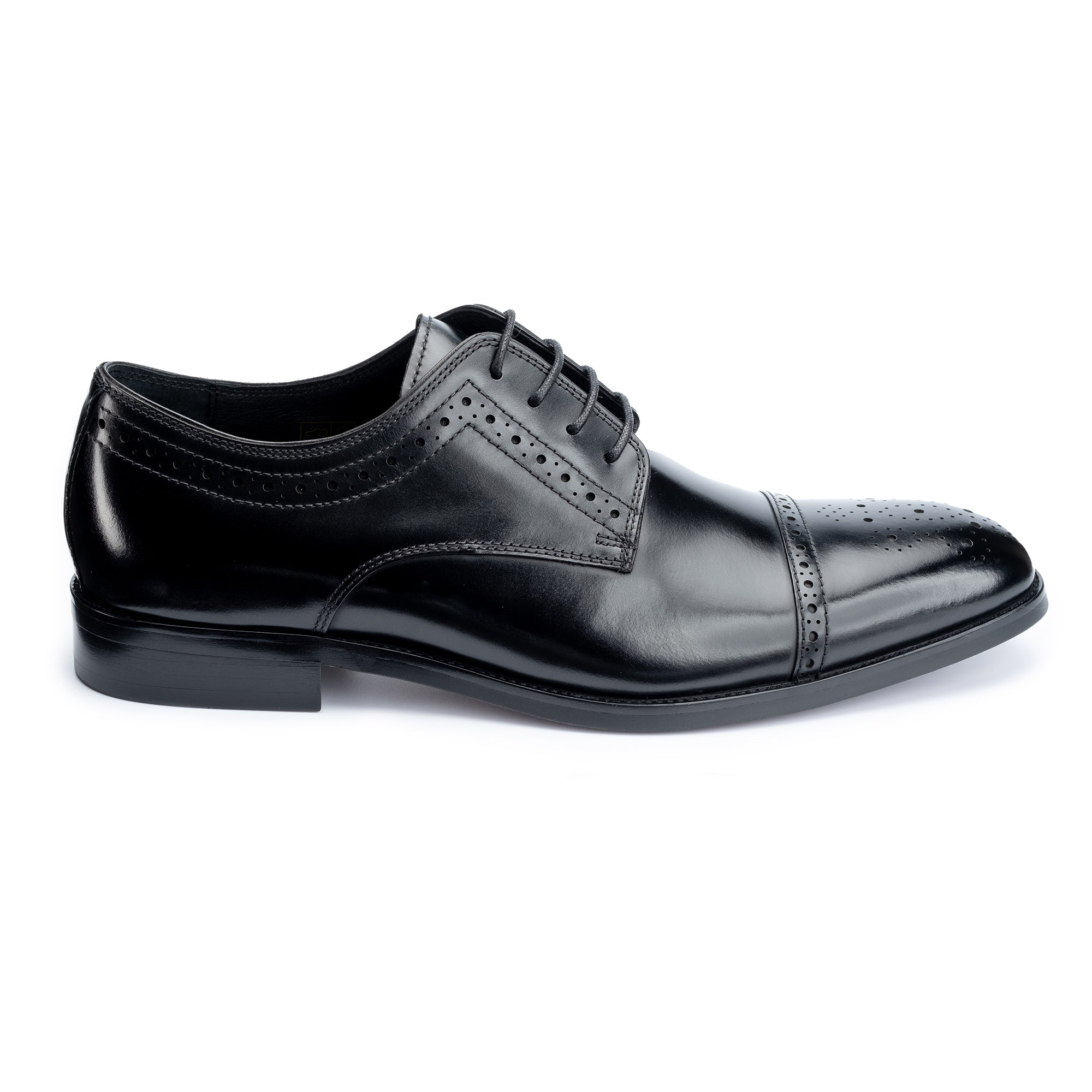
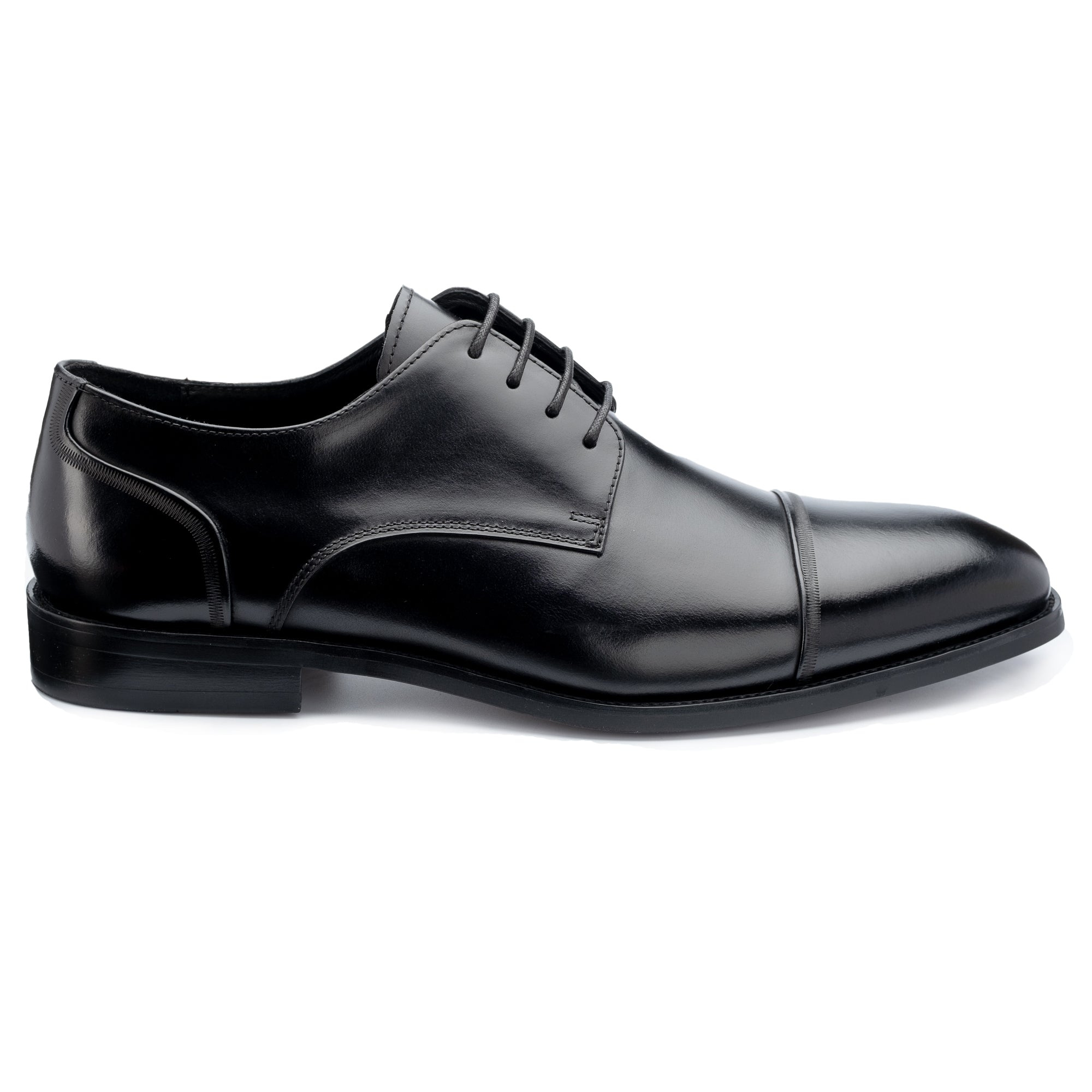
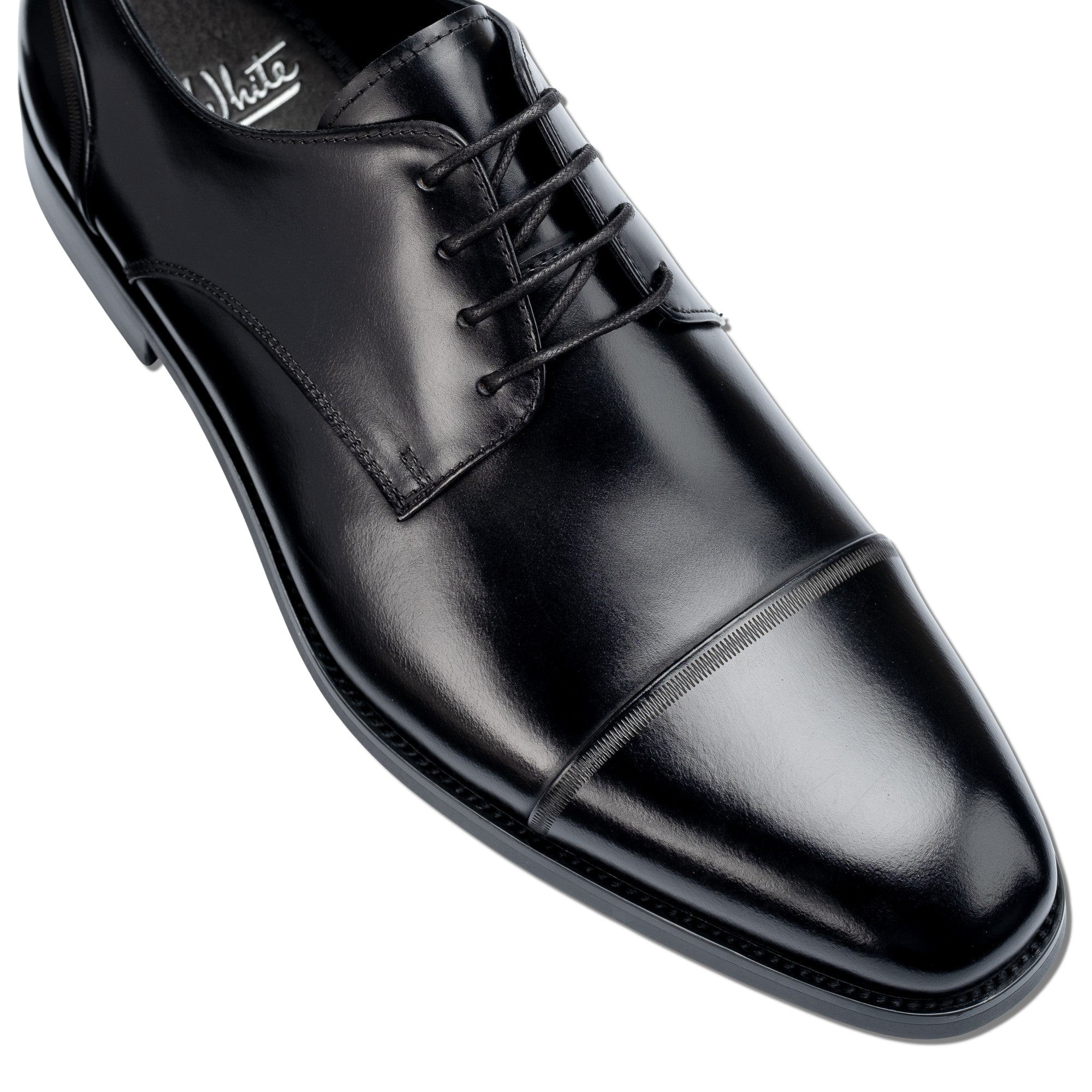
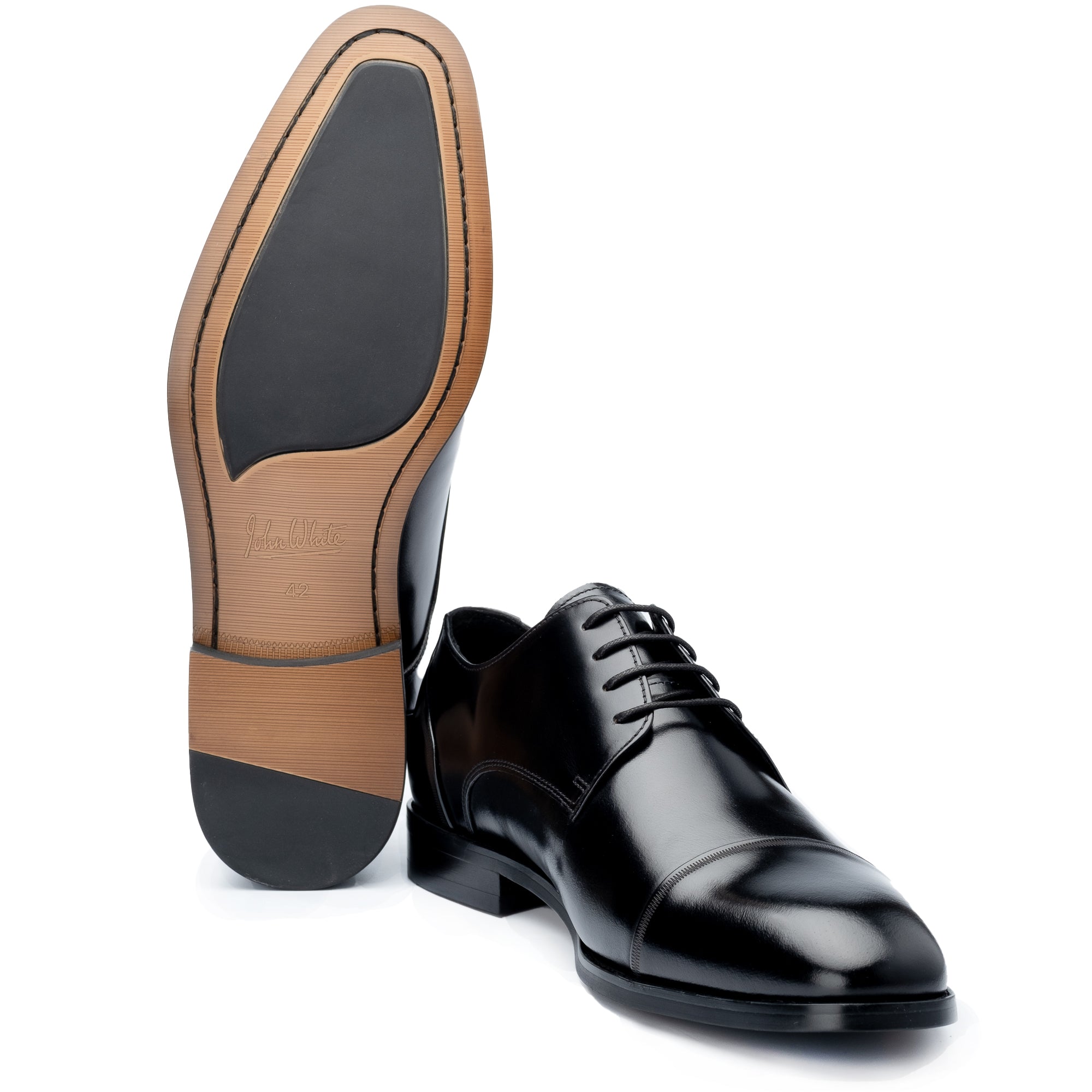
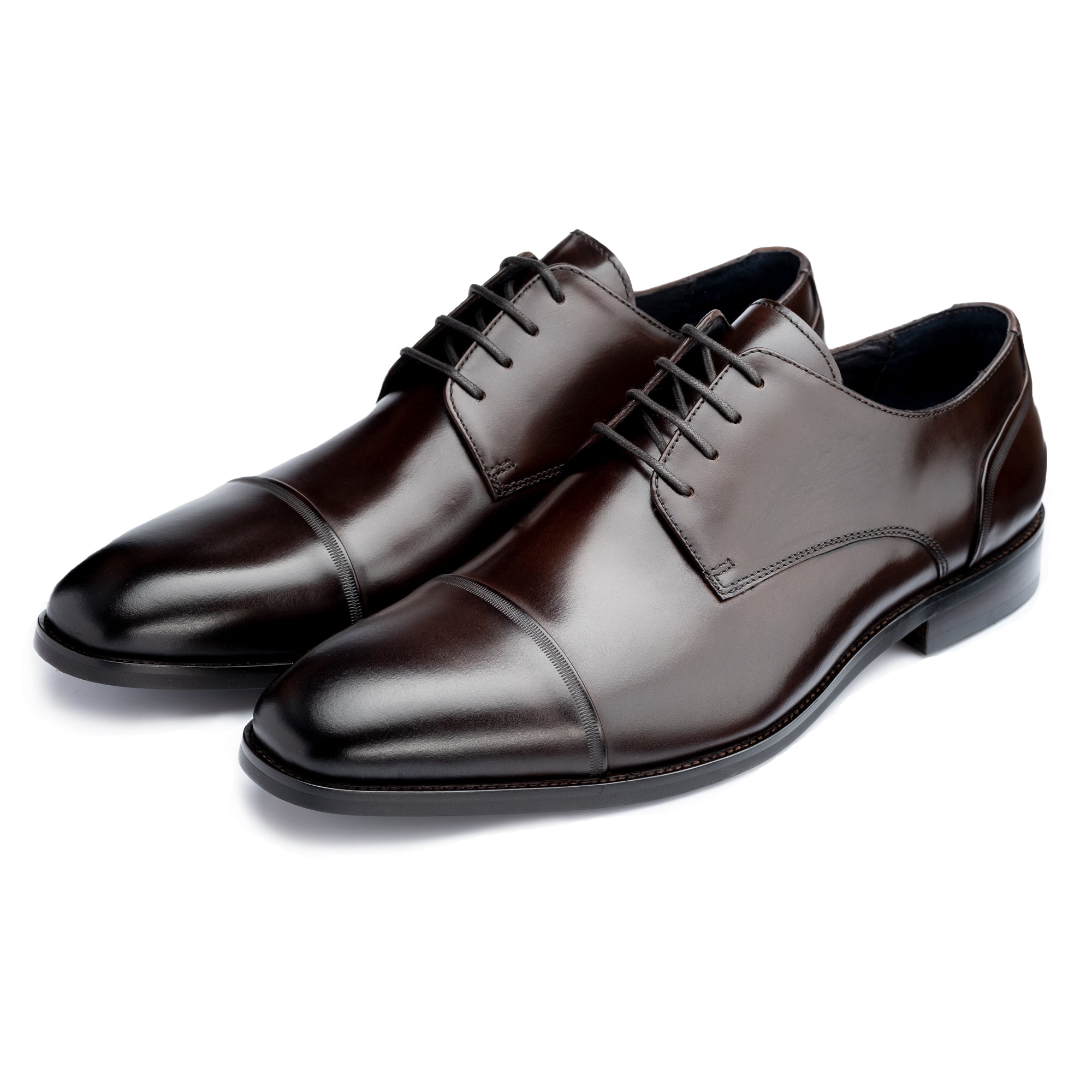
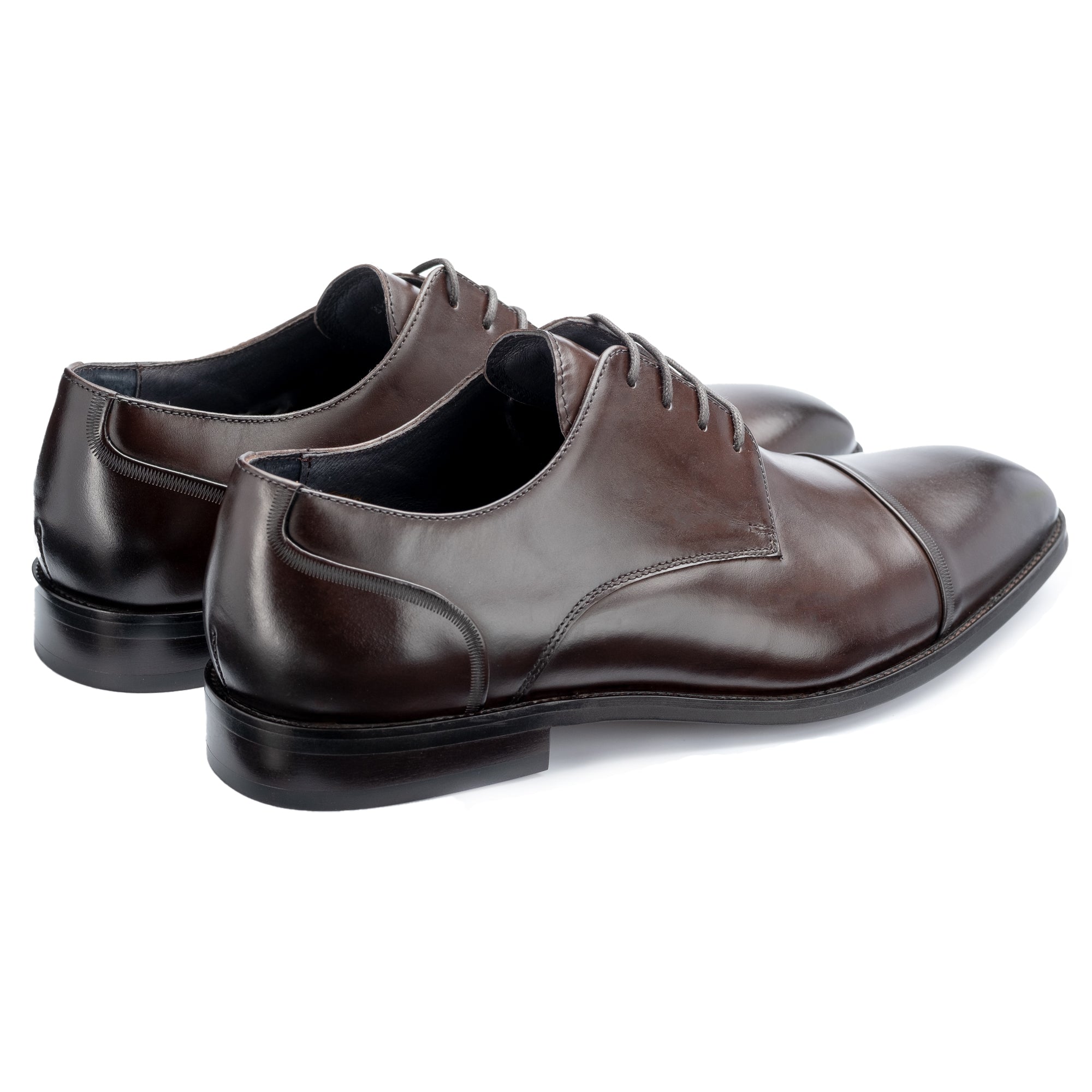
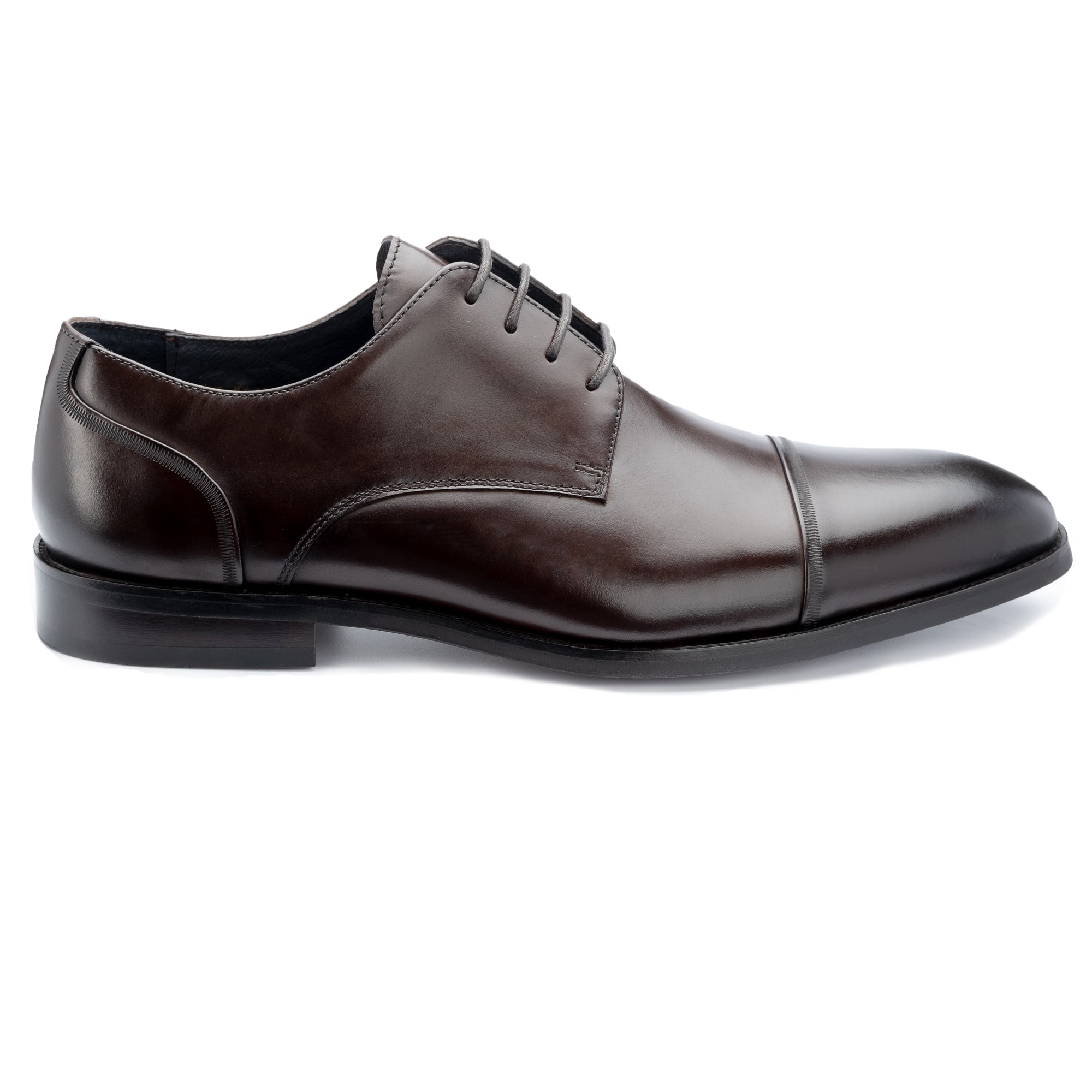
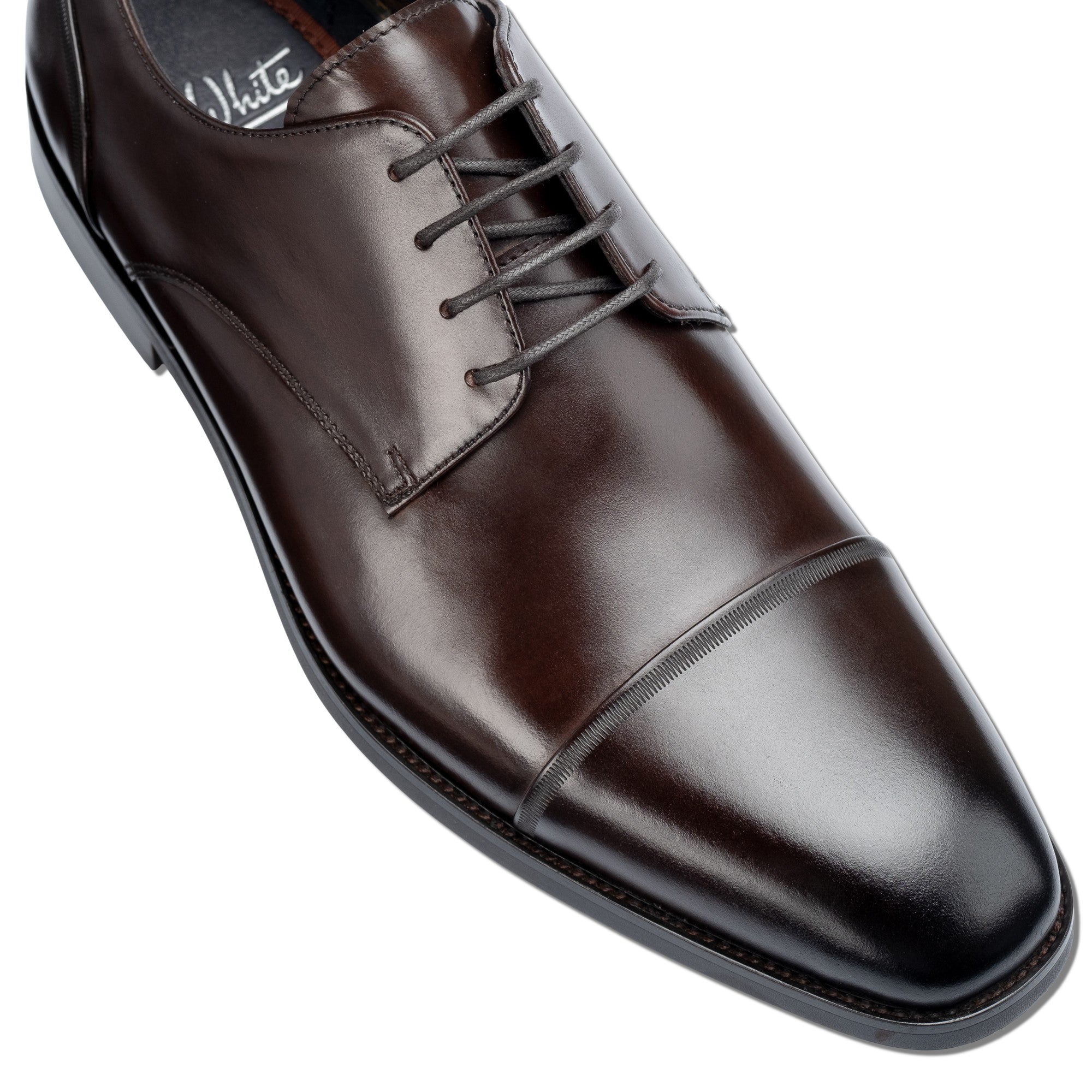
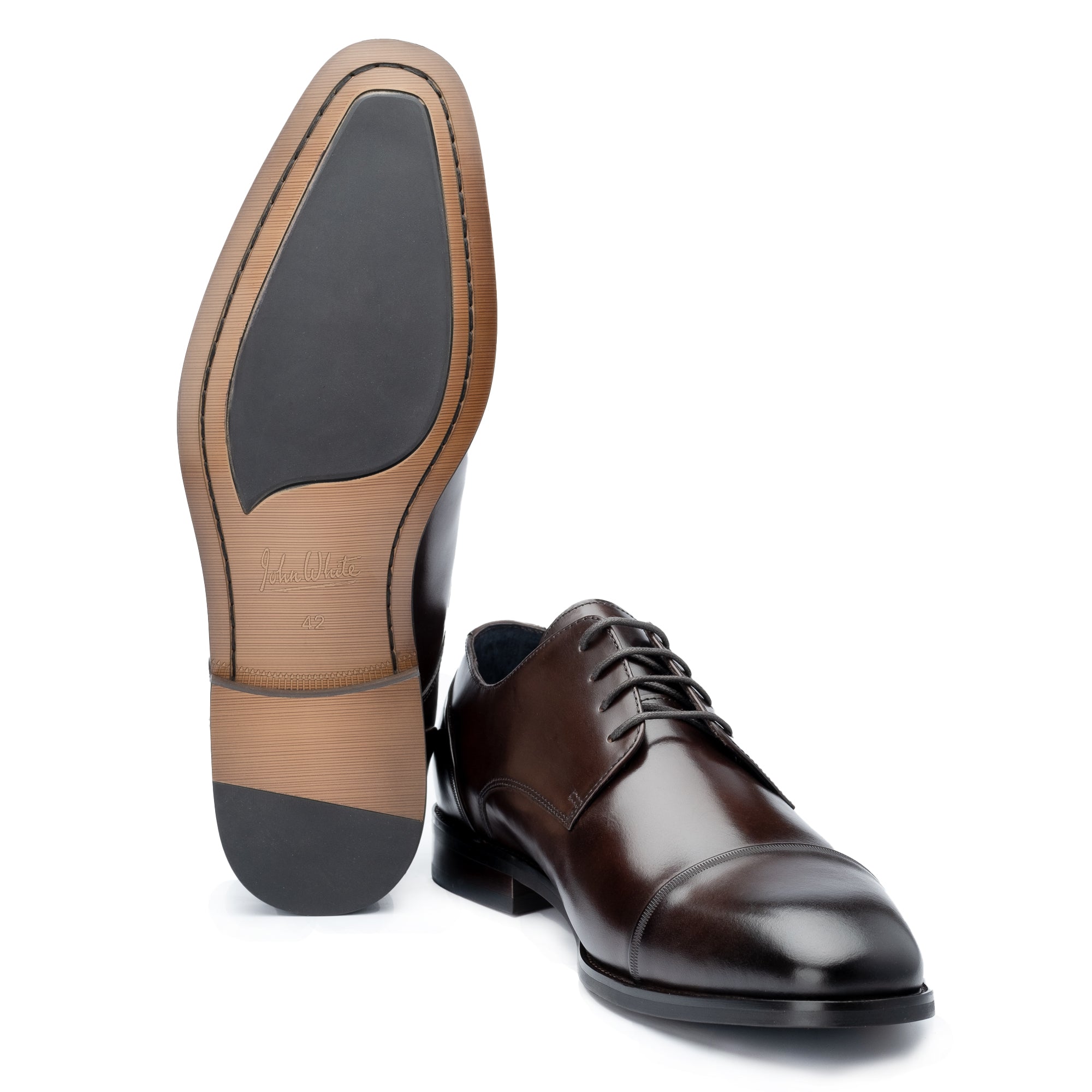
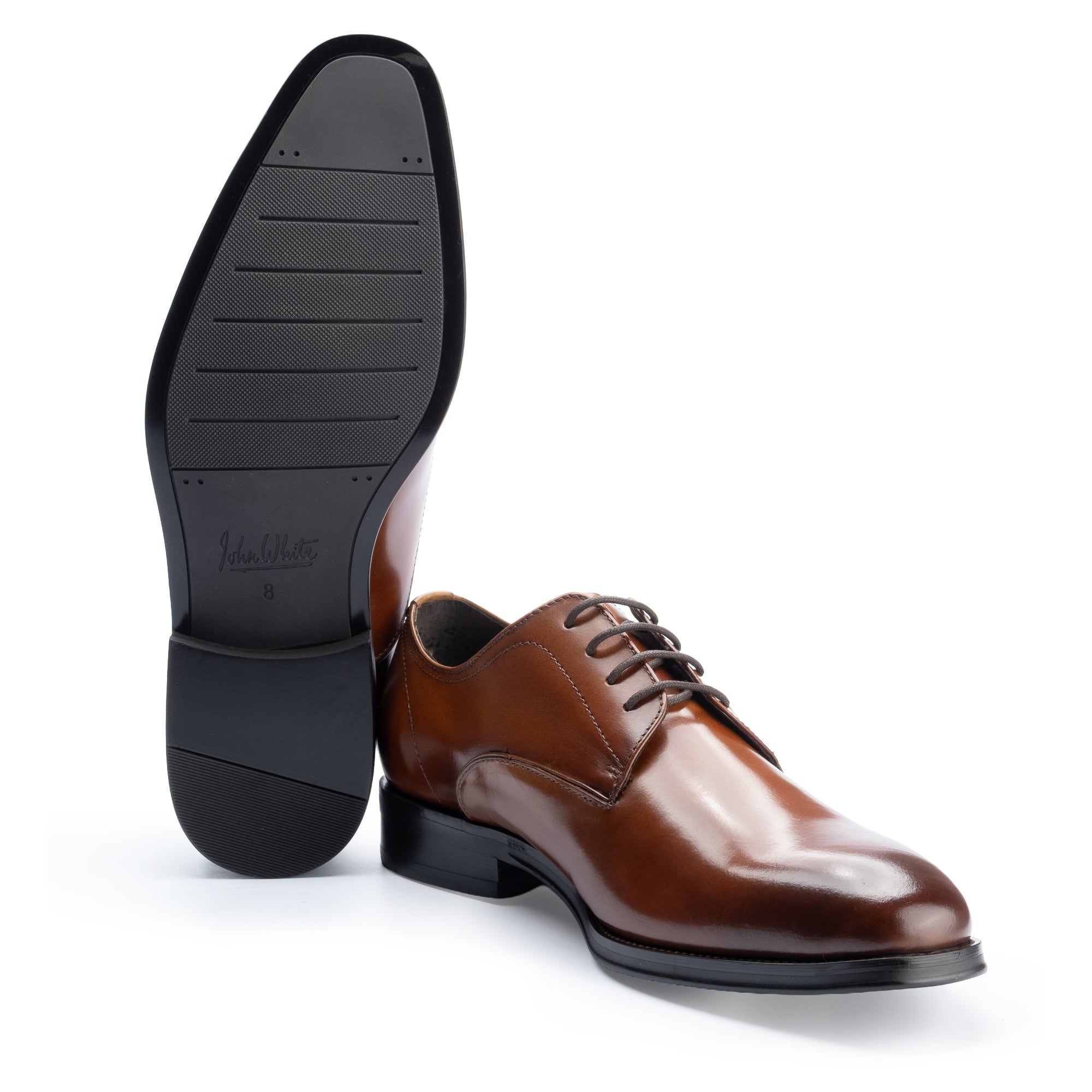
The Guildhall Capped Oxfords in Black are the clearest choice in the JWS range. The clean cap-toe gives the shoe its structure without adding brogue perforations that would tip the shoe toward business-casual. In Black, the Guildhall holds the formal line precisely. In Tan, the same last and construction make a strong case for ceremonies where navy suits are in play.
One practical note: if you are wearing Oxford shoes, spend a moment on correct lacing. Running each lace flat across — parallel lacing, sometimes called museum lacing — reduces the bulk at the collar and maintains the clean line the Oxford was designed to project. It takes thirty seconds and the difference is visible in photographs.
Derby Shoes: Practical, Still Entirely Appropriate
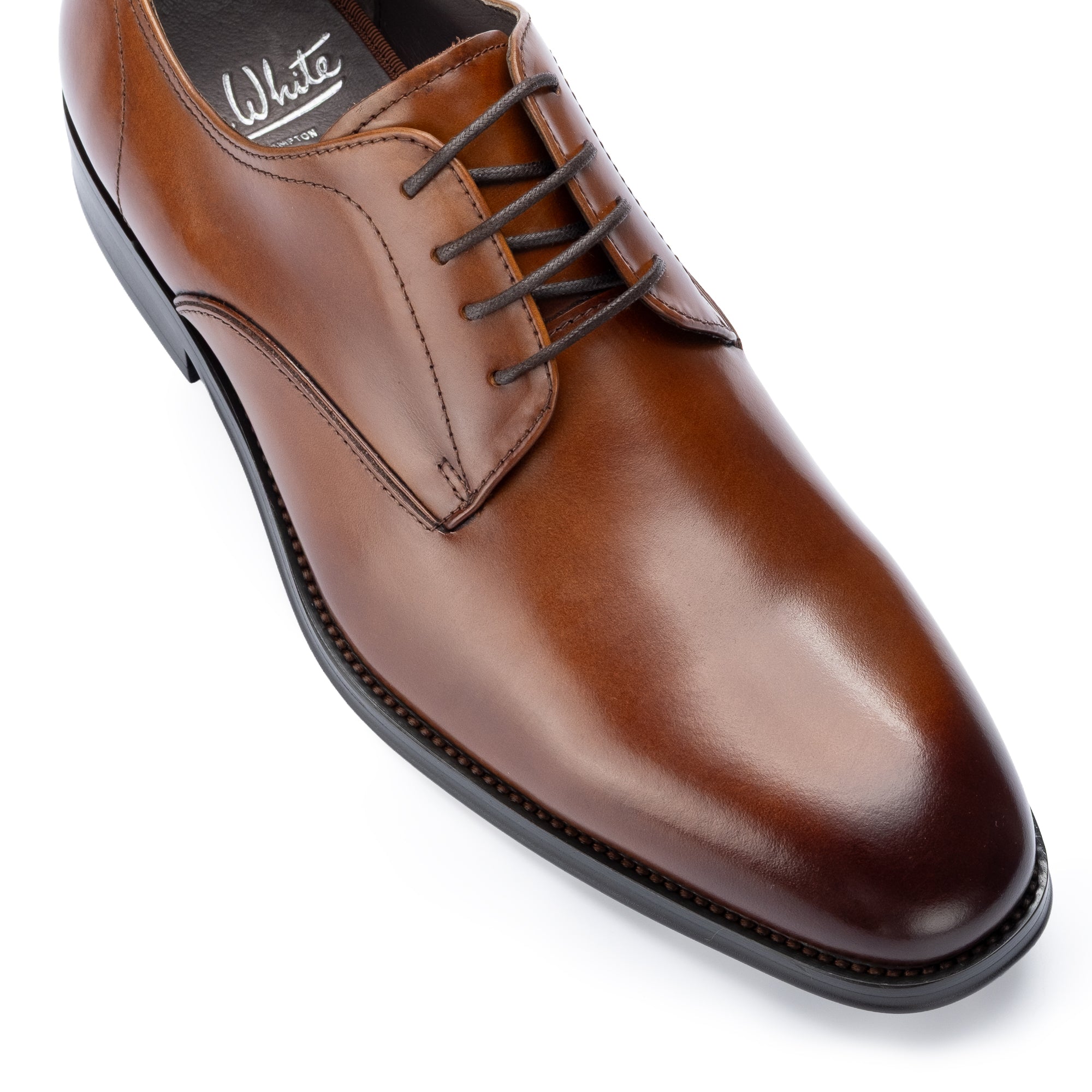
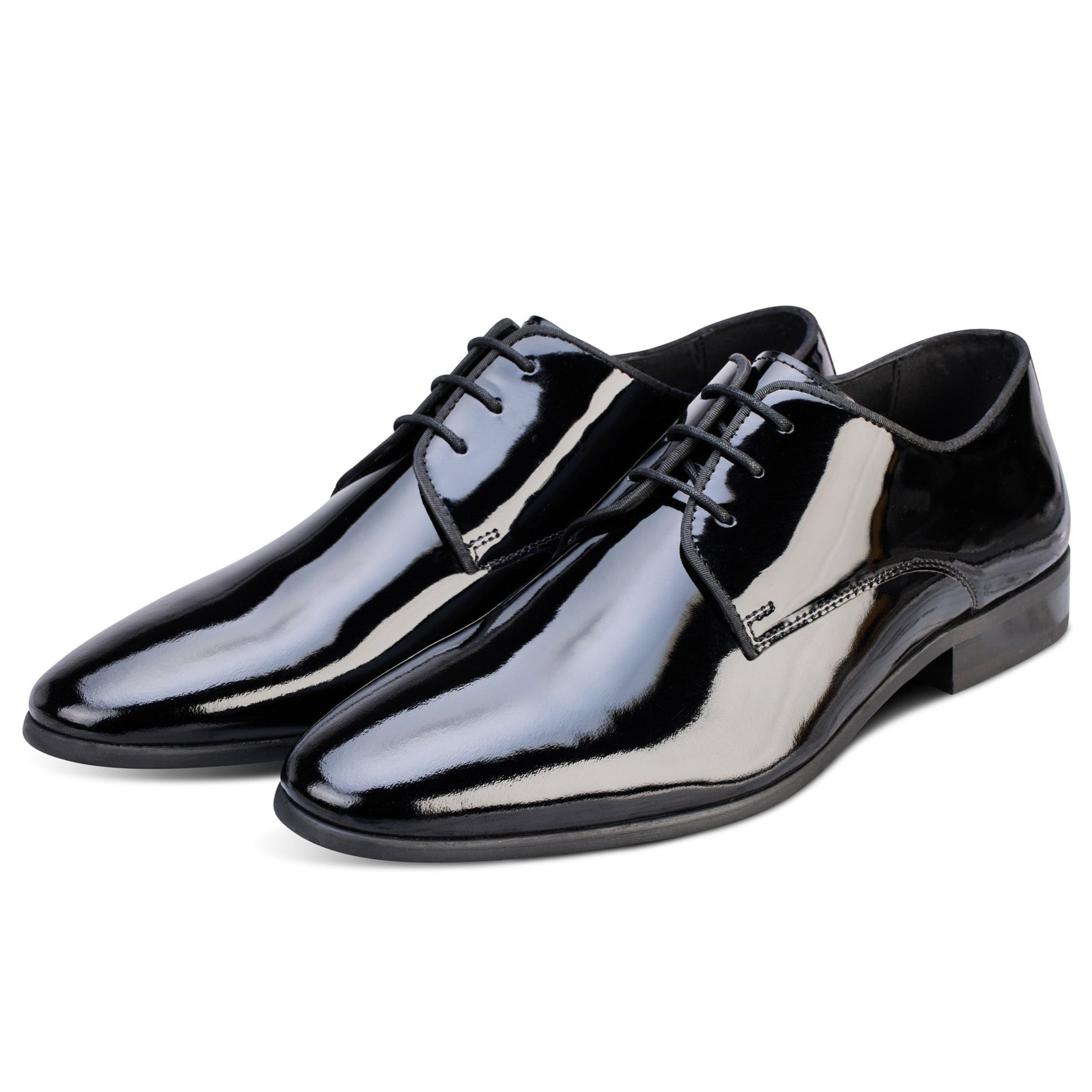
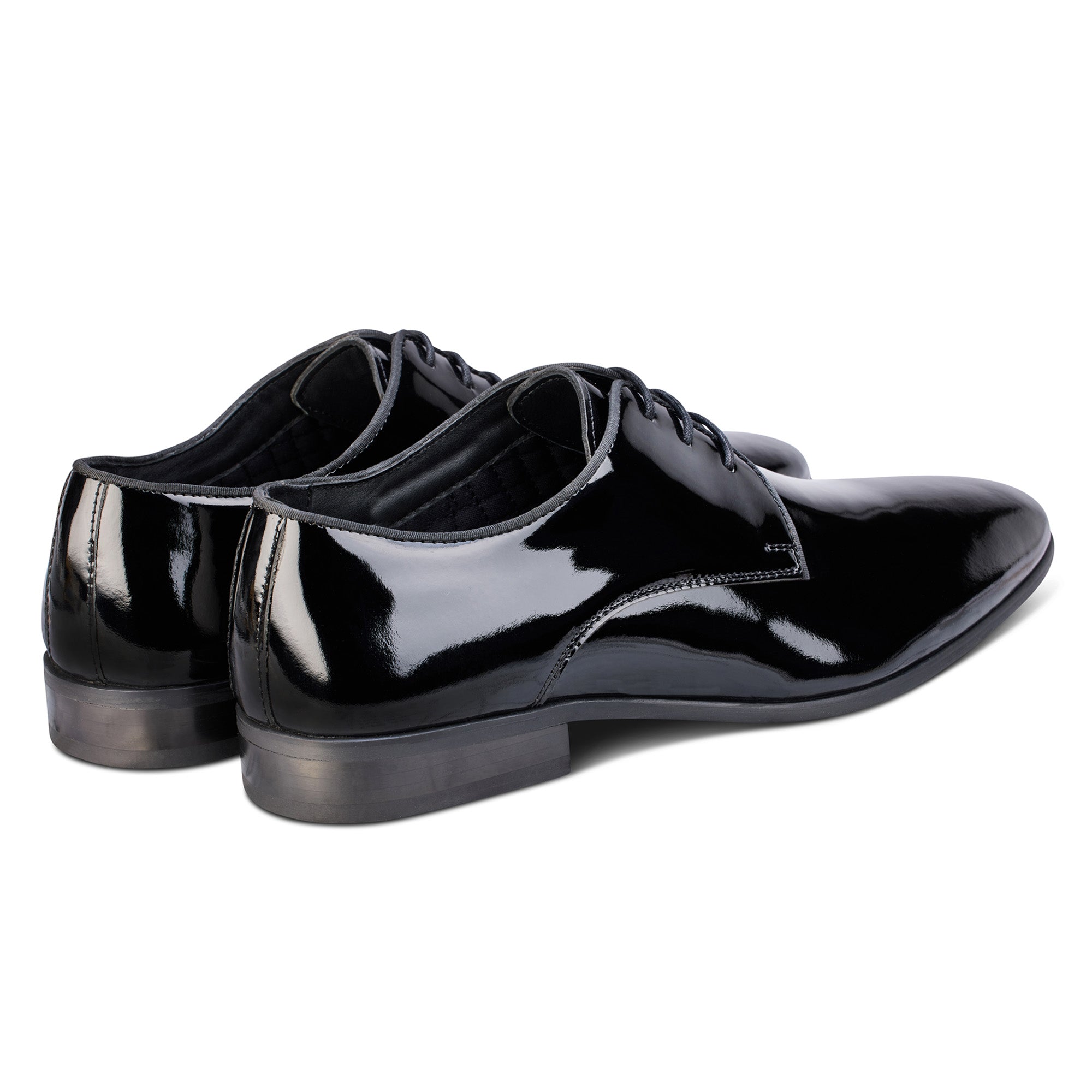
The Derby differs from the Oxford in one structural respect: its quarters are stitched on top of the vamp, leaving a natural opening at the collar when unlaced. That open construction places the Derby a step below the Oxford in the formality hierarchy — and also makes it somewhat more forgiving to put on, which matters when you are dressing in a student flat or hotel room under time pressure.
For graduation, the Derby remains absolutely appropriate. The distinction in formality between a well-polished black Derby and a well-polished black Oxford is genuinely minor; both belong in the same formal register. The practical question is fit: Derbies accommodate a wider foot more readily, and a shoe that fits correctly is invariably the better choice over one that is technically more formal but pinches by midday.
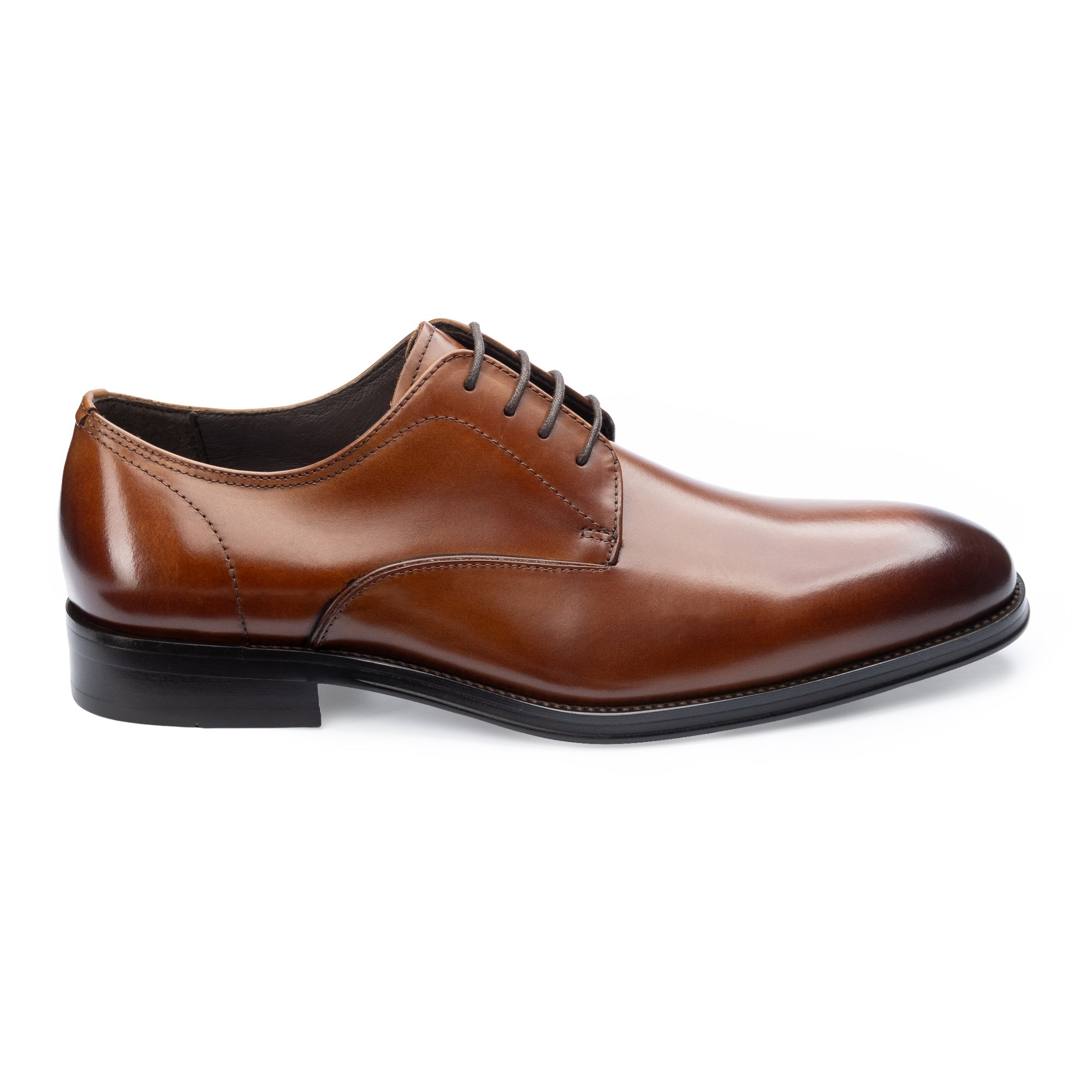
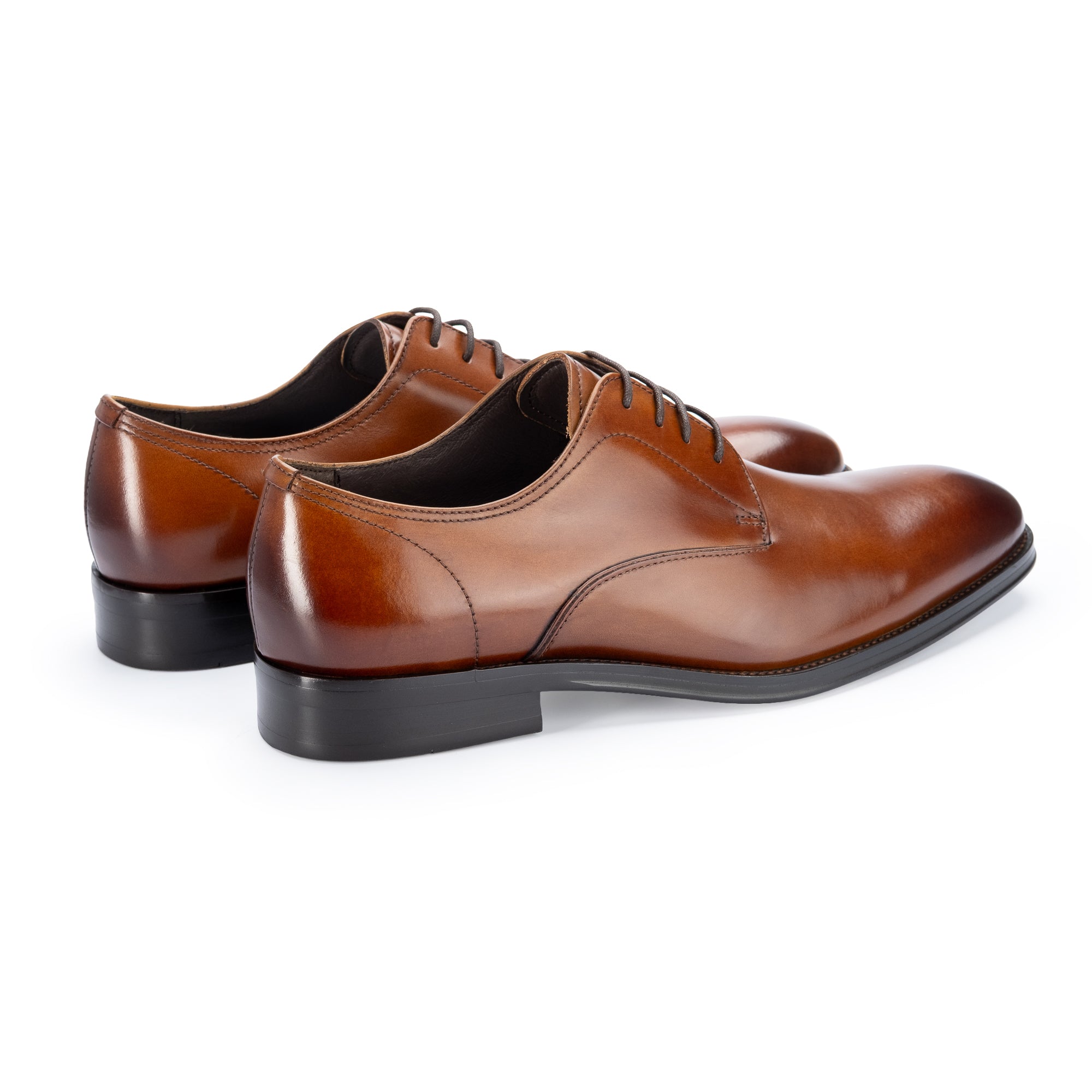
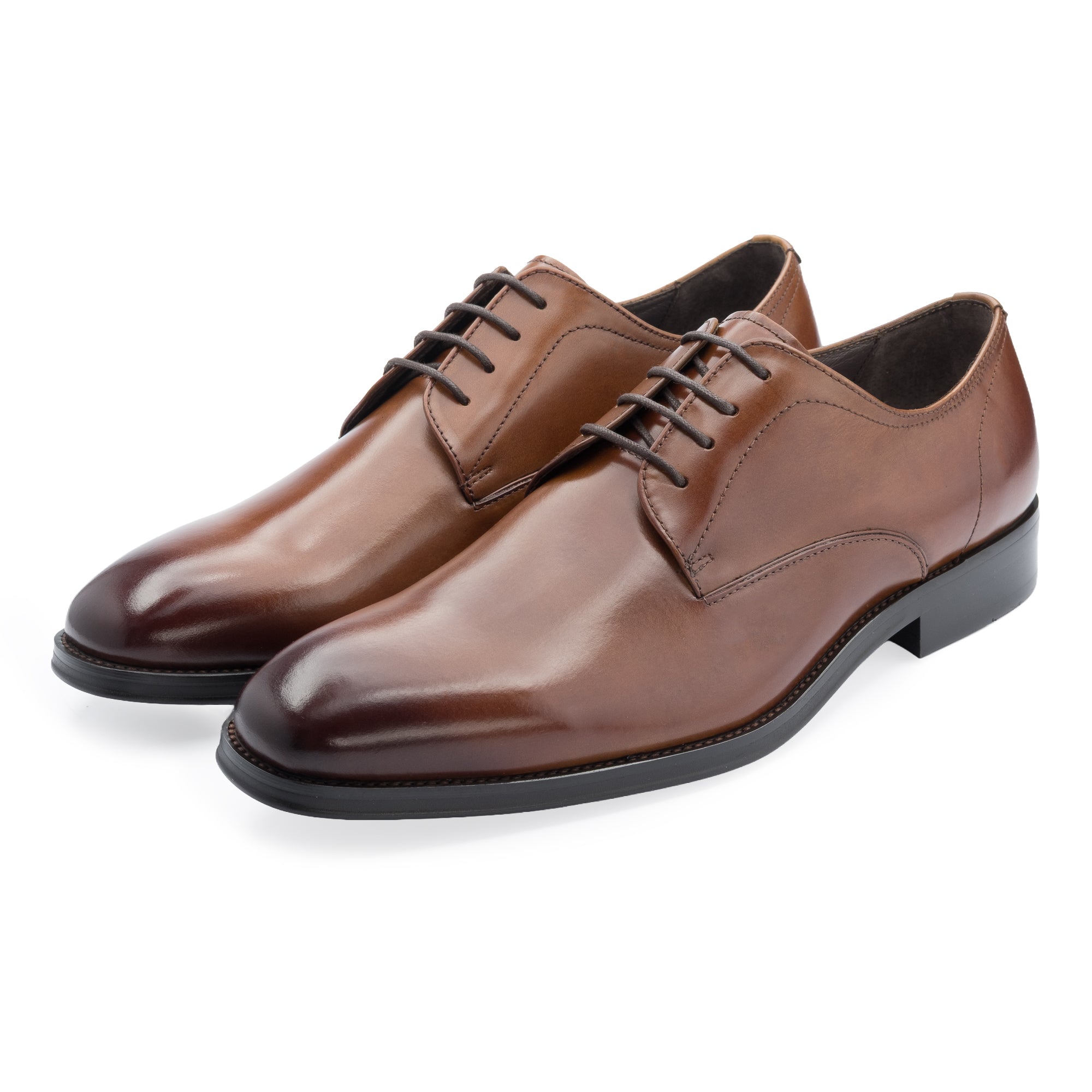
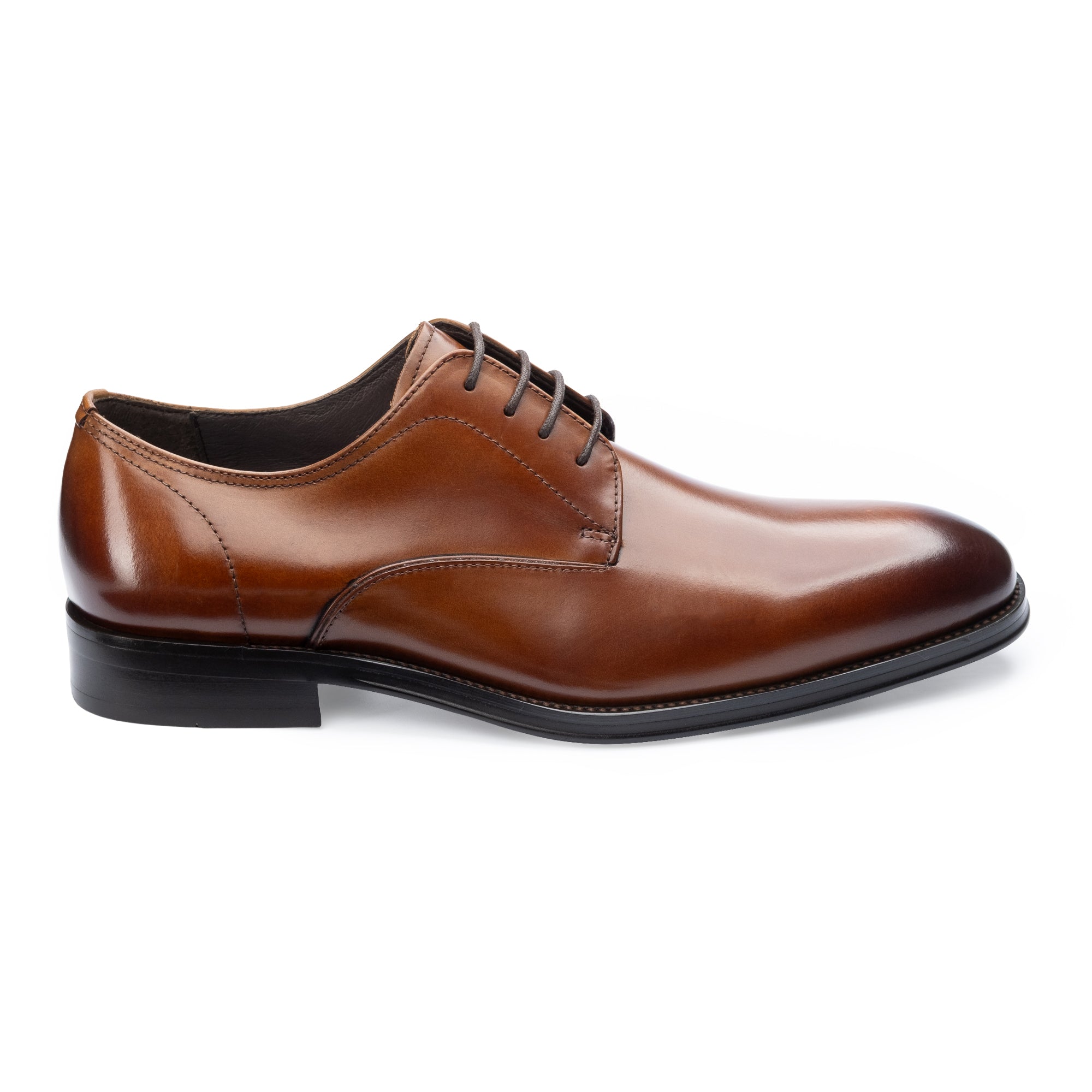
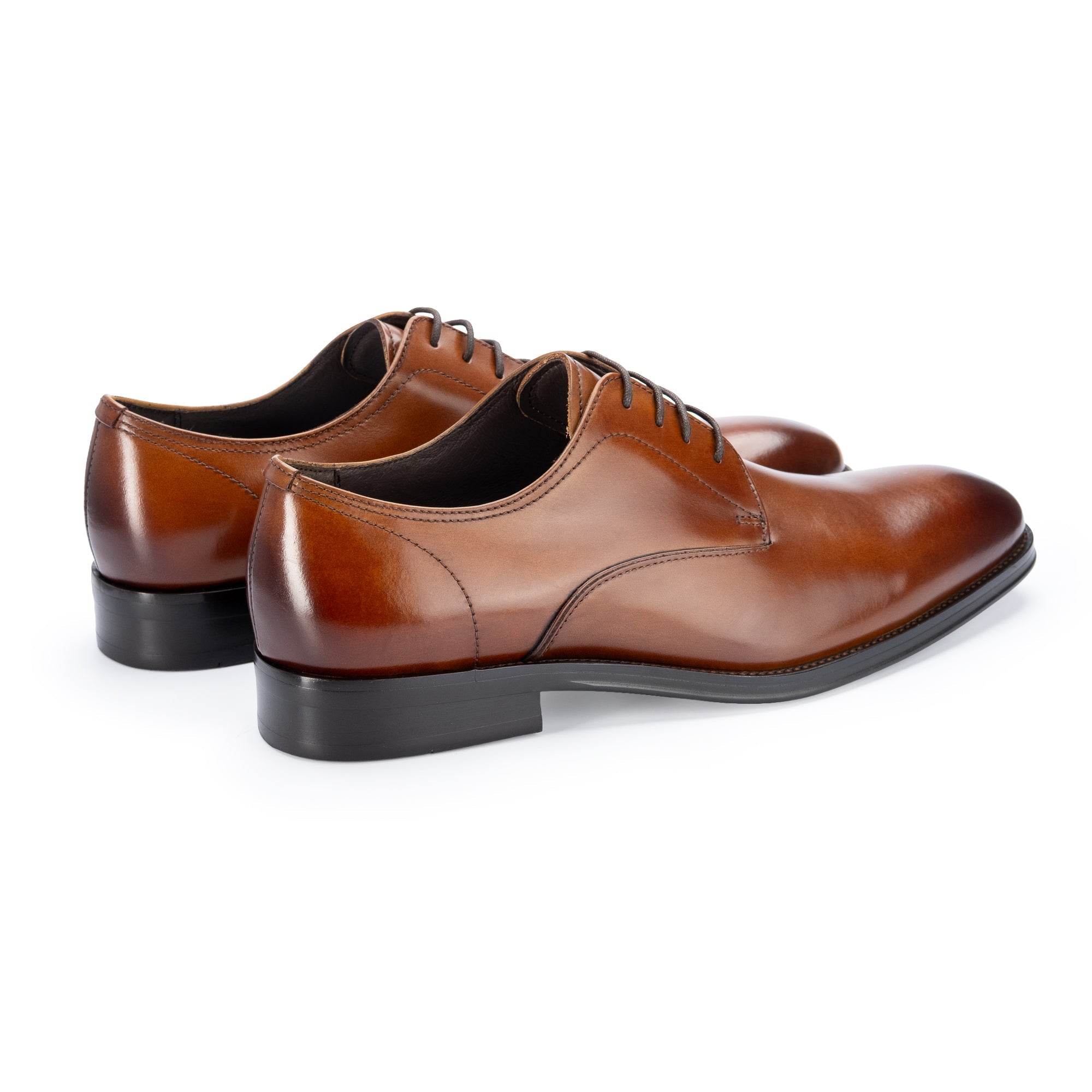
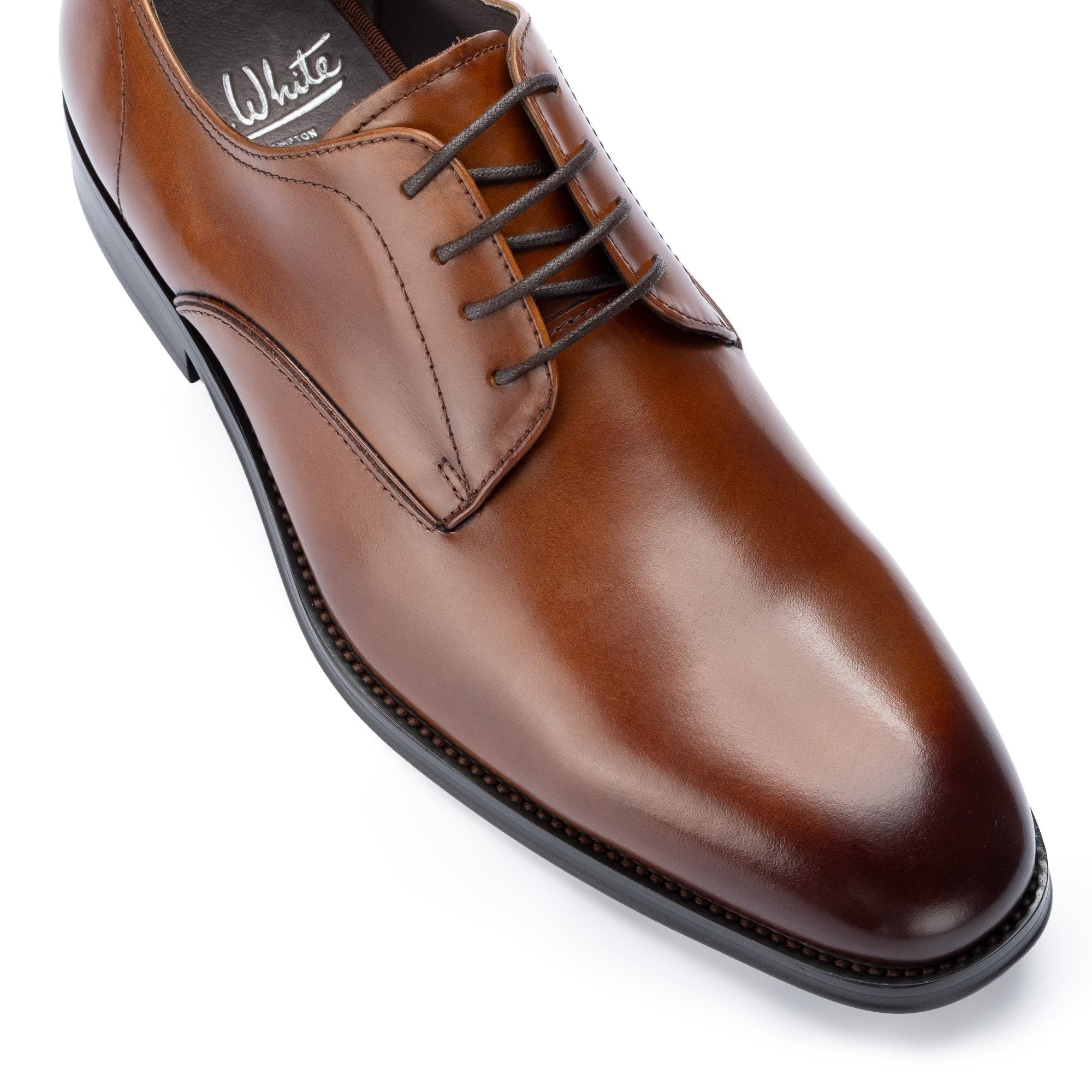
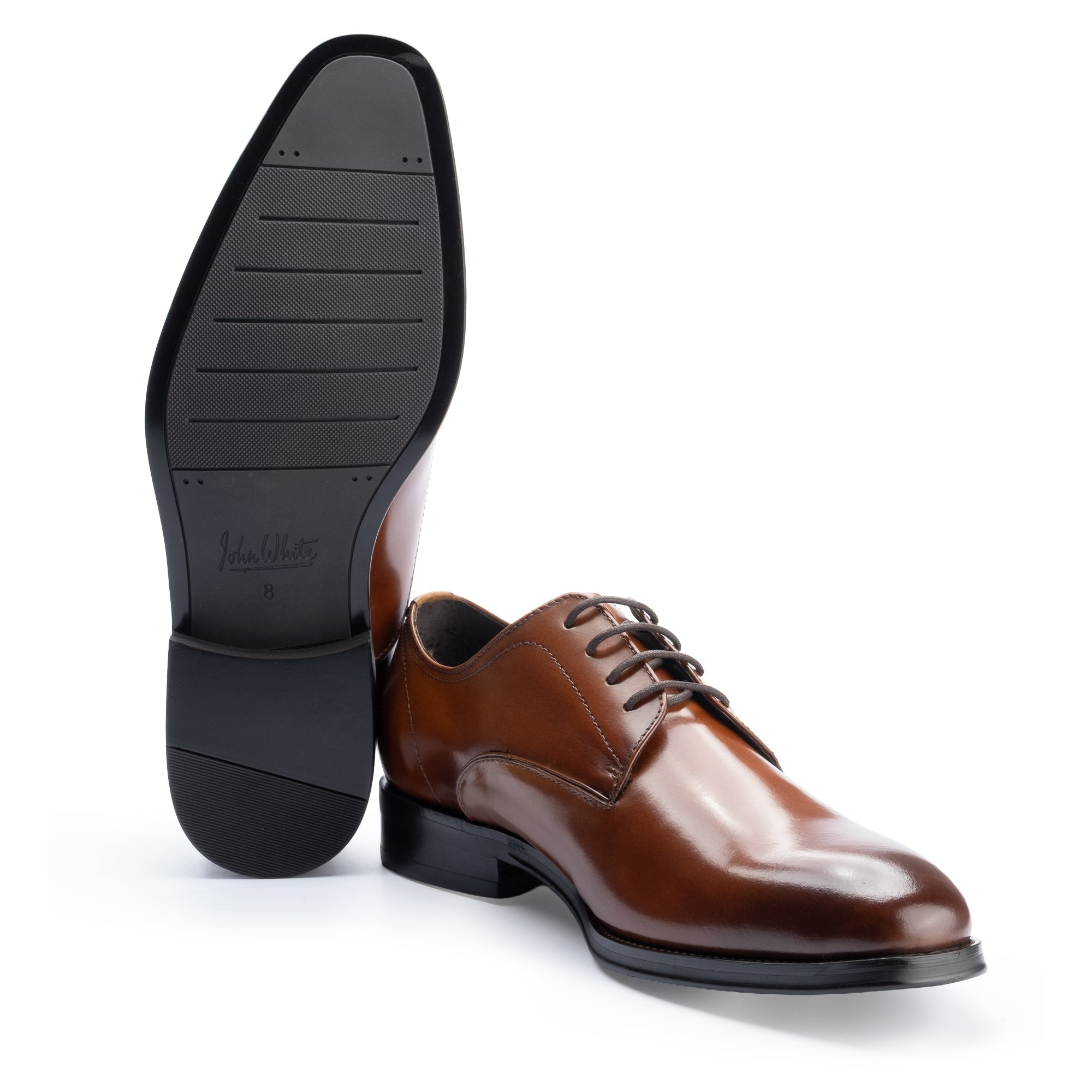
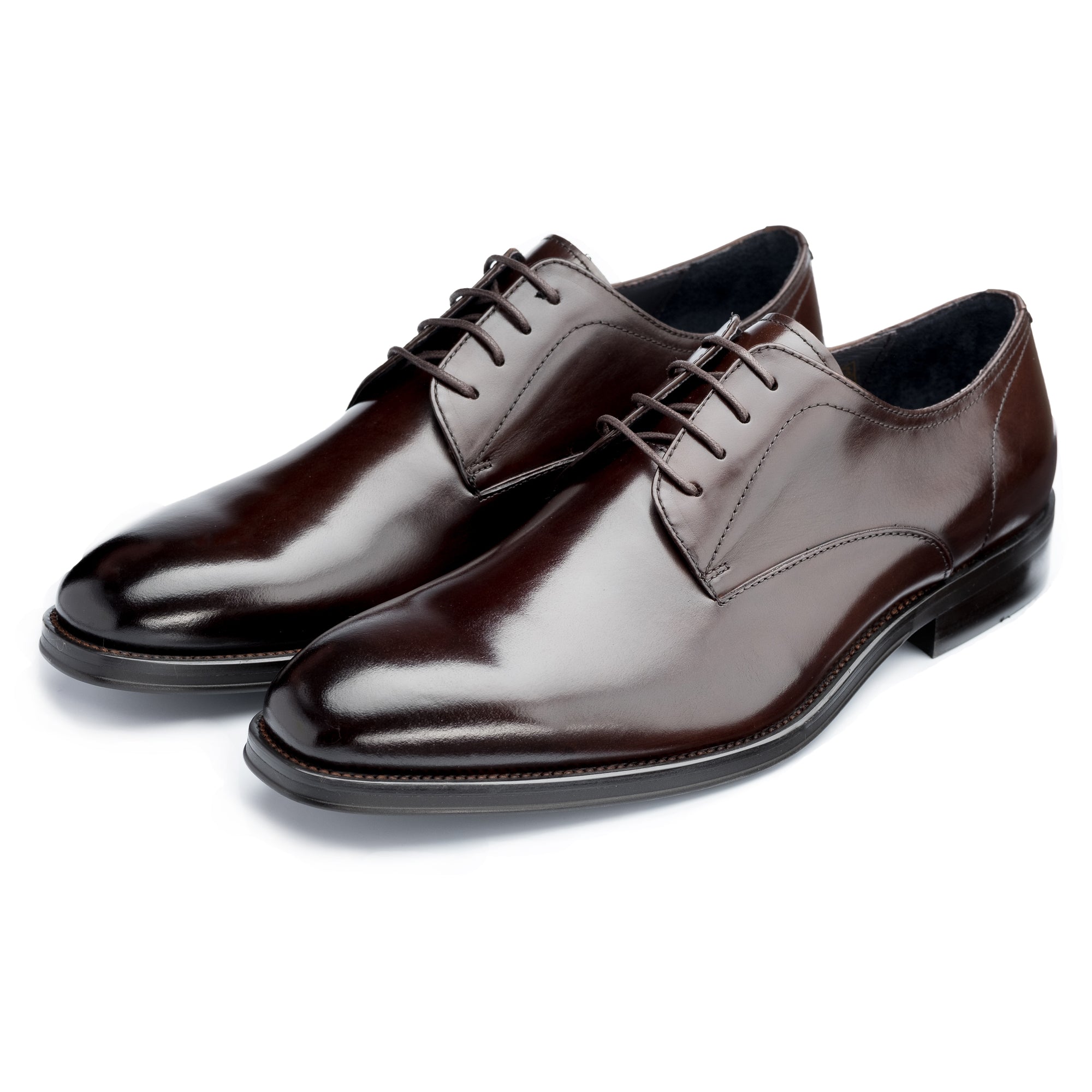
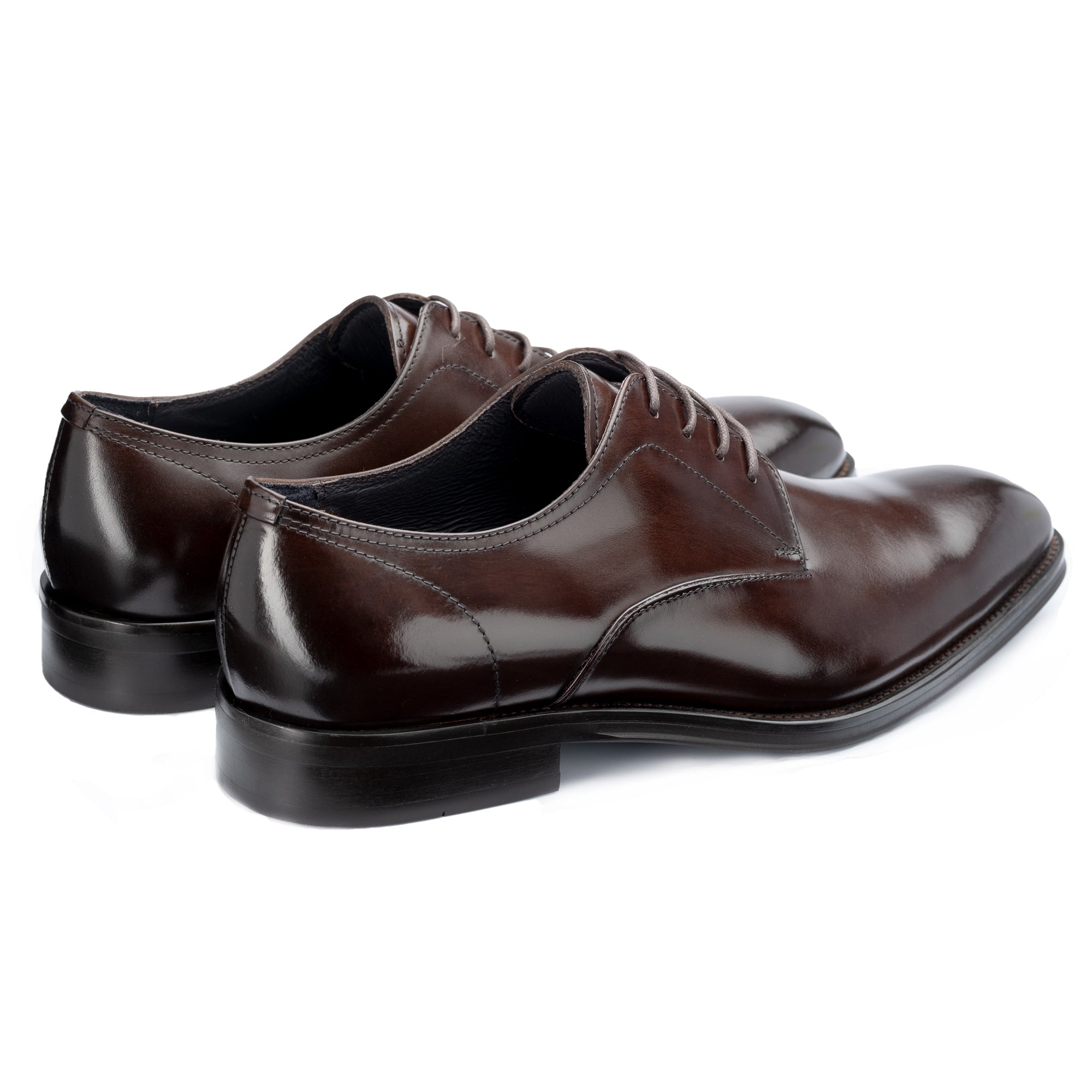
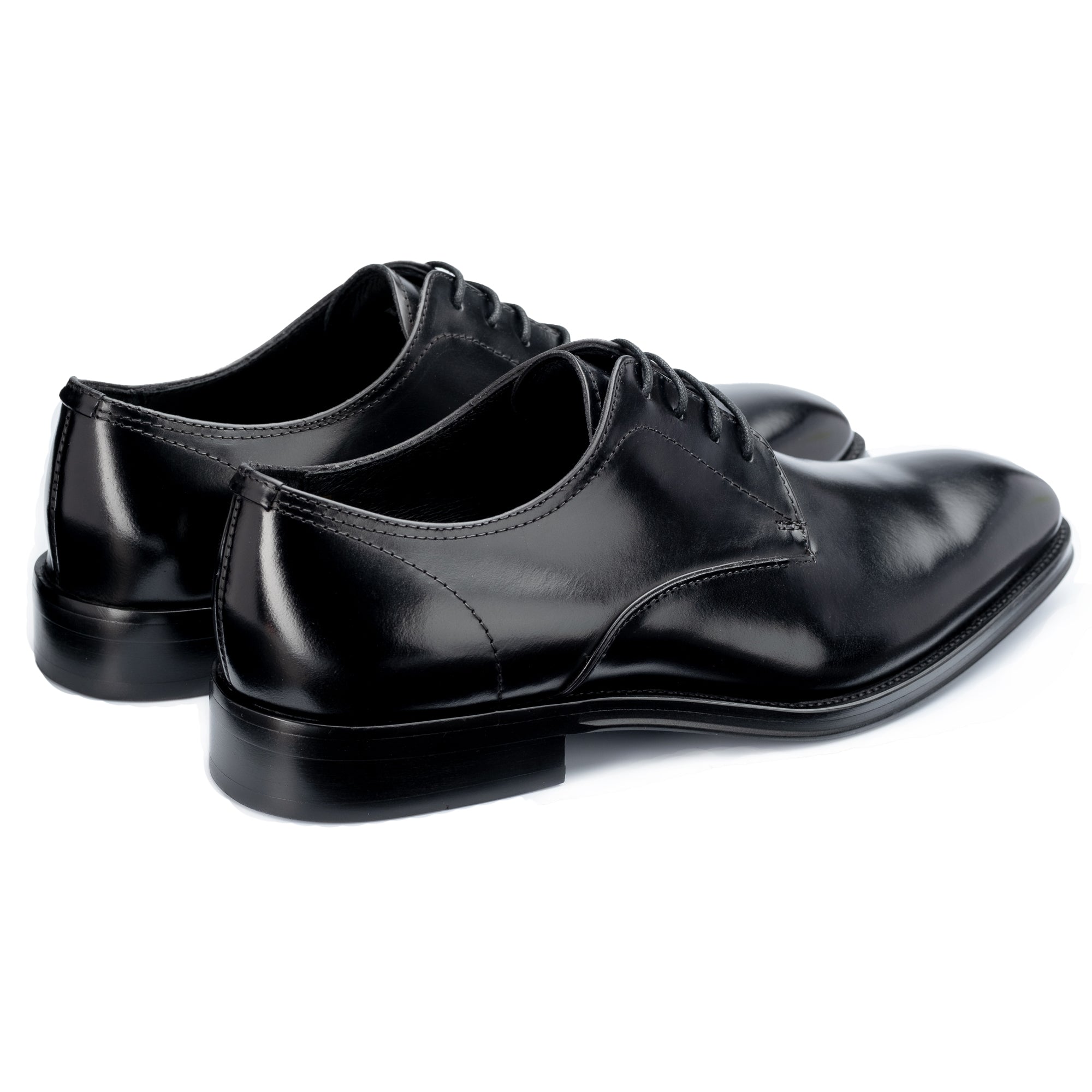
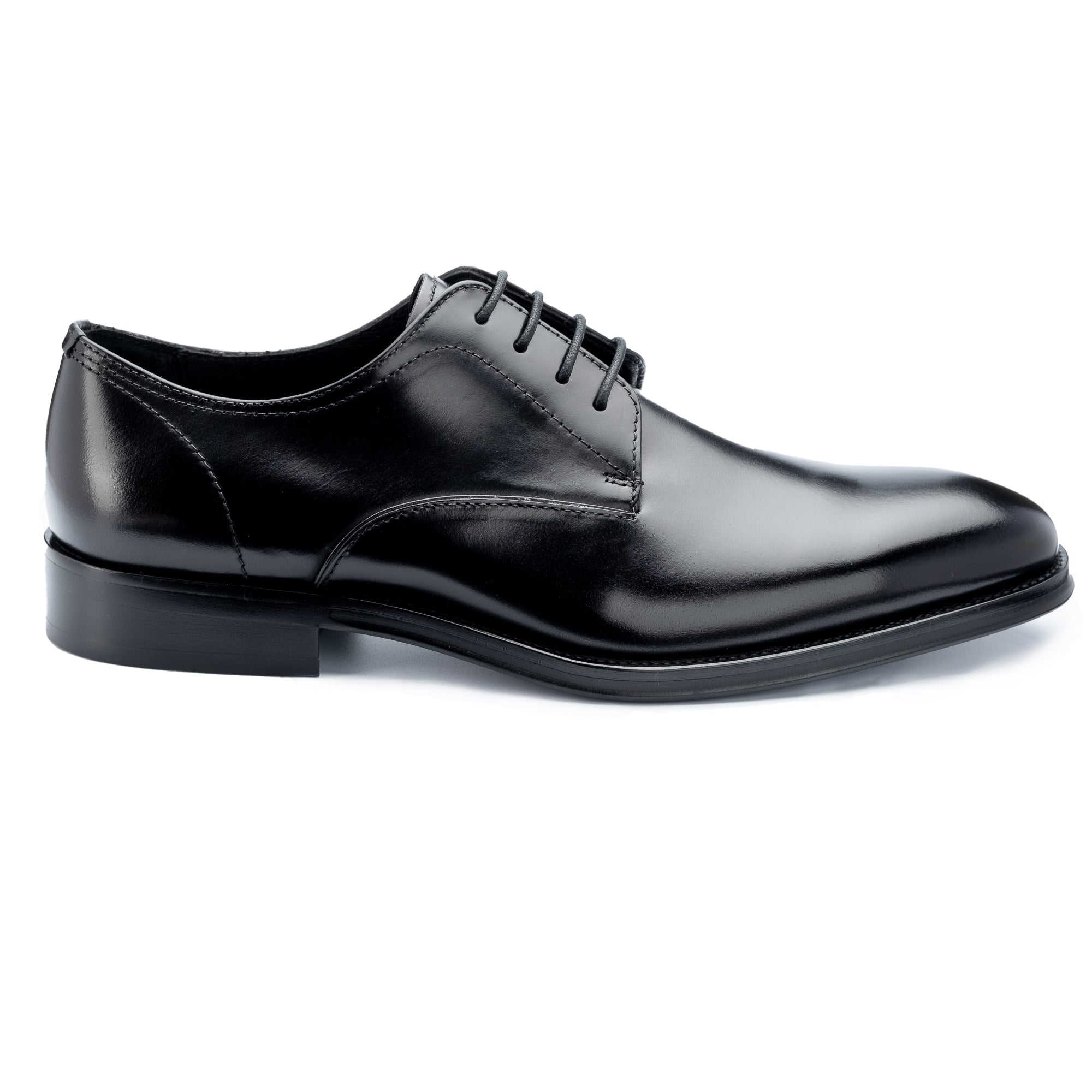
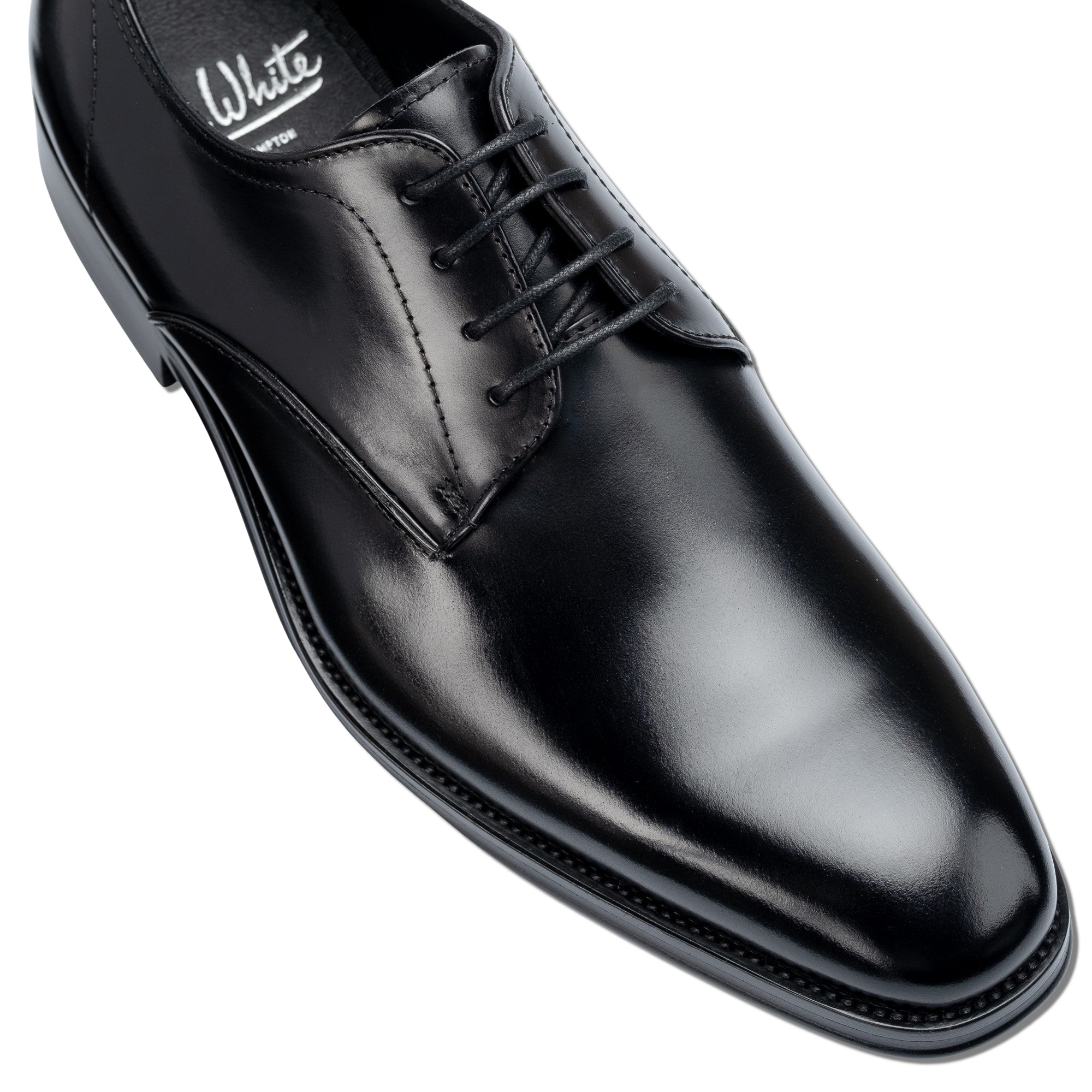
Three JWS options suit the occasion well. The Broad Derby in Black keeps the line plain and conservative — correct if your suit is traditional and you want nothing to draw the eye. The Rudd Derby in Black carries a slightly narrower toe that suits slimmer suit cuts and contemporary trouser proportions. The Jermyn Derby in Black runs on a longer vamp that works well with trousers cut to break at the ankle — a subtler difference, but one that shows.
Our guide on how to wear derby shoes across the formality scale covers these distinctions in full if you want more detail on which Derby suits which suit style.
Semi-Brogues: Character Without Compromising Formality
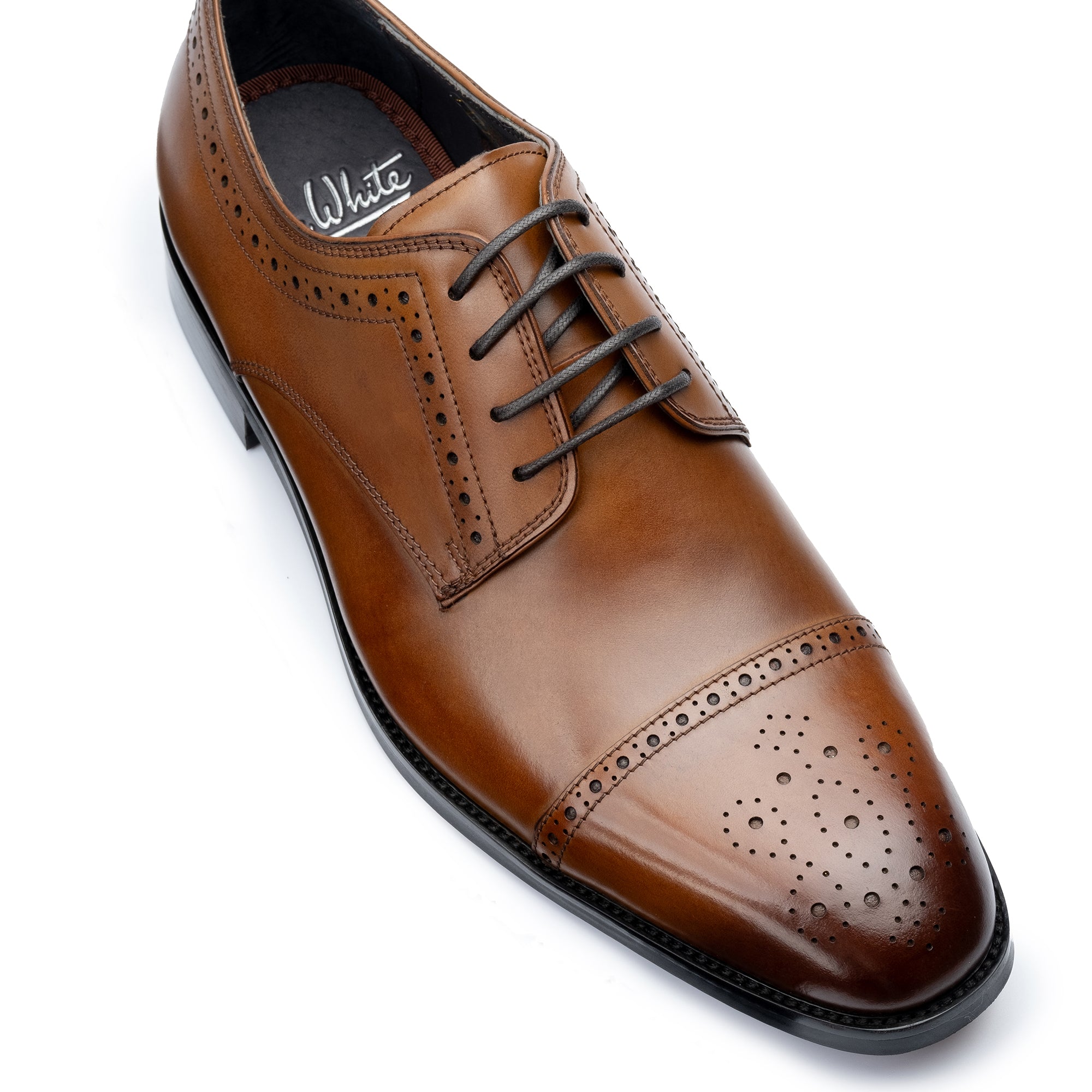
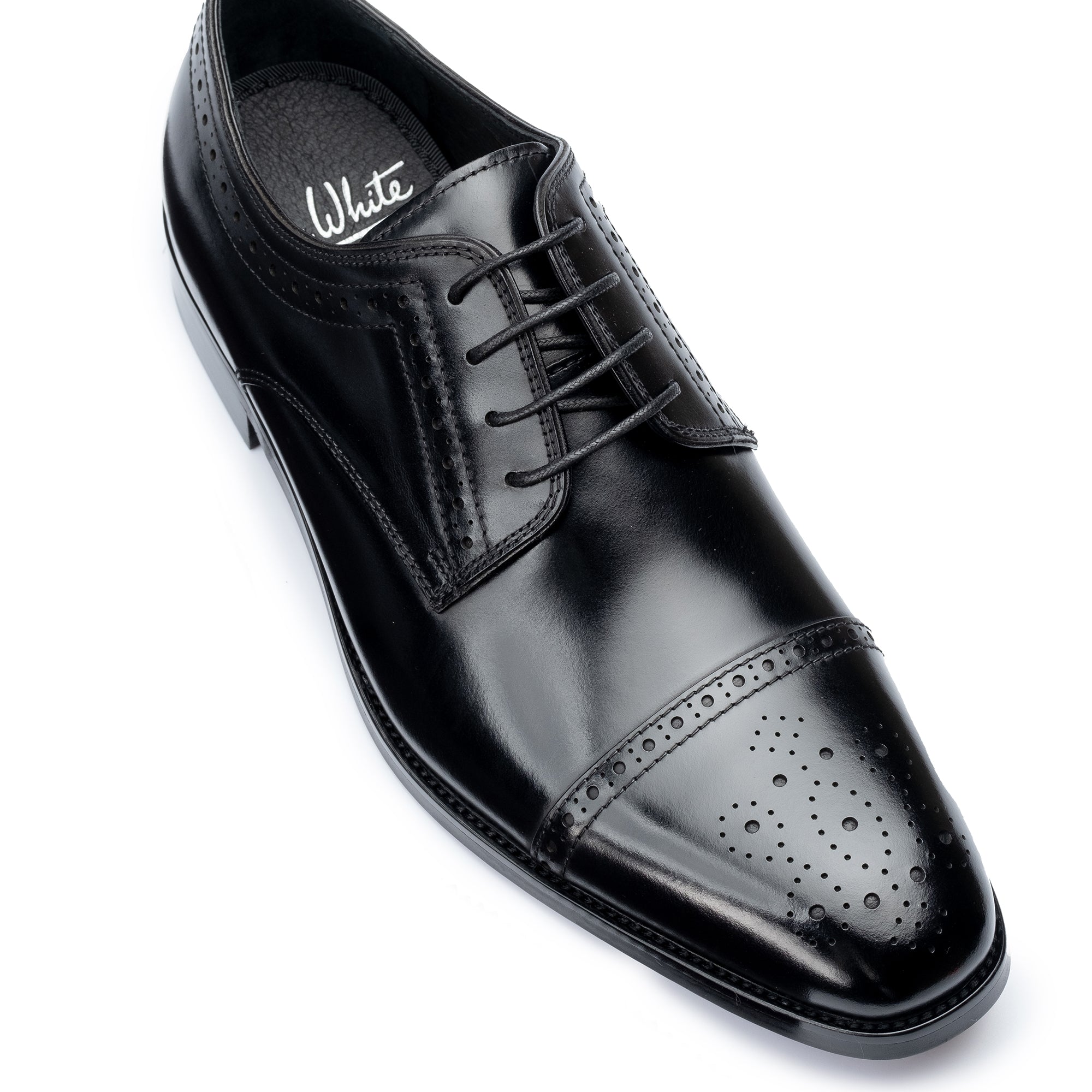
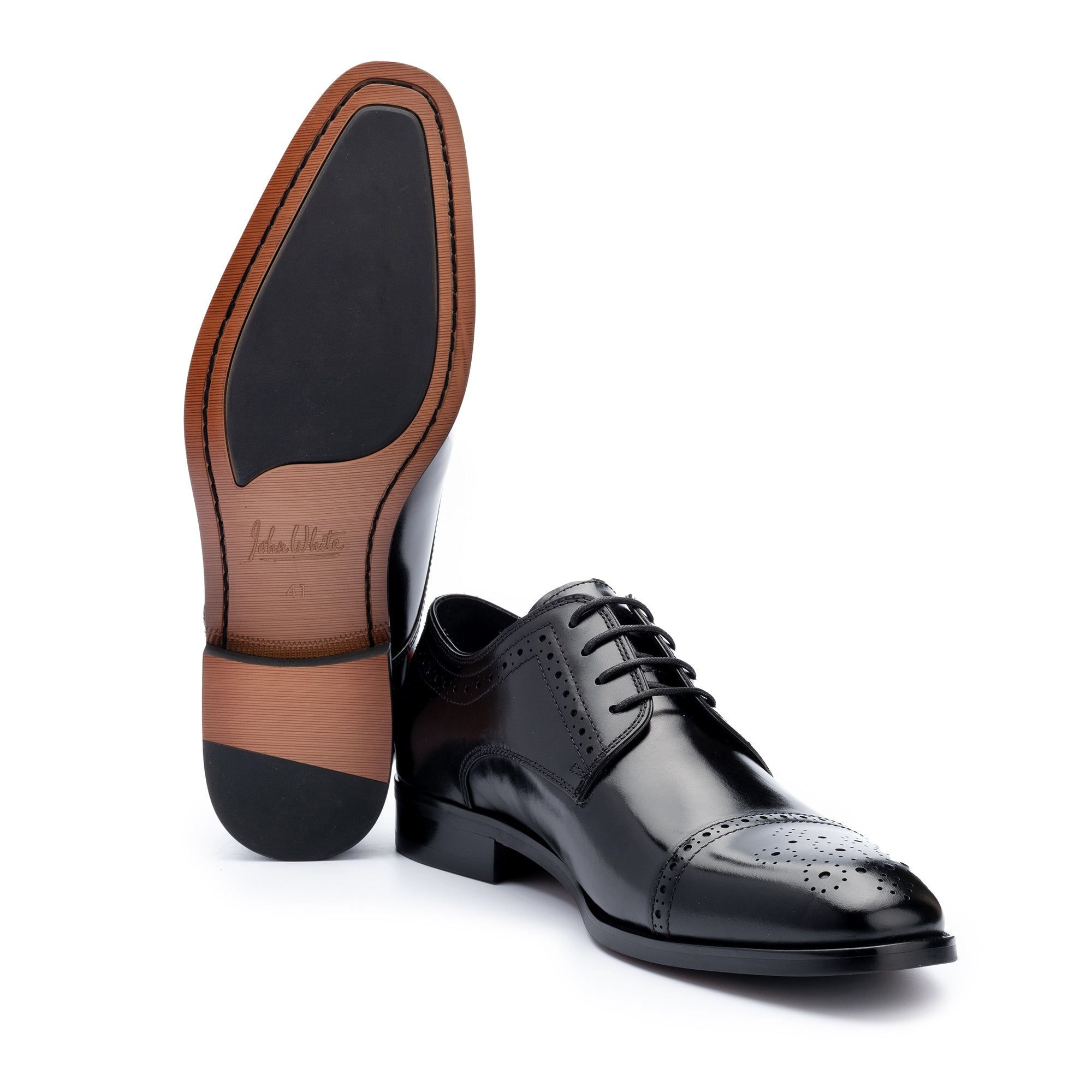
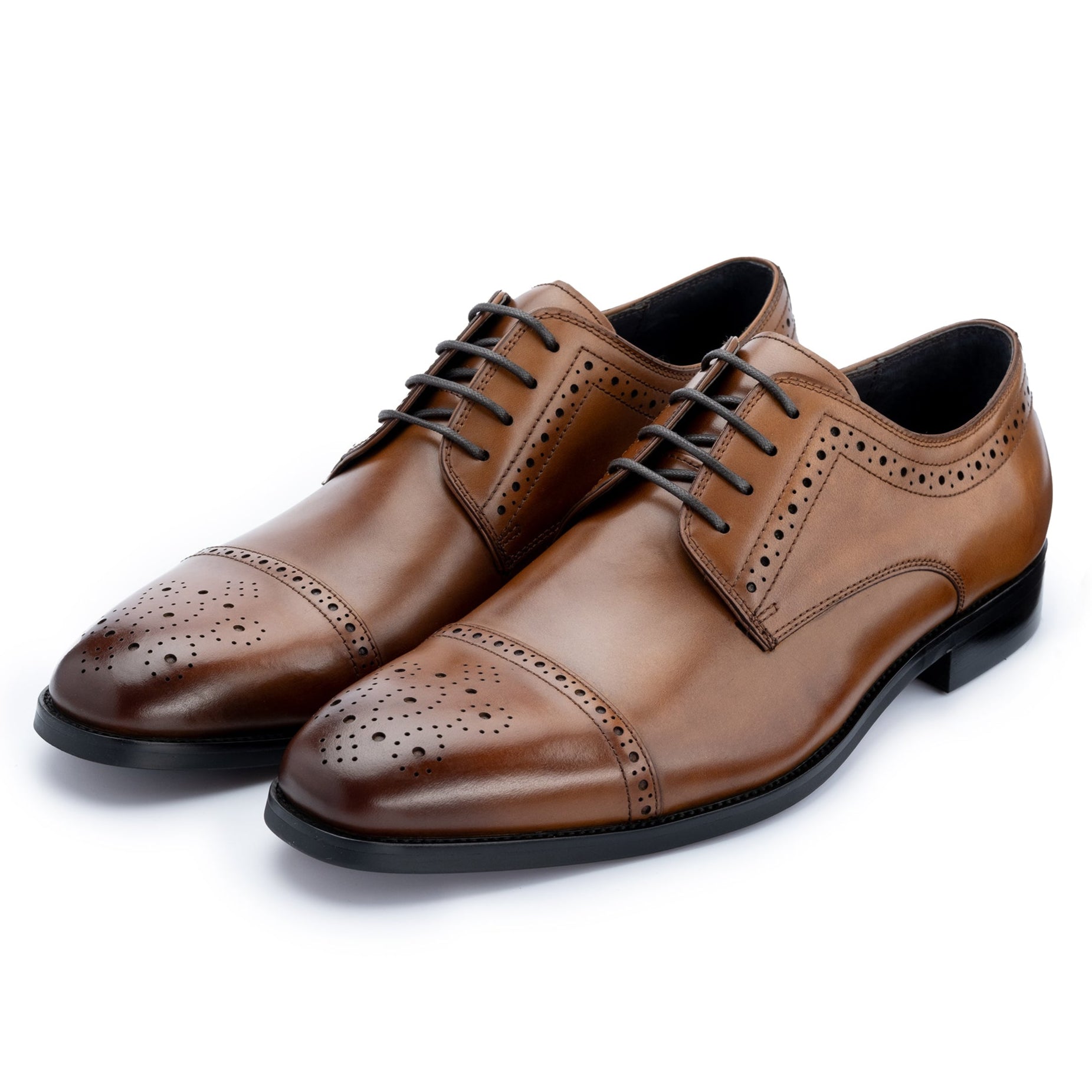
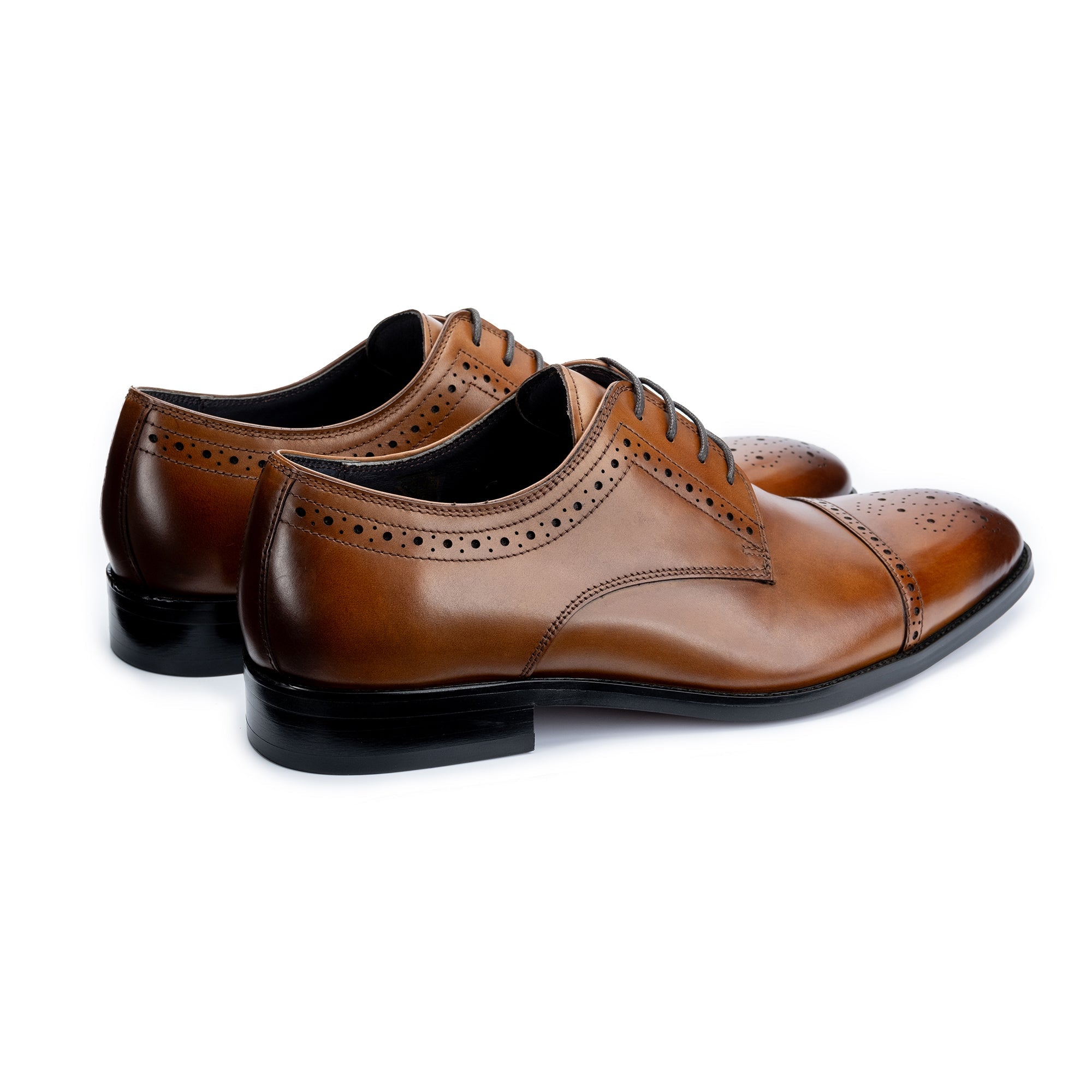
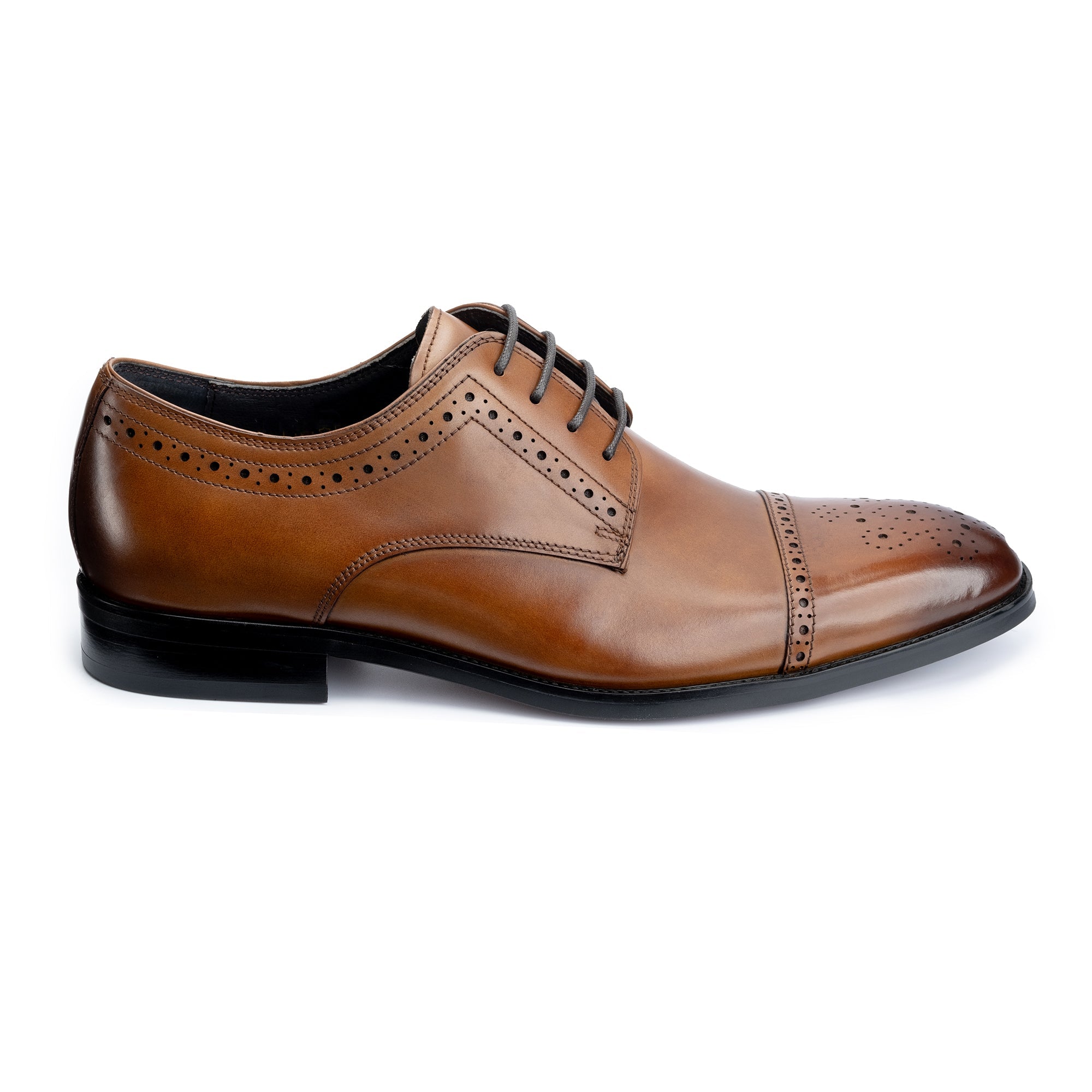
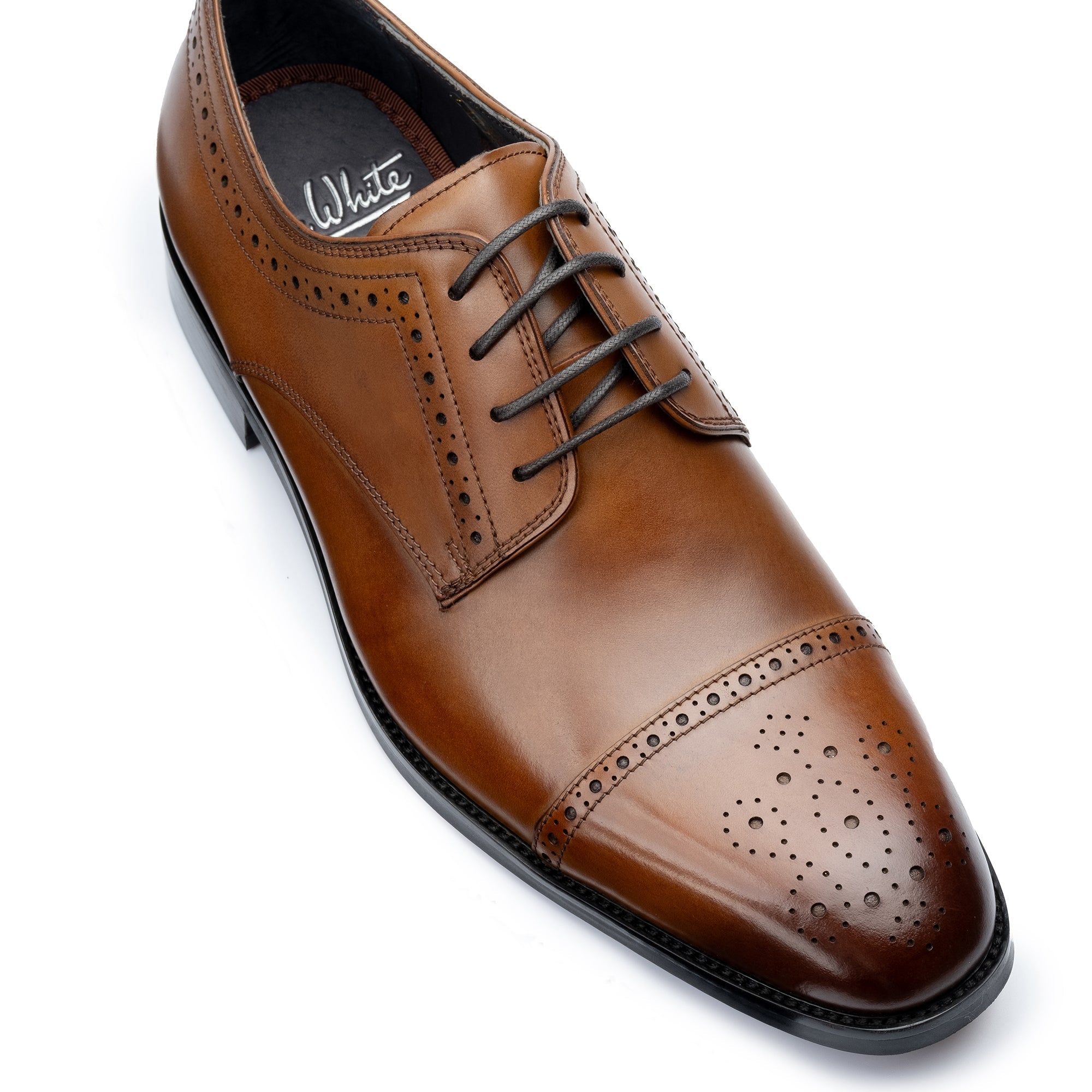
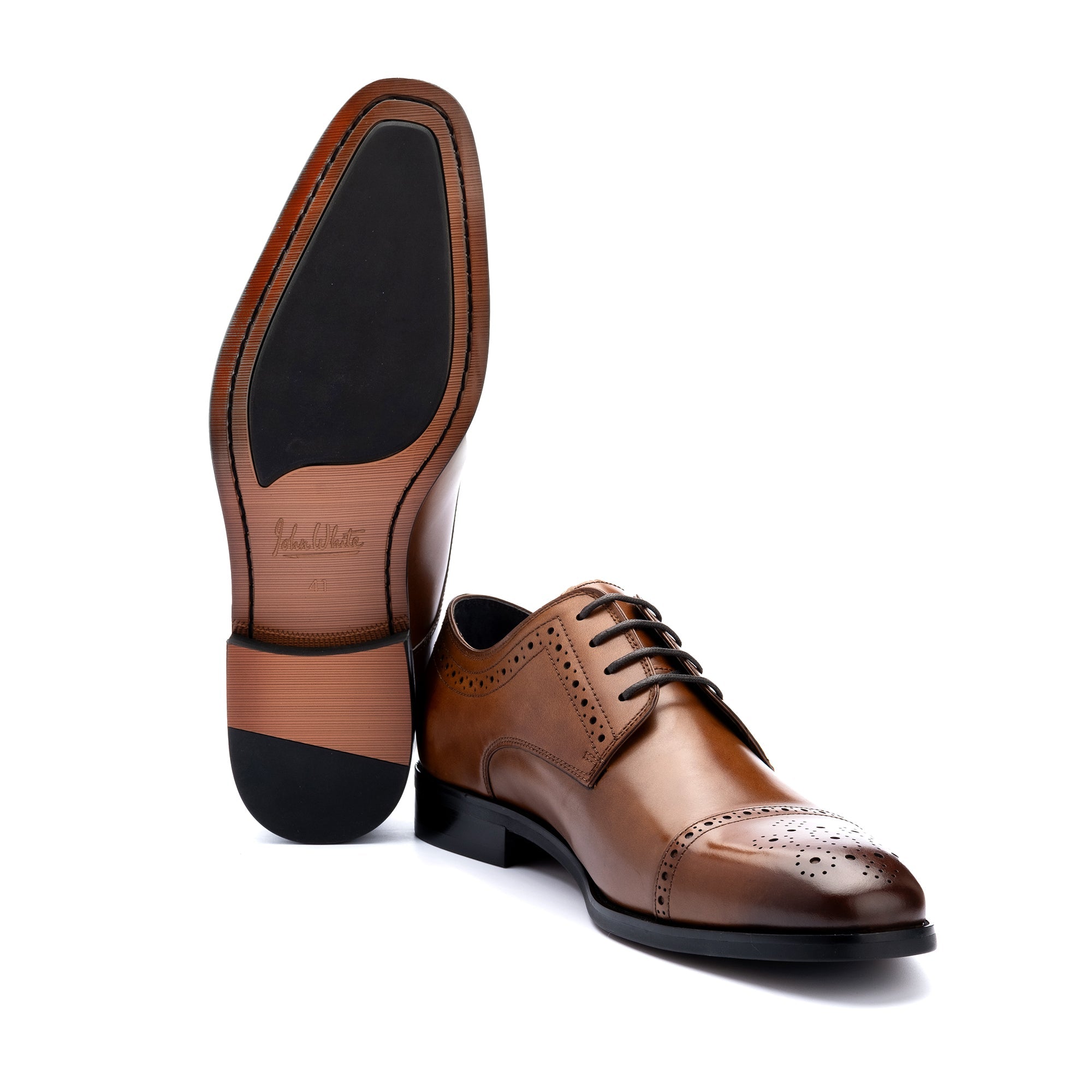
A semi-brogue — brogue perforations along the cap-toe seam only, not the full wing-tip pattern — sits at an interesting point on the formality scale. The detailing is visible on close inspection; at distance, the shoe reads as a plain dress shoe. For a graduation ceremony, this is genuinely useful: enough character to distinguish the shoe in photographs, formal enough to remain correct in the hall.
The Lucan Semi-Brogues in Black wear well in this context. The medallion and perforated cap-toe give the shoe individuality without shifting it out of the formal register. If your suit is navy or charcoal and you want something with more personality than a plain-toe Derby but no less rigour, the Lucan in Black is the answer. Save the Tan colourway for the post-ceremony celebrations — it pairs well with navy outdoors but reads too light in a formal hall.
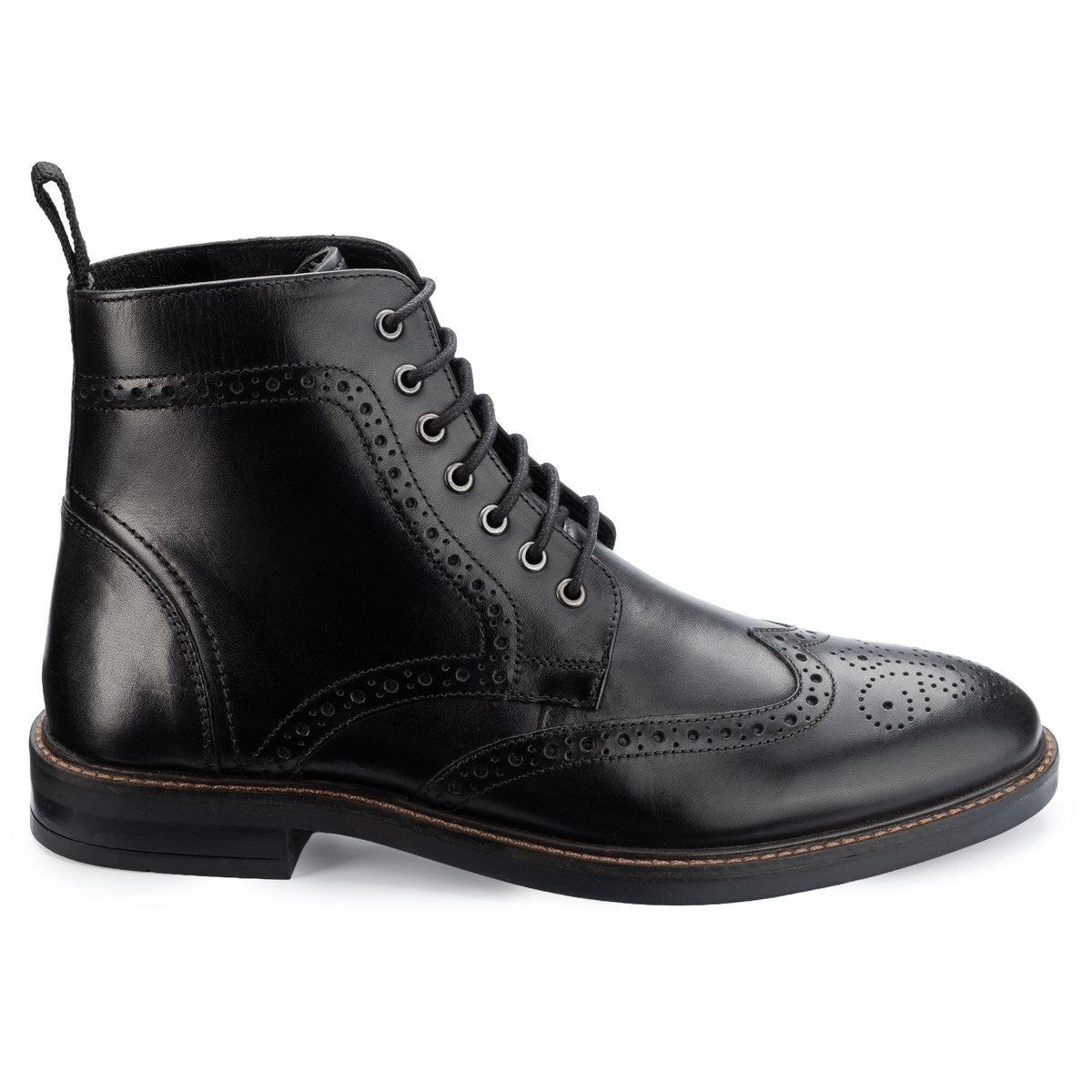
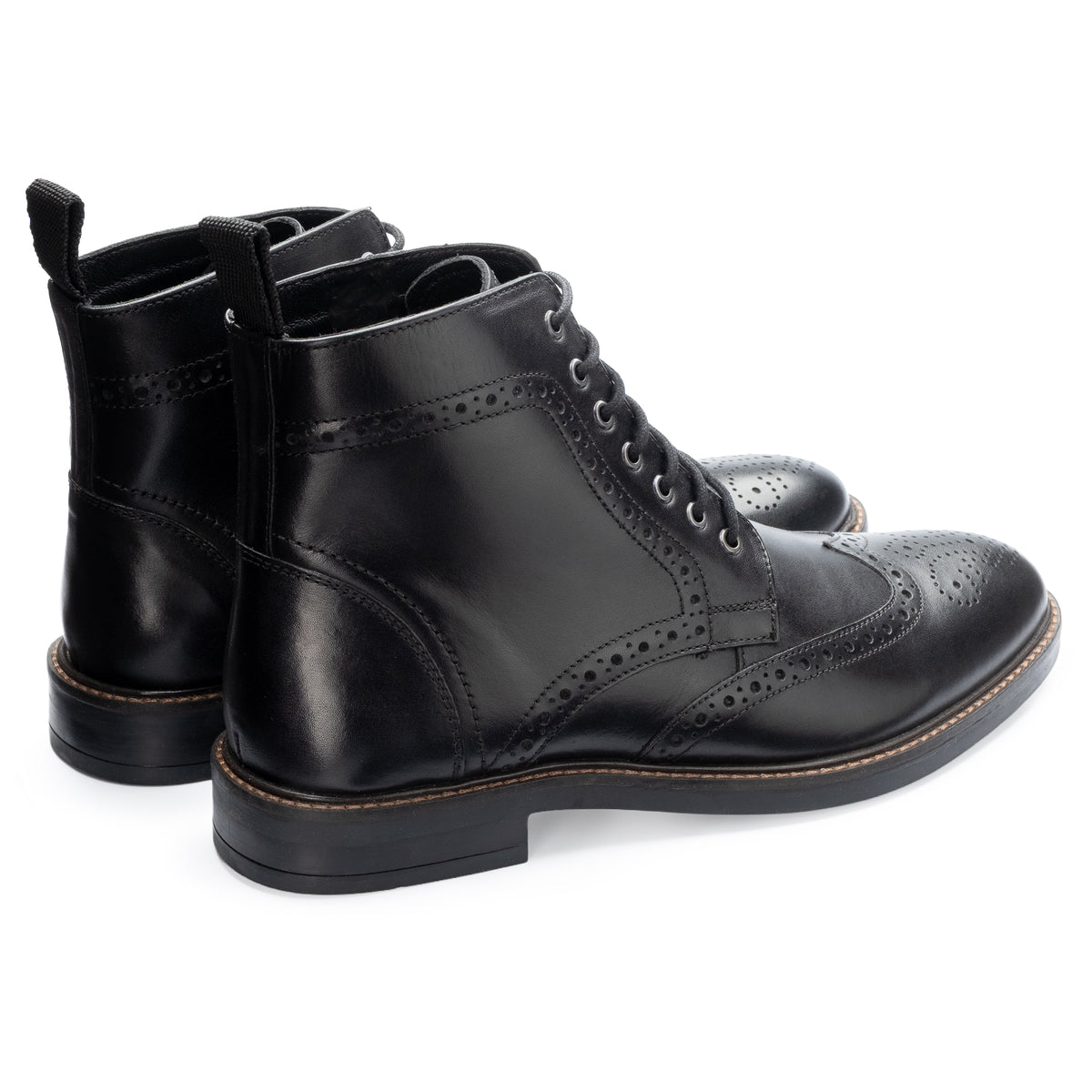
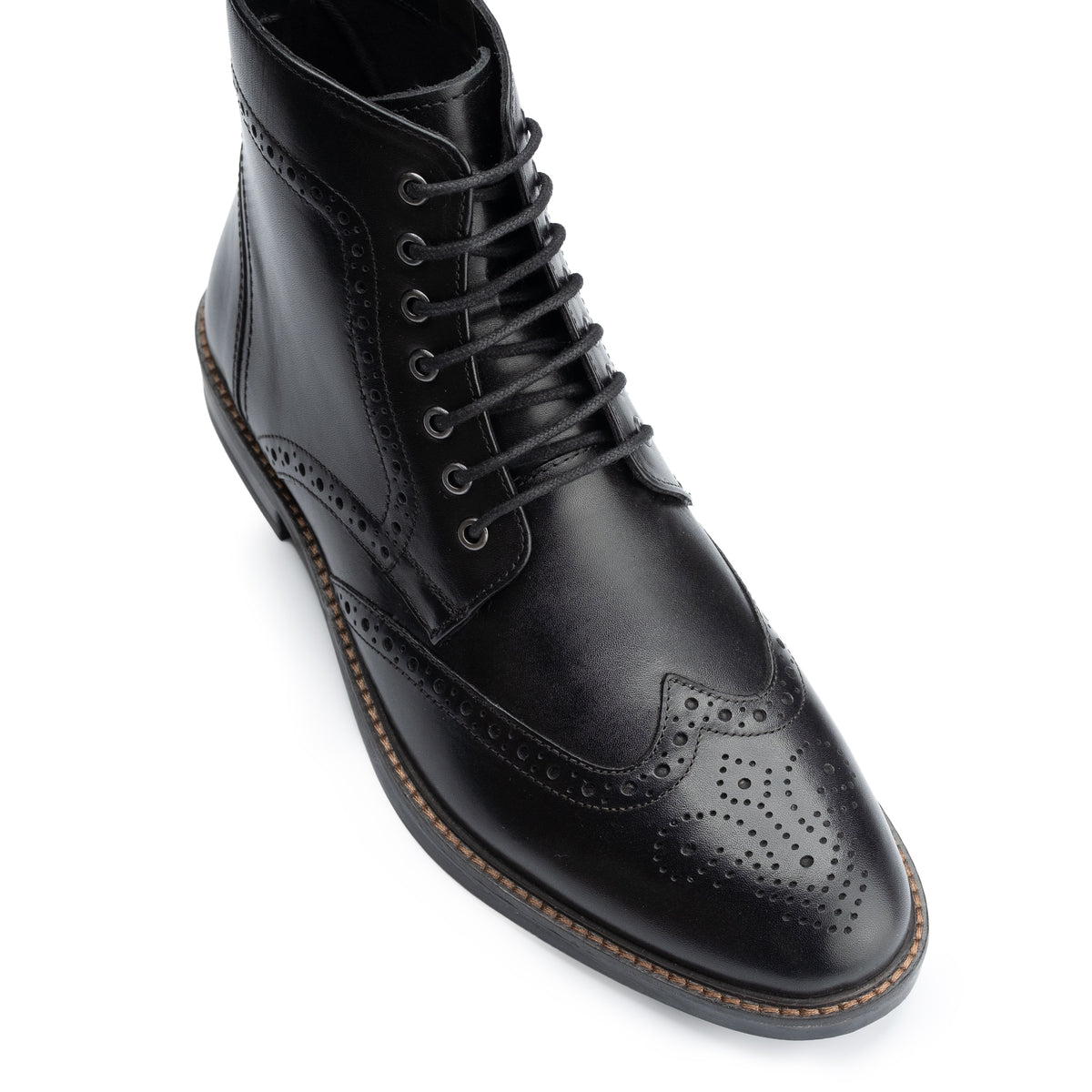
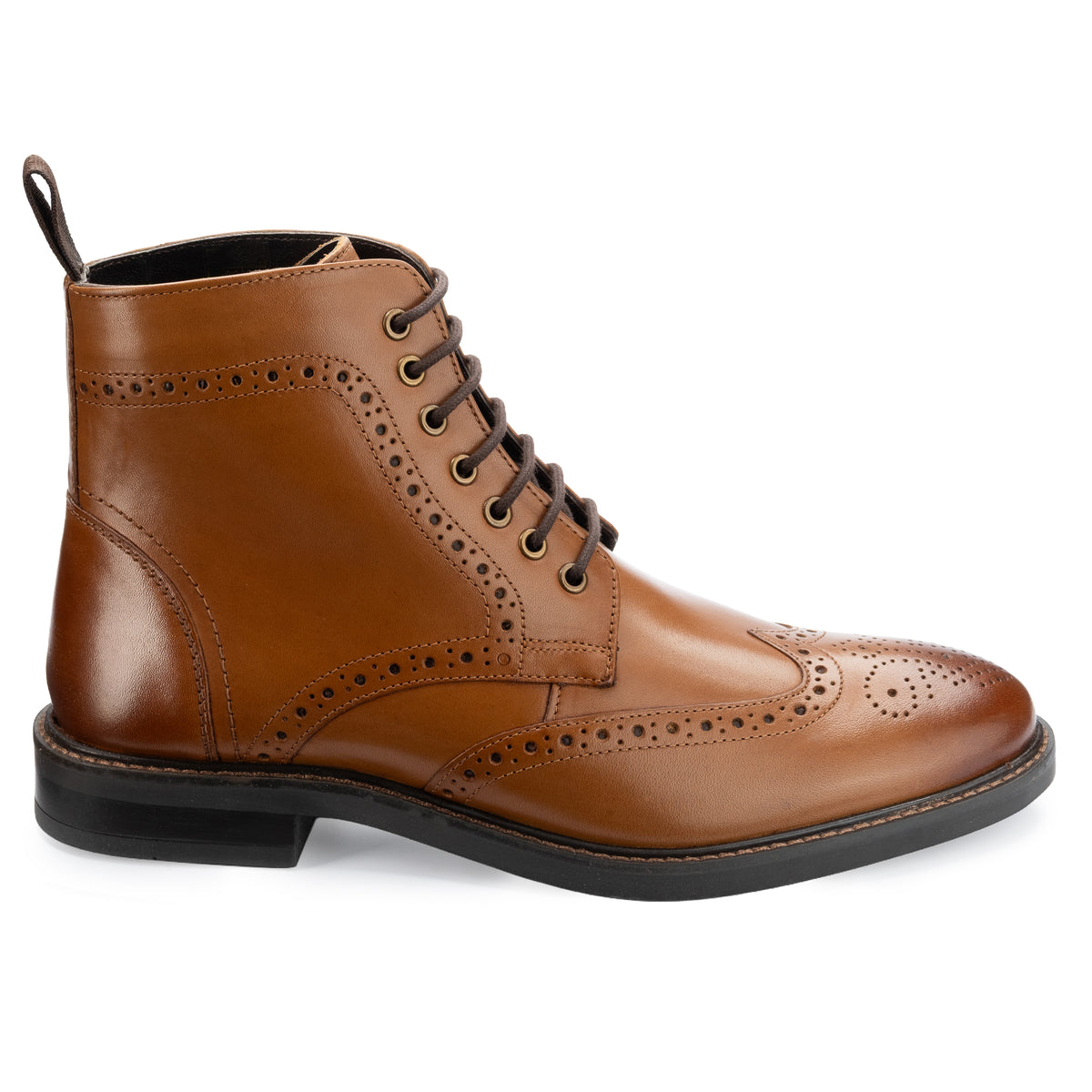
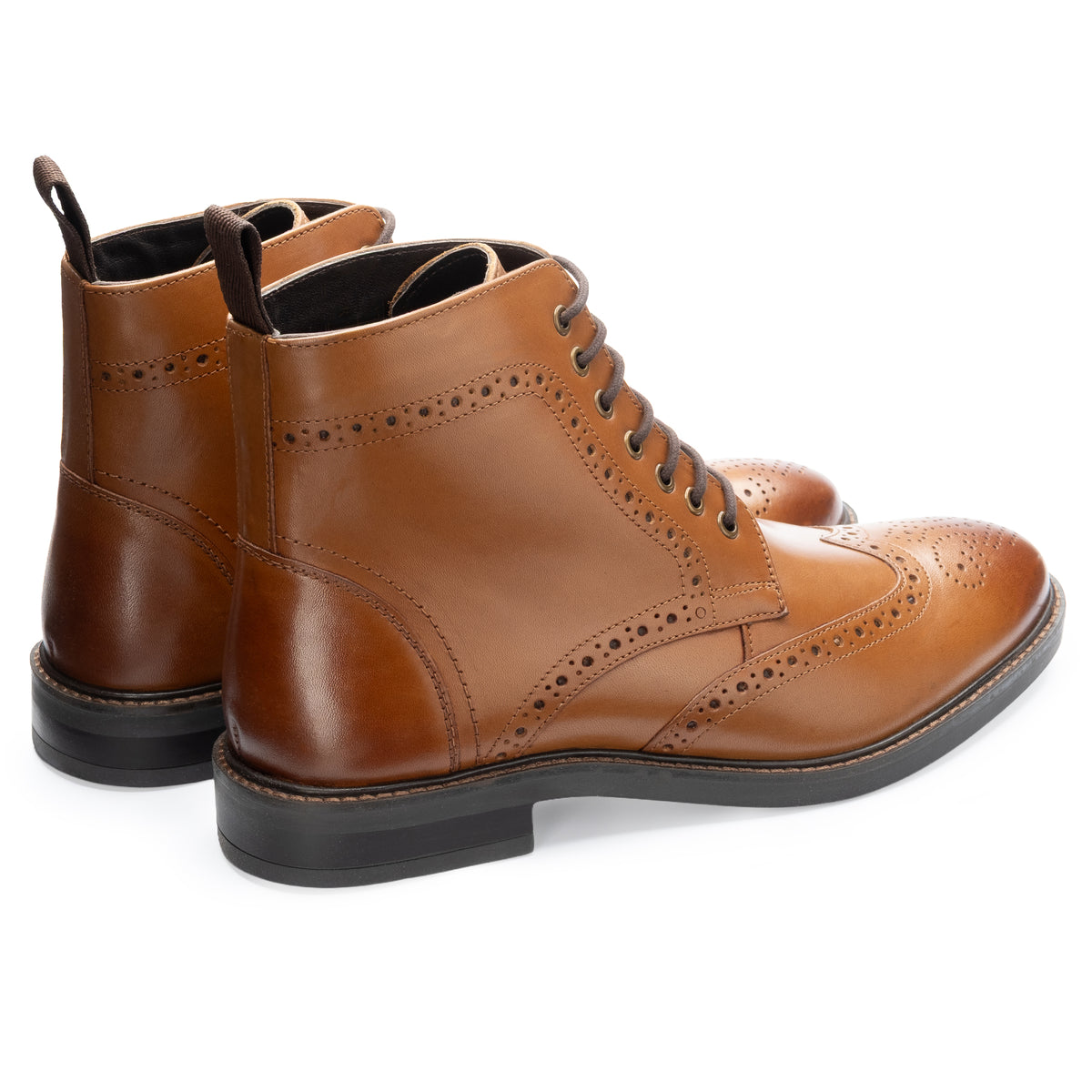
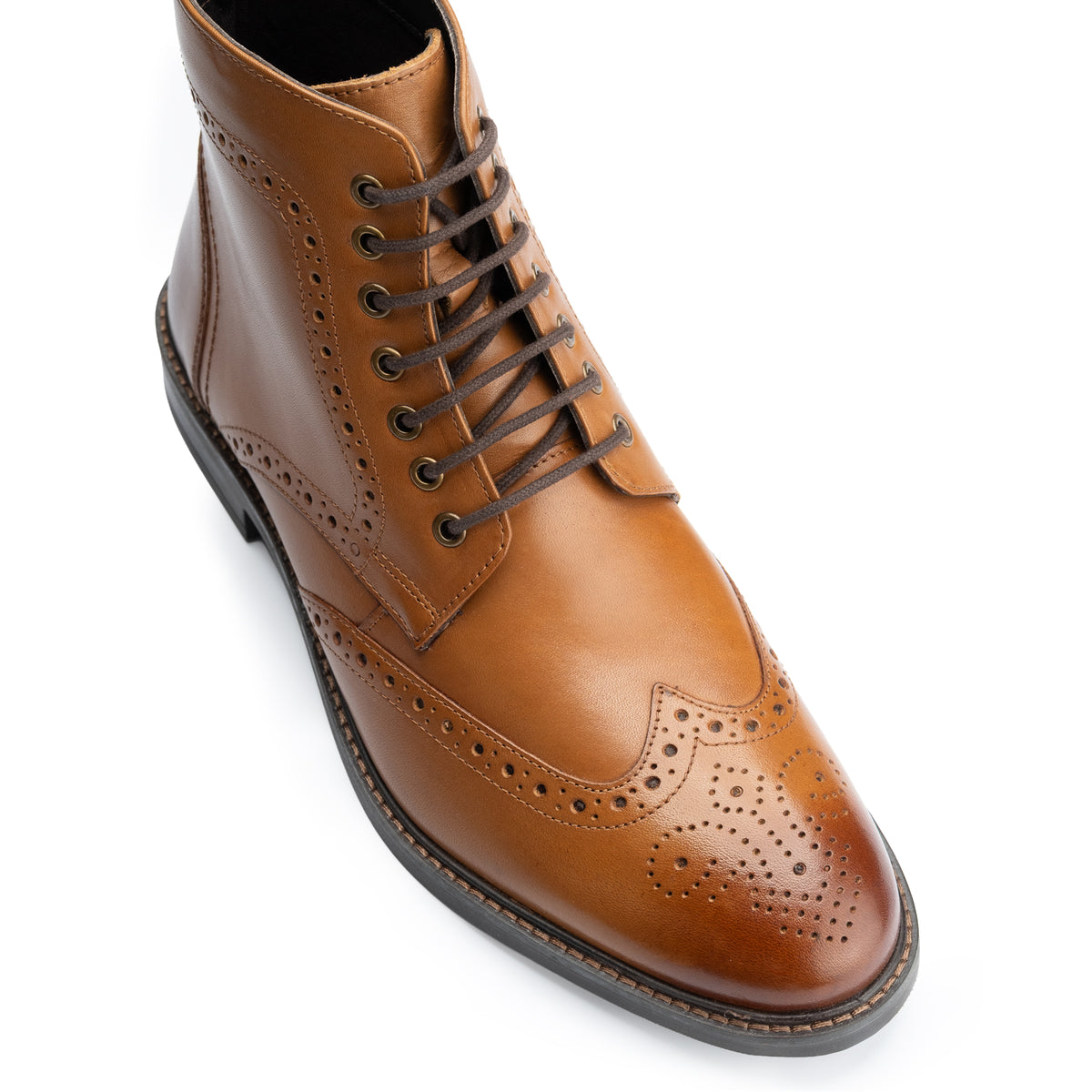
Note on full brogues: the wing-tip pattern, running from toe to heel, tips unmistakably into business-casual. Full brogues are excellent shoes — the suit-pairing guide covers when they work — but a graduation ceremony in a formal hall is not the occasion for them.
The Colour Question
Black is the conventional choice for graduation and, for most men and most ceremony settings, the right one. Under an academic gown — particularly a dark, scarlet, or purple one — black shoes unify the outfit without creating visual friction.
Tan or cognac is workable if your suit is navy or mid-grey and the setting is less conservative. Some modern universities operate a looser interpretation of academic dress, with lighter-weight gowns and summer afternoon ceremonies that lean smart-casual rather than formal. In those contexts, the Guildhall Capped Oxfords in Tan or the Jermyn Derby in Tan add warmth to a navy suit and read as considered rather than underdressed.
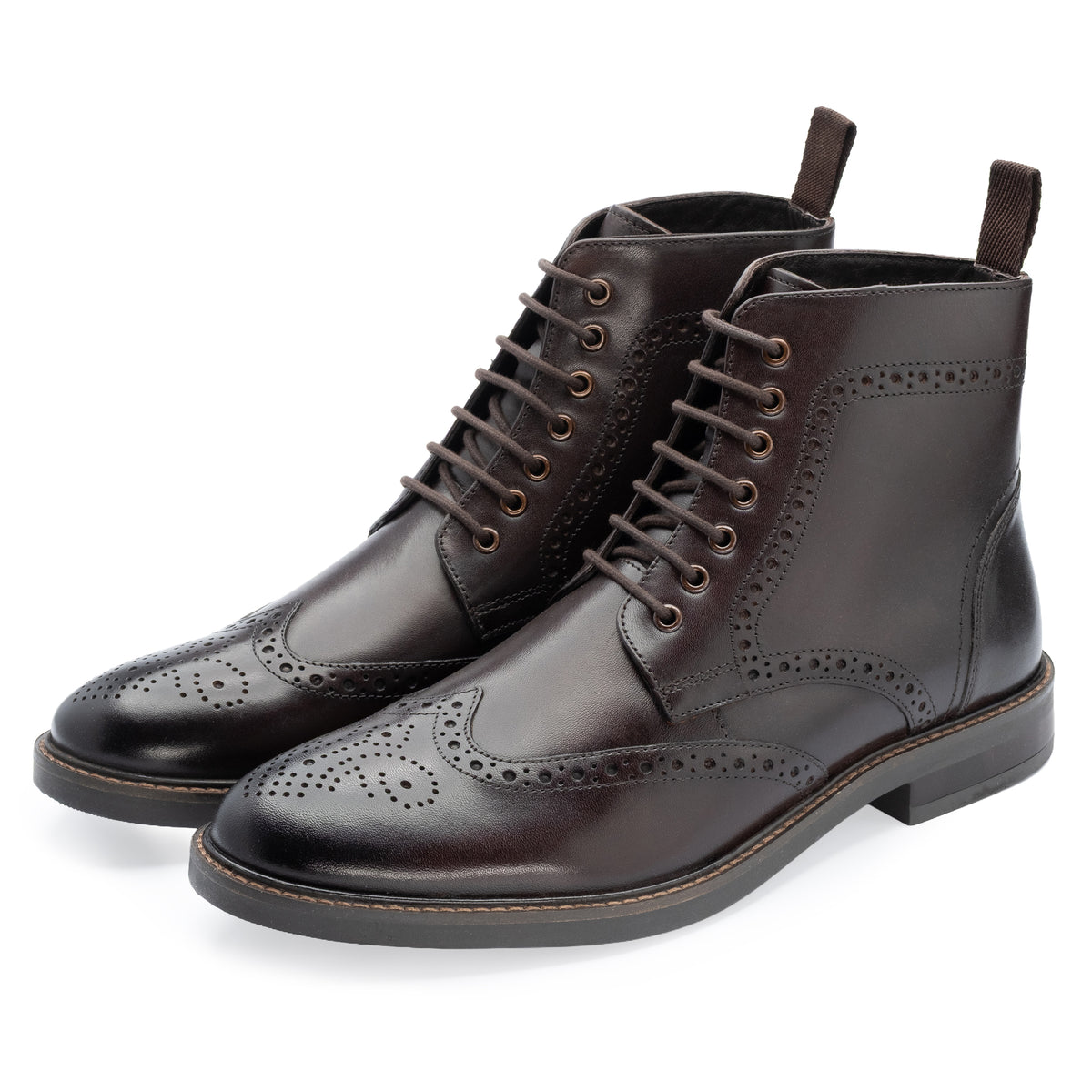
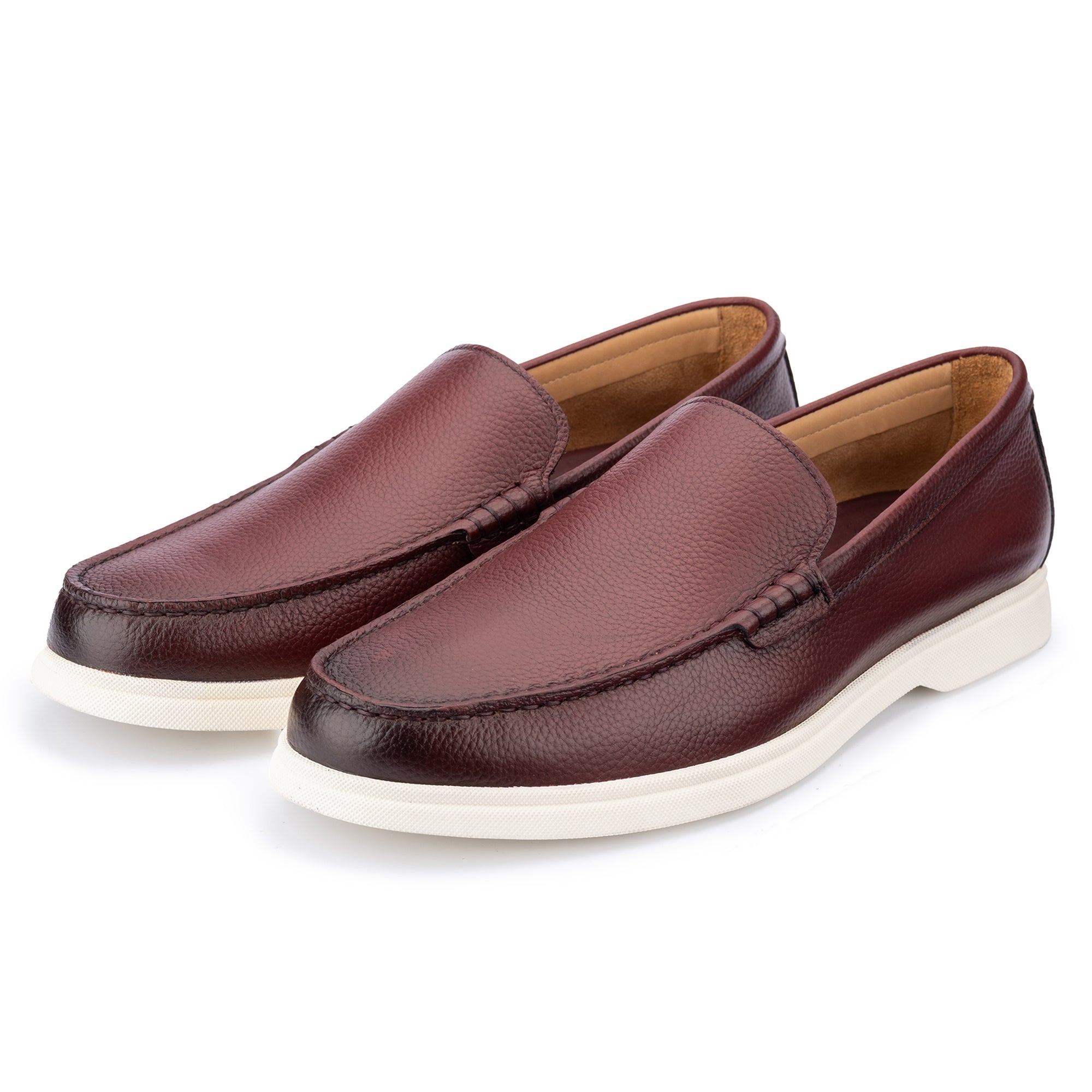
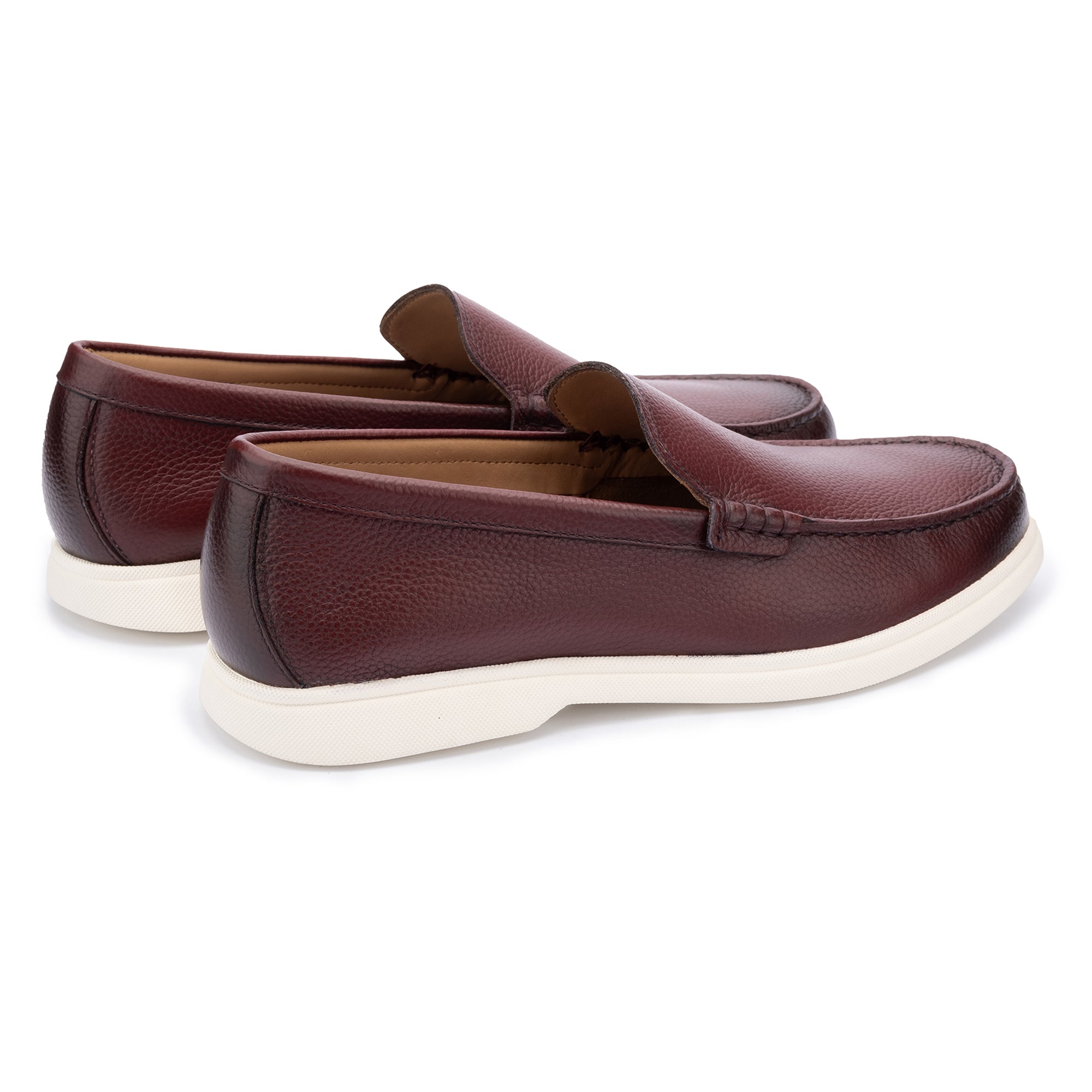
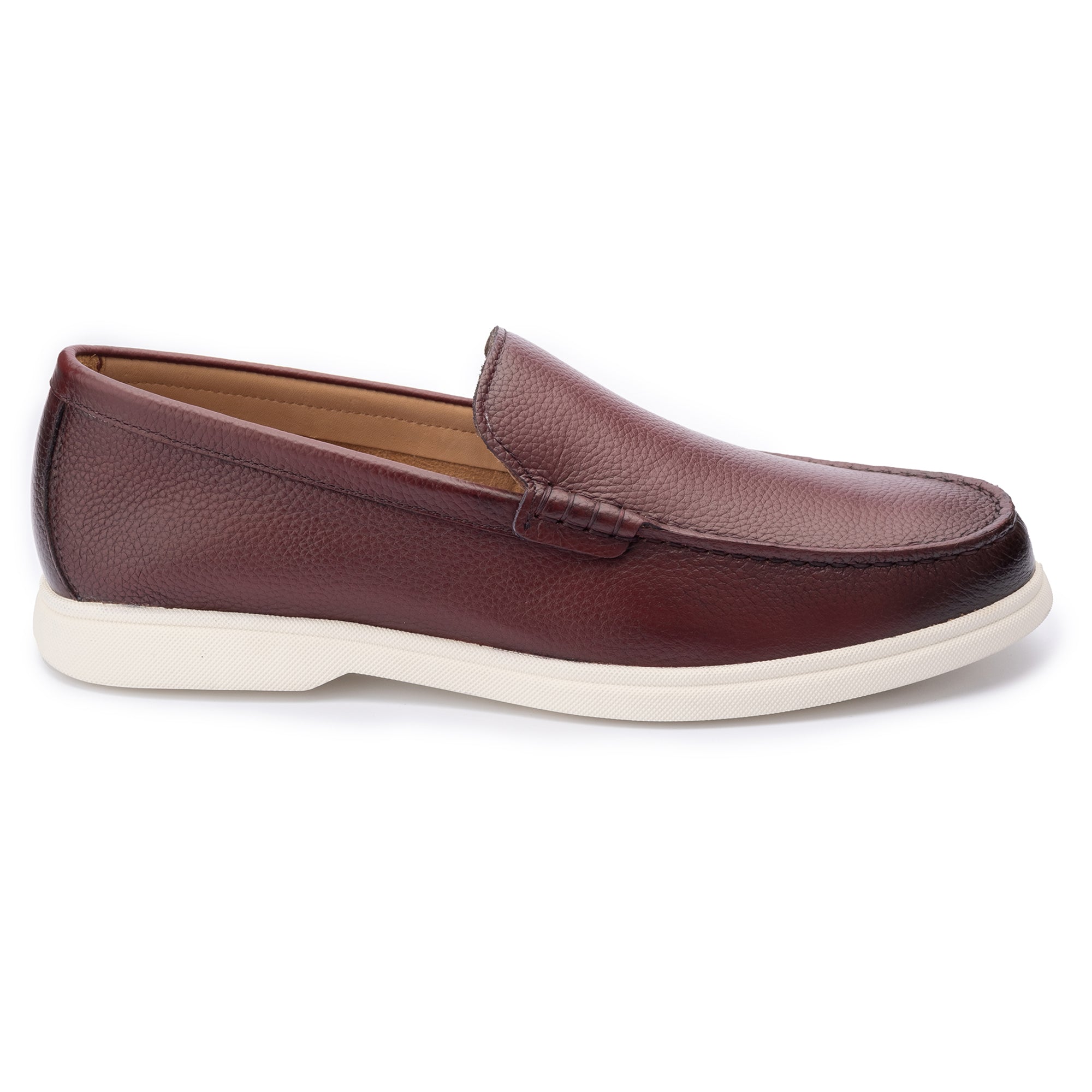
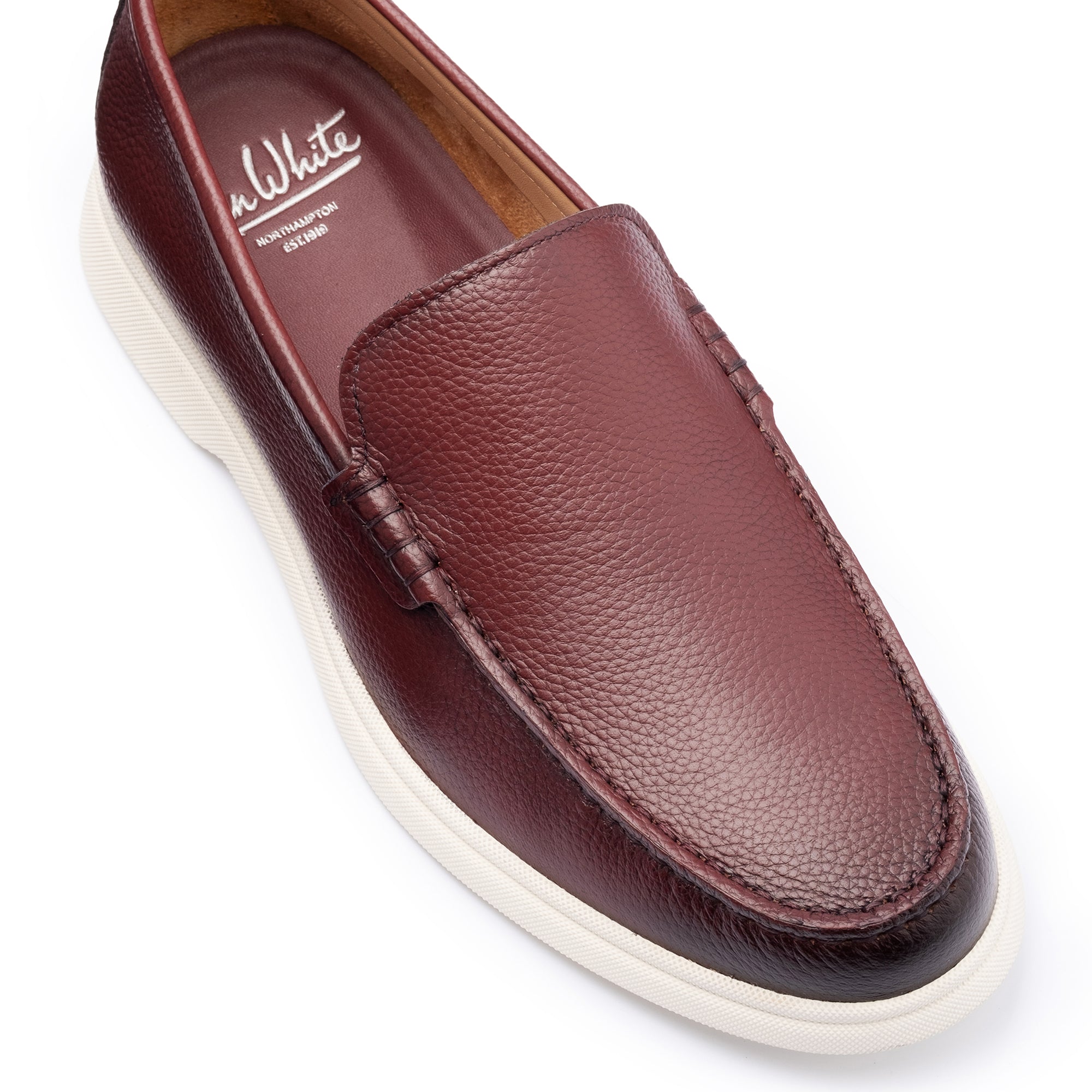
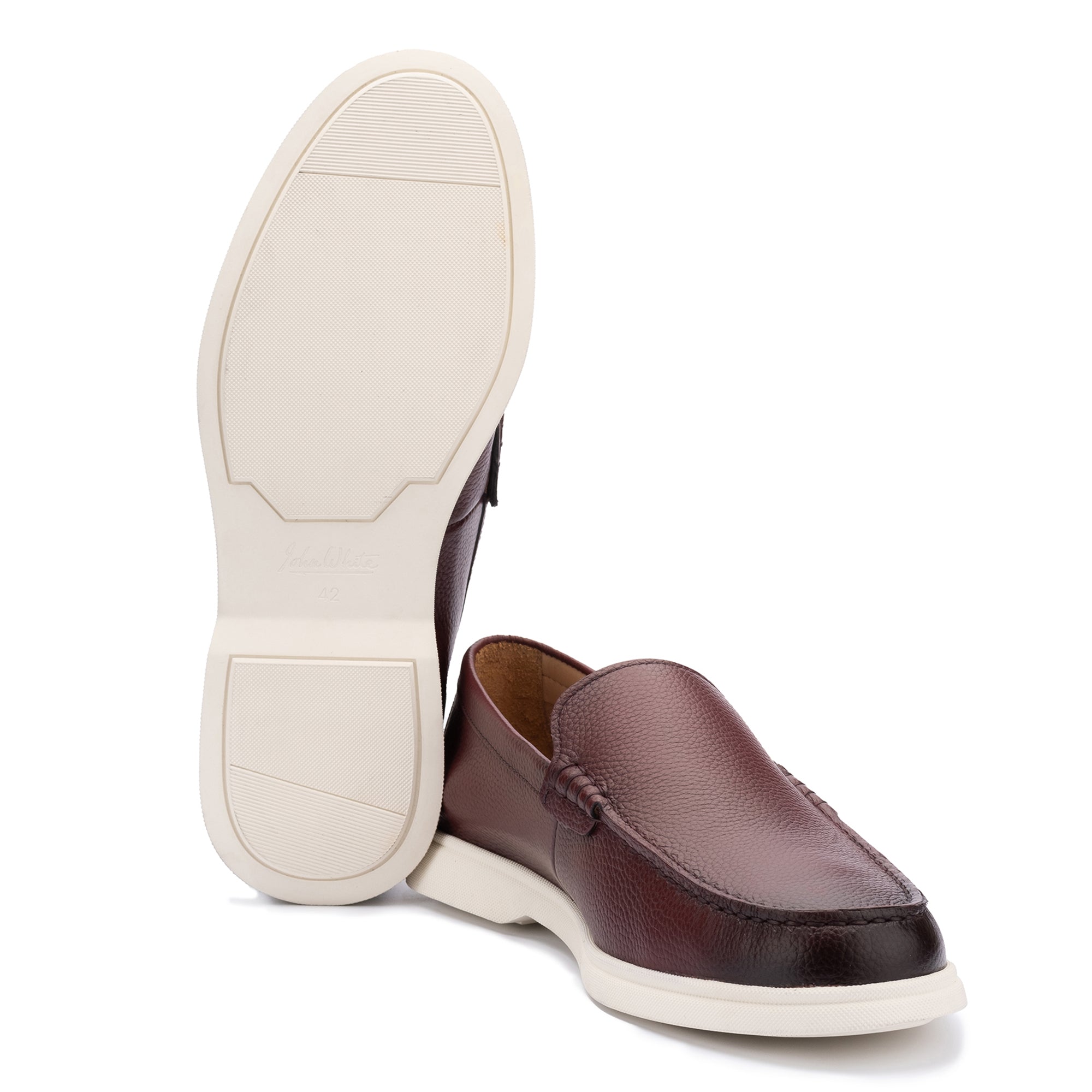
Burgundy is worth considering if you already own a pair and know your wardrobe well. Burgundy pairs with charcoal and navy, photographs warmly, and carries enough heritage character to suit the occasion. If you do not already own a pair, graduation day is not the moment to debut unfamiliar footwear.
Practical Considerations
Polish the shoes the evening before, not the morning of. Wax polish applied and buffed the night before produces a deeper, more stable shine than a rushed morning application. Use a shade-matched wax polish, apply thinly, leave to haze for ten minutes, then buff. The result will hold through the day in a way that a quick morning polish will not.
Do not wear new shoes to your graduation. A new leather shoe requires three to four wears before it fully conforms to your foot. Wear them to graduation unrehearsed and you will spend the afternoon managing blisters. If the shoes you want are new, wear them around the house for a few evenings in the weeks before. The leather will flex at the right points; the day will be comfortable.
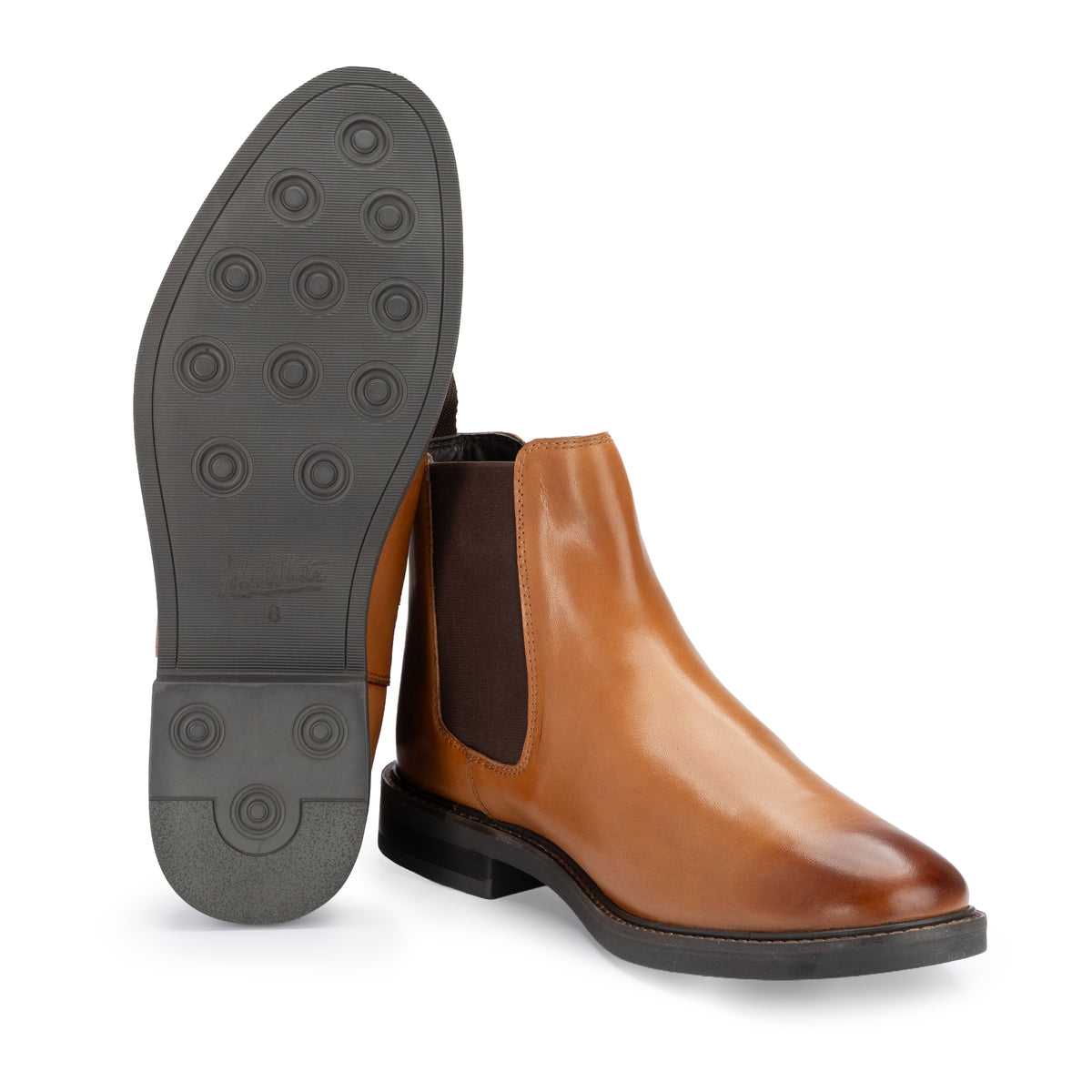
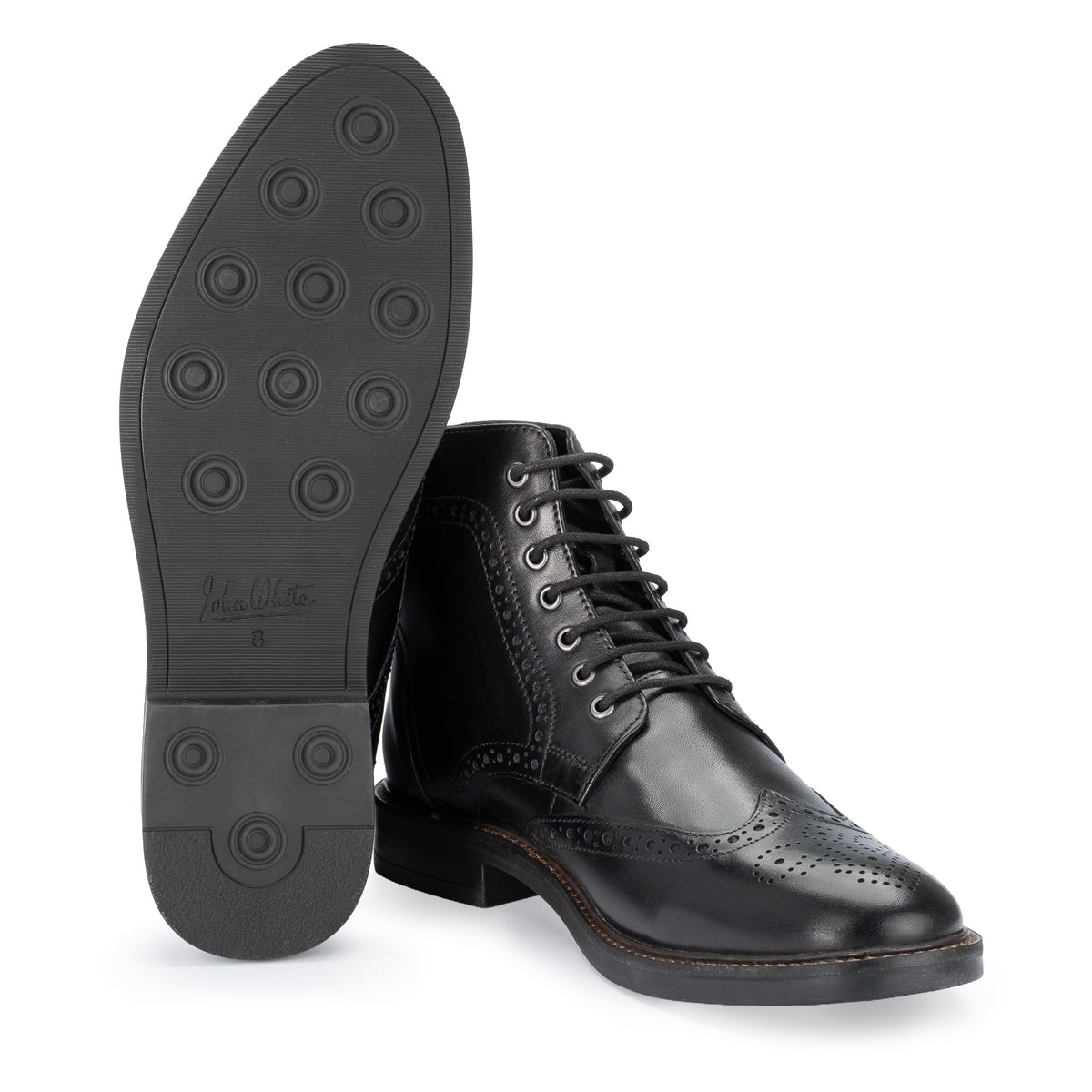
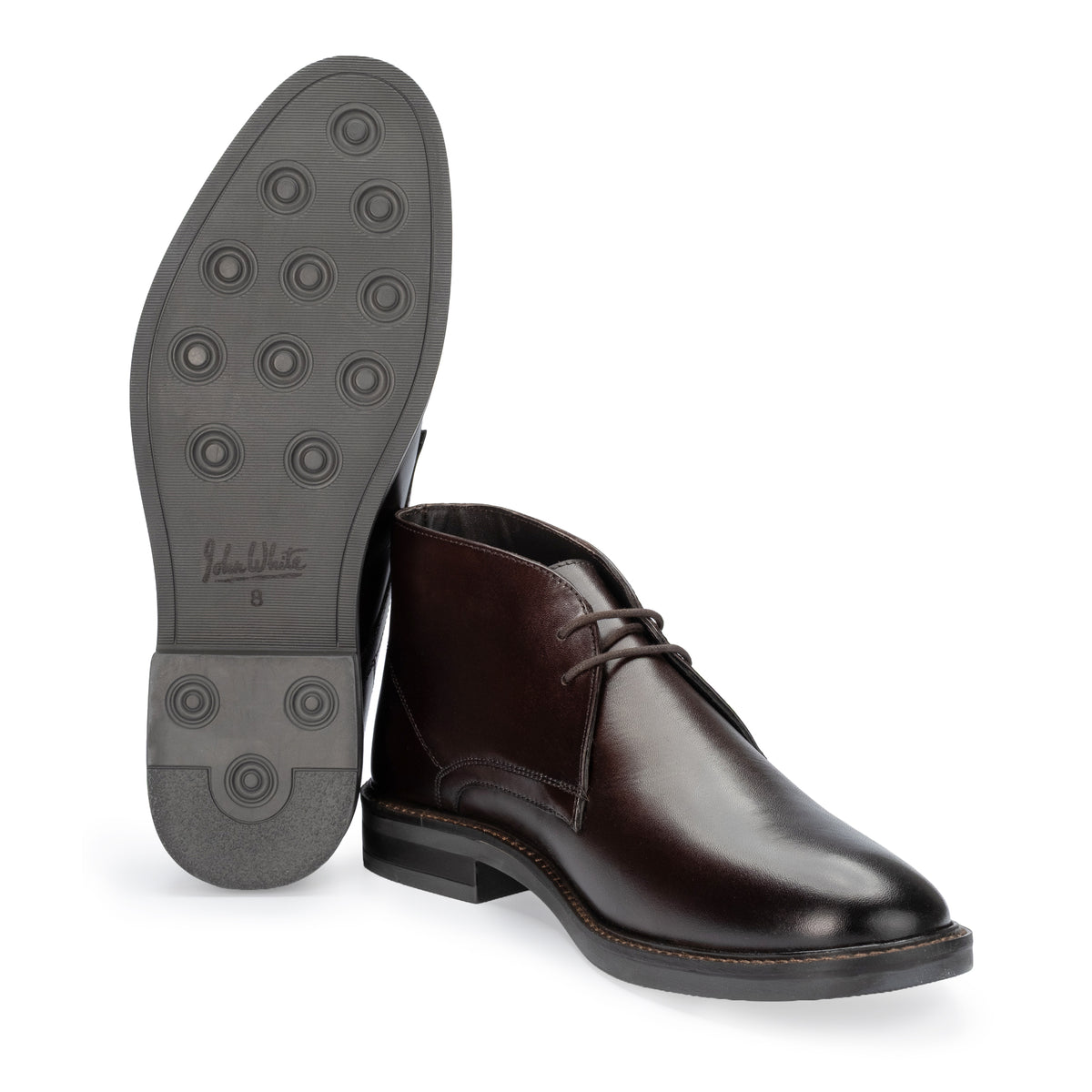
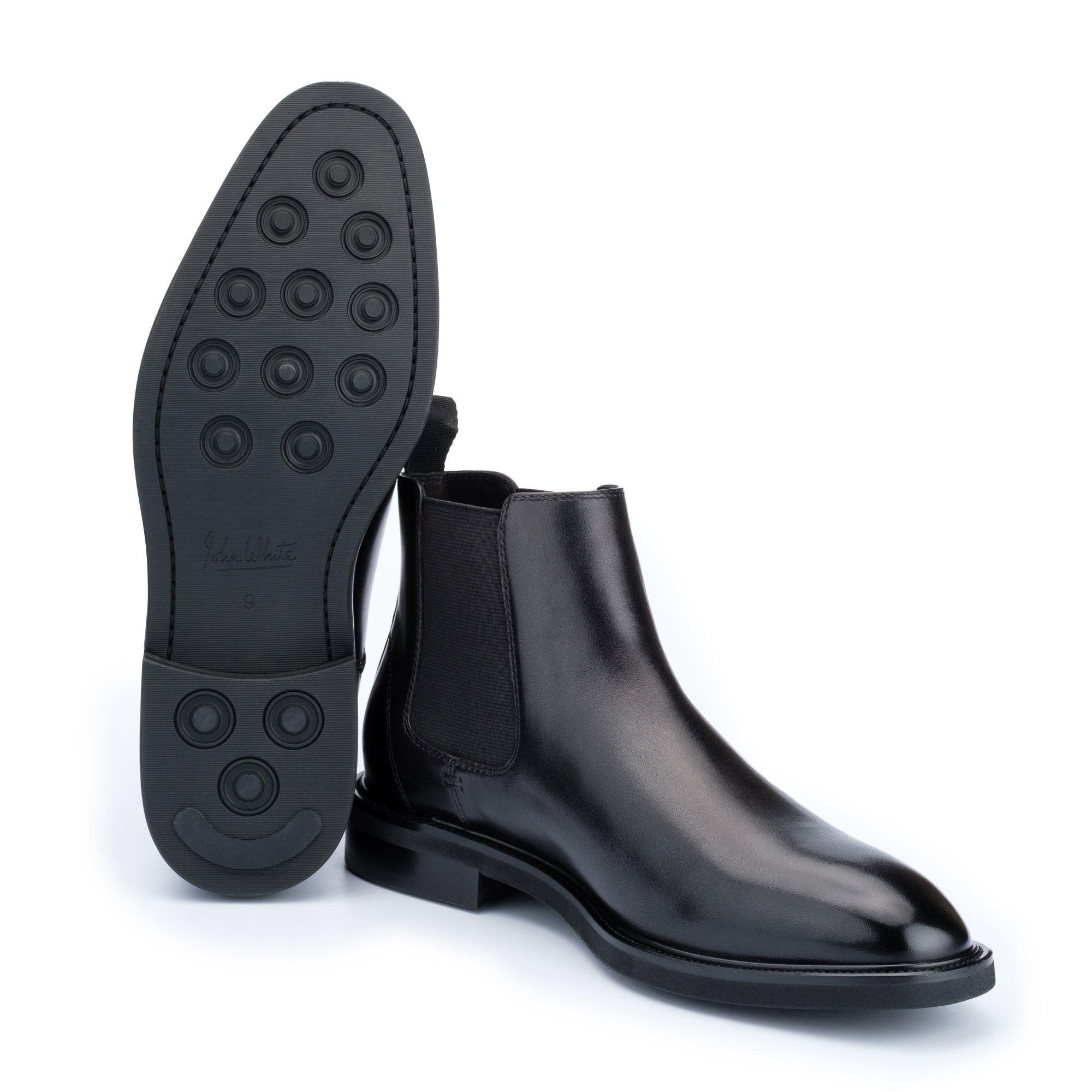
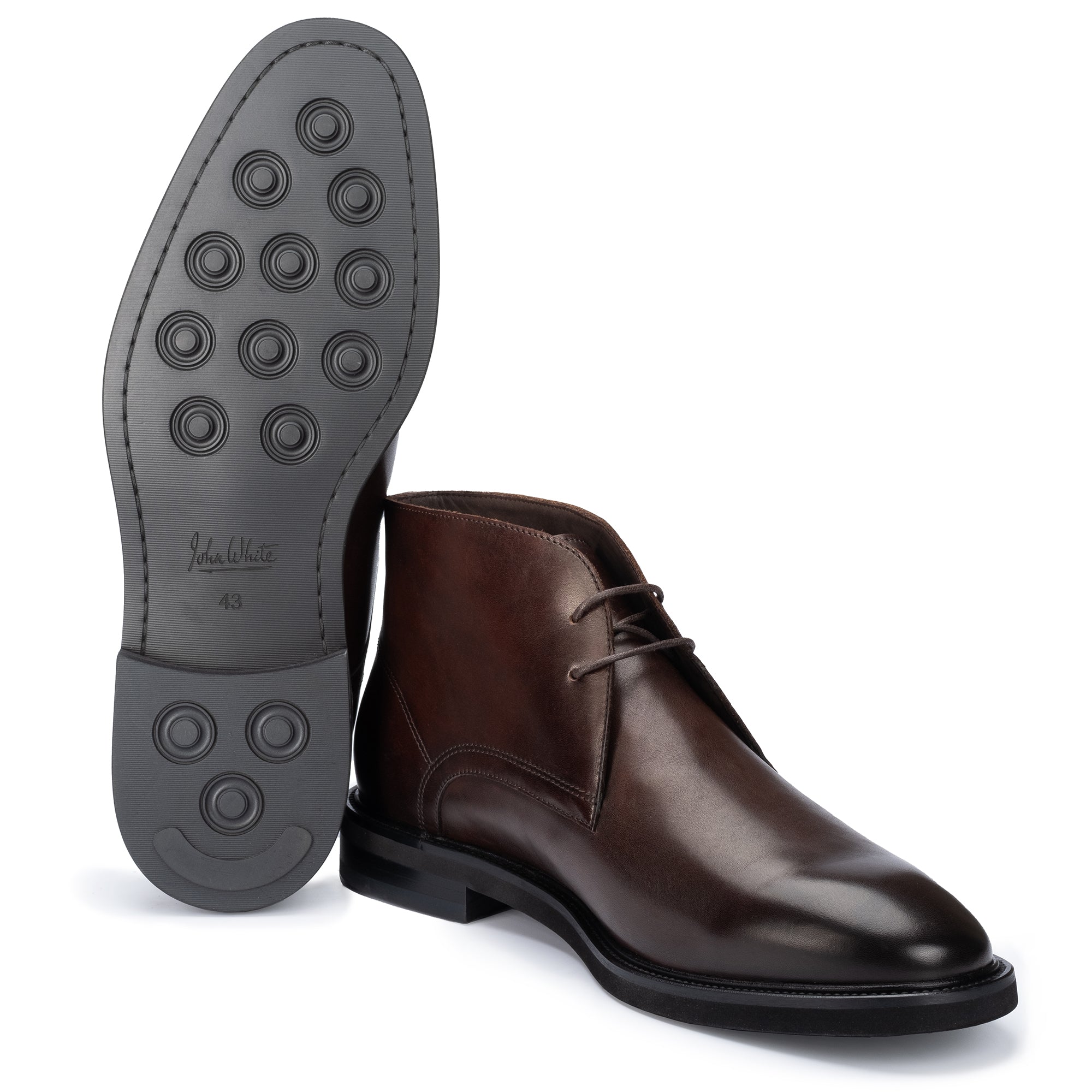
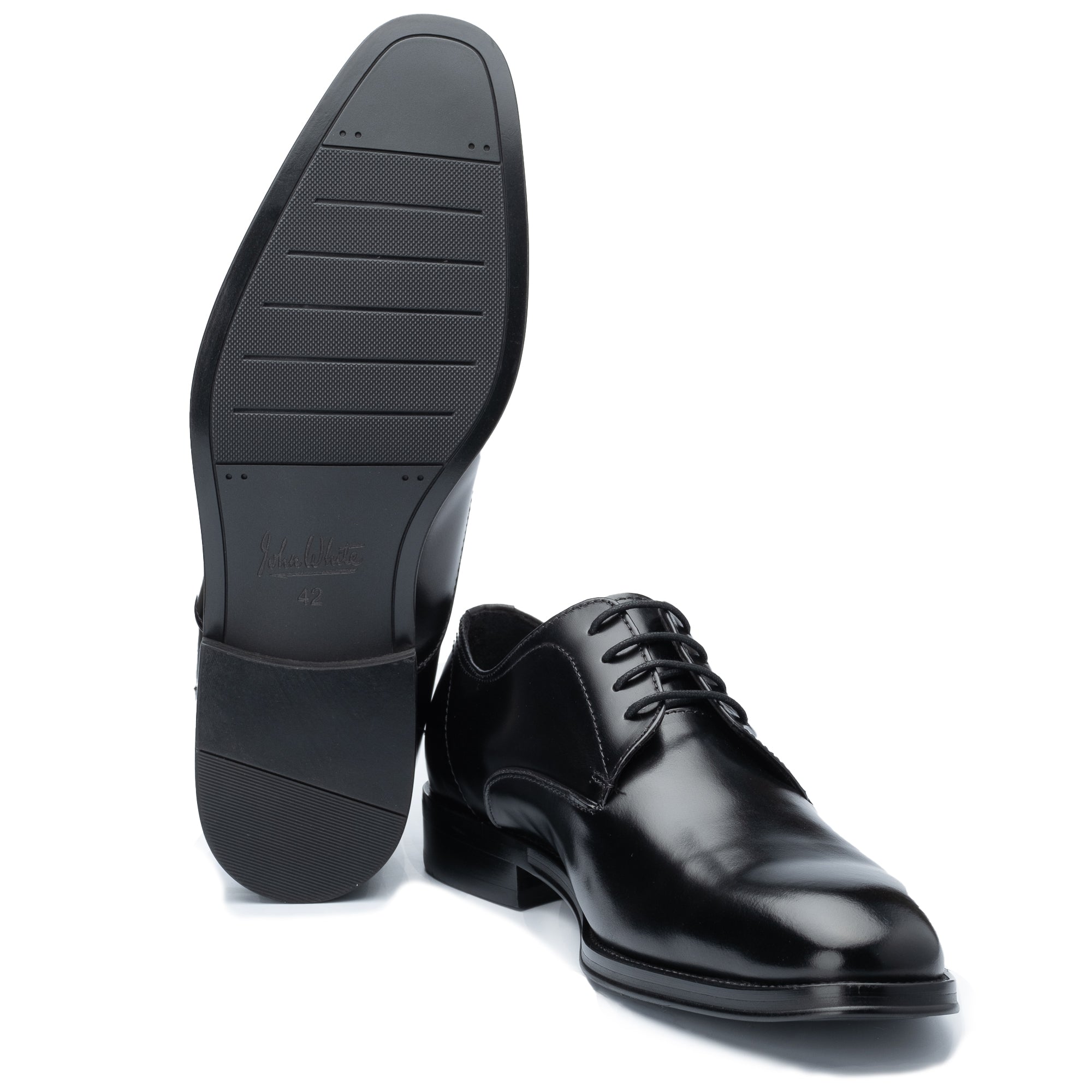
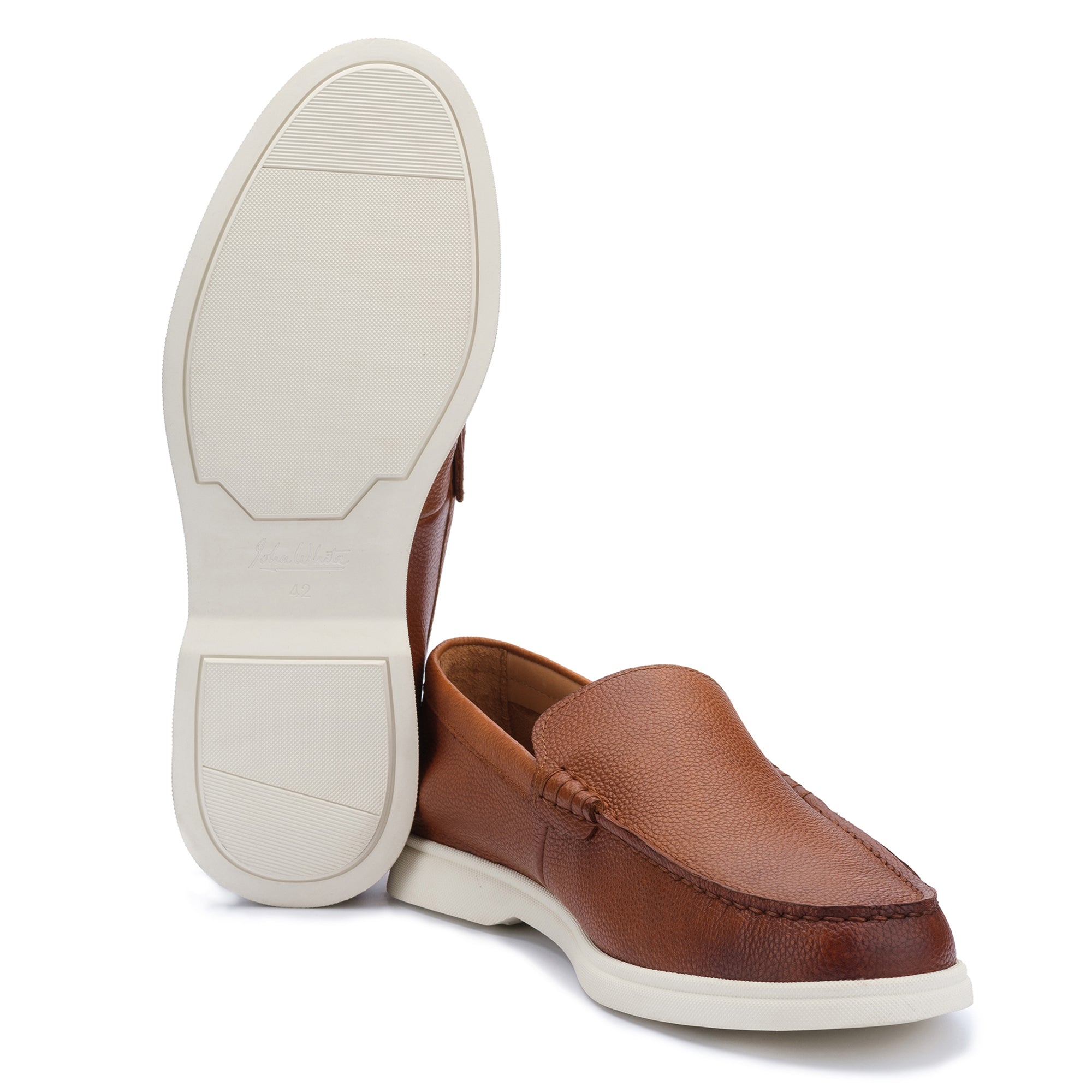
Most graduation venues involve some combination of stone steps, tiled foyers, and grass. Leather soles look correct but can be slippery on polished tile — a practical concern on busy ceremonial stairs. A rubber-heel cap, fitted by a cobbler or applied as a self-adhesive piece beforehand, manages the risk without affecting the appearance. Worth doing if the venue is stone-floored throughout.
For high-formality occasion dressing in general, the principles in our funeral dress code shoe guide apply directly — formal occasion, suit, dress shoe, correct colour. The contexts differ; the logic is identical.
What to Avoid
Trainers, regardless of how clean or premium: not appropriate for the hall. Chunky white soles read as deliberate casual; the ceremony is not the context for them.
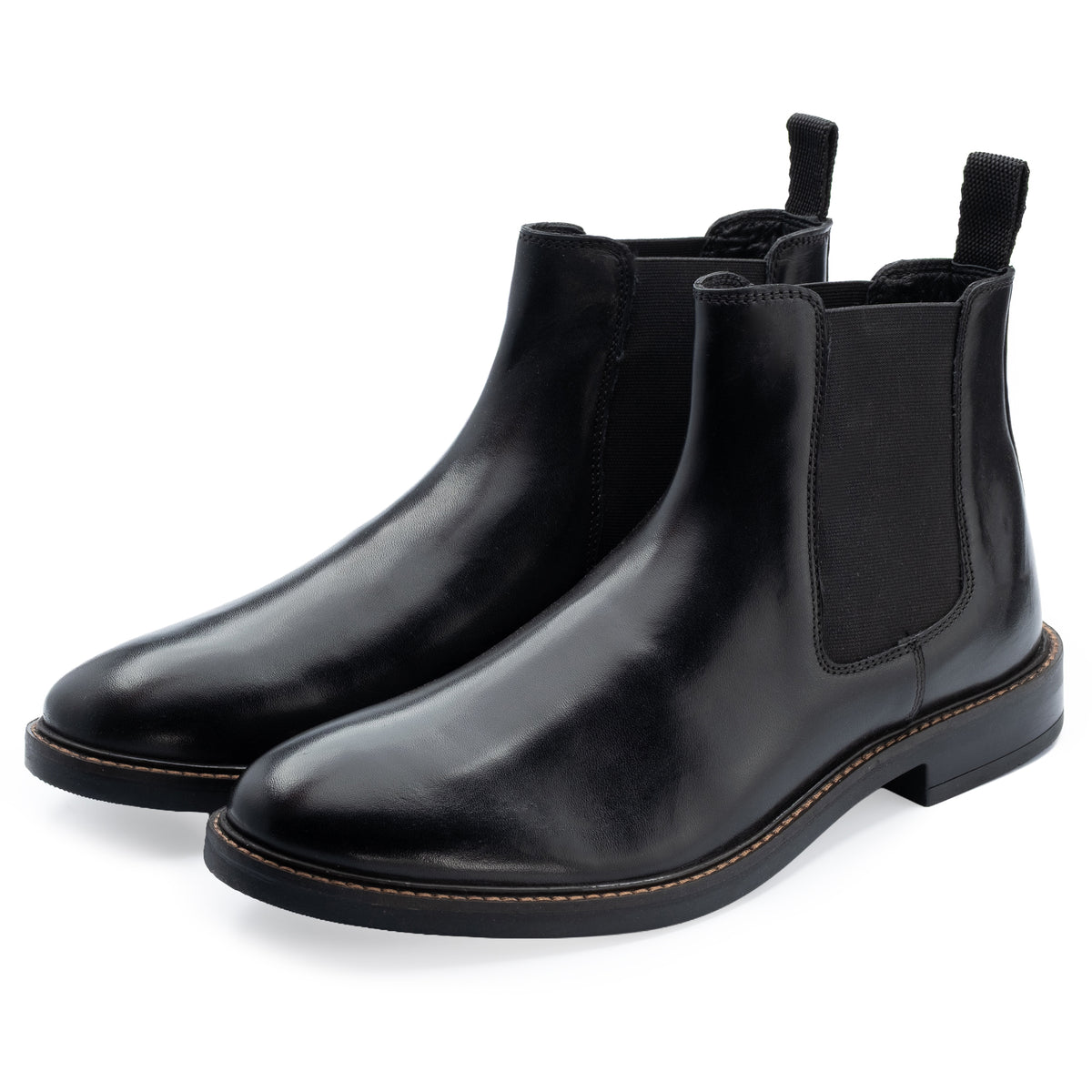
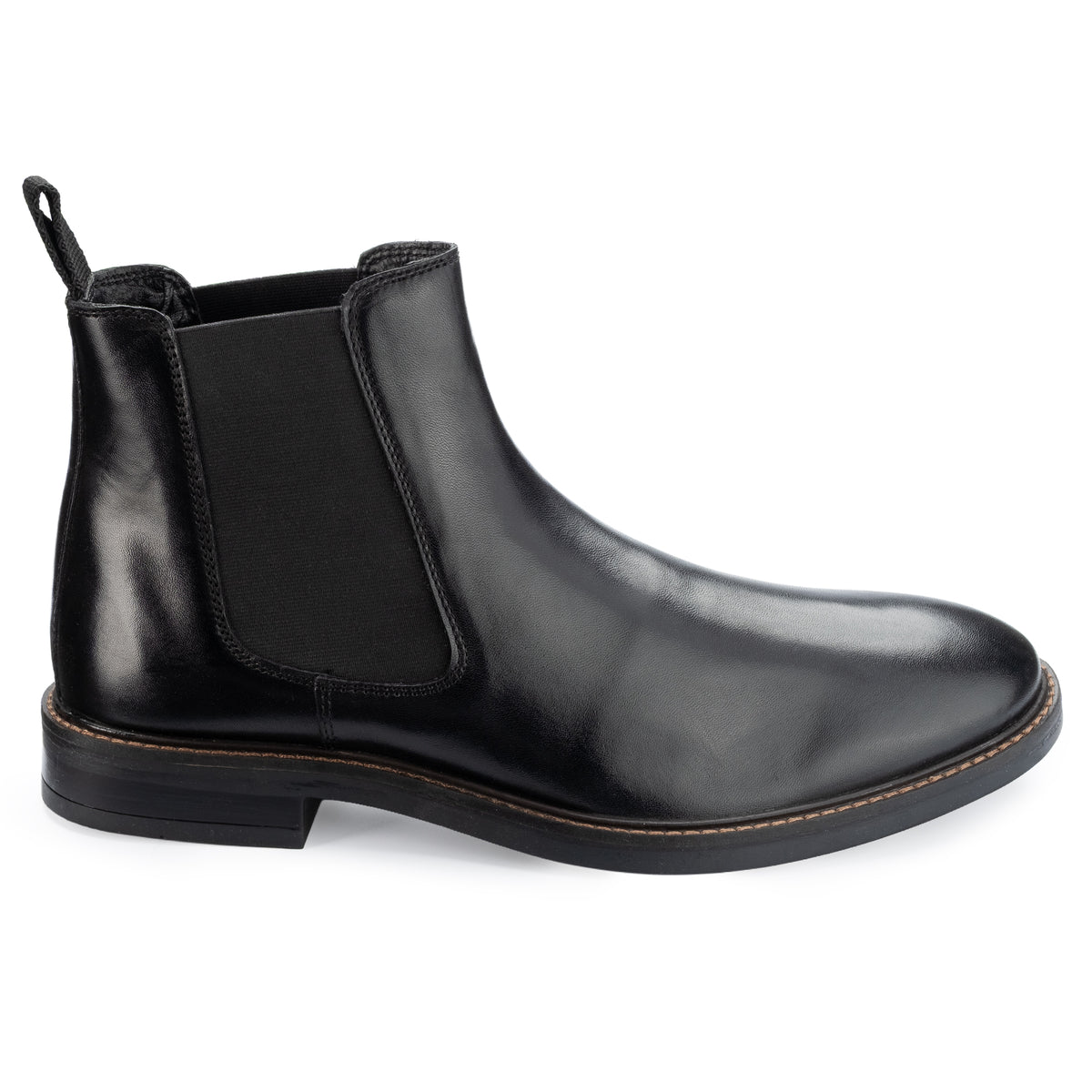
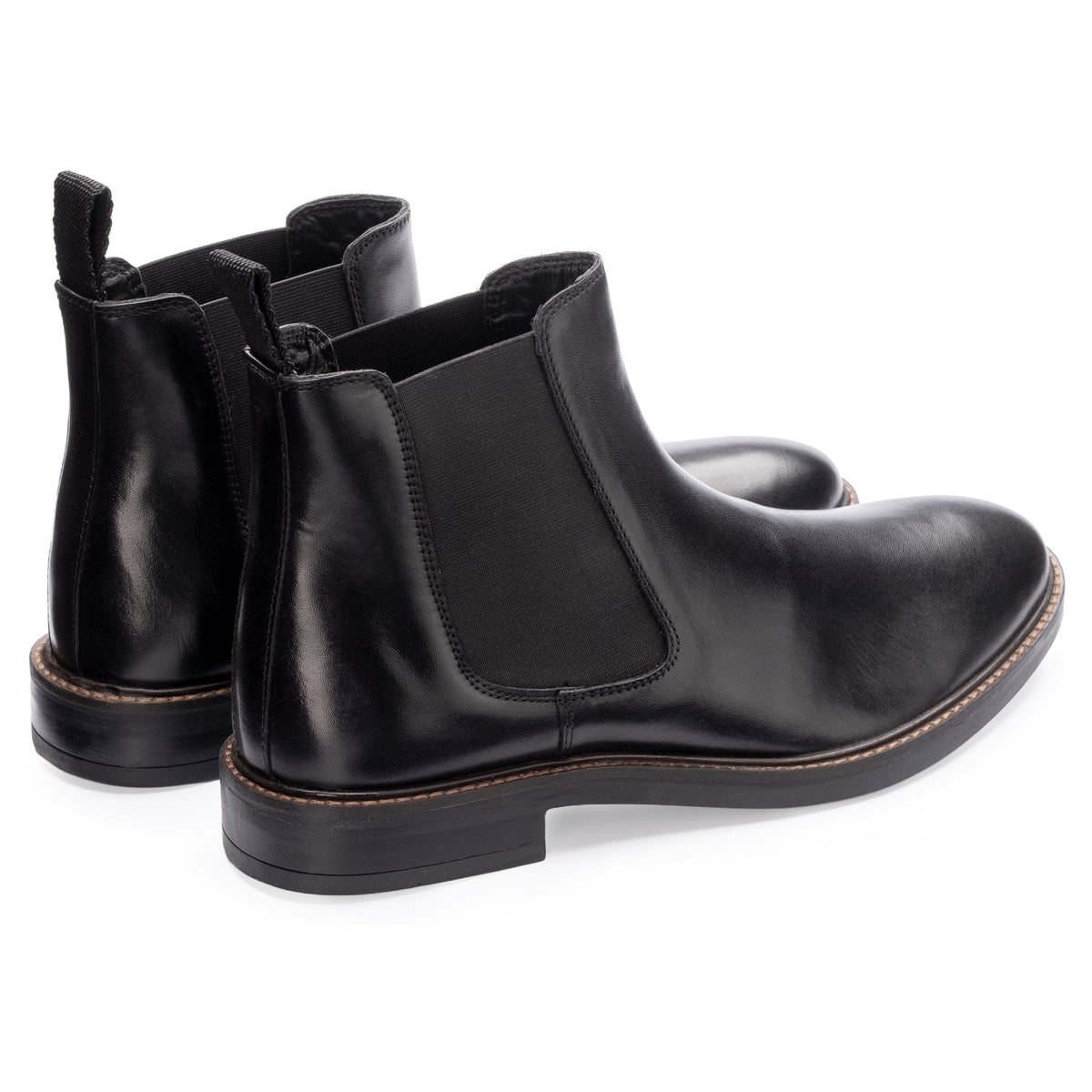
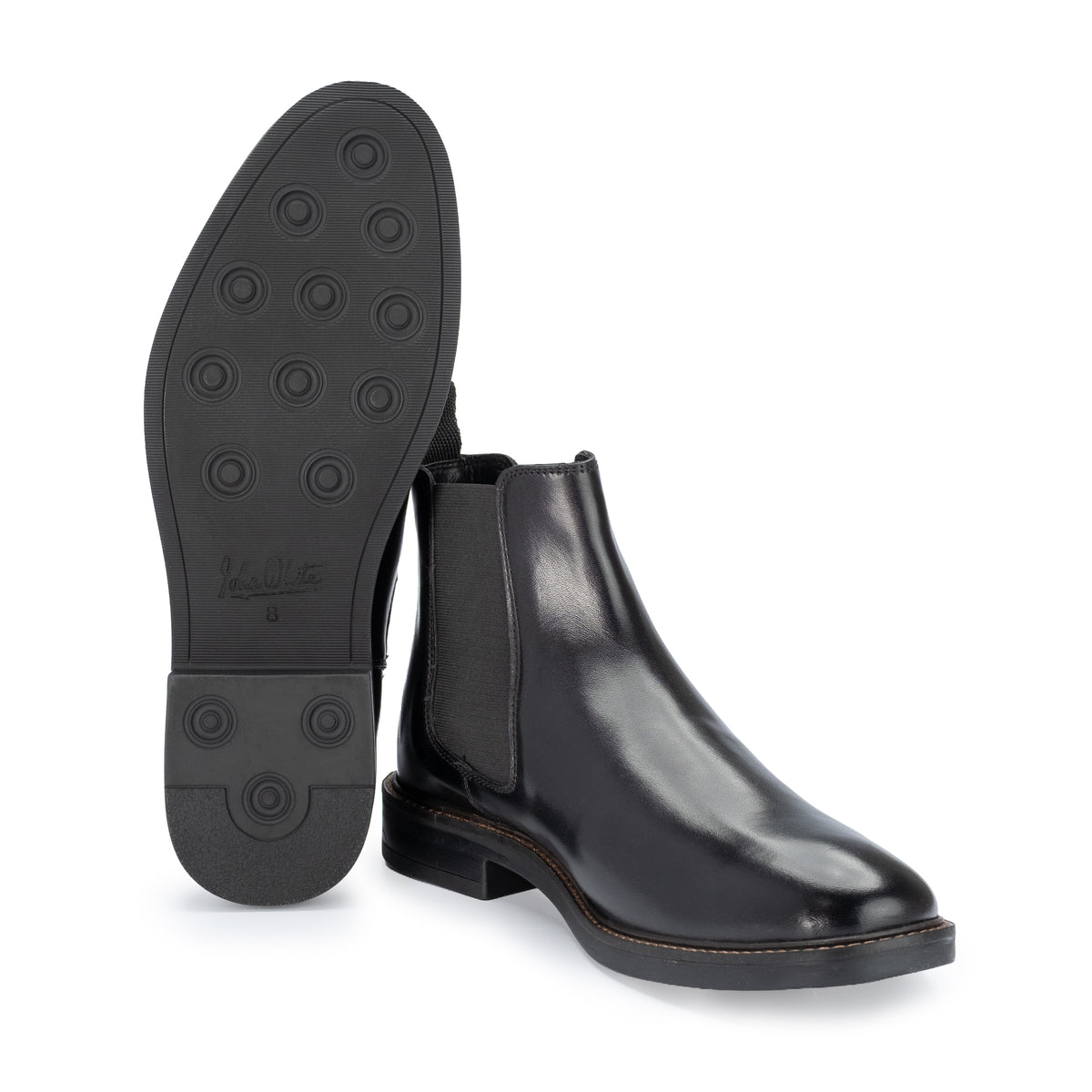
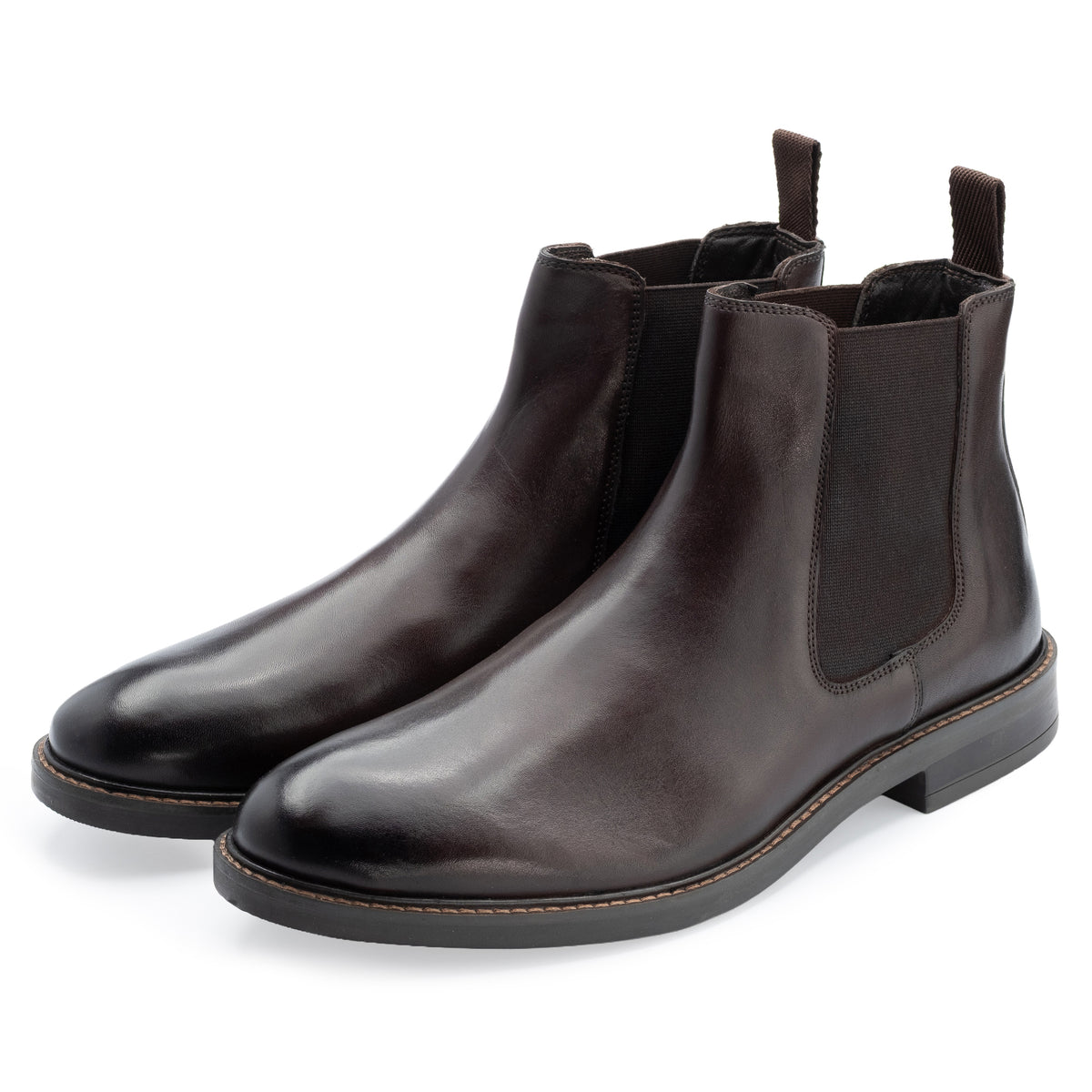
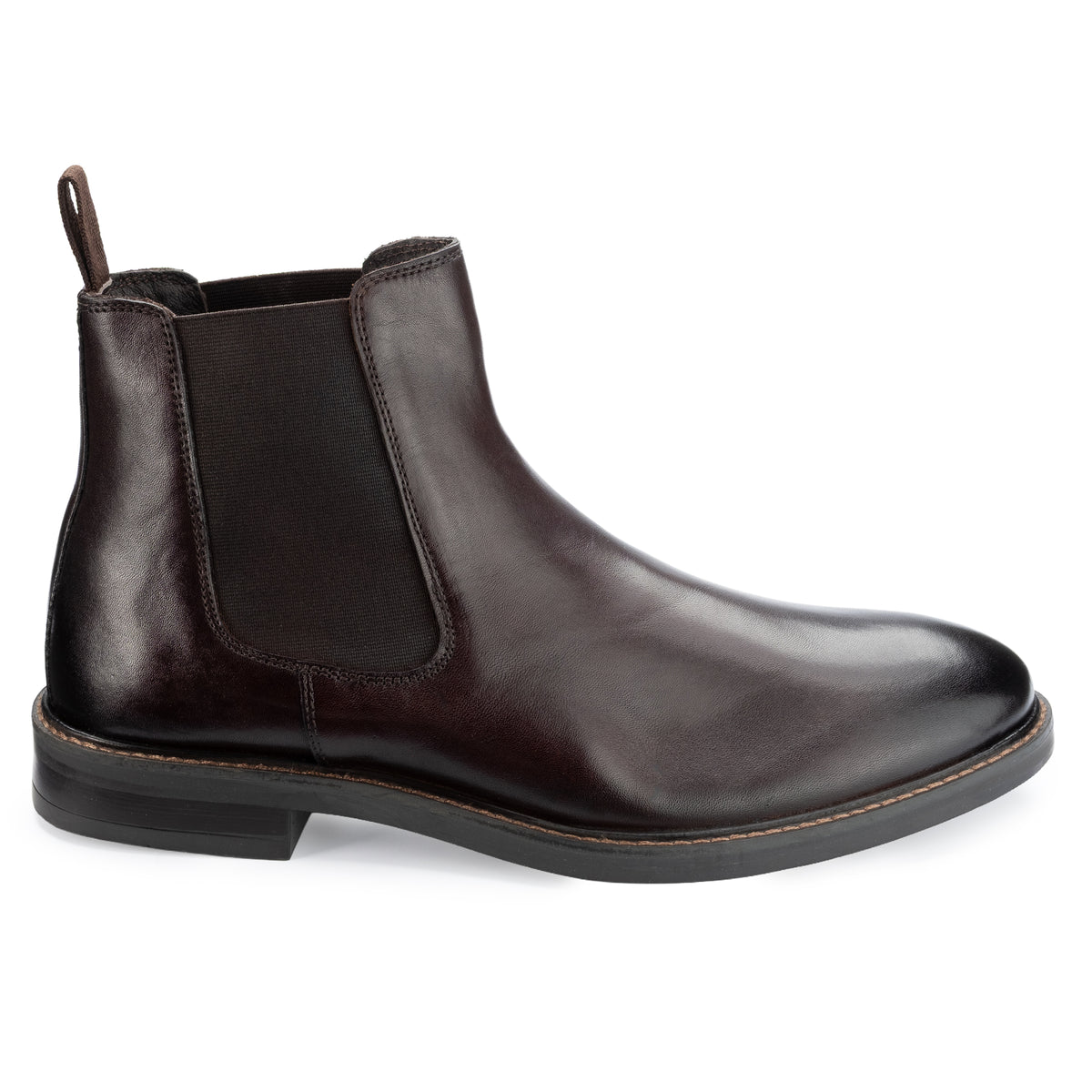
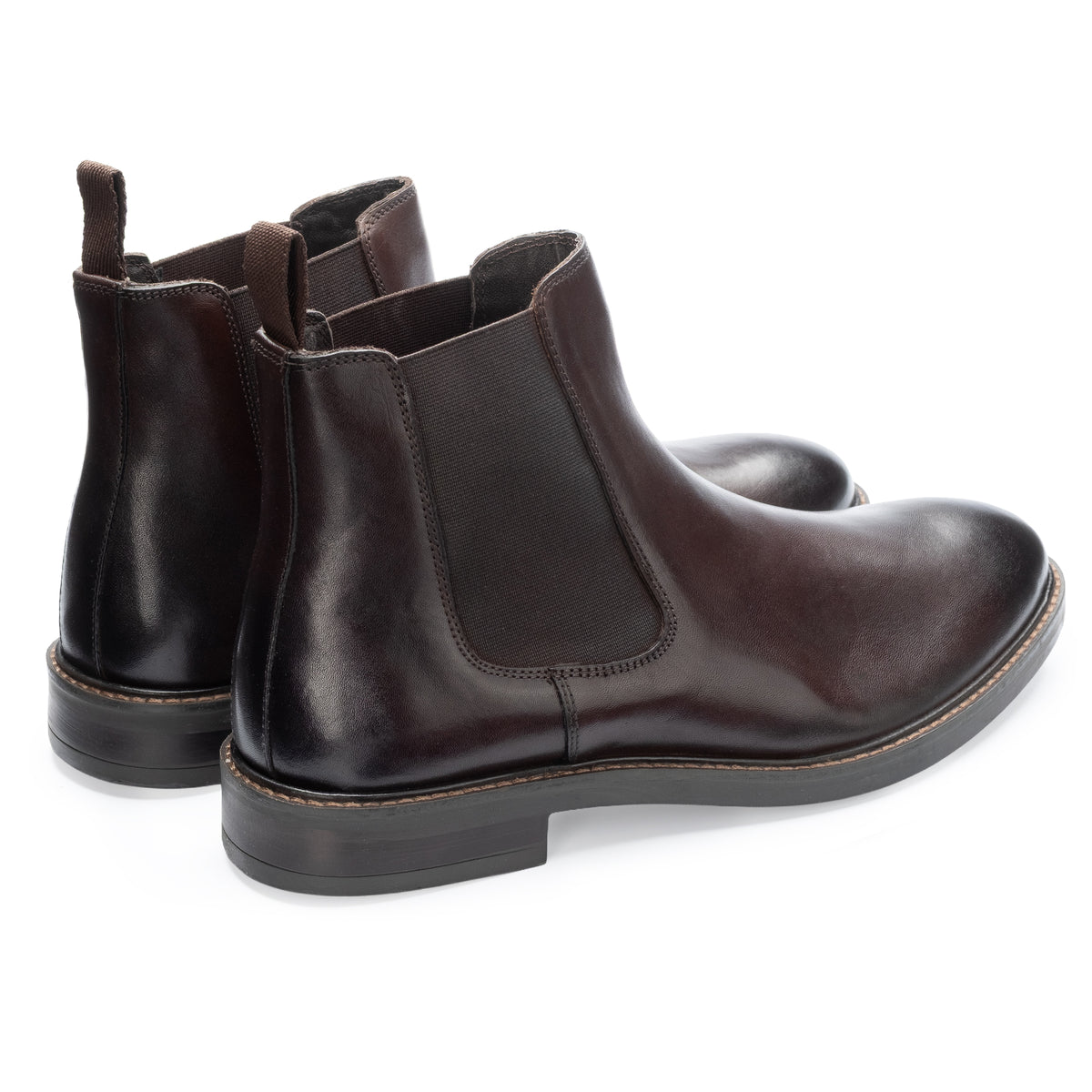
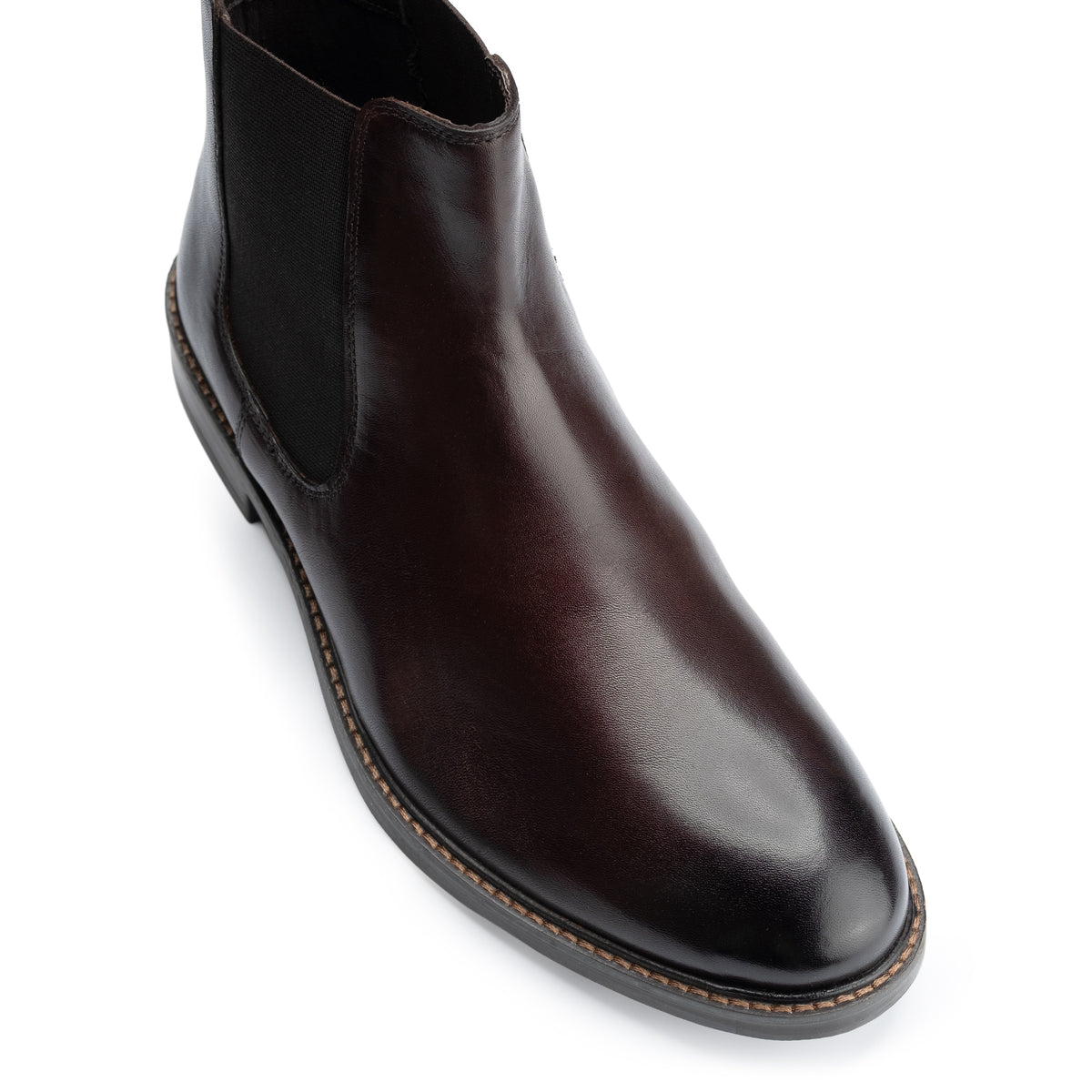
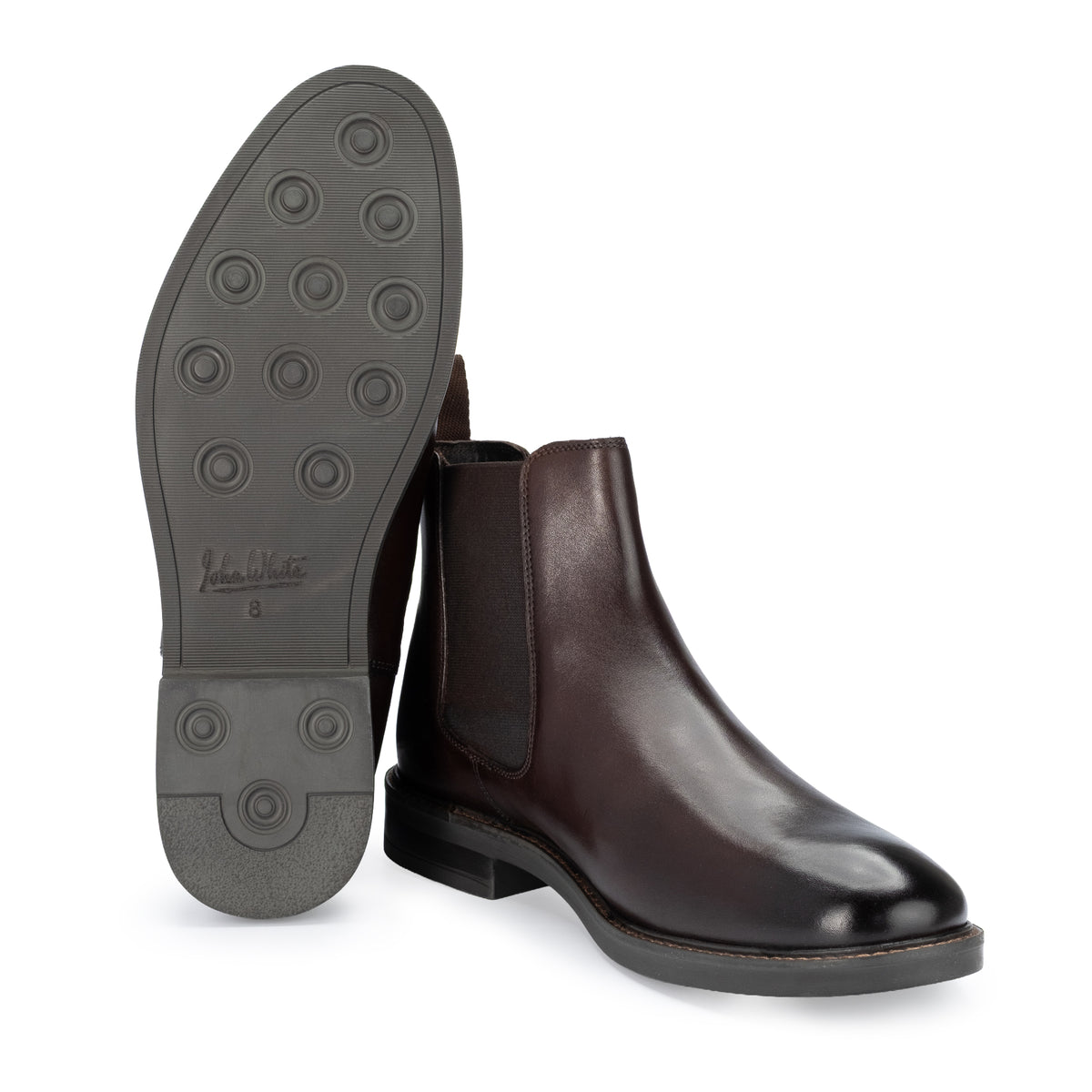
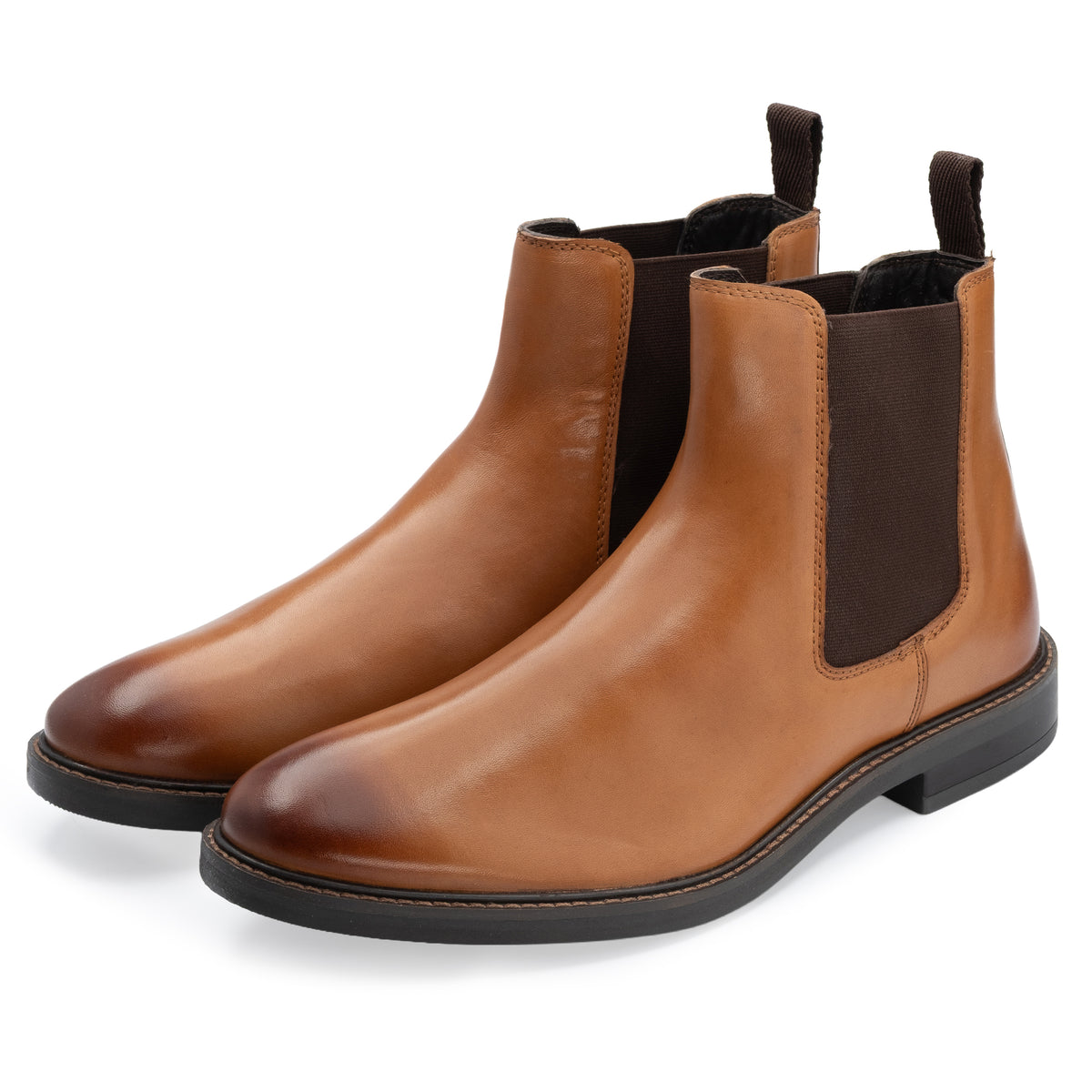
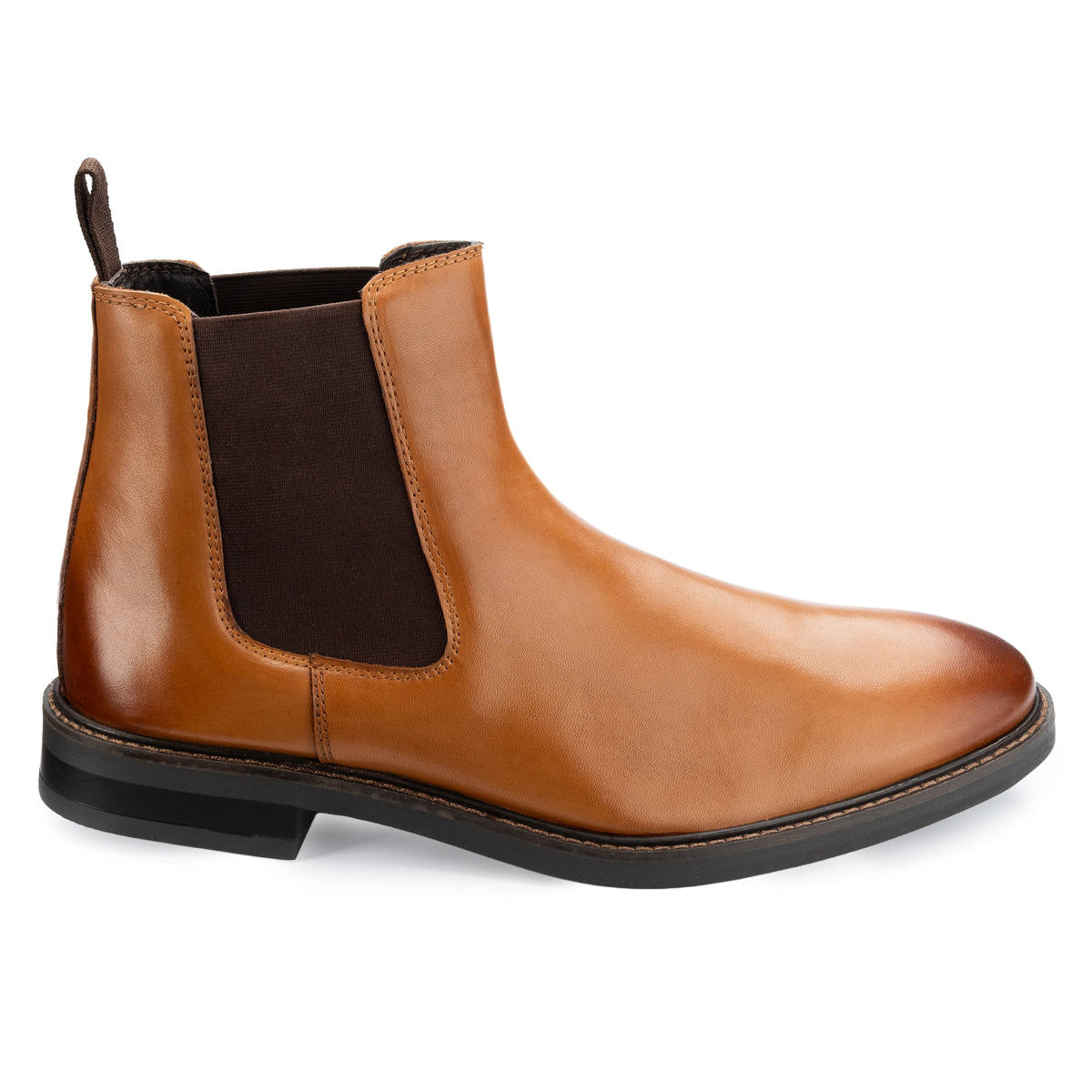
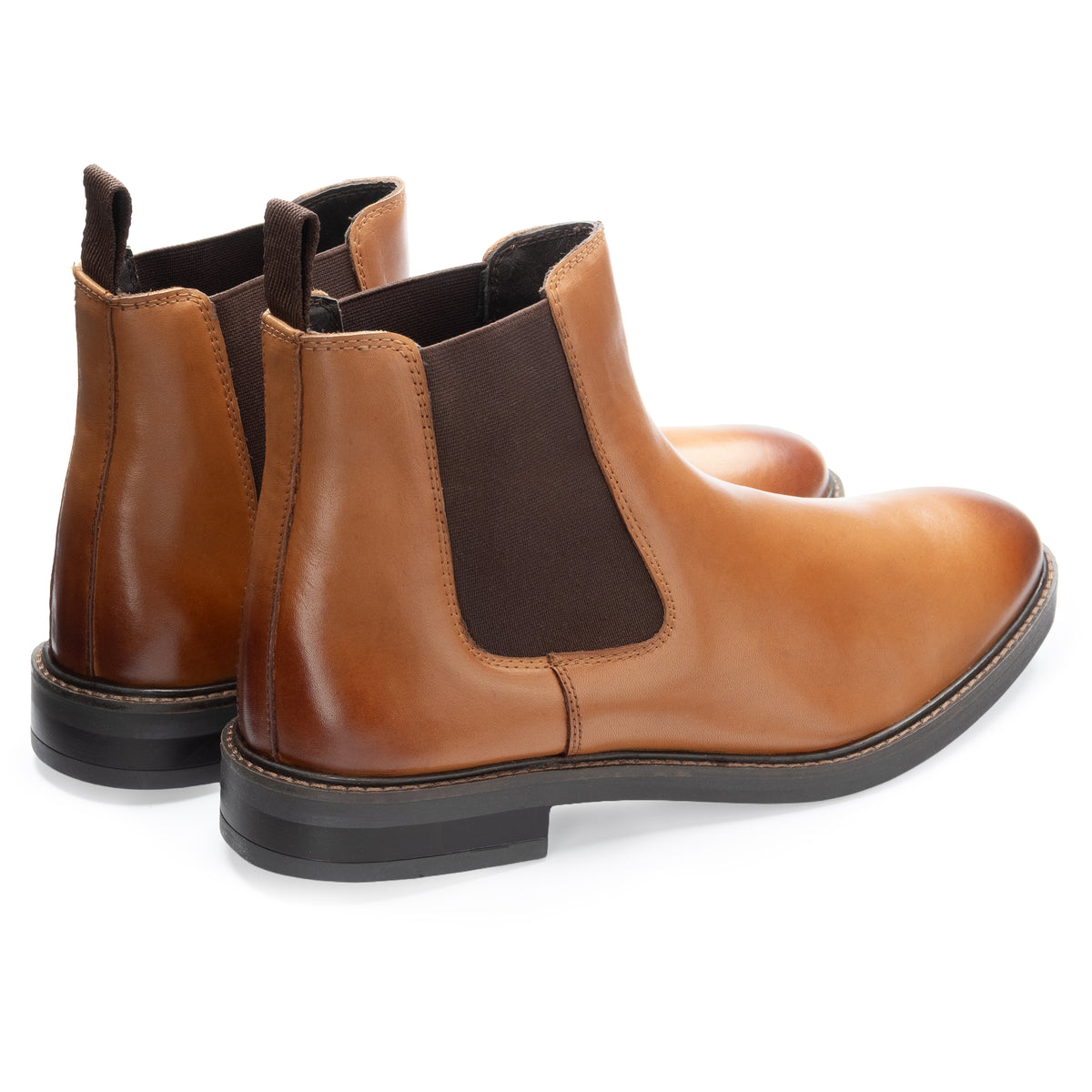
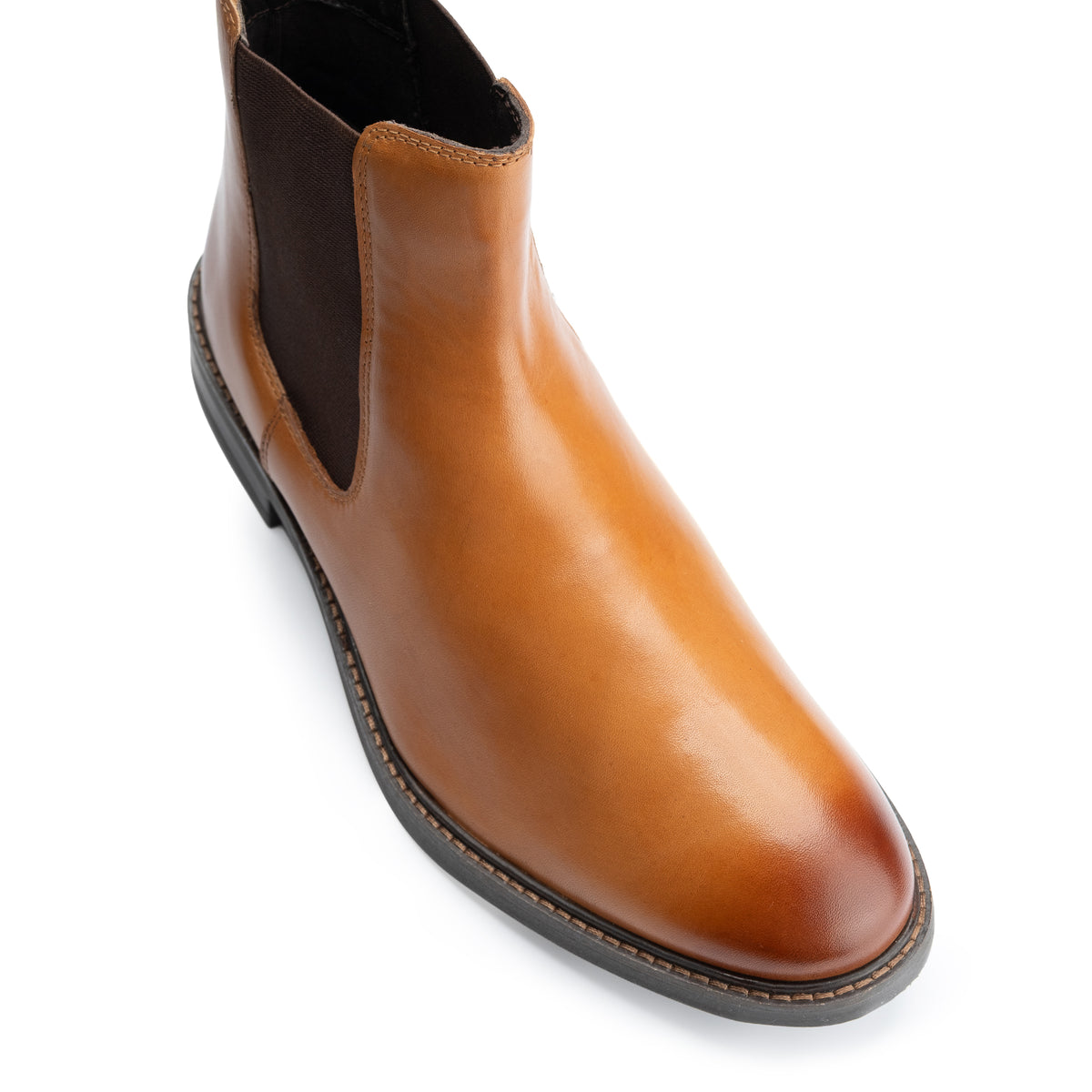
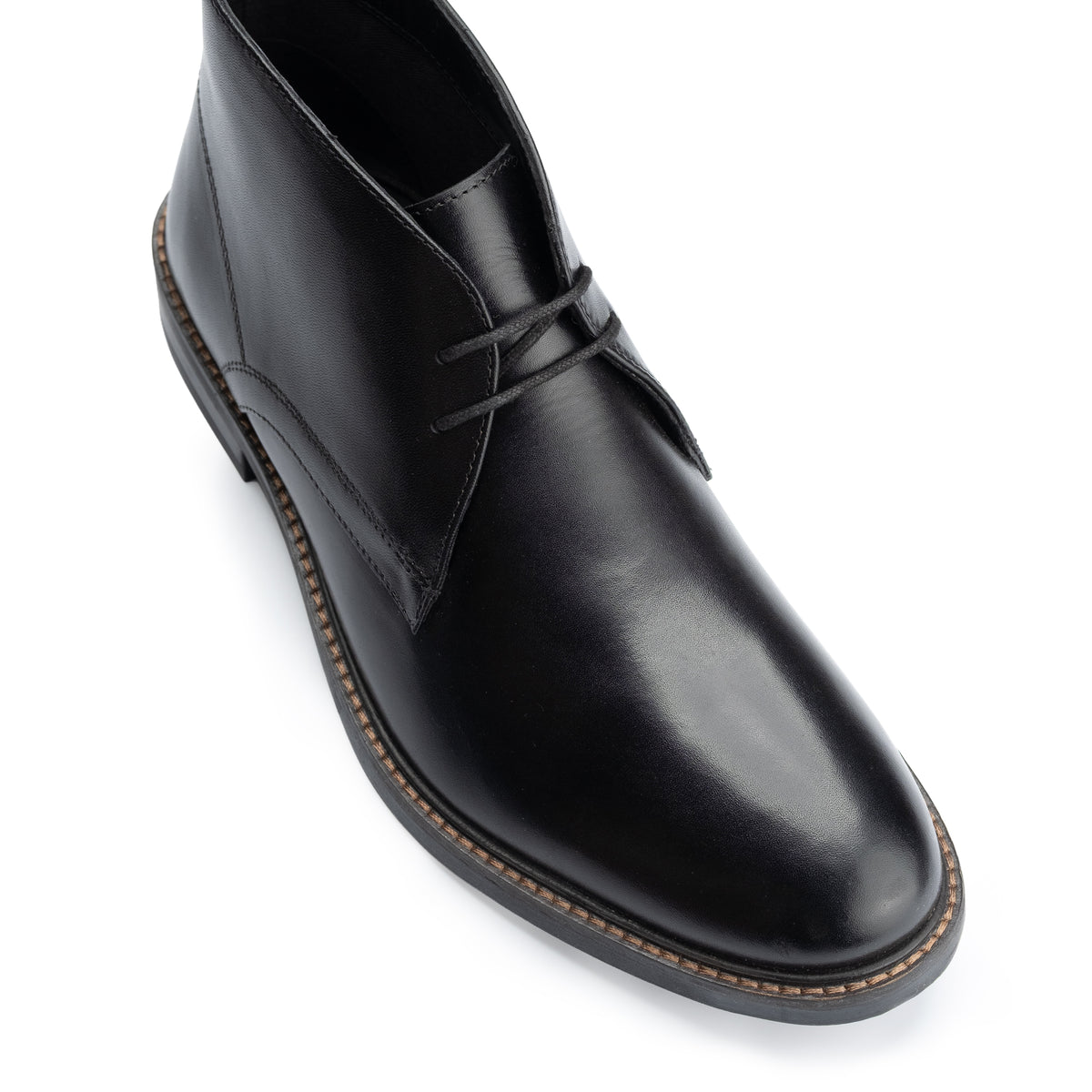
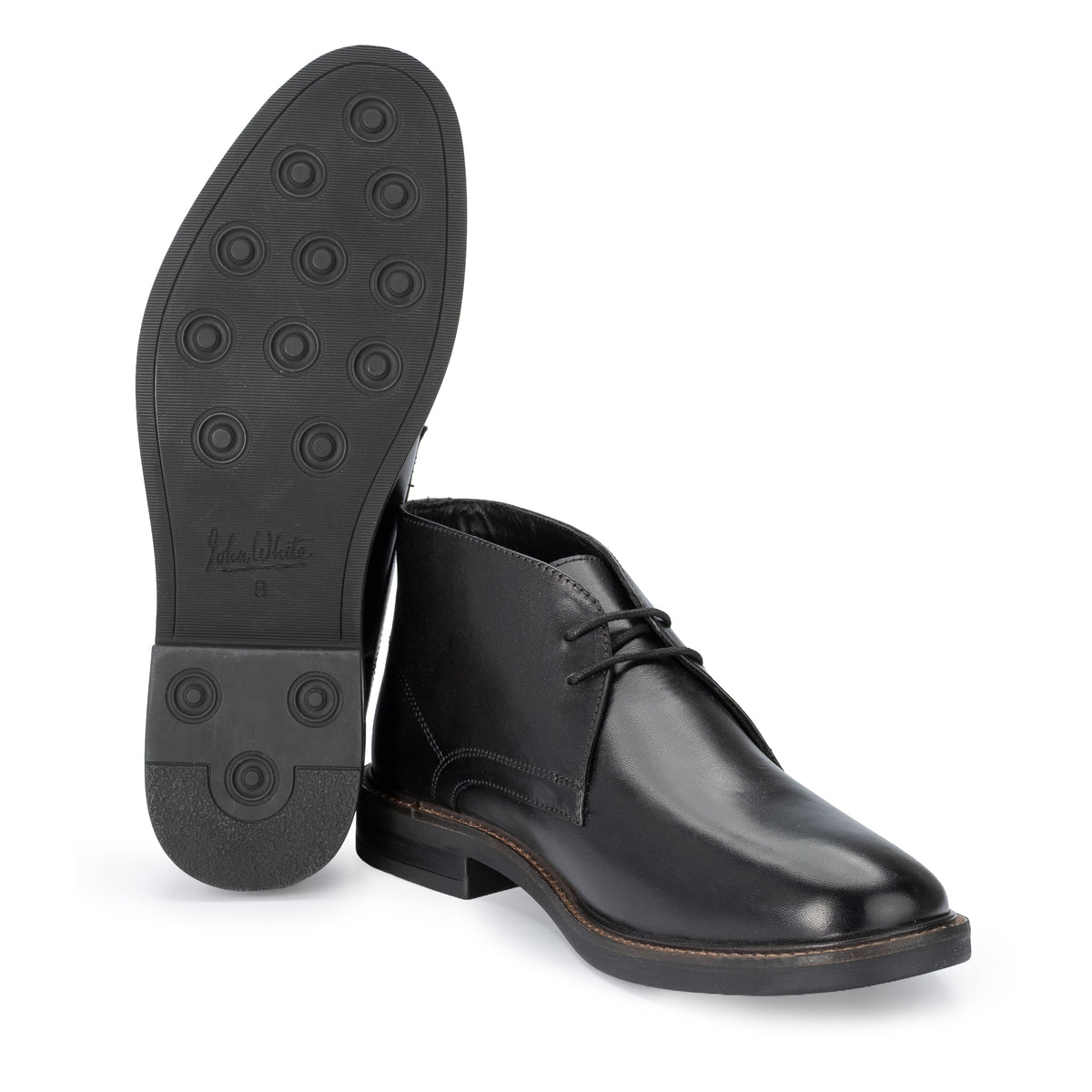
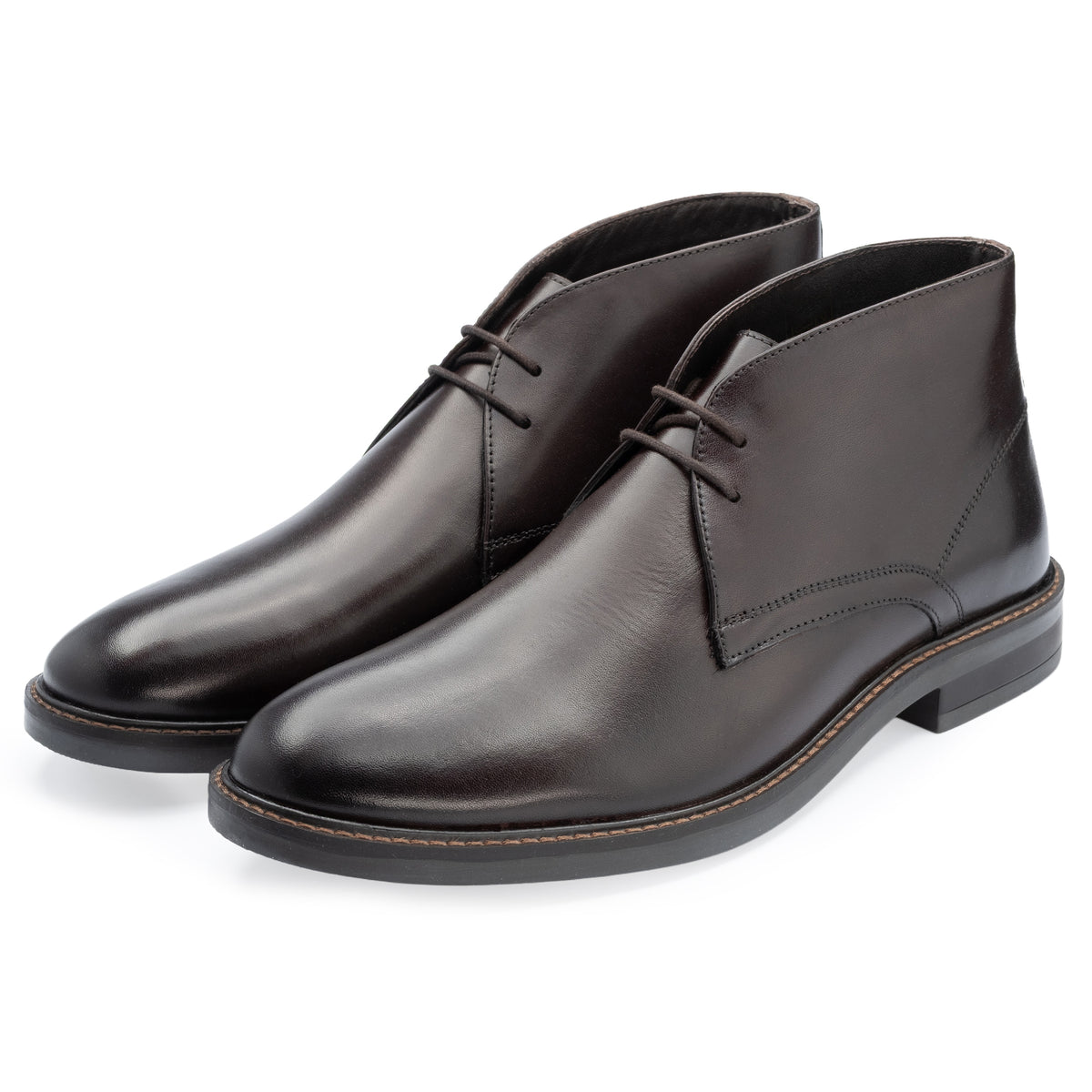
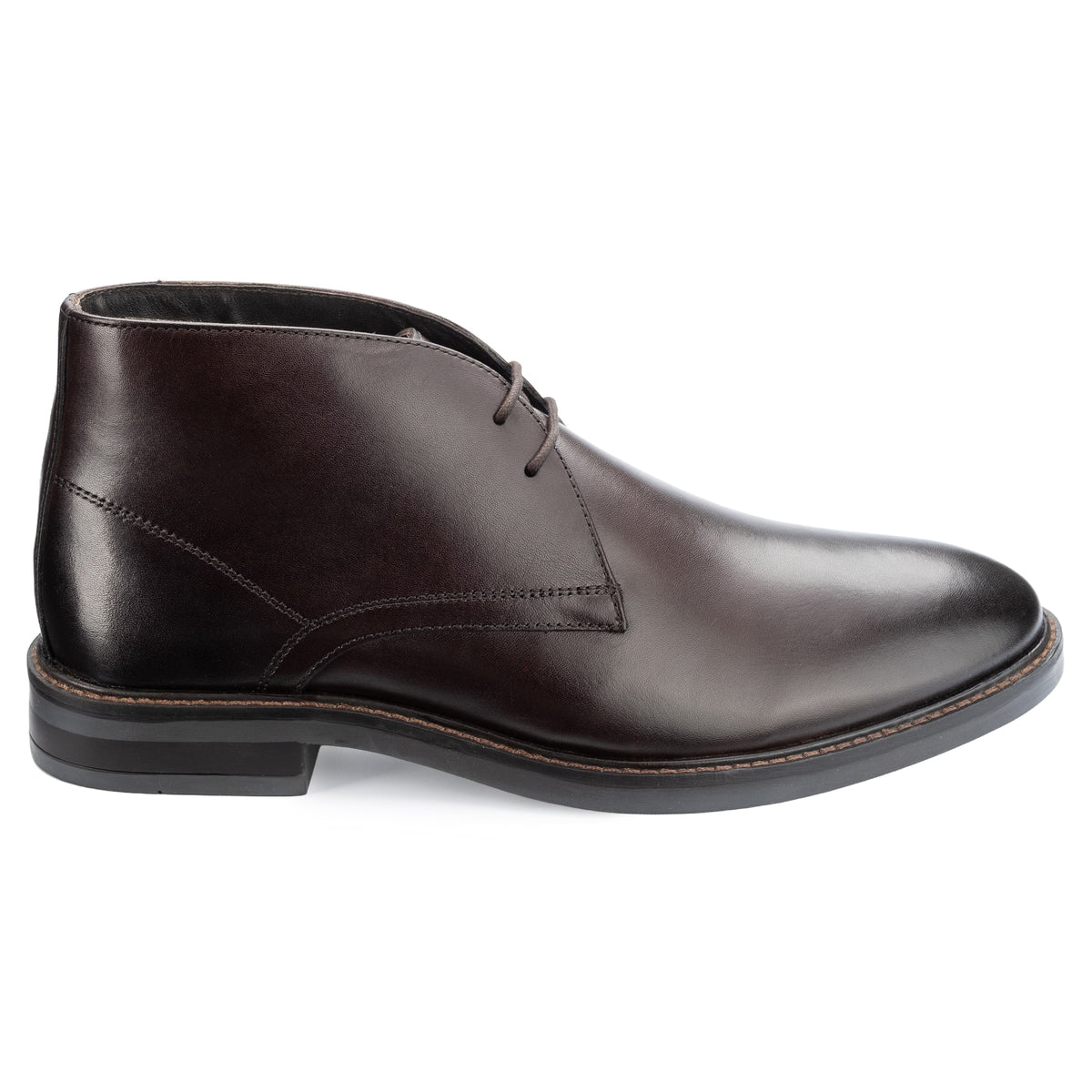
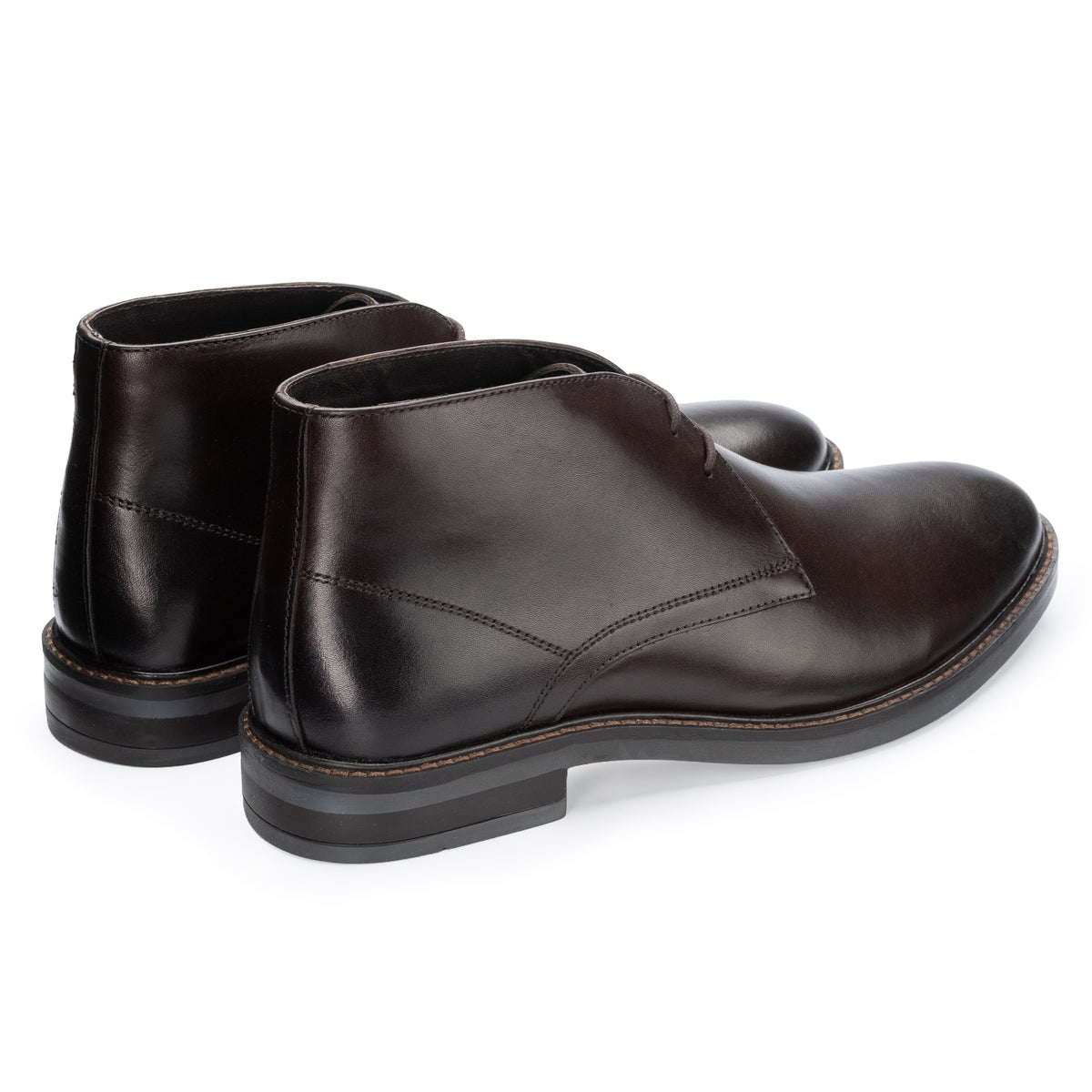
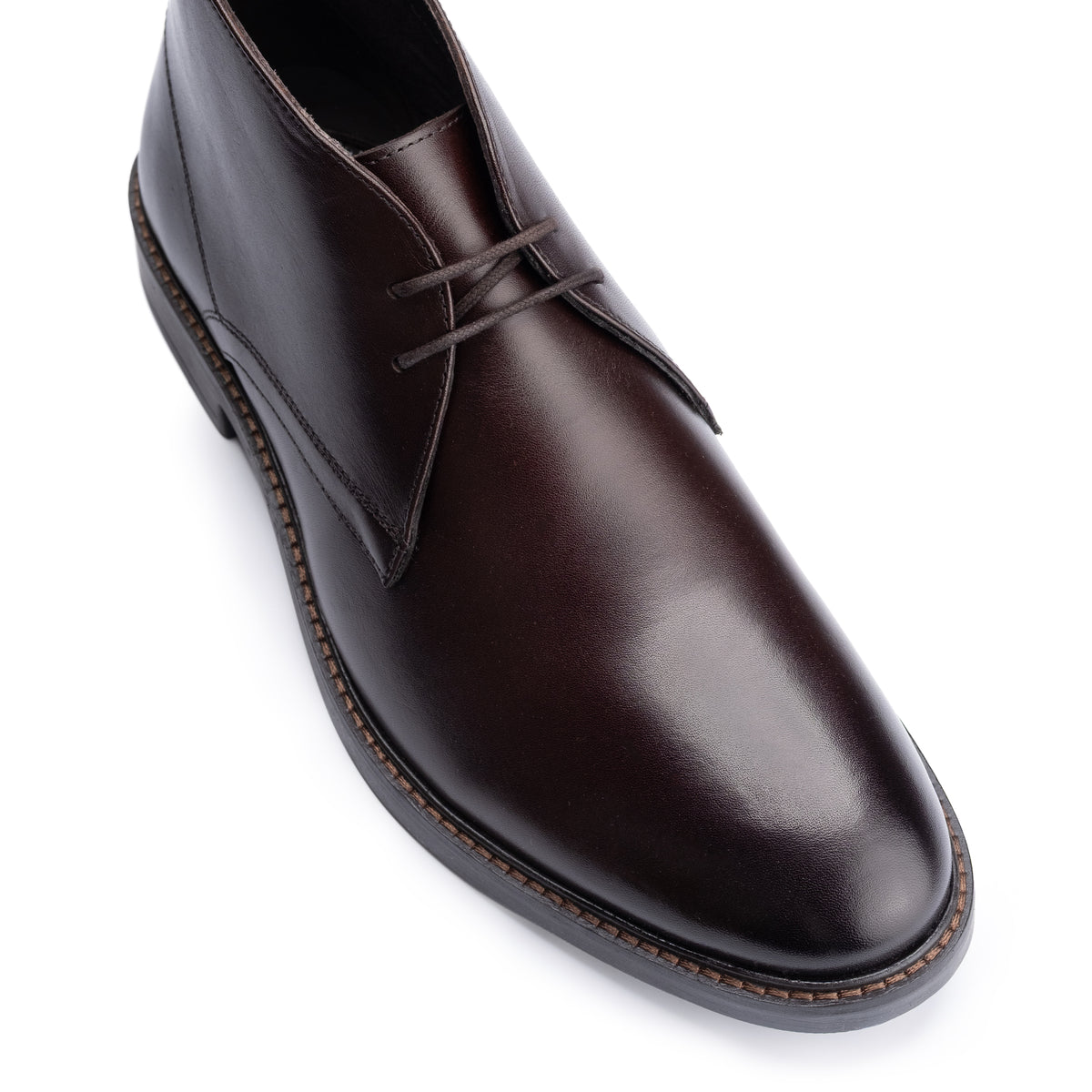
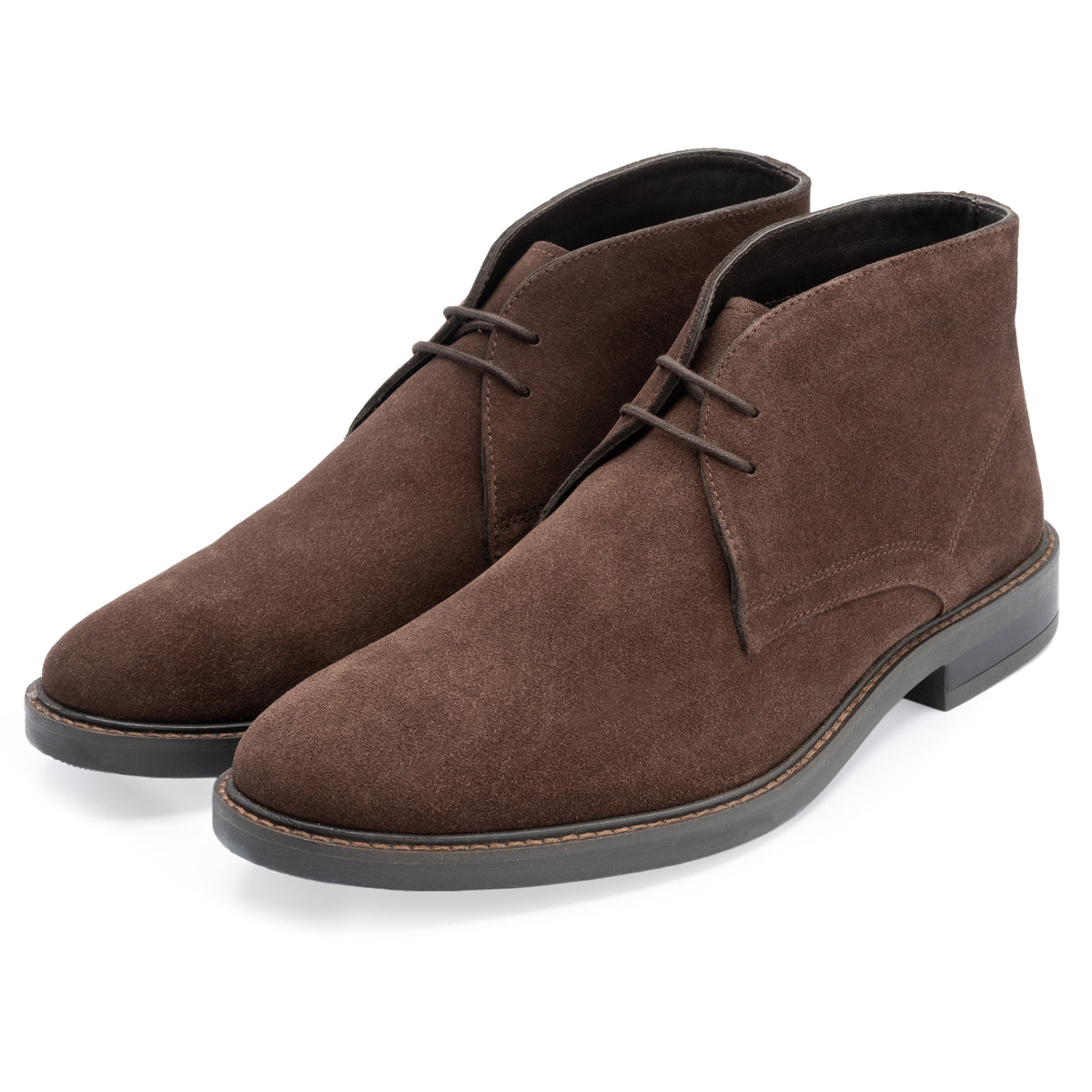
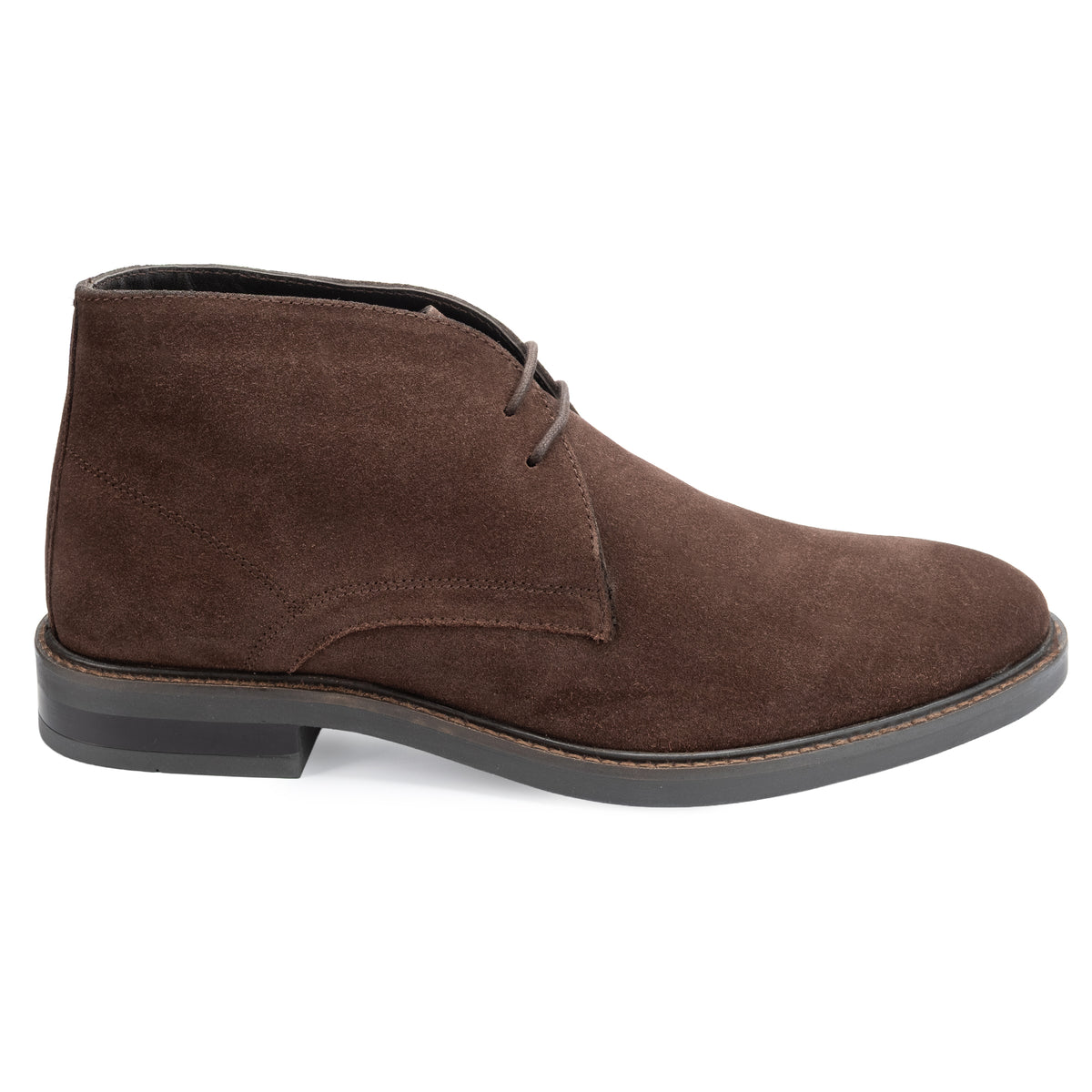
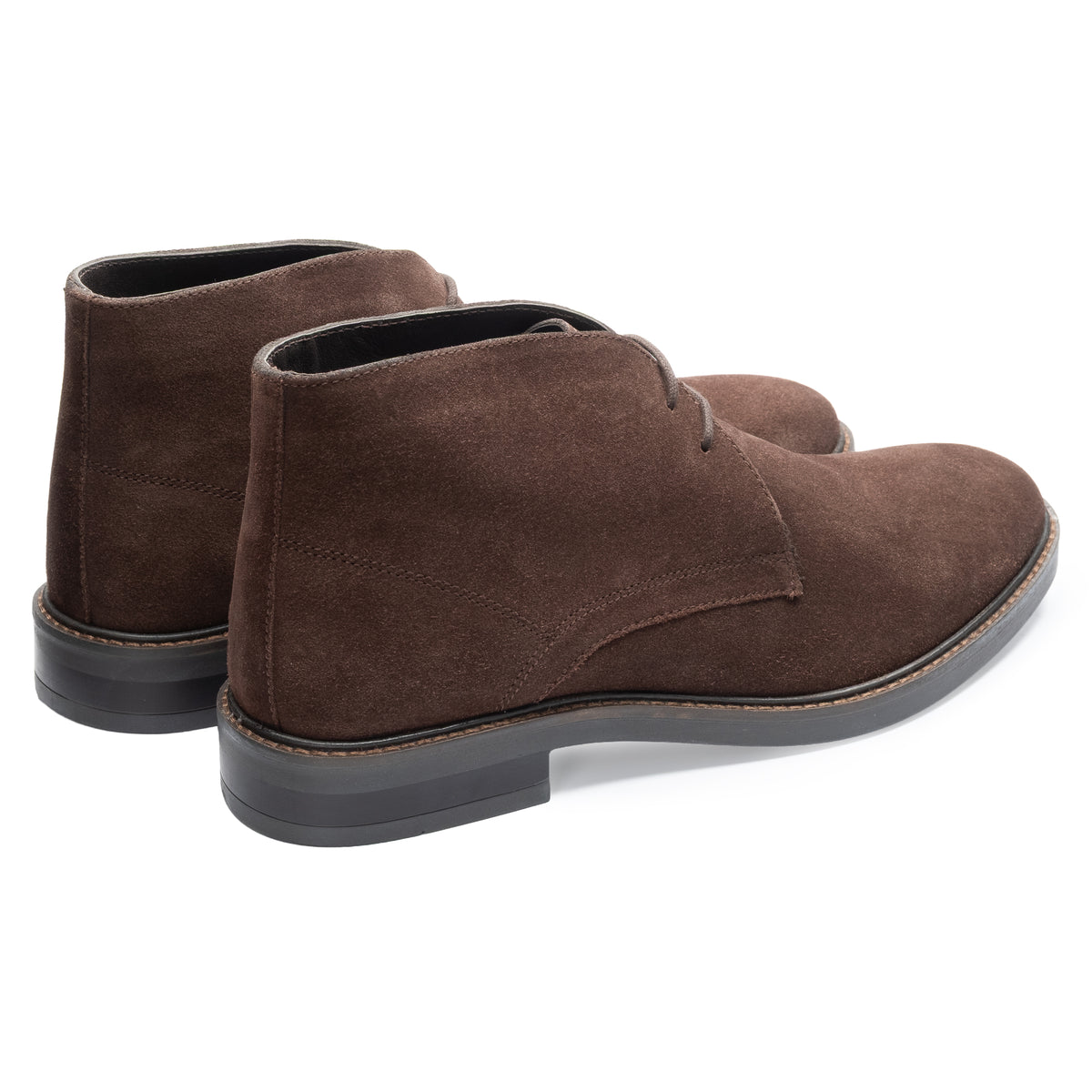
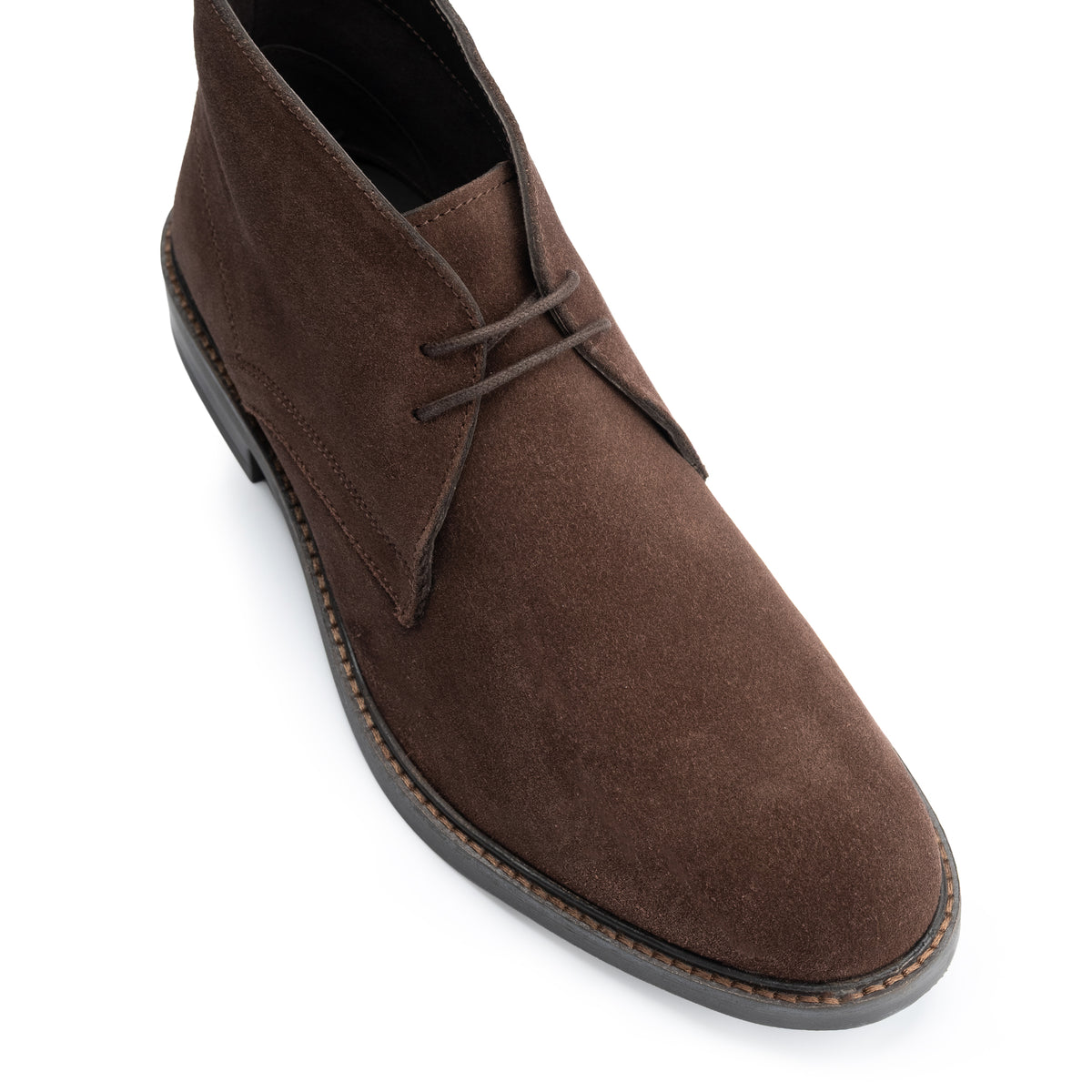
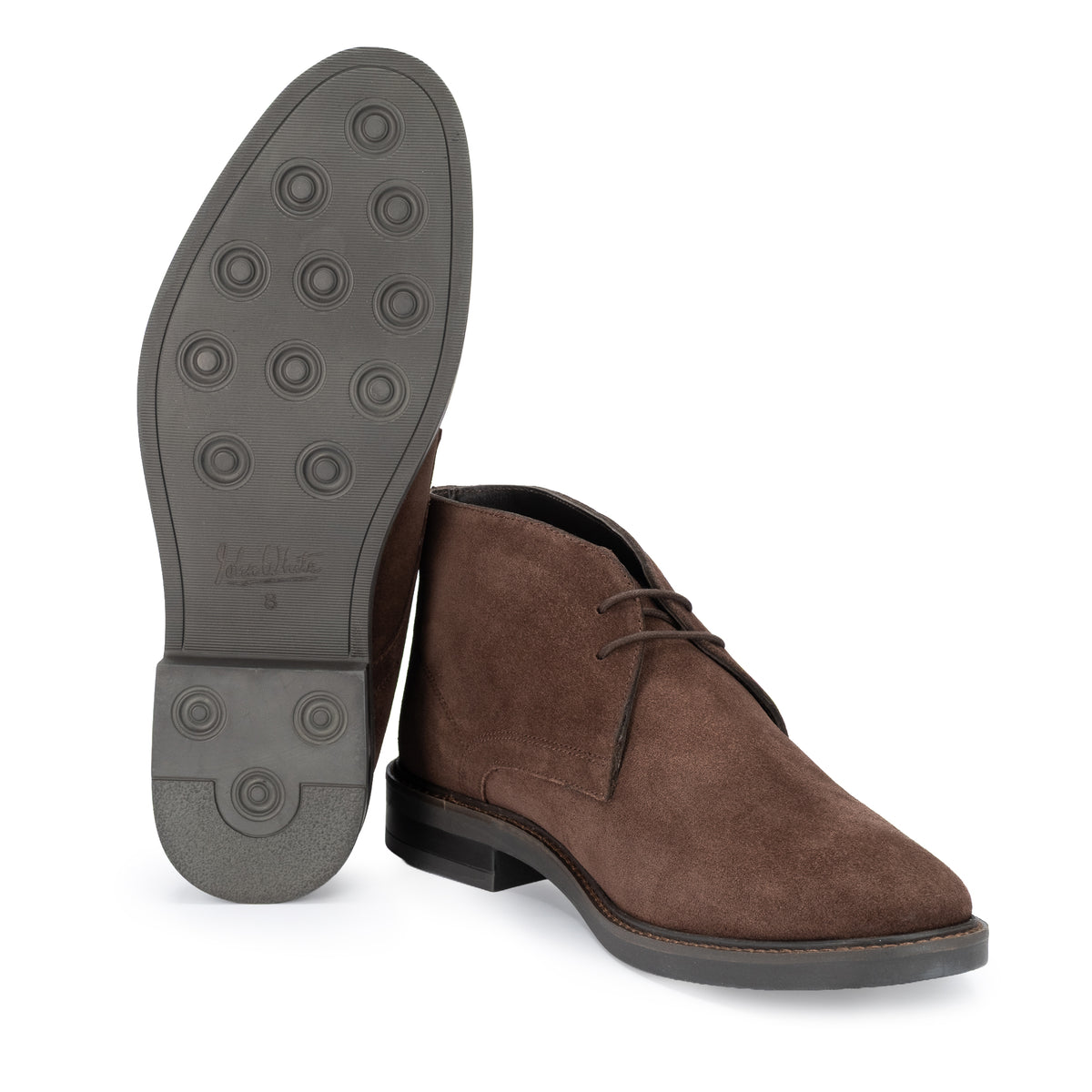
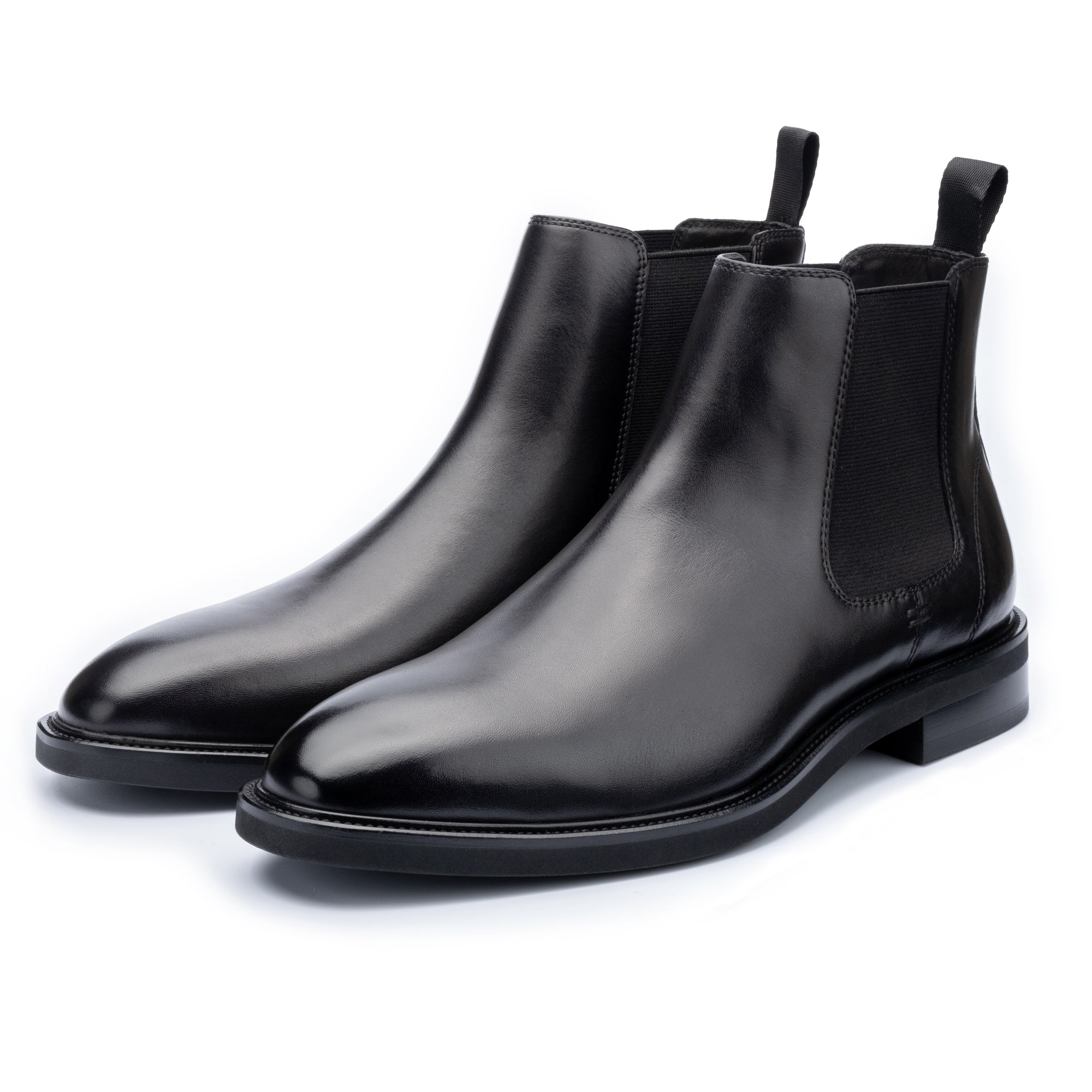
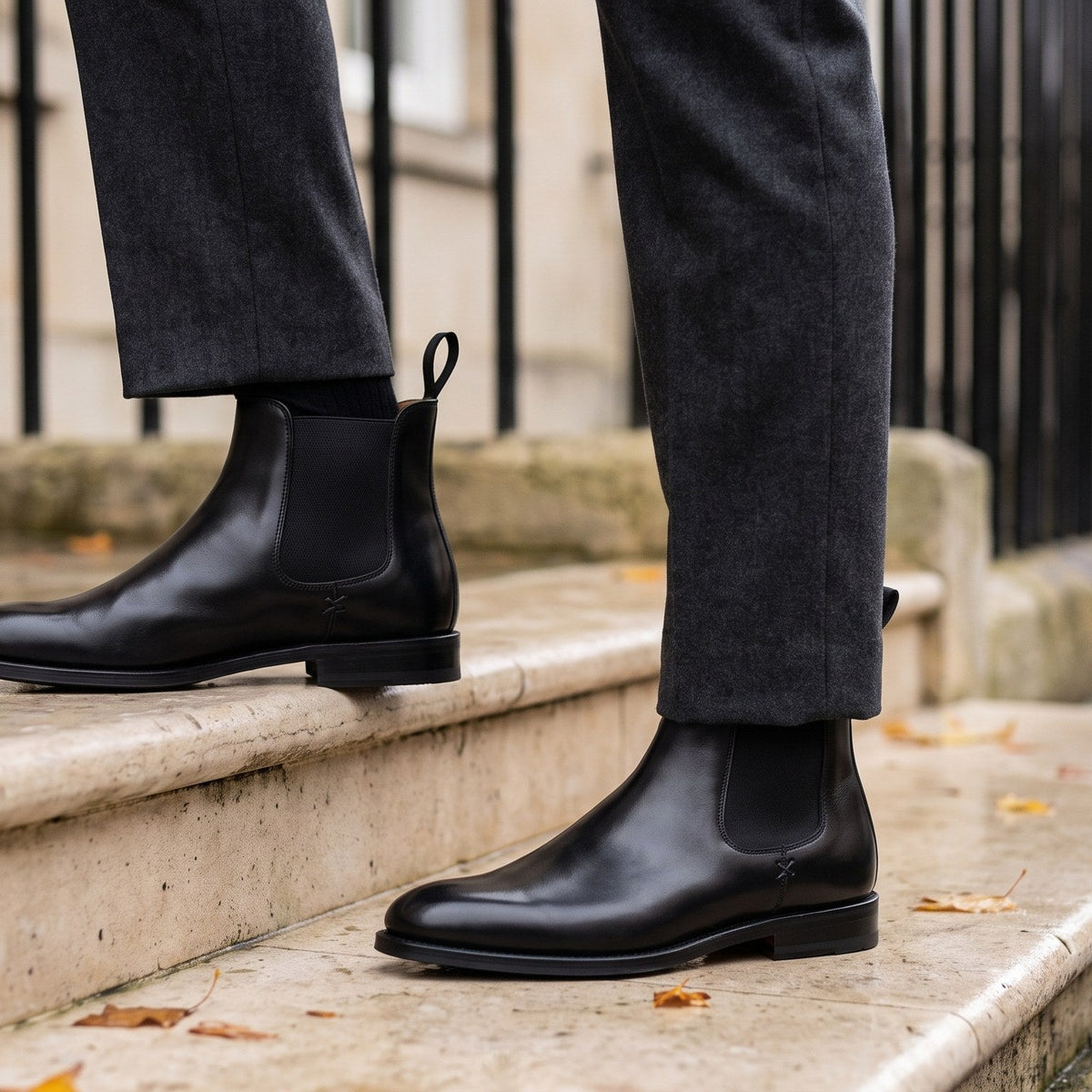
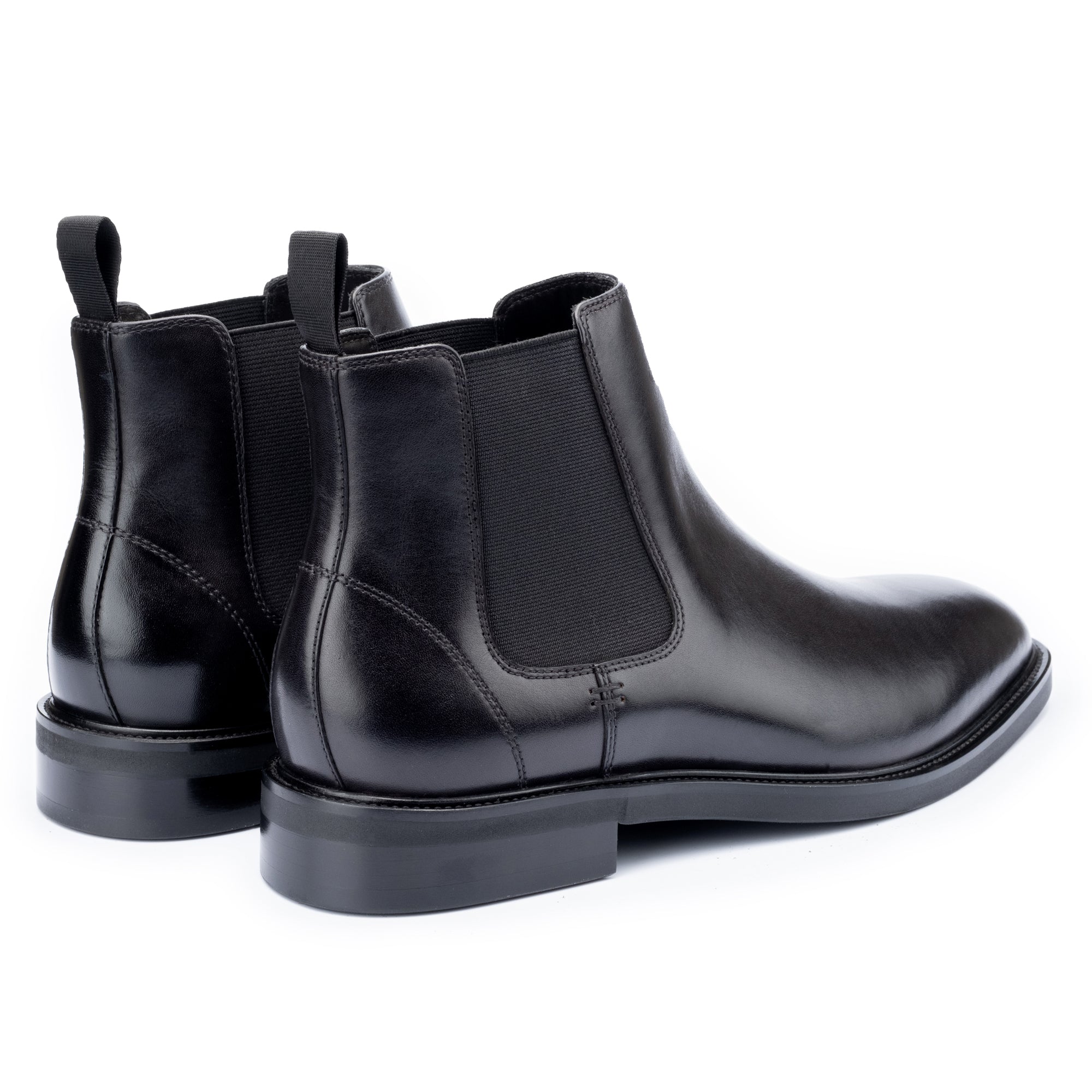
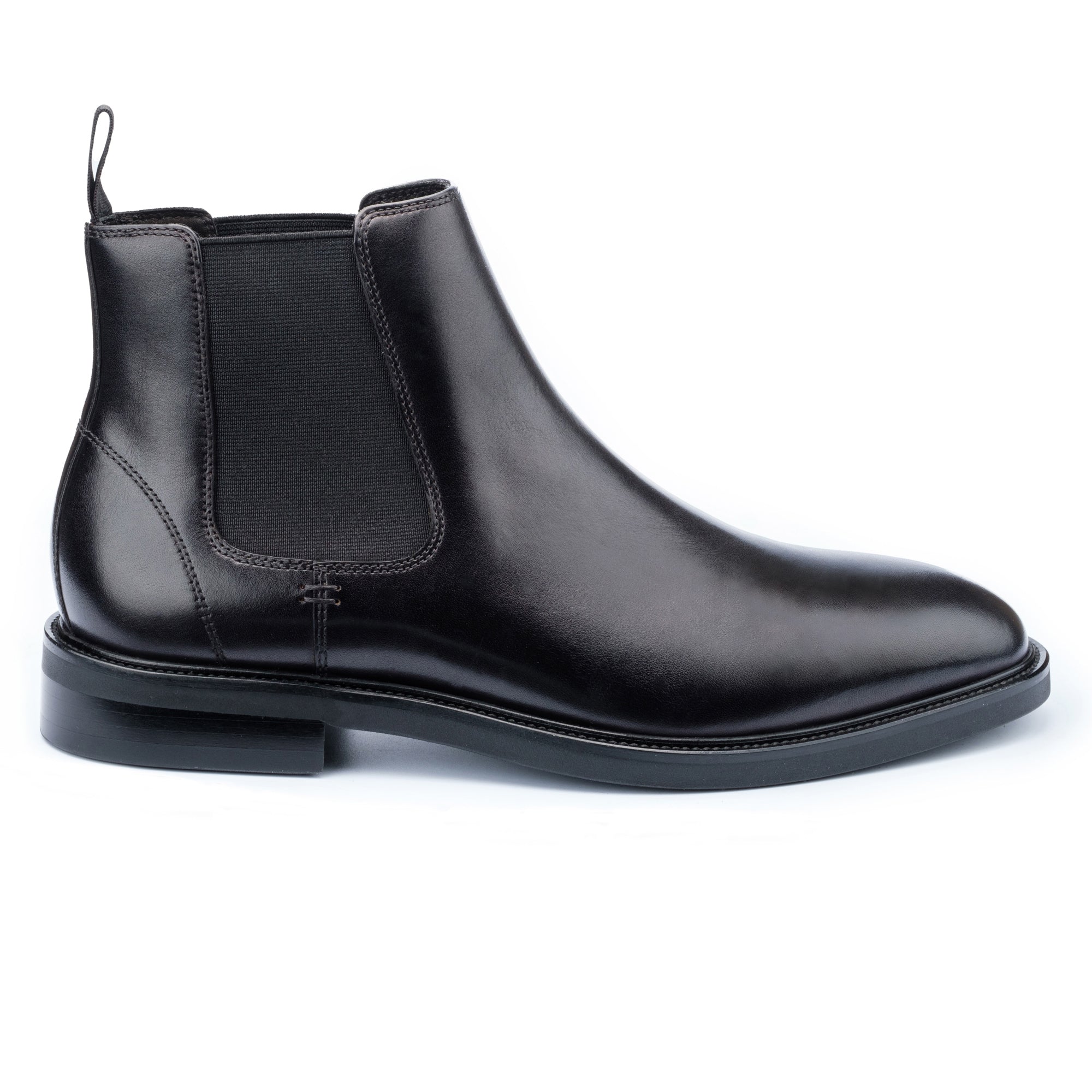
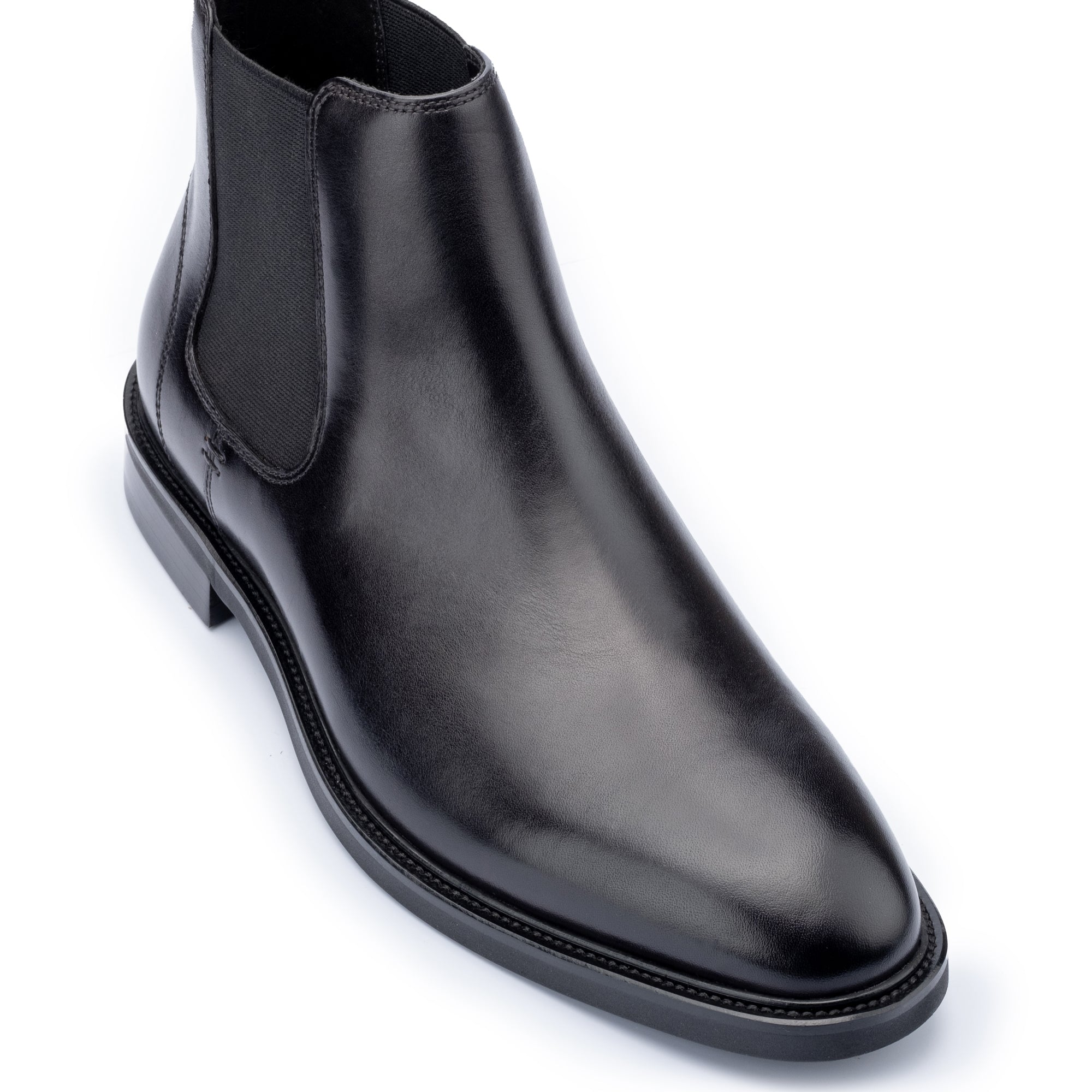
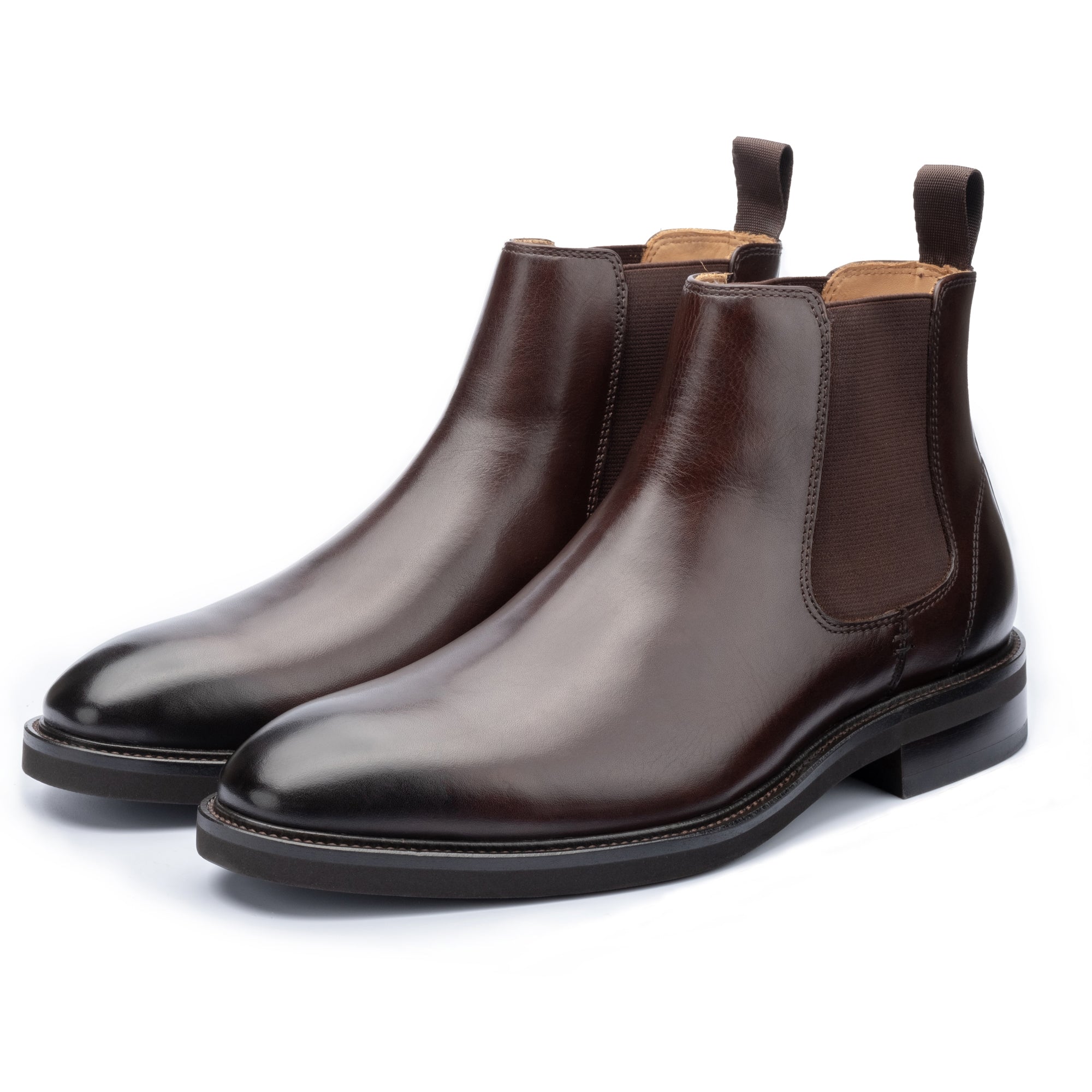
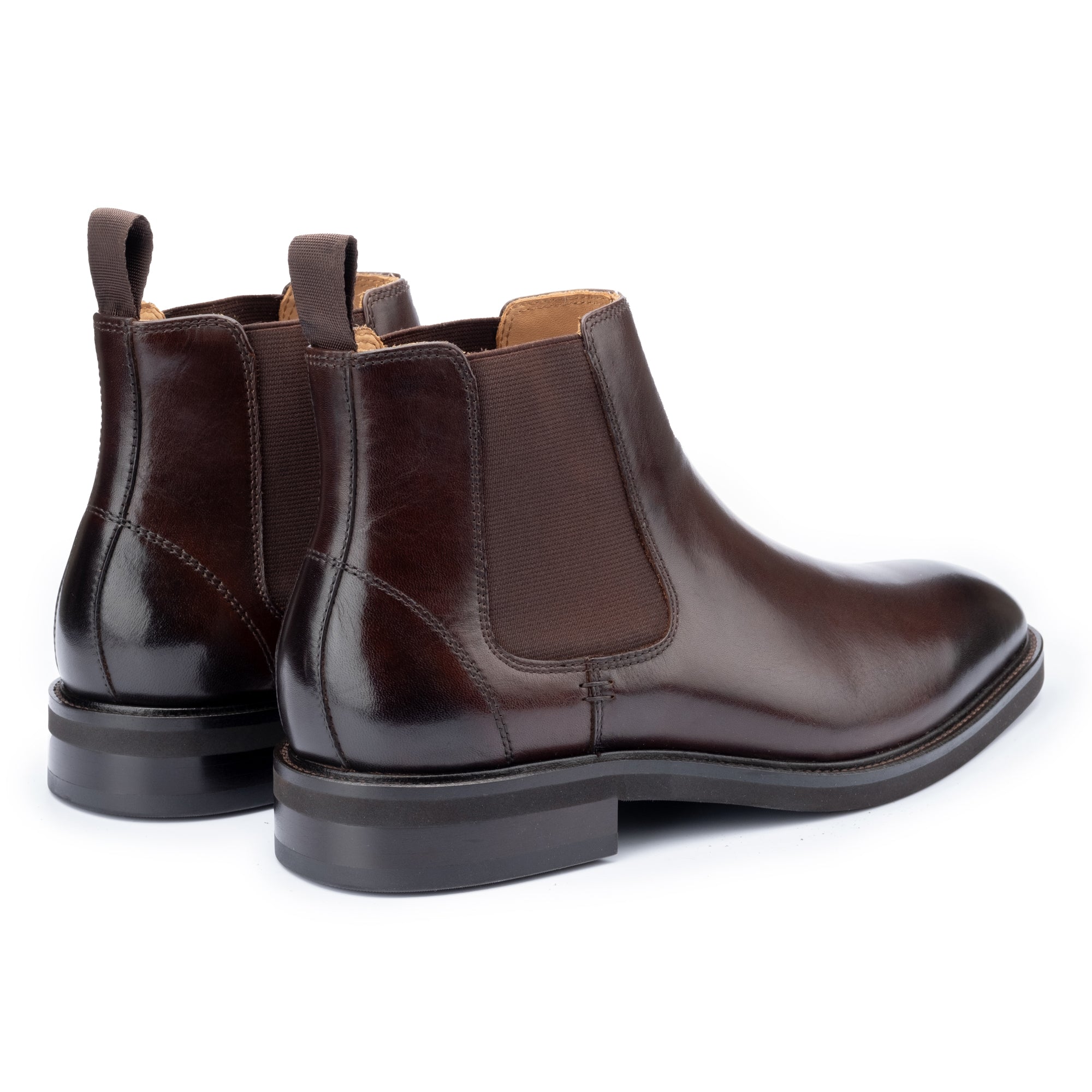
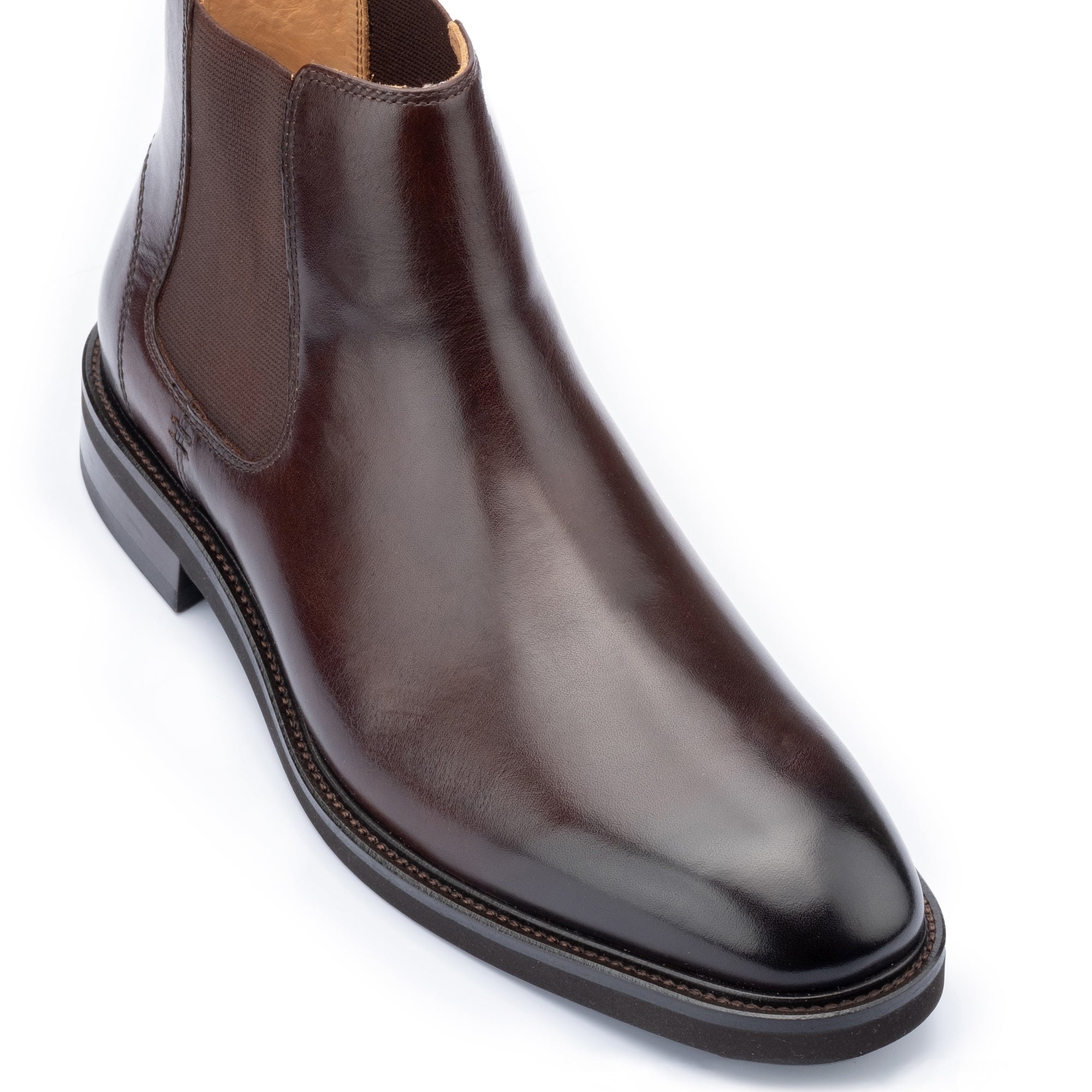
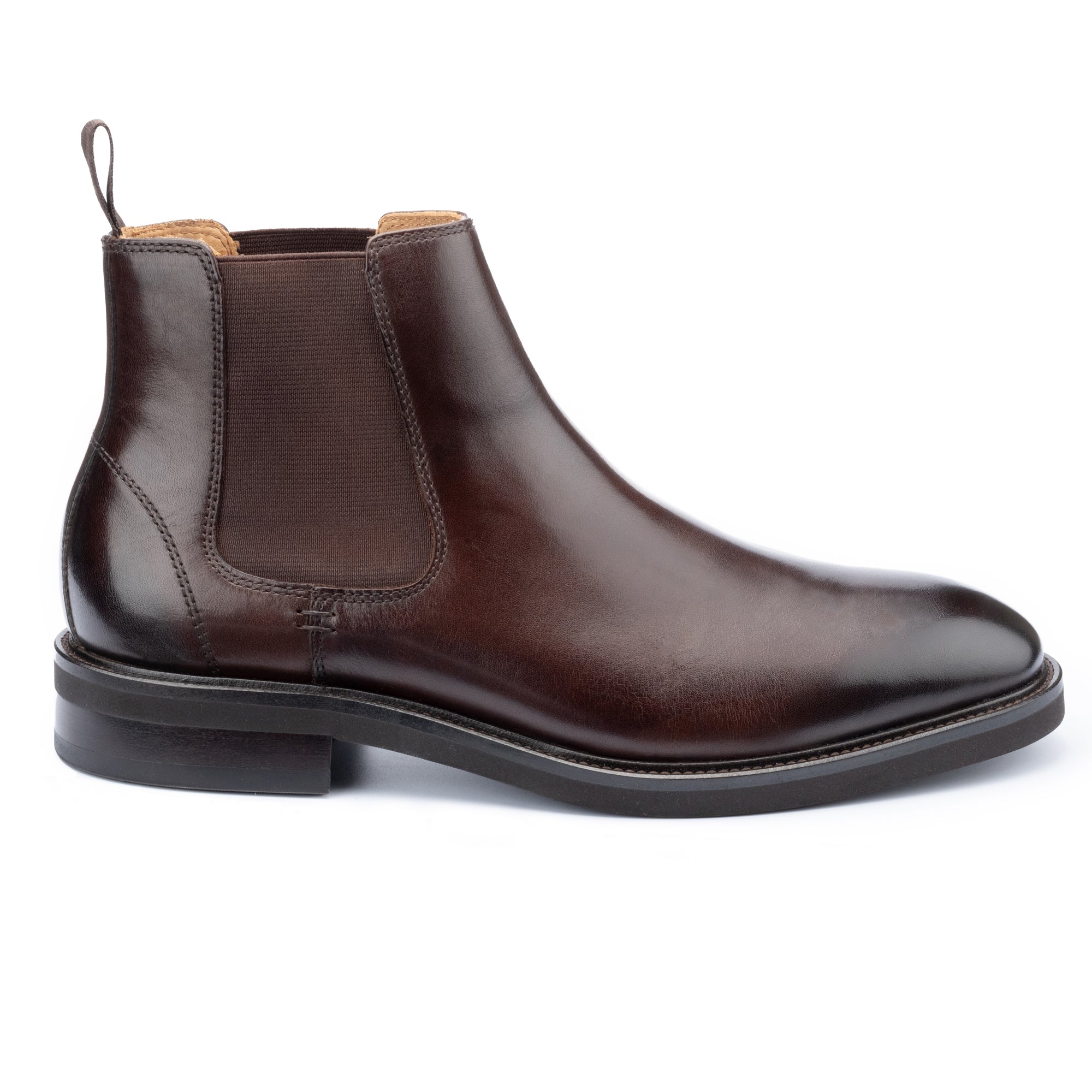
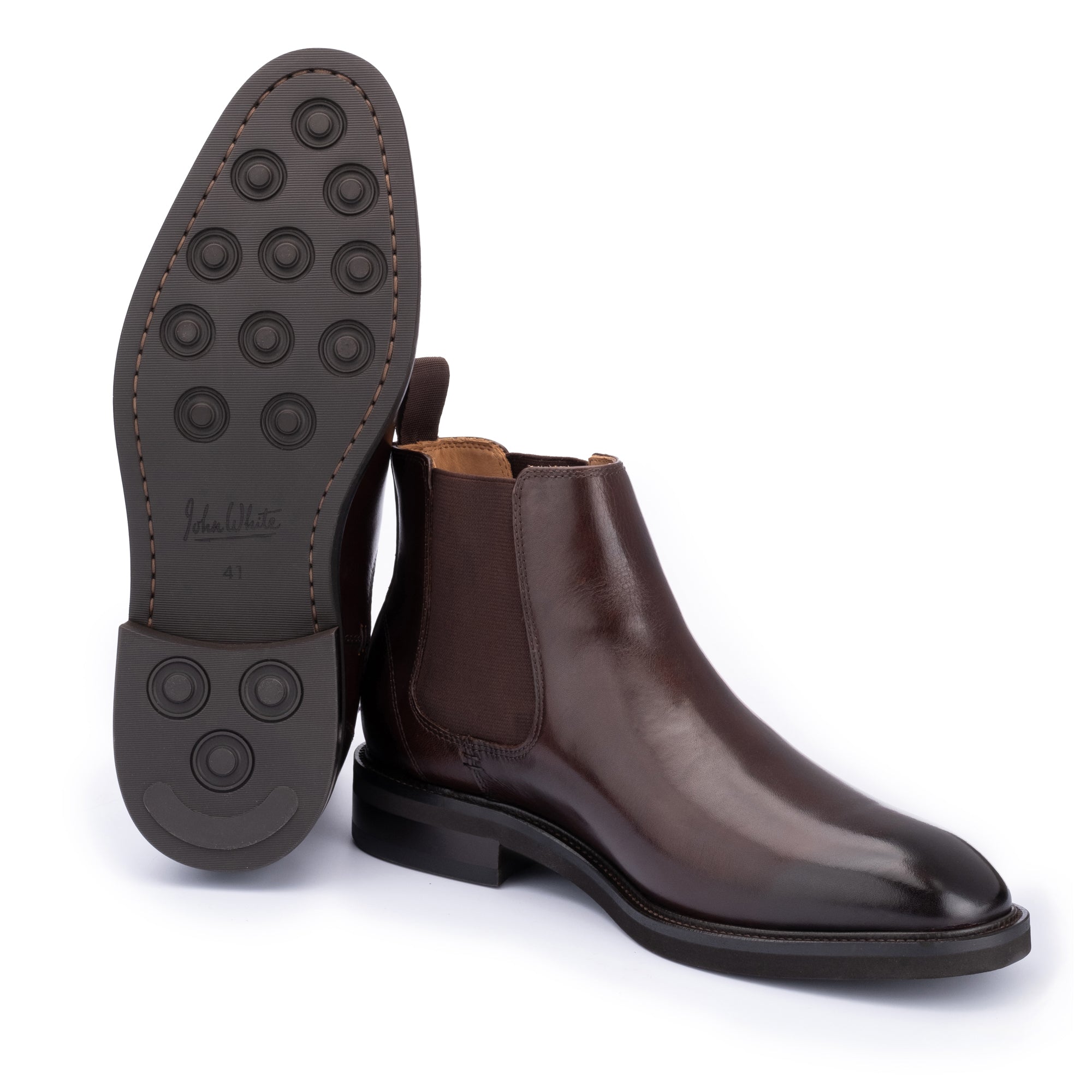
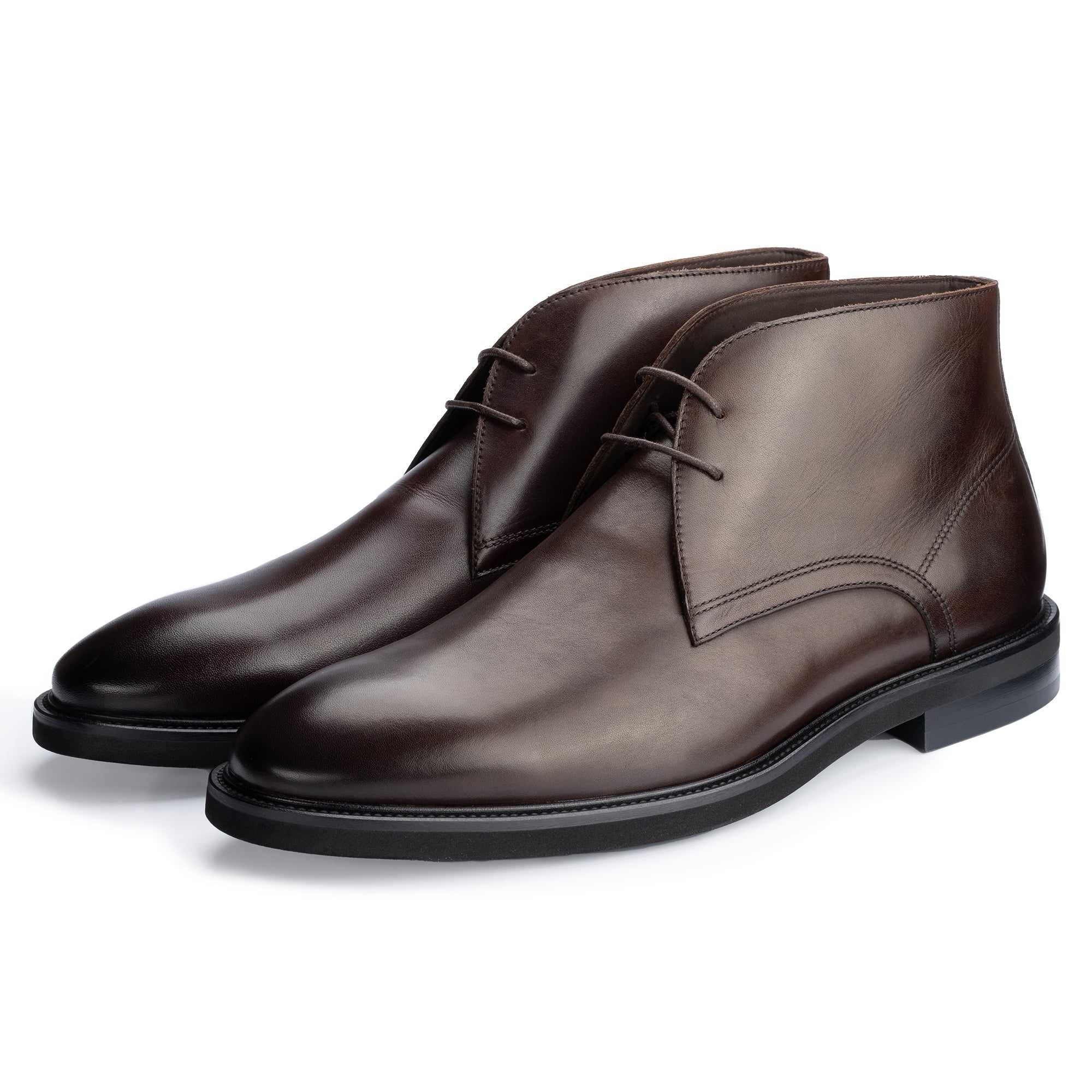
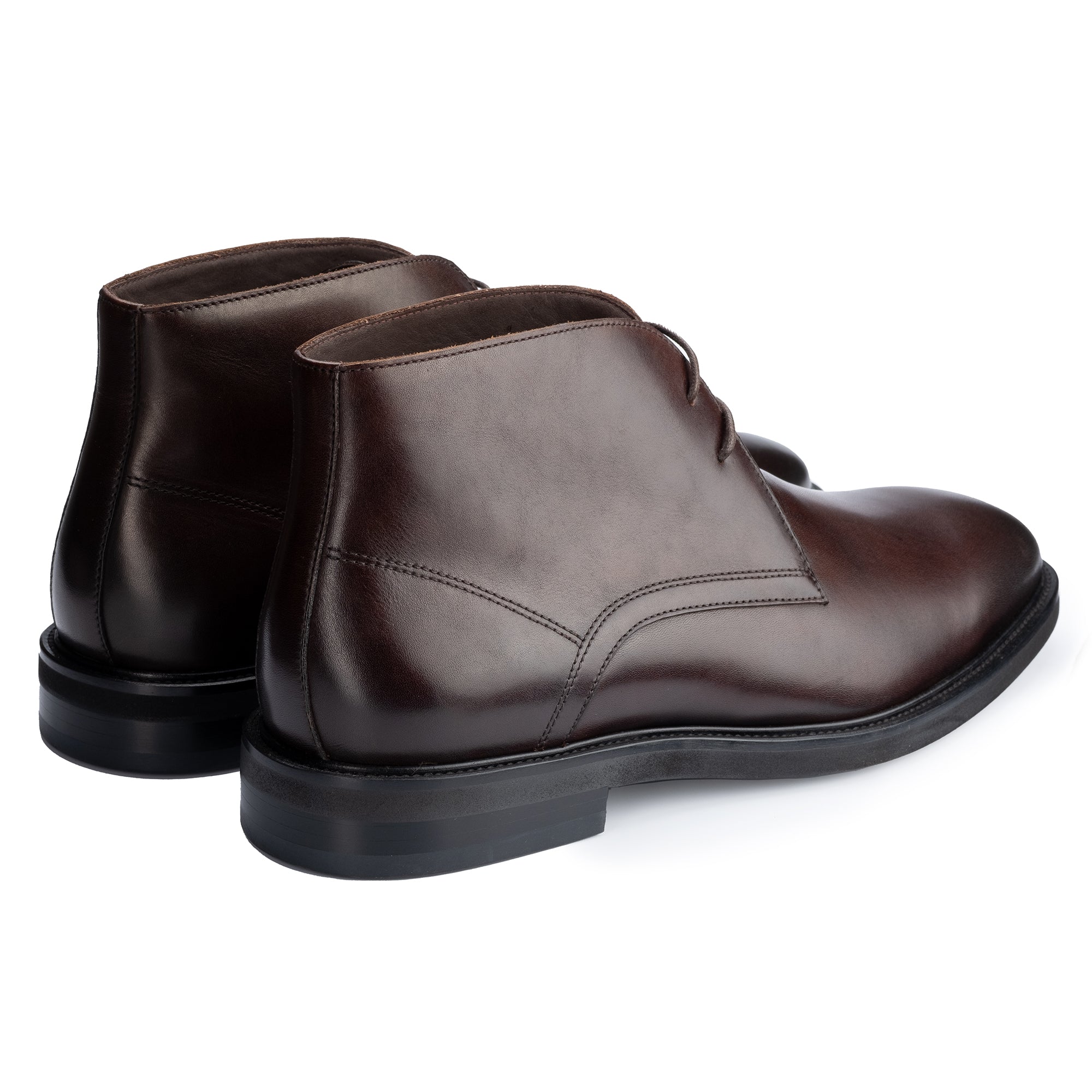
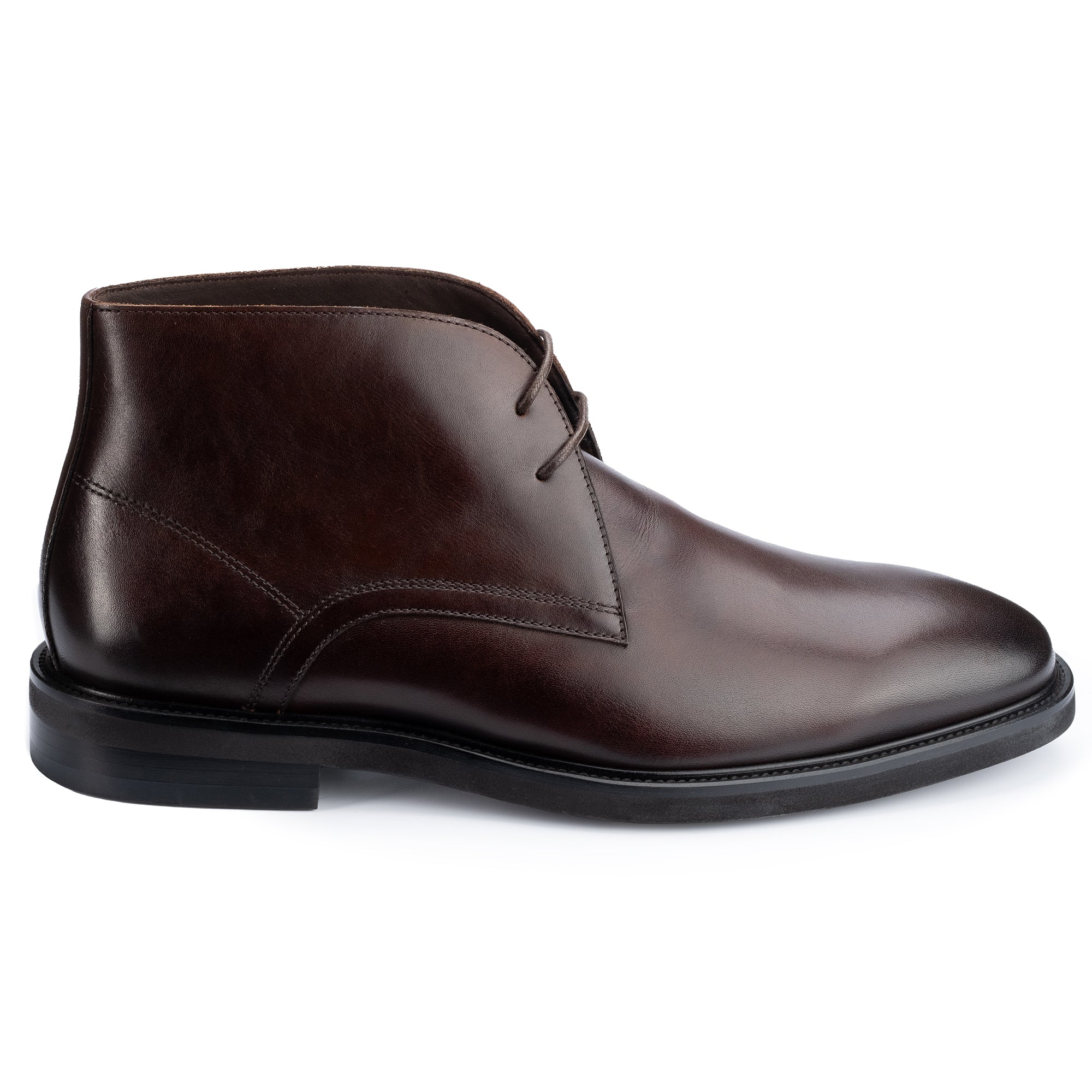
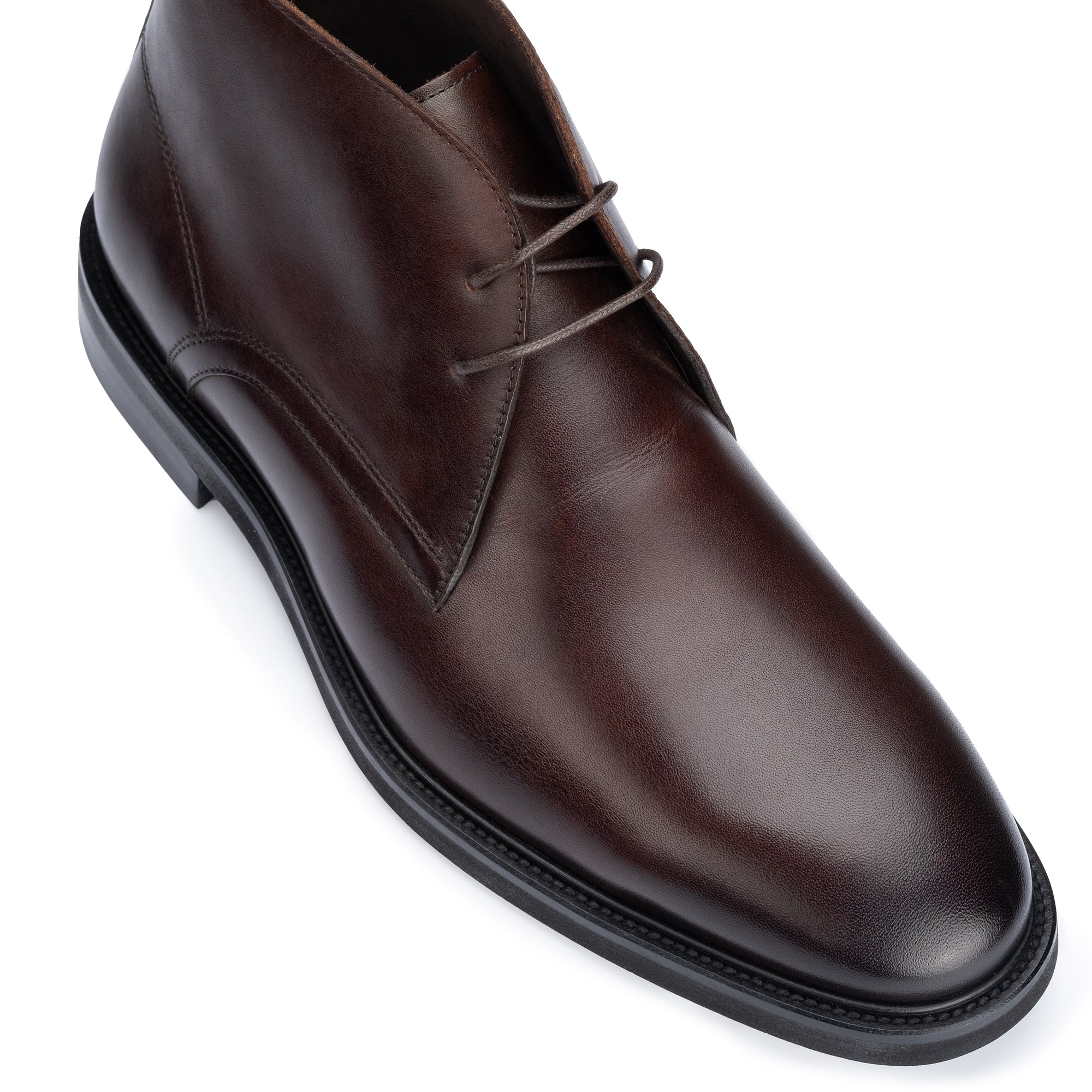
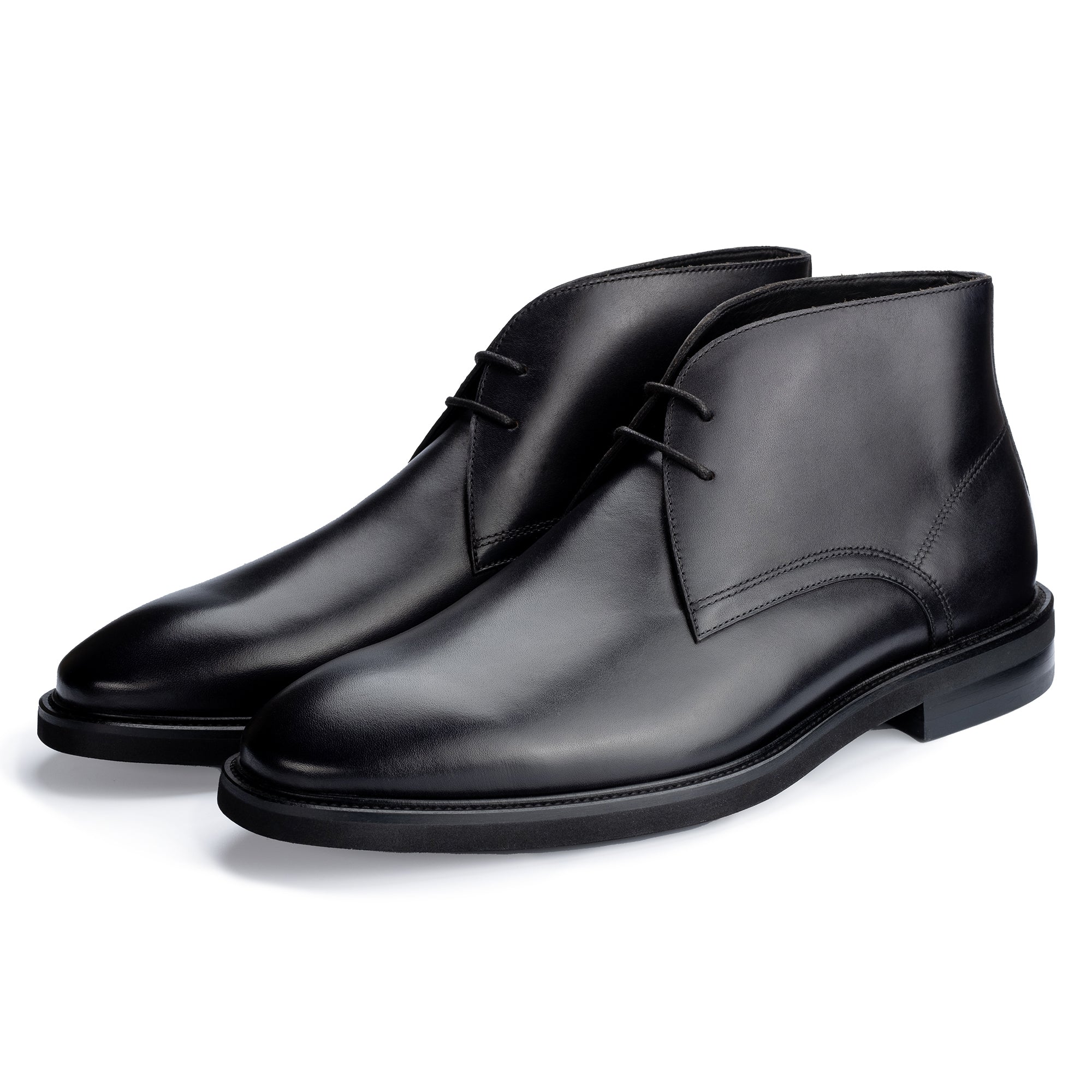
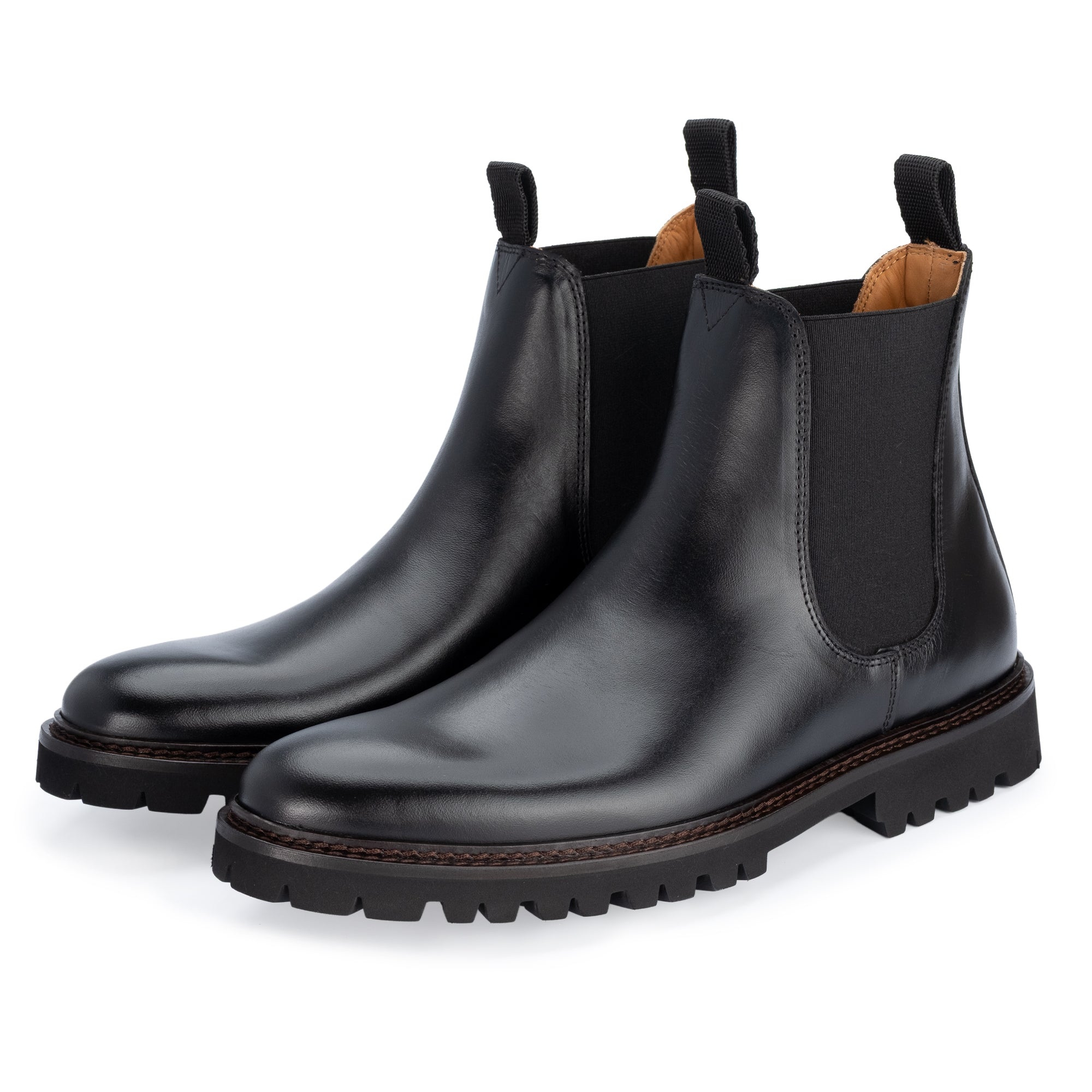
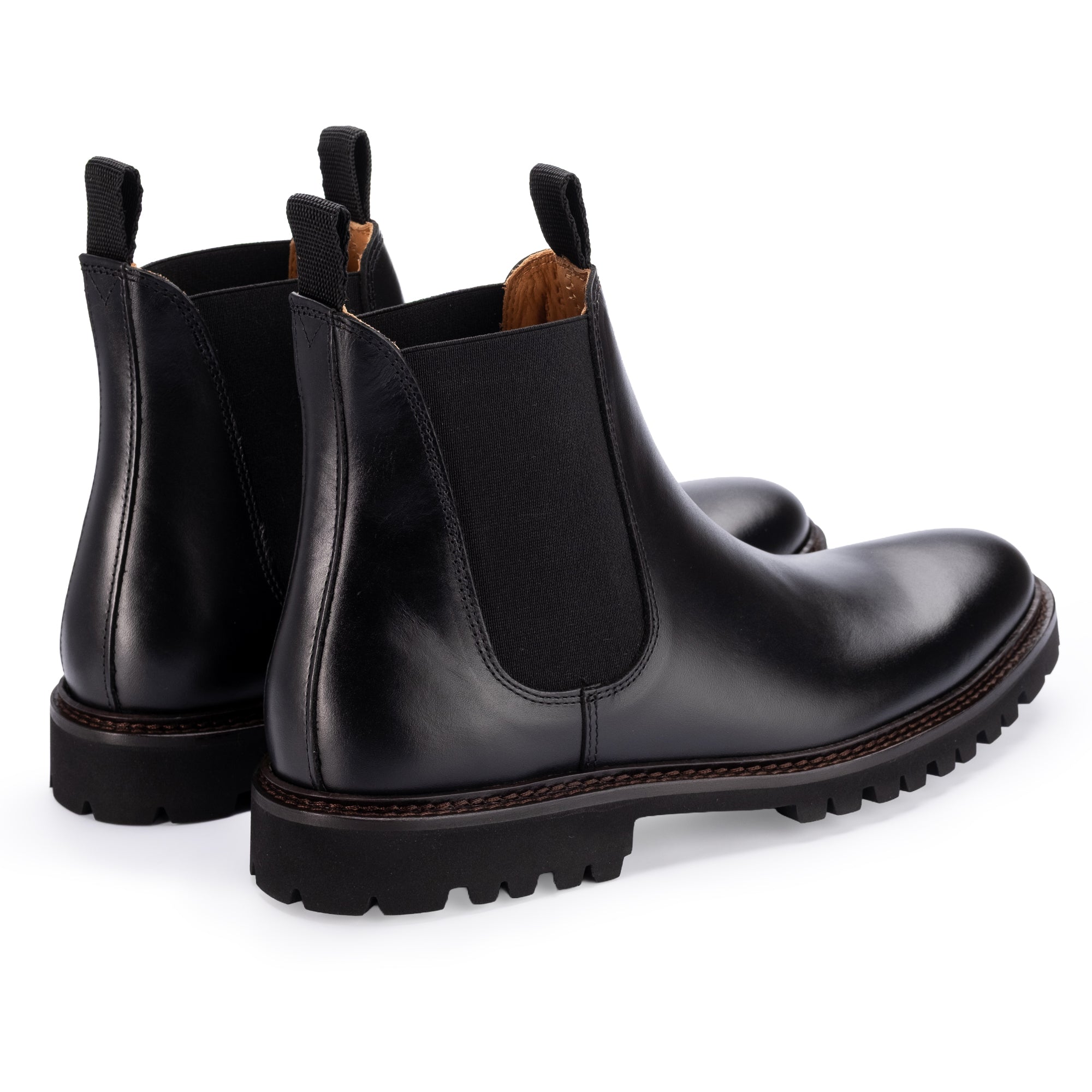
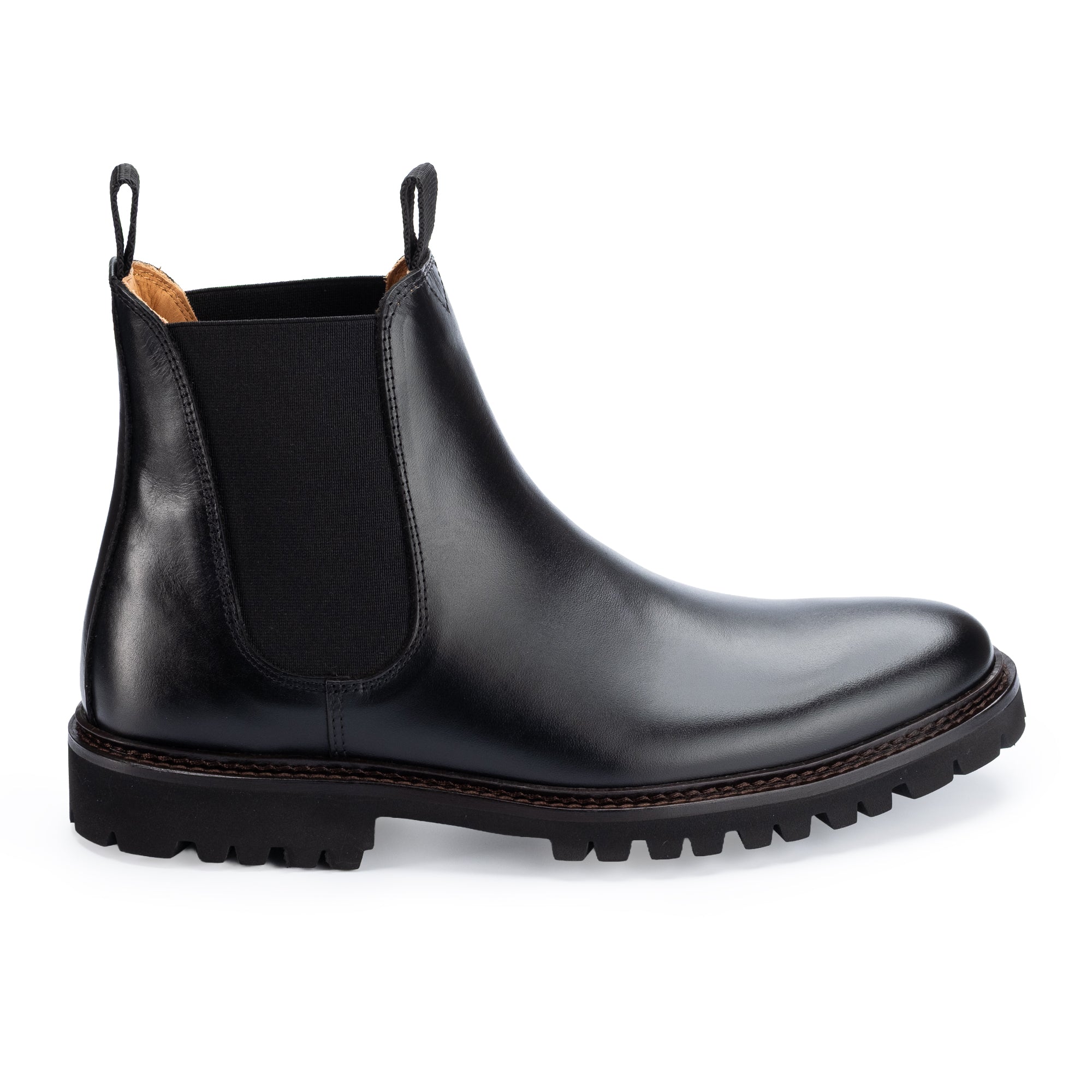
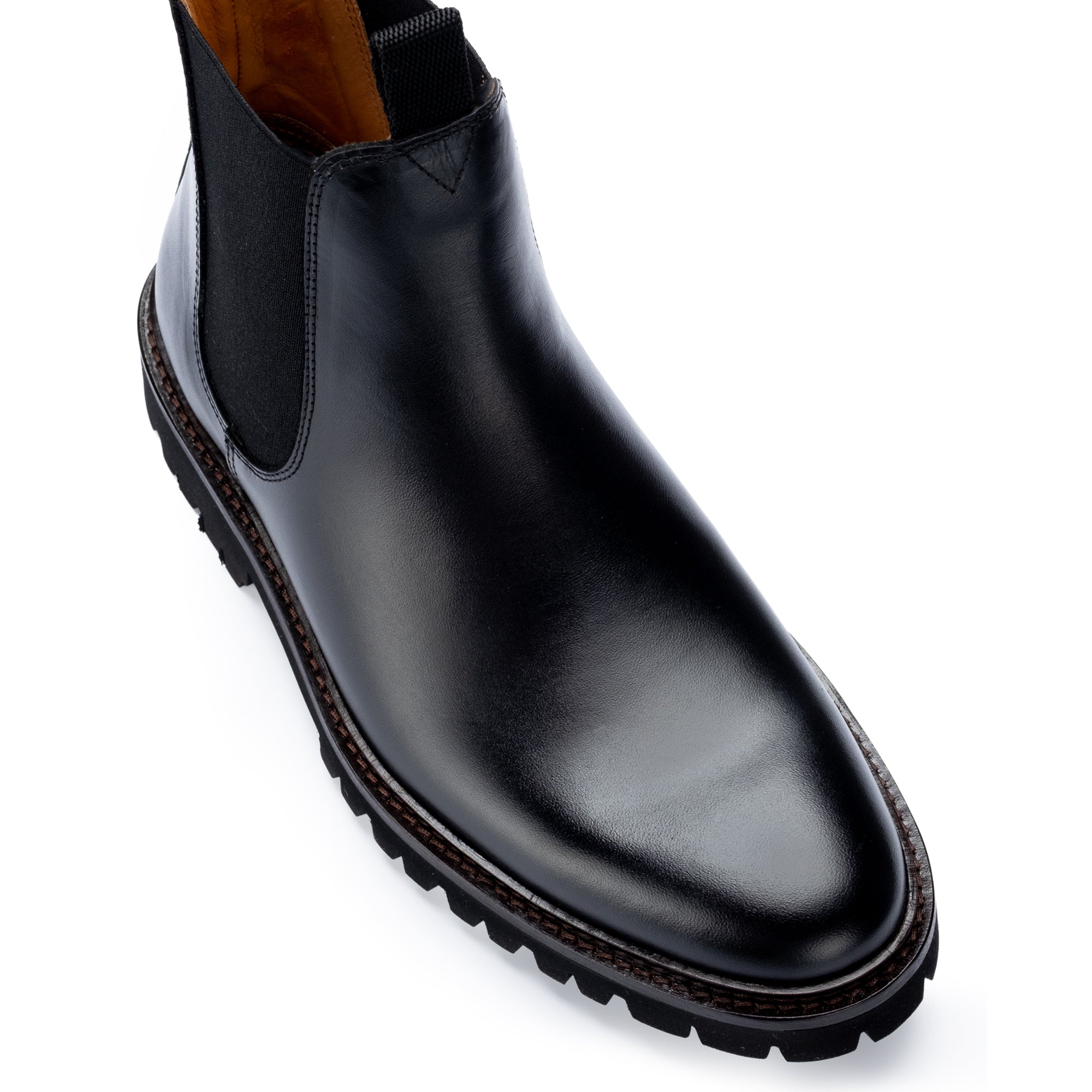
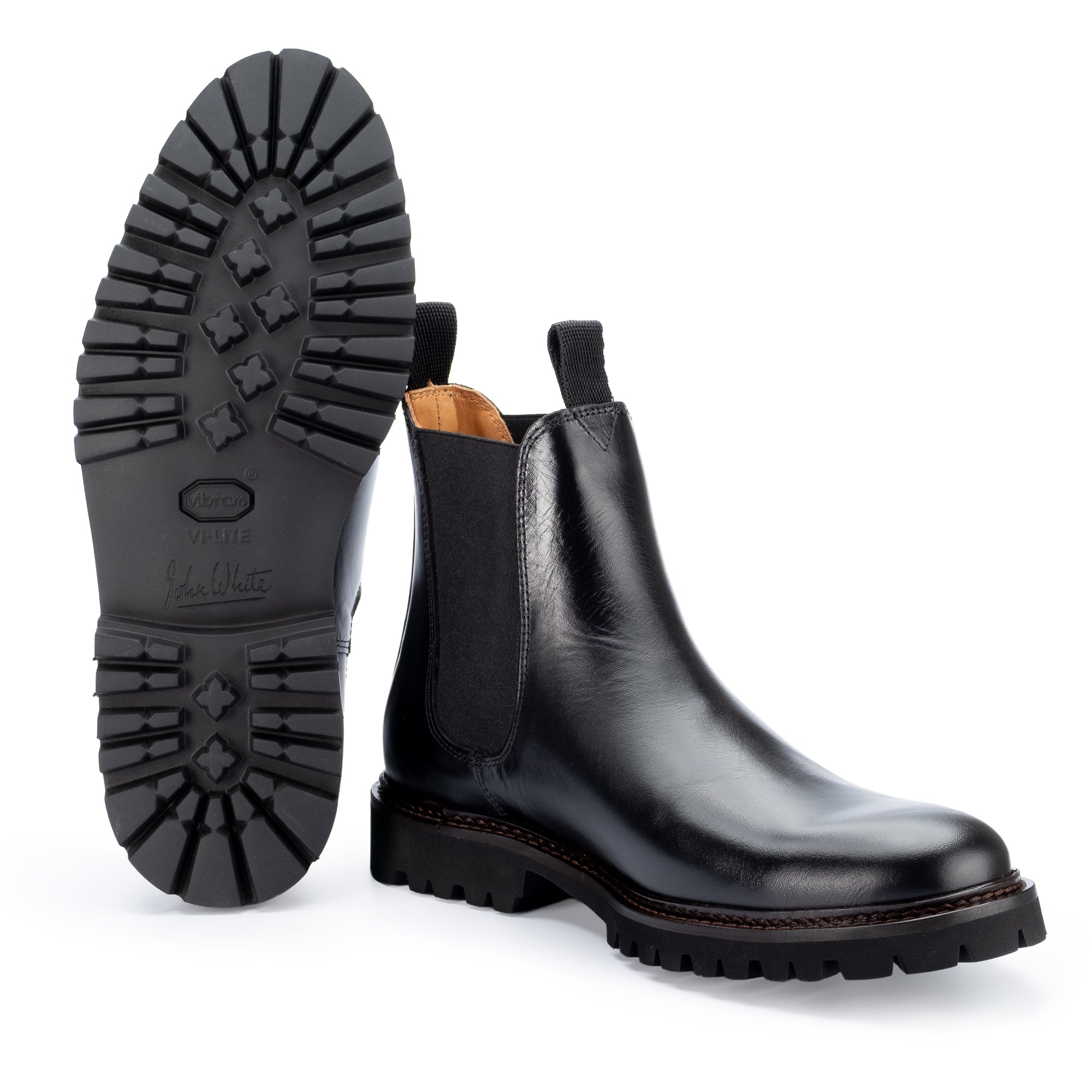
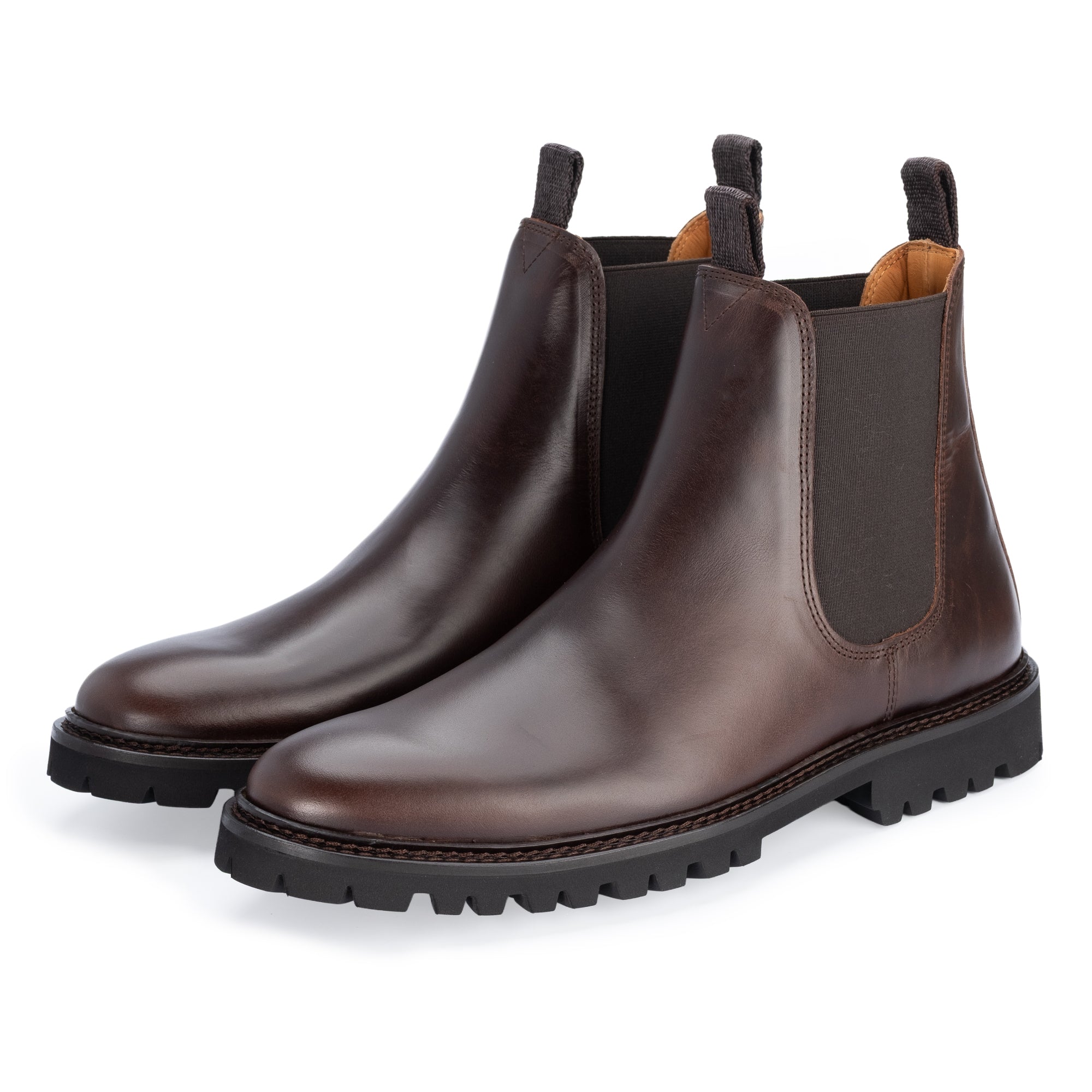
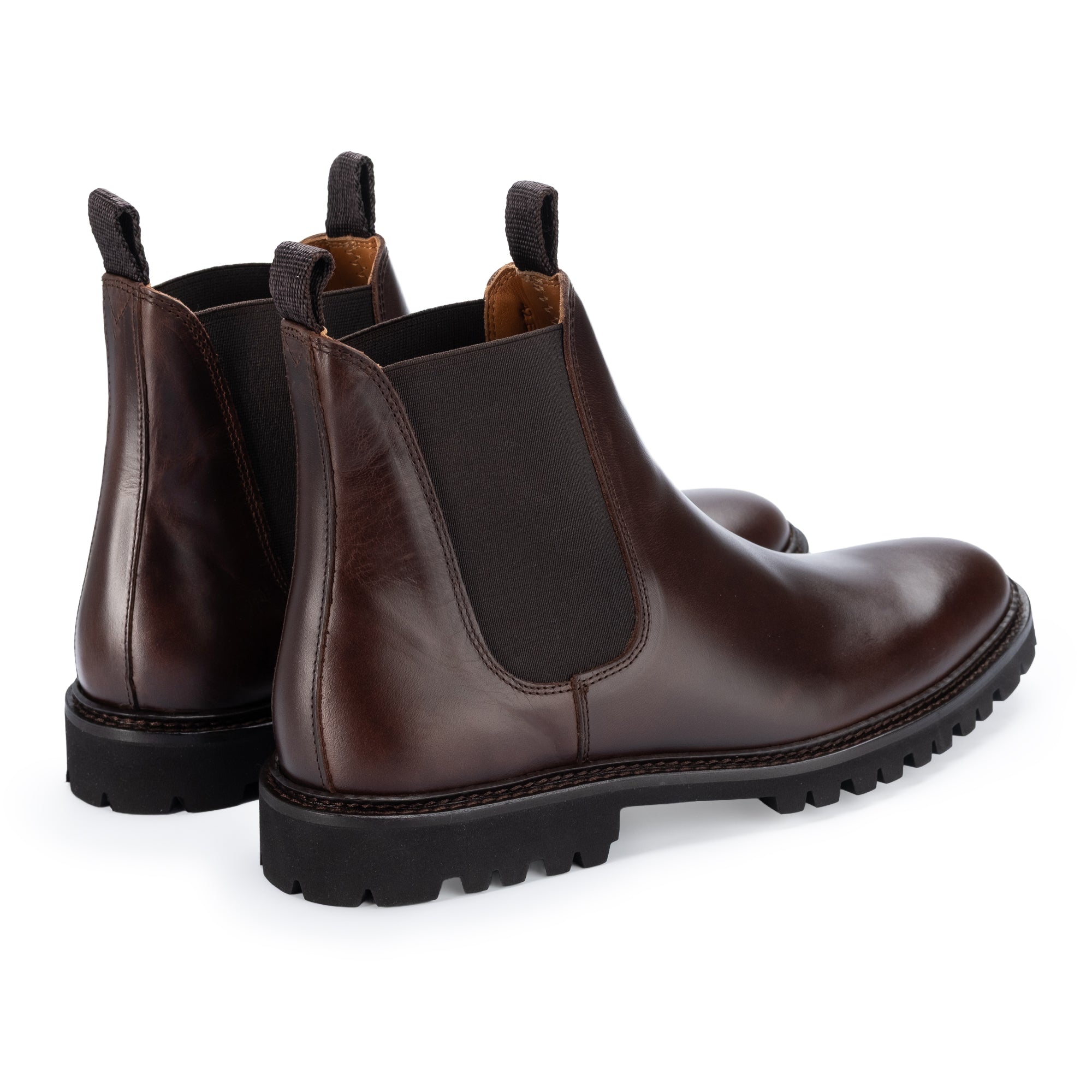
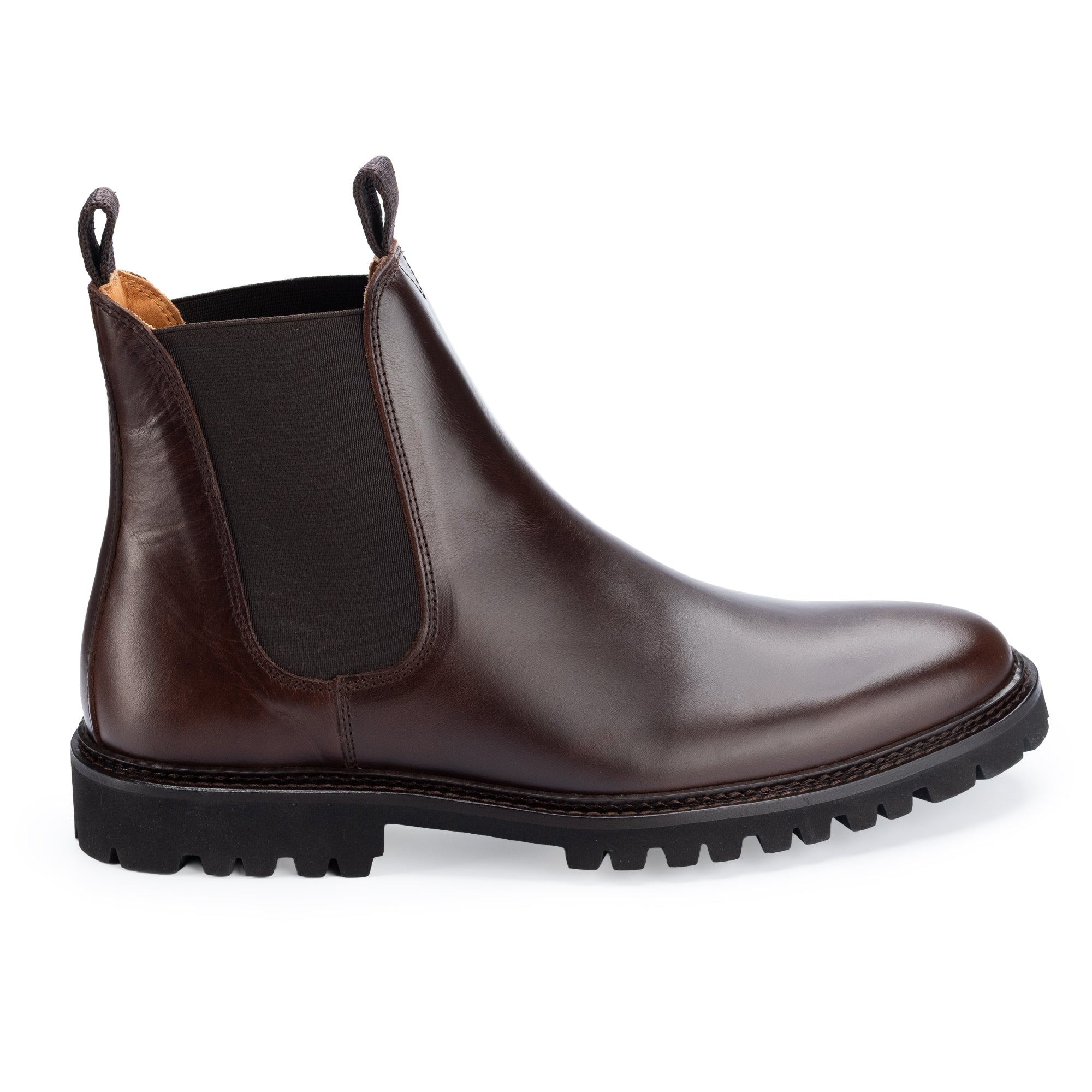
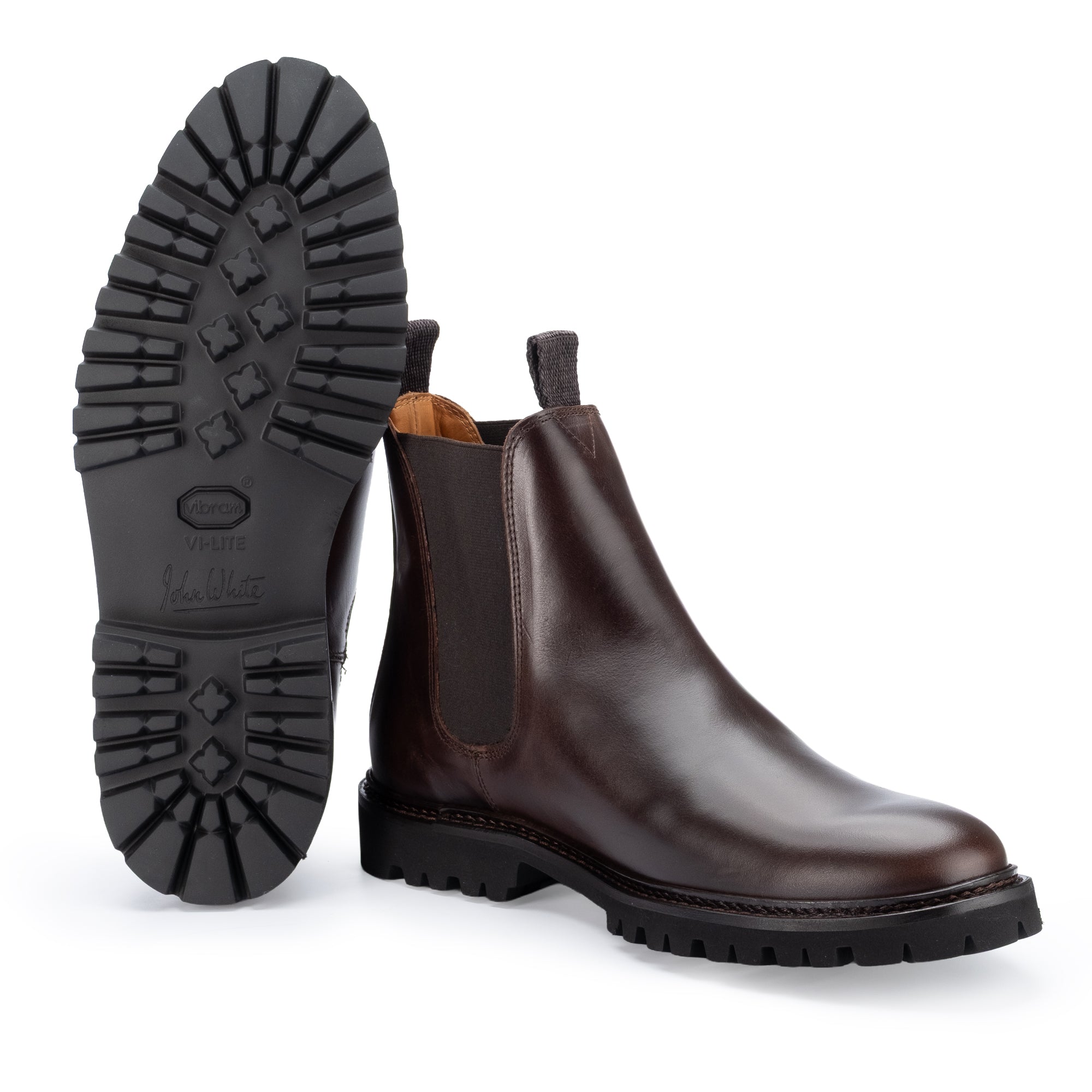
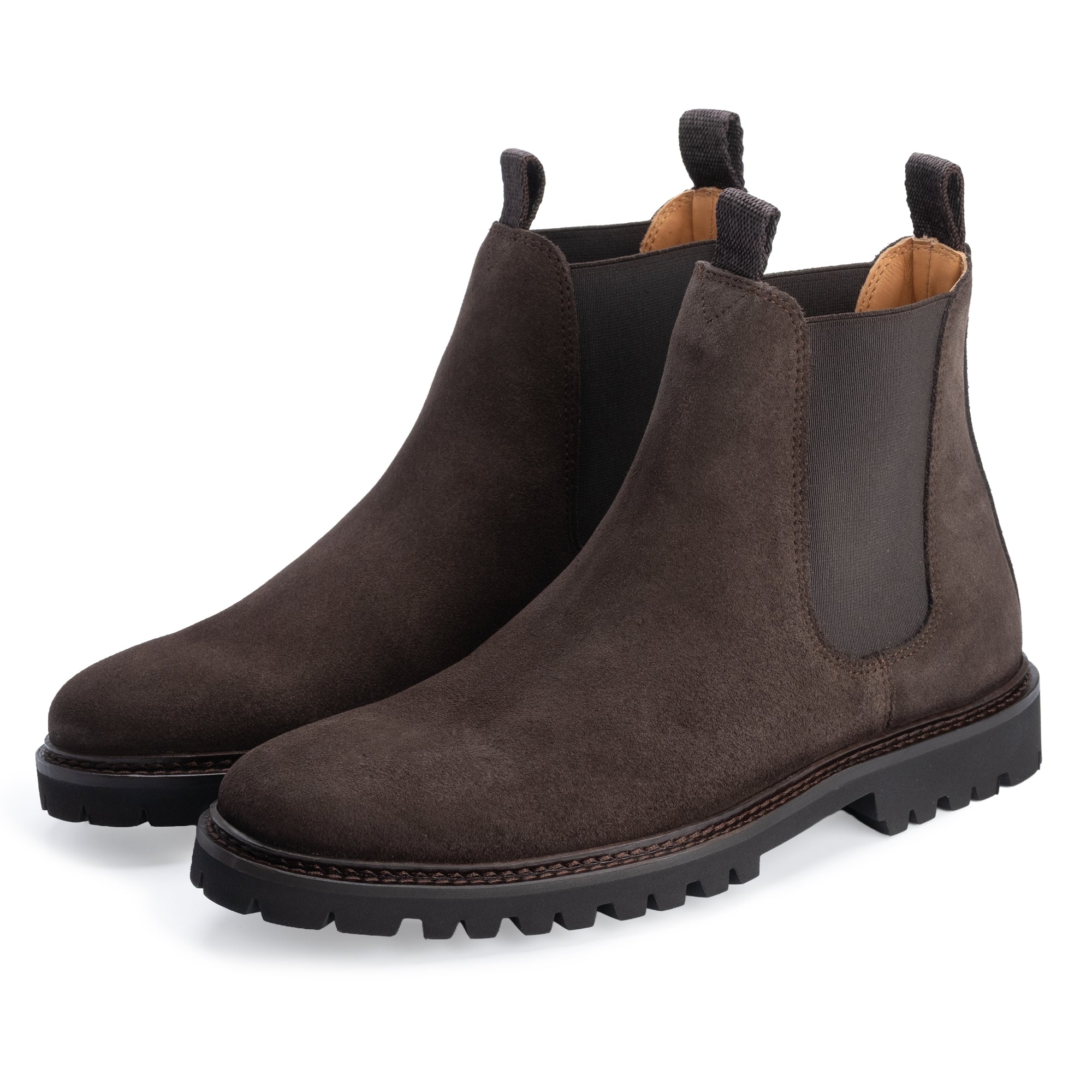
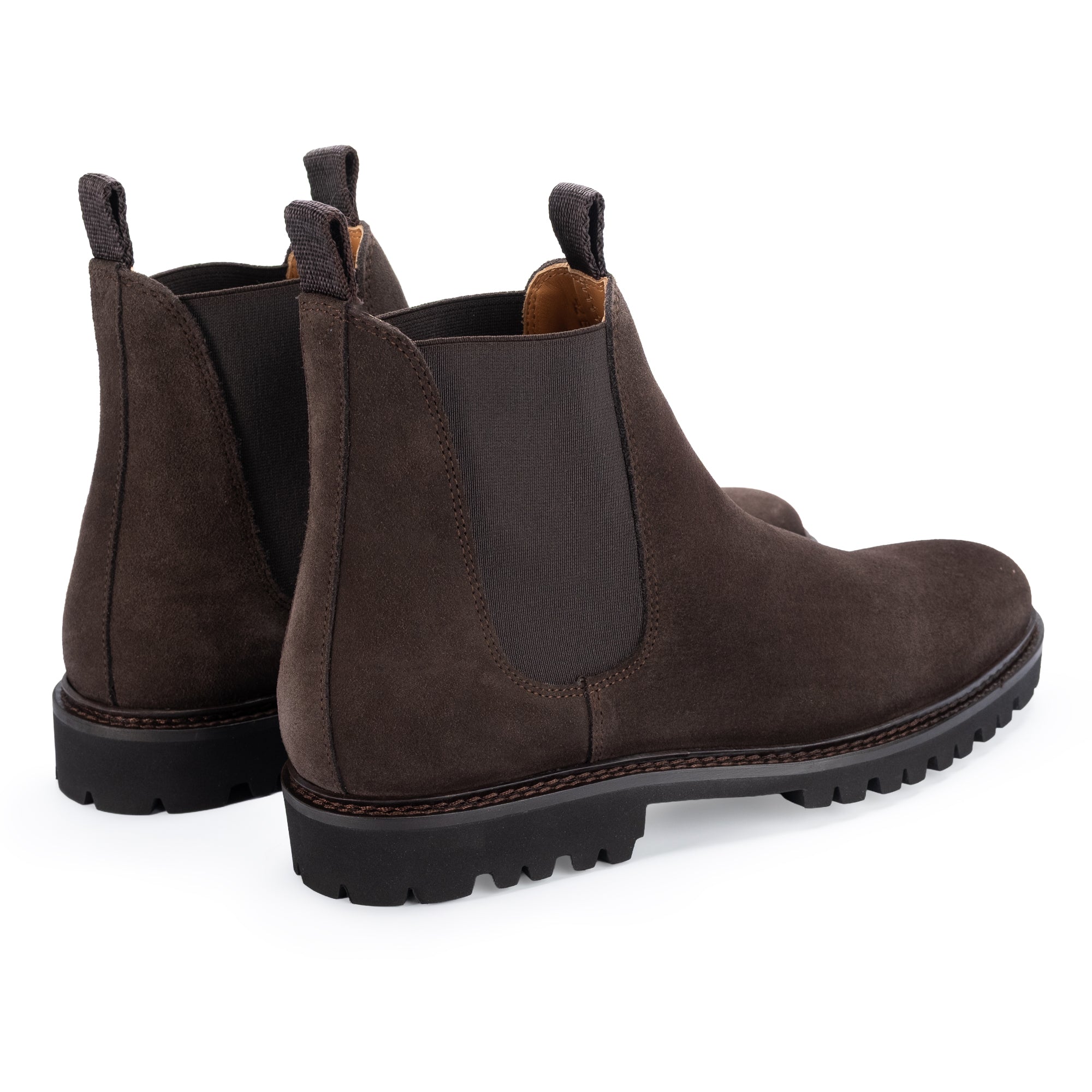
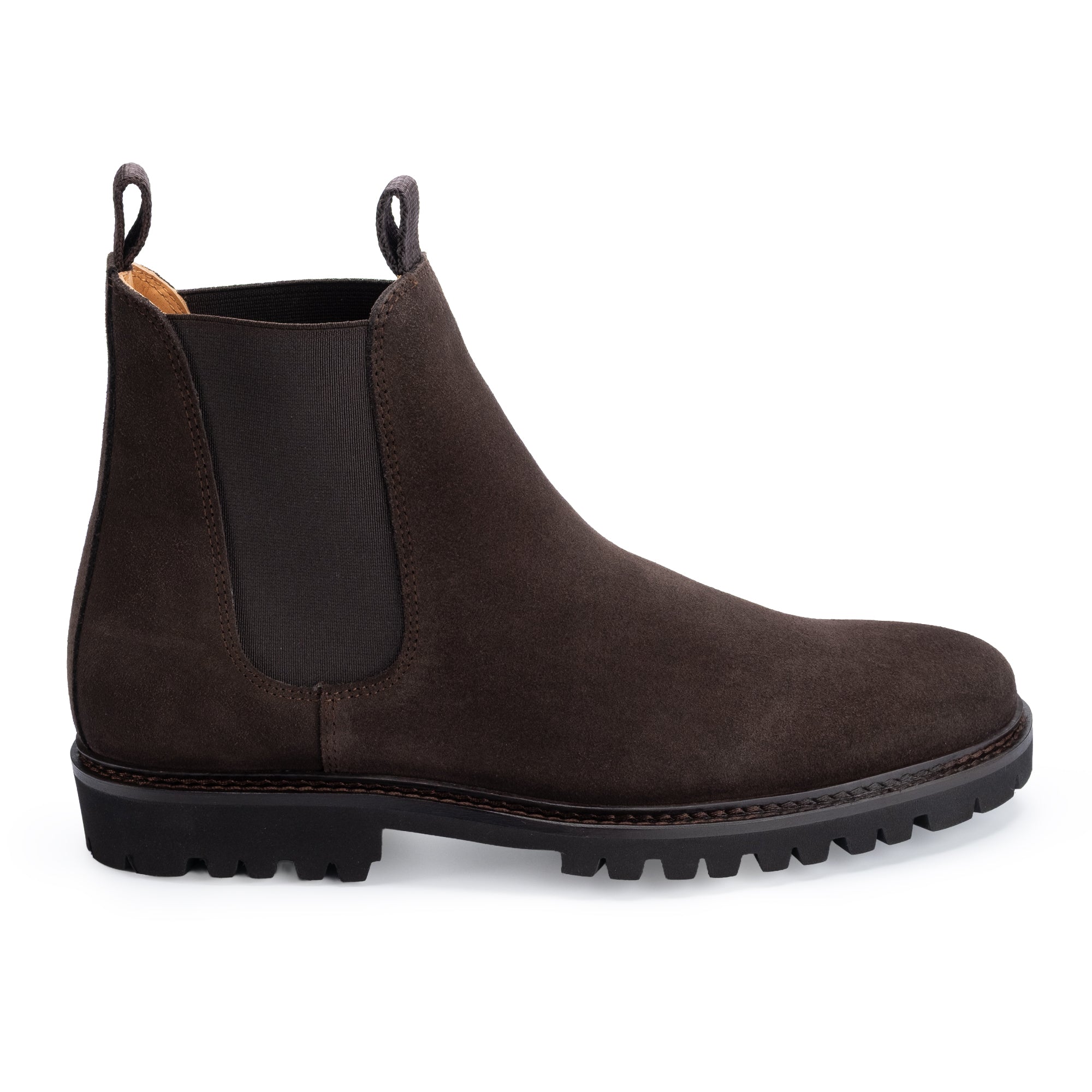
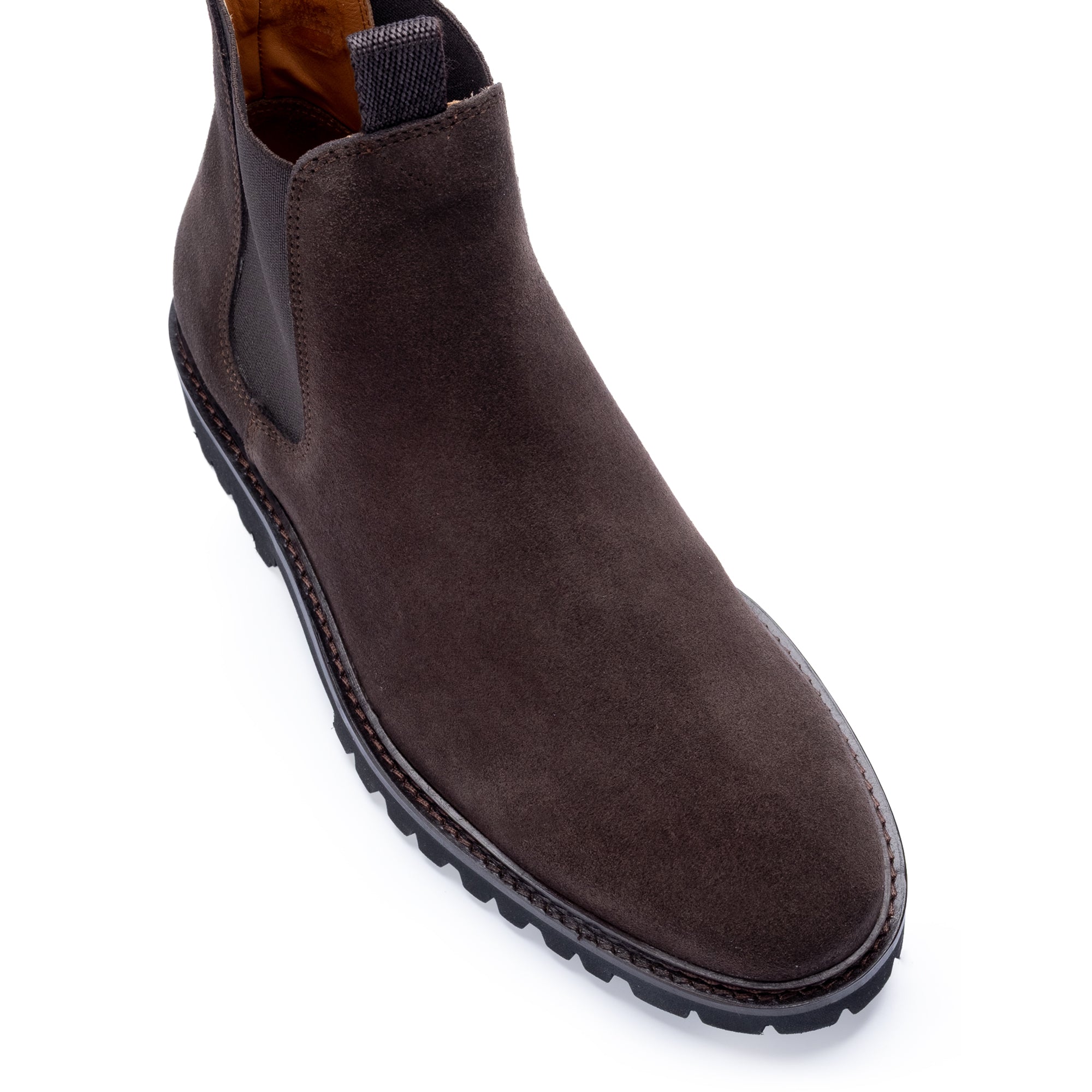
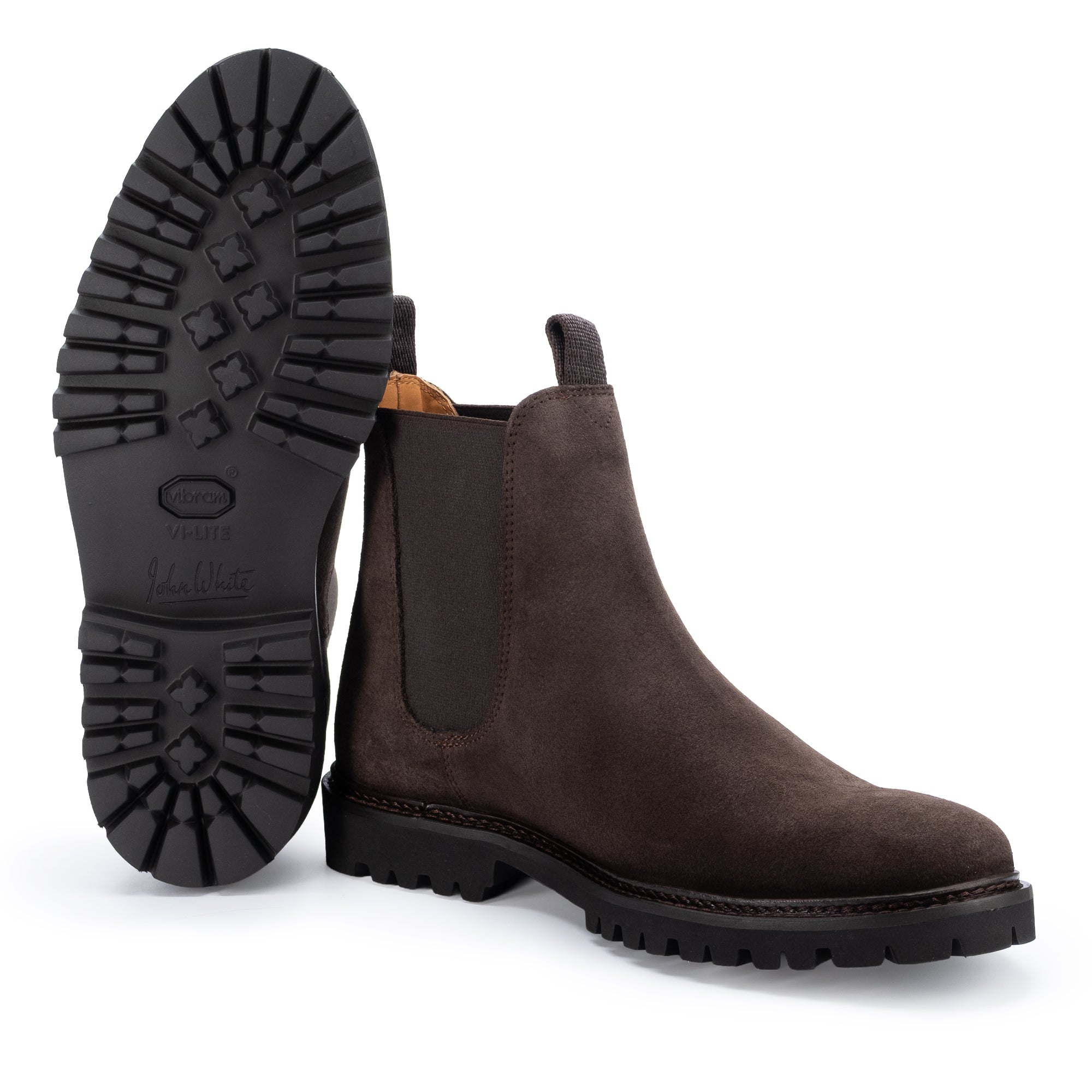
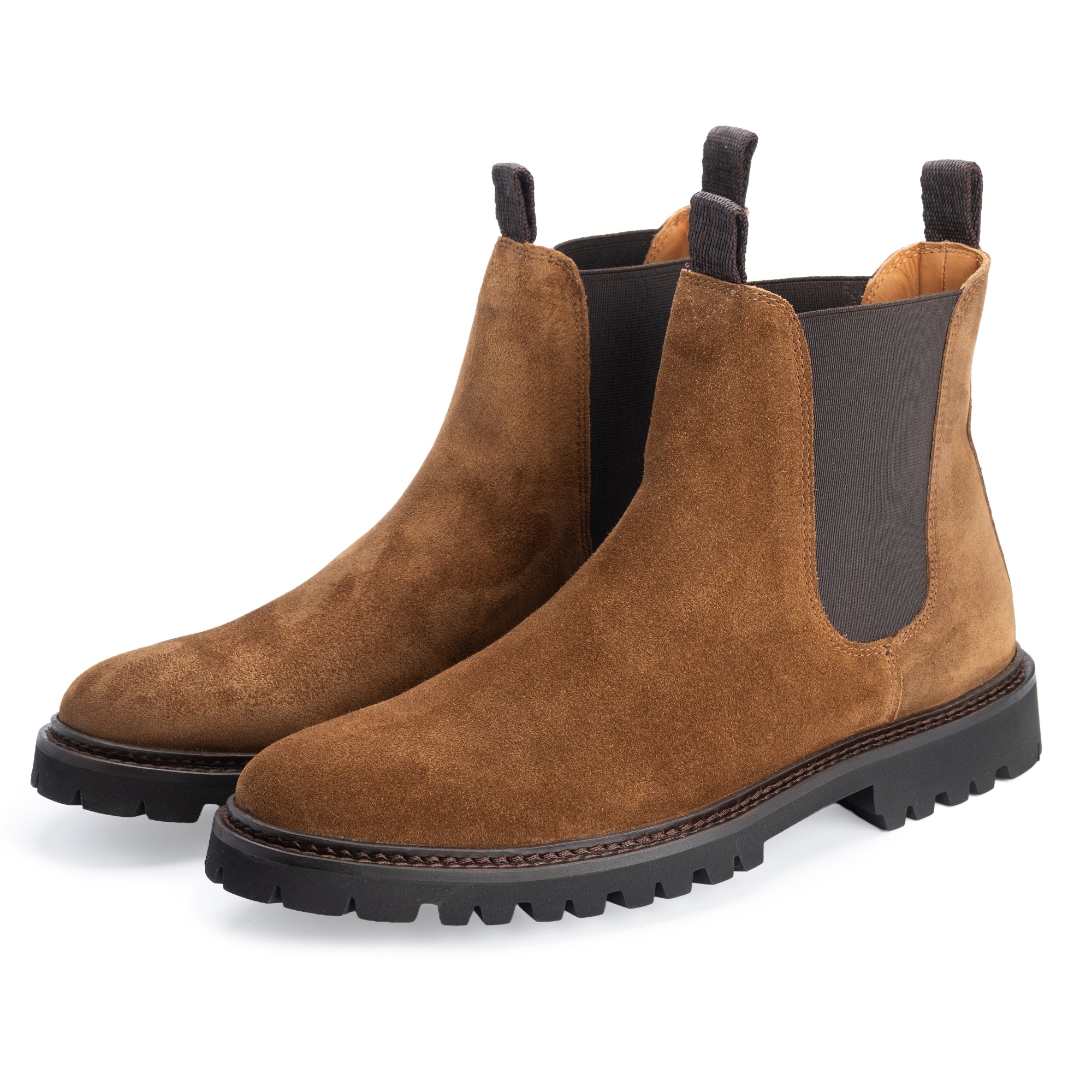
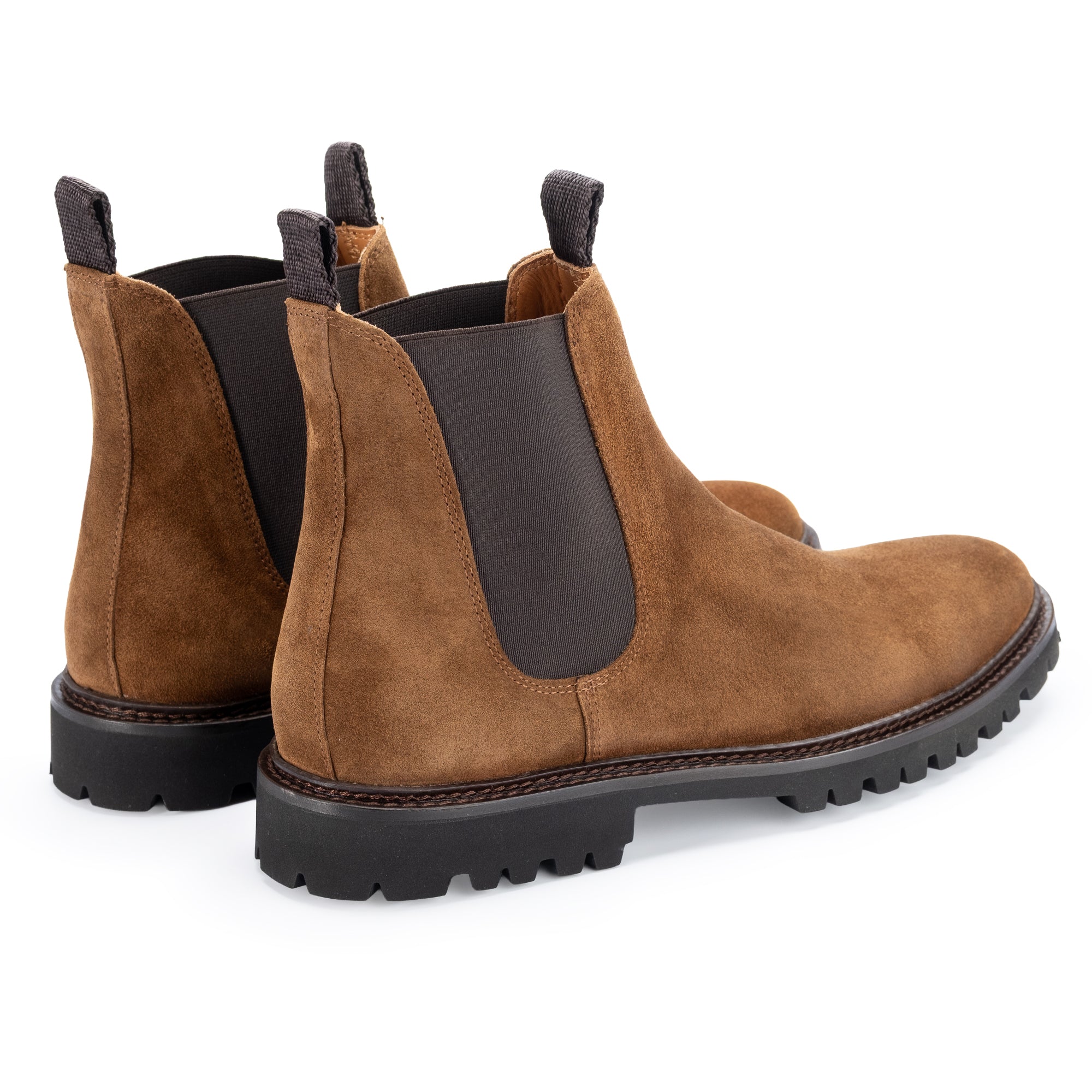
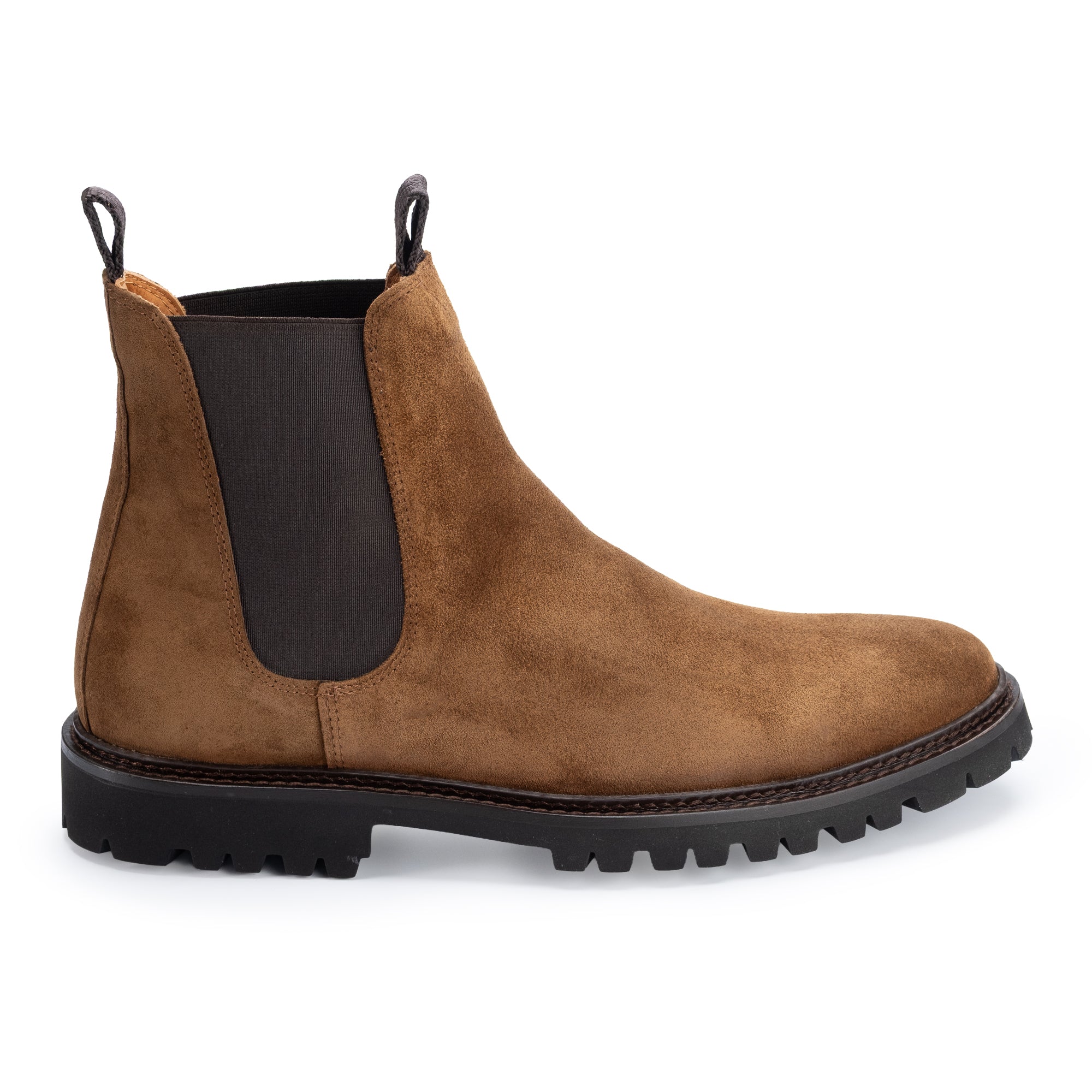
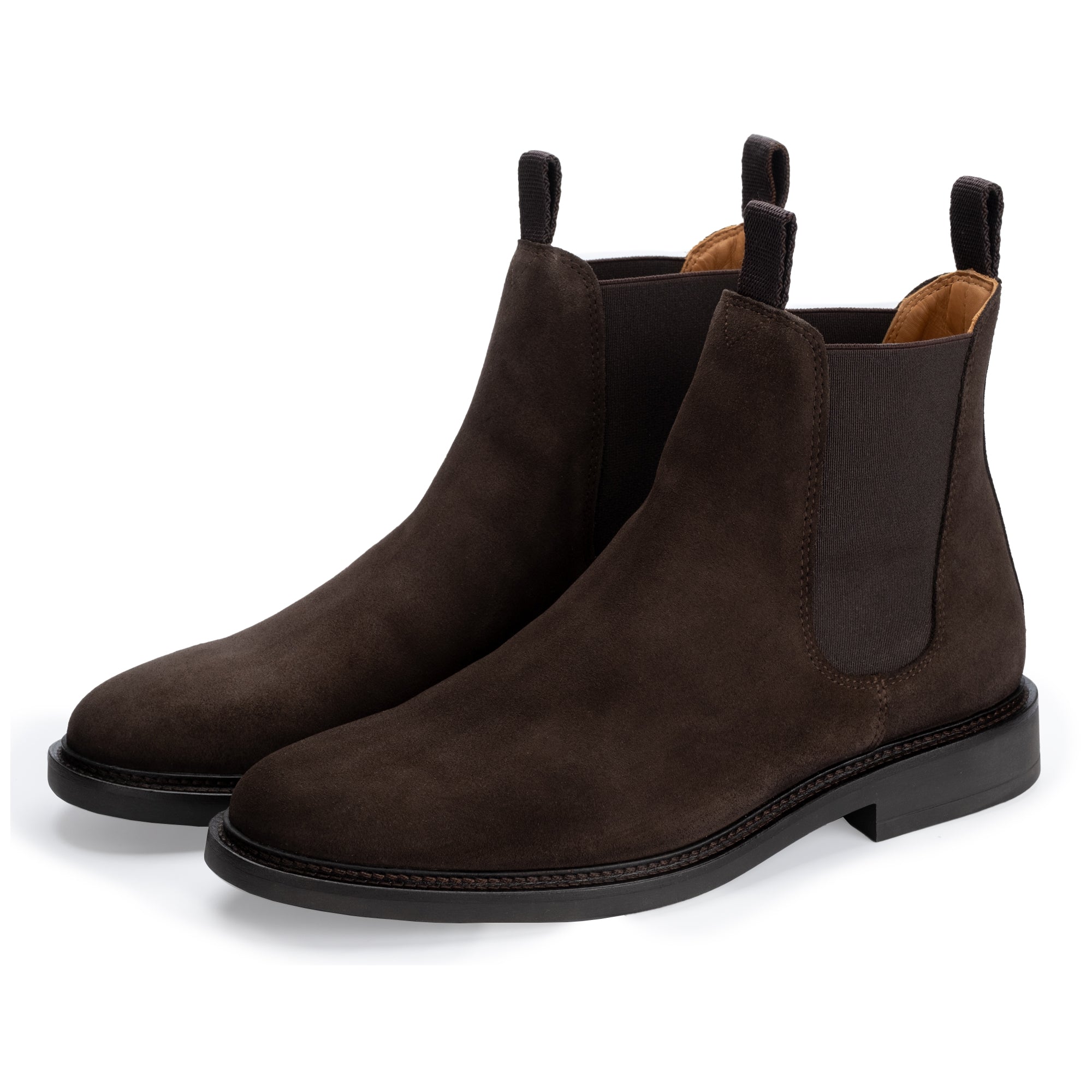
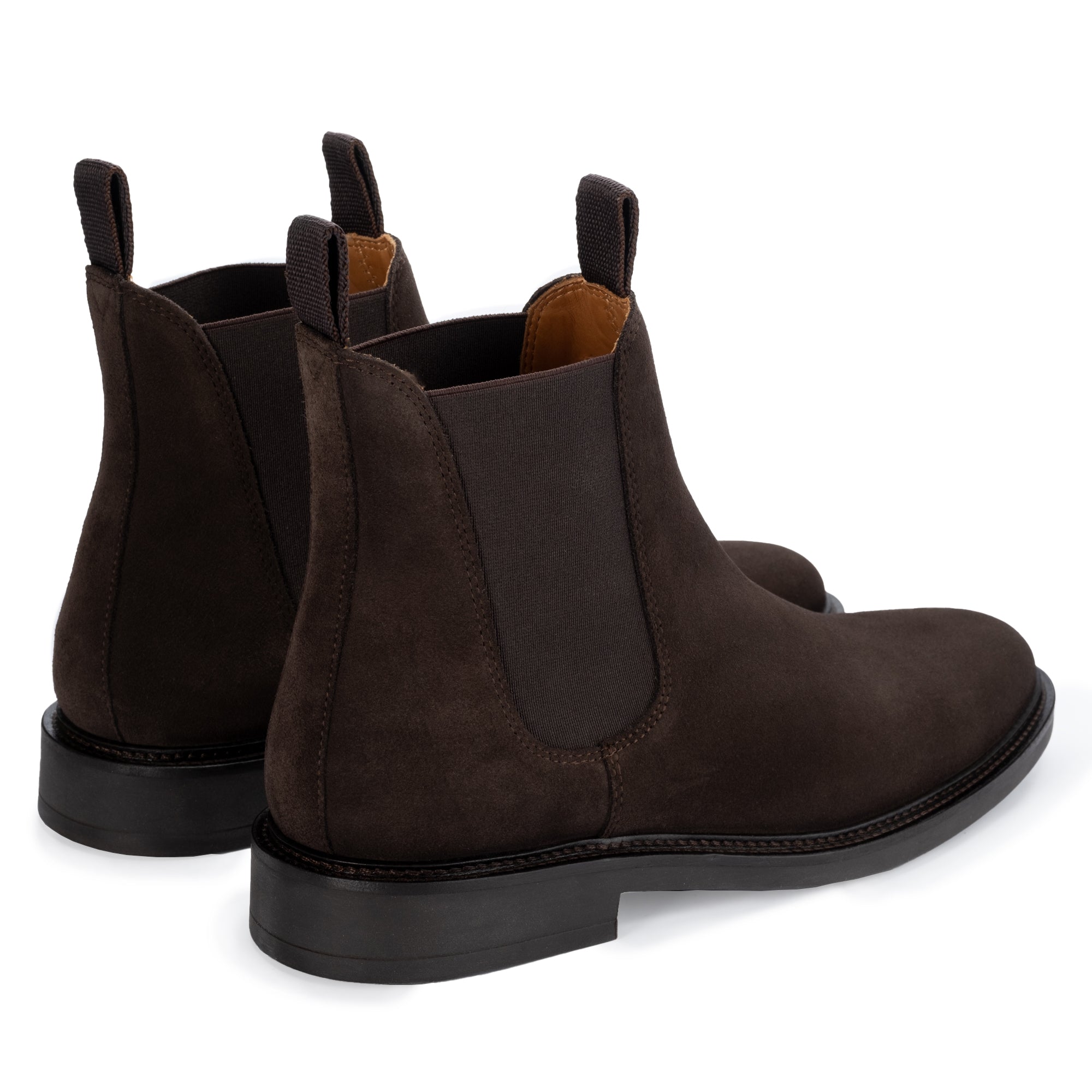
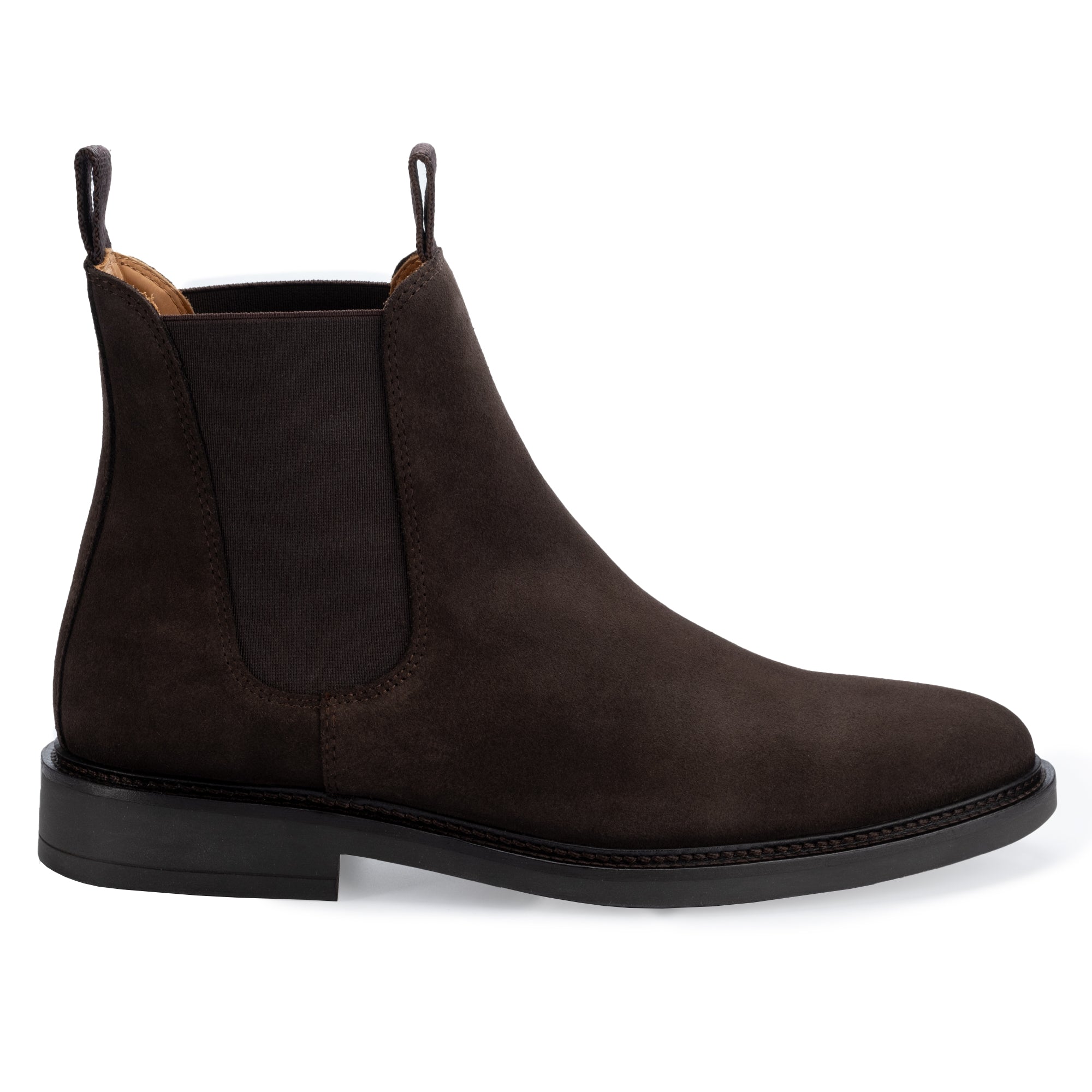
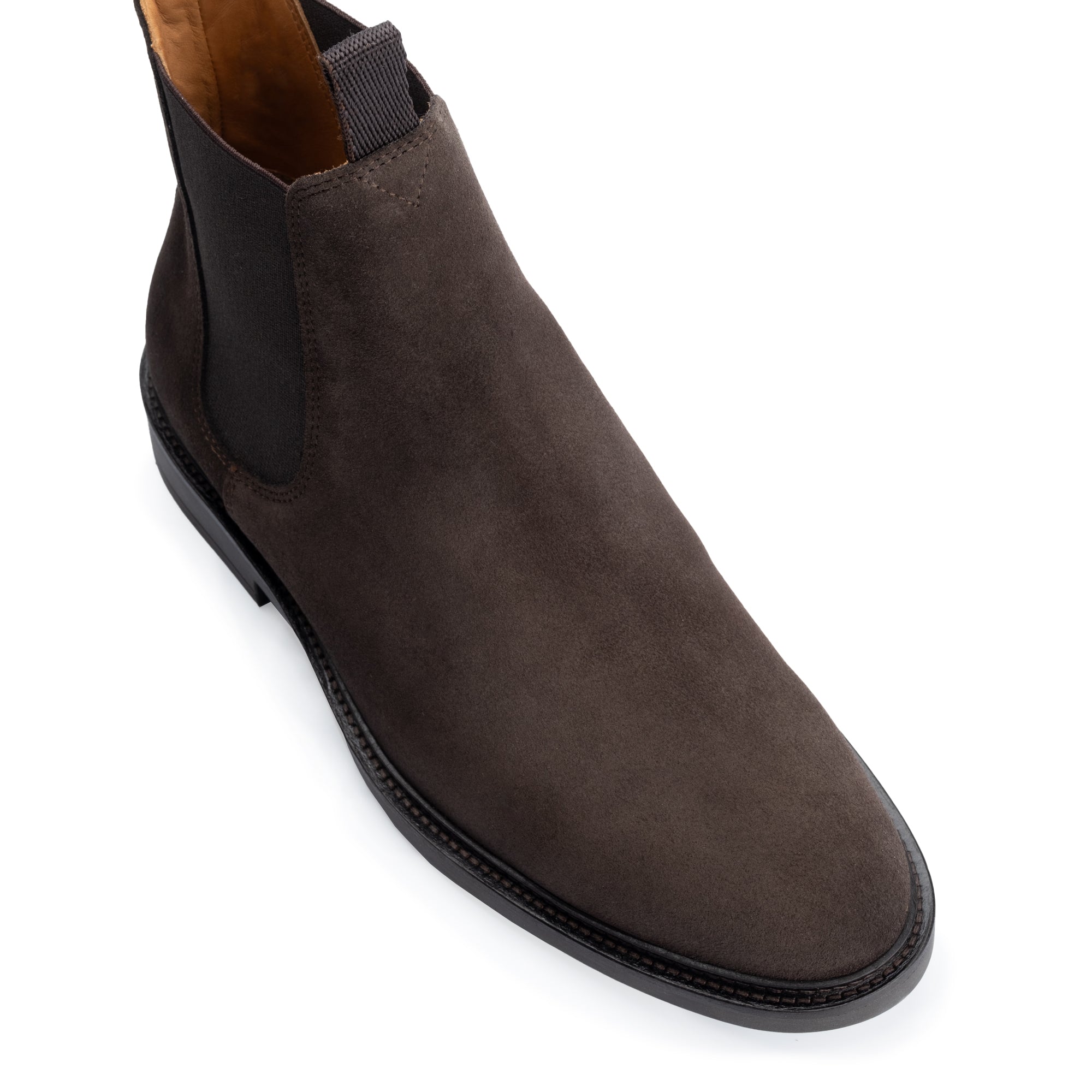
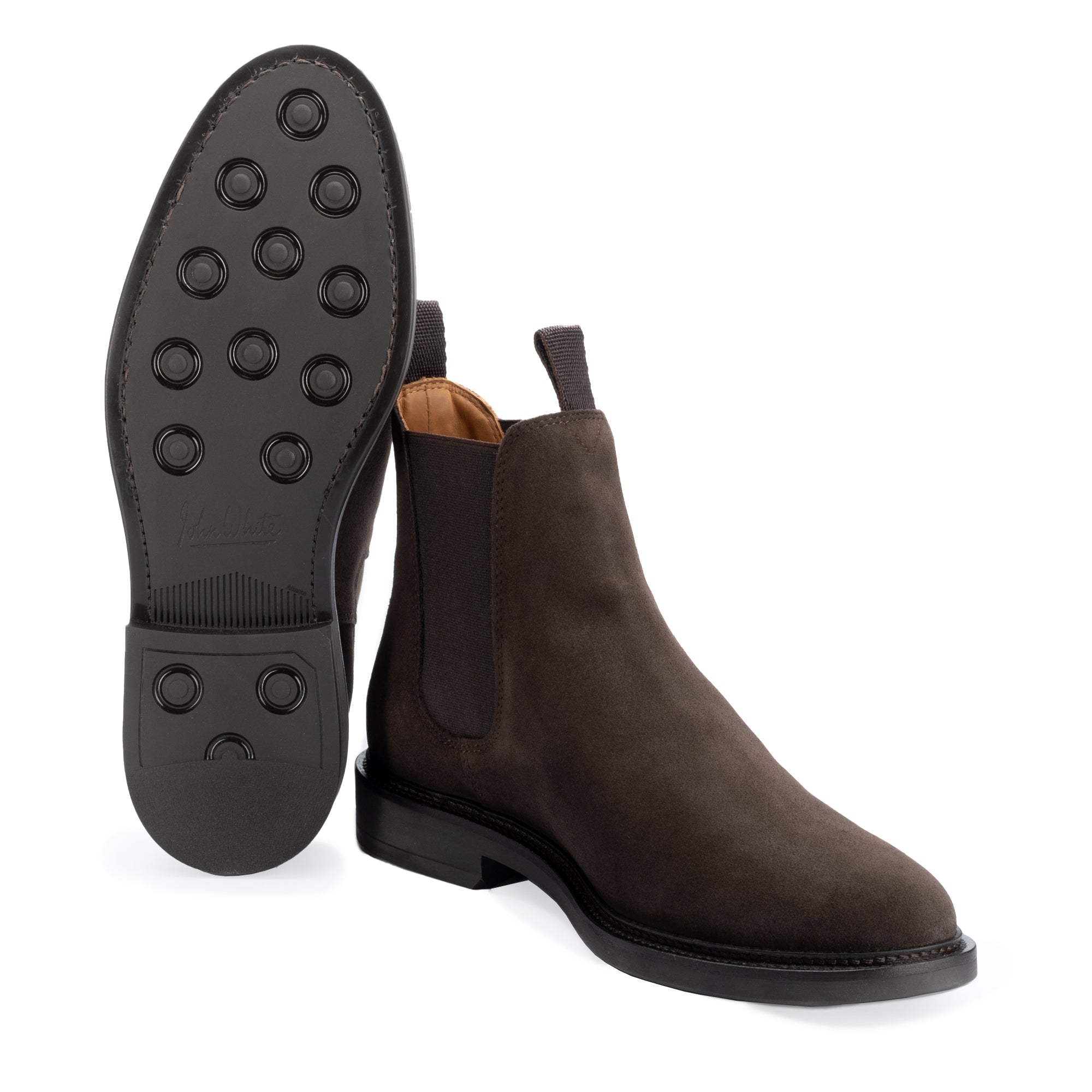
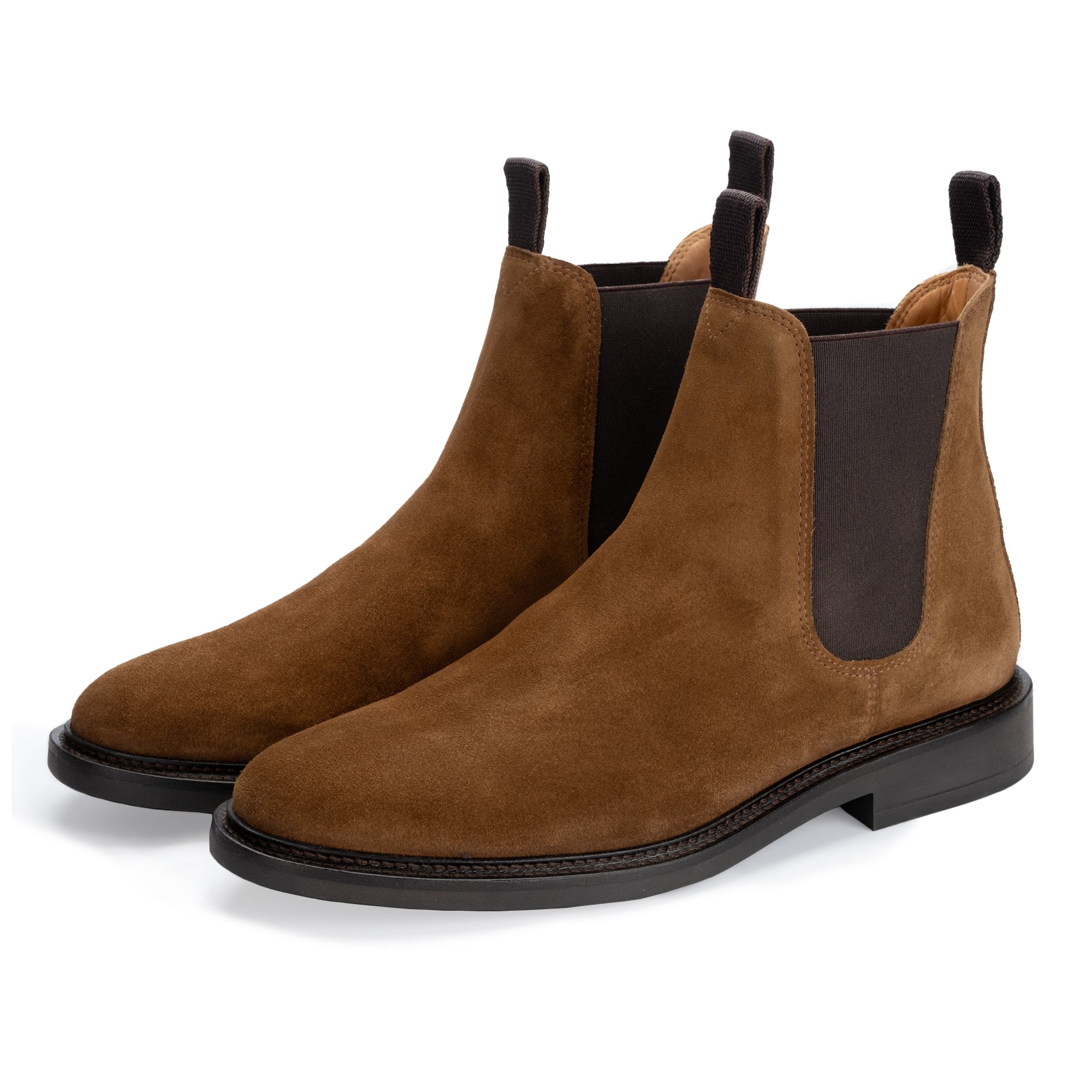
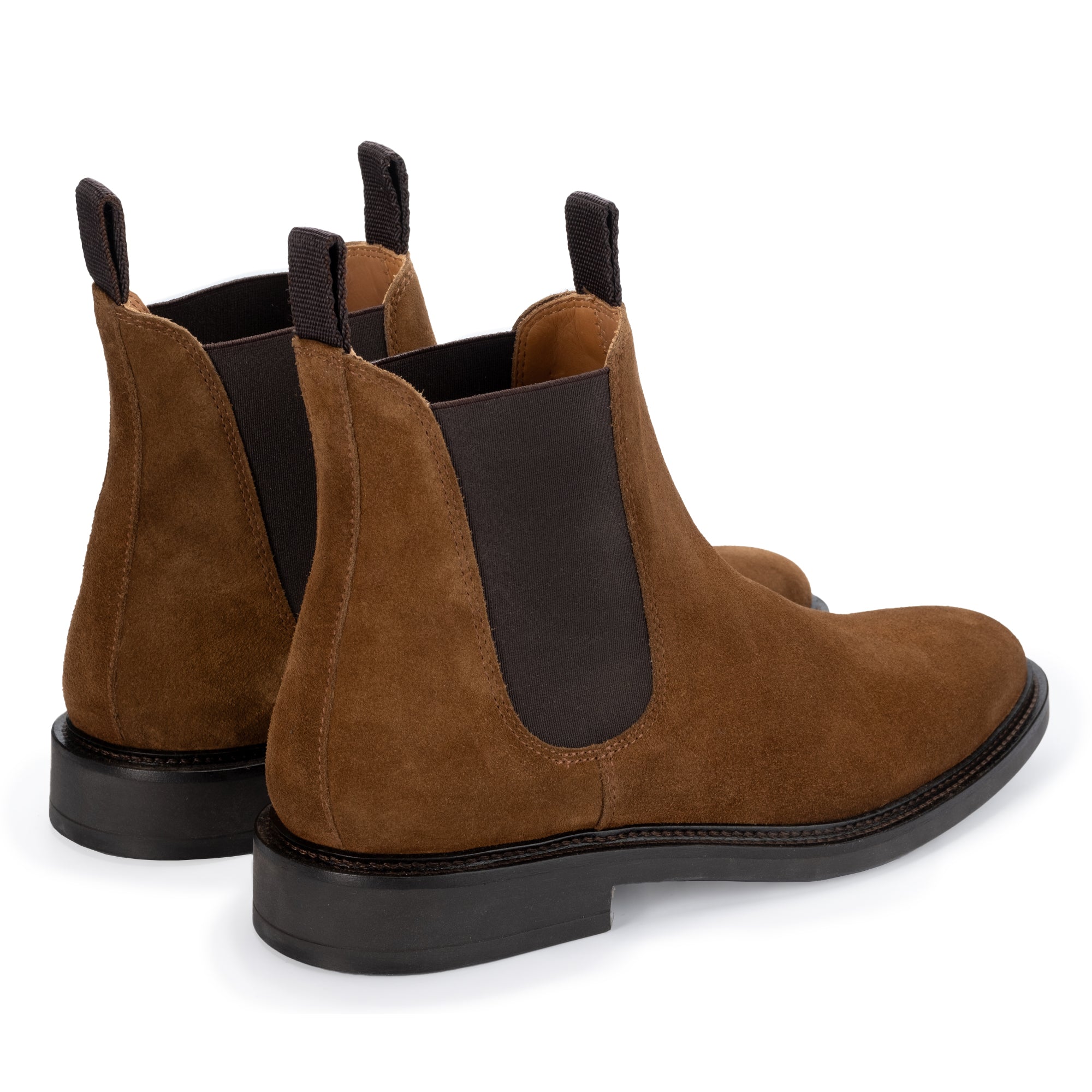
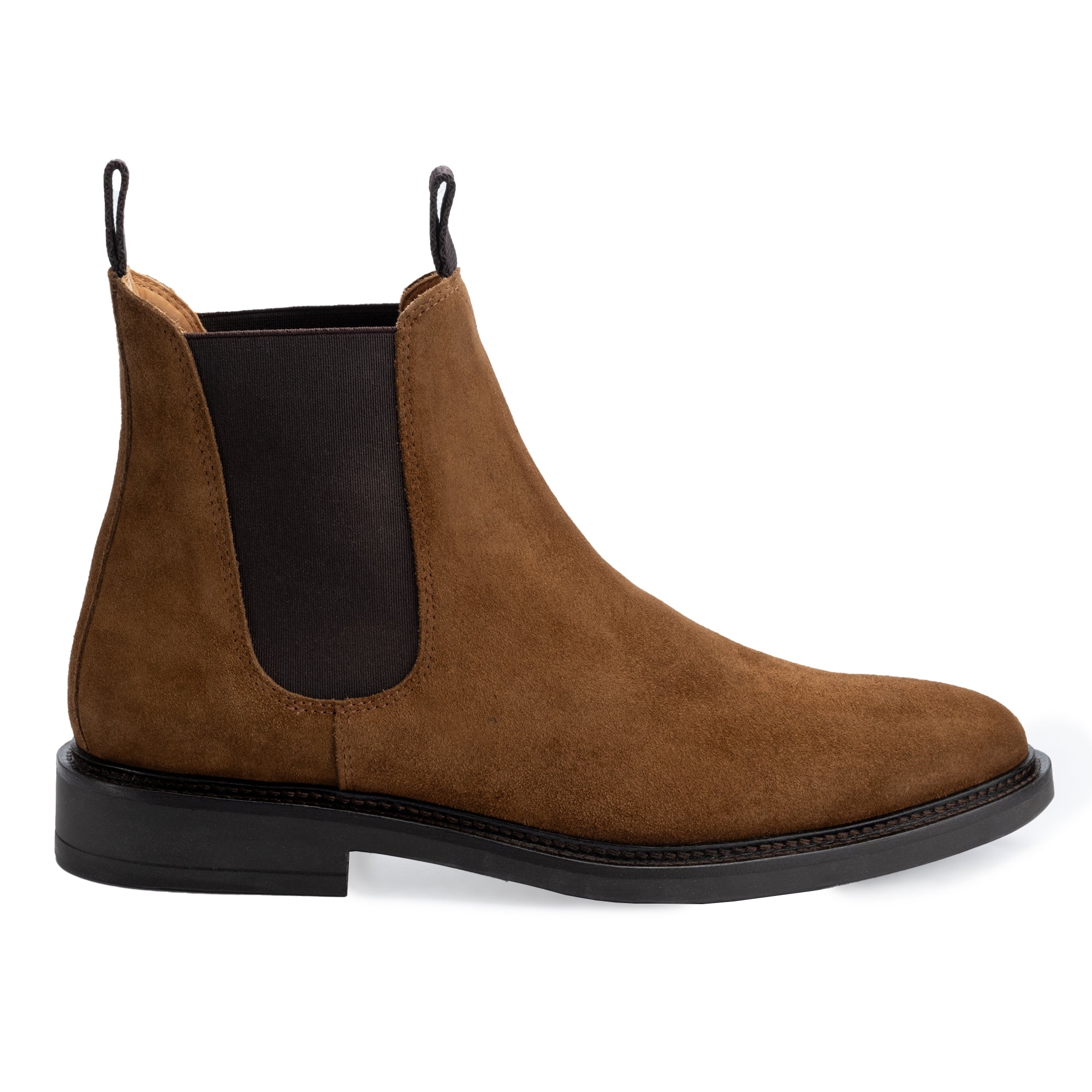
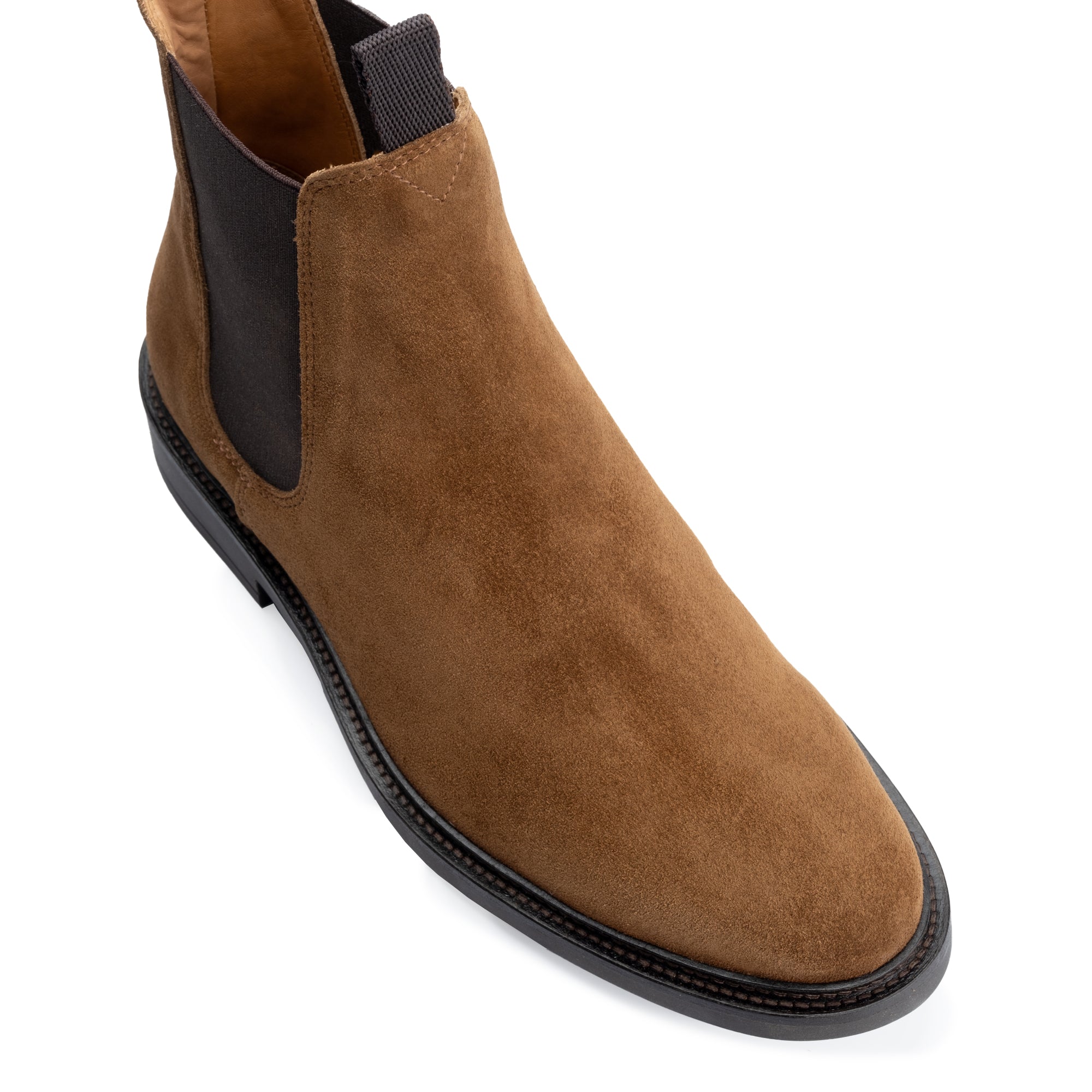
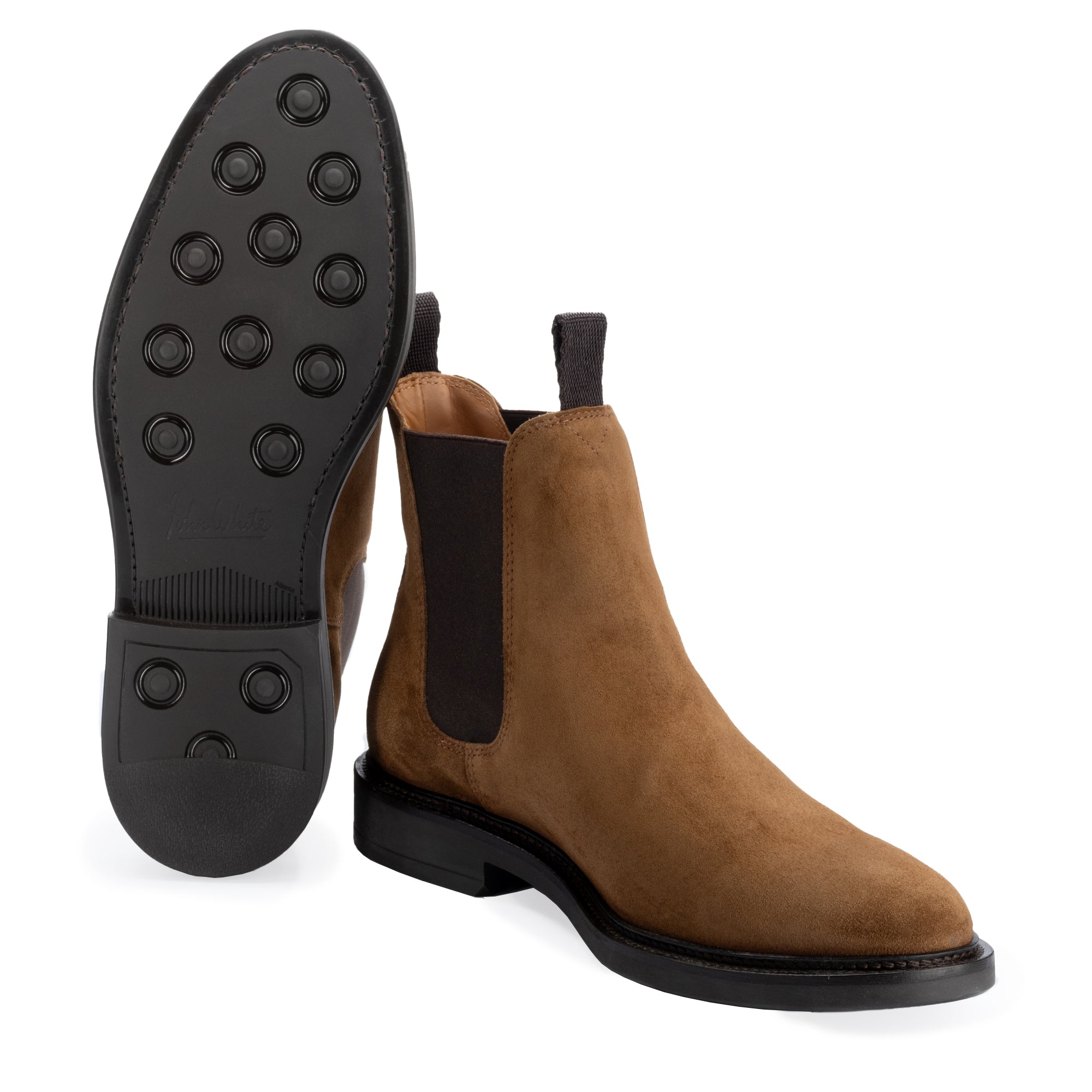
Heavy leather boots: in July, in a formal hall, a Chelsea or chukka boot is too heavy a piece. Hold them for autumn ceremonies where the setting and temperature support it. Even then, a dress shoe in Black is the safer choice.
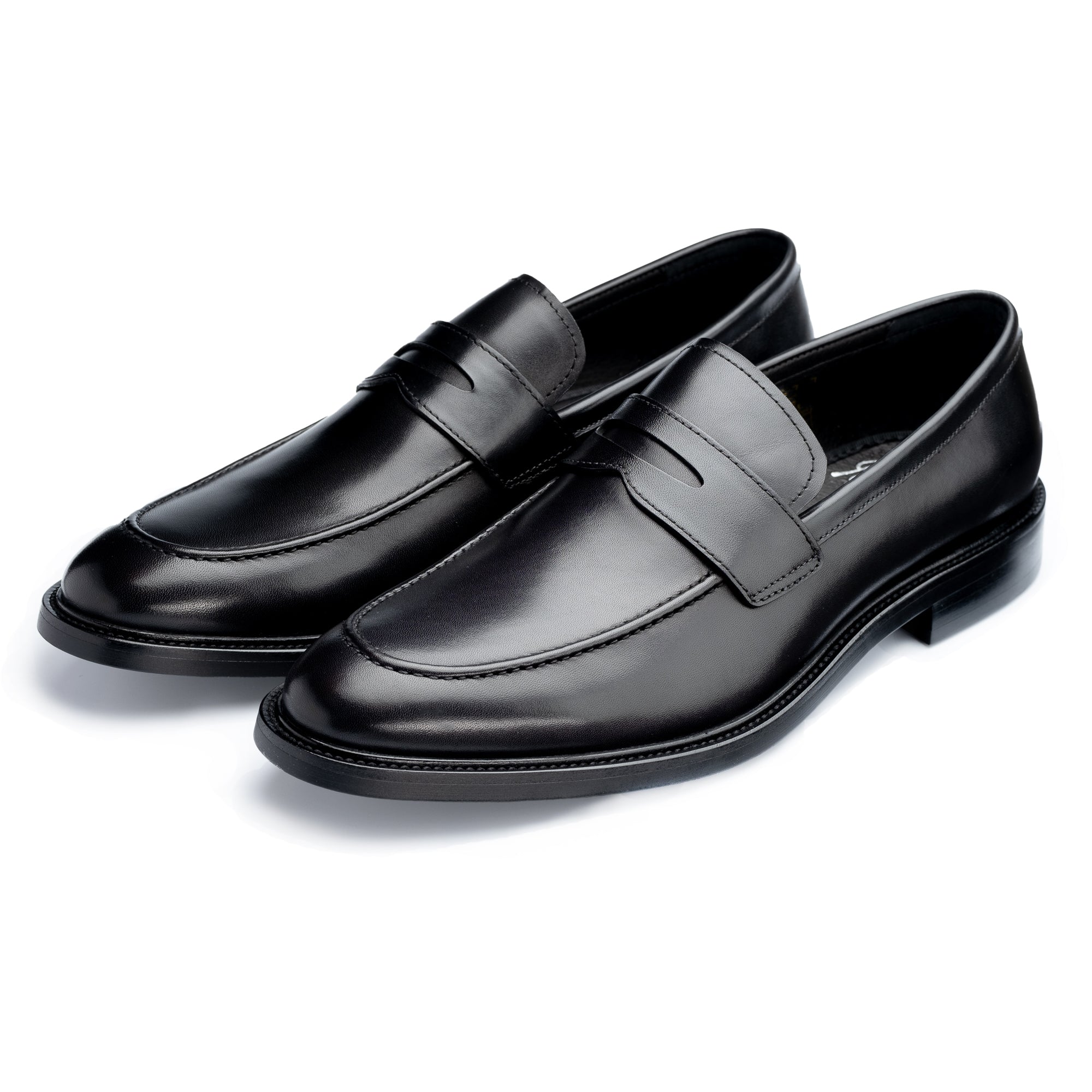
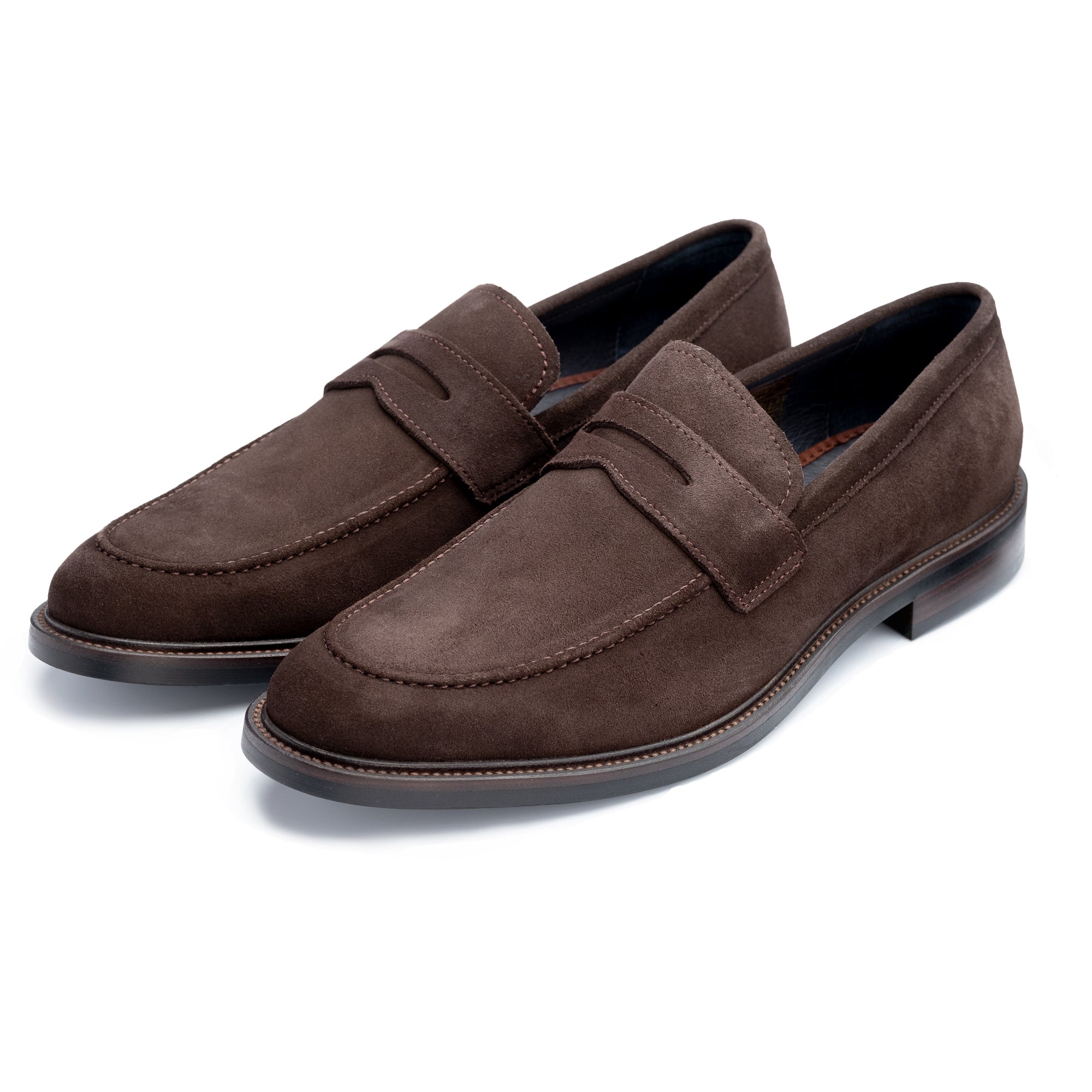
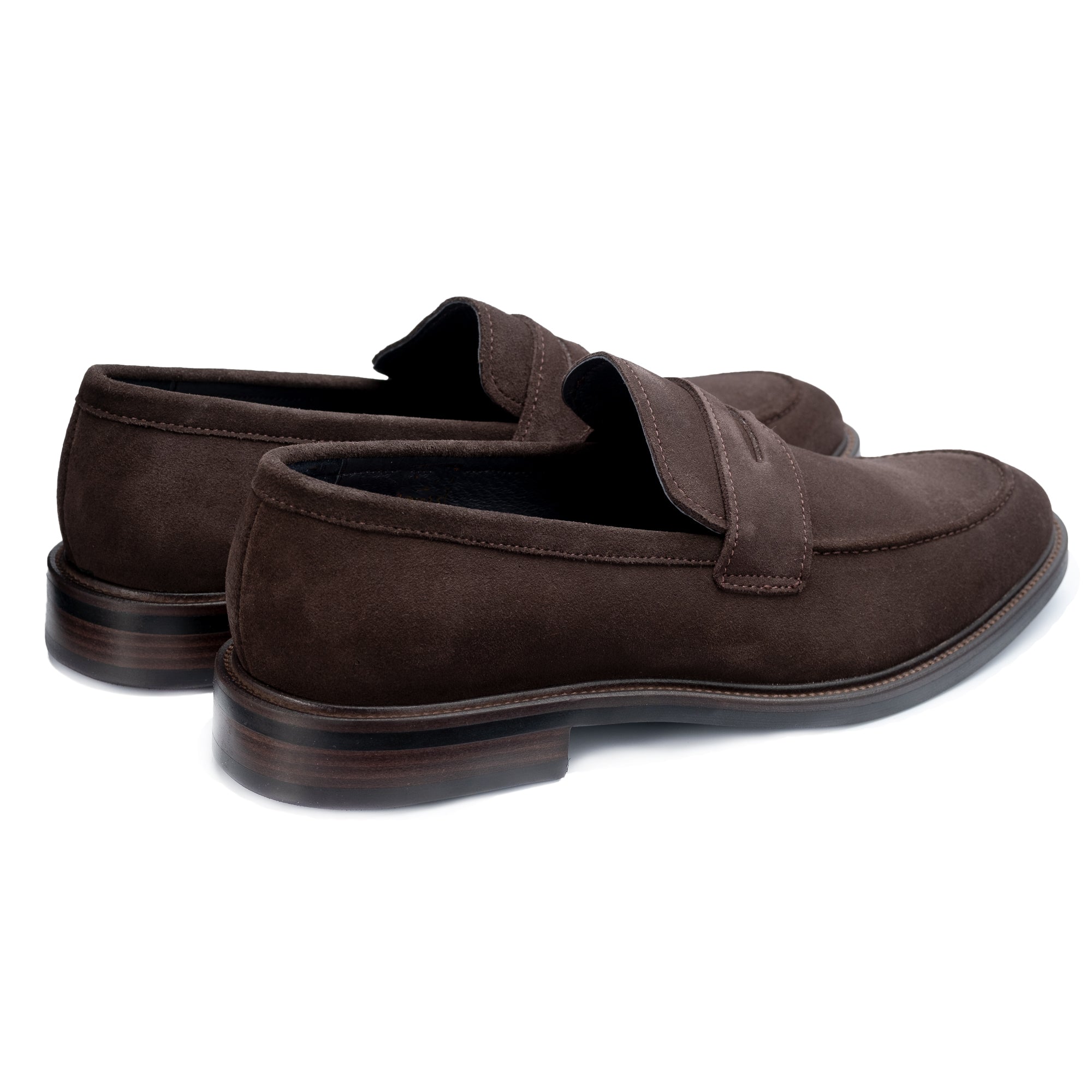
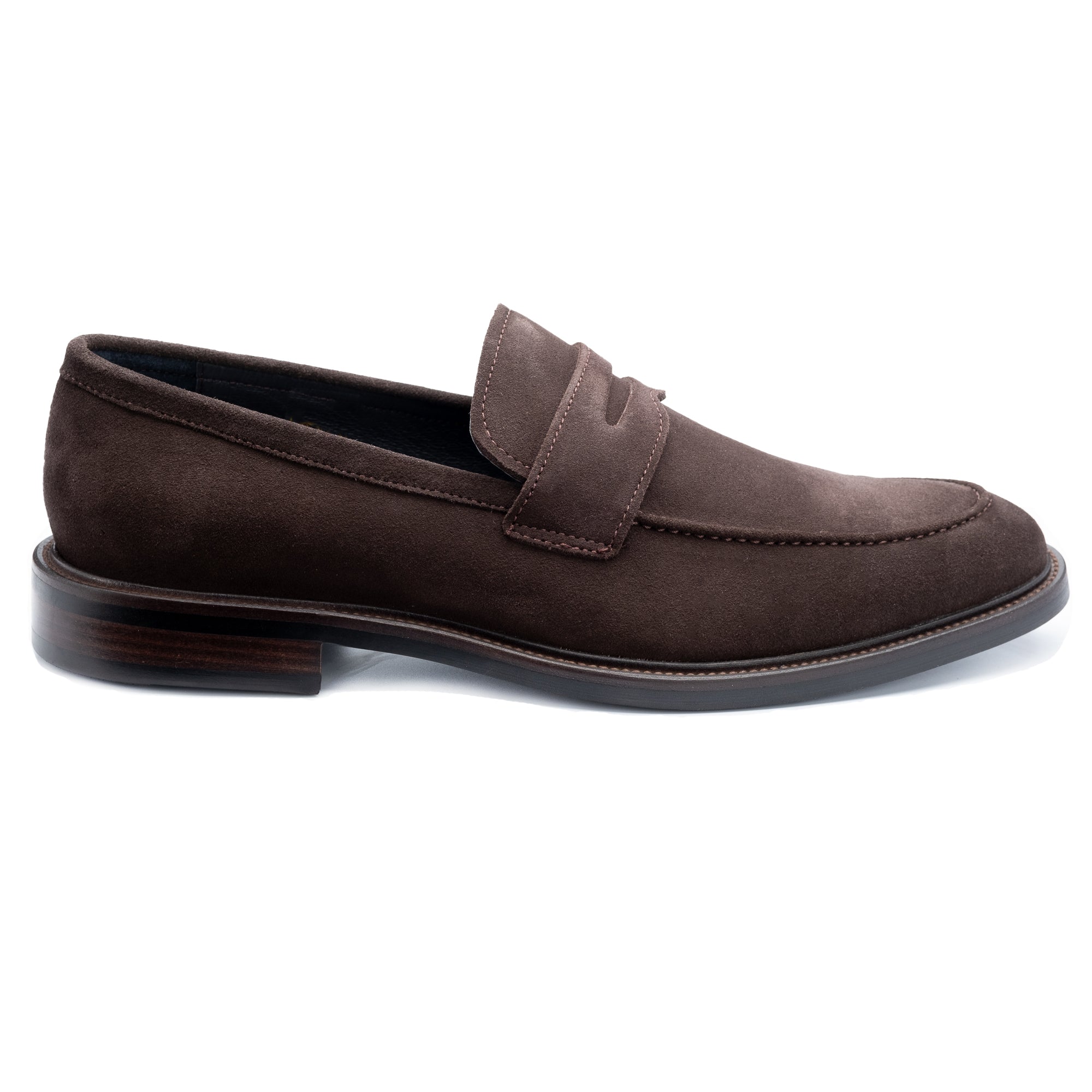
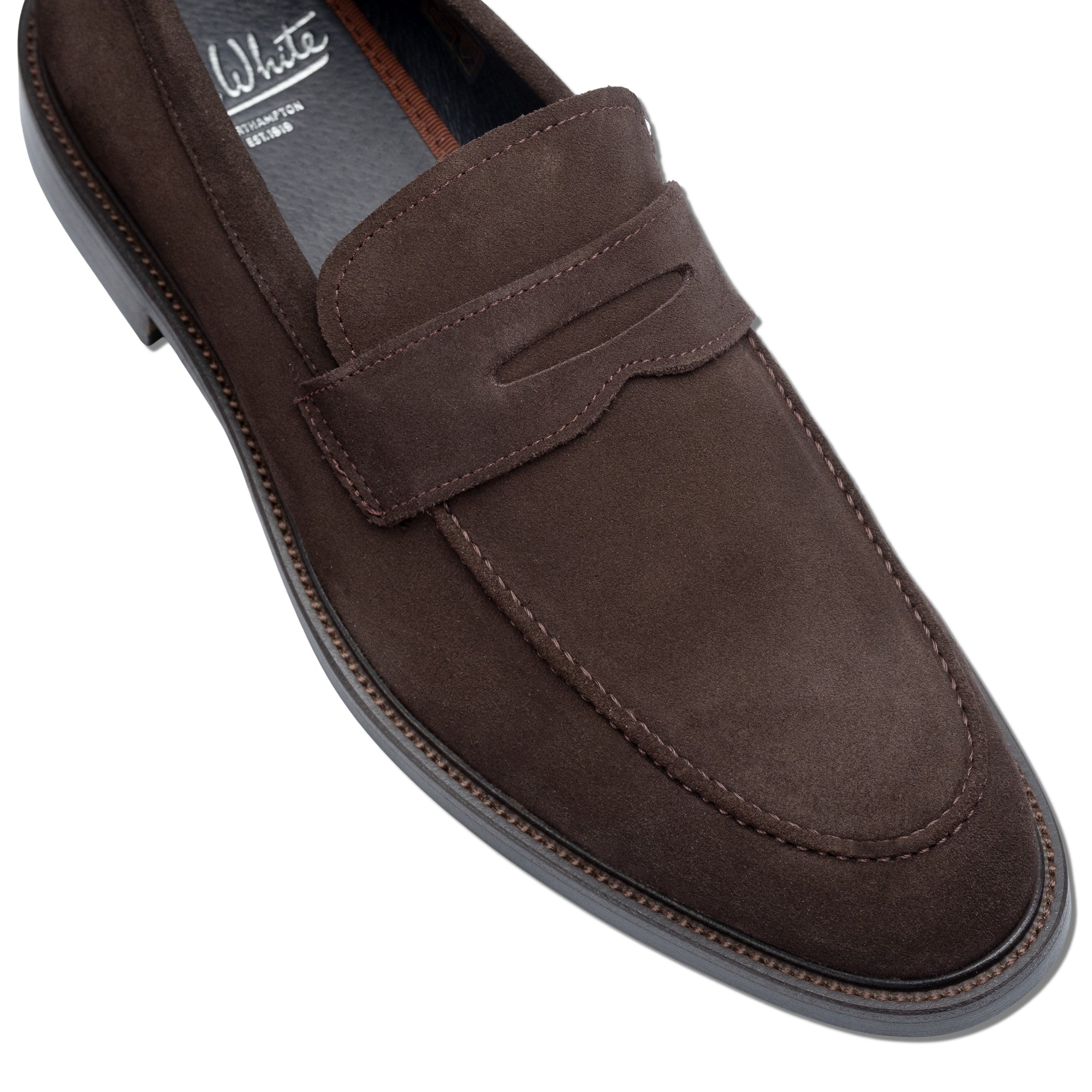
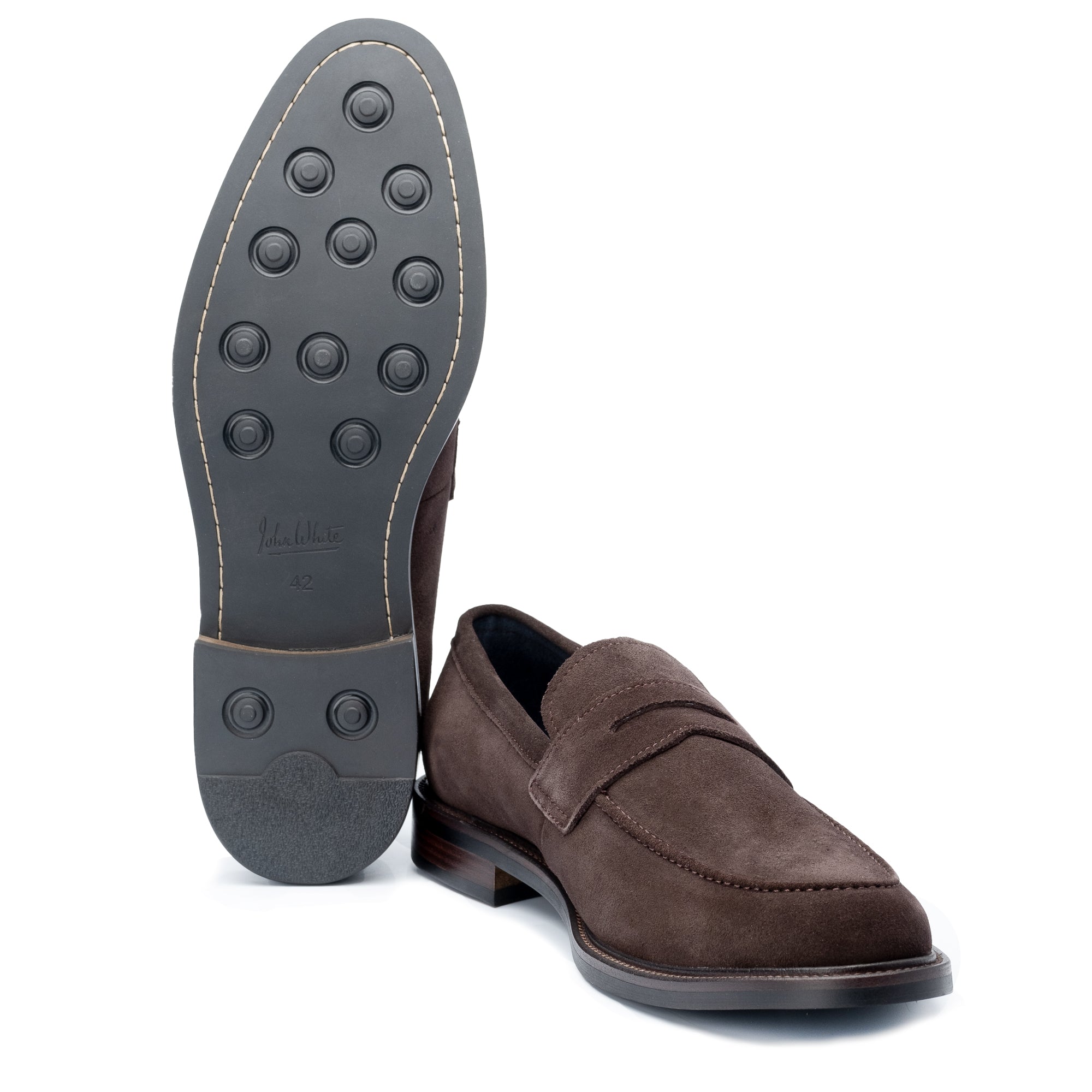
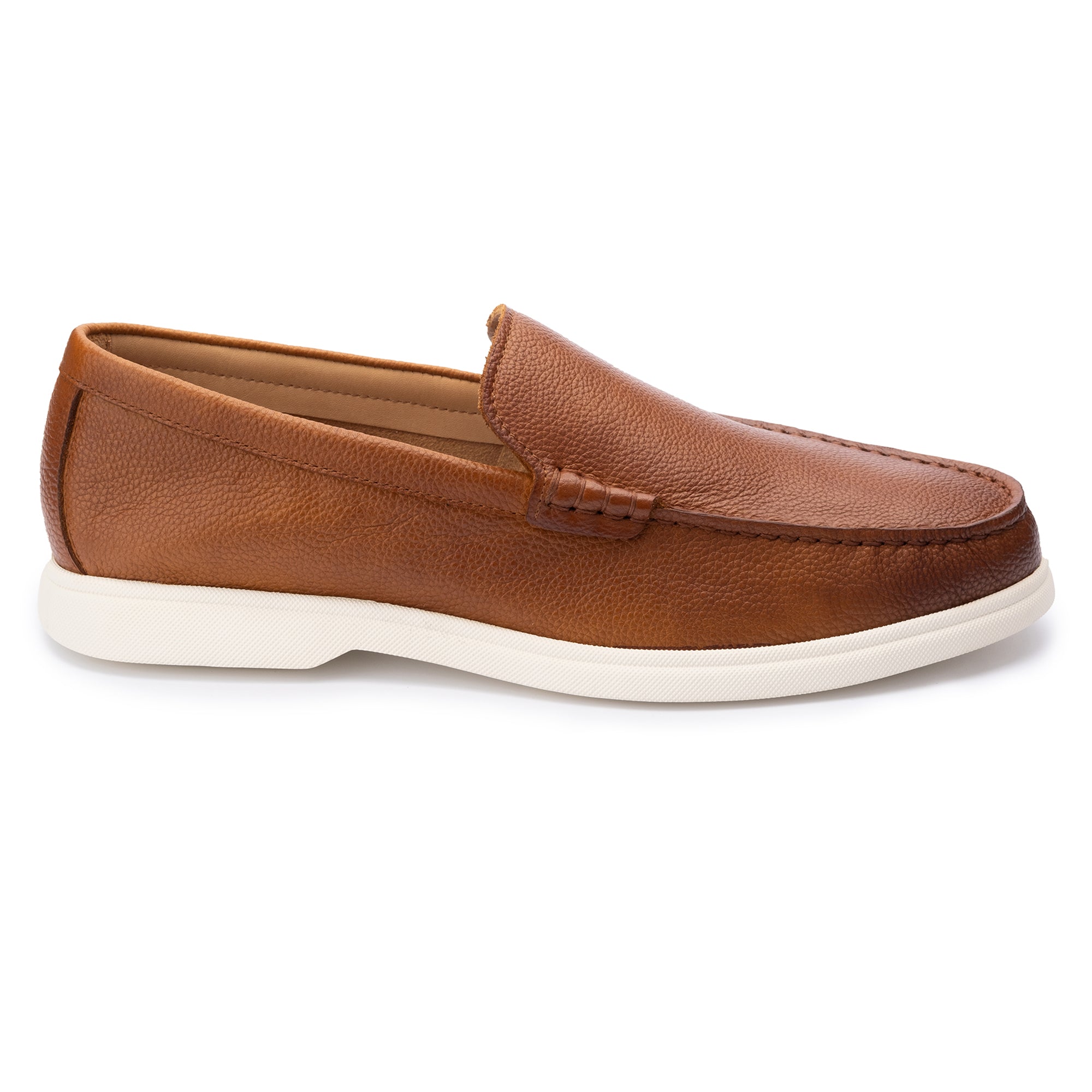
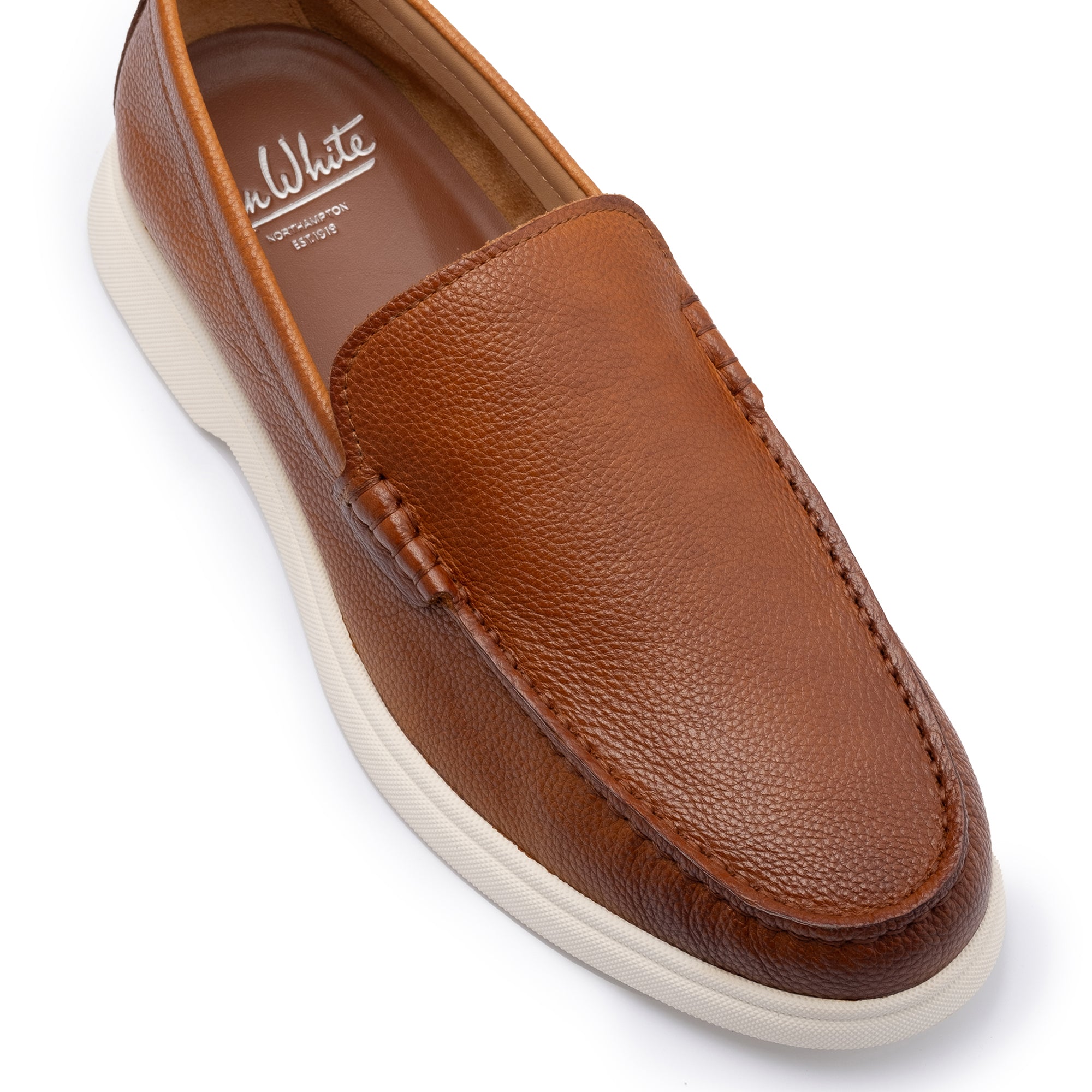
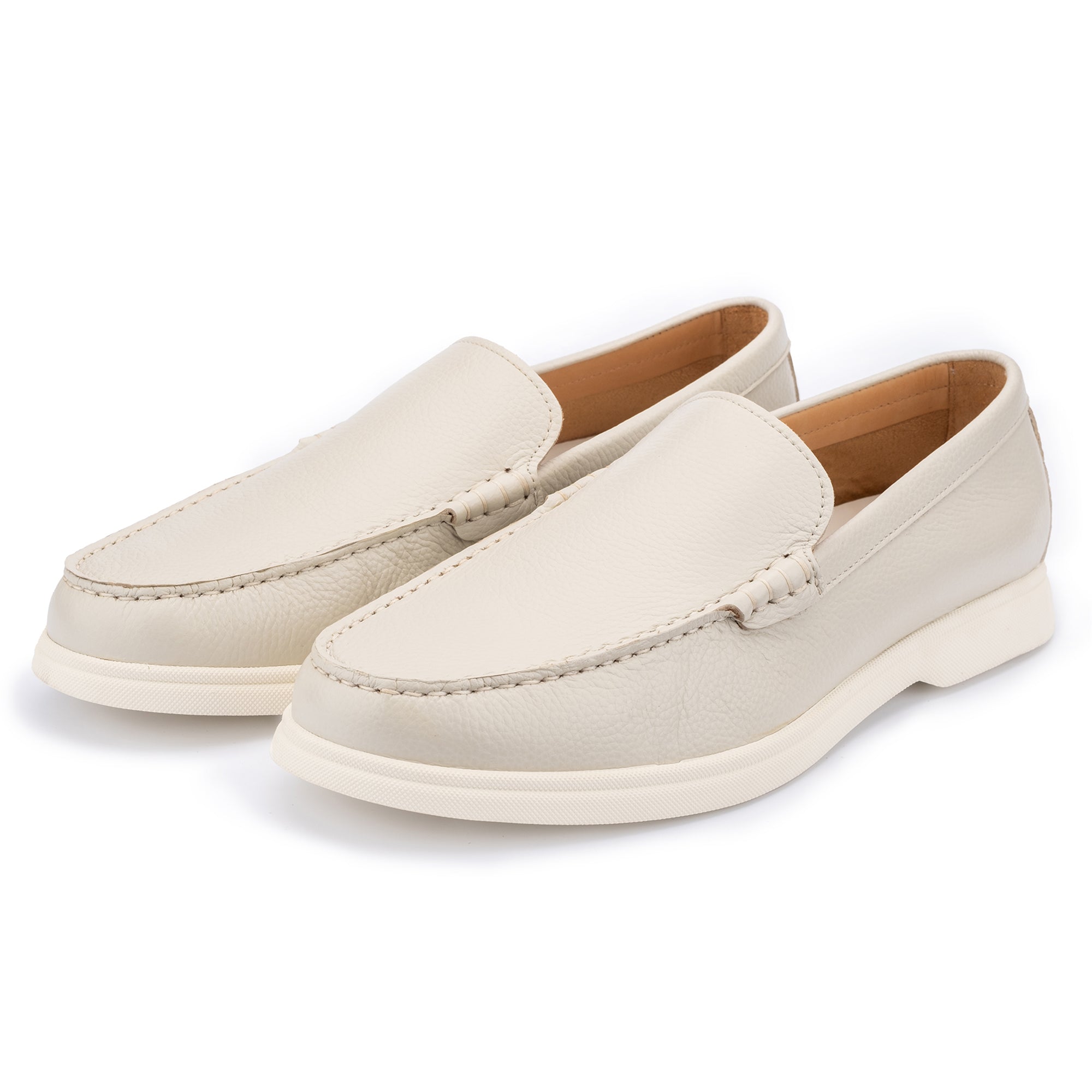
Suede loafers: too informal for the ceremony itself. A polished leather penny loafer in Black could pass at a less formal institution, but suede — however smart in other settings — reads as garden party, not academic hall.
Scuffed or unpolished shoes: the one thing that reads worse than the wrong shoe is a correct shoe in poor condition. Whatever you wear, clean and polish it properly beforehand. A well-maintained Derby outperforms a neglected Oxford every time.
The Outfit in Full
The safest graduation combination is uncomplicated: navy or charcoal suit, white or pale blue shirt, a silk or woven tie, and black Oxford or Derby shoes. This combination photographs clearly, holds up across the full day, and allows the occasion to take centre stage. It is the choice that requires no explanation.
If you are wearing a grey suit: black shoes remain correct, though a deep tan works well against mid-grey if the setting is less strictly formal. The grey suit with Guildhall Oxfords in Tan is a confident modern choice for afternoon ceremonies.
Graduation is not the occasion to experiment with footwear. Wear something you have worn before, in a colour that already works with your suit, polished the evening before. That is all.