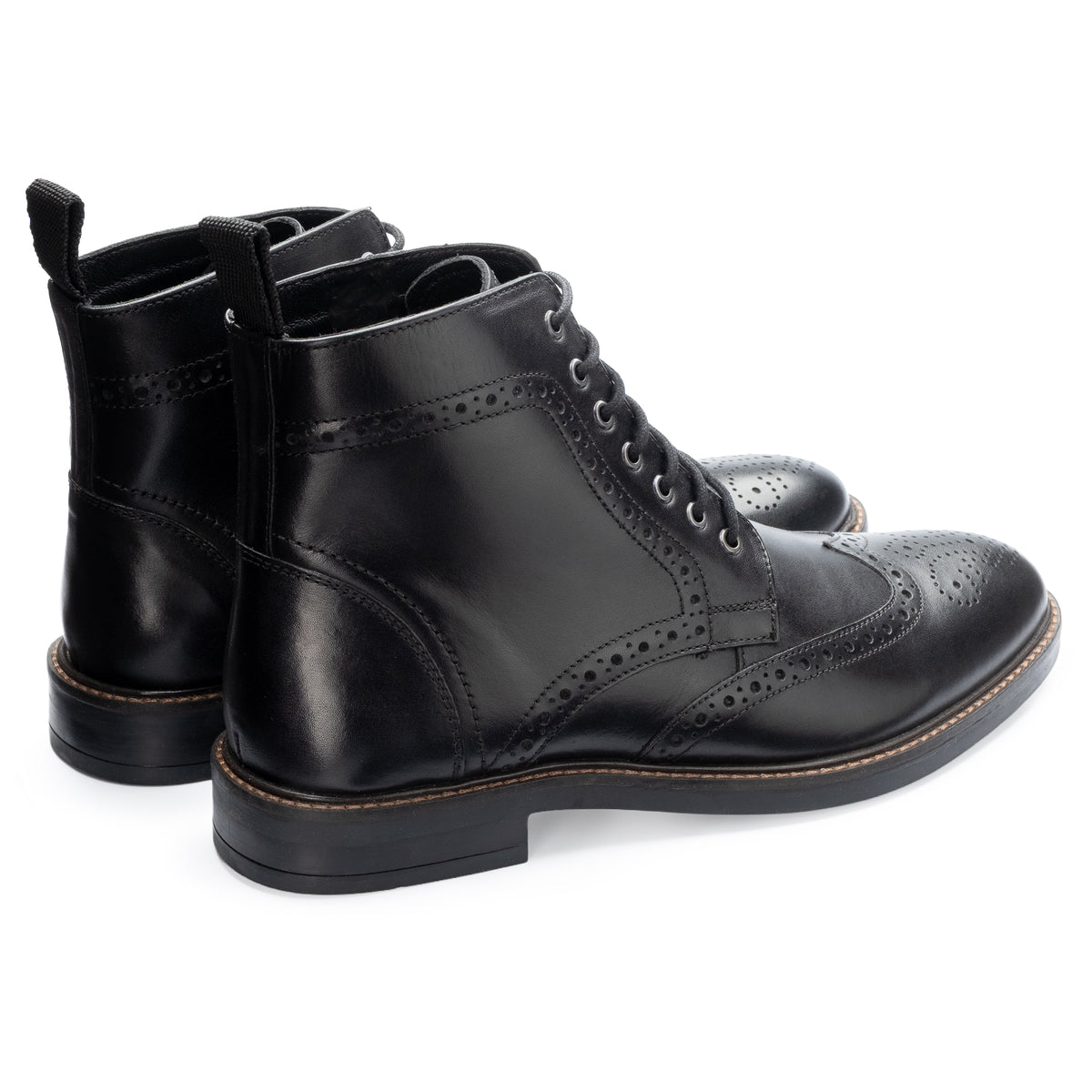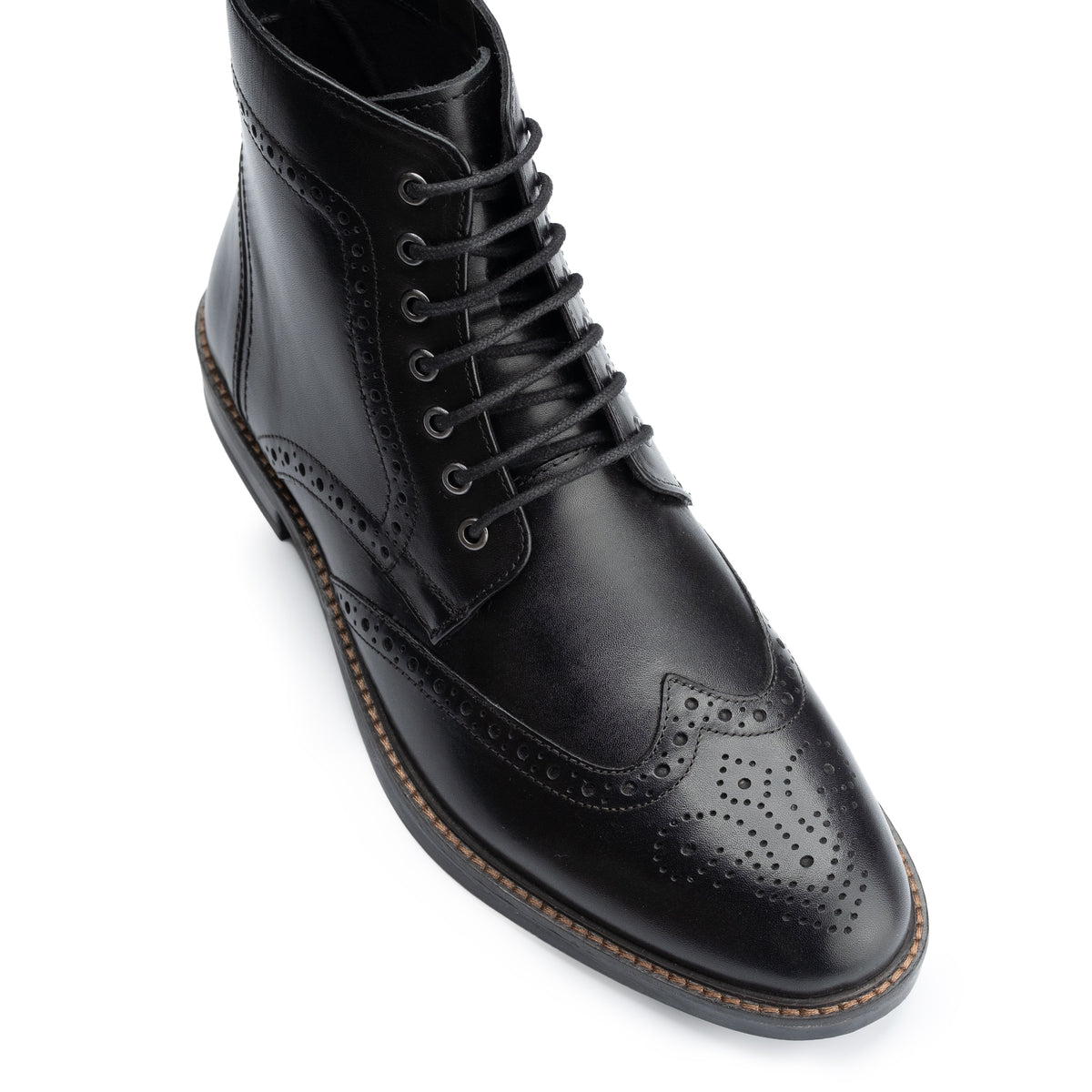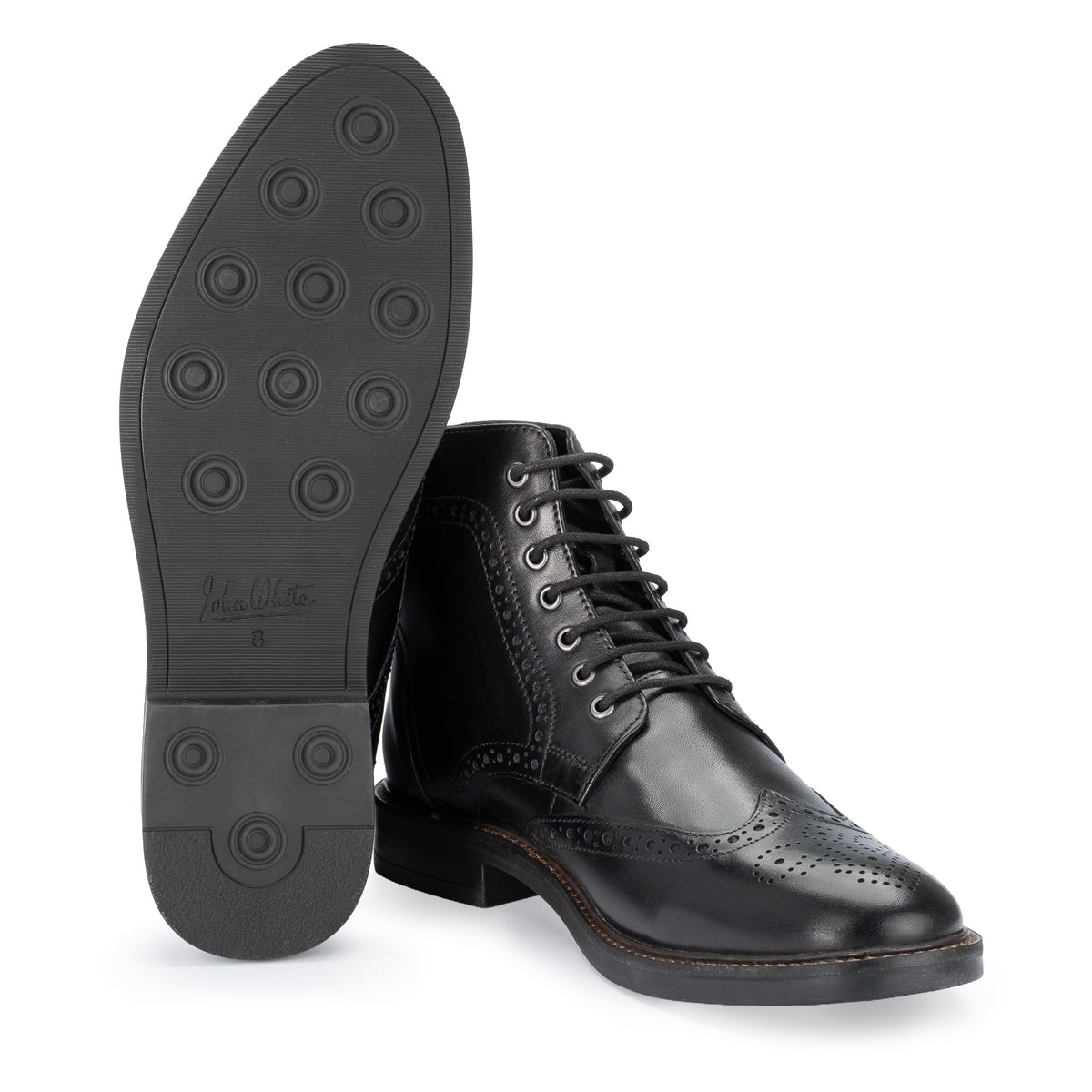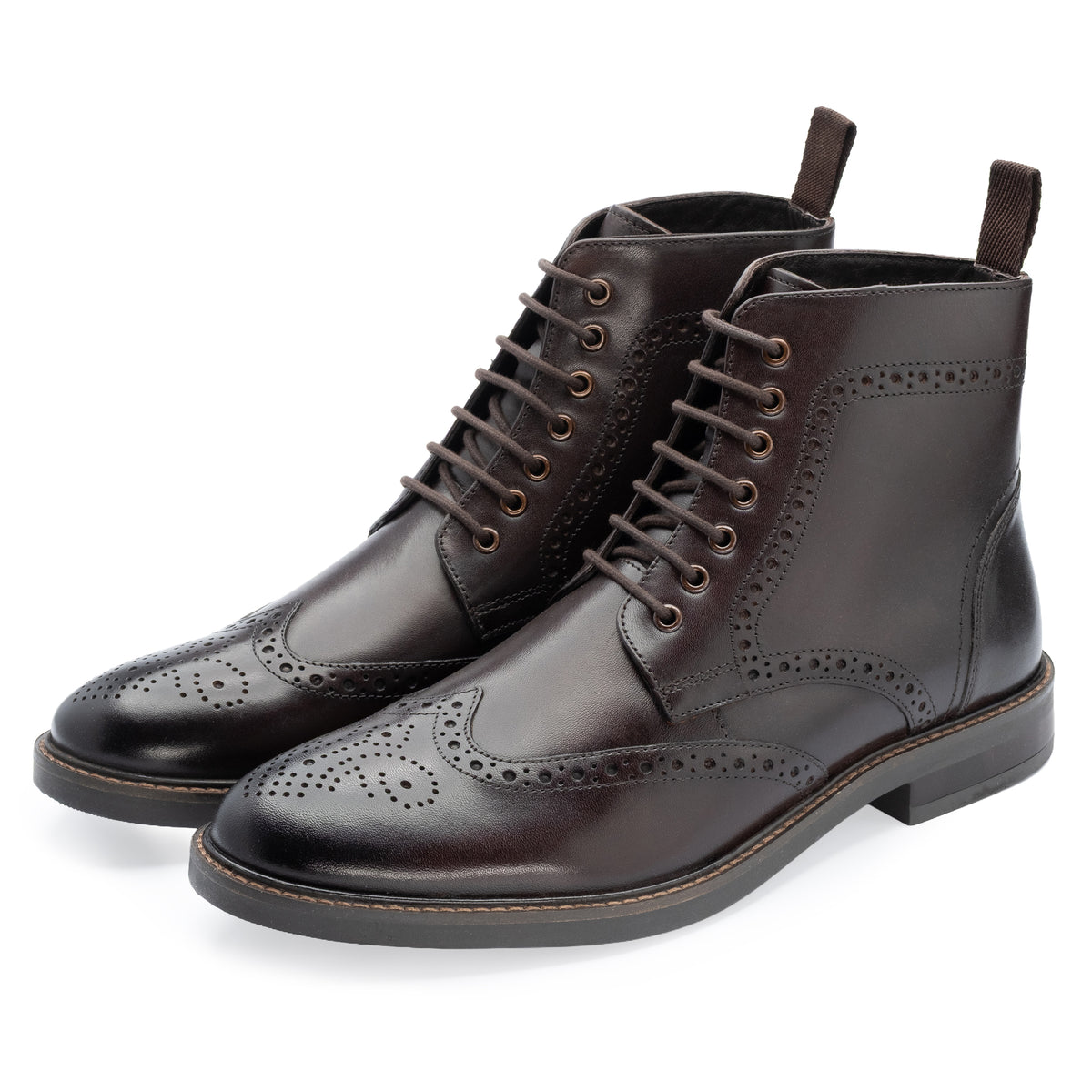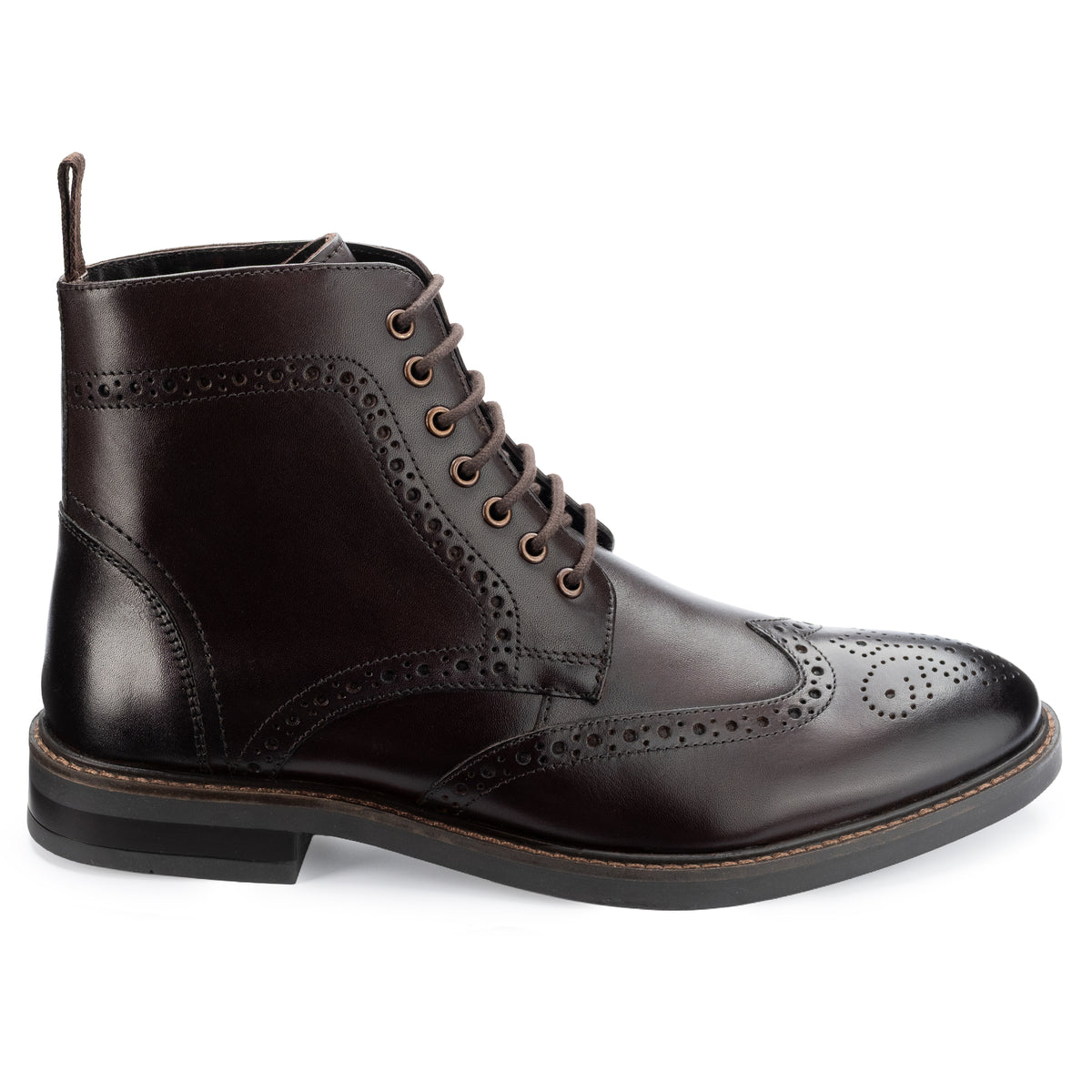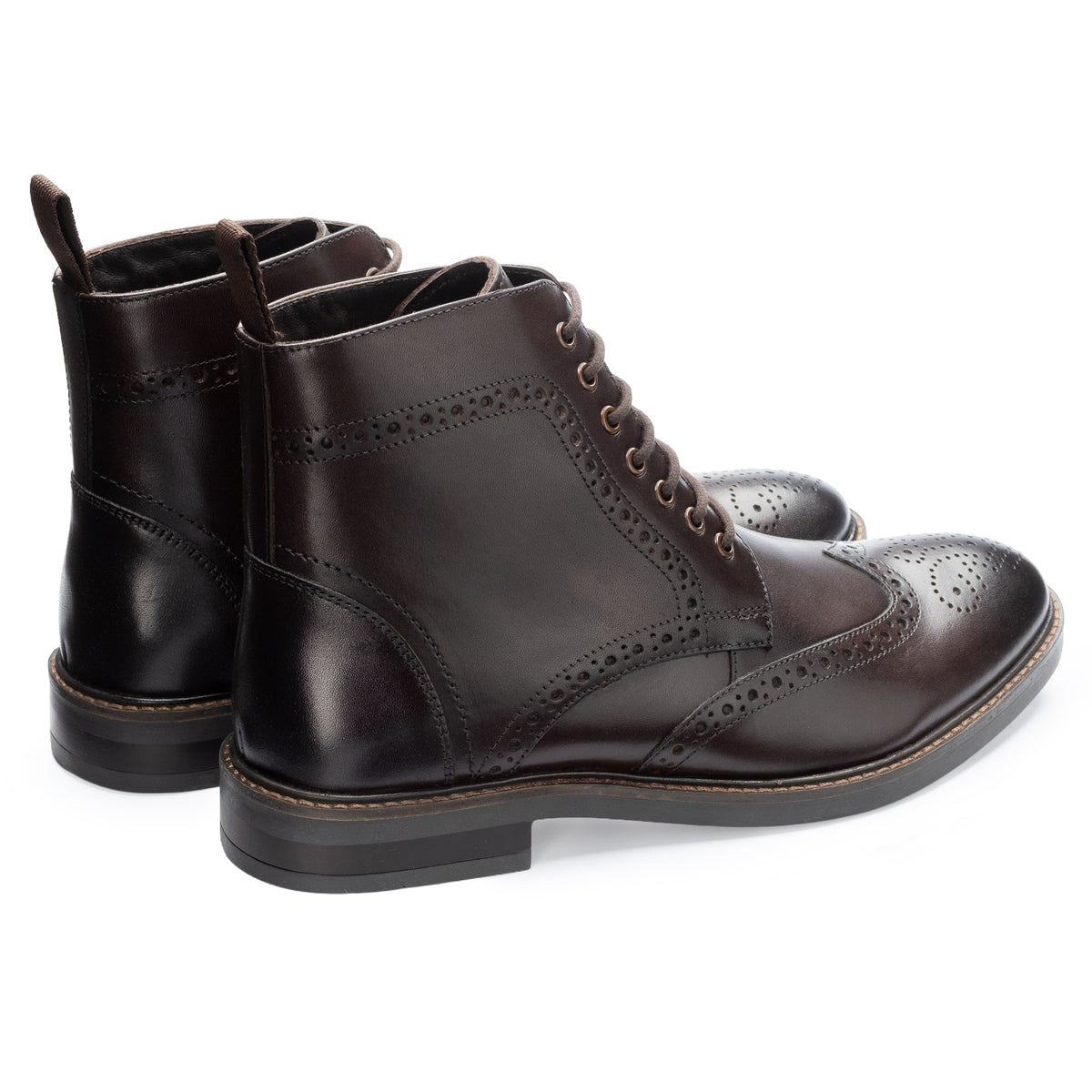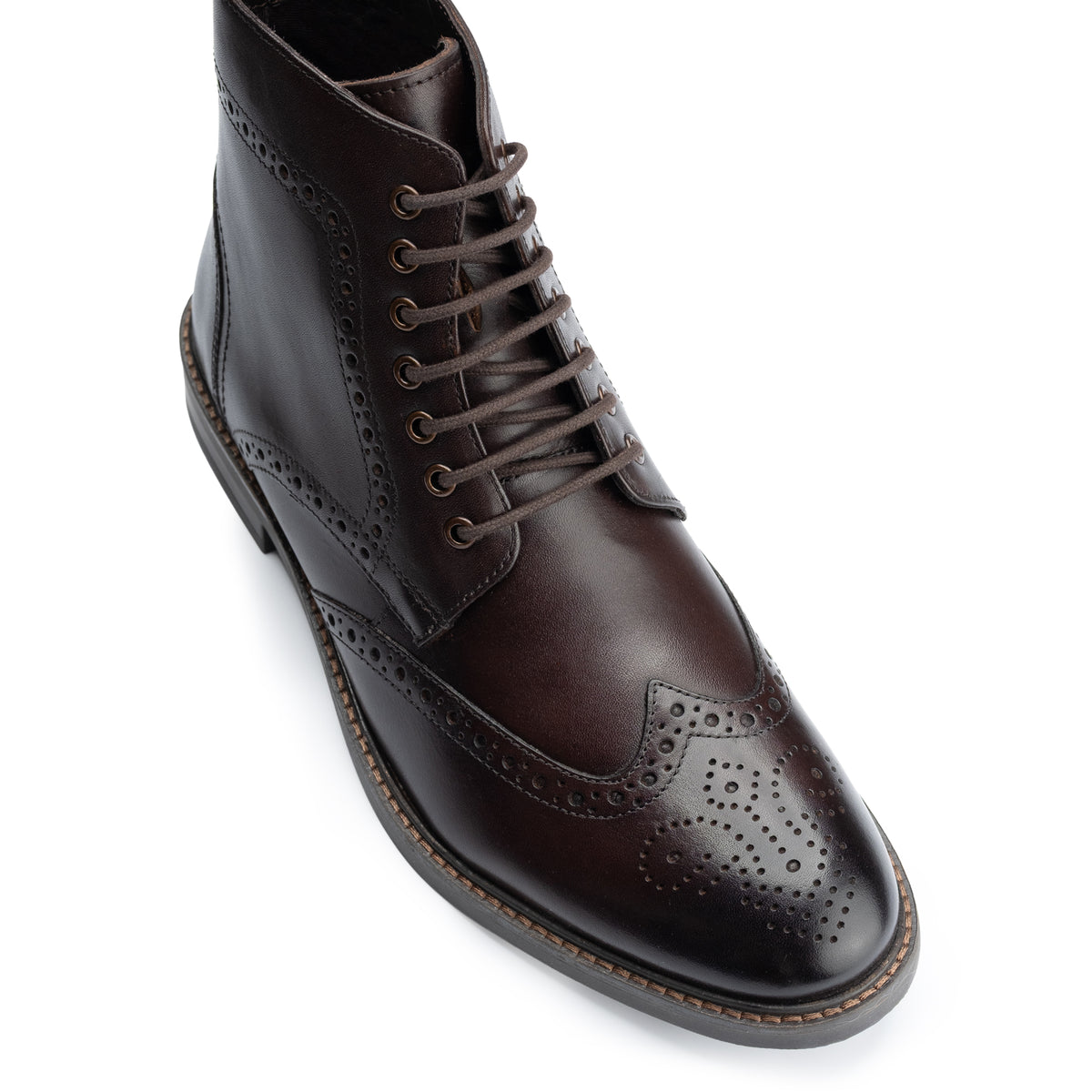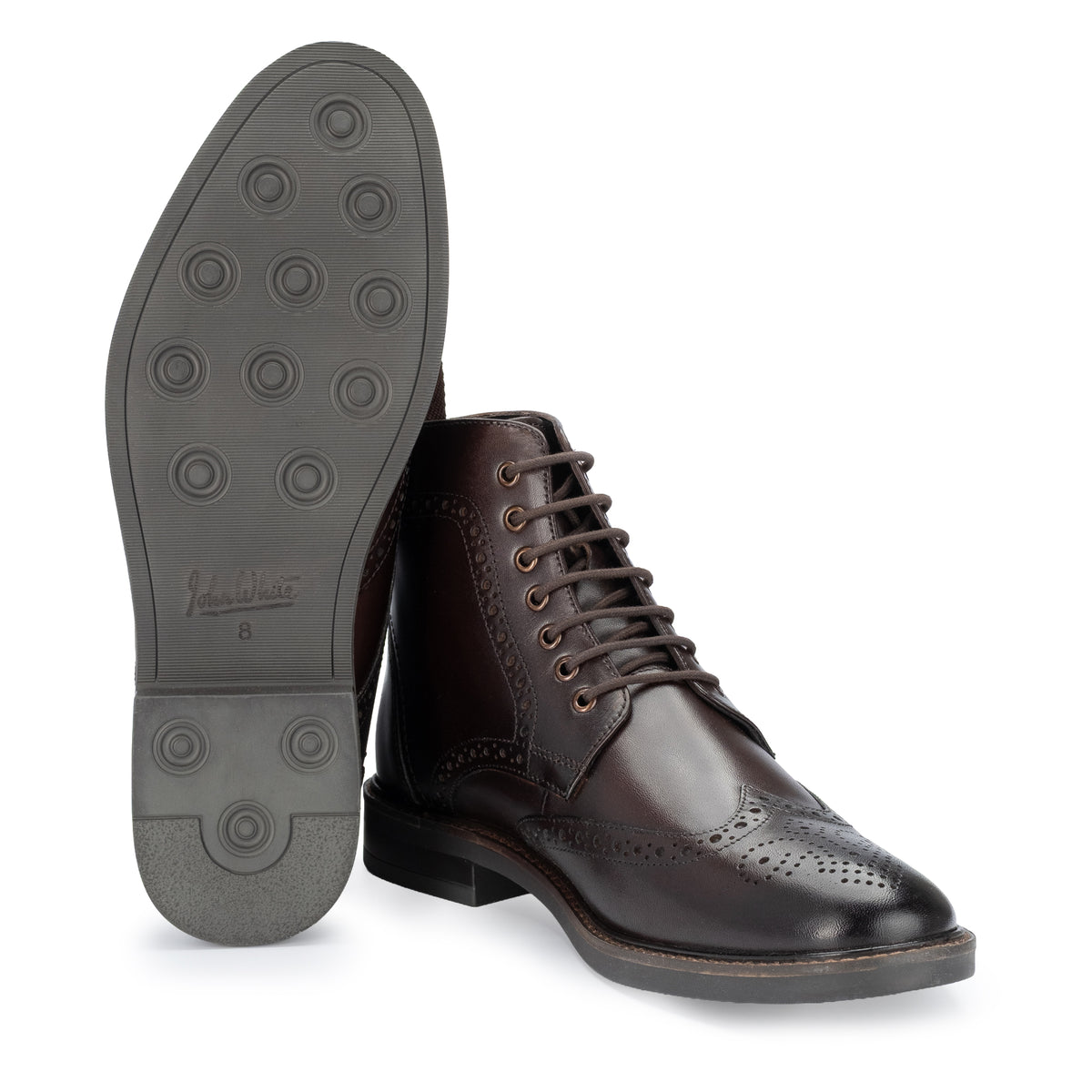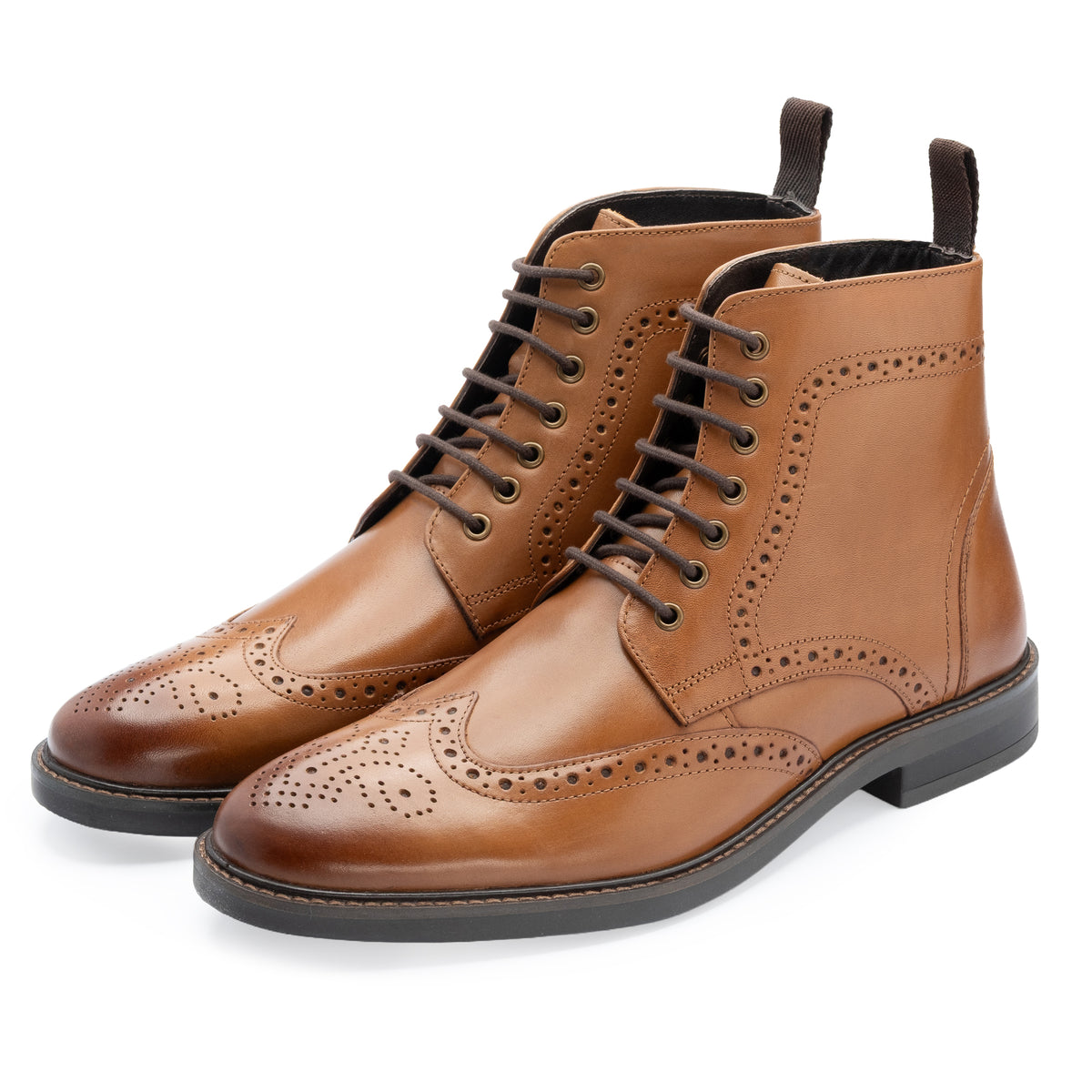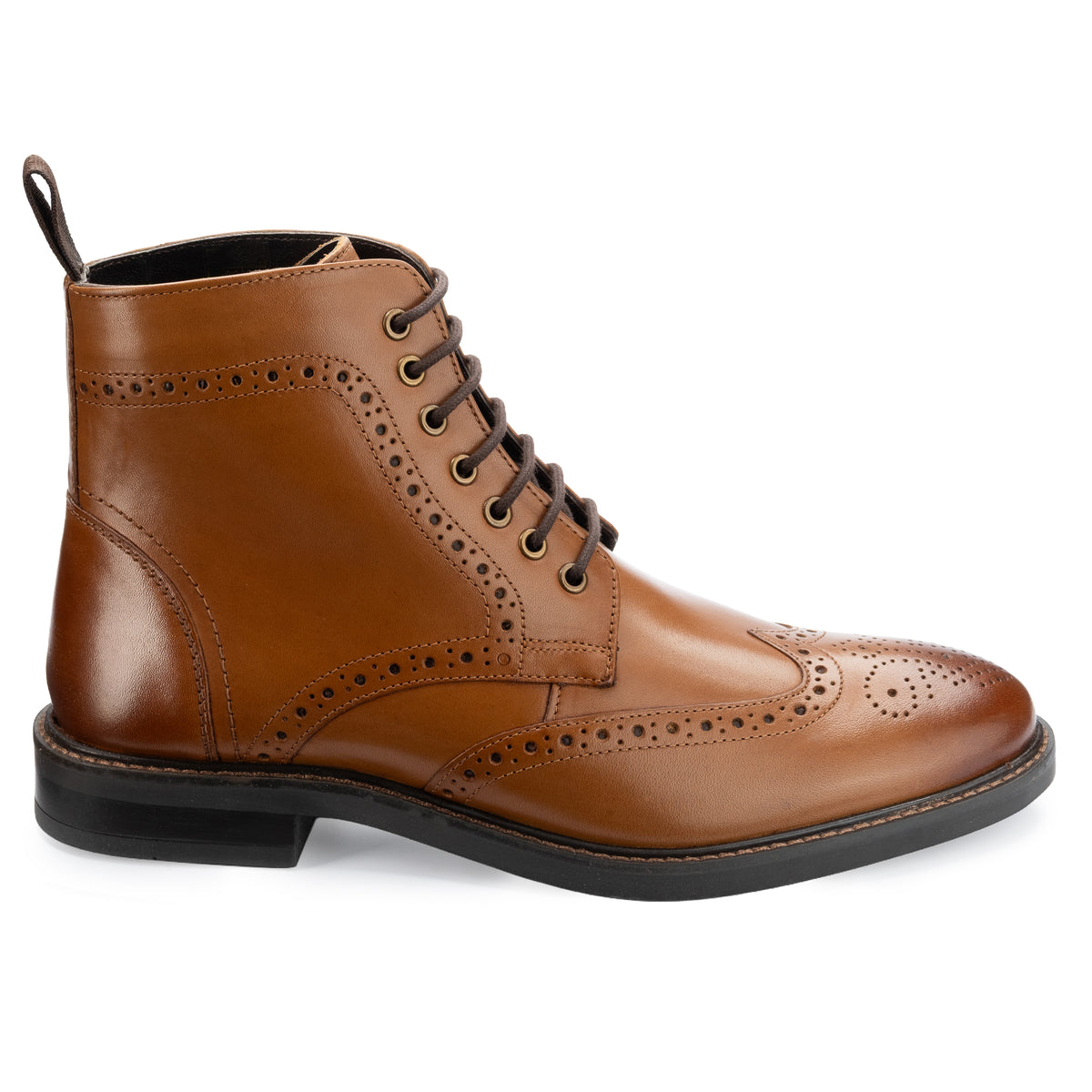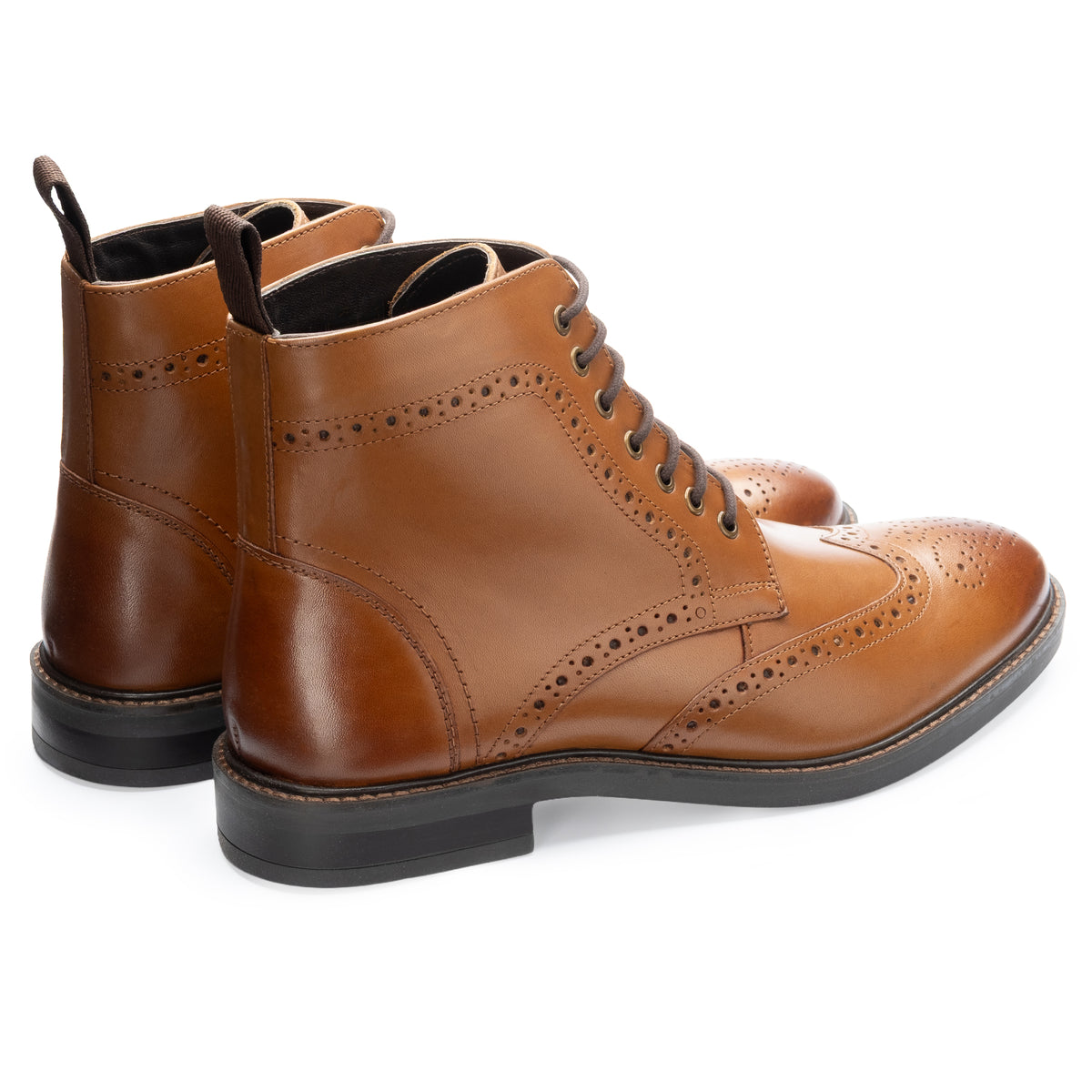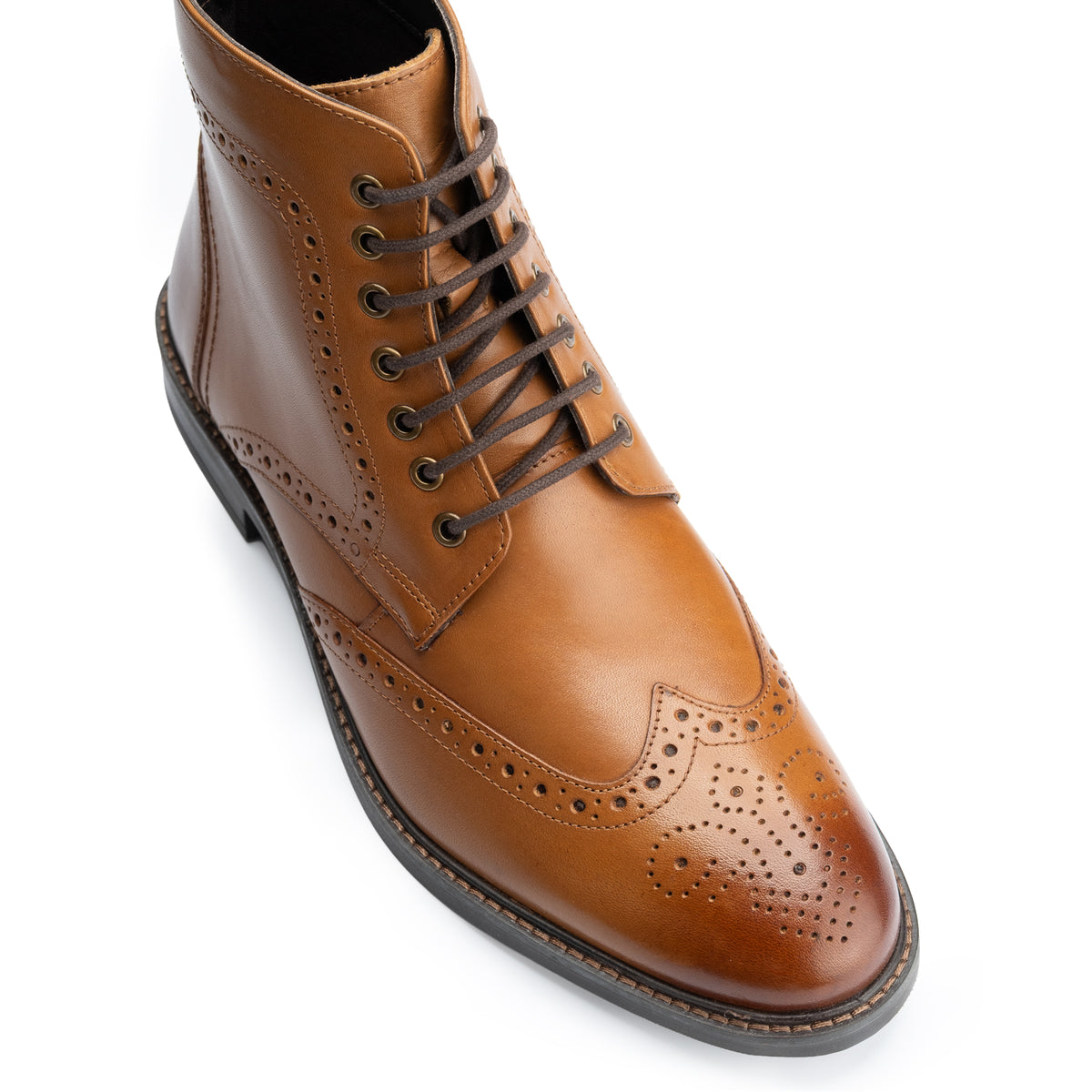

Oxford vs Loafer: Which Shoe Should Be Your Next Investment?
Quick Answer: If your wardrobe lacks a quality lace-up, invest in an Oxford first — its closed lacing and structured silhouette give it the broadest formality range of any men's dress shoe. If you already own a solid foundation pair and need intelligent casual reach, a premium loafer extends your wardrobe without redundancy. For most professional wardrobes, both styles eventually earn their place.
In This Guide
- What Is the Difference Between an Oxford and a Loafer?
- How Formal Is an Oxford Compared to a Loafer?
- Which Is More Versatile: Oxford or Loafer?
- How Should You Choose Based on Your Lifestyle?
- Which Construction Should You Prioritise in Each Style?
- What Colours and Leathers Work Best for an Oxford vs Loafer?
- Related Guides
- TL;DR
- Frequently Asked Questions
The Oxford and the loafer represent two distinct philosophies in refined footwear. The Oxford answers formality with discipline — closed lacing, a clean upper, unflinching structure. The loafer answers occasion with ease — slip-on construction, relaxed elegance, and a silhouette that moves between registers without effort. Choosing between them is not a question of which is superior. It is a question of which your wardrobe needs next.
What Is the Difference Between an Oxford and a Loafer?
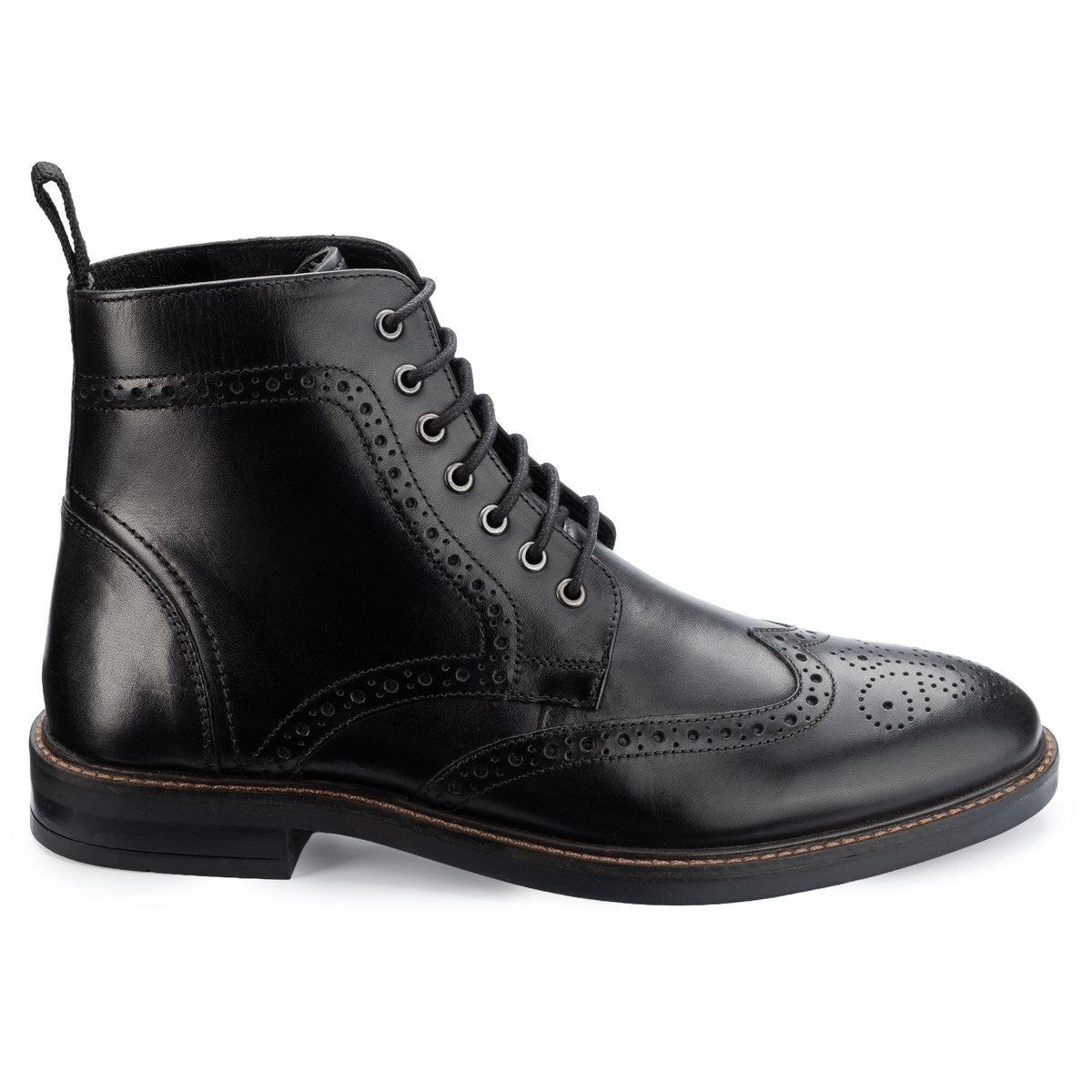
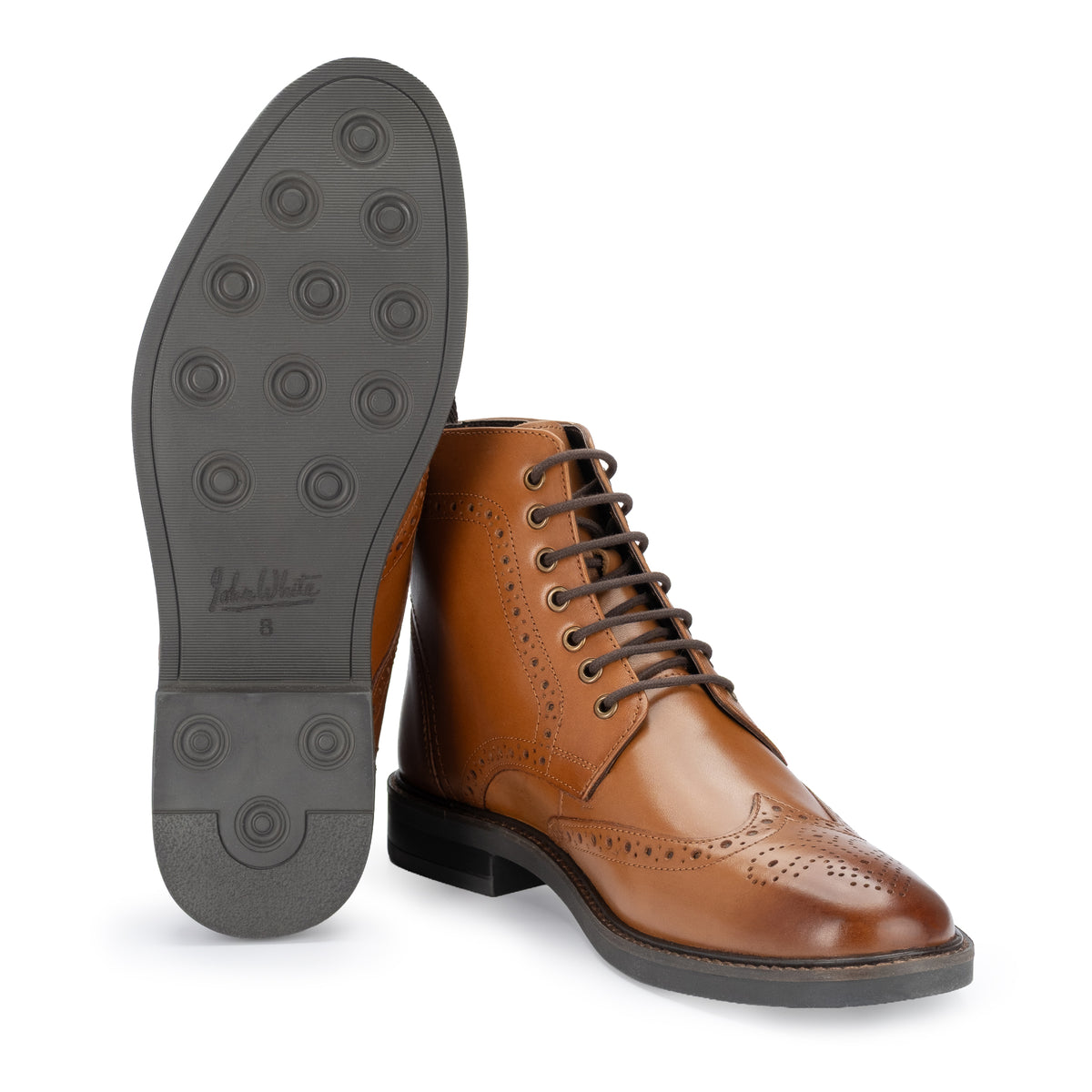
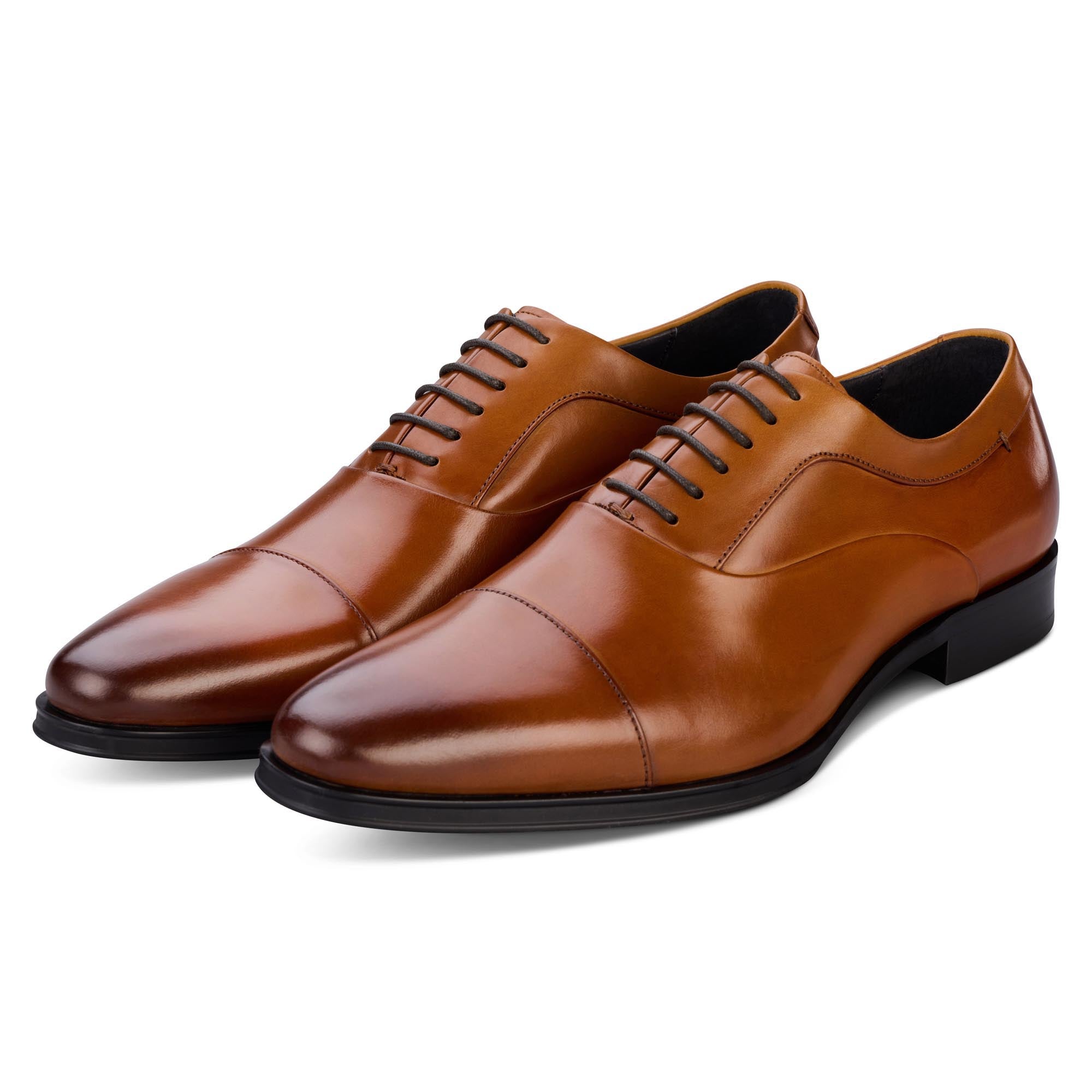
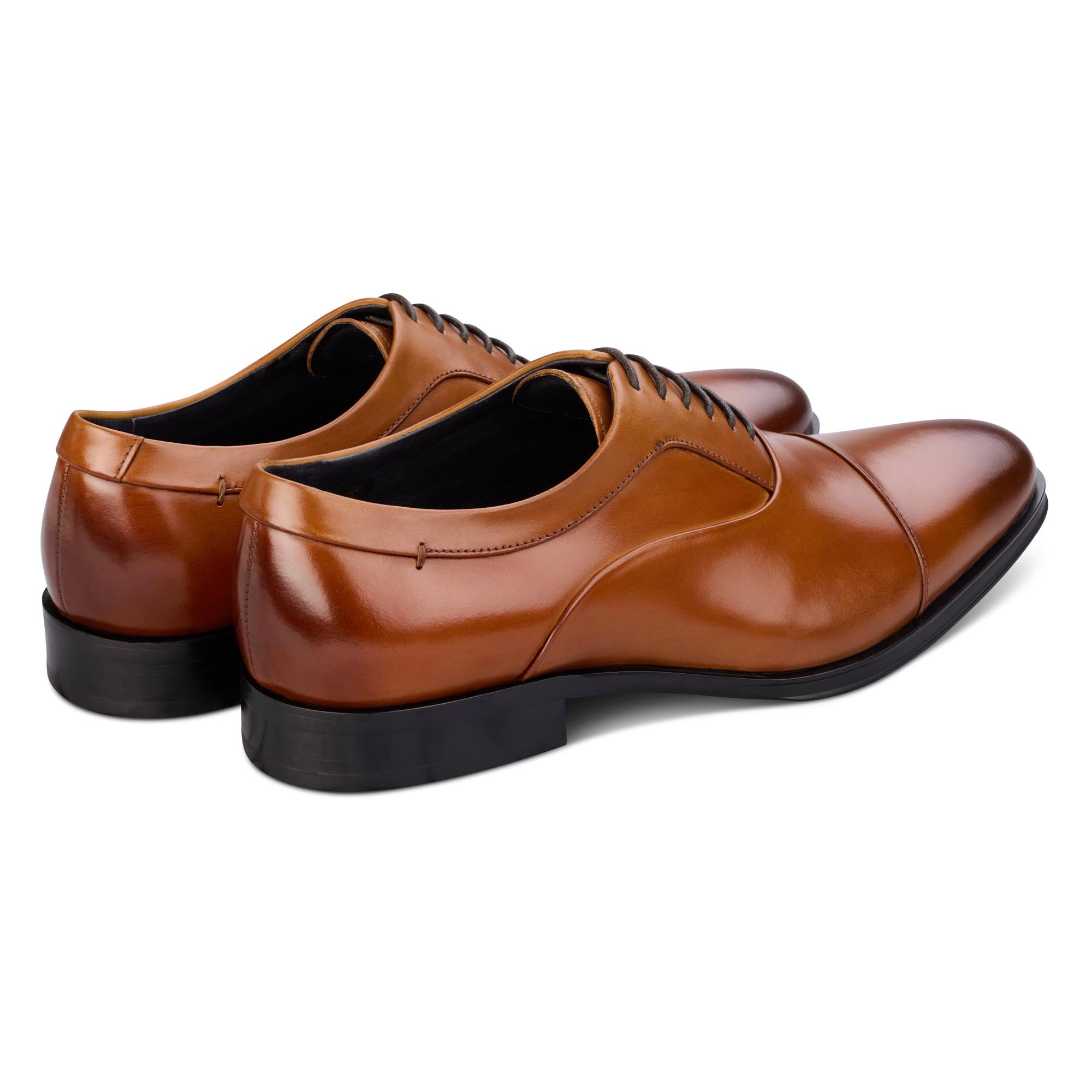
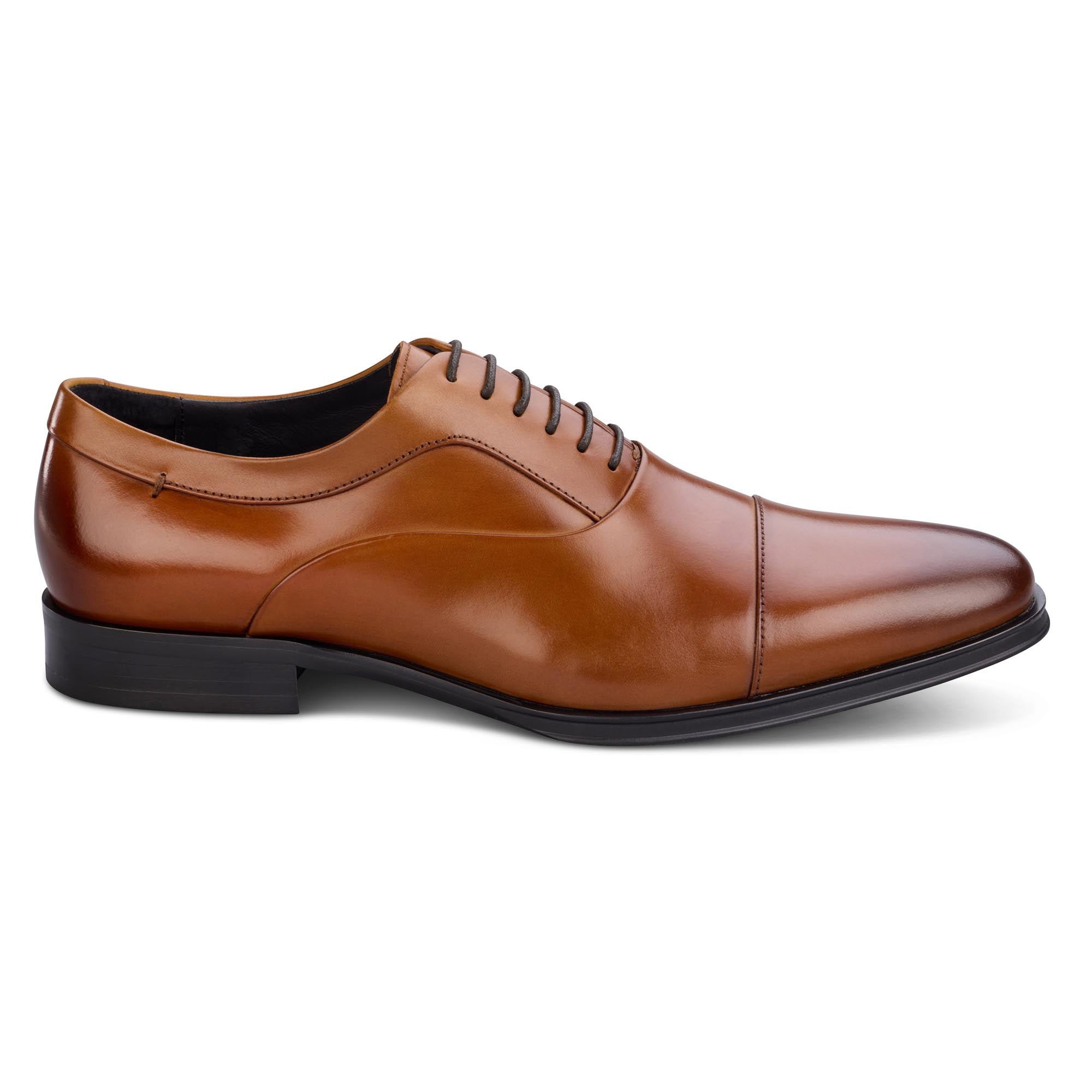
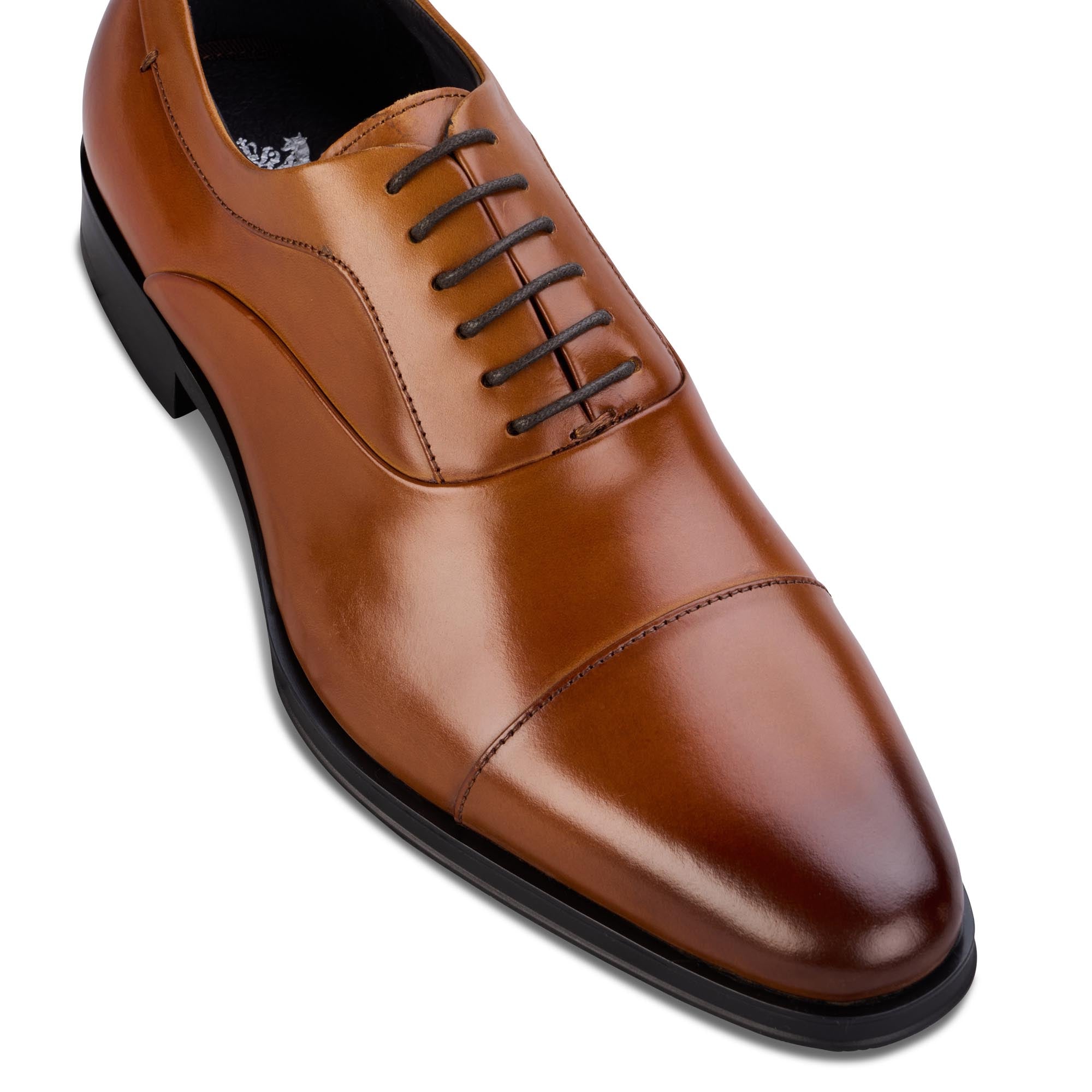
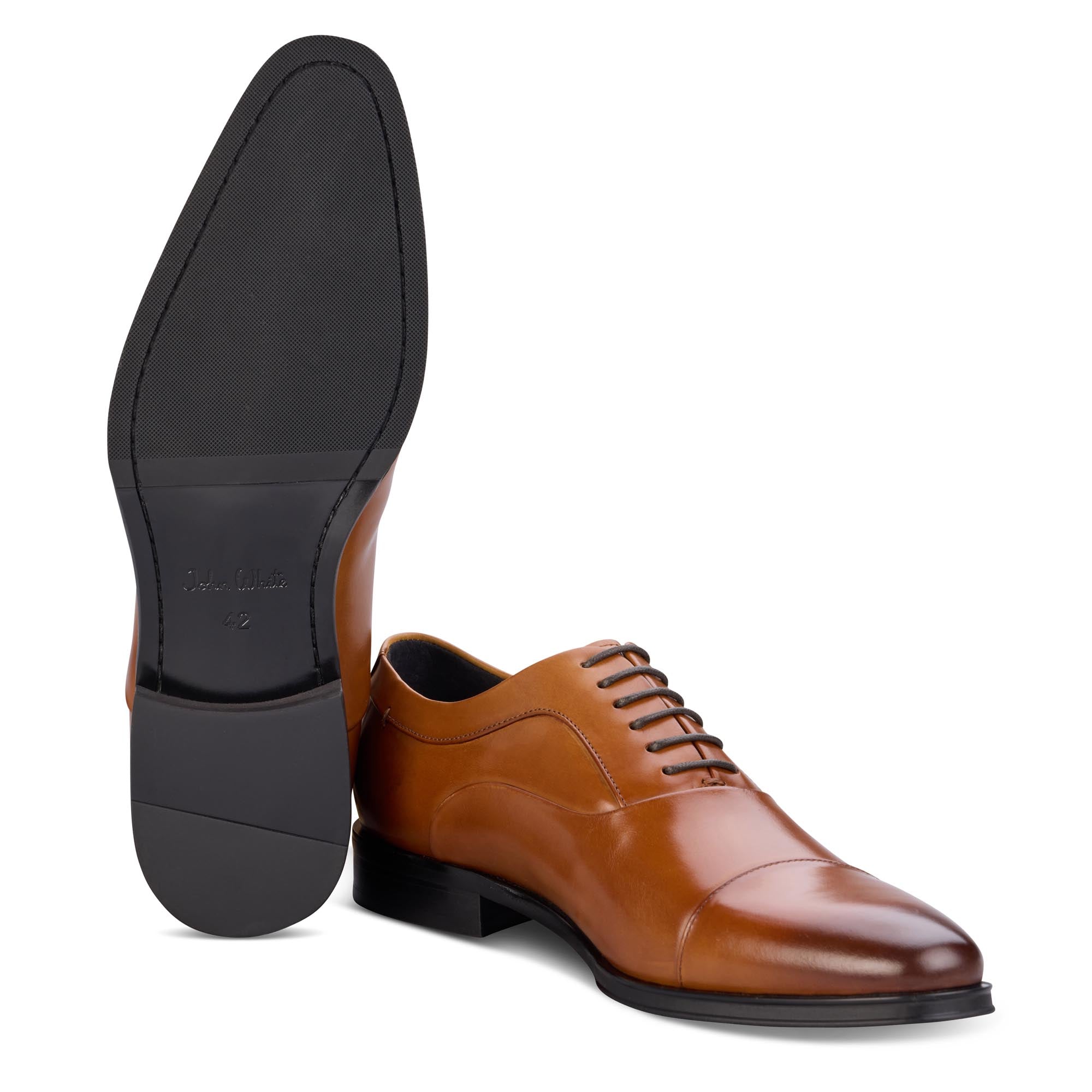
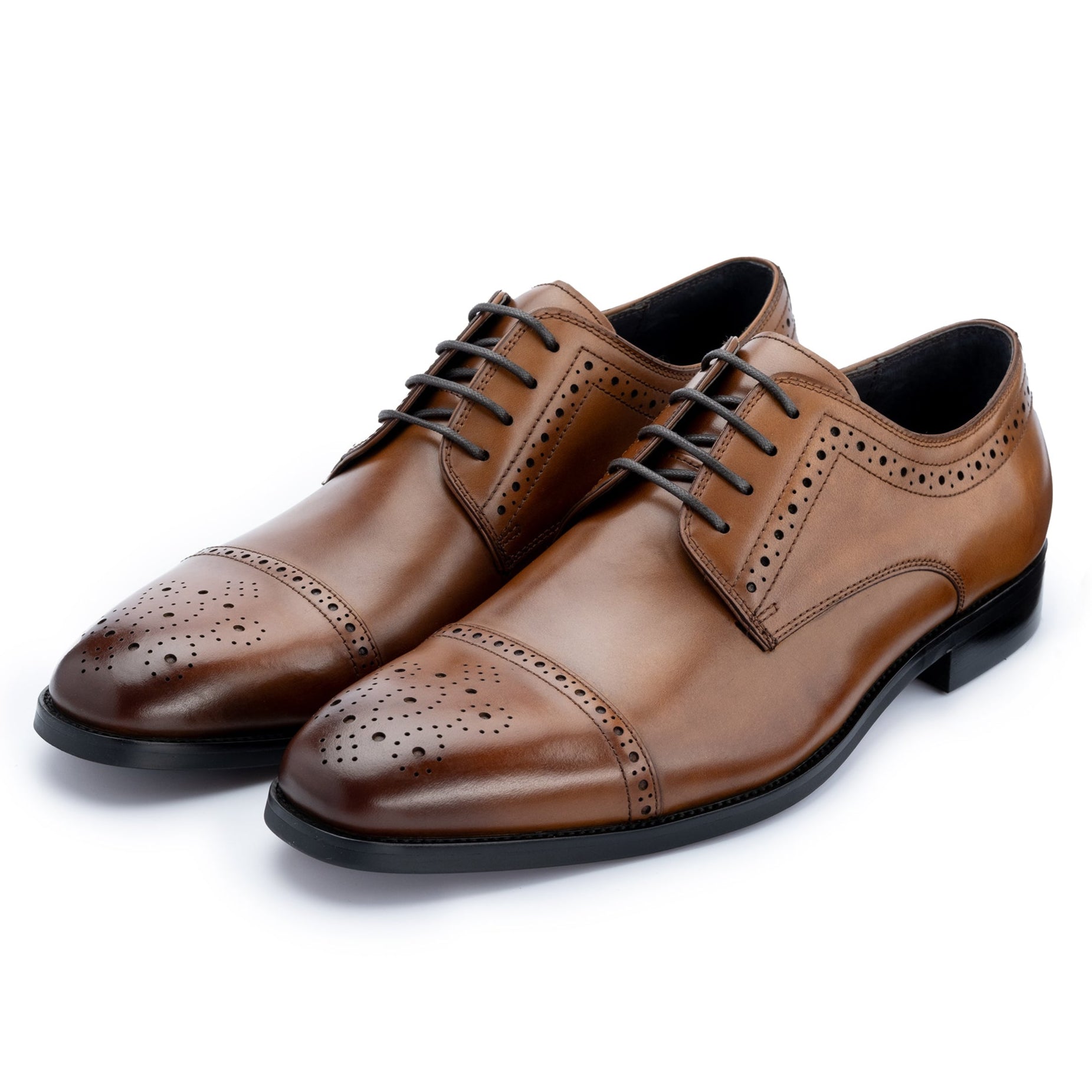
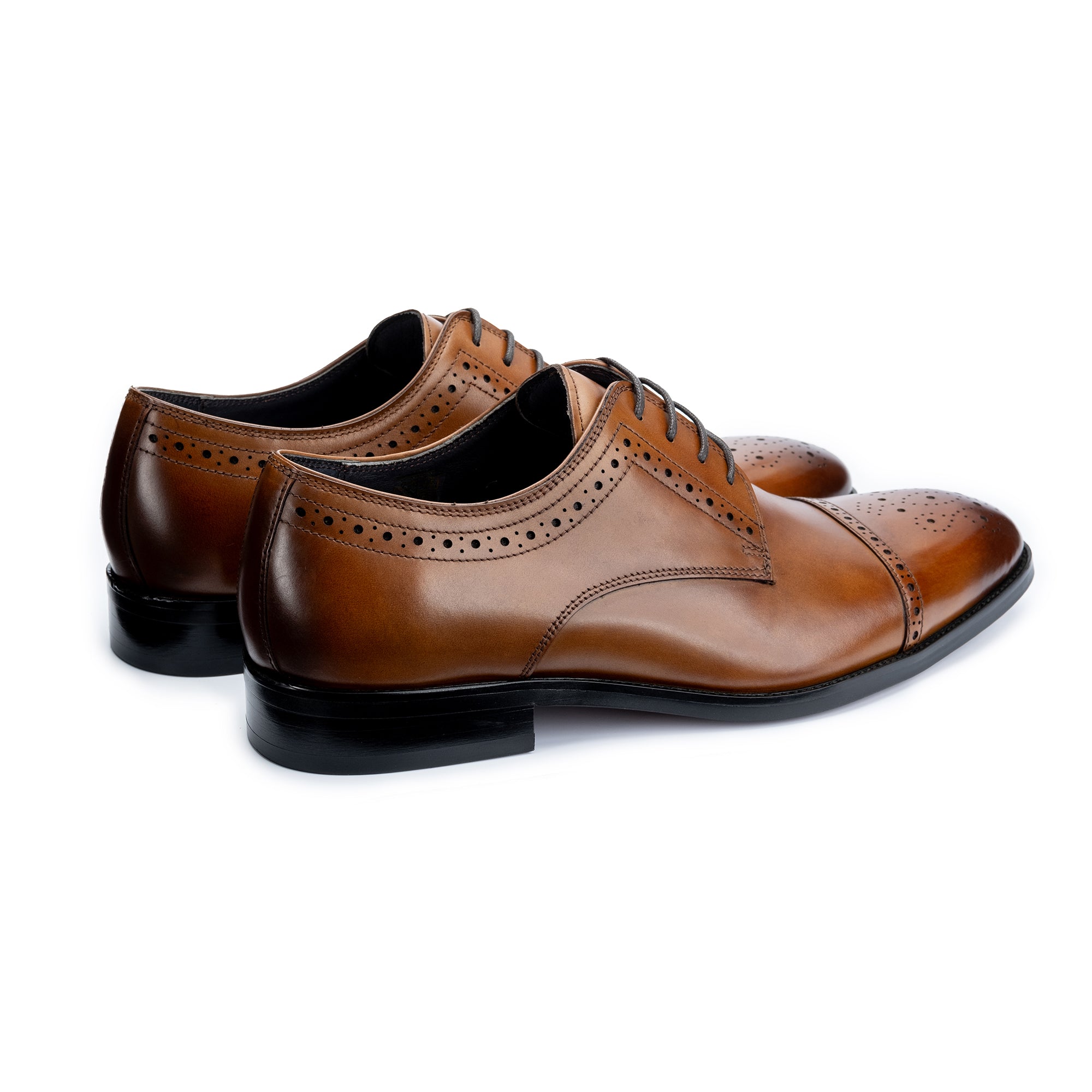
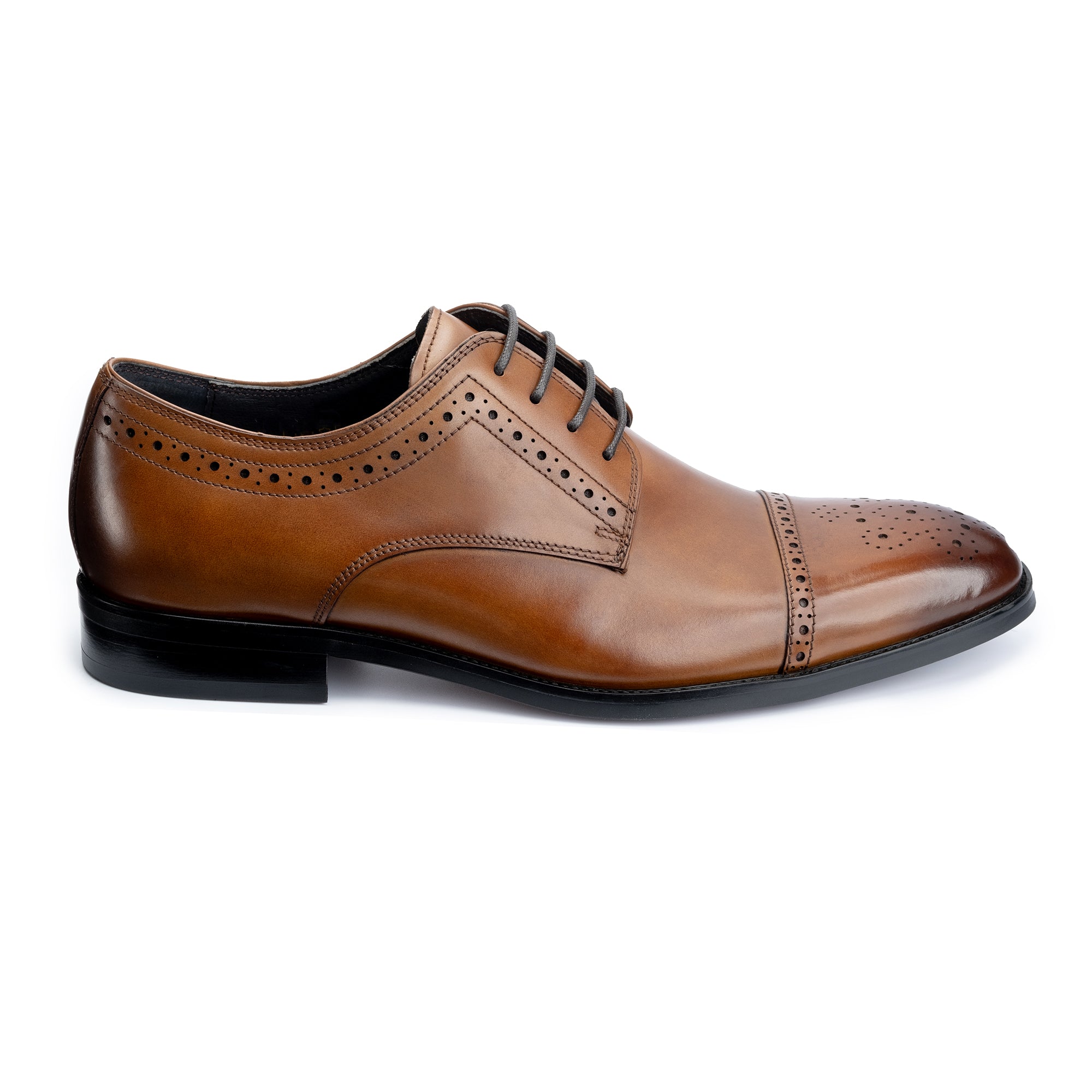
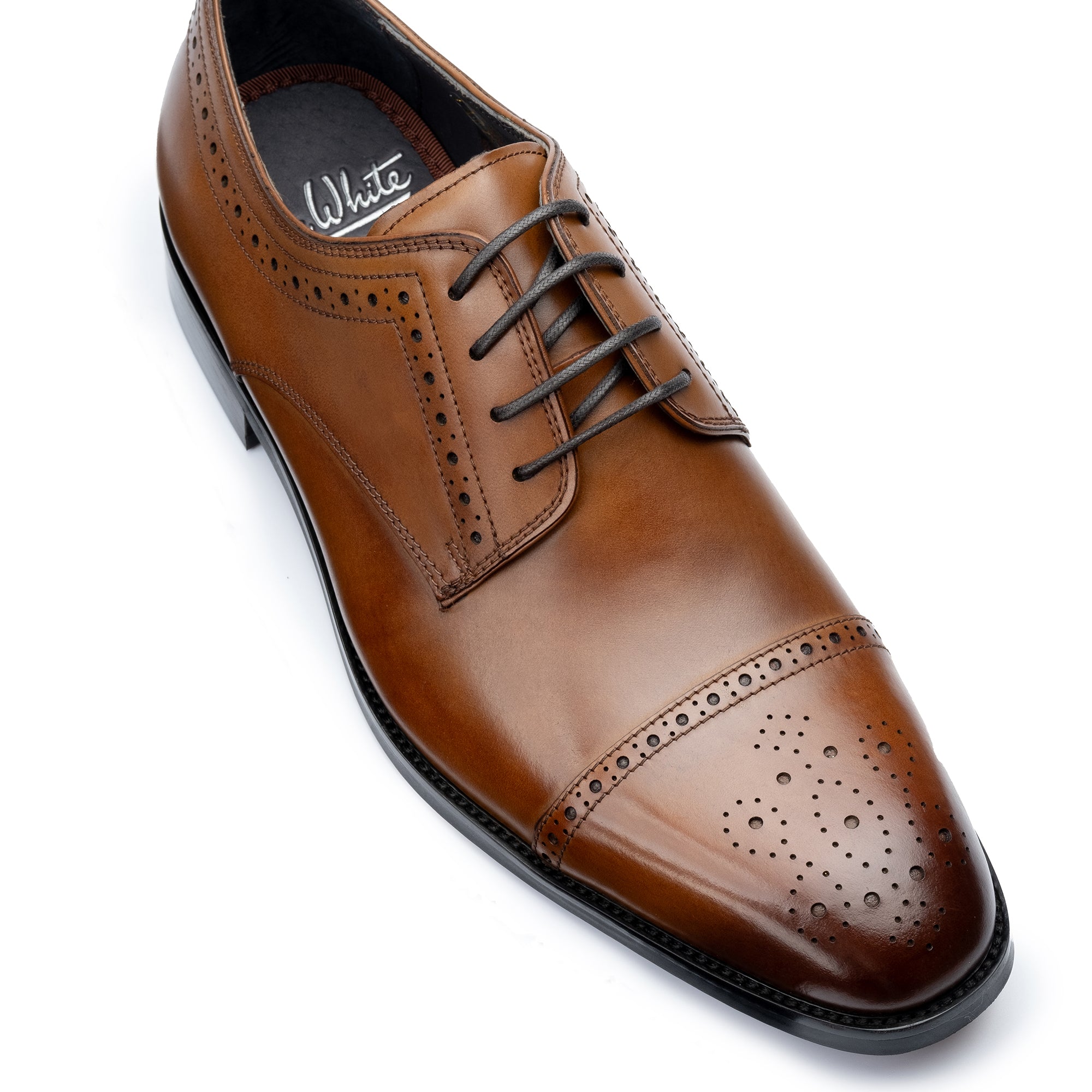
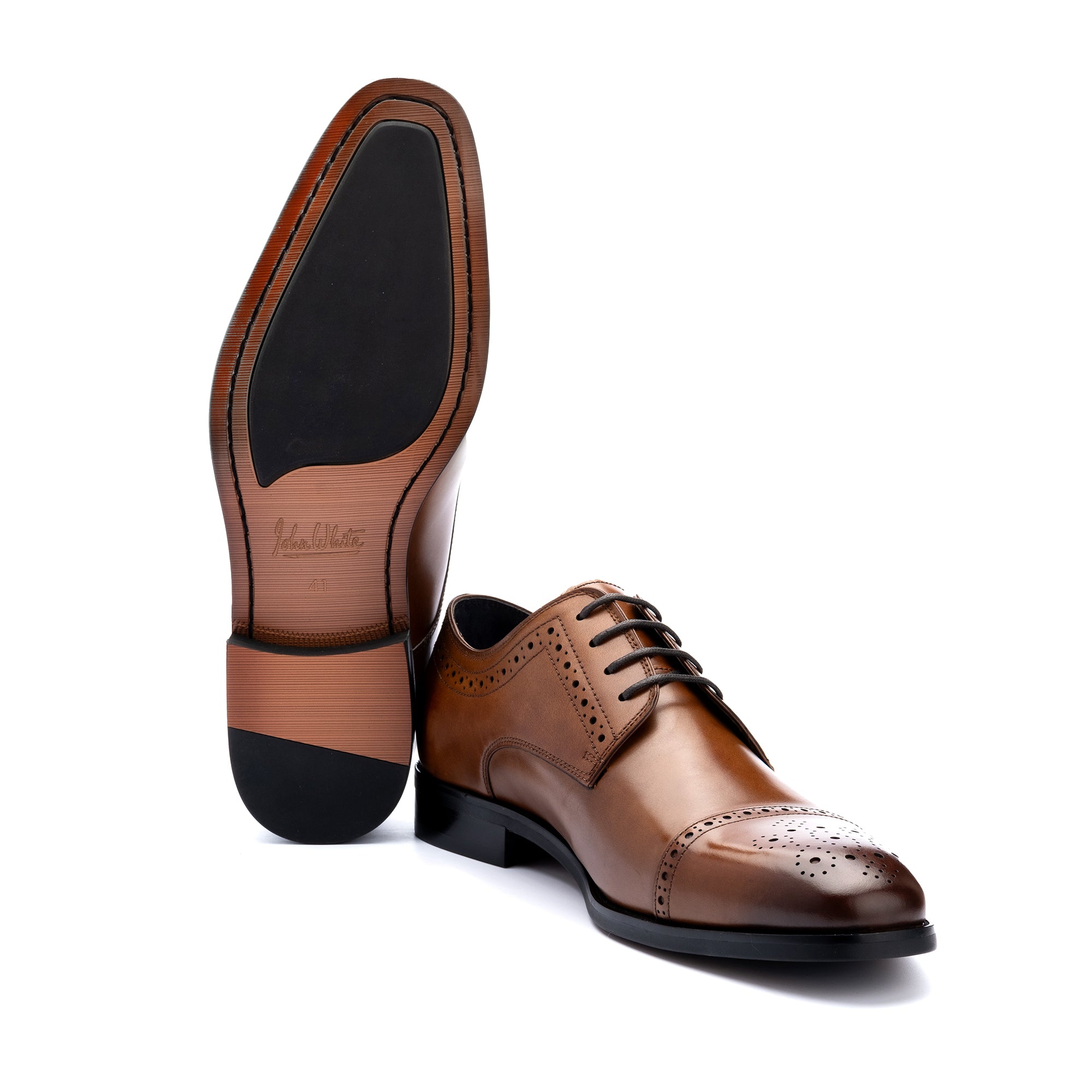
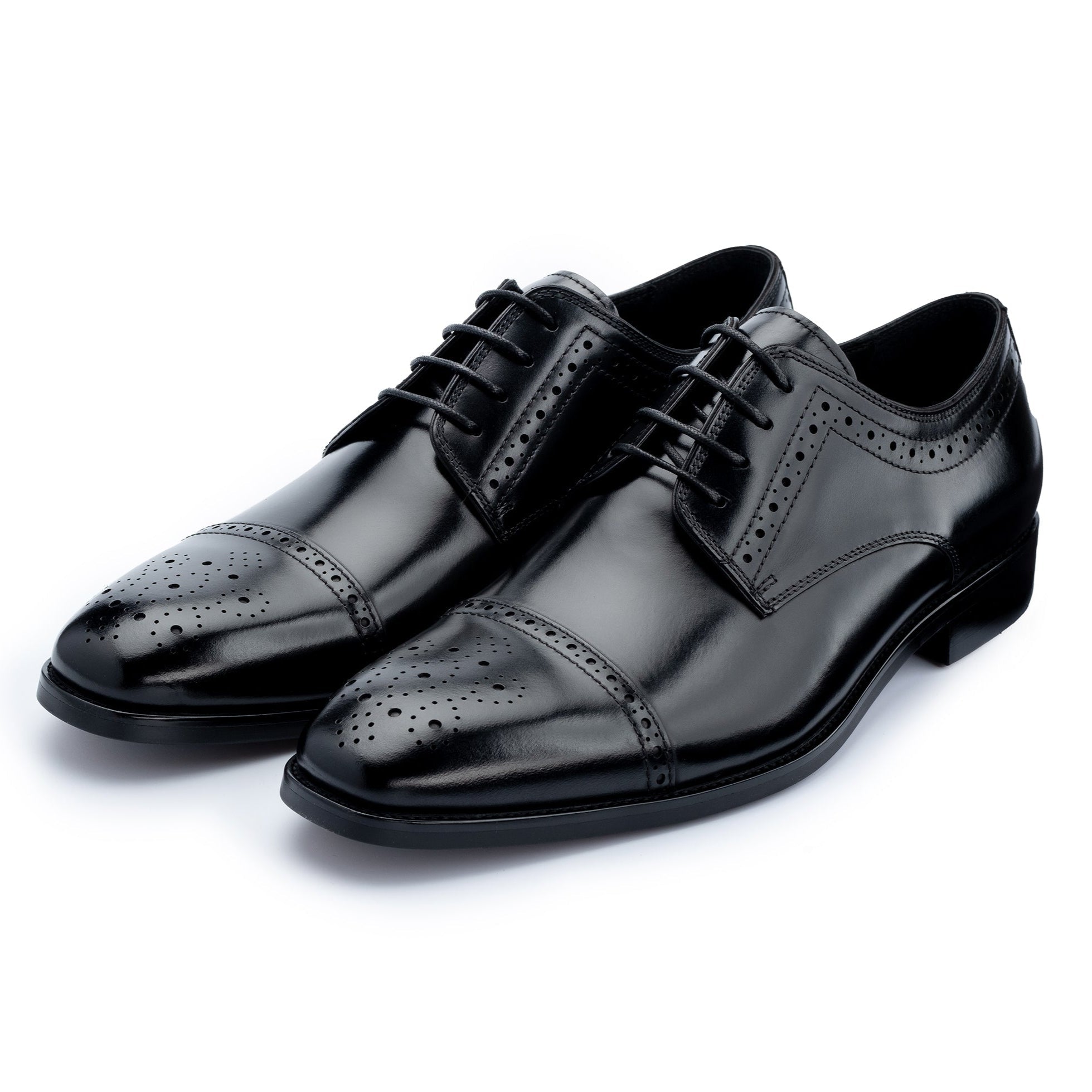
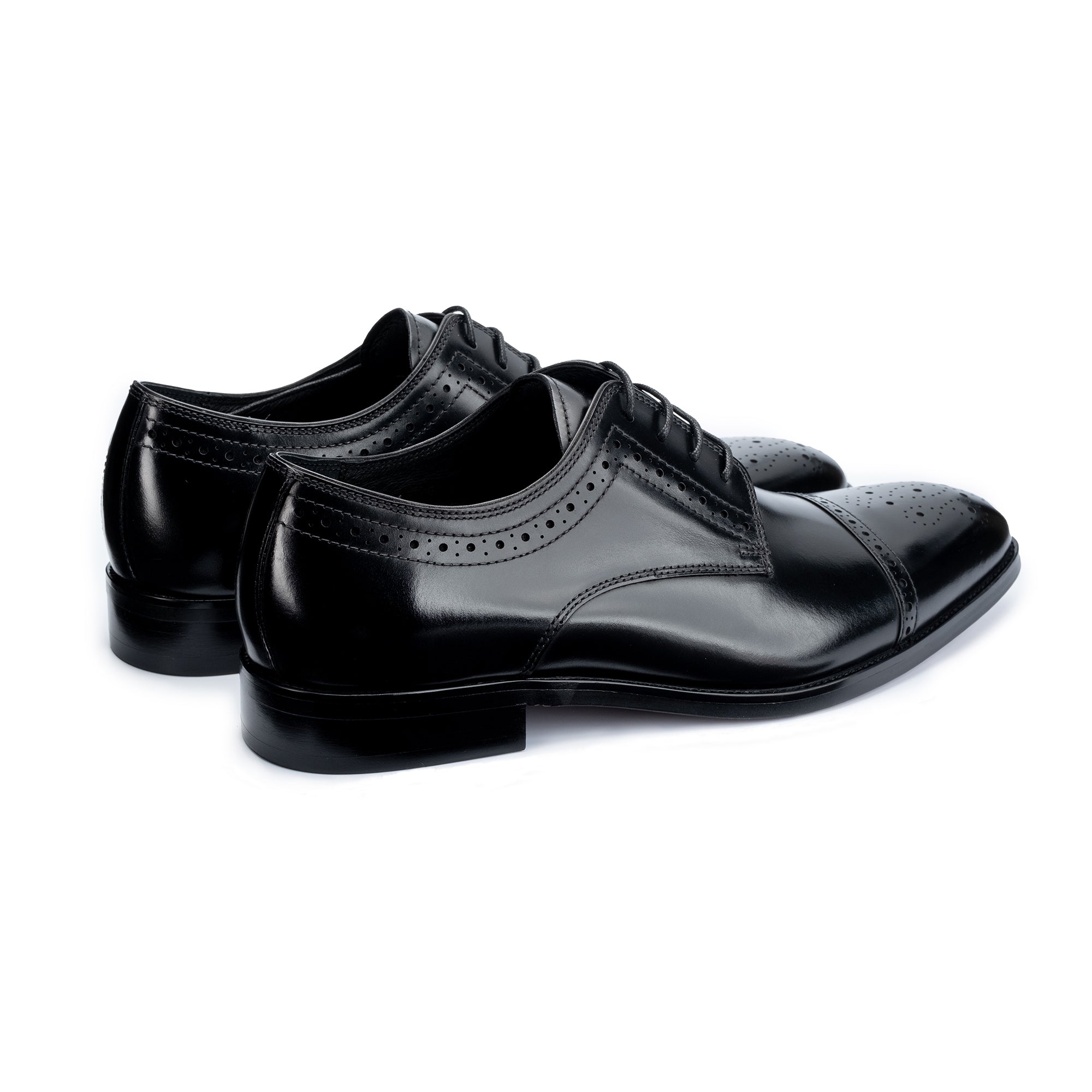
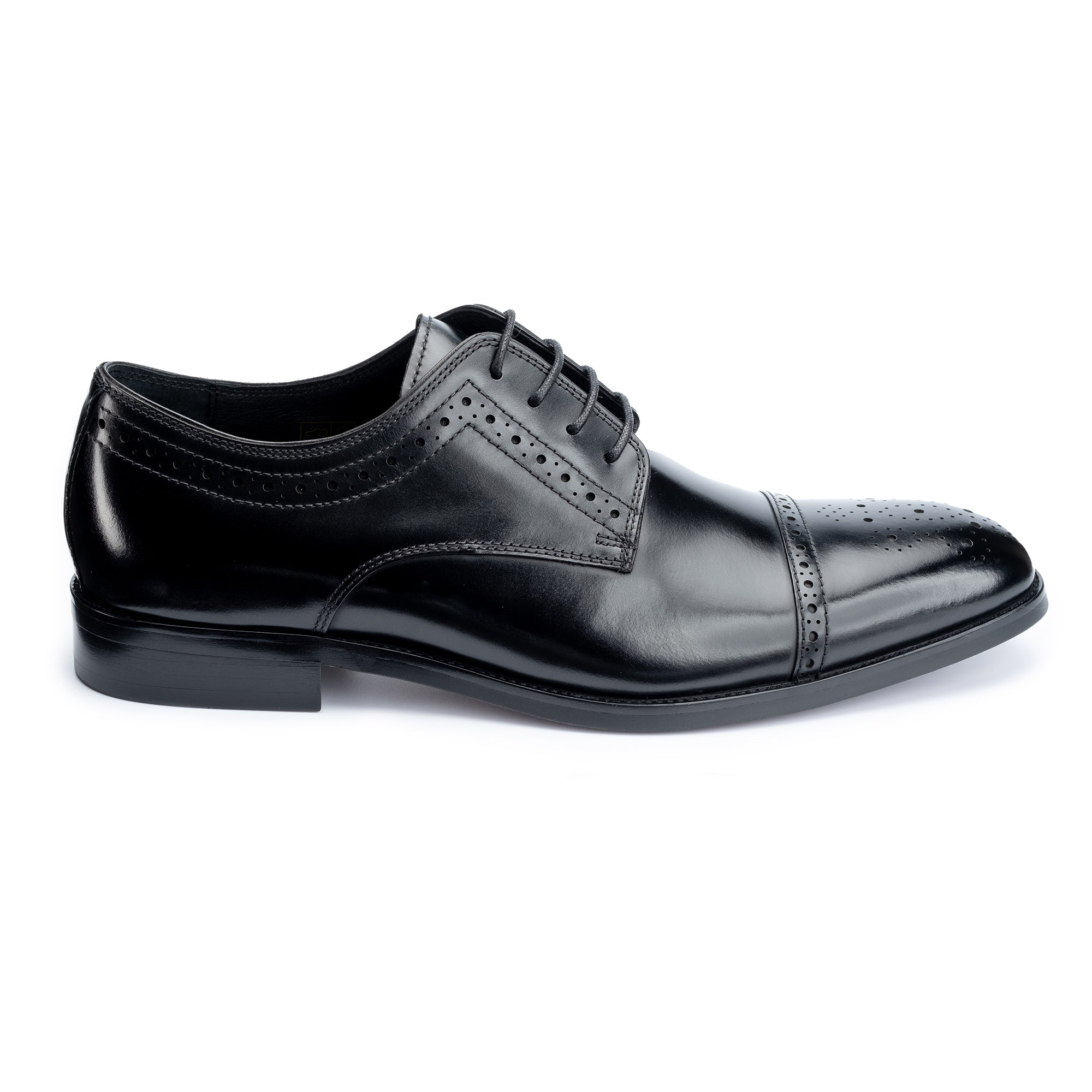
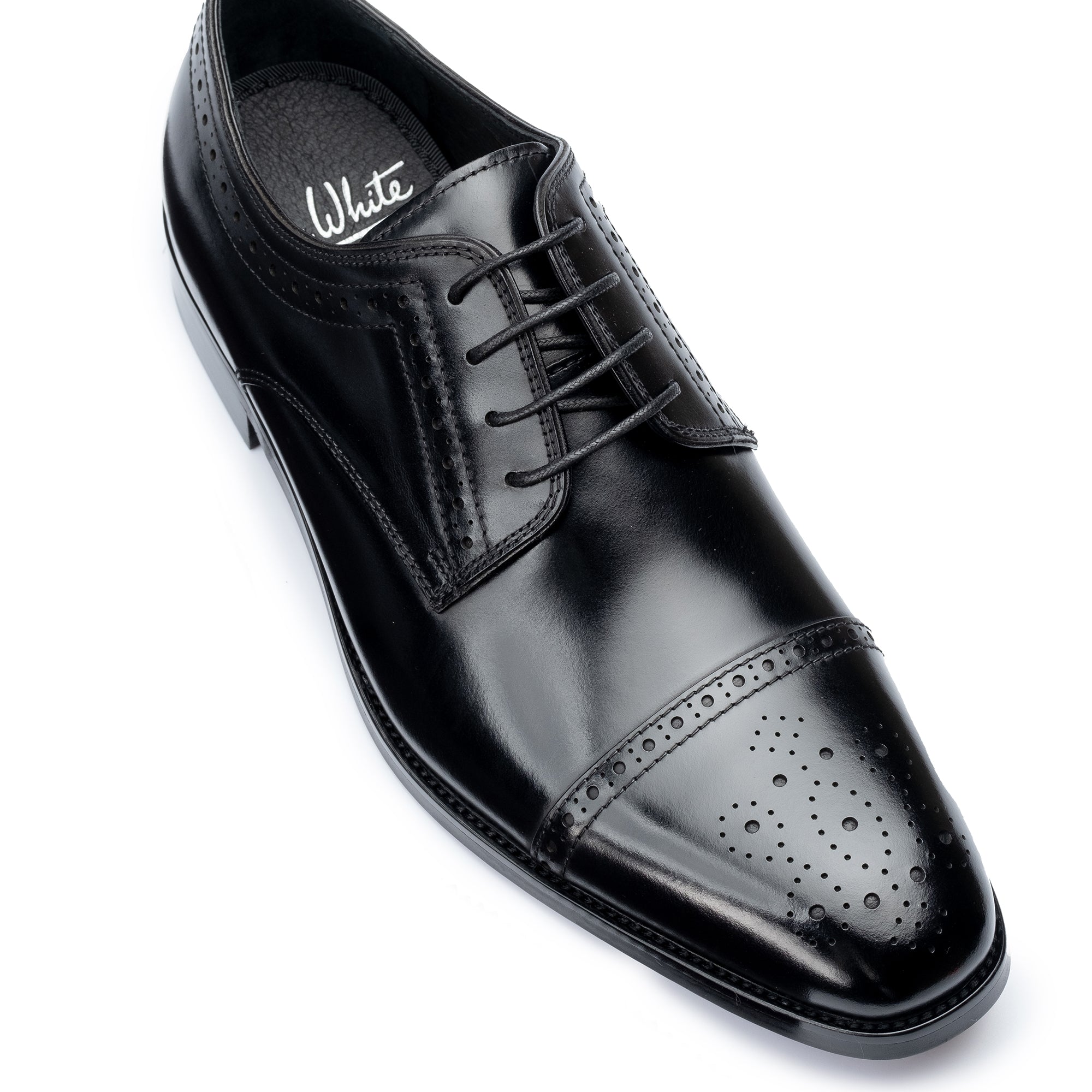
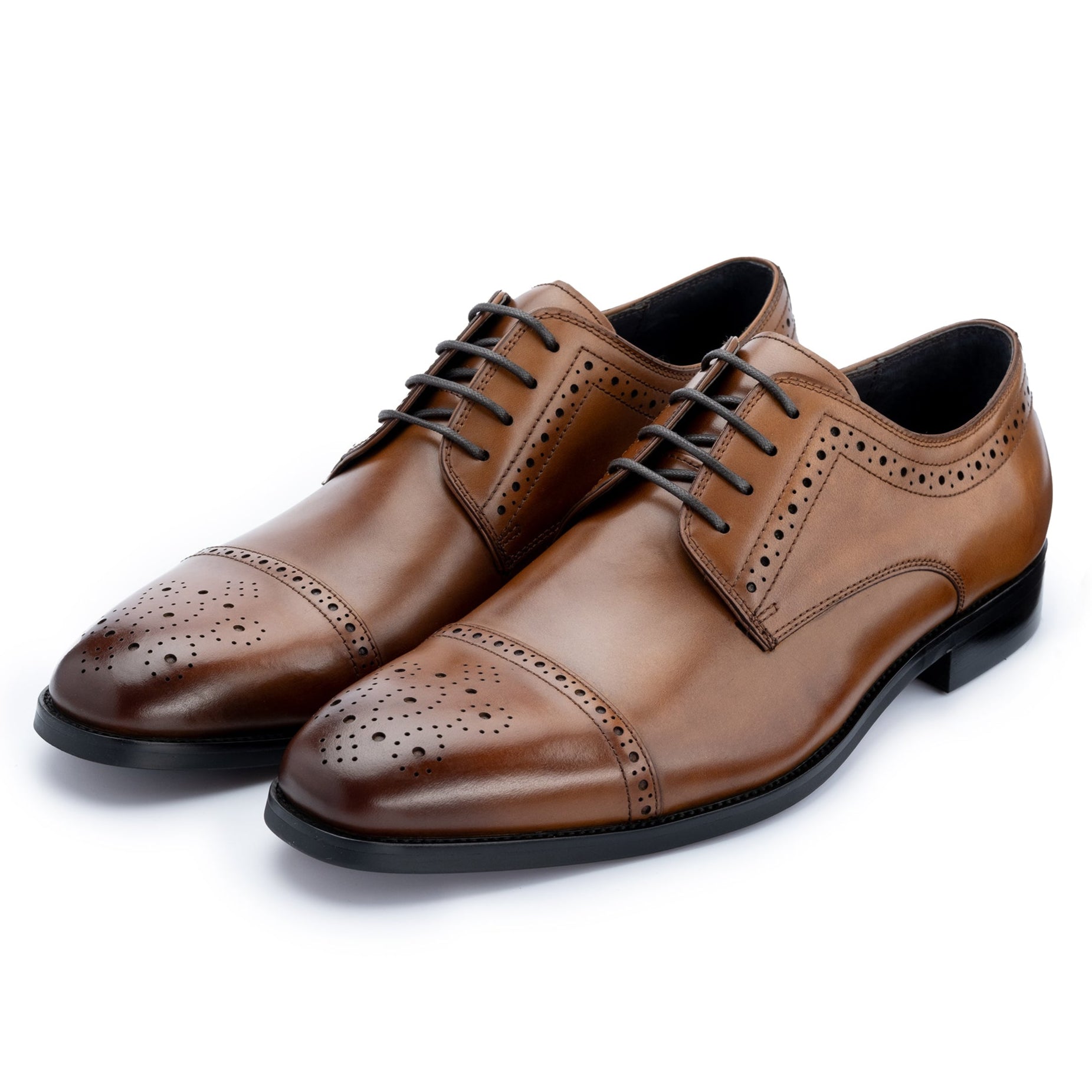
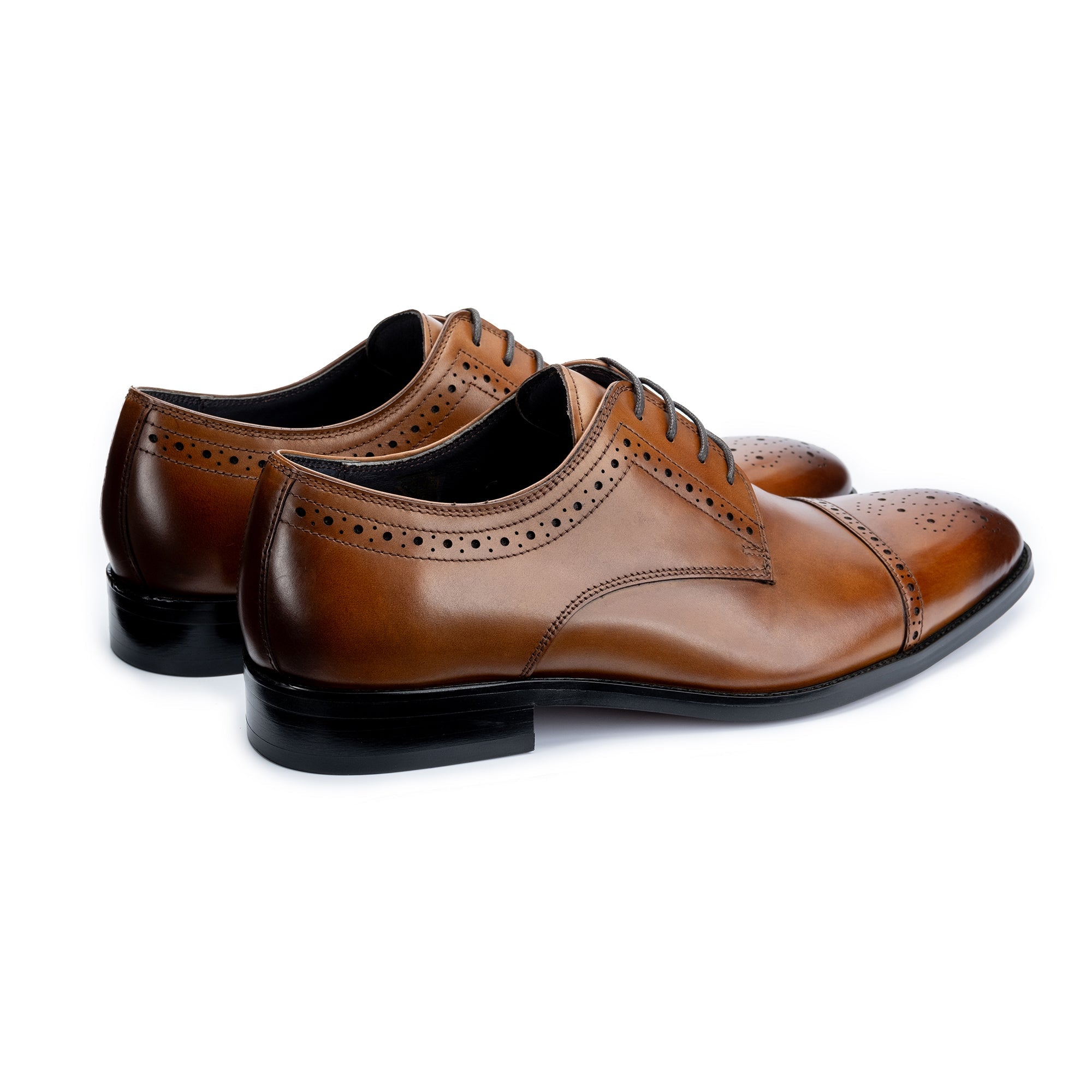
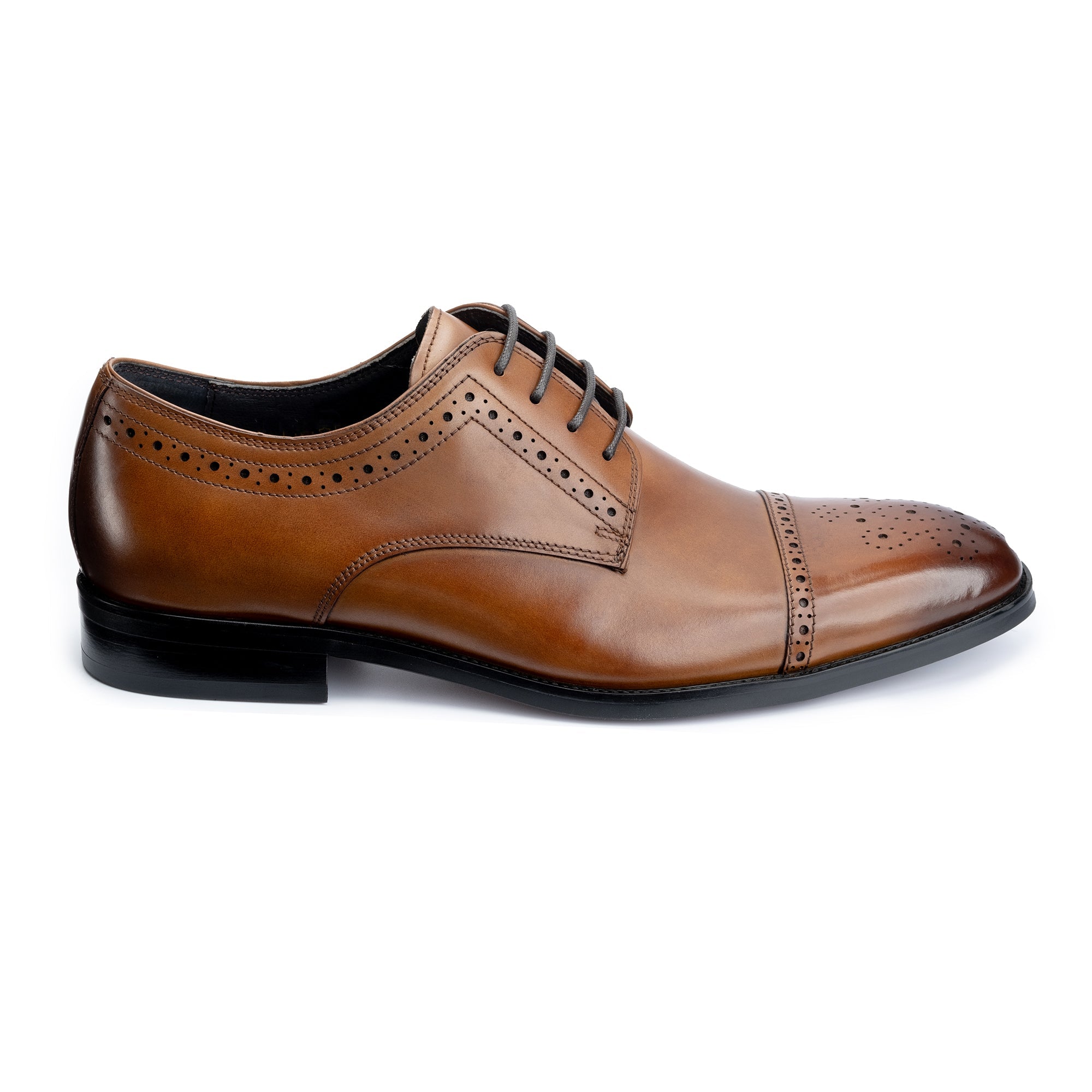
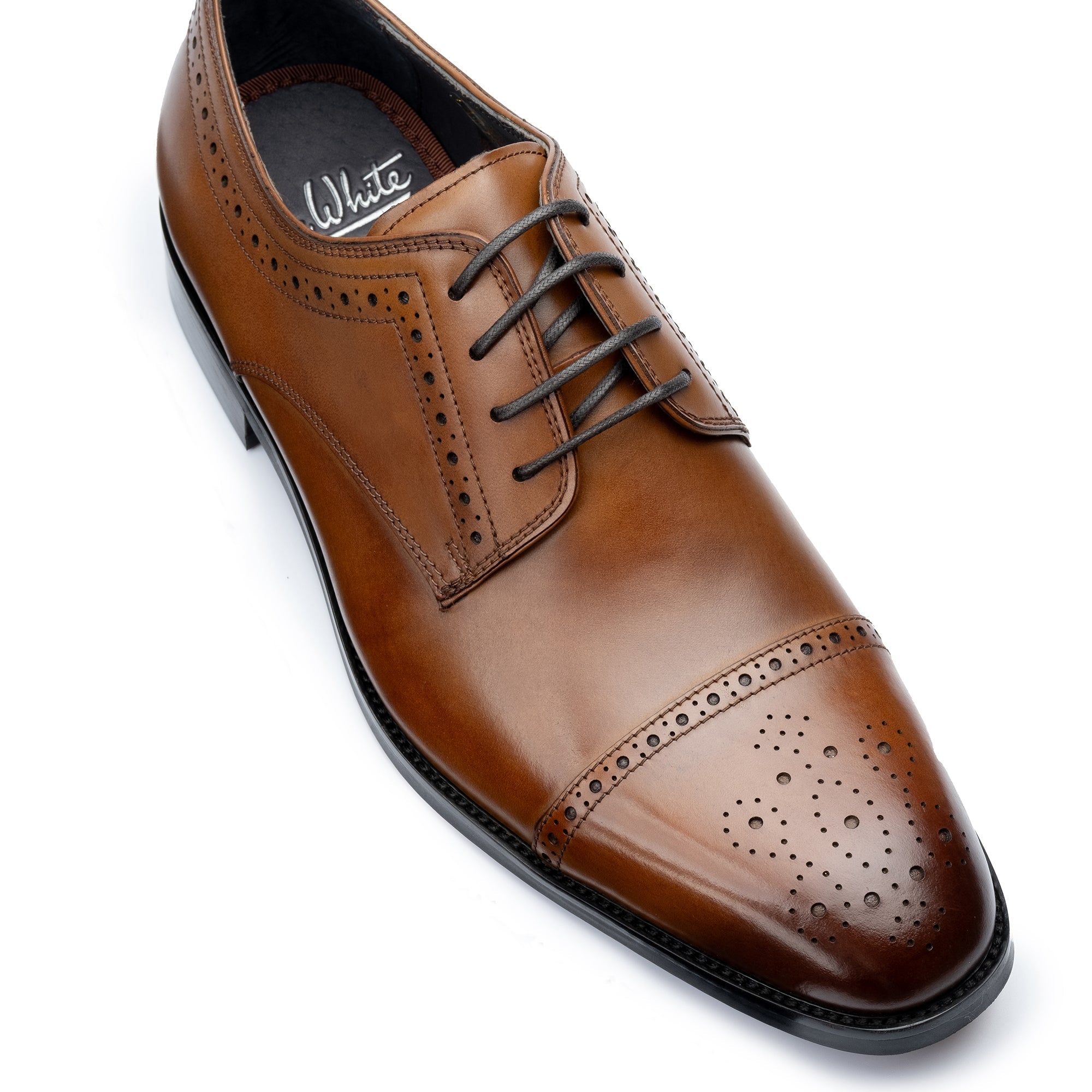
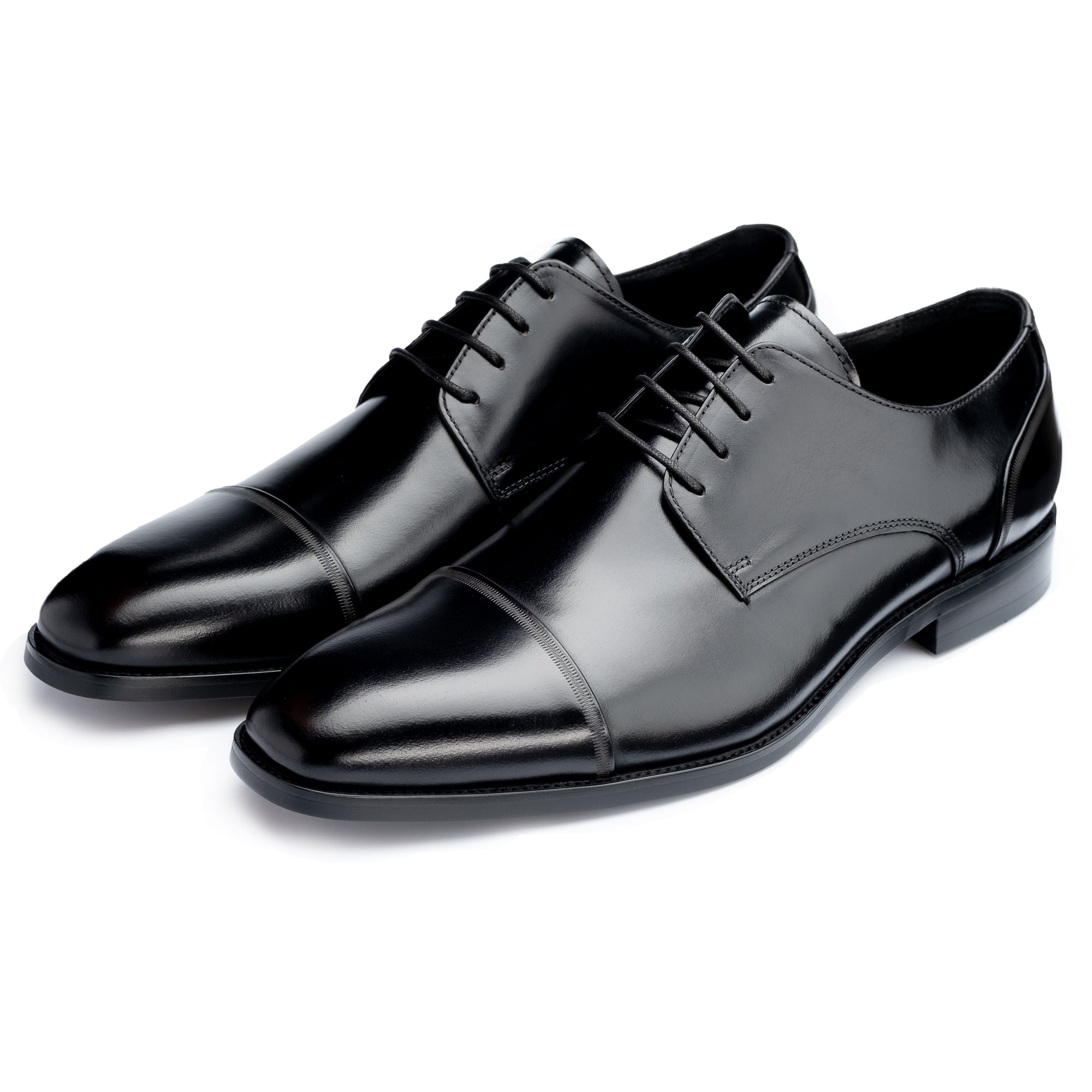
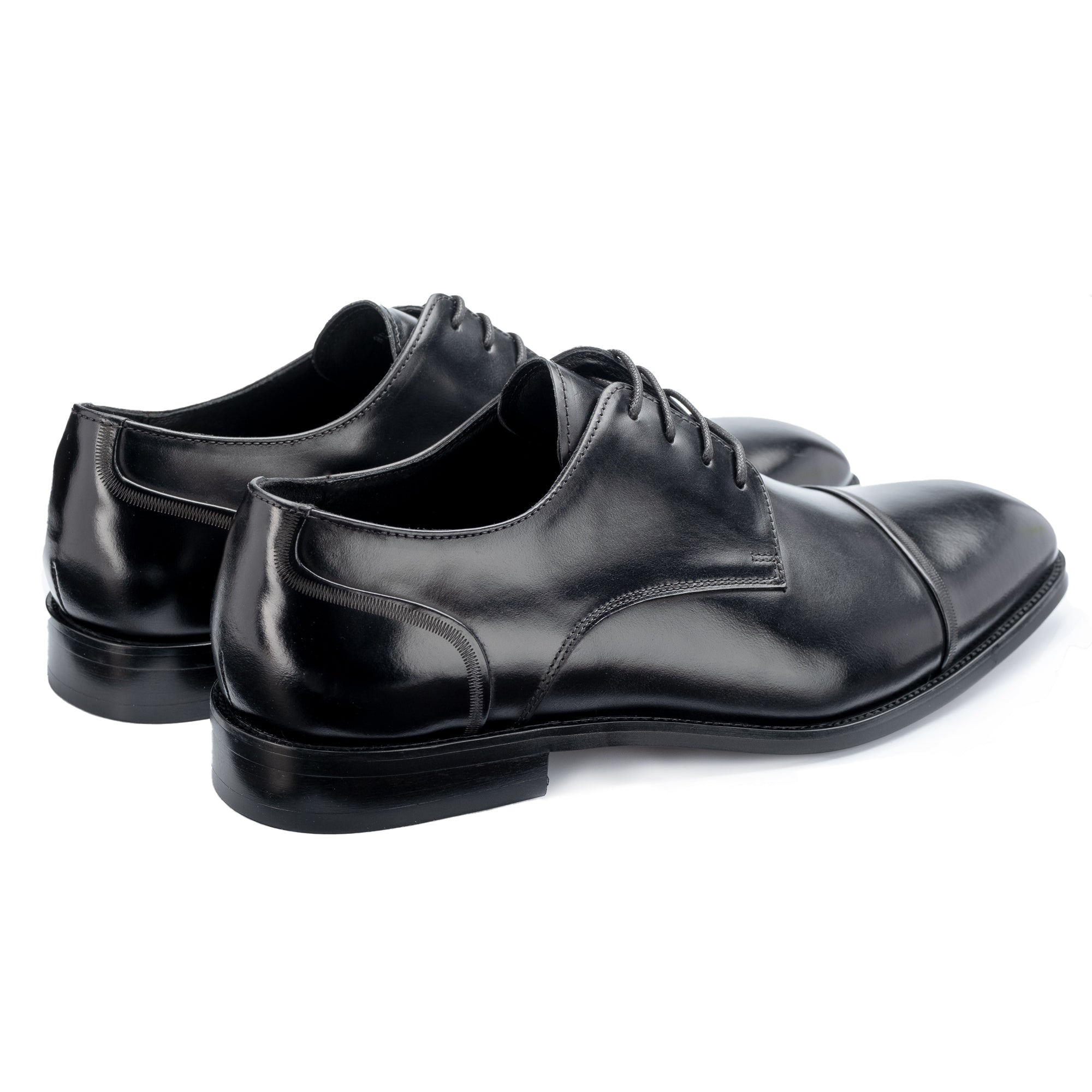
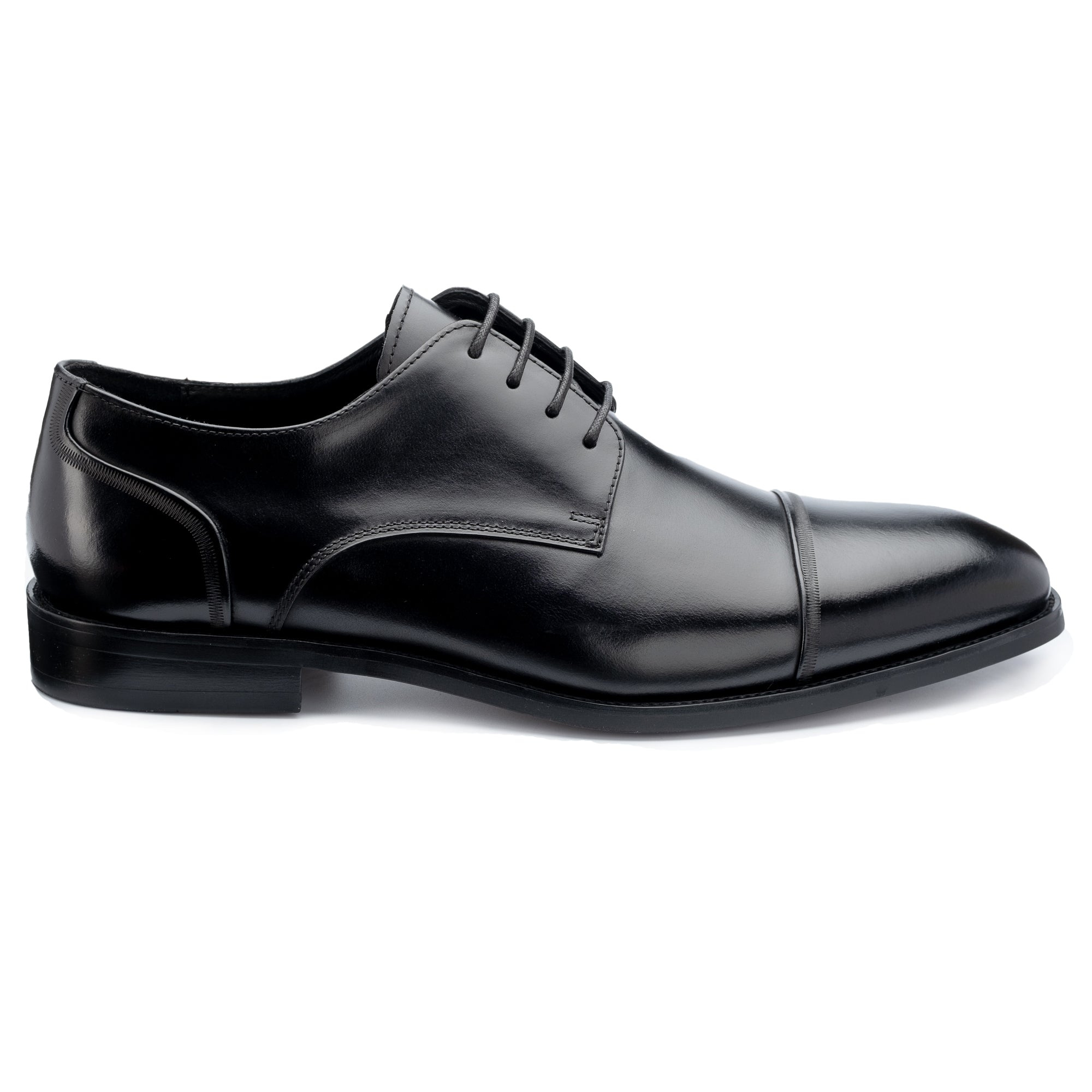
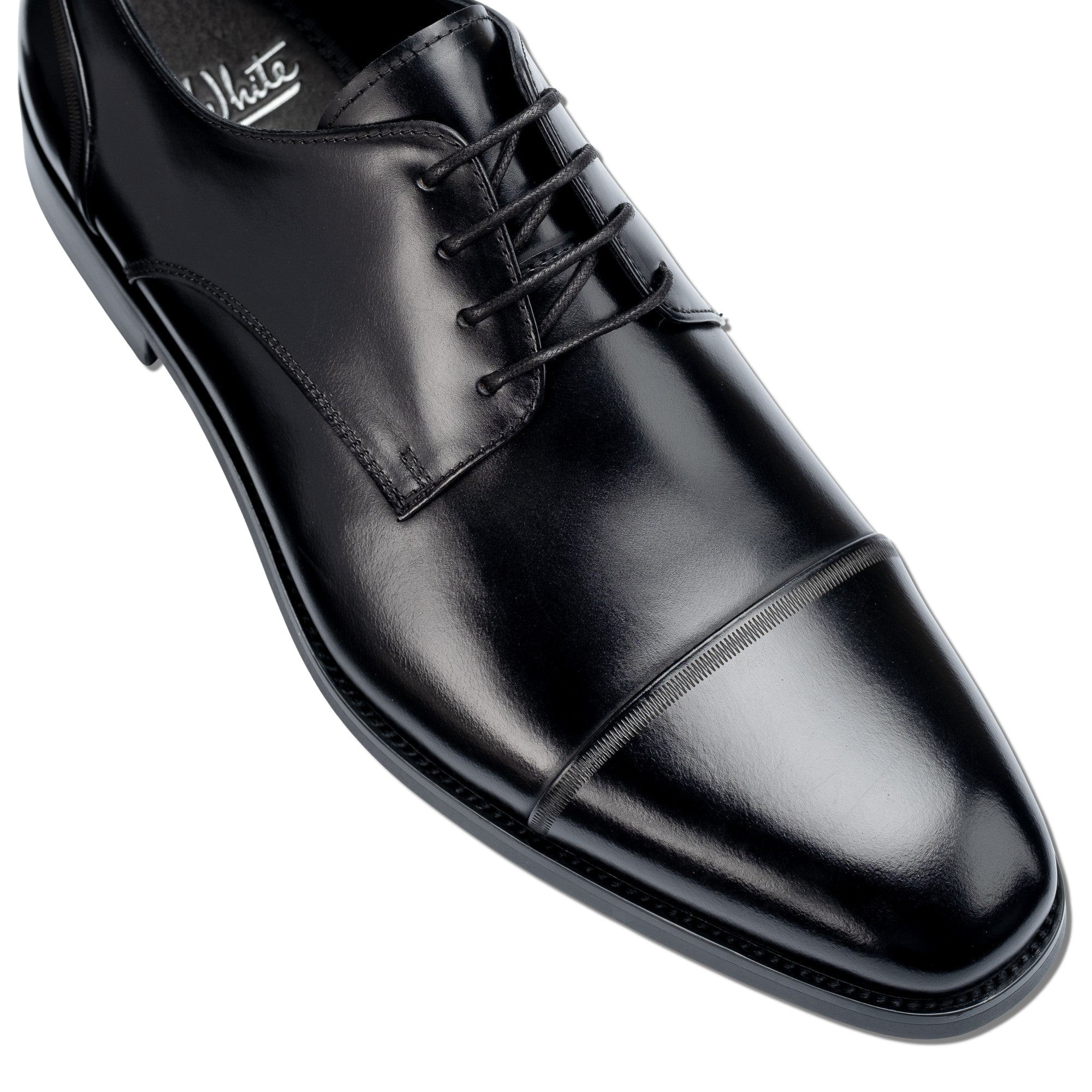
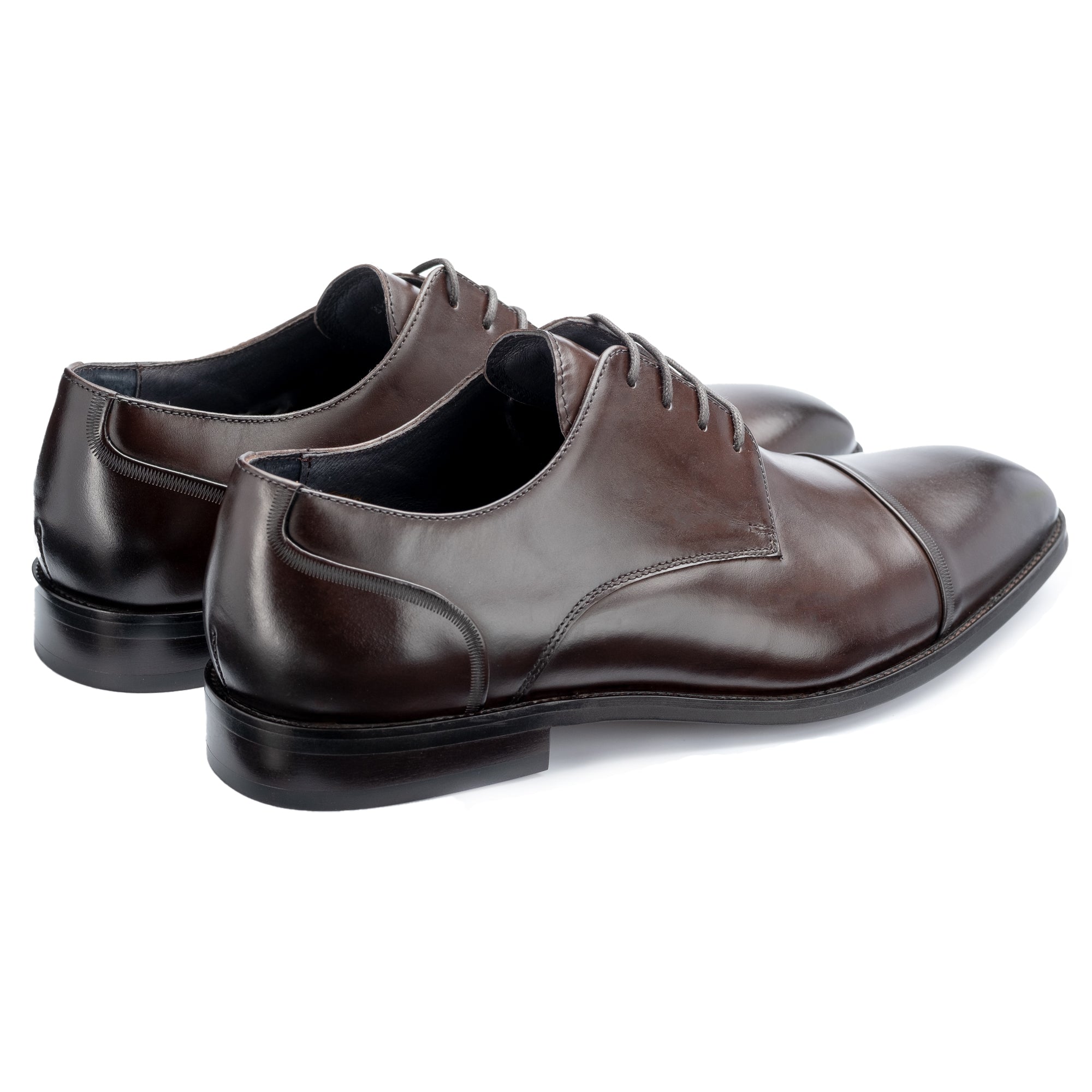
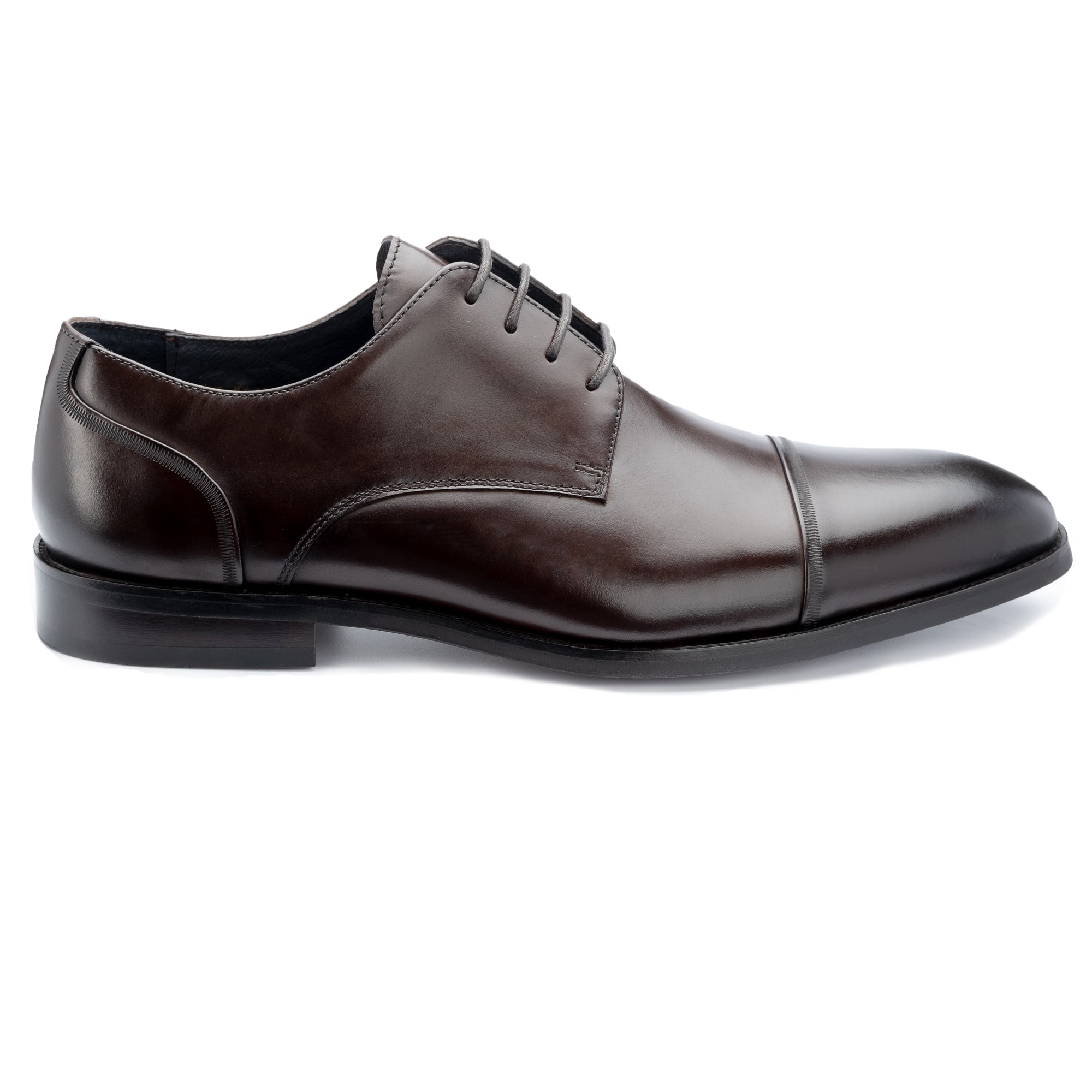
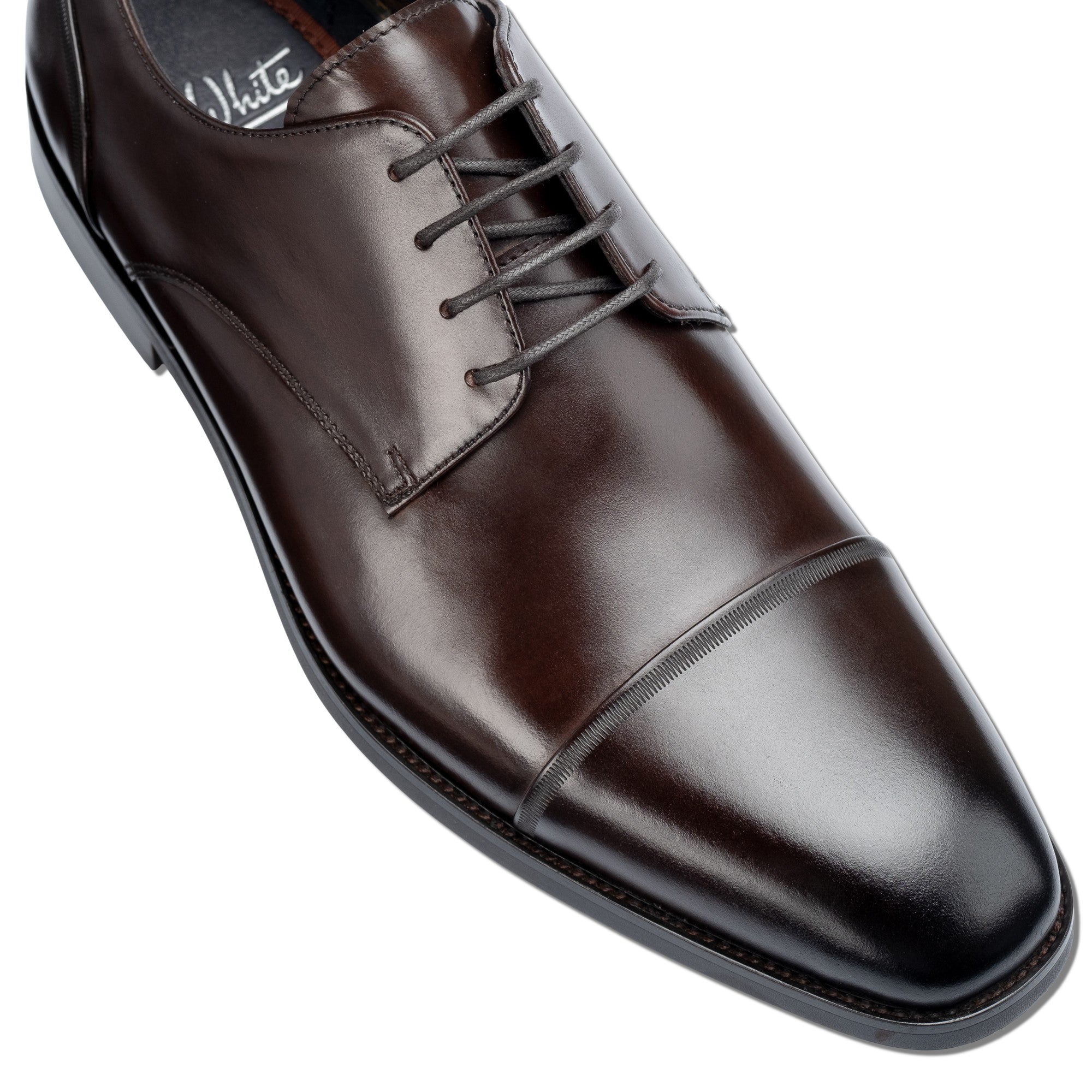
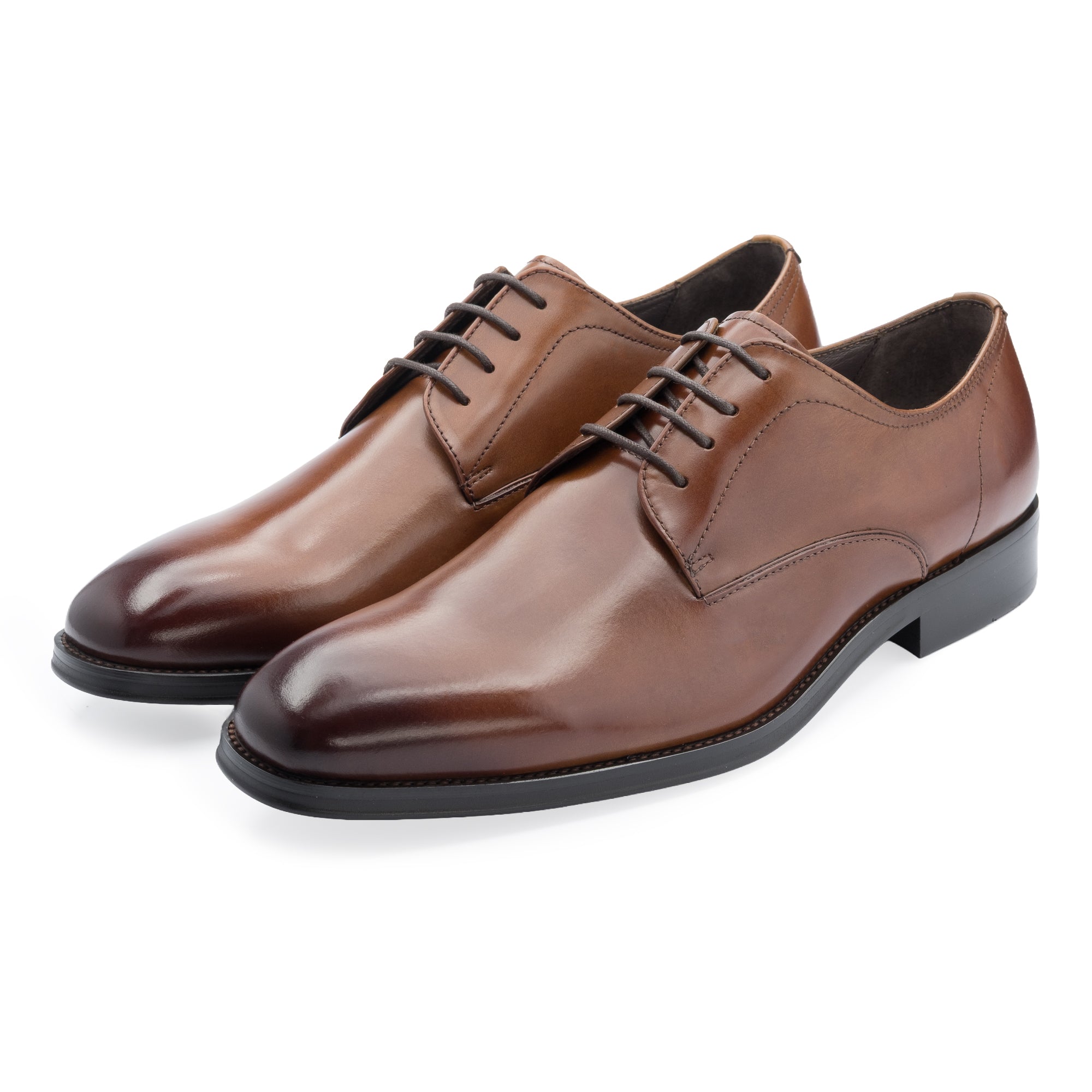
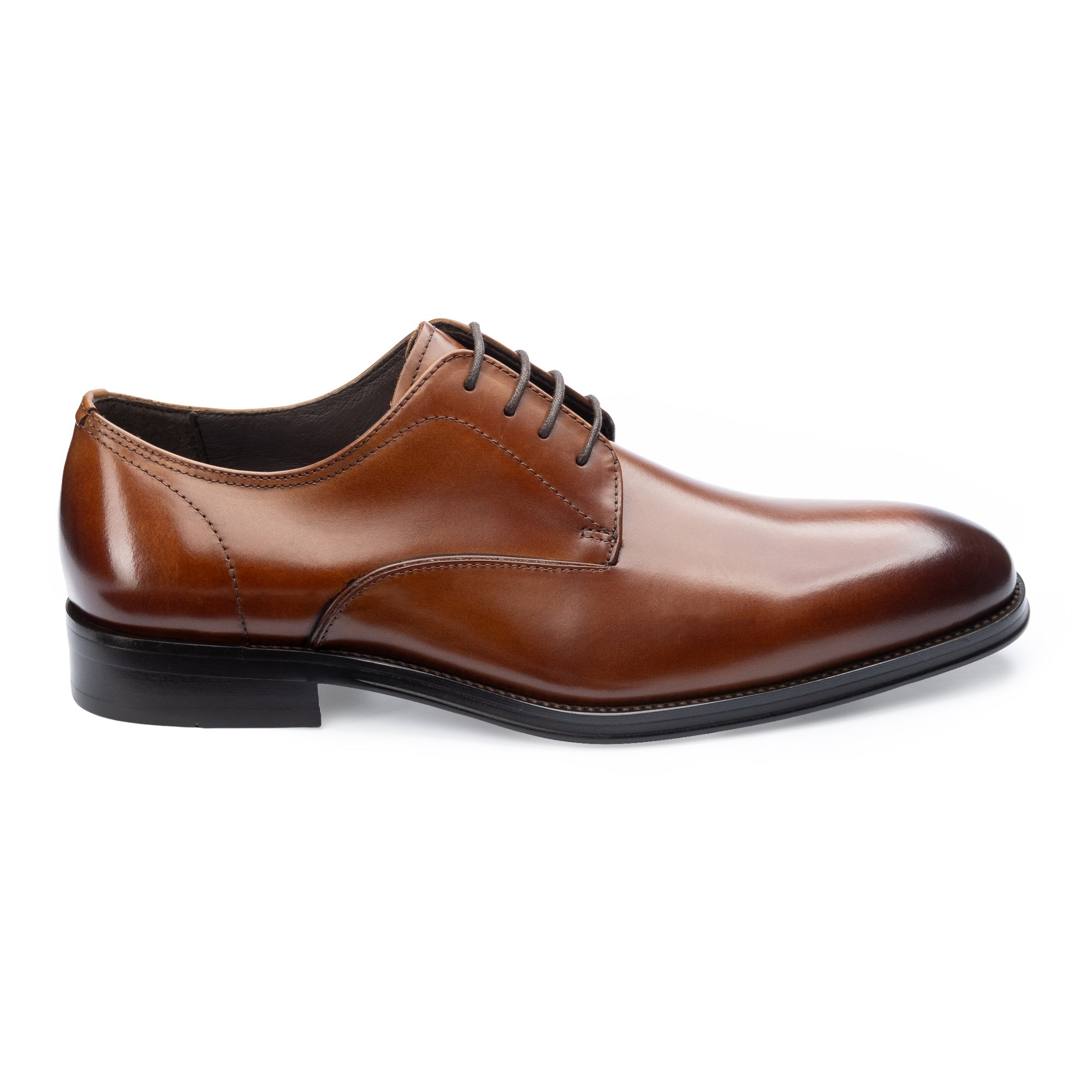
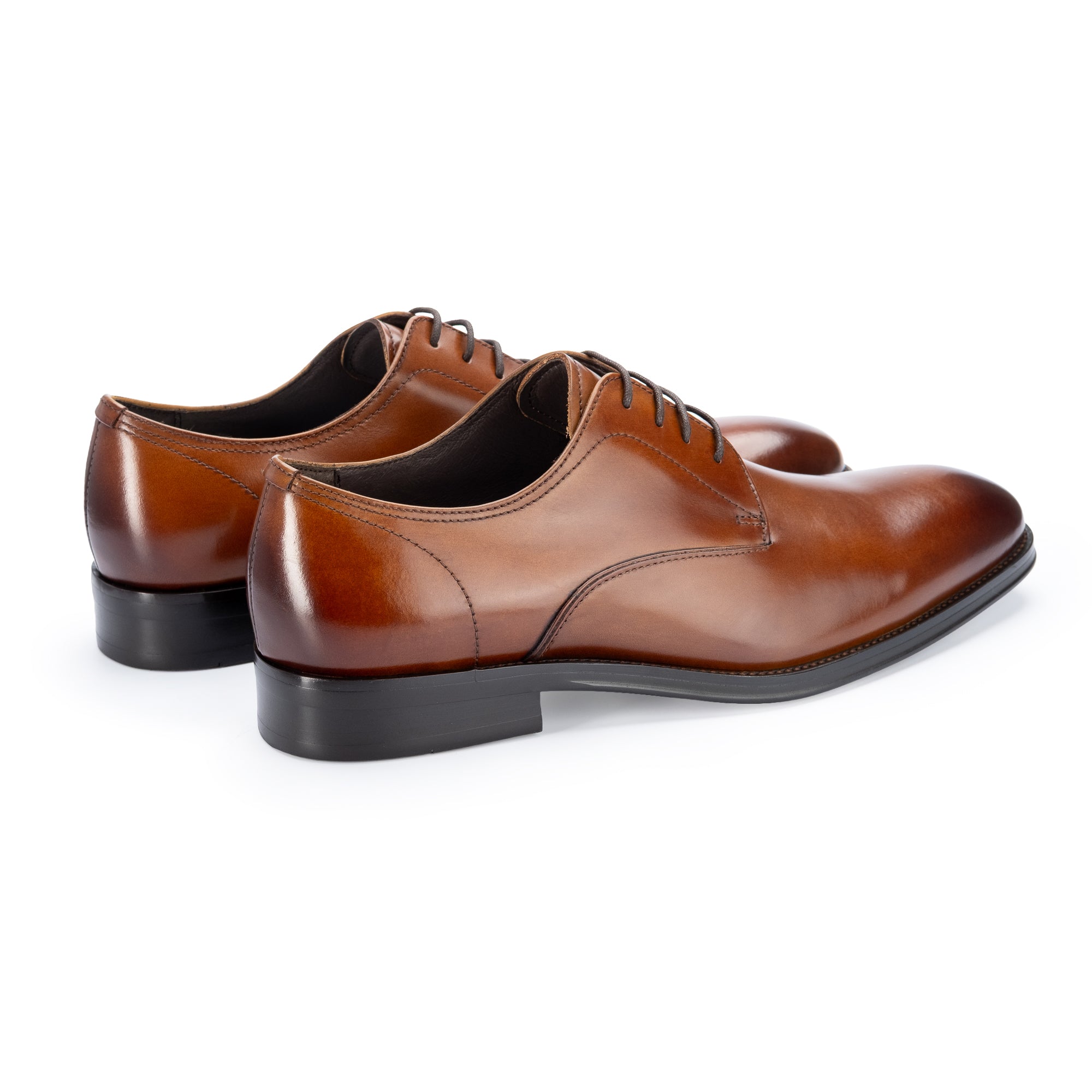
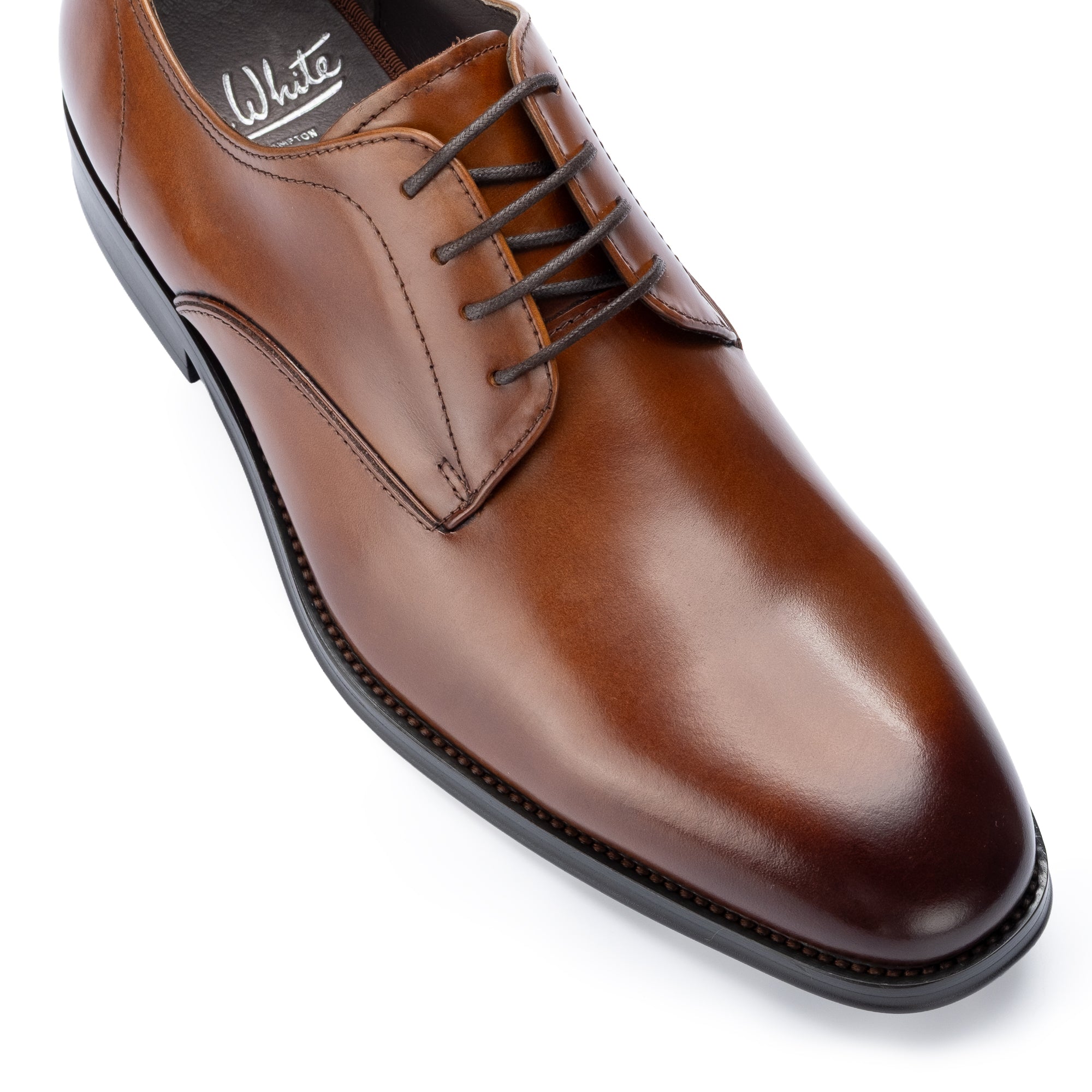
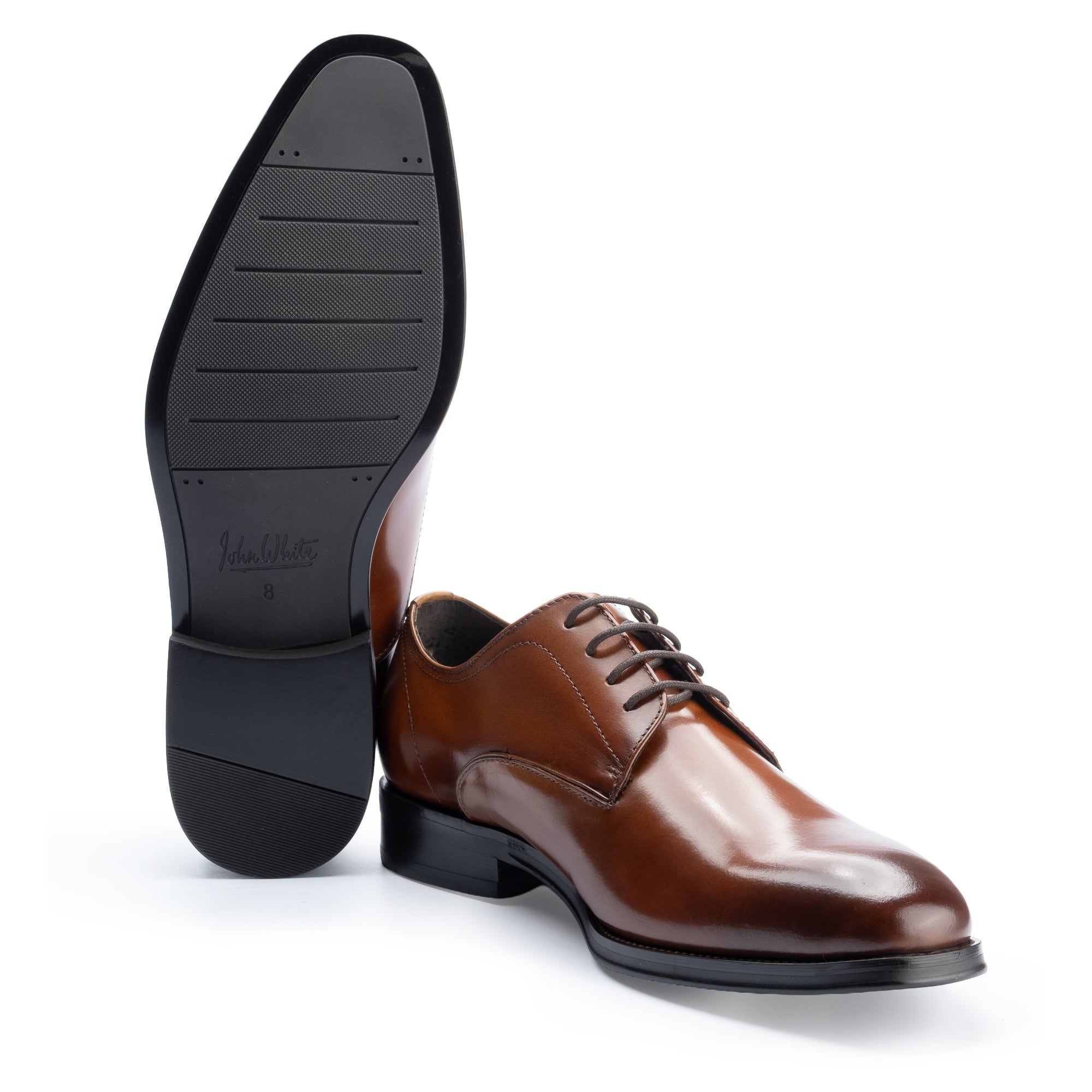
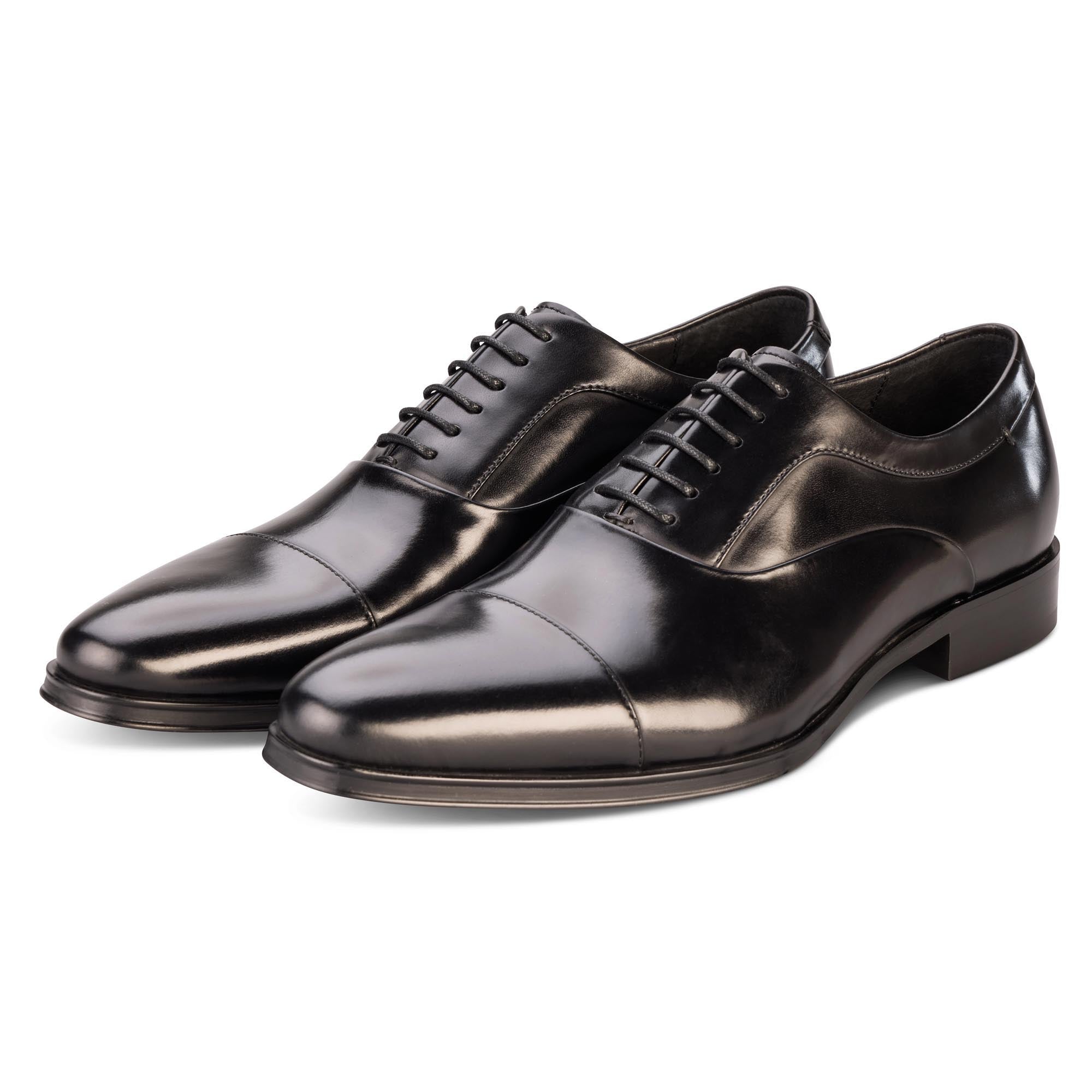
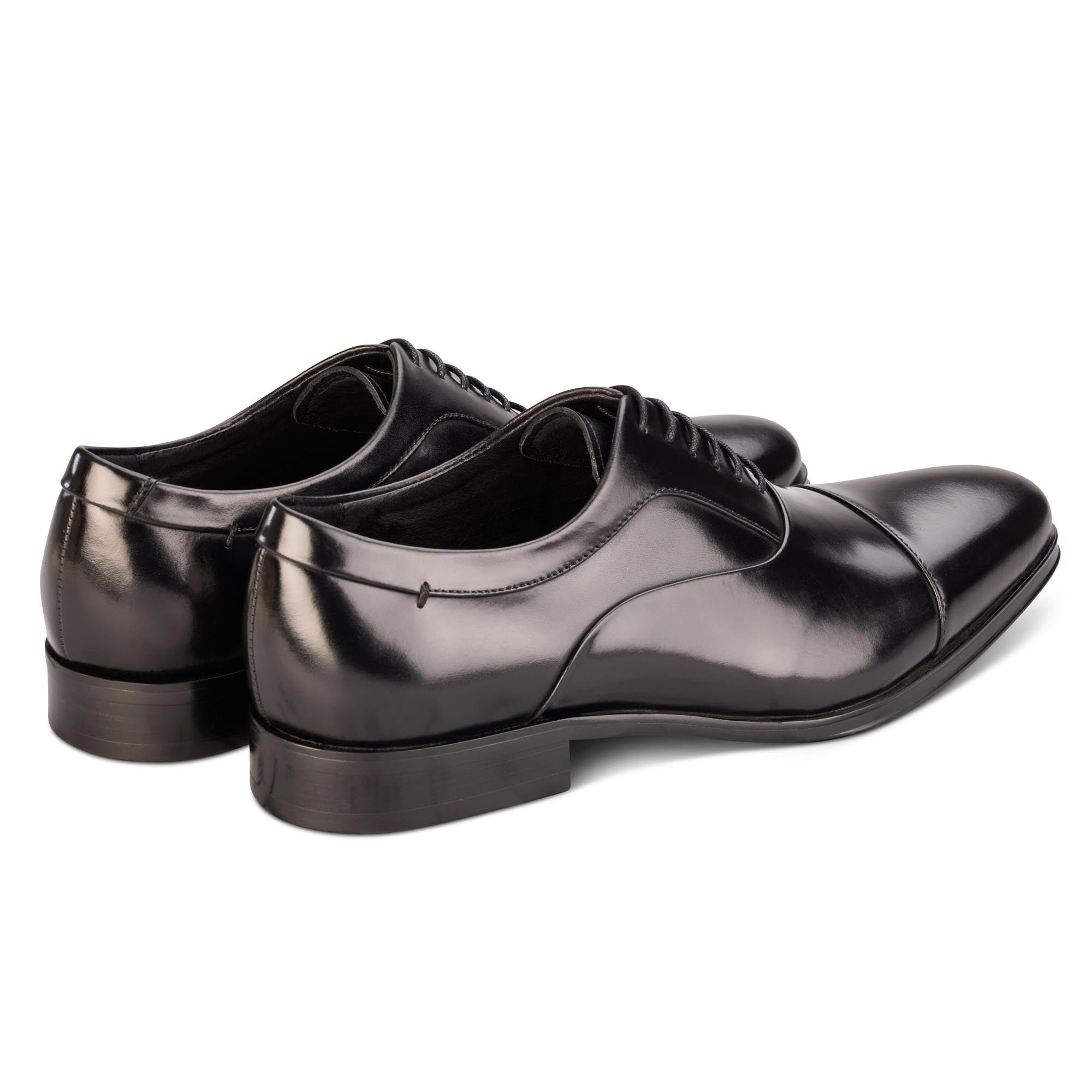
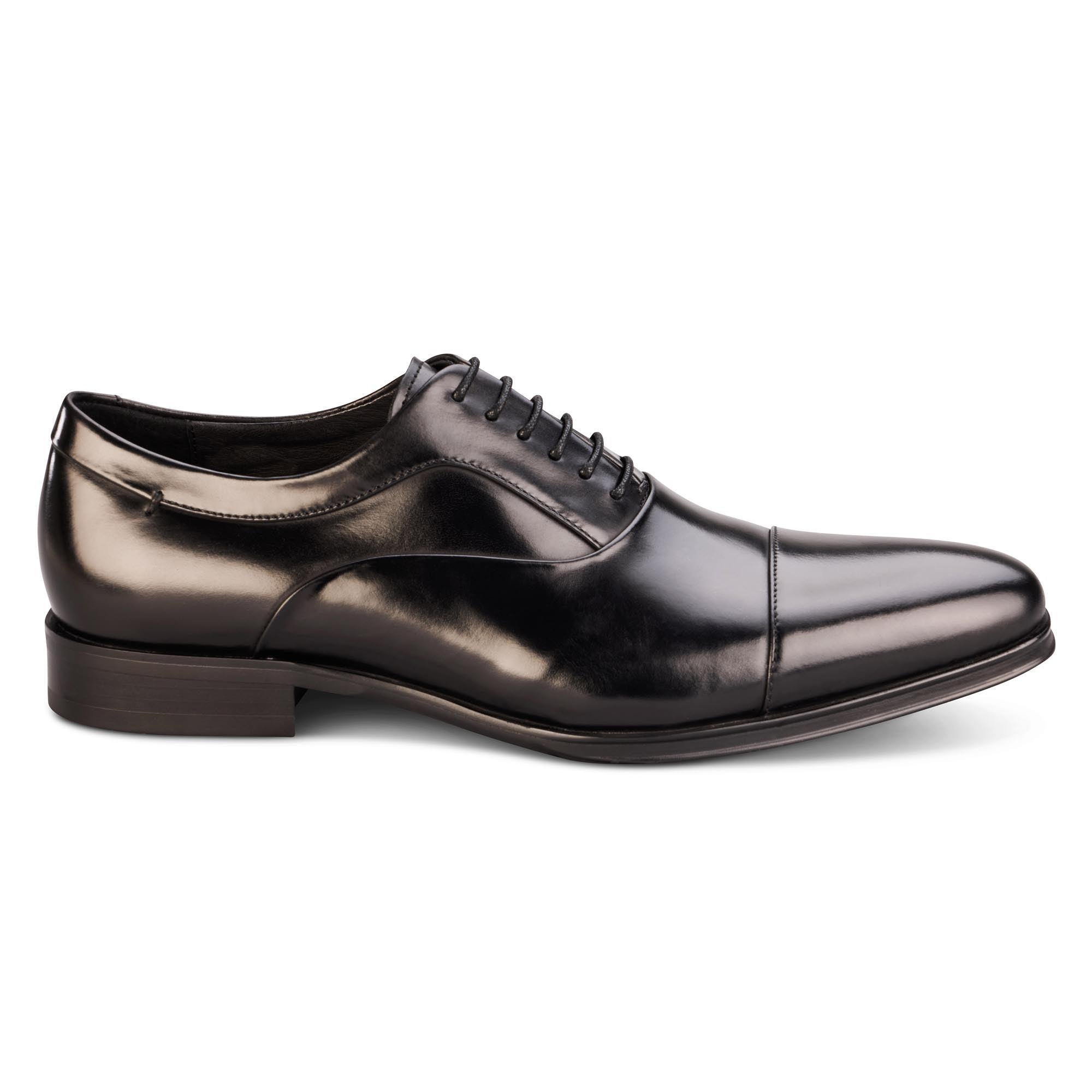
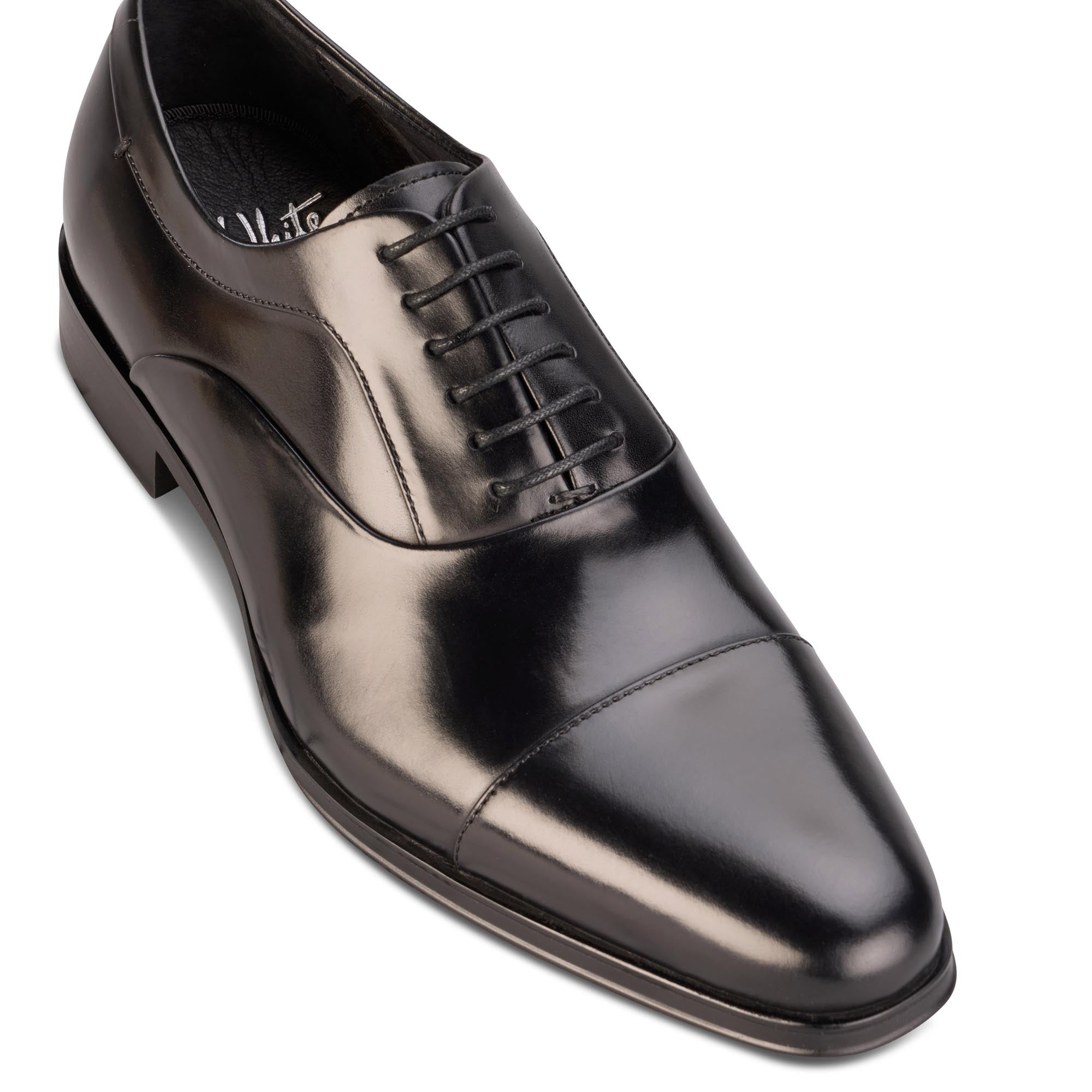
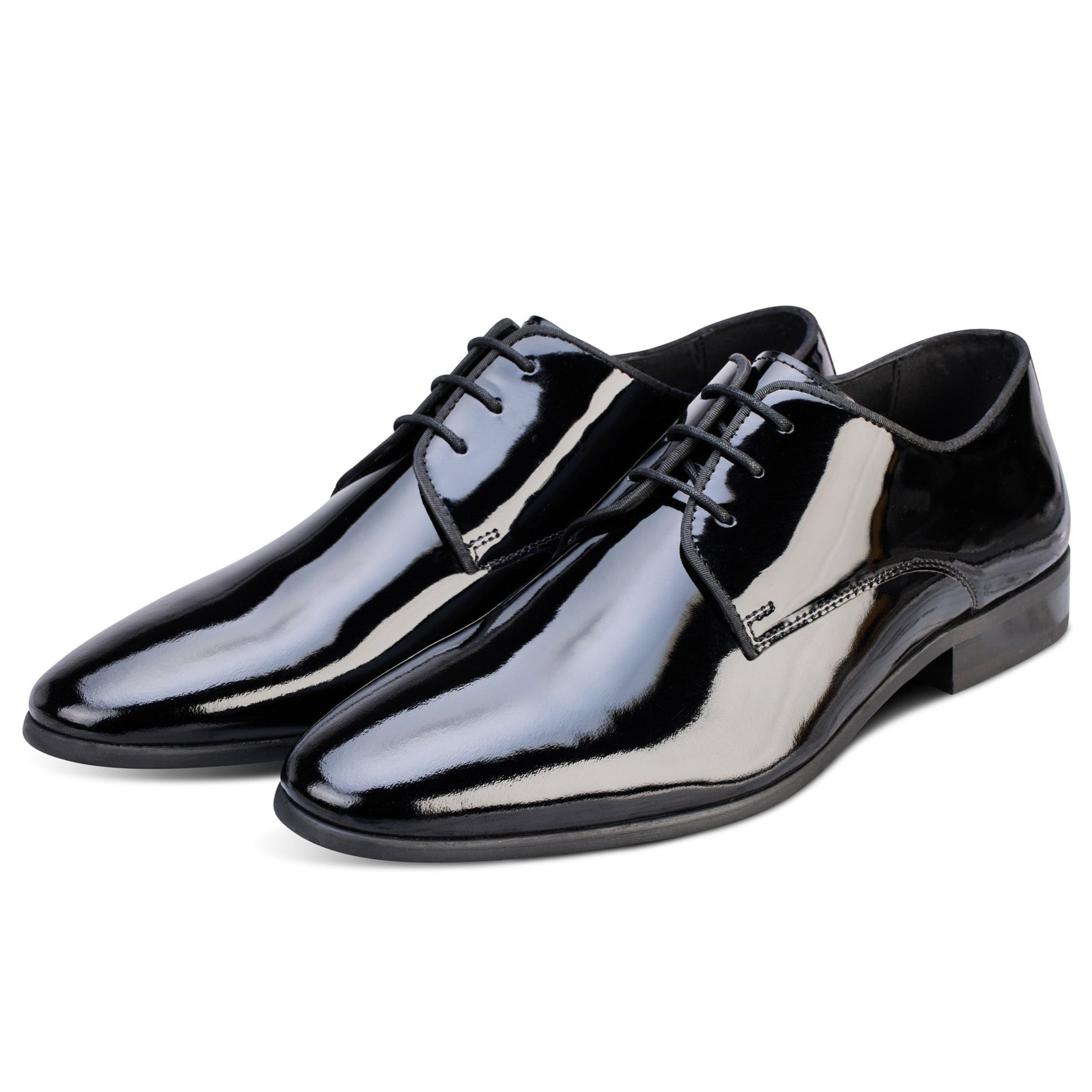
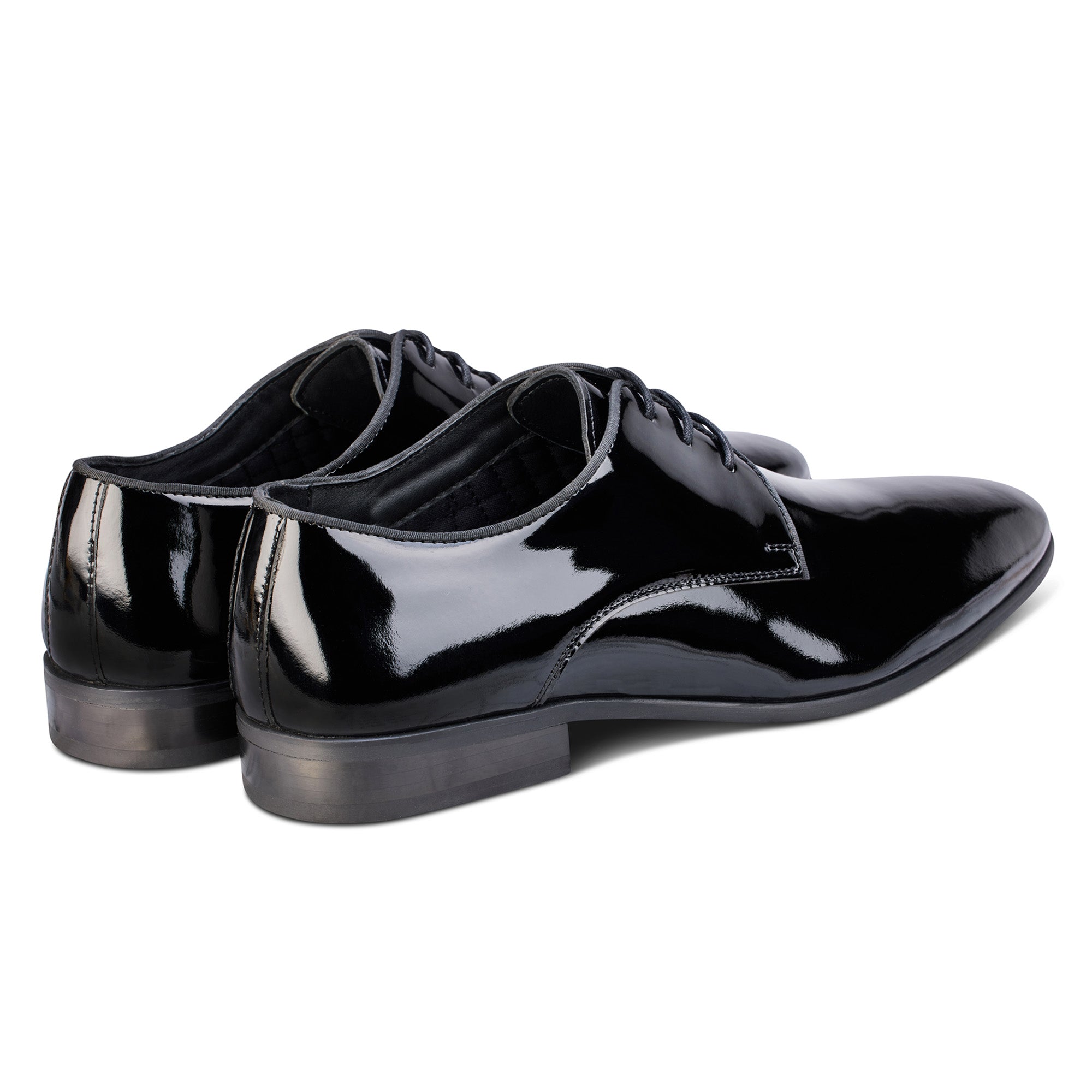
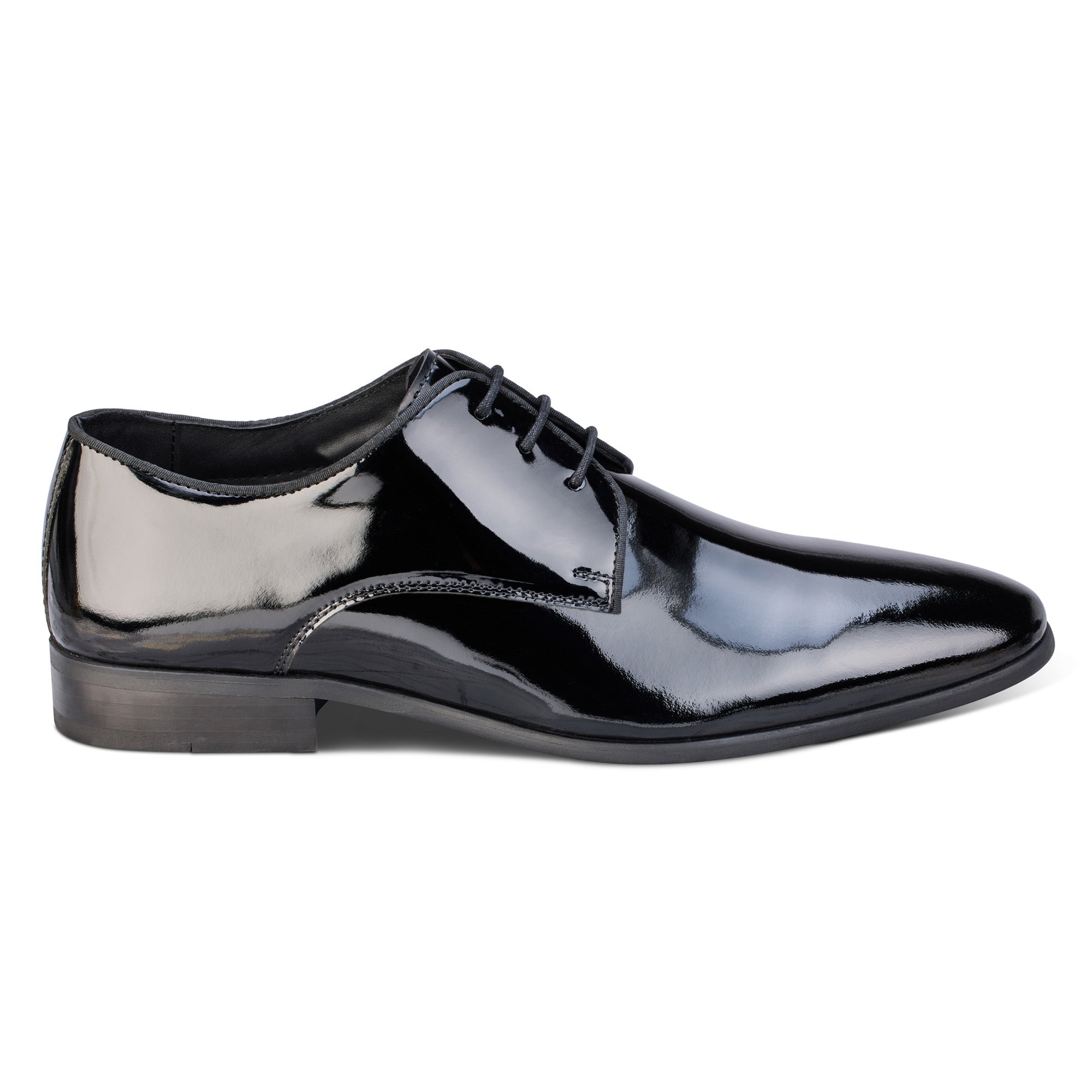
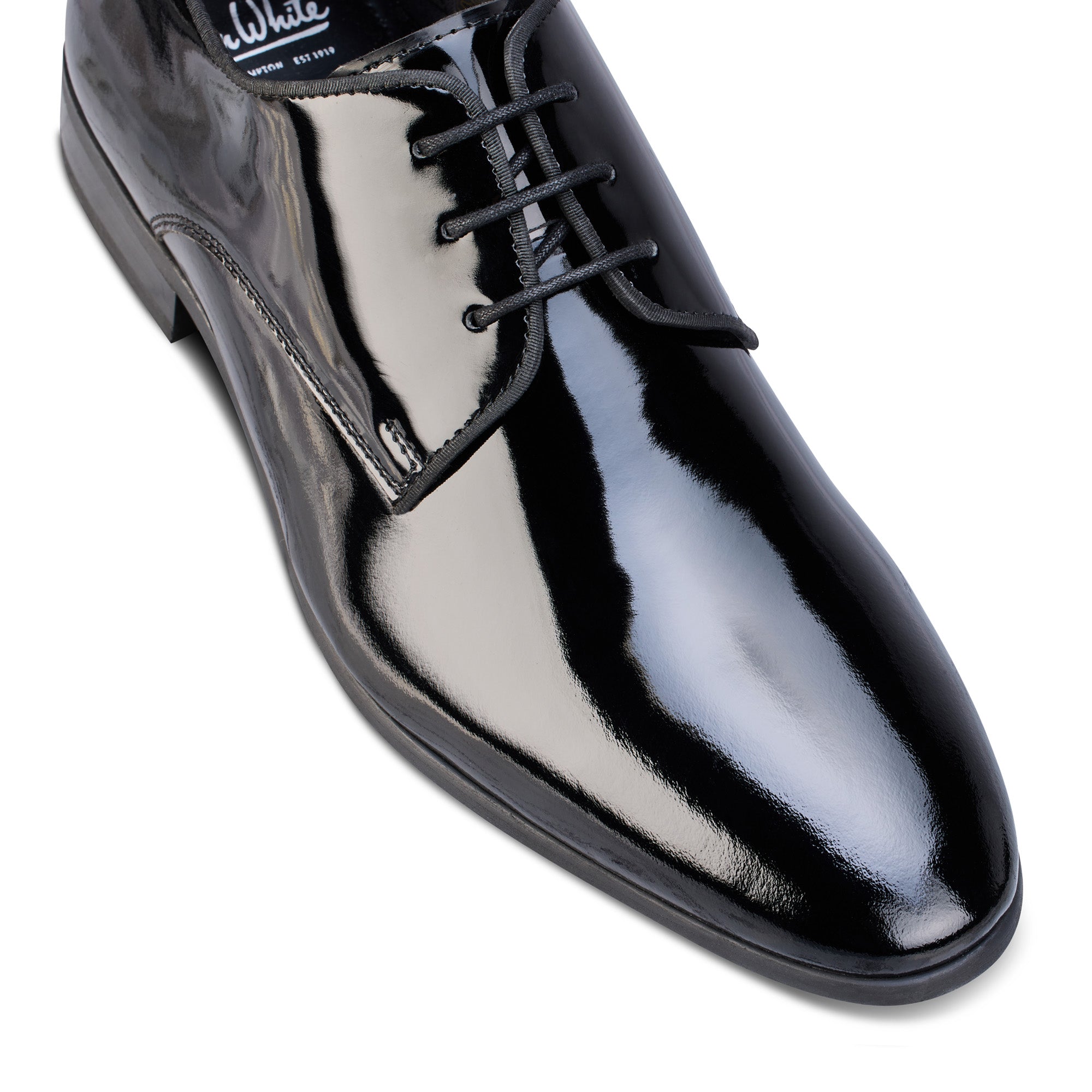
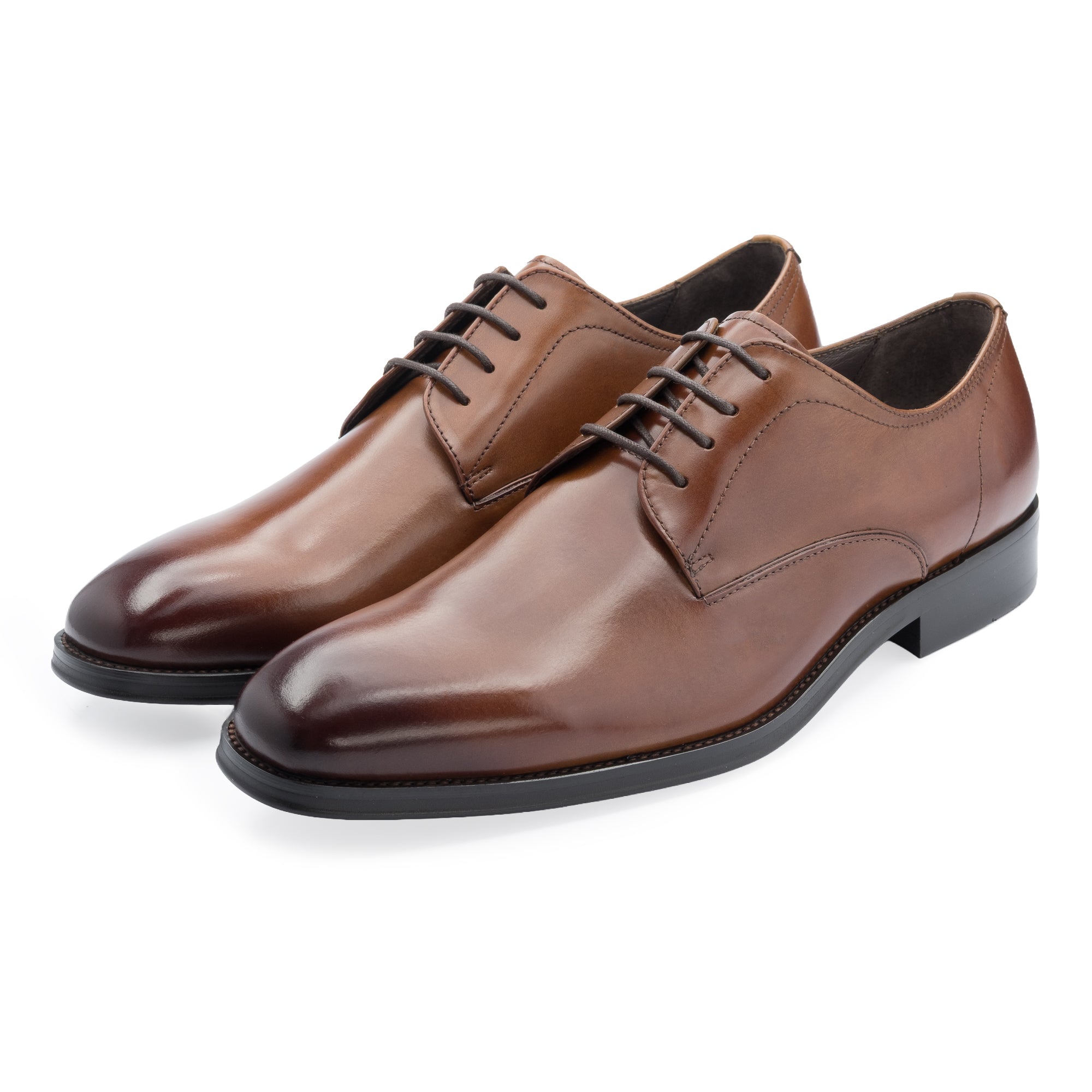
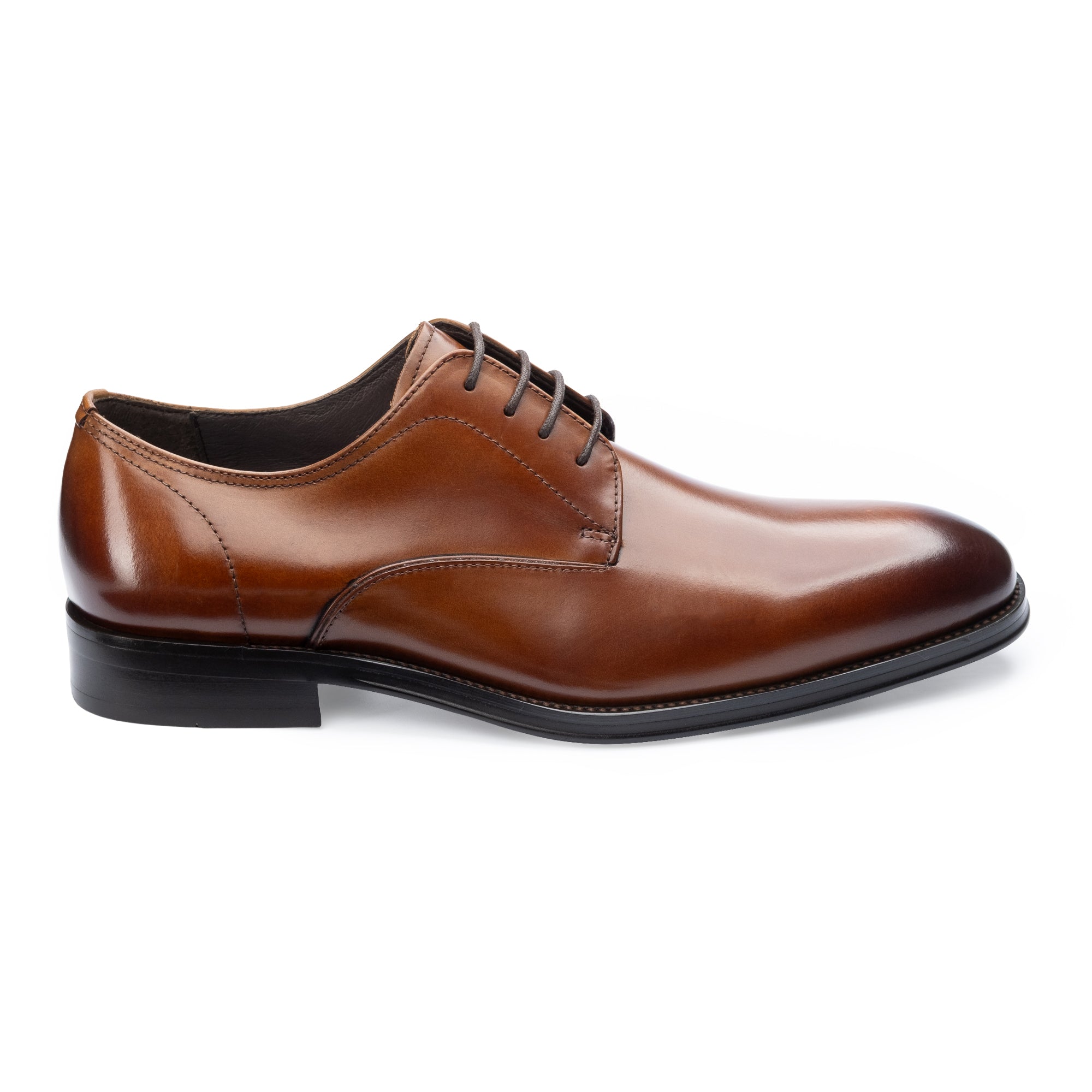
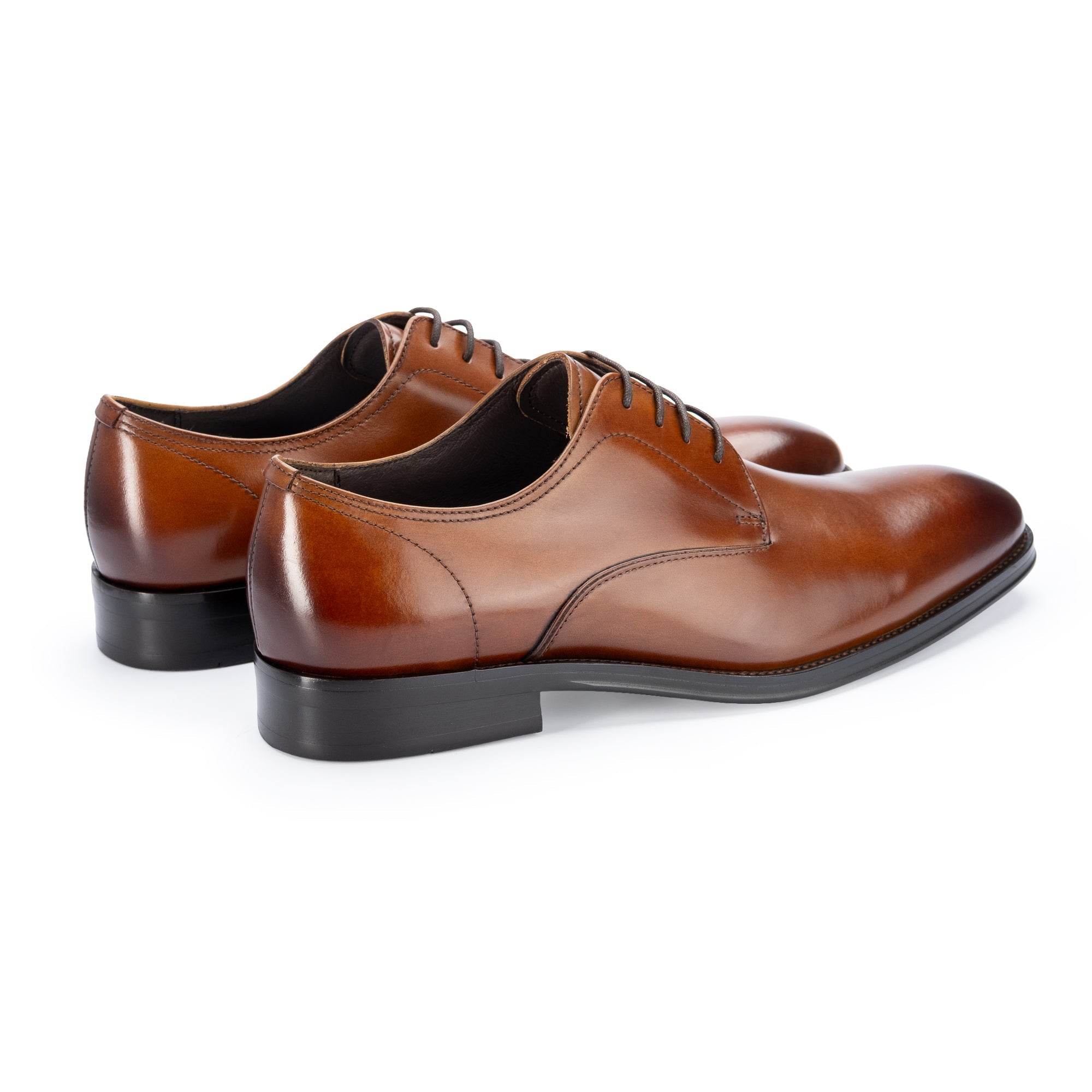
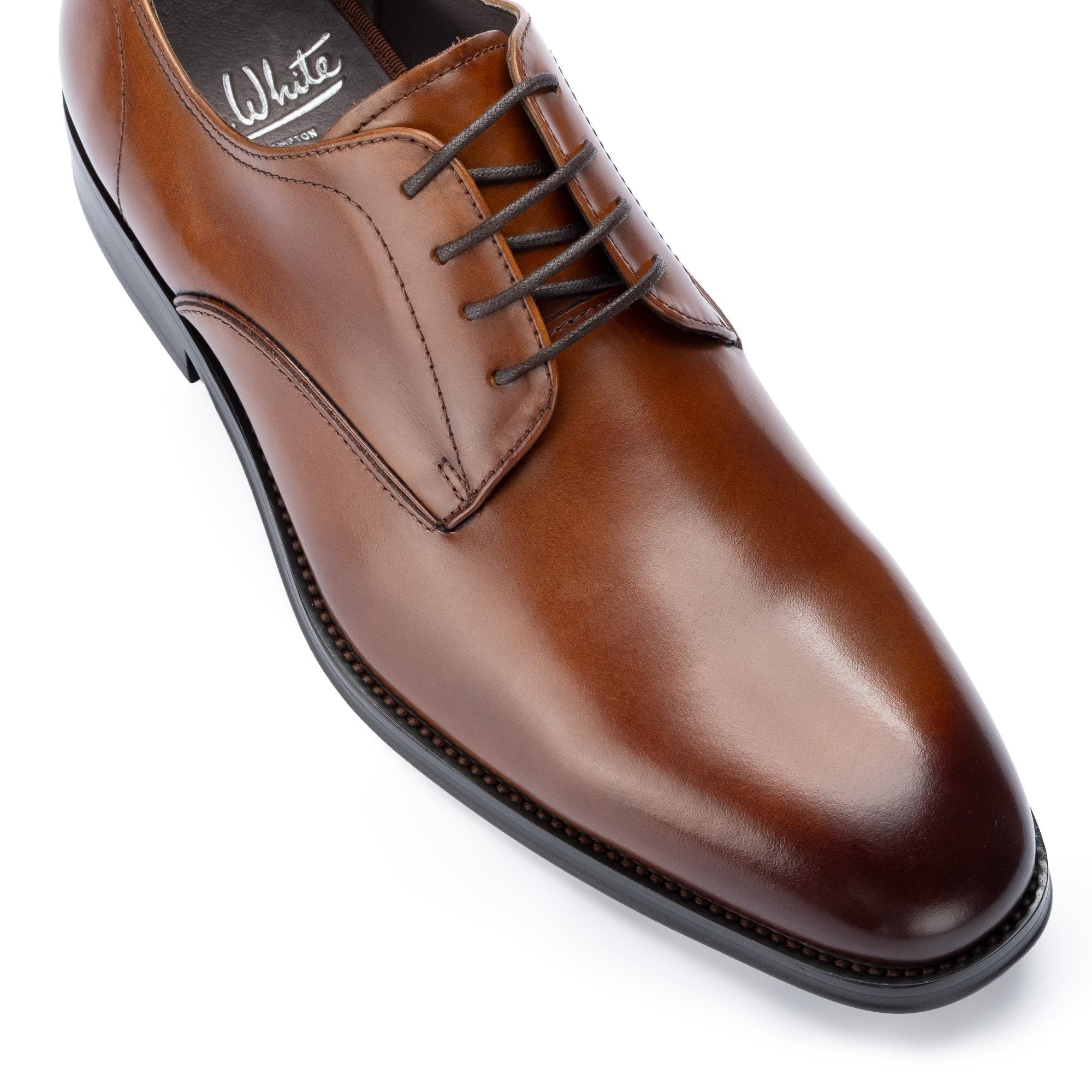
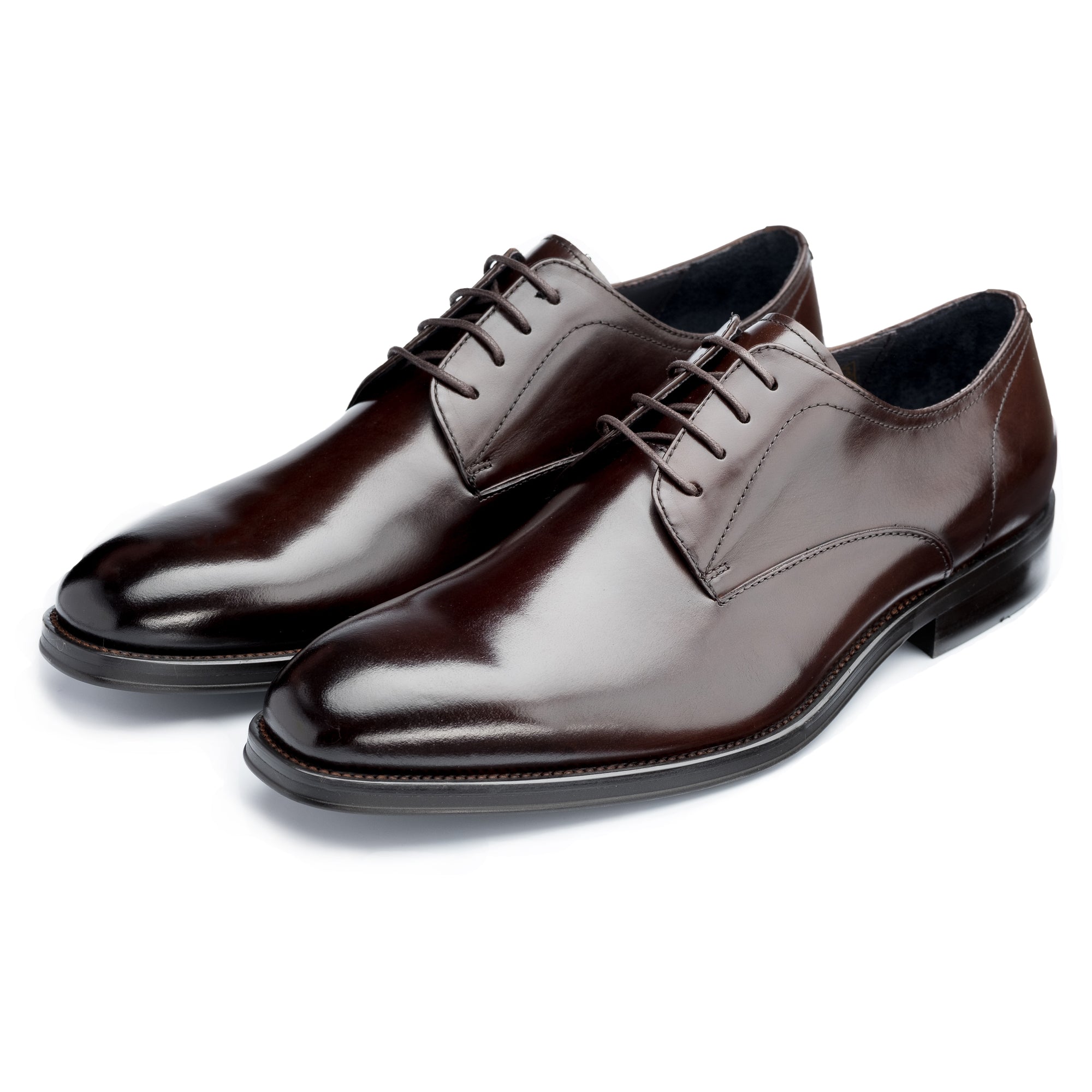
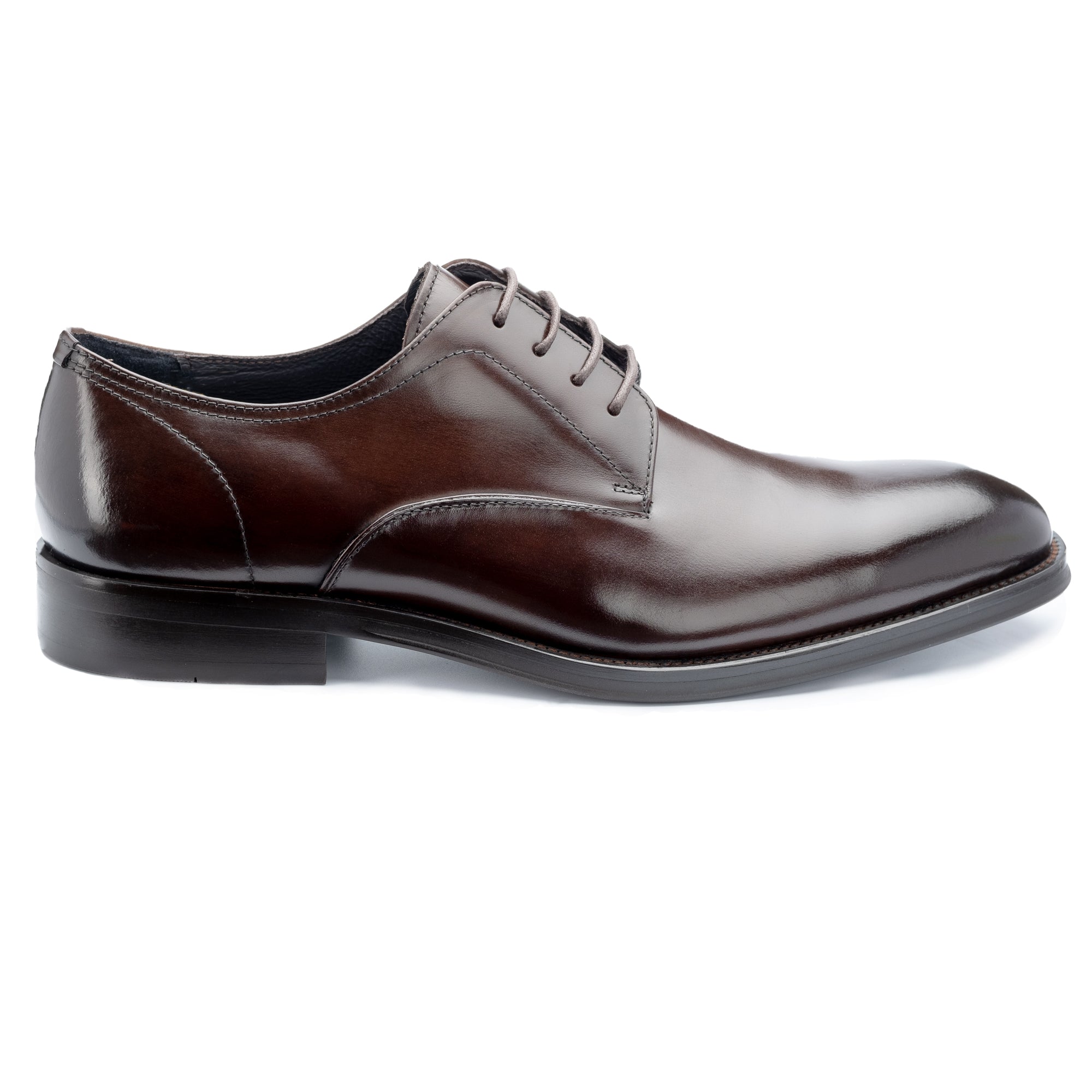
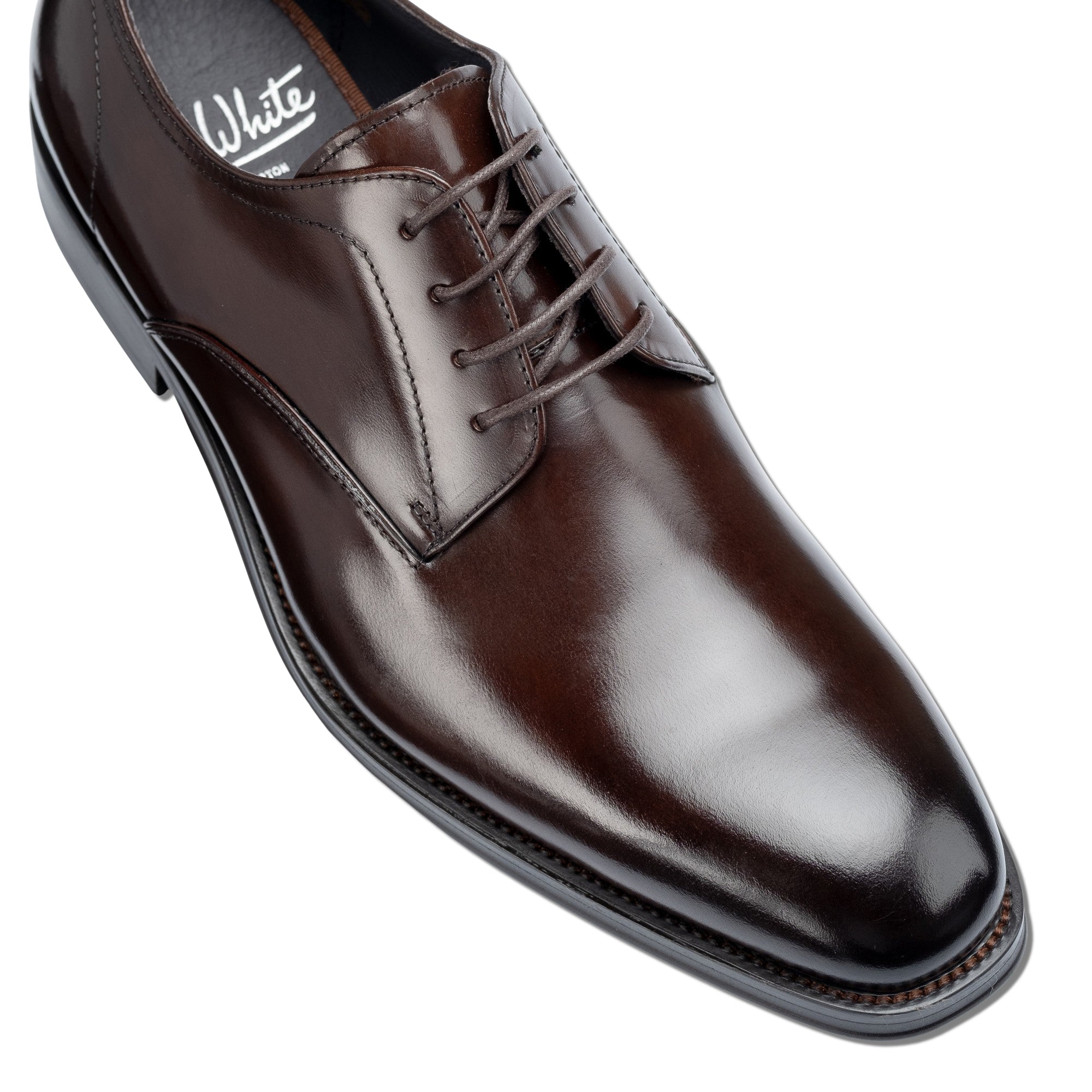
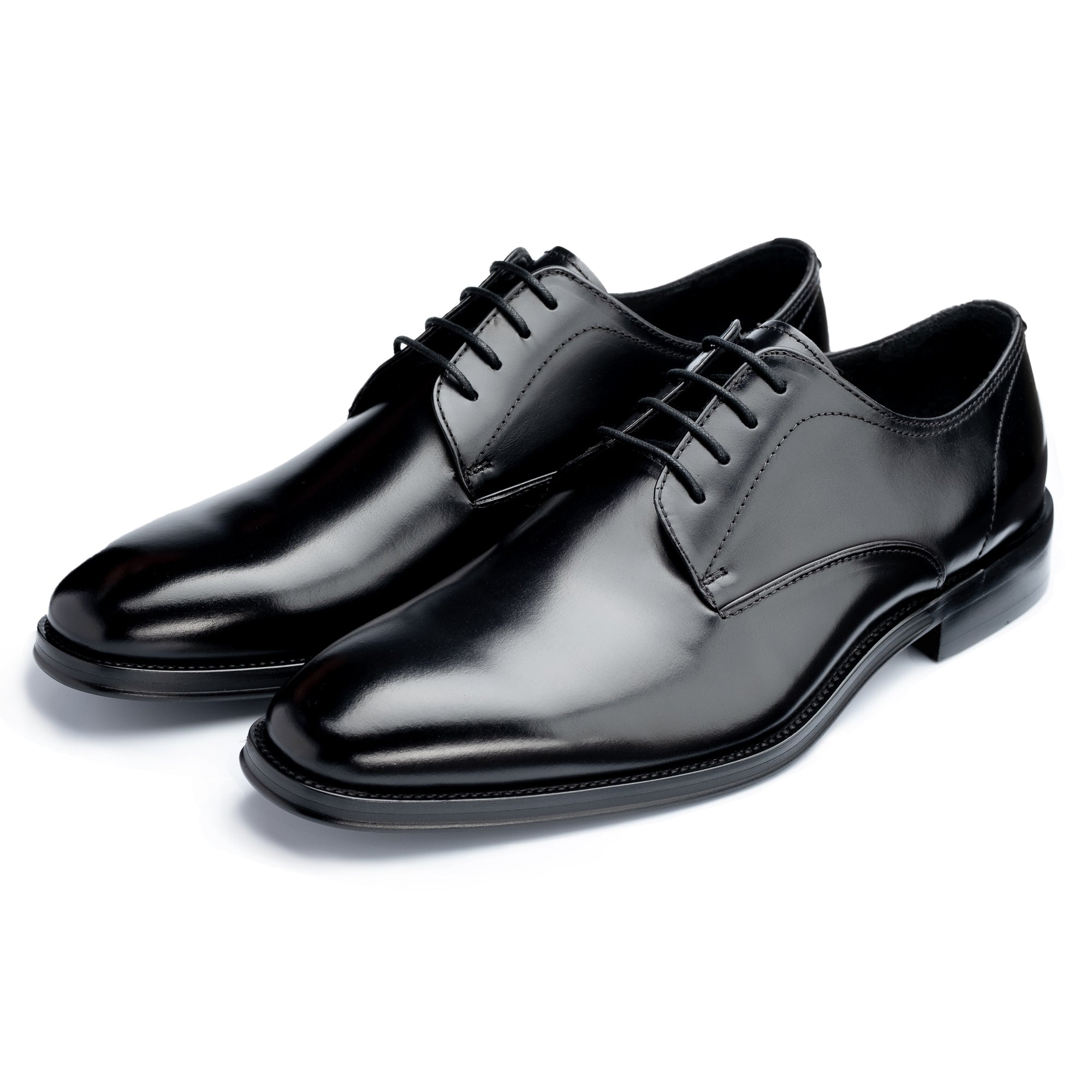
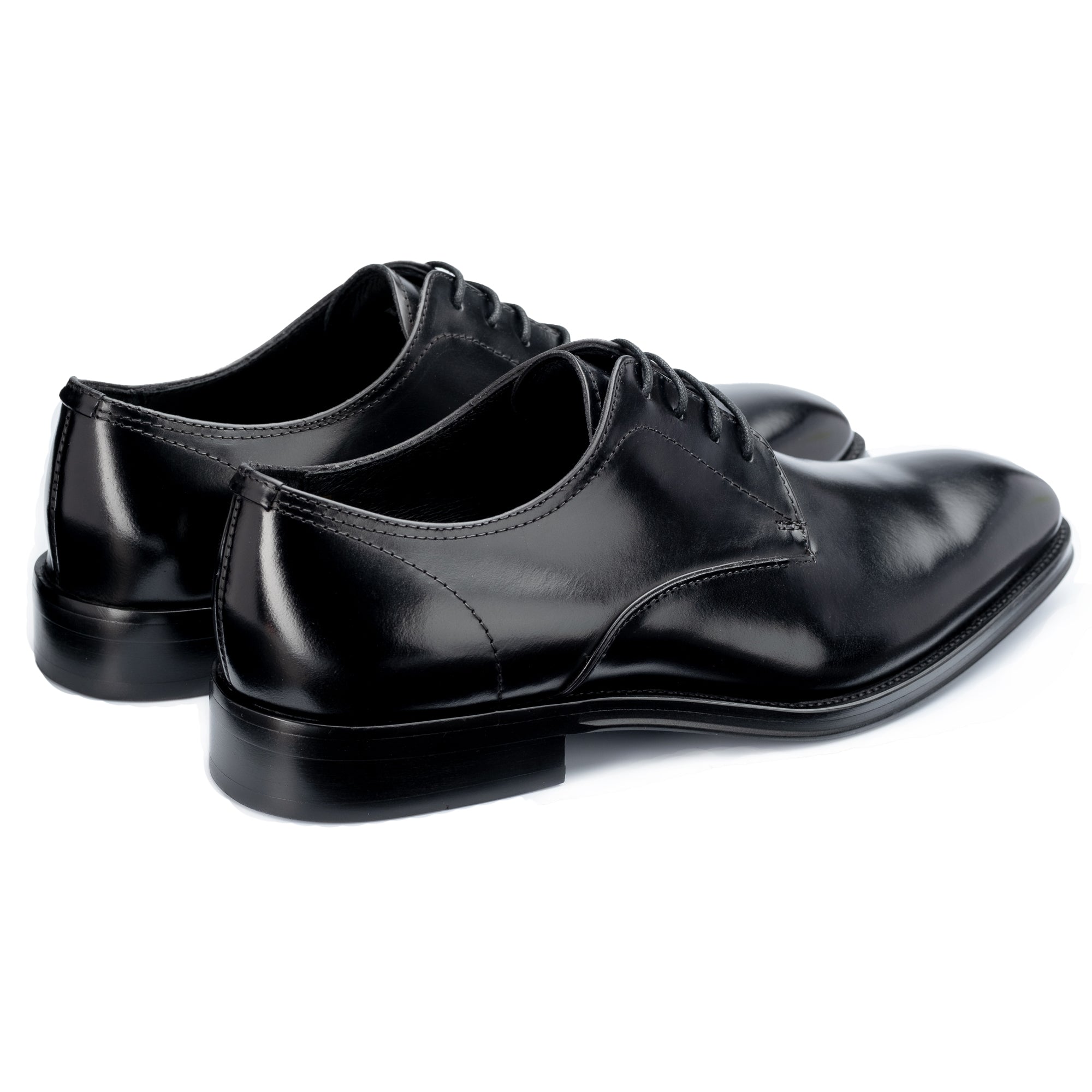
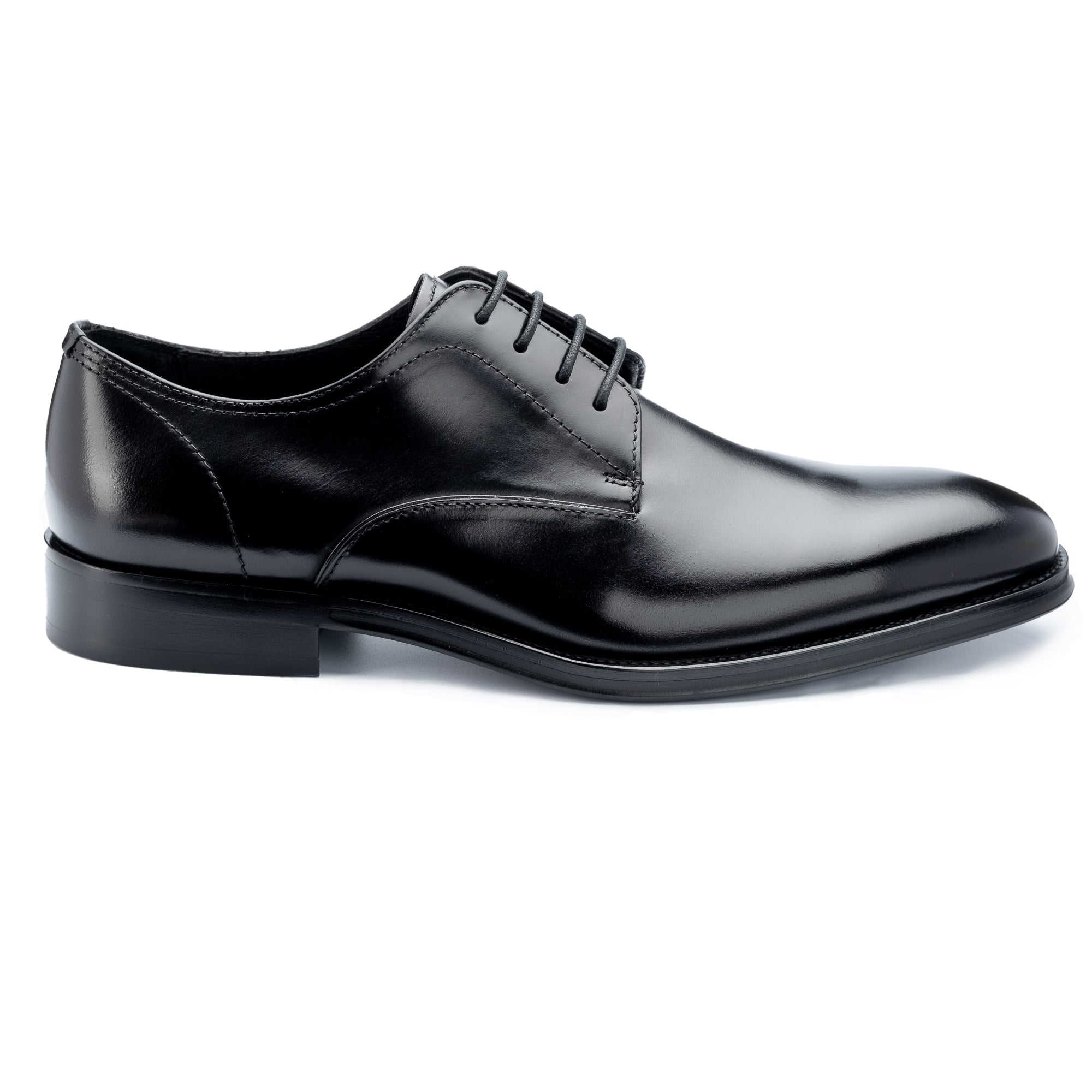
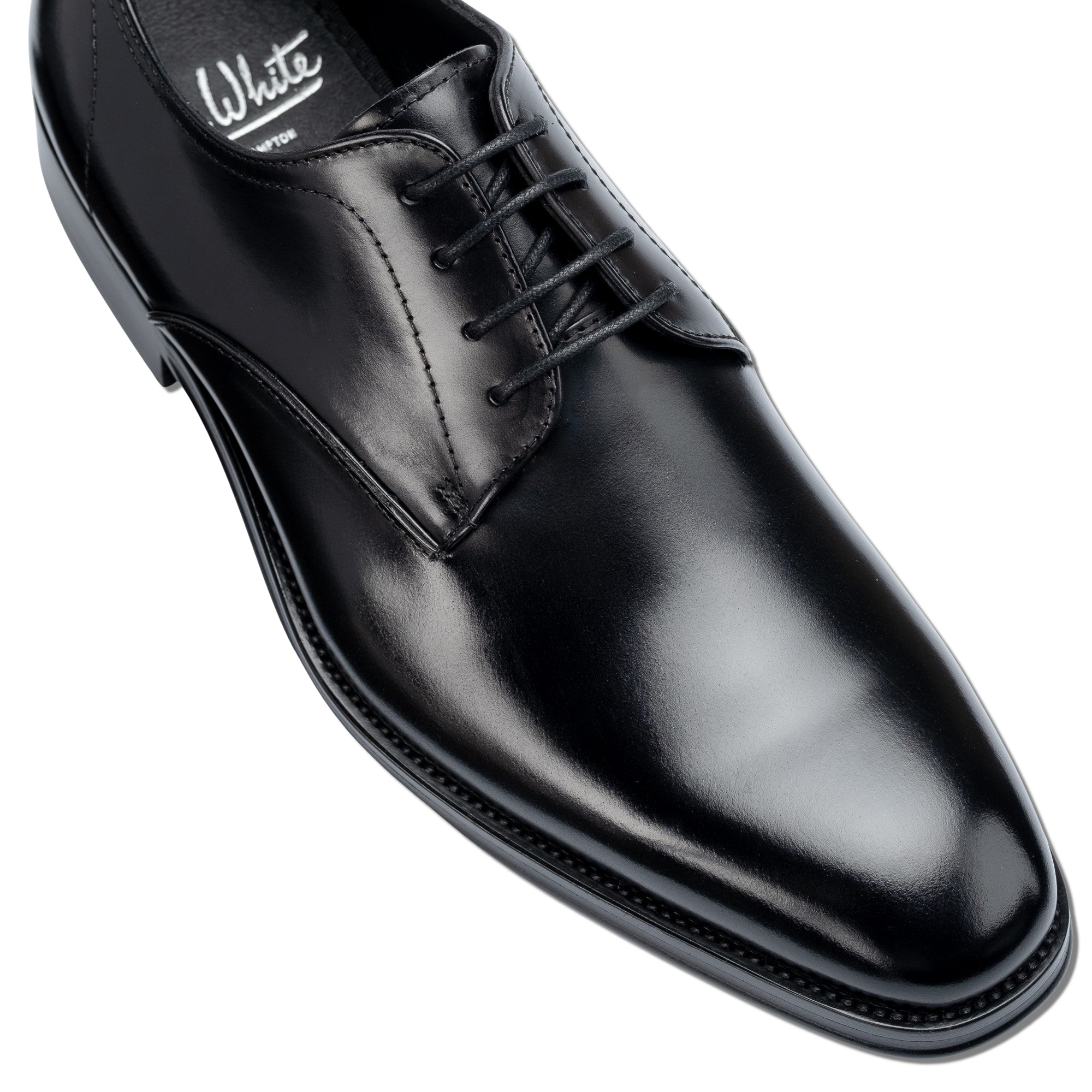
An Oxford is a closed-lace shoe defined by its under-sewn quarters — the side panels are stitched beneath the vamp, drawing the shoe closed when laced. This construction produces a taut, uninterrupted upper with no visible gap. It is the structural feature that places the Oxford at the apex of the men's dress shoe formality hierarchy, and the reason no other style has displaced it in over a century.
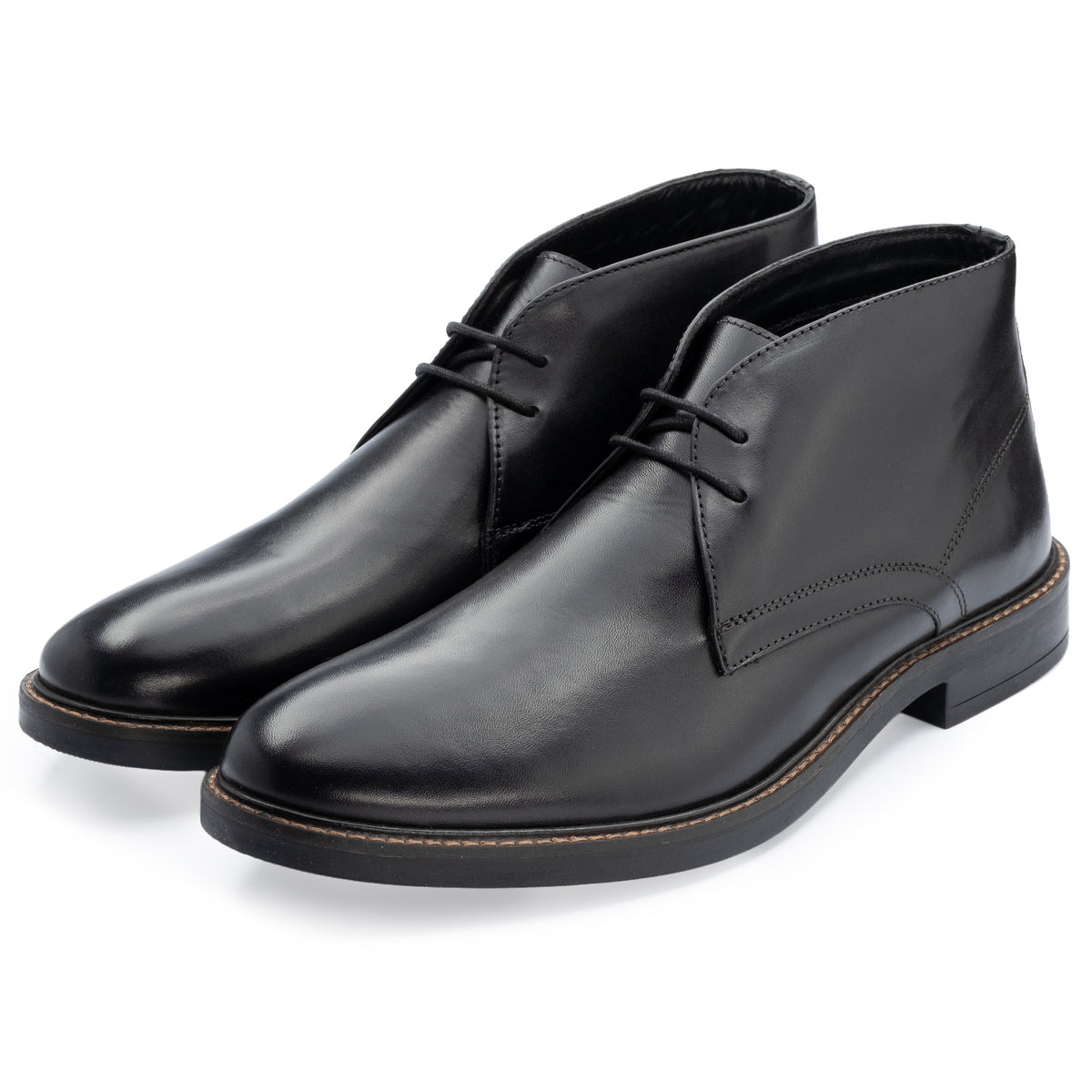
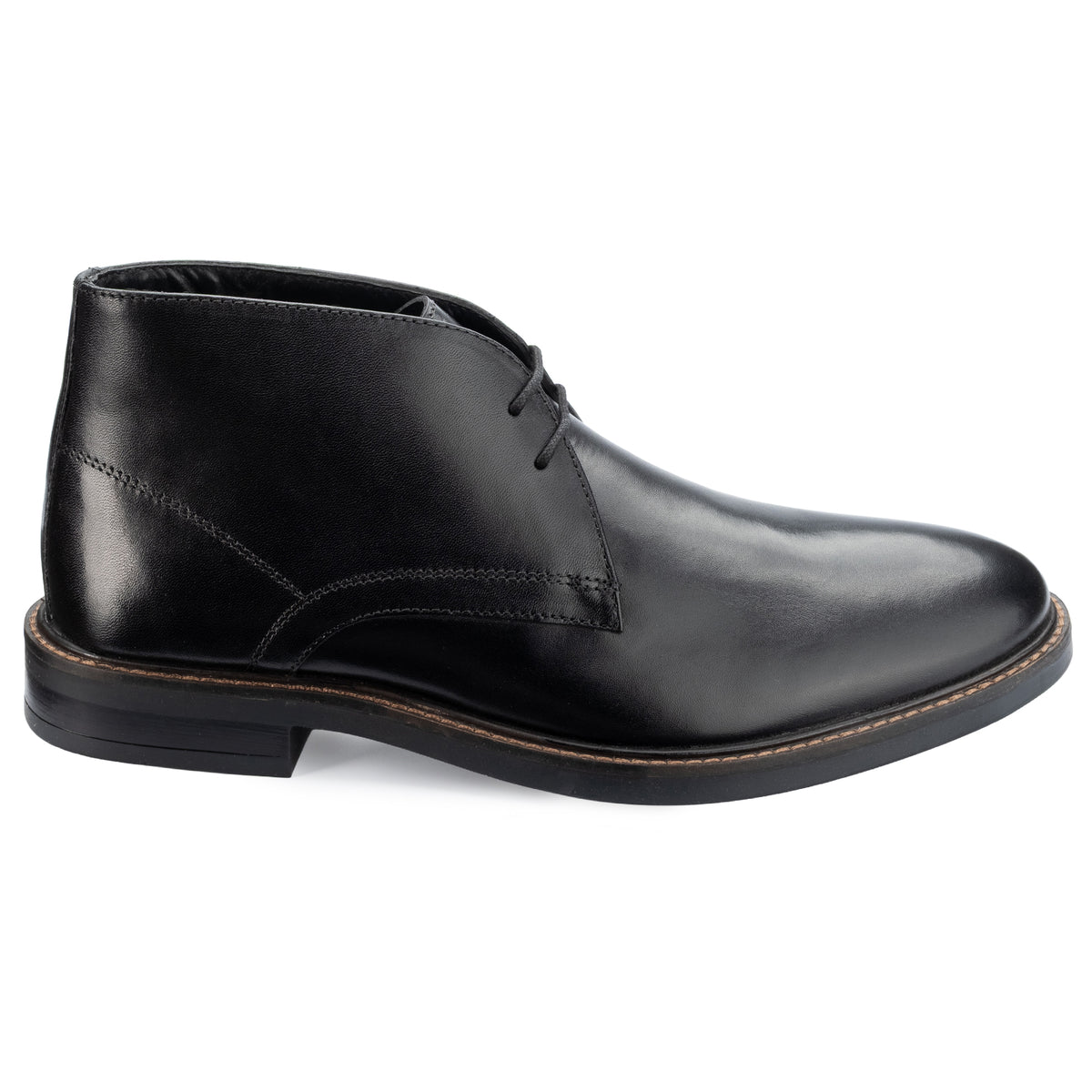
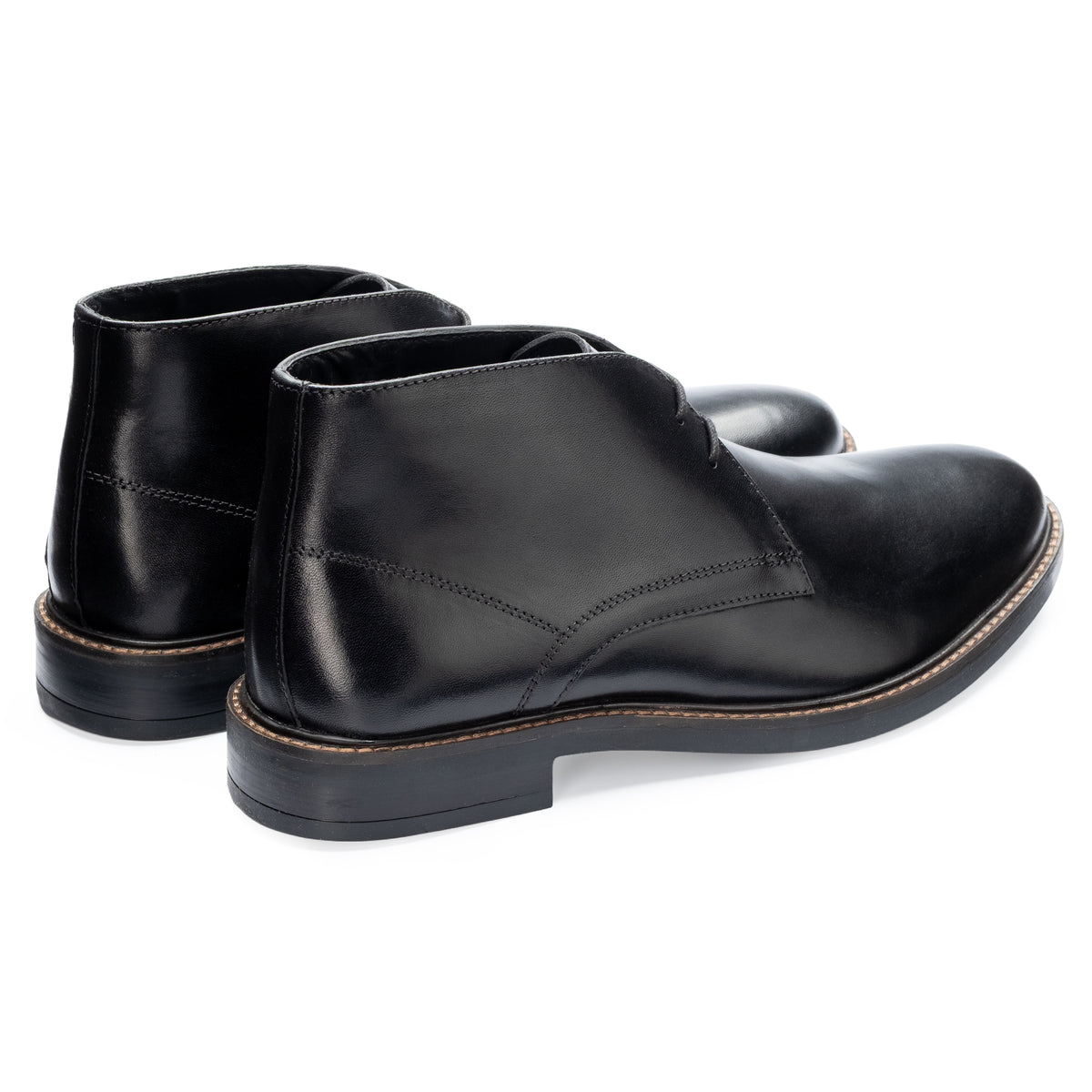
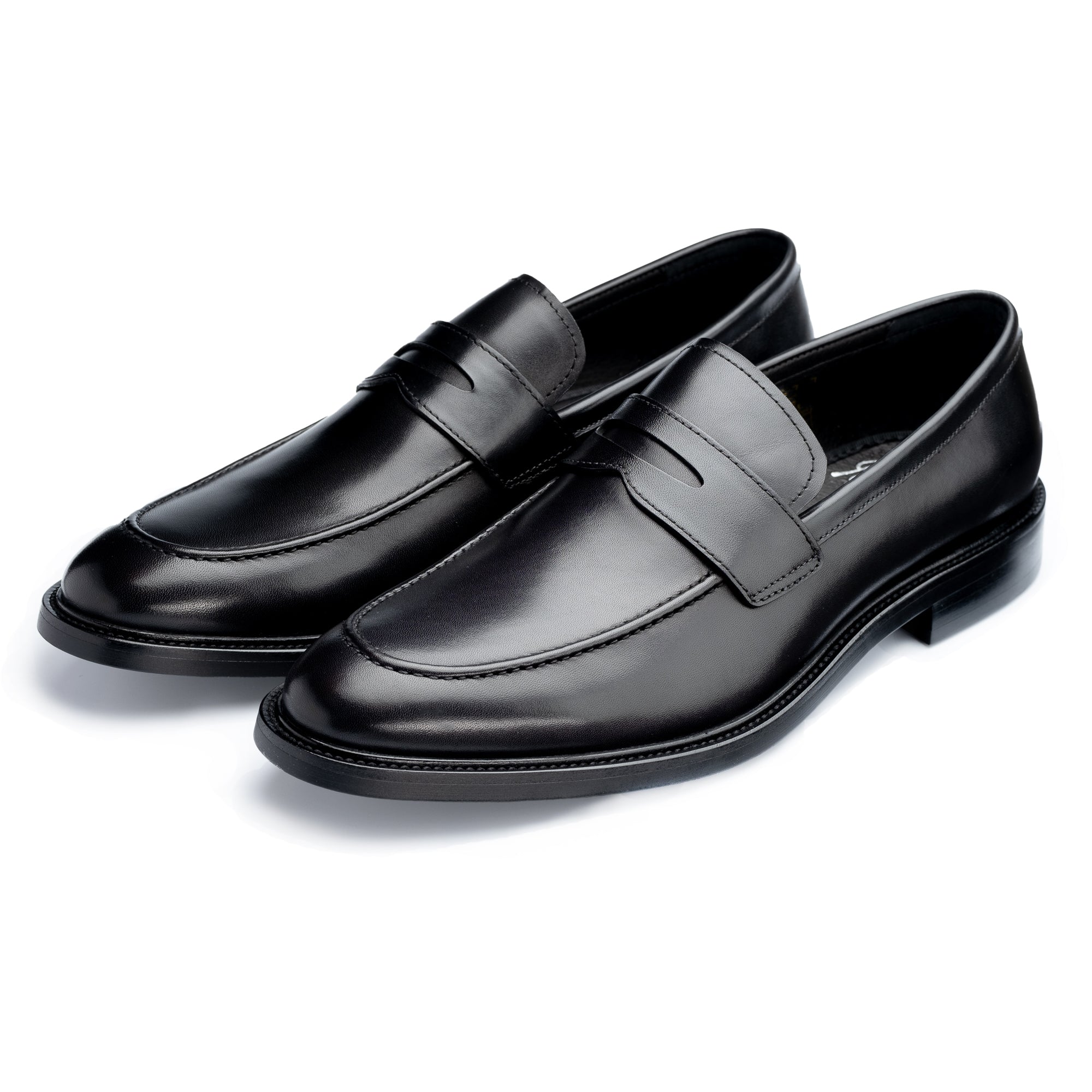
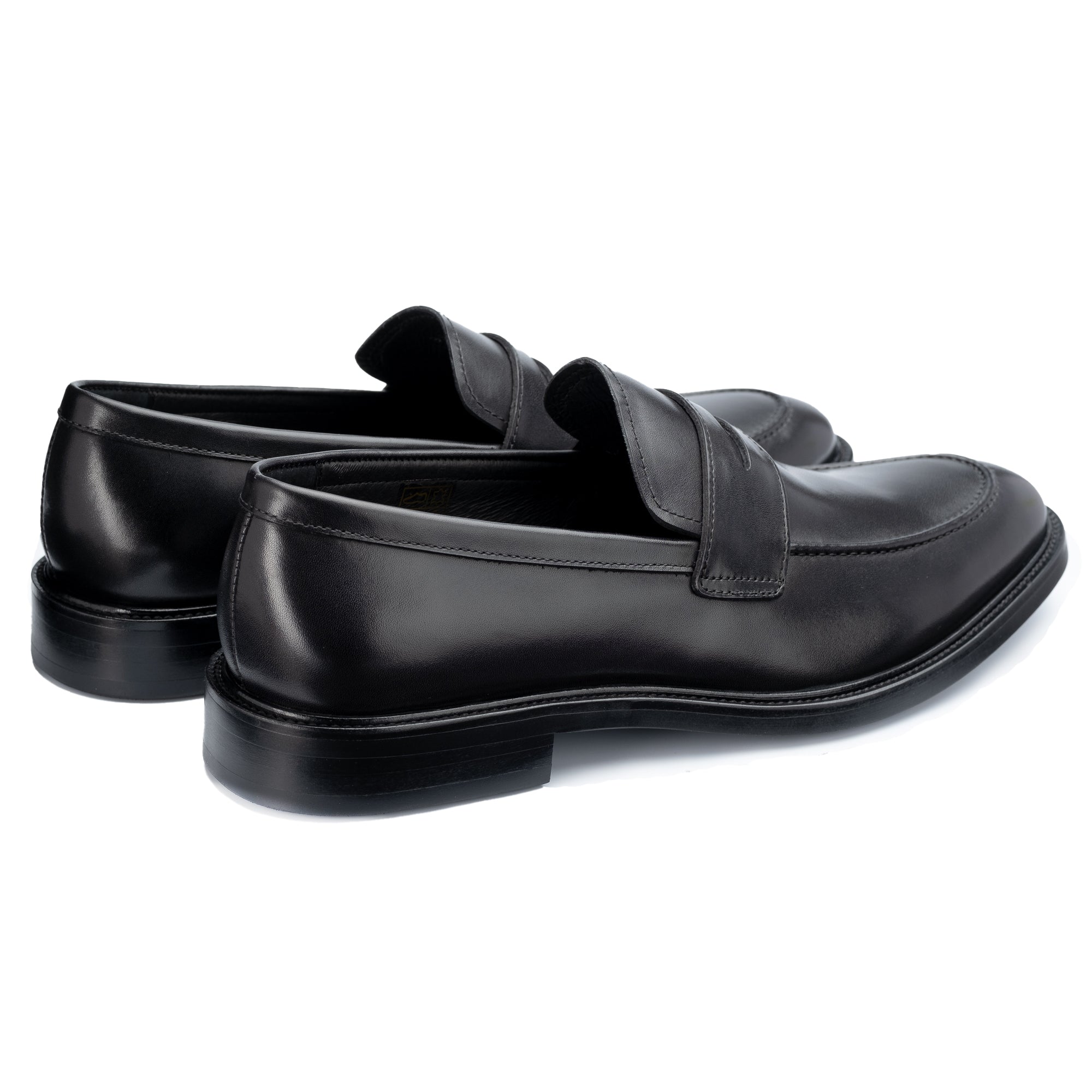
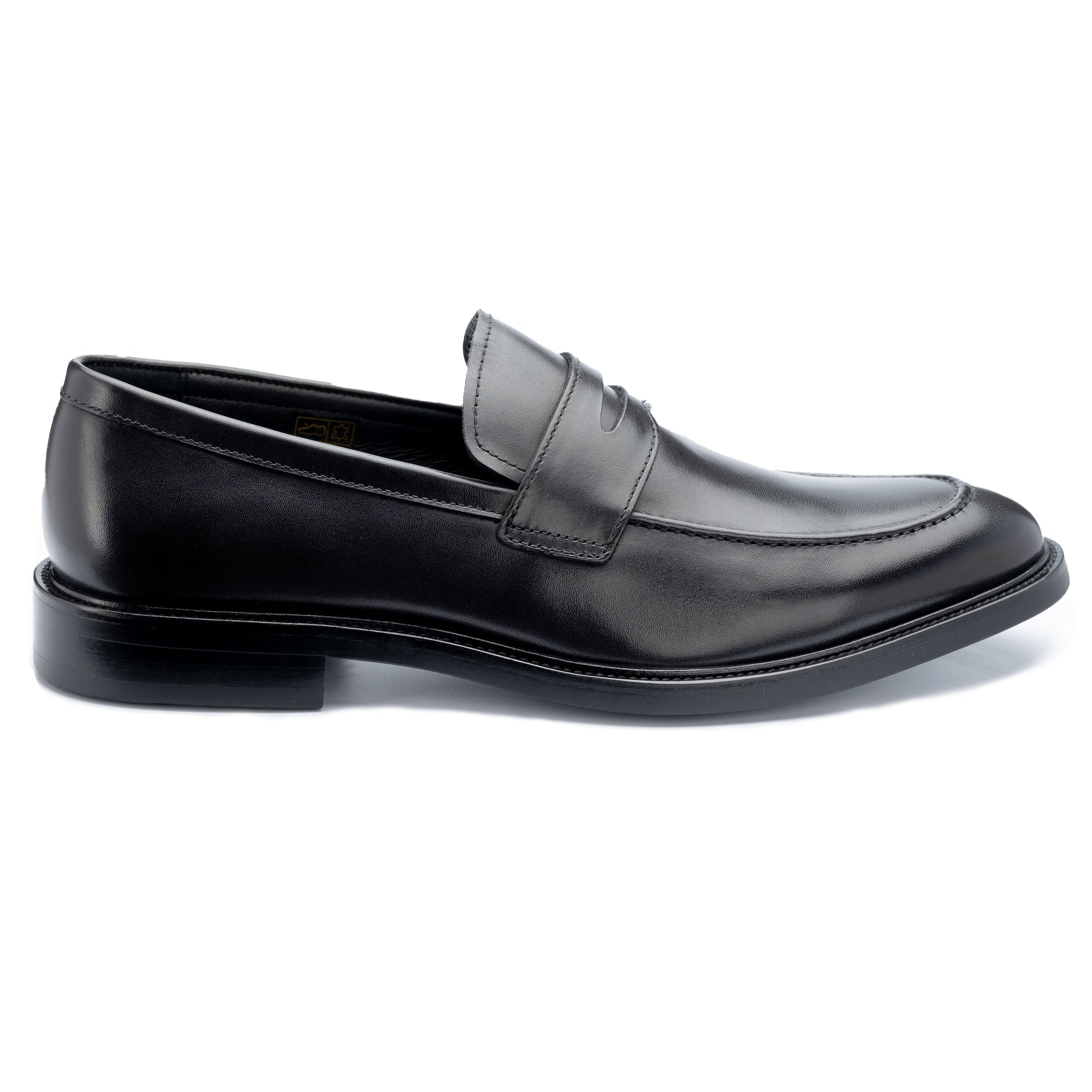
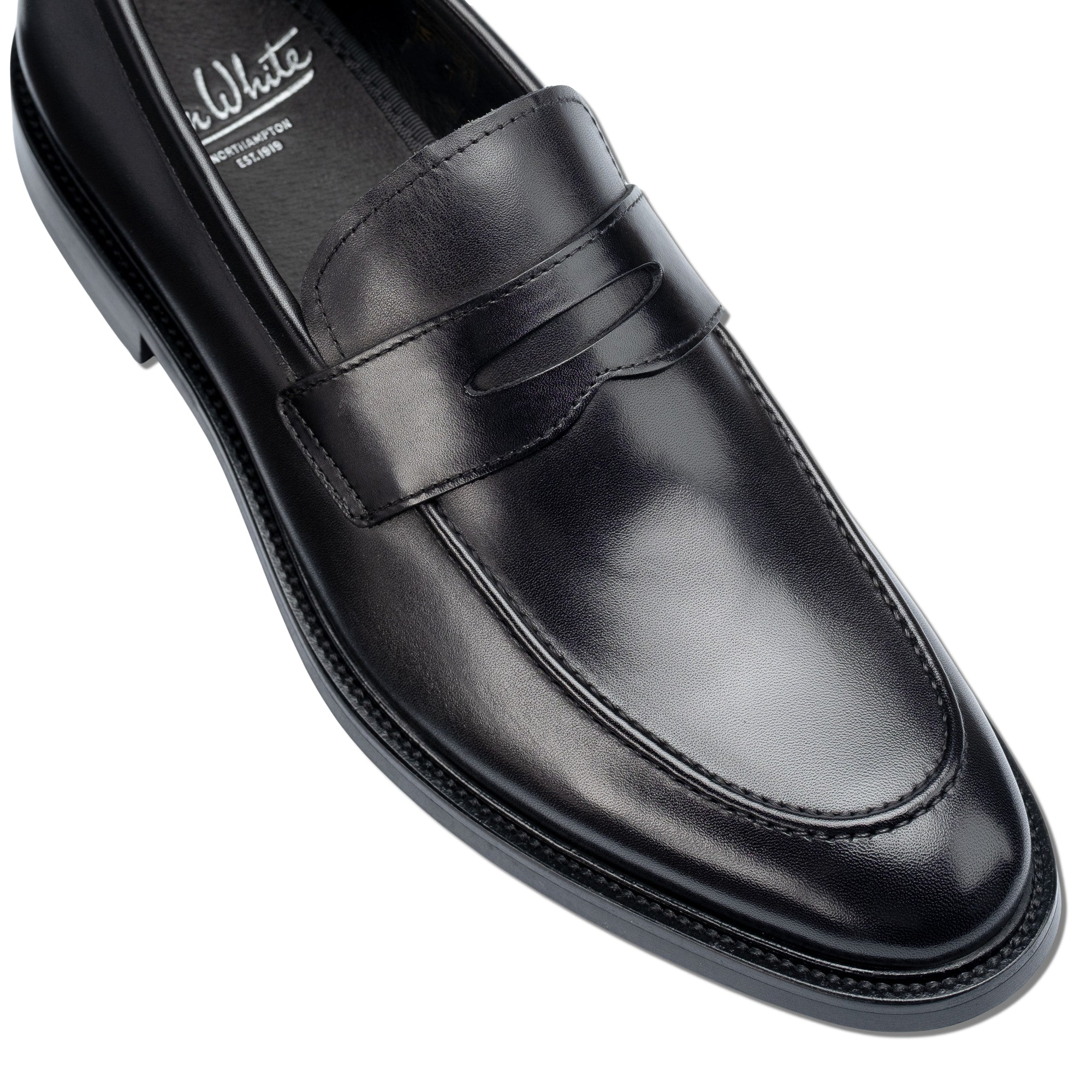
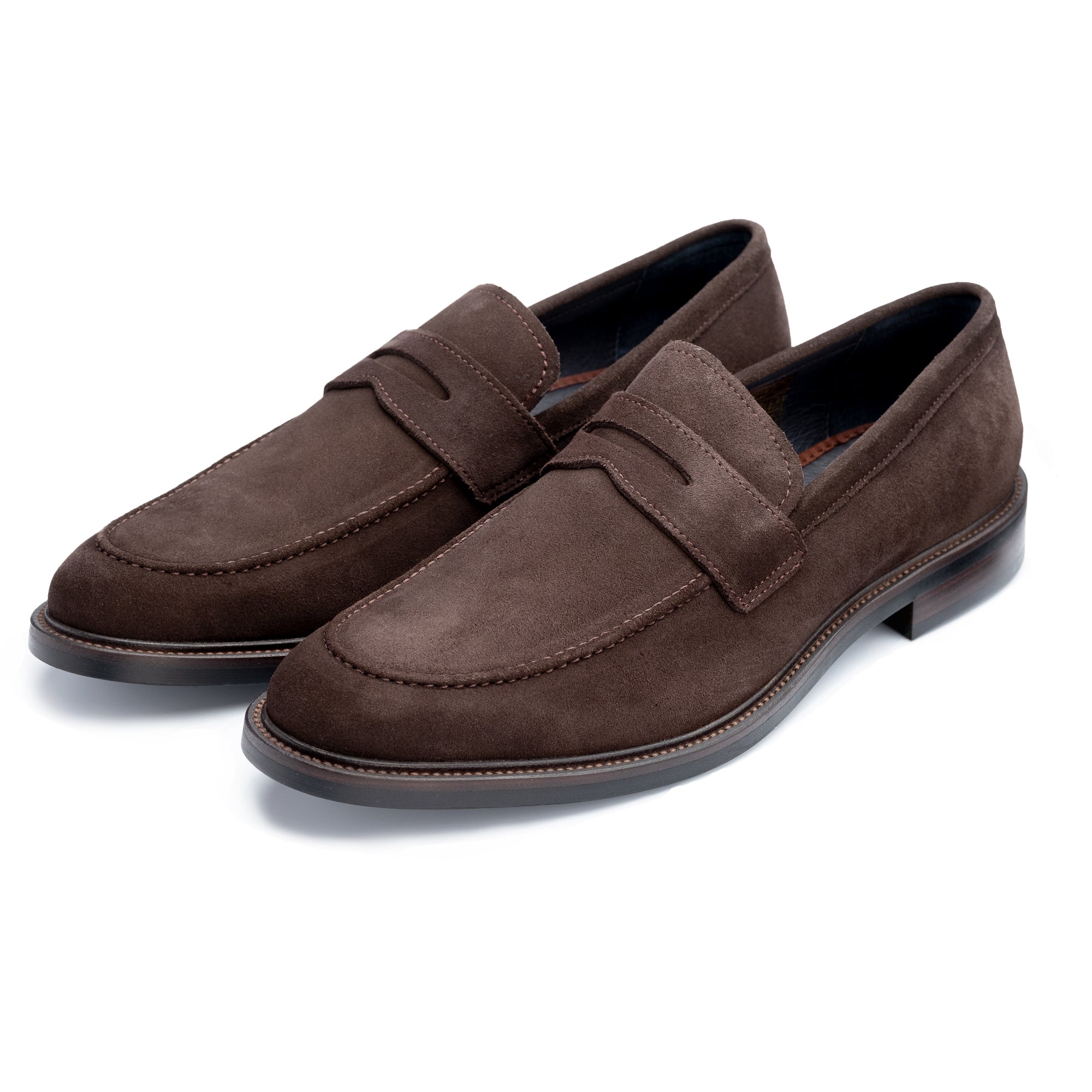
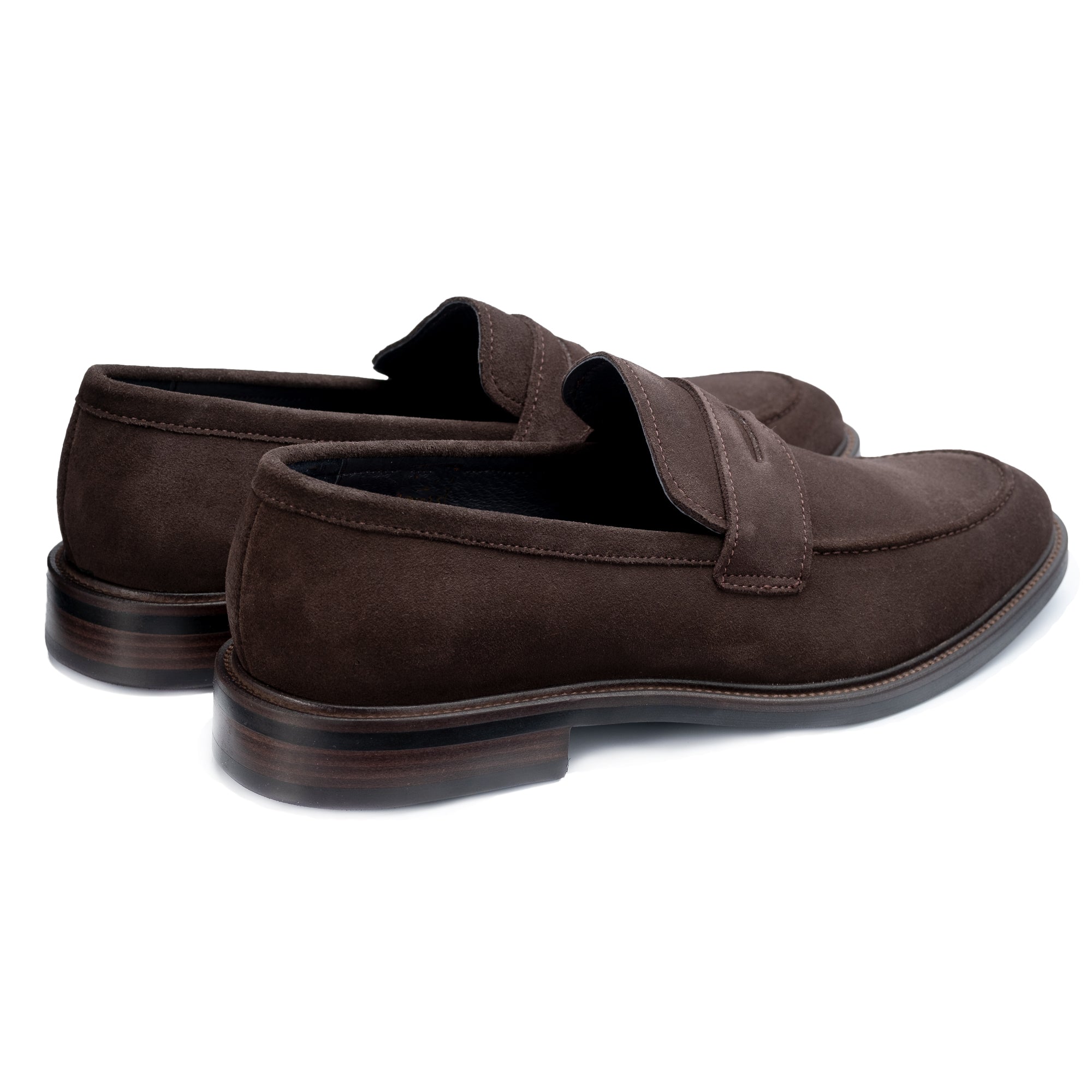
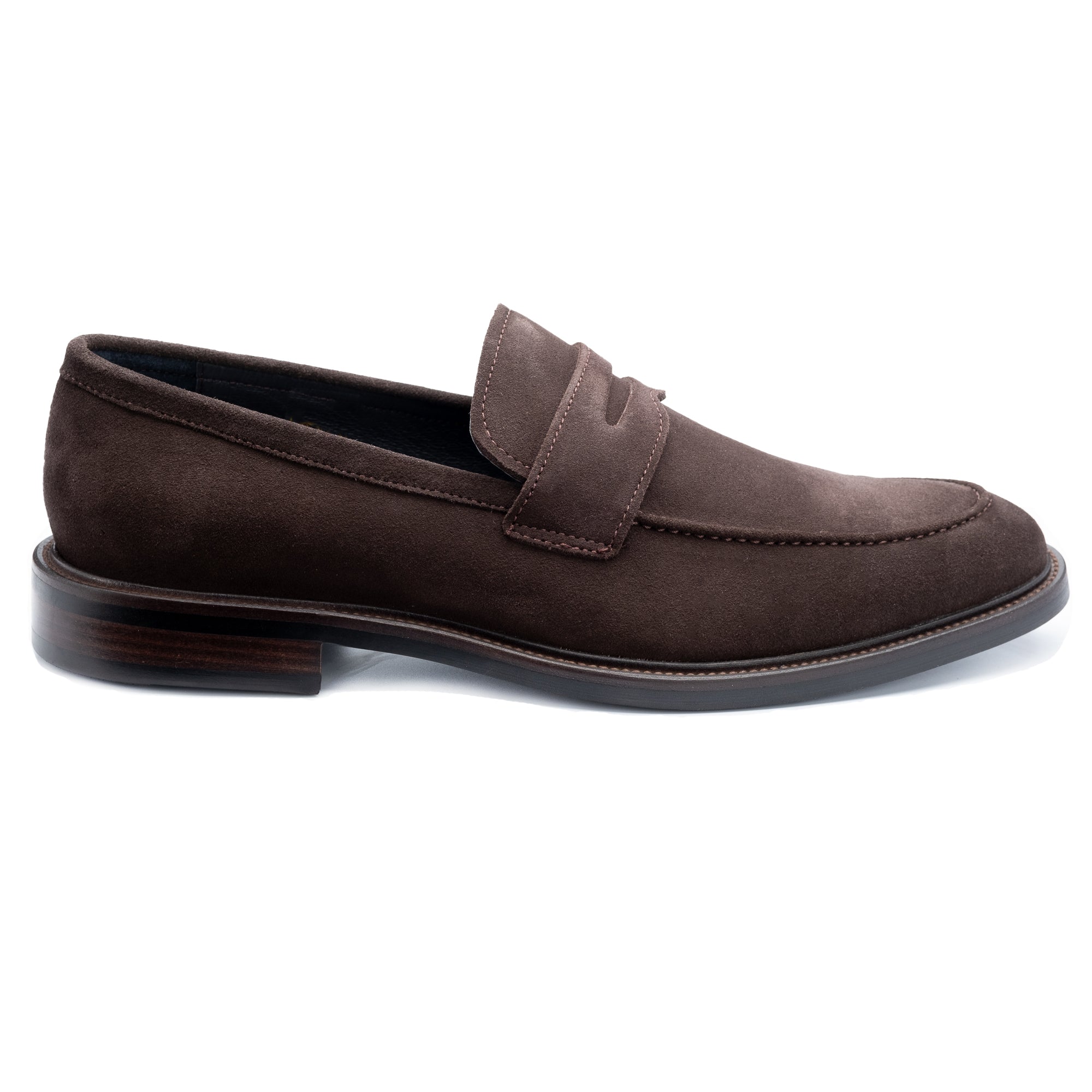
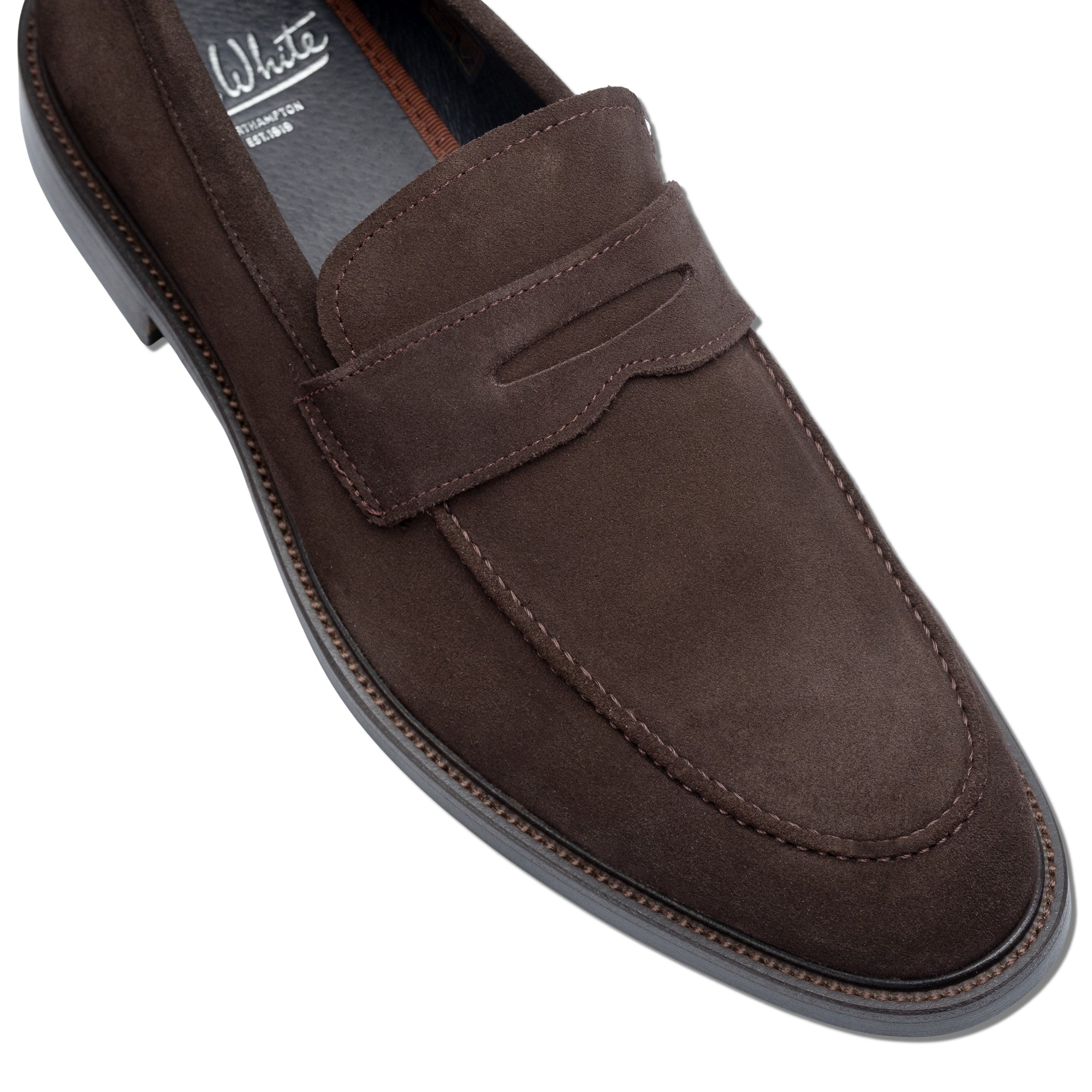
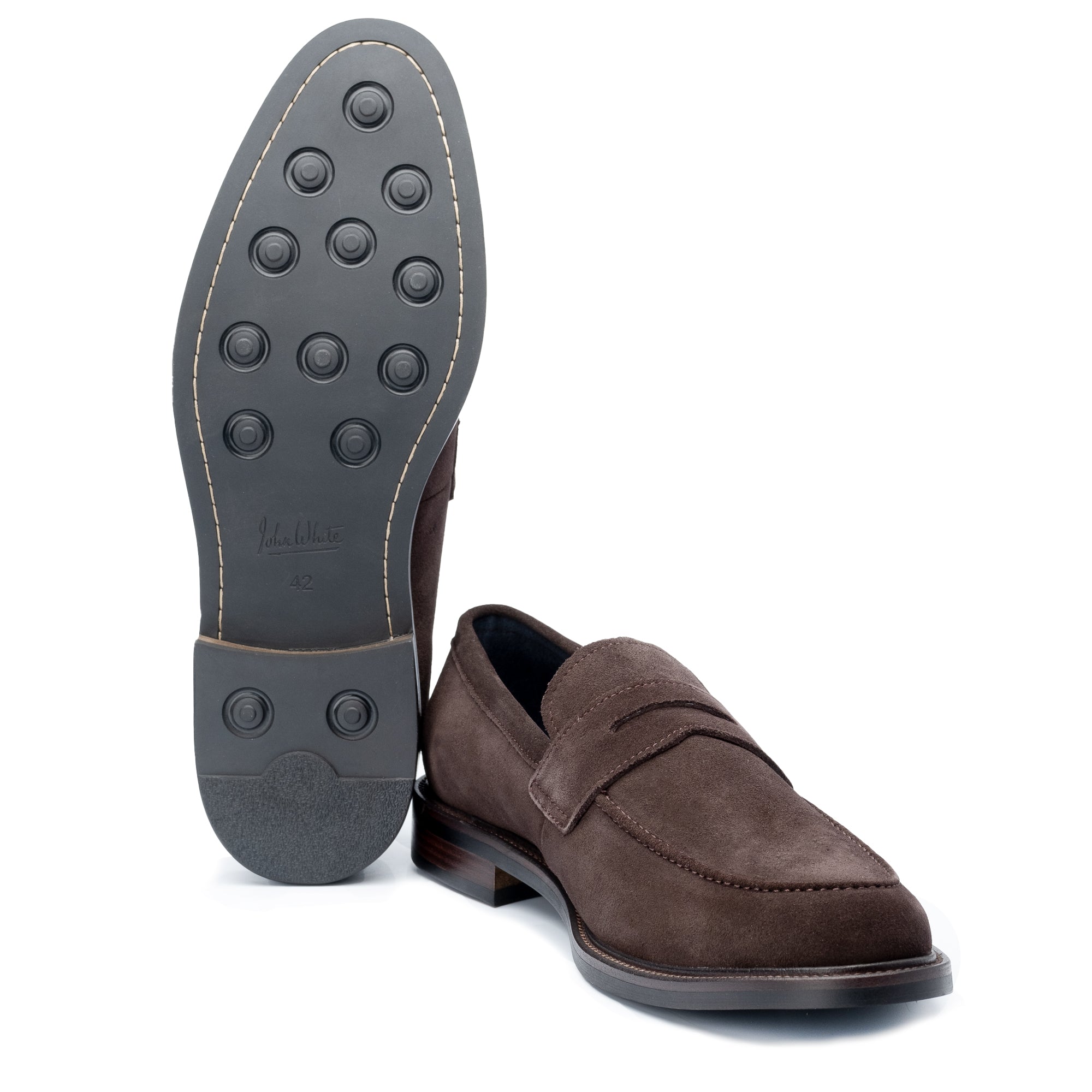
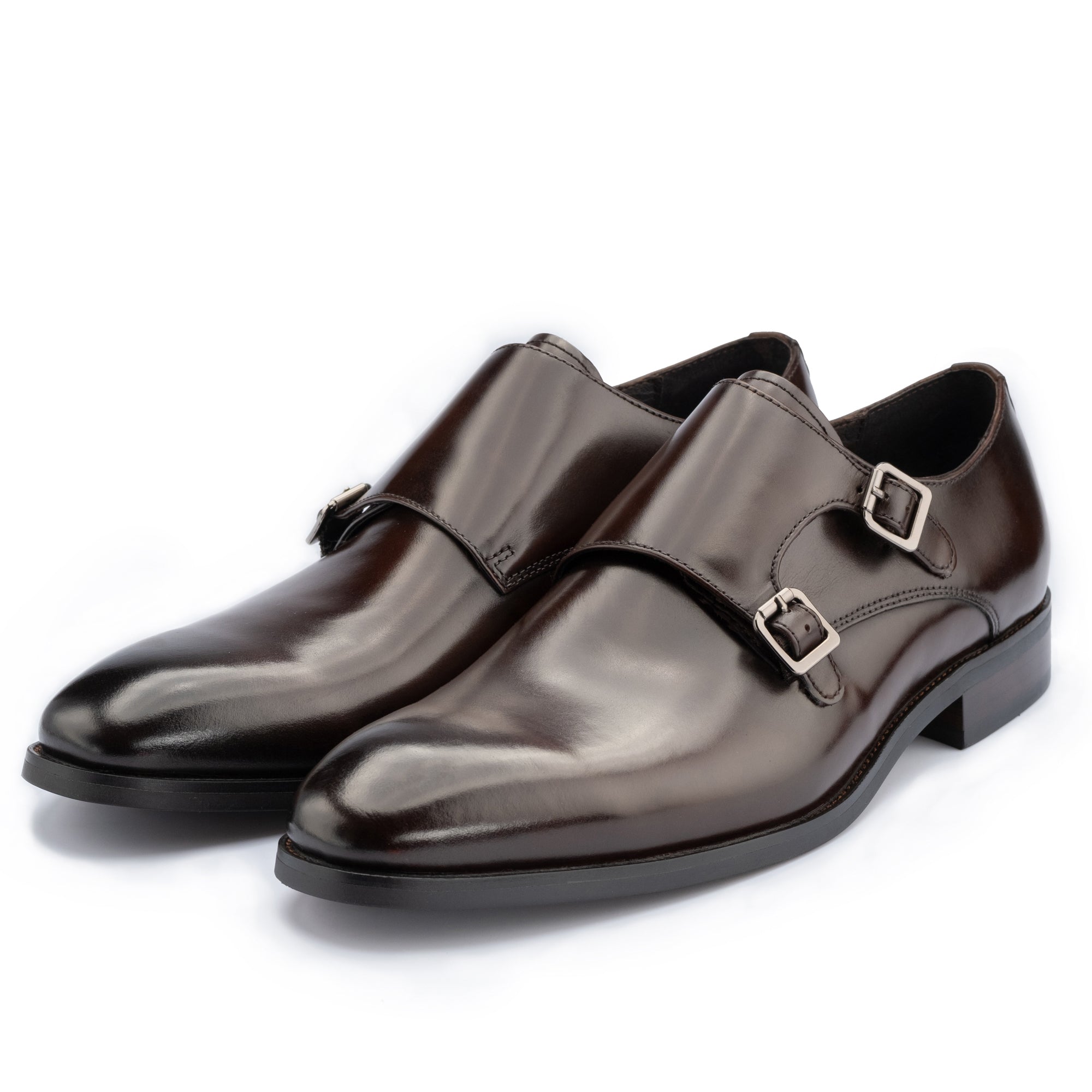
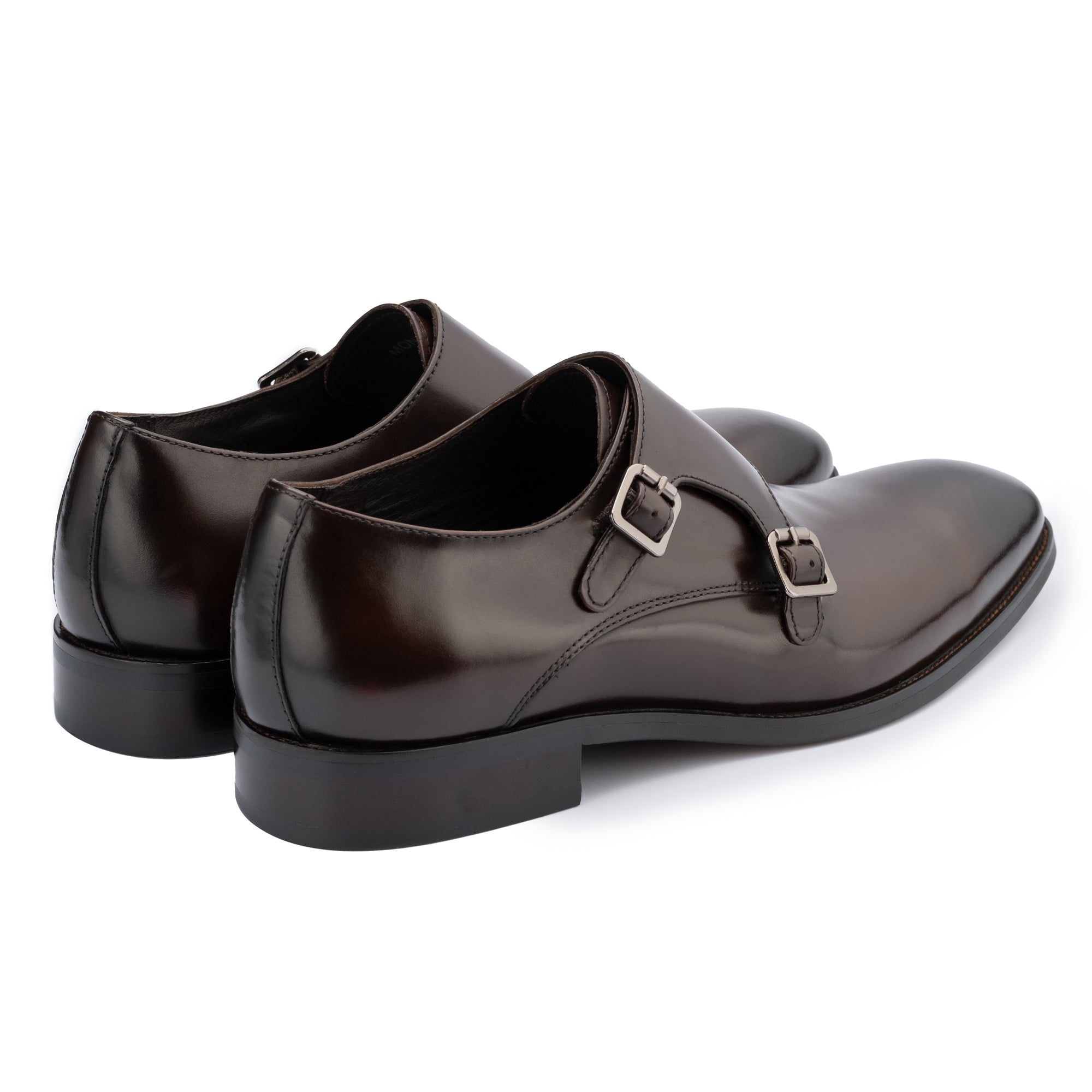
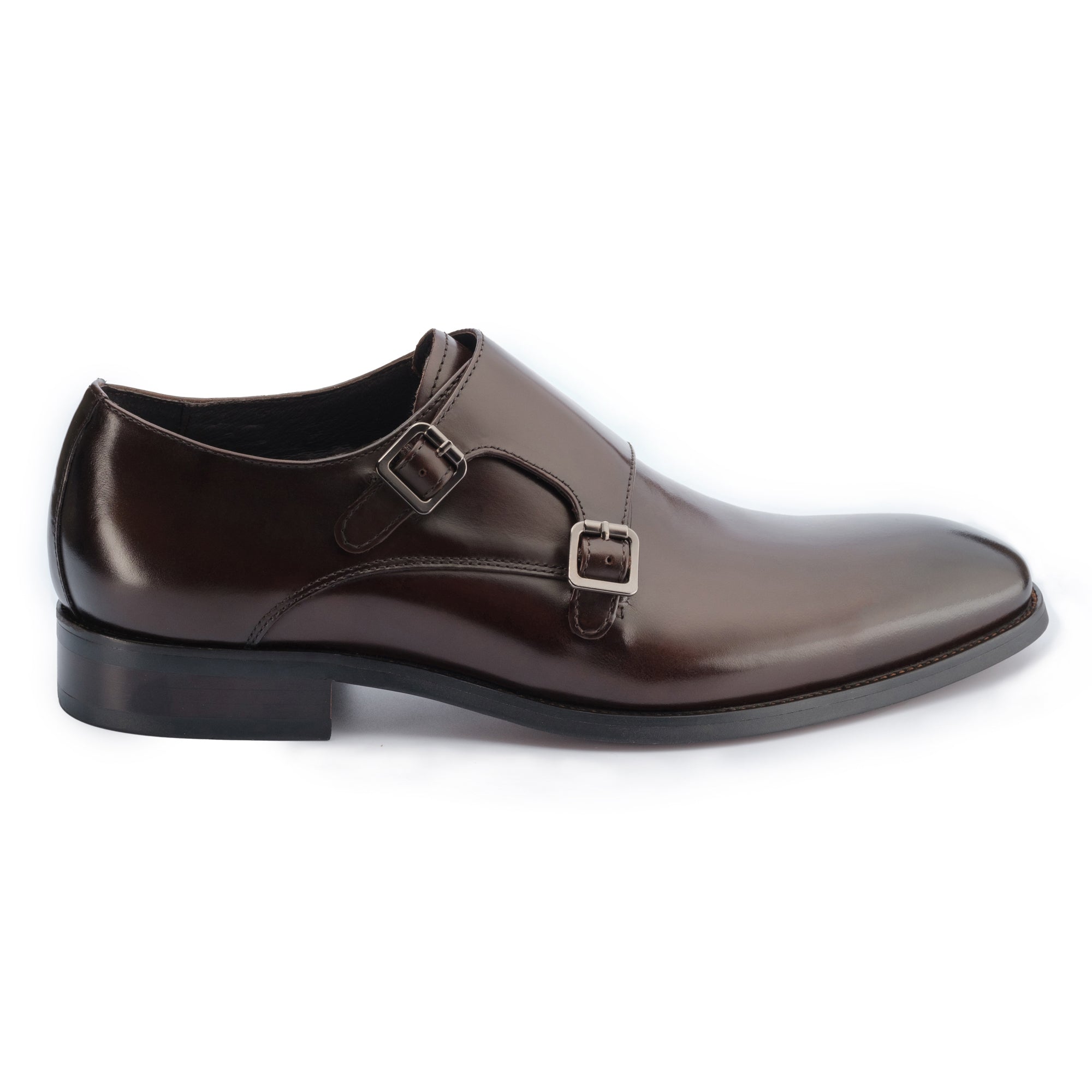
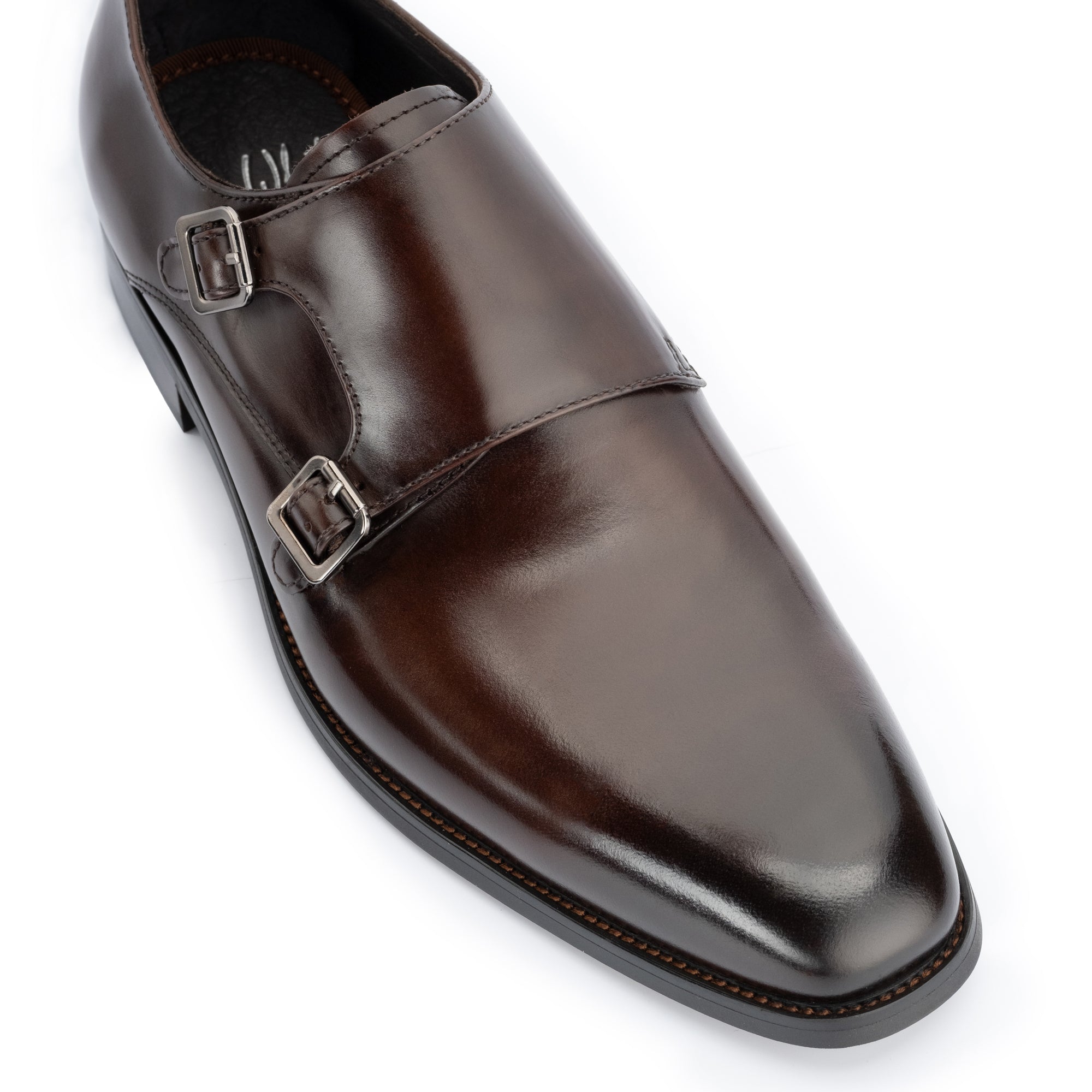
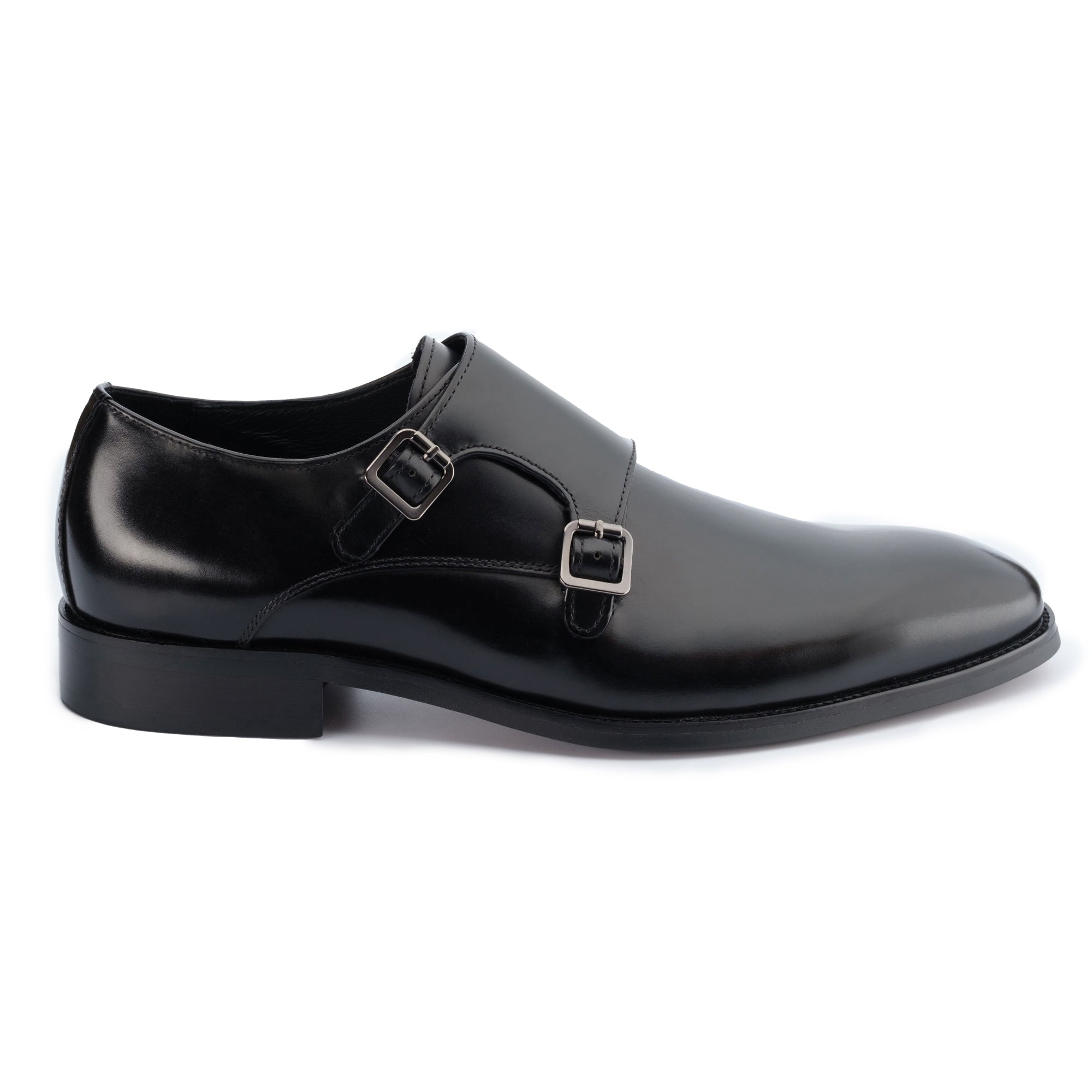
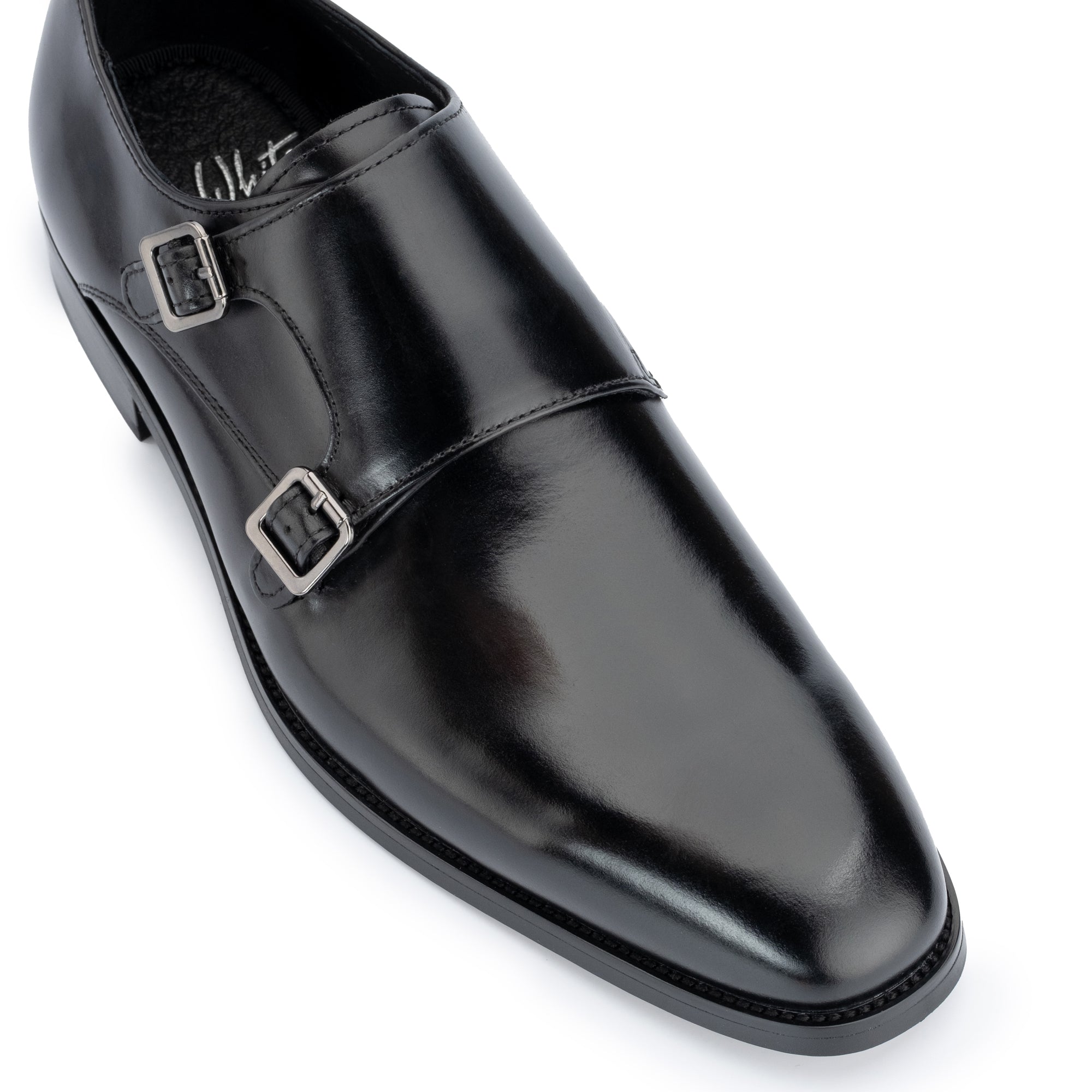
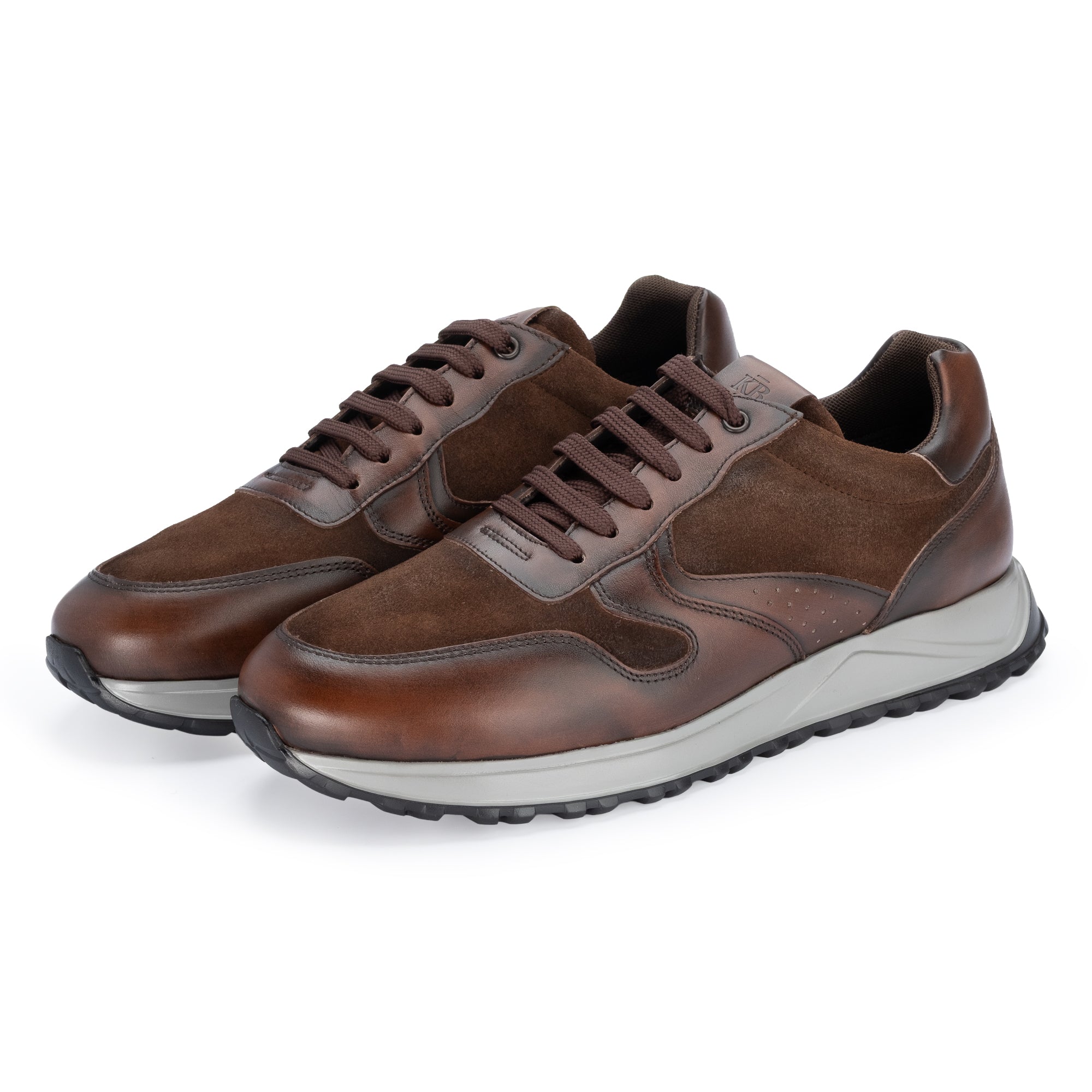
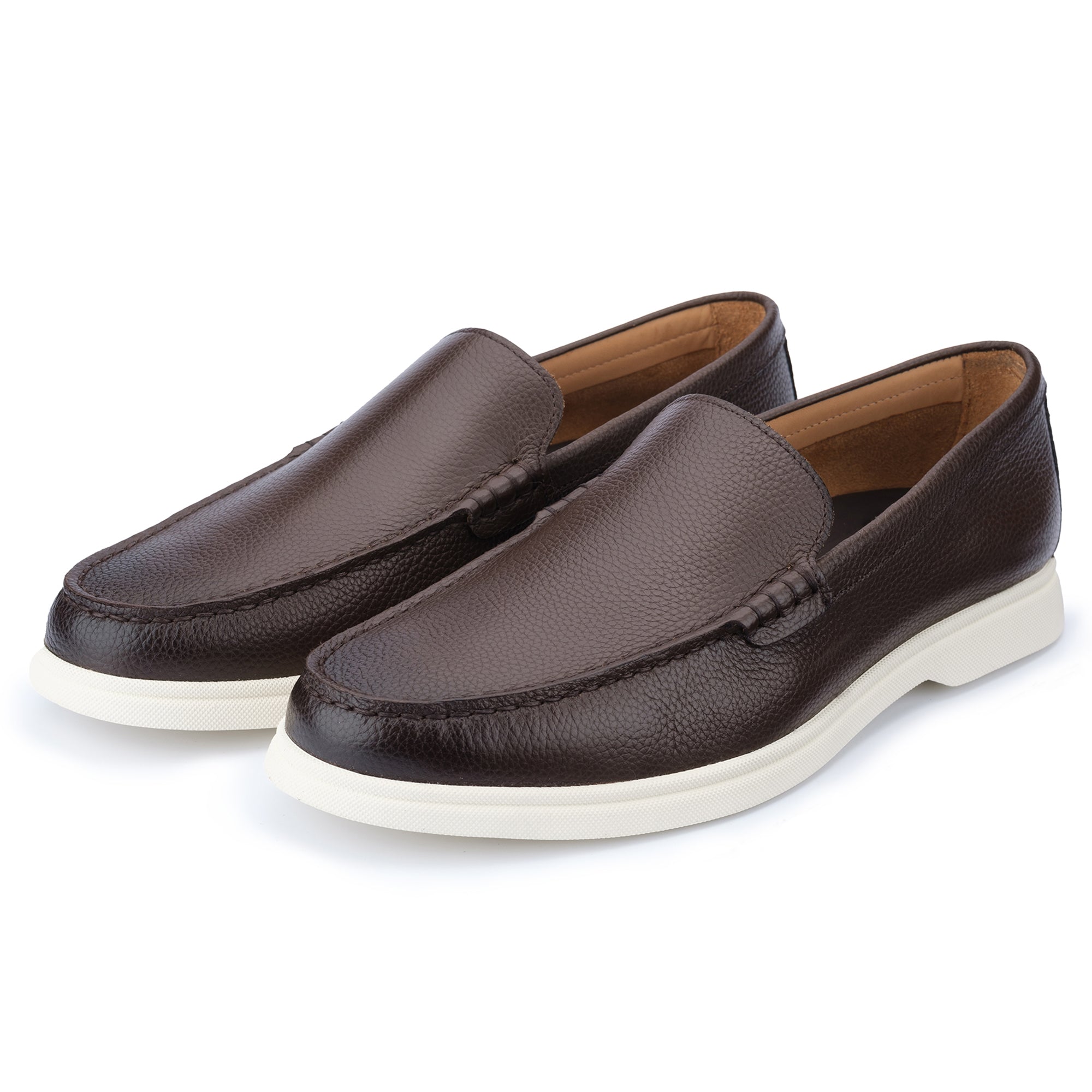
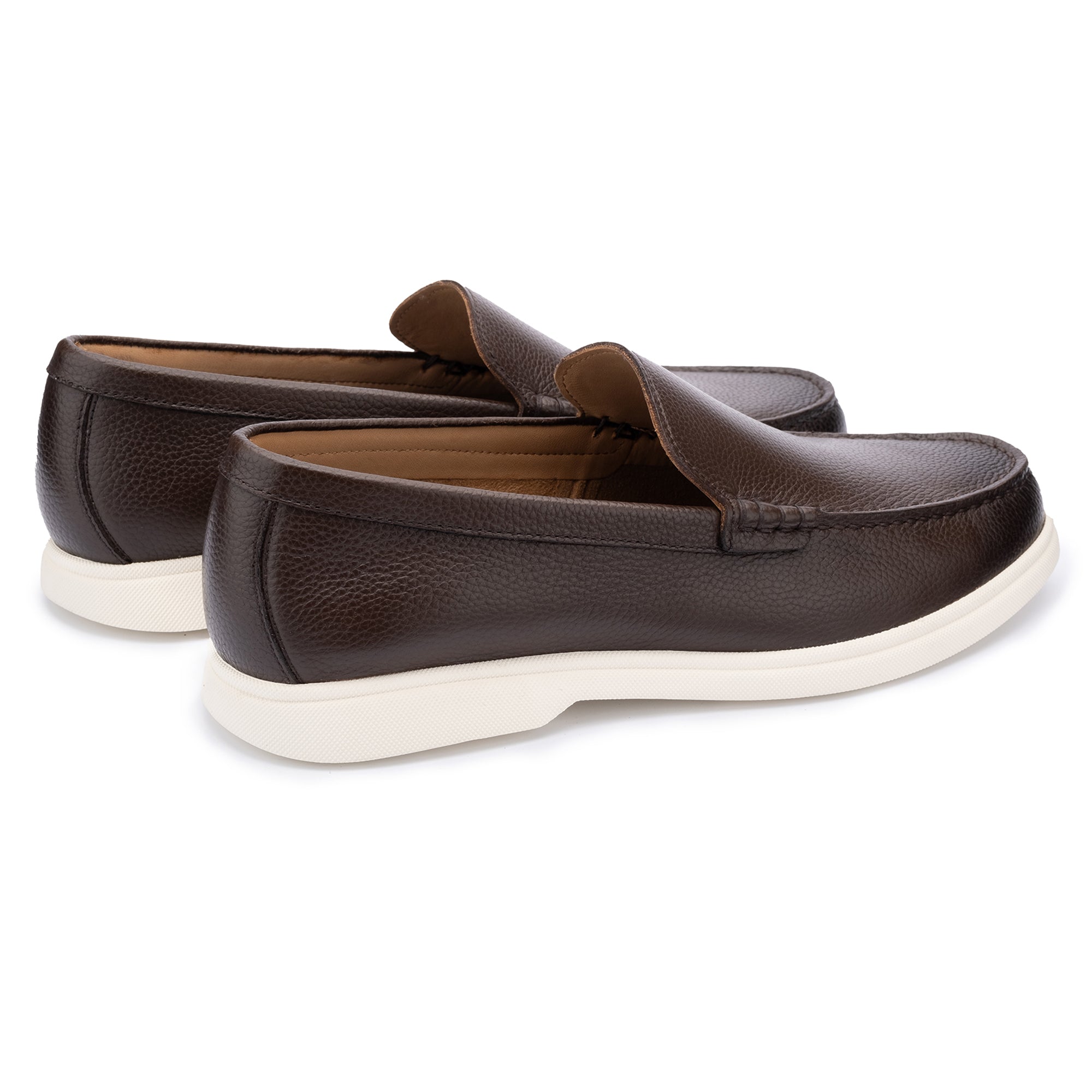
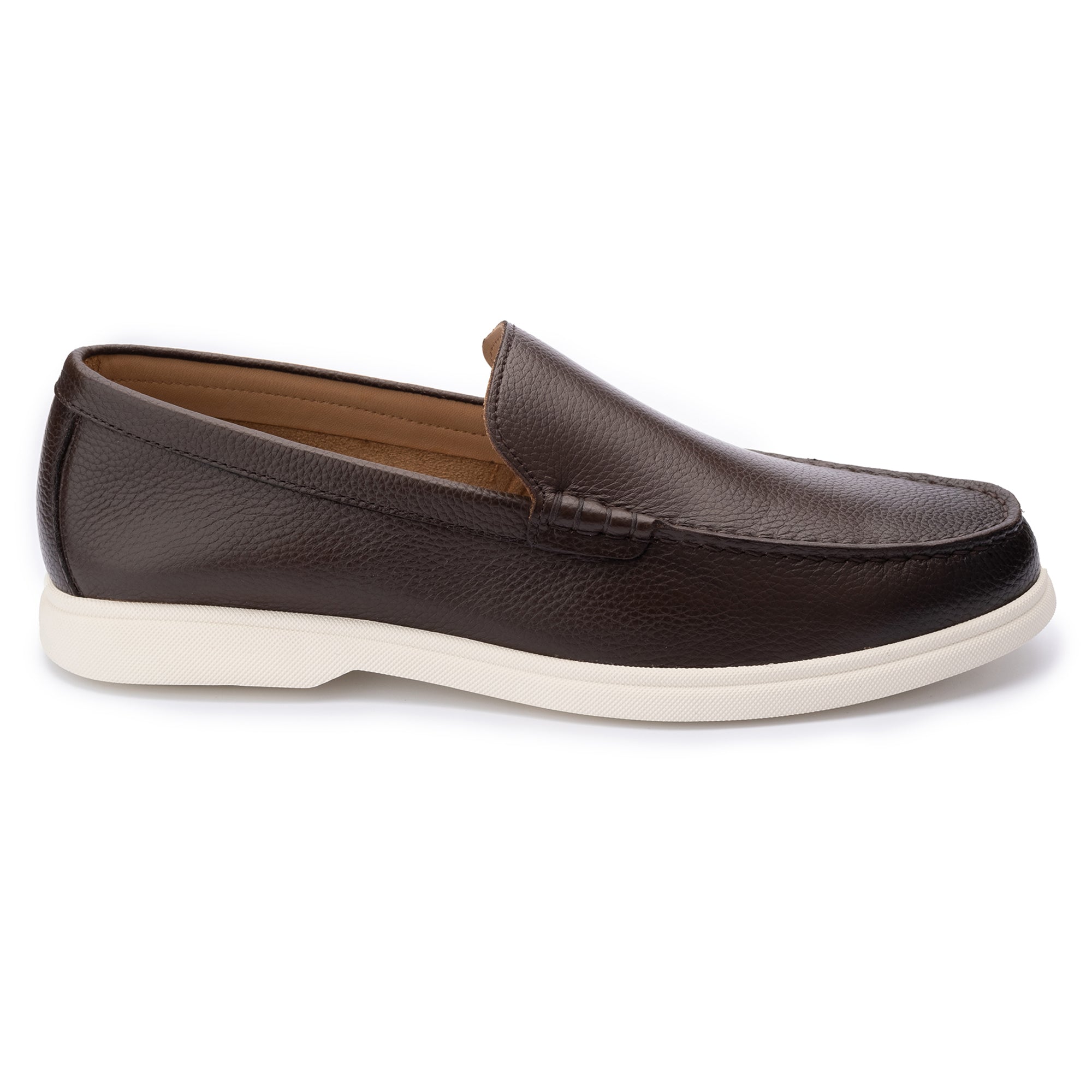
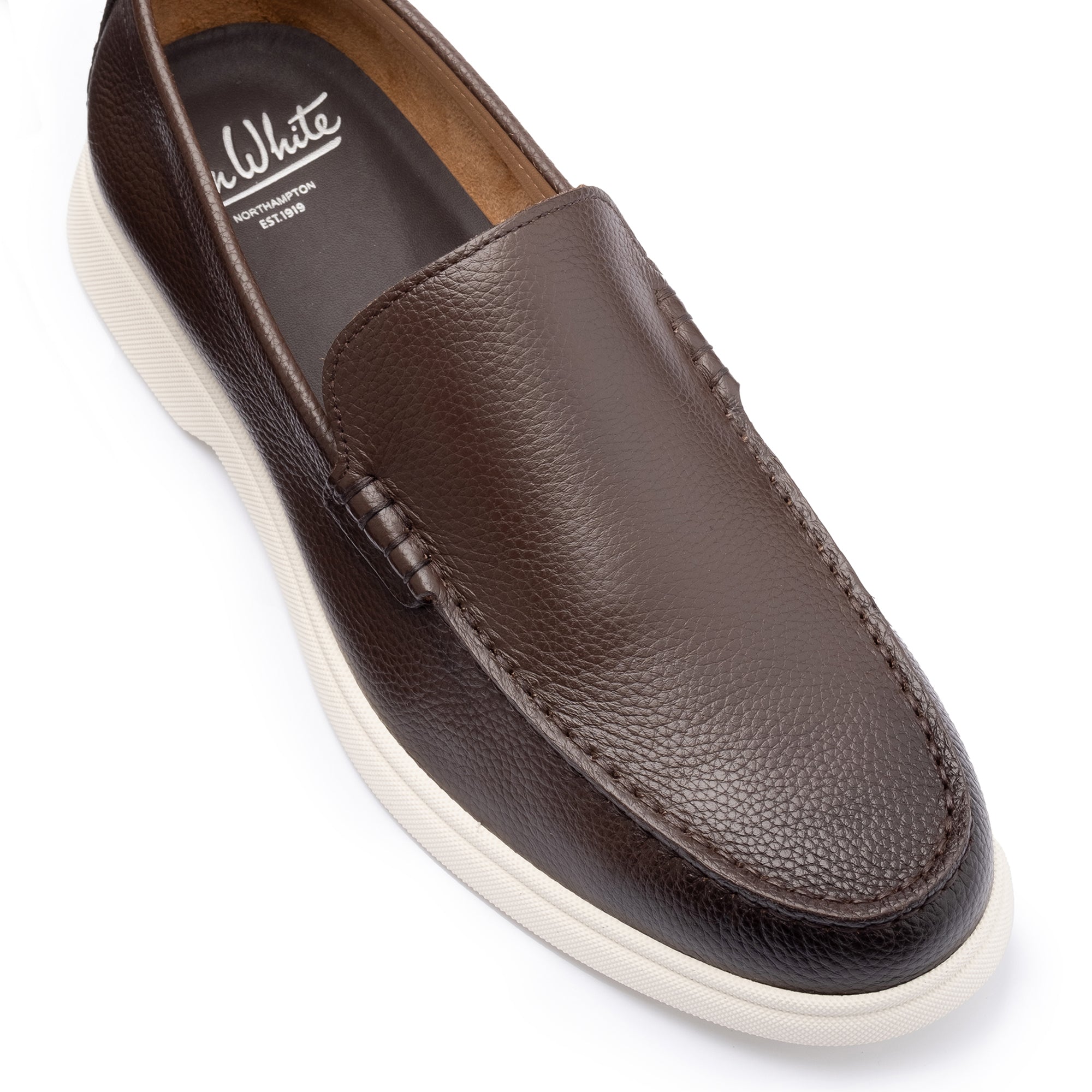
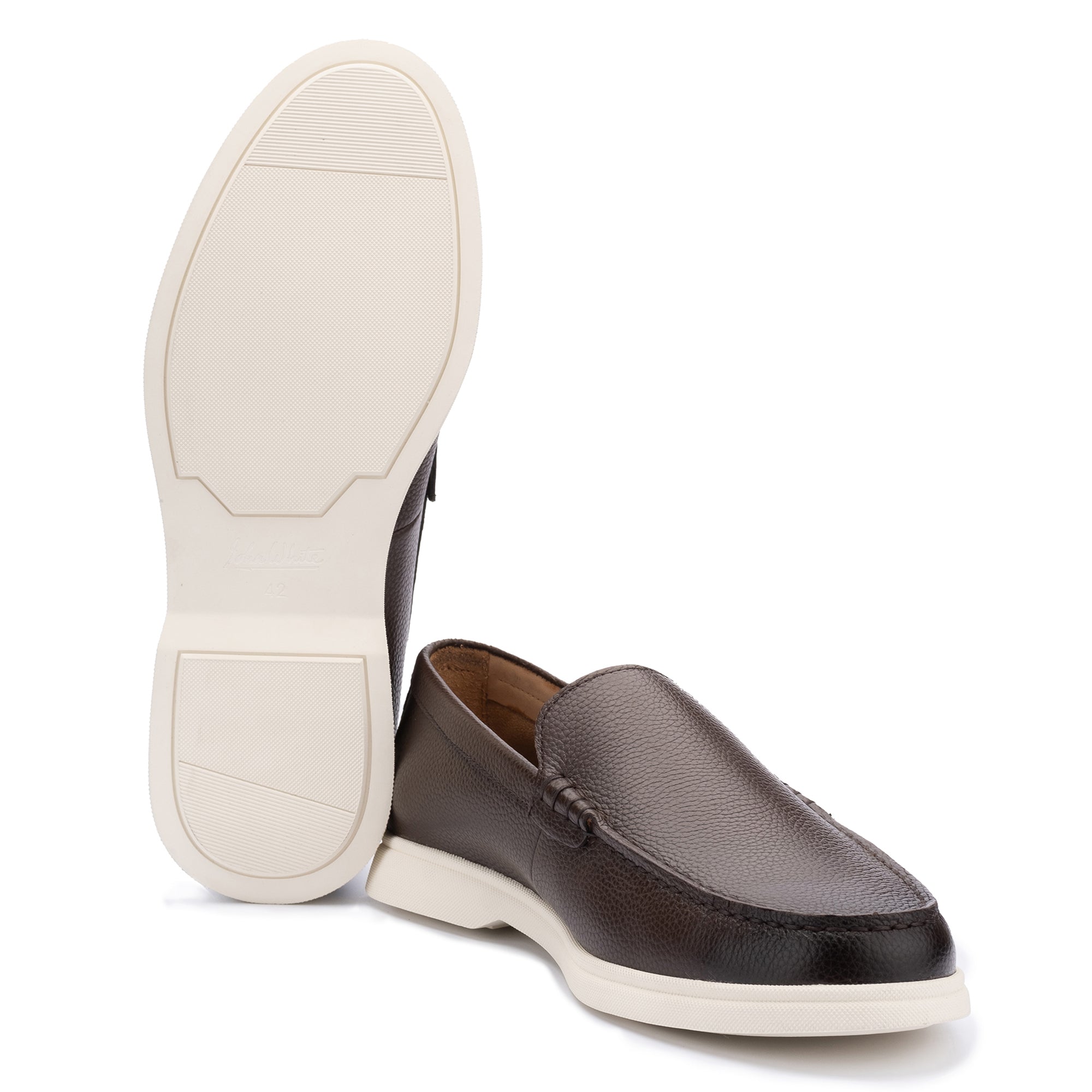
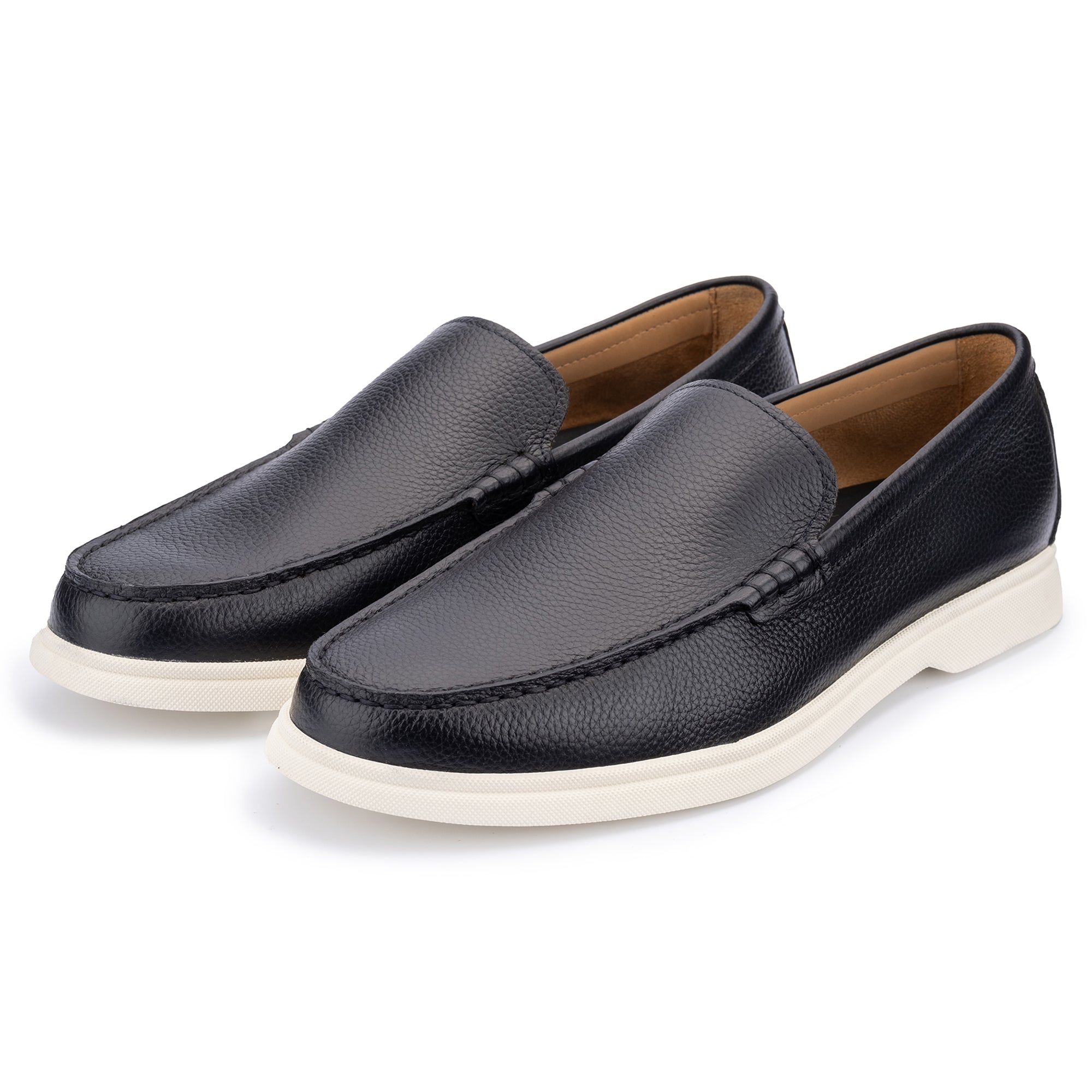
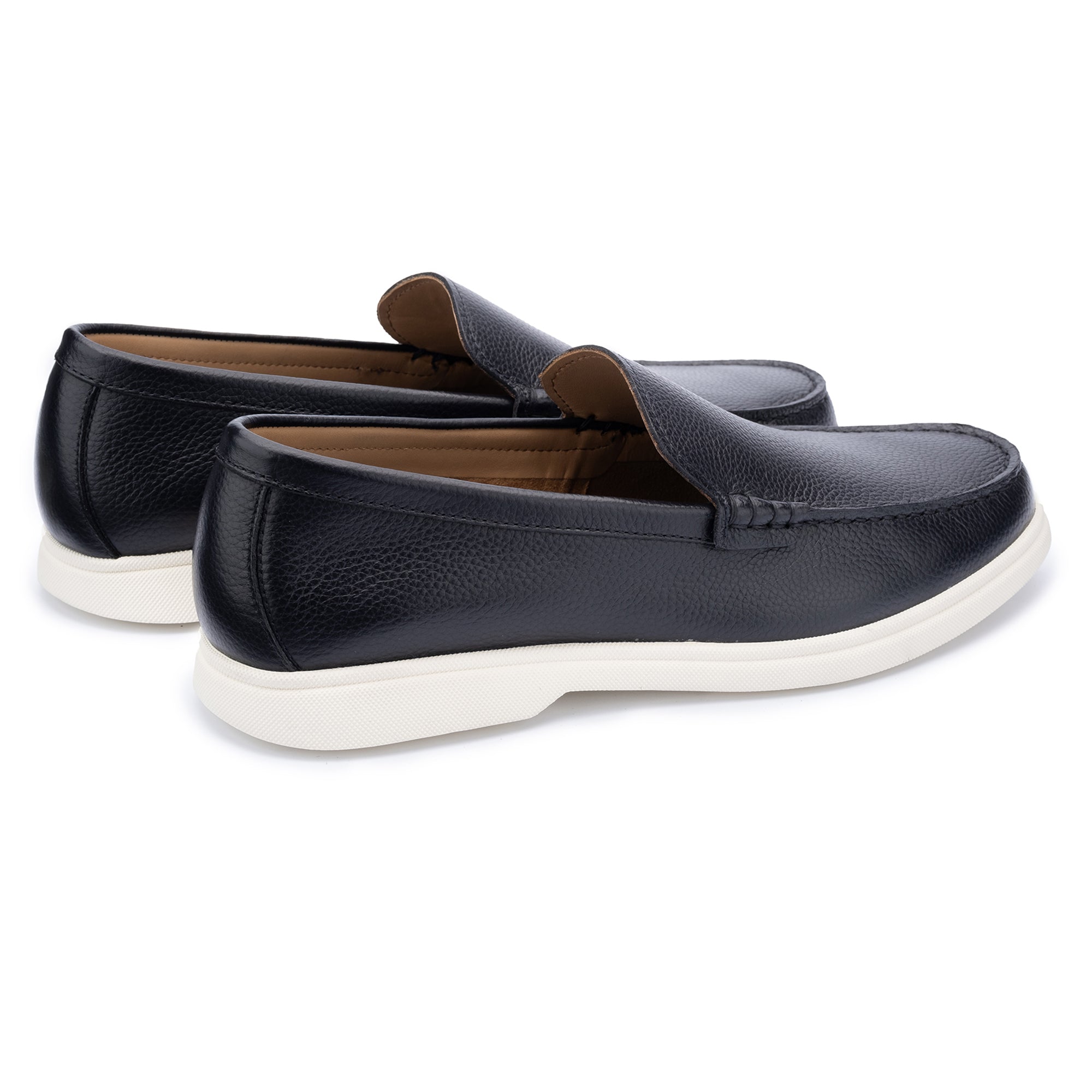
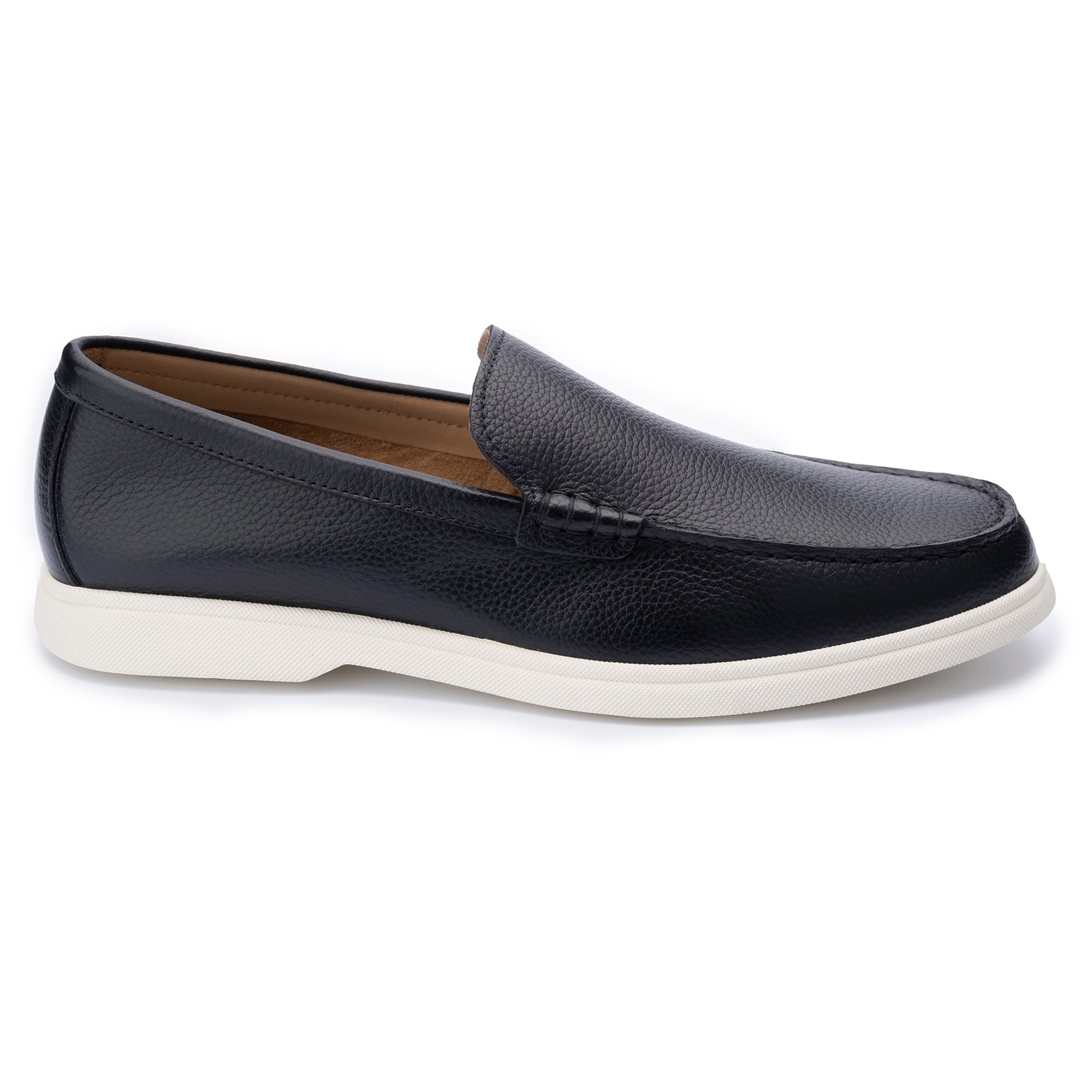
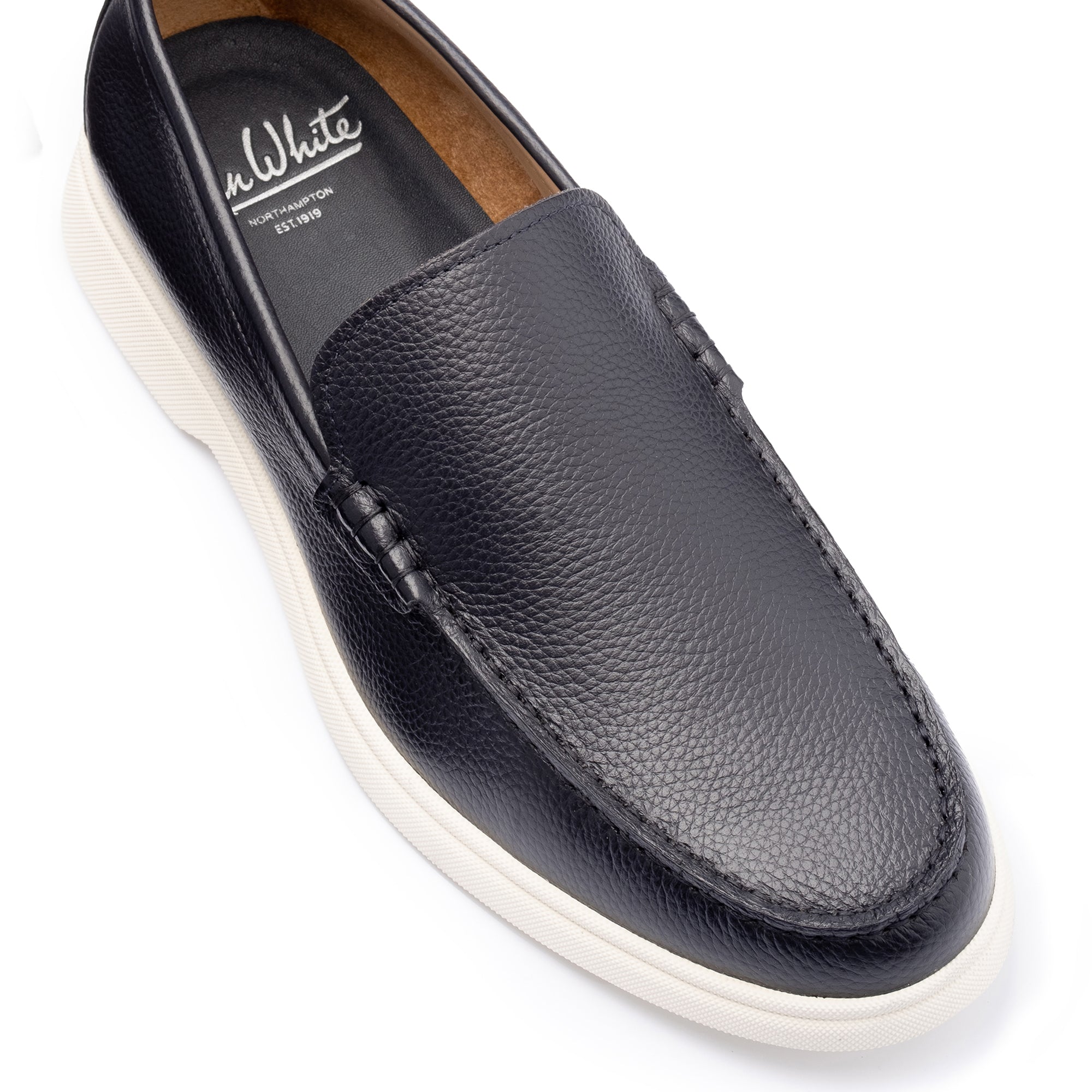
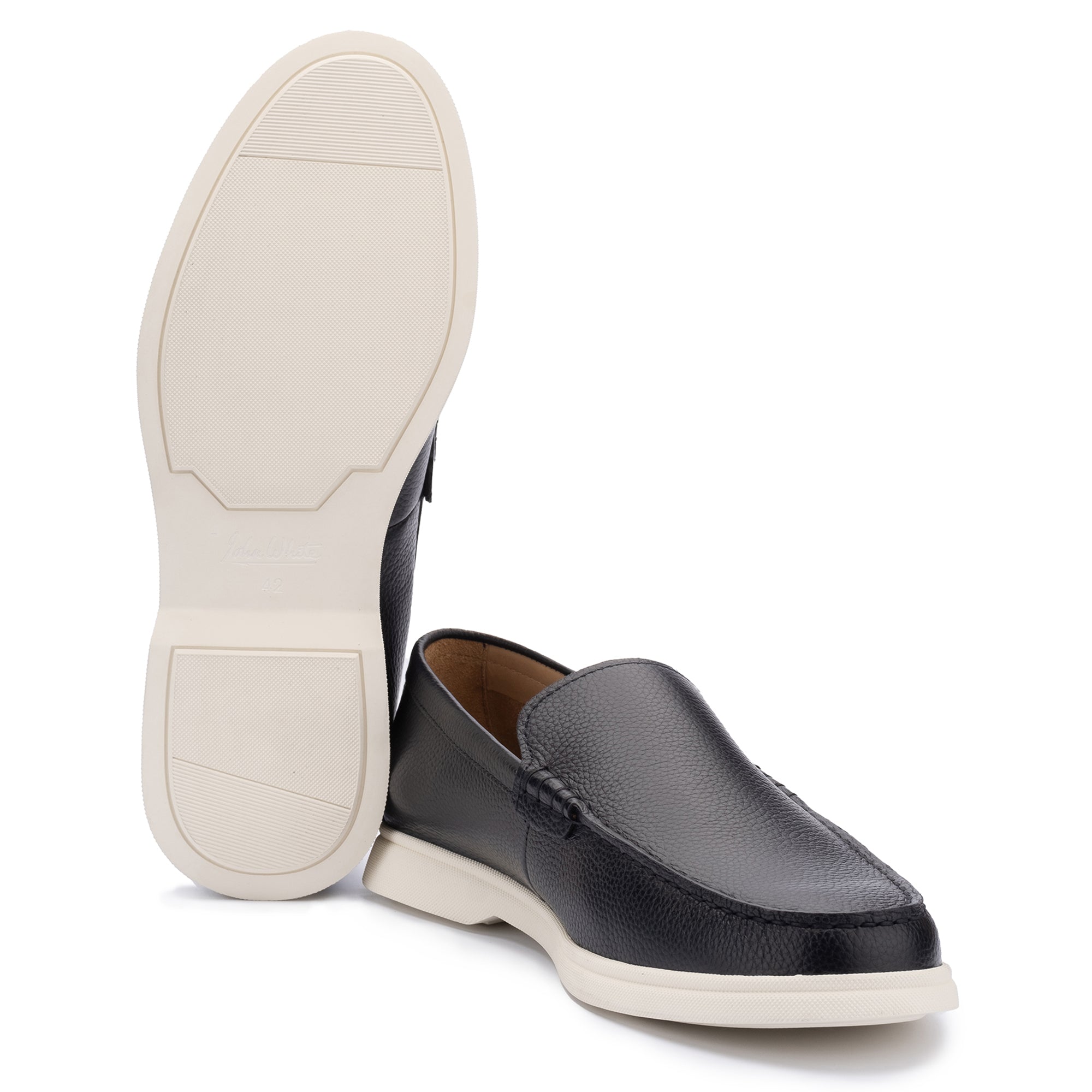
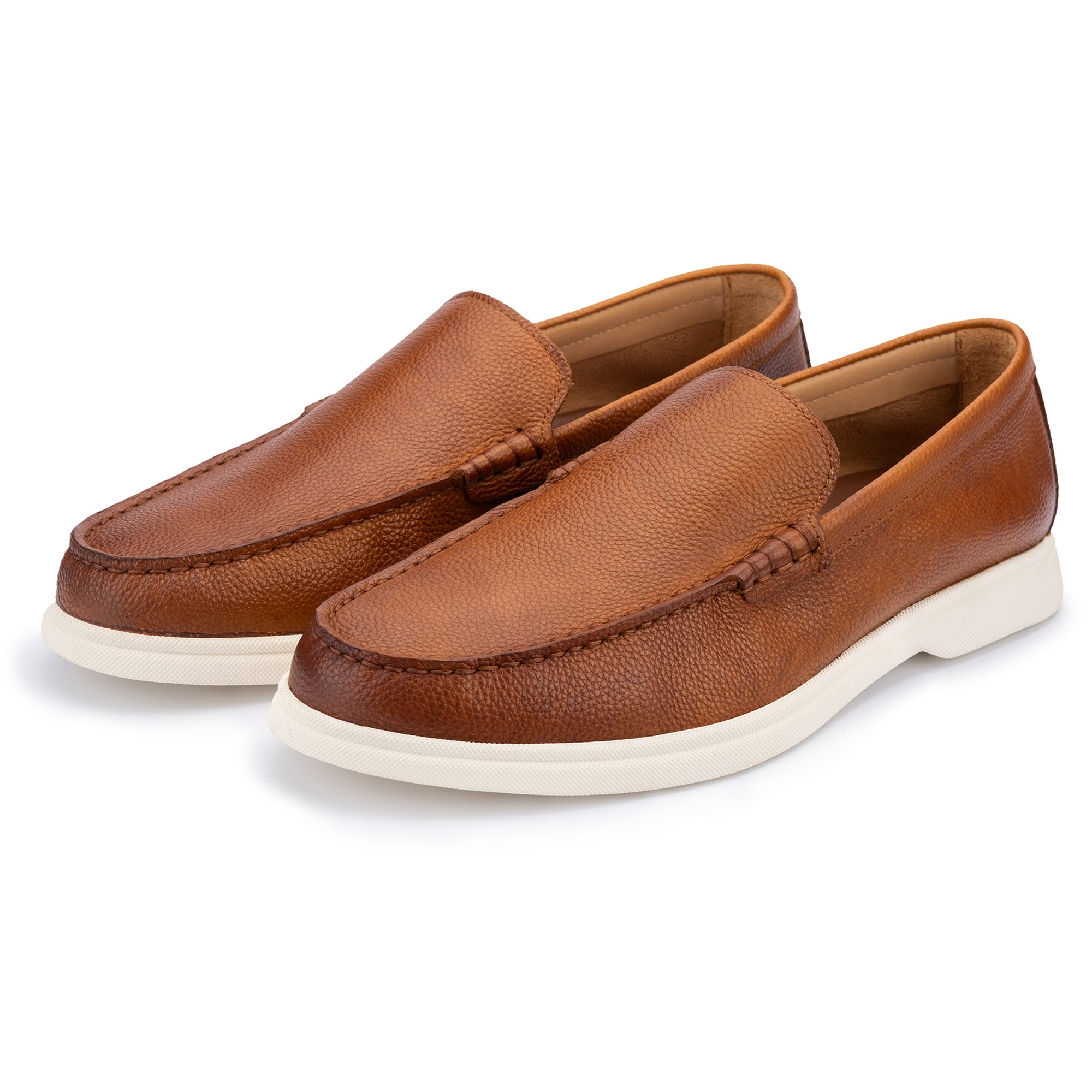
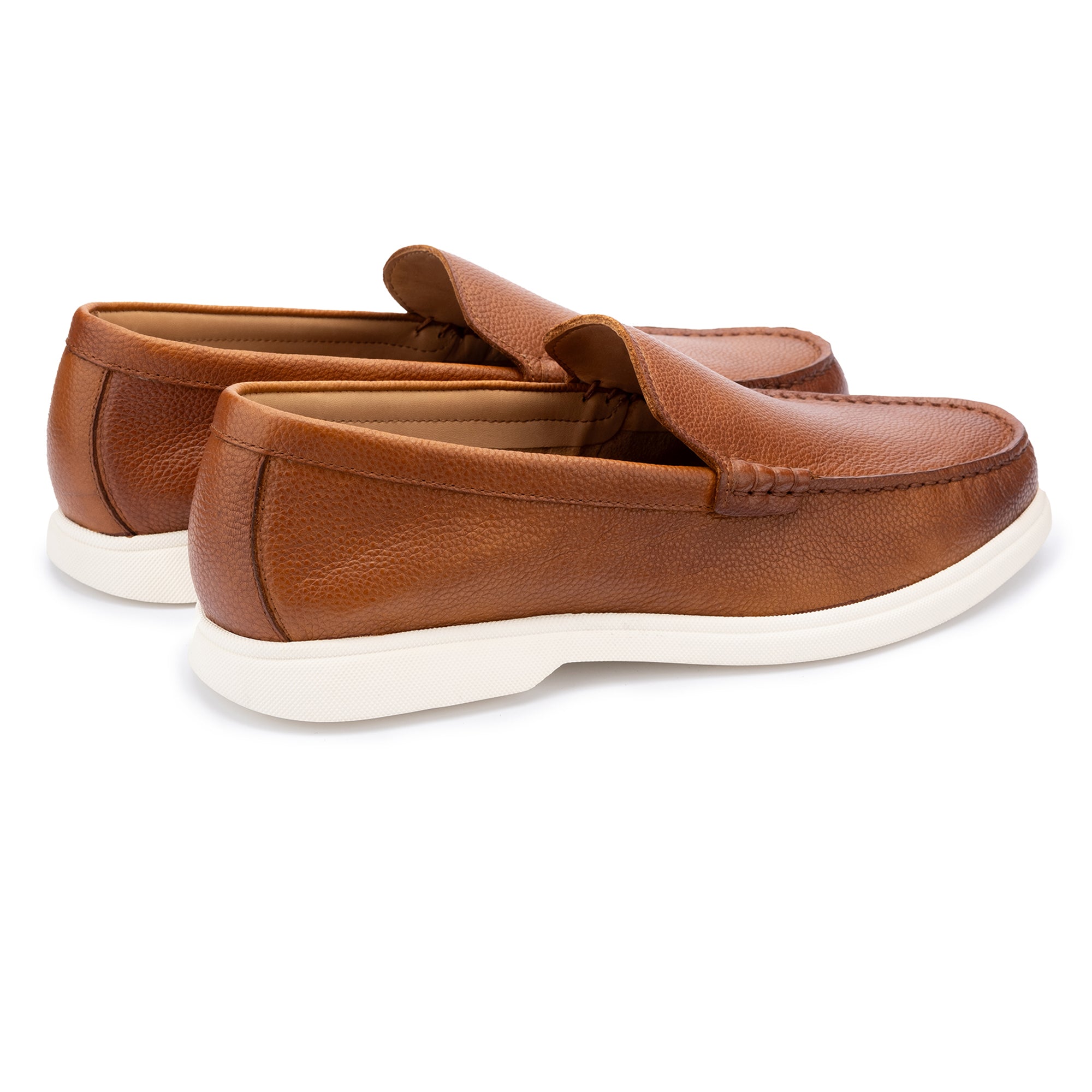
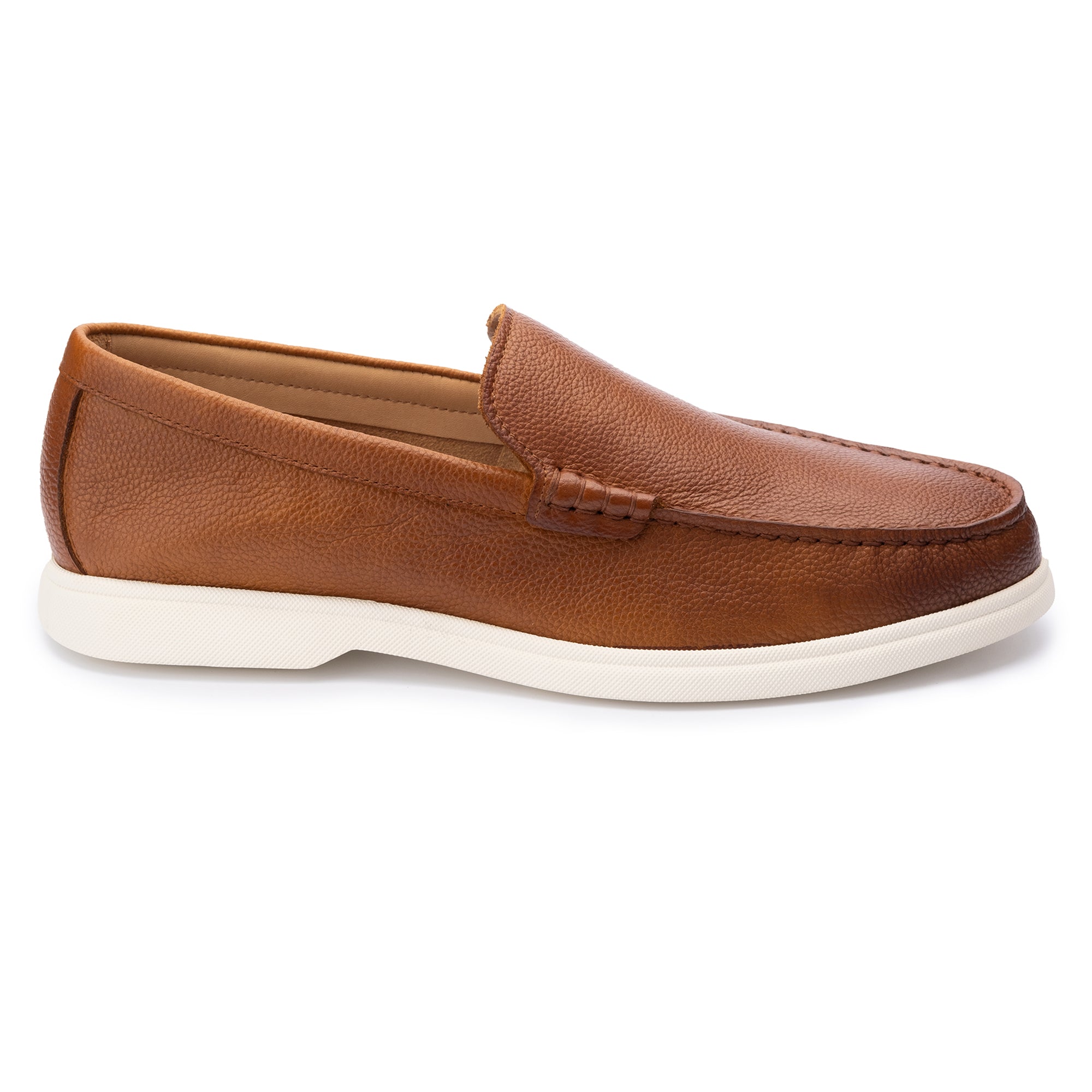
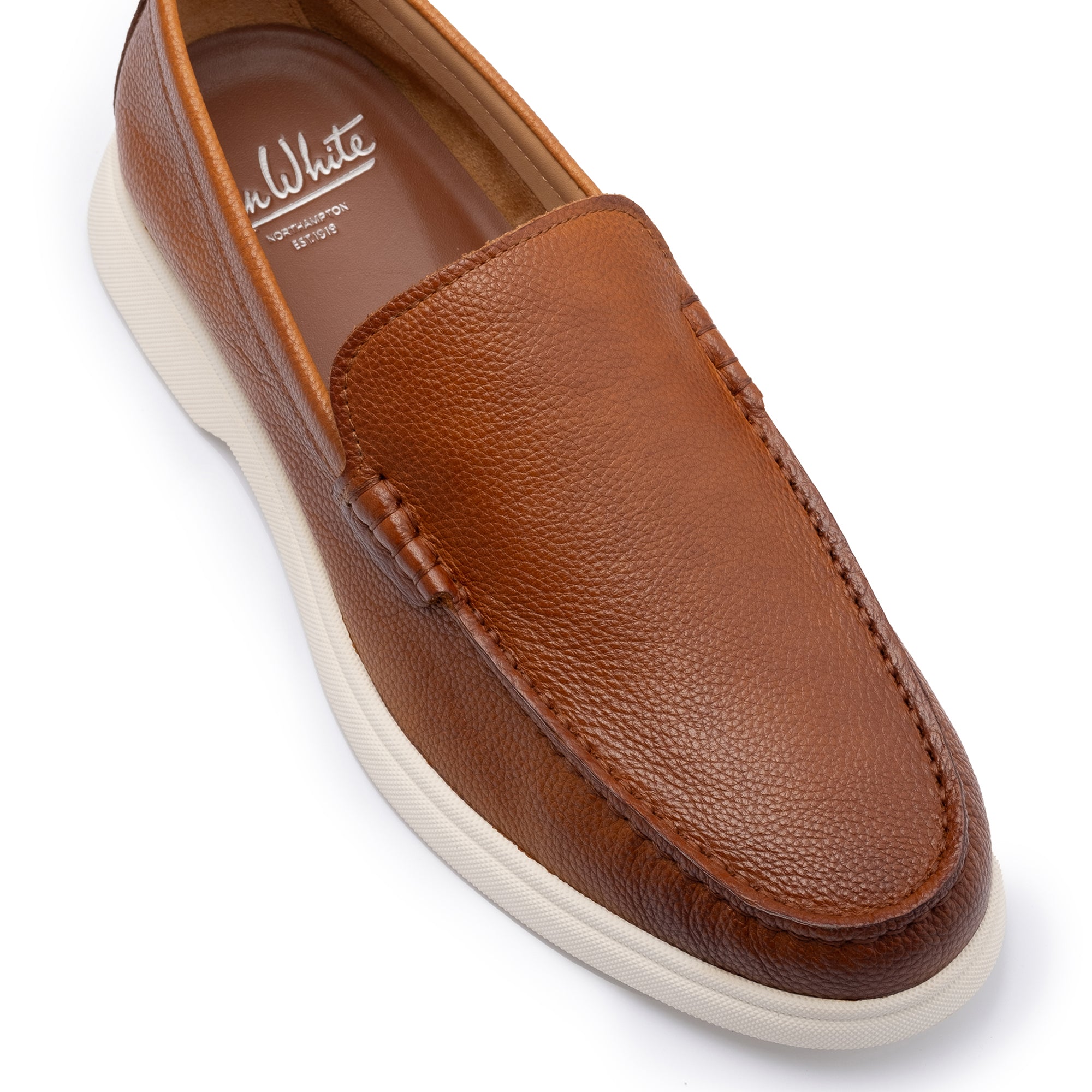
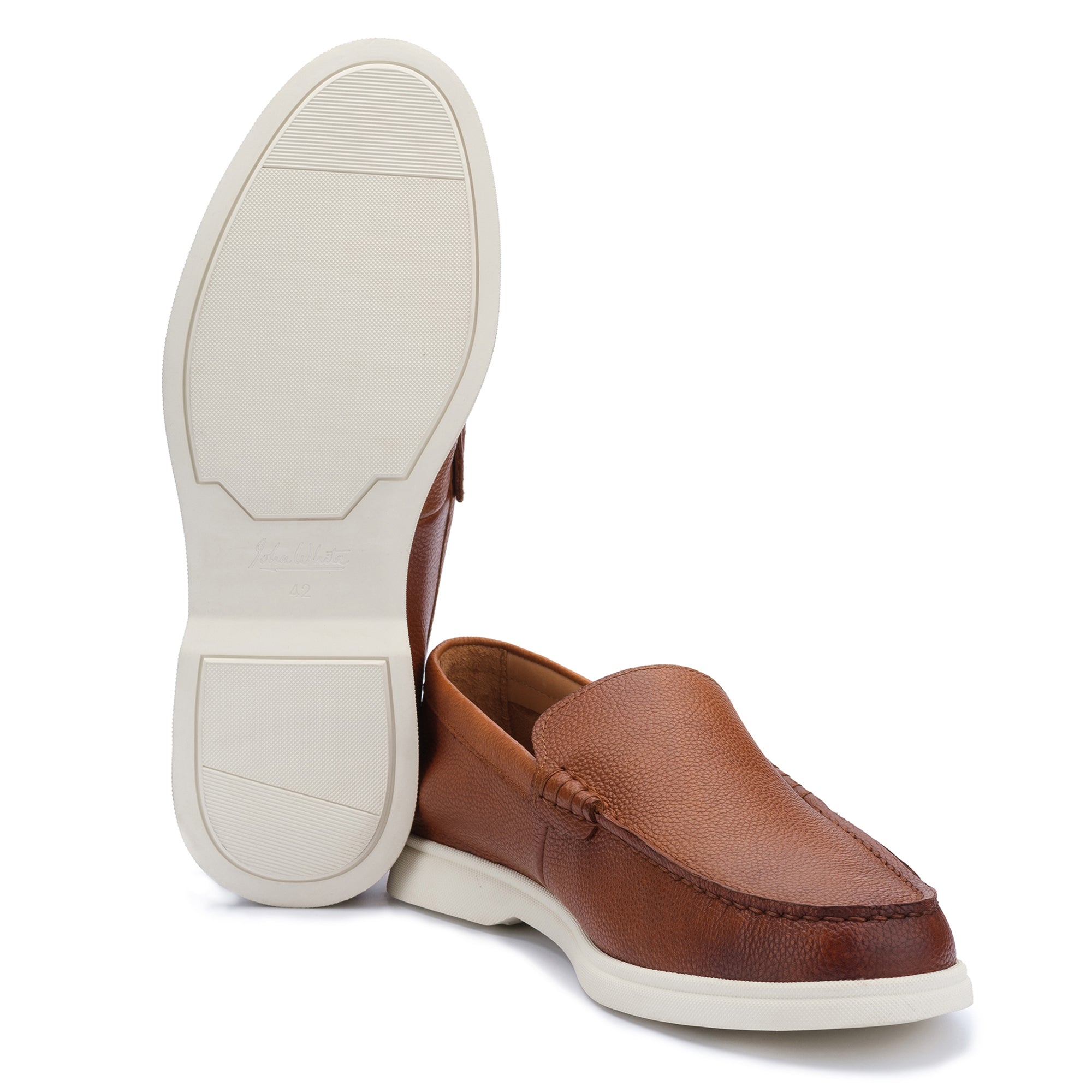
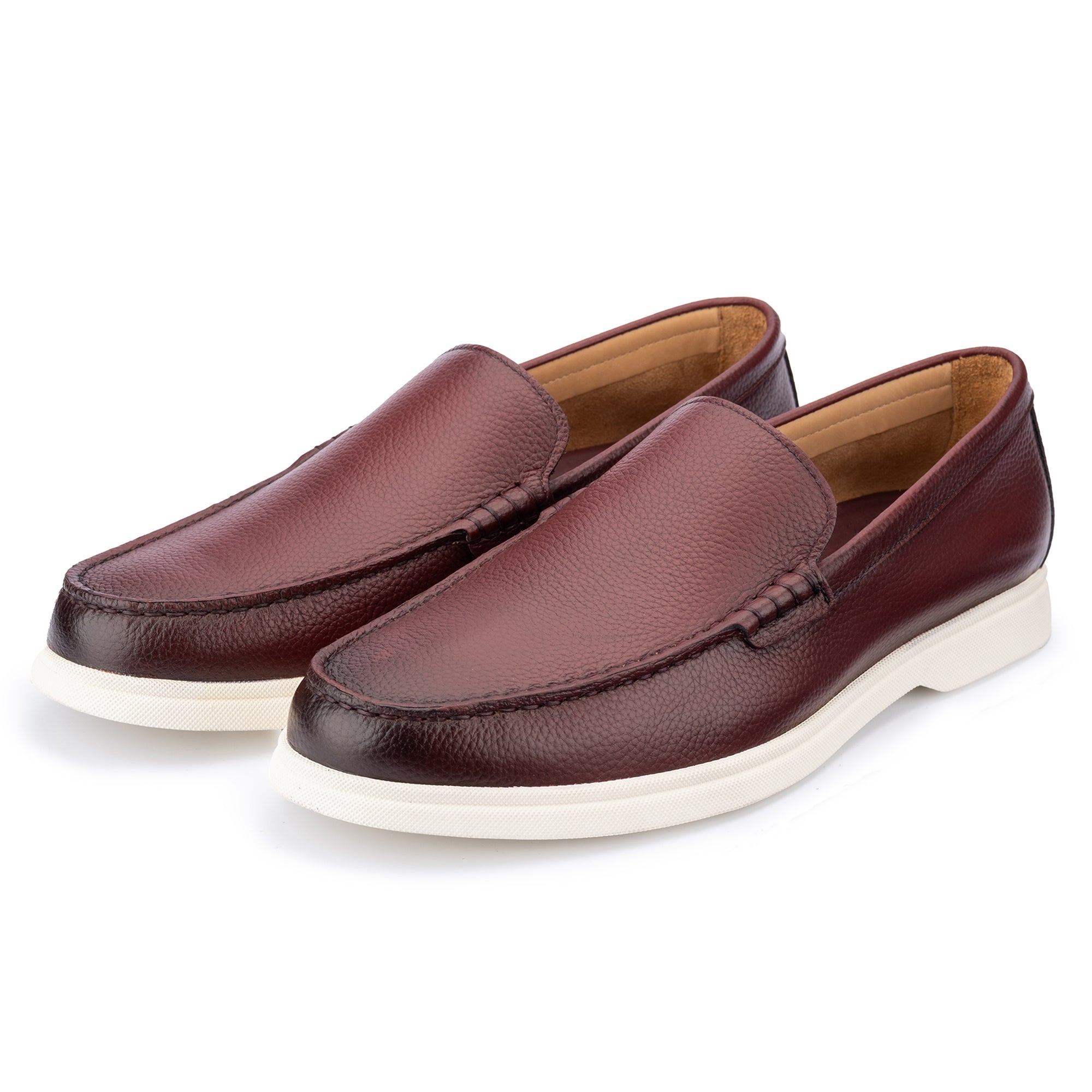
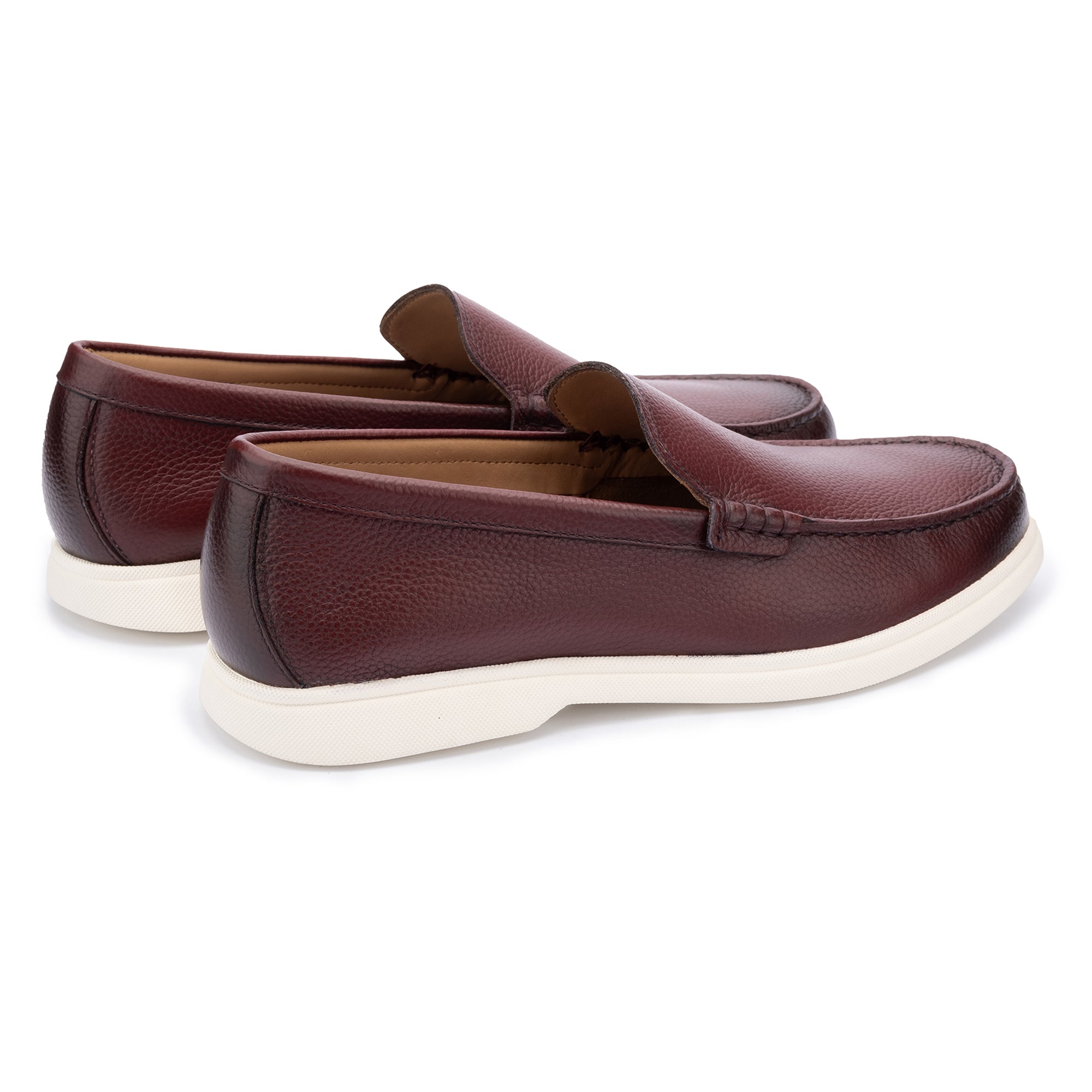
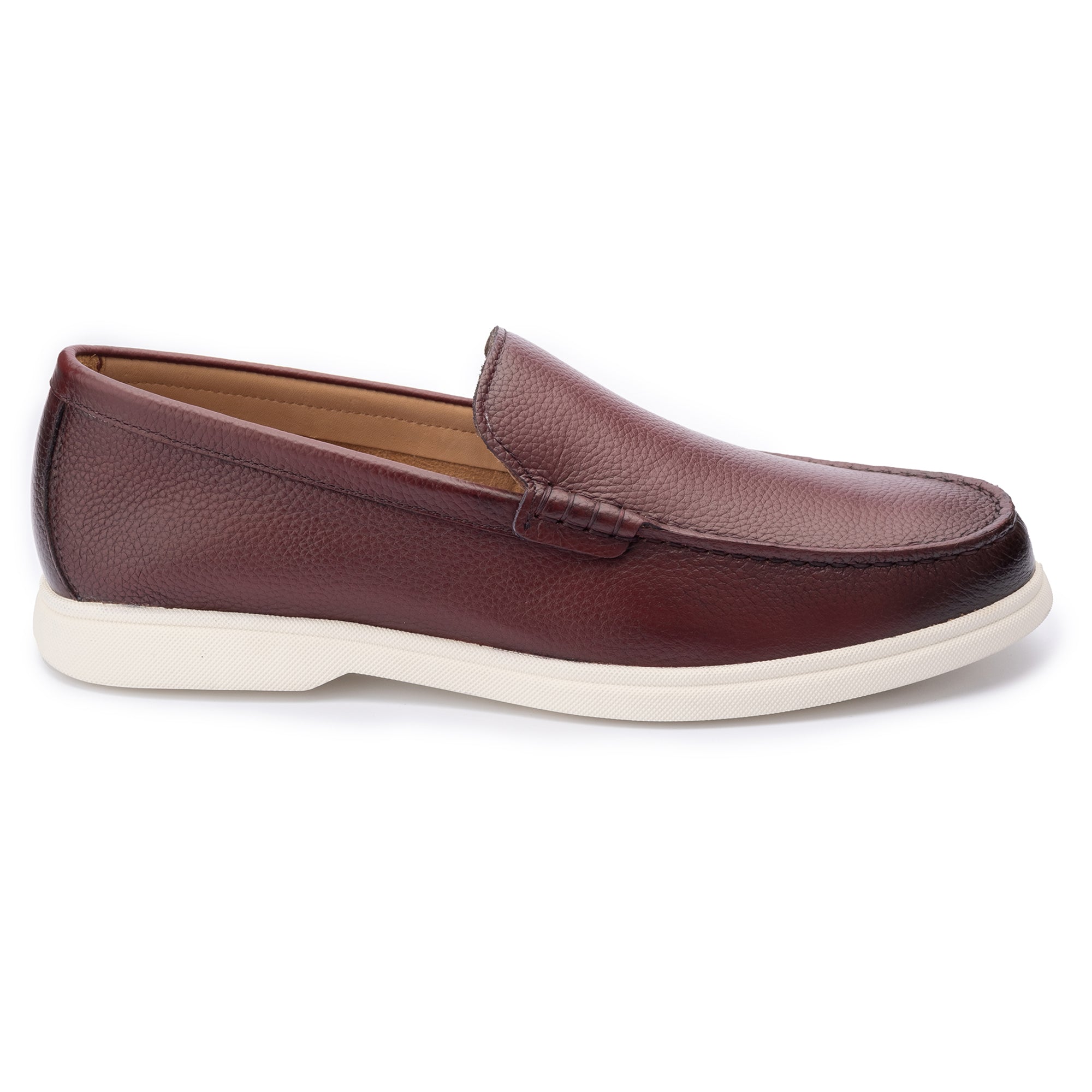
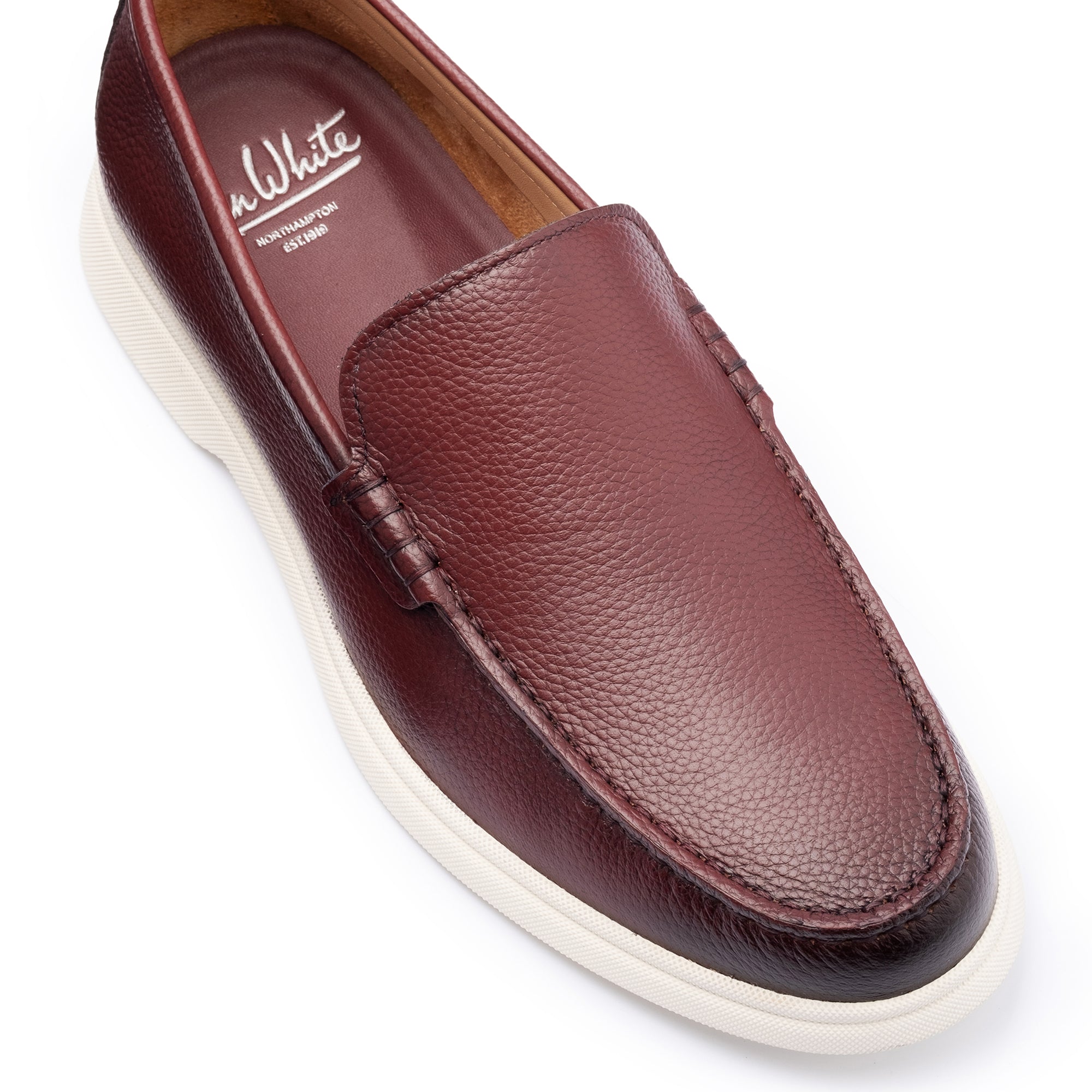
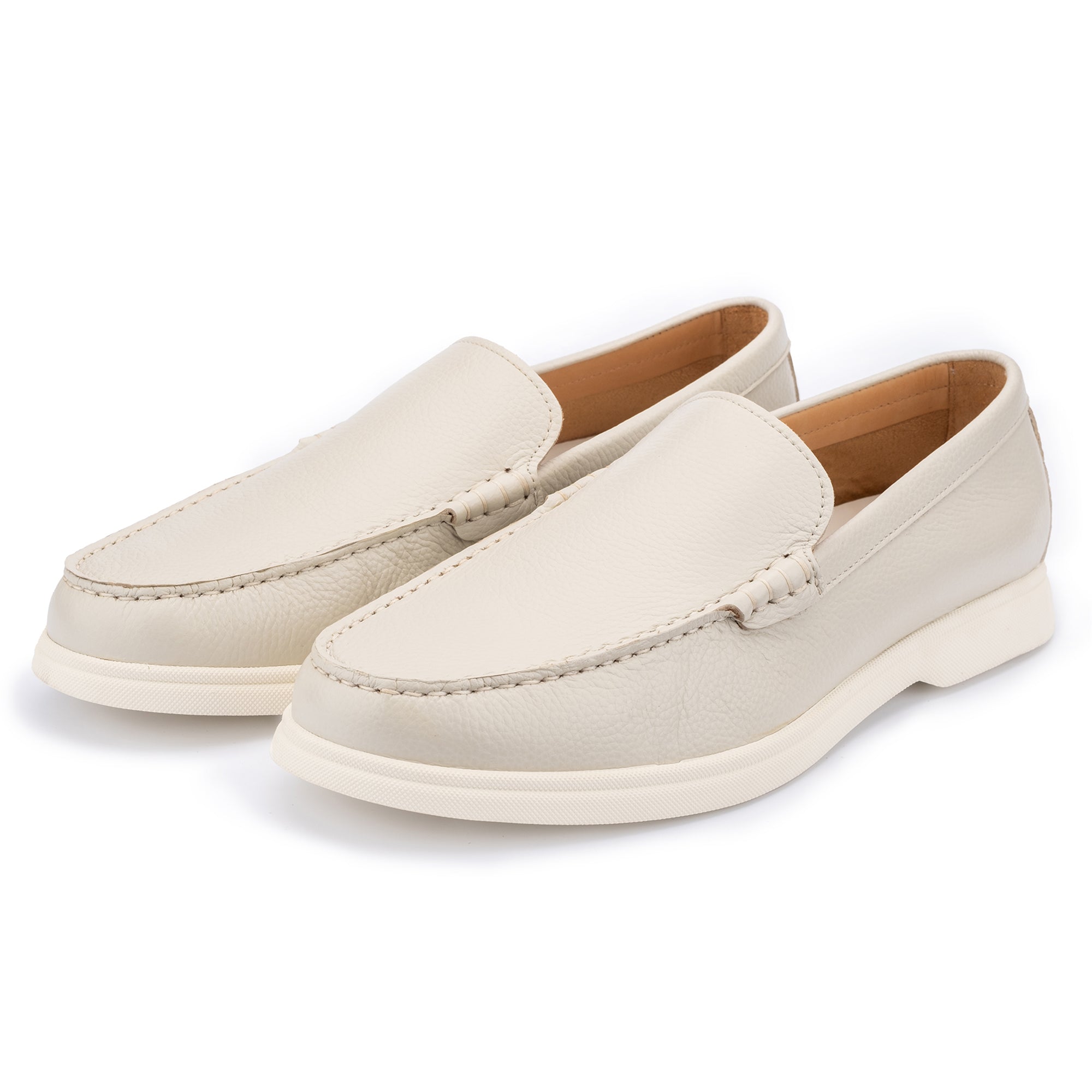
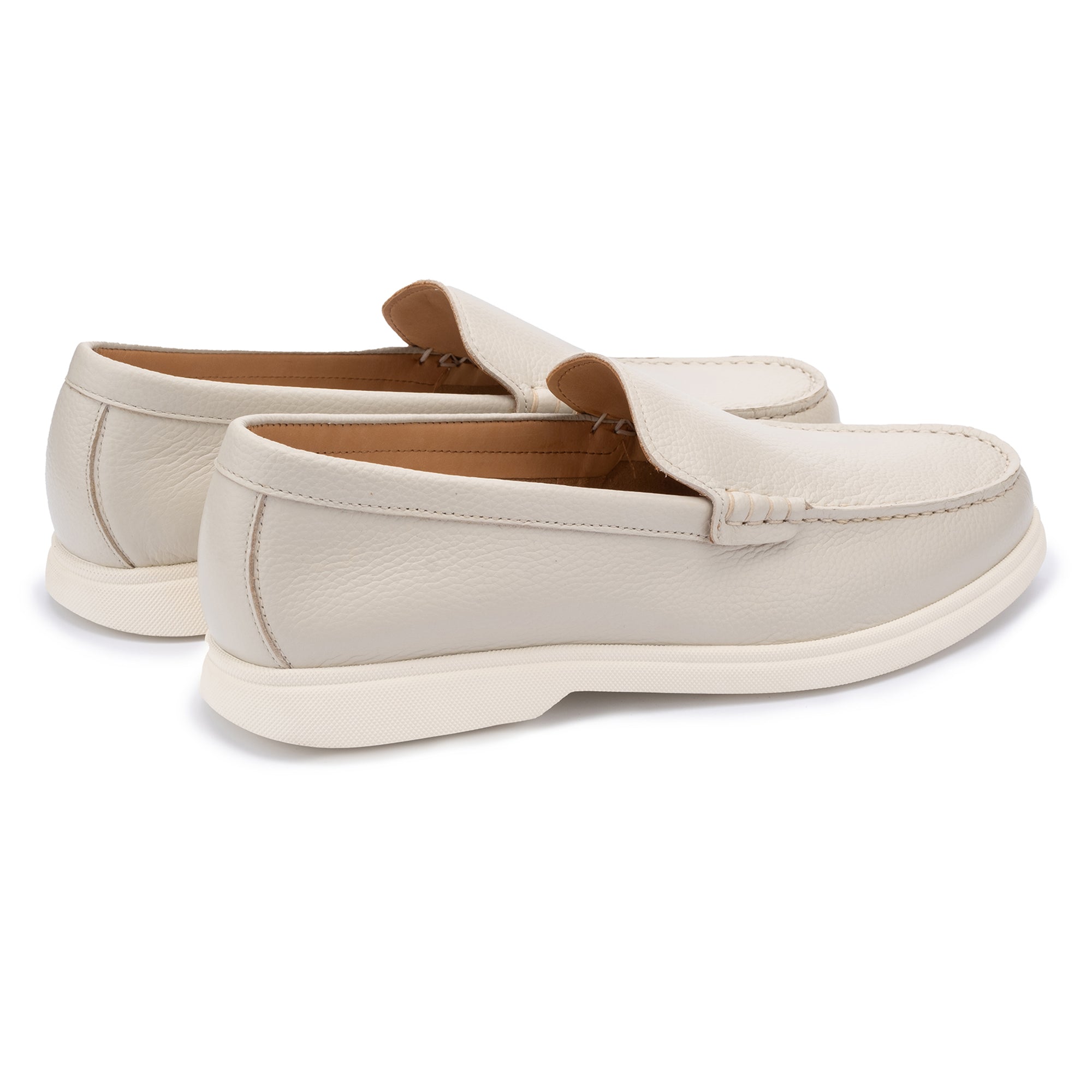
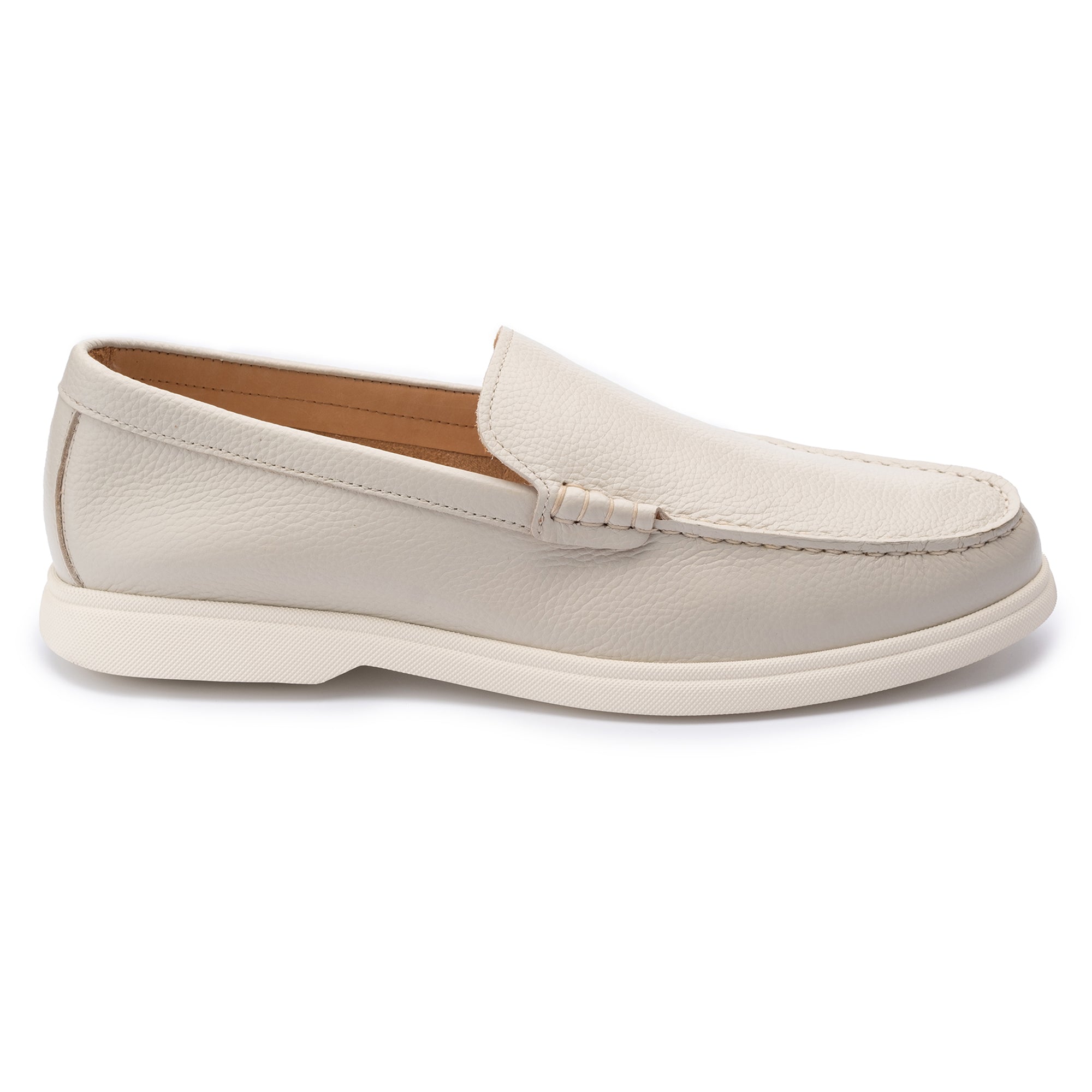
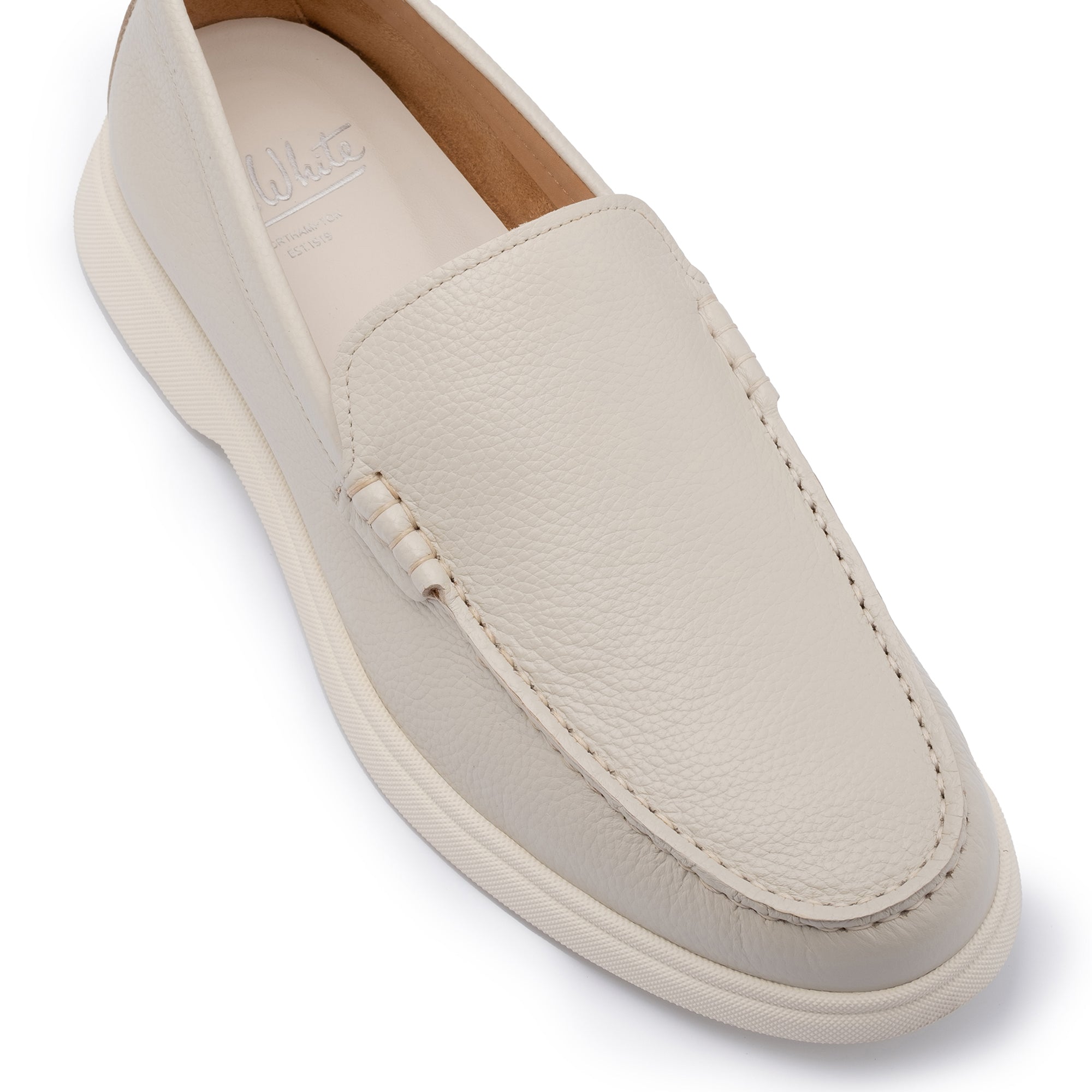
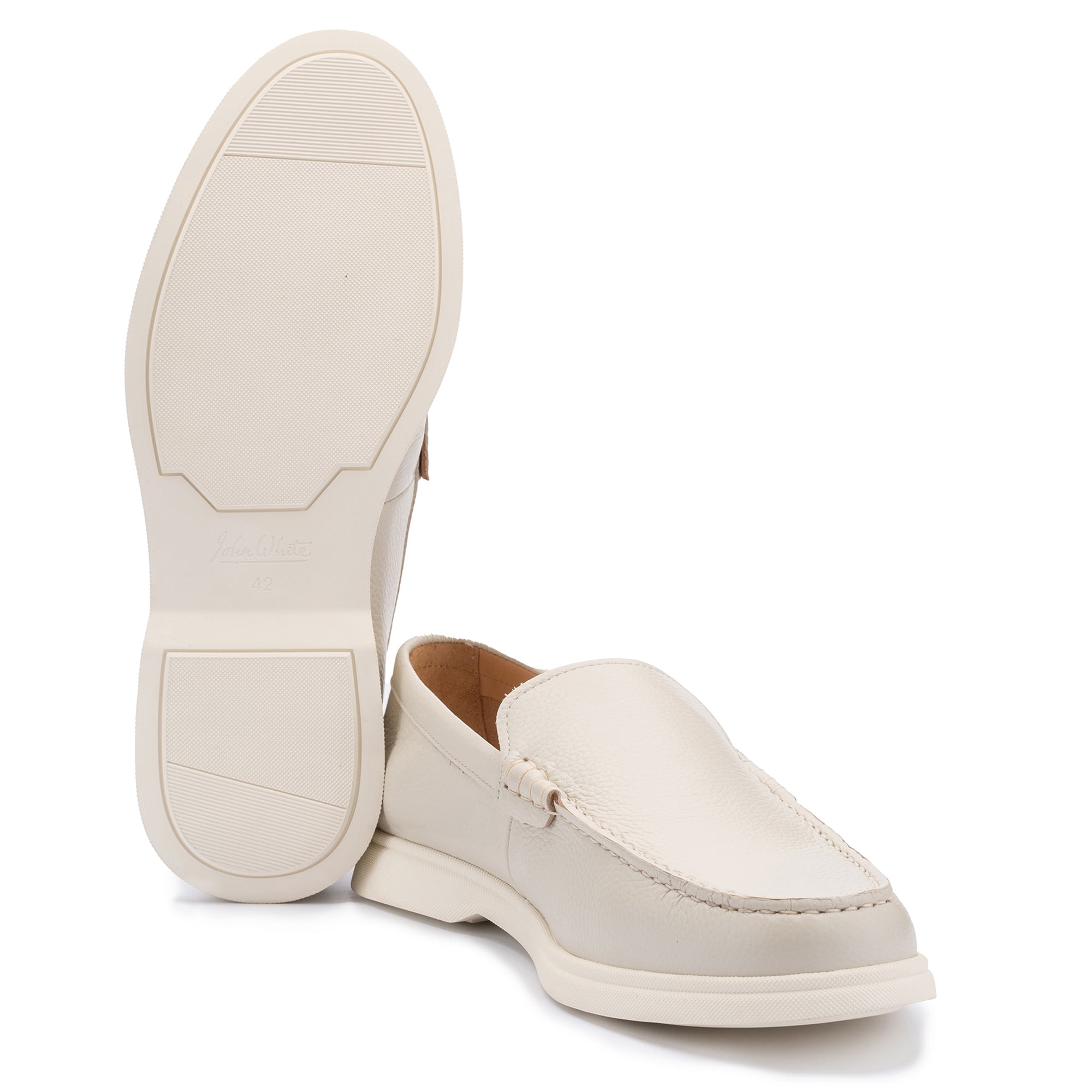
A loafer is a slip-on shoe with no fastening mechanism whatsoever. Originating in American adaptations of Norwegian slip-on footwear during the 1930s, it evolved through the penny loafer, horsebit, and tassel variants into one of the most enduring silhouettes in menswear. Its defining element is ease — a saddle or decorative detail across the vamp, and a construction that requires no lacing, no adjustment, and no ceremony.
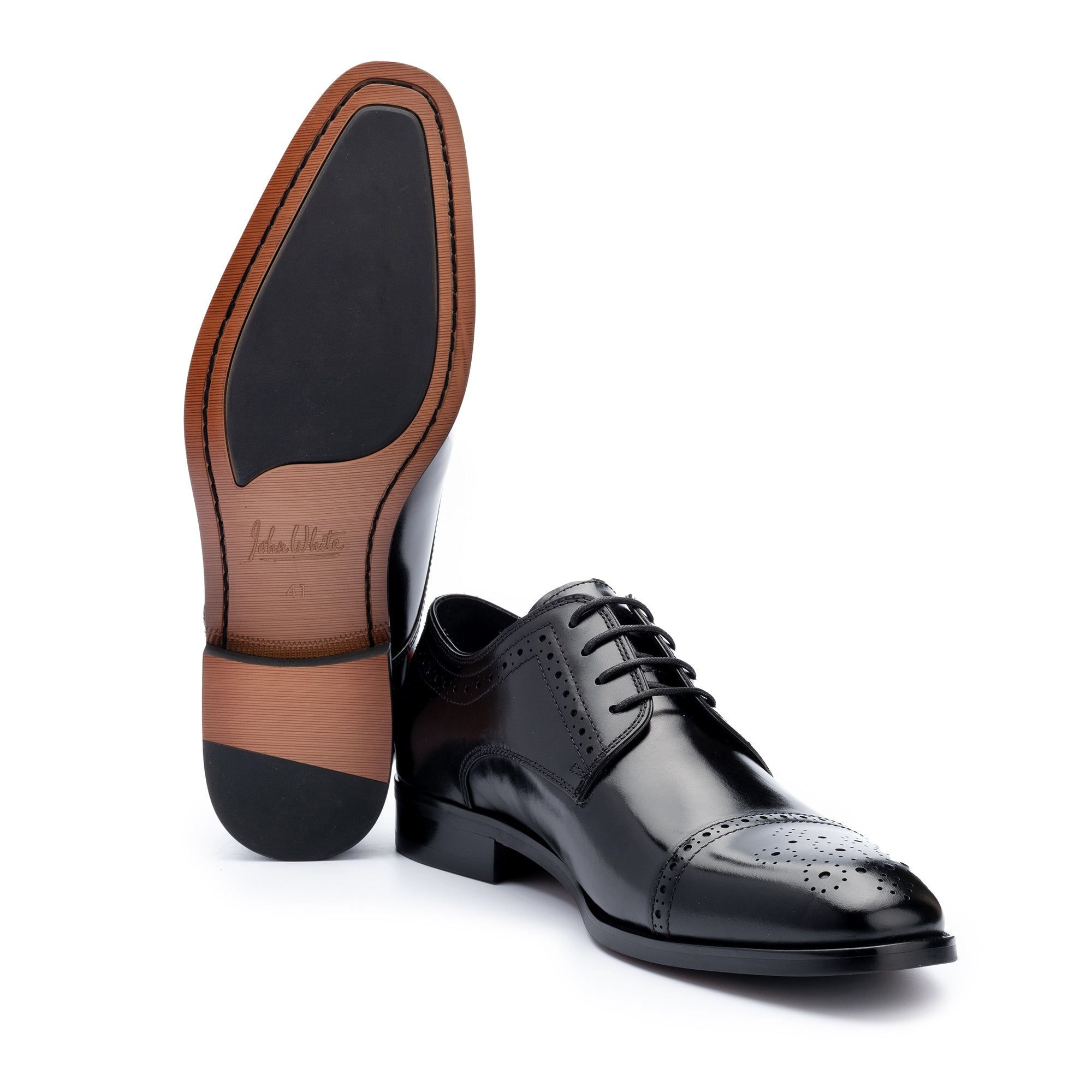
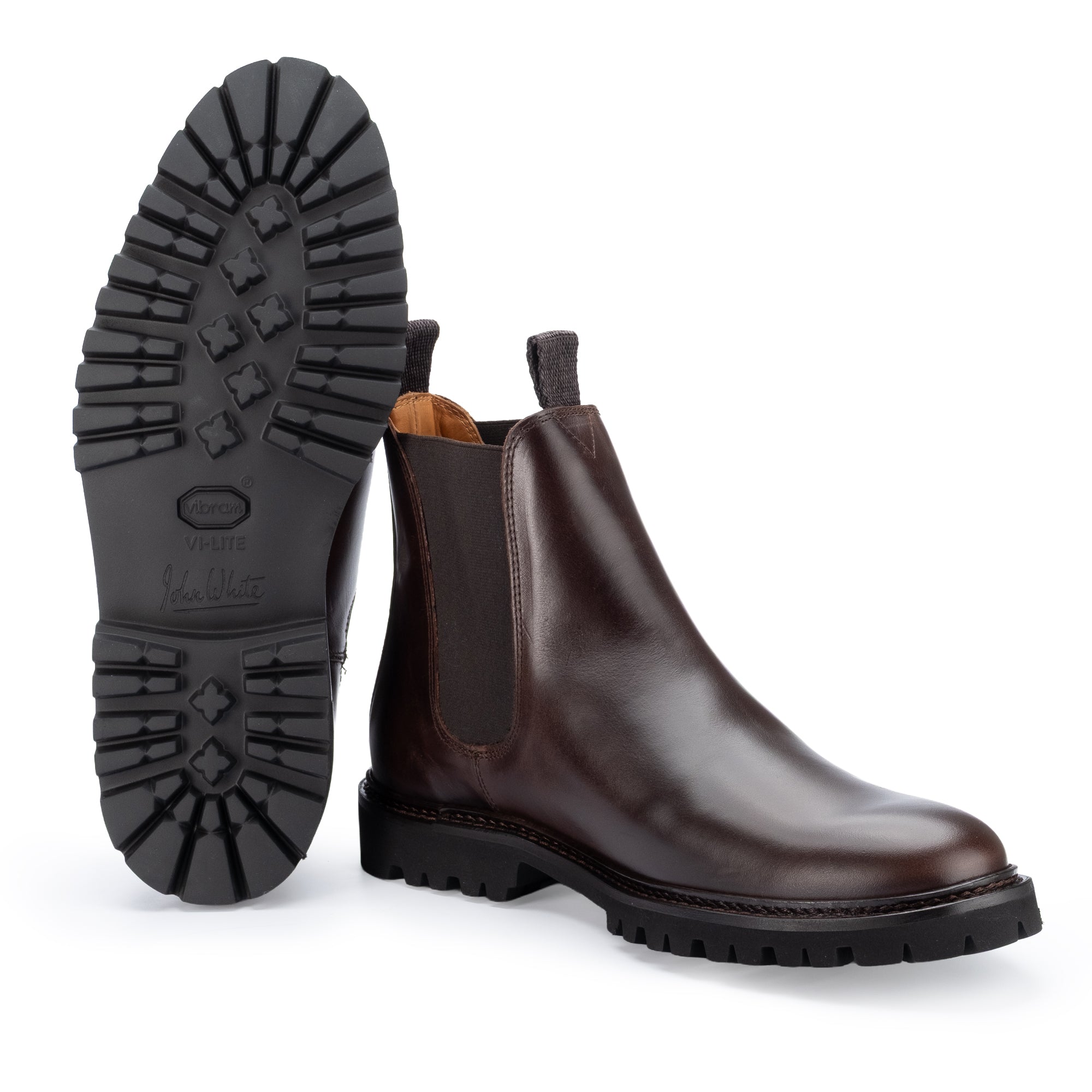
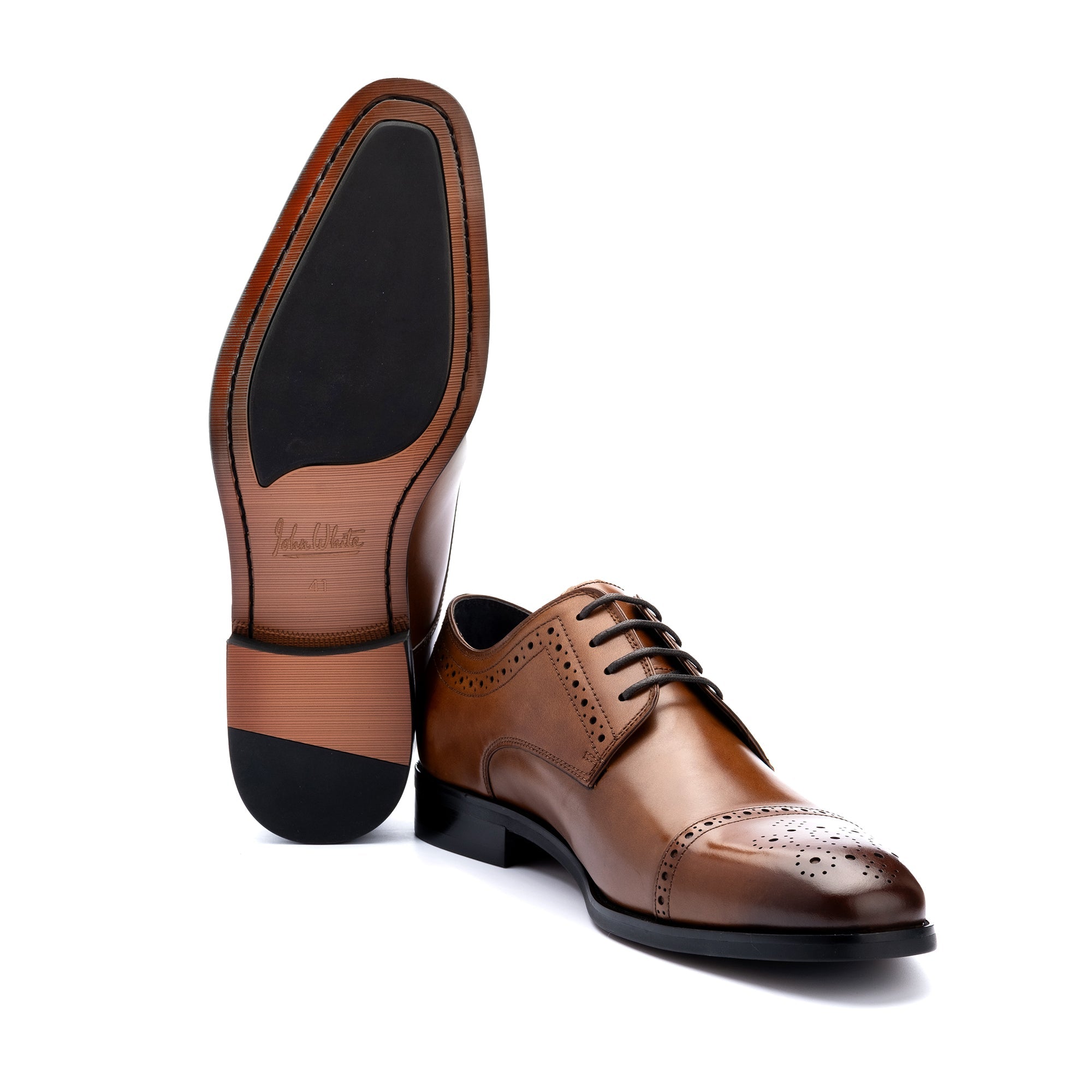
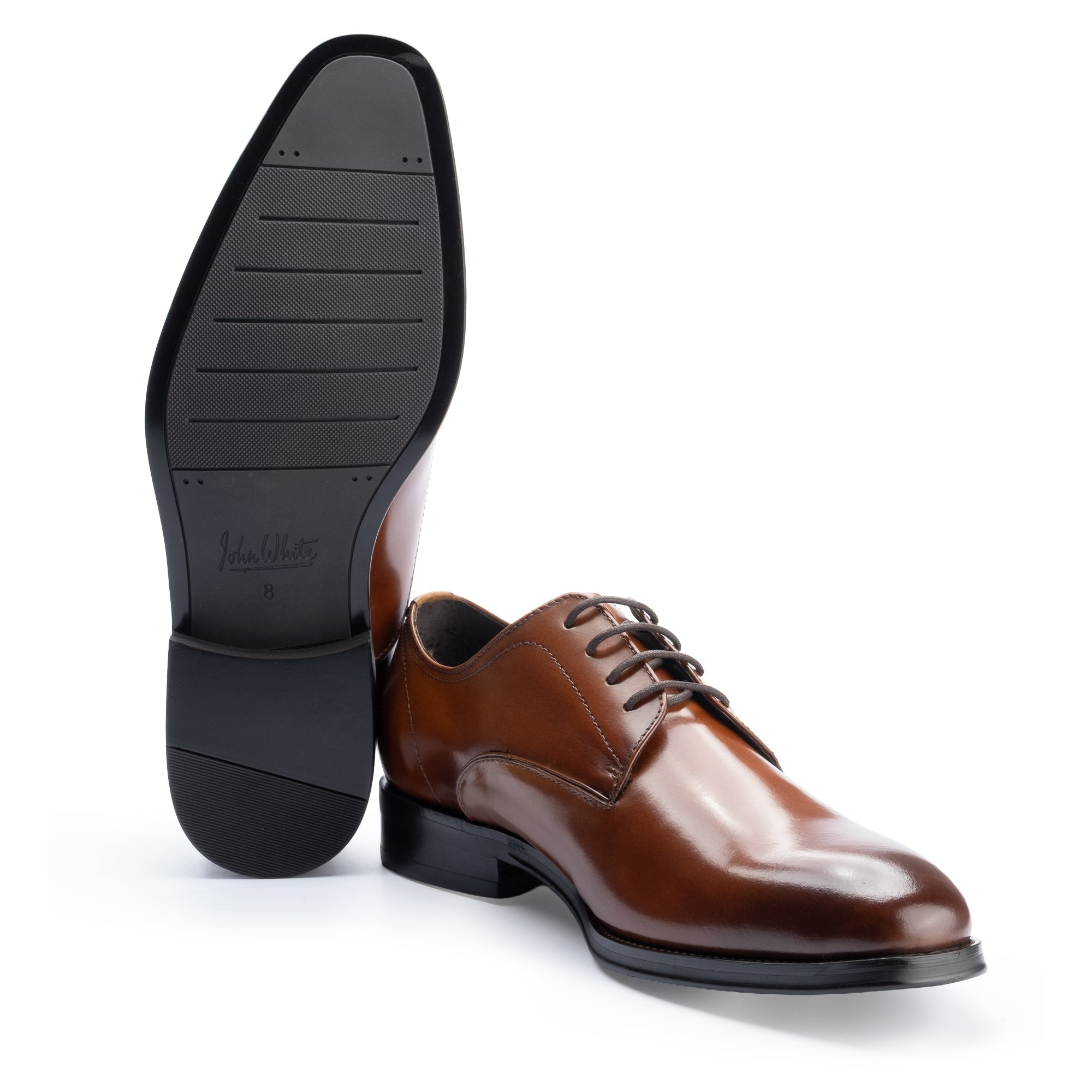
Both styles are built to a serious standard by Britain's heritage shoemakers. Alongside John White Shoes, makers including Loake, Barker, Grenson, Church's, and Crockett & Jones produce both Oxfords and loafers on Goodyear welted construction — meaning a quality pair of either, properly maintained, can last decades and be resoled repeatedly.
How Formal Is an Oxford Compared to a Loafer?
The Oxford outranks the loafer at every comparable formality level. A plain-toe Oxford in black polished calf is the correct choice for black tie; a loafer — even in the finest calfskin — is not. For interviews, formal occasions, and conservative business environments, the Oxford is the unambiguous answer. As we examined in our definitive ranking of men's dress shoe formality, the Oxford anchors the top of the scale across all construction variants.
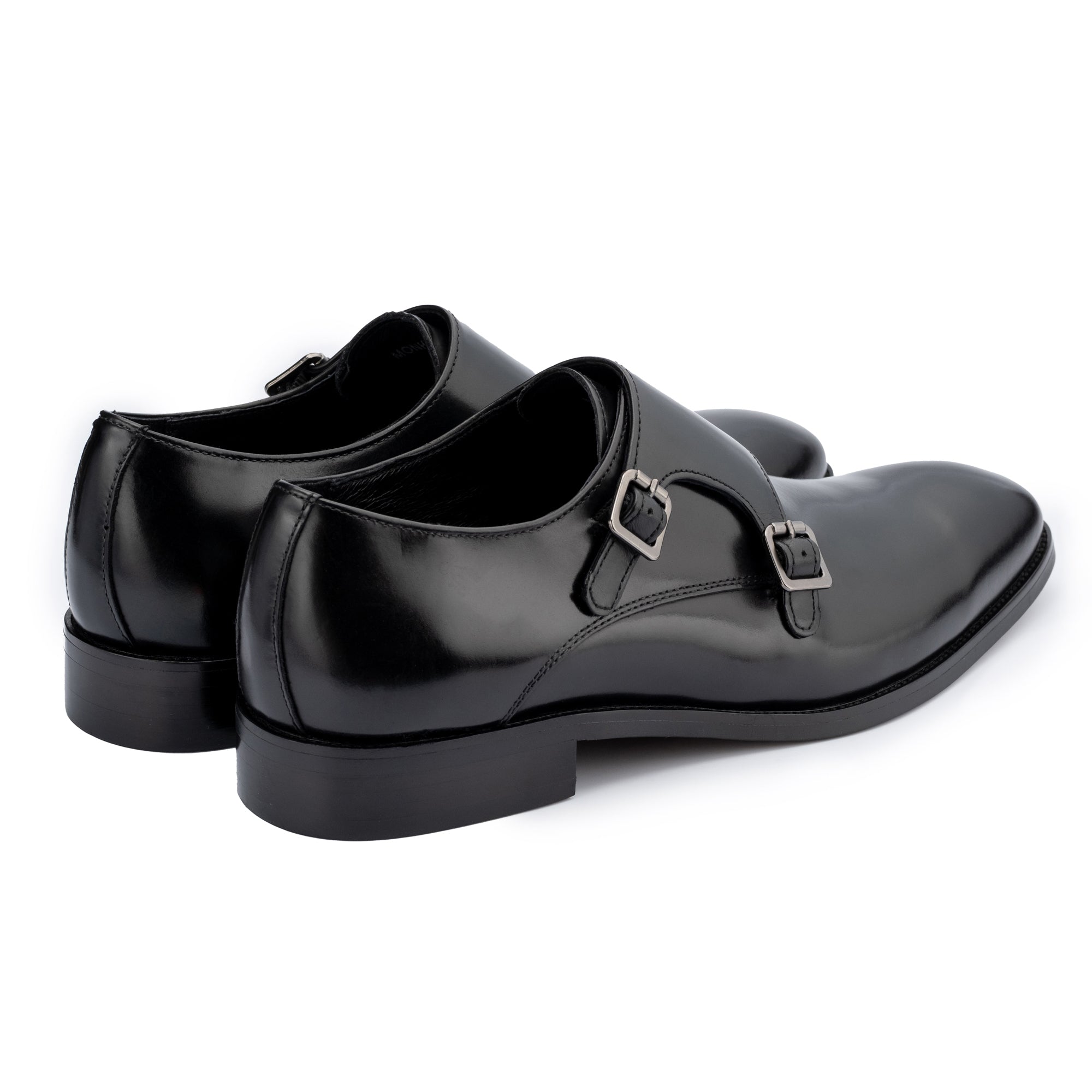
The loafer is not a casual shoe by default, however. A horsebit loafer in black or dark brown calf worn with a business suit reads as sophisticated and deliberate — particularly in professional environments where rigid formality reads as effort rather than refinement. The context and the leather quality determine the register, not the silhouette alone.
| Attribute | Oxford | Loafer |
|---|---|---|
| Fastening | Closed lacing | Slip-on, no lacing |
| Formality level | High — black tie through smart-casual | Medium — business-casual through smart-casual |
| Best suit pairings | All suit weights and colours | Lighter suits — navy, mid-grey, linen |
| Black tie appropriate | Yes — plain-toe, polished calf or patent | No |
| Best with chinos | Yes — across most trouser weights | Yes — particularly strong with tailored chinos |
| Goodyear welt available | Yes | Yes |
| Strongest seasonality | Year-round | Spring and summer; suede variants year-round |
| Ease of wear | Requires lacing | Slip-on — no adjustment required |
The Oxford commands the full formality range from black tie to business casual; the loafer operates with authority from smart-casual downwards, making each style the natural choice in its own distinct tier of dress.
Which Is More Versatile: Oxford or Loafer?
Versatility and range are not the same thing. An Oxford covers more formality levels — it can dress down with chinos and an open collar as convincingly as it dresses up with a morning coat. The loafer covers a narrower formal range but handles the smart-casual and business-casual registers that now constitute the majority of professional dressing occasions with considerably more ease and naturalness.
According to Mintel's UK Menswear Report, smart-casual dressing now represents the dominant occasion category for working-age professional men in Britain, outpacing both formal and purely casual occasion dressing. If the majority of your working week is office-casual or hybrid, a quality loafer may serve more of your actual occasions than a second Oxford would.
The distinction matters for investment purposes. If you need maximum formality coverage, the Oxford delivers it. If you need maximum coverage of the occasions you actually dress for, assess your own calendar honestly before deciding.
How Should You Choose Based on Your Lifestyle?
The right question is not which style is better — it is which your wardrobe is currently missing. Work through the following:
- Do you attend interviews, formal events, or black-tie occasions? The Oxford must come first. Nothing replaces it in these contexts.
- Is your working environment smart-casual or business-casual? A quality loafer may serve more of your weekly wardrobe than a second formal lace-up would.
- Do you already own a black lace-up in quality leather? A loafer in brown, tan, or burgundy calf extends your palette meaningfully without duplication.
- Do you wear chinos or tailored trousers more than suits? The loafer excels here, particularly across spring and summer months.
- Are you building a shoe collection from nothing? Buy the Oxford first. It covers the formal ground the loafer cannot.
'A man's shoes are the truest measure of his attention to detail' — a principle long upheld within the British cordwaining tradition and still taught at the Cordwainers' College, London College of Fashion. Both the Oxford and the loafer, built to a proper standard, meet that standard. The question is sequence, not supremacy.
Which Construction Should You Prioritise in Each Style?
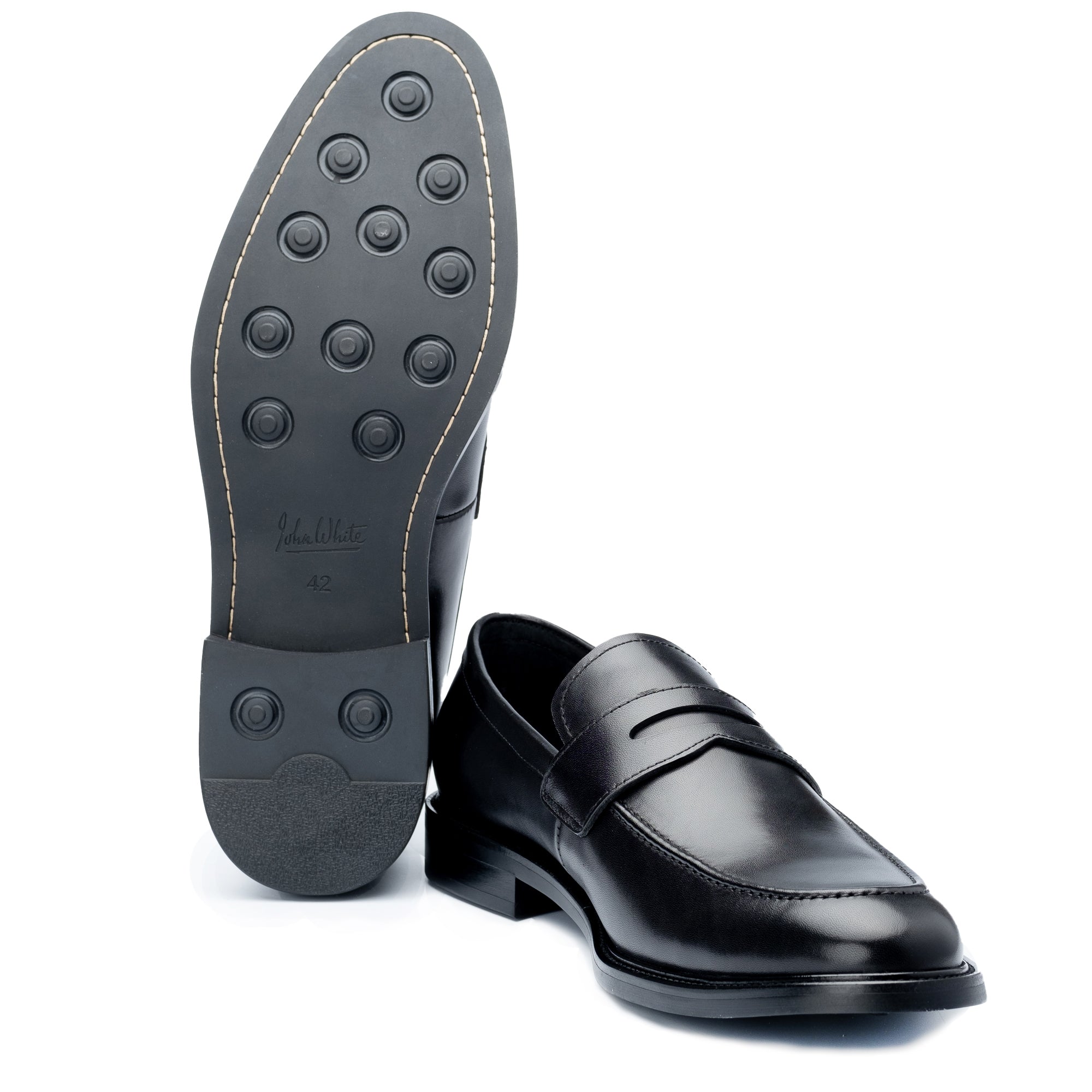
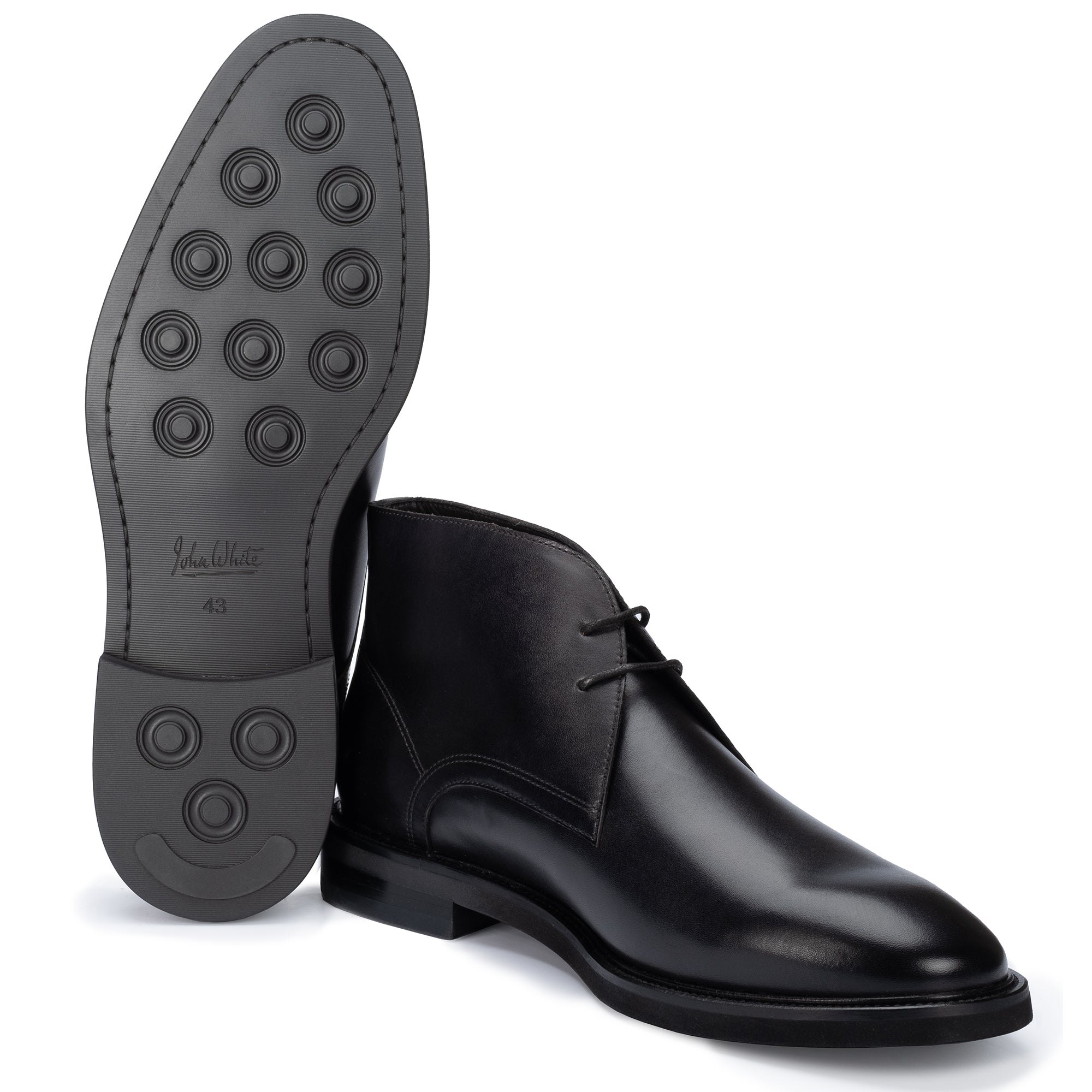
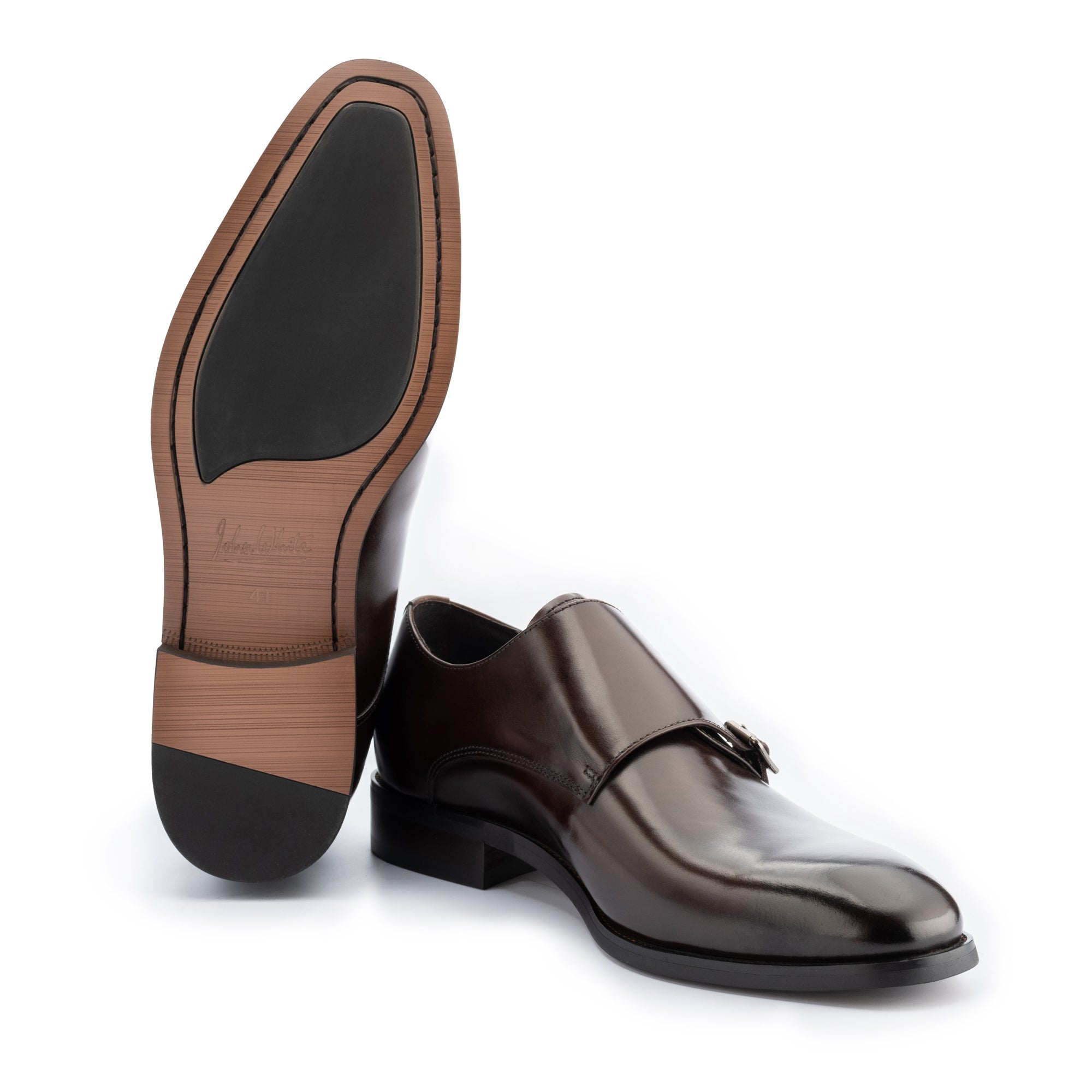
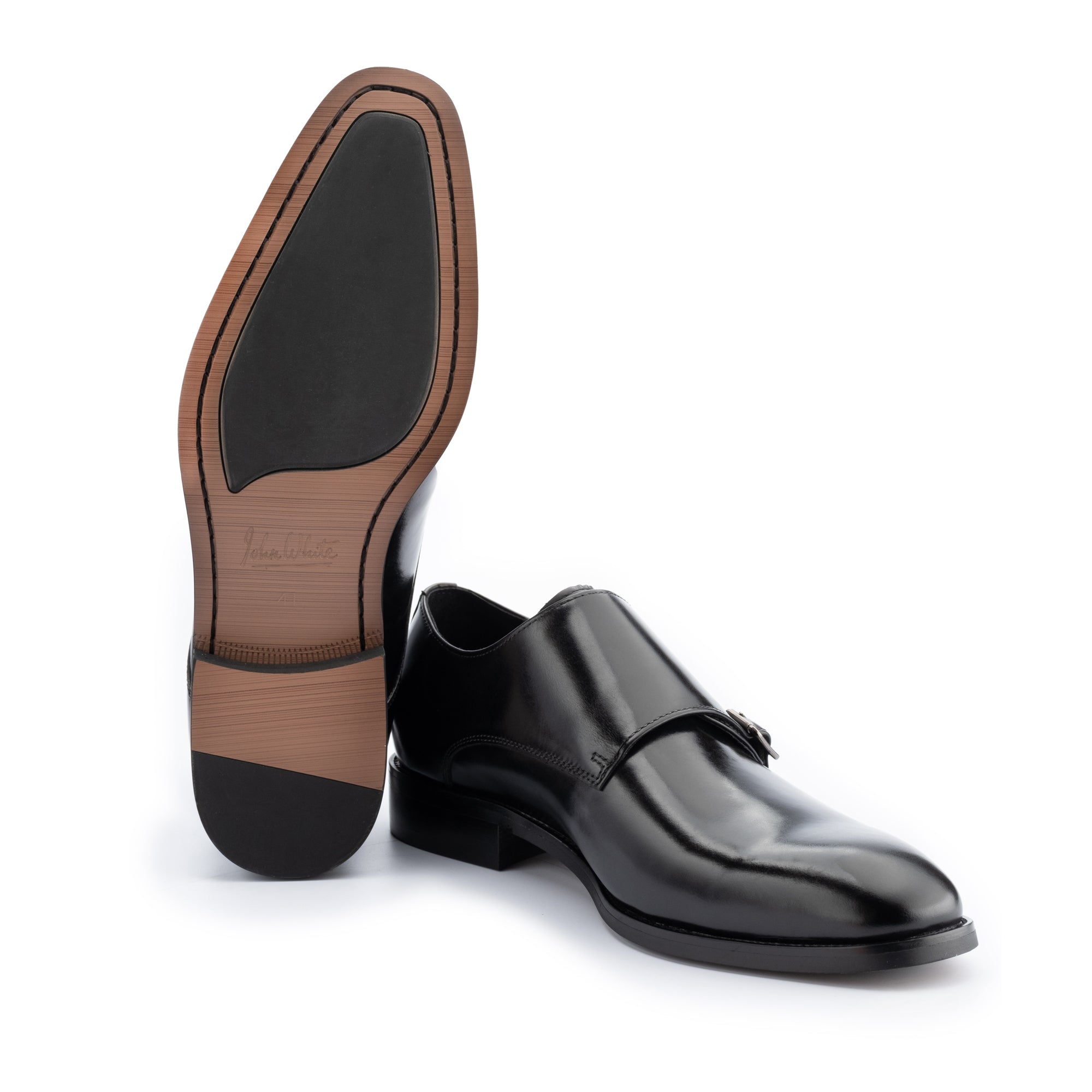
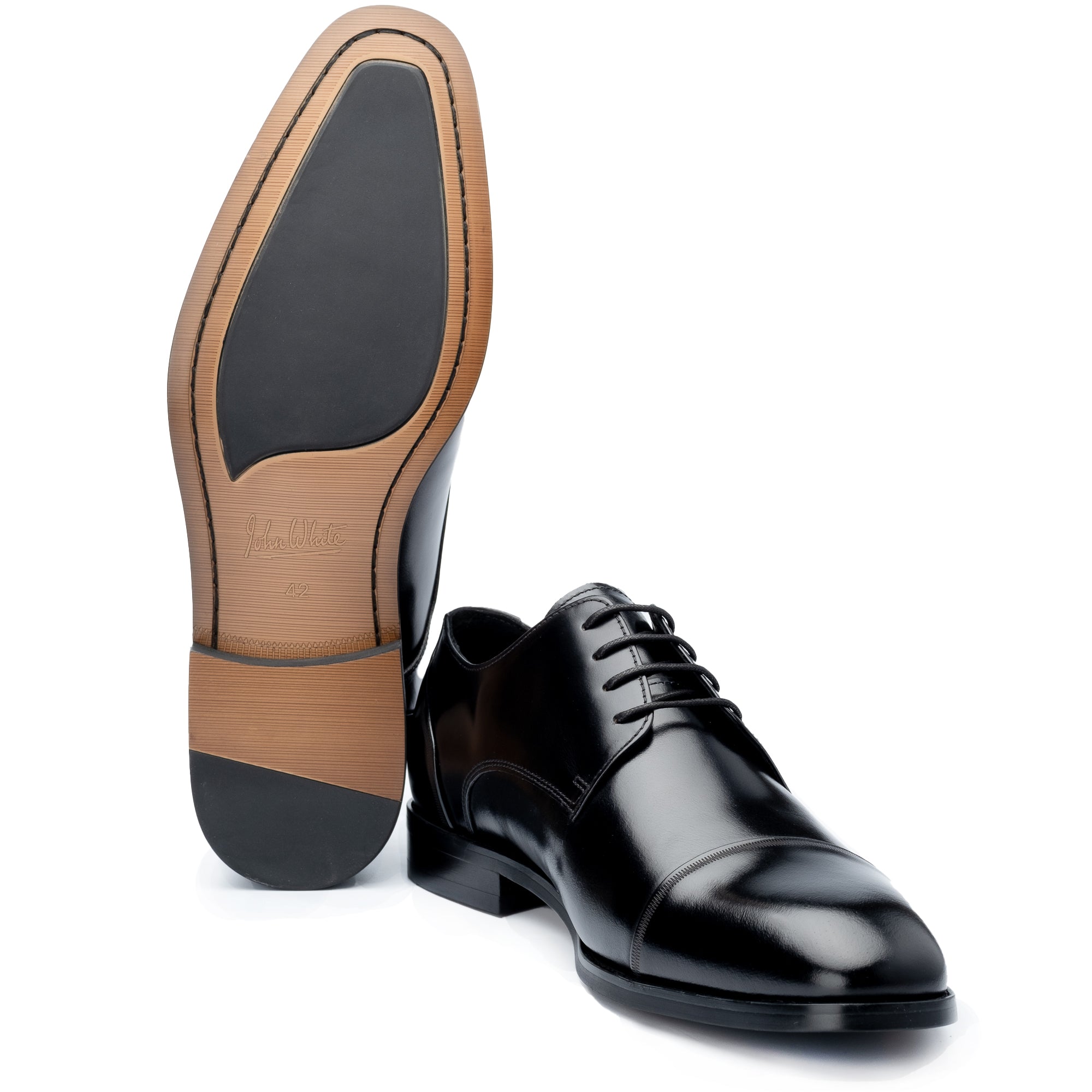
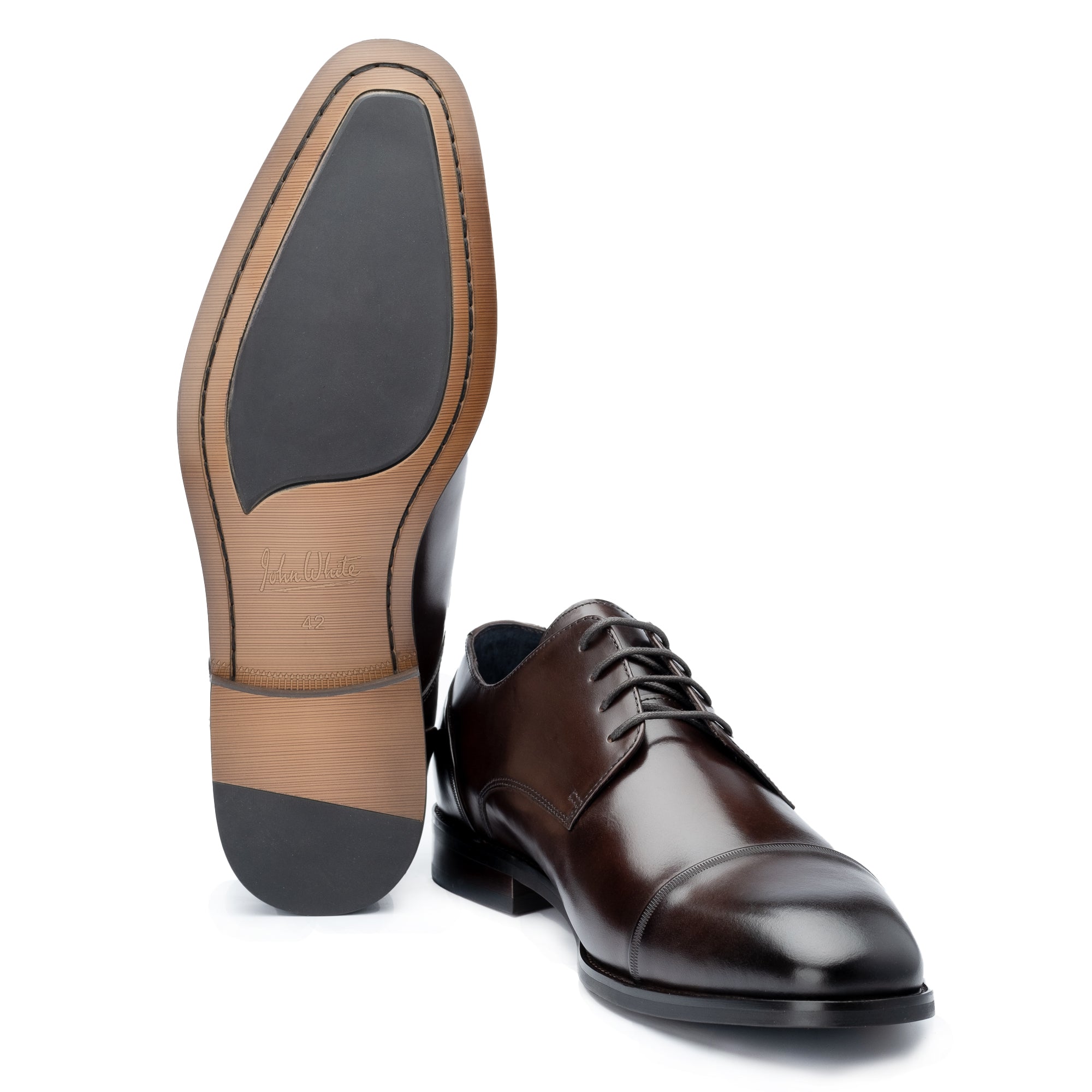
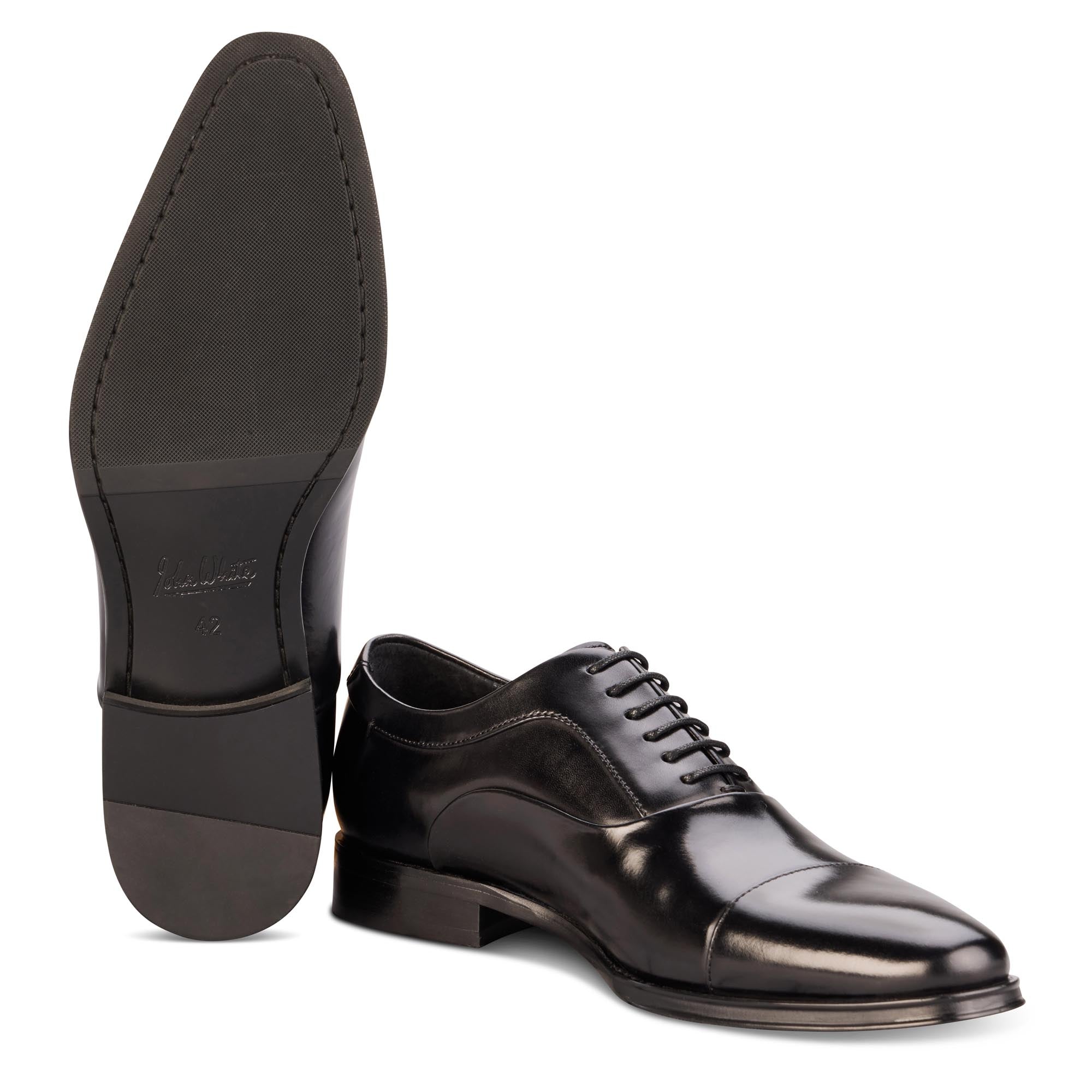
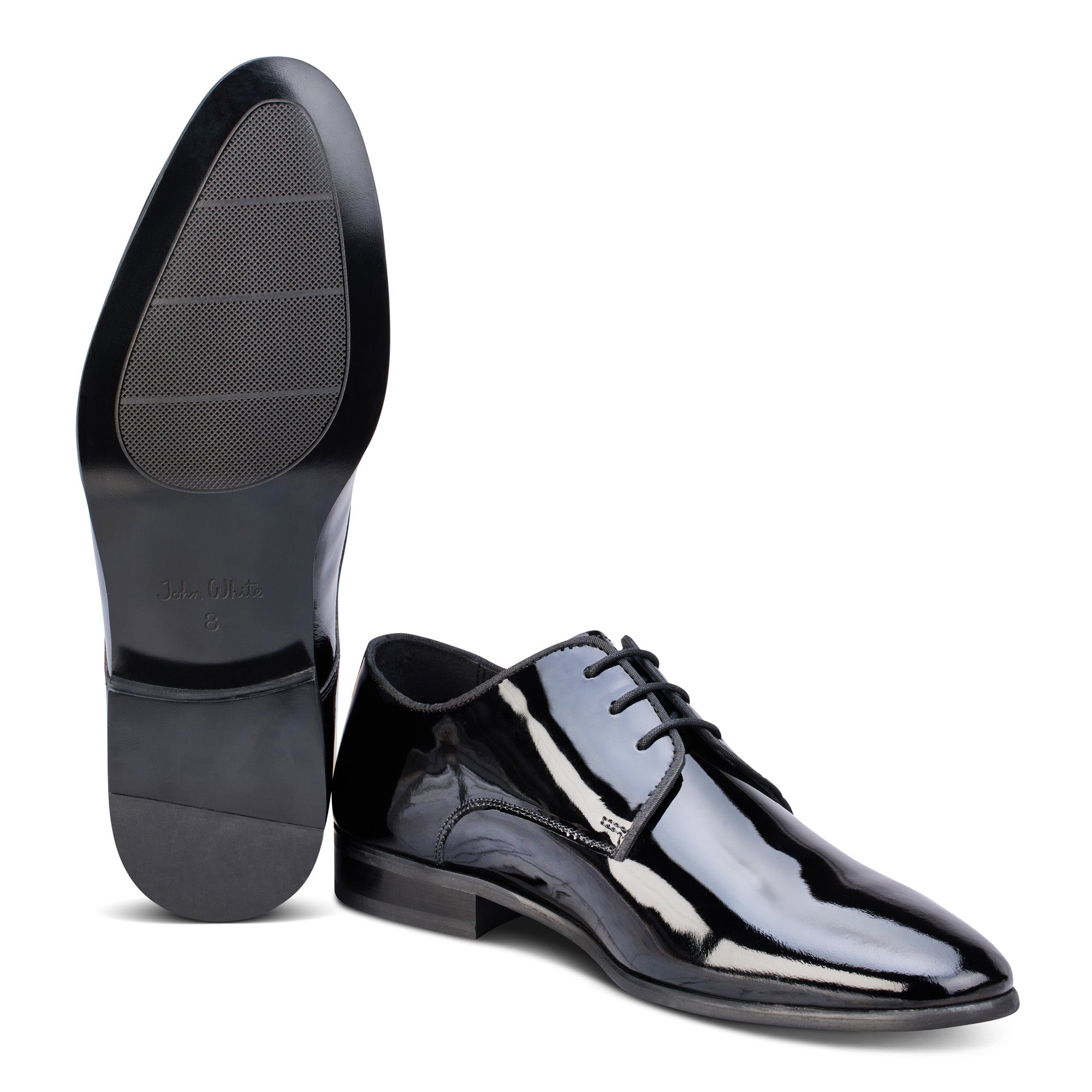
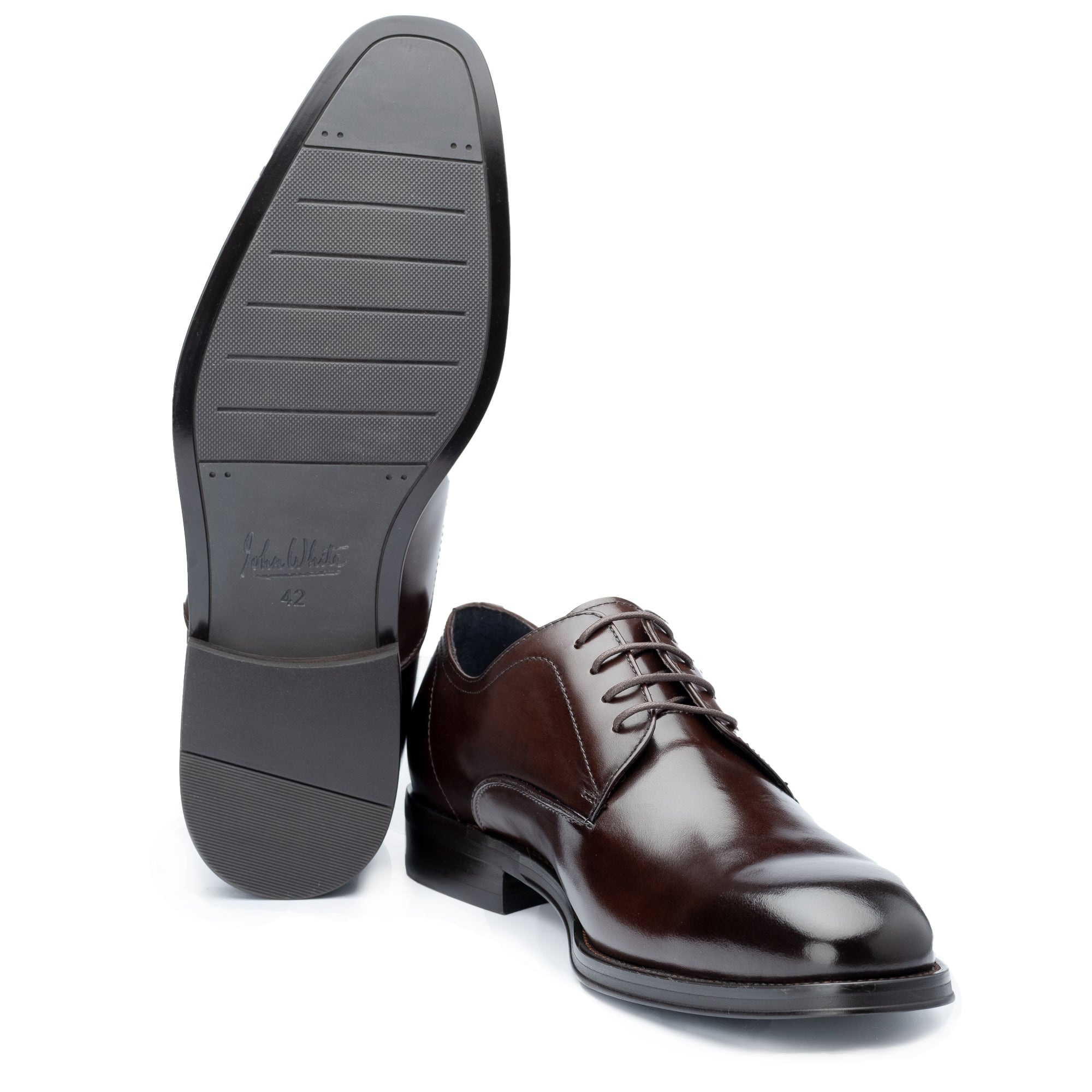
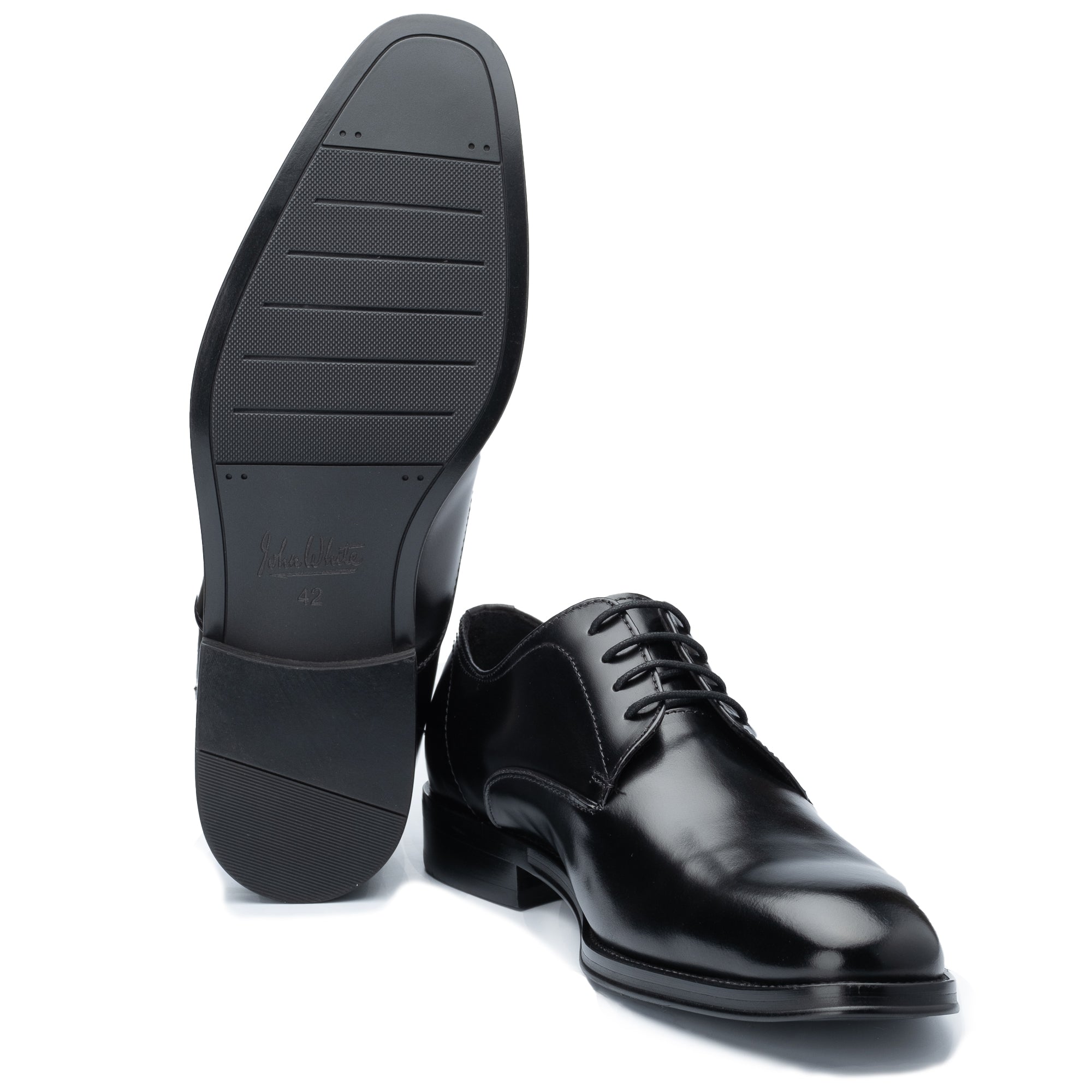
For both the Oxford and the loafer, Goodyear welt construction is the mark of a genuine investment. According to the Society of Master Shoe Repairers, a Goodyear welted shoe can be resoled up to six times, delivering a lifespan of twenty or more years with proper maintenance. That longevity is what distinguishes a serious purchase from an expensive replacement cycle.
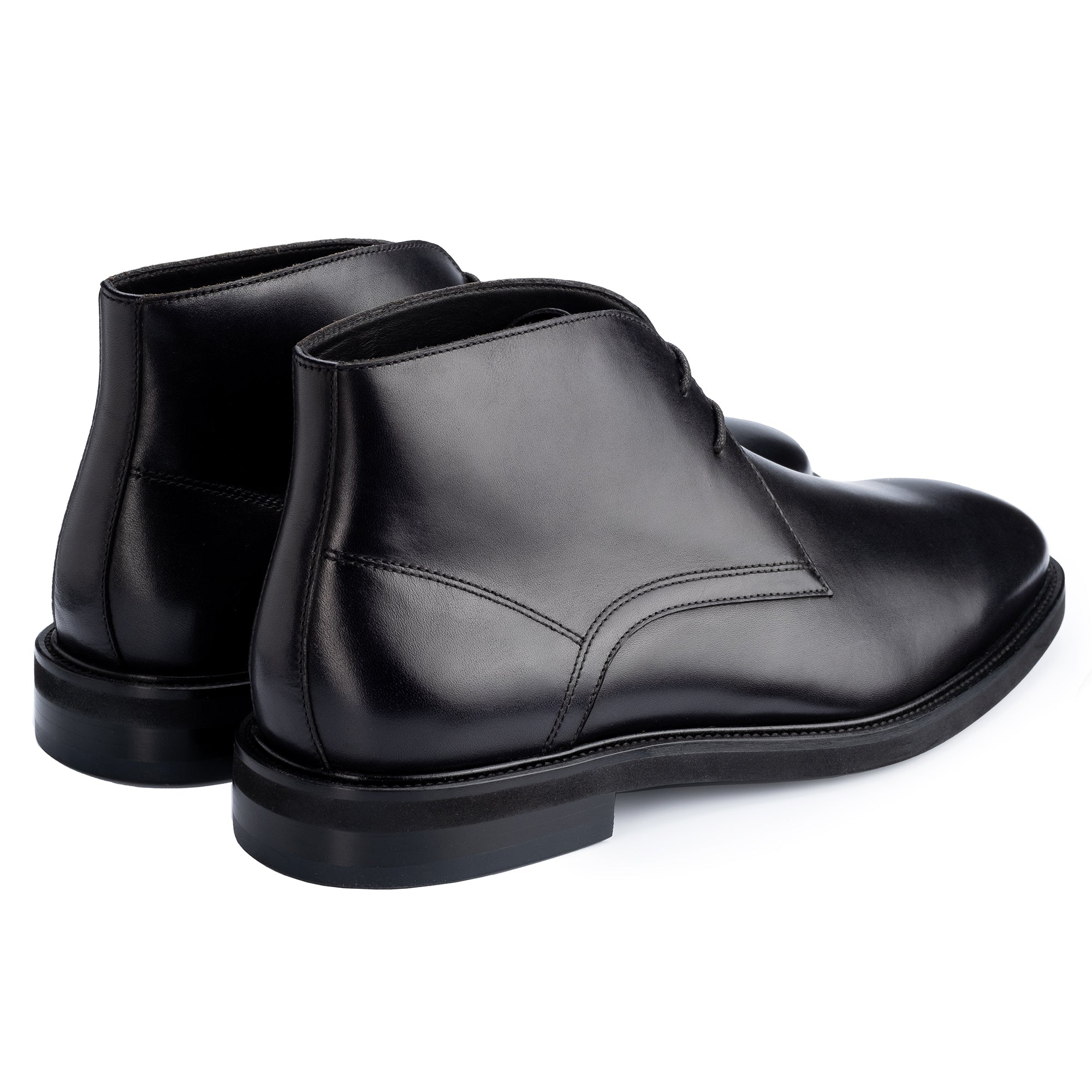
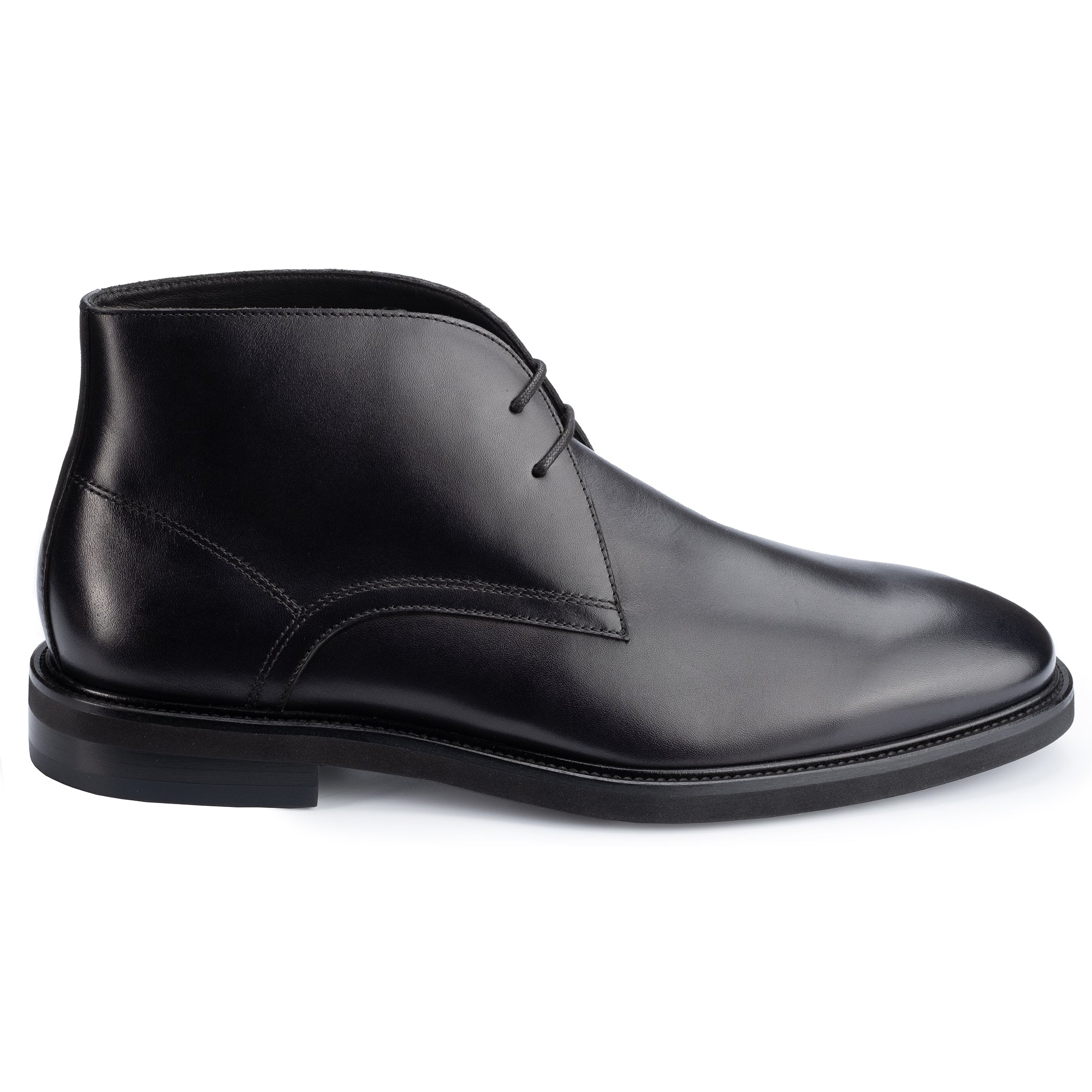
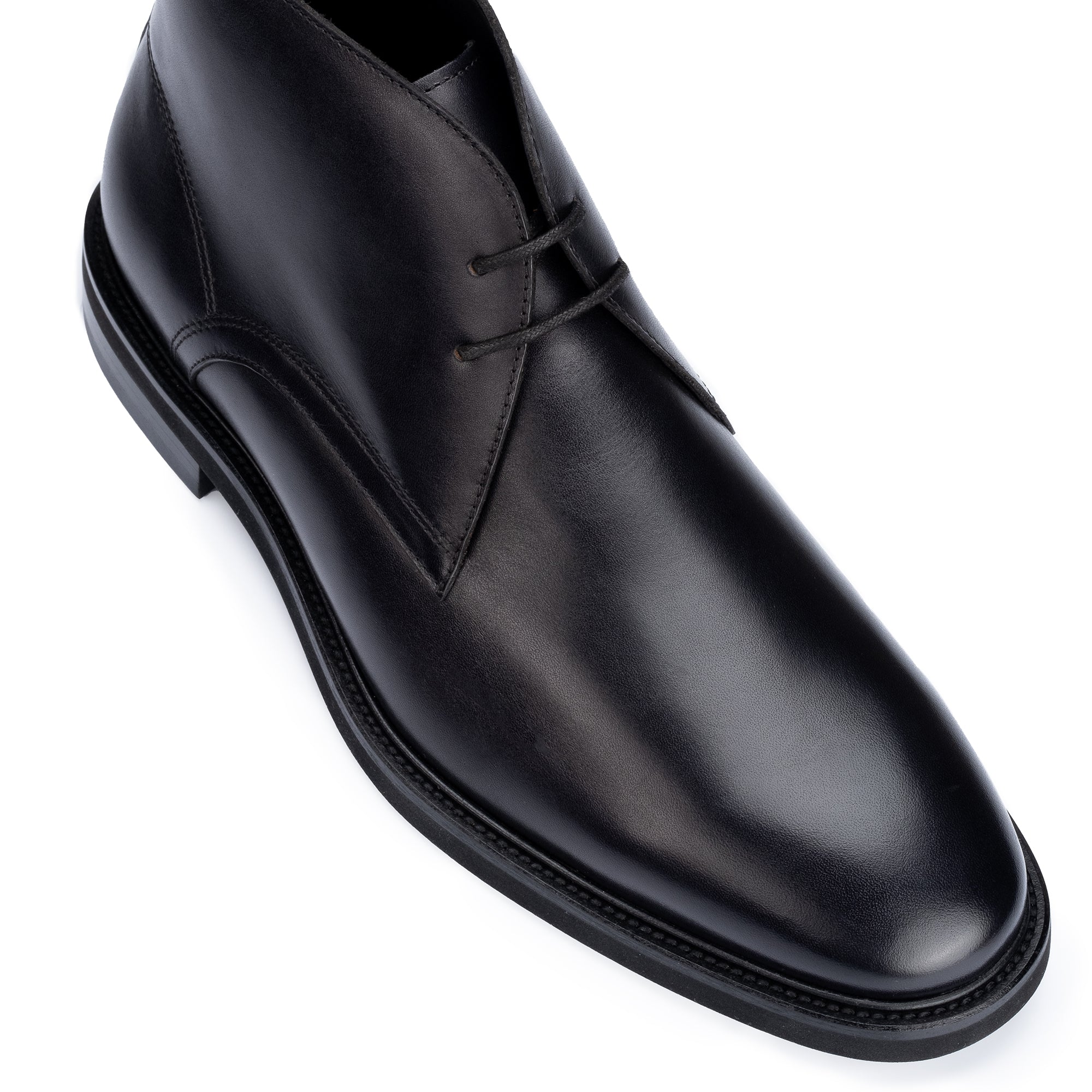
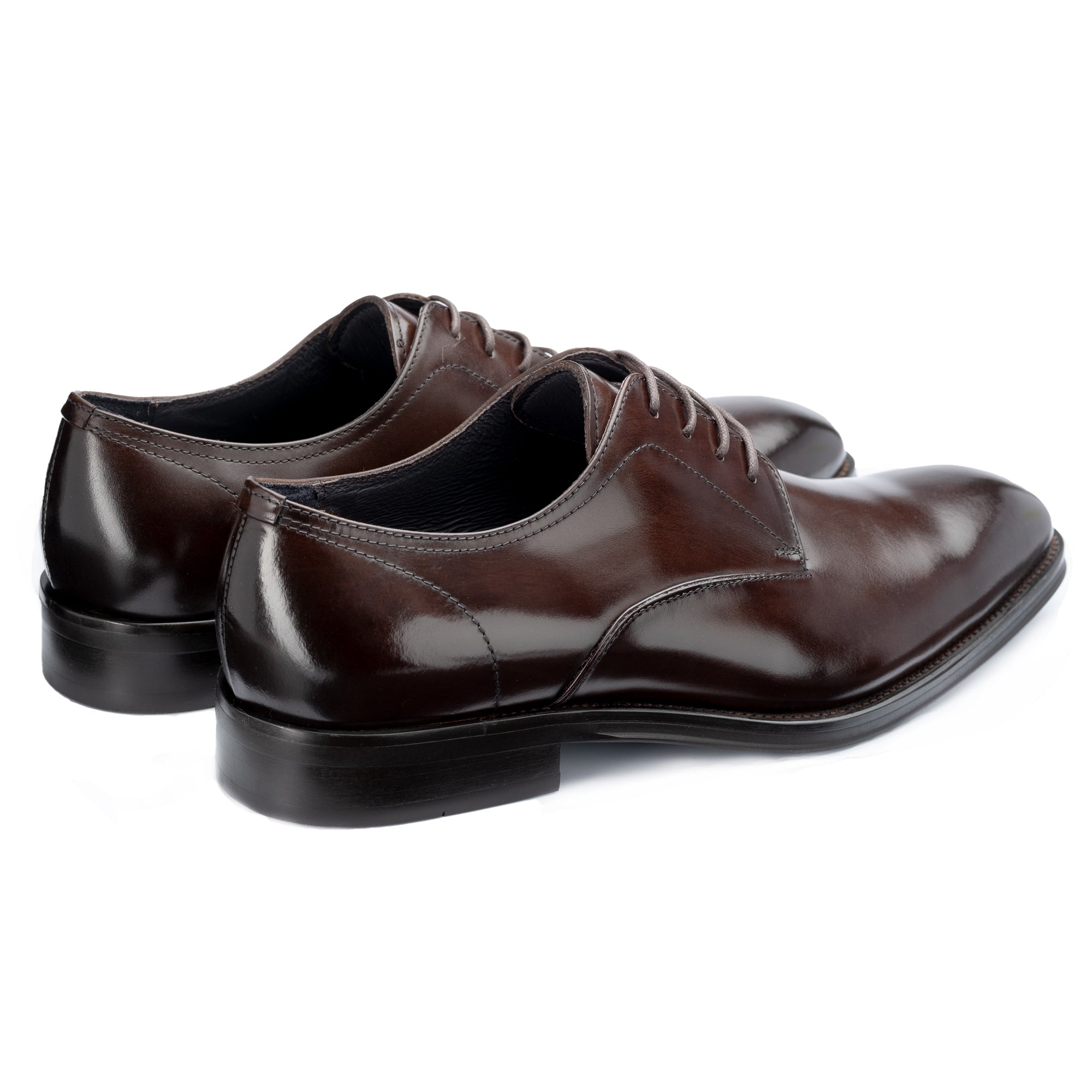
For the Oxford, look for full leather lining throughout the heel and vamp, a shaped leather insole, and — where the last allows — a bevelled waist. These are the construction details that separate a shoe built to endure from one built merely to look convincing. Our guide to captoe versus plain-toe Oxfords covers these construction markers in full.
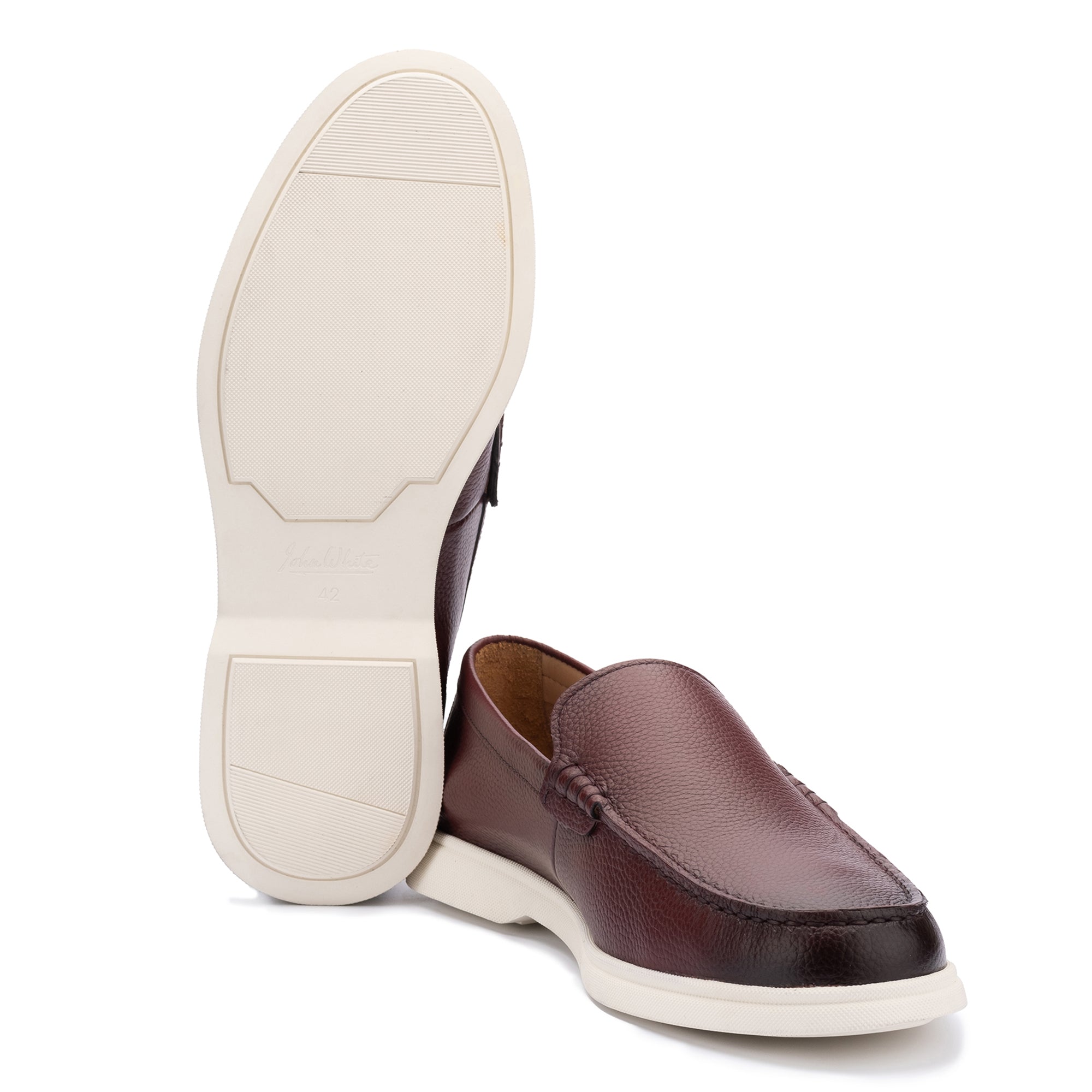
For the loafer, the same standard applies. A moccasin-construction loafer stitched through to the outsole is the entry point; a Goodyear welted loafer on a proper last is the benchmark worth investing in. The Leather Conservation Centre recommends conditioning smooth calfskin every six to eight weeks to maintain the leather's fibre structure — a care routine that applies equally to your Oxford and your loafer.
Goodyear welt construction is the non-negotiable quality standard for both styles; without it, neither the Oxford nor the loafer qualifies as a genuine long-term investment.
What Colours and Leathers Work Best for an Oxford vs Loafer?
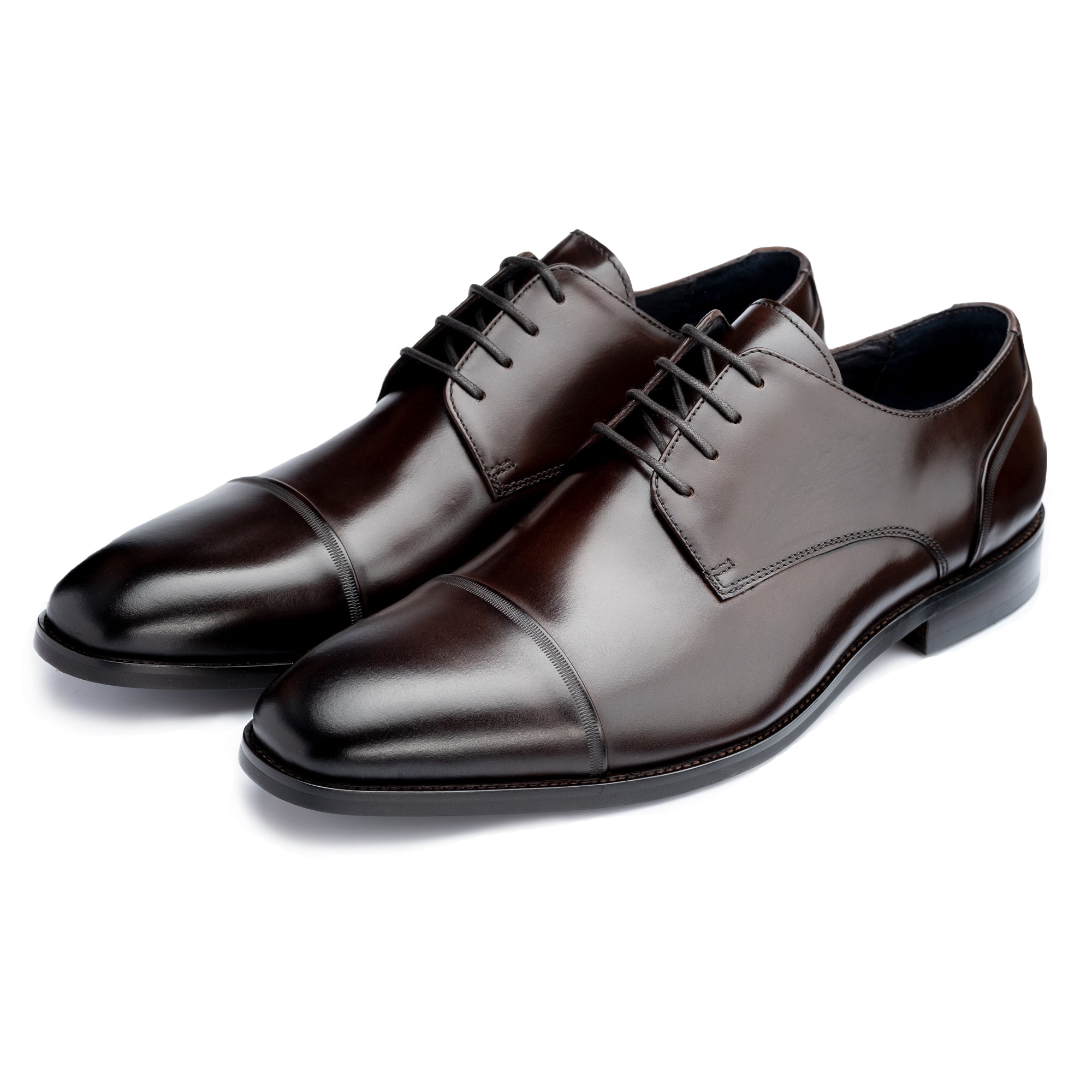
The Oxford in black smooth calfskin is the most formal and foundational starting point — appropriate across all dark suits, all formal occasions, and all dress codes above smart-casual. Brown calfskin is the natural second Oxford: richer, more characterful, suited to business and country wear alike.
The loafer performs best in tan, brown, or burgundy calfskin for year-round wear, and in suede for spring and summer. A black or dark navy loafer in polished calf reads as deliberate and refined; a tan suede loafer is the most seasonally agile choice for smart-casual occasions from April through September. For a full treatment of how colour decisions shape wardrobe range, see our guide to building a core leather colour collection.
Pebble grain or scotch grain leather works across both styles but positions each more casually — suited to country, casual business, or weekend dressing rather than a formal office. Smooth calfskin remains the default wherever a polished first impression is the objective.
For the Oxford, black calfskin first; for the loafer, tan or brown calfskin first — each anchors its respective register with the greatest range and longevity.
Related Guides
- The History of British Shoemaking — our comprehensive guide
- The Formality Spectrum: A Definitive Ranking of Men's Dress Shoes
- How to Wear Loafers with a Suit: The Modern Man's Guide
- Captoe vs Plain Toe Oxford: Which Dress Shoe Should You Buy?
TL;DR
The Oxford is the more formal shoe and the essential first purchase for any professional wardrobe — nothing replaces it above the smart-casual register. The loafer is the more effortless shoe and the stronger choice once a formal foundation is established, particularly for hybrid-working and smart-casual occasions. Both styles, built on Goodyear welt construction in quality calfskin leather, represent genuine long-term value. The investment question is one of sequencing: Oxford first, loafer second — unless your lifestyle already makes the reverse case compellingly.
Frequently Asked Questions
Can a loafer replace an Oxford in a professional wardrobe?
In a smart-casual or business-casual environment, a quality loafer in black or dark brown calfskin can serve many of the same occasions as a formal lace-up. However, for interviews, formal business, black tie, or any event with a defined dress code, the Oxford remains the only appropriate choice. The loafer is a complement to the Oxford, not a substitute for it.
Is an Oxford or a loafer better value for money?
Both offer equivalent long-term value when built on Goodyear welt construction, since both can be resoled repeatedly over two decades or more. The Oxford's broader formality range arguably delivers greater occasion utility per pound spent, making it the stronger first investment for most wardrobes. For a full framework on assessing footwear return on investment, see our definitive cost-per-wear guide for premium footwear.
Can you wear a loafer with a suit?
Yes — a horsebit or plain-vamp loafer in polished calfskin pairs convincingly with lighter business suits in navy, mid-grey, or tan. The trouser fit matters: a slim or tapered cut reads better with a loafer than a full break. Avoid loafers with heavy dark three-piece suits, where a closed-lace shoe is the more considered choice.
Which is easier to care for: an Oxford or a loafer?
Both require the same fundamental maintenance — regular conditioning, polishing, and shoe trees after each wear. The loafer's slip-on construction places marginally more stress on the heel collar over time; using a shoehorn consistently extends the collar's lifespan significantly. The Leather Conservation Centre recommends conditioning both styles in smooth calfskin every six to eight weeks. For a complete maintenance approach, see our complete guide to leather shoe care.
Explore our full range of Oxford shoes and men's leather shoes — Goodyear welted and built to last — or browse our current selection to find the pair that earns its place in your wardrobe.