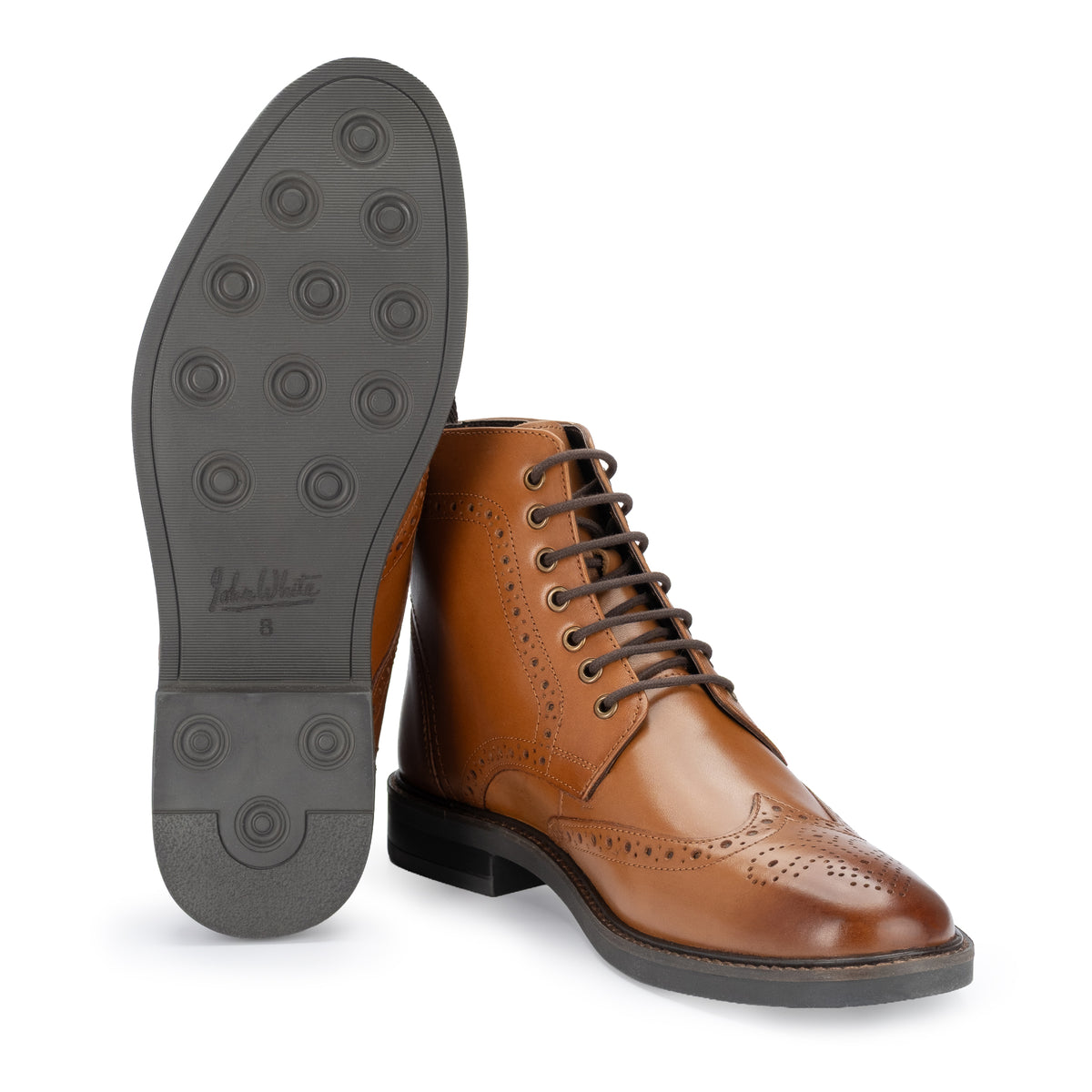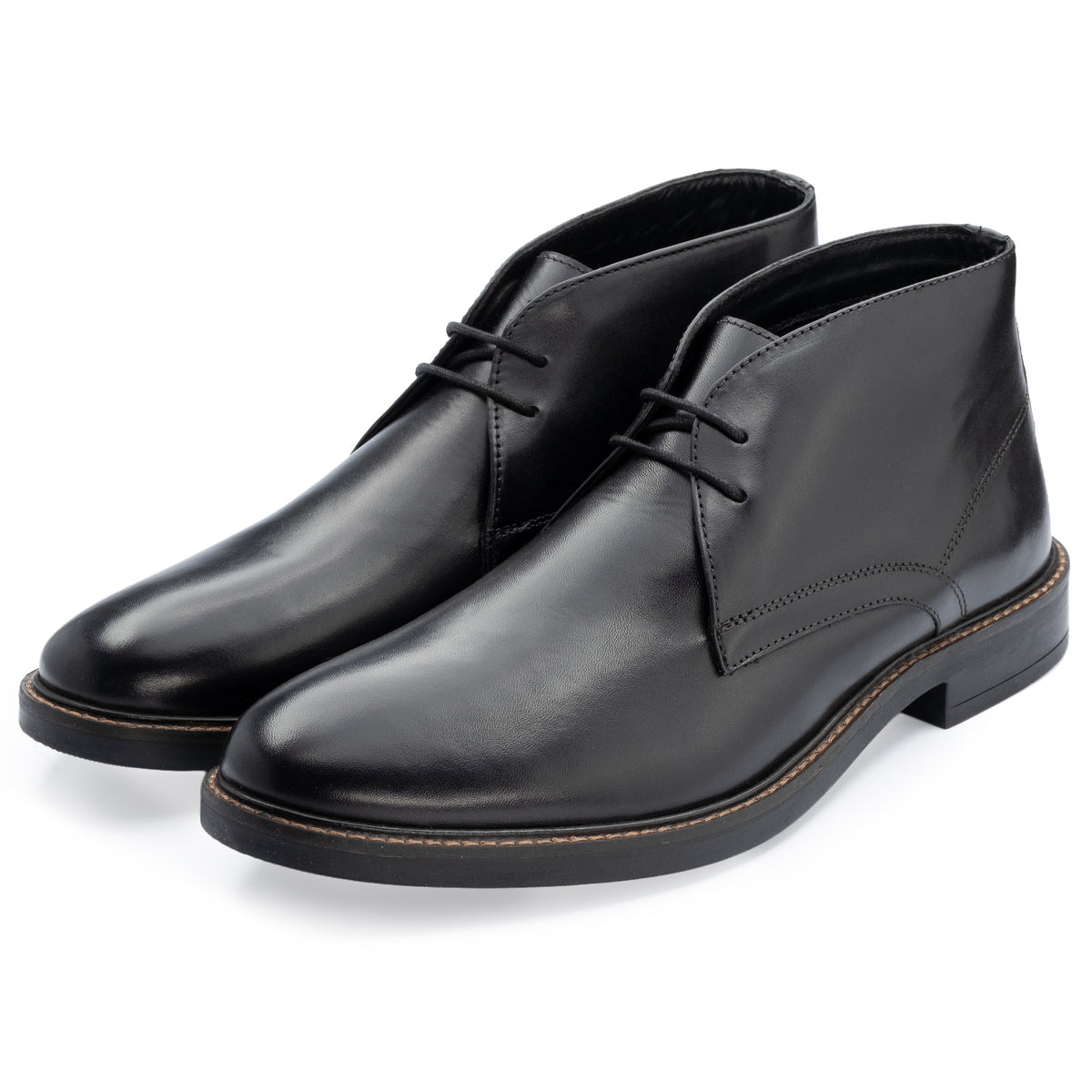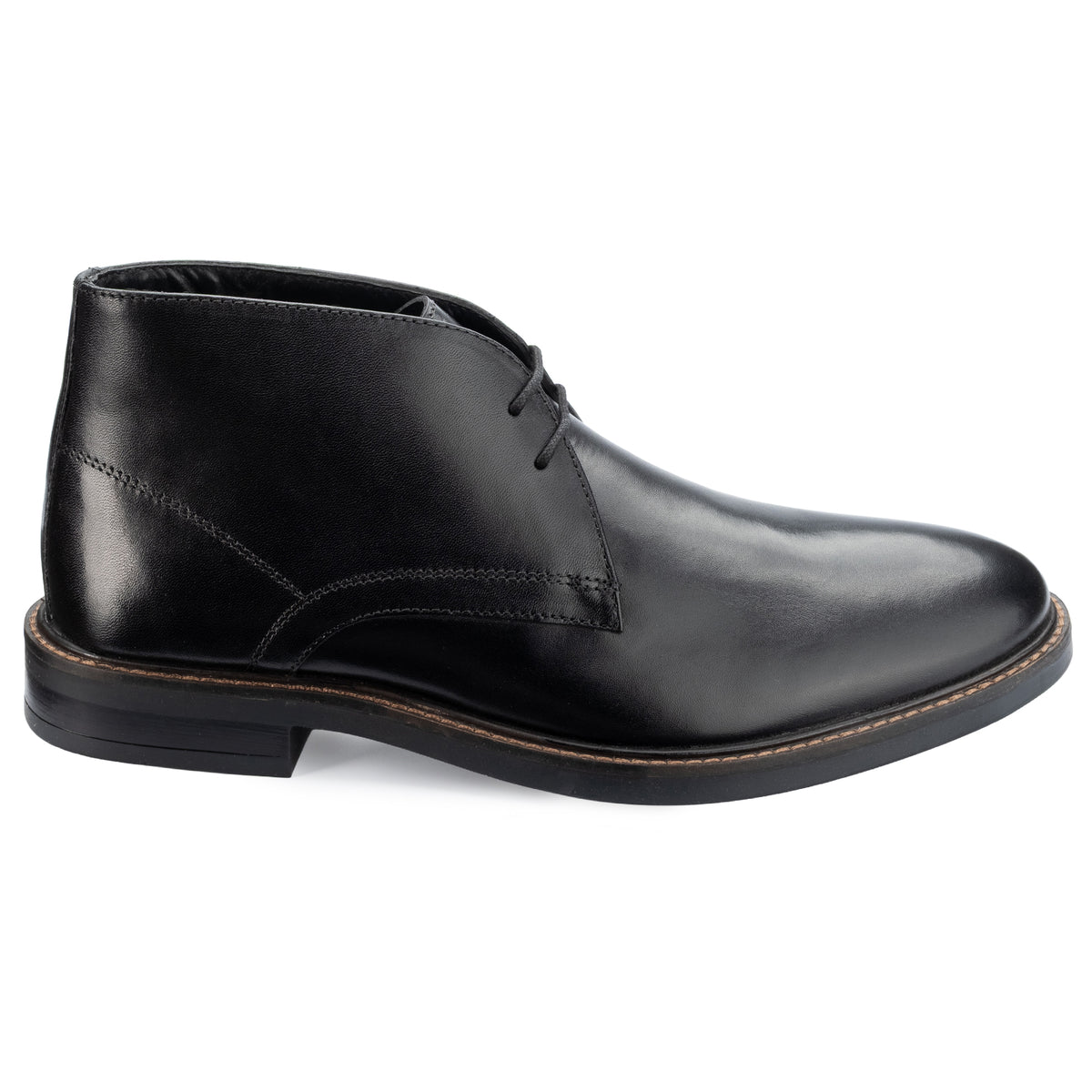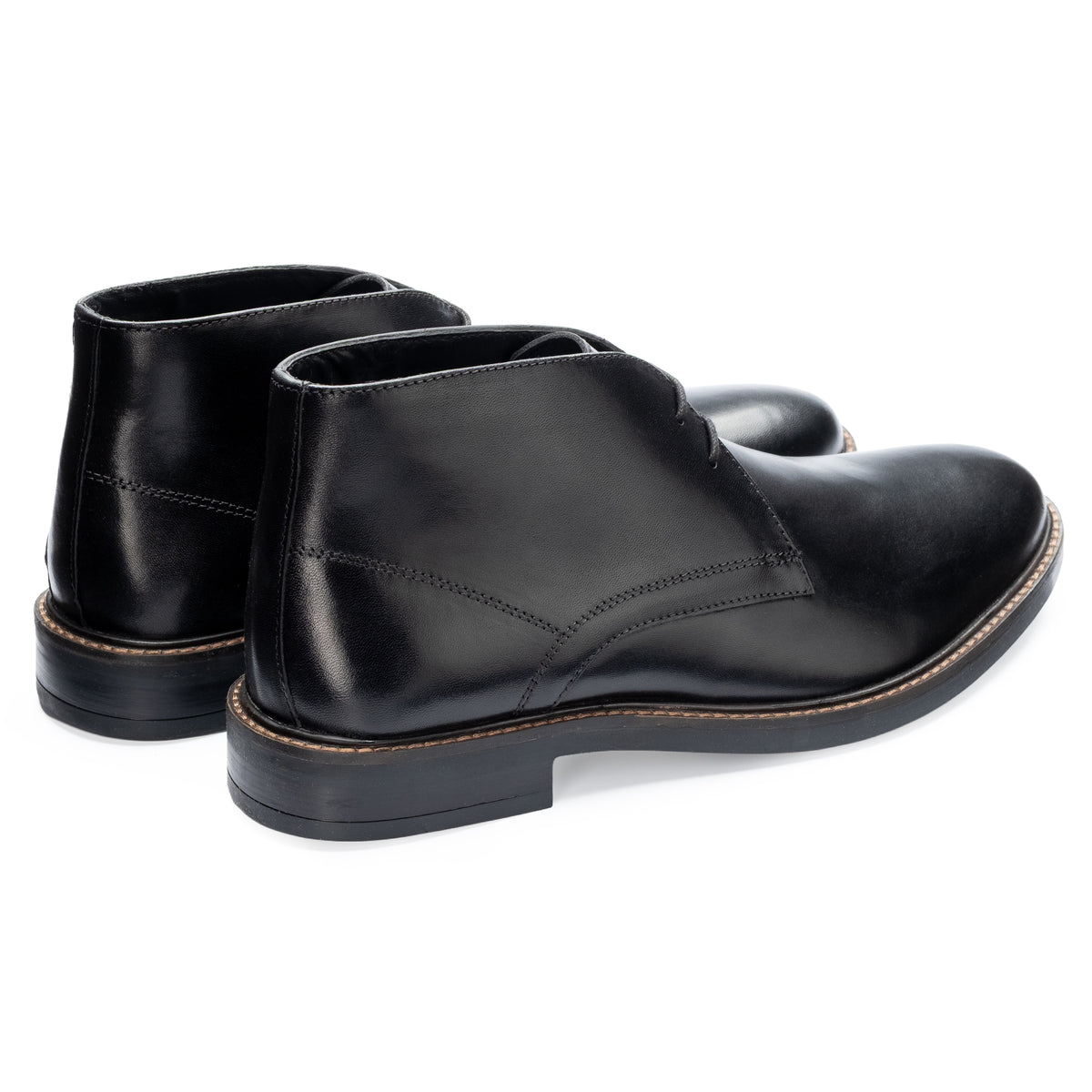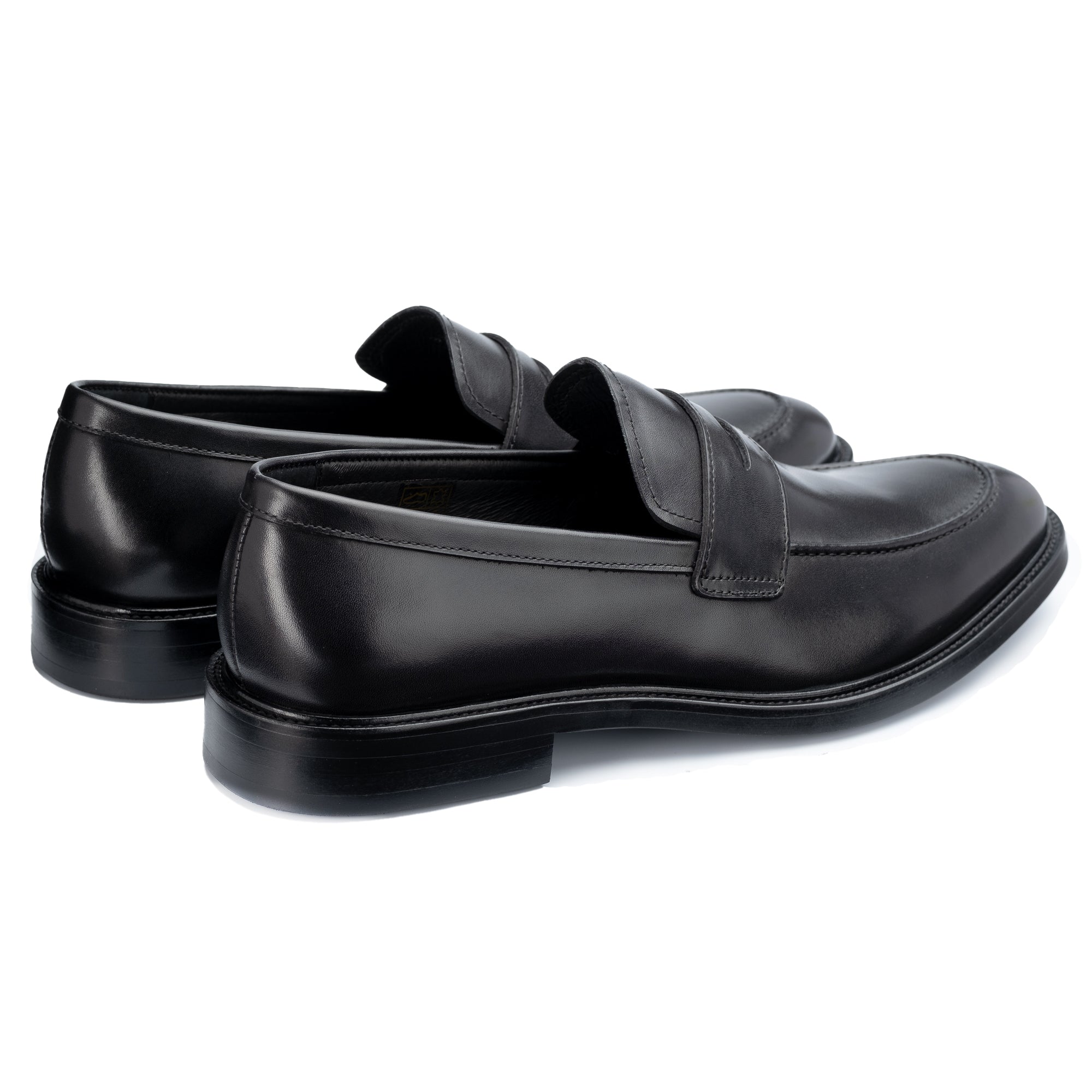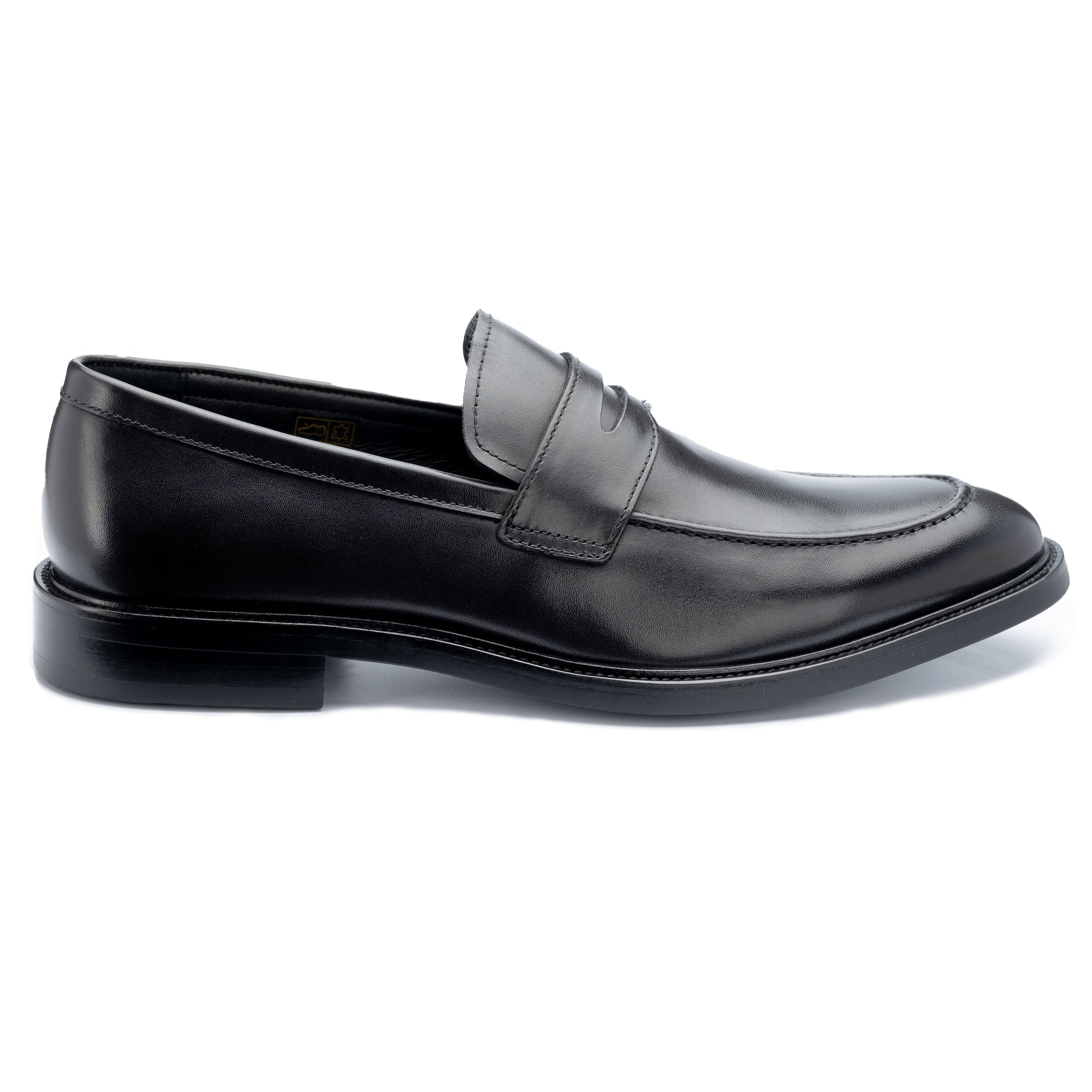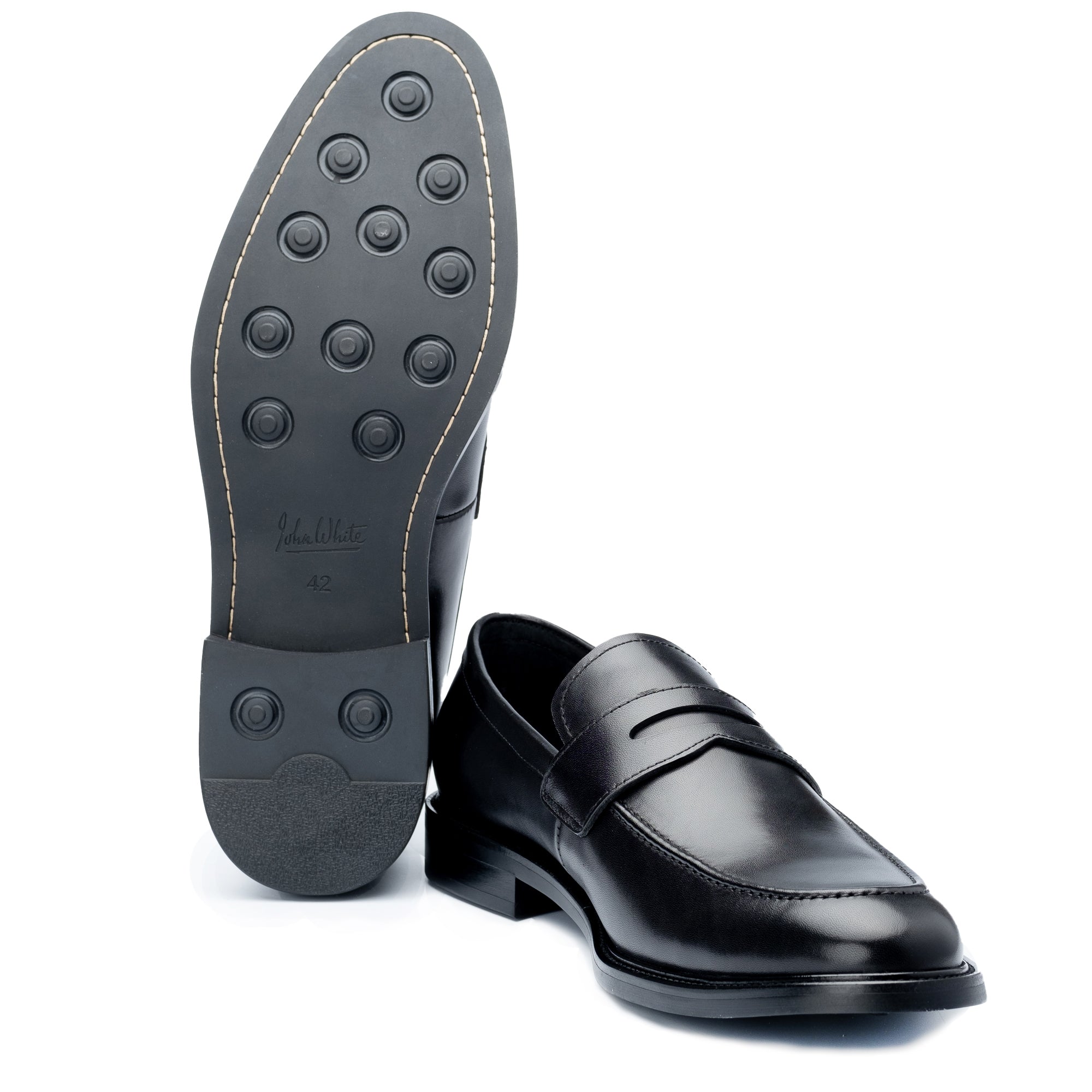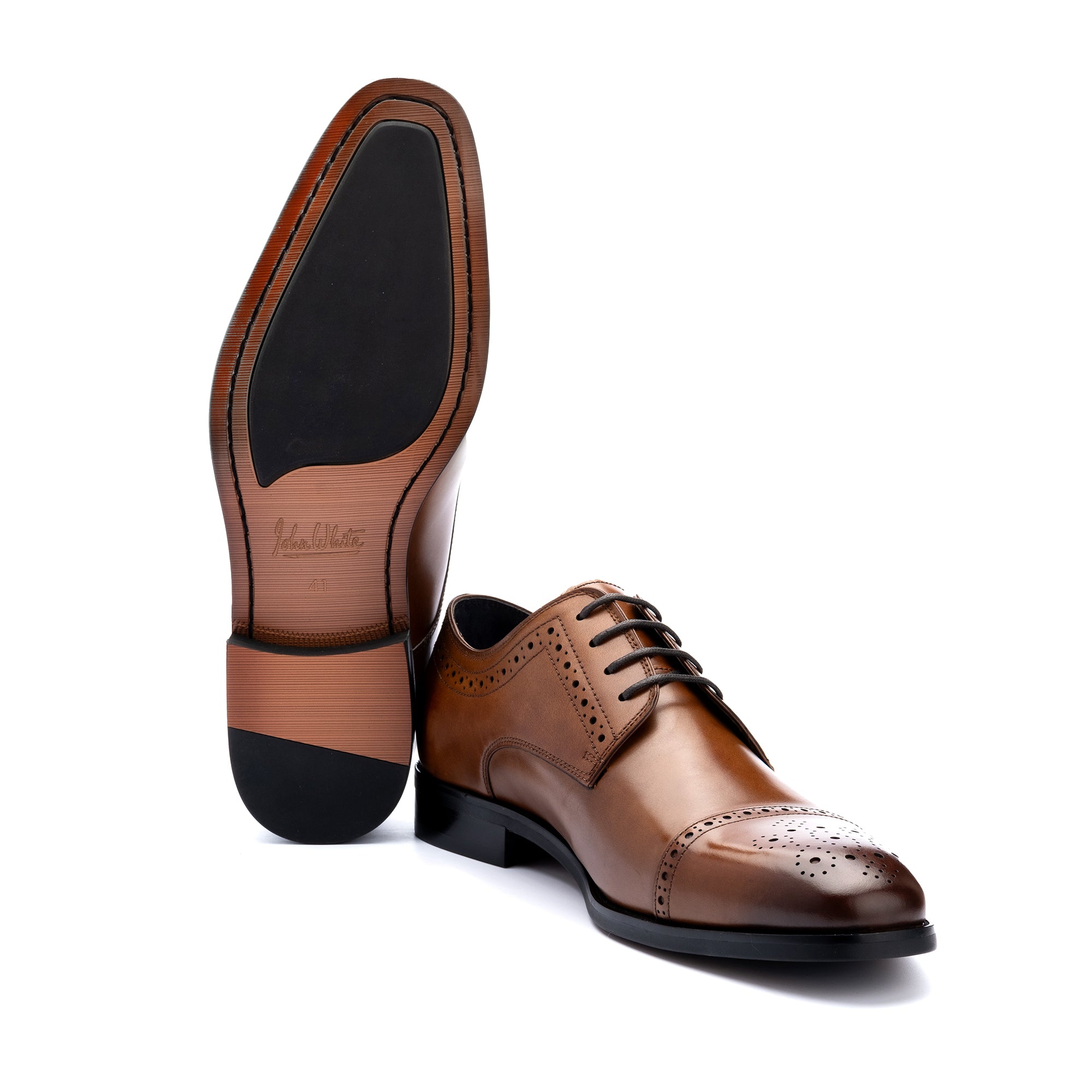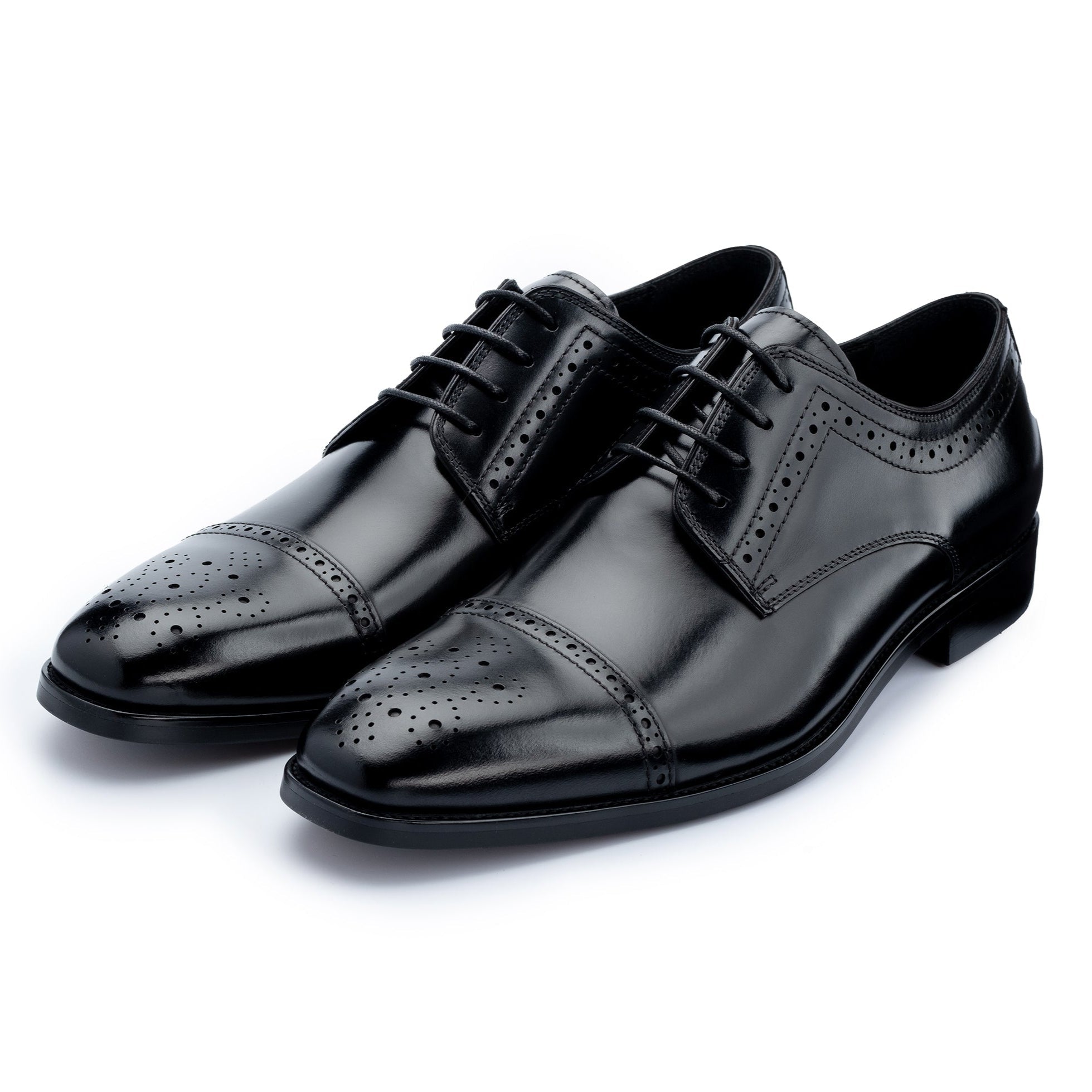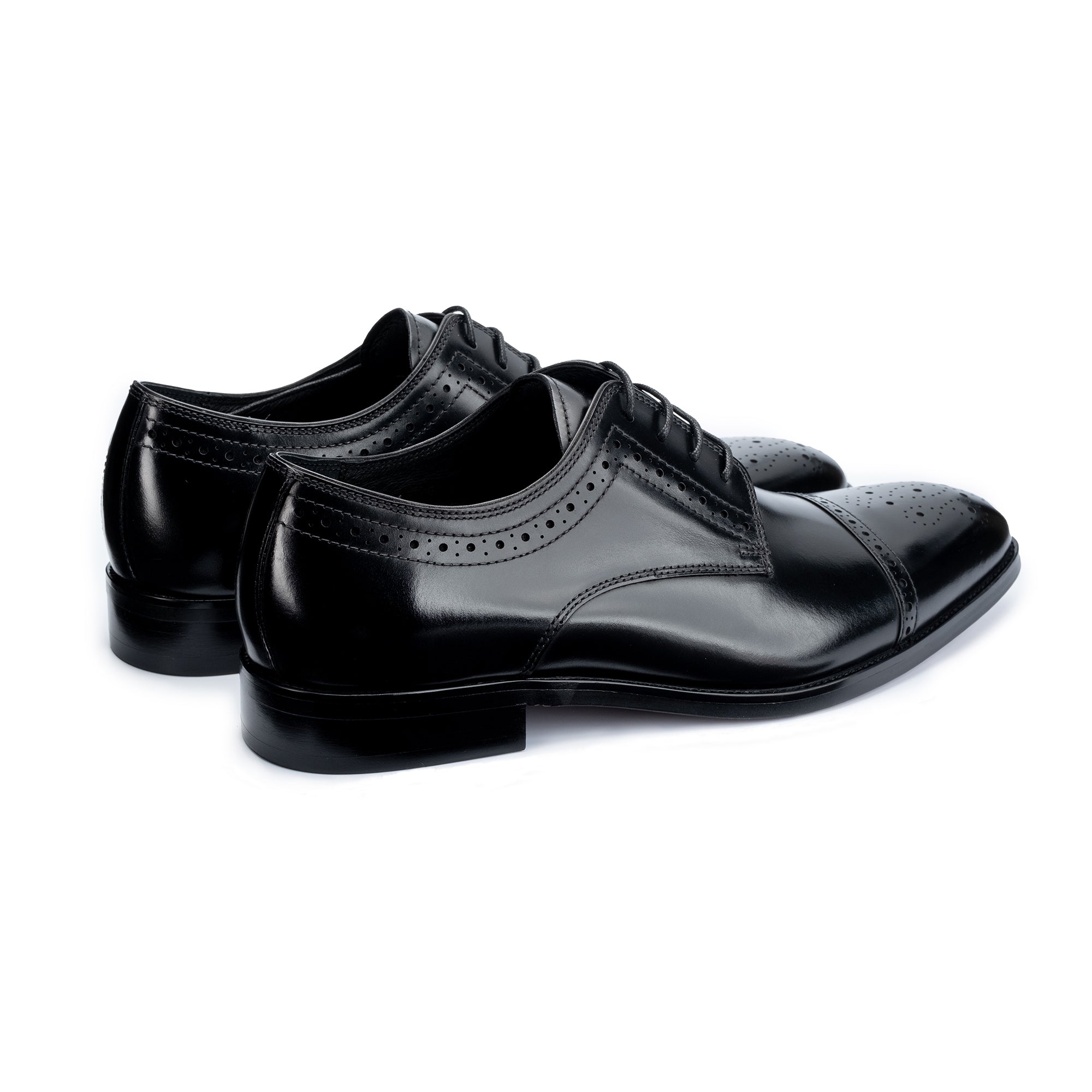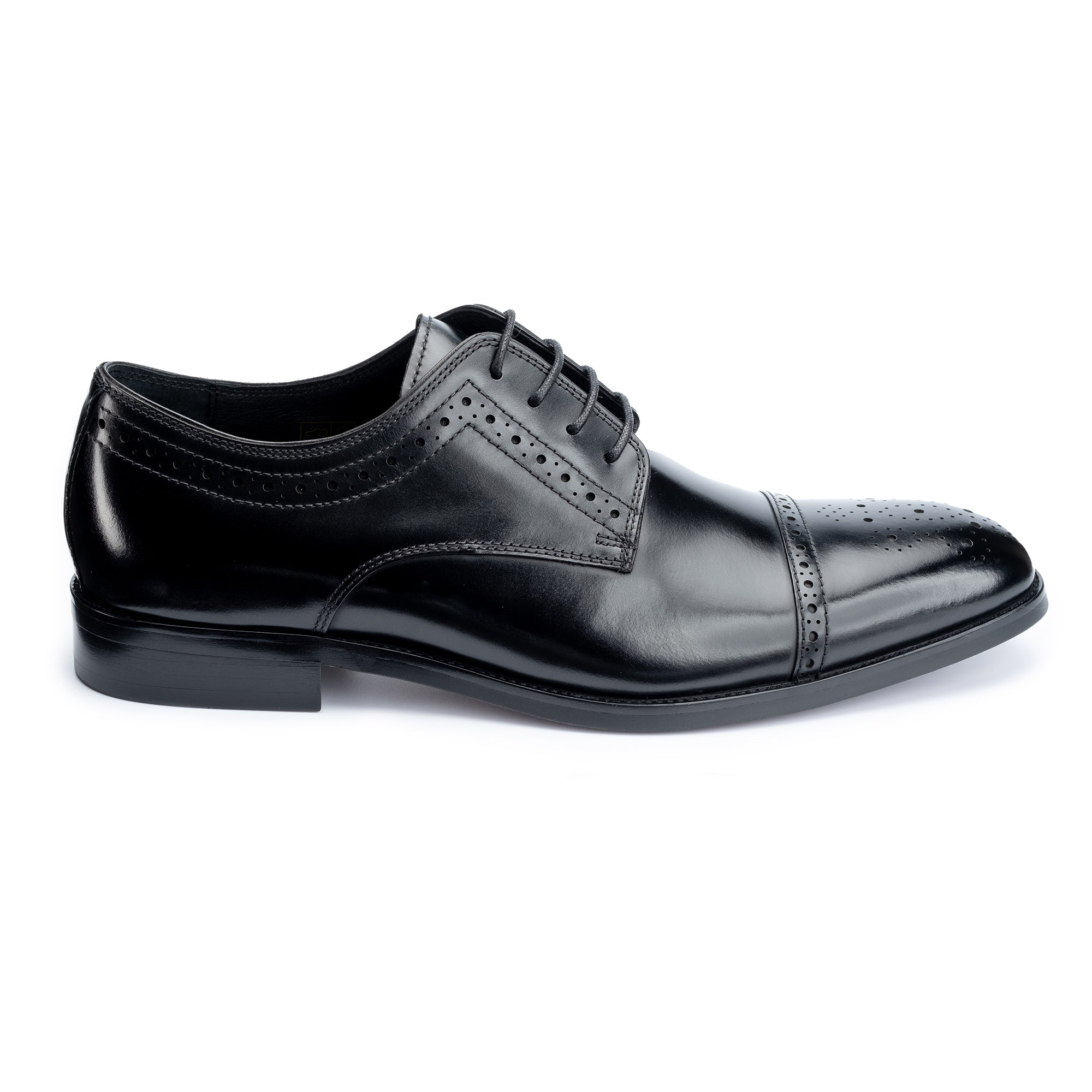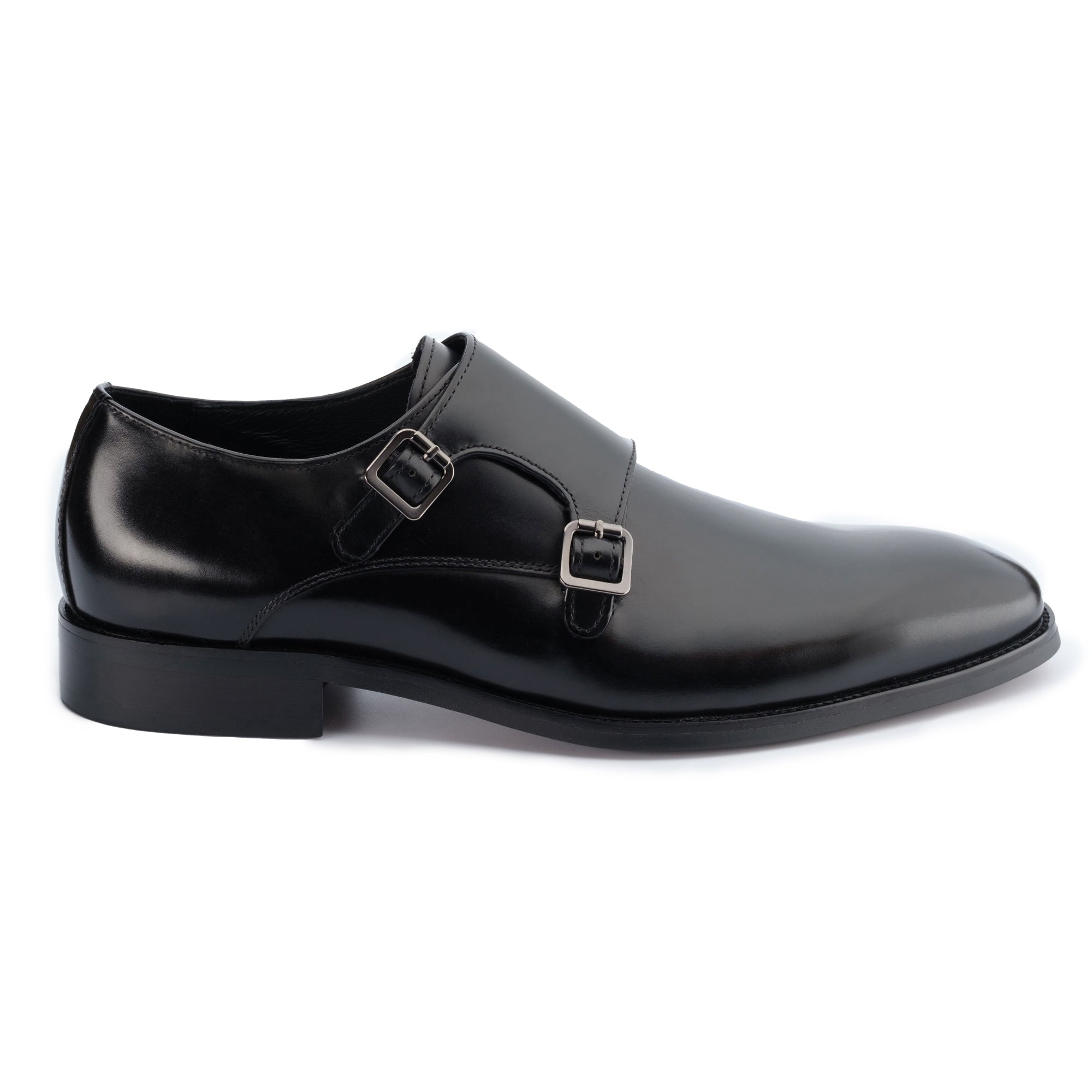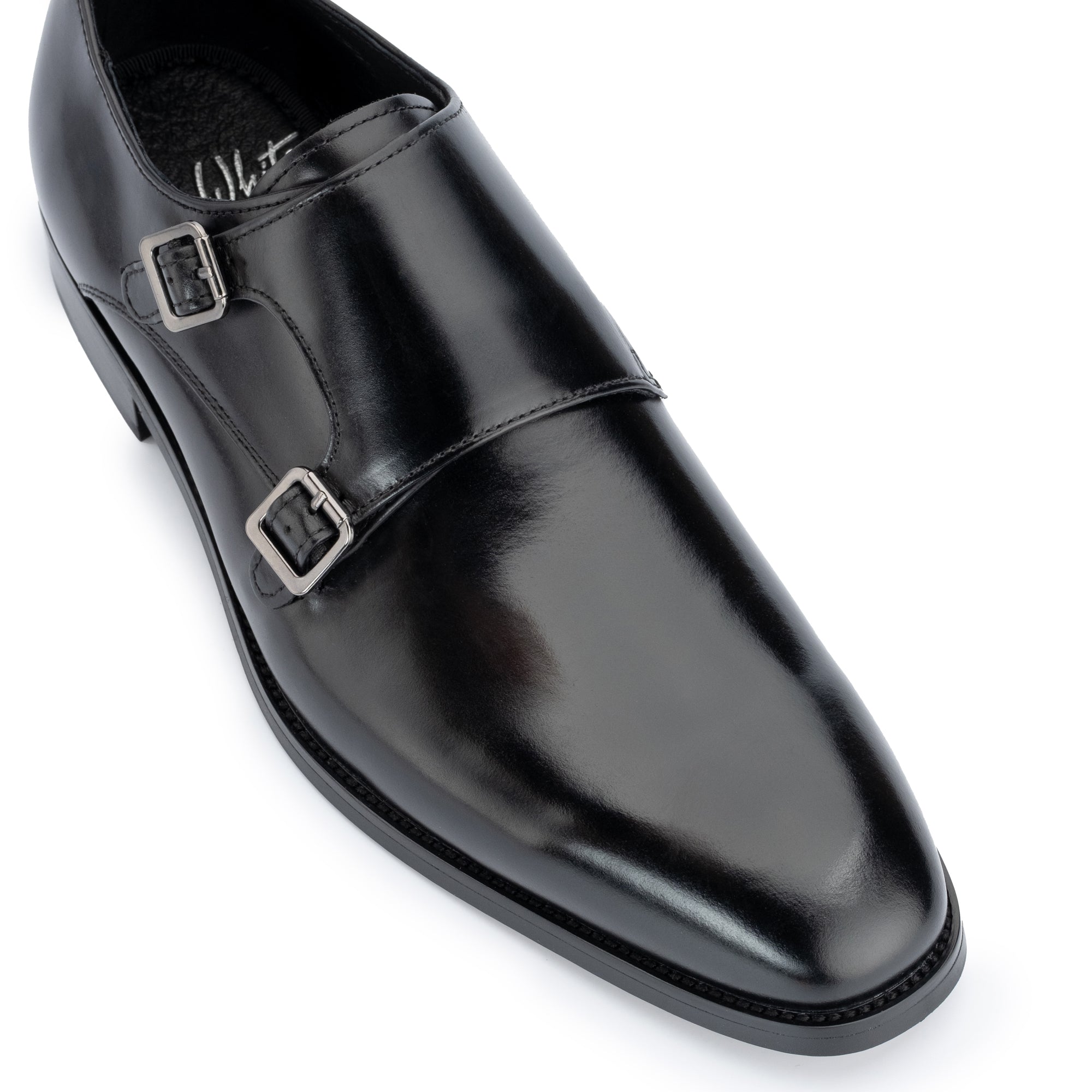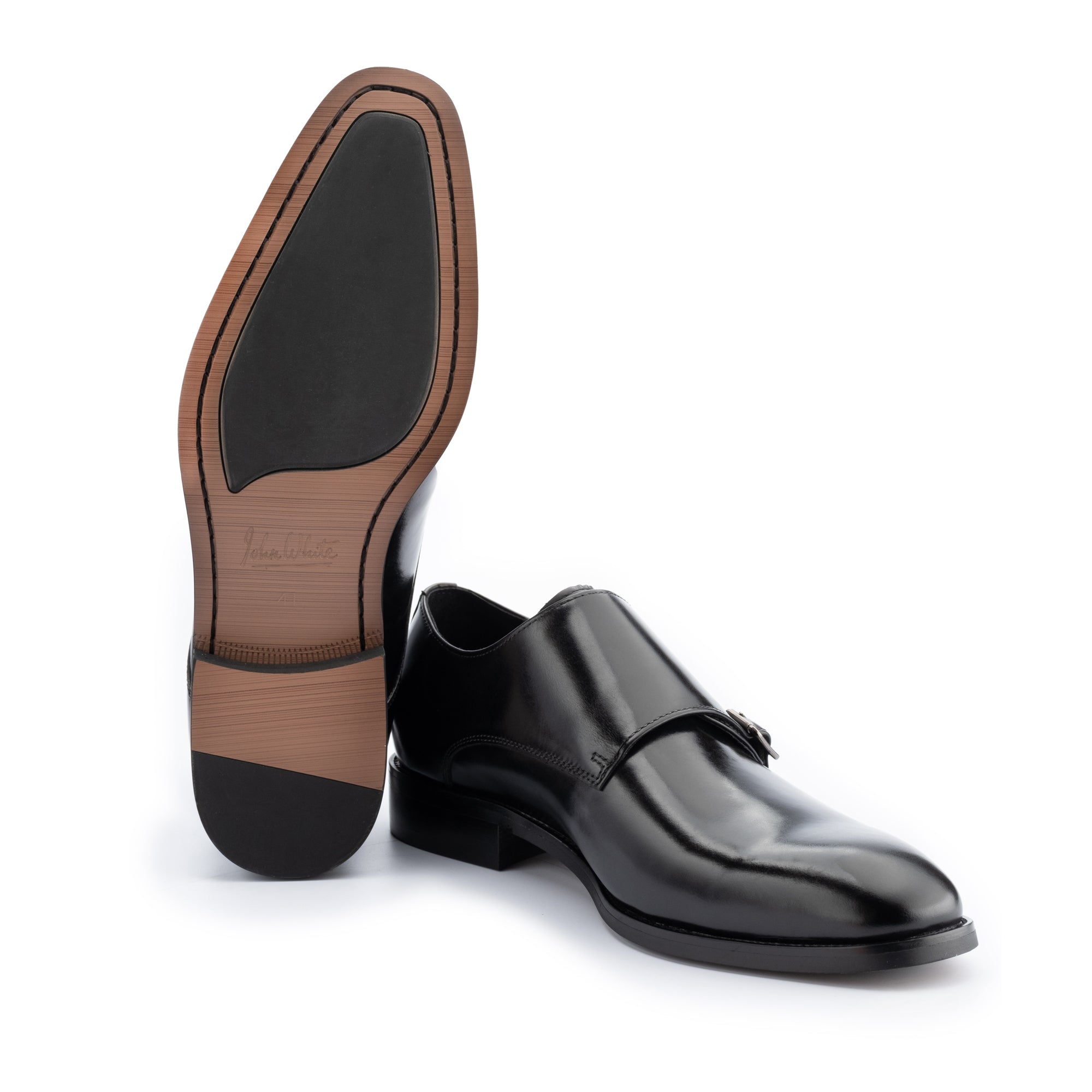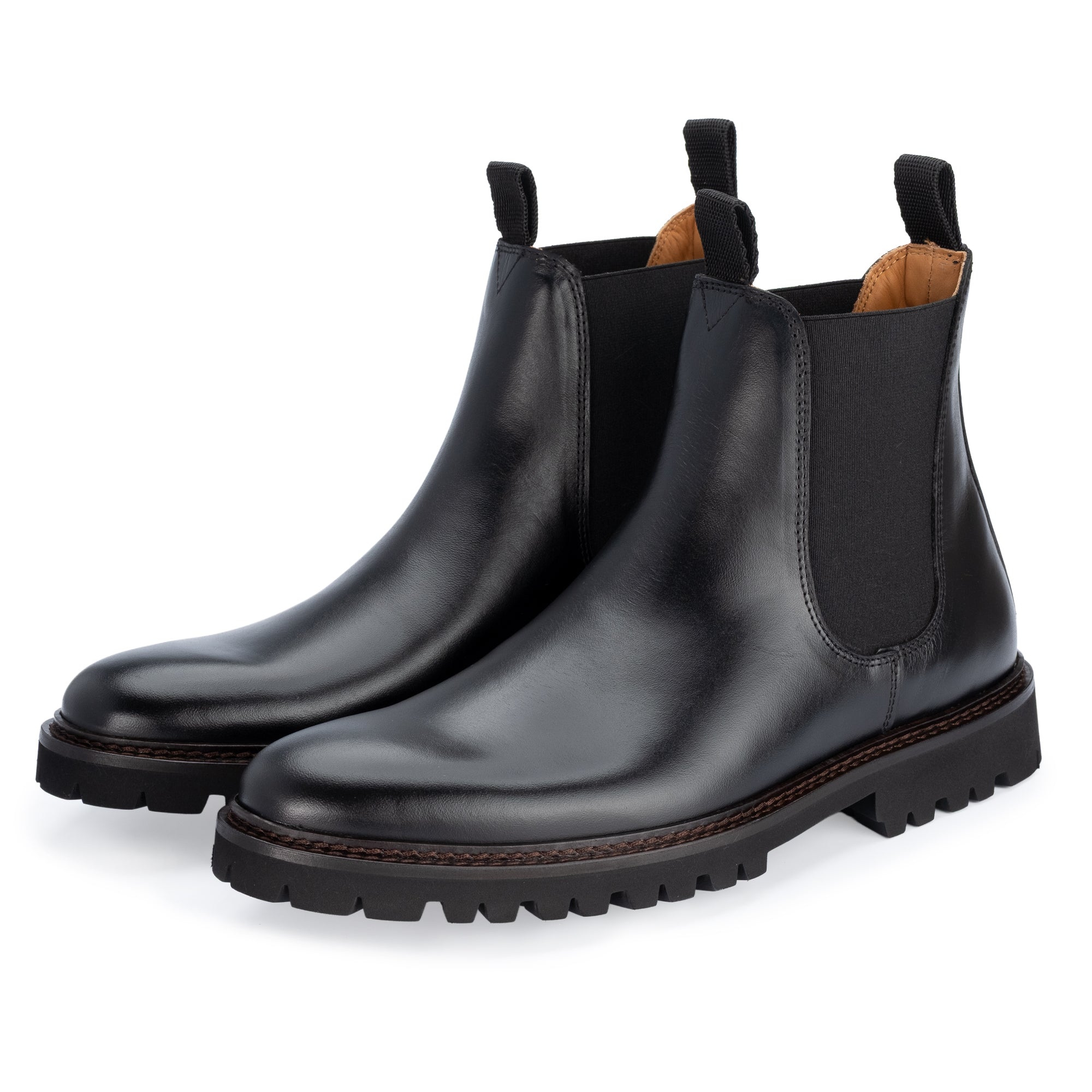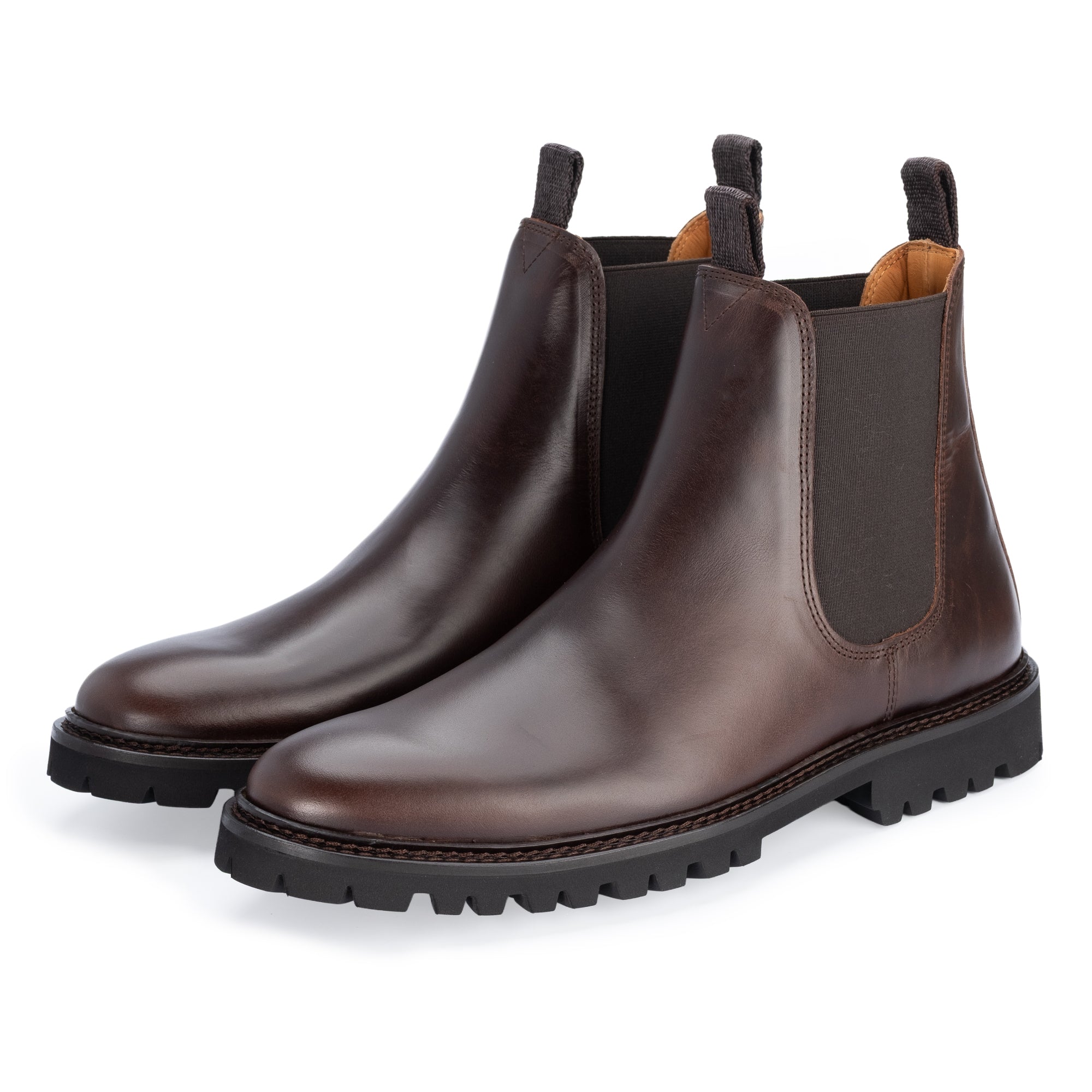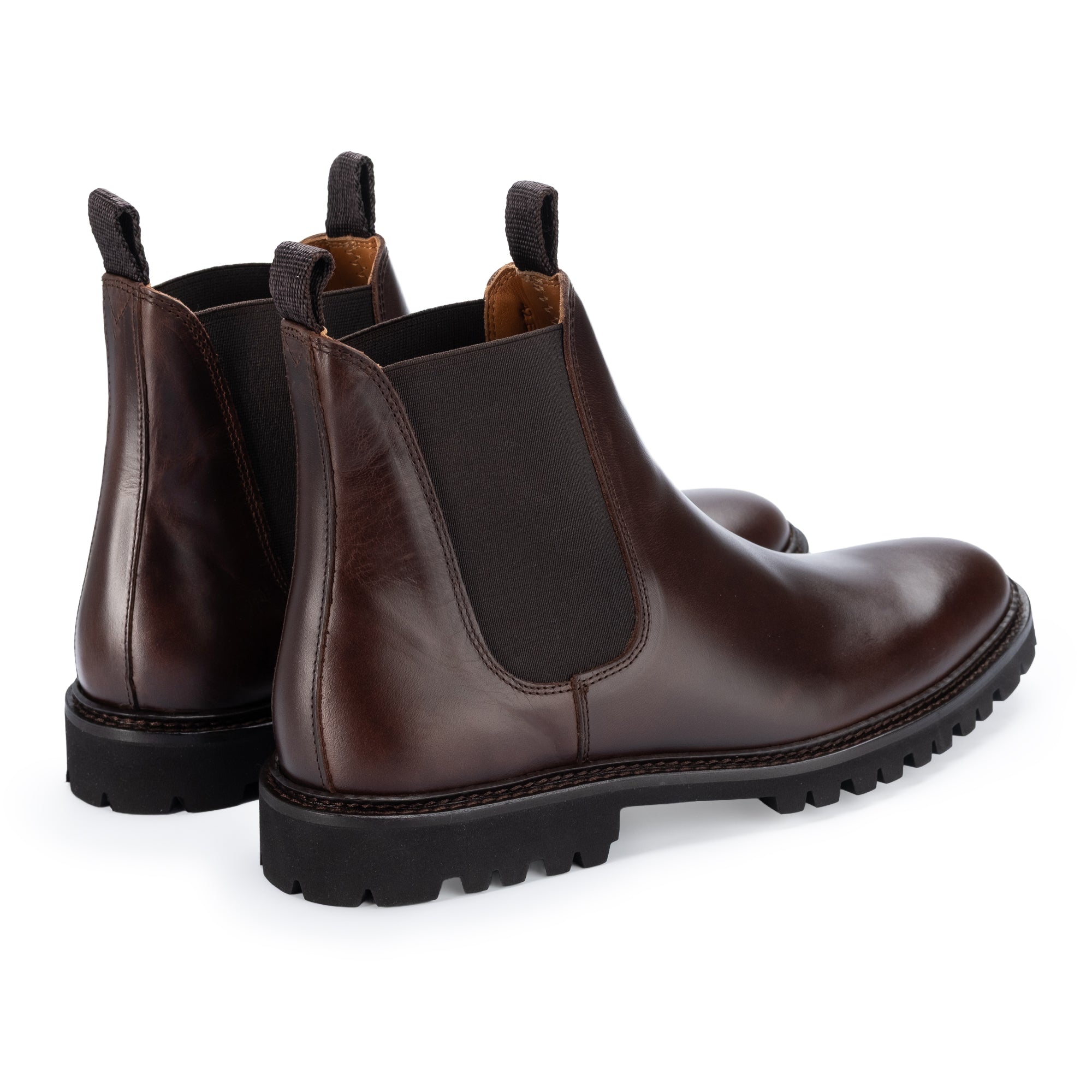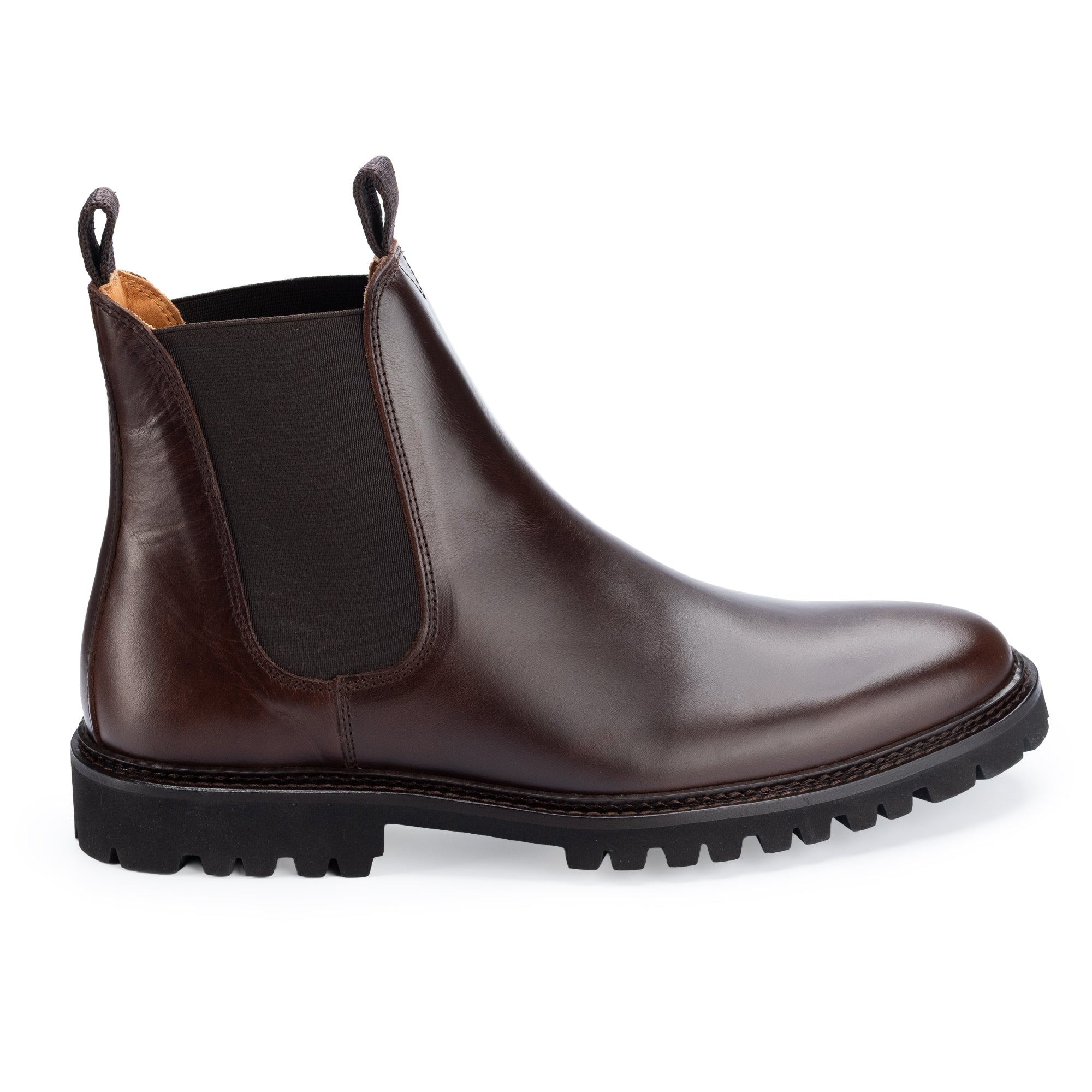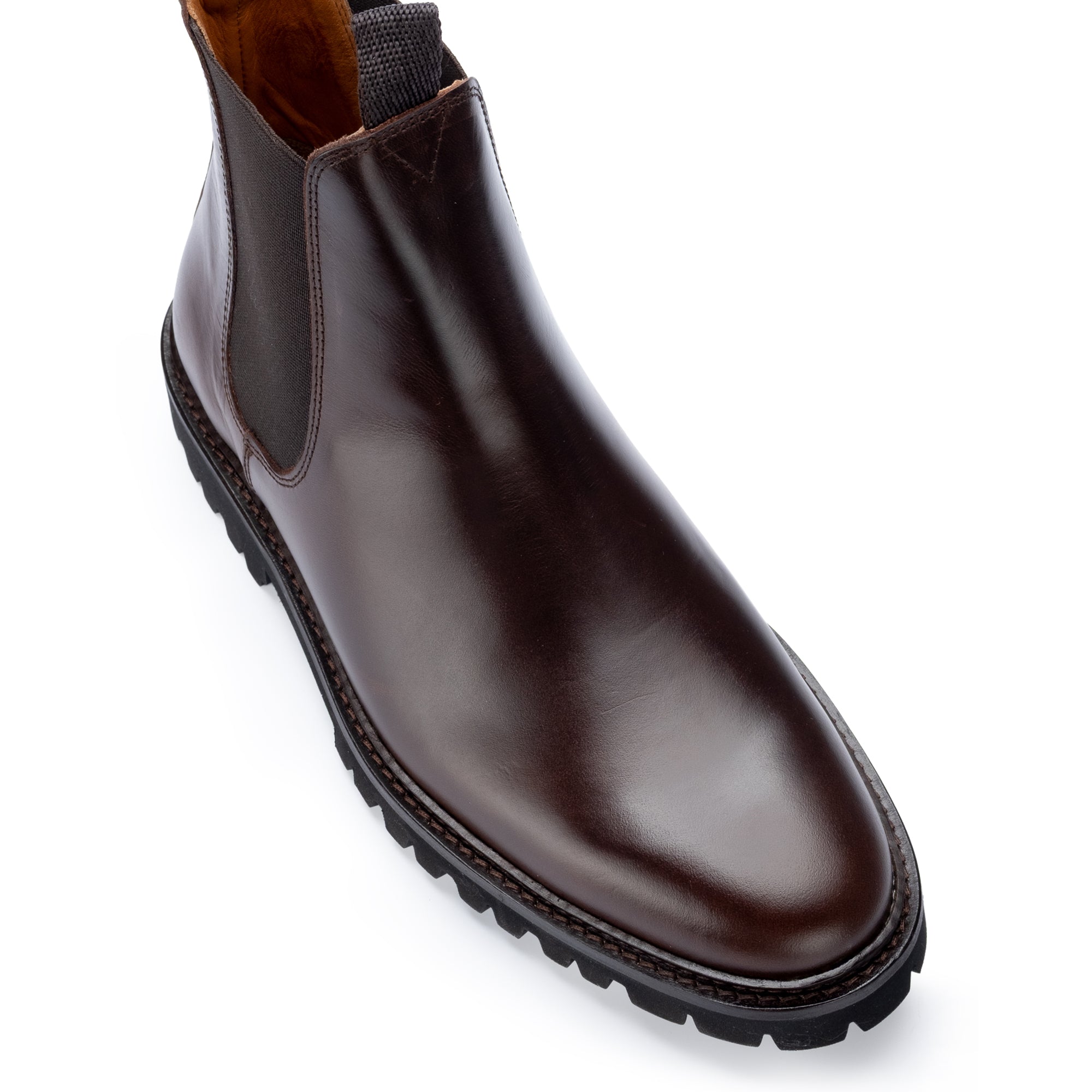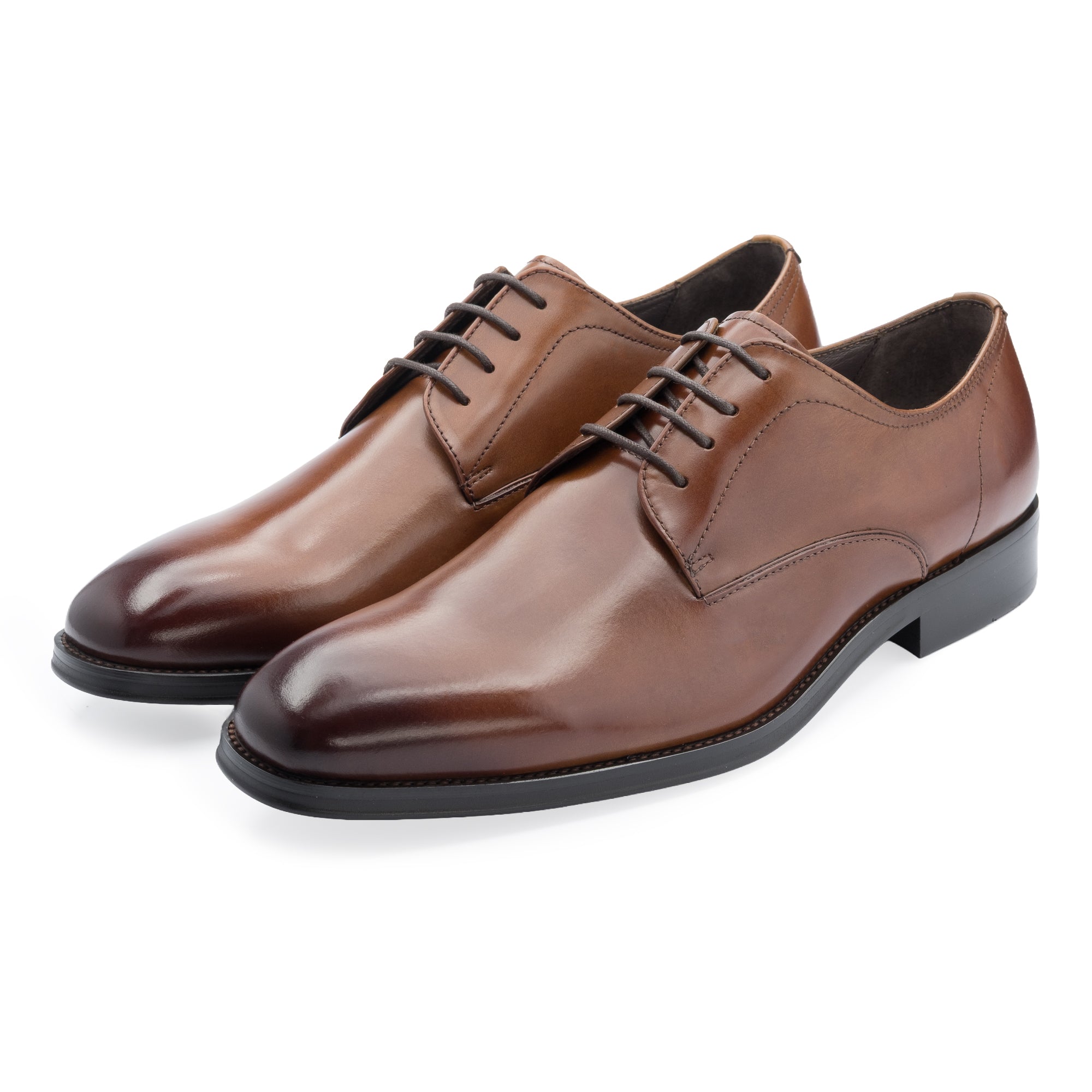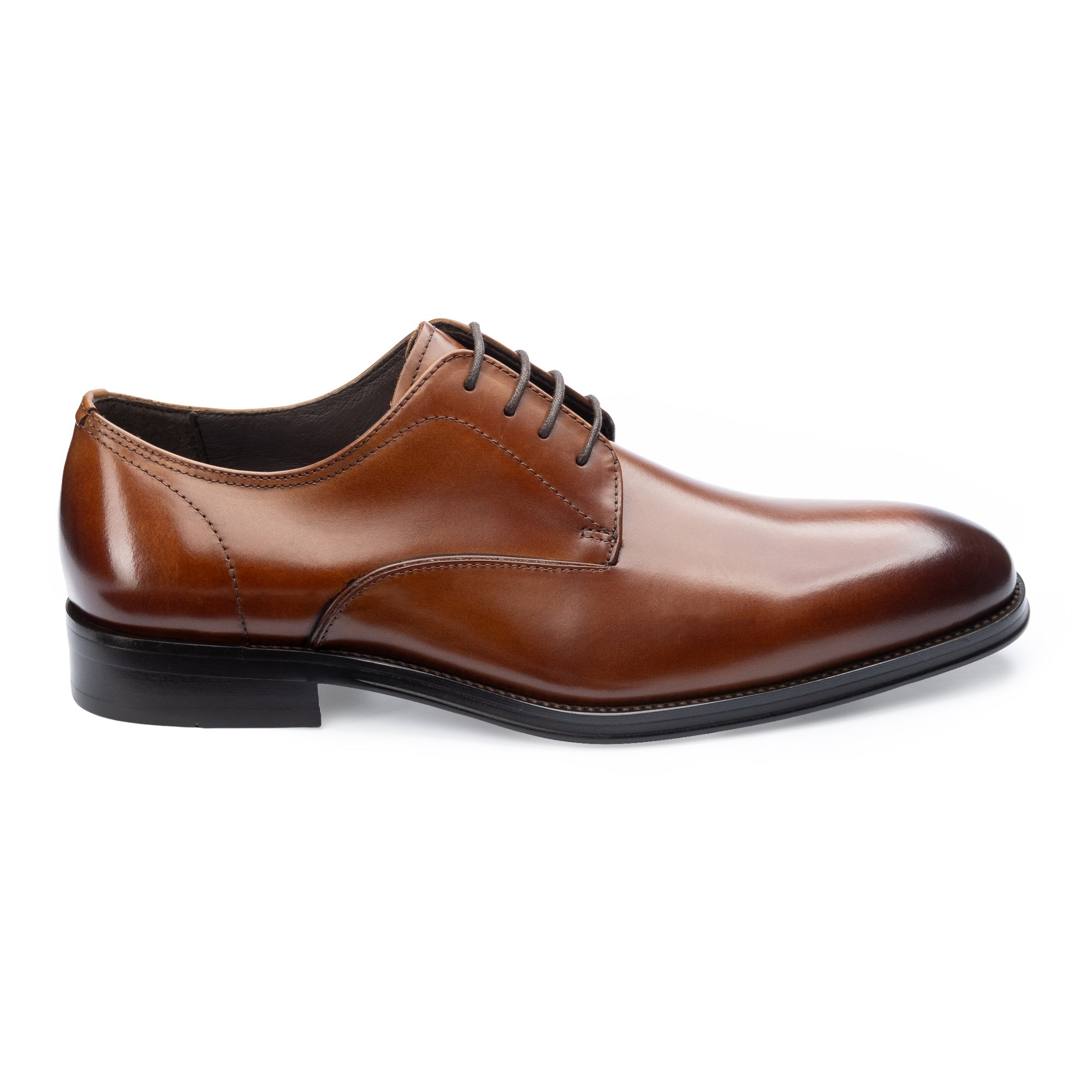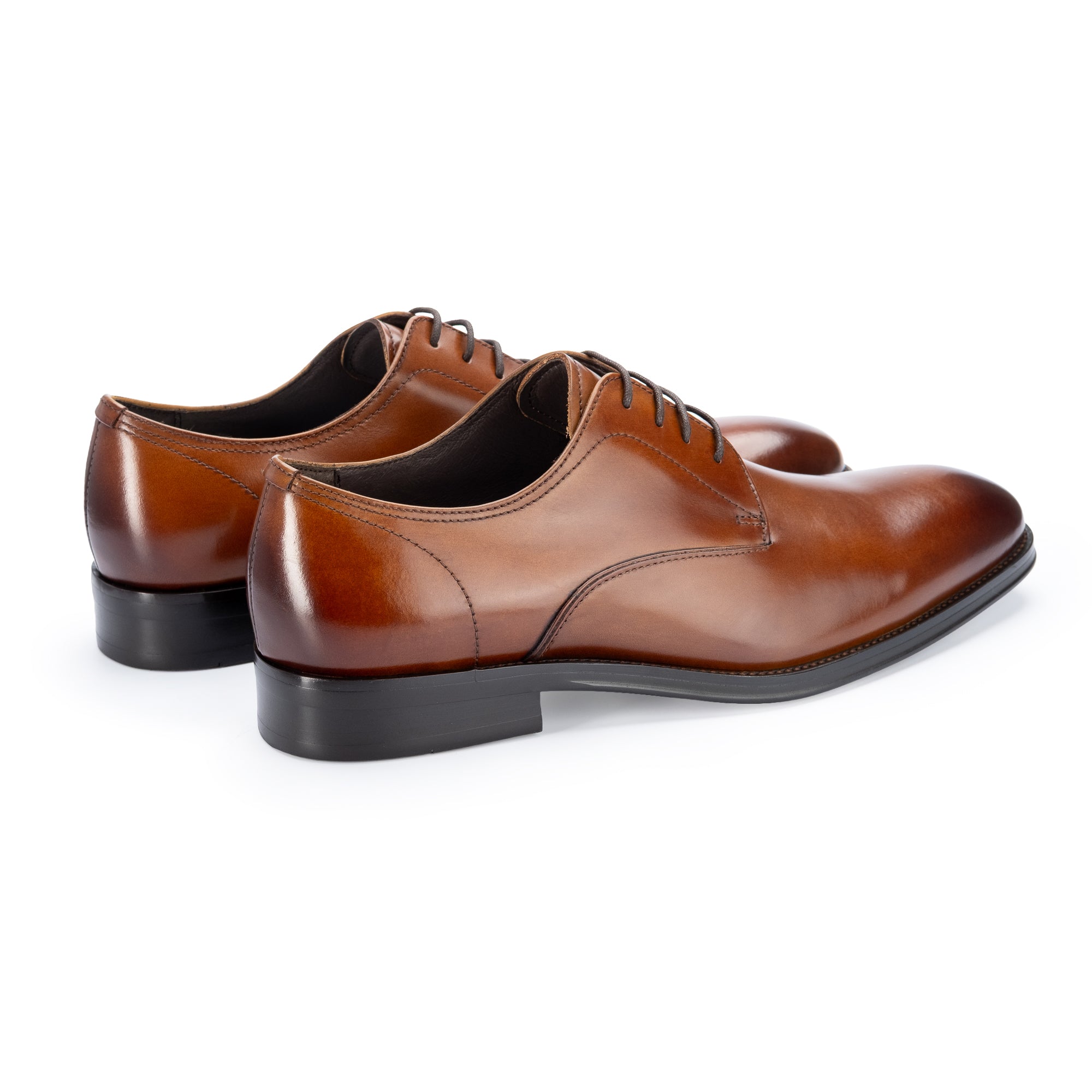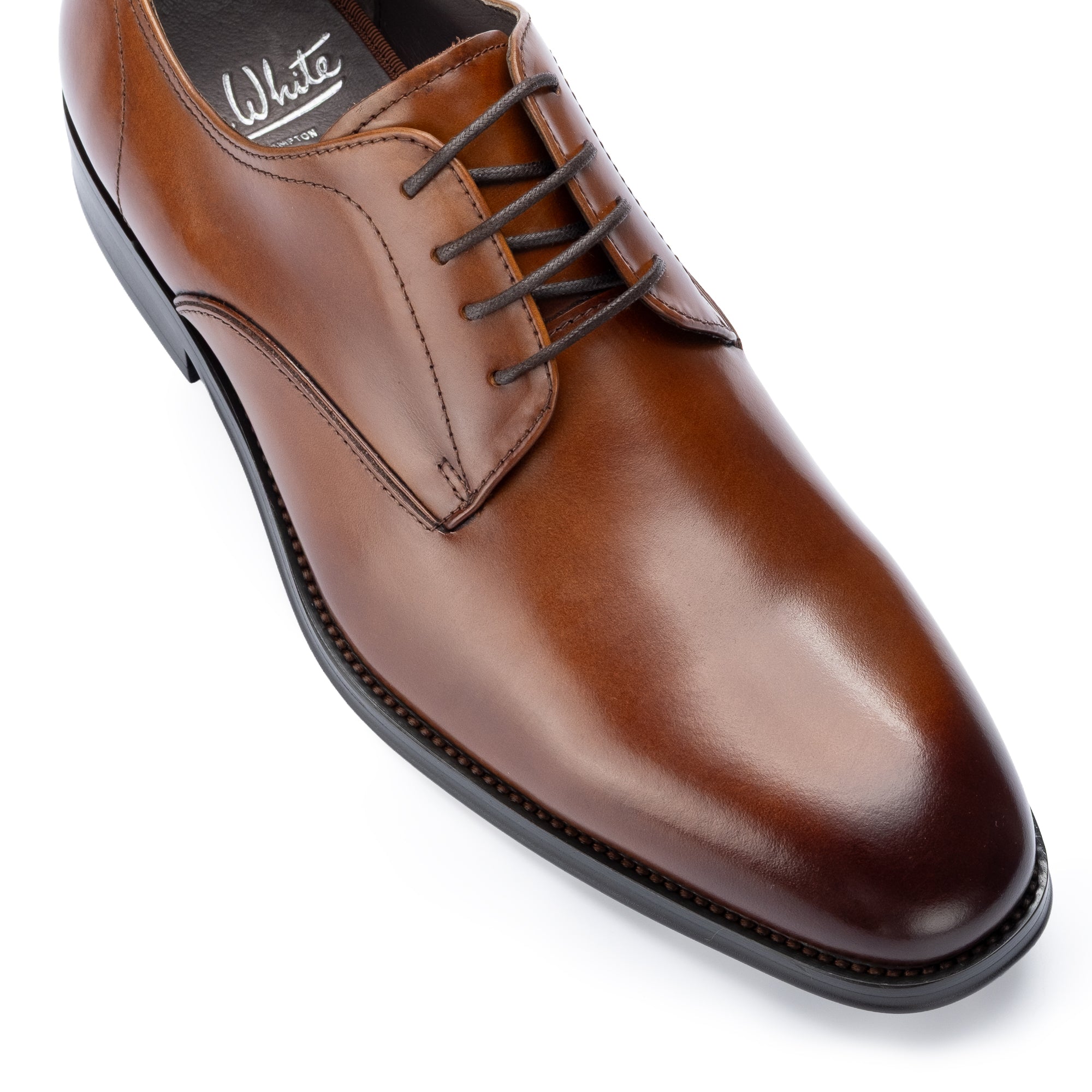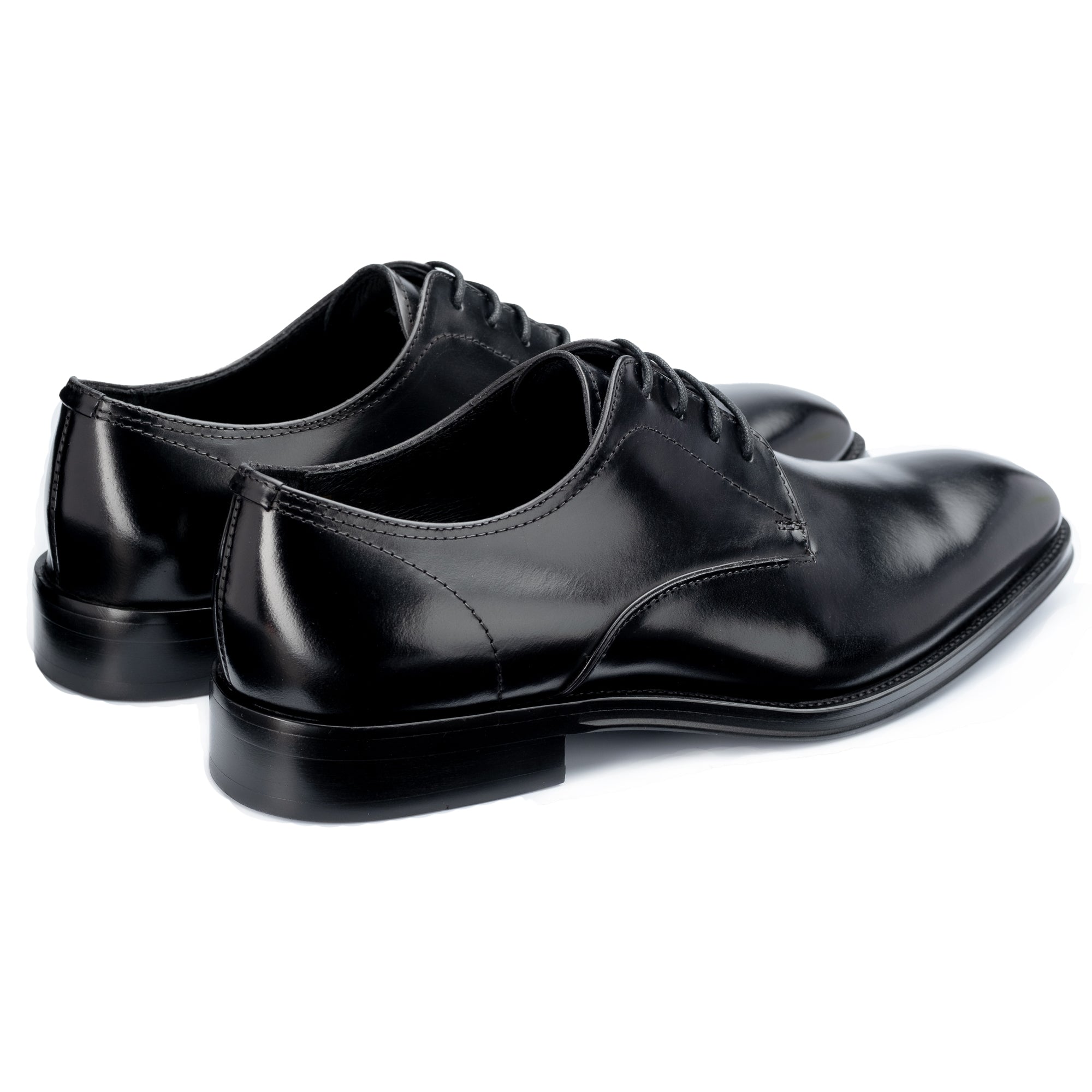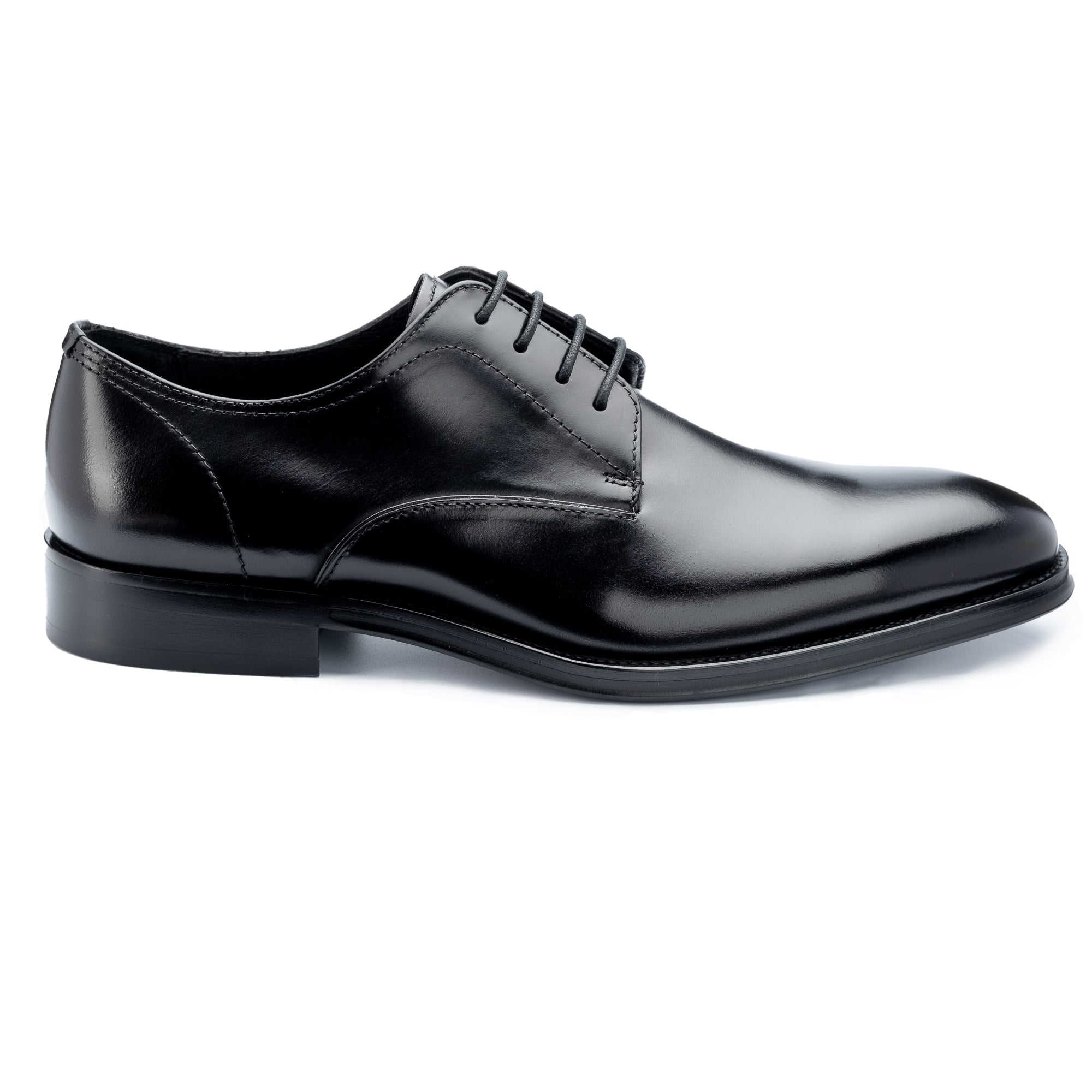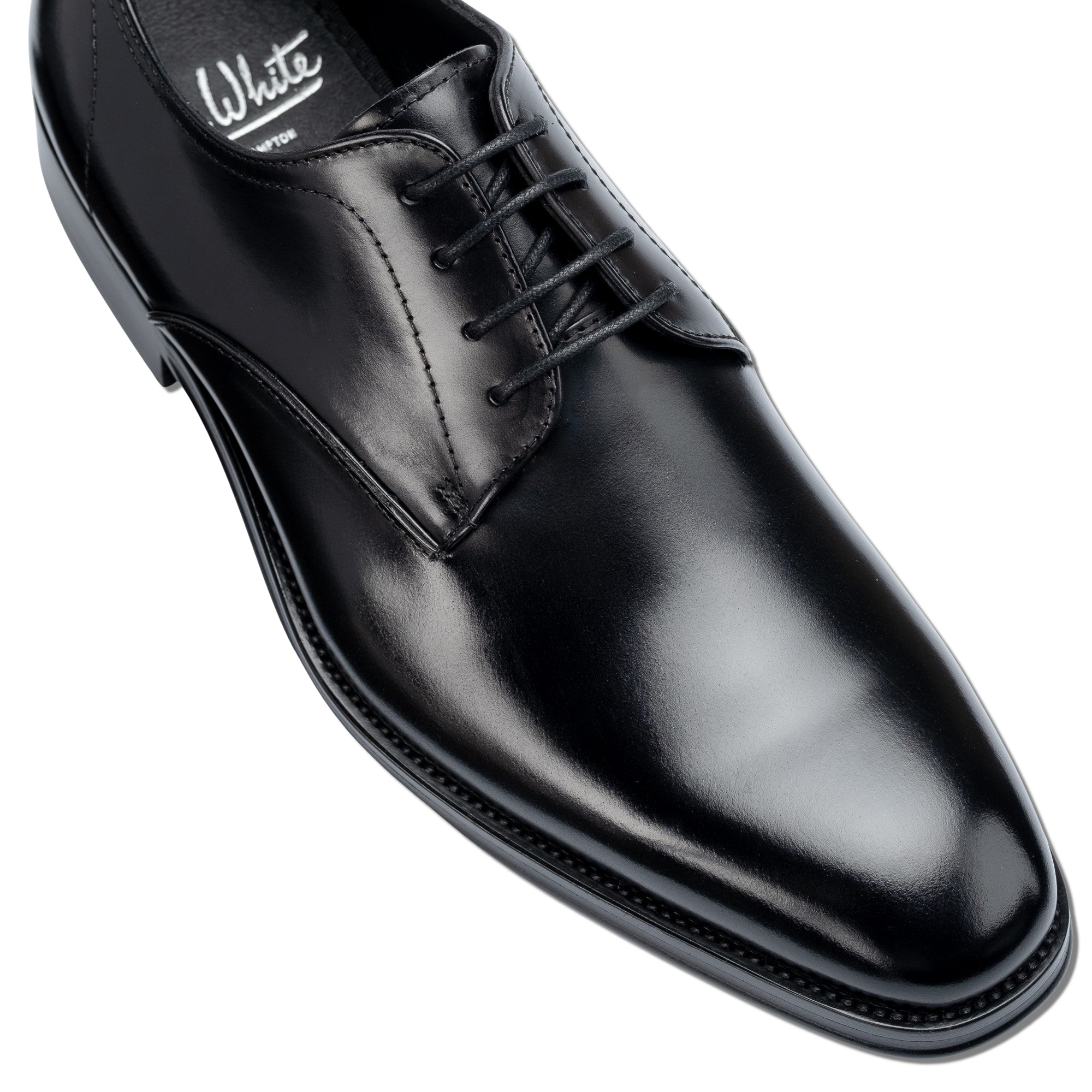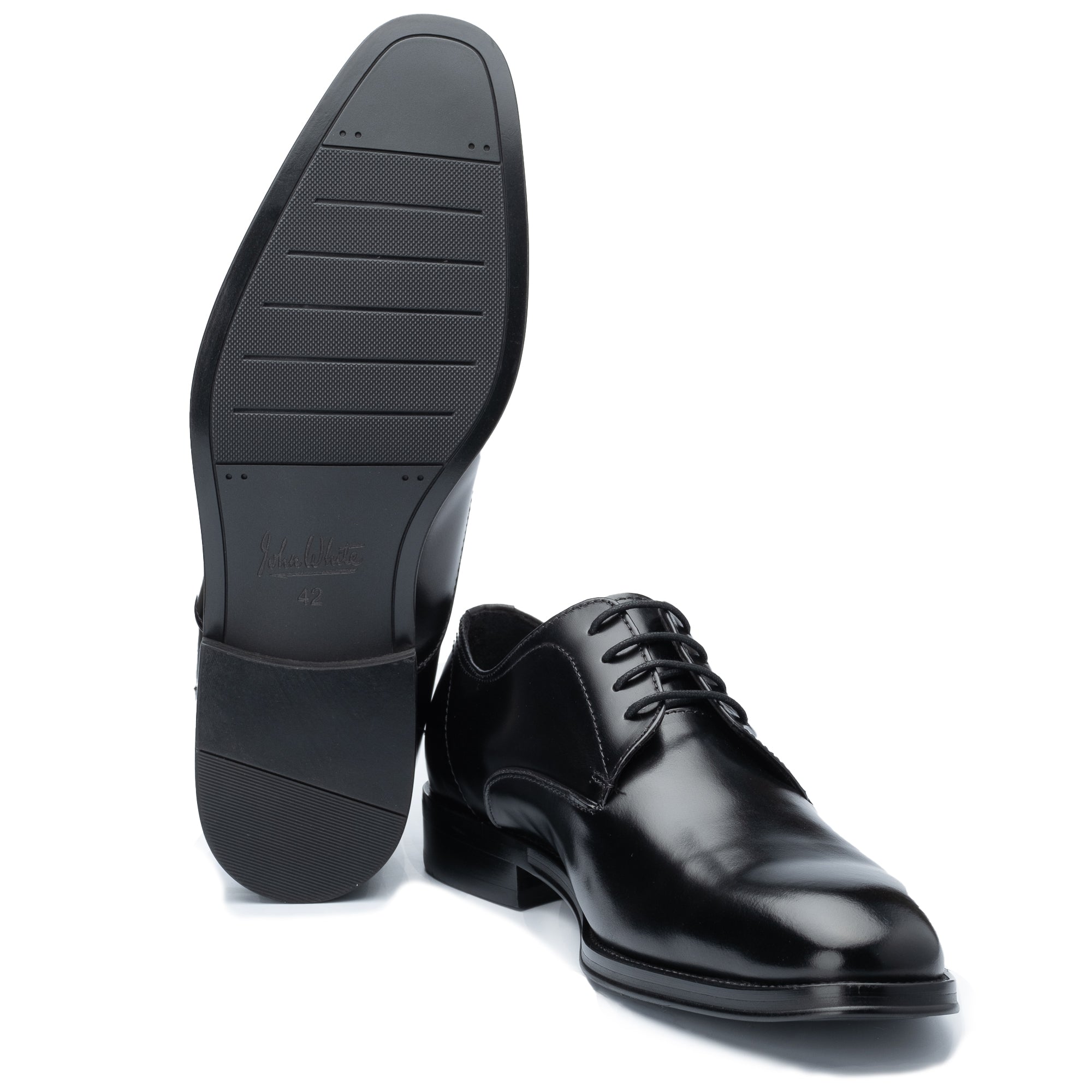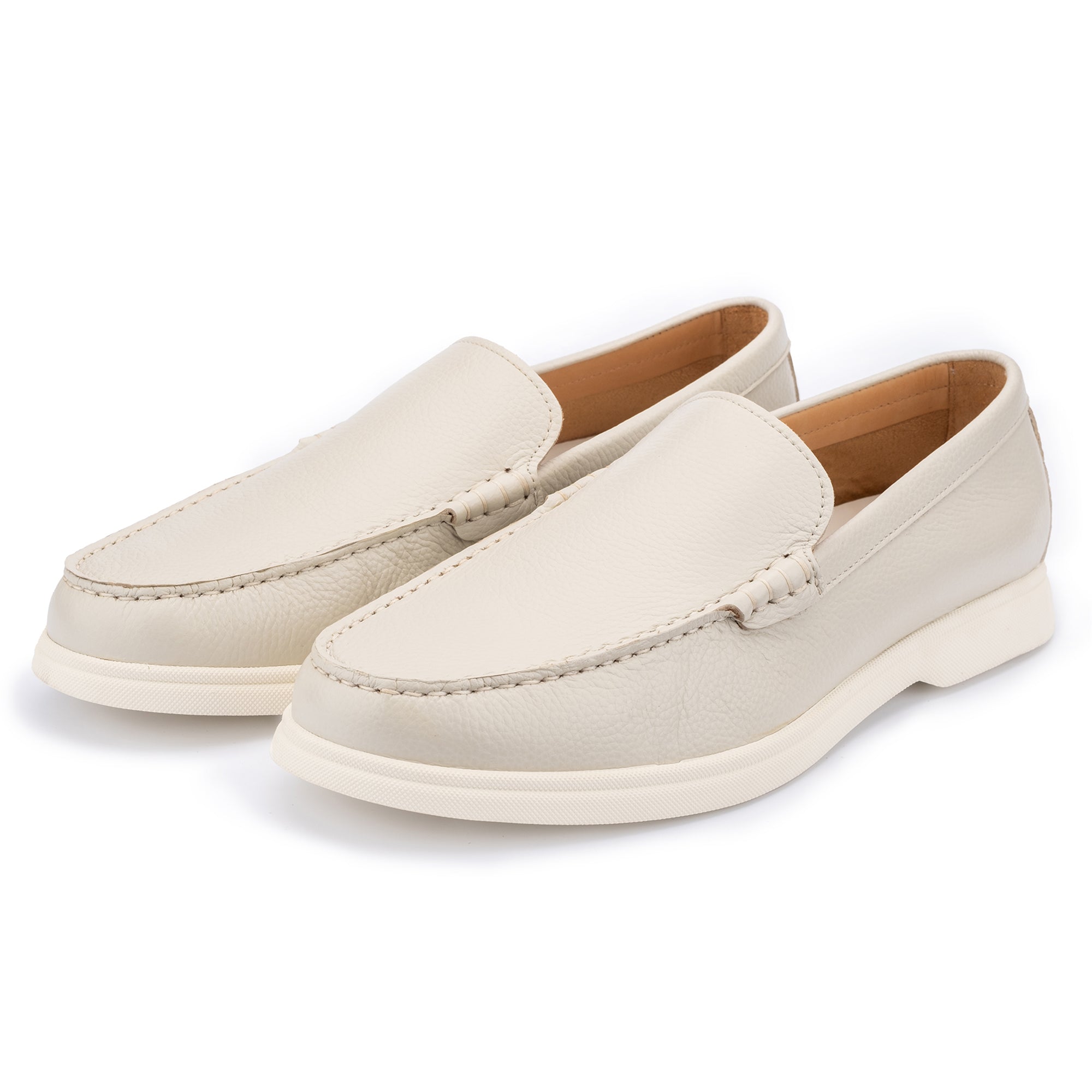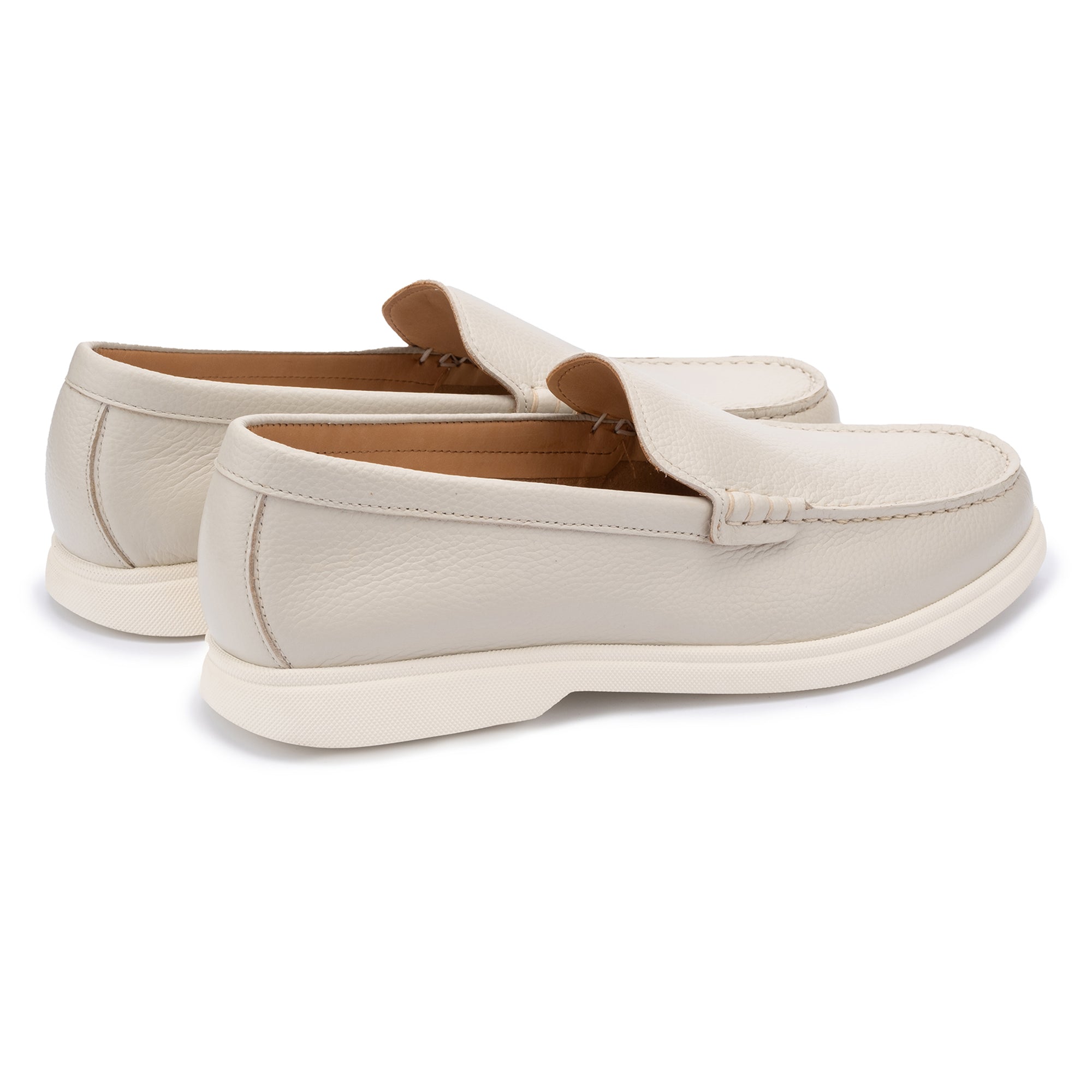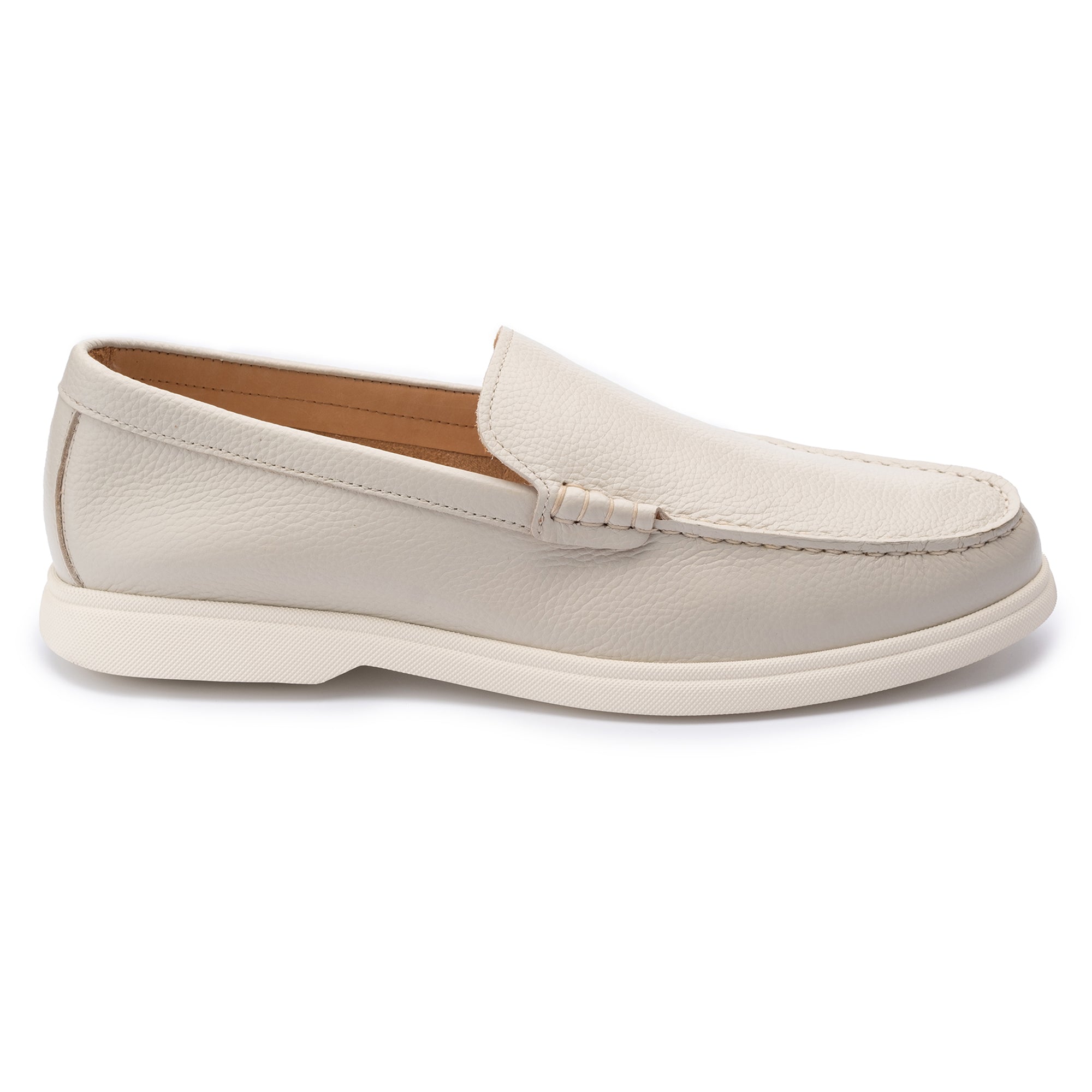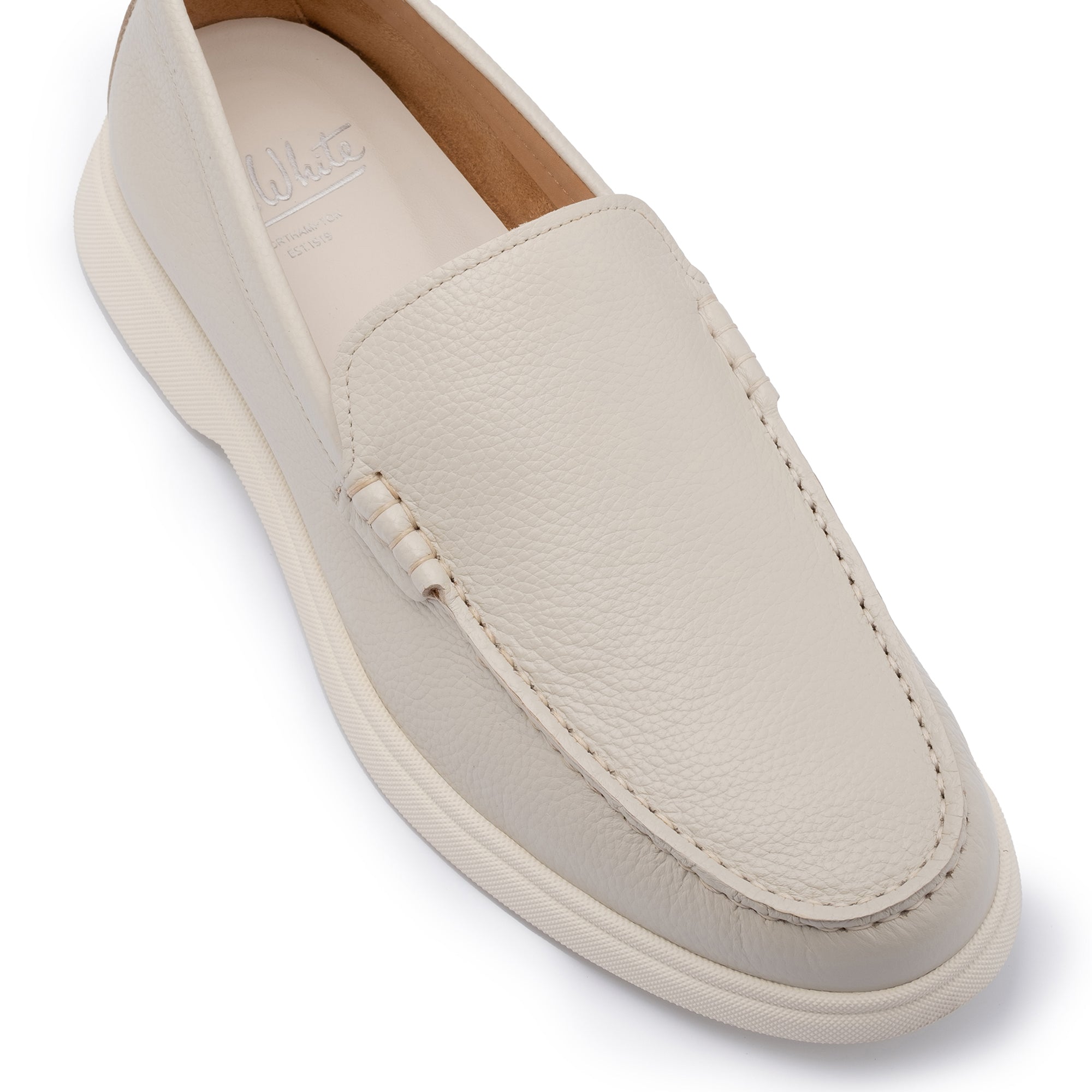

The penny loafer occupies an odd position in British menswear. On one hand, it arrived from America — a piece of mid-century campus dressing that seemed to carry its collegiate past in every clean line and deliberate strap. On the other, it has settled so naturally into the British wardrobe that it can read as entirely home-grown: understated, unassuming, capable of far more than its detractors allow.
In This Guide
Within the broader loafer category, the penny variant is often overlooked in favour of the tasselled silhouette or the plain-vamp cut. That is a mistake worth correcting. When constructed from quality leather, on a considered last, the penny loafer is among the most versatile shoes a man can own — smart enough for business-casual, relaxed enough for a weekend in the country, and distinctive enough that it rewards the eye of anyone who knows what they are looking at.
This is the case for taking it seriously.
A Brief History of the Coin-Slot Strap
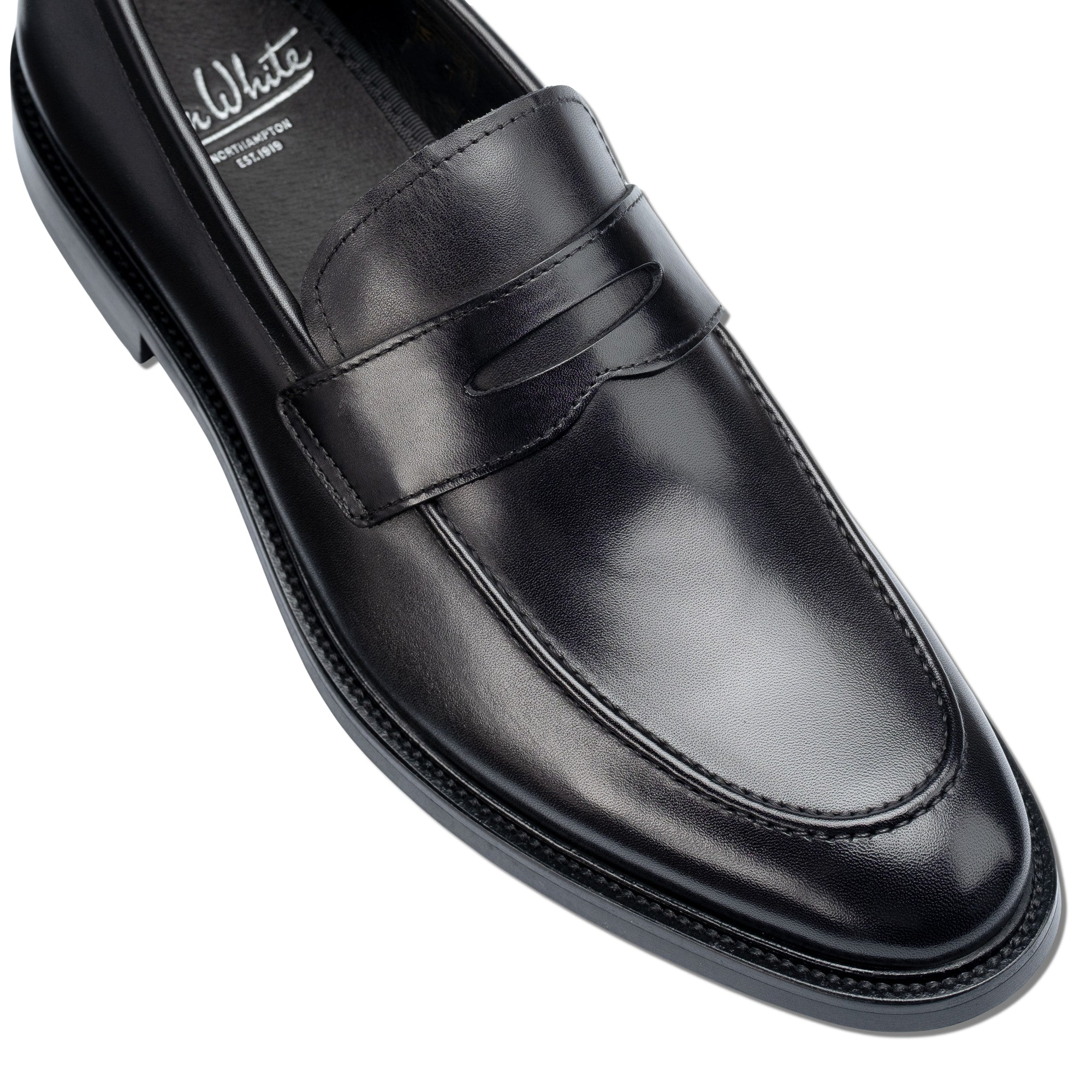
The name is literal. The saddle strap across the vamp — that horizontal band of leather that defines the silhouette — was traditionally made with a small diamond-shaped slot, just wide enough to hold a small coin. American students in the 1940s and 1950s would store a dime there, ostensibly for an emergency telephone call. The detail was whimsical and practical in equal measure, and it stuck.
The style had deeper roots. Norwegian farmers had been wearing slip-on shoes with broadly similar constructions since at least the early 1930s — the style sometimes called the Norwegian moccasin — and G.H. Bass popularised the penny loafer in the American collegiate market in the 1950s under the Weejun name. By the 1960s, it had crossed the Atlantic, arriving in British tailors' windows as an emblem of a more relaxed, transatlantic approach to dressing.
In British hands, the style was quietly refined — the heel built with more structure, the toe line tapered, the saddle strap made more precise. It shed its campus associations and settled into the wardrobe alongside the Oxford and the Derby: not competing with them, but occupying a different register. Less formal than either, more purposeful than a slipper. It filled a genuine gap.
What Separates a Quality Penny Loafer
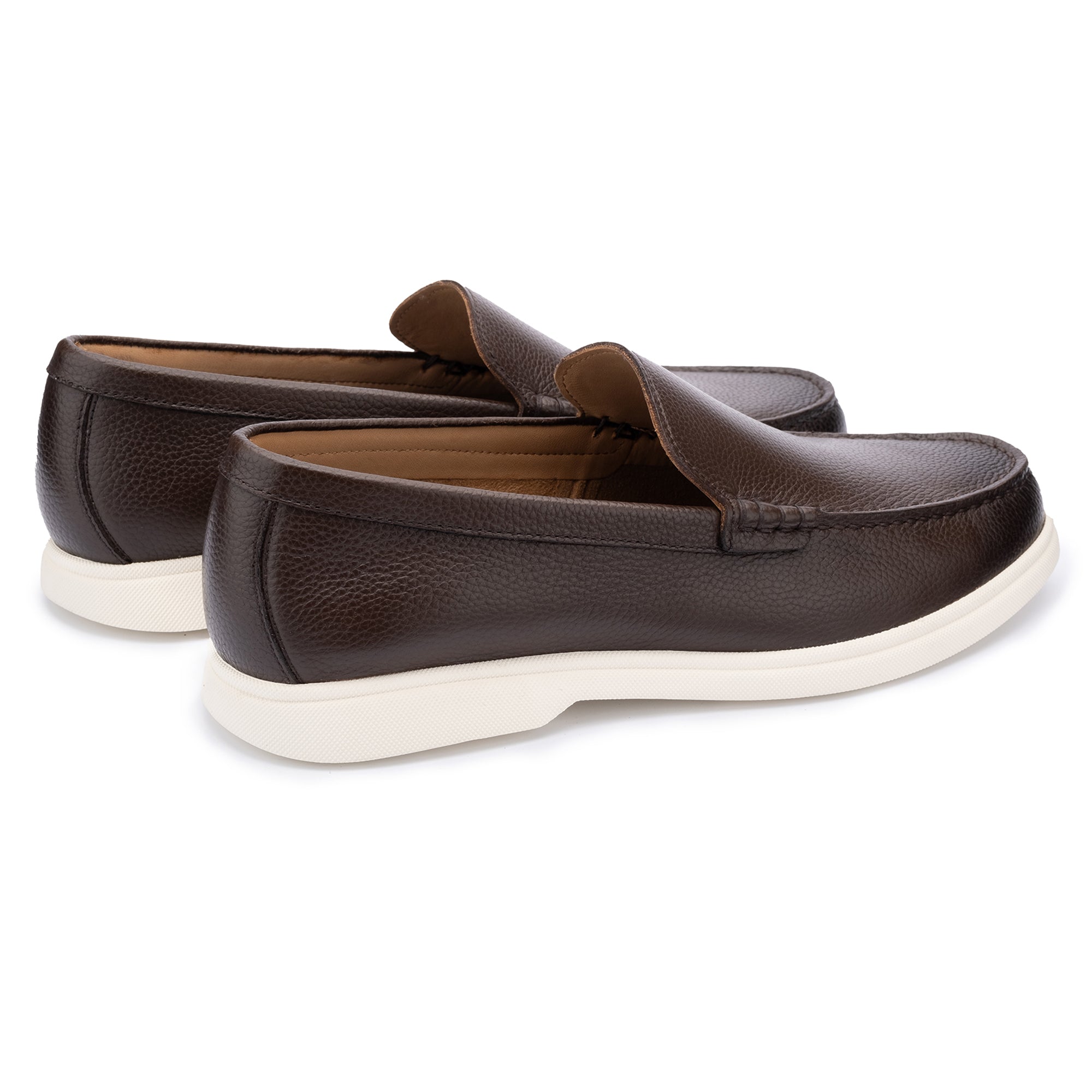
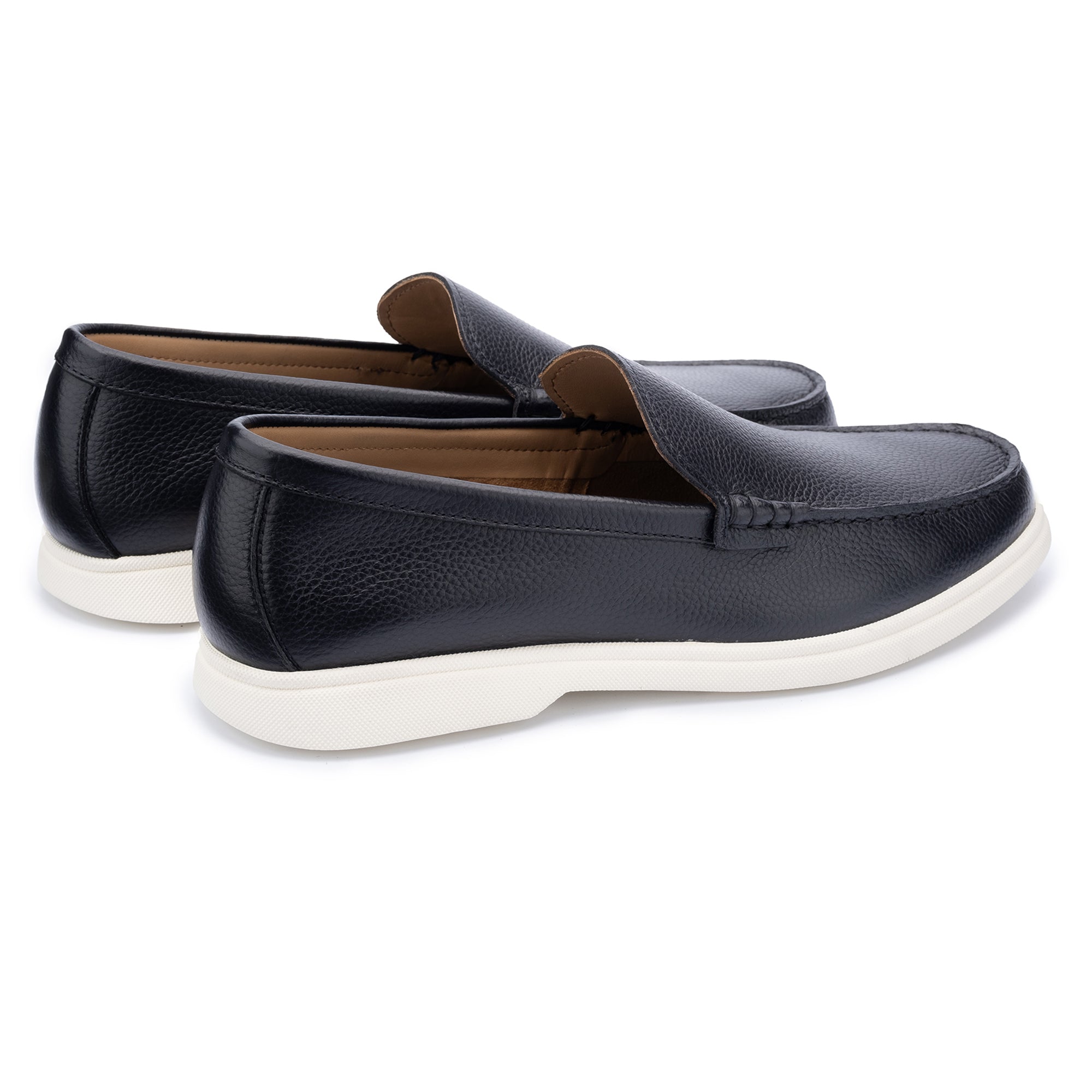
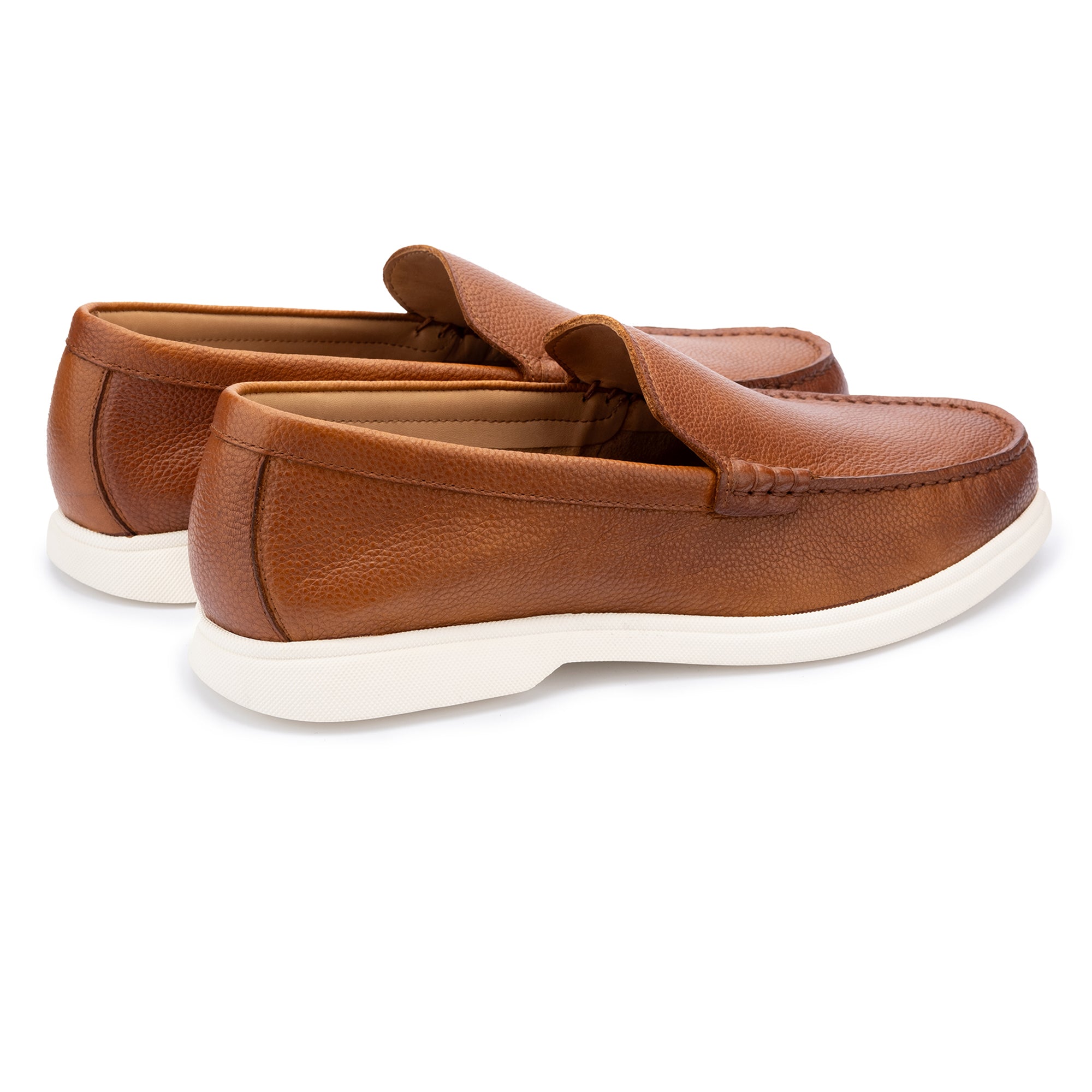
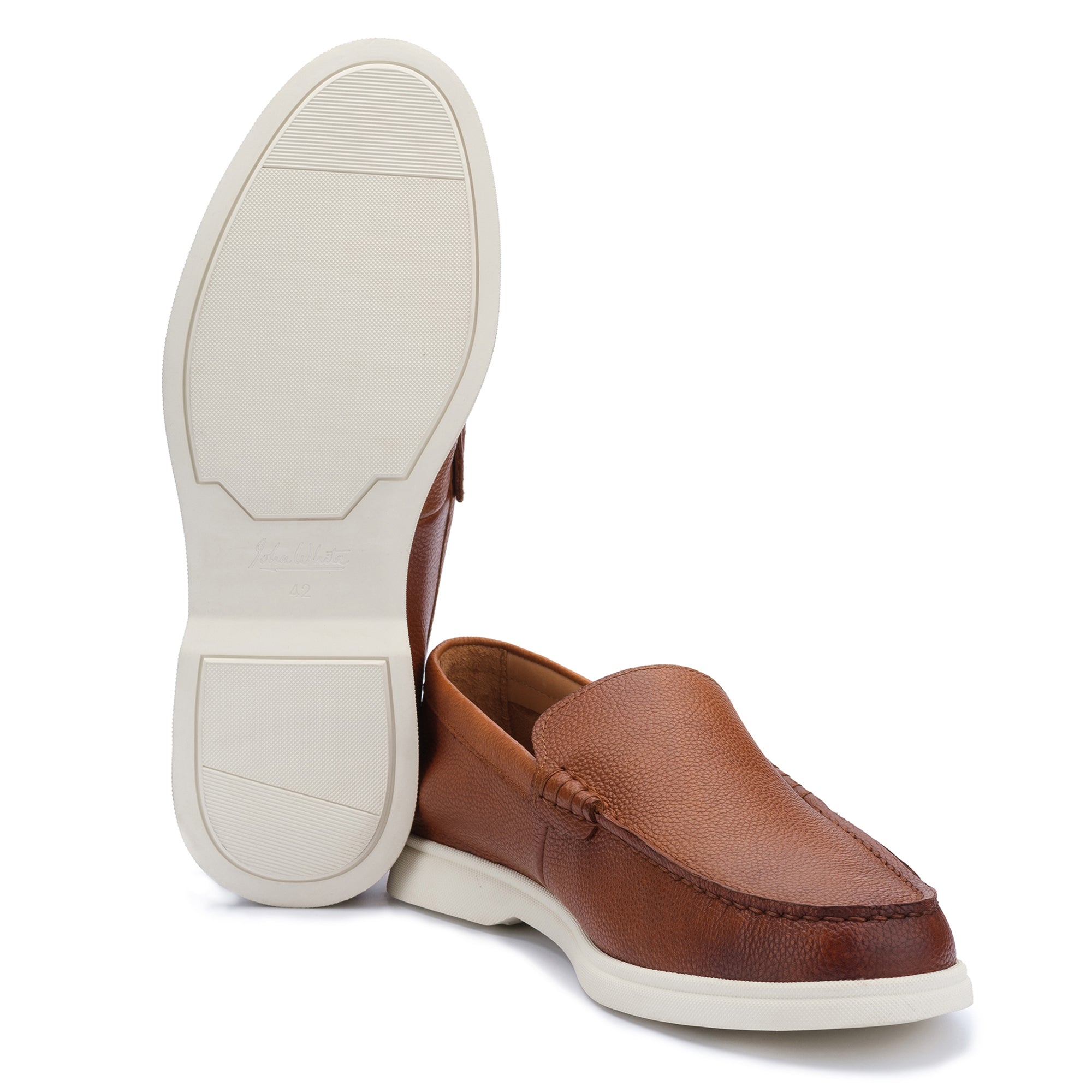
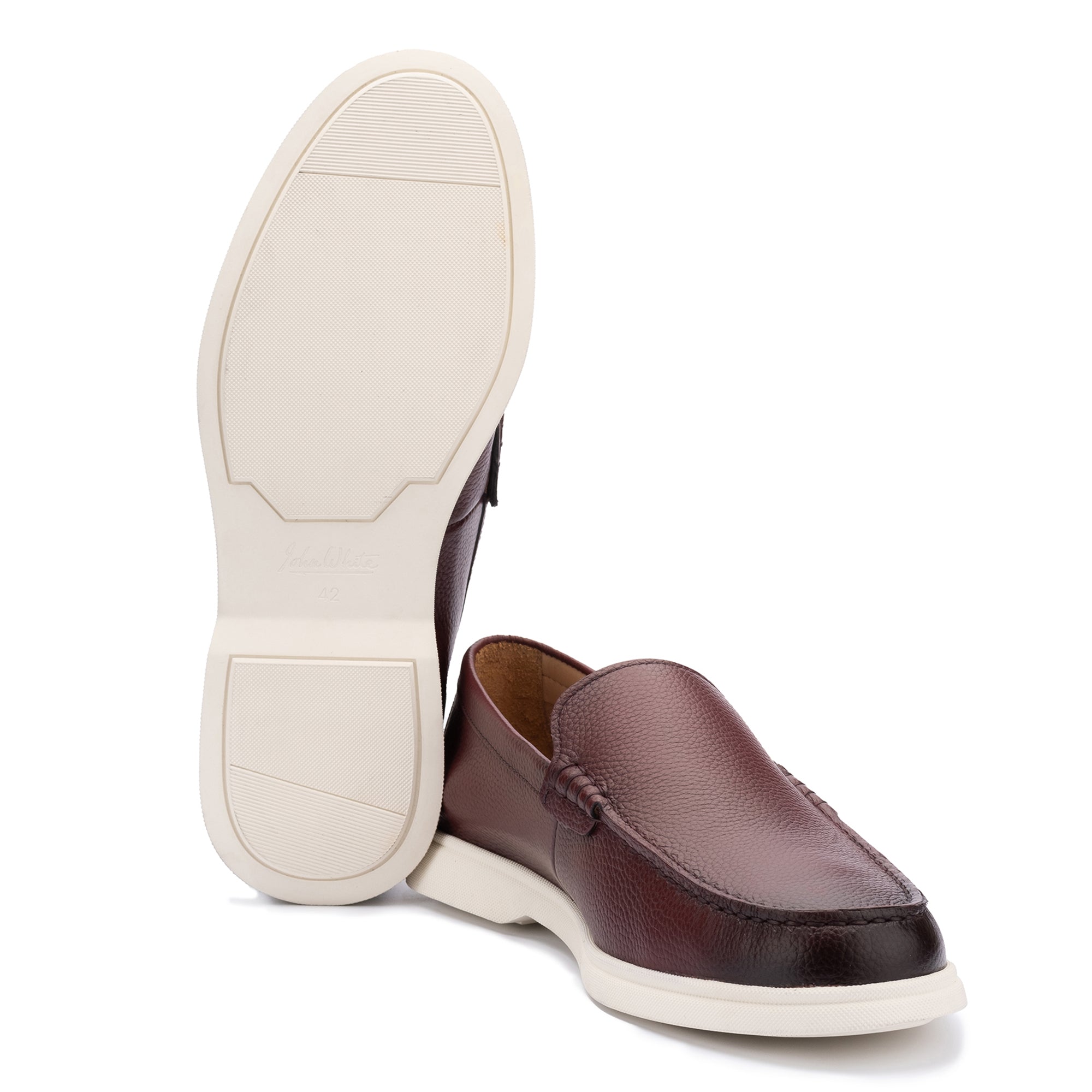
Without laces to adjust, a penny loafer lives or dies on its last — the wooden form around which the shoe was shaped. A well-designed last provides heel grip, a snug instep, and enough room across the toe box to allow natural movement without slippage. In lesser examples, the vamp is cut too shallow, the heel slips, and the back seam deteriorates quickly under the friction of walking.
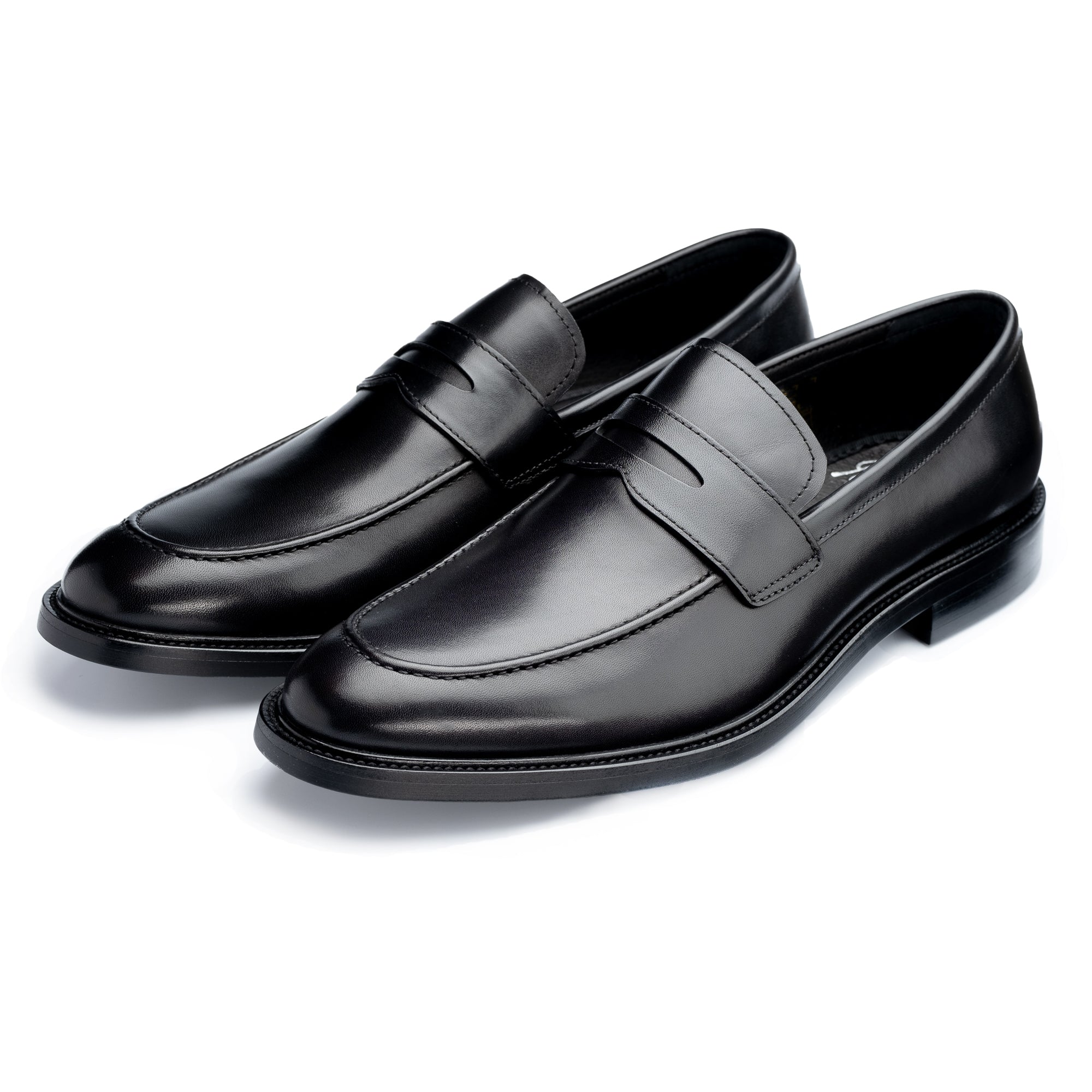
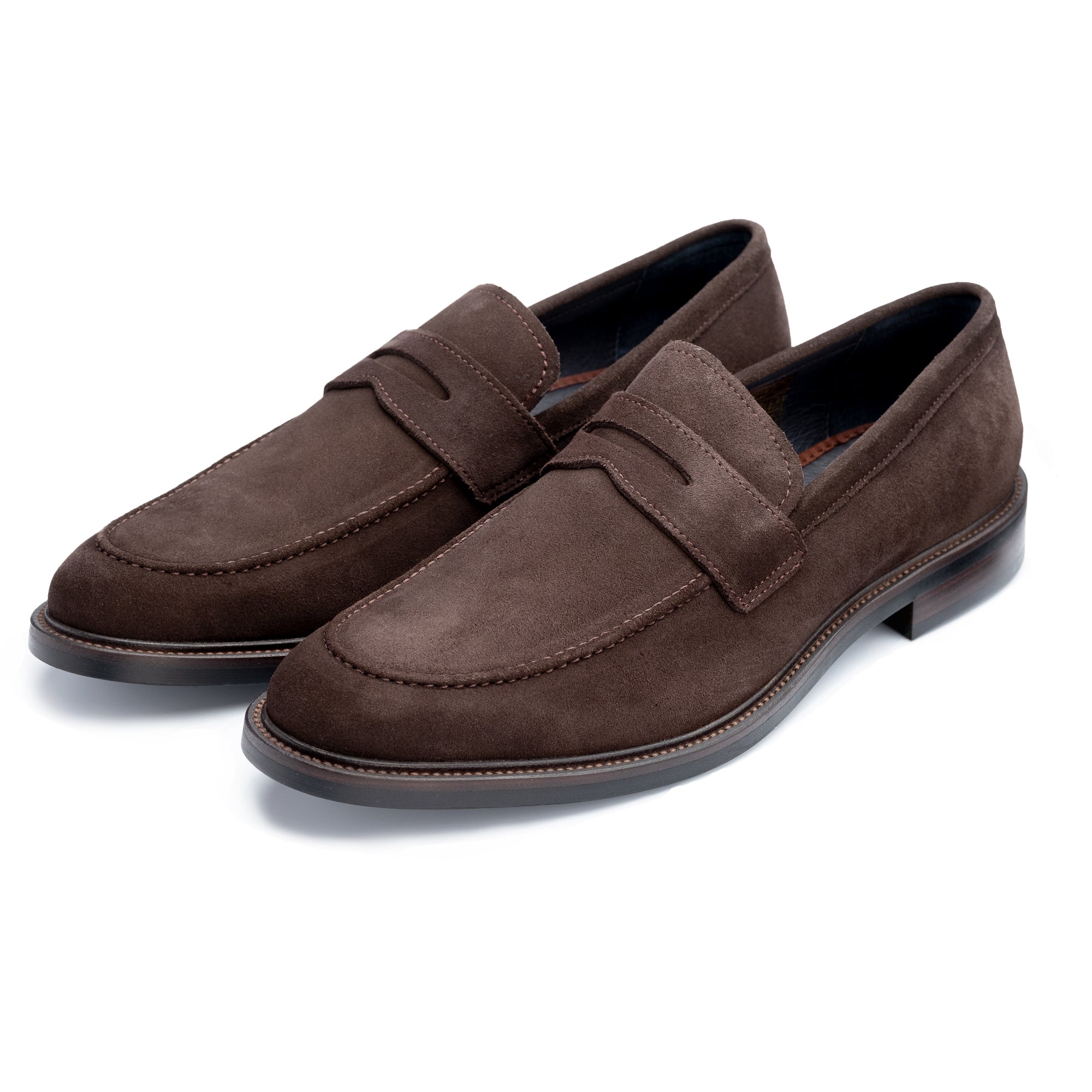
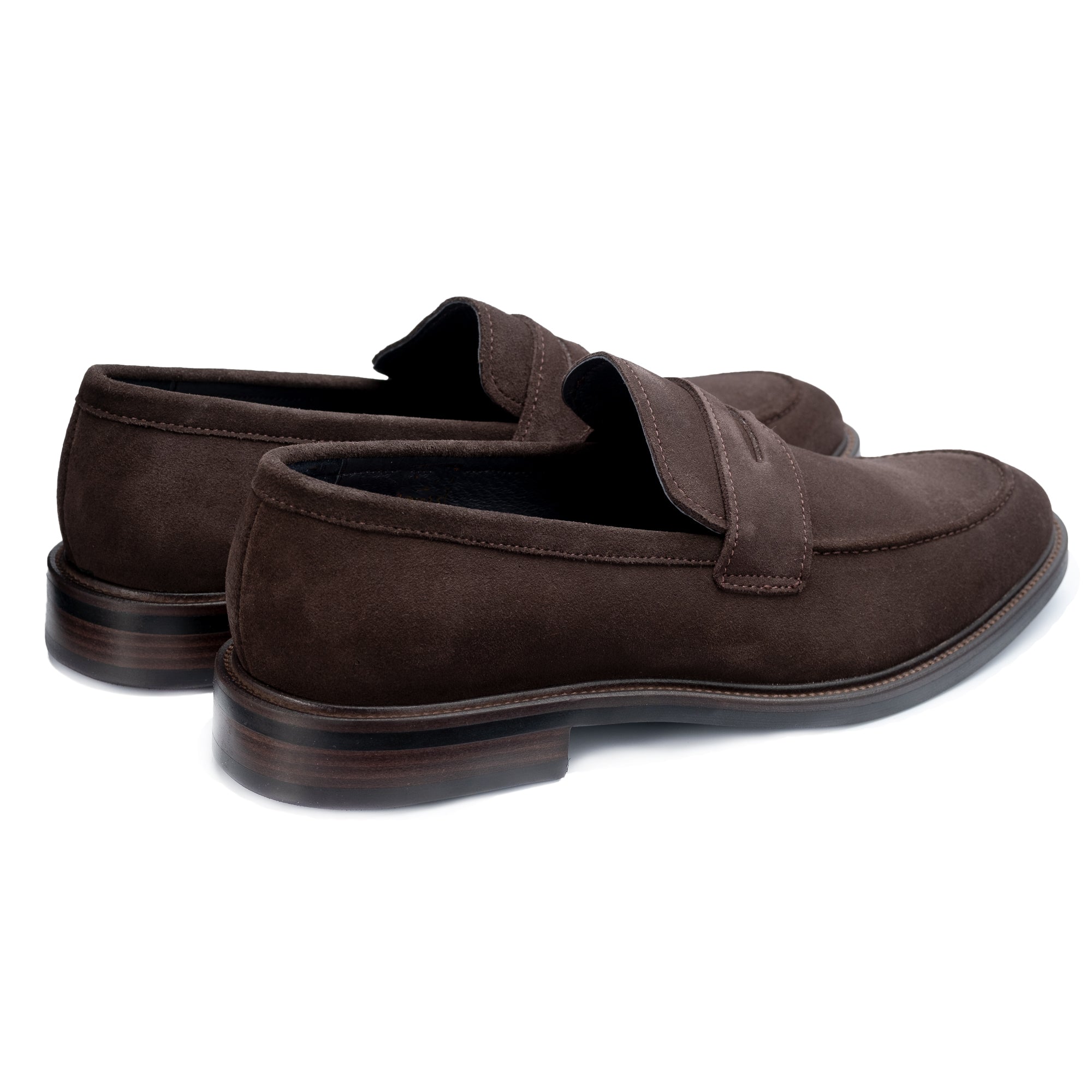
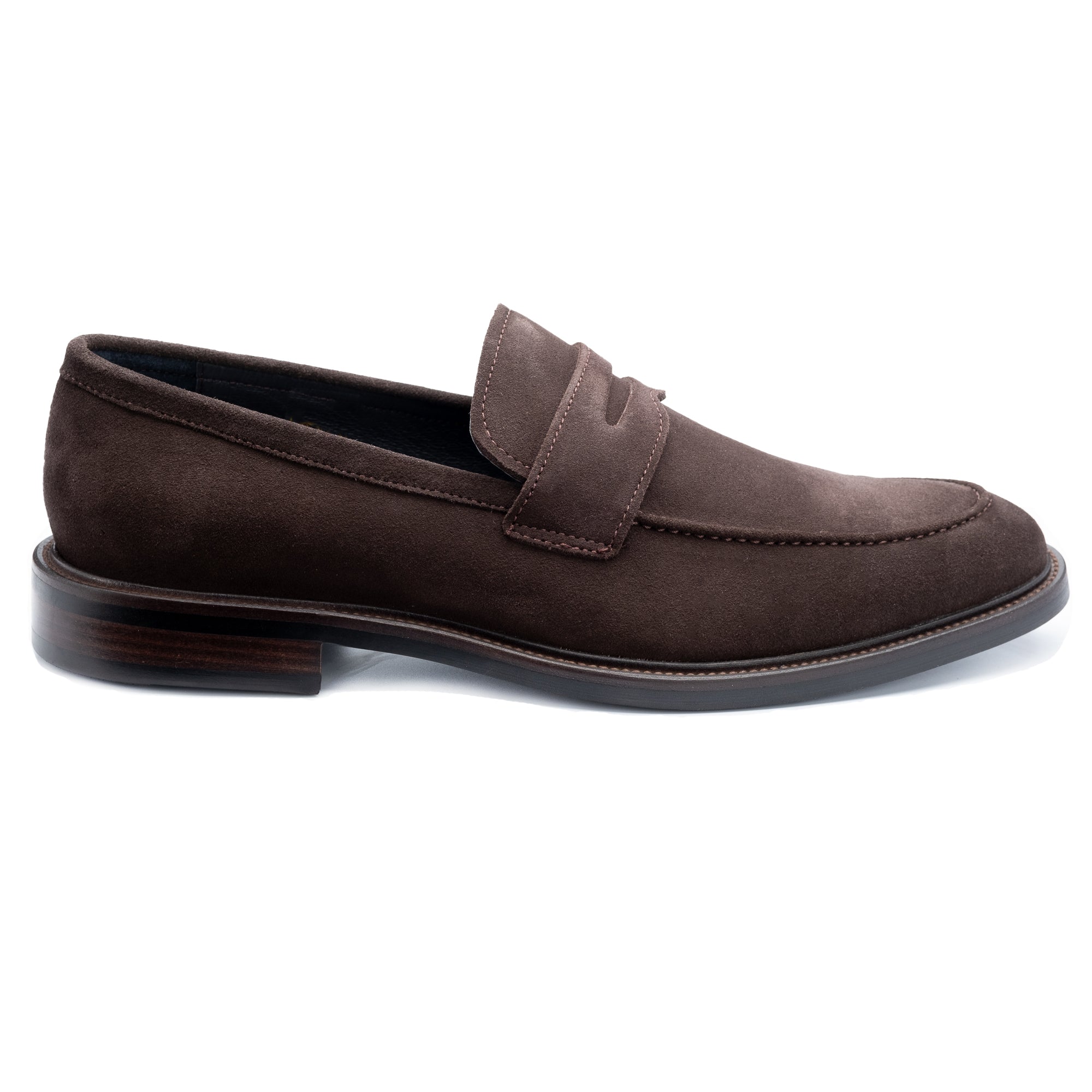
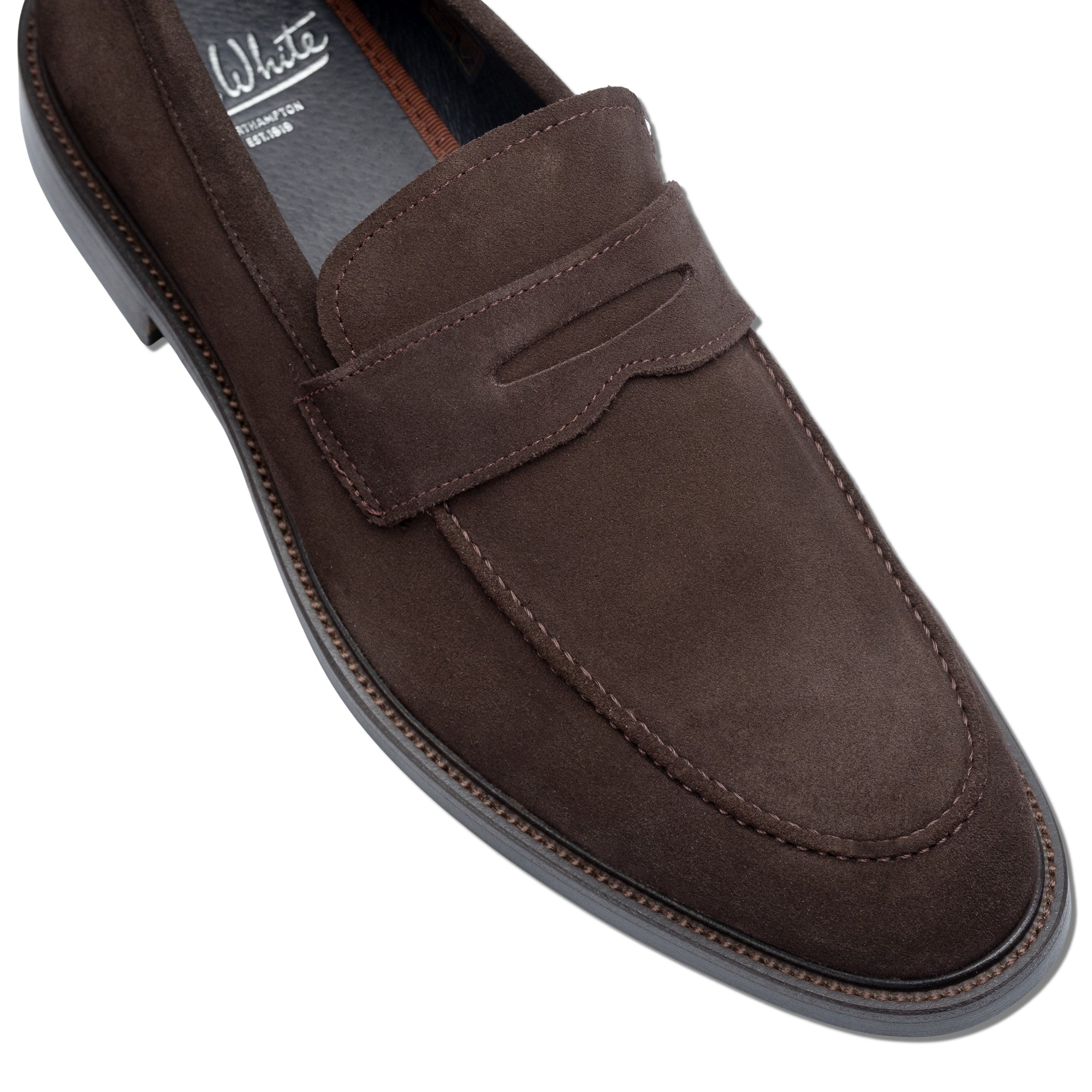
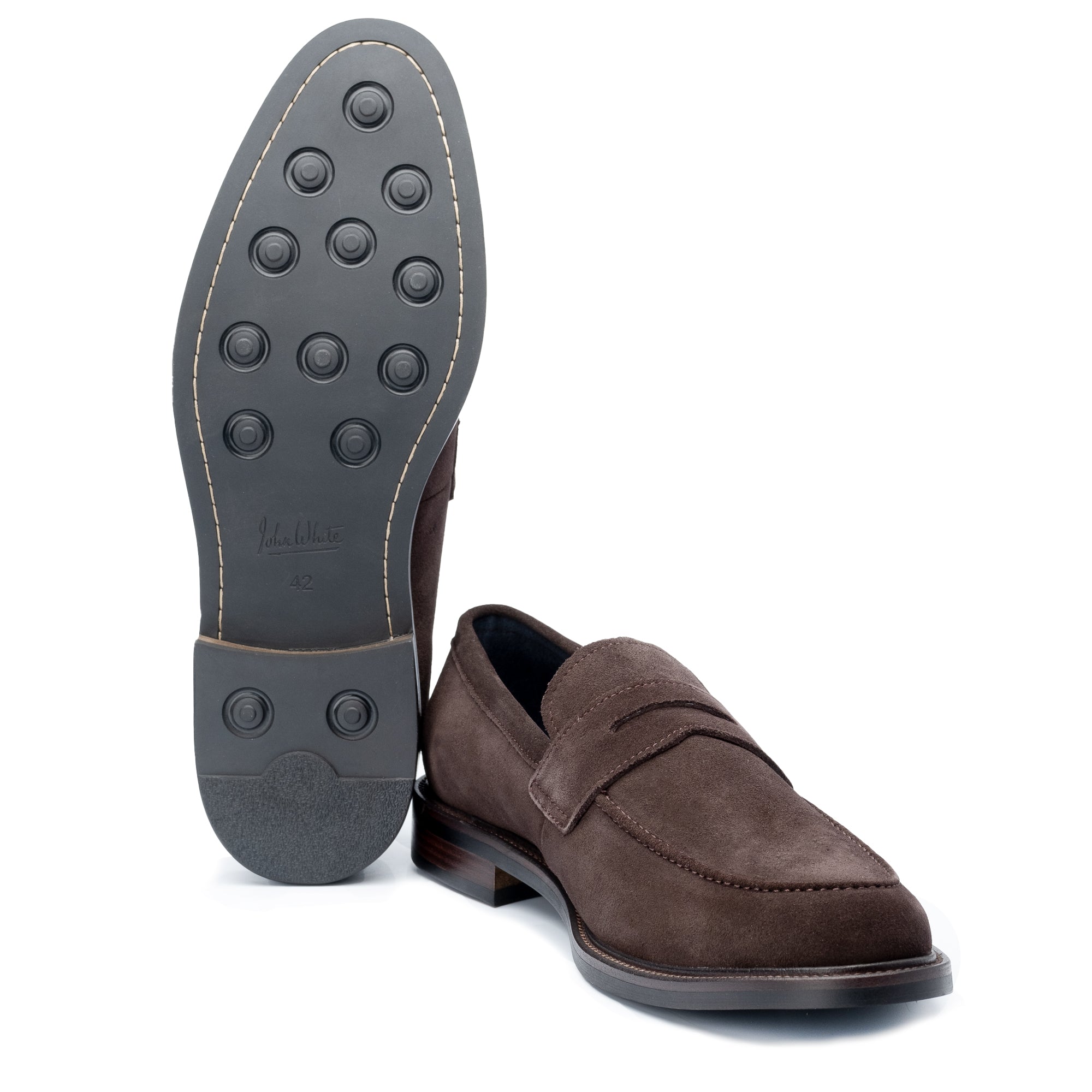
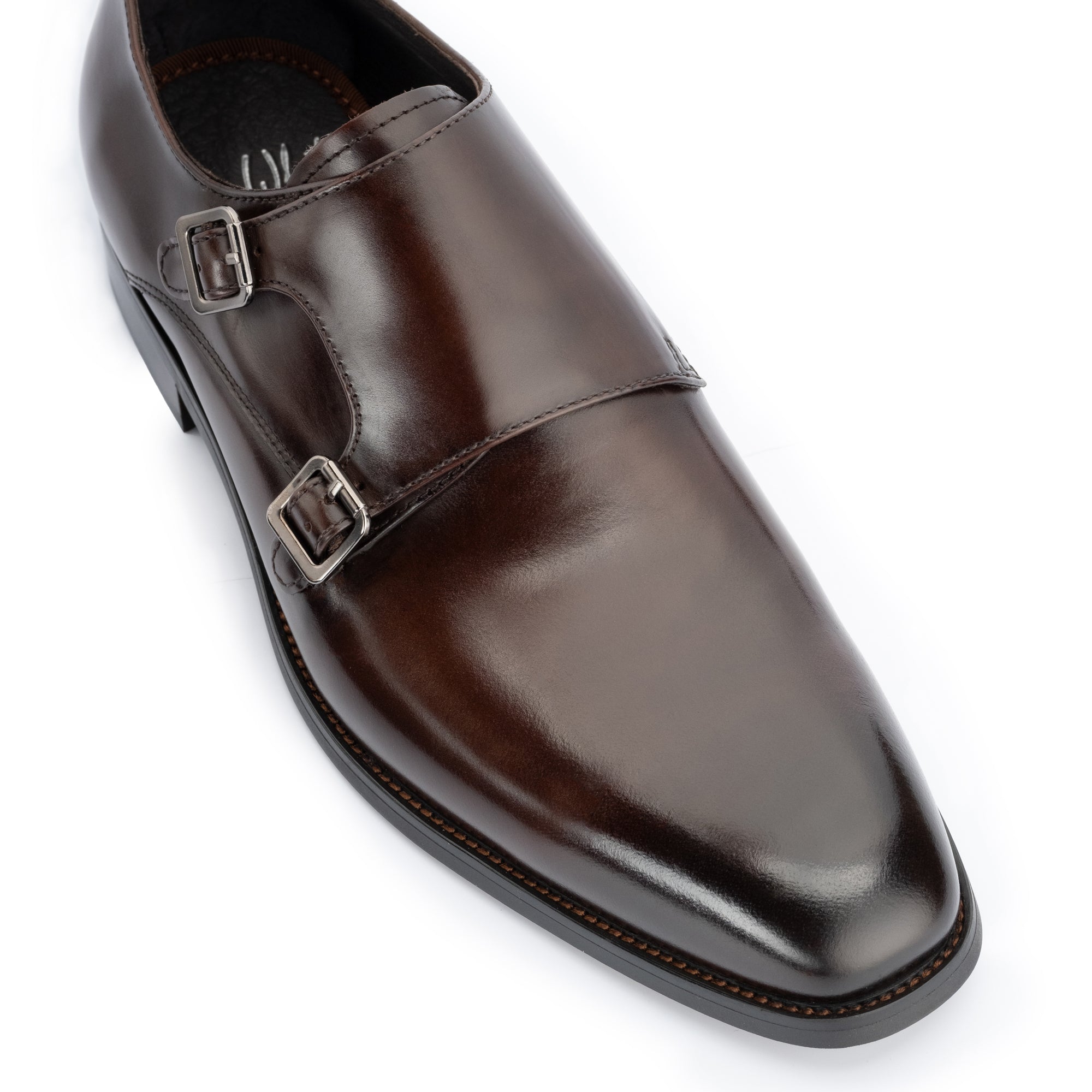
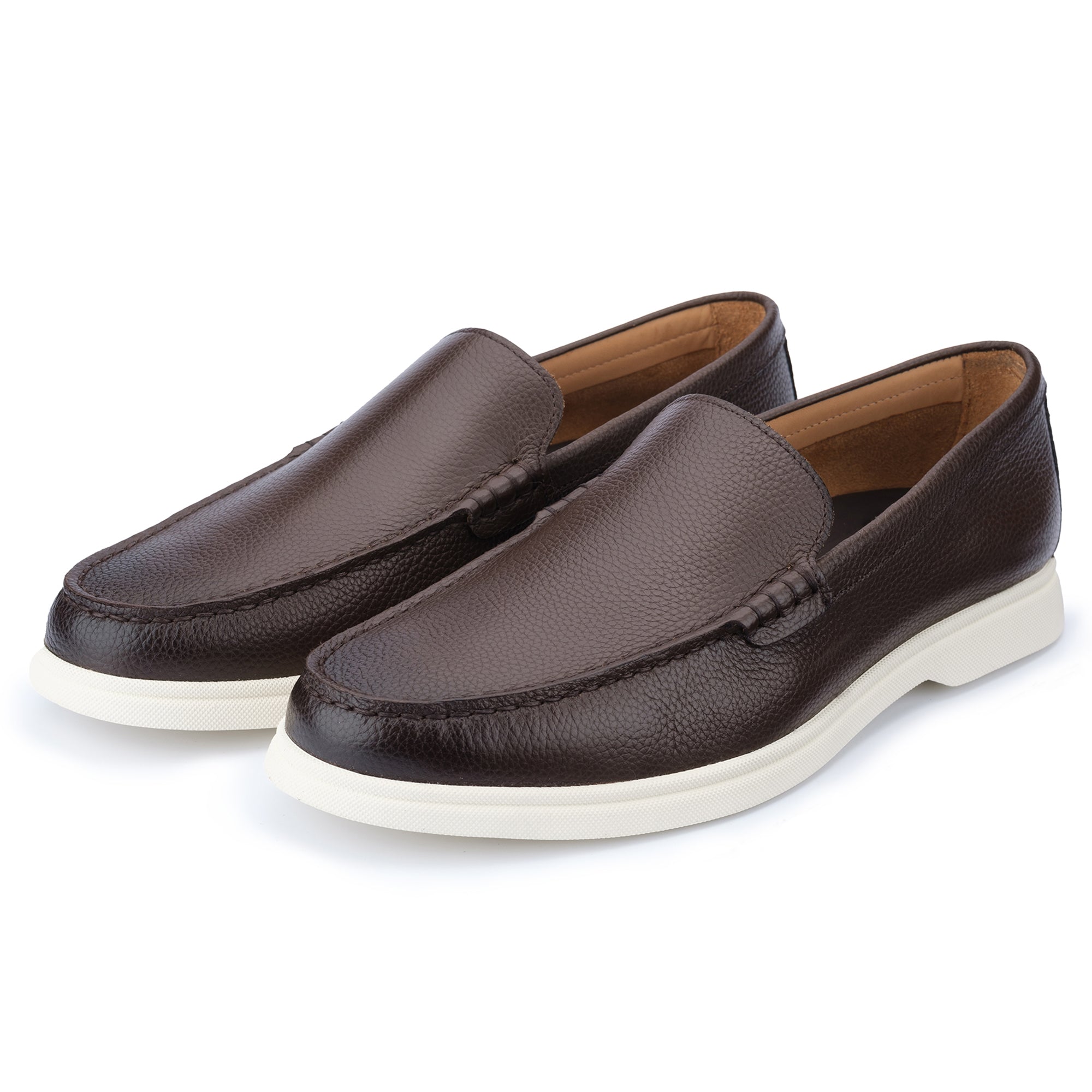
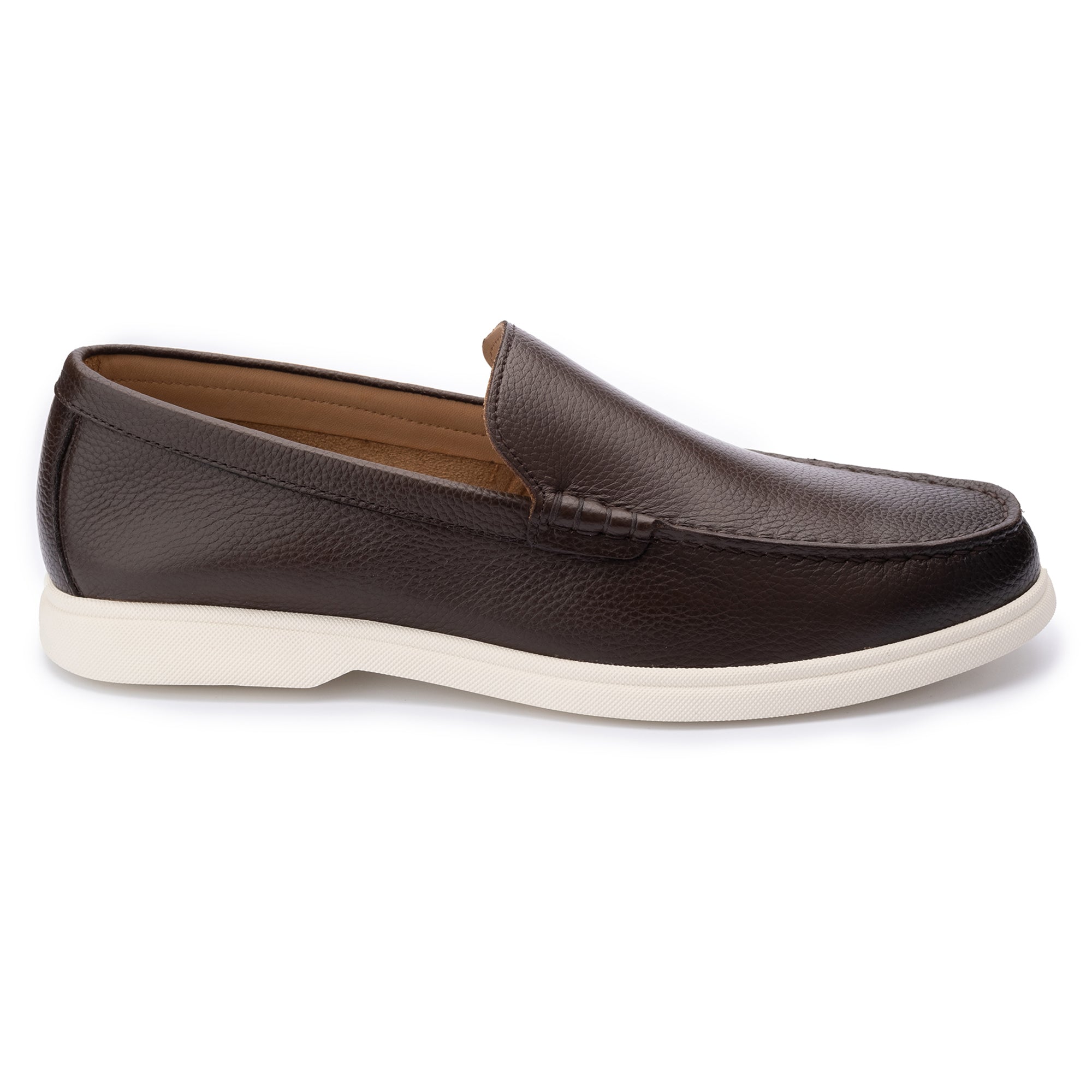
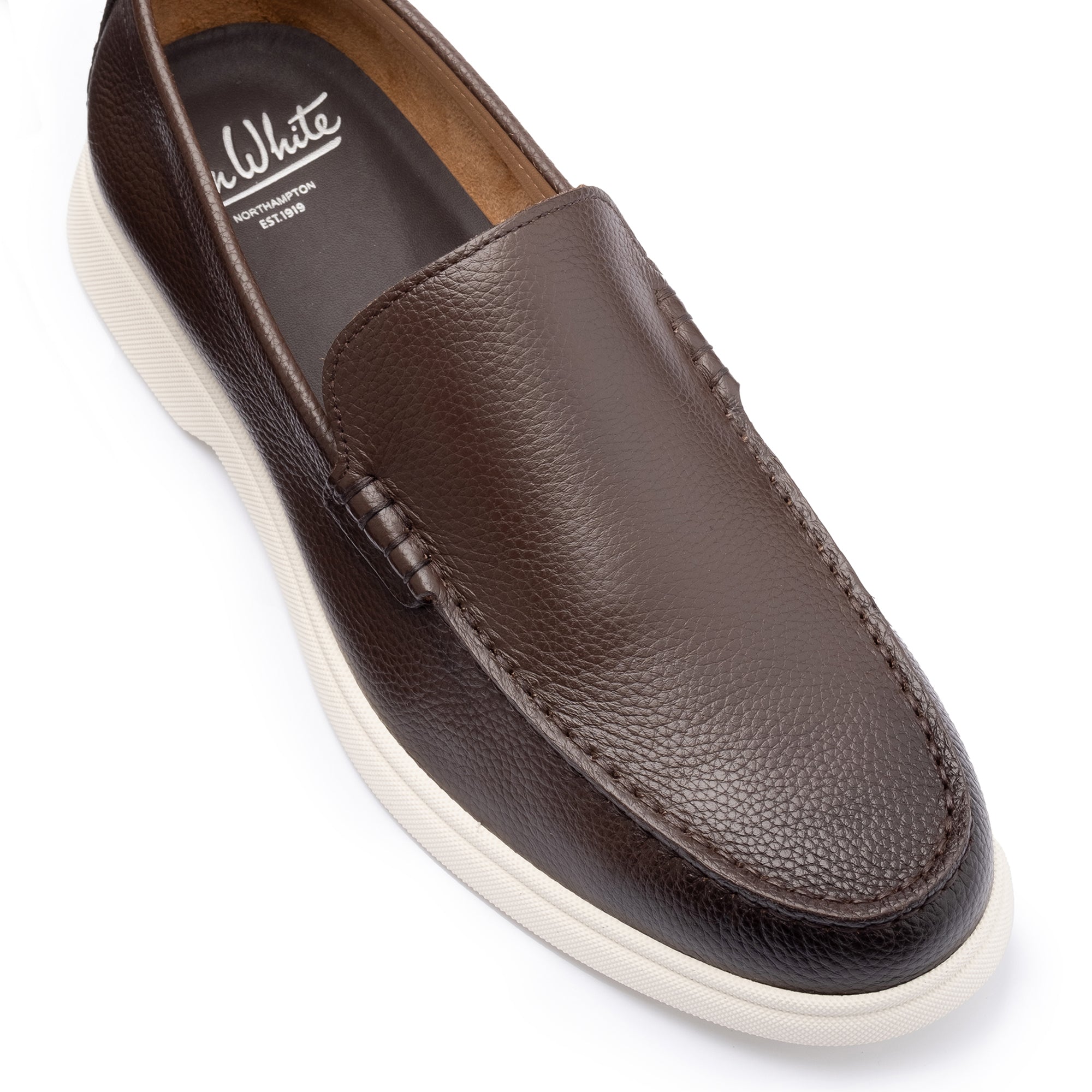
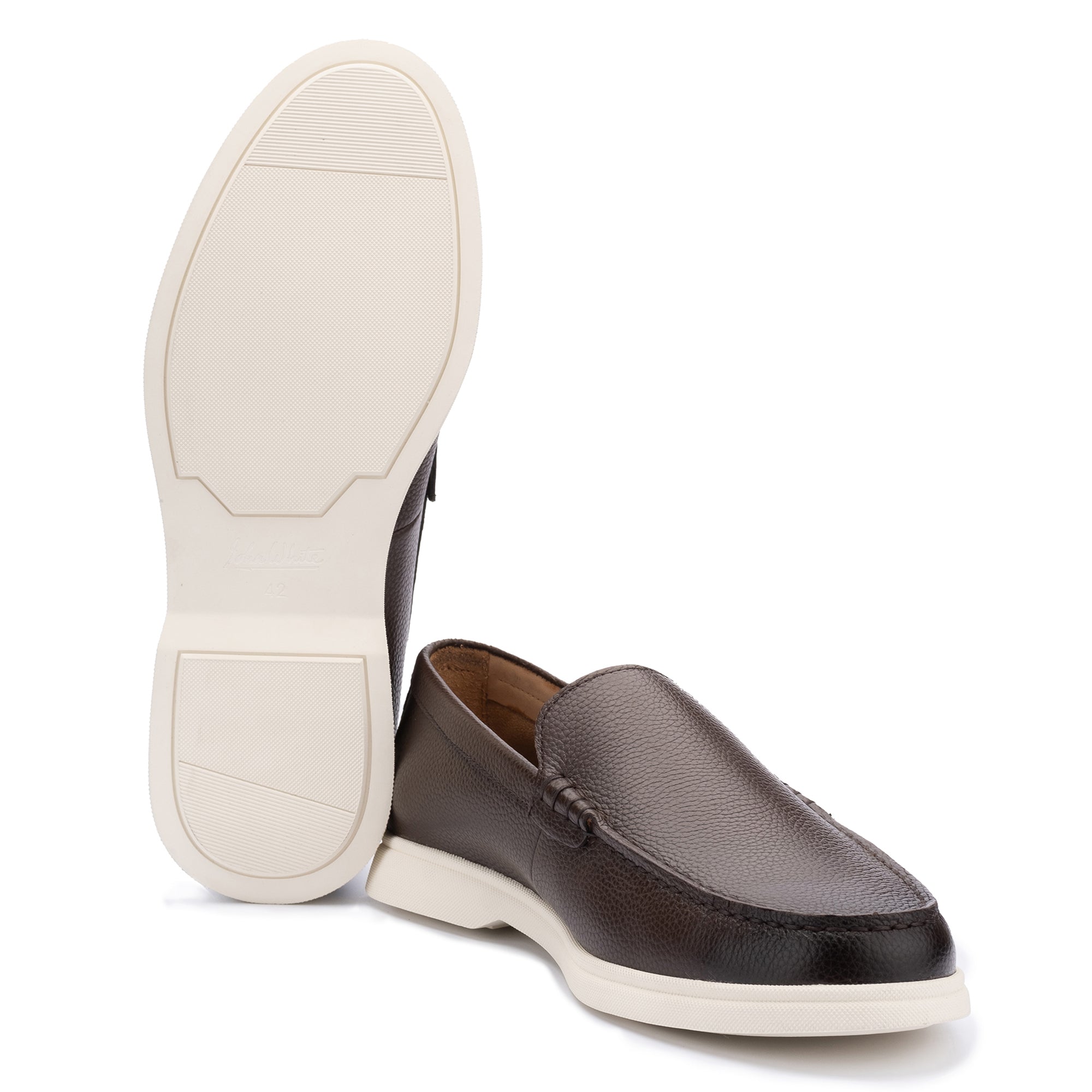
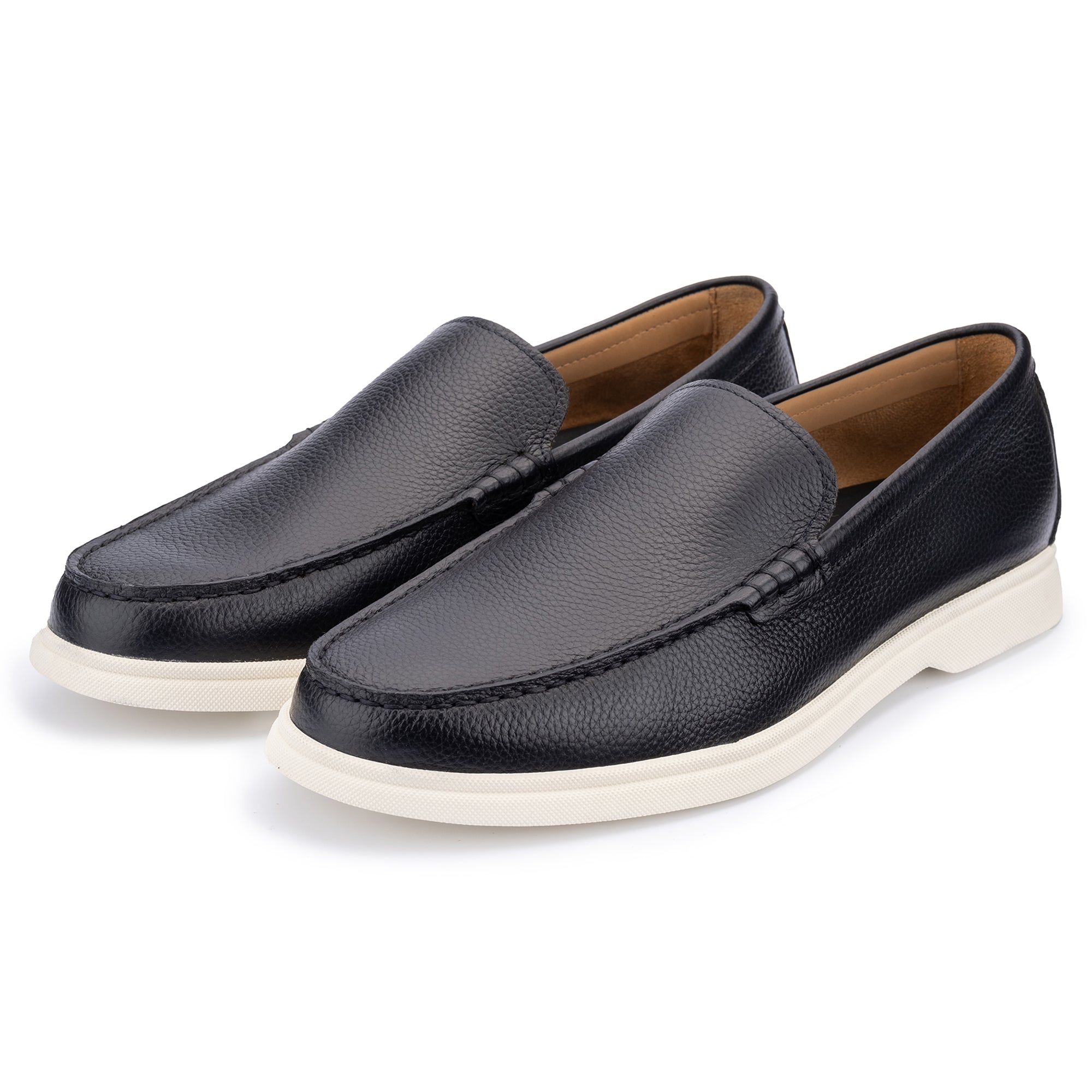
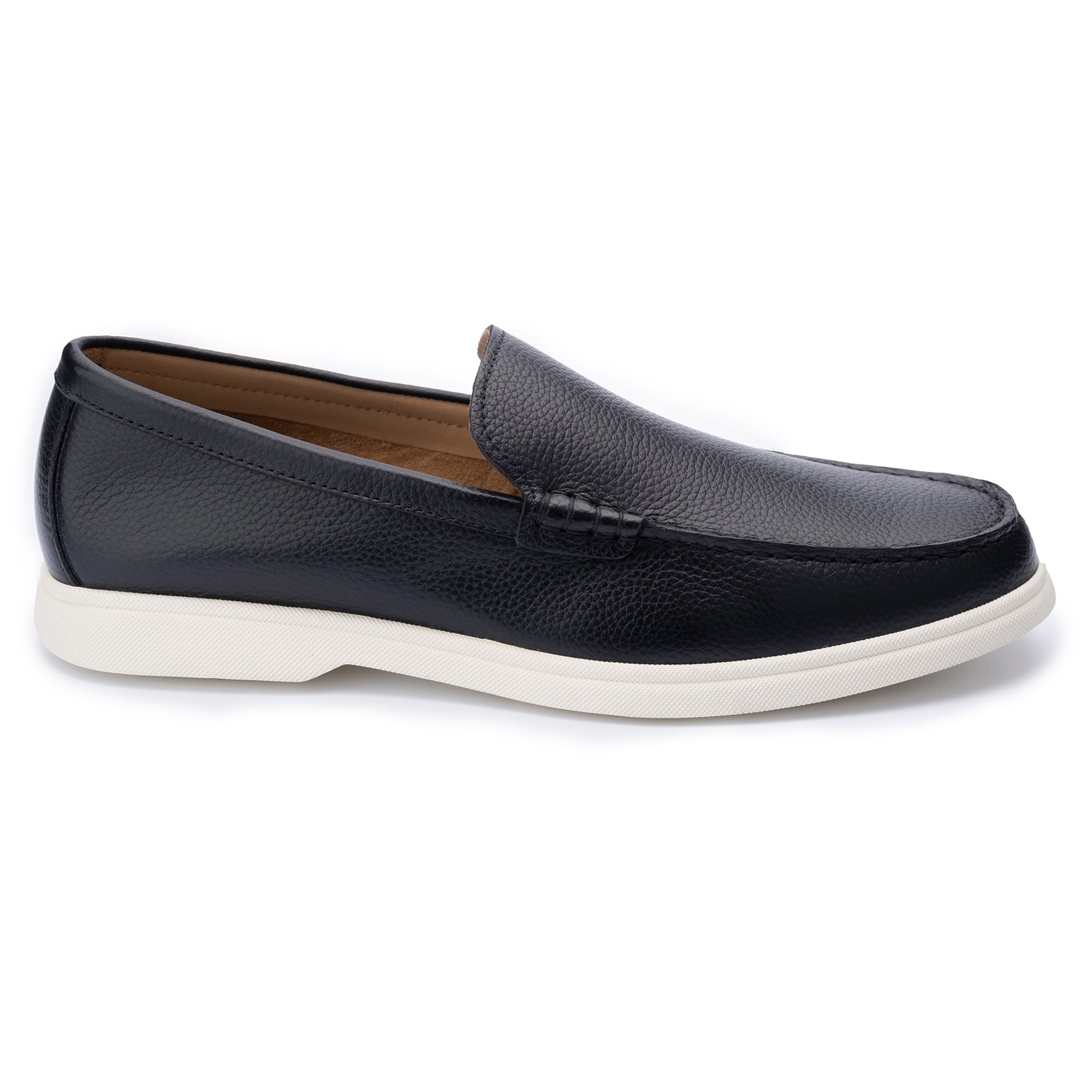
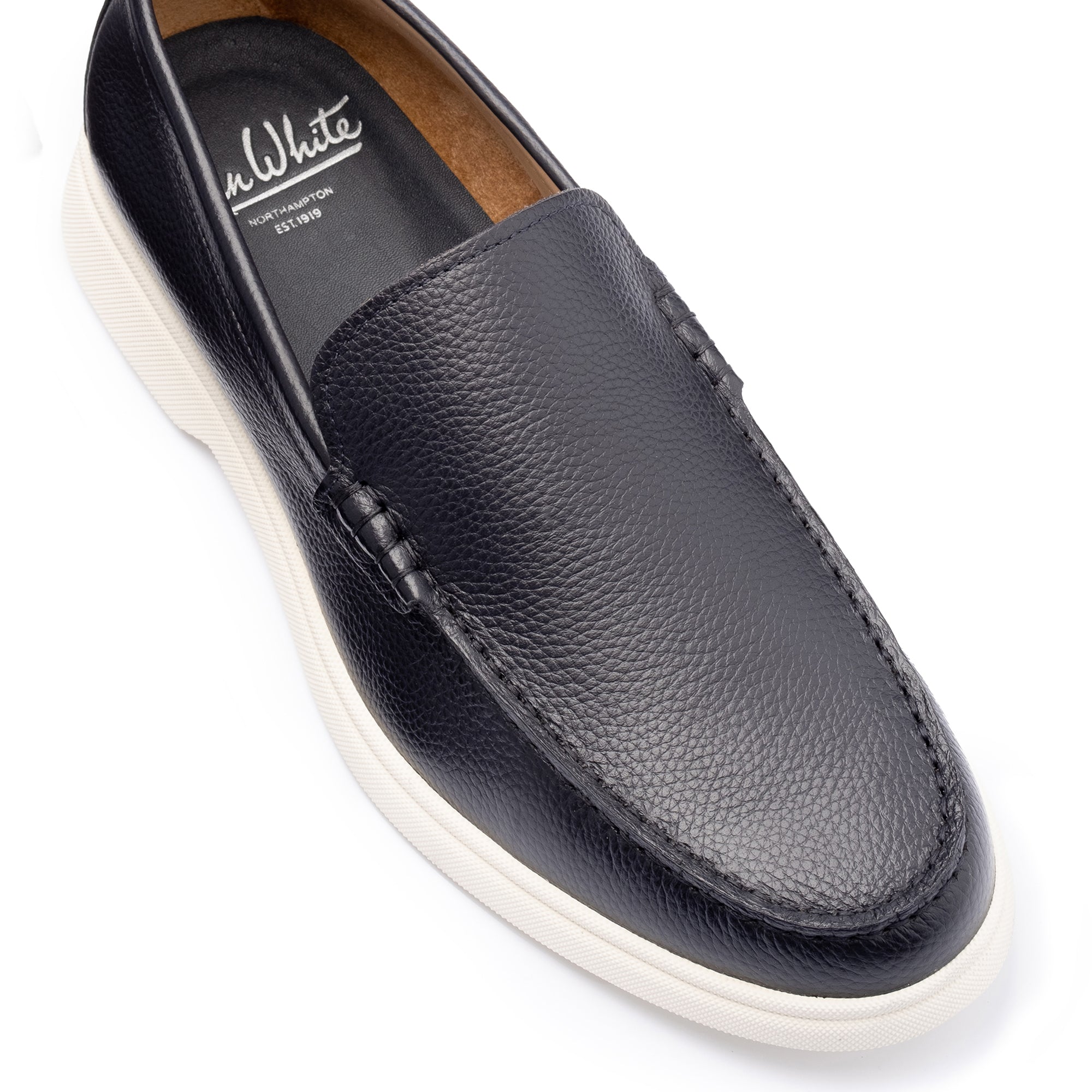
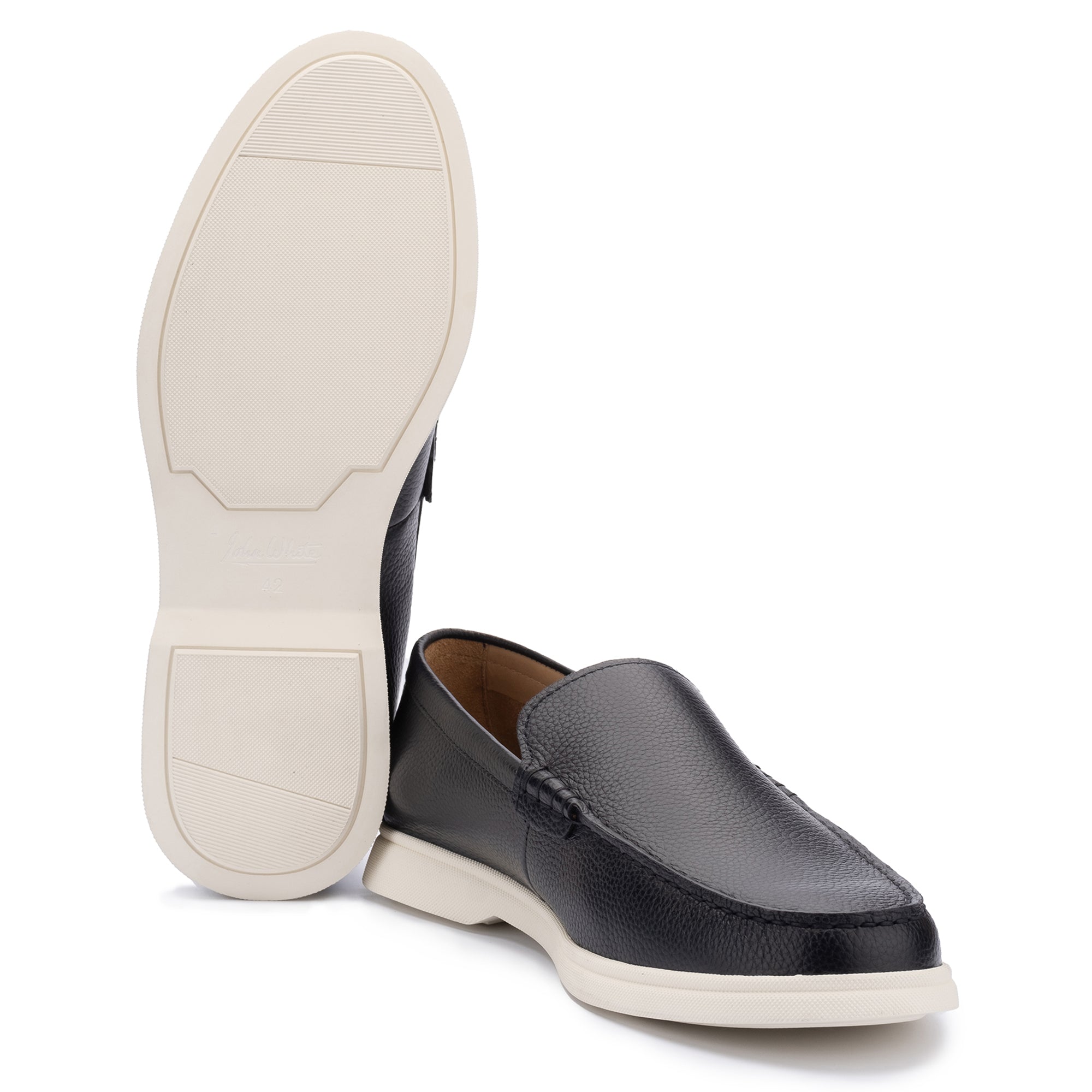
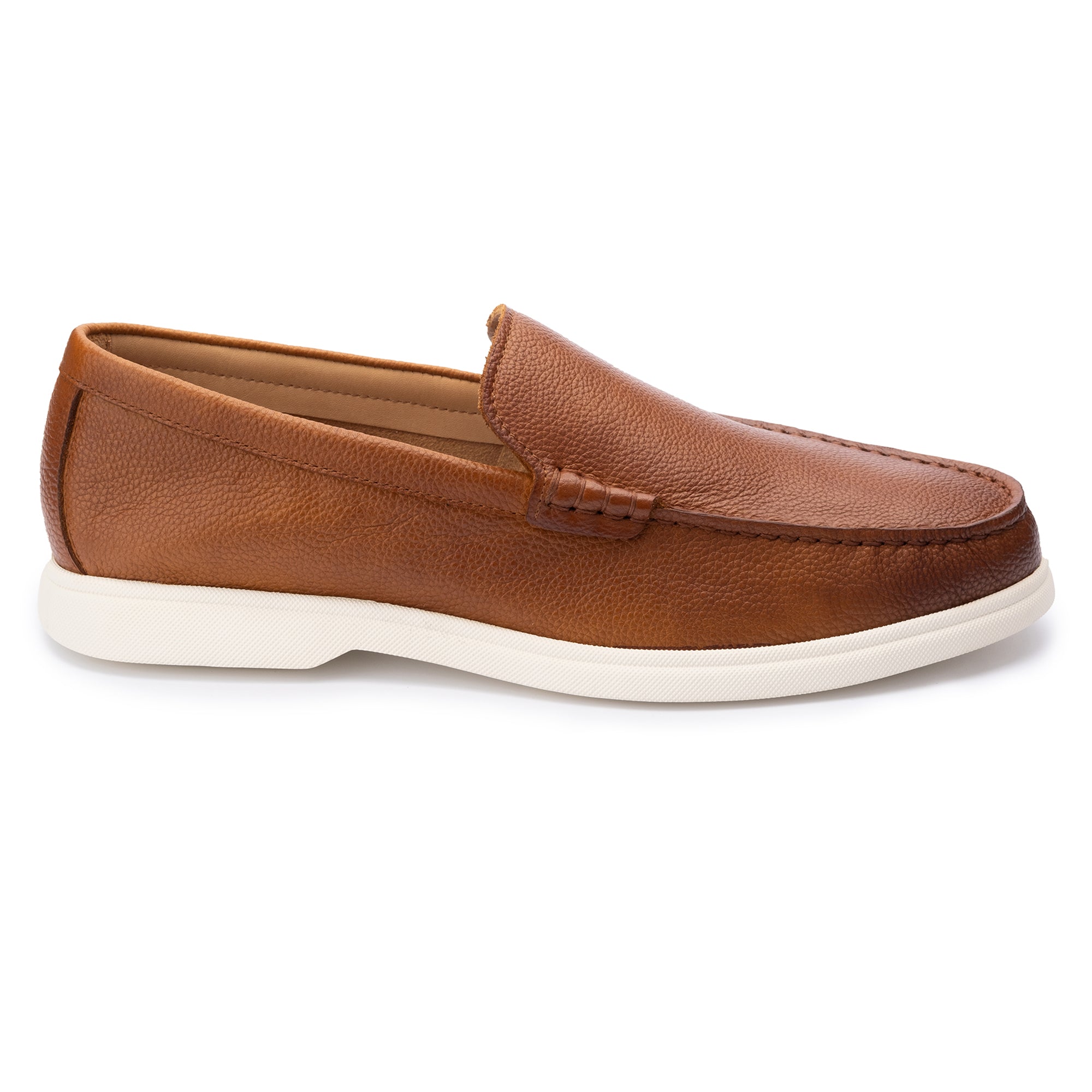
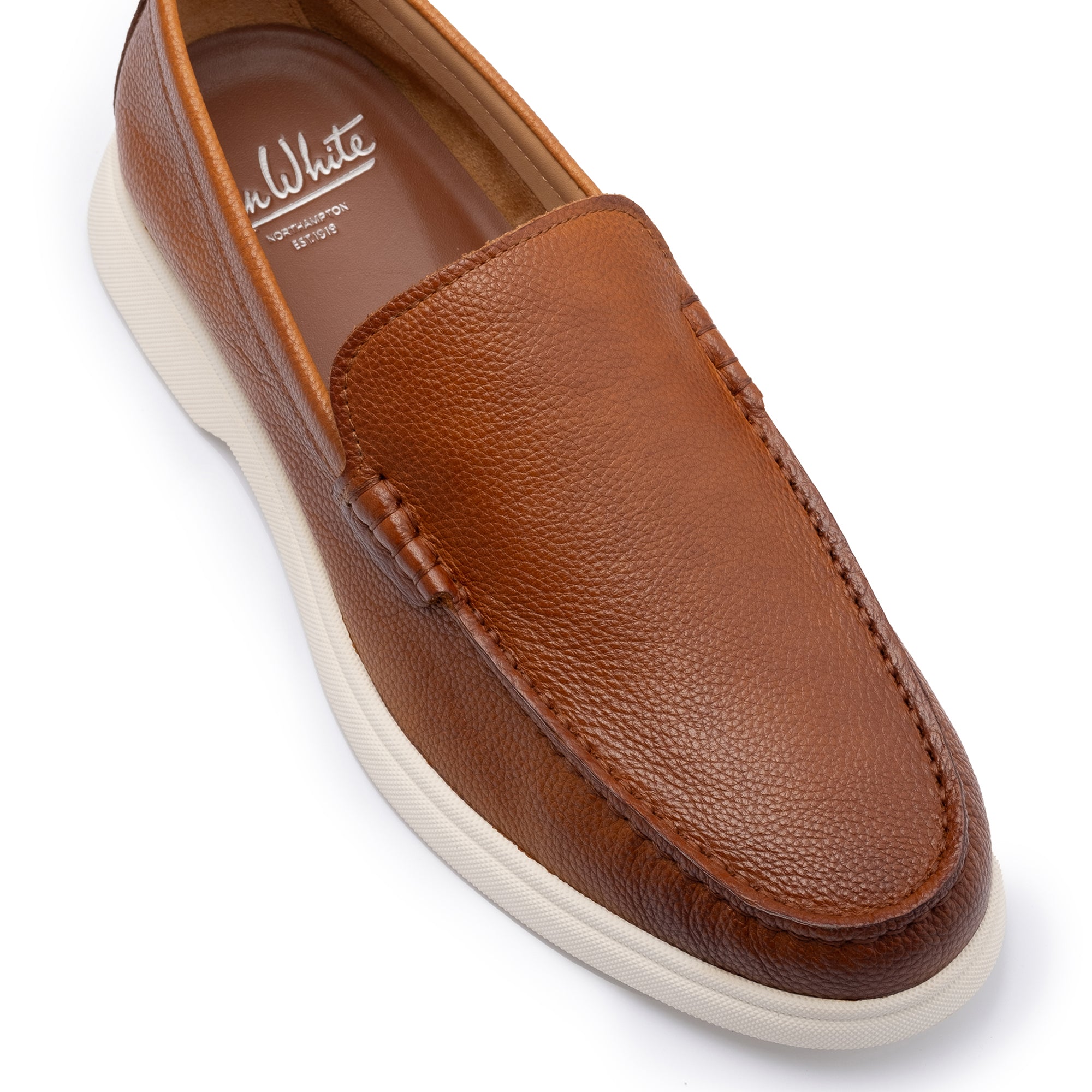
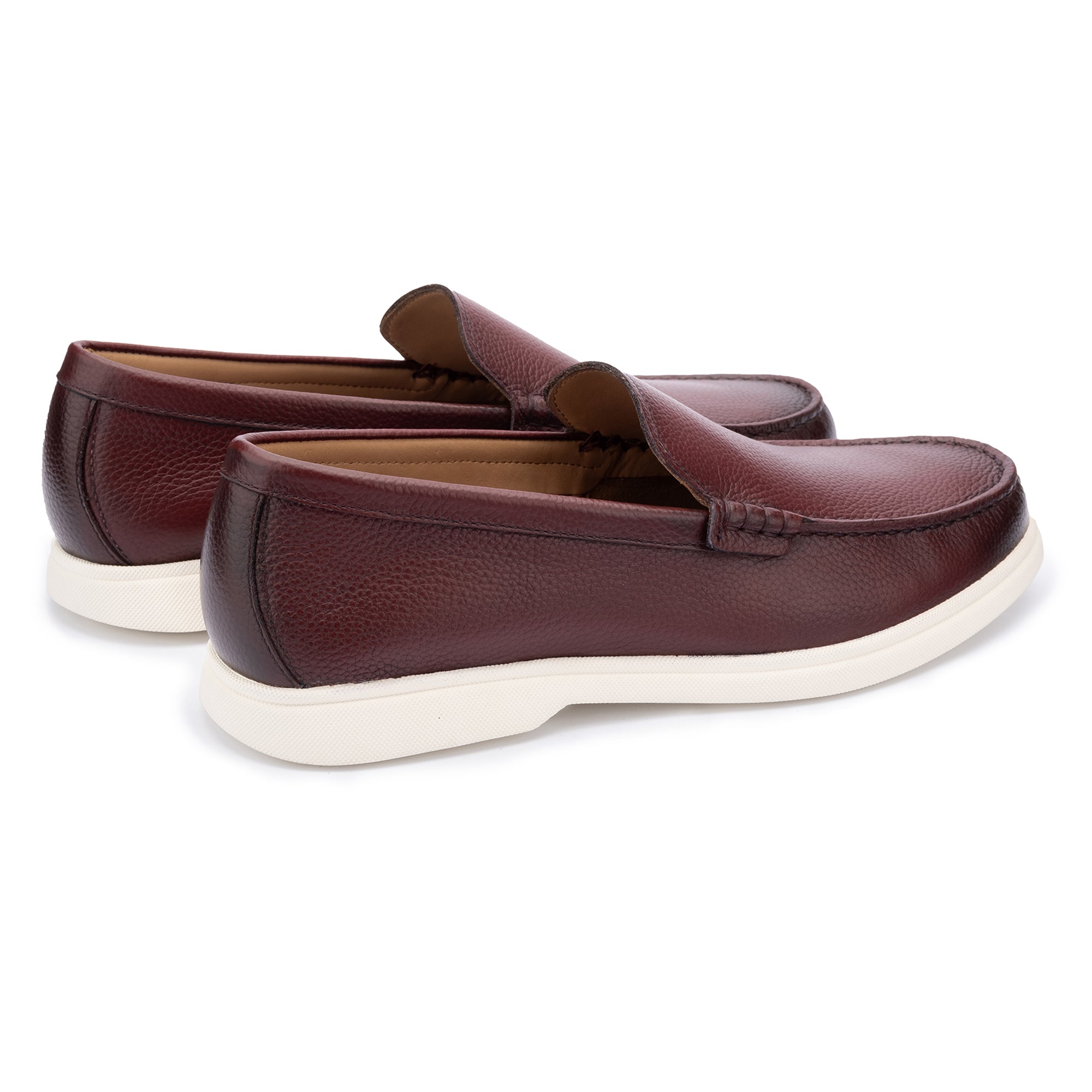
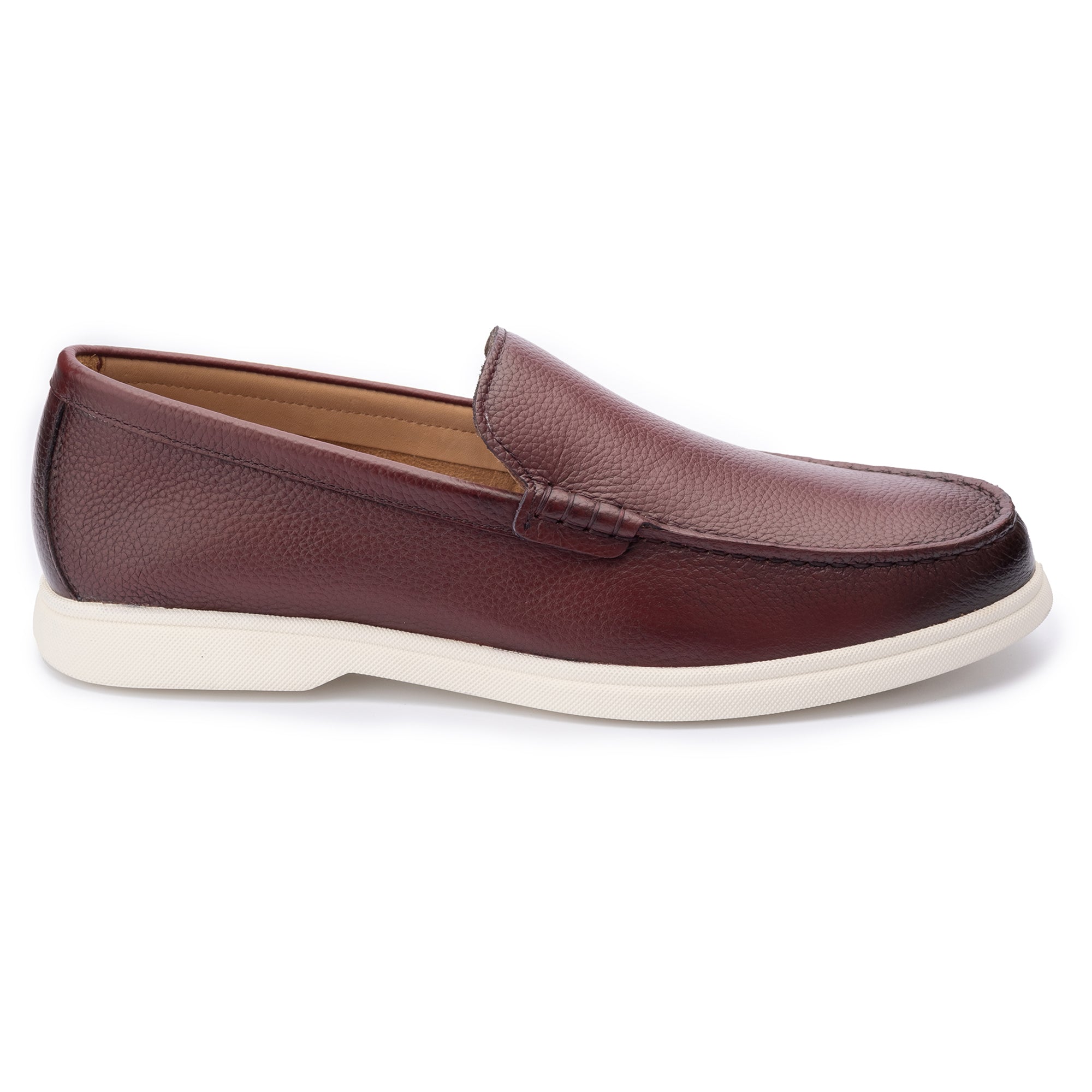
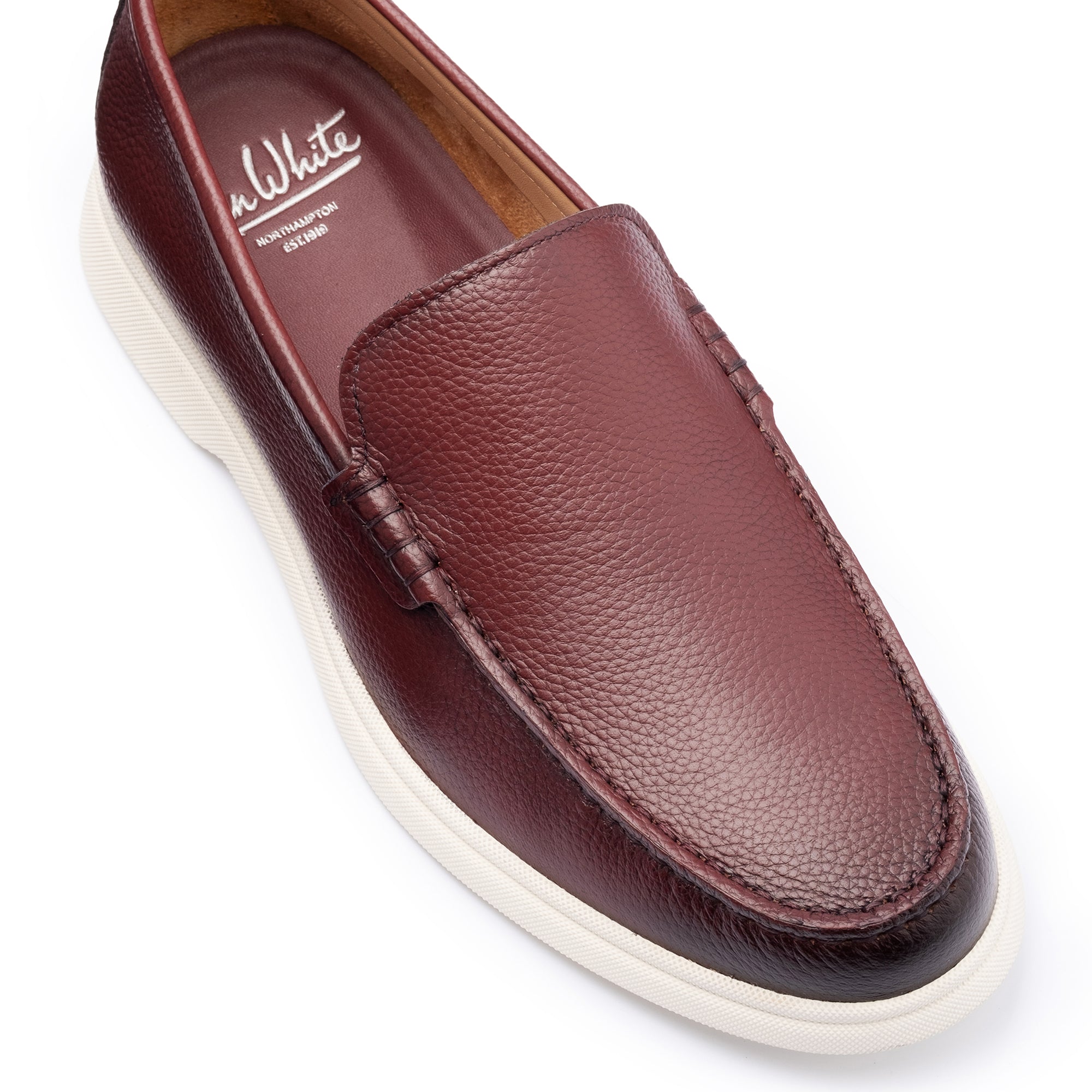
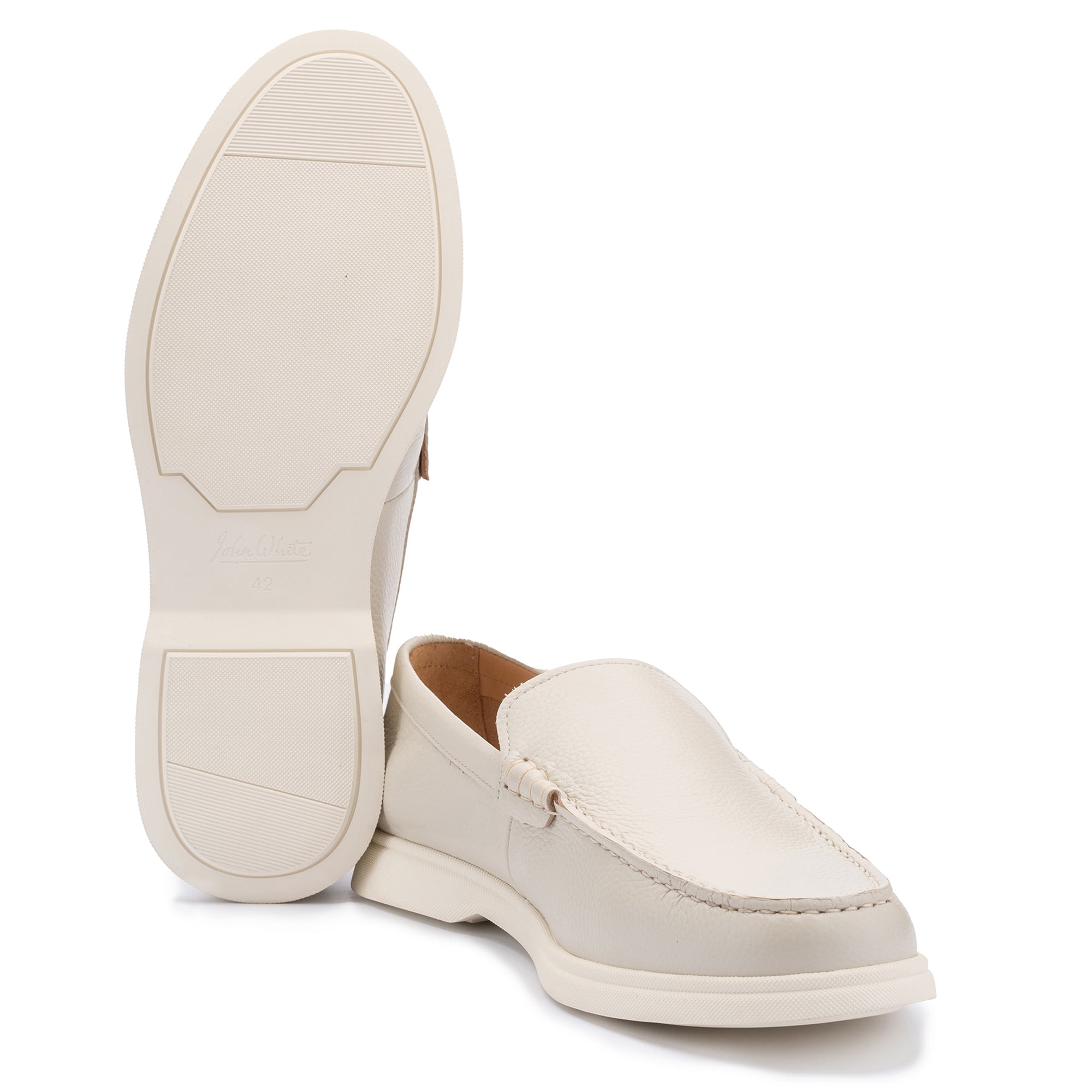
Examine the saddle strap carefully. On a quality loafer, it is stitched cleanly onto the upper, with the coin slot proportioned correctly for the scale of the shoe. Too small and the detail reads clumsy; too large and it becomes sloppy. On the Banff Penny Loafer, the saddle stitching is precise, and the proportions of the strap hold up at any viewing distance — the mark of a detail designed with care rather than applied as an afterthought.
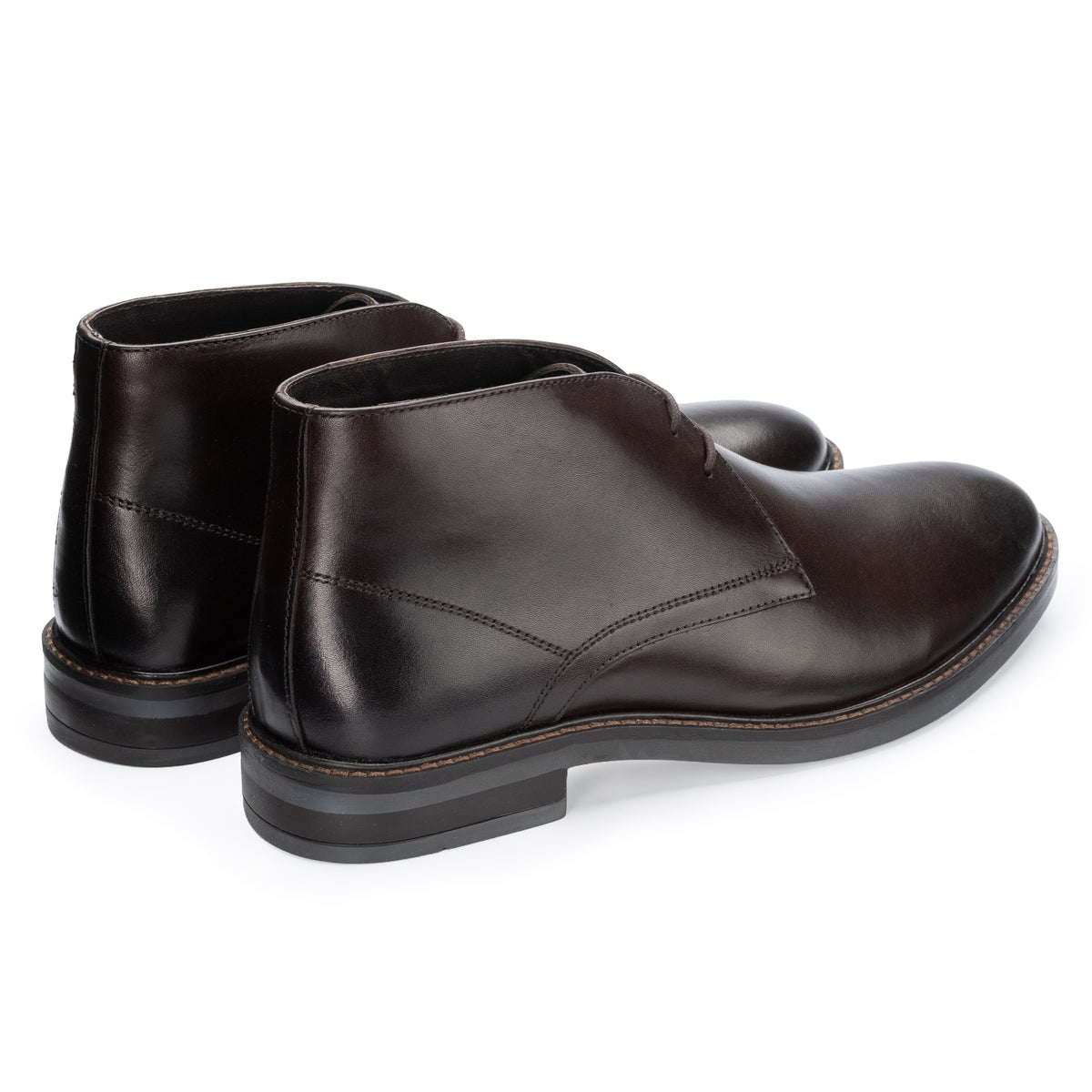
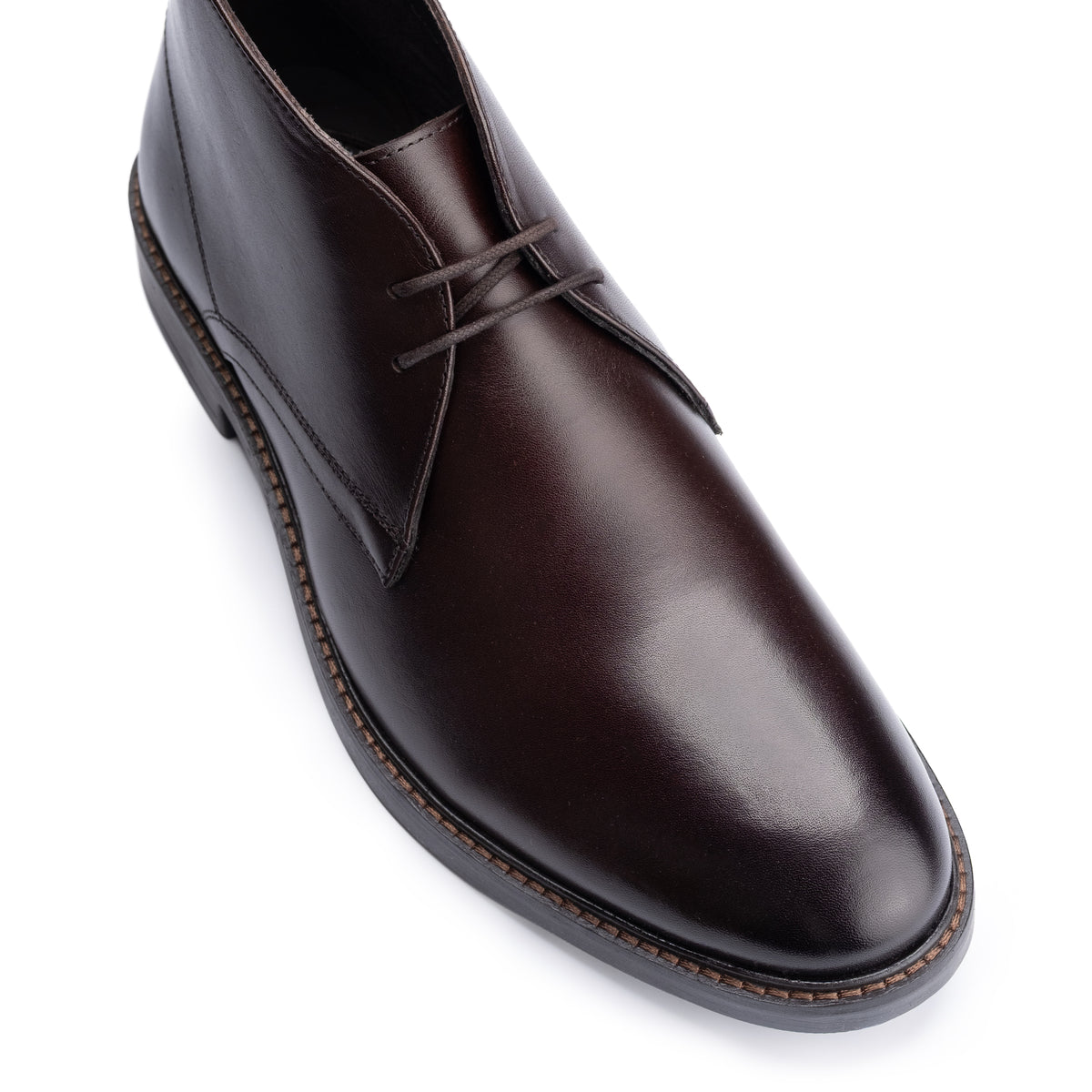
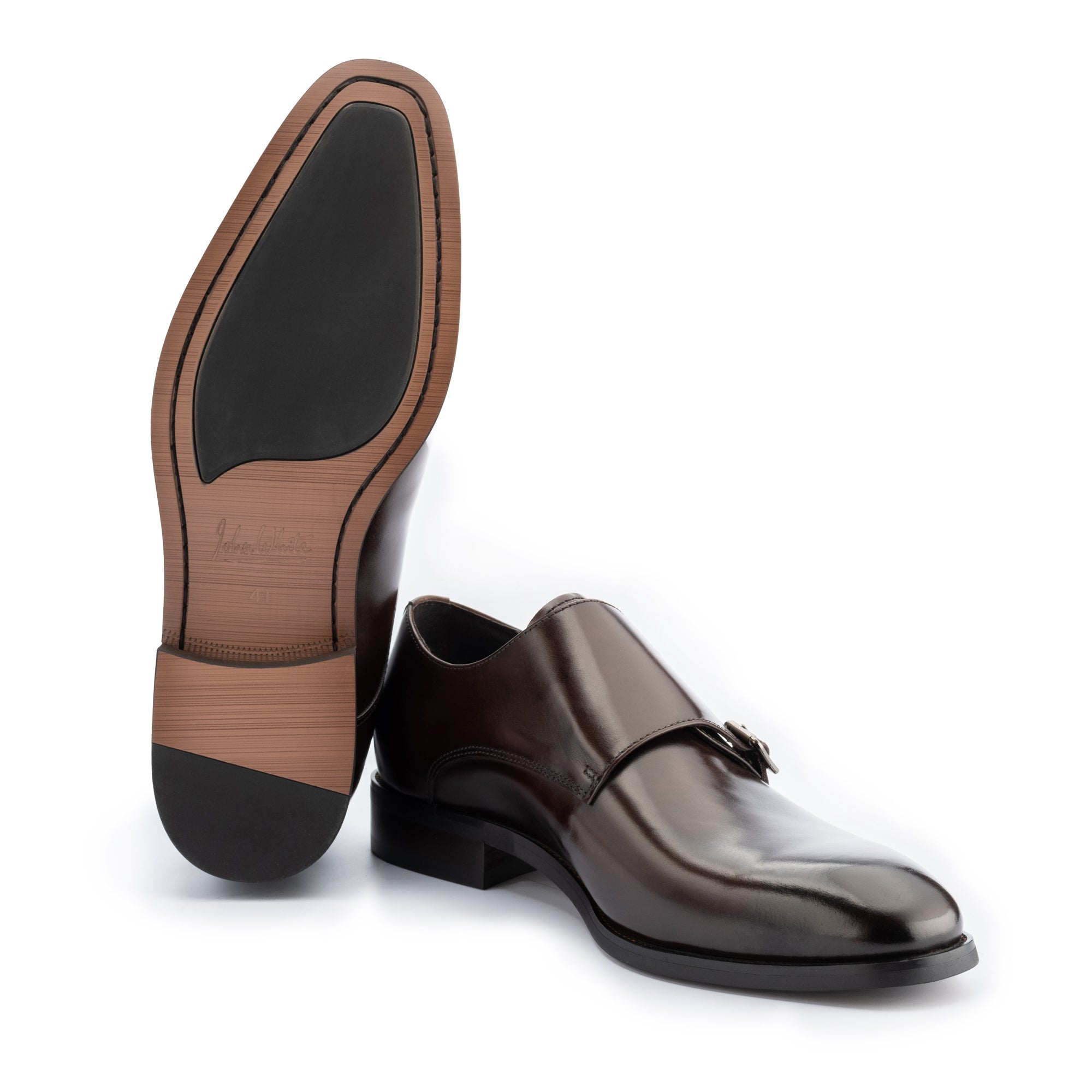
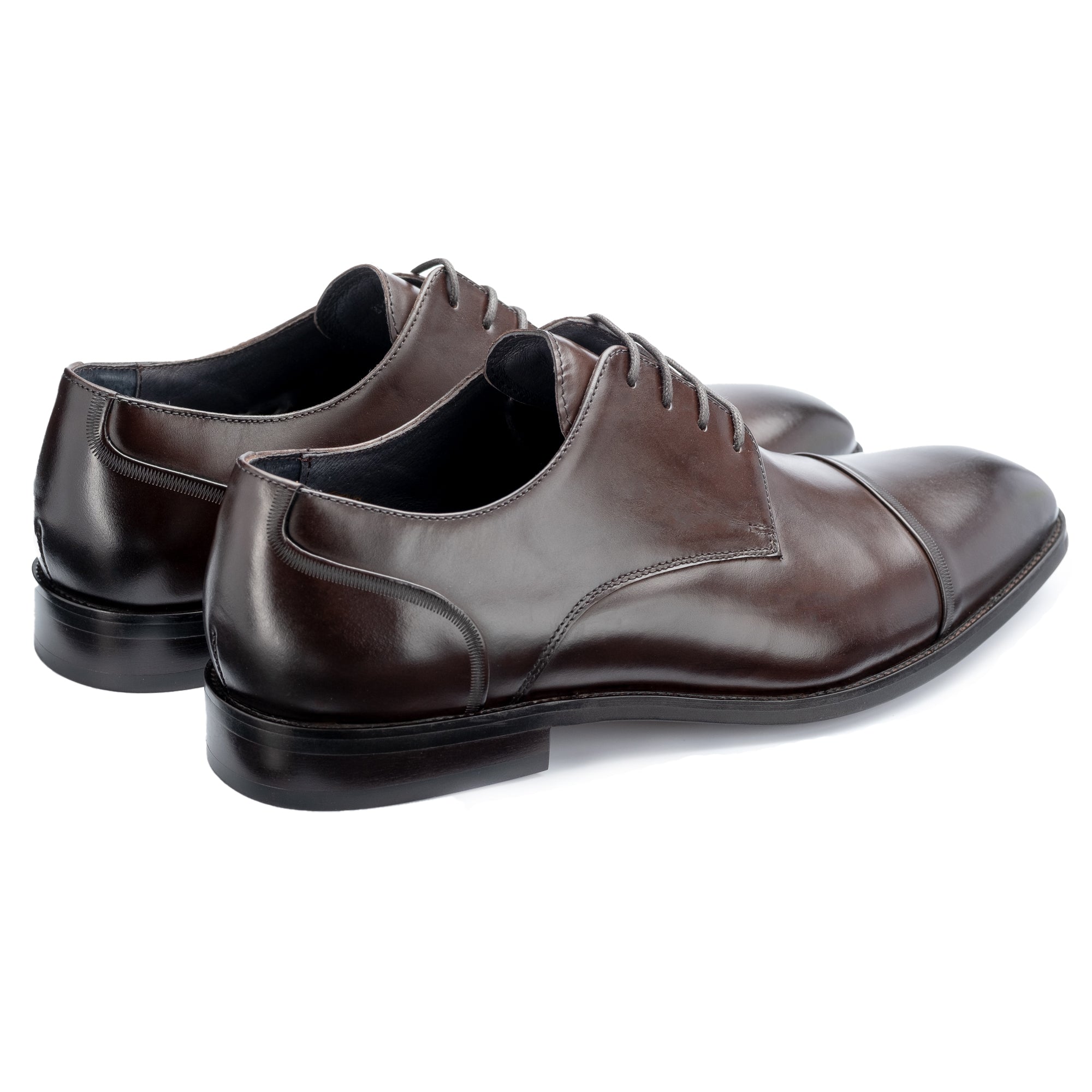
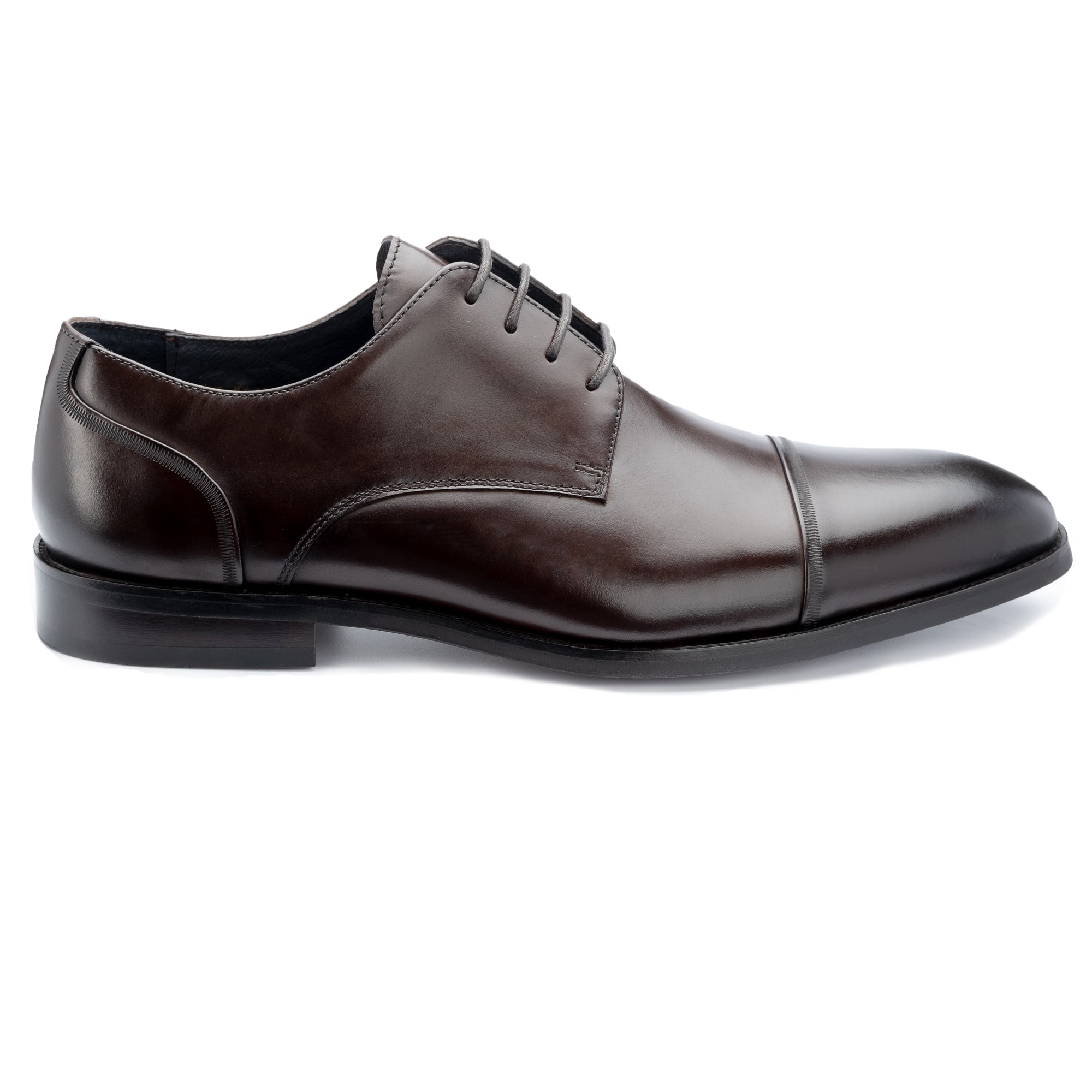
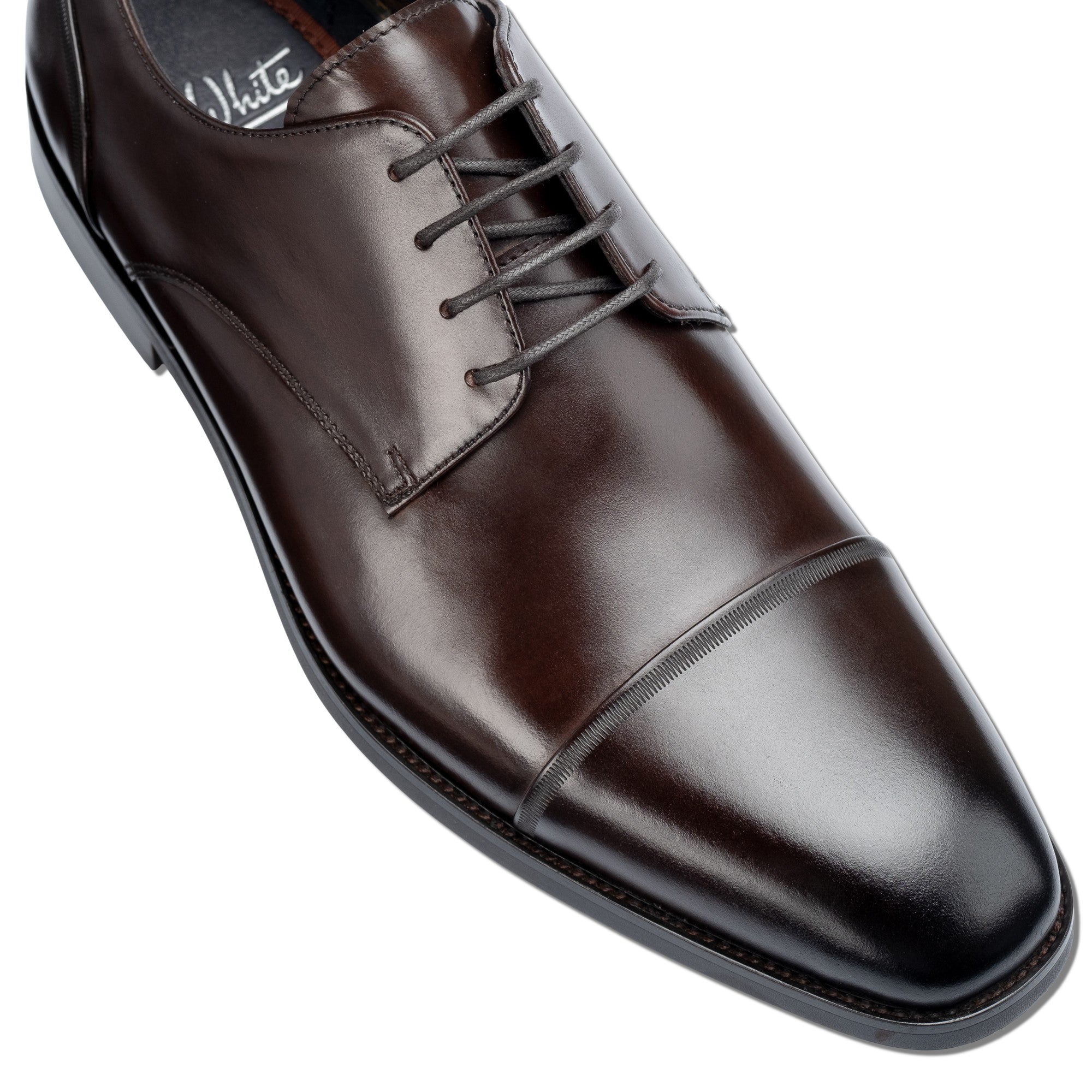
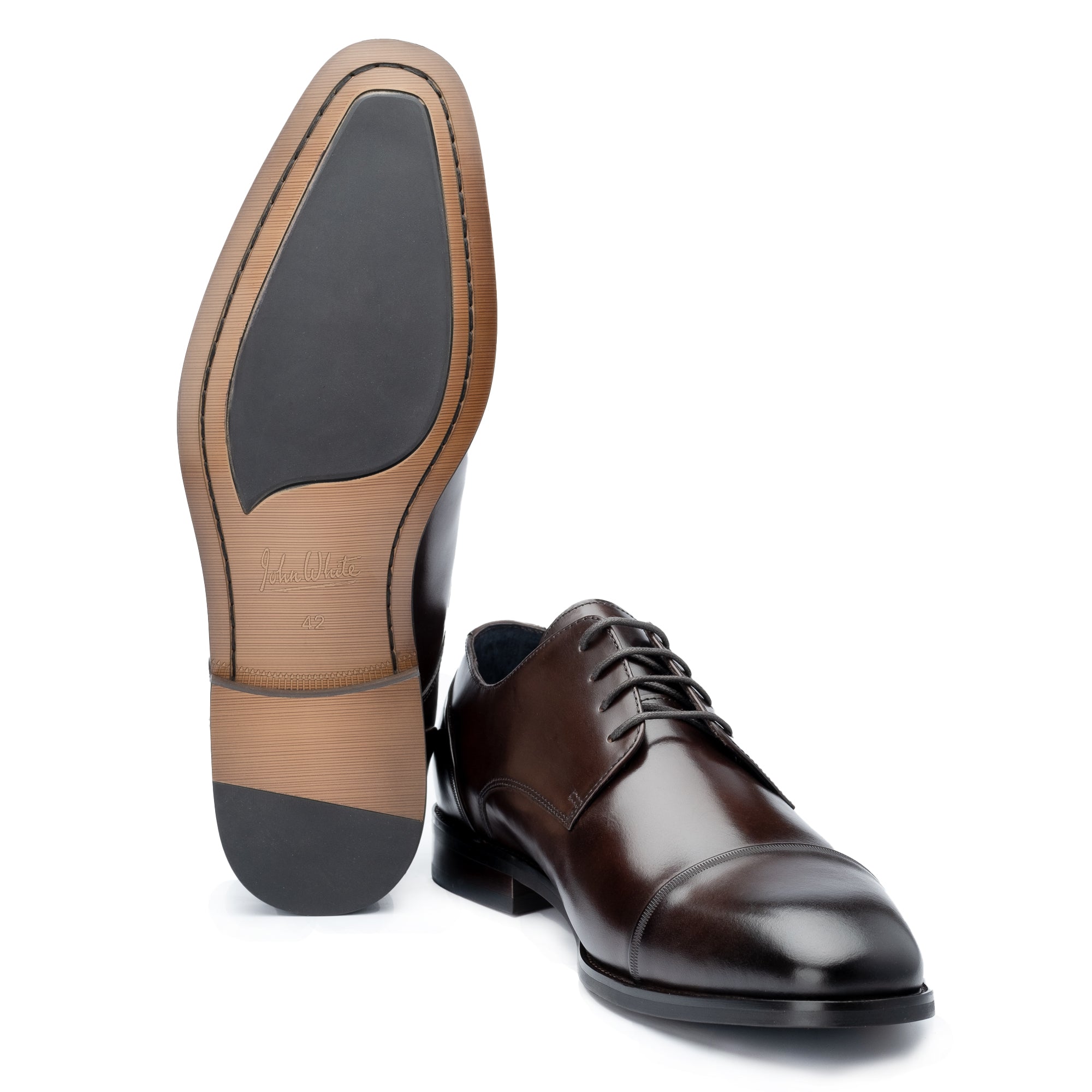
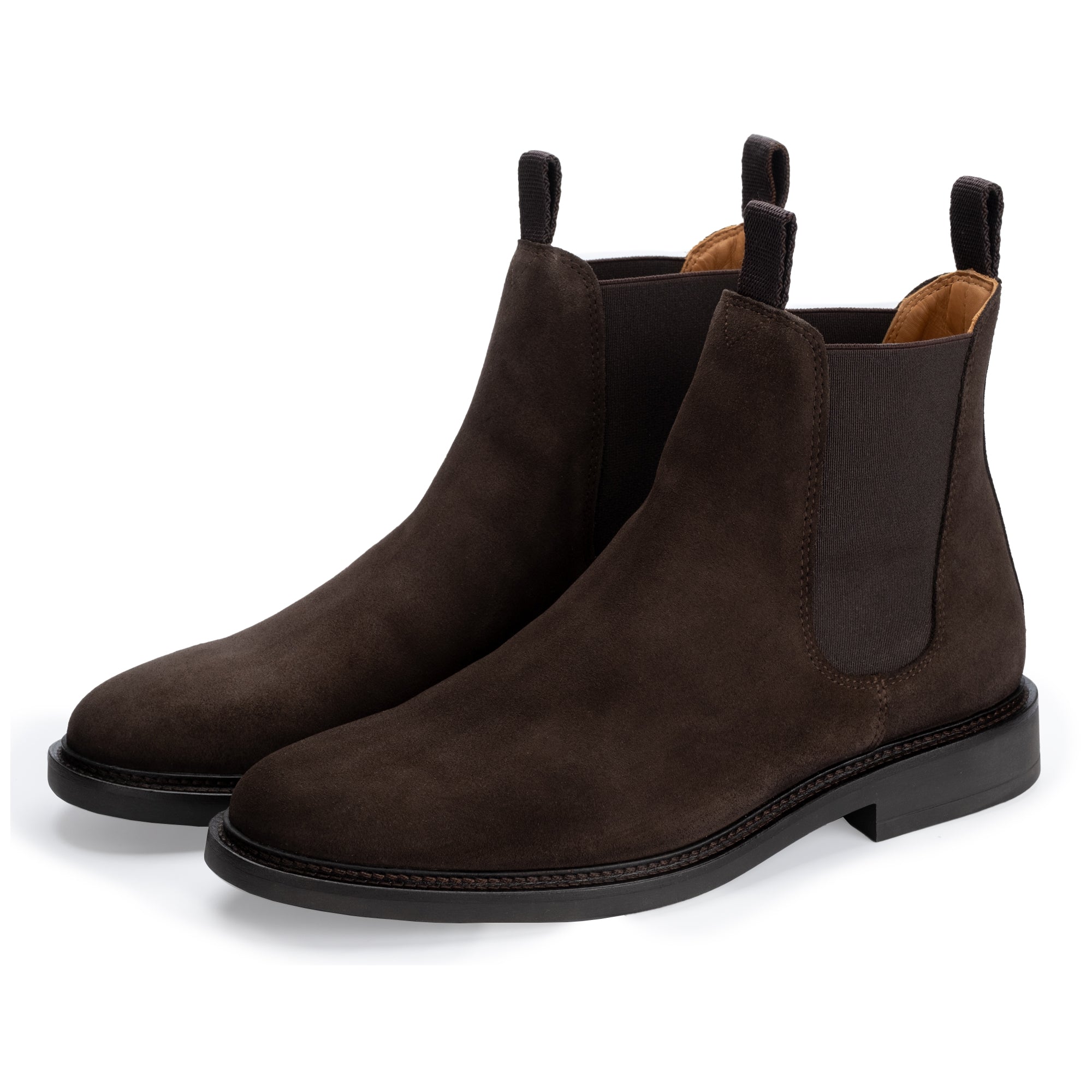
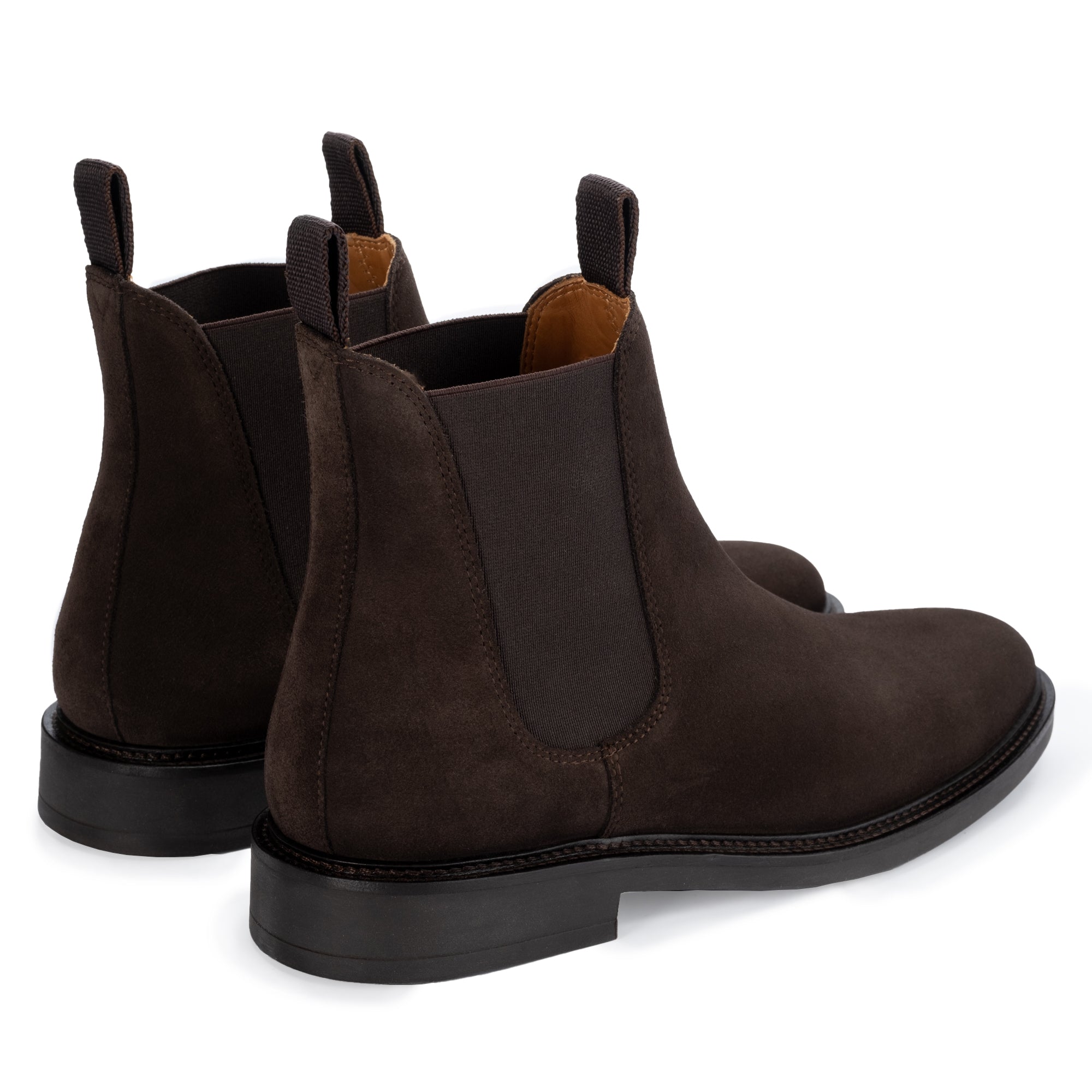
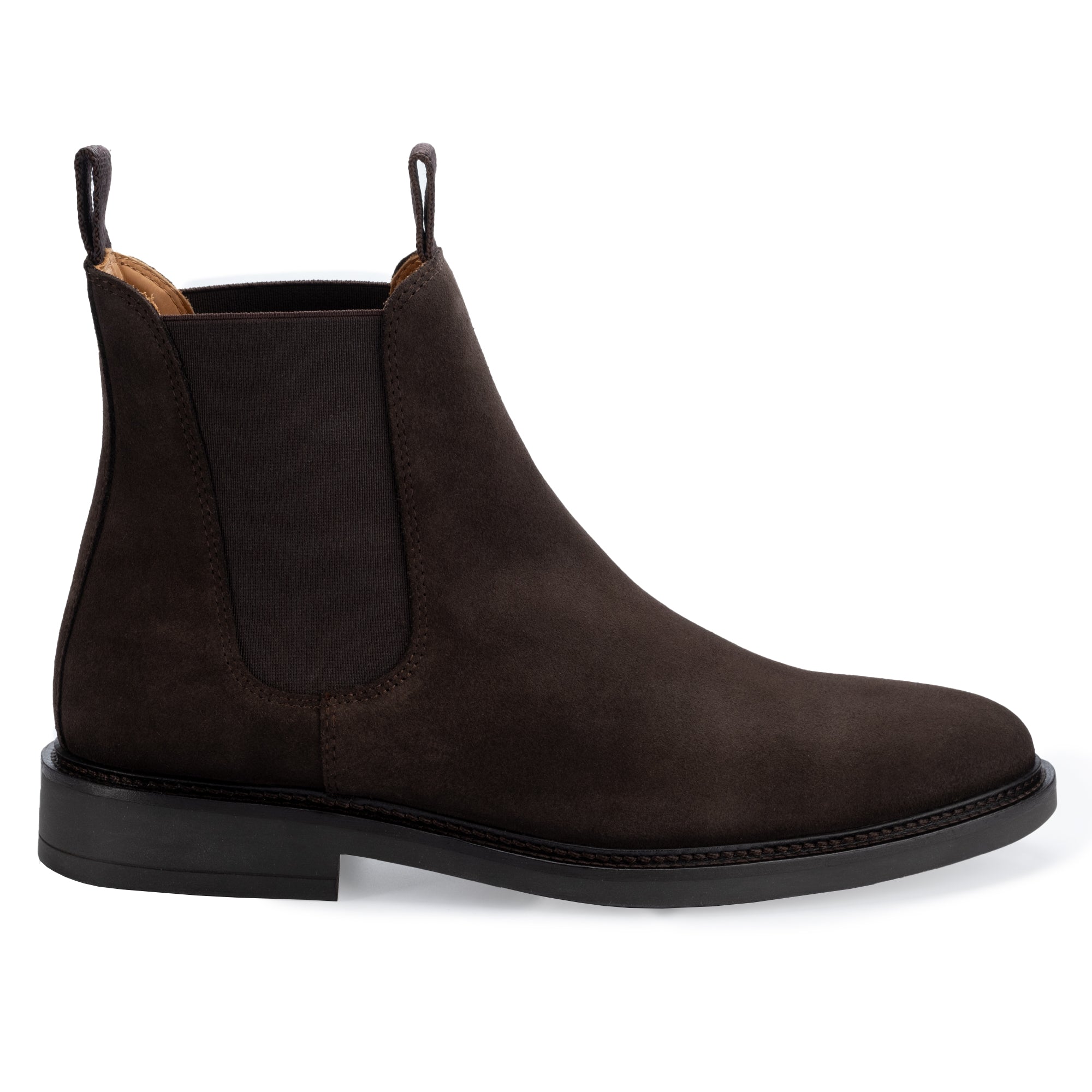
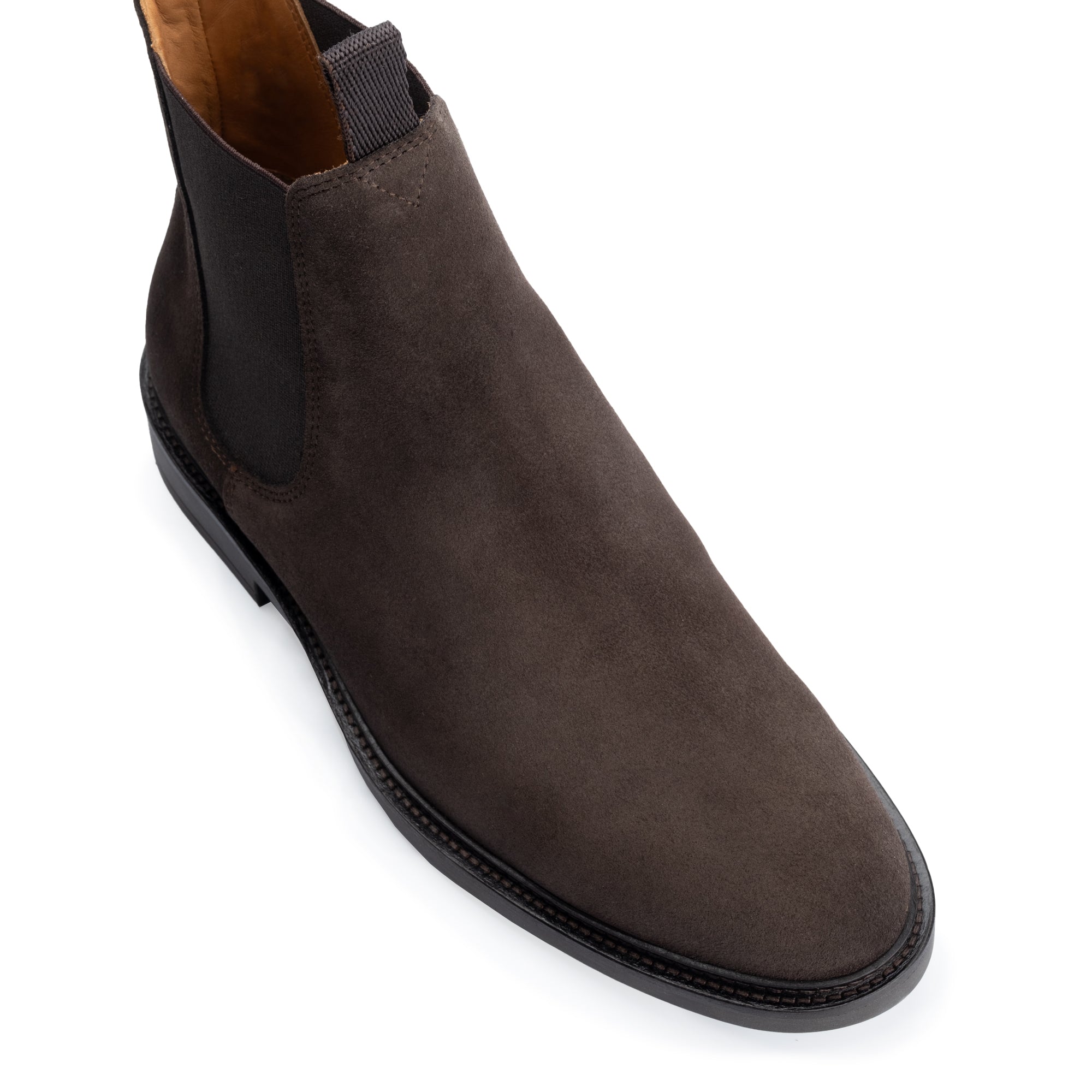
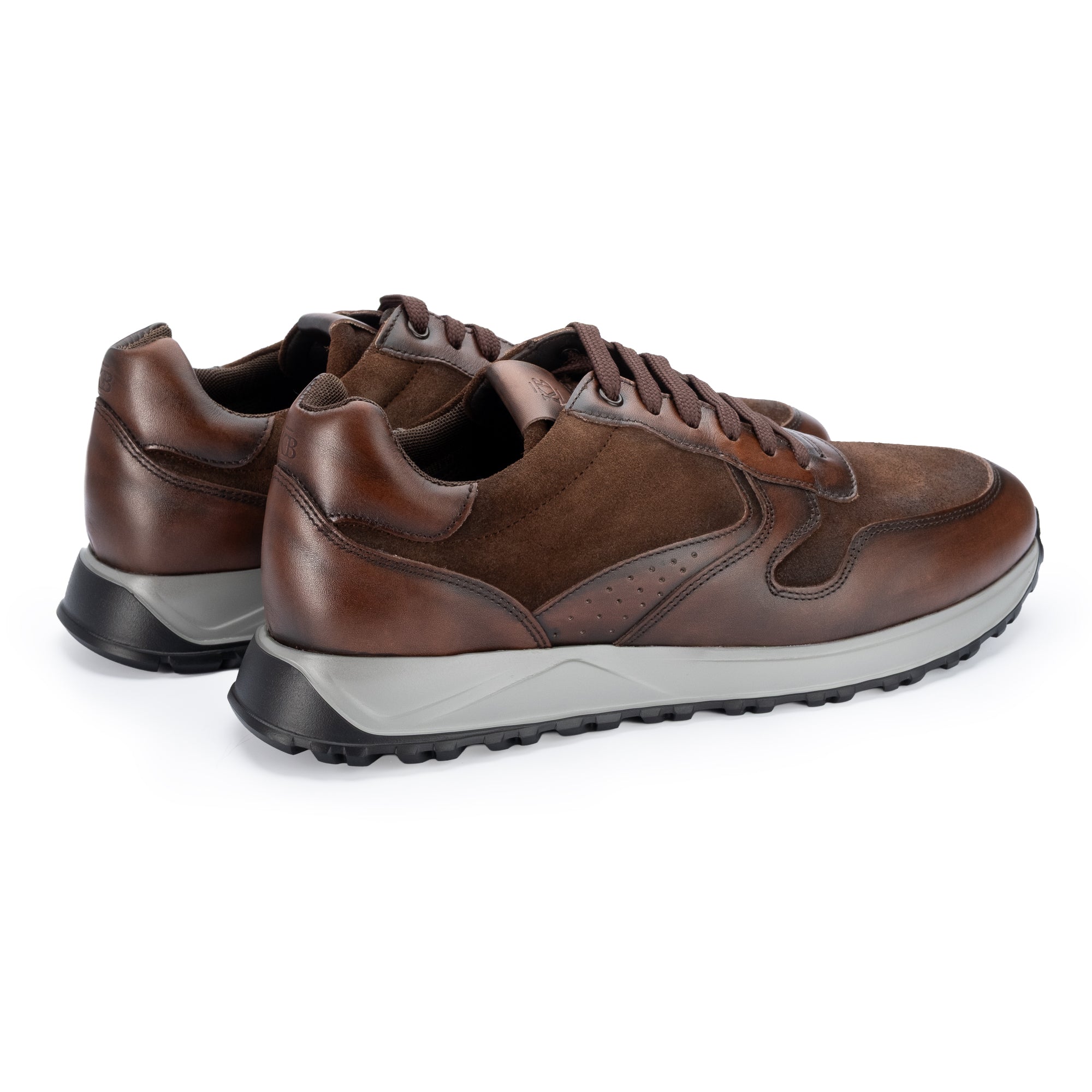
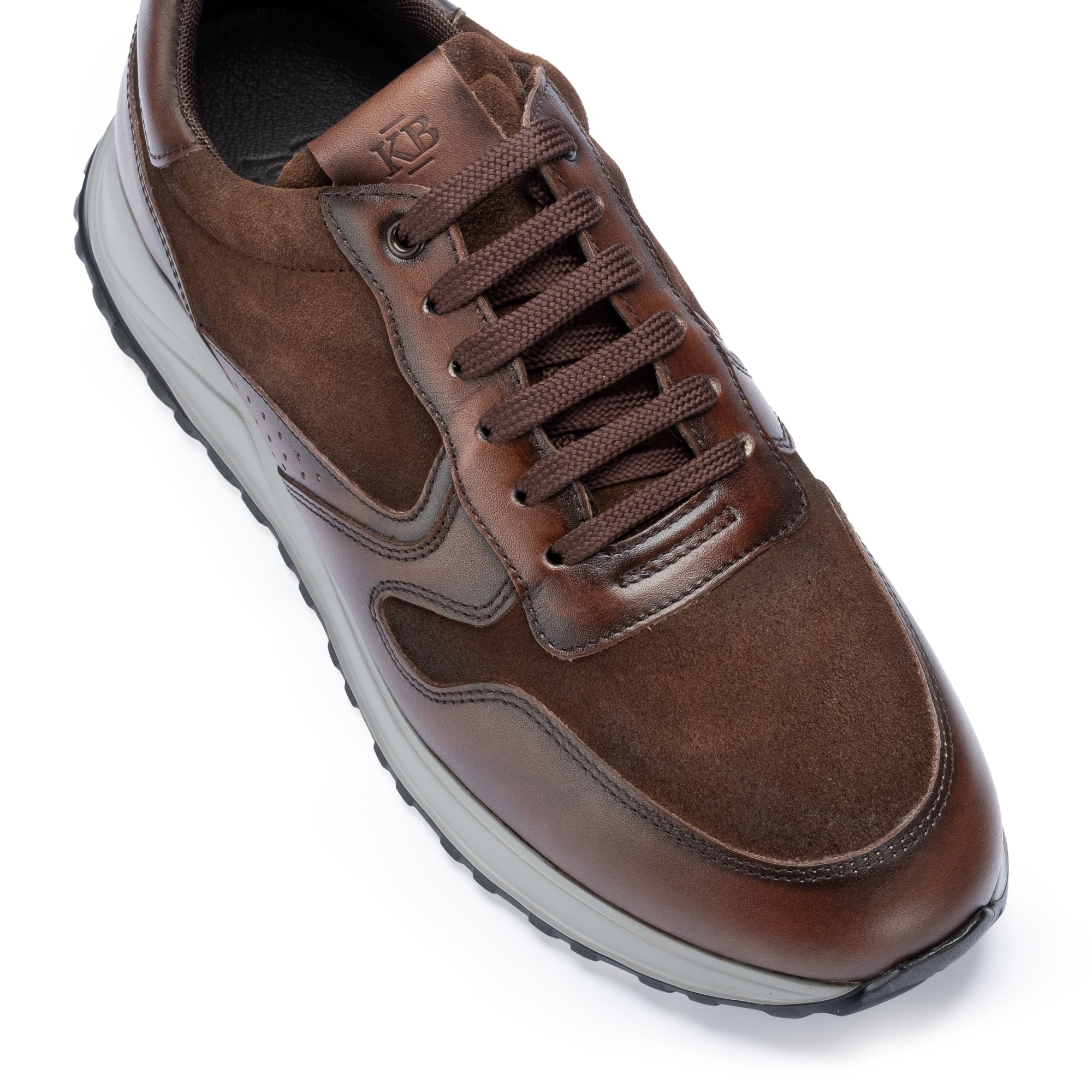
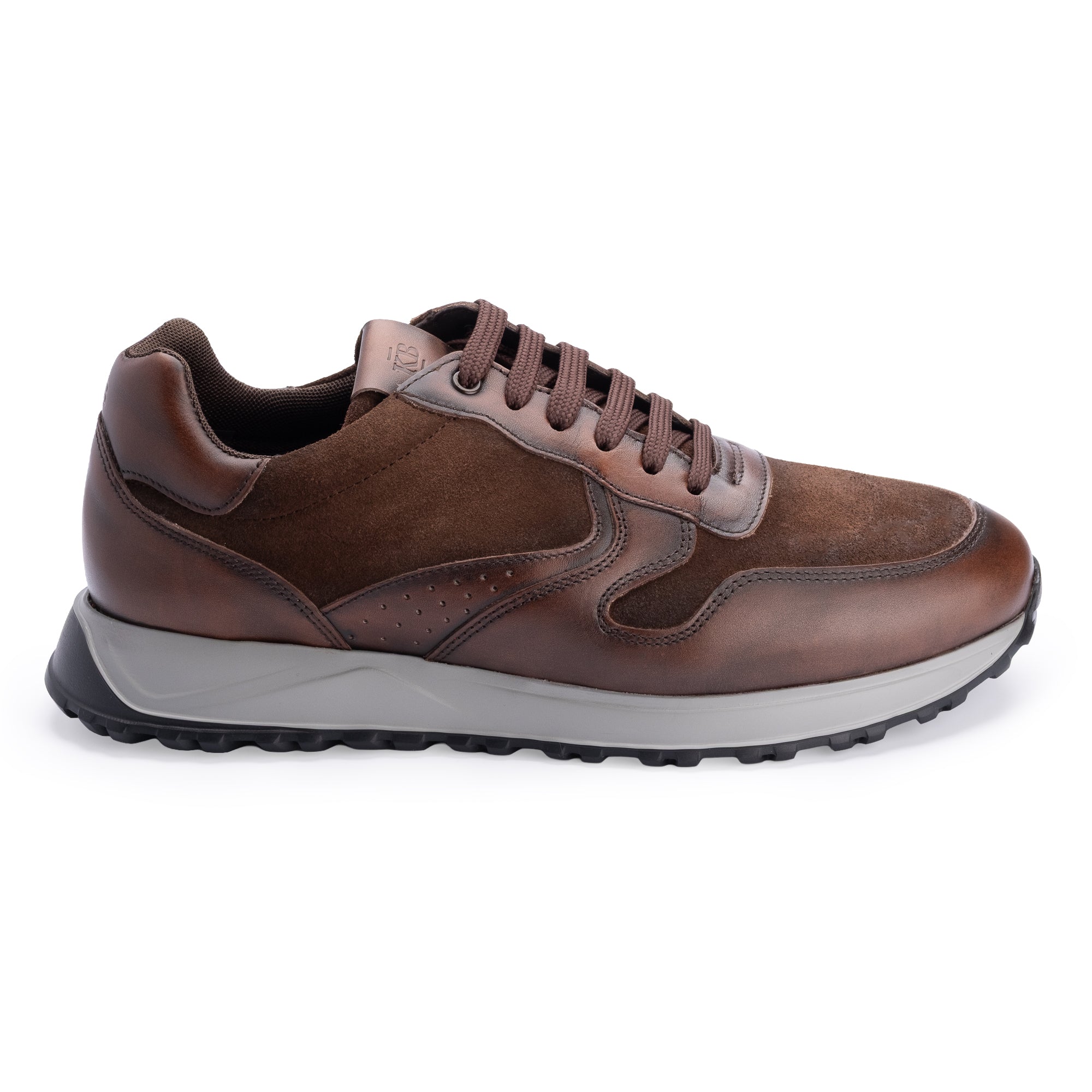
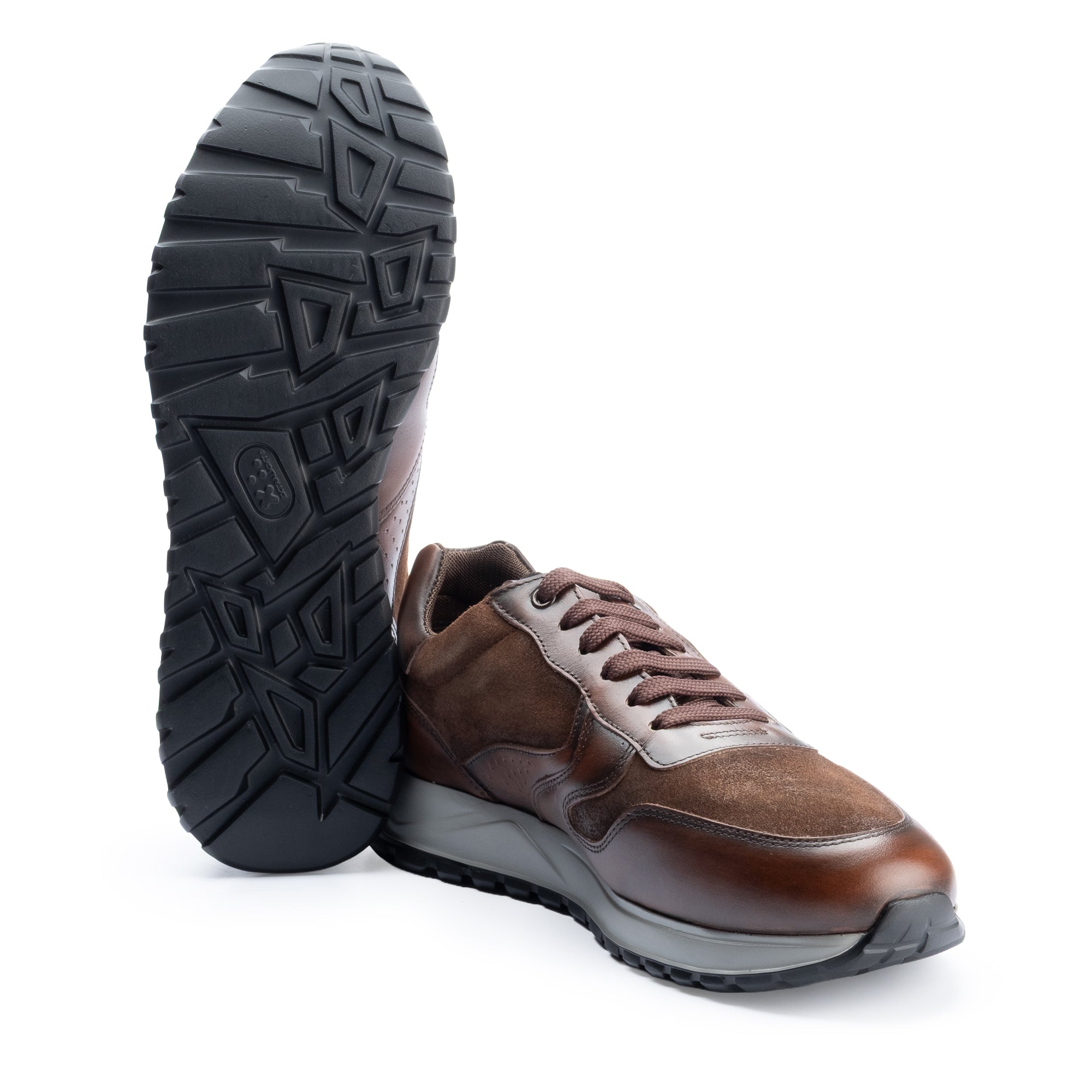
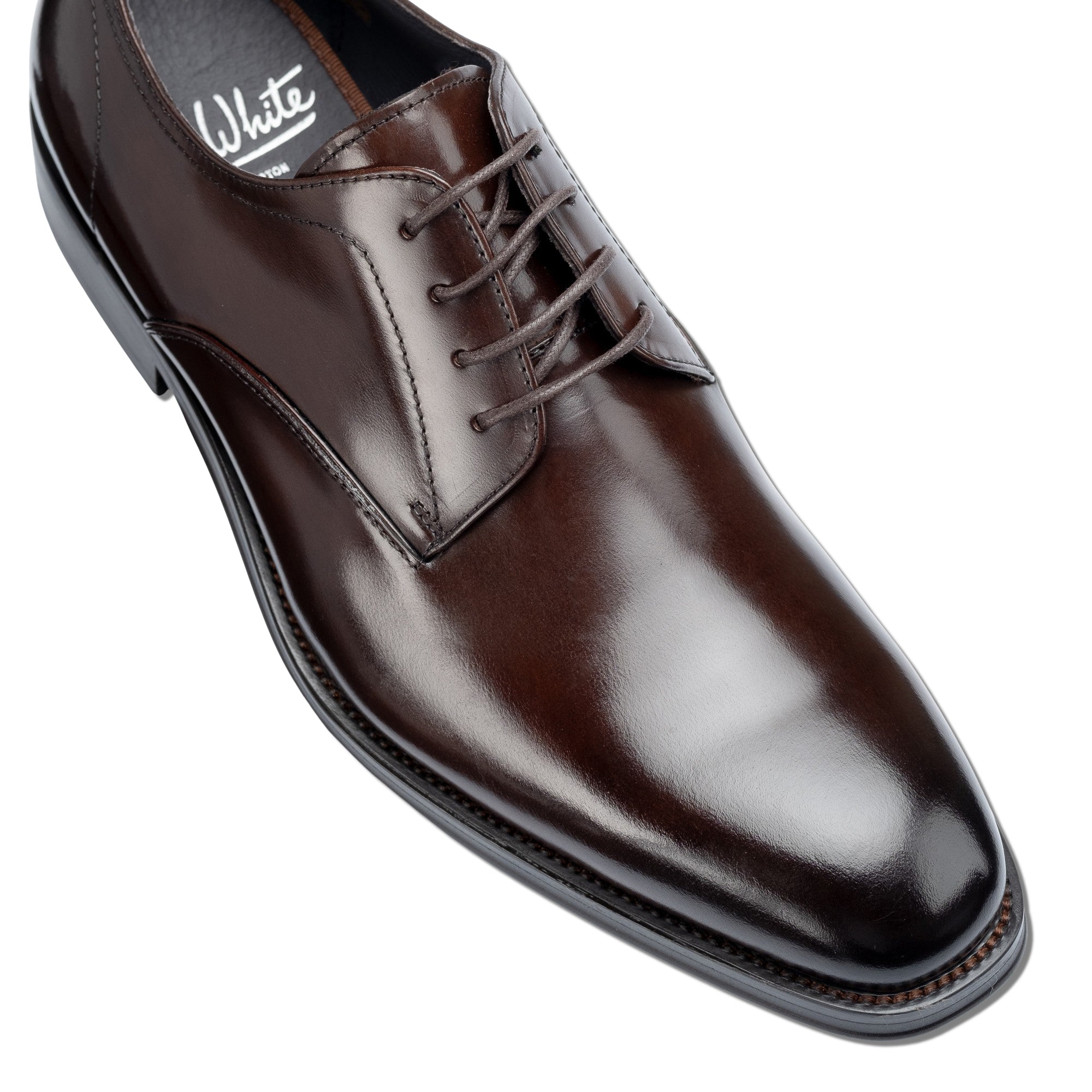
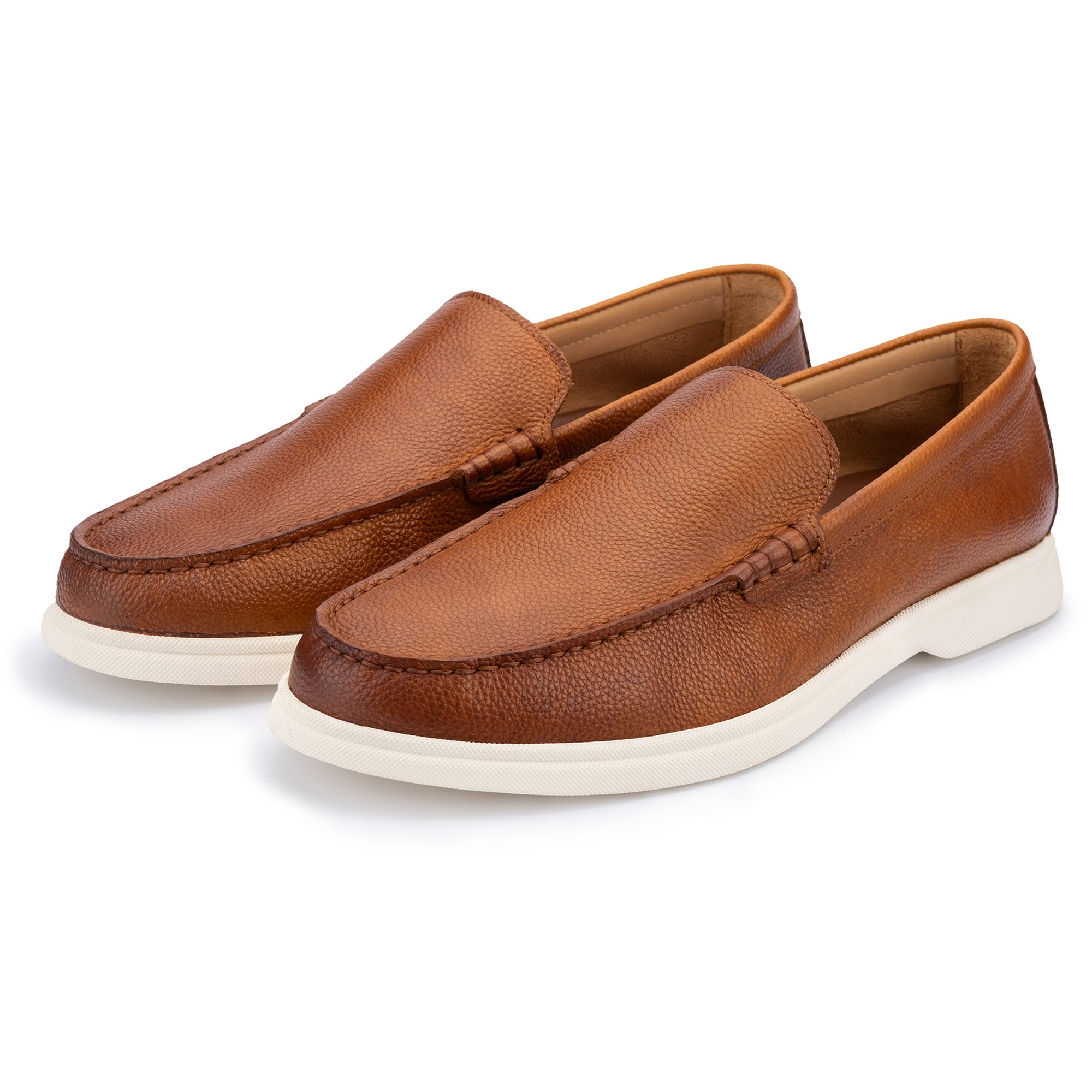
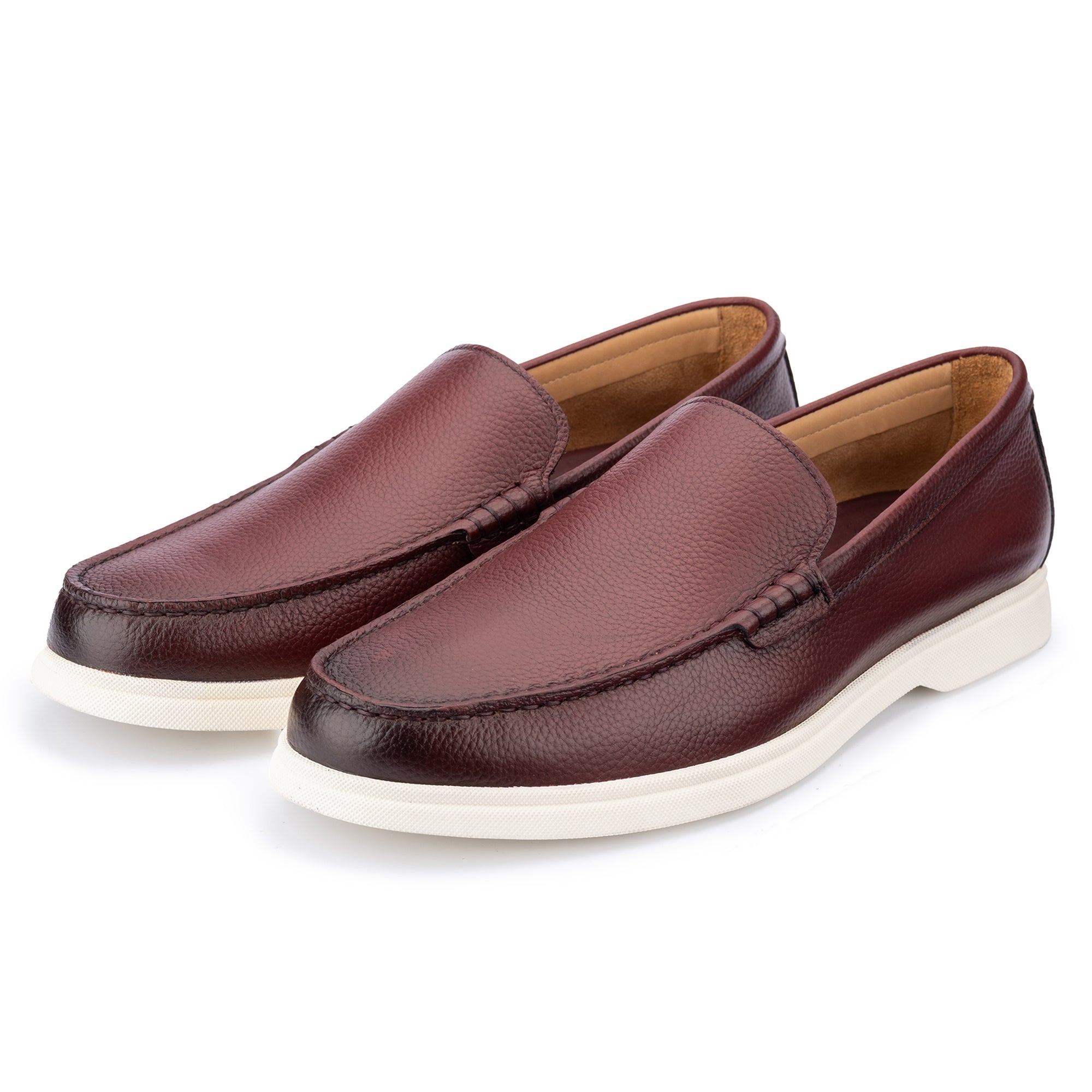
The upper leather matters equally. Full-grain calf — used on the Downey Penny Loafer in Black and Brown — will develop a patina over time, responding to conditioning cream and polish in ways that corrected or synthetic materials cannot replicate. The surface takes light differently at different stages of wear, which is half the reason quality leather improves as it ages. Suede variants, such as the Banff in Brown Suede, demand different care but offer a texture that elevates the shoe into something almost tactile in character.
The Banff and the Downey: Two Interpretations
John White Shoes offers two penny loafer silhouettes, and understanding the distinction helps clarify which belongs in which wardrobe.
The Banff Penny Loafer is the more expressive of the two. Available in Black and Brown Suede, it is designed for a man who wants presence without noise. The last is marginally fuller, the toe box slightly more rounded, which means the Banff sits comfortably across a longer day without the heel-slip or toe-pinch that can afflict poorly-lasted slip-ons during a break-in period.
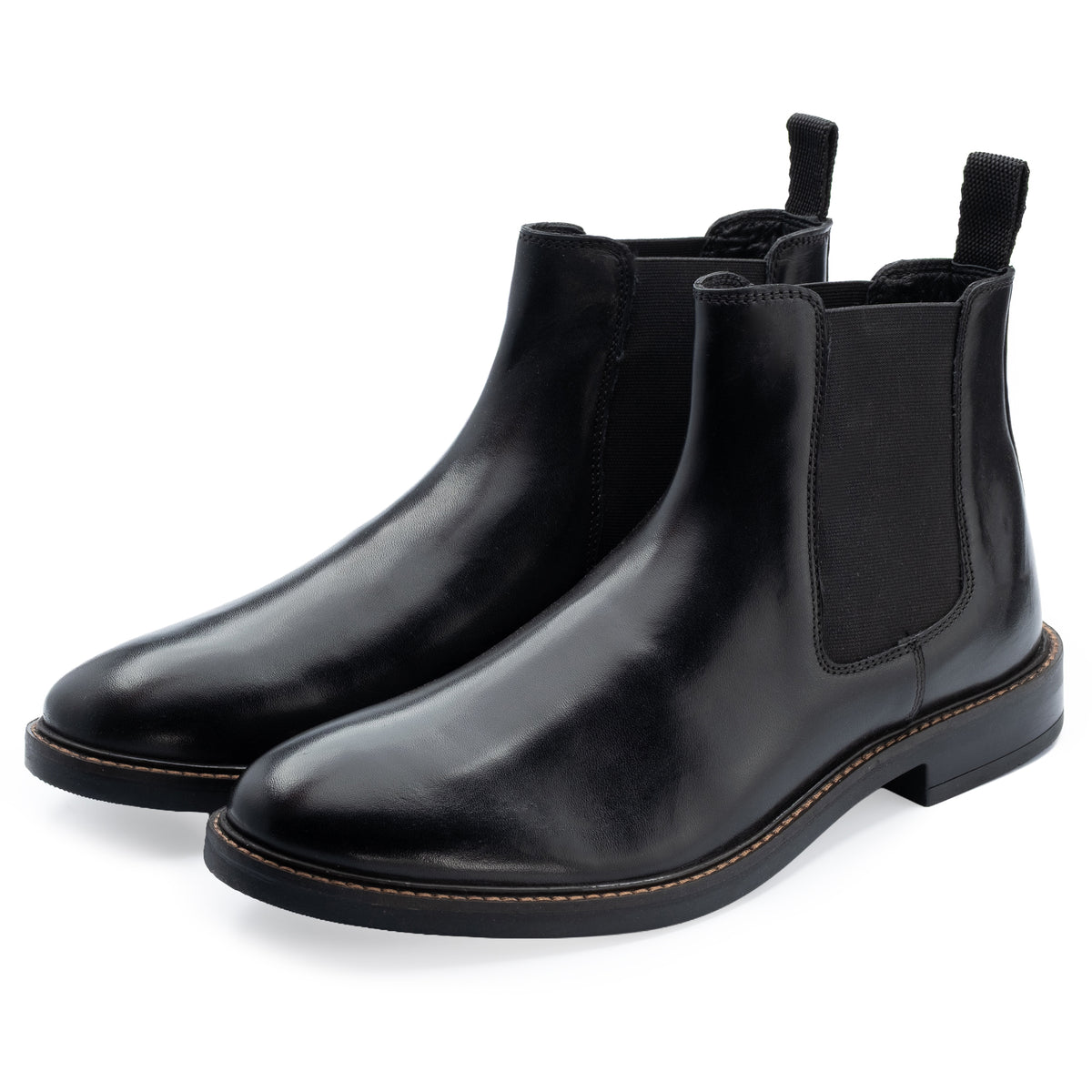
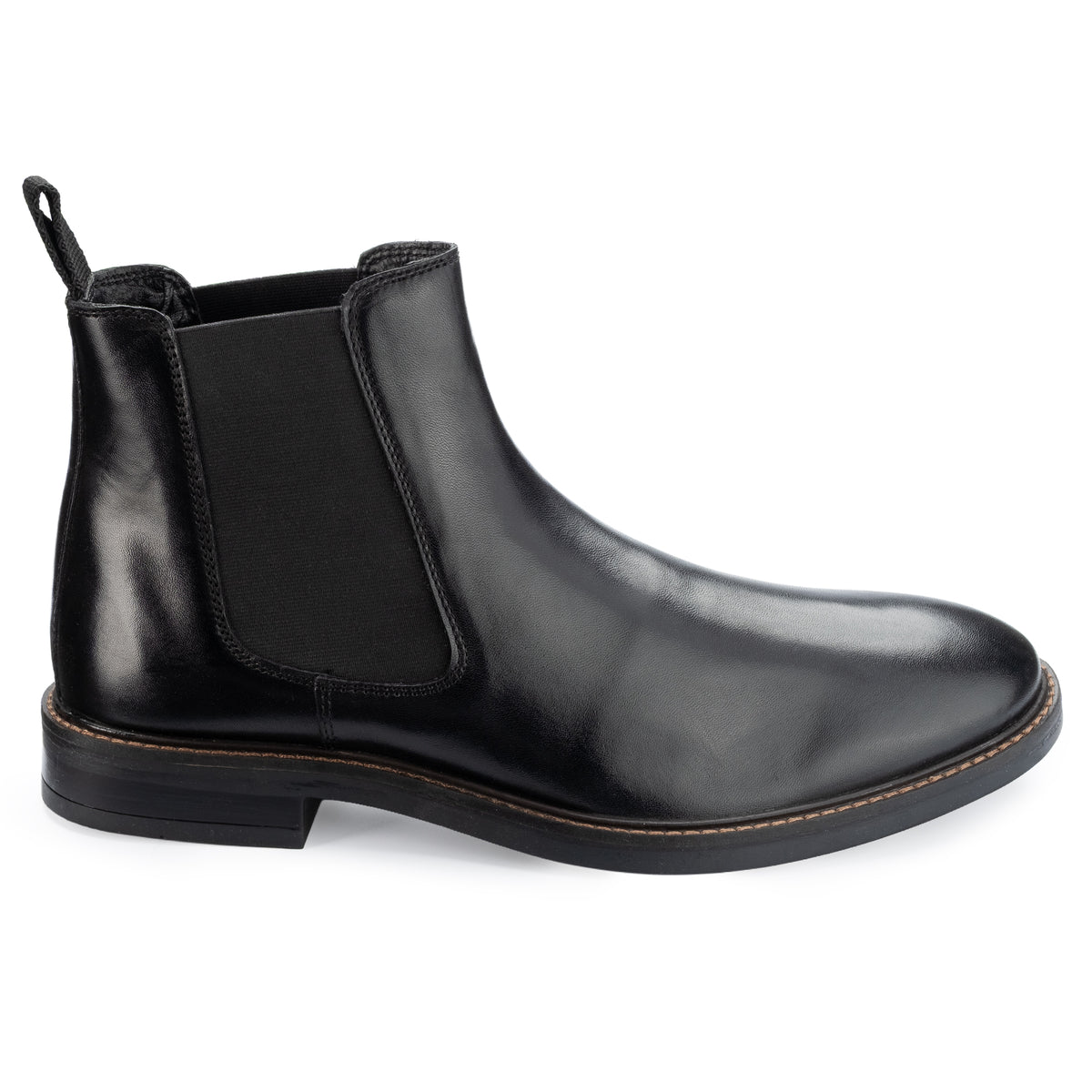
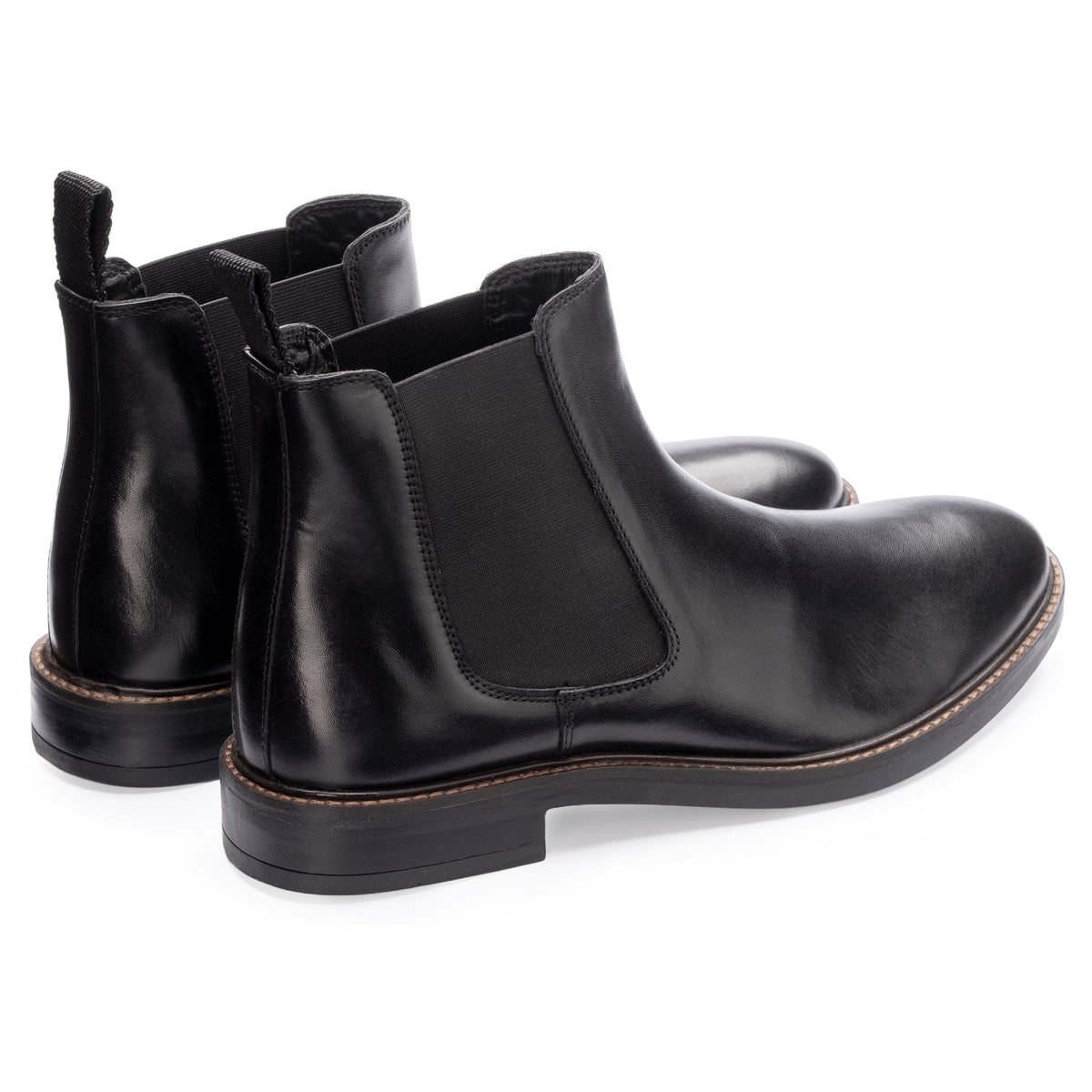
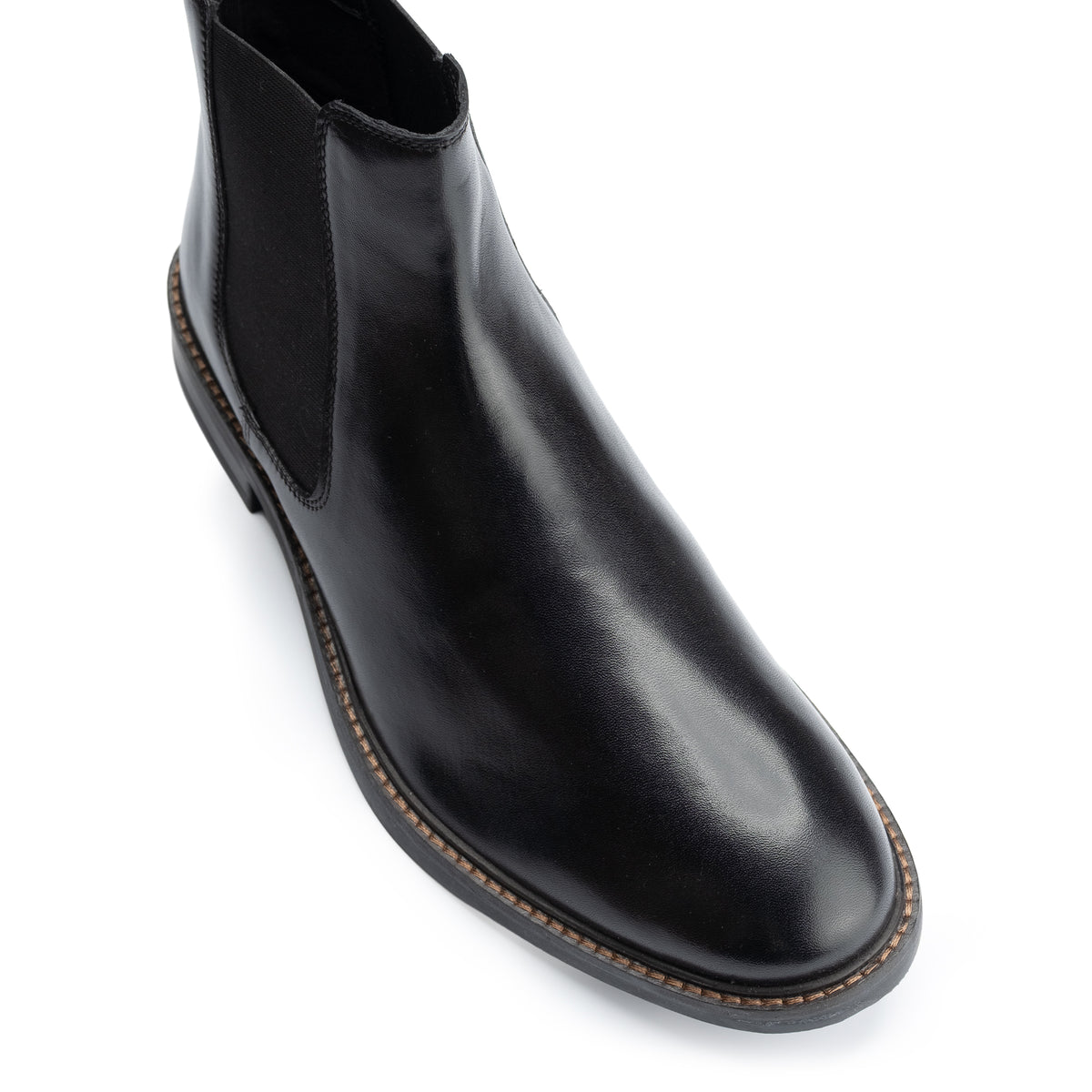
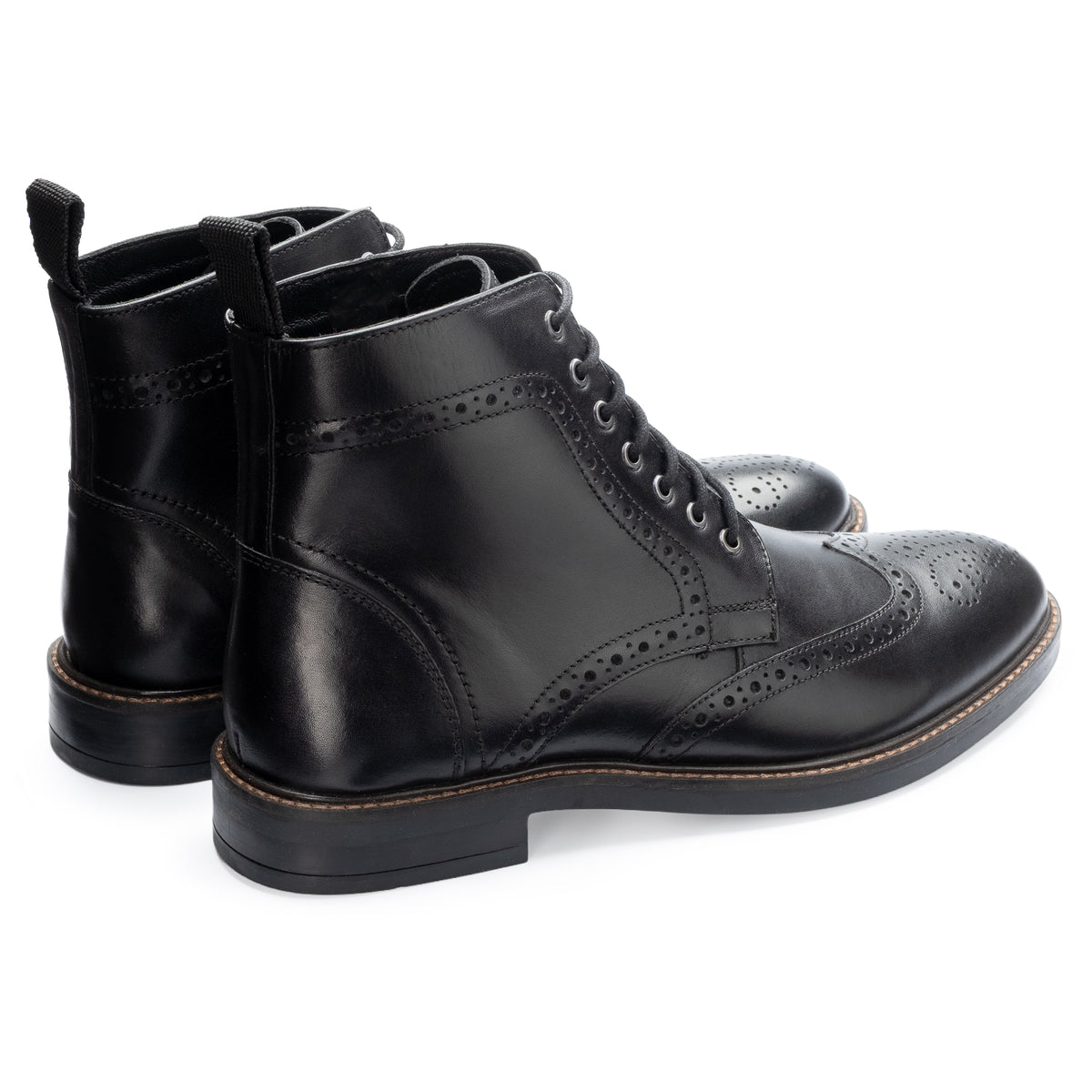
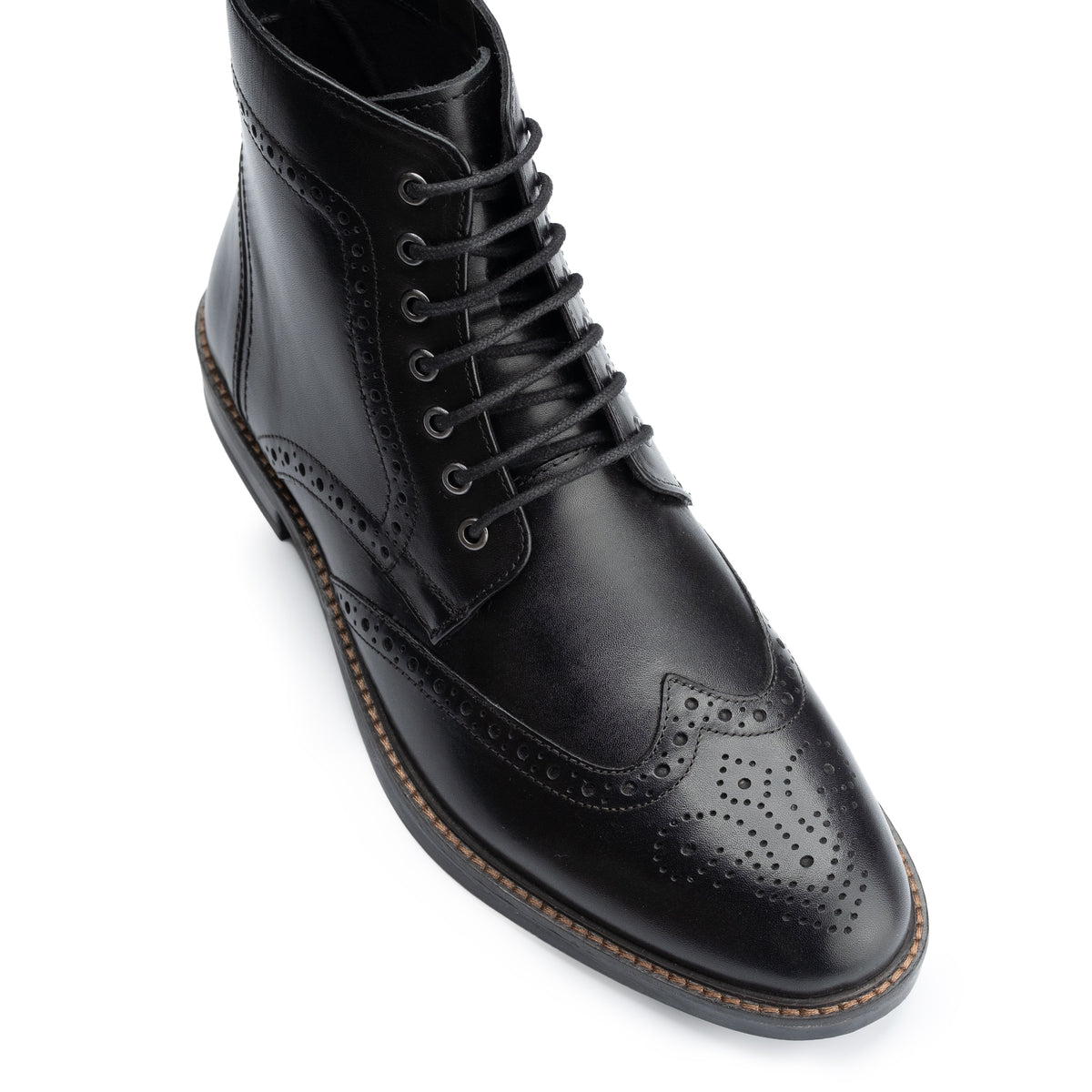
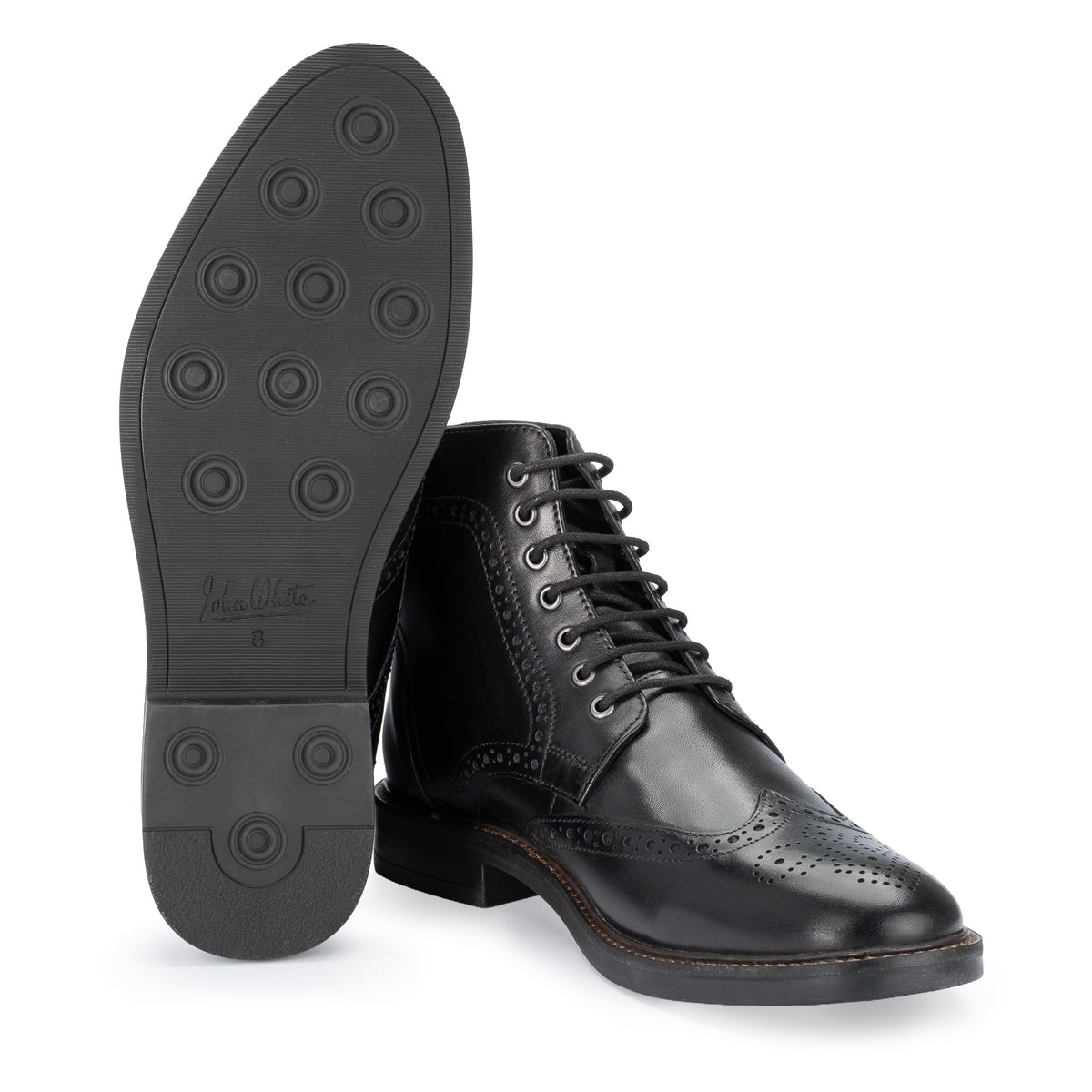
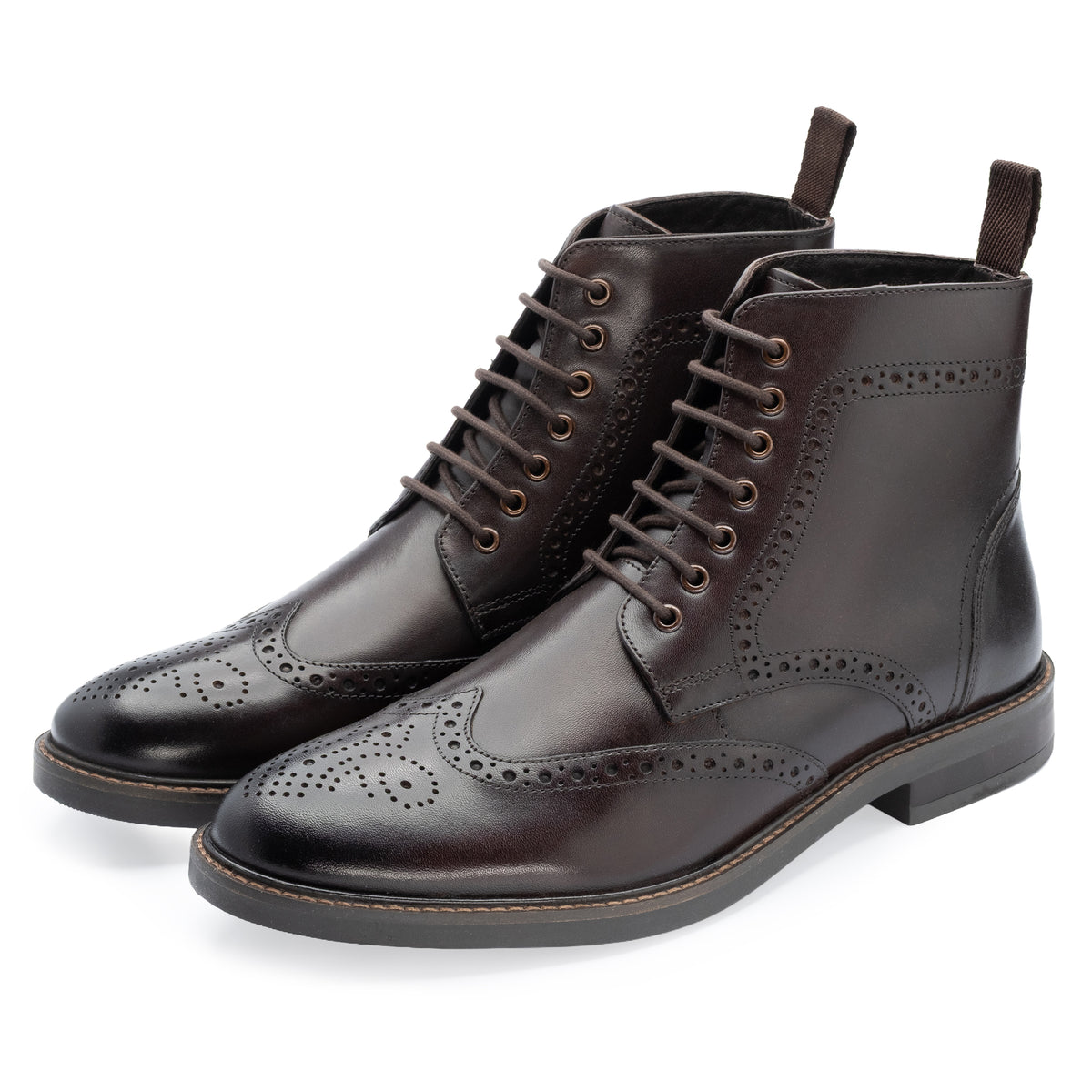
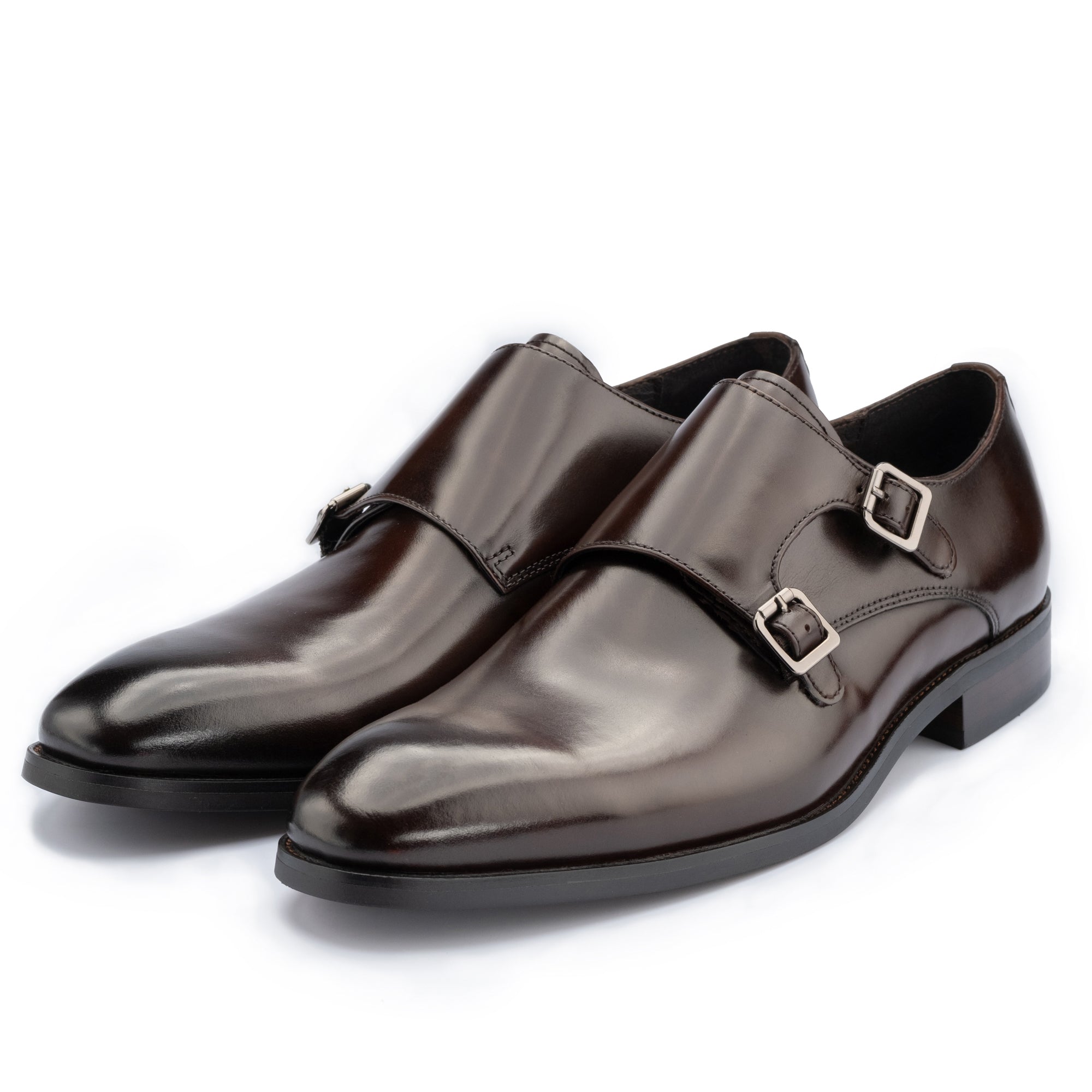
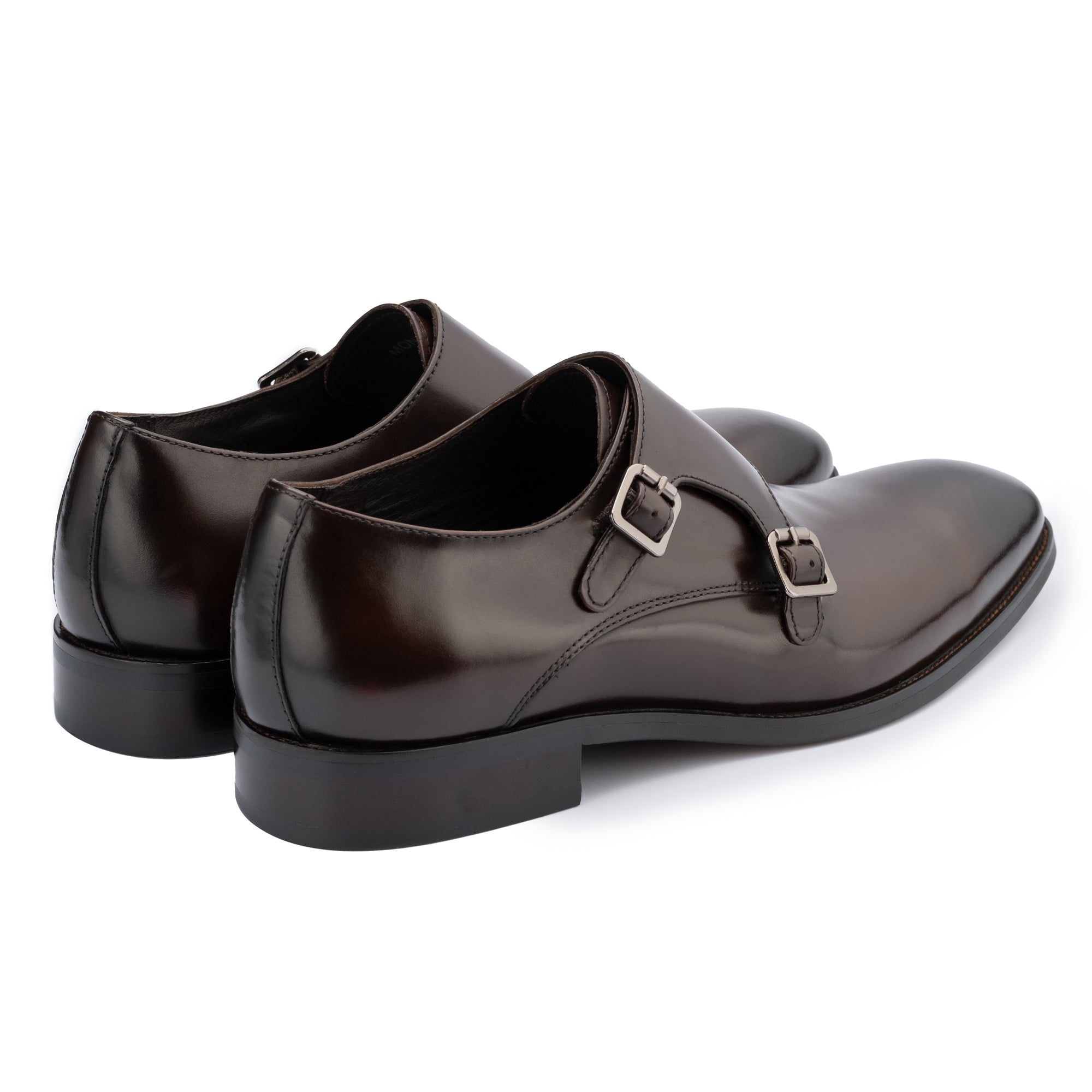
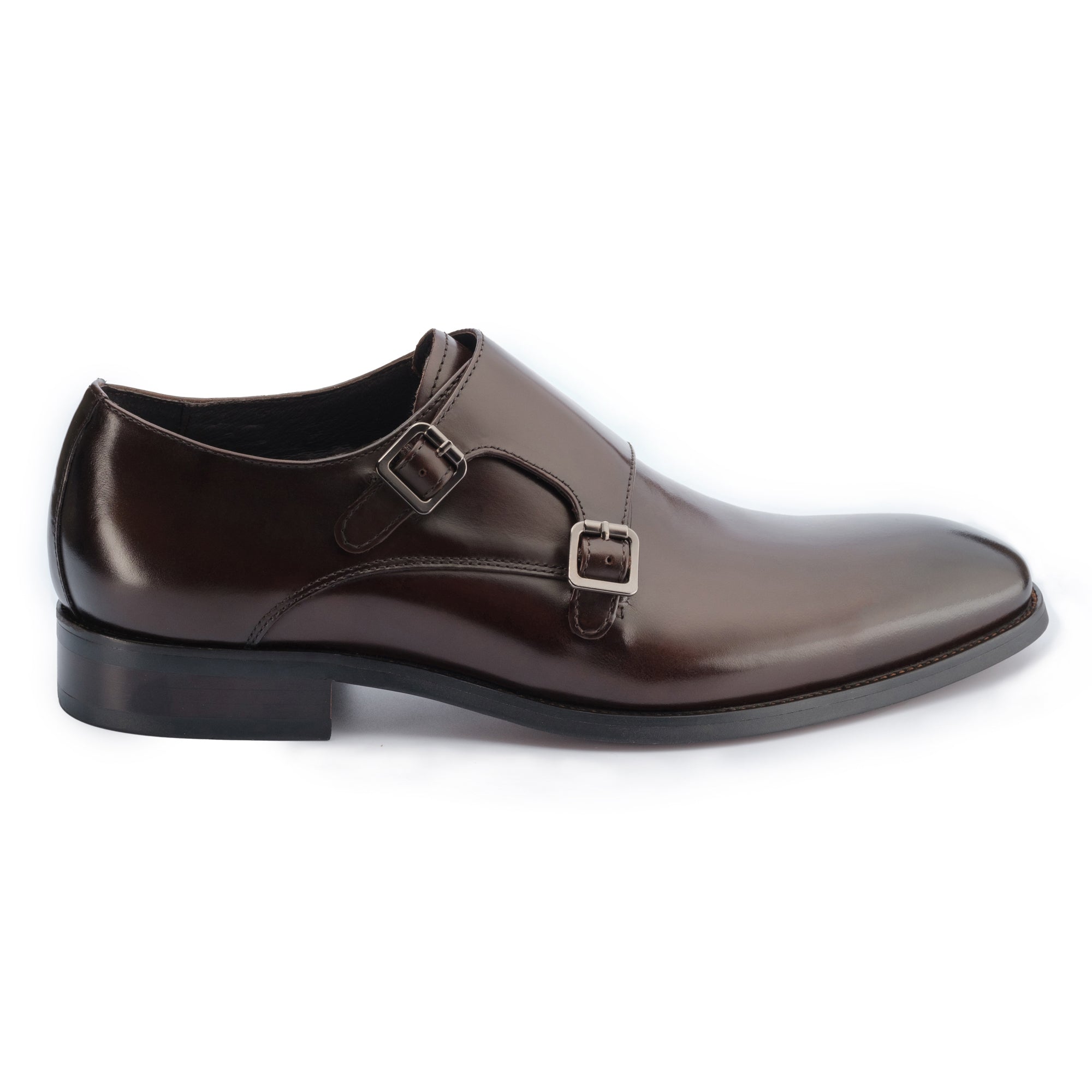
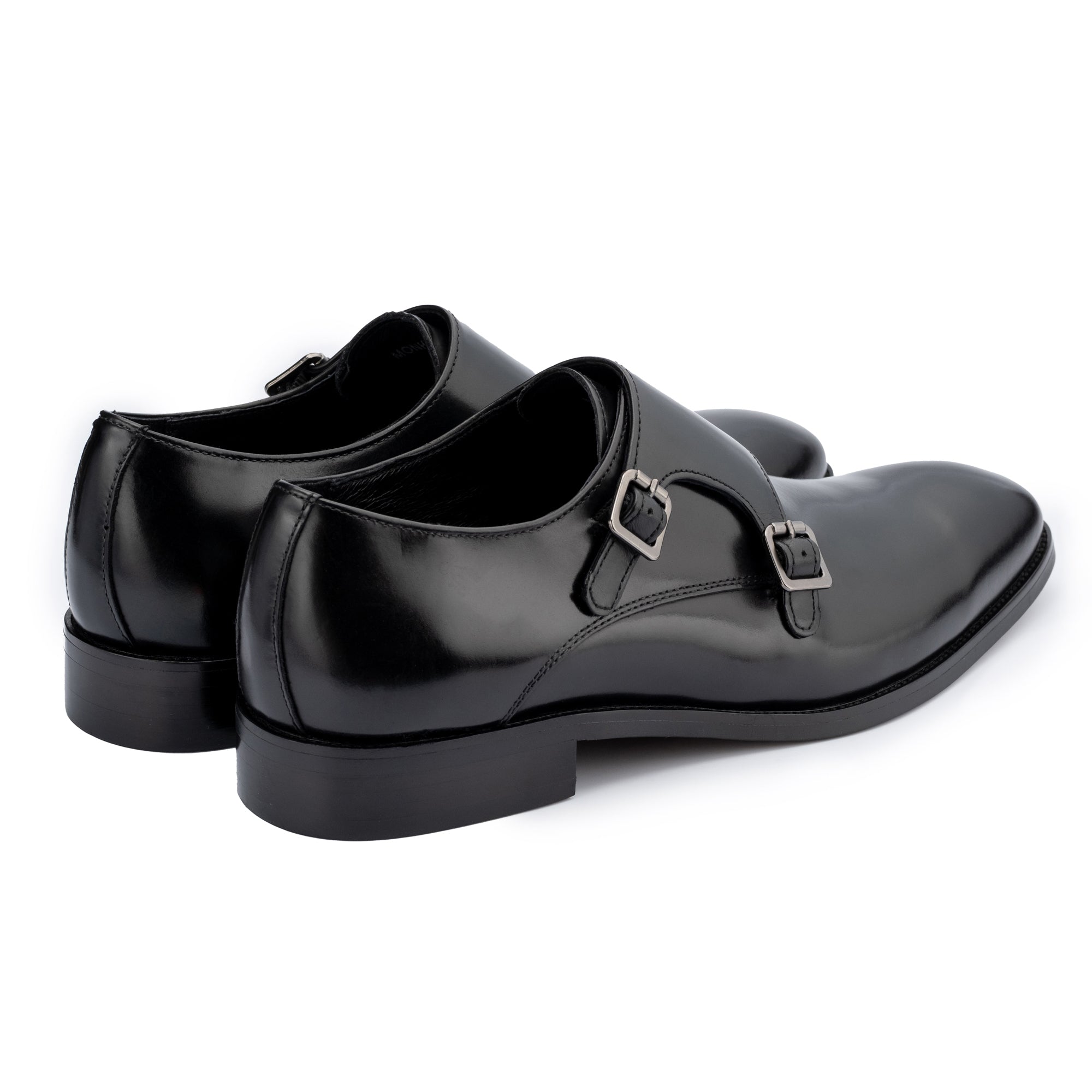
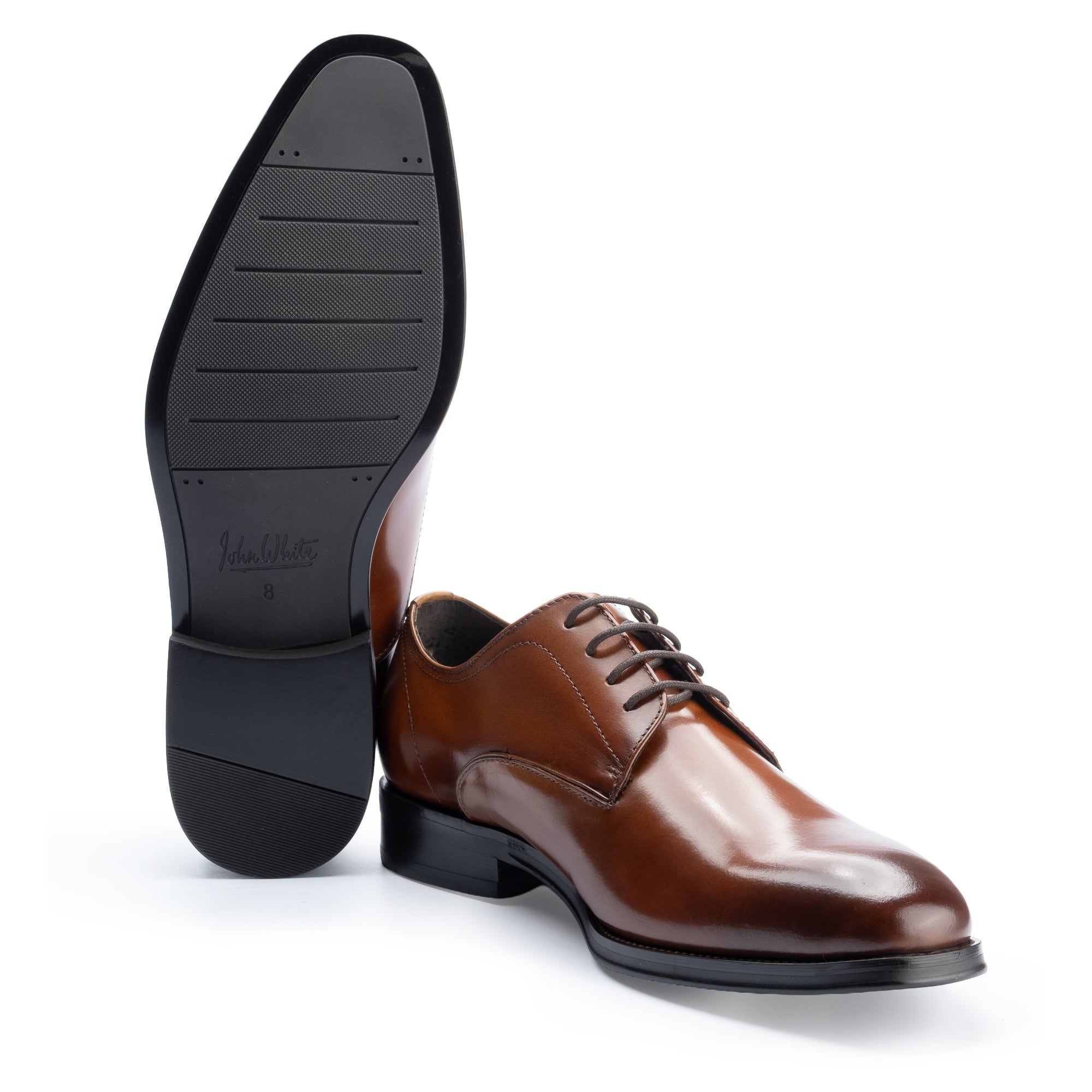
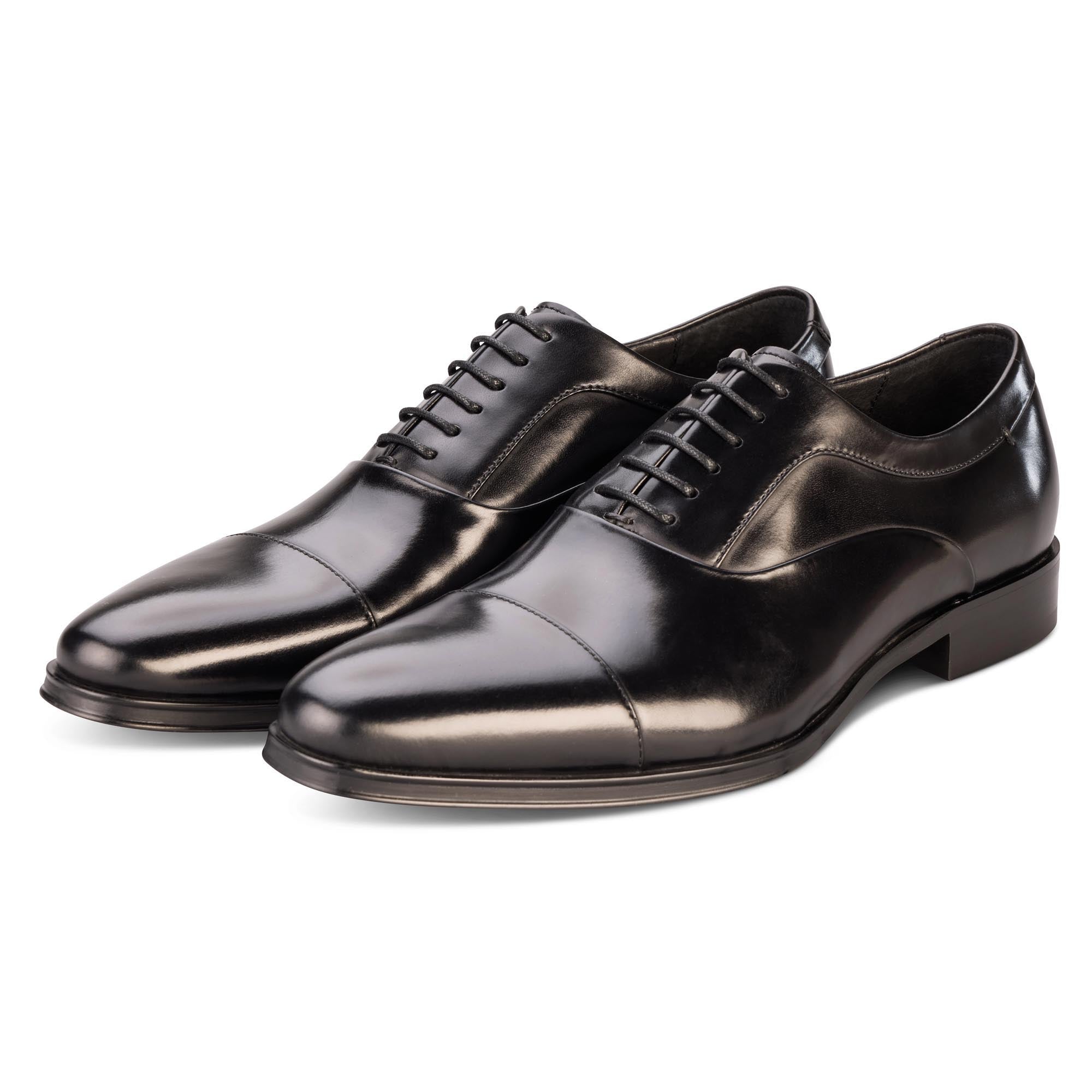
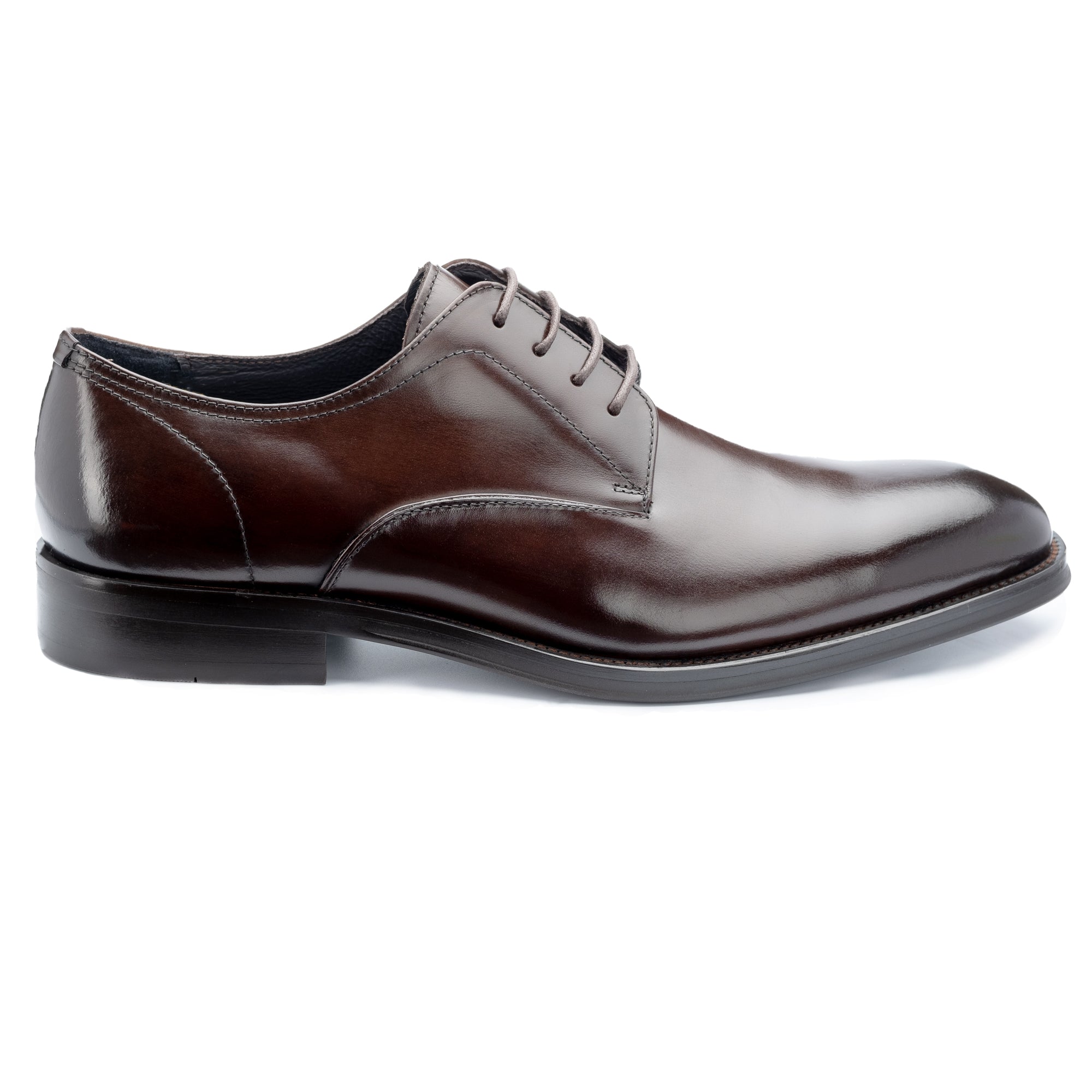
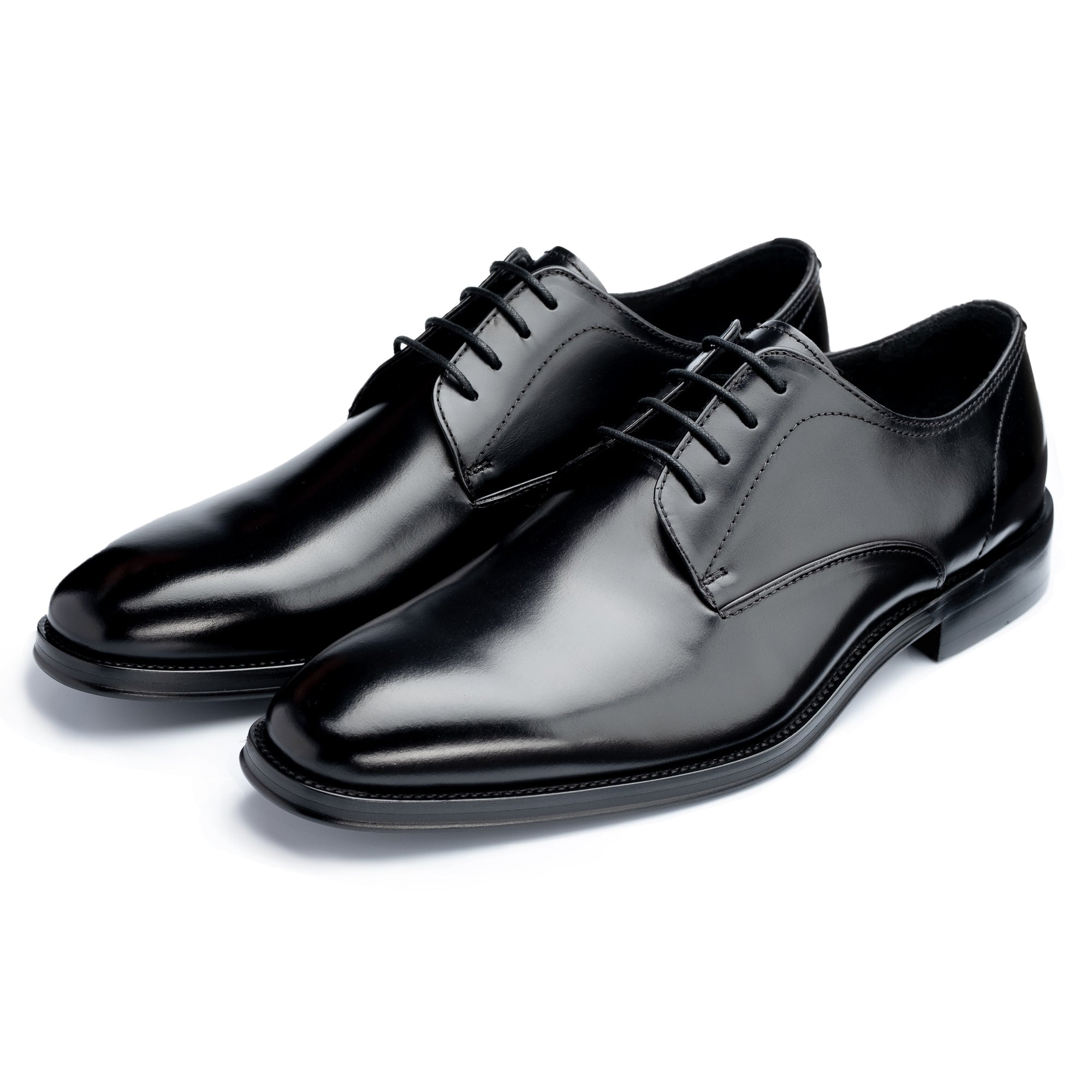
The Downey Penny Loafer takes a different approach: cleaner in line, more elongated, available in Black and Brown. Where the Banff leans towards character, the Downey leans towards precision. Its silhouette works particularly well with tailored trousers and a blazer — the formality of the context lifts the loafer's relatively informal construction into something approaching smart-casual propriety. It is the penny loafer for a man who wants the style's versatility without any of its looseness.
Both can be worn with or without socks. The no-sock approach — or, for those who prefer discretion, a no-show liner sock — works for summer and weekend contexts. With a lightweight cotton or wool sock, either shoe reads more fully dressed. Neither is at its best with a dark business suit; for that, an Oxford or Derby does more appropriate work. But in the territory between those poles — the blazer-and-chinos world, the smart restaurant, the garden party — the penny loafer is rarely the wrong choice.
The Formality Question
The penny loafer sits between the casual and the dressy in a way that makes some men uncertain about context. It is not a dress shoe in the Oxford sense — it lacks the closed lacing and constructed rigidity that formal dress code requires — but it is not a casual shoe either. For practical purposes, it occupies the smarter end of smart-casual: appropriate for creative offices, relaxed client meetings, good restaurants that do not require a tie, and most outdoor social occasions from May to September.
Pairing it correctly matters. Chinos in tobacco, cream, or olive — slim or straight in cut — work well with both the Banff and the Downey. Denim in a mid-wash (never heavily distressed) is acceptable in weekend contexts. Wool trousers in grey or navy flannel give the penny loafer its most elevated setting without straining credibility. Avoid heavy corduroy or pleated formal trousers — both send conflicting signals that the loafer cannot resolve.
In summer specifically, the loafer earns its seasonal reputation. The absence of laces removes awkward tan lines, and the slip-on construction means no fumbling with hooks or eyelets on a hot afternoon. For racecourse visits, garden parties, or any outdoor occasion where comfort matters alongside appearance, the penny loafer makes a considered choice — unhurried in the way that only a well-made shoe can be.
Suede or Calf: The Seasonal Logic
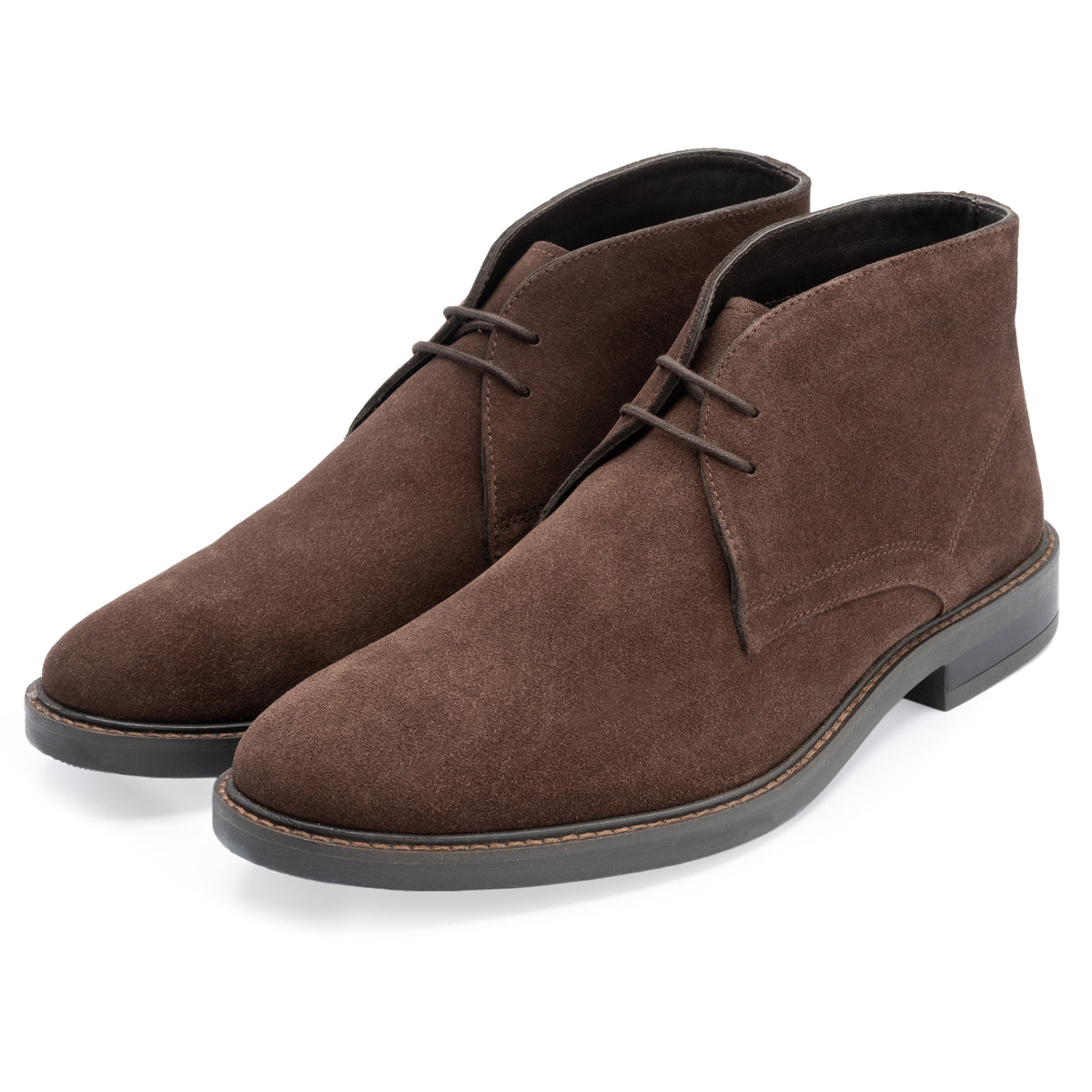
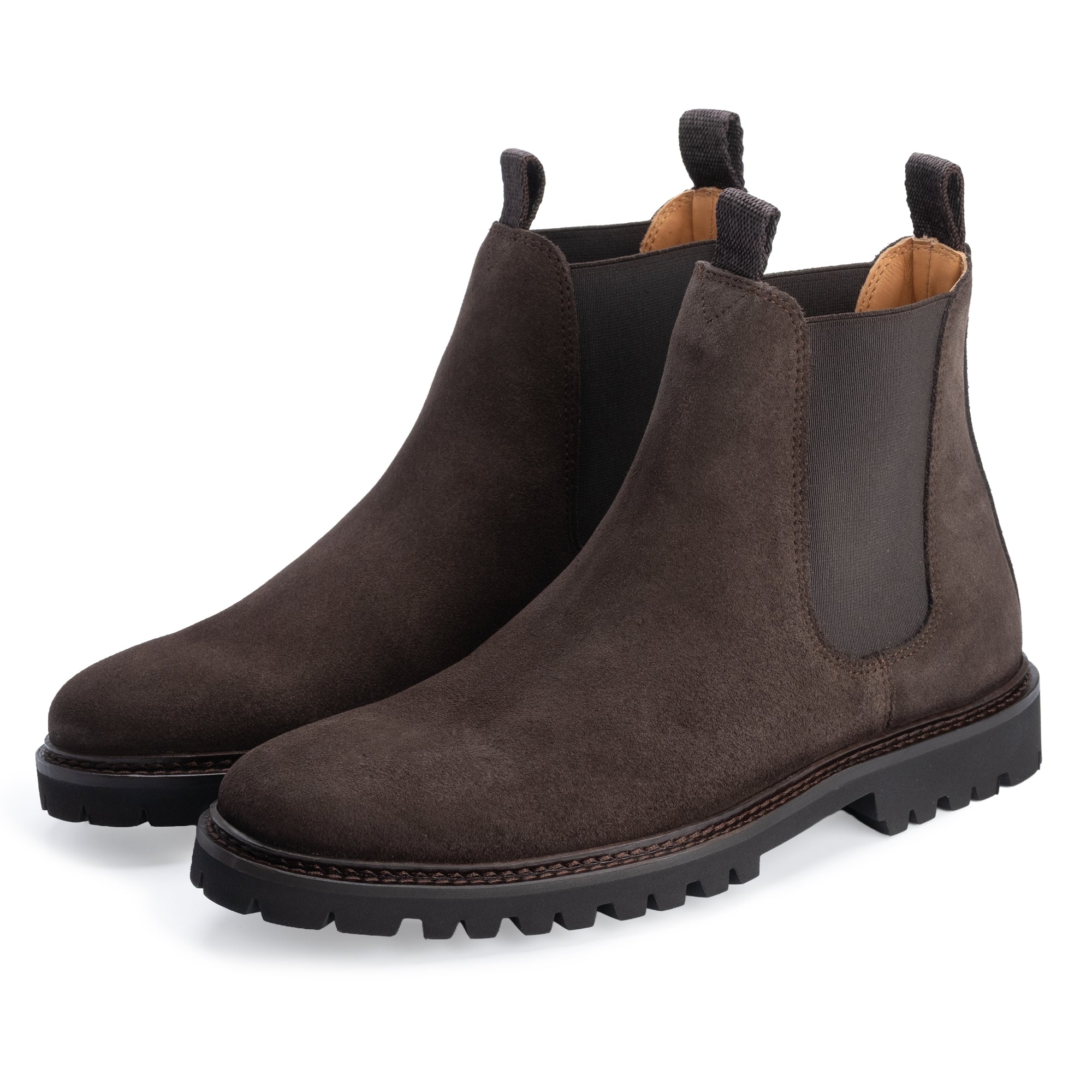
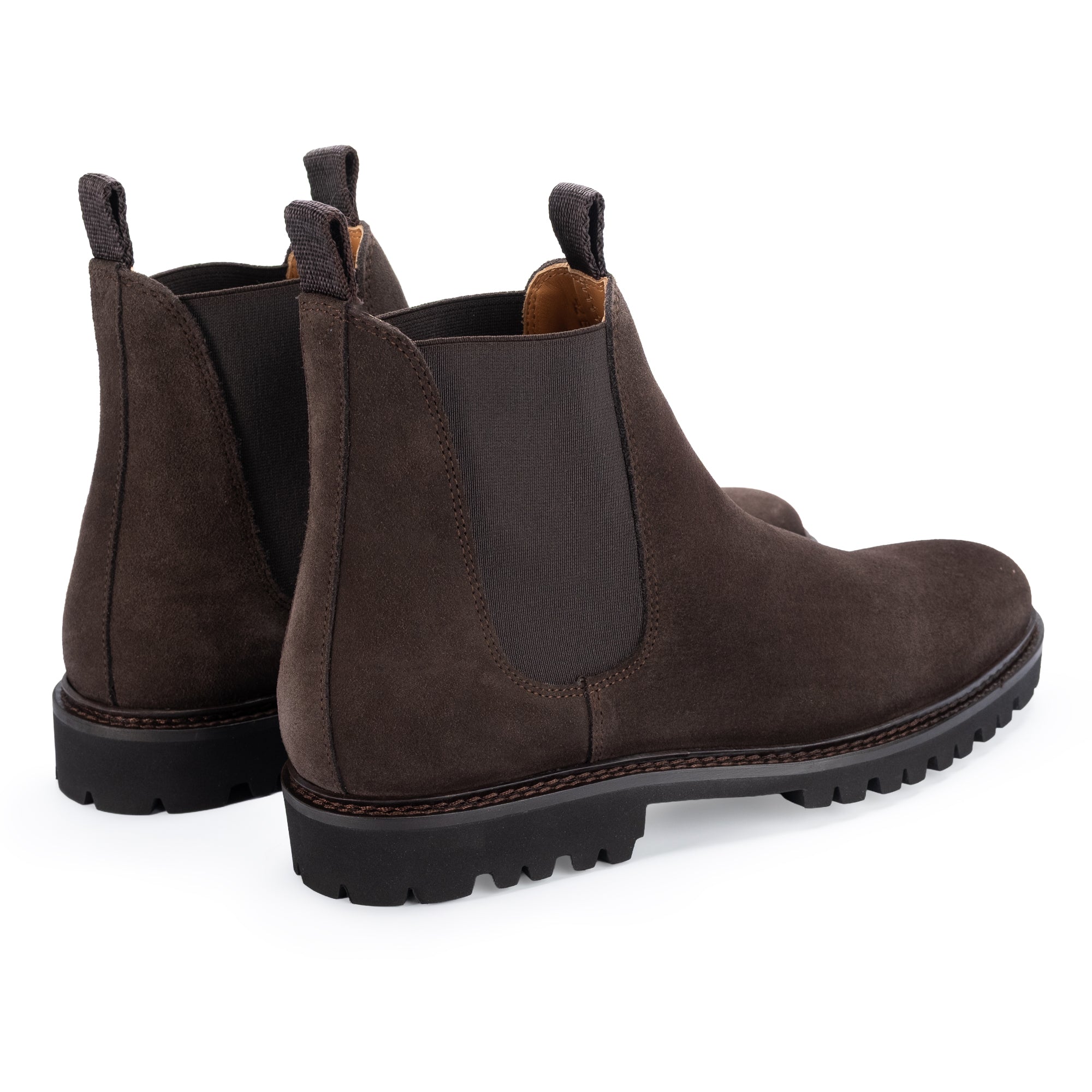
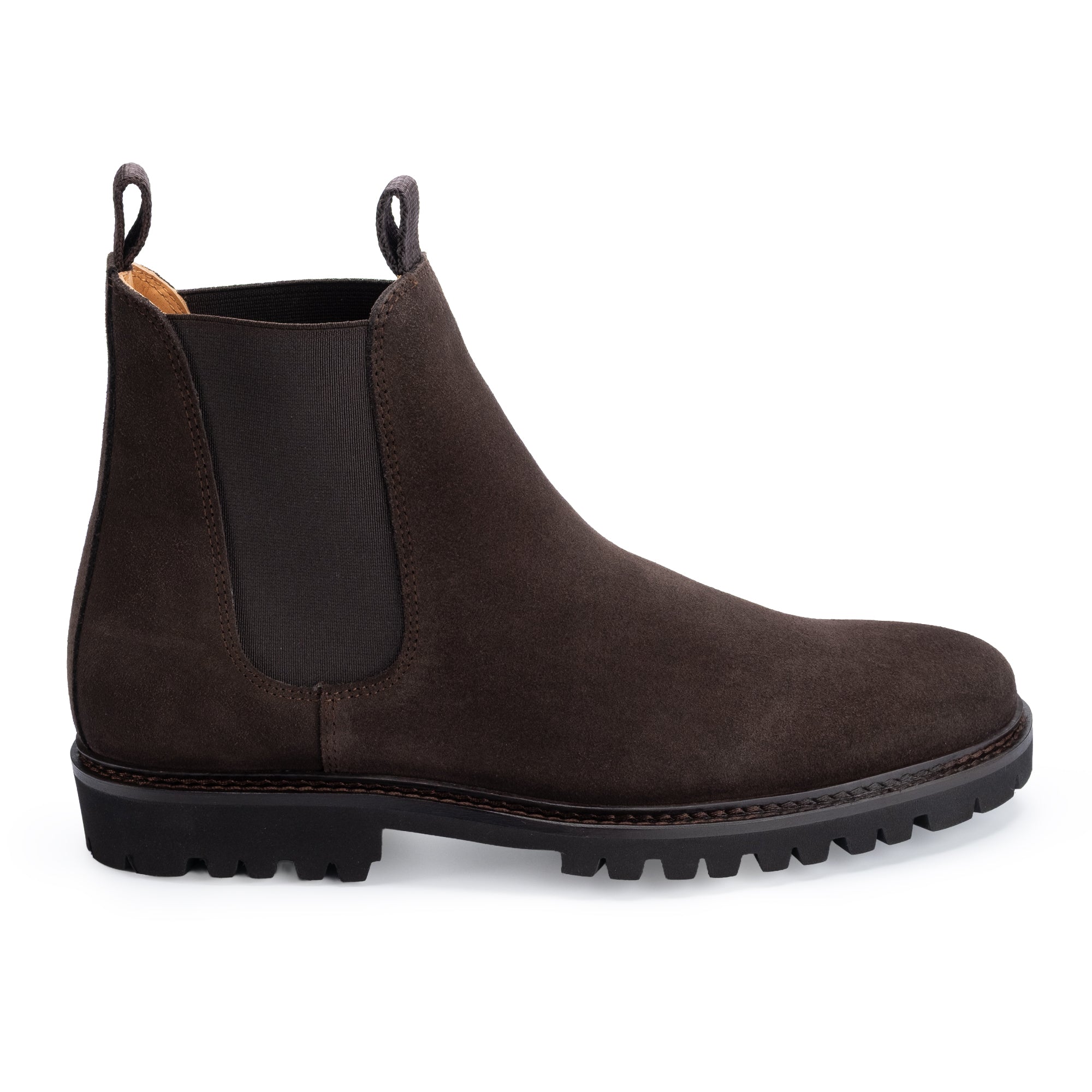
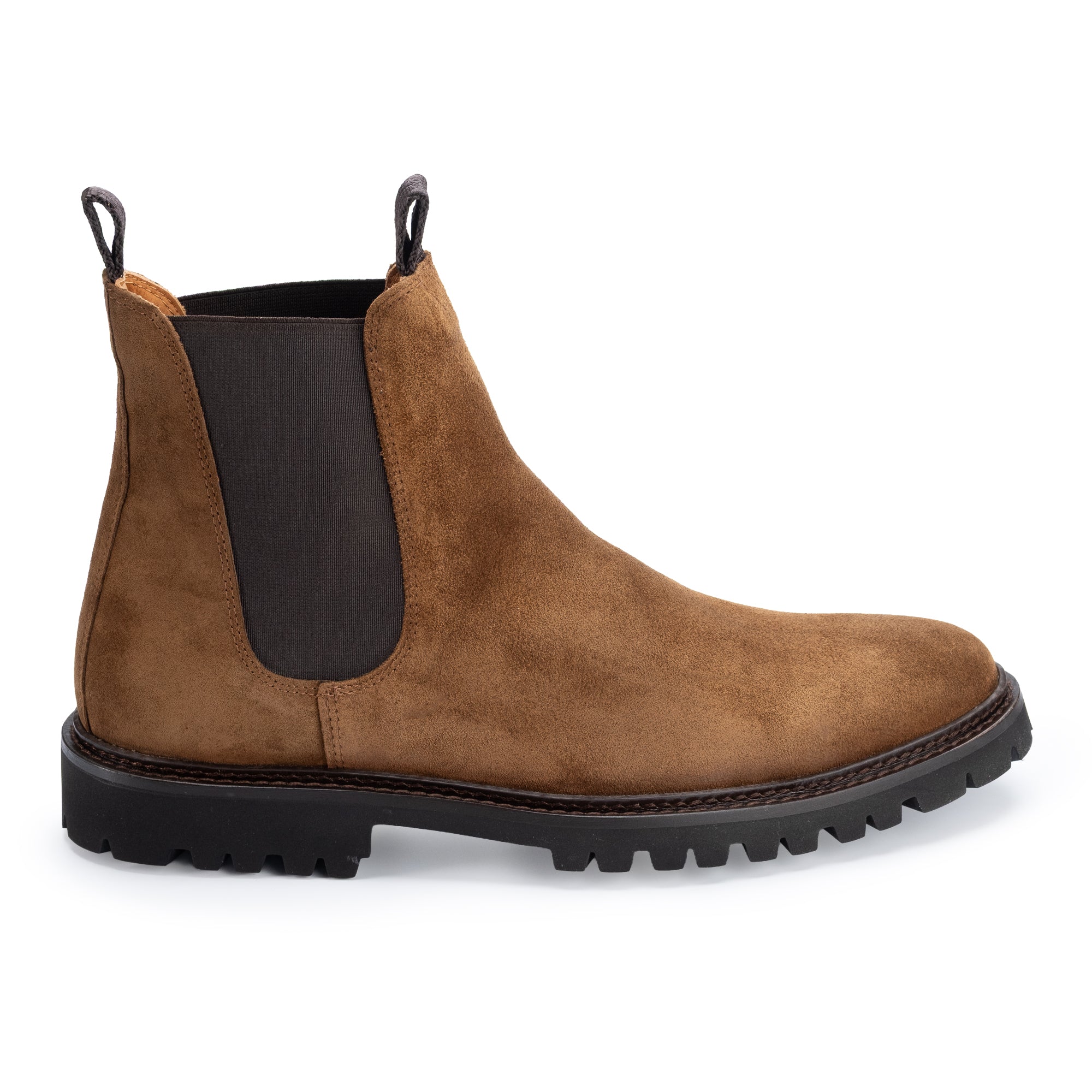
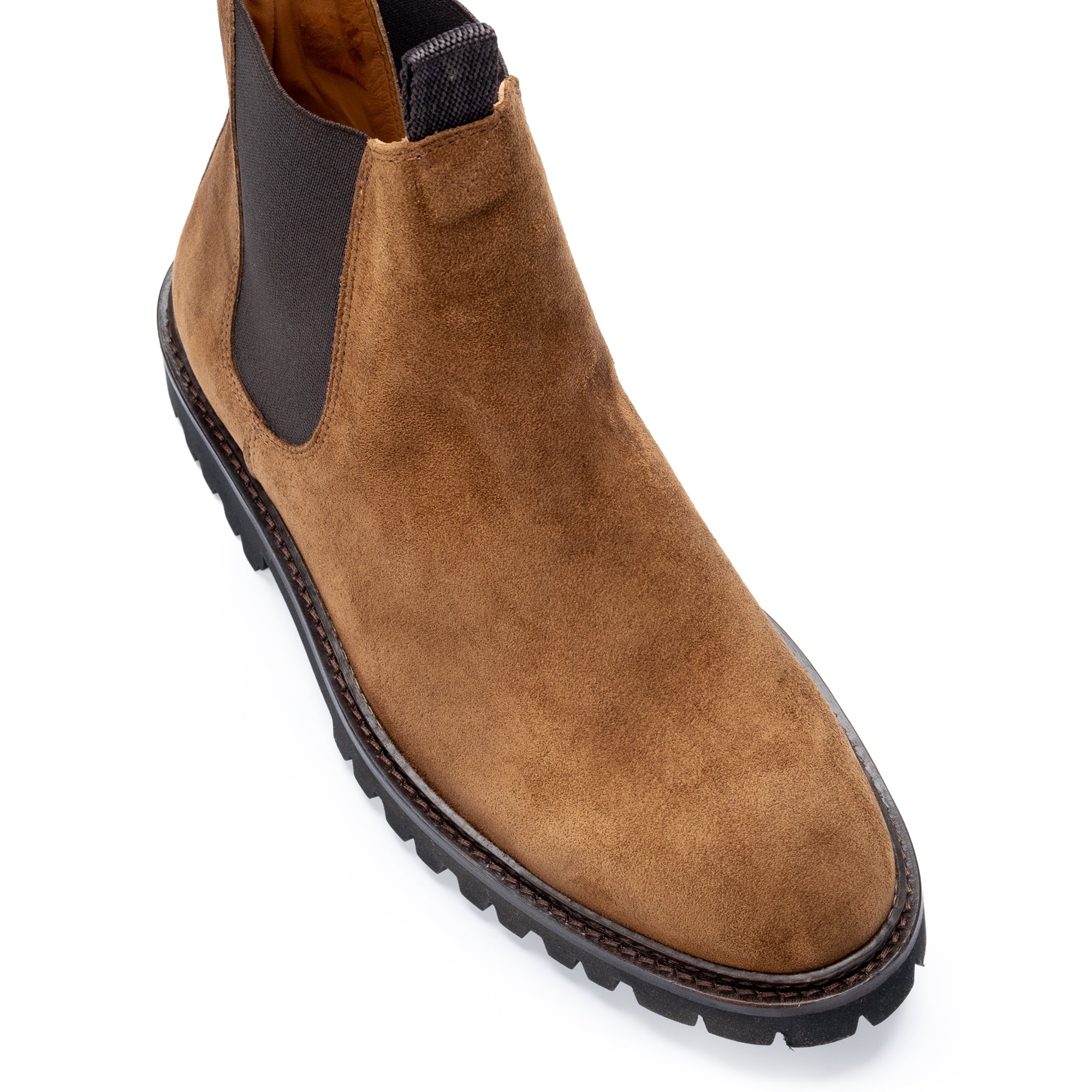
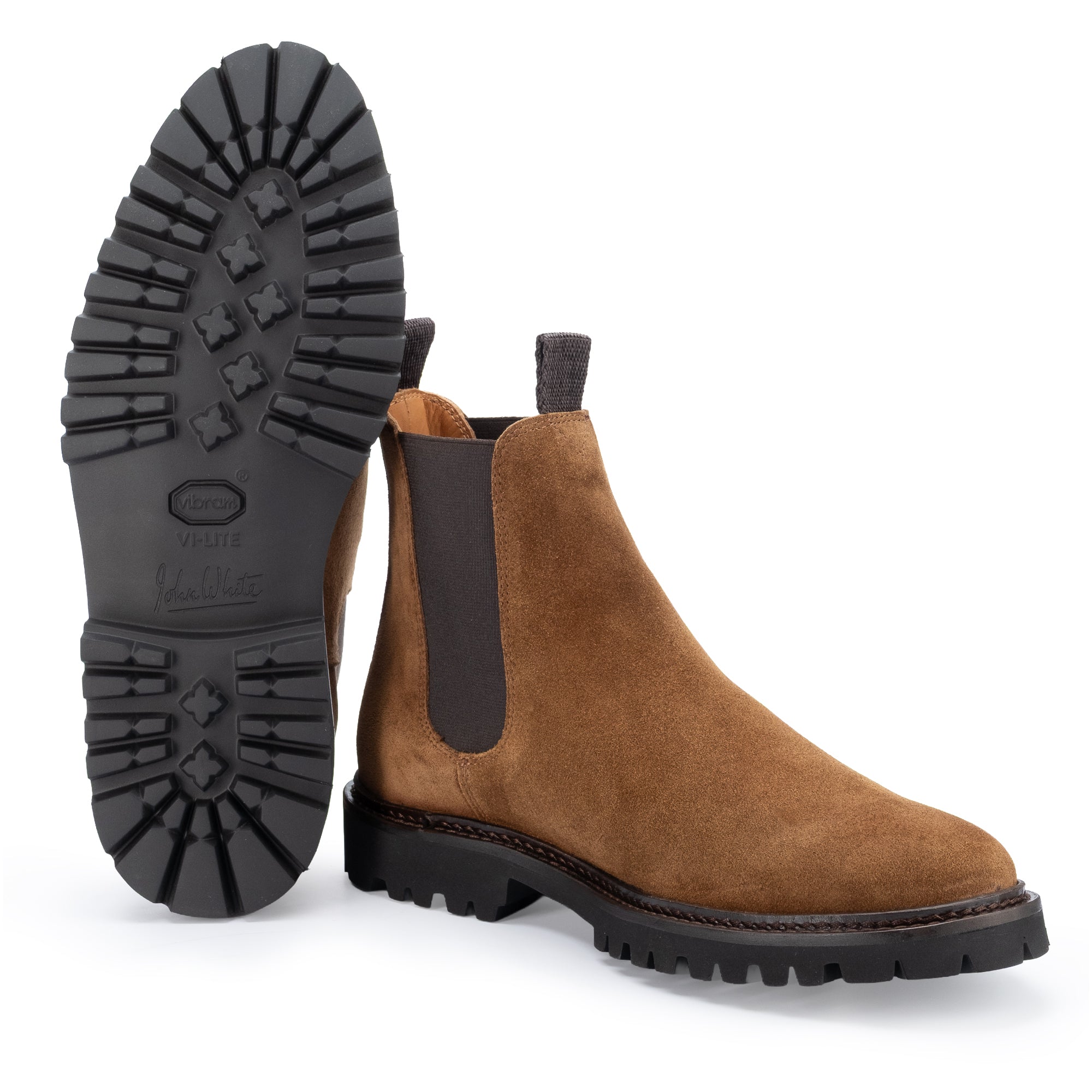
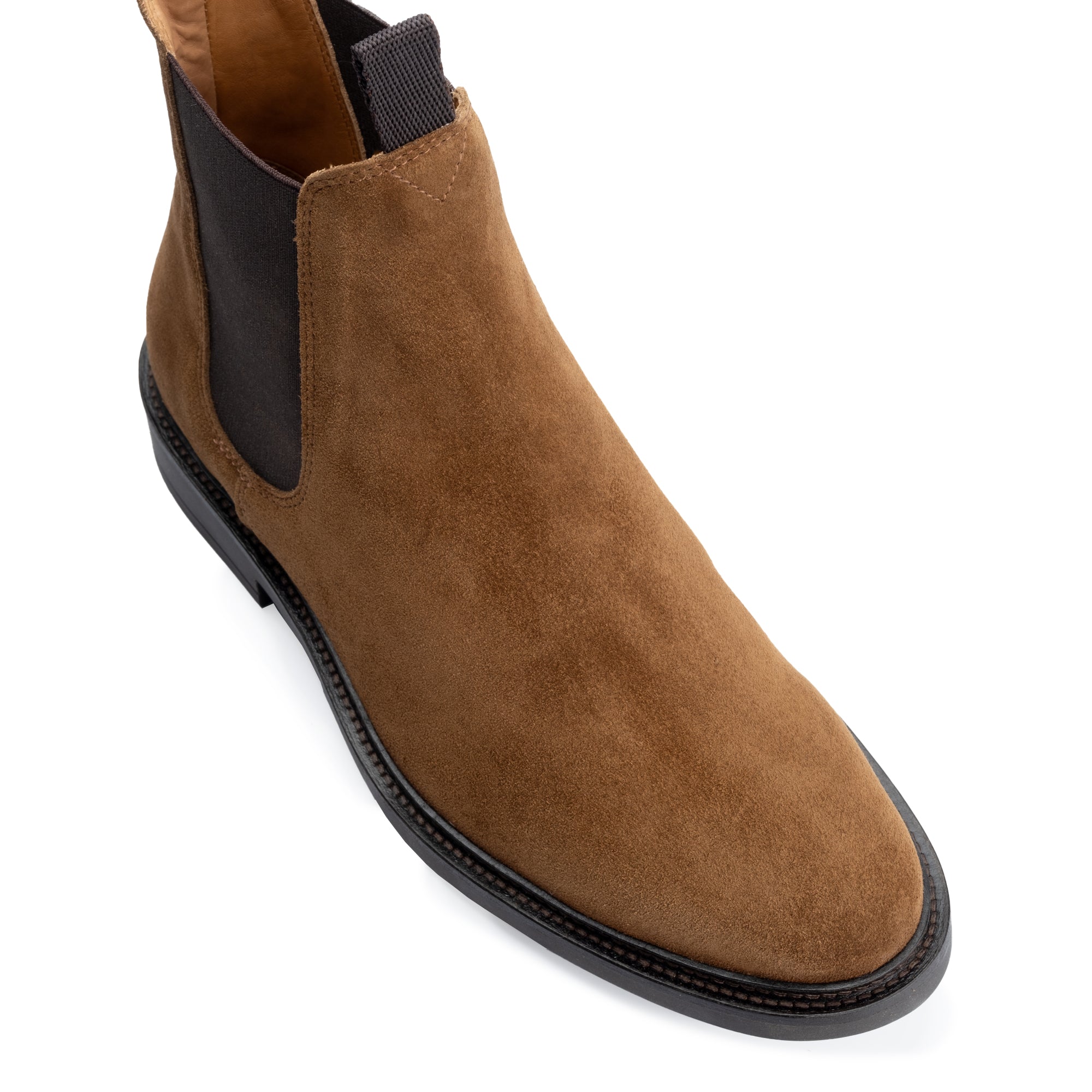
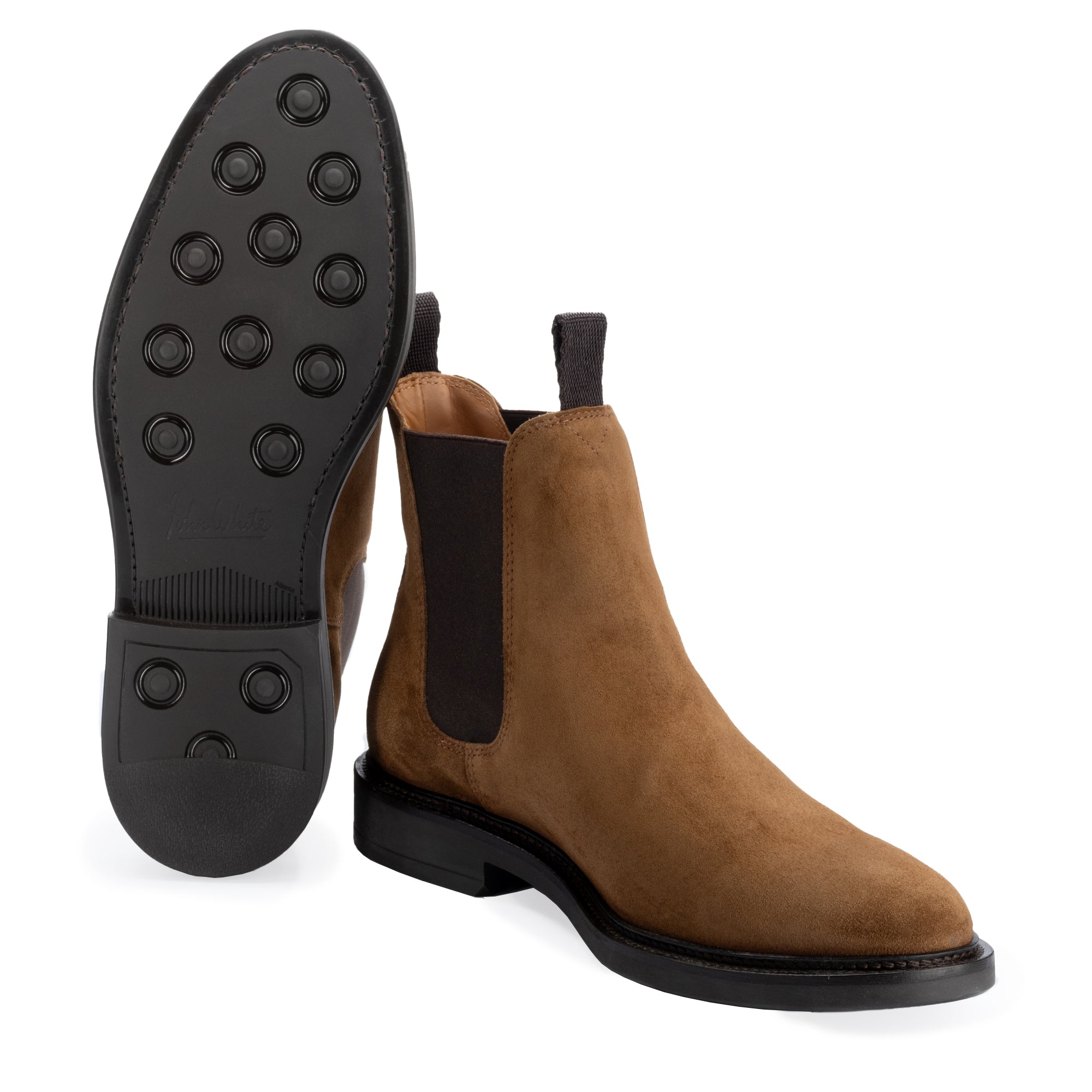
The Banff in Brown Suede represents a different temperament from its smooth-calf siblings. Suede is softer in appearance, more casual in register, and — counterintuitively, given British weather — more forgiving of light moisture than many assume, provided it has been treated with suede protector before its first outing.
Suede penny loafers are particularly at home in late spring and early summer. In autumn and winter, smooth calf handles water and road salt better with proper conditioning. If your wardrobe runs to one pair of loafers, start with calf. Suede earns its place in the warmer months as a second loafer.
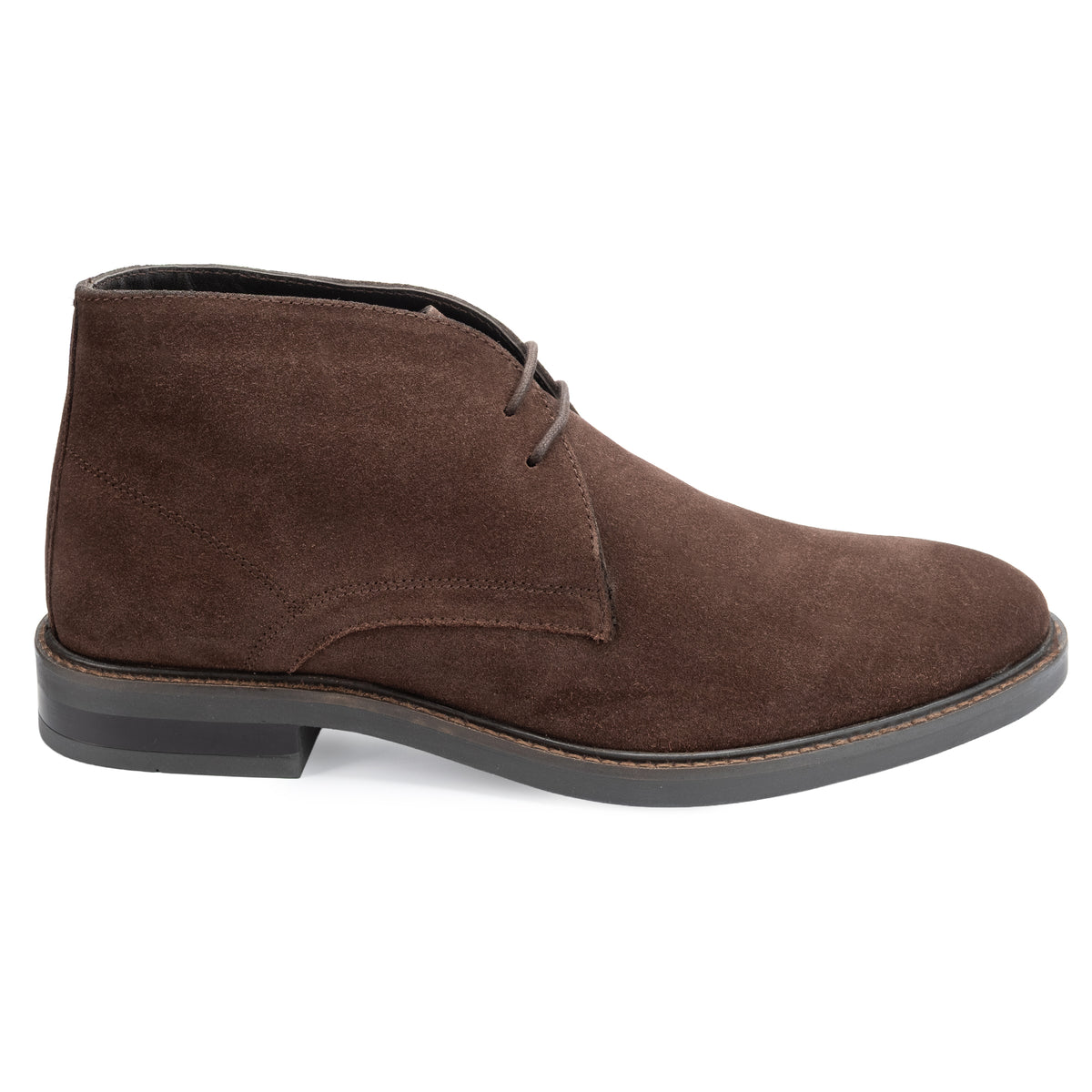
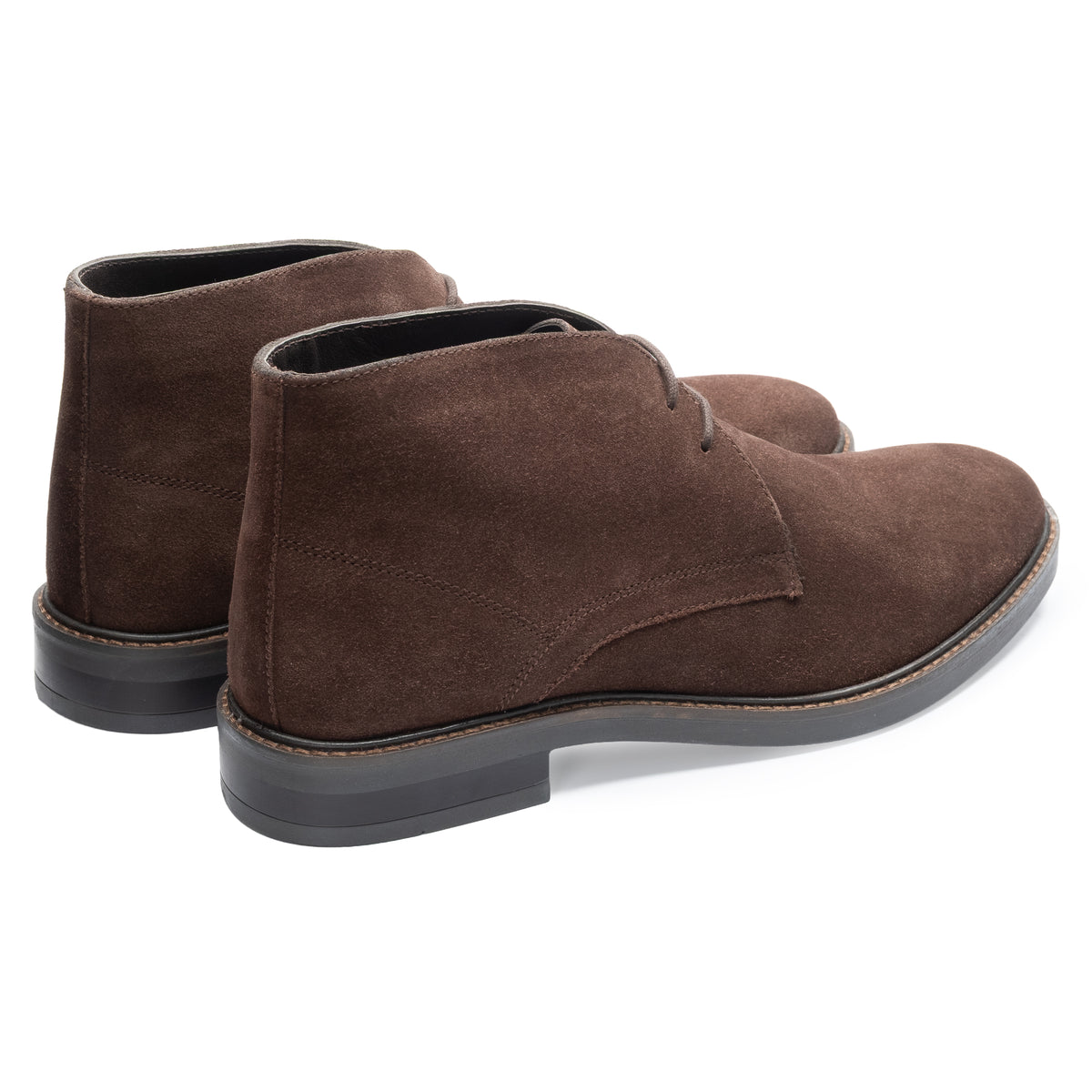
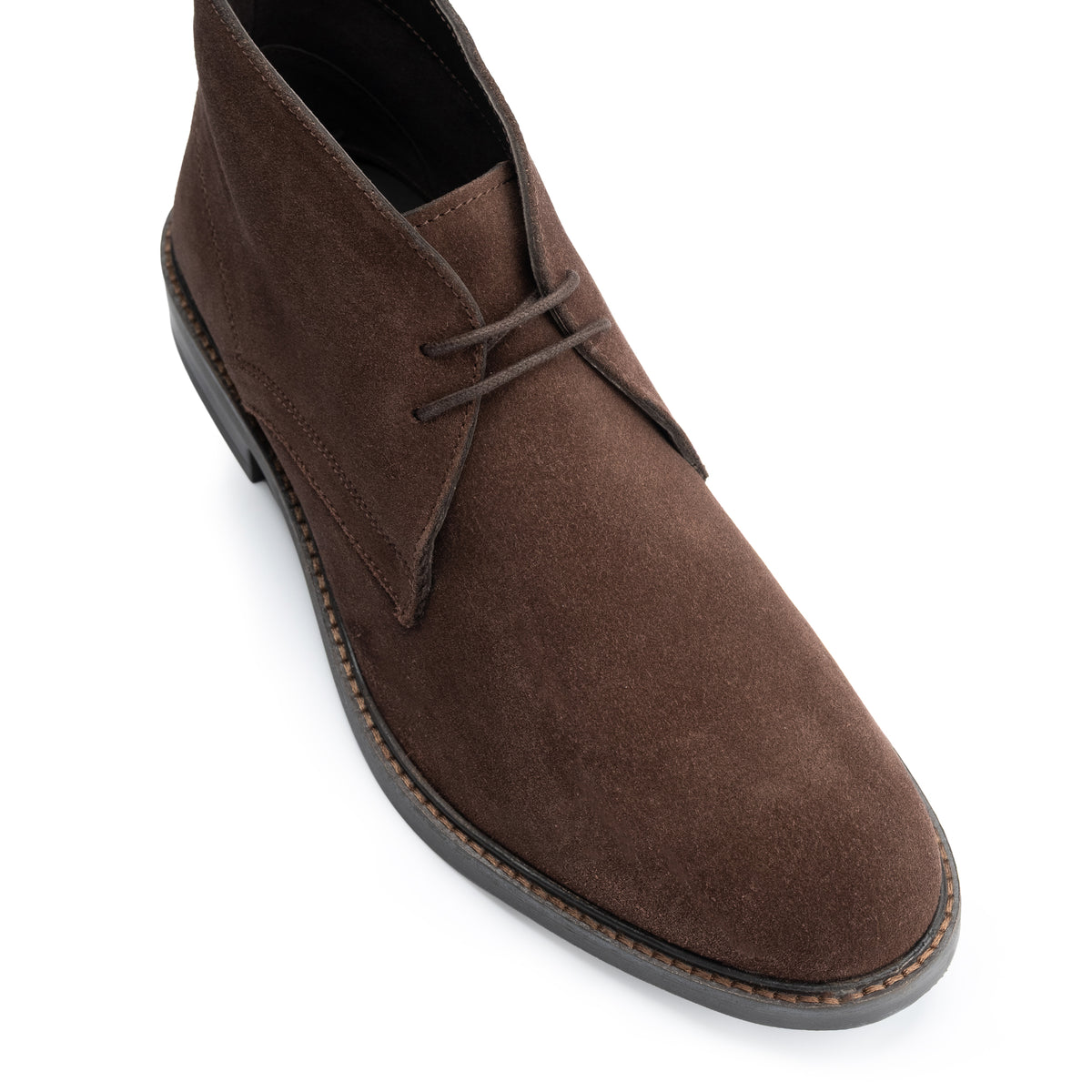
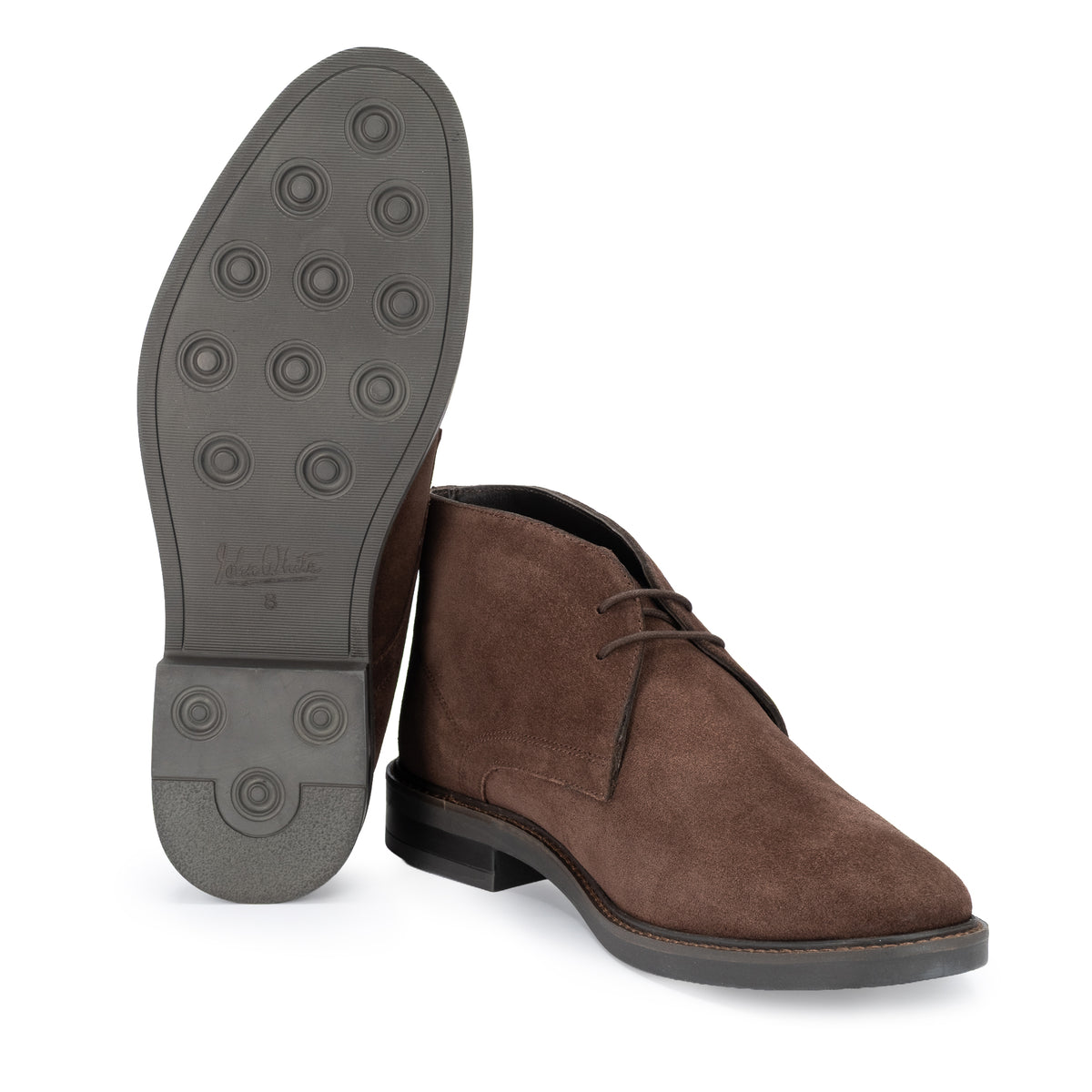
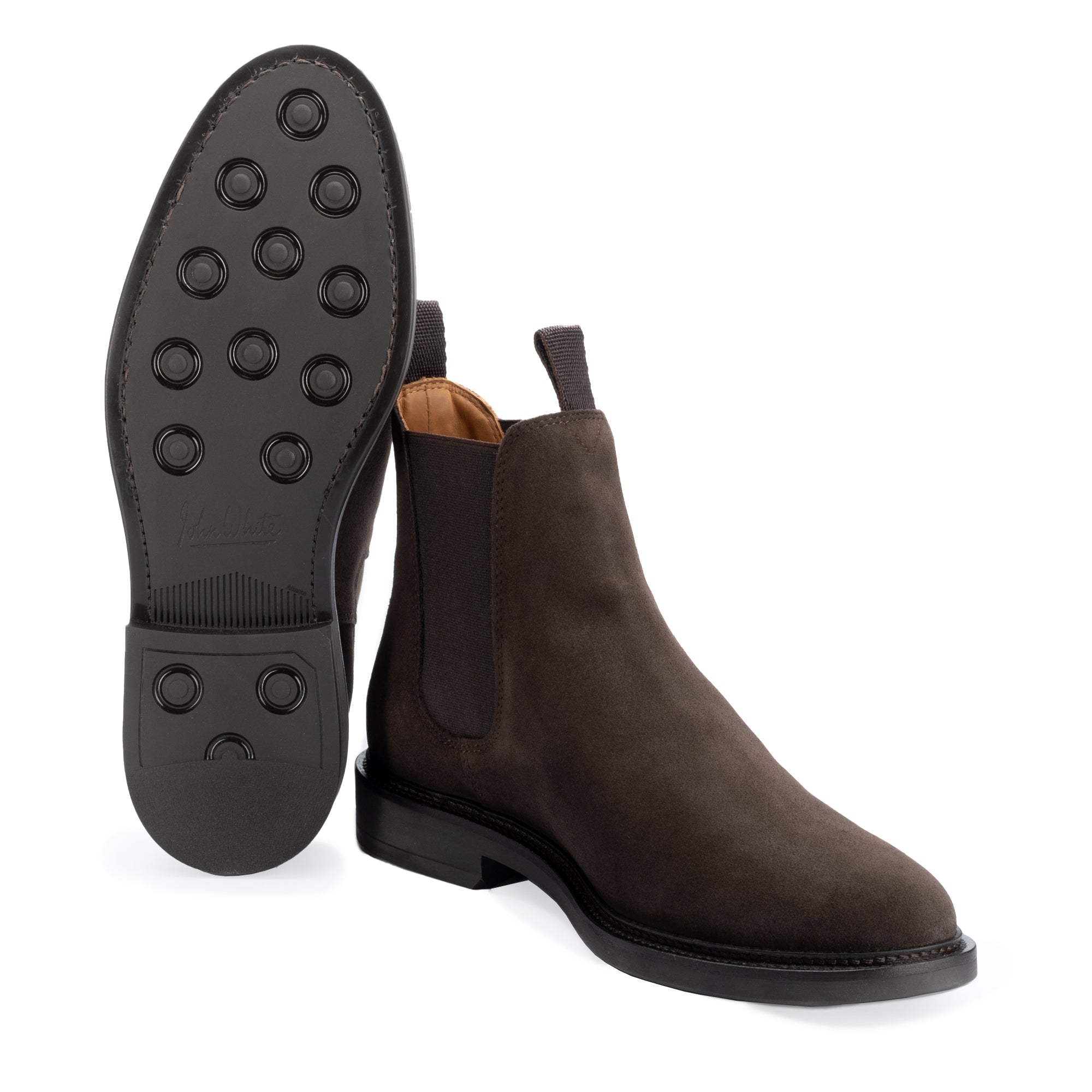
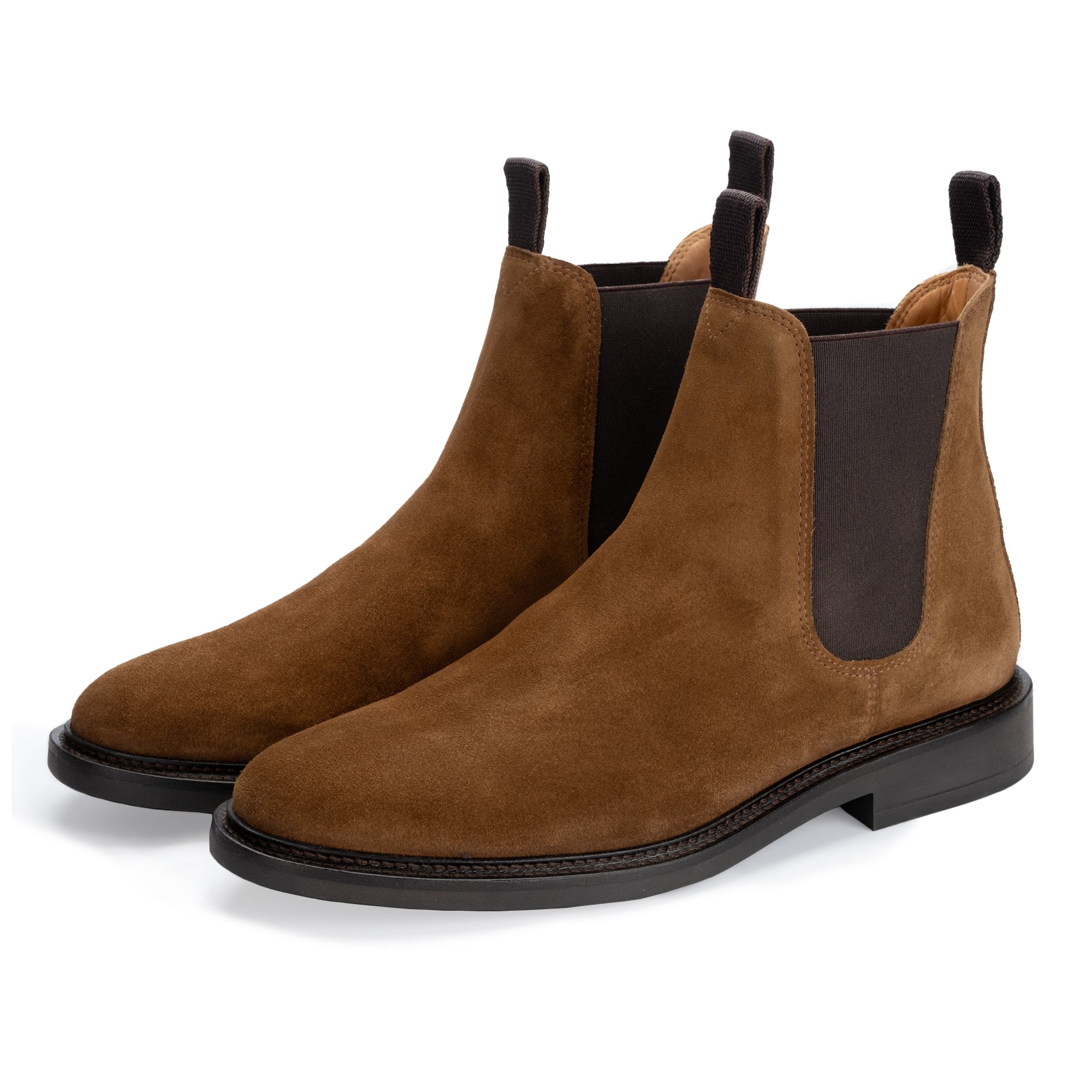
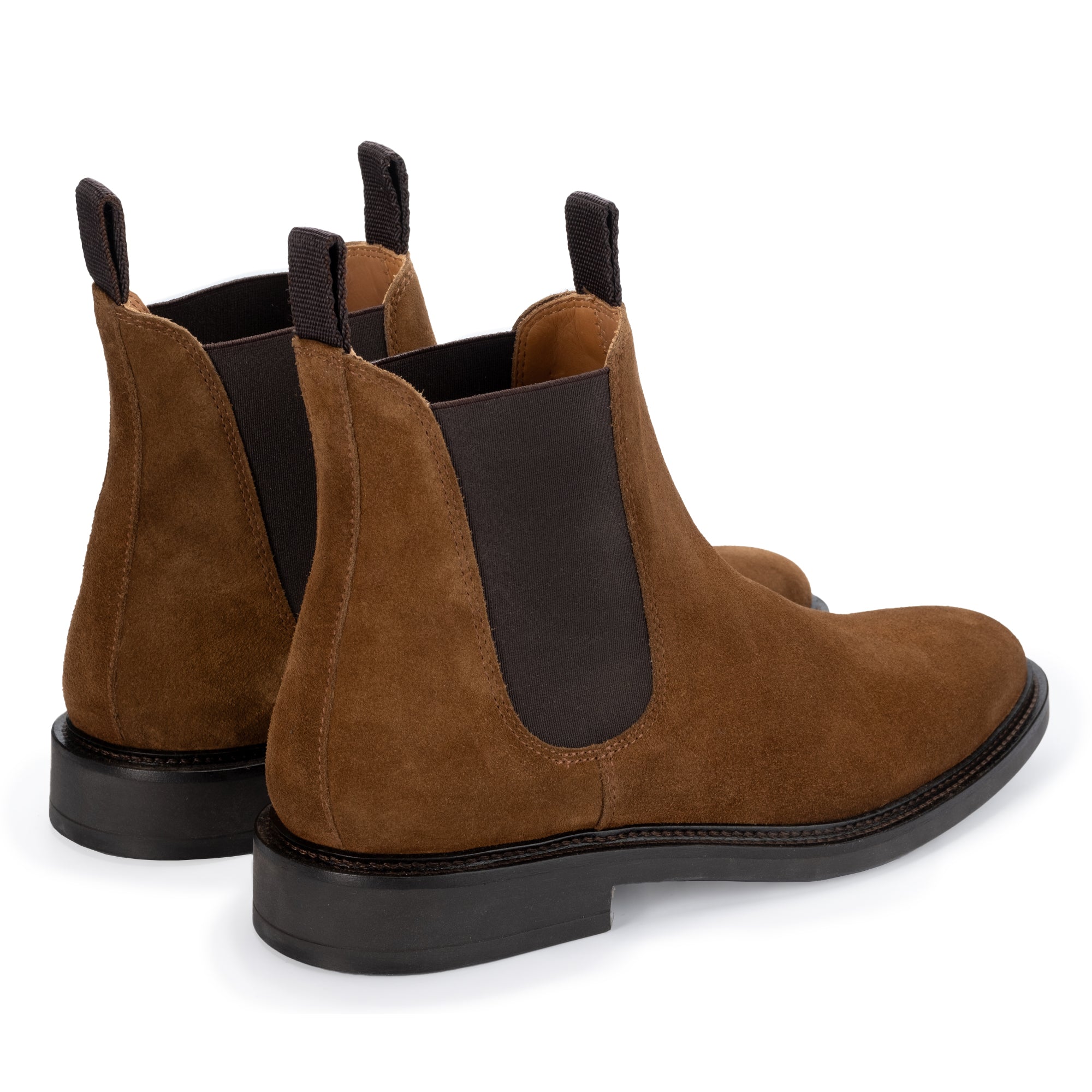
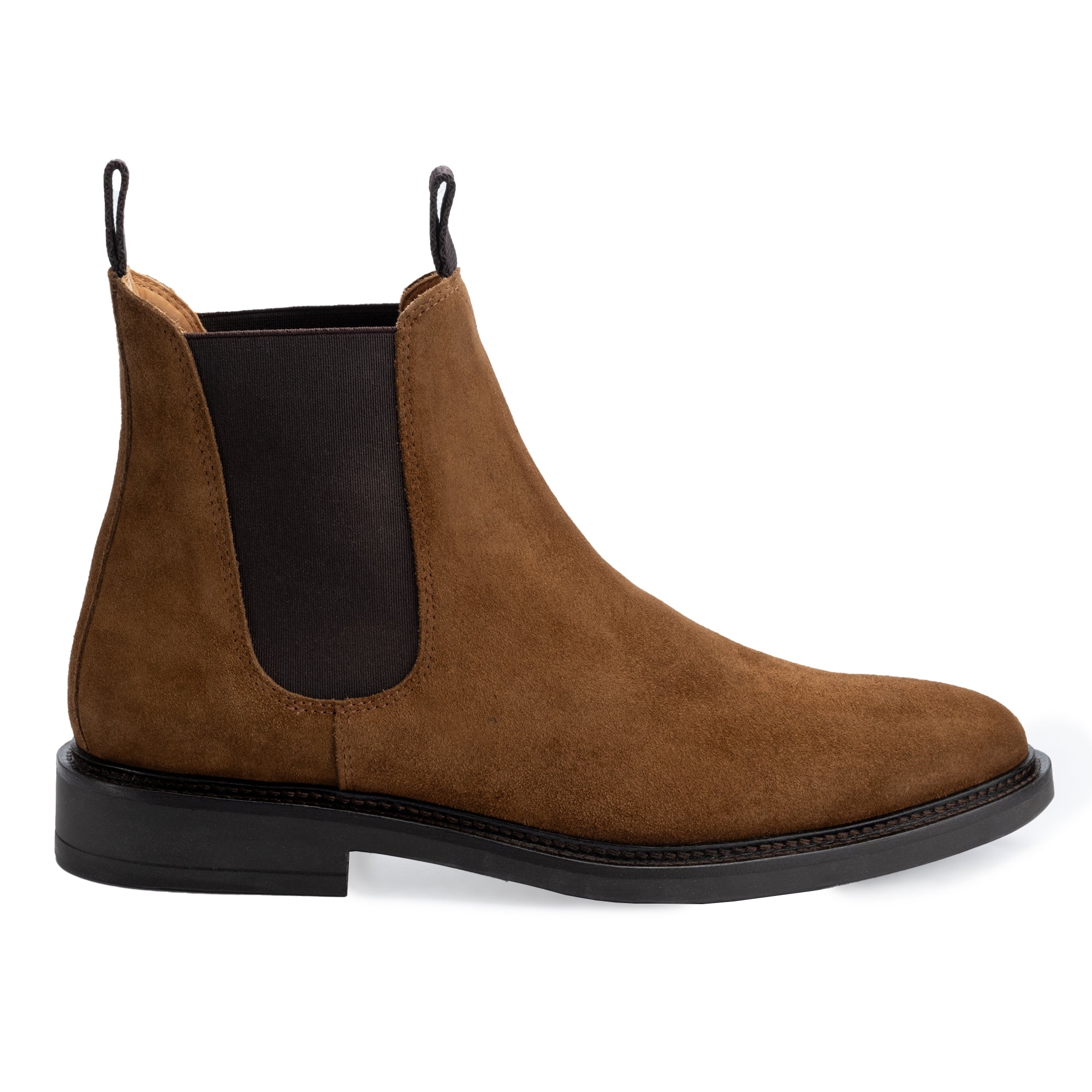
The Banff's Brown Suede is worth comparing against the Ethan Plain Calf Suede Loafer — a plain-vamp alternative without the saddle strap. The Banff's strap gives structure and definition; the Ethan reads more relaxed. The choice is a question of how dressed you want the shoe to appear.
Looking After Your Penny Loafer
Penny loafers, like all slip-ons, place more stress on the heel than lace-up shoes. Without a lace to hold the foot against the insole, the heel counter works harder with every step. Cedar shoe trees are consequently less optional for loafers than for any other style — they support the heel counter and hold the shape of the vamp while the shoe rests.
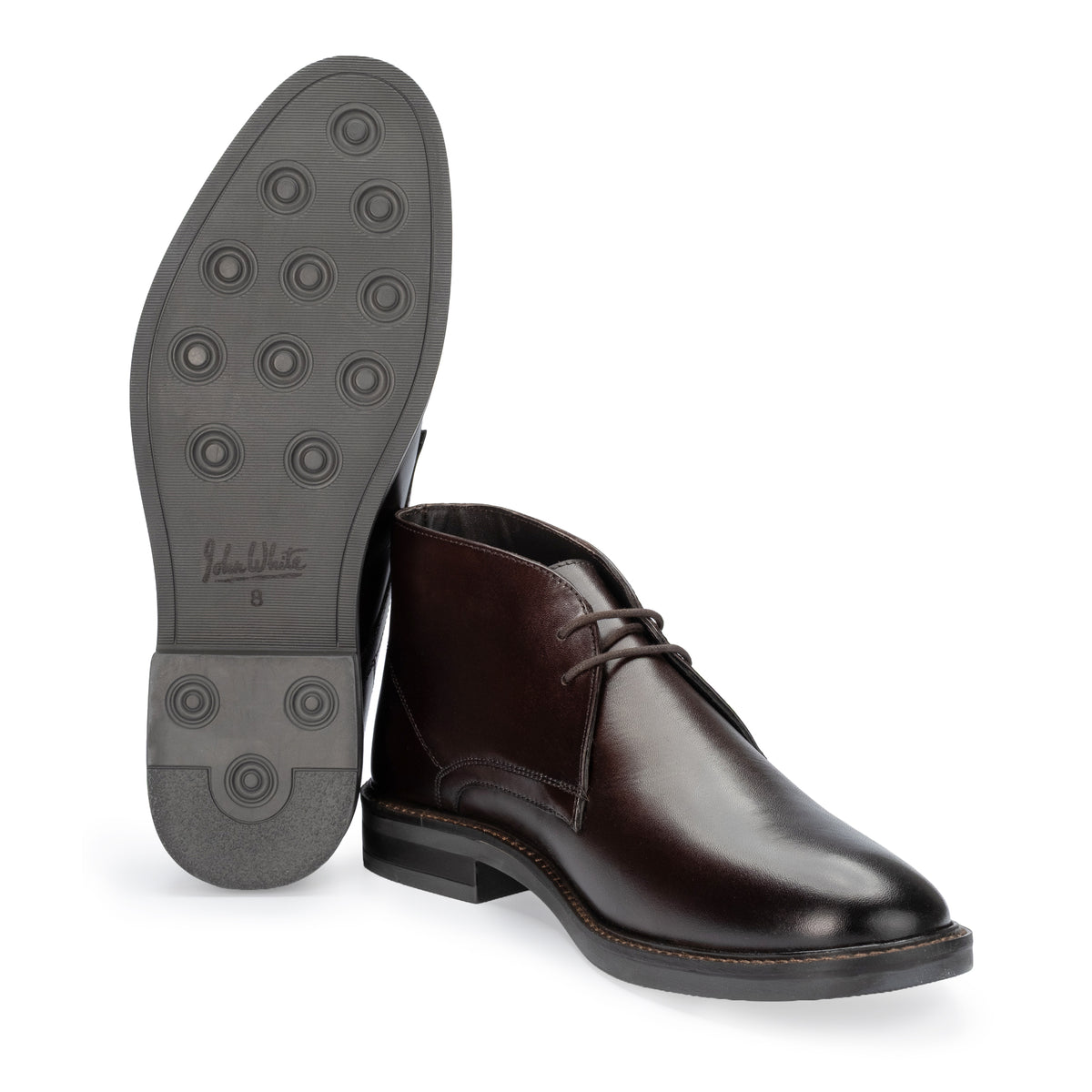
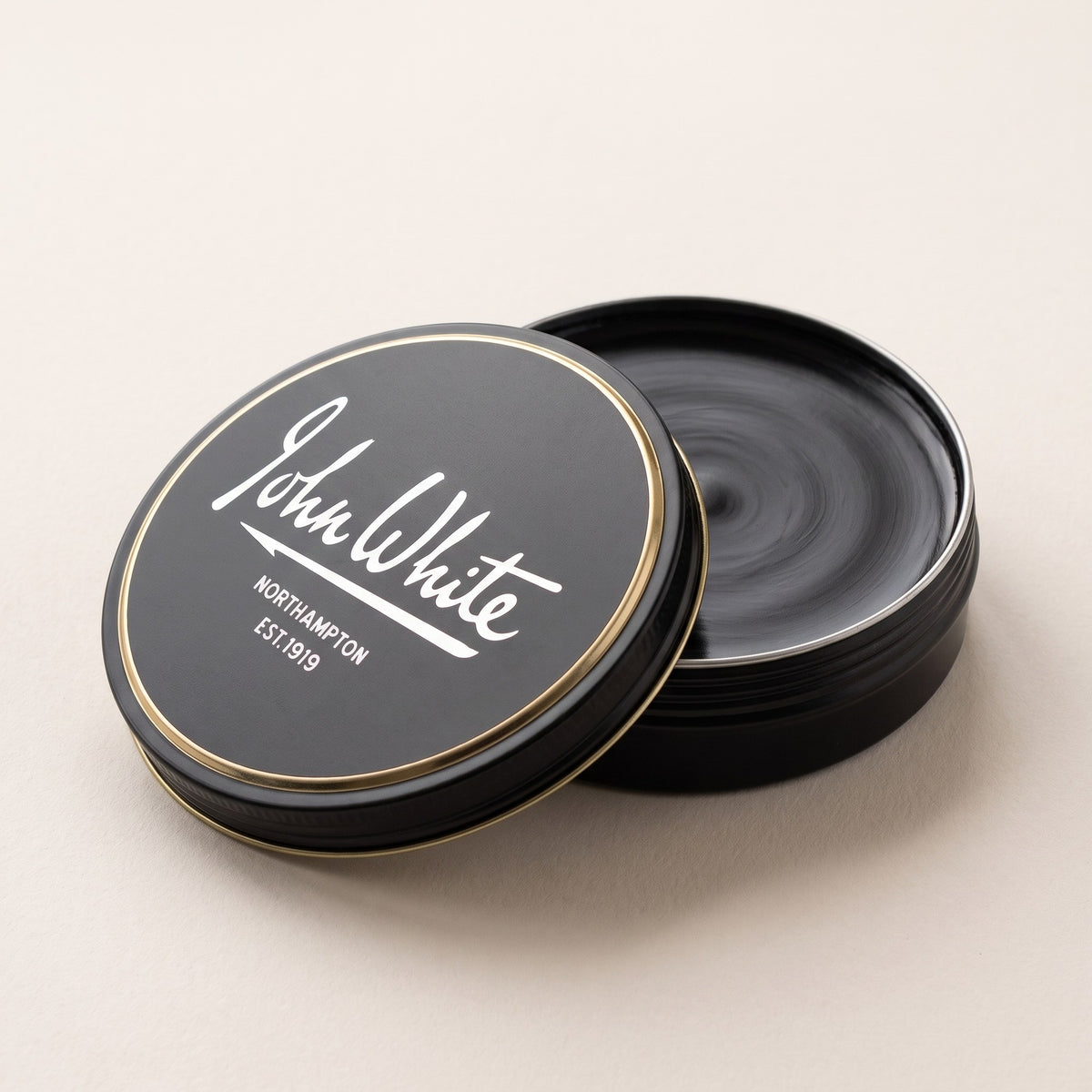
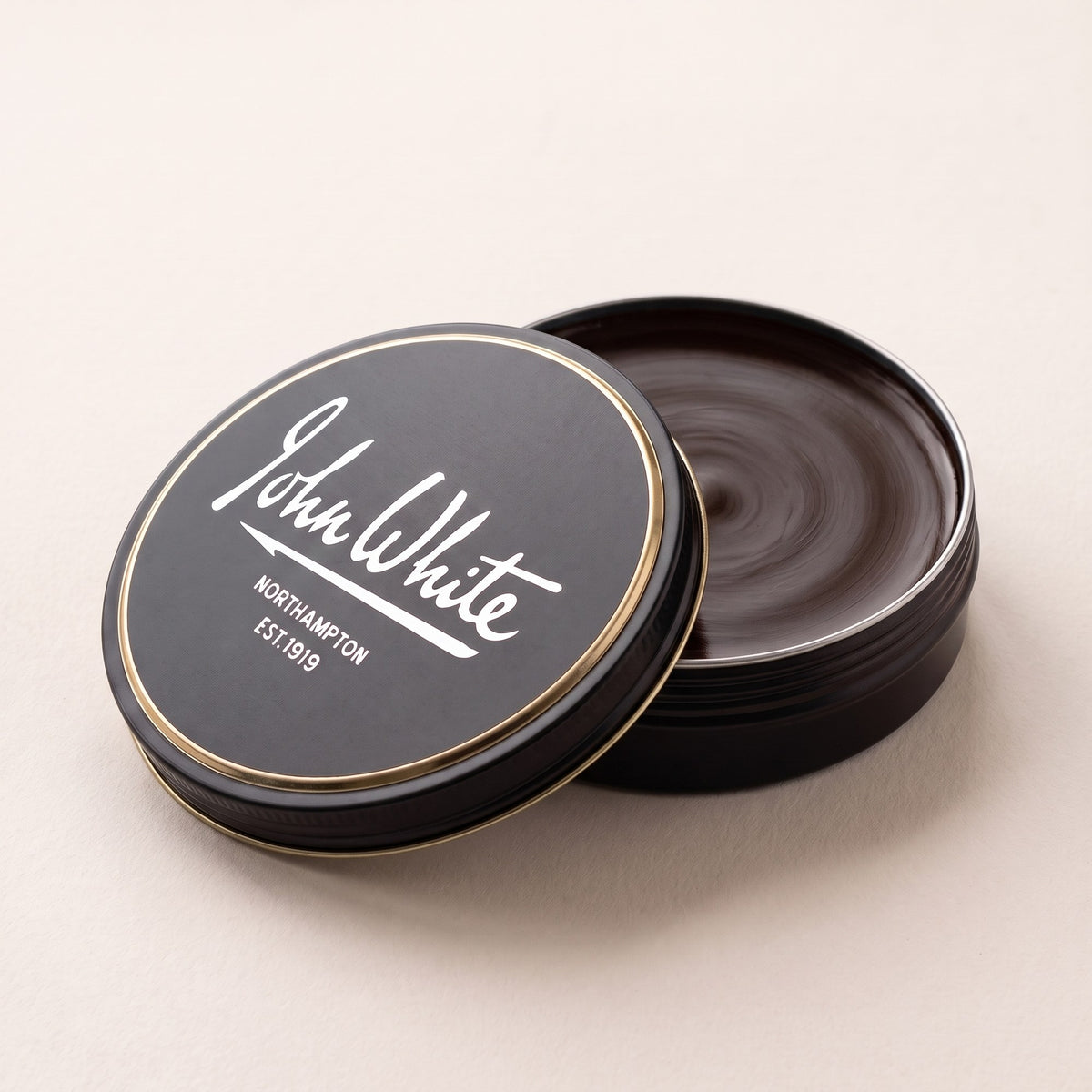
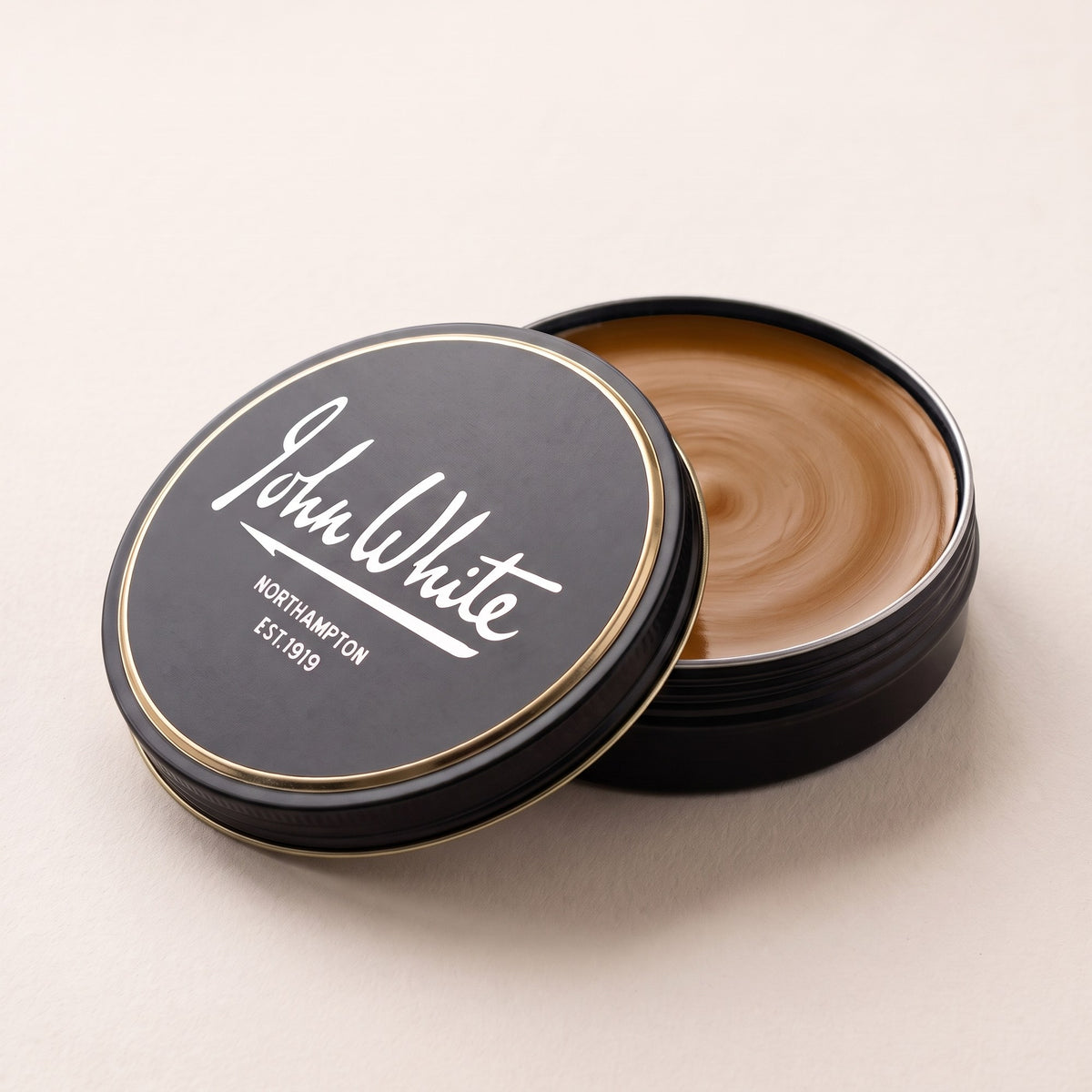
For smooth calf variants — the Downey in Black or Brown, the Banff in Black — a conditioning cream applied every eight to ten wears, followed by a thin layer of matched polish, maintains the upper and prevents cracking at the flex point near the toe box. The John White Shoes Premium Wax Polish works well on smooth calf in all standard colours.
For suede, a suede brush and a protective spray cover the essentials. Avoid applying conditioning cream to suede — it flattens the nap and the effect cannot be reversed. For surface dirt or light marks, a suede rubber lifts contamination without damage. Water marks, once dry, can often be brushed out entirely with a firm suede brush used in one direction.
The saddle strap requires no special attention beyond standard upper care, but inspect the stitching annually. On a well-made loafer, it should show no fraying after reasonable wear. If it does, a cobbler can restitch it quickly — and the shoe, properly maintained, will outlast most of what surrounds it.
The Longer Argument
The penny loafer is easy to dismiss: a name derived from pocket change, a silhouette that reads as casual to those who do not look closely, a heritage some consider too American for British purposes. None of these objections survive contact with a well-made example.
The Banff and the Downey cover the ground between a dressed weekend and a relaxed working week — one with warmth and character, one with precision and line. They are the third or fourth shoes a man acquires when he has moved past the basics and begun assembling something considered. At their best, they answer a real question: how to dress well when the occasion sits between a Derby and a trainer, and the weather means lacing anything feels like too much.