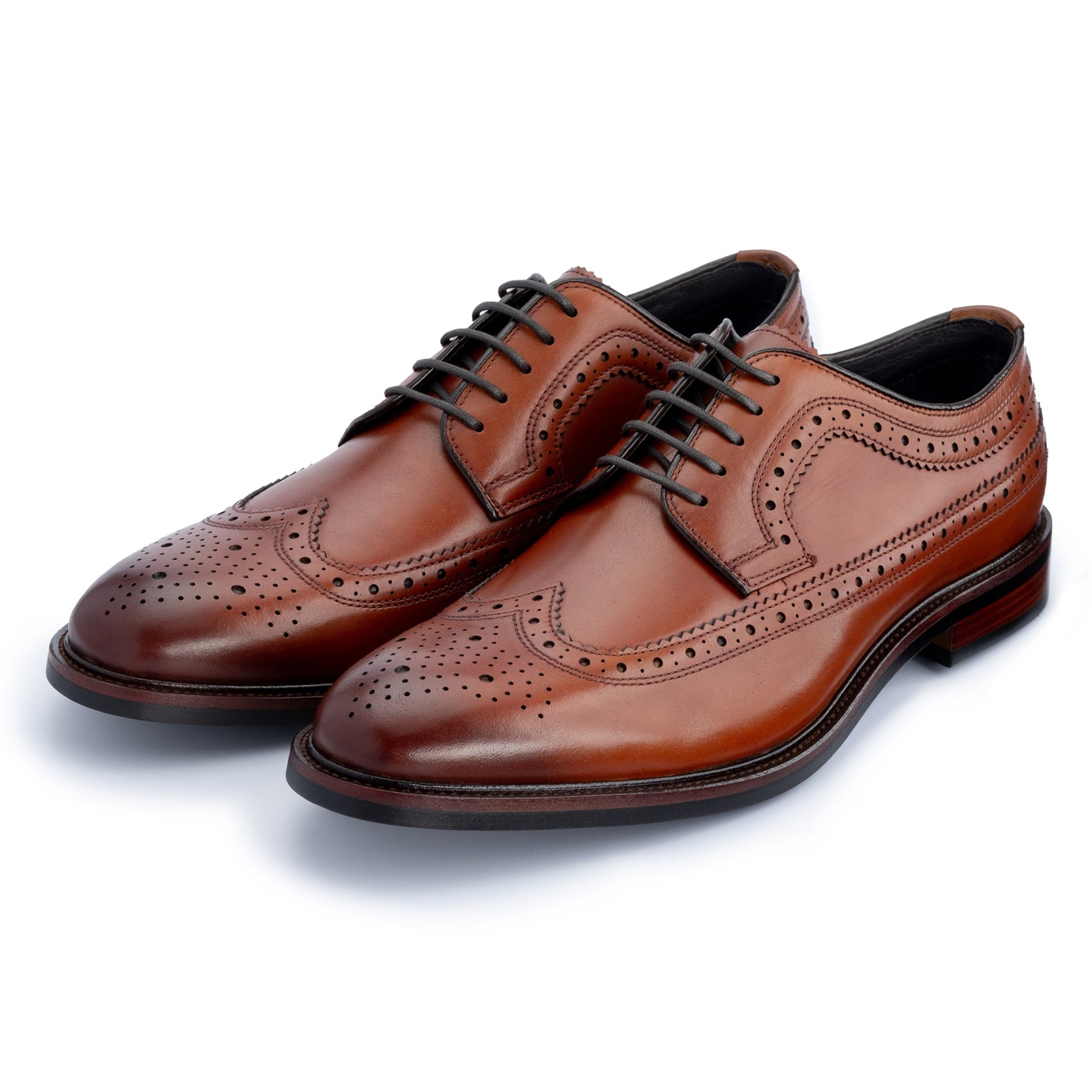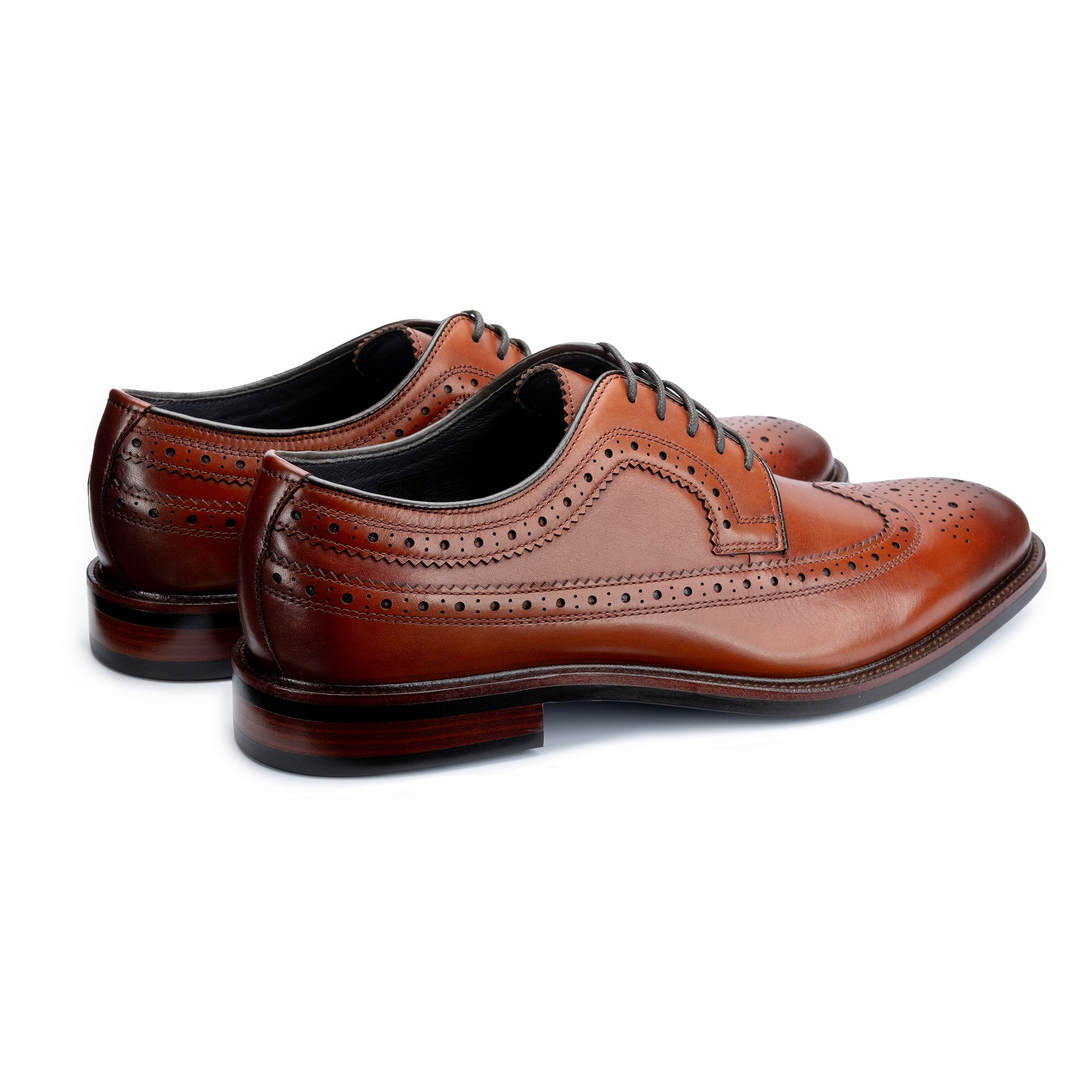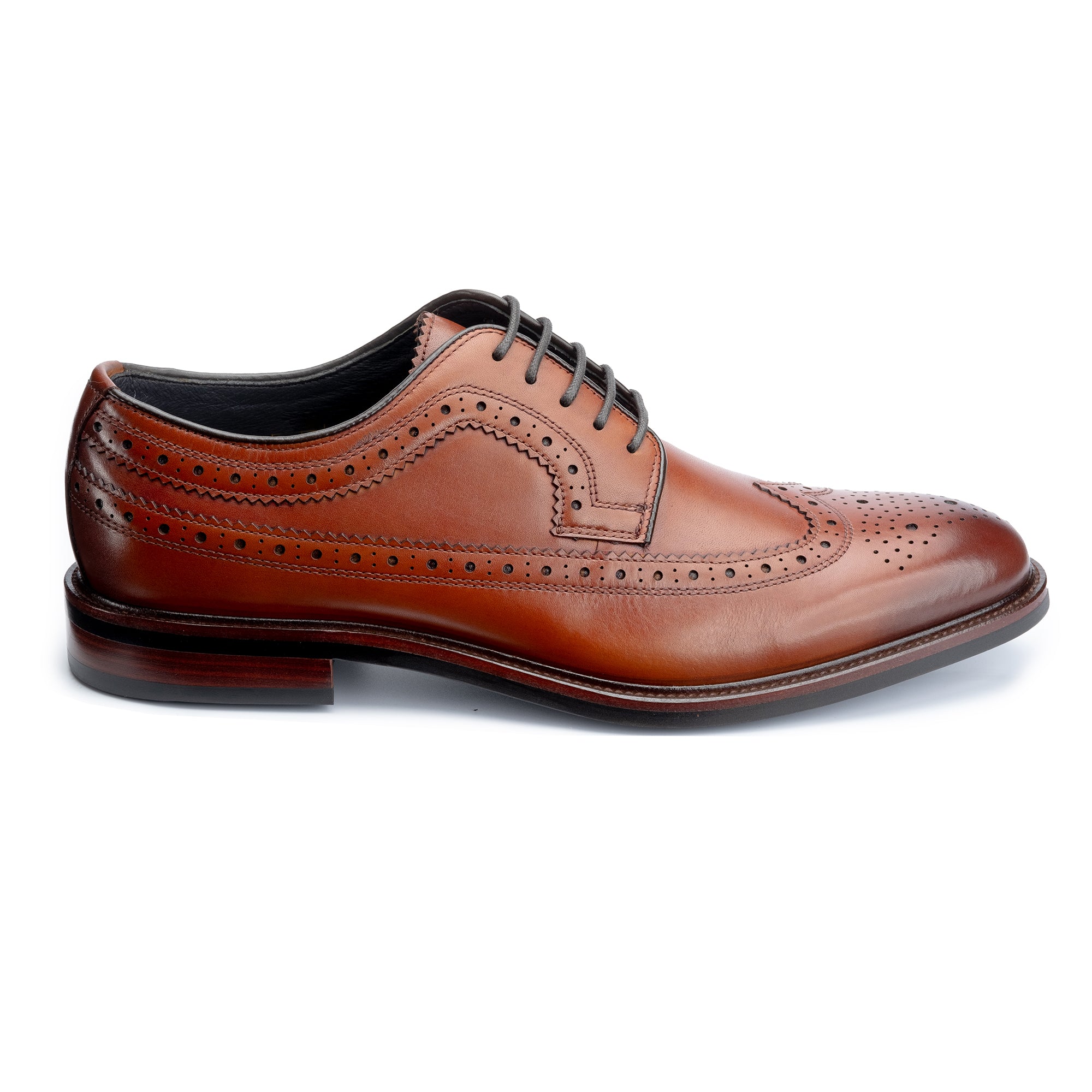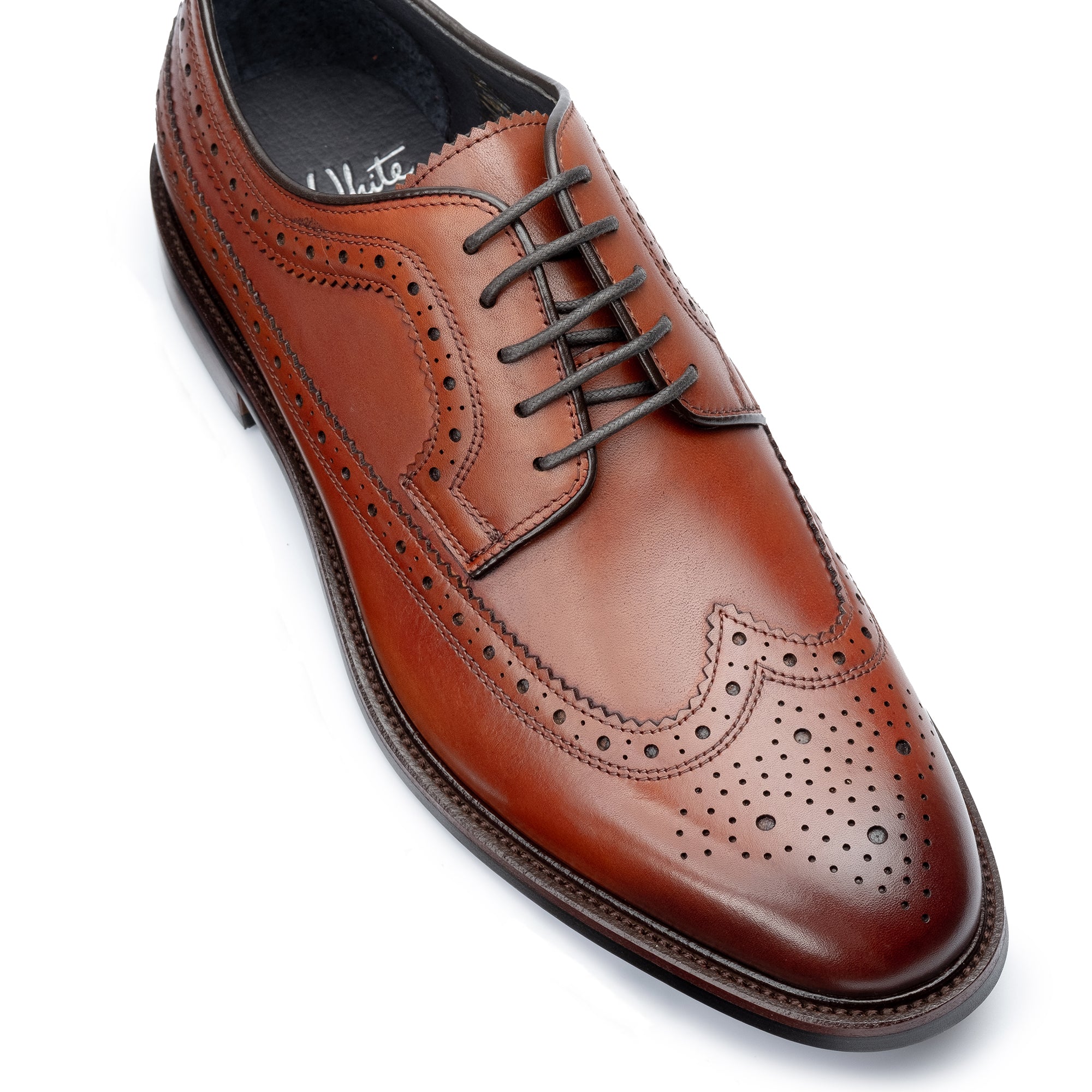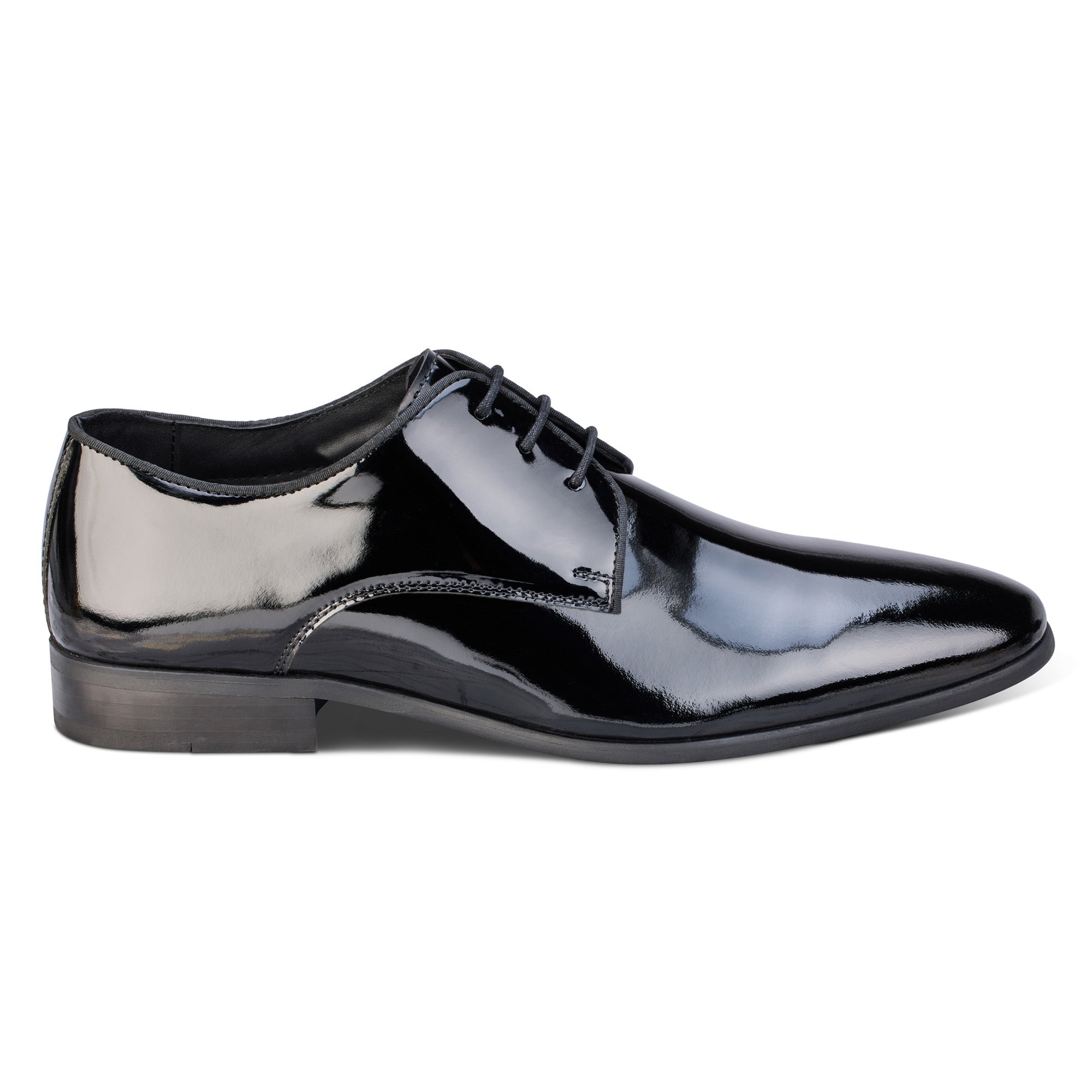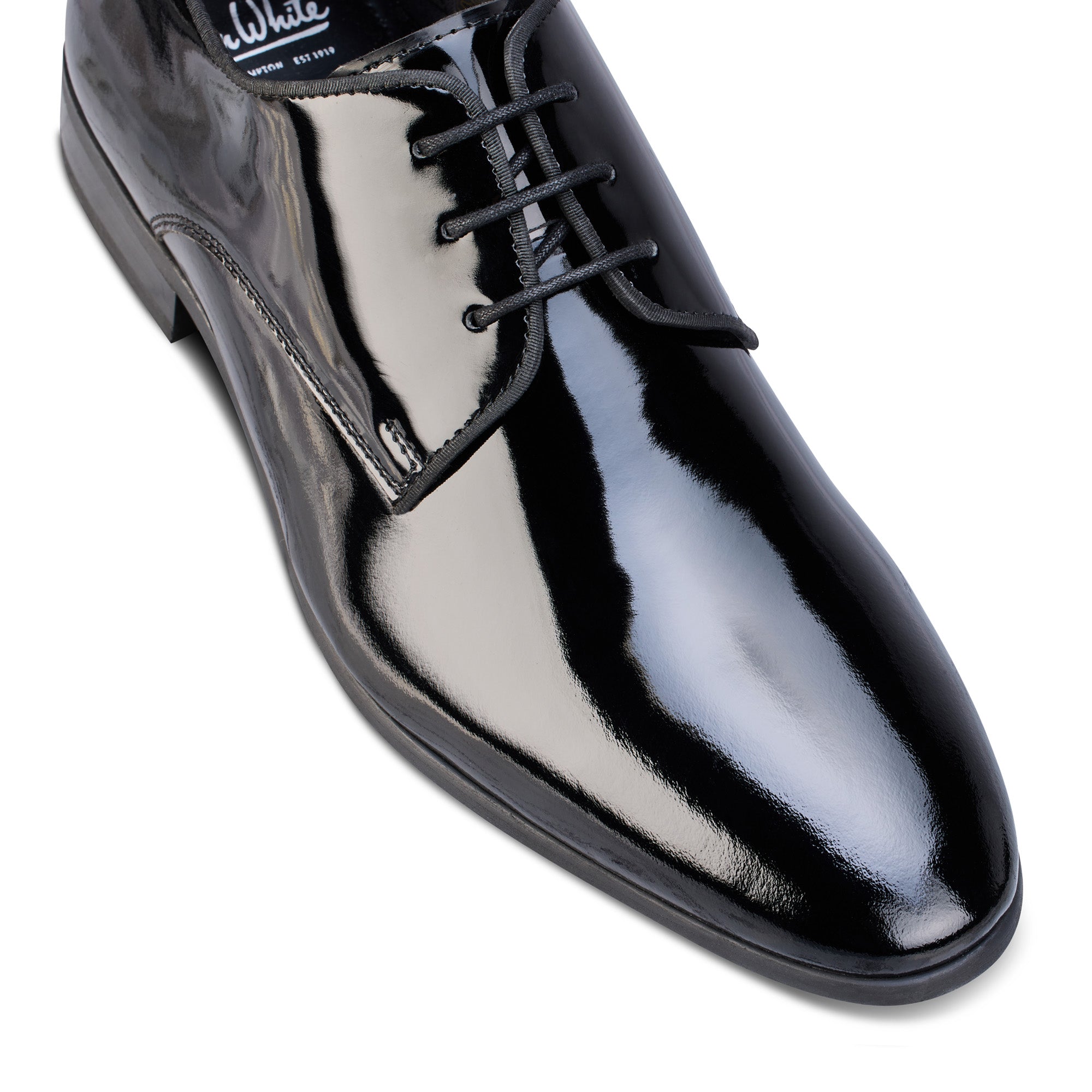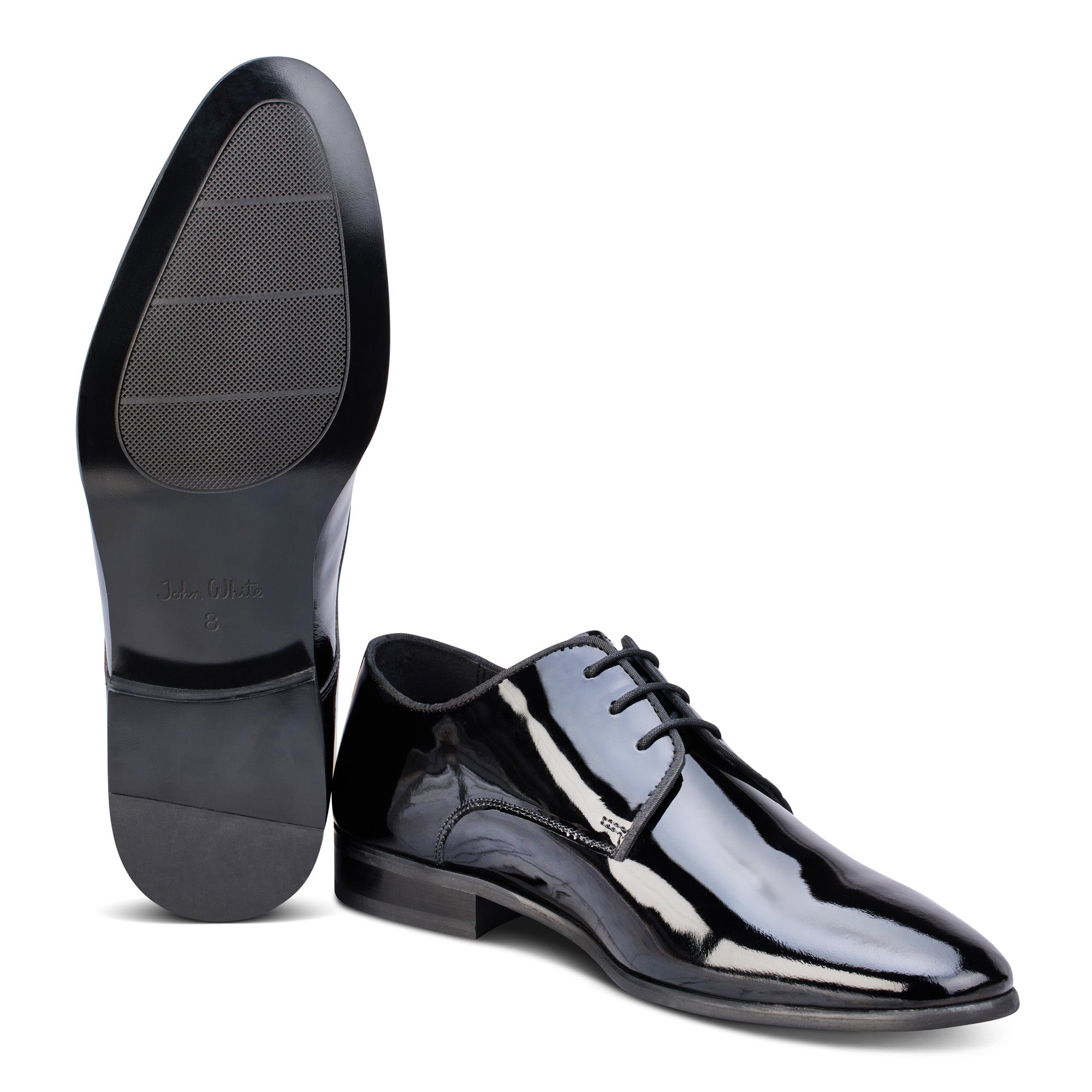

Leather Soles vs Rubber Soles: Which Is Right for You?
Leather soles offer superior formality, natural breathability, and a traditional aesthetic that develops with wear — but they perform poorly in wet or high-mileage conditions. Rubber soles provide grip, weather resistance, and durability better suited to daily urban life. The right choice depends on where you wear the shoe, how often, and what you need from it.
In This Guide
- What Is the Difference Between a Leather Sole and a Rubber Sole?
- What Are the Advantages of a Leather Sole?
- What Are the Drawbacks of a Leather Sole?
- What Are the Advantages of a Rubber Sole?
- What Are the Drawbacks of a Rubber Sole?
- How Do Leather and Rubber Soles Compare Directly?
- Which Sole Is Right for the Way You Actually Live?
- How Do You Extend the Life of Either Sole Type?
- Related Guides
- Frequently Asked Questions
The sole of a shoe determines far more than most men consider: how your foot breathes, how confidently you move on a wet London pavement, and whether the shoe reads as formal or functional at twenty paces. Yet sole material is almost never part of the buying conversation until the sole wears through. Understanding the practical difference between leather and rubber soles — and knowing when each is appropriate — is the kind of knowledge that shapes how you buy footwear for the next decade.
What Is the Difference Between a Leather Sole and a Rubber Sole?
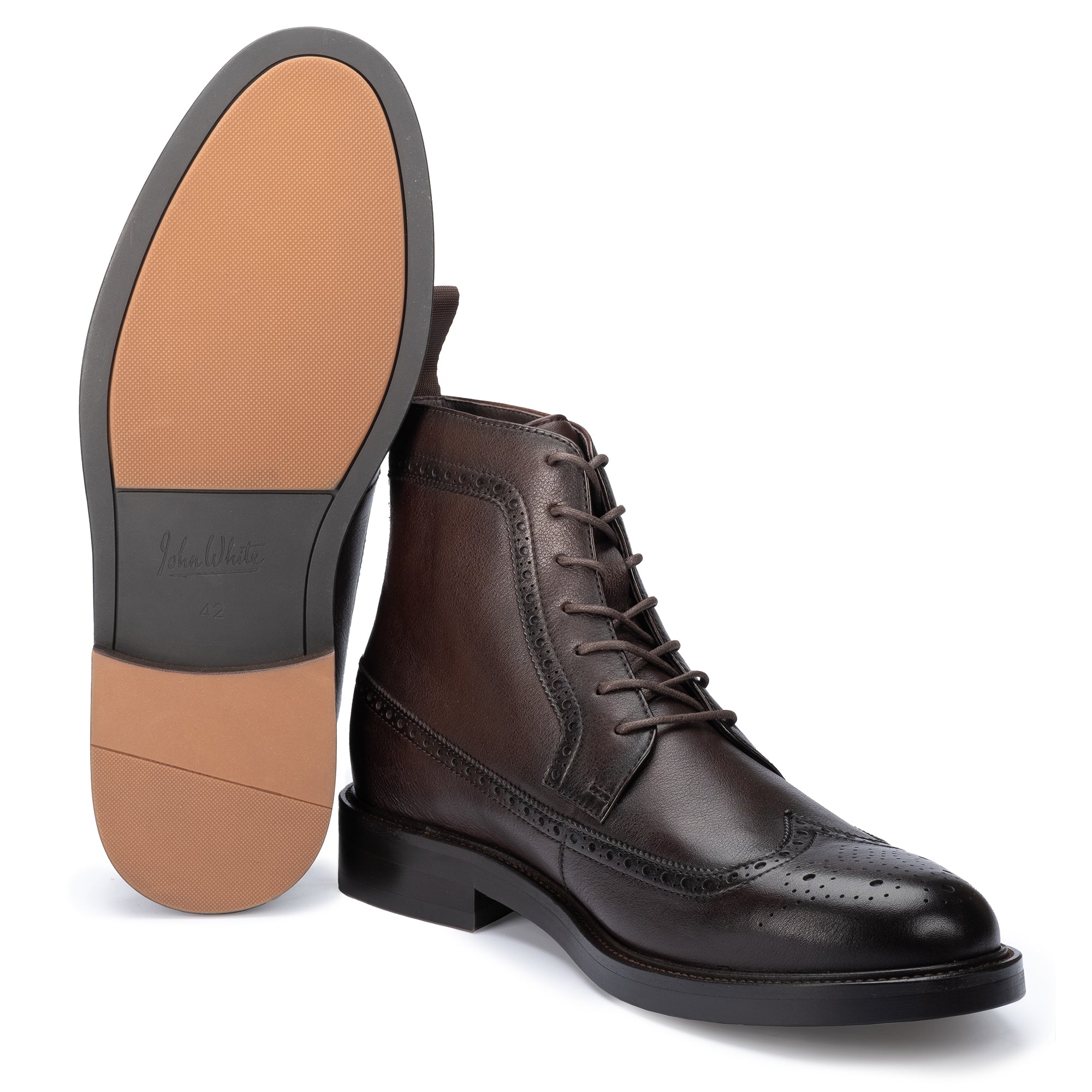
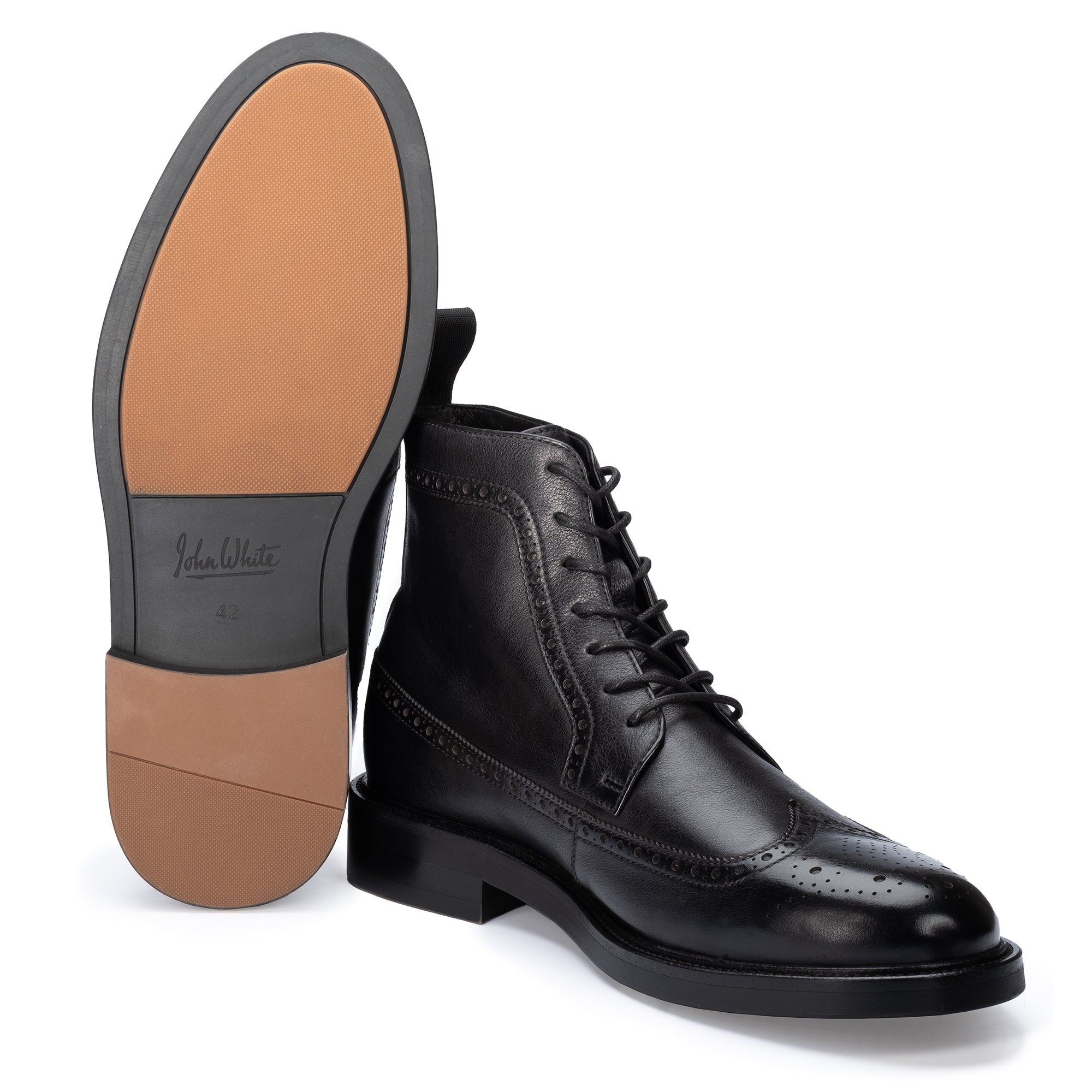
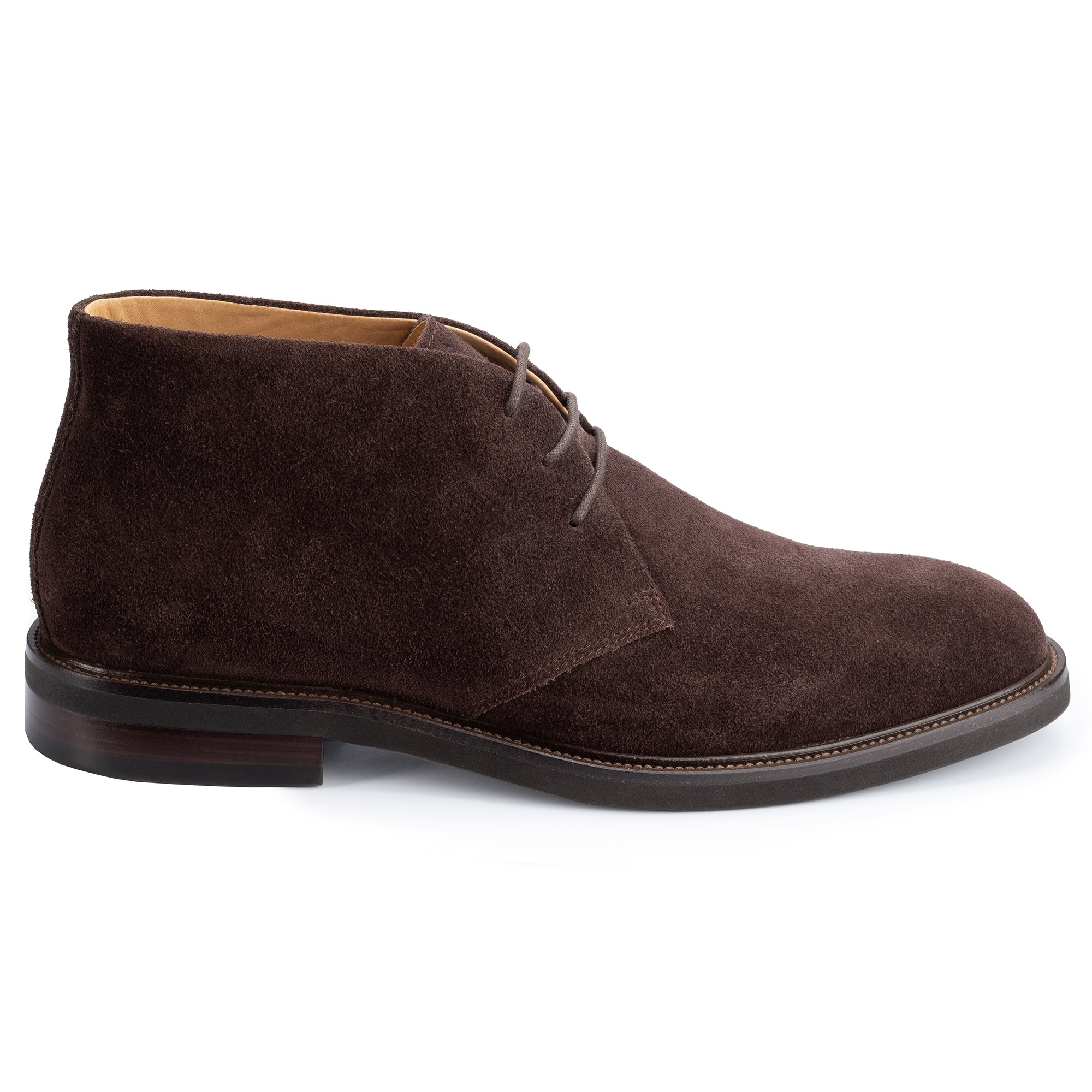
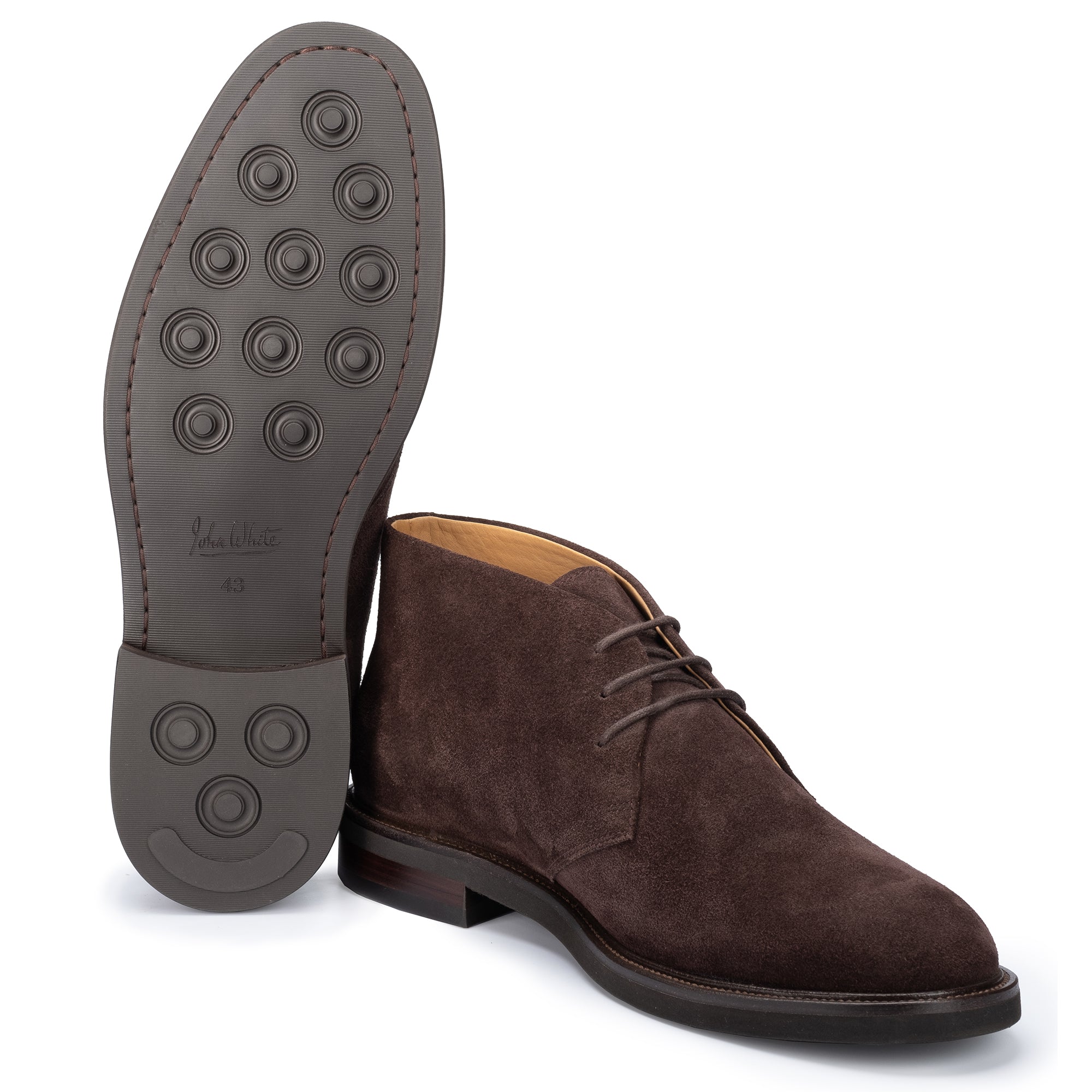
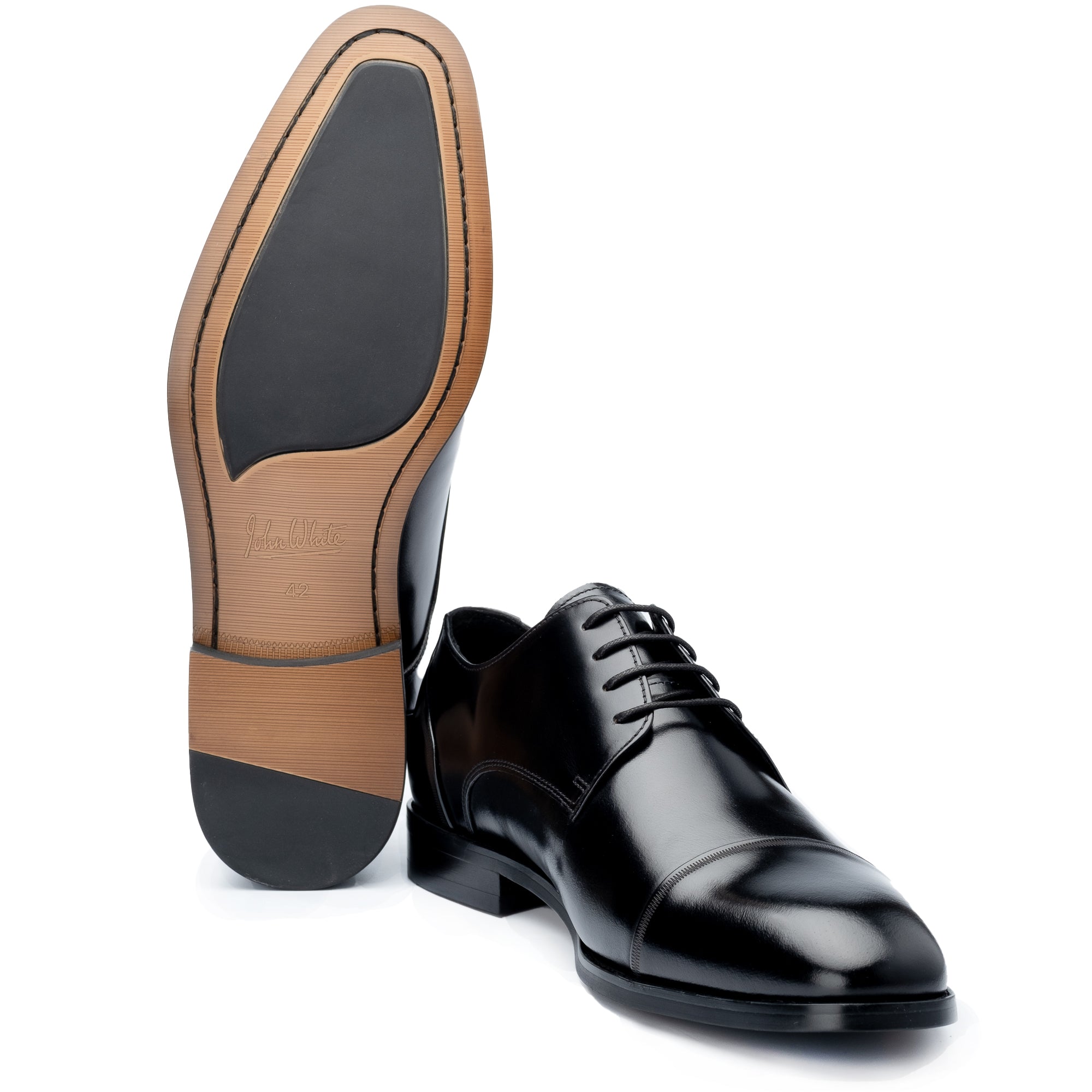
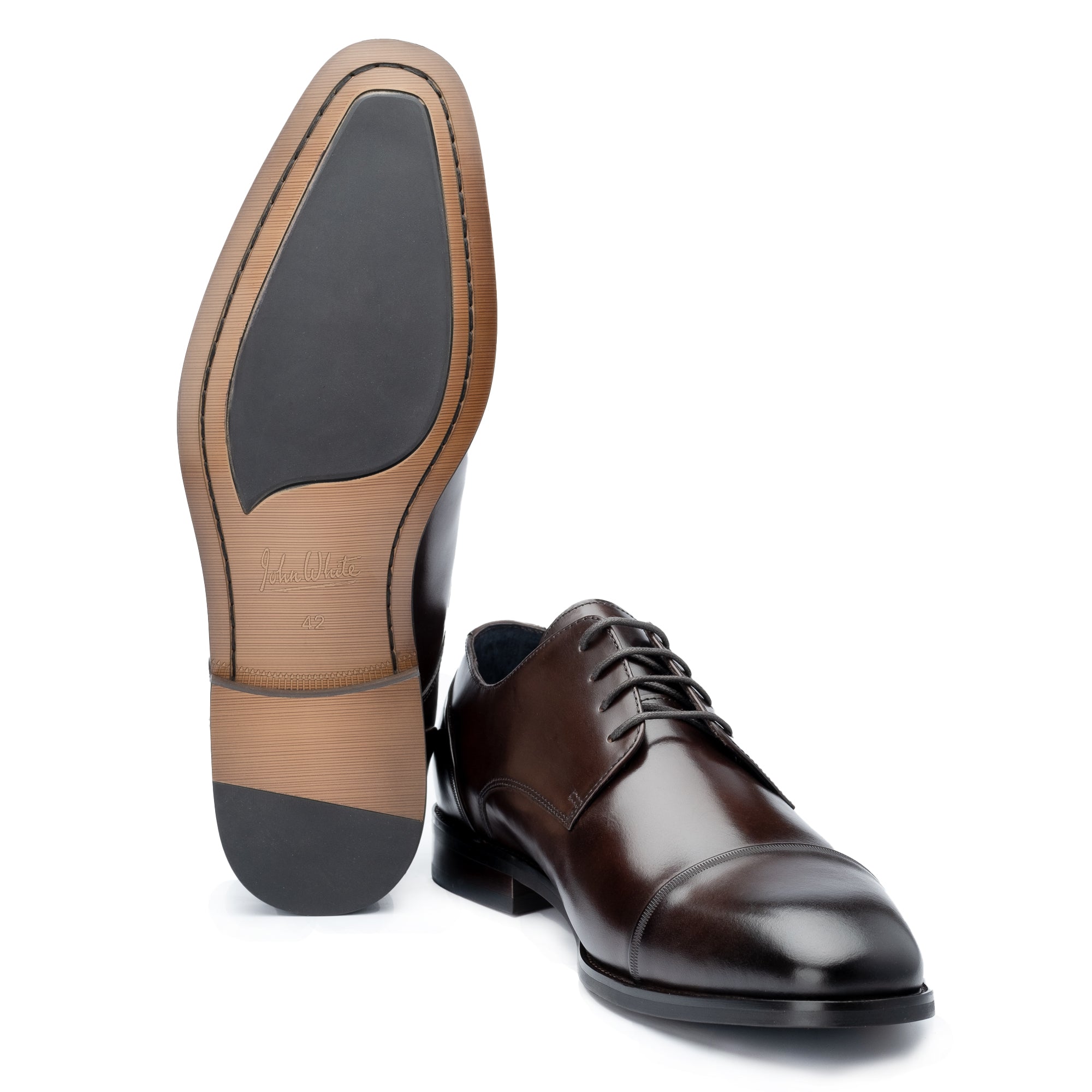
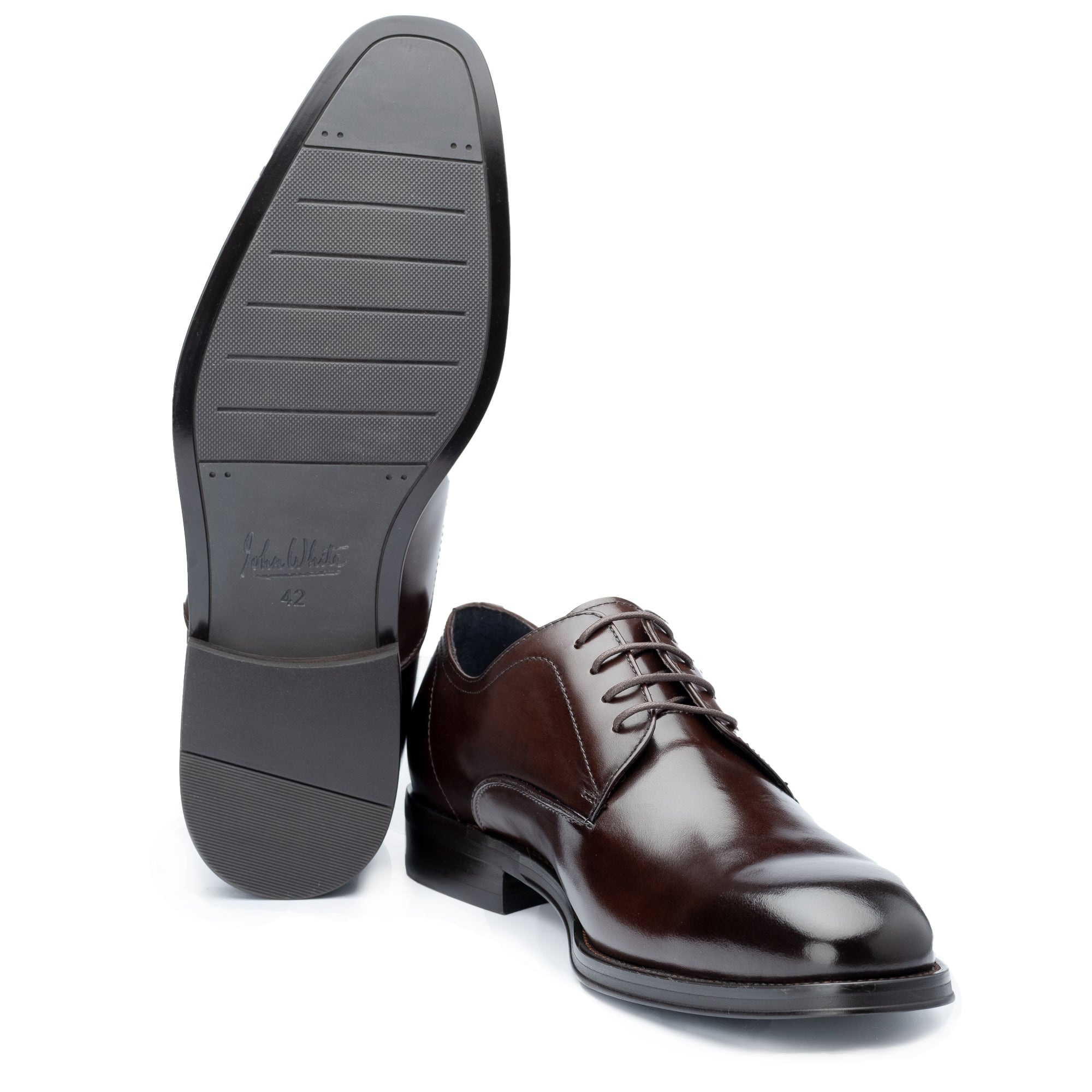
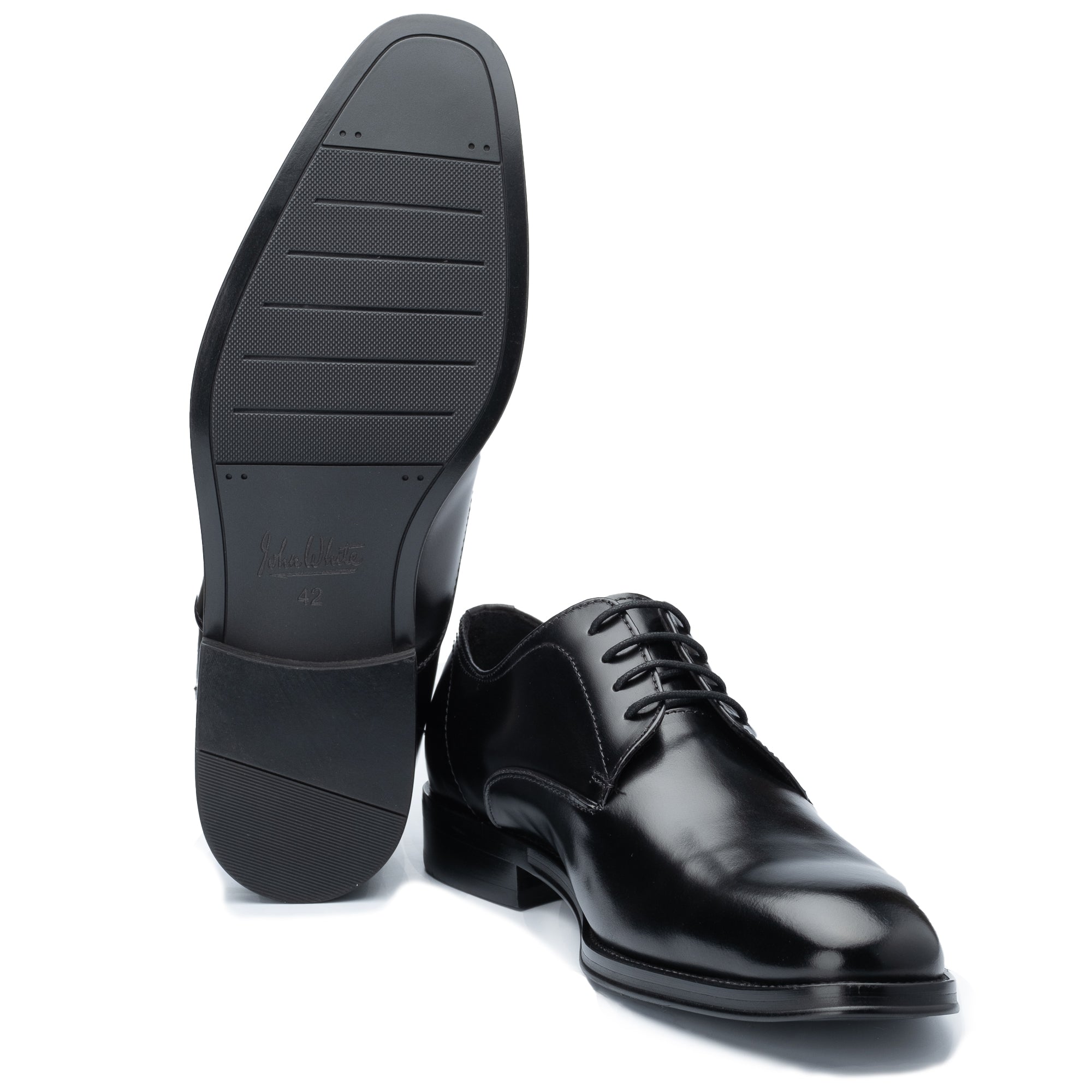
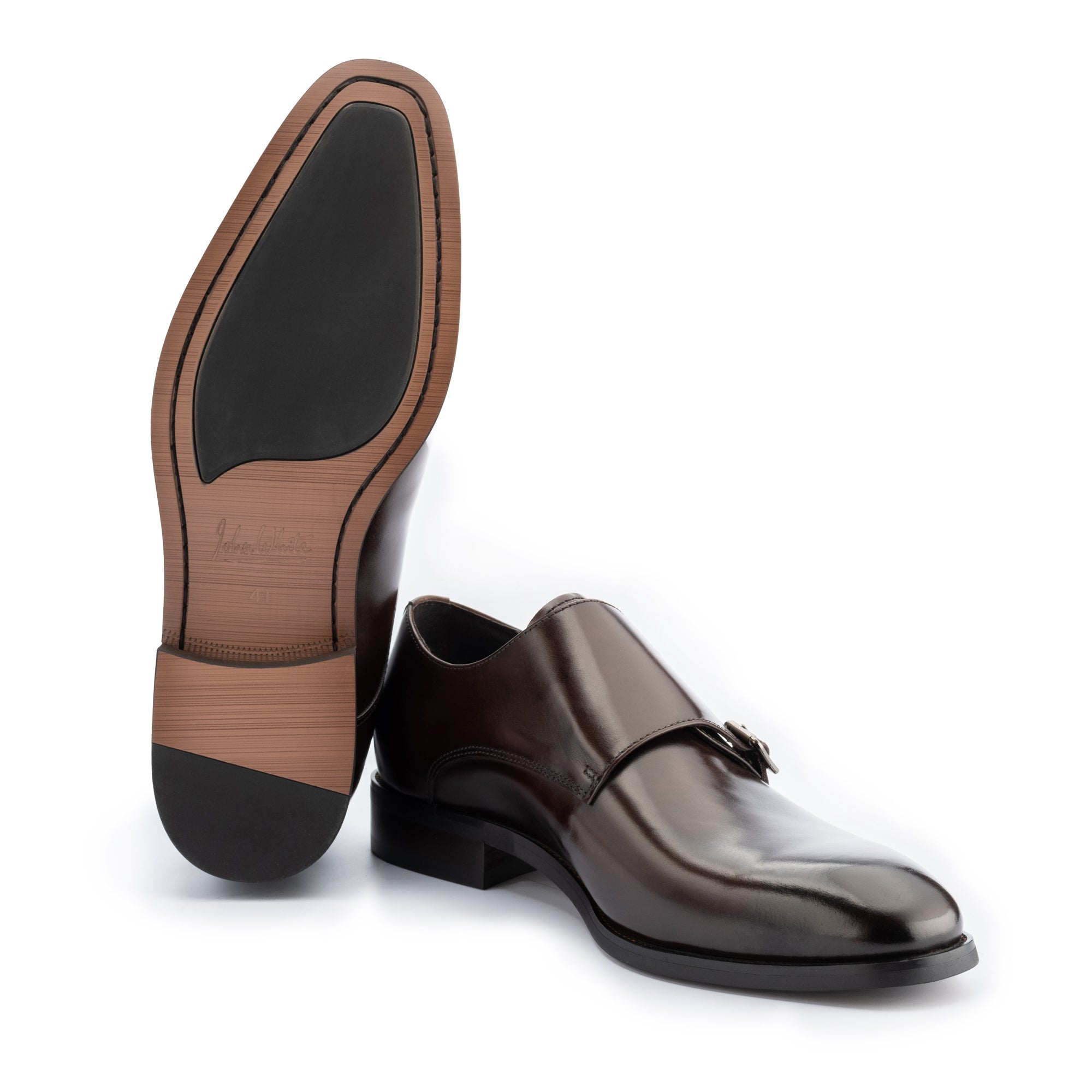
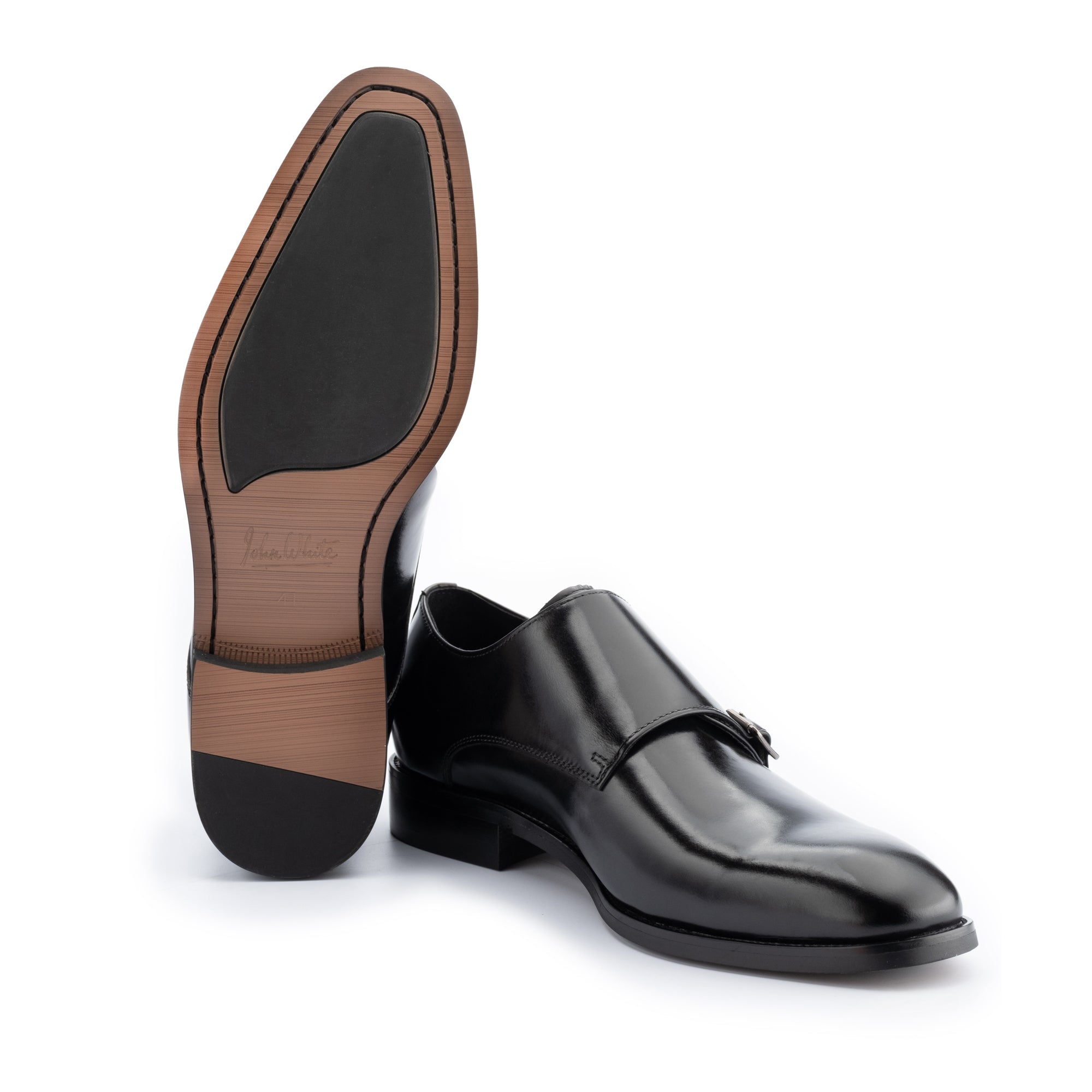
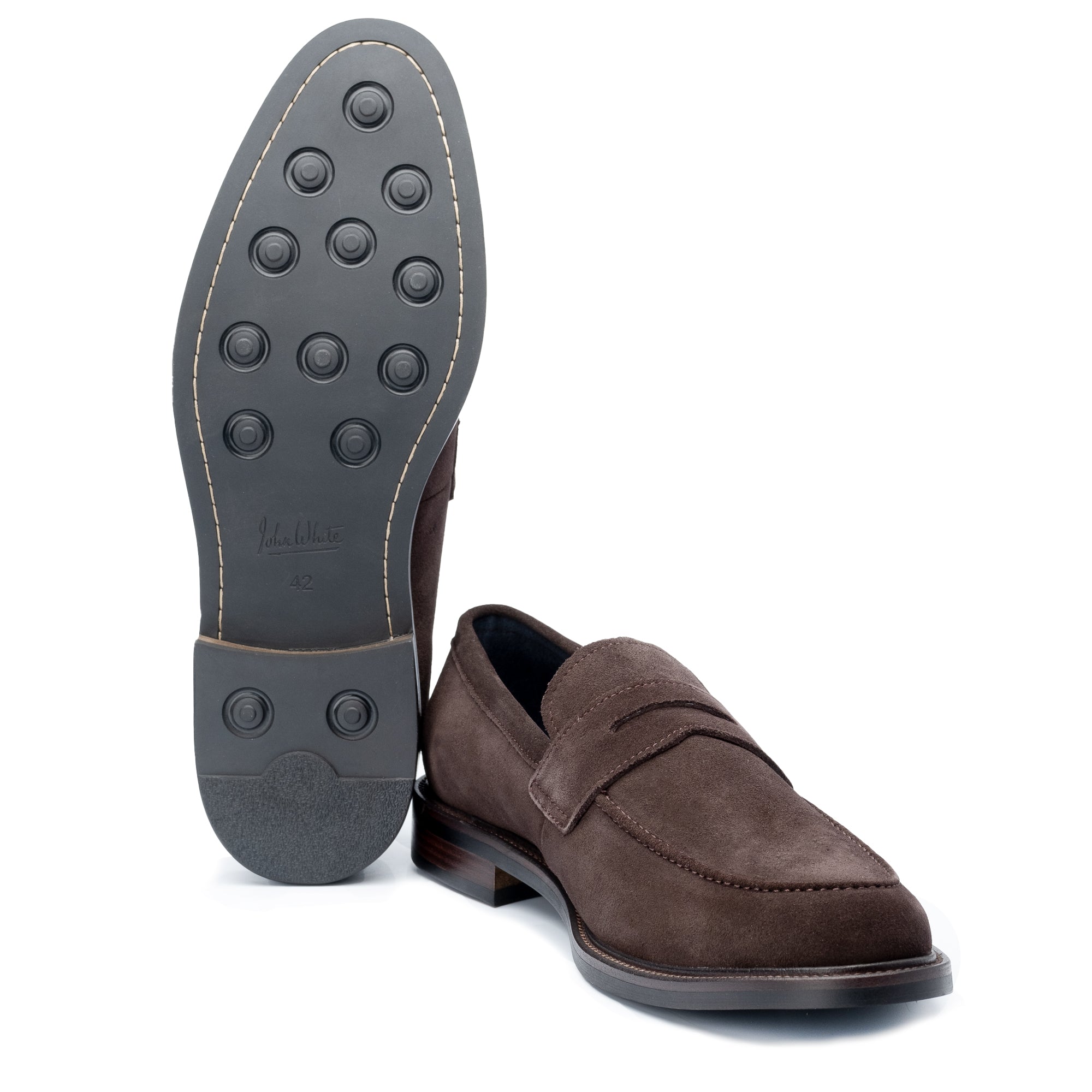
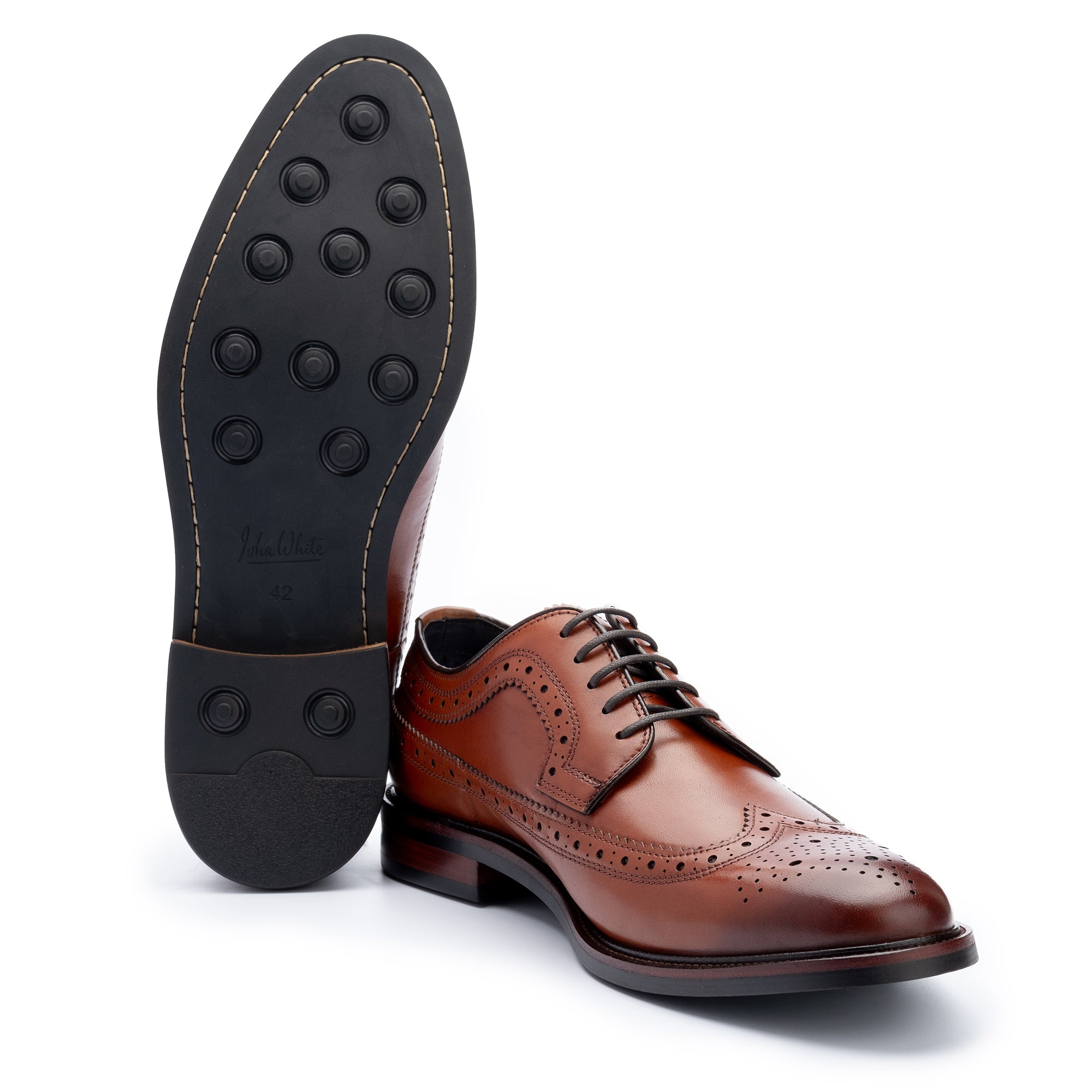
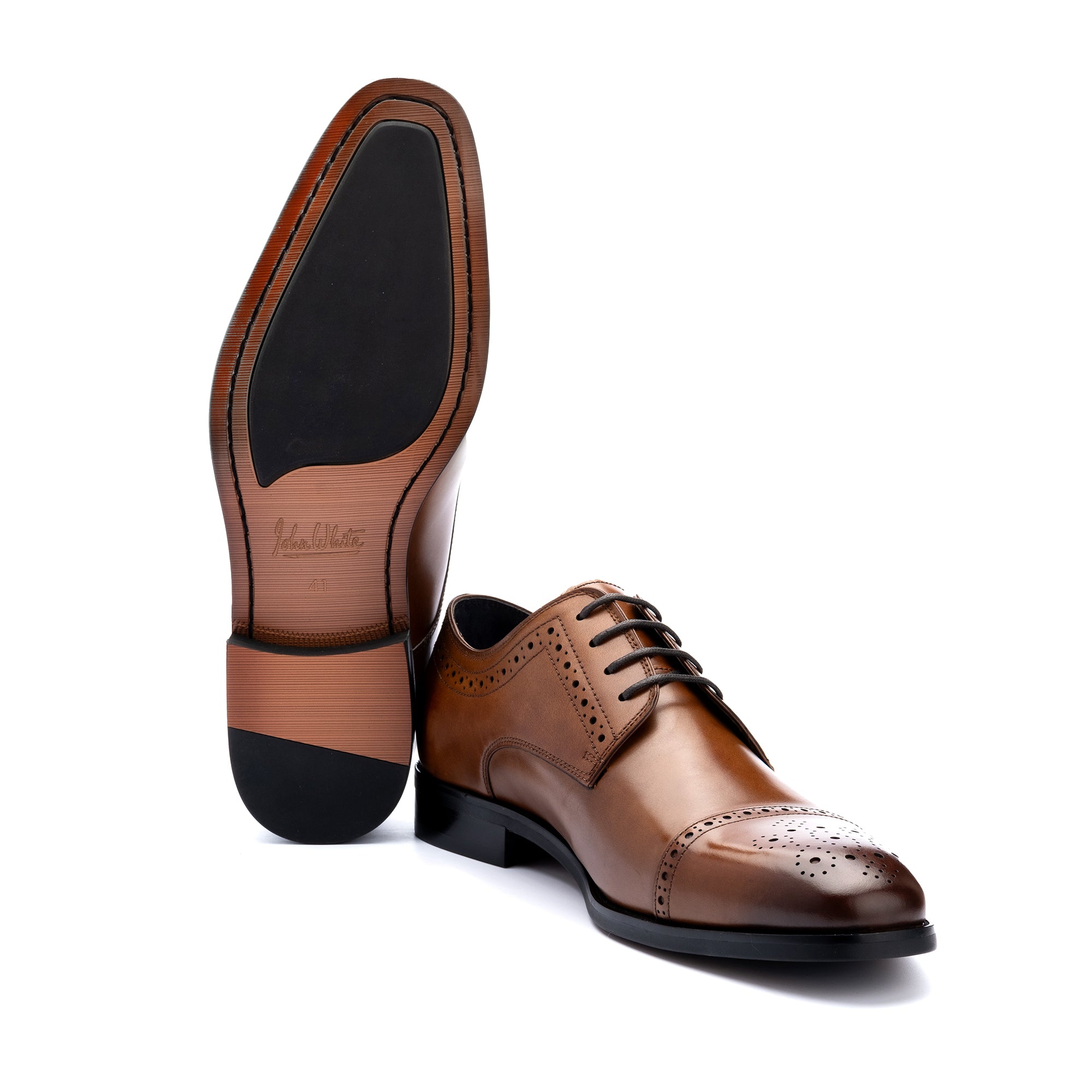
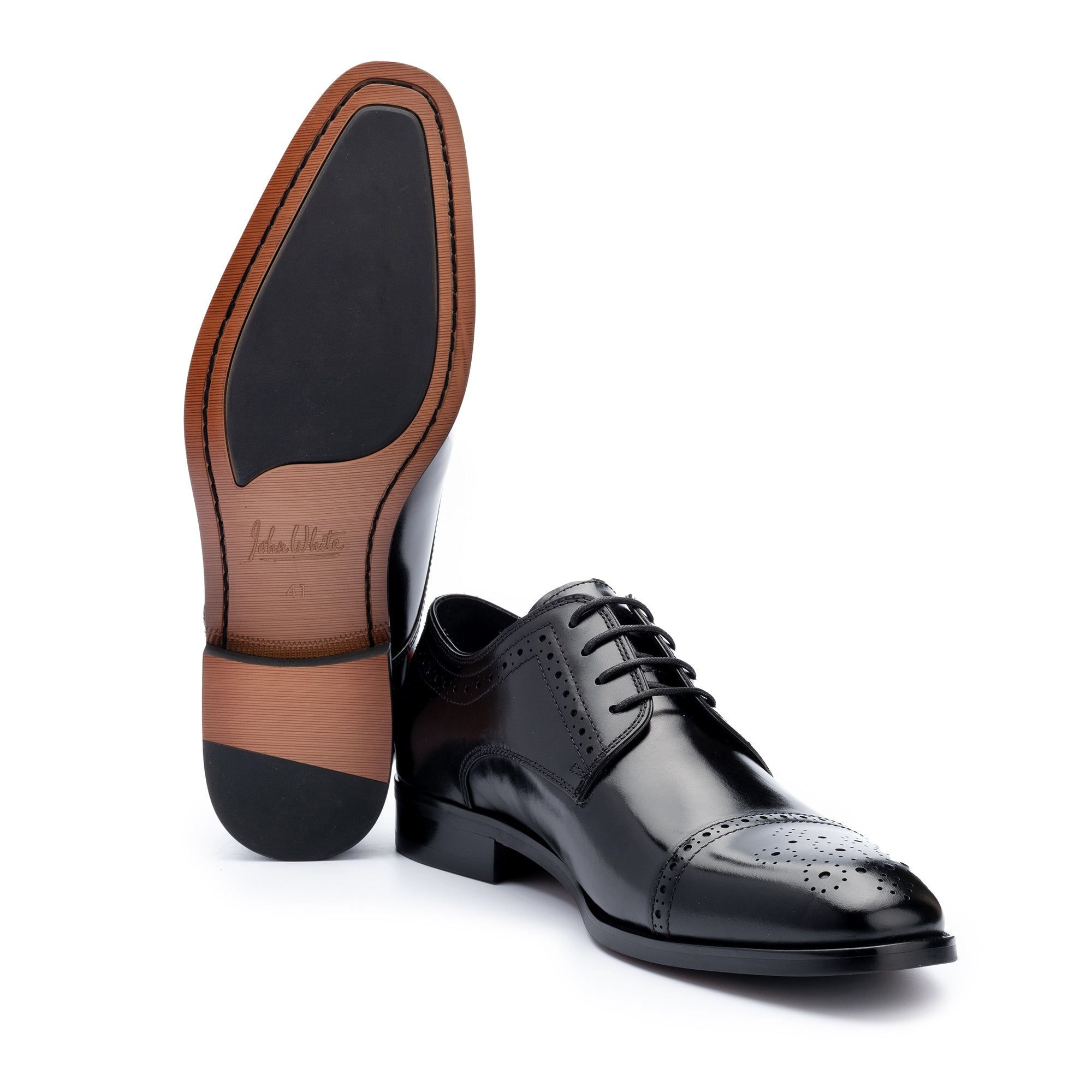
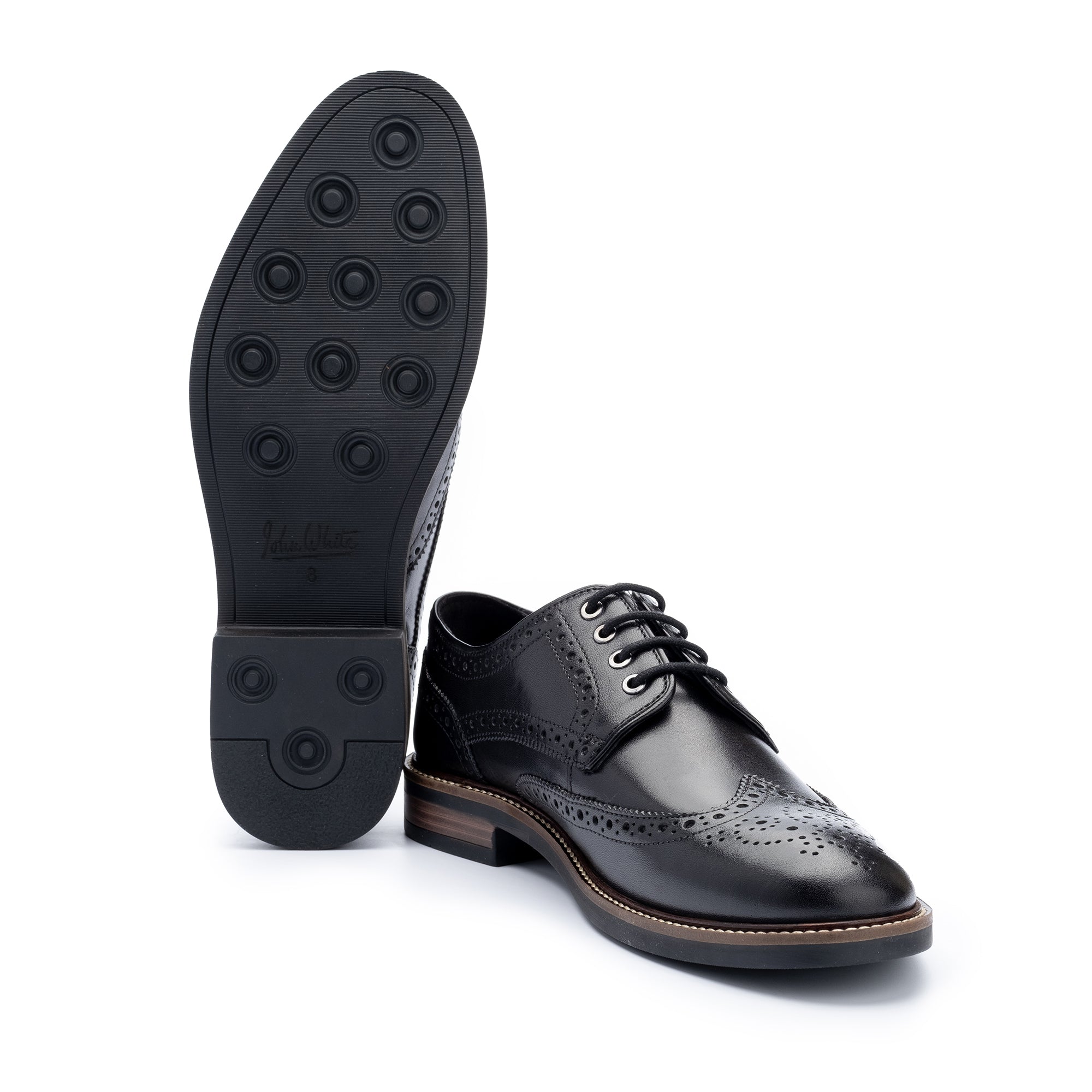
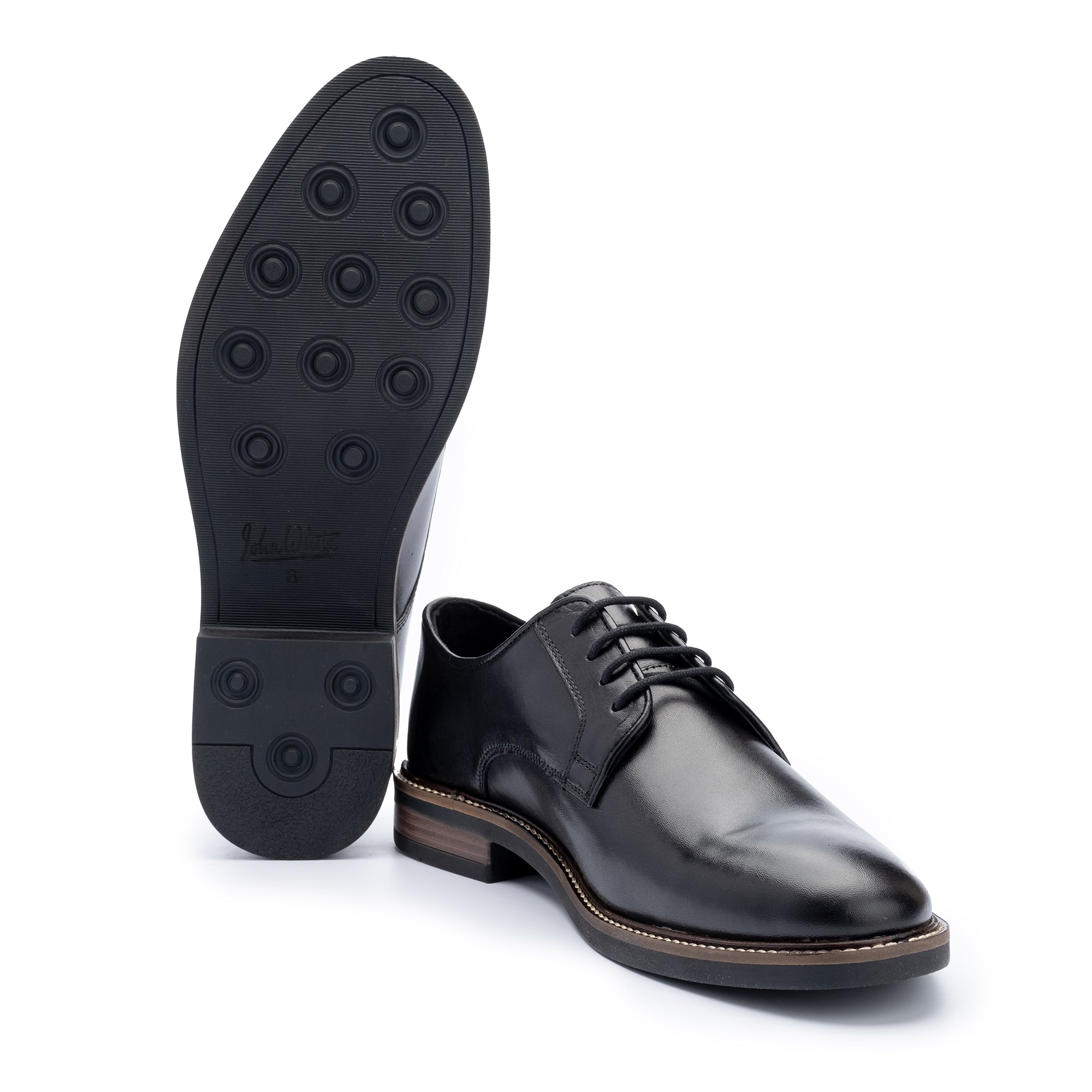
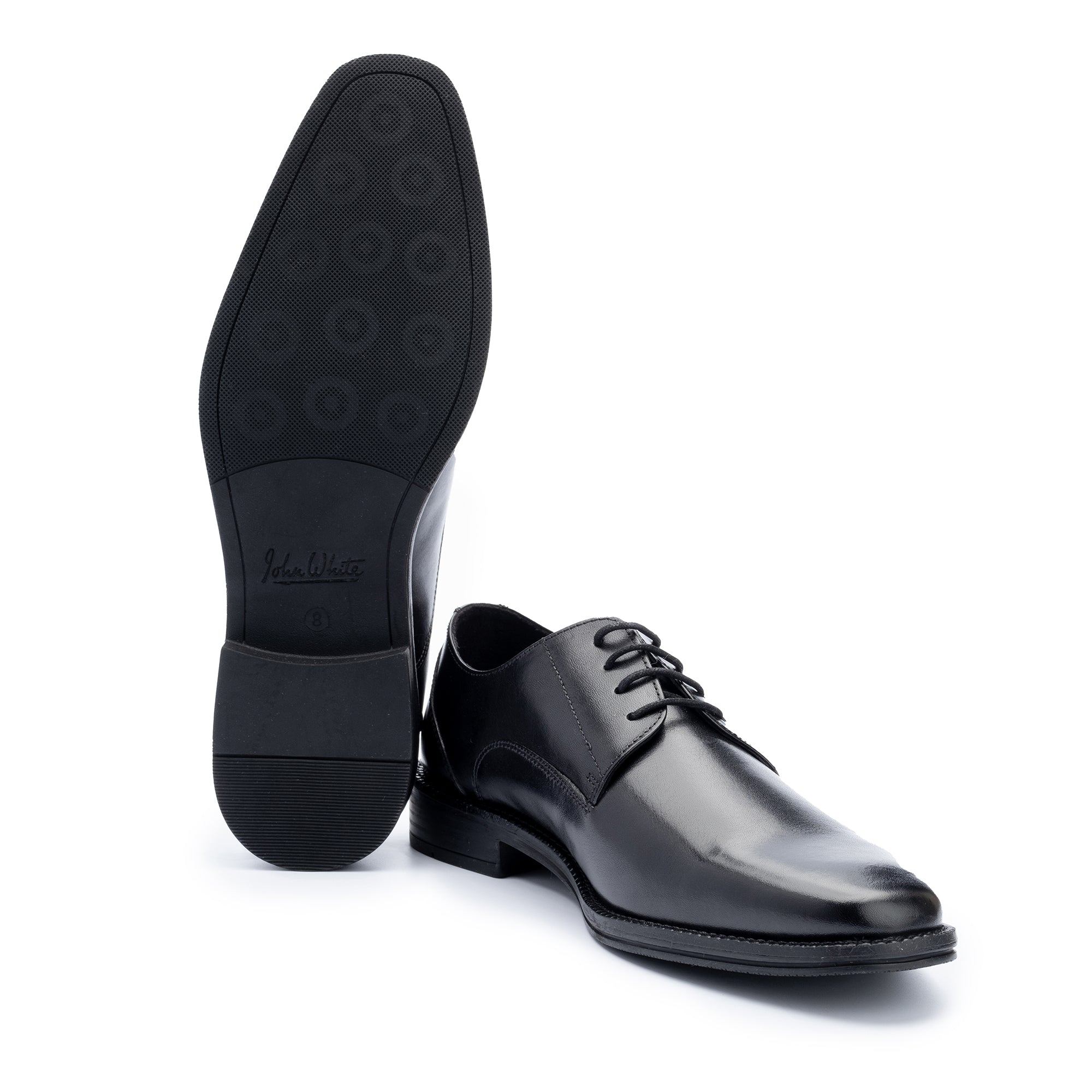
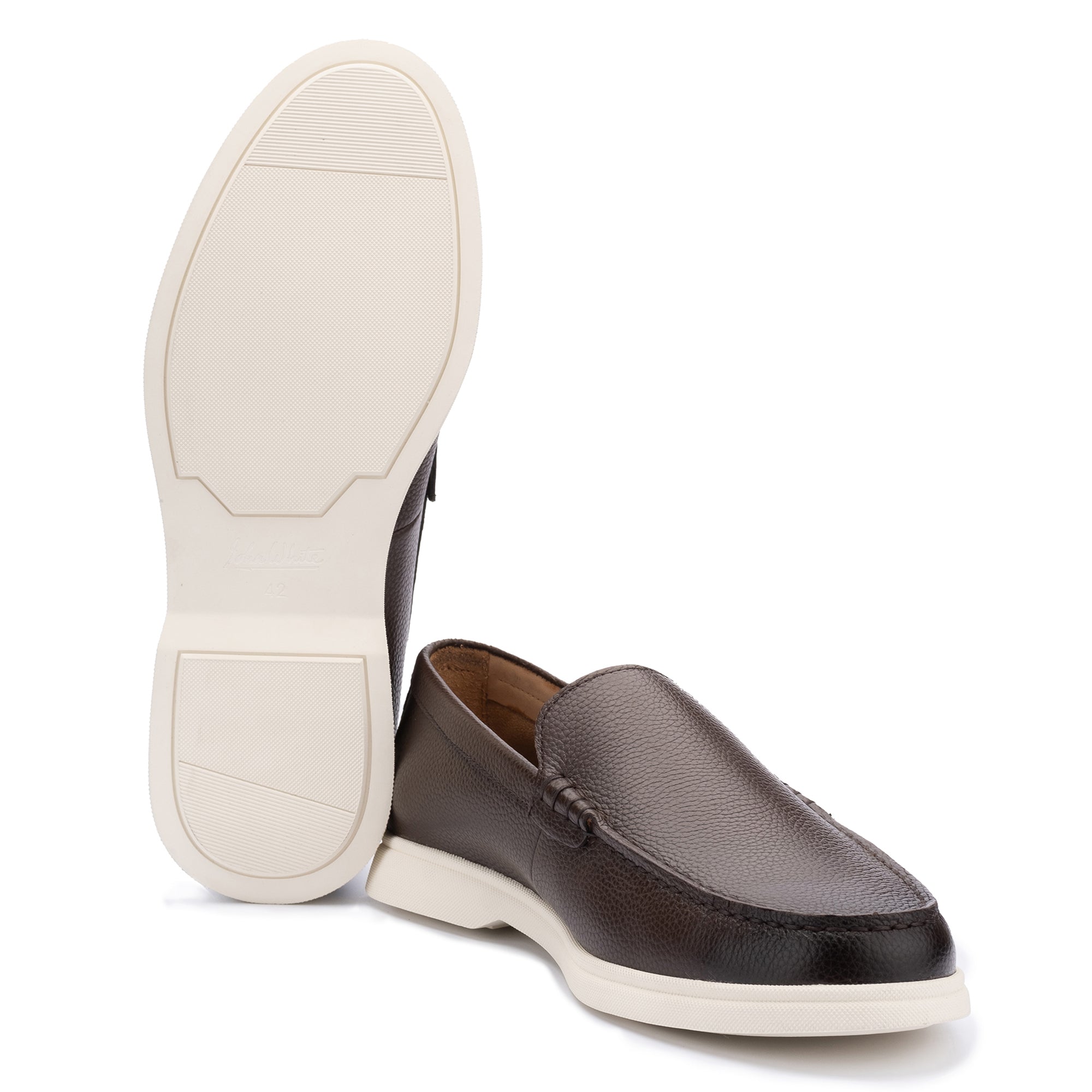
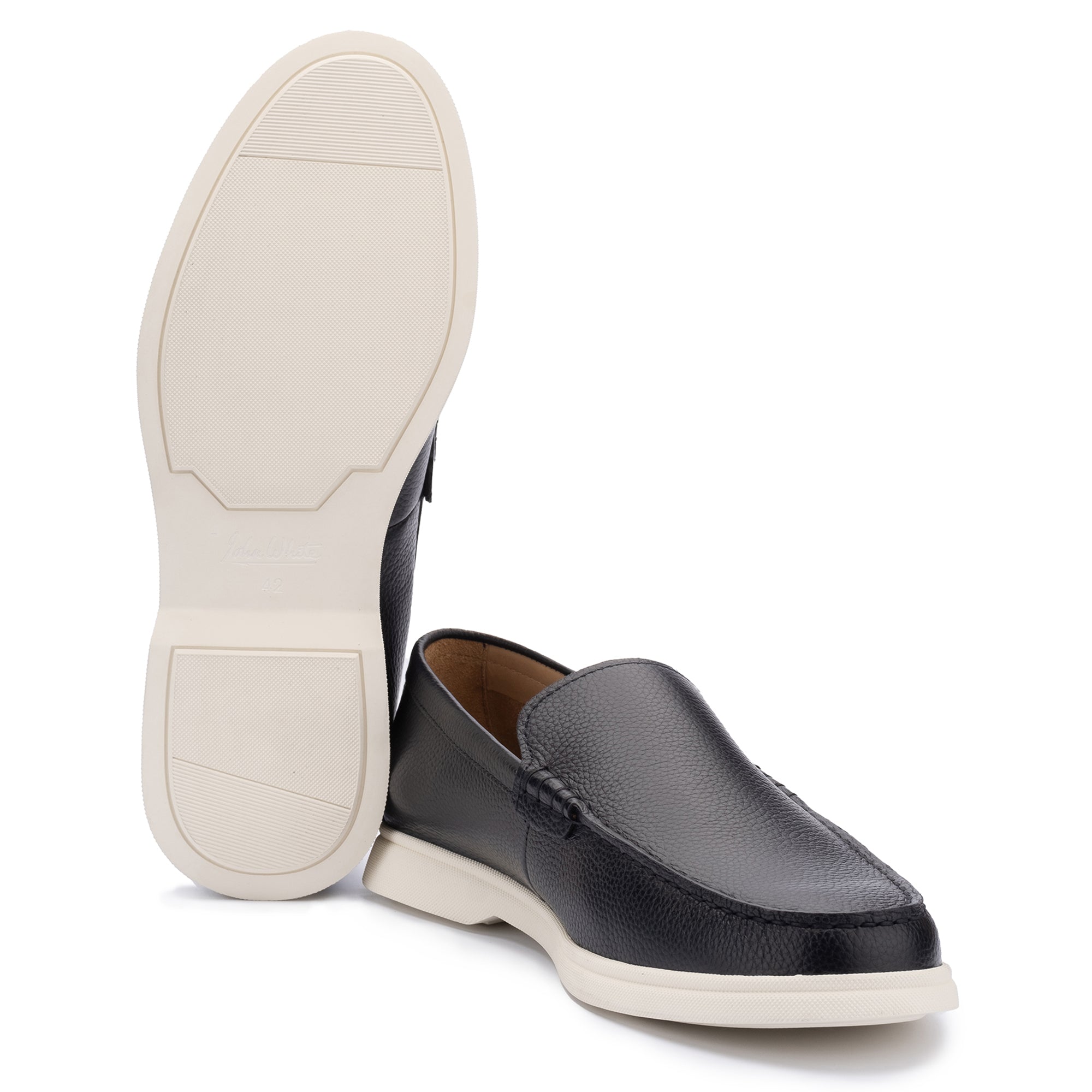
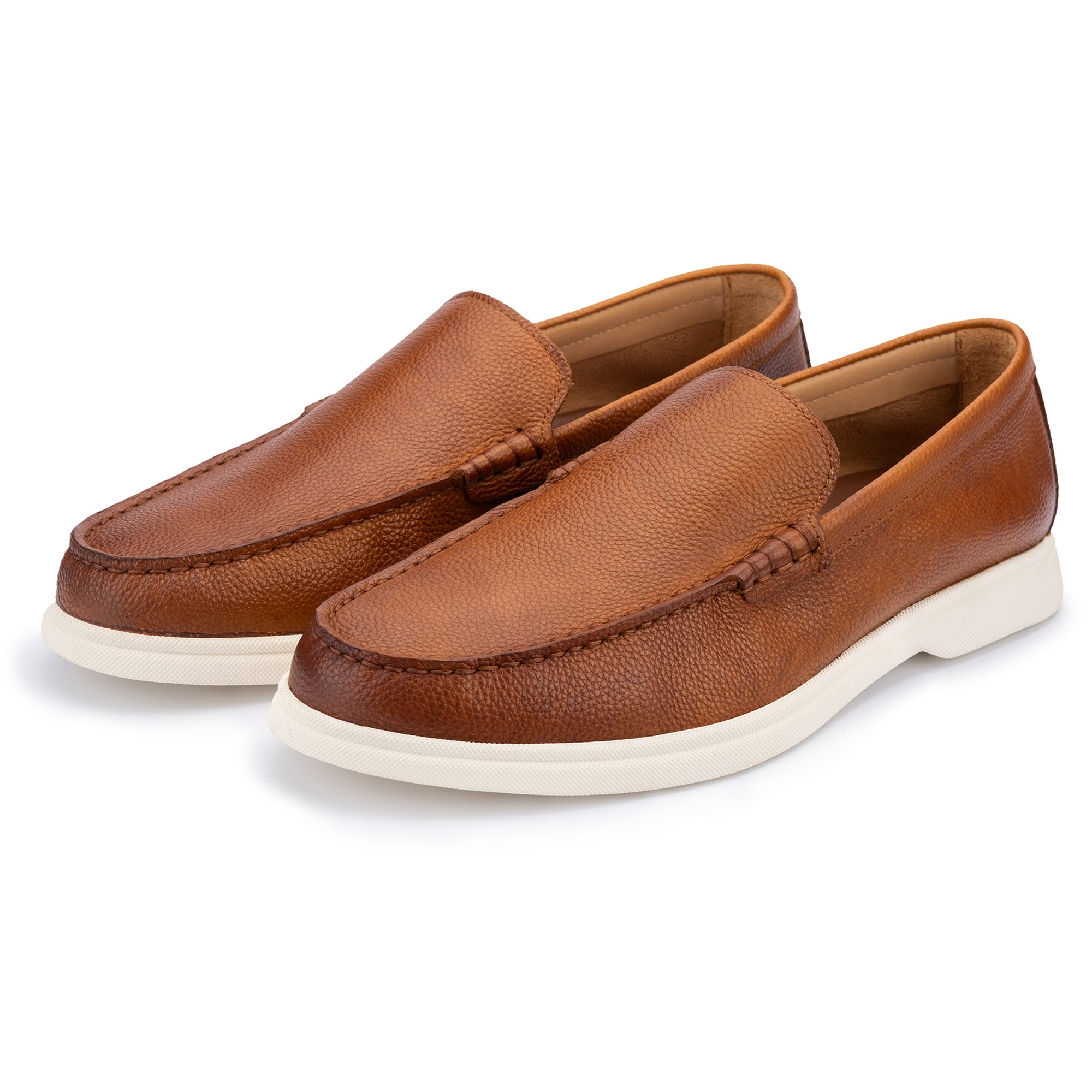
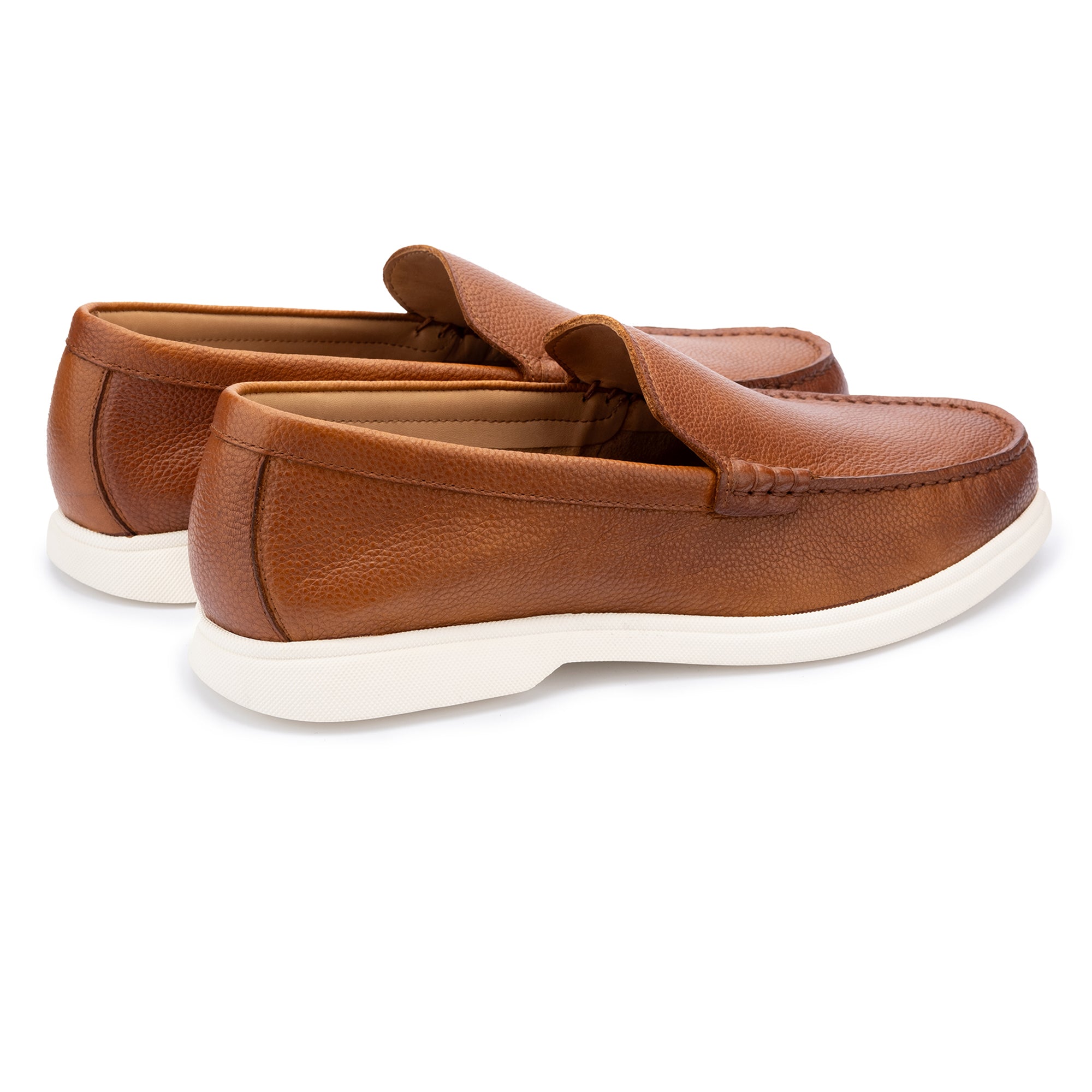
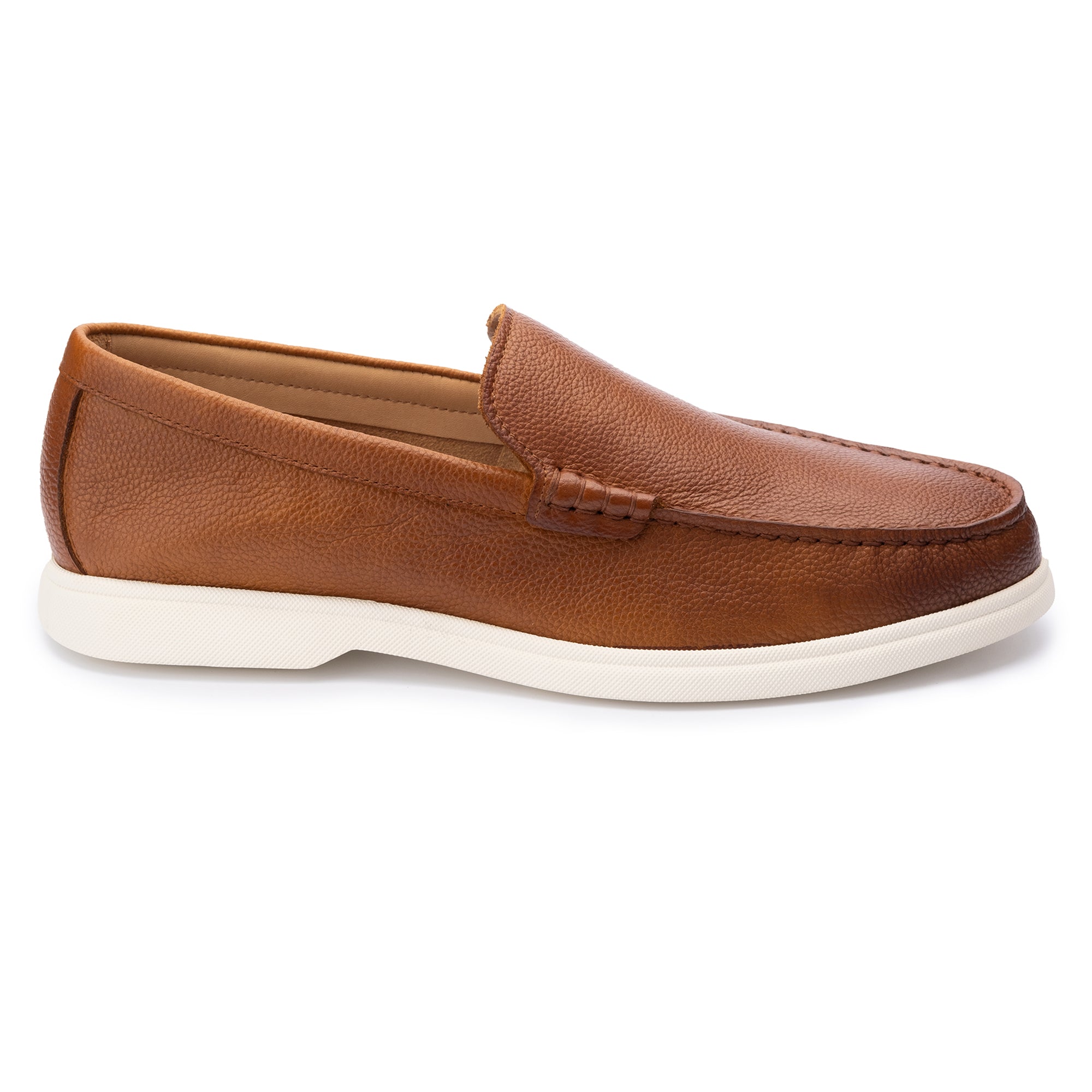
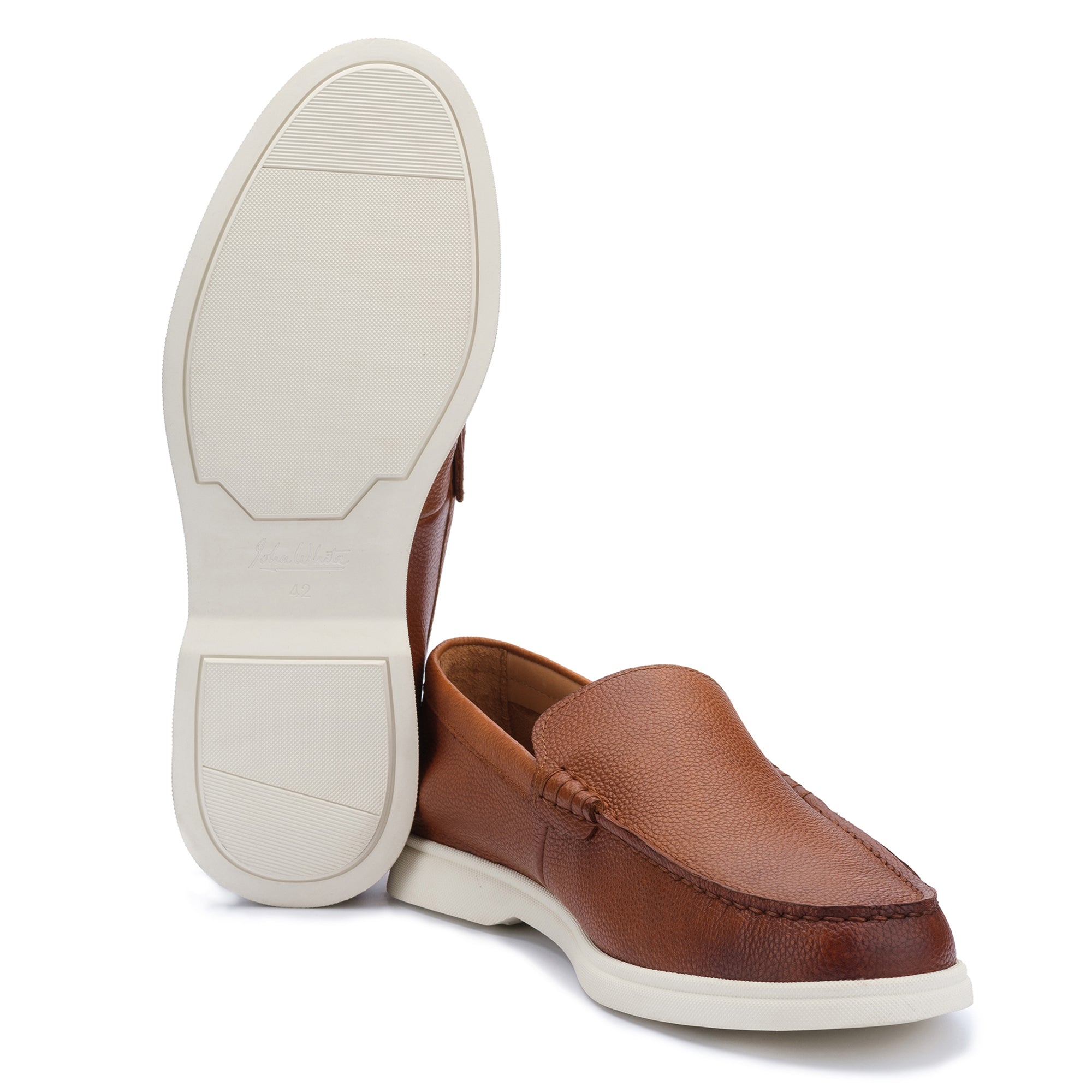
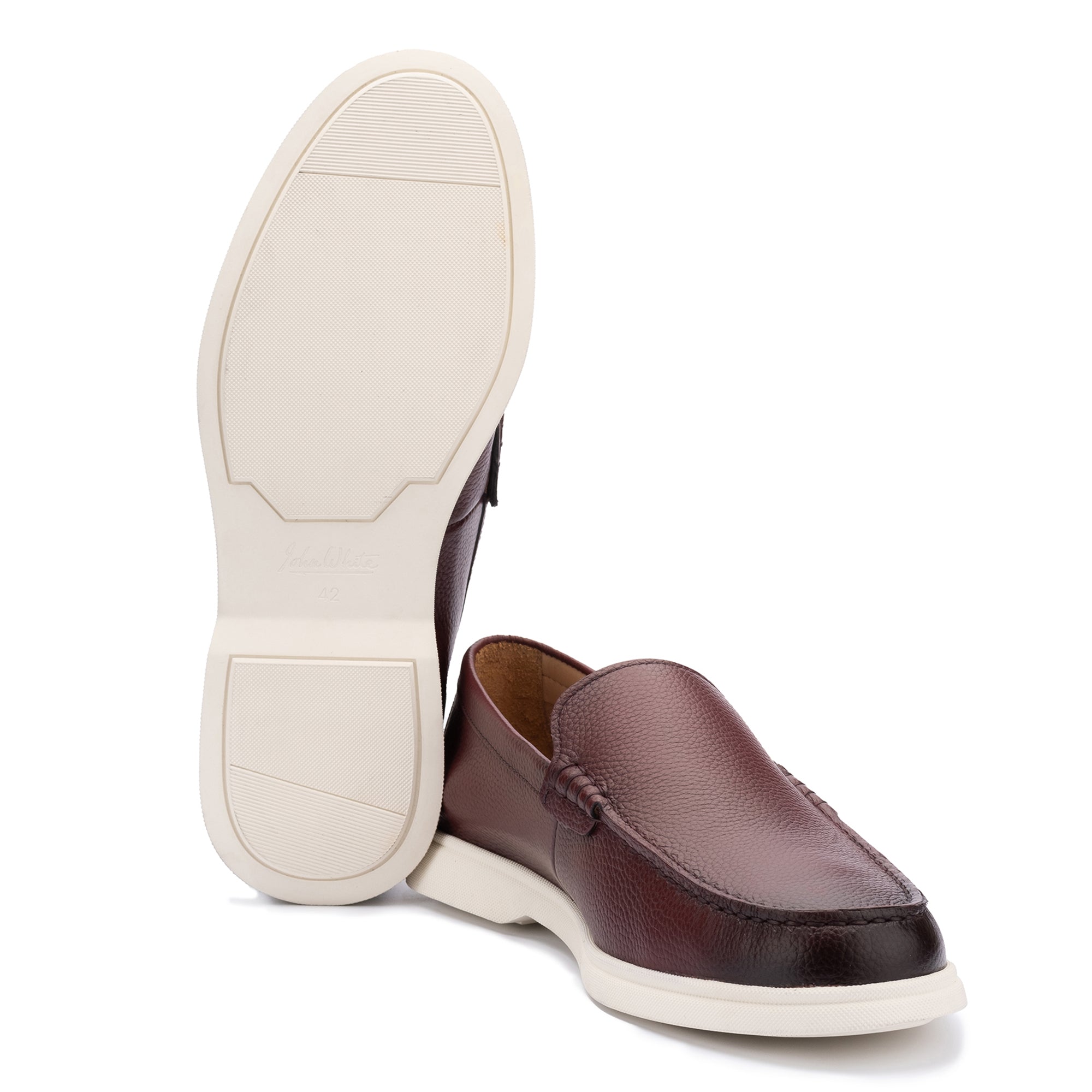
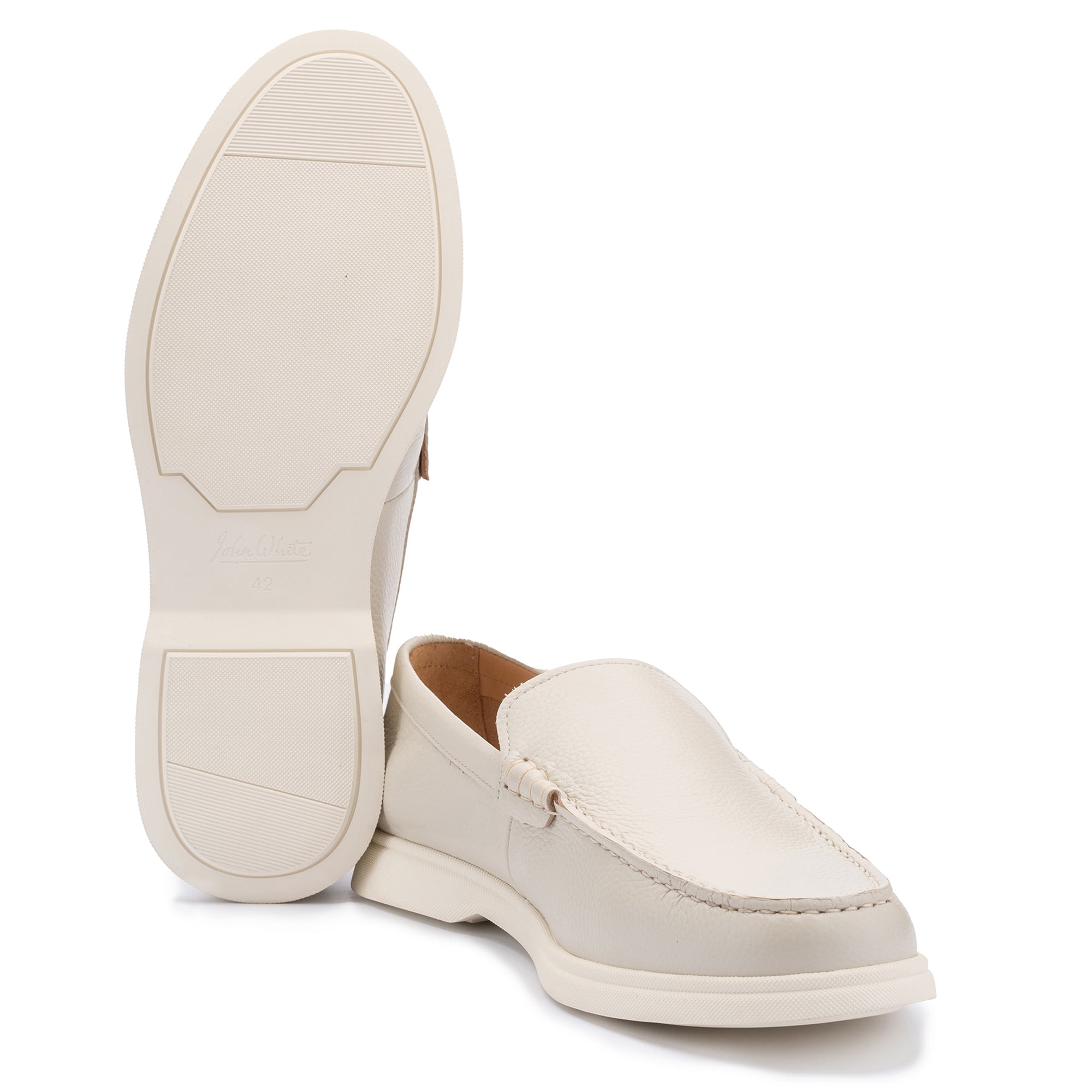
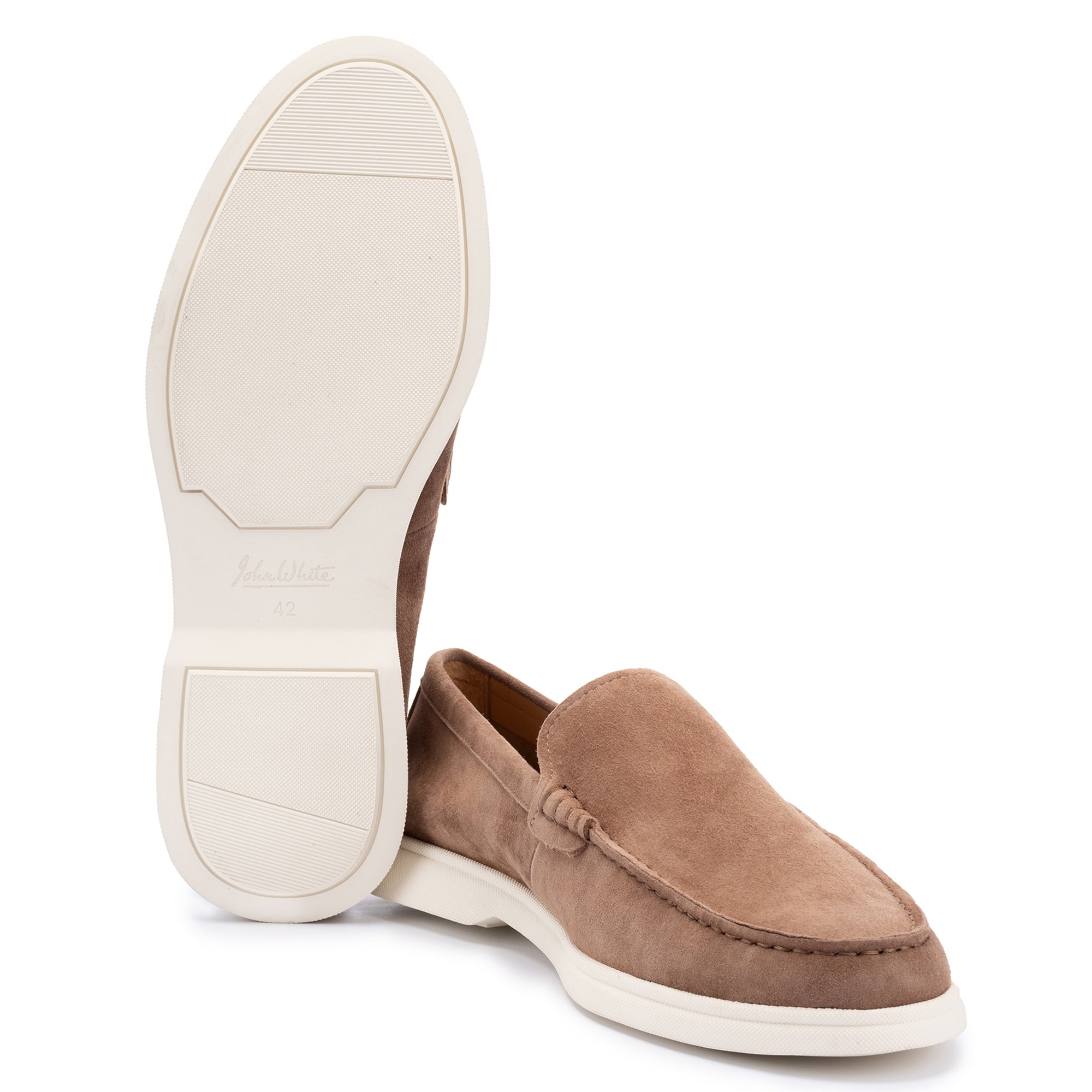
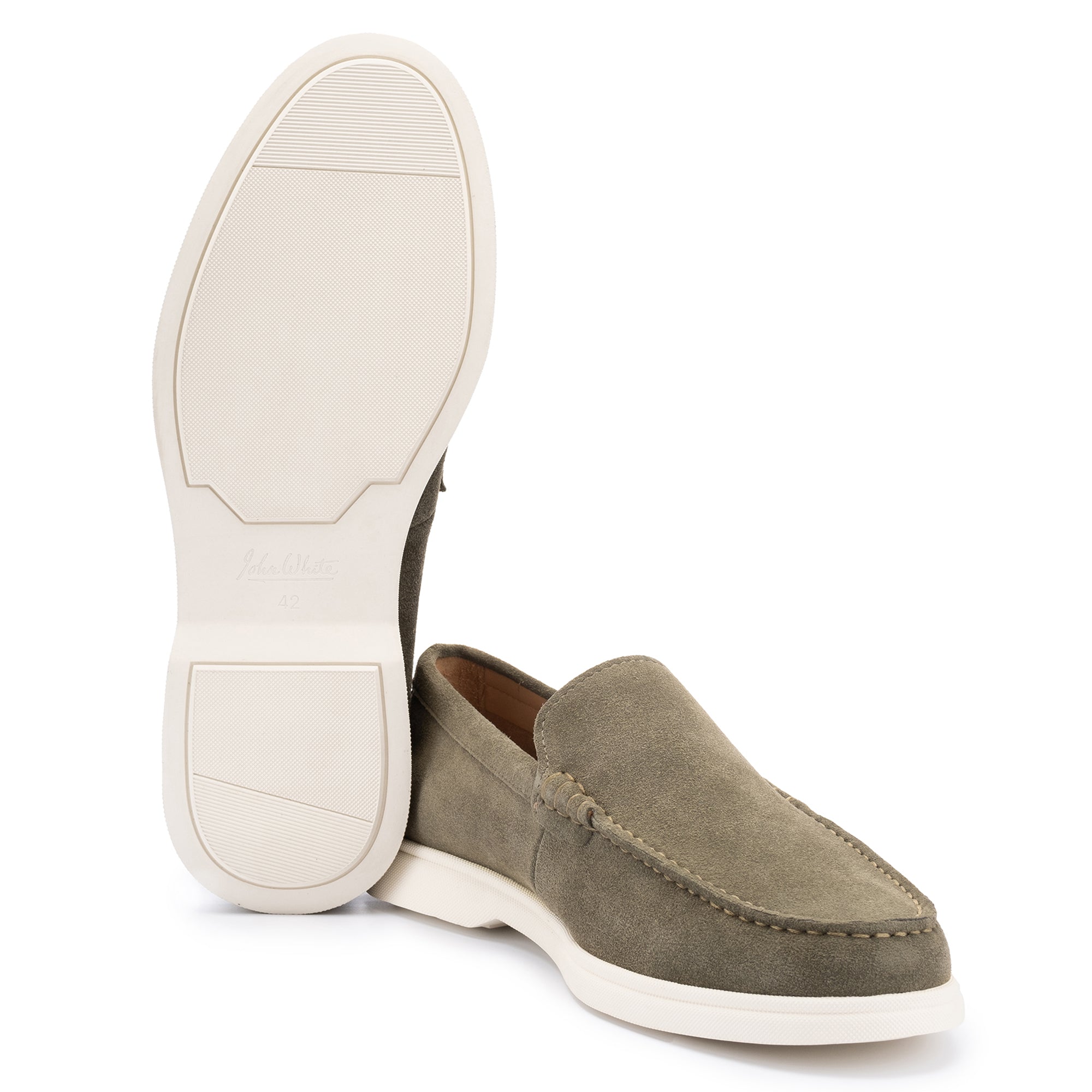
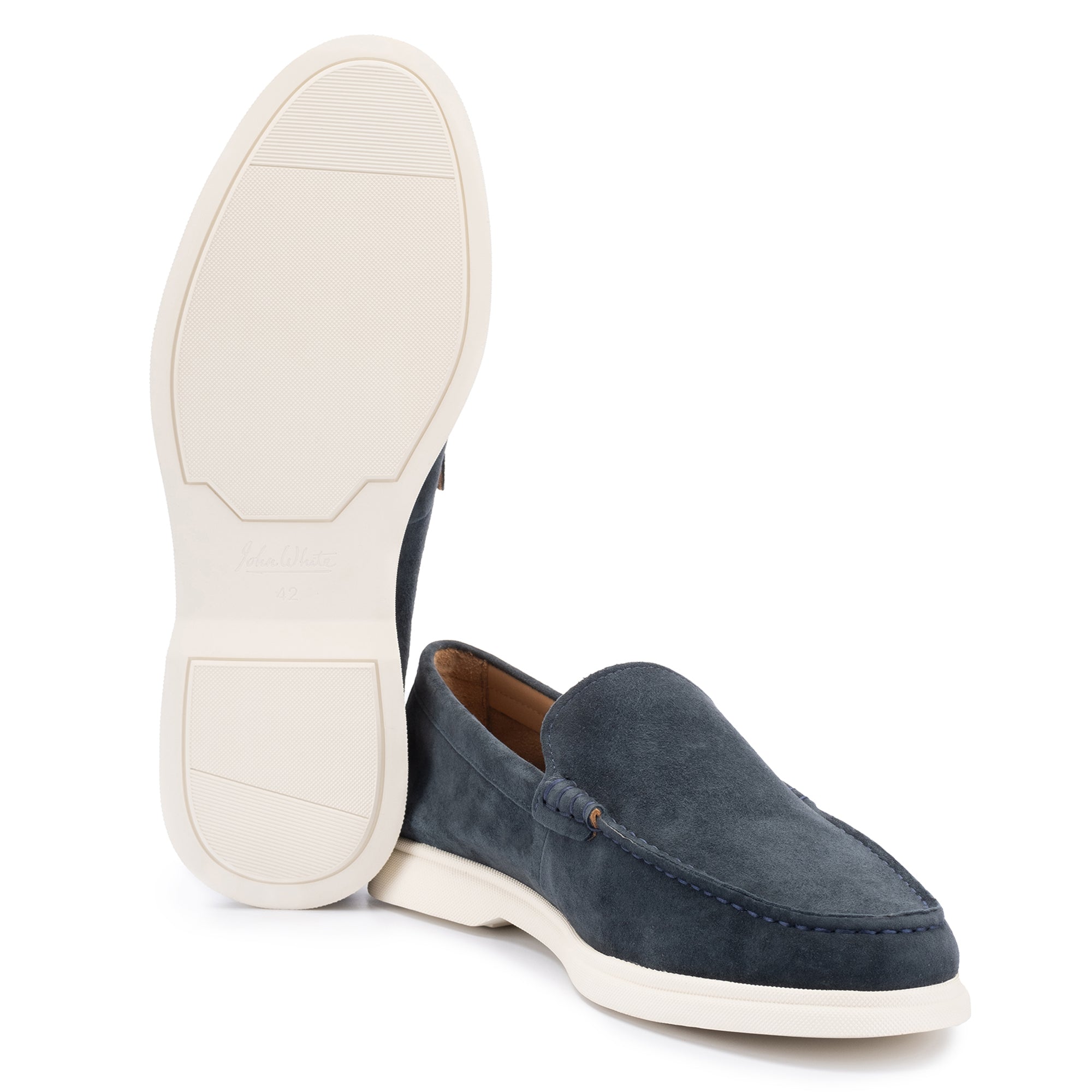
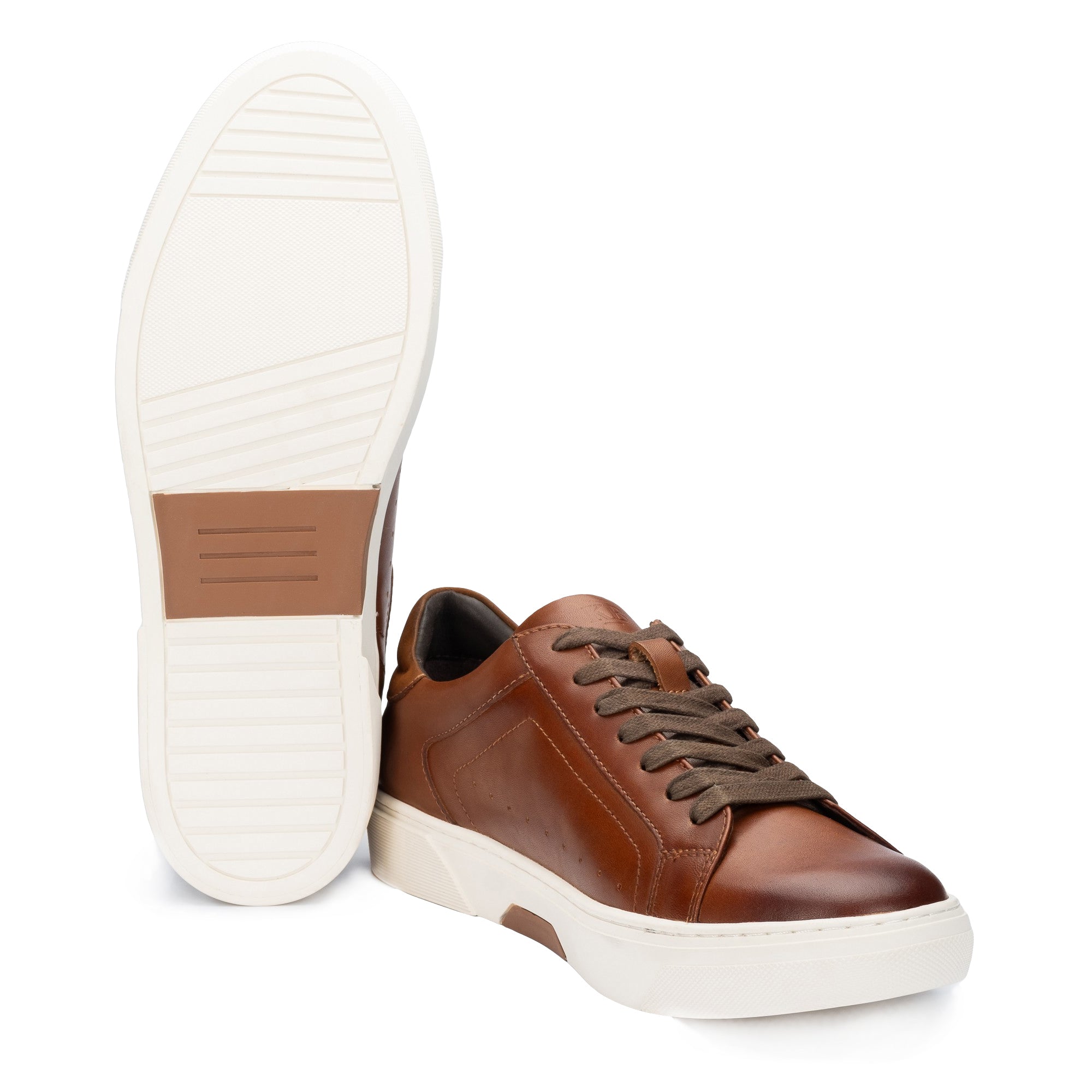
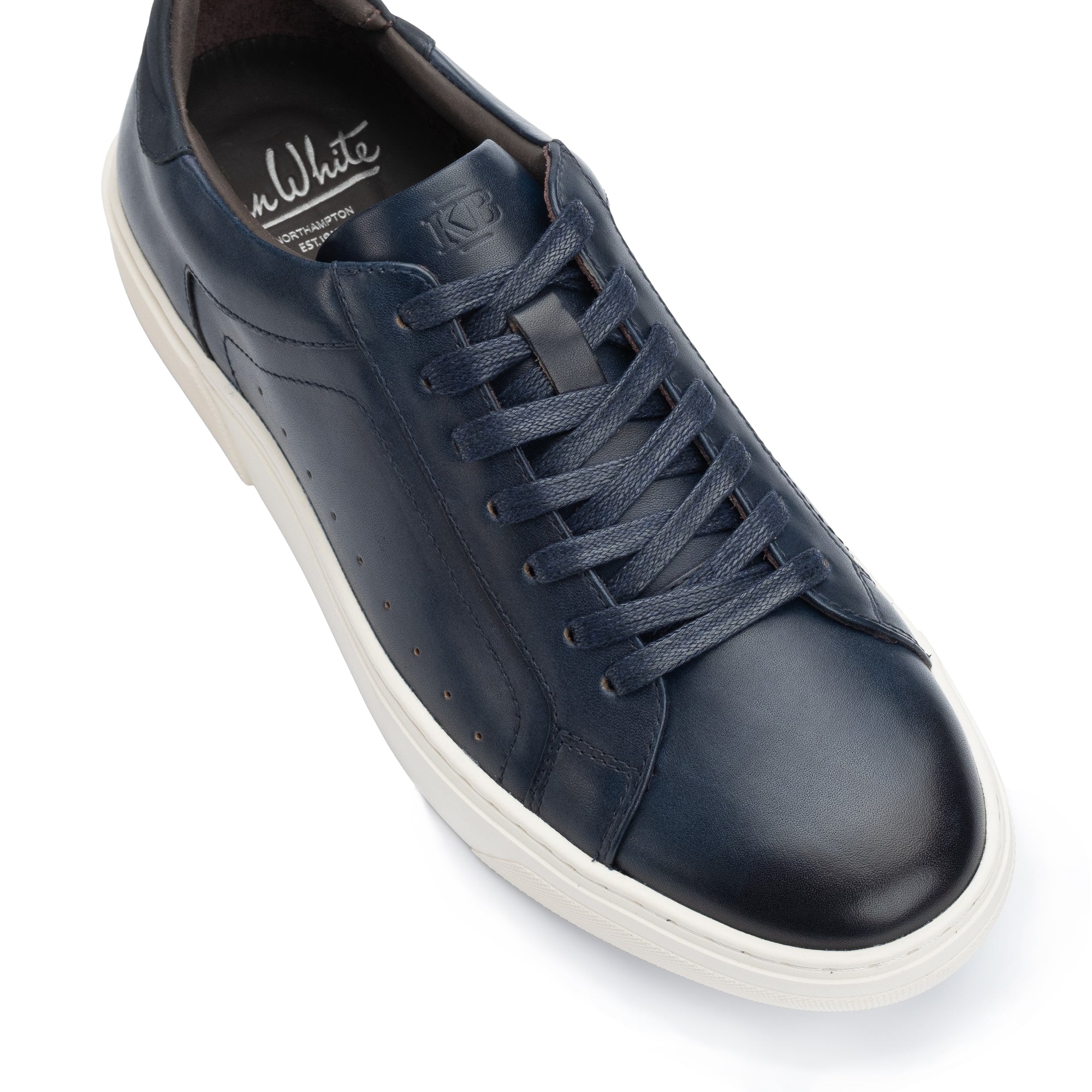
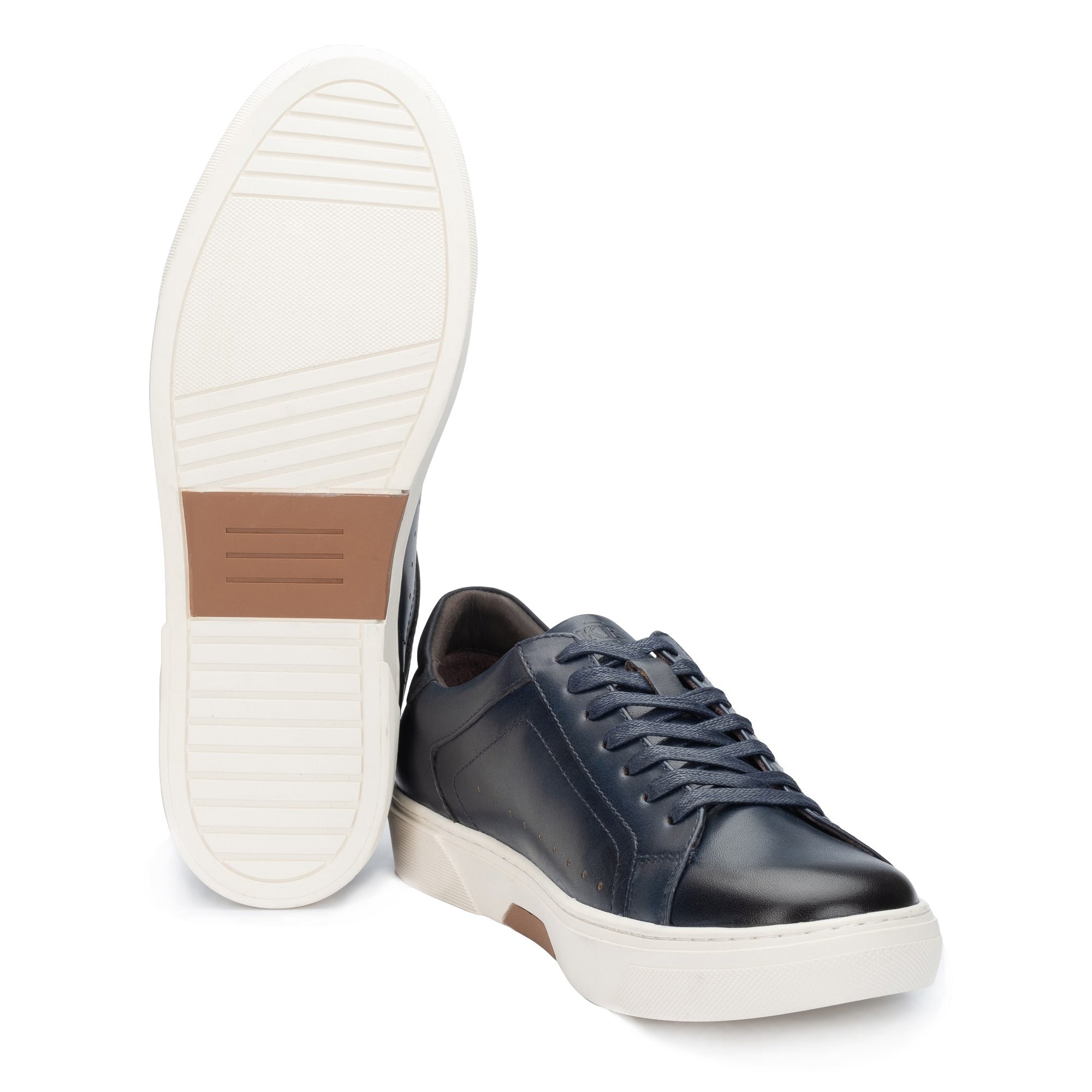
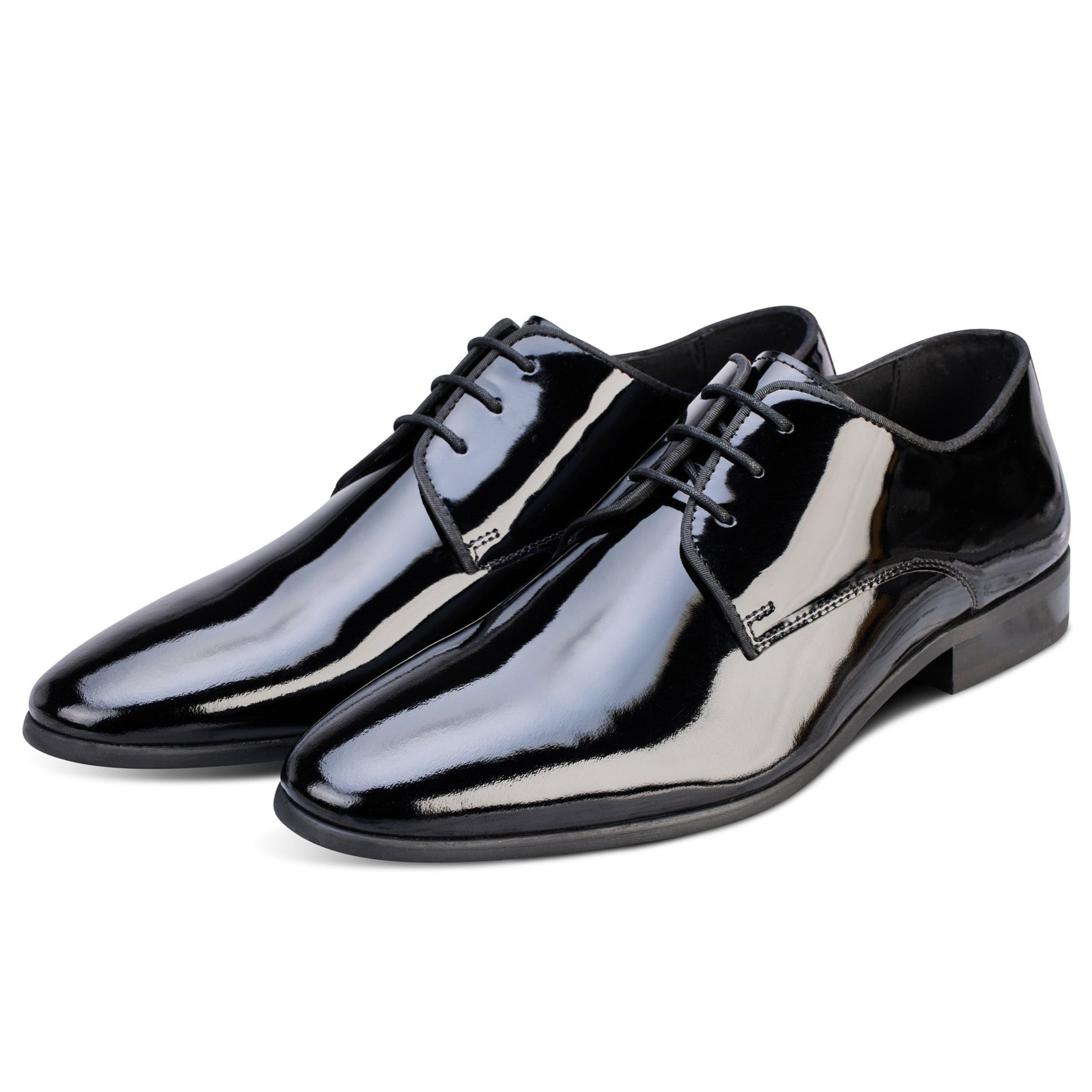
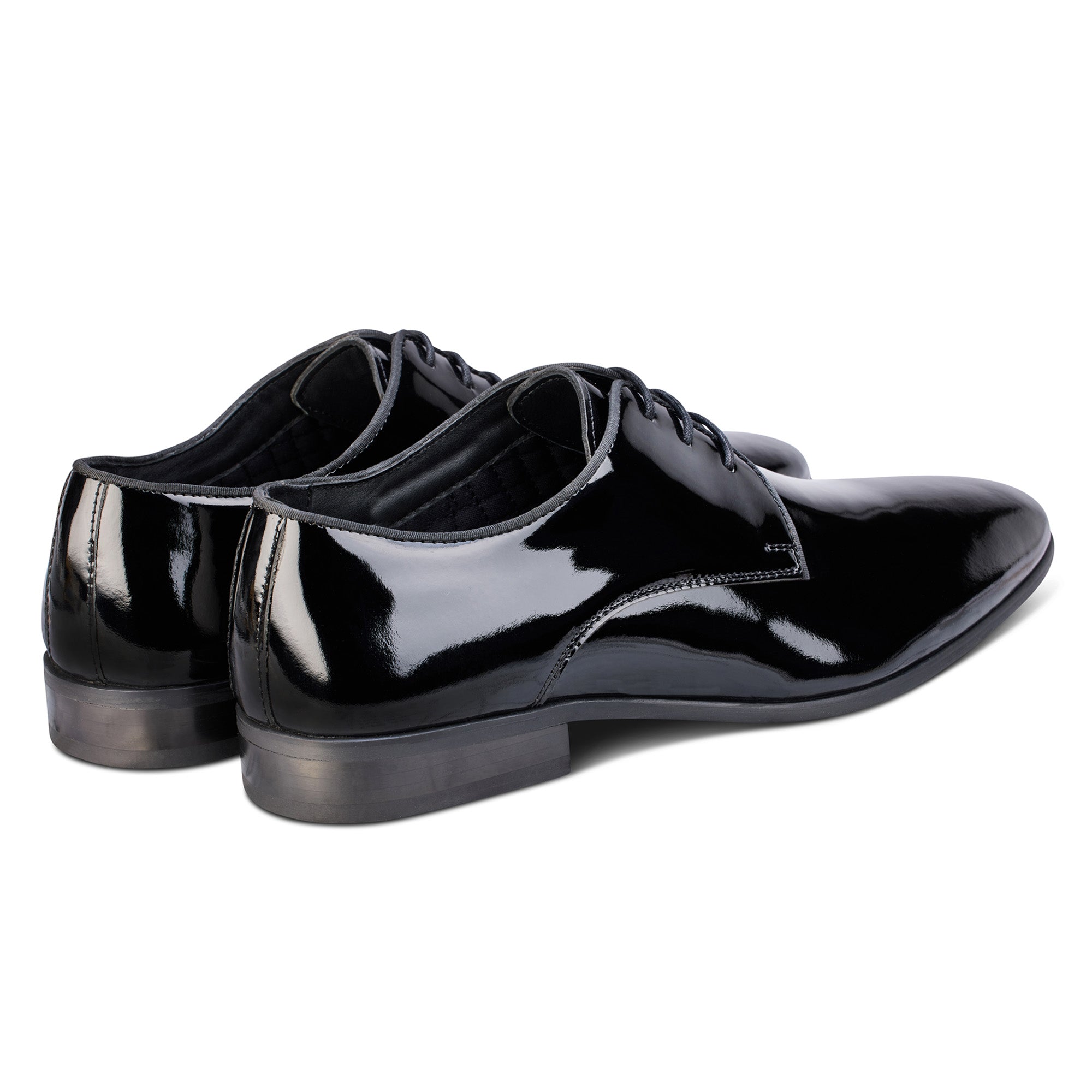
A leather sole is a traditional outsole made from compressed, tanned hide — typically cattle leather — cut to shape and attached to the upper. It's been the standard material for formal men's dress shoes for centuries. A rubber sole is a synthetic or natural rubber compound providing a flexible, weather-resistant outsole that became common in men's dress footwear through the mid-twentieth century.
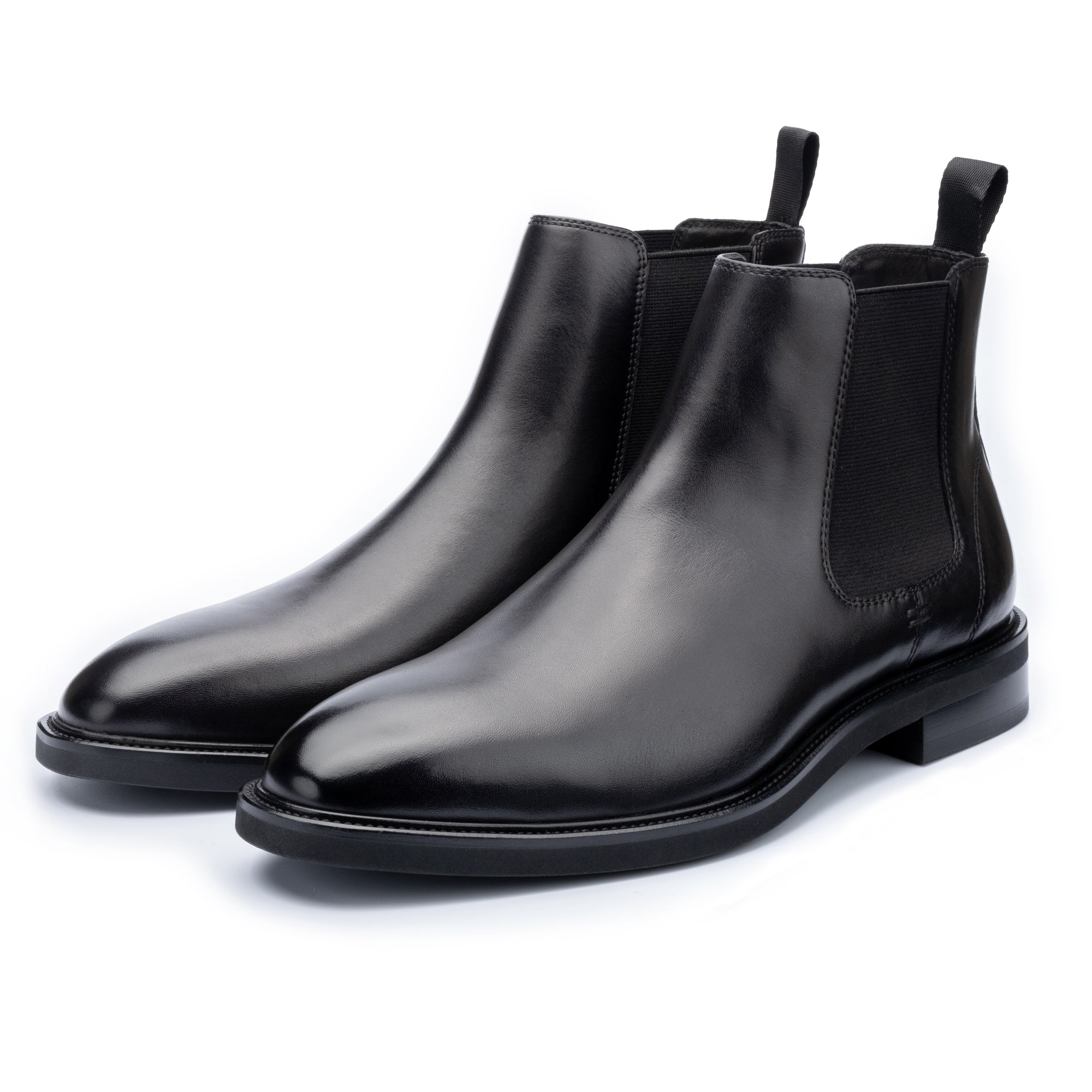
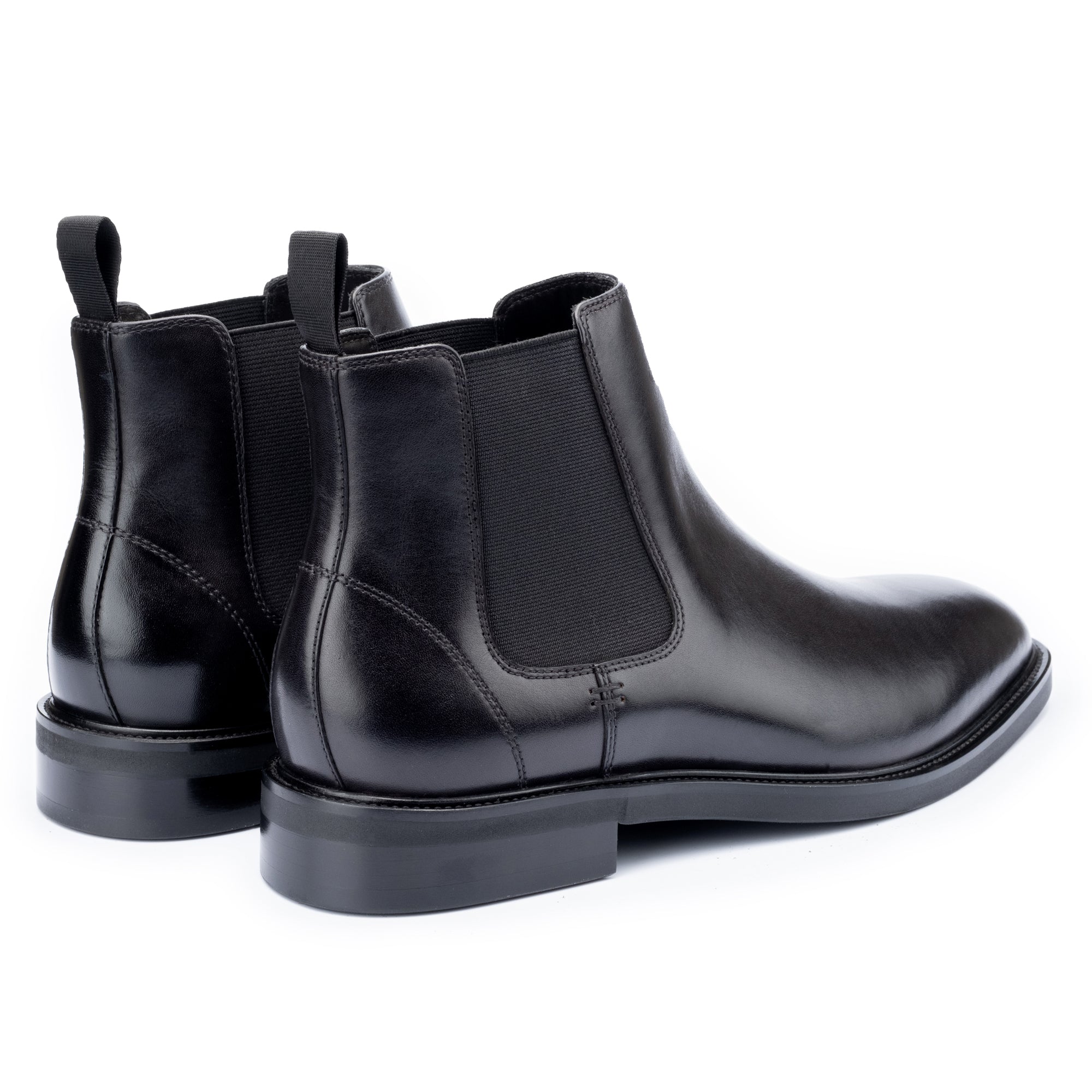
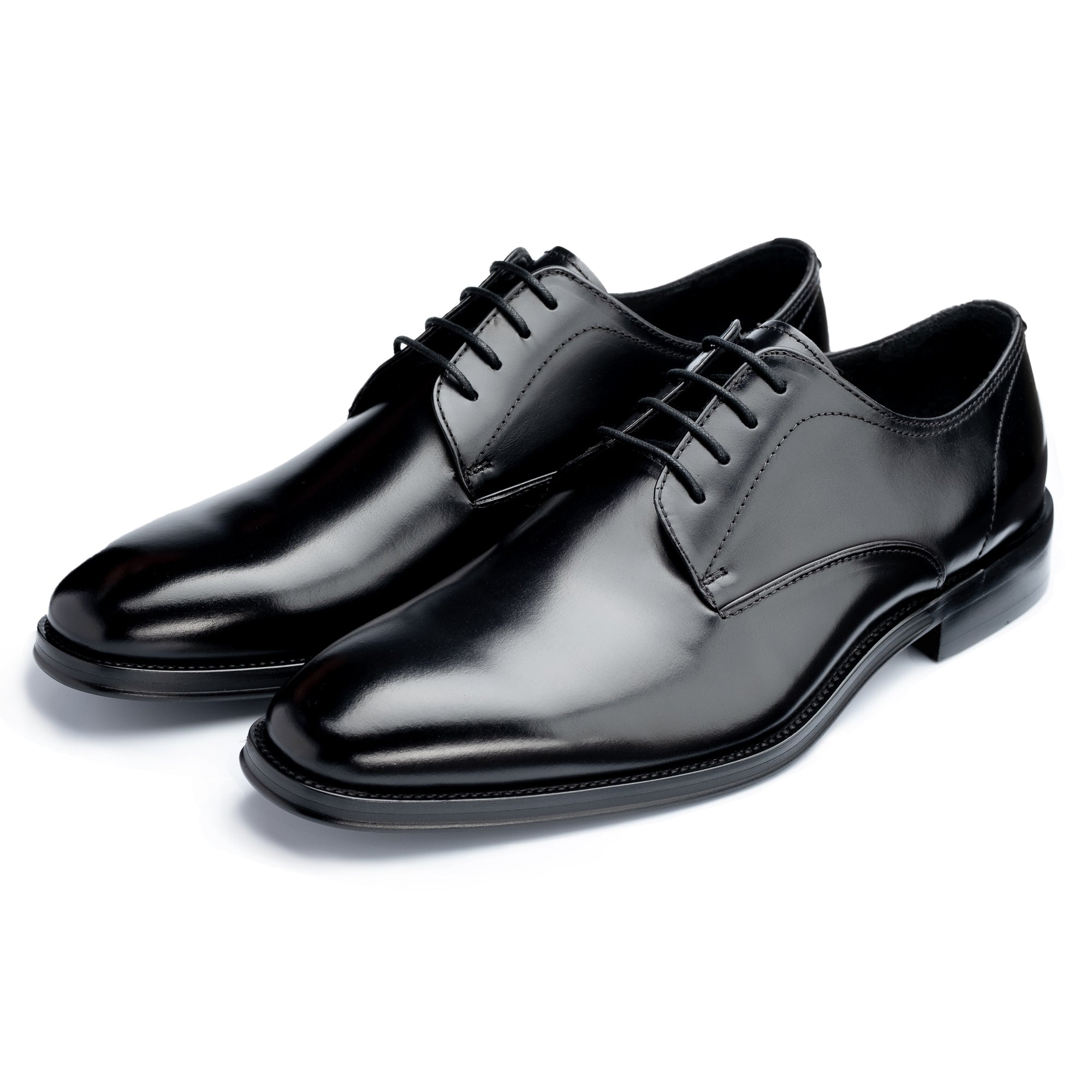
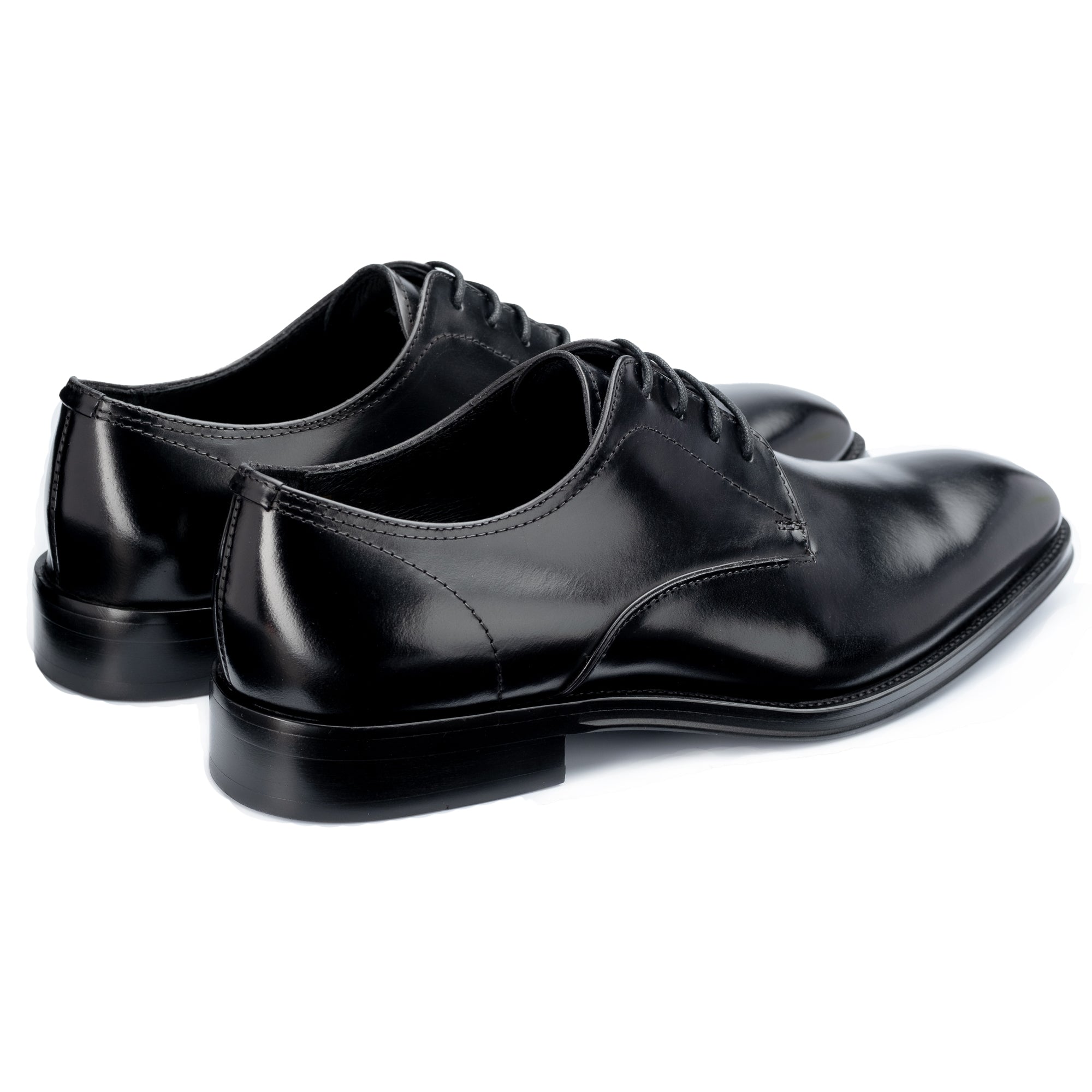
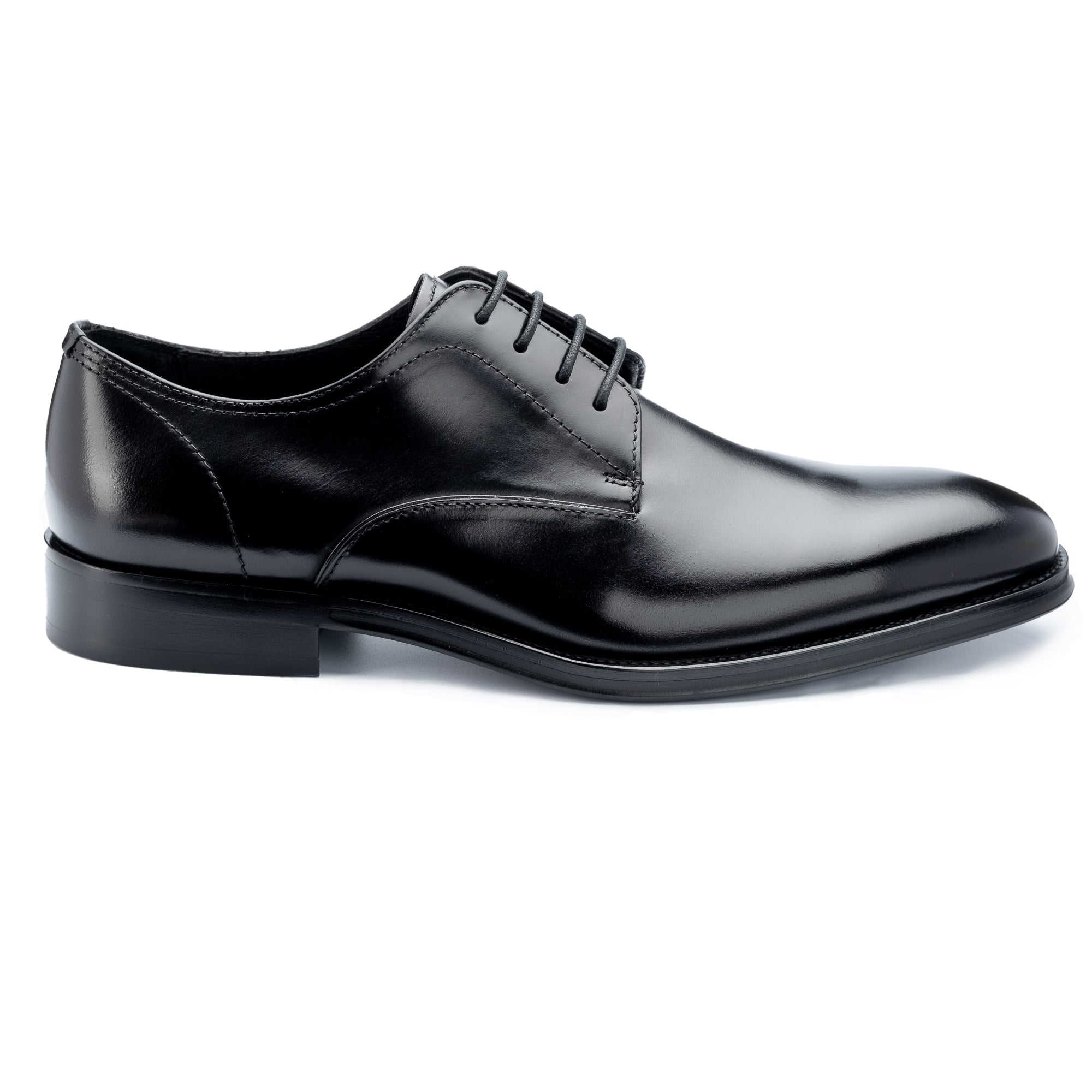
Both materials appear across the full range of dress footwear: Oxfords, Derbies, Chelsea boots, and loafers. The distinction isn't a quality judgement — it's a question of application and context.
As the Society of Master Shoe Repairers has consistently noted, the choice of outsole material is one of the most significant factors in determining a shoe's working life and performance across different environments — yet it's routinely overlooked at the point of purchase.
The difference between leather and rubber soles is fundamentally a question of context: leather is the choice for formality and tradition, rubber for durability and daily practicality.What Are the Advantages of a Leather Sole?
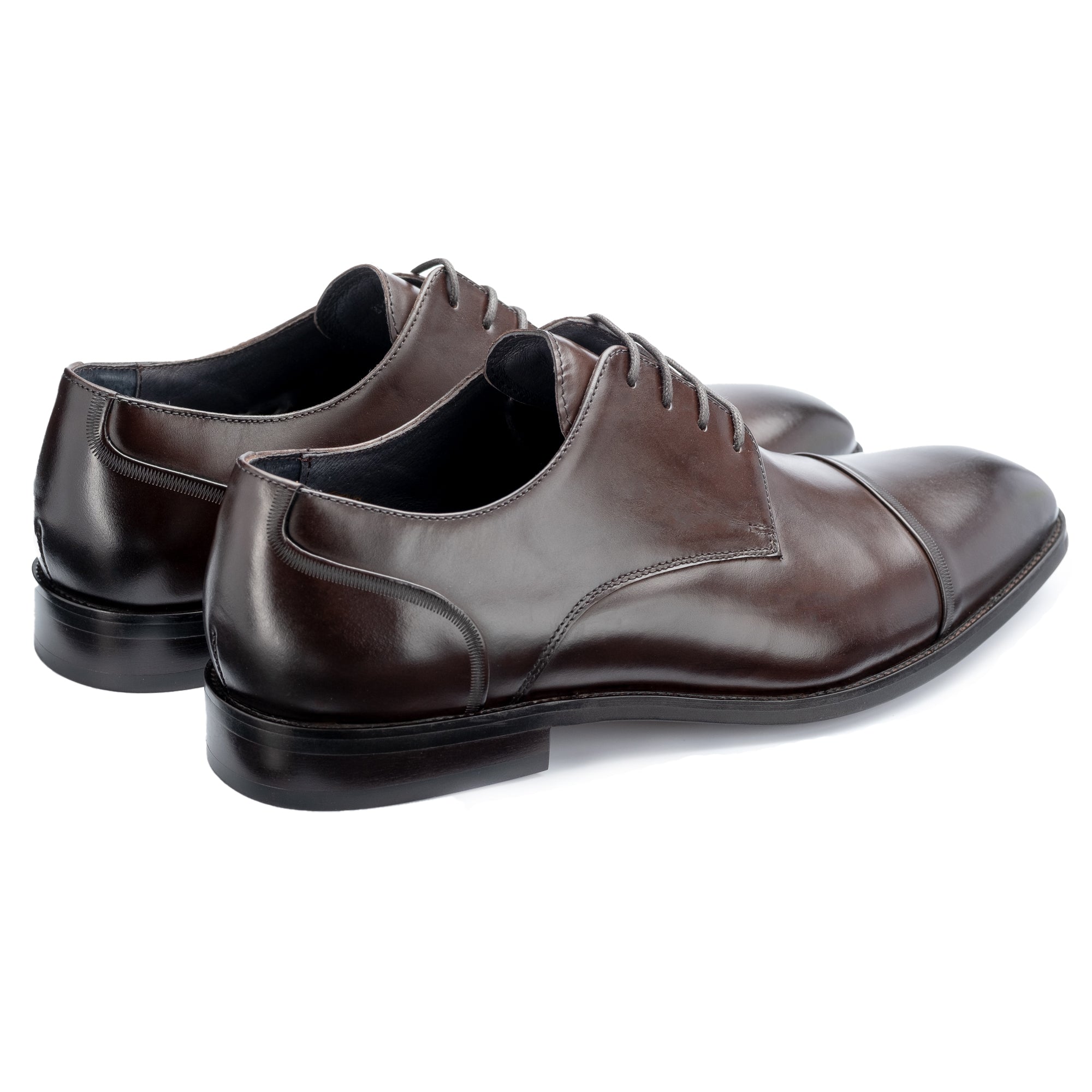
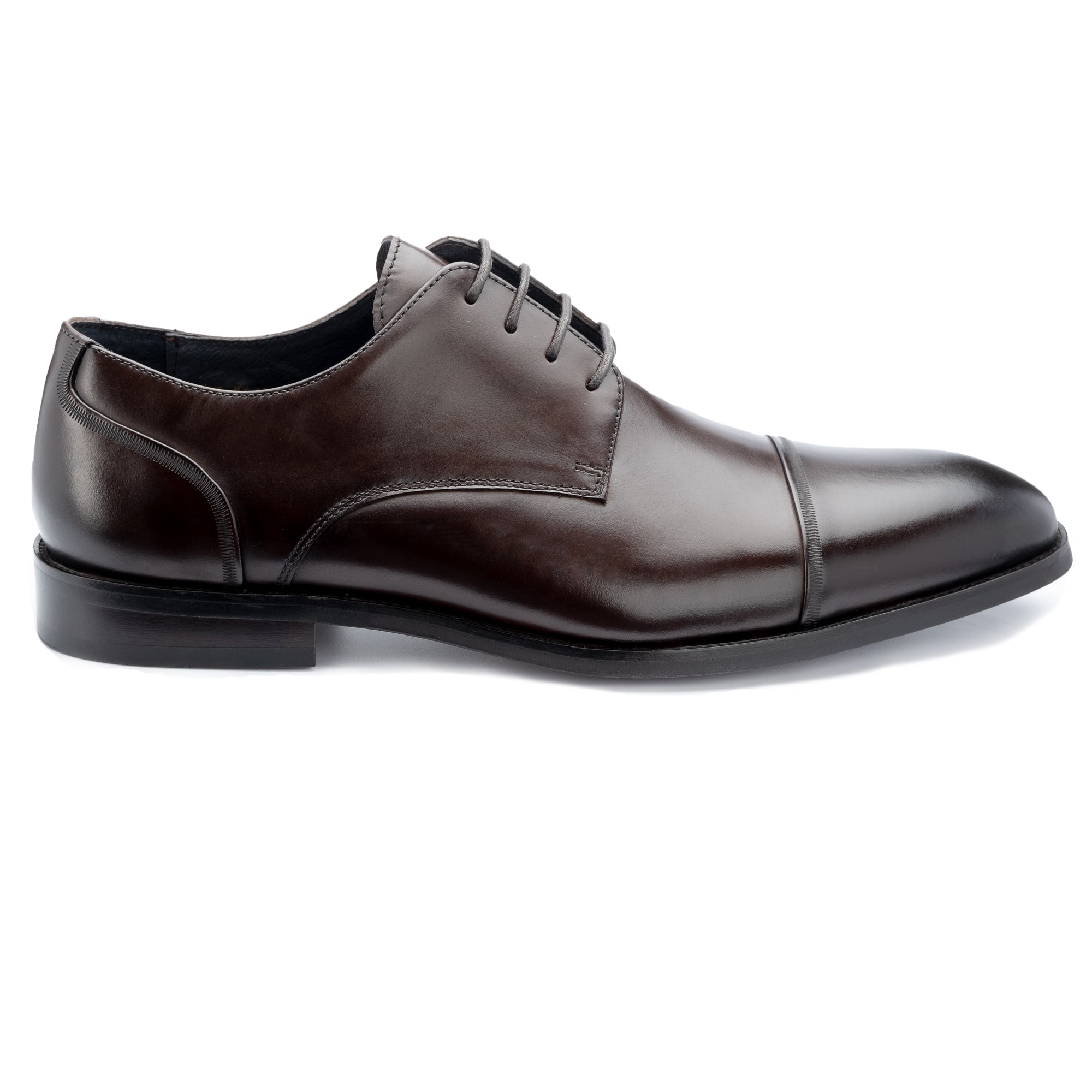
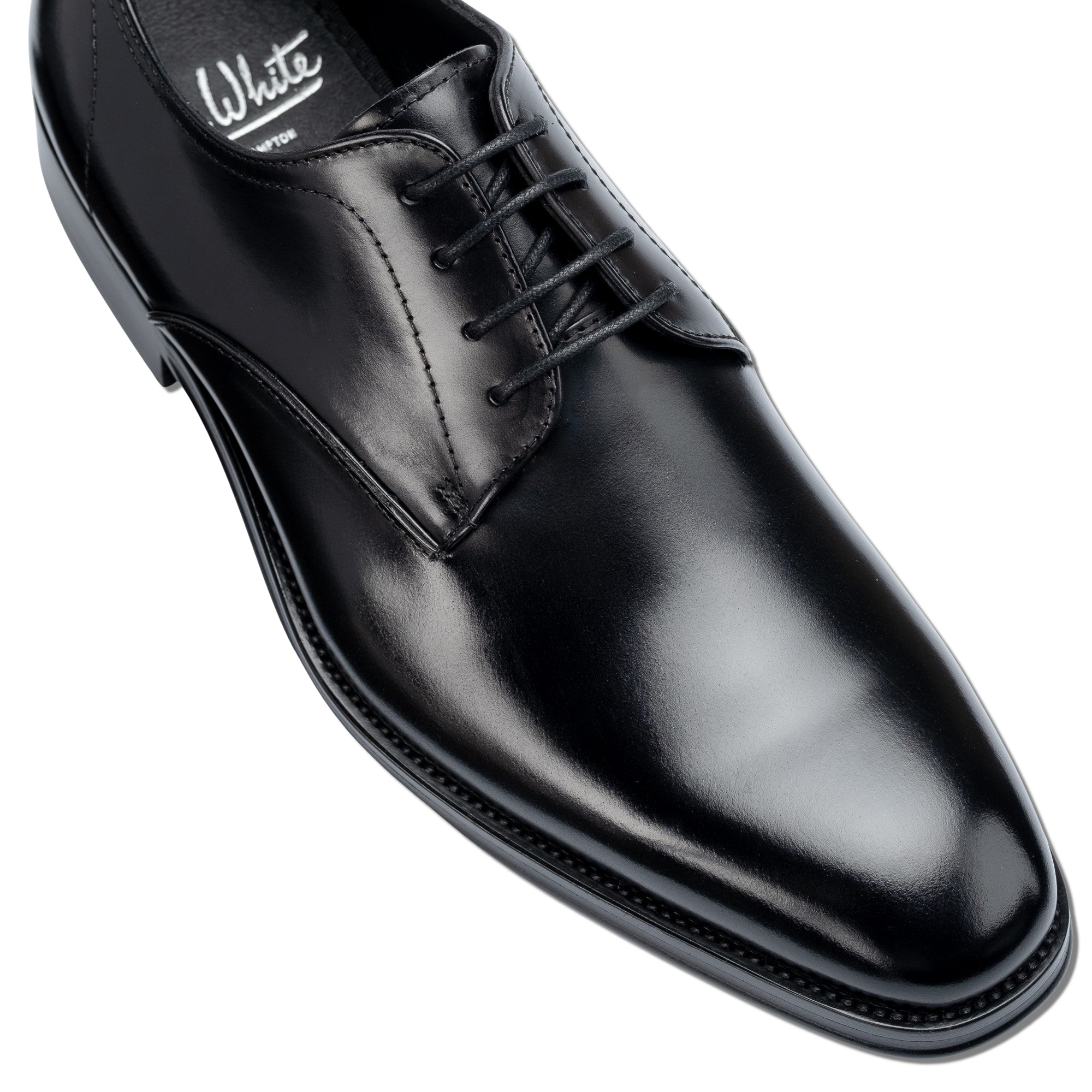
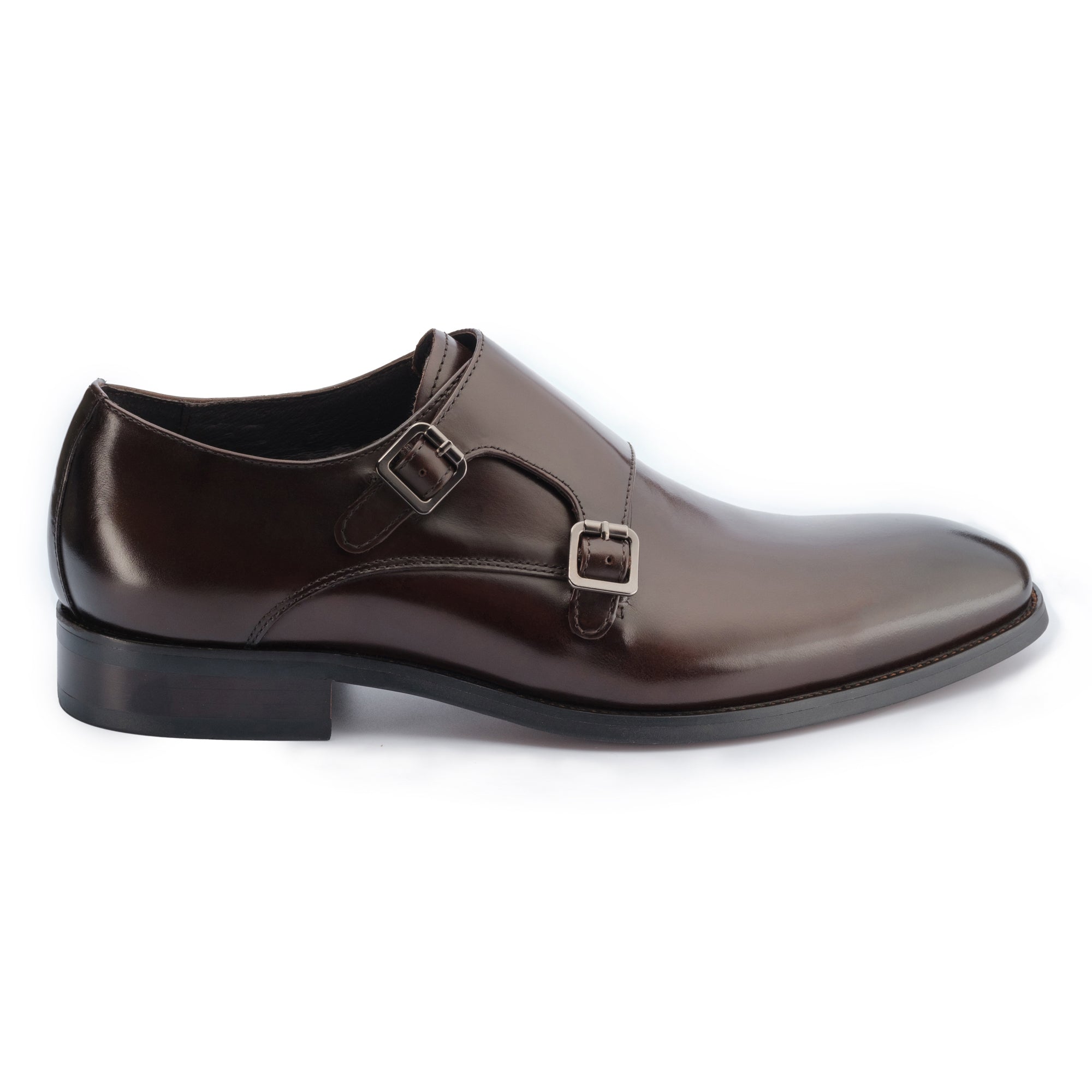
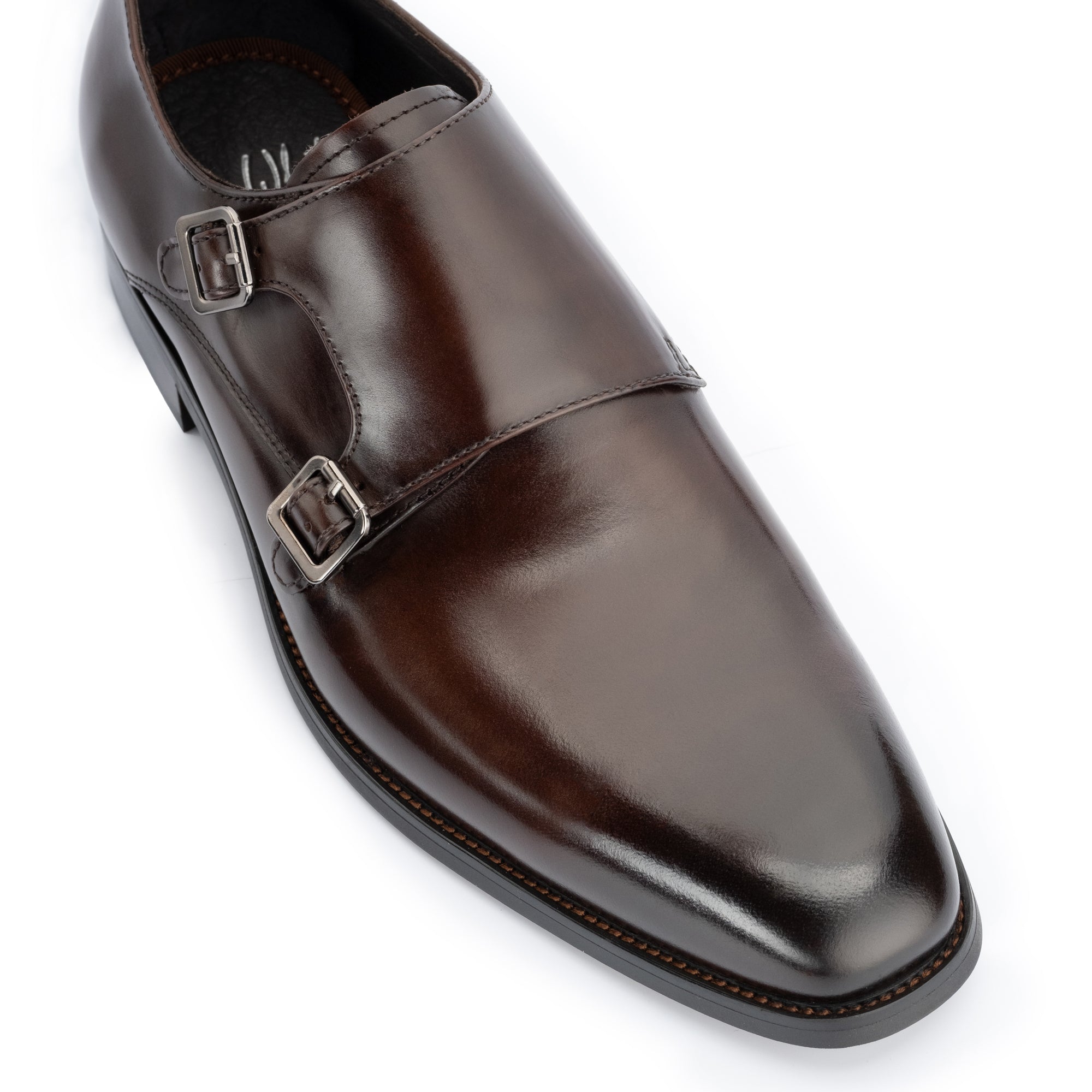
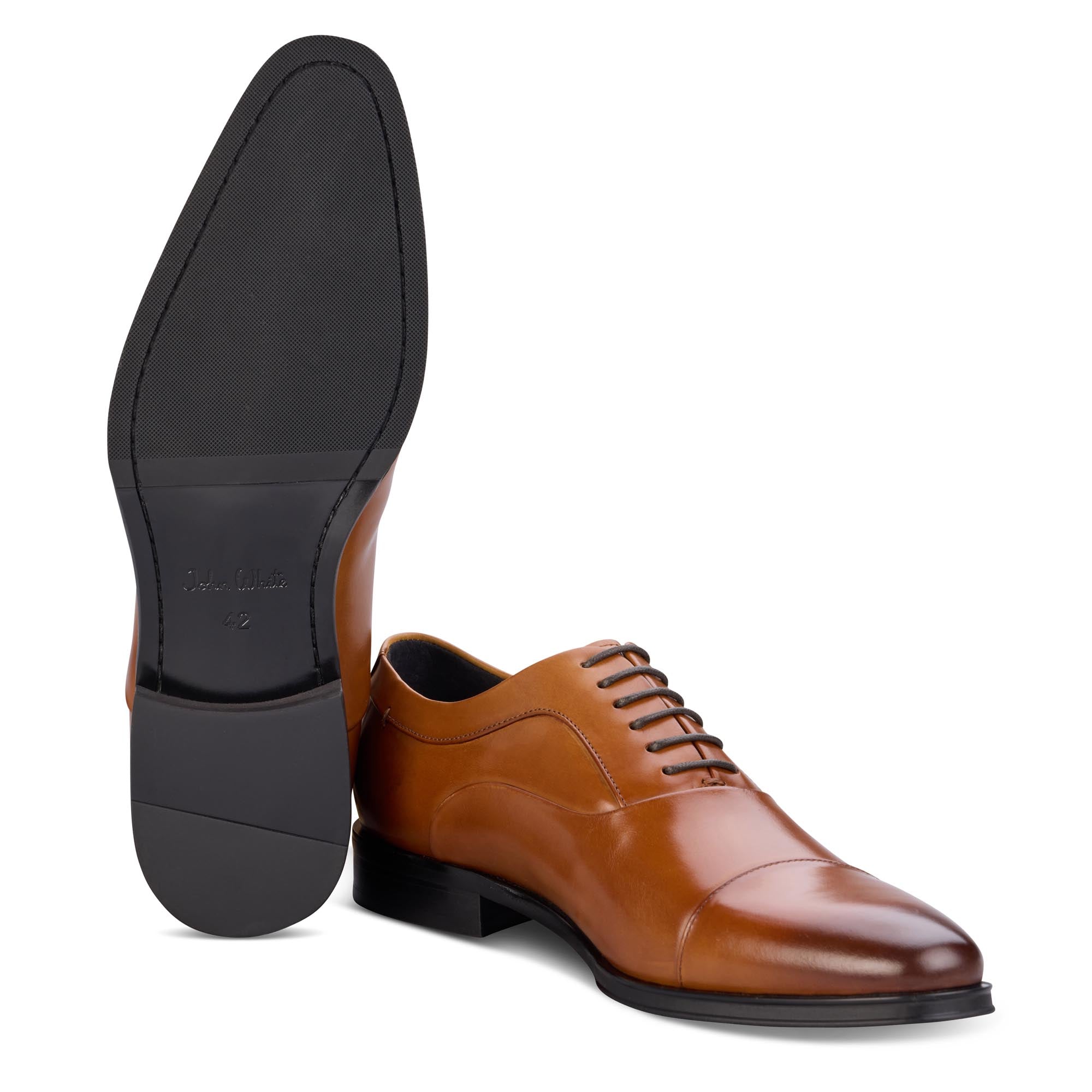
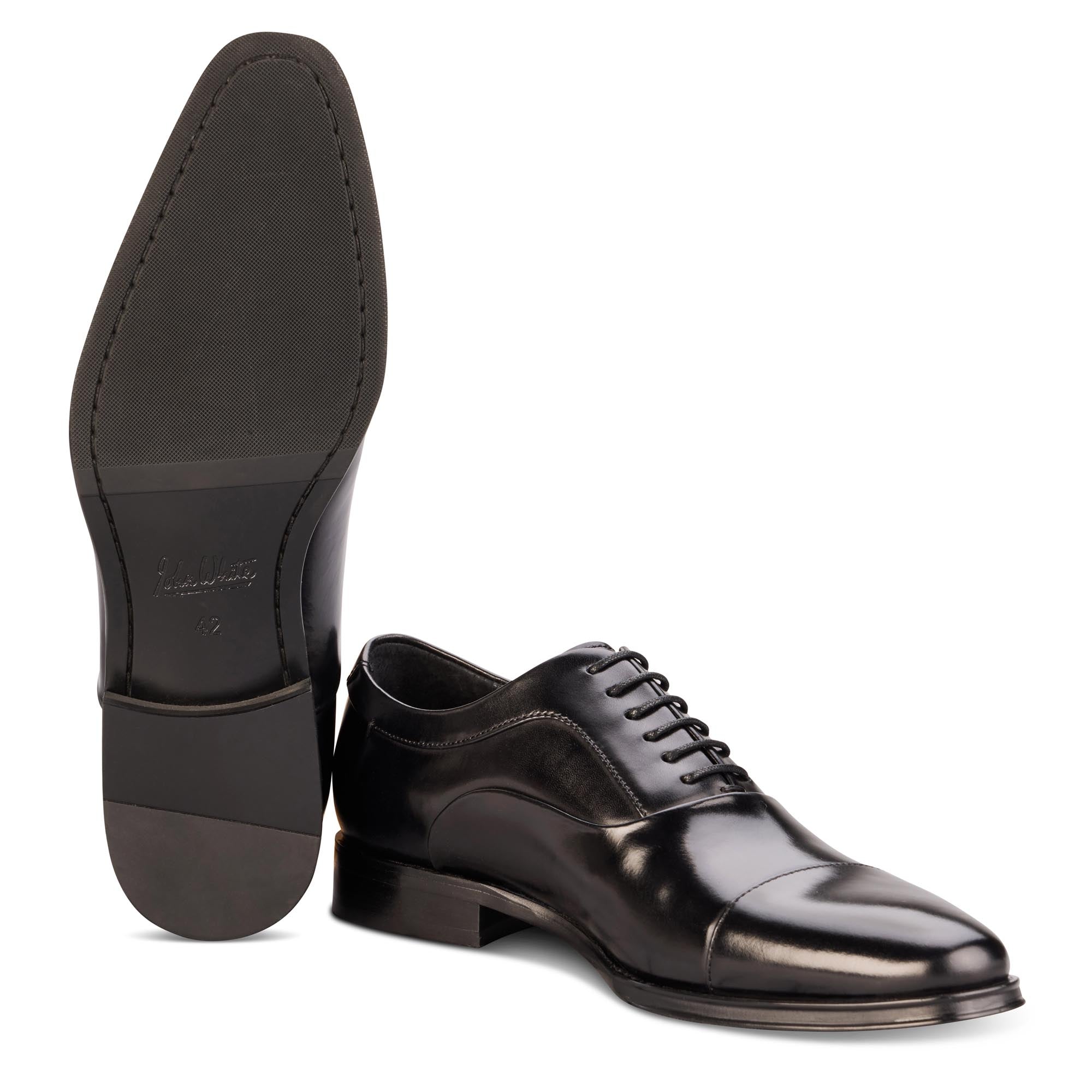
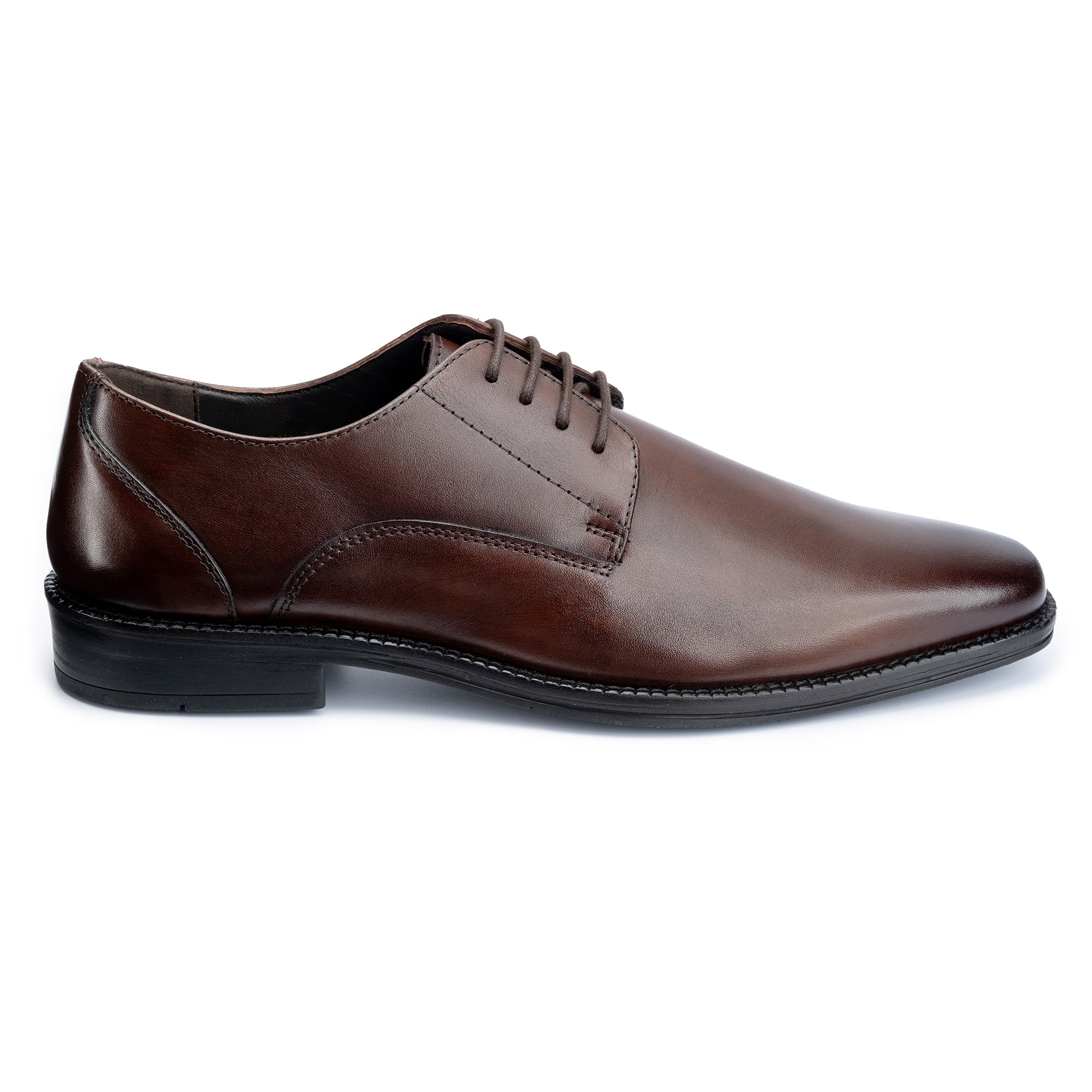
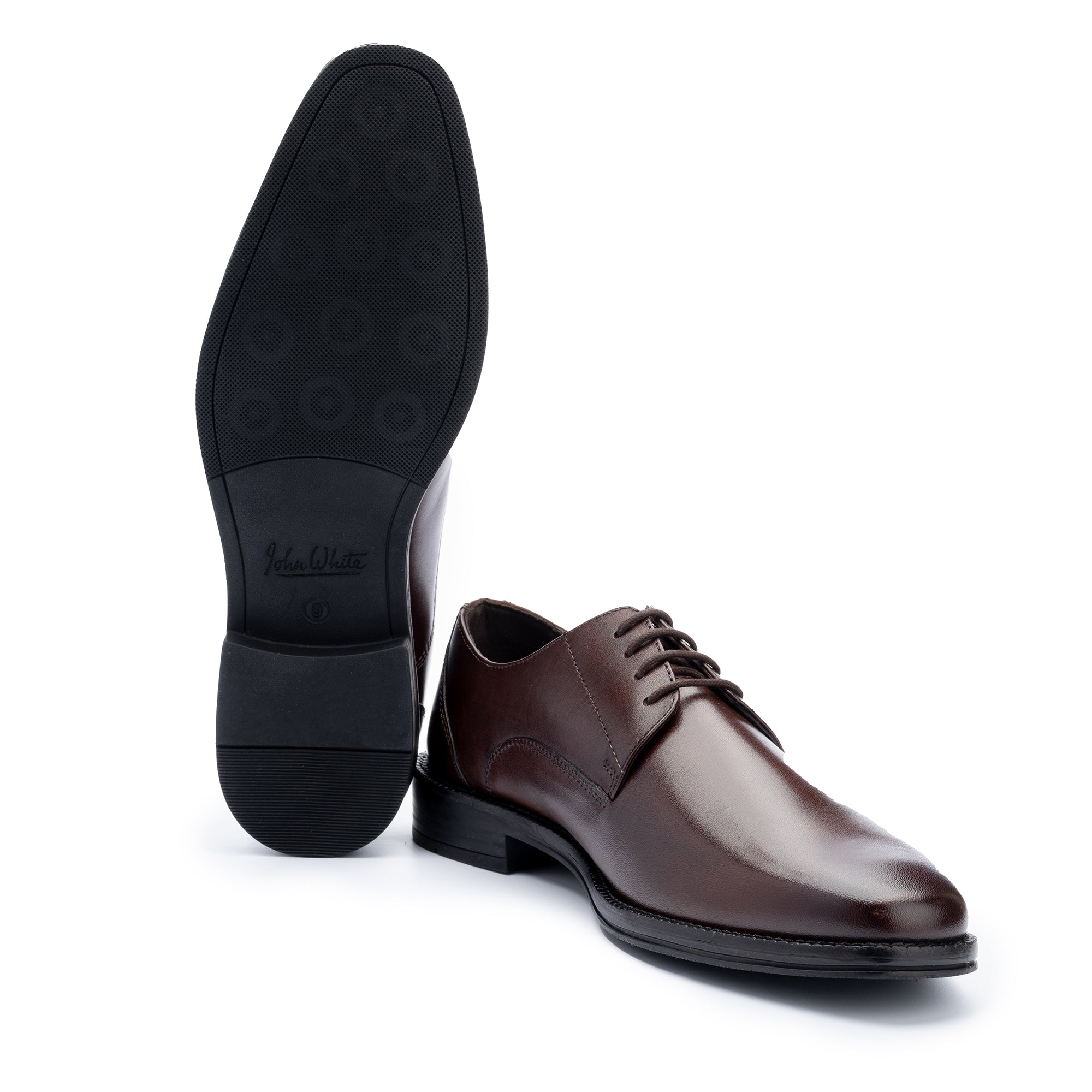
A leather sole is a natural, porous outsole that carries a specific weight of formality no rubber material fully replicates. The slim profile sits closer to the ground, creating a cleaner, more refined silhouette — a detail that reads clearly under tailored trousers.
- Formality: At black tie dinners, formal receptions, and high-standard professional environments where heritage brands uphold a tradition of formal elegance, leather underfoot is the expected convention. It reads immediately as considered dress footwear.
- Breathability: Leather is a naturally porous material. It allows air to circulate more readily than rubber — a meaningful comfort advantage over a long working day in warm conditions.
- Feel and flex: A leather sole moulds gradually to the foot's shape and individual gait. Over months of wear, the flex point aligns with your natural stride, producing a fit that's personal to you.
- Patina: With age and maintenance, a leather sole develops visible character — the surface deepens, the edges acquire a polished depth that records honest wear. It's a quality rubber simply doesn't possess in the same way.
According to the Society of Master Shoe Repairers, leather soles maintained with periodic conditioning, toe-tip reinforcement, and proper drying after wet weather can achieve a significantly longer service life than most wearers expect — particularly when paired with a consistent rotation of two or more pairs.
For formal occasions, a leather sole remains the authoritative choice — its slim profile, natural breathability, and centuries-old tradition define what quality men's dress footwear looks and feels like underfoot.What Are the Drawbacks of a Leather Sole?
Leather soles require more from the wearer than rubber. They don't forgive wet pavements, and they need consistent maintenance to remain serviceable across varied conditions.
- Grip: Leather offers significantly less traction than rubber on wet surfaces. Rain-slicked pavements, polished marble floors, and leaf-covered paths in autumn are genuine hazards. Many men fit thin rubber heel caps to their leather-soled shoes as a straightforward precaution.
- Moisture vulnerability: Leather absorbs water. A heavy day of rain can saturate a leather sole, causing it to stiffen, warp, or crack if not dried correctly afterwards. For a full recovery process, see our guide to drying and restoring wet leather footwear.
- Wear rate on hard surfaces: On modern tarmac and hard urban paving, an unprotected leather sole wears faster than rubber. The toe area is particularly vulnerable. Toe taps fitted by a cobbler at the point of purchase can substantially extend the sole's lifespan at minimal cost.
The Leather Conservation Centre recommends conditioning leather soles with a dedicated leather food or wax every six to eight weeks — more frequently in winter — to keep the material supple and resistant to moisture damage and cracking at the flex point.
What Are the Advantages of a Rubber Sole?
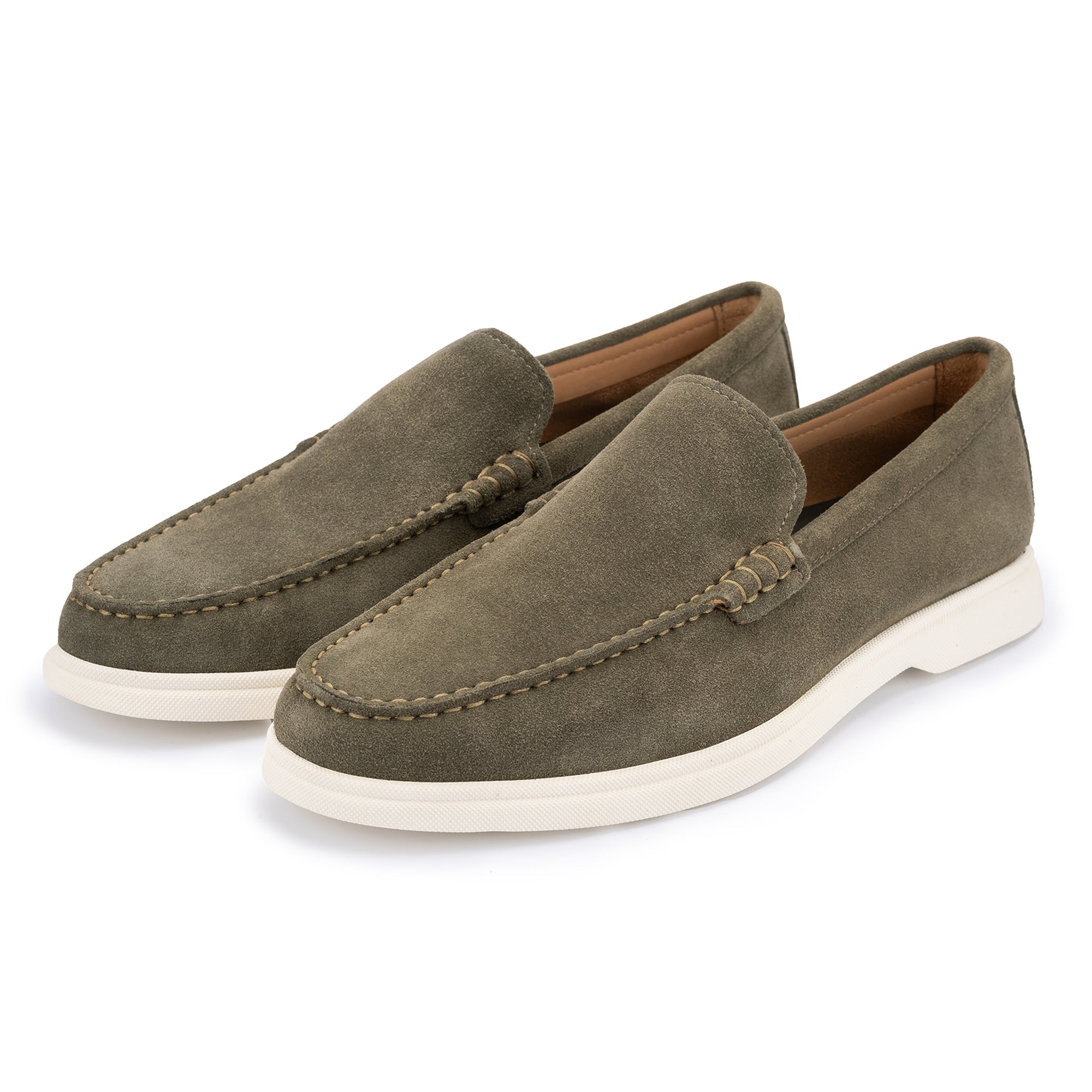
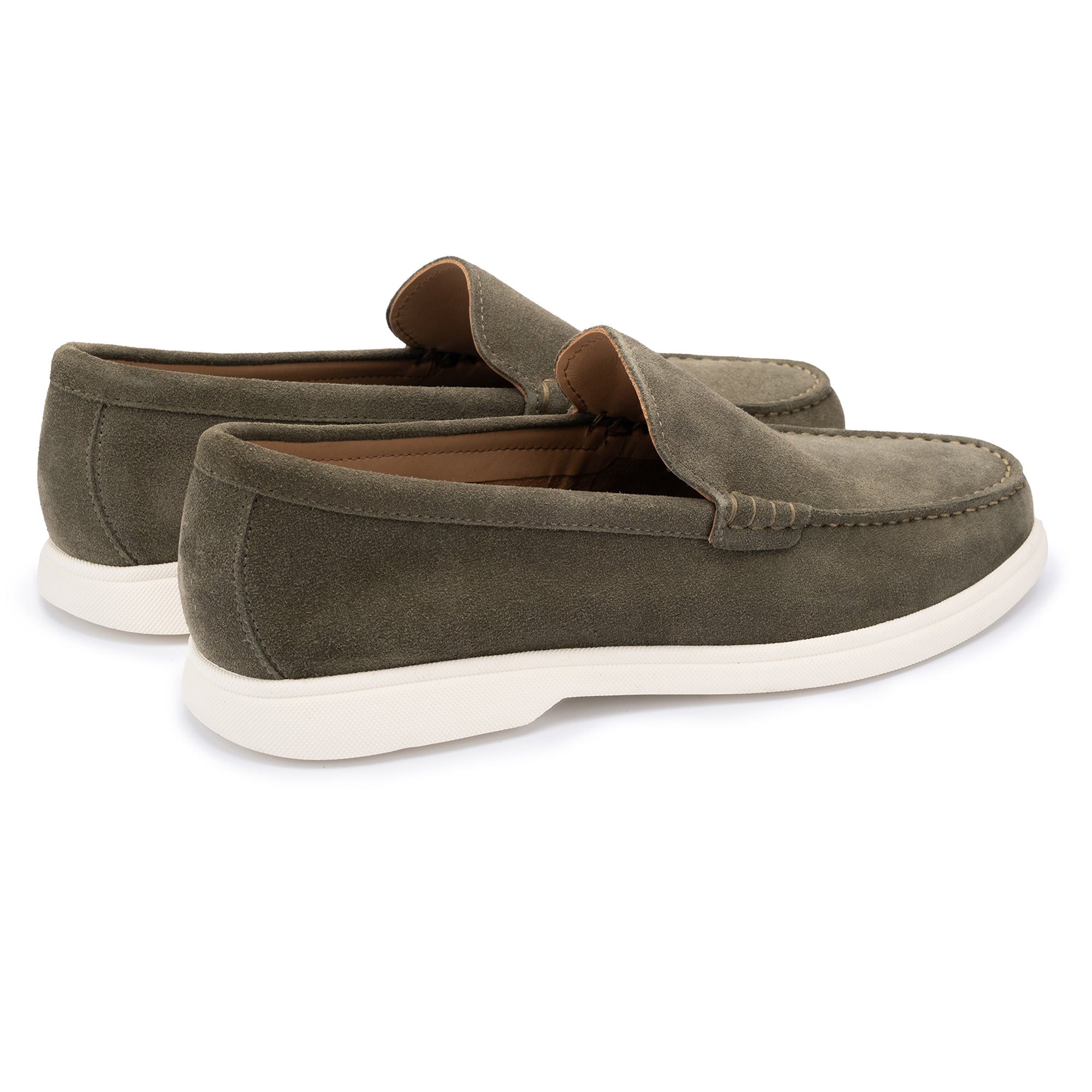
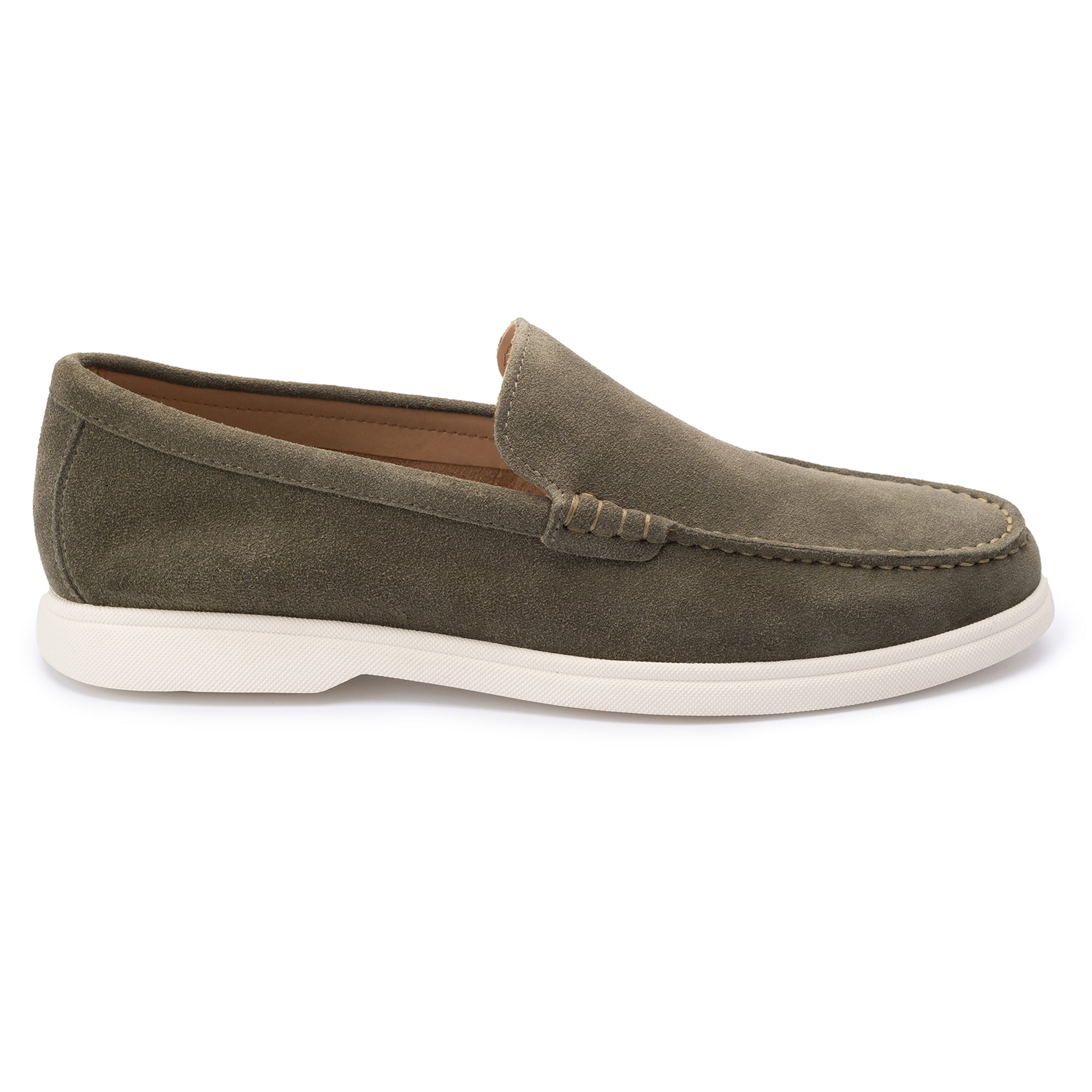
A rubber sole is a practical outsole material that prioritises grip, weather resistance, and longevity across varied conditions. It's not a compromise — it's a different set of priorities for a different kind of use.
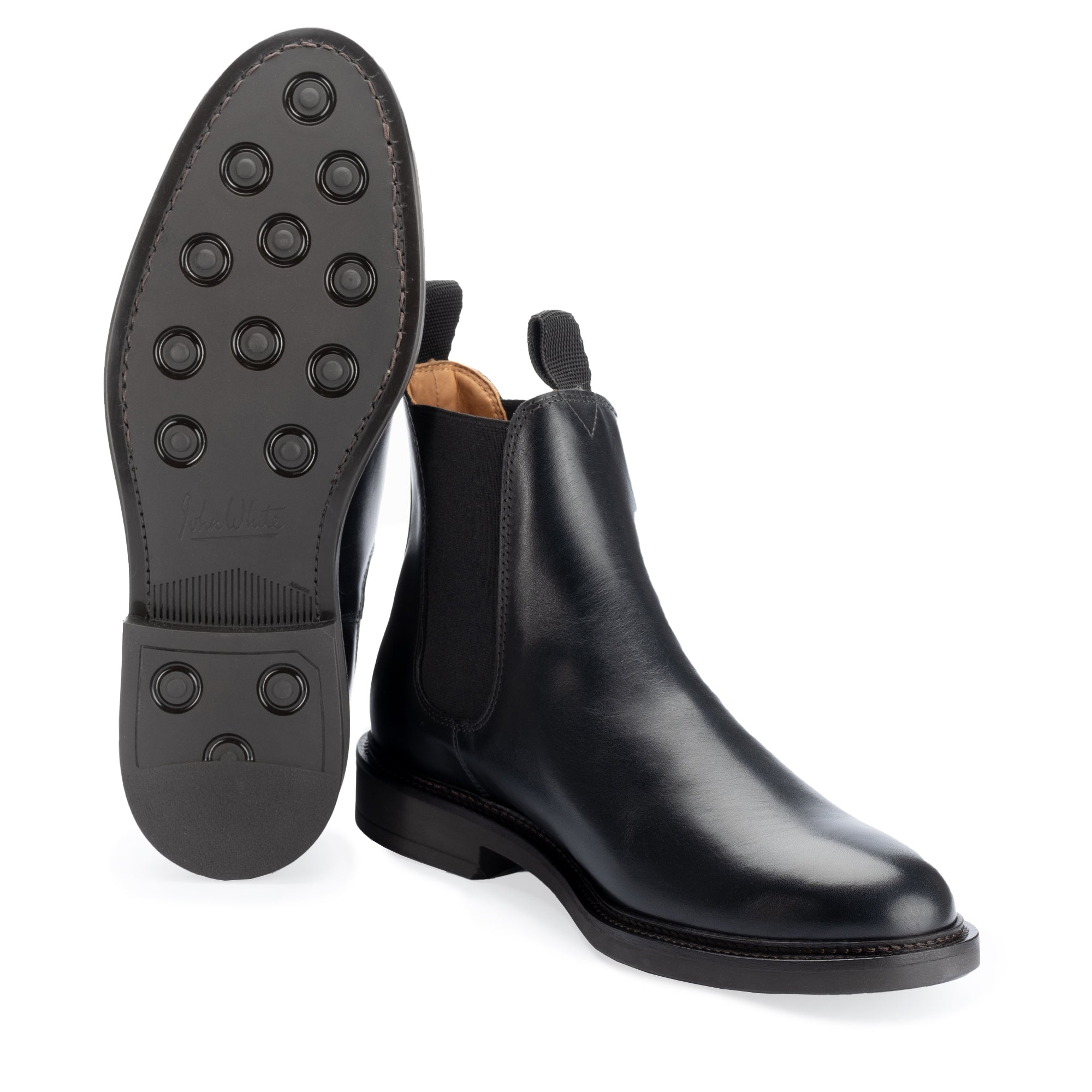
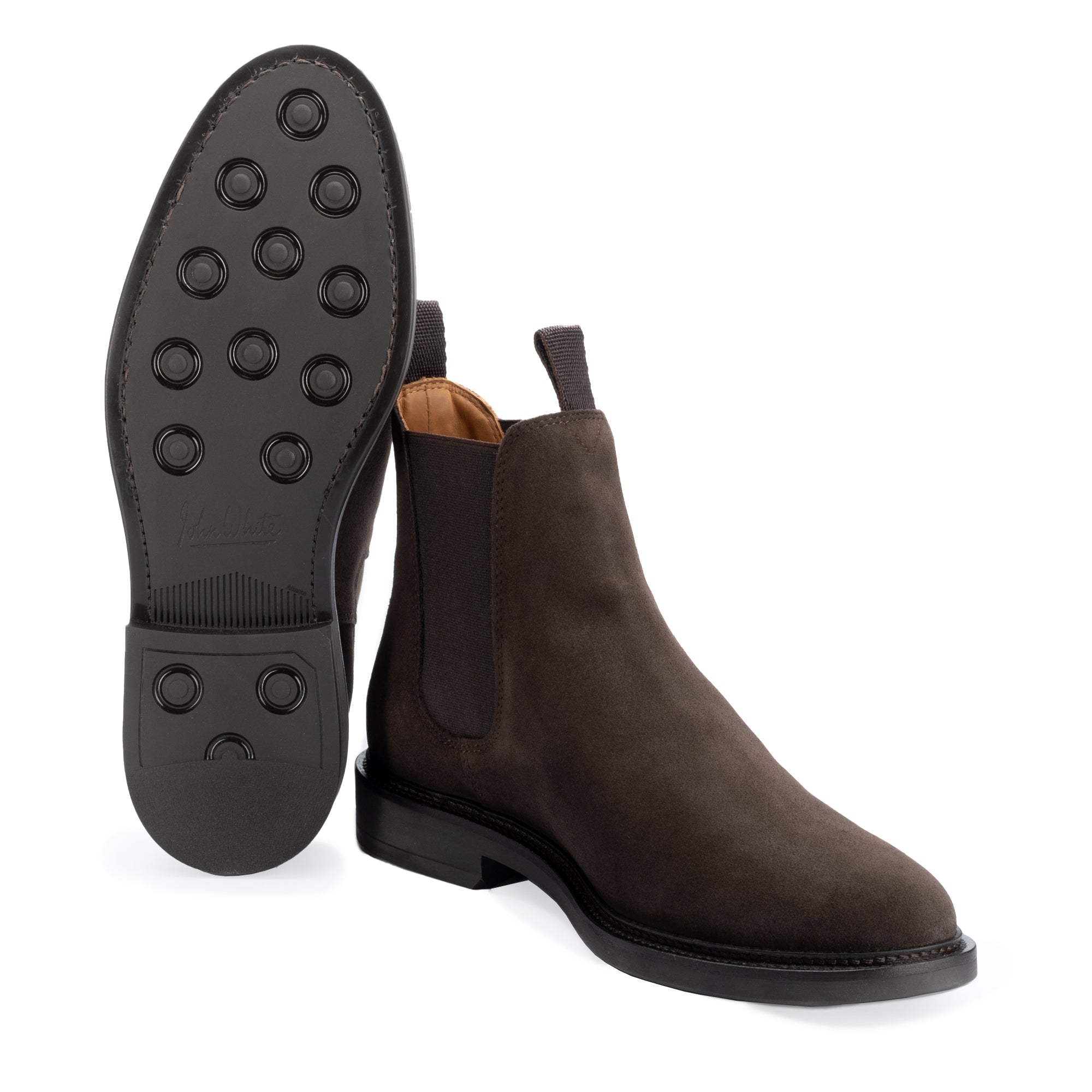
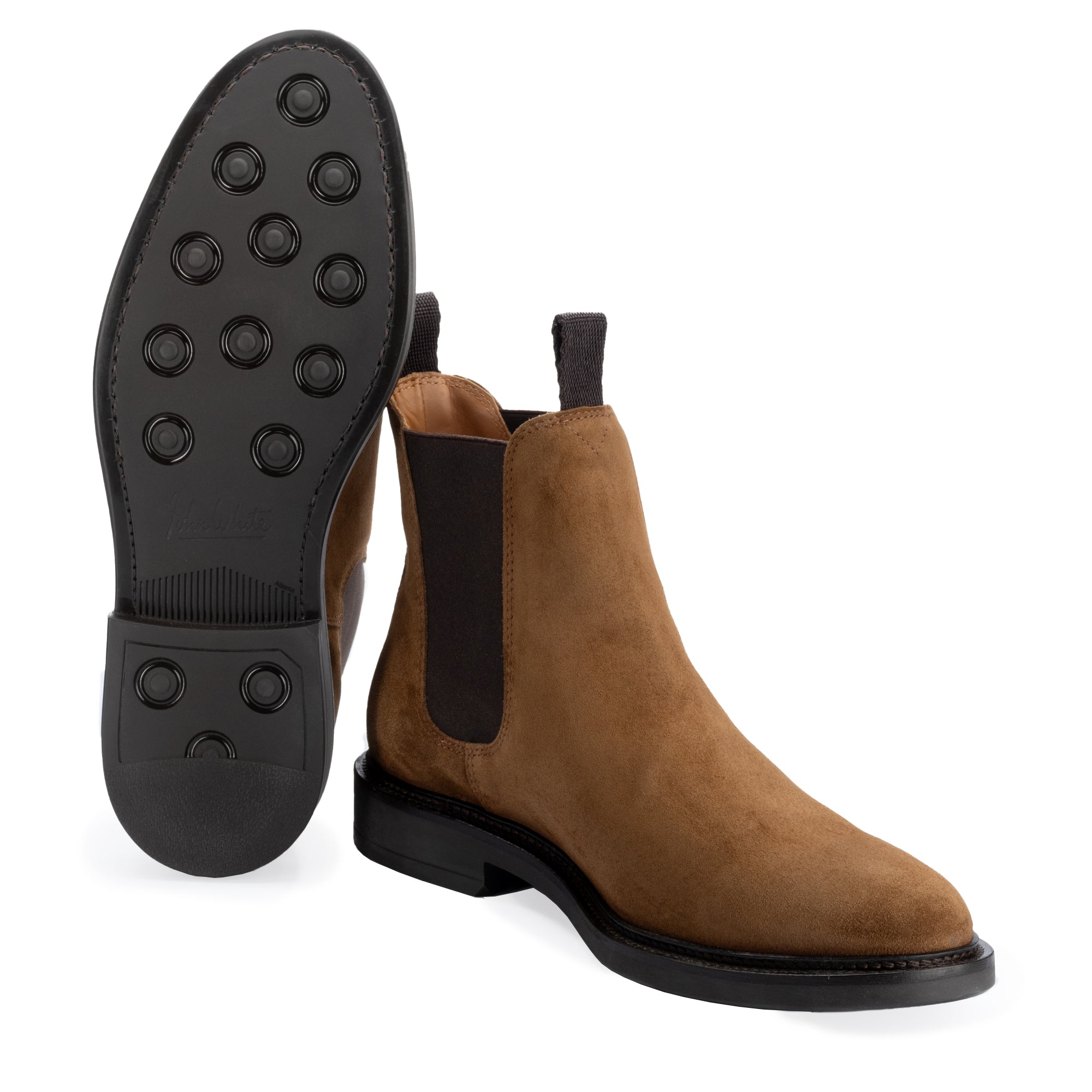
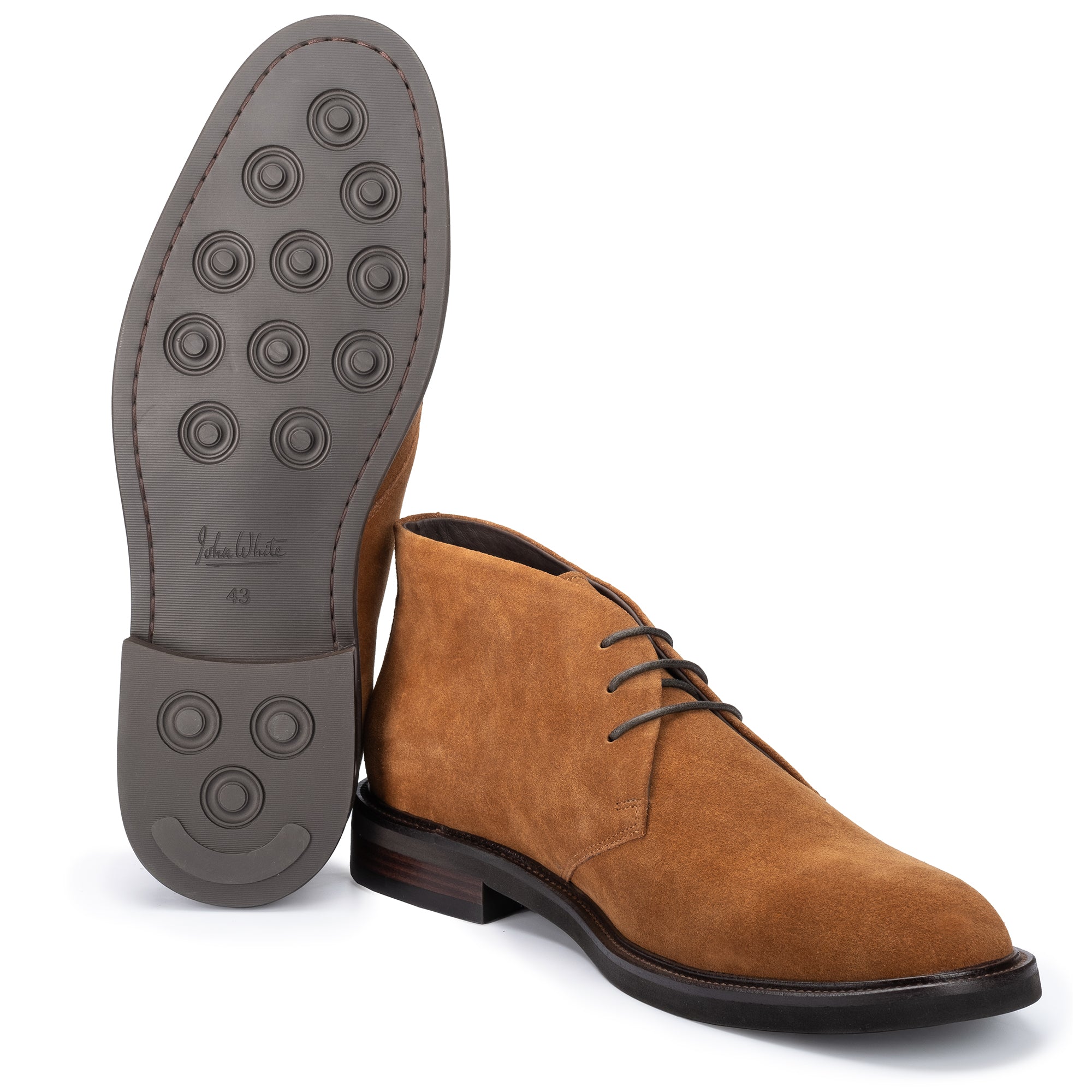
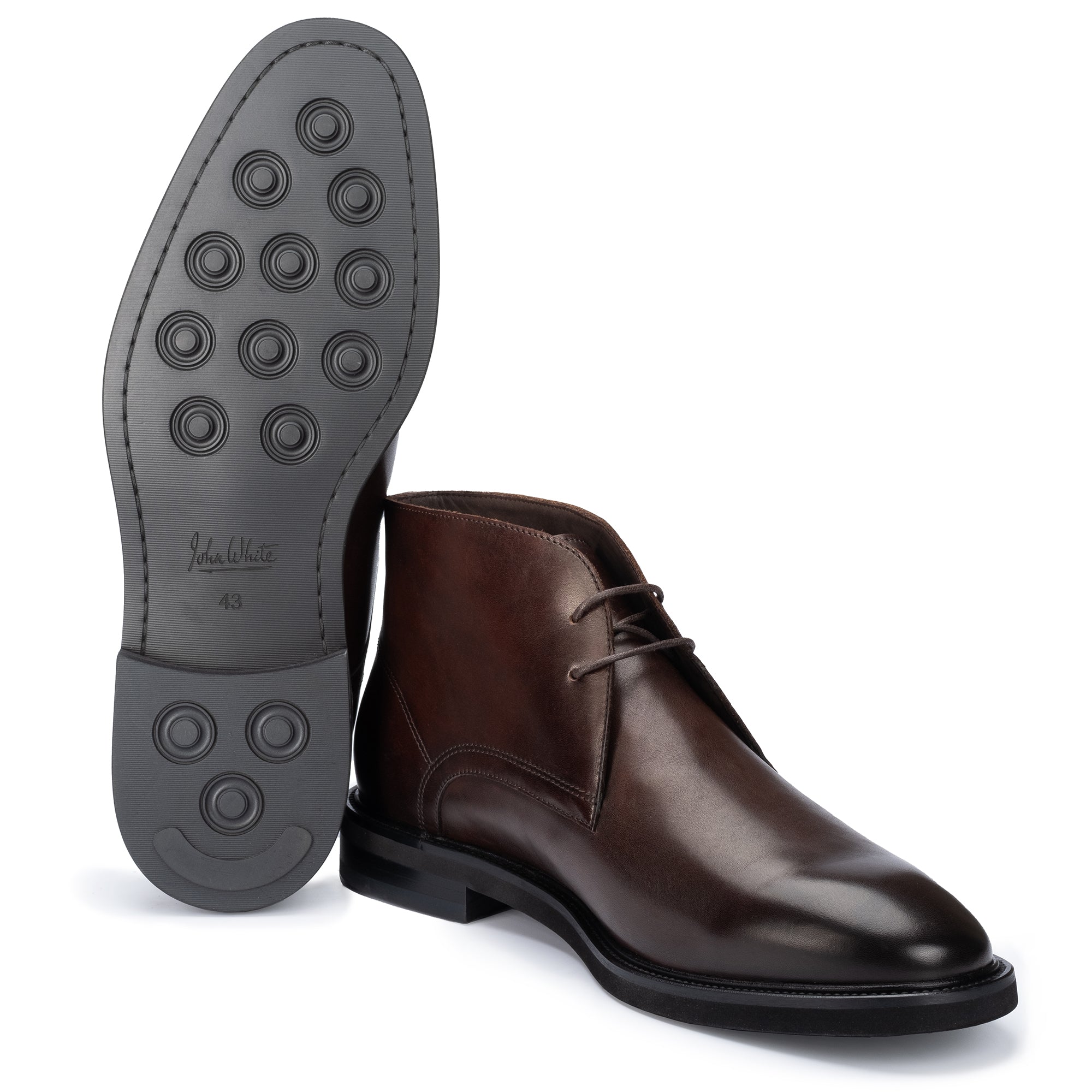
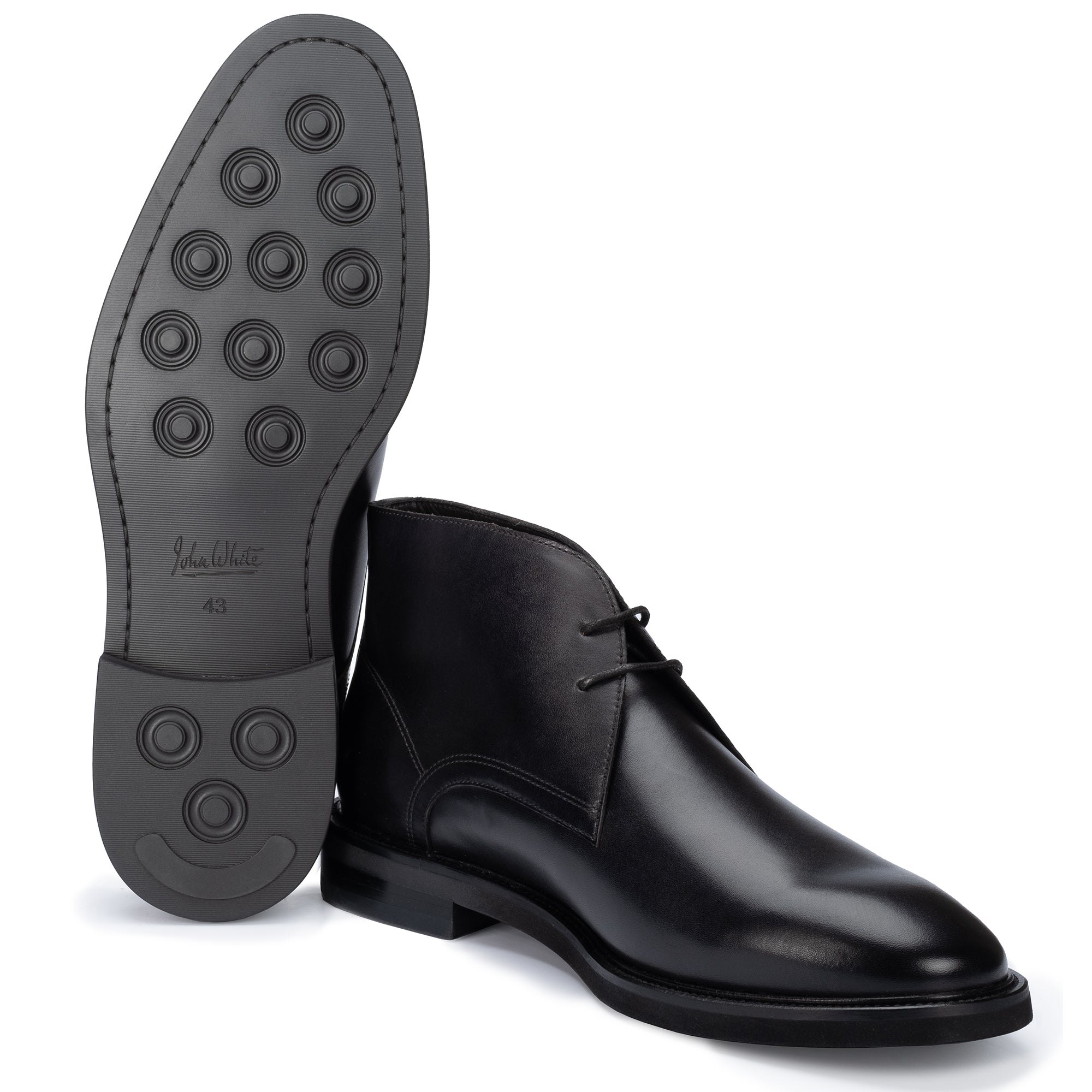
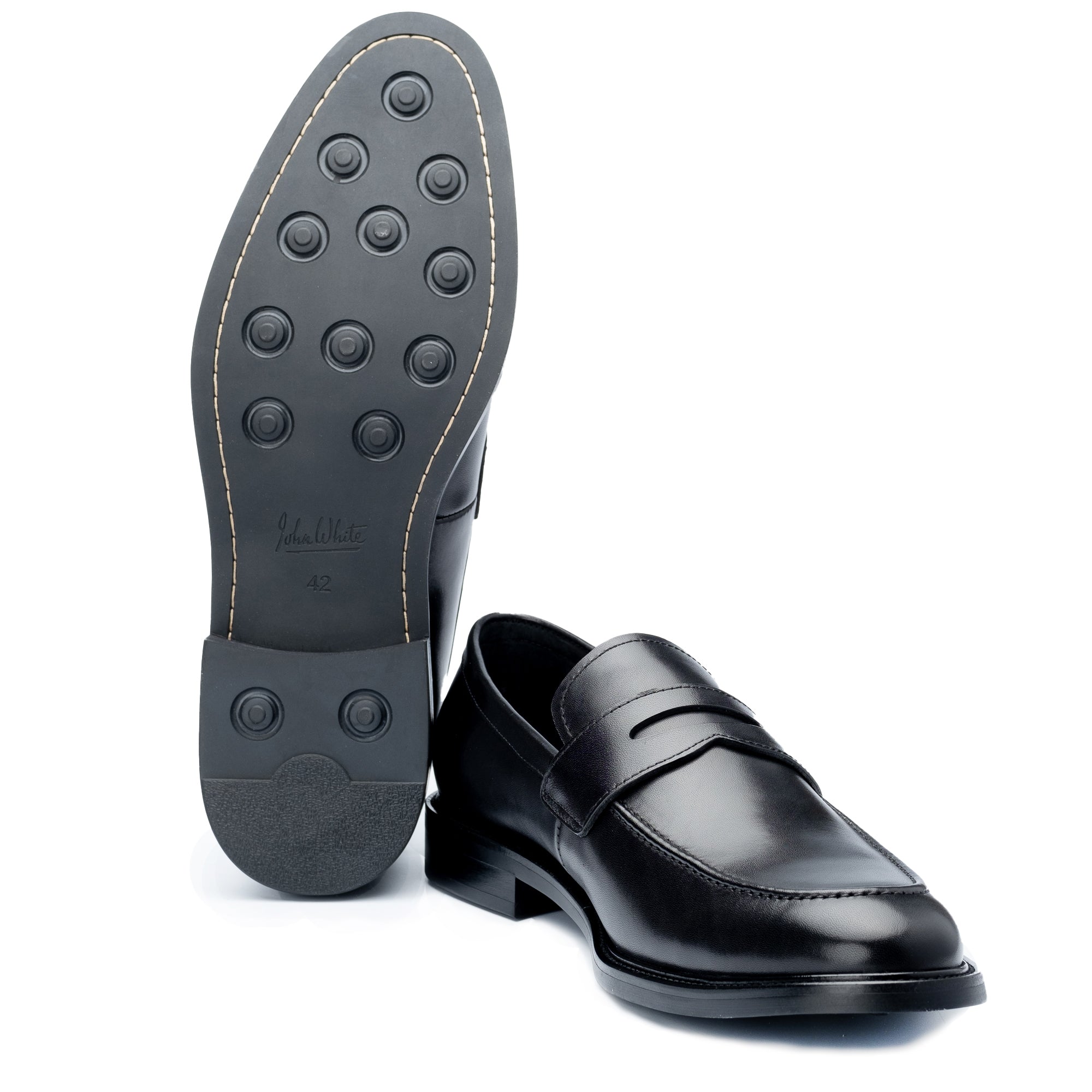
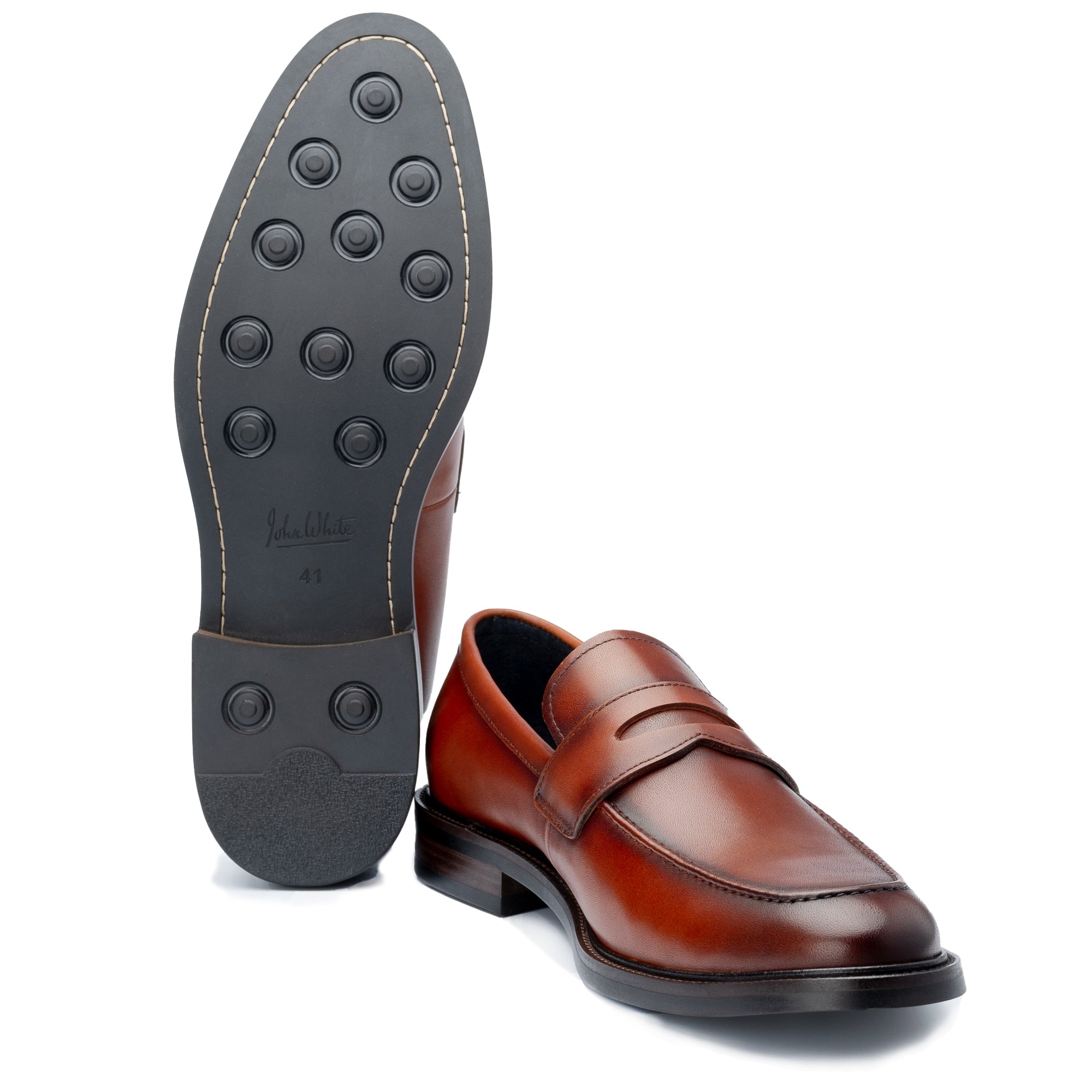
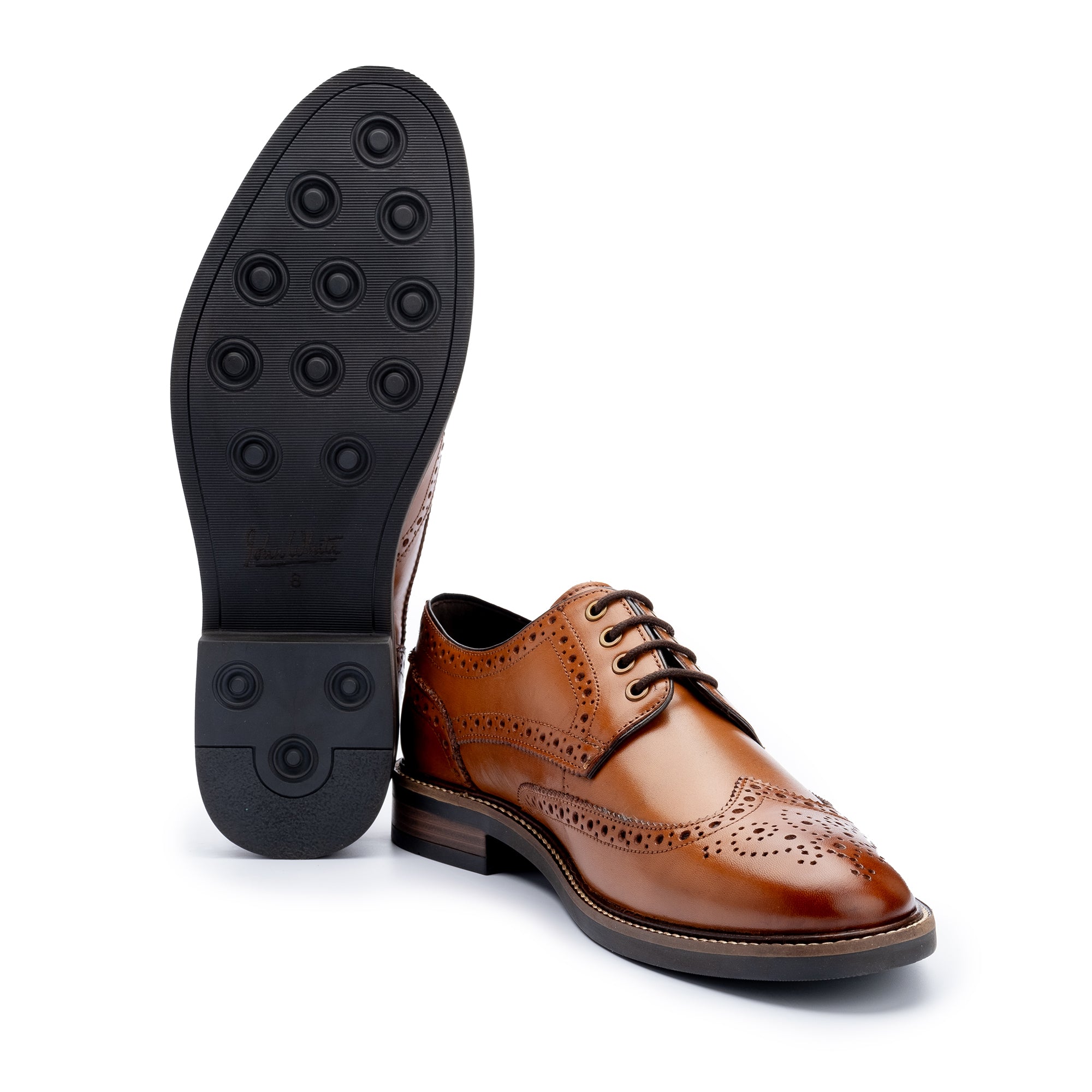
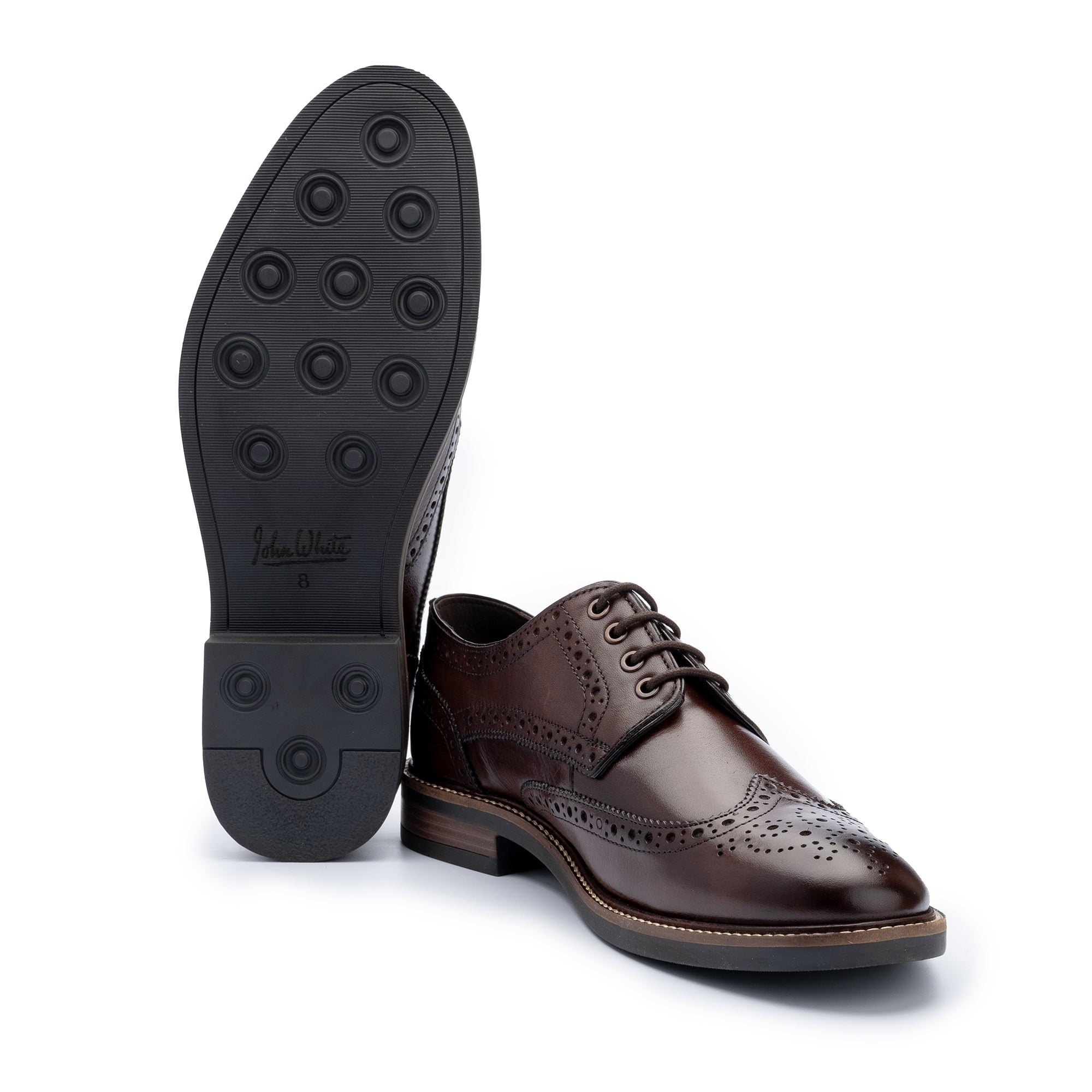
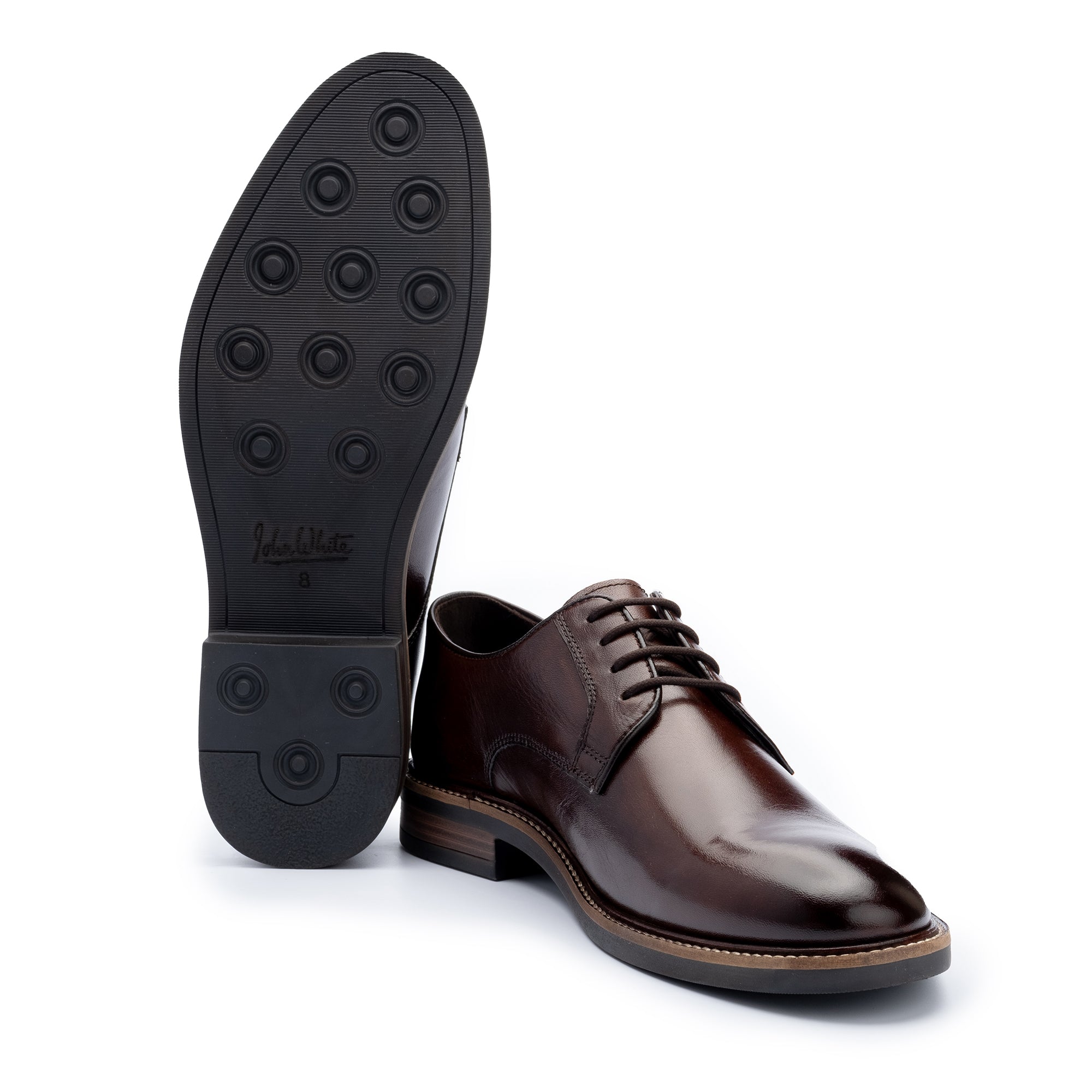
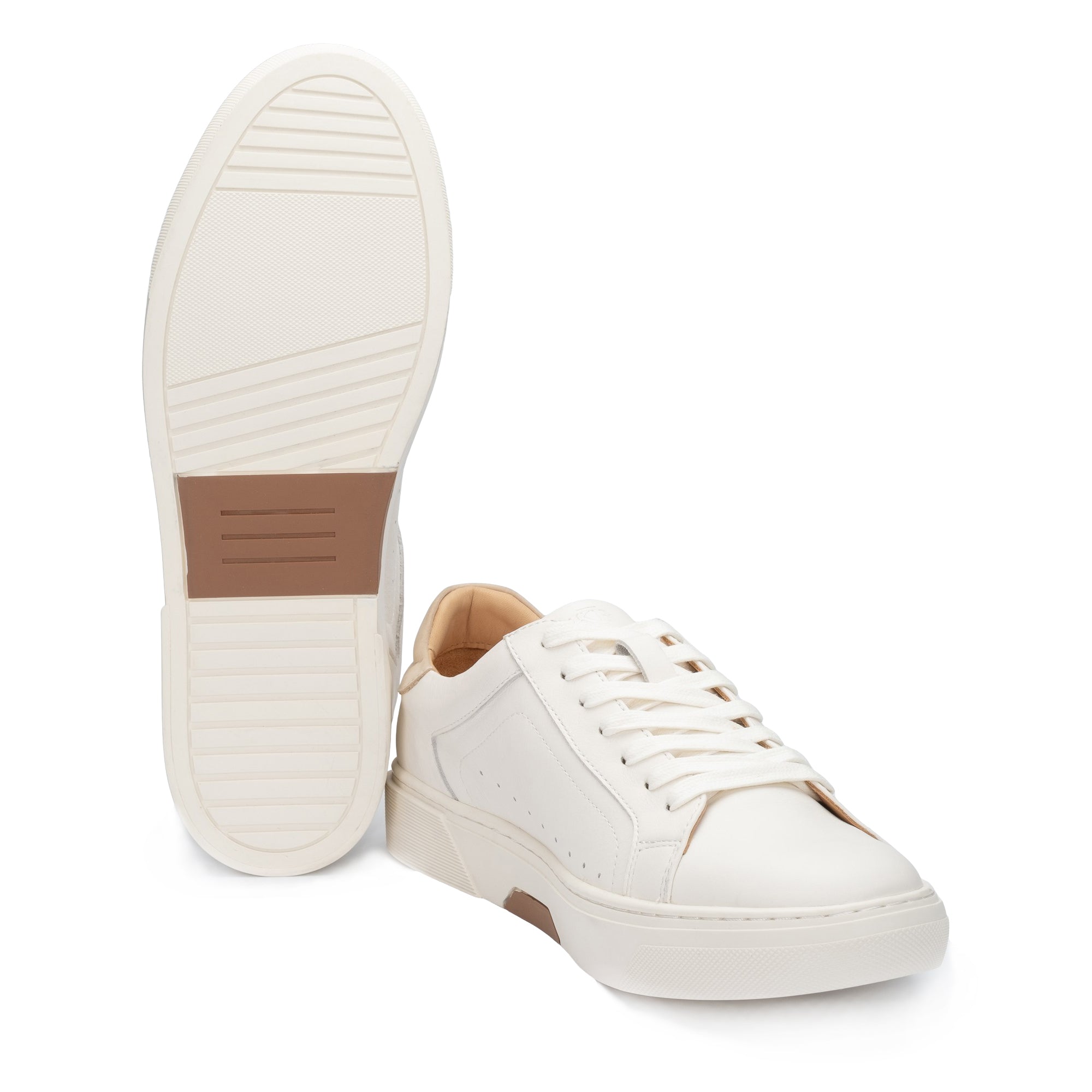
- Traction: The grip of a rubber sole across wet, uneven, or slippery surfaces is substantially better than leather. This matters for men who commute on foot, navigate city streets in all weathers, or cover significant distance in their dress shoes daily.
- Weather resistance: Rubber doesn't absorb water. A rubber-soled Derby or Chelsea boot handles light rain and damp pavements without requiring the same post-wear recovery routine as leather.
- Durability on urban surfaces: On hard city pavement, rubber typically wears more slowly than leather. A rubber-soled shoe worn daily will hold its outsole profile longer before requiring a cobbler's attention.
- Lower maintenance threshold: The rubber outsole itself requires less conditioning than leather. The upper leather still needs regular care — but the sole is more forgiving of irregular attention from a busy wearer.
According to figures published by the UK shoe repair industry, rubber-soled dress shoes worn on hard urban surfaces typically require outsole repair less frequently than comparable leather-soled footwear — a practical advantage for men who treat their shoes as working tools rather than dress-only items.
For daily urban wear, rubber soles offer a practical advantage leather can't match — superior grip, greater weather resilience, and a lower maintenance burden across the working week.What Are the Drawbacks of a Rubber Sole?
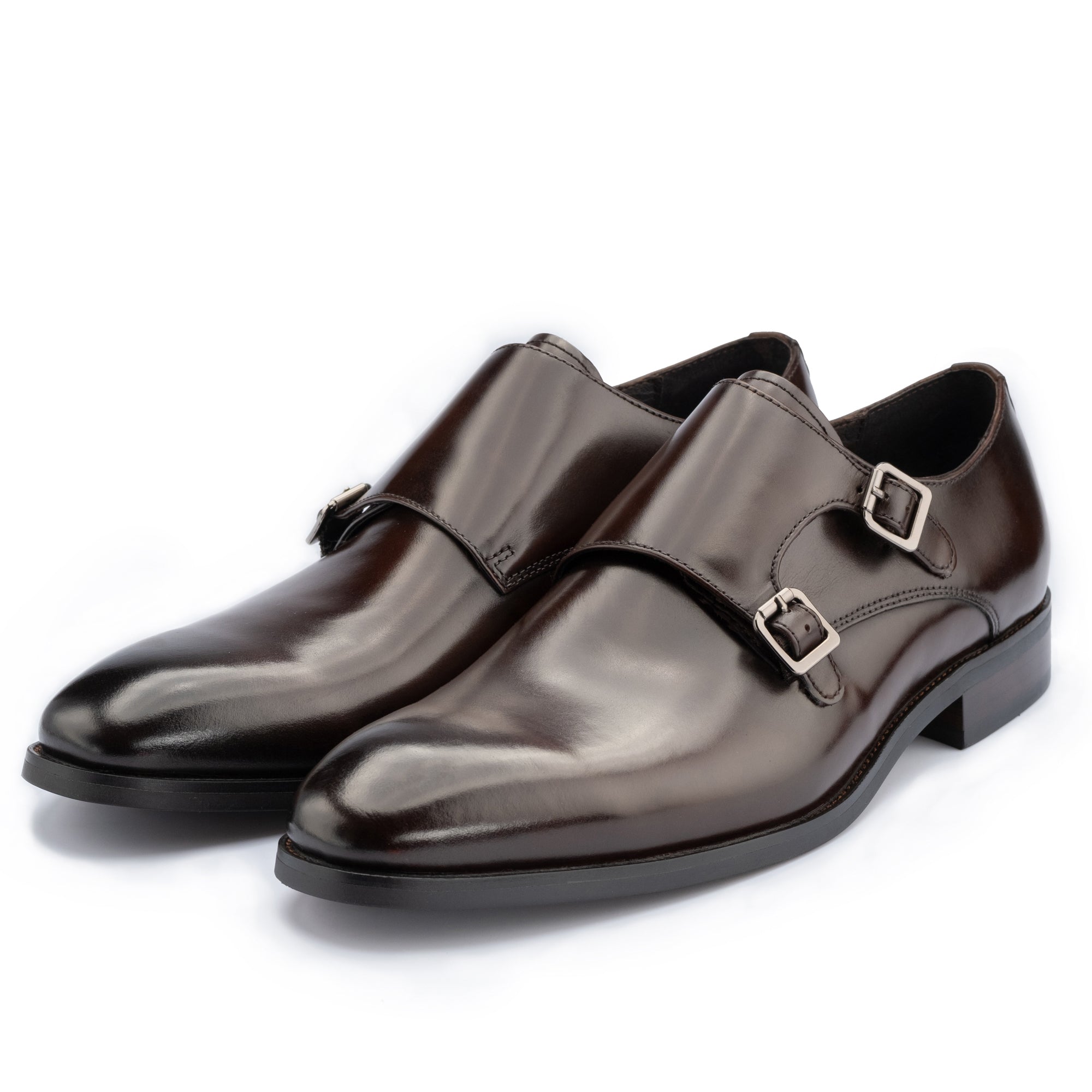
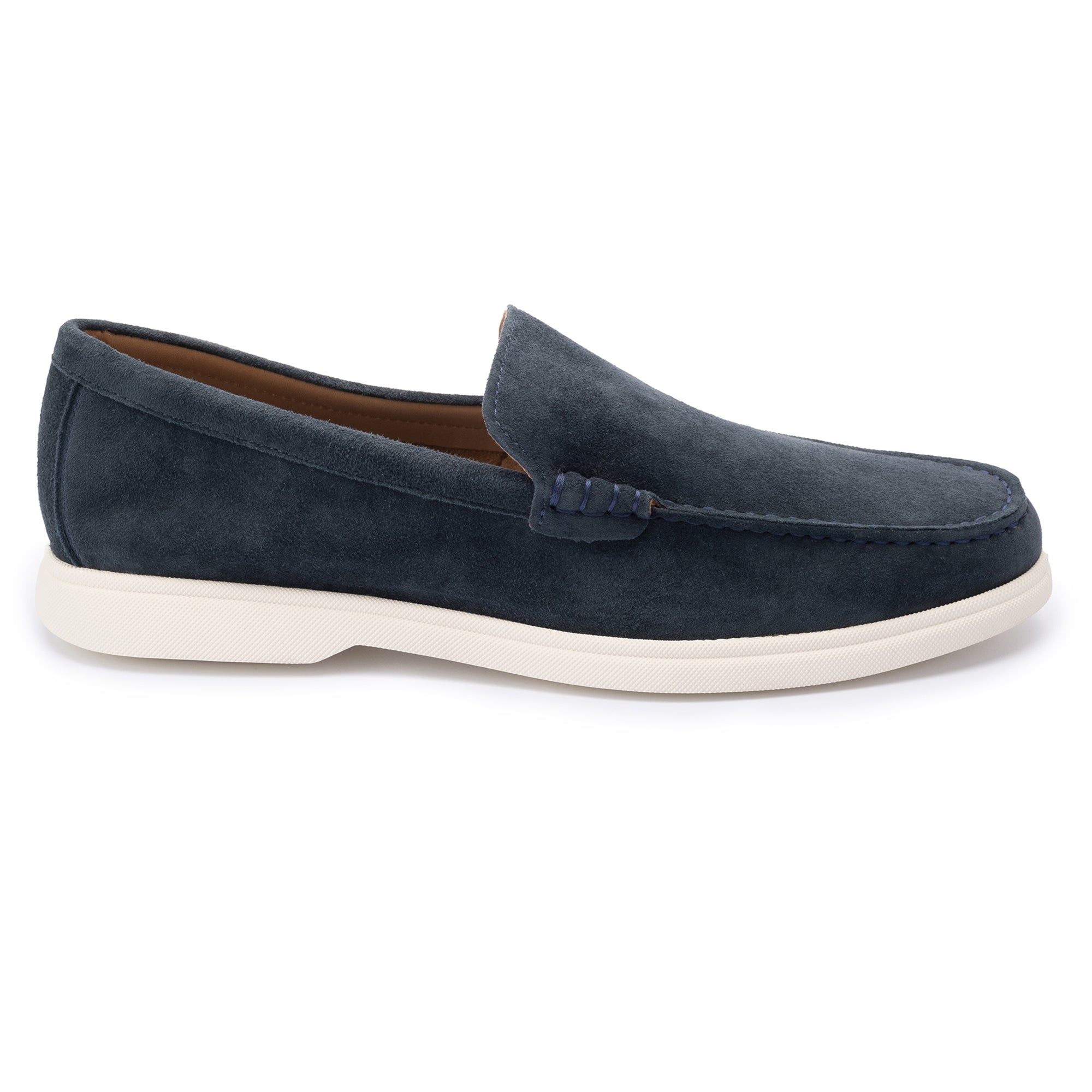
The trade-off for rubber's practicality is formality. A rubber sole adds visual bulk to the outsole edge — a detail perceptible under slim-cut trousers and at the most formal dress codes.
- Formality ceiling: For black tie or formal business occasions where precision of dress matters, a rubber sole reads as slightly less correct than leather. It won't derail a well-constructed outfit, but if absolute formality is the brief, leather remains the established standard.
- Breathability: Rubber doesn't breathe. In warmer months, a rubber outsole contributes to heat retention — a consideration for men who wear dress shoes extensively during summer.
- Ageing: Rubber ages differently to leather. It can yellow, crack, or delaminate over time rather than developing the refined character a well-maintained leather sole acquires.
How Do Leather and Rubber Soles Compare Directly?
| Feature | Leather Sole | Rubber Sole |
|---|---|---|
| Formality | Highest — the traditional convention | Moderate — suitable for most occasions |
| Grip | Low, especially on wet surfaces | High across varied conditions |
| Weather resistance | Poor — absorbs moisture | Good — repels water |
| Breathability | Good — natural, porous material | Moderate — limited airflow |
| Wear rate (urban use) | Faster without protective measures | Slower — more resistant to abrasion |
| Maintenance required | Regular conditioning and protection | Lower — upper leather still needs care |
| Develops with age | Yes — moulds and patinas over time | Limited — ages less gracefully |
| Best suited for | Formal occasions, boardrooms, events | Daily commuting, mixed conditions |
Which Sole Is Right for the Way You Actually Live?
The honest answer is that most men's wardrobes benefit from both. The question isn't leather versus rubber as a permanent preference — it's understanding which shoe to reach for in which situation.
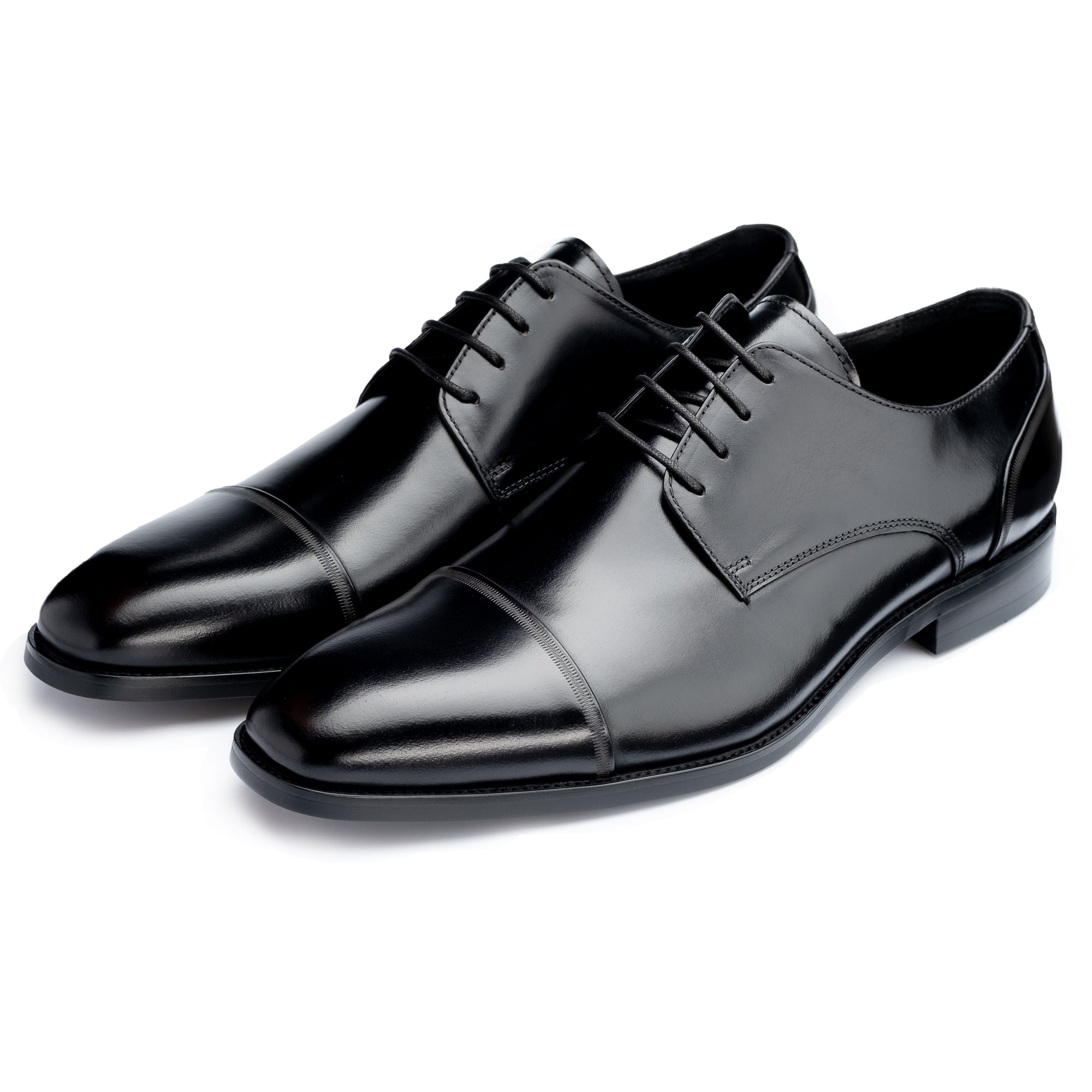
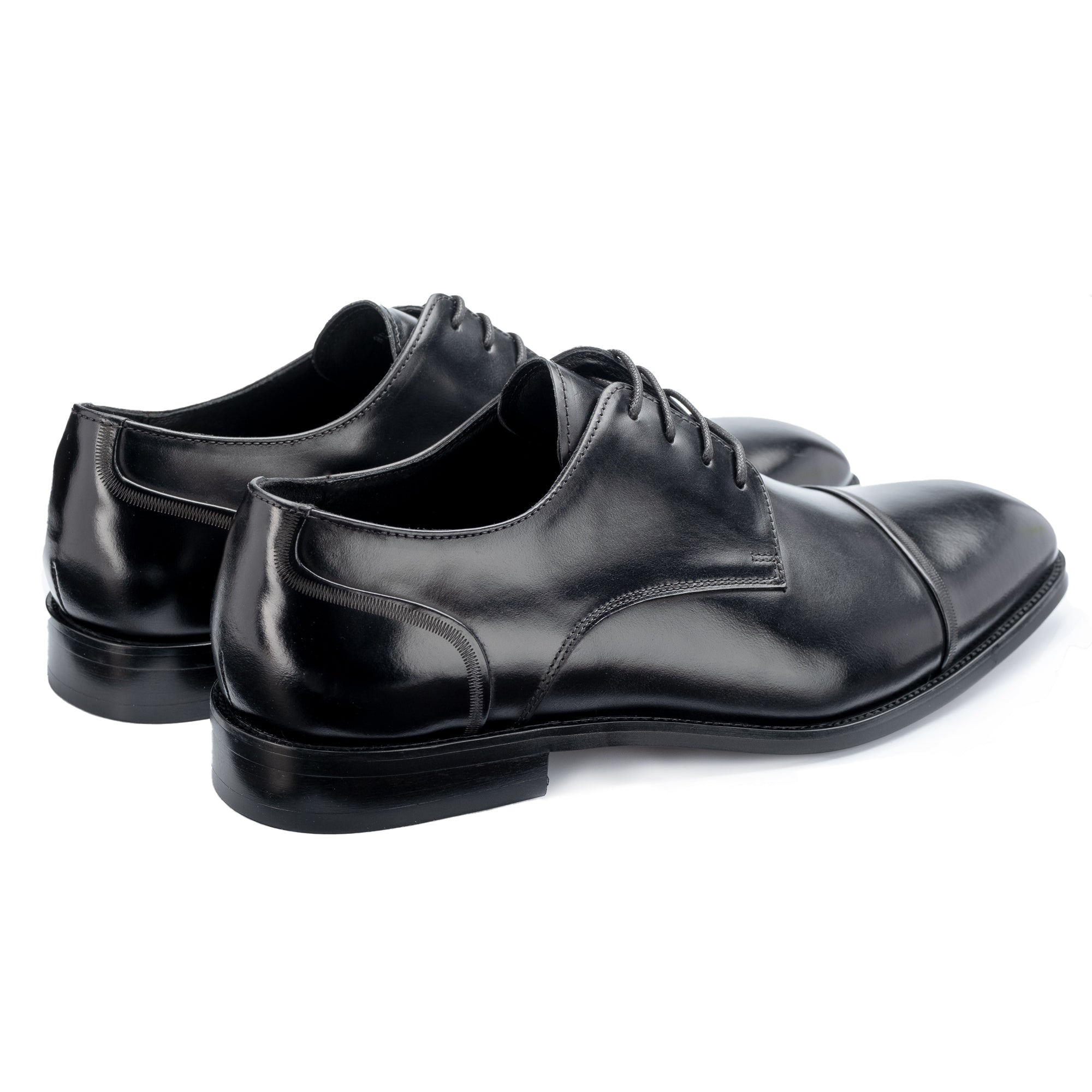
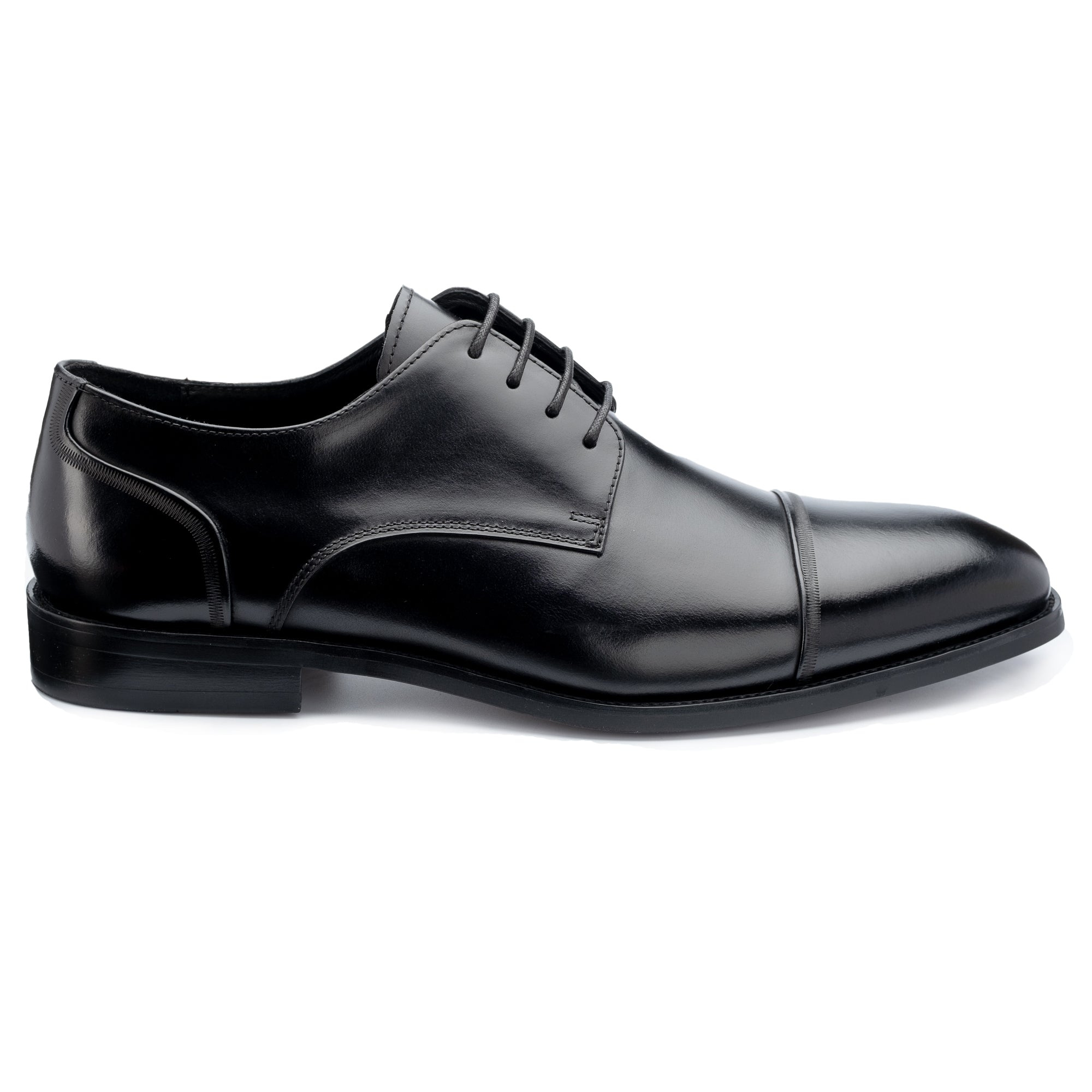
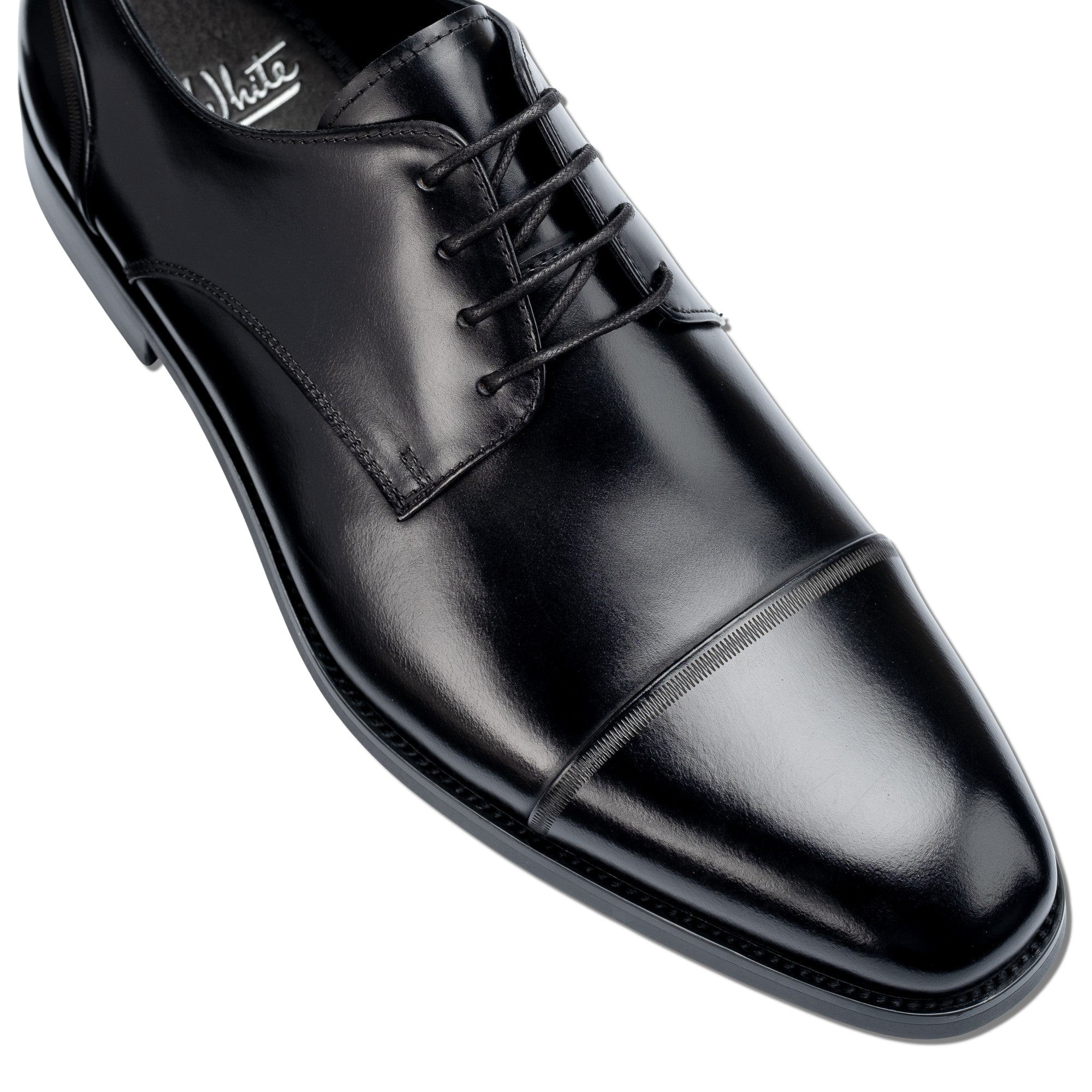
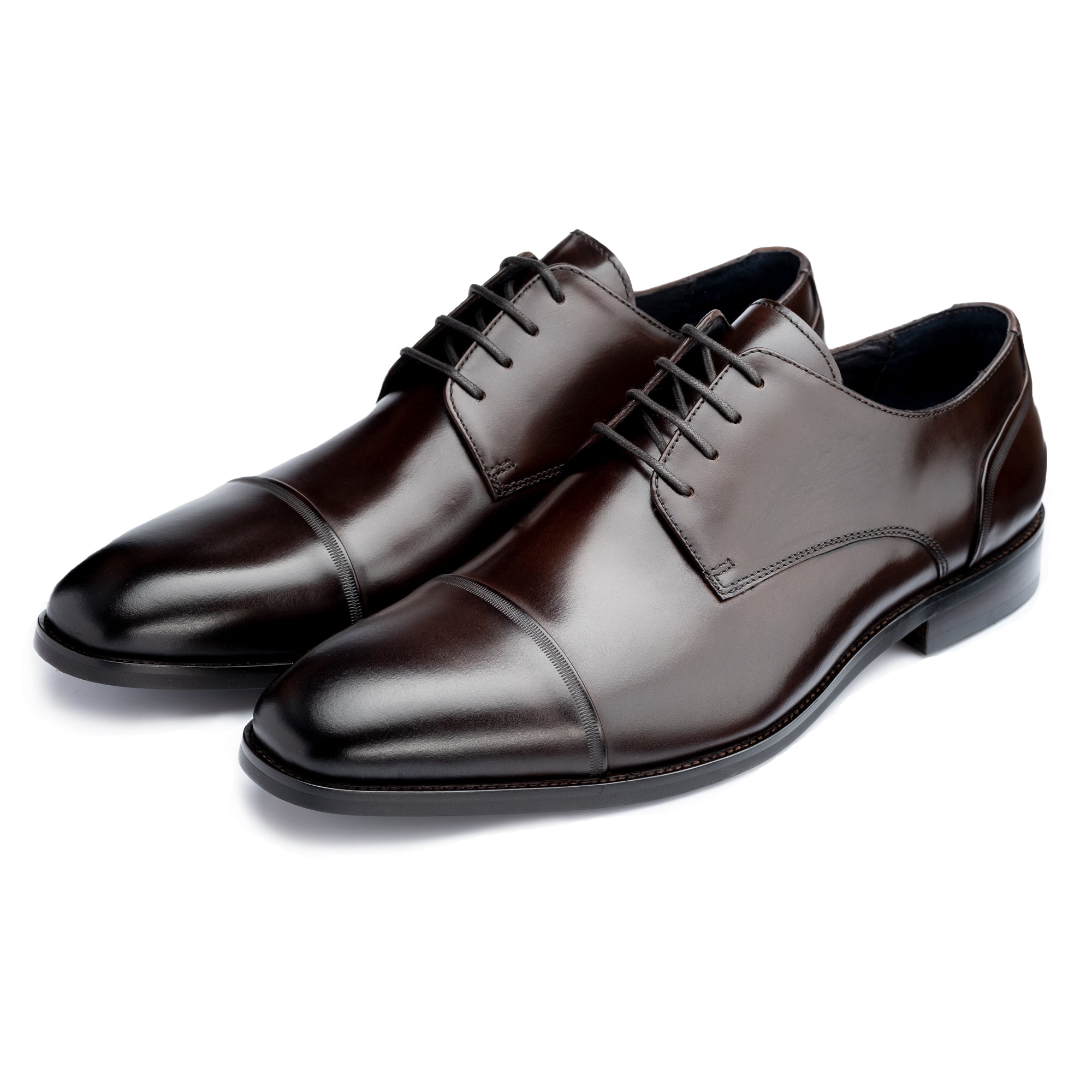
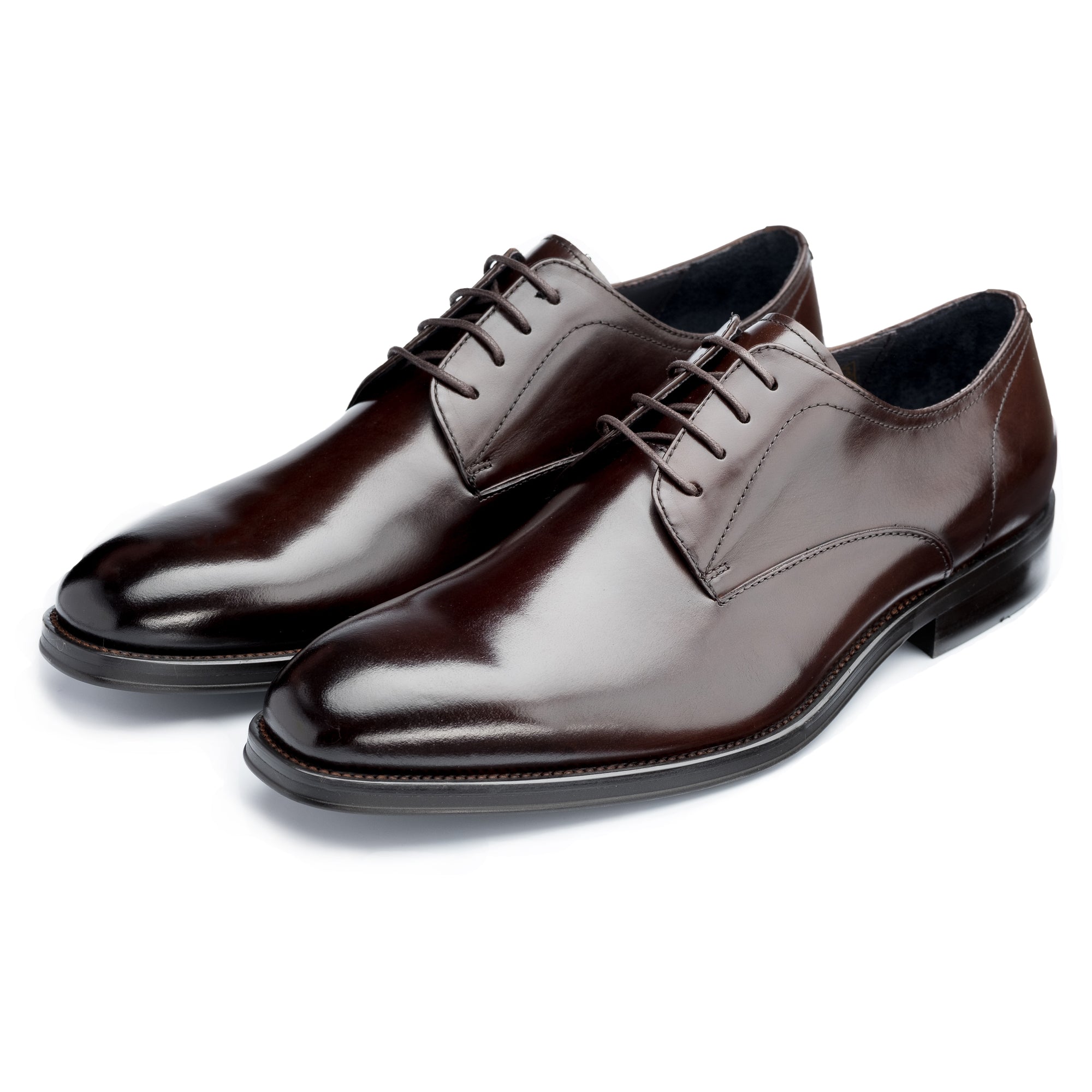
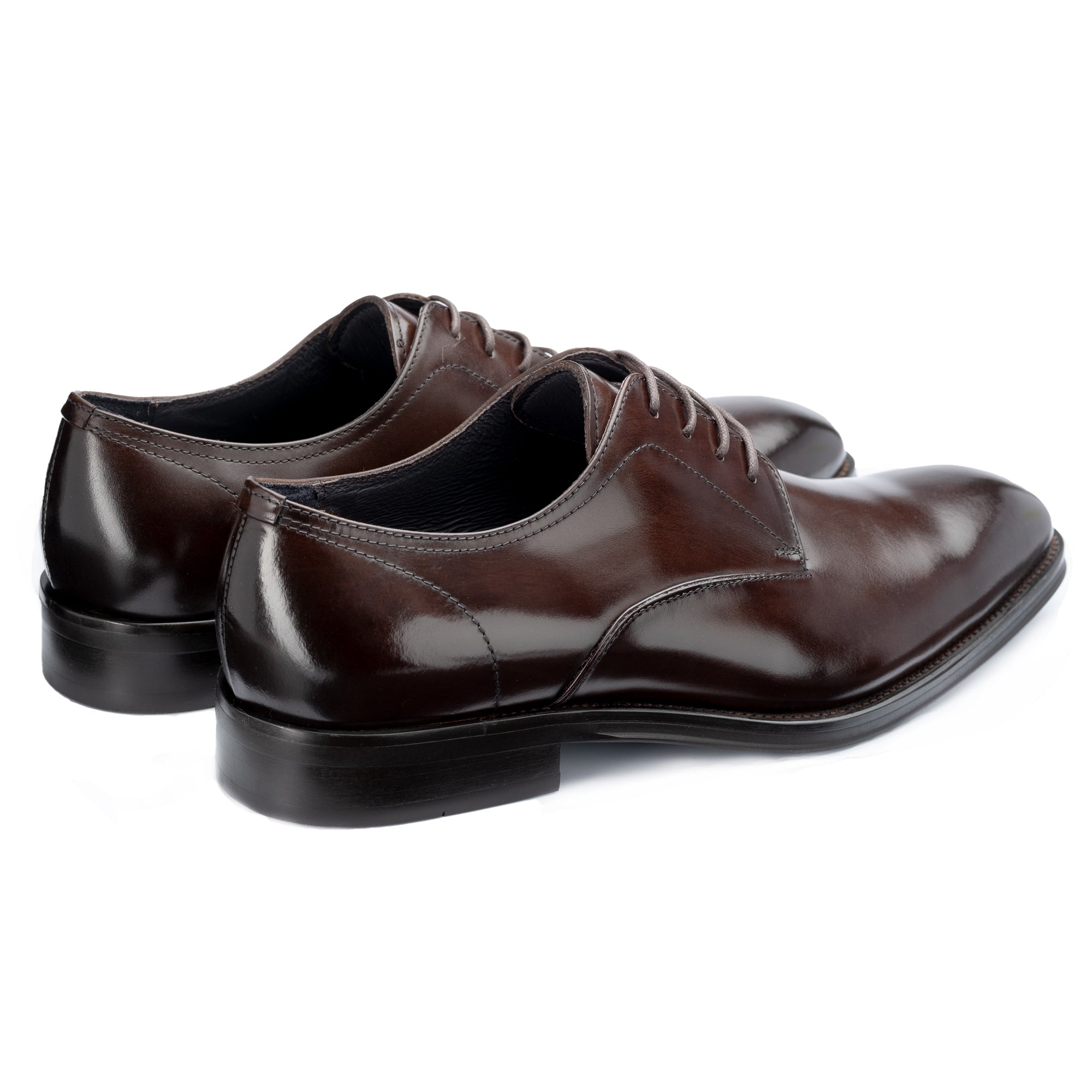
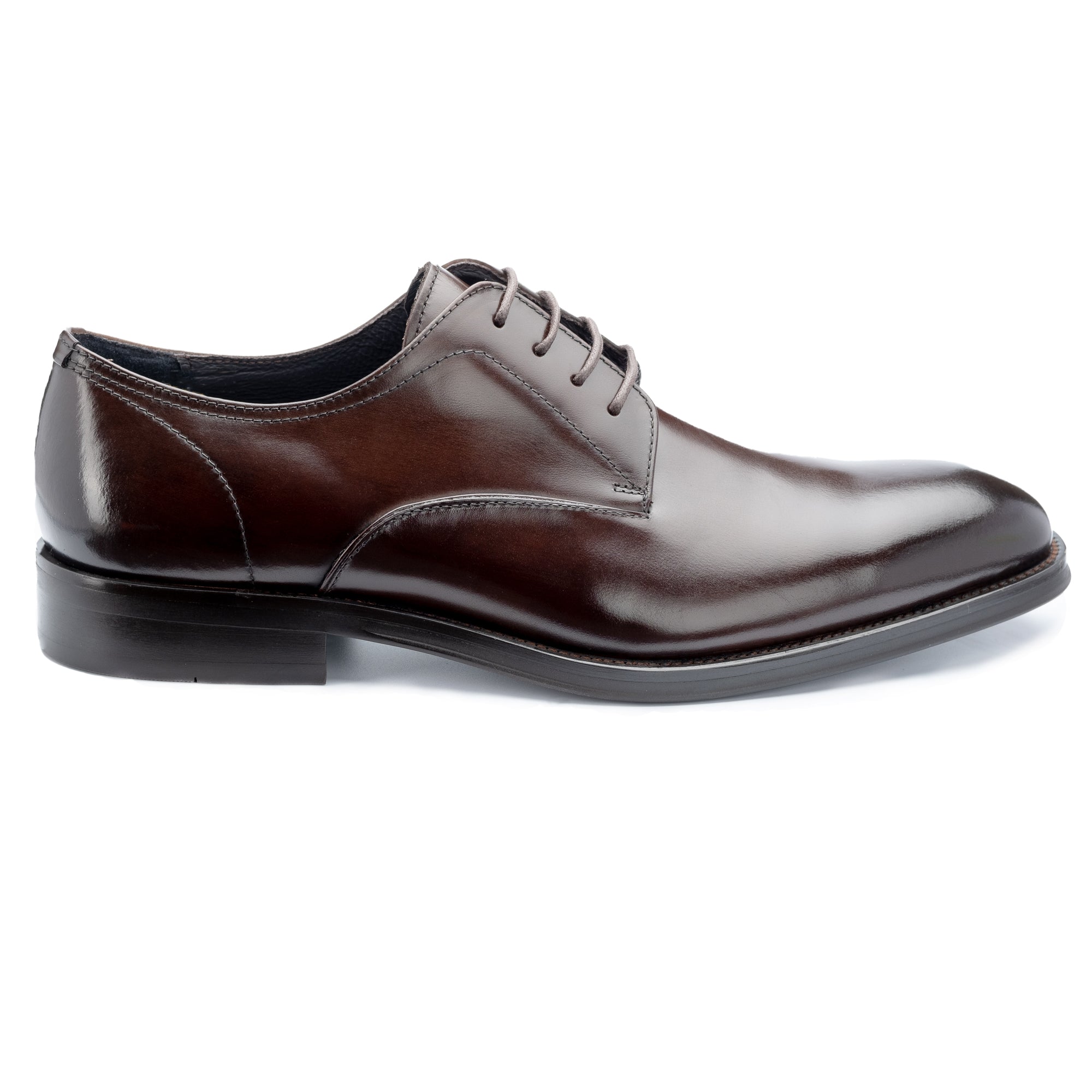
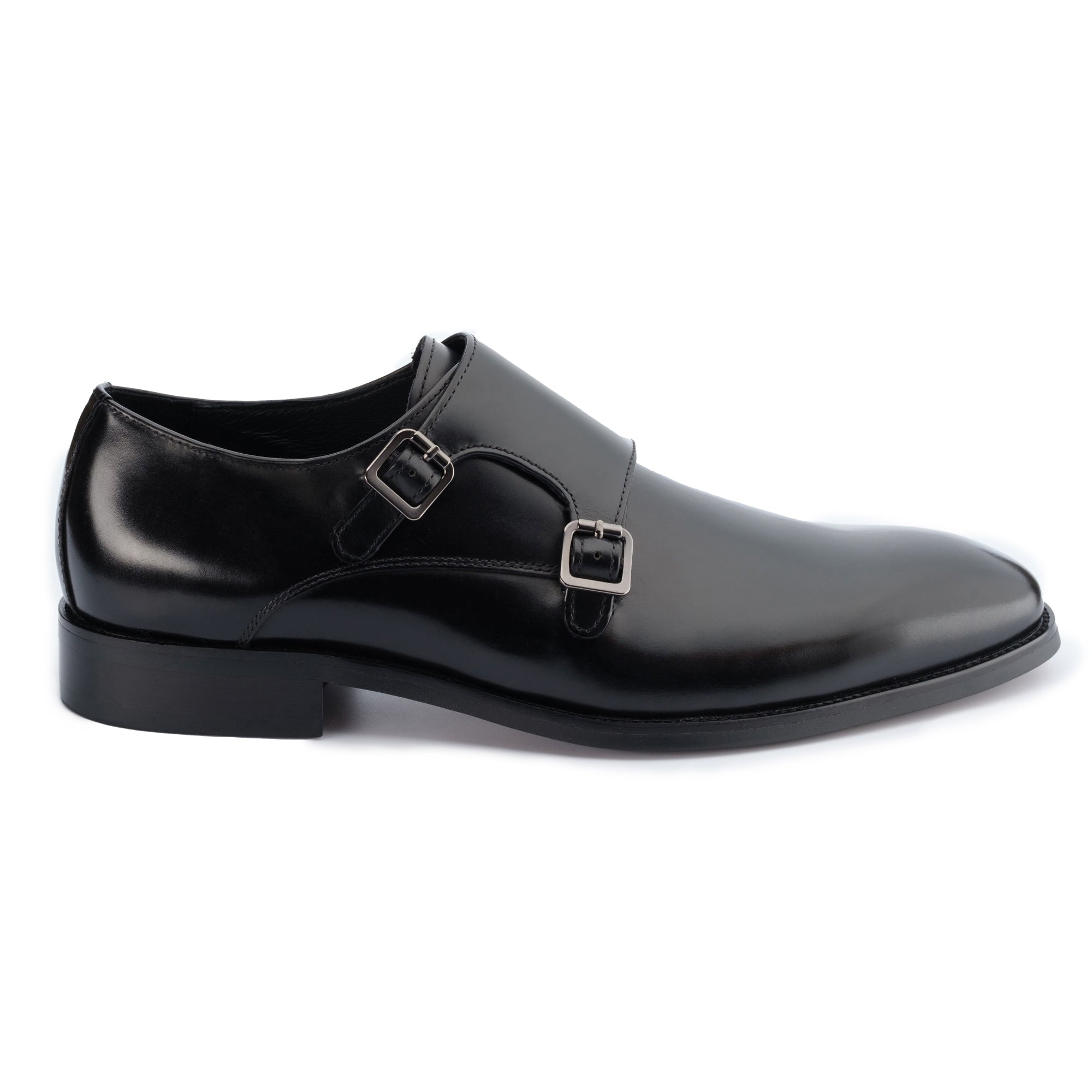
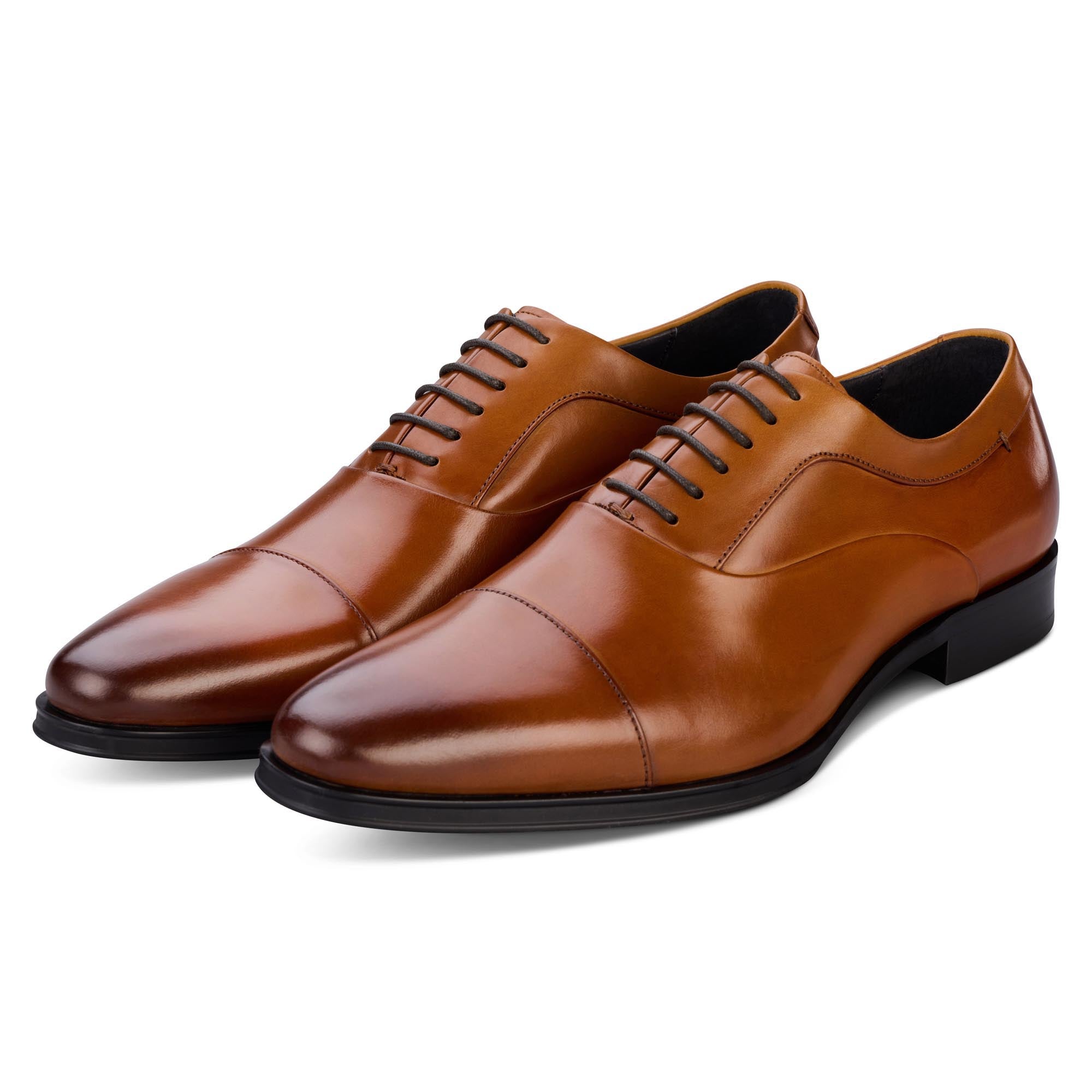
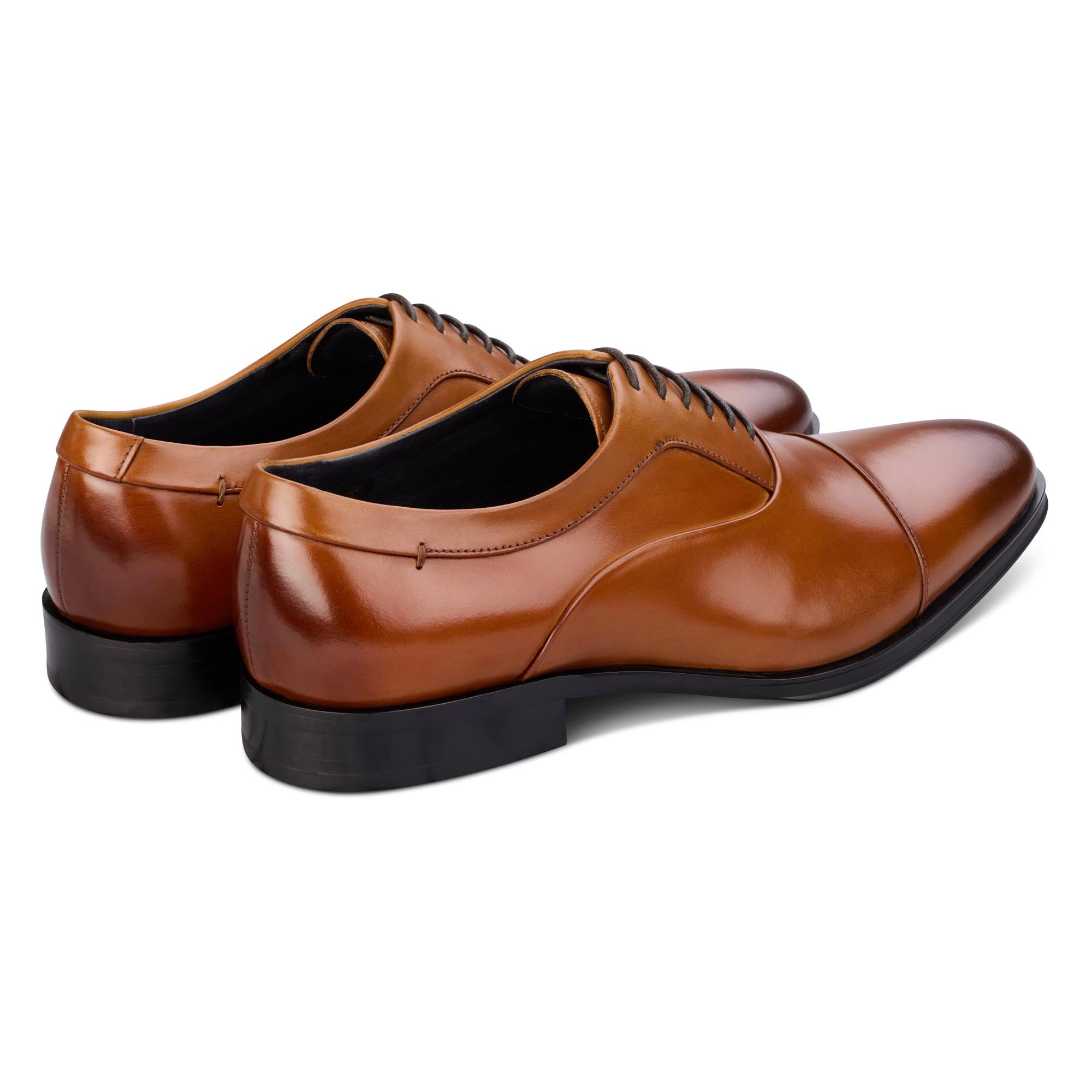
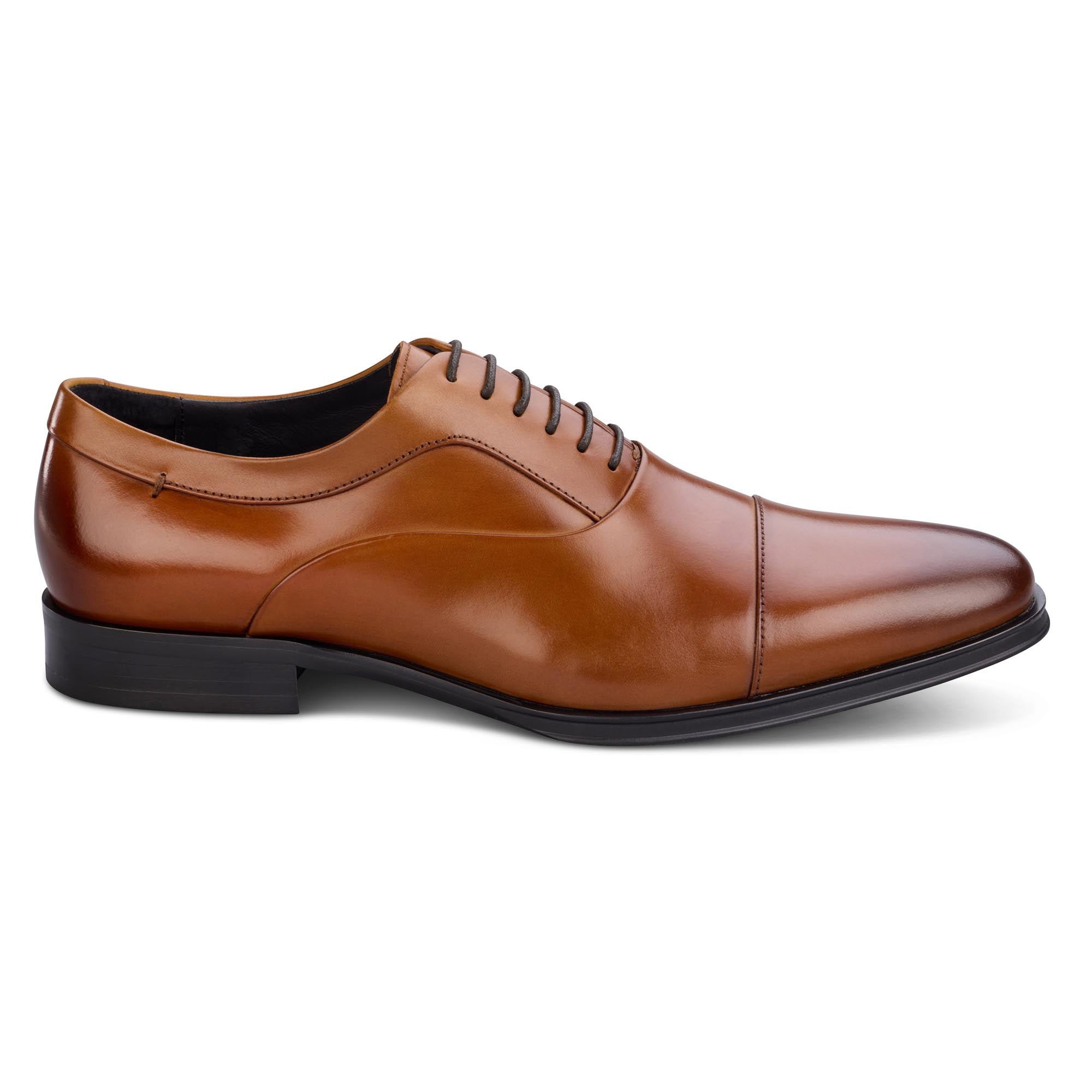
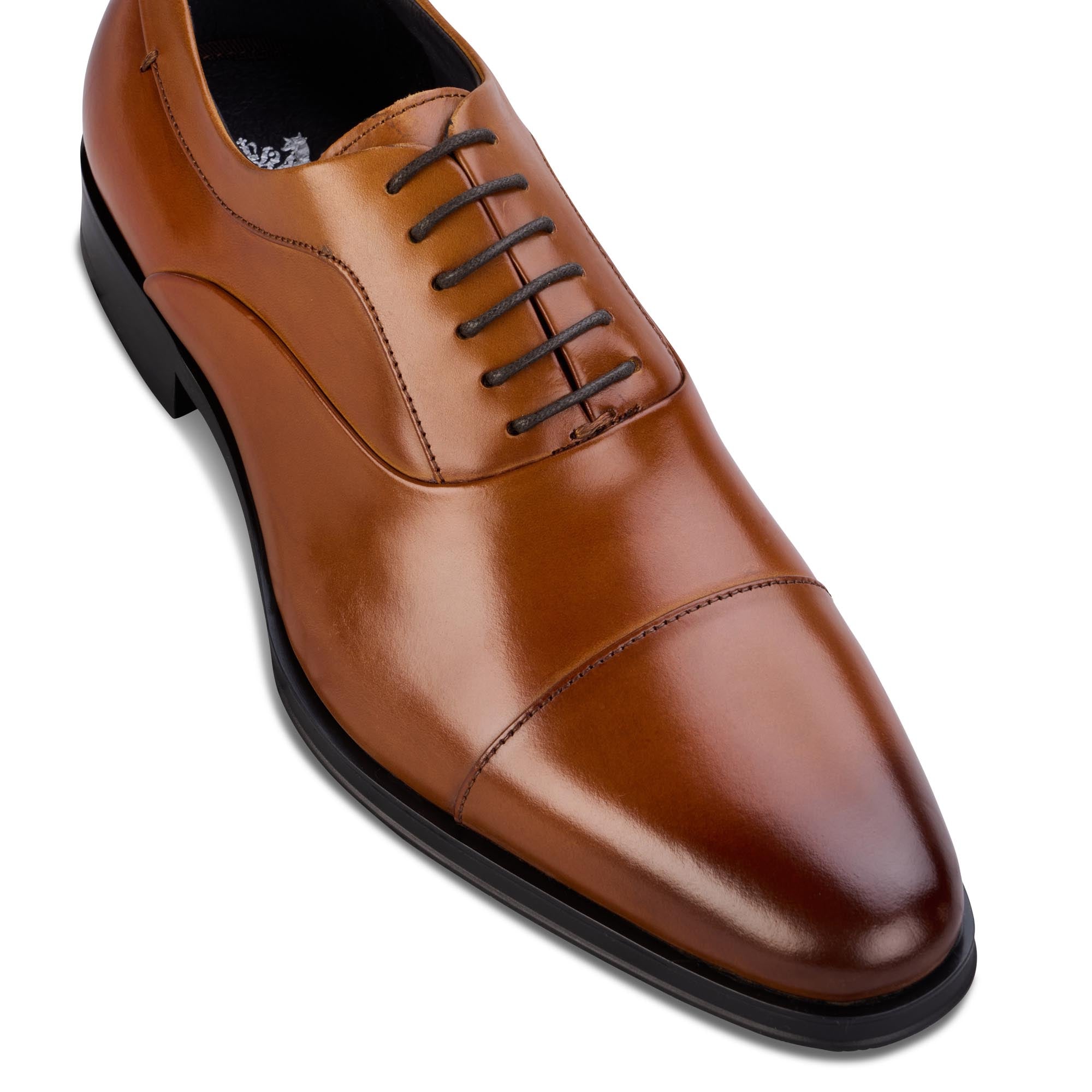
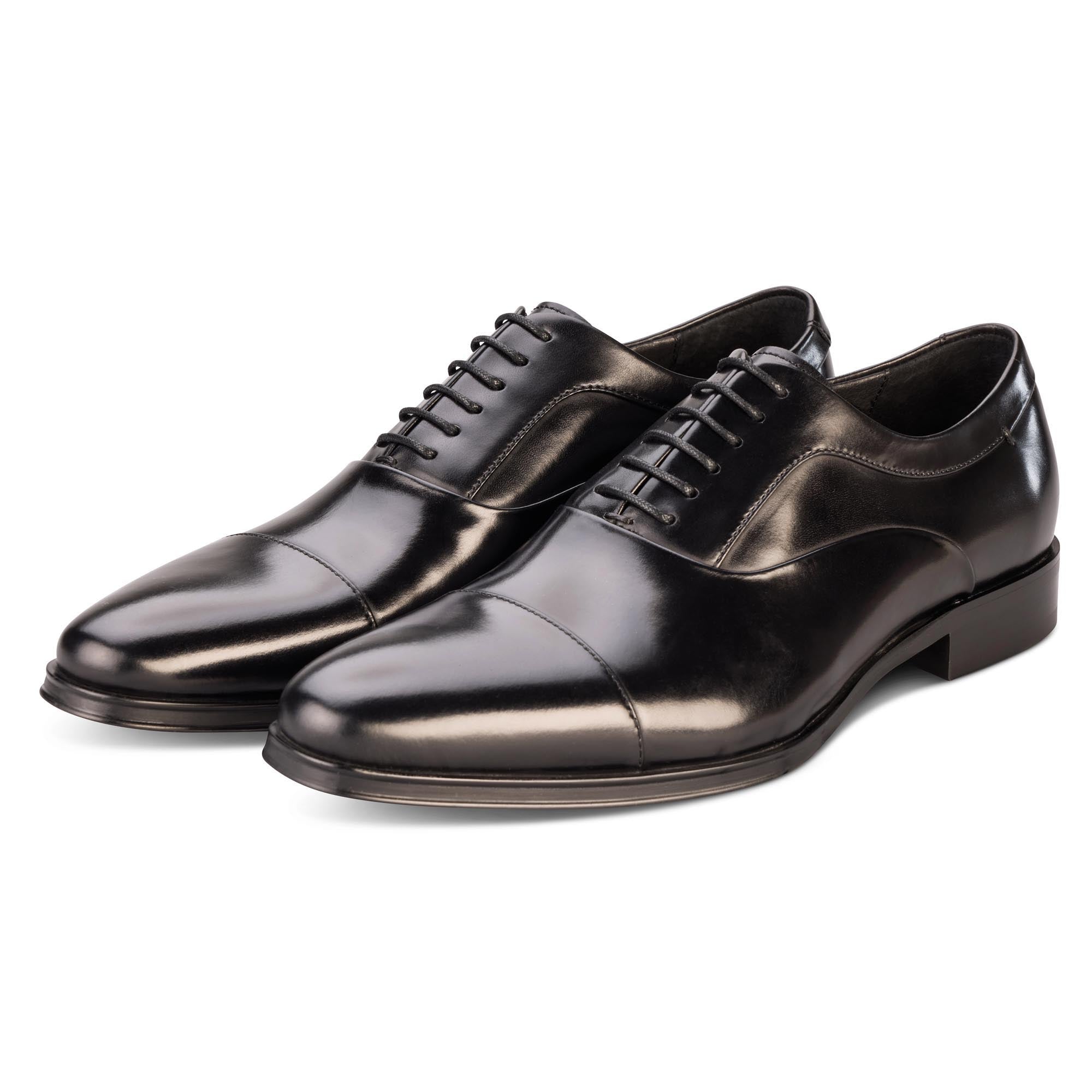
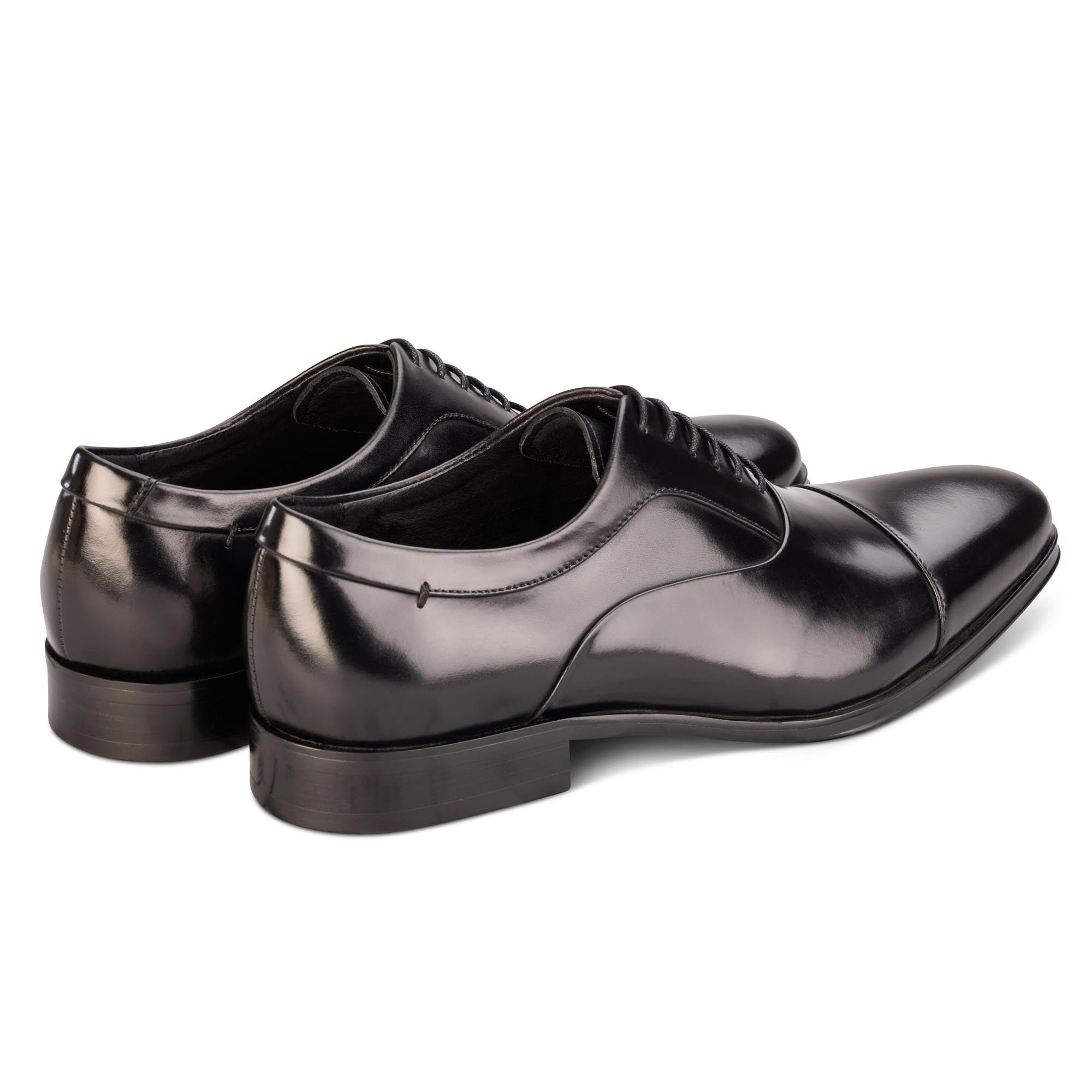
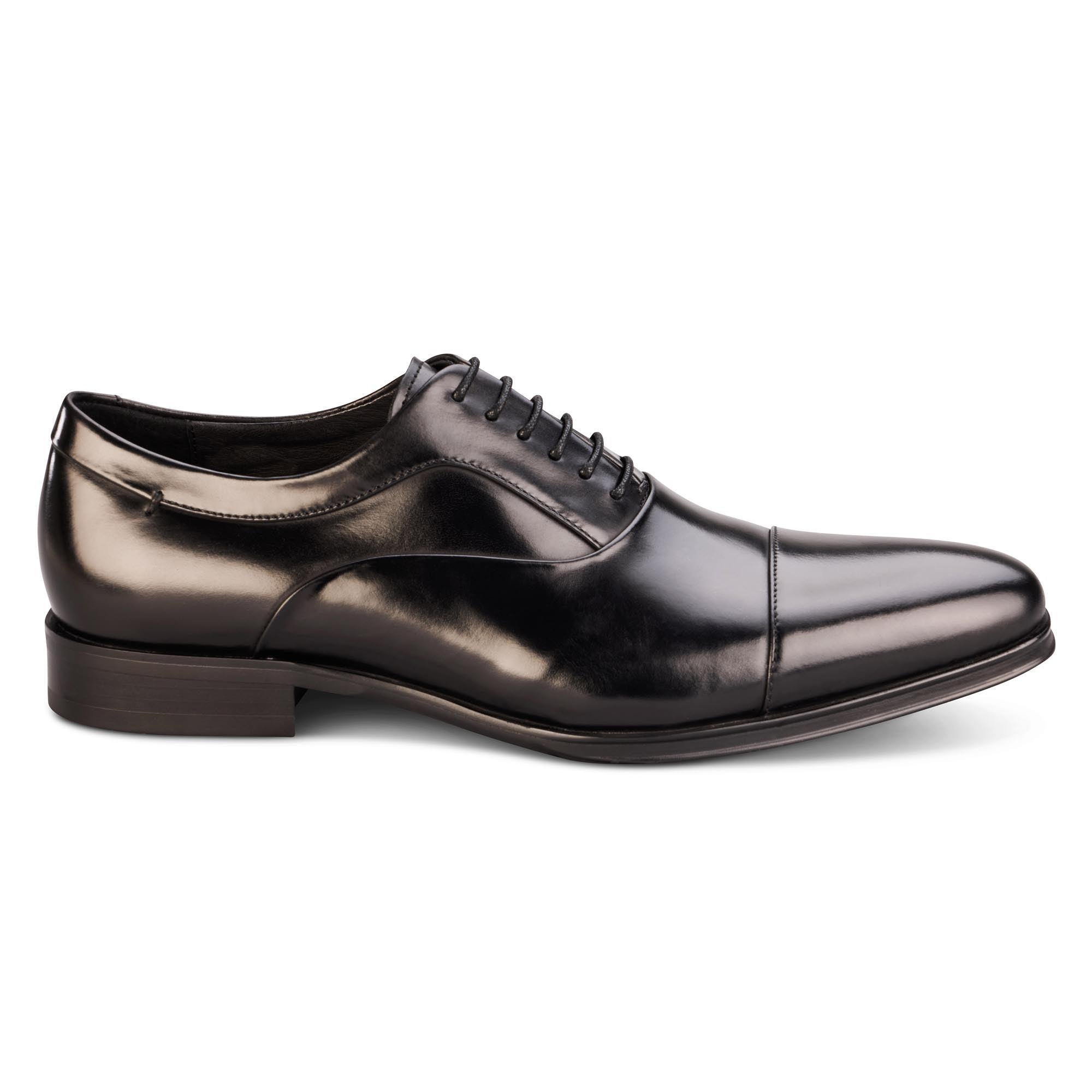
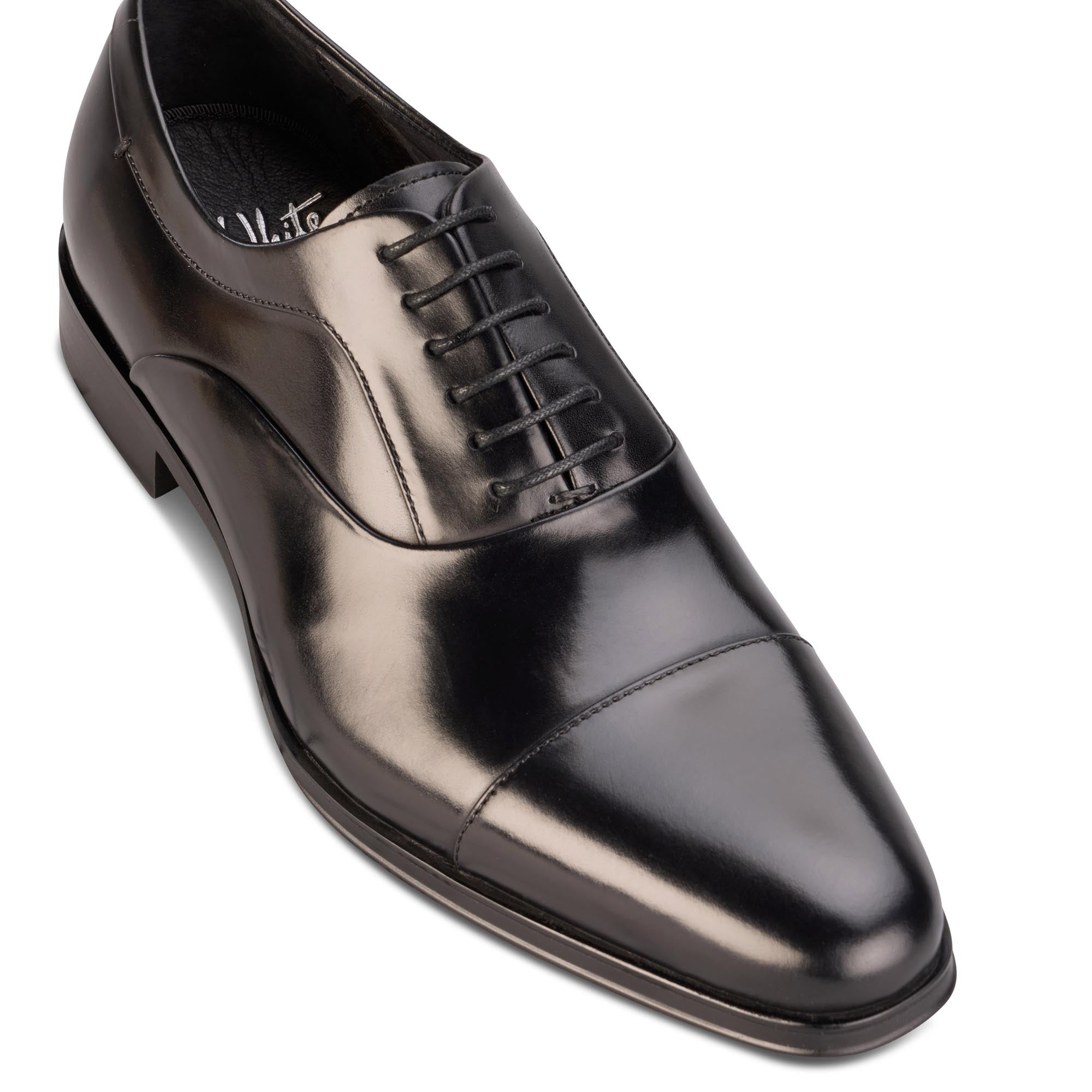
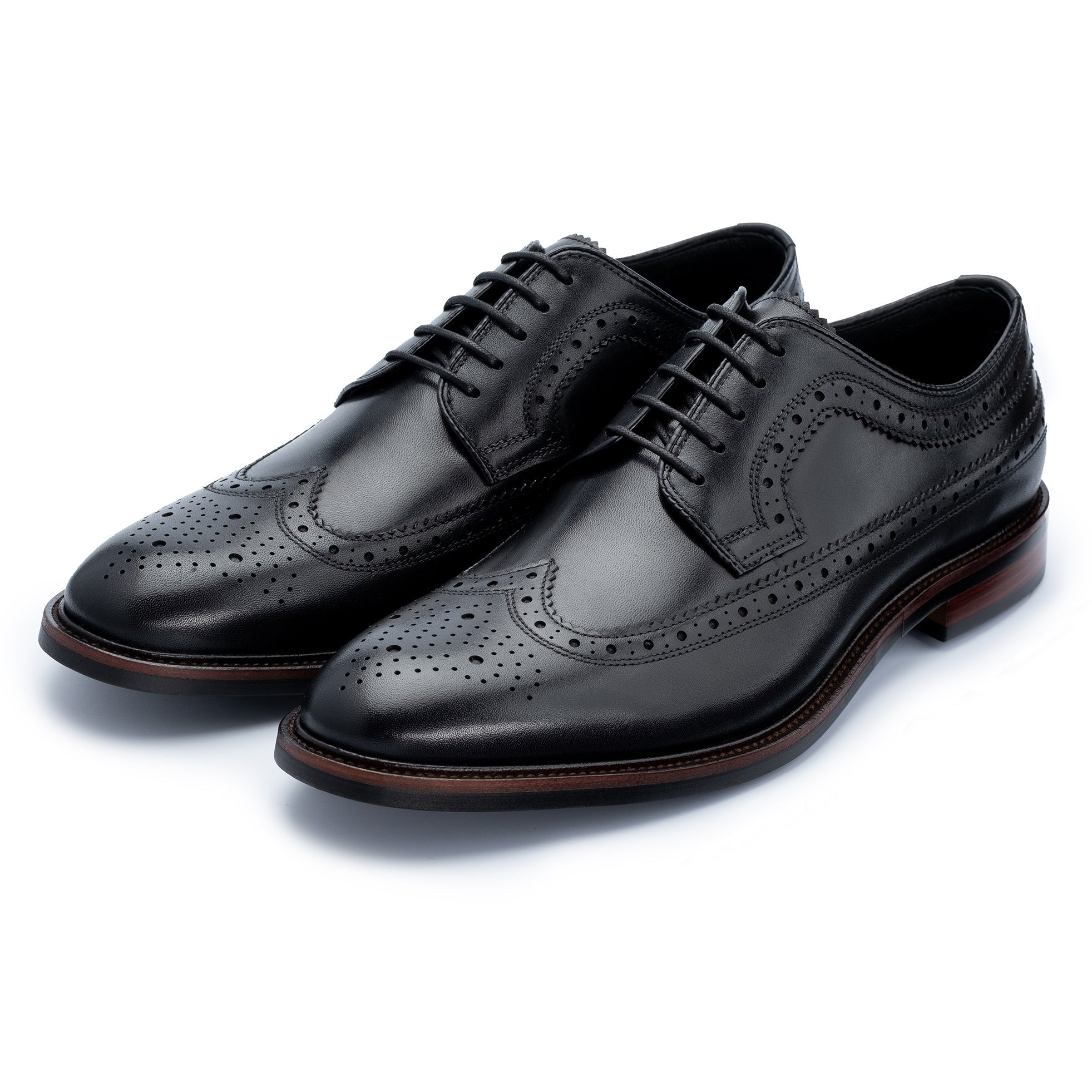
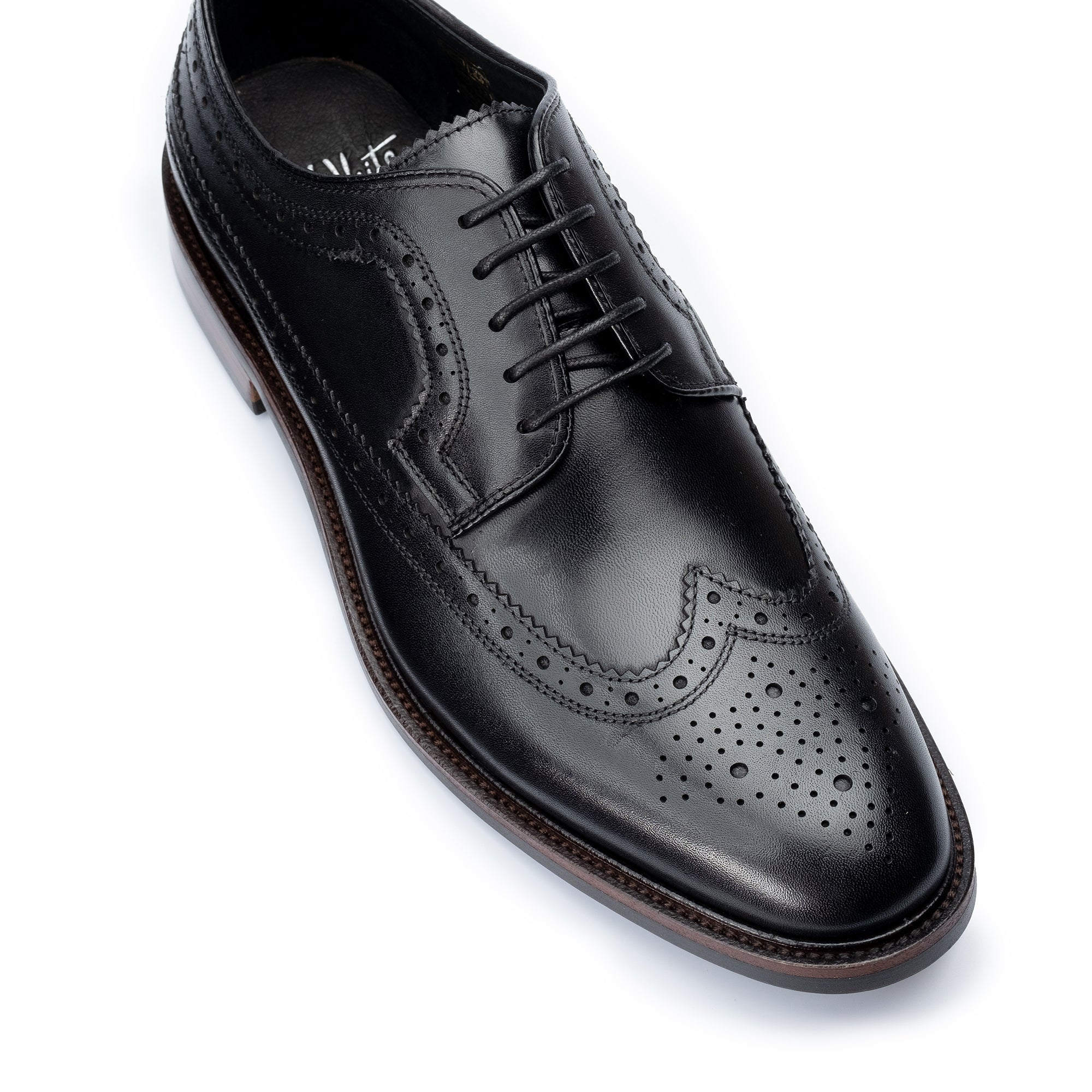
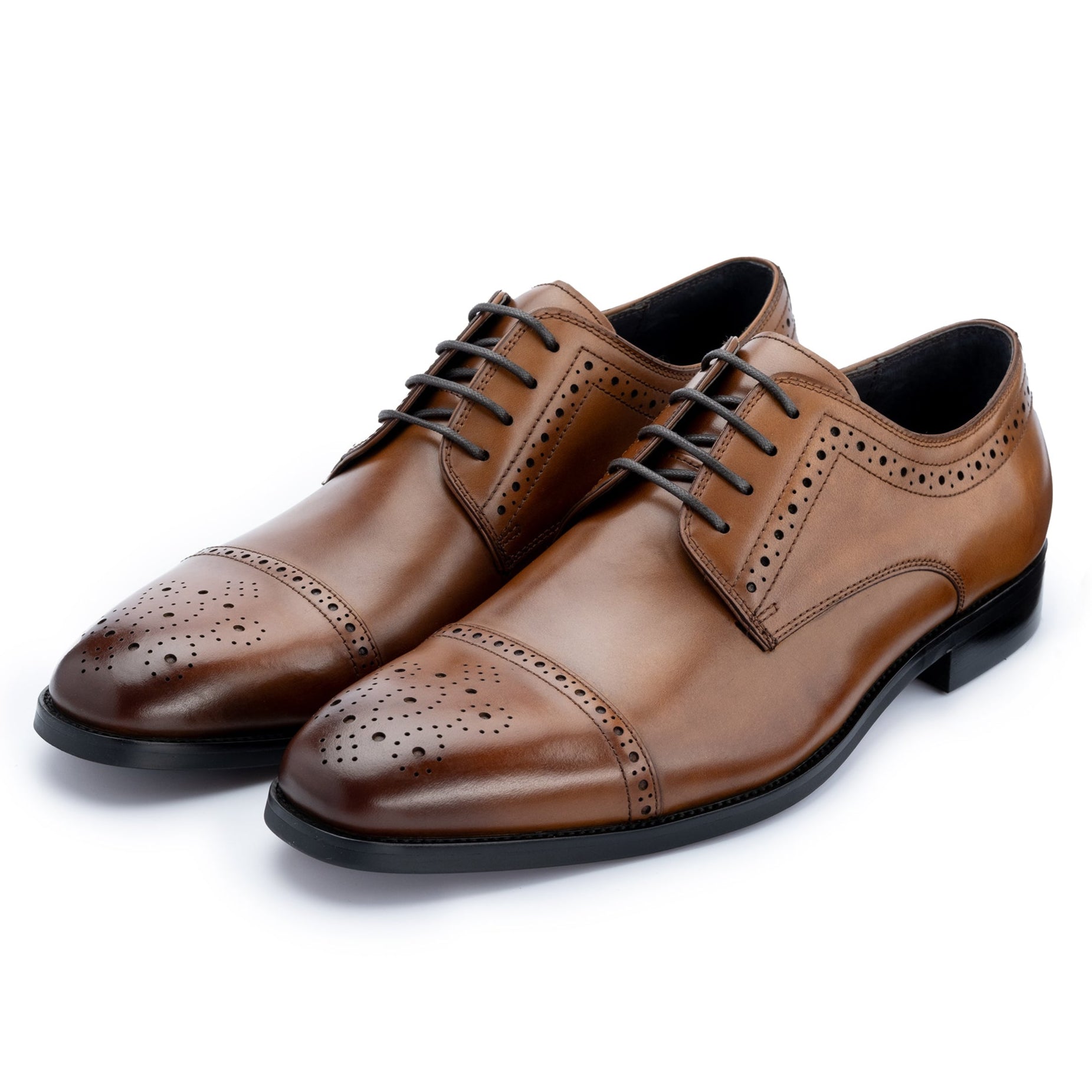
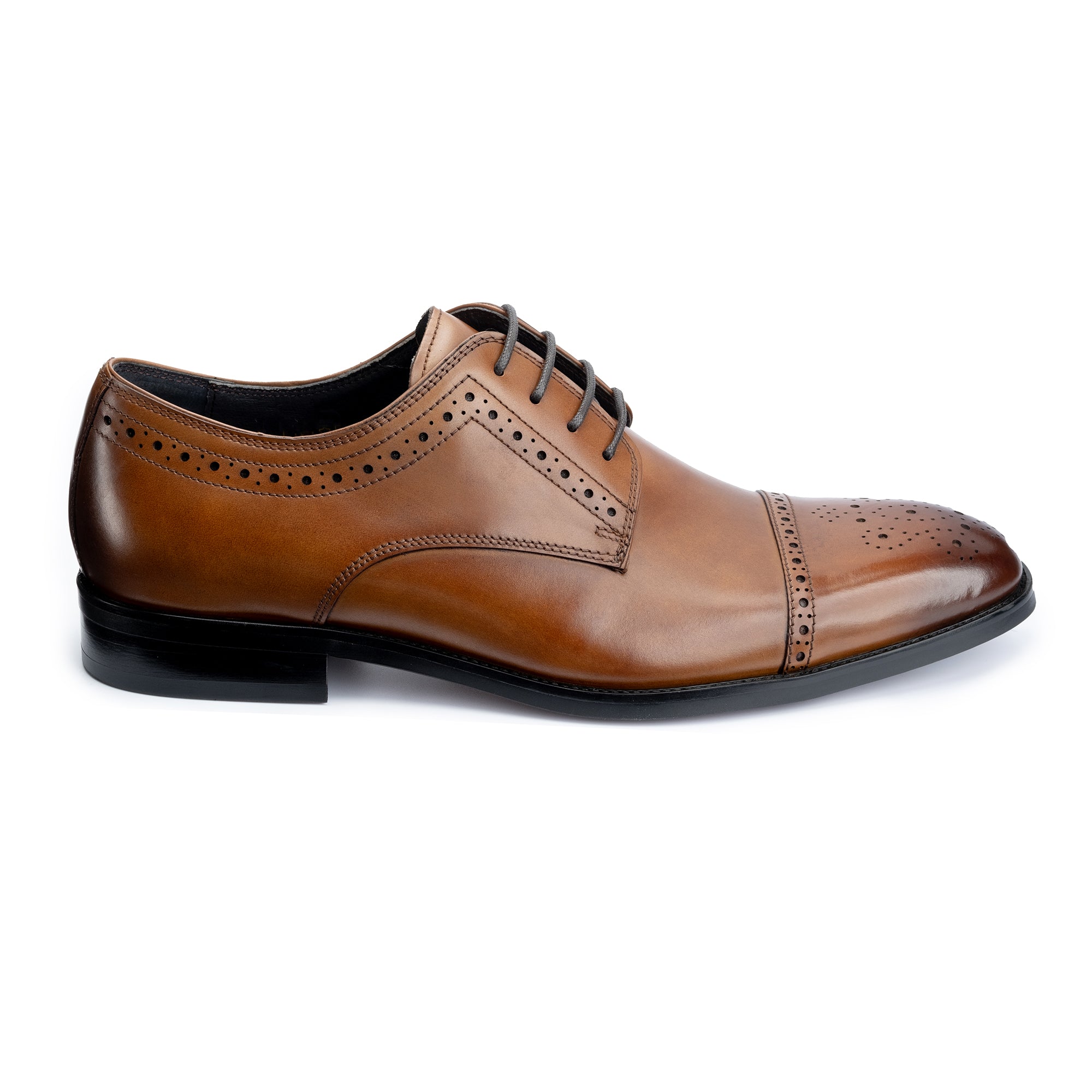
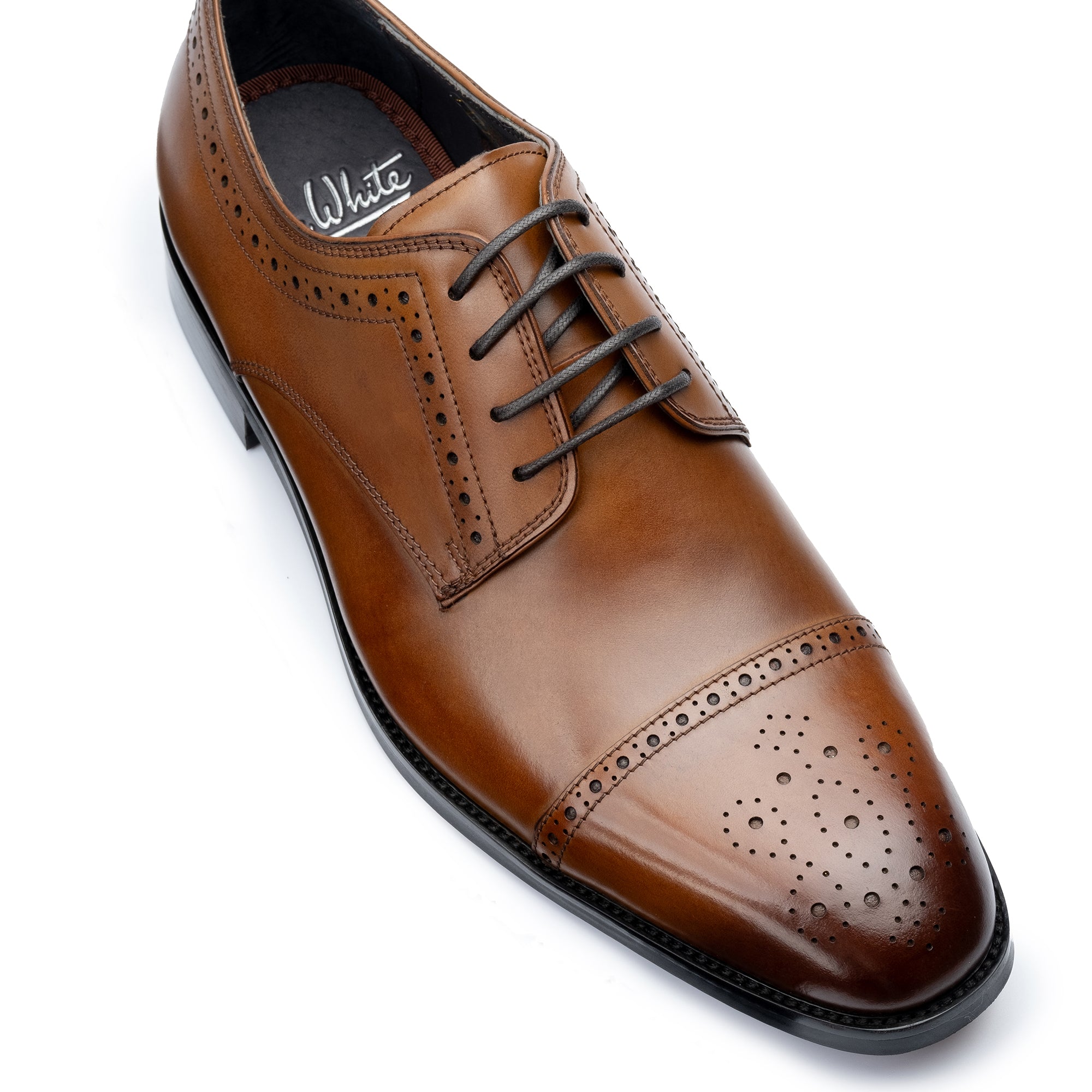
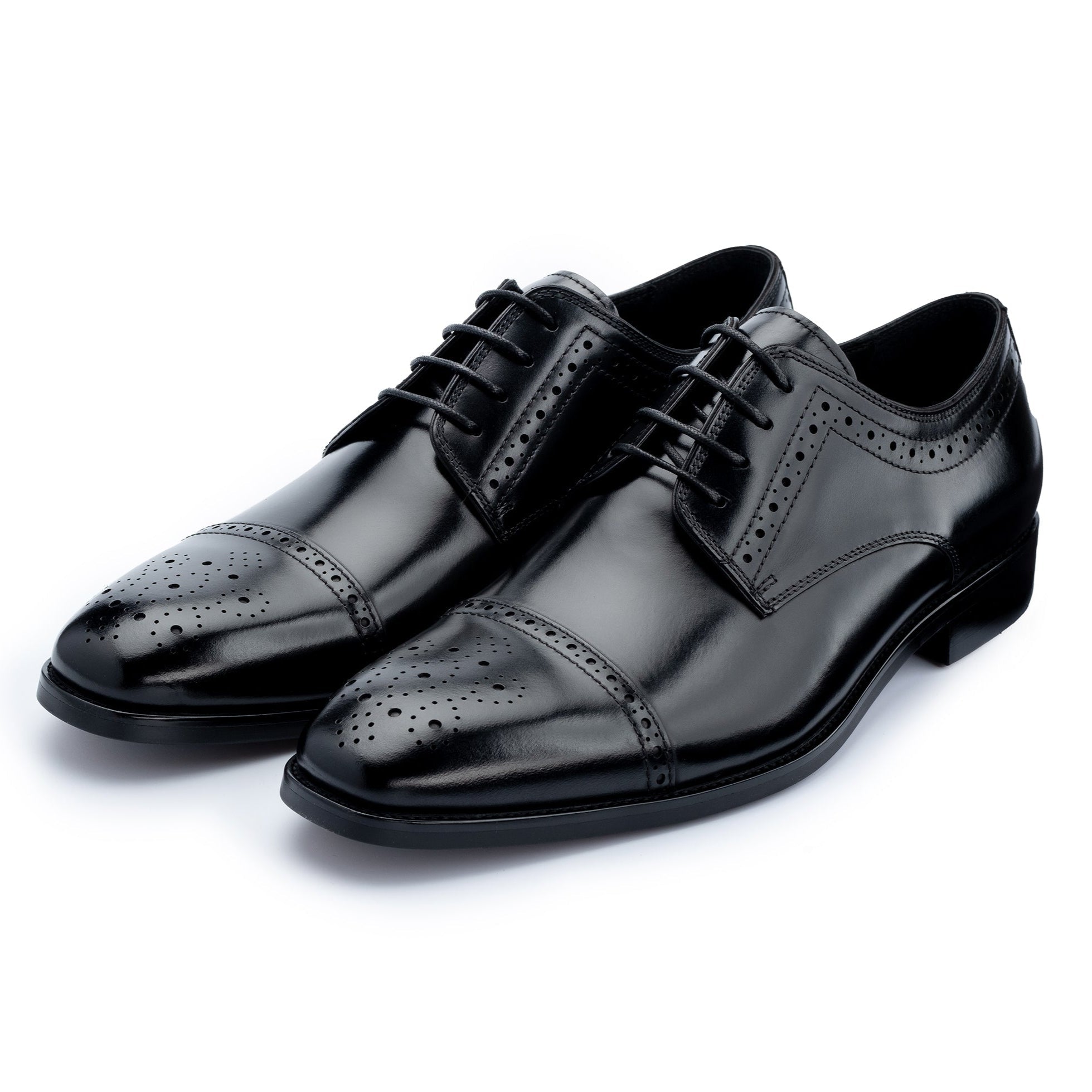
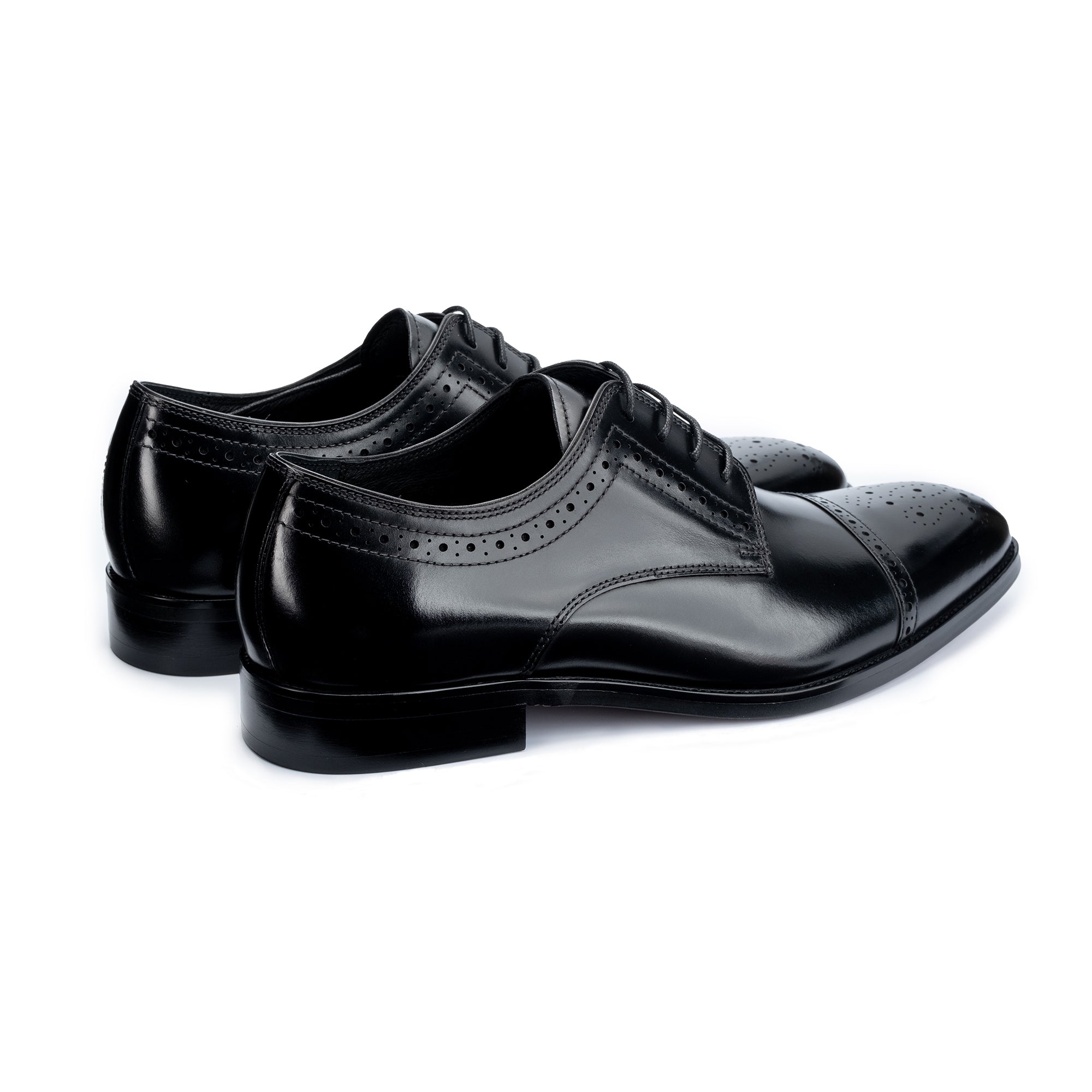
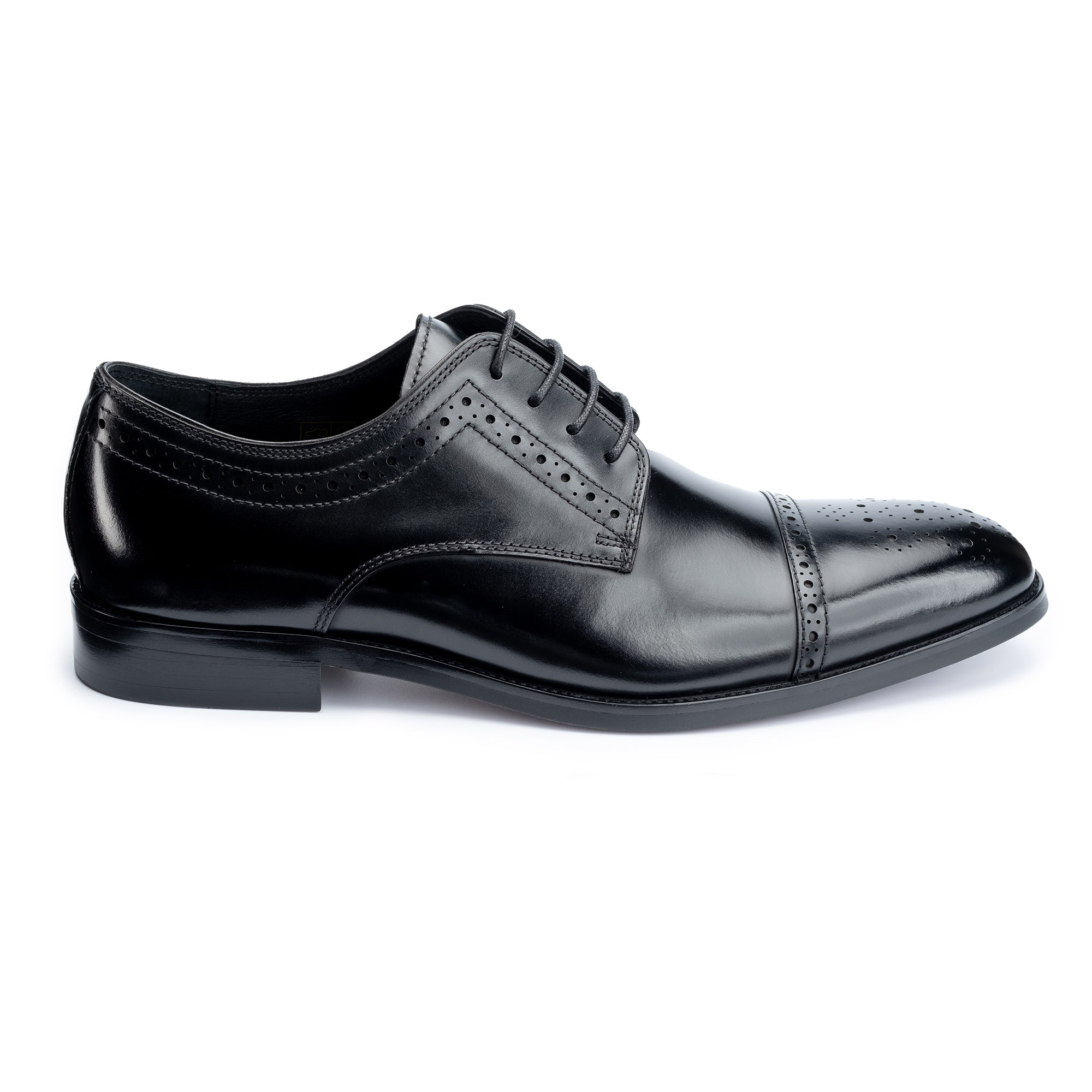
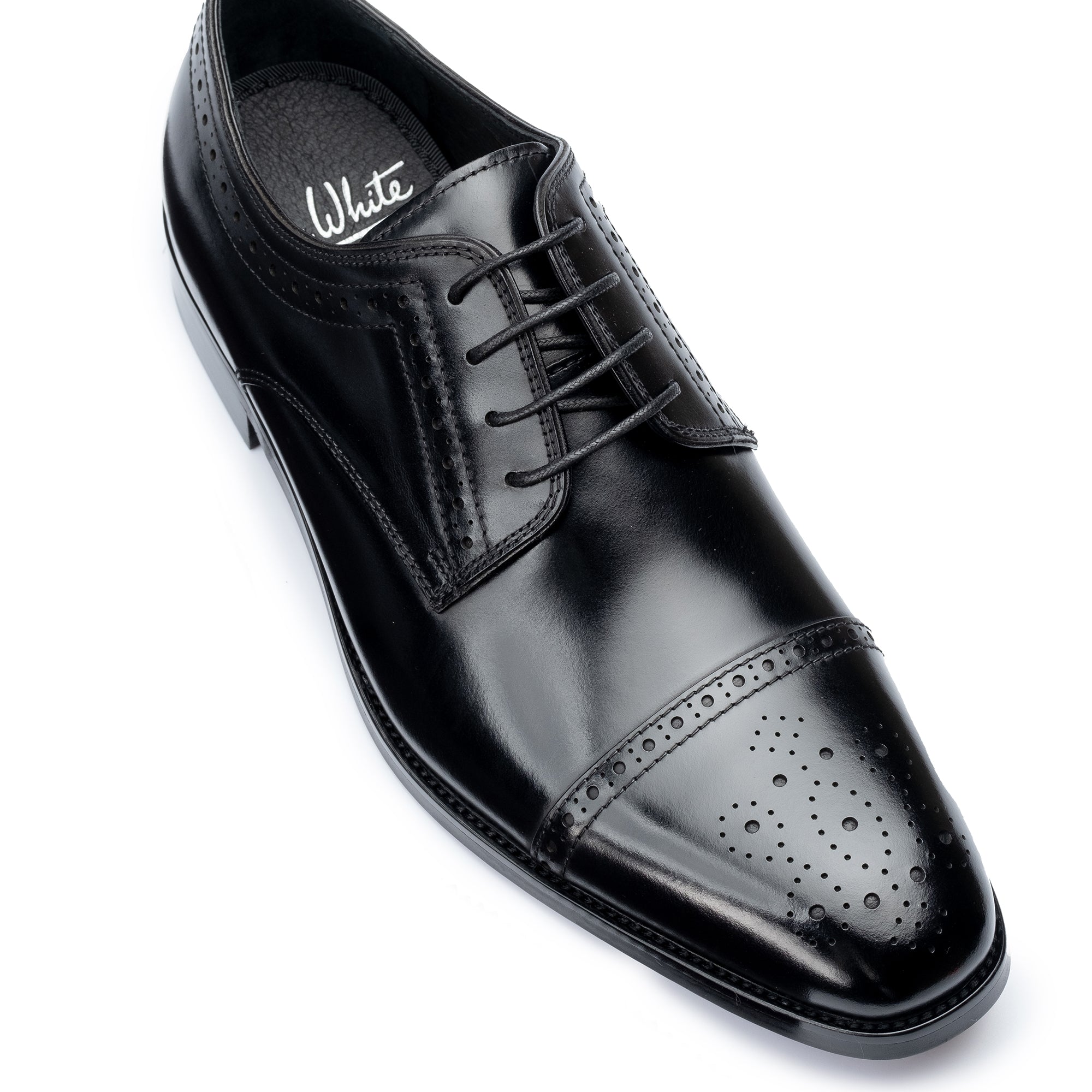
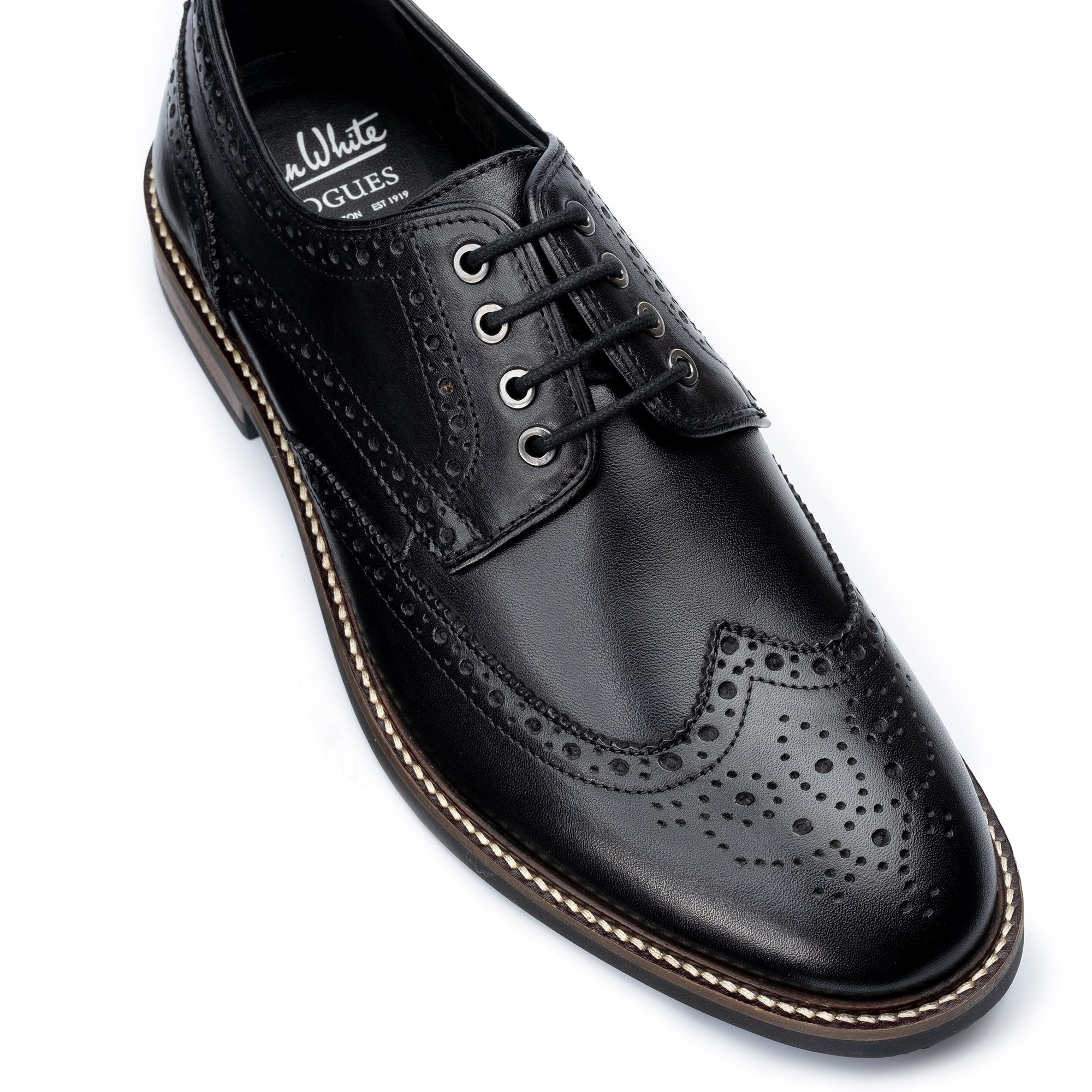
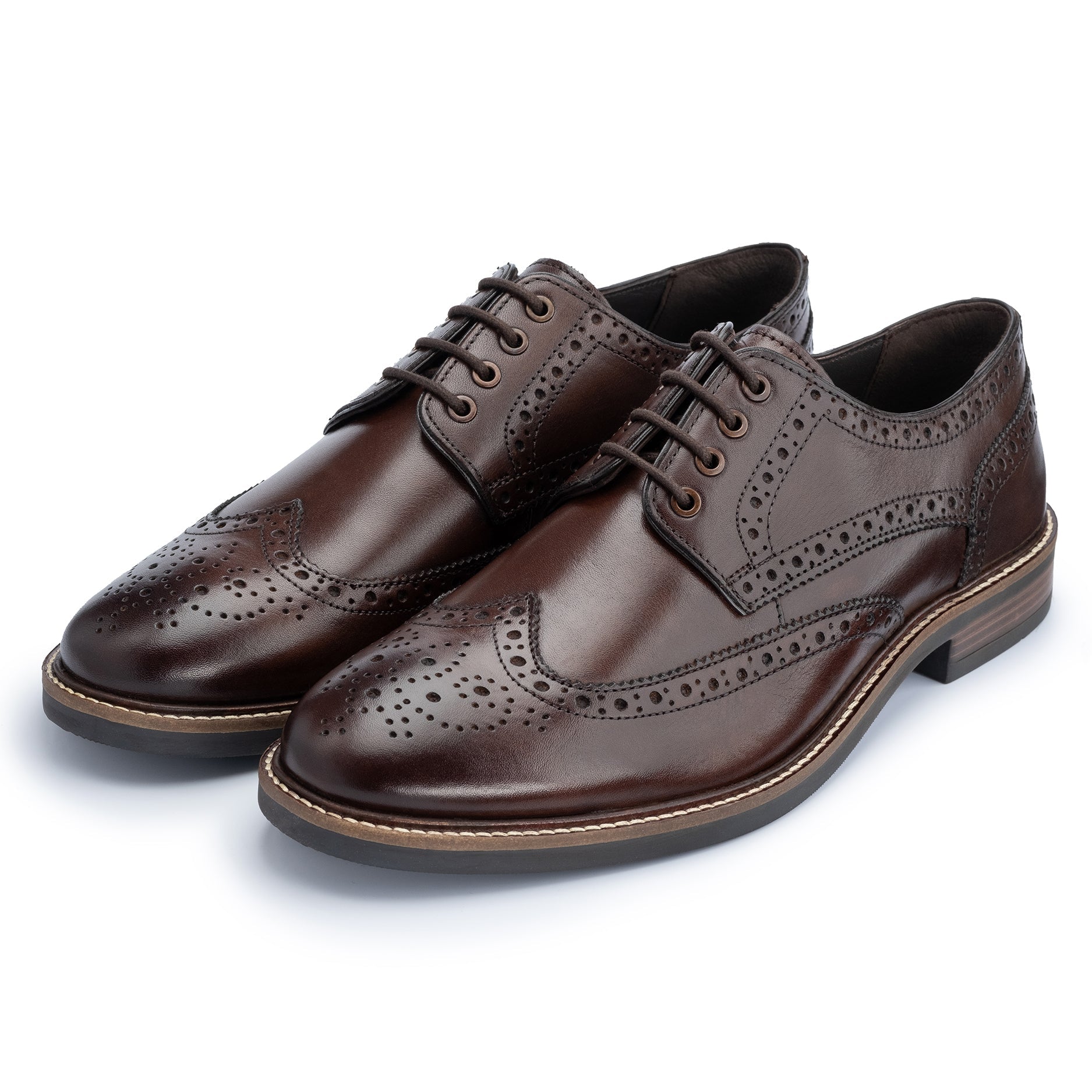
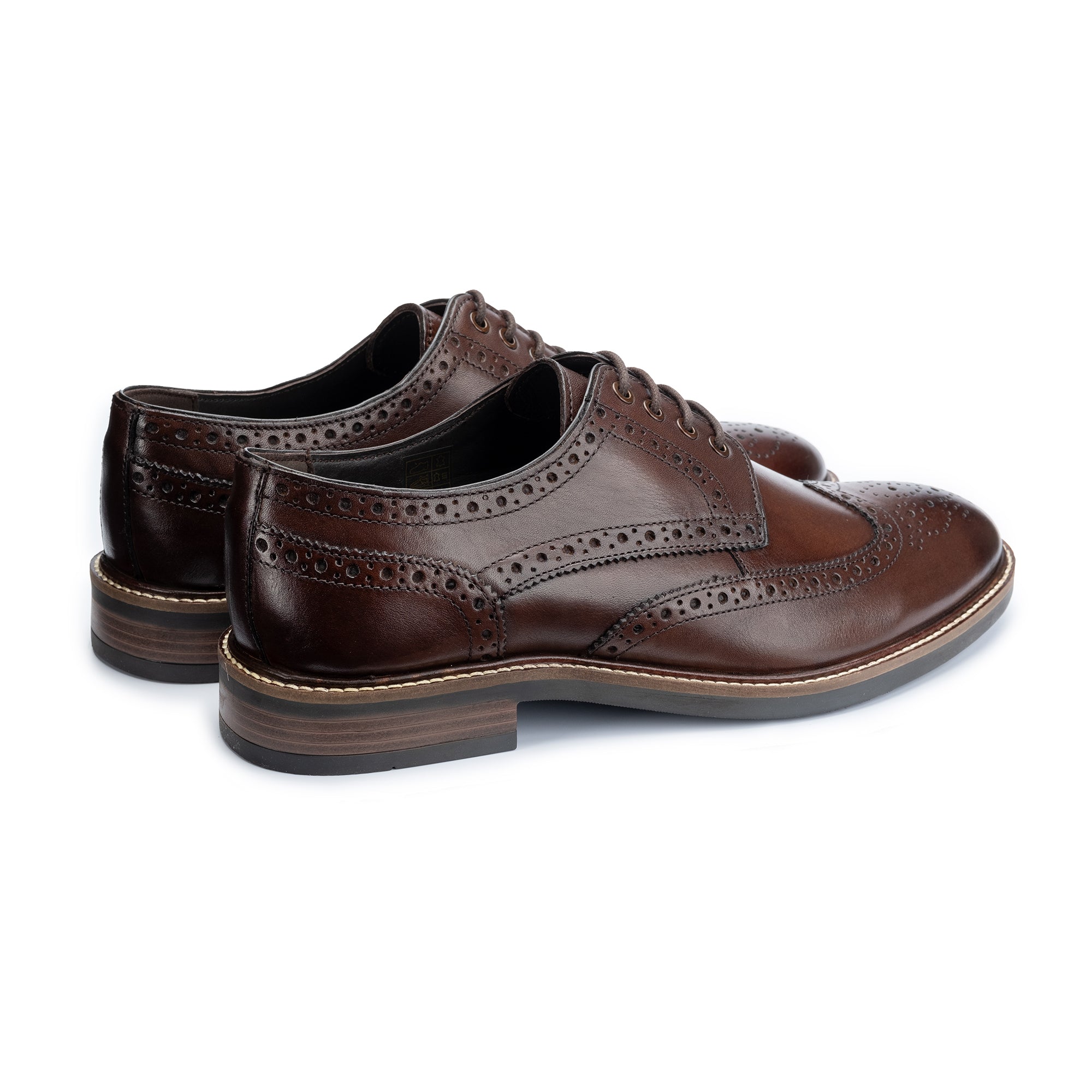
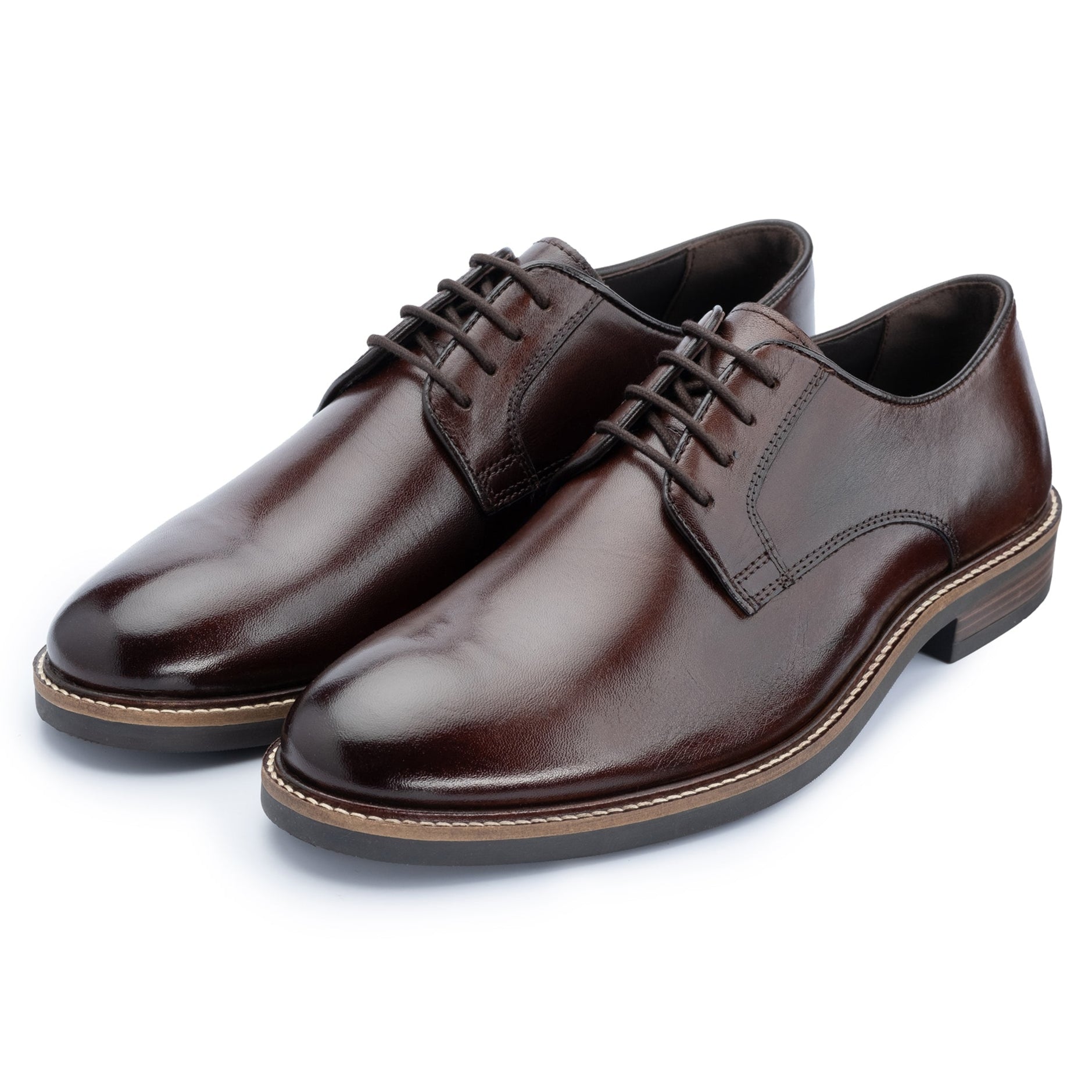
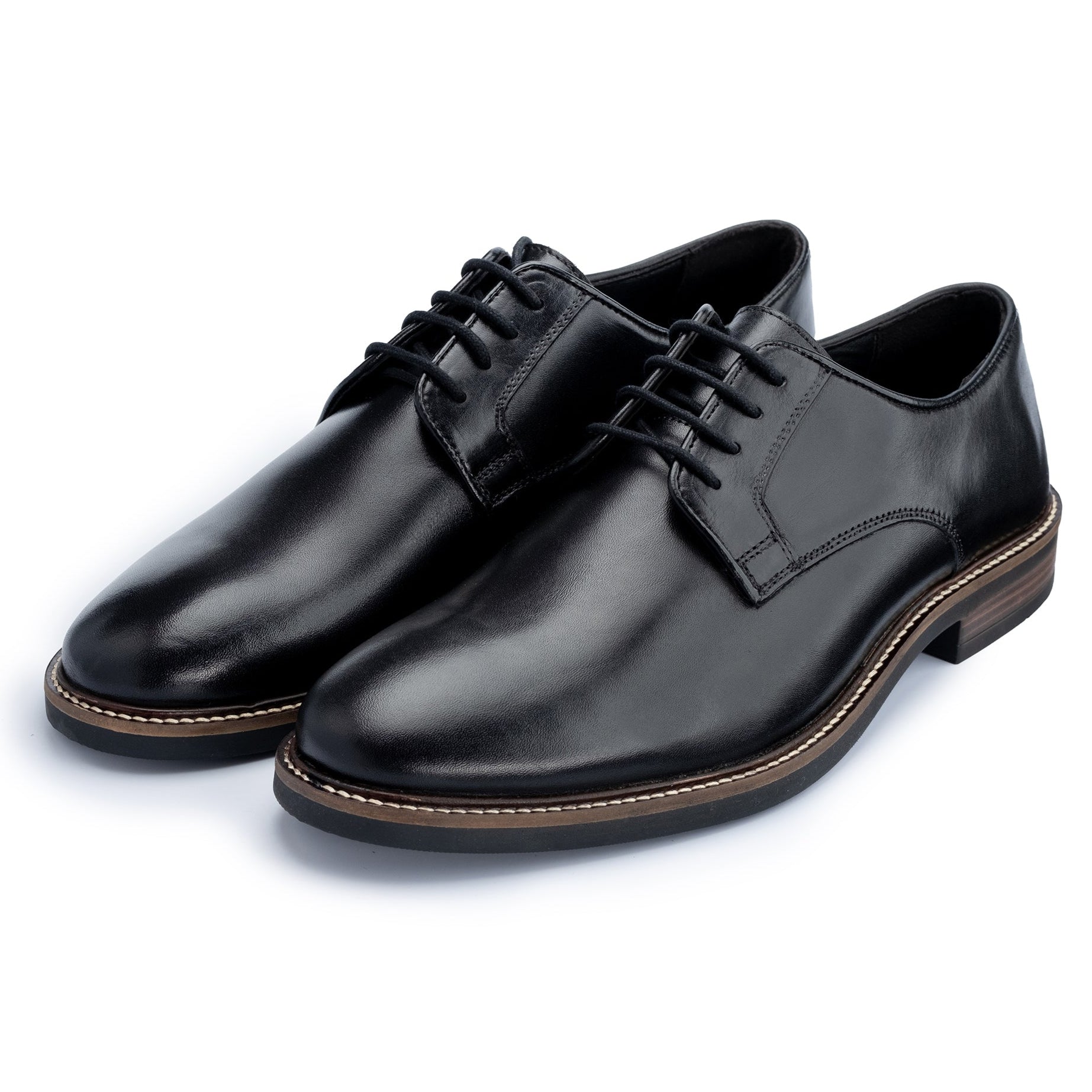
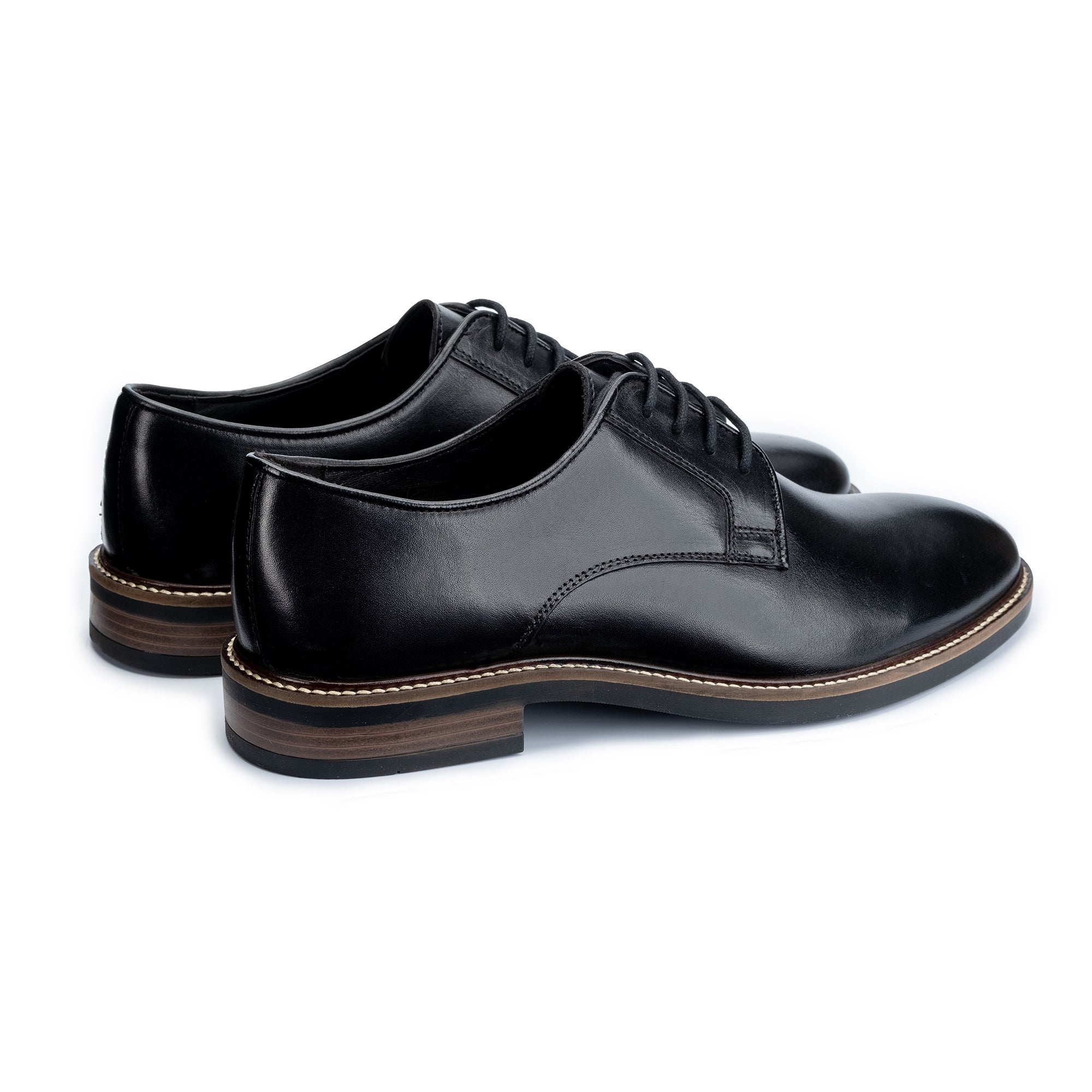
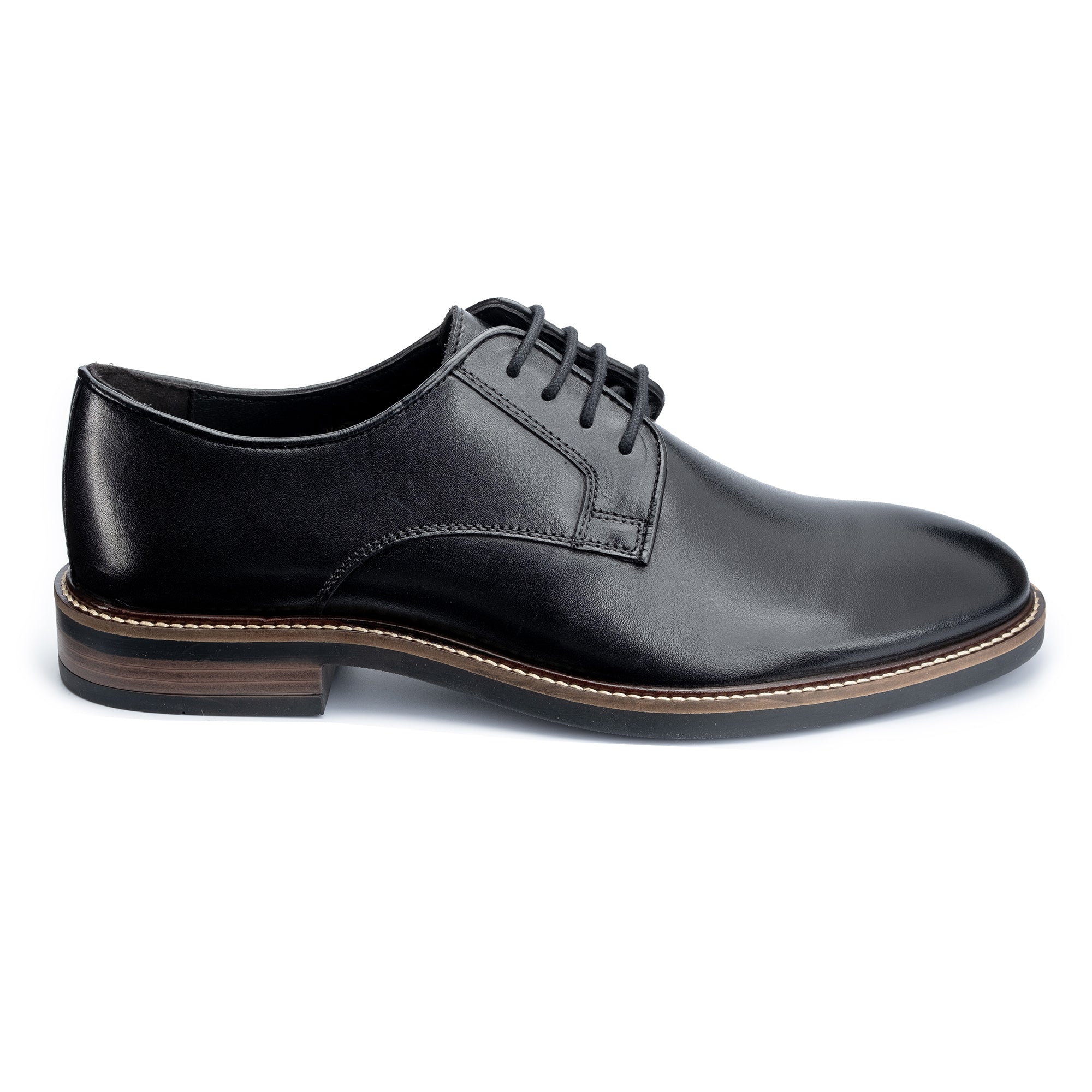
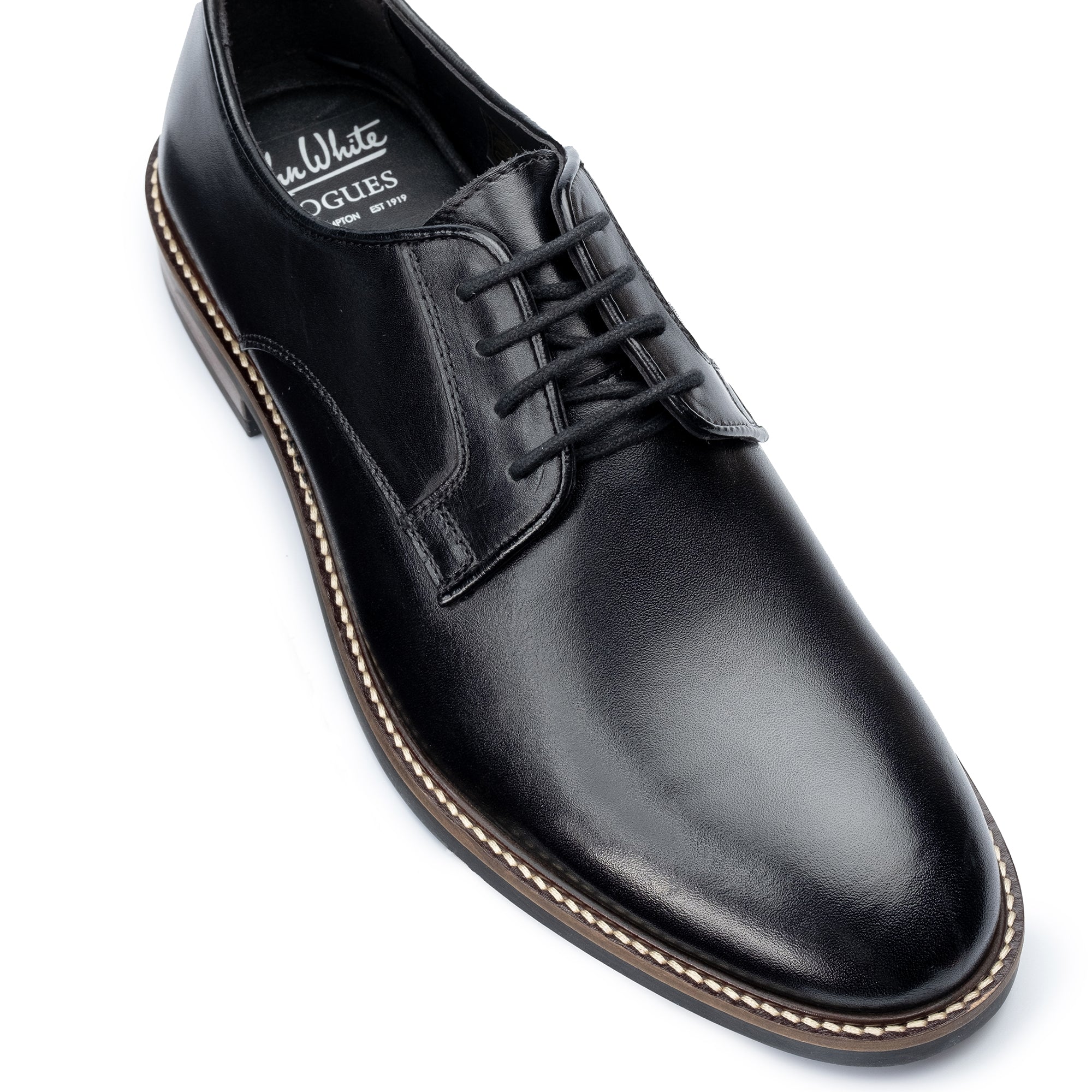
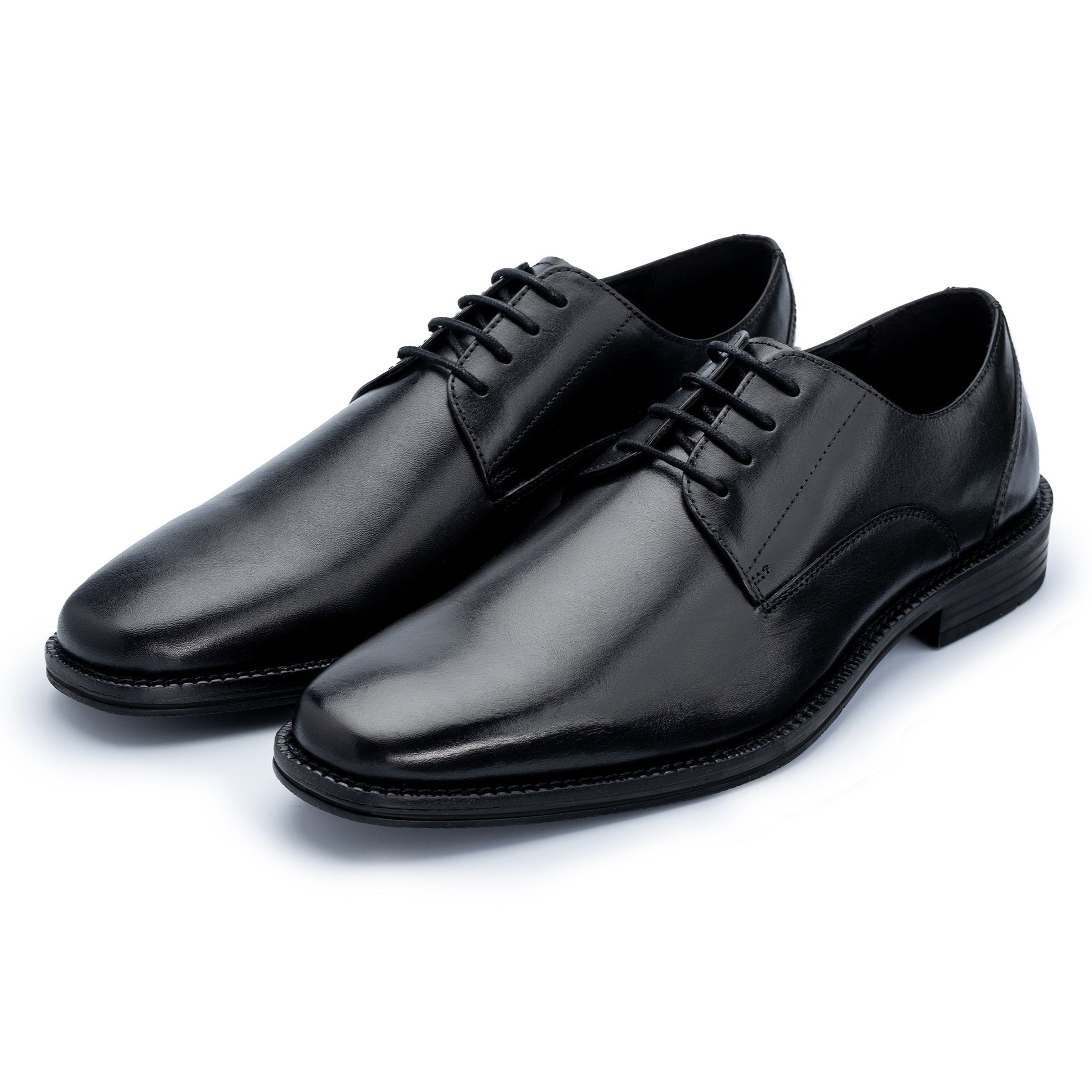
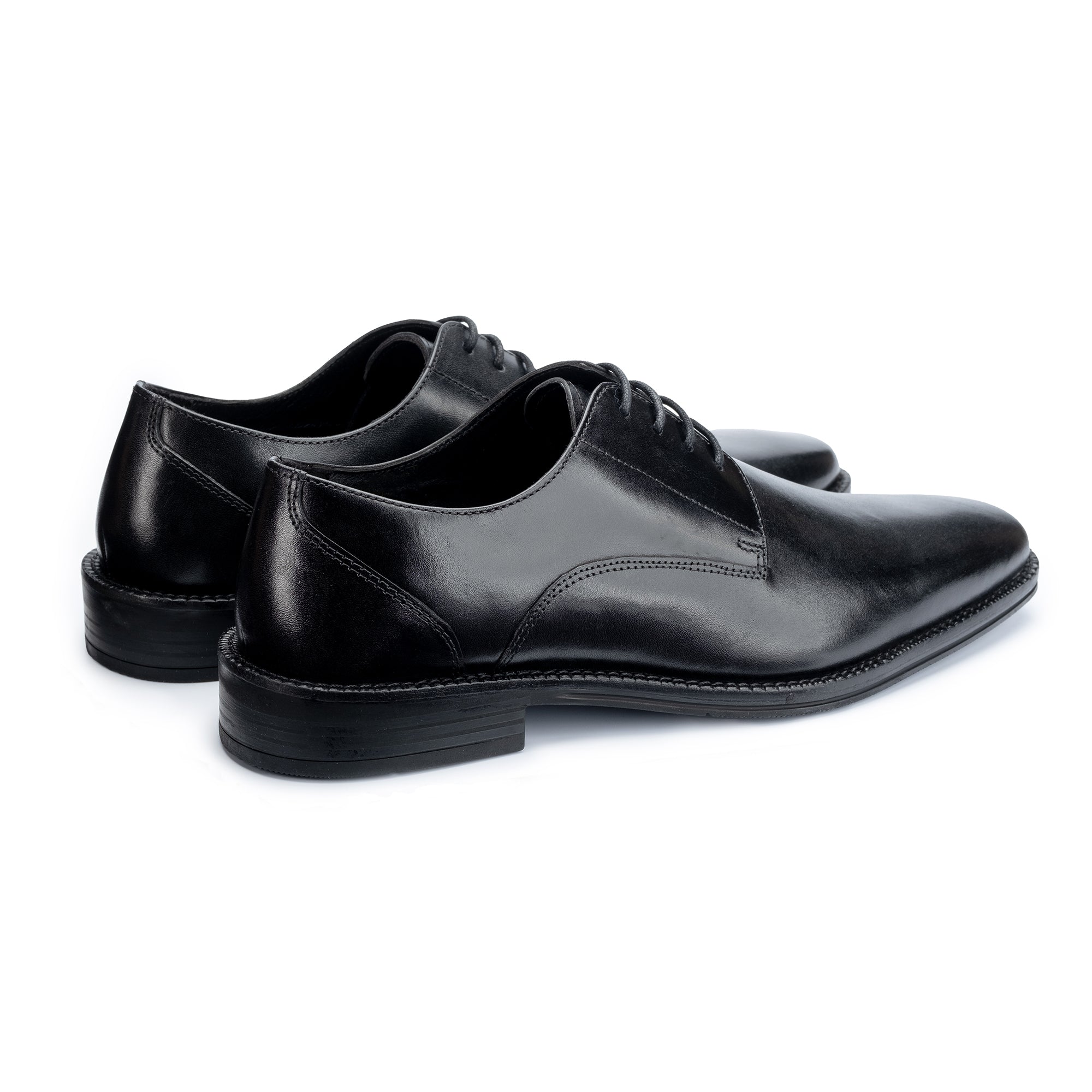
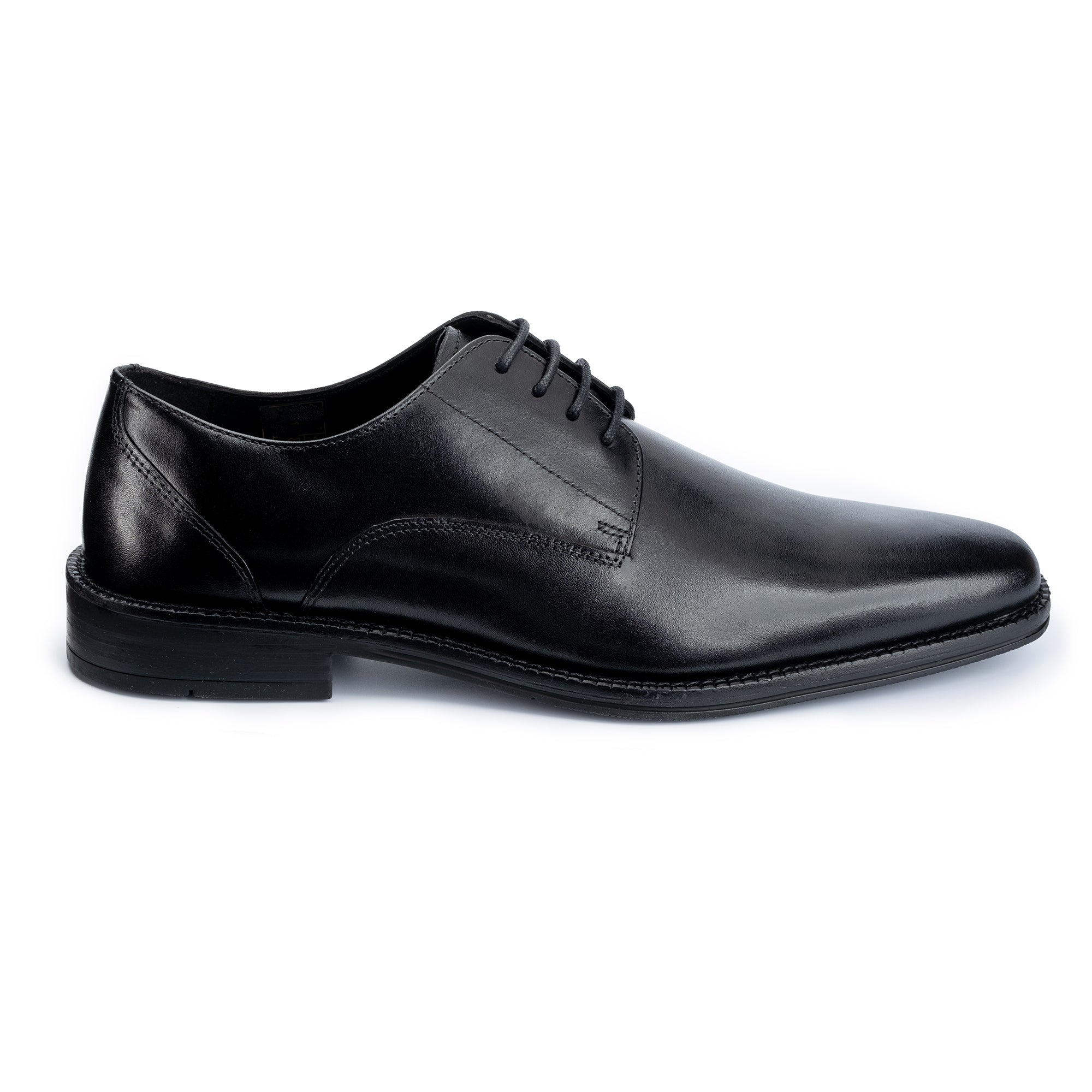
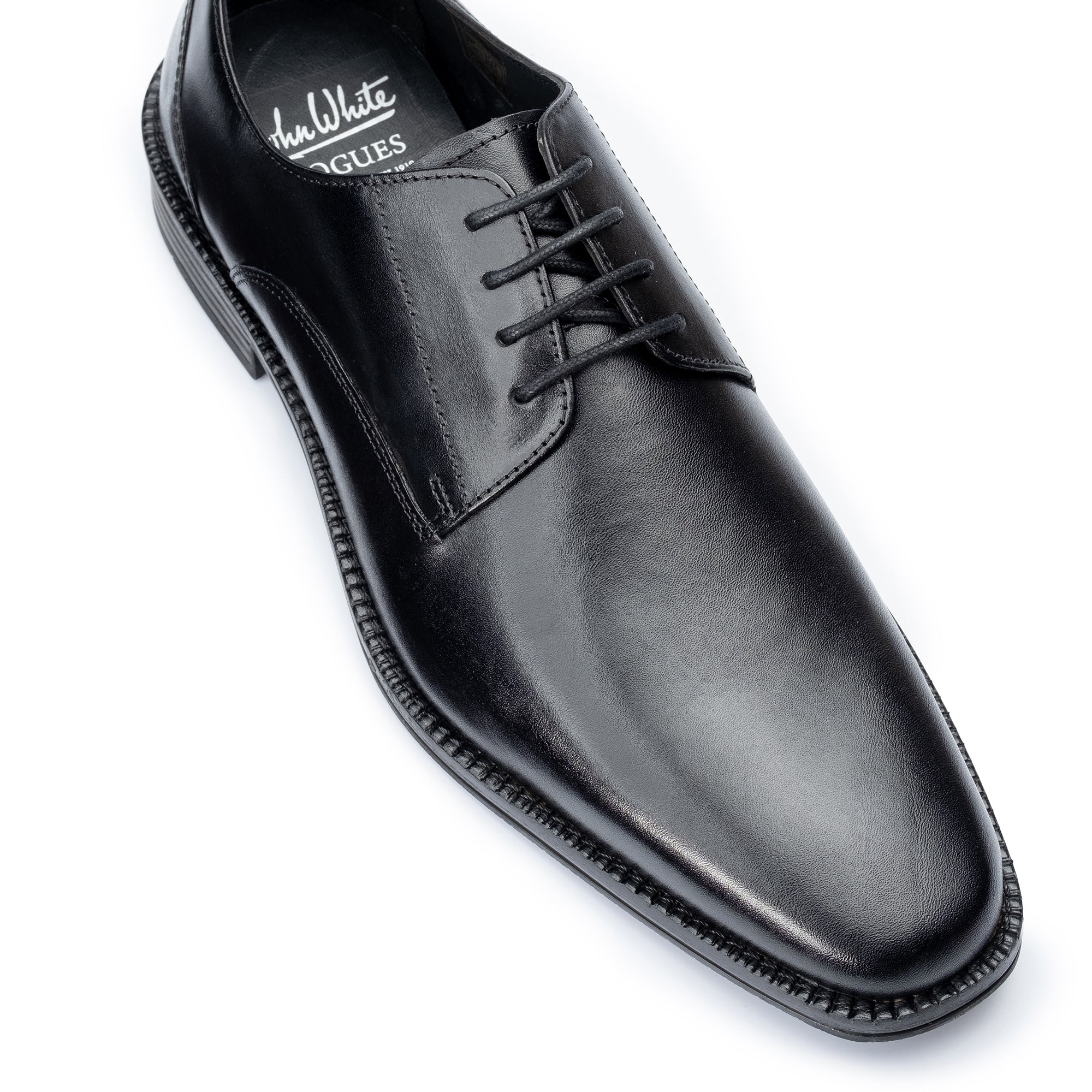
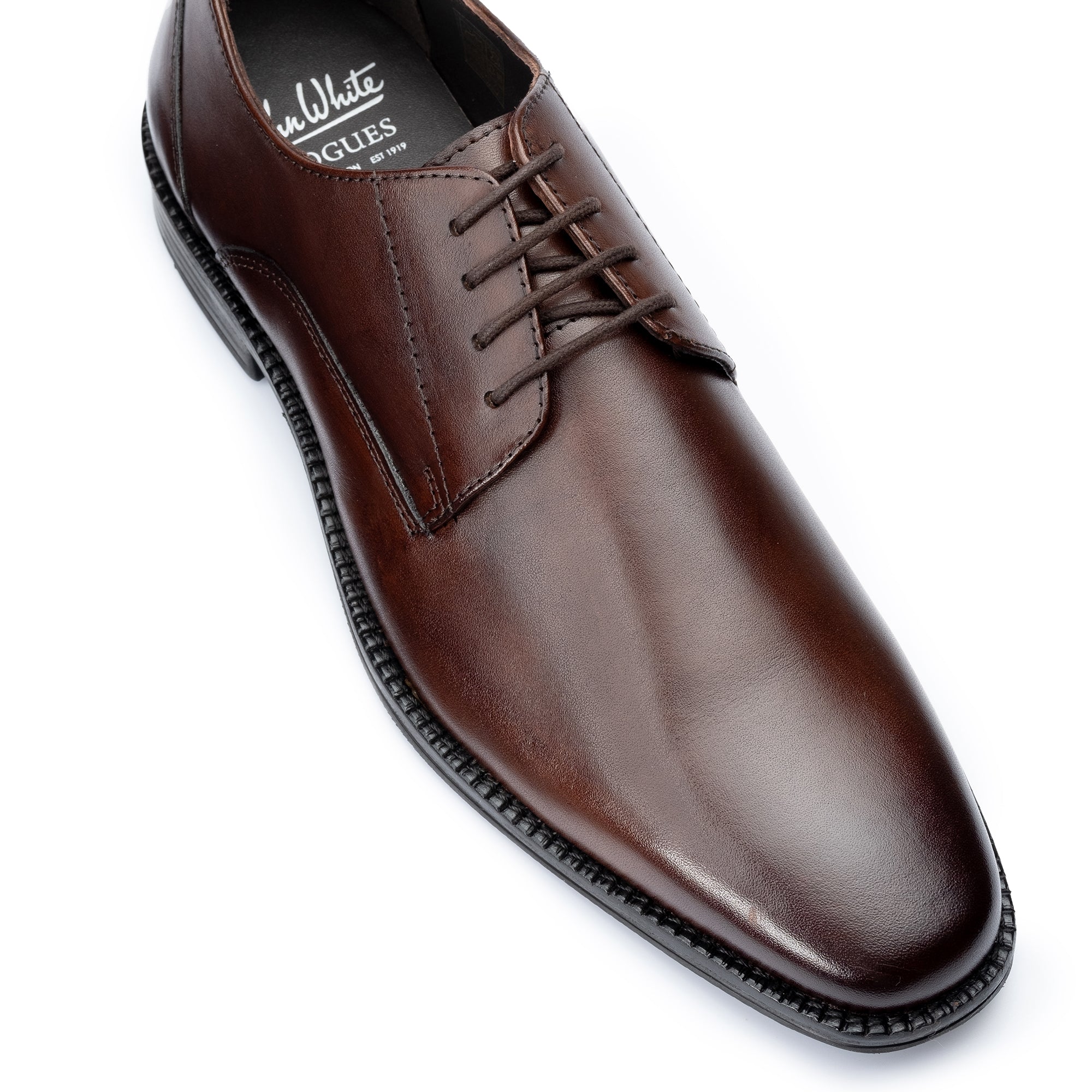
If you're buying primarily for formal or business professional occasions — important meetings, client dinners, formal events — leather-soled footwear is the more considered choice. The Guildhall Capped Oxfords and the Ivy Black Derby Shoes deliver the clean profile and refined presence that formal contexts demand.
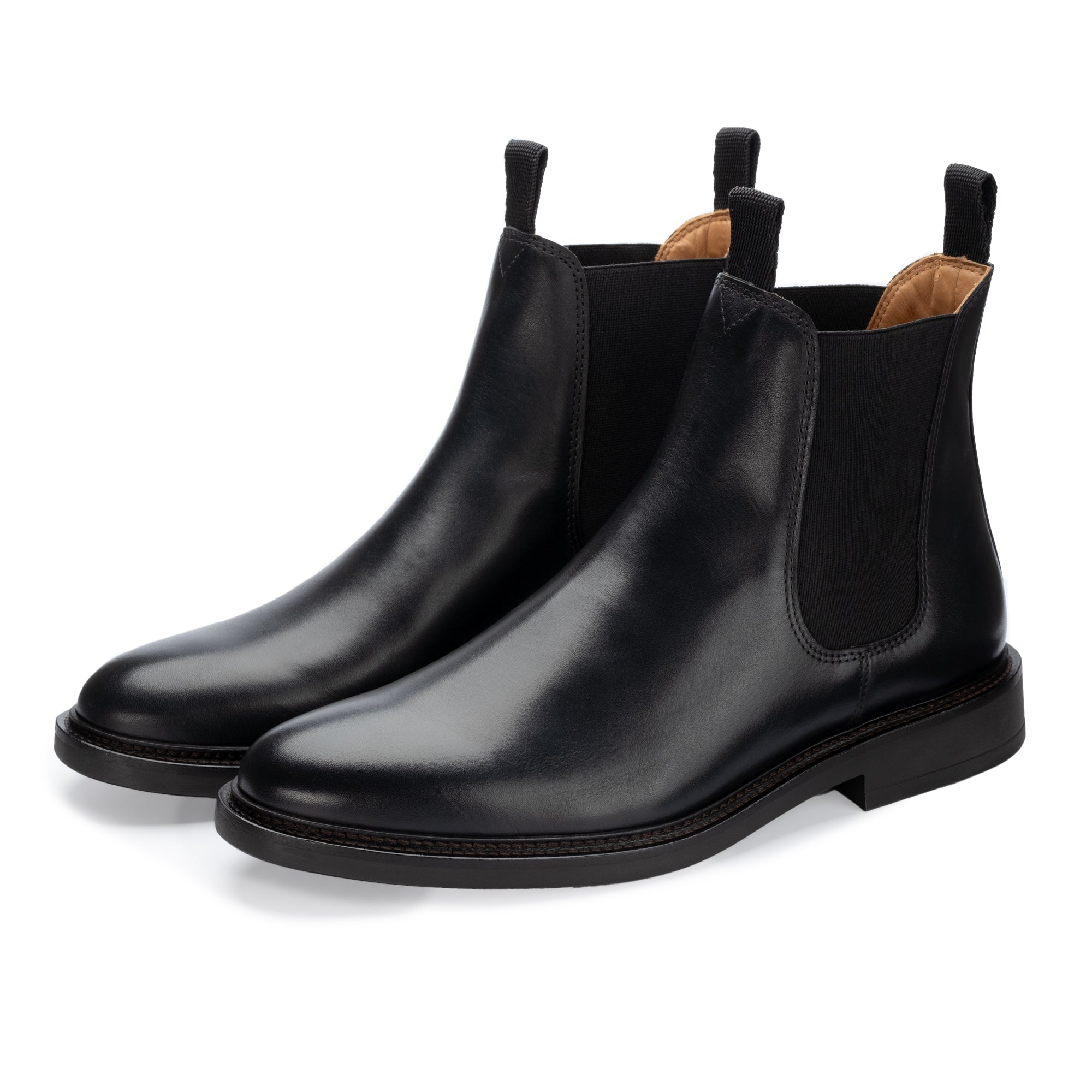
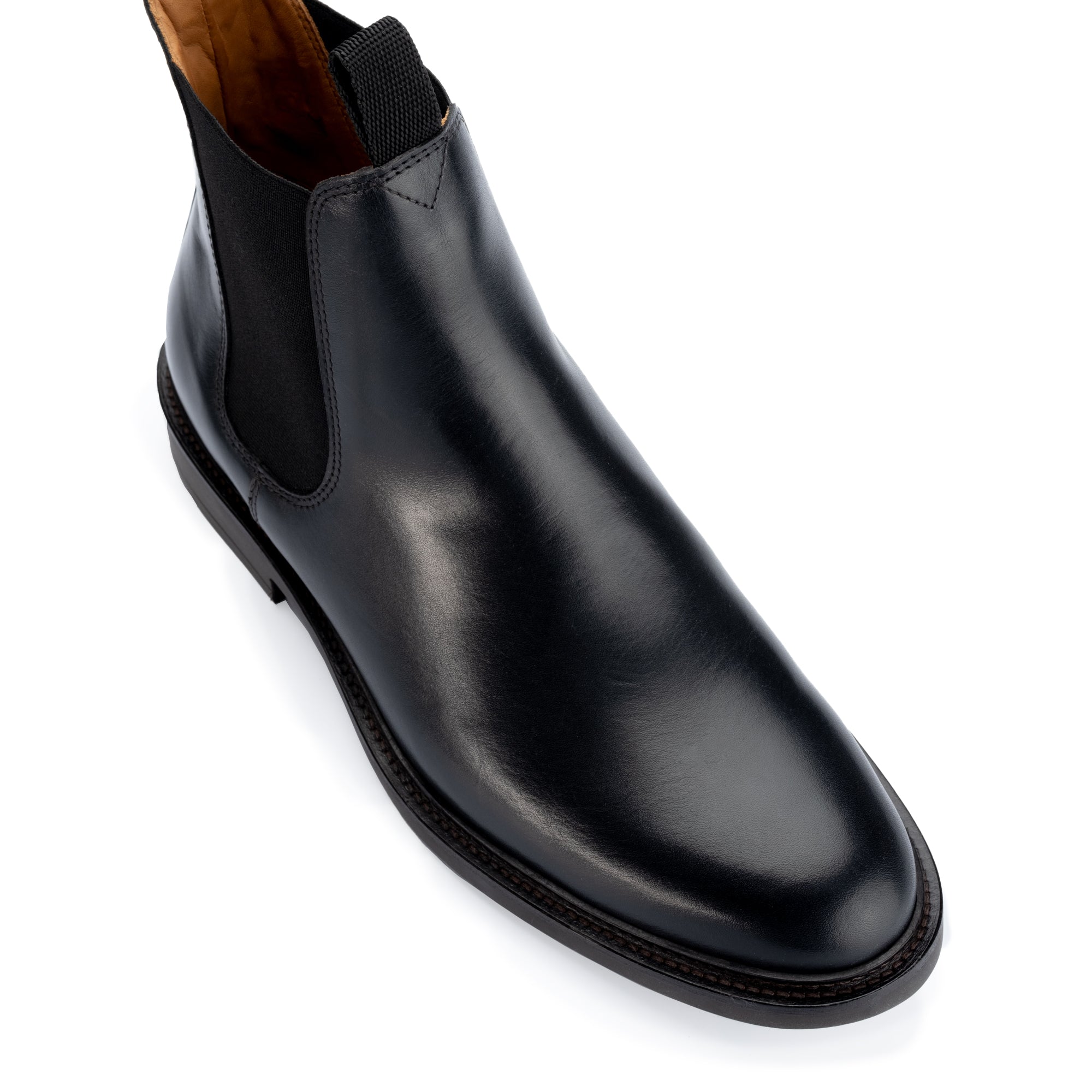
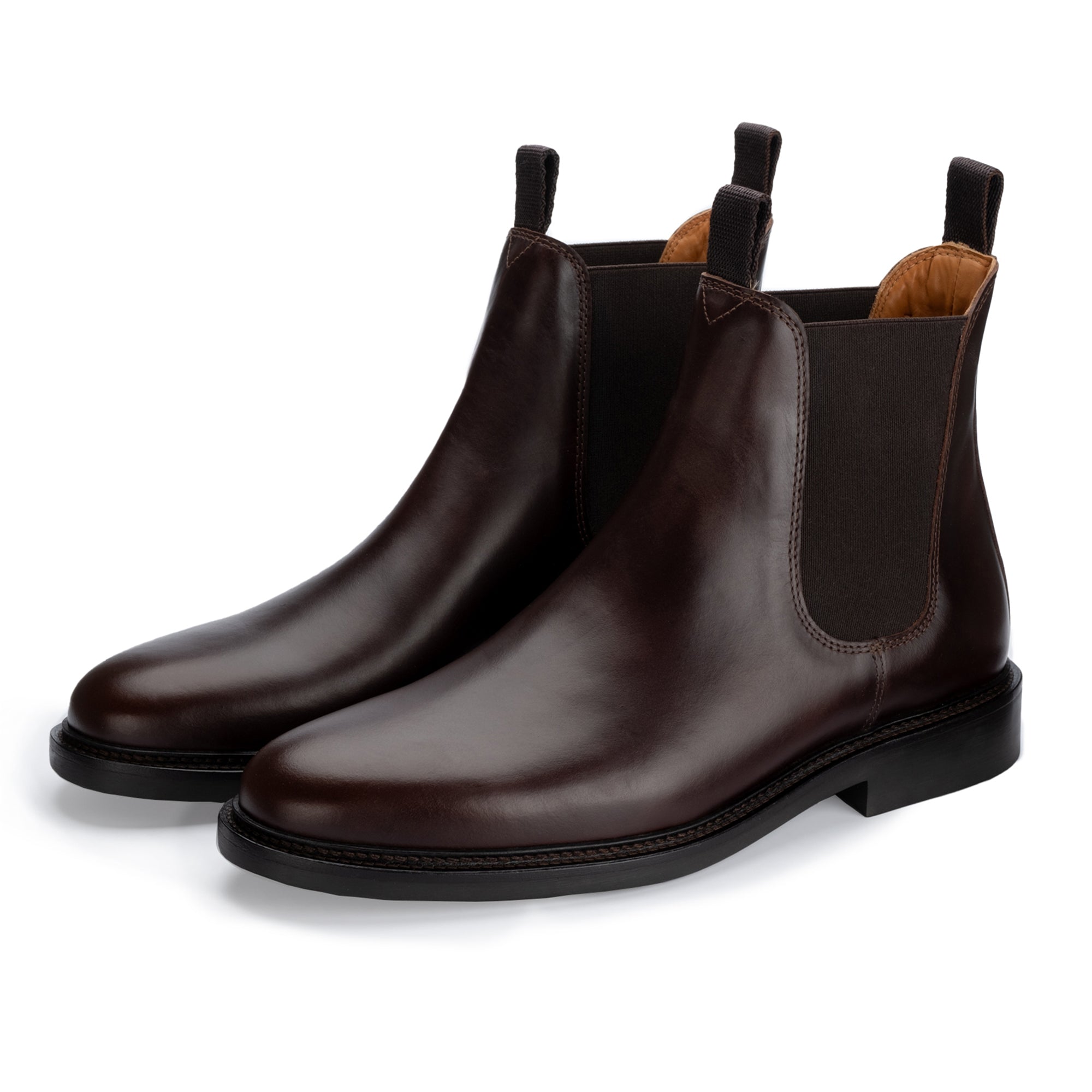
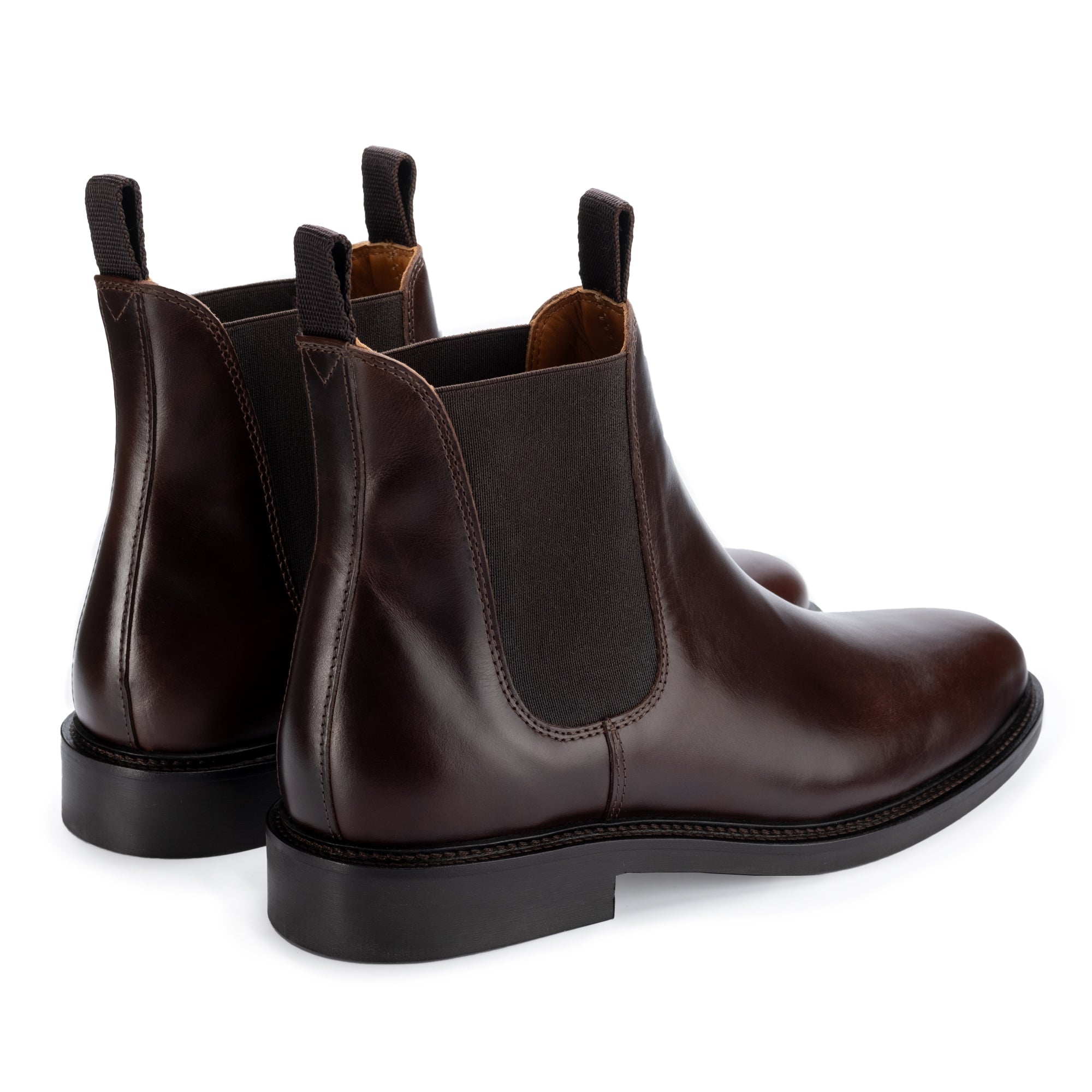
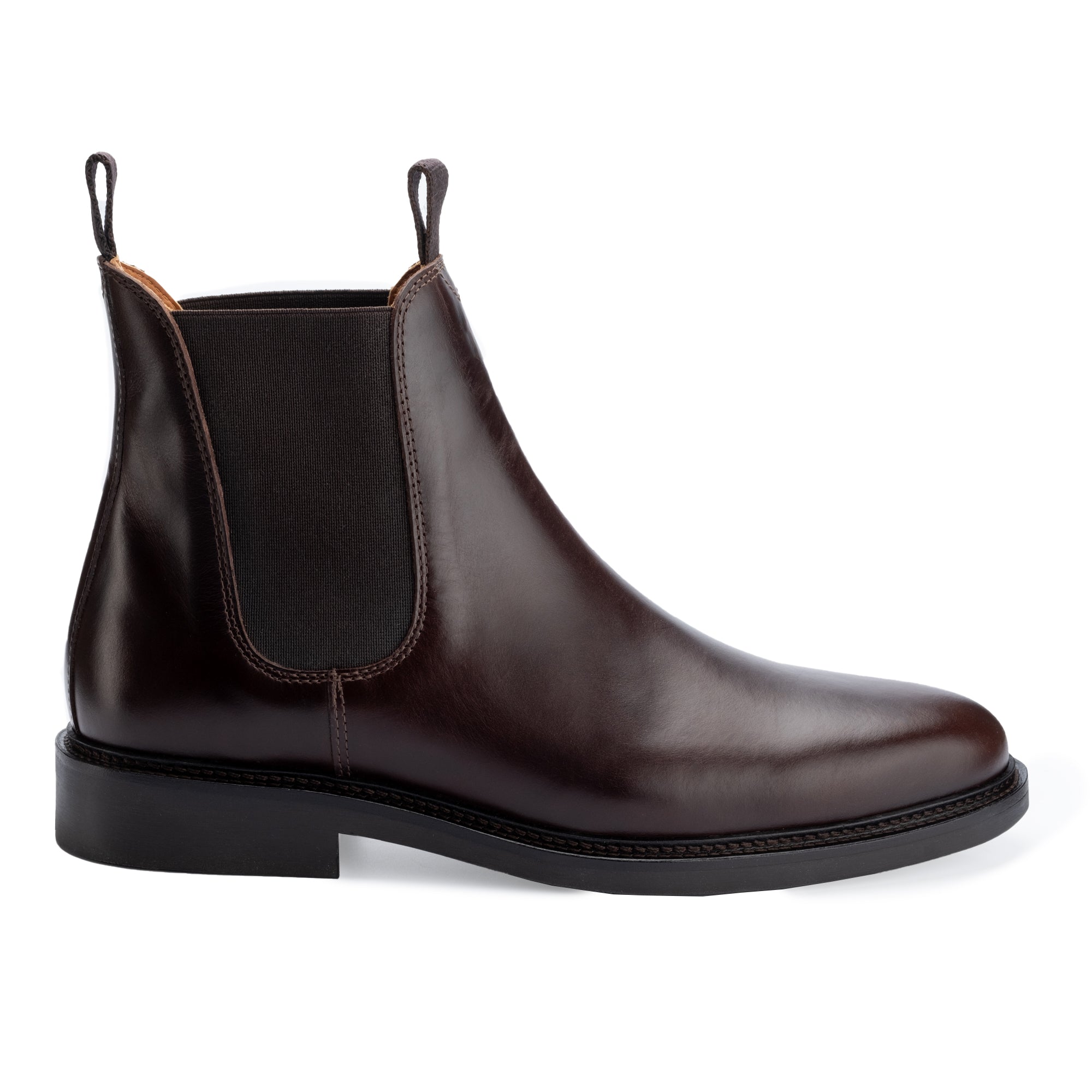
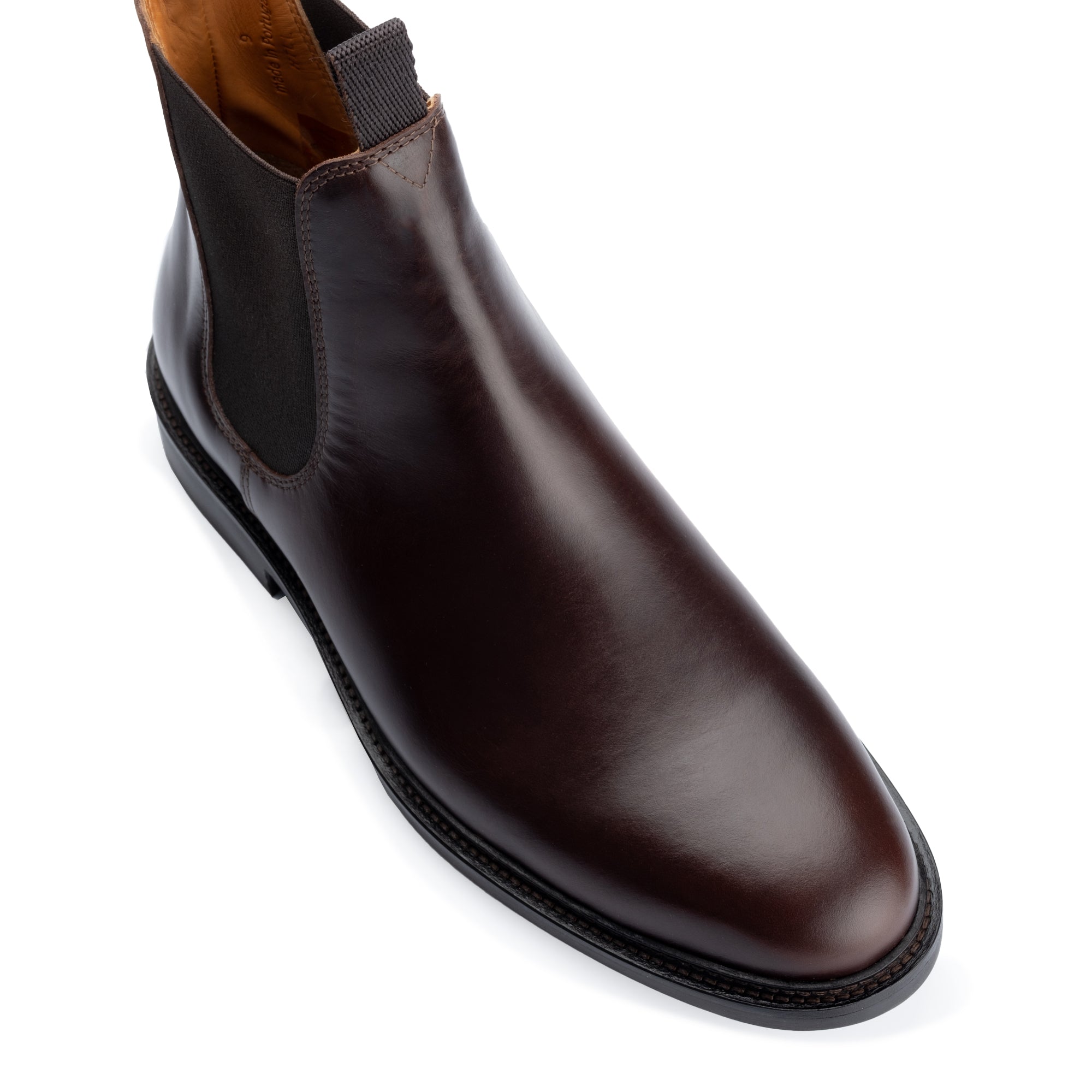
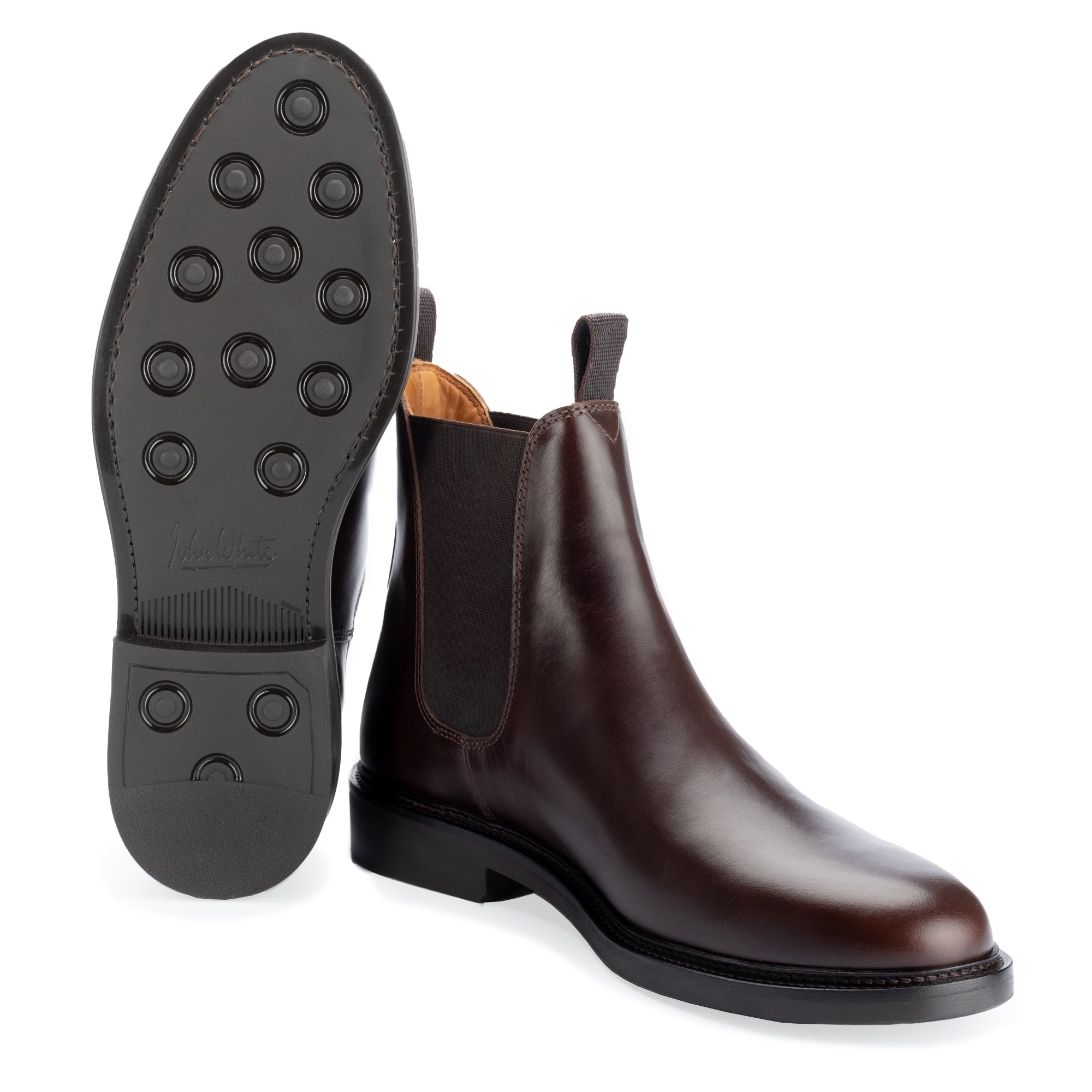
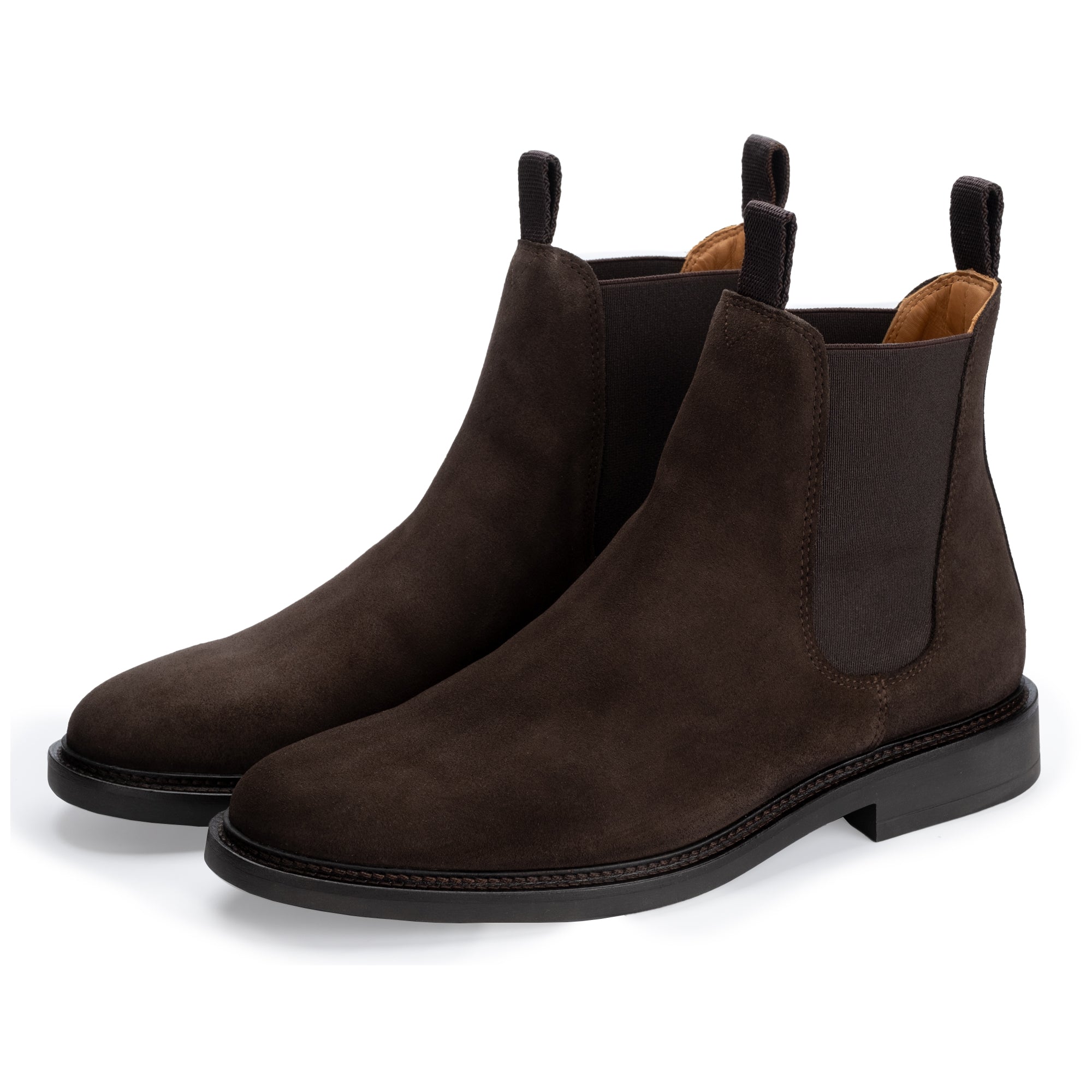
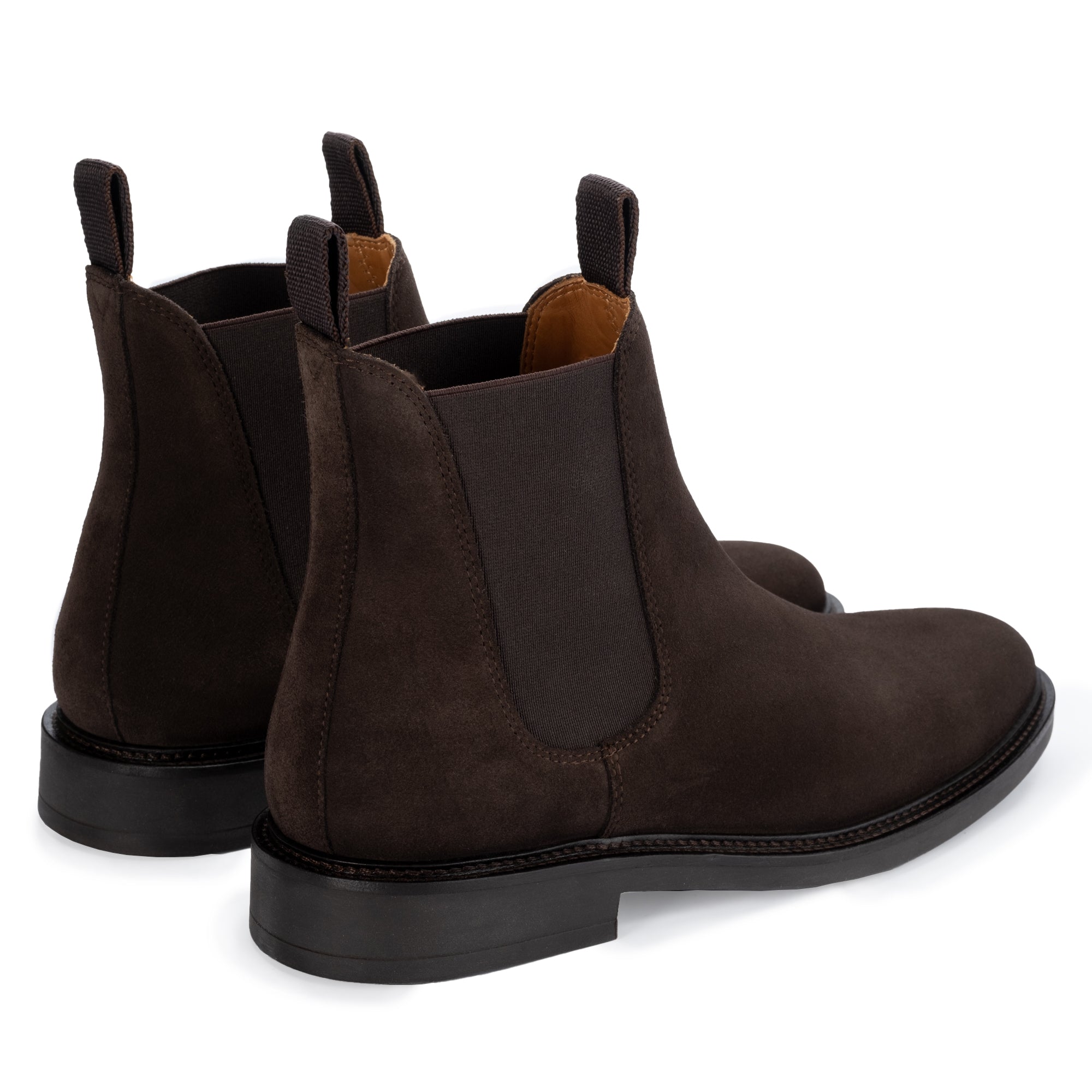
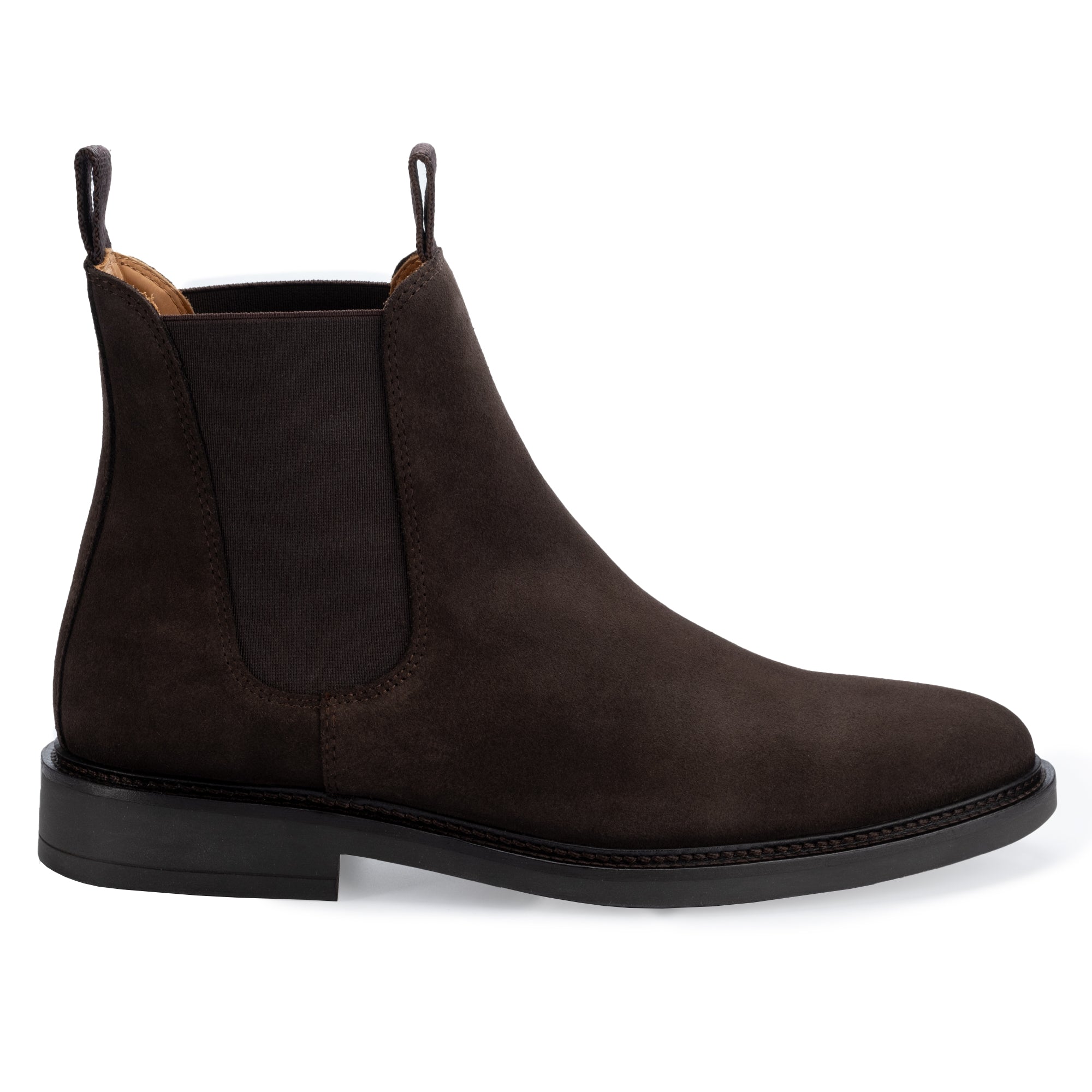
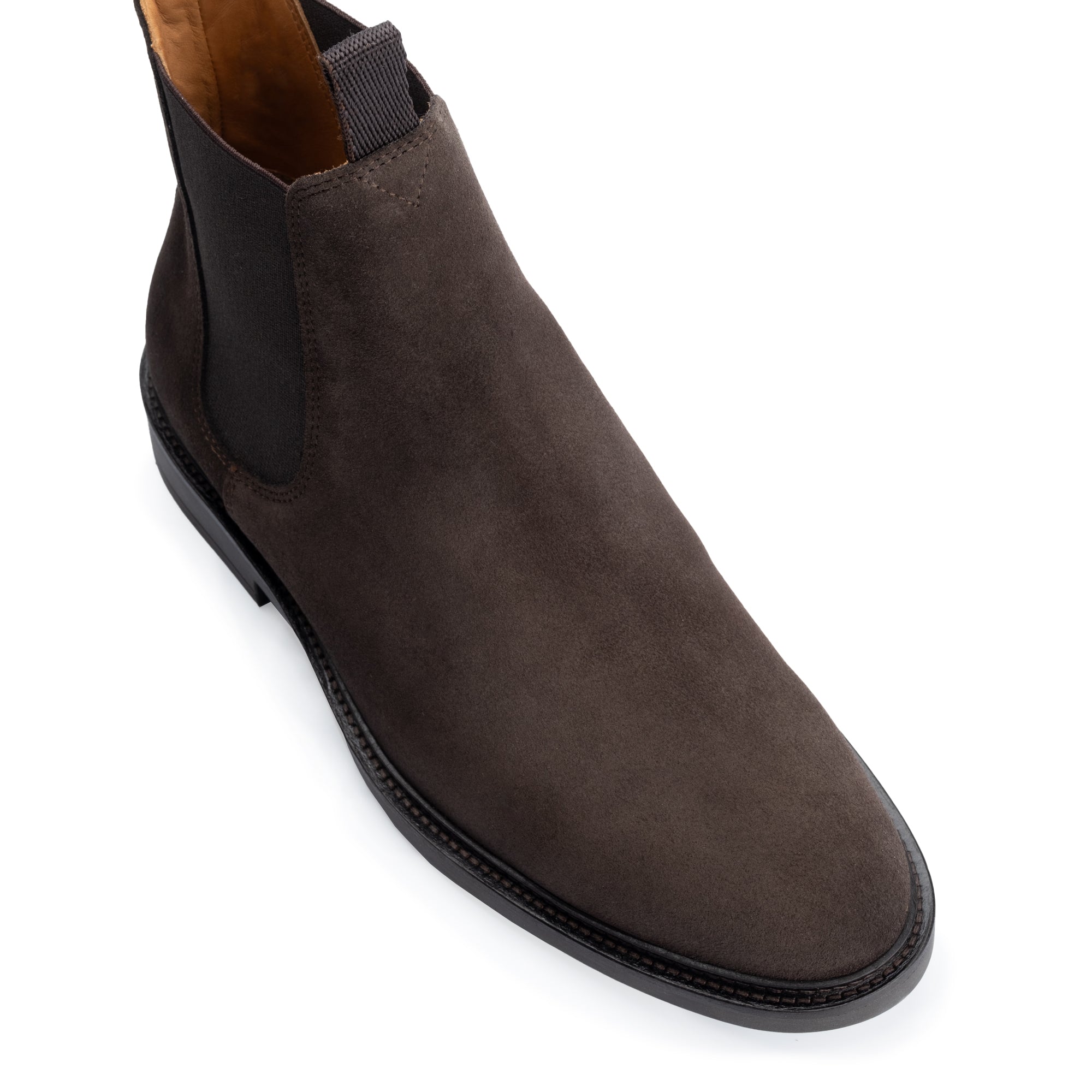
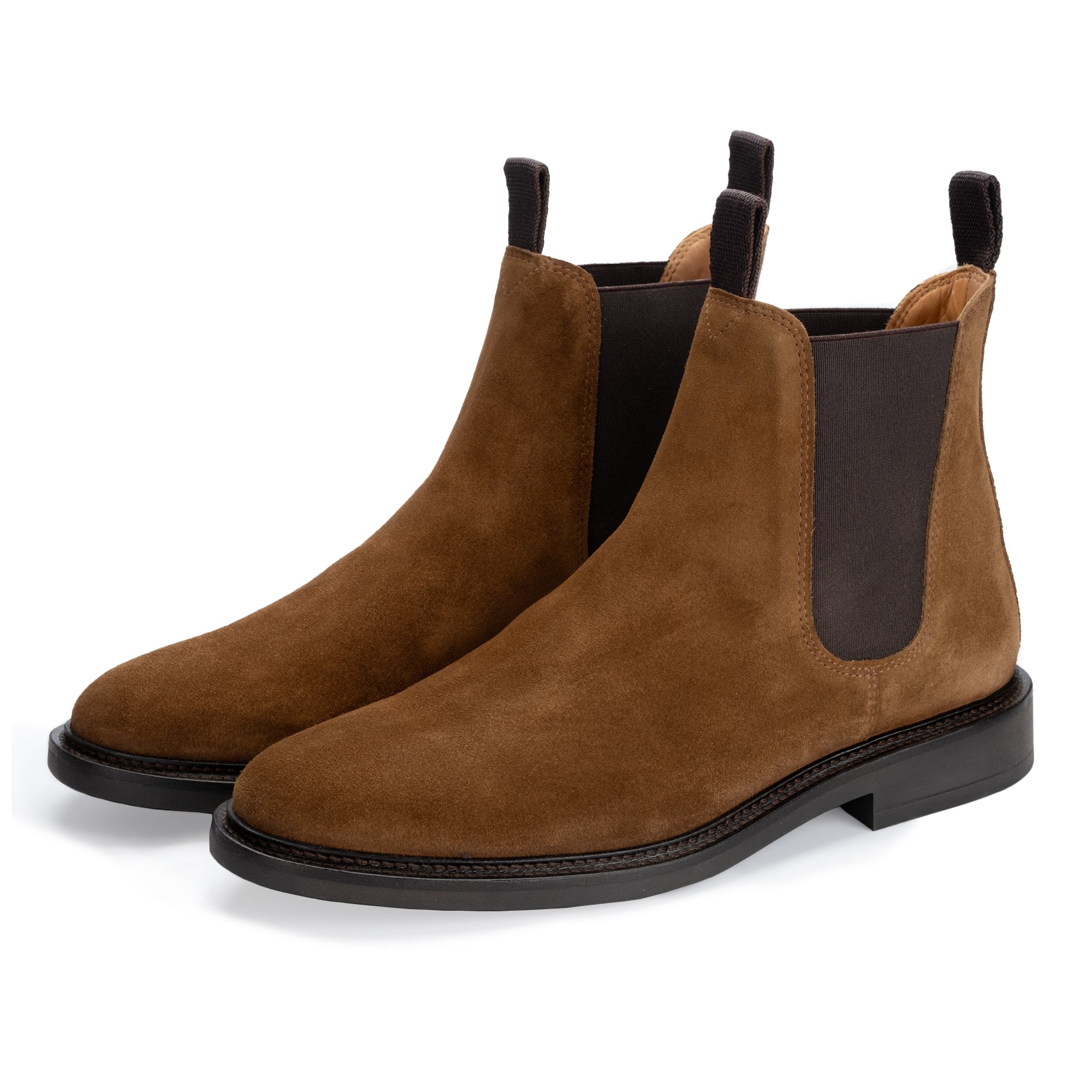
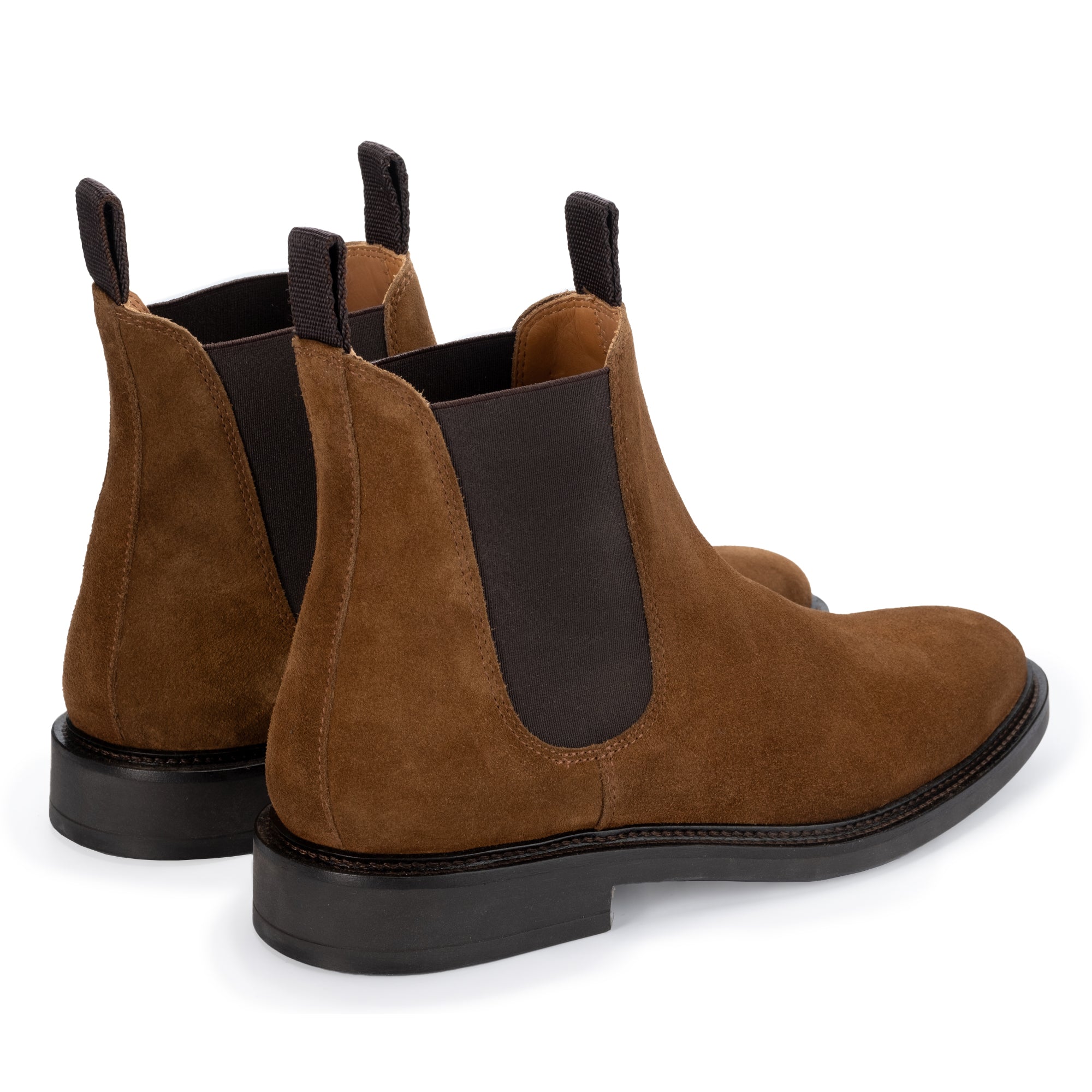
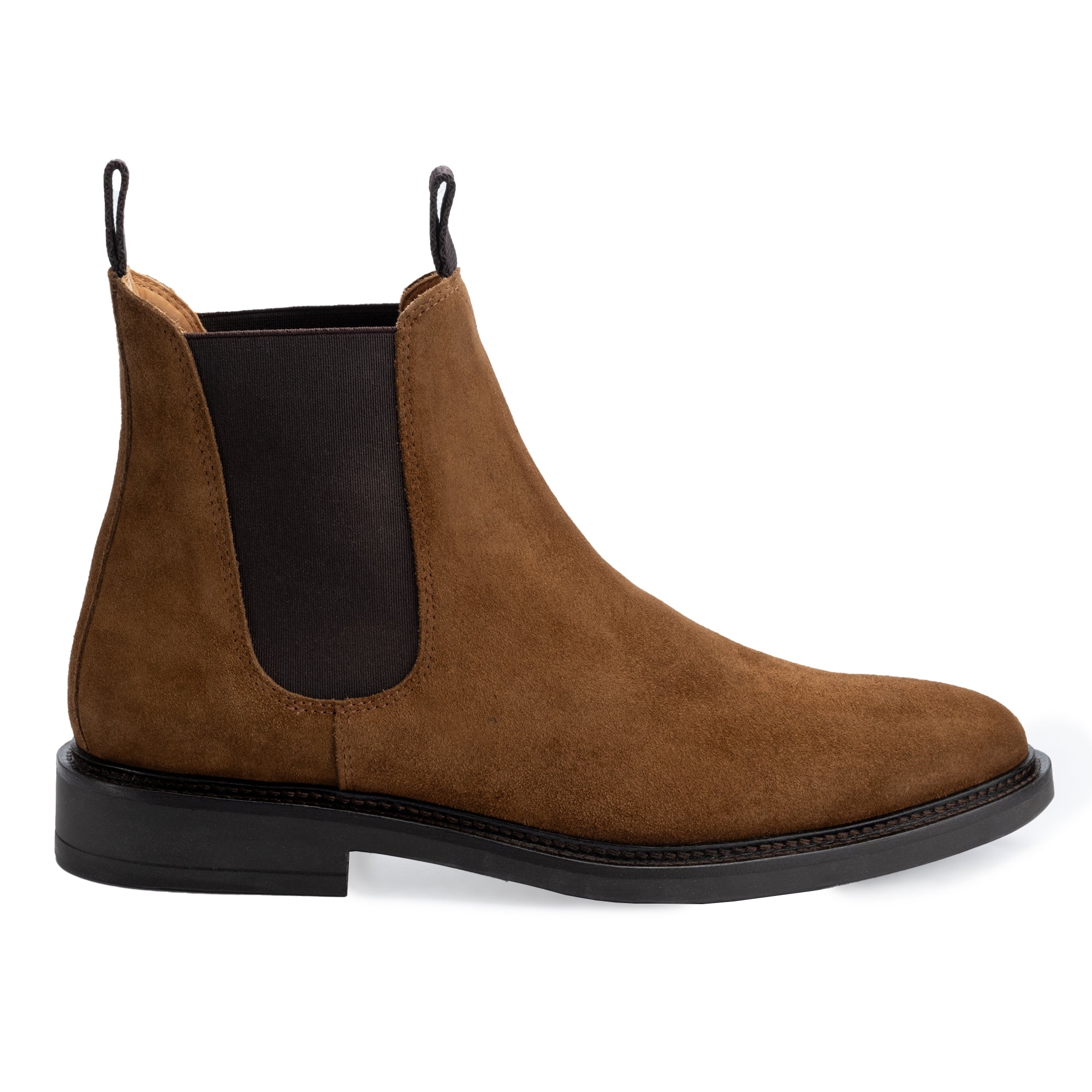
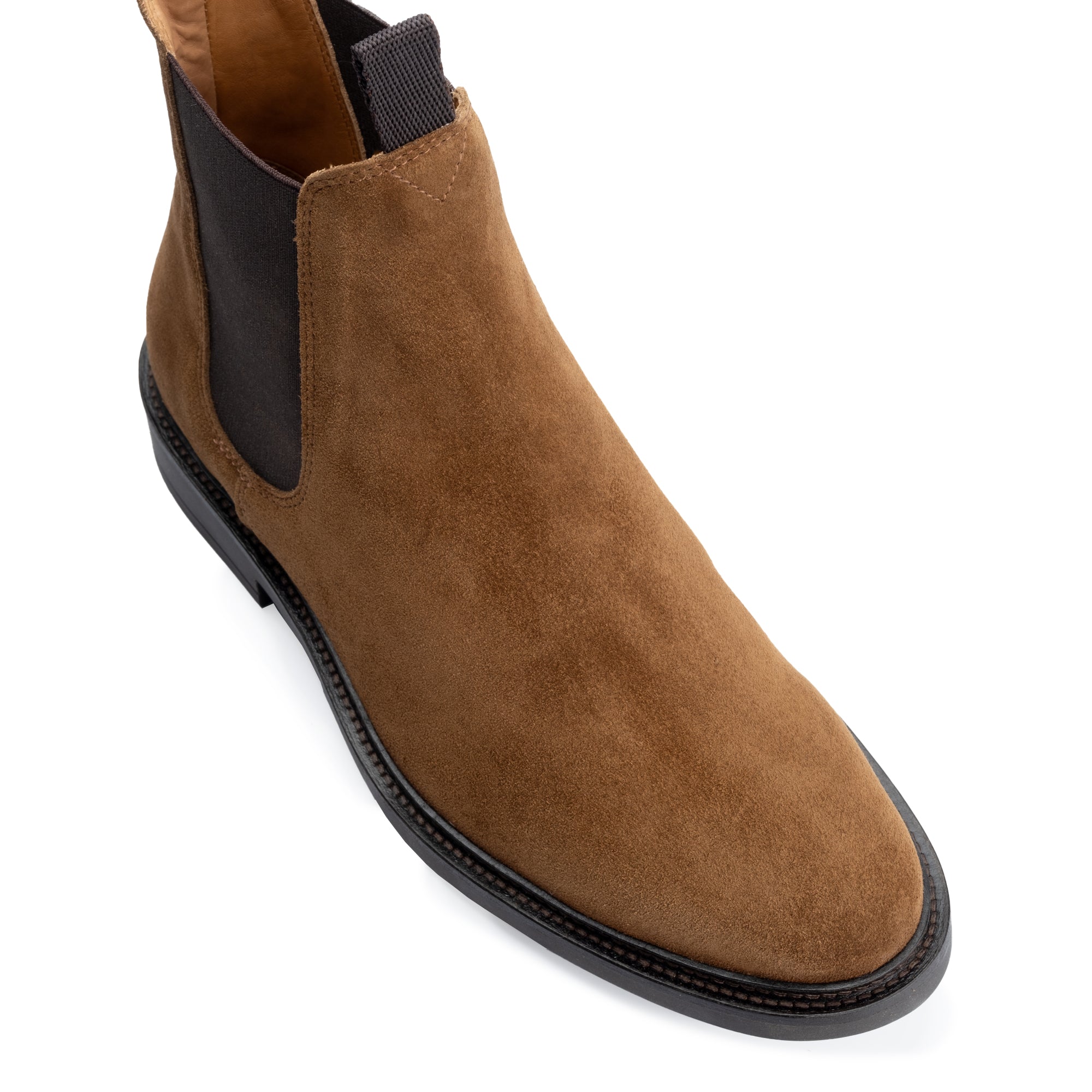
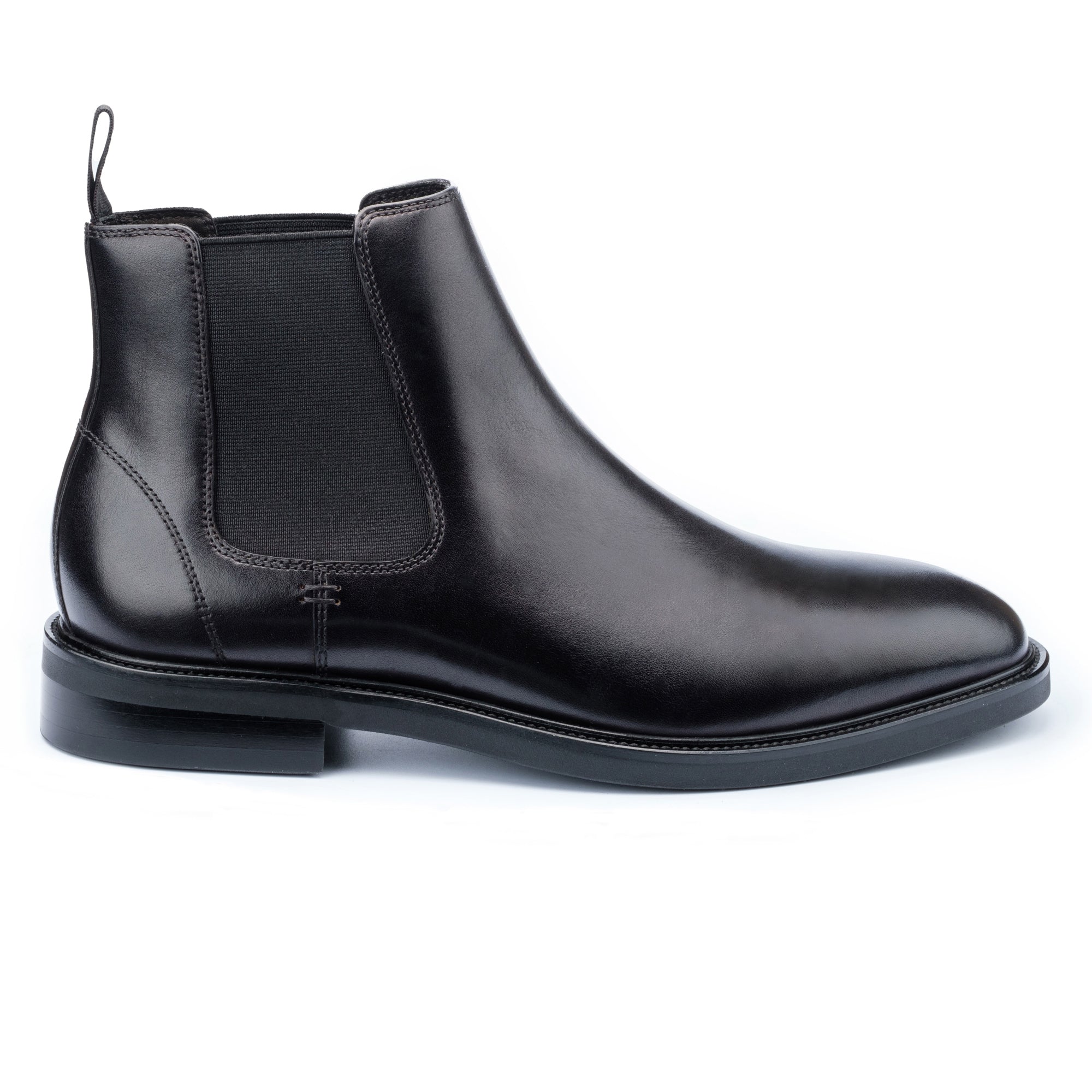
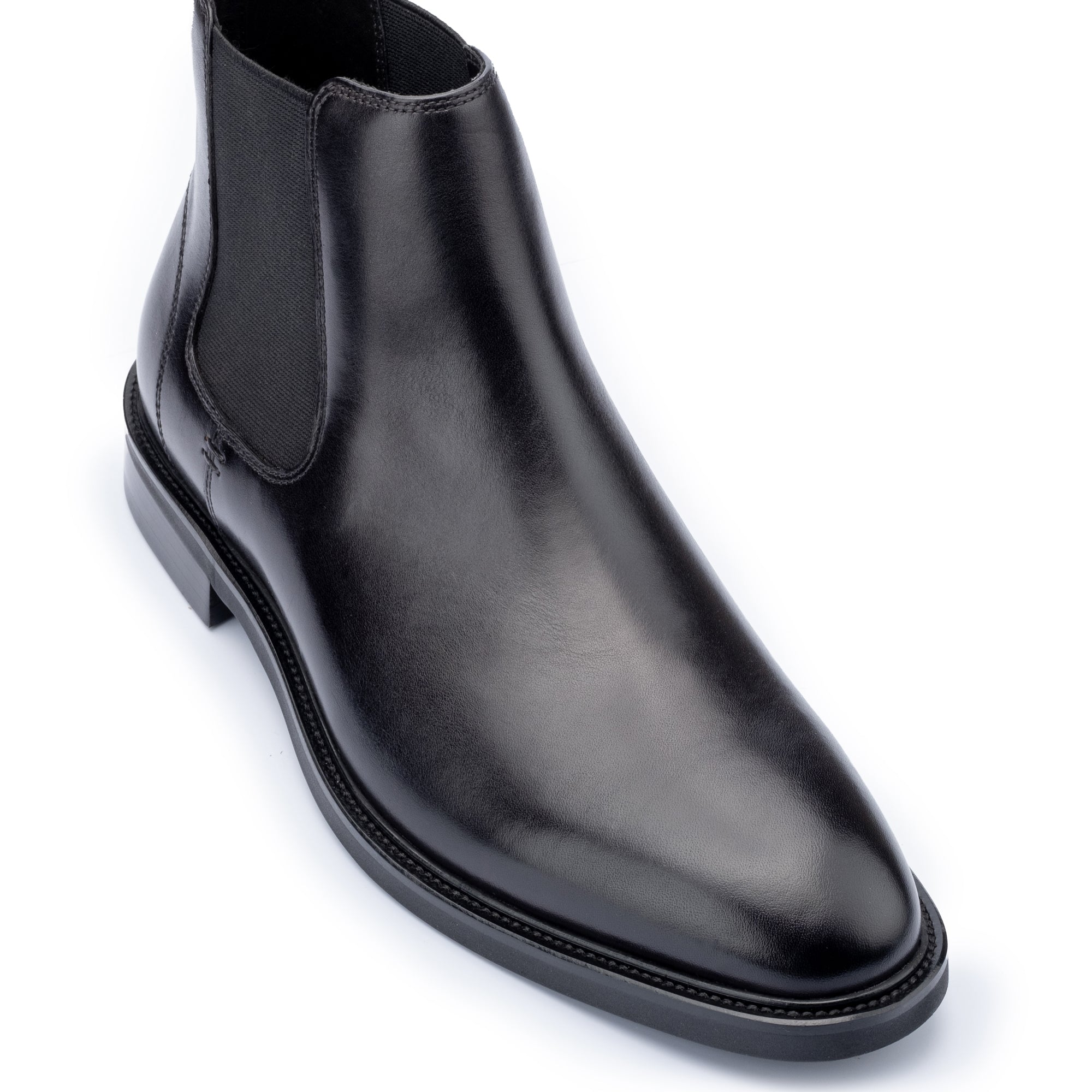
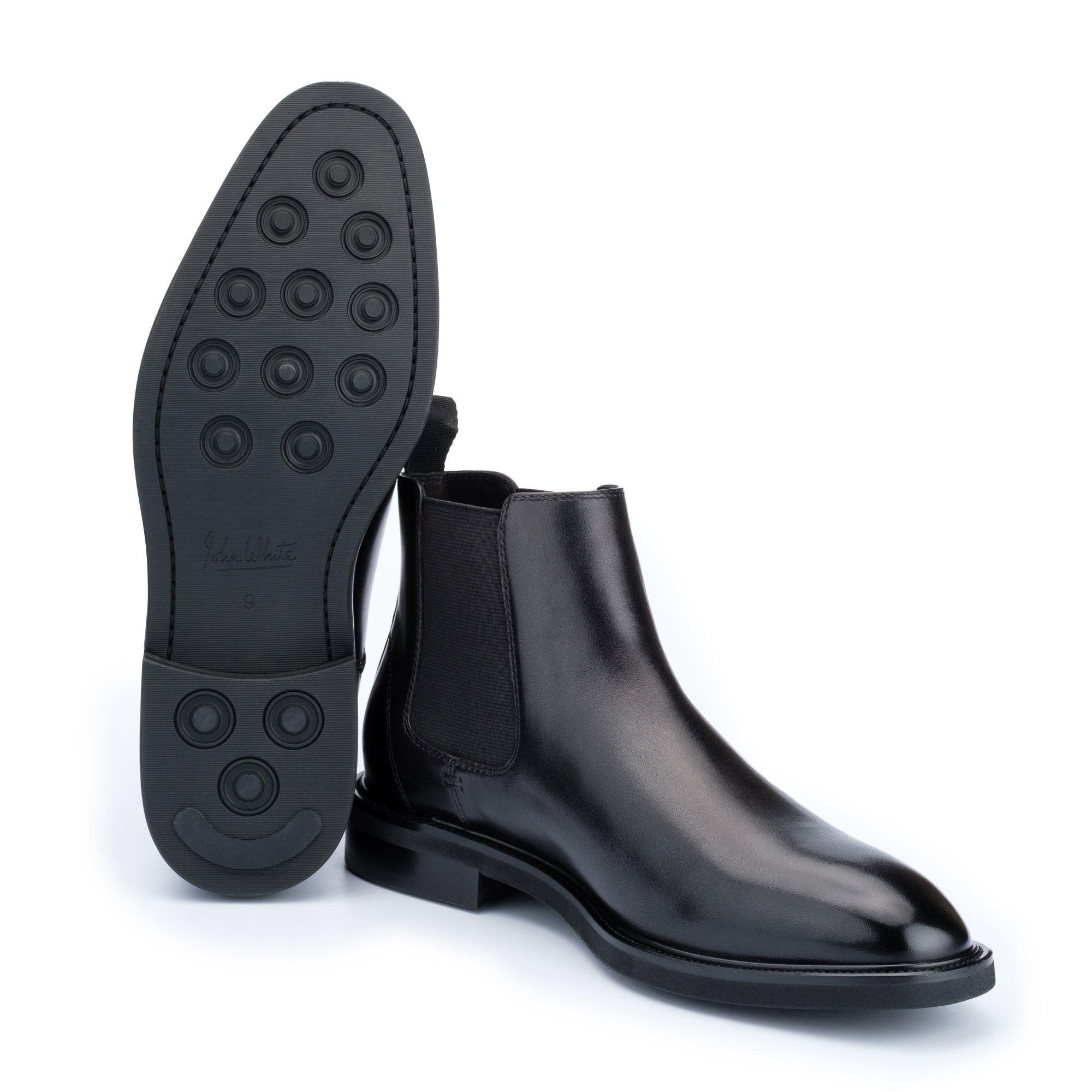
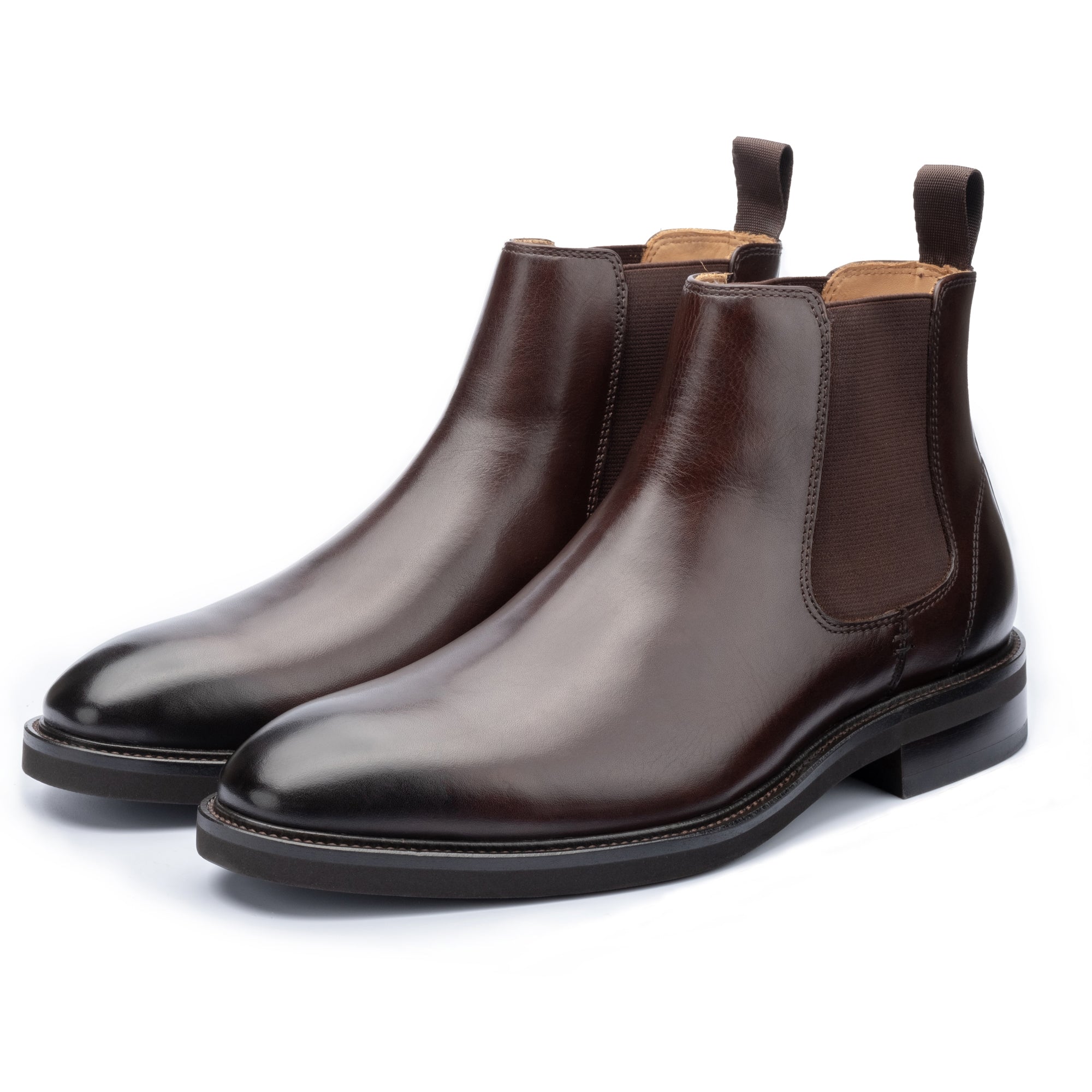
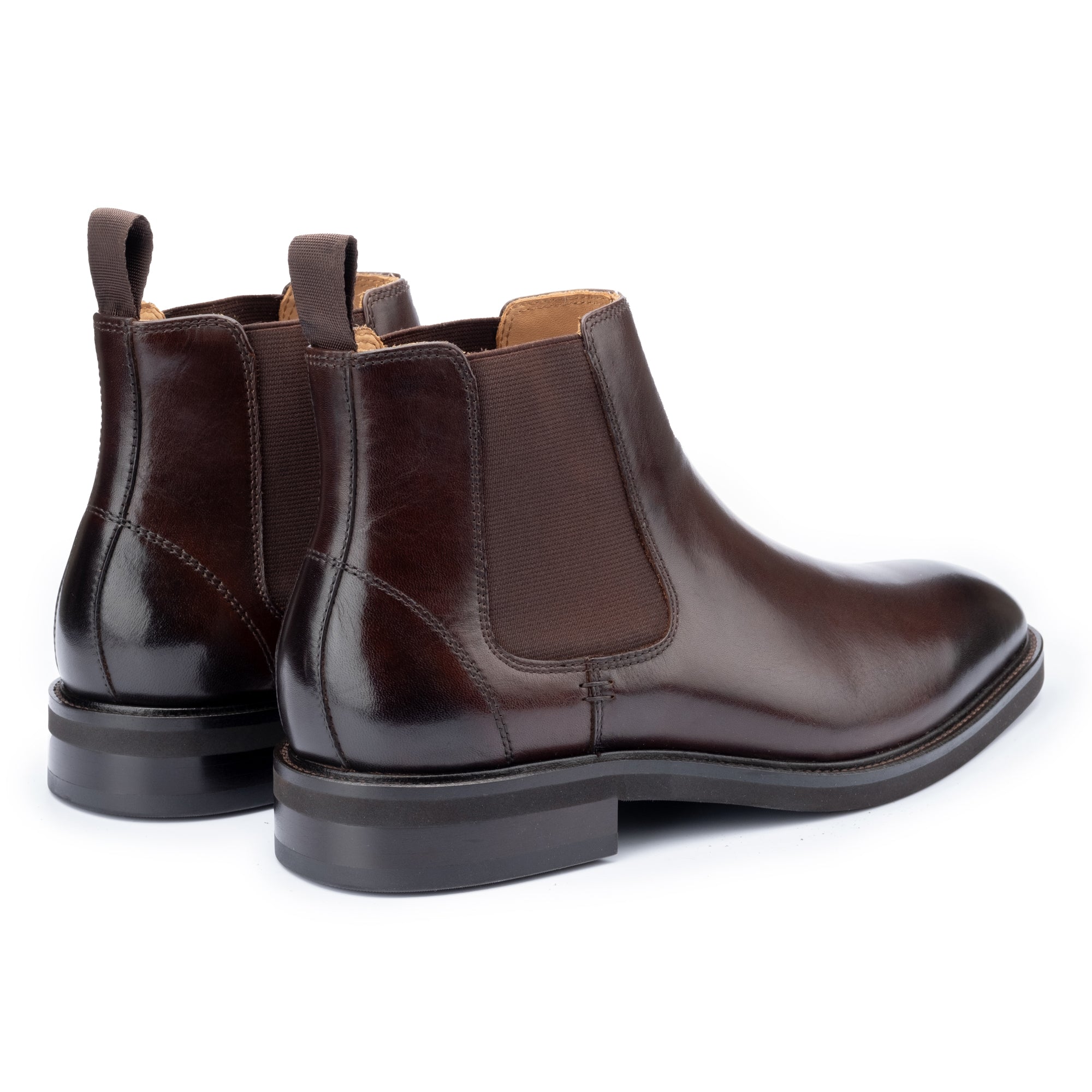
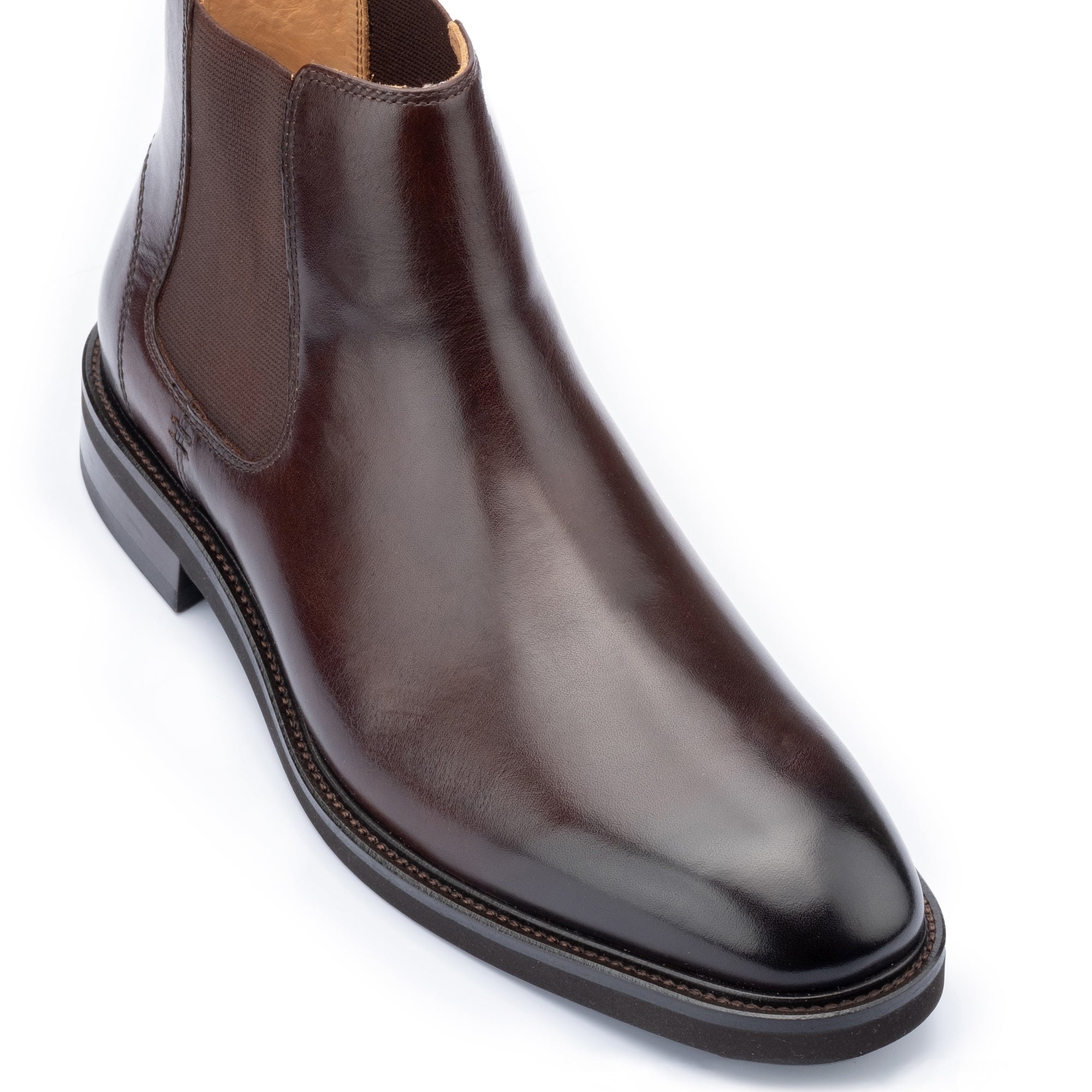
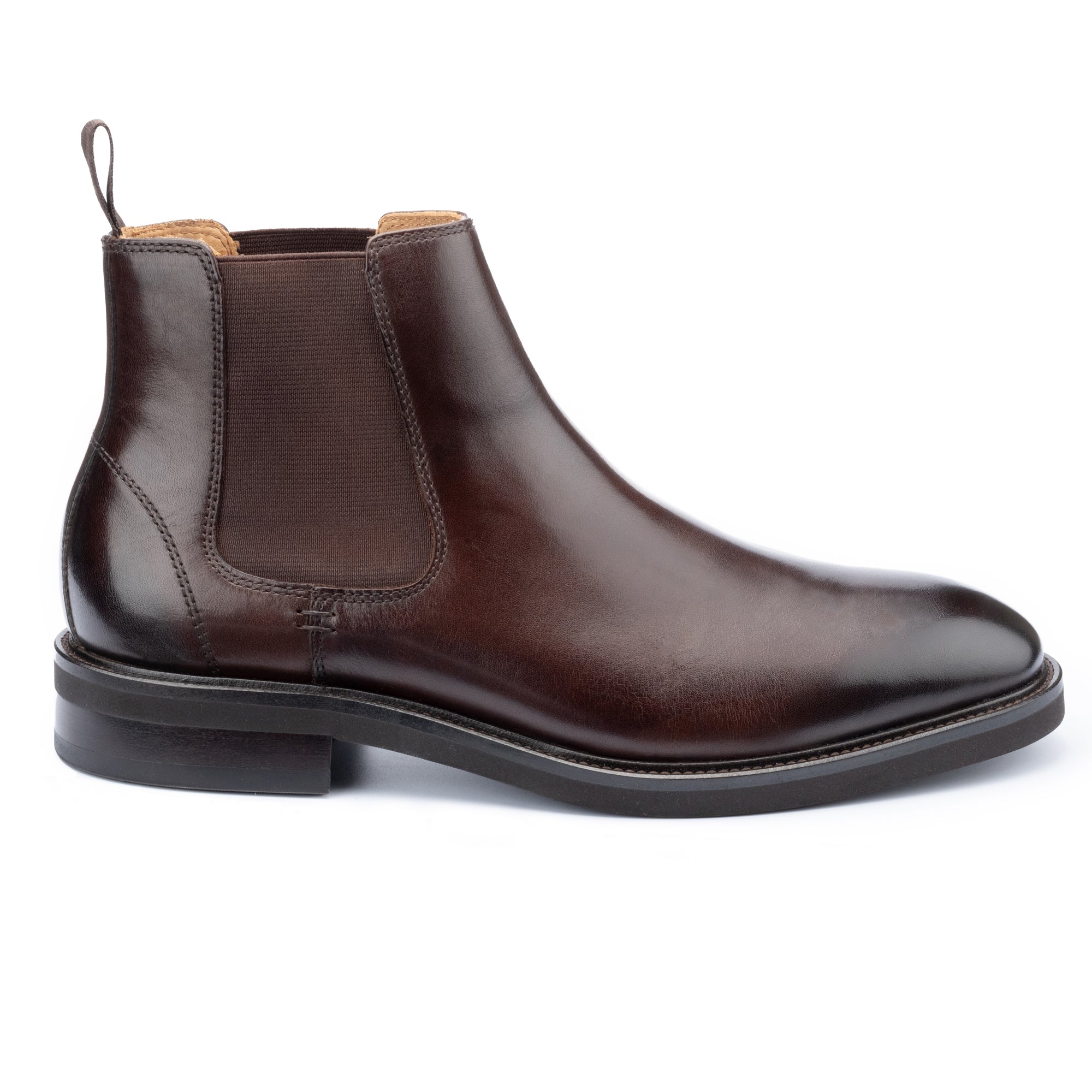
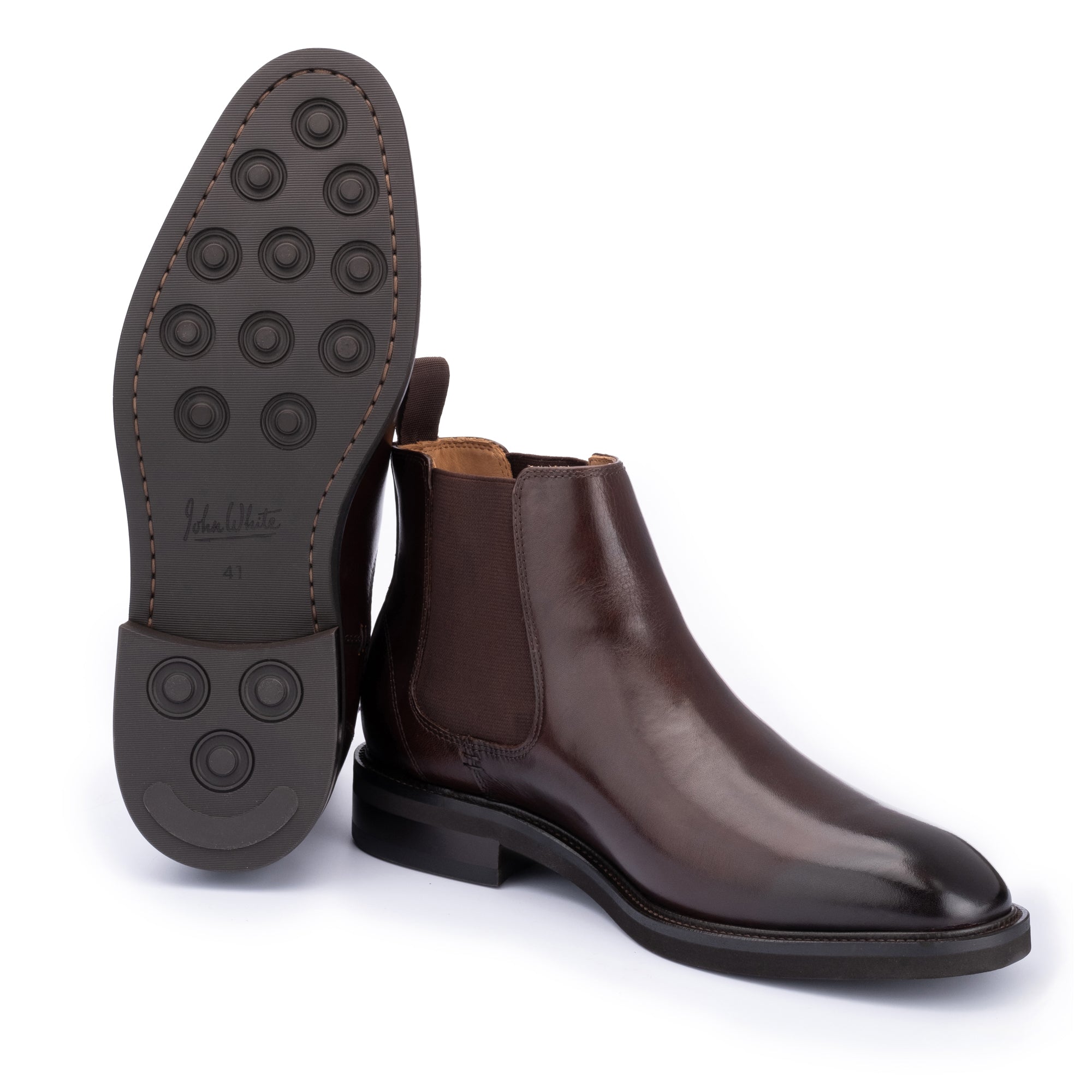
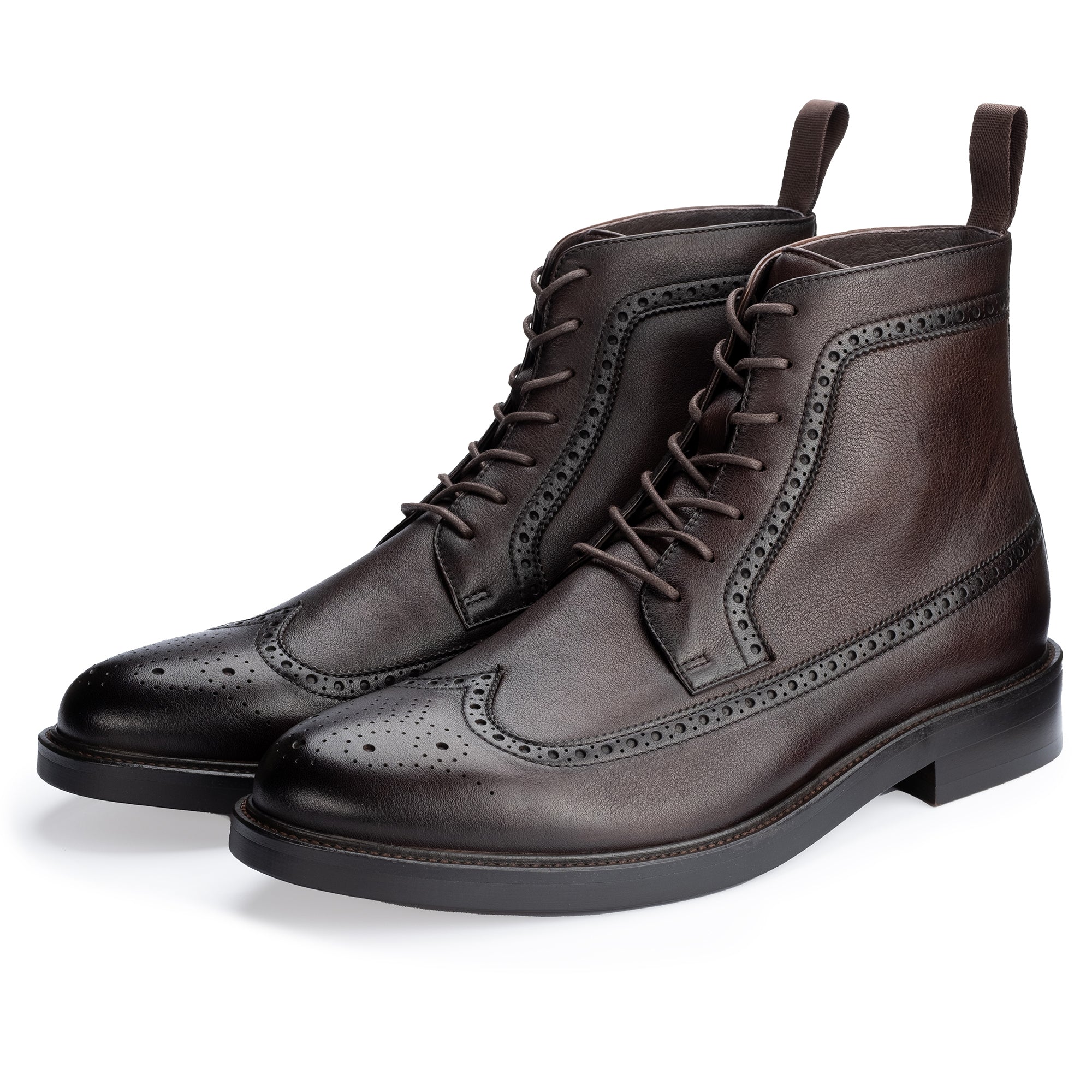
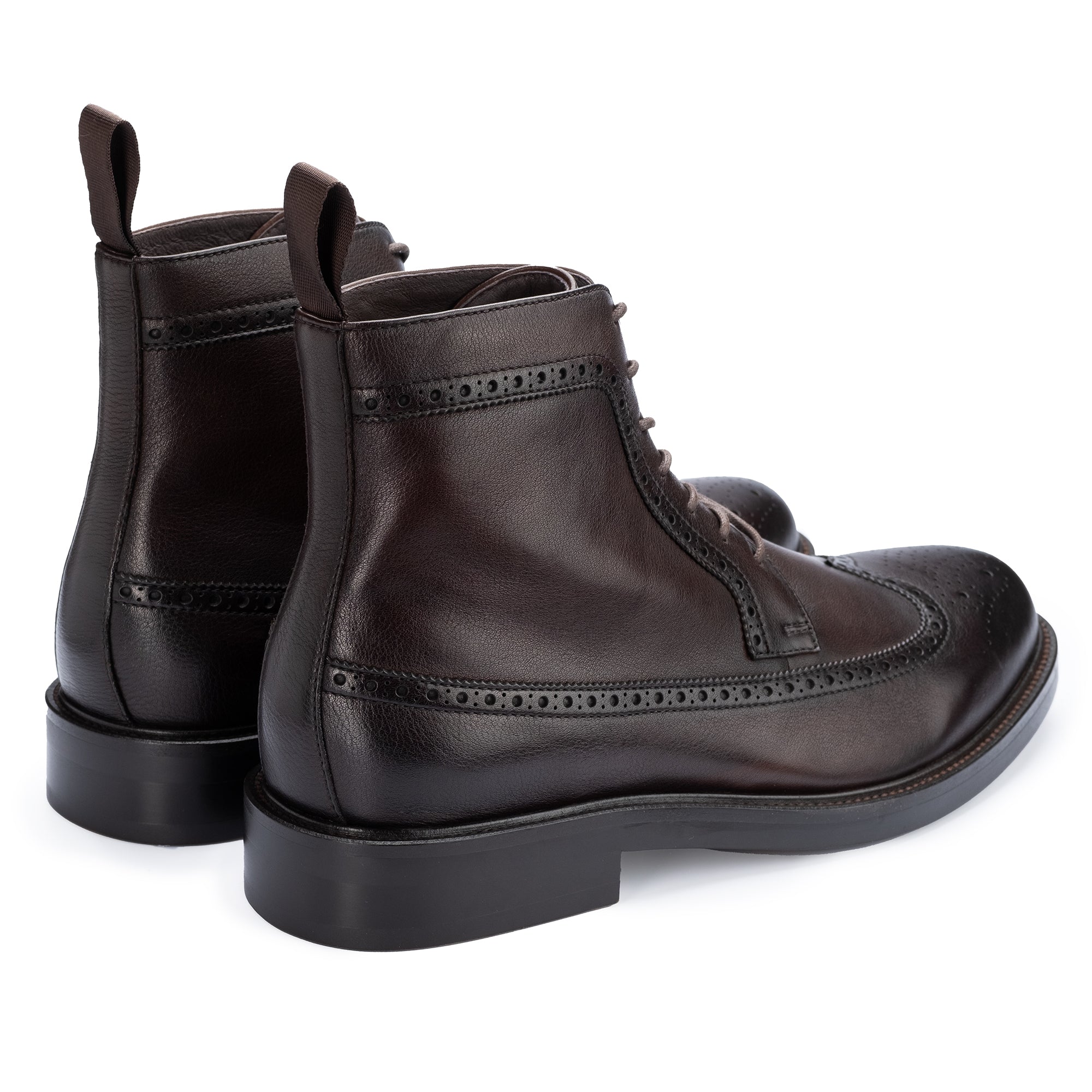
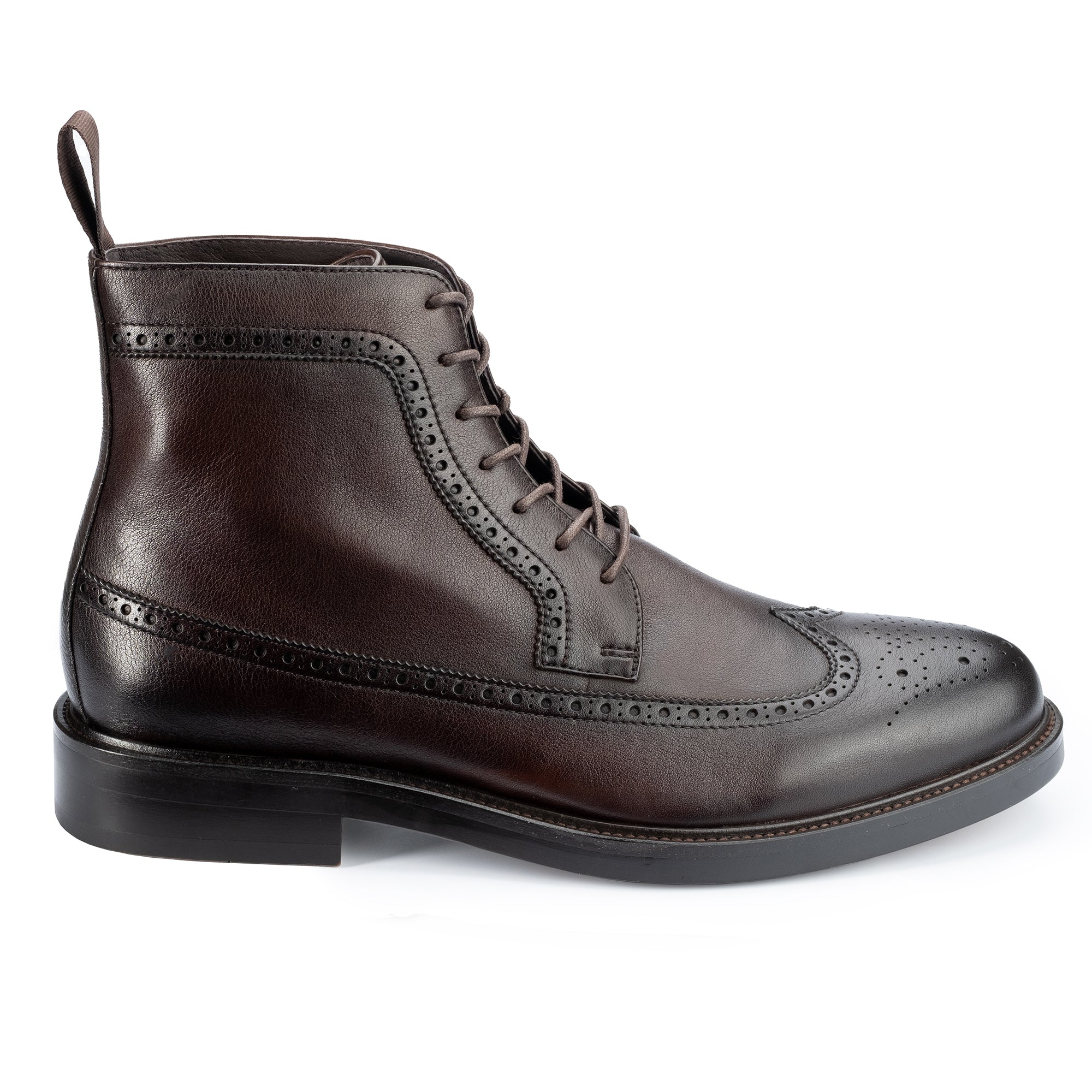
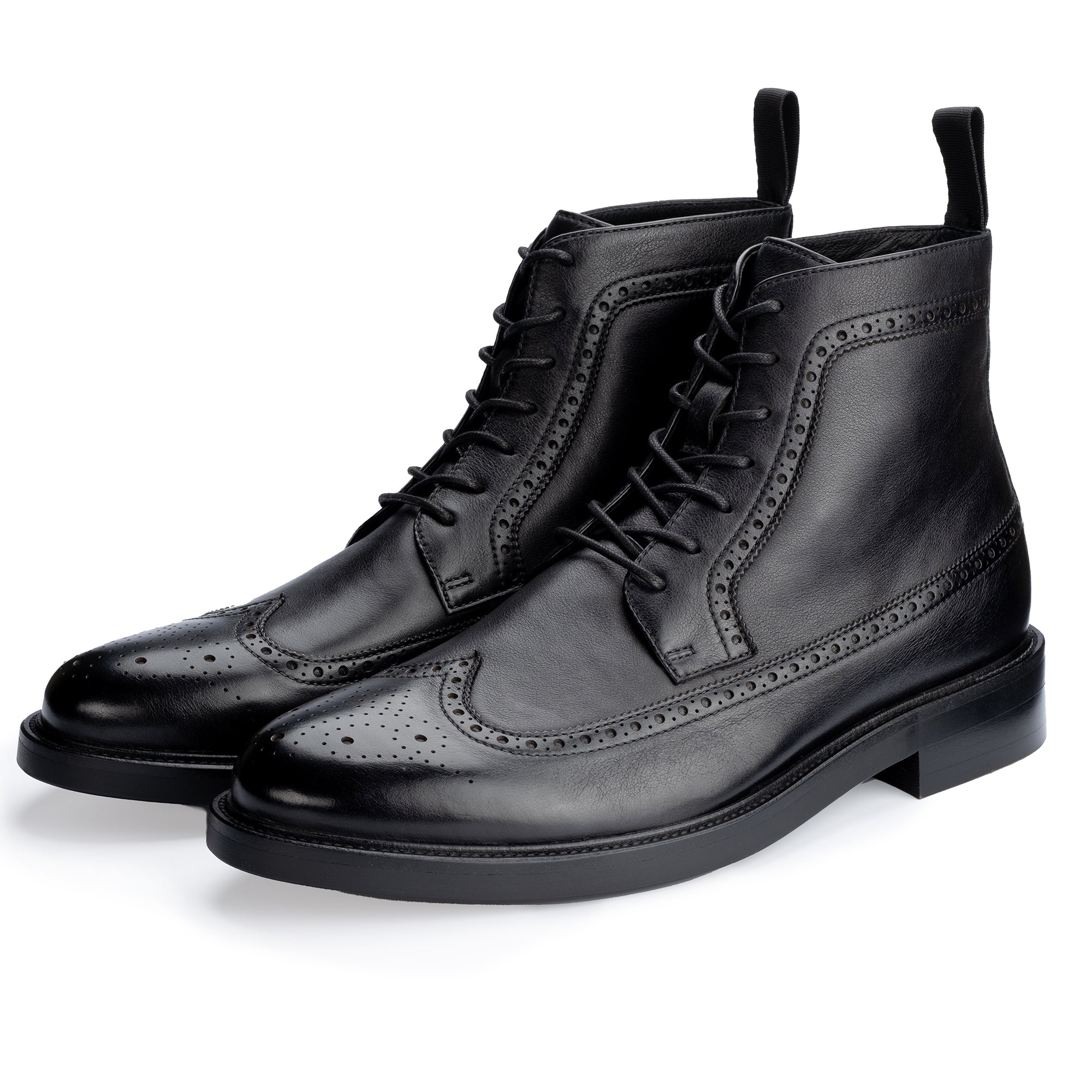
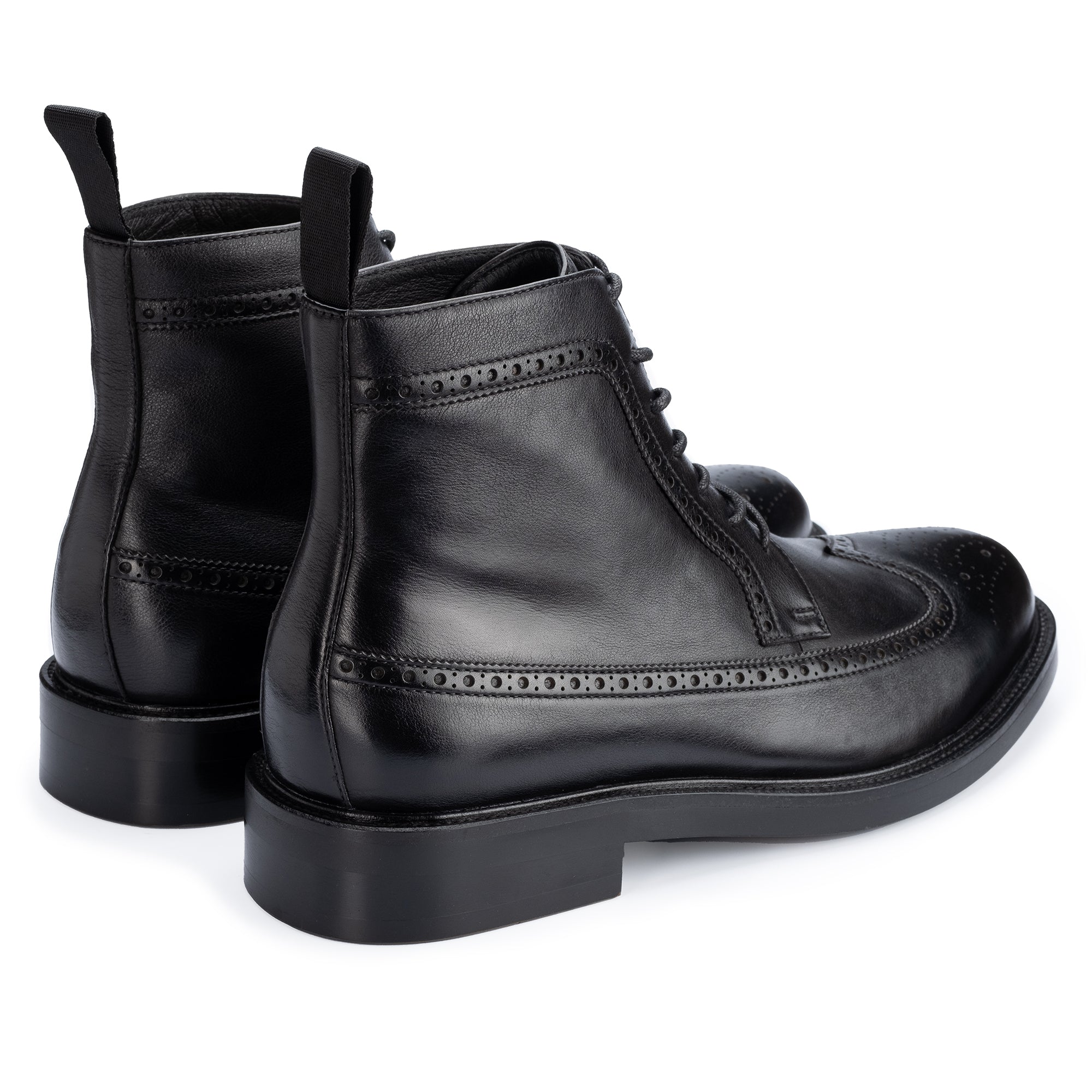
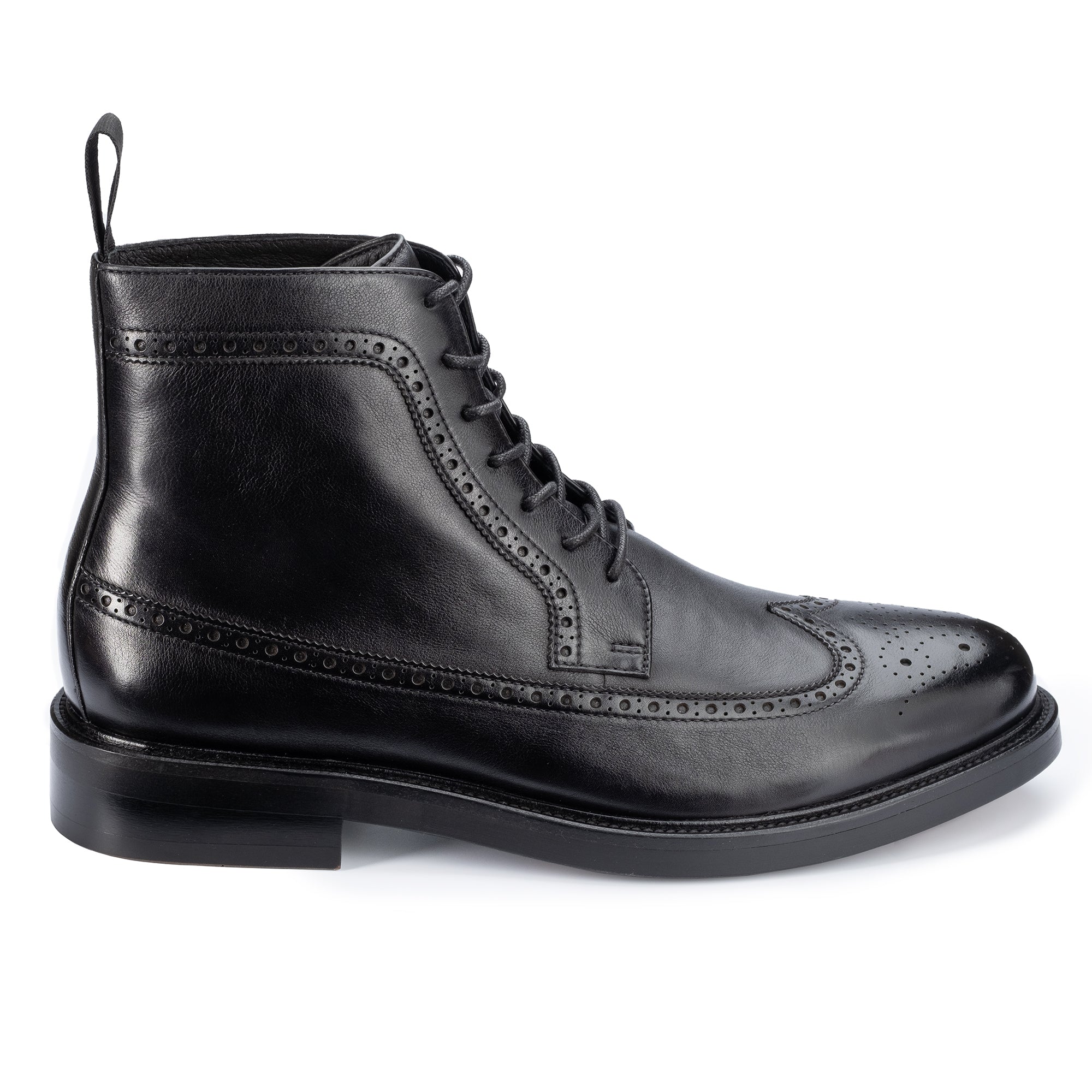
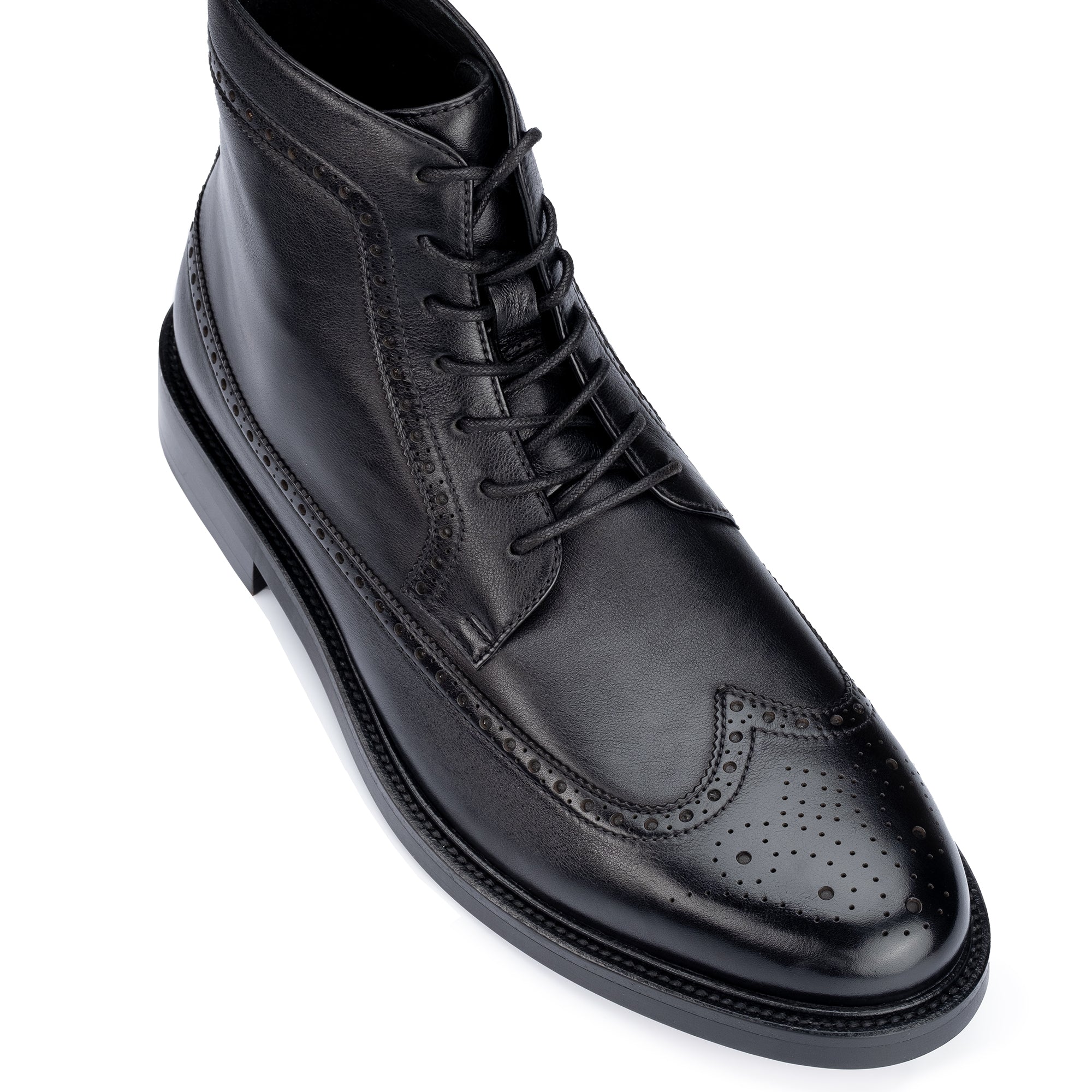
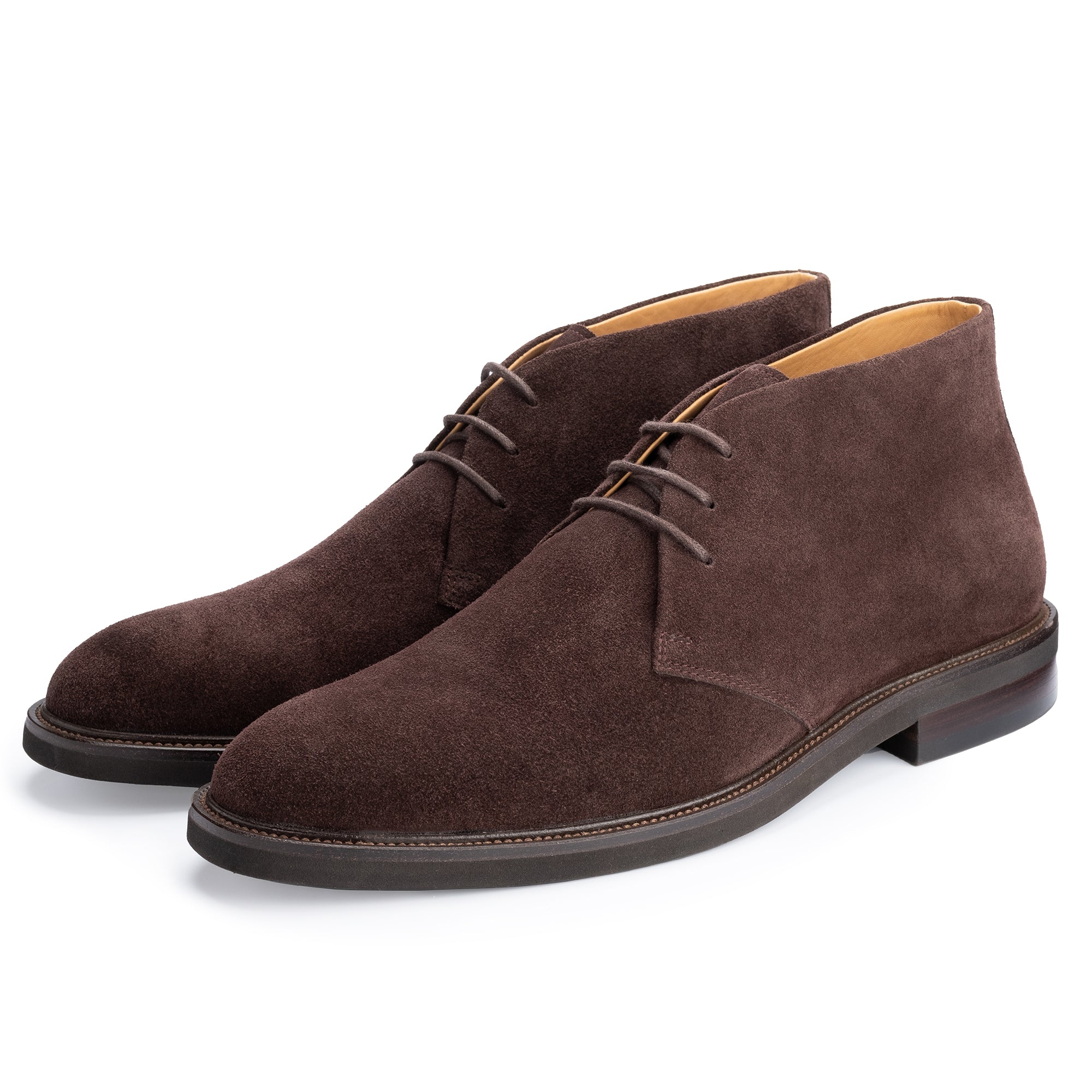
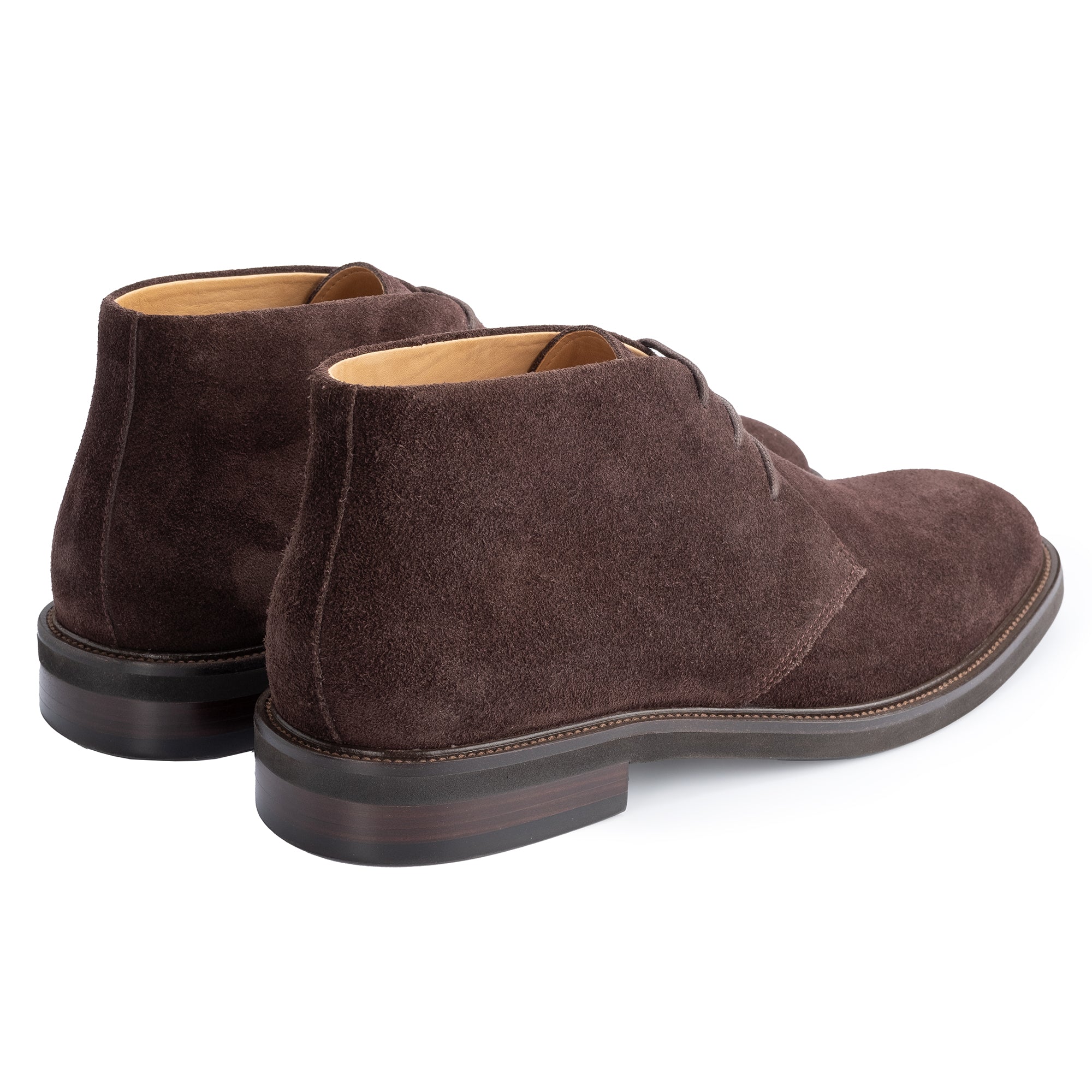
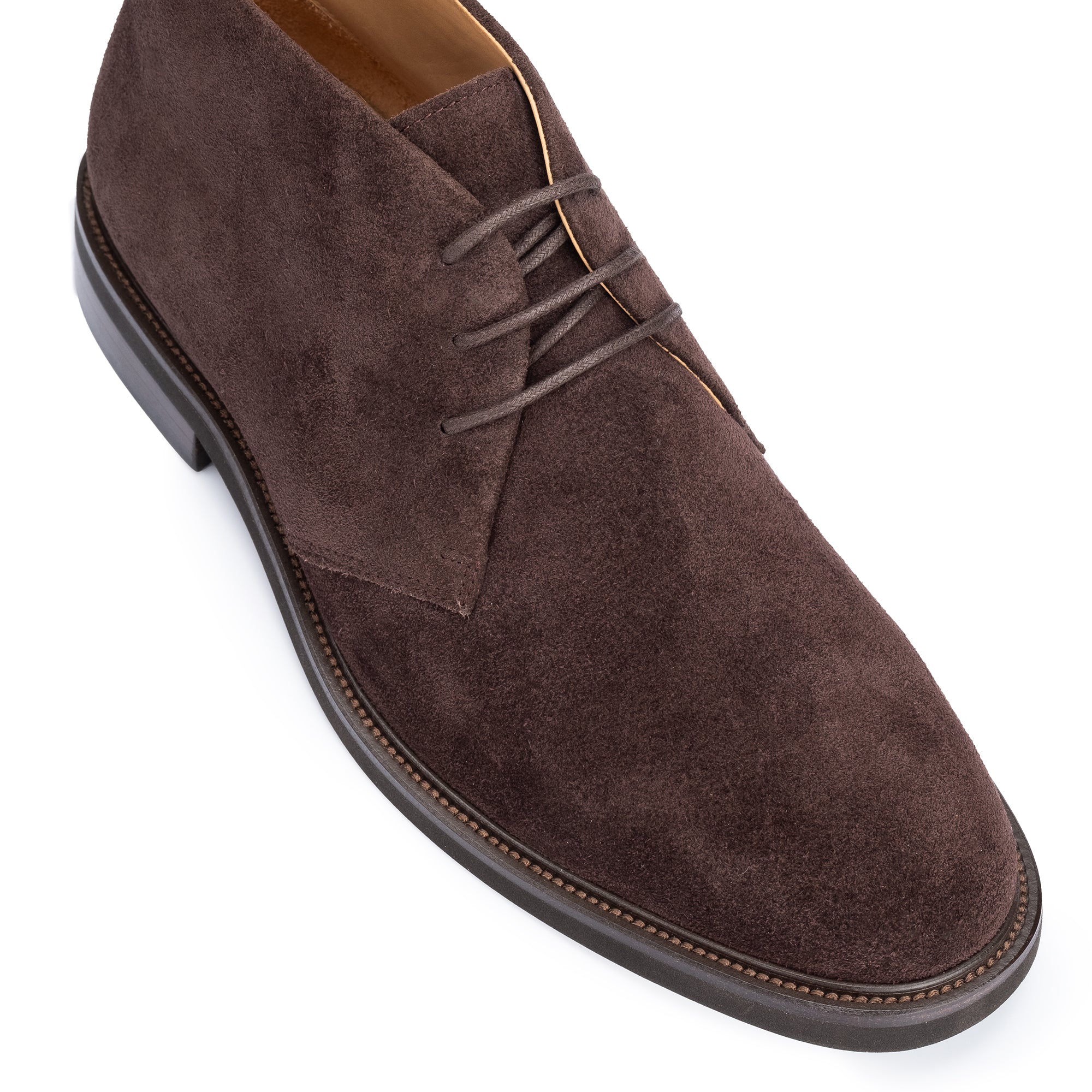
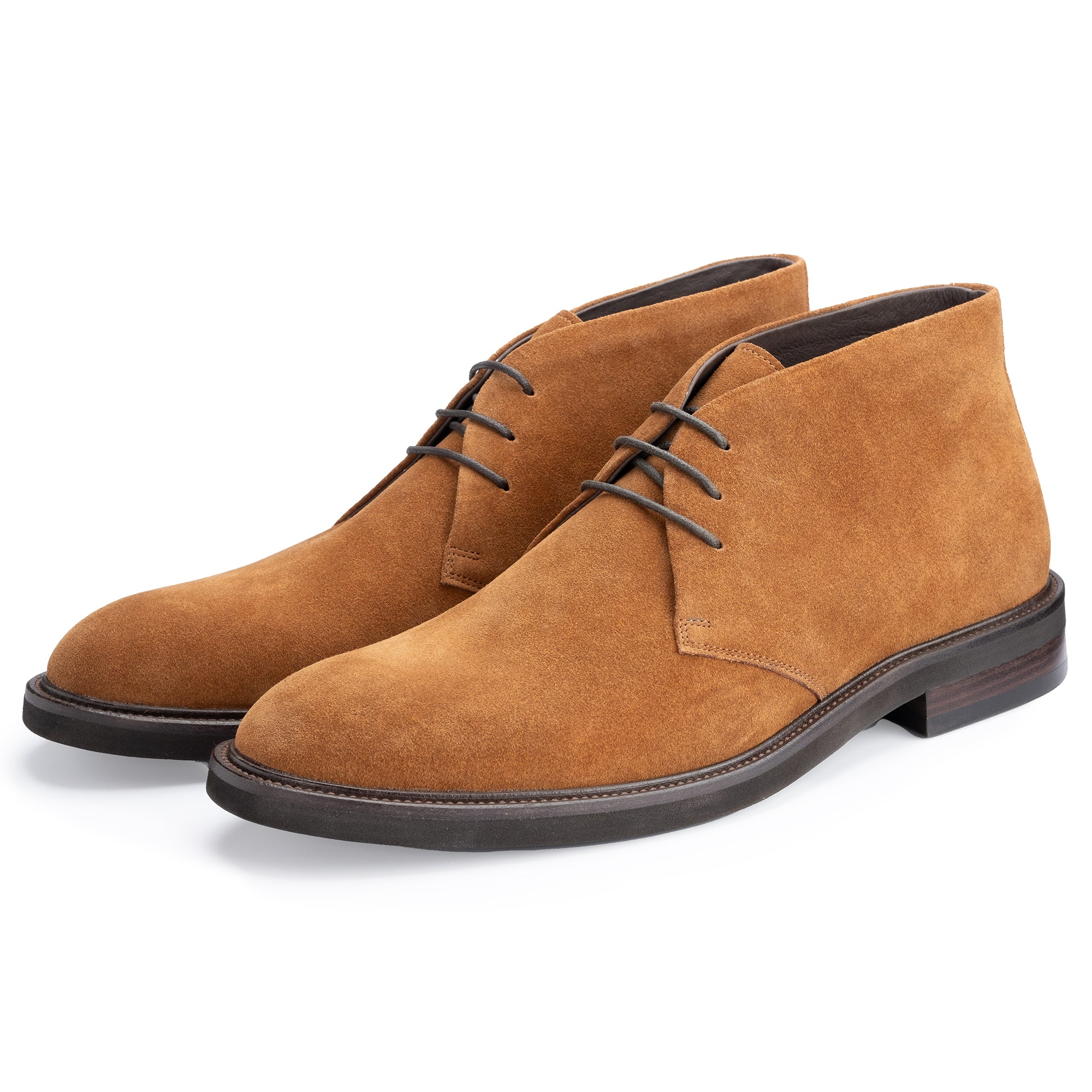
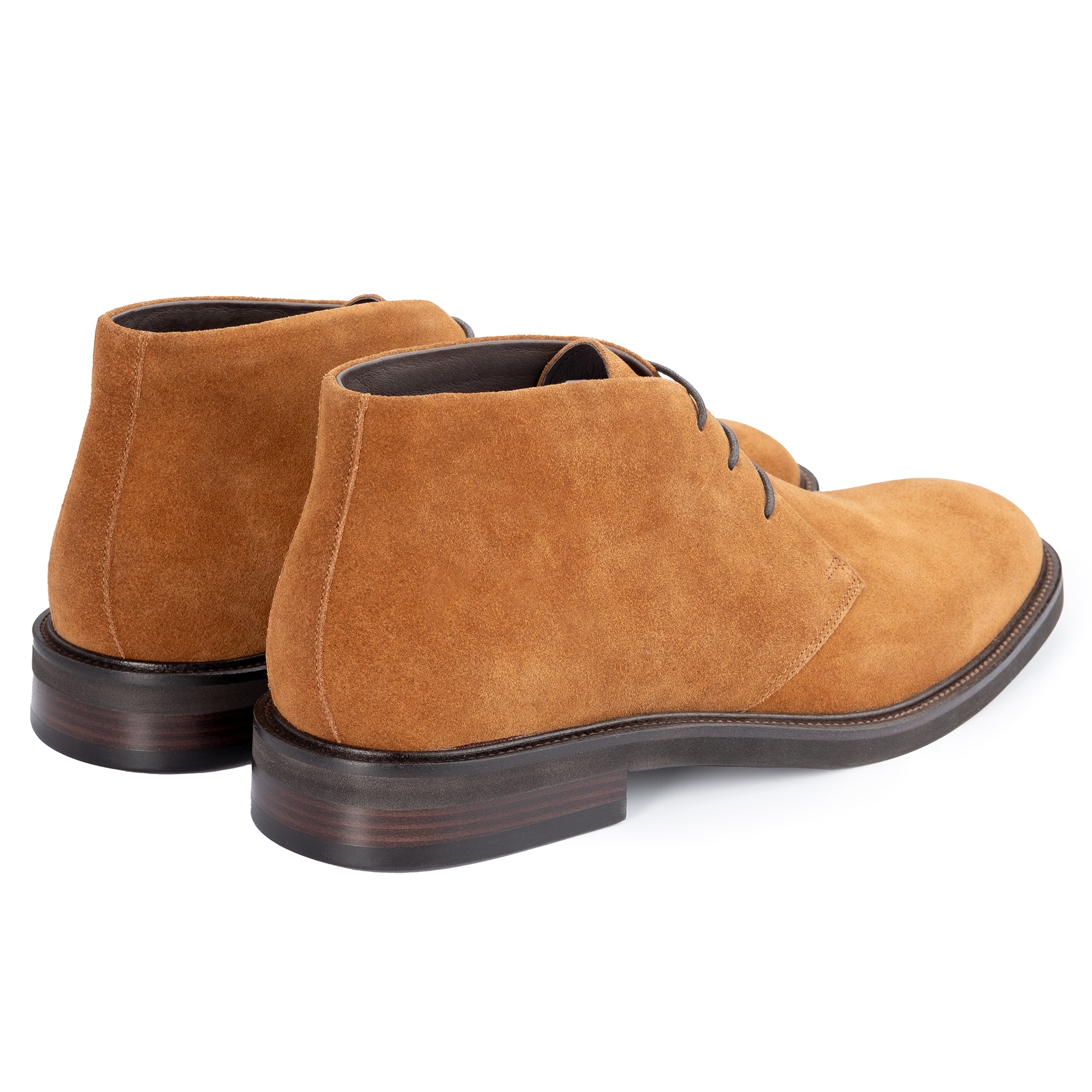
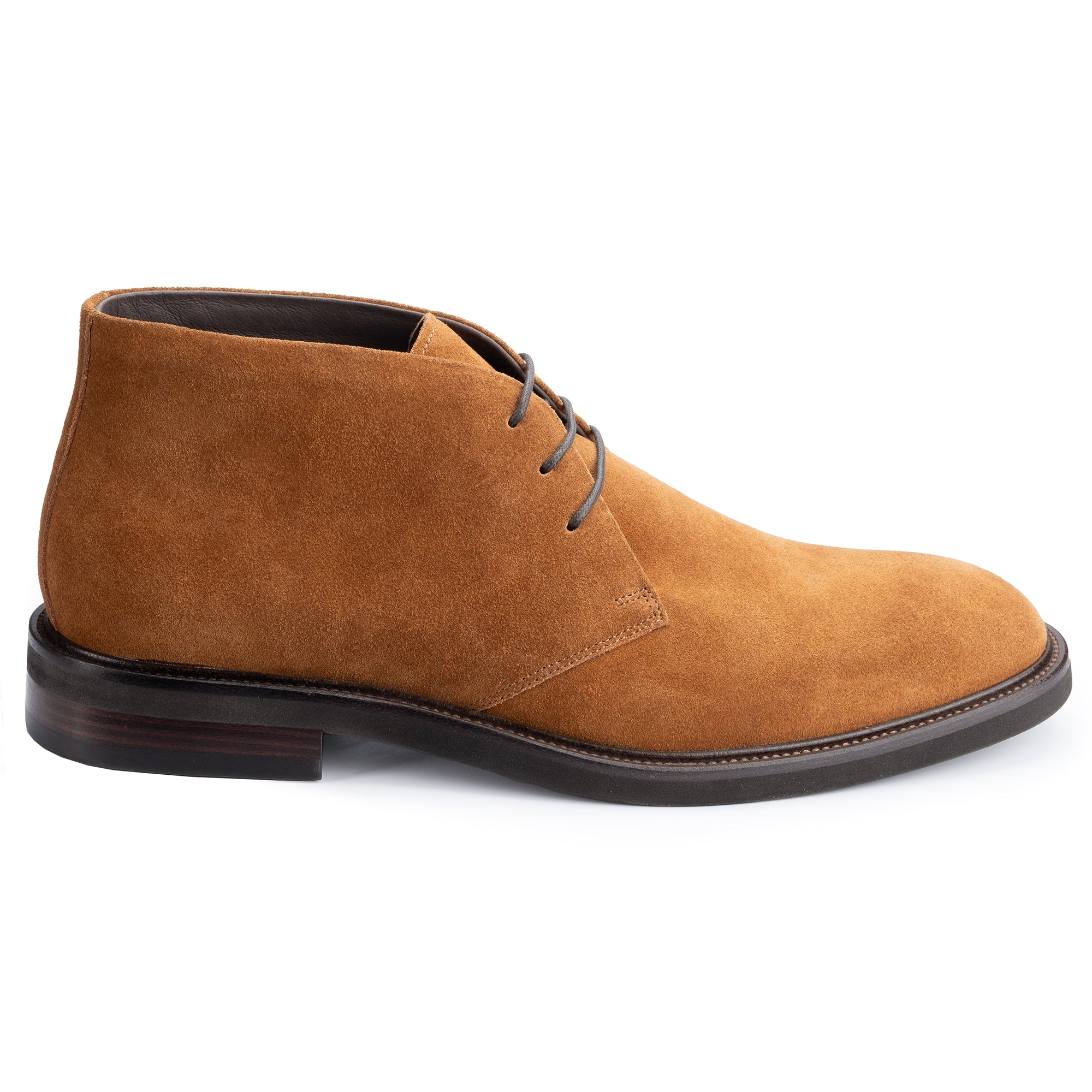
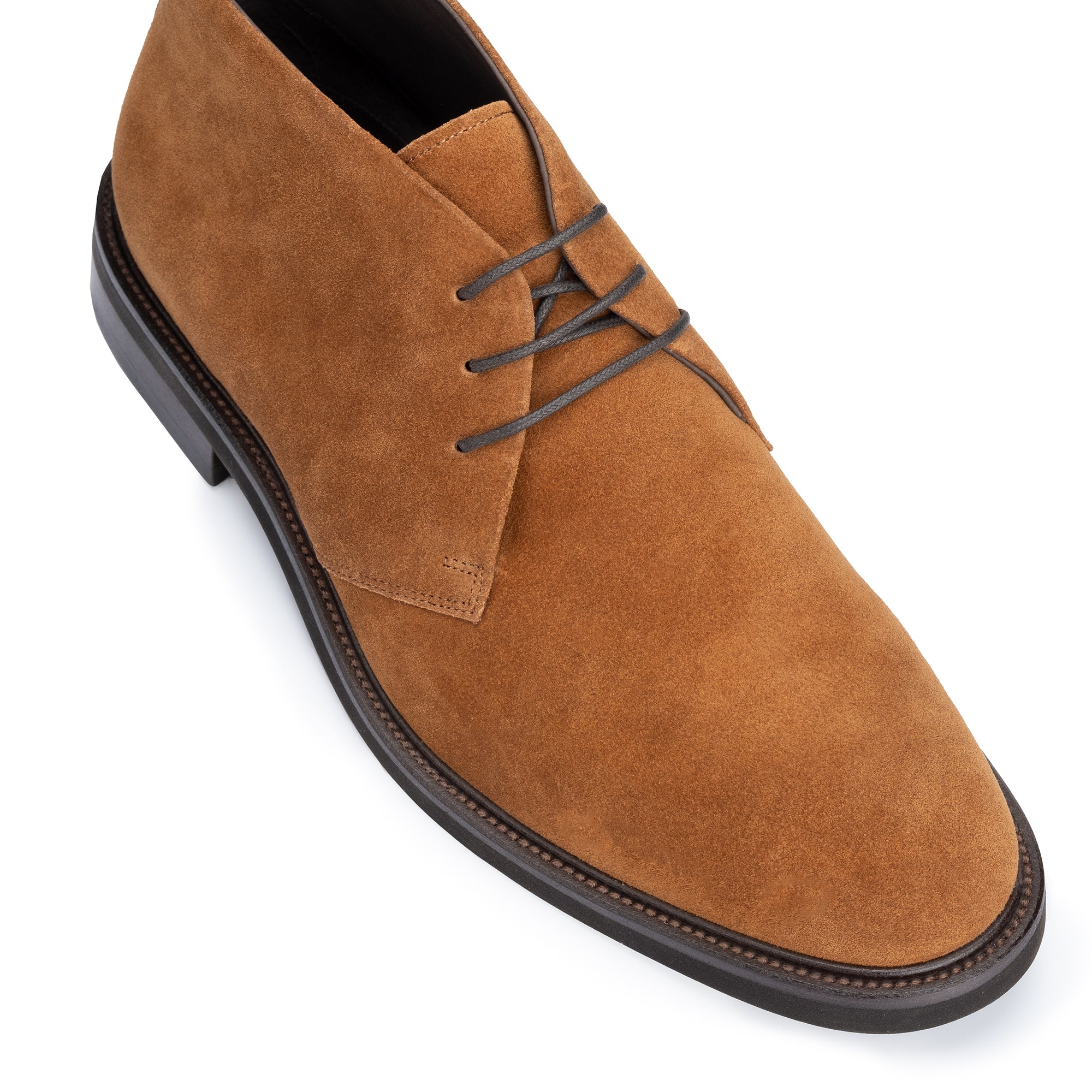
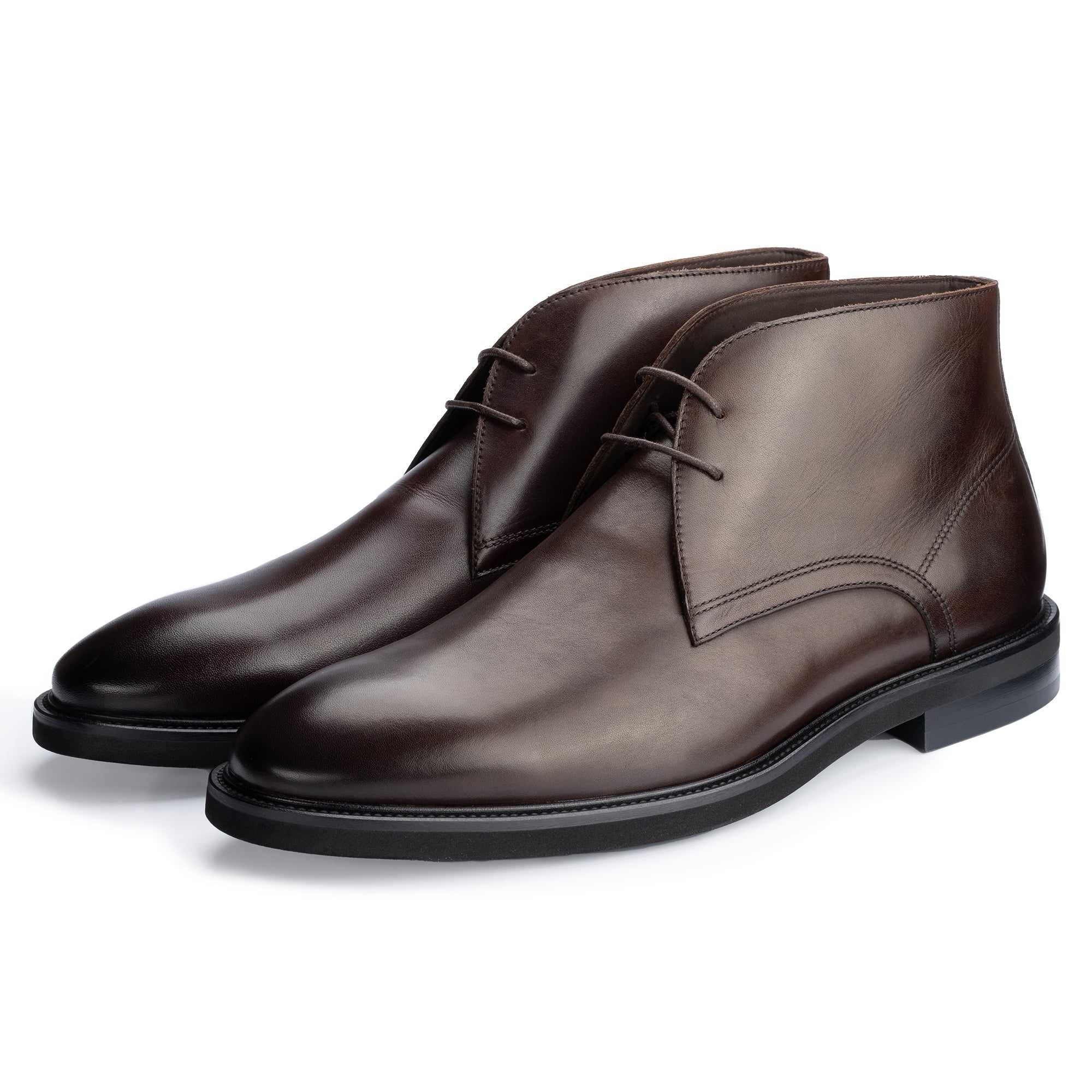
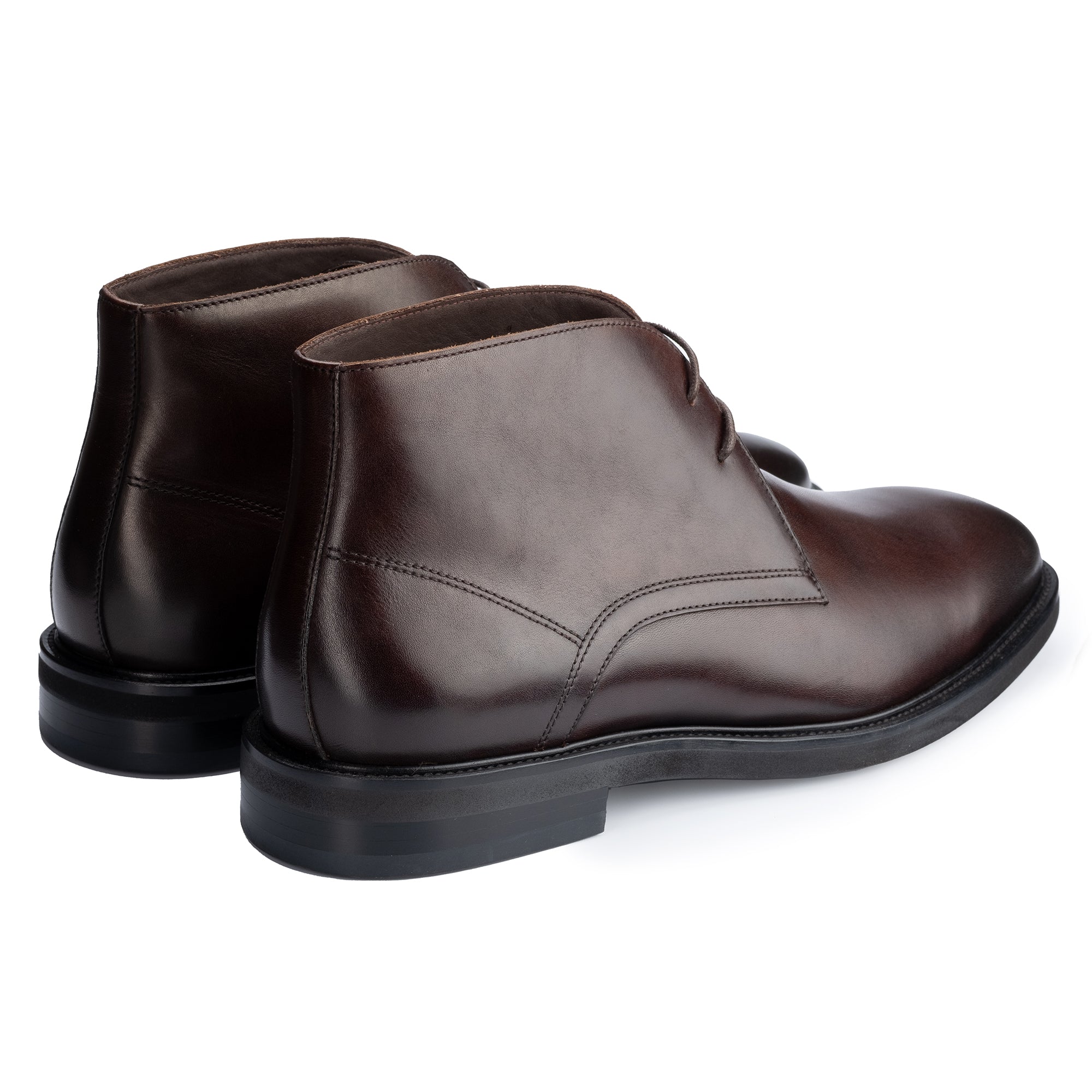
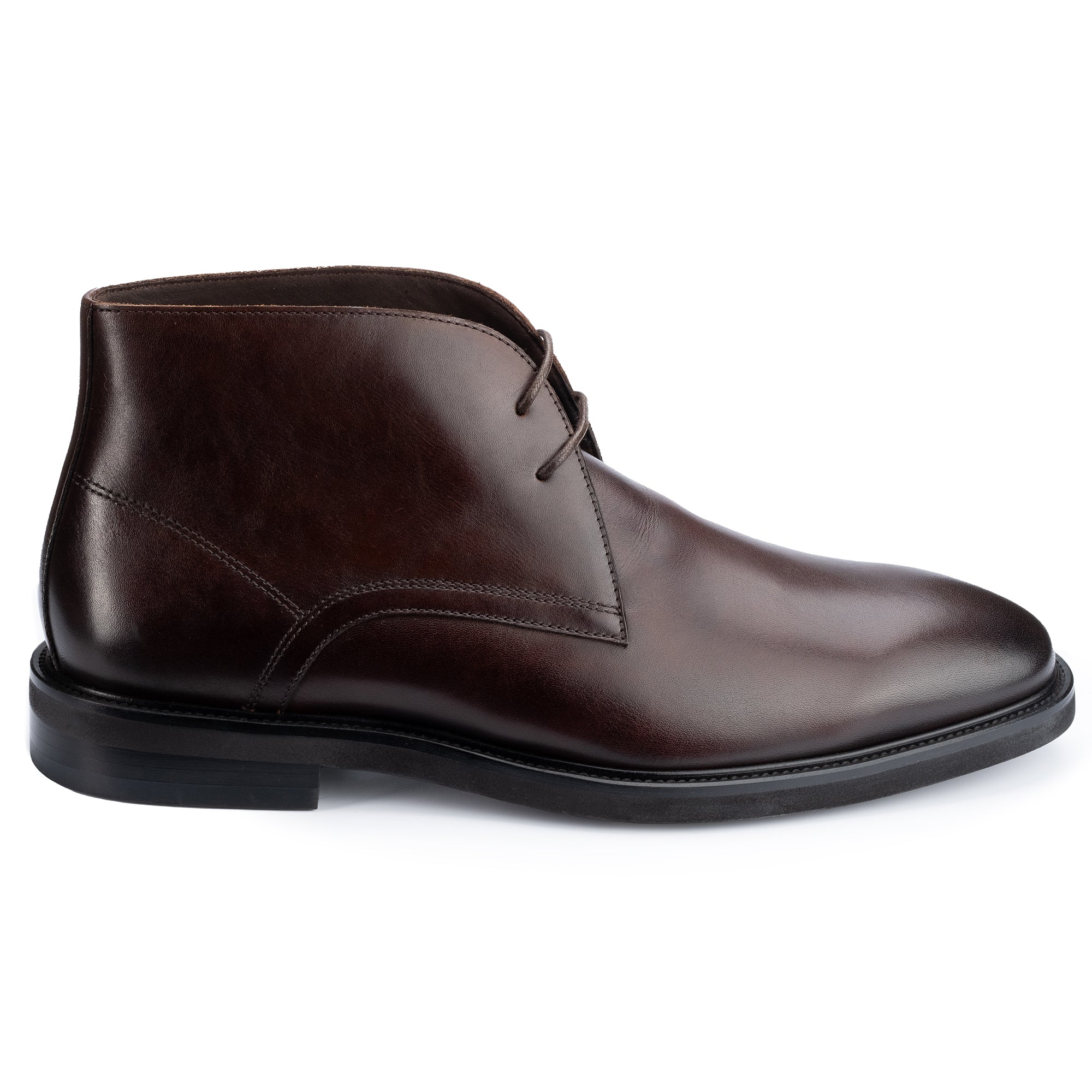
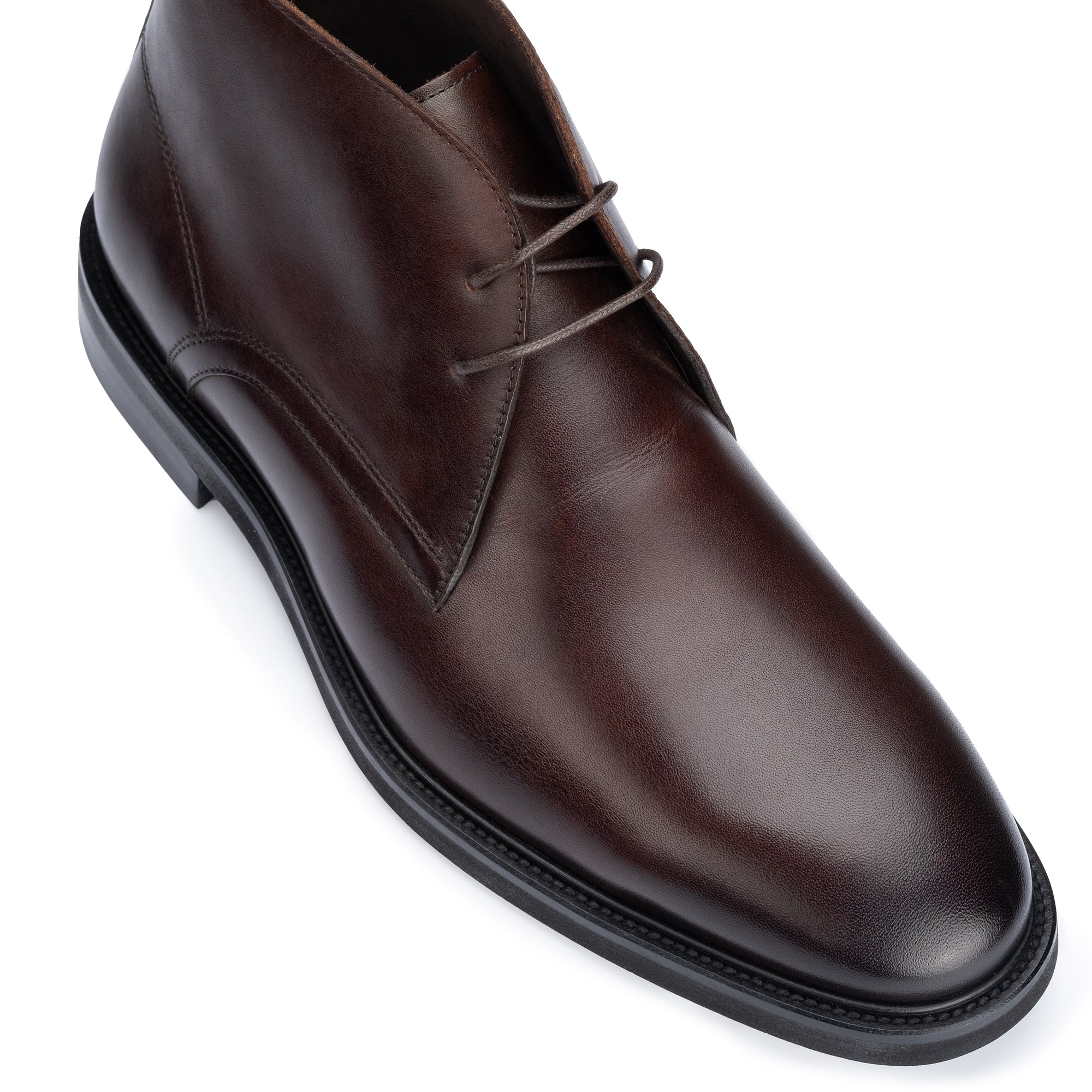
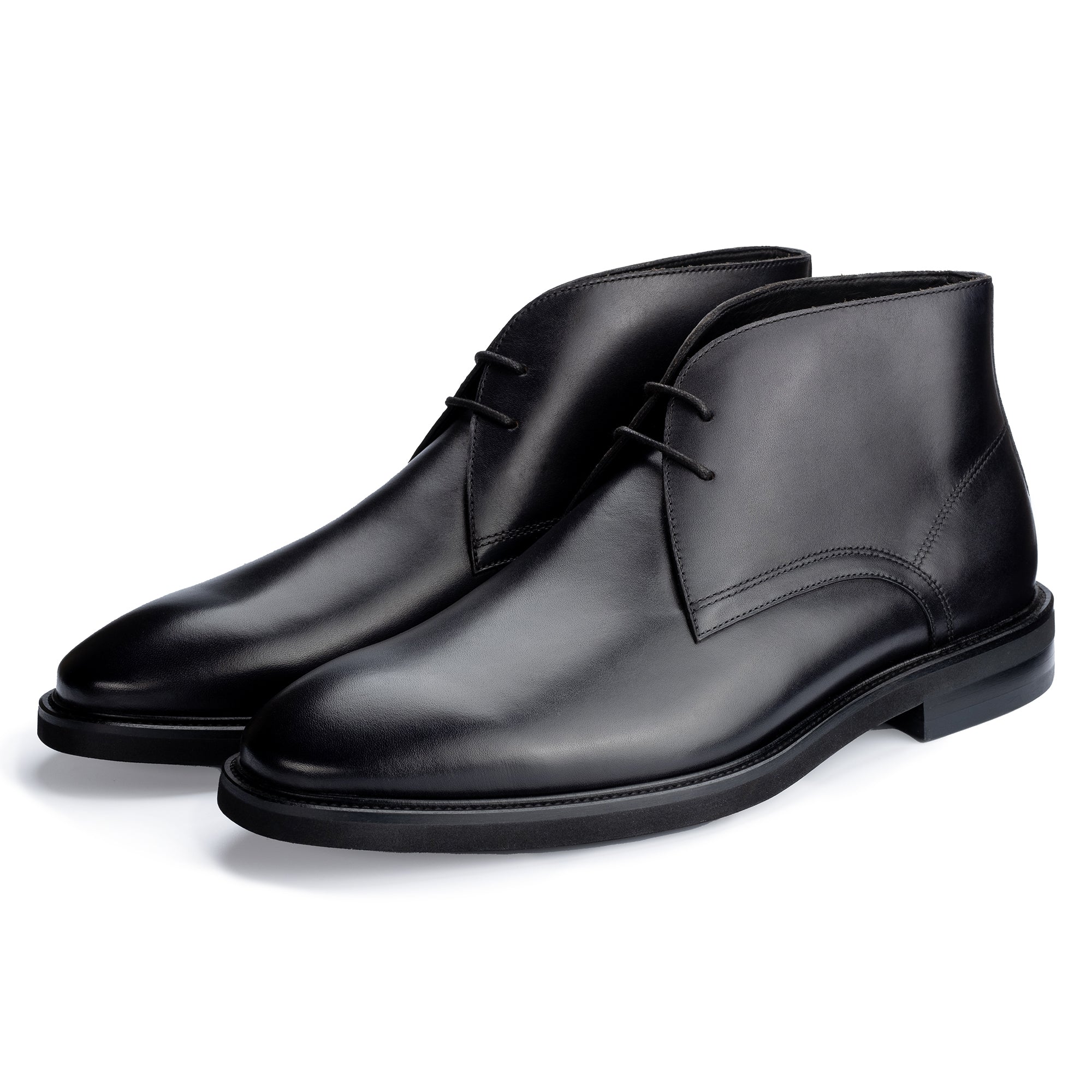
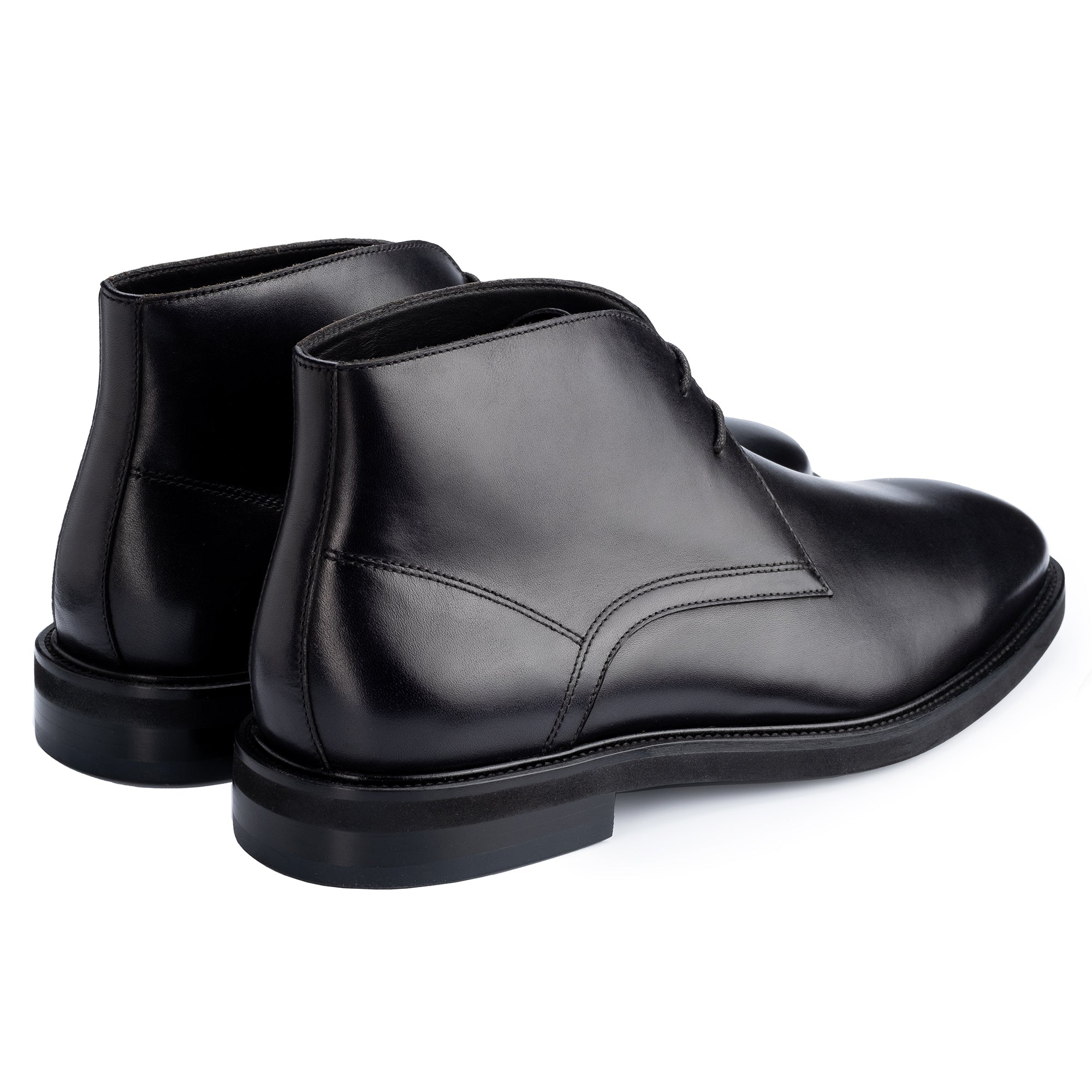
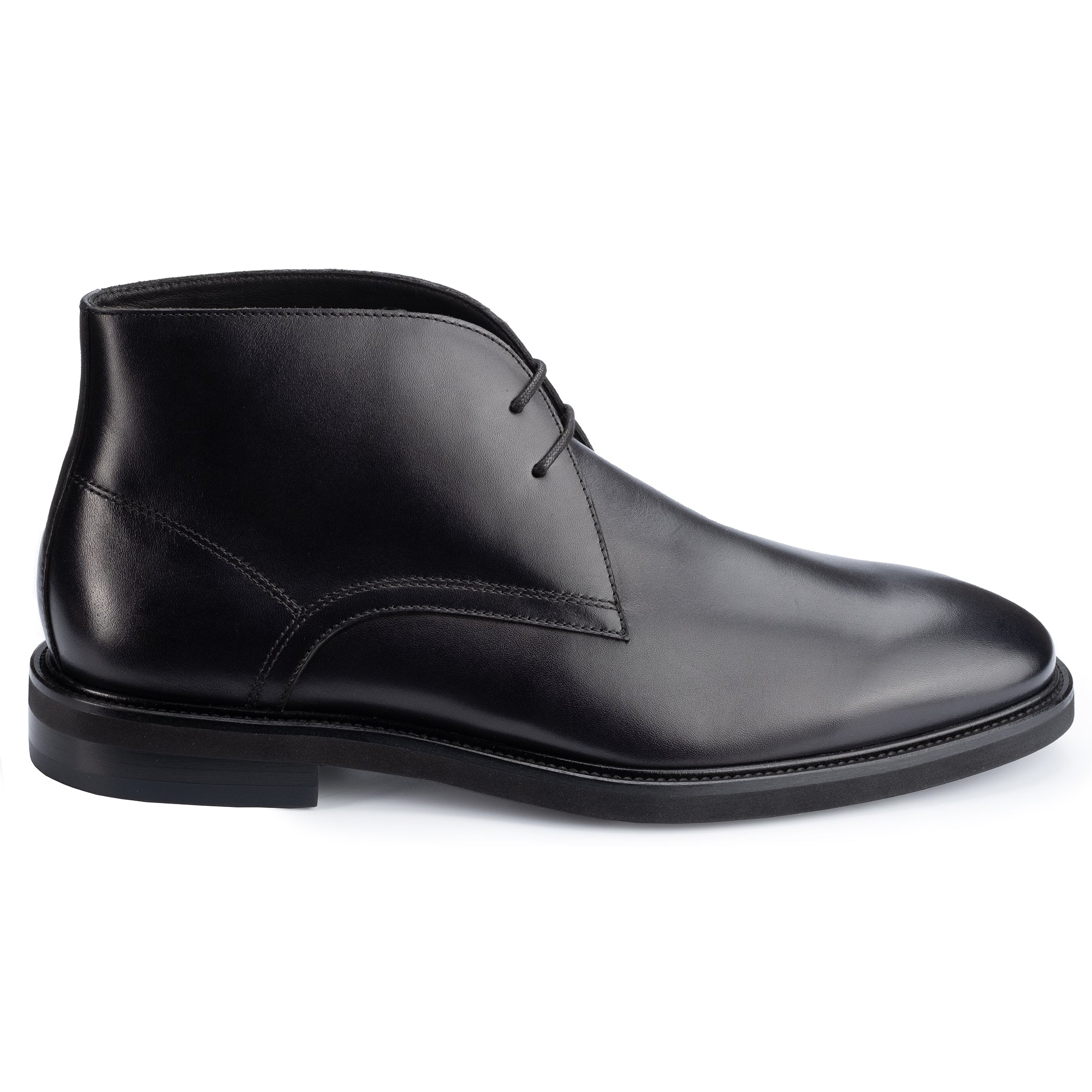
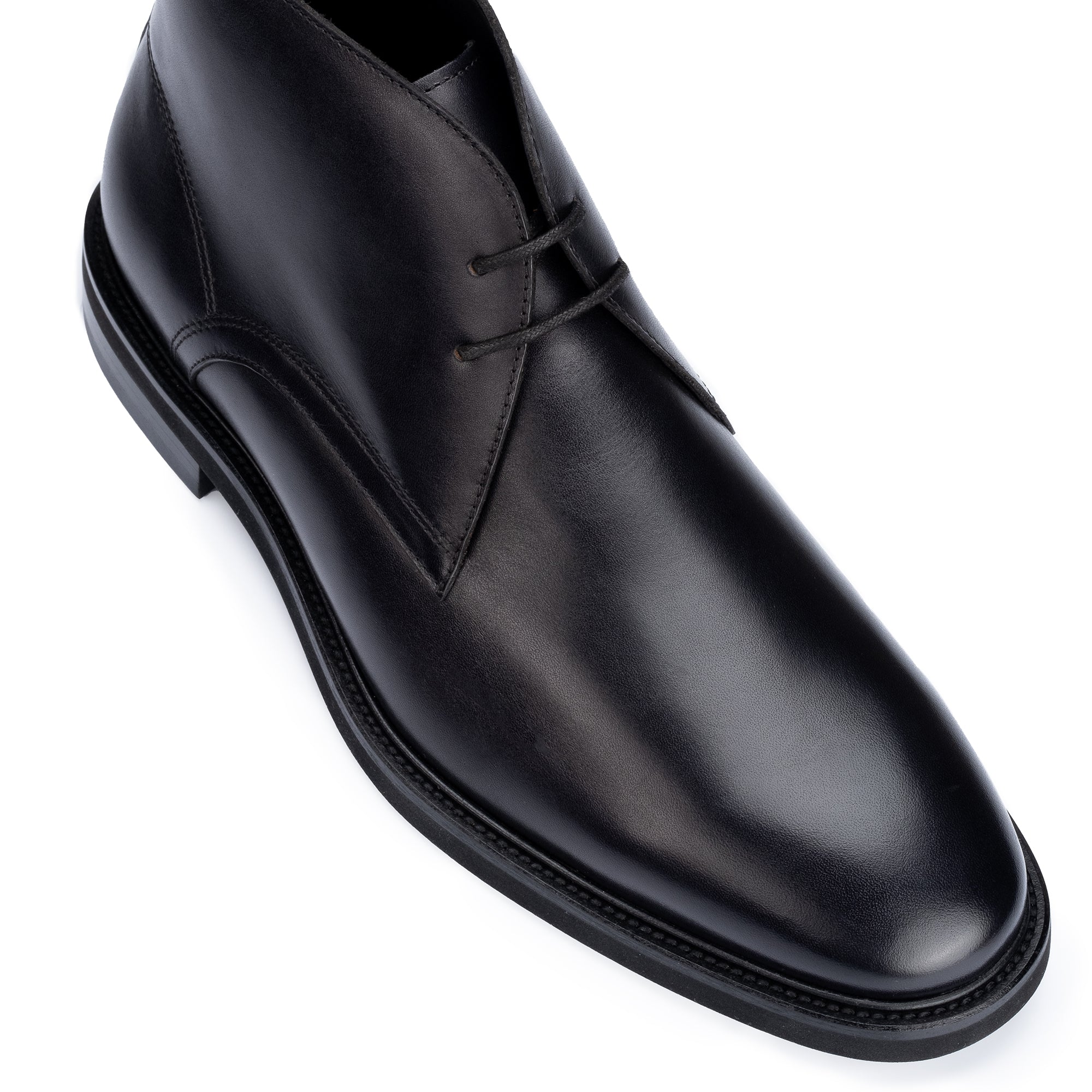
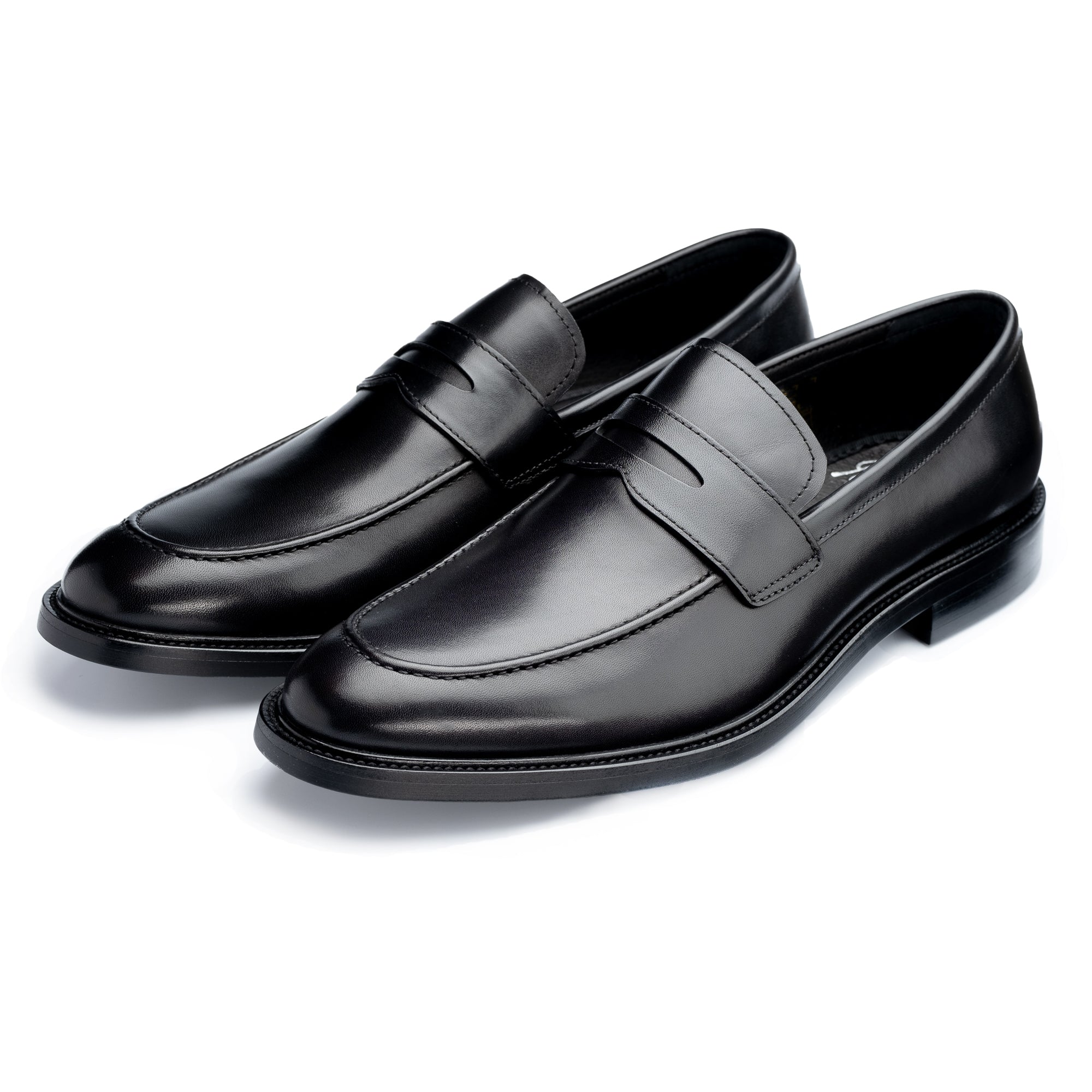
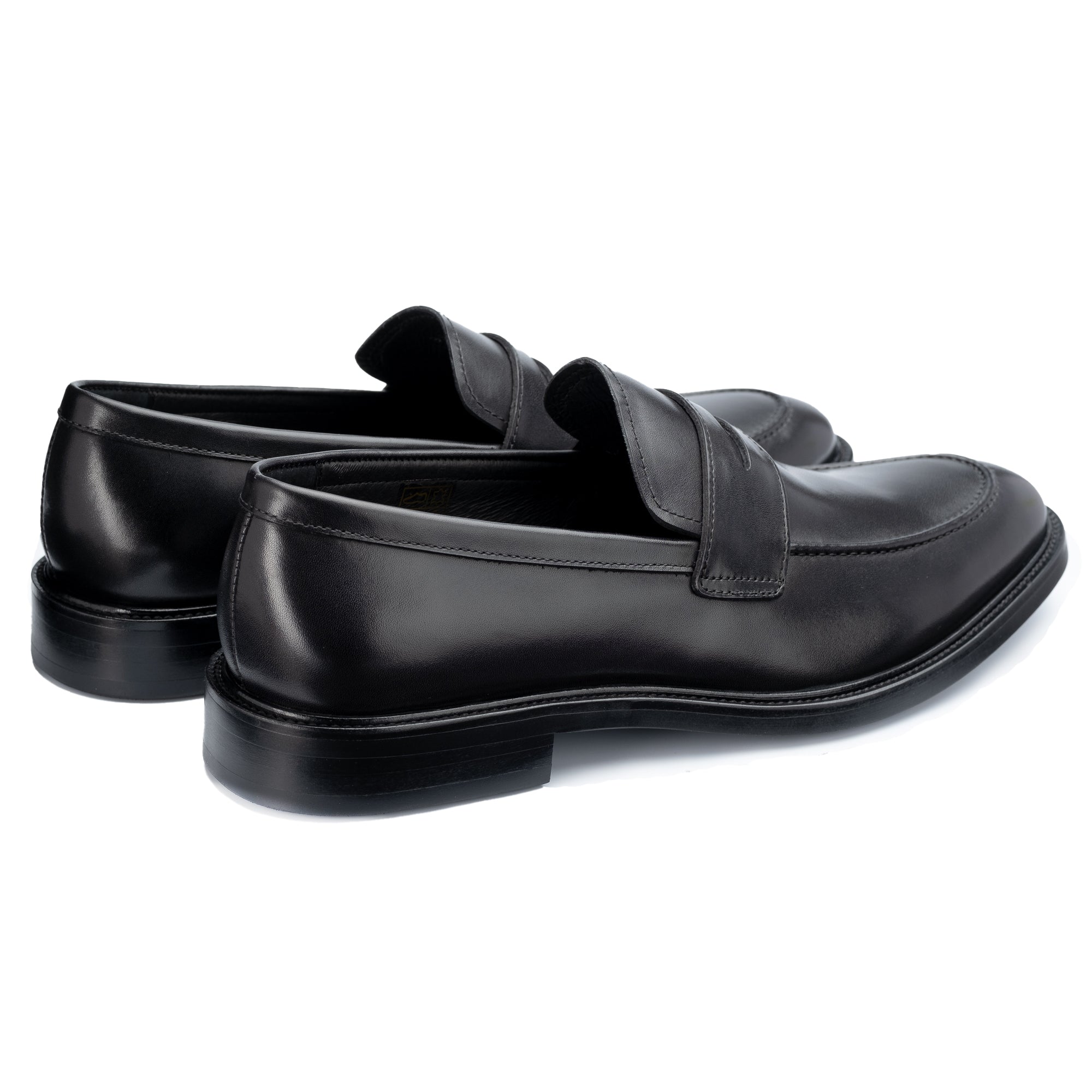
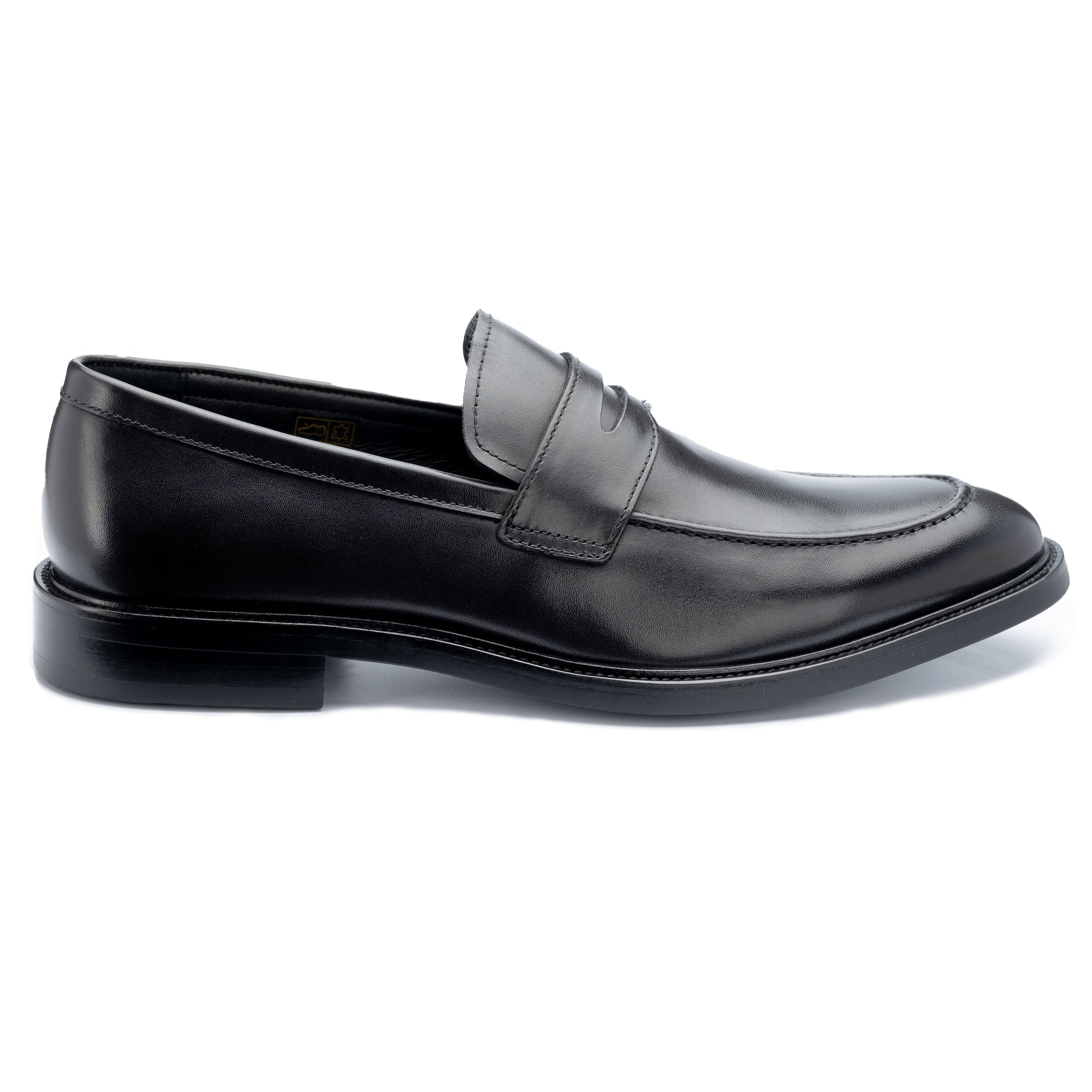
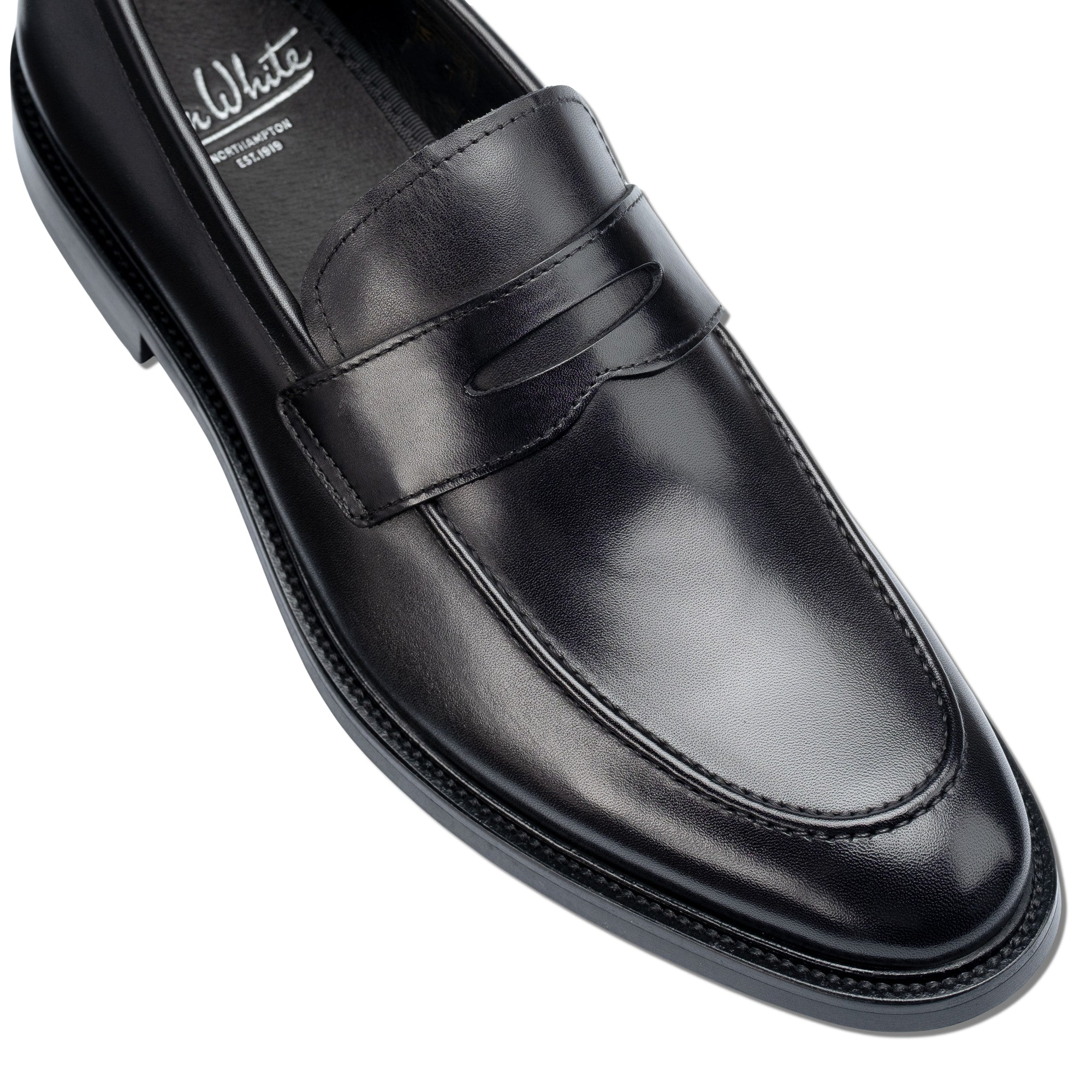
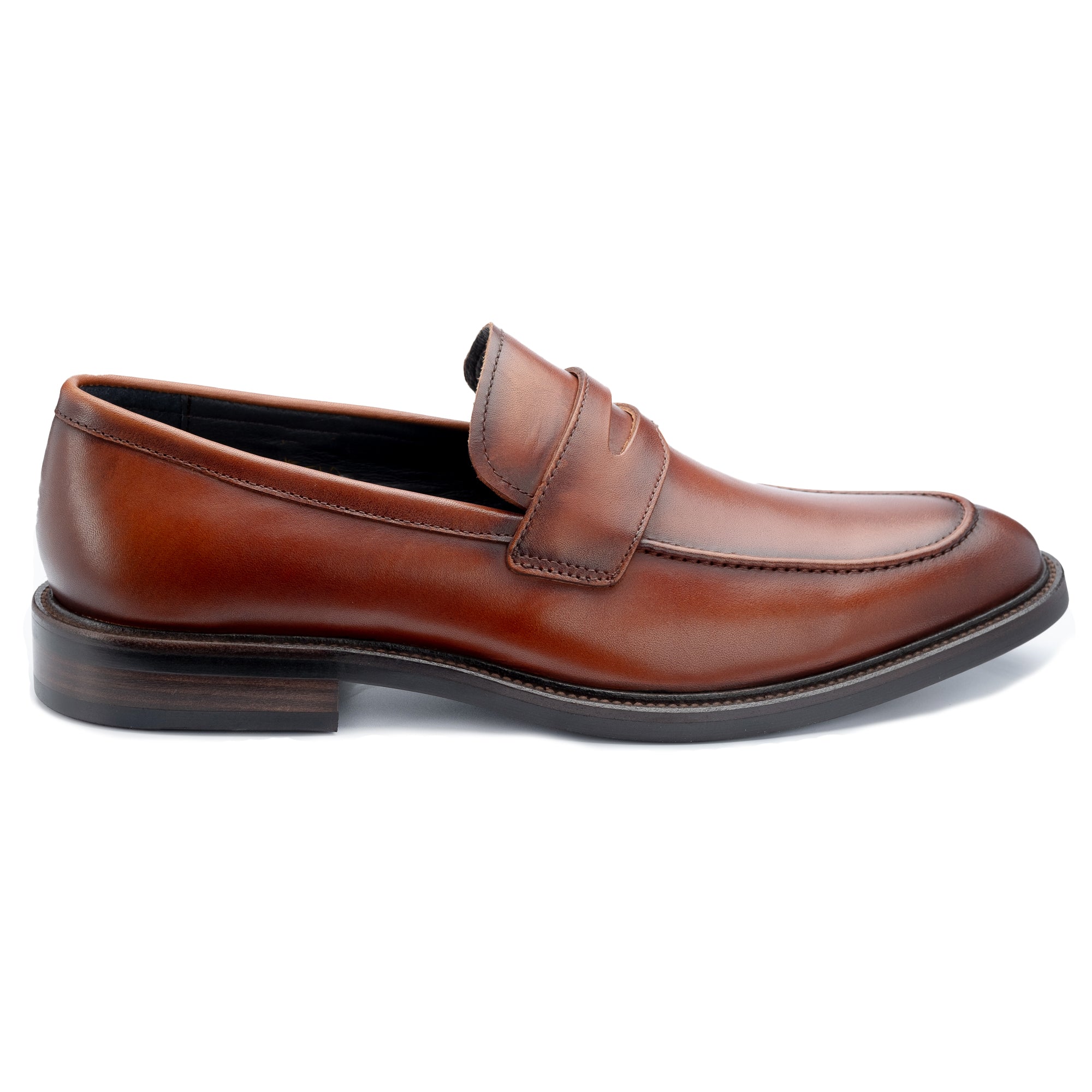
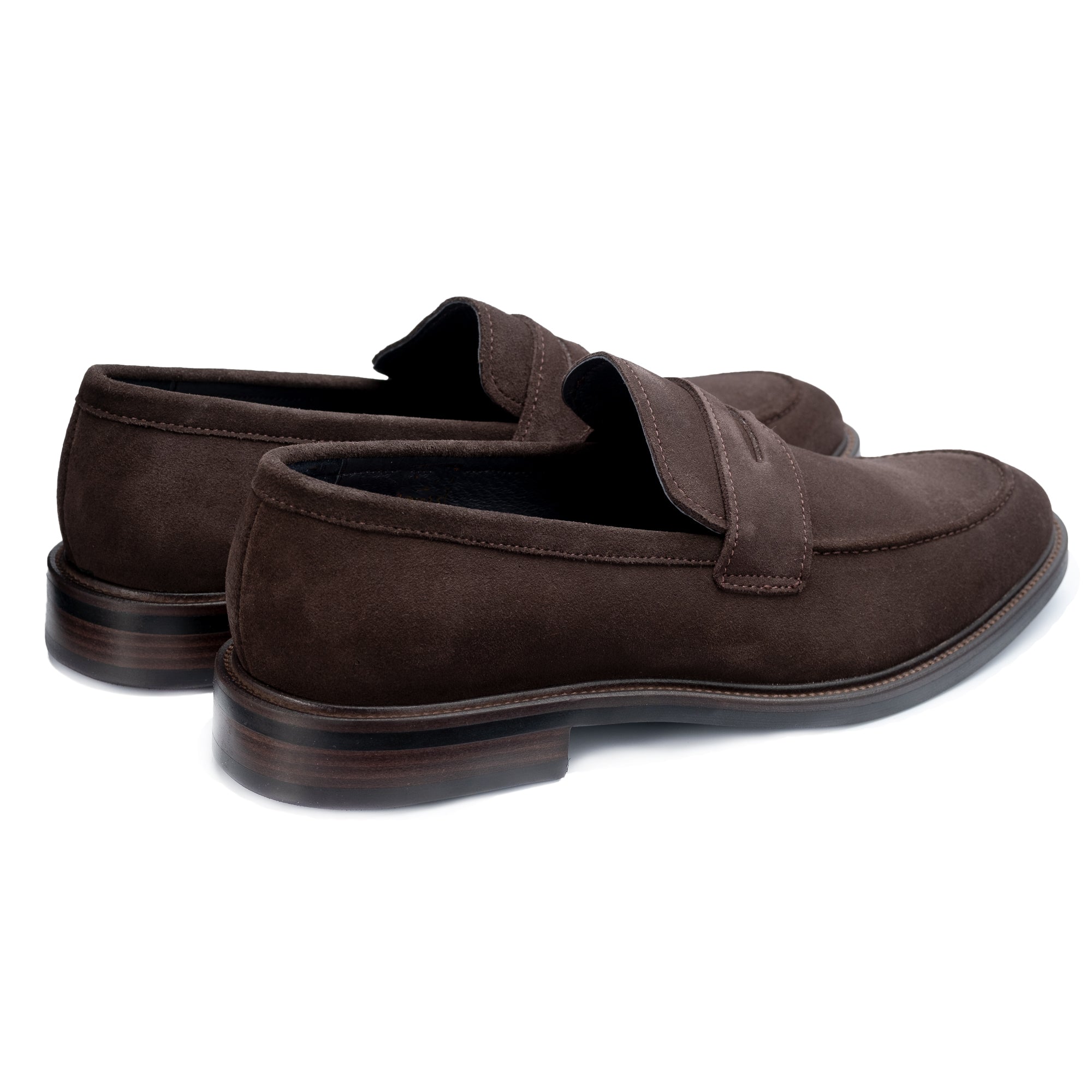
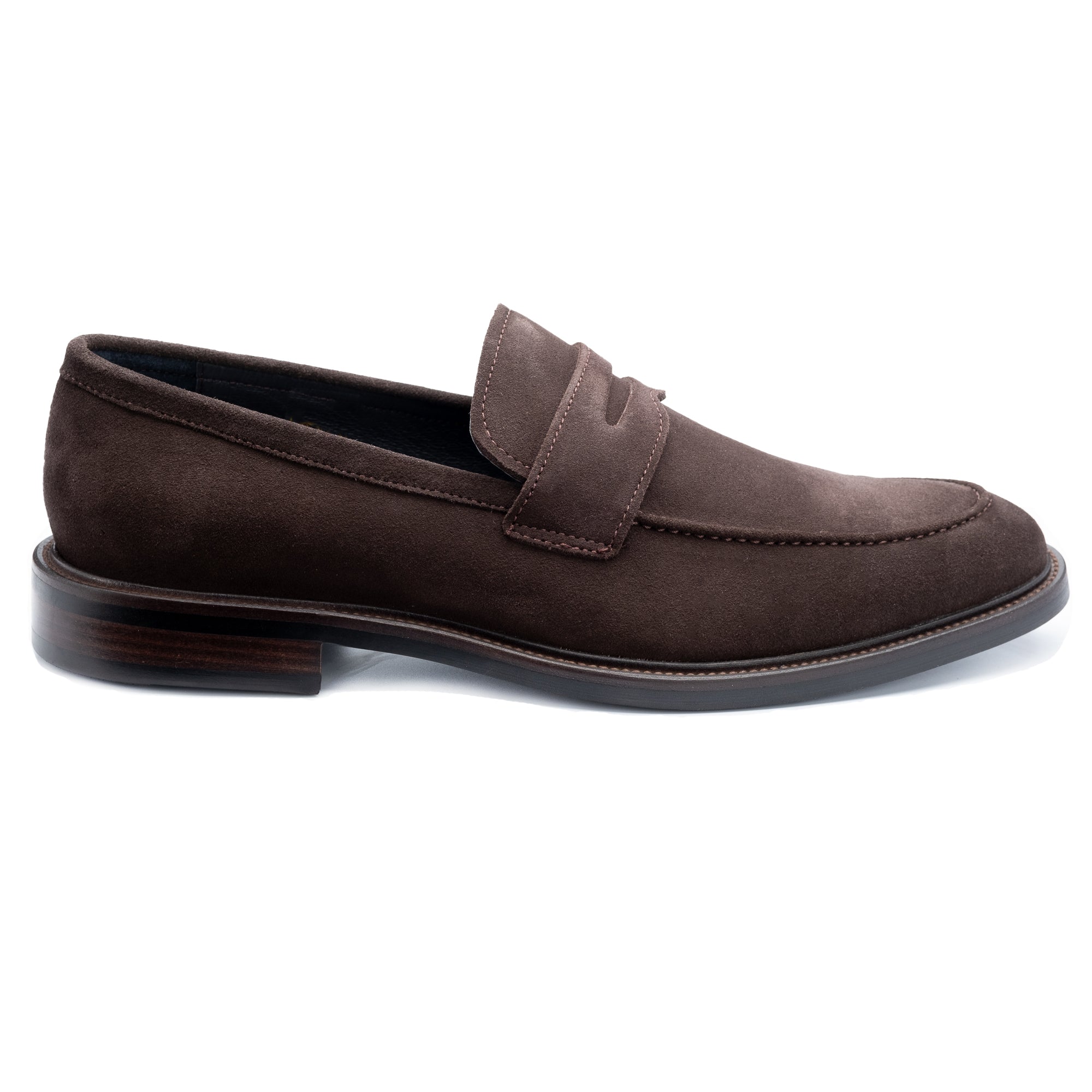
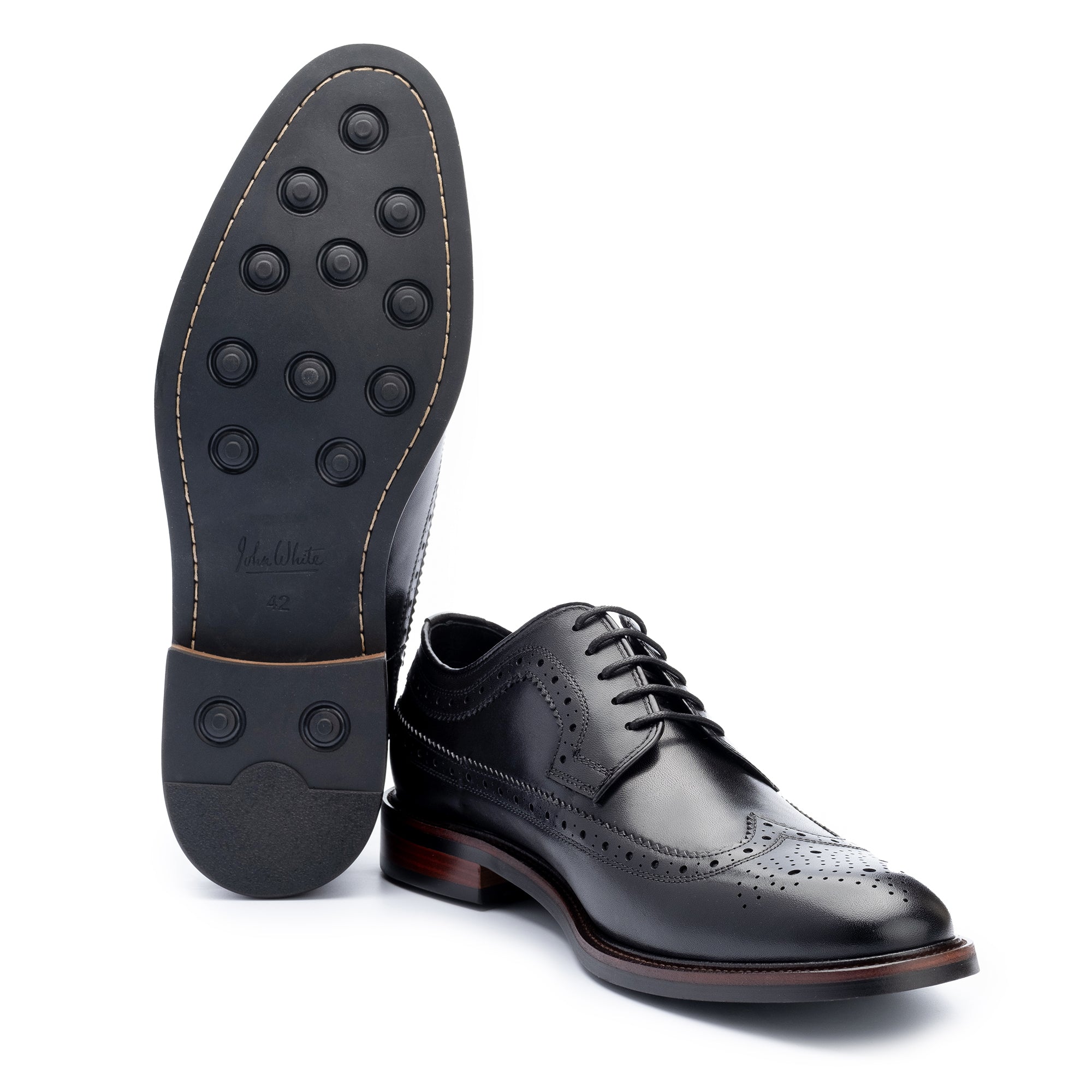
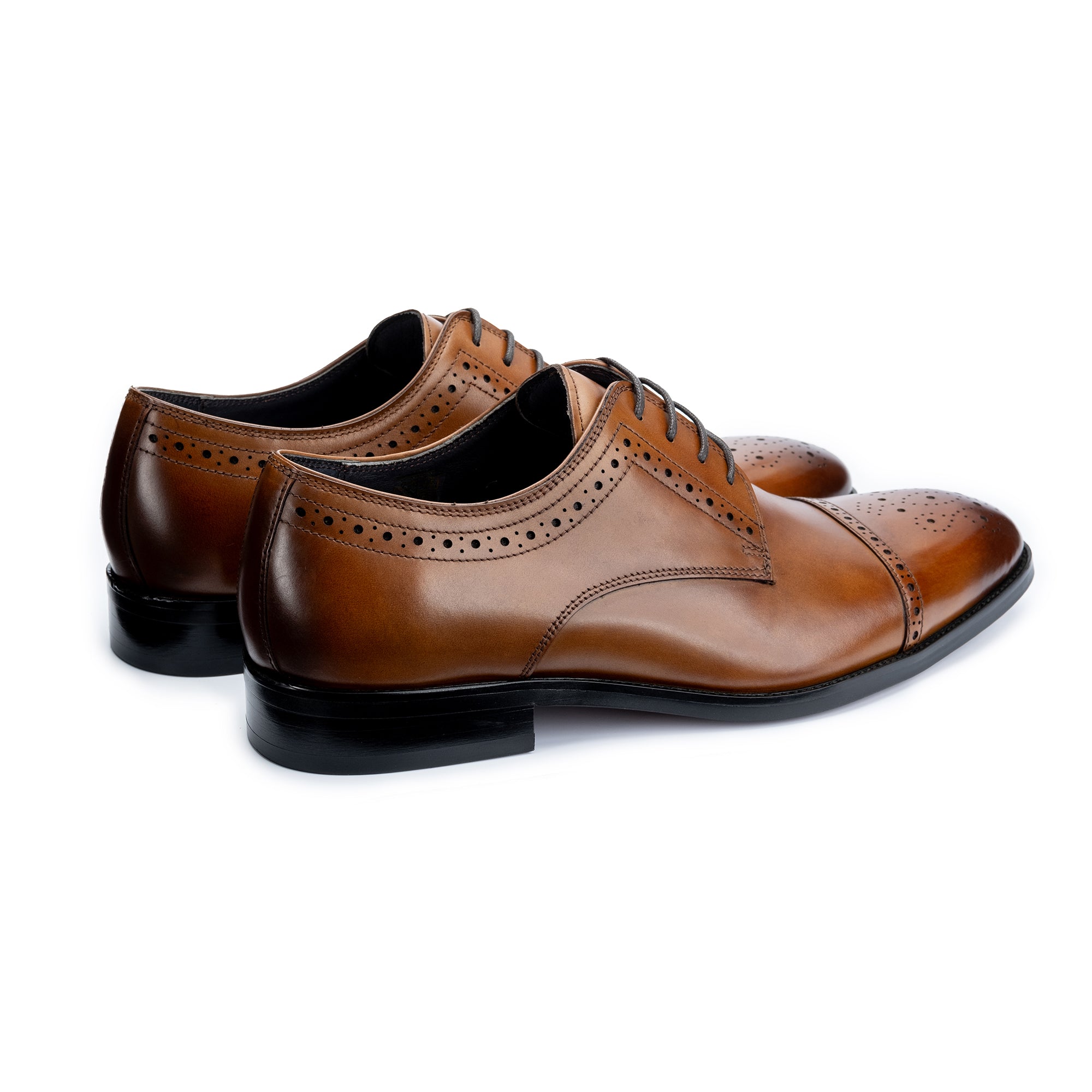
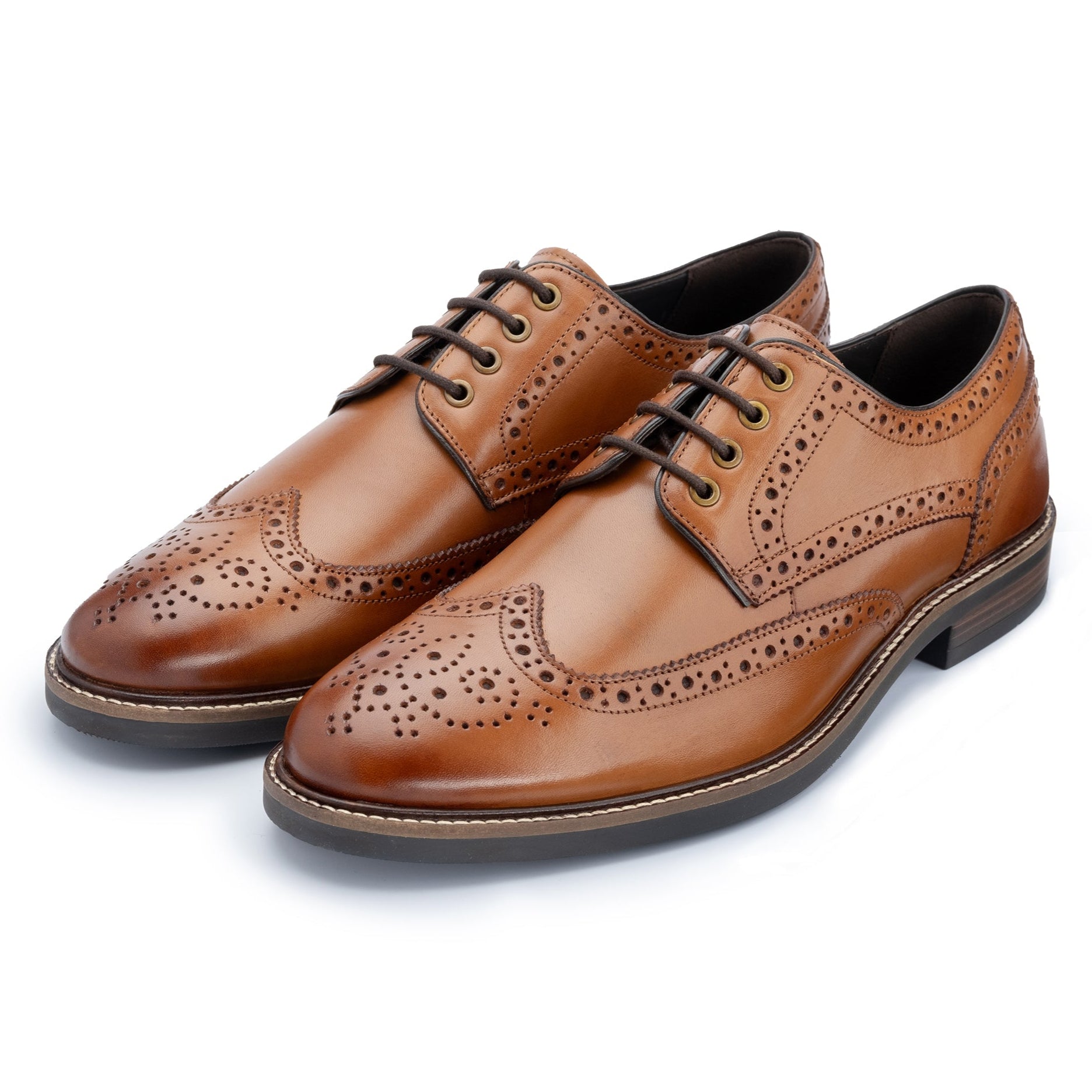
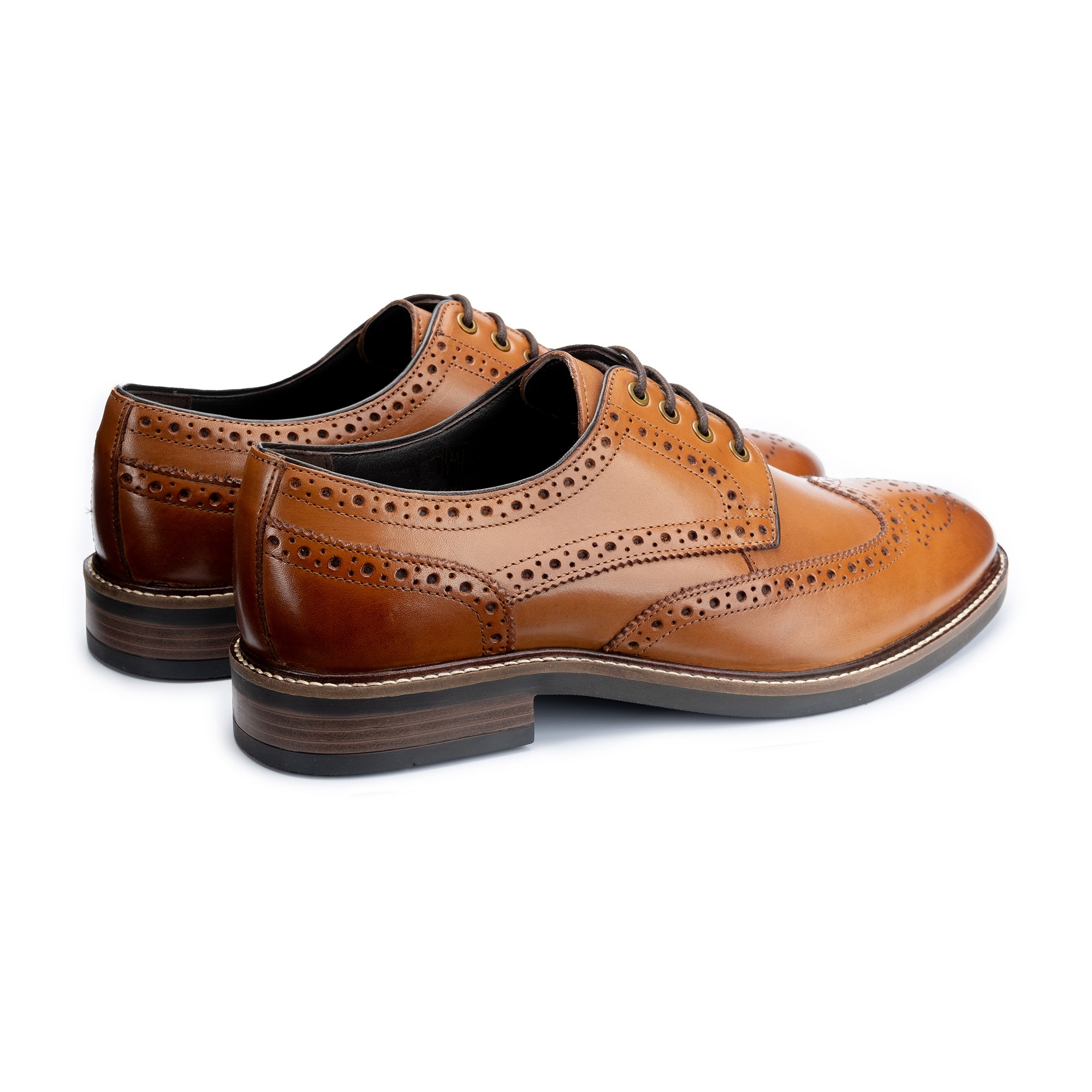
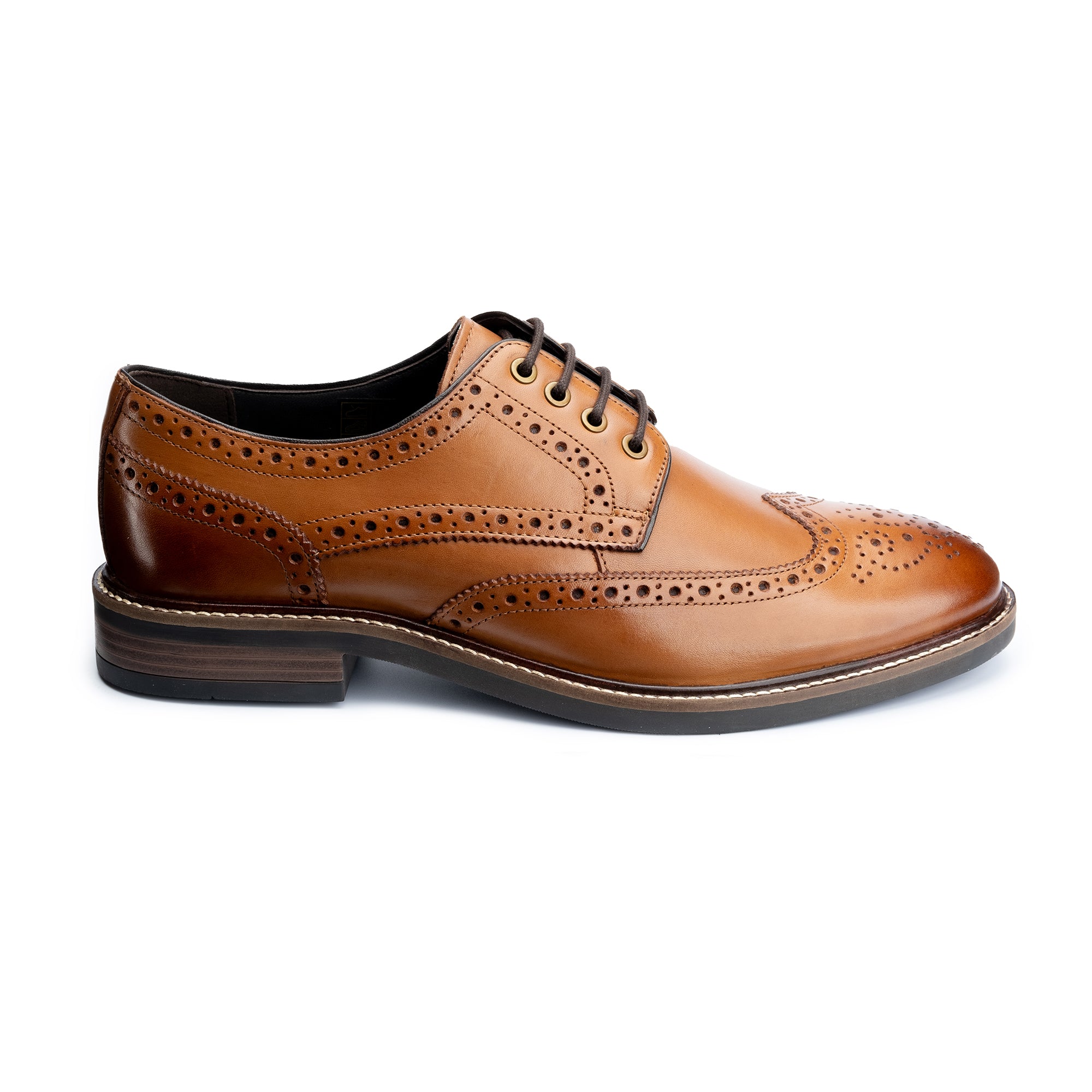
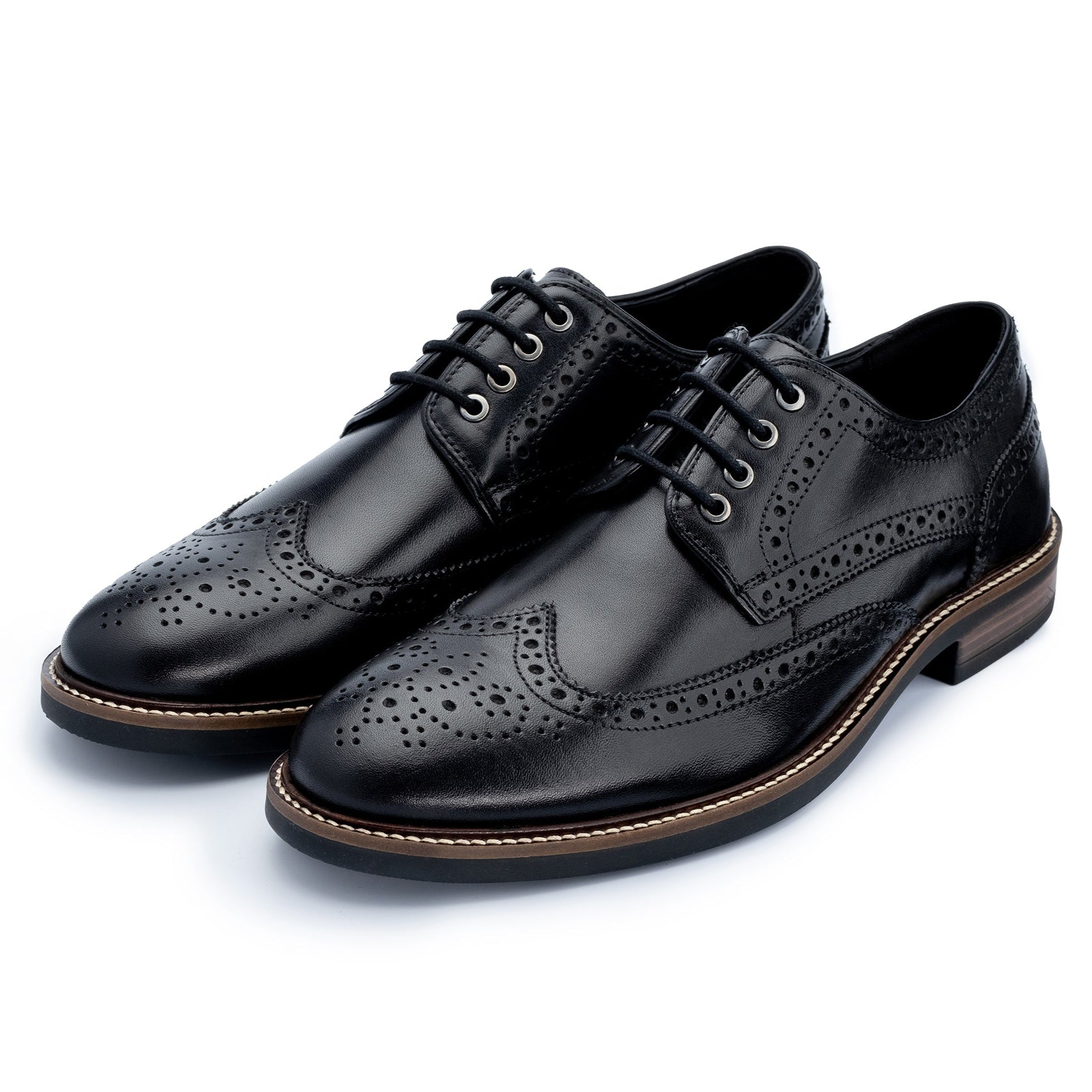
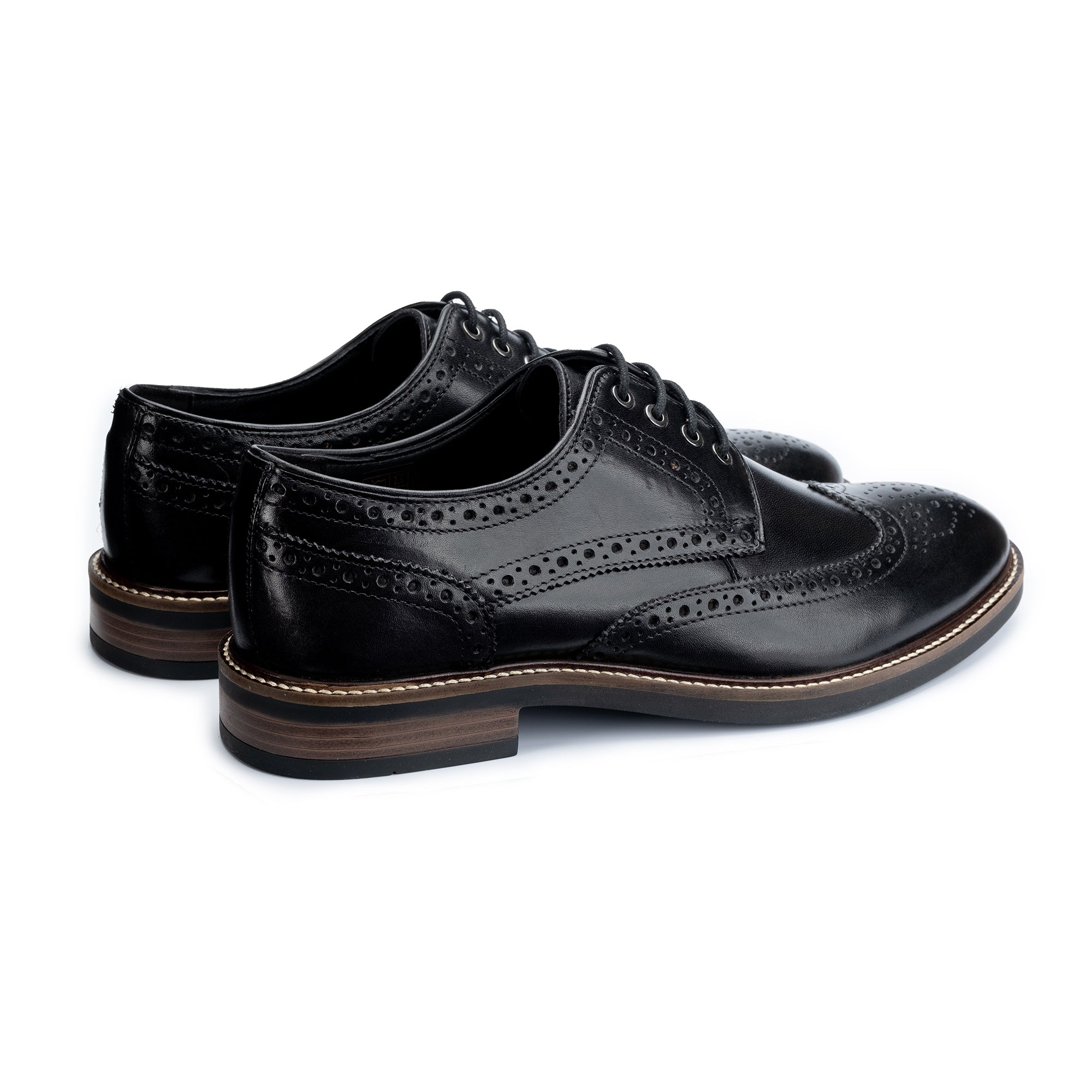
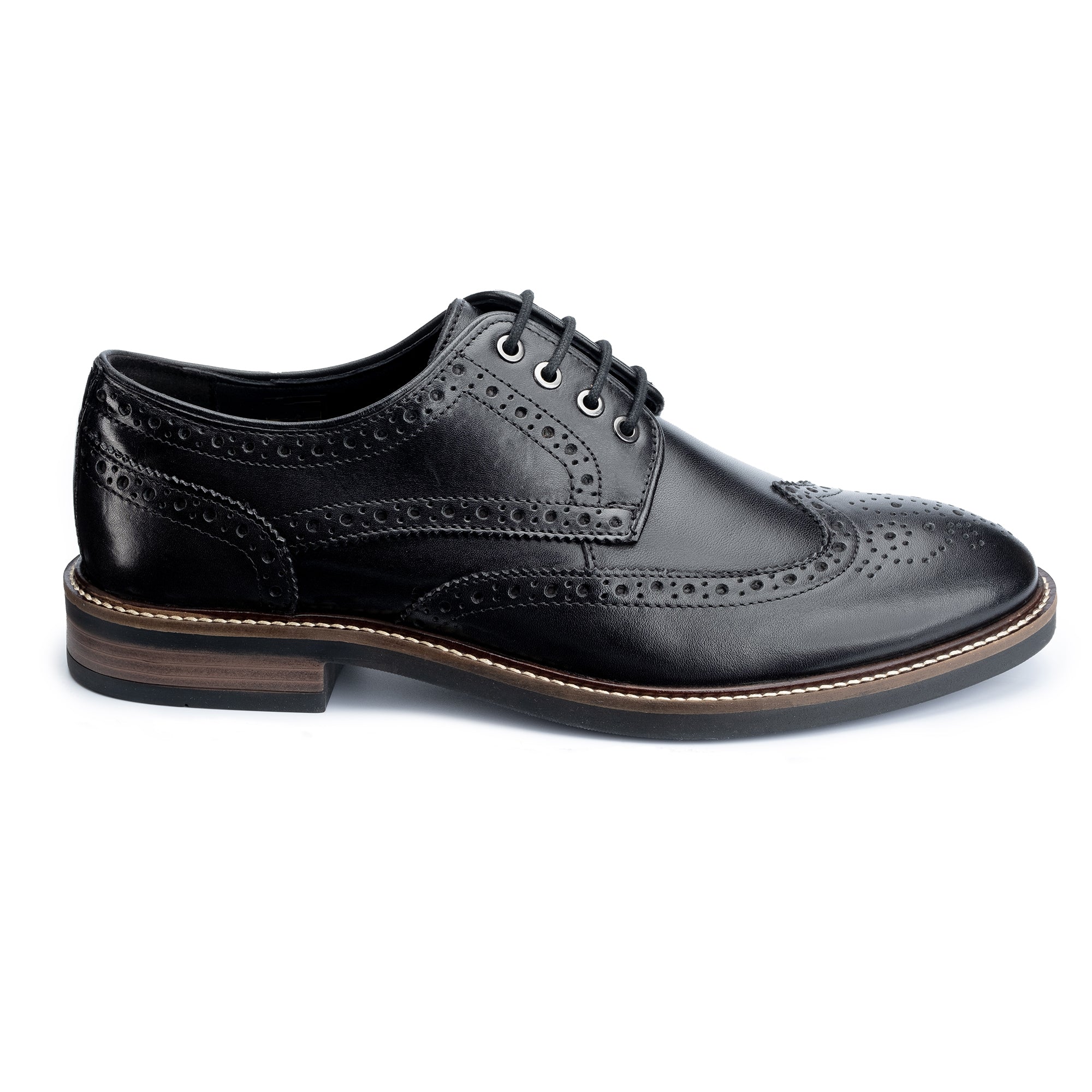
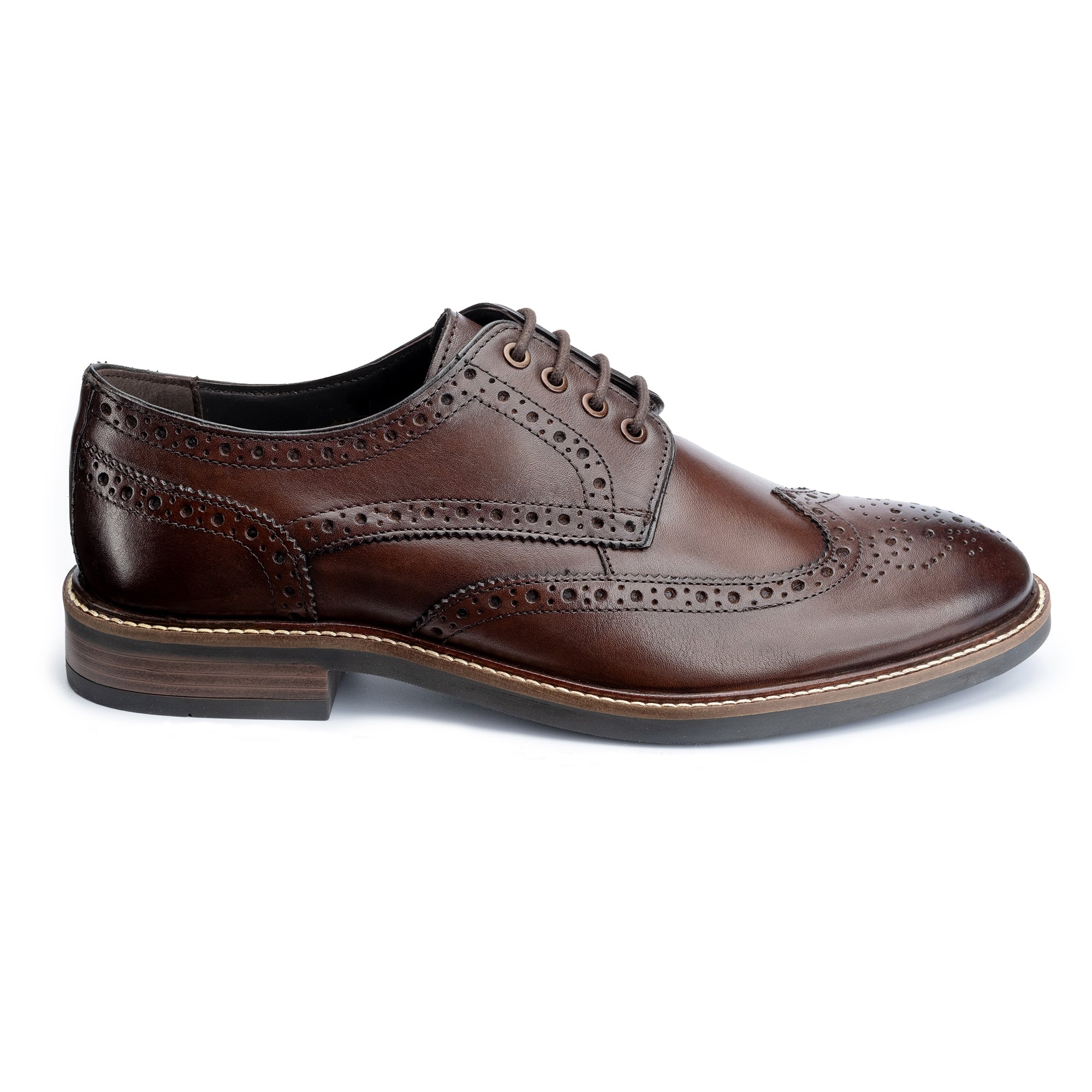
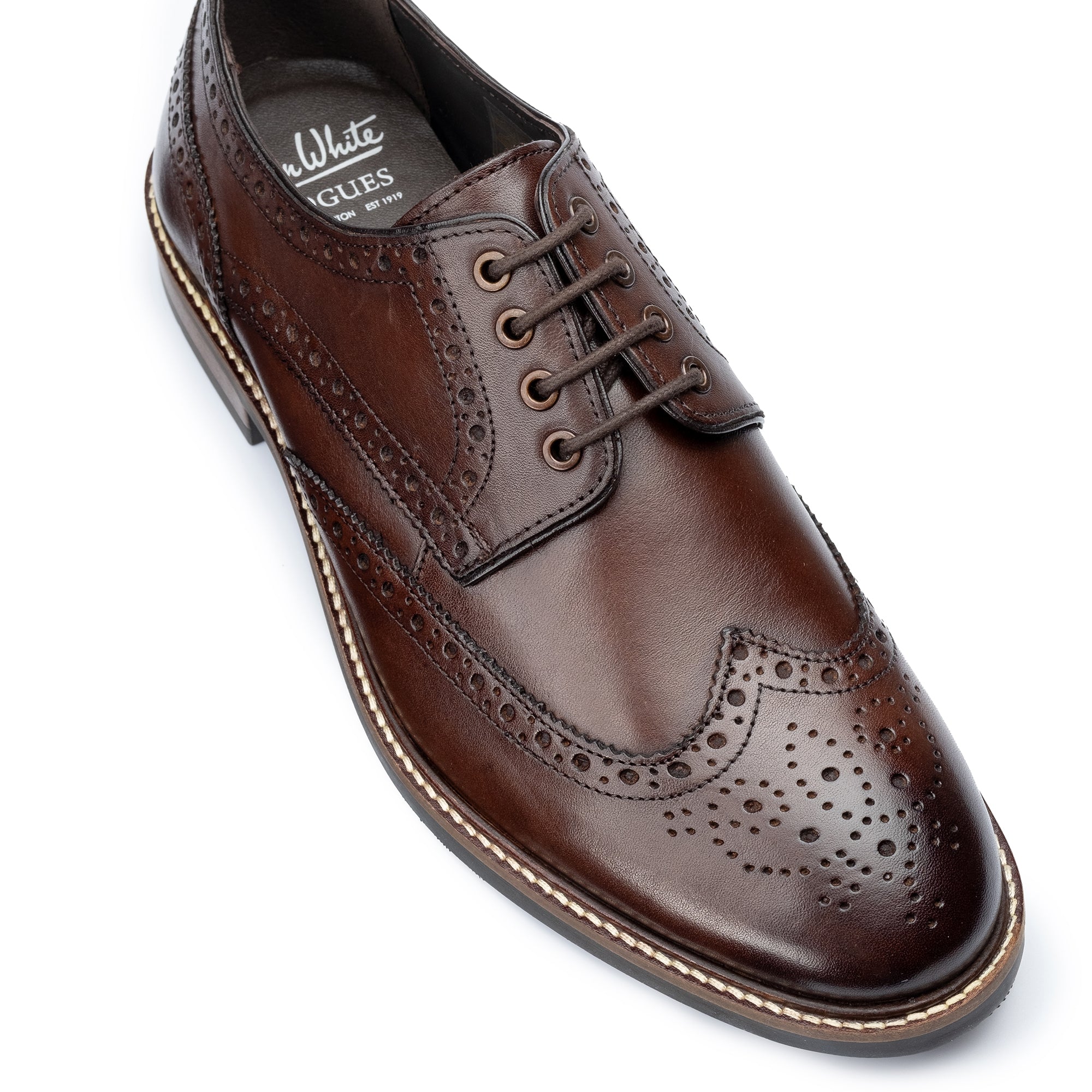
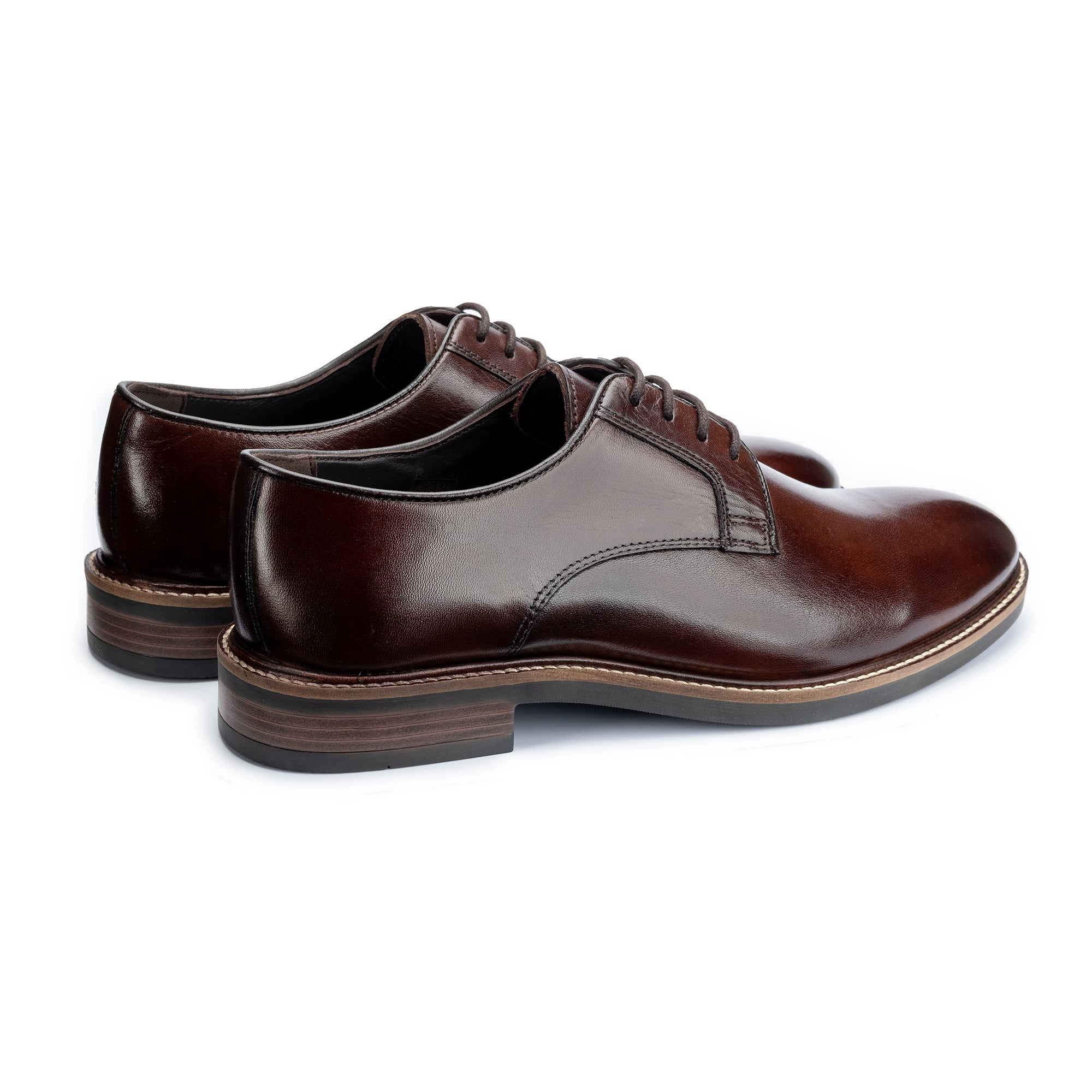
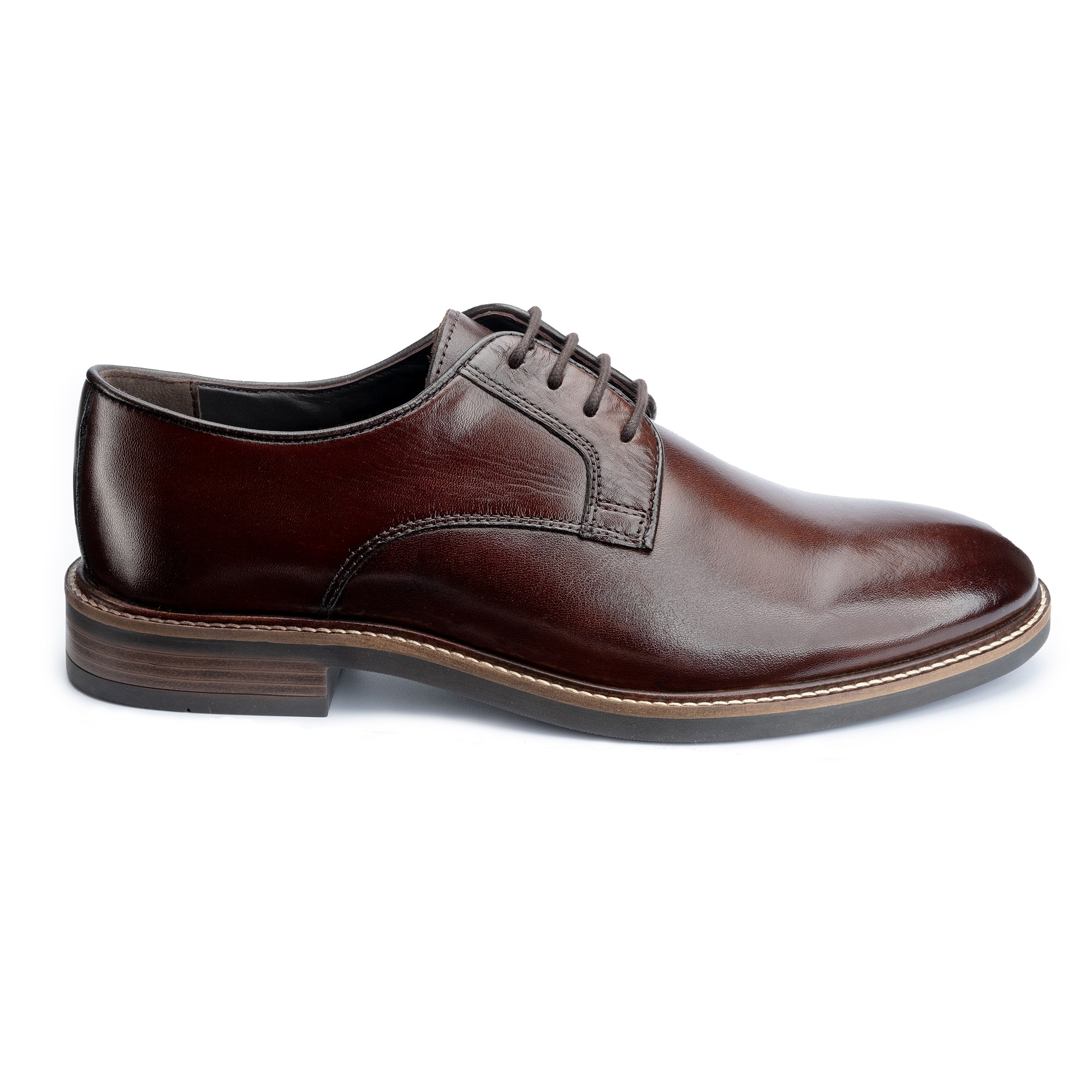
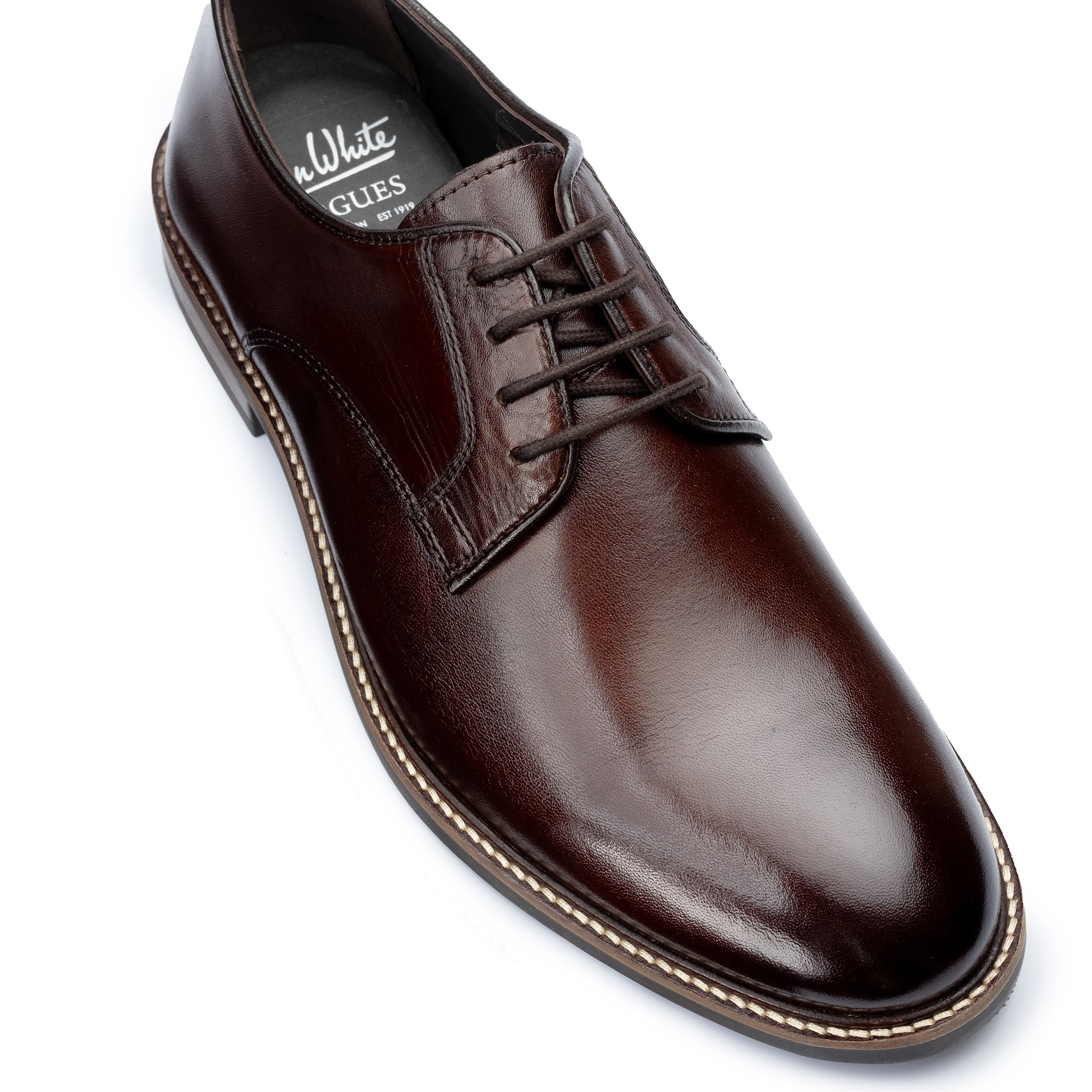
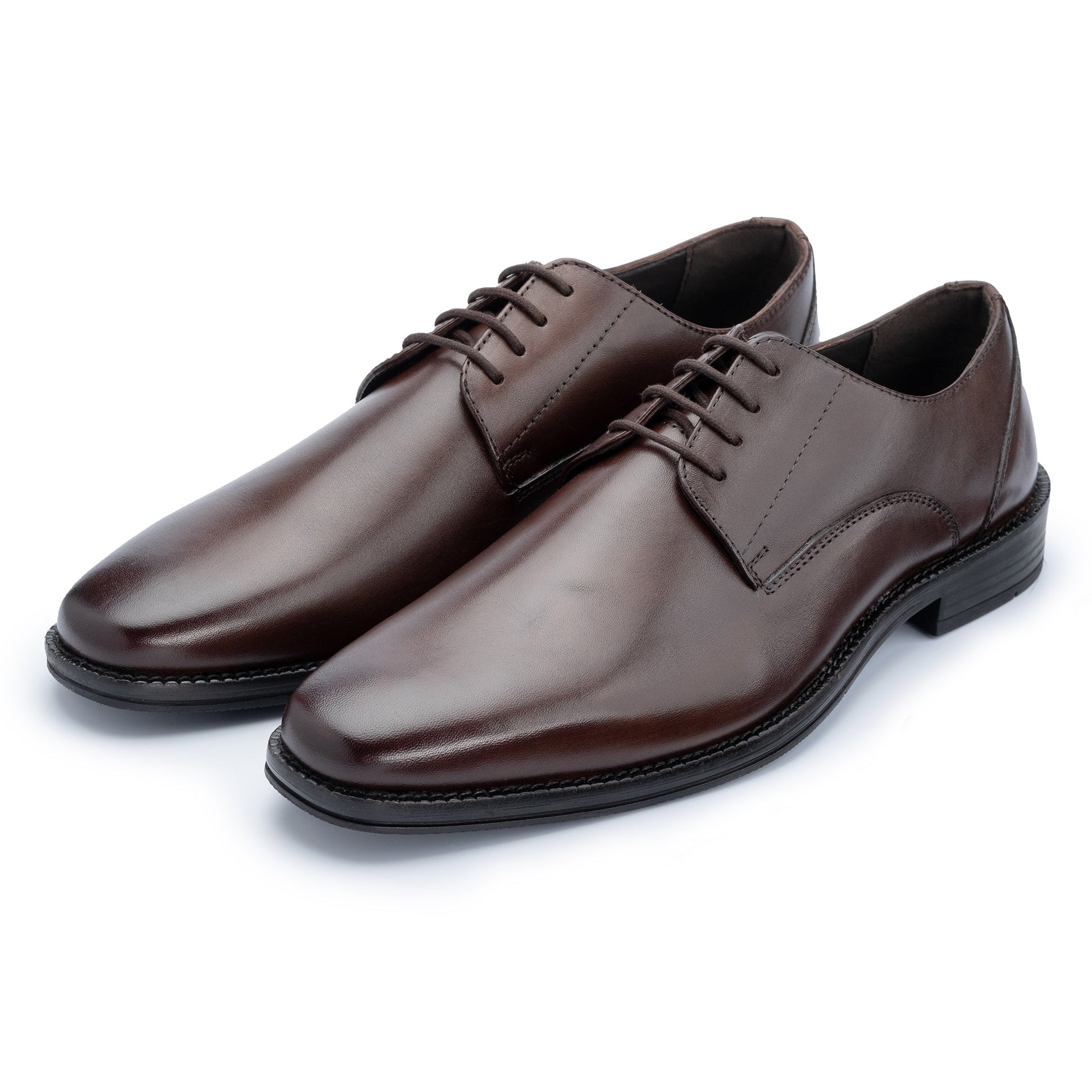
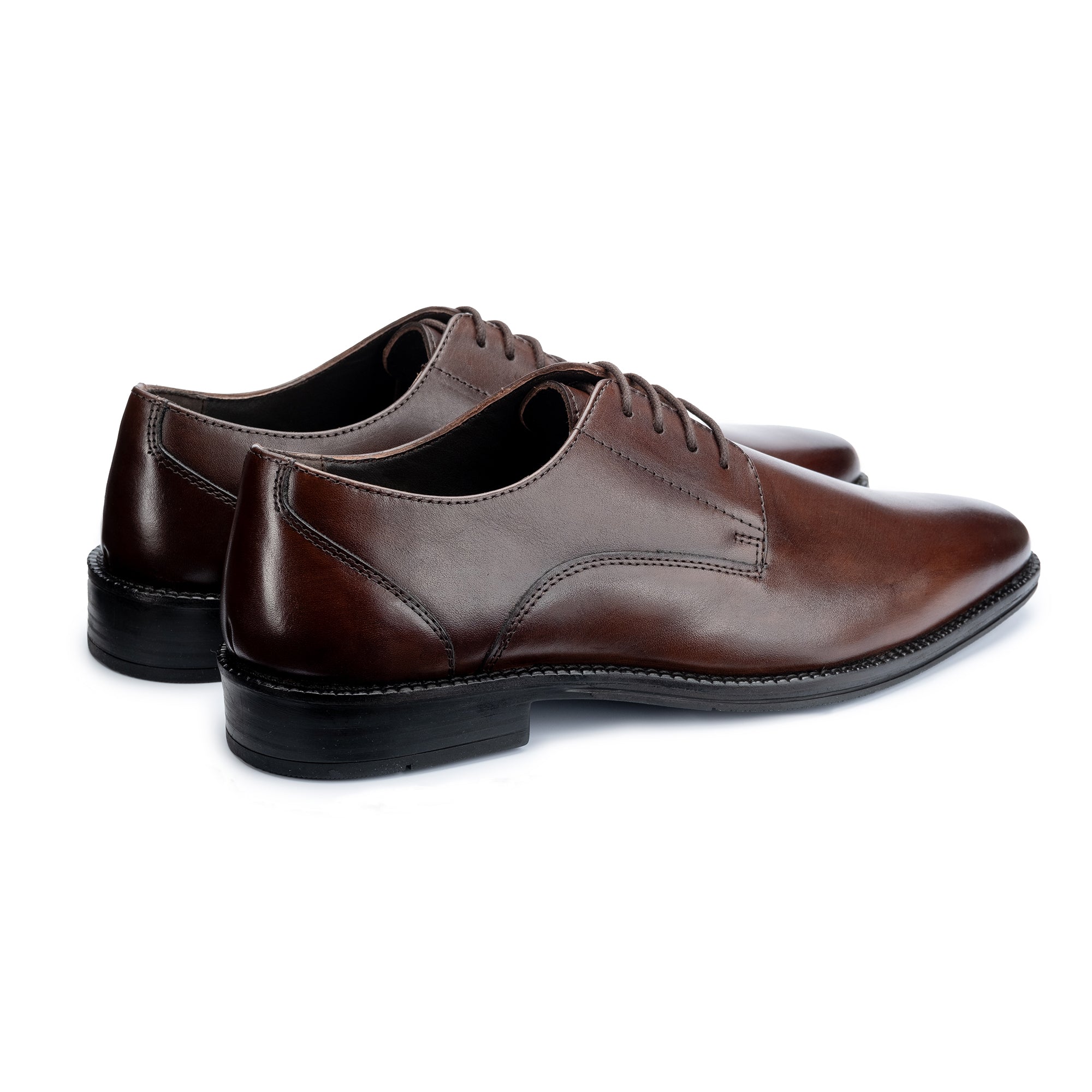
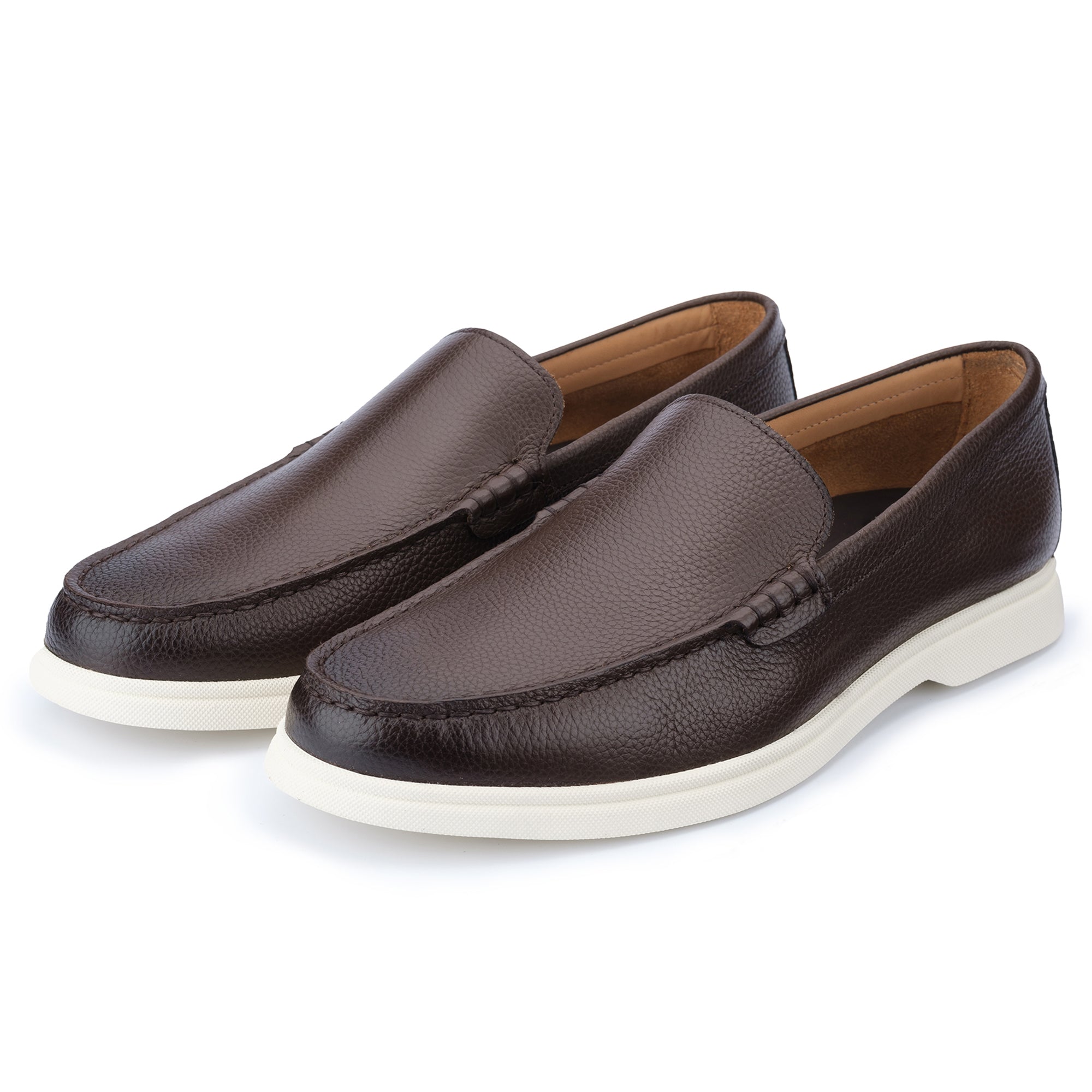
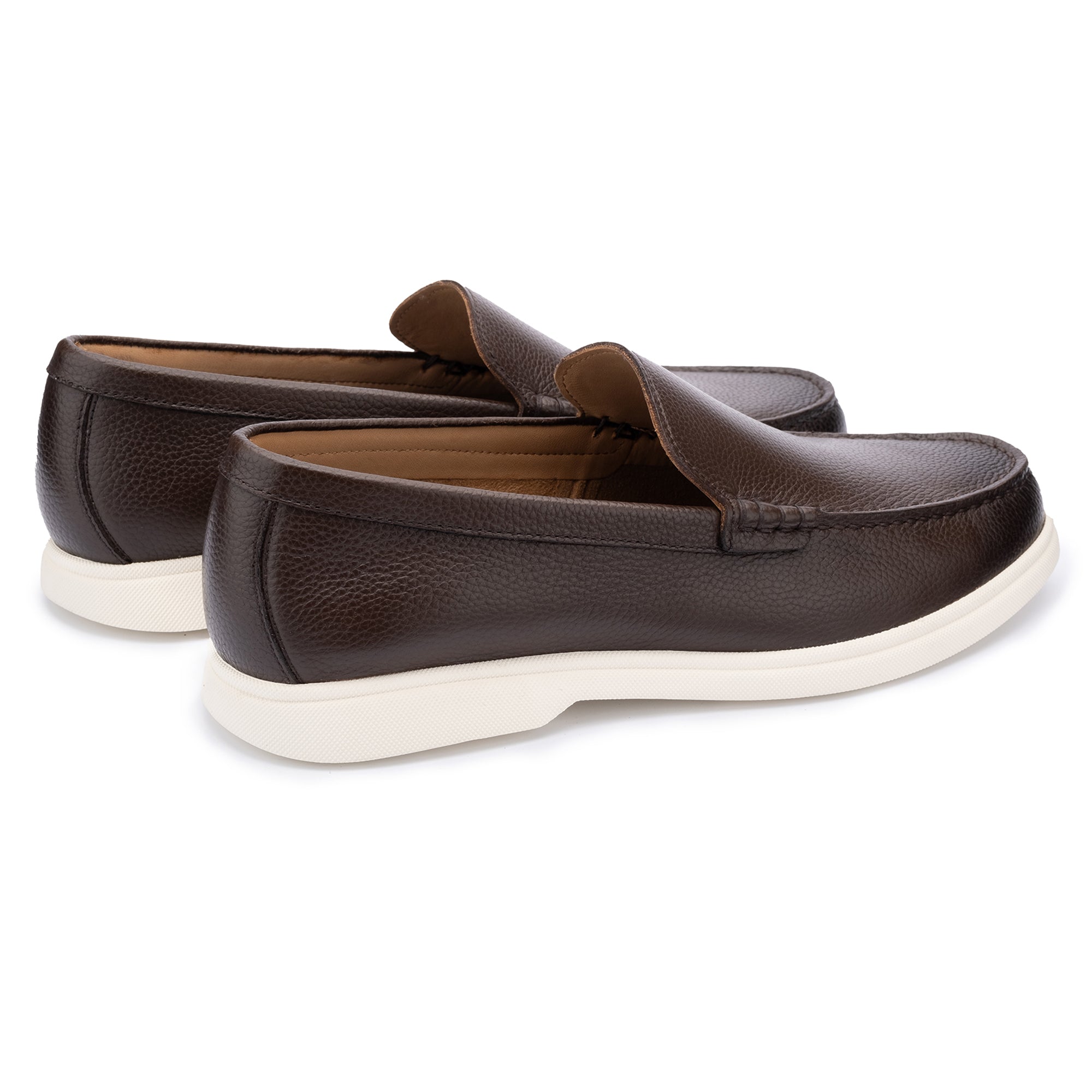
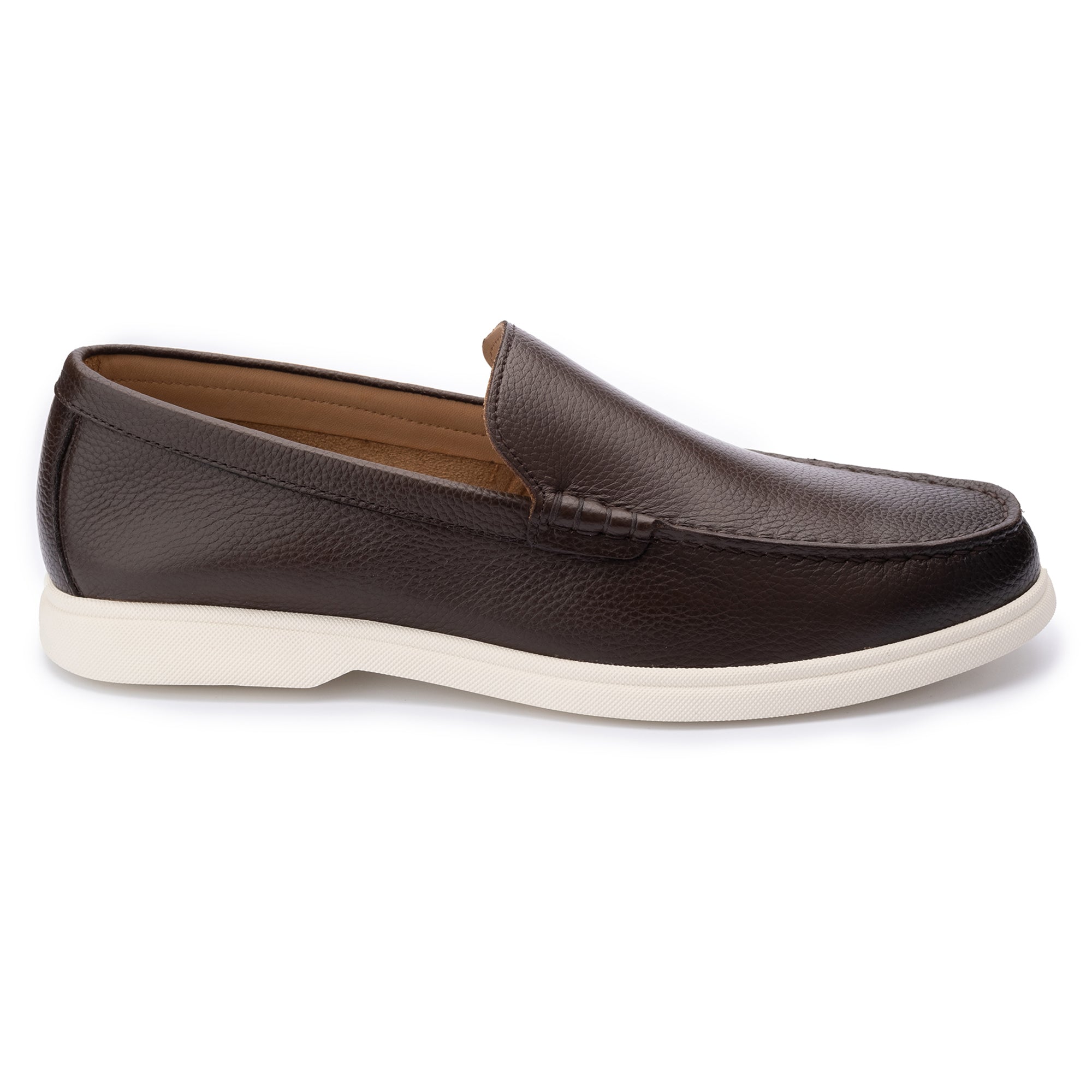
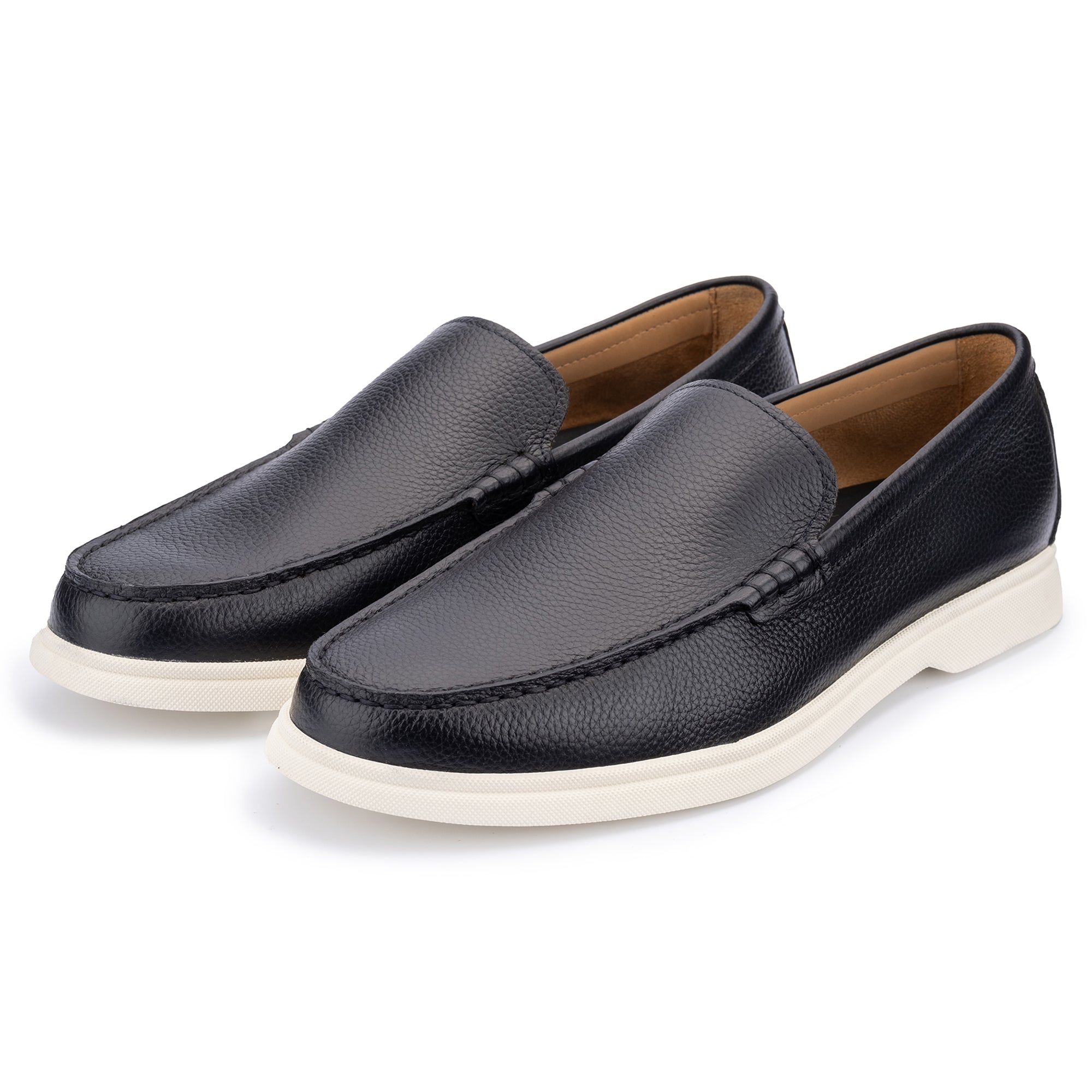
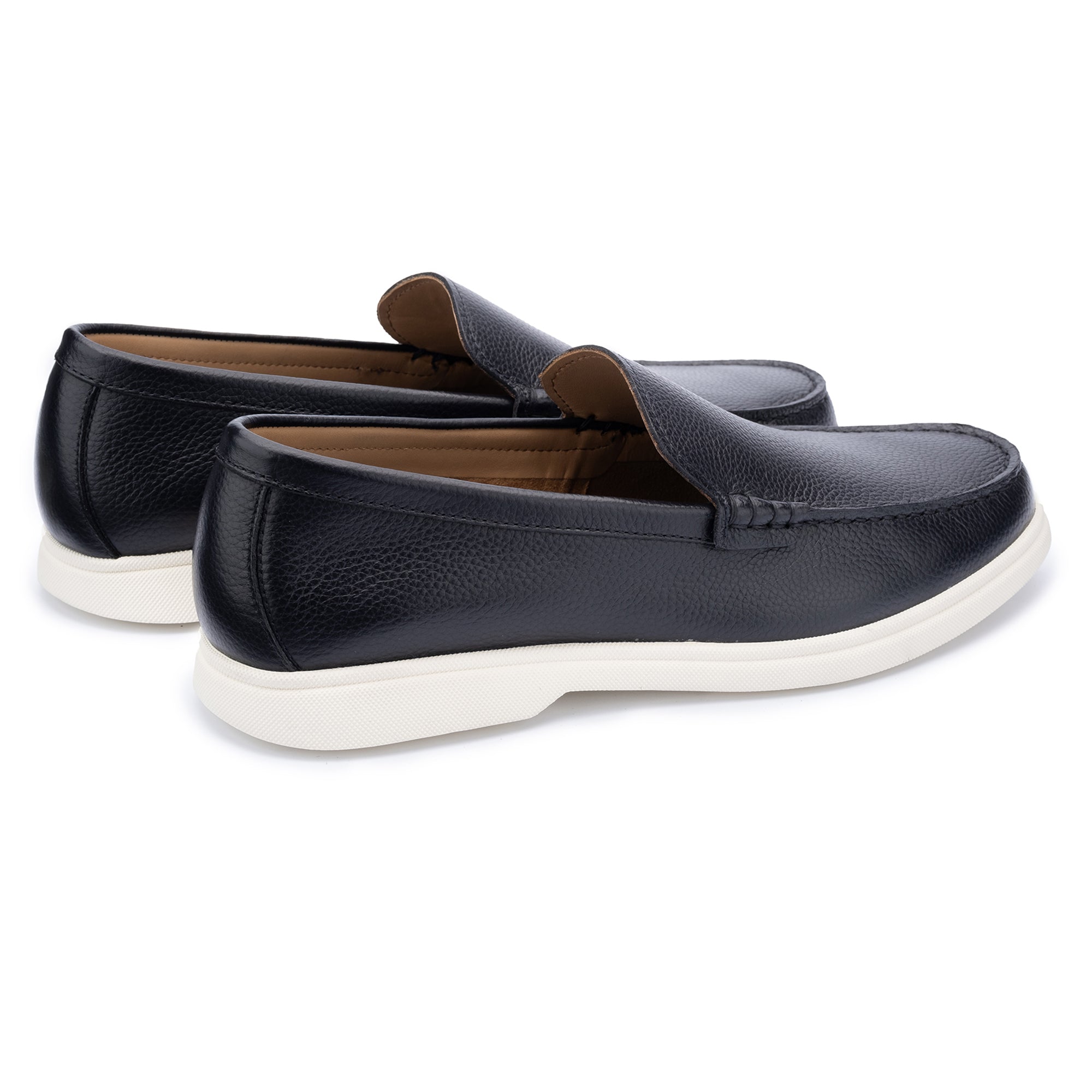
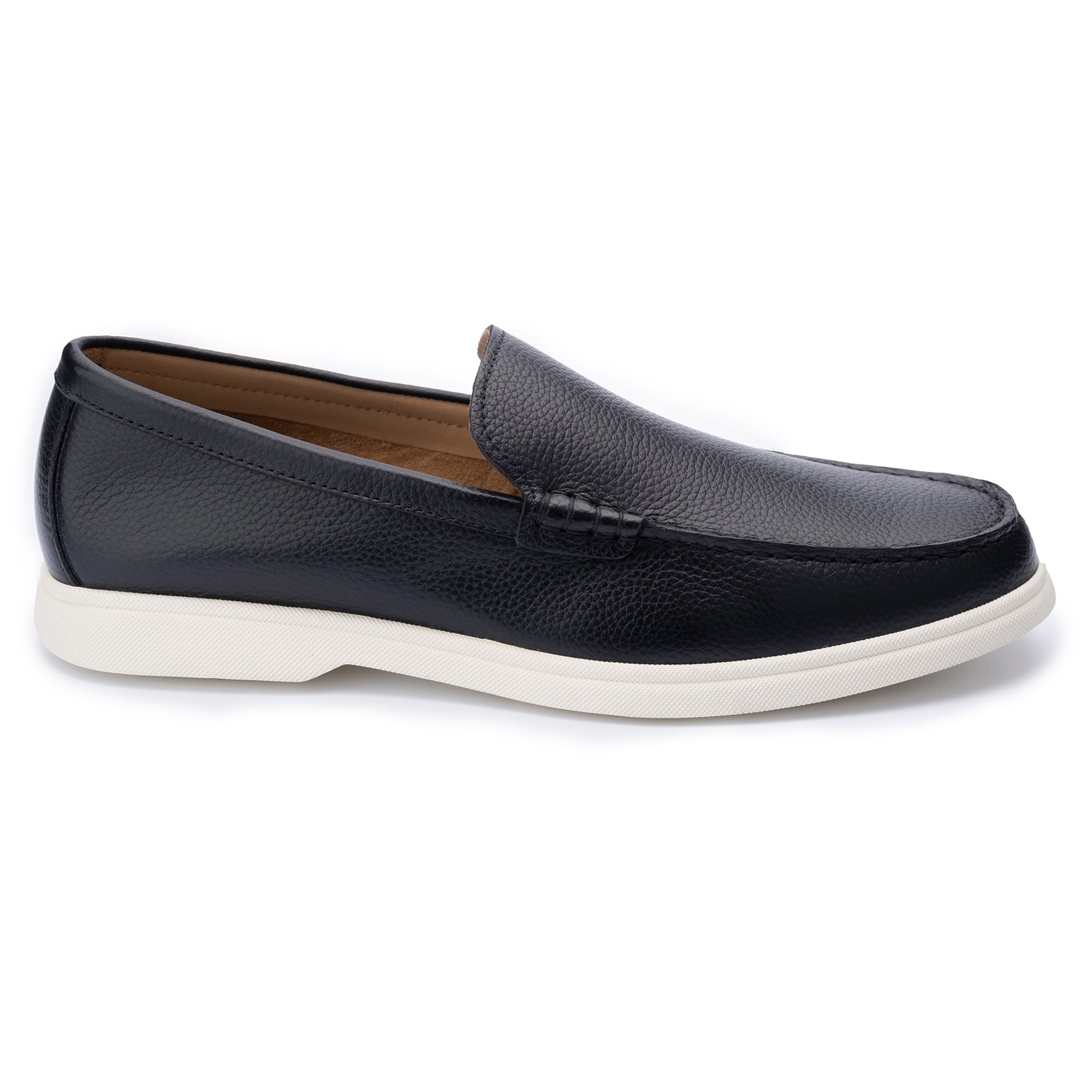
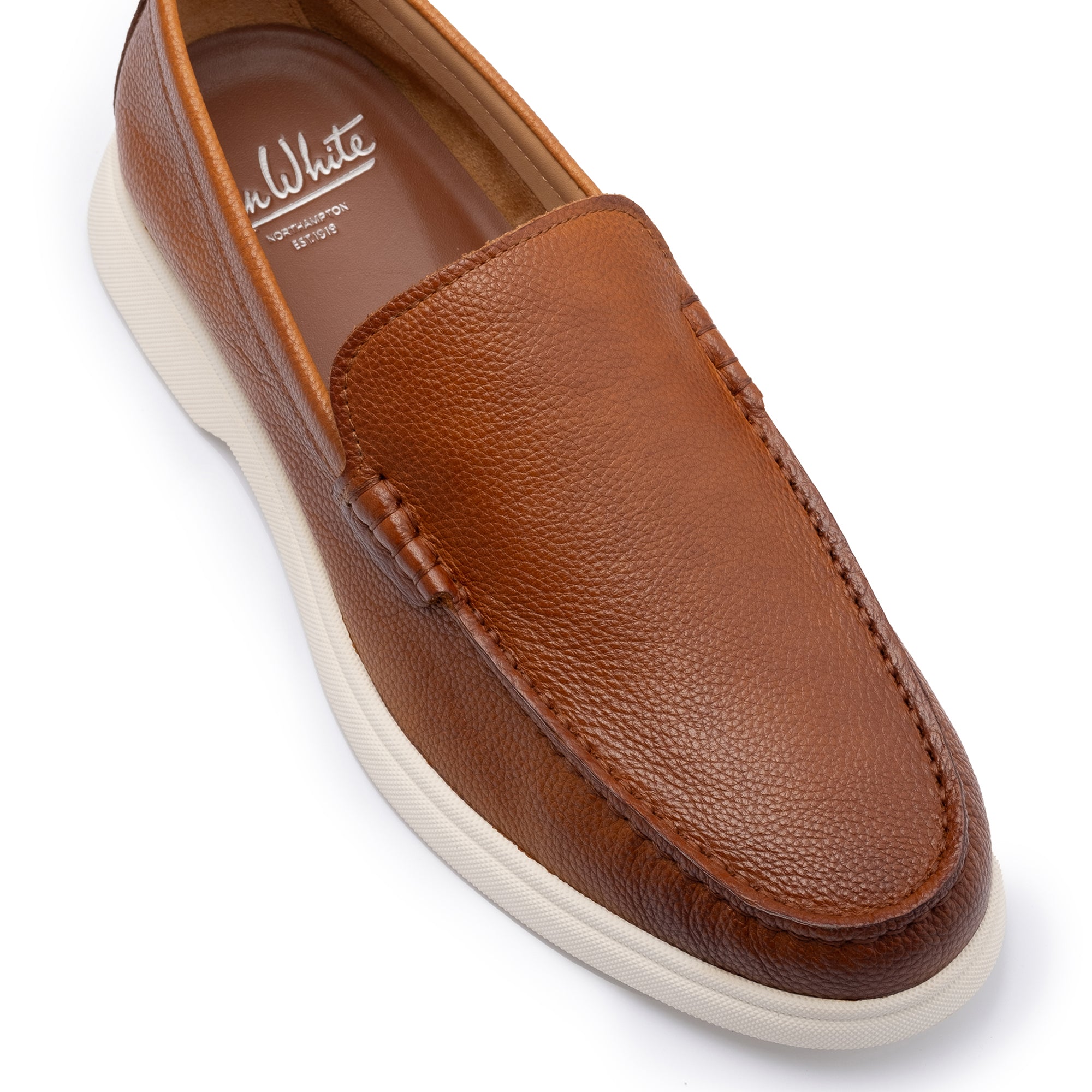
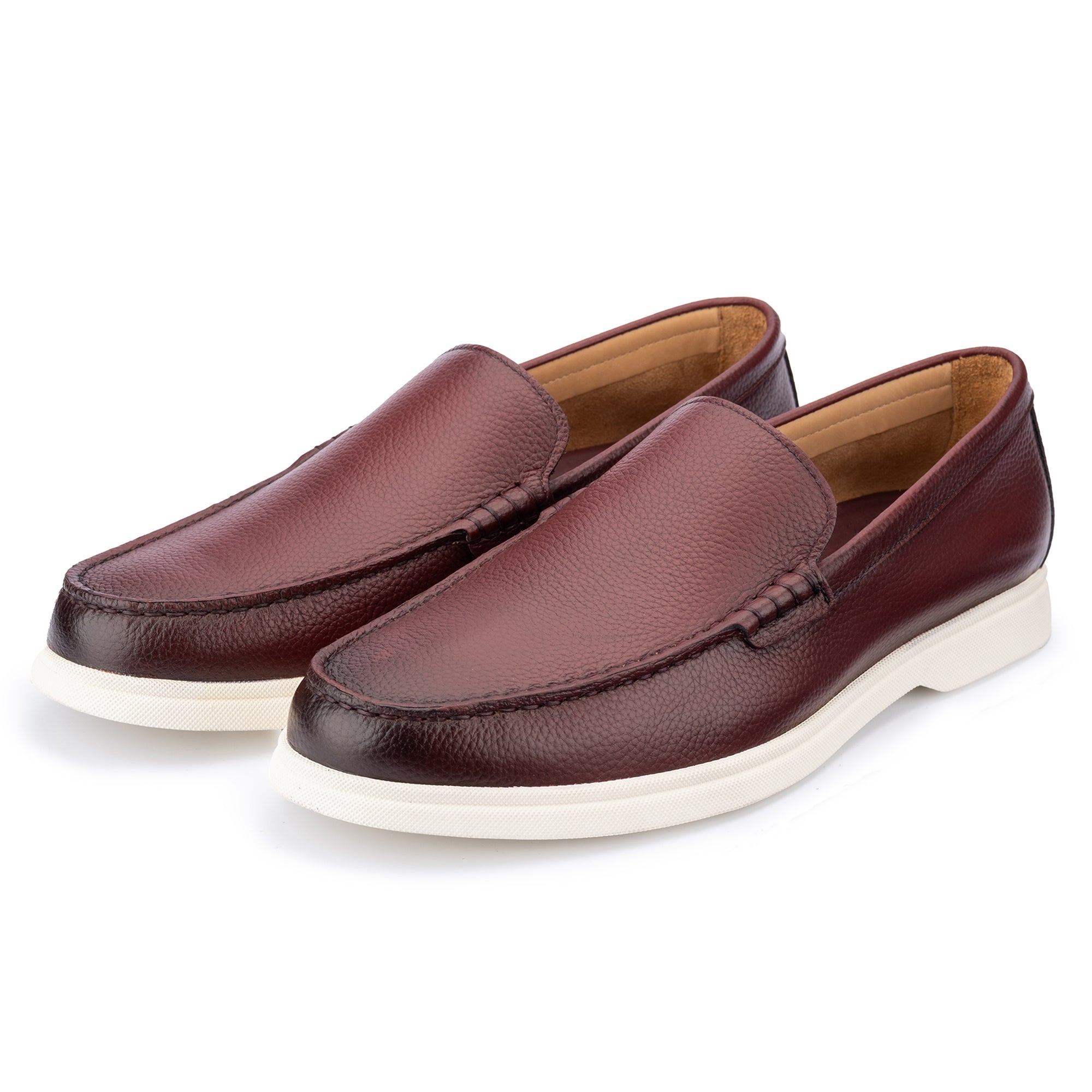
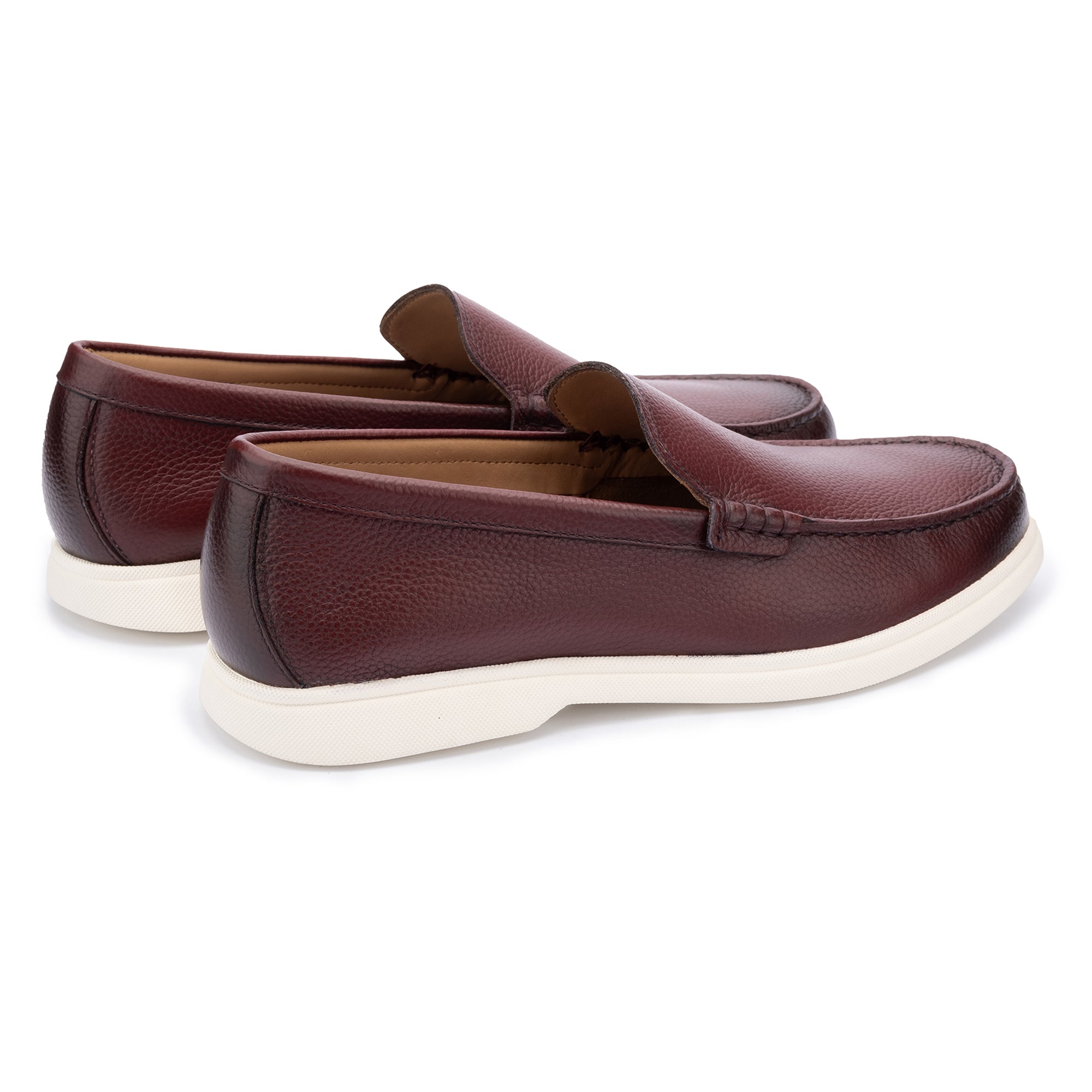
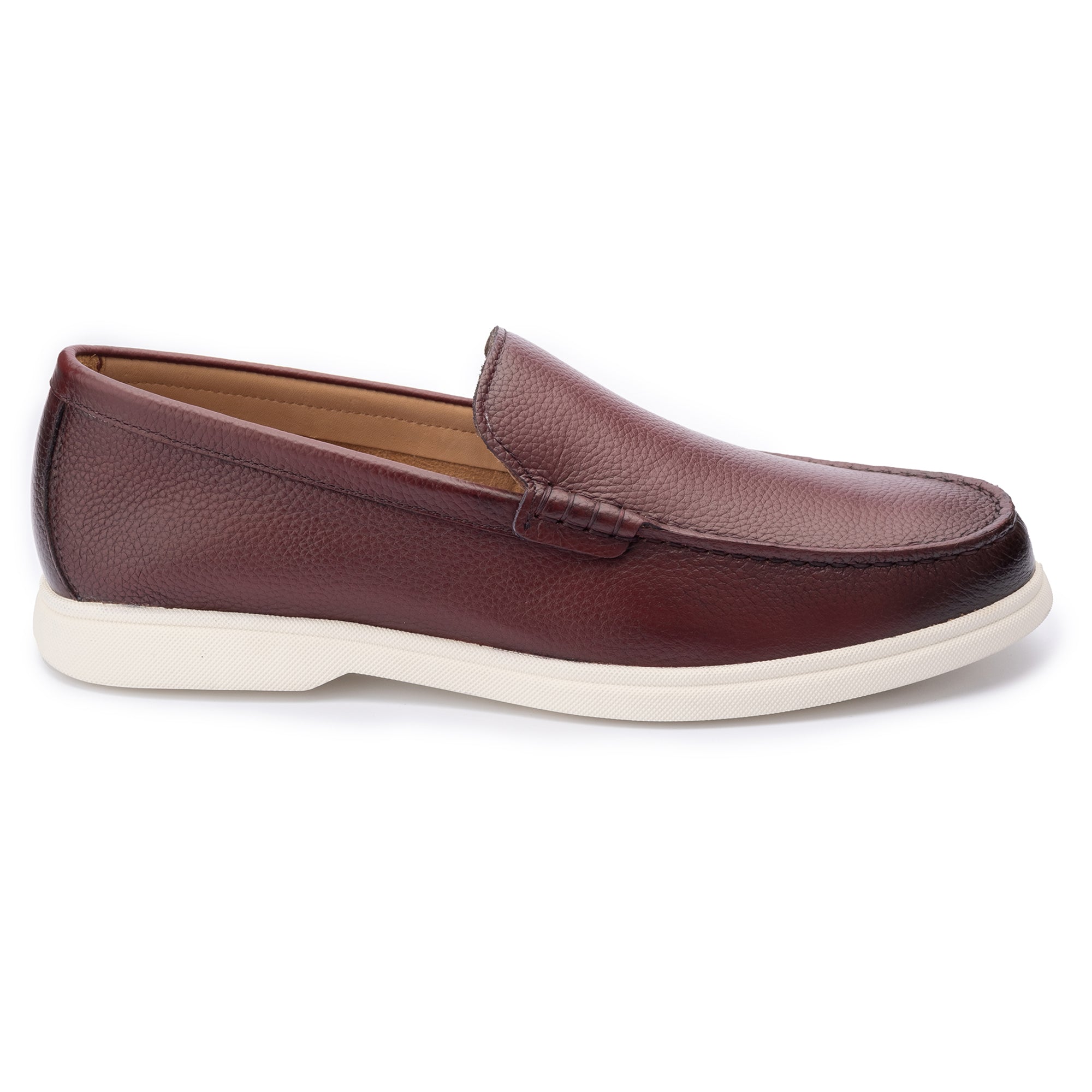
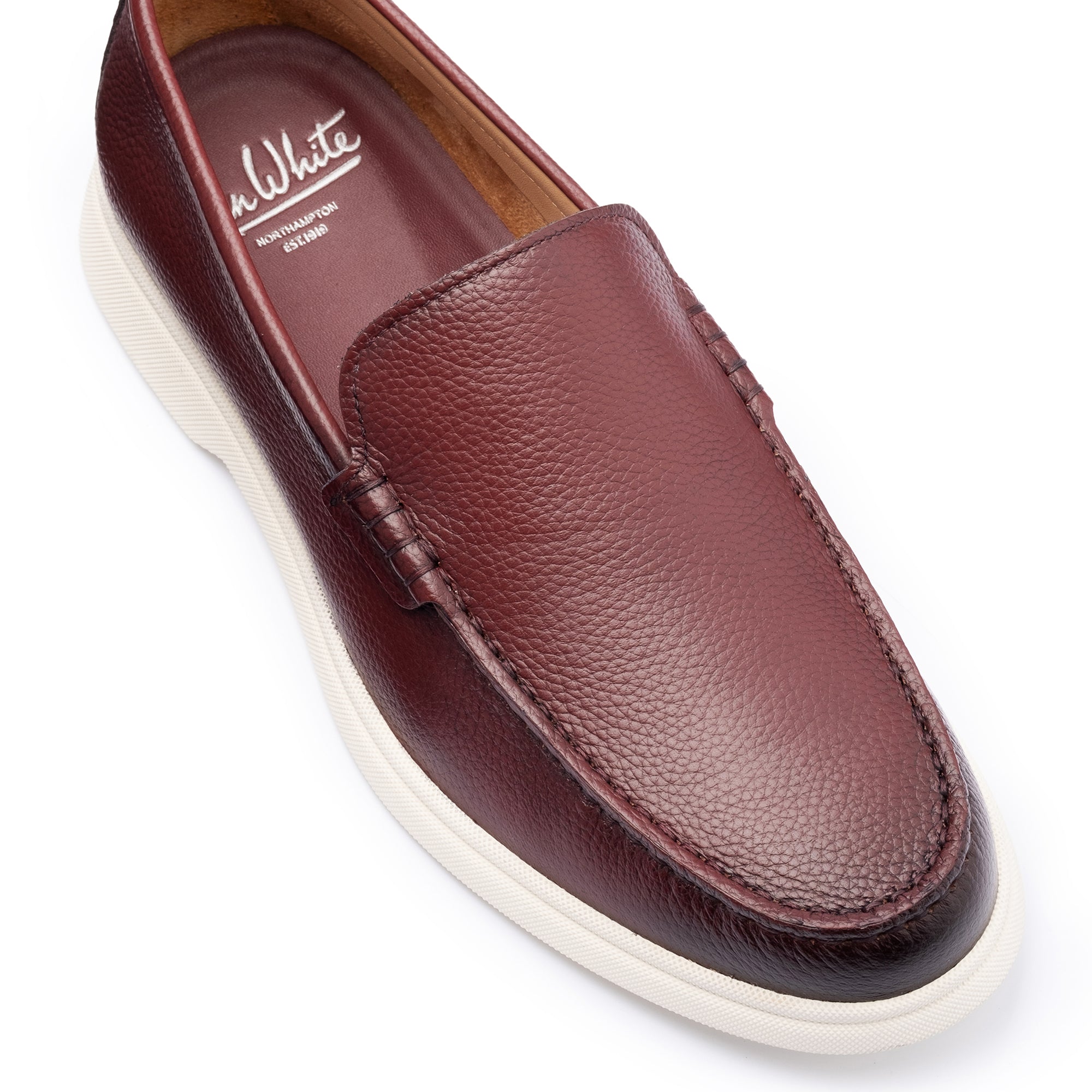
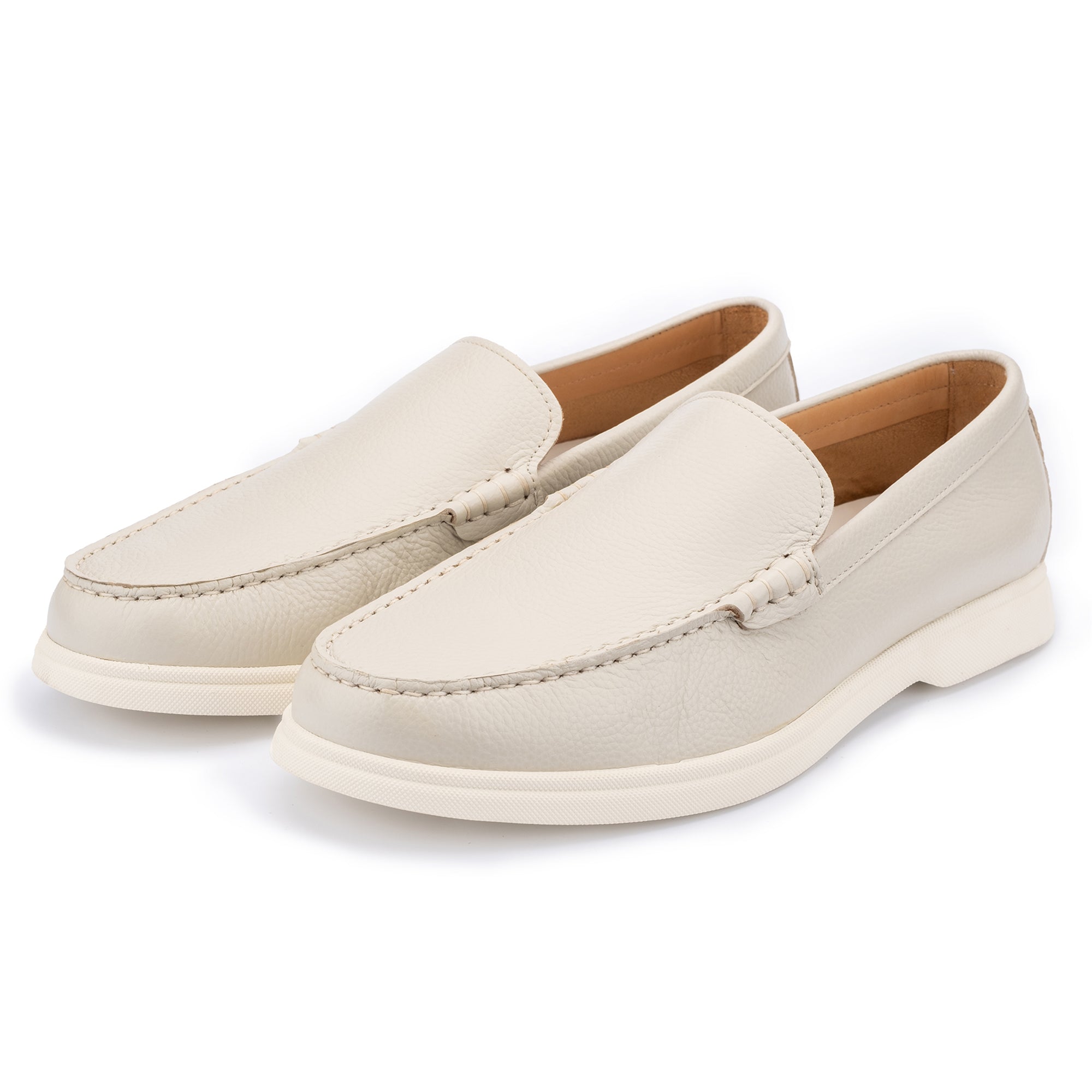
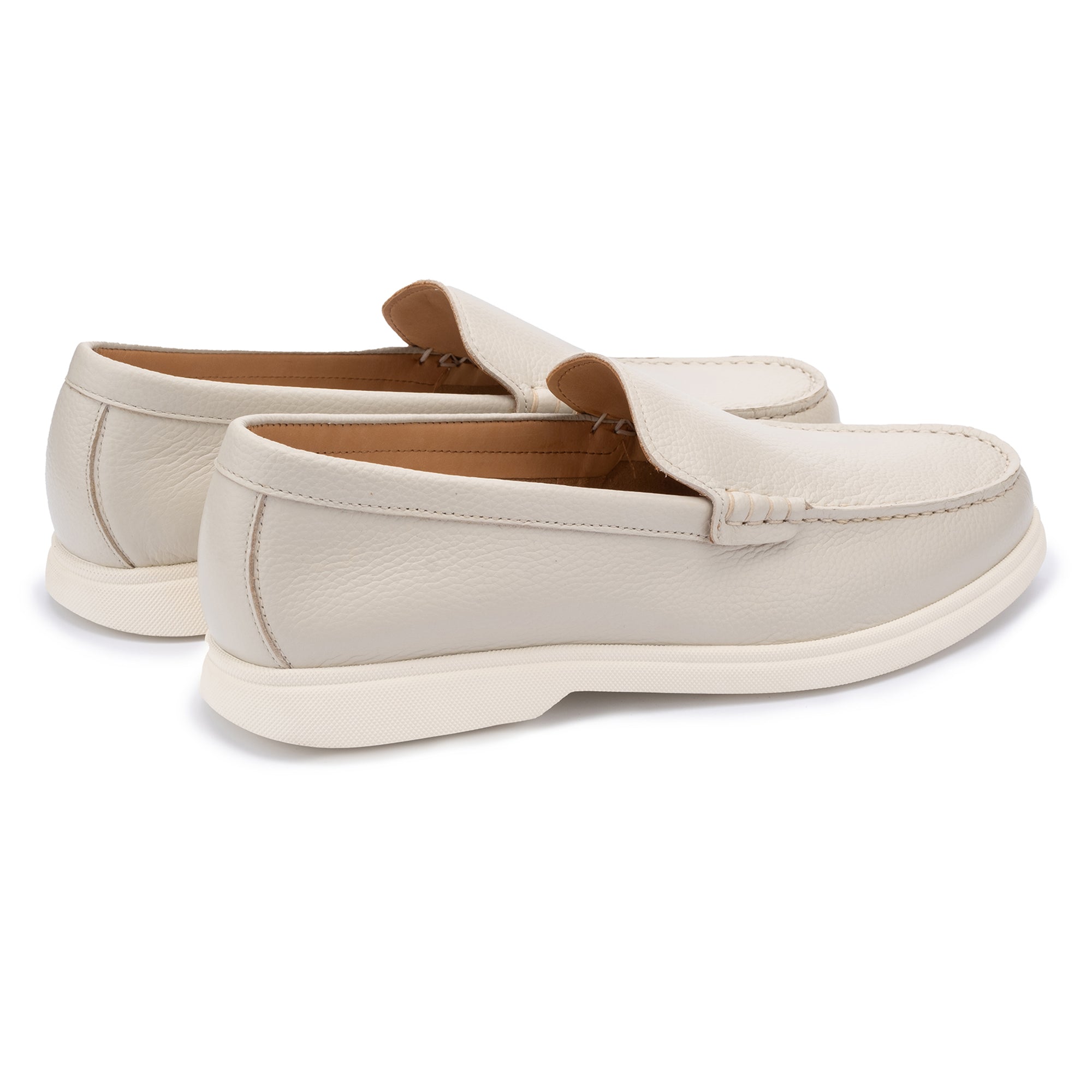
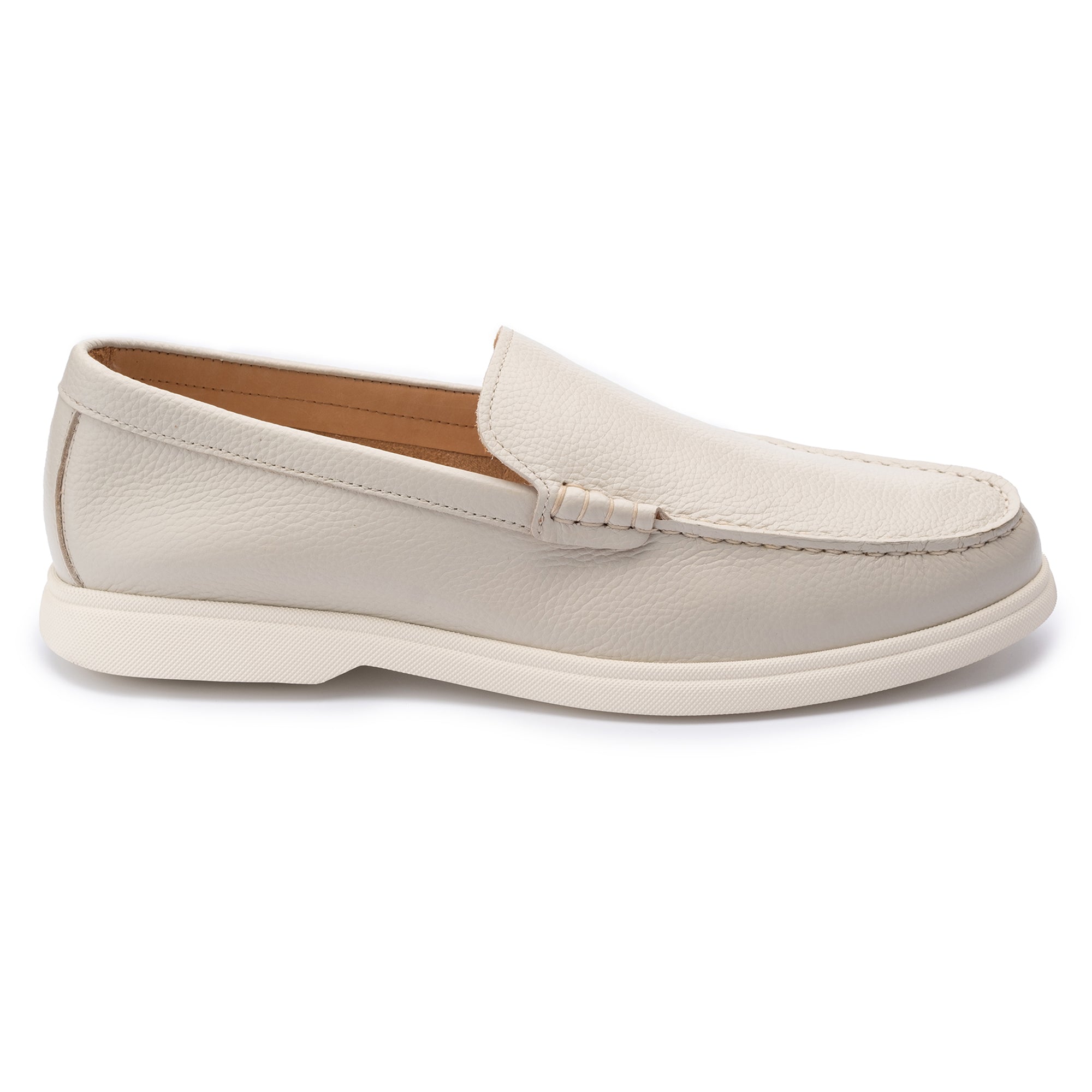
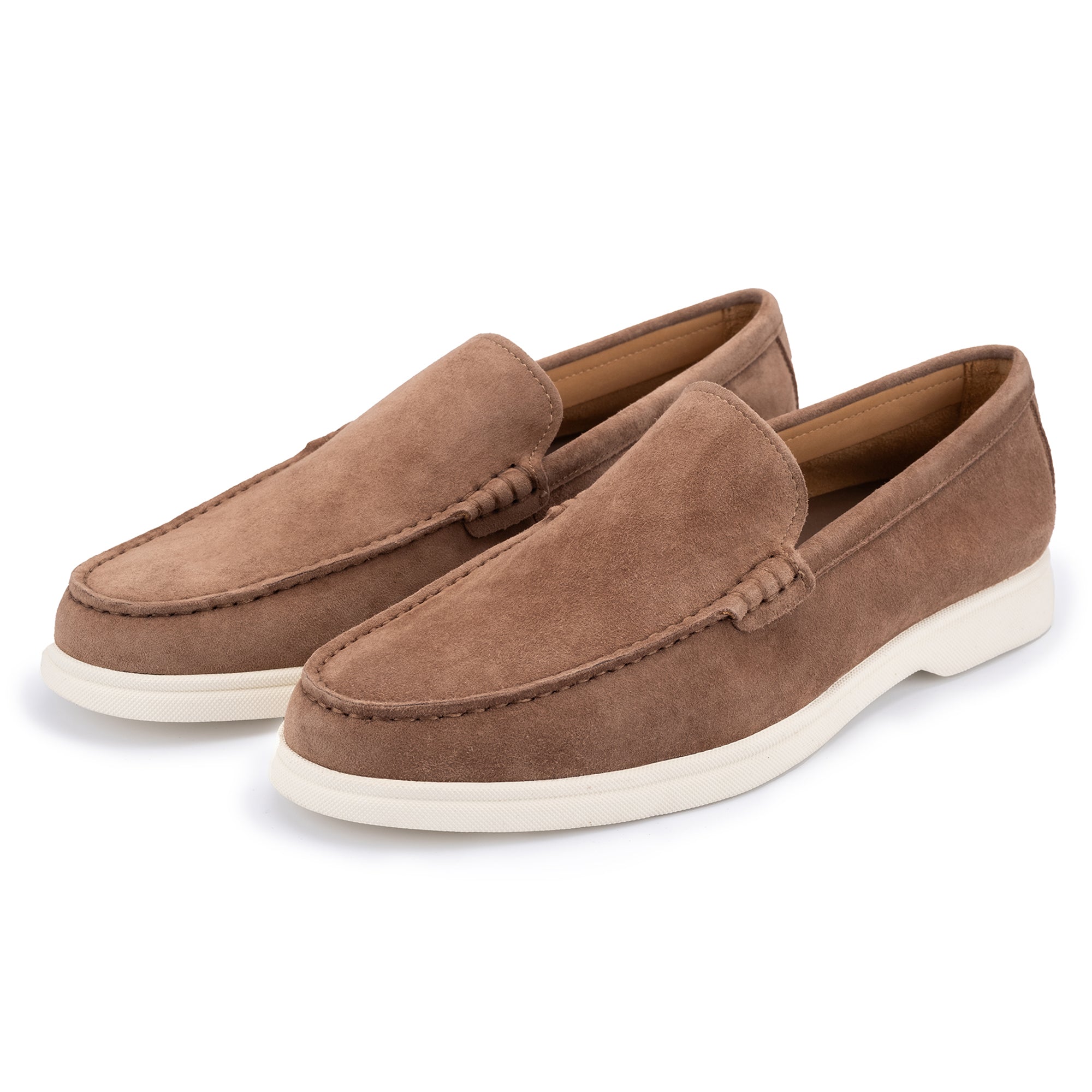
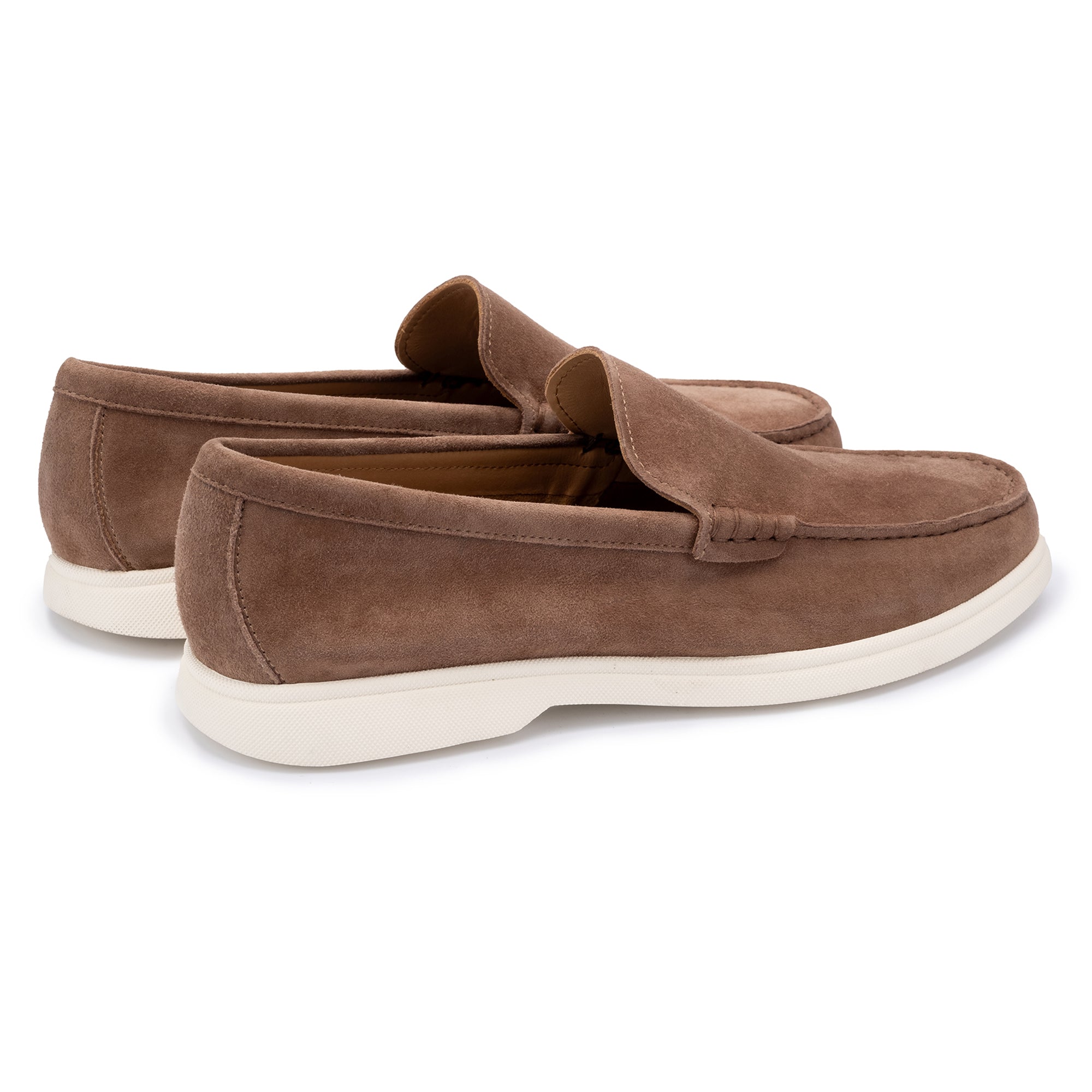
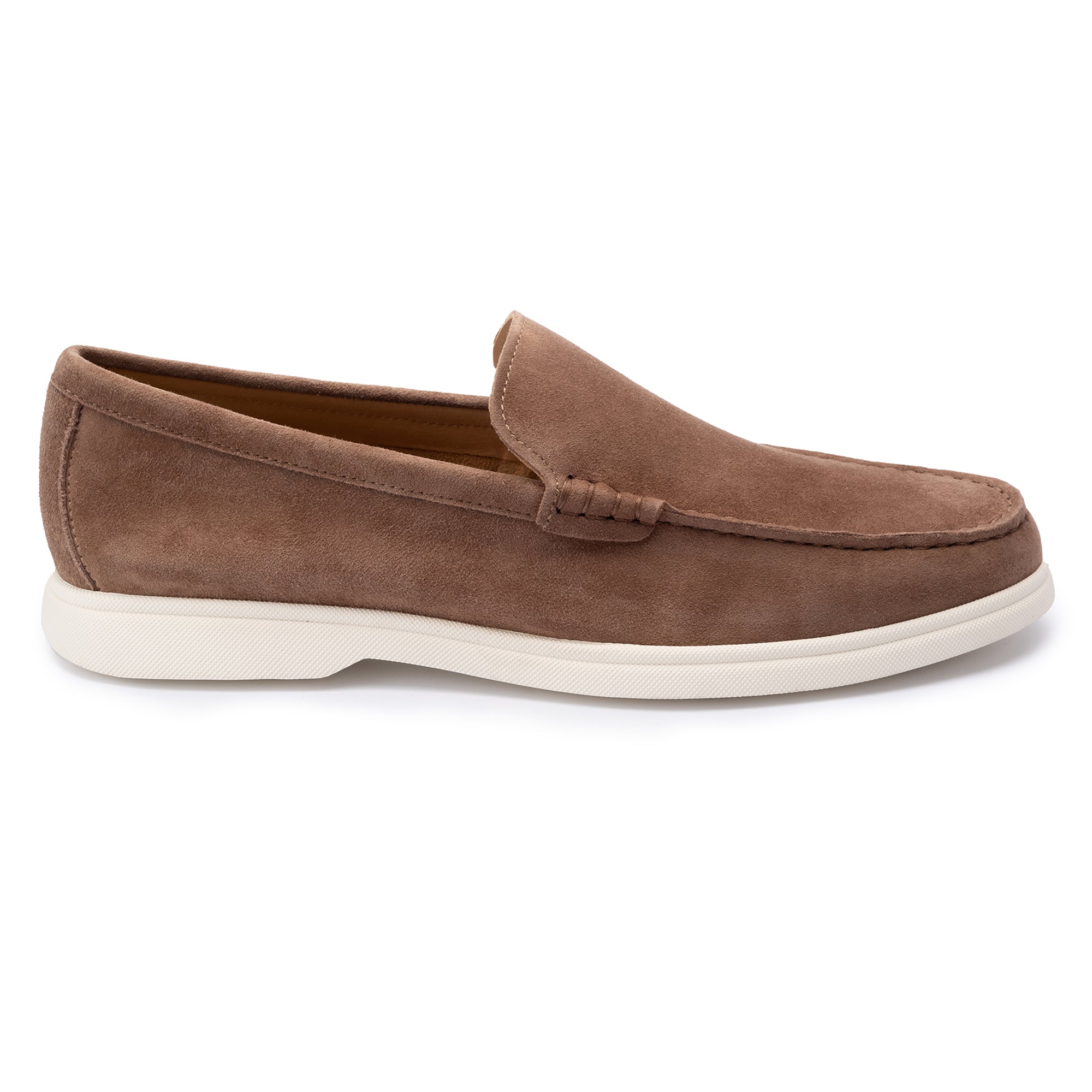
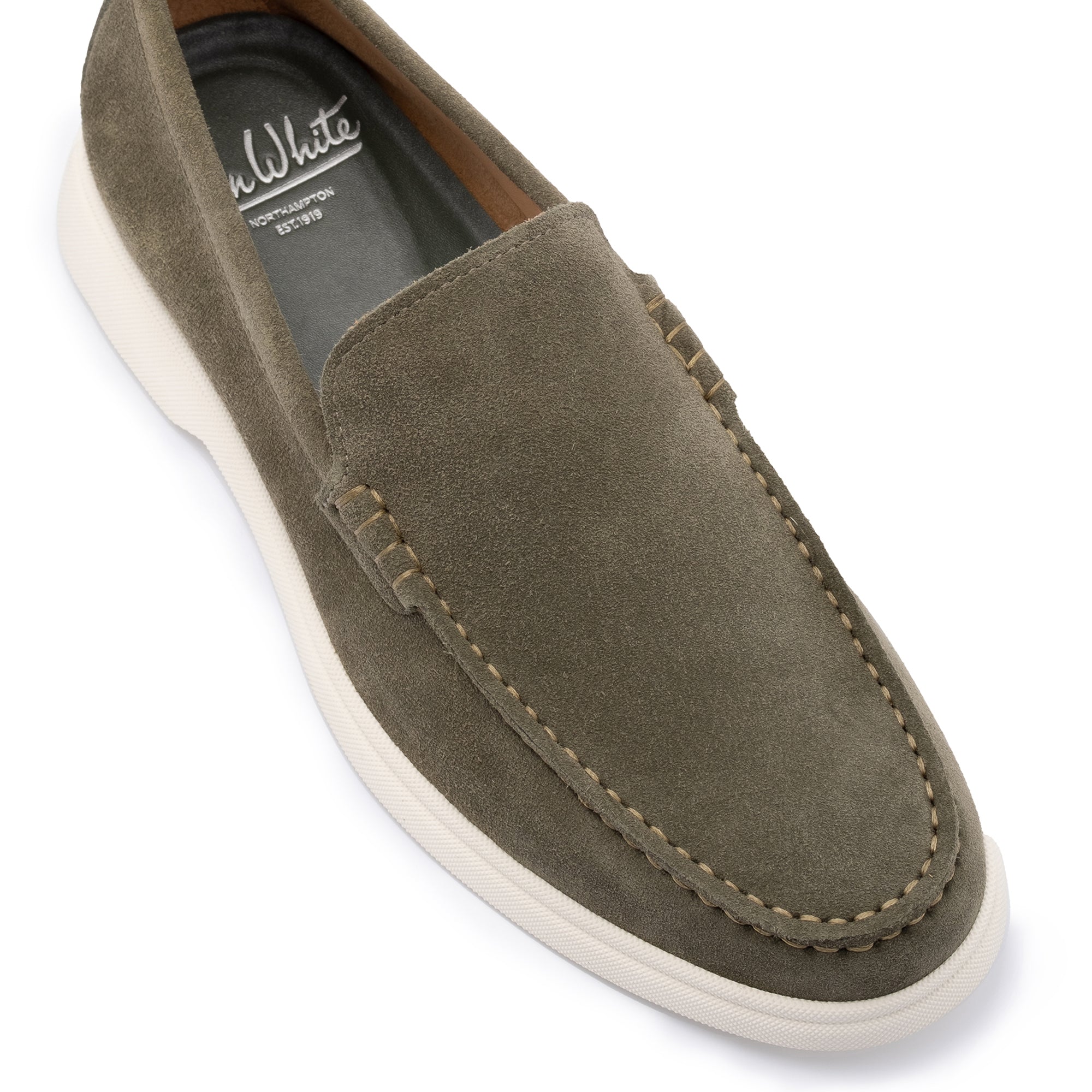
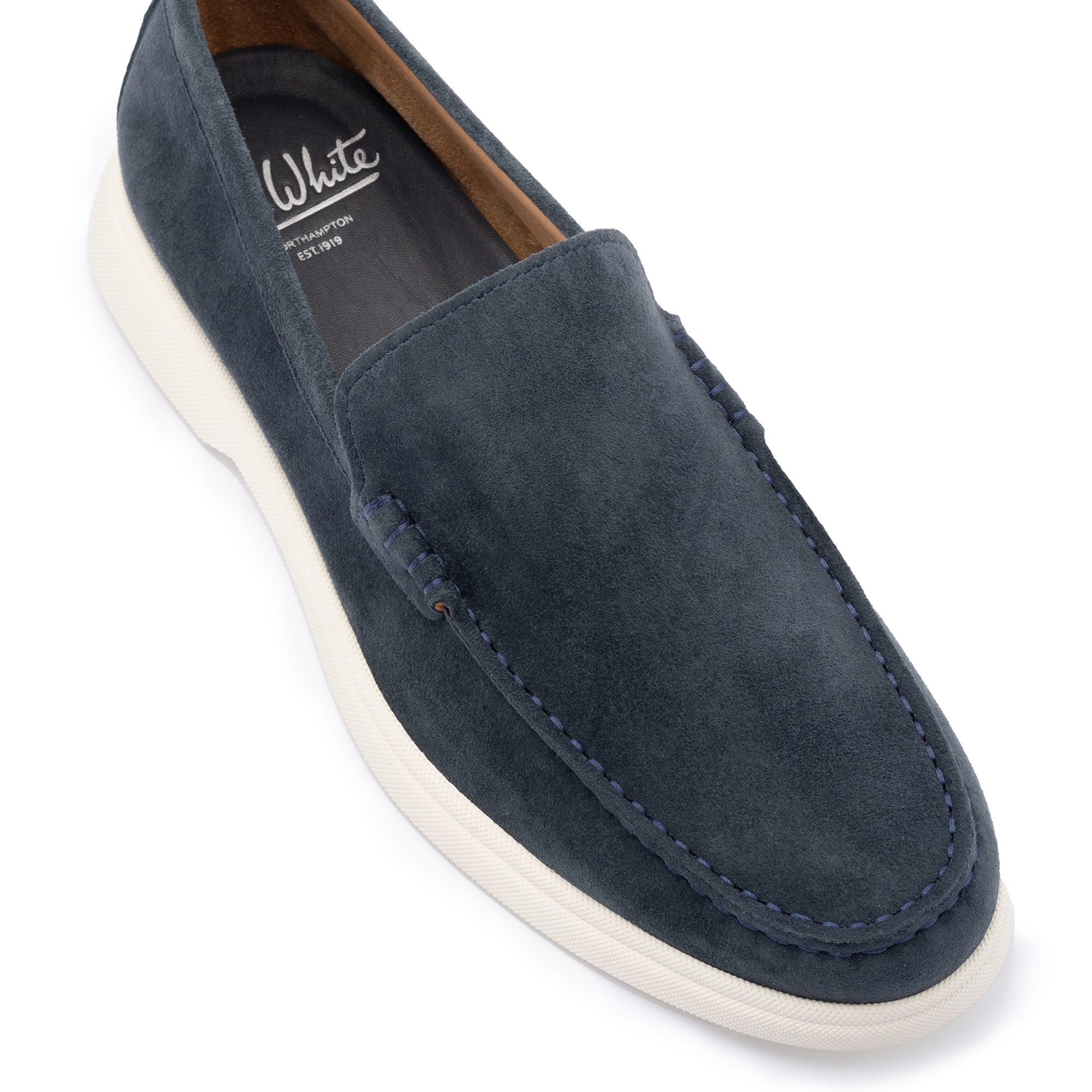
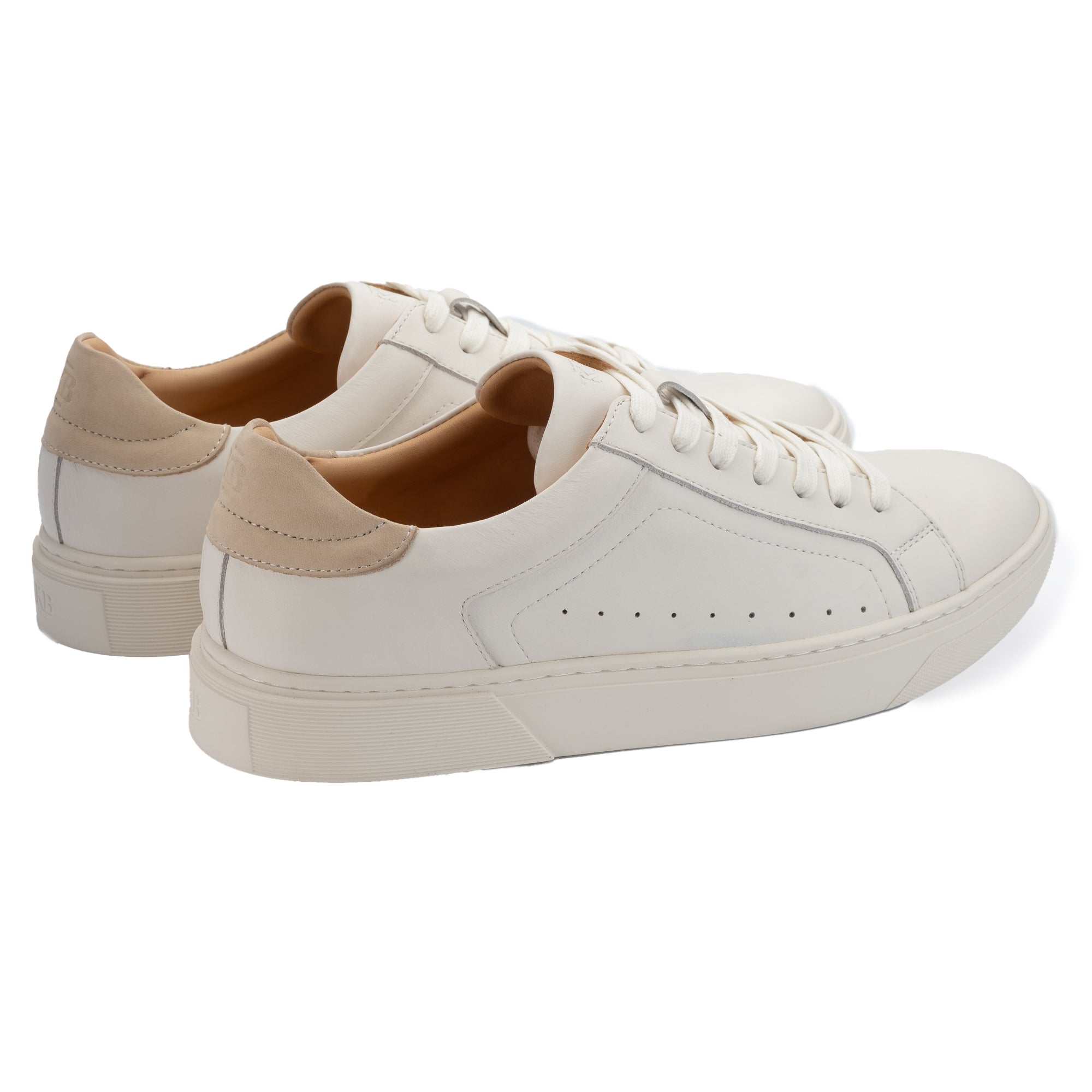
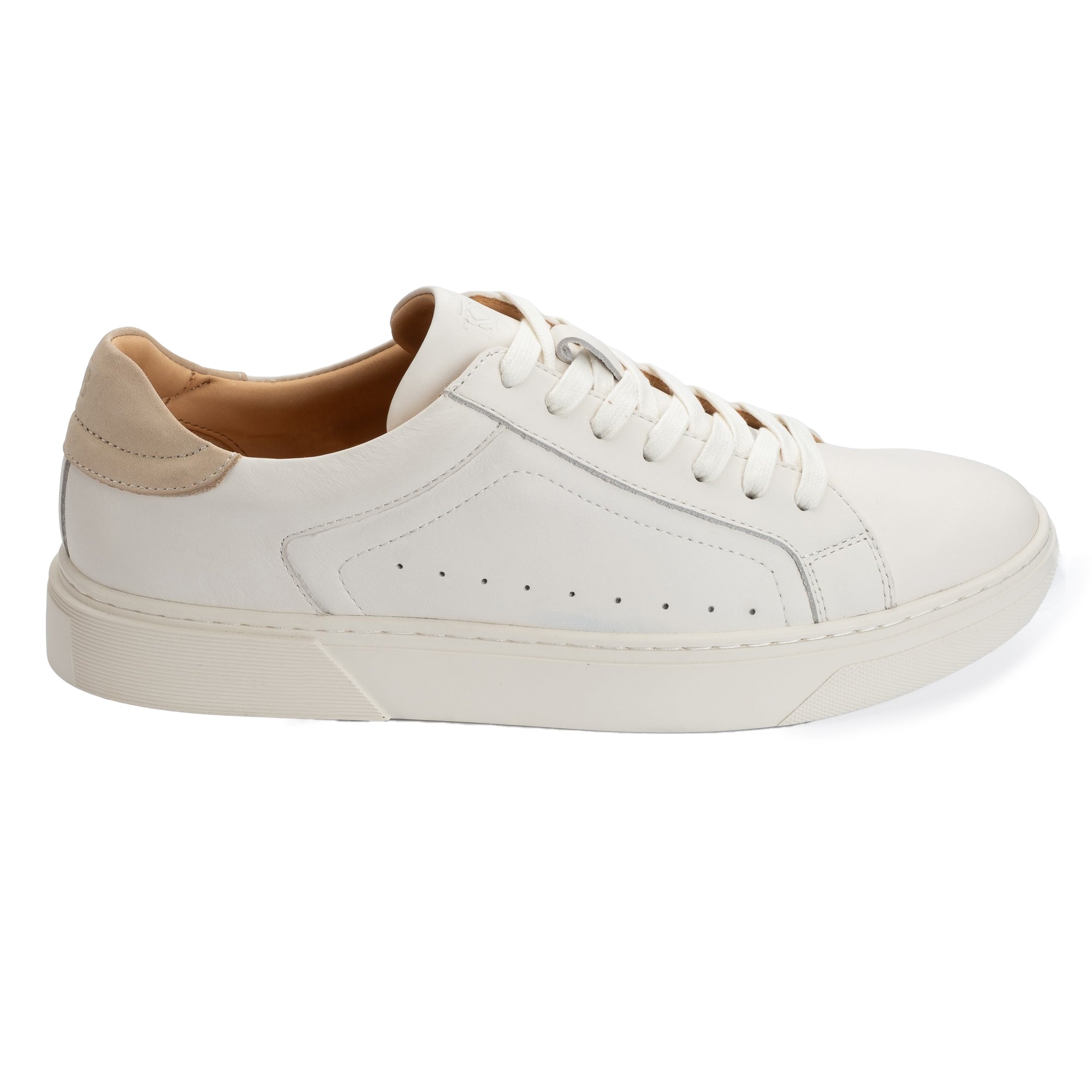
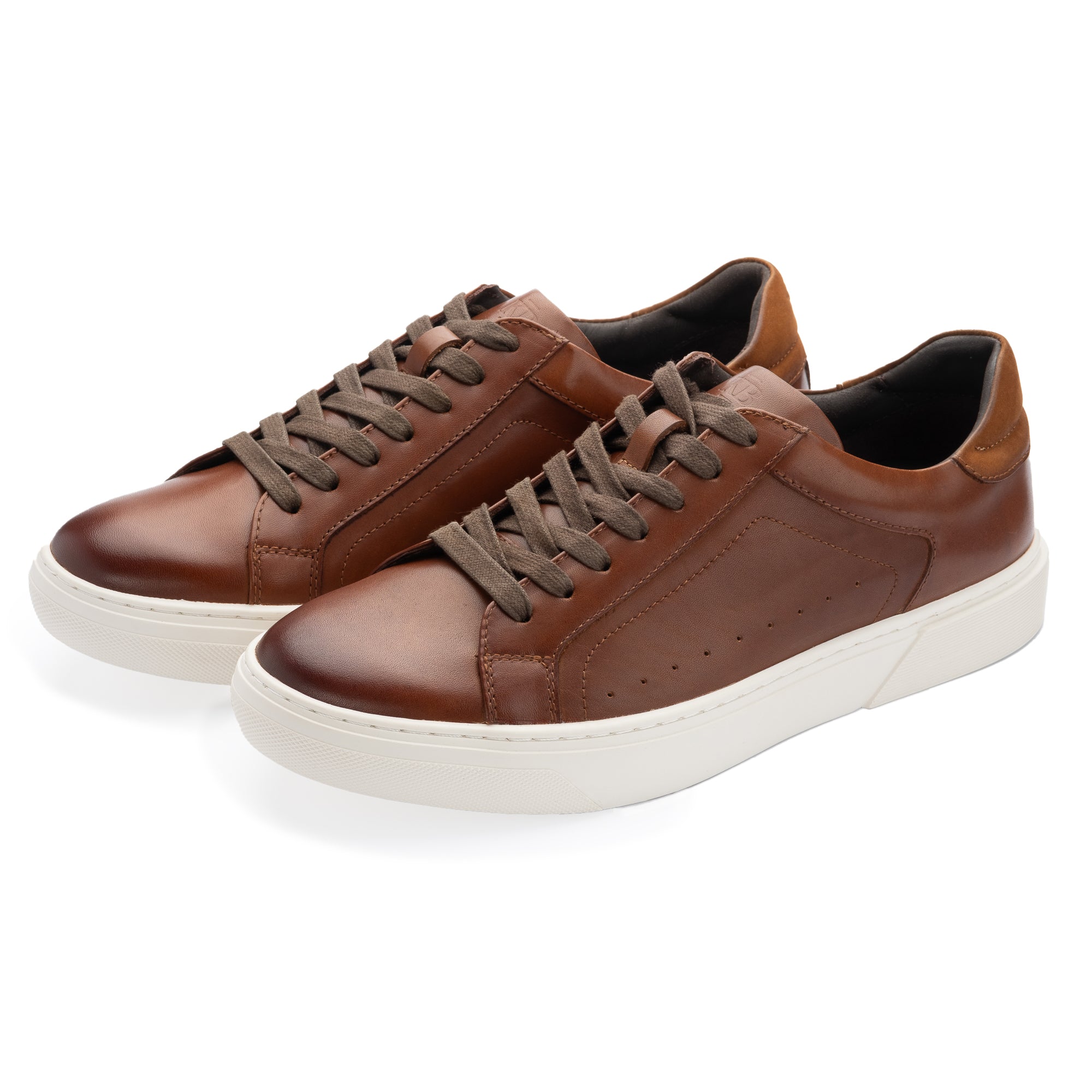
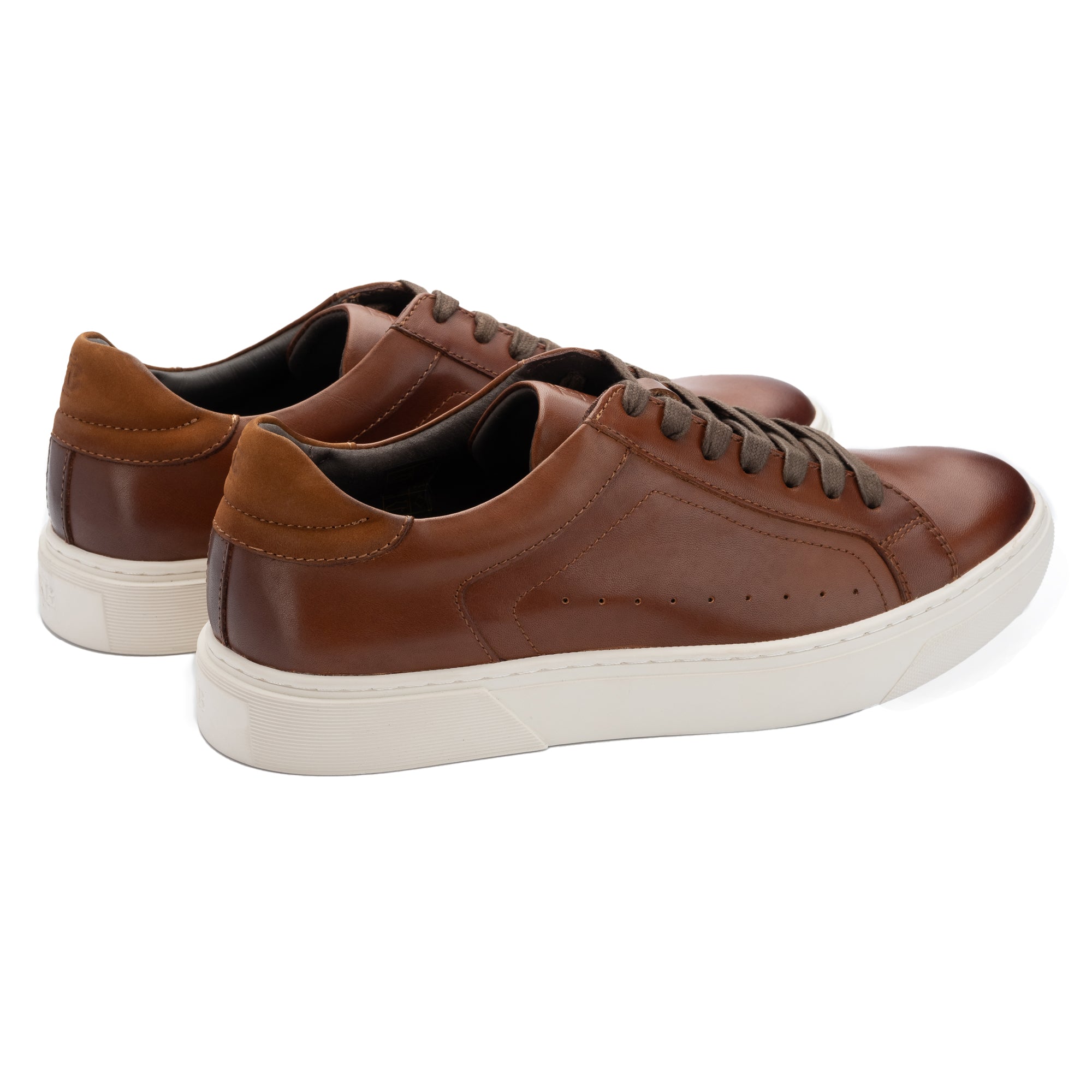
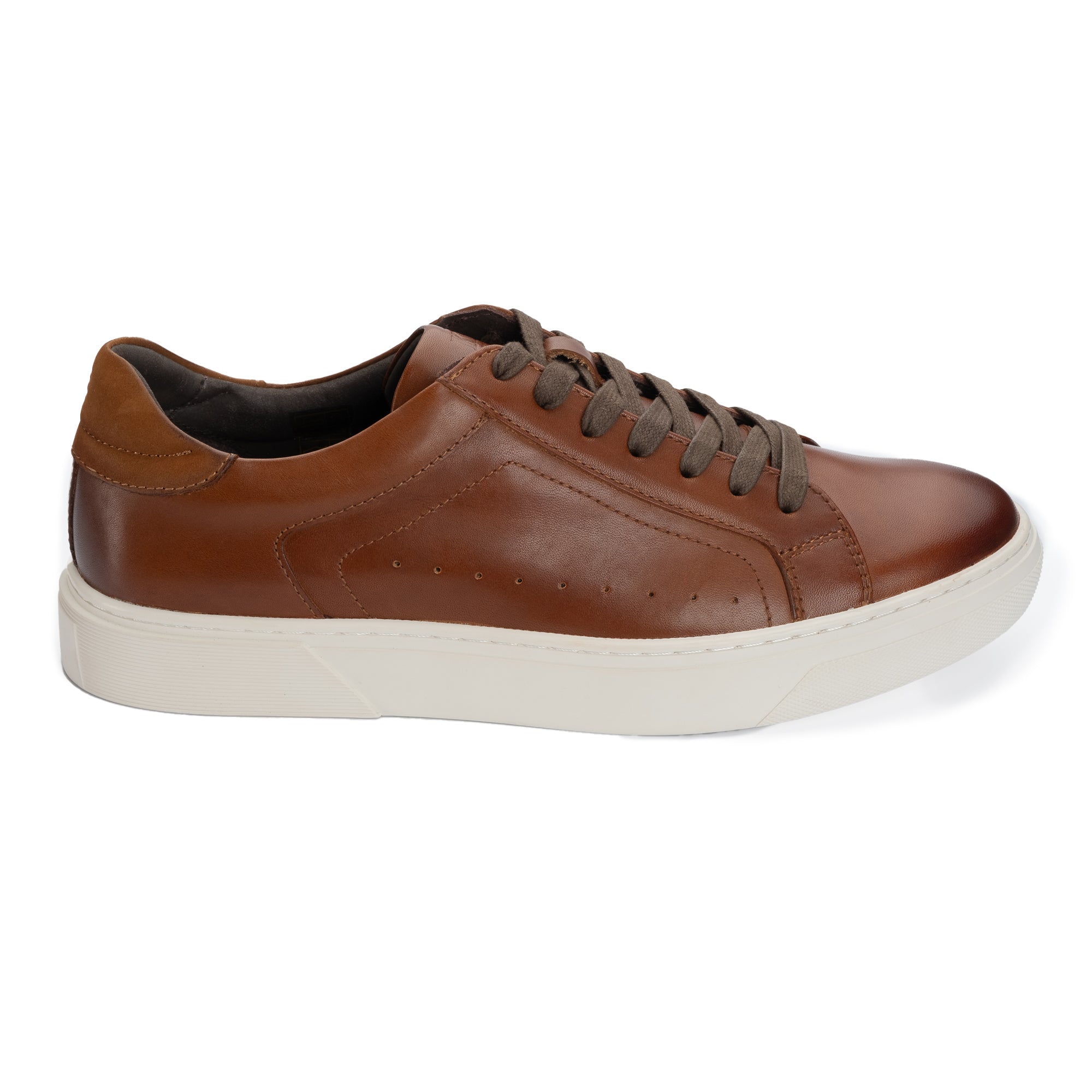
If you're buying for everyday wear — commuting on foot, navigating unpredictable British weather, long days in the office — rubber-soled footwear makes daily life significantly more manageable without sacrificing a smart appearance. The Broad Derby Shoes and the Brecon Chelsea Boot offer the versatility that a working wardrobe actually requires.
Heritage brands with long records in men's dress footwear — among them Church's, Loake, Barker, Grenson, and Crockett & Jones — have long acknowledged that the rubber-soled dress shoe is not a lesser product. The shift reflects how men genuinely dress today: more urban, more varied in their conditions, and less constrained by a single formal code.
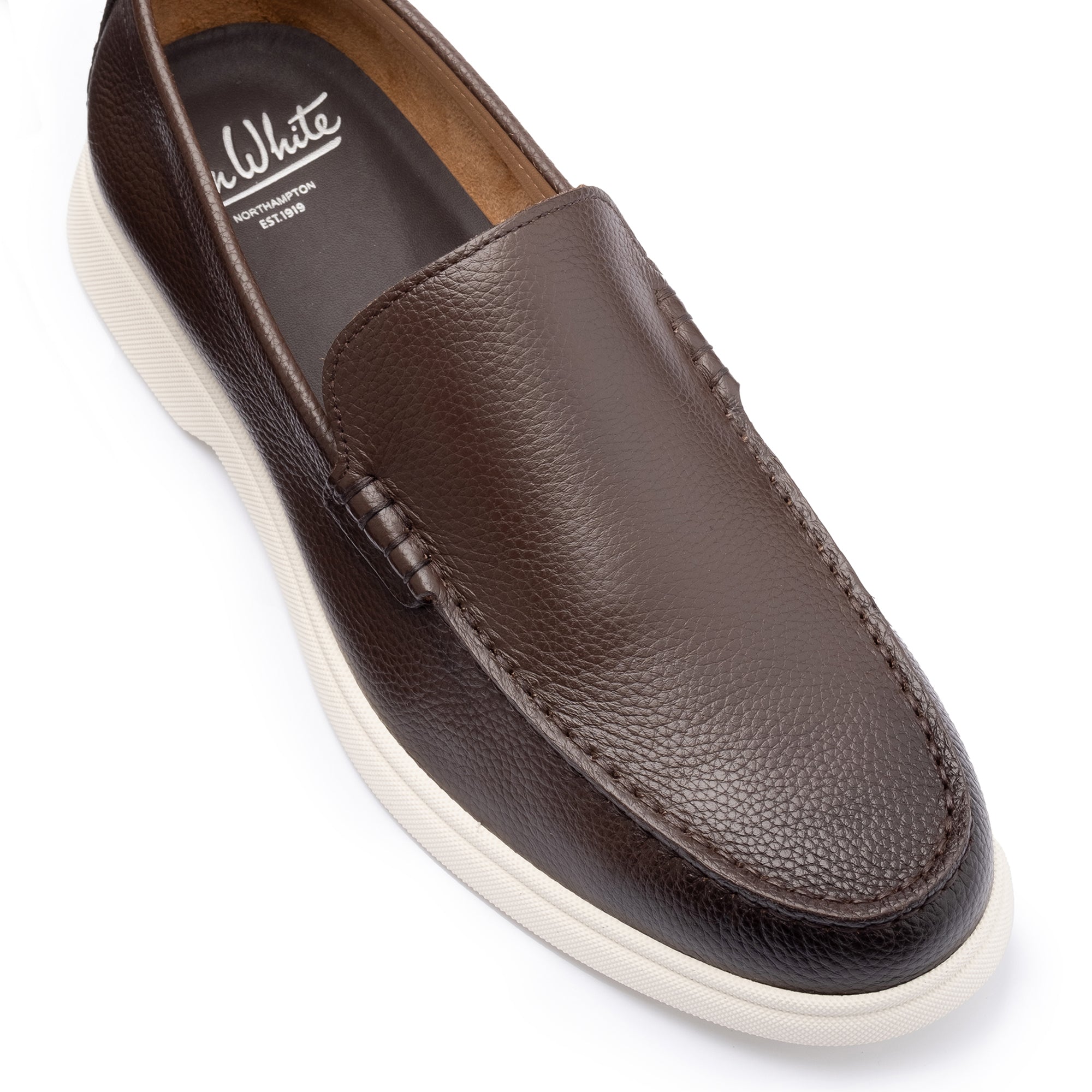
John White Shoes, established in 1919 in Northamptonshire, designs footwear across this full spectrum. For broader guidance on matching construction to your lifestyle, our article on How to Choose Shoe Construction for the Way You Actually Wear Them covers the wider picture in detail.
How Do You Extend the Life of Either Sole Type?
Regardless of sole material, a few consistent habits make a measurable difference to longevity and appearance over time.
- Rotate your pairs — wearing the same shoes every day compresses the sole material and prevents it from recovering between wears. Two or three pairs in rotation is the practical minimum for any working wardrobe.
- Fit rubber heel caps on leather soles — a cobbler can apply a small rubber heel tip for a few pounds. This single step substantially extends the life of a leather heel on hard urban surfaces.
- Condition leather soles regularly — use a leather sole conditioner or a small amount of dubbin. Keep it separate from upper conditioning products to avoid over-softening the outsole material.
- Store with cedar shoe trees — cedar trees maintain the shape of both the upper and sole simultaneously, reducing toe curl and preventing cracking at the natural flex point.
- Dry naturally after wet weather — never apply direct heat. Allow shoes to dry at room temperature, supported by cedar trees or newspaper, before wearing again.
For a complete conditioning and polishing approach that covers both sole and upper care across the seasons, the complete guide to leather shoe care covers every stage in full detail.
Related Guides
- The Complete Guide to Men's Dress Shoes — our comprehensive guide
- How to Choose Shoe Construction for the Way You Actually Wear Them
- The Complete Guide to Leather Shoe Care
- From Saturated to Salvaged: The Definitive Process for Drying Wet Leather Footwear
TL;DR: Leather soles are the traditional standard for formal men's footwear — slim-profiled, breathable, and capable of developing a genuine patina over time. Rubber soles prioritise grip, weather resistance, and urban durability, making them the practical choice for daily wear. Most men benefit from having both in their wardrobe. Browse our full men's shoes collection and men's boots collection to find footwear designed for the way you actually live.
Frequently Asked Questions
Are leather soles better than rubber soles for dress shoes?
For formal occasions, leather soles are the traditional and most correct choice. For daily urban wear in varied weather, rubber soles are the more practical option. Neither is objectively better — the right choice depends on the occasion, conditions, and frequency of wear.
Can you add rubber to a leather sole to improve grip?
Yes. A cobbler can apply a thin rubber half-sole or heel cap to a leather outsole, adding meaningful traction without significantly changing the shoe's appearance. This is a common and inexpensive modification for men who prefer the look of a leather sole but need better performance on city pavements.
Do rubber soles make dress shoes look less formal?
Marginally, at the most formal end of the dress code. Rubber soles add slight visual bulk to the sole edge, which is perceptible under slim-cut trousers. For black tie or the most precise formal occasions, leather remains the convention. For business professional and smart casual, rubber is entirely appropriate and widely worn.
How often should you condition a leather sole?
The Leather Conservation Centre recommends conditioning leather soles every six to eight weeks as a baseline — more frequently in winter months when cold and moisture increase the risk of cracking. Use a dedicated leather sole conditioner or small amount of dubbin, and allow the sole to absorb fully before wearing.