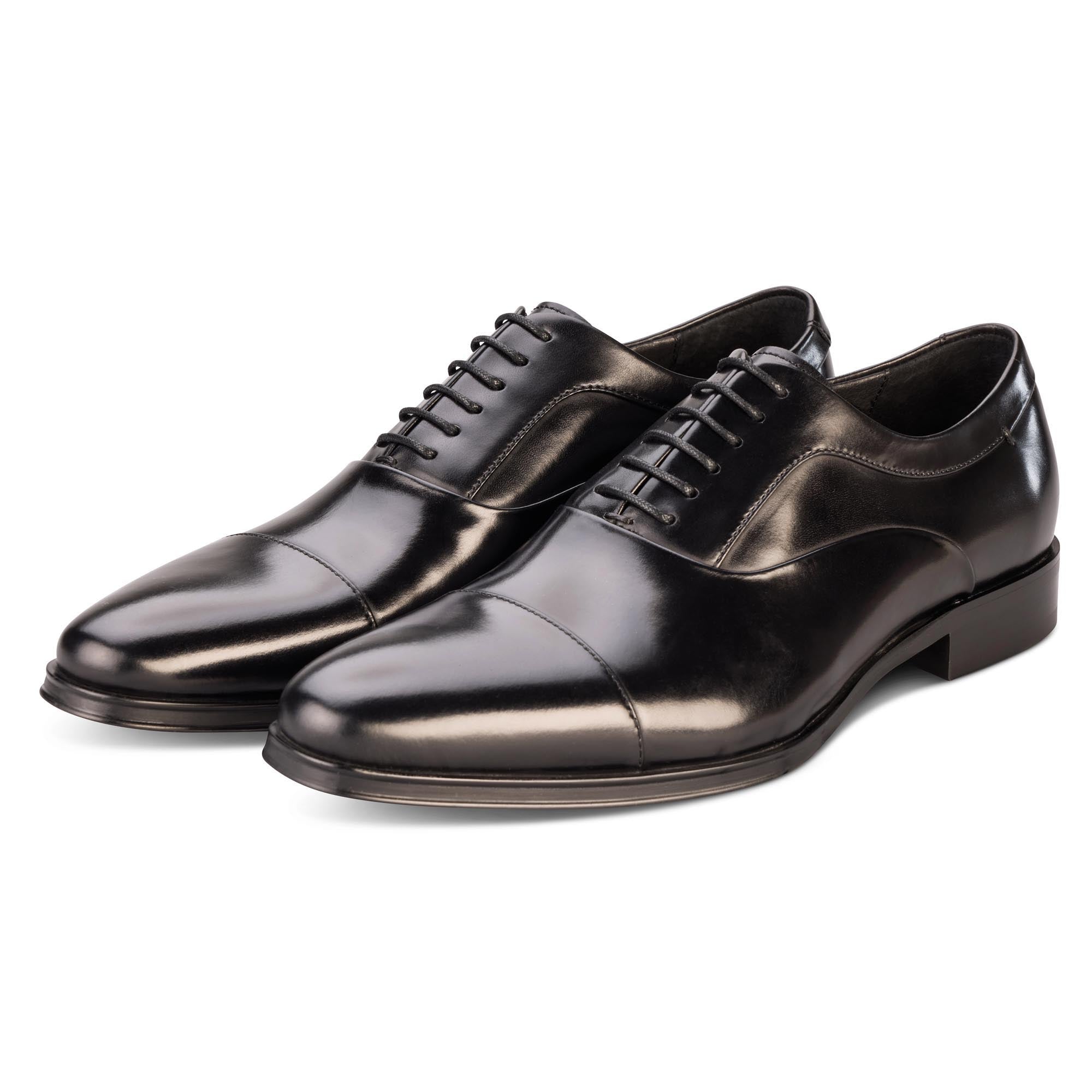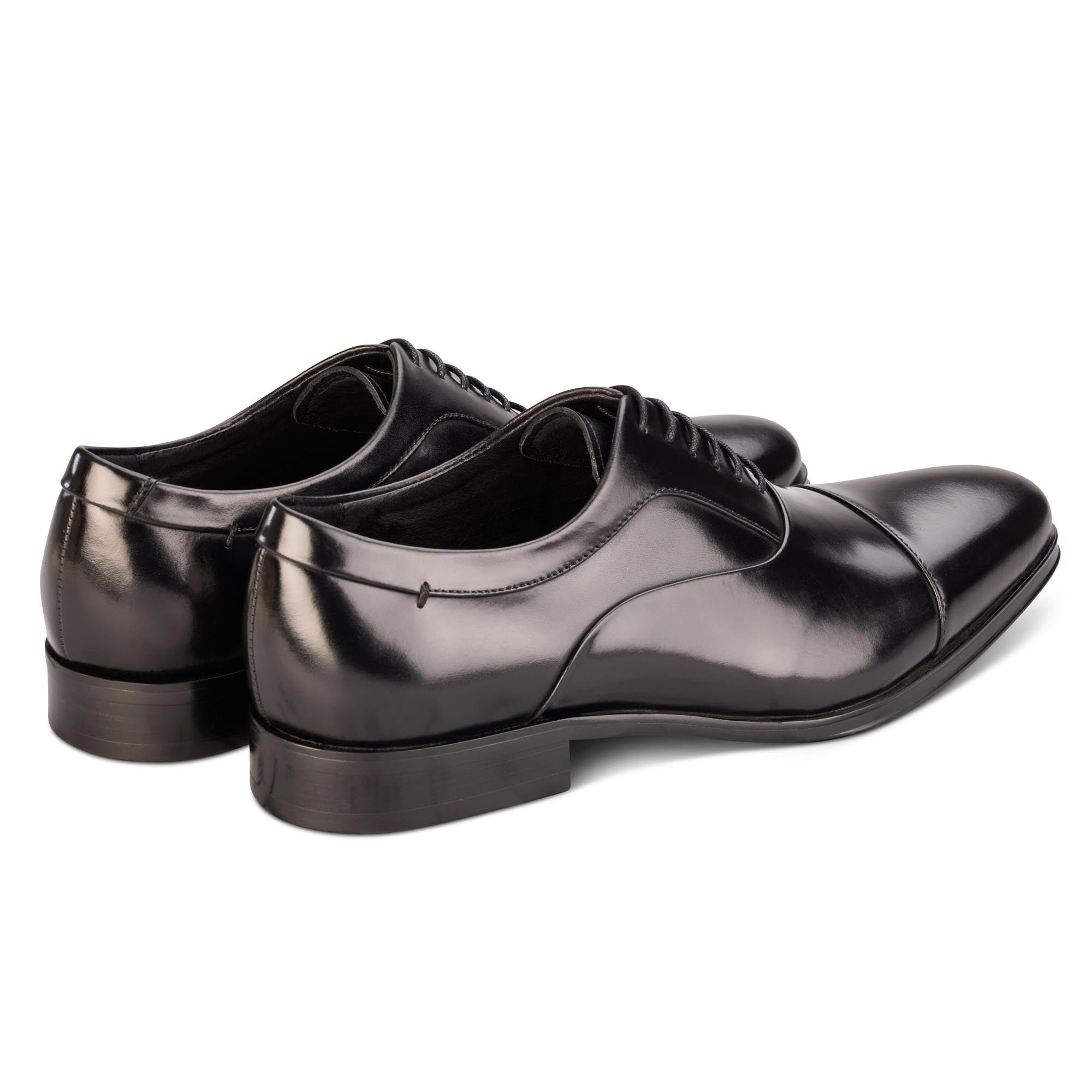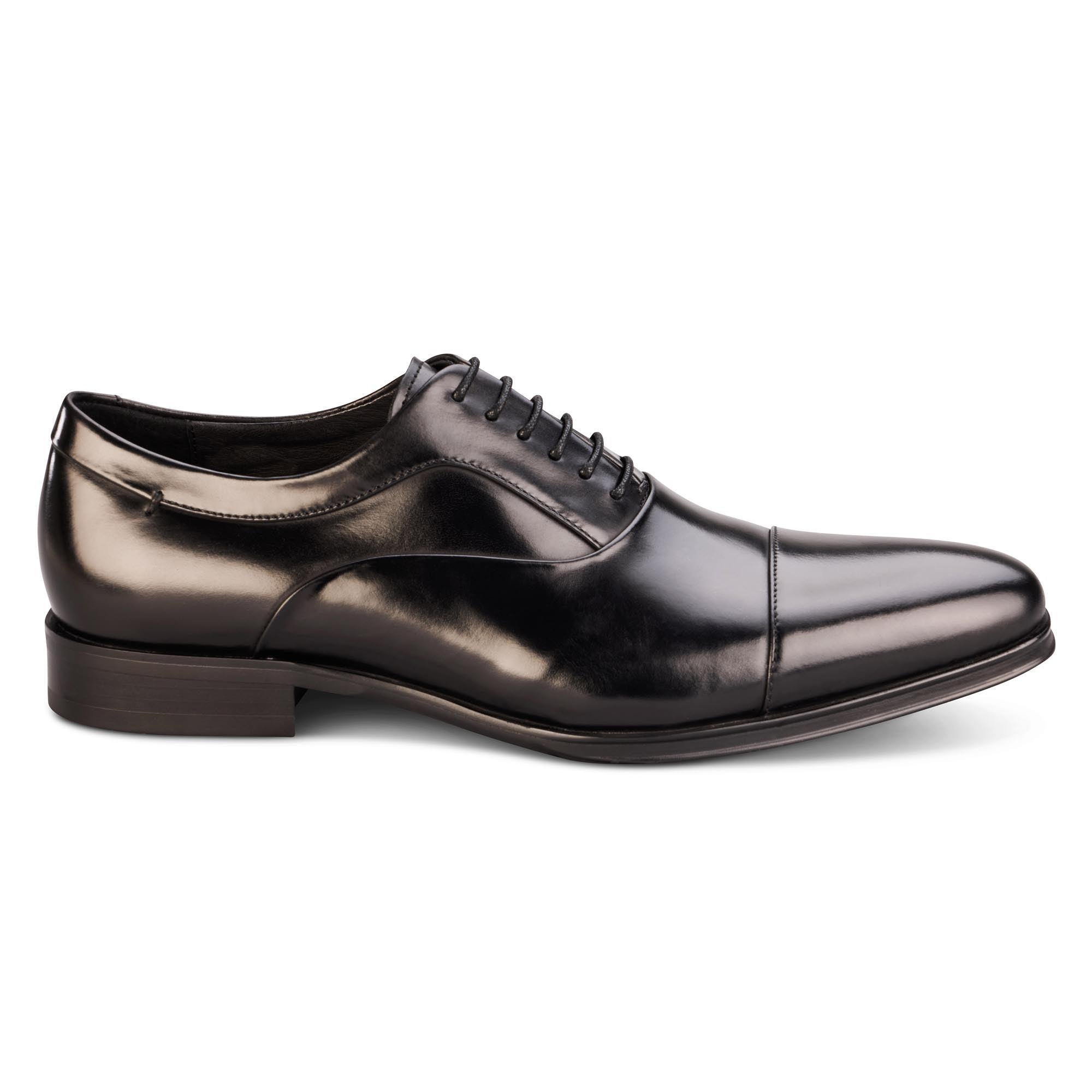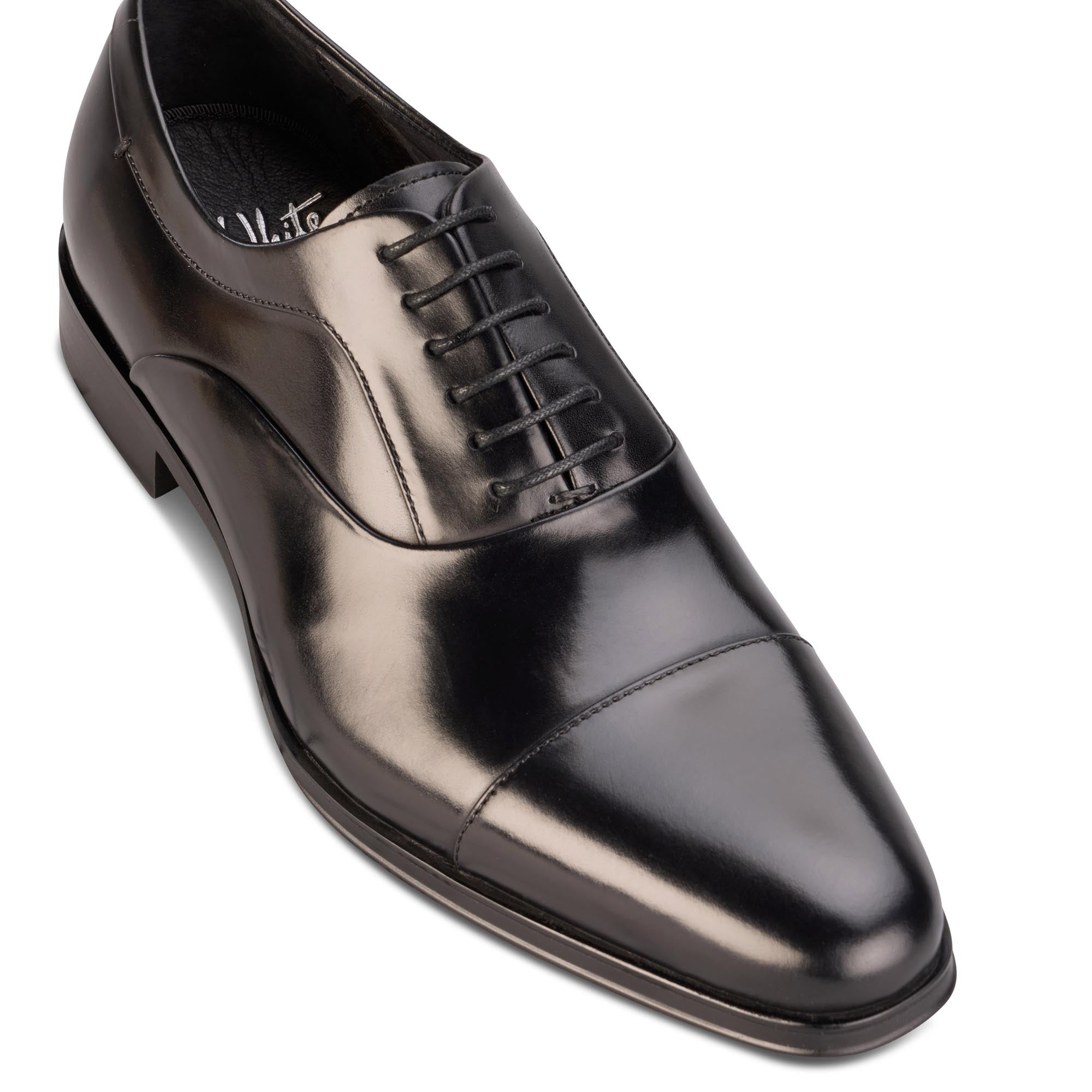

How to Wear Brogue Boots: Men's Styling Guide for Every Season
Brogue boots work across every season because they sit between dress and casual footwear — formal enough for the office, sturdy enough for a winter walk. In autumn and winter, wear black or dark brown with wool trousers, a suit, or a heavy knit. In spring and summer, reach for brown or tan with chinos and lighter fabrics. The broguing adds visual character without compromising versatility.
In This Guide
- What Are Brogue Boots and Why Are They So Versatile?
- How Do You Wear Brogue Boots in Autumn and Winter?
- How Do You Style Brogue Boots in Spring and Summer?
- Can You Wear Brogue Boots to the Office or a Formal Occasion?
- What Outfits Work Best with Brogue Boots? A Seasonal Breakdown
- How Do You Care for Brogue Boots Through the Seasons?
- Related Guides
- Frequently Asked Questions About Brogue Boots
Few boots genuinely earn their keep across all four seasons, but brogue boots are the exception. Defined by their decorative perforations and serrated pinking along the edges, they carry the refinement of a dress shoe with the ankle coverage and structure of a boot — which means you can wear them from September through to July without the look feeling forced. This guide covers exactly how to do it.
What Are Brogue Boots and Why Are They So Versatile?
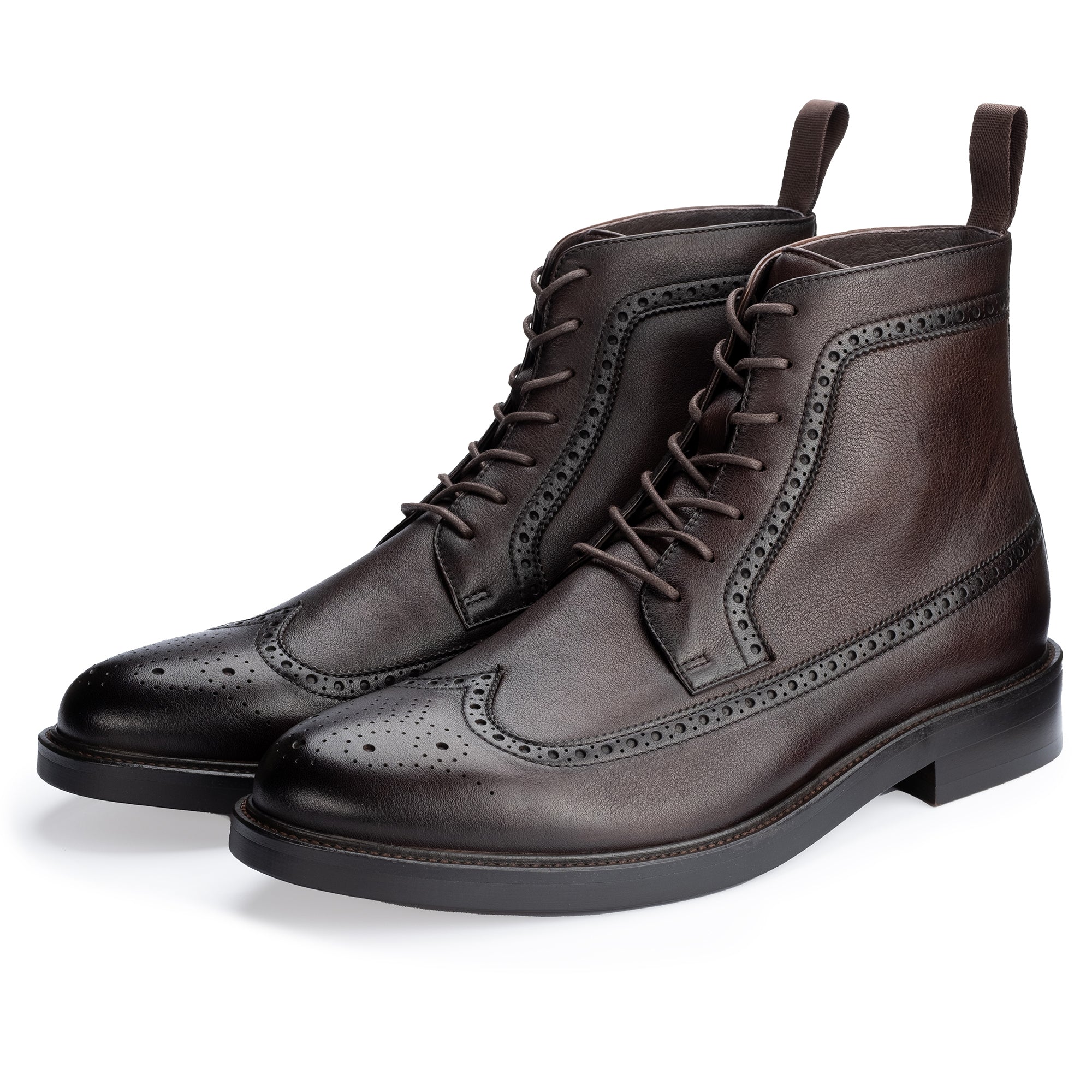
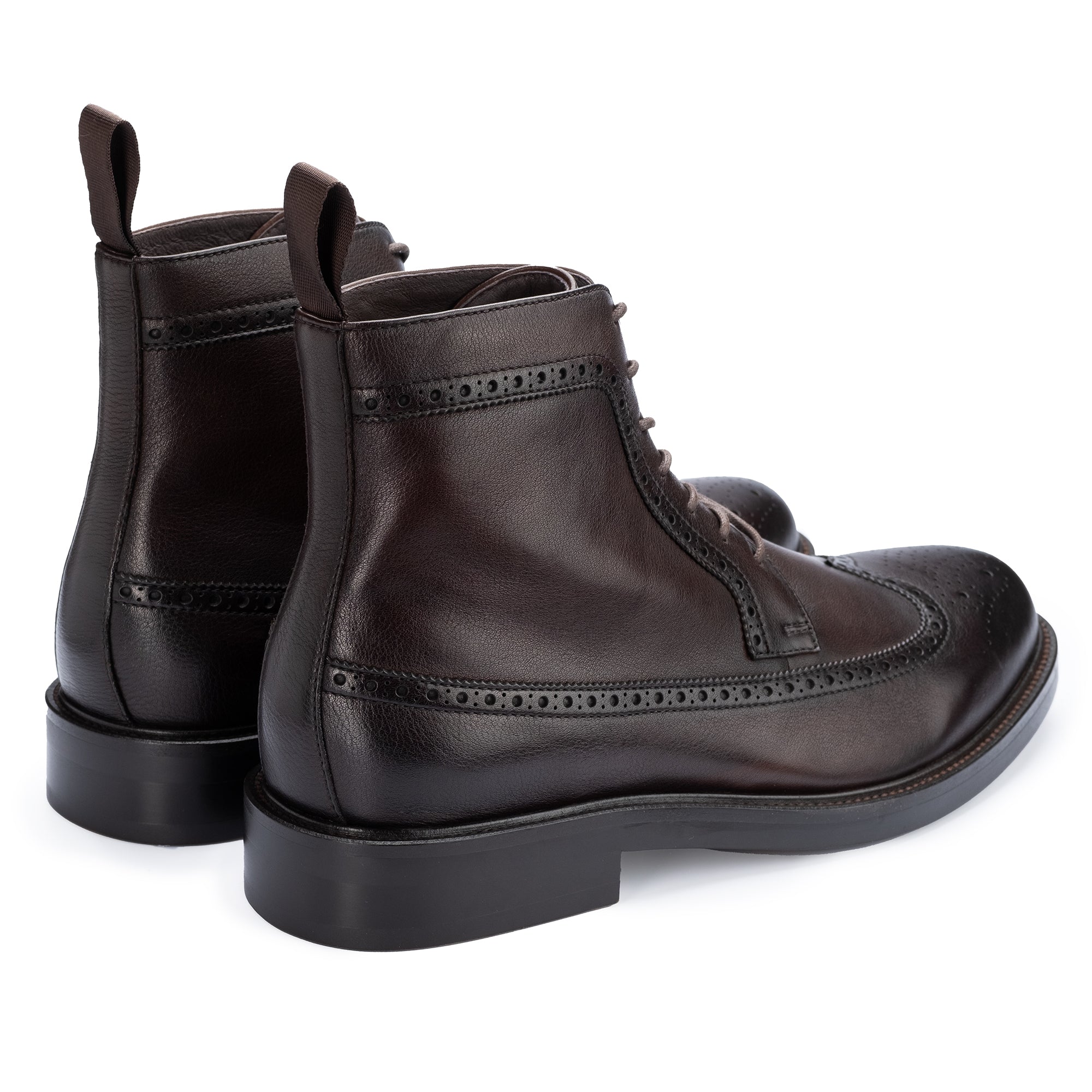
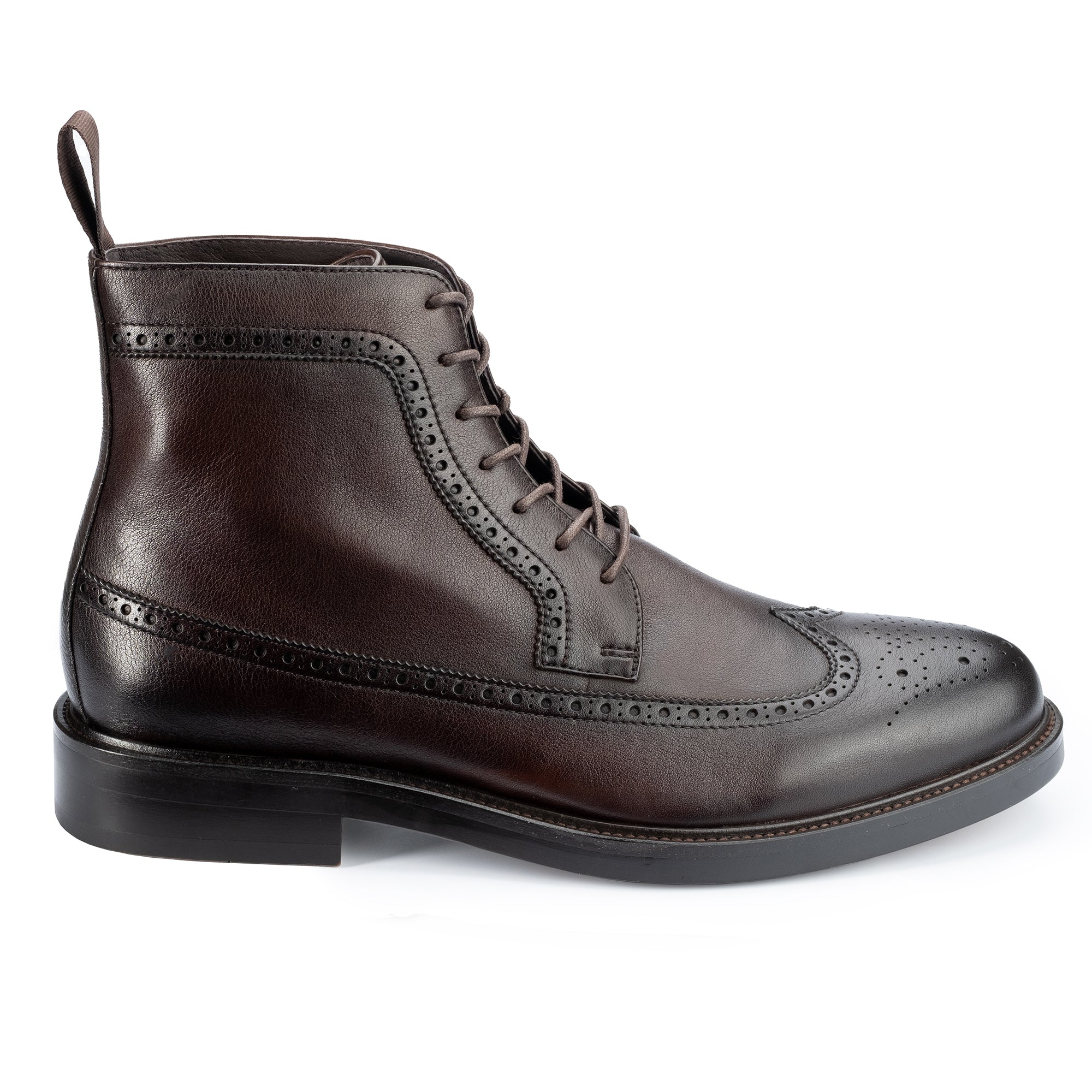
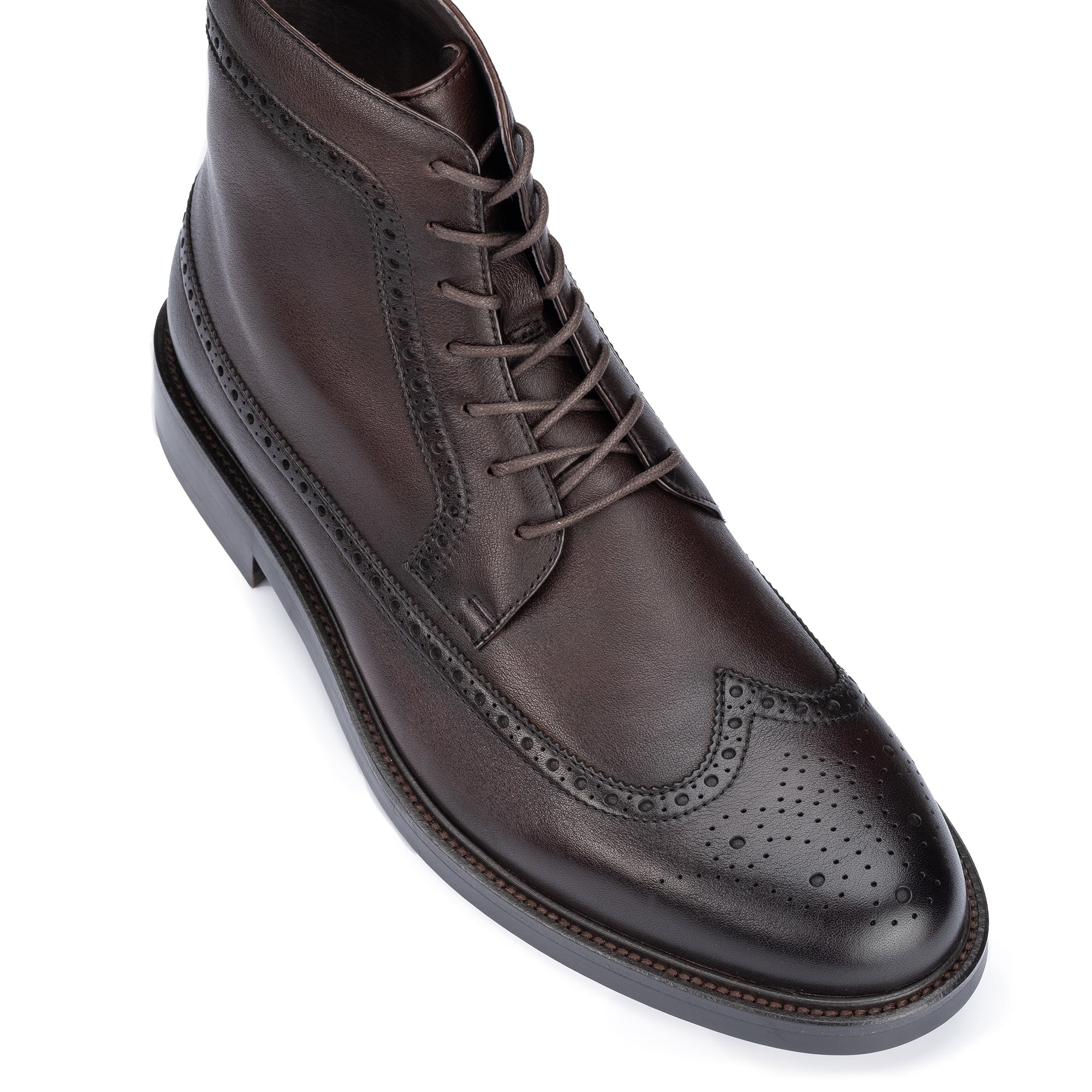
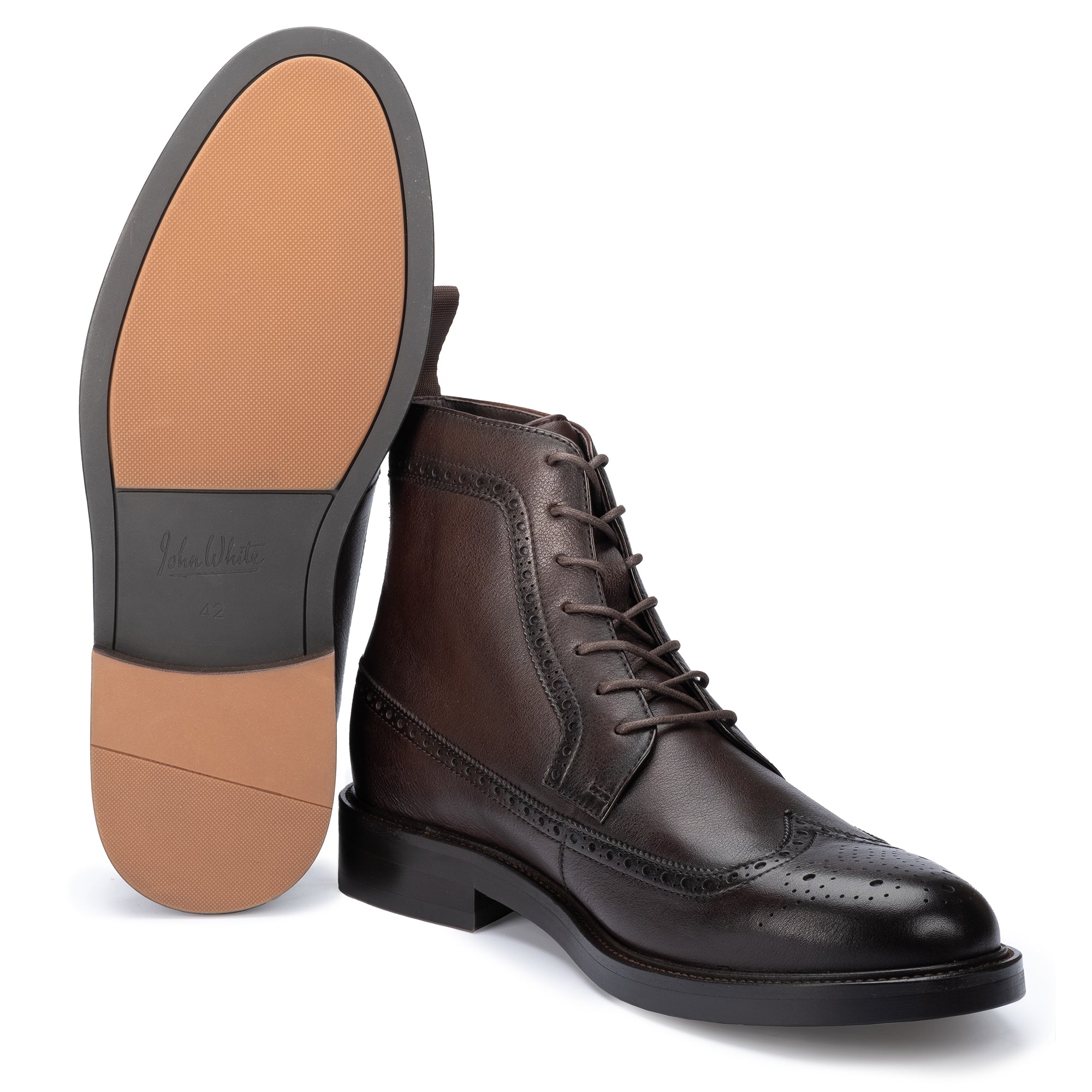
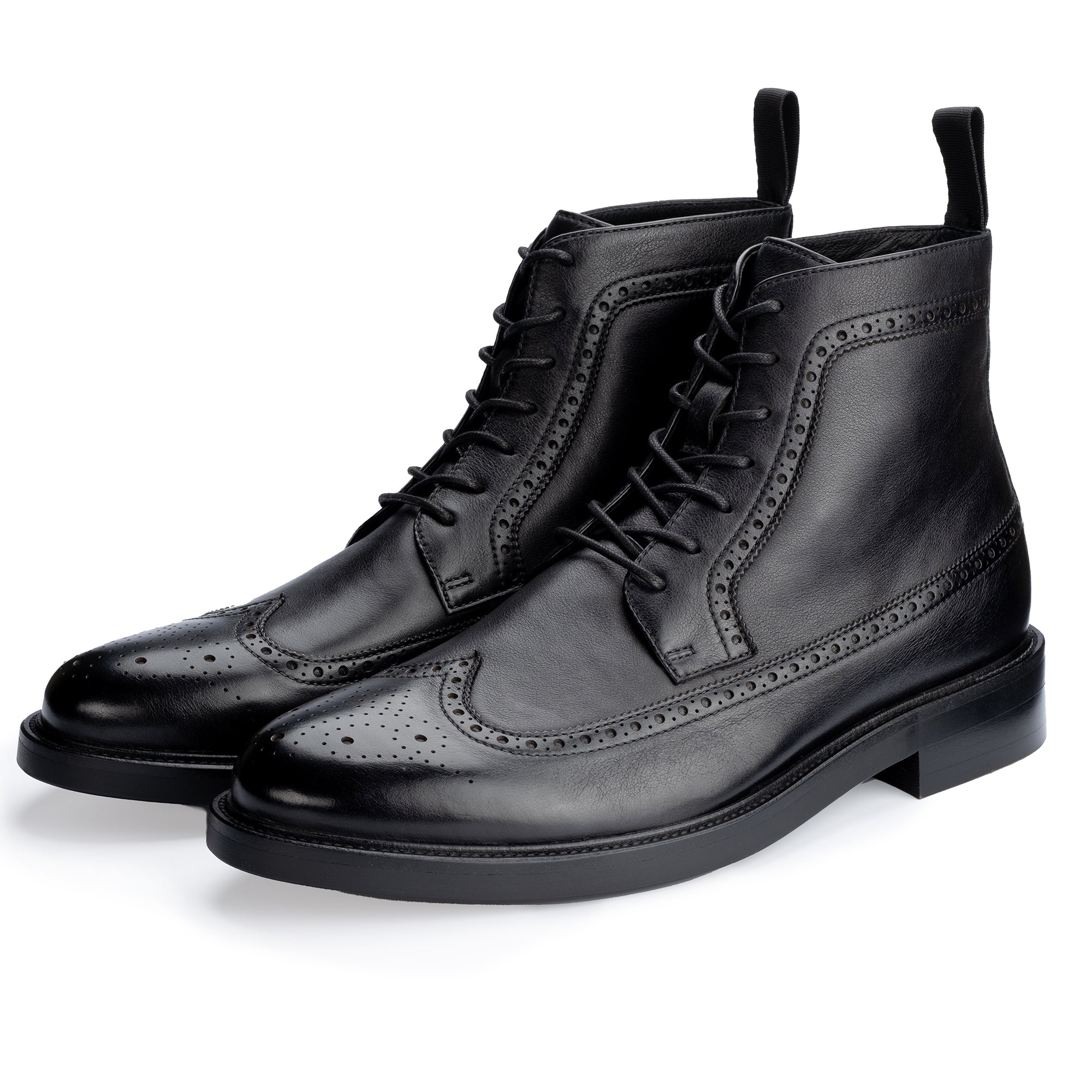
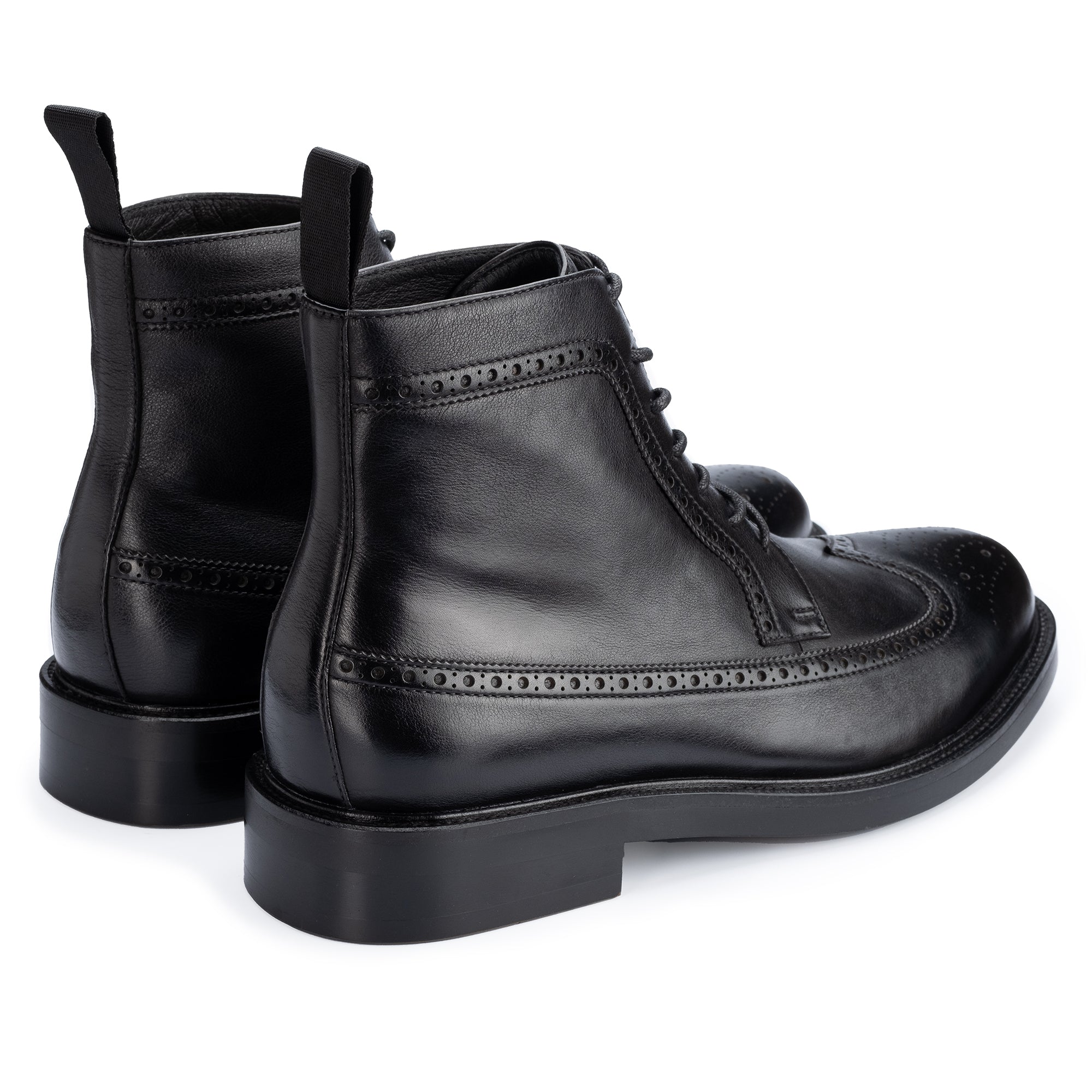
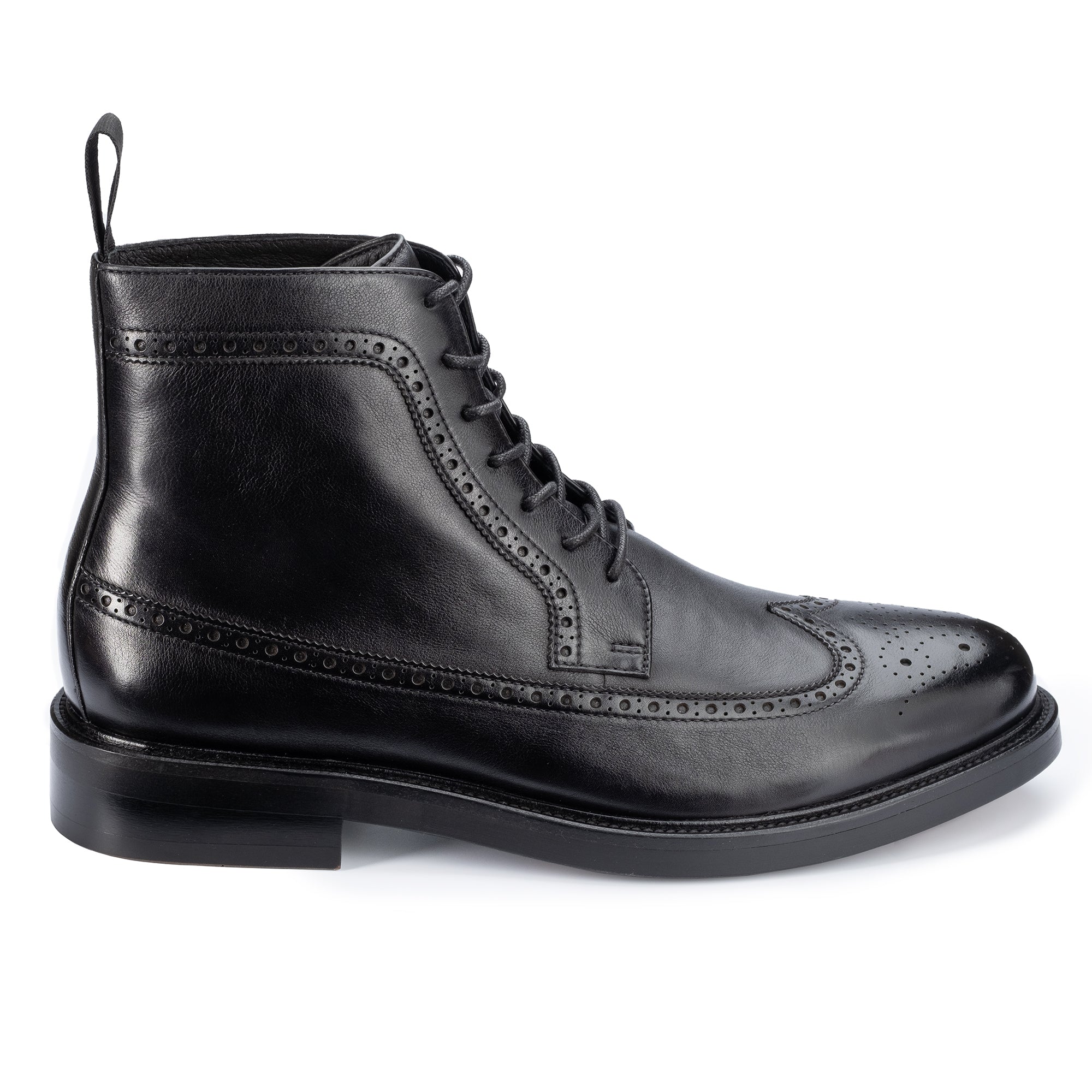
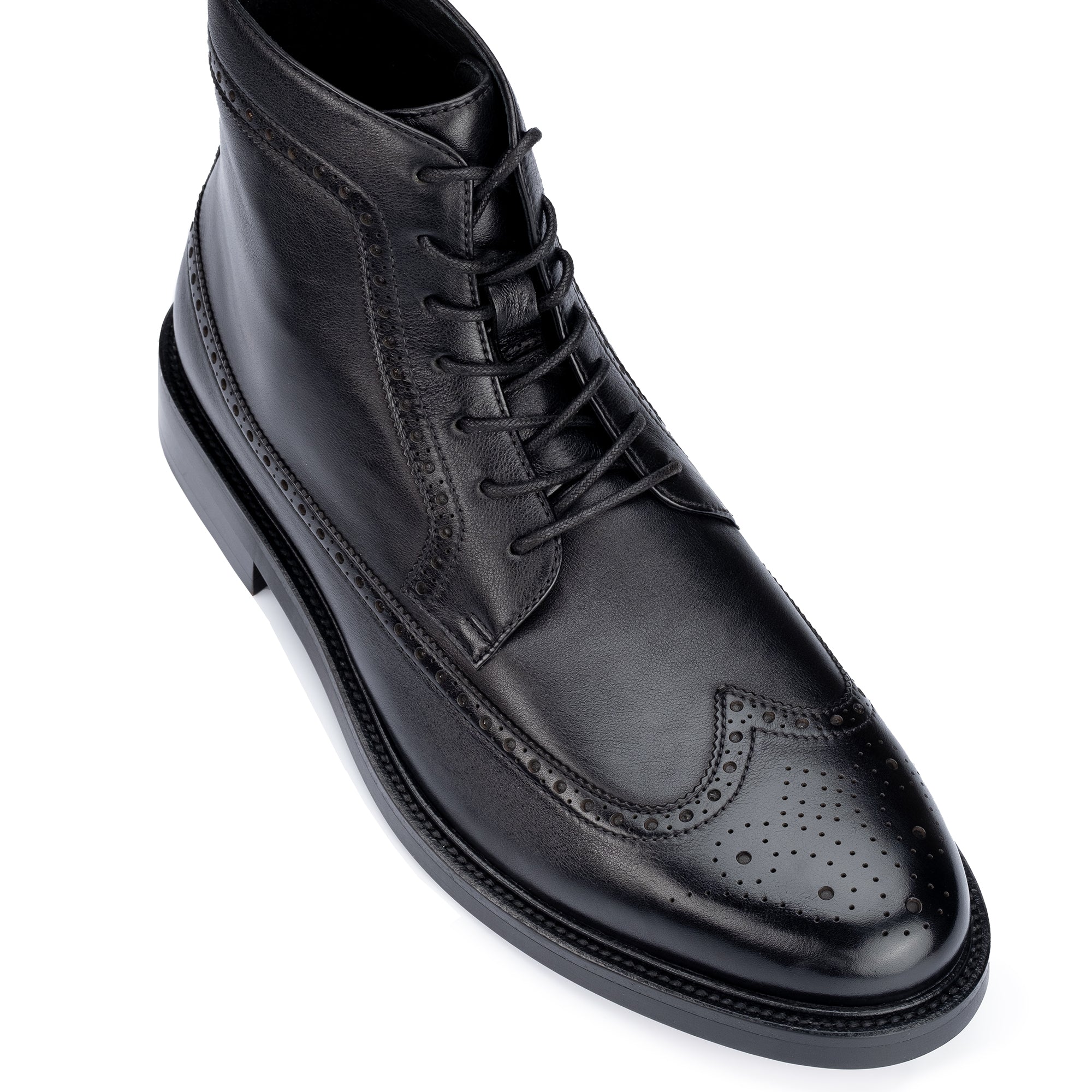
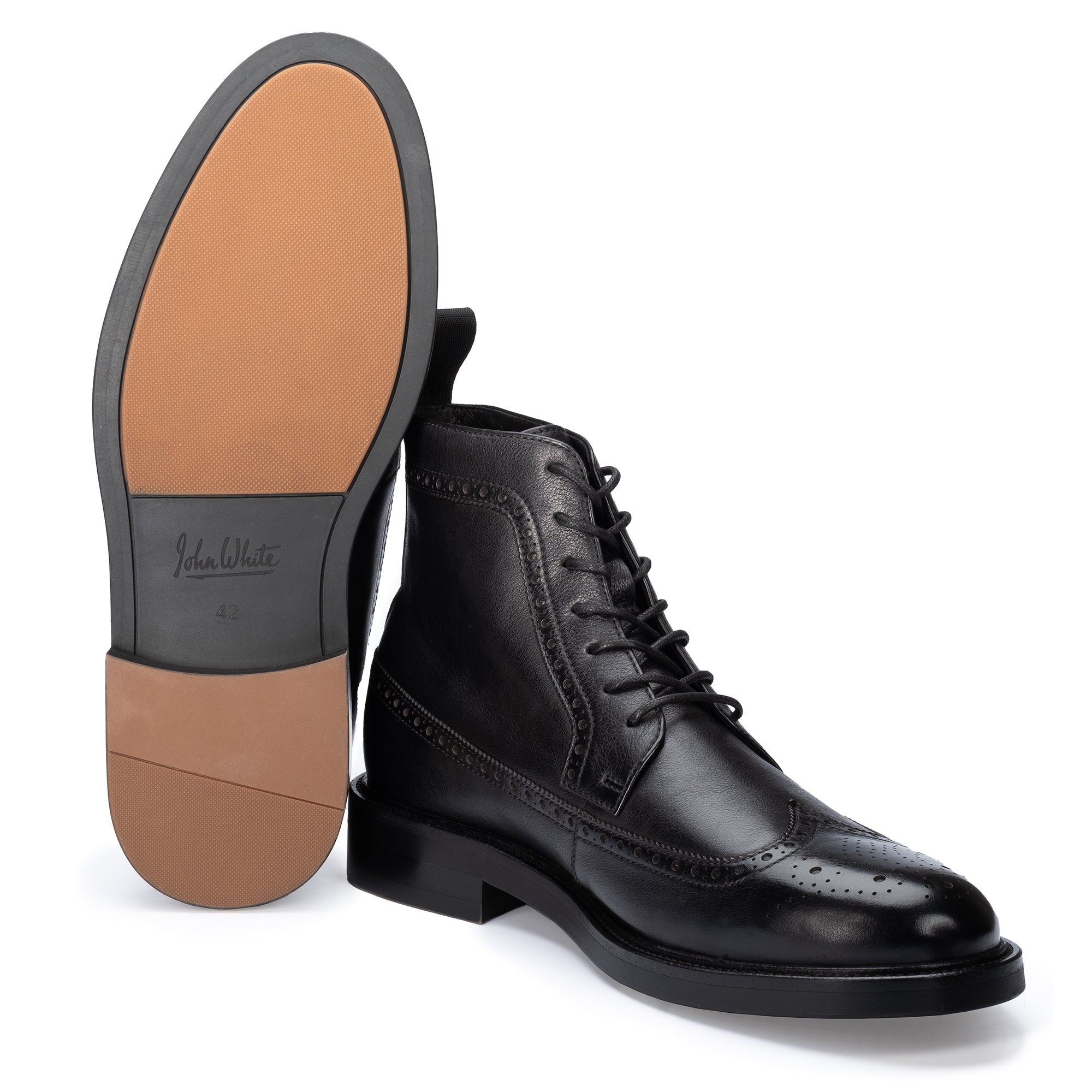
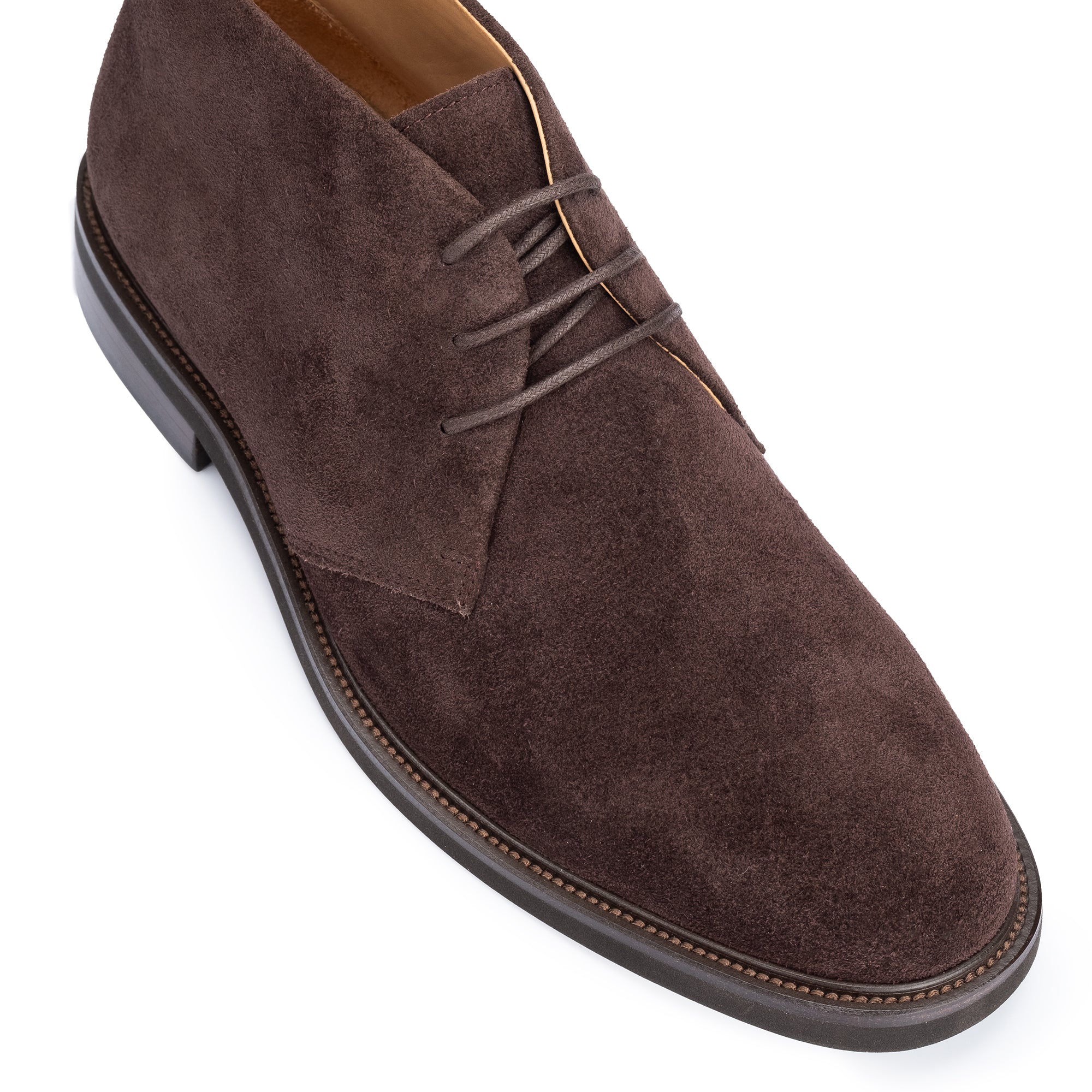
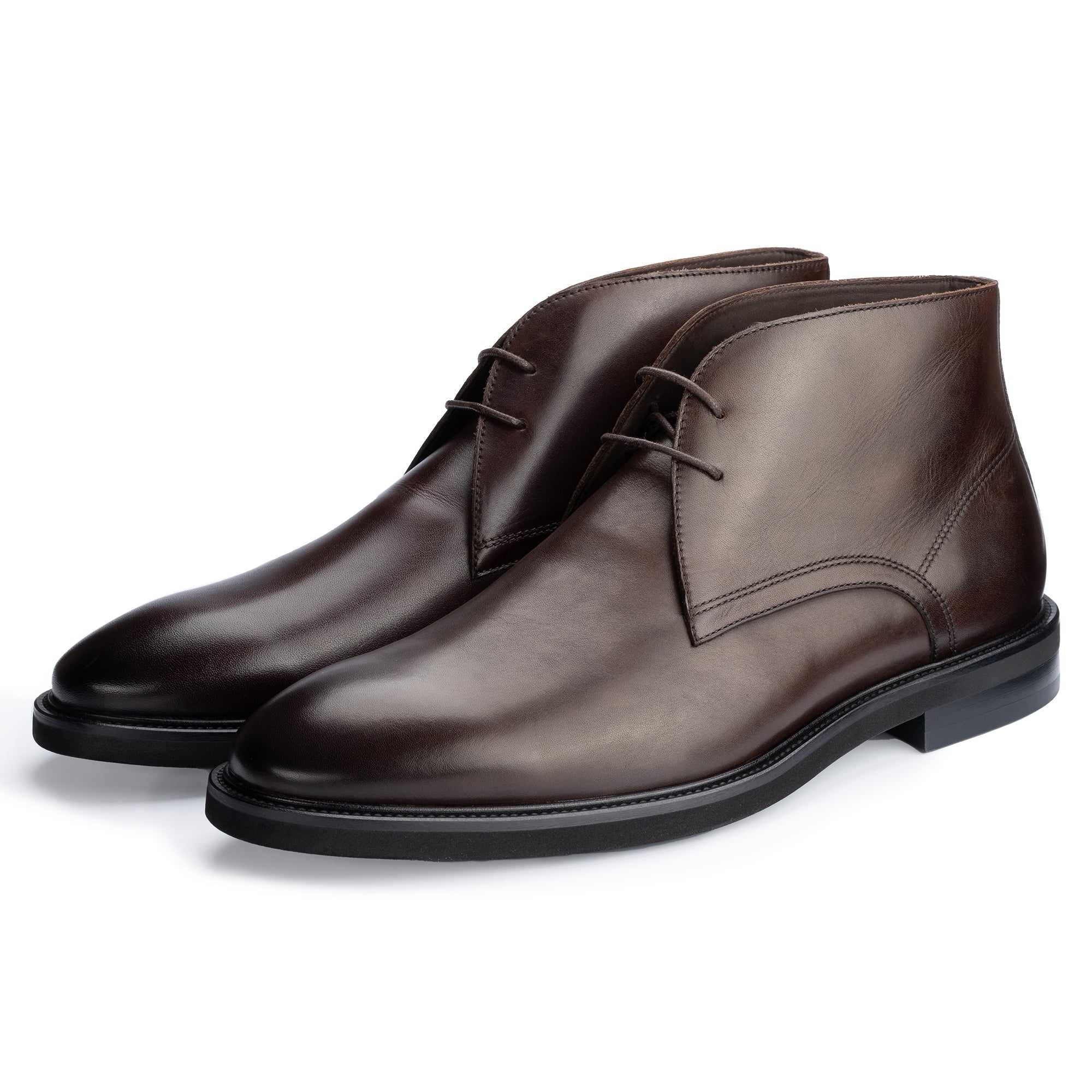
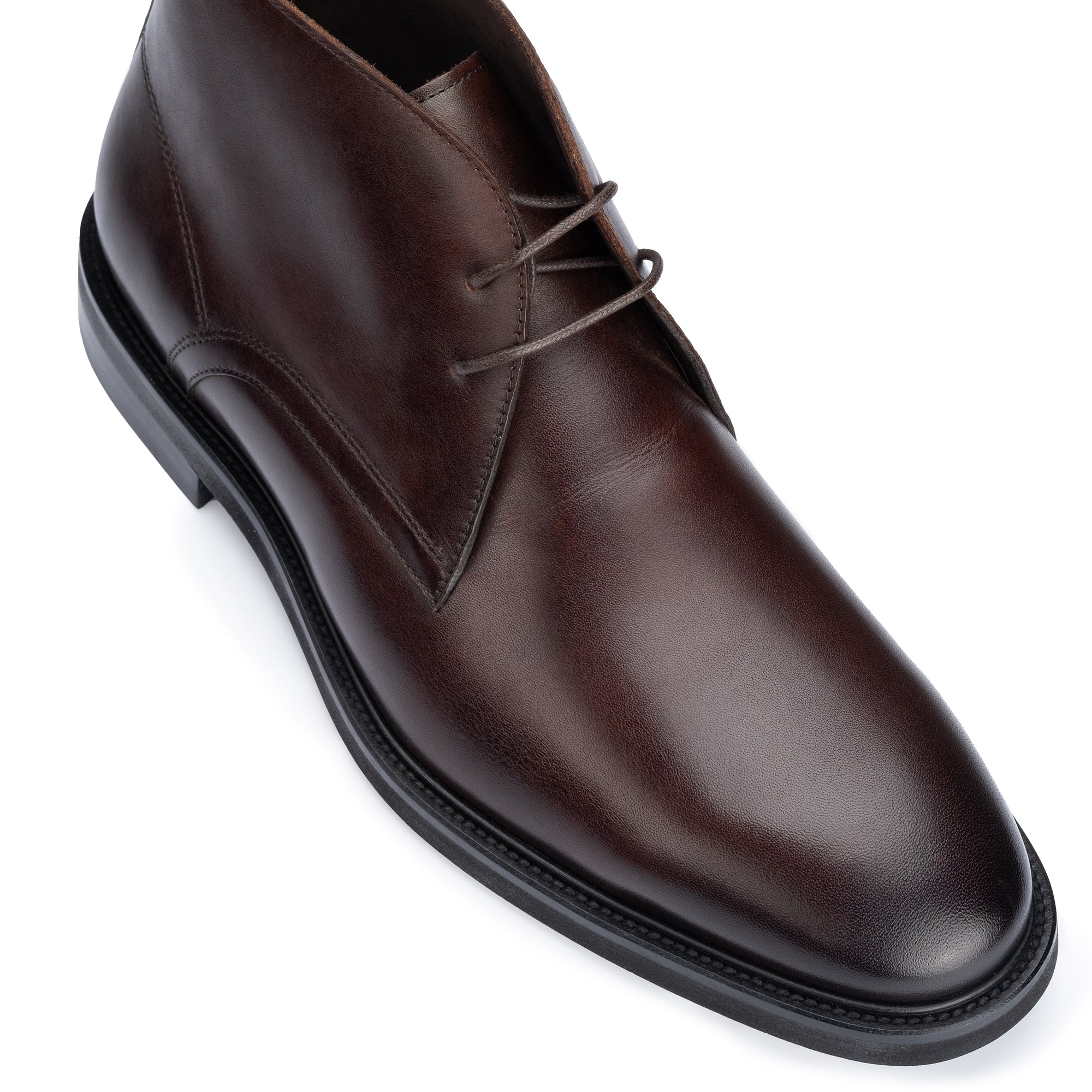
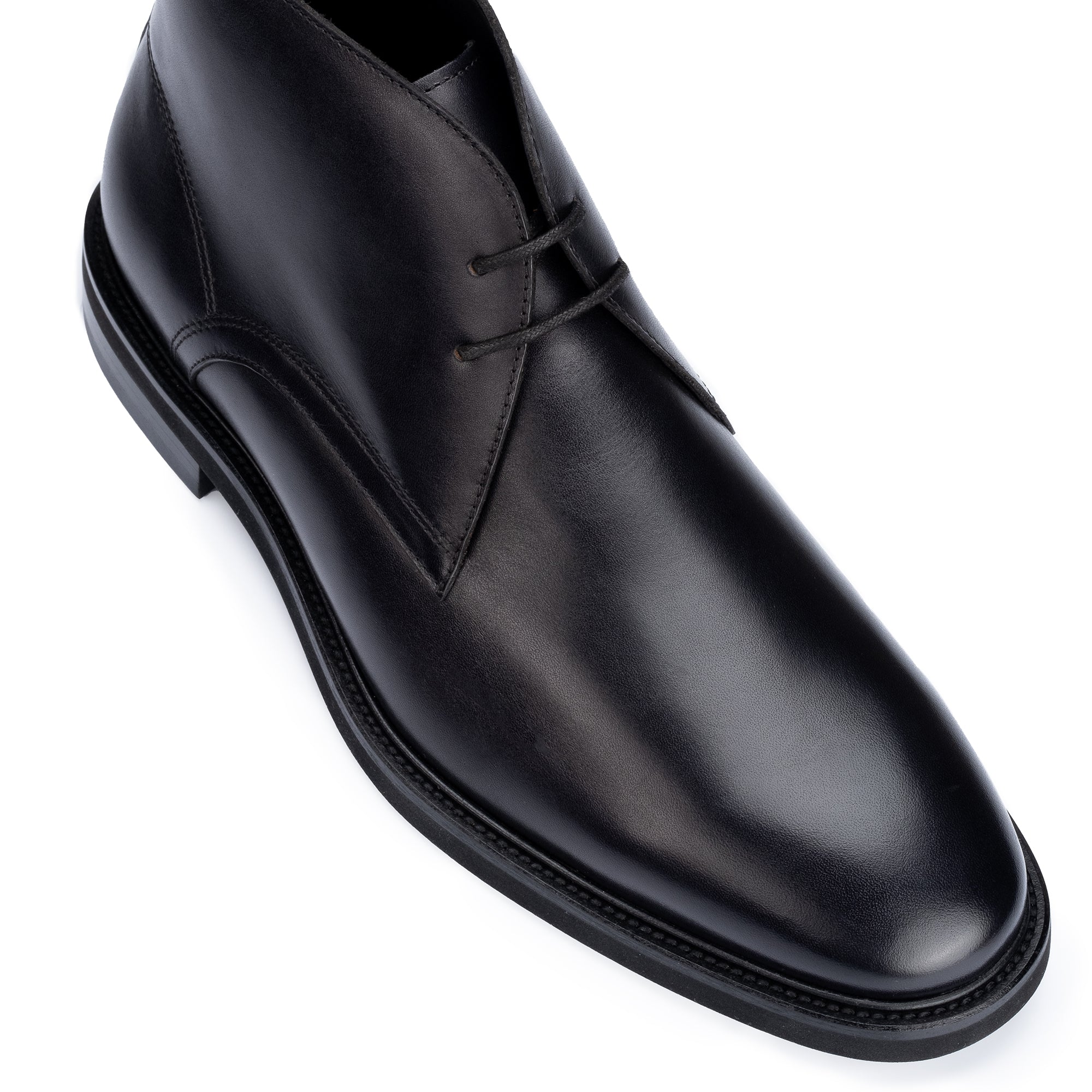
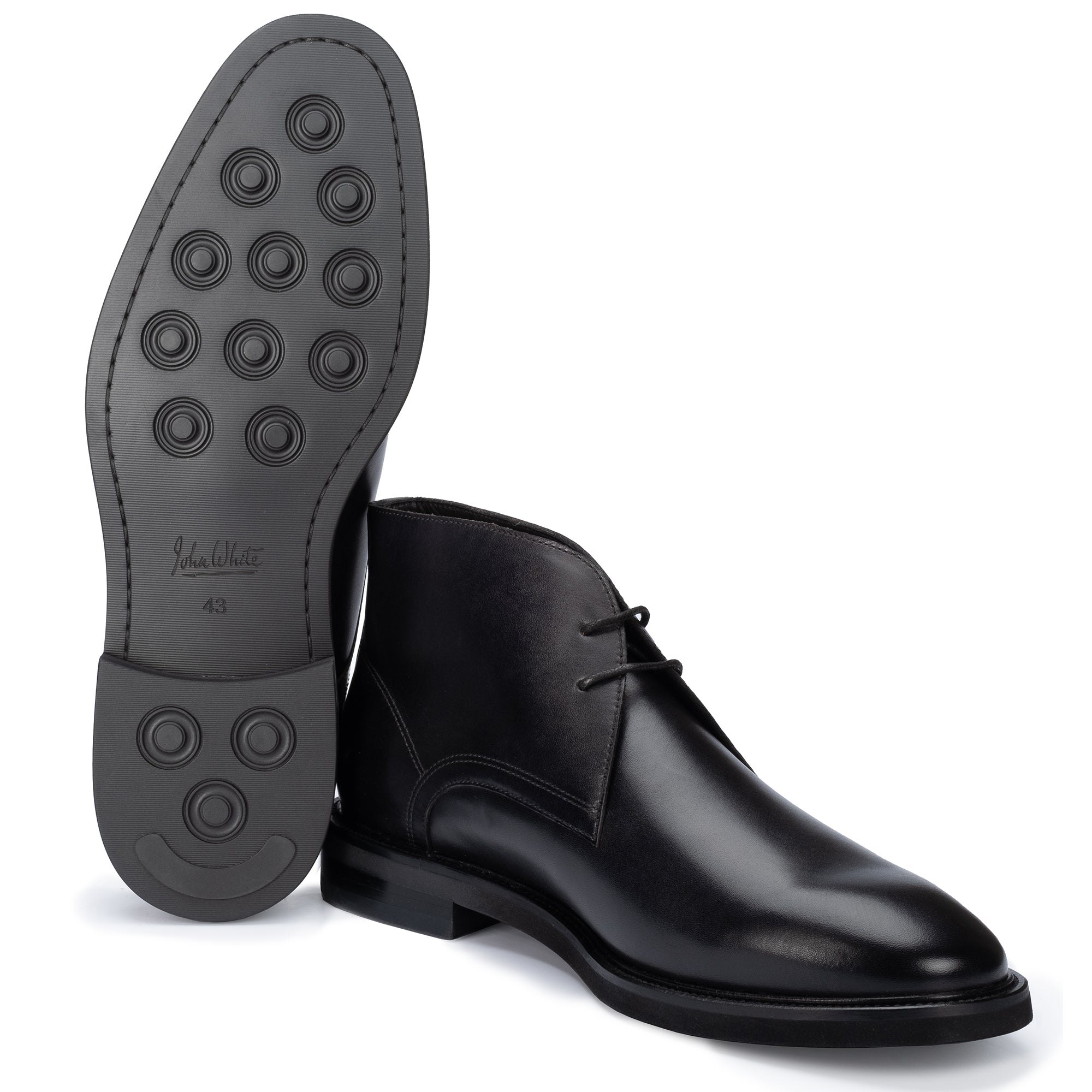
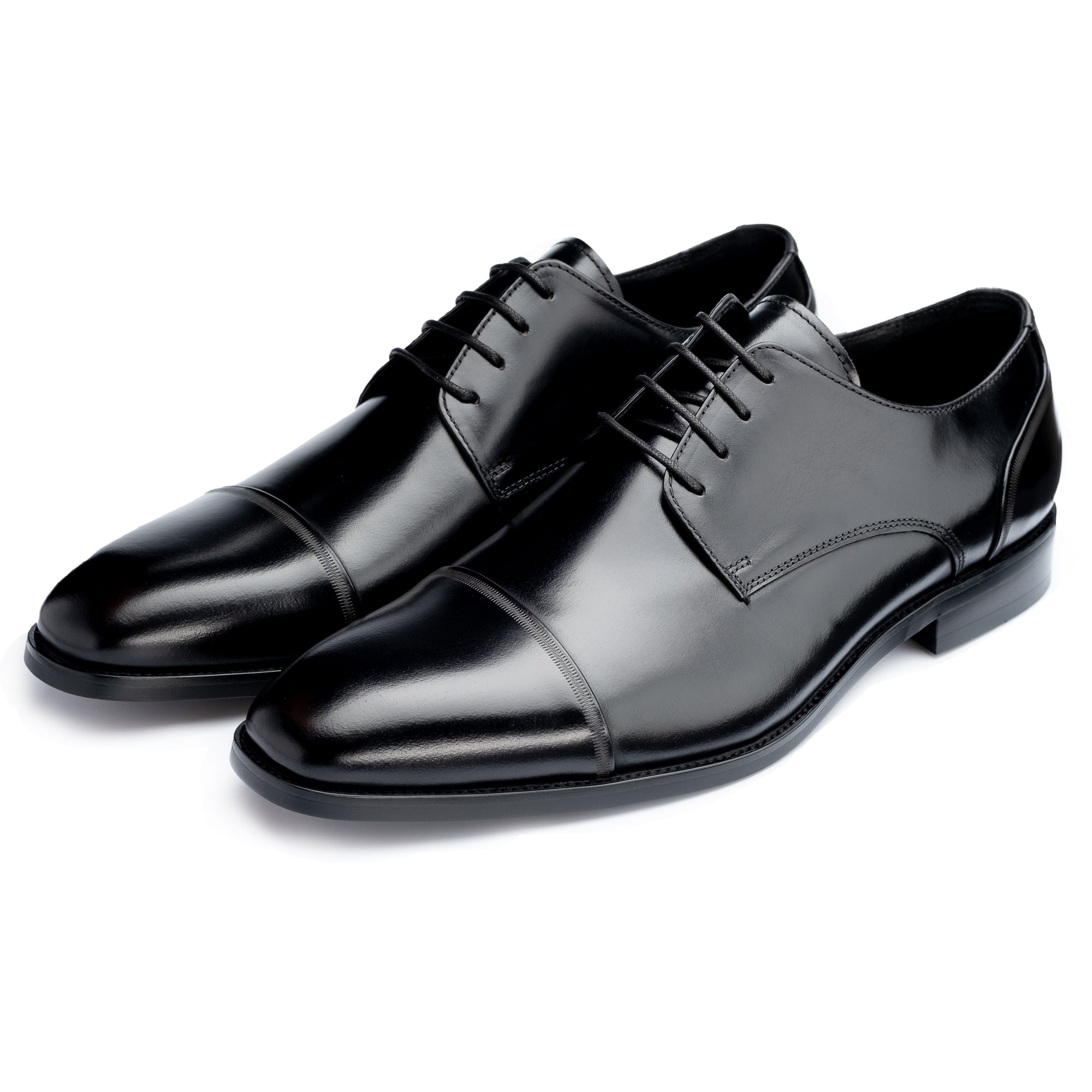
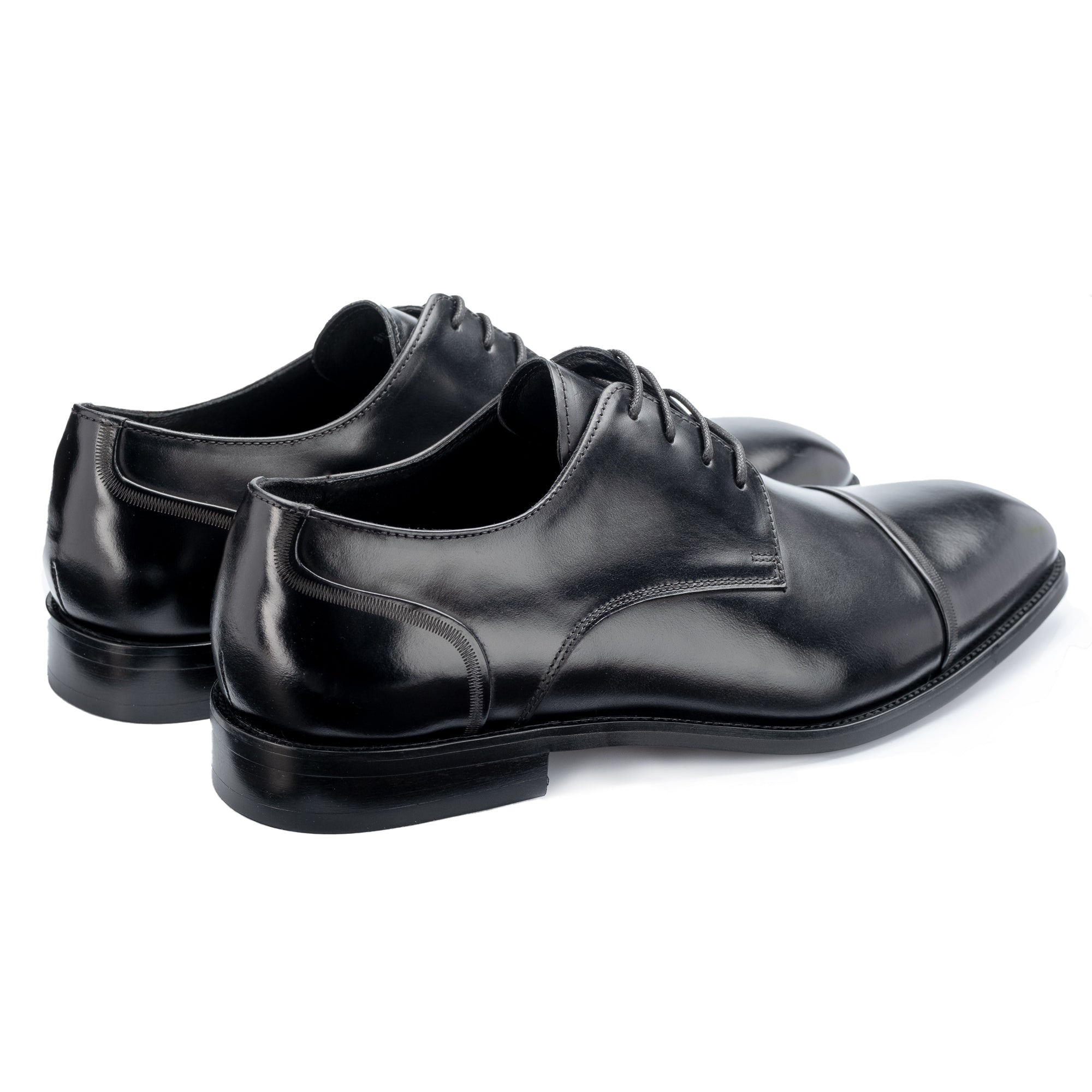
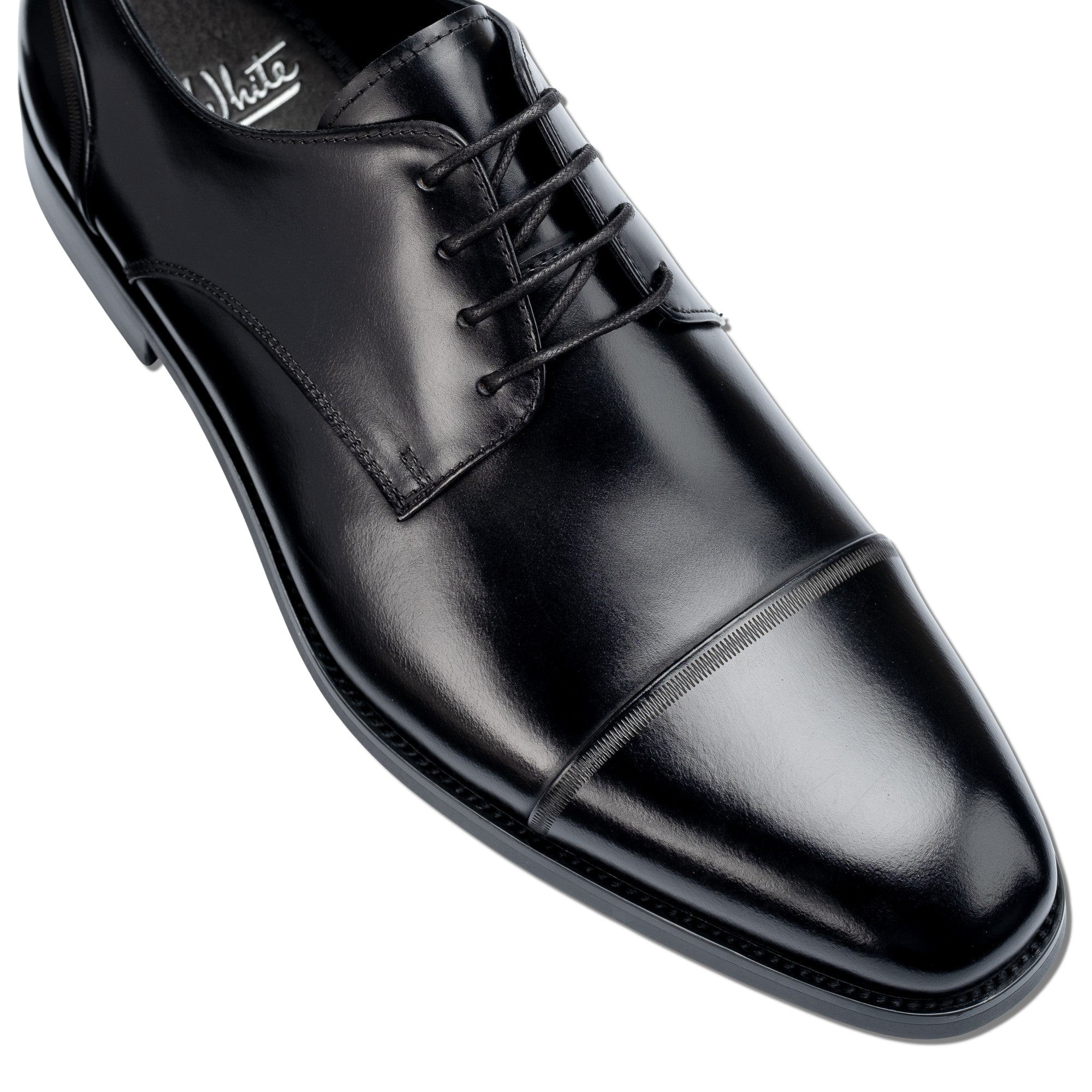
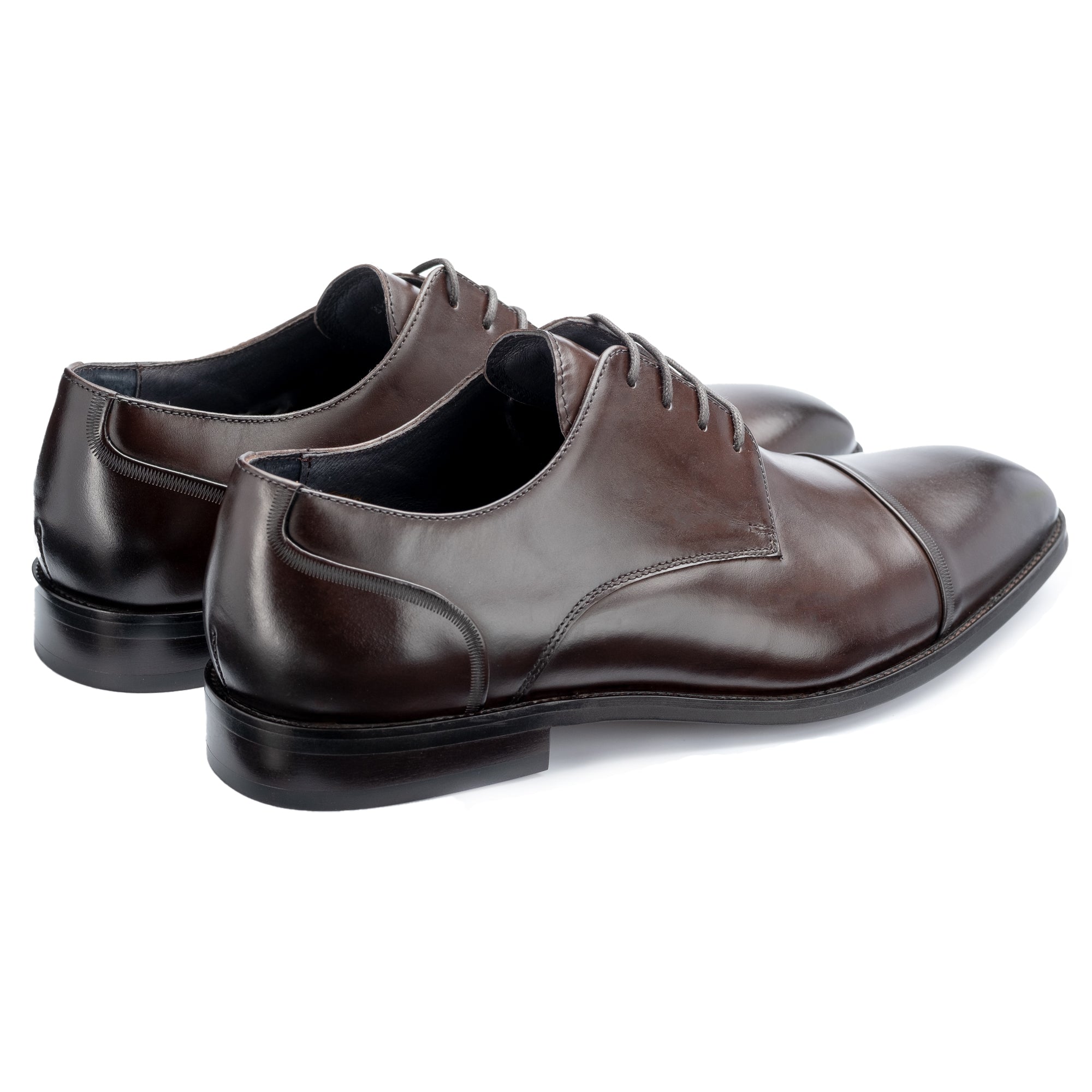
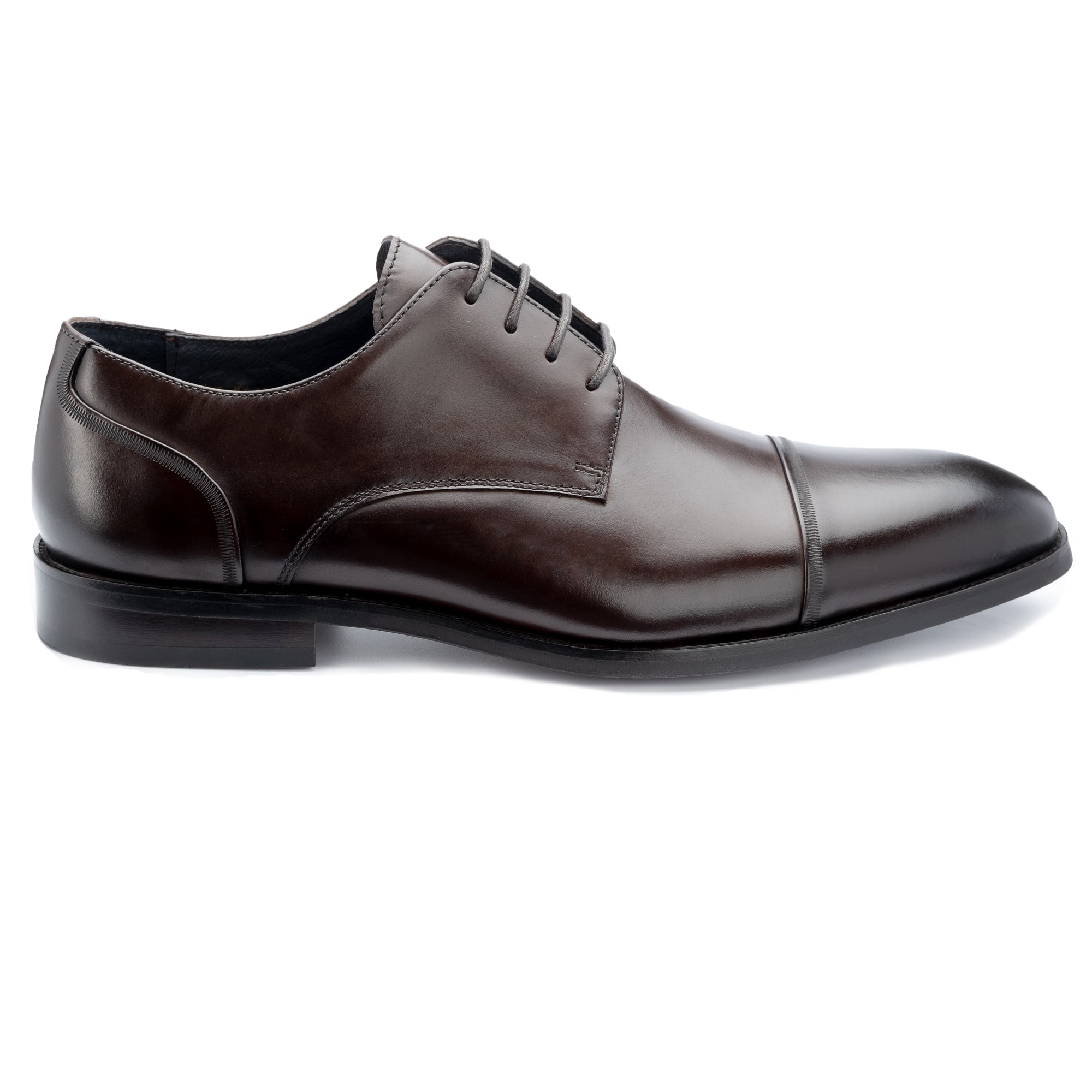
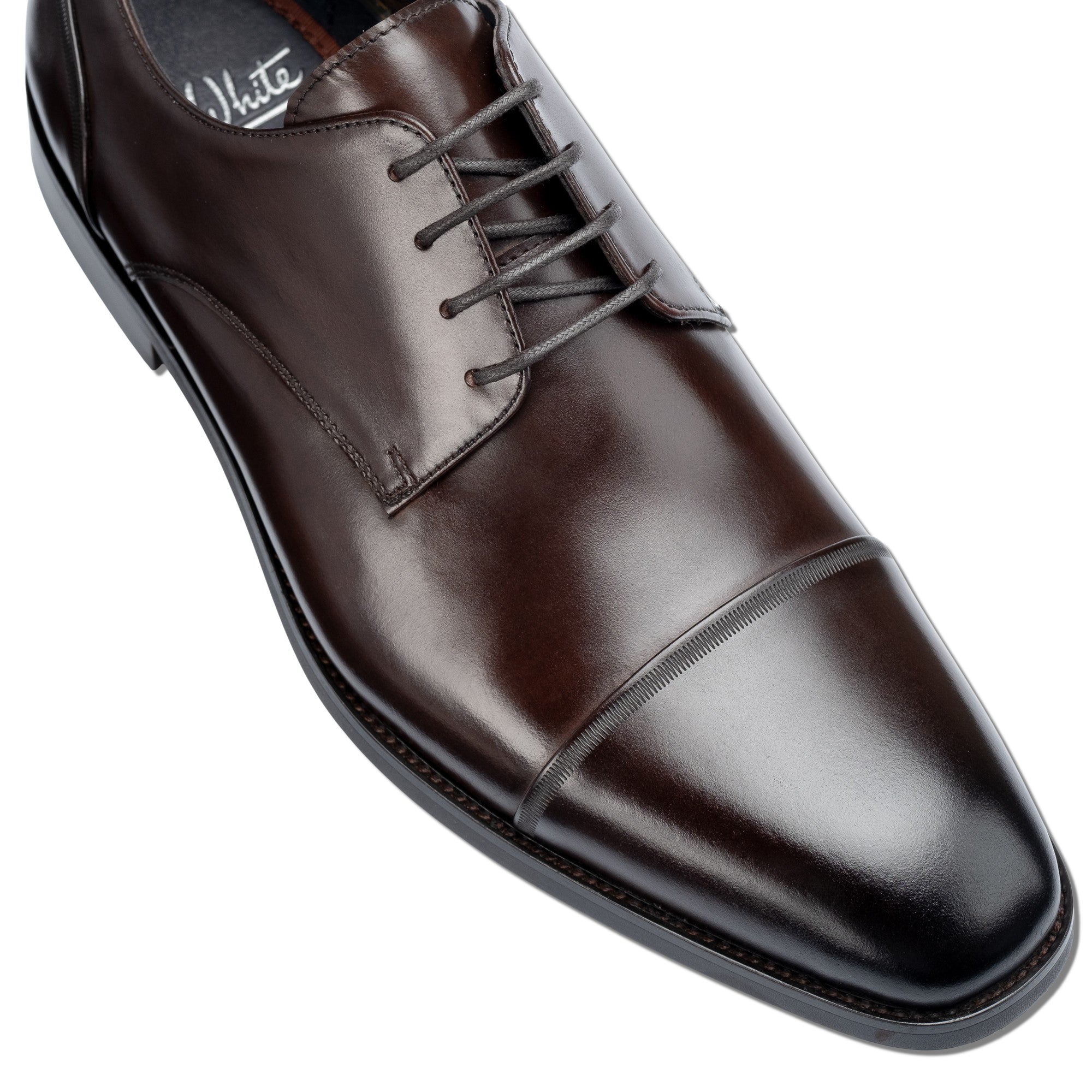
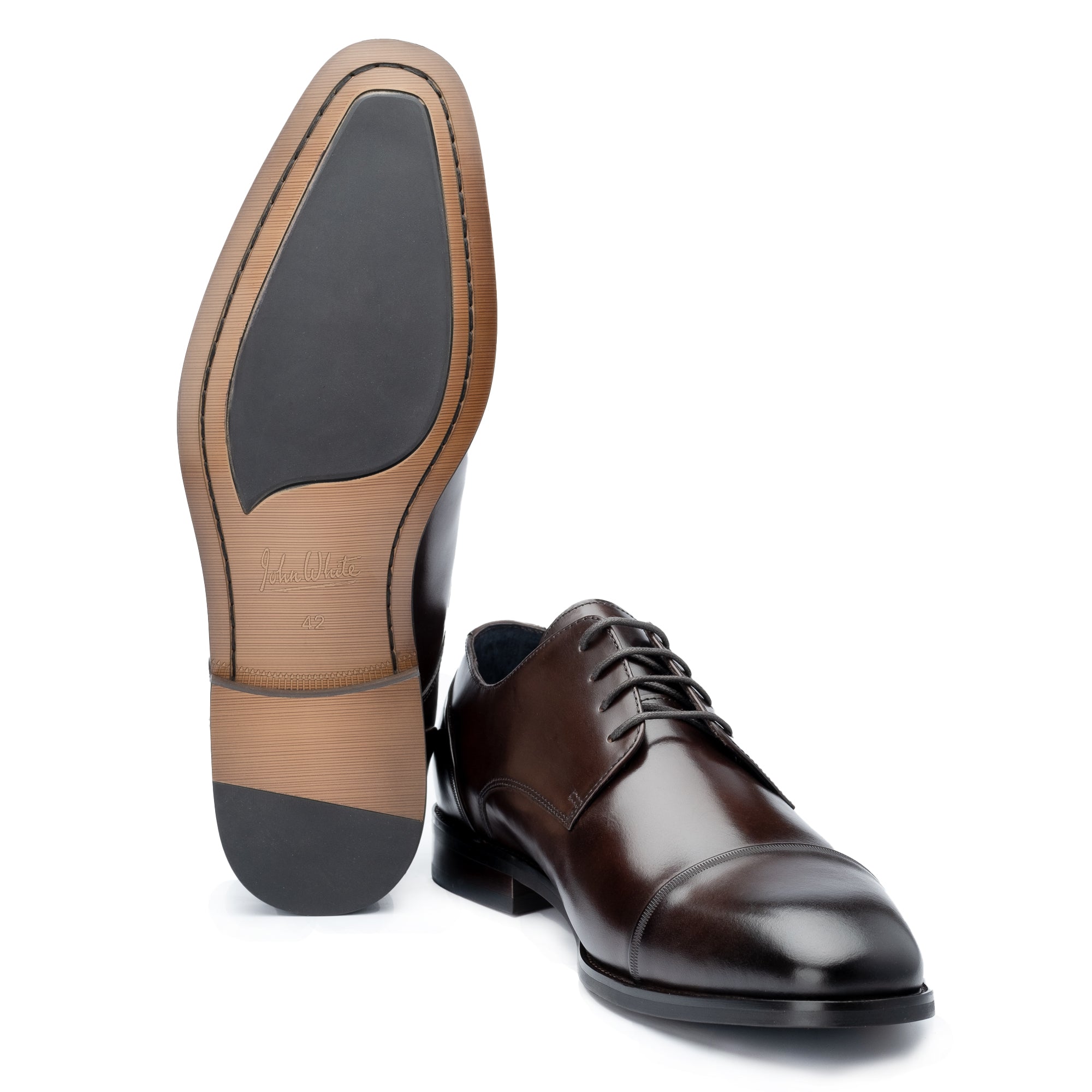
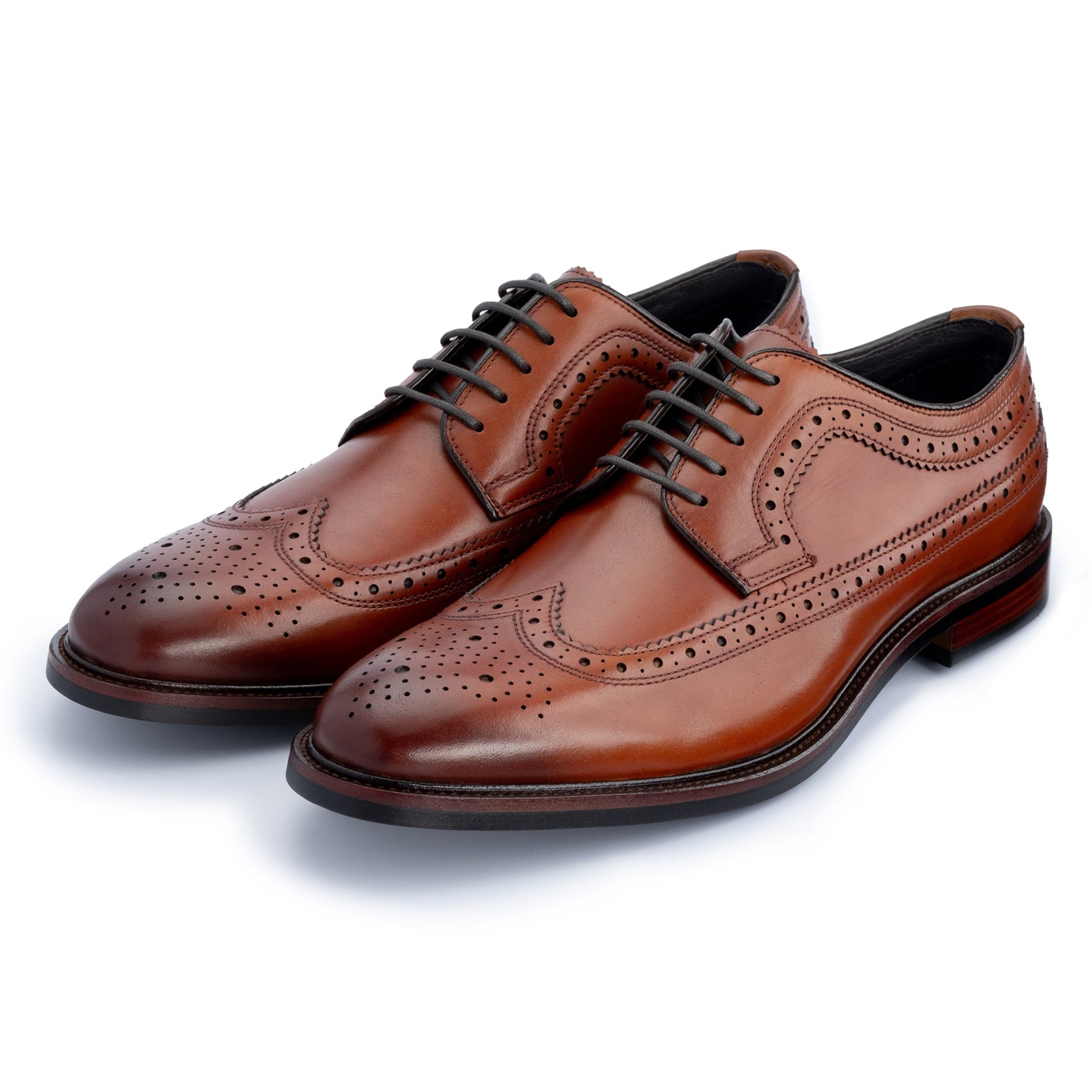
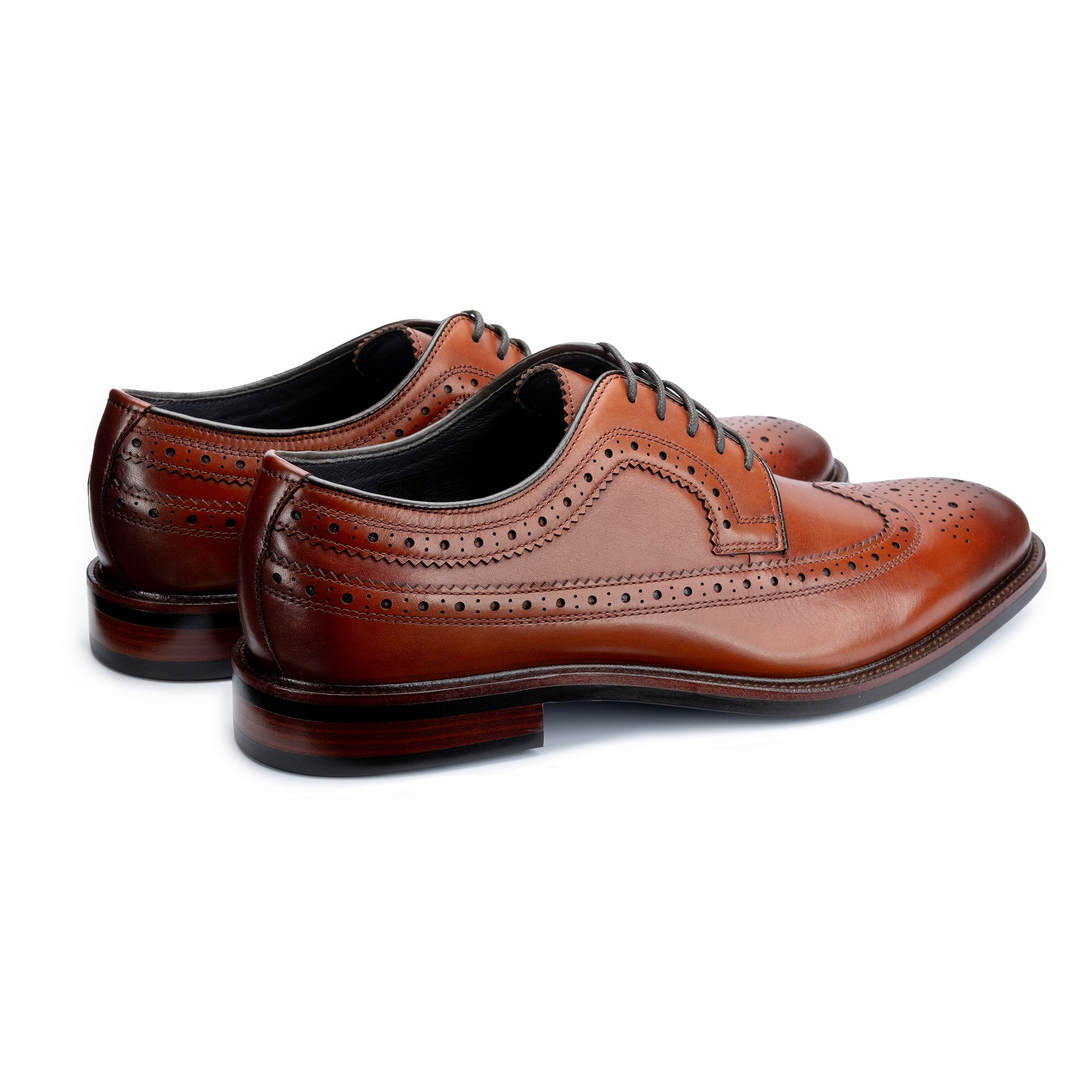
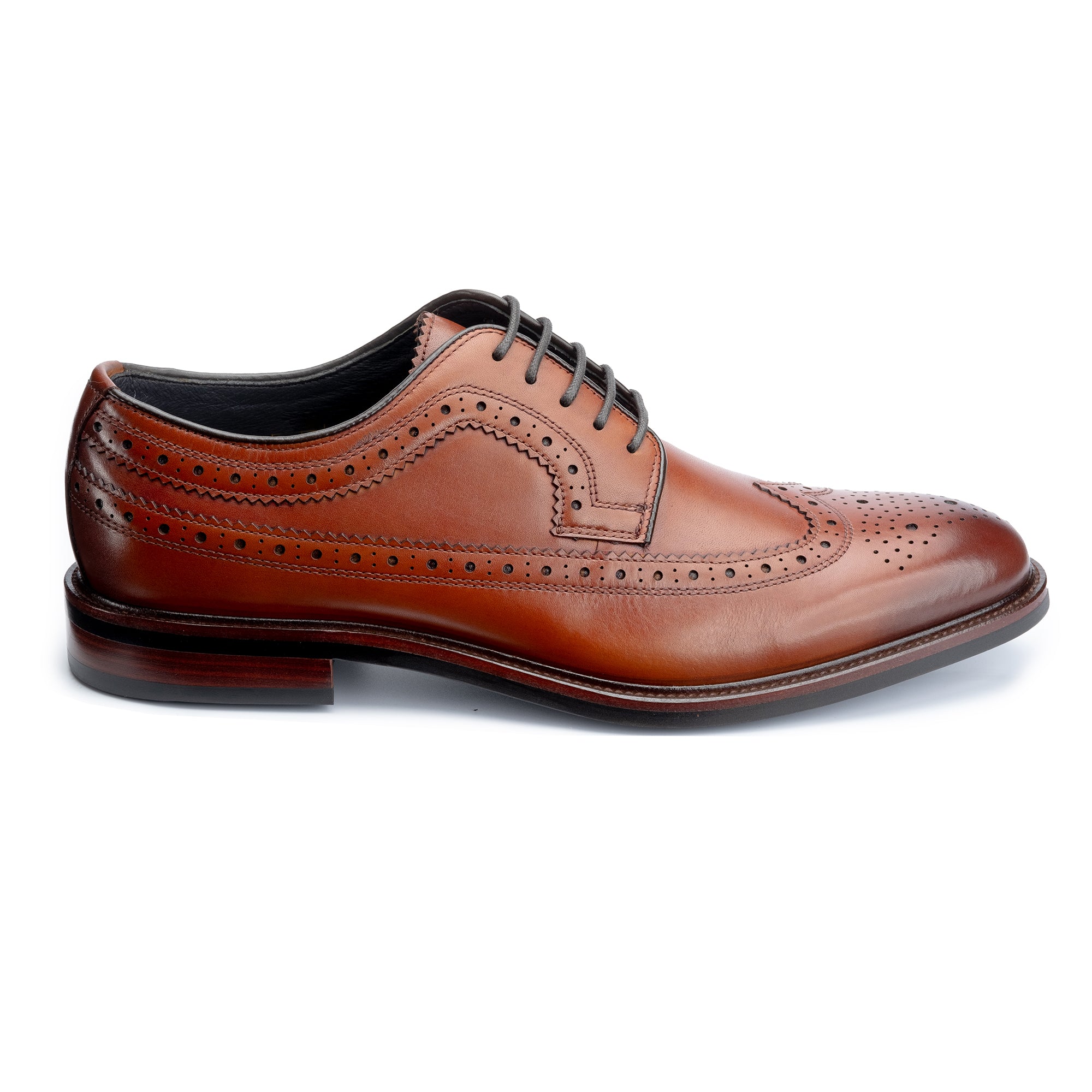
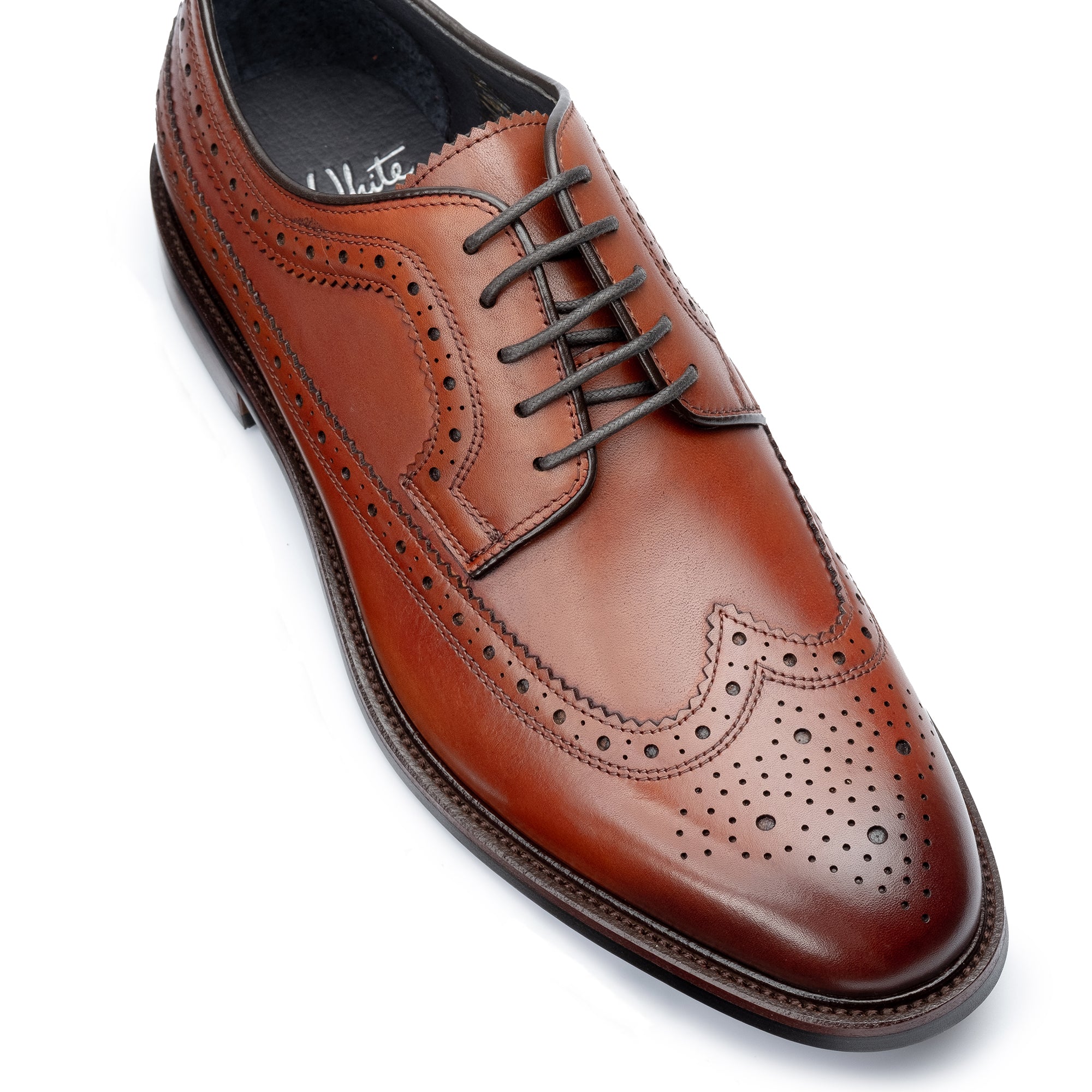
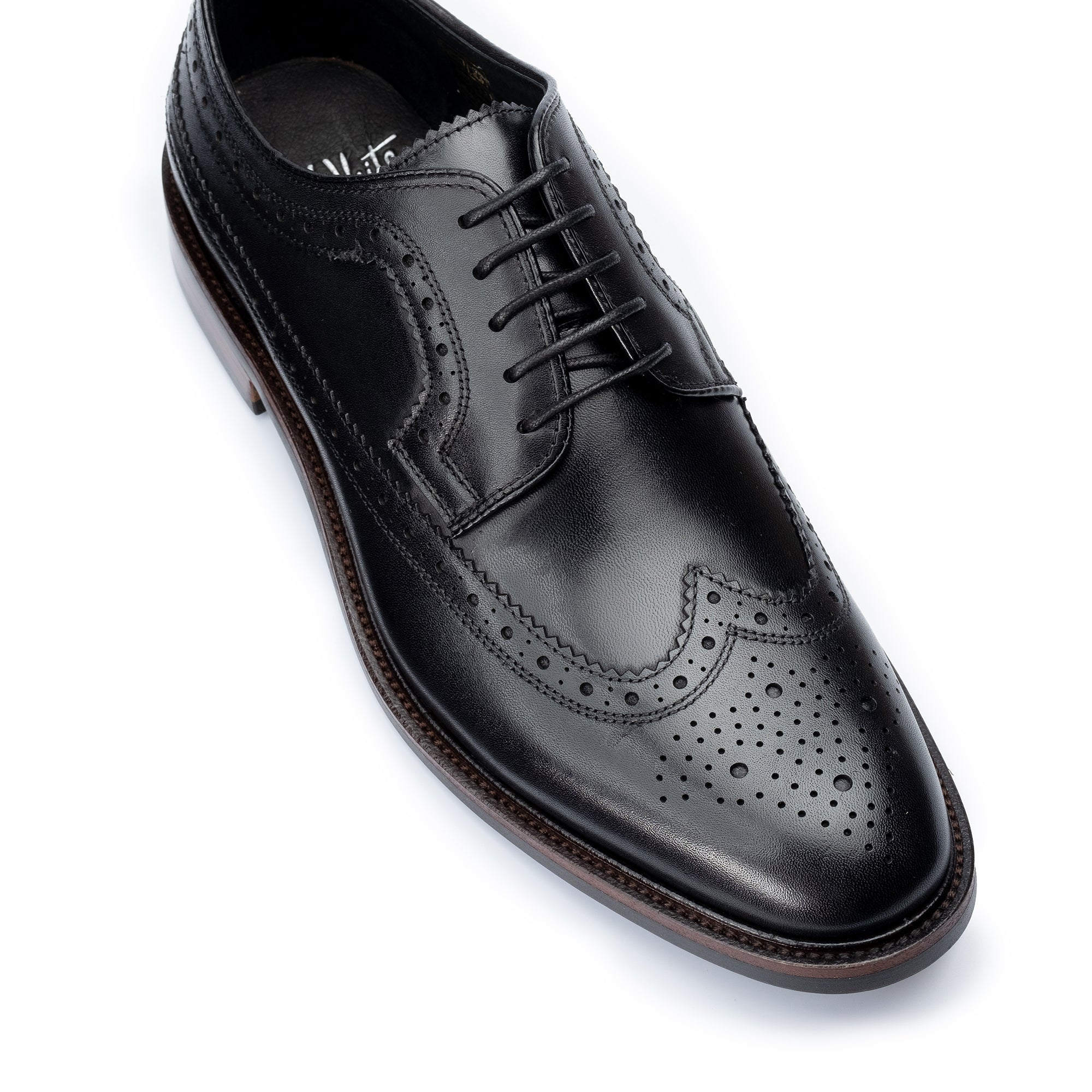
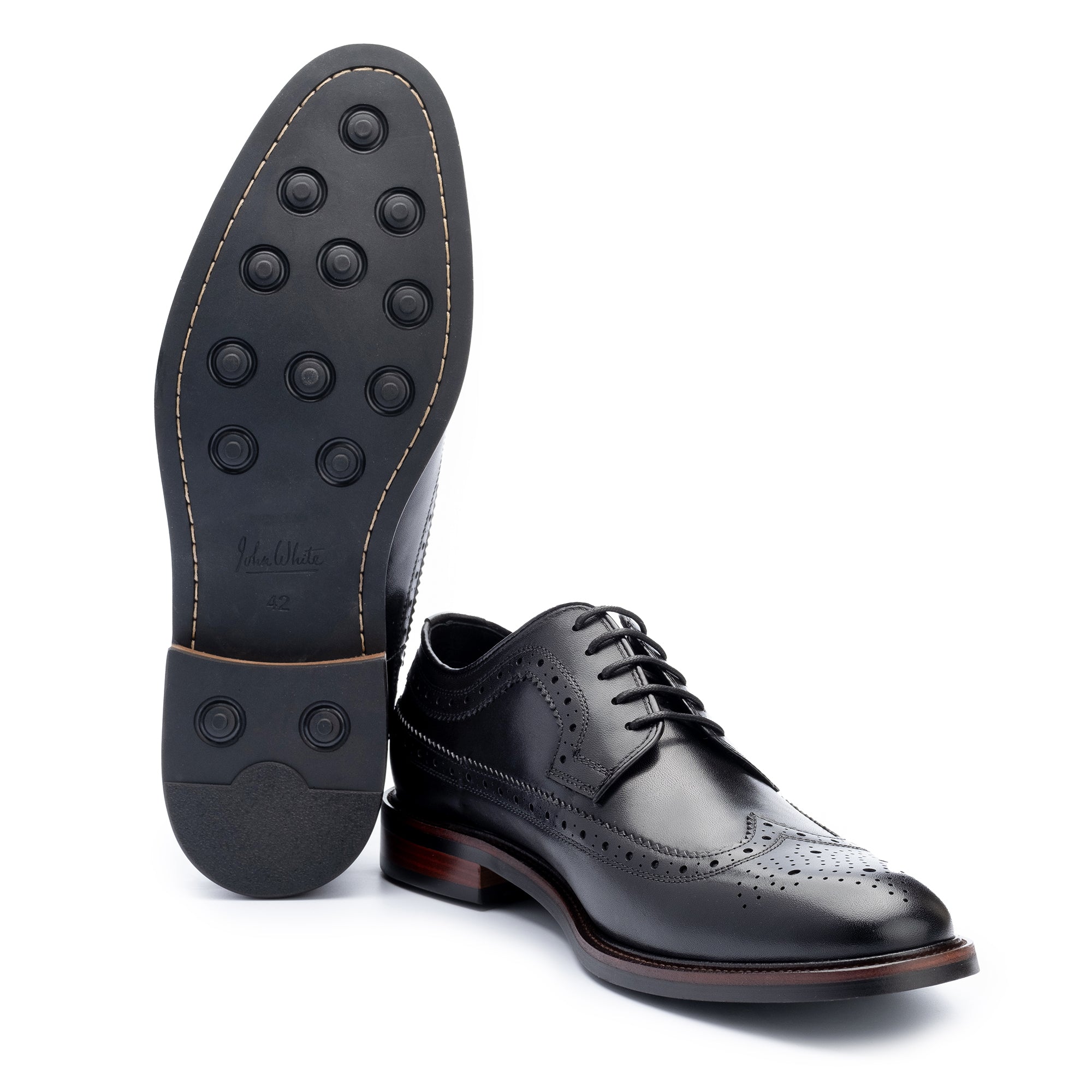
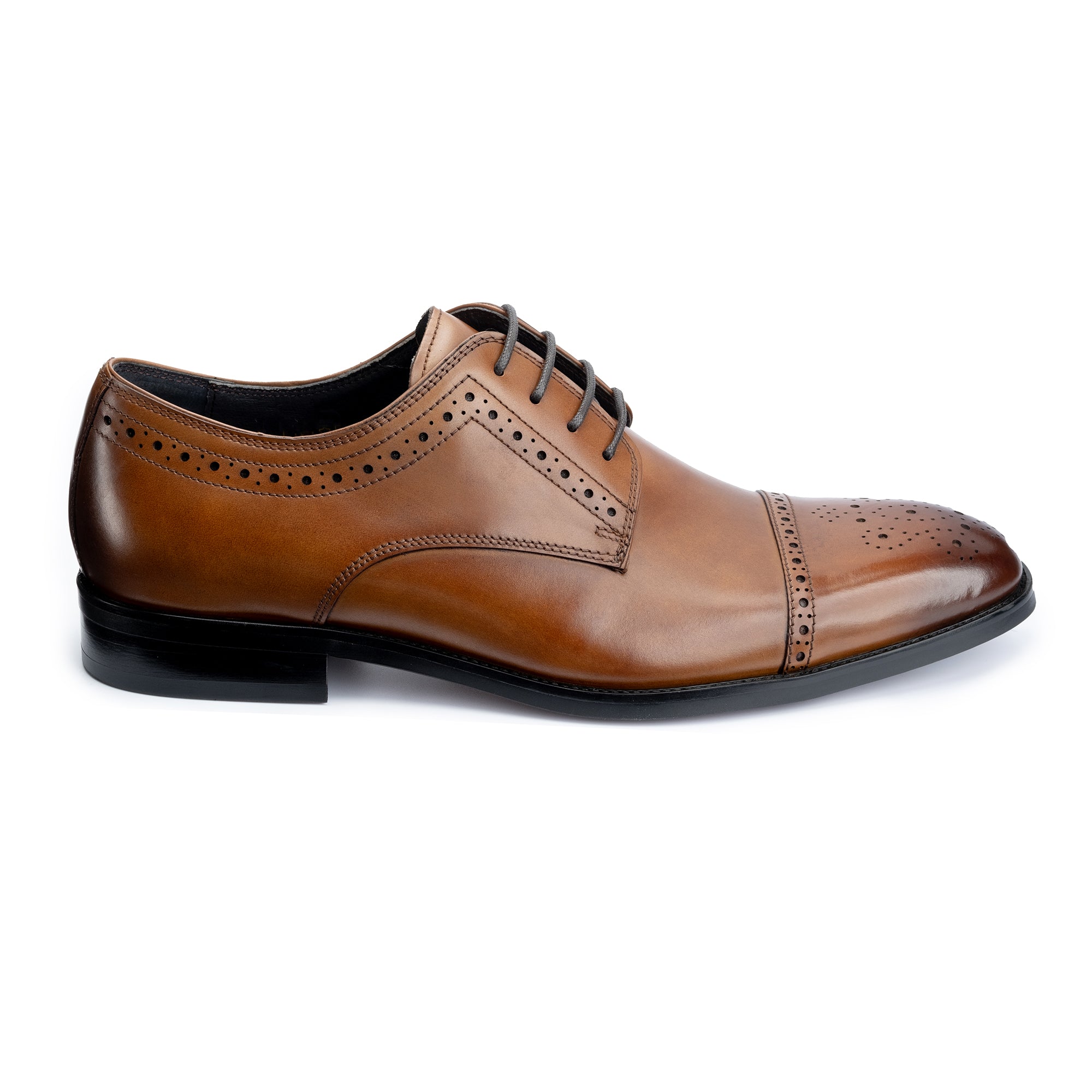
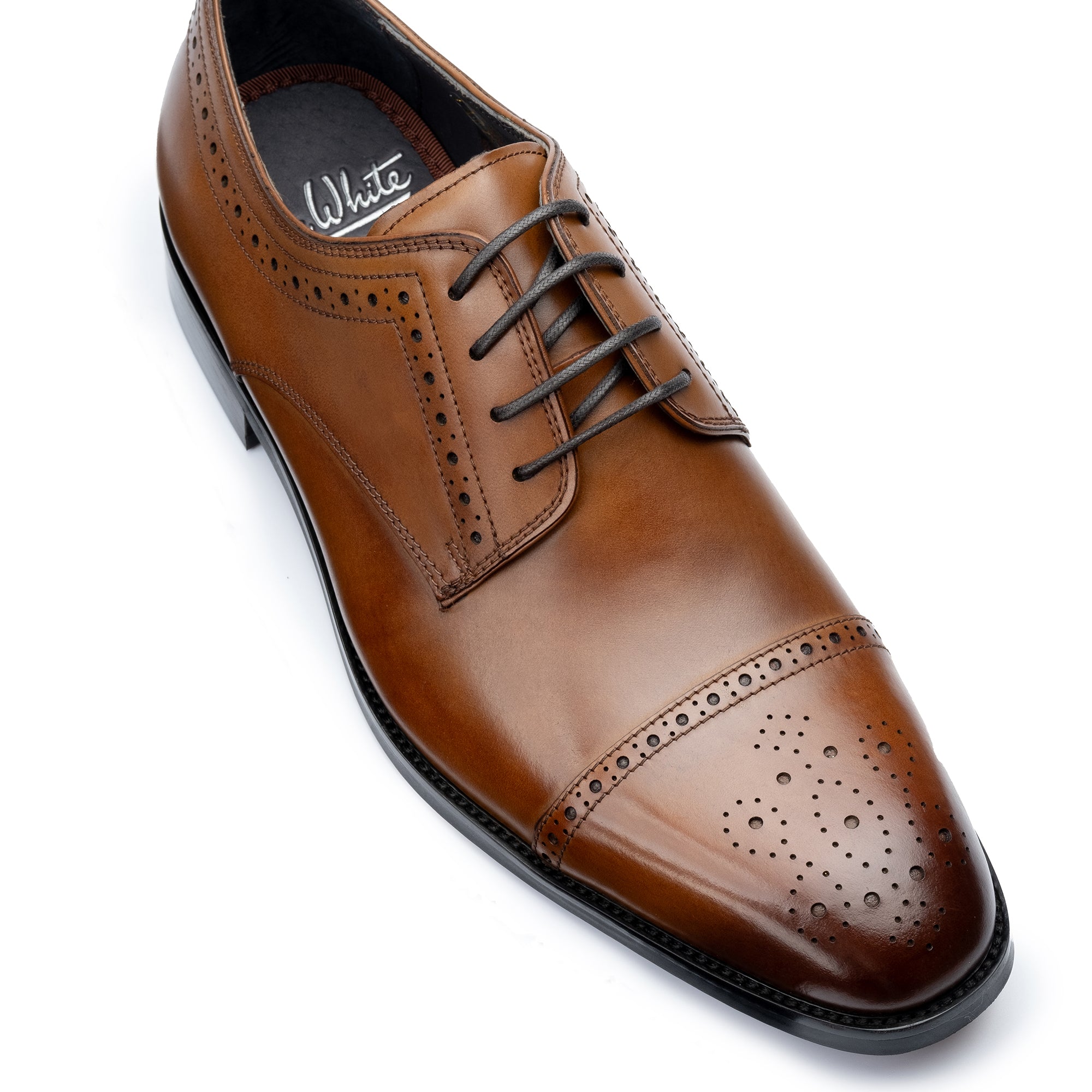
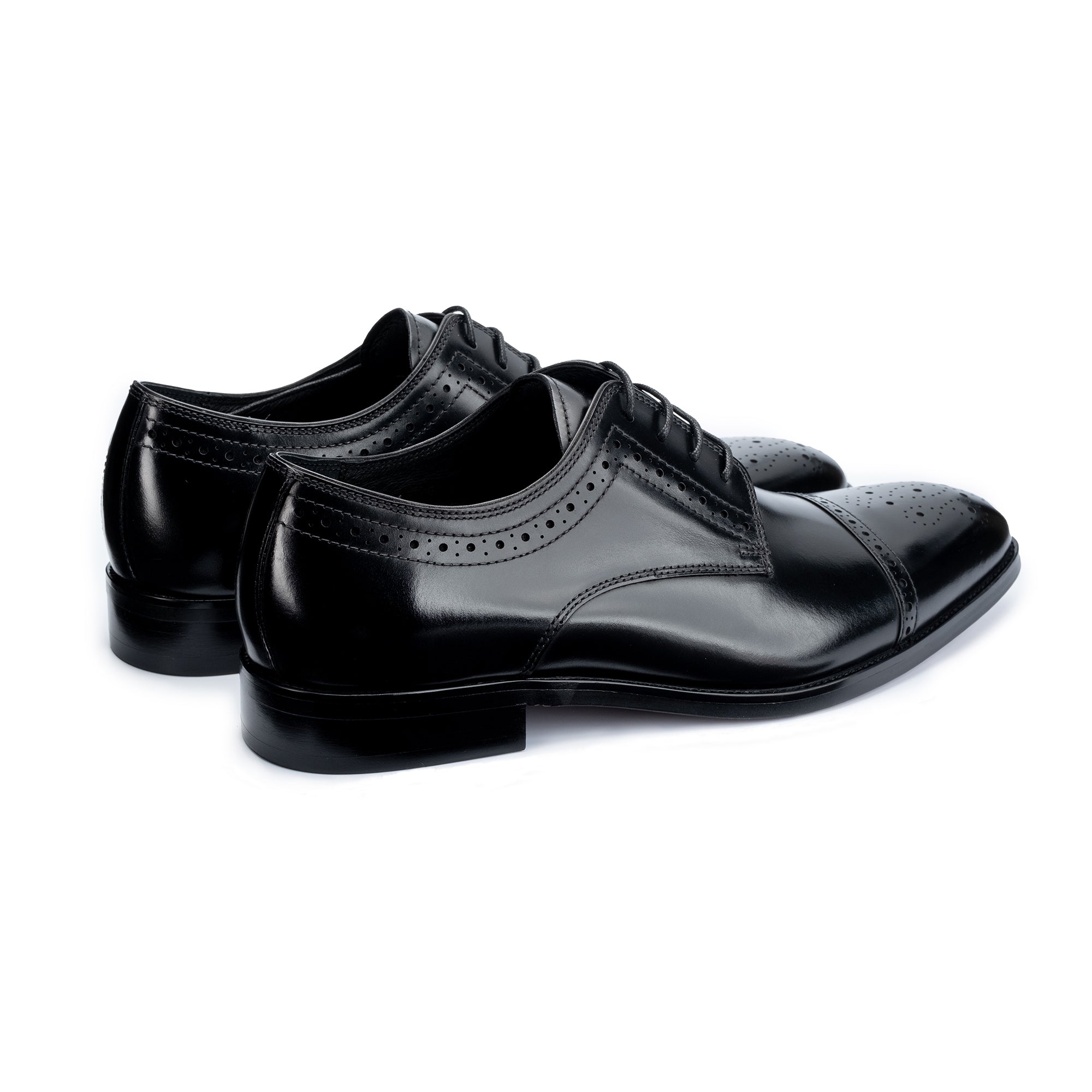
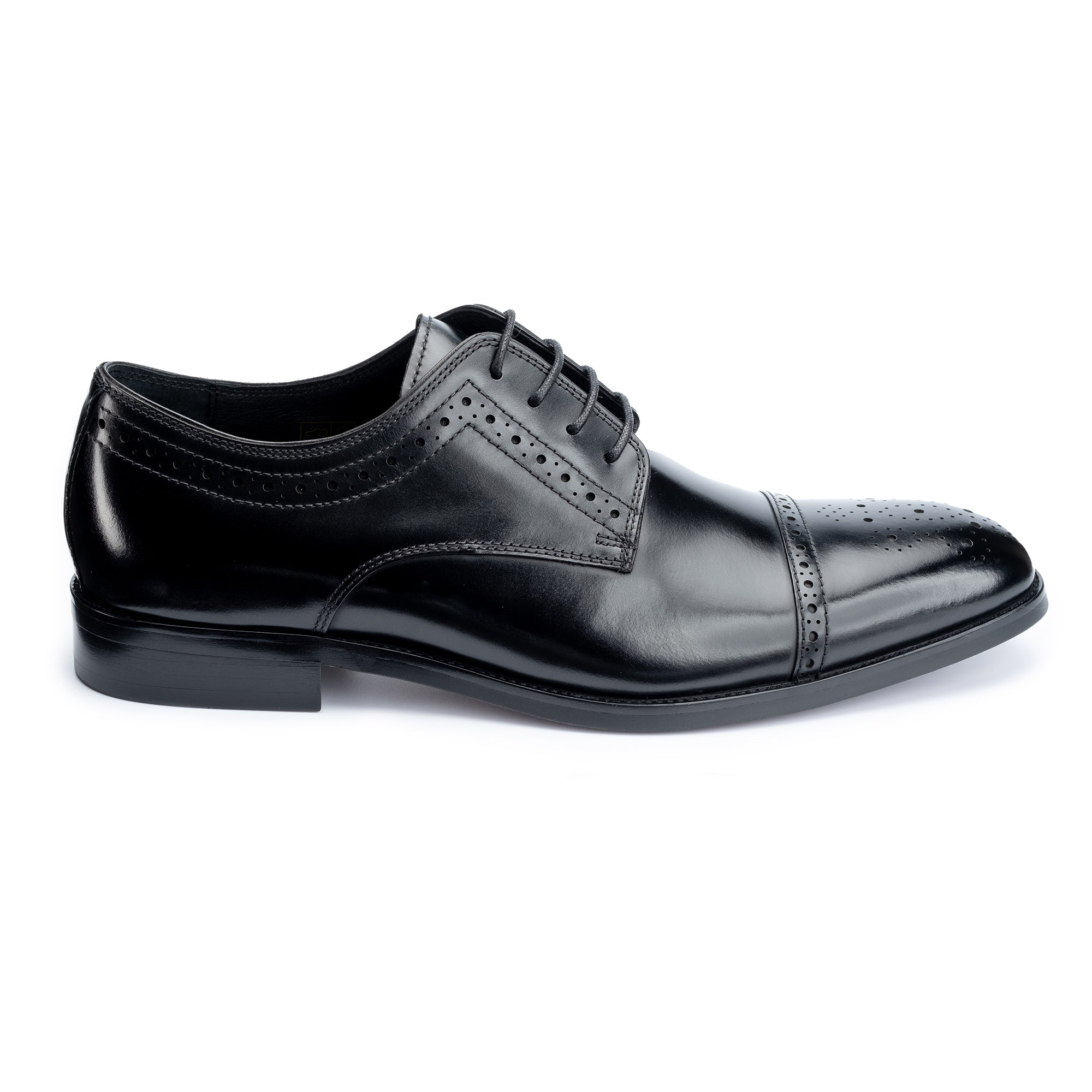
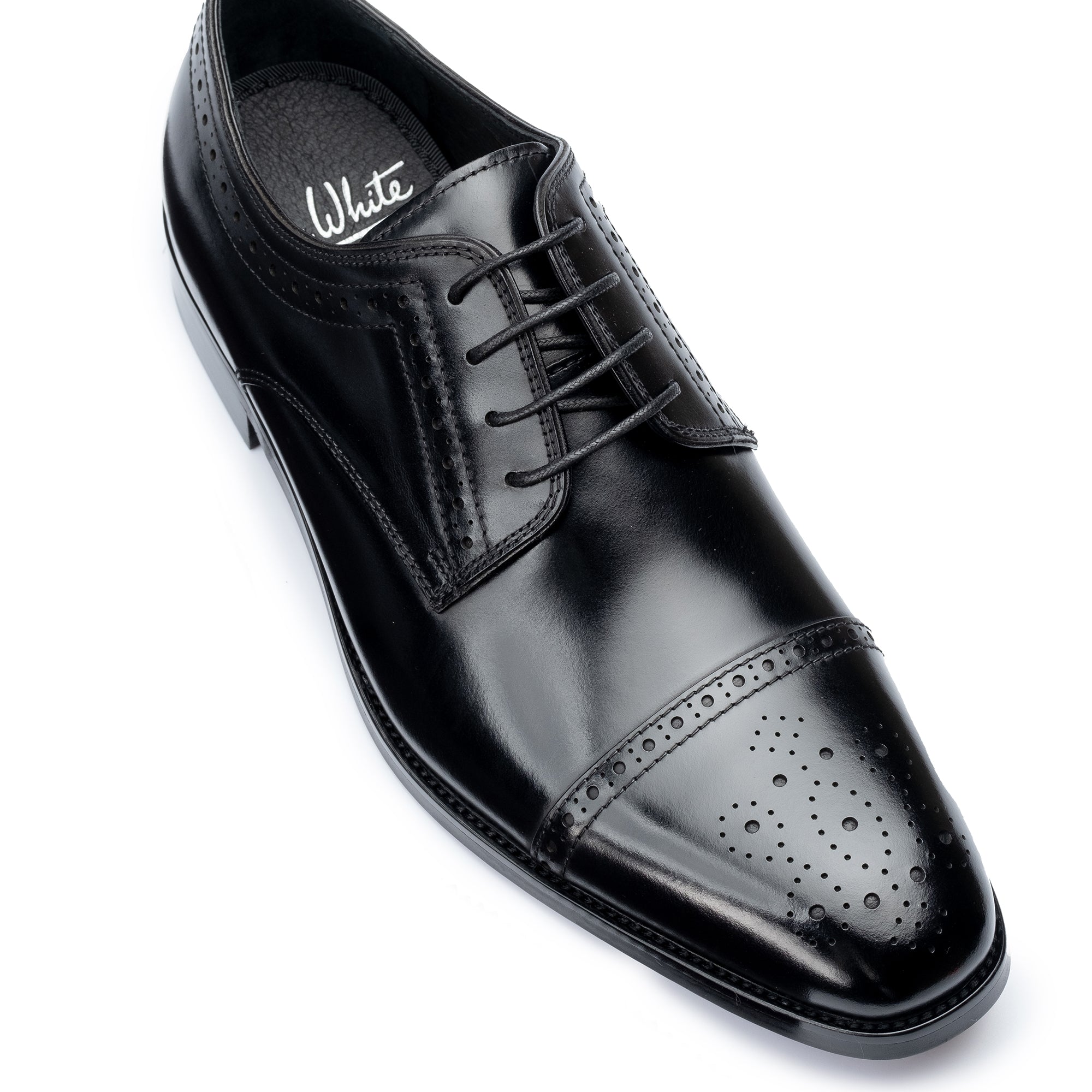
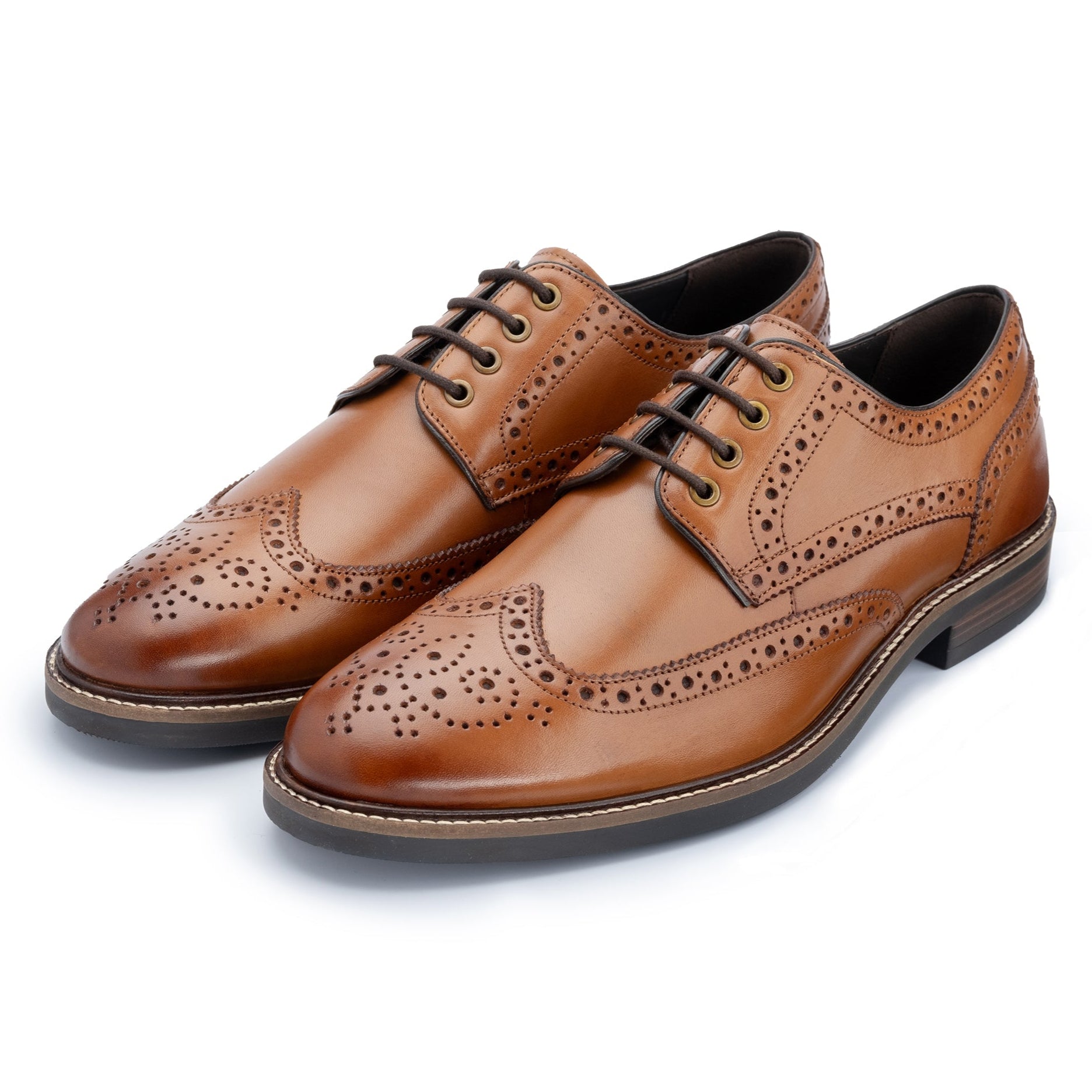
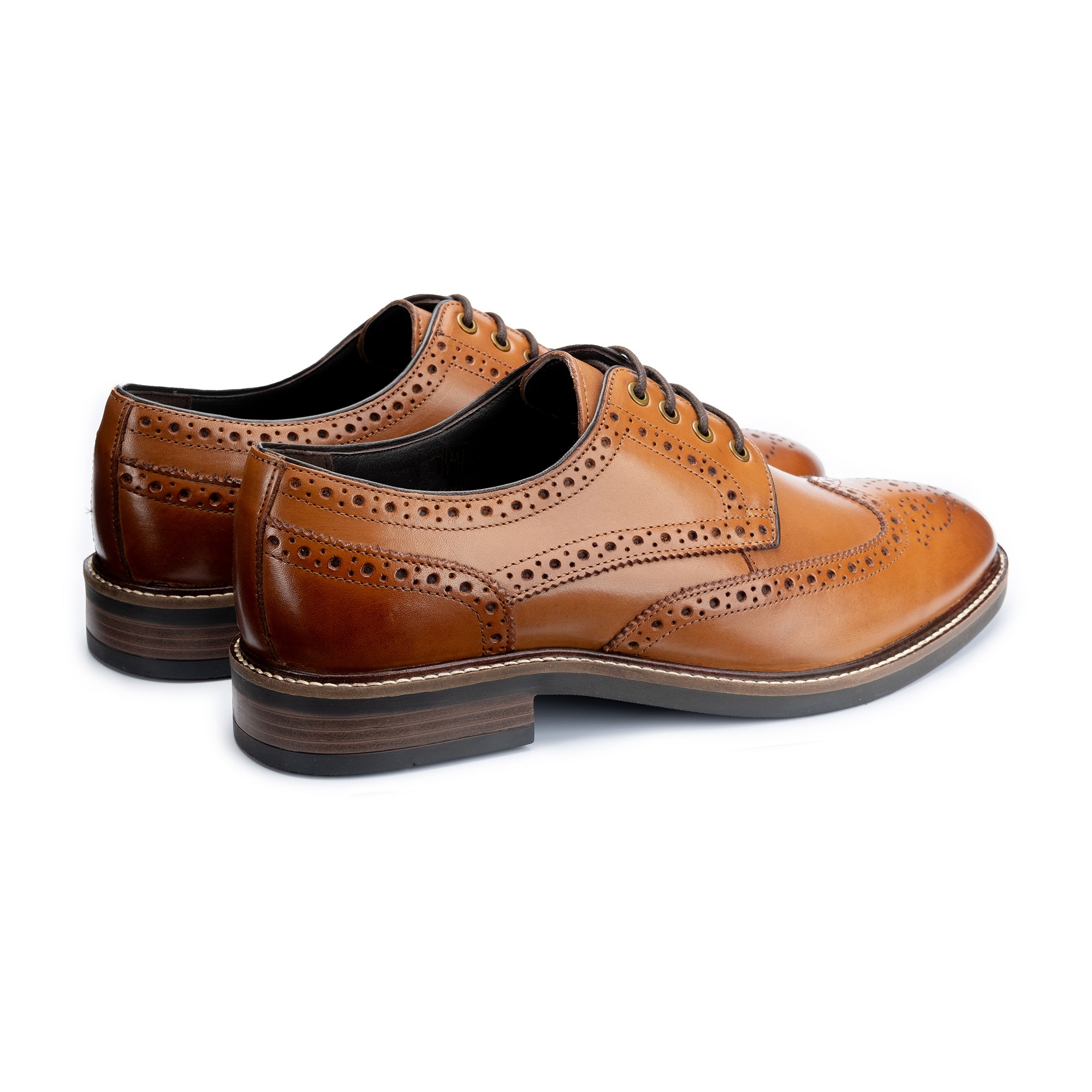
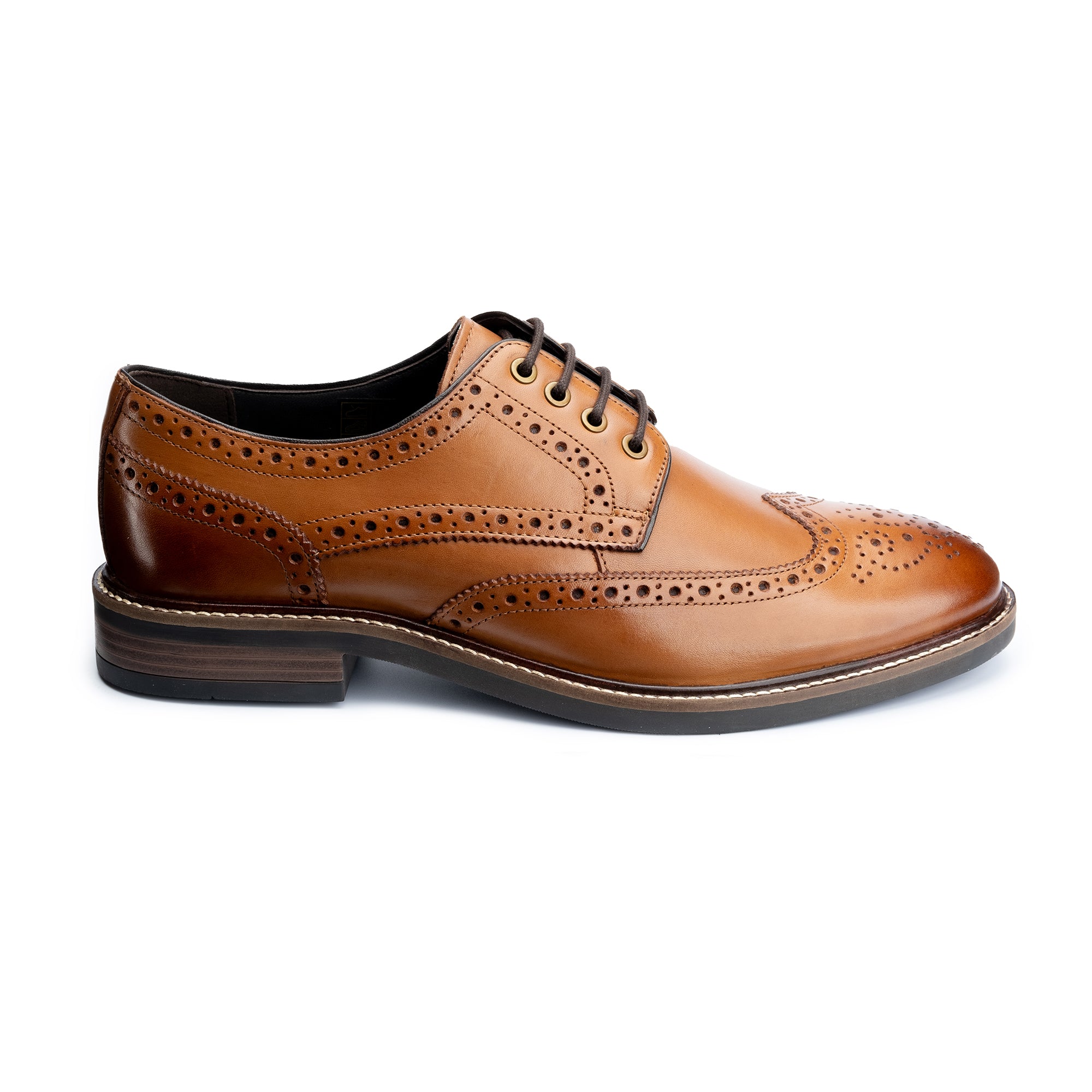
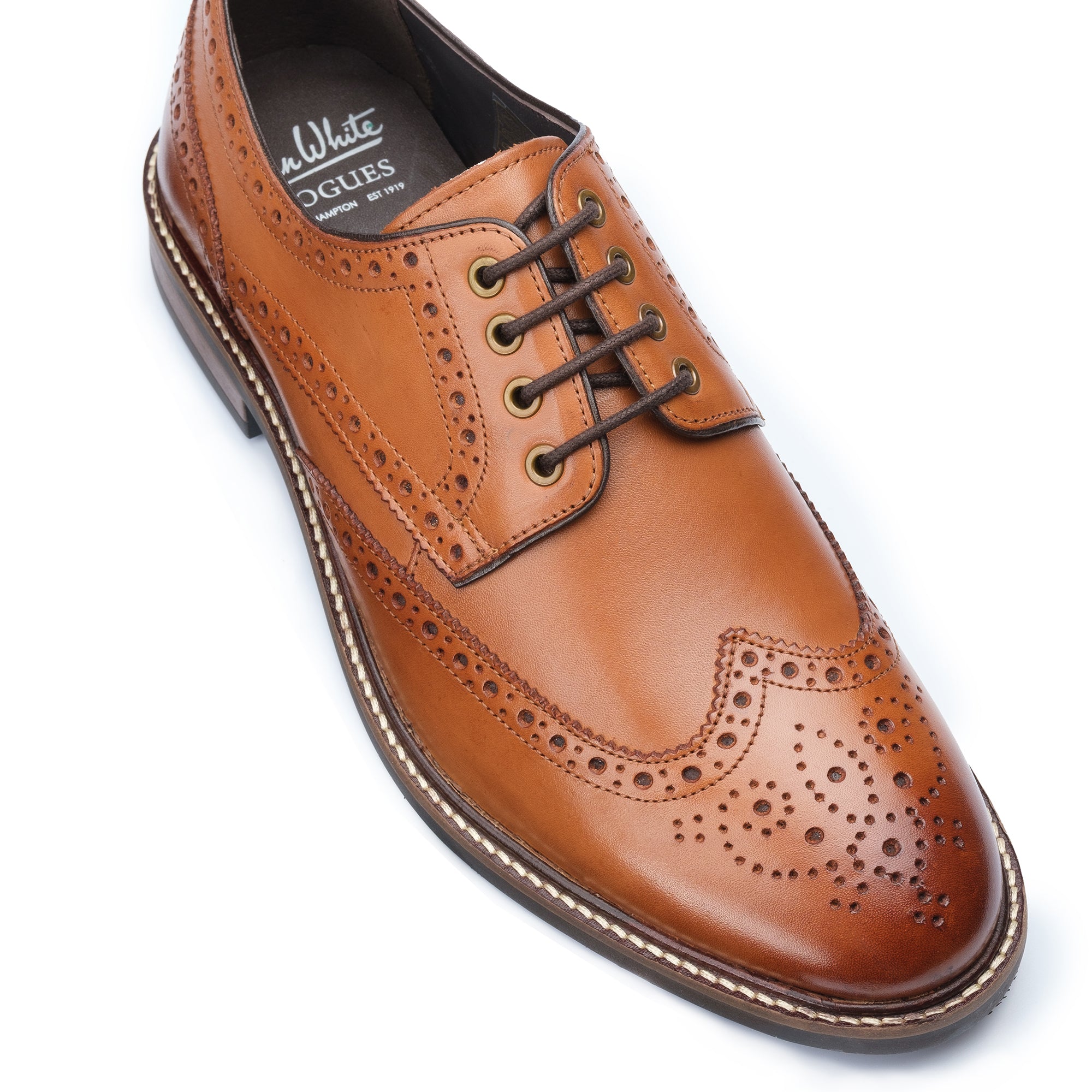
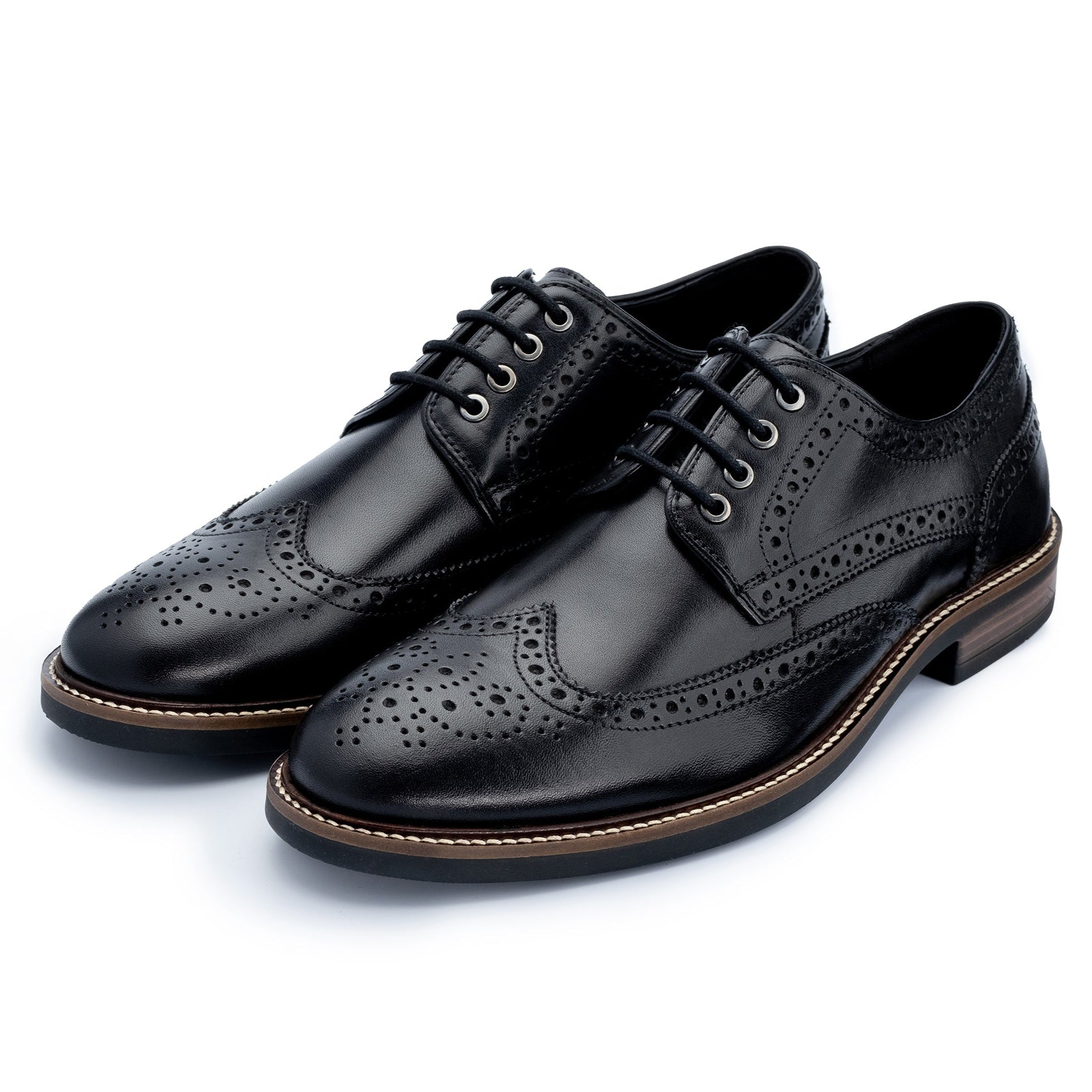
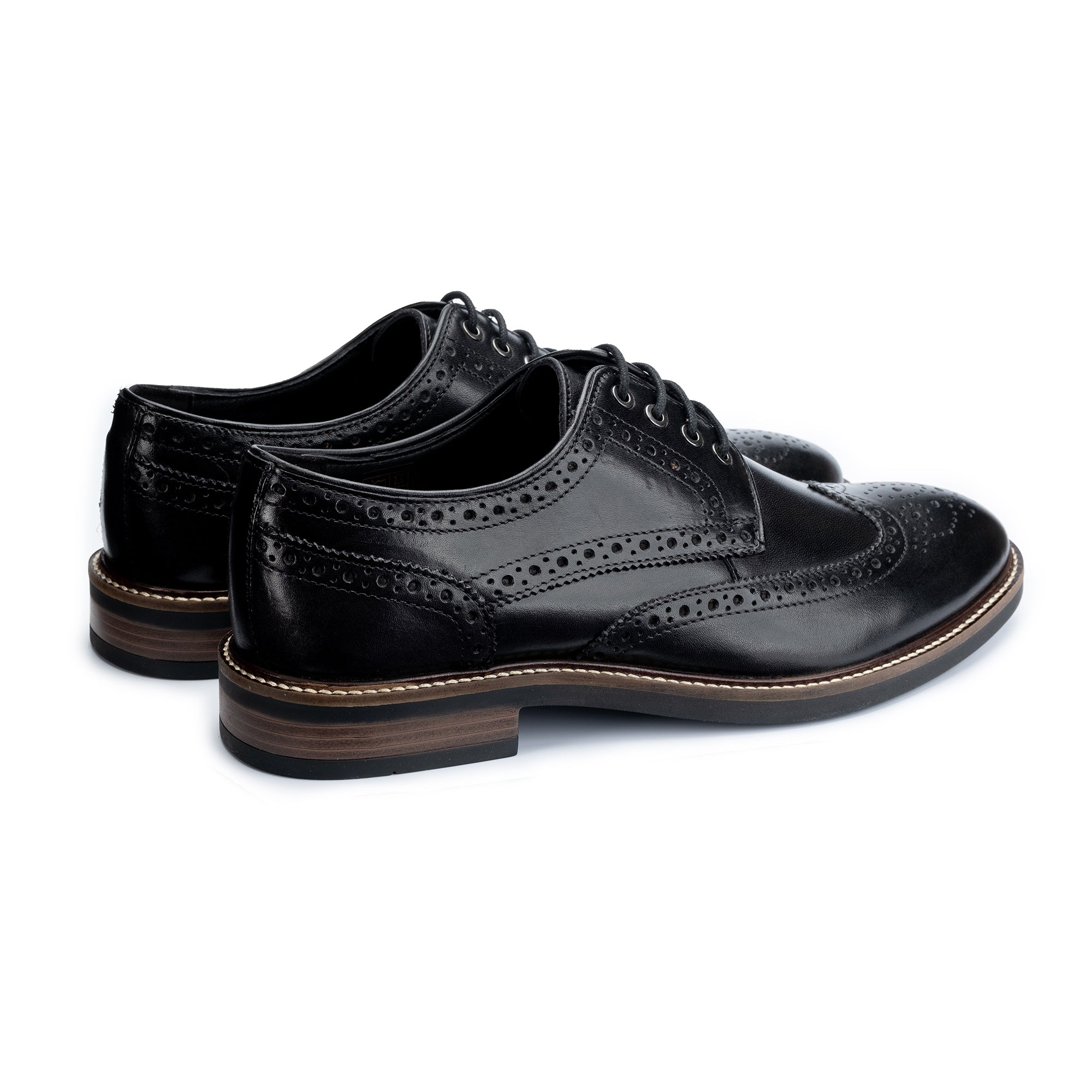
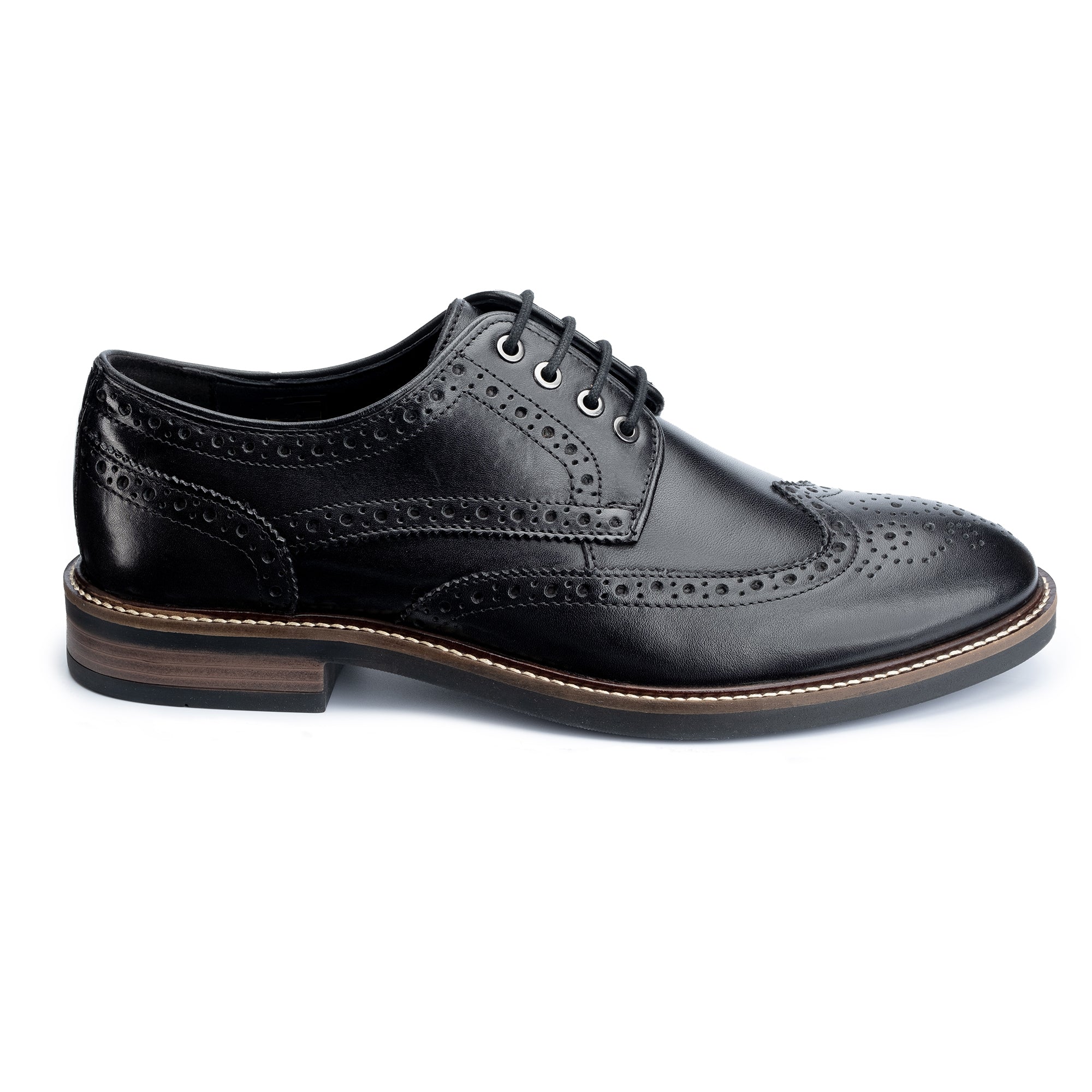
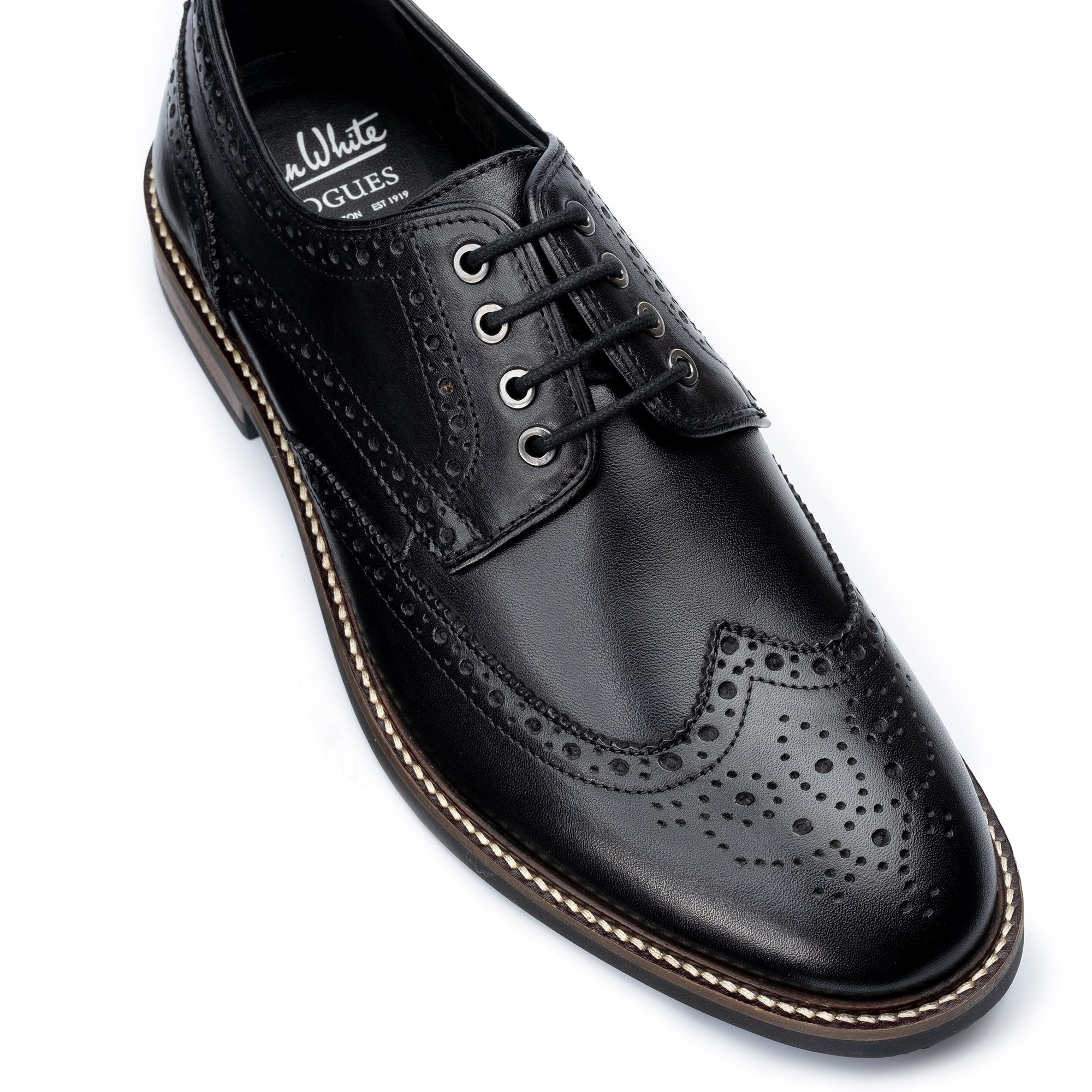
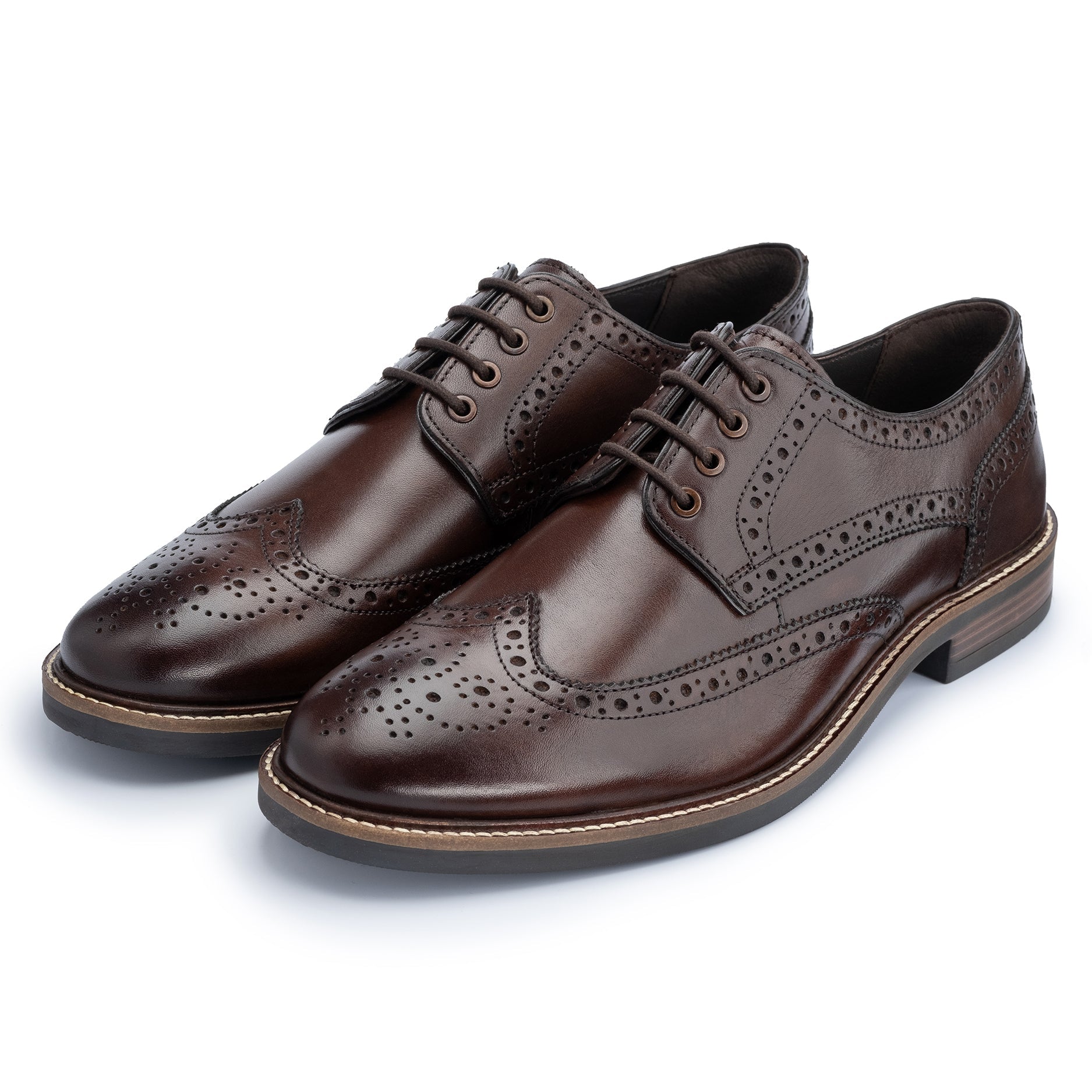
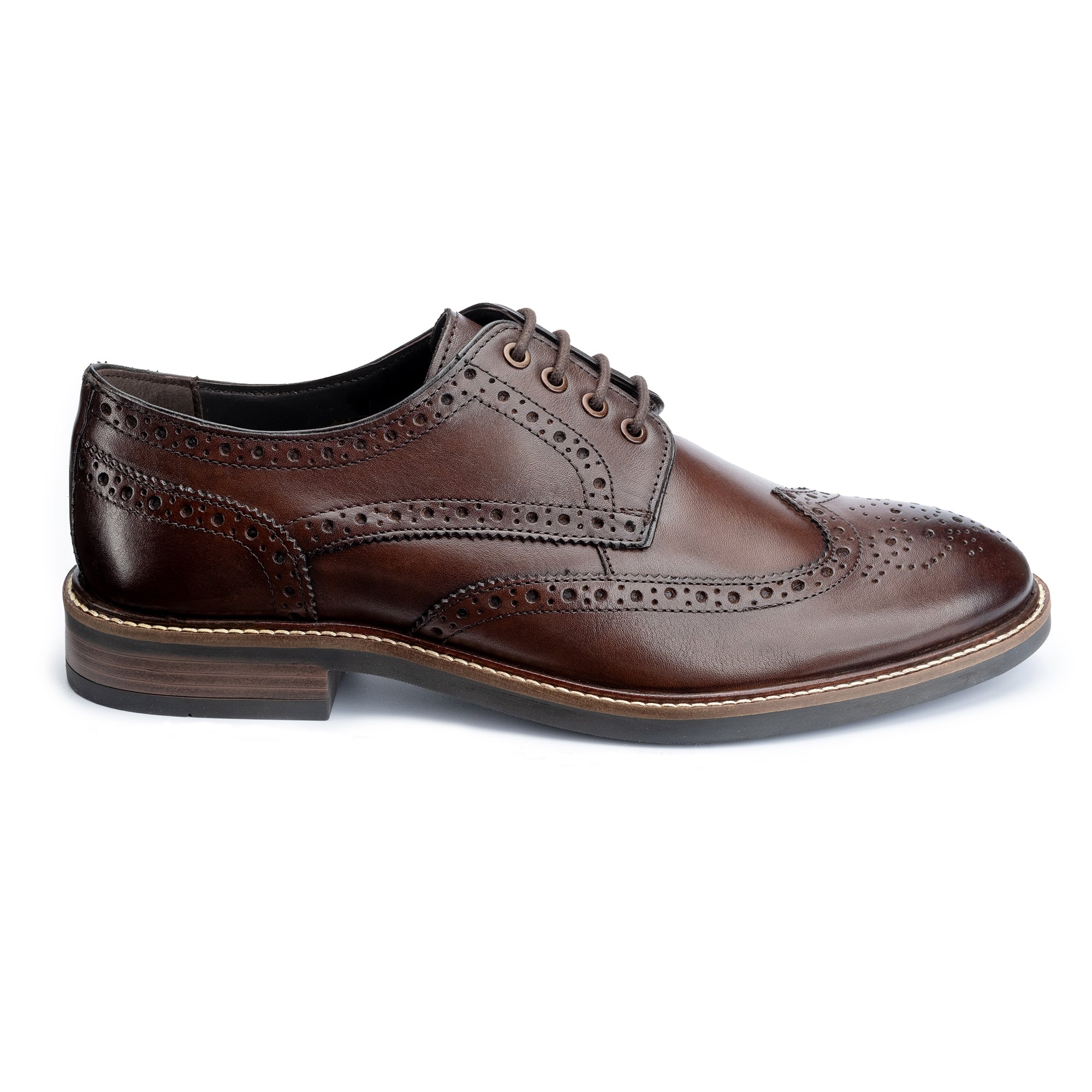
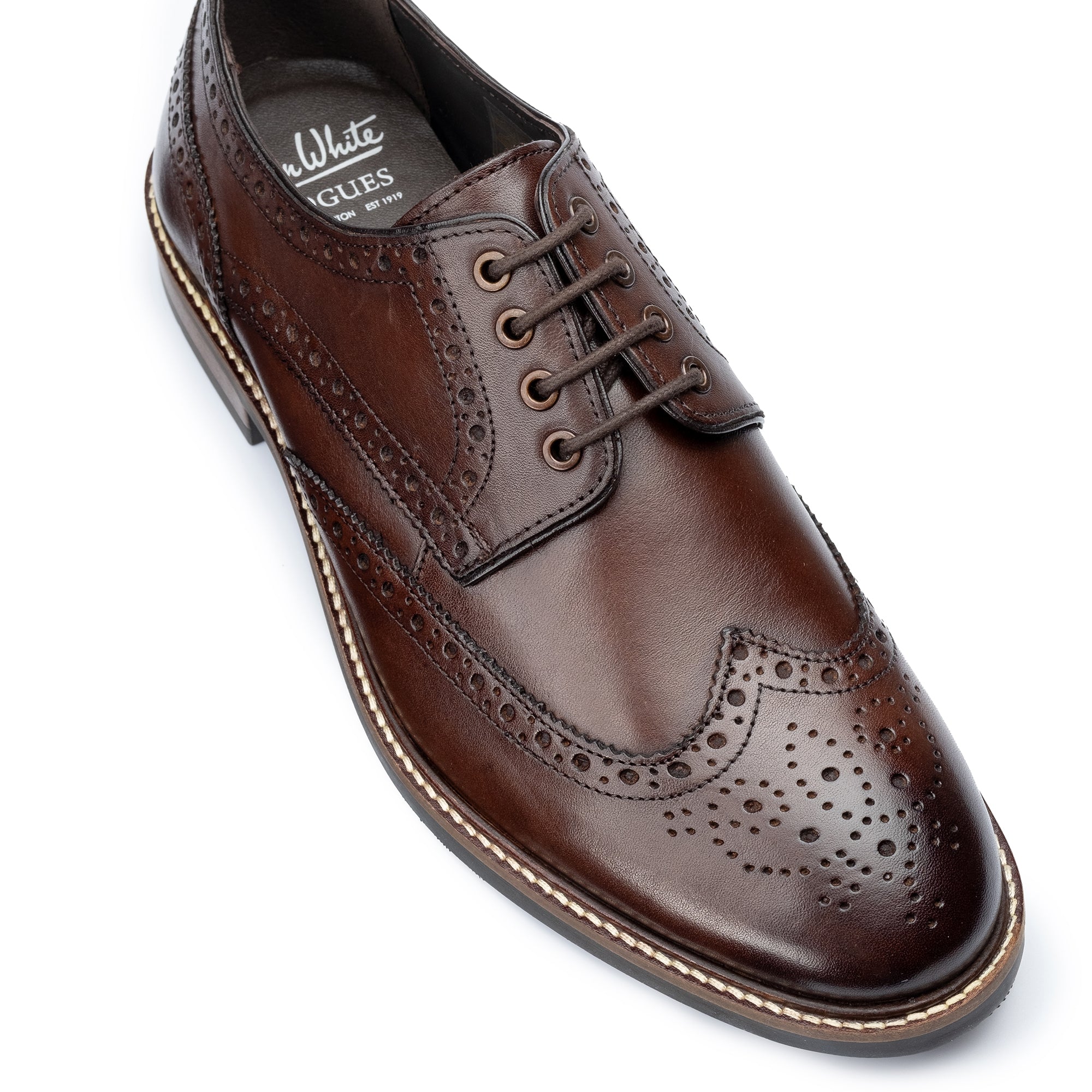
A brogue boot is a lace-up leather boot — typically ankle height — featuring the punched perforations and scalloped edge detailing that define the broader brogue family. The broguing itself traces back to traditional field boots worn across Scotland and Ireland, where the holes served a practical drainage function on wet terrain. Today they're purely decorative, but they carry that same sense of purposeful, outdoors-ready character.
The boot format does something a standard brogue shoe can't: it raises the ankle, adds warmth, and handles damp British pavements without surrendering the dressed quality of the style. According to the British Footwear Association, brogue-pattern footwear has ranked consistently among the top five dress-casual styles in UK men's footwear for over a decade — and demand for the boot variant has grown steadily as men look for styles that work harder across occasions.
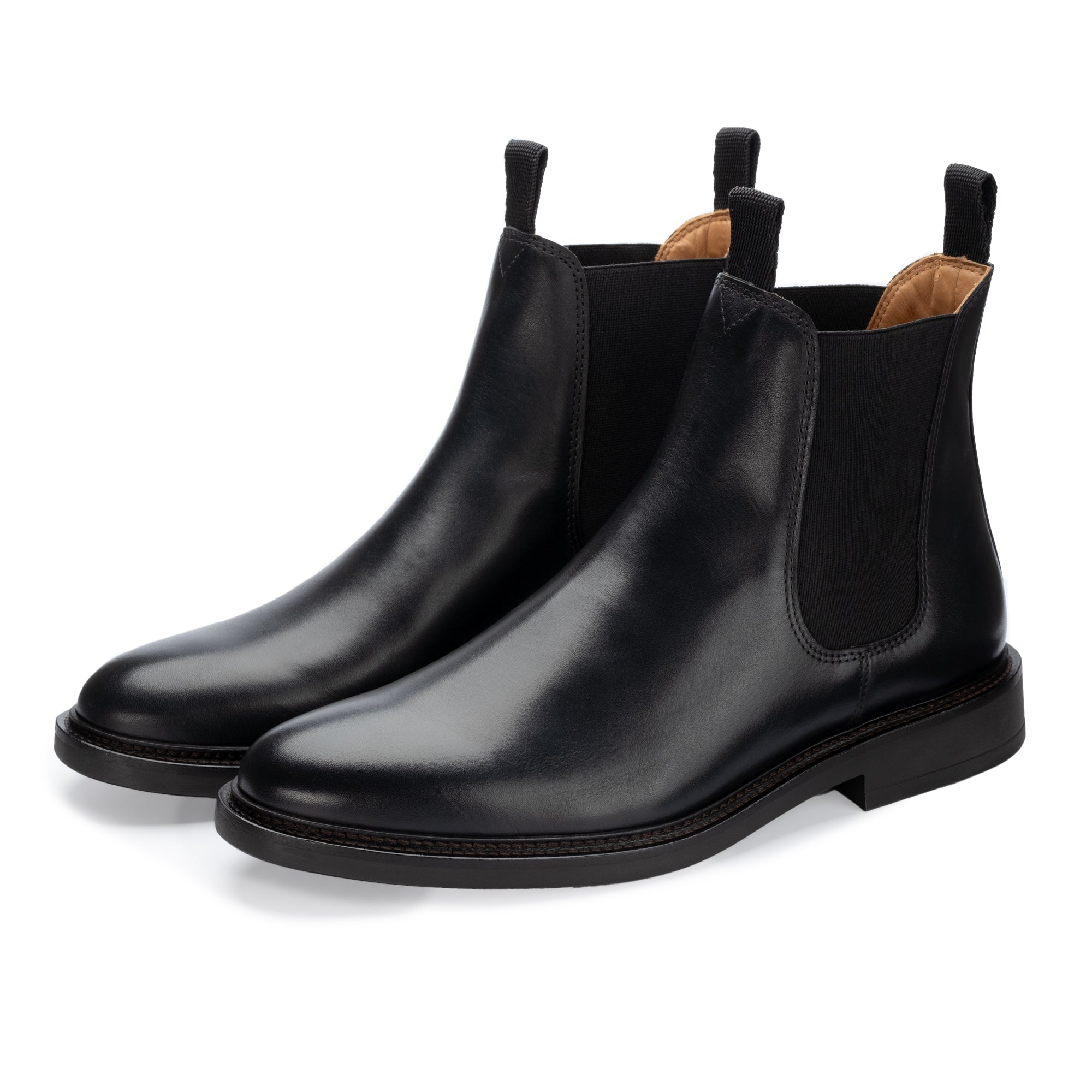
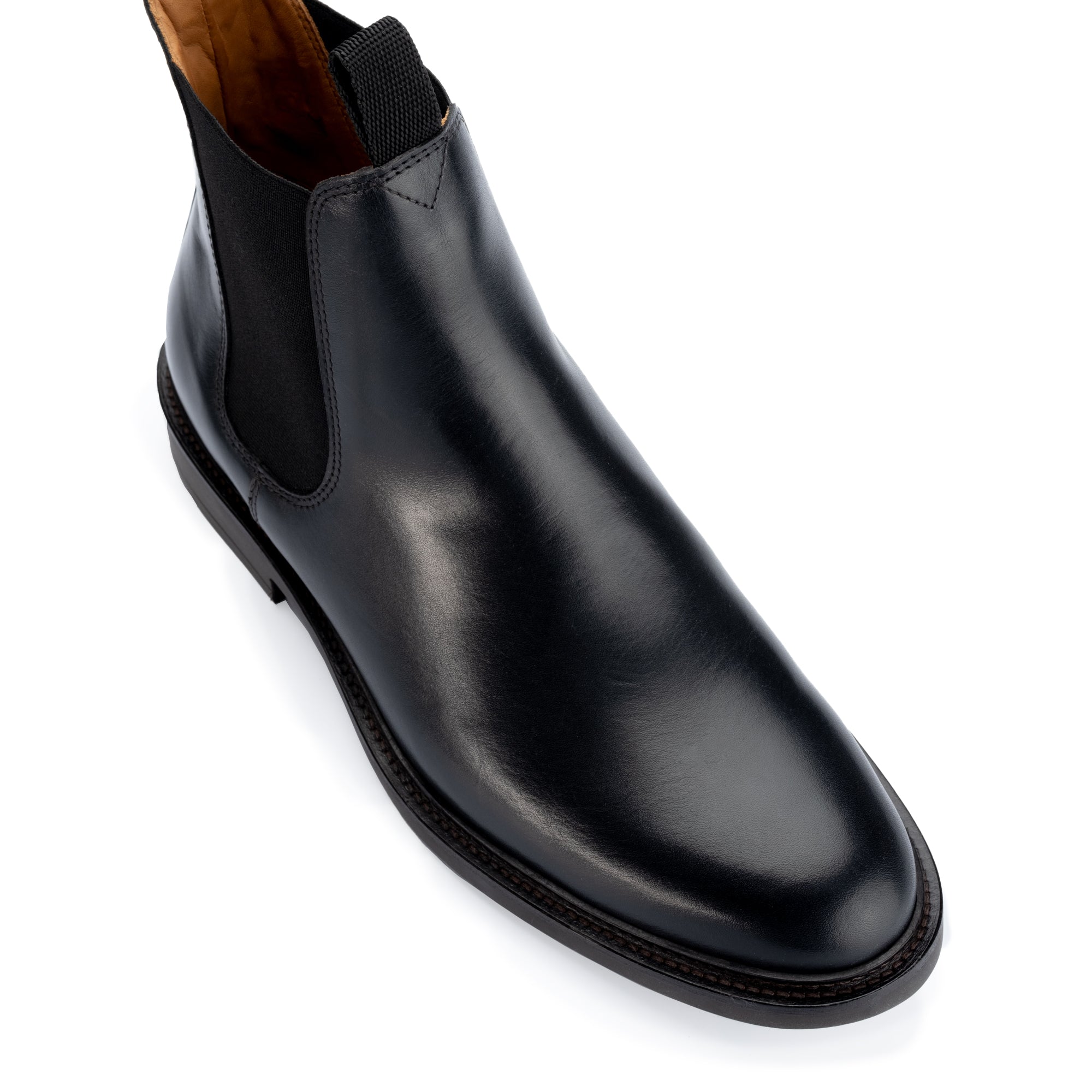
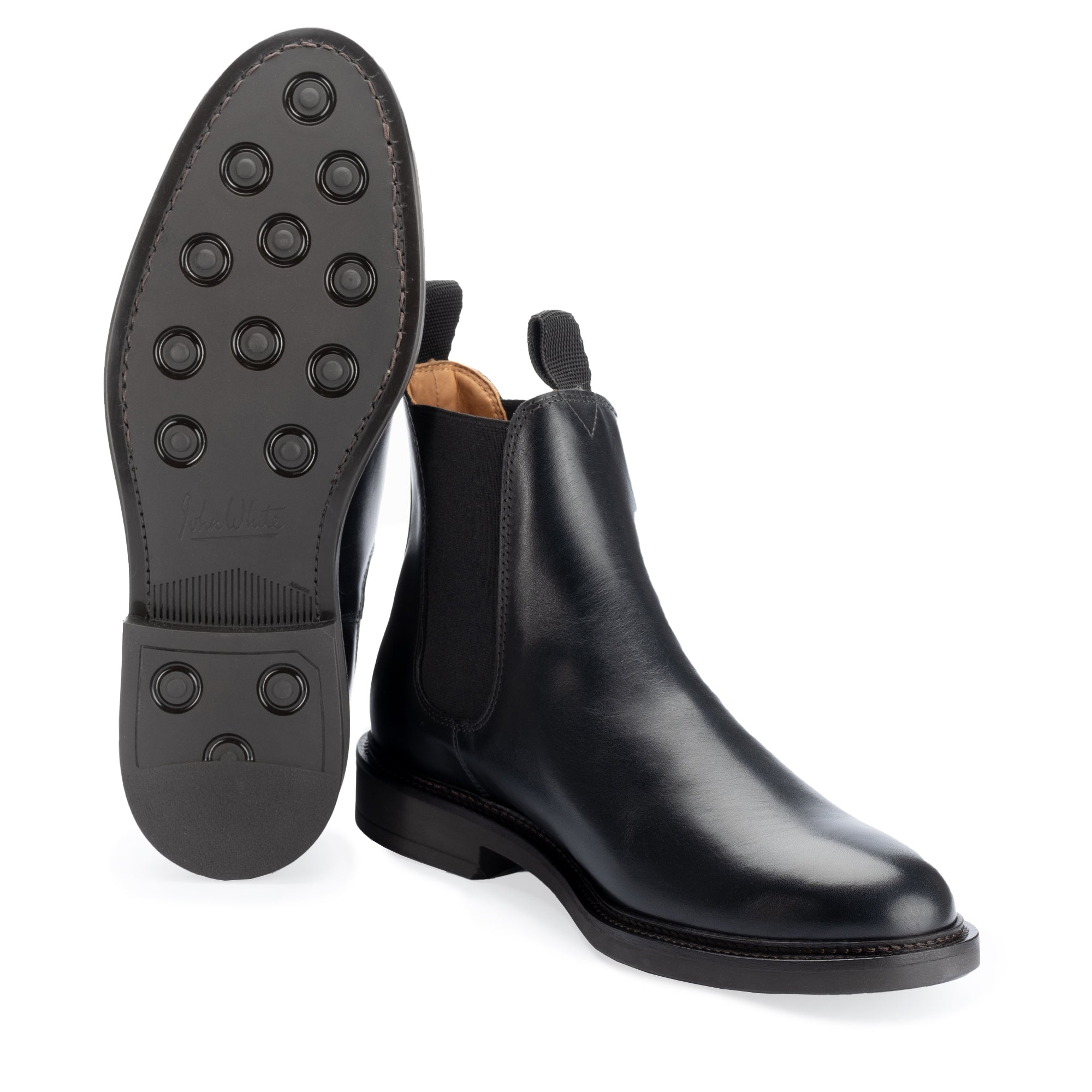
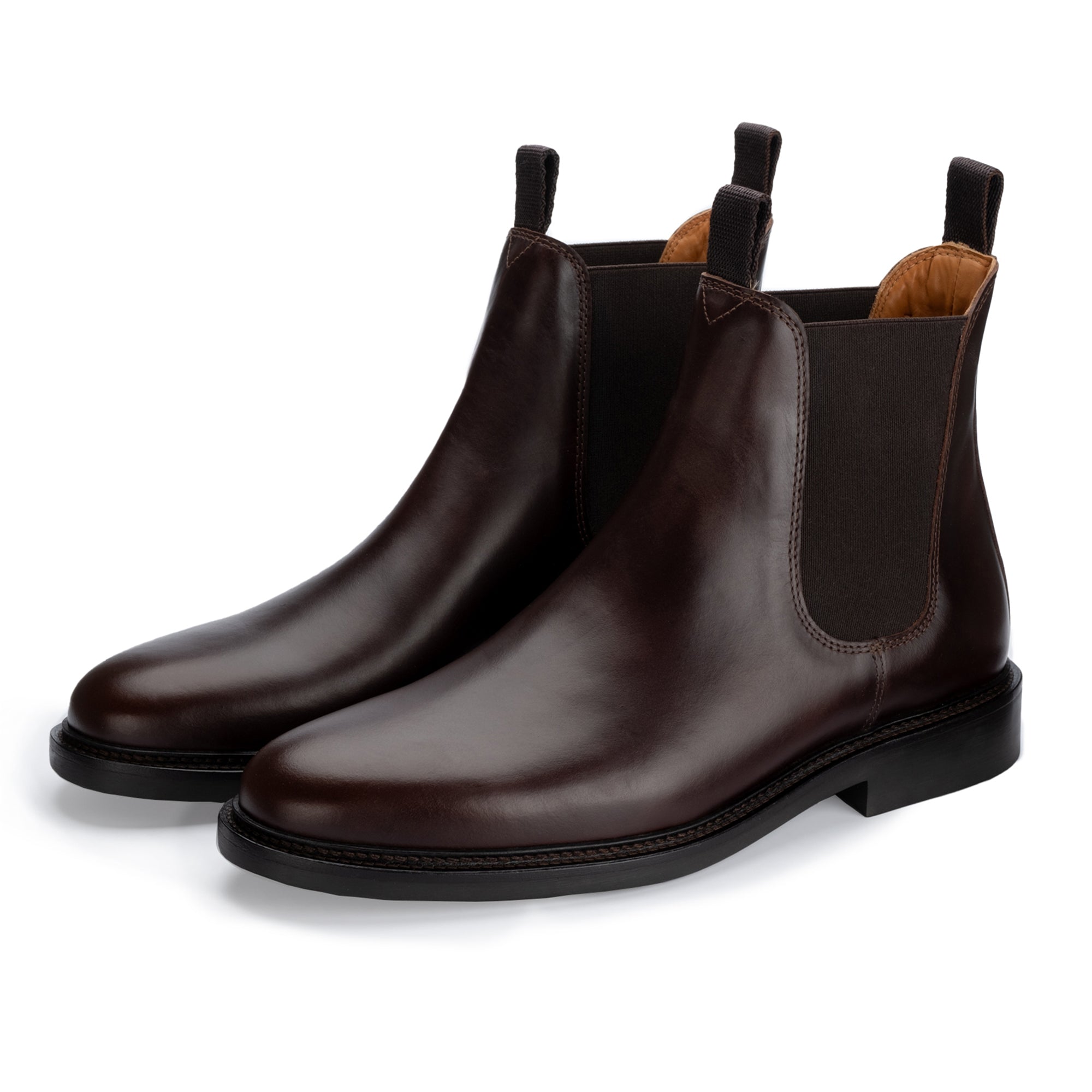
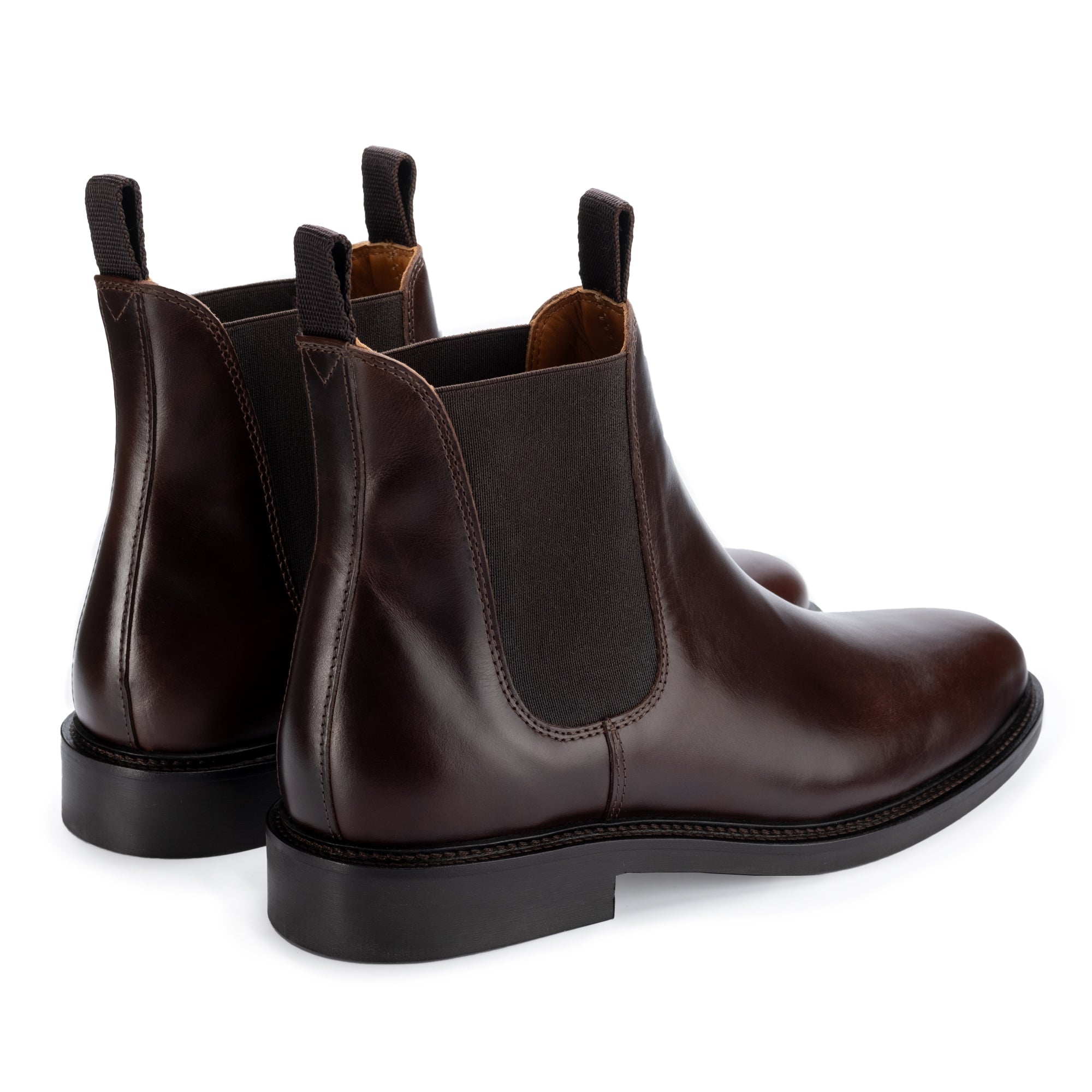
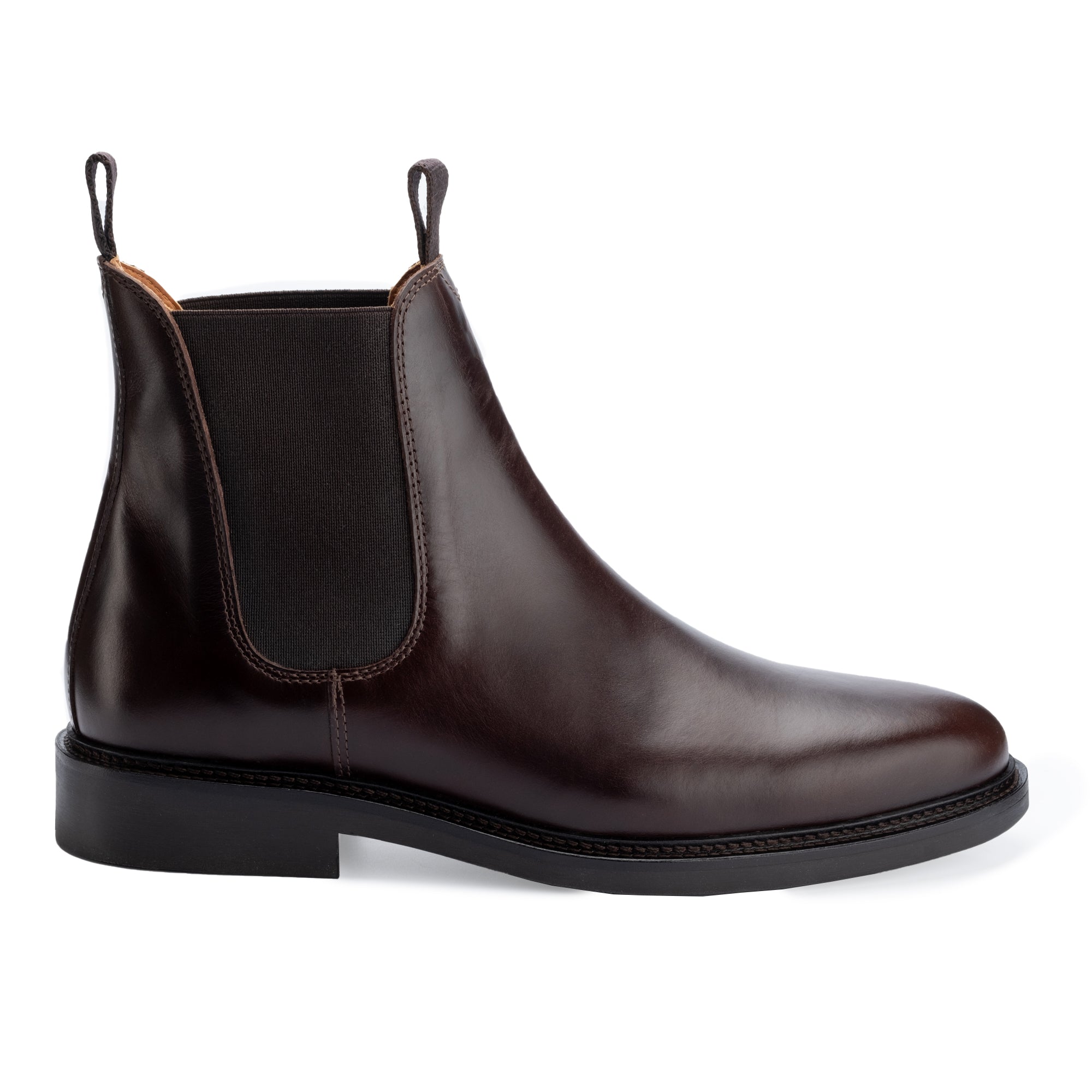
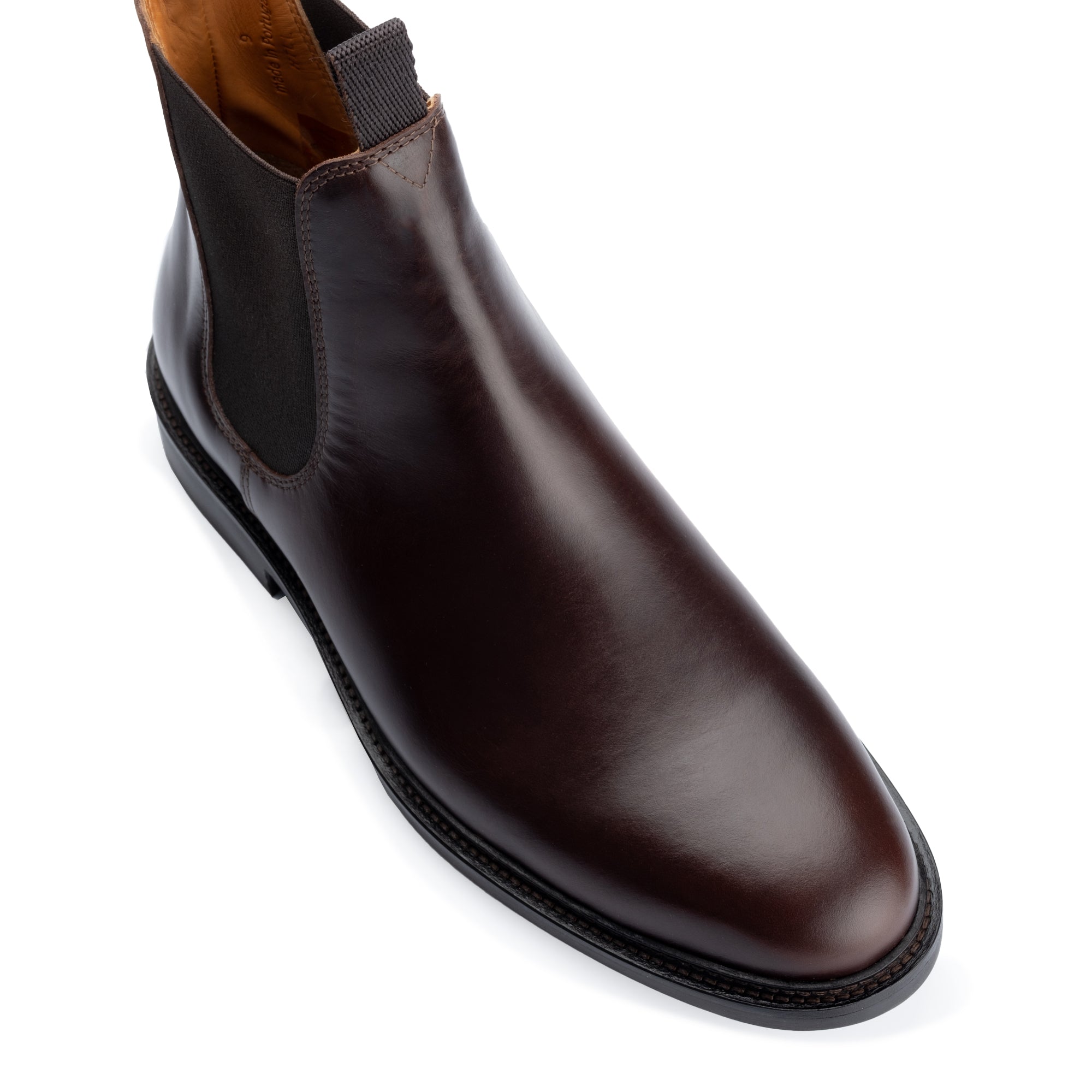
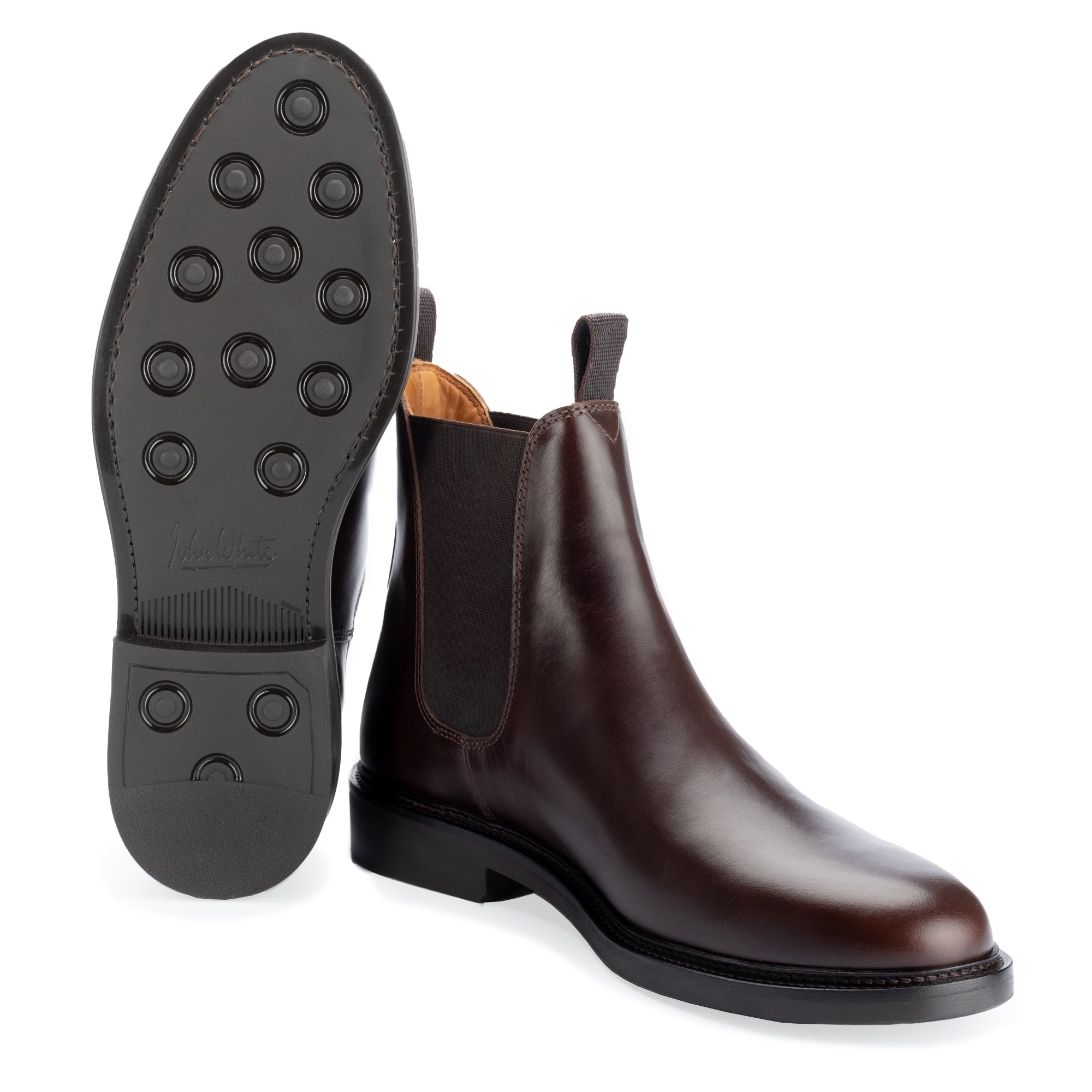
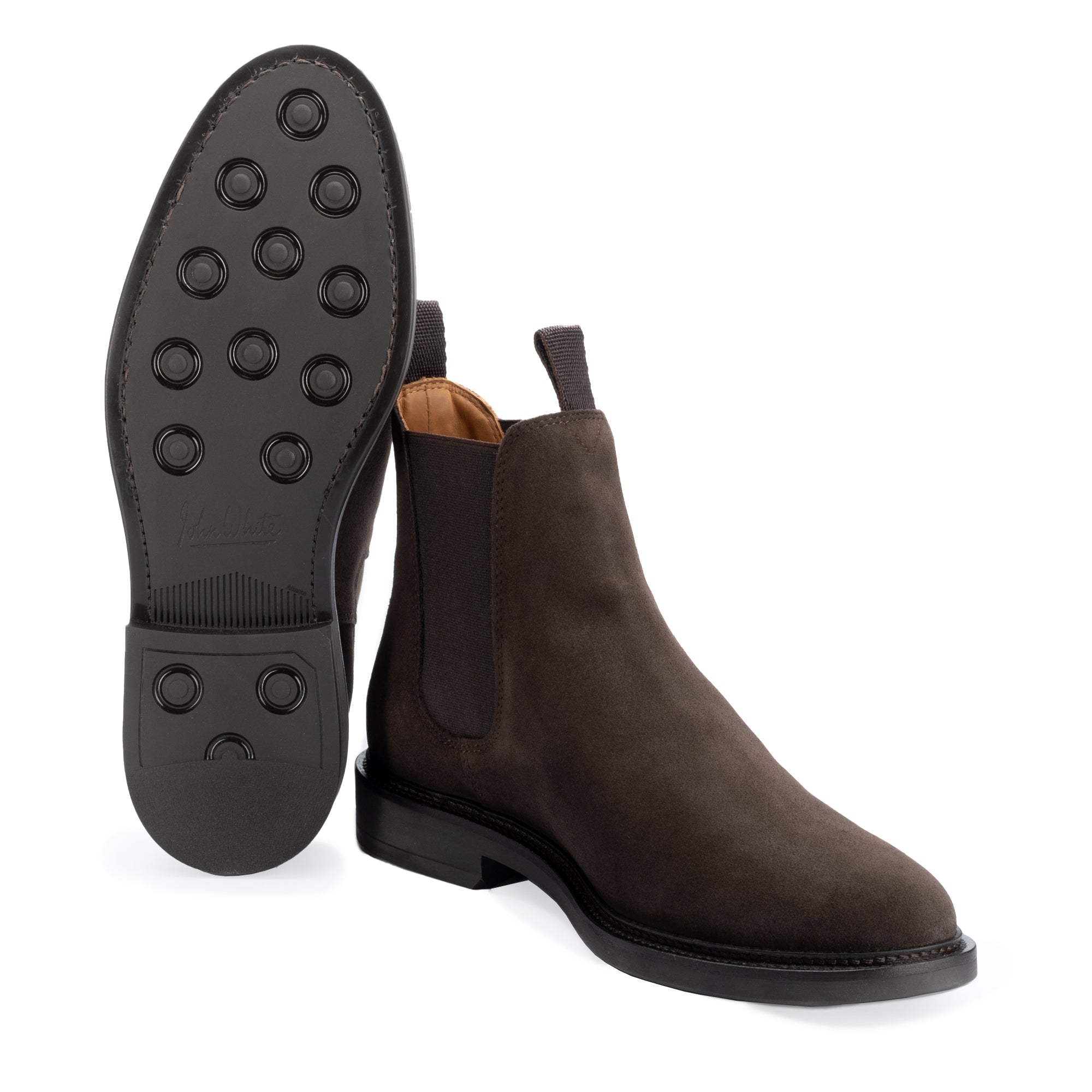
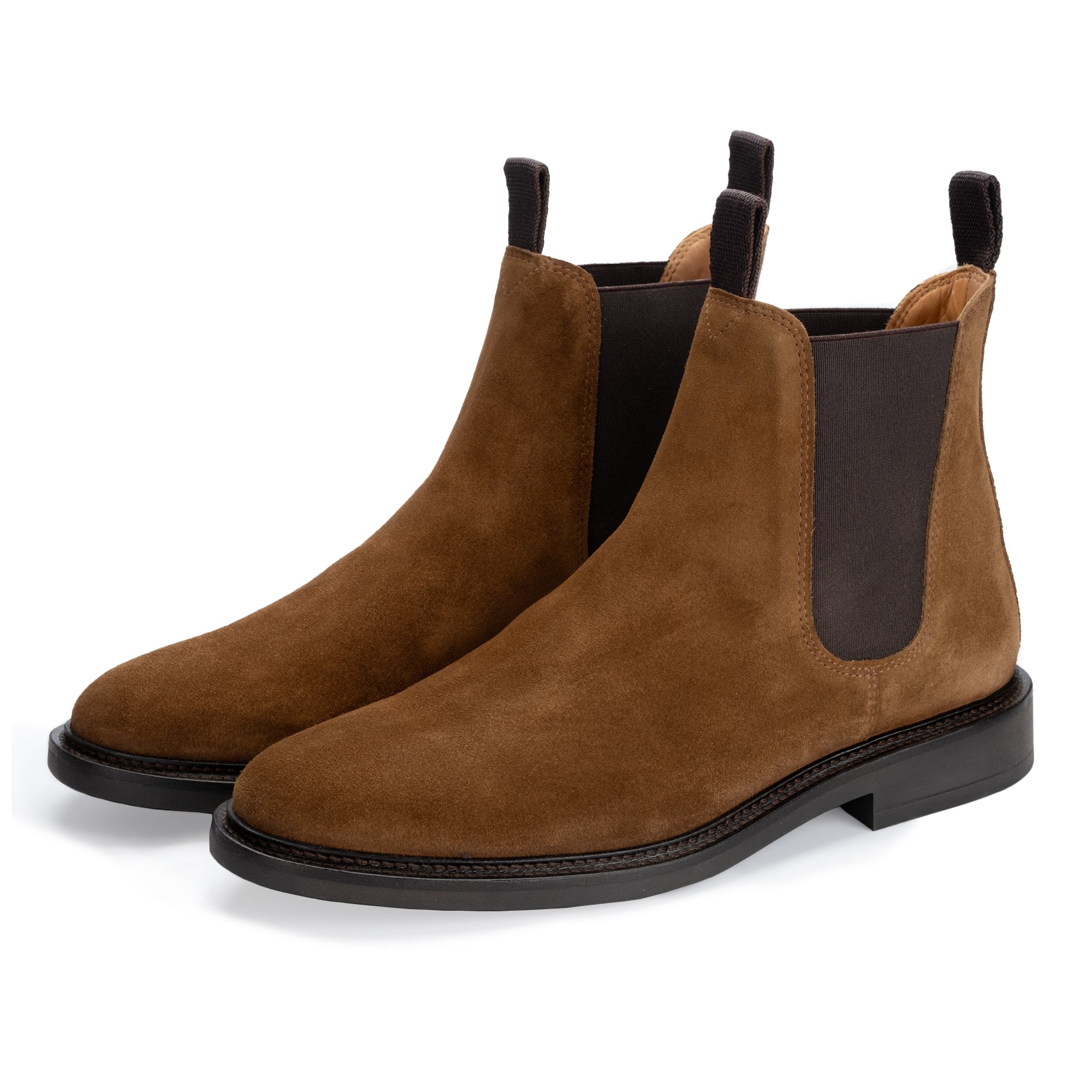
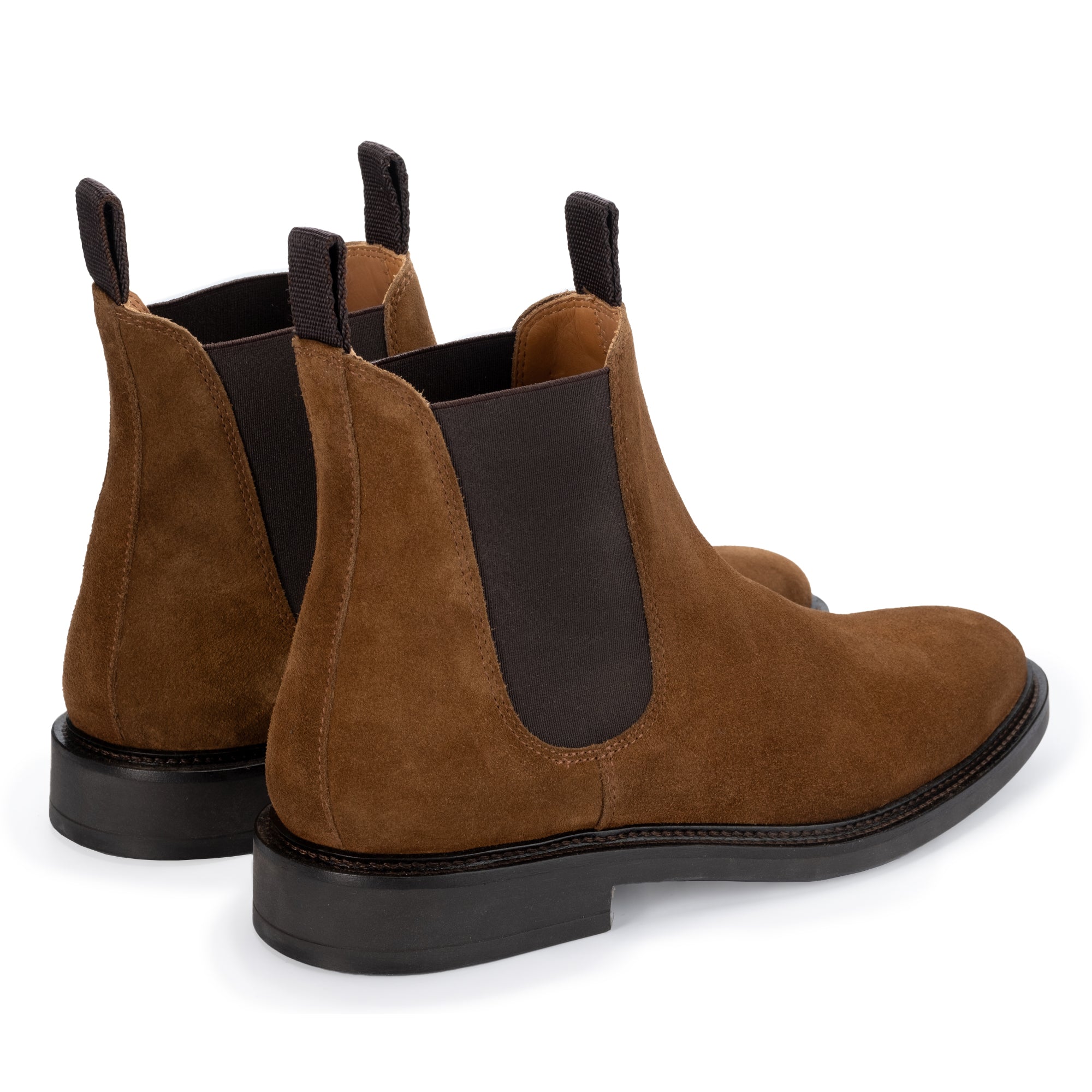
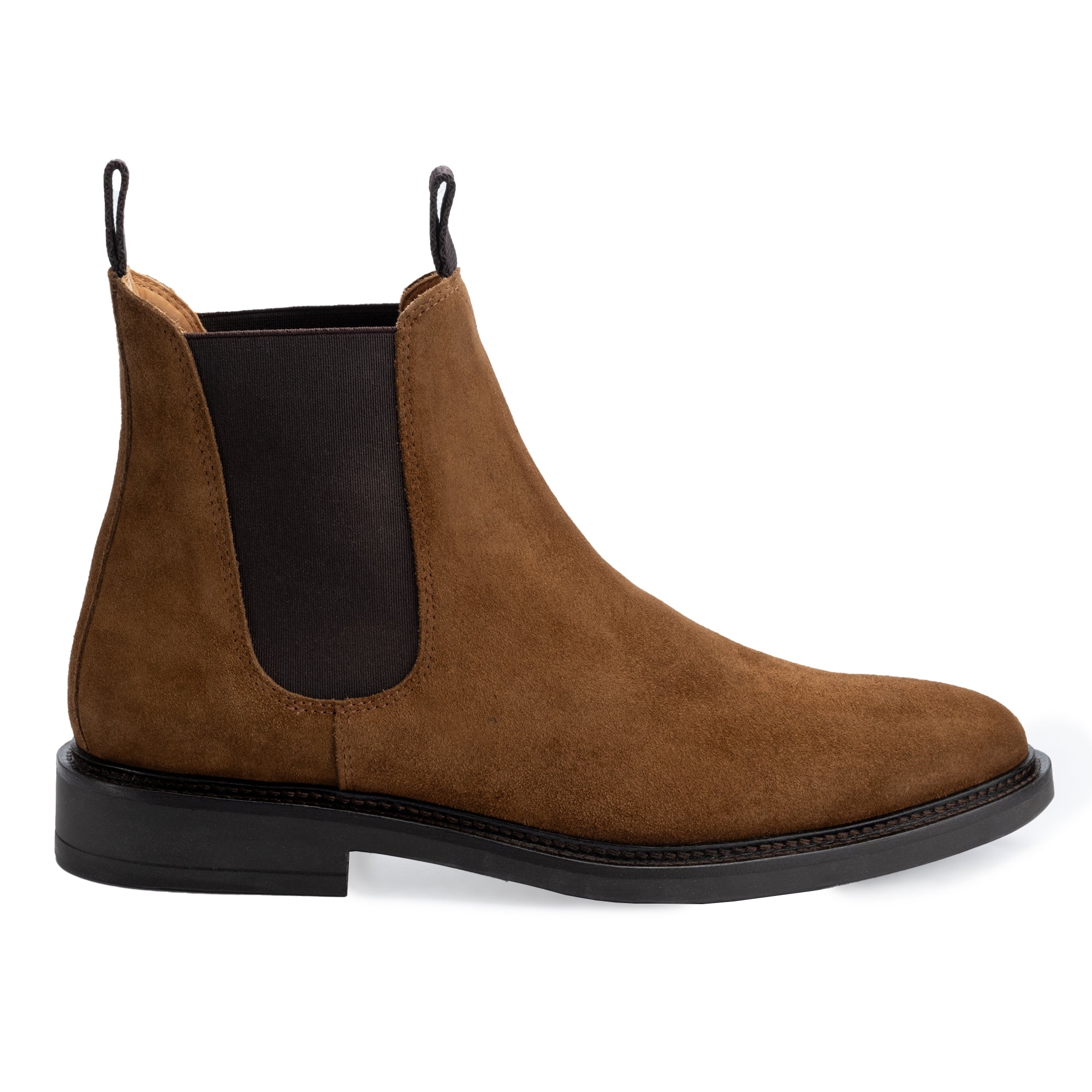
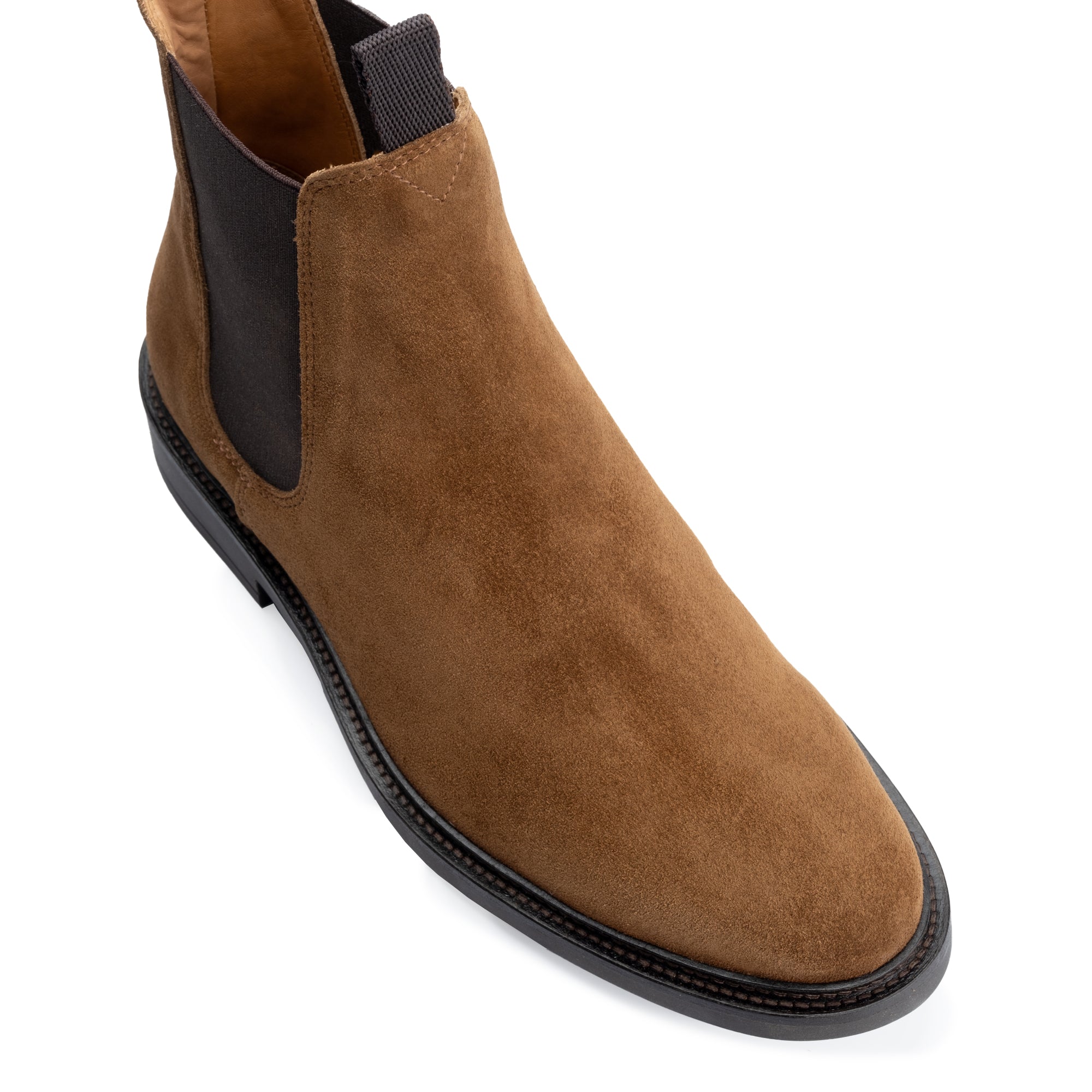
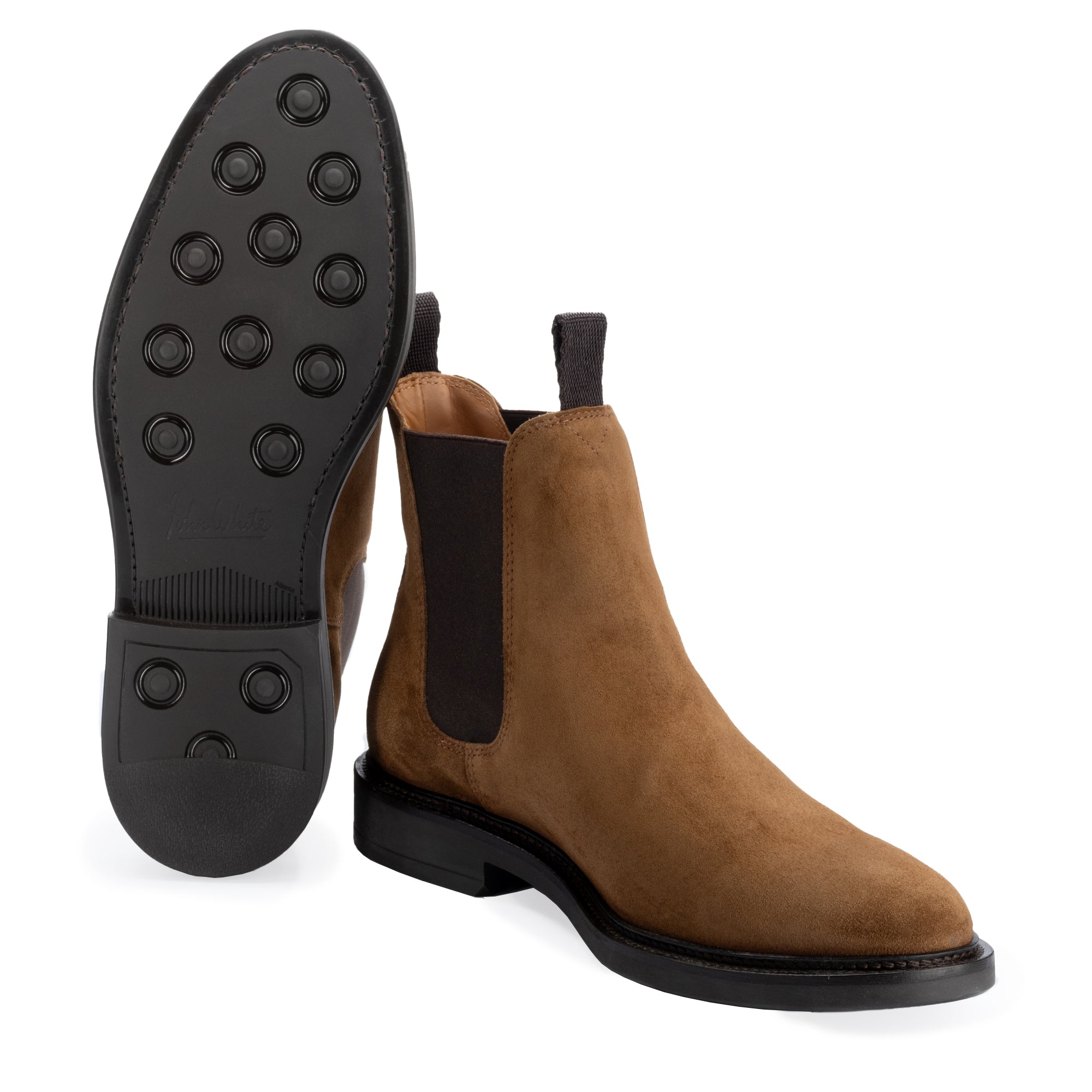
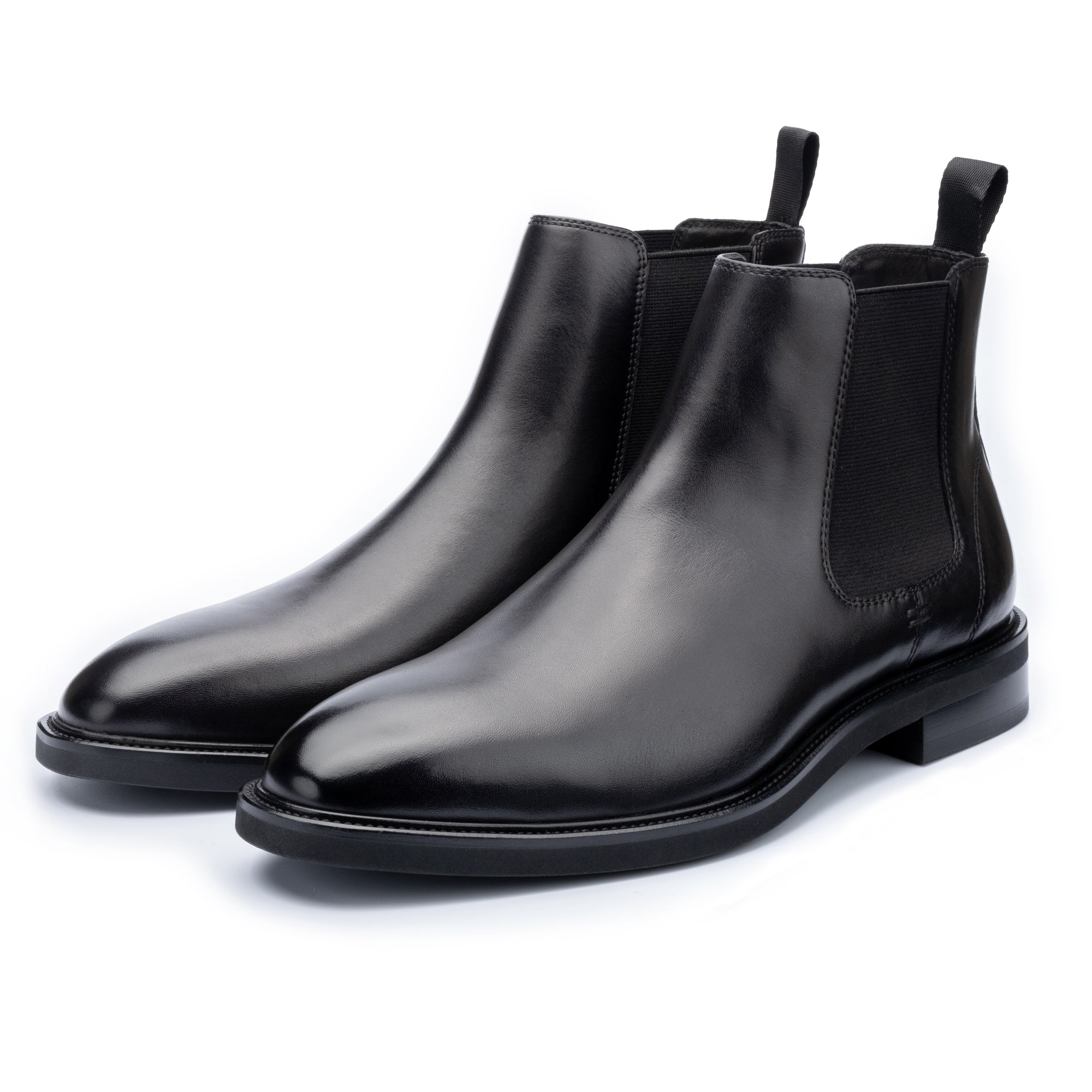
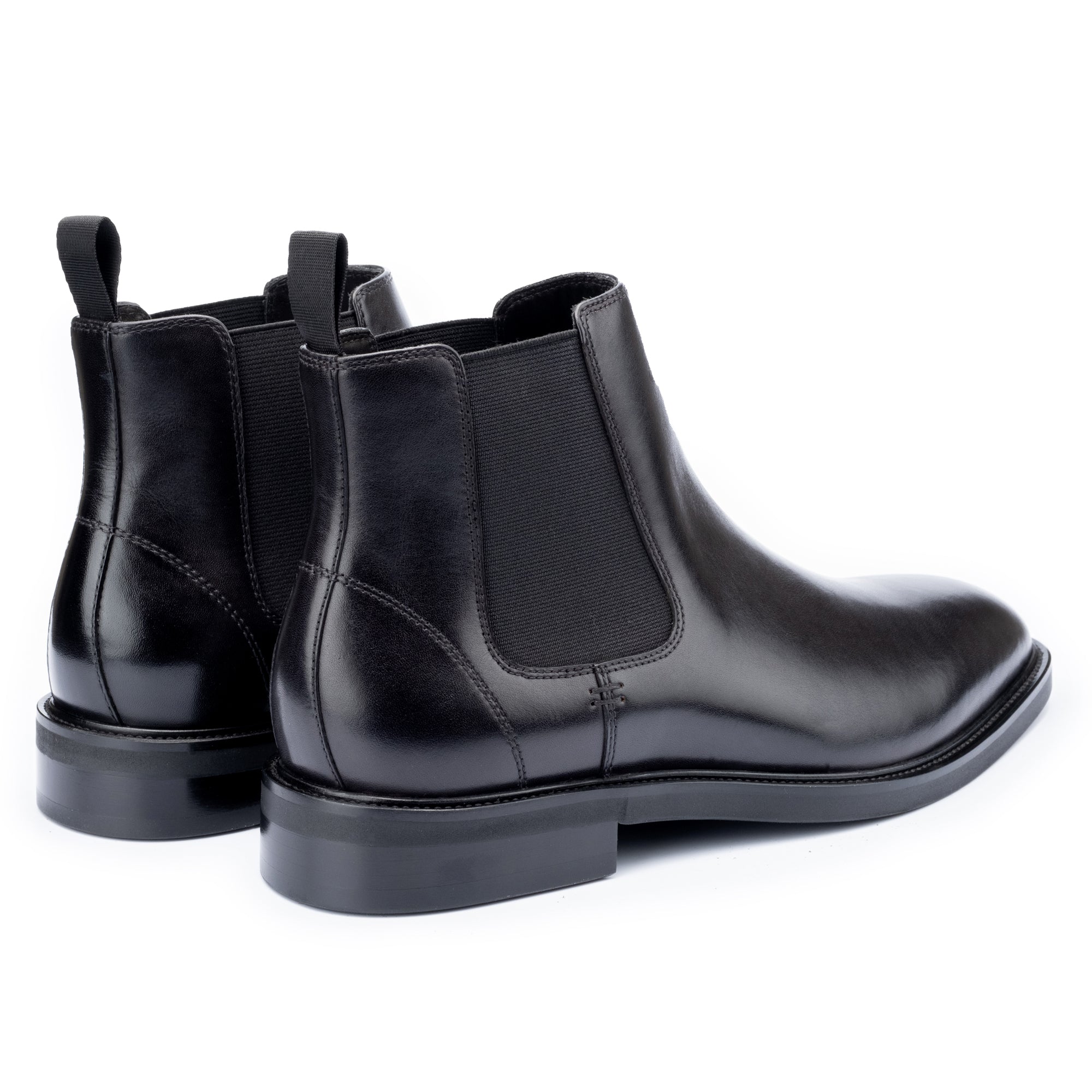
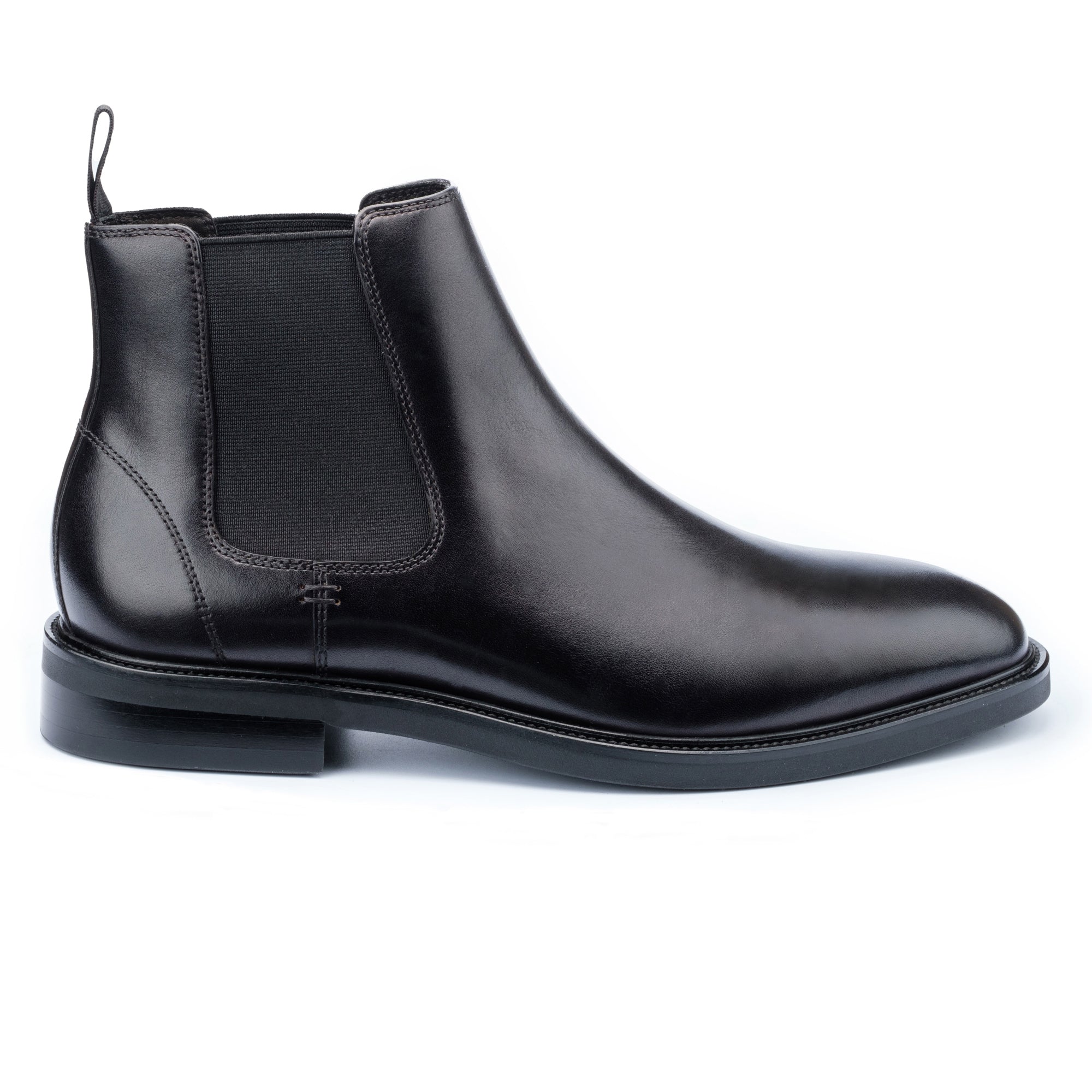
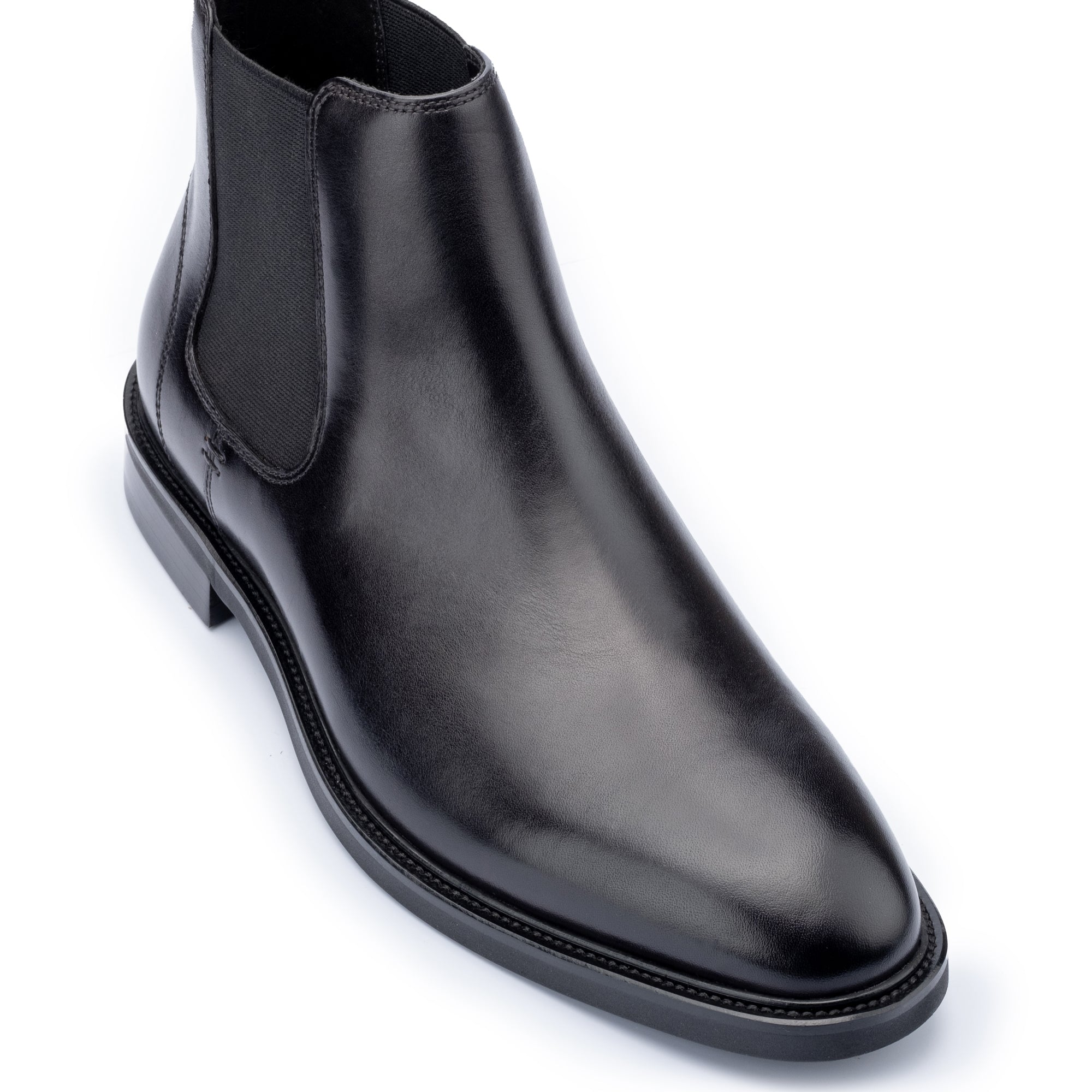
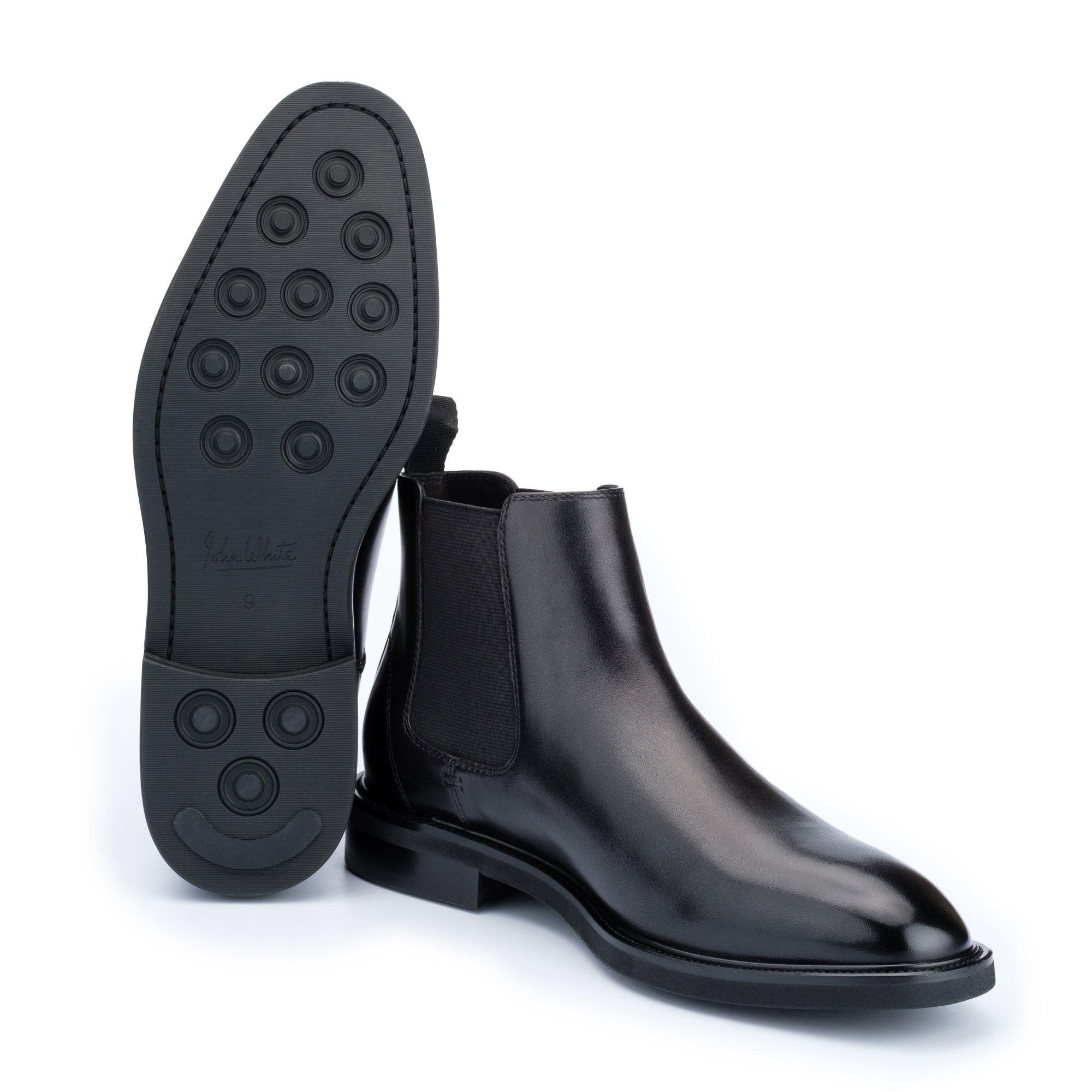
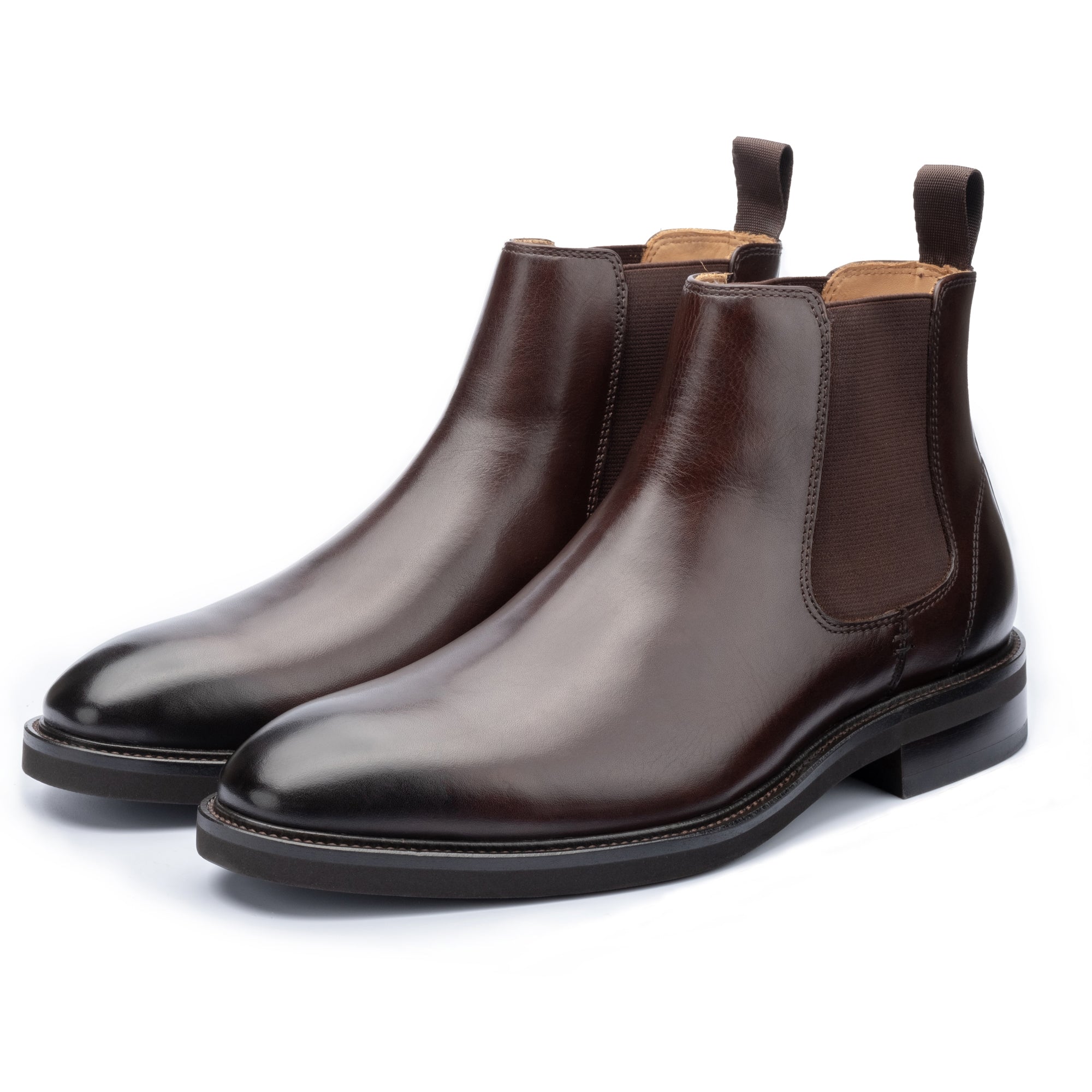
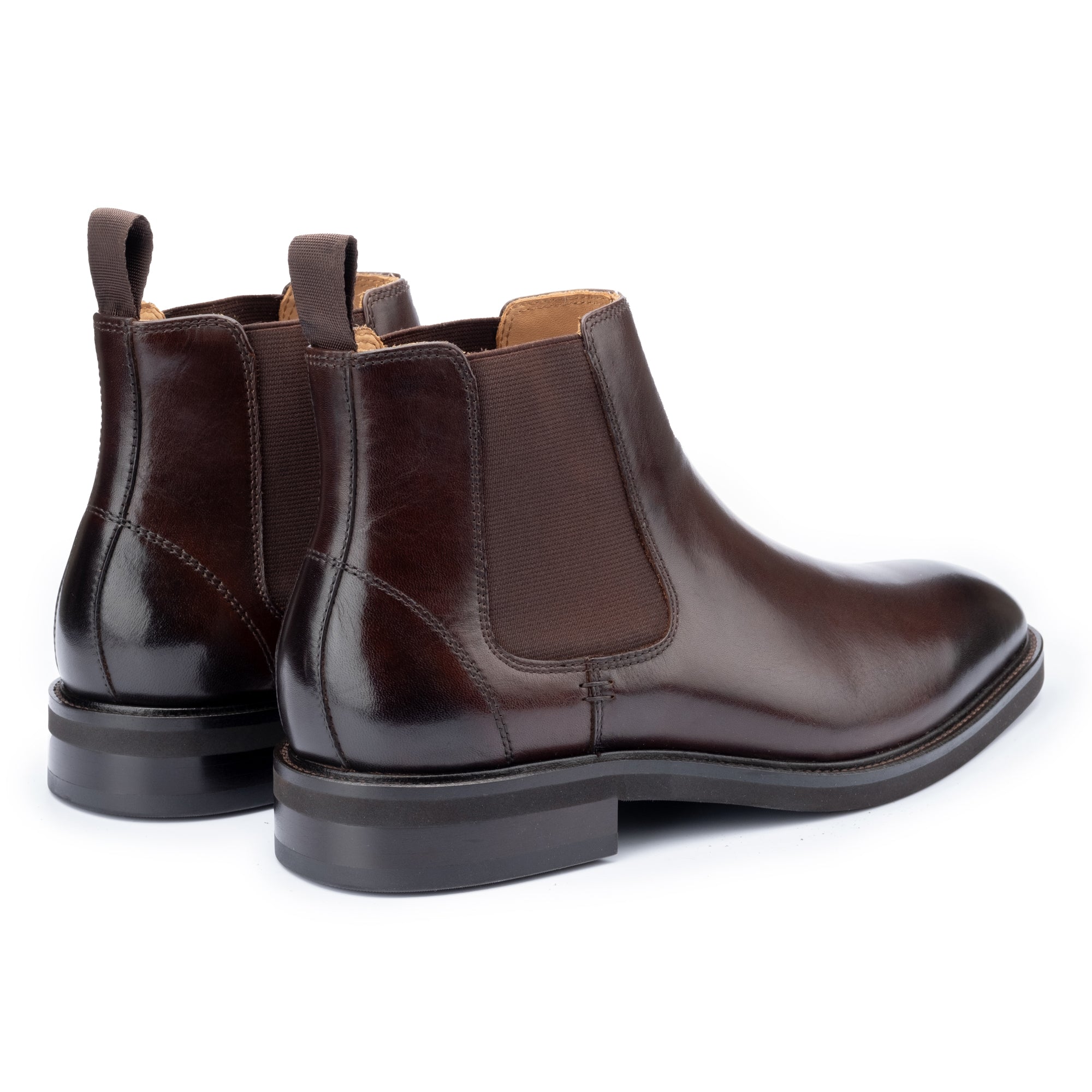
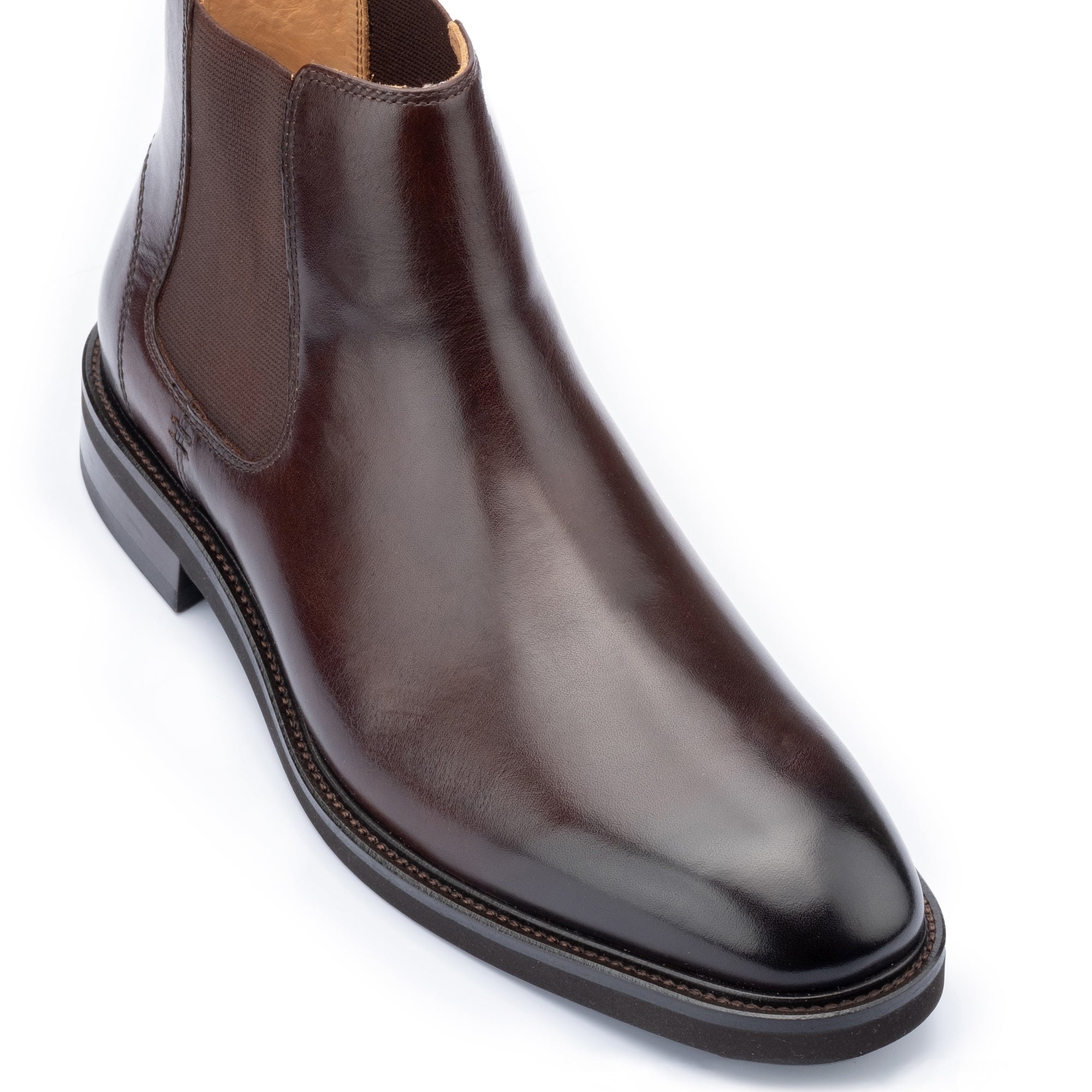
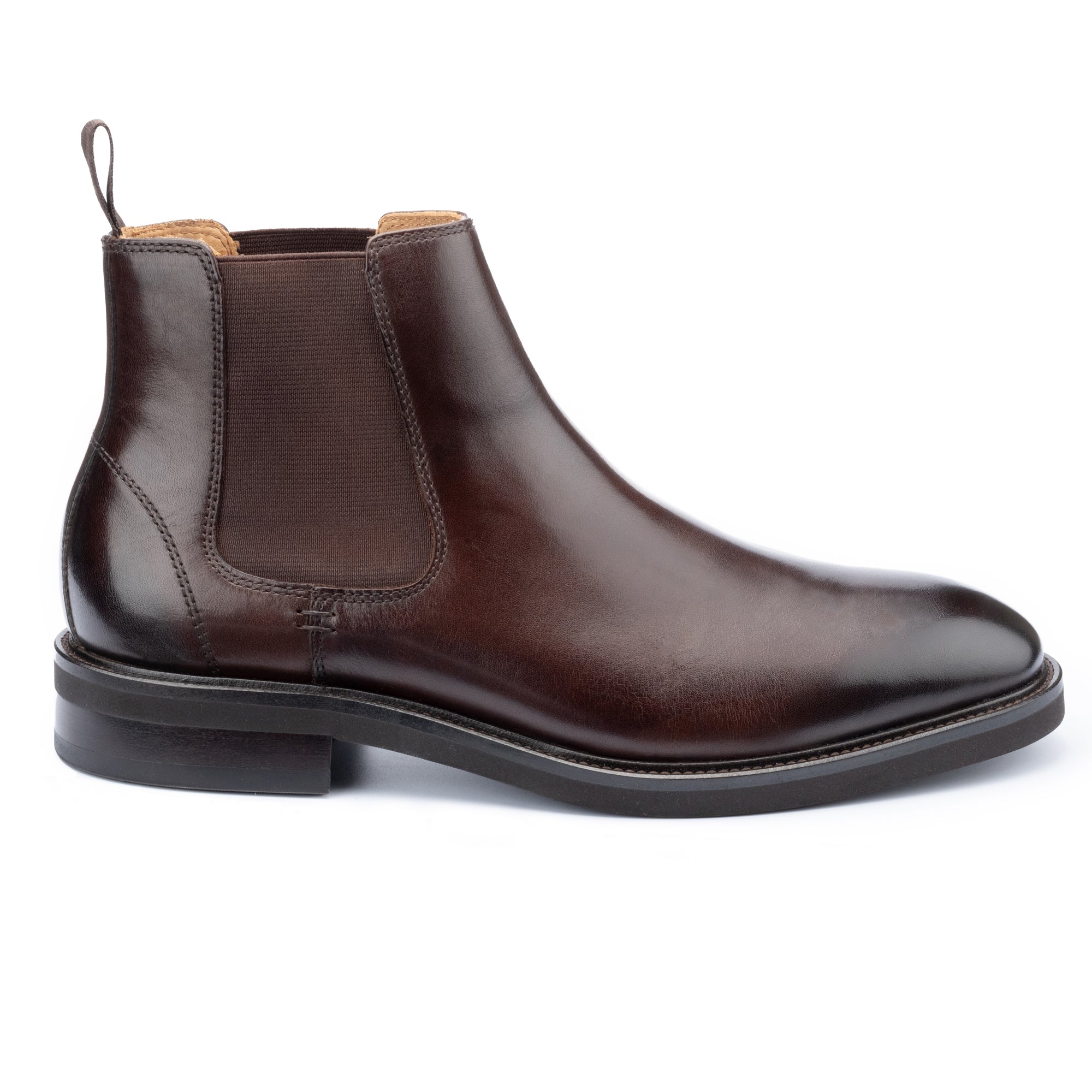
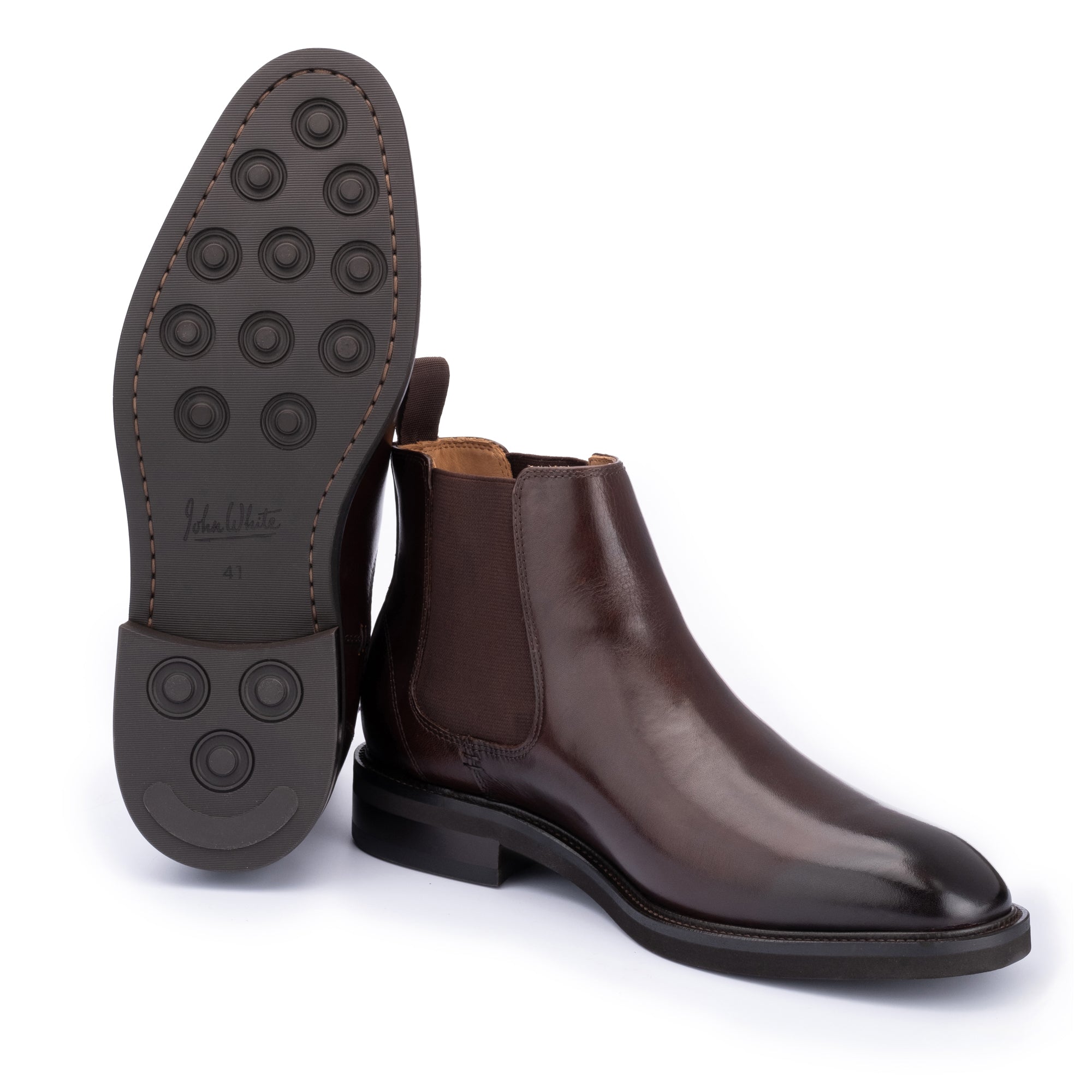
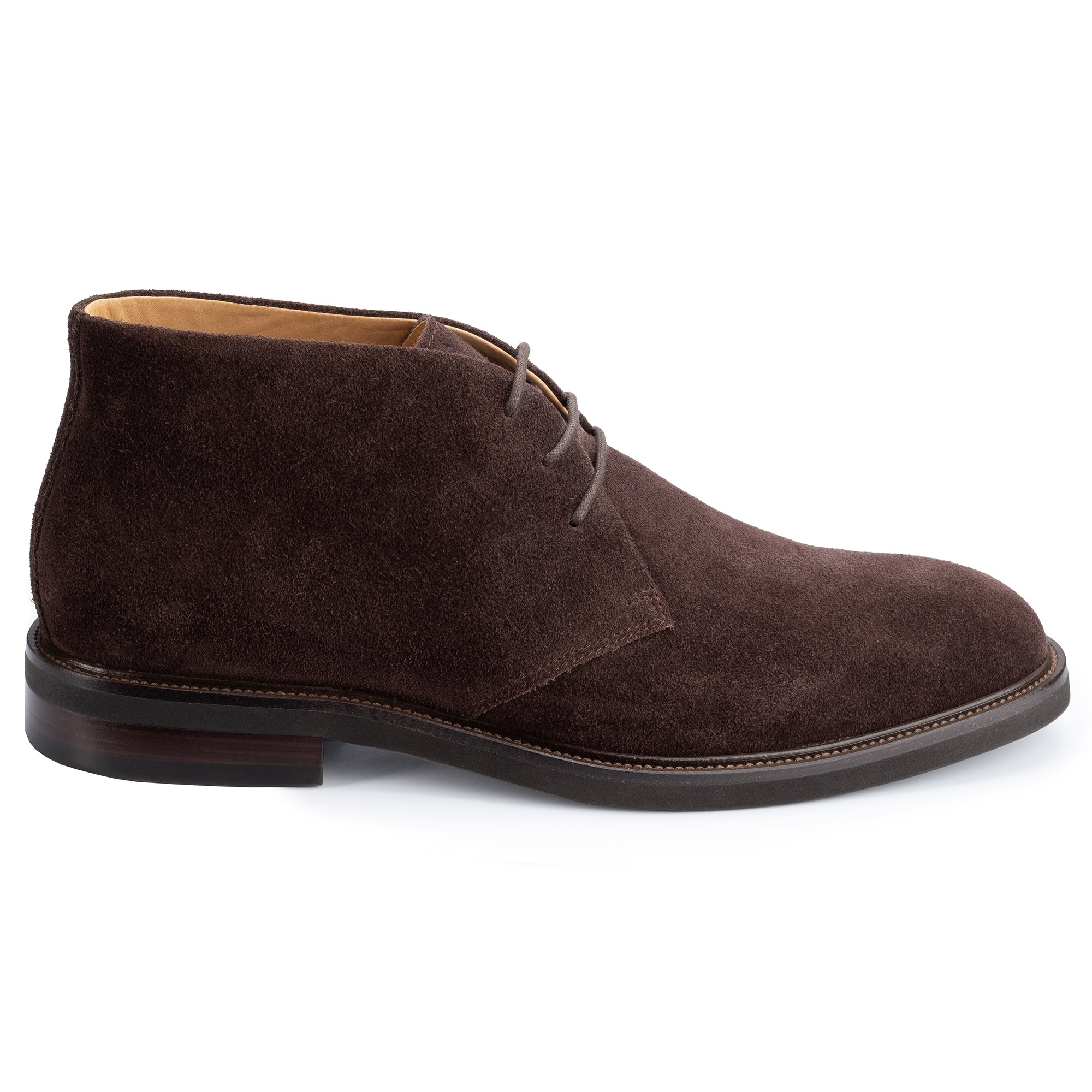
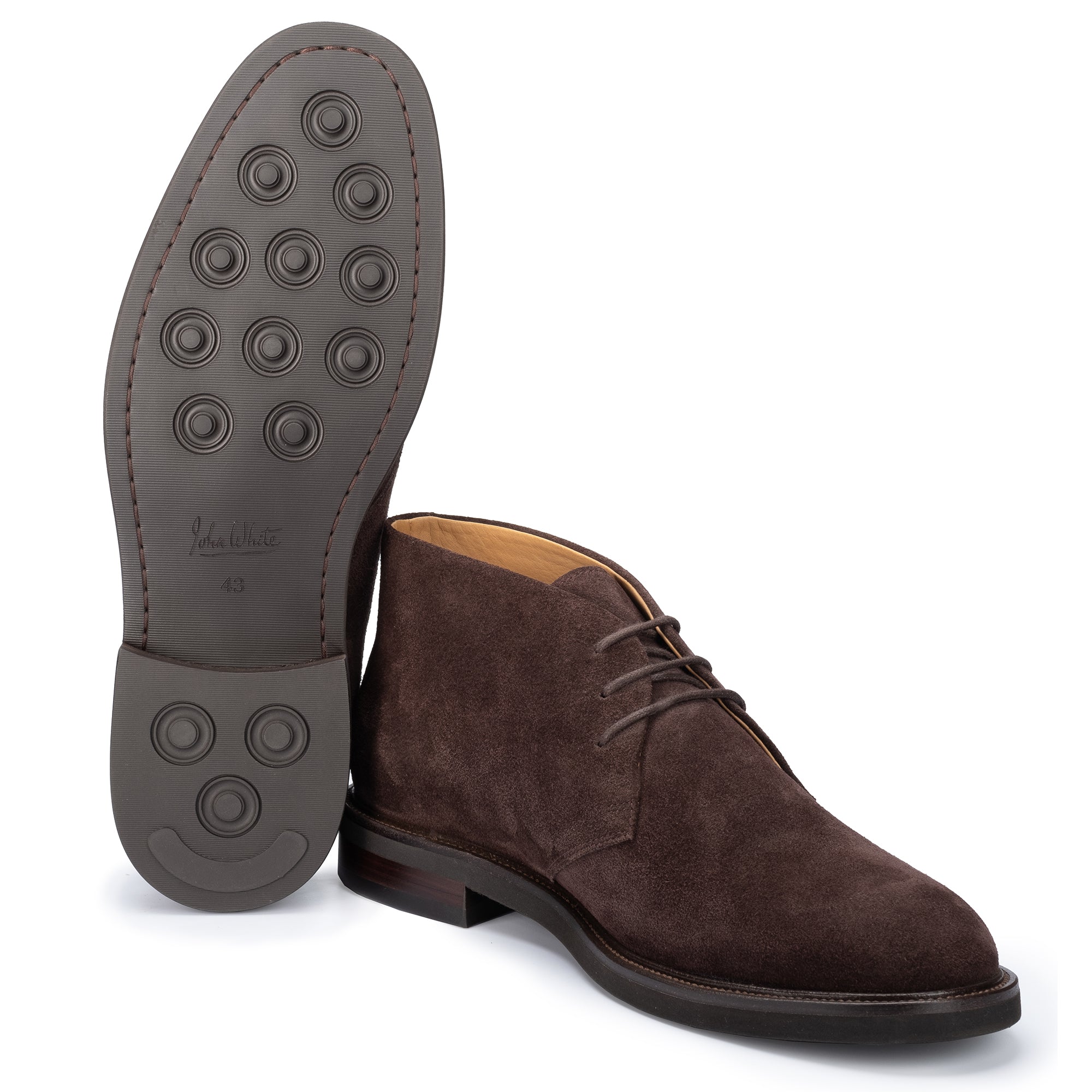
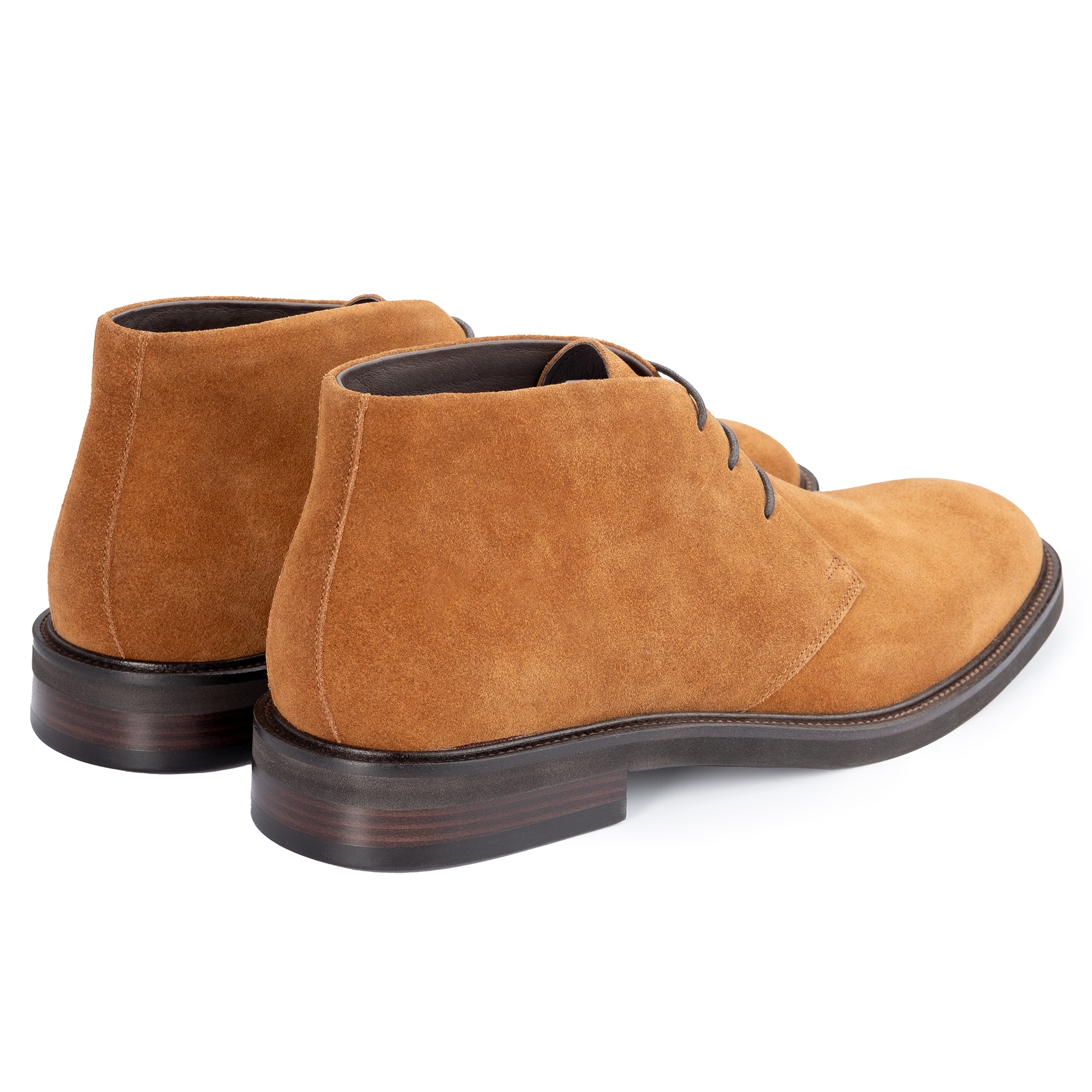
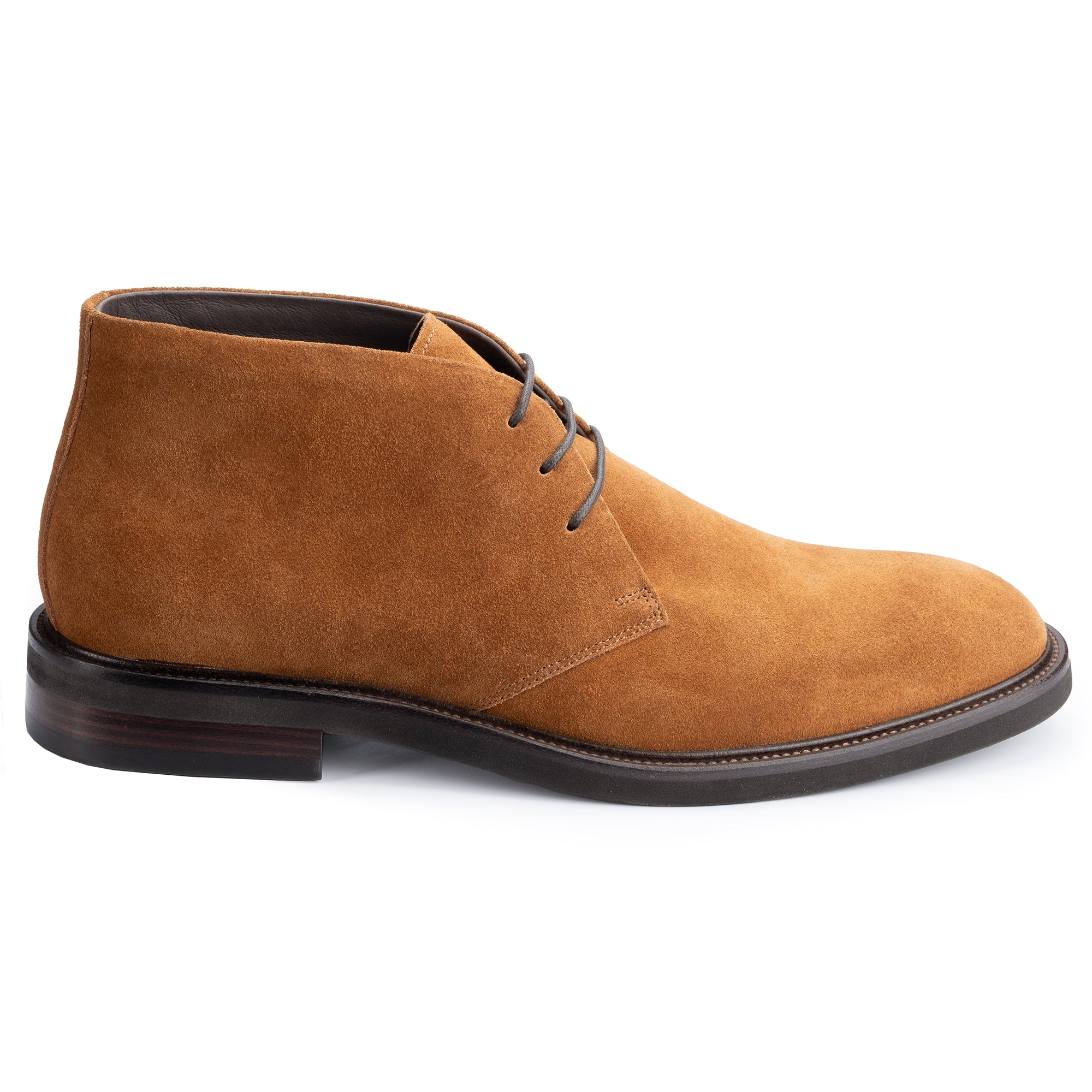
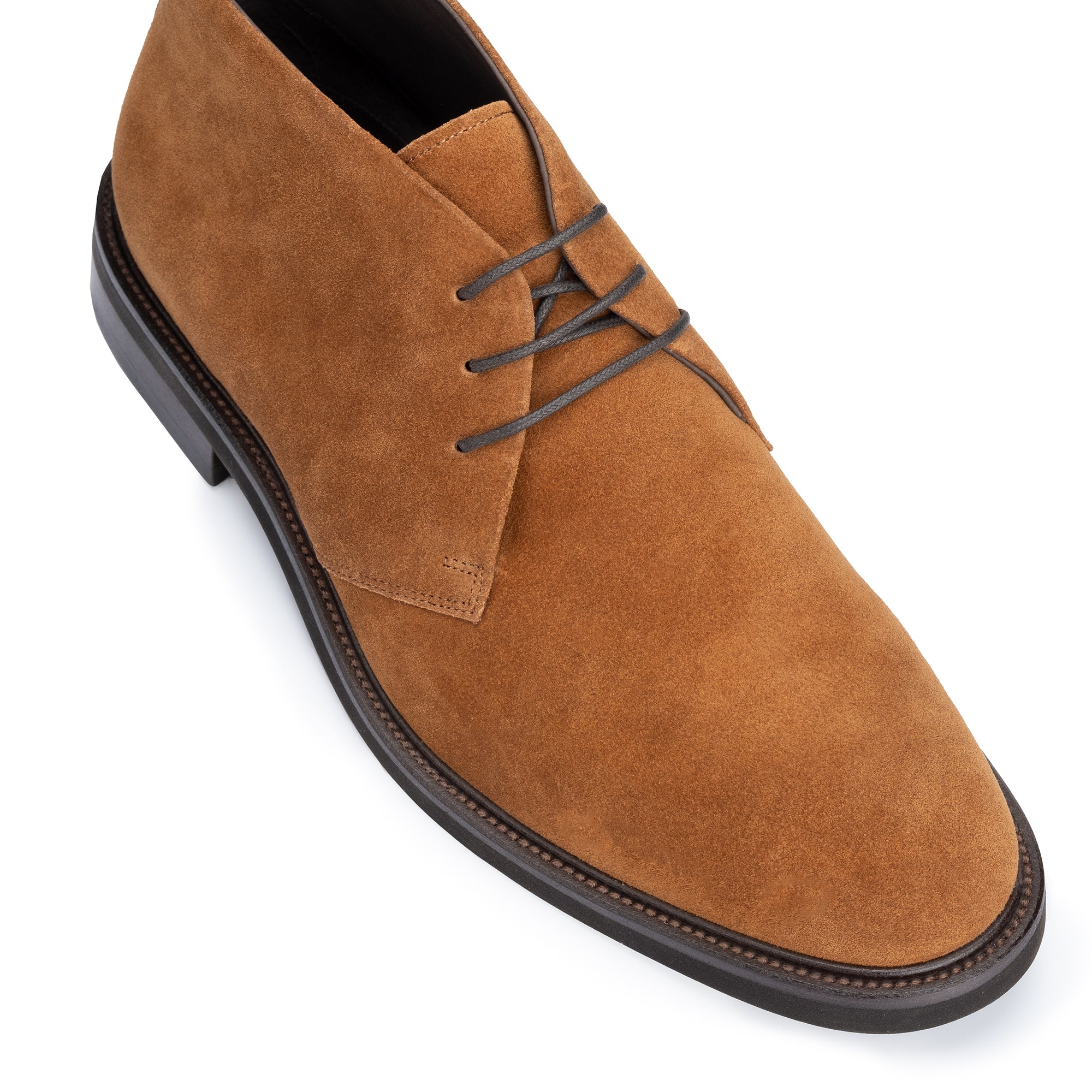
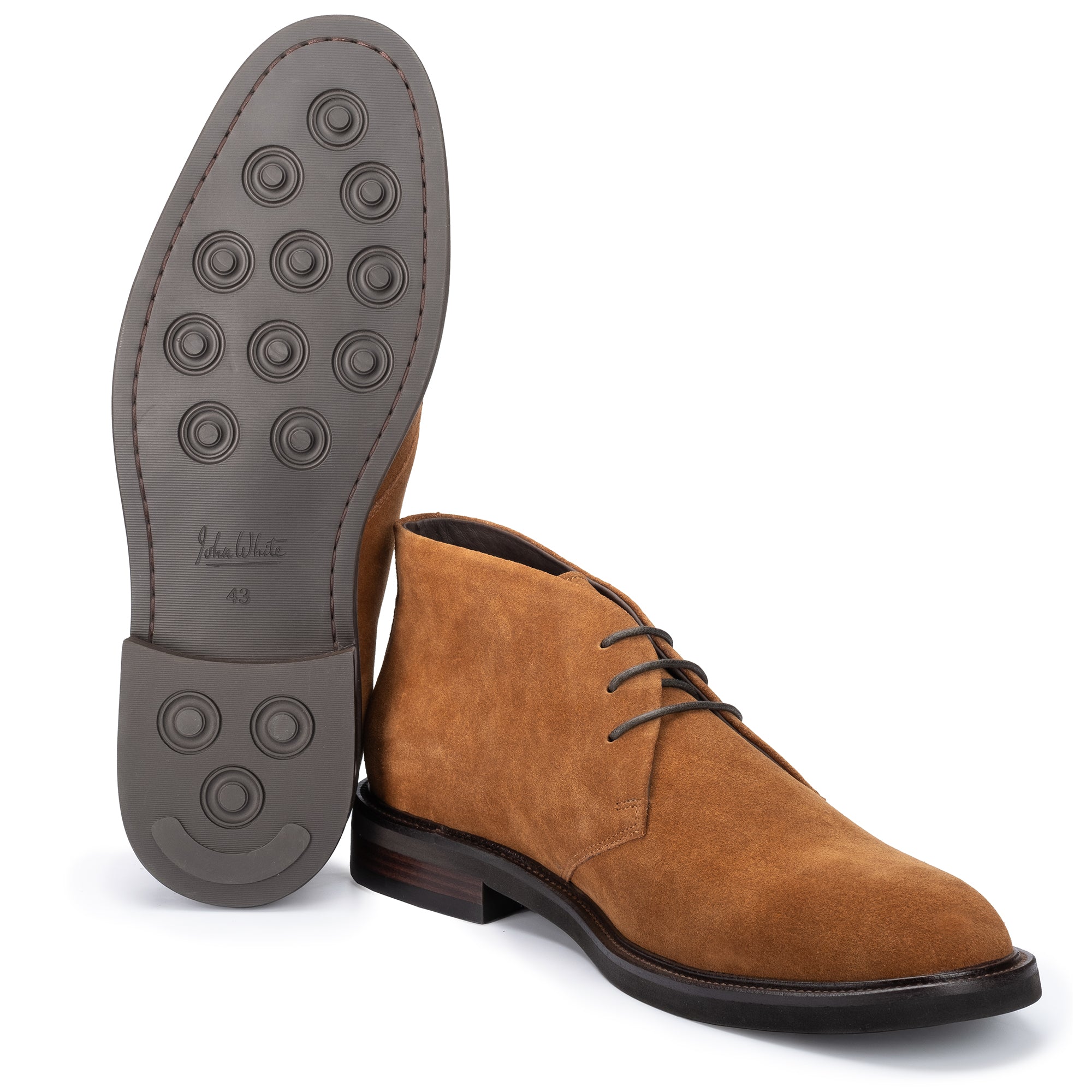
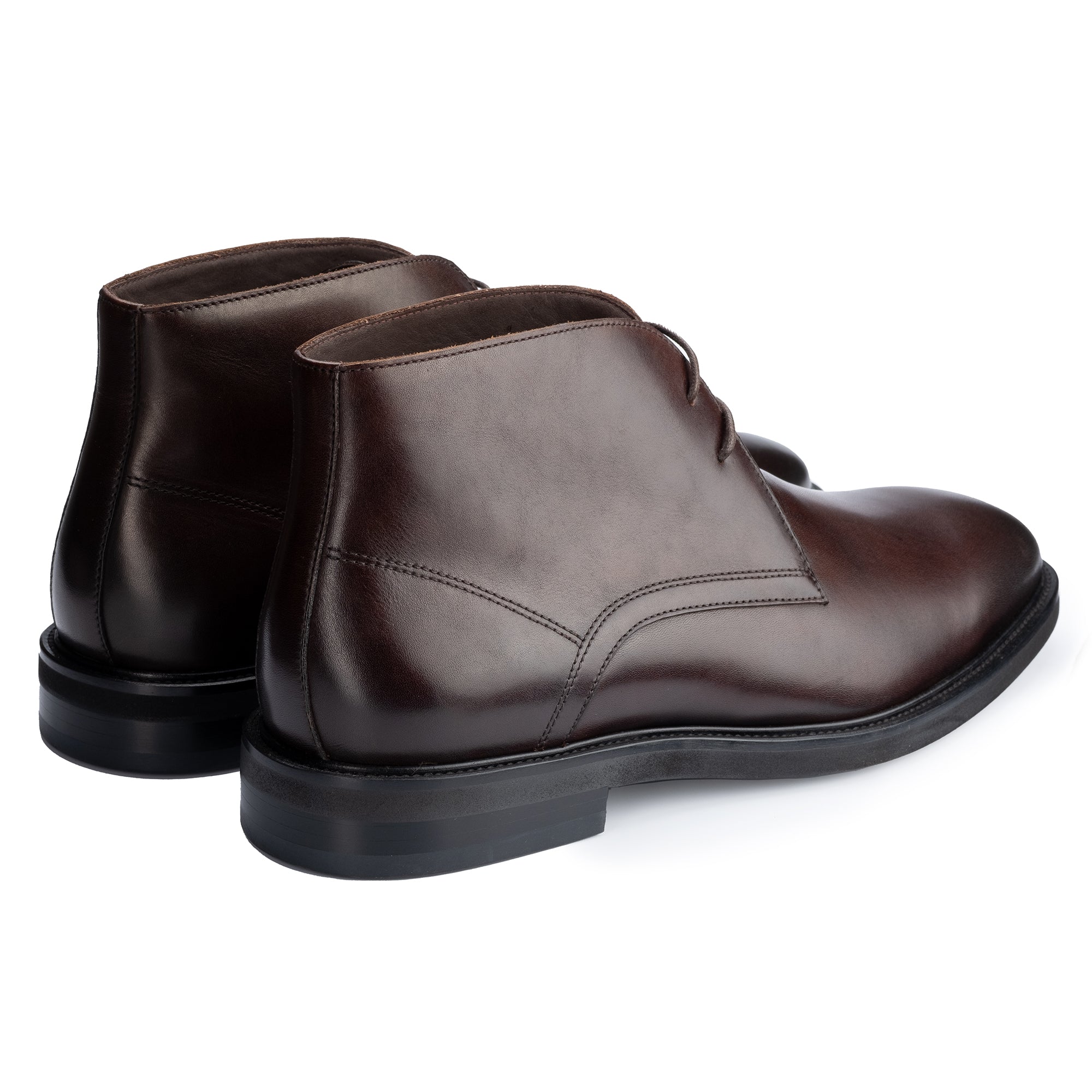
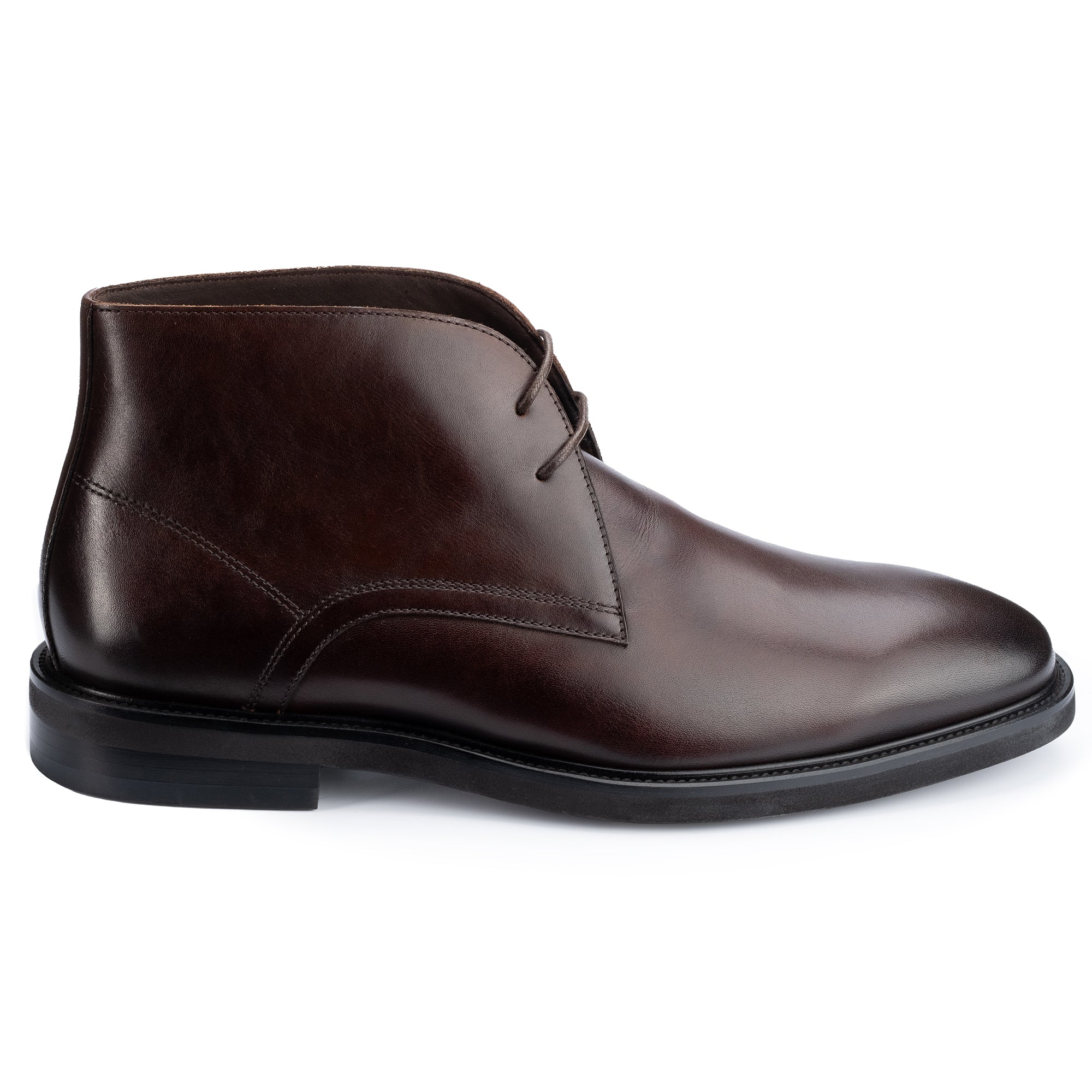
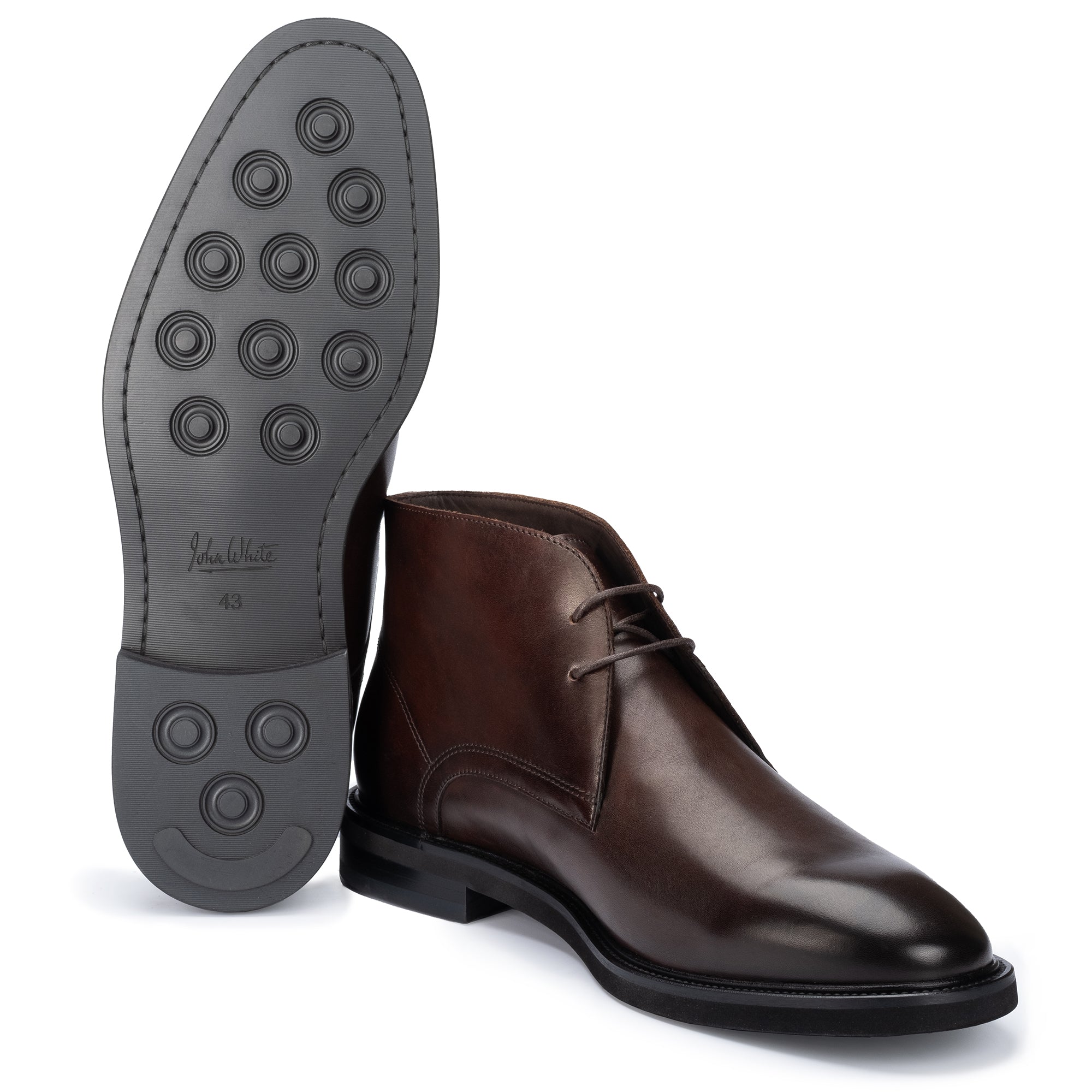
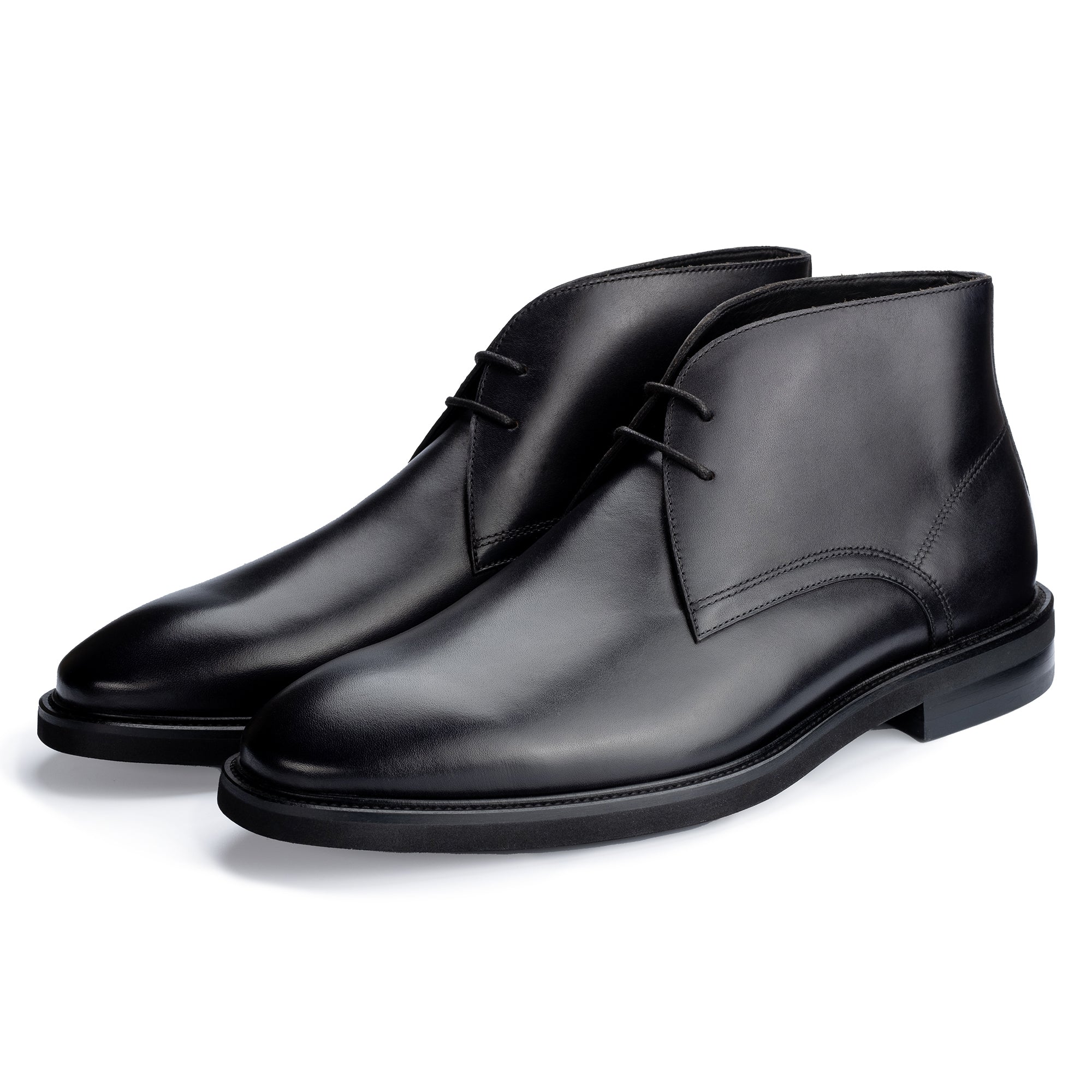
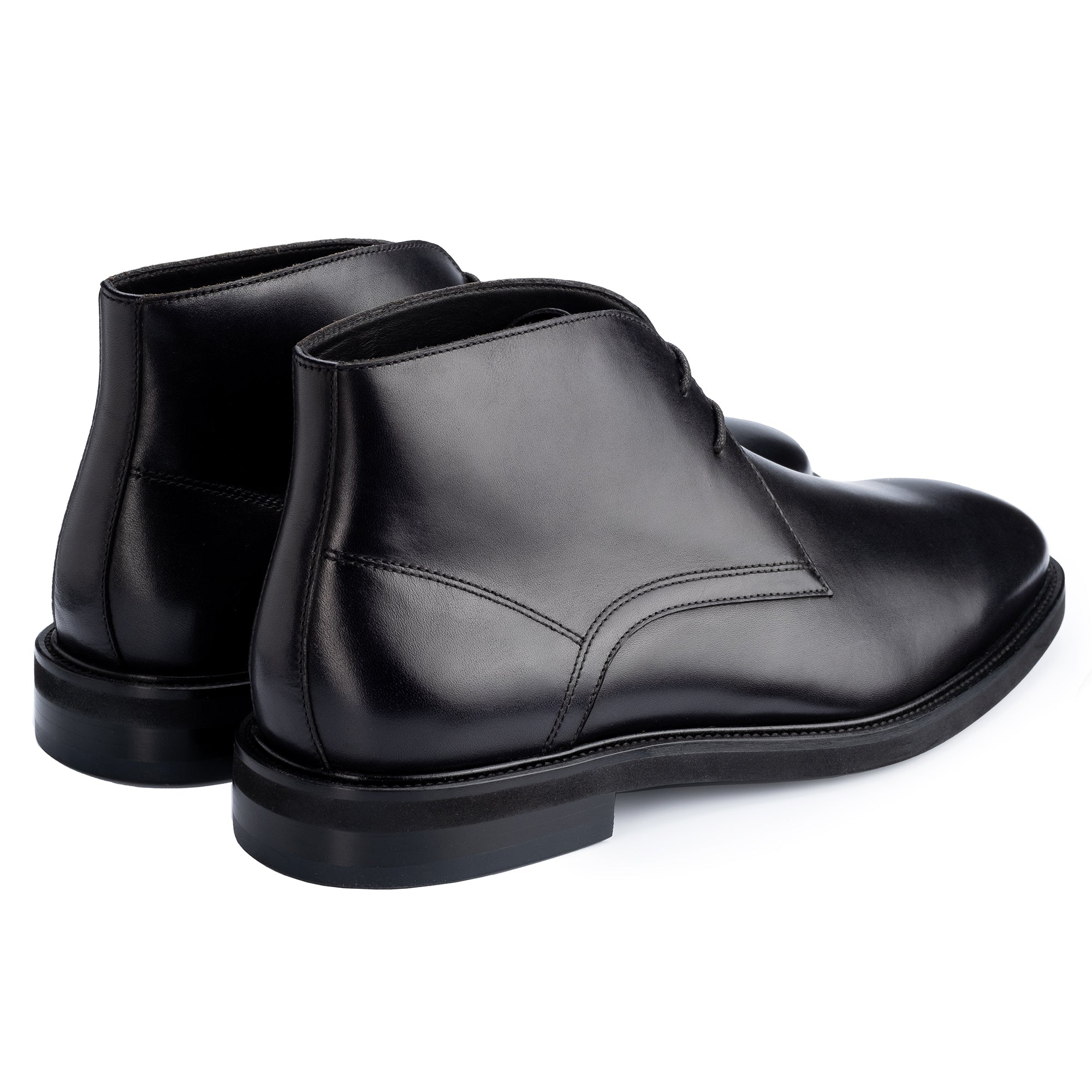
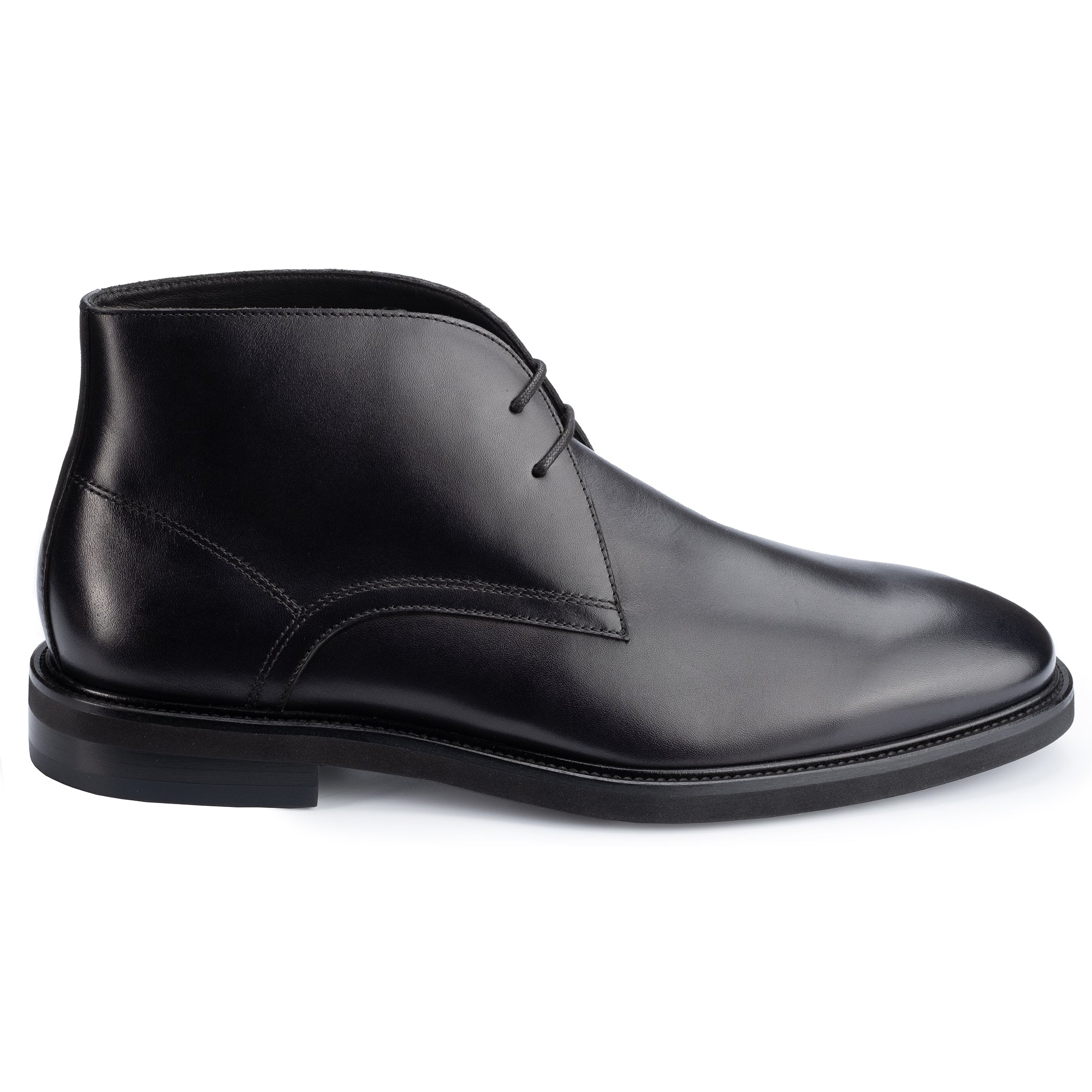
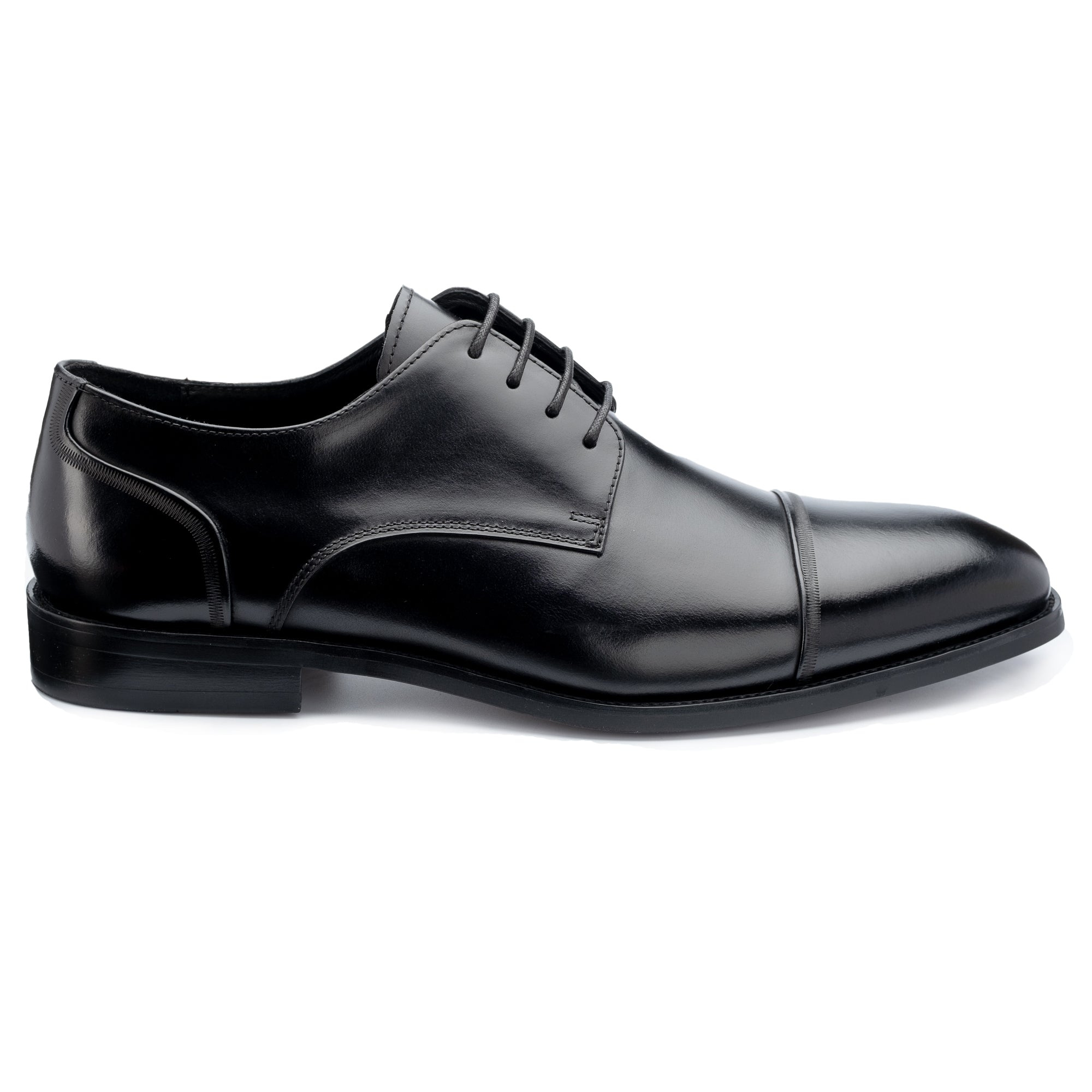
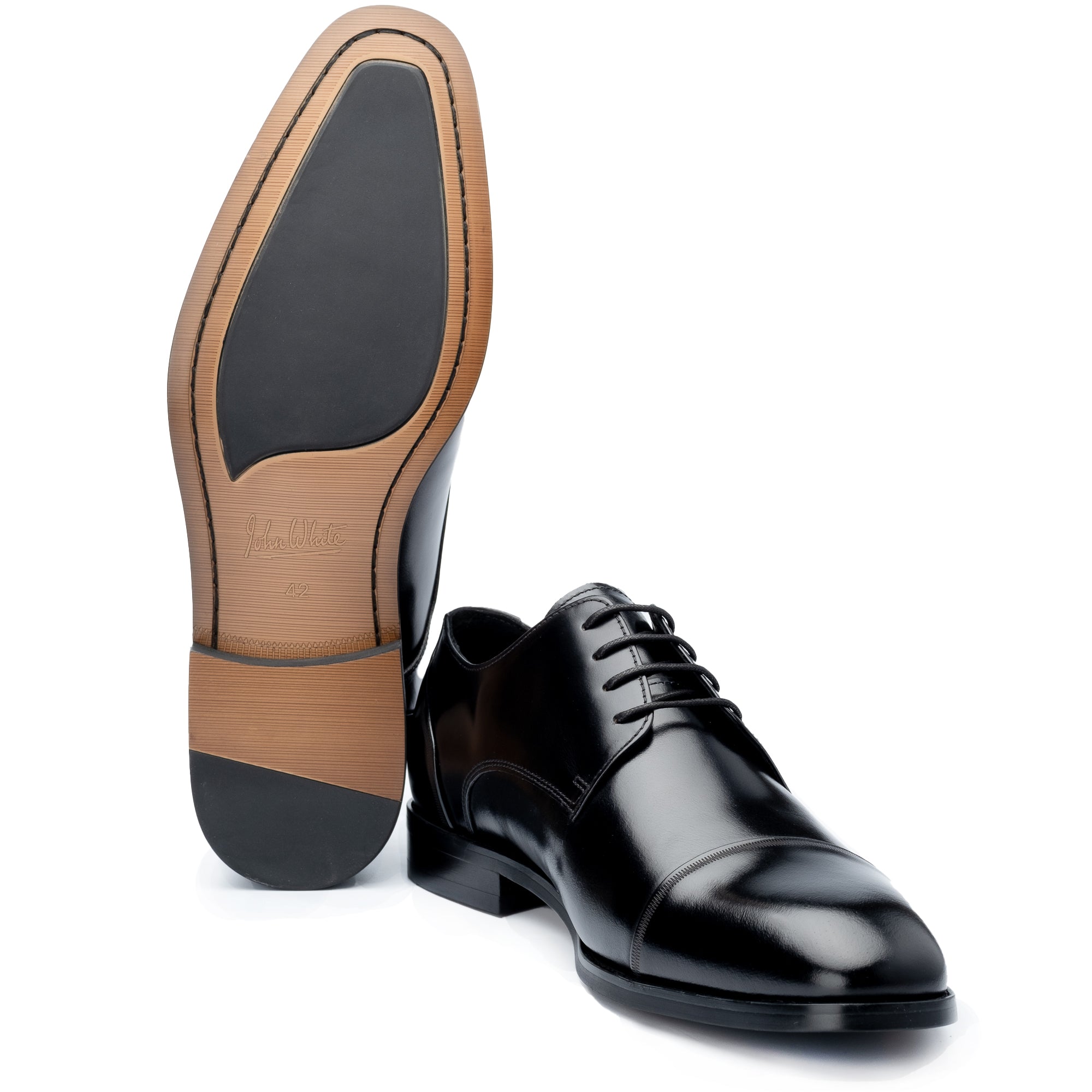
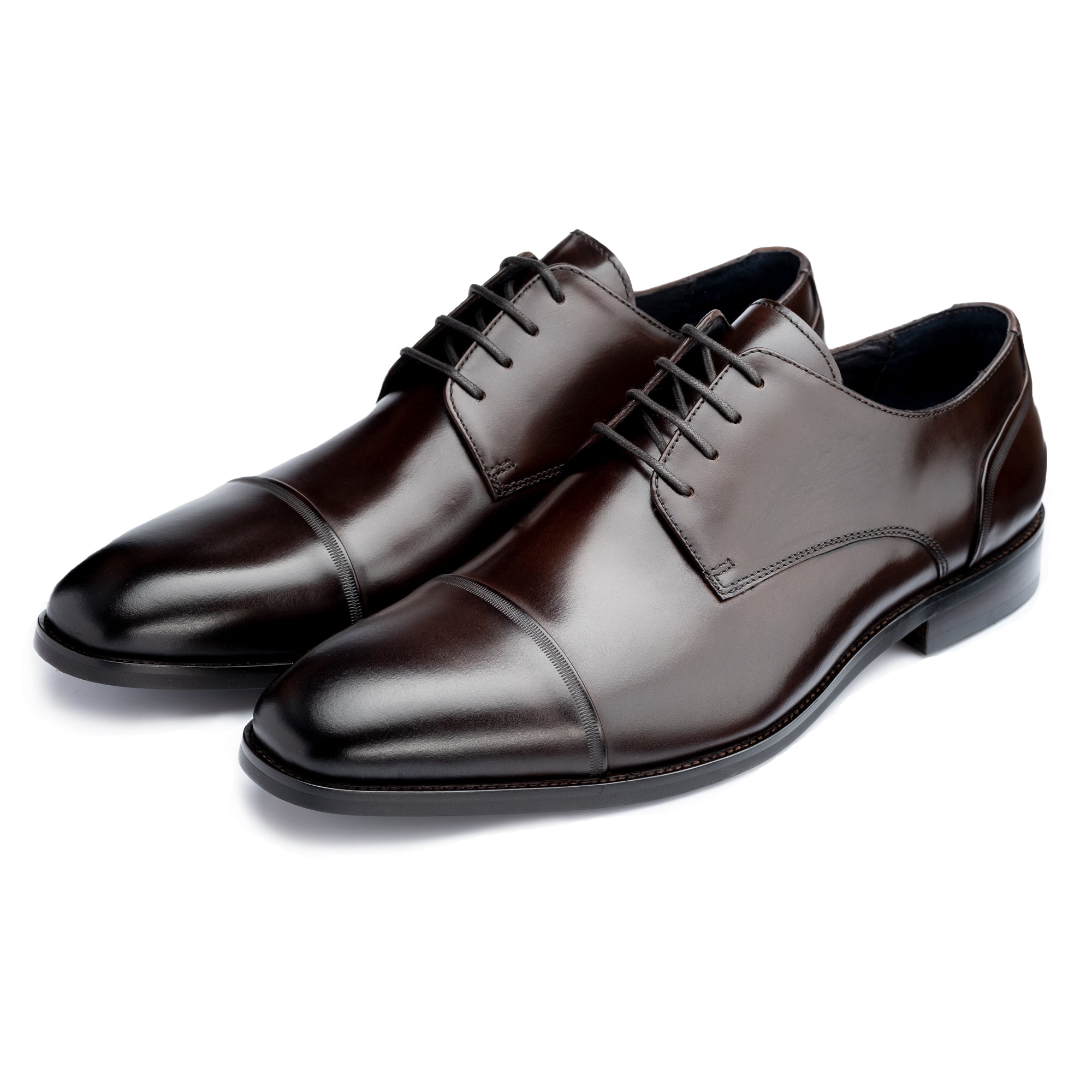
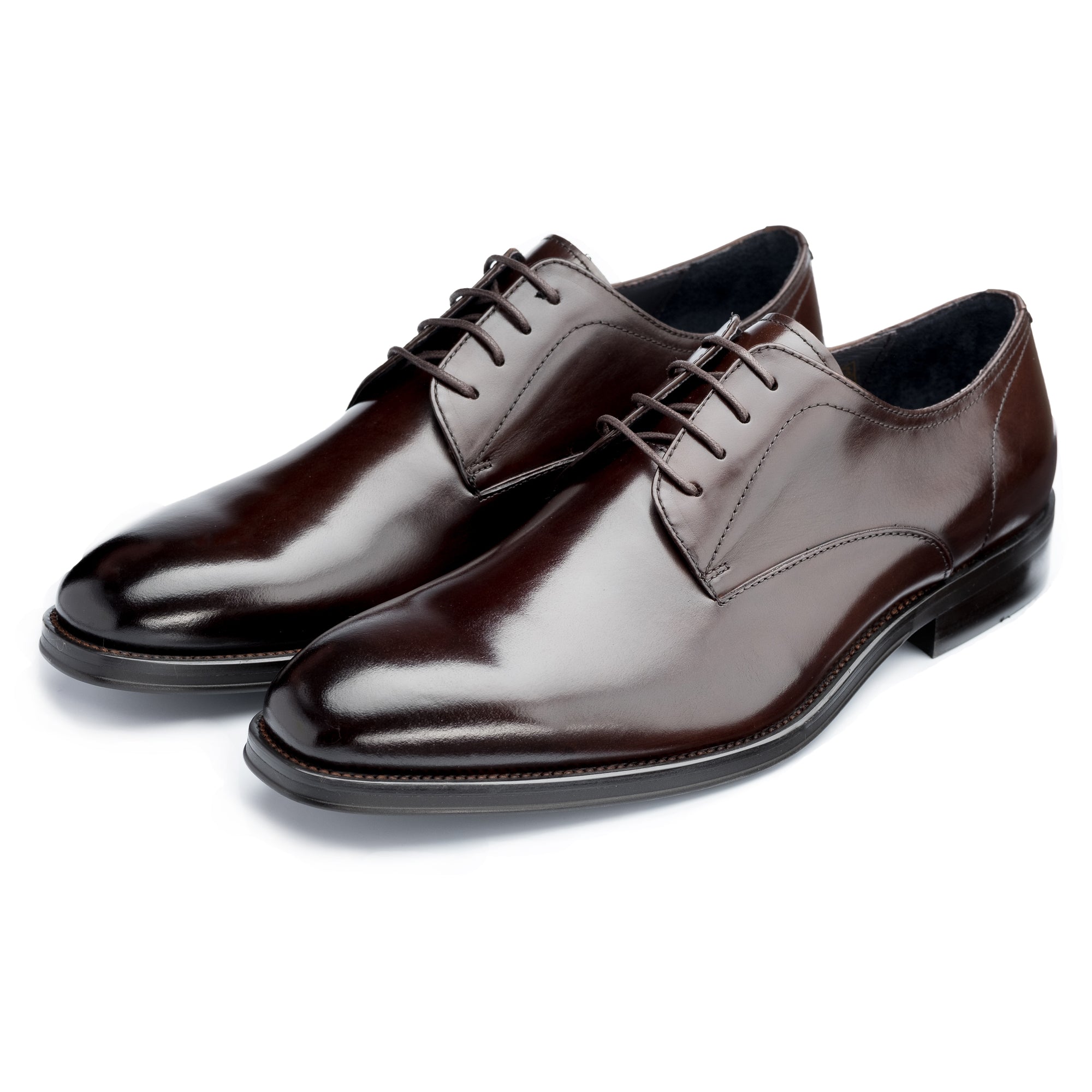
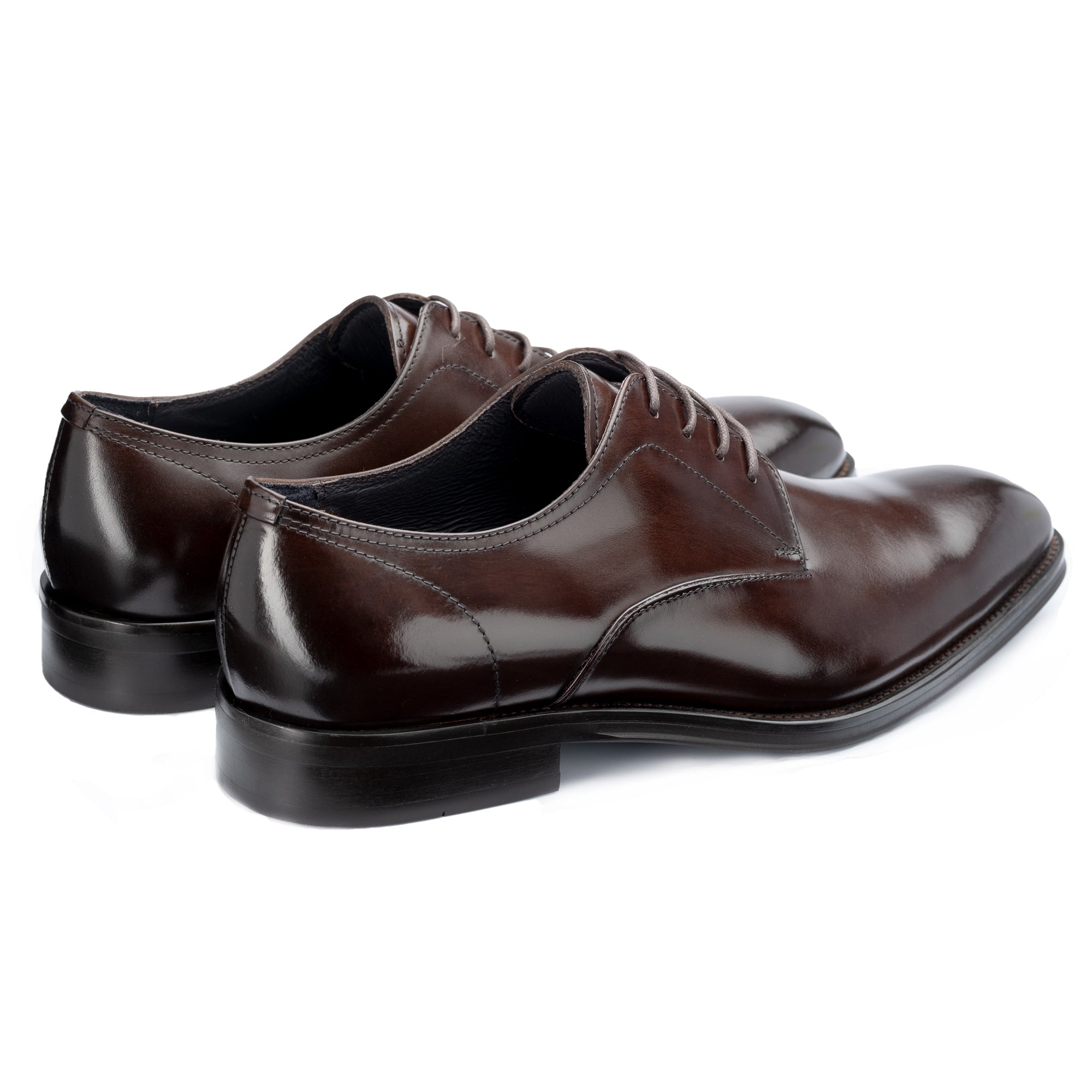
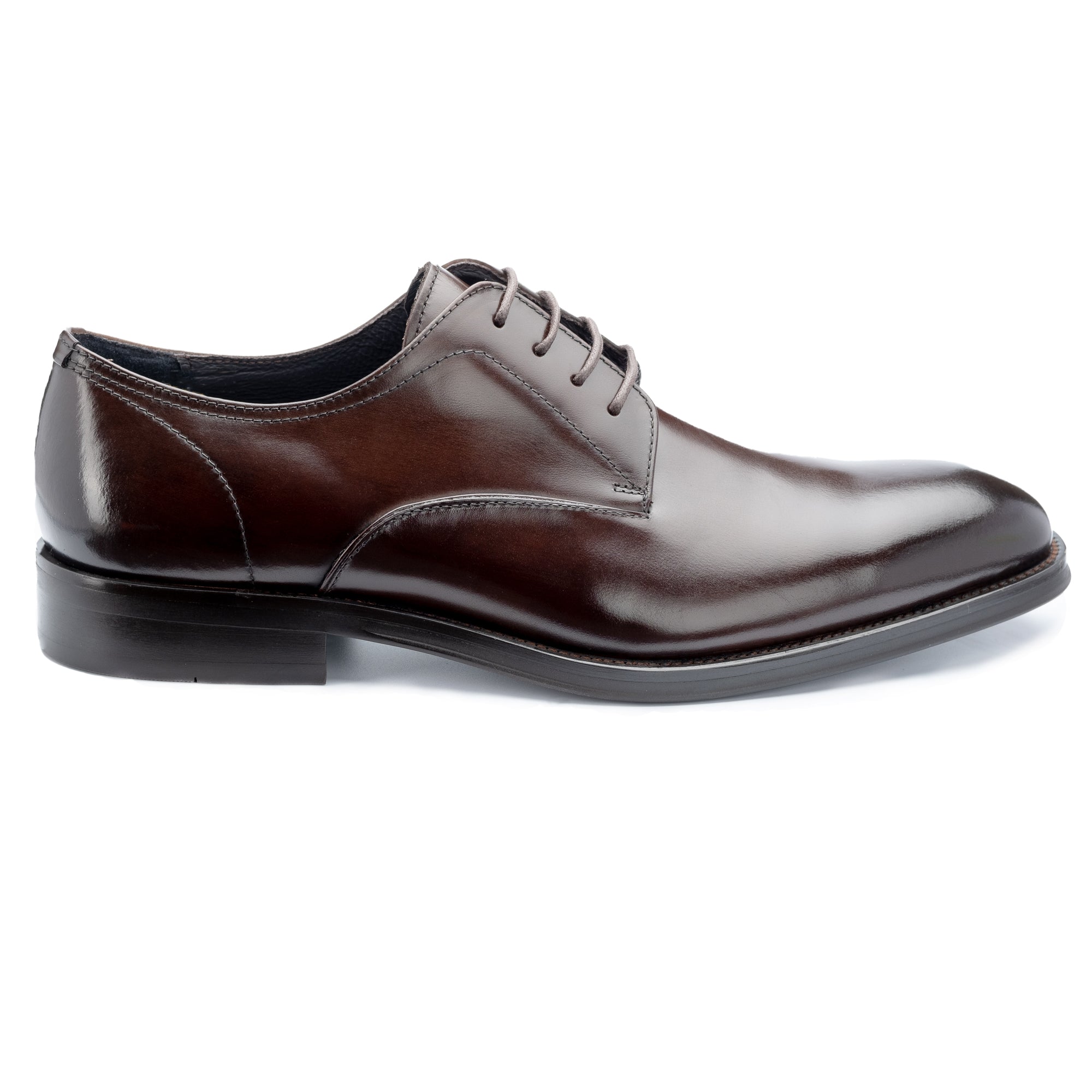
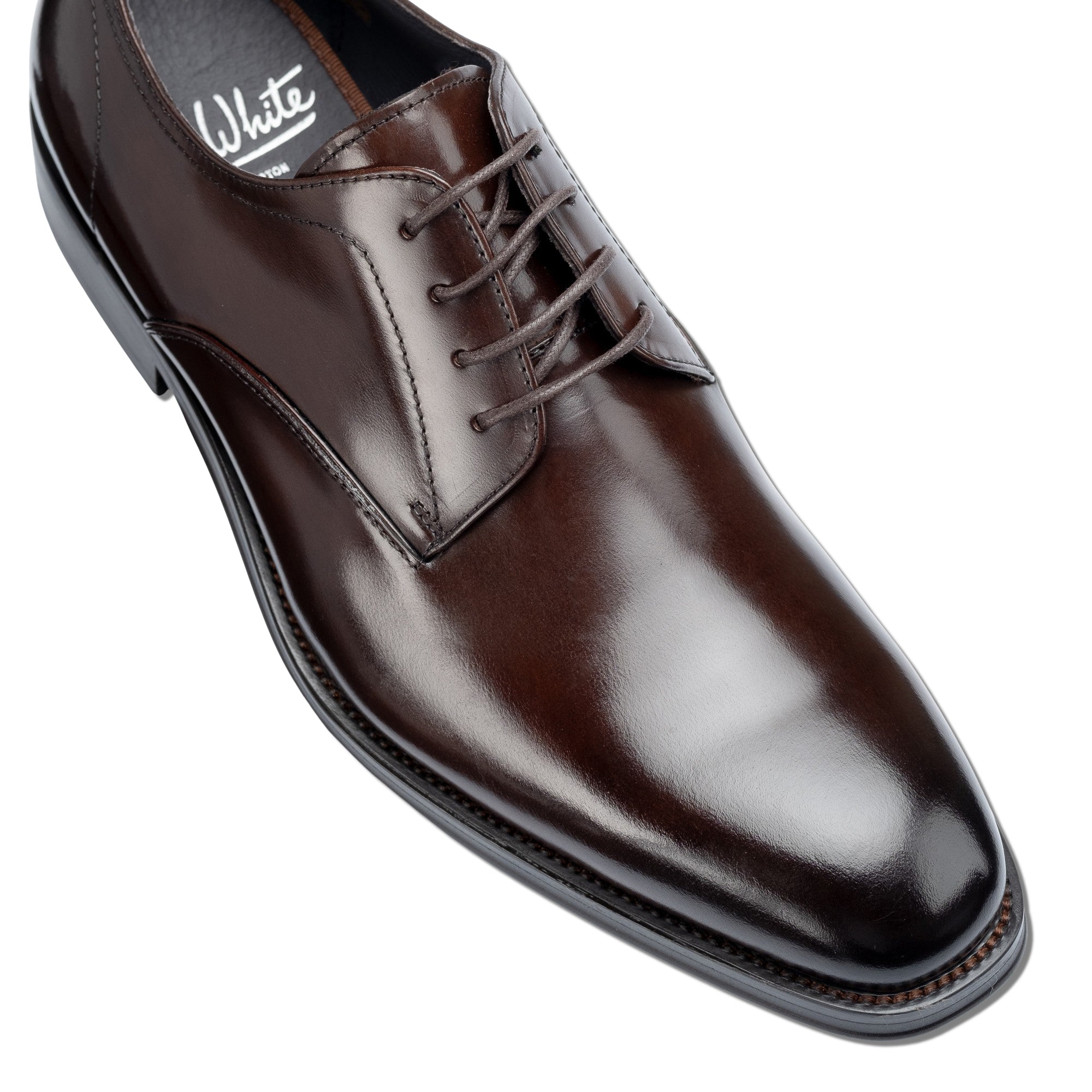
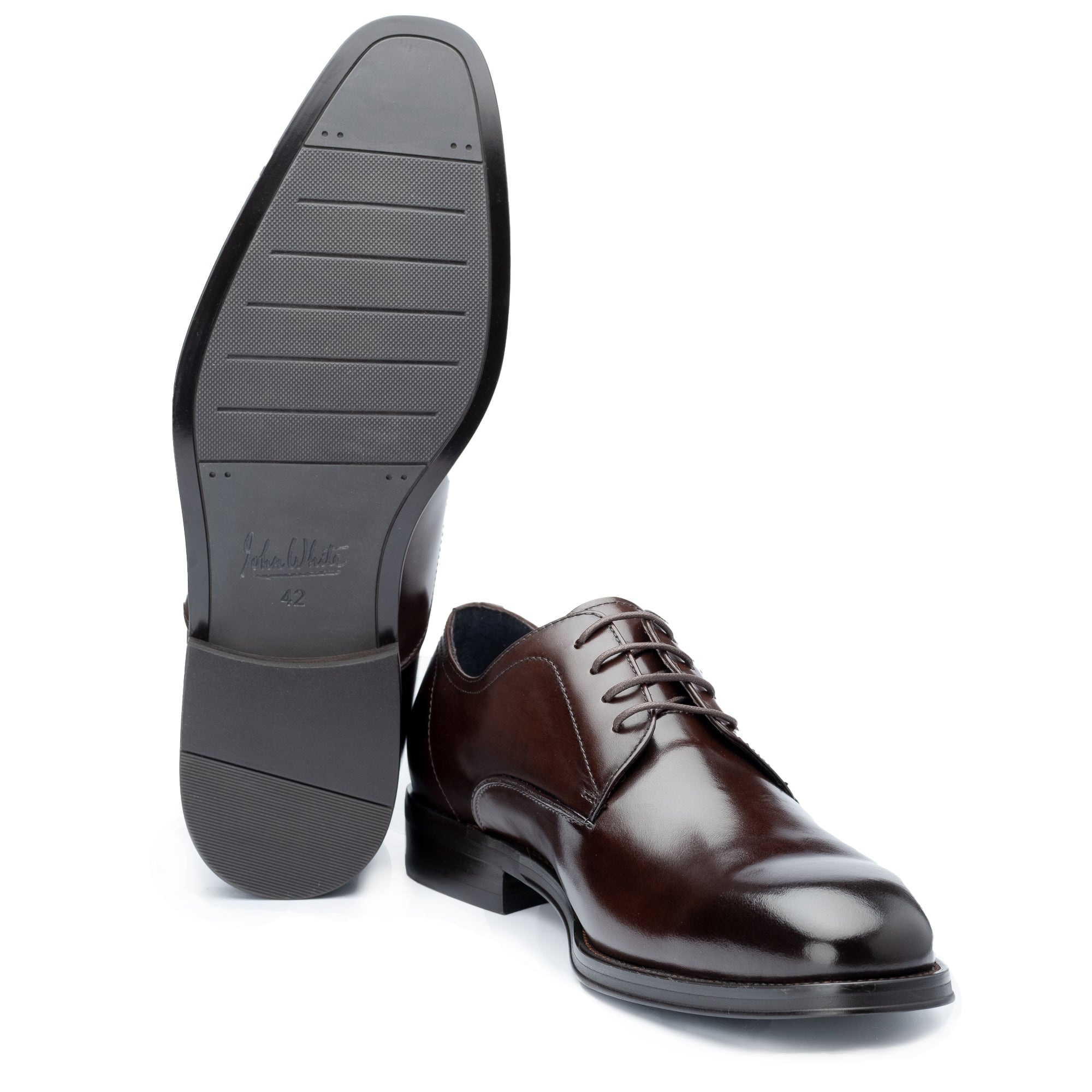
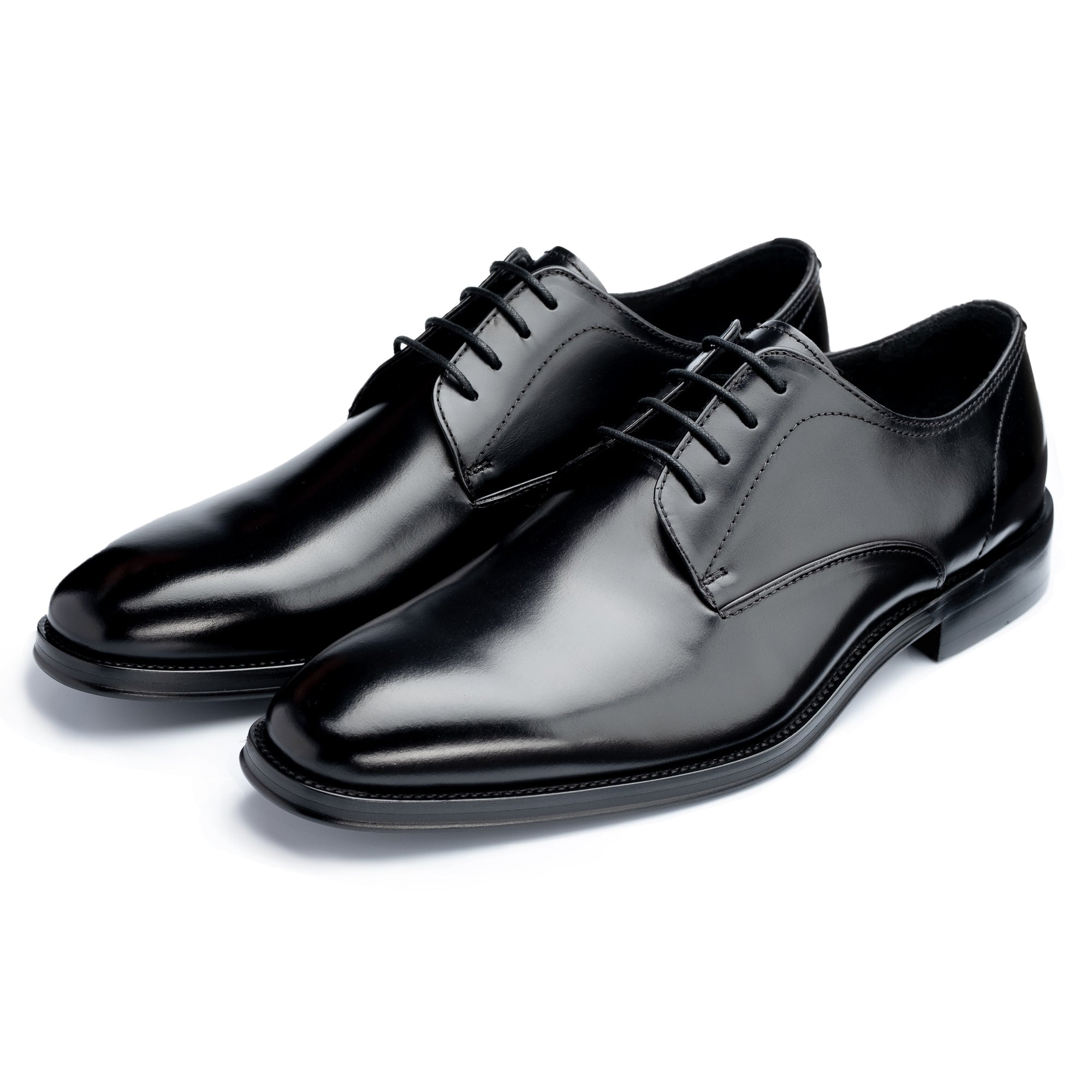
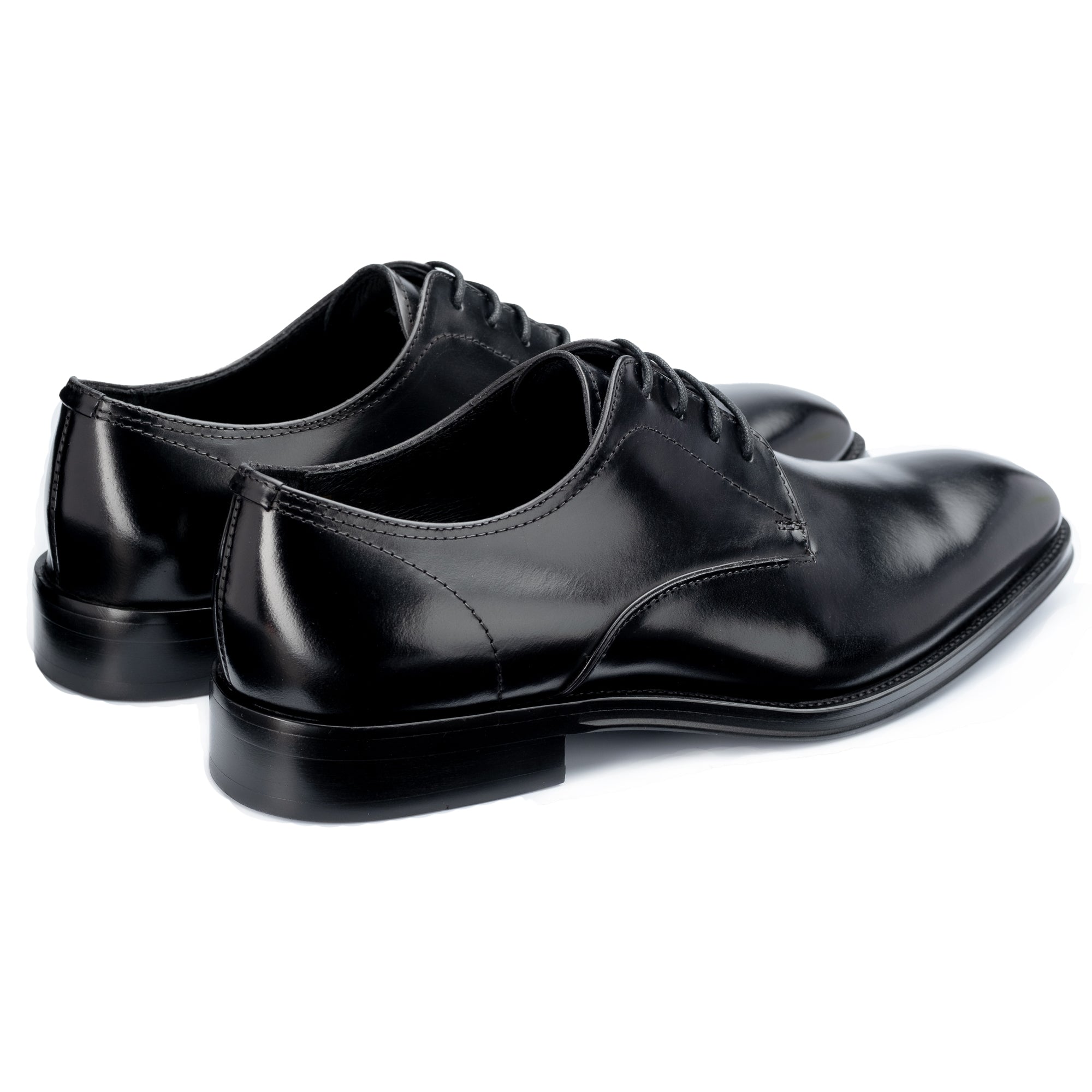
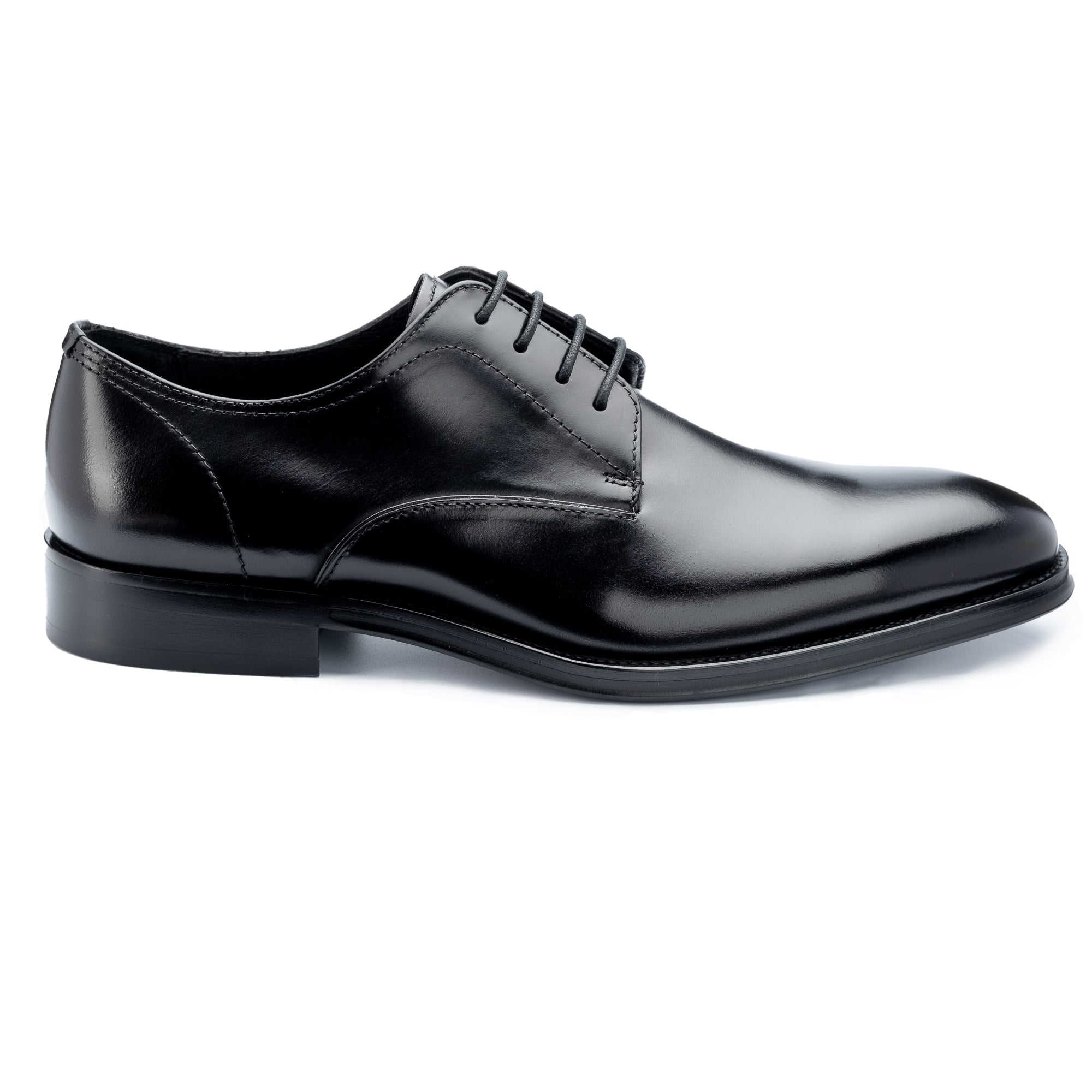
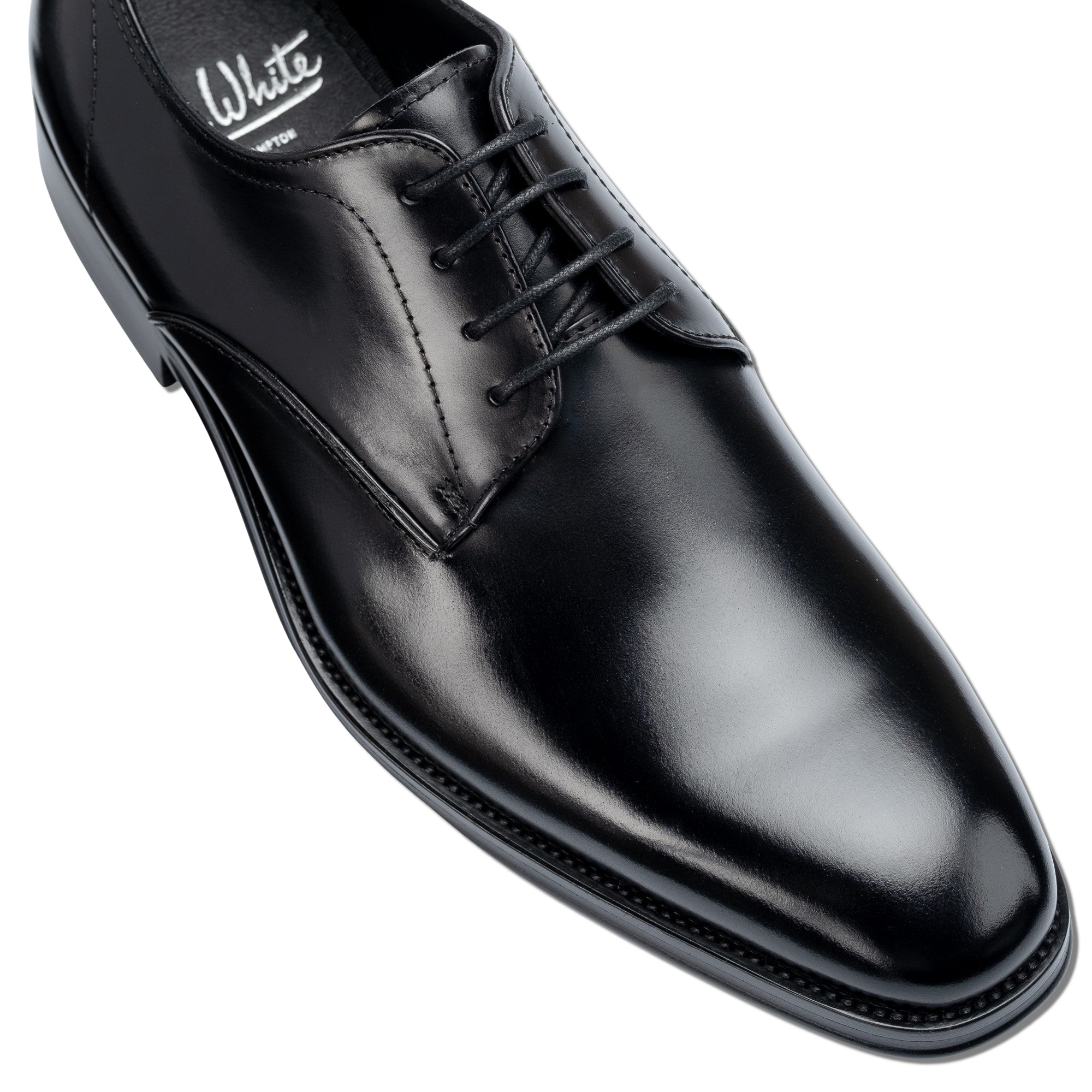
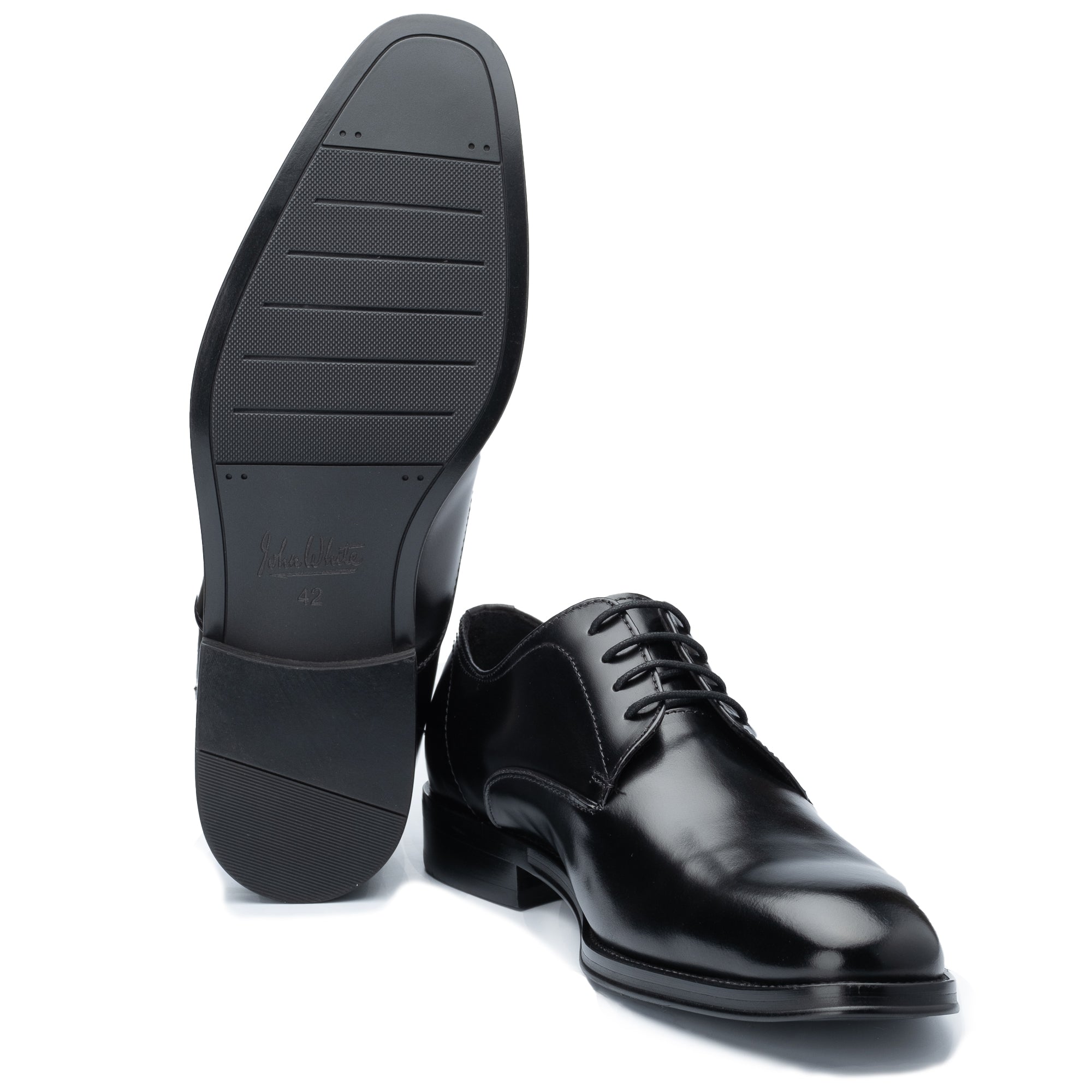
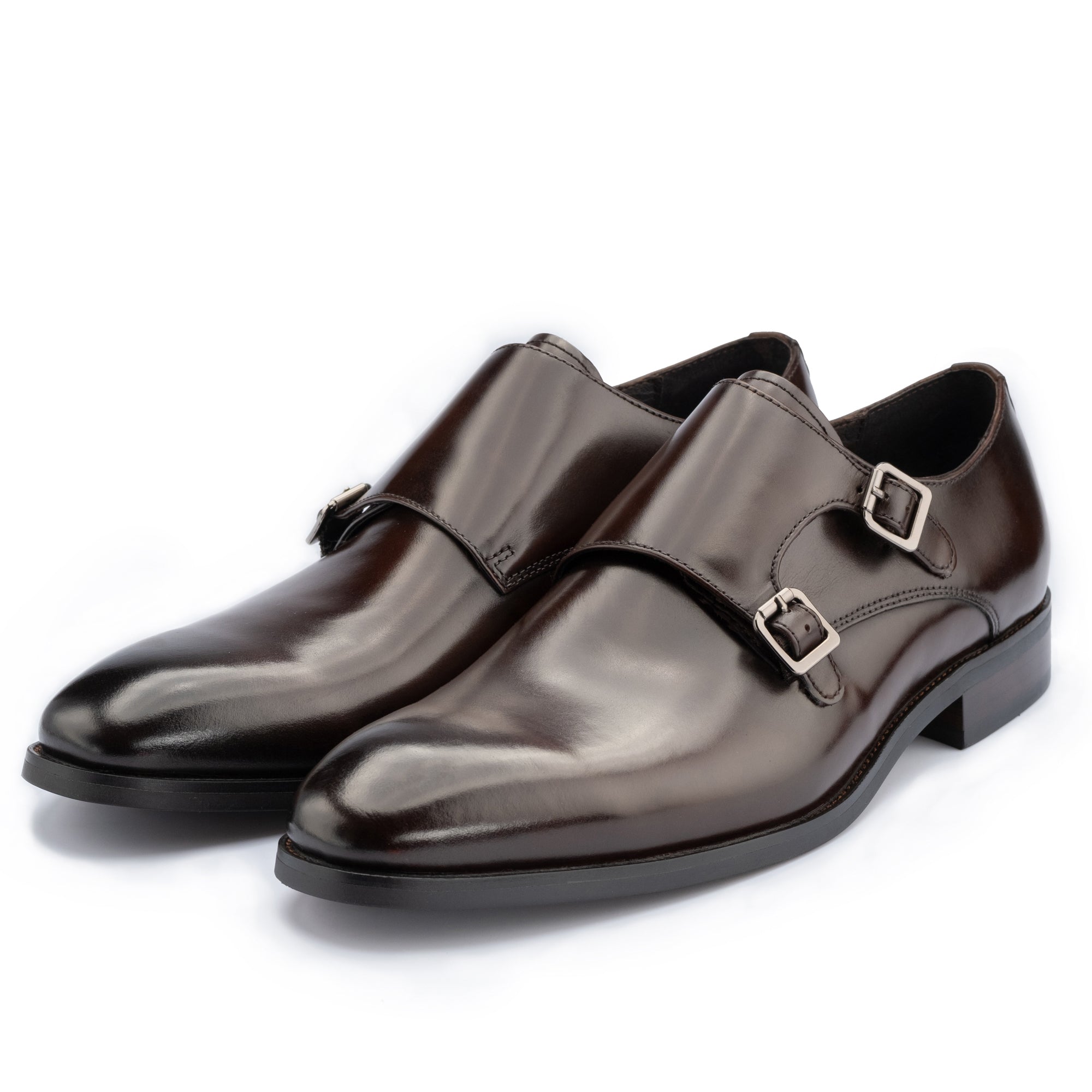
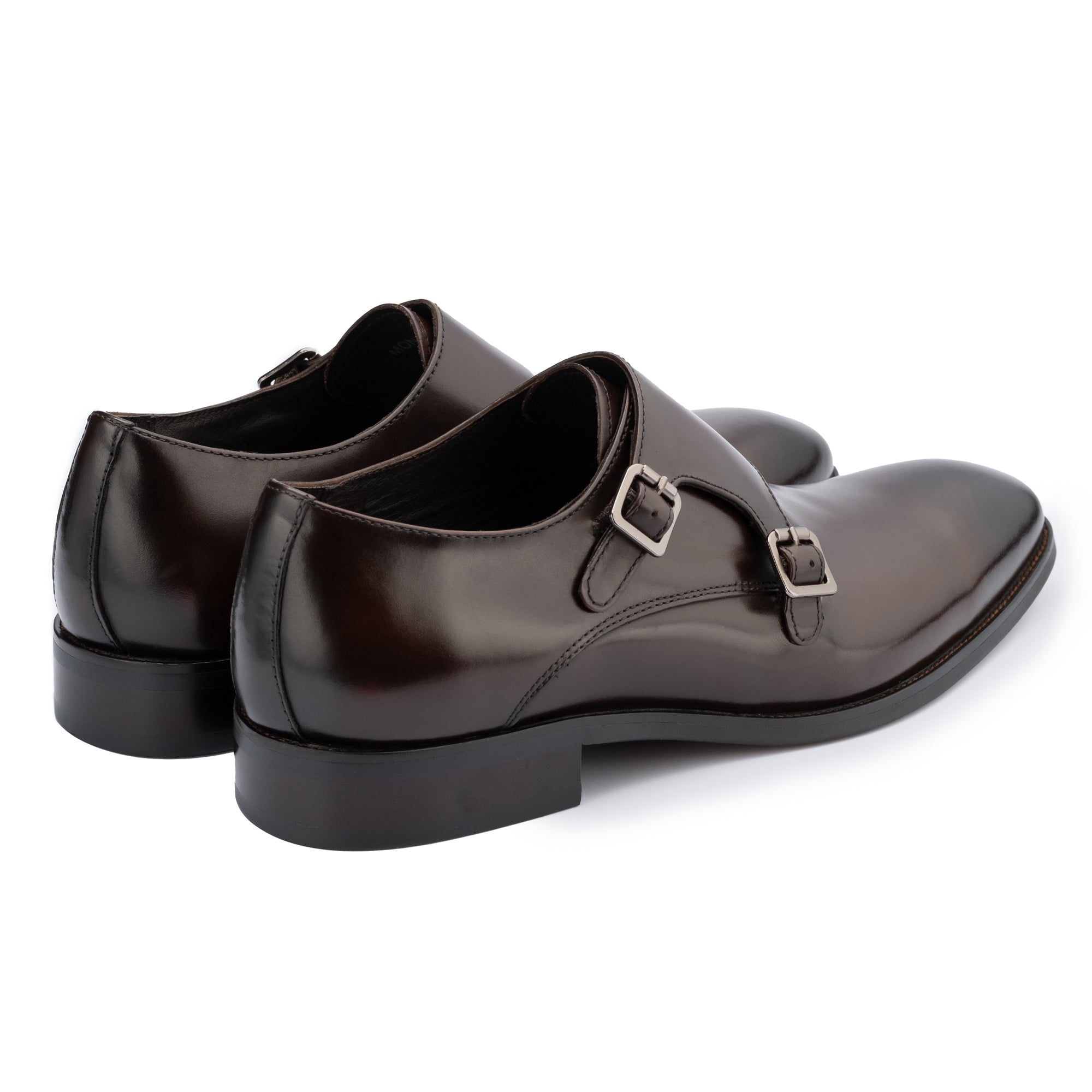
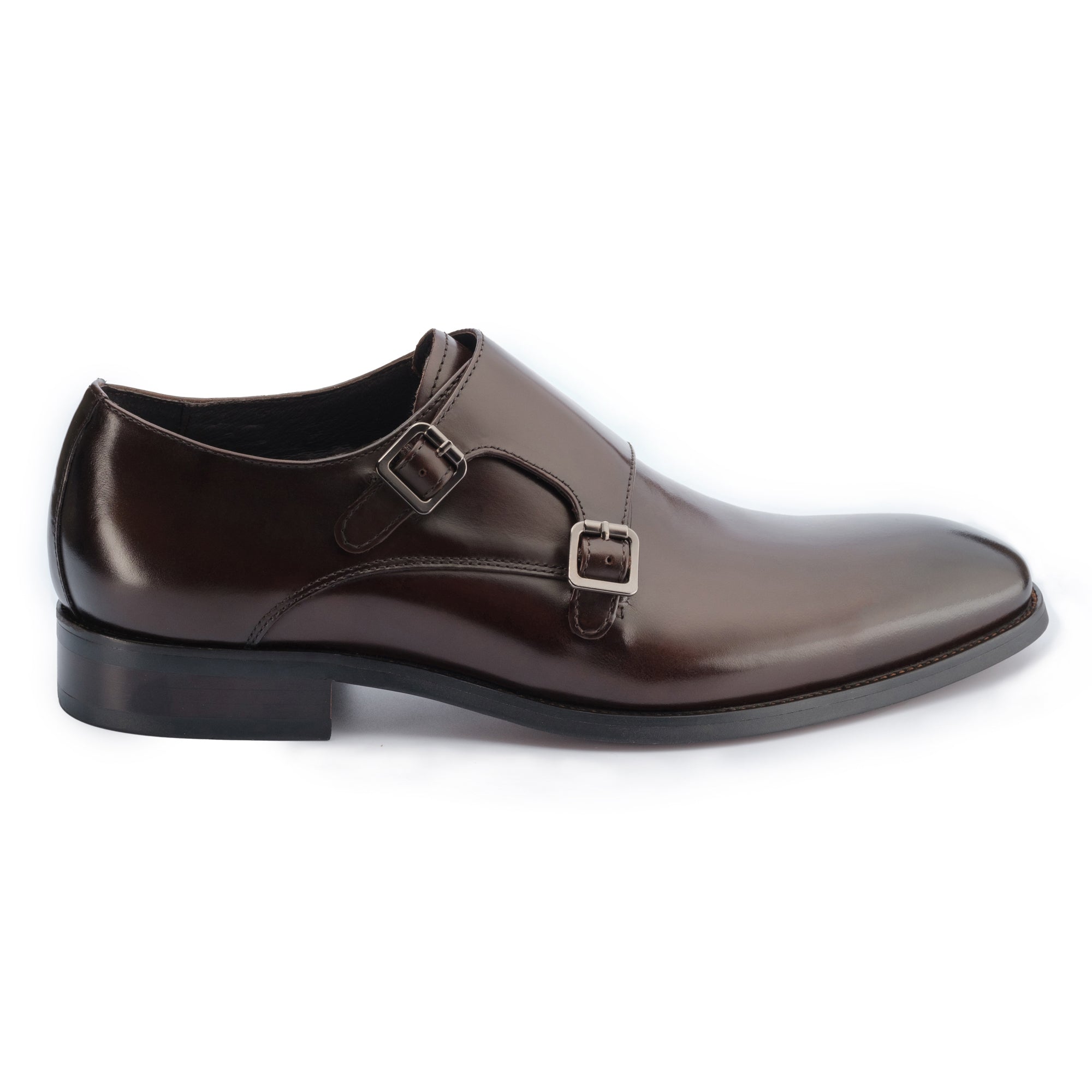
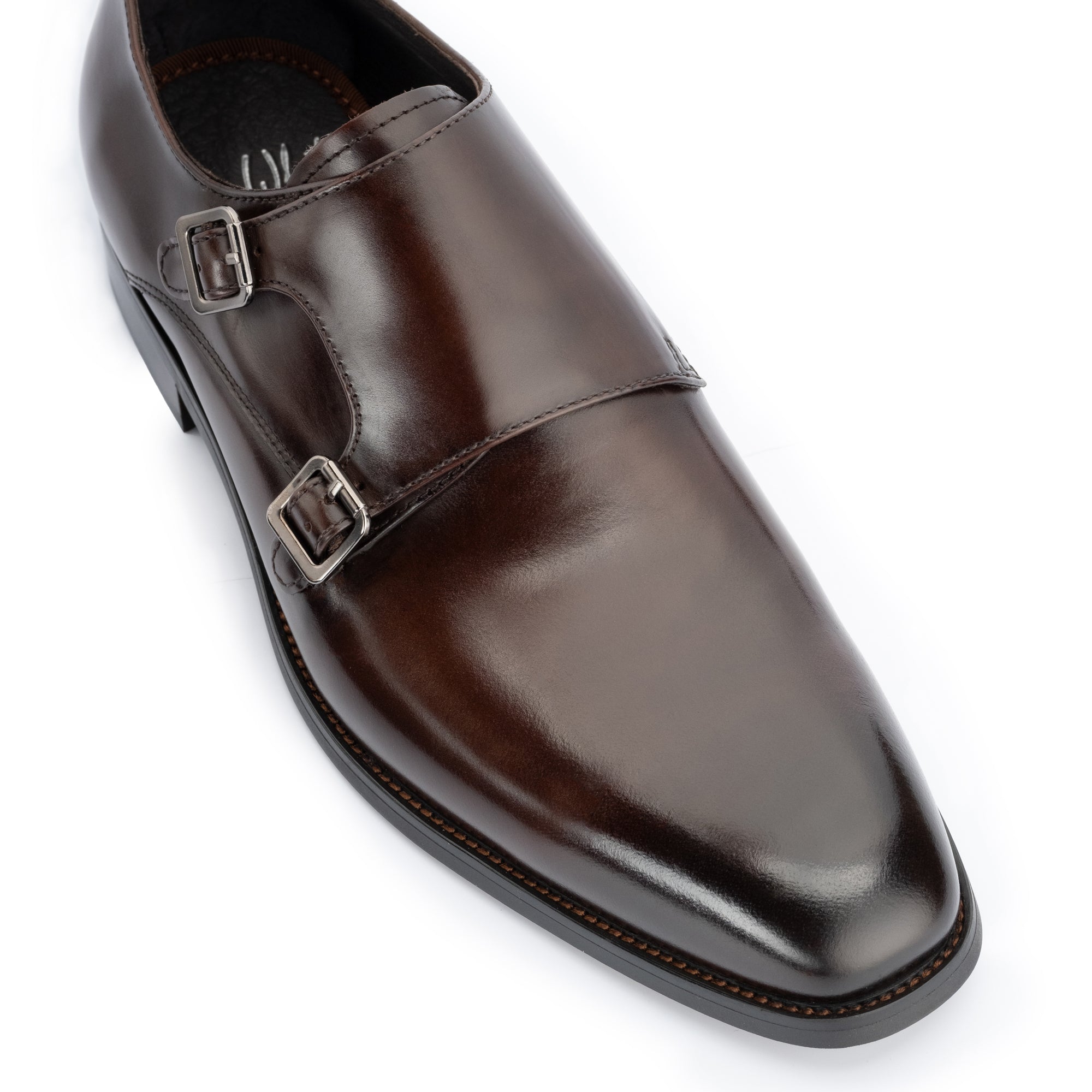
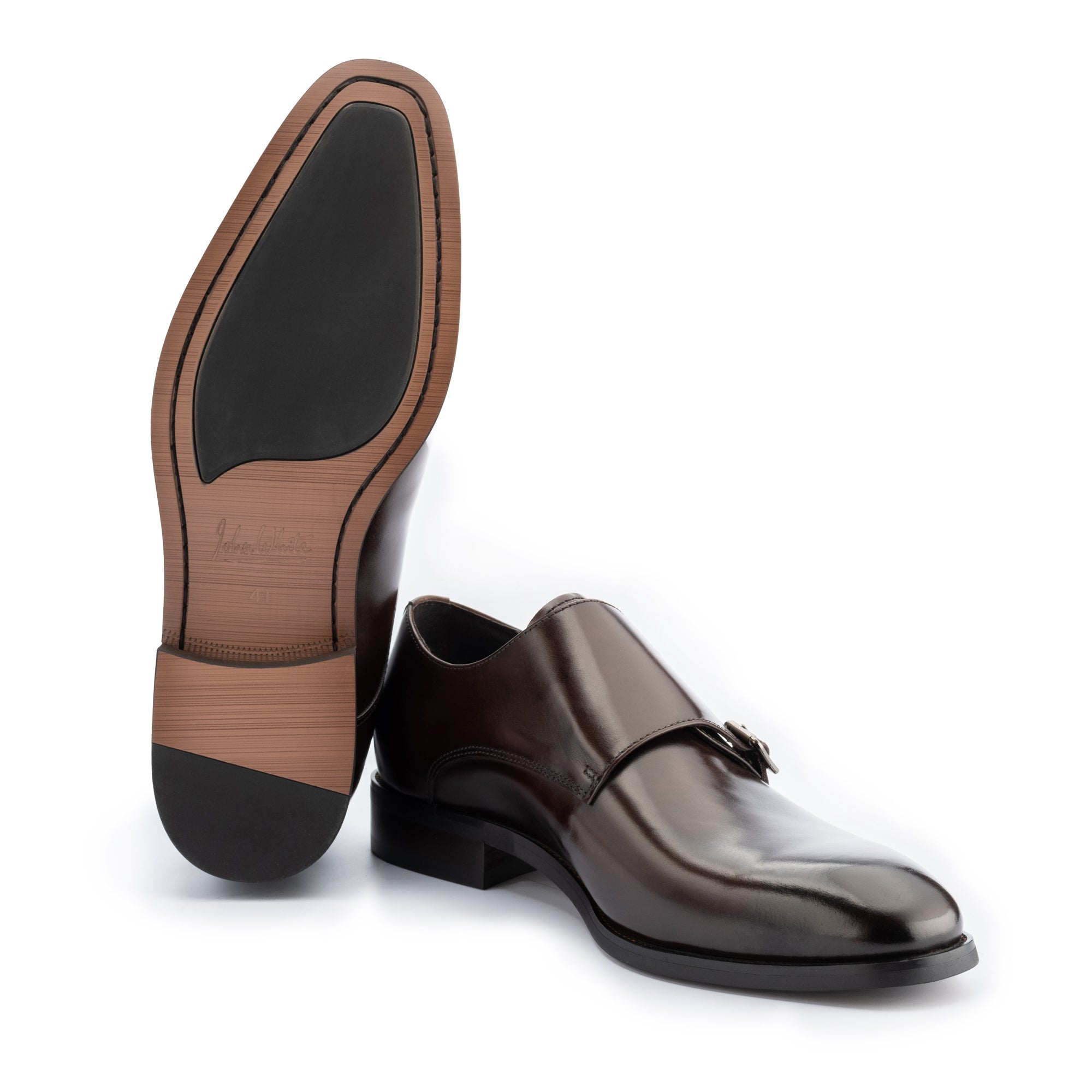
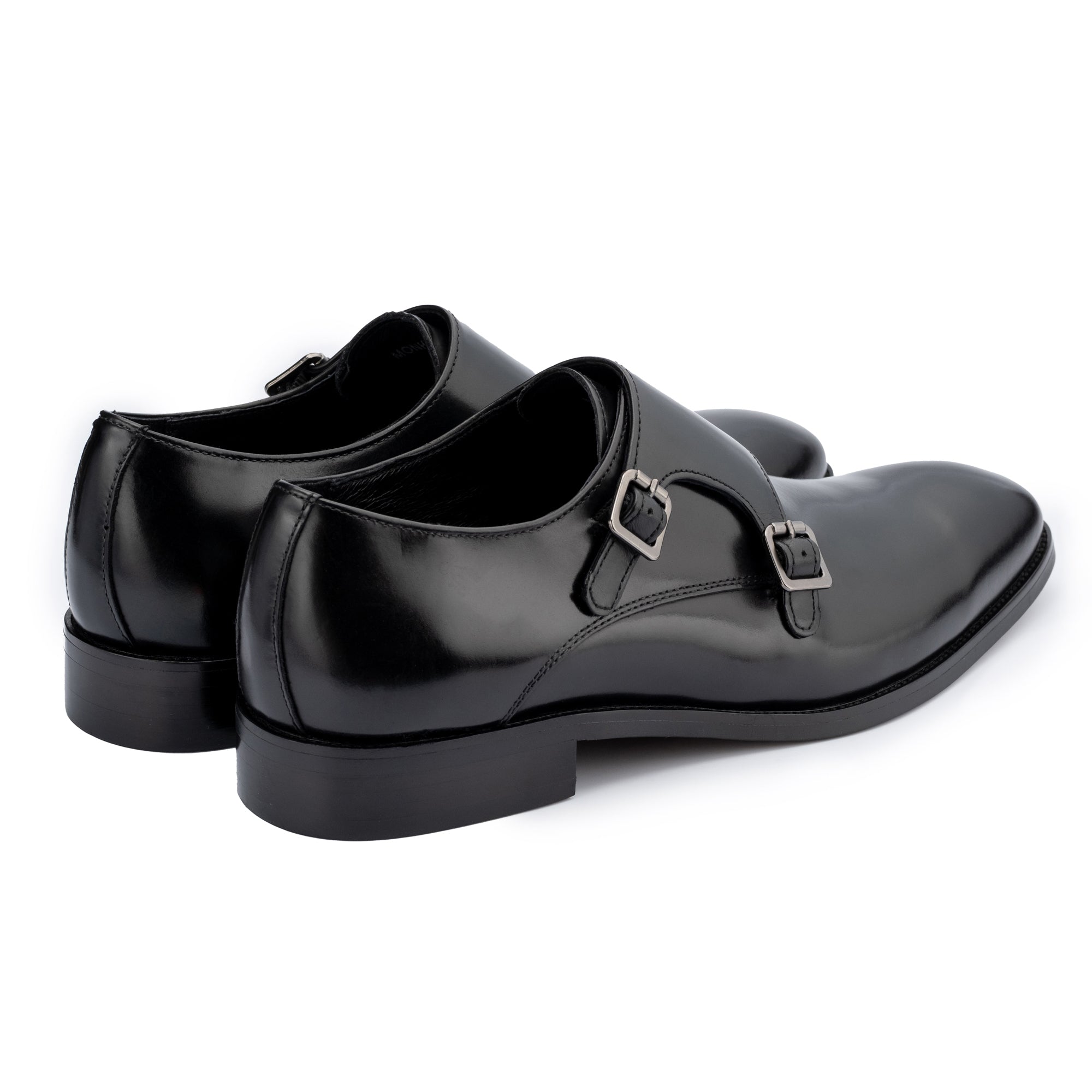
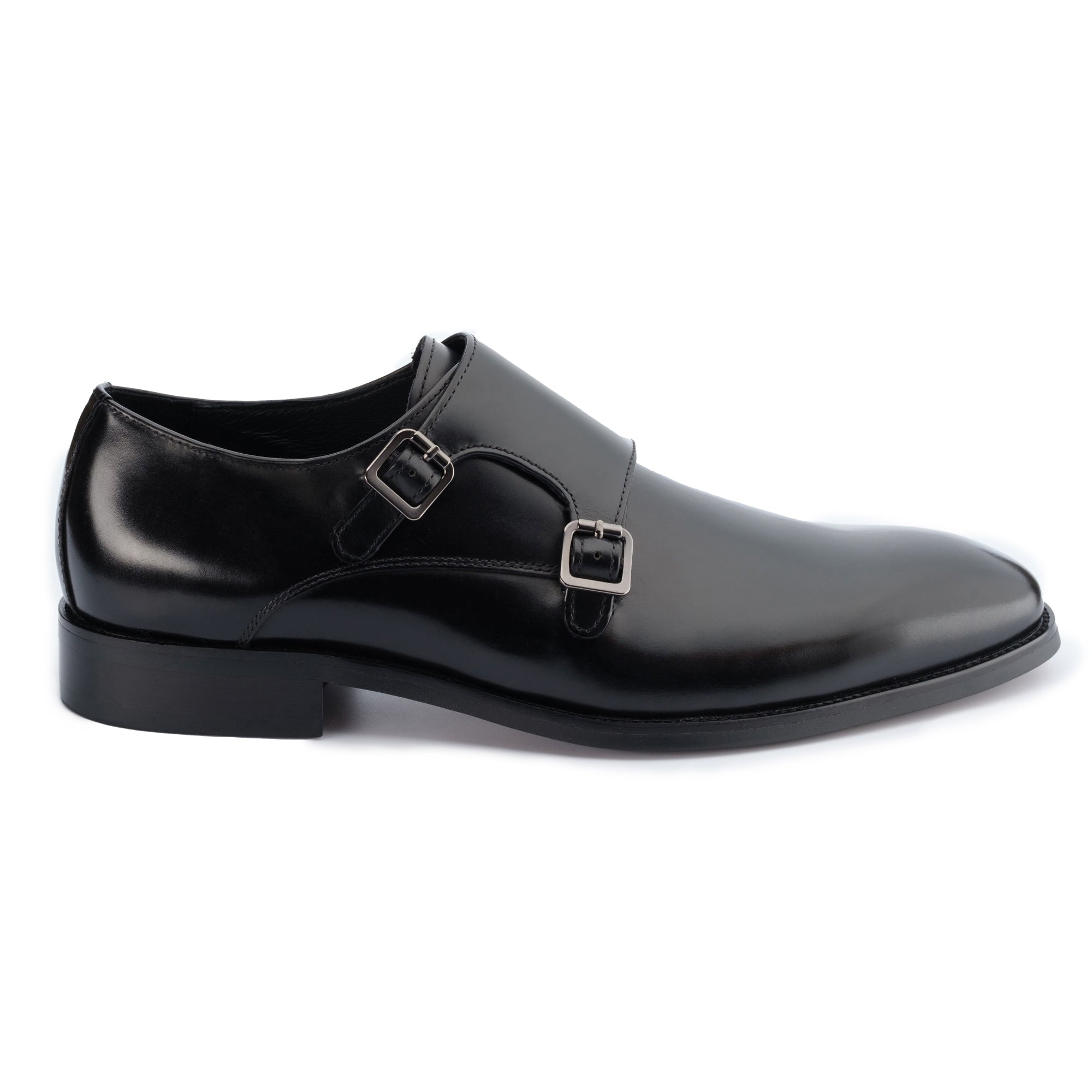
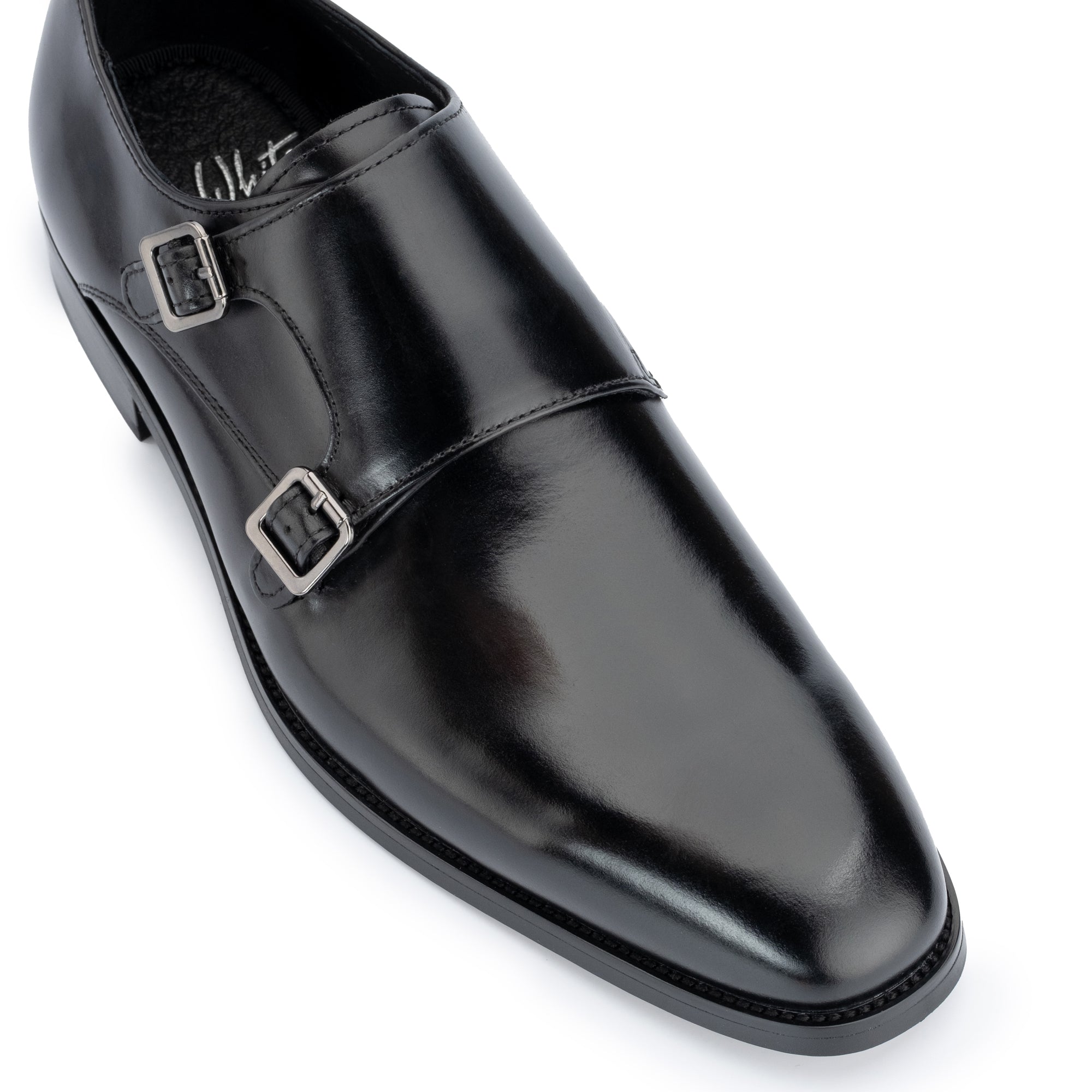
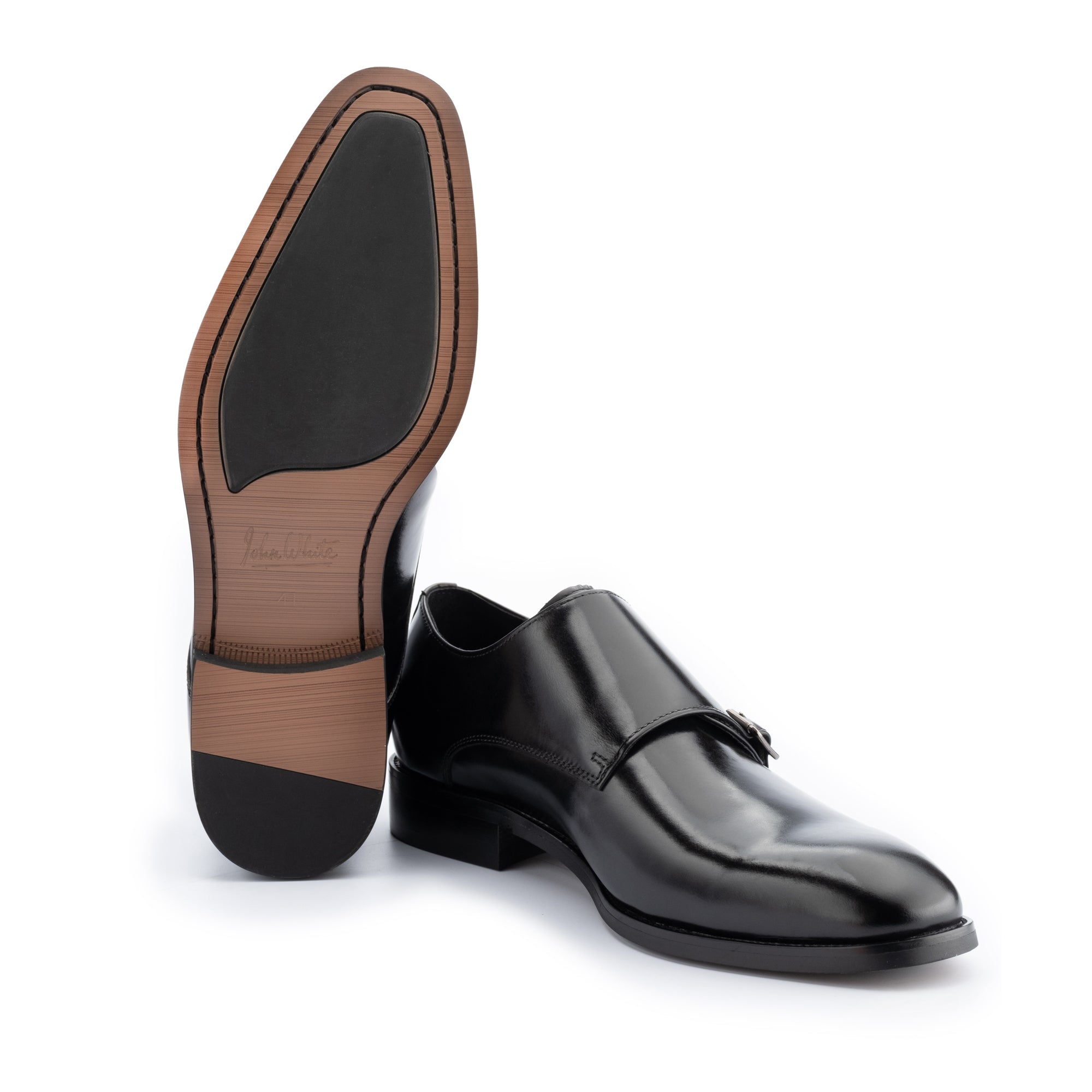
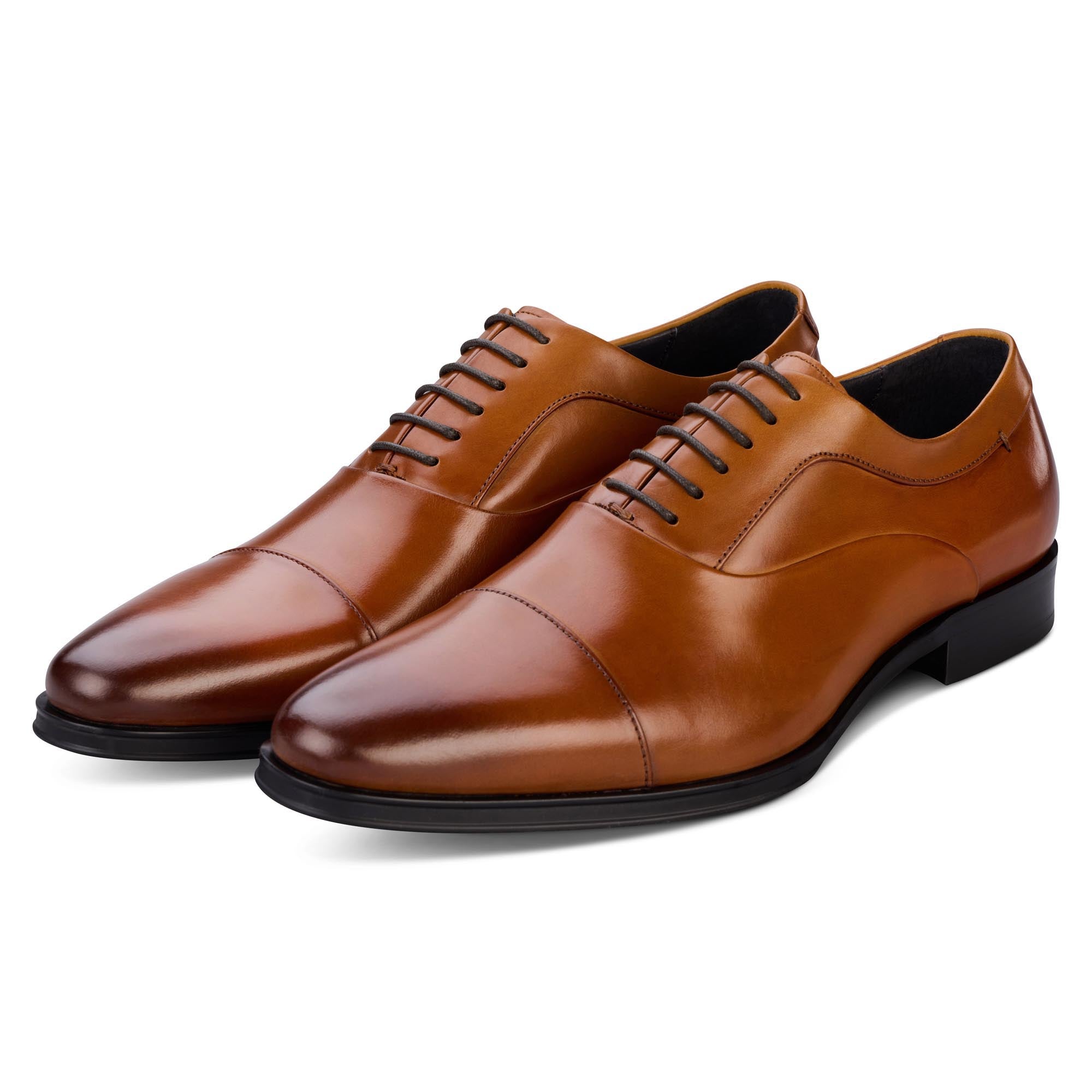
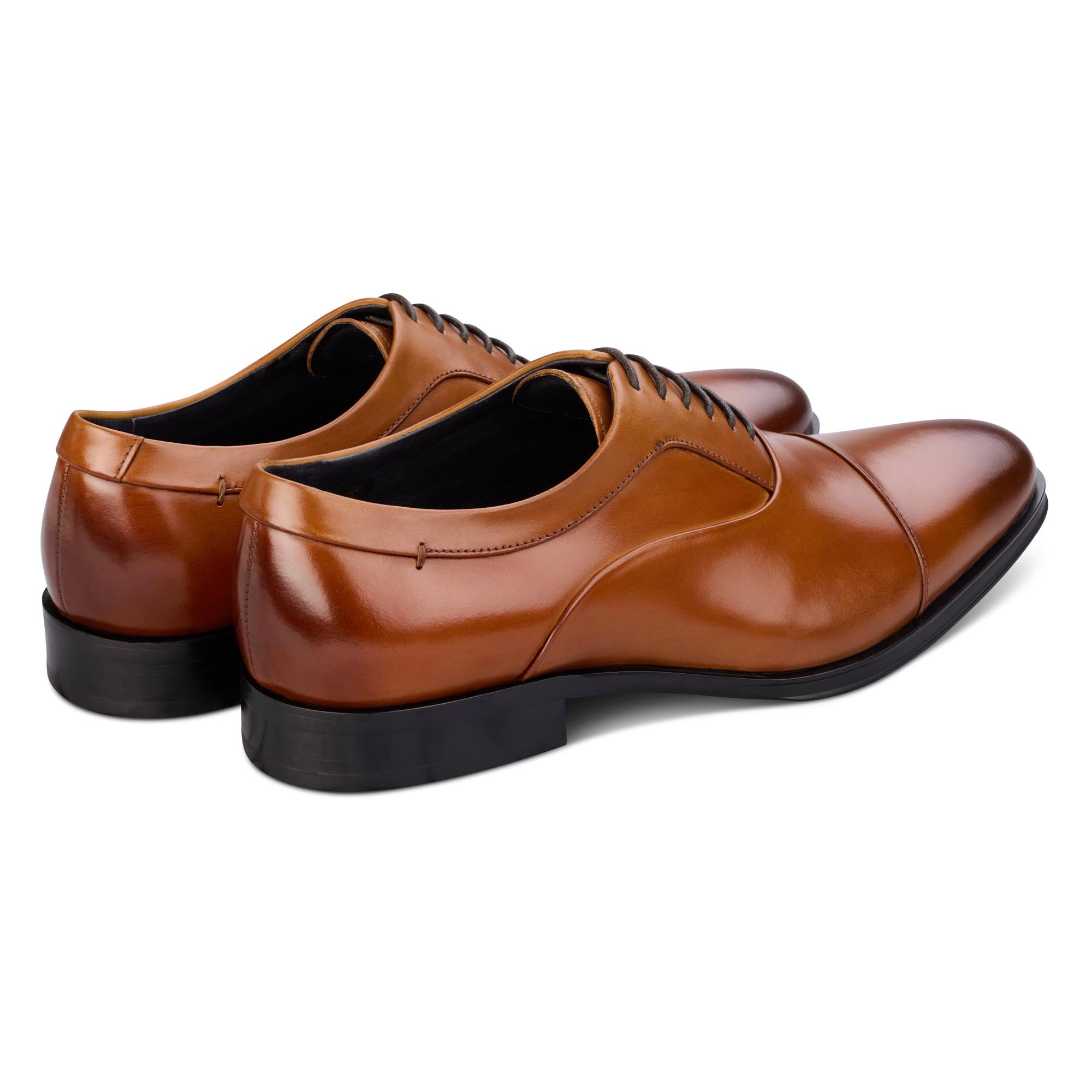
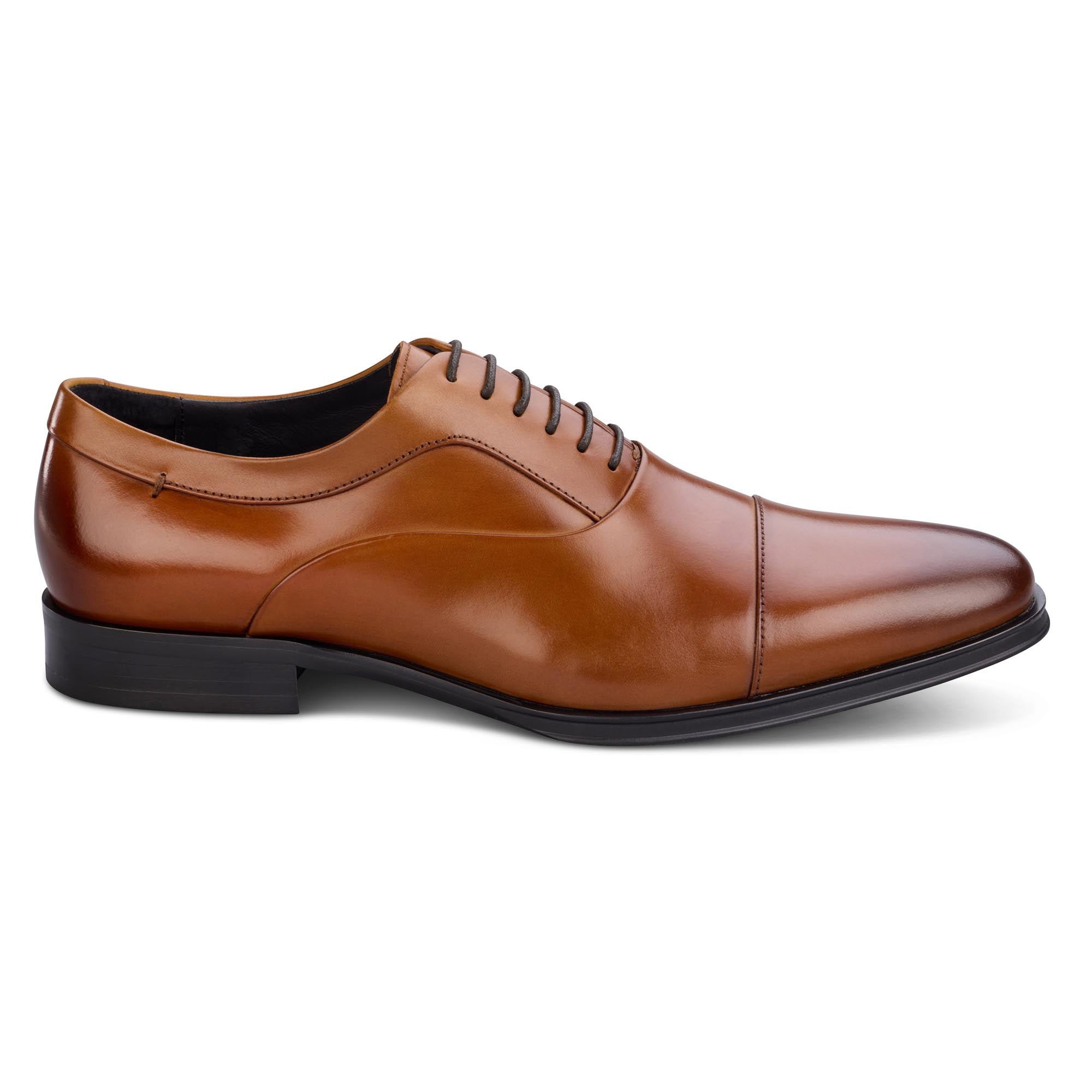
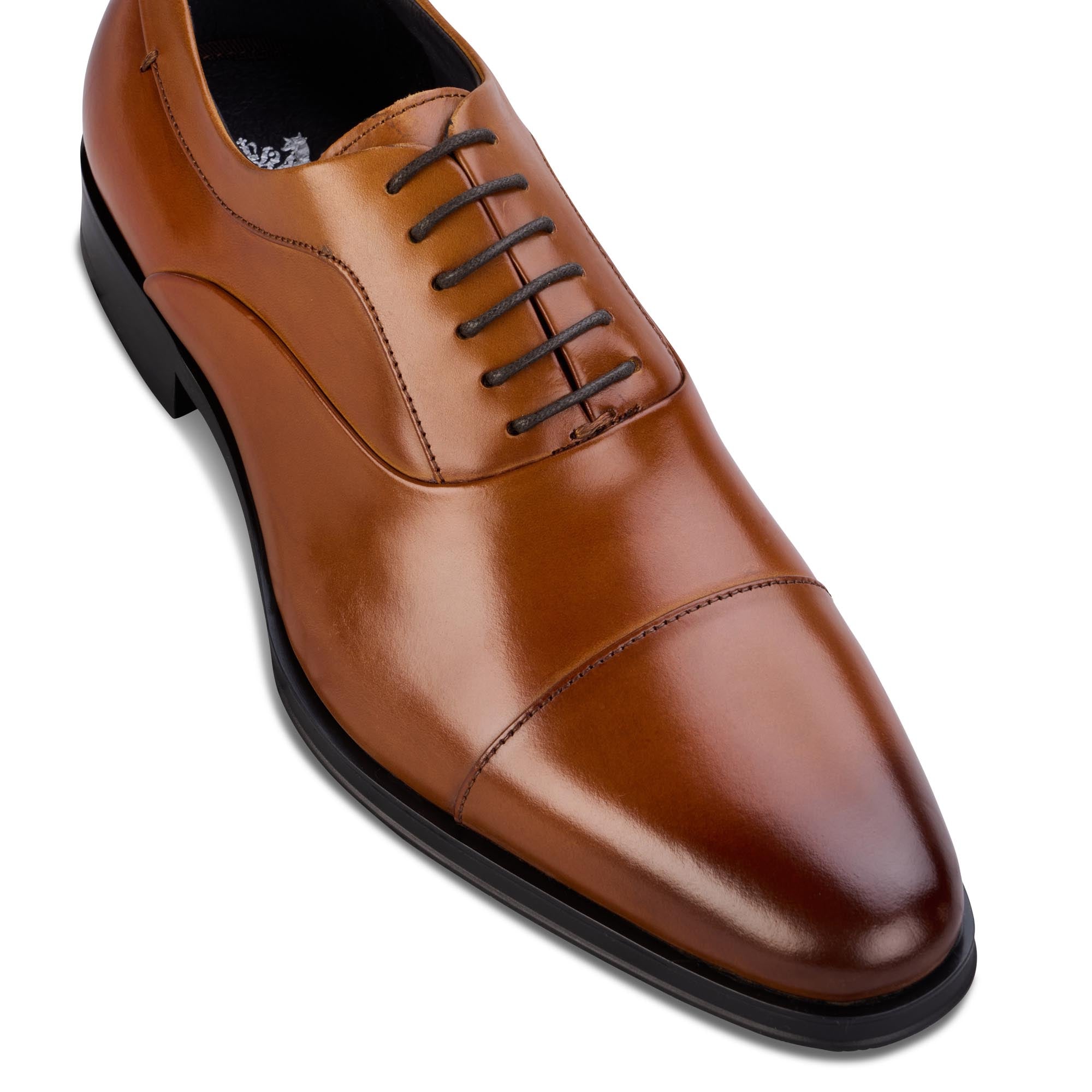
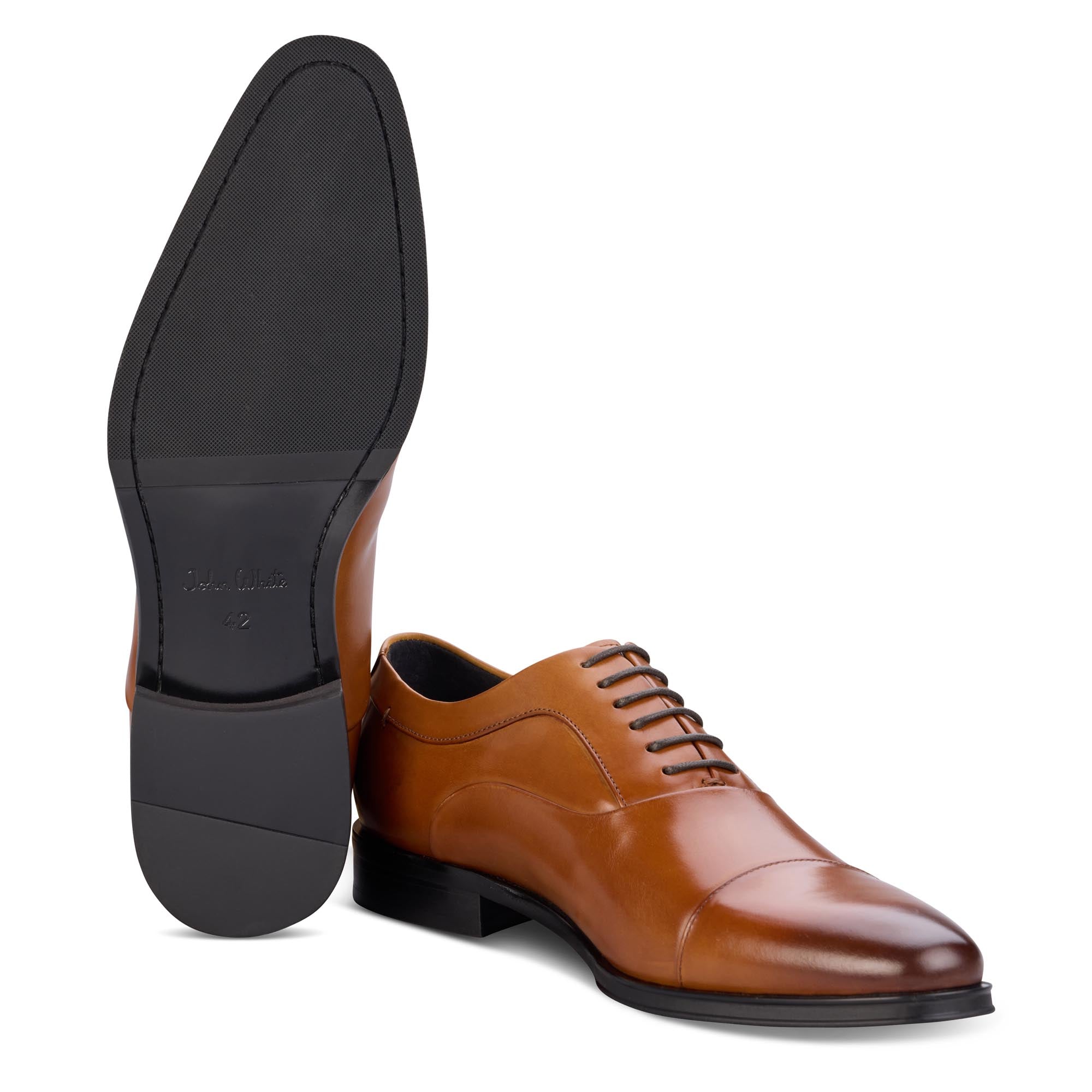
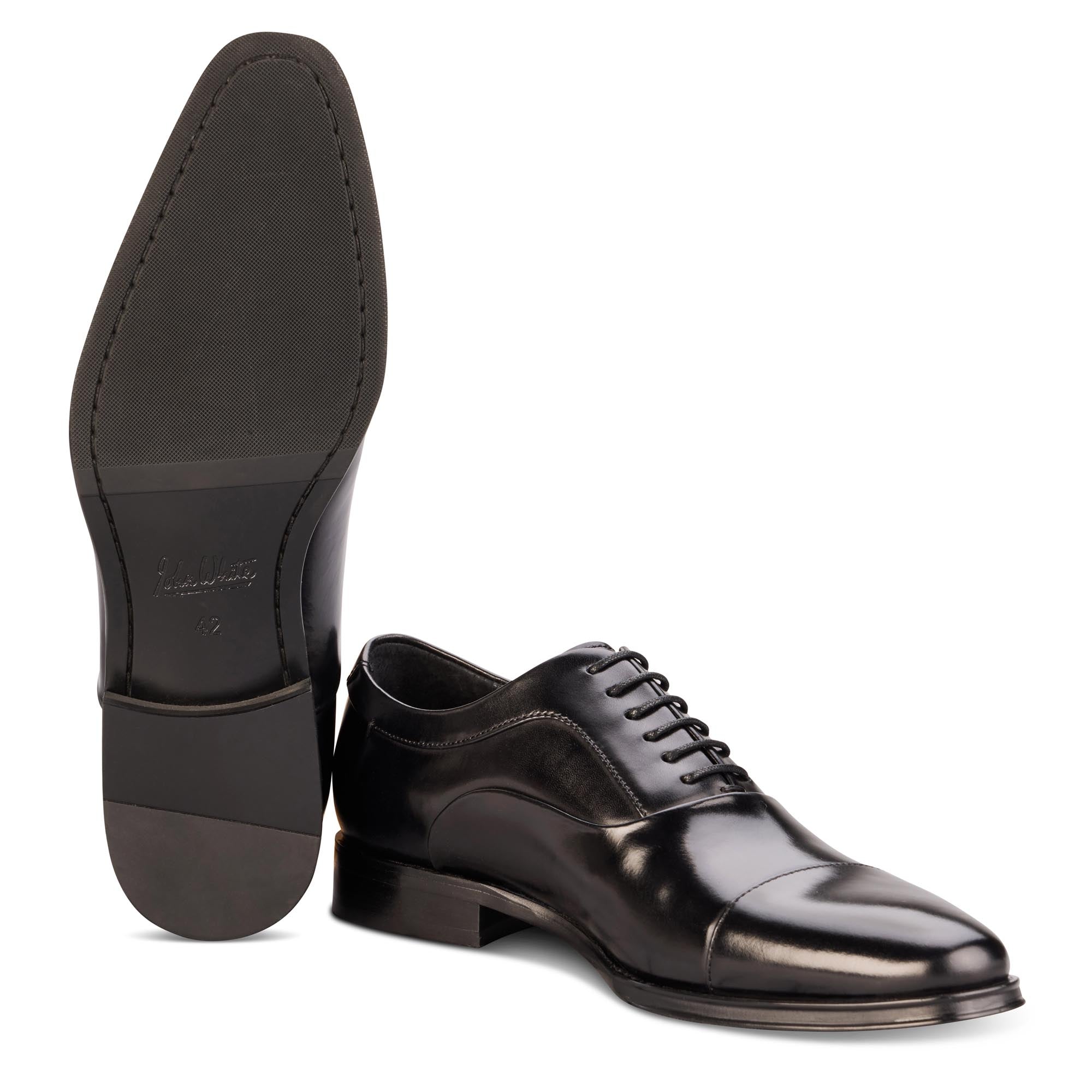
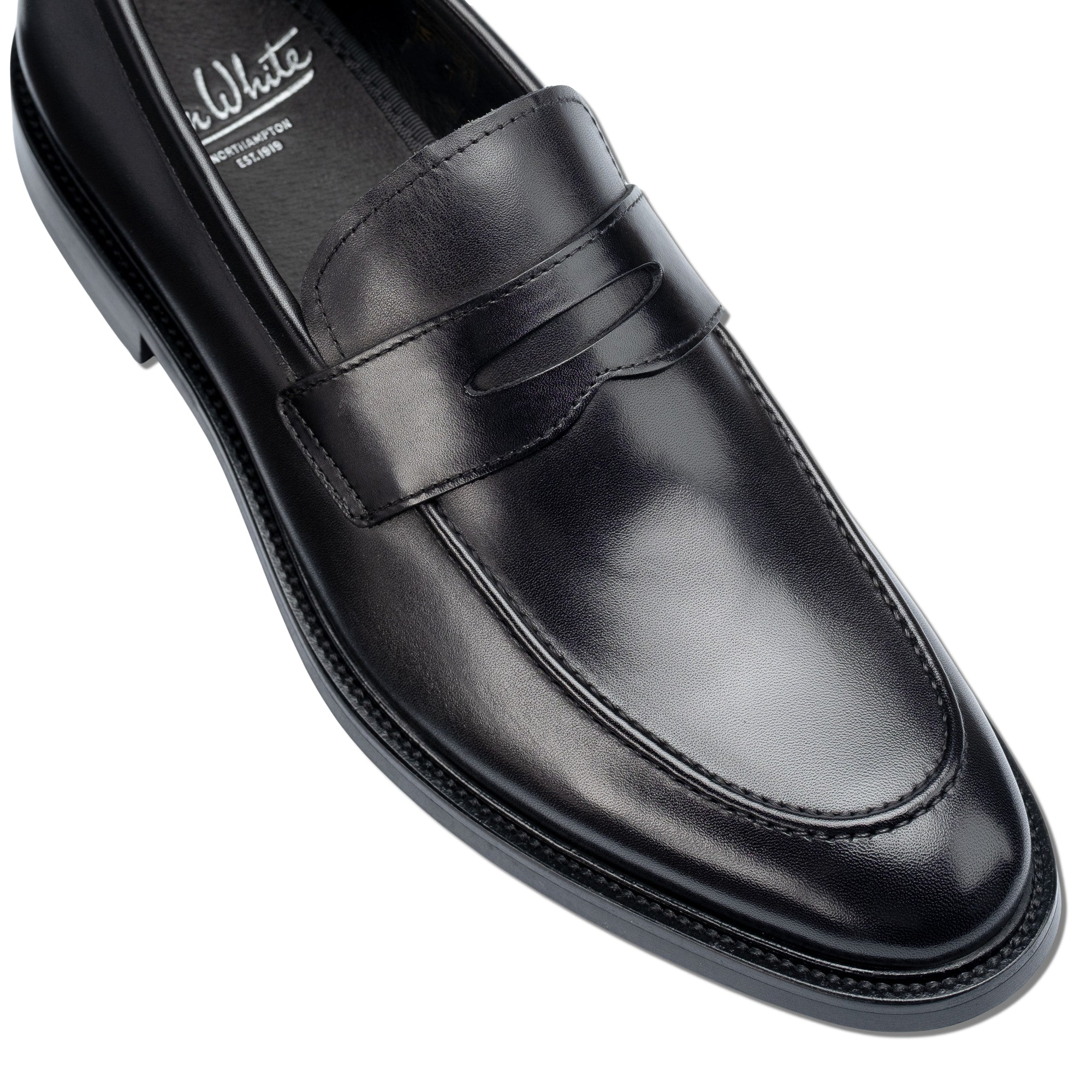
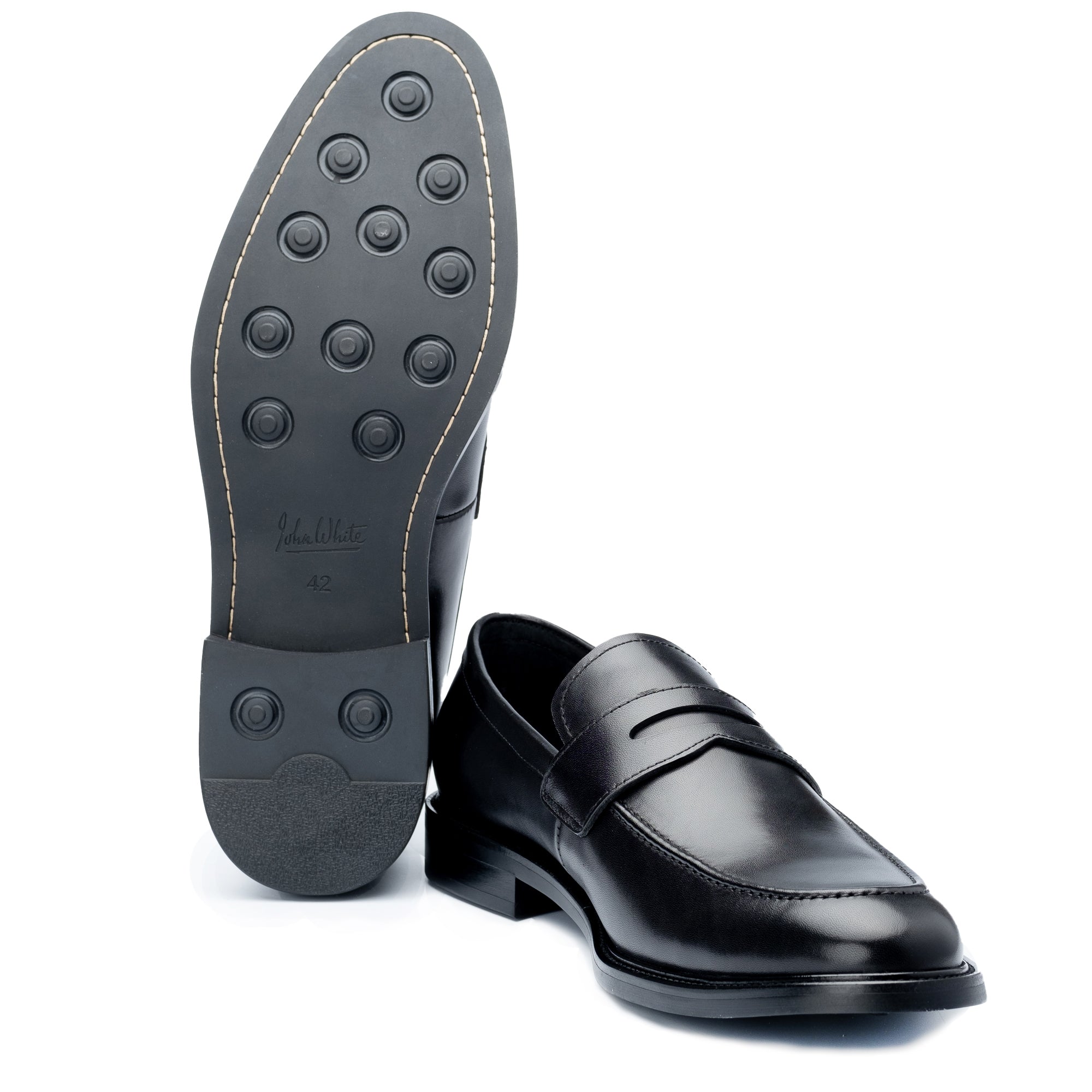
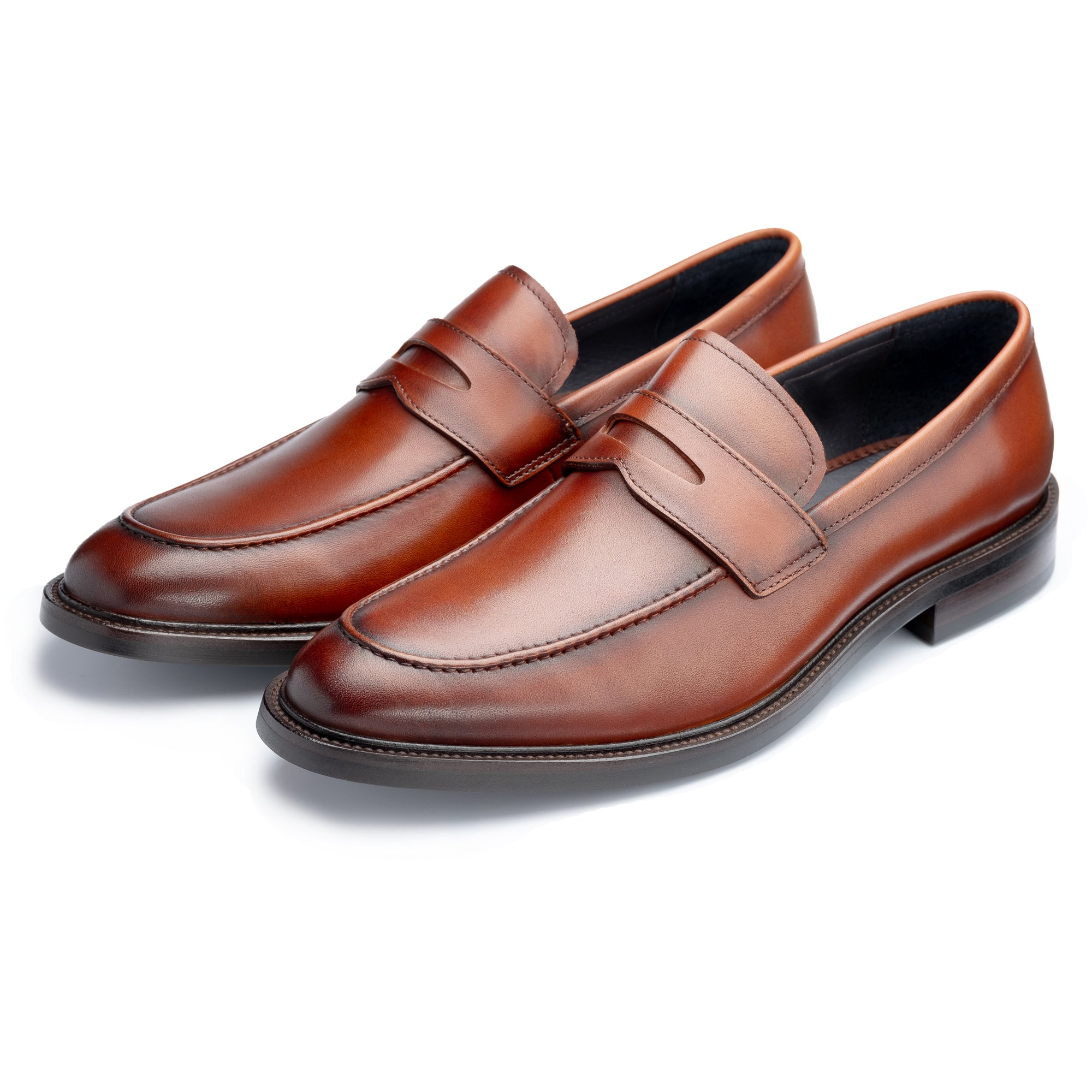
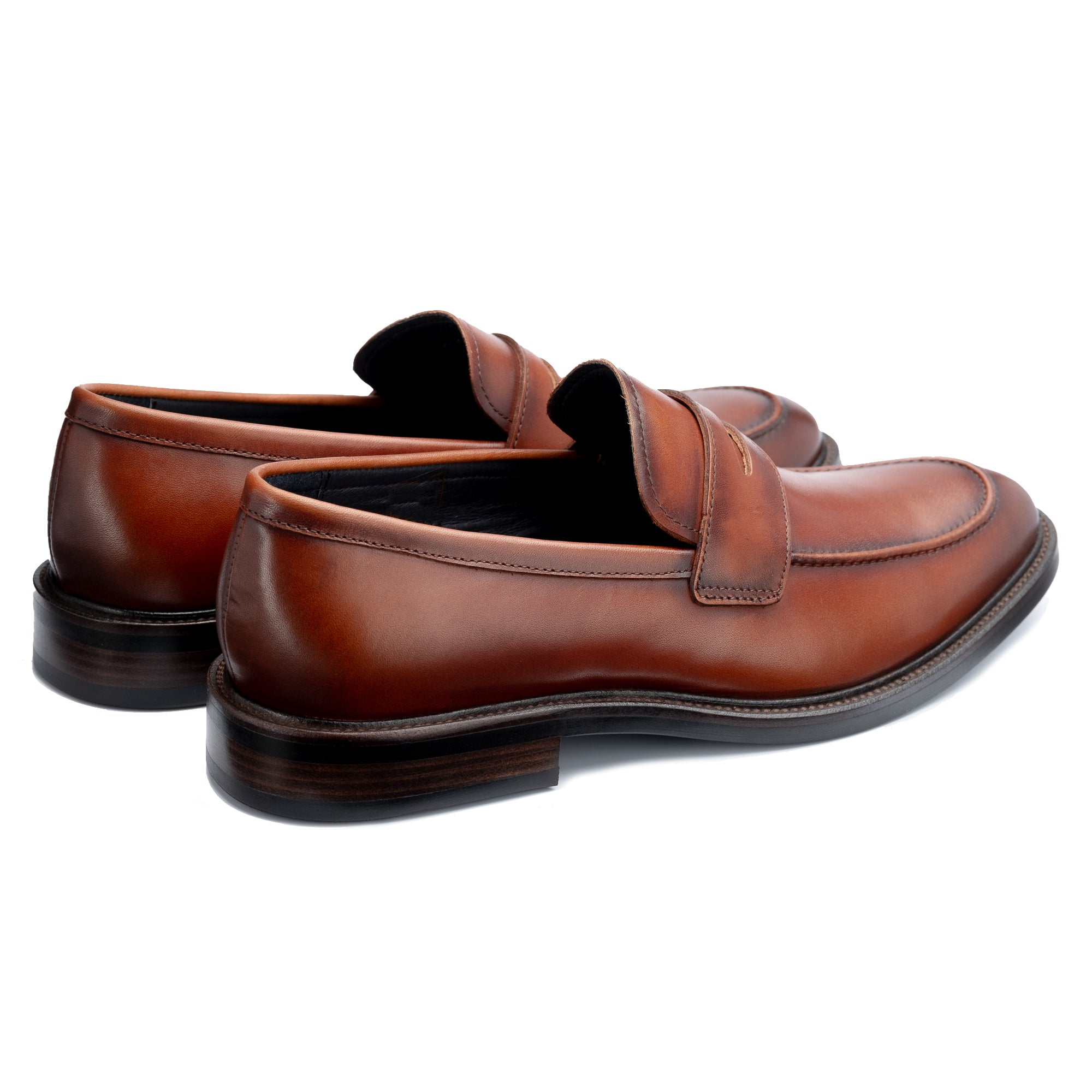
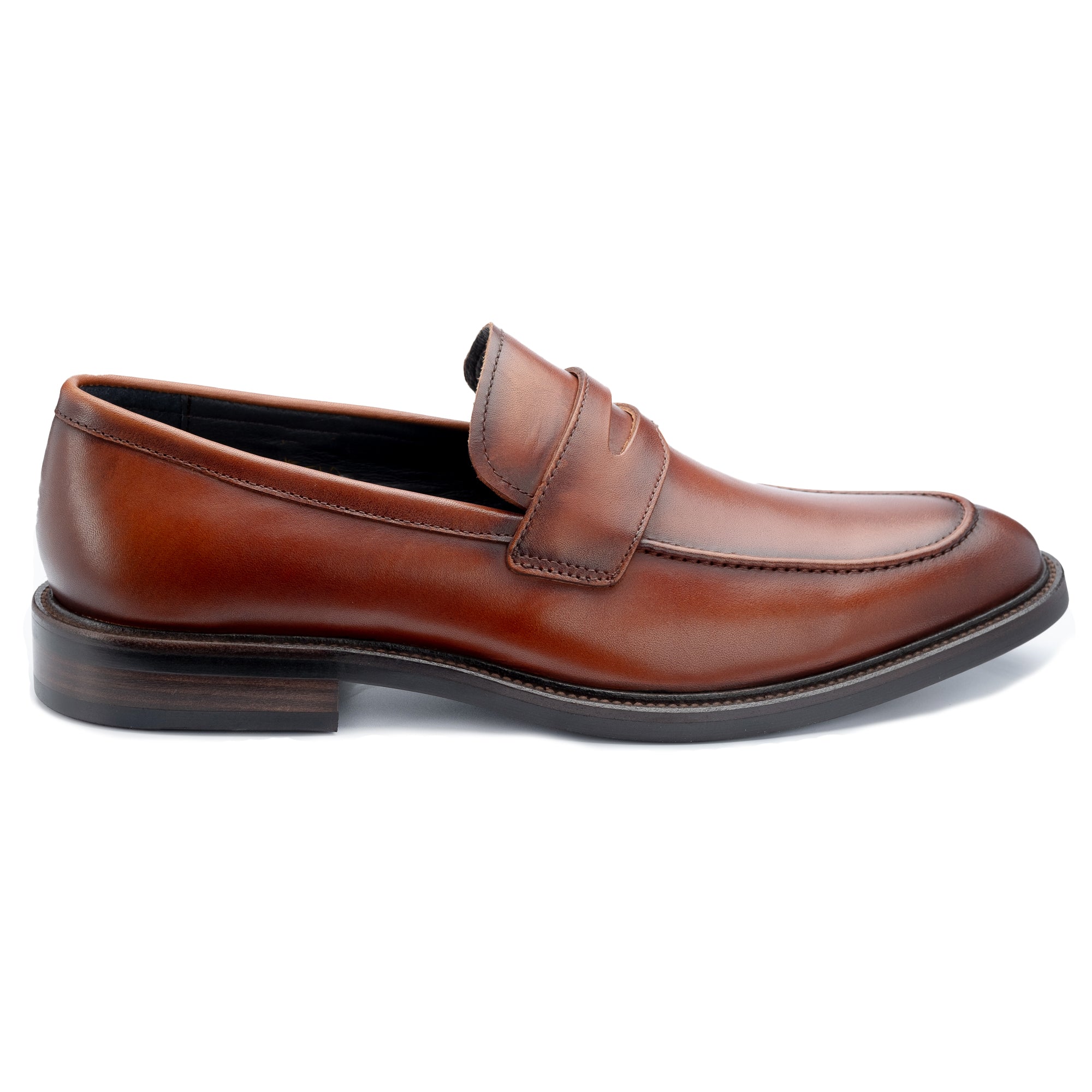
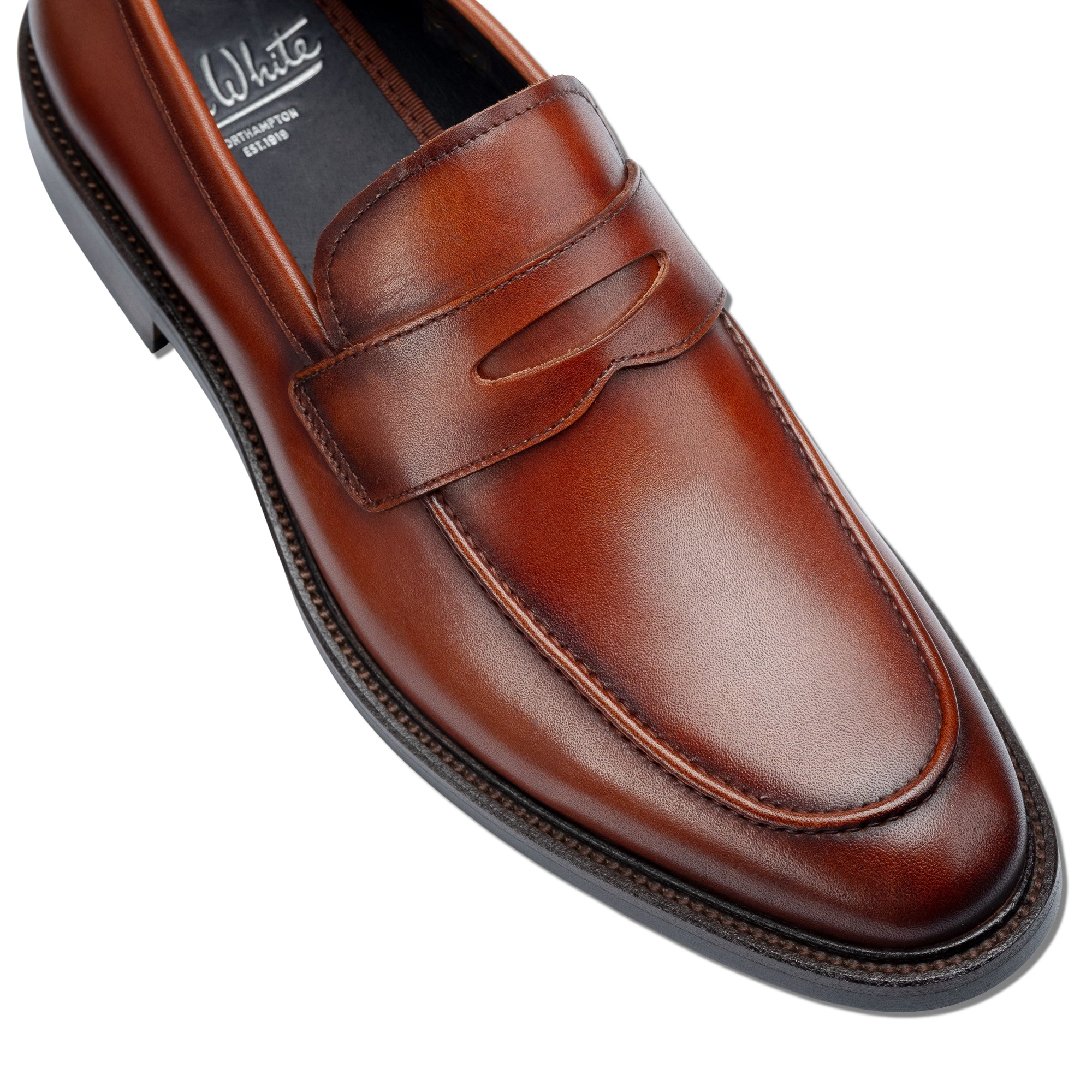
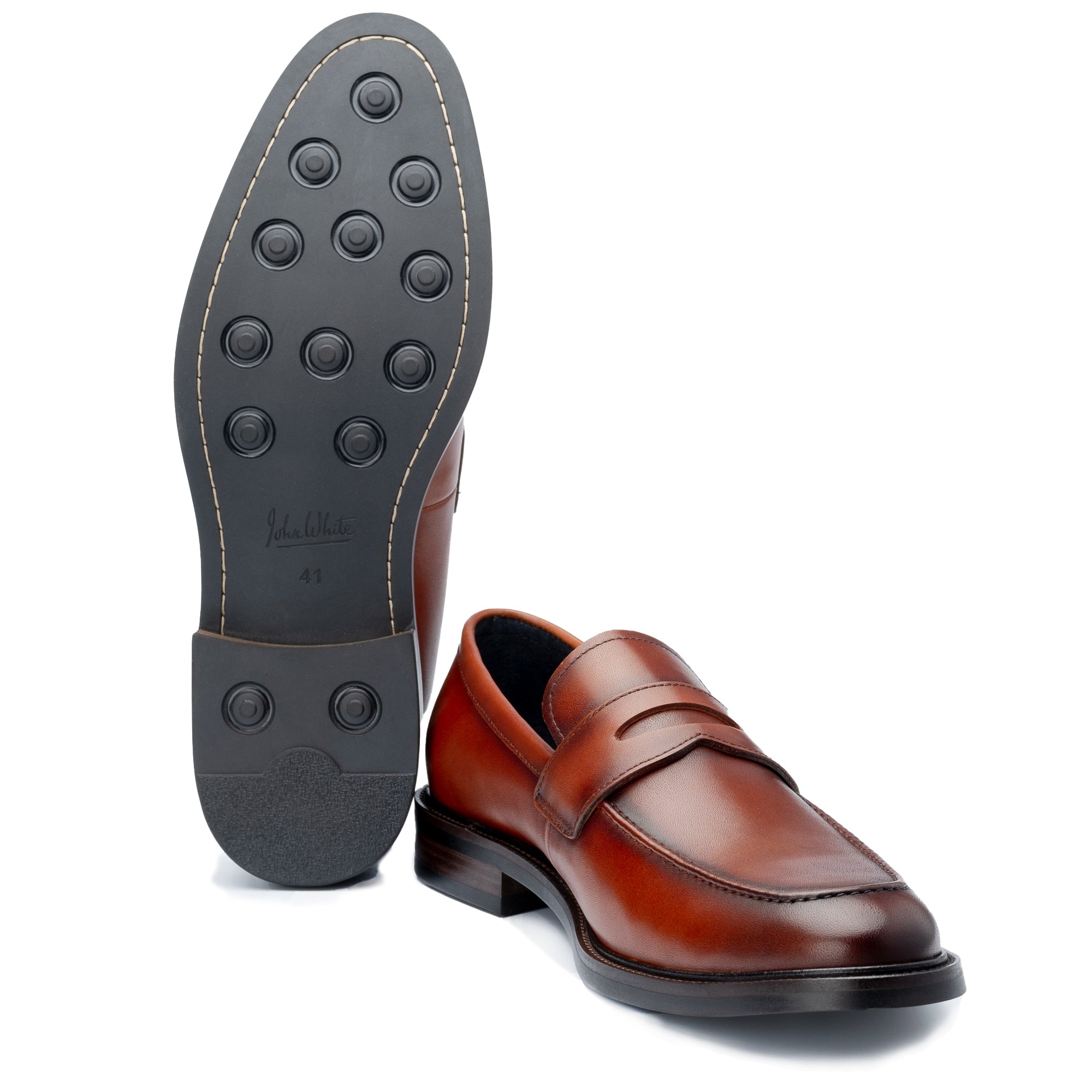
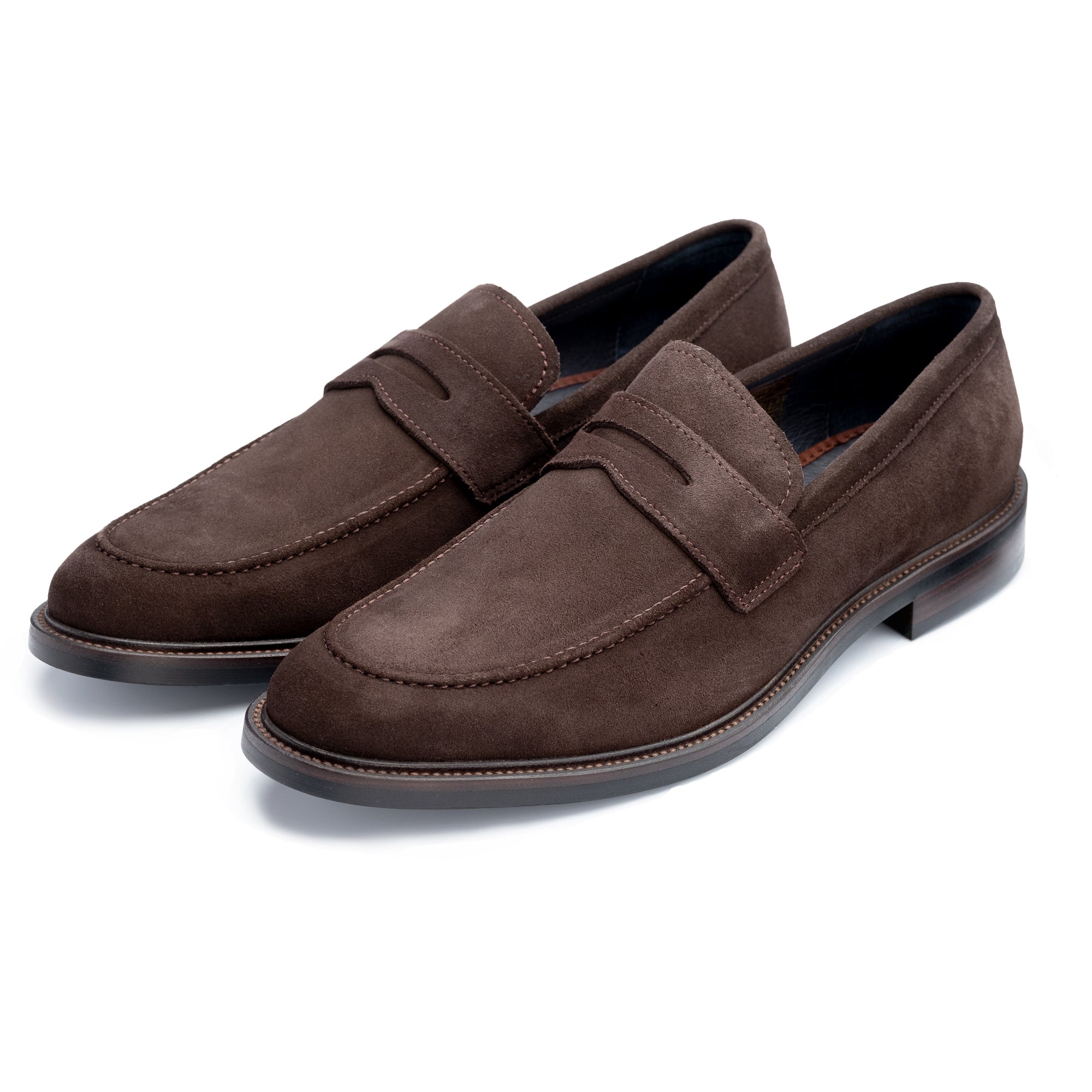
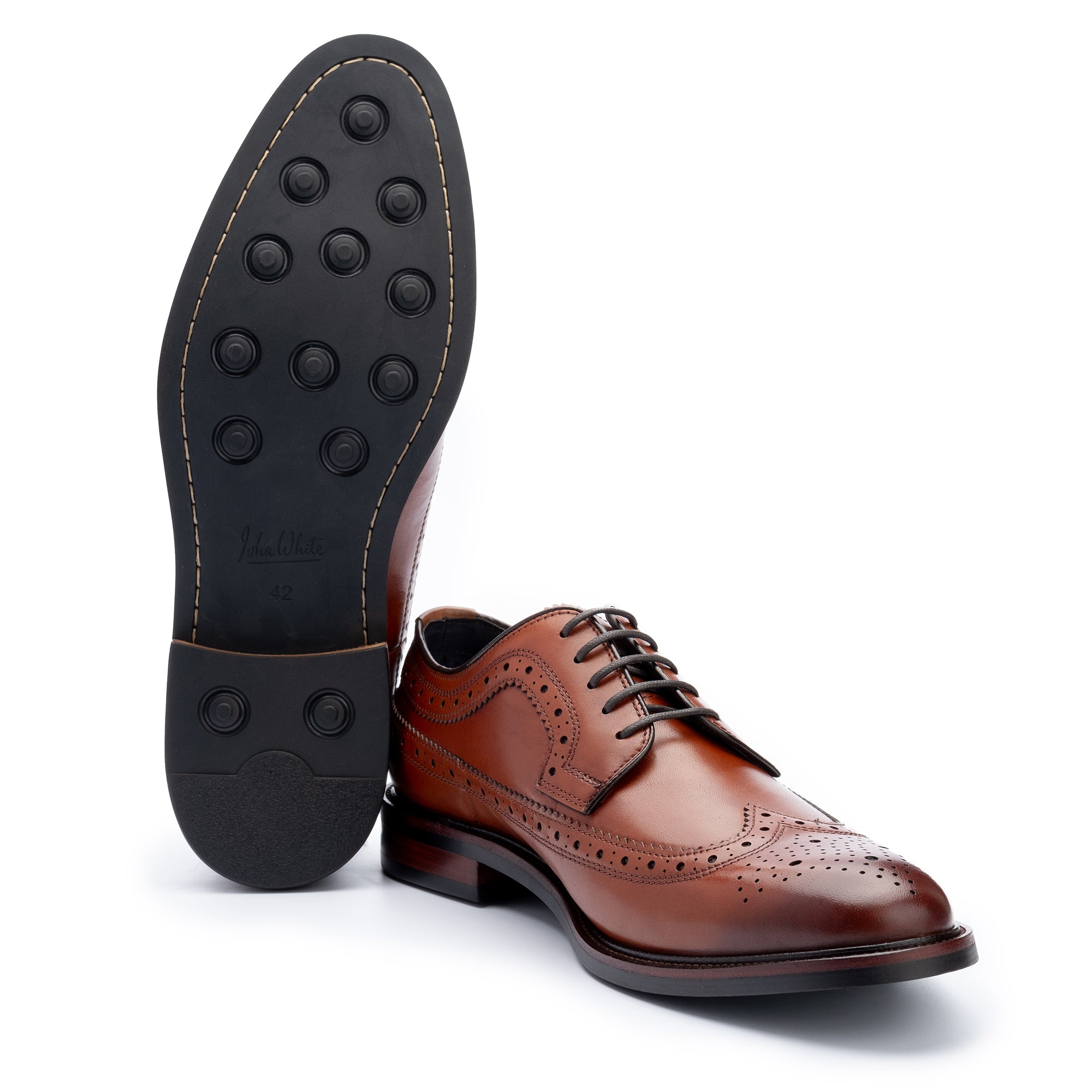
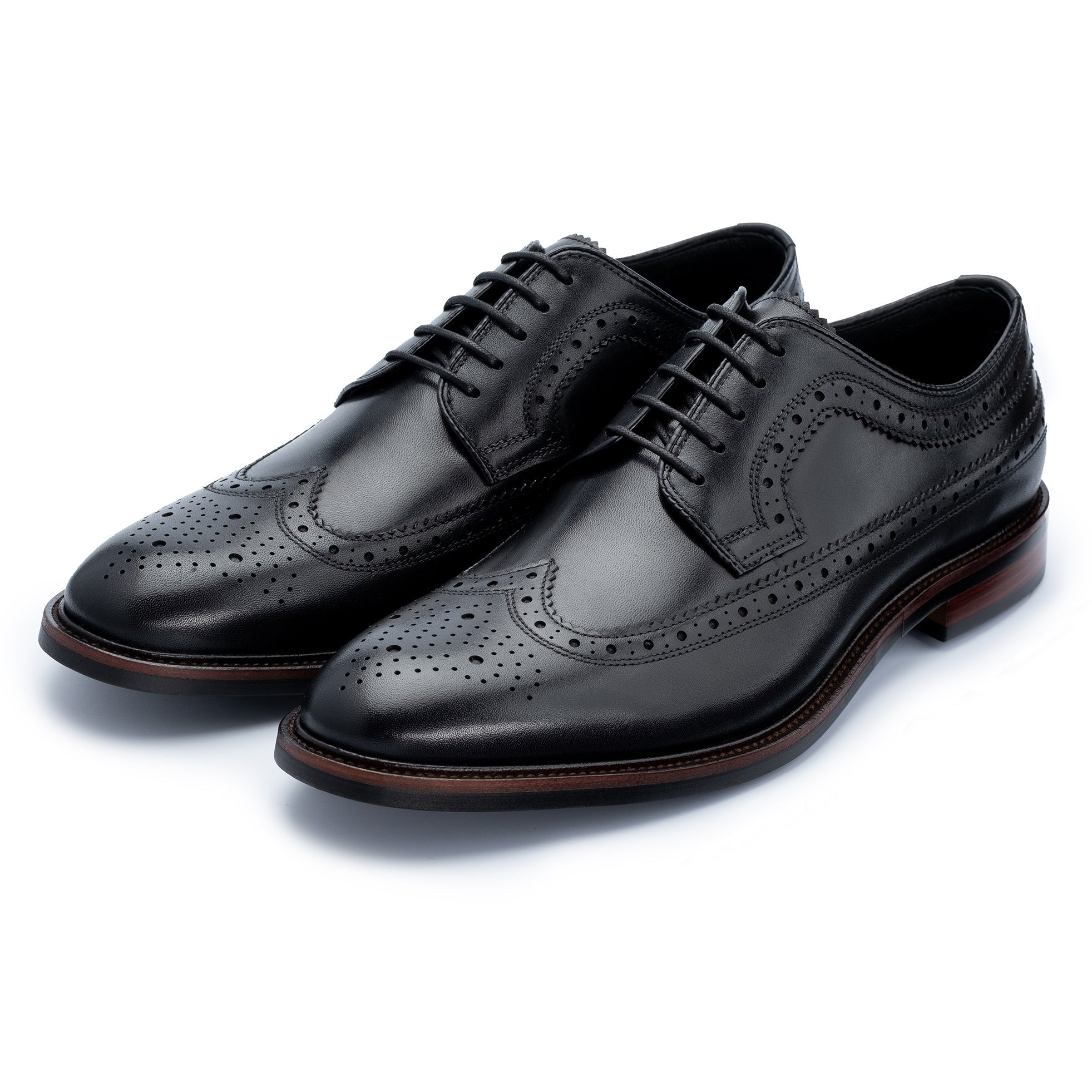
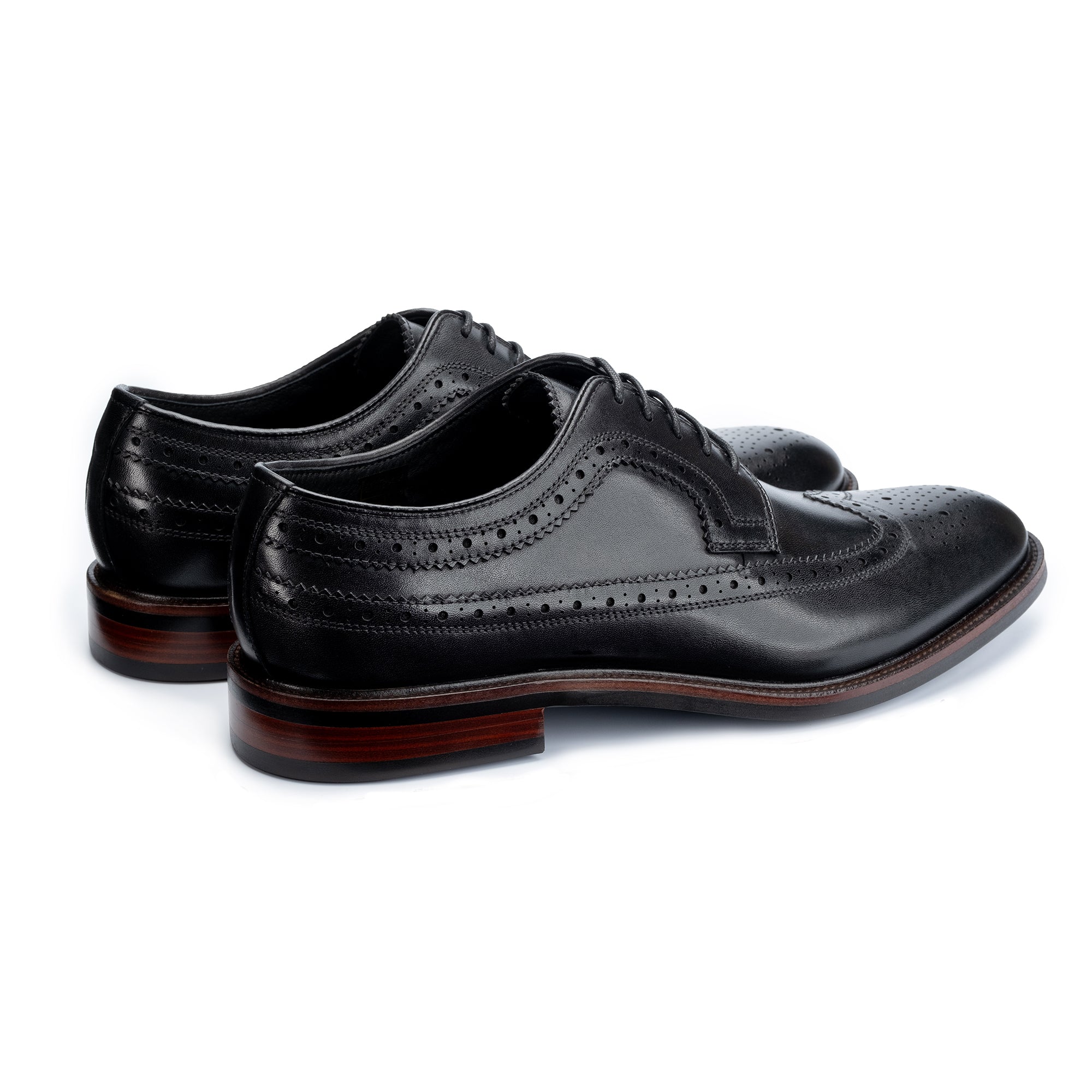
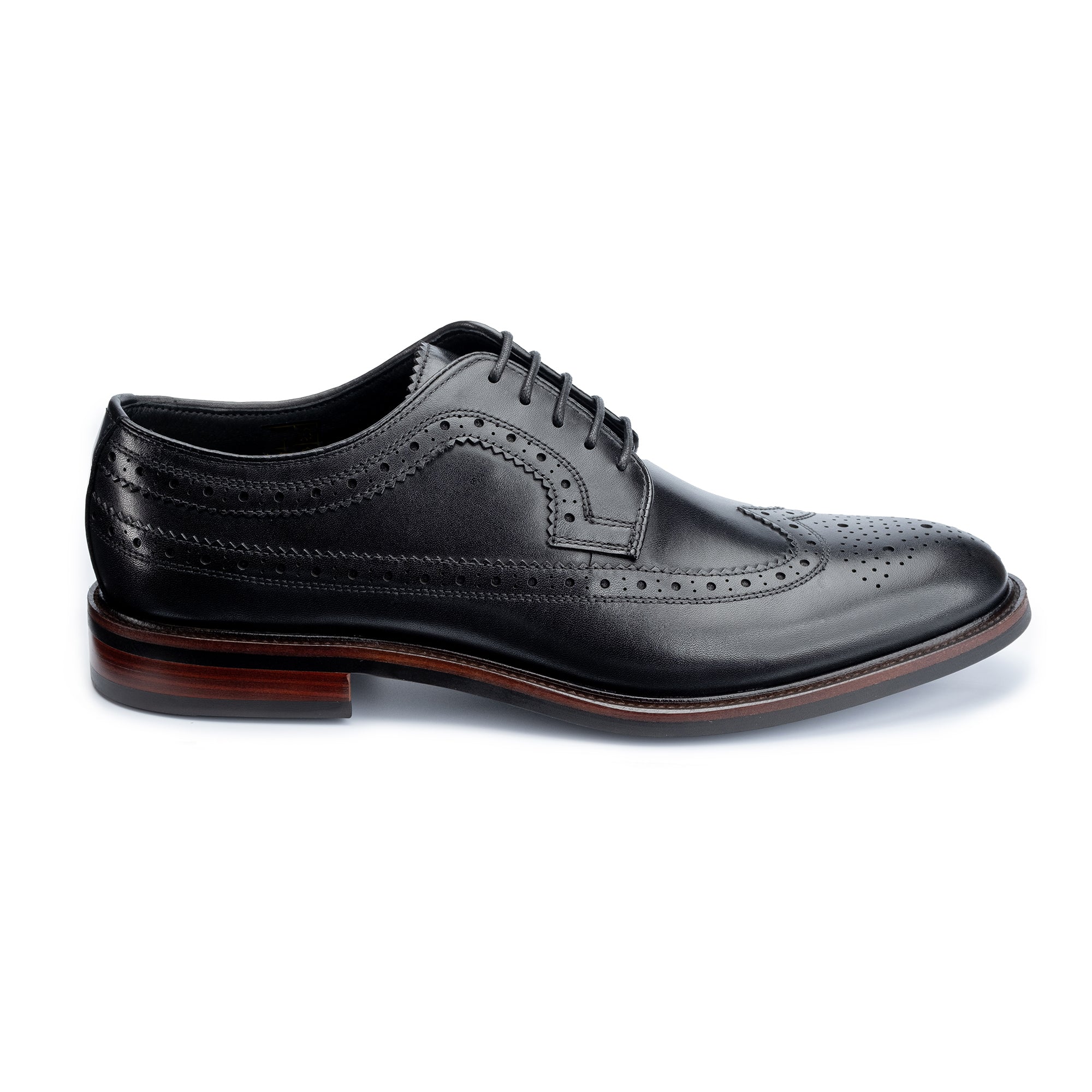
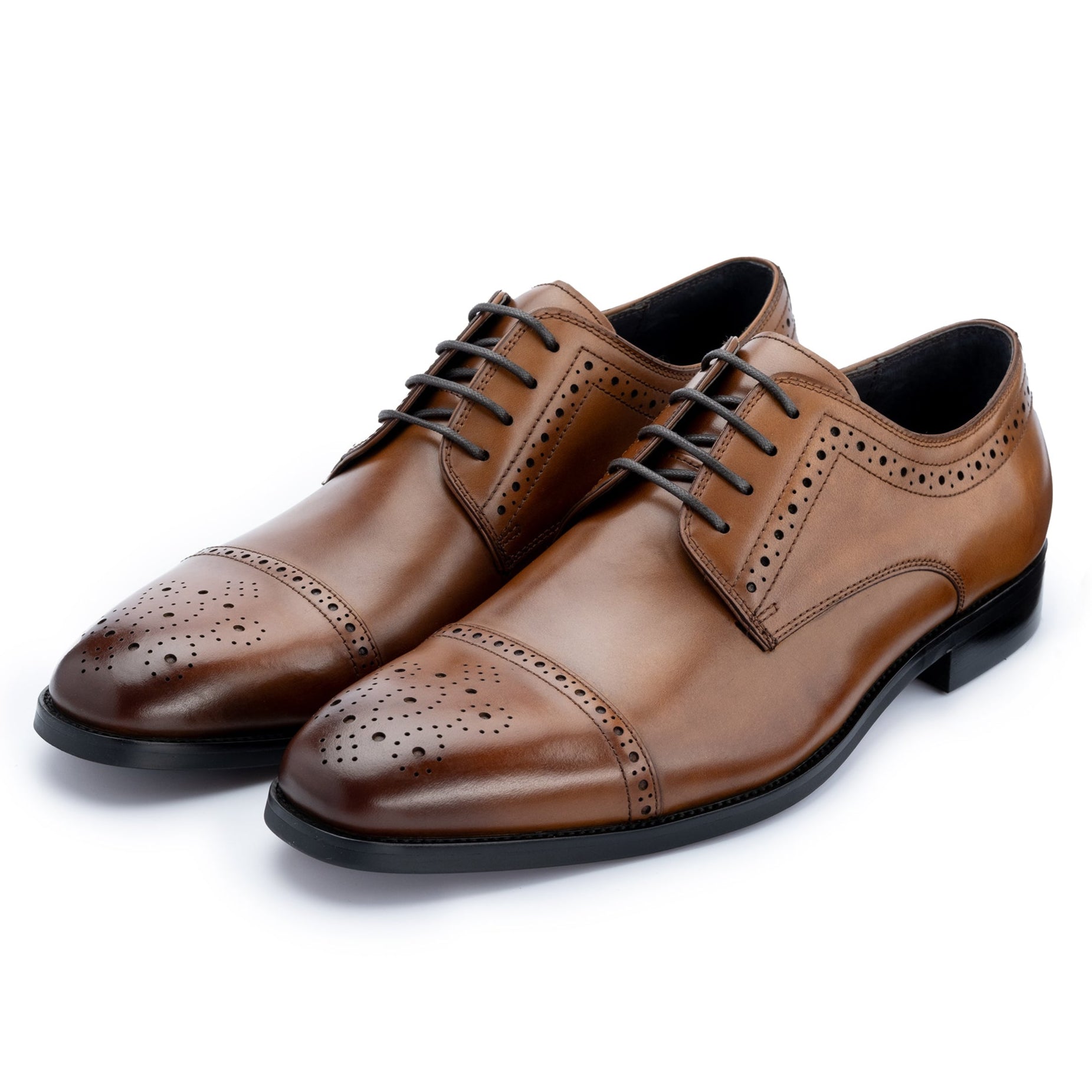
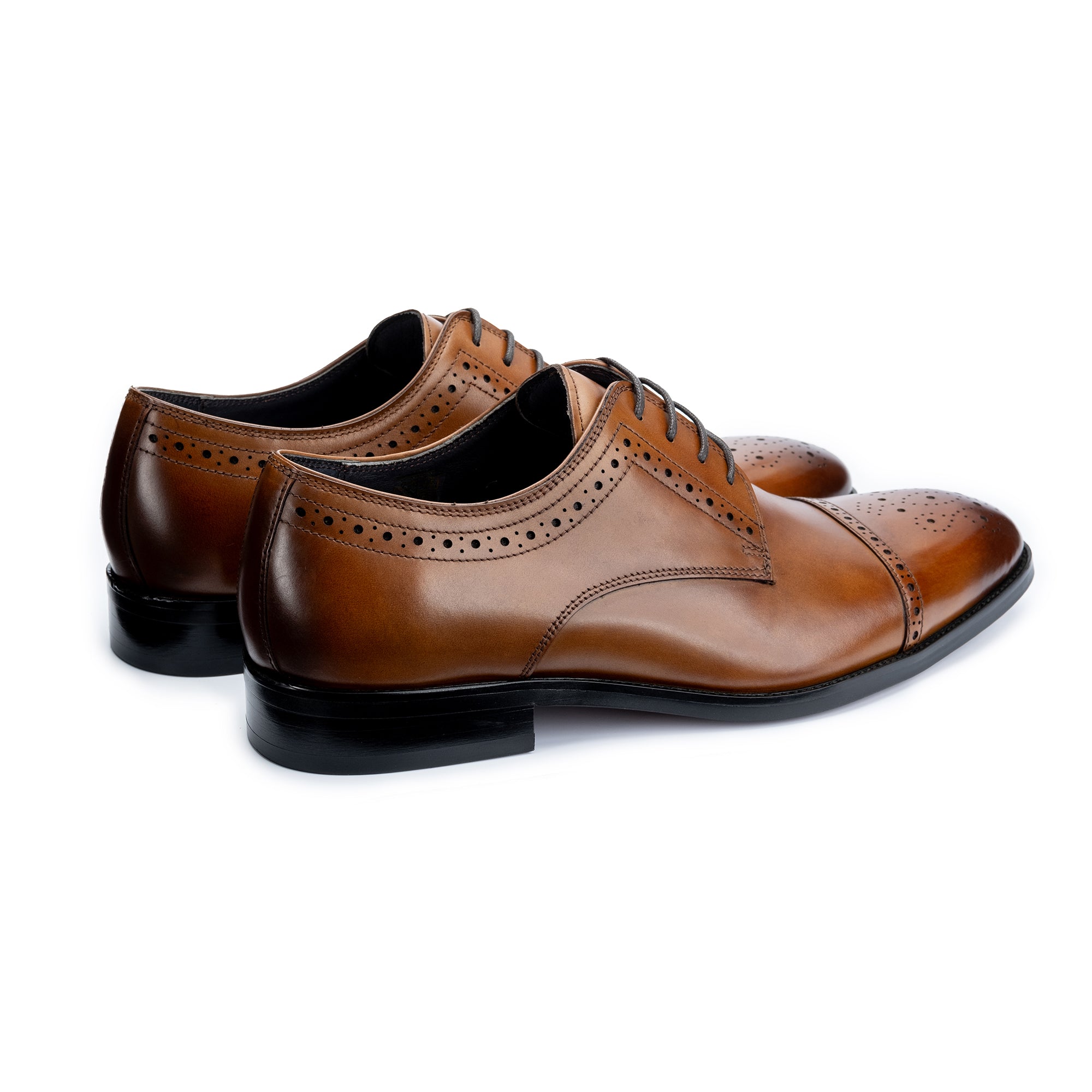
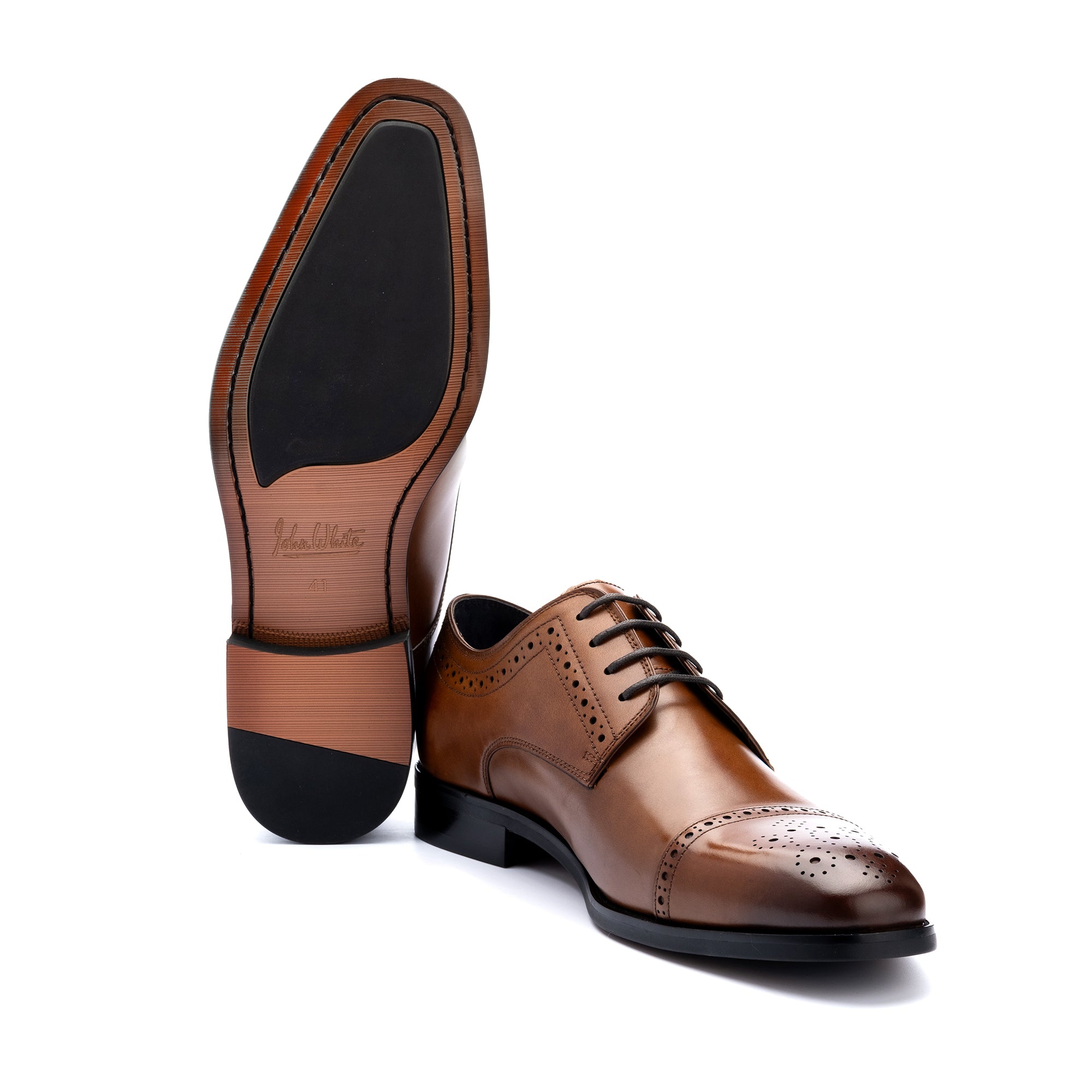
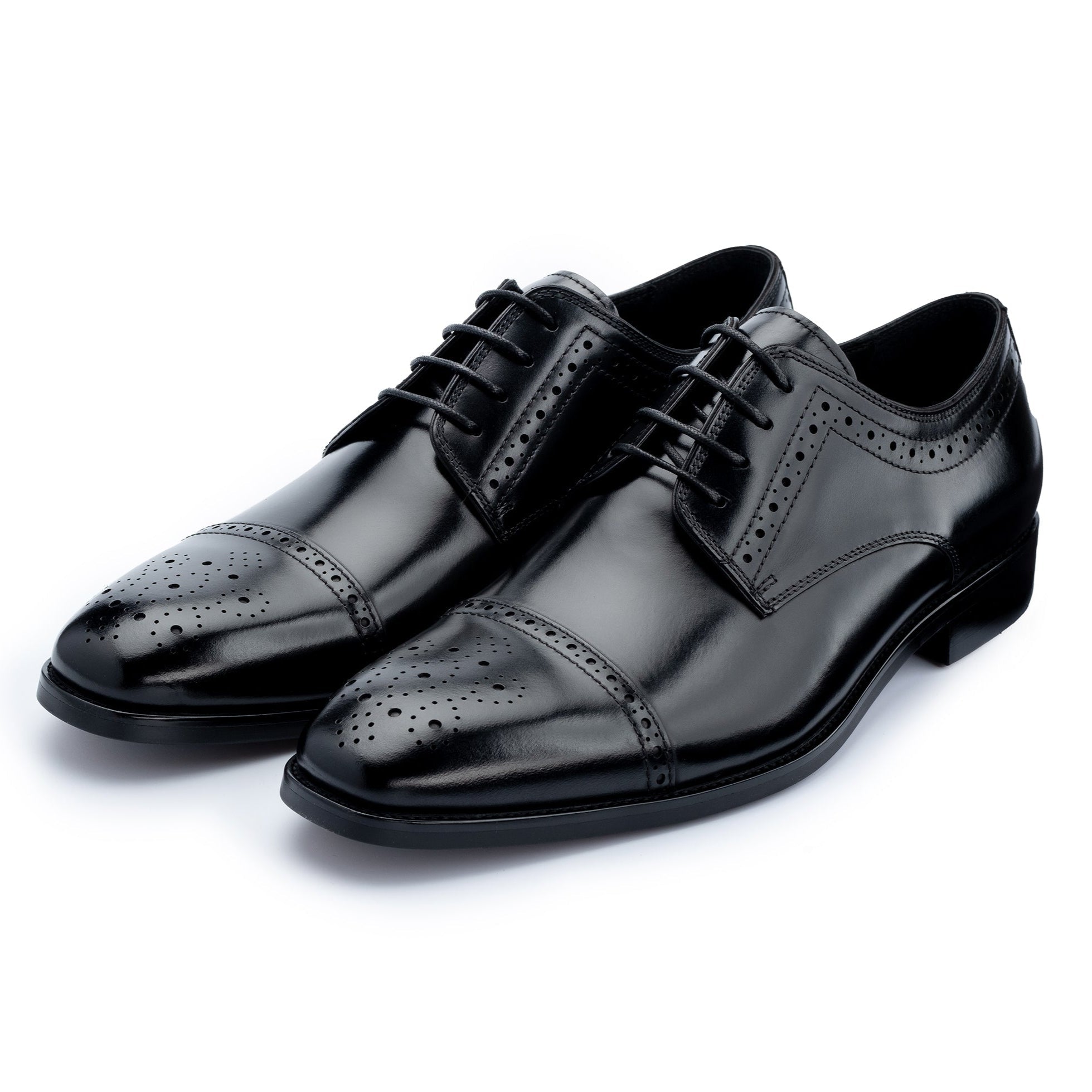
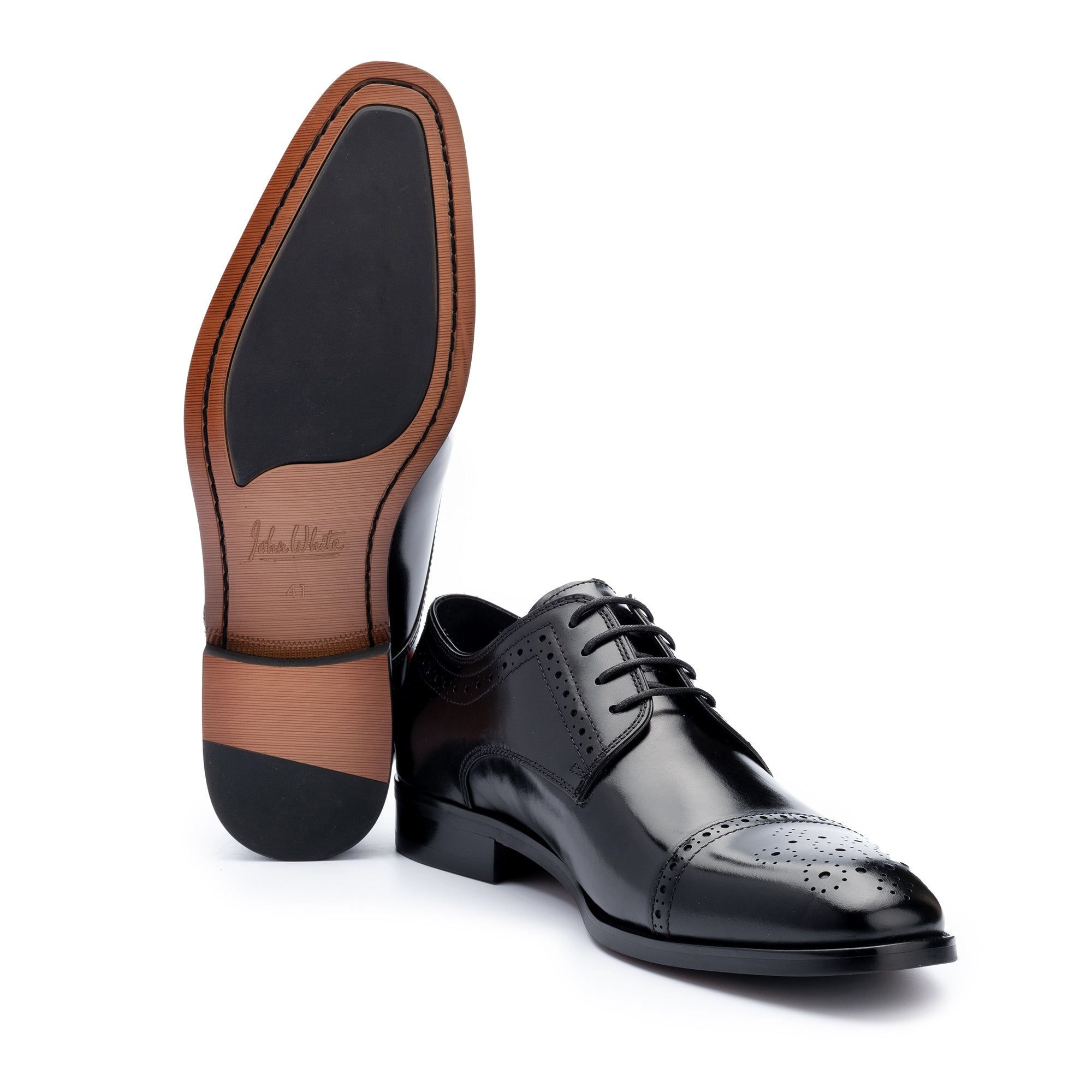
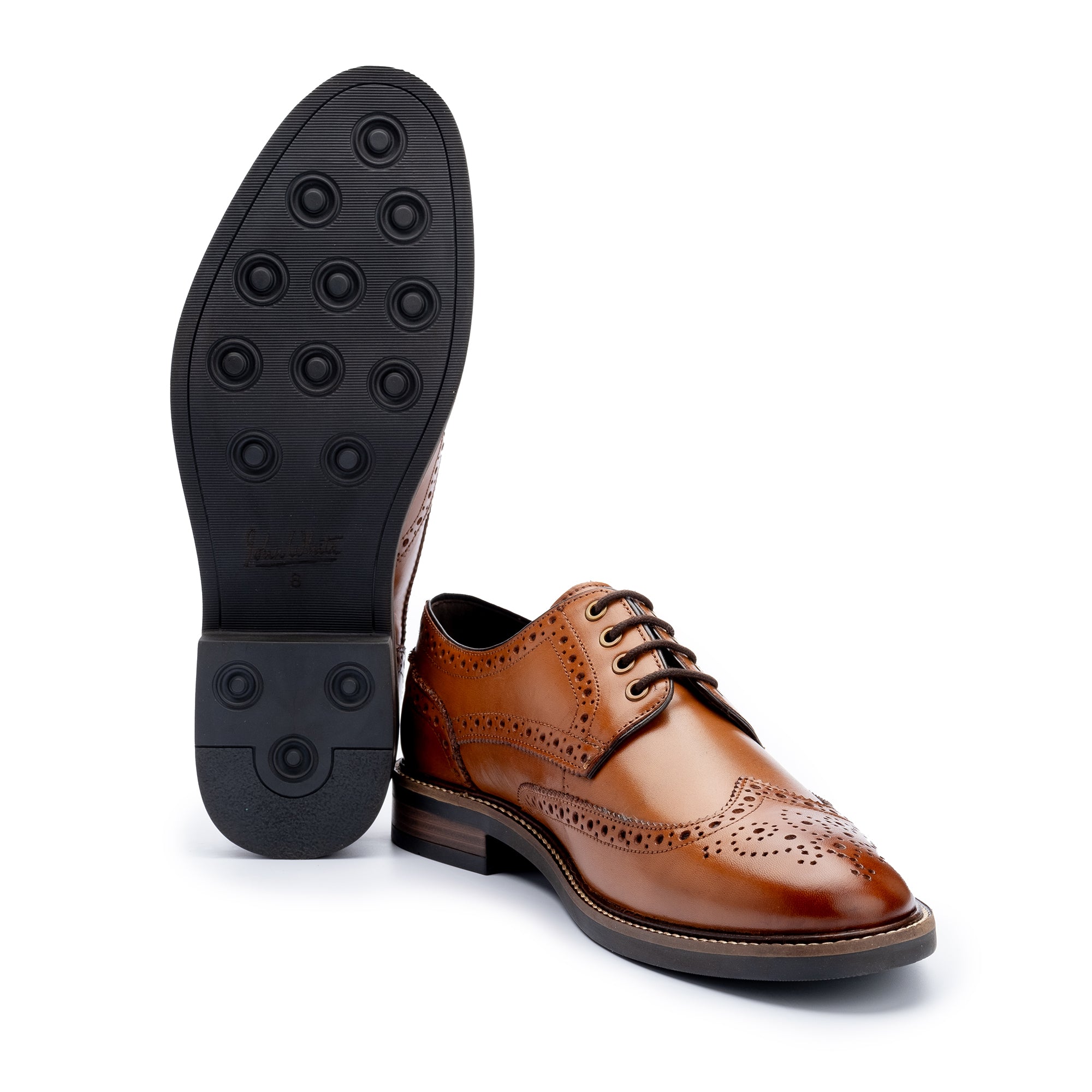
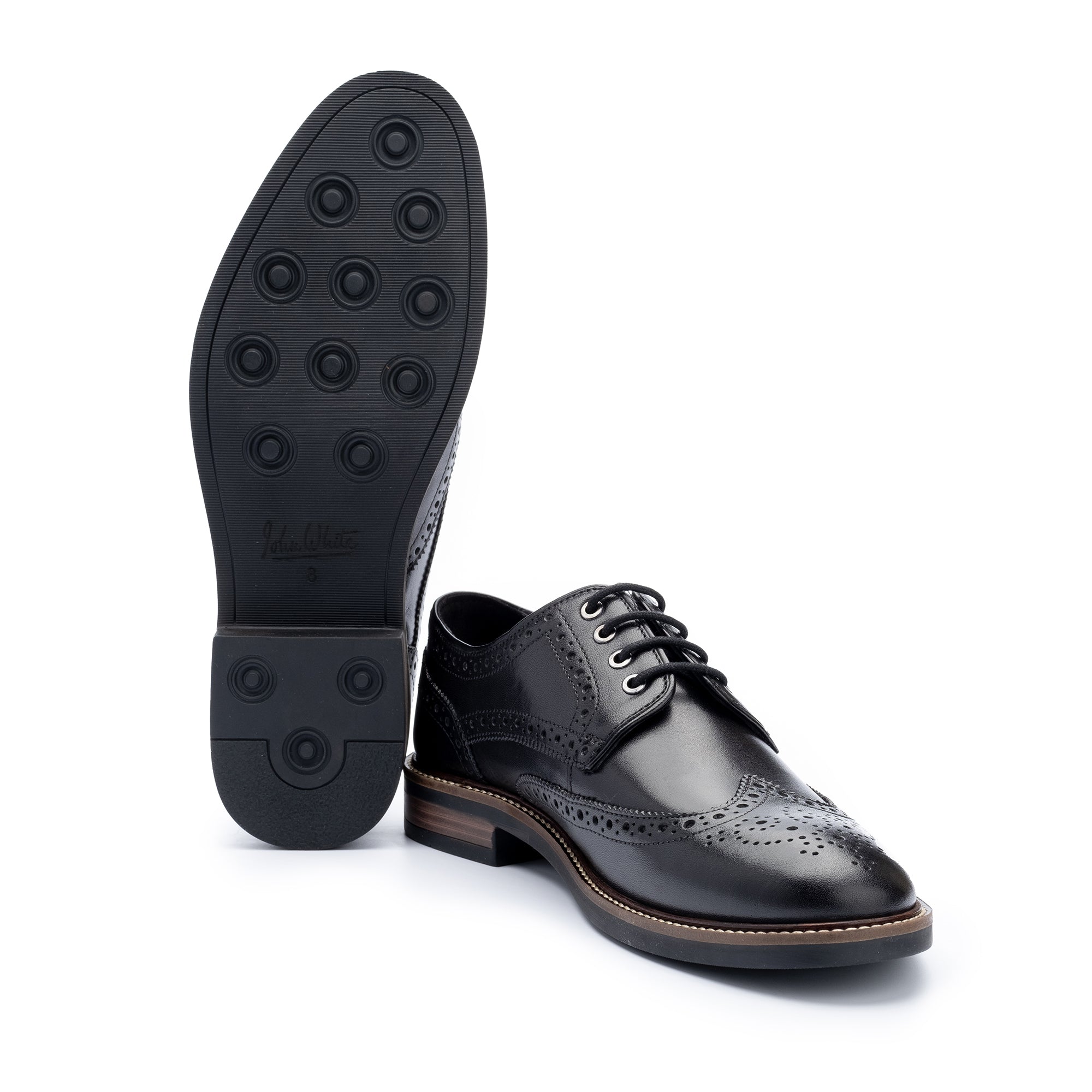
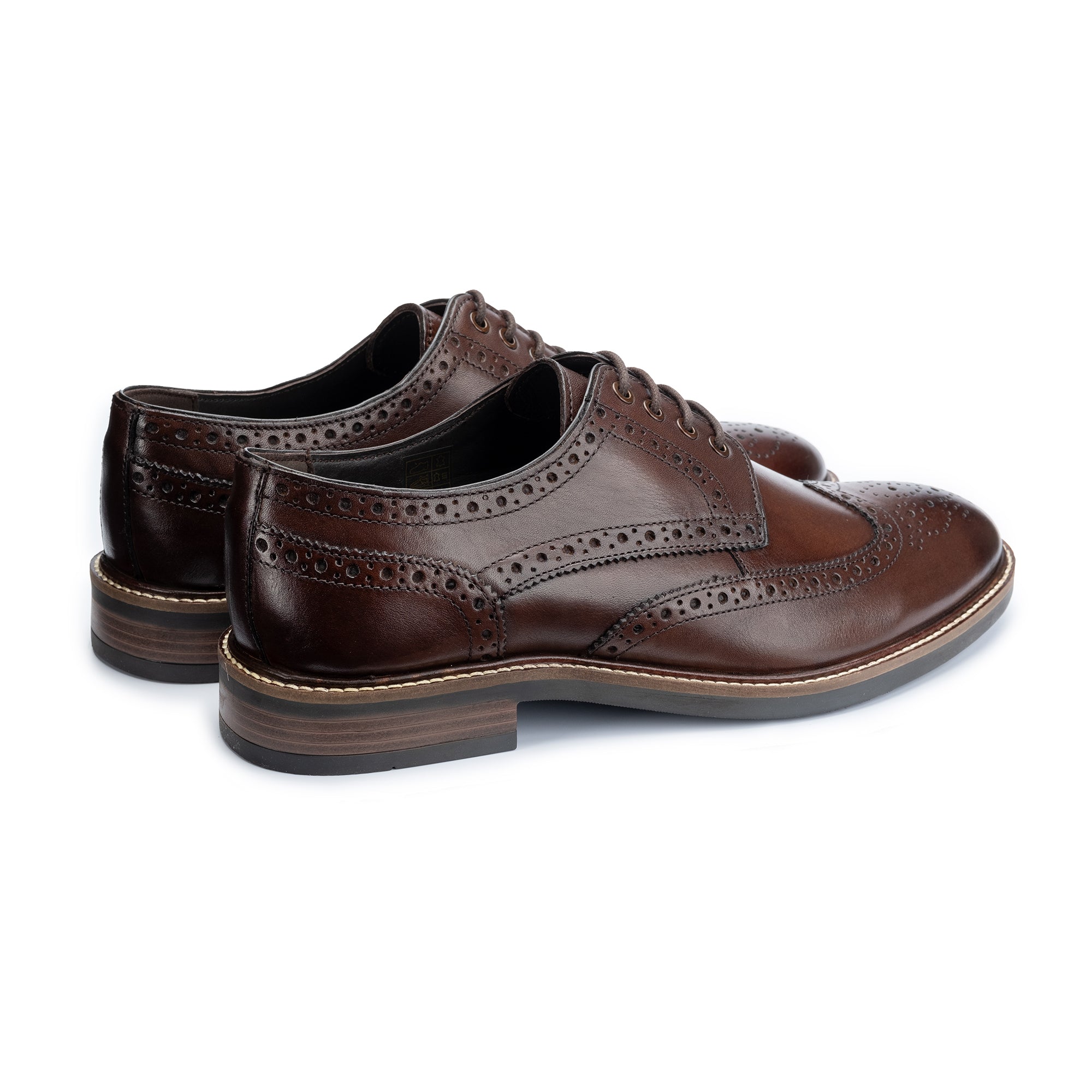
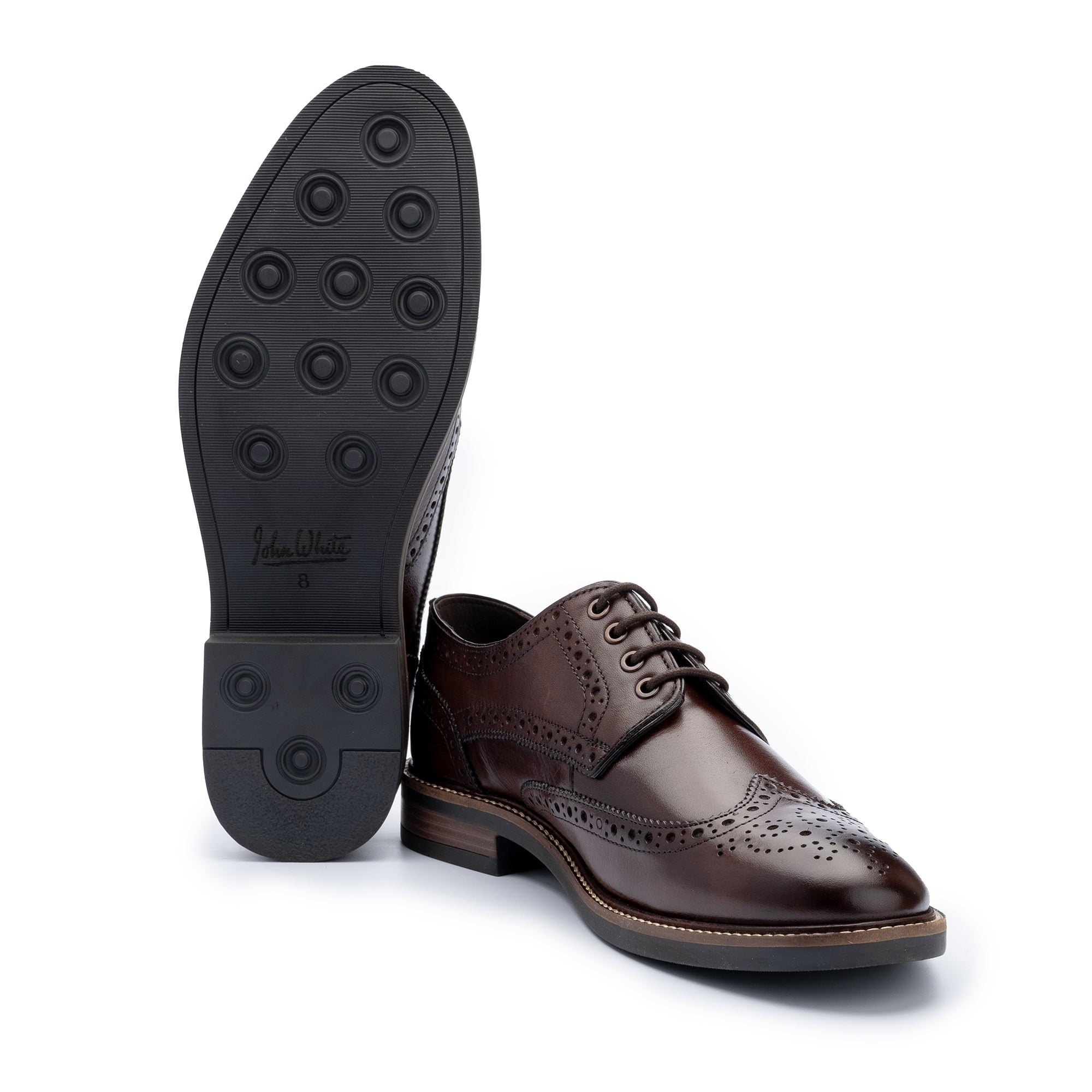
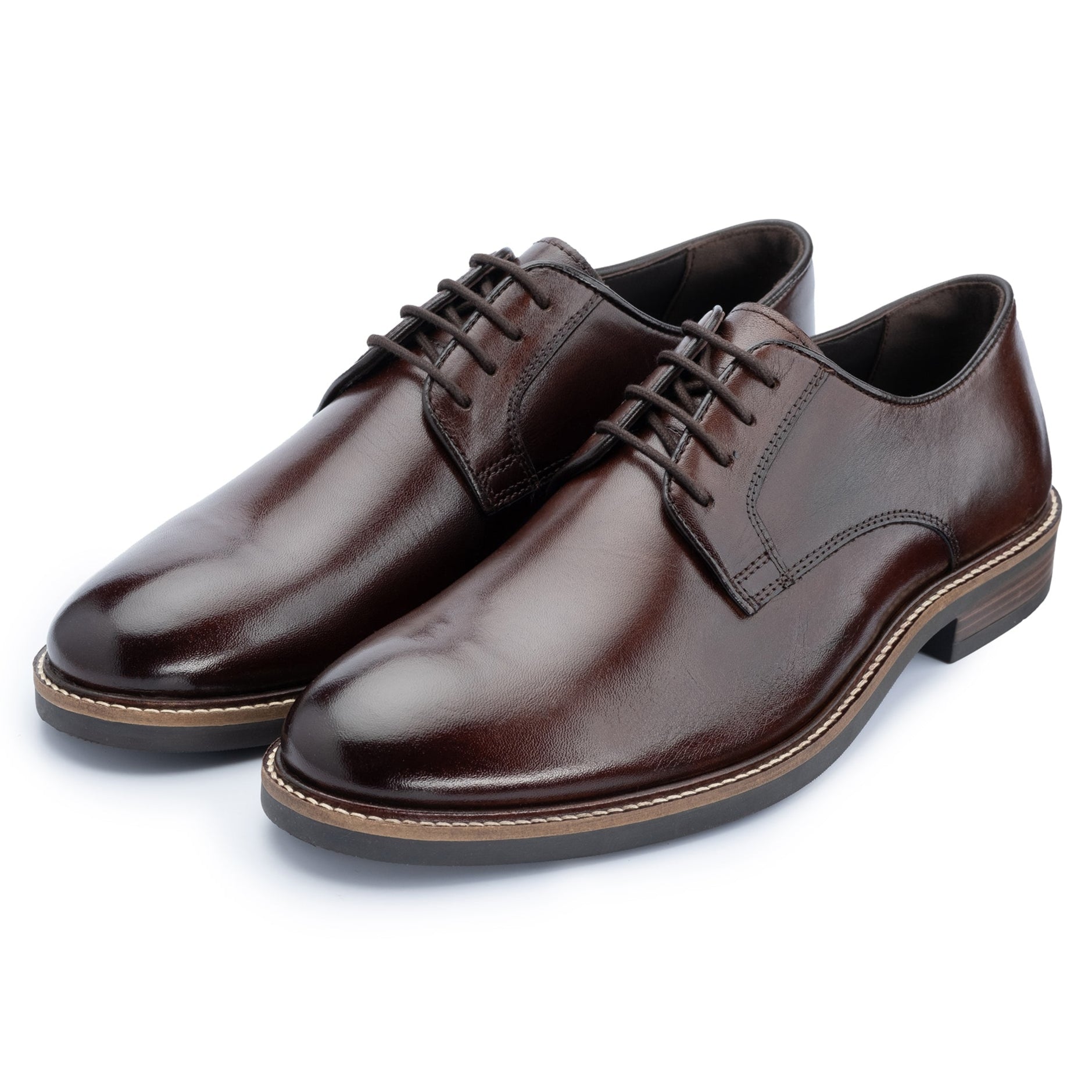
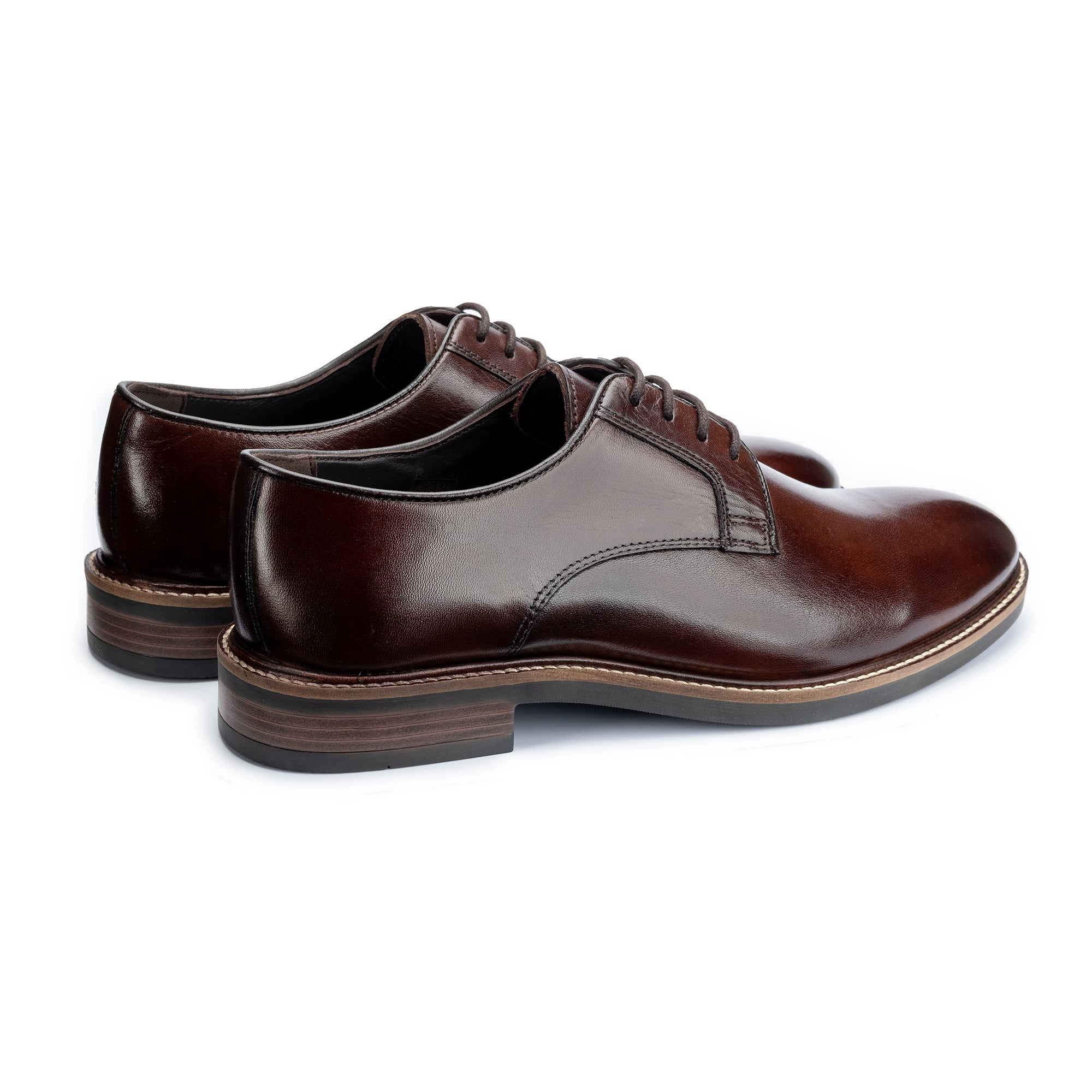
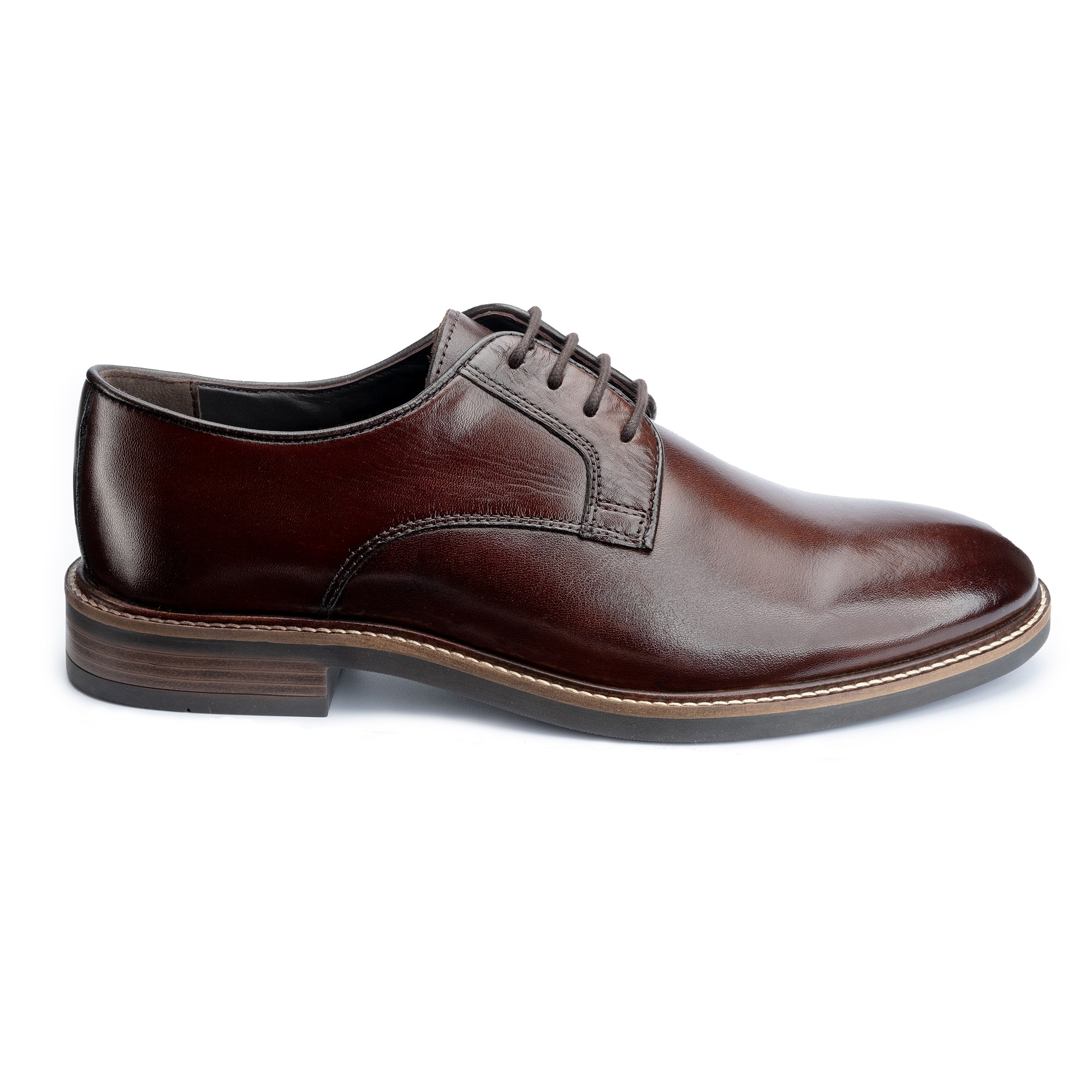
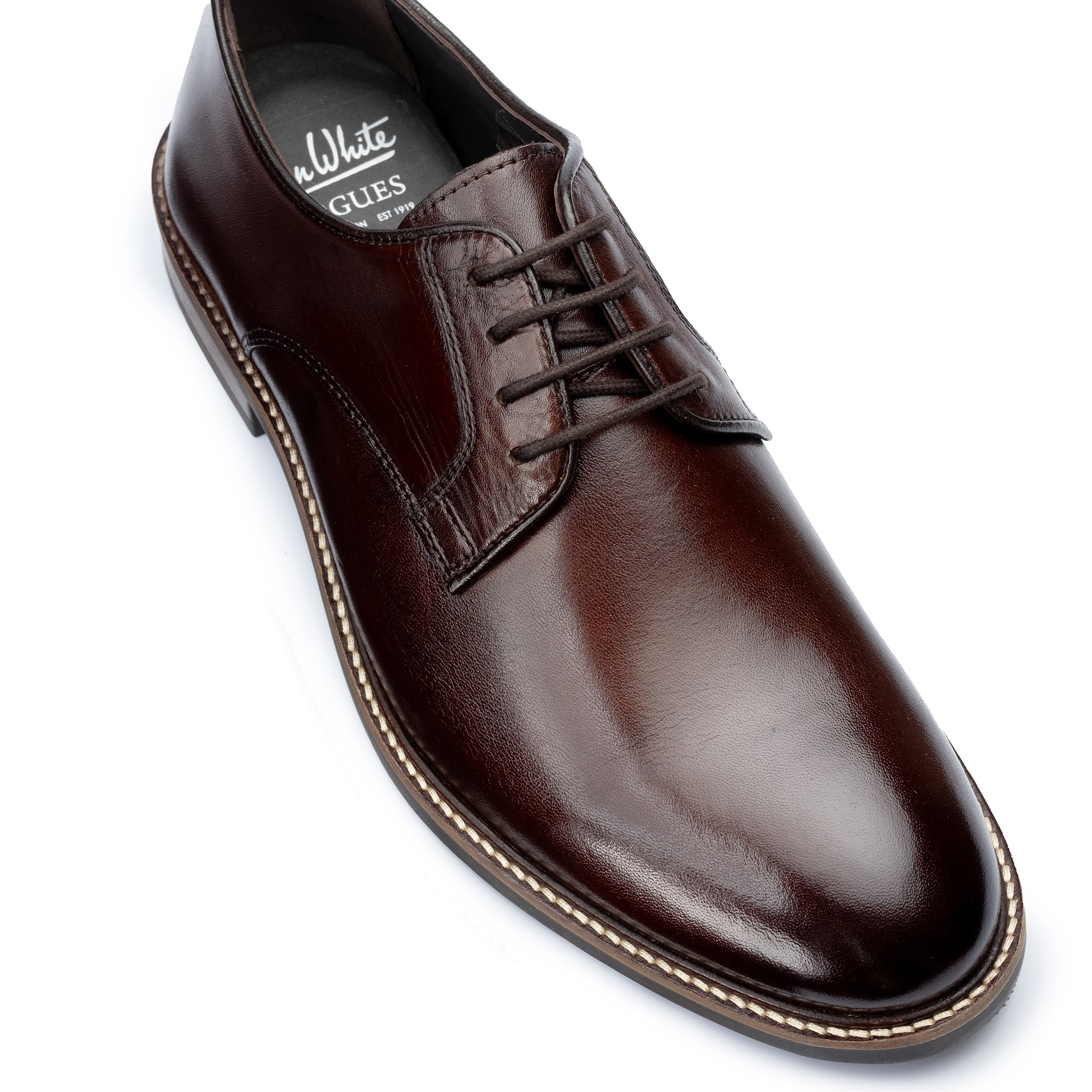
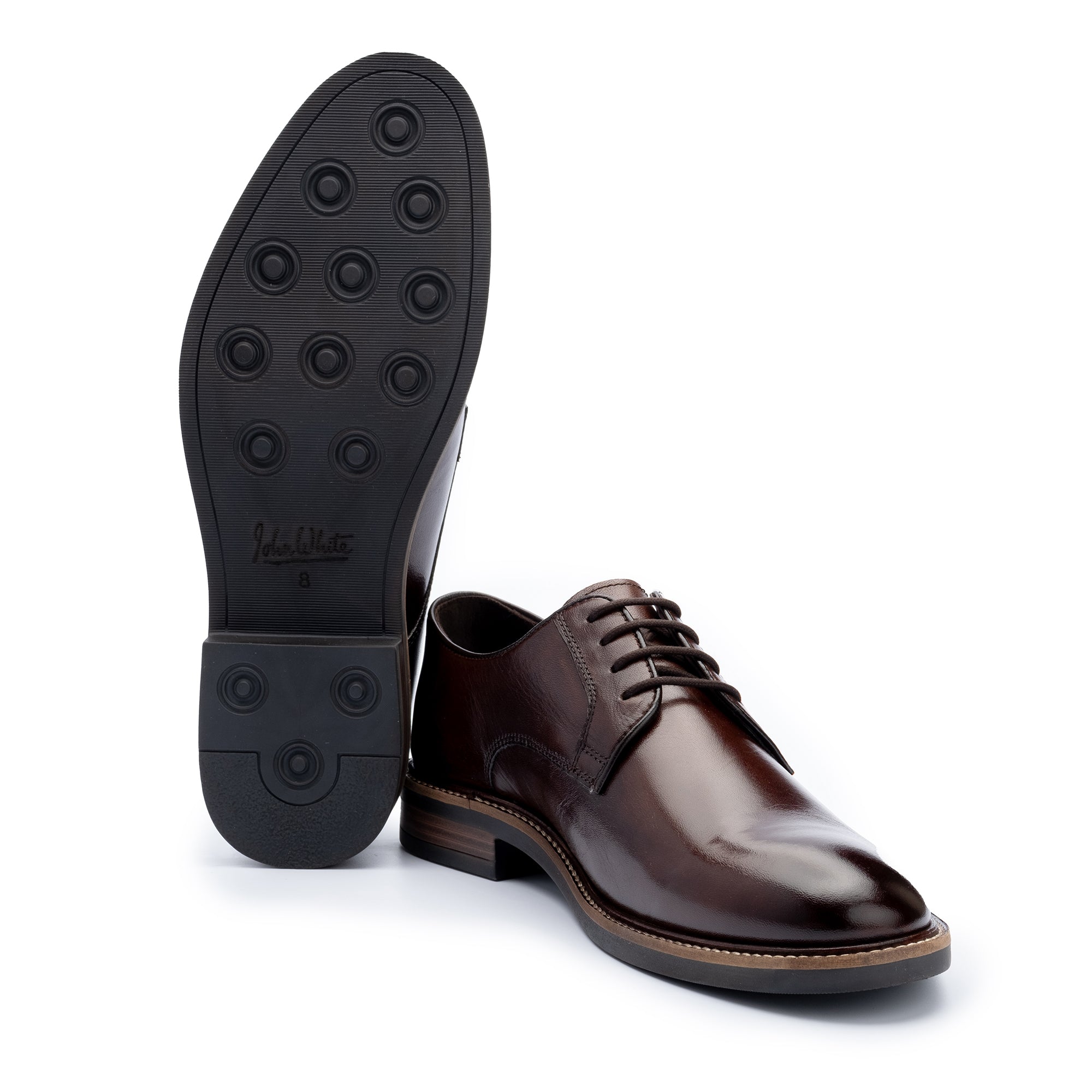
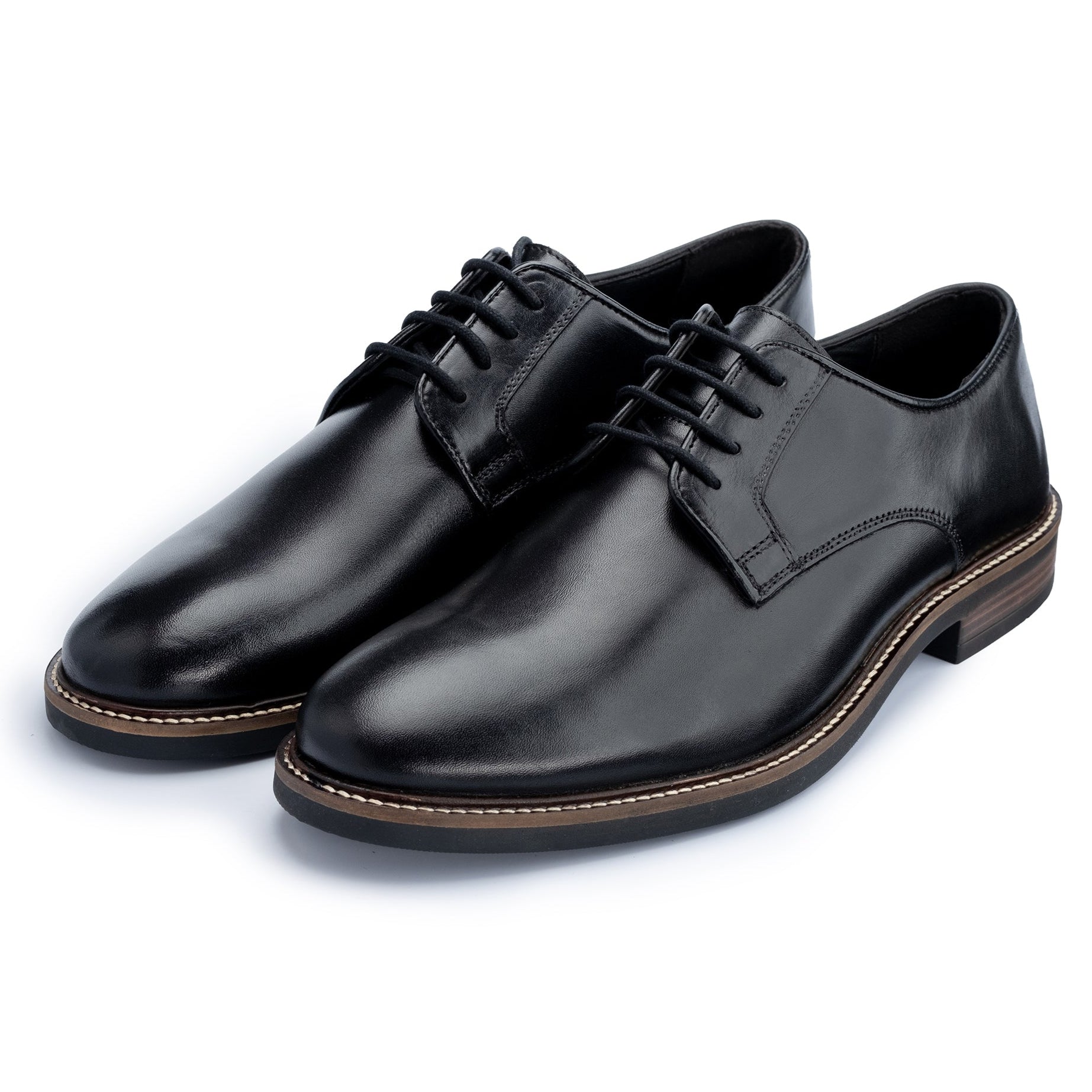
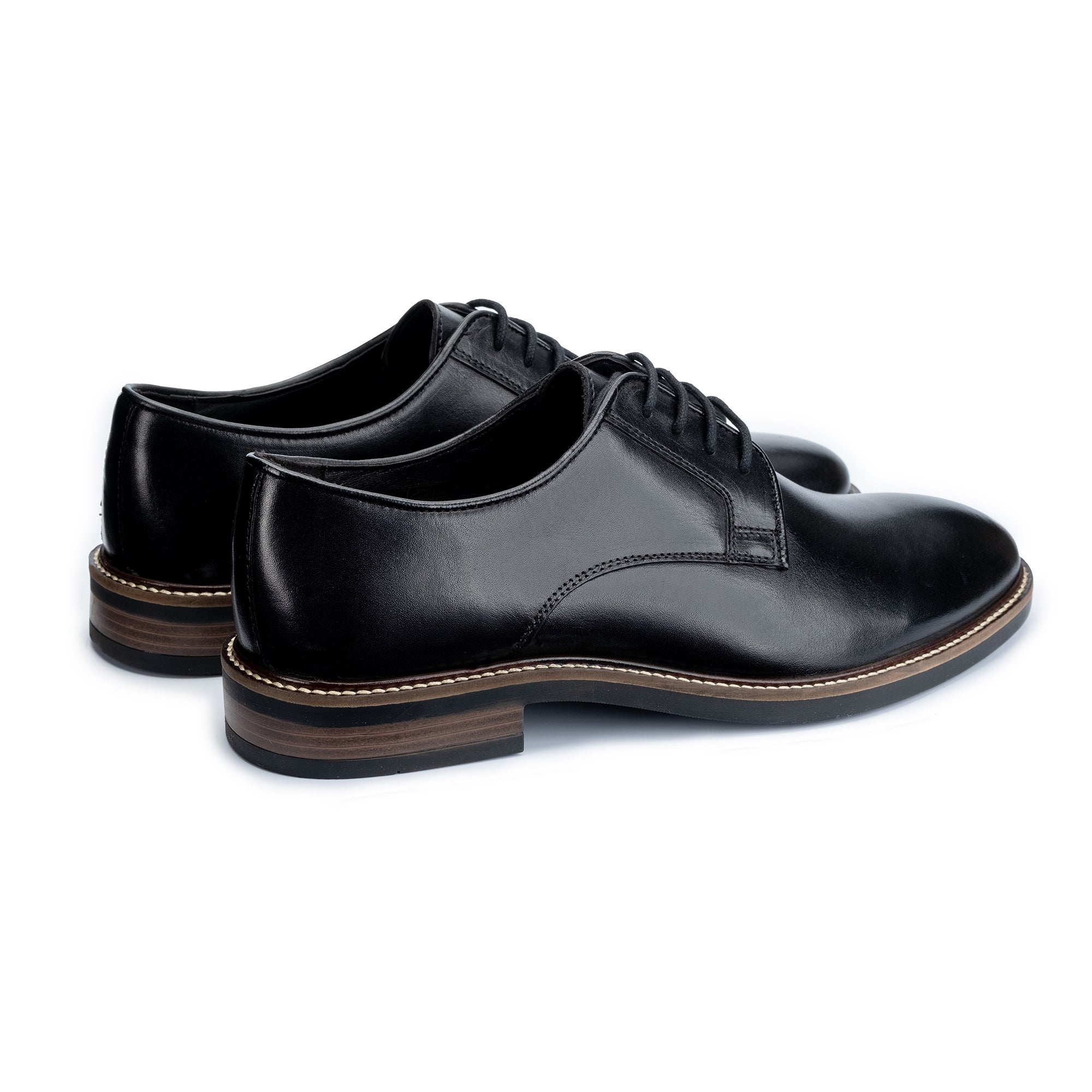
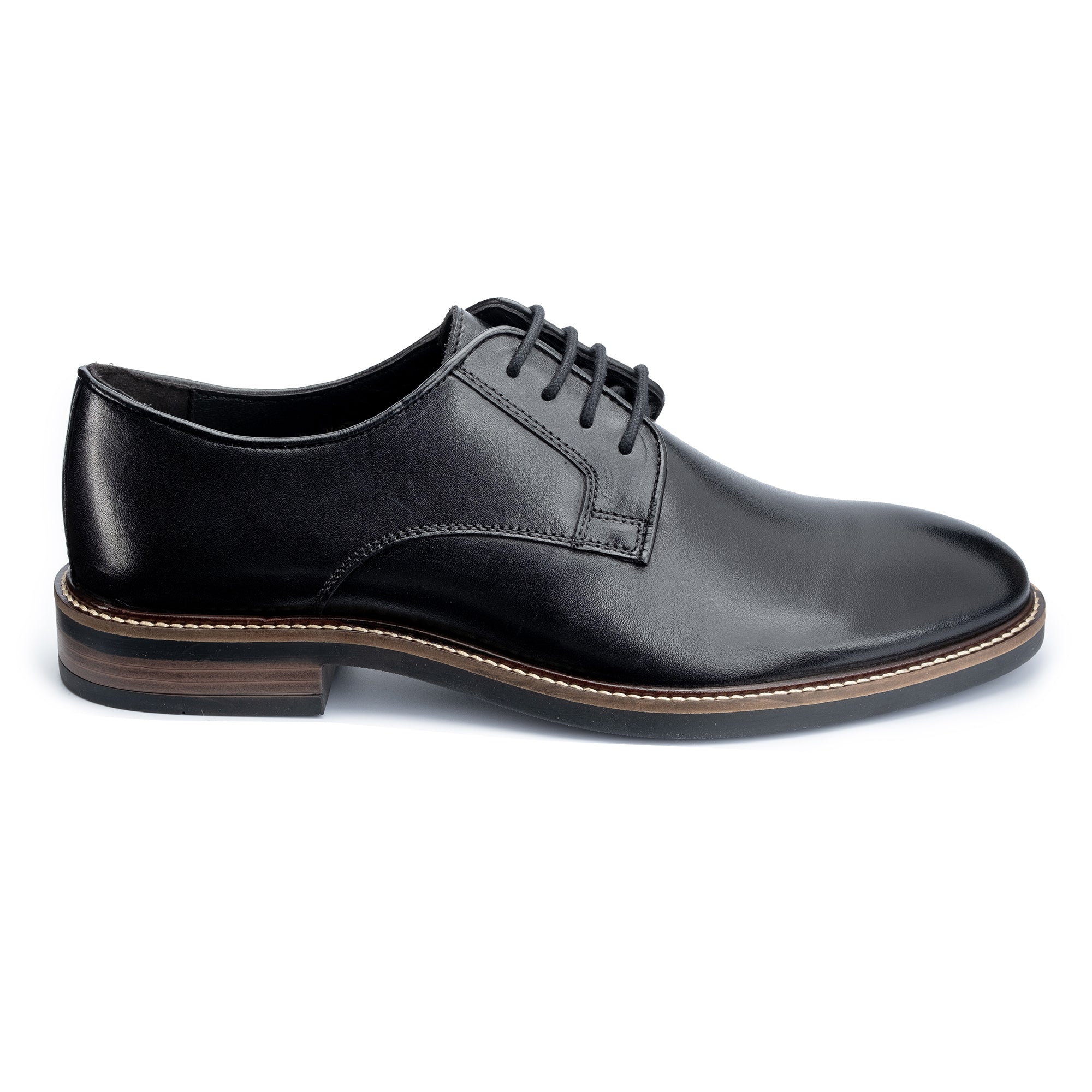
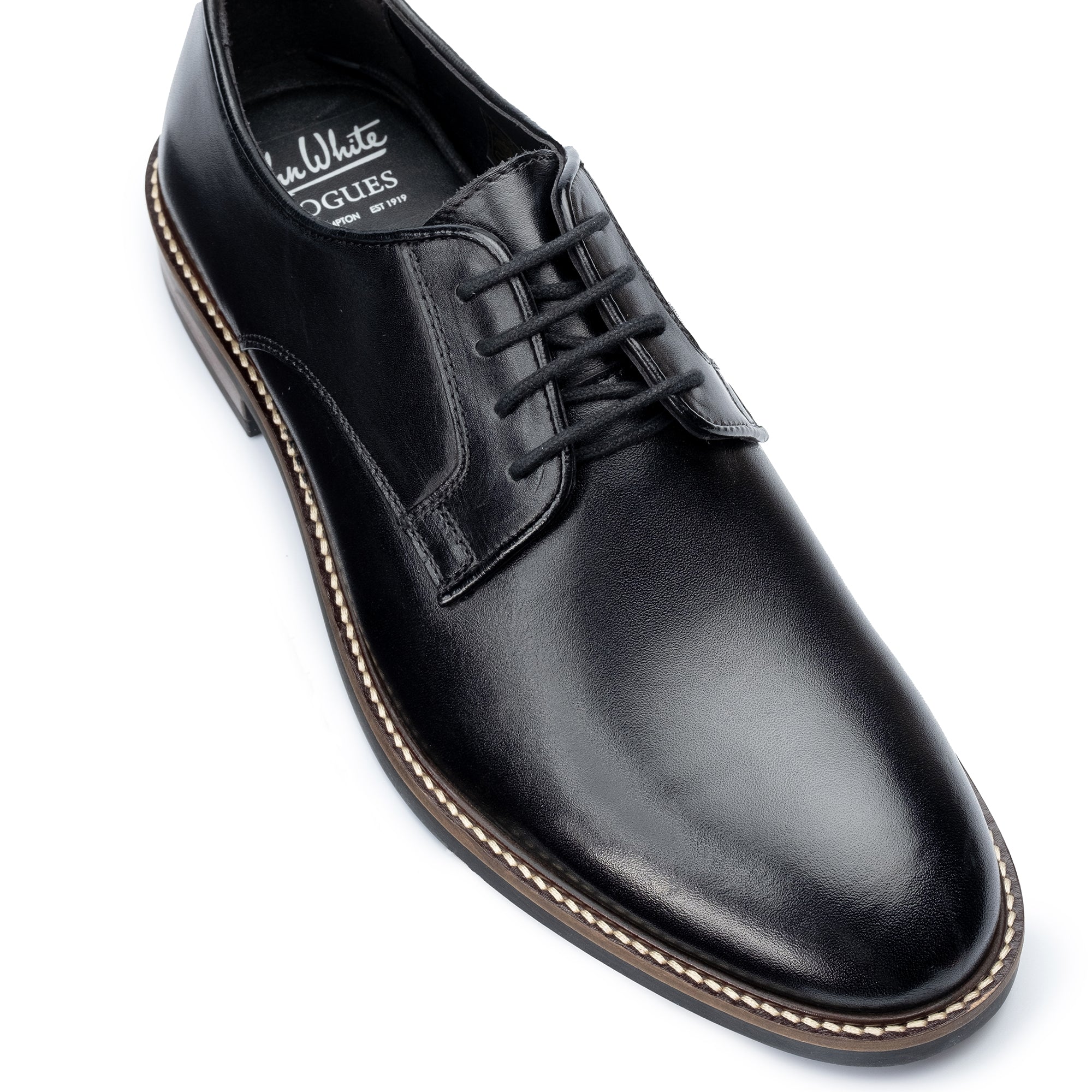
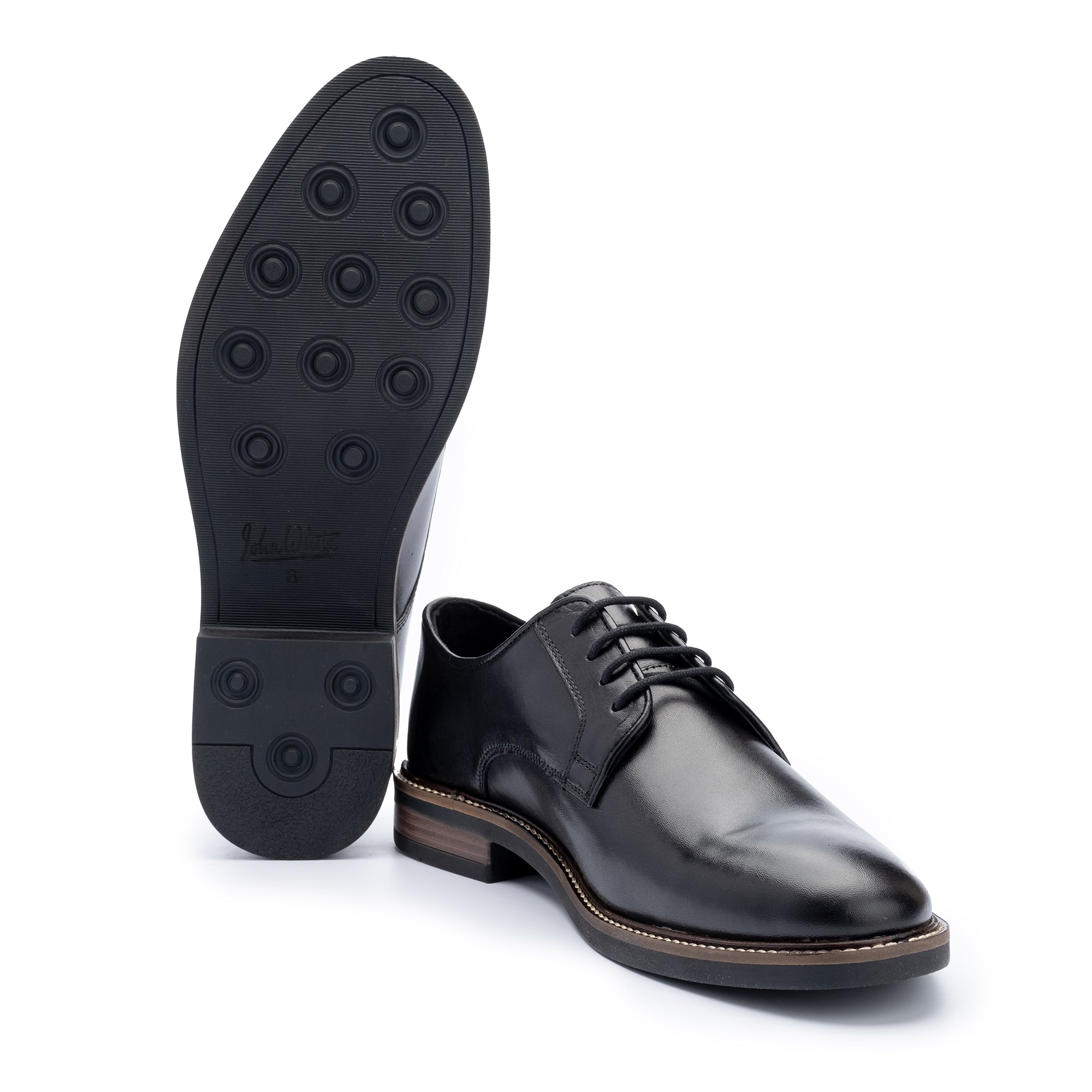
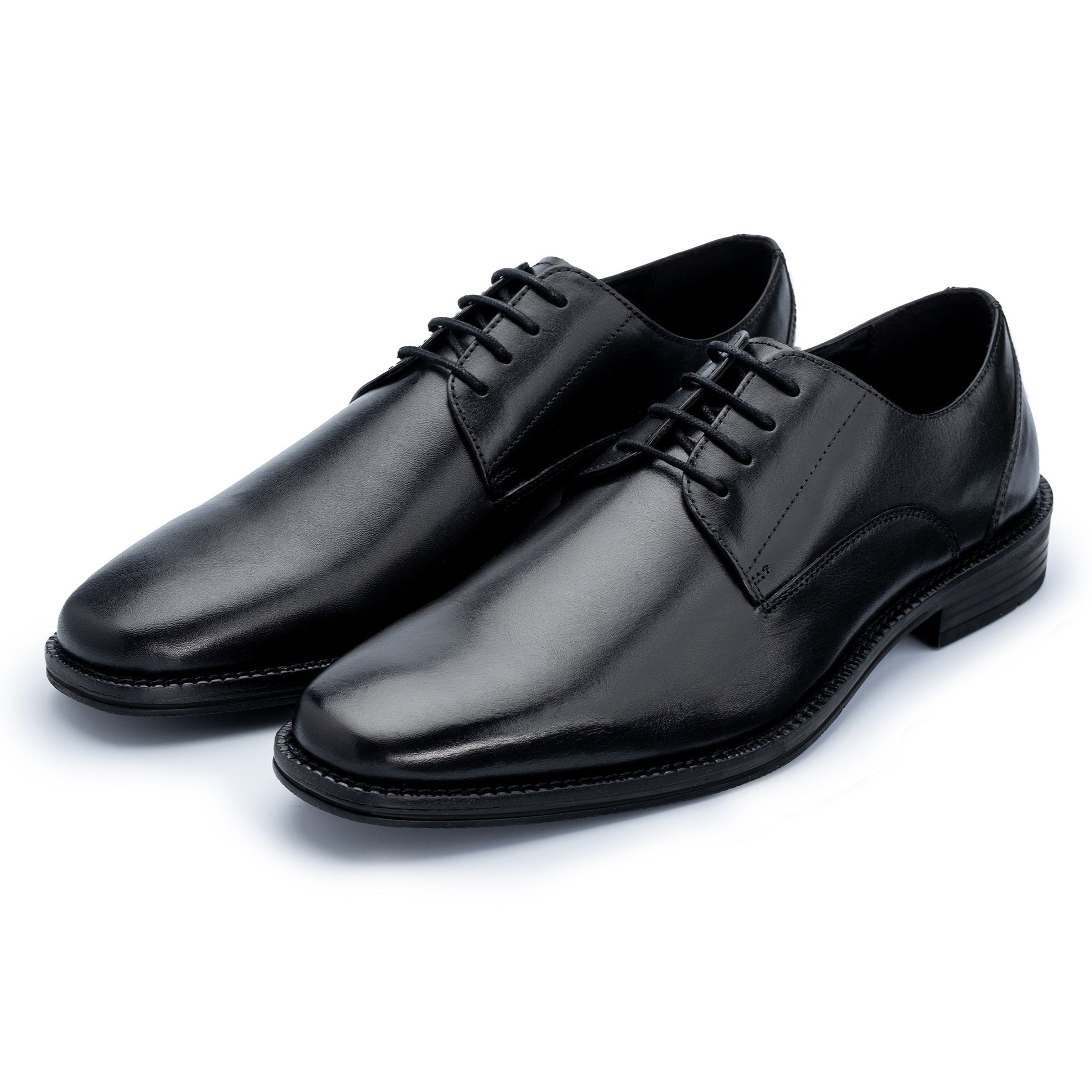
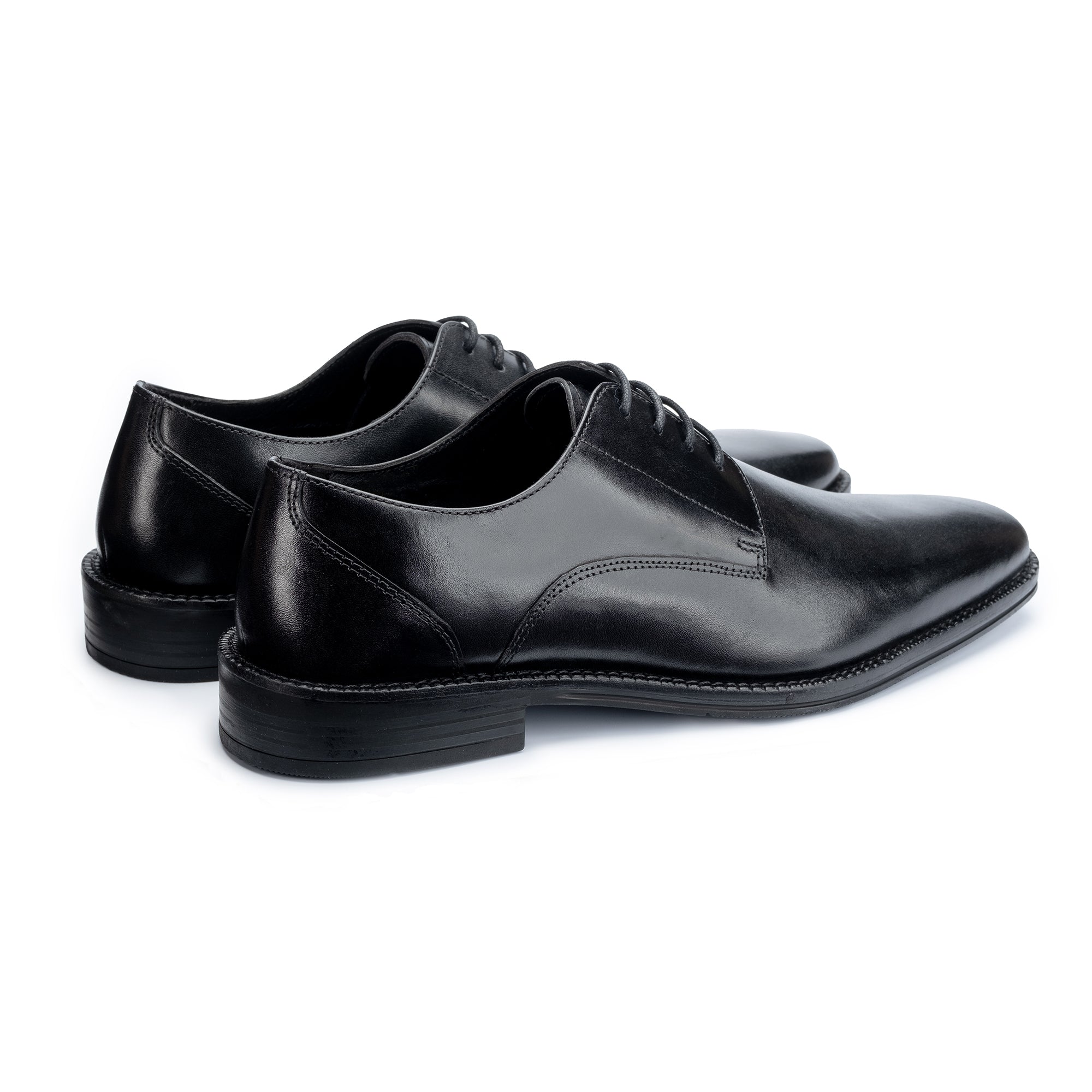
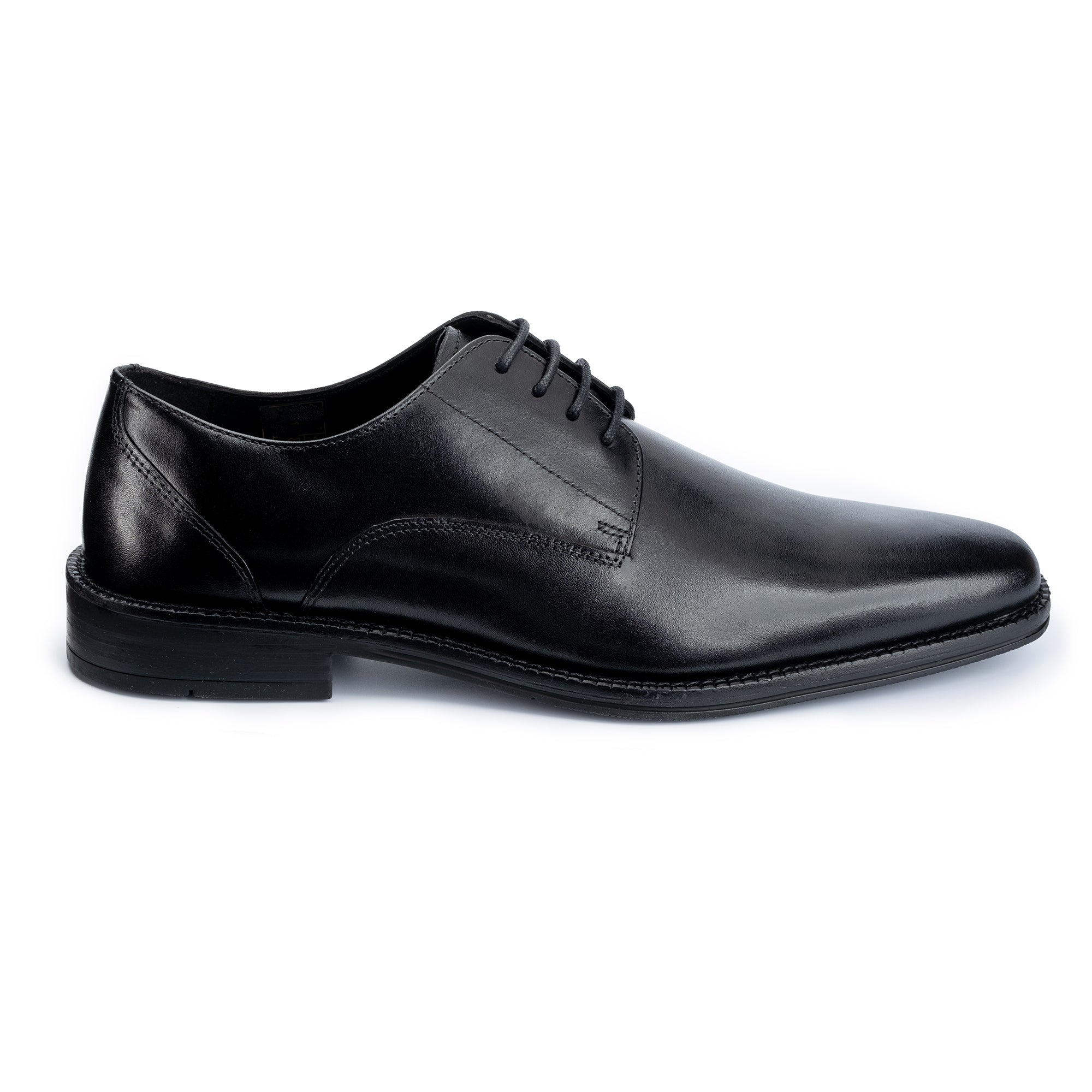
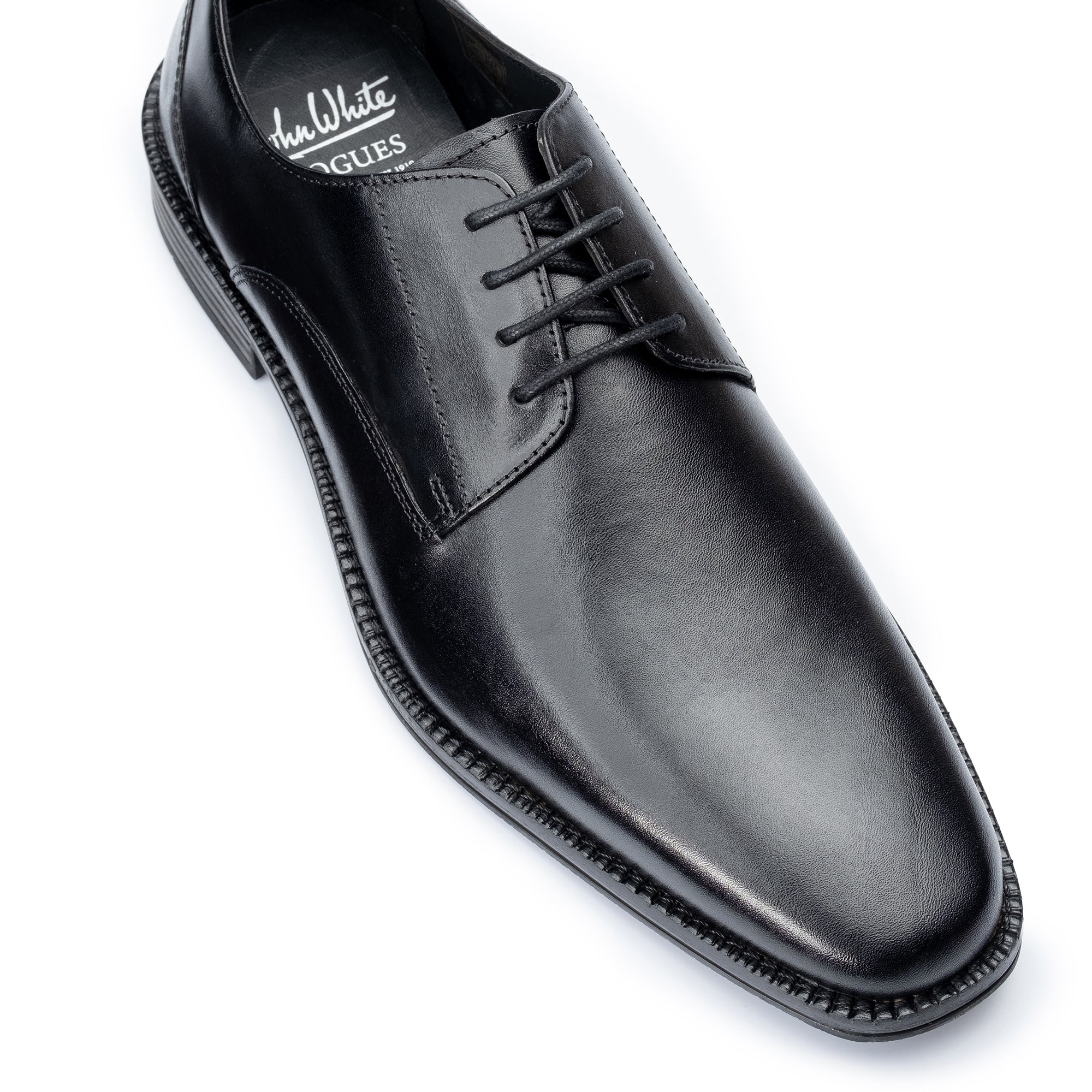
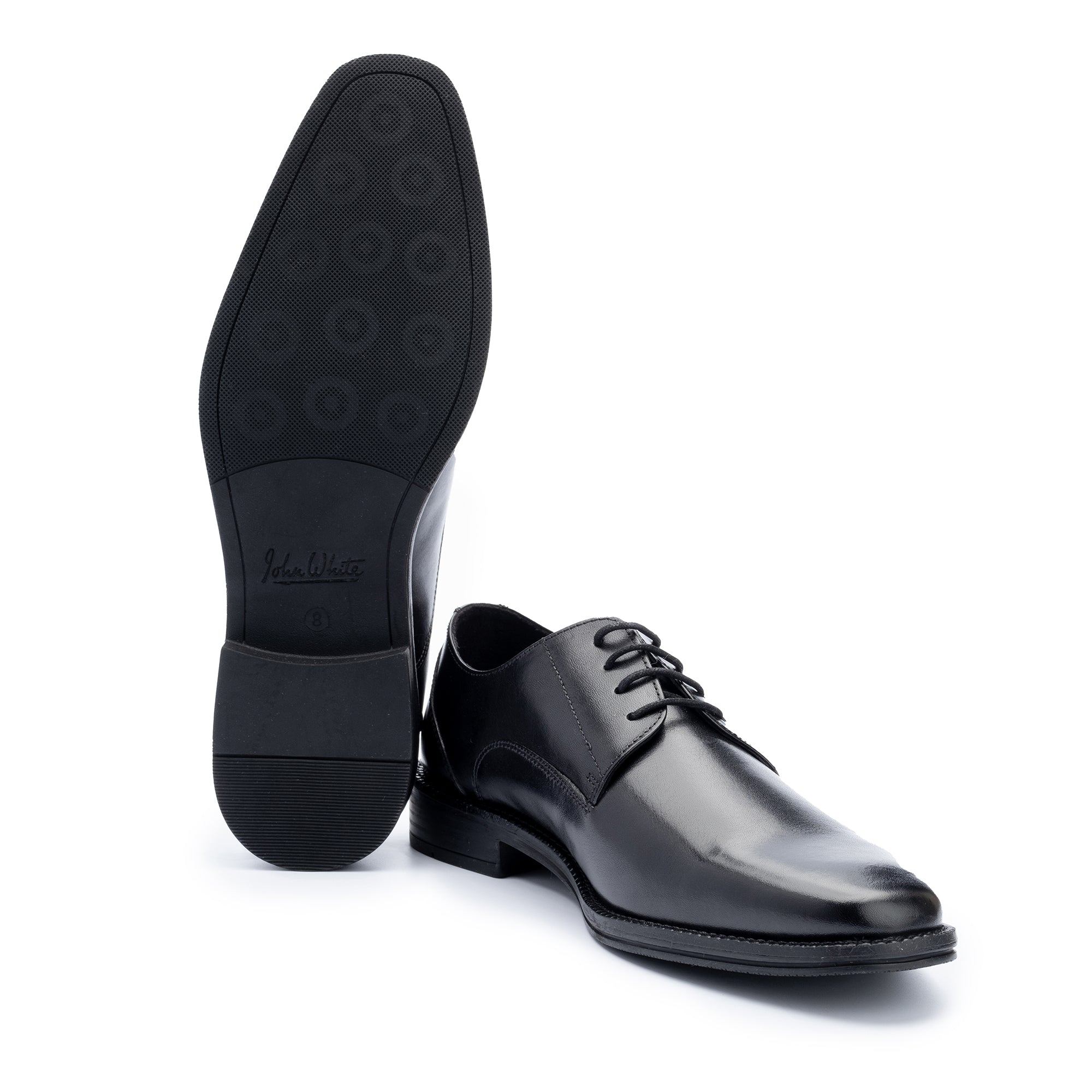
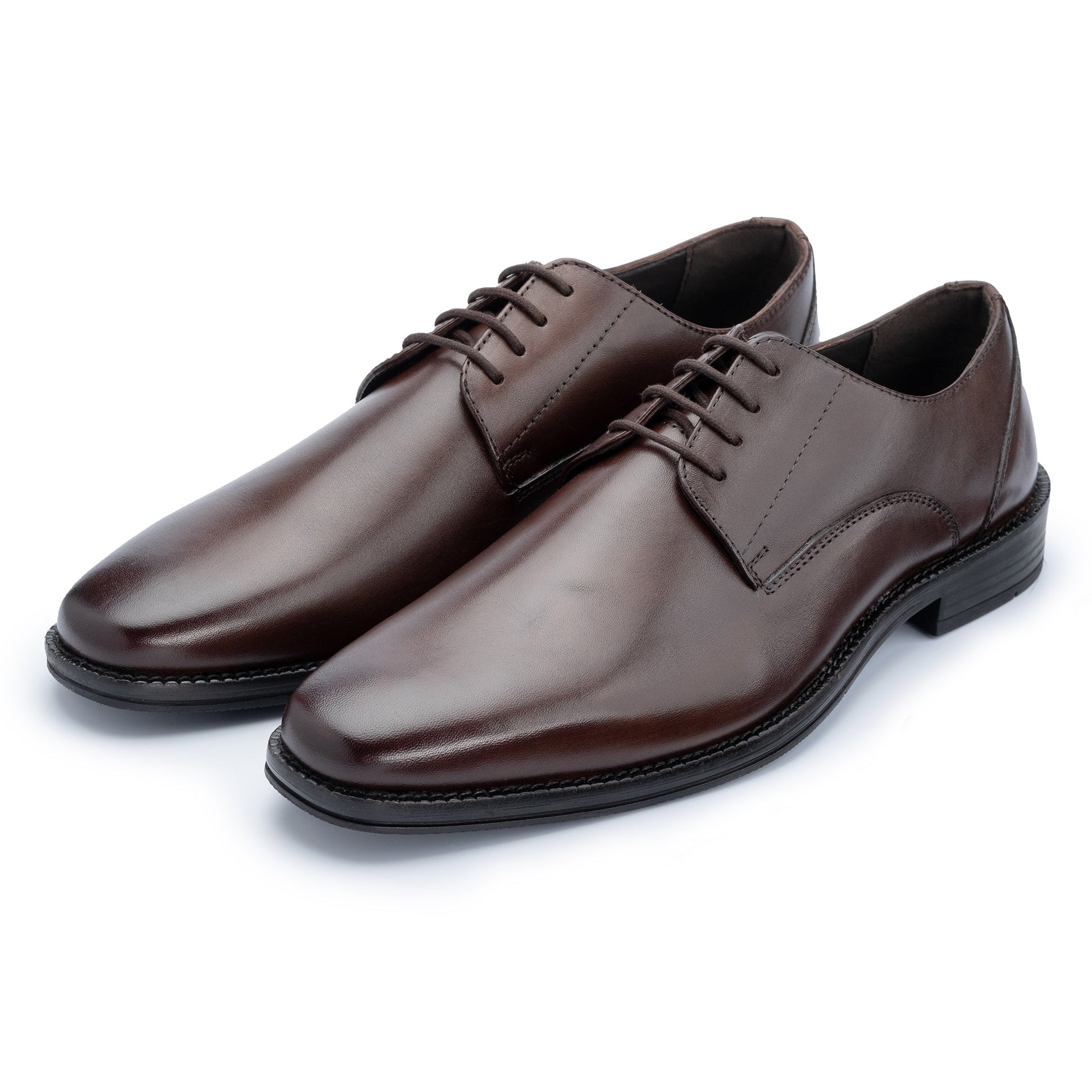
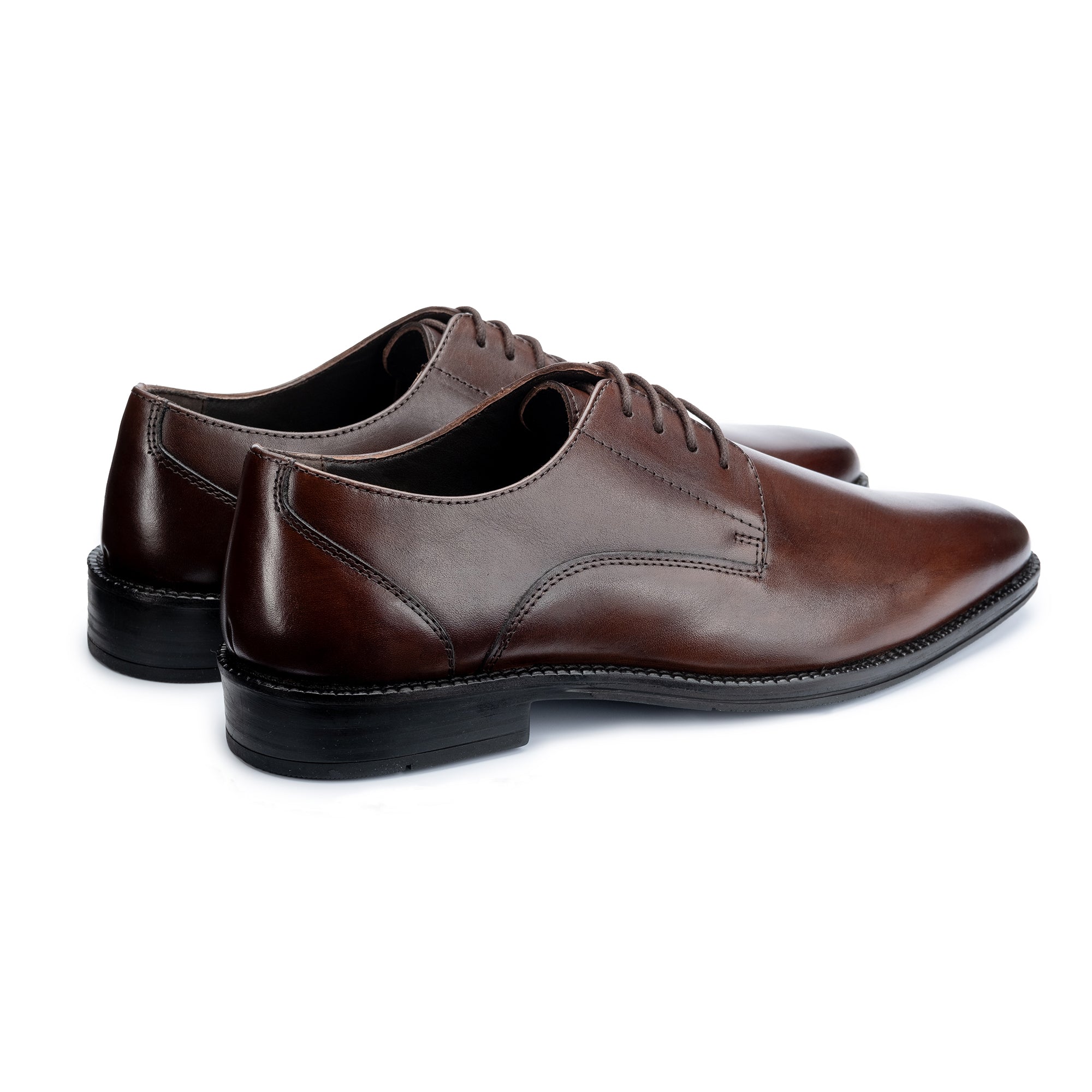
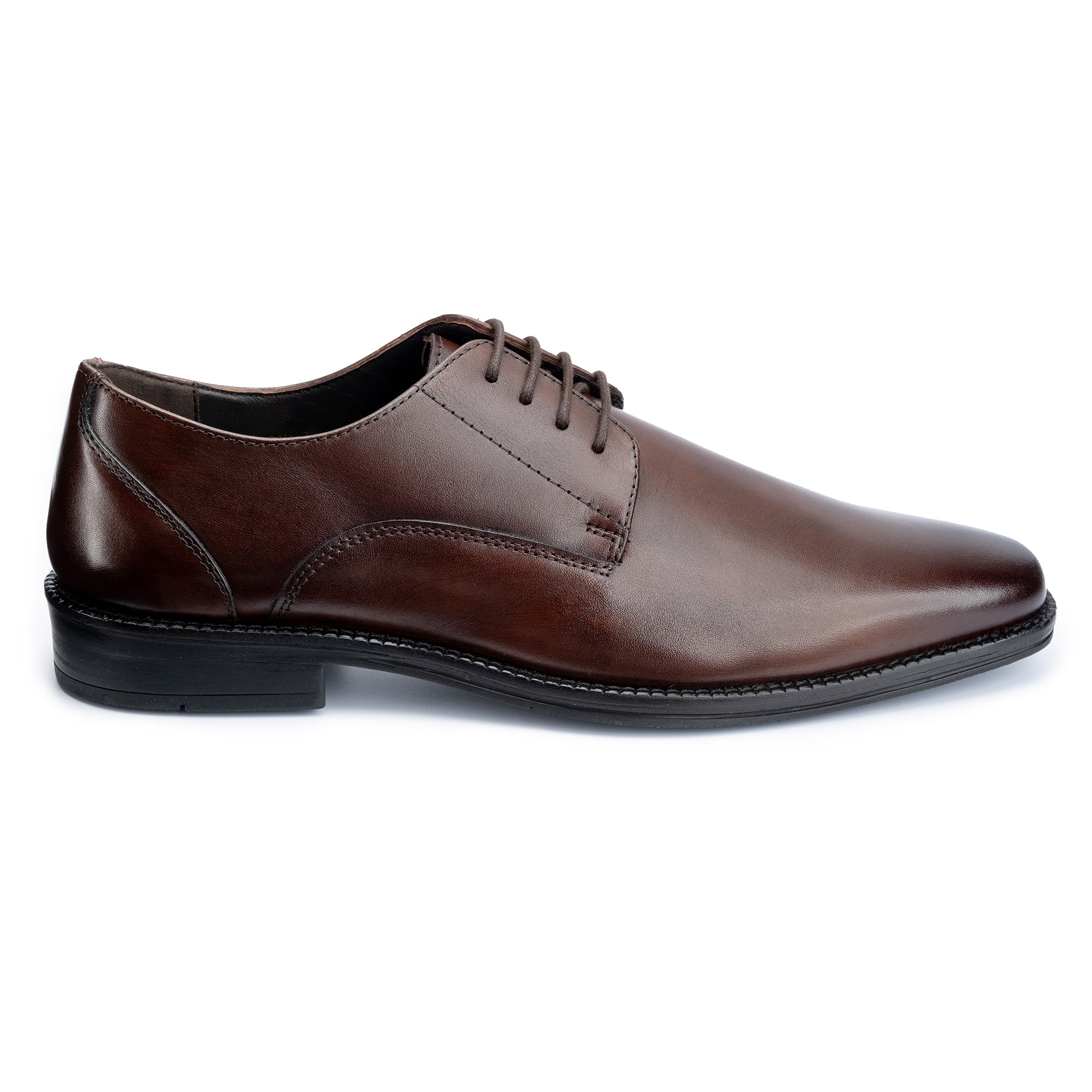
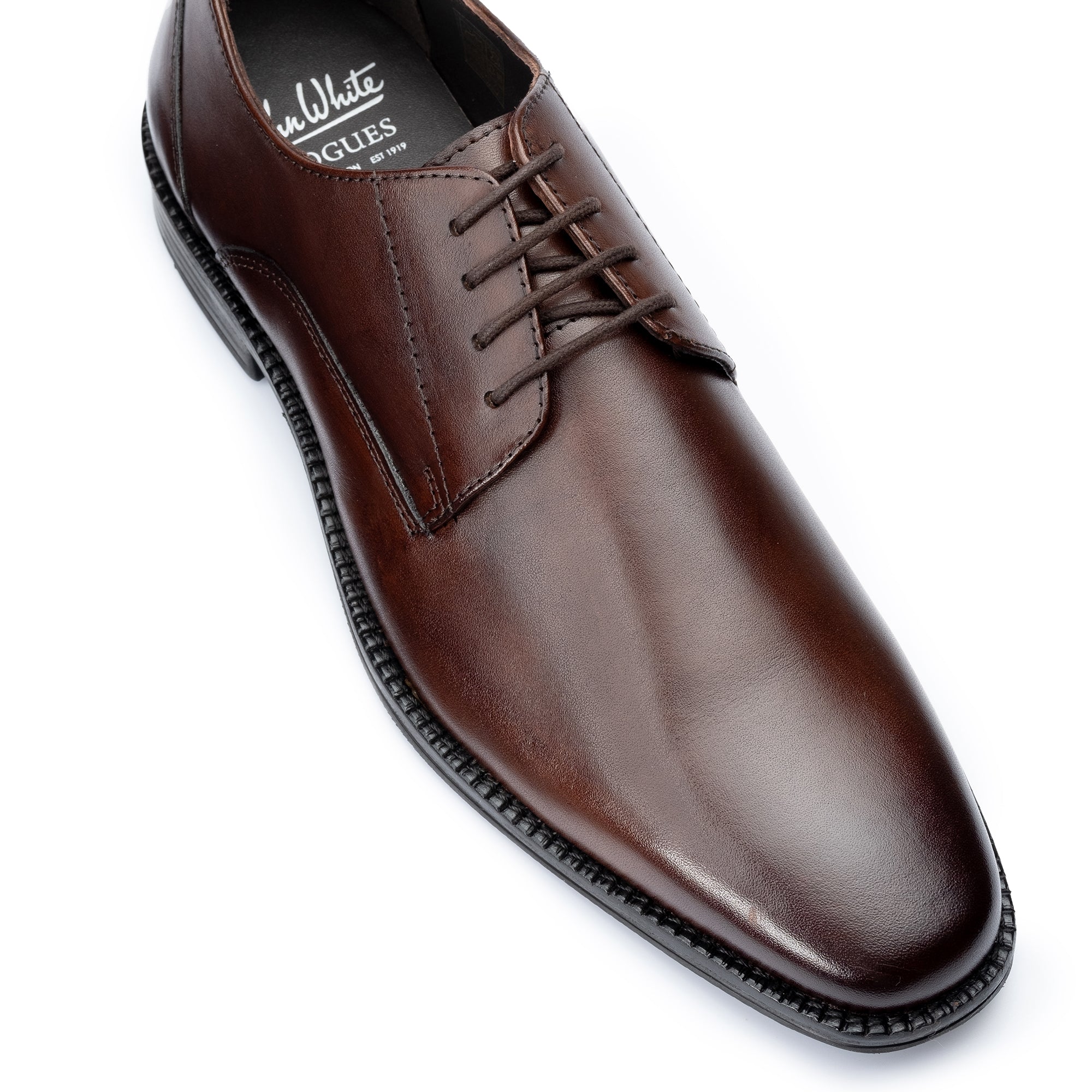
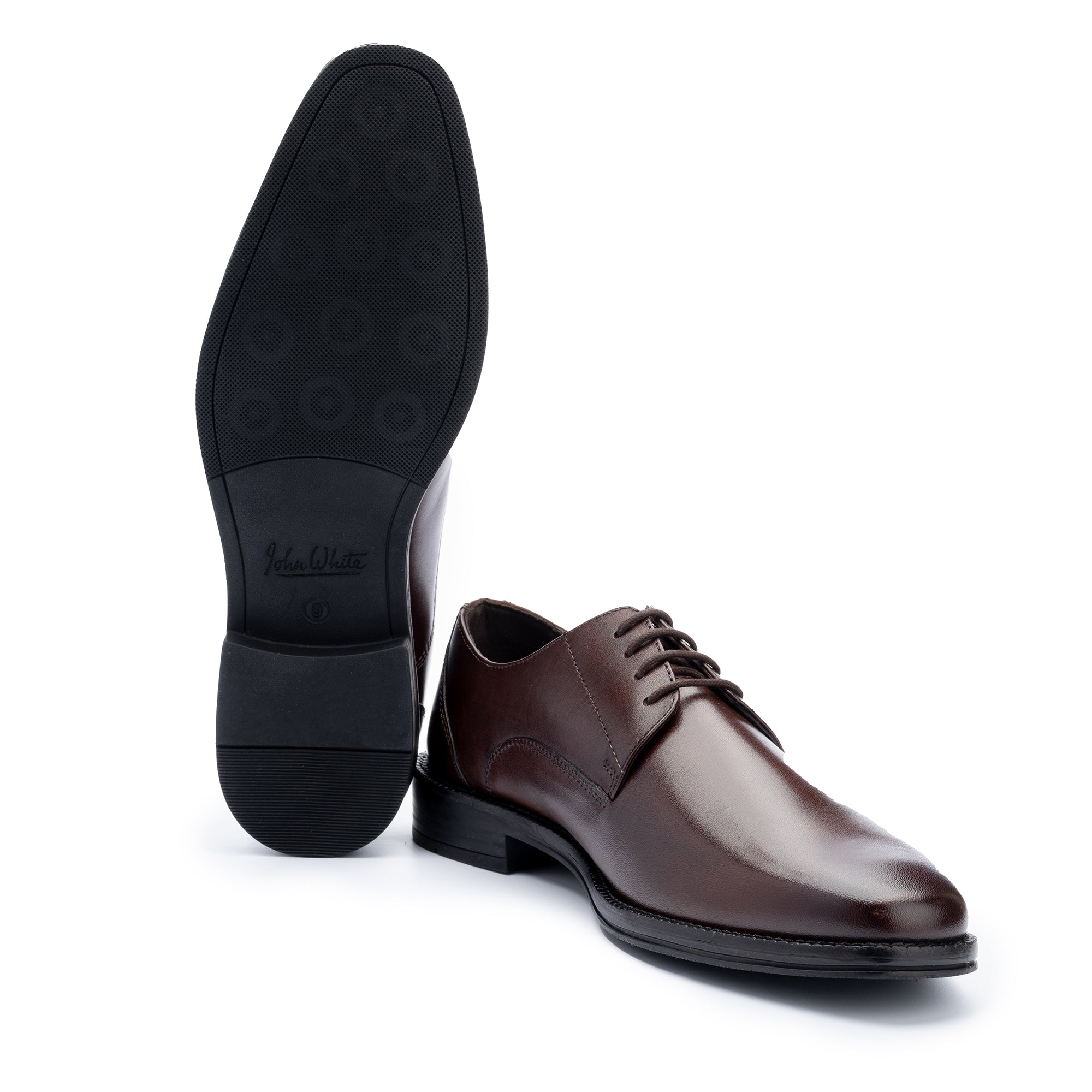
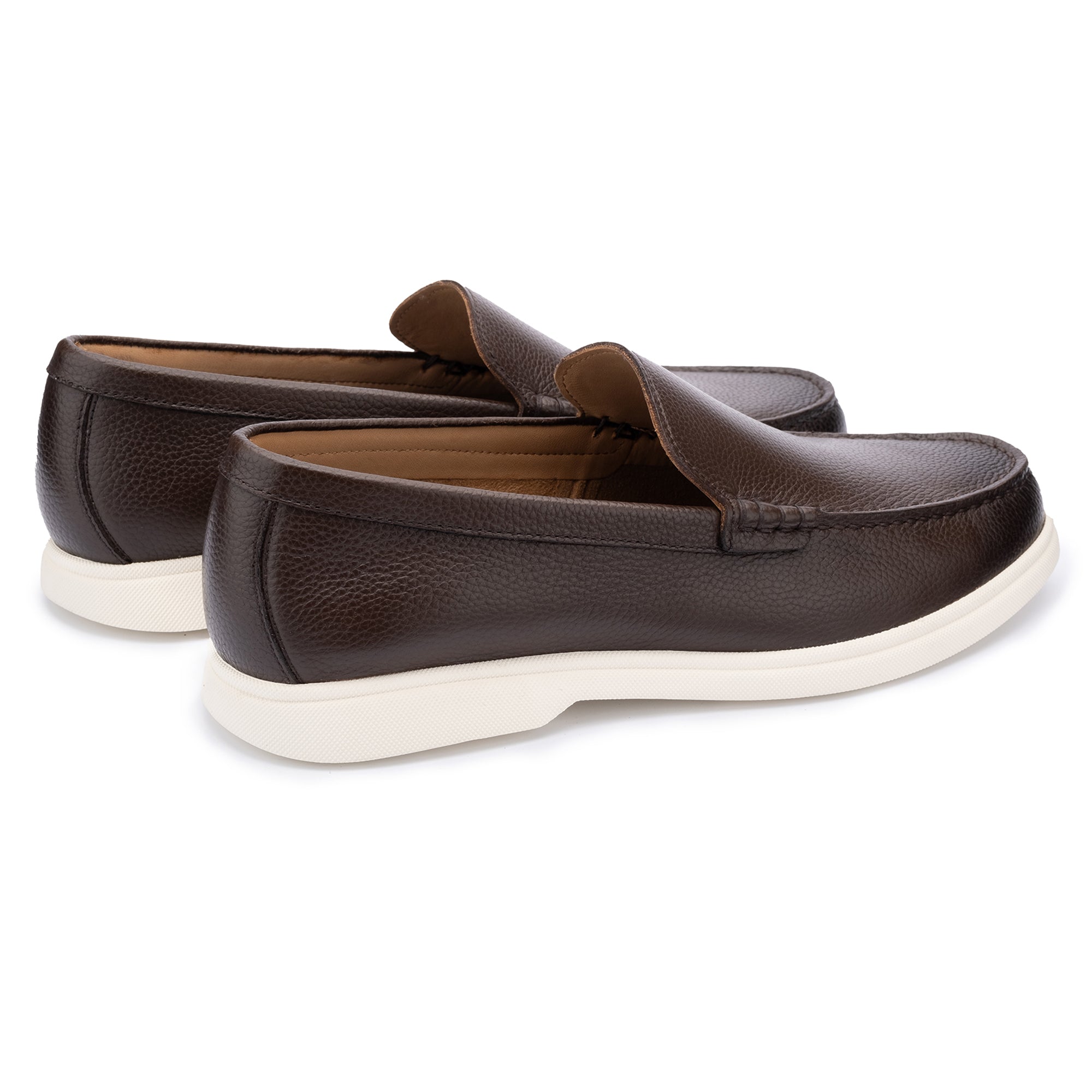
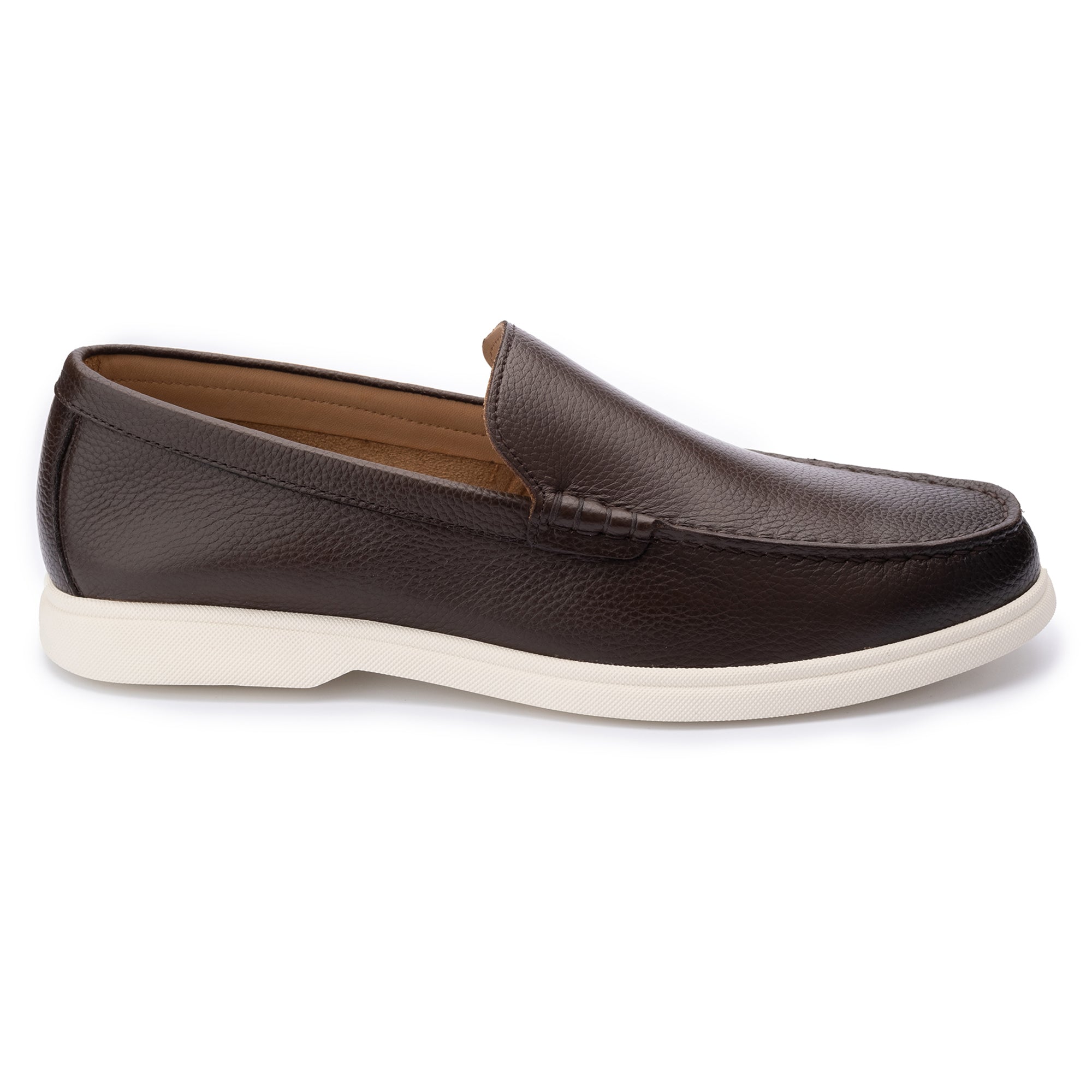
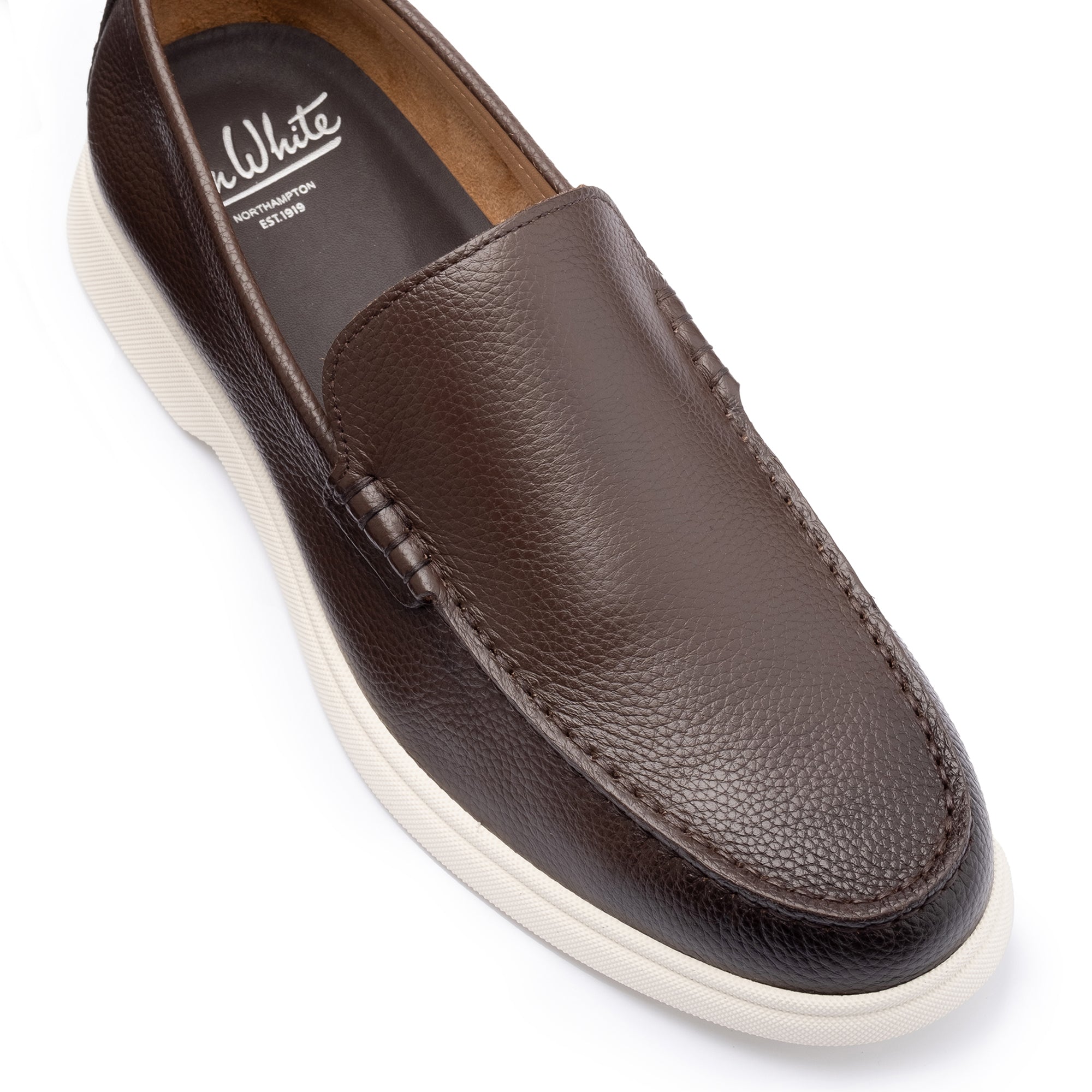
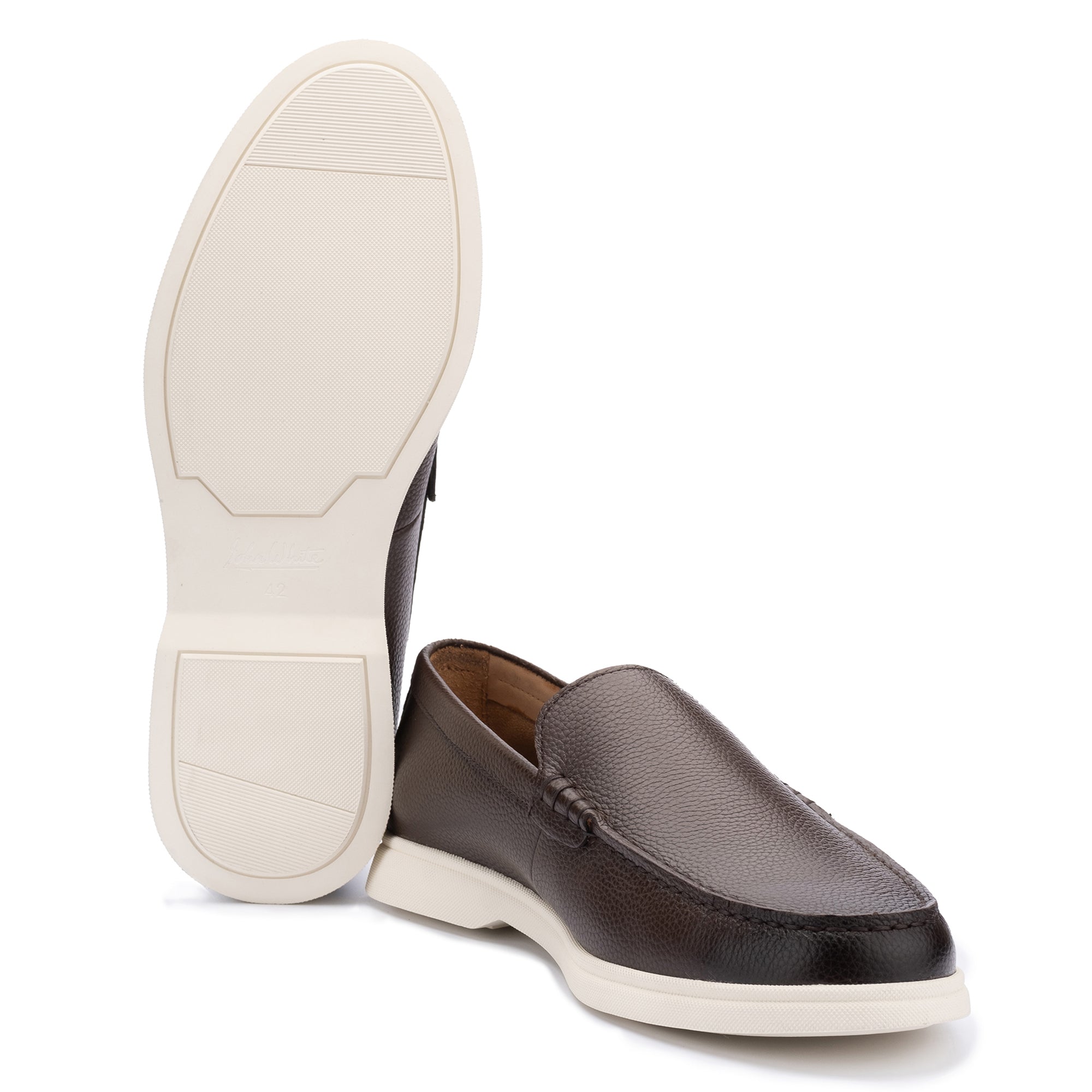
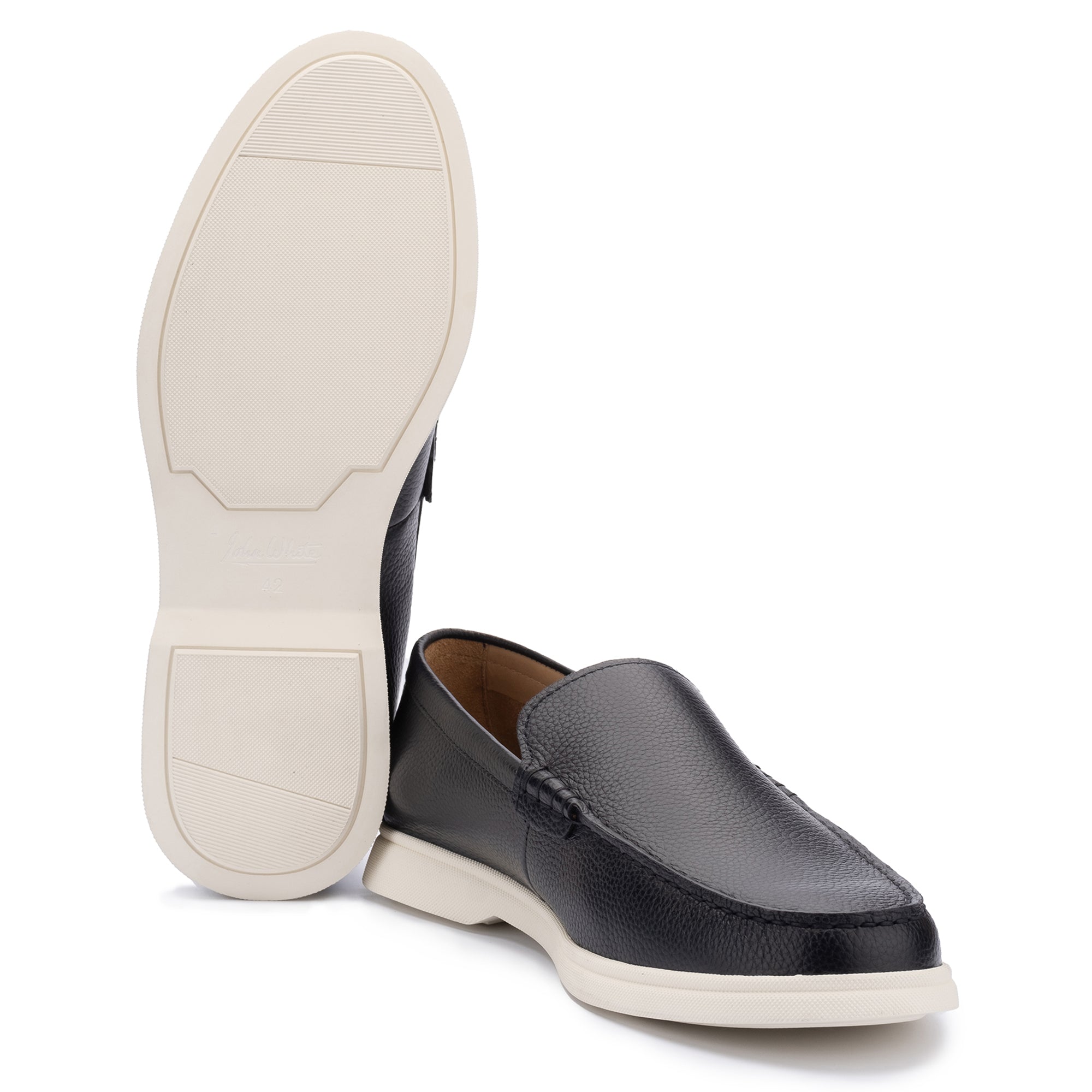
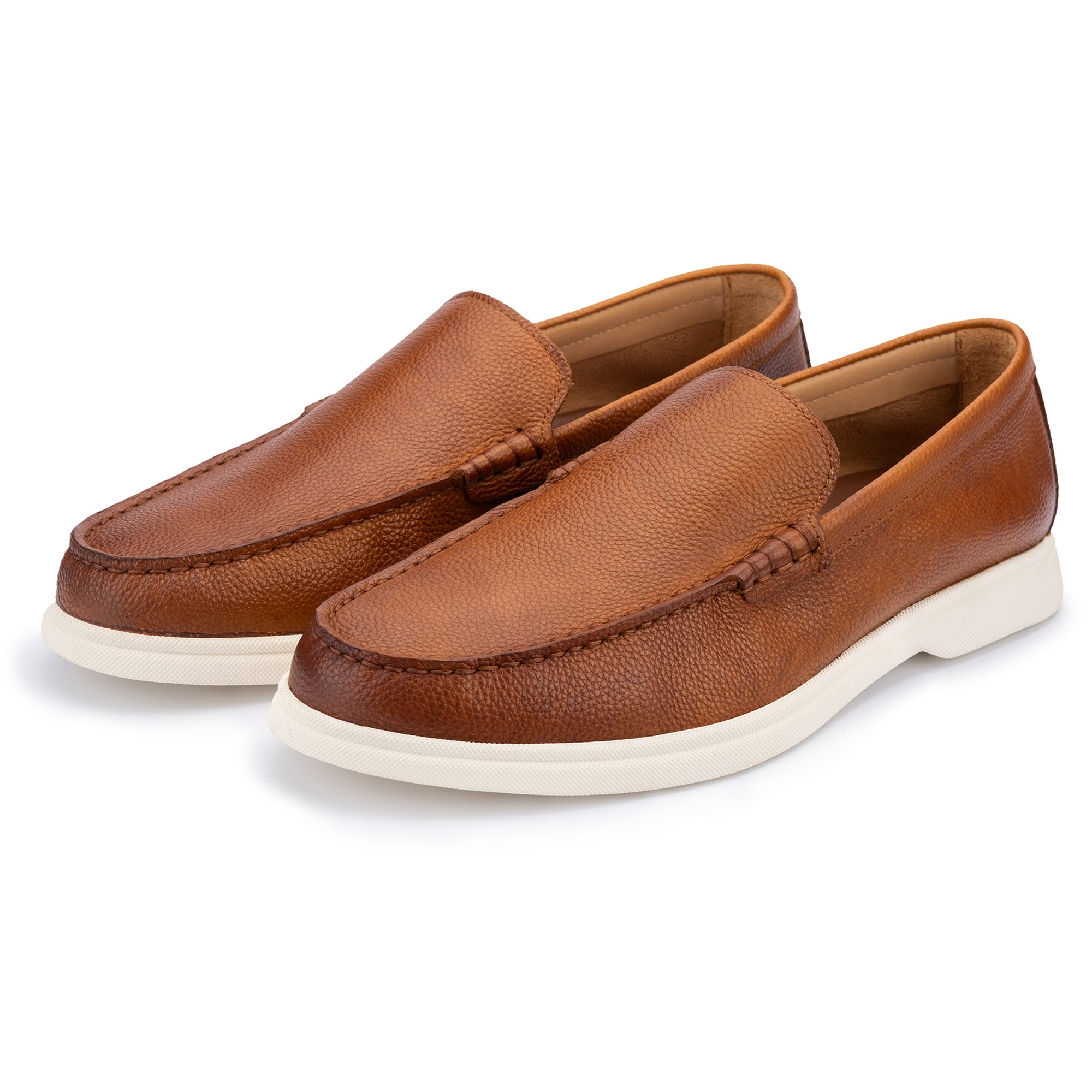
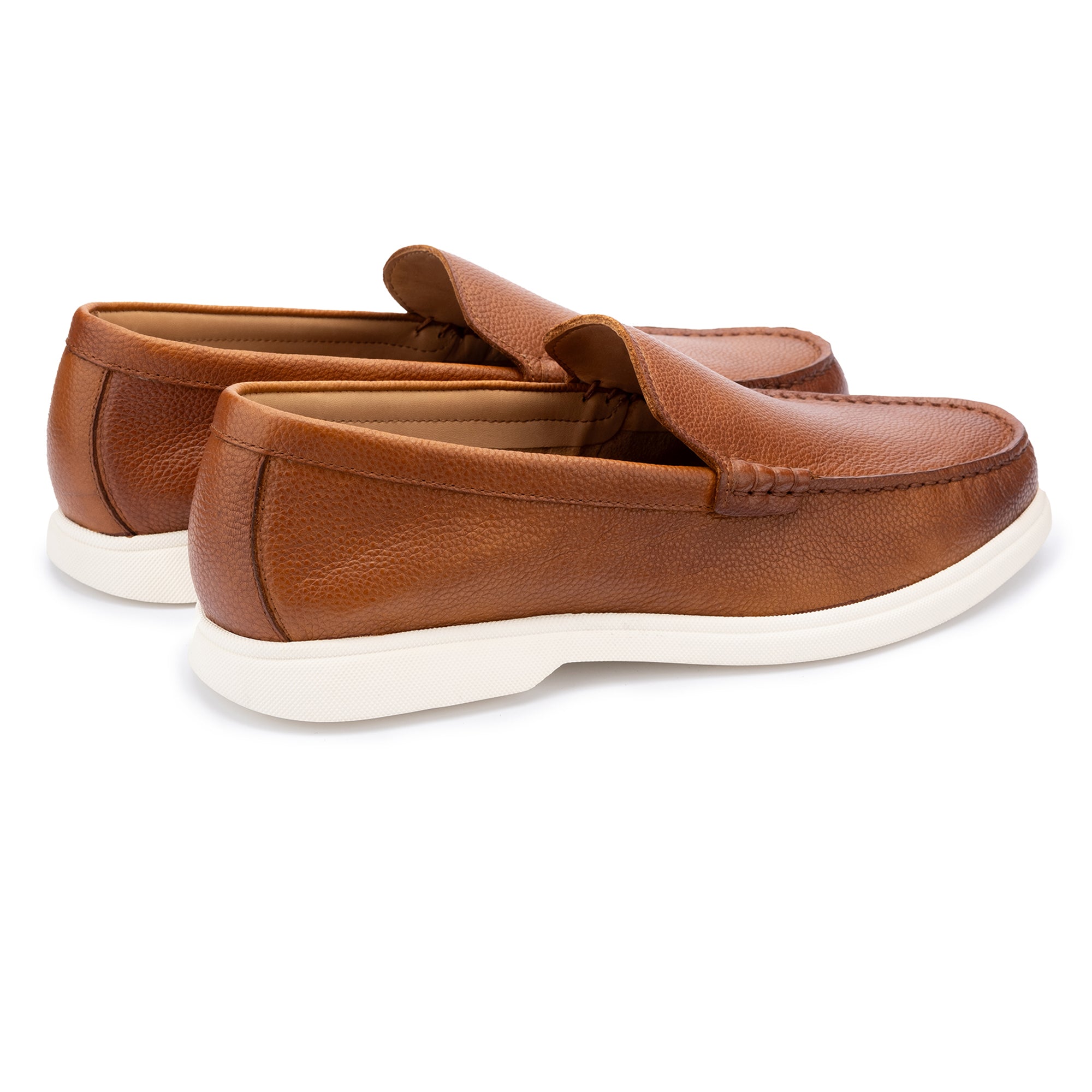
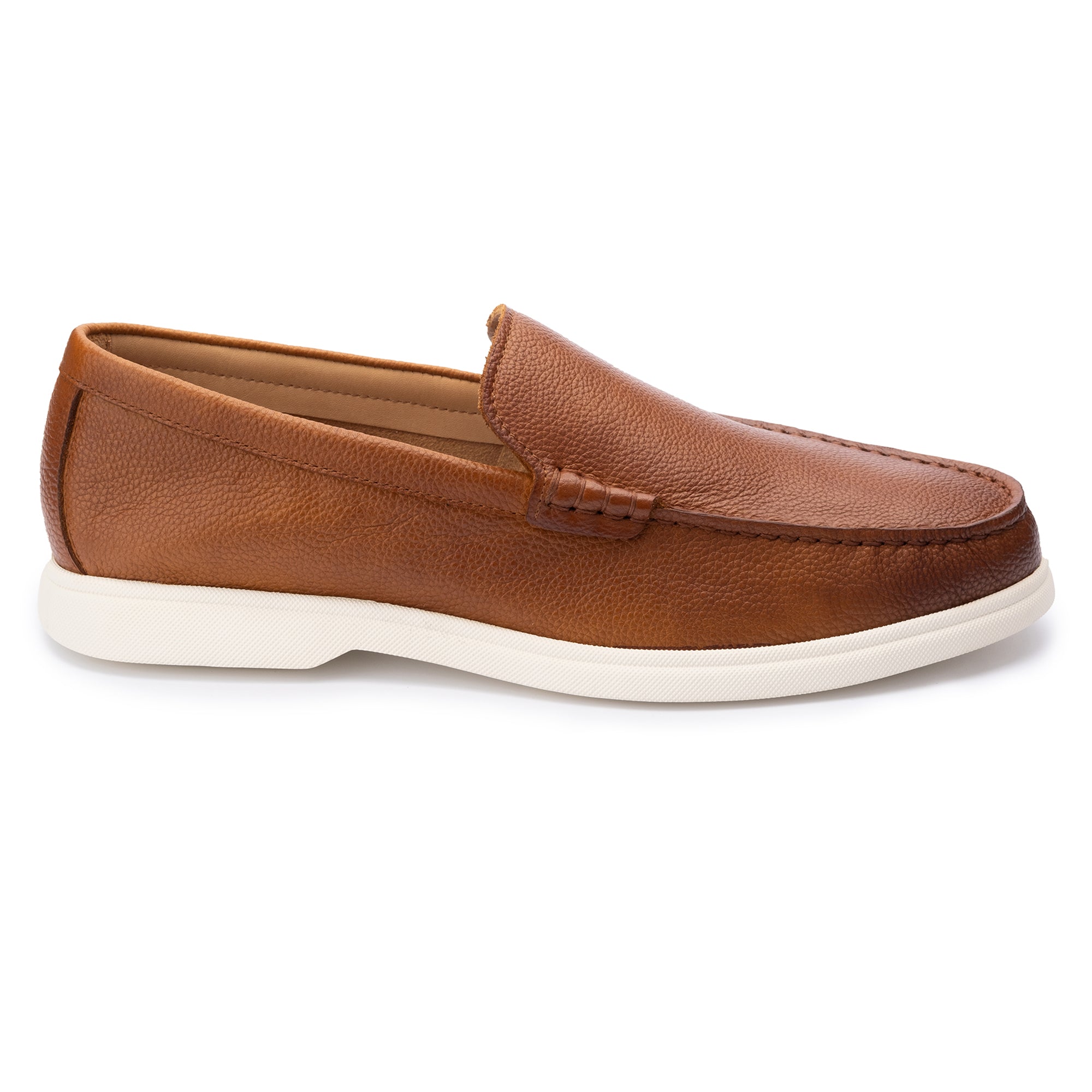
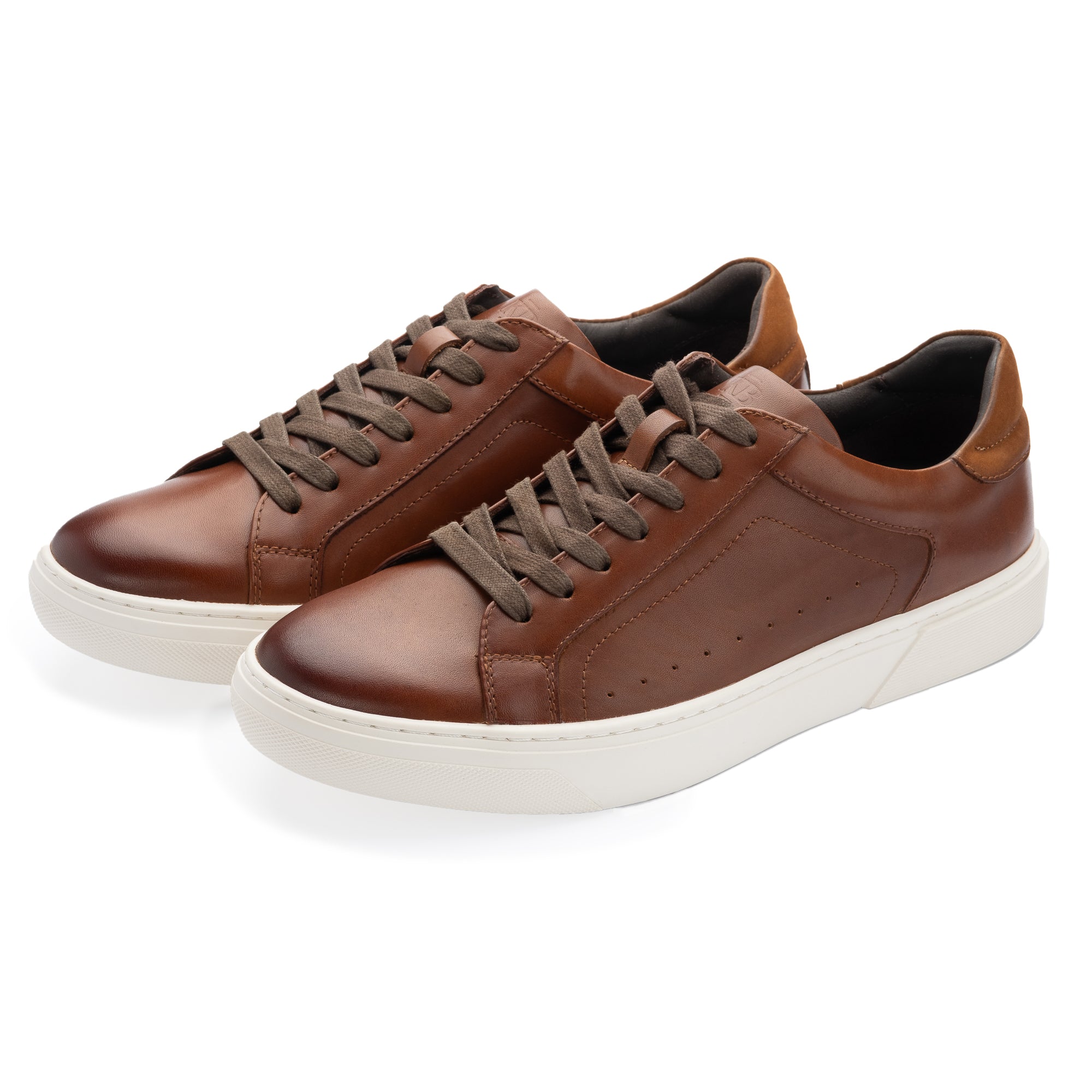
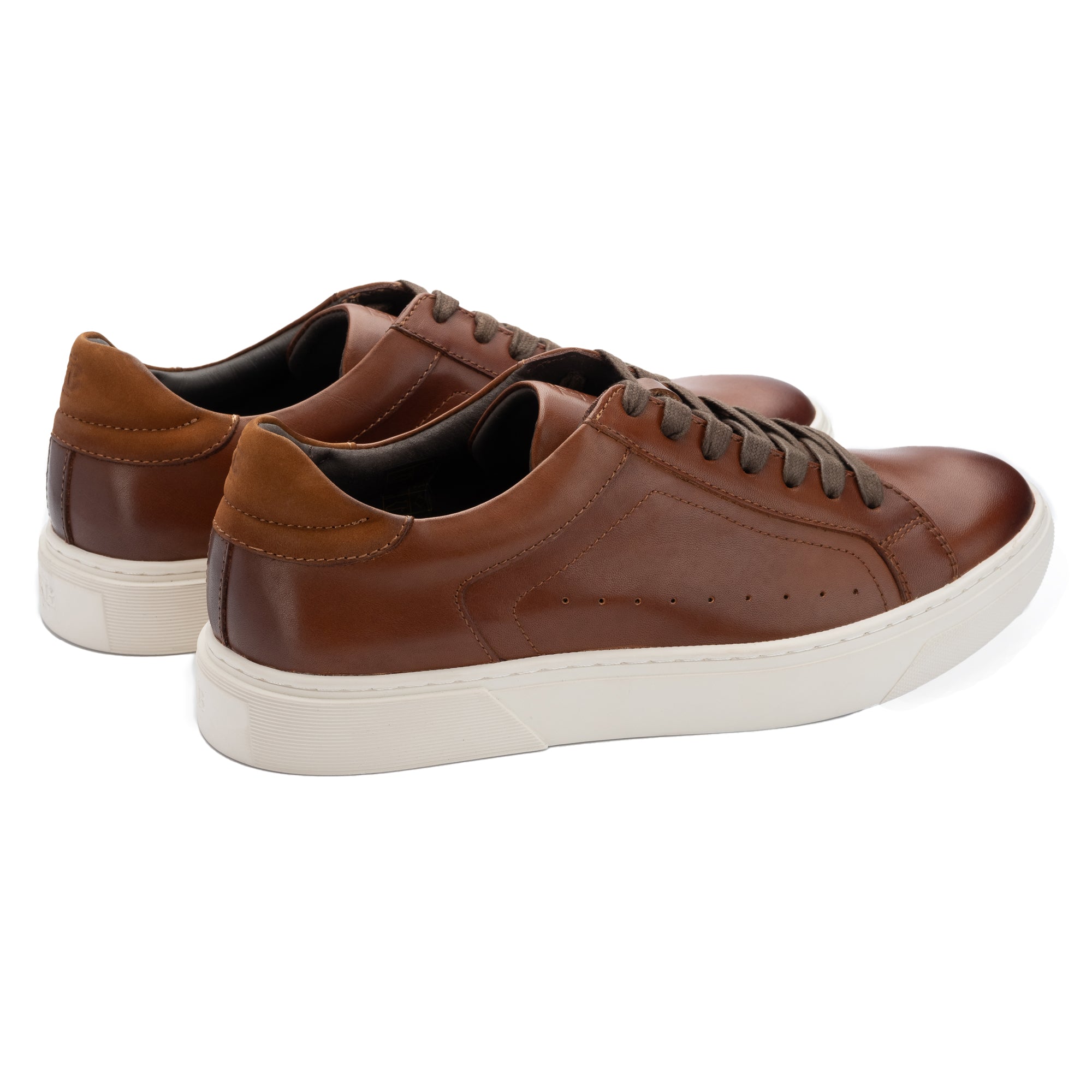
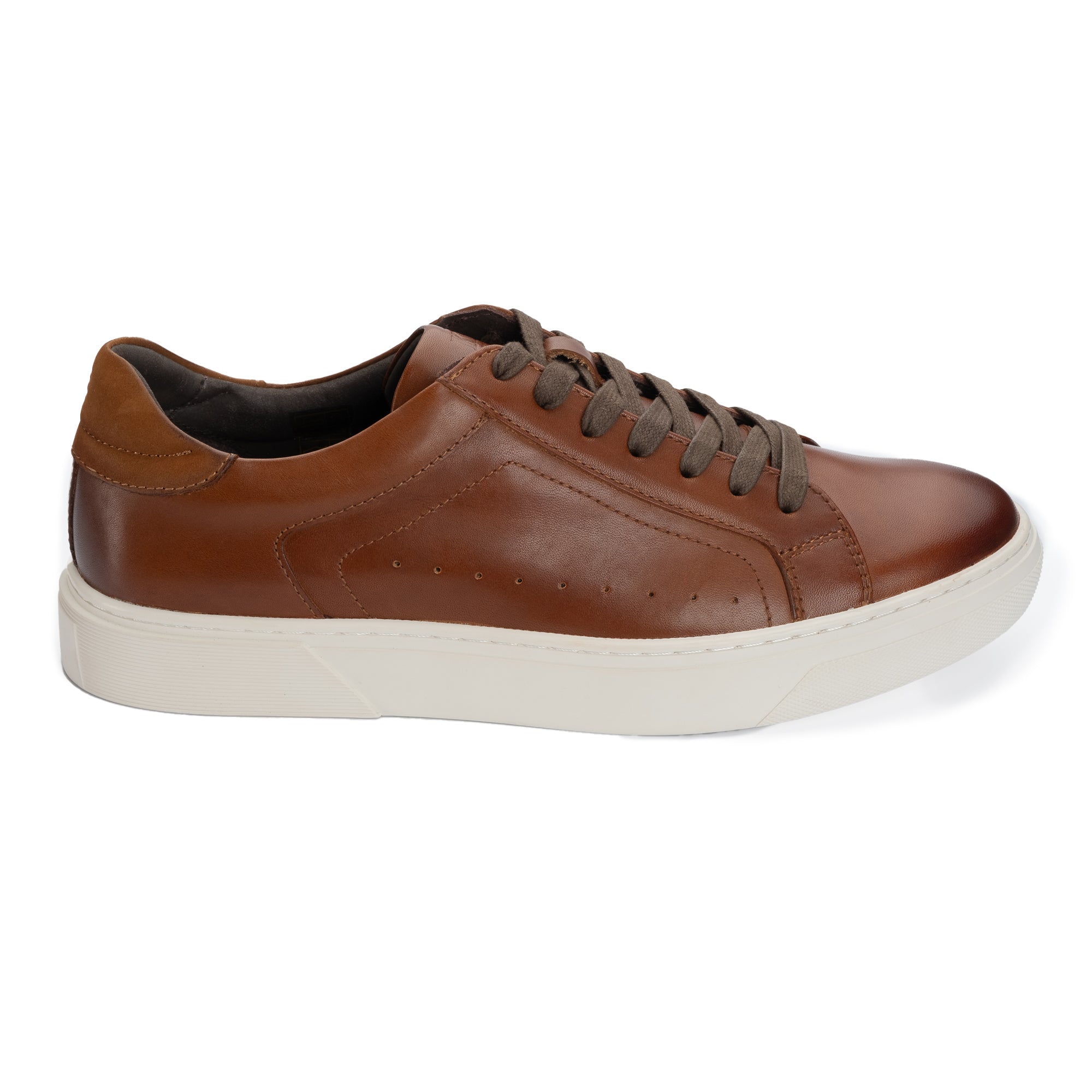
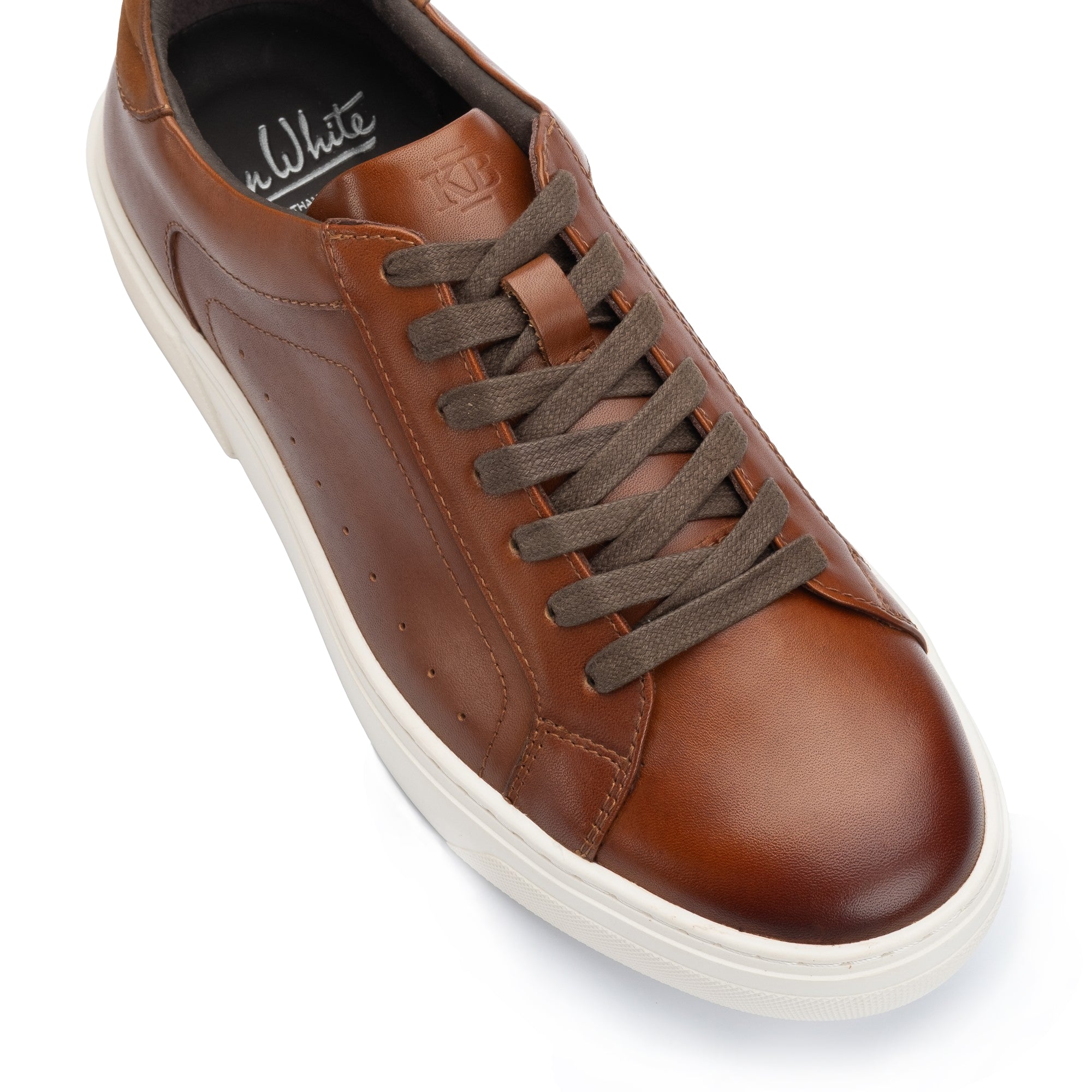
Heritage brands throughout Northamptonshire — Loake, Barker, Church's, Crockett & Jones among them — have long understood the brogue's staying power. John White Shoes, founded in 1919 and designing footwear for over a century, brings that same heritage sensibility to its curated range. The Falcon Brogue Boot, available in Black and Brown, is built for exactly the year-round versatility this guide covers.
Brogue boots occupy a rare middle ground in men's footwear: dressed enough for business-casual, relaxed enough for the weekend, and structured enough to handle every season comfortably.
For a deeper look at brogue patterns and how they affect formality, see our guide to full brogues vs semi-brogues.
How Do You Wear Brogue Boots in Autumn and Winter?
Autumn and winter are the natural home of the brogue boot. The ankle structure provides coverage and warmth; the leather upper handles damp pavements far better than a canvas shoe or summer loafer ever could. This is the season where the boot pays off most visibly.
Black brogue boots are the more formal choice and work convincingly with tailored wool trousers, a slim-cut suit, or a herringbone blazer. The contrast between the boot's surface detail and the smooth planes of a well-pressed suit trouser is one of the cleaner combinations in British men's dressing. Dark brown brogue boots are the better choice for earthier, more textured looks — tweed jackets, wax cotton coats, heavy knitwear.
- With a suit: Black brogue boots with a charcoal or navy suit. Trouser hem should just break over the boot — a touch of sock is acceptable; a pool of fabric isn't.
- With a heavy knit: Dark brown brogue boots, tobacco or dark navy chinos, a chunky roll-neck, and a long wool overcoat. The boot grounds the volume of the knit.
- With tweed: Brown brogue boots and a tweed sport coat are a reliably British weekend look. Add a tattersall shirt and slim cords.
- With dark denim: Black or brown brogue boots with slim dark indigo jeans, no break at the ankle, and a structured overshirt or camel overcoat.
In autumn and winter, black brogue boots with a well-cut wool suit is one of the most reliable and versatile combinations in British men's business dressing.
For a broader look at cold-weather footwear choices, see our guide to the best winter boots for men.
How Do You Style Brogue Boots in Spring and Summer?
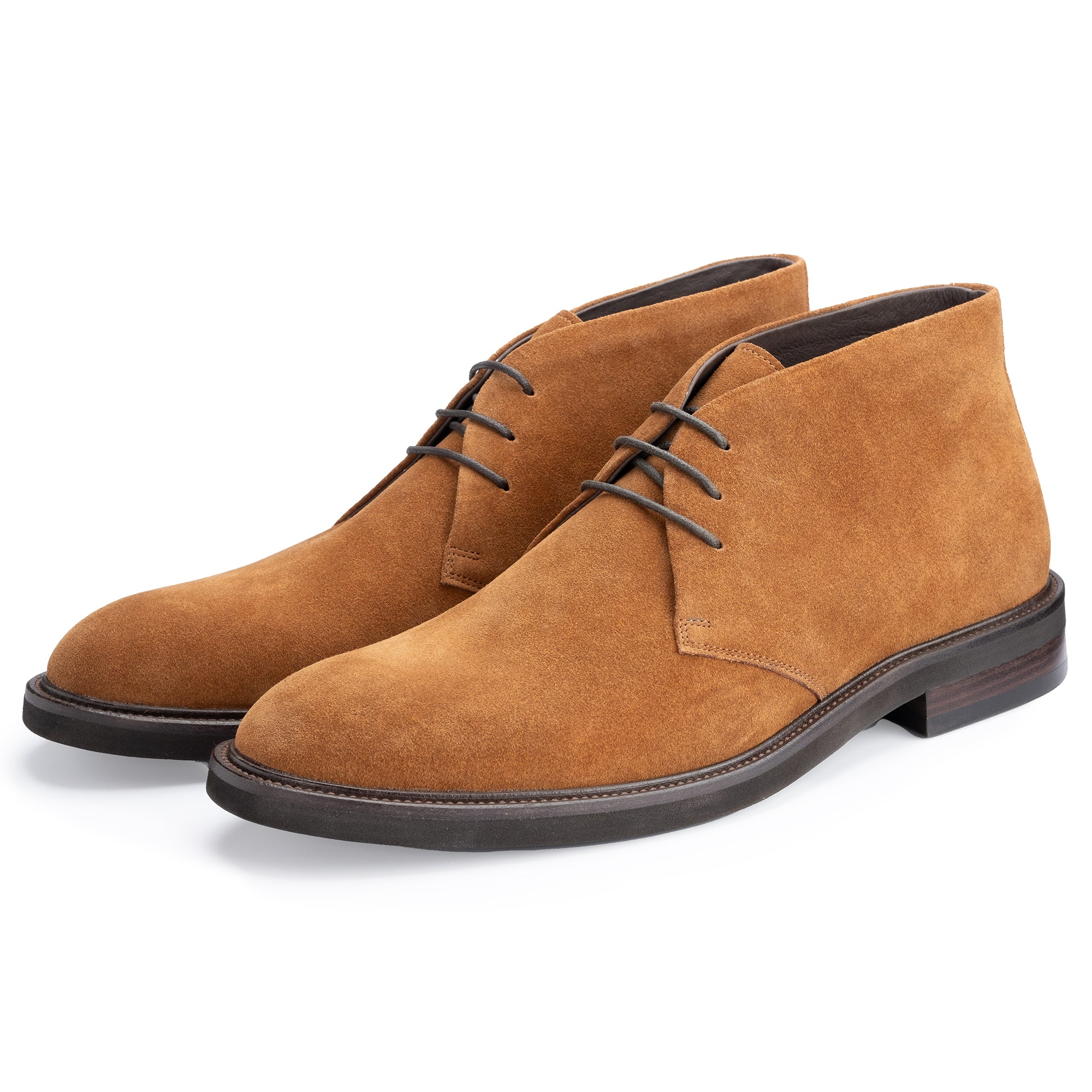
Many men put their boots away in April. That's a mistake. Brogue boots in lighter leather tones — tan, warm brown — work well in the warmer months when paired with the right fabrics. The principle is contrast: a structural boot with a relaxed, light garment.
As Esquire UK's style desk has consistently noted, leather boots in spring and summer work best when the rest of the outfit stays genuinely light — the boot provides the visual weight and anchoring that stops a warm-weather outfit from looking shapeless. Unlined linen or cotton trousers, an open-collar Oxford shirt, and a brown leather brogue boot is a warm-weather combination that's smart without being stiff.
- With linen trousers: Stone, cream, or olive linen with a loose cotton shirt. Brown brogue boot. No socks, or invisible socks if you prefer.
- With chinos: Stone or tan slim chinos, a tucked Oxford shirt. The brogue boot keeps the look deliberate rather than drifting into weekend casualness.
- For a summer event: Tan brogue boot, cream or pale grey trousers, and an unstructured linen blazer. Appropriate for any occasion short of black tie. Our full summer wedding shoe guide covers the formality spectrum in detail.
Brown or tan brogue boots in spring and summer work best with light, unstructured fabrics — linen, cotton, and unlined wool — that balance the boot's inherent weight and structure.
Can You Wear Brogue Boots to the Office or a Formal Occasion?
Yes, with the right choices. A black brogue boot with tailored trousers and a blazer is a well-established business-casual look in most British workplaces. The boot height can actually read as slightly more deliberate than a flat brogue shoe — it signals that the wearer has made a considered decision rather than defaulting to a standard option.
For smarter contexts, choose a restrained broguing pattern over a heavy full brogue with perforations across the entire toe cap. A wingtip or semi-brogue detailing is cleaner alongside suiting. Avoid brogue boots entirely at black tie — for guidance on the formal end of the spectrum, our complete black tie shoe guide is the reference.
What Outfits Work Best with Brogue Boots? A Seasonal Breakdown
| Season | Colourway | Trouser | Upper | Best Occasion |
|---|---|---|---|---|
| Autumn | Black or Dark Brown | Wool trousers, dark chinos | Roll-neck, blazer, wax jacket | Office, smart-casual, weekends |
| Winter | Black | Suit trousers, slim cords | Suit jacket, overcoat | Business meetings, formal events |
| Spring | Brown, Tan | Chinos (stone, navy) | Oxford shirt, light jacket | Smart-casual, outdoor events |
| Summer | Tan, Brown | Linen, cotton trousers | Casual shirt, unstructured blazer | Garden parties, warm-weather occasions |
How Do You Care for Brogue Boots Through the Seasons?
Brogue boots take more punishment across the year than most footwear — autumn rain, winter road salt, and summer heat all affect leather differently. A consistent maintenance routine is what keeps them performing and looking sharp year after year.
- Clean after every few wears. Brush off dried mud and dust before applying any product — conditioning over dirt traps grime and darkens the leather unevenly.
- Condition regularly. The Leather Conservation Centre recommends conditioning leather footwear every six to eight weeks to prevent the drying and cracking that shortens a boot's life — more often in winter, when central heating and cold air both strip moisture from leather simultaneously.
- Polish with a quality wax product. A wax polish restores surface depth and adds a degree of water resistance. Work it into the brogued perforations with a soft brush to avoid a waxy build-up in the punched holes.
- Use shoe trees after every wear. According to the Society of Master Shoe Repairers, consistent use of cedar shoe trees can extend footwear lifespan by up to 40% by absorbing moisture and preventing the upper leather from creasing permanently.
- Rotate your pairs. Wearing the same boot daily compresses the insole and stresses the leather without adequate recovery time. Two or three days between wears makes a lasting difference.
A clean-condition-polish routine, applied every six to eight weeks and supported by shoe trees after every wear, is the most effective way to extend the life of leather brogue boots across all four seasons.
For a full seasonal care schedule, see our complete annual maintenance checklist for leather footwear.
Related Guides
- The Definitive Guide to Men's Boots — our comprehensive guide
- Full Brogue vs. Semi-Brogue: A Guide to Choosing Your Next Pair
- How to Wear Brogues: A Complete Men's Style Guide
- The Best Winter Boots for Men: When to Wear Them and How to Choose
TL;DR: Brogue boots are among the most versatile styles in men's footwear. Wear black in autumn and winter with tailored trousers, suits, and heavy knits; reach for brown or tan in spring and summer with chinos, linen, and lighter fabrics. The Falcon Brogue Boot from John White Shoes covers every seasonal context, available in Black and Brown. Condition every six to eight weeks and use shoe trees consistently to keep them in shape year-round.
Frequently Asked Questions About Brogue Boots
Can you wear brogue boots with a suit?
Yes. Black brogue boots work well with charcoal, navy, and mid-grey suits in business-casual and smart environments. A restrained broguing pattern — semi-brogue or wingtip — reads more formally than a heavy full brogue with perforations across the entire toe cap. Keep the trouser hem just touching the boot rather than pooling over it.
Are brogue boots too casual for the office?
Not in most British offices. A black brogue boot with tailored trousers and a blazer is a well-established and respected business-casual combination. The exception is very formal environments — some traditional finance or legal settings — where plain oxfords remain the convention. For those contexts, our guide to interview footwear covers the full spectrum.
What's the difference between brogue boots and Chelsea boots?
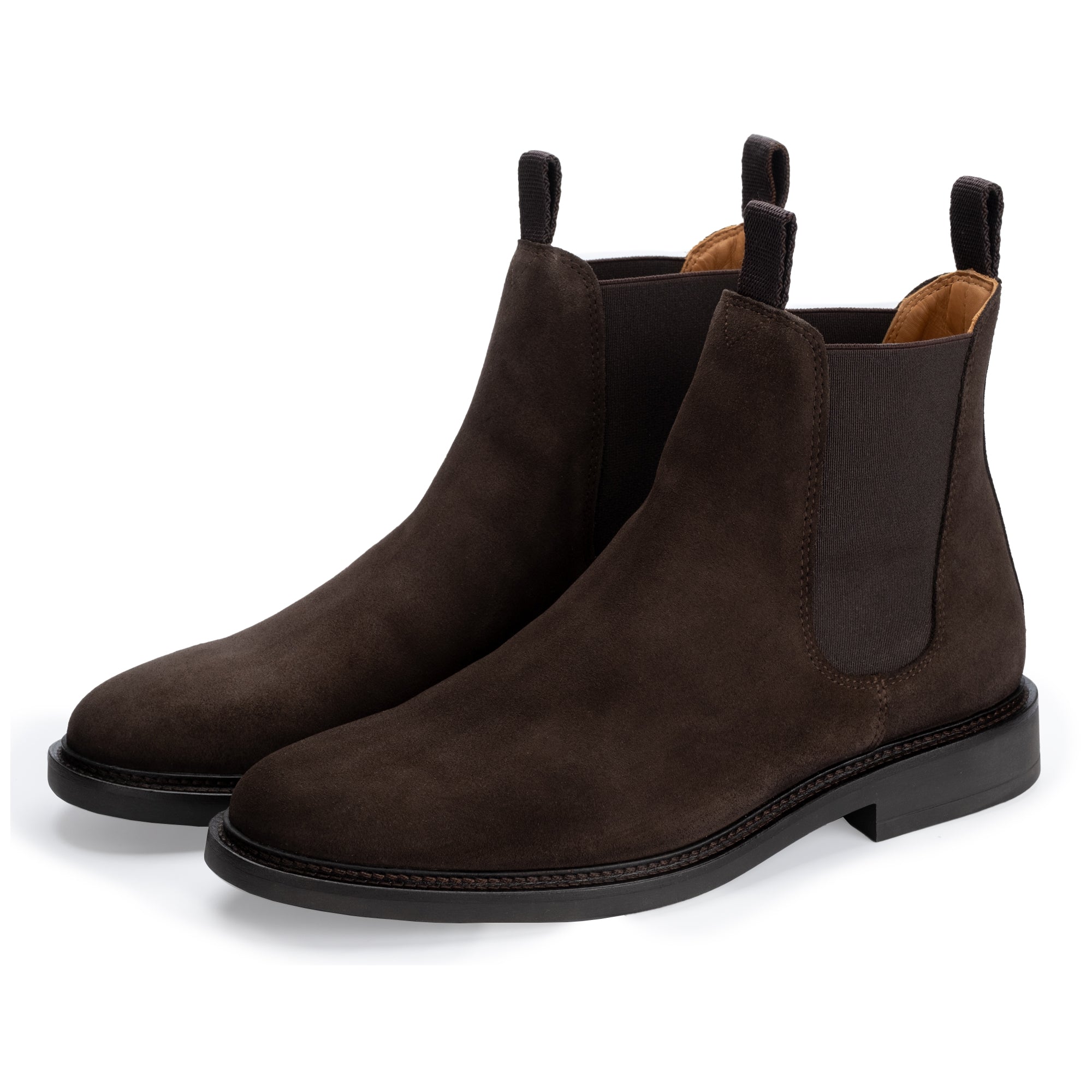
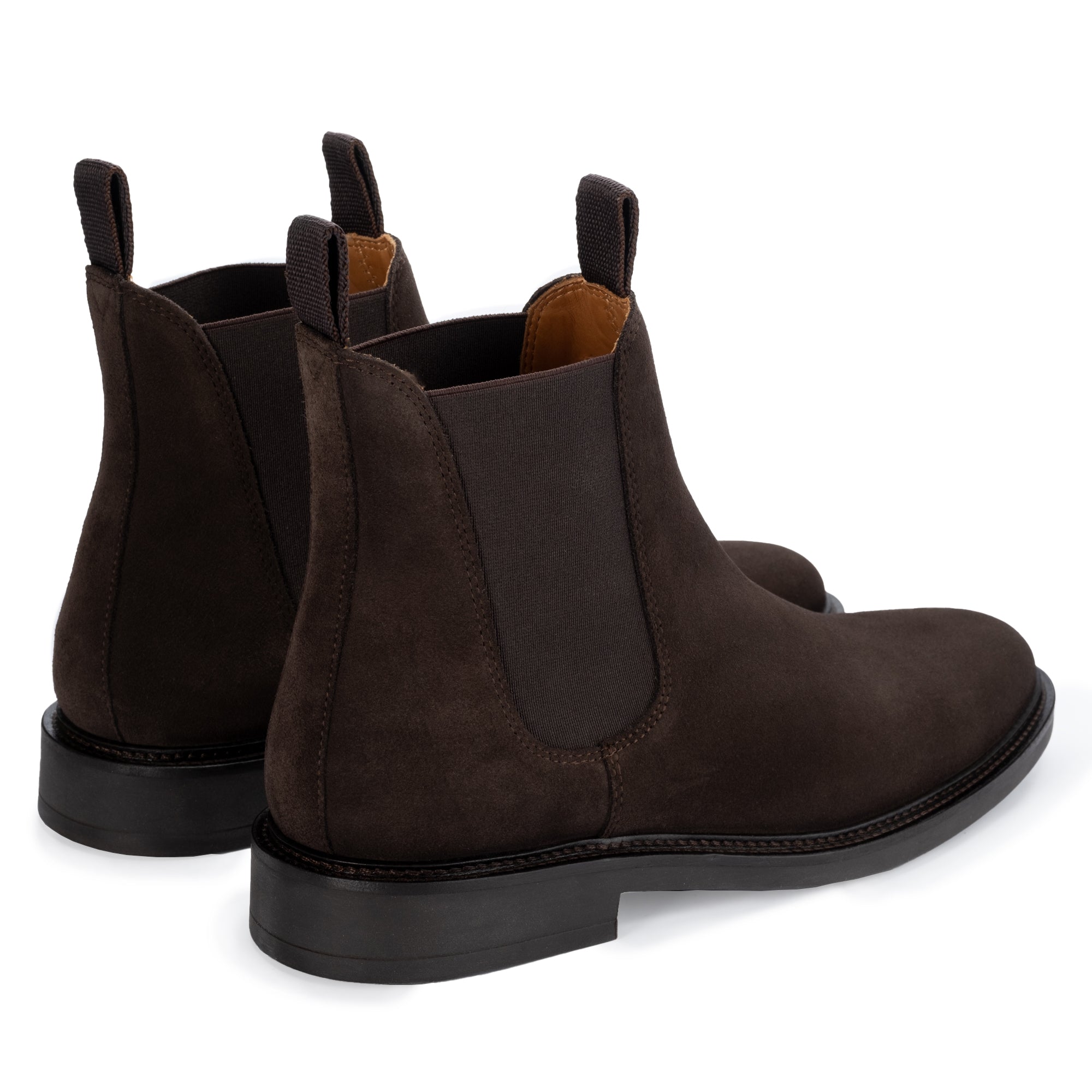
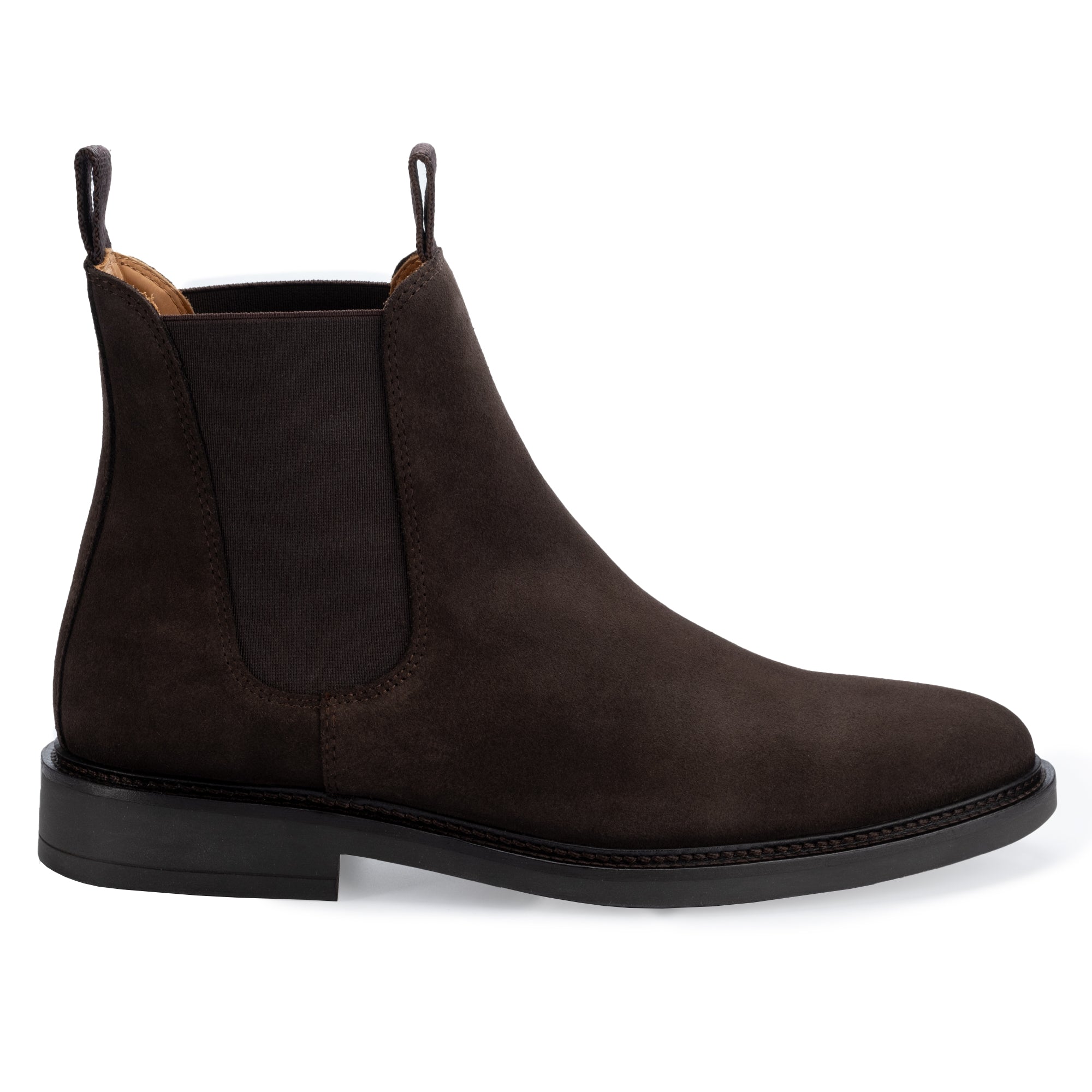
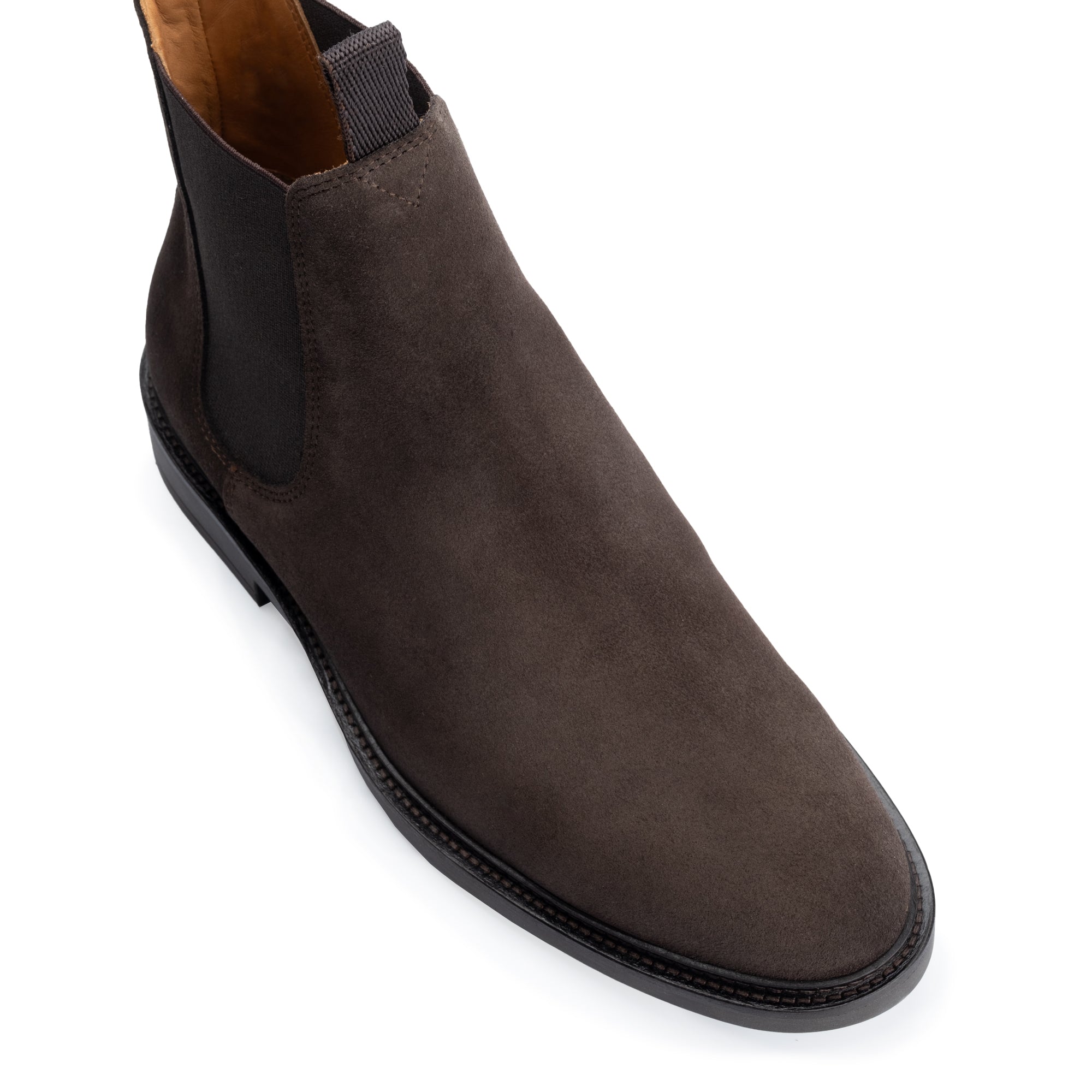
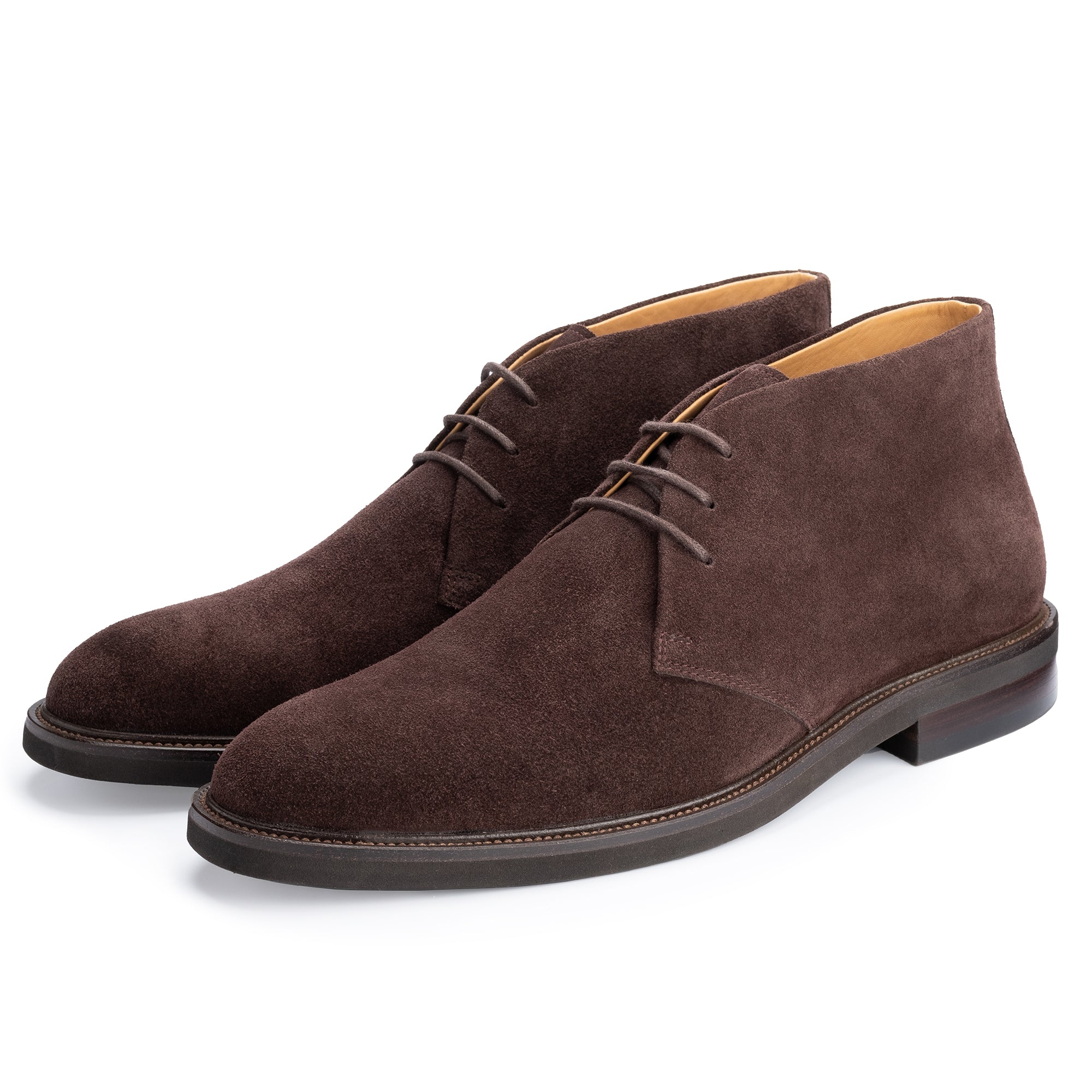
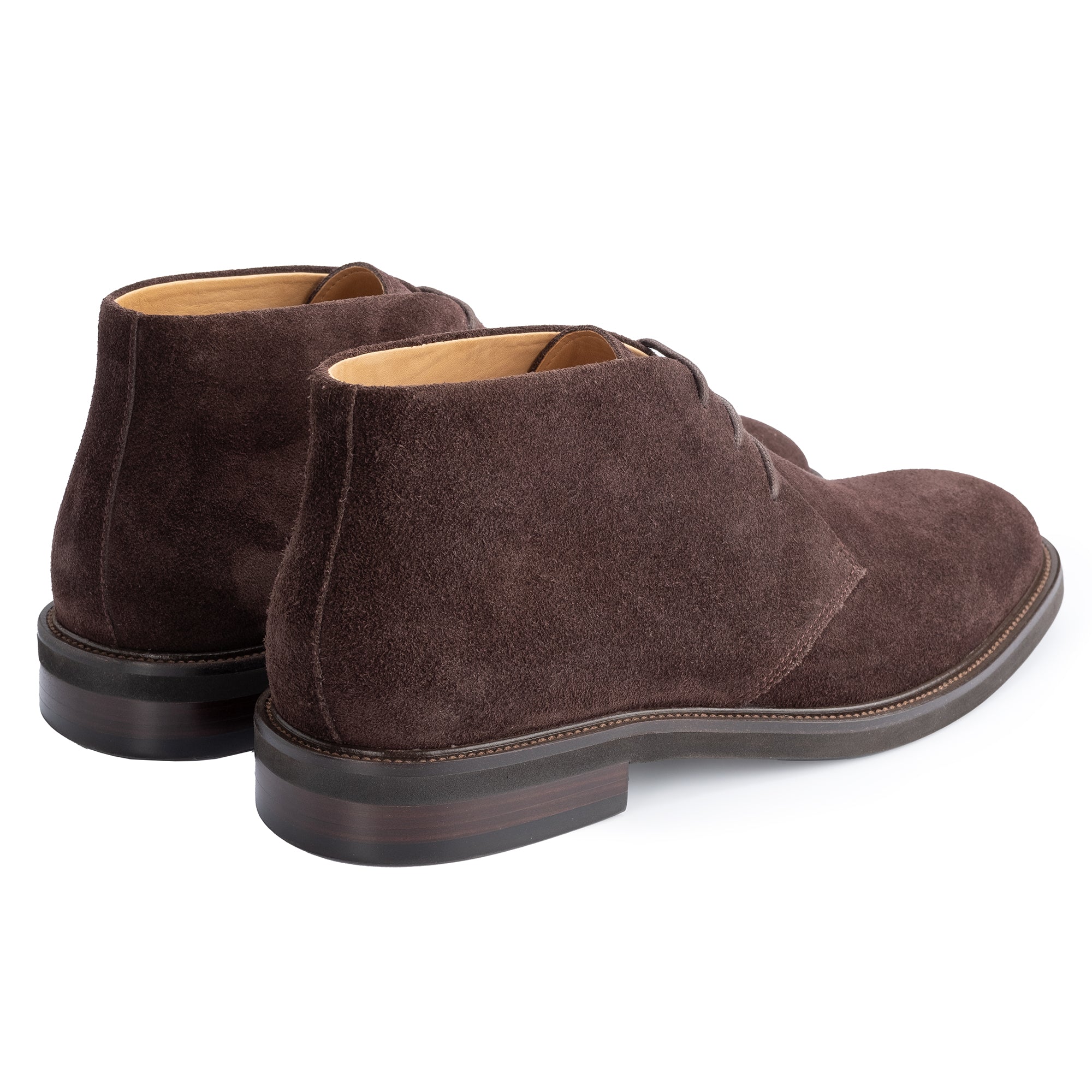
A brogue boot is lace-up with decorative perforations; a Chelsea boot is slip-on with elastic side panels and a cleaner, more minimal silhouette. Brogue boots have more visual character and work harder in smart-casual contexts. Chelsea boots dress up more easily to formal occasions. Both are year-round options — for a comparison of boot types, see our guide to Chukka Boots vs Chelsea Boots.
How should you wear brogue boots with jeans?
Dark indigo or slim-cut jeans with no break at the ankle show the boot to its best advantage and keep the silhouette clean. Avoid heavily distressed or very wide-leg denim — the structured nature of a brogue boot calls for a leaner jean cut. Black brogue boots read as smarter; brown reads as more relaxed. Both work.
Browse the full range of men's boots at John White Shoes — a curated selection designed for the man who wants footwear that performs as well in November as it does in May.