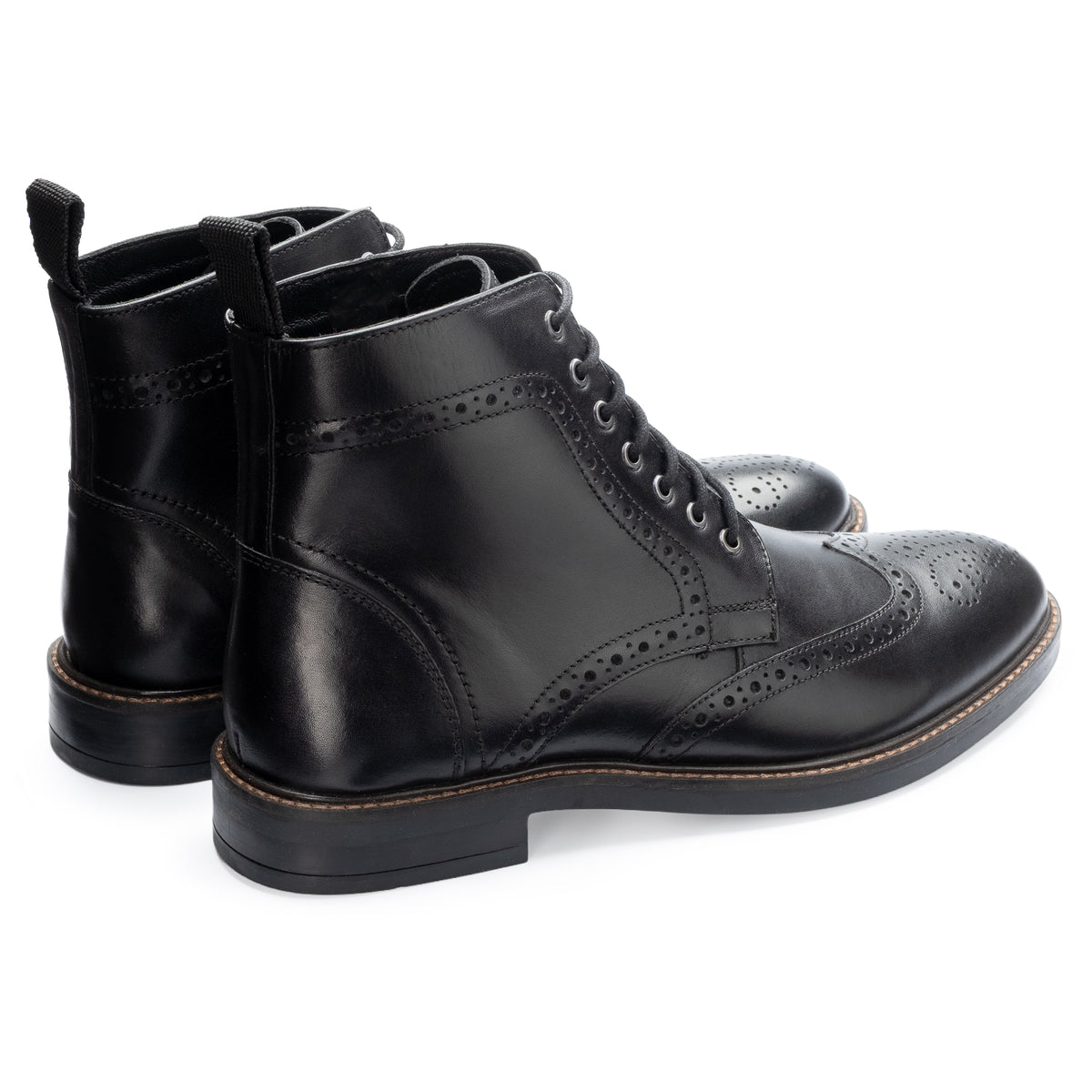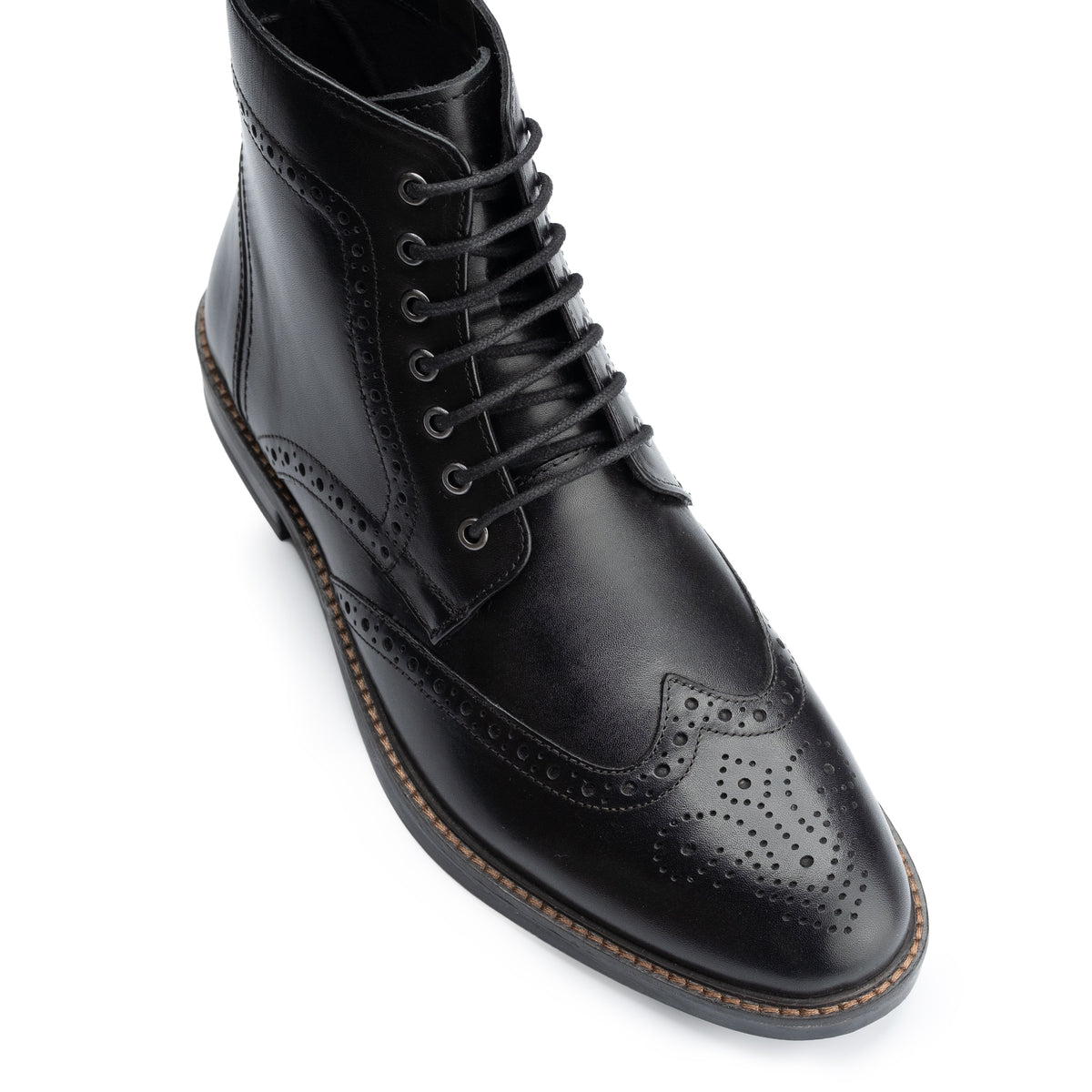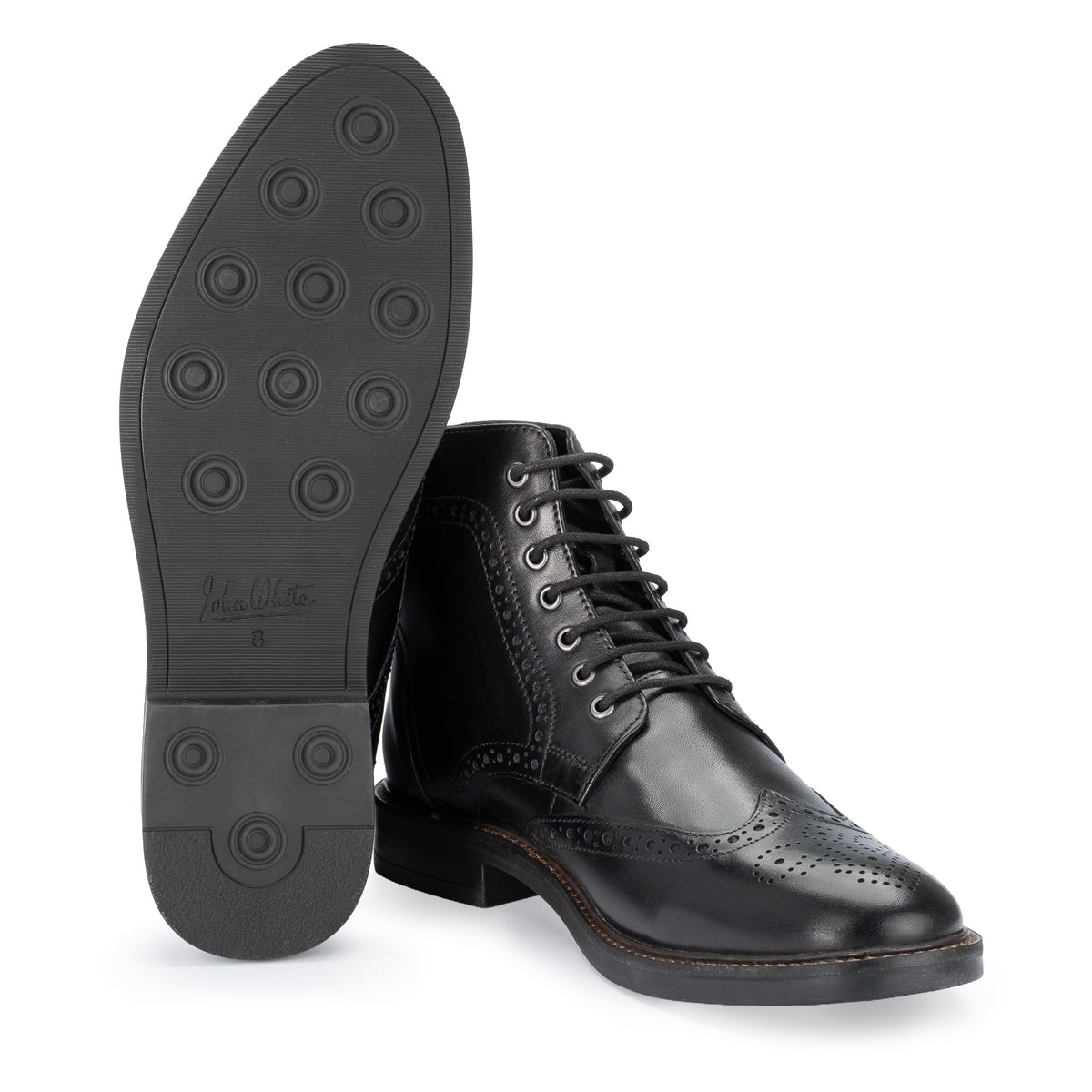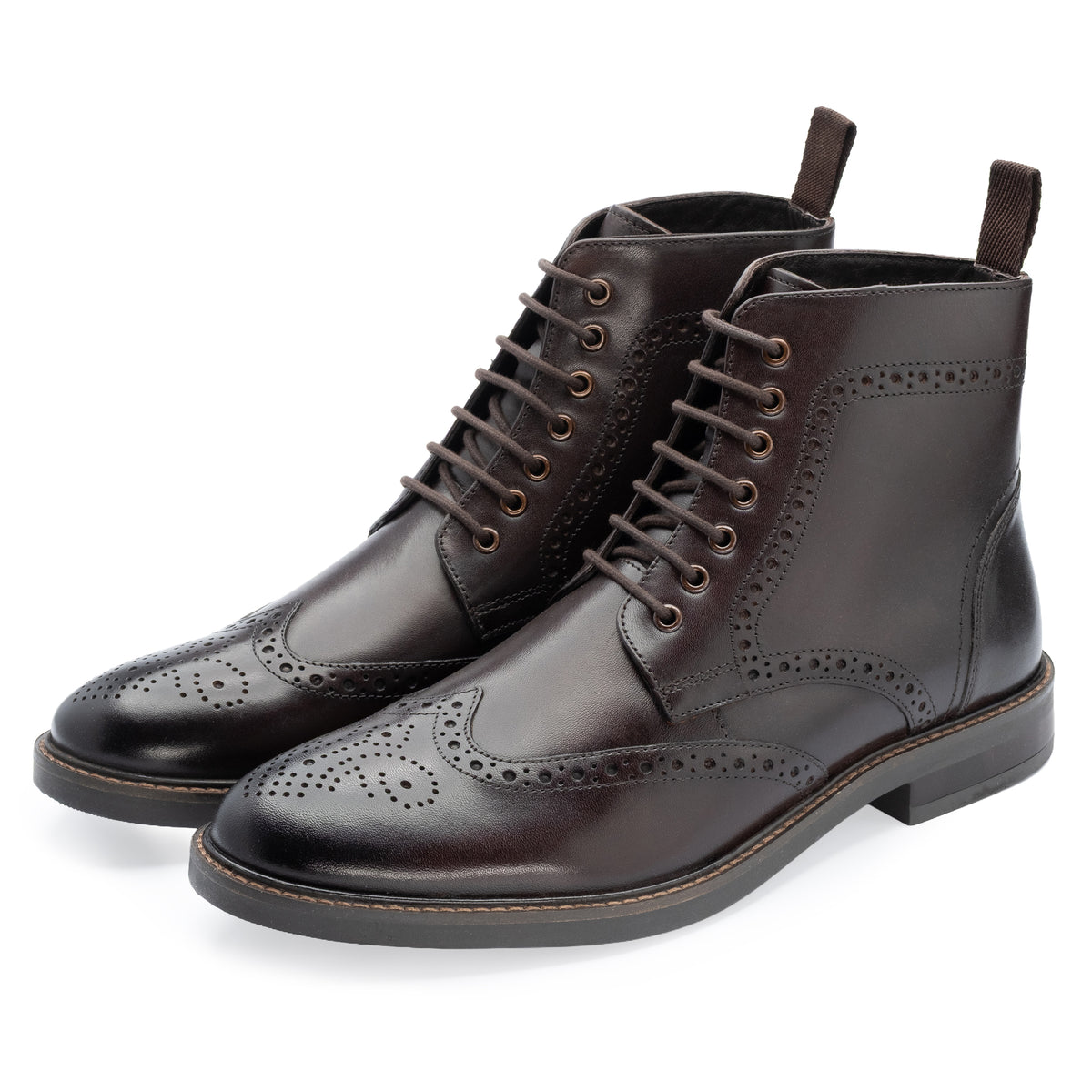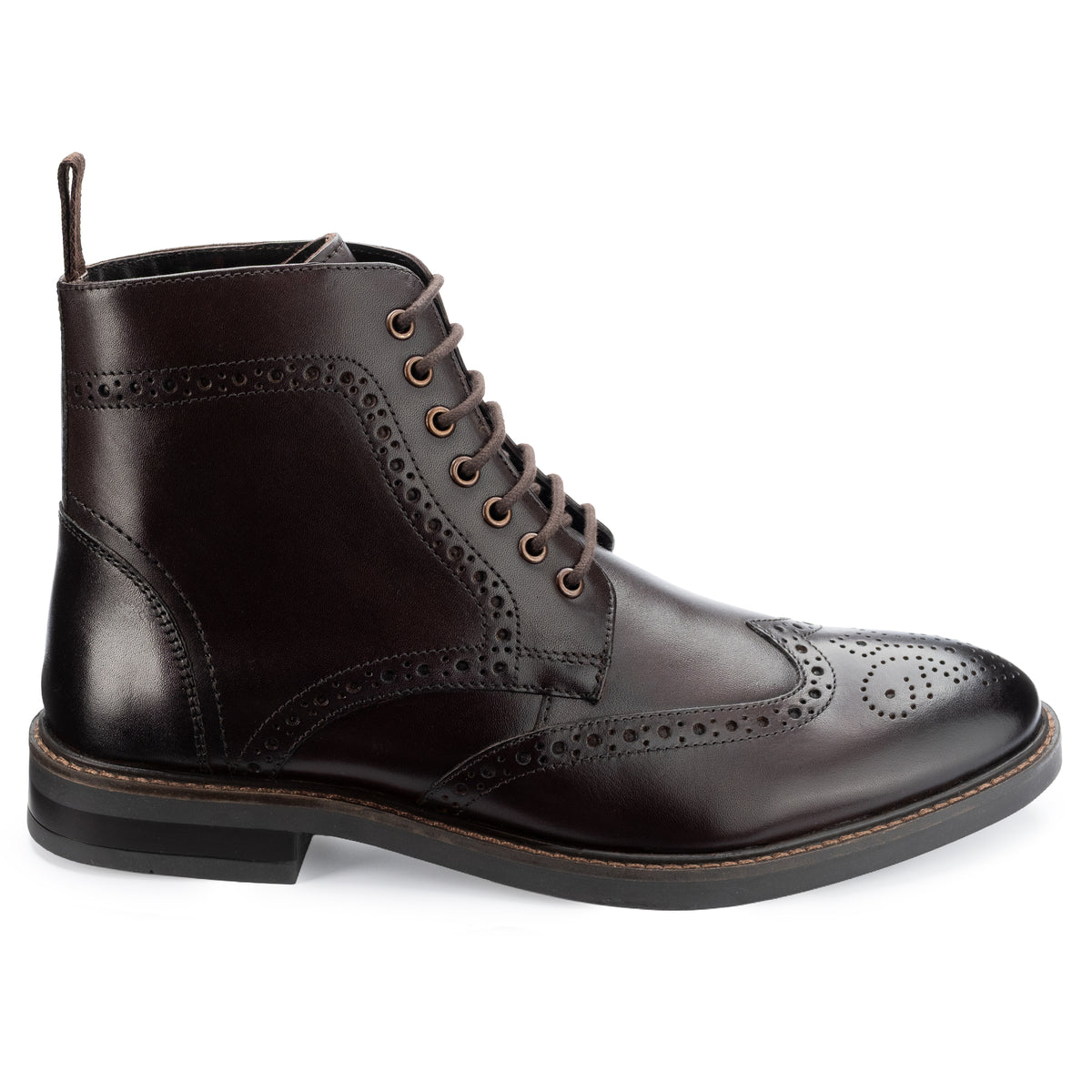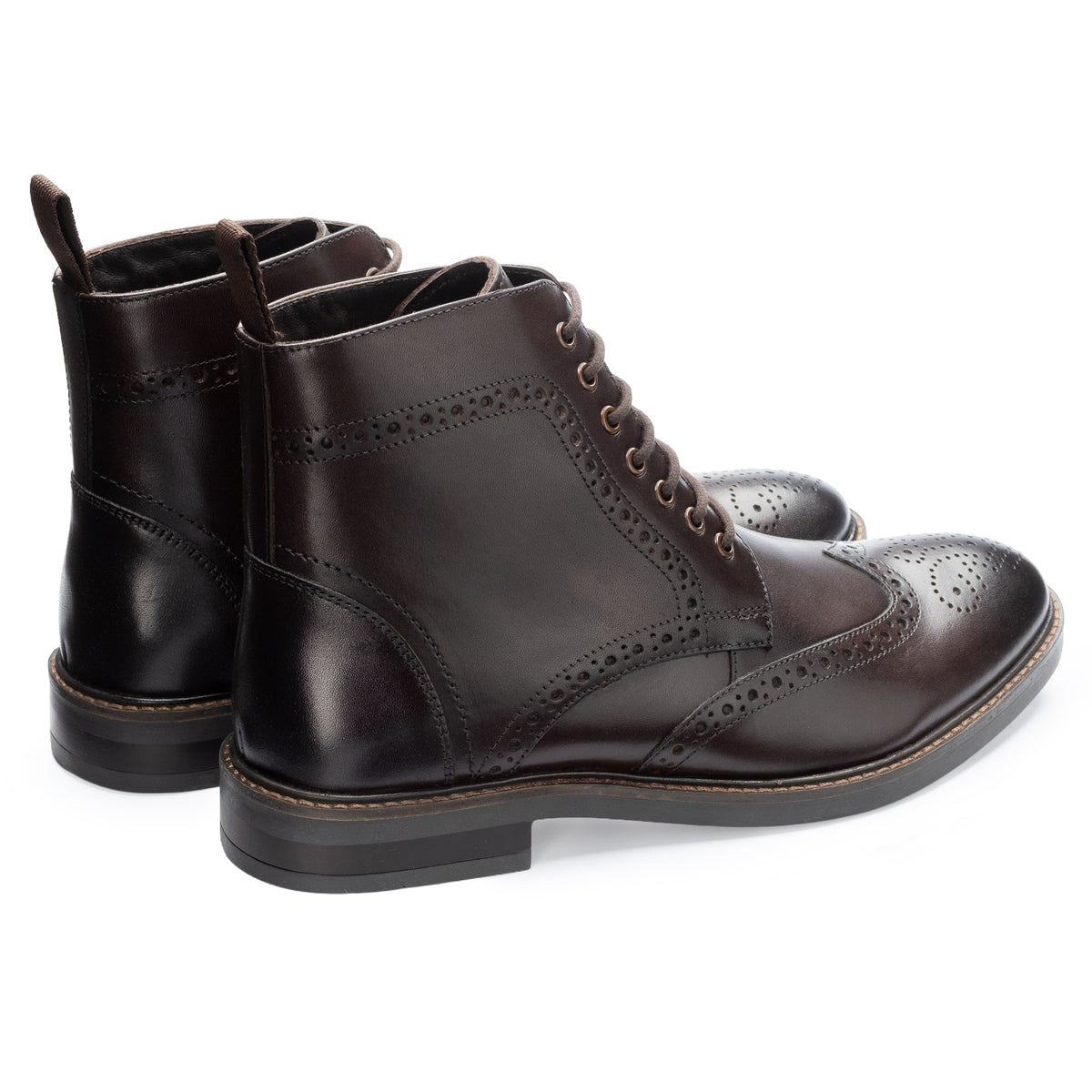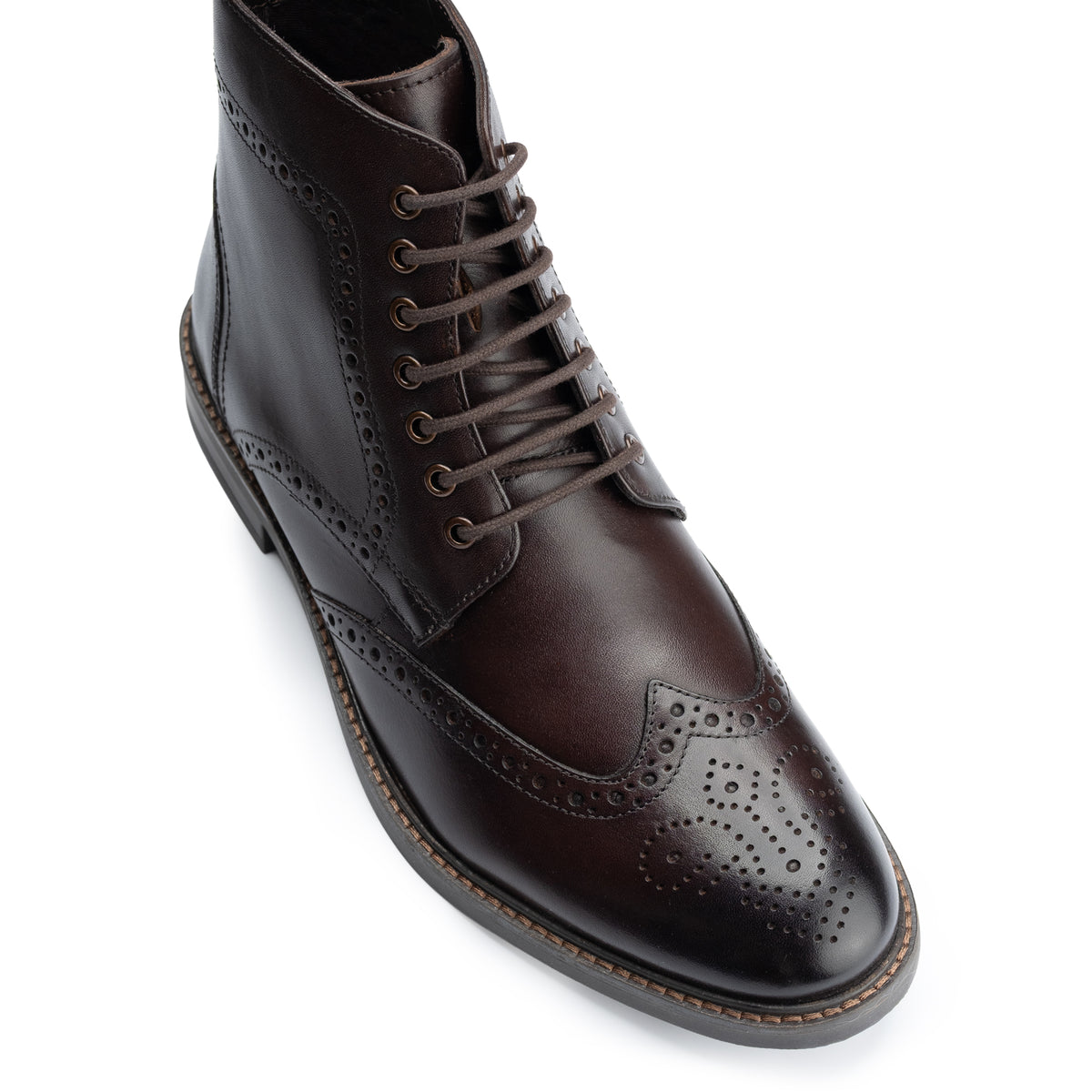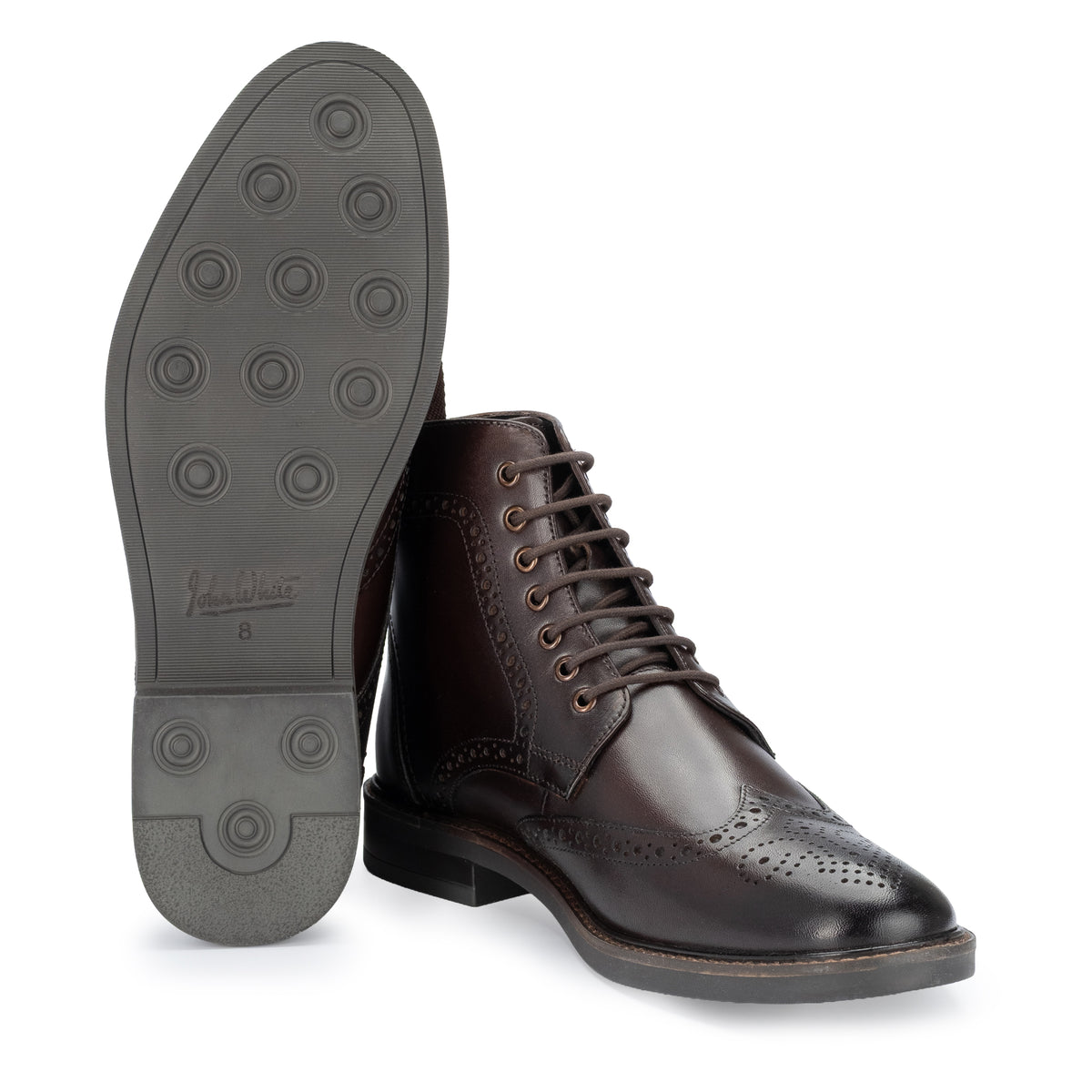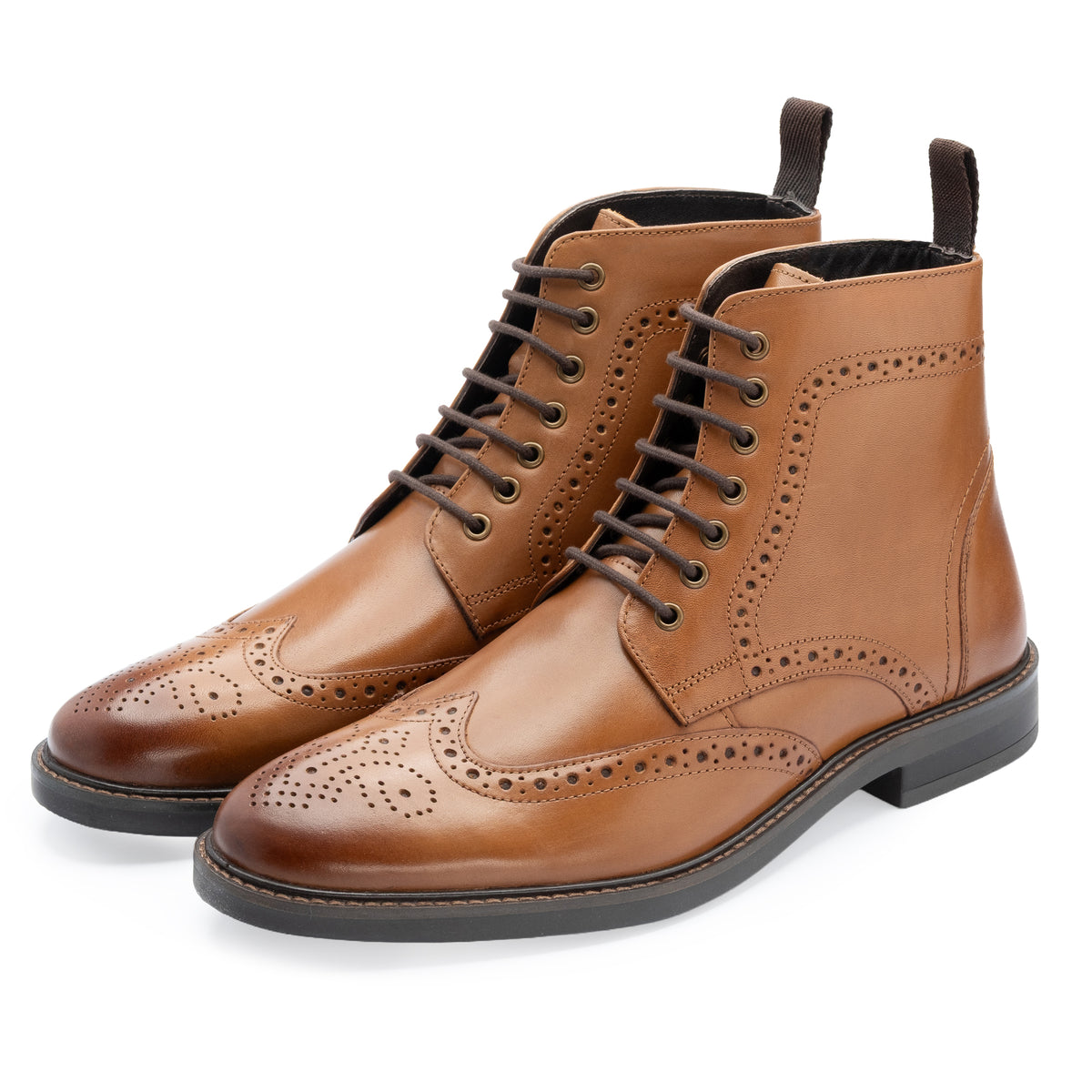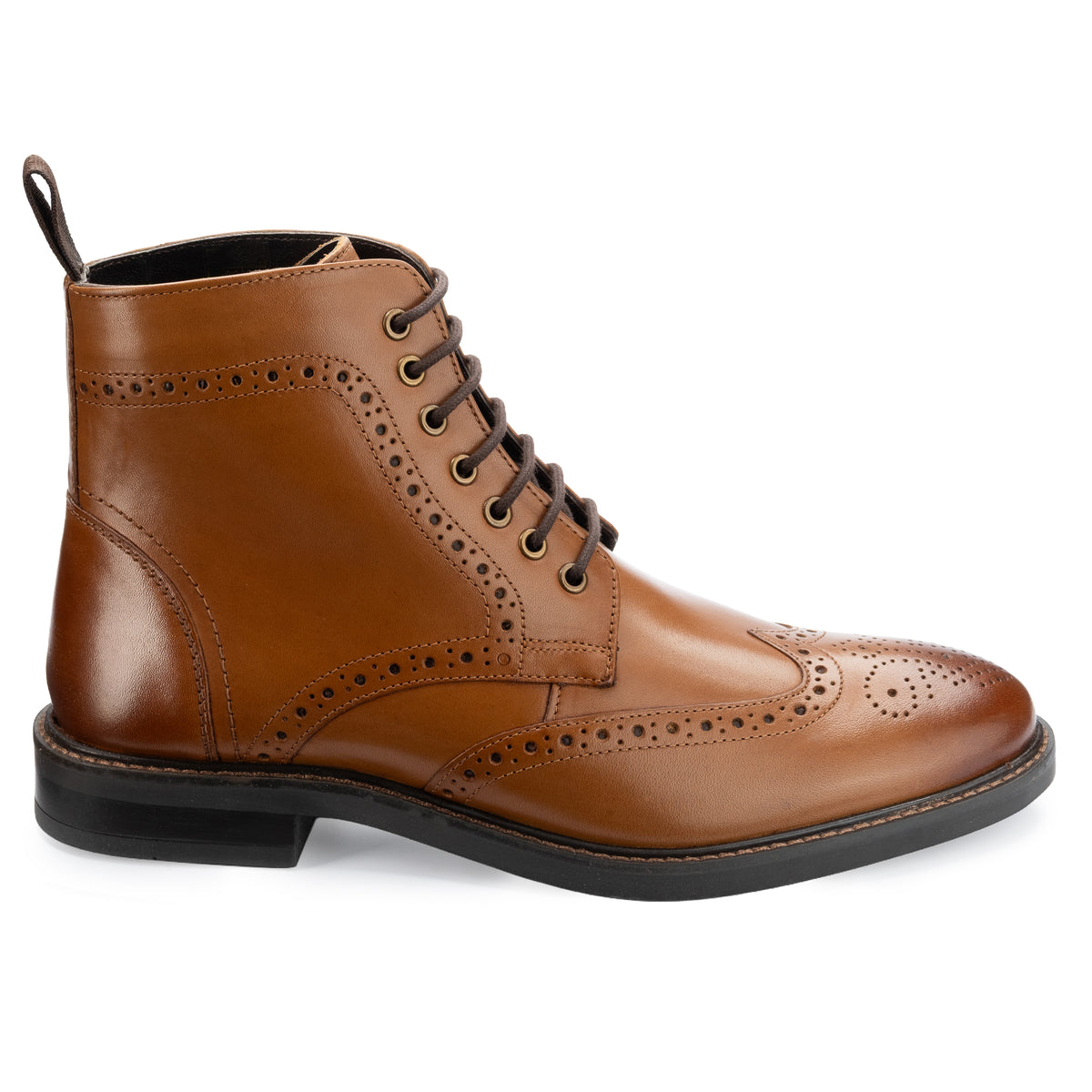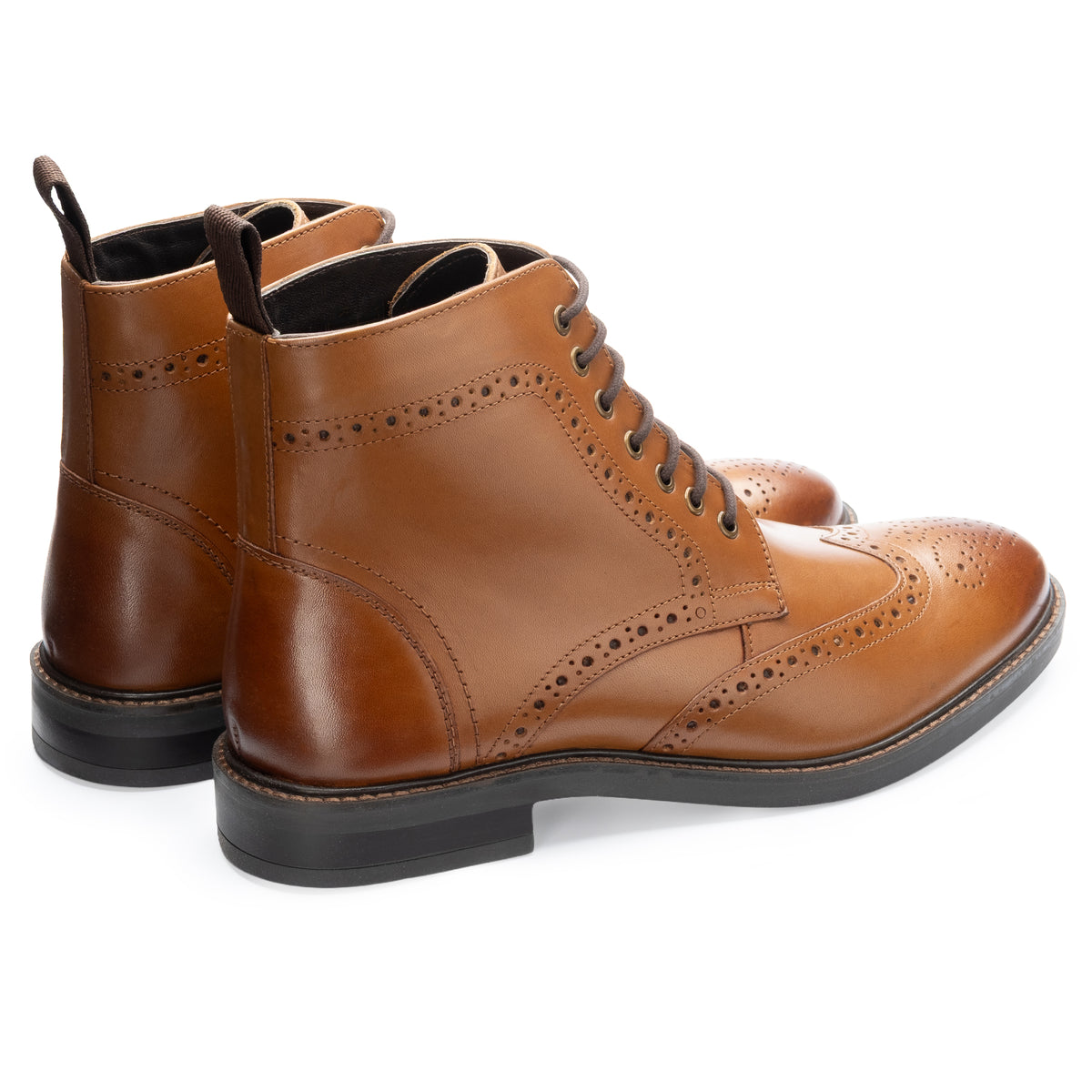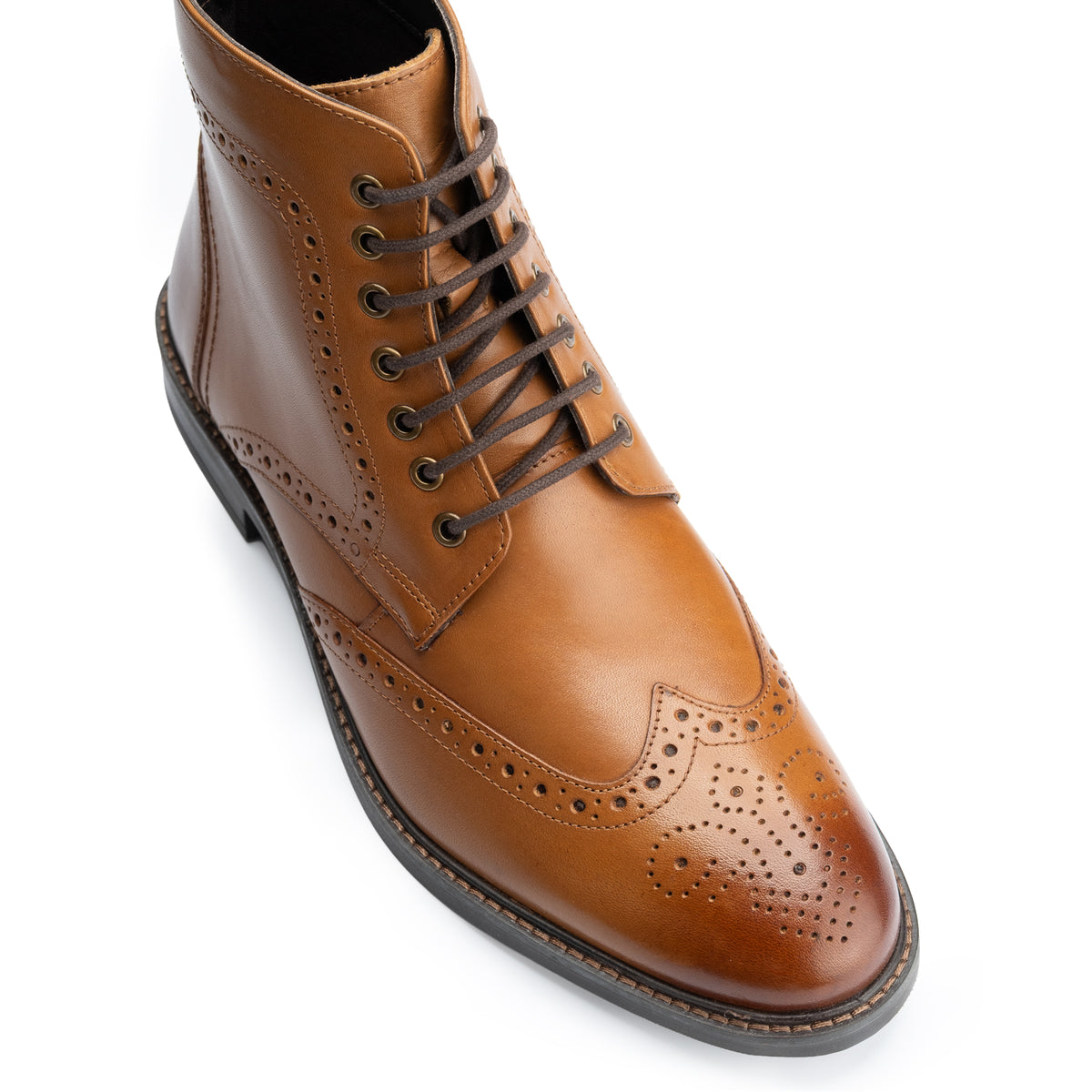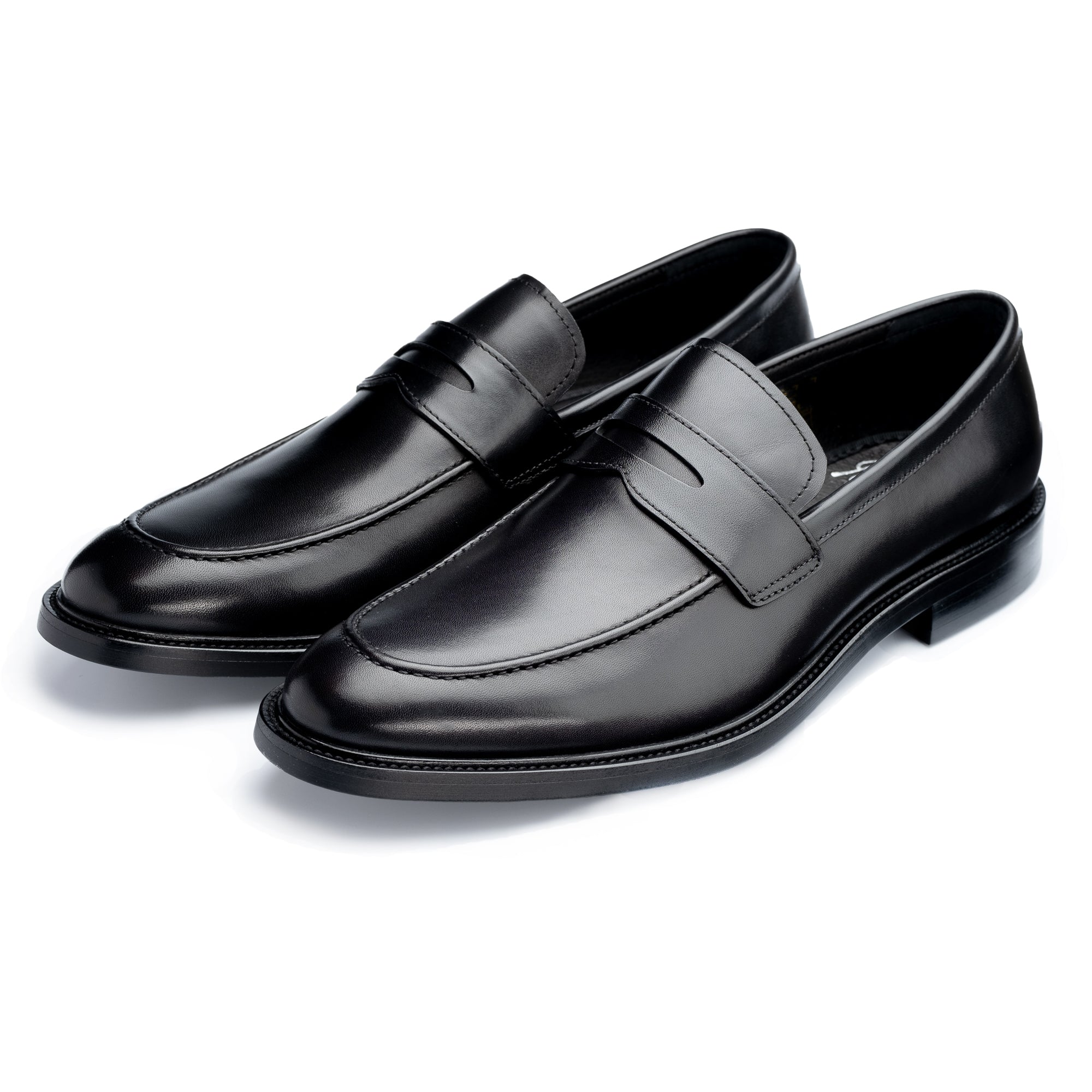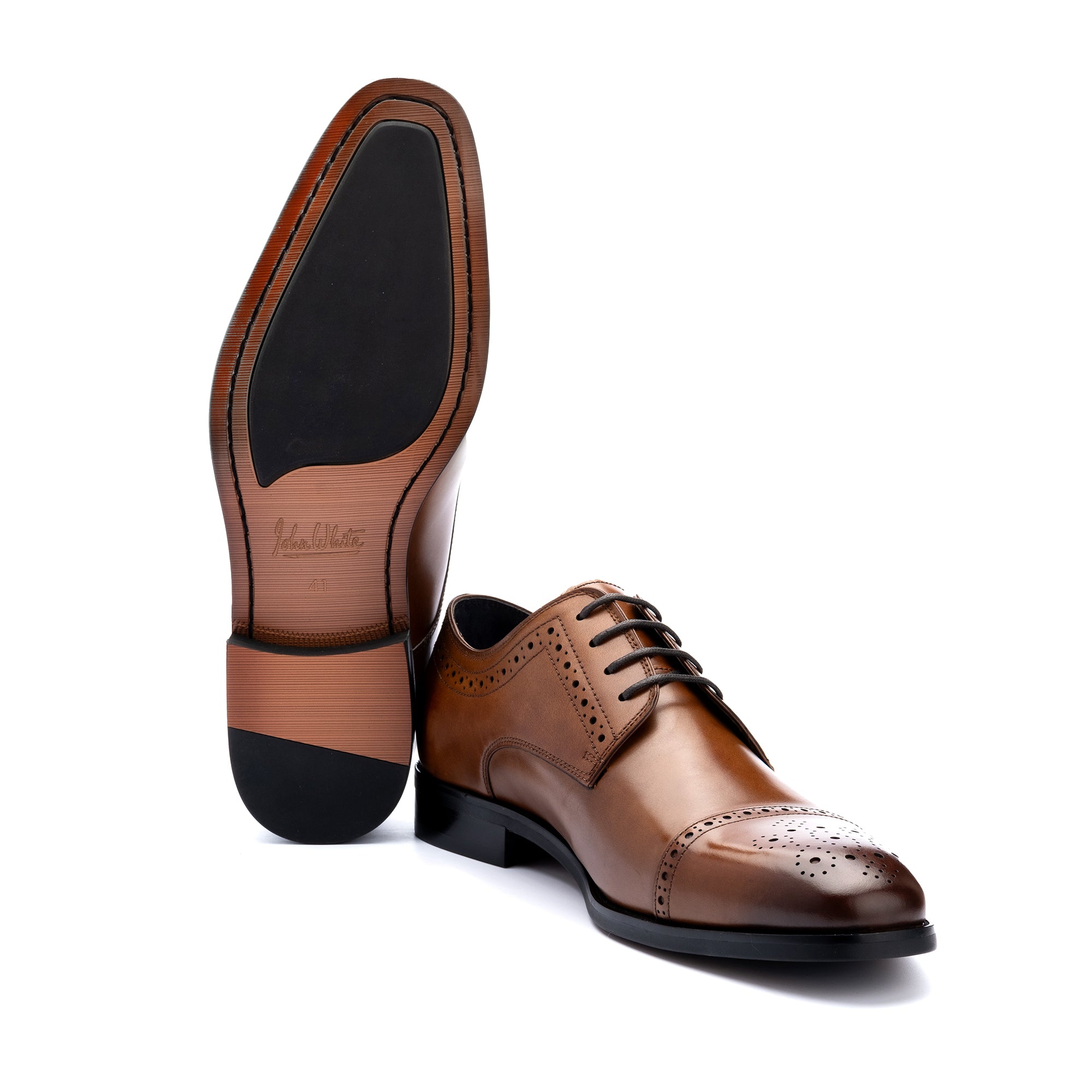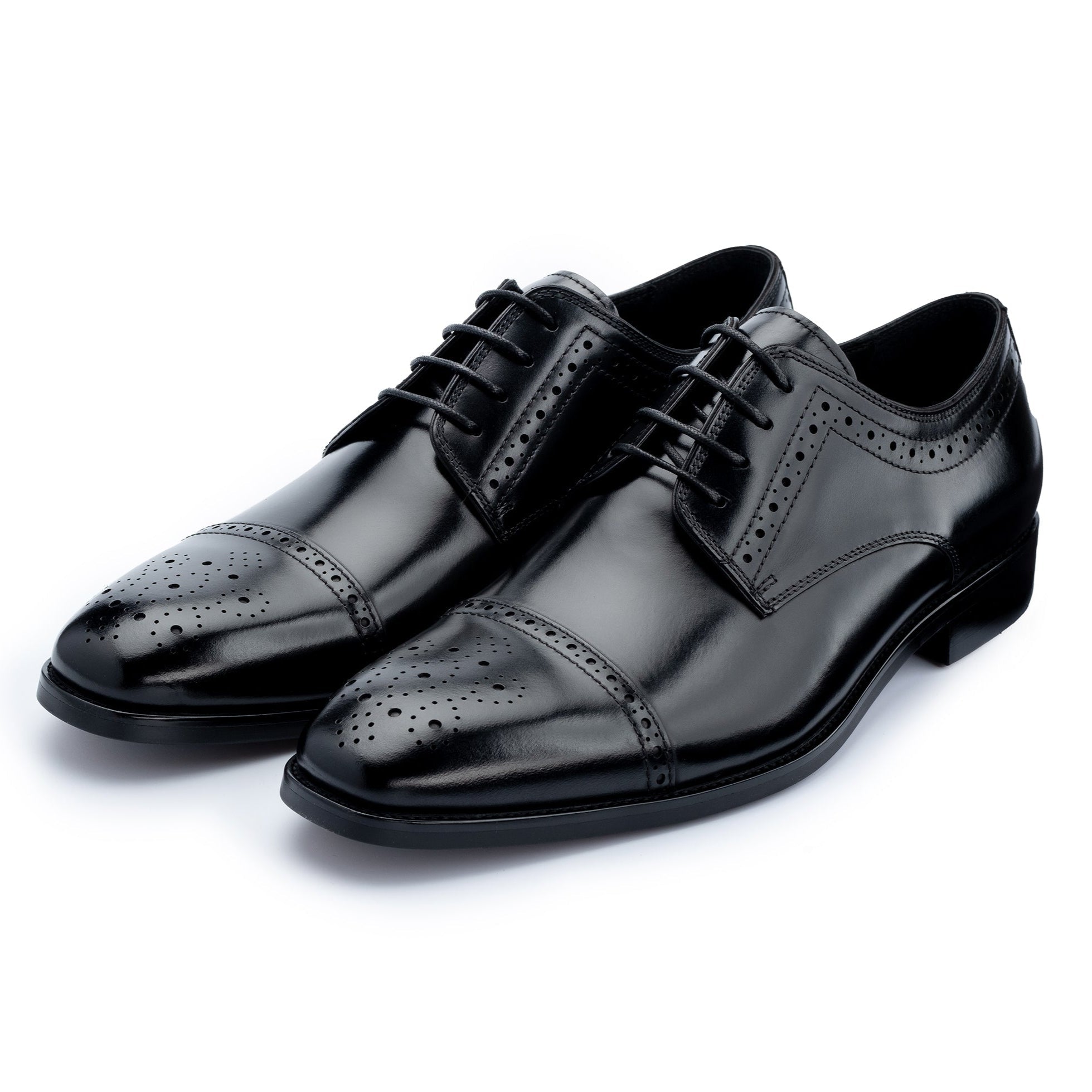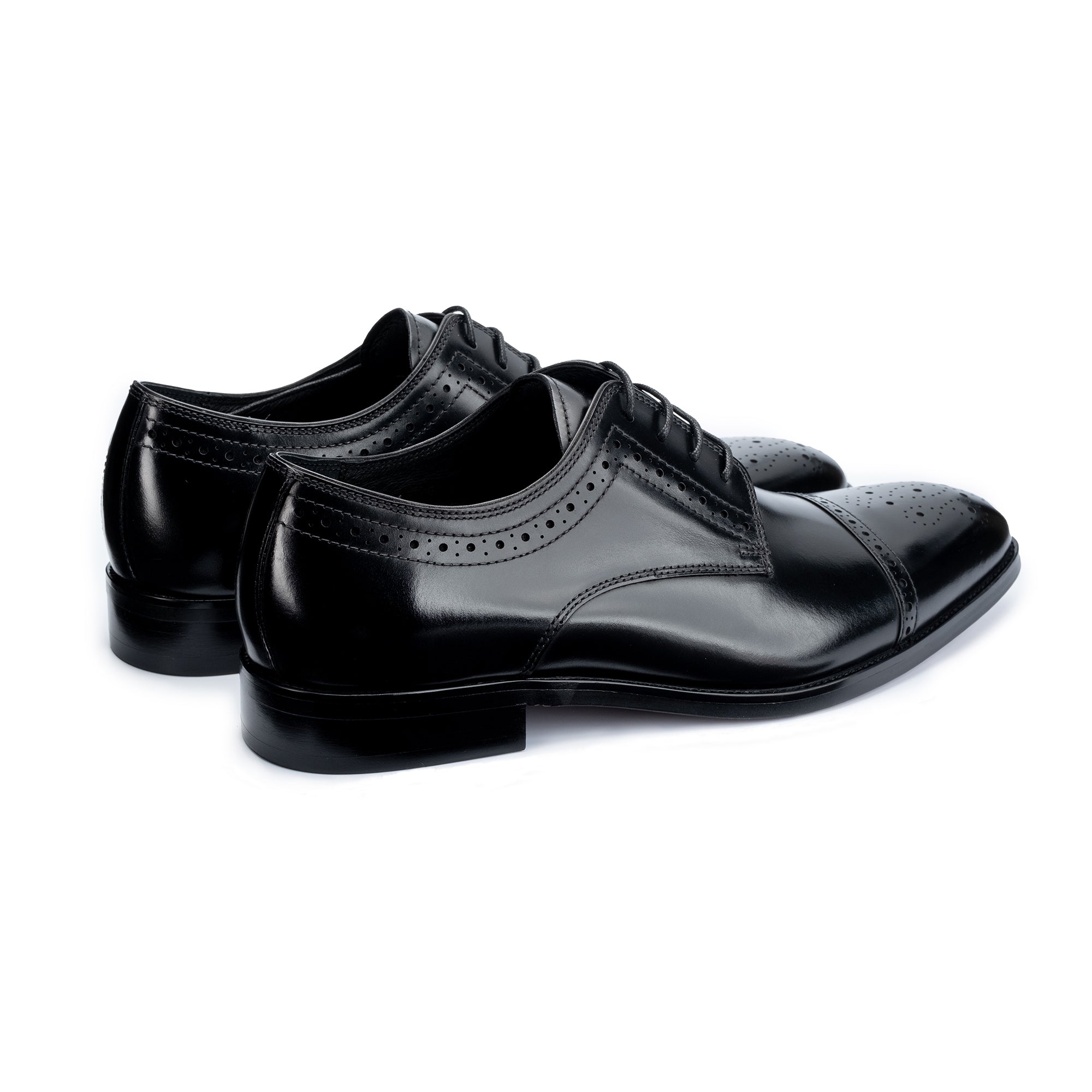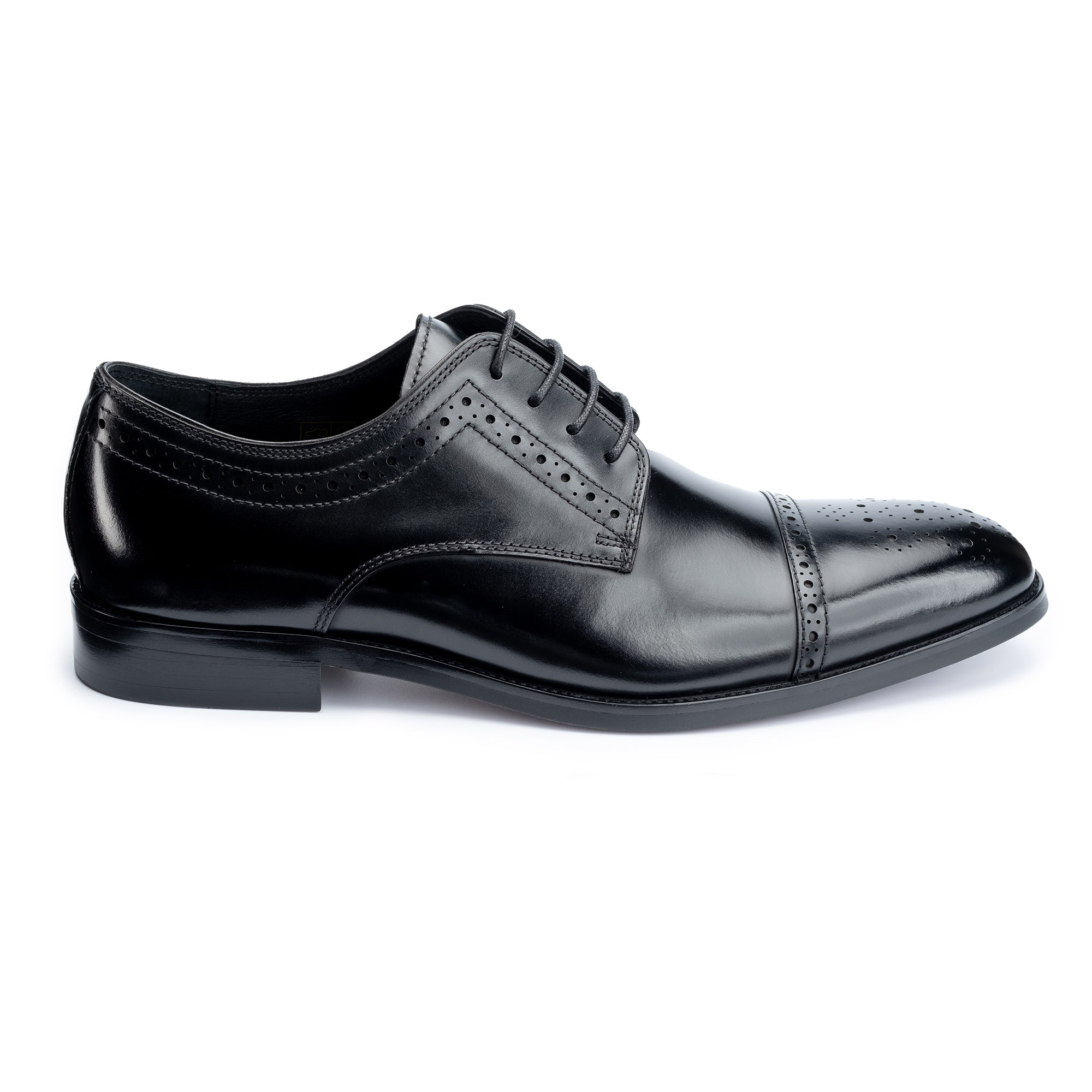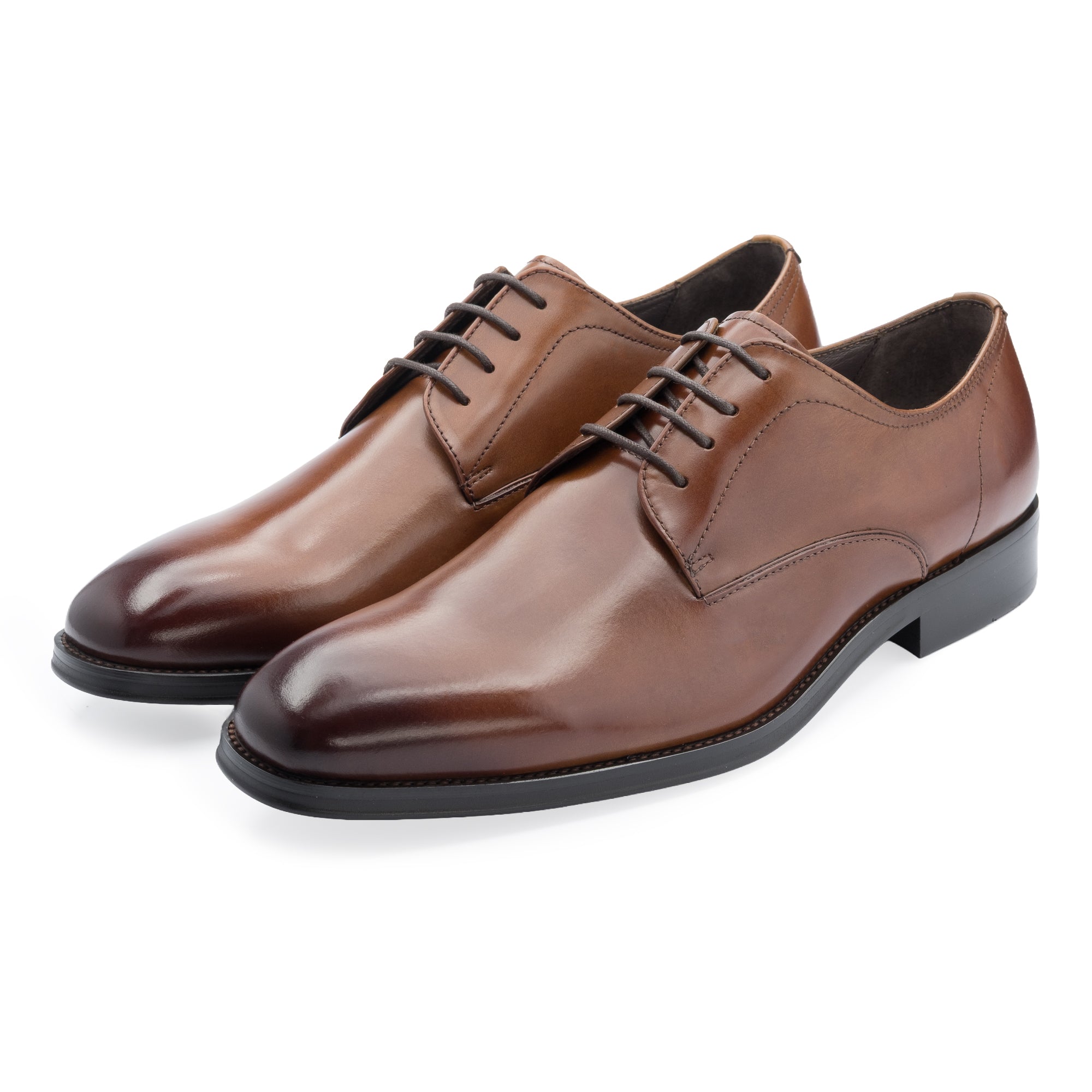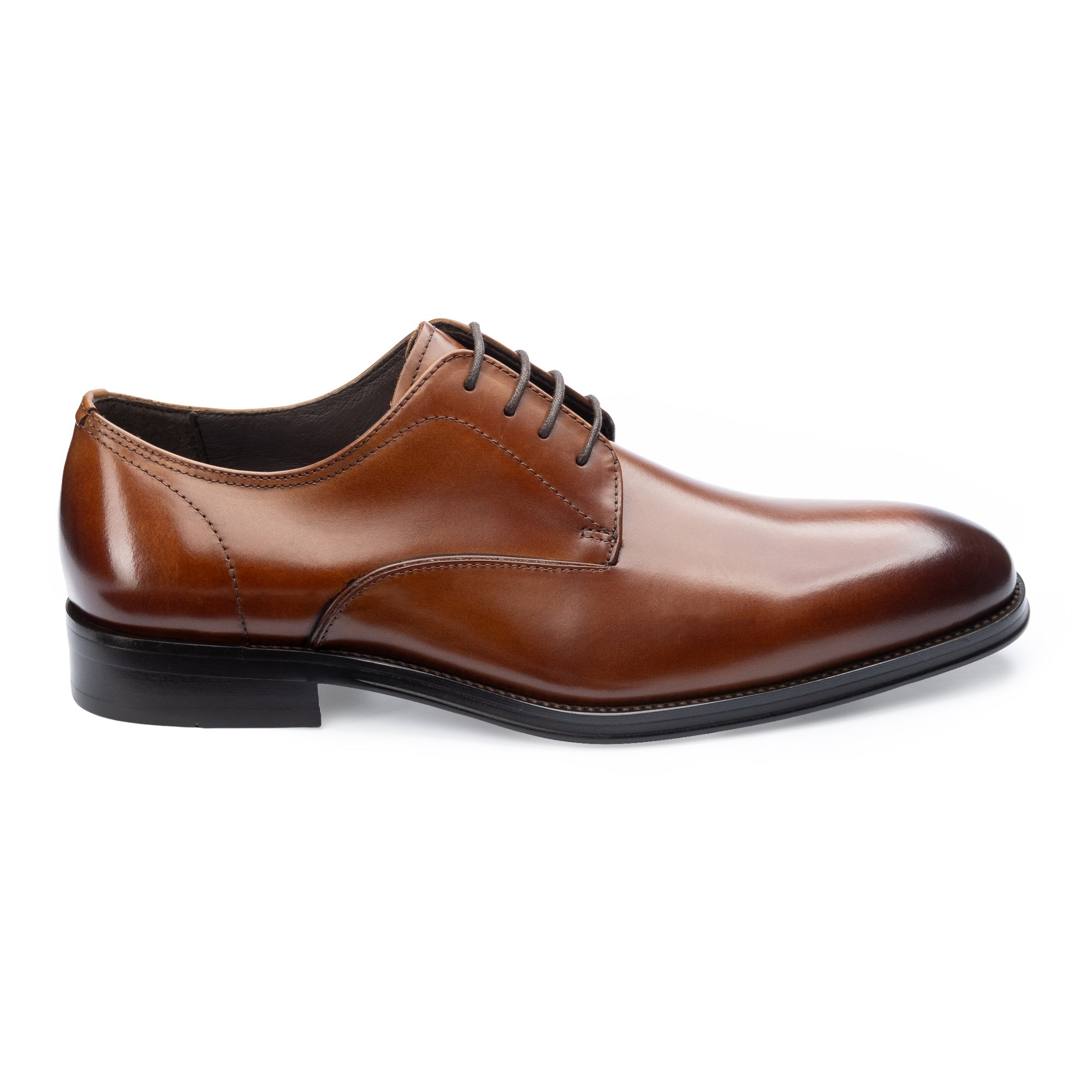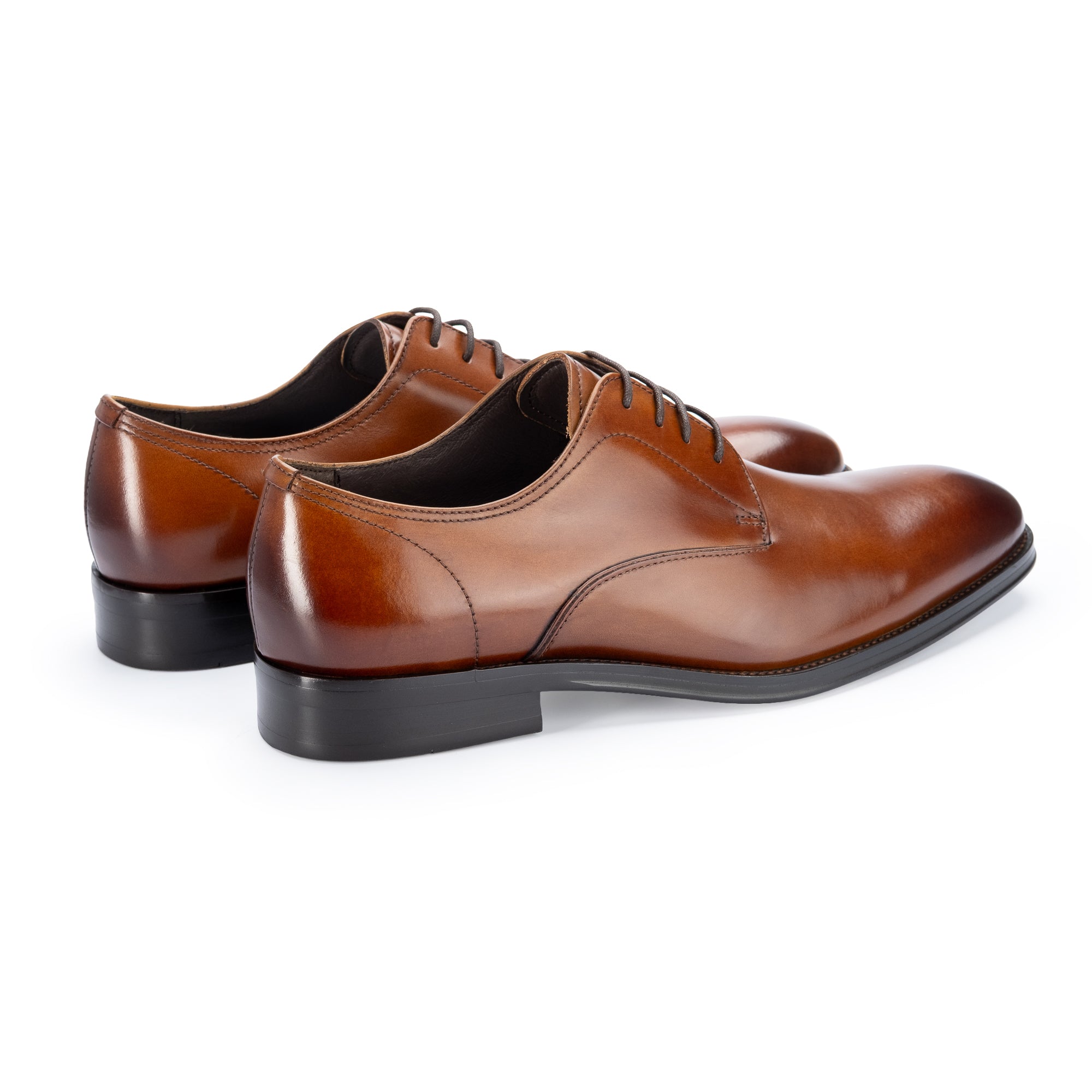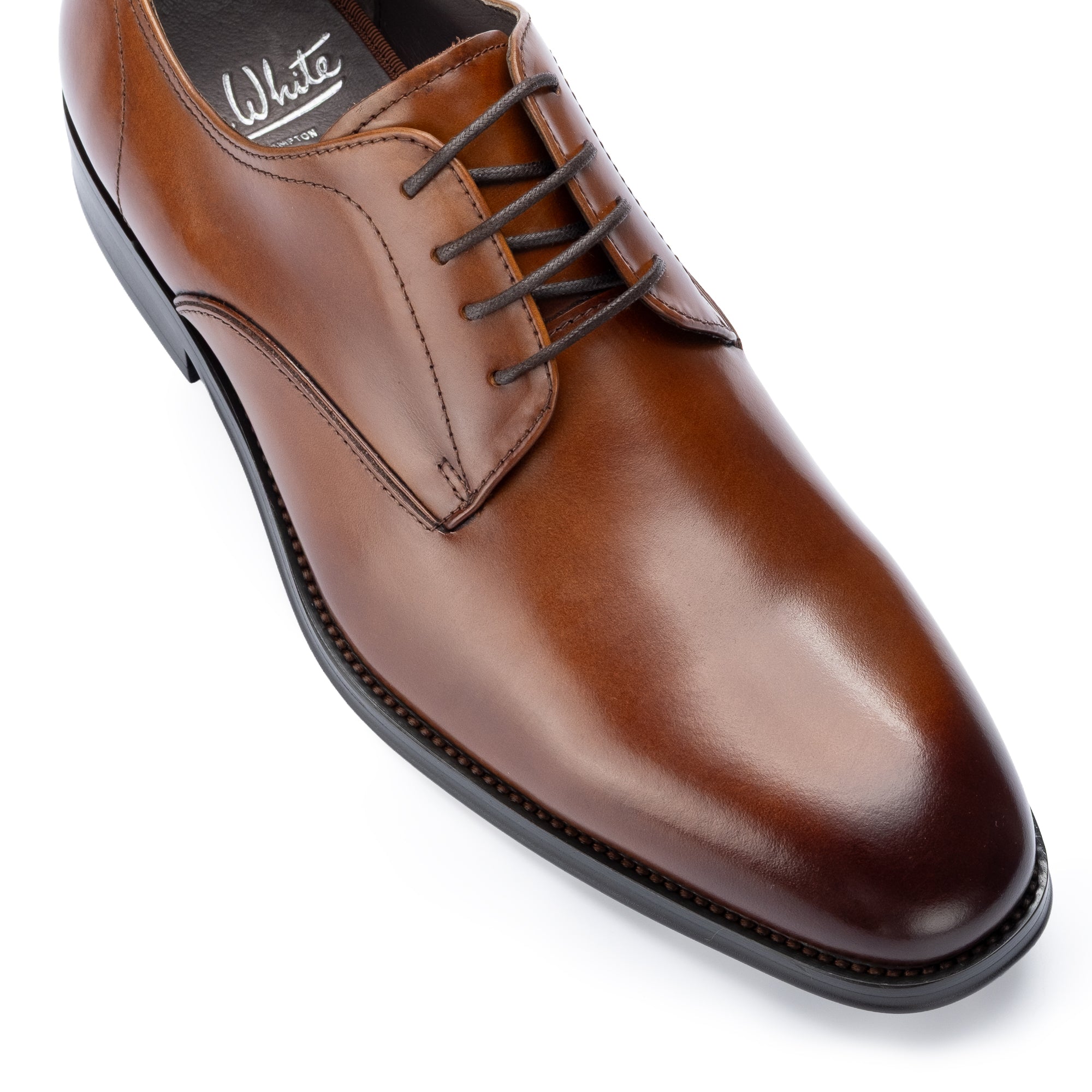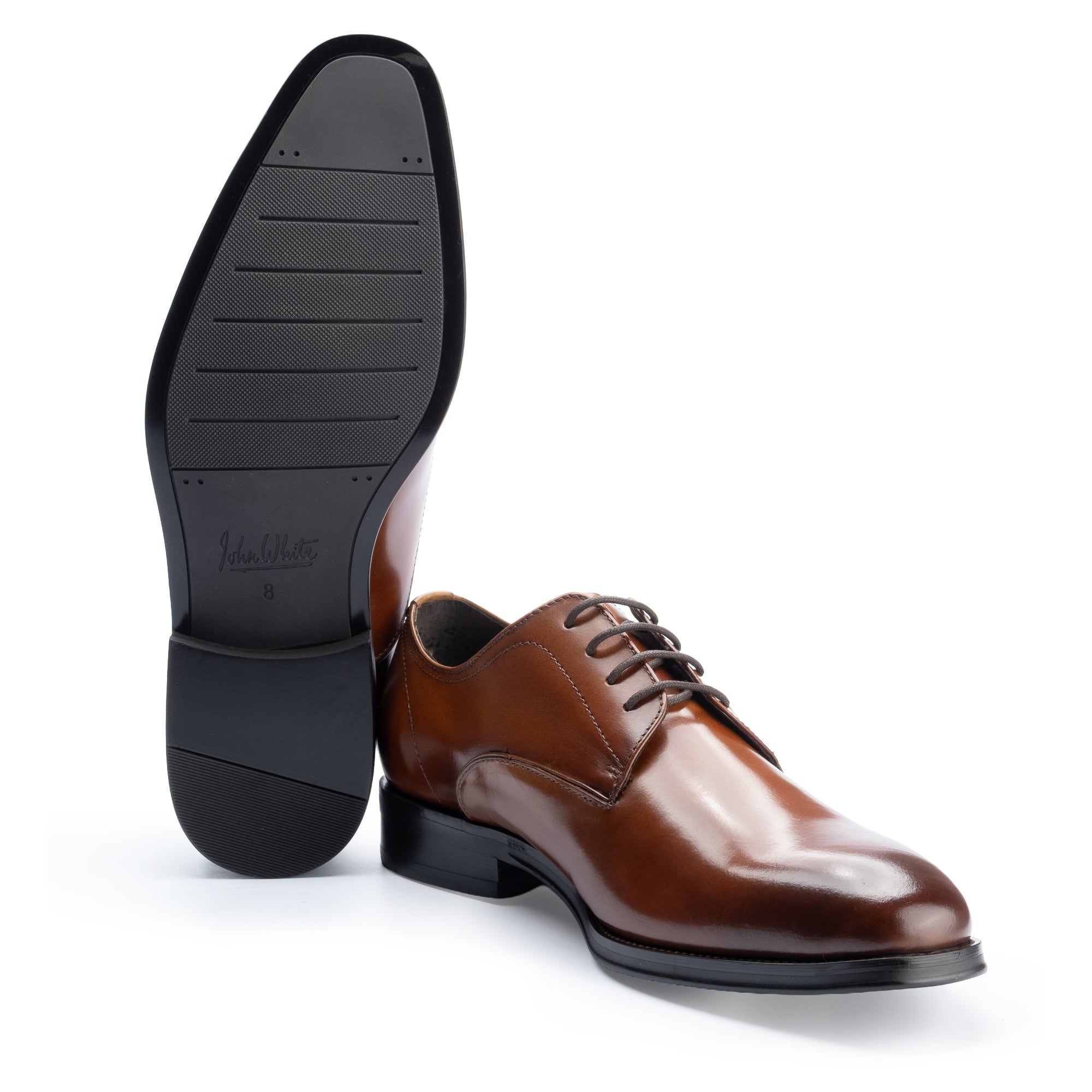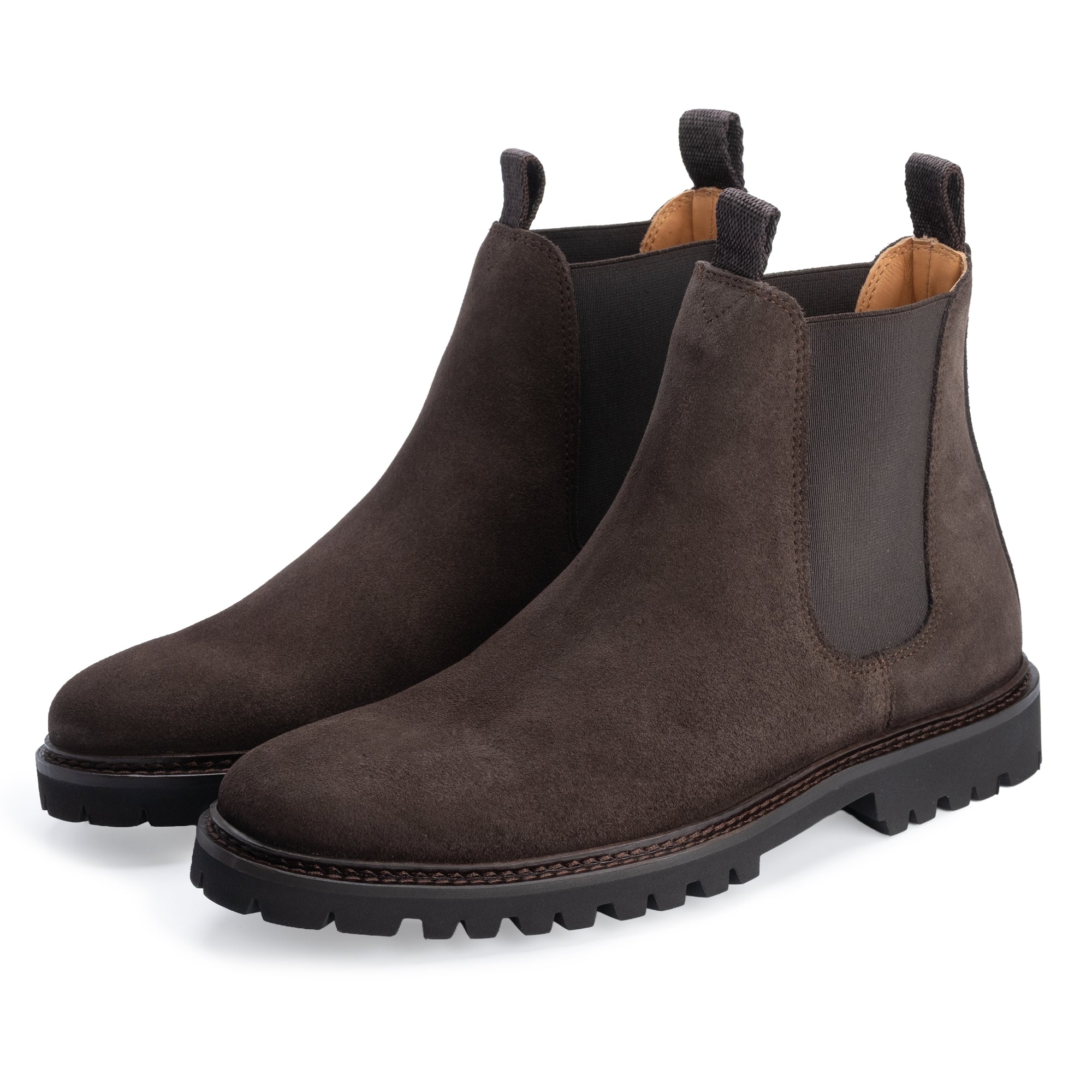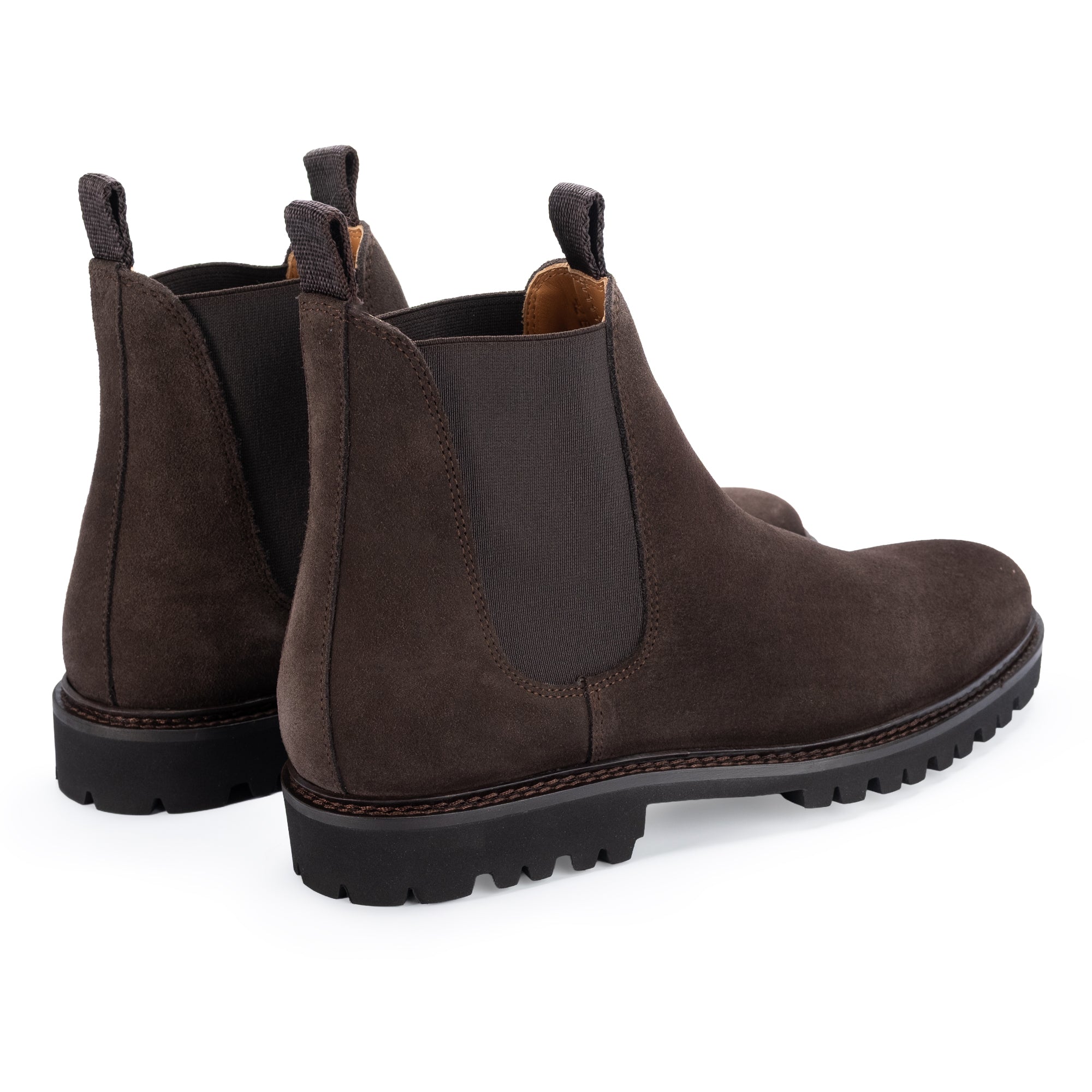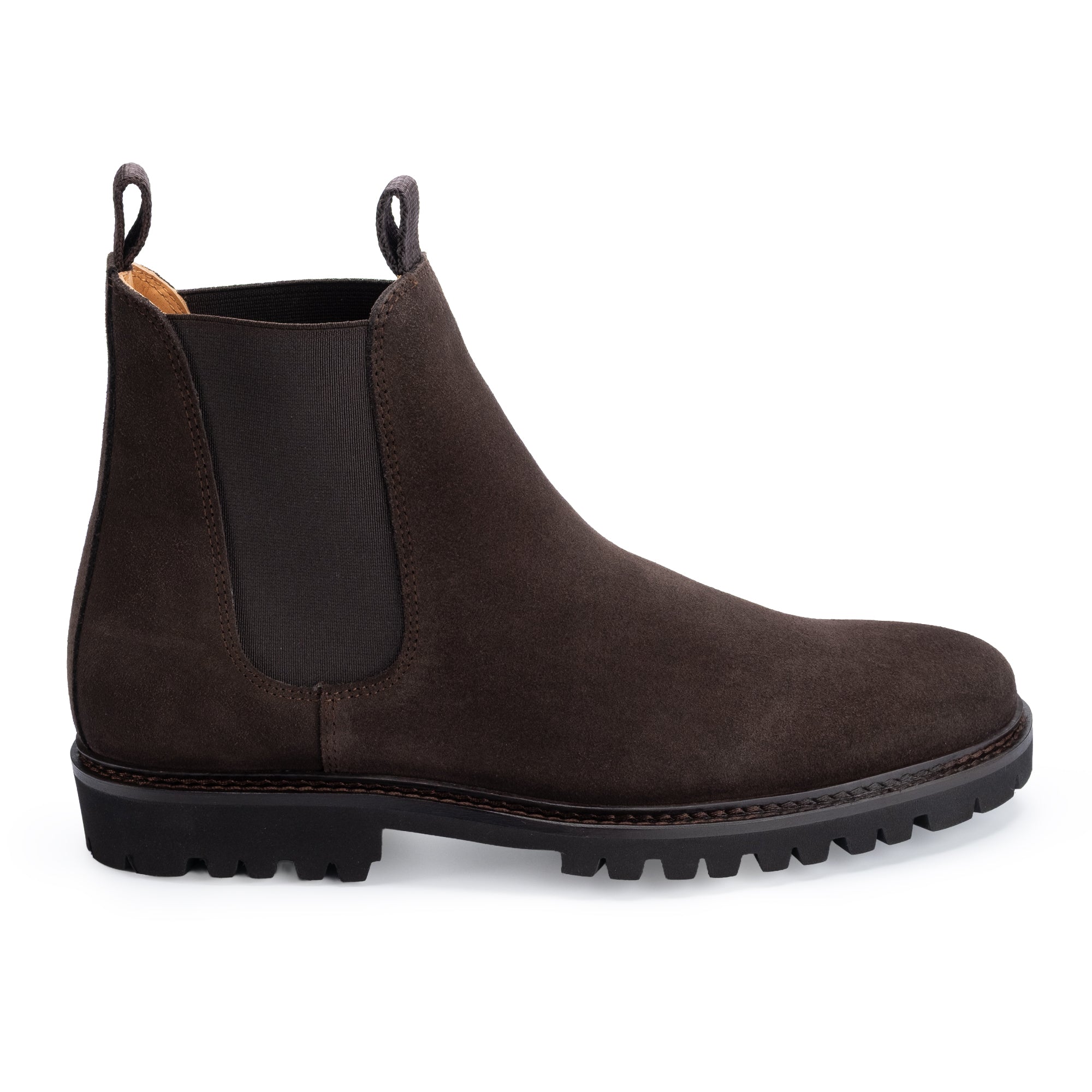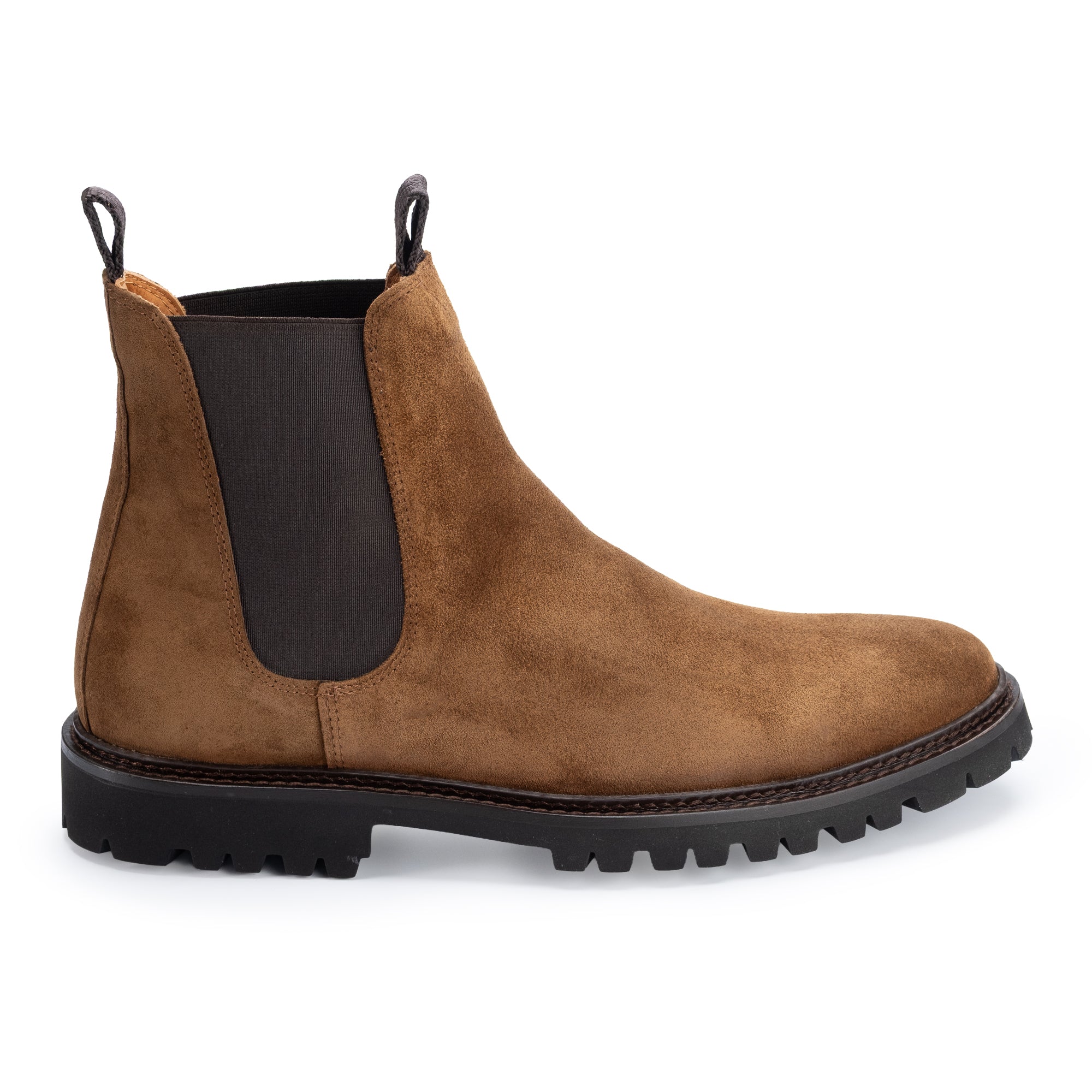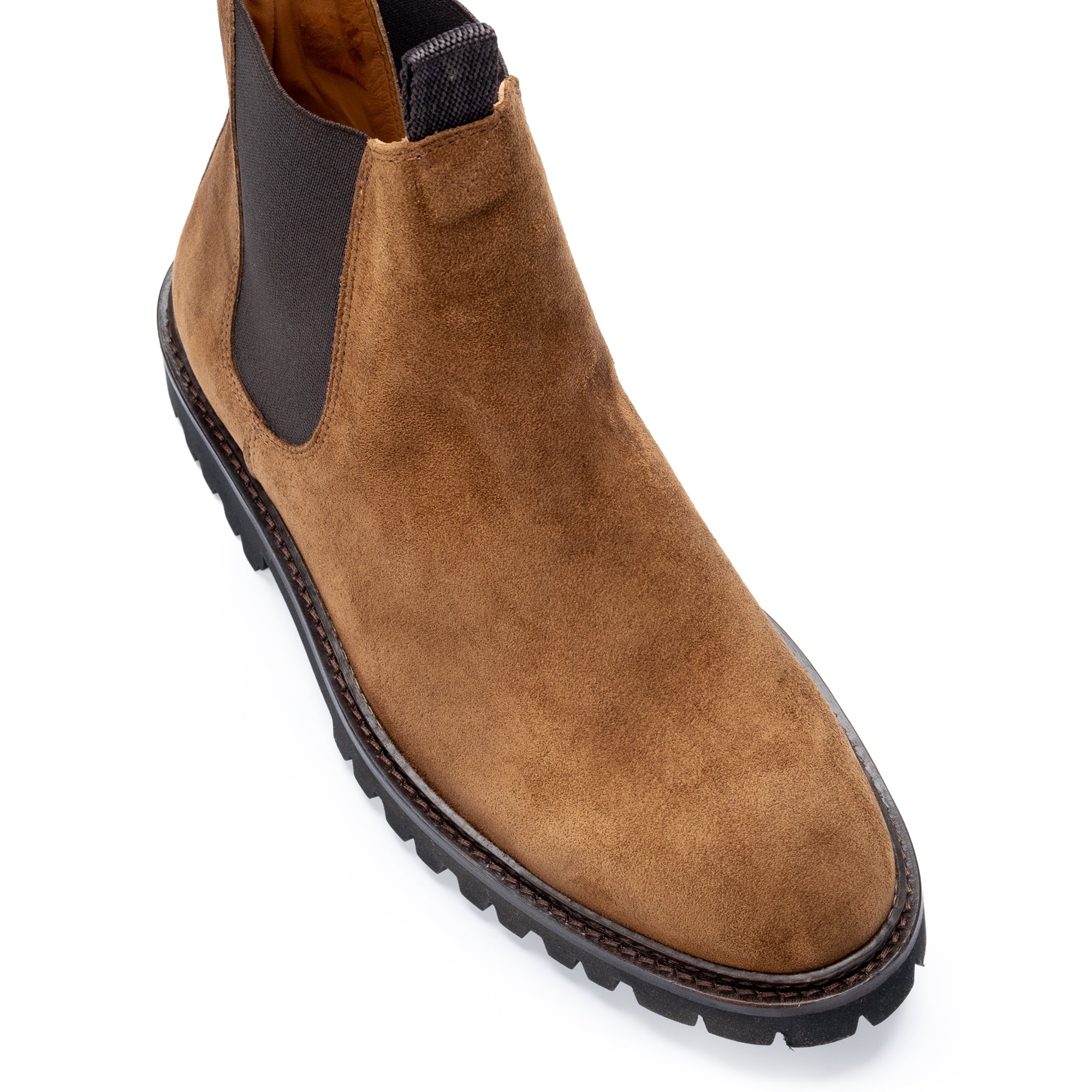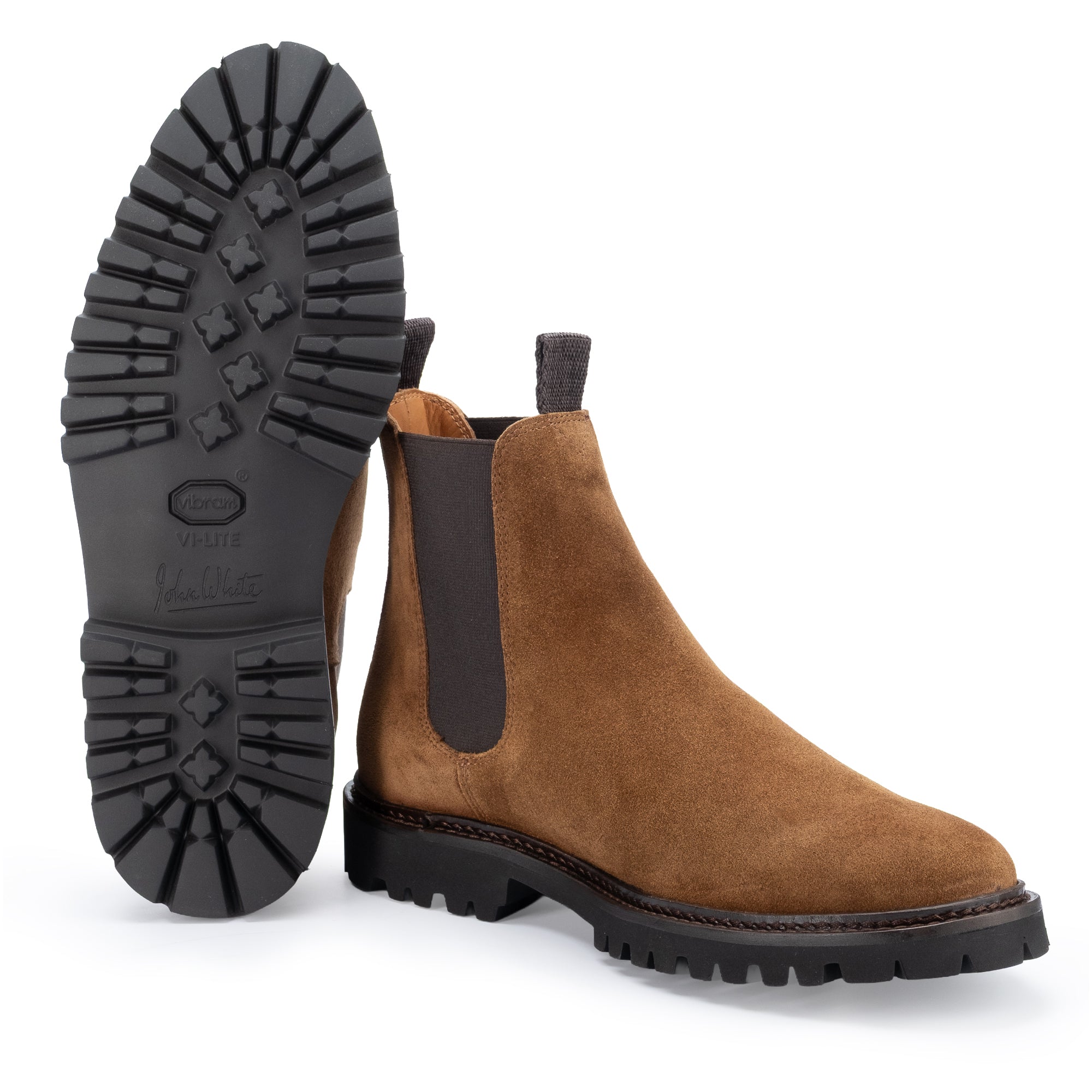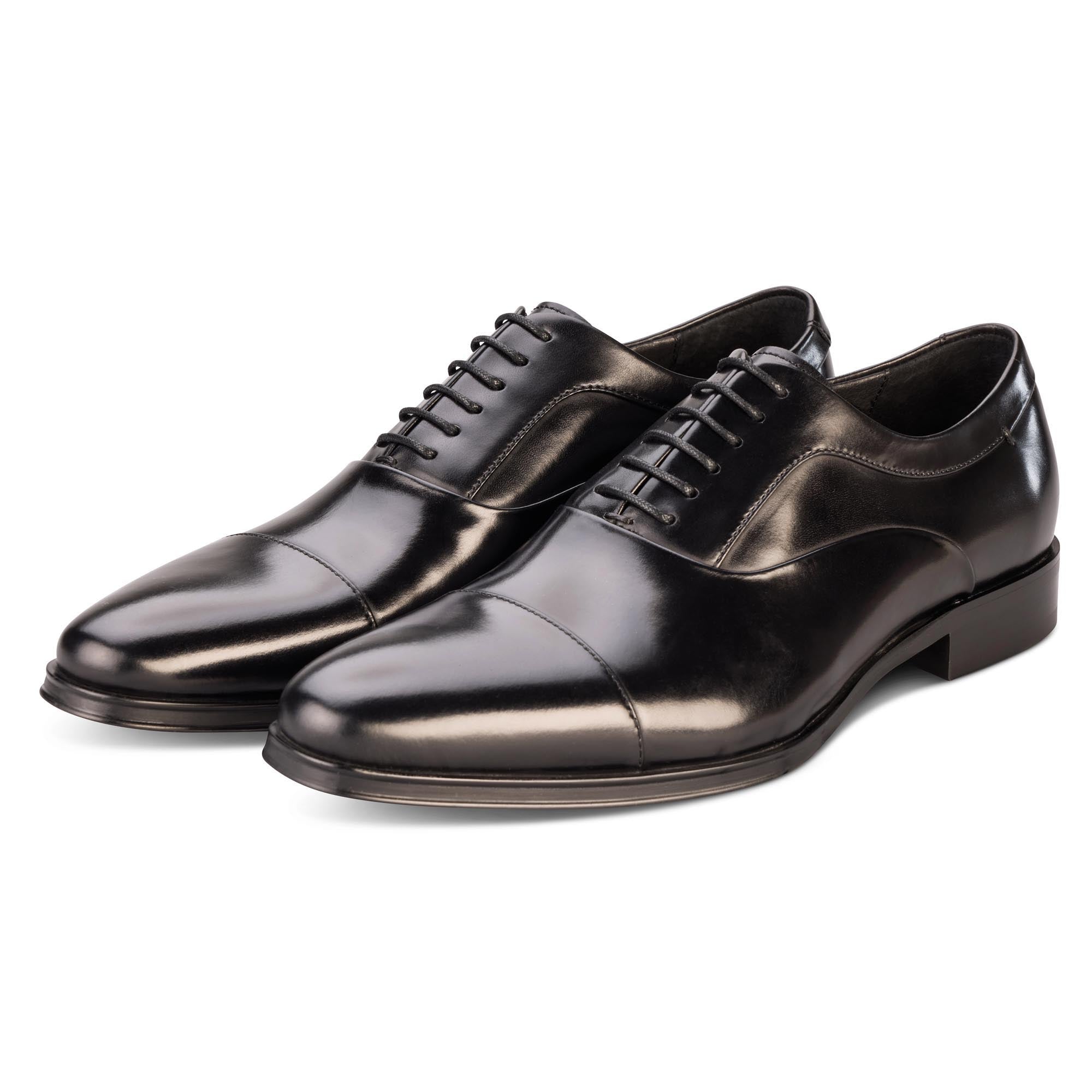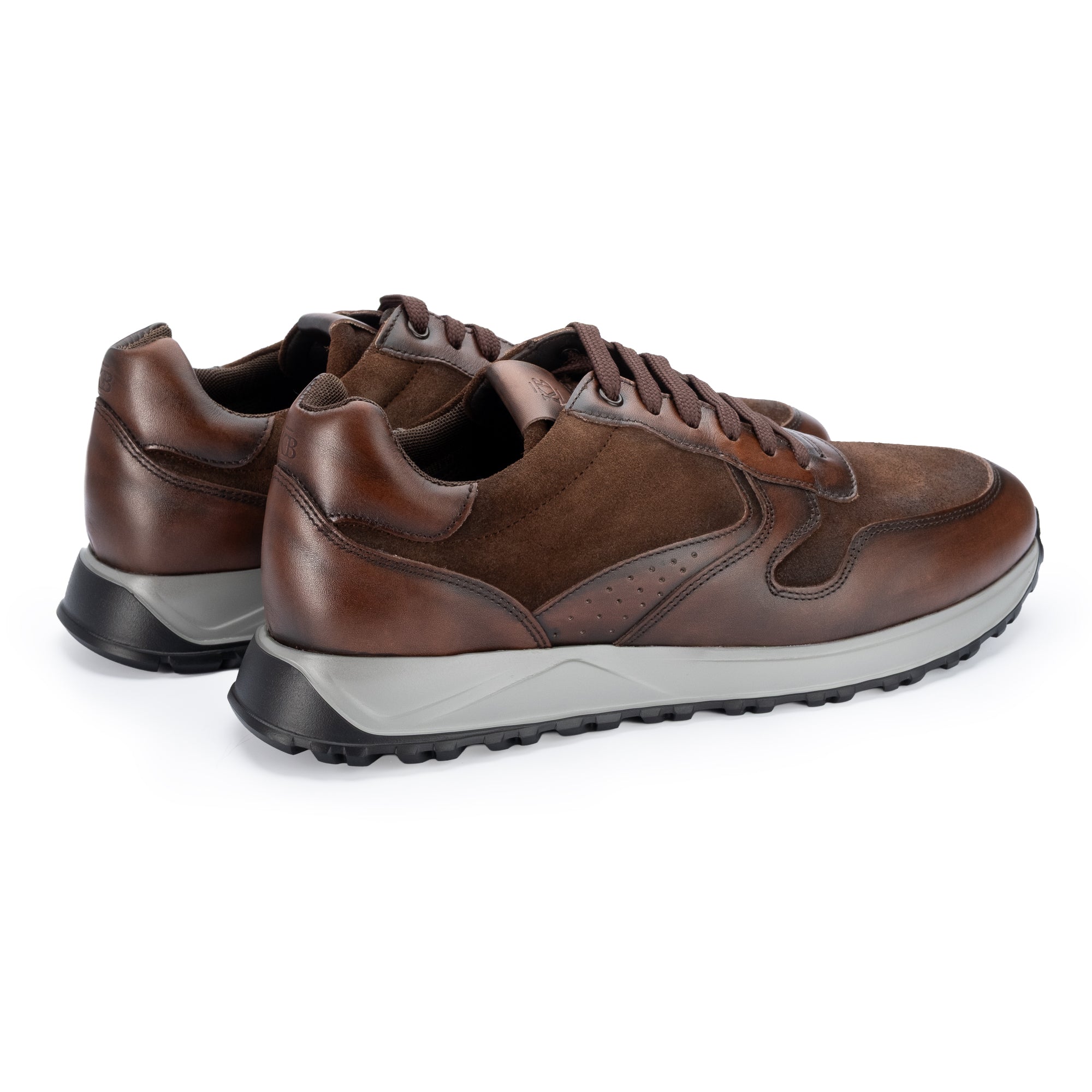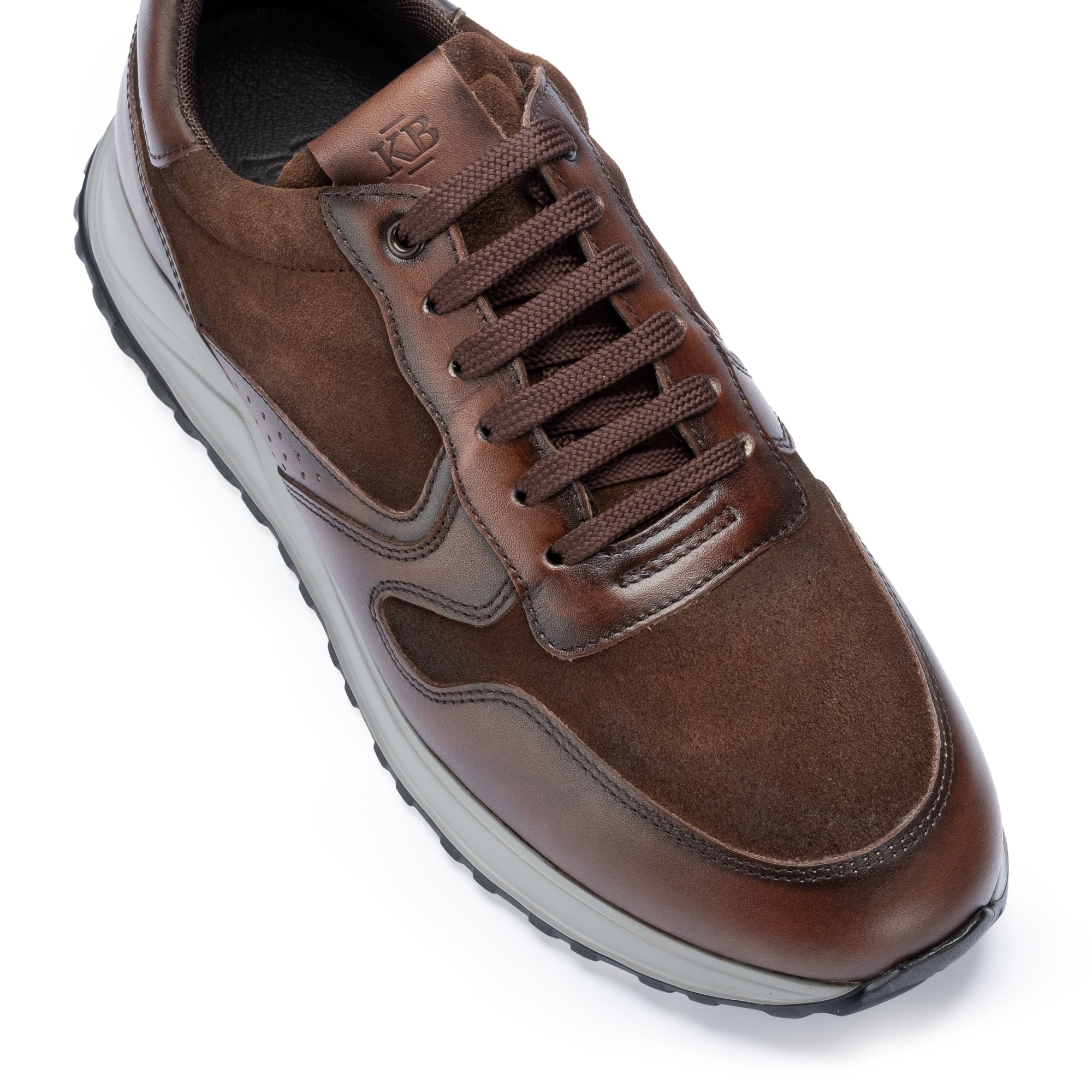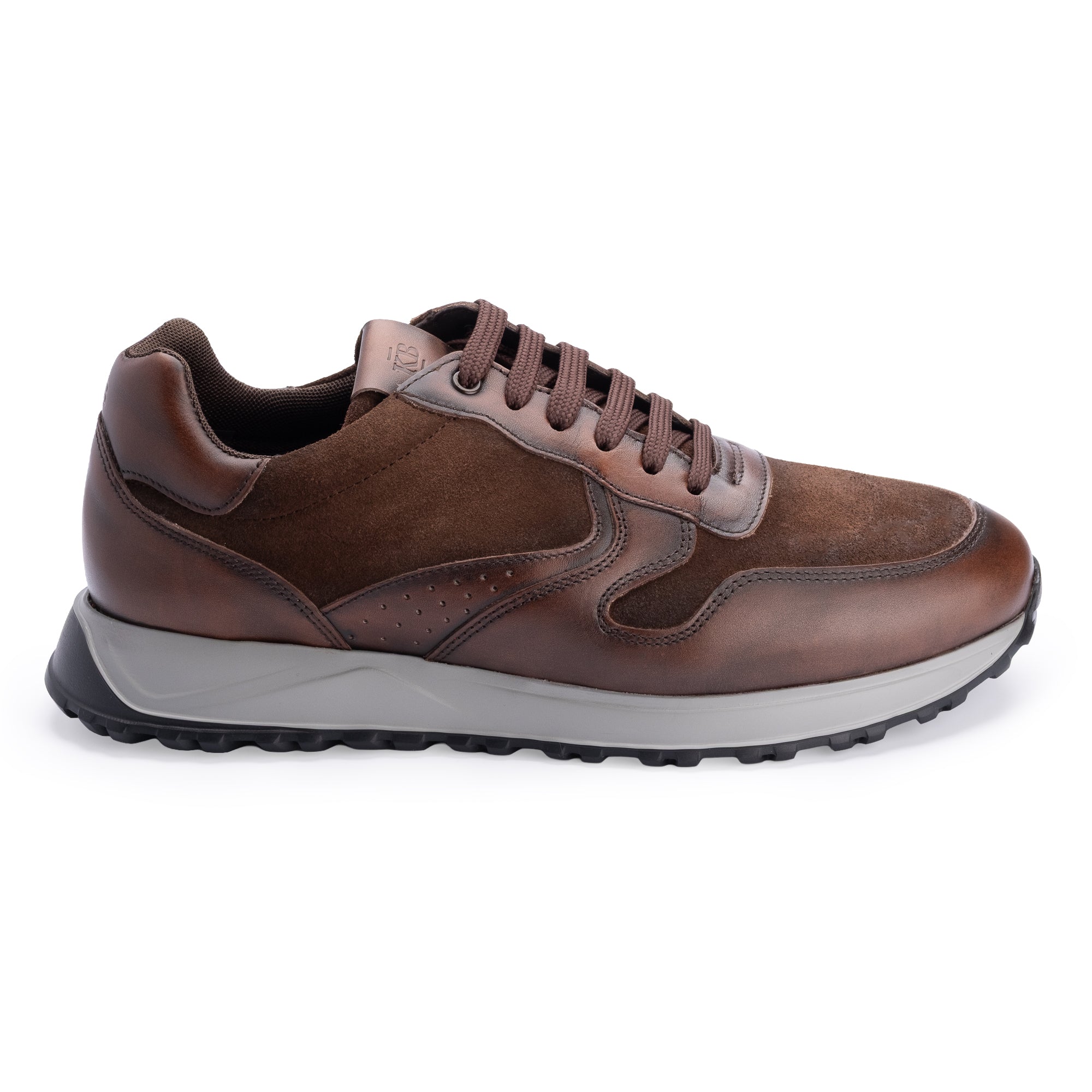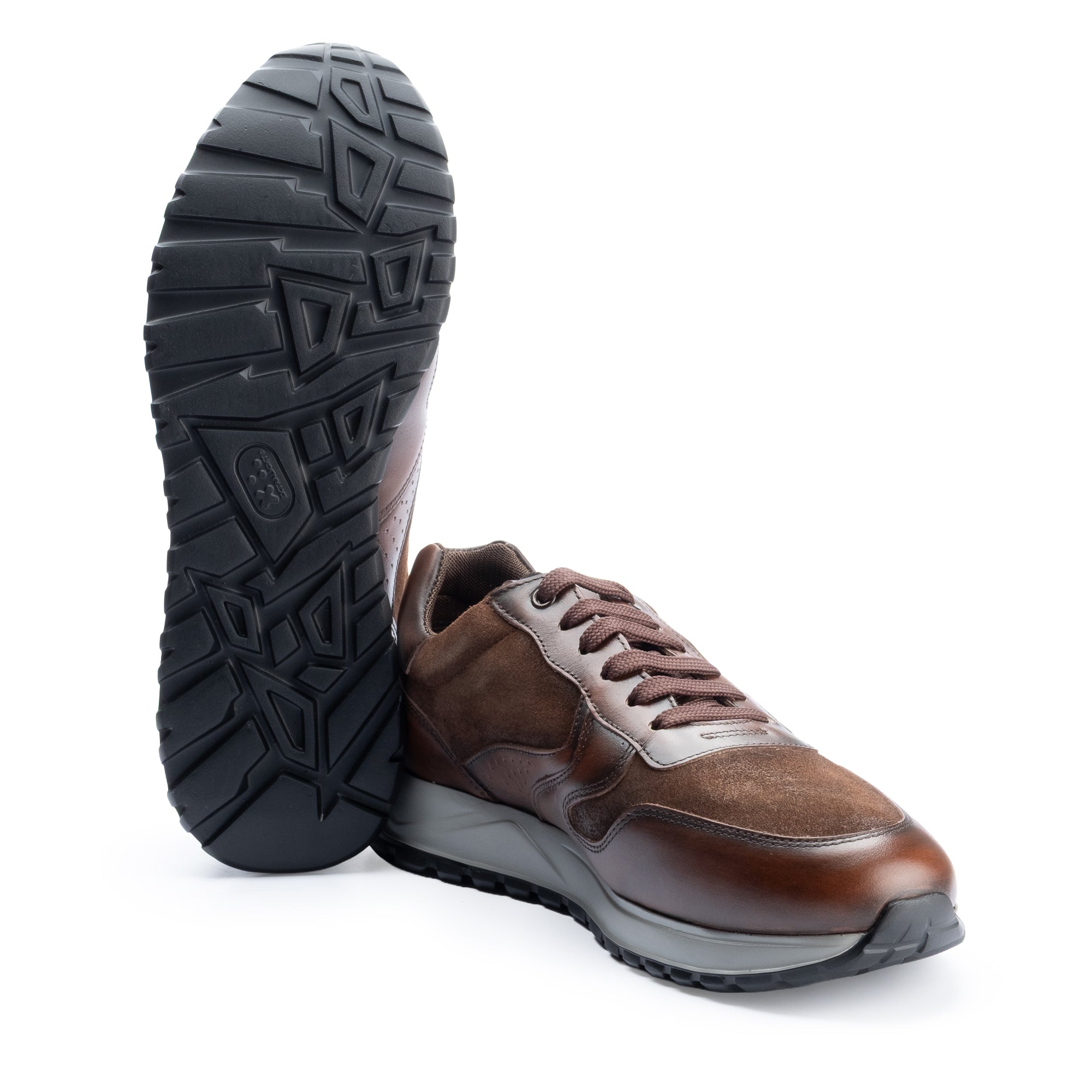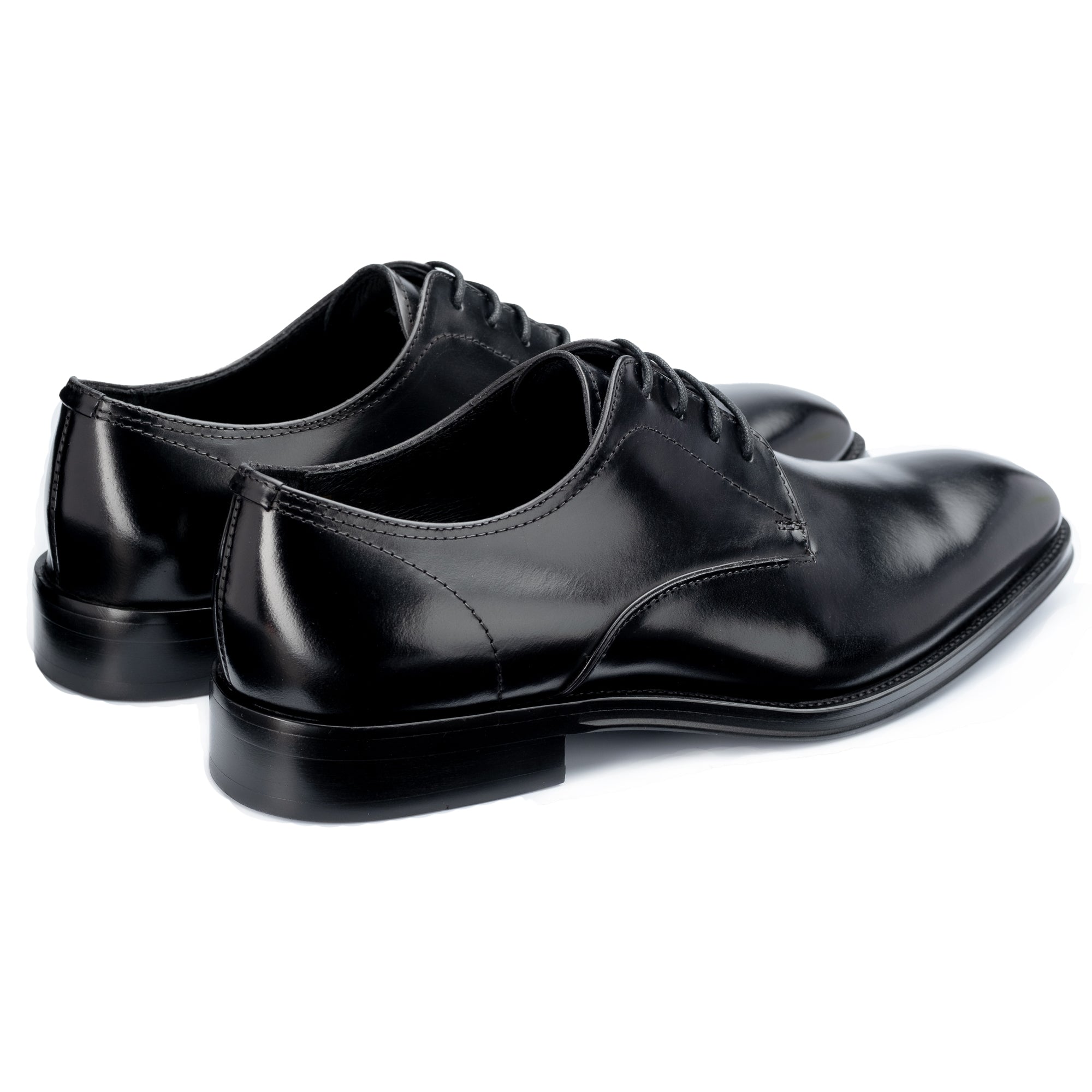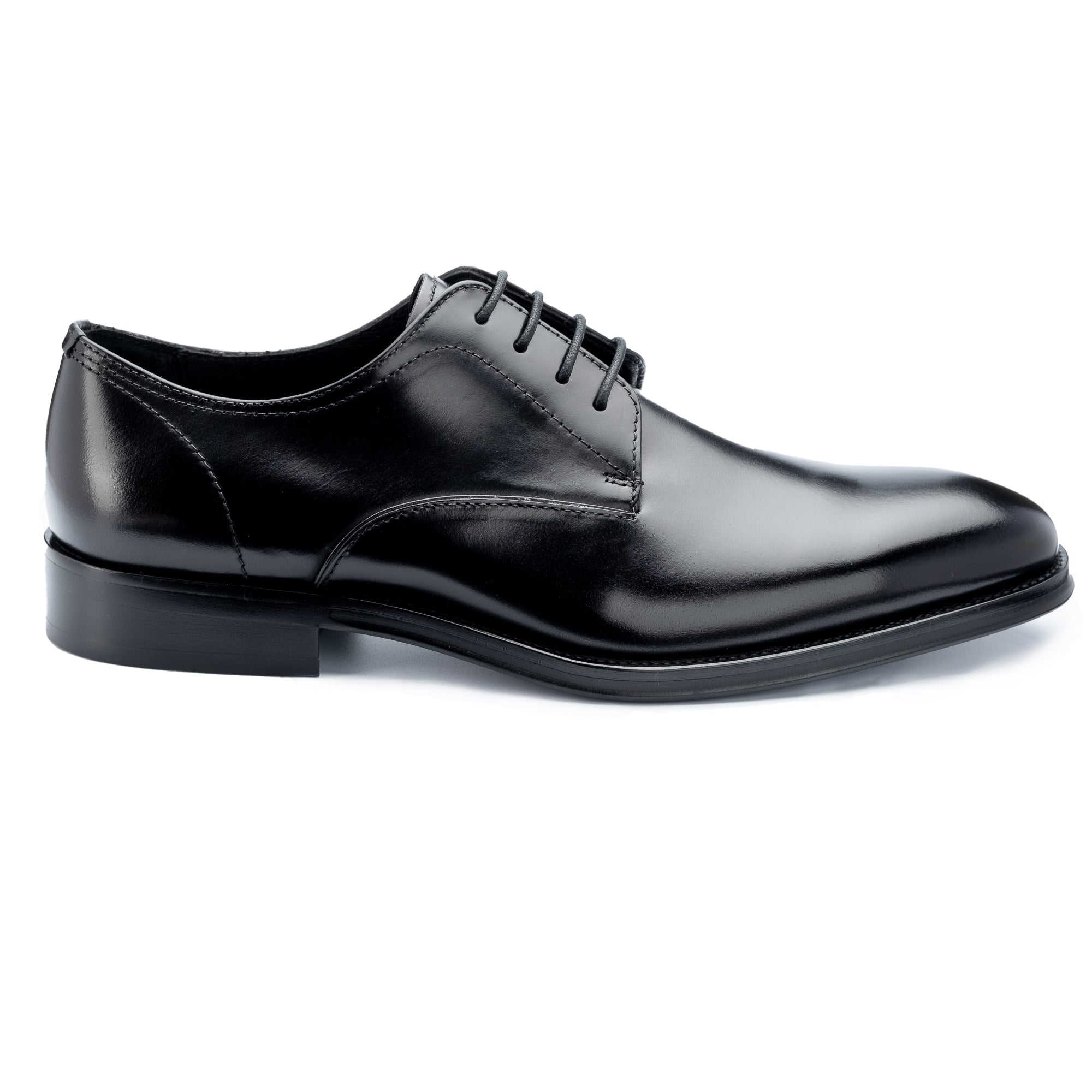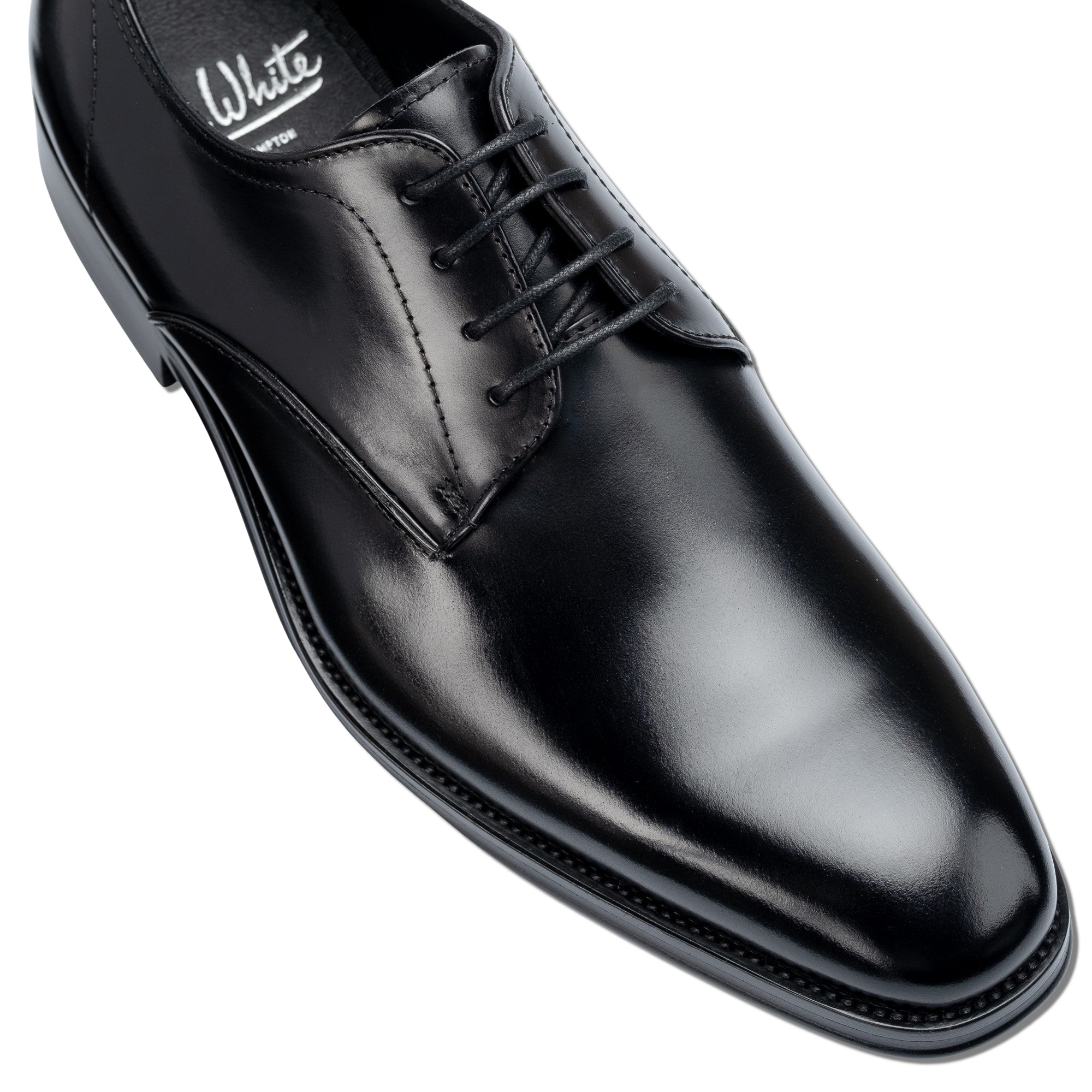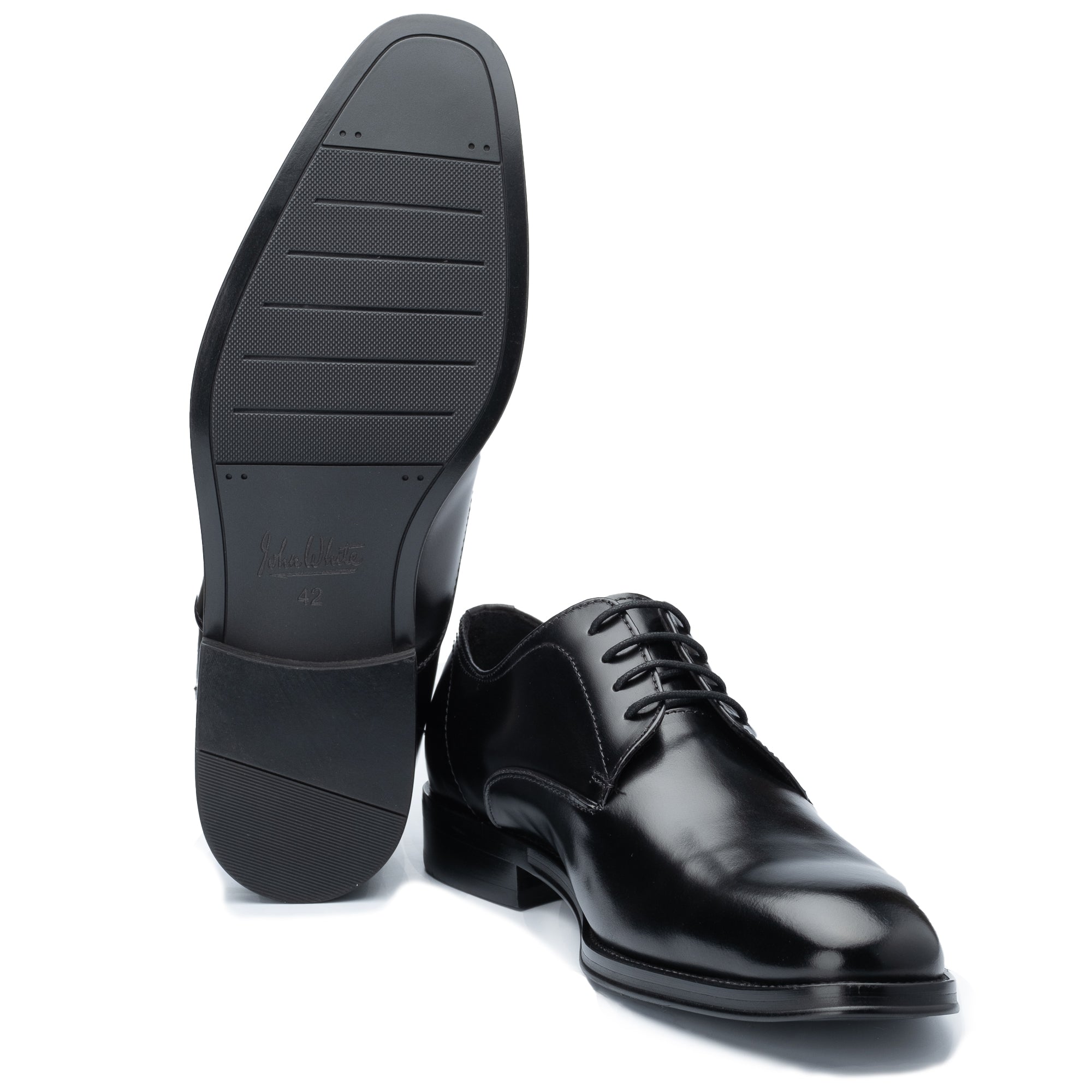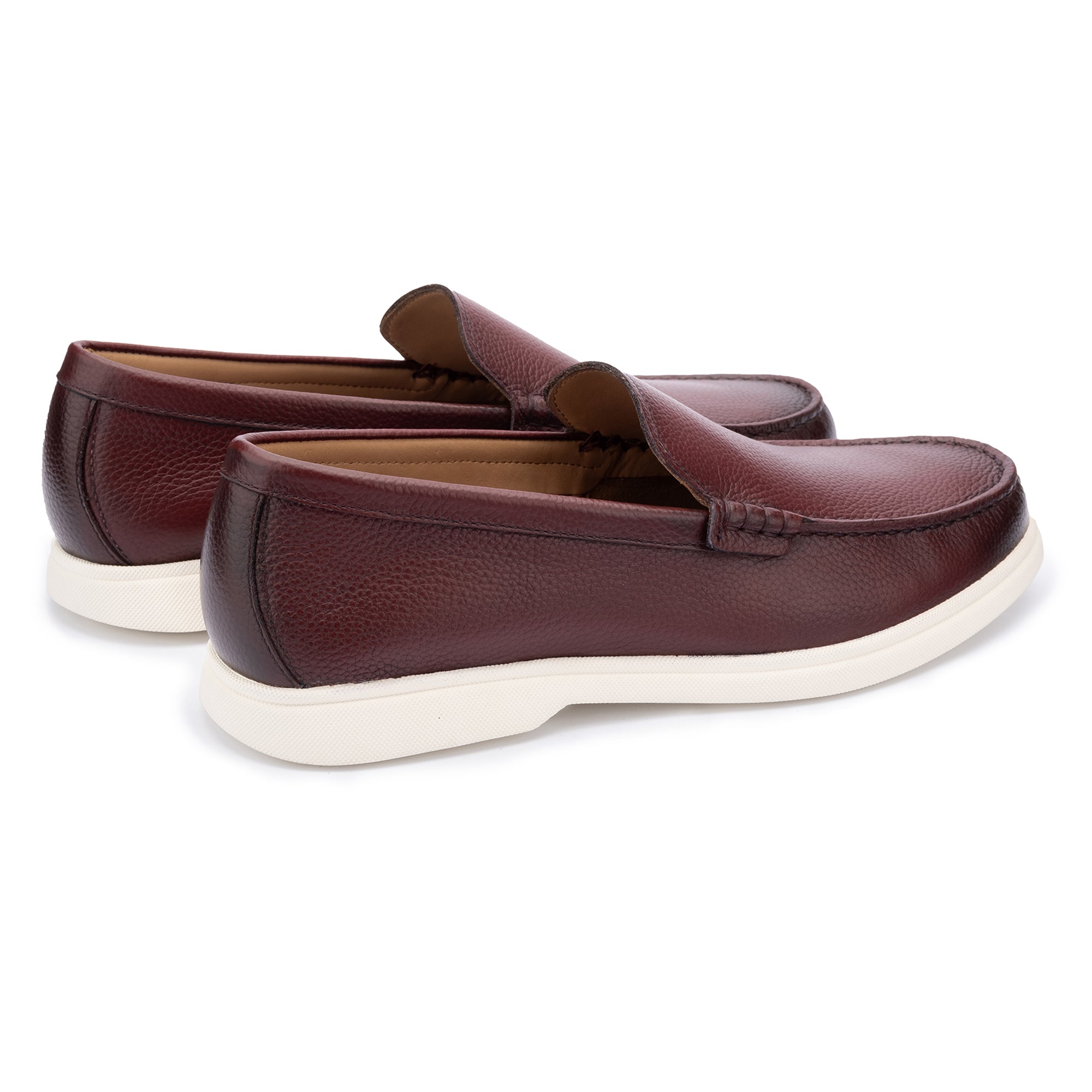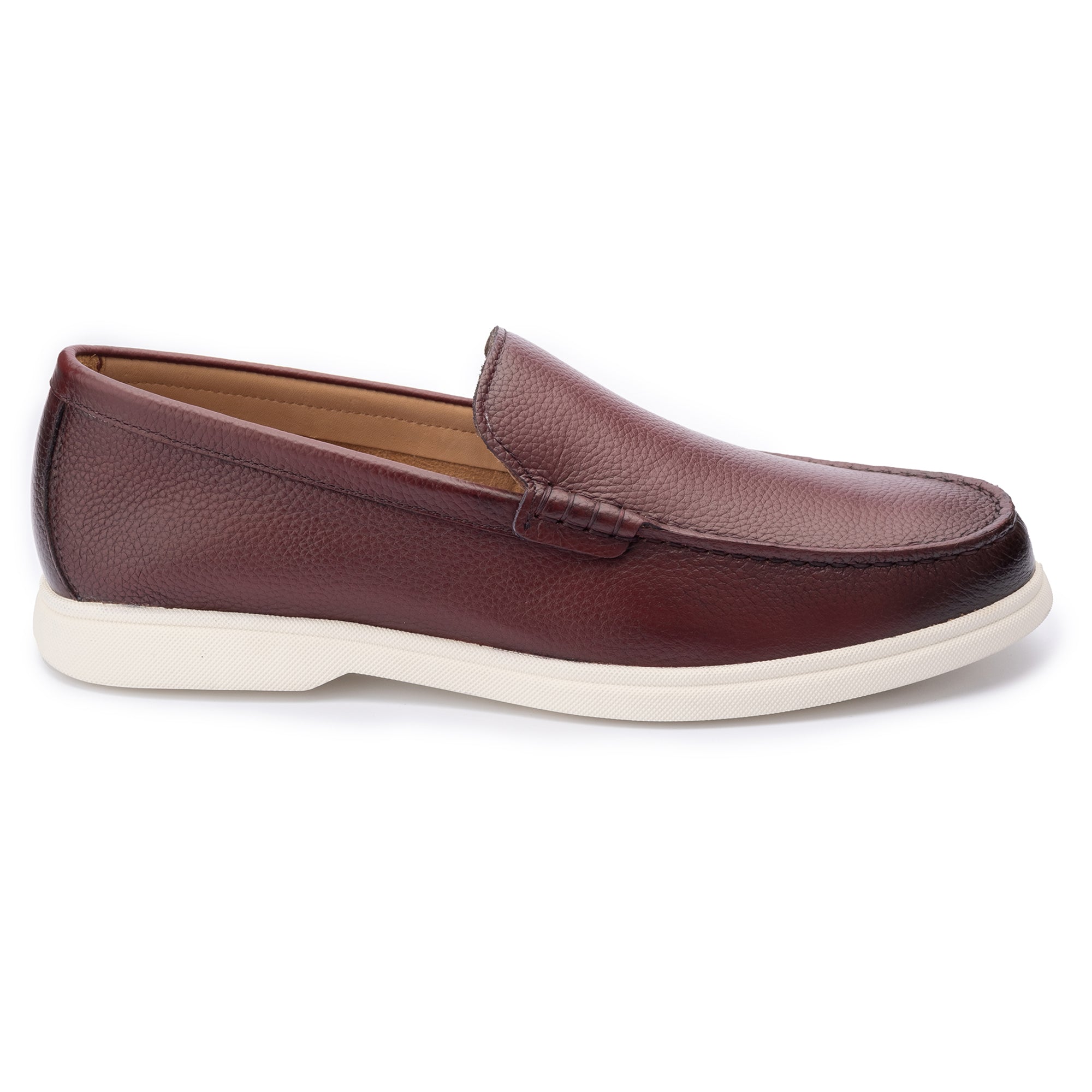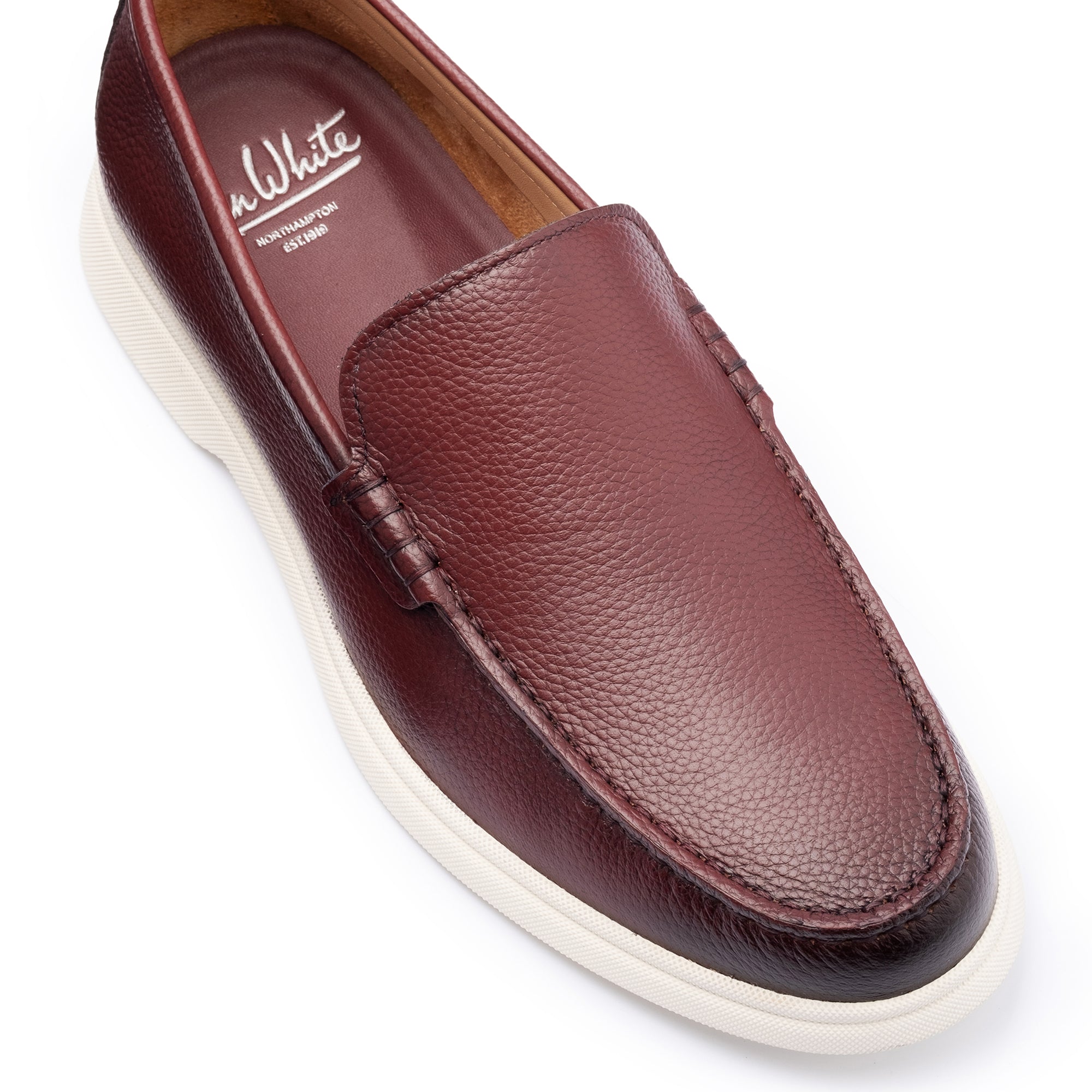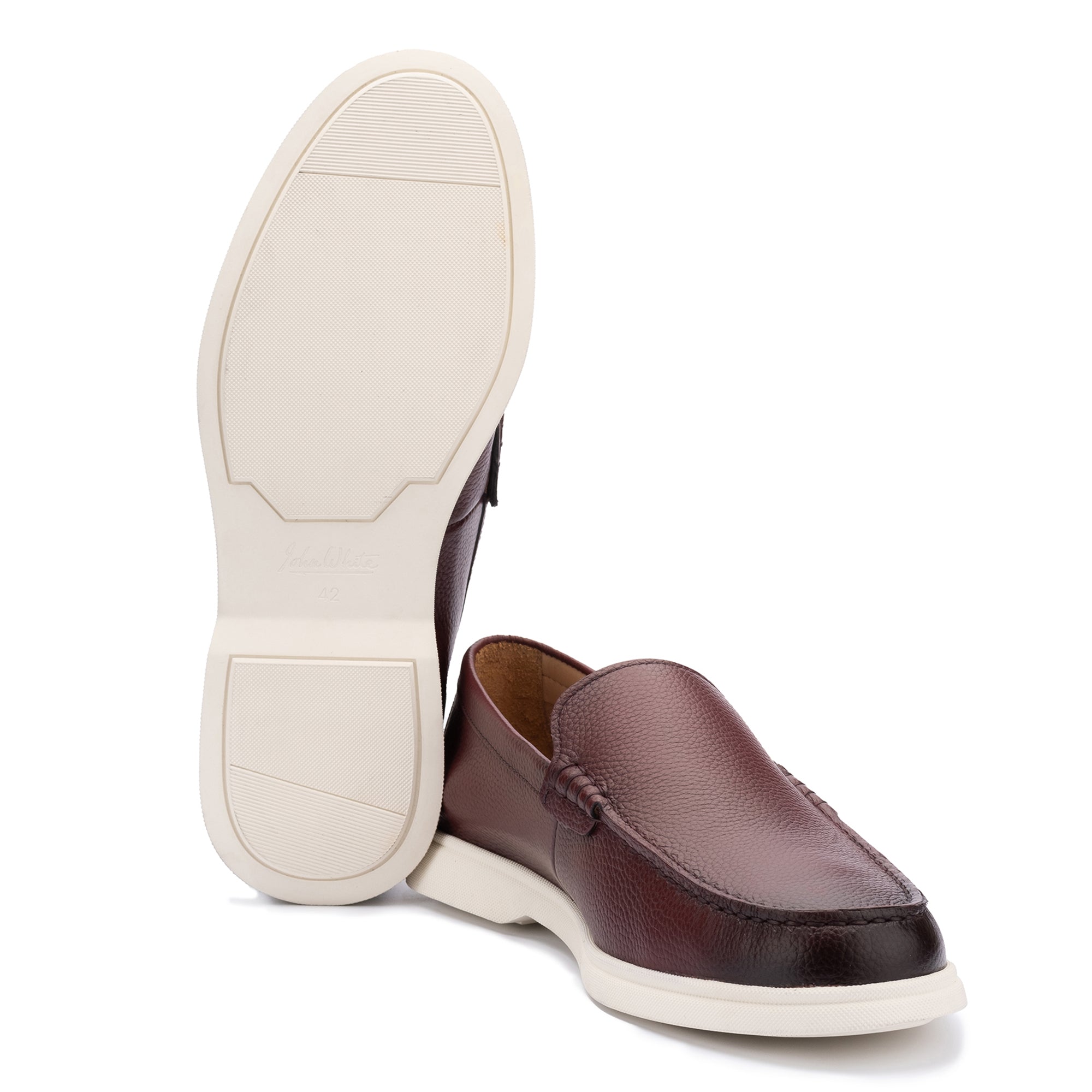

September arrives with a particular kind of wardrobe pressure. The sandals are clearly finished. The light summer shoes feel inadequate against cooler mornings. And somewhere between the return of heavier fabrics and the first serious damp, most men arrive at the same decision: it is time to buy boots — or, at least, to decide which boots to reach for this season.
In This Guide
The Chelsea boot and the chukka boot occupy adjacent territory. Both are ankle-height. Both sit comfortably across a wide formality range. Both carry genuine British heritage and perform well through the months ahead. But they are not interchangeable, and the difference between them is not merely cosmetic. Each has a distinct character, a distinct silhouette, and a distinct set of occasions where it earns its keep.
Getting this choice right shapes how your autumn wardrobe carries itself. This guide runs through what separates the two silhouettes — construction, formality range, terrain, finish — and which styles from the JWS range are worth considering once you have settled on a direction.
Two Silhouettes, Two Histories
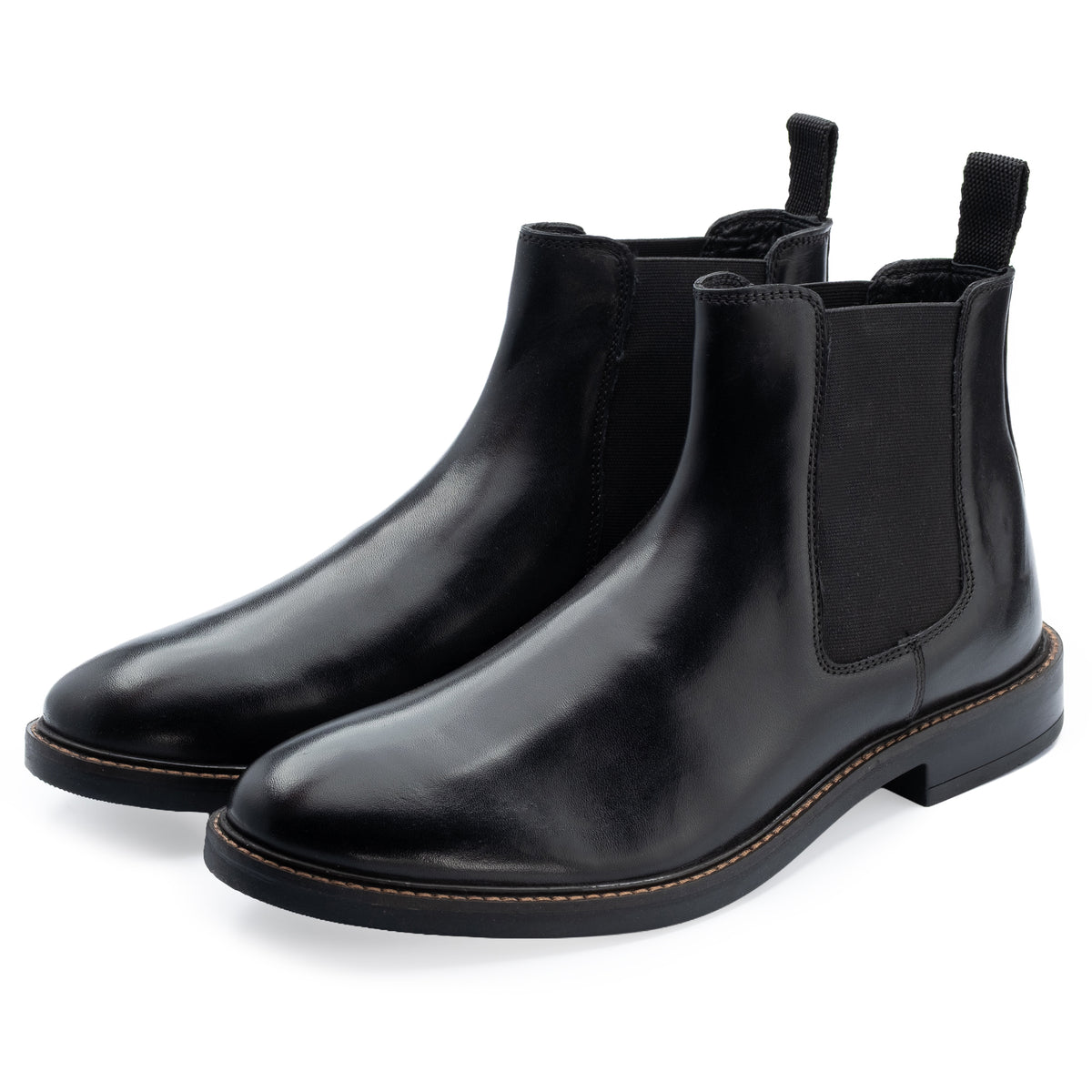
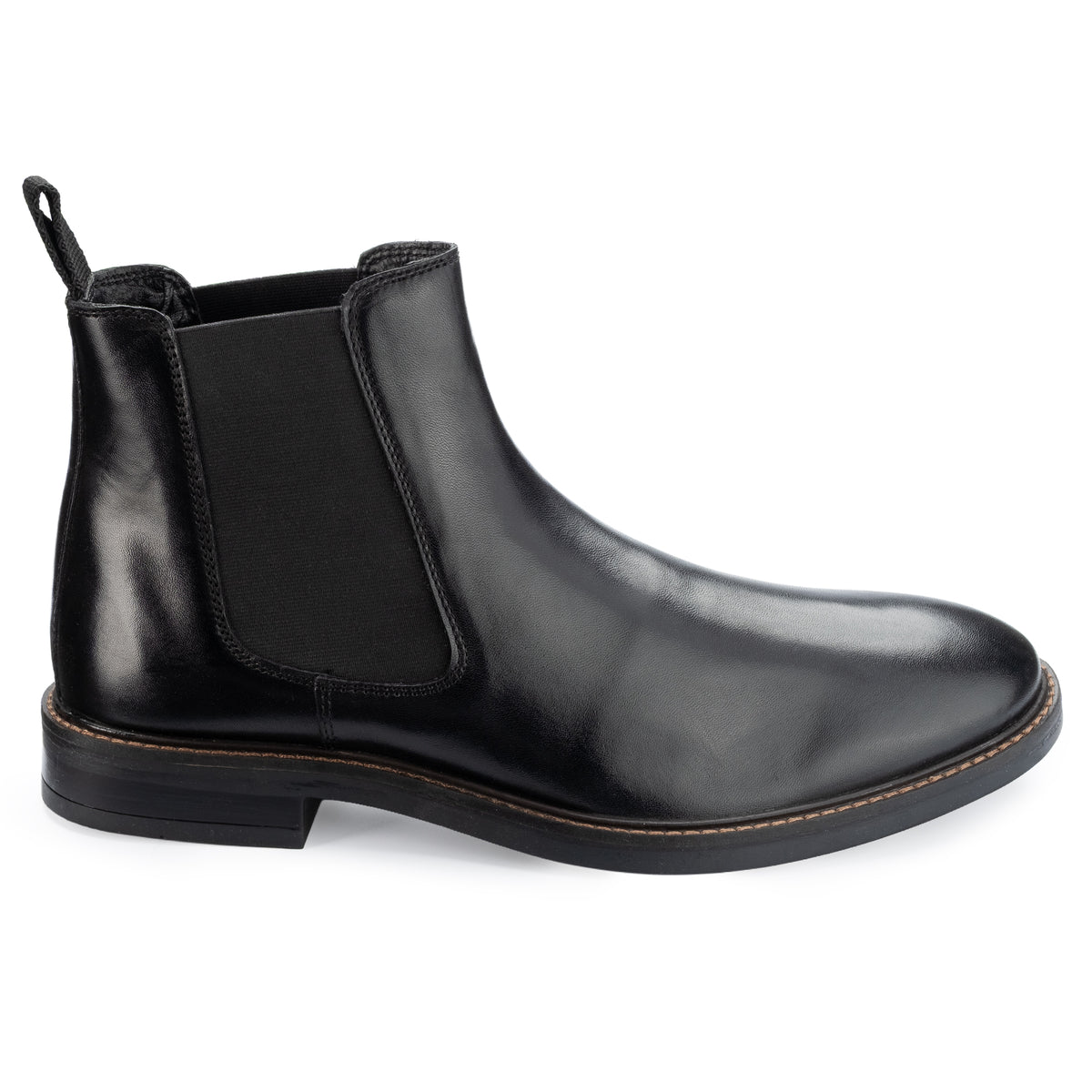
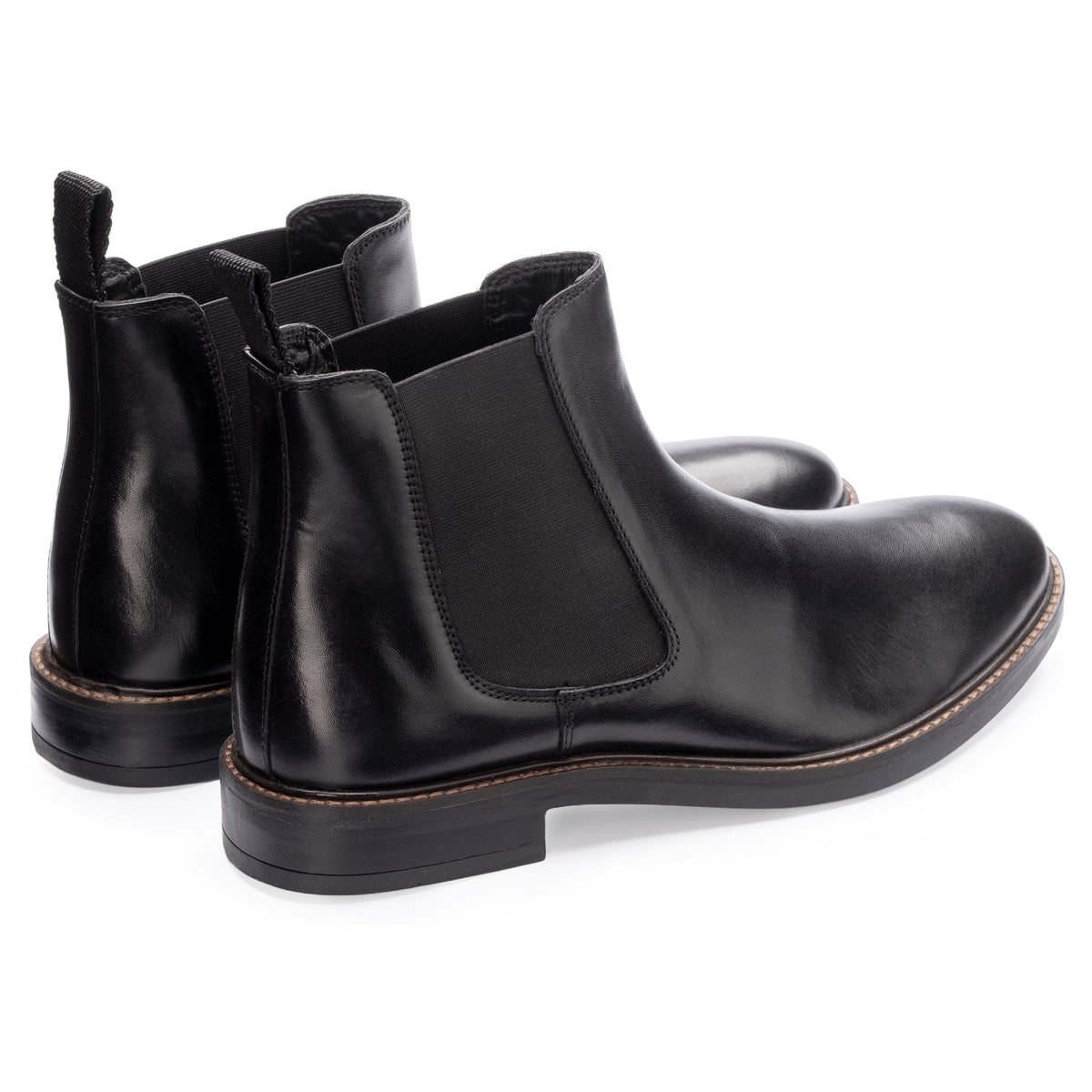
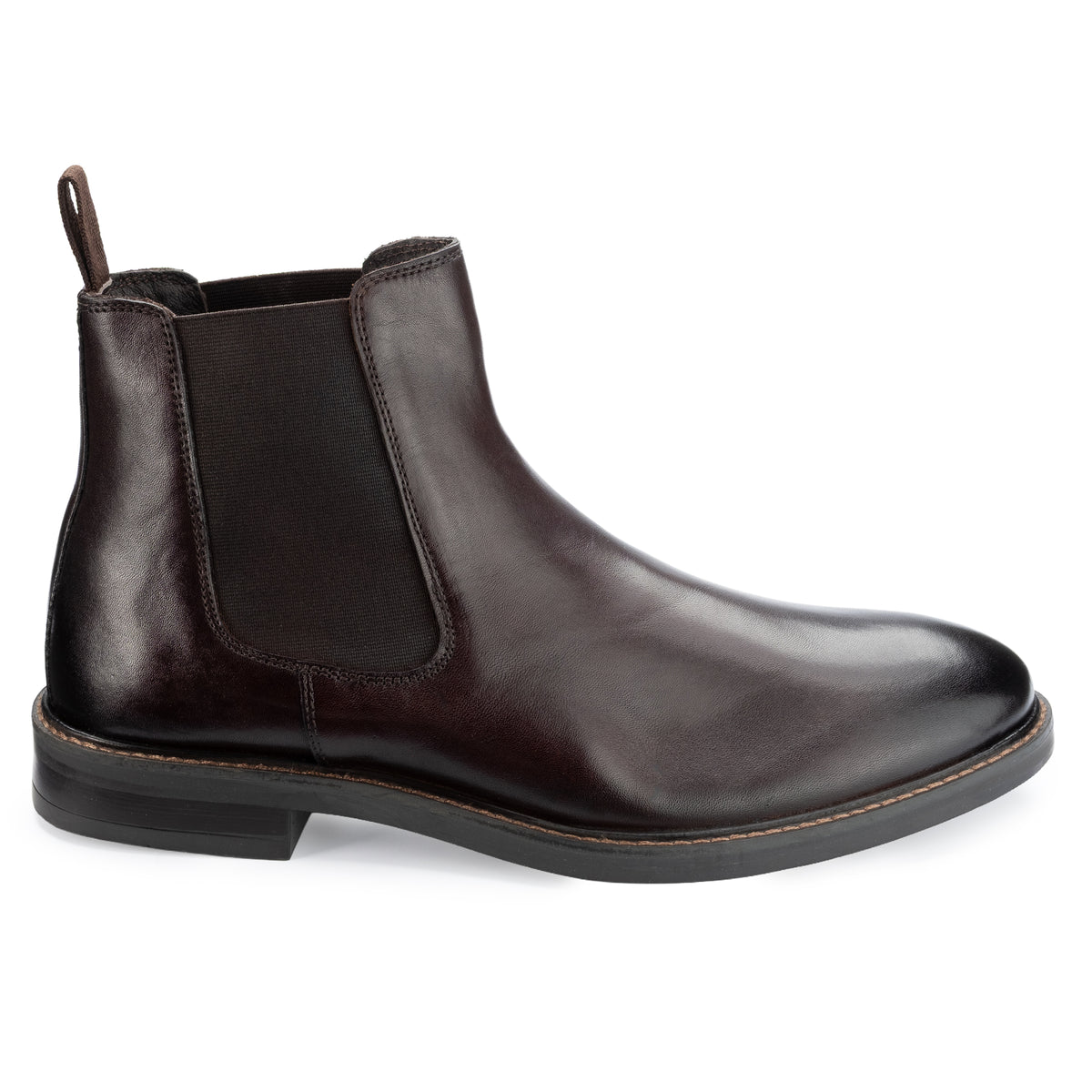
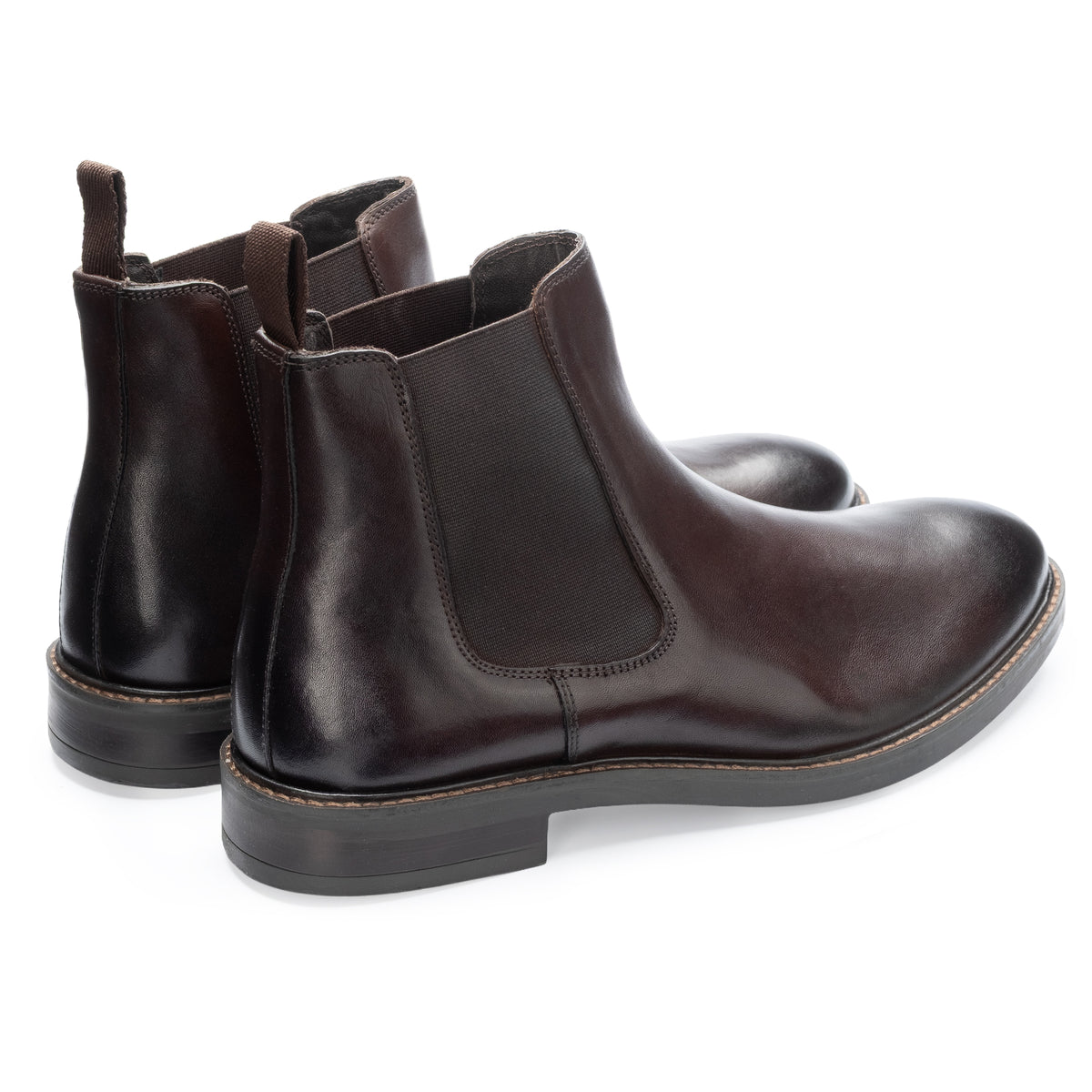
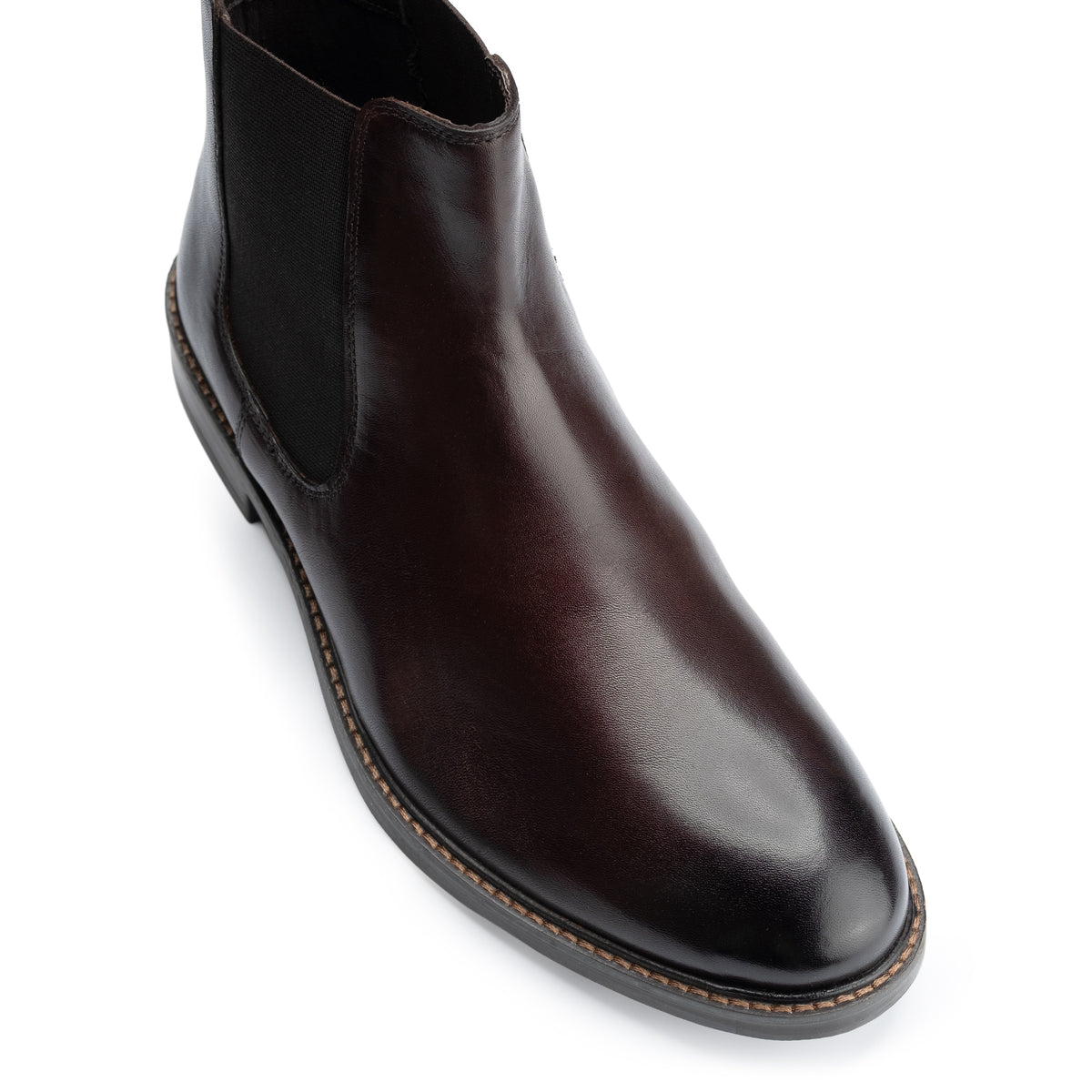
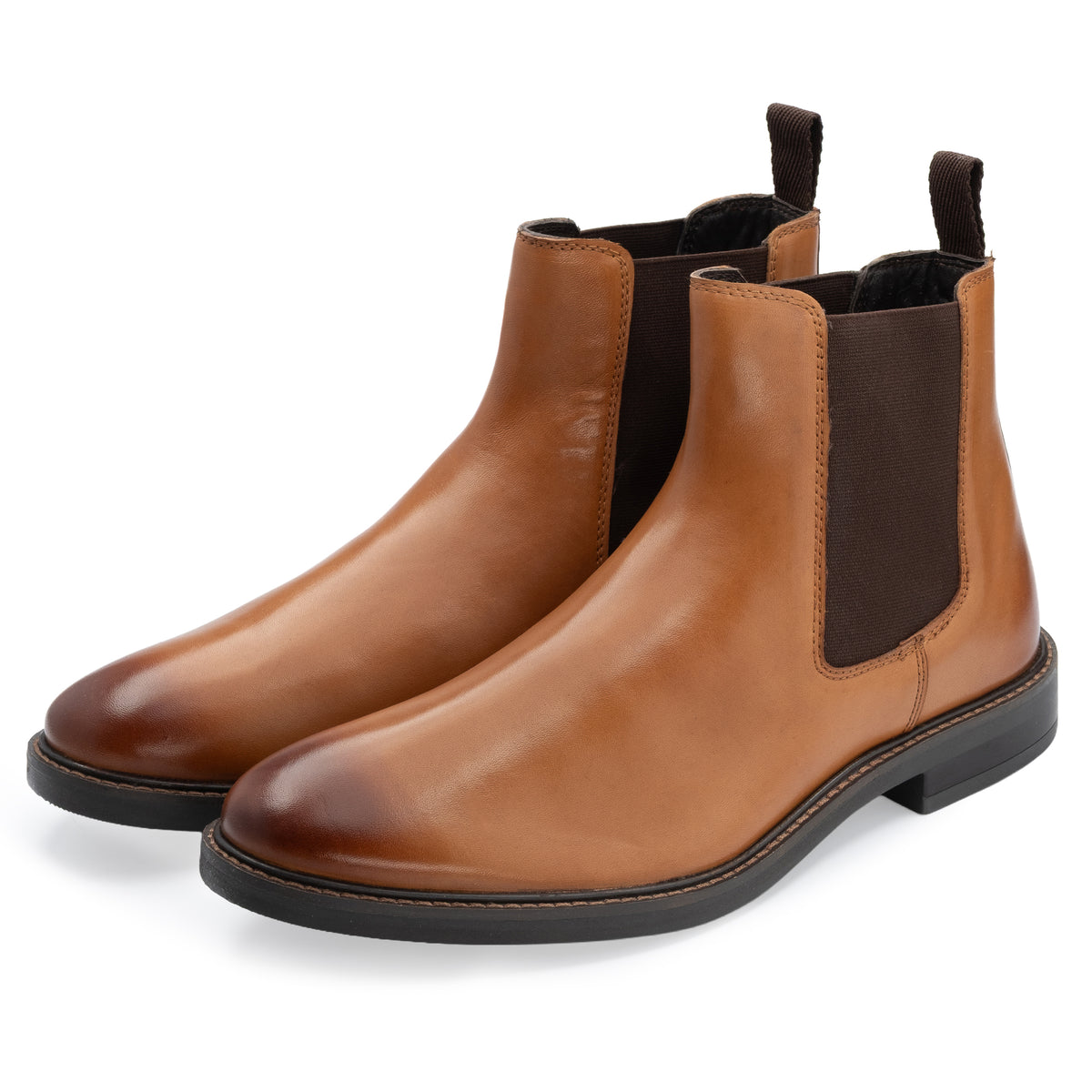
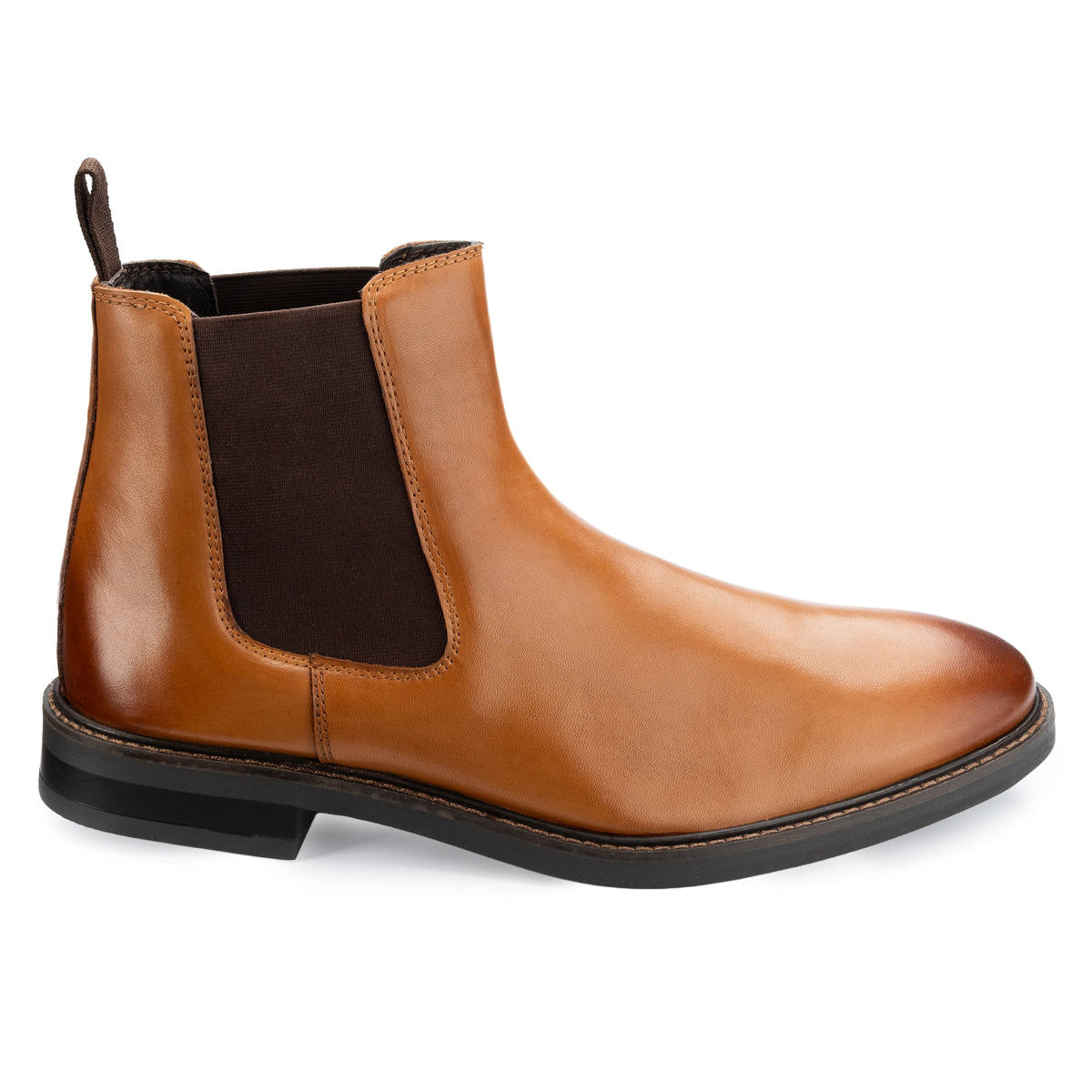
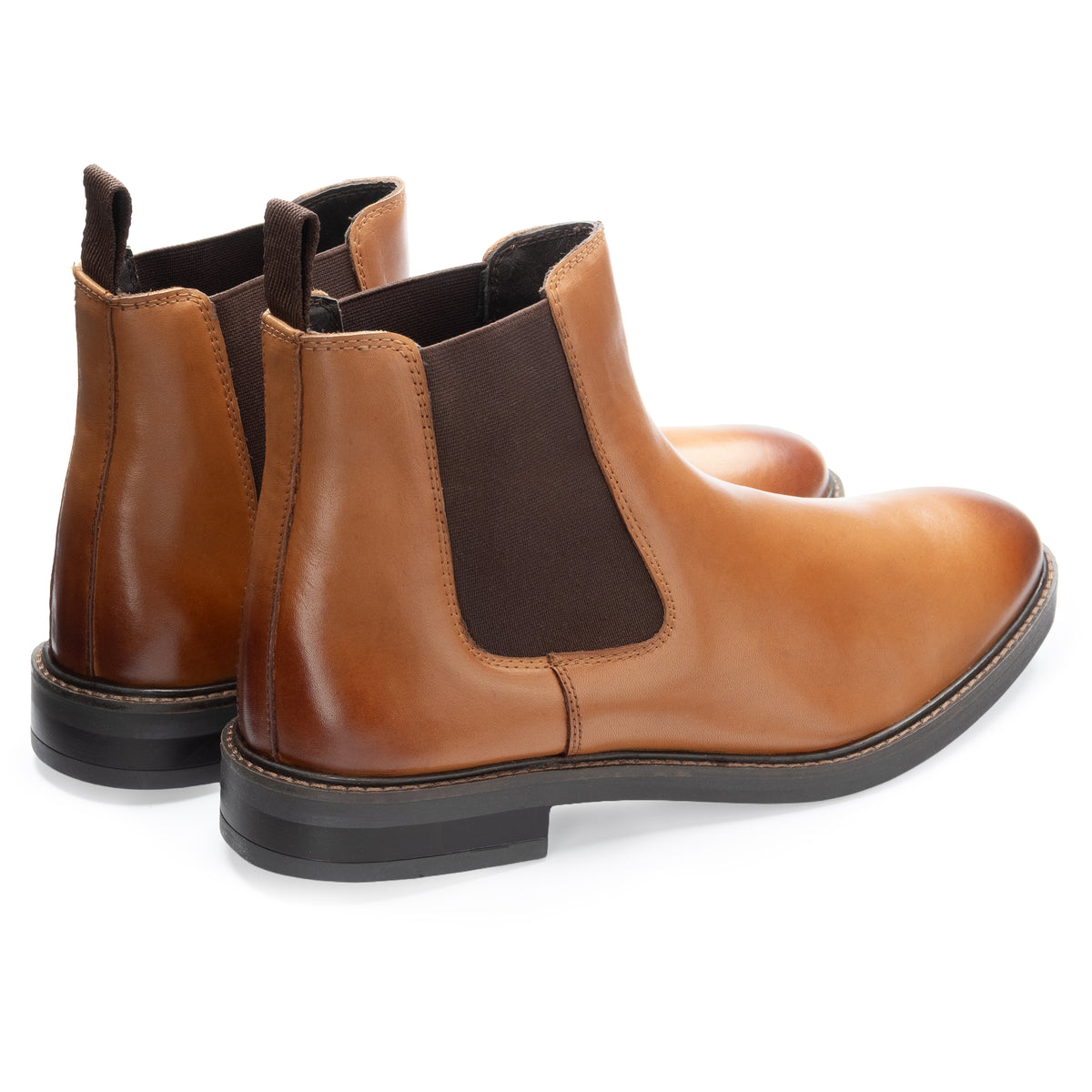
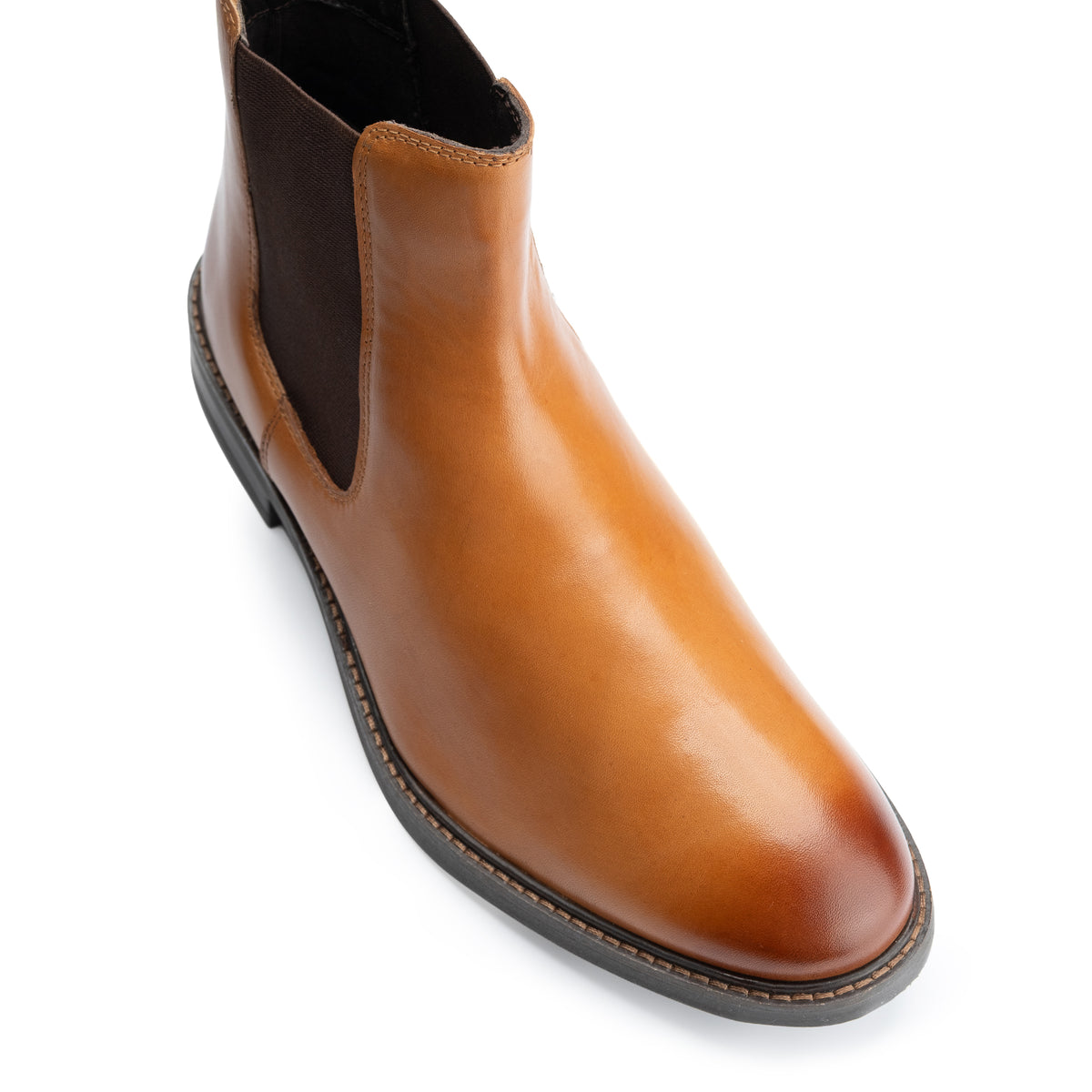
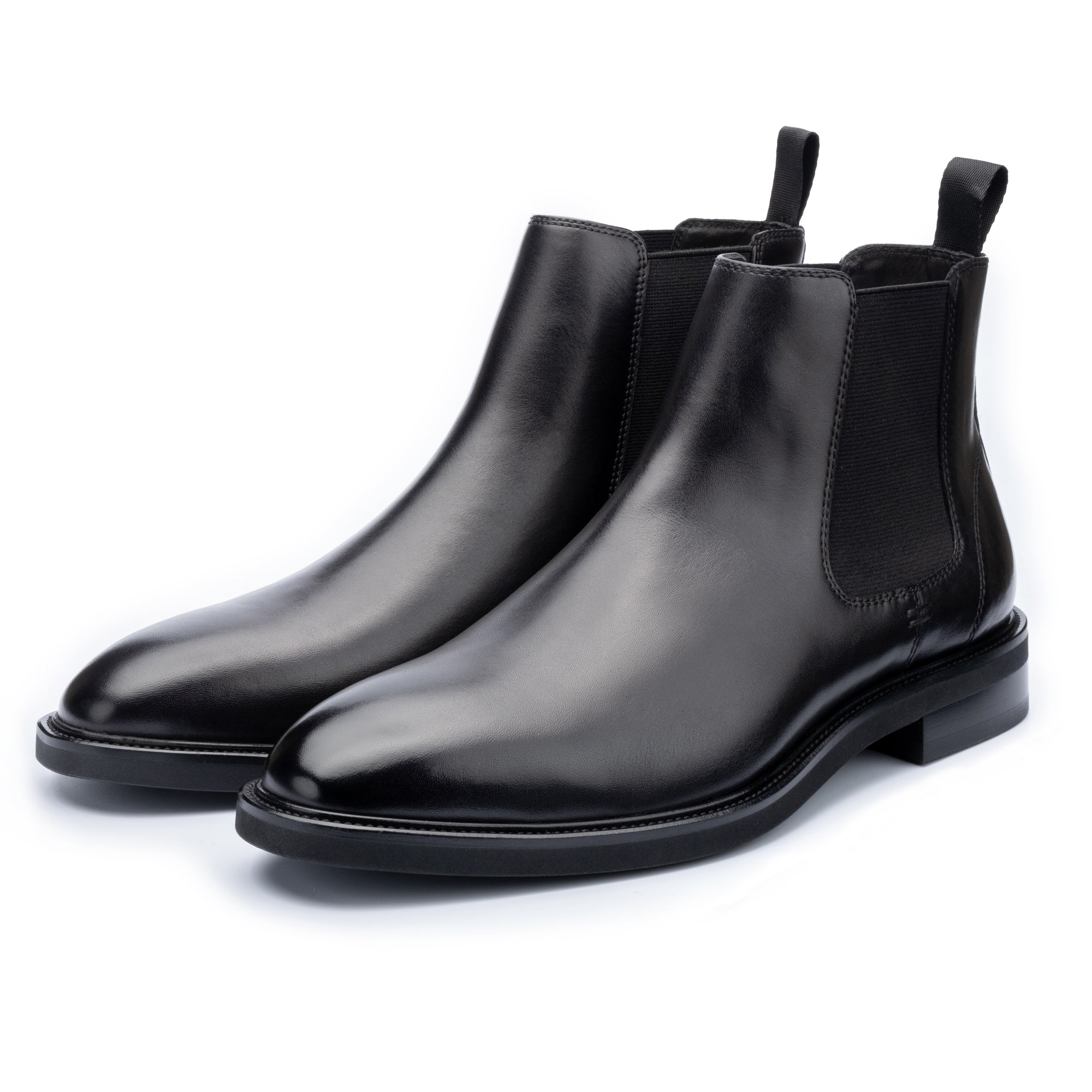
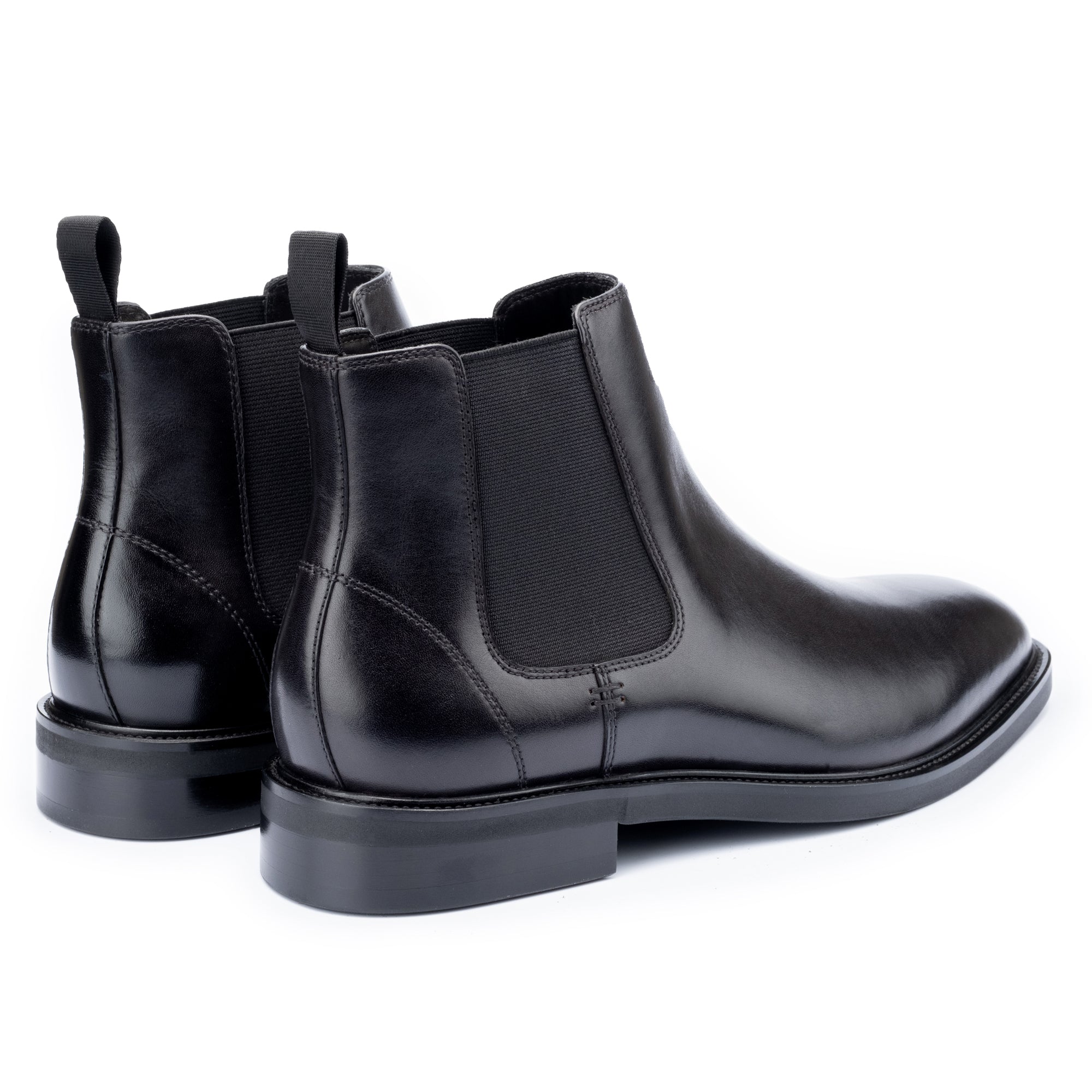
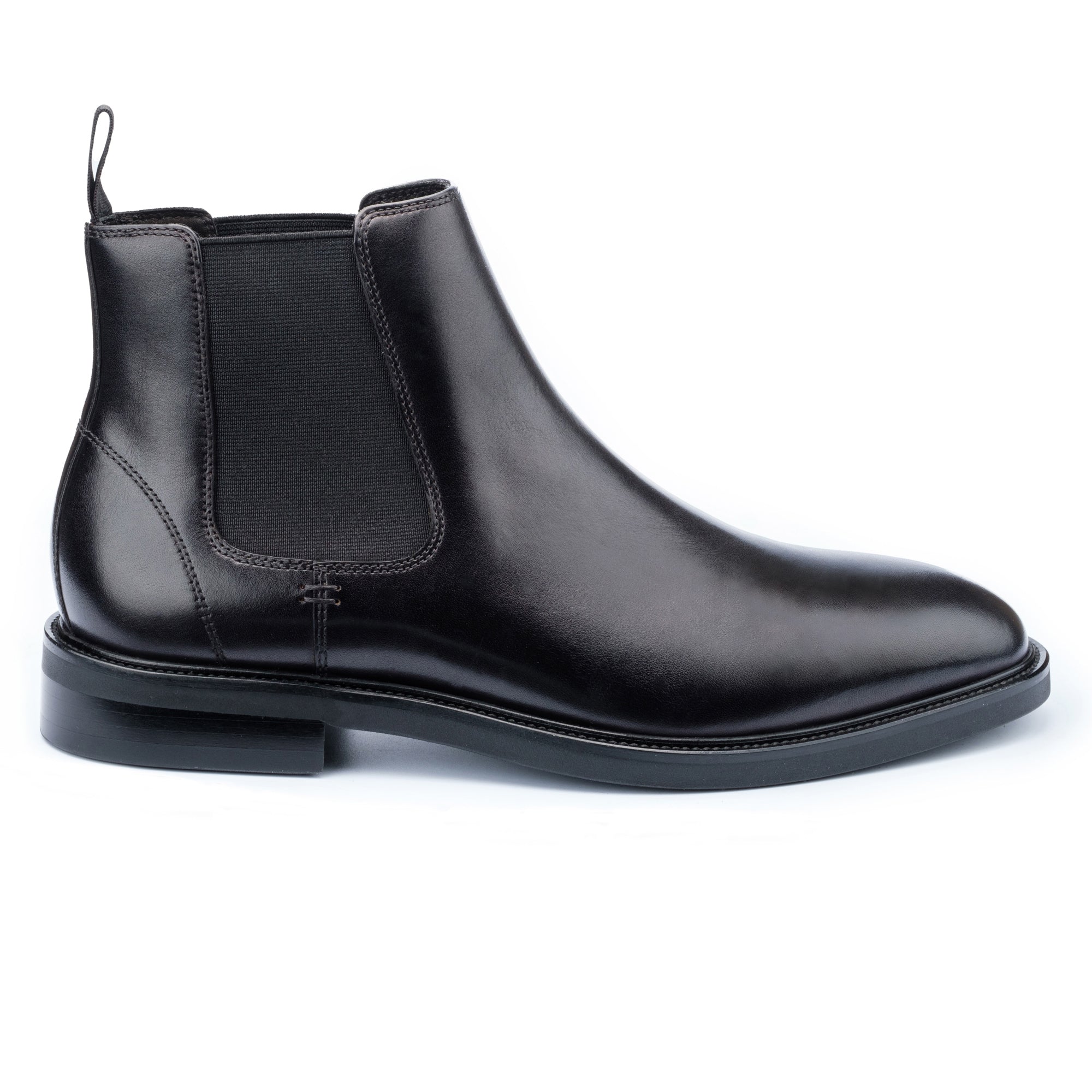
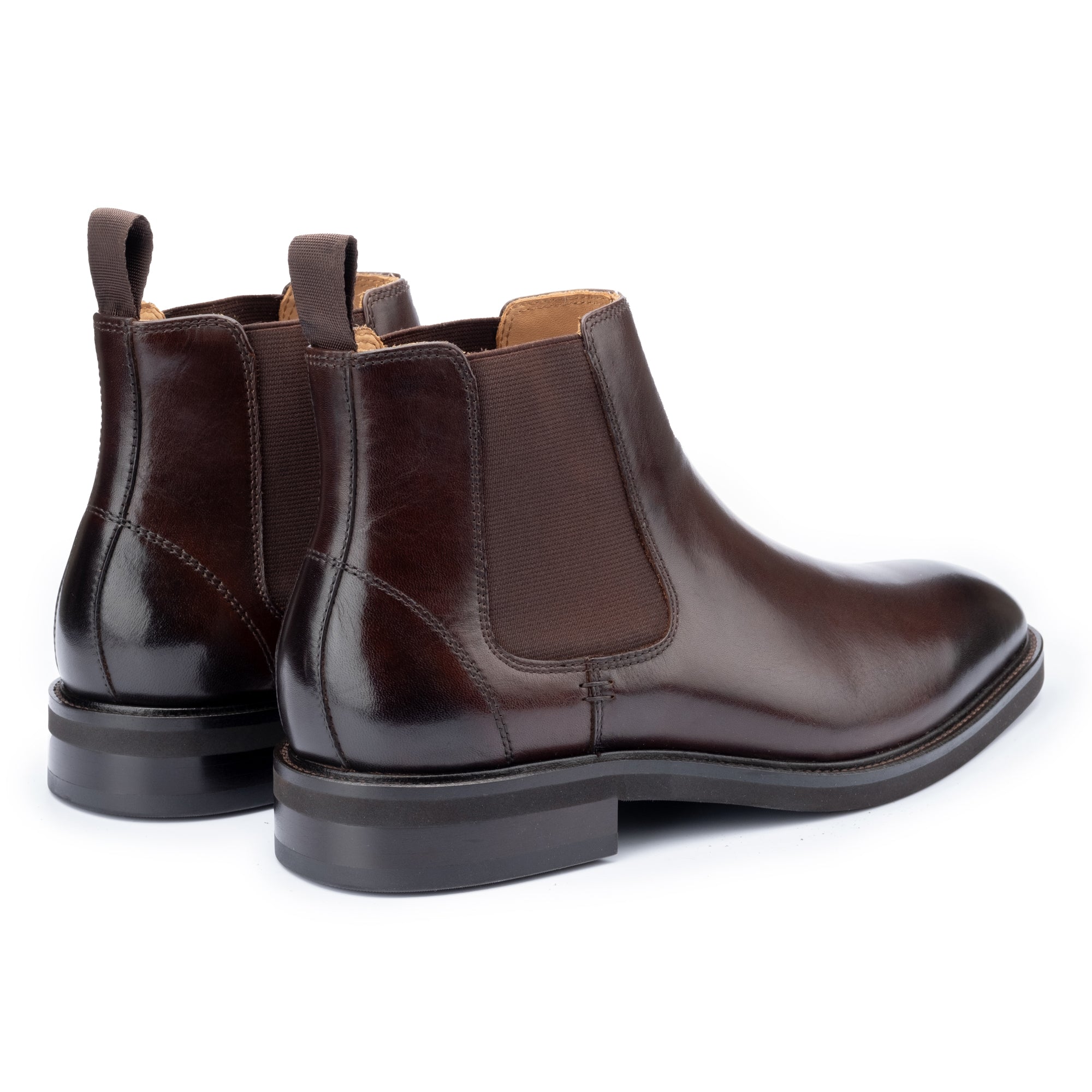
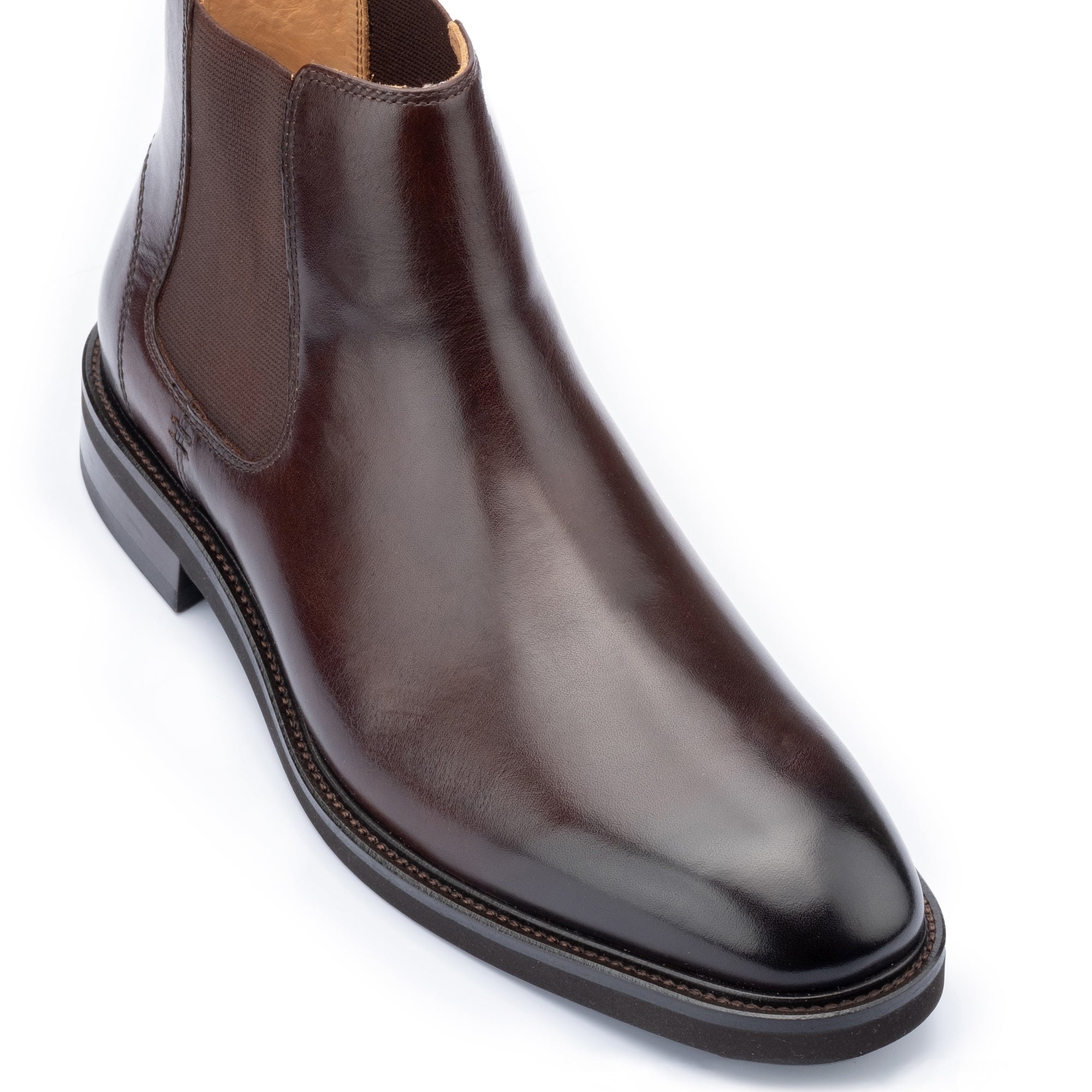
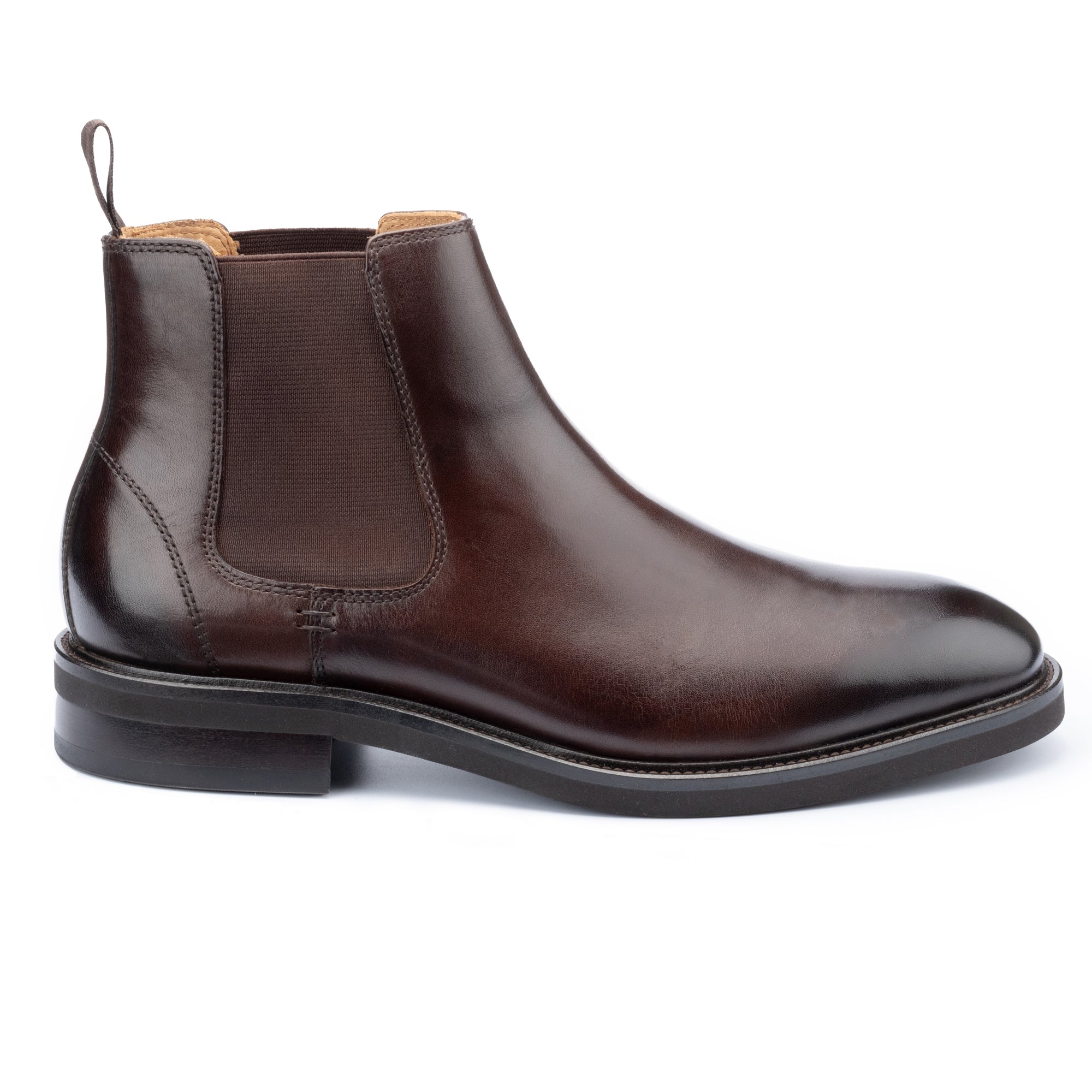
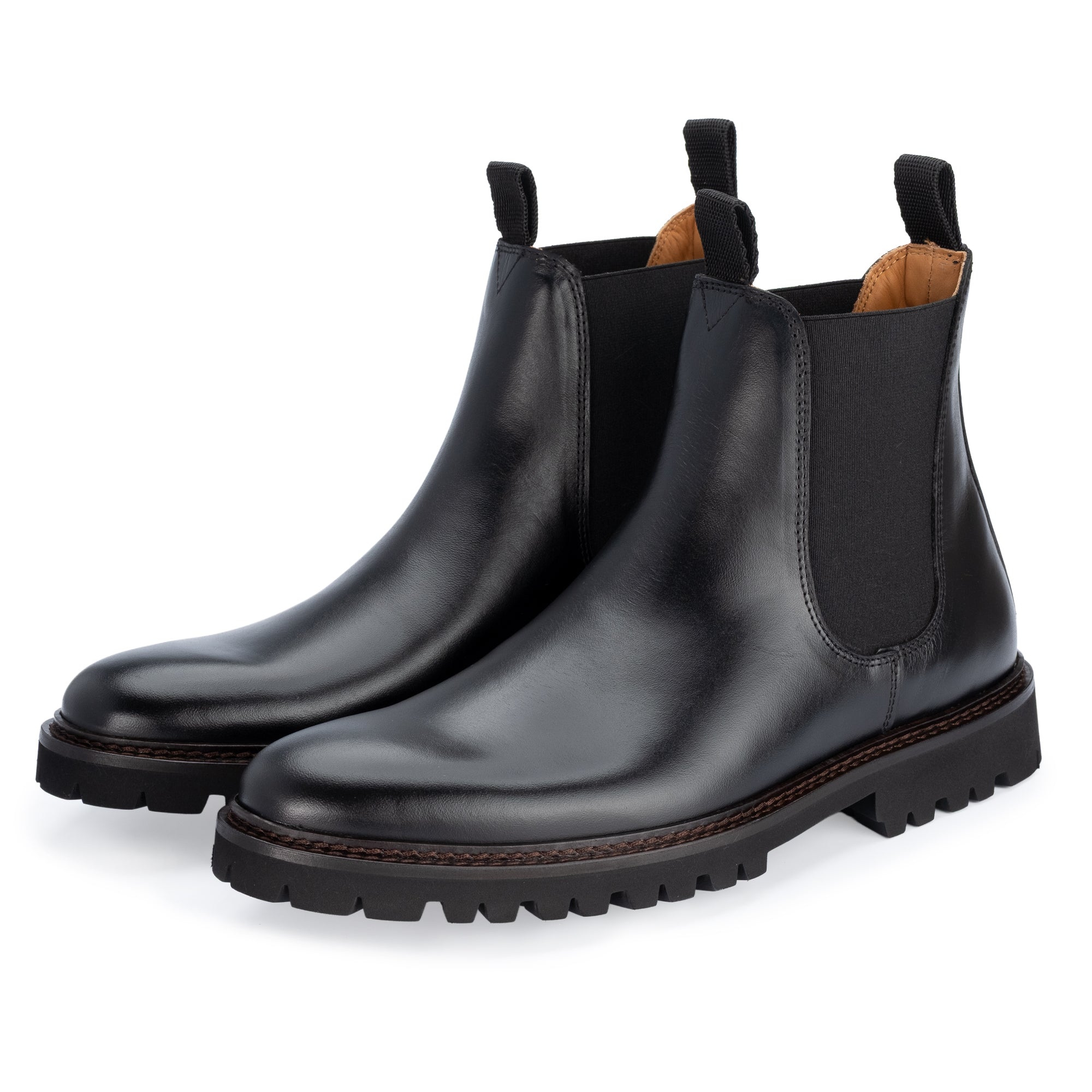
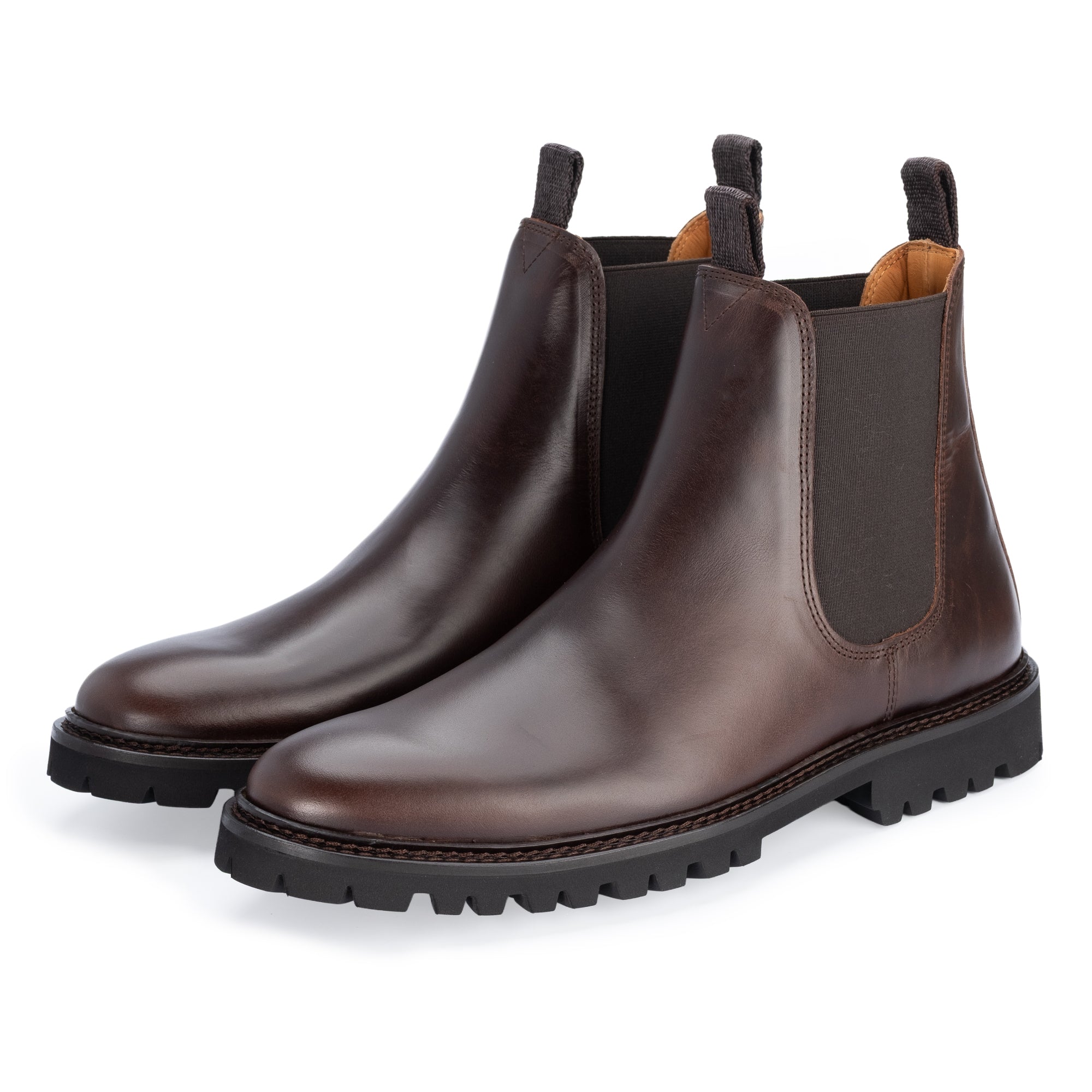
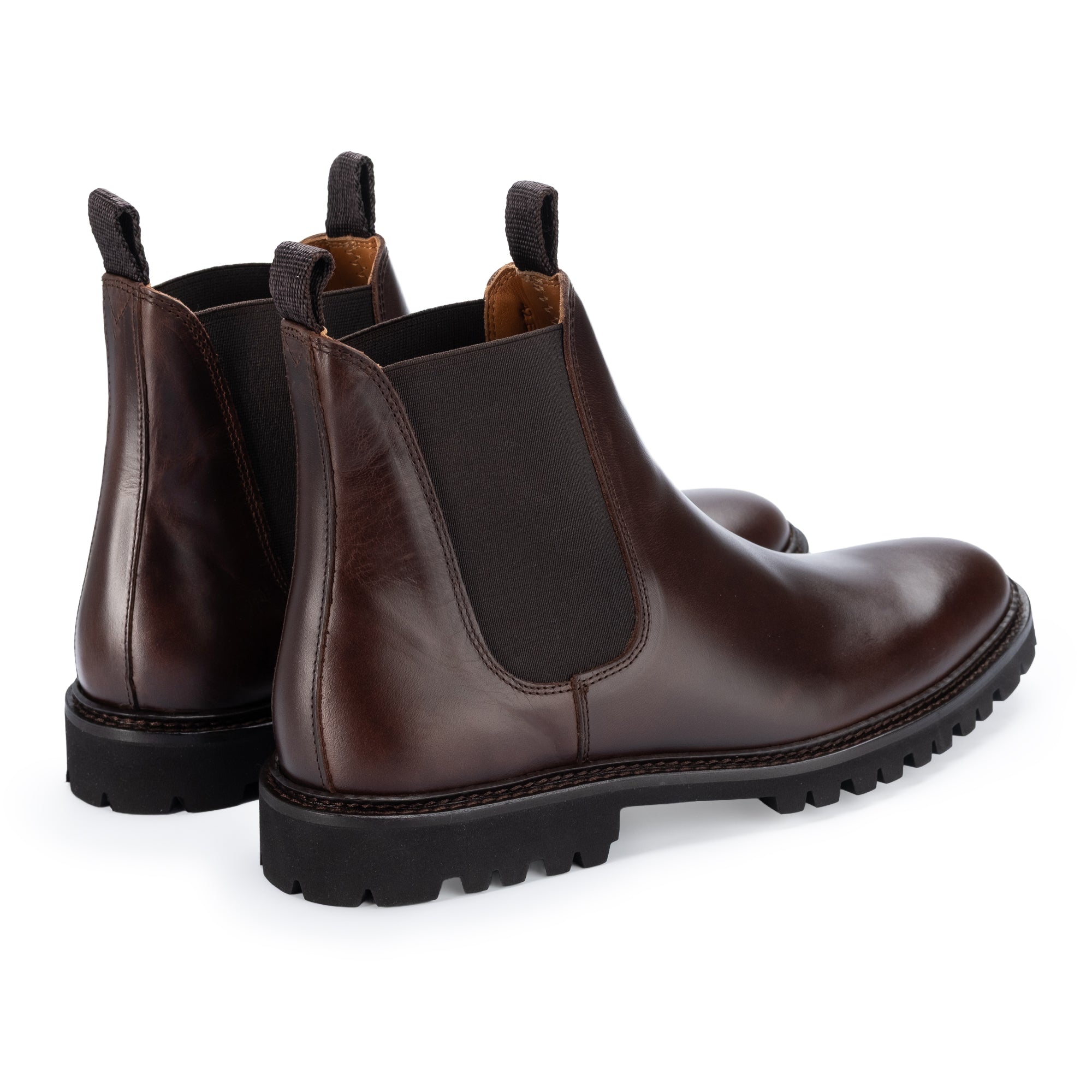
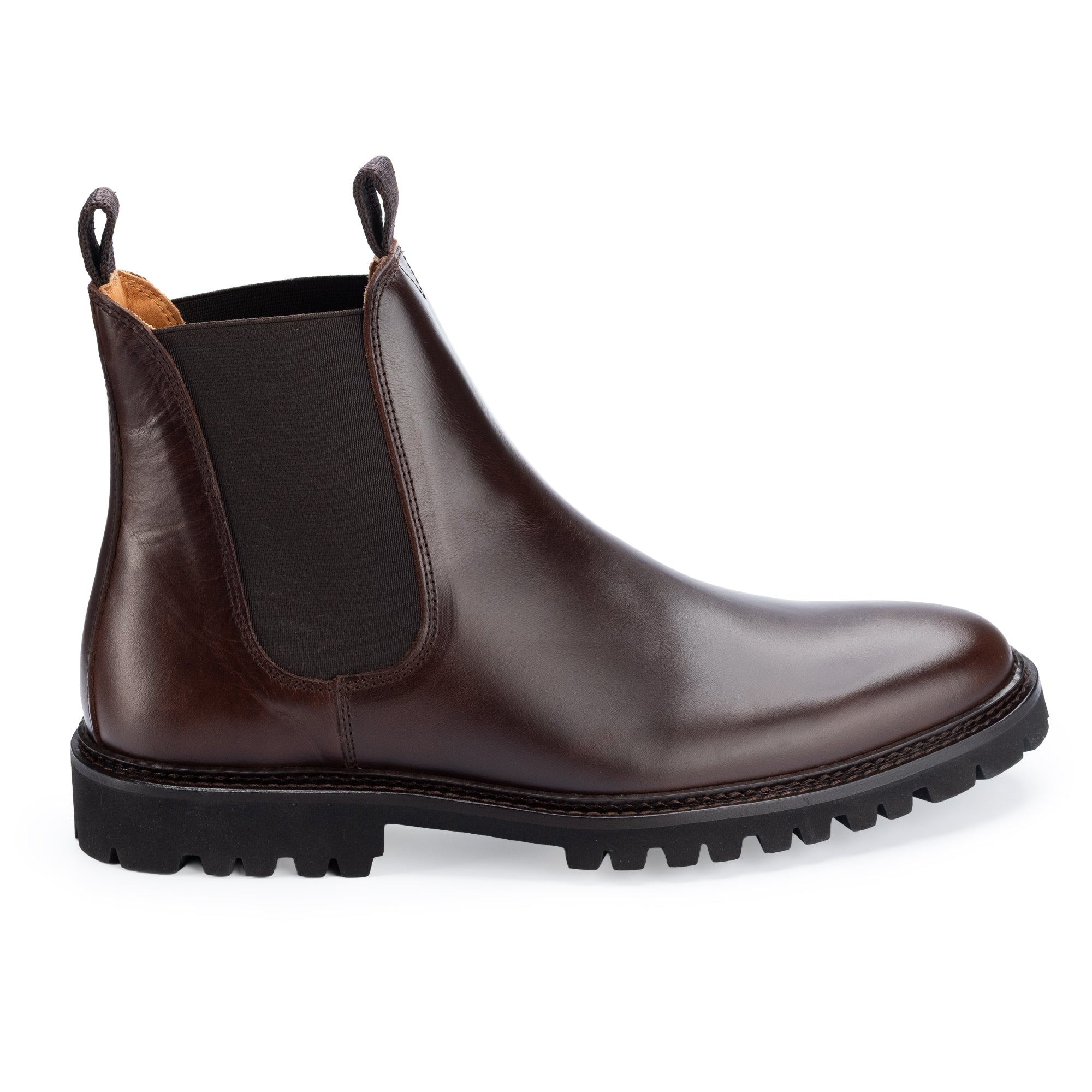
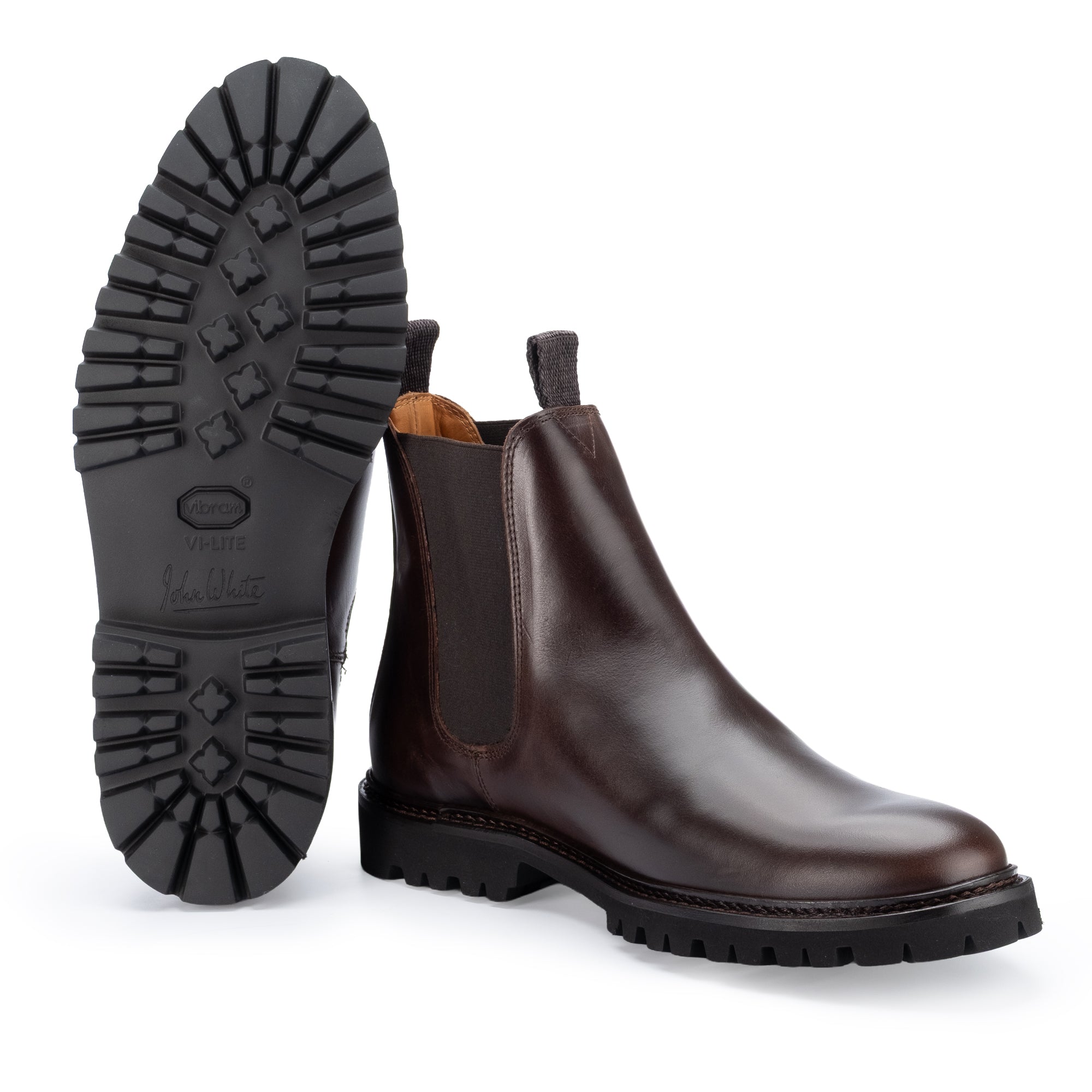
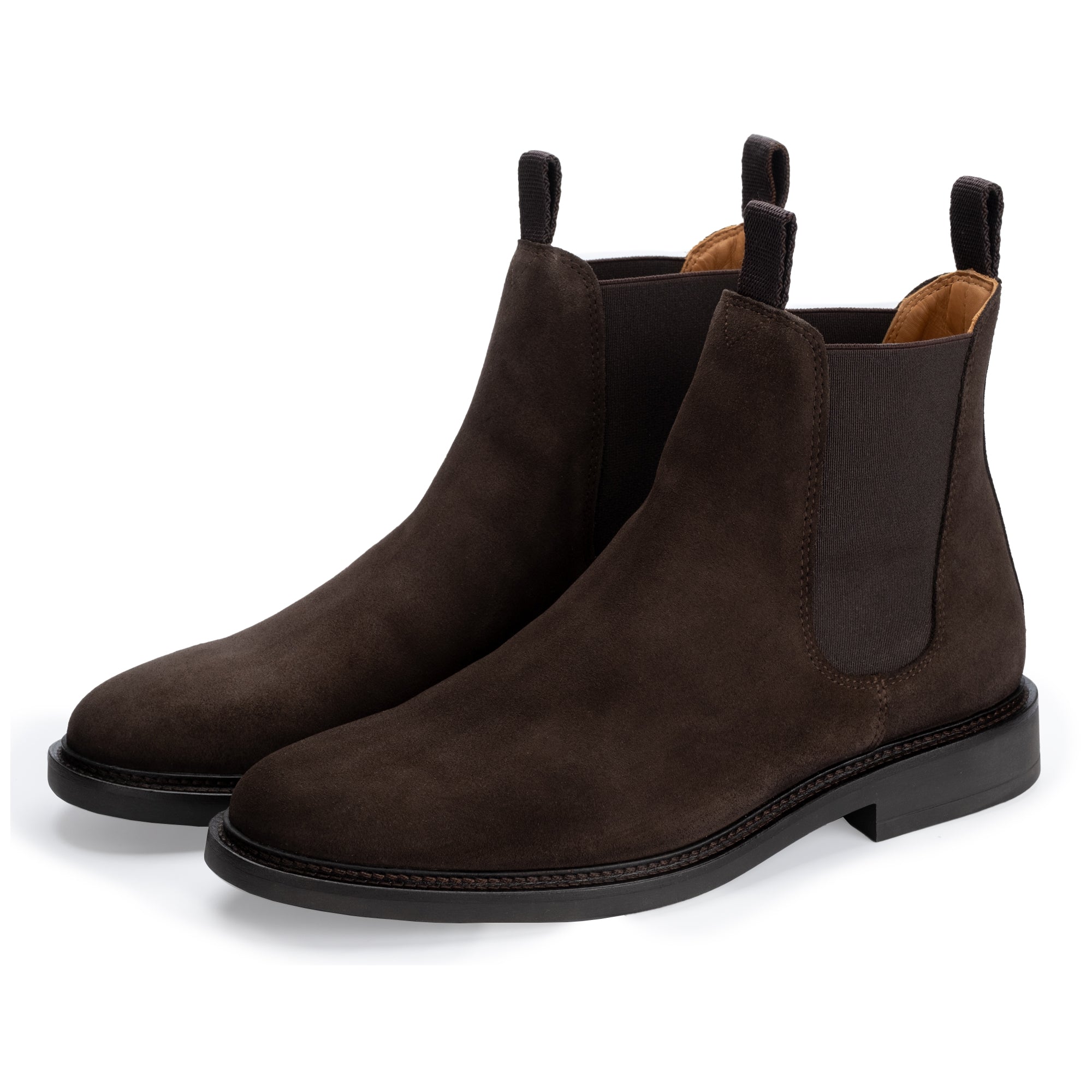
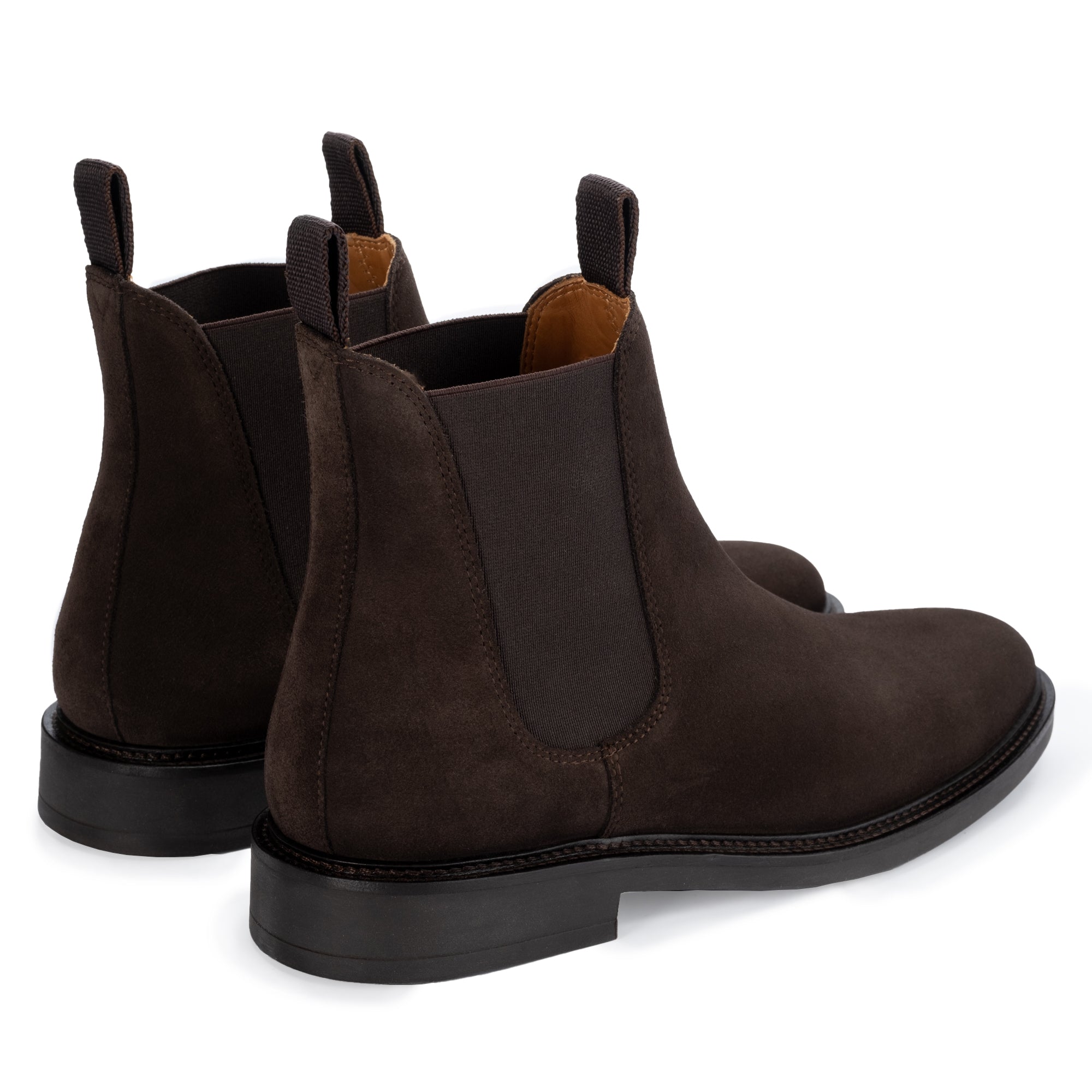
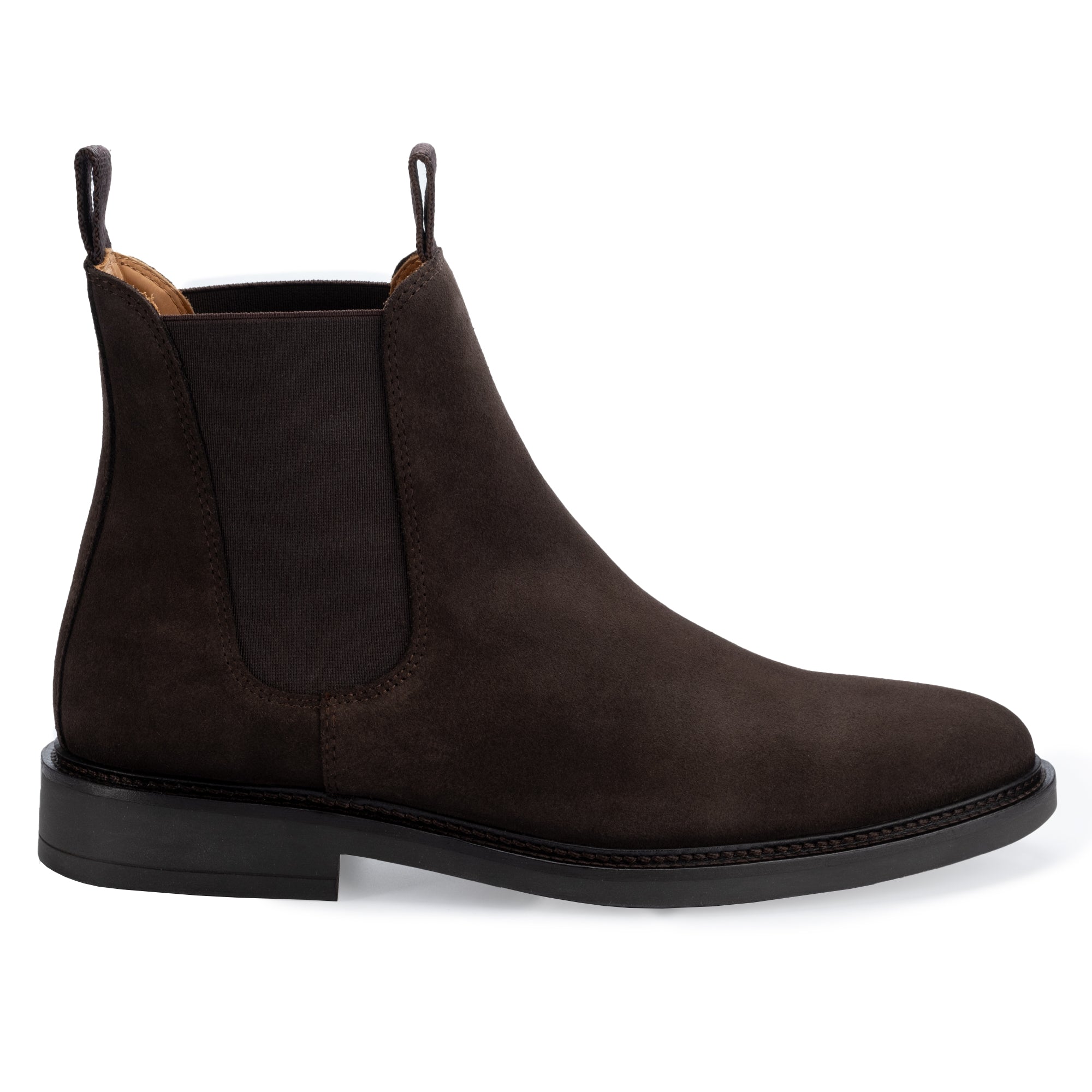
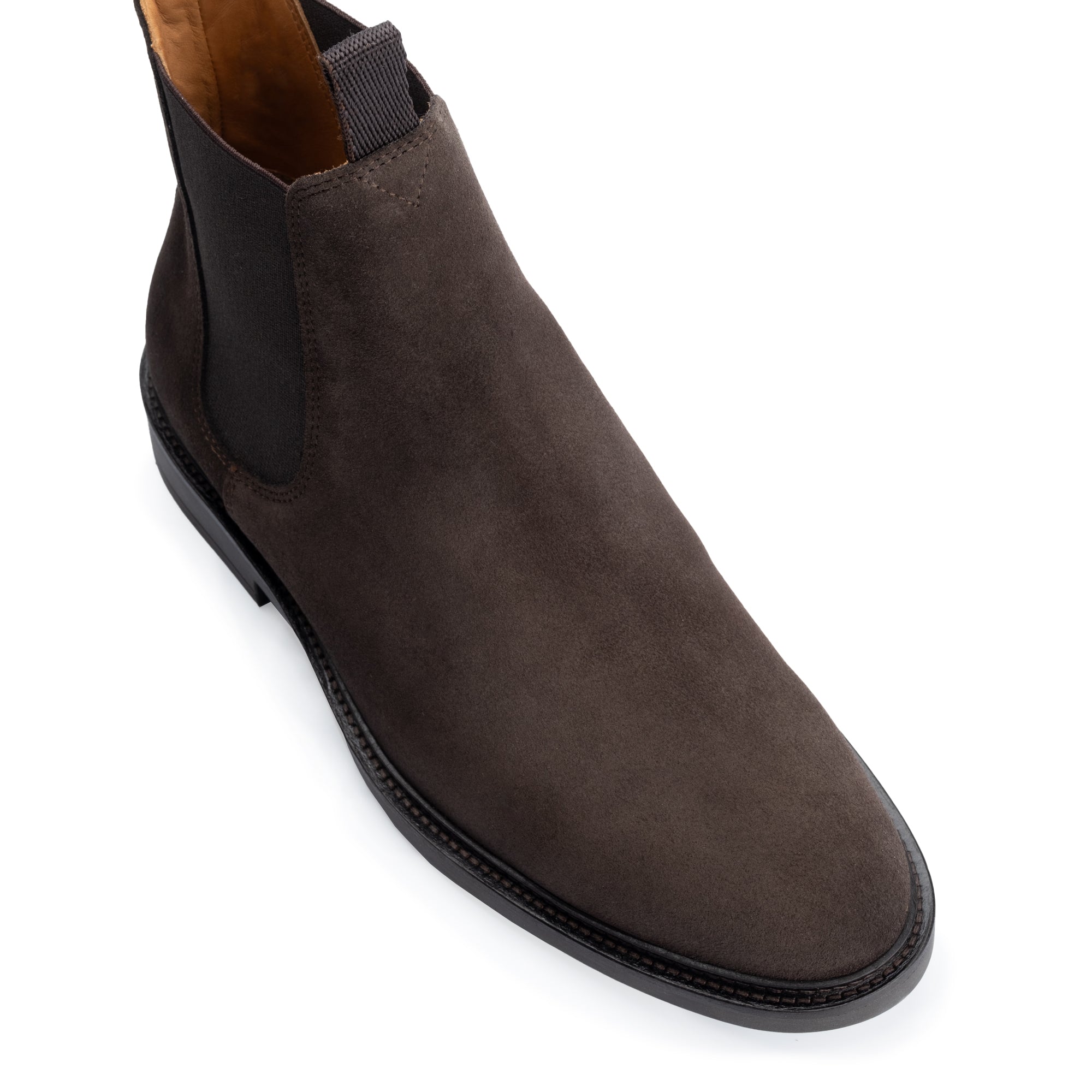
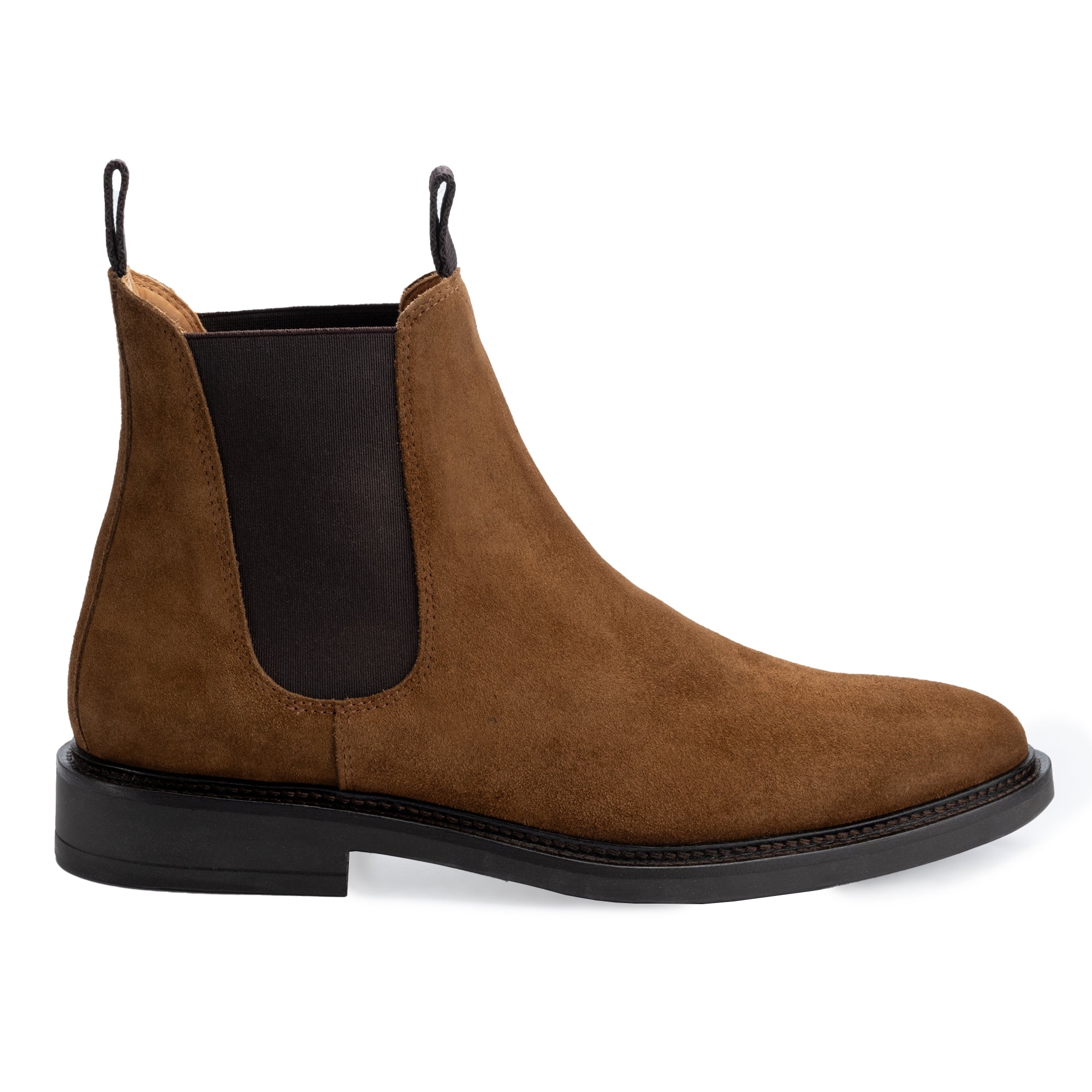
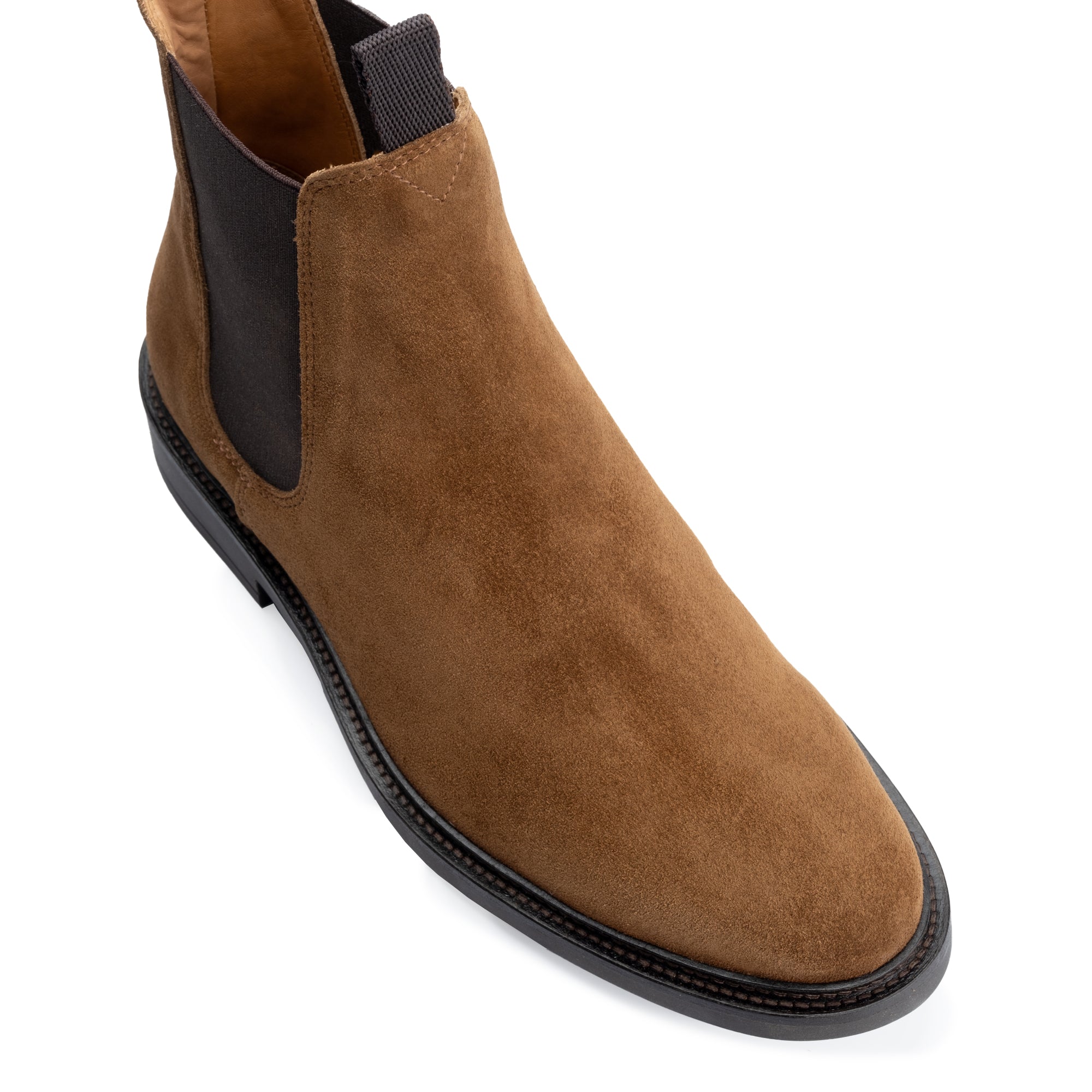
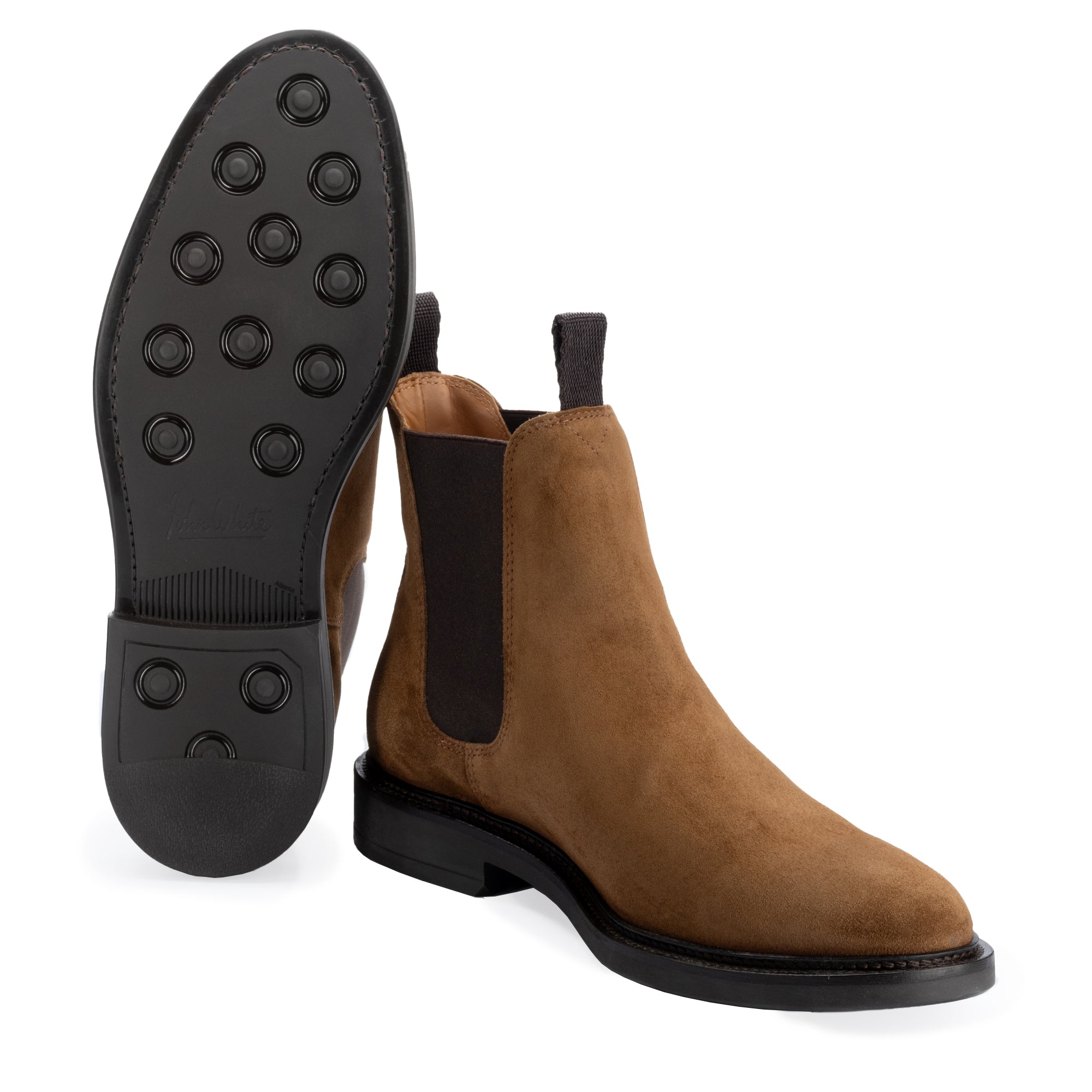
The Chelsea boot arrived in the 1850s, reputedly as a riding boot refined for the streets of Victorian London. Its defining characteristic is the elastic side panel: no laces, no eyelets, no hardware. The result is a smooth, unbroken silhouette from ankle to toe. The boot pulls on in seconds and carries almost nothing extraneous in its profile.
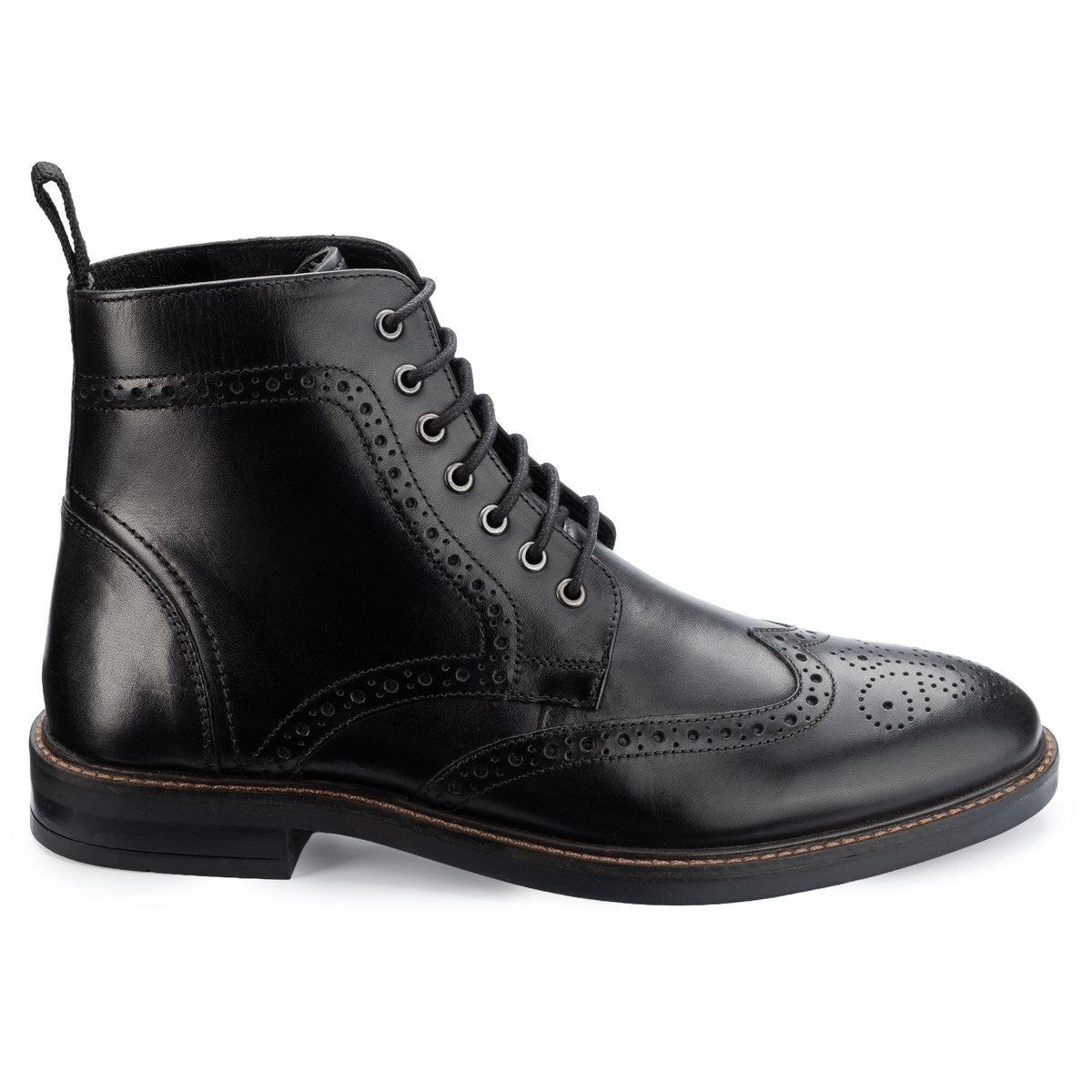
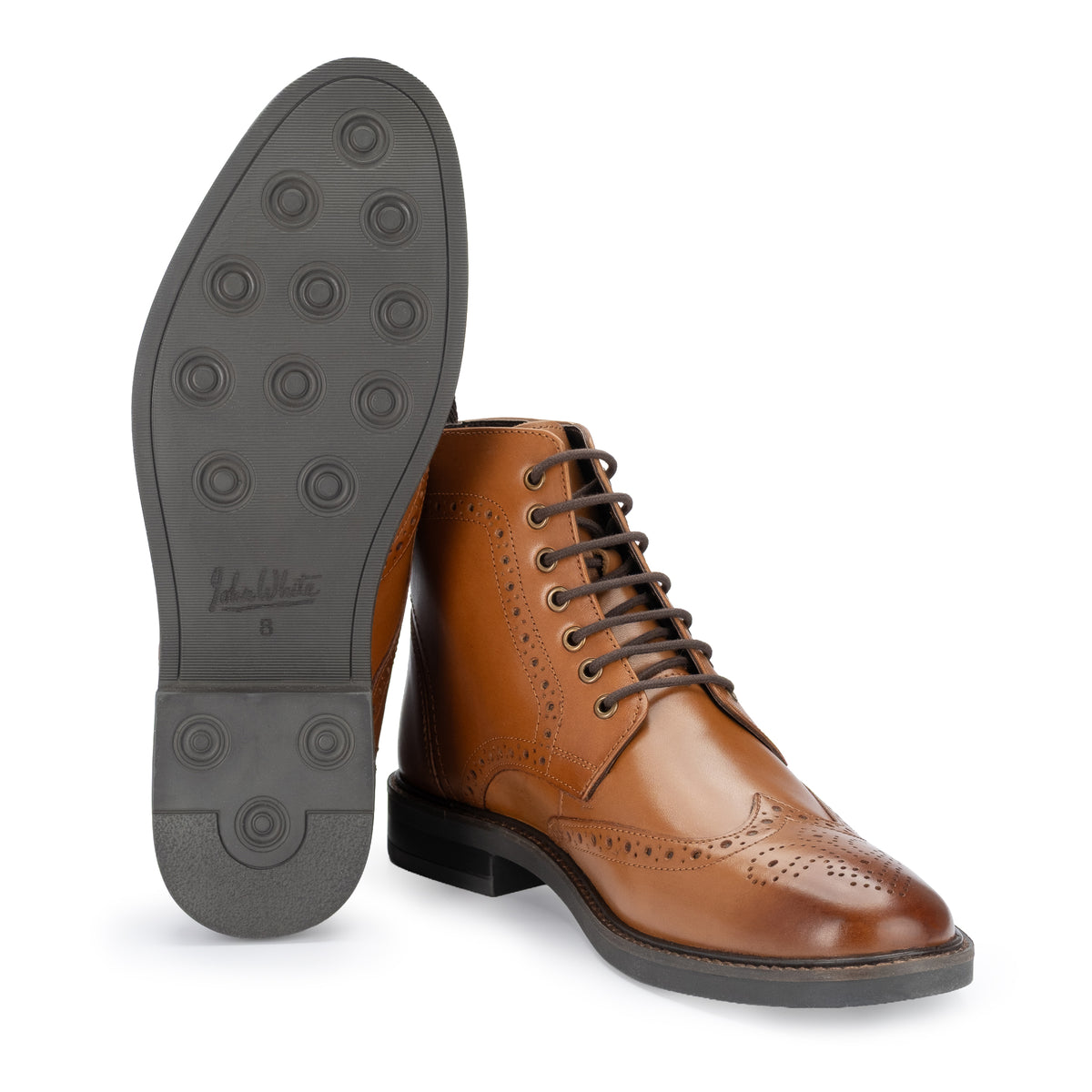
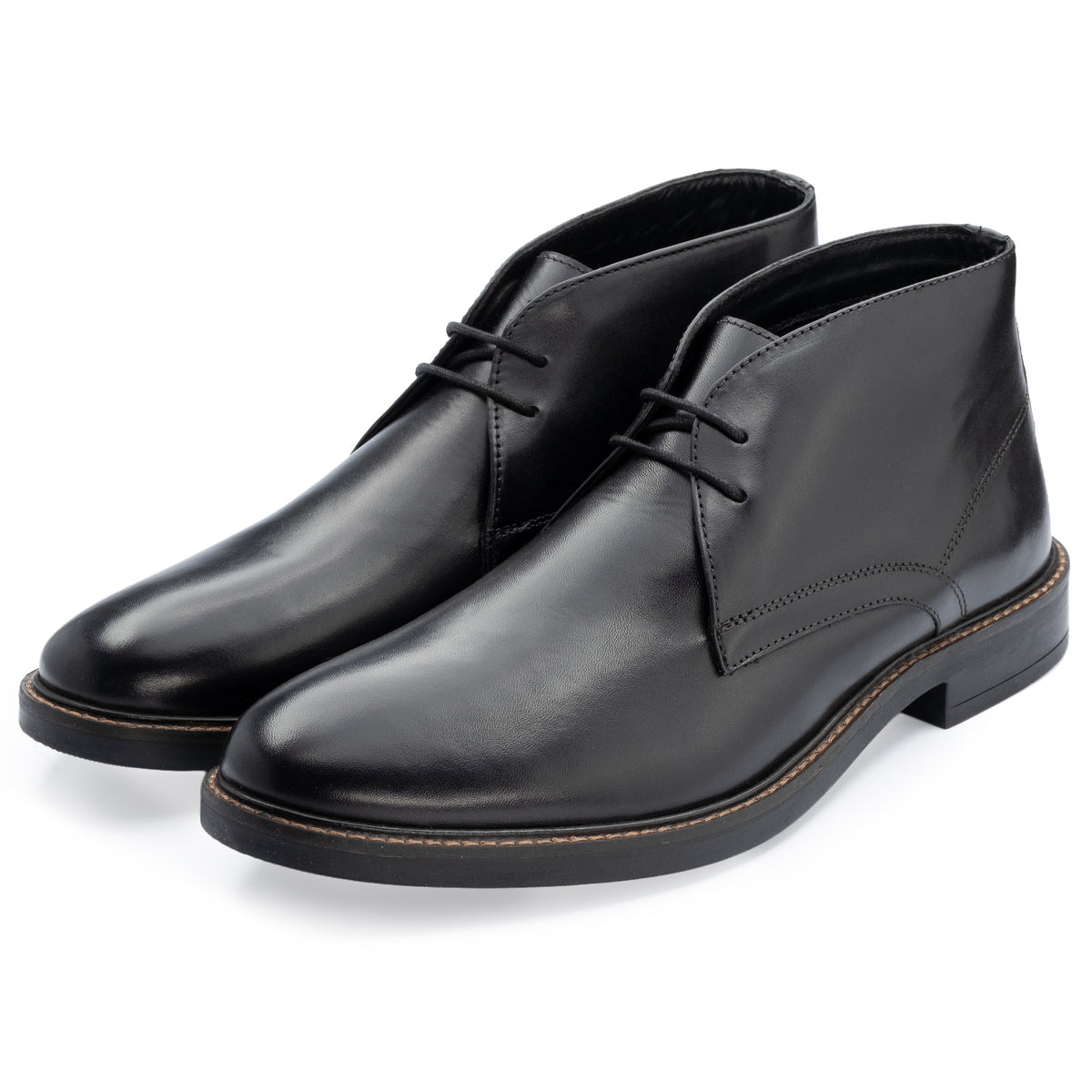
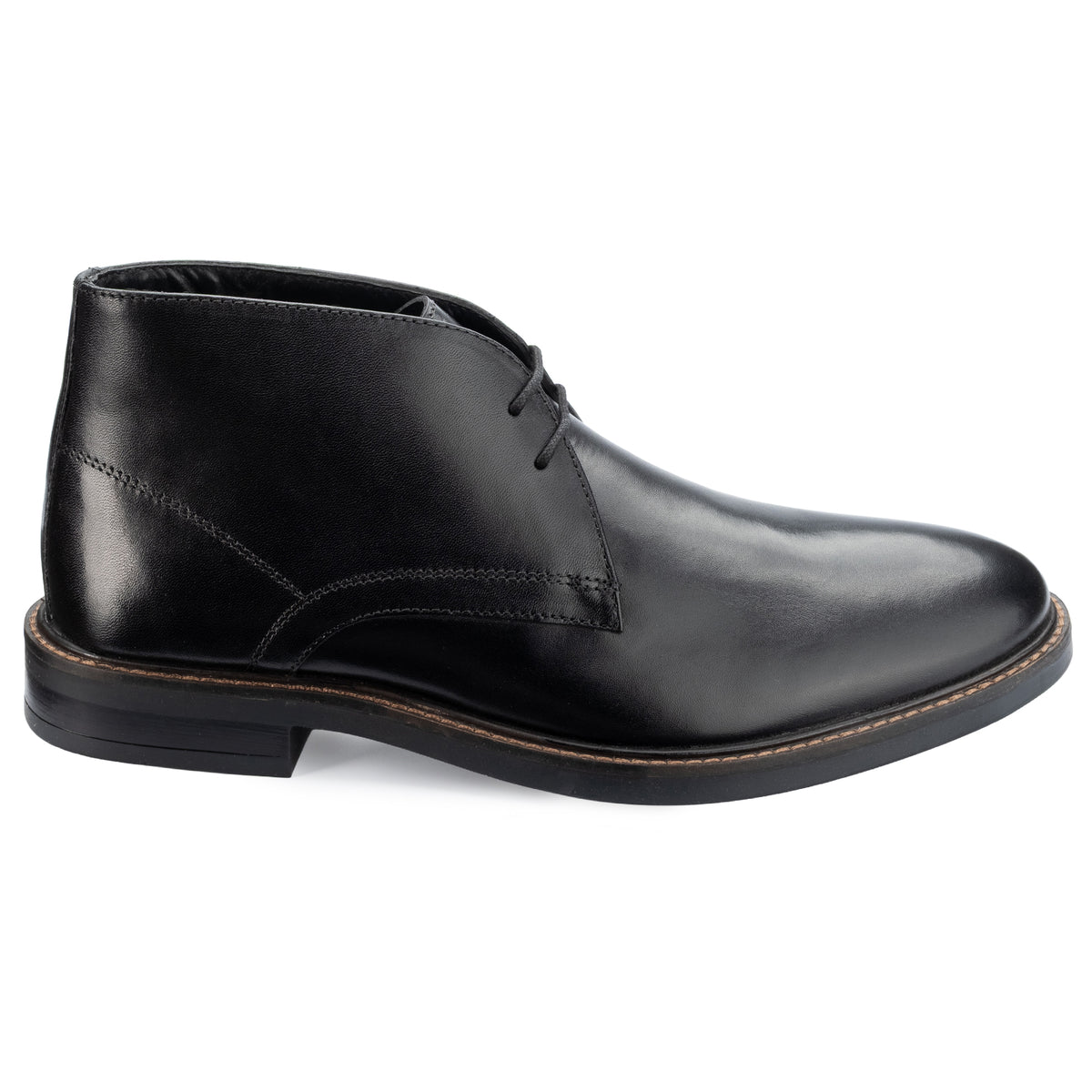
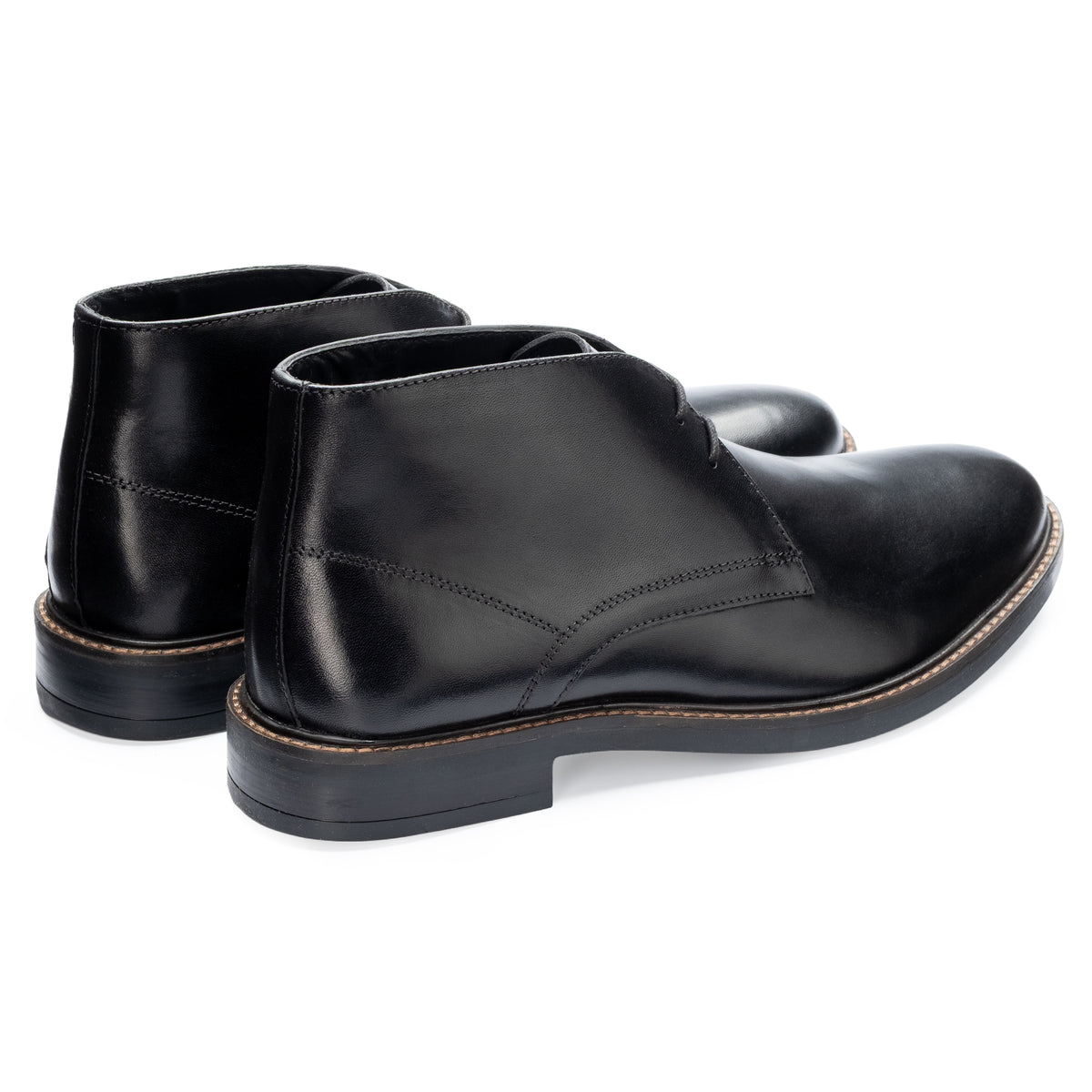
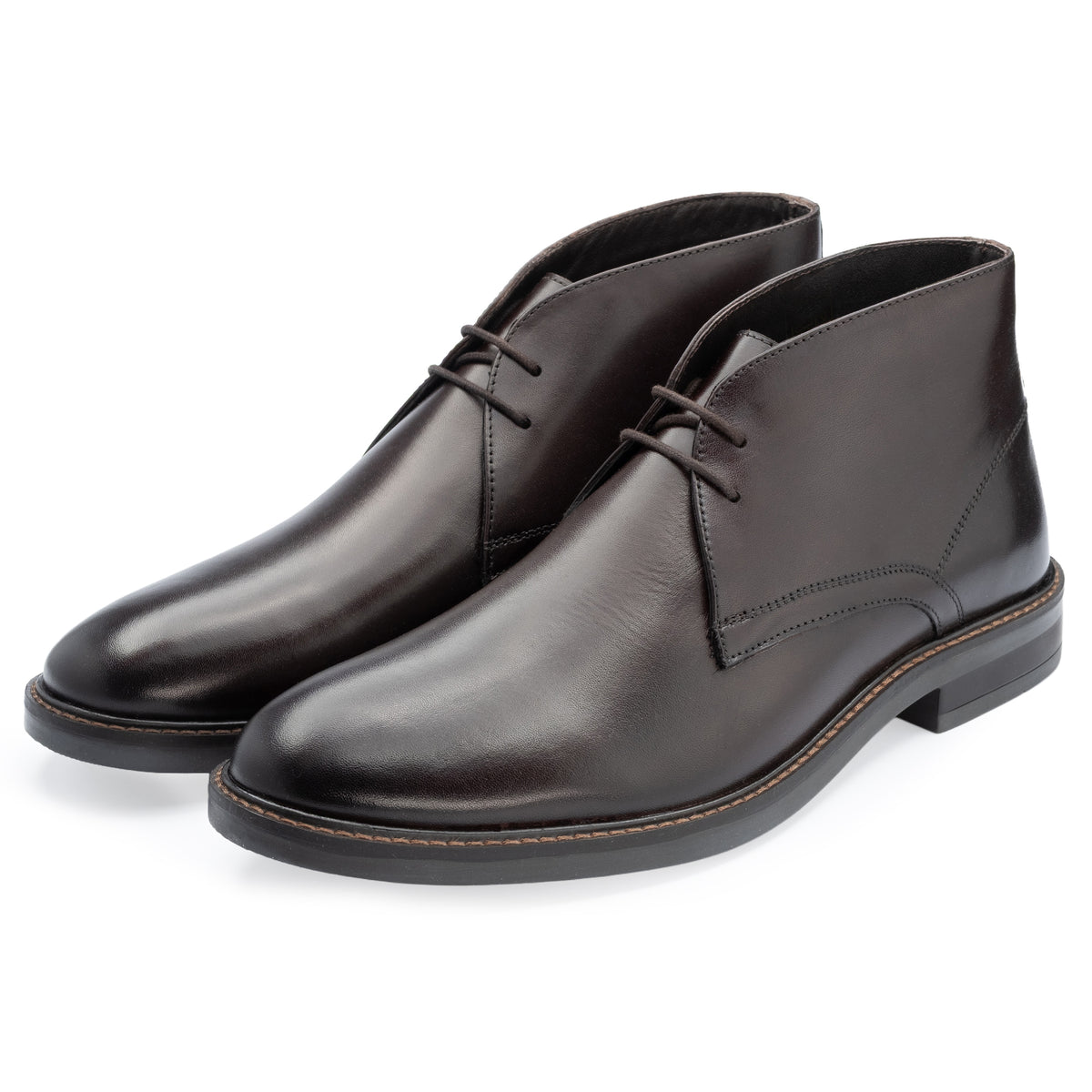
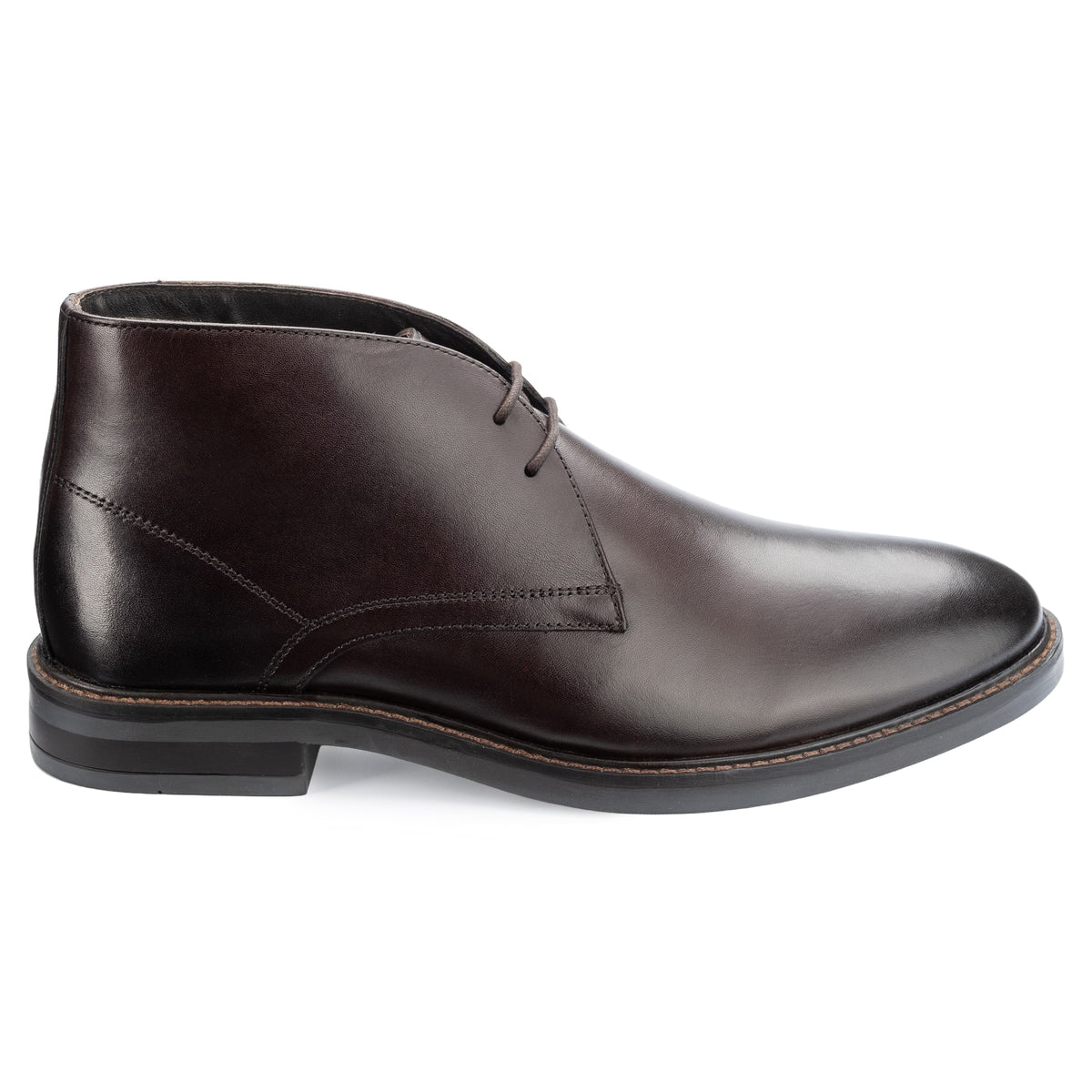
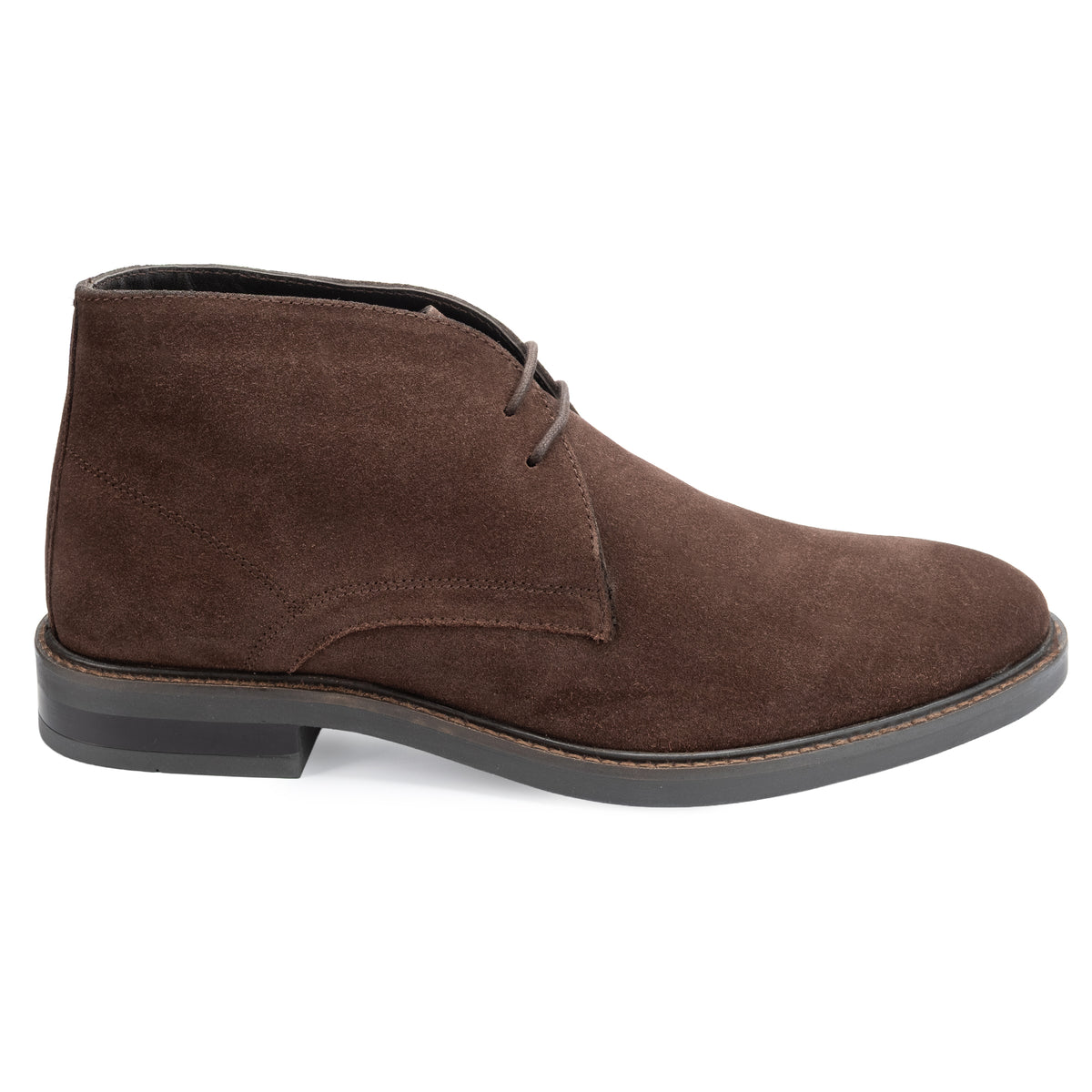
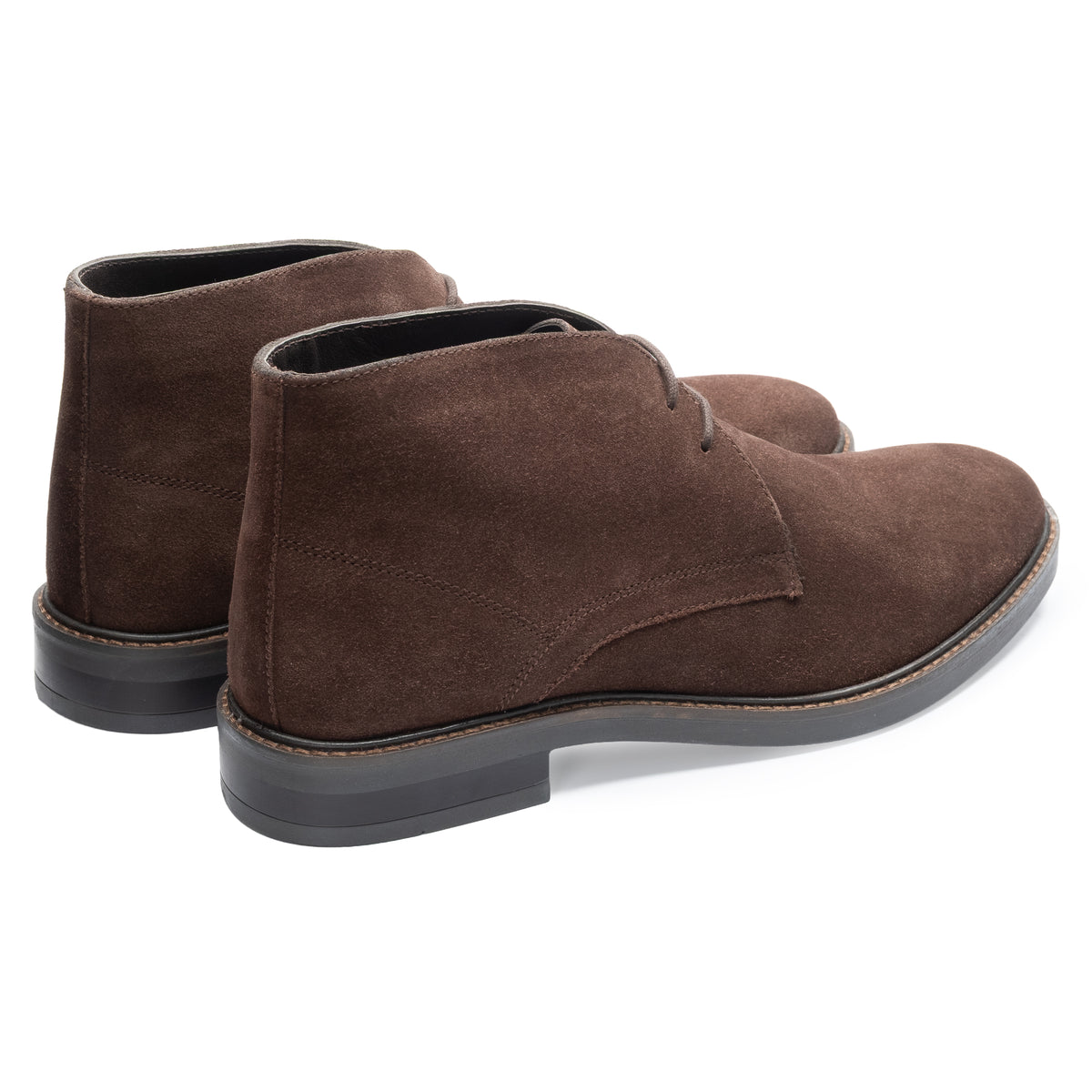
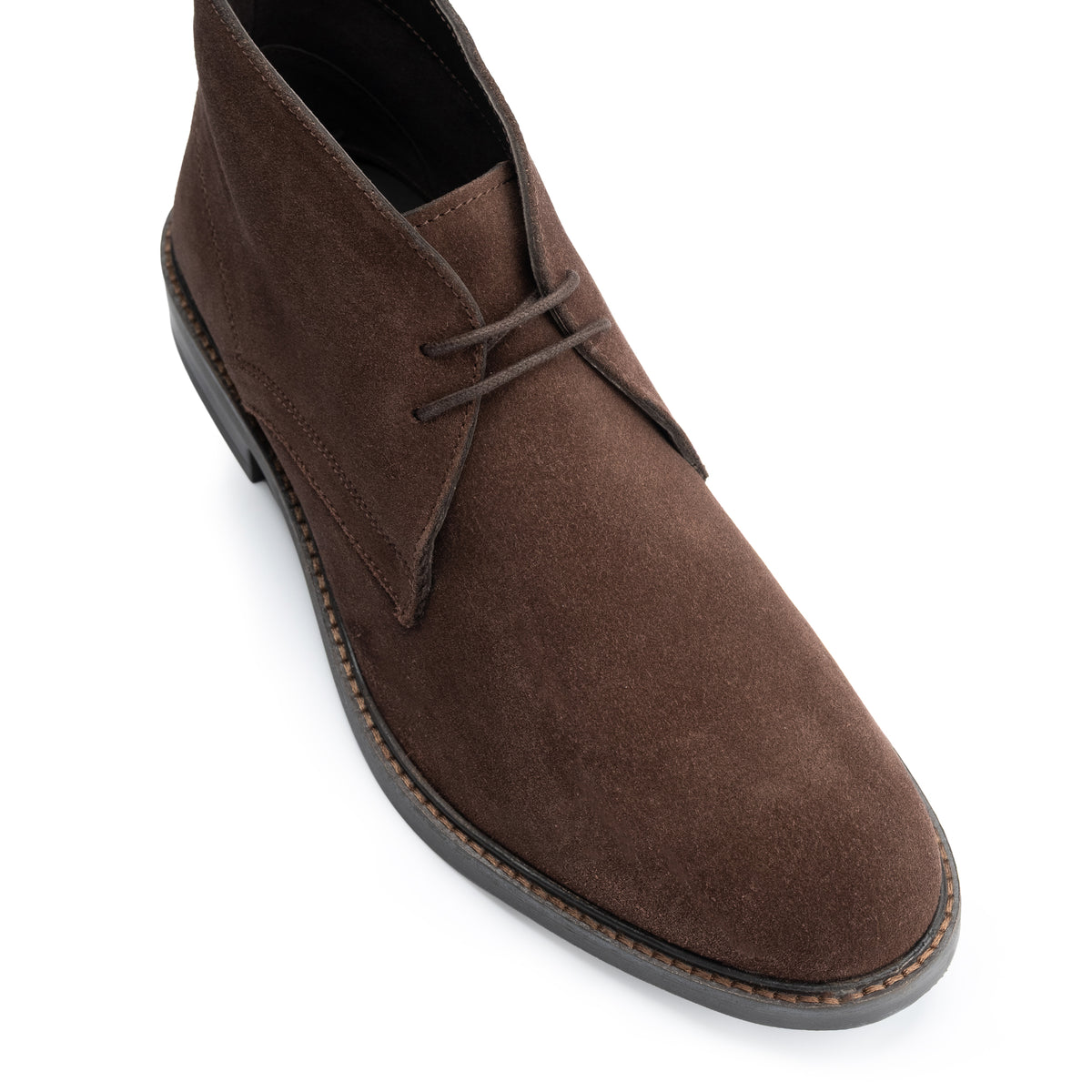
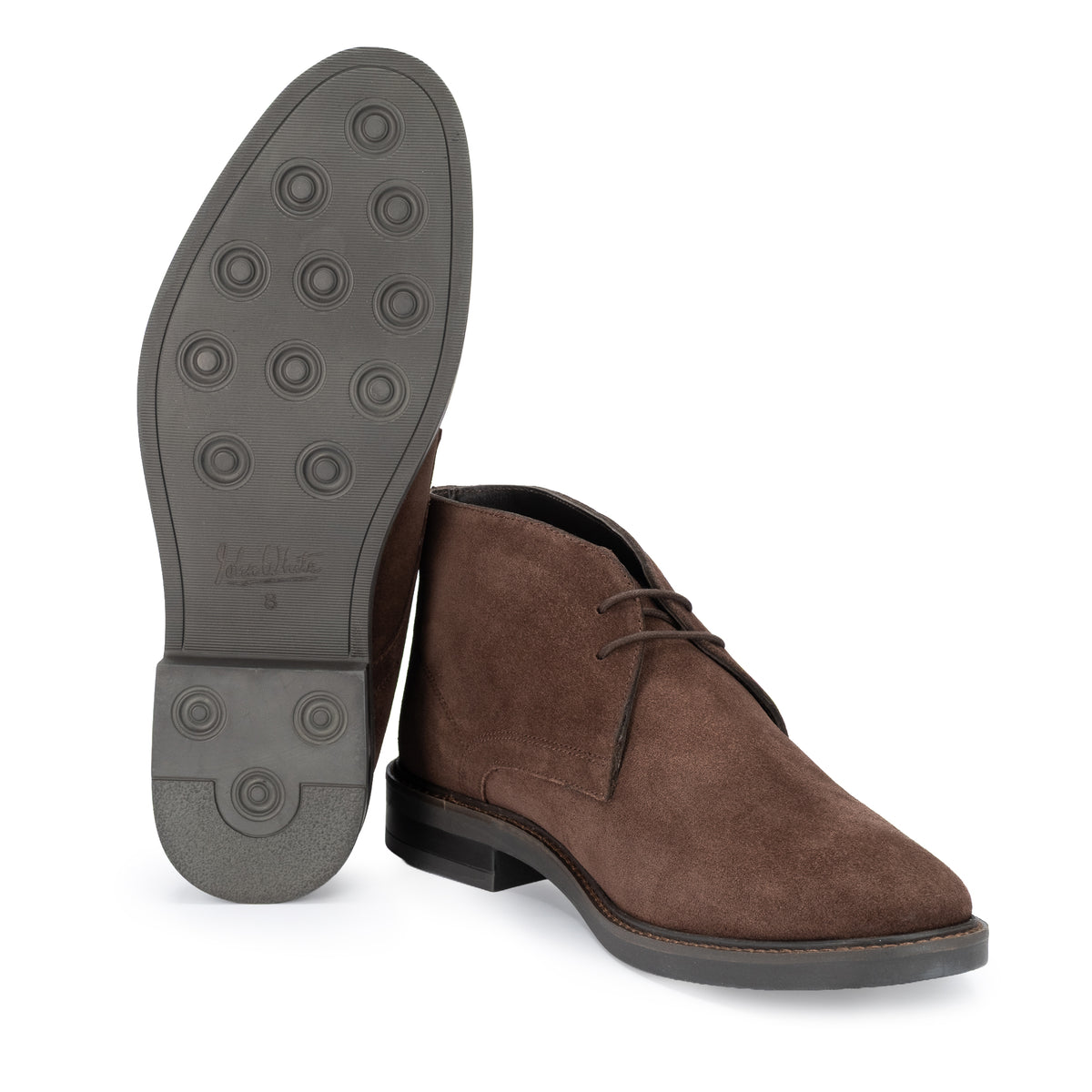
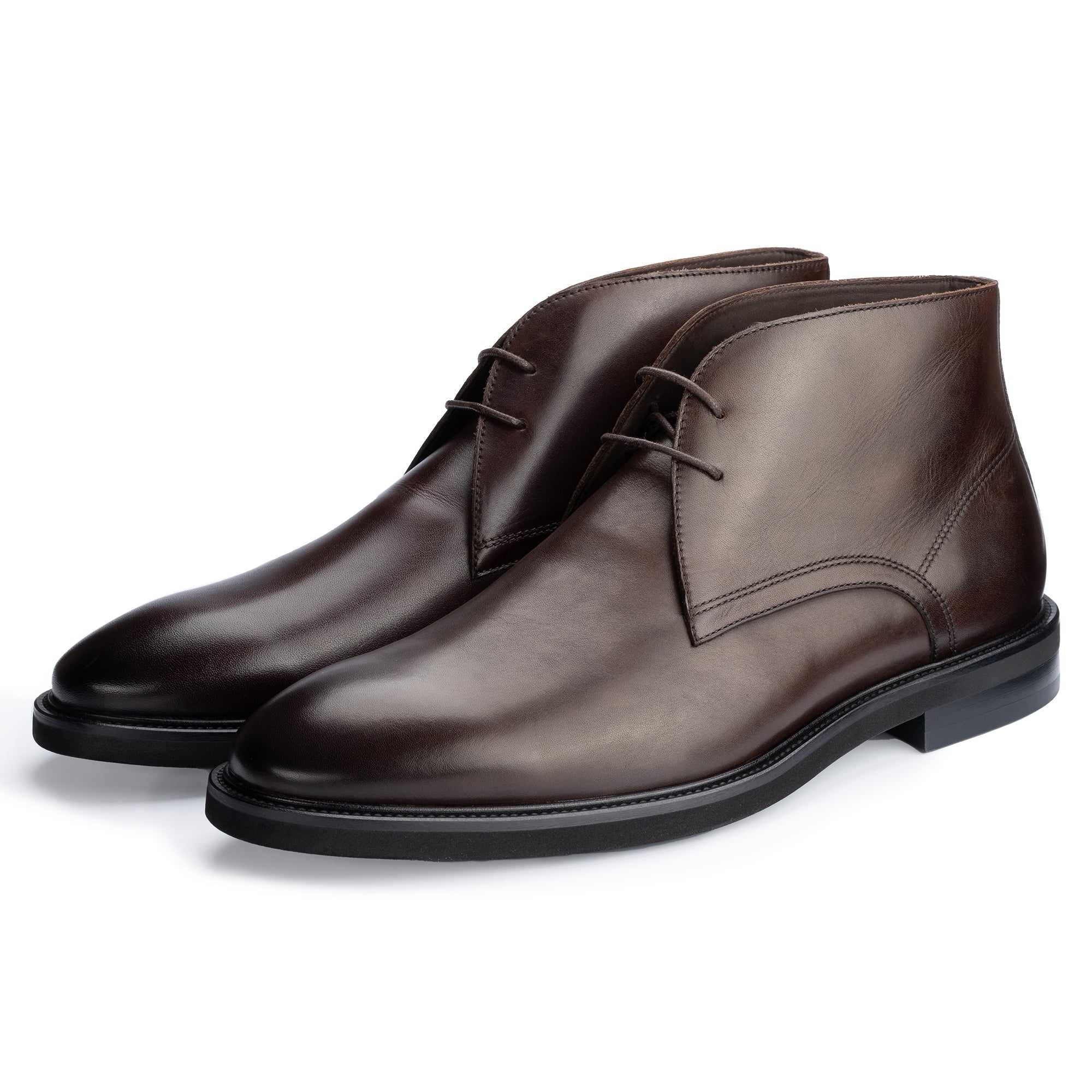
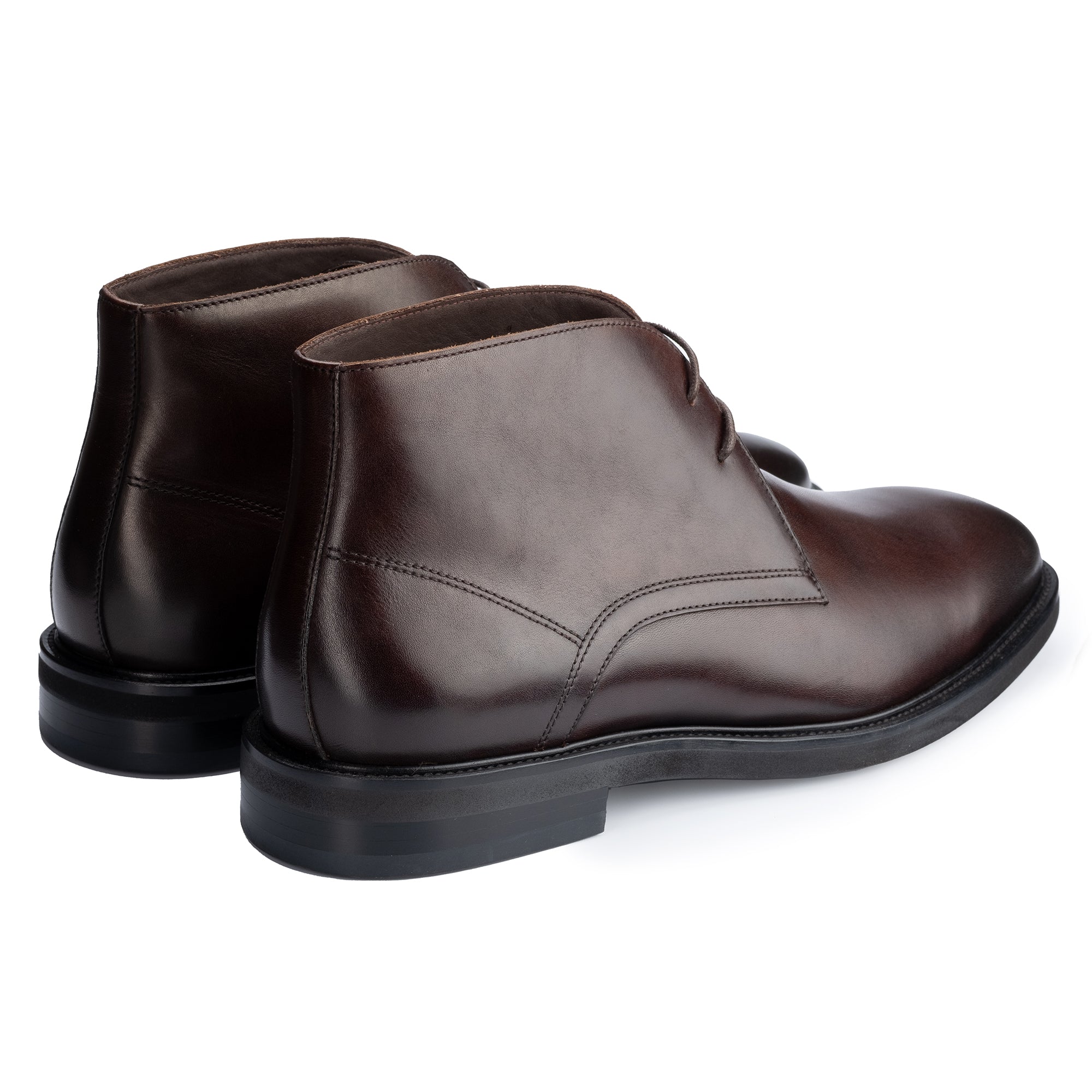
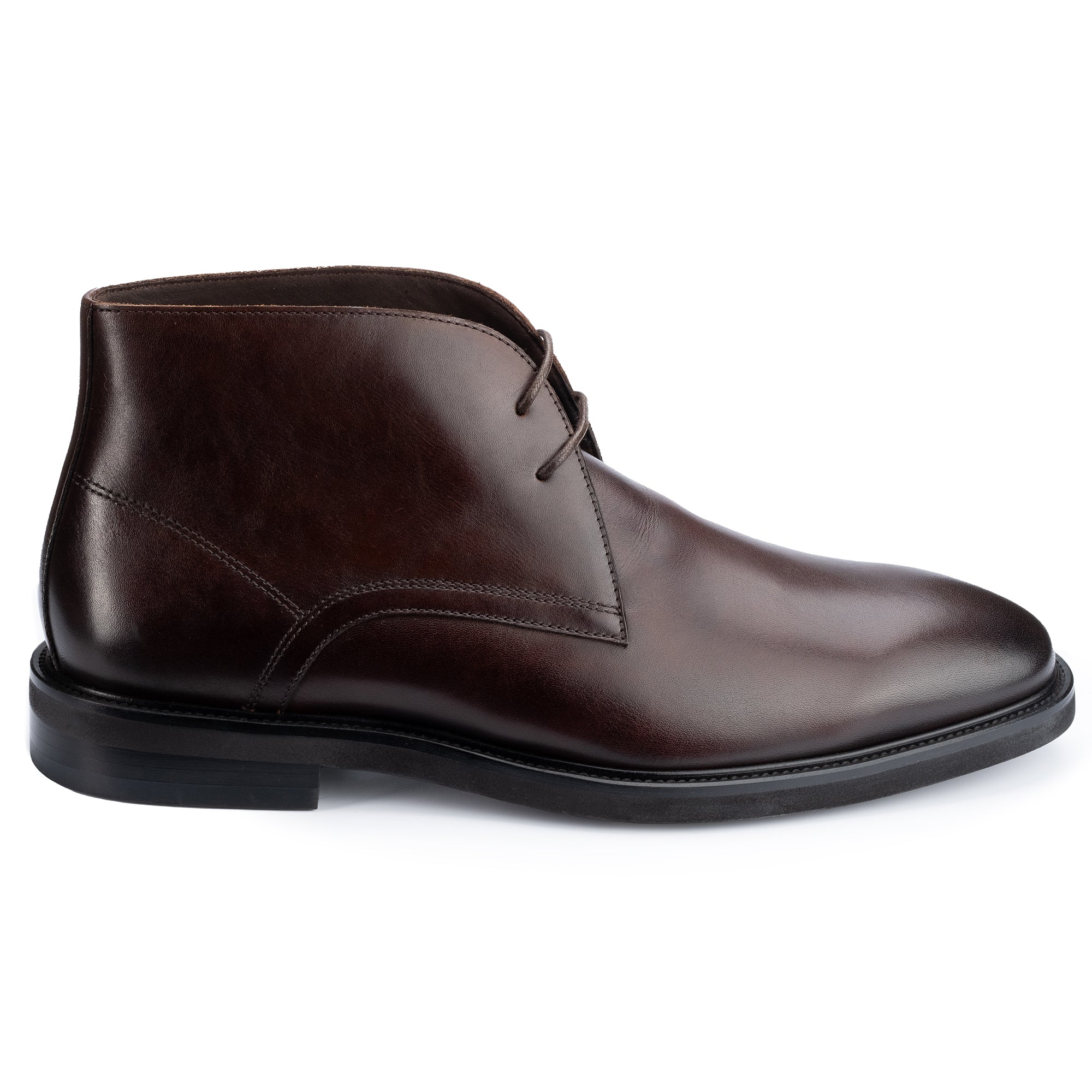
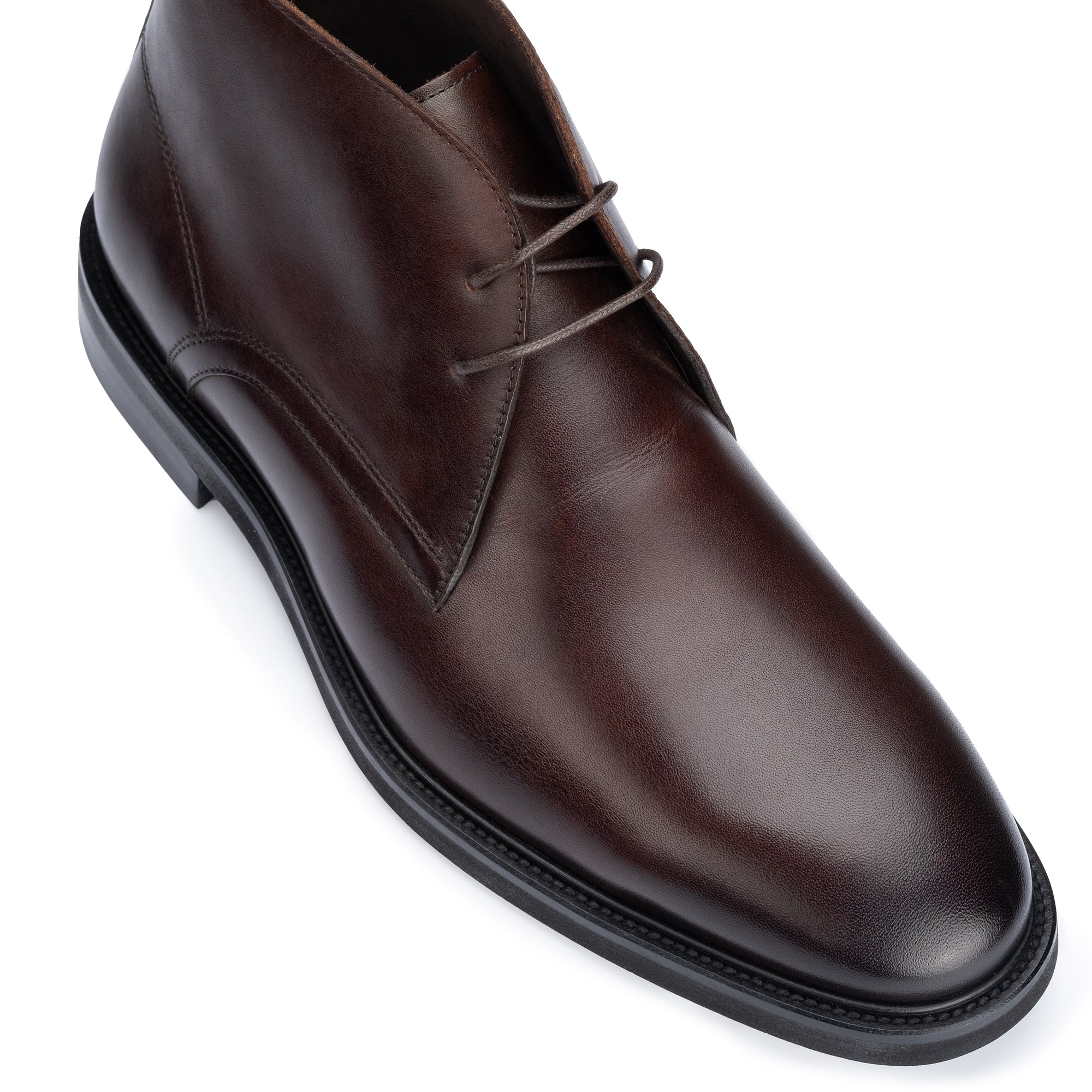
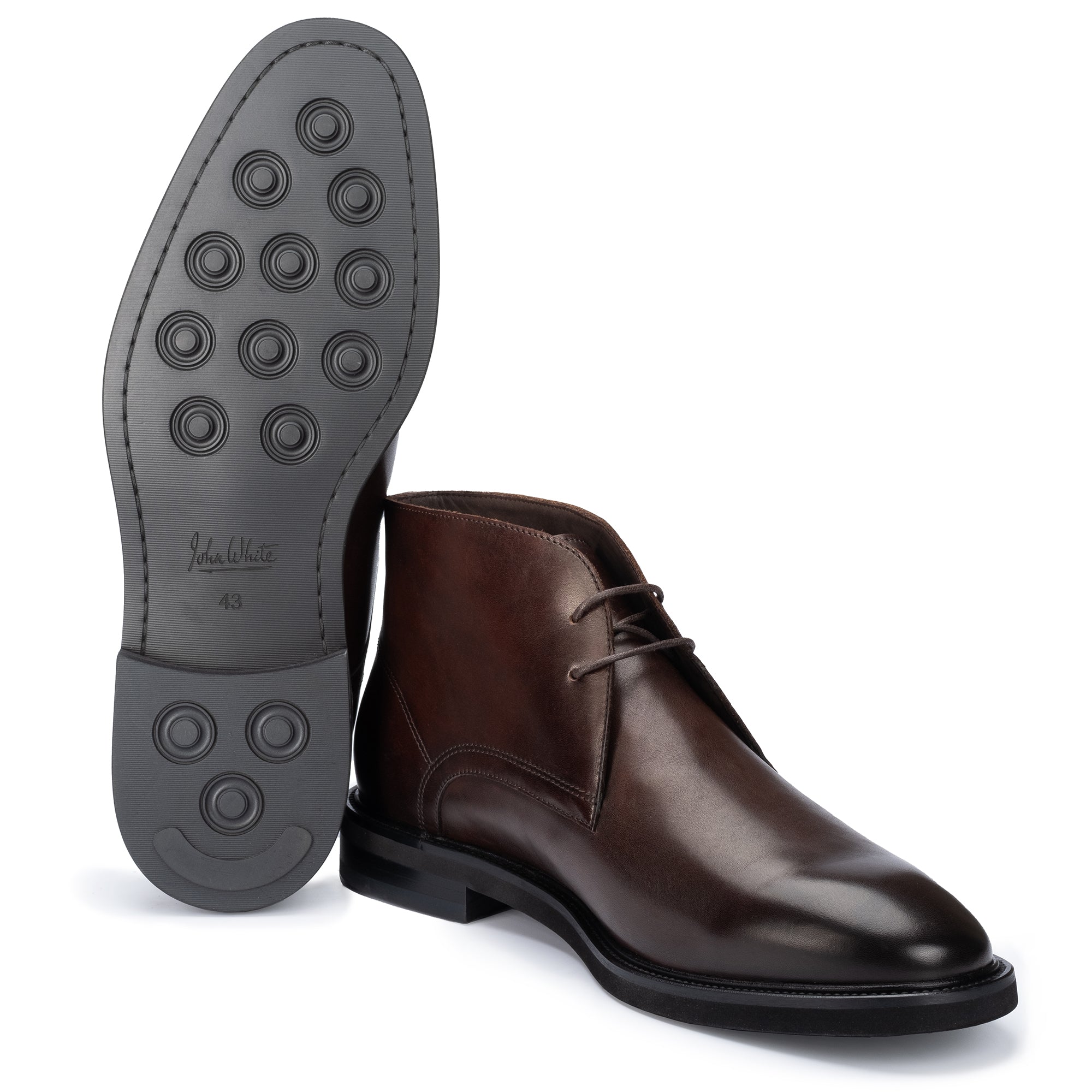
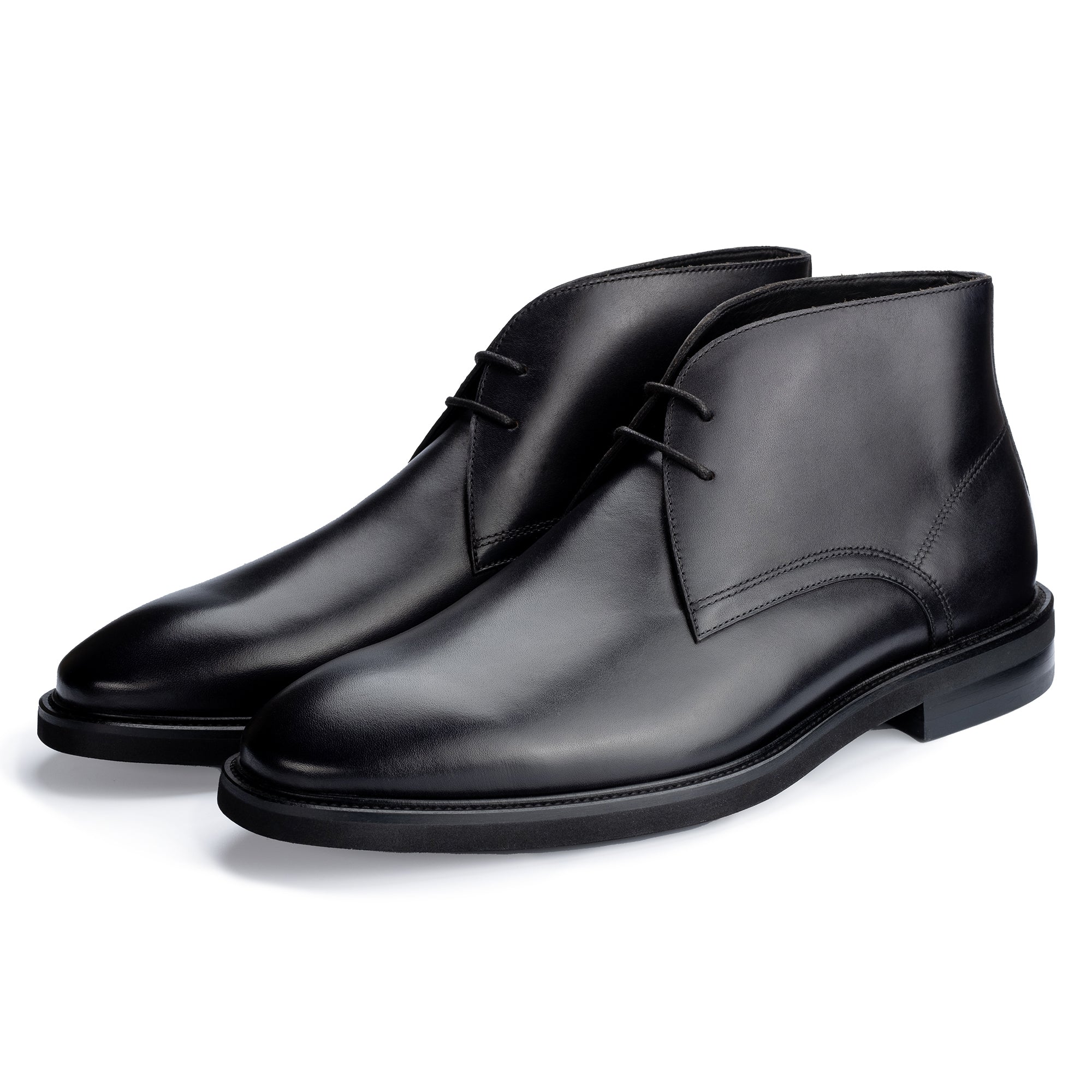
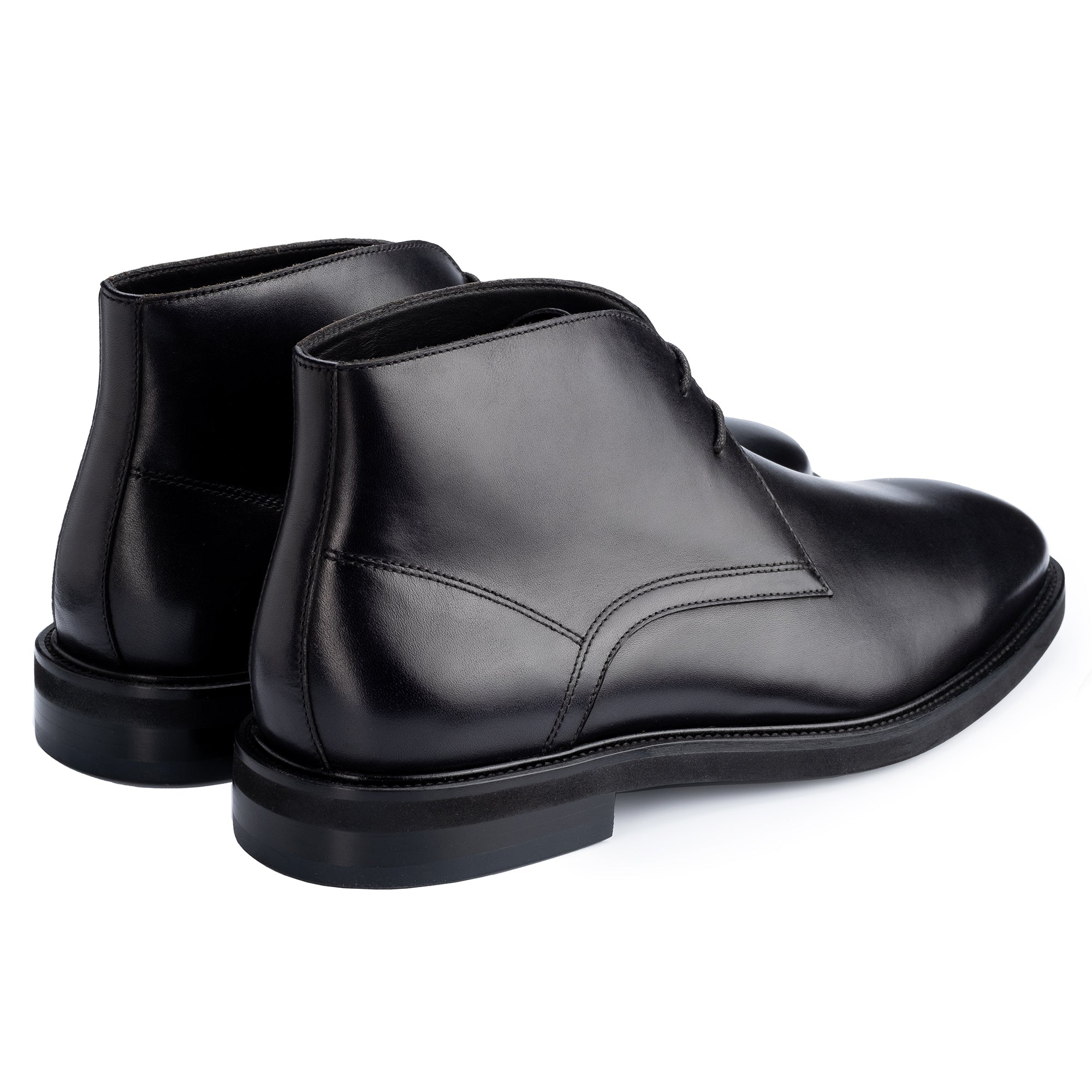
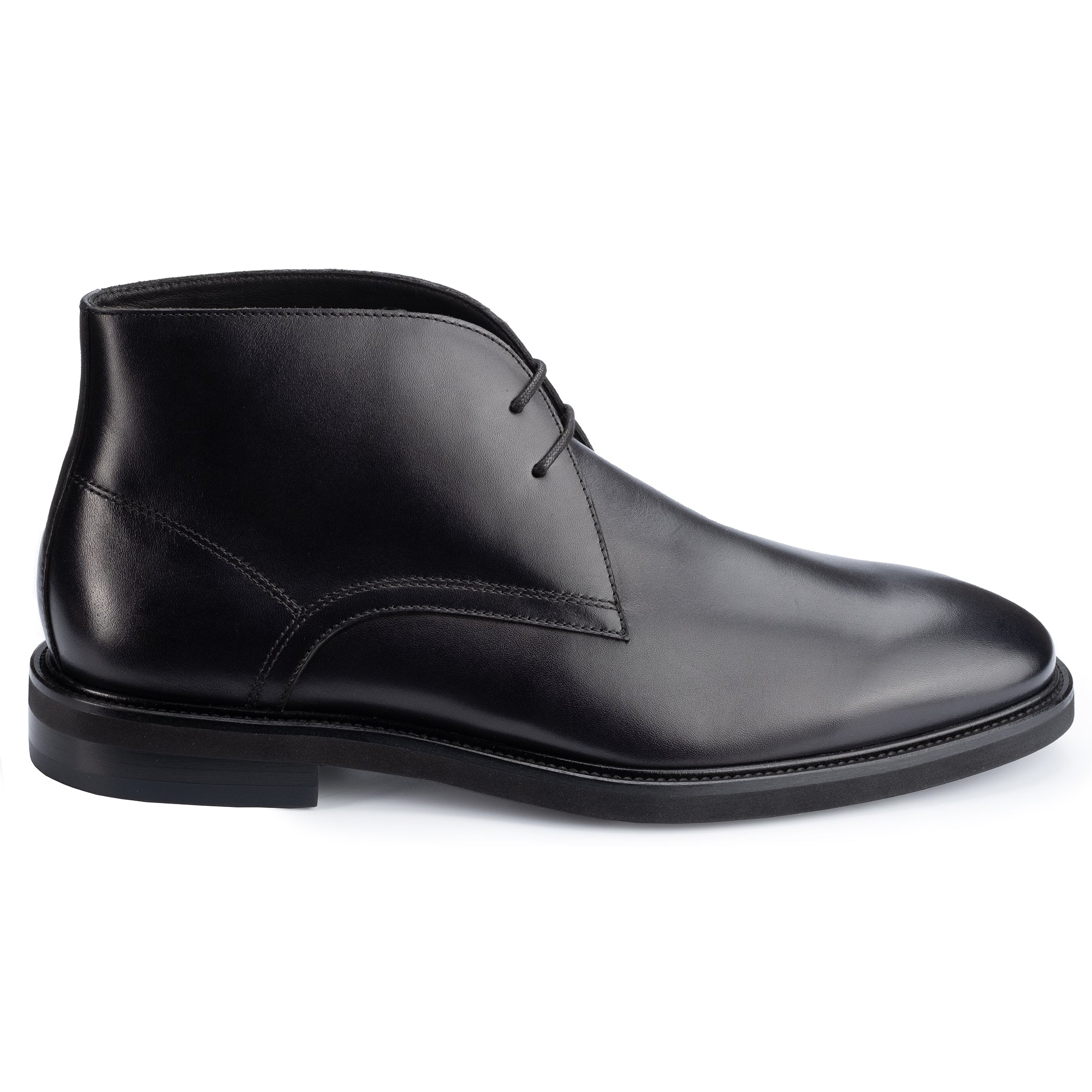
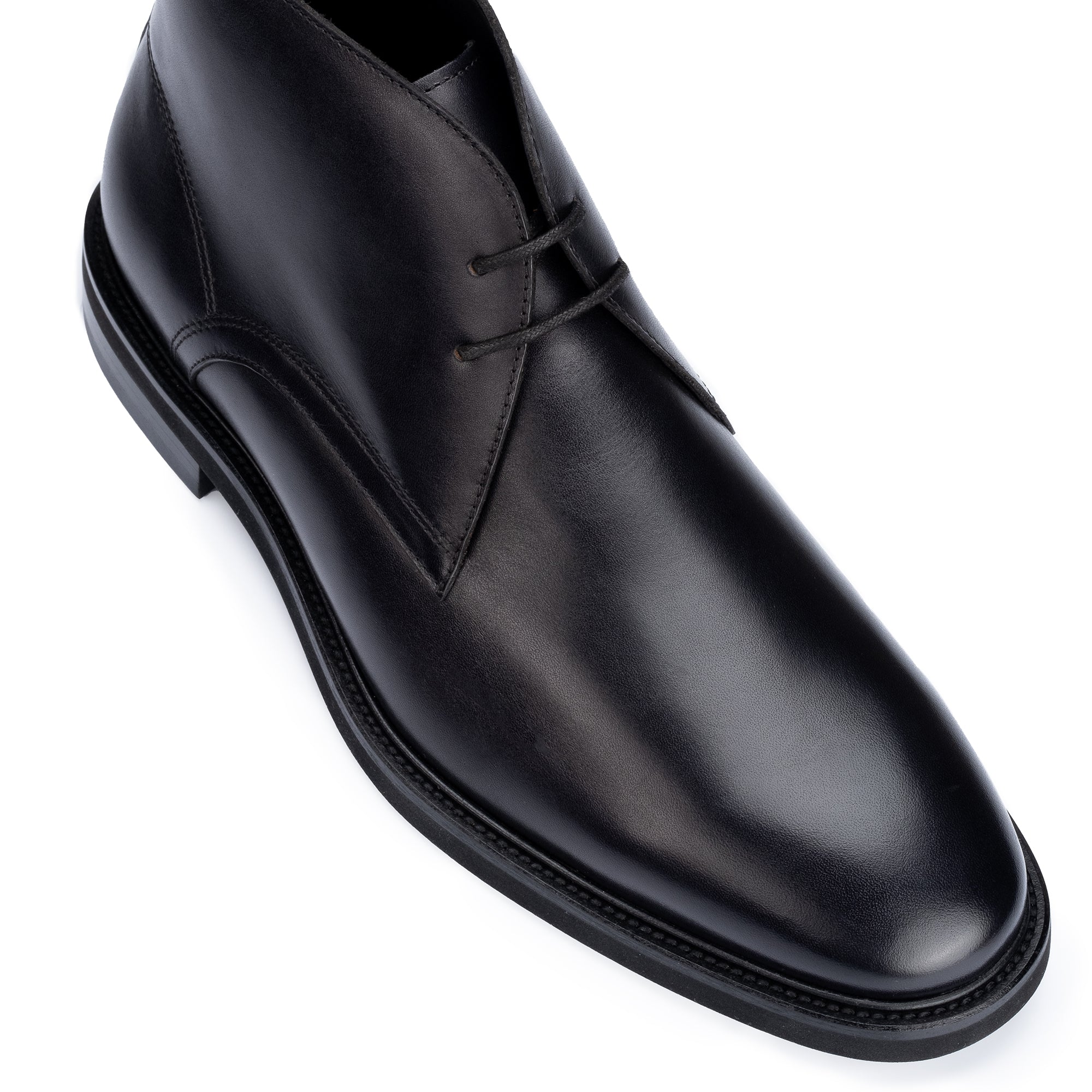
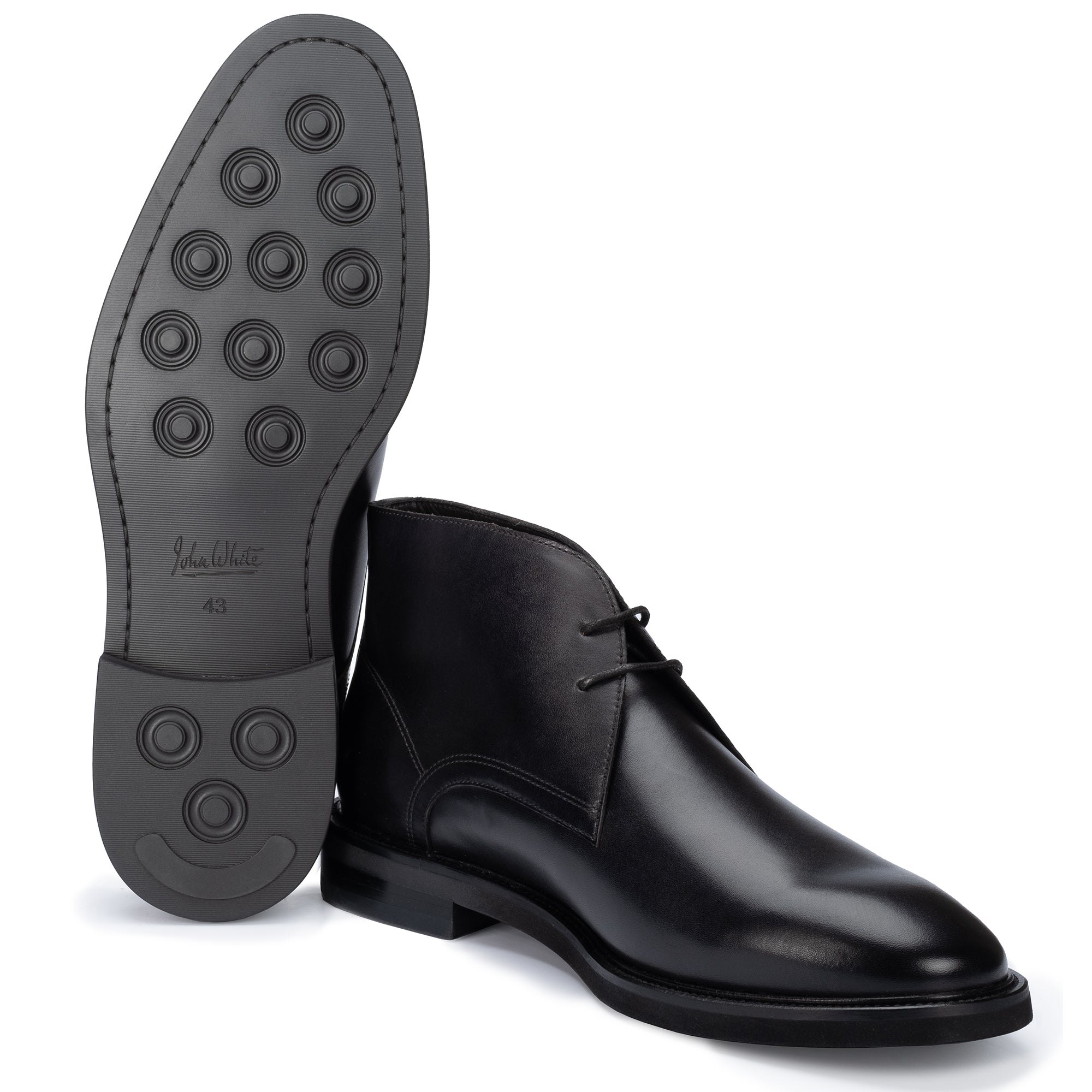
The chukka boot is younger in its civilian form — its roots lie in British military use, brought back from South Asia during the nineteenth century and later refined as the preferred boot of the English gentleman between polo chukkas (hence the name). It fastens with two or three eyelets and a simple lace and carries a slightly more structured, deliberately casual aesthetic. Where the Chelsea is quiet, the chukka has something to say at the ankle.
Both silhouettes have endured precisely because they are useful rather than fashionable. Neither feels forced in an autumn wardrobe. The question is which one serves your autumn better.
The Formality Question
Chelsea Boot — the Higher Ceiling
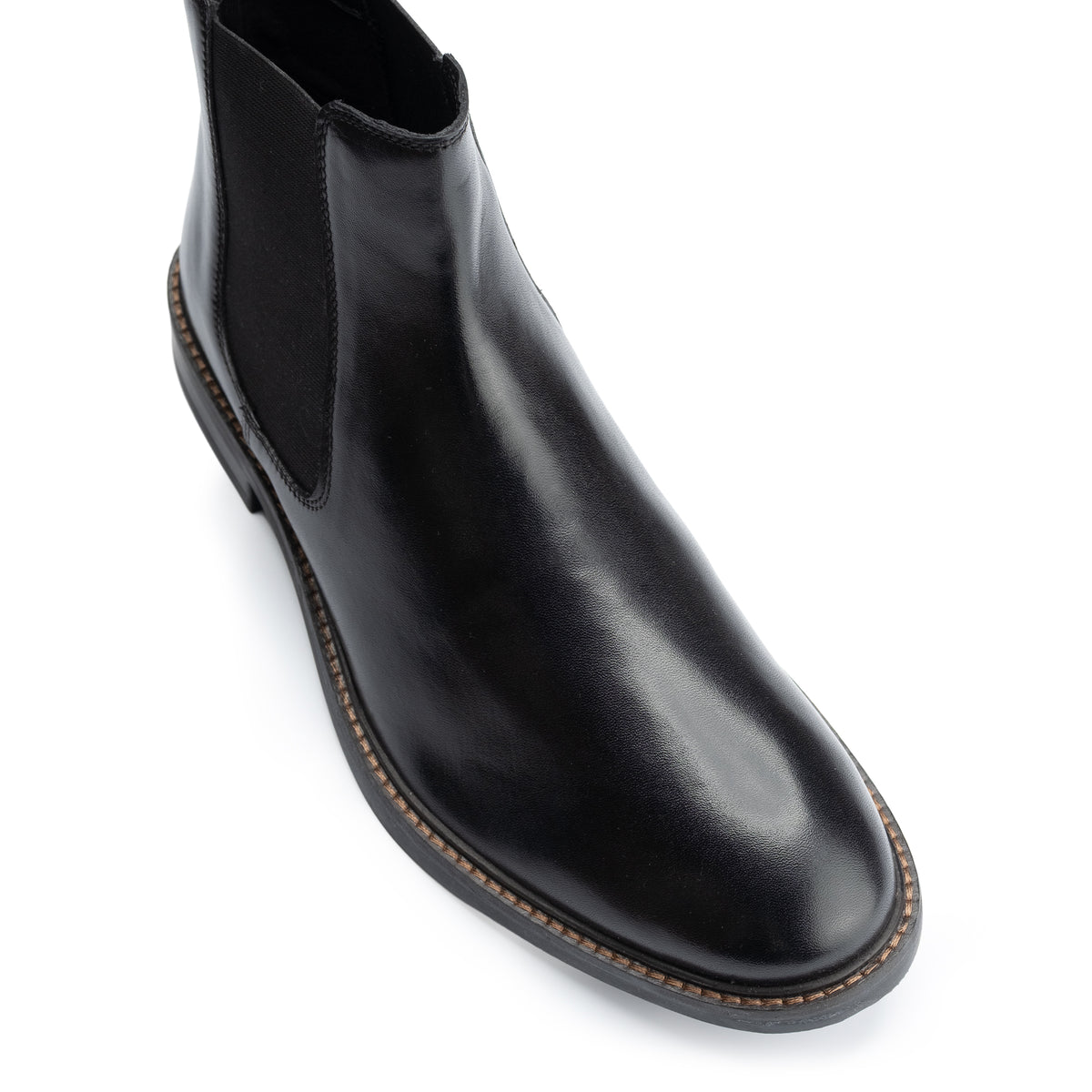
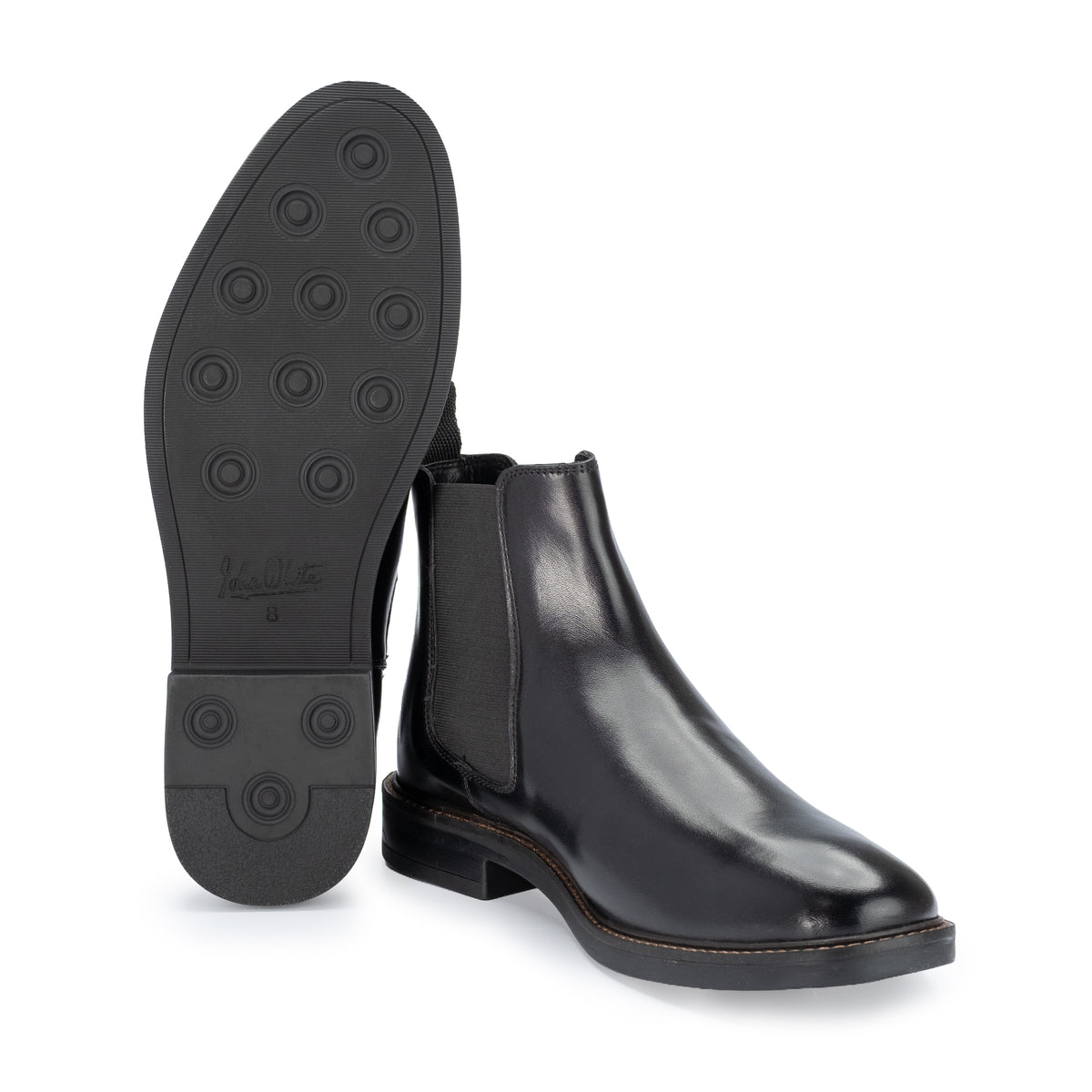
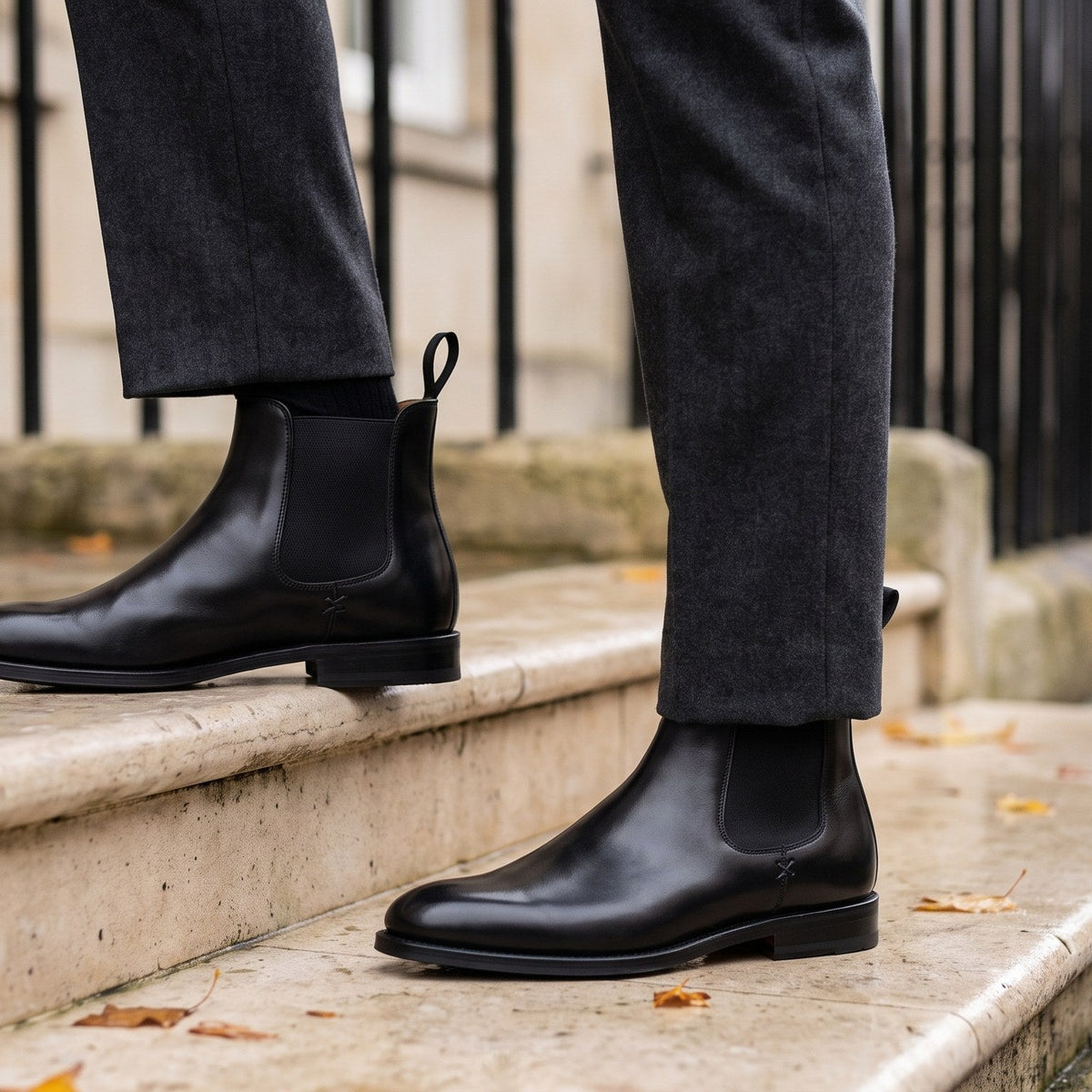
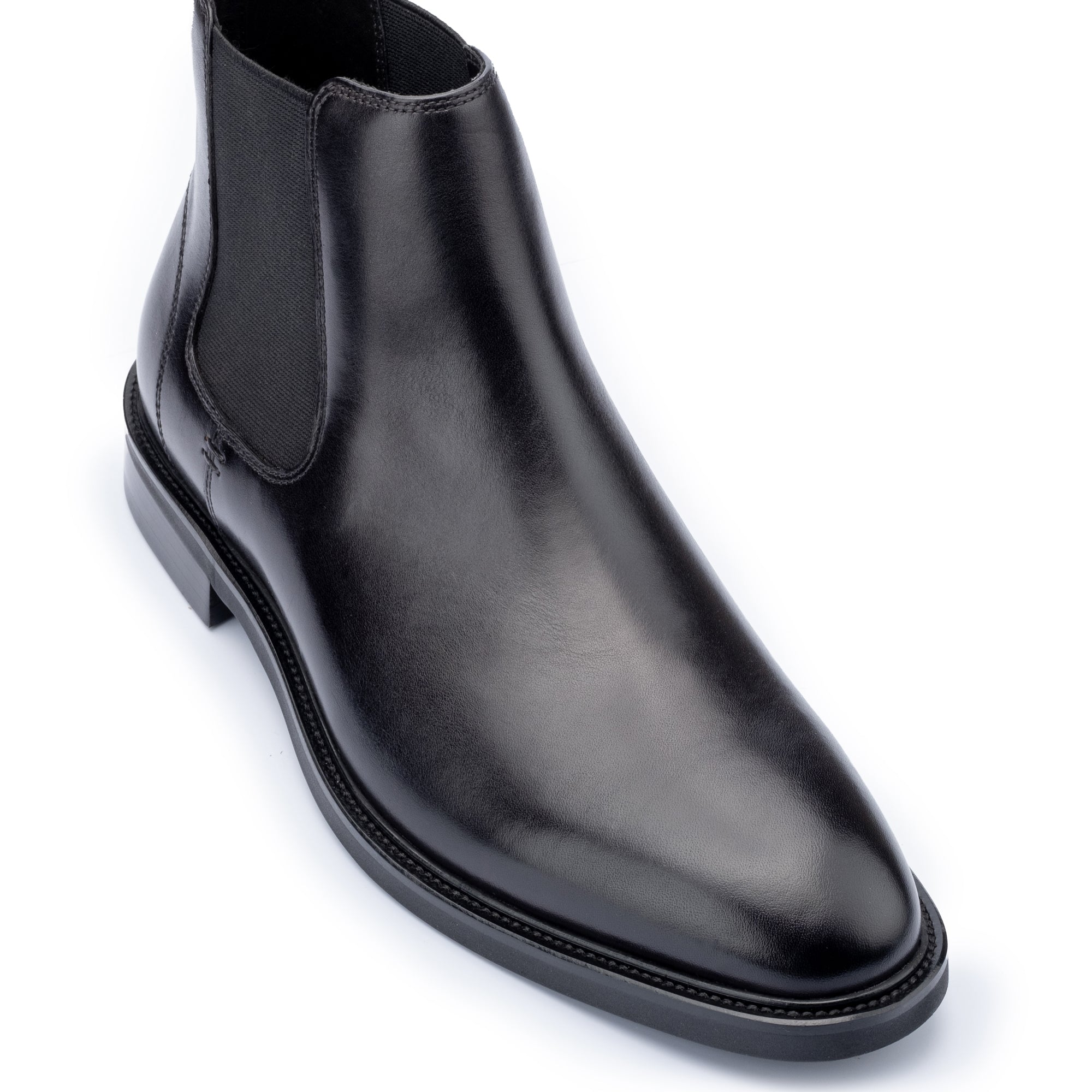
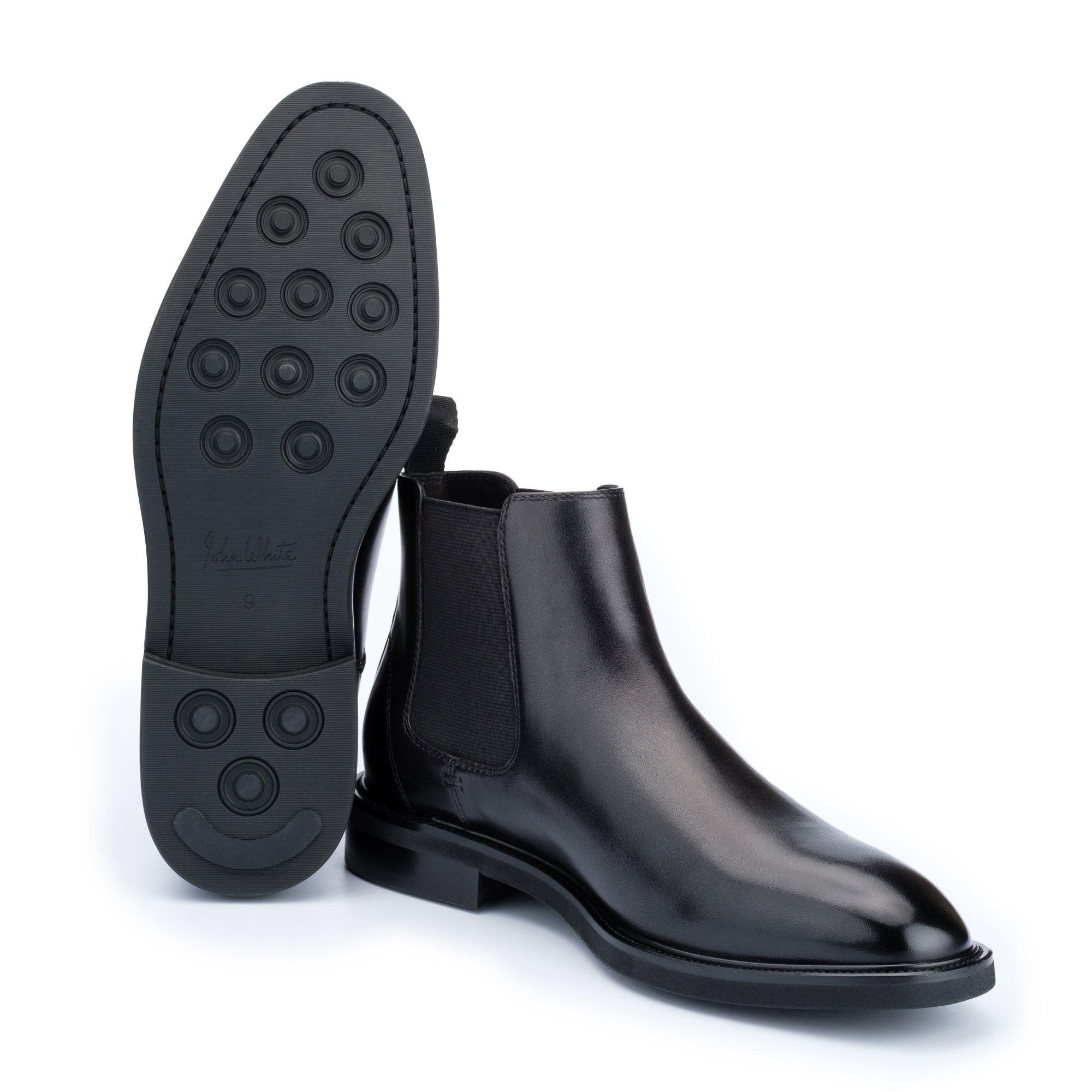
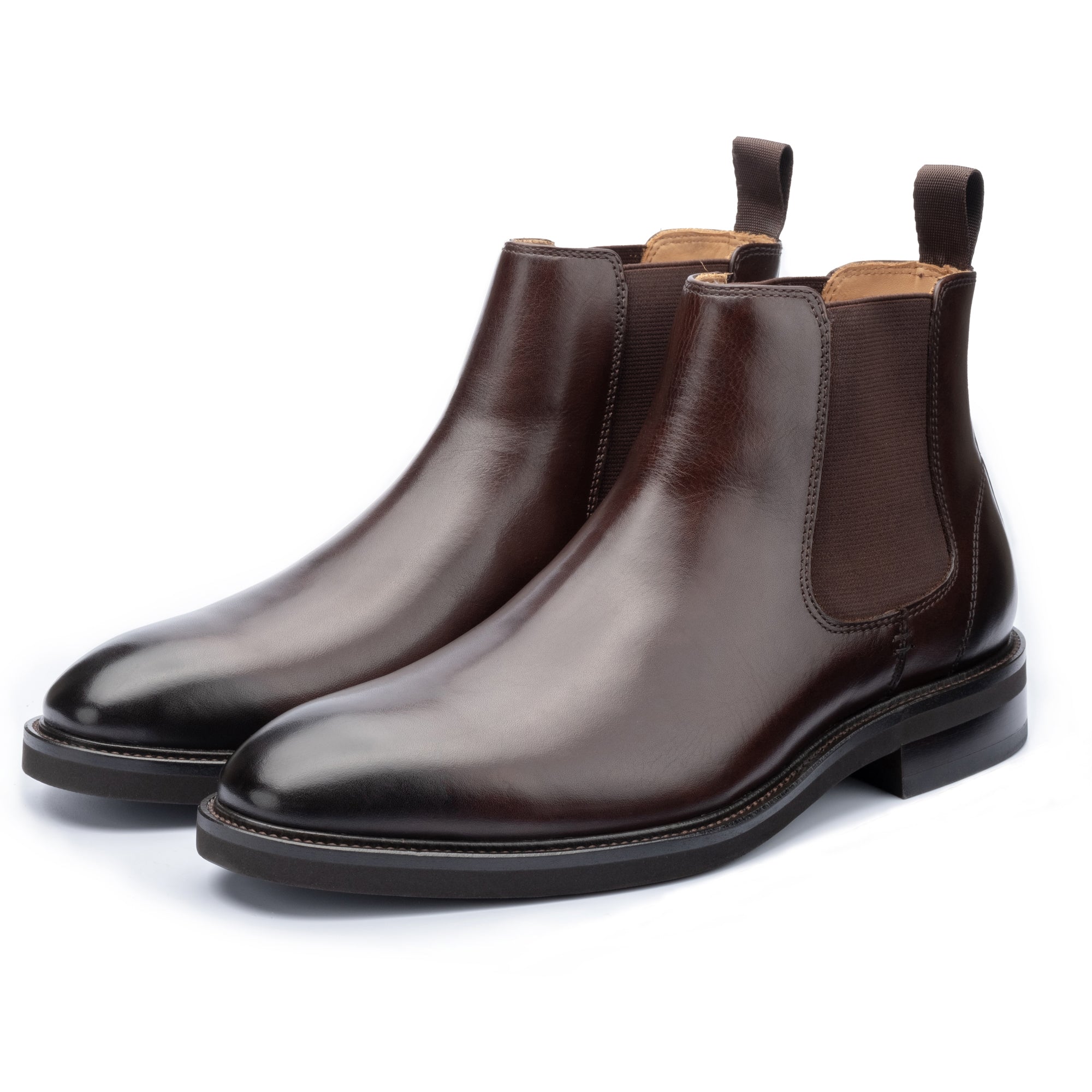
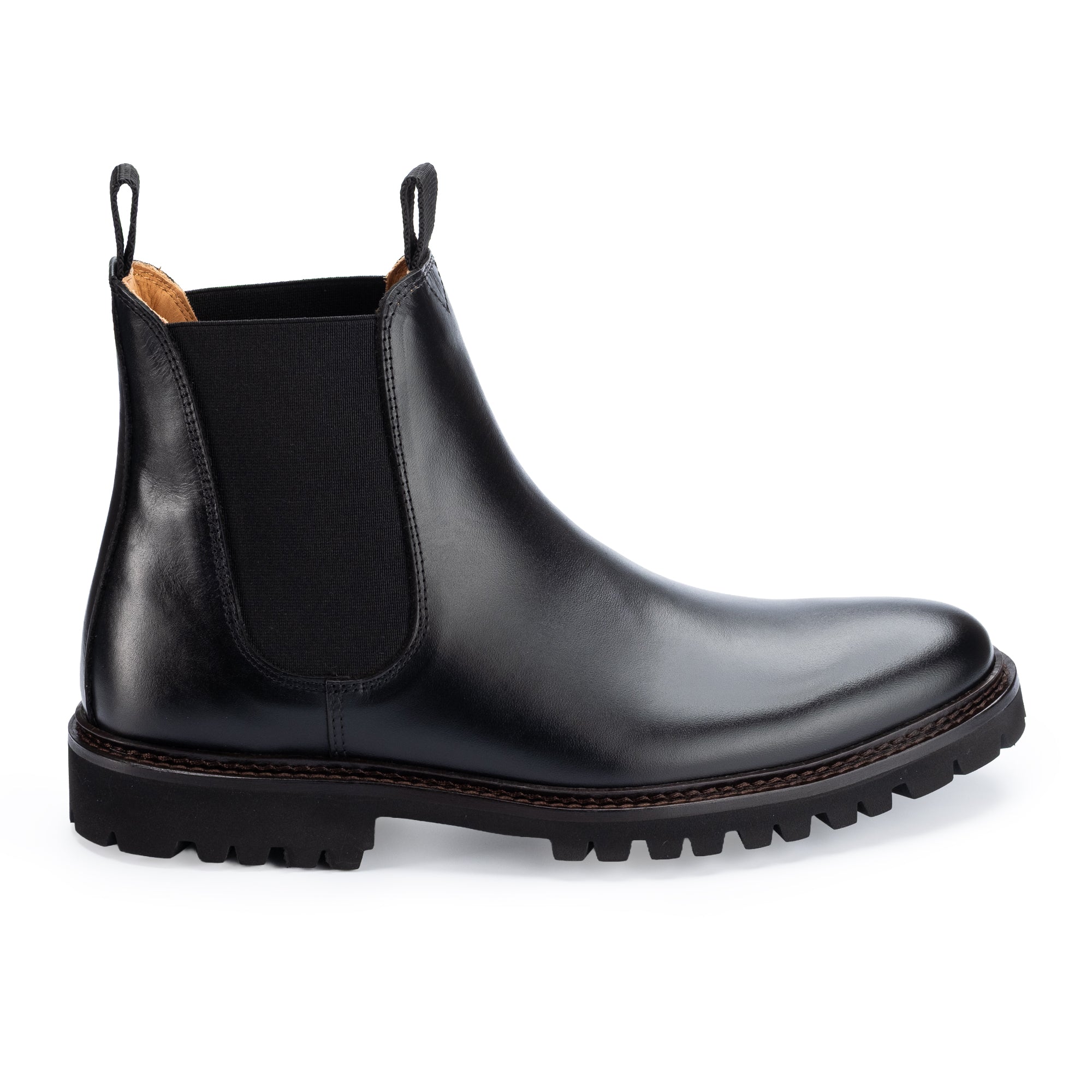
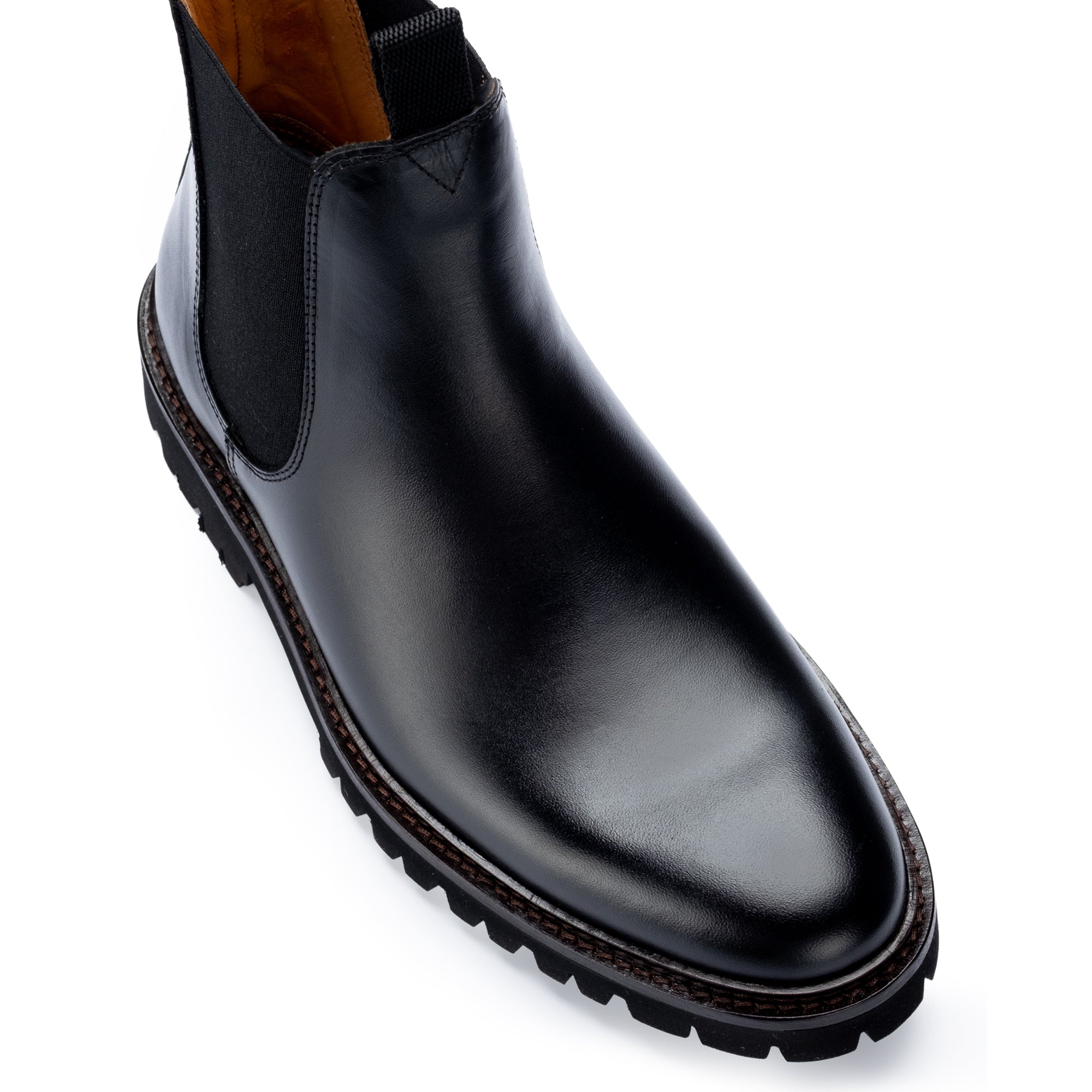
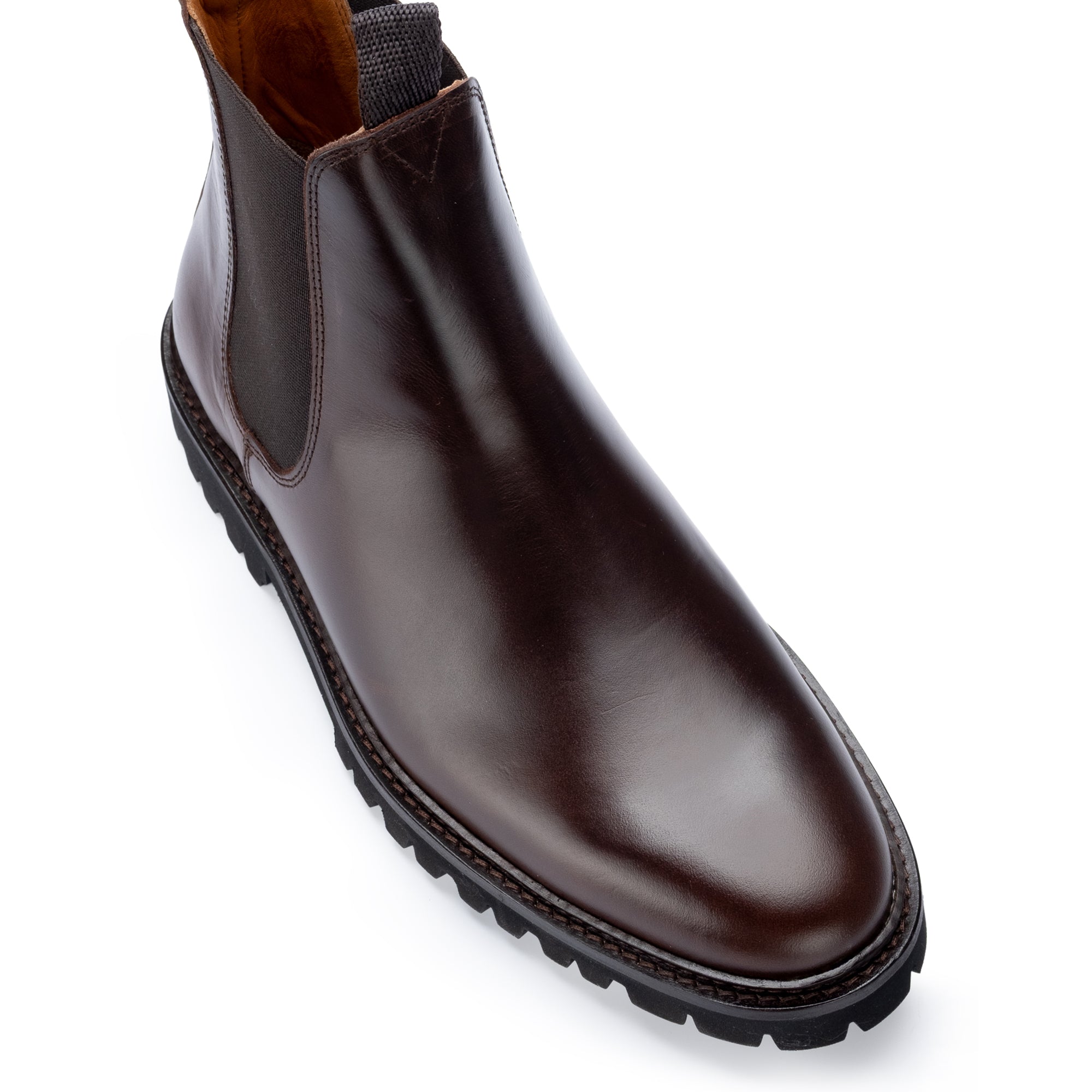
The Chelsea boot's clean side profile — no lace, no tongue, no buckle — reads more formal than its construction might suggest. In smooth-grain leather, it sits comfortably beneath tailored trousers, fitted chinos, and in a business-casual office context even beneath a well-cut suit. The silhouette does not disrupt a trouser break; there is nothing at the ankle to catch the eye or break the line.
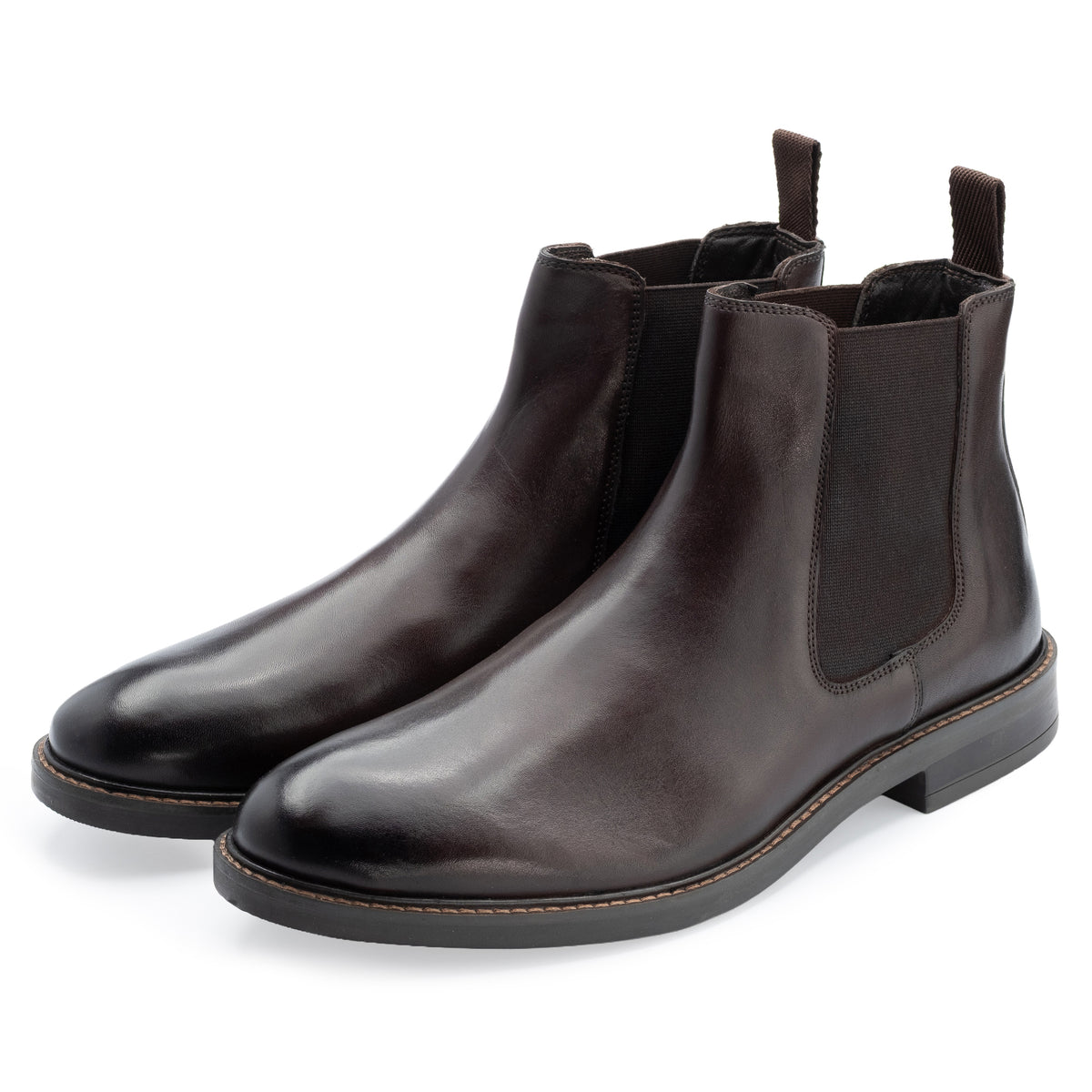
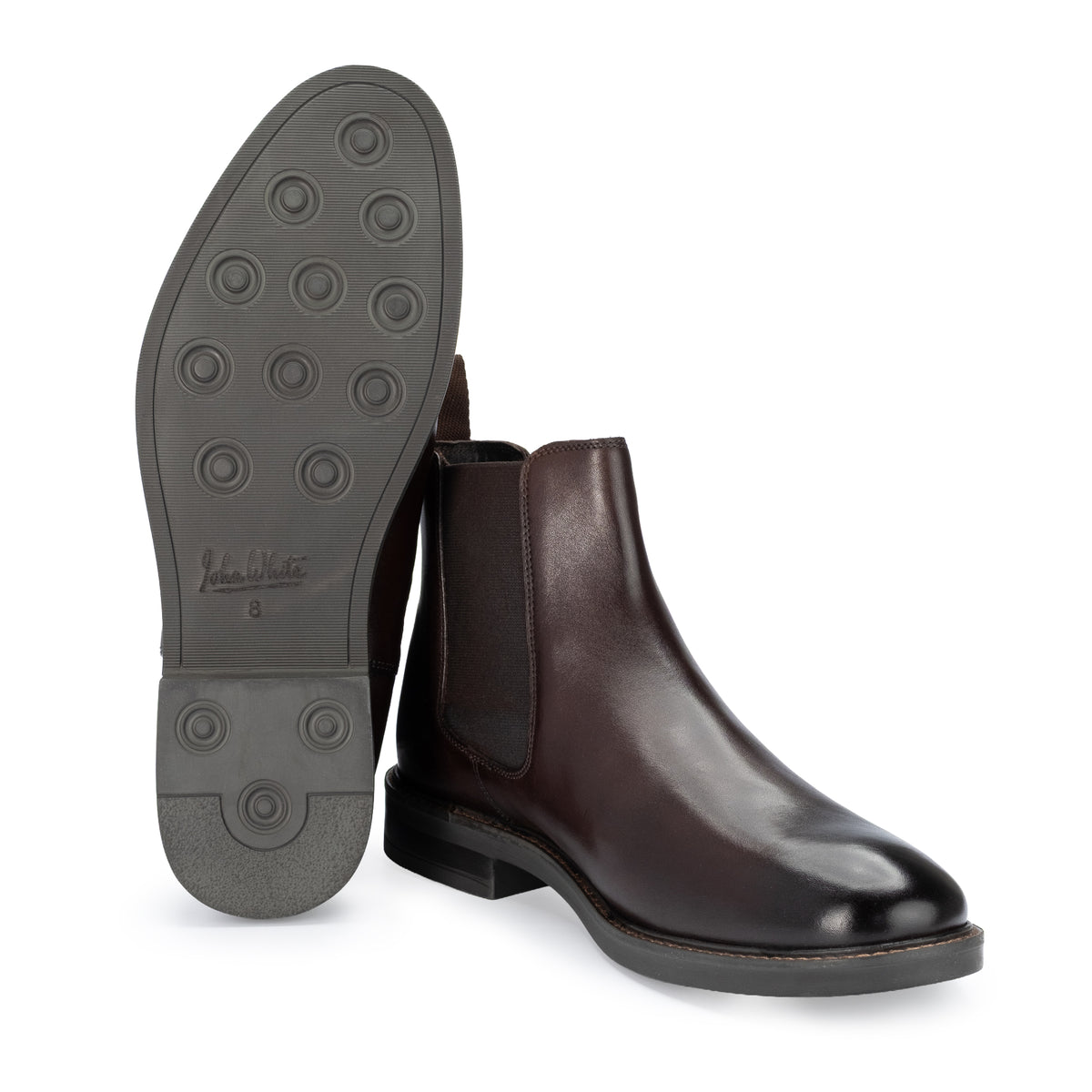
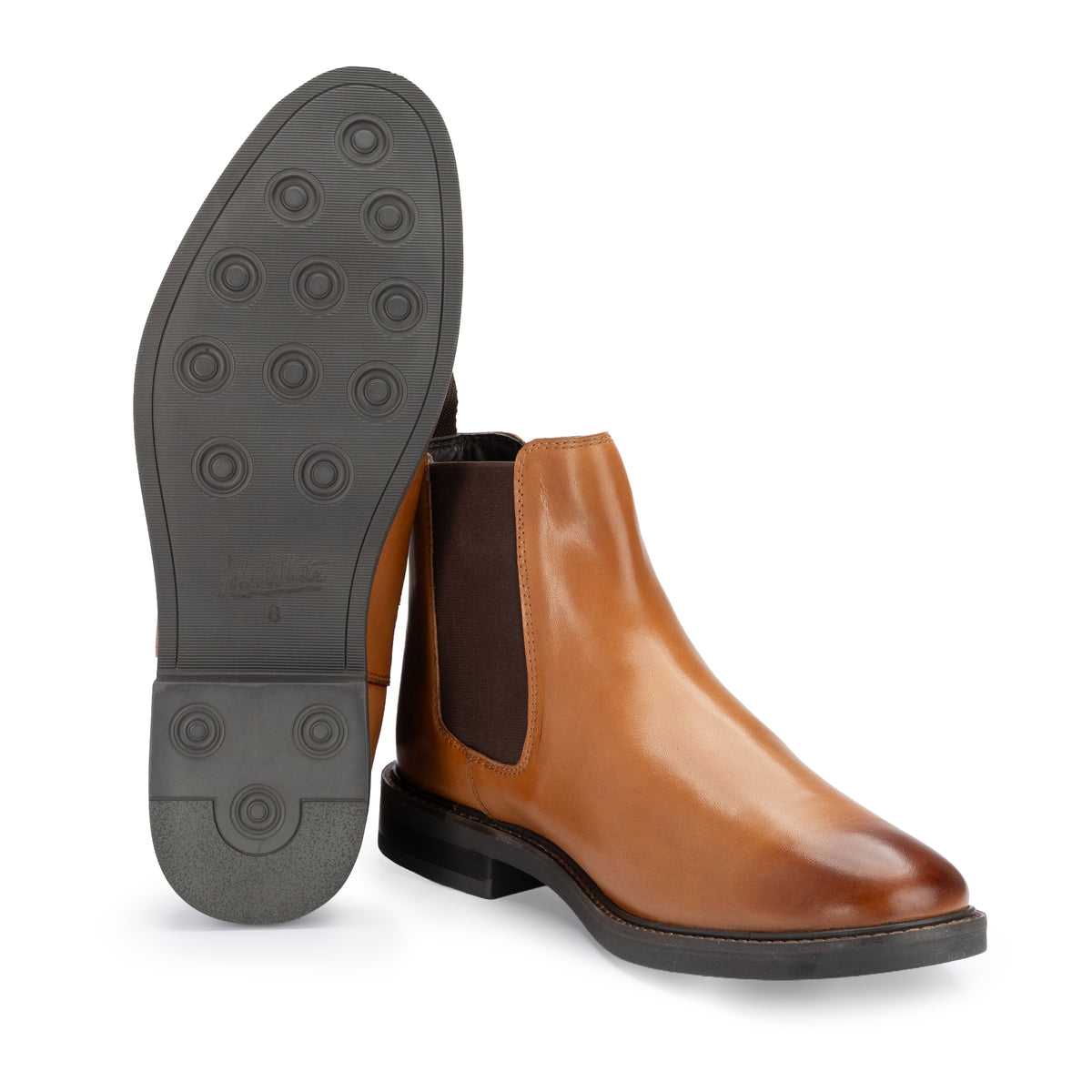
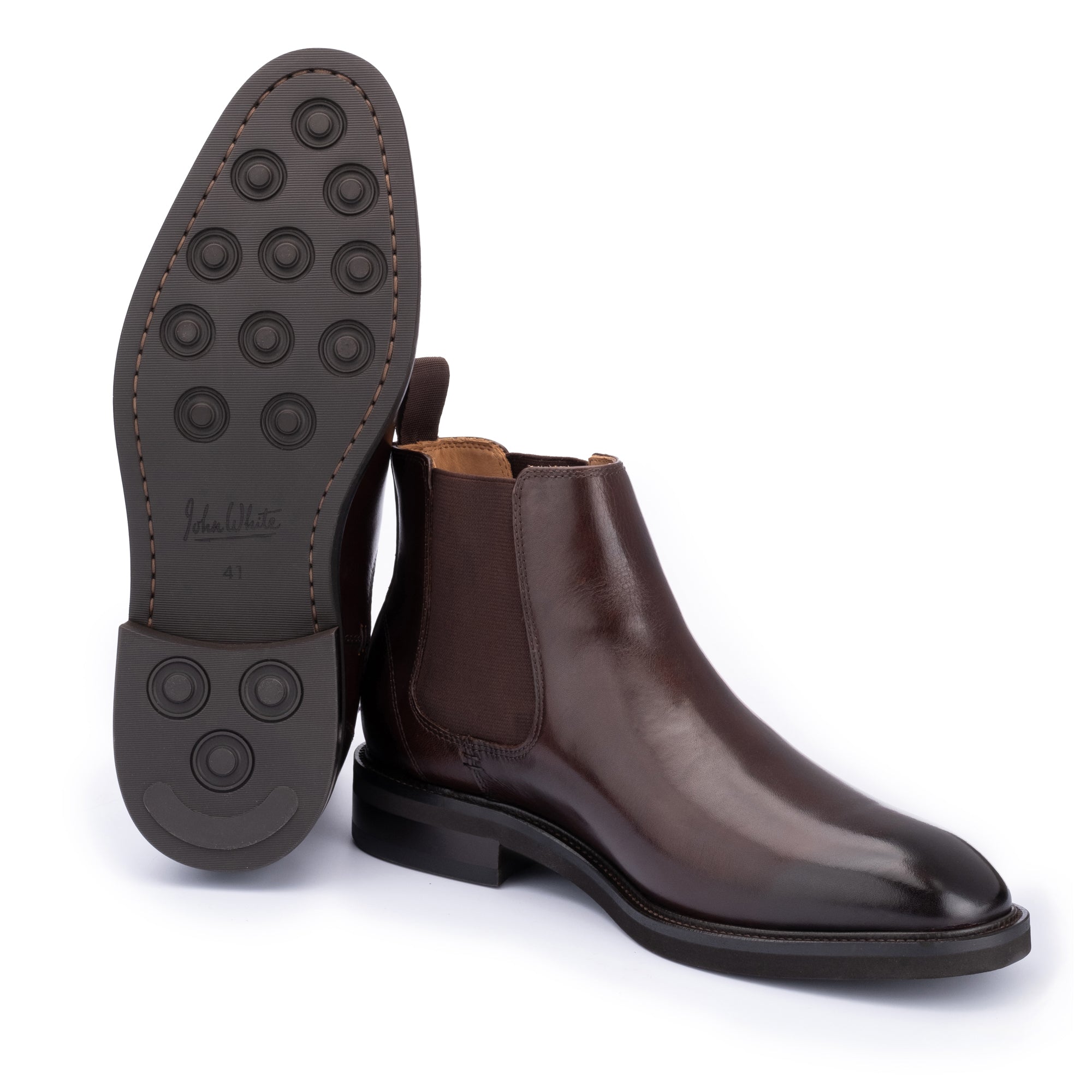
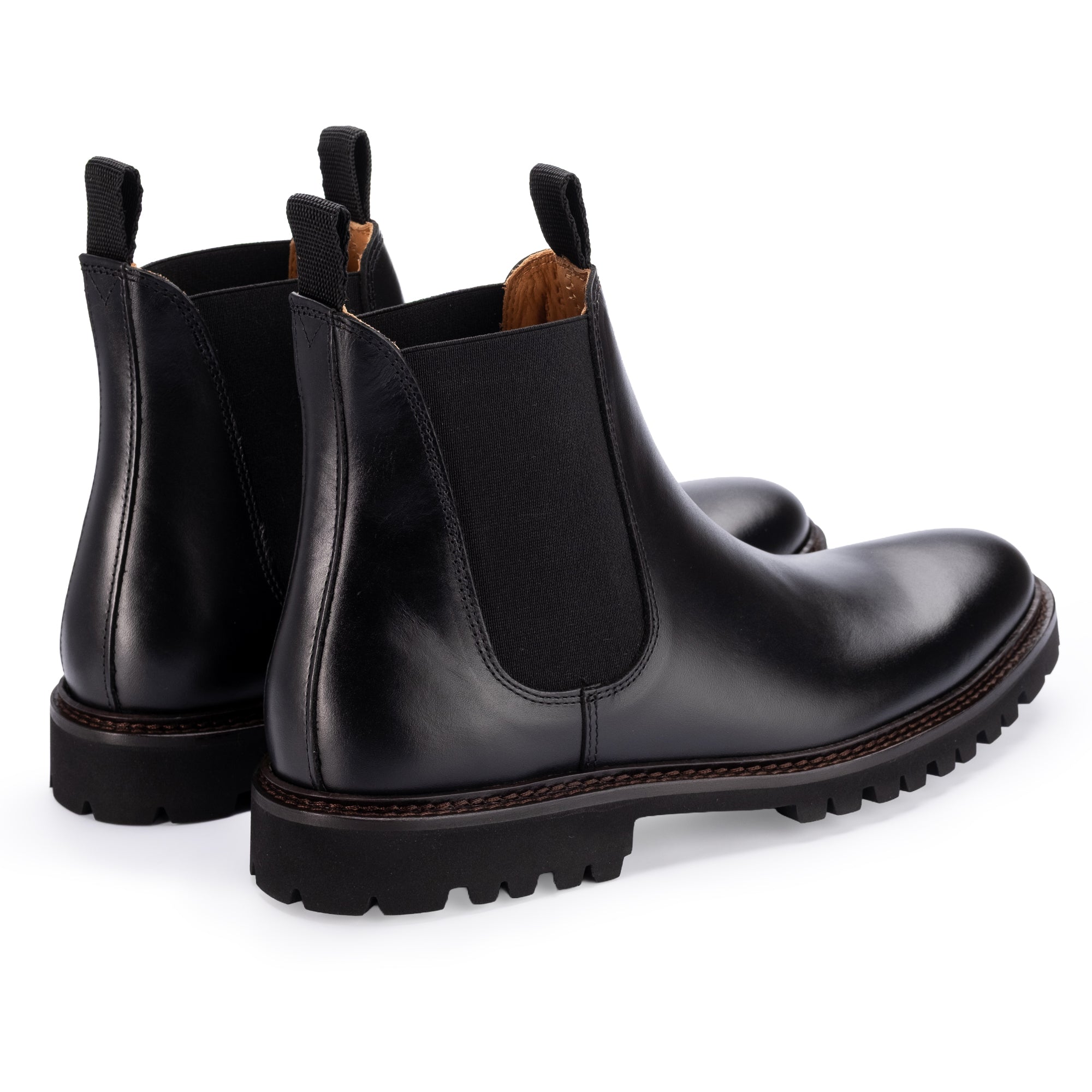
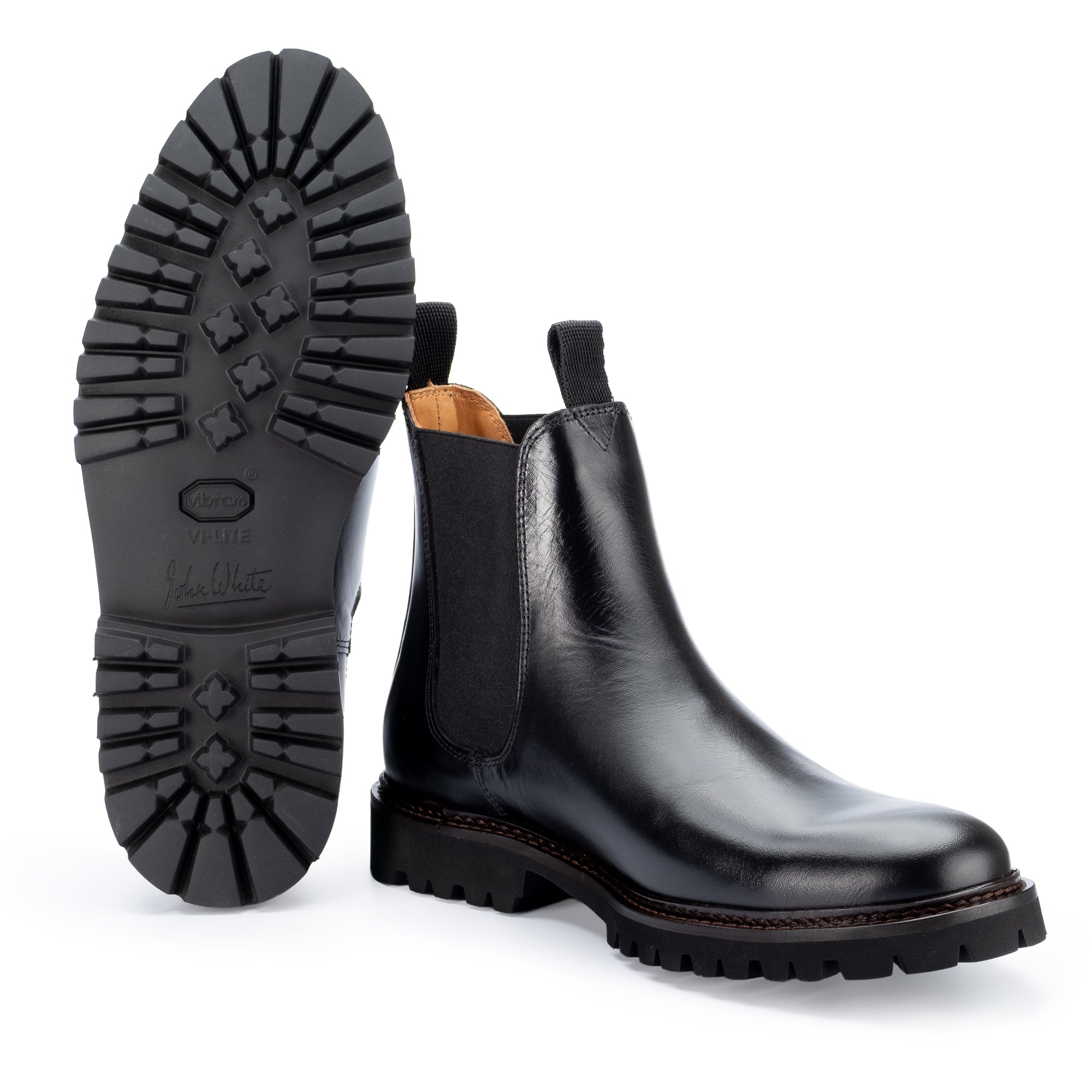
The Brecon Chelsea Boot in Black is the sharpest formal statement in the JWS range. Pair it with dark tailored trousers and a wool-blend jacket and the boot disappears into the outfit in the best possible way — elongating the leg rather than interrupting it. The Brown colourway operates in a more relaxed register: compatible with mid-weight chinos, moleskin trousers, or cord. For a slightly more rounded toe that suits wider trouser cuts, the Byrne Chelsea Boot in Black or Dark Brown is the alternative to consider.
If you work within a smart-casual dress code — the kind of office where a suit is occasional but tailored separates are the norm — a leather Chelsea boot in black or dark brown is one of the most efficient investments the season allows. It covers the ground between a formal Oxford and a casual trainer without feeling like a compromise in either direction. For a full guide on working Chelsea boots across different contexts, see our guide on how to wear Chelsea boots from office to weekend.
Chukka Boot — the Lower Floor
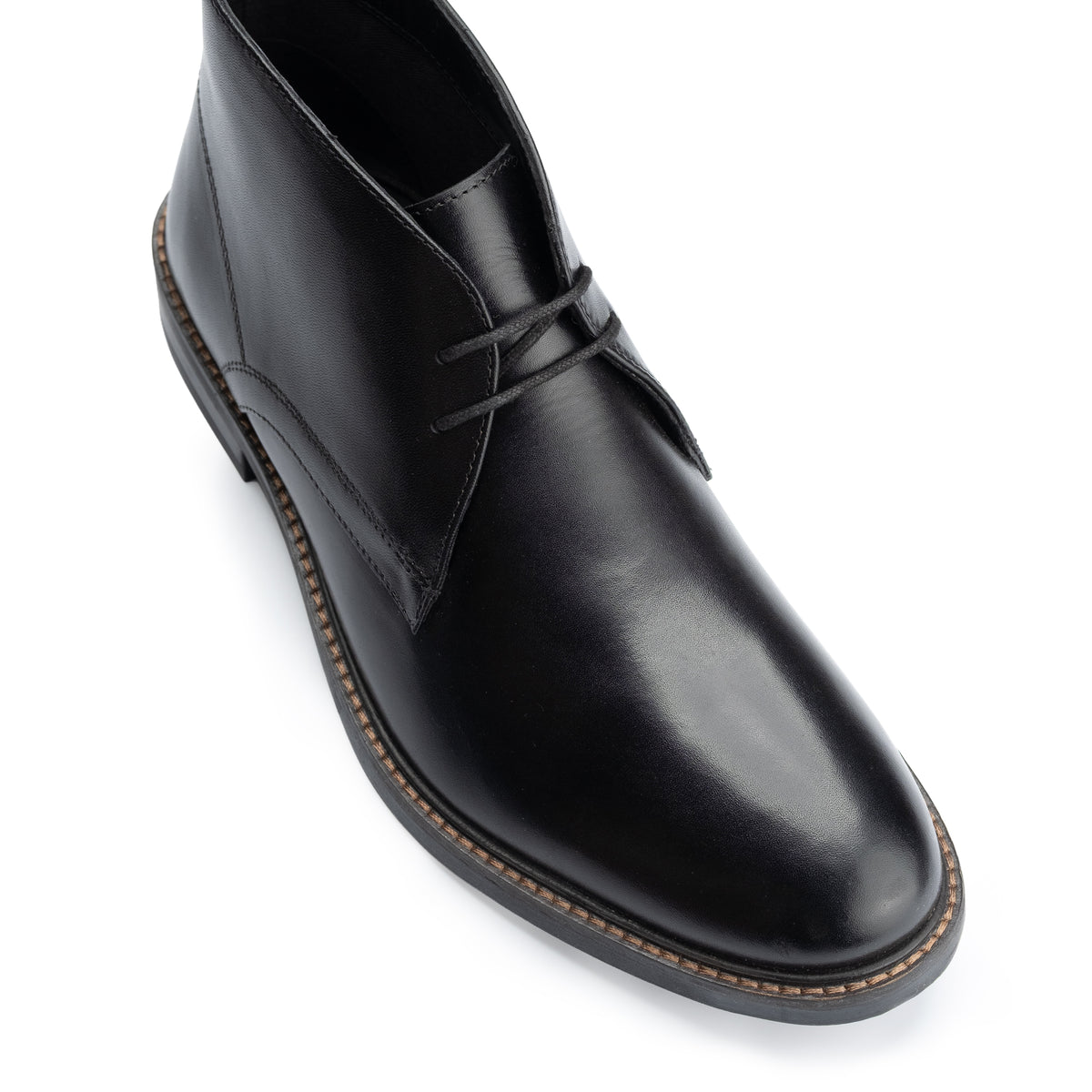
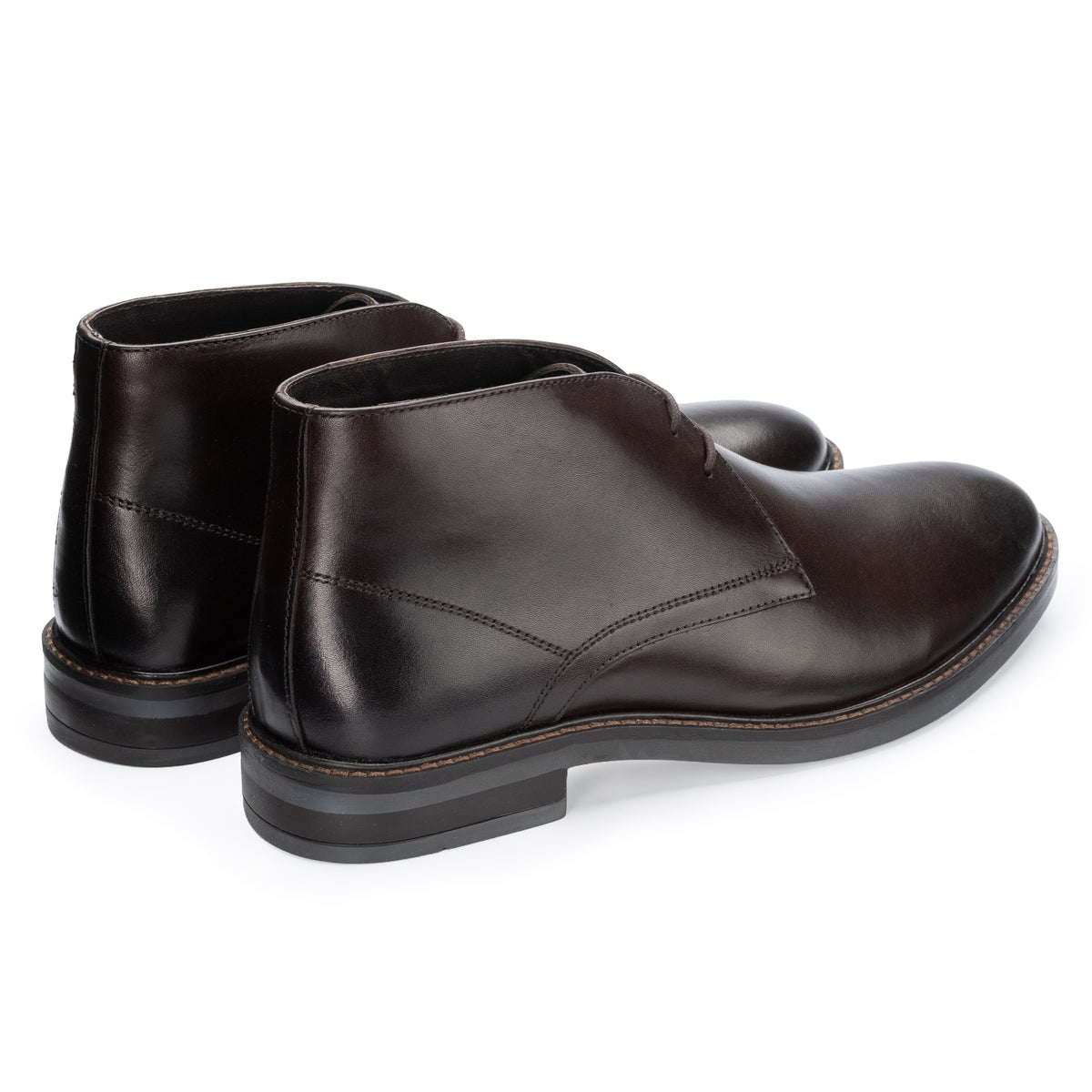
The chukka rarely looks right beneath a business suit — its lacing and slightly more open-ankle construction carries too much visual weight for formal tailoring. But in virtually everything below that register, it earns its keep handsomely. Jeans, chinos, cord trousers, moleskin — the chukka is a natural companion to the less formal half of a British wardrobe.
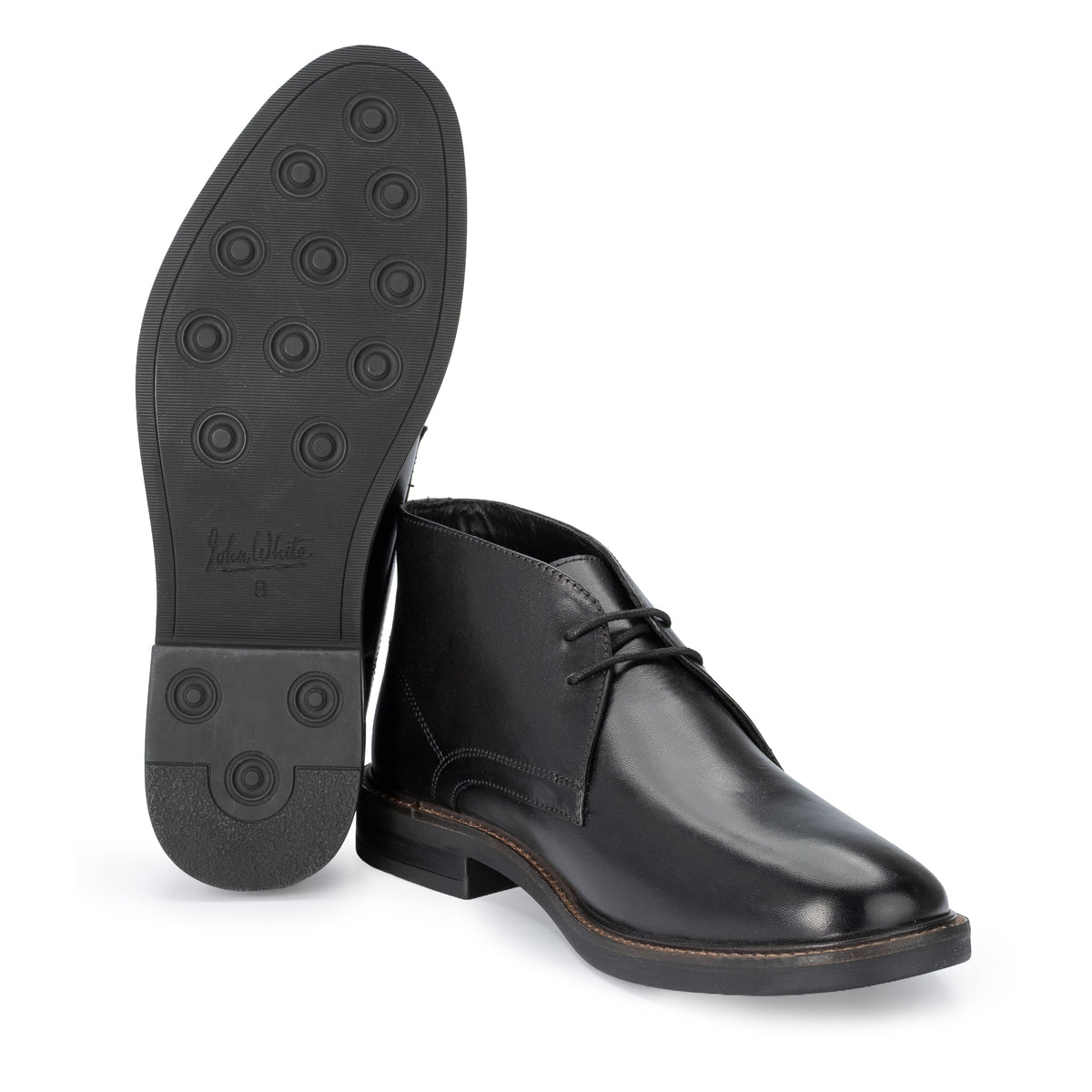
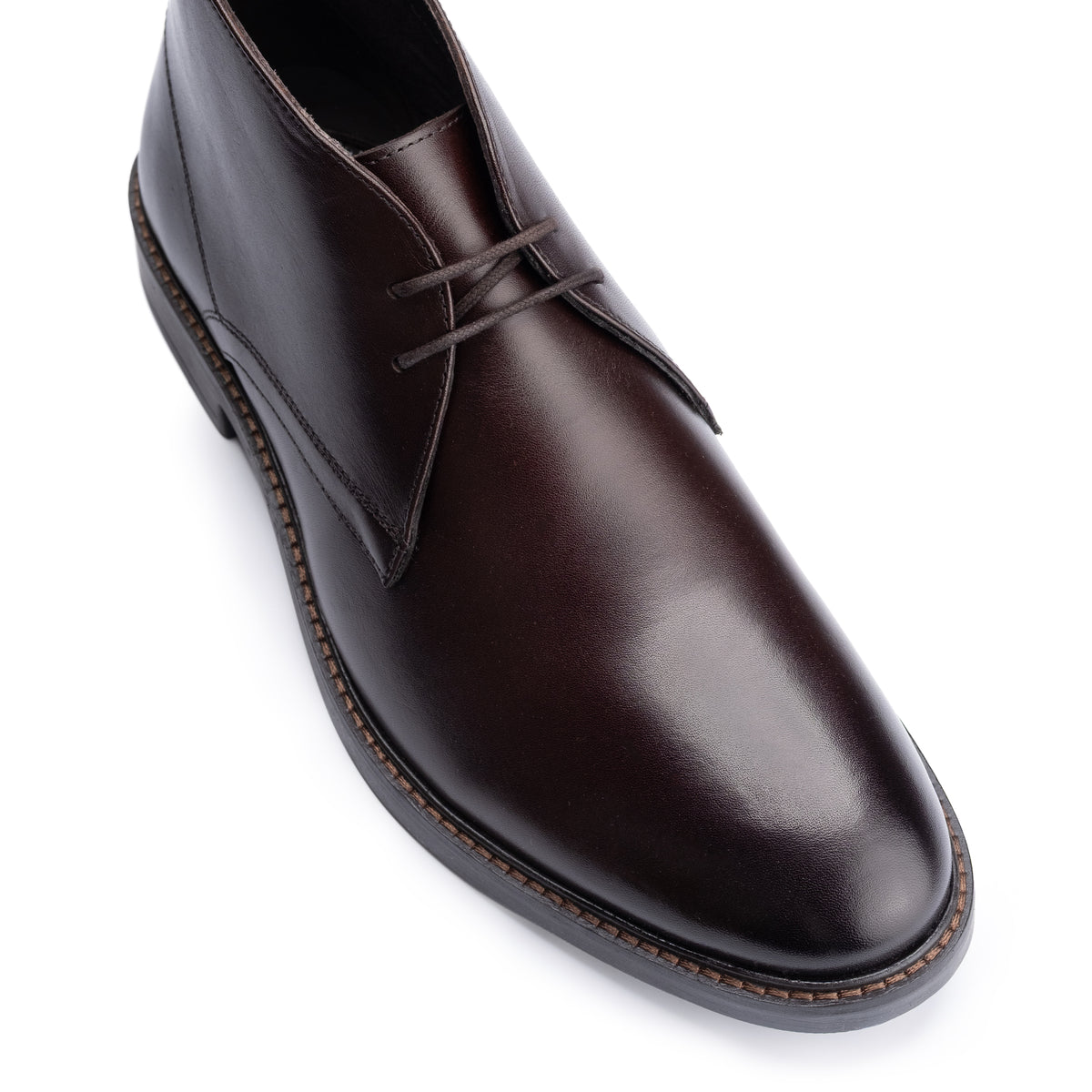
What the chukka gives you that the Chelsea cannot is texture at the ankle. The lacing, the open tongue, and the stitching around the vamp create visual interest where the Chelsea offers a clean line. That texture reads particularly well against the heavier, tactile fabrics of autumn — cord, tweed, flannel — where a sleek Chelsea boot can occasionally feel like an overstatement.
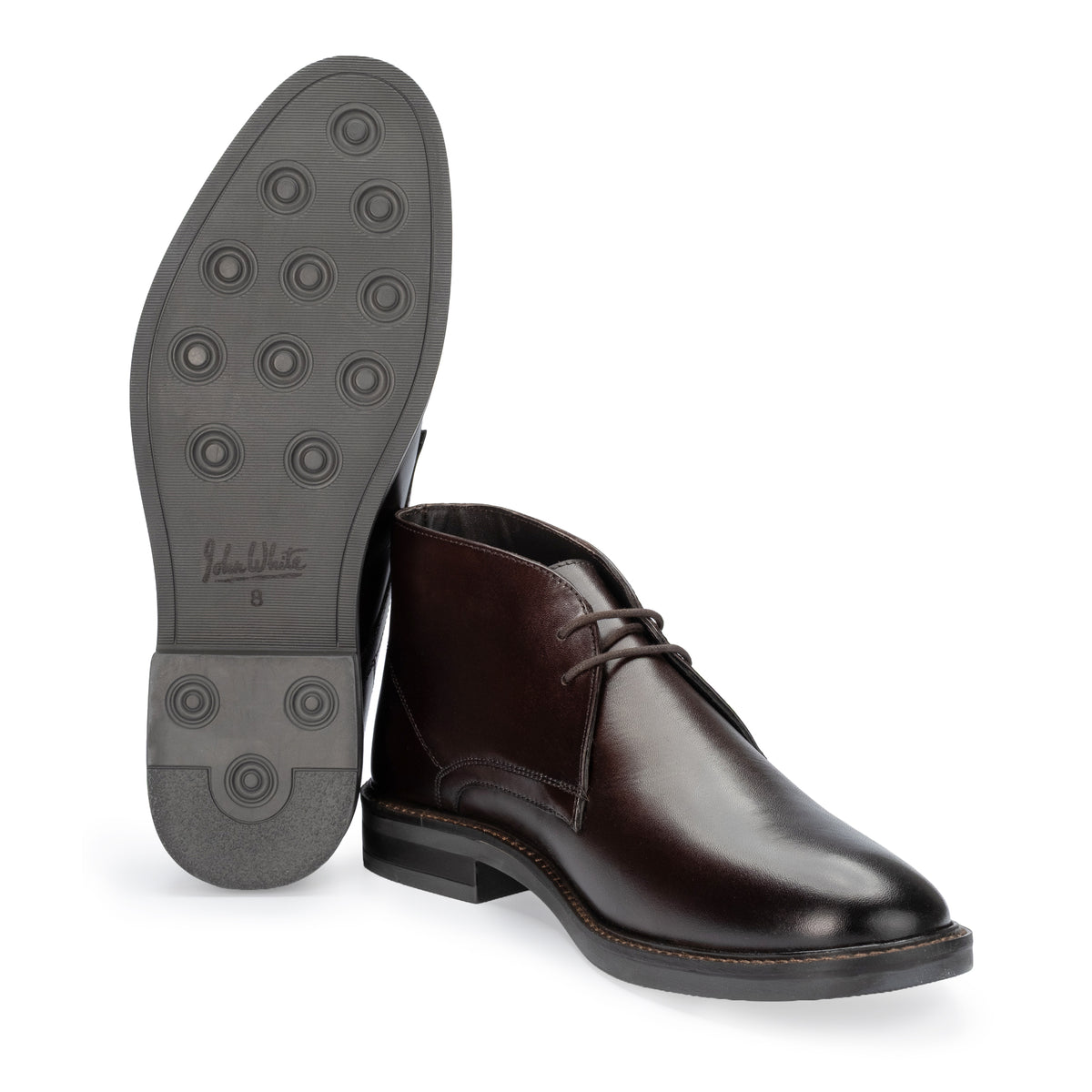
The Castle Chukka Boot in Brown is the workhorse of the JWS chukka range. It pairs equally well with rough-cut moleskin on a country walk as with dark denim and a merino jumper in the city. For styling chukkas with specific trouser types, our guide to wearing shoes with chinos covers the mid-casual register where chukkas consistently perform.
Terrain and Weather
British autumn is reliably damp and often unpredictable. Neither the Chelsea nor the chukka is waterproof by design, but both handle ordinary autumn conditions well if maintained correctly.
The Chelsea has a practical edge in persistent rain: no laces means no sodden cord at the ankle that takes all evening to dry. The elastic side panels shed water cleanly. A well-maintained leather Chelsea — the Brecon or the Byrne — will manage a wet morning commute without drama, provided it is conditioned and wax-polished before the season begins.
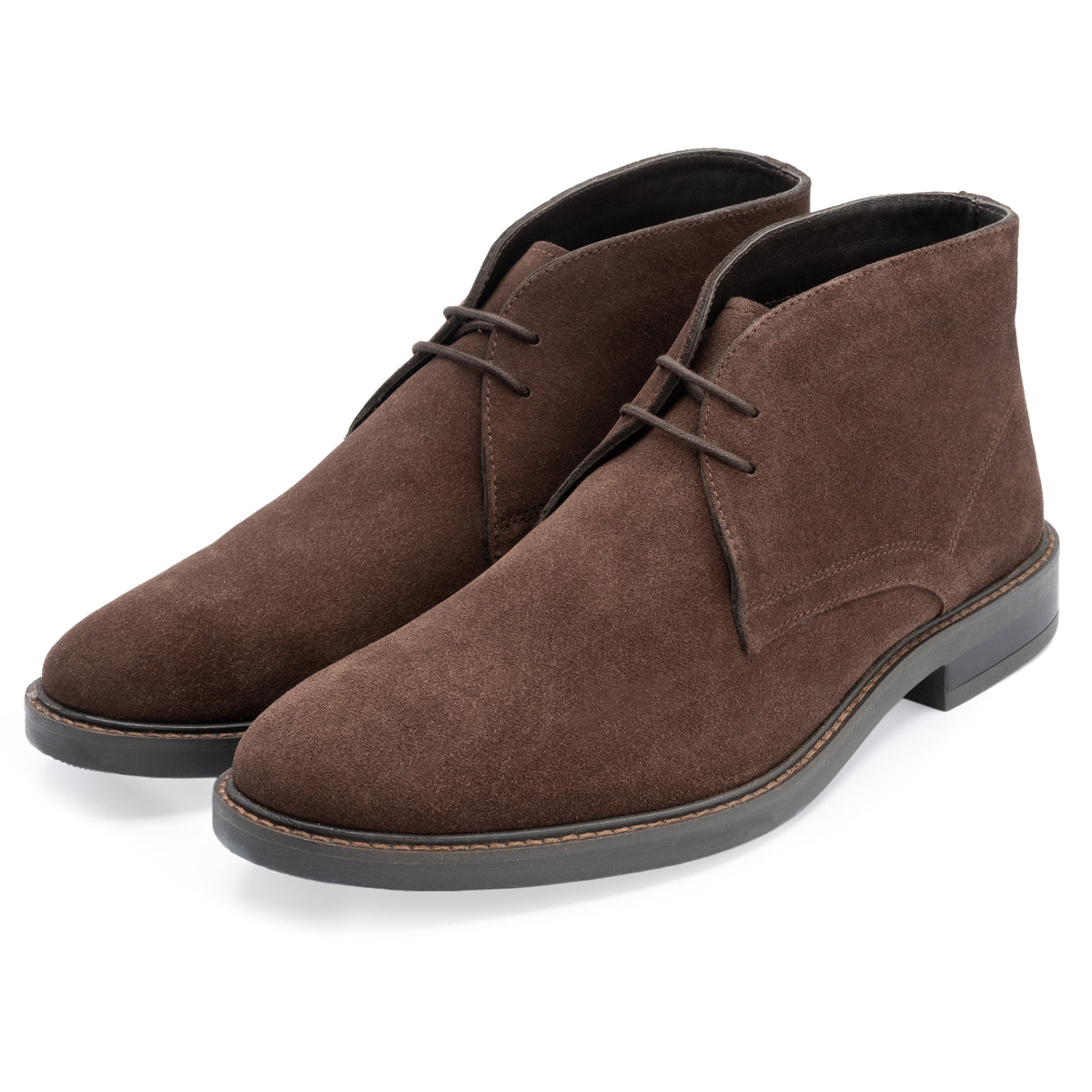
The chukka's open-lace construction allows moisture to travel more readily into the tongue and lower ankle. It recovers well once dry, but this is worth considering if your daily routine involves meaningful time outdoors. The Castle Chukka Boot's smooth leather upper handles wet conditions far better than a suede equivalent; suede — in any boot silhouette — demands either dry conditions or consistent waterproofing treatment.
Both silhouettes benefit from a cedar shoe tree when stored between wears. This matters more at the ankle than anywhere else in a boot — the toe-box holds its shape, but the ankle can begin to crease and set badly without support over a season of regular rotation.
Leather or Suede: A Further Decision
Both silhouettes are available from JWS in smooth leather and in suede, and the finish changes their character considerably.
Smooth leather — Chelsea or chukka — reads more formal and holds up better through autumn and winter conditions. The Byrne Chelsea Grain Boot in Brown Grain is an interesting middle position: tumbled grain leather carries a relaxed surface texture while remaining full-grain, meaning it conditions, breathes, and develops character in the same way as a smooth hide. It is a good autumn choice if you want the durability of leather without the formality of a polished finish.
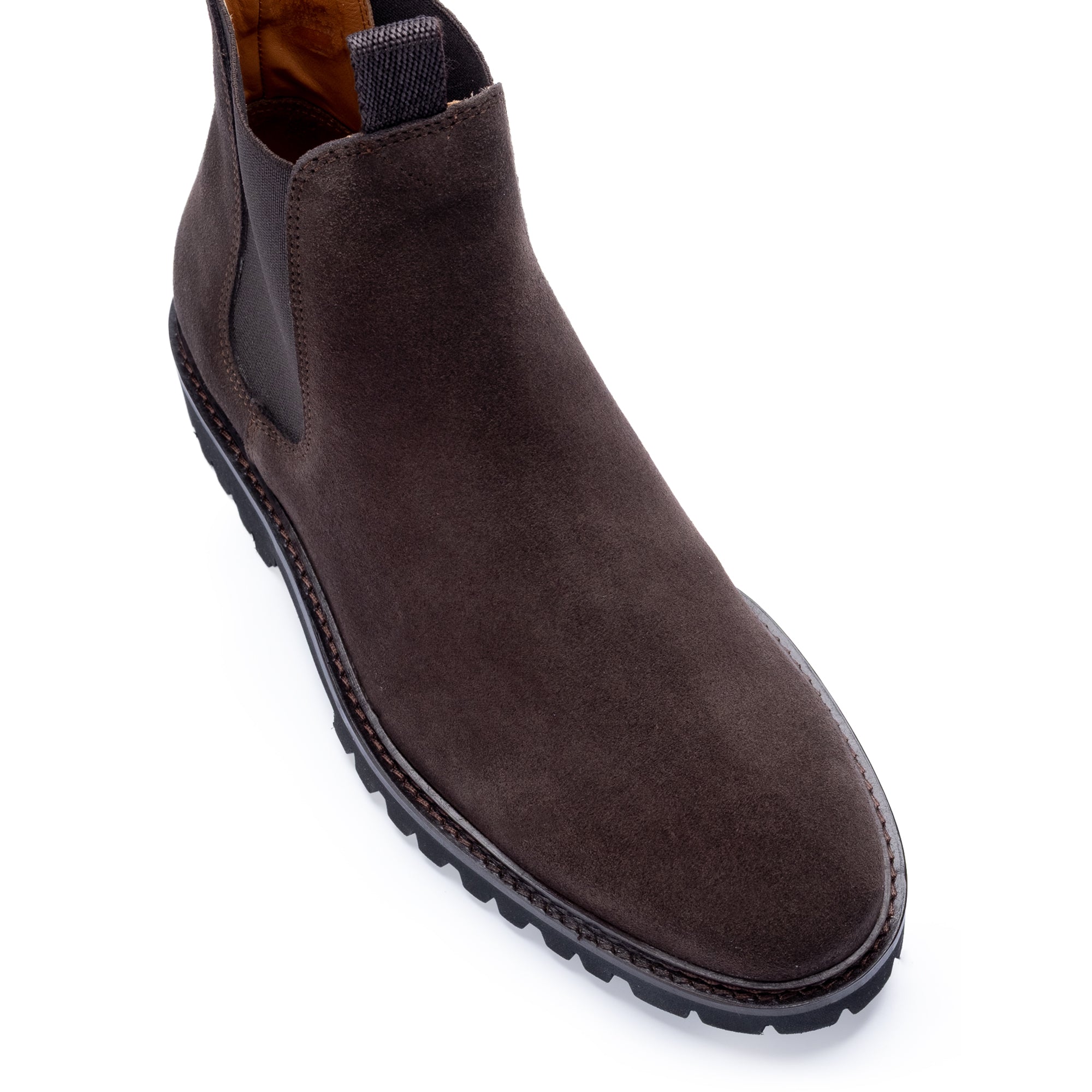
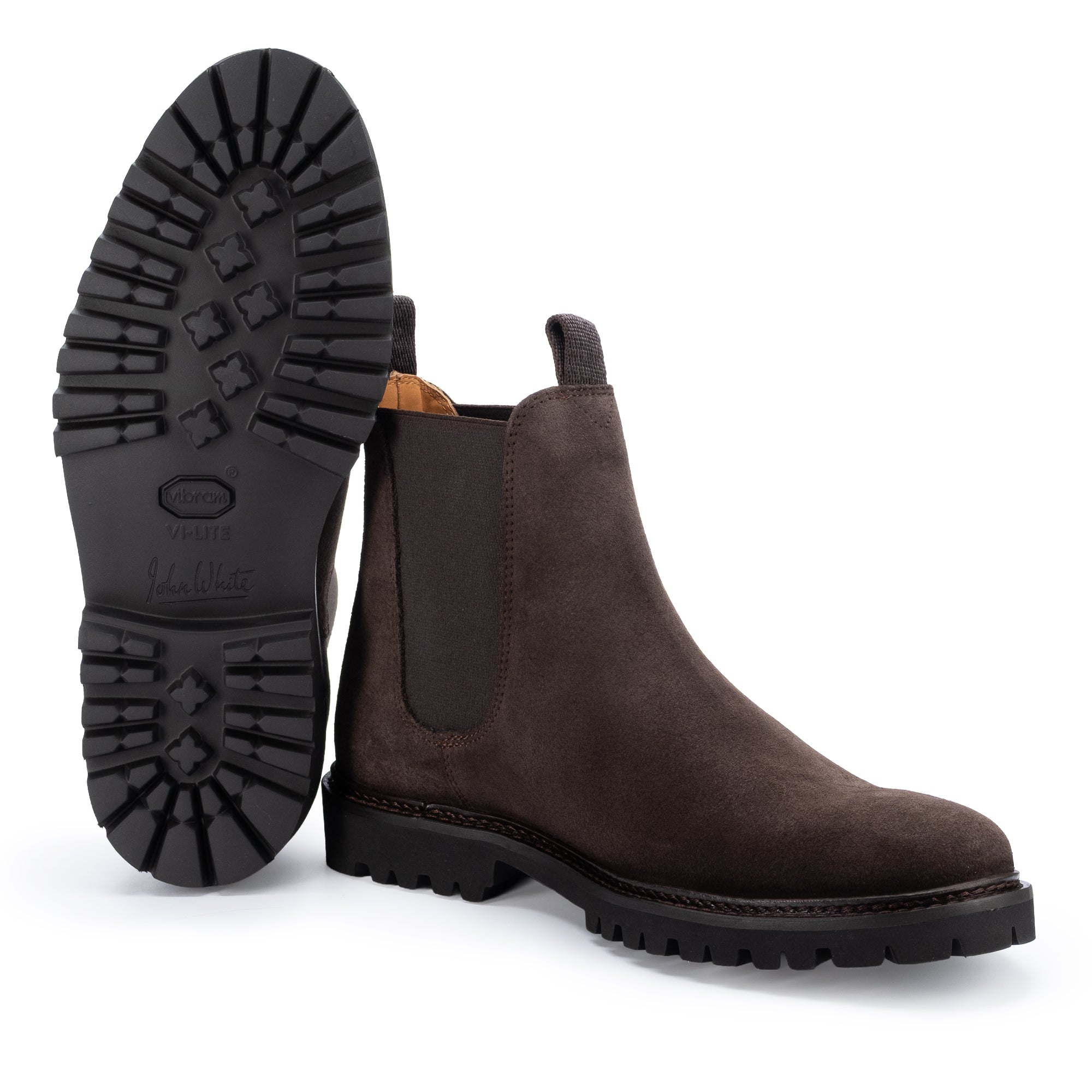
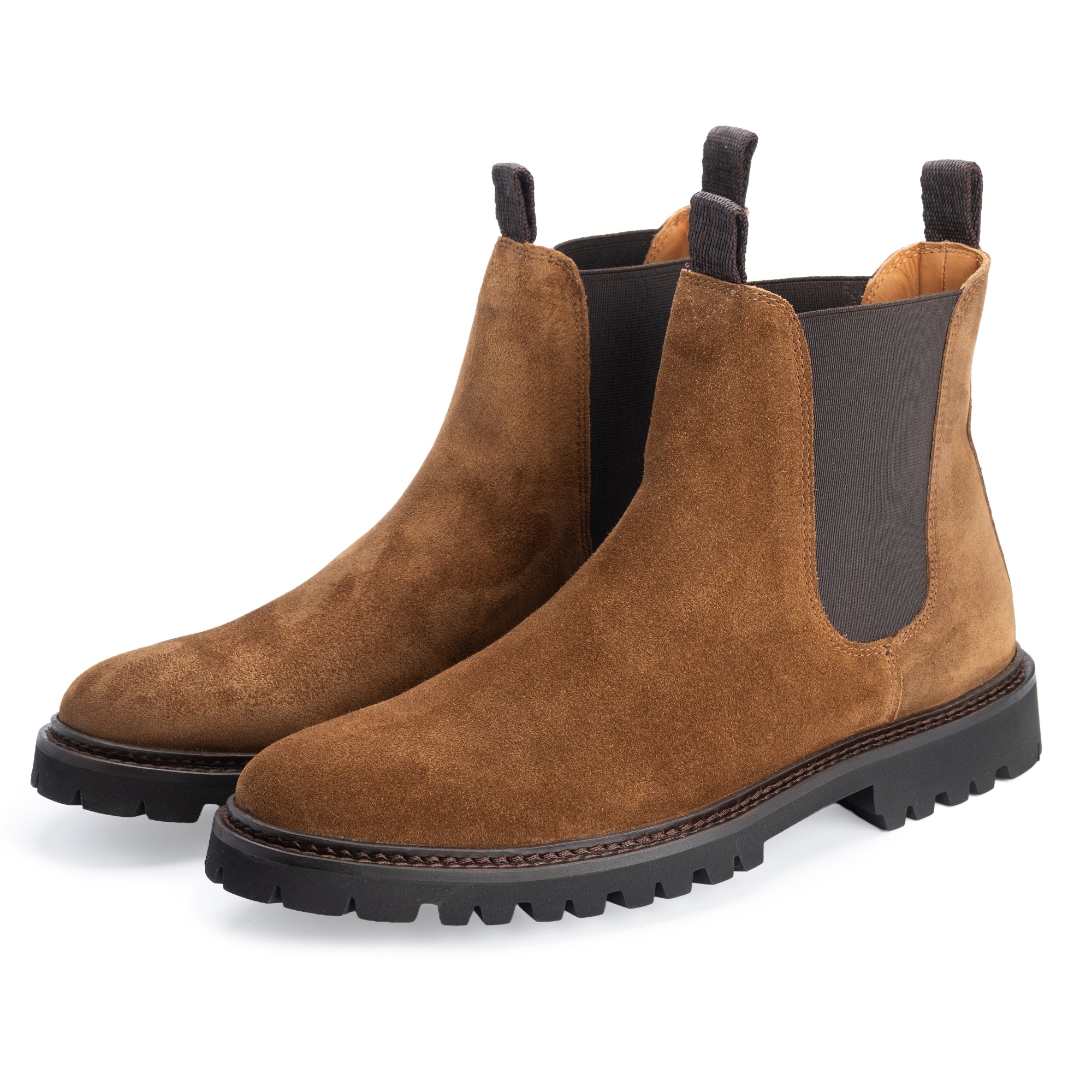
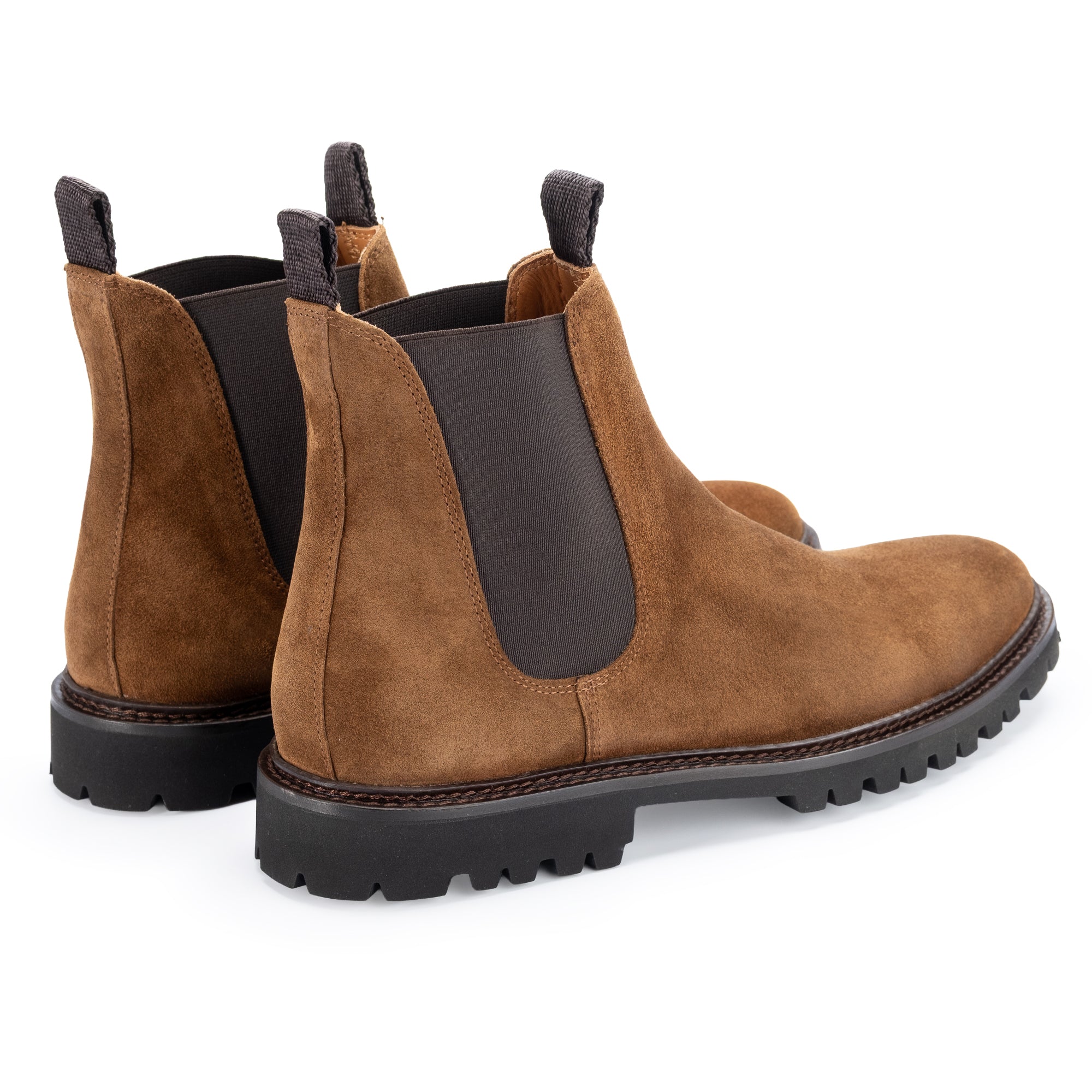
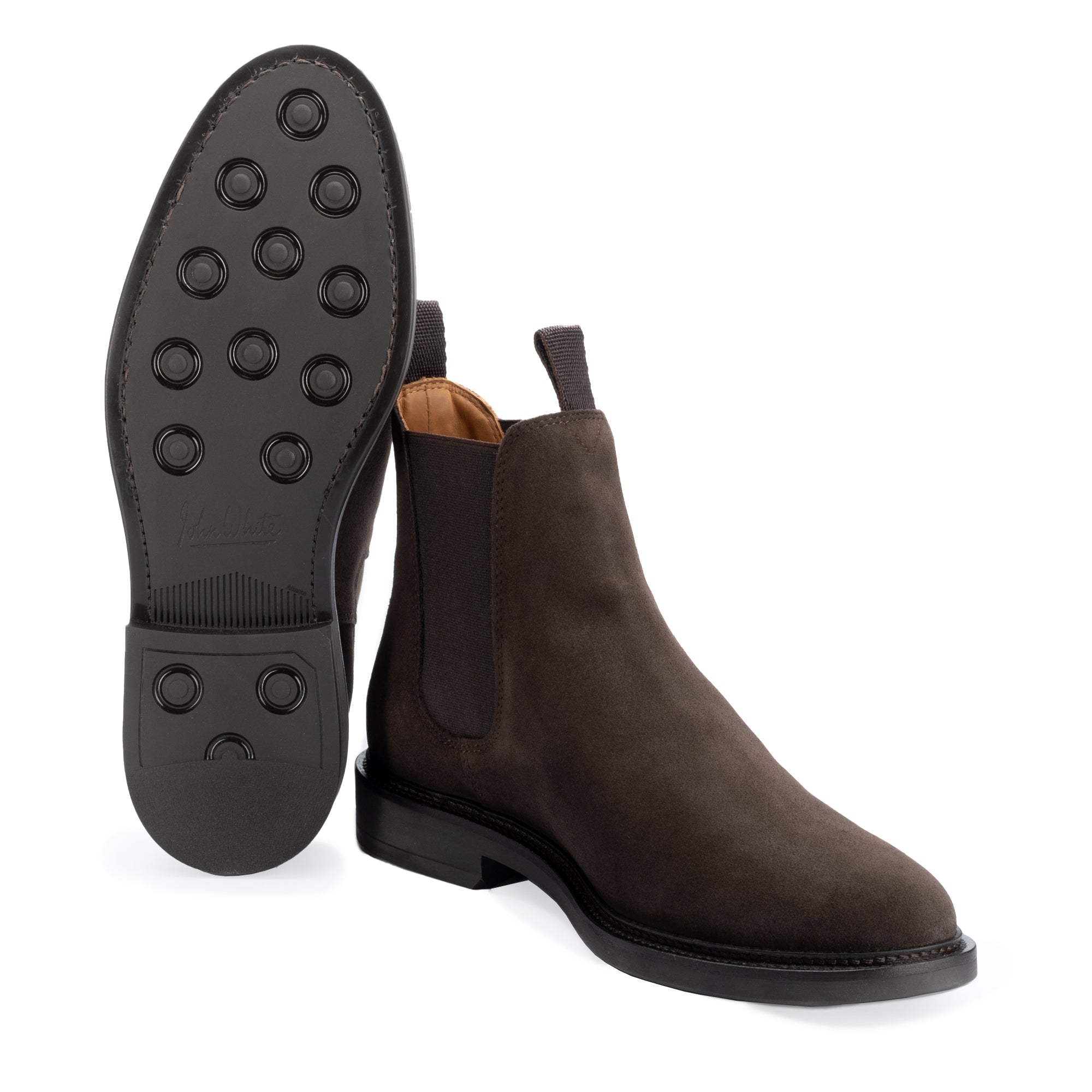
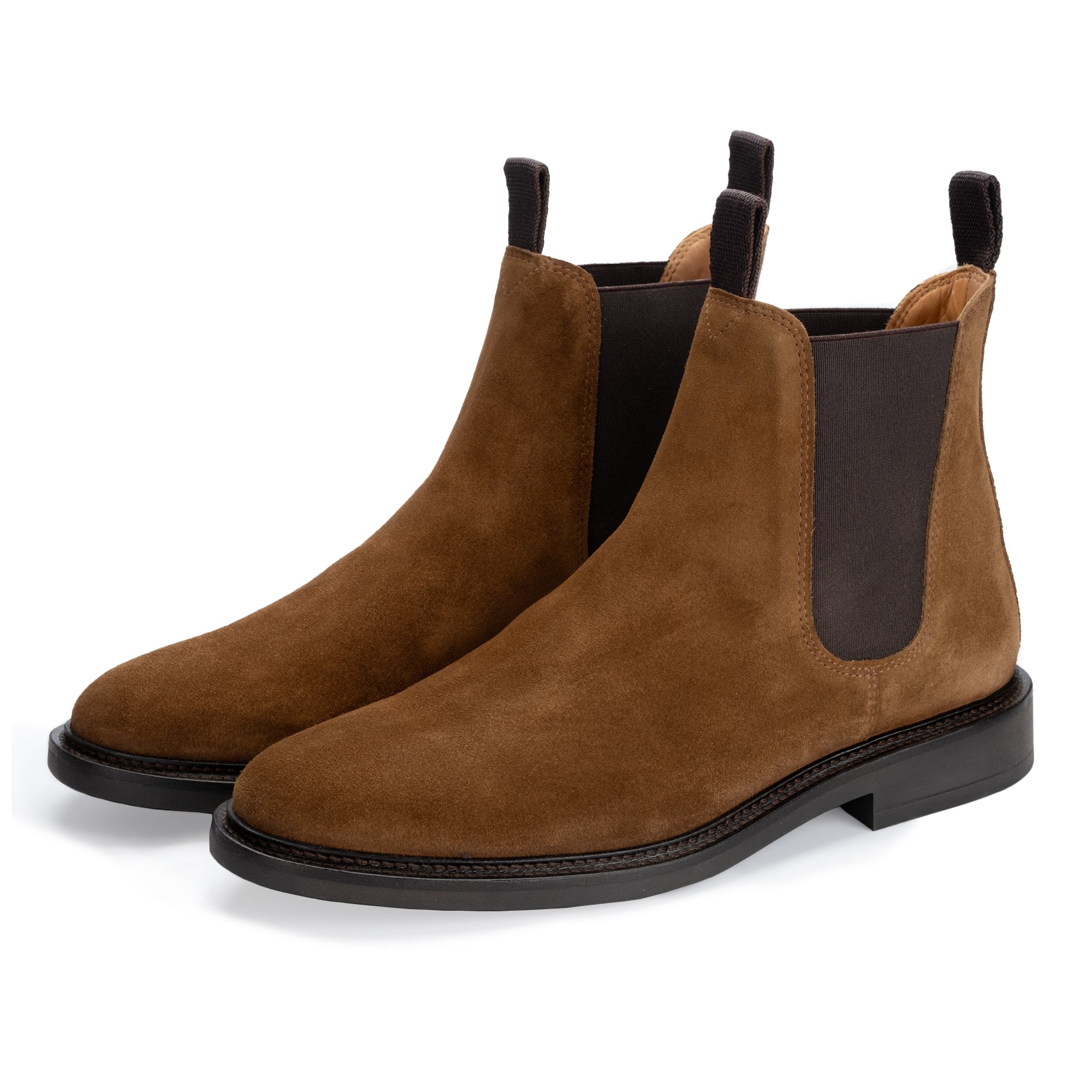
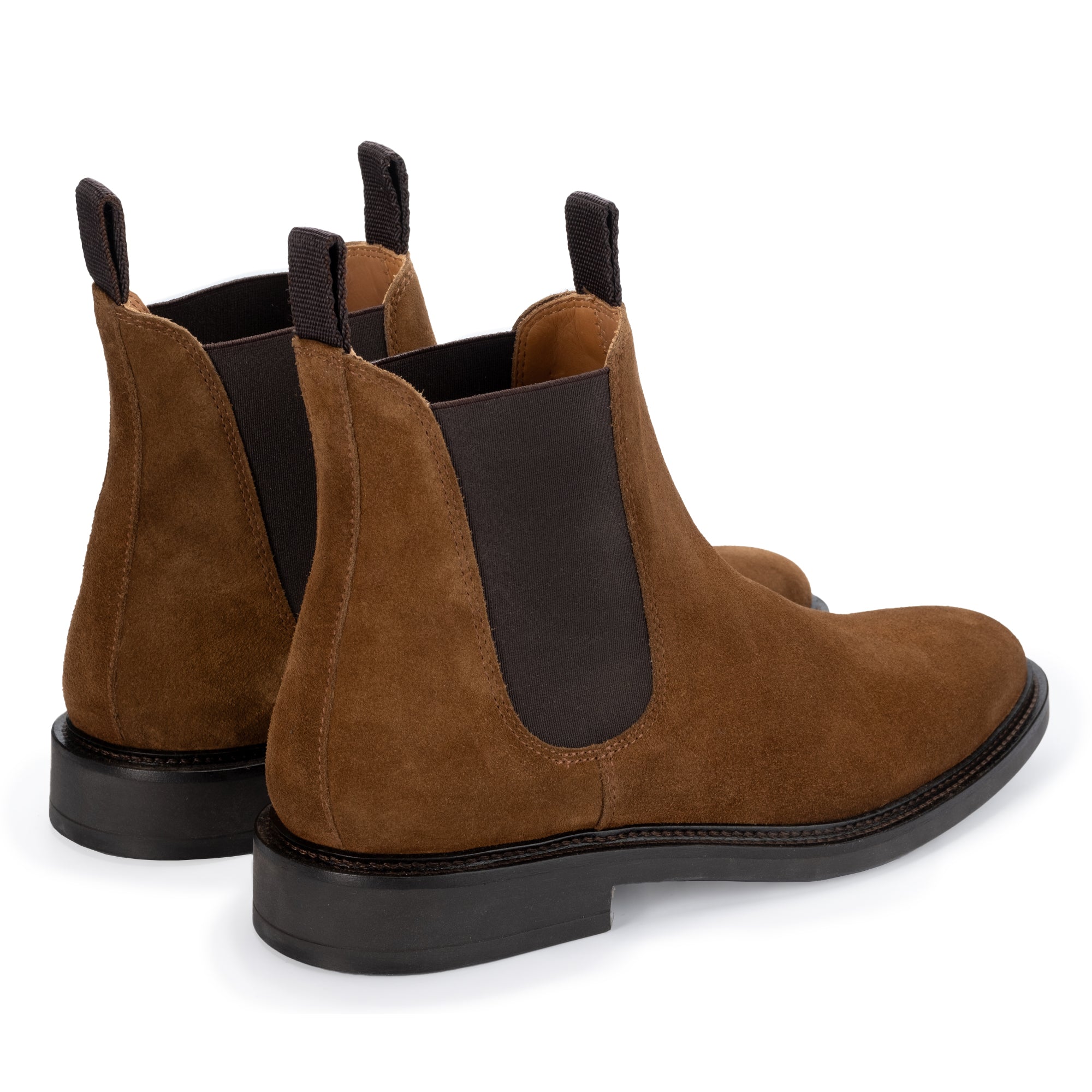
Suede works well in drier autumn conditions — from late August through to mid-October — and the richer colour options available in suede add warmth to an outfit that smooth black leather cannot replicate. The Byrne Chelsea Suede Boot in Cognac Suede or the Swale Chukka Suede Boot in Cognac Suede both carry a burnished autumn tone that works particularly well against the warmer fabric palette of the season — brown cord, tawny moleskin, olive tweed. The Wessex Chukka Suede Boot in Cognac is the most distinctive option in the chukka range; the colour and texture together make it a genuinely season-defining boot rather than a practical workhorse.
As a general rule: if you expect to wear the boot through a full British autumn and into winter, leather is the more resilient investment. If you are specifically equipping yourself for the drier, crisper weeks of early autumn, suede earns its colour dividend.
The JWS Range at a Glance
Chelsea Boots
- Brecon Chelsea Boot (Black, Brown) — smooth grain, clean profile; the most versatile formal option in the range.
- Byrne Chelsea Boot (Black, Dark Brown) — slightly rounded toe; suits wider trouser cuts.
- Byrne Chelsea Grain Boot (Brown Grain) — tumbled grain leather; relaxed character, full-grain durability.
- Byrne Chelsea Suede Boot (Brown Suede, Cognac Suede) — best for dry autumn conditions; the Cognac colourway is outstanding.
- Hill Chelsea Suede Boot (Brown Suede, Cognac Suede) — suede-focused option with comparable finish and palette to the Byrne Suede.
Chukka Boots
- Castle Chukka Boot (Black, Brown) — smooth leather, clean lines; the most versatile chukka in the range.
- Swale Chukka Boot (Brown) — smooth leather build; ideal for smart-casual pairings across chinos and moleskin.
- Swale Chukka Suede Boot (Brown Suede, Cognac Suede) — suede option with the same clean lacing as the leather Swale.
- Wessex Chukka Suede Boot (Brown, Cognac) — the autumn colour specialist; particularly strong in Cognac against seasonal fabrics.
Three Questions to Settle the Decision
If the analysis above has not resolved the question, these three prompts usually will.
How smart does your autumn wardrobe run? If tailored trousers and structured jackets are your daily currency, the Chelsea is the better investment. Its smooth, unbroken profile moves up the formality register without friction. If your autumn leans towards cord, denim, and weekend terrain — country walks, Sunday markets, pub lunches in the colder months — the chukka earns its place more naturally.
How wet are your commutes? A leather Chelsea in Black from the Brecon range is the most weather-resilient choice between the two silhouettes. It holds its shape, sheds water cleanly, and responds well to regular conditioning. If your route to work involves meaningful time outdoors in British autumn rain, that ease of maintenance is worth factoring into the decision before aesthetics.
Do you already own the other? The Chelsea boot and the chukka boot complement rather than duplicate each other. If your wardrobe already has a good Chelsea, a chukka opens a different register — more casual, more textured, more at home with the heavier autumn fabrics. The reverse applies equally. The investment case for carrying both is strong: together they cover nearly every occasion the British autumn puts in front of you, from the office to the country to the weekend.
The full JWS boots collection covers both silhouettes, in leather and suede, across a range of colourways suited to the season.