
Captoe vs Plain Toe Oxford: Which Dress Shoe Should You Buy?
The captoe Oxford features a horizontal strip of leather sewn across the toe box, adding a subtle seam and slightly more visual presence. The plain toe Oxford has an unbroken vamp — no seams, no additions — making it the most formal dress shoe in traditional menswear. If you need one Oxford for black tie or ceremonial dressing, the plain toe is the correct choice; if you want a single shoe that handles everything from boardroom to wedding, the captoe is the more useful investment.
In This Guide
- What Is a Captoe Oxford?
- What Is a Plain Toe Oxford?
- What Are the Key Differences Between Captoe and Plain Toe Oxfords?
- Which Oxford Style Is More Formal?
- Which Occasions Suit Each Style?
- How Do You Style Each Oxford?
- Which Should You Buy: Captoe or Plain Toe?
- The John White Shoes Oxford Range
- Related Guides
- TL;DR
- Frequently Asked Questions
Most men looking at captoe and plain toe Oxfords for the first time see two nearly identical lace-ups and wonder what the distinction actually means. It's subtle — but dress codes have logic behind them, and understanding that logic means you wear the right shoe in the right room. Get it wrong and you signal, quietly, that you don't know the rules.
What Is a Captoe Oxford?
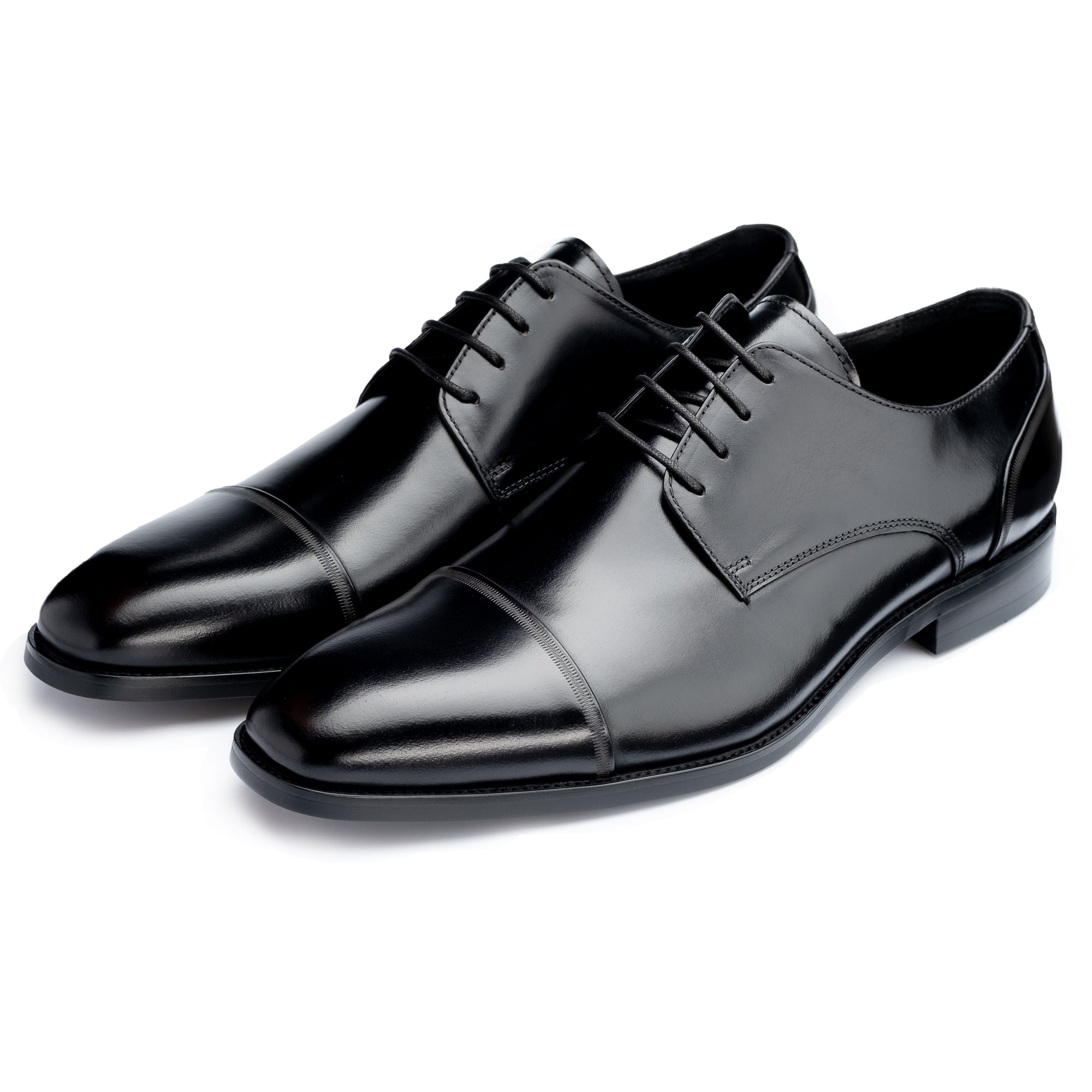
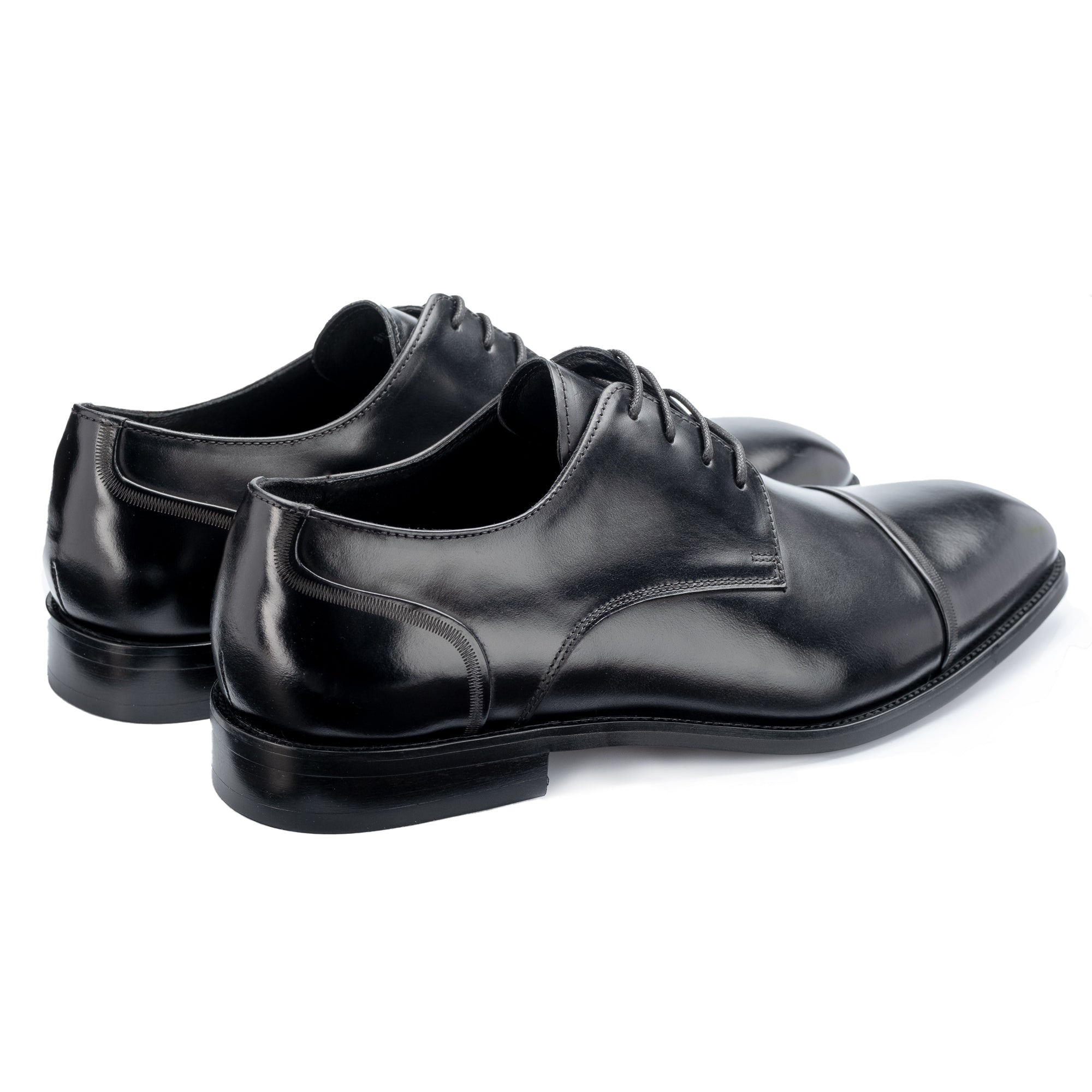
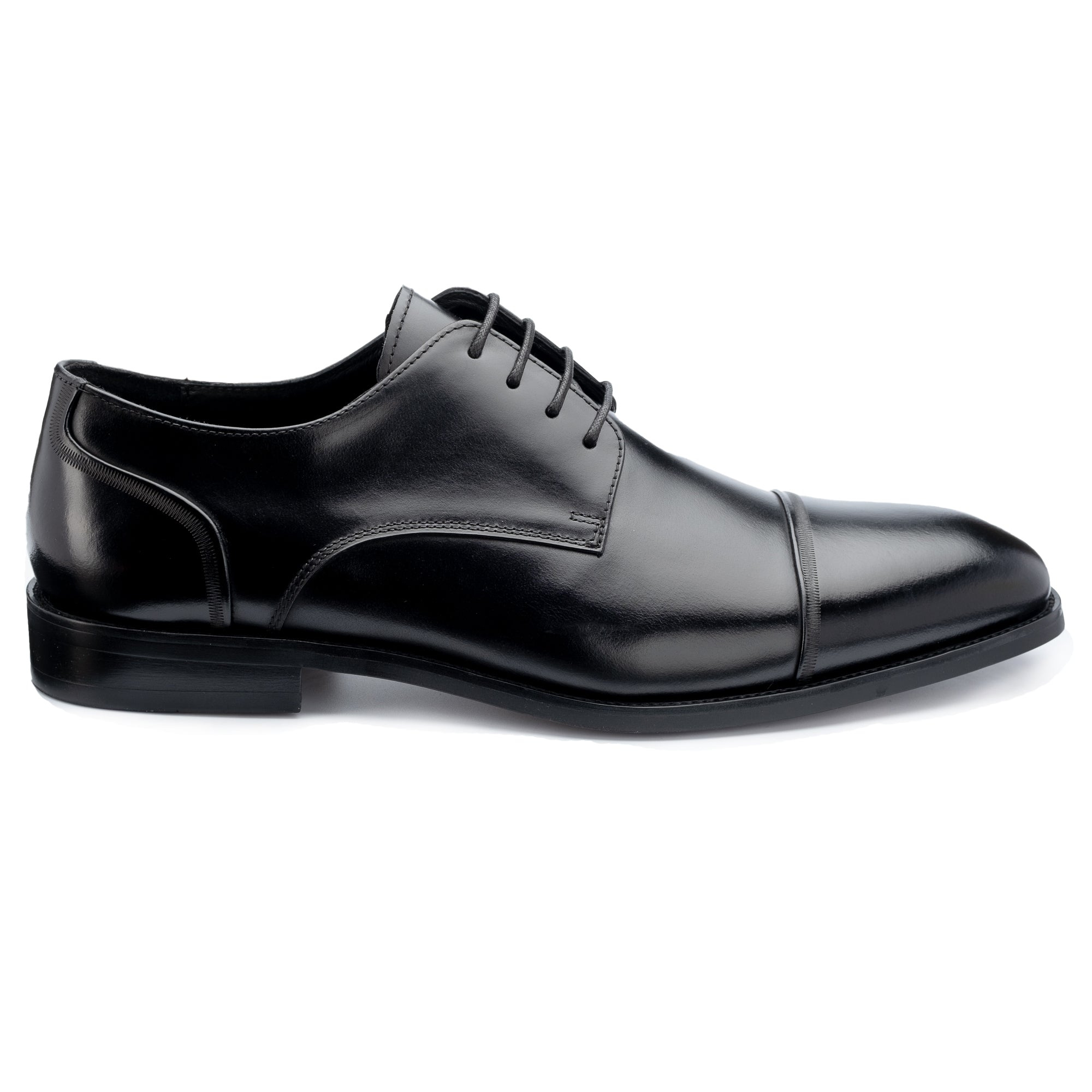
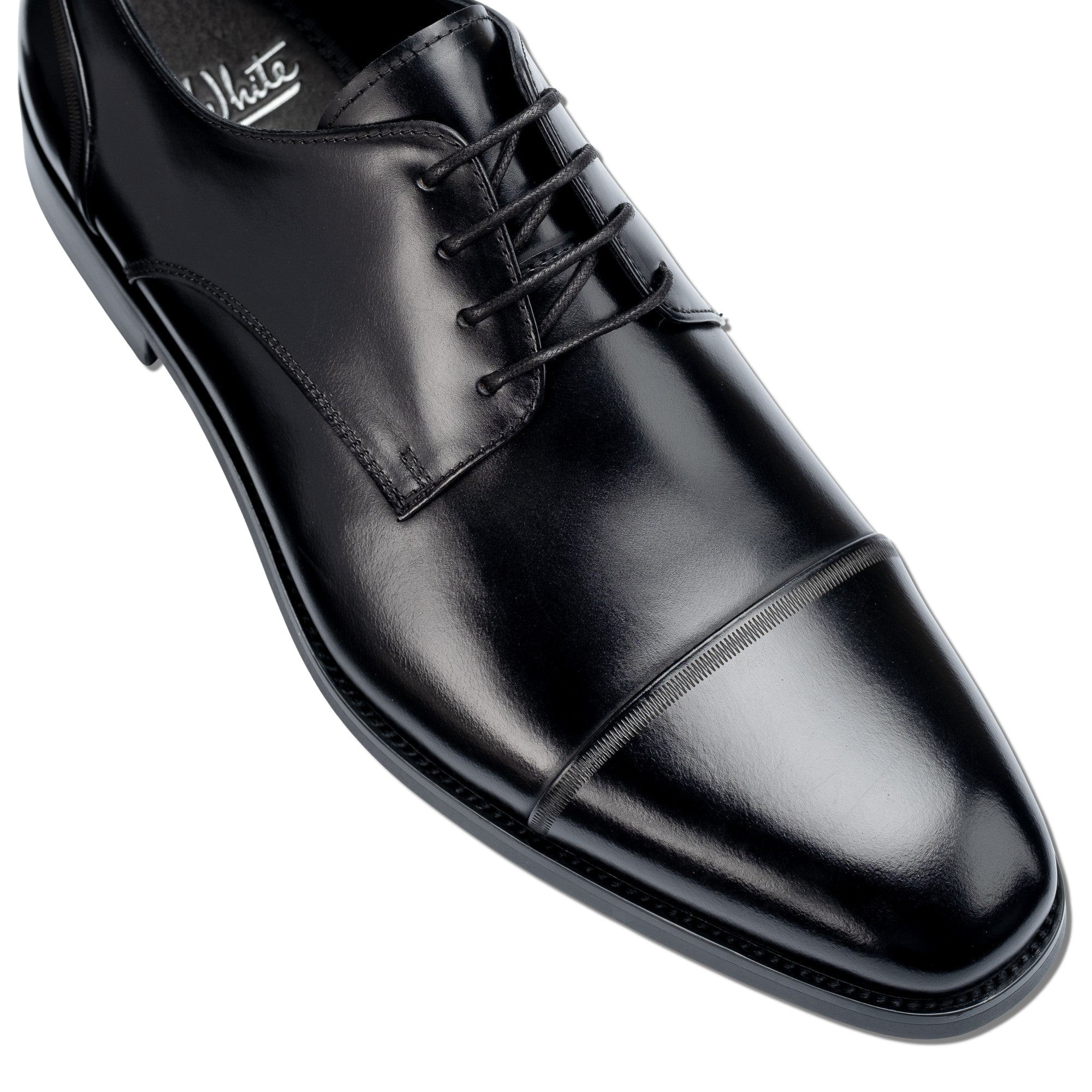
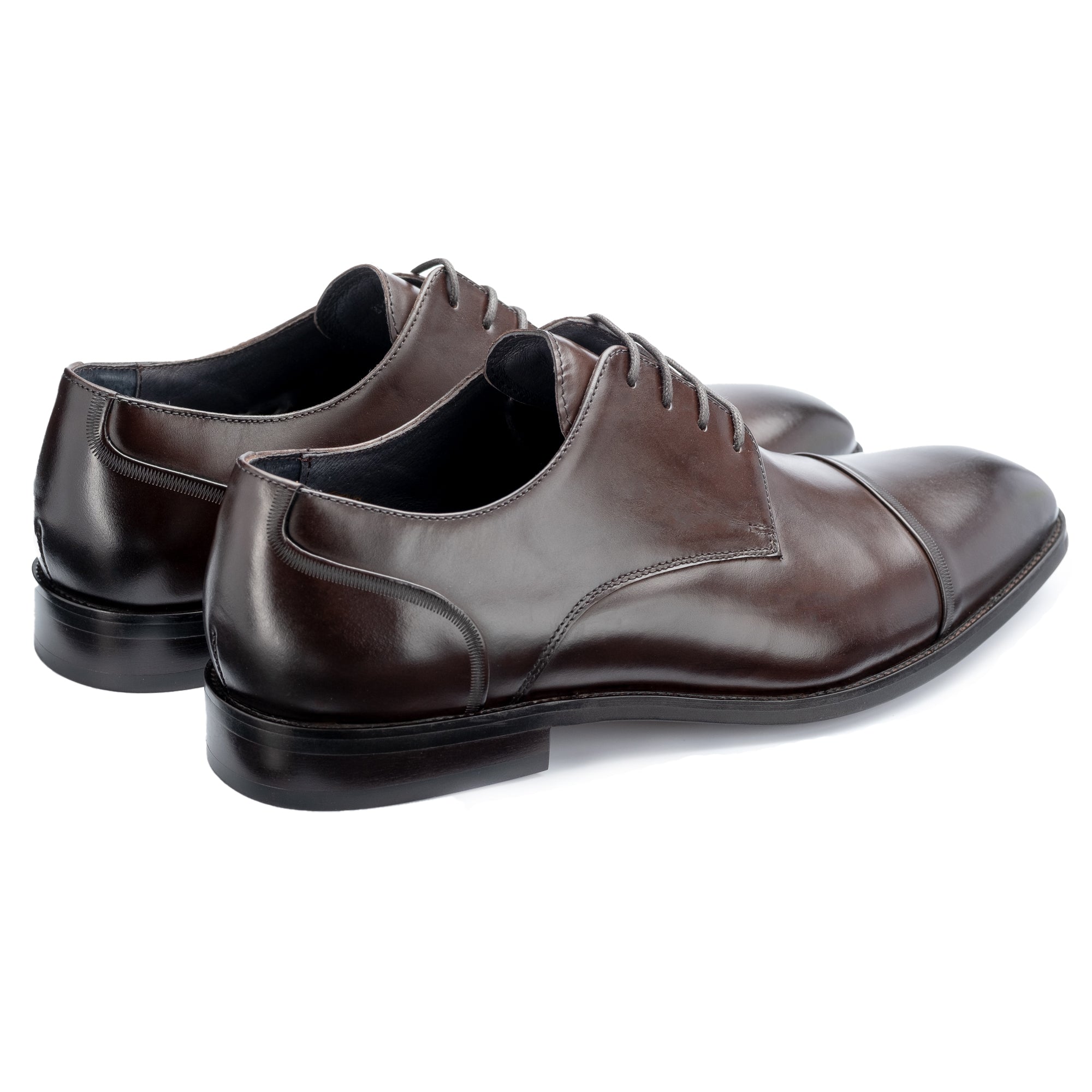
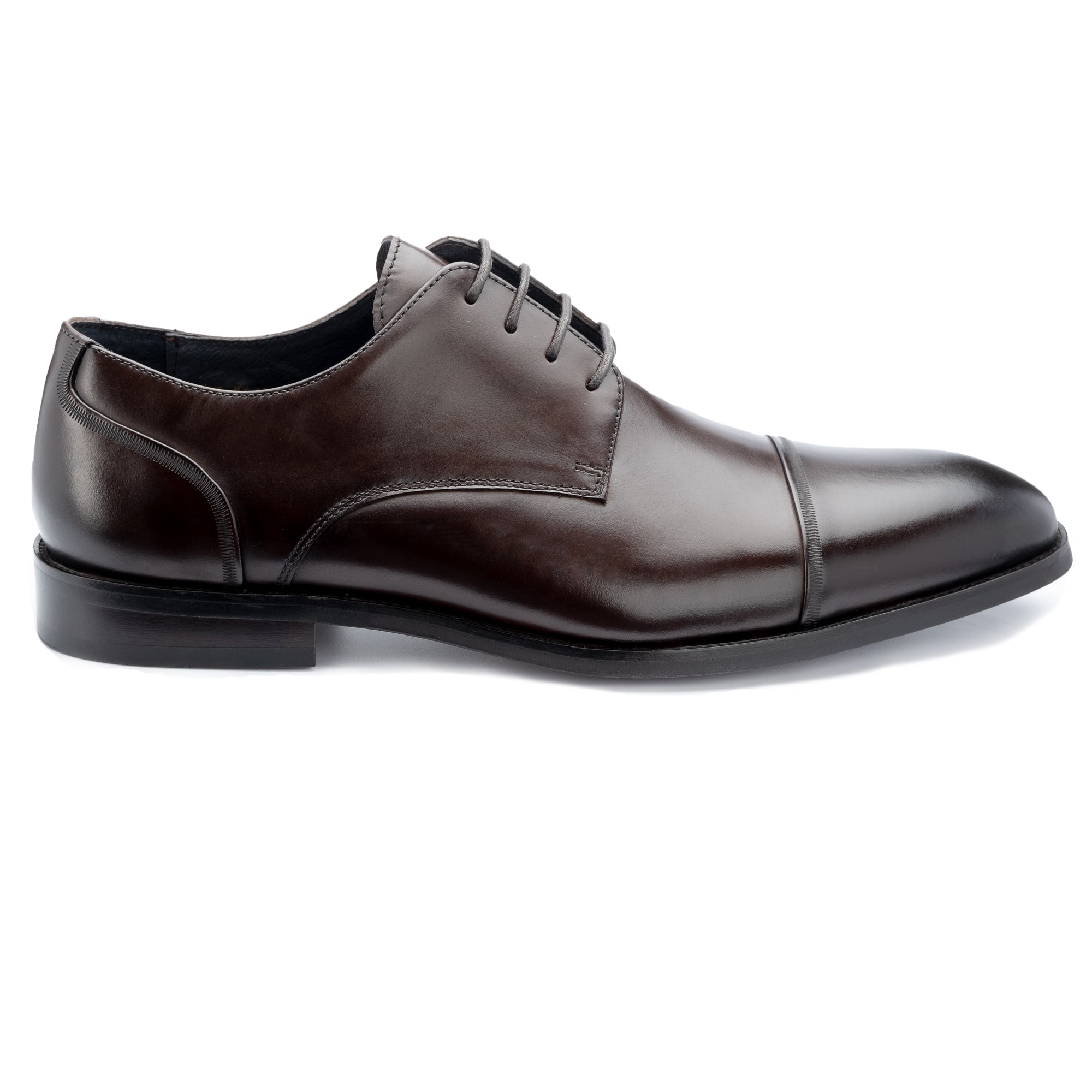
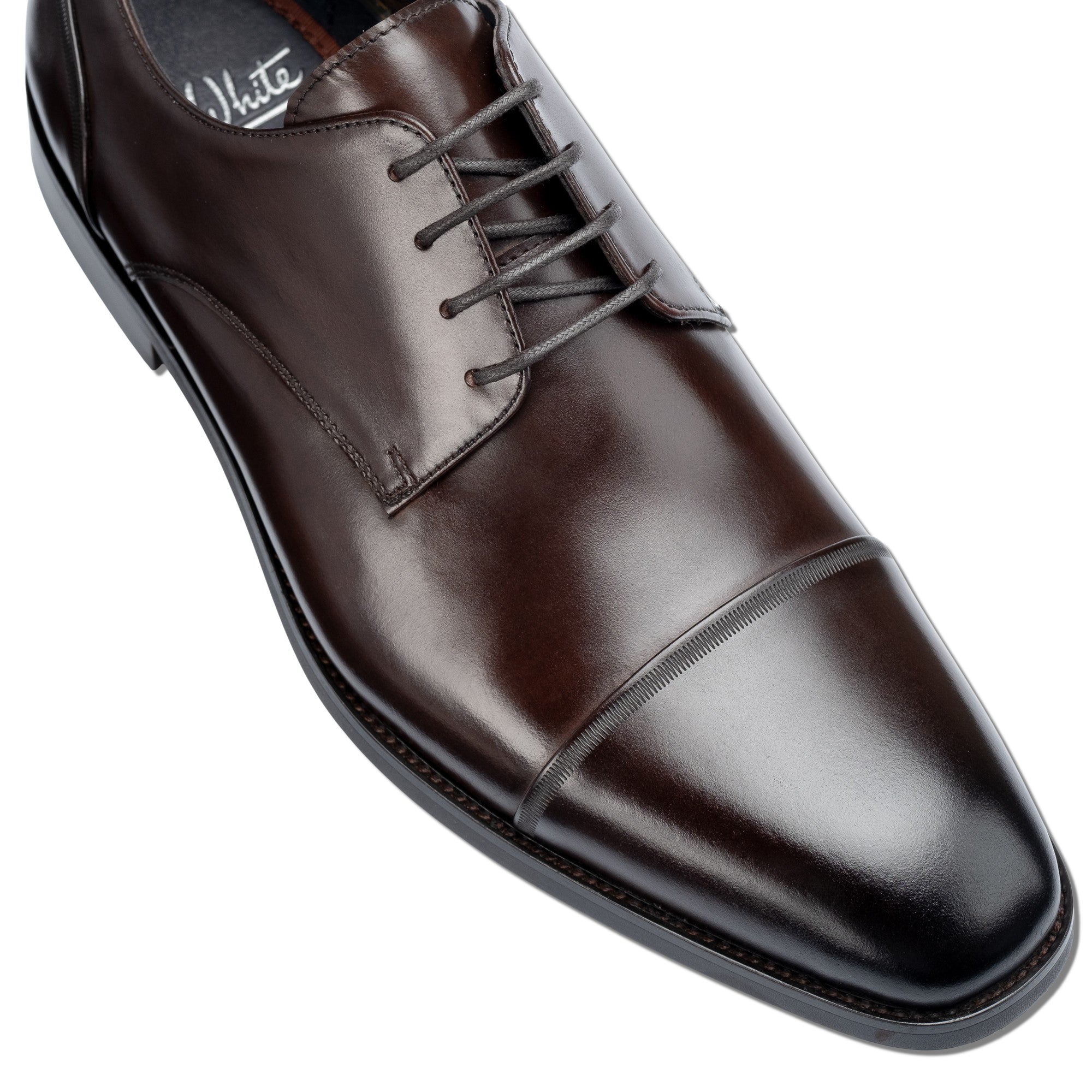
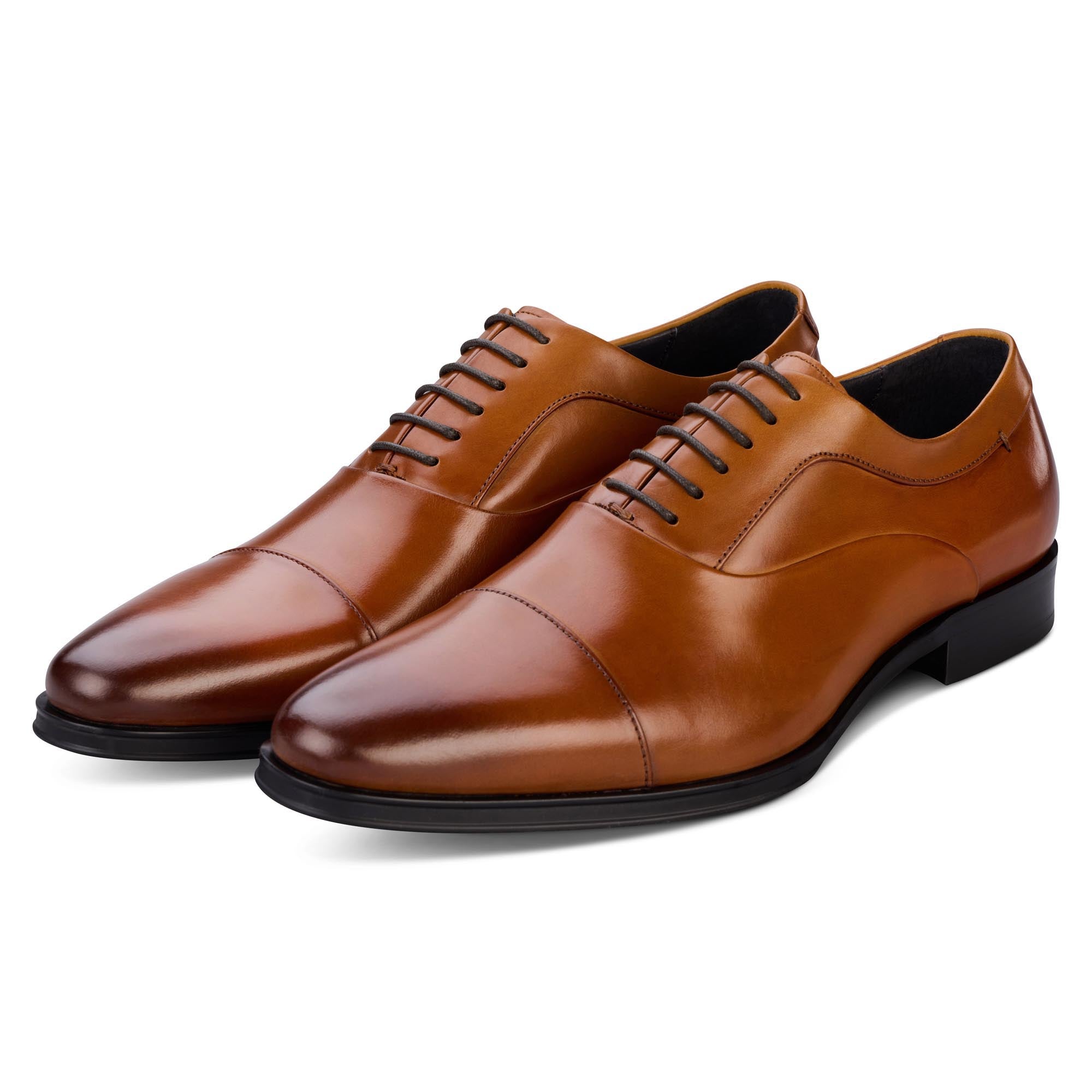
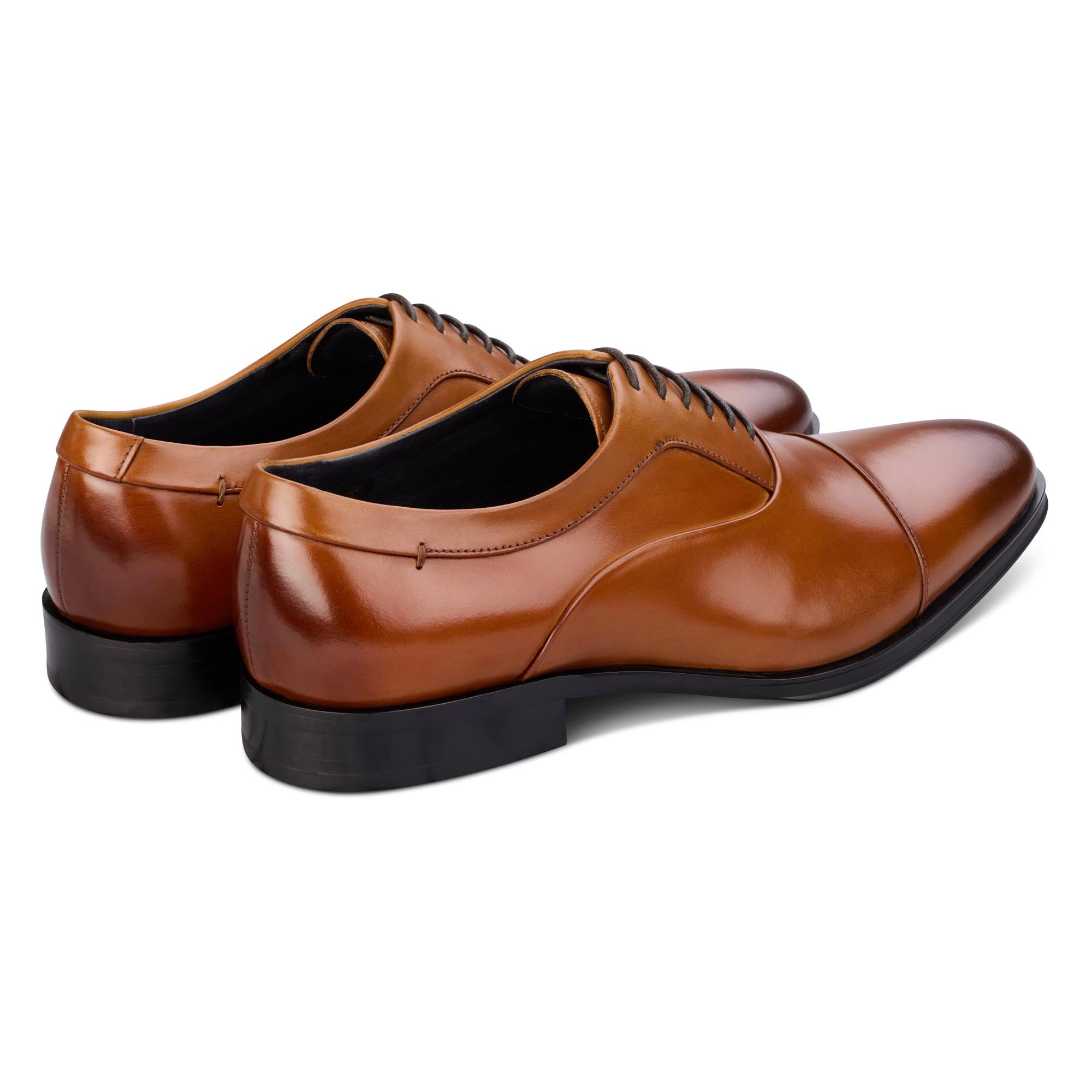
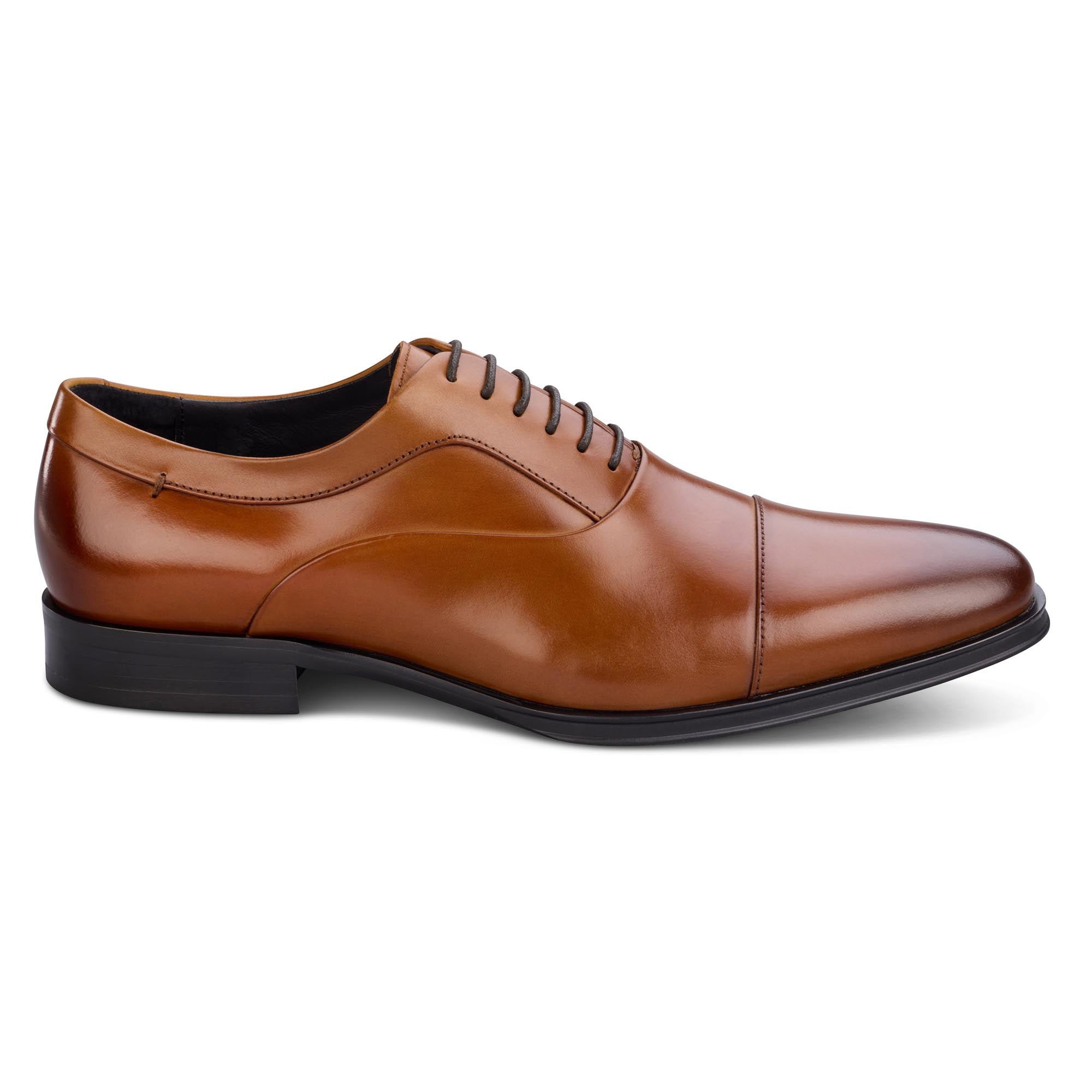
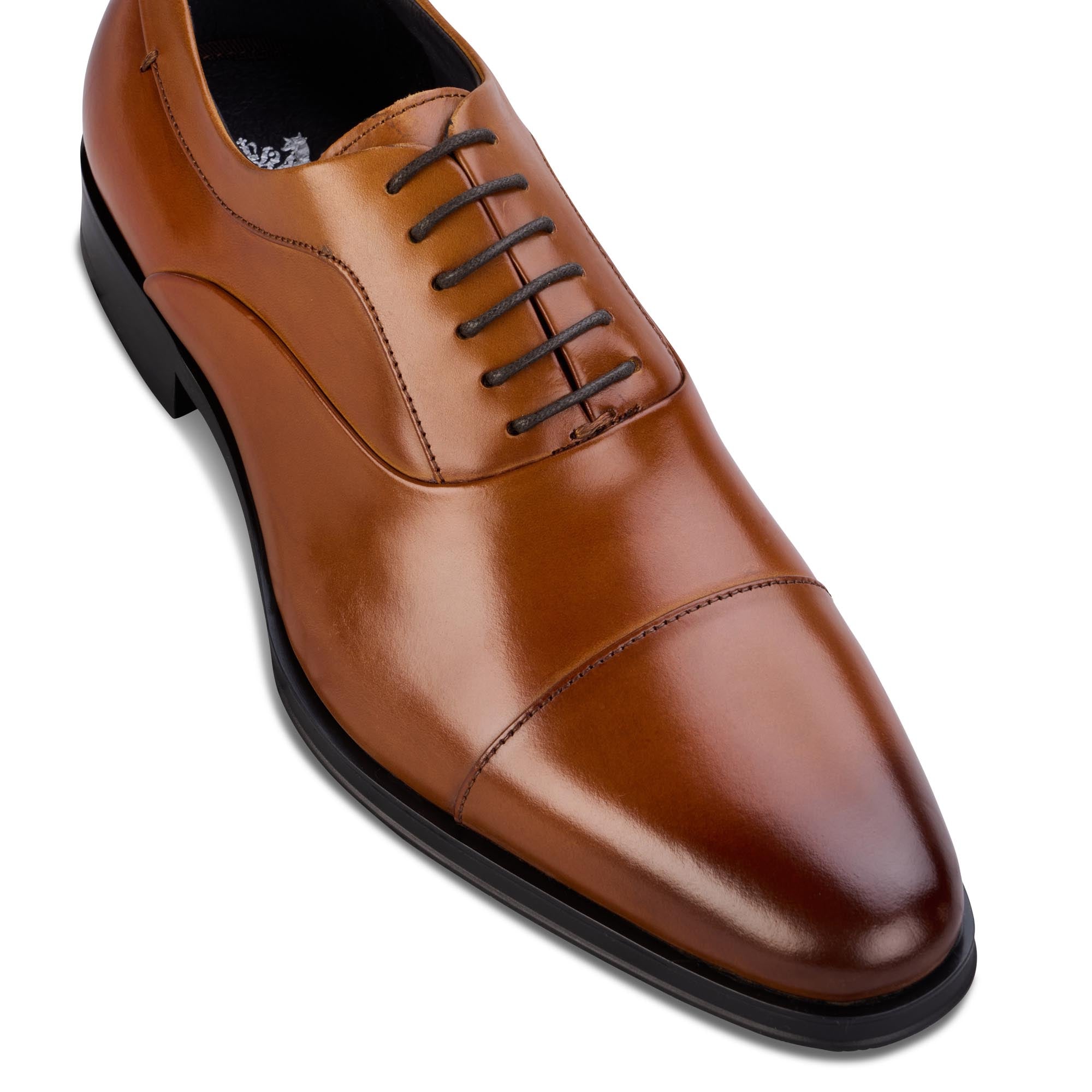
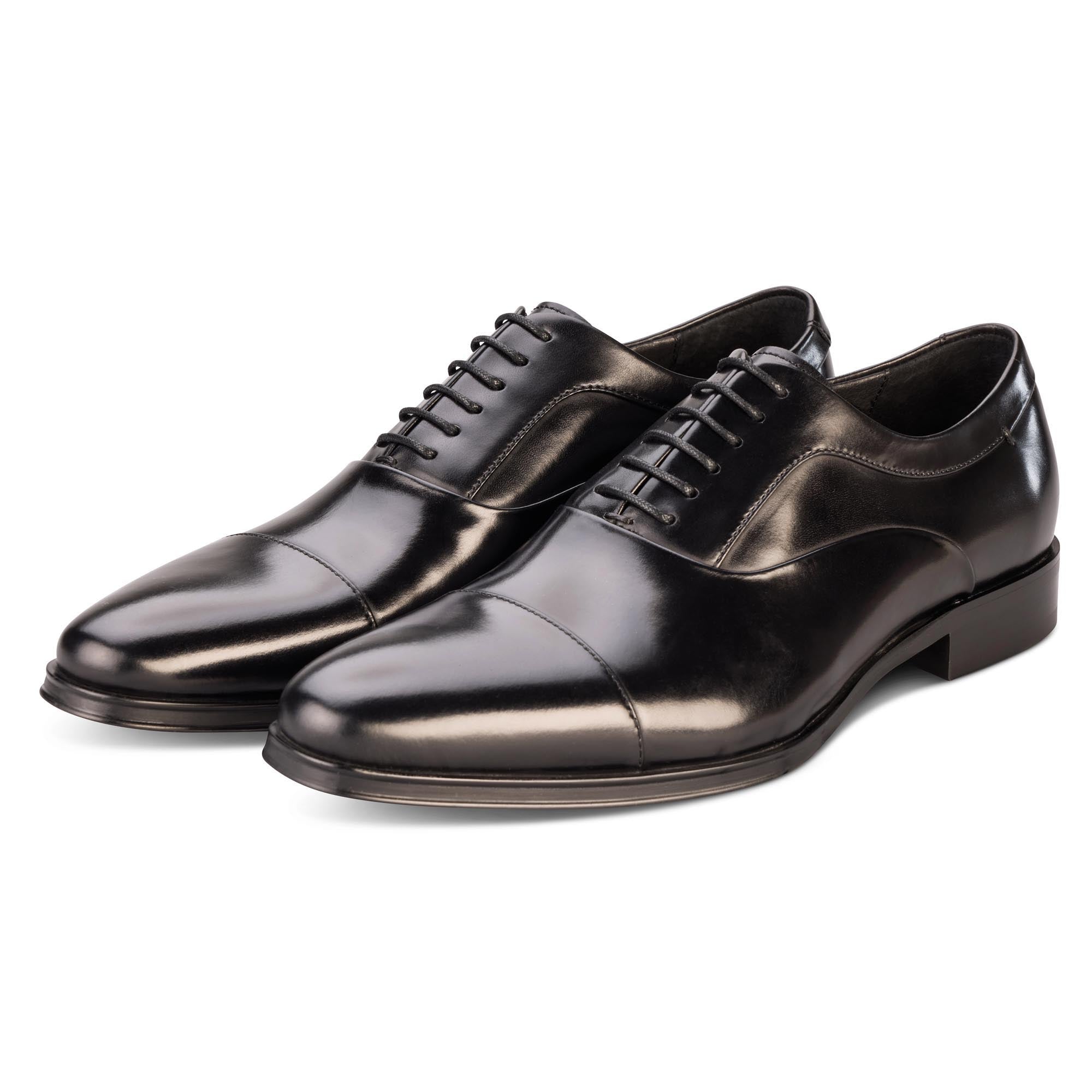
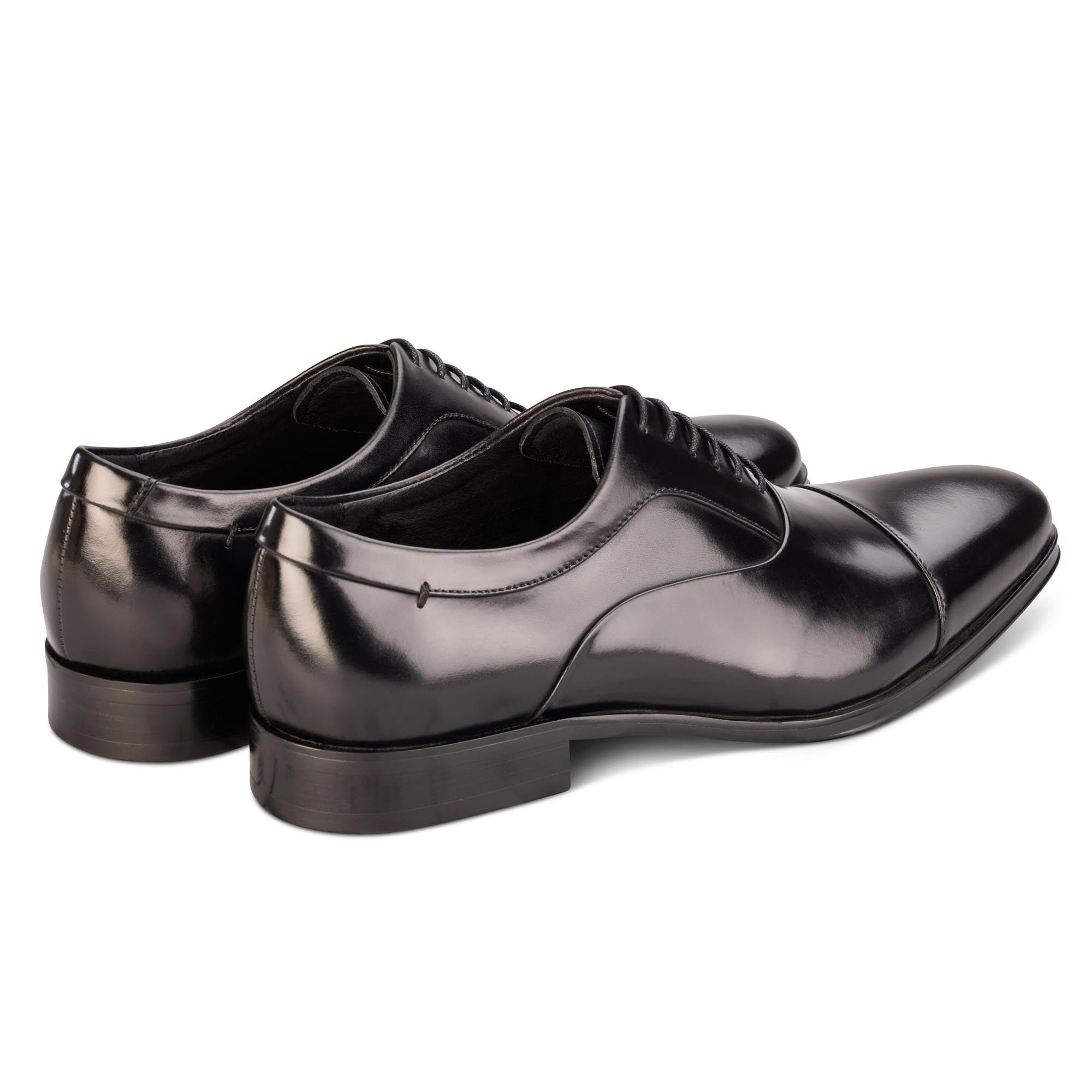
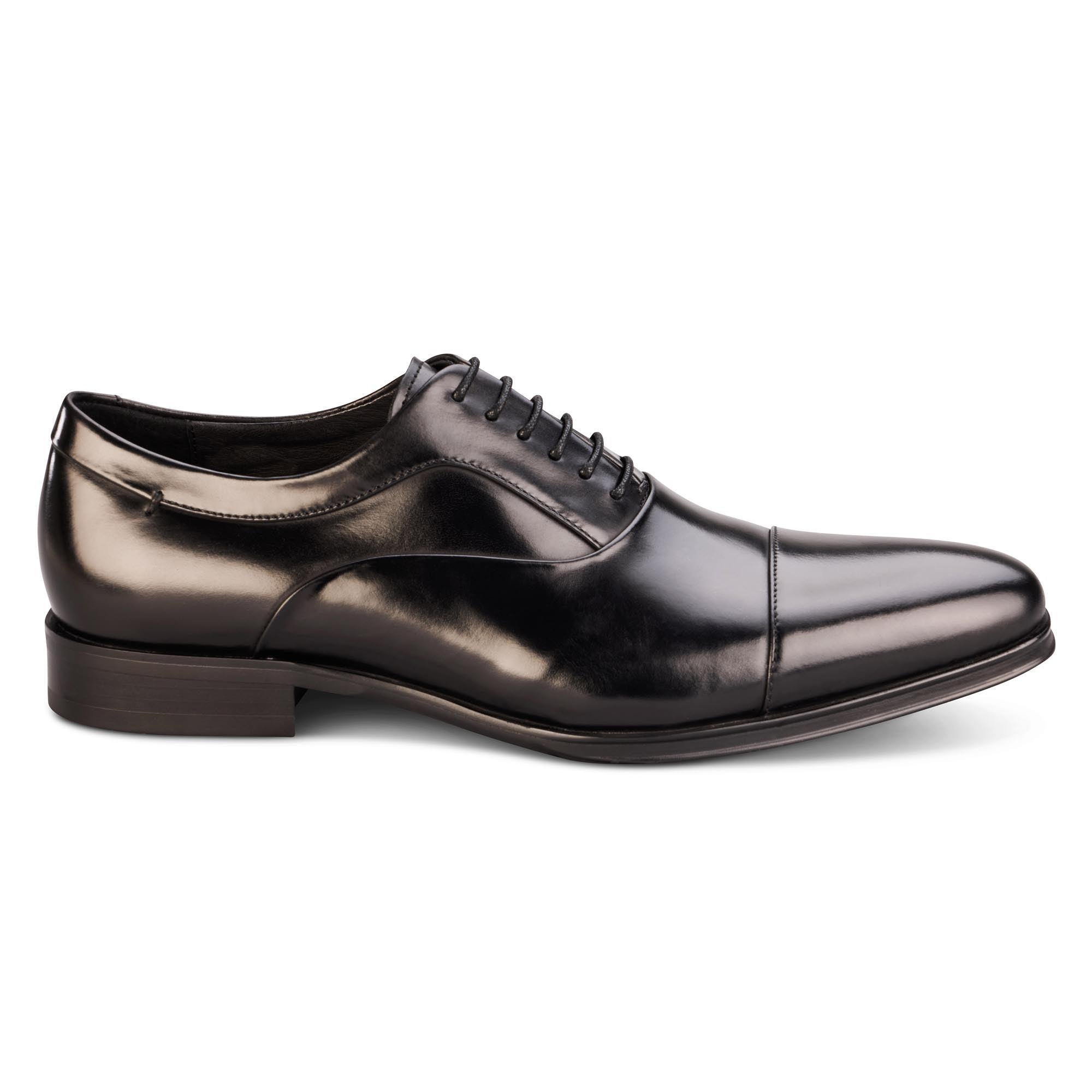
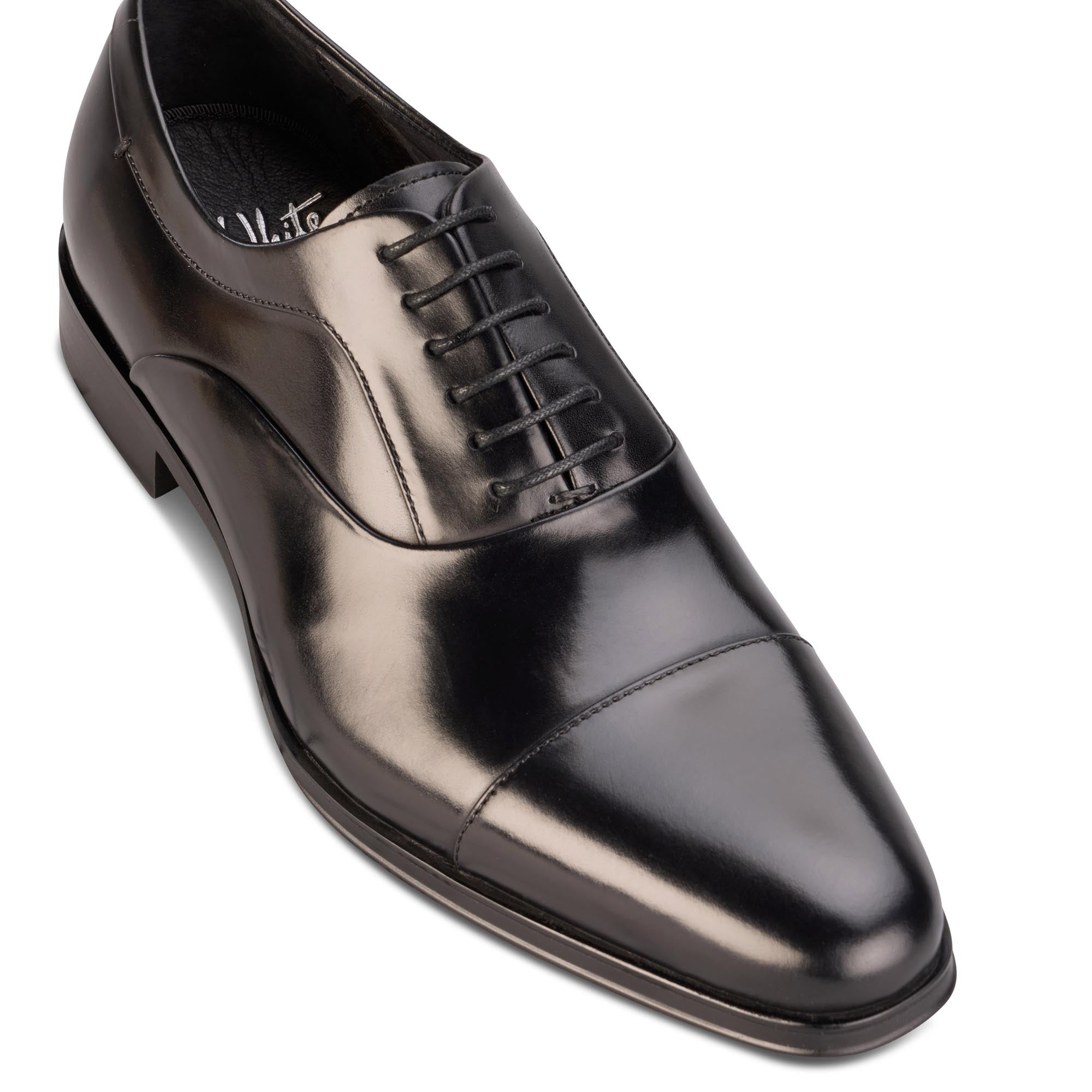
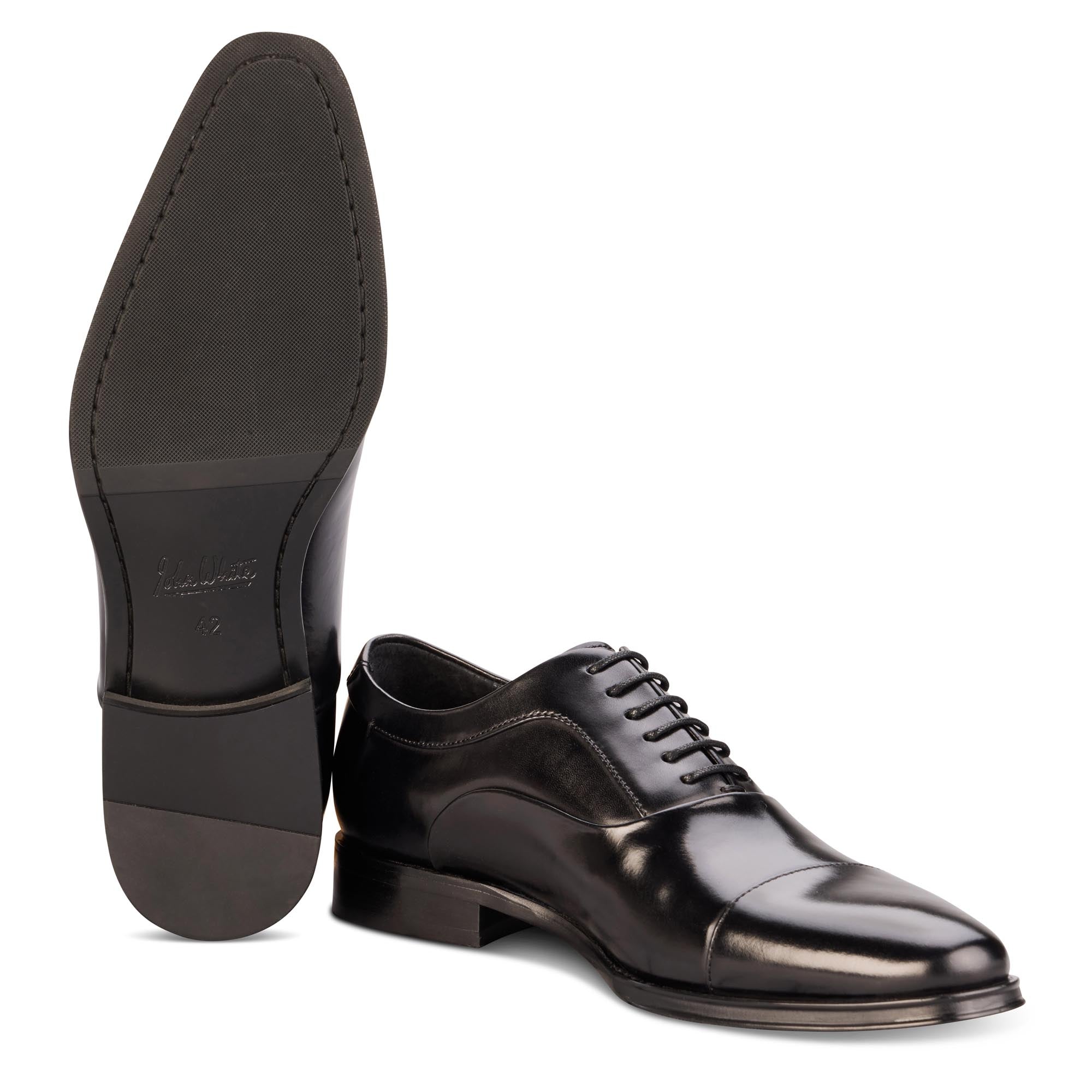
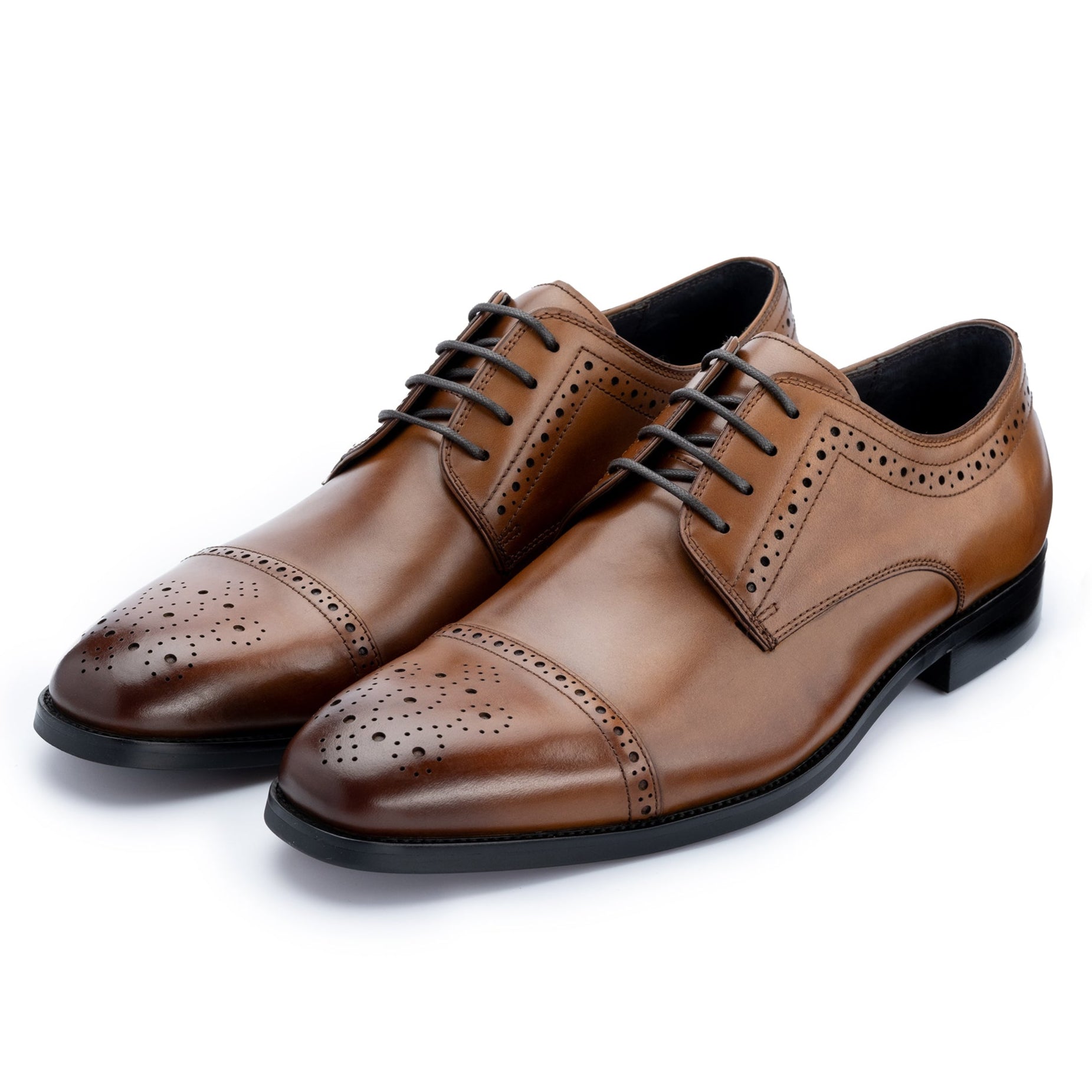
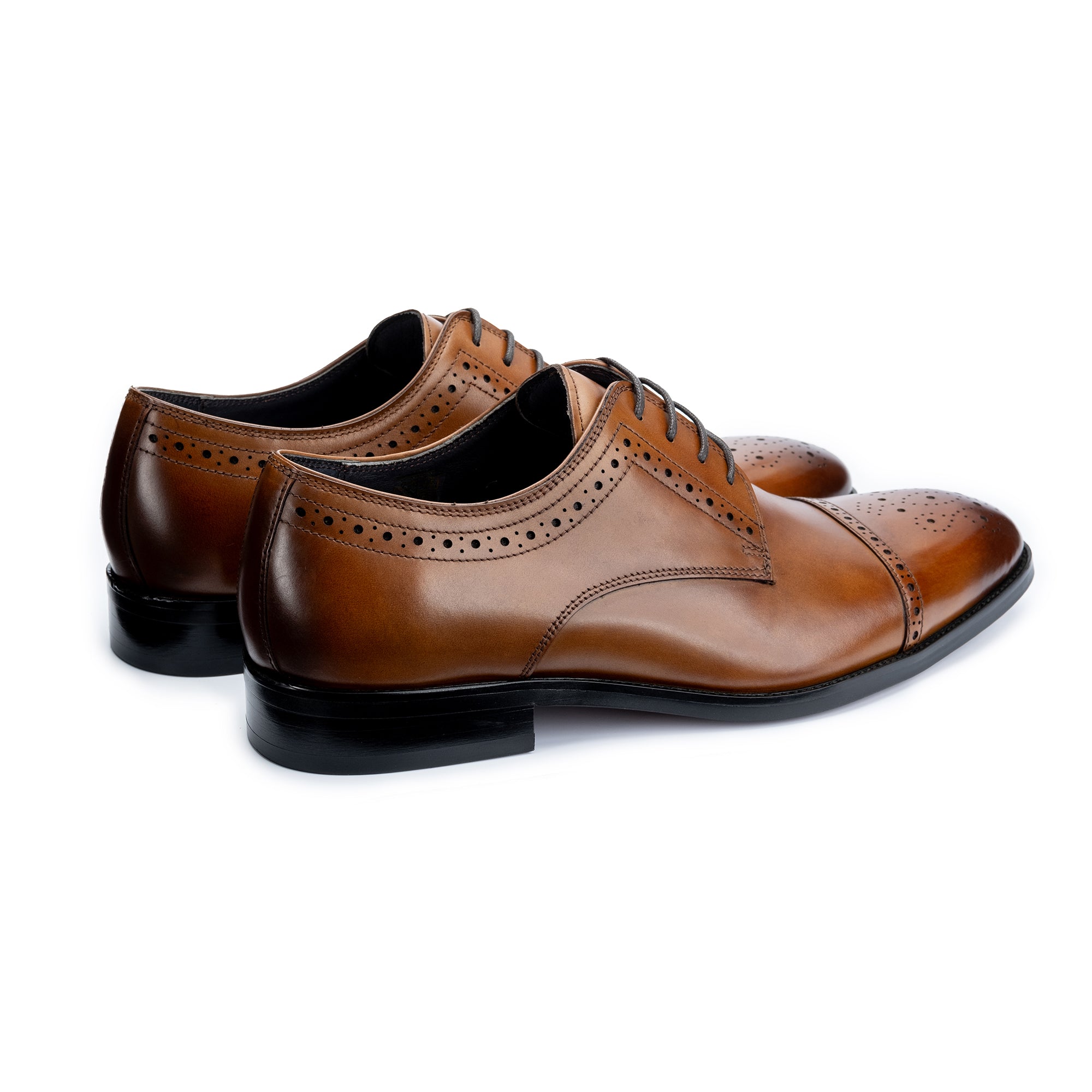
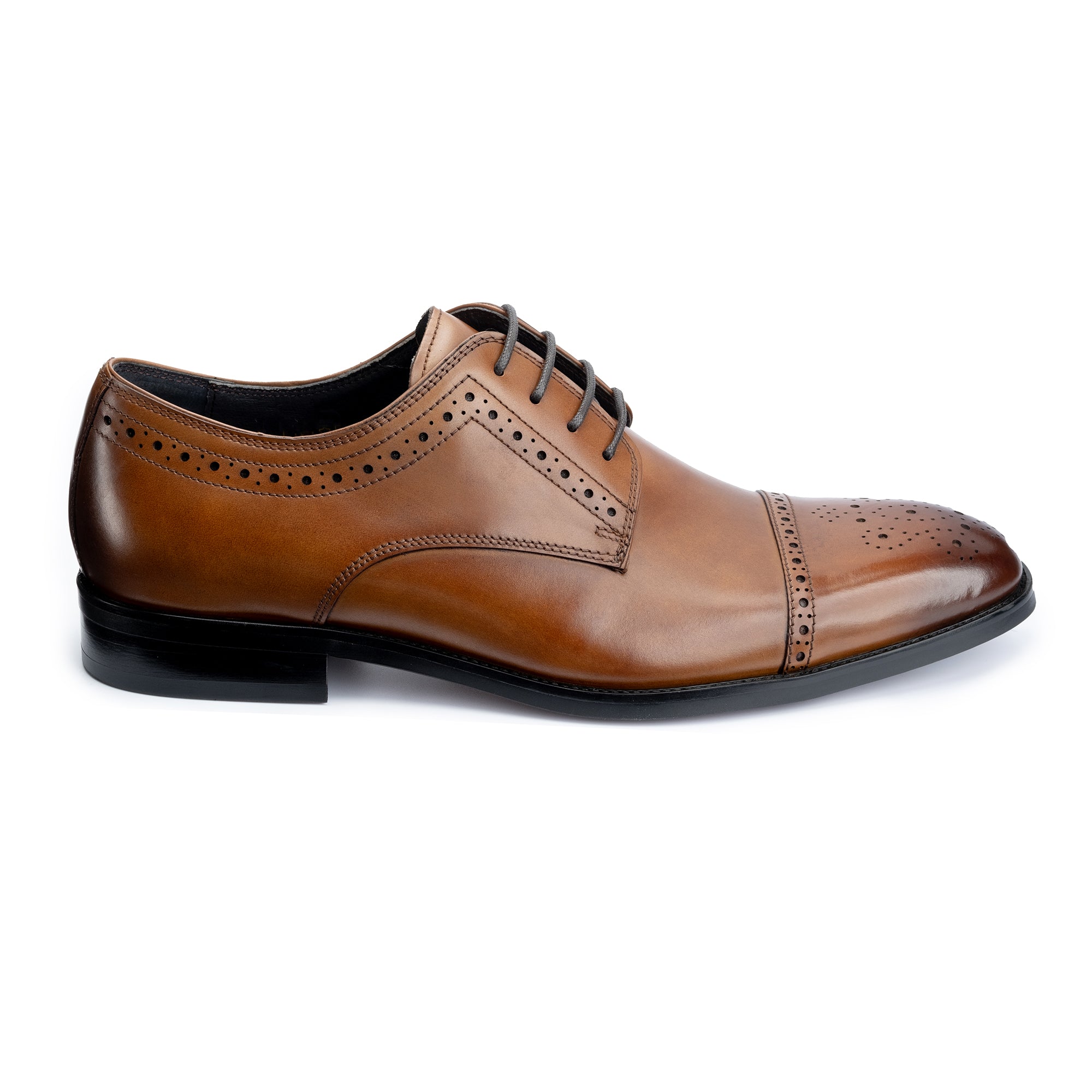
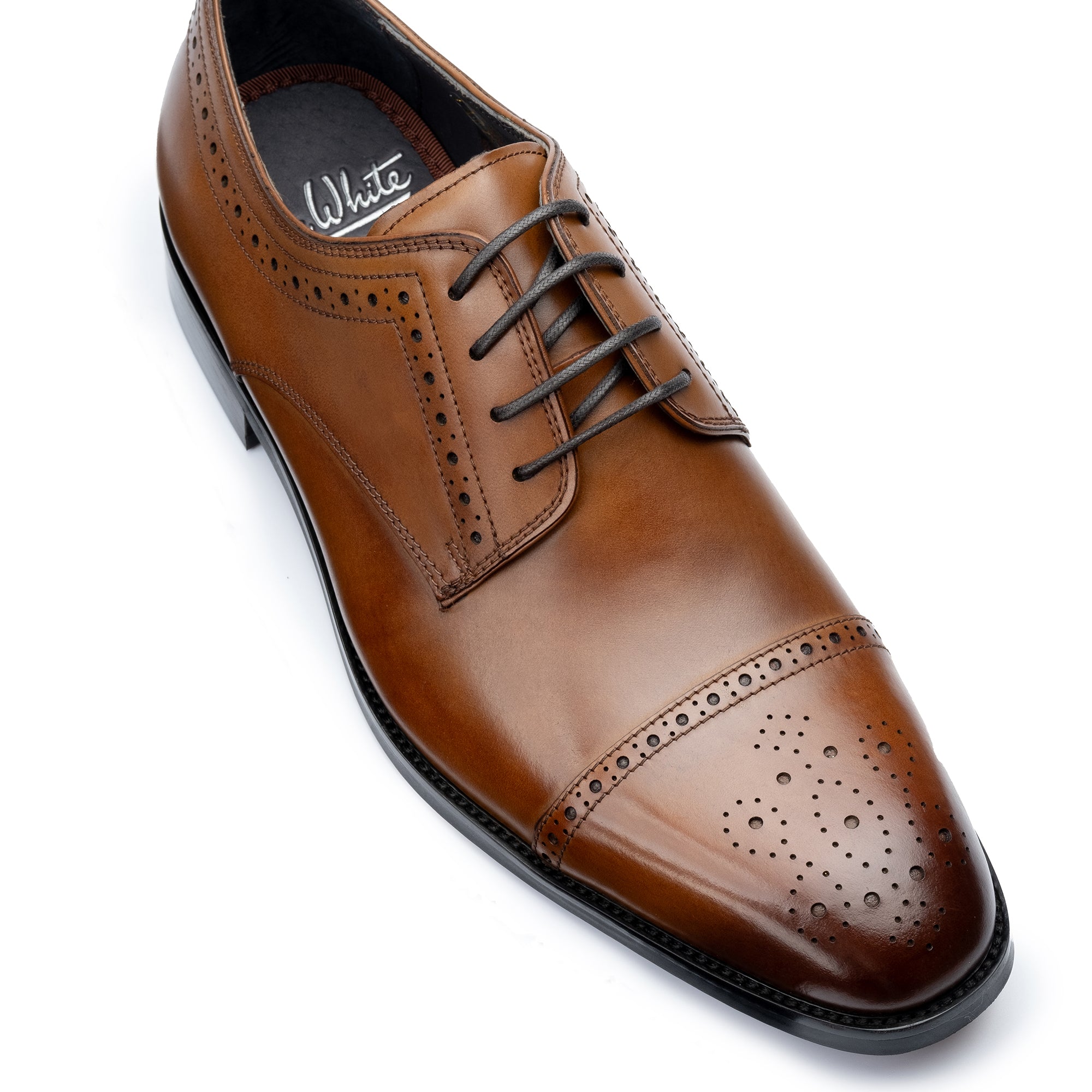
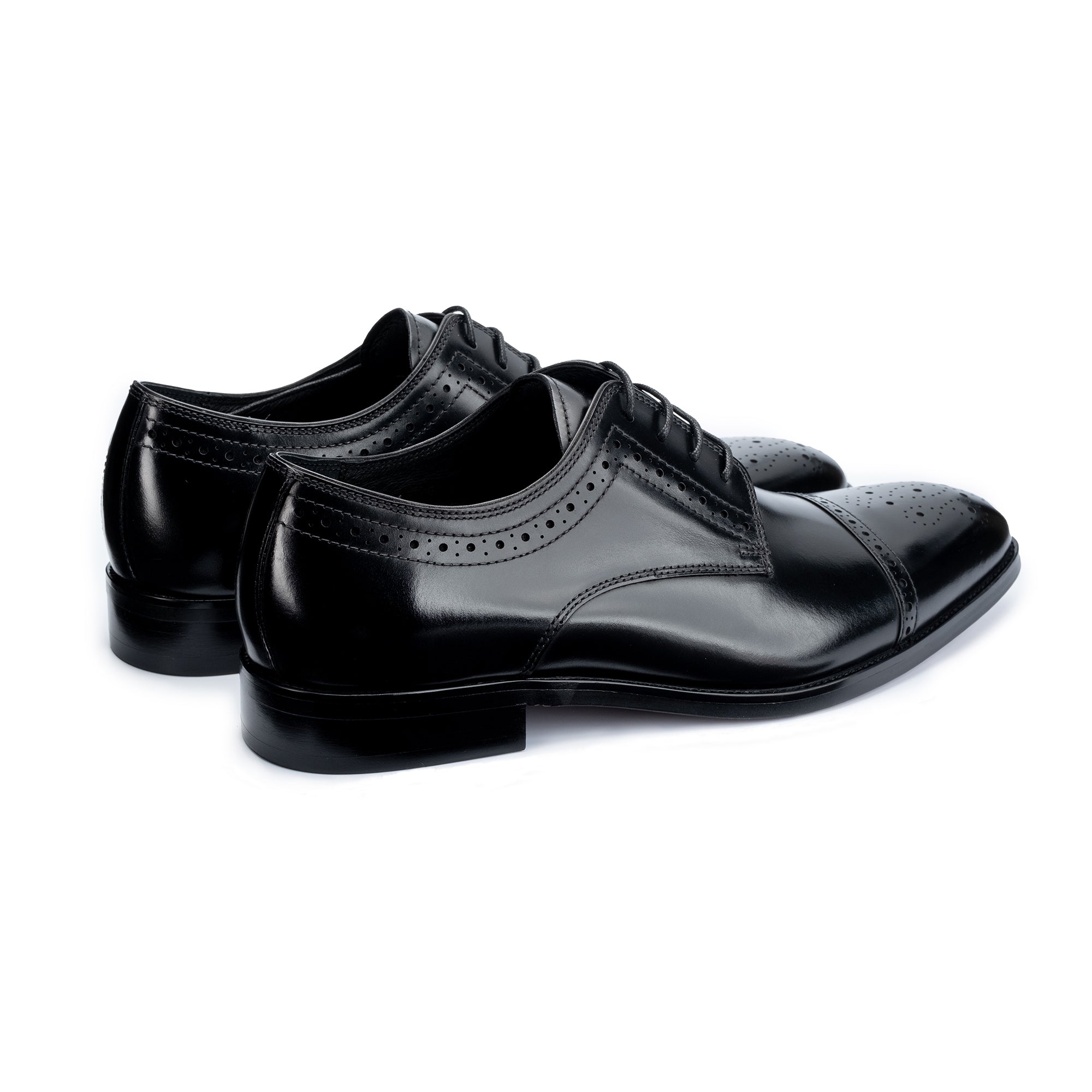
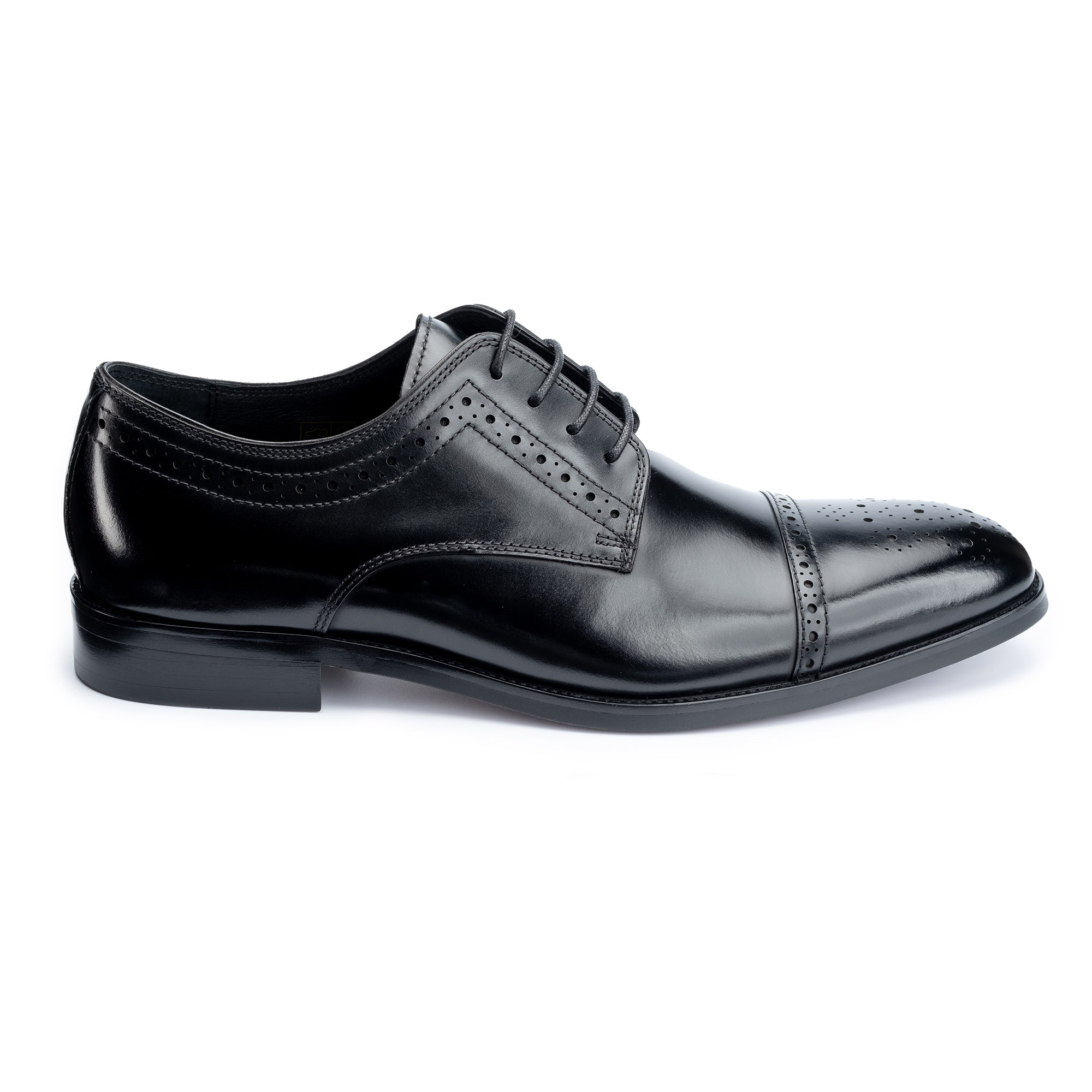
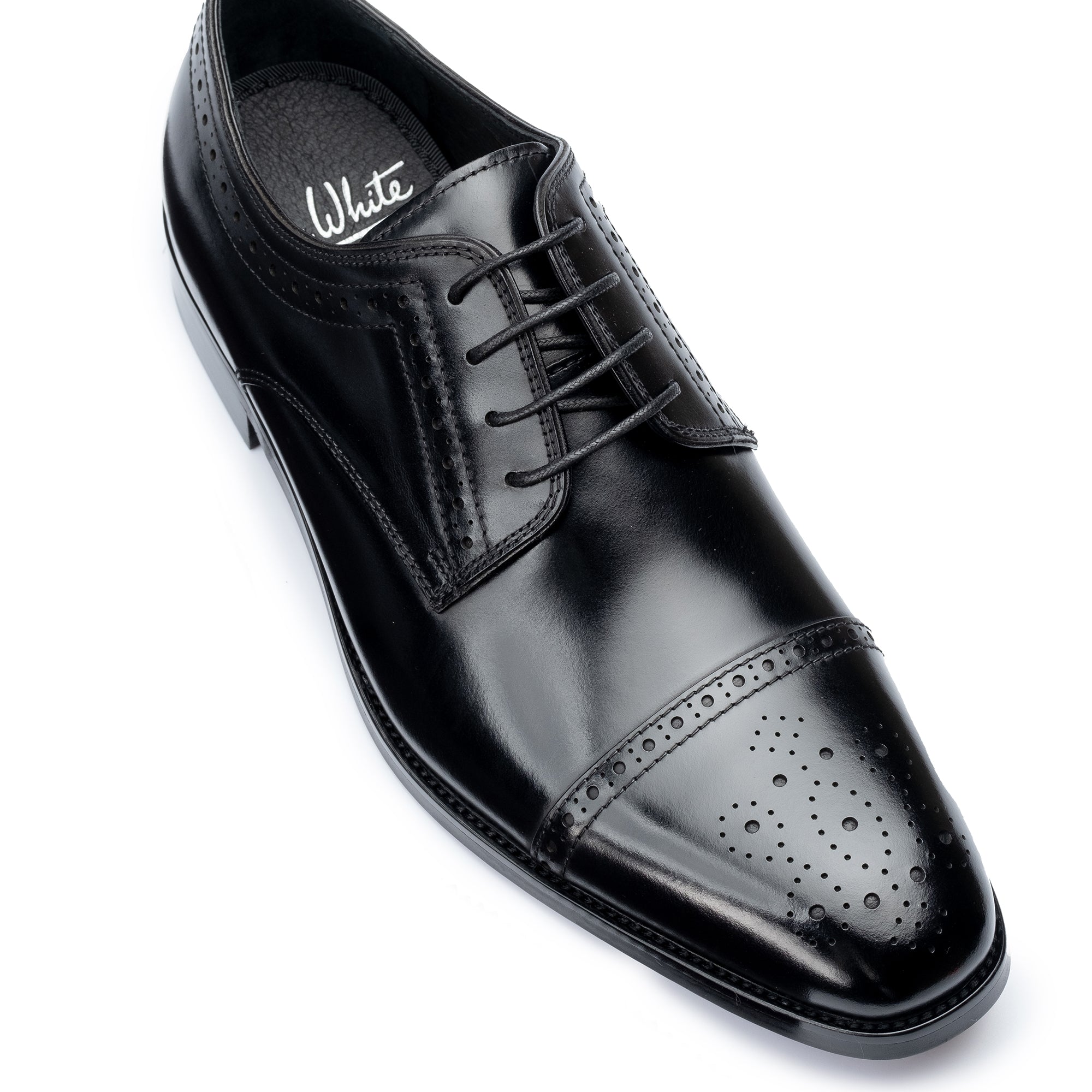
A captoe Oxford is a closed-lace dress shoe that features a single horizontal seam running across the toe box, creating a distinct "cap" of leather at the front of the shoe. That cap sits roughly one-third of the way back from the toe tip, introducing one clean visual line to an otherwise unbroken silhouette.
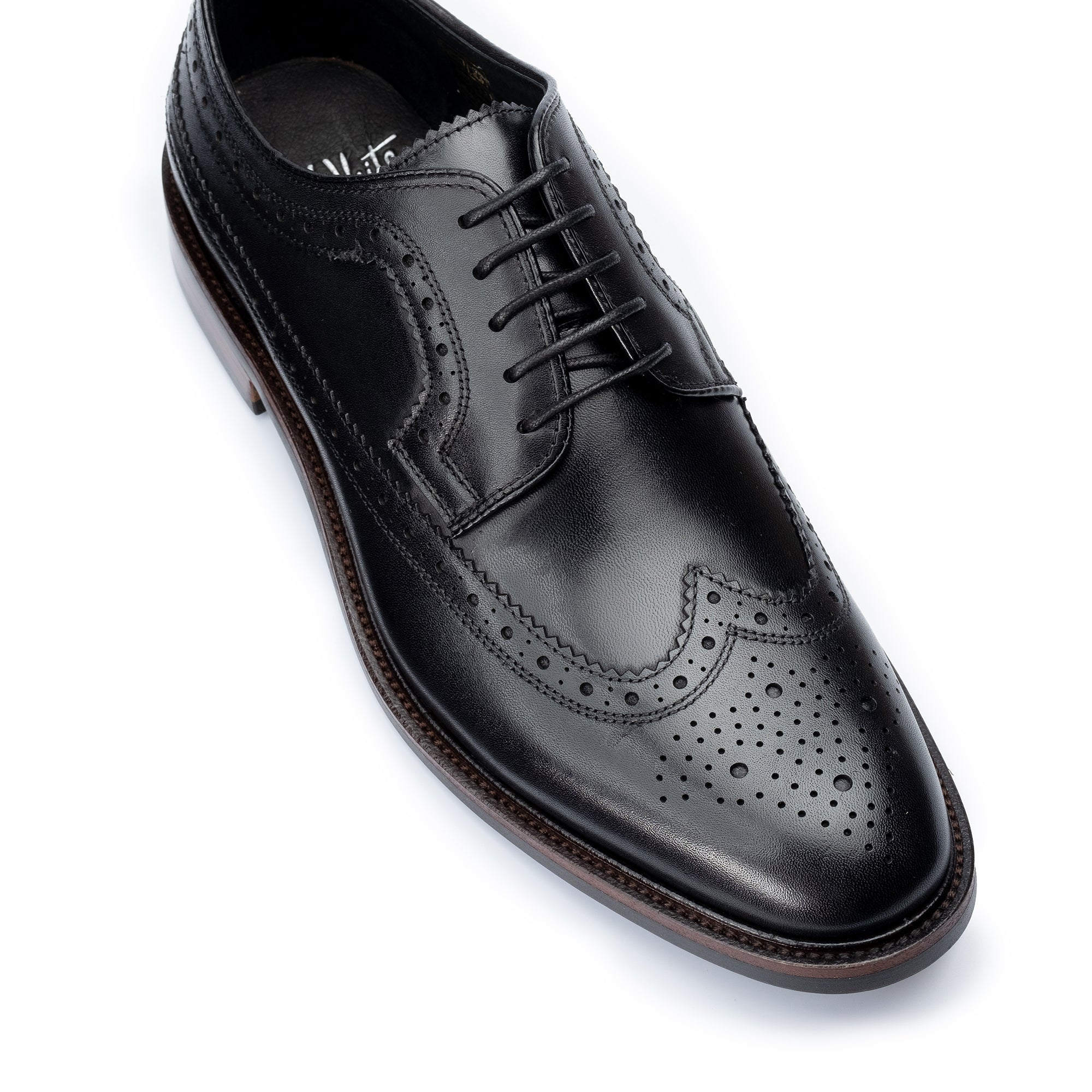
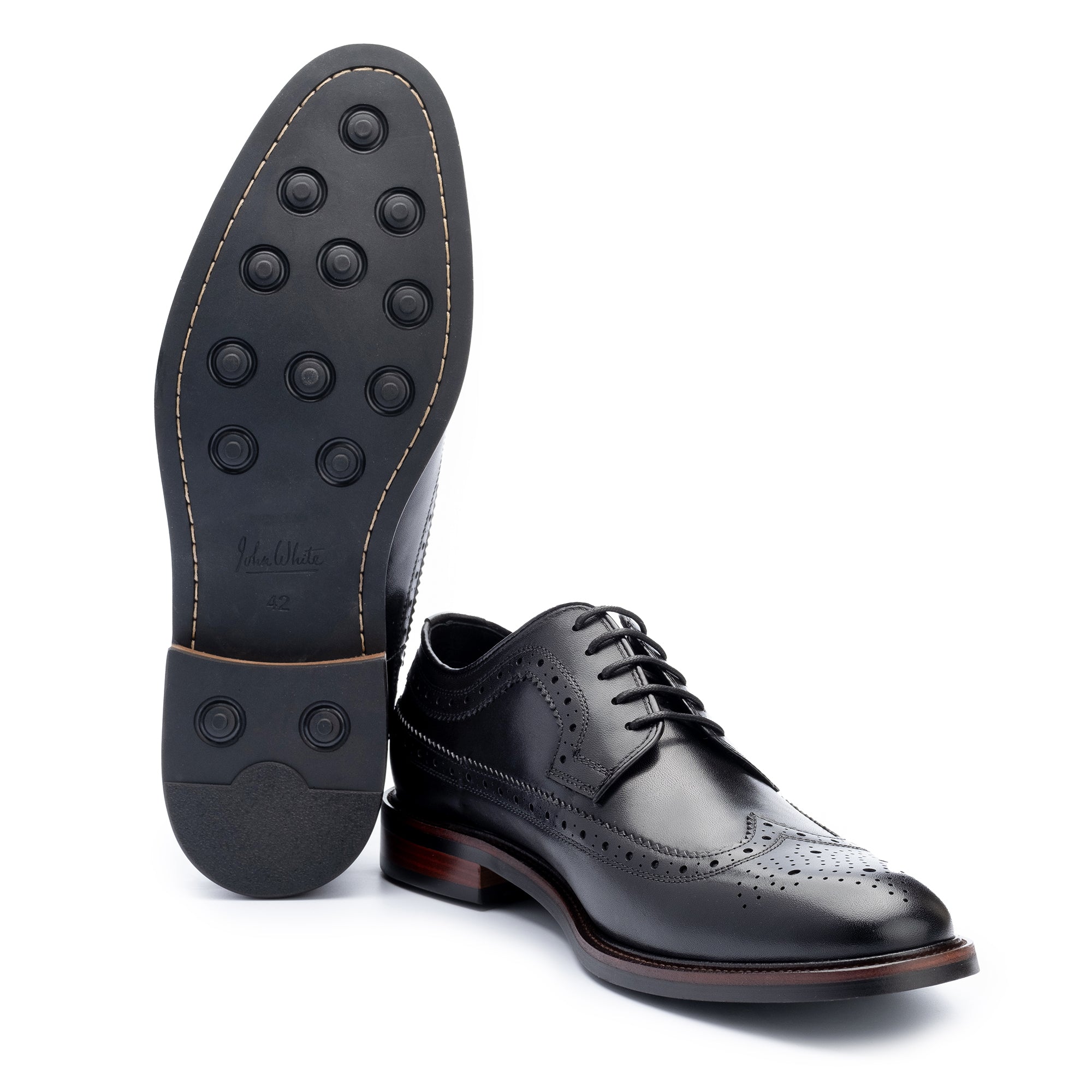
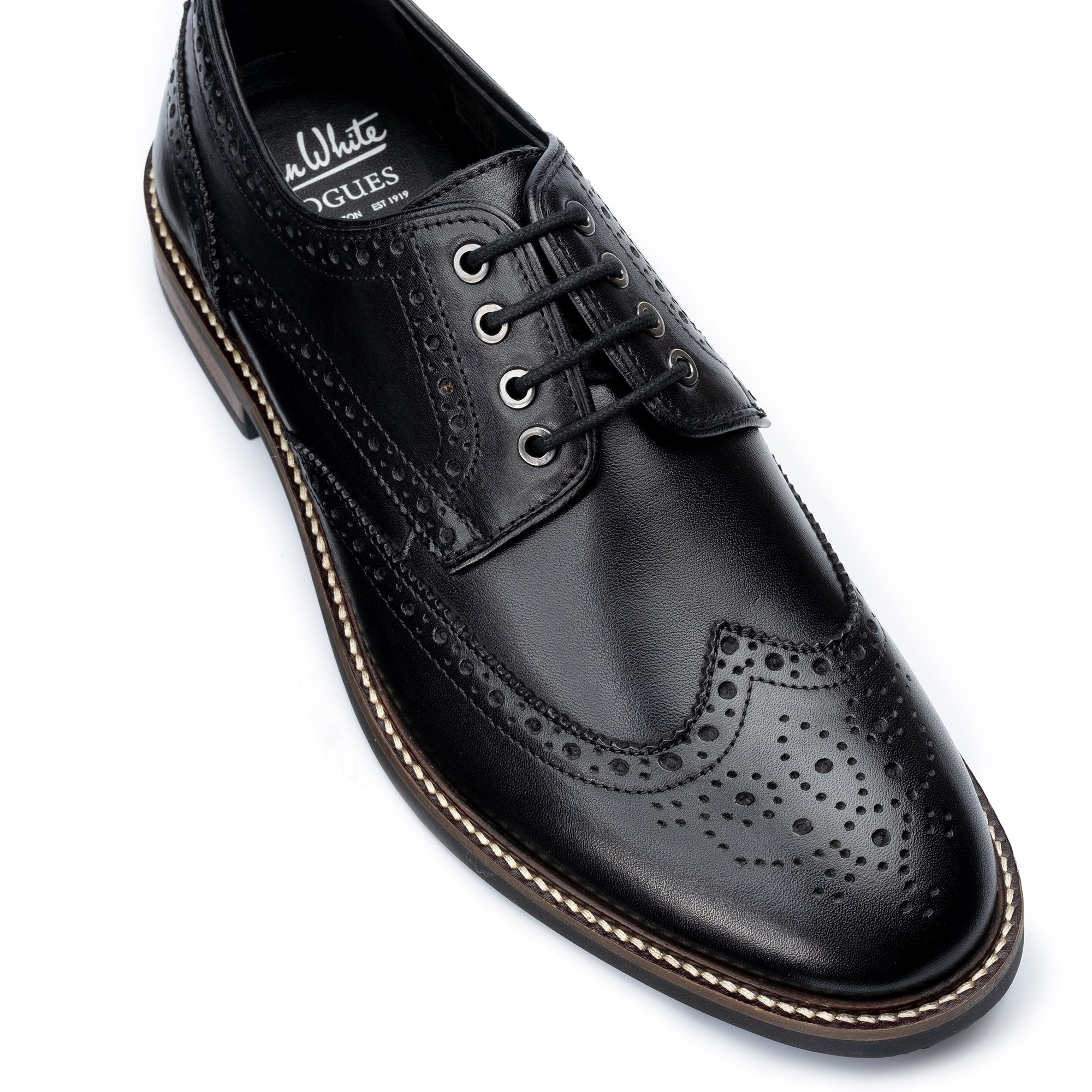
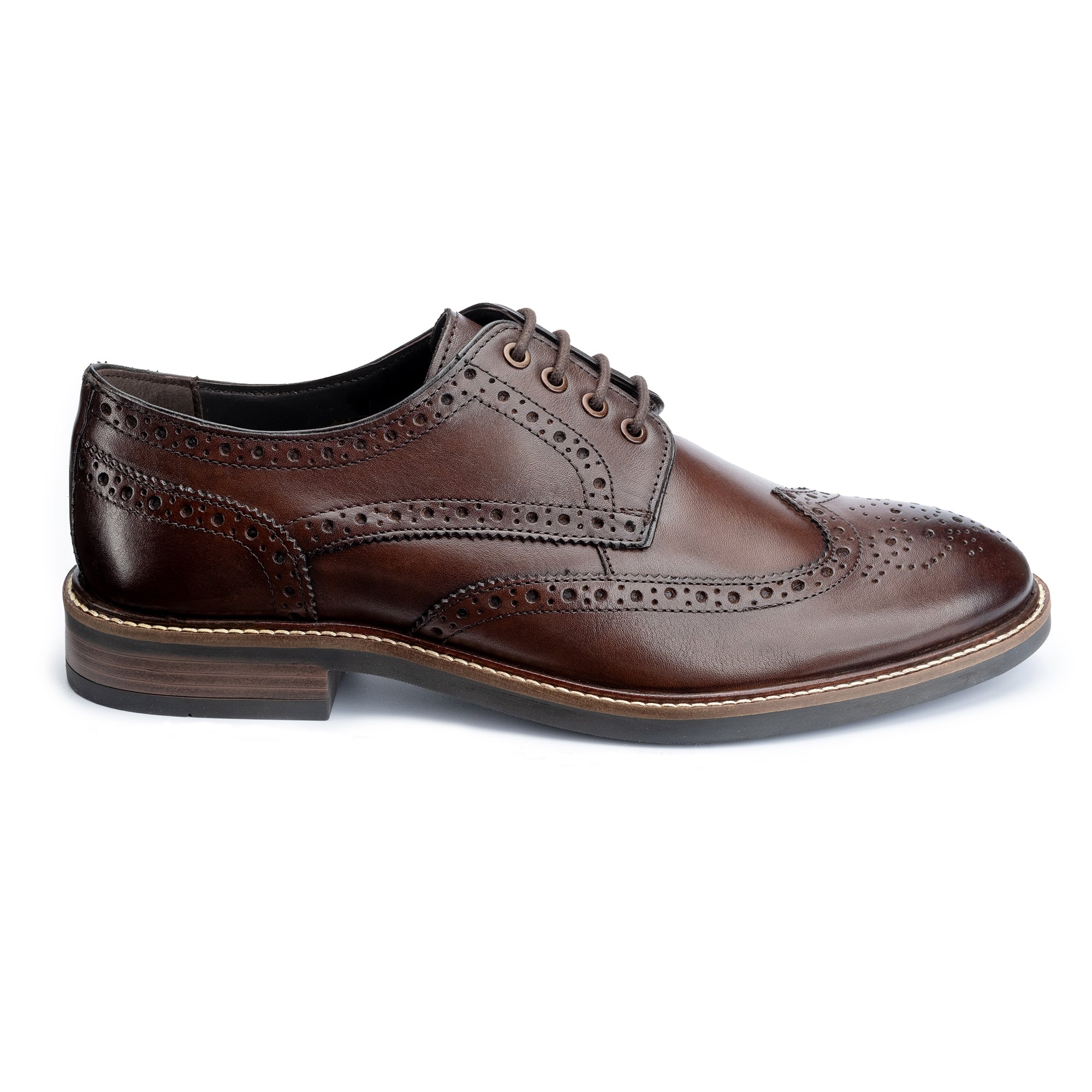
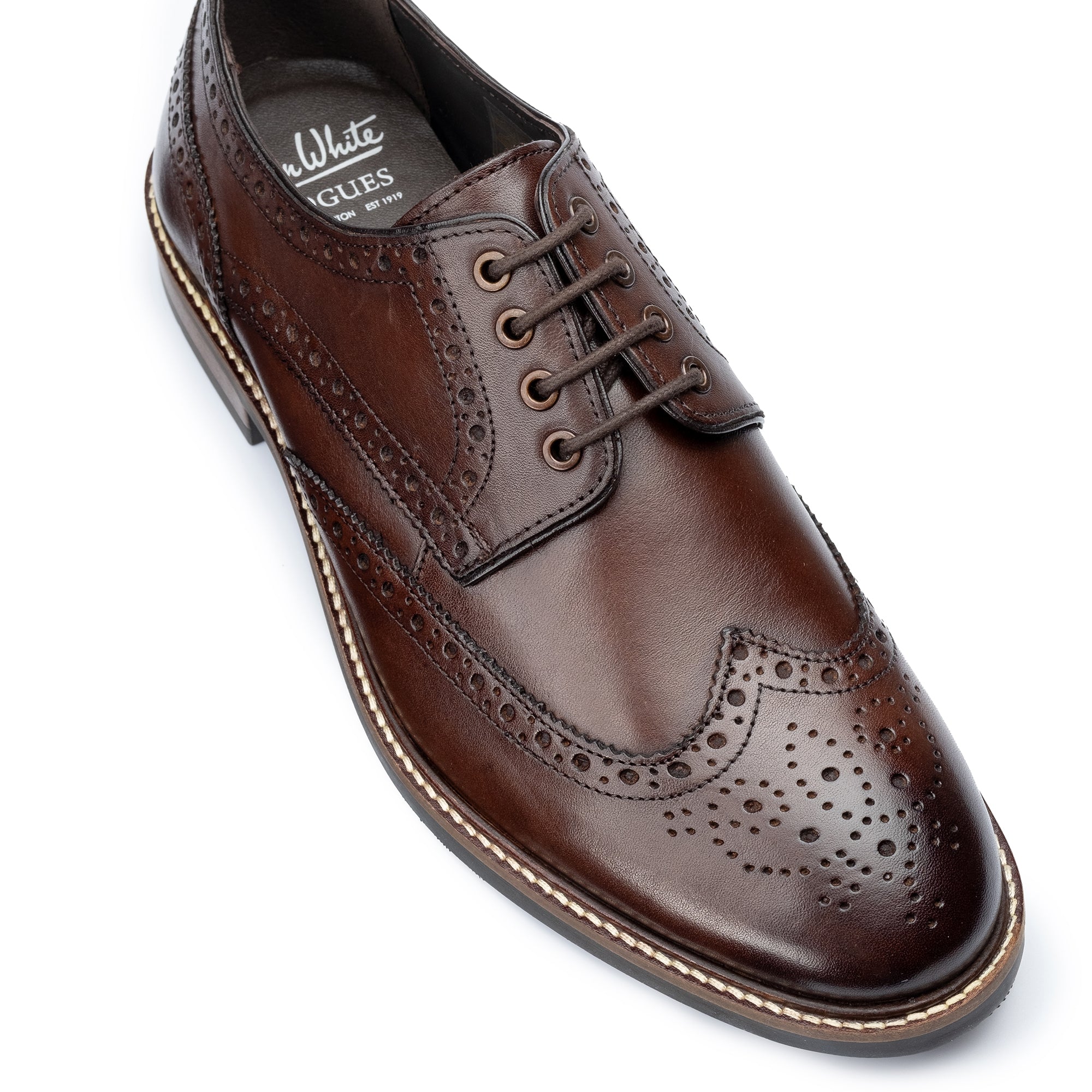
The cap can be plain-edged or, in its brogue variant (known as a semi-brogue), decorated with perforations along the seam. The brogue version trades a degree of formality for character — still a dress shoe, but with more personality.
In Northamptonshire's long shoemaking tradition — the industry that produced names like Church's, Crockett & Jones, Loake, and Barker alongside heritage brands like John White Shoes — the captoe Oxford has been central to the professional wardrobe for over a century. A captoe Oxford is one of the most versatile dress shoes a man can own: formal enough for boardroom and wedding, refined enough for evening wear, yet not so severe it looks out of place at a smart-casual occasion.
What Is a Plain Toe Oxford?
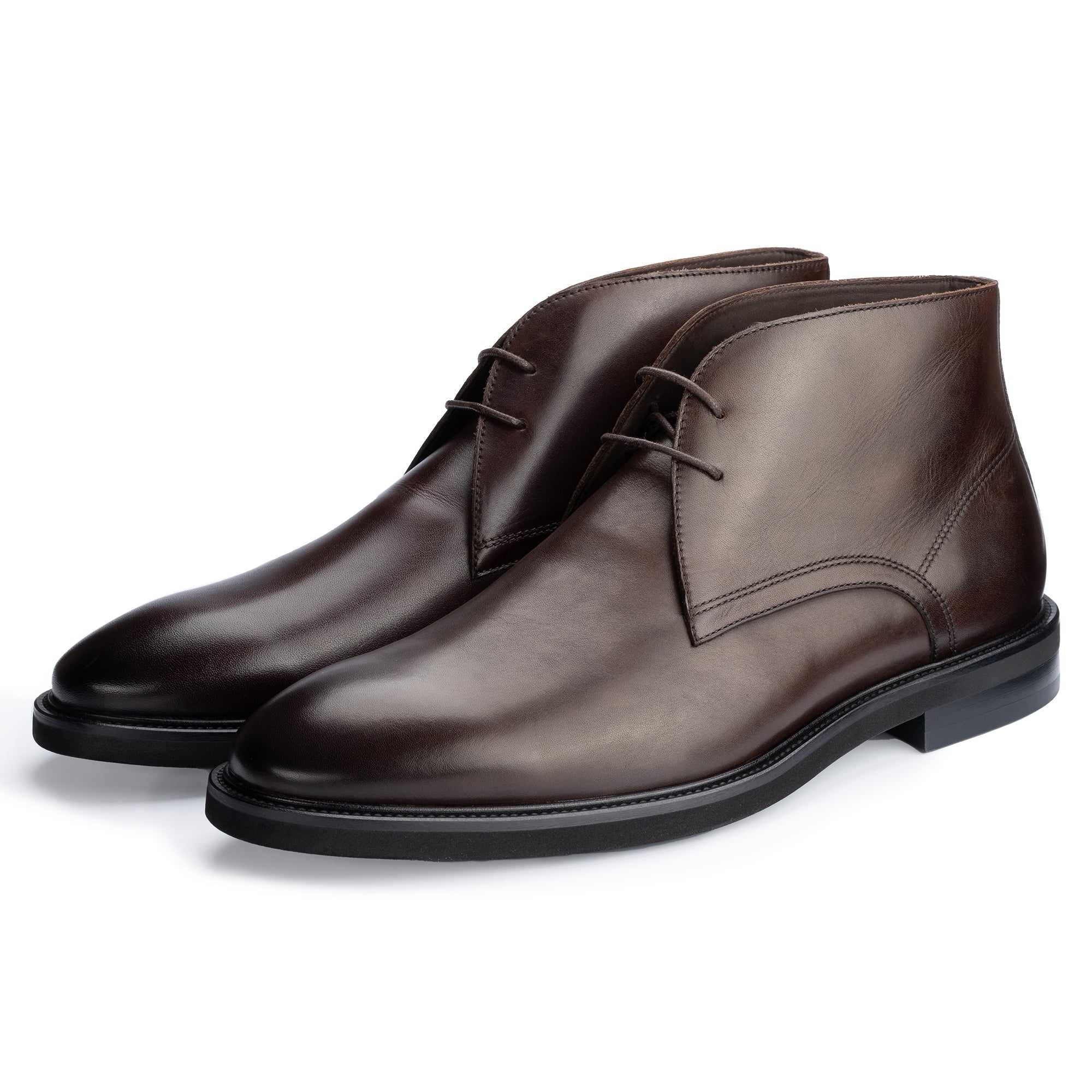
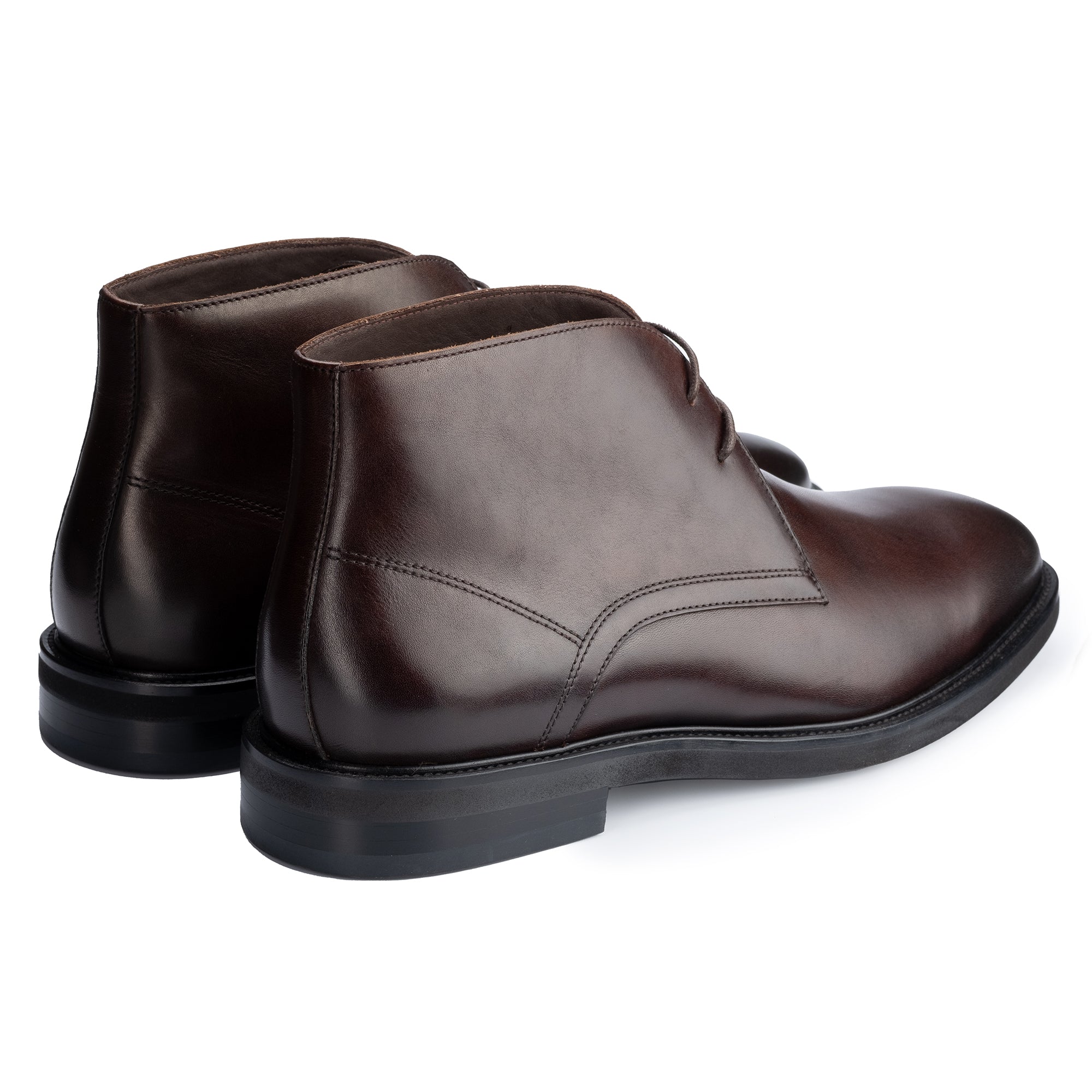
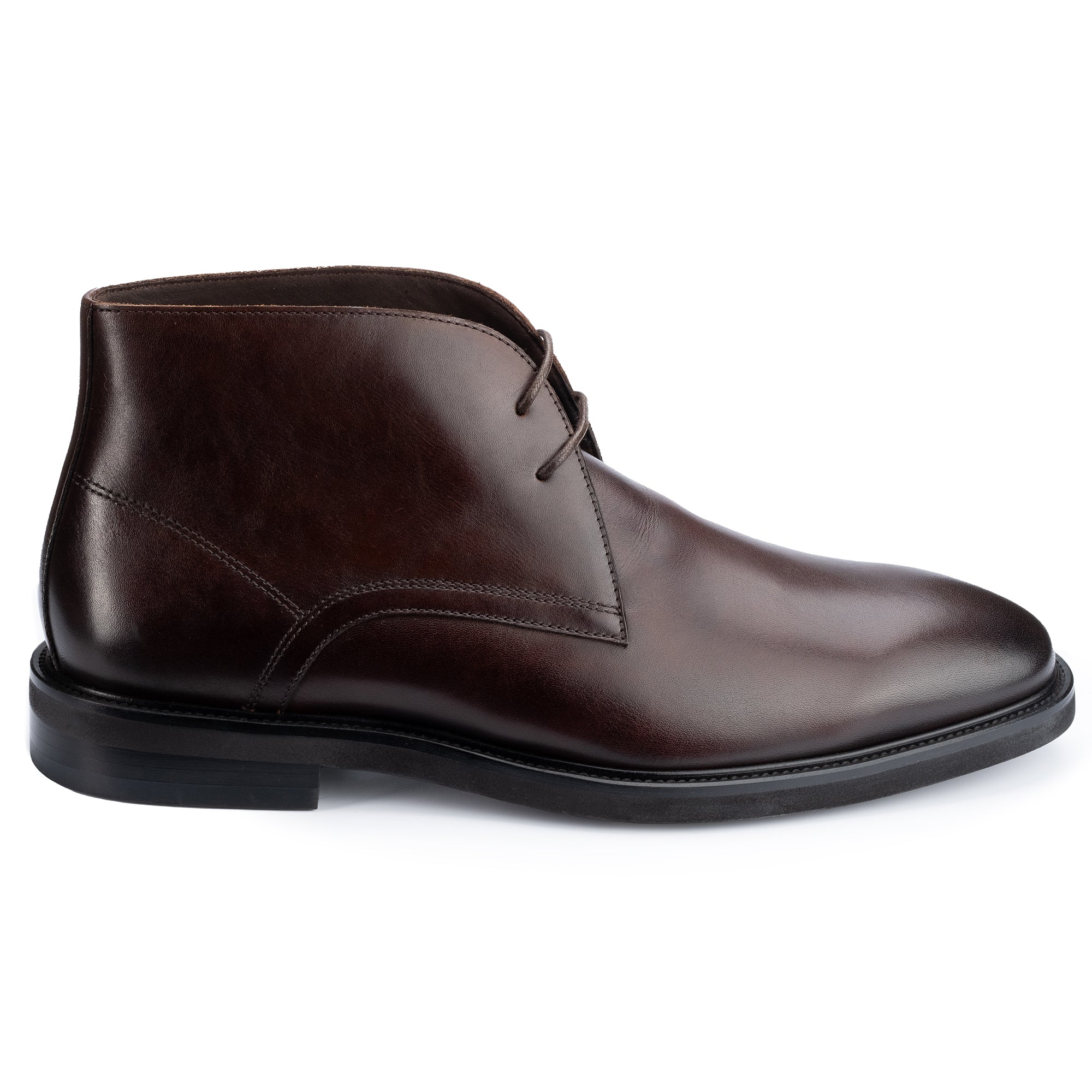
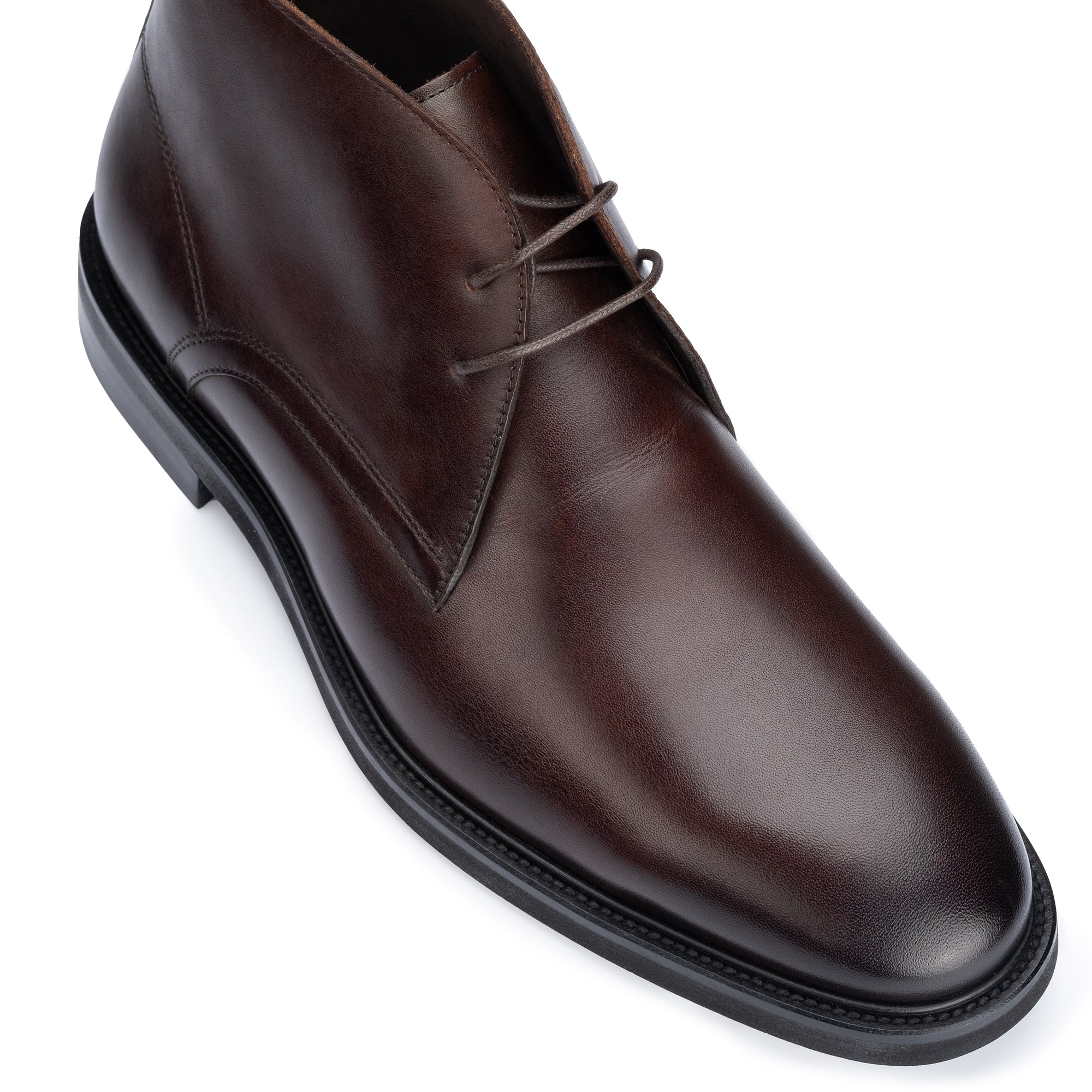
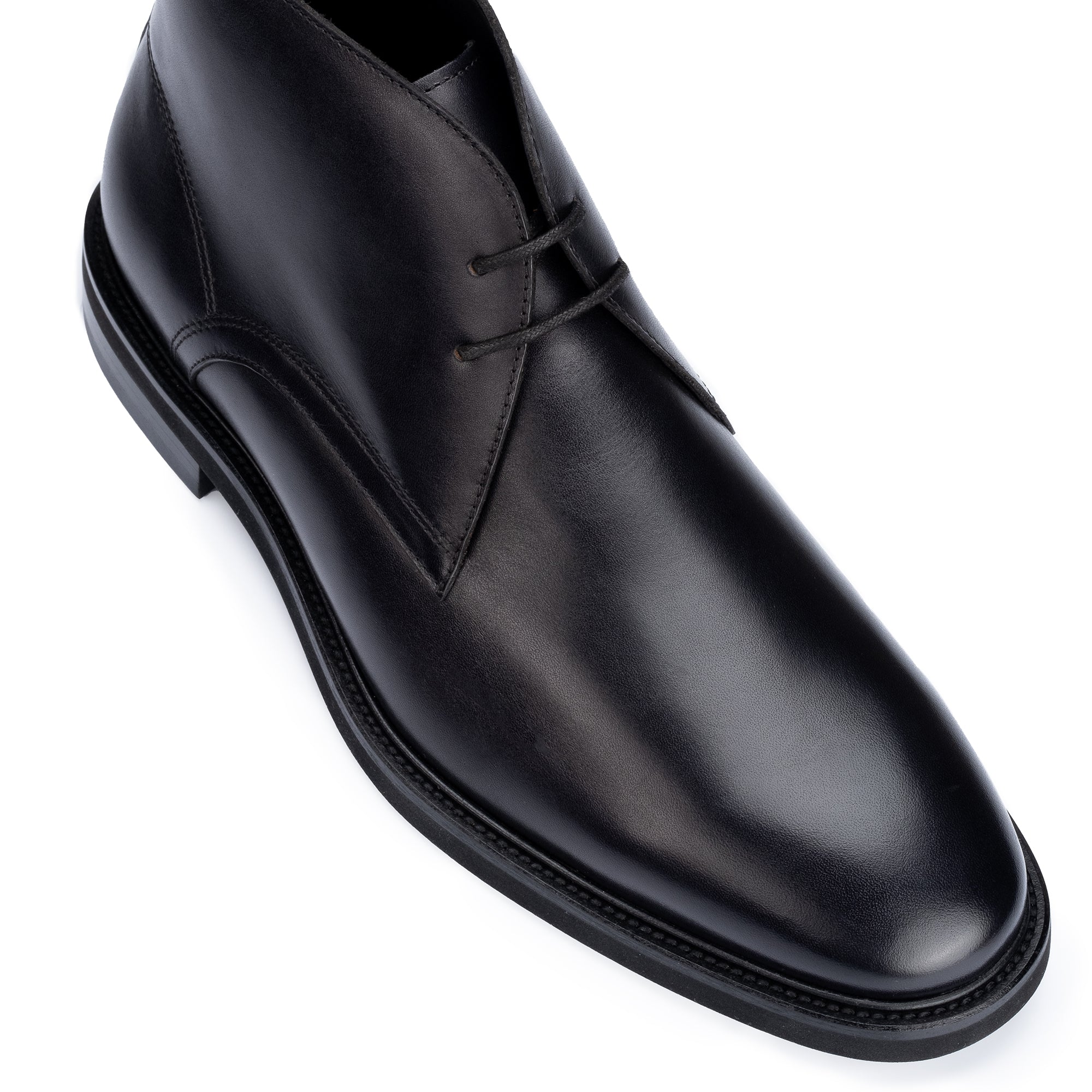
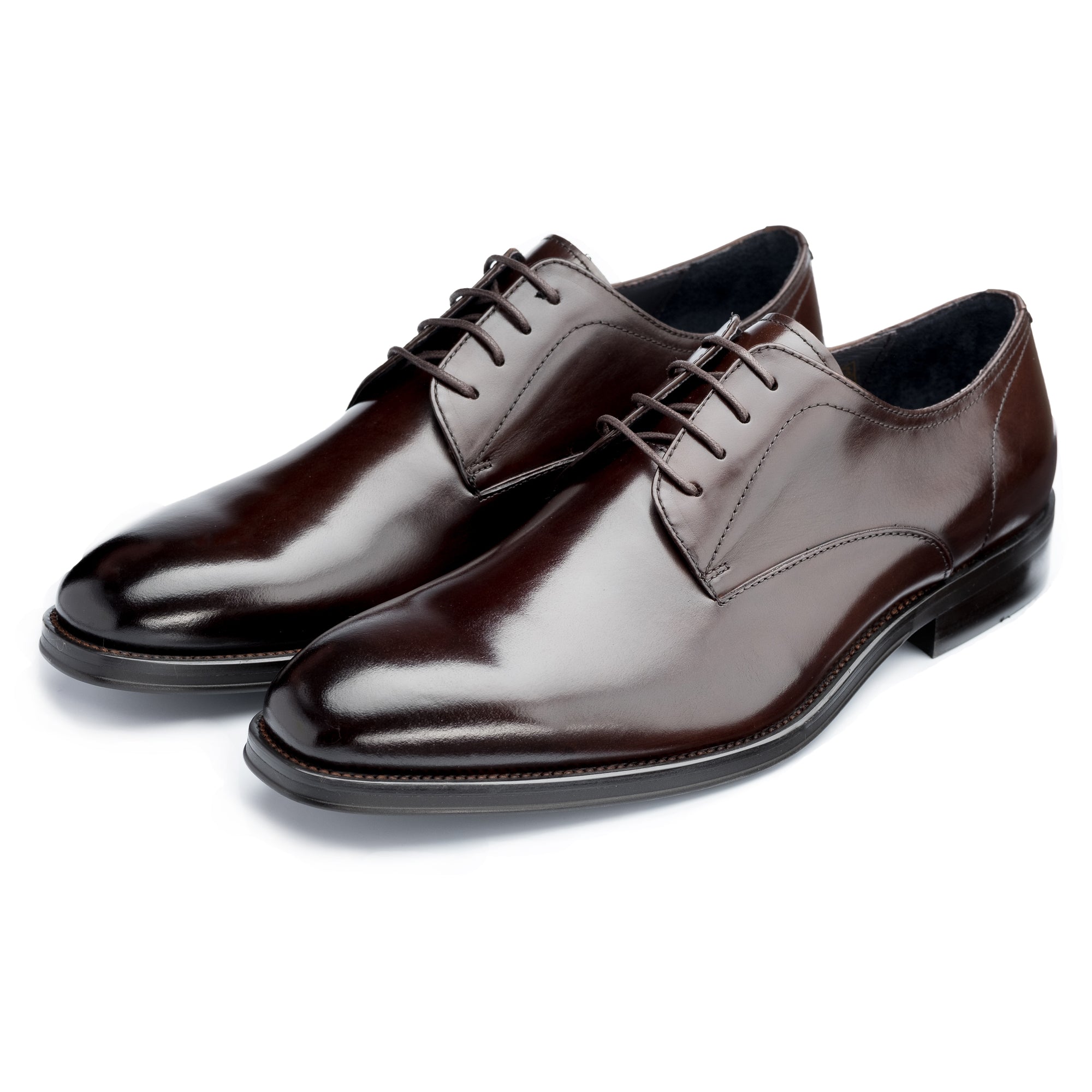
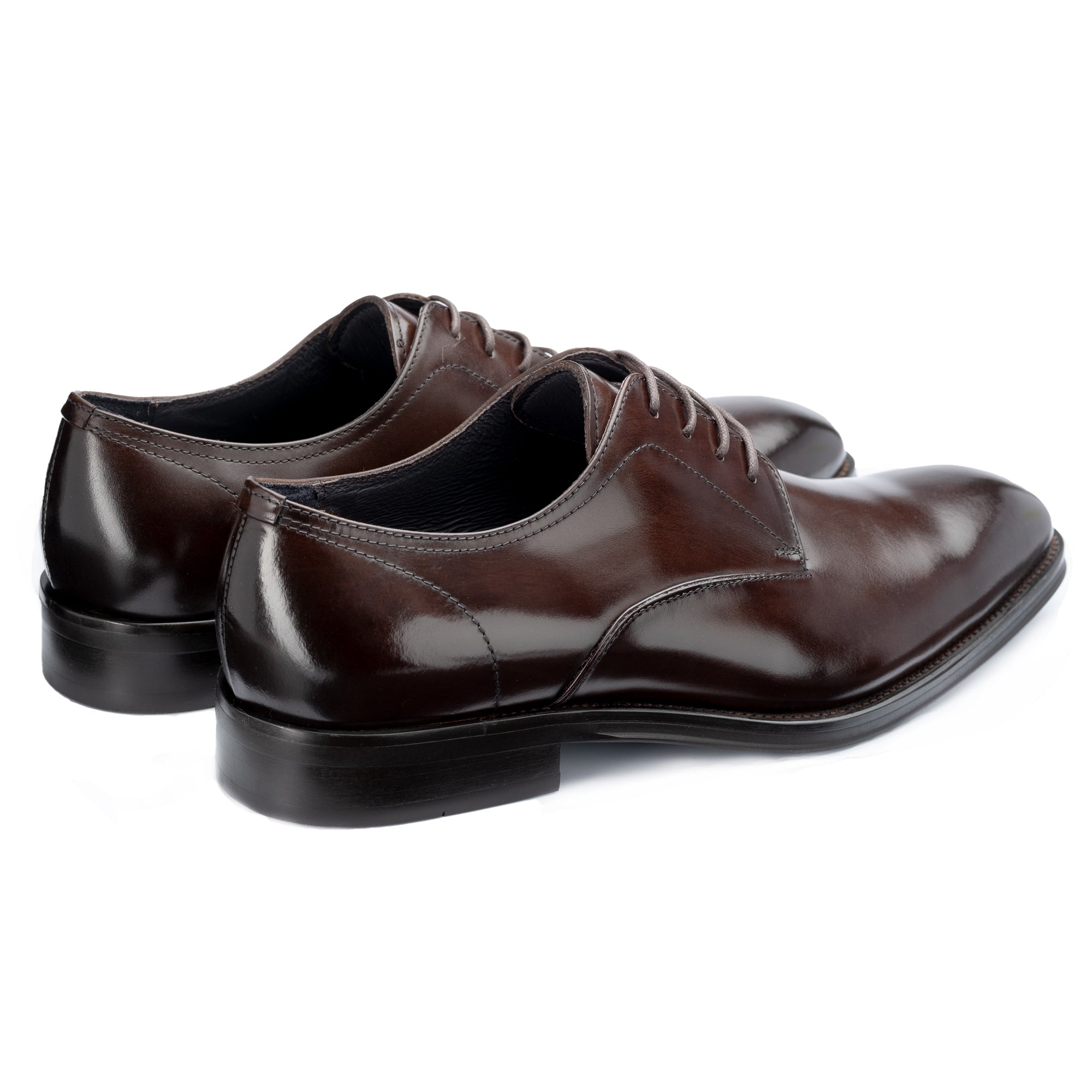
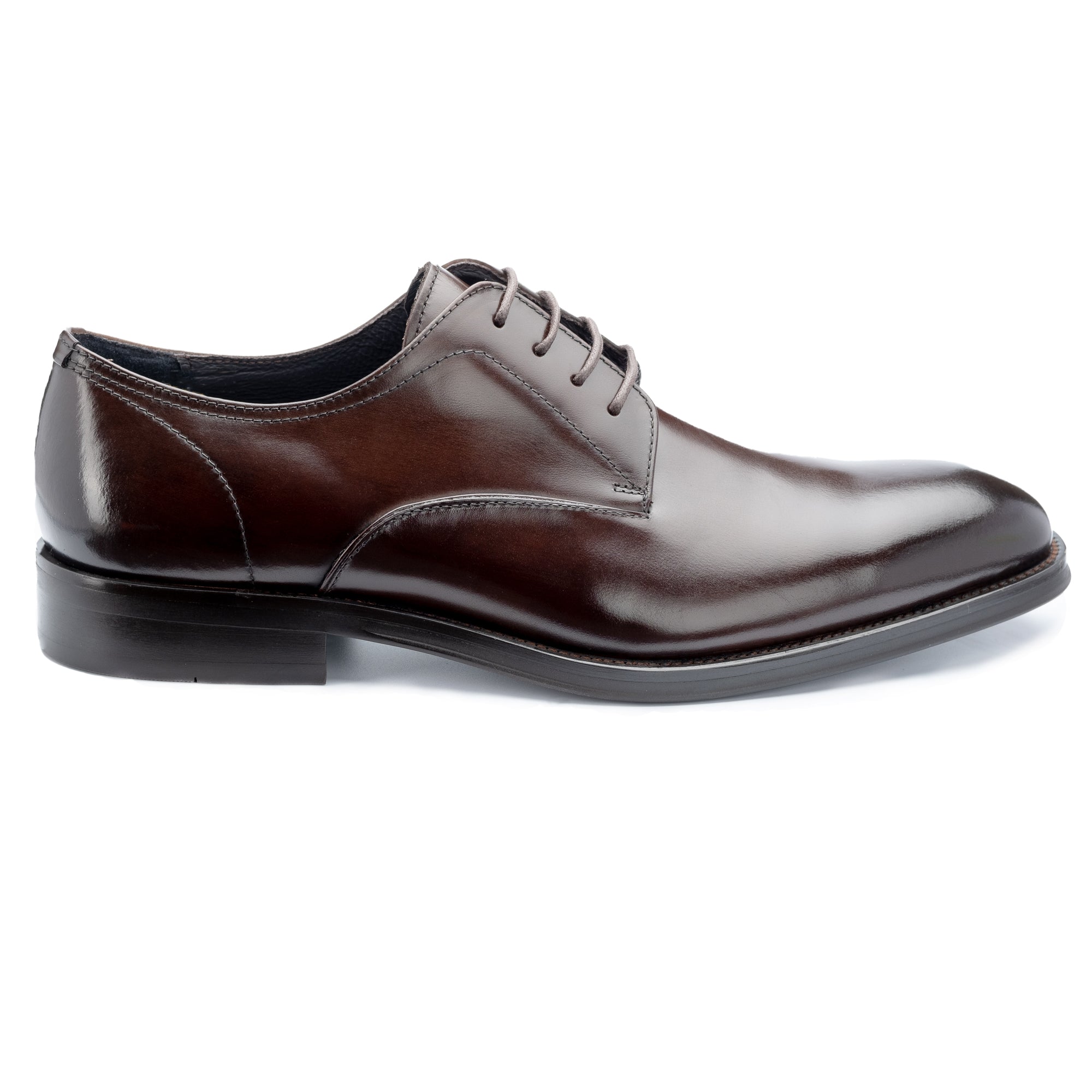
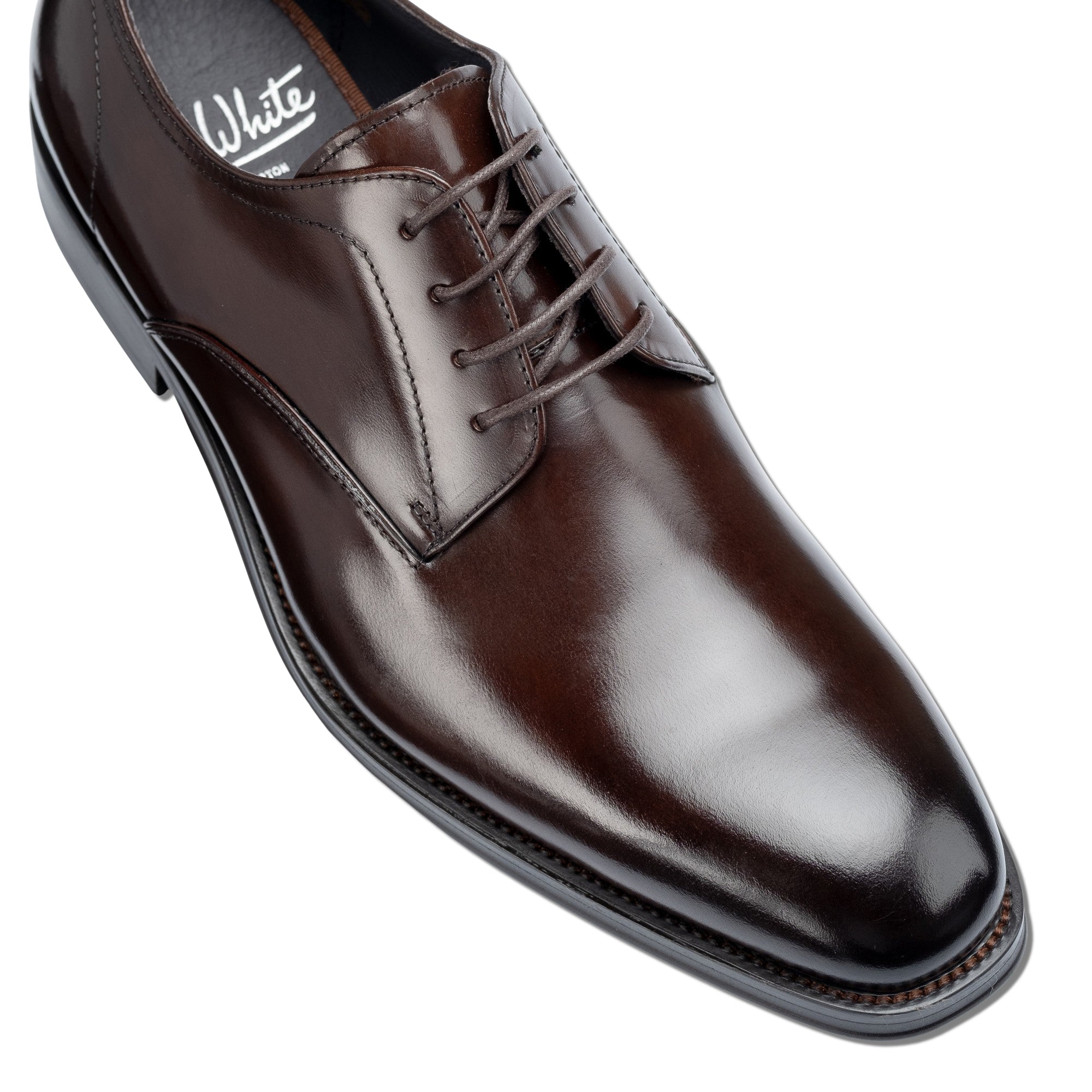
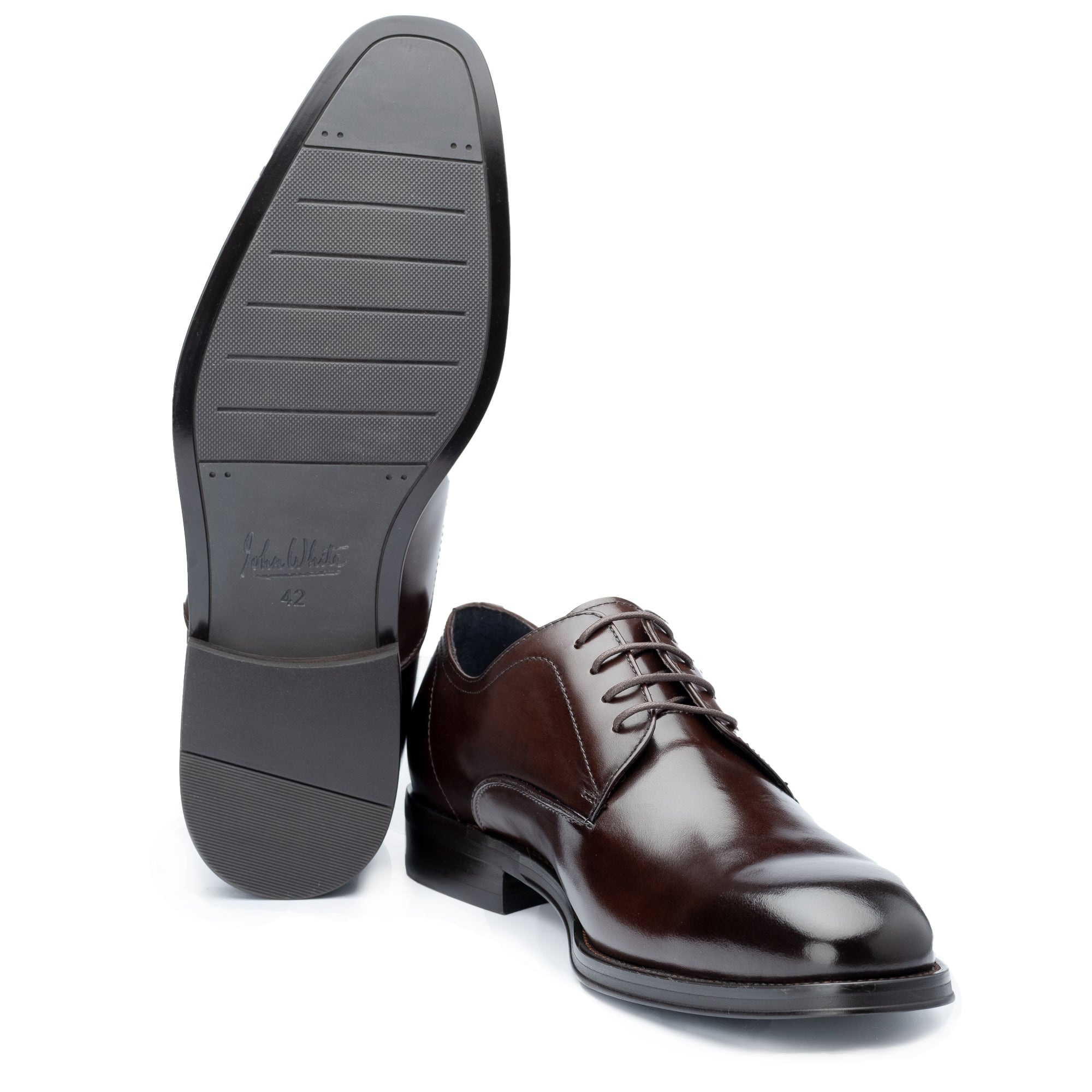
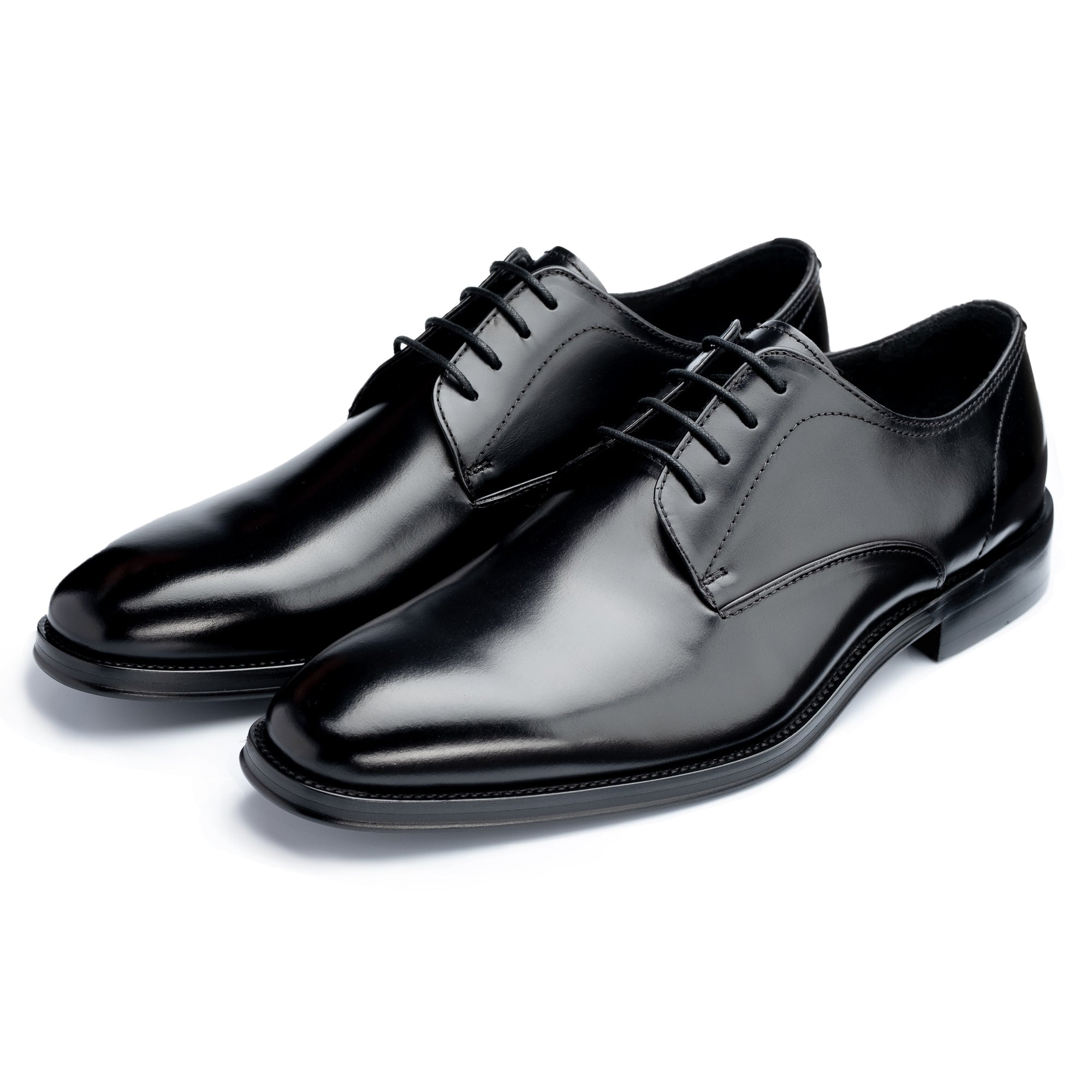
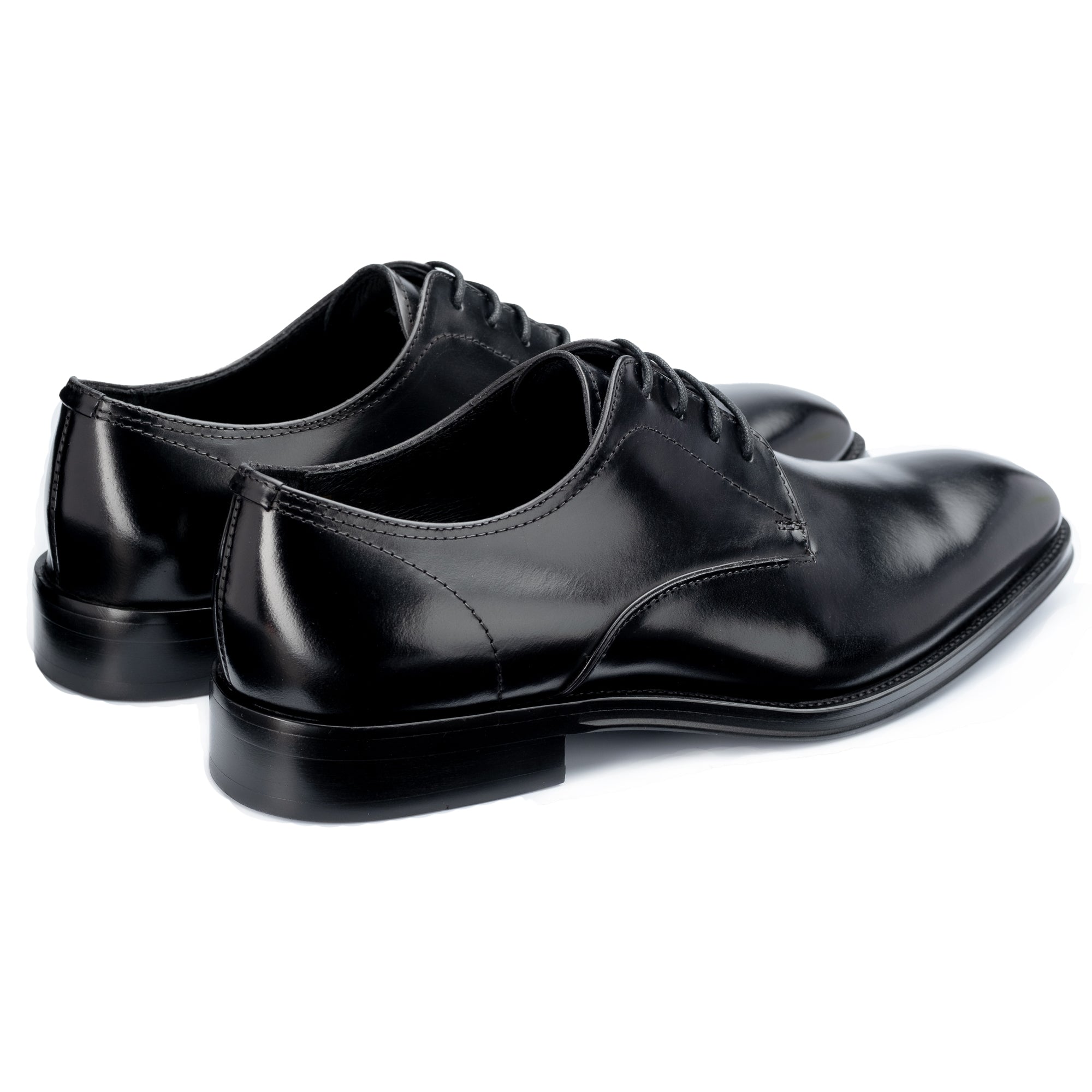
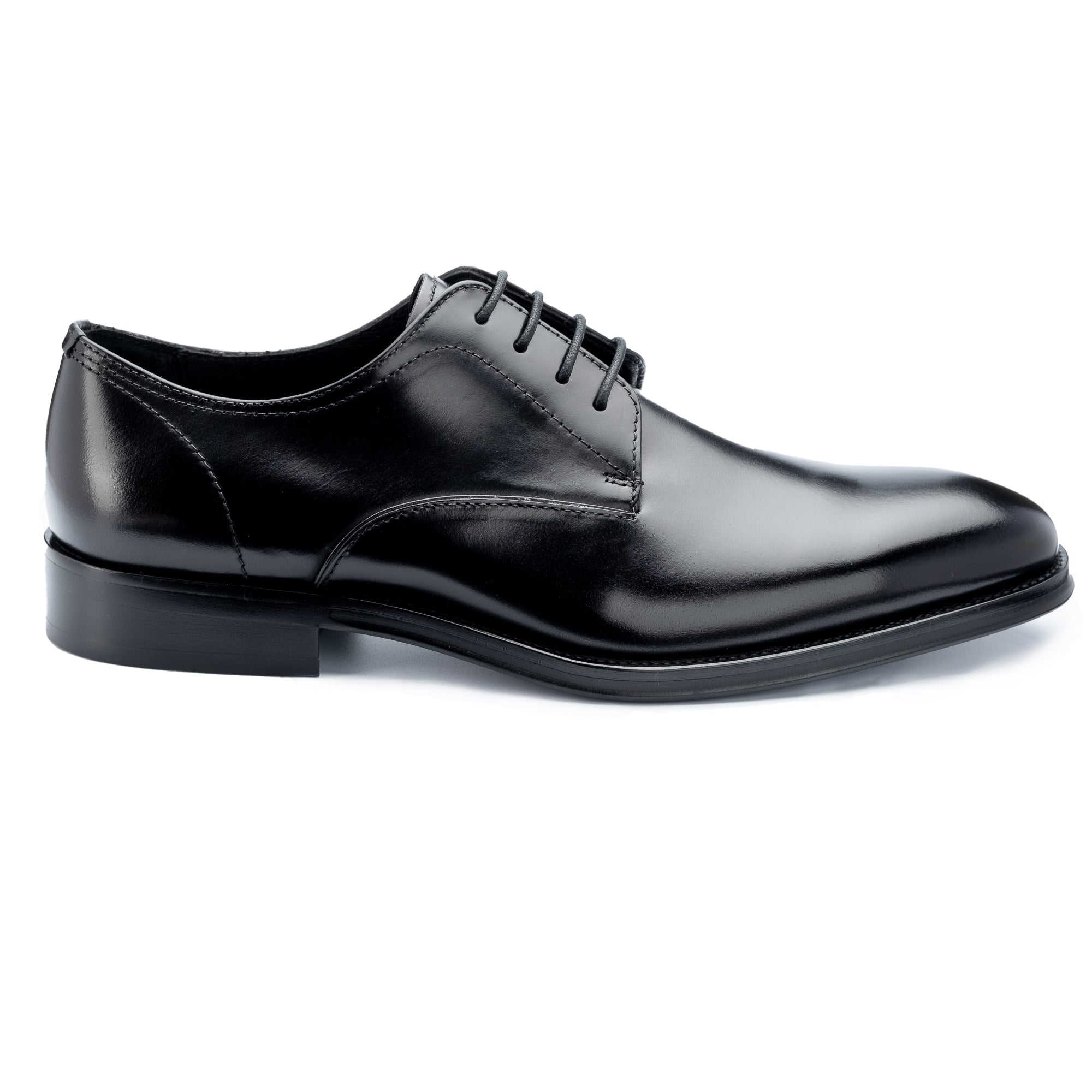
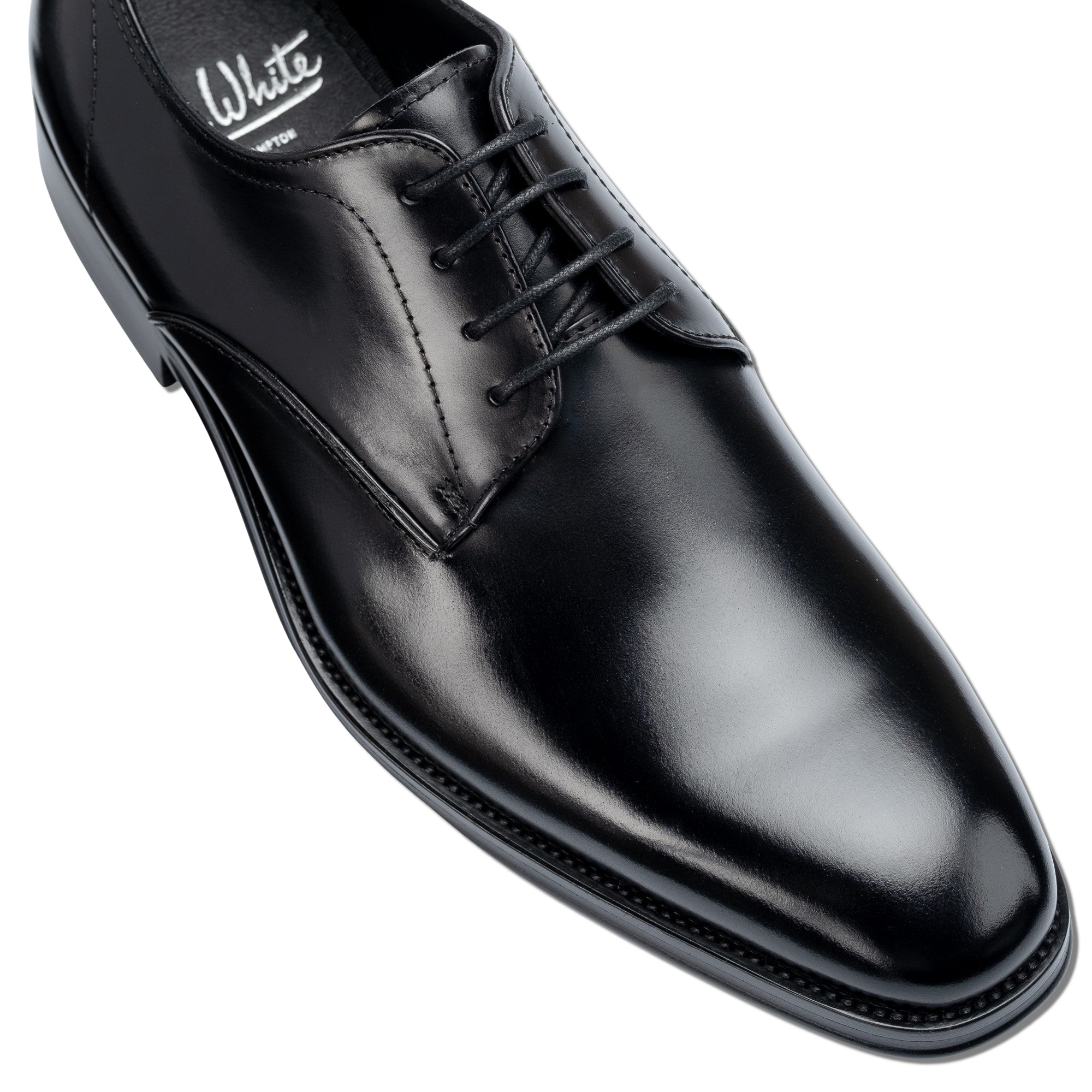
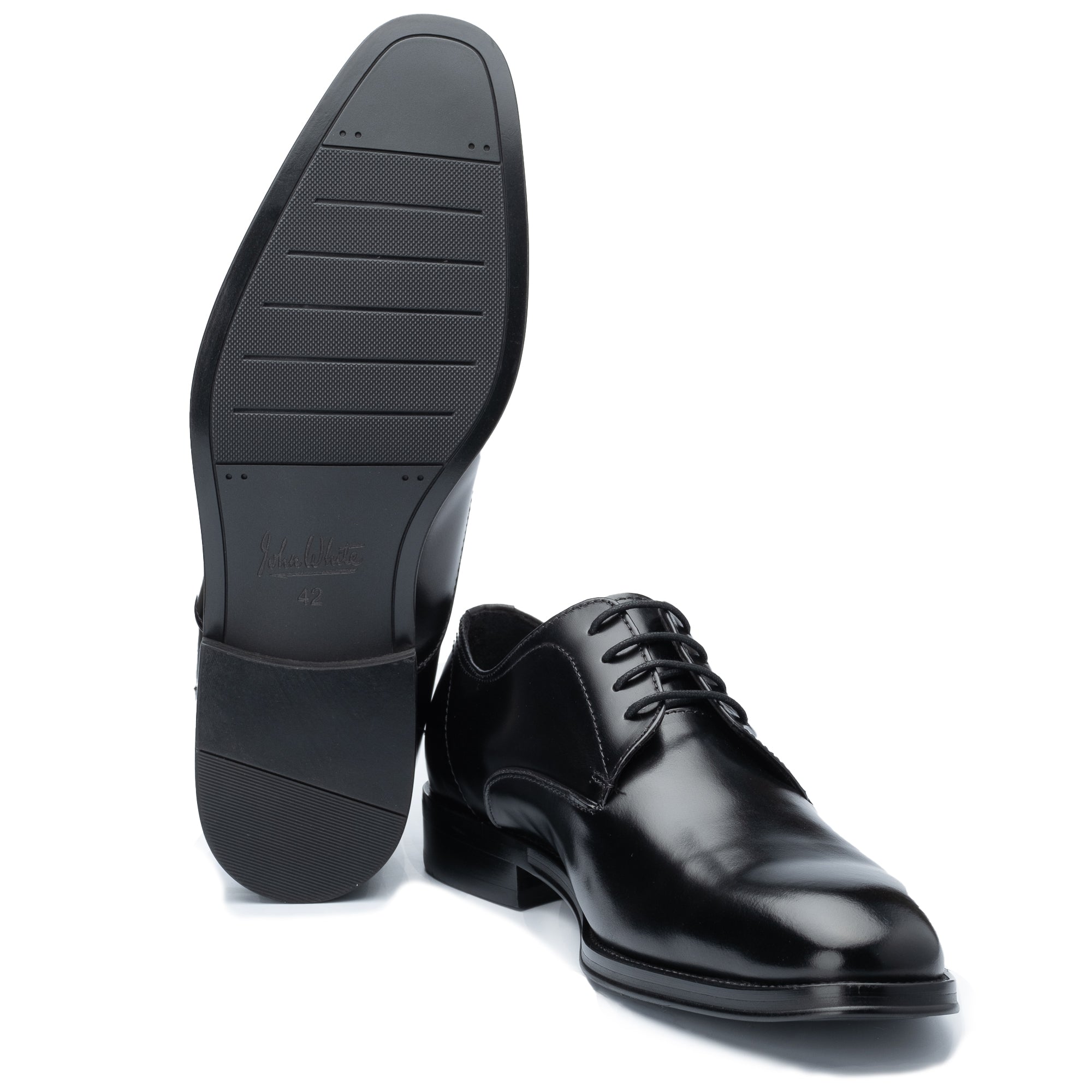
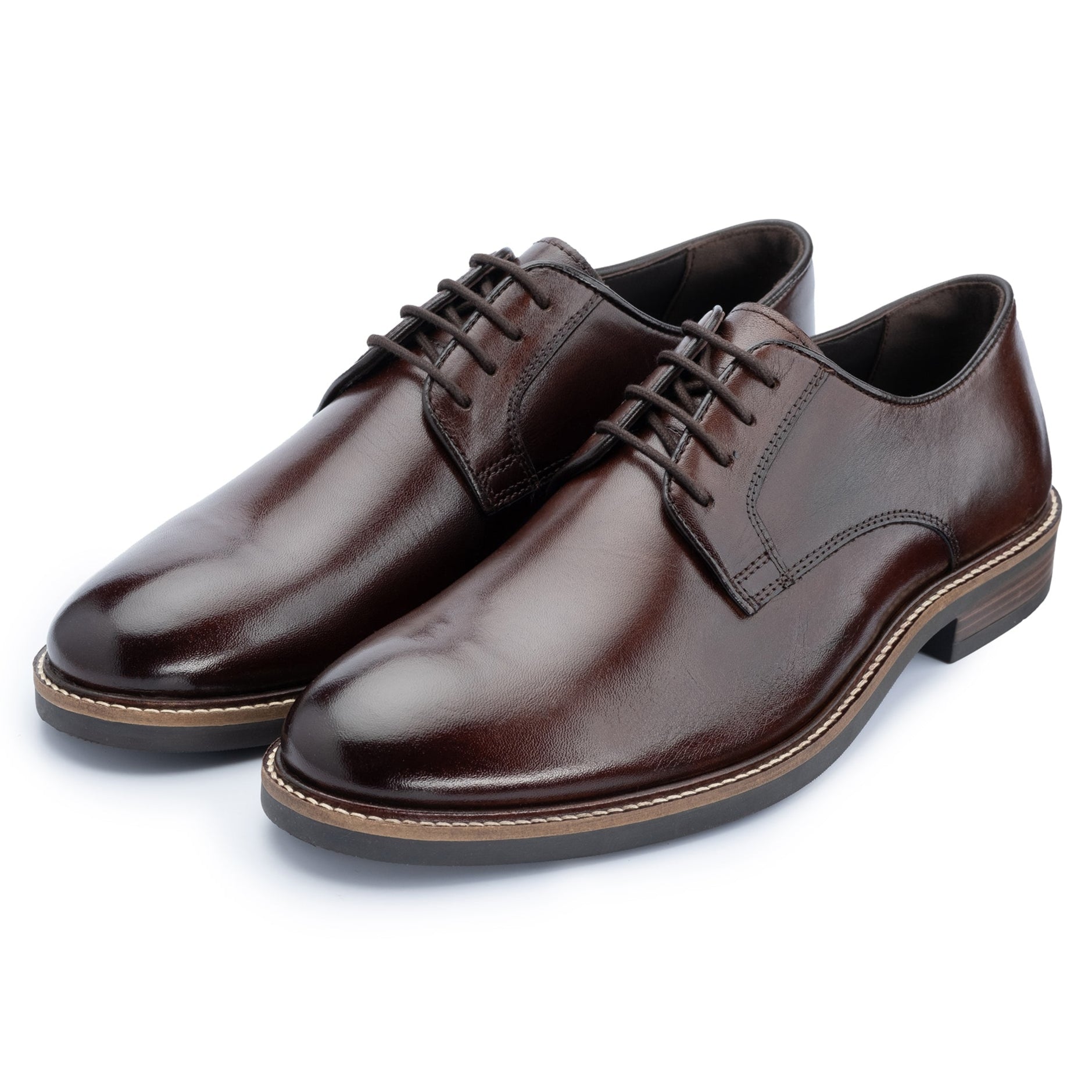
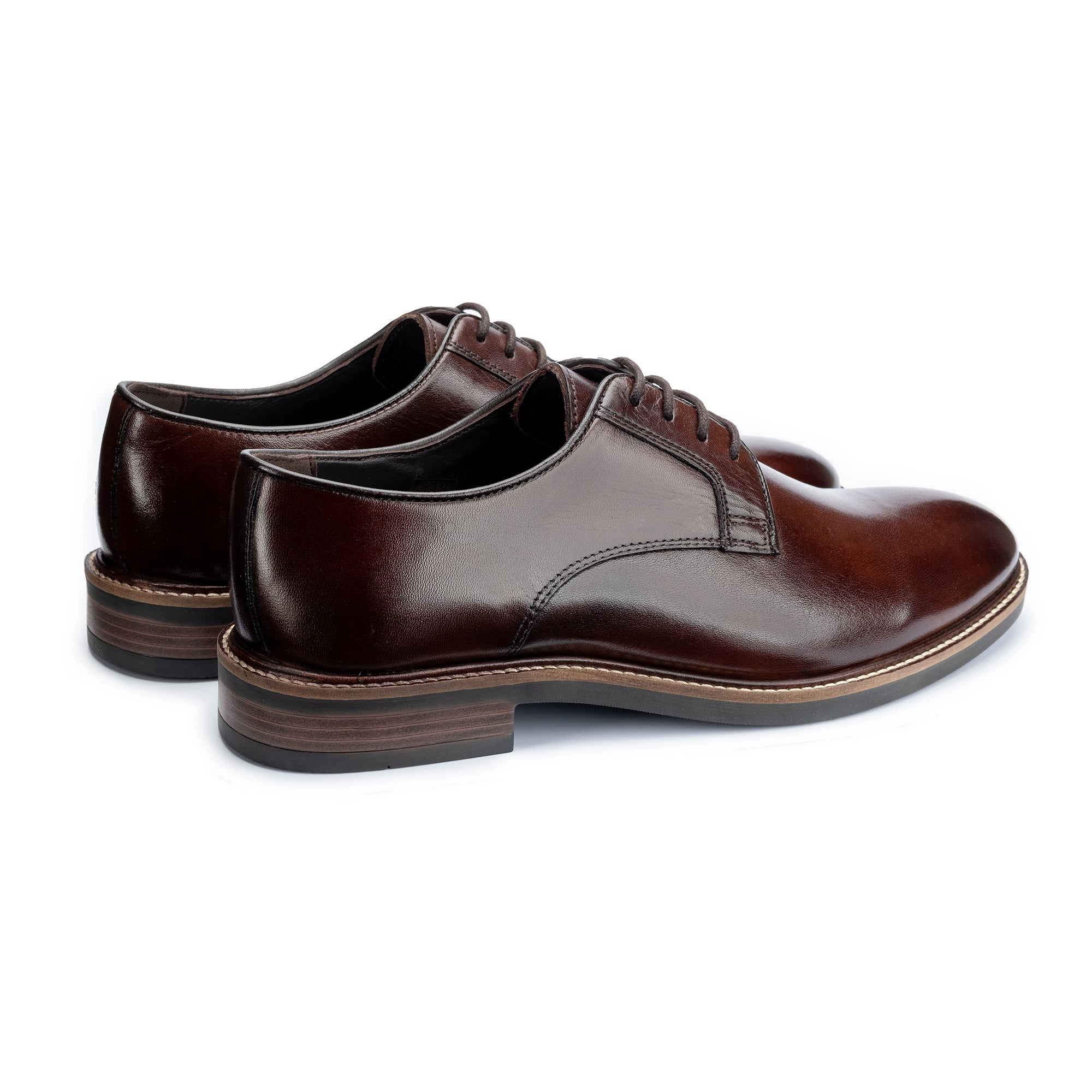
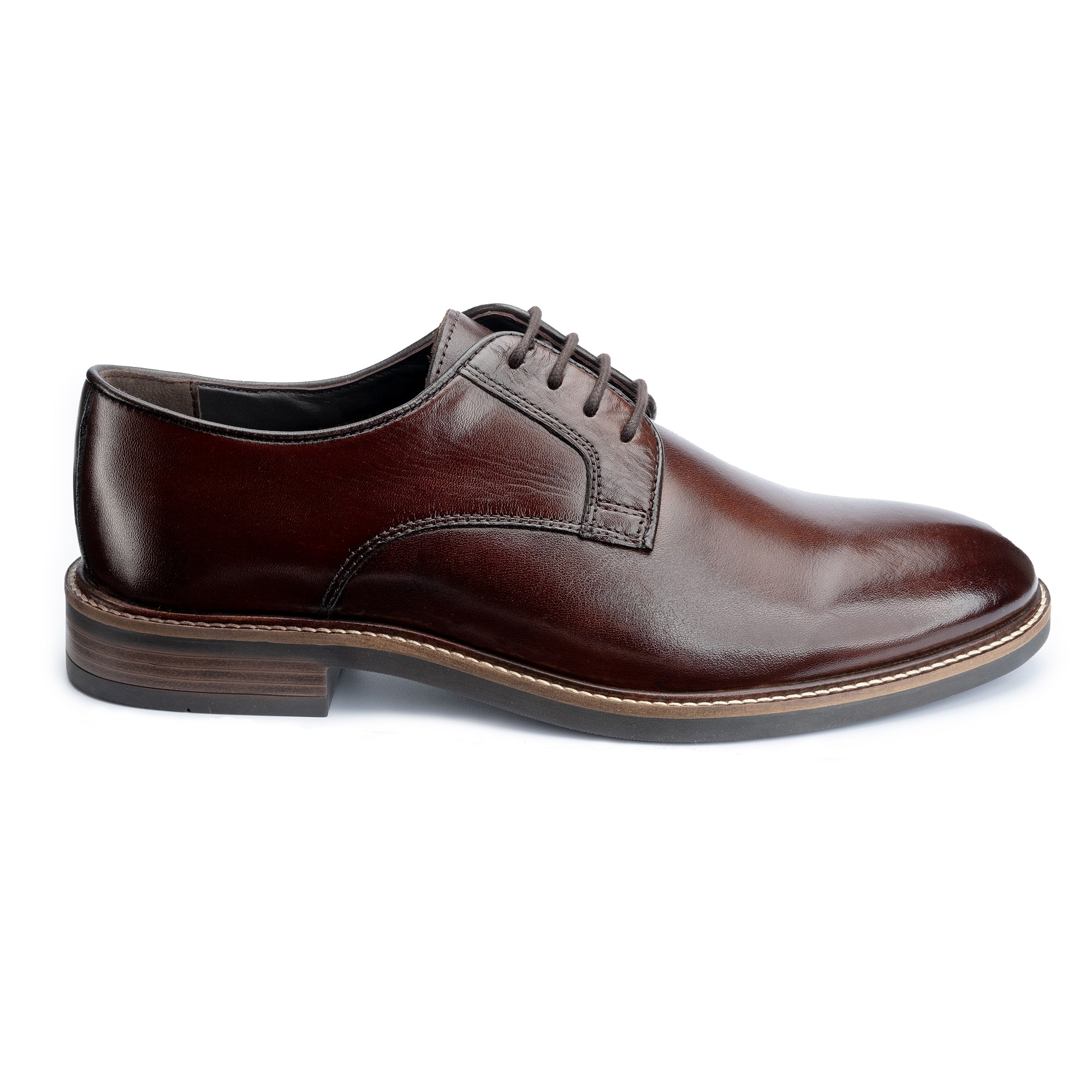
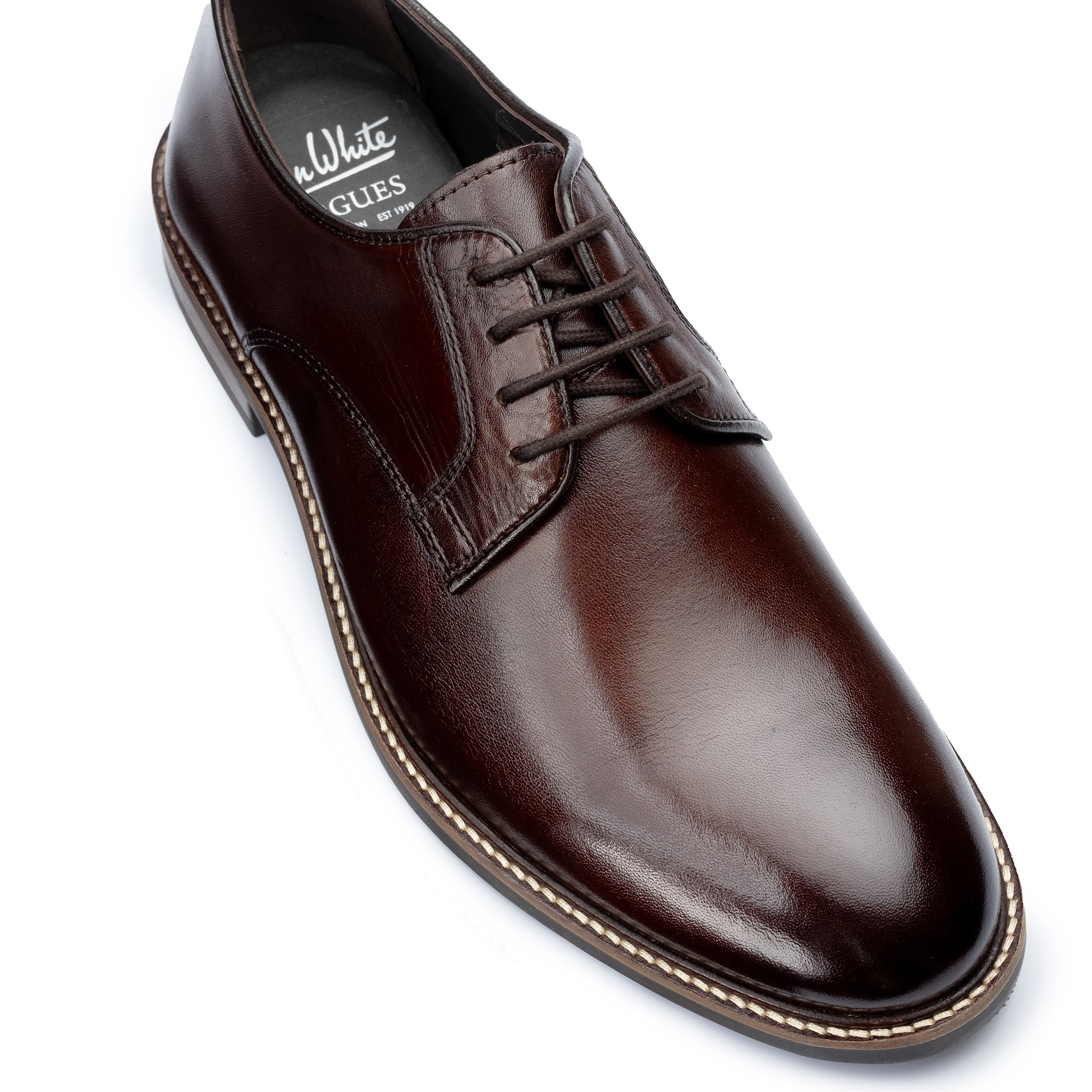
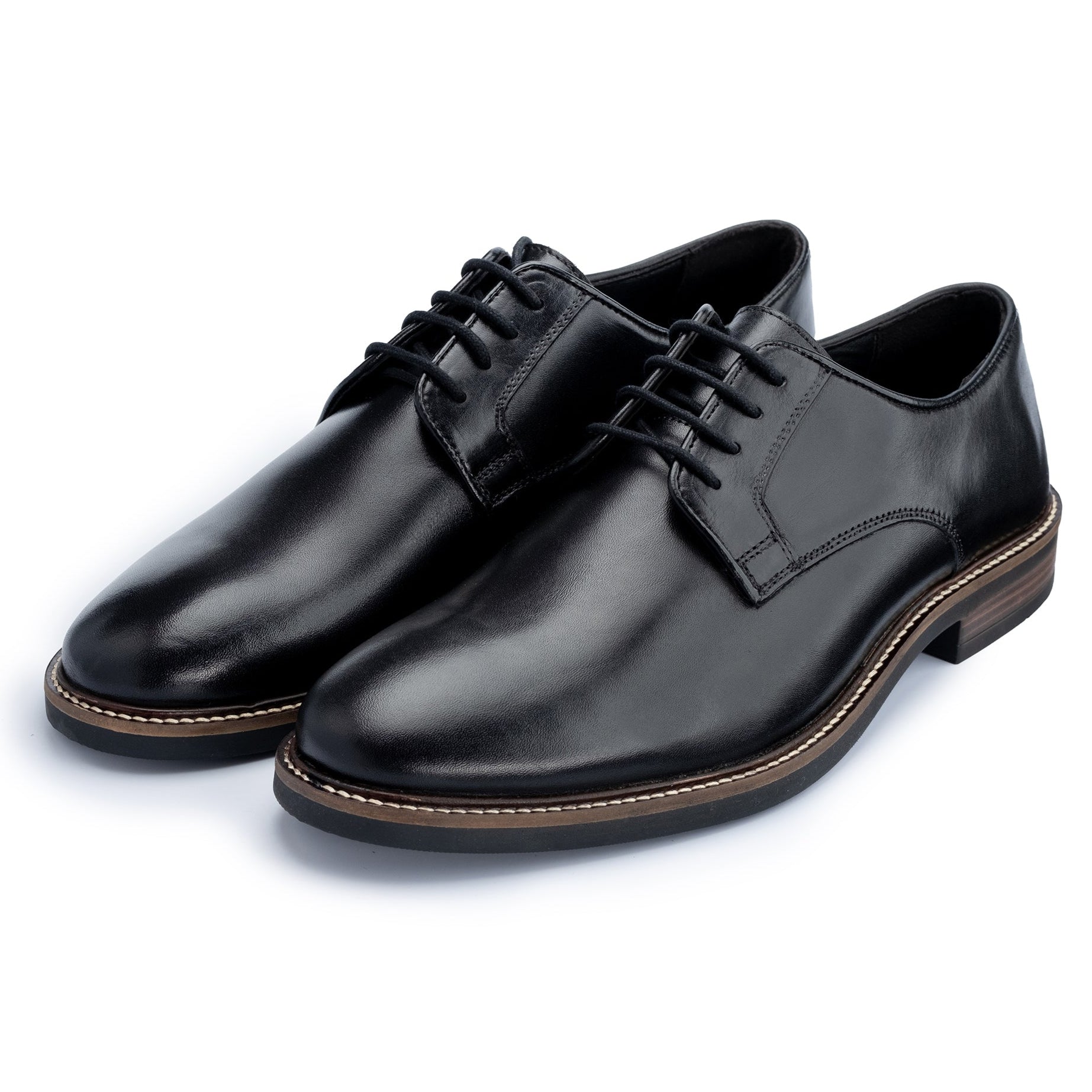
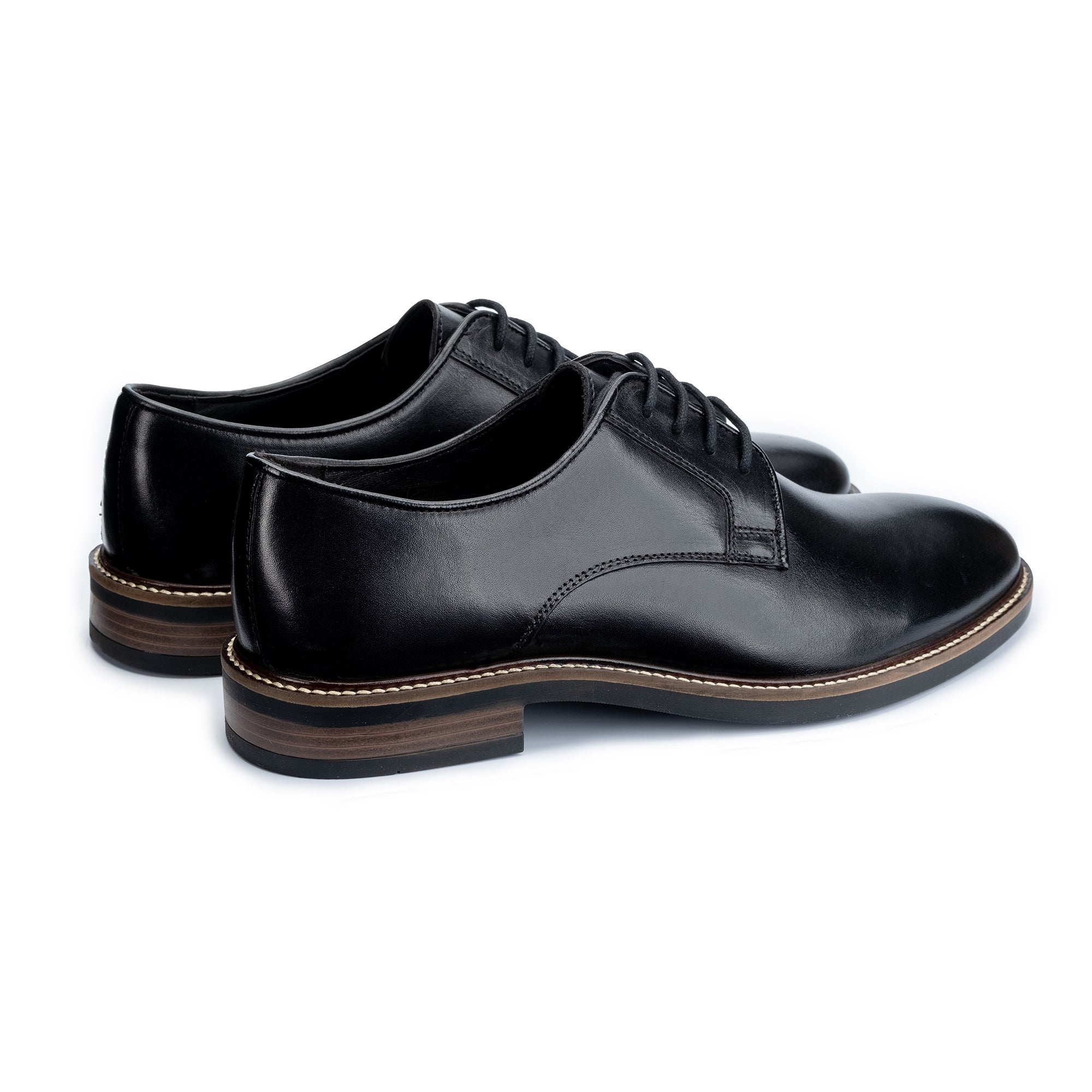
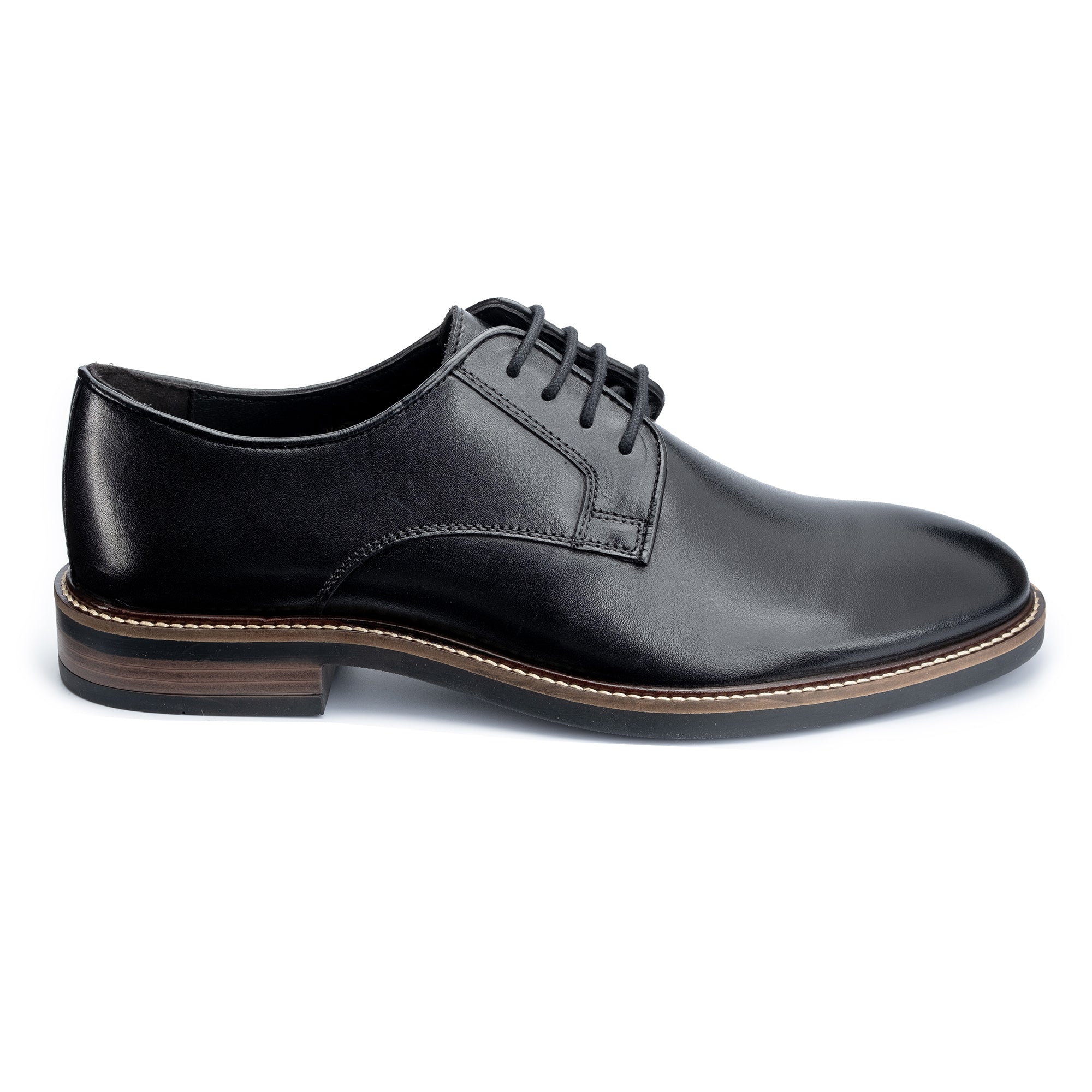
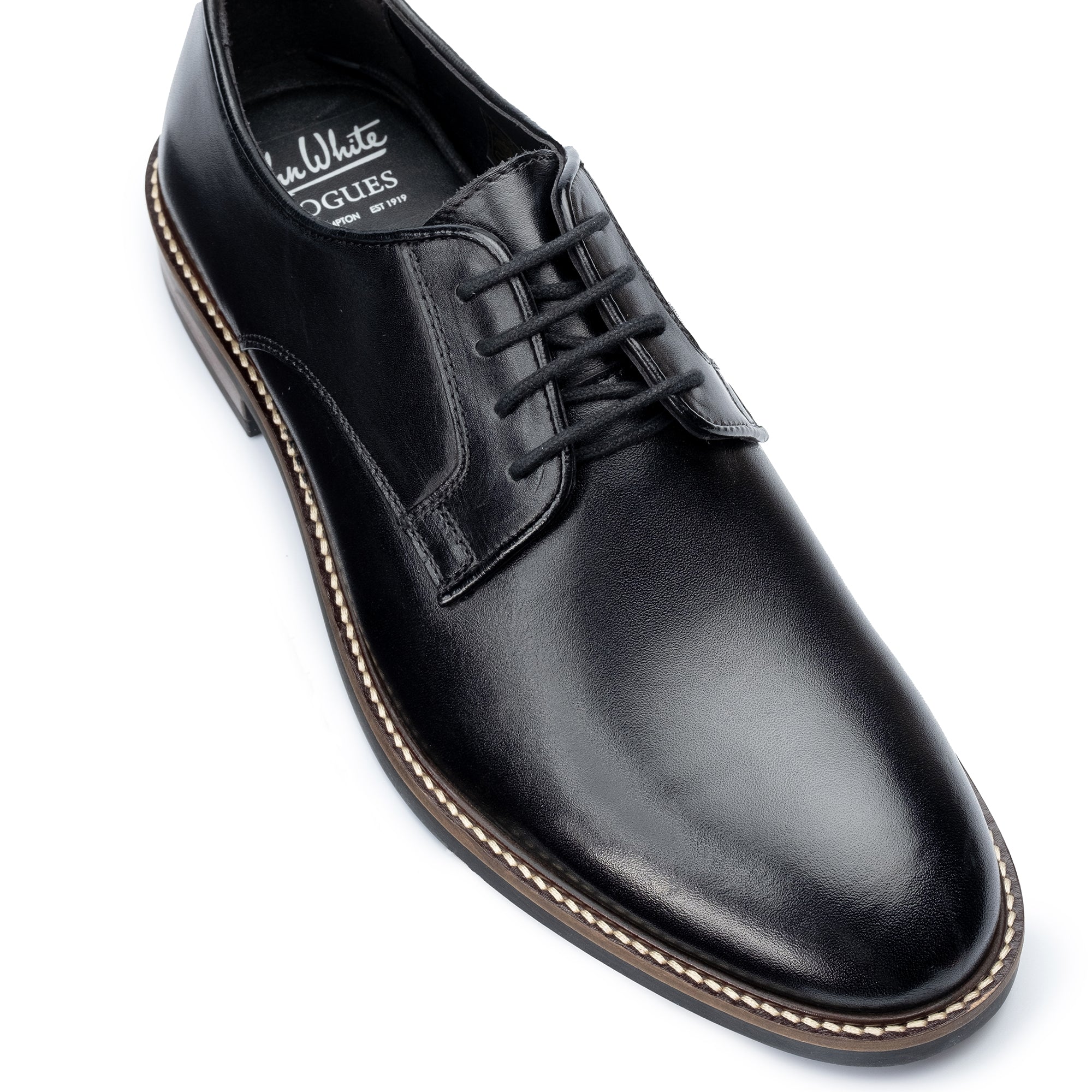
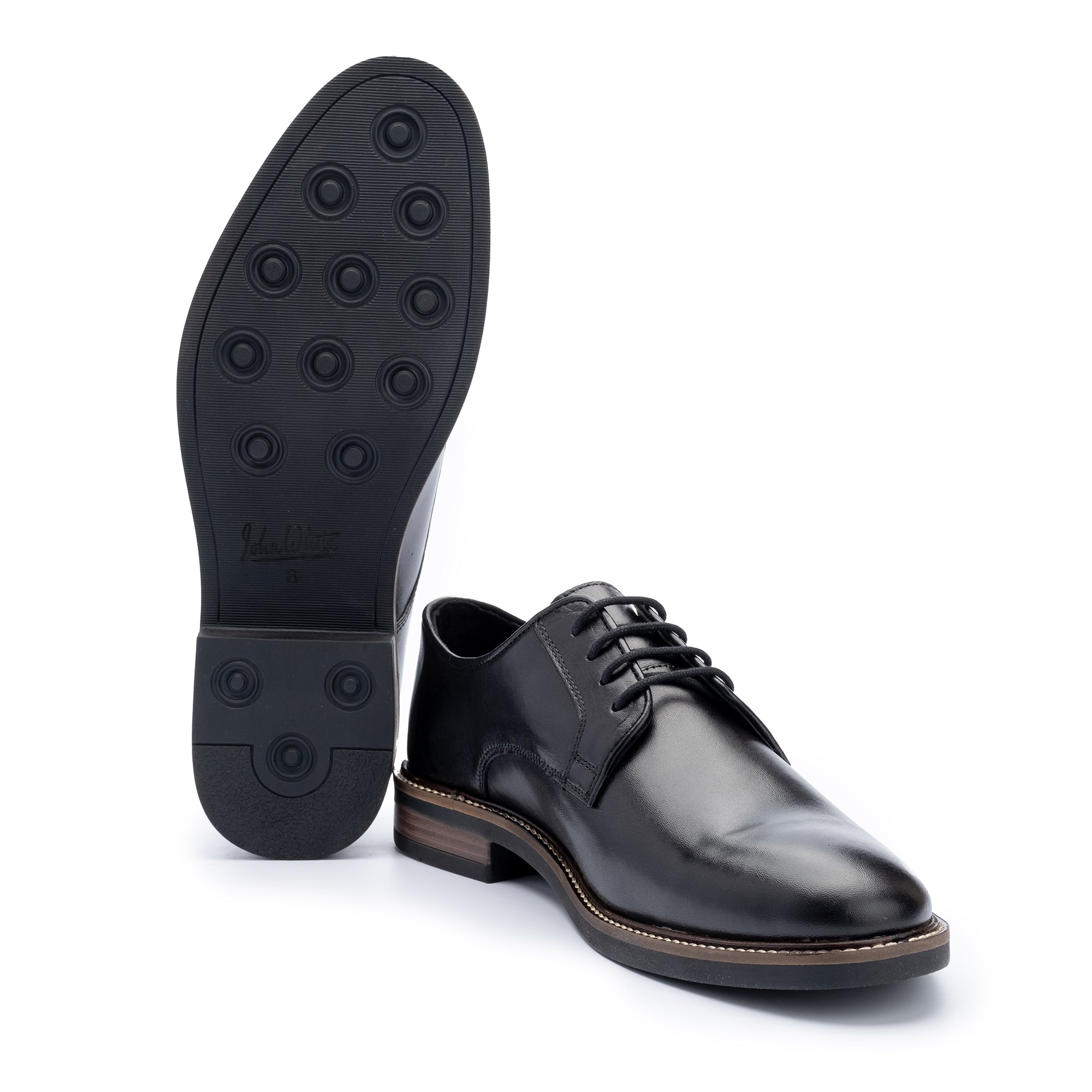
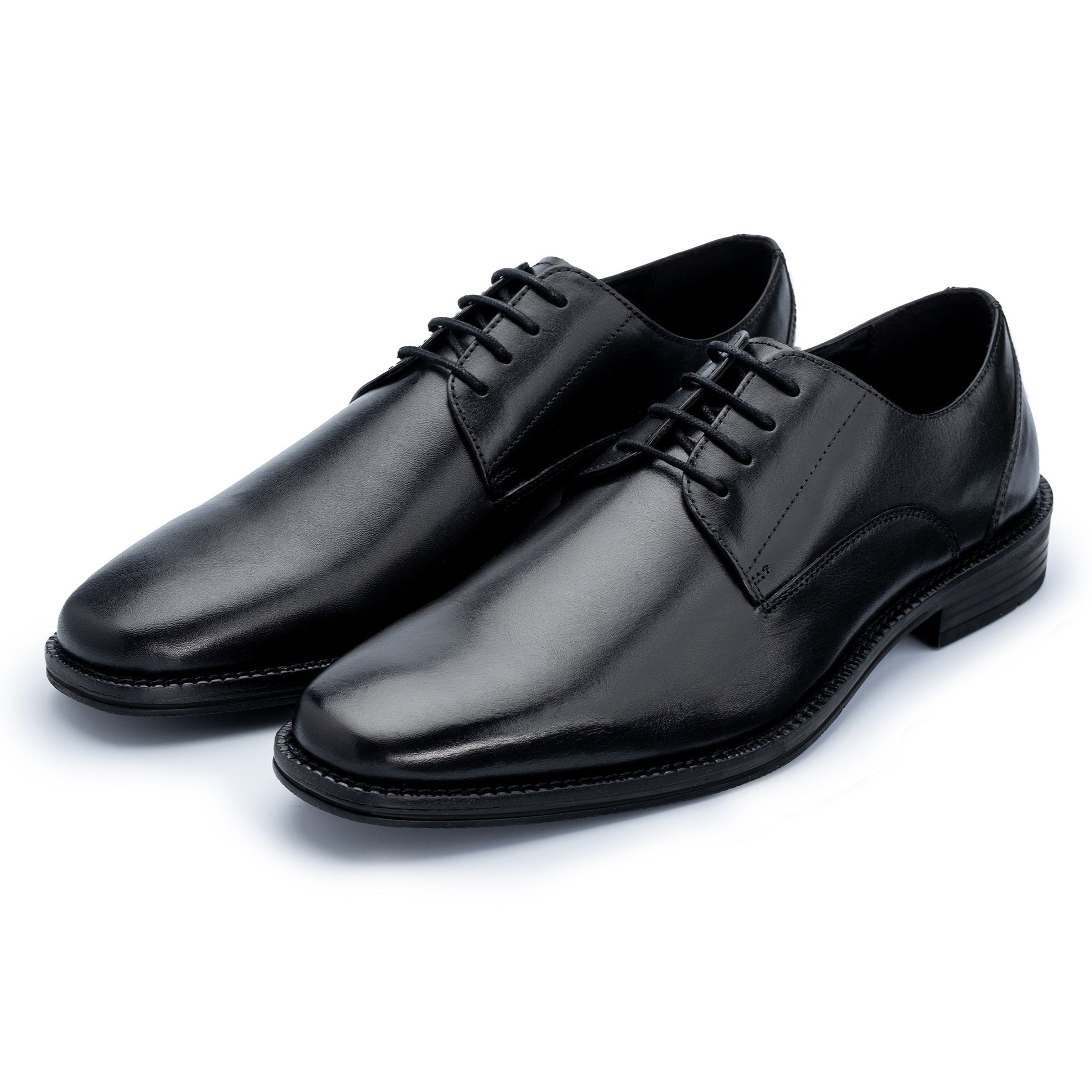
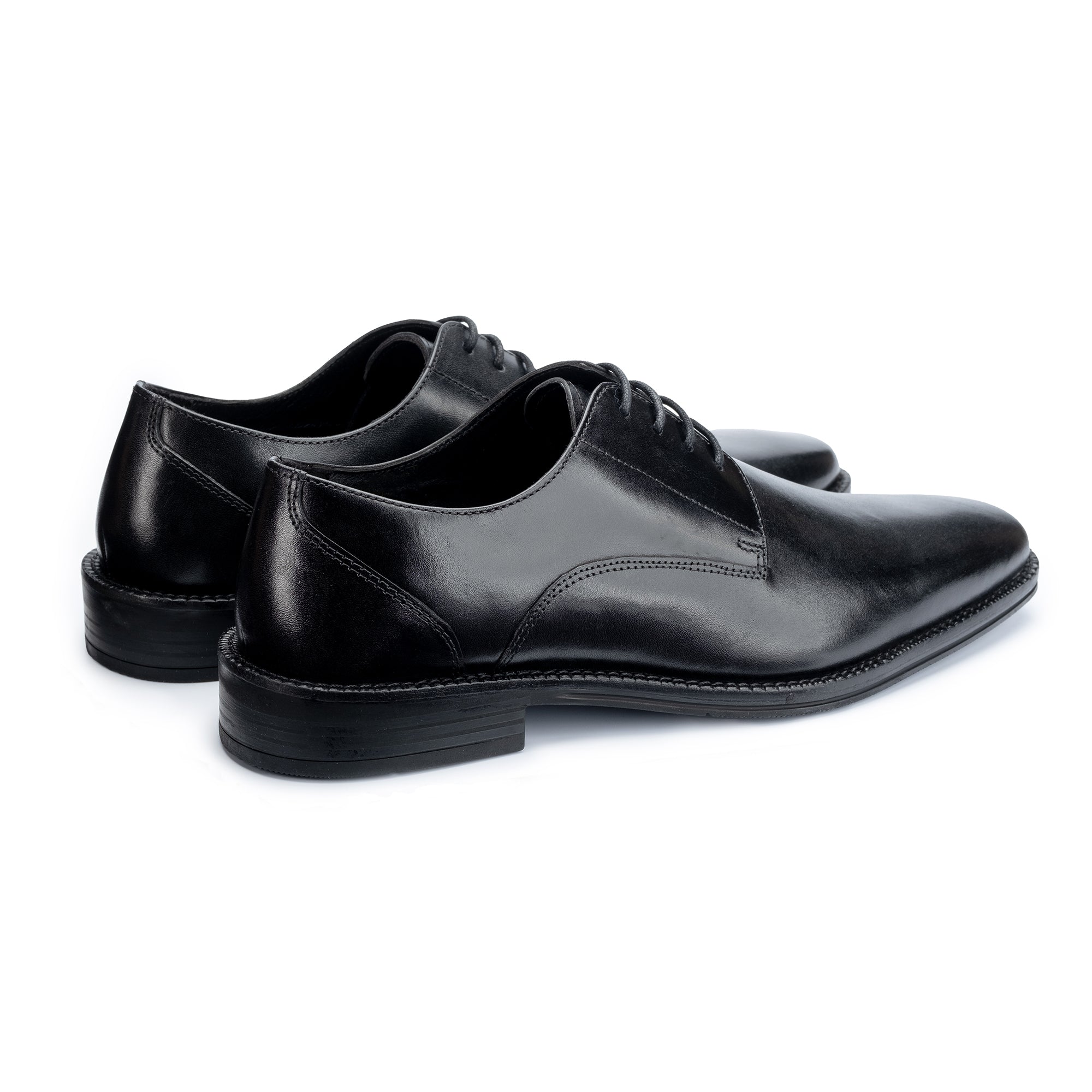
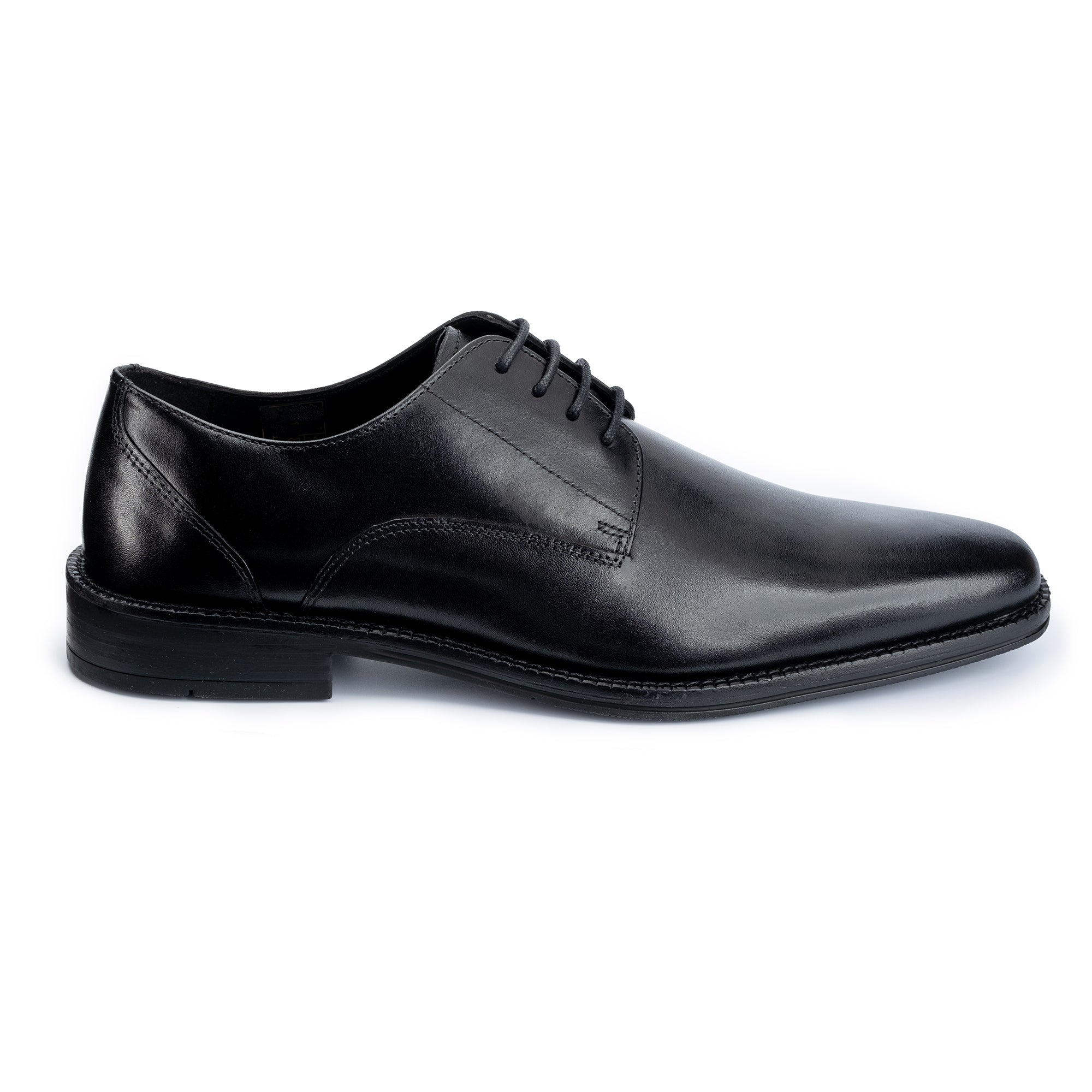
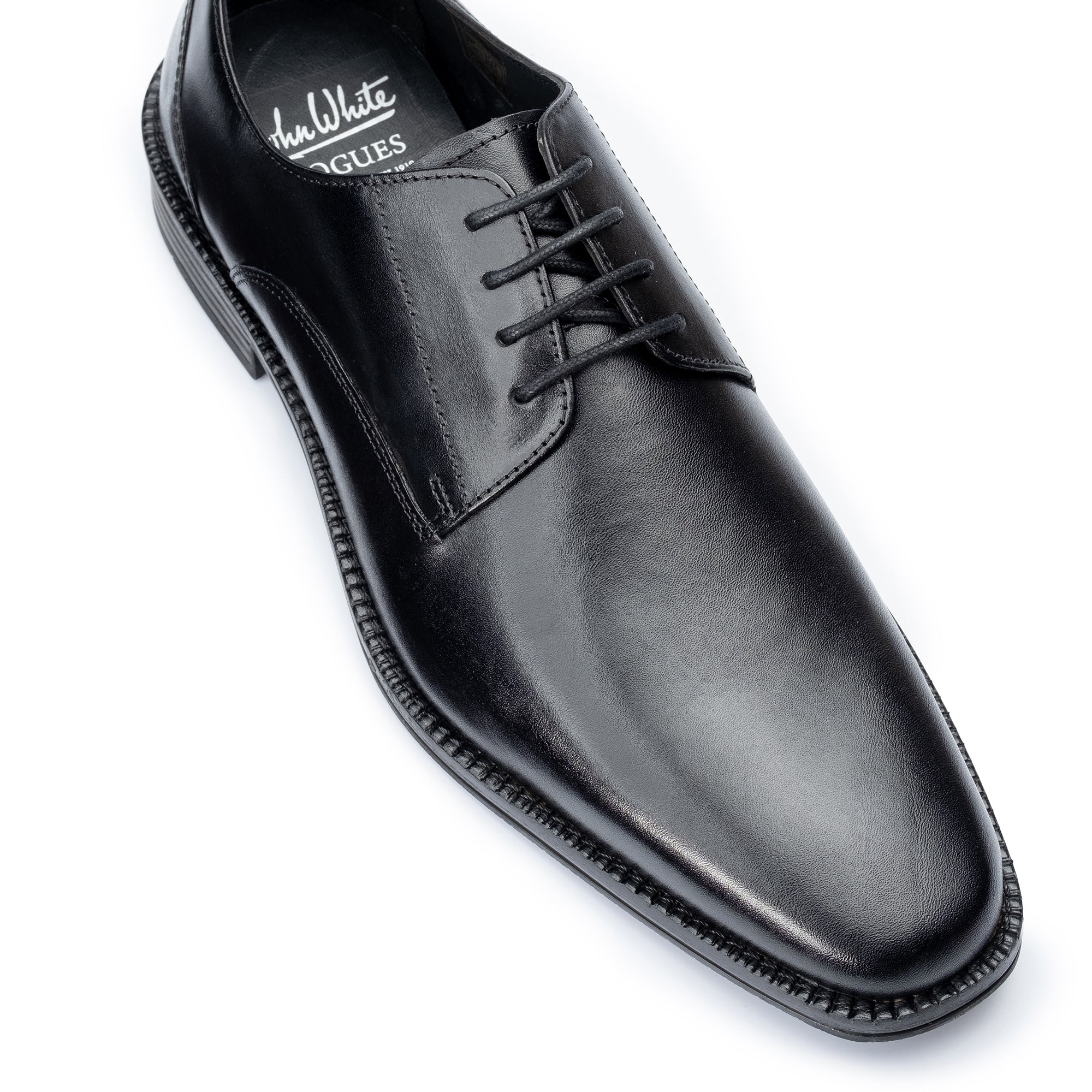
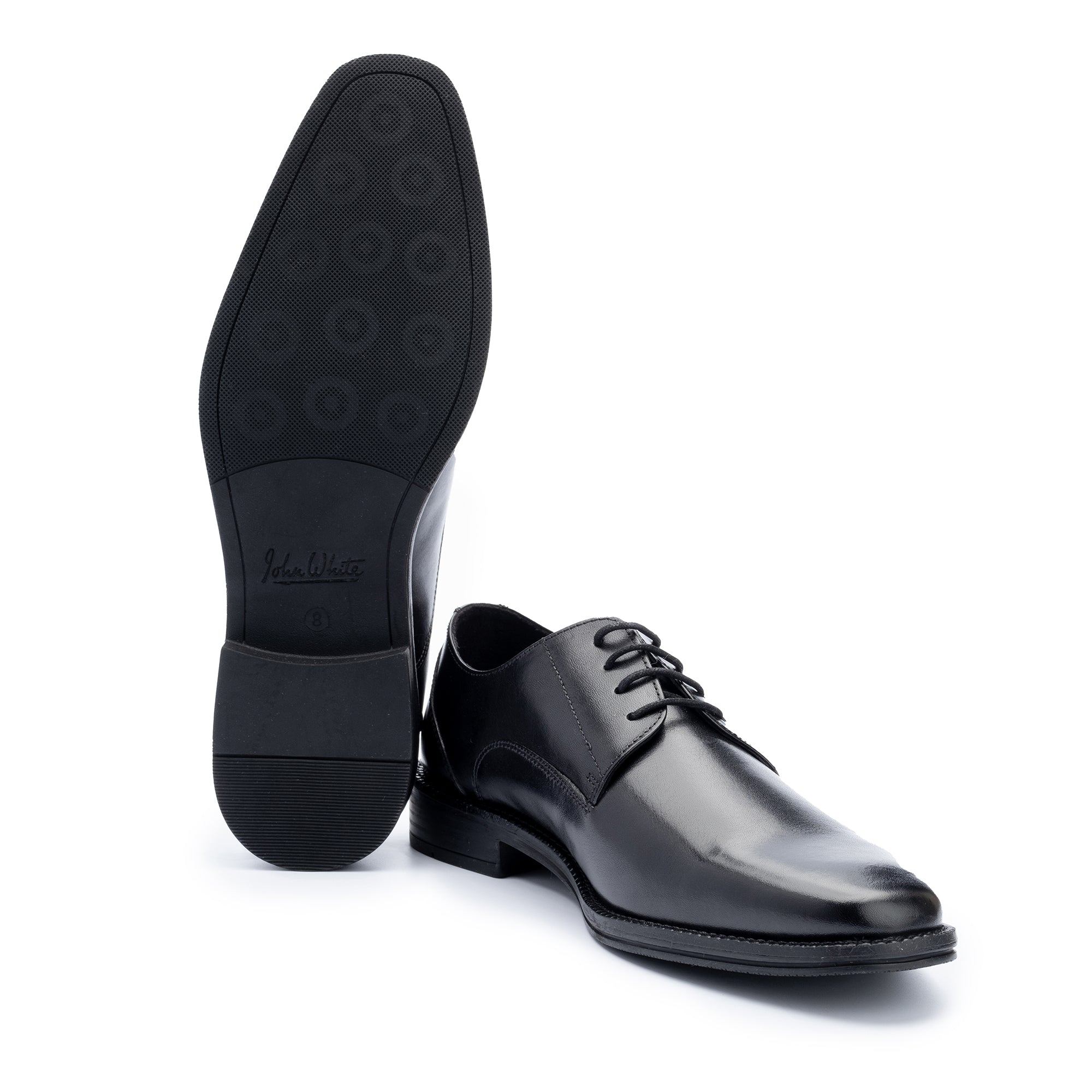
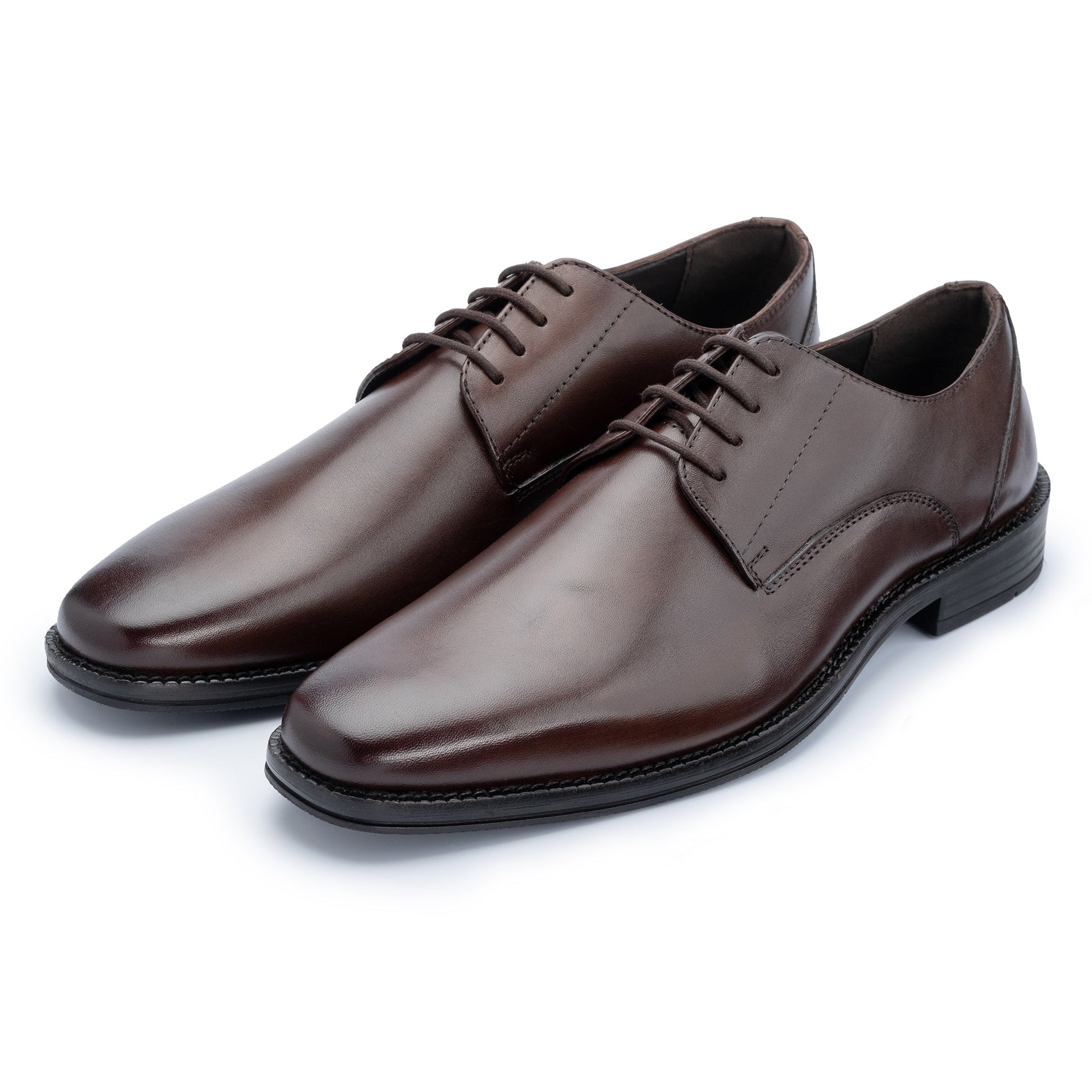
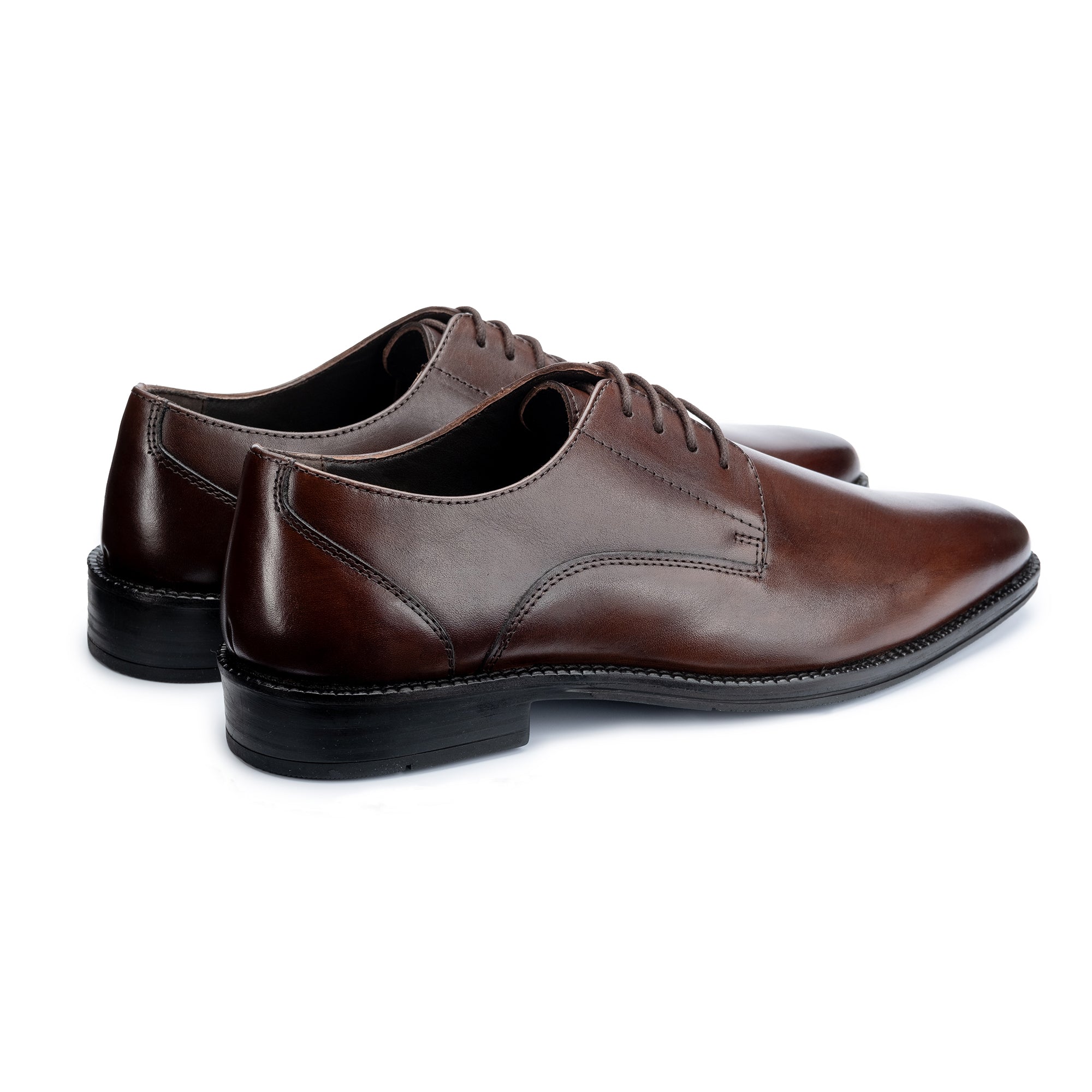
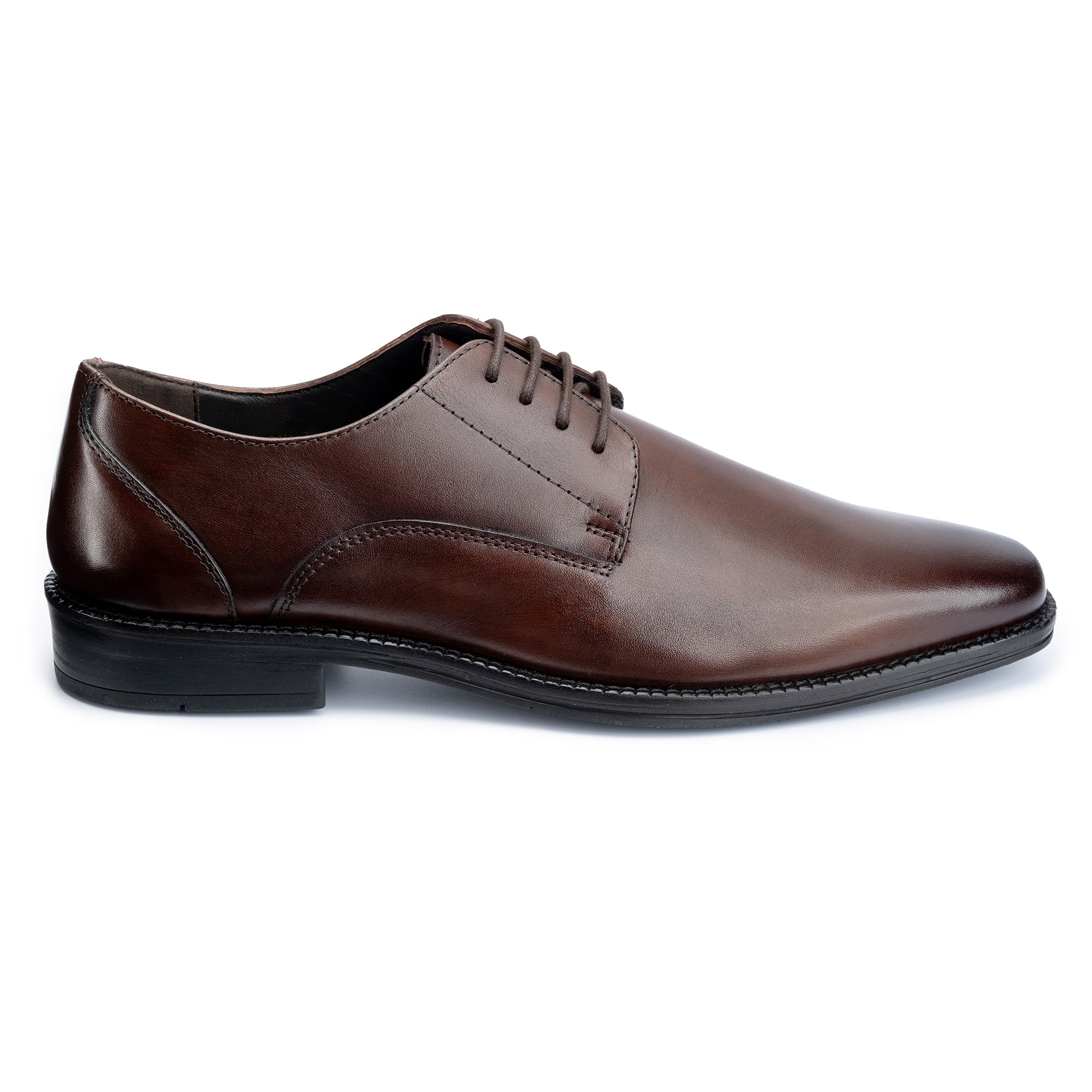
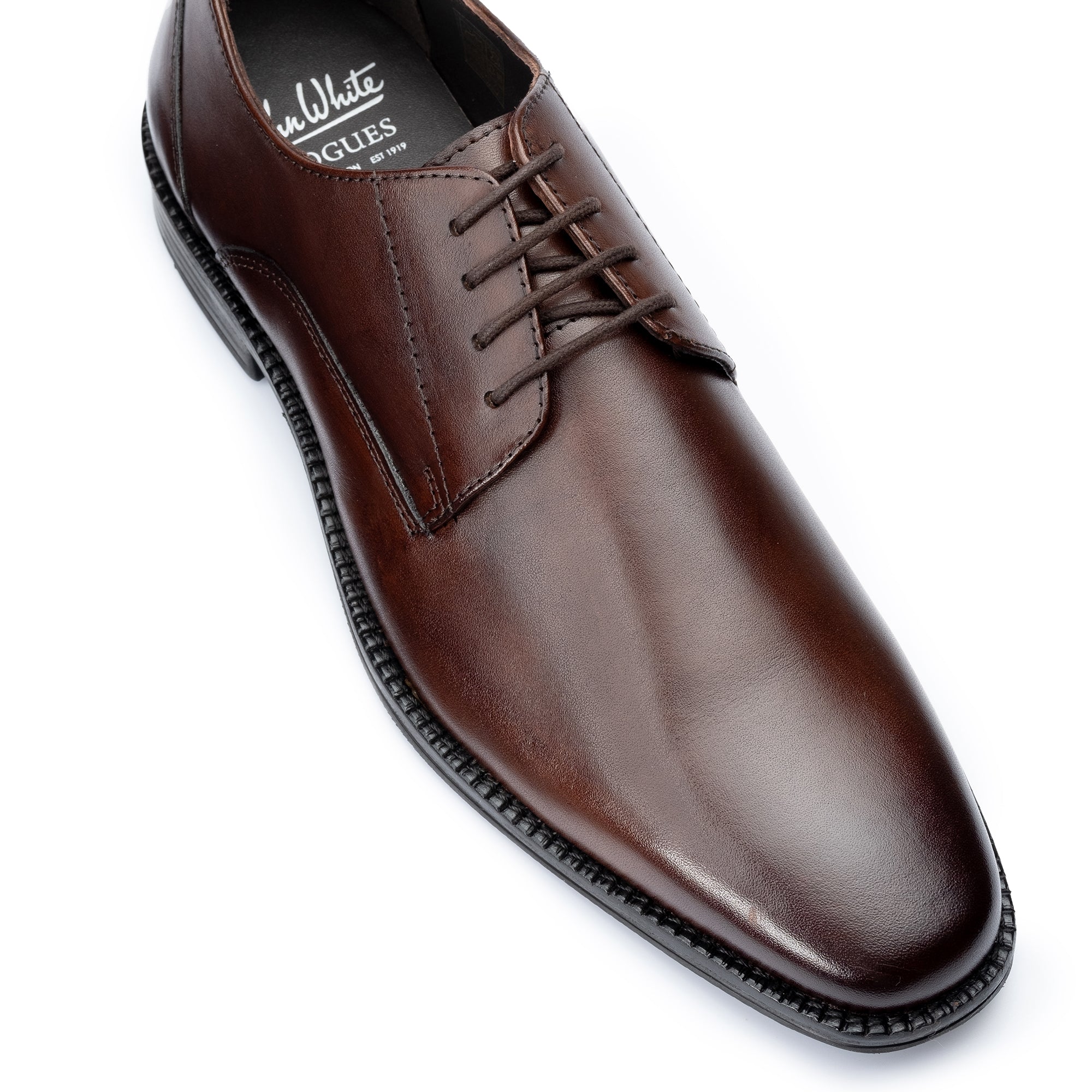
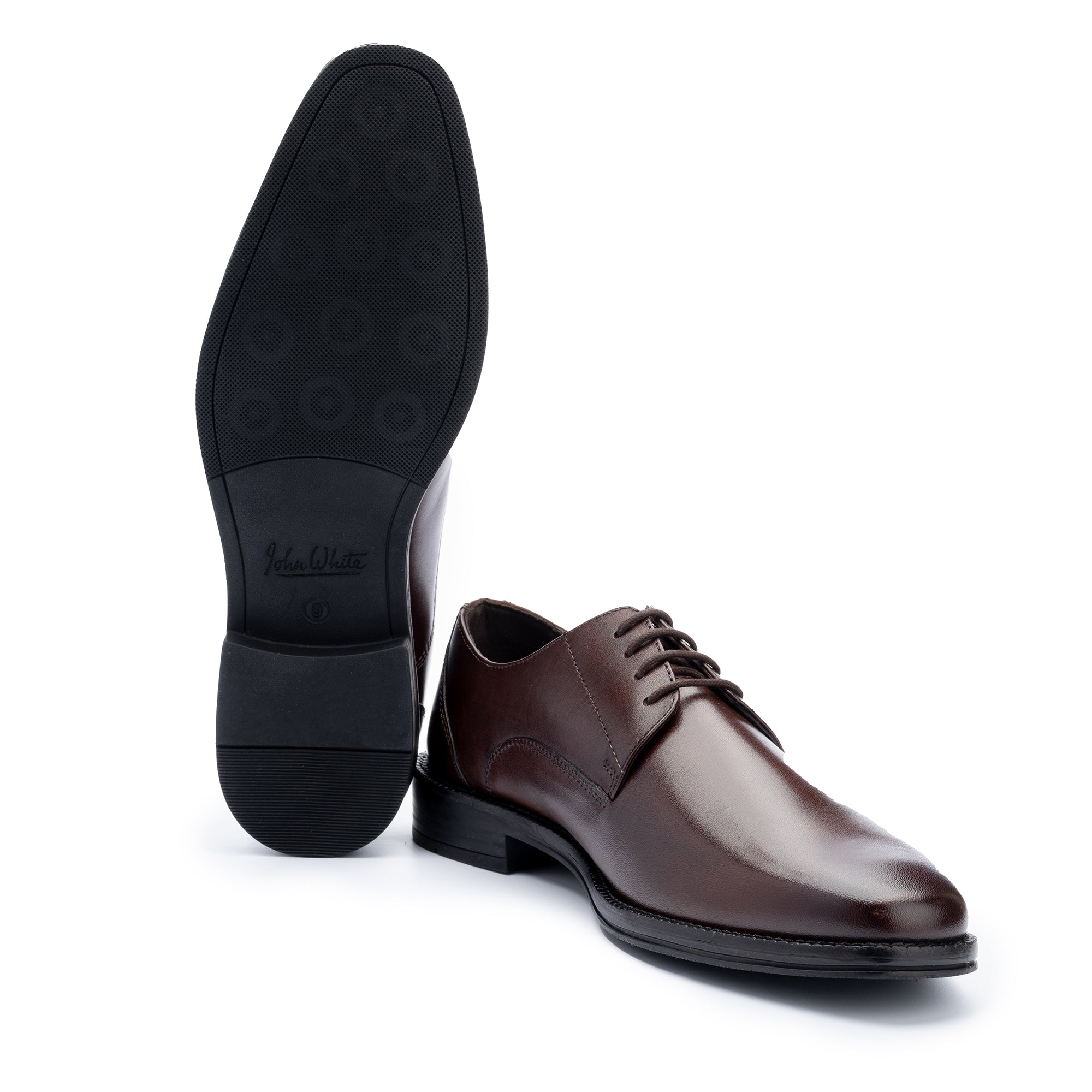
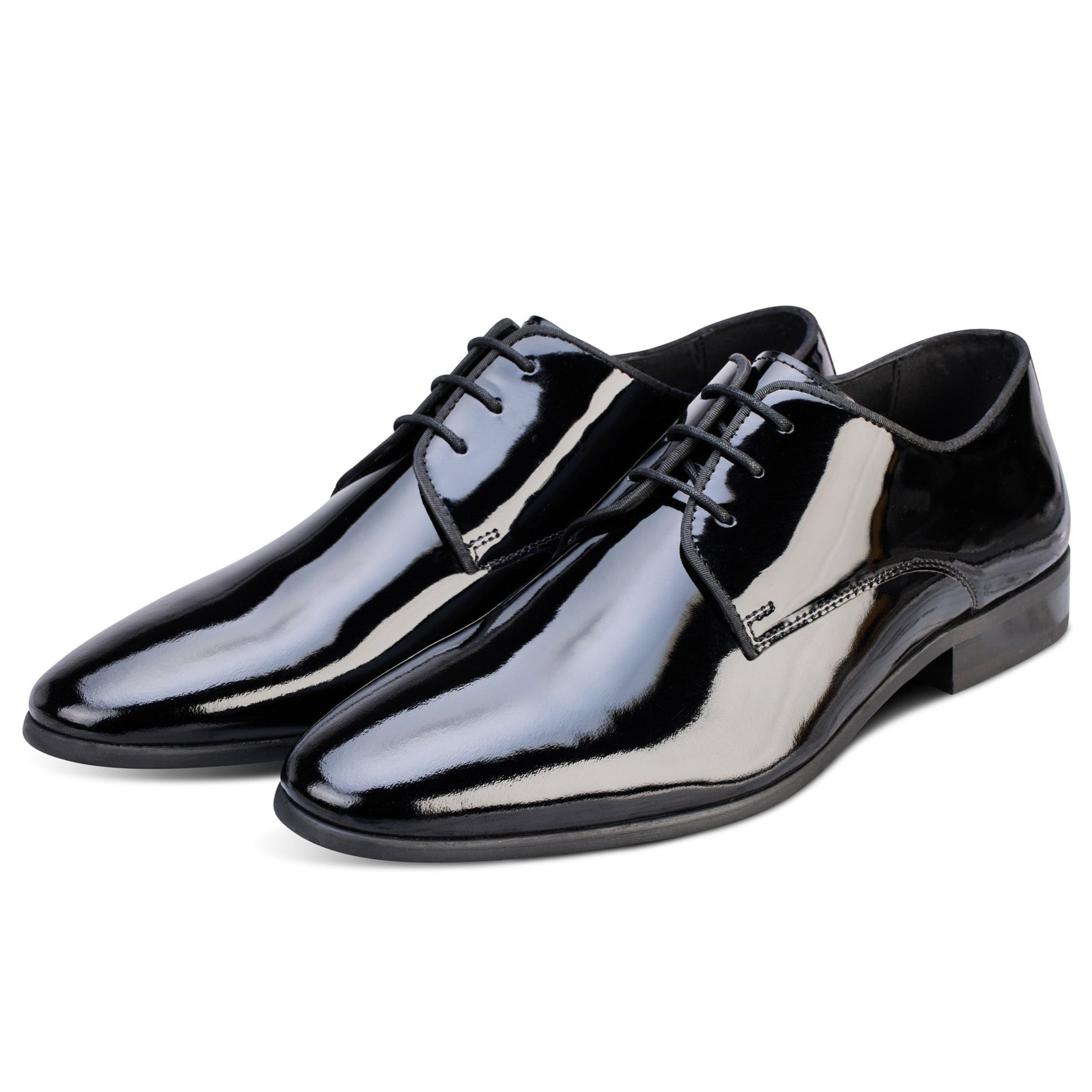
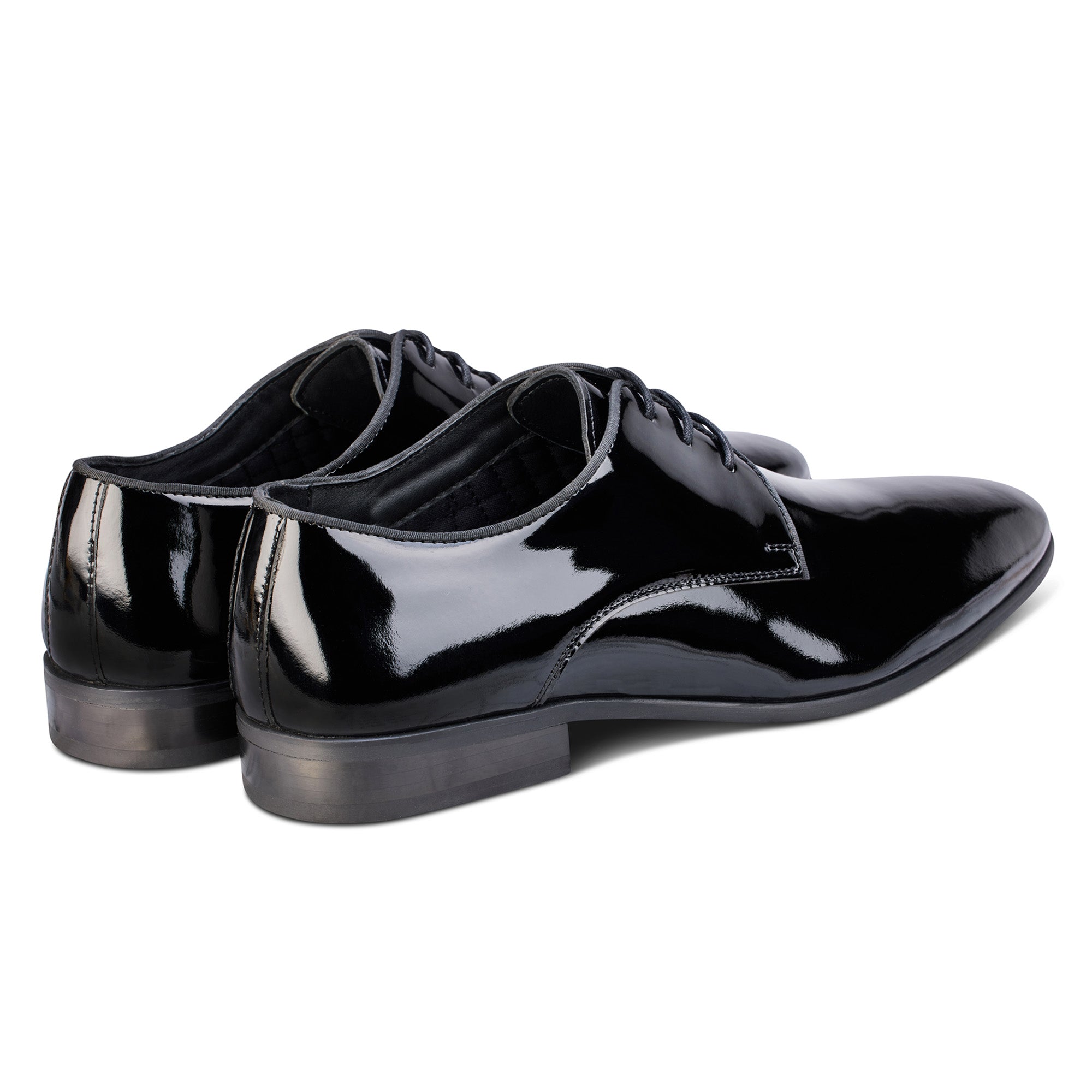
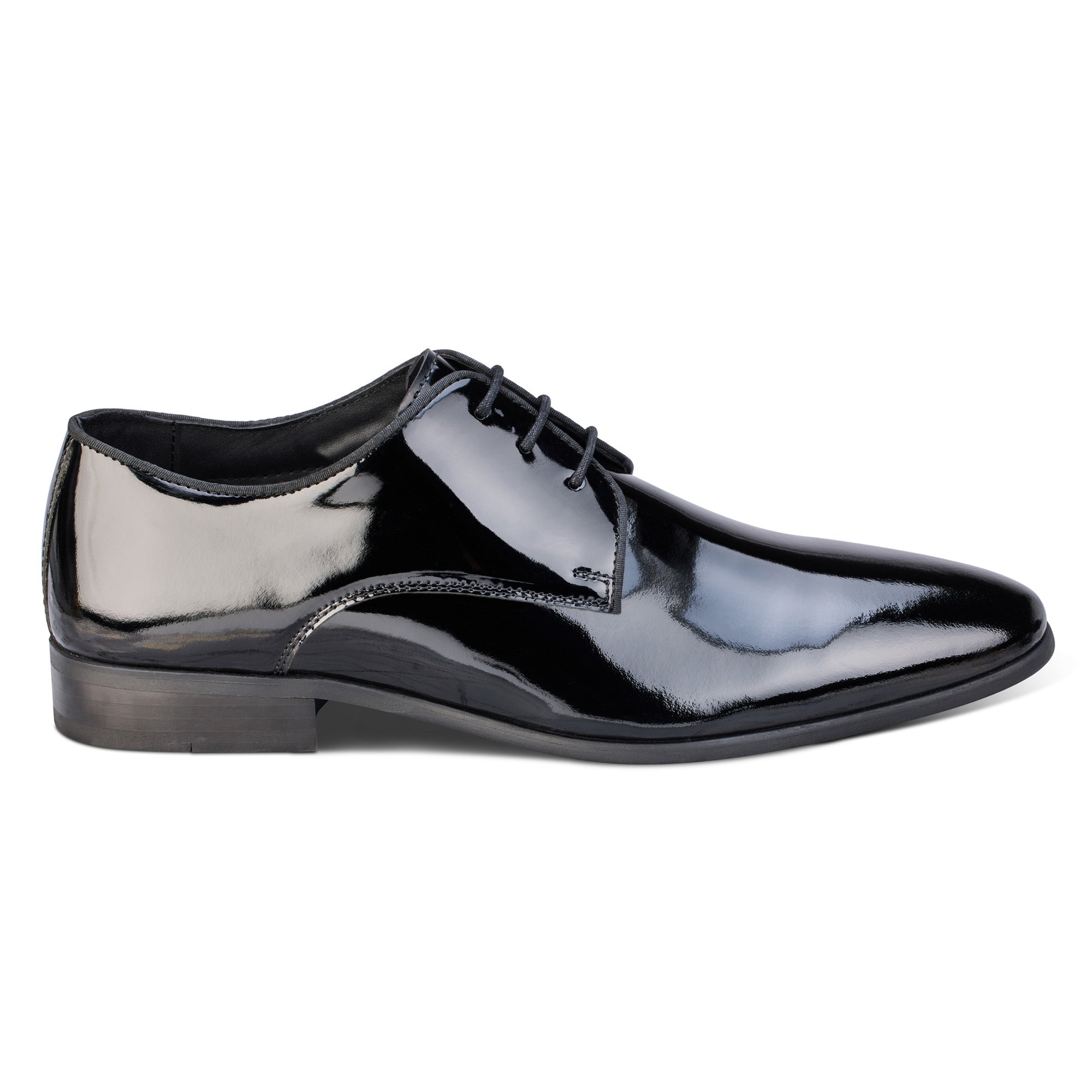
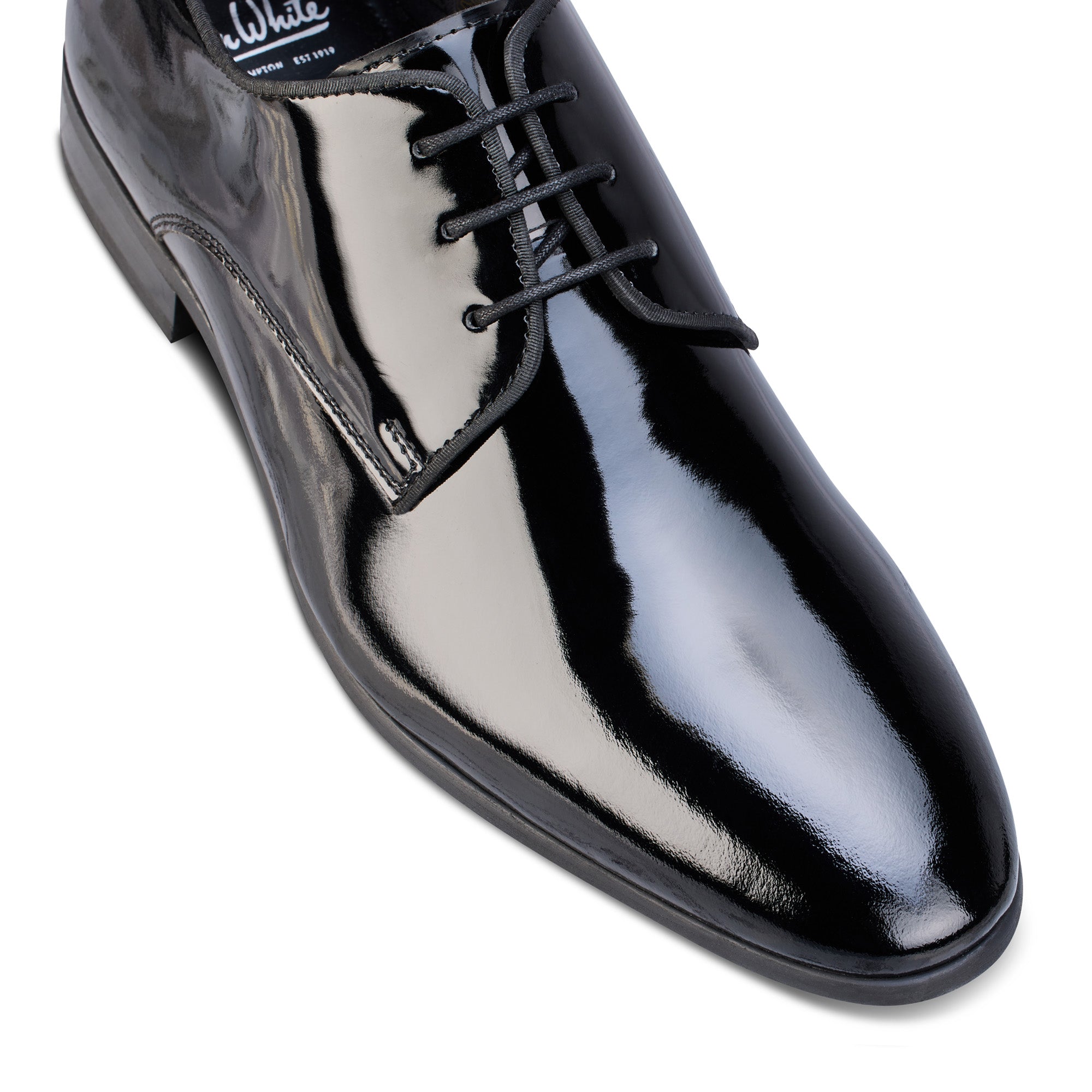
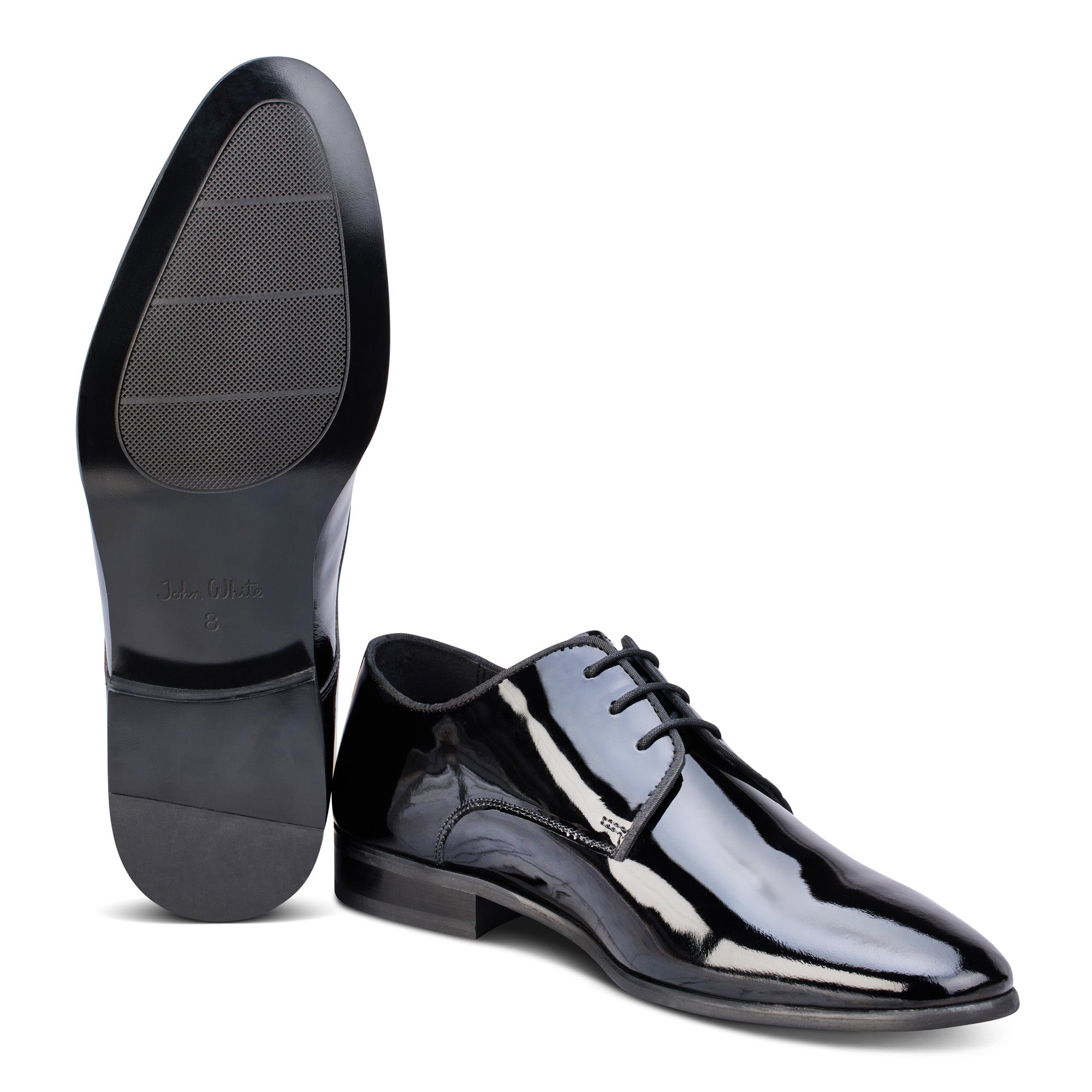
A plain toe Oxford is a closed-lace dress shoe with a completely unbroken vamp — no seam, no broguing, no cap. The leather flows from the heel counter to the toe tip without interruption. Nothing is added because nothing needs to be.
That absence of detail is deliberate. In menswear, restraint signals formality. The plain toe Oxford carries that principle to its logical conclusion: there's nothing to read but the quality of the leather and the precision of the last.
According to Debrett's guide to men's formal dress, a plain black Oxford is the correct dress shoe for white tie and the most appropriate choice for black tie when patent leather isn't worn. The plain toe Oxford is the most formal dress shoe in traditional menswear — a distinction earned through deliberate minimalism, not accident.
What Are the Key Differences Between Captoe and Plain Toe Oxfords?
| Feature | Captoe Oxford | Plain Toe Oxford |
|---|---|---|
| Toe box | Horizontal seam across toe | Unbroken leather, no seam |
| Formality level | Formal — business to wedding | Most formal — black tie and above |
| Versatility | High — suits, chinos, smart-casual | Lower — specialist formal use |
| Best suit pairing | Navy, grey, charcoal, black | Black, charcoal |
| Available as semi-brogue? | Yes | No — broguing removes formality |
| Ideal occasions | Job interviews, weddings, office | Black tie, white tie, formal dining |
Which Oxford Style Is More Formal?
The plain toe Oxford sits at the very top of the dress shoe formality scale. Its clean, unadorned surface makes no concessions to decoration — which is exactly the point. In menswear, the absence of detail communicates certainty.
The captoe follows closely. That single seam introduces a minimal visual element, but it's restrained enough that most formal contexts accept it readily. The distinction only becomes meaningful at the very top of the formality register: white tie, black tie, formal court dress, or environments where the rules are applied without compromise.
For most men in most situations, a captoe is formal enough for anything they'll encounter. Only if you're regularly dressing for events at the highest dress code level does the difference between captoe and plain toe become a practical — rather than theoretical — concern.
Which Occasions Suit Each Style?
When Should You Wear a Captoe Oxford?
- Job interviews — Precise, authoritative, and impossible to fault. For more on what footwear communicates in professional settings, see our guide to the best shoes to wear to a job interview.
- Business formal — Suits, tailoring, boardroom presentations. A black captoe with a charcoal or navy suit is a reliable, polished combination.
- Weddings — Works across morning dress, lounge suit, and black lounge codes. See our full breakdown of men's shoes for a wedding guest at every dress code.
- Smart-casual occasions — A captoe in tan pairs well with chinos and an unstructured jacket without looking overdressed.
When Should You Wear a Plain Toe Oxford?
- Black tie events — A black plain toe Oxford is the most appropriate non-patent option for evening dress. For full guidance, see our guide to what to wear to a black tie event.
- White tie — Where patent leather court shoes aren't worn, a black plain toe is the alternative.
- Formal civic or ceremonial occasions — Any setting where understated gravitas is the expectation, not the aspiration.
- Traditional formal professions — City law, private banking, and client-facing roles where an unadorned shoe signals command and care.
How Do You Style Each Oxford?
The captoe's visual line gives it more anchoring power in relaxed business contexts. In black it reads as authoritative without severity; in tan or dark brown it adds warmth to mid-grey or navy tailoring without breaking formality. It's a shoe that works at both ends of a working week.
The plain toe's strength is neutrality. It doesn't compete with anything above the ankle. A black plain toe in a mirror shine recedes into formal attire in the best possible way — you're not aware of the shoe, only of the overall effect. For styling ideas across the full range of Oxford occasions, our guide to how to wear Oxford shoes covers the full spectrum from formal to smart-casual.
Both styles require consistent care to maintain their appearance. The Leather Conservation Centre recommends conditioning smooth leather every six to eight weeks under regular wear to preserve surface integrity — particularly important for shoes that are polished to a formal shine. A cracked or dull finish undermines even the most refined silhouette.
Cedar shoe trees are equally important. According to the Society of Master Shoe Repairers, inserting shoe trees immediately after wear draws out moisture and maintains the last shape — extending the life of quality leather footwear significantly compared with shoes stored without support. Consistent maintenance — conditioning, polishing, and tree use — has a greater long-term impact on how an Oxford shoe looks than whether it has a cap seam or not.
Which Should You Buy: Captoe or Plain Toe?
If you're buying one Oxford and it needs to work across everything — interviews, weddings, business meetings, the occasional formal dinner — buy the captoe. It's versatile without sacrificing formality.
If you already own a versatile dress shoe and need something specifically for black tie or the most rigidly formal occasions, a plain toe in black is the correct addition. It's a specialist tool, not an everyday one.
The honest position is this: for most men's wardrobes, a captoe Oxford handles everything you'll realistically need. The plain toe becomes relevant when you're dressing at a level where that single horizontal seam is the distinction between correct and almost correct.
The John White Shoes Oxford Range
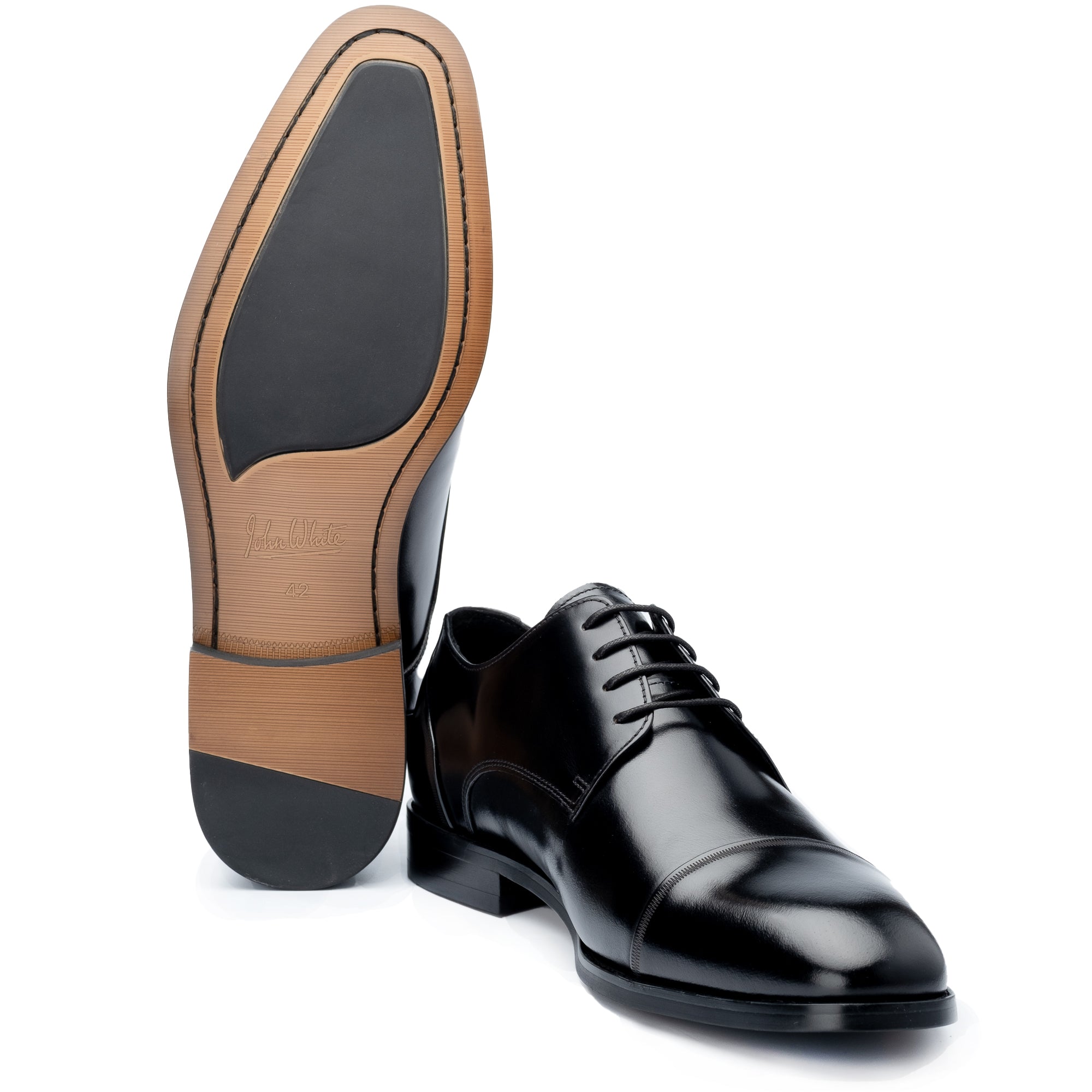
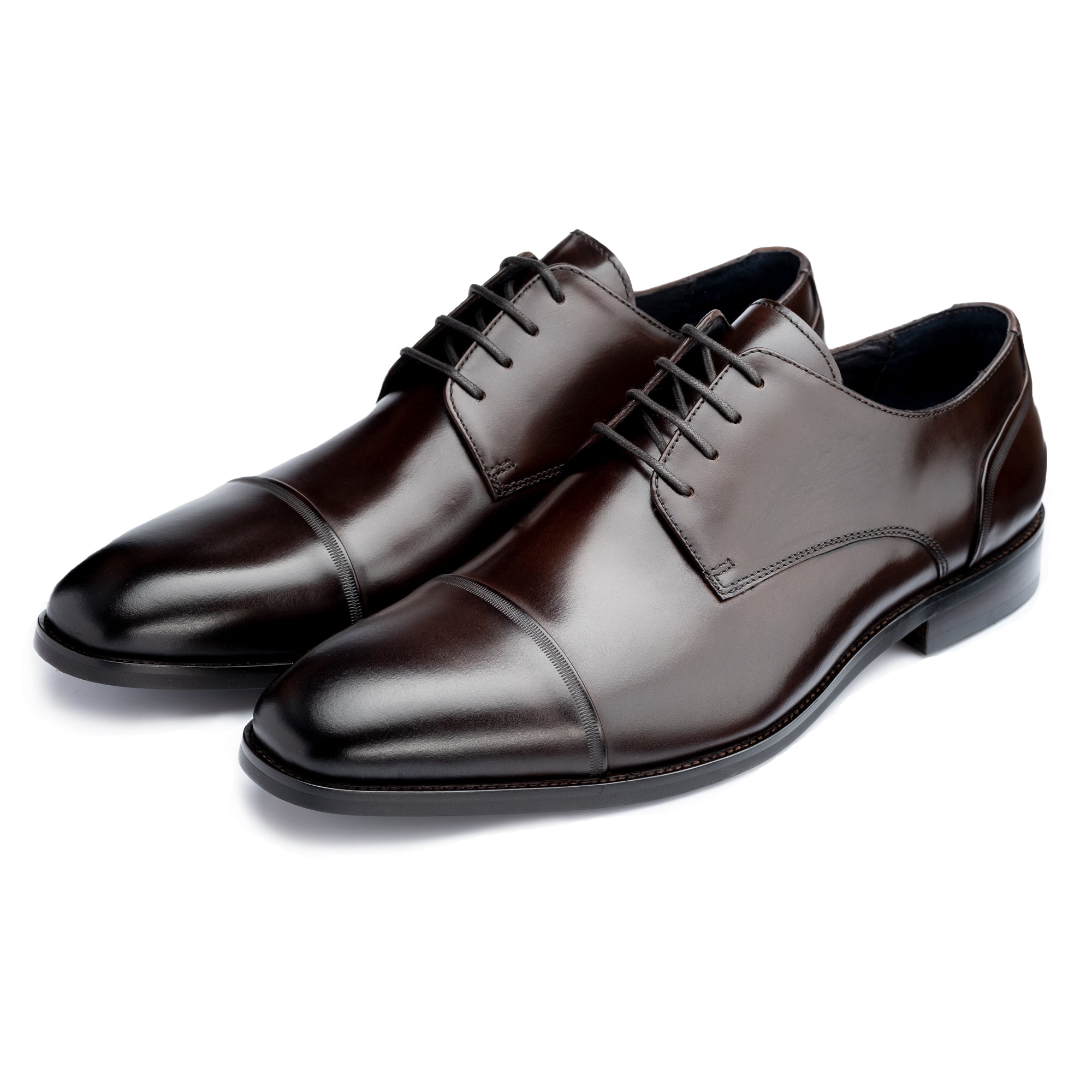
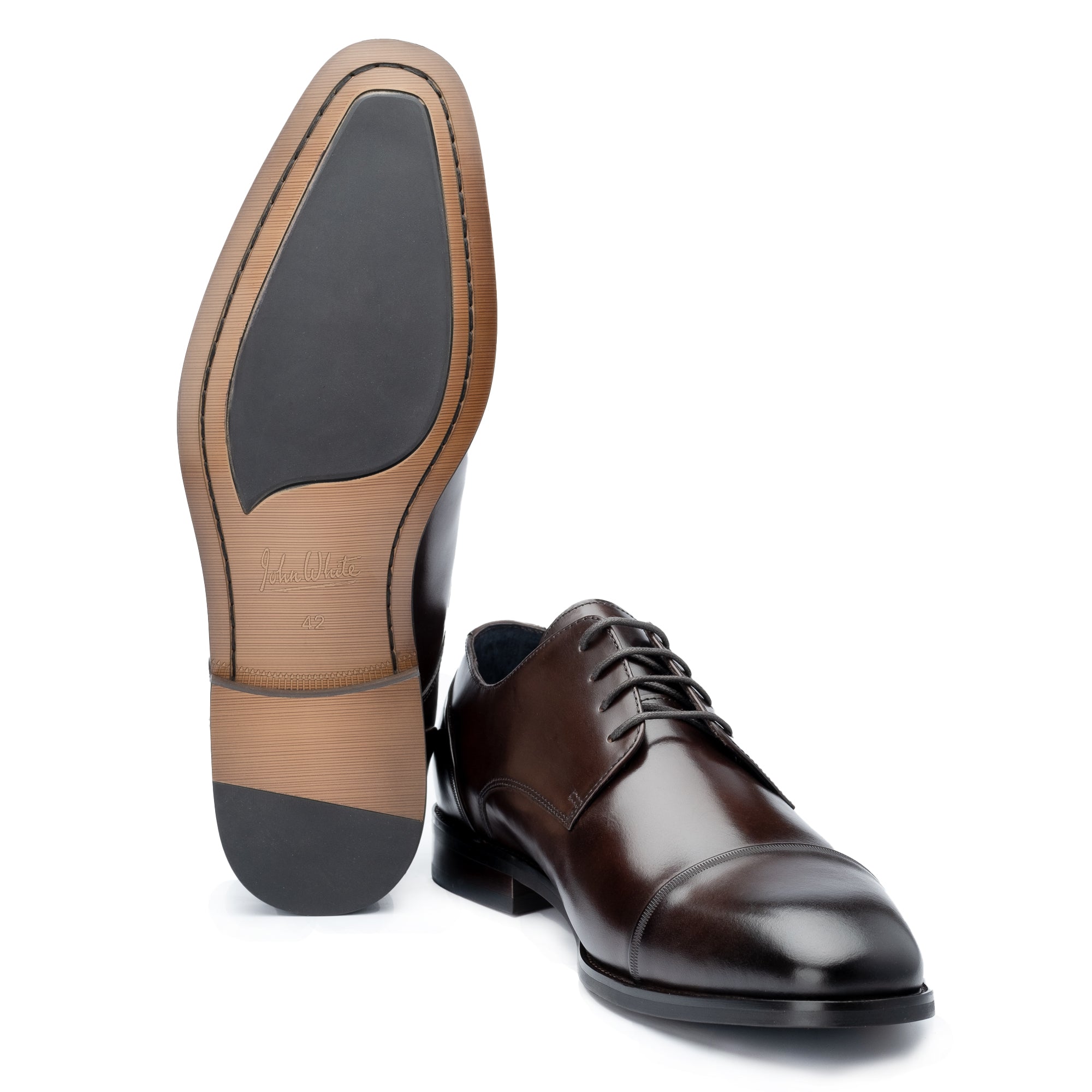
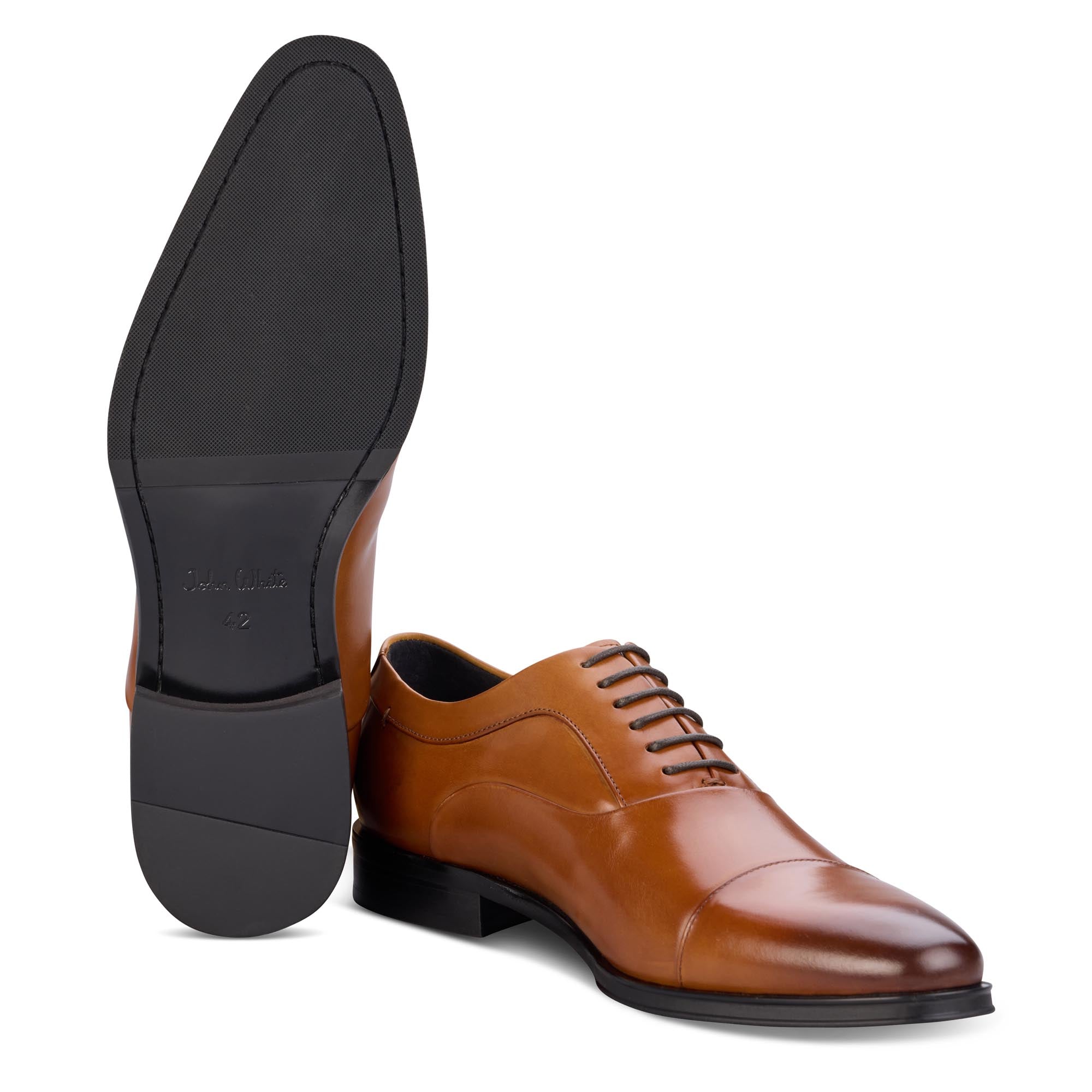
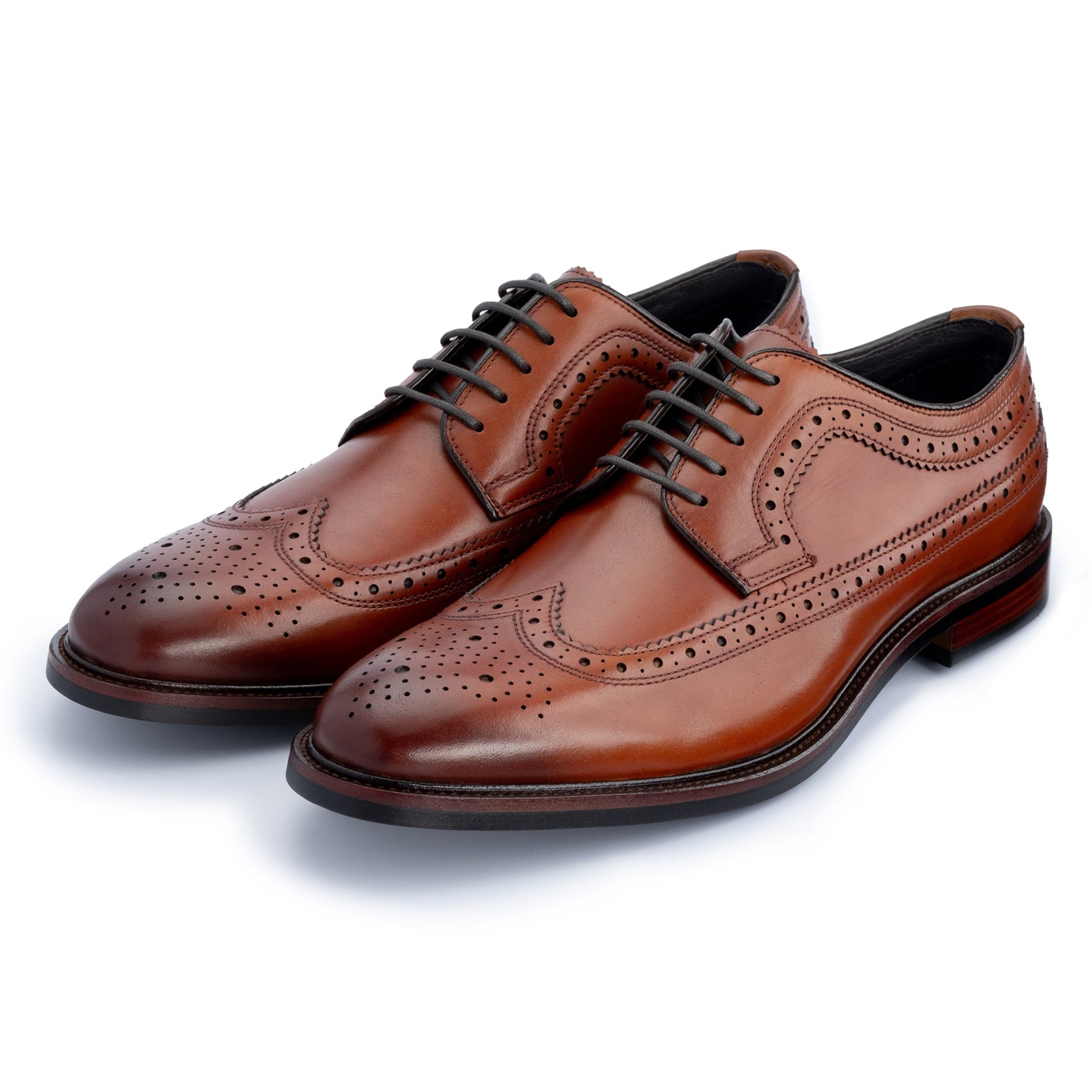
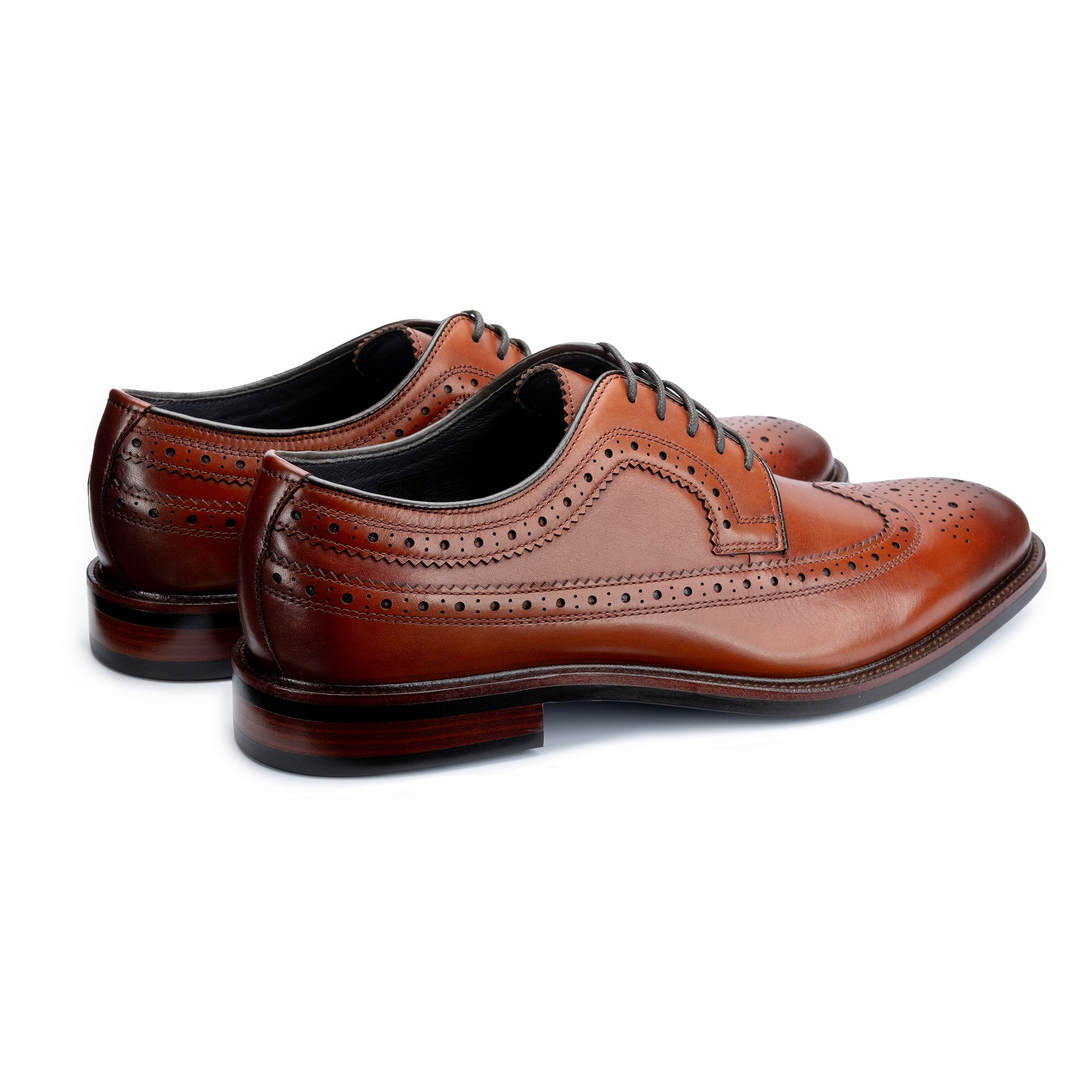
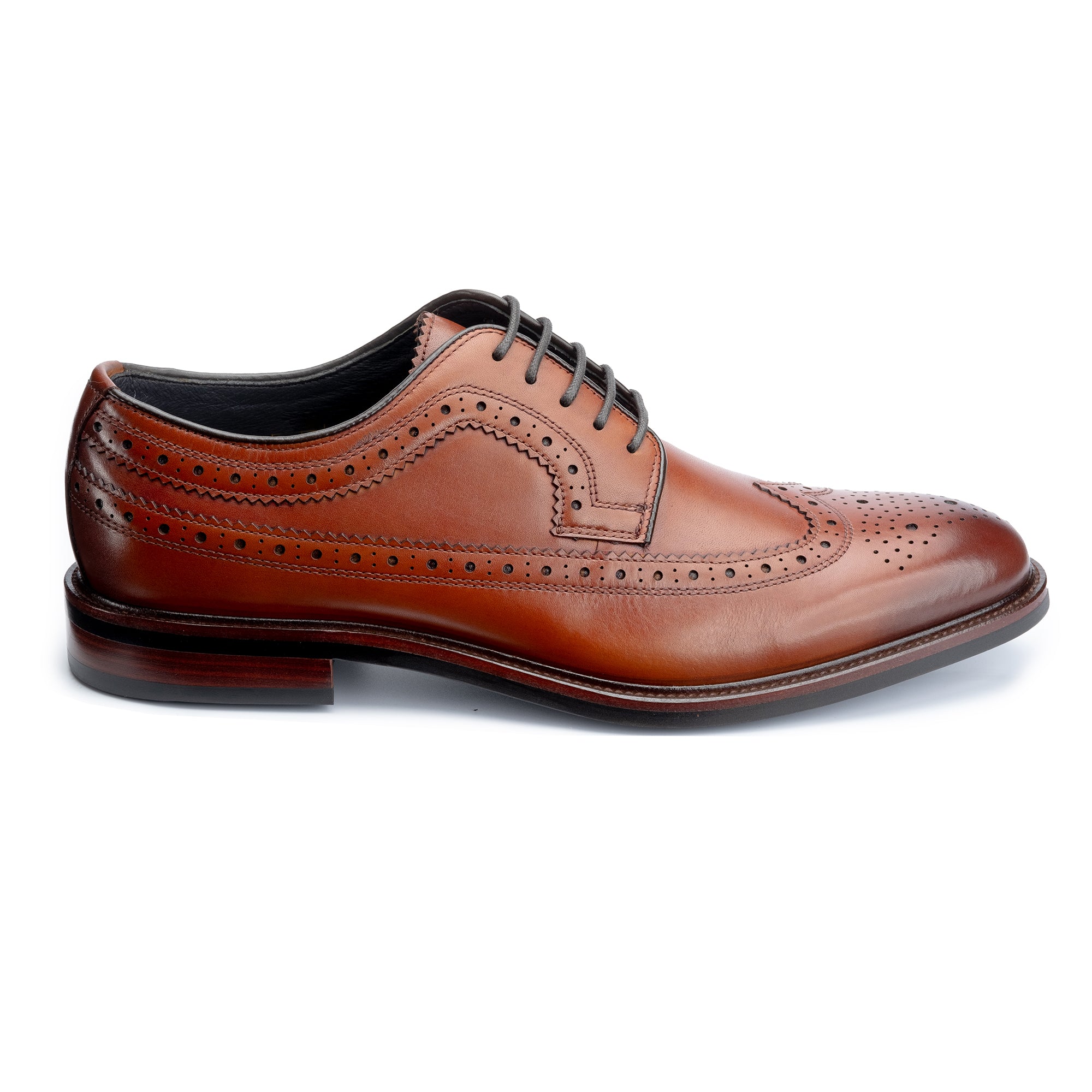
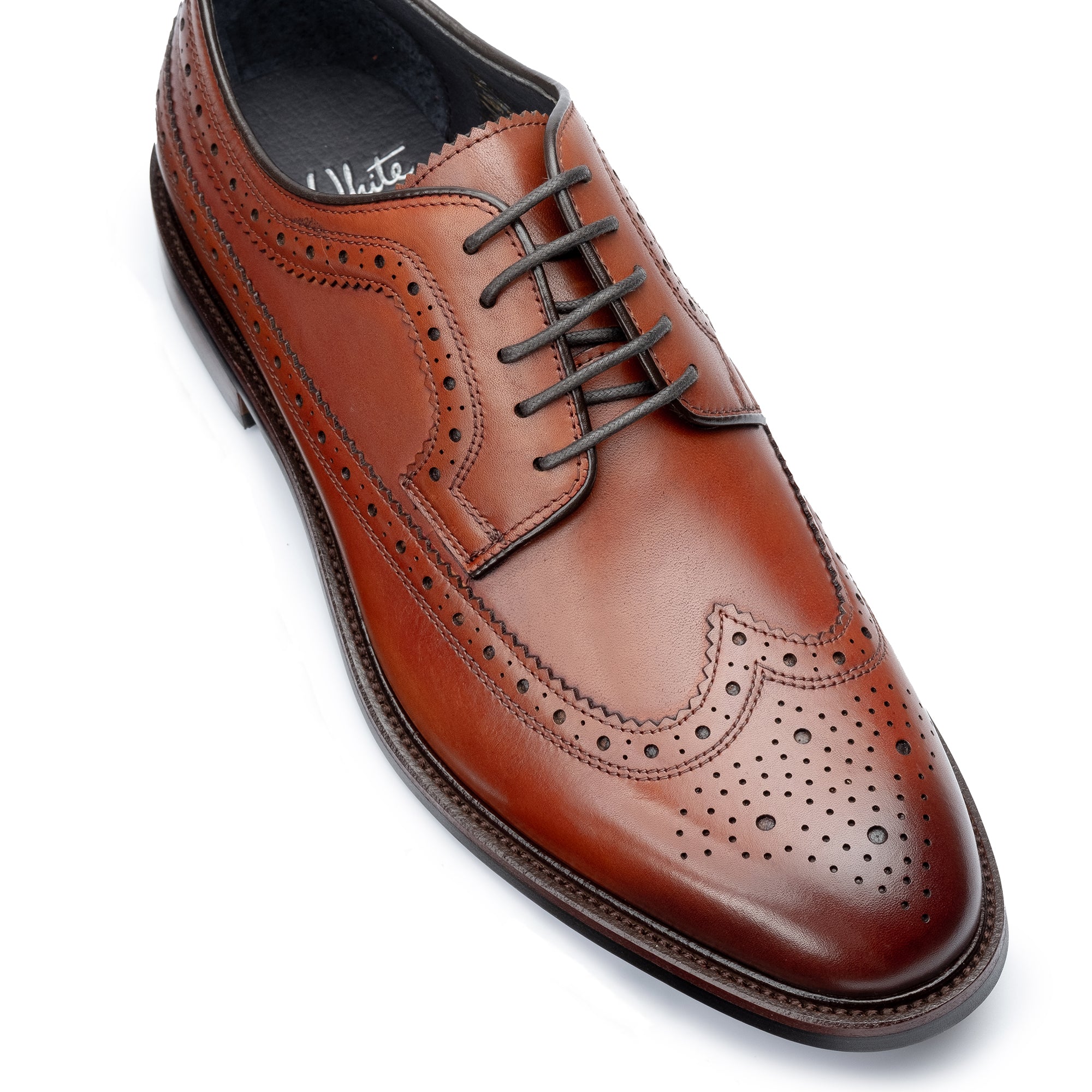
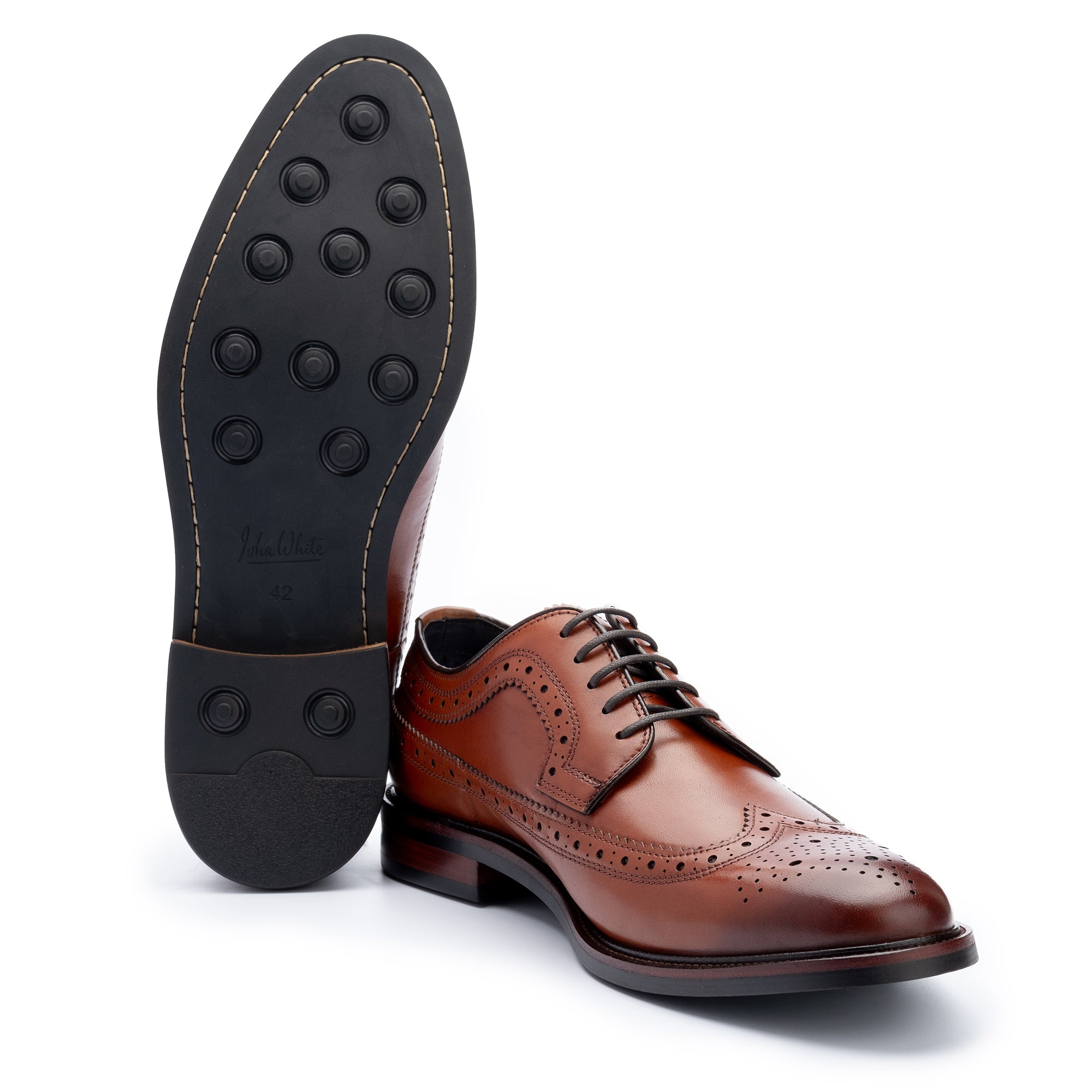
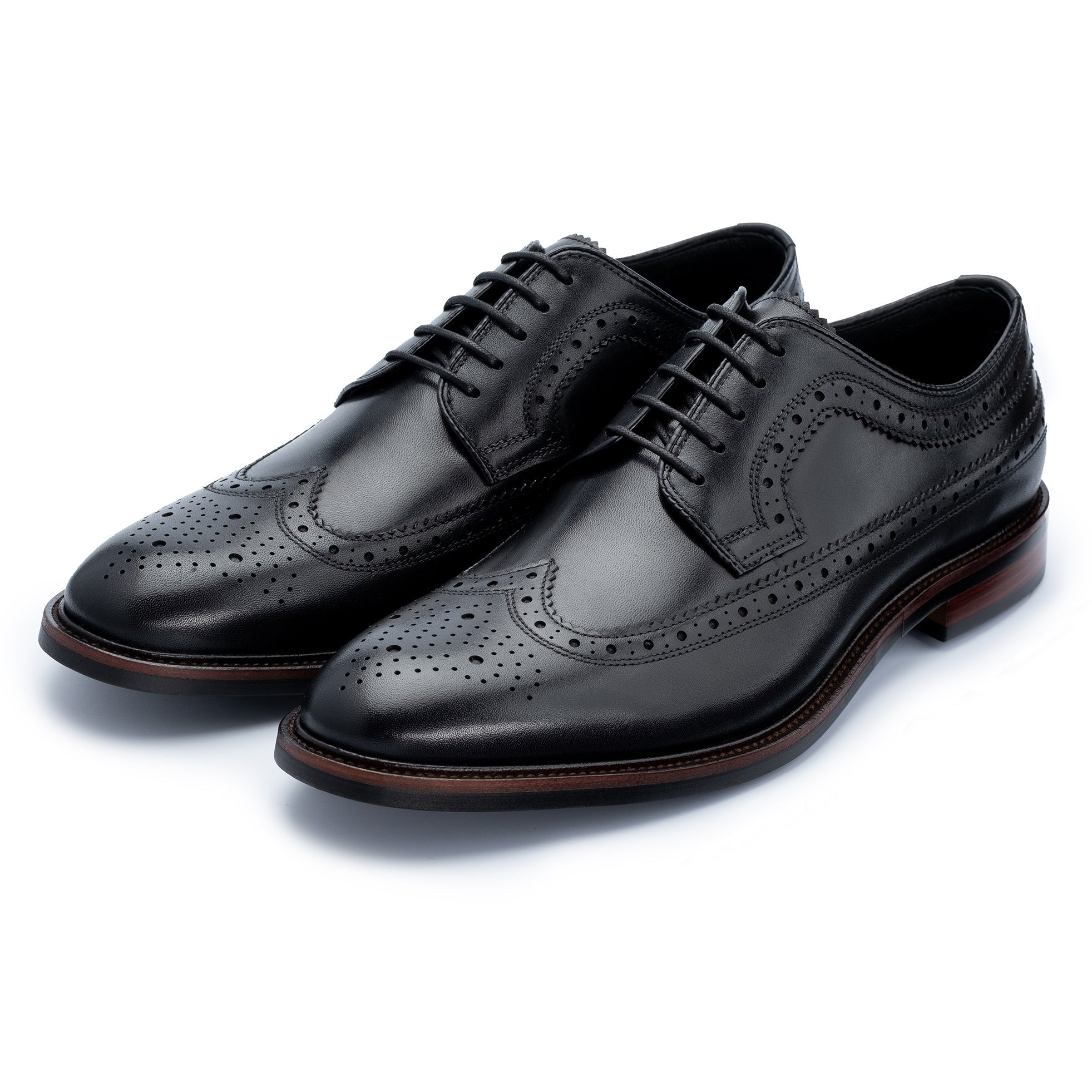
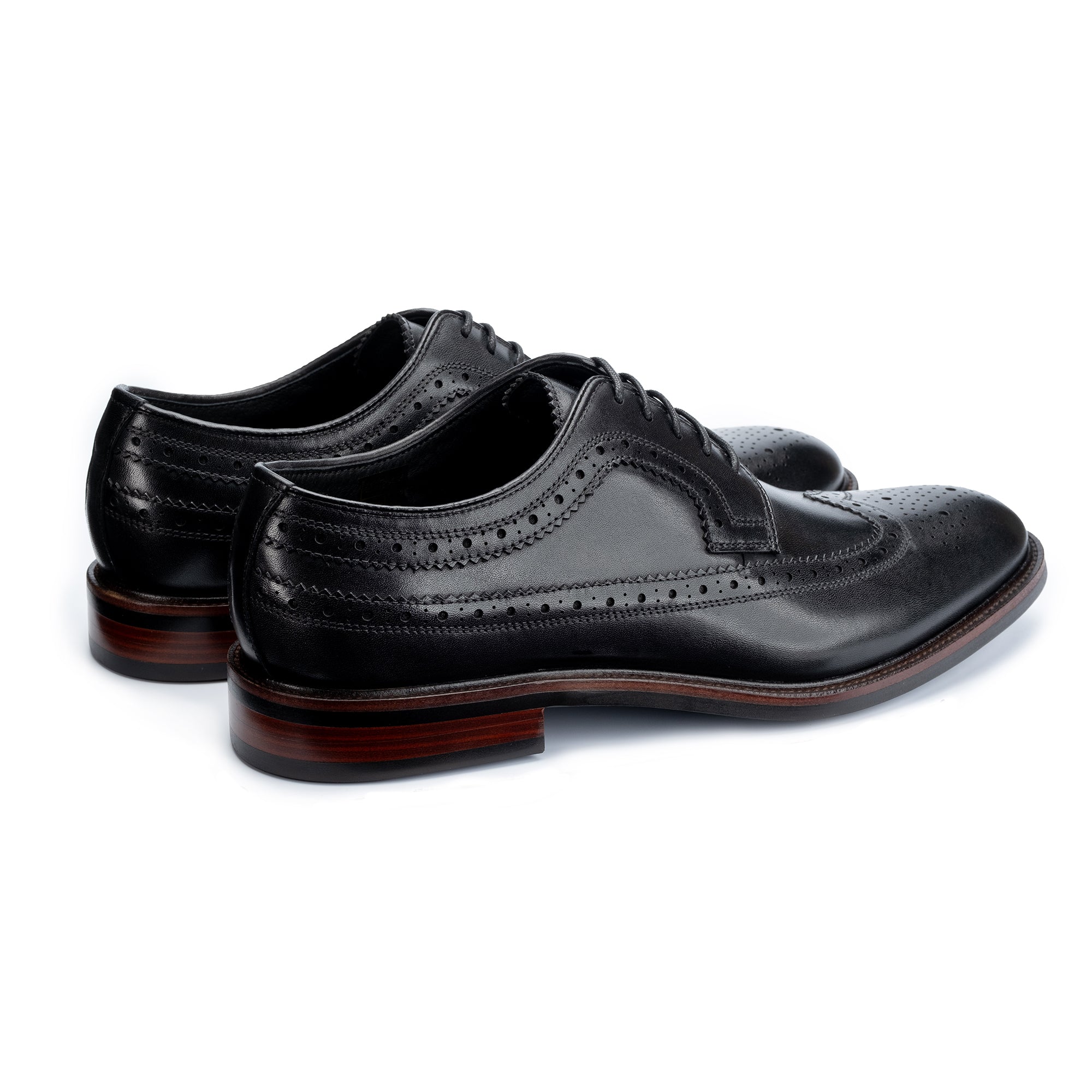
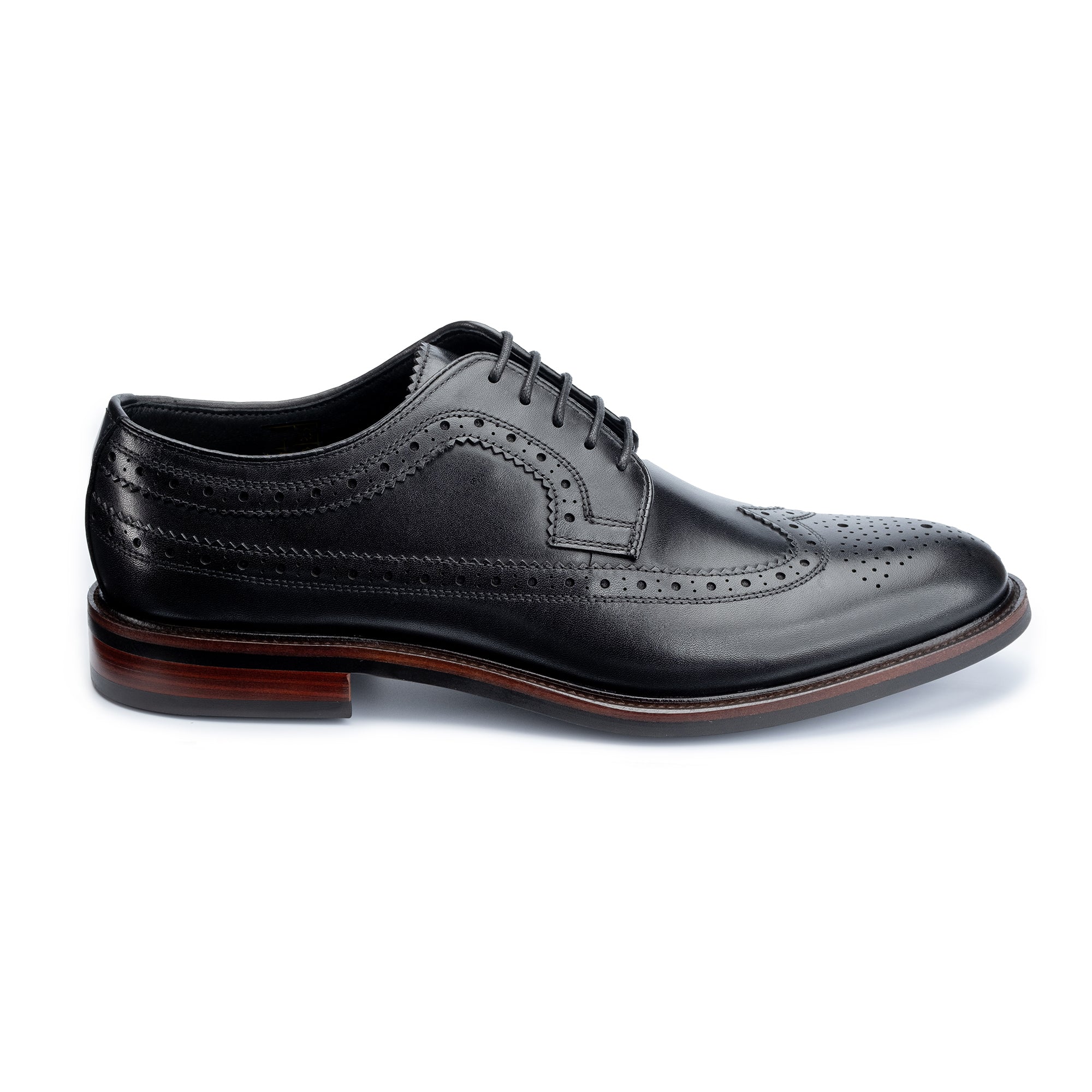
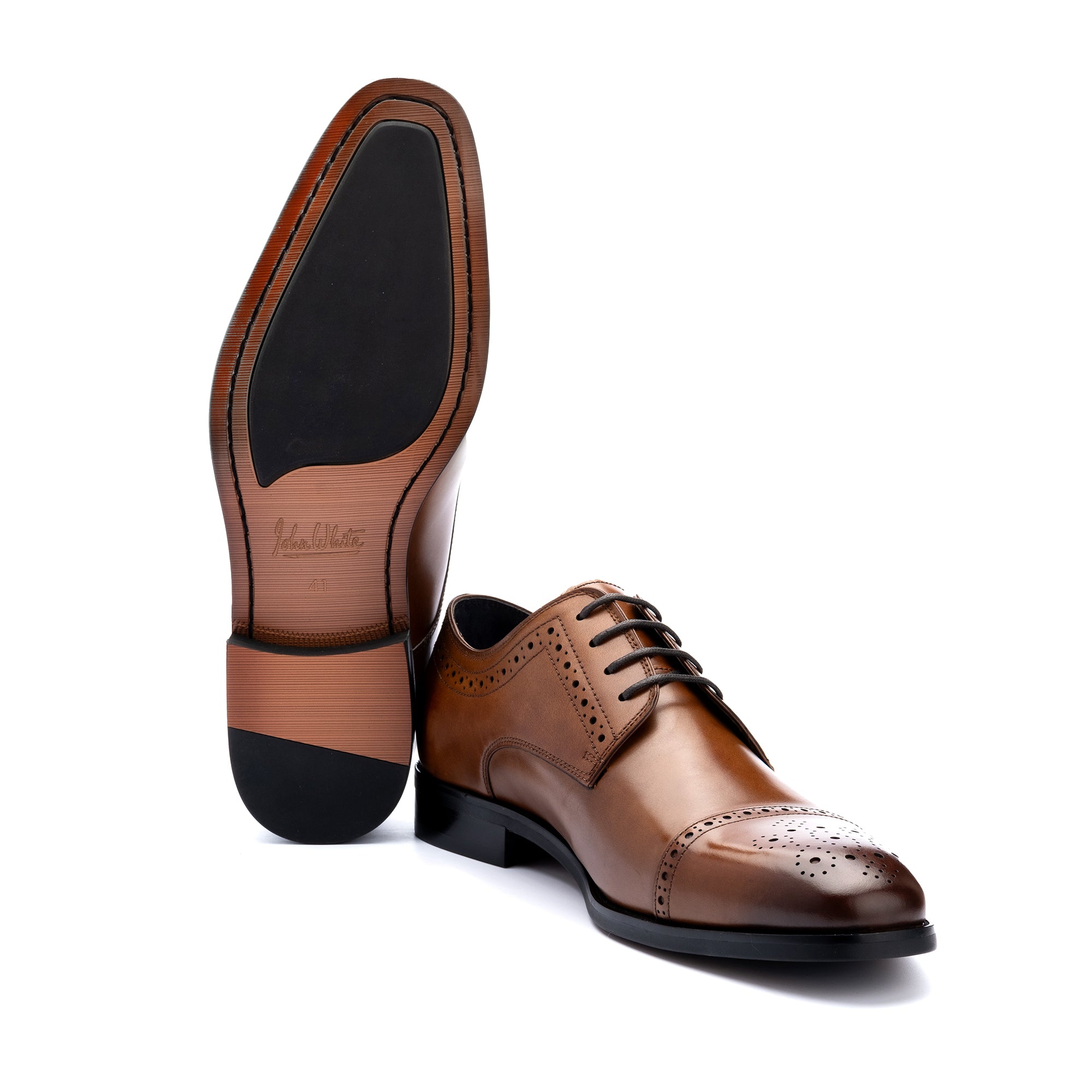
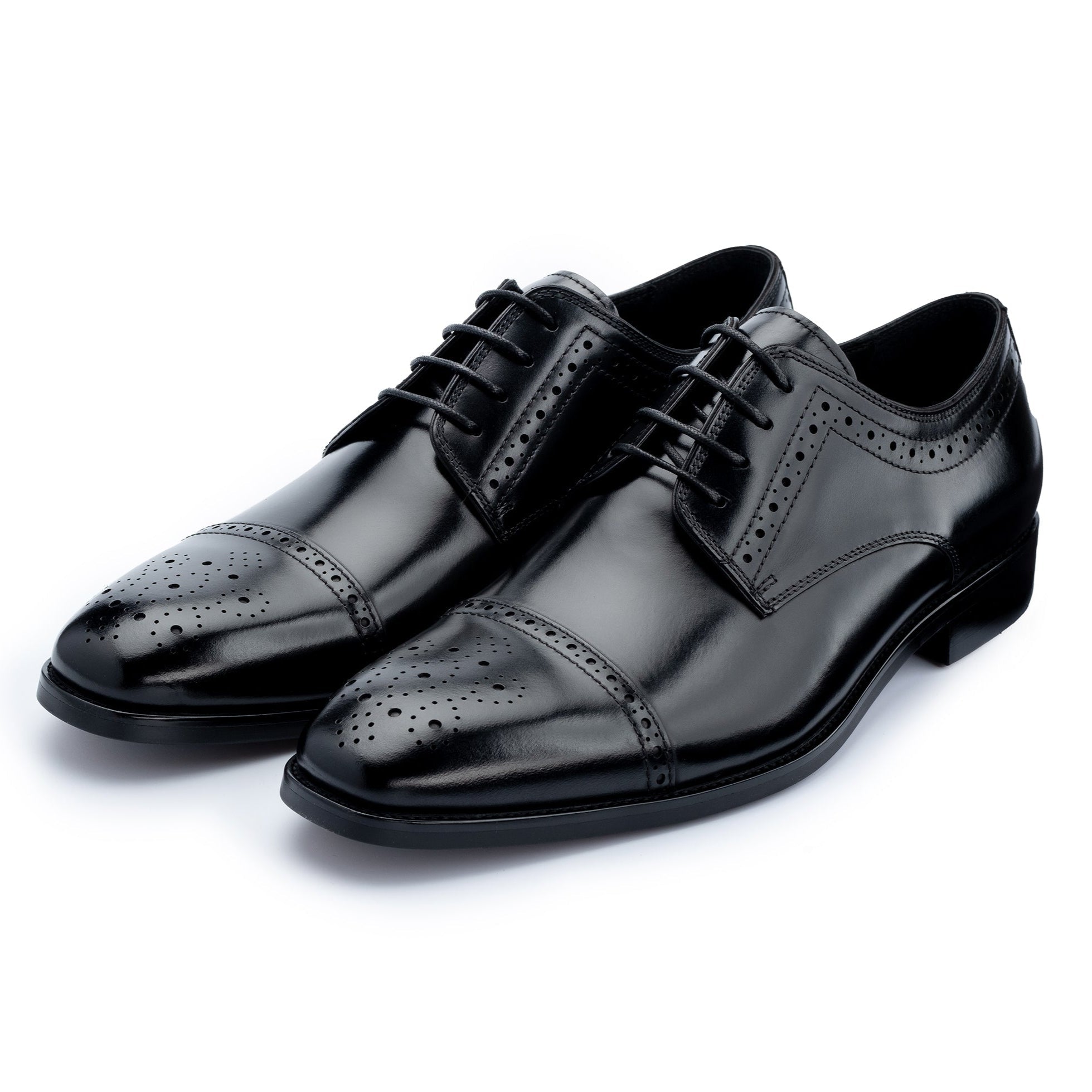
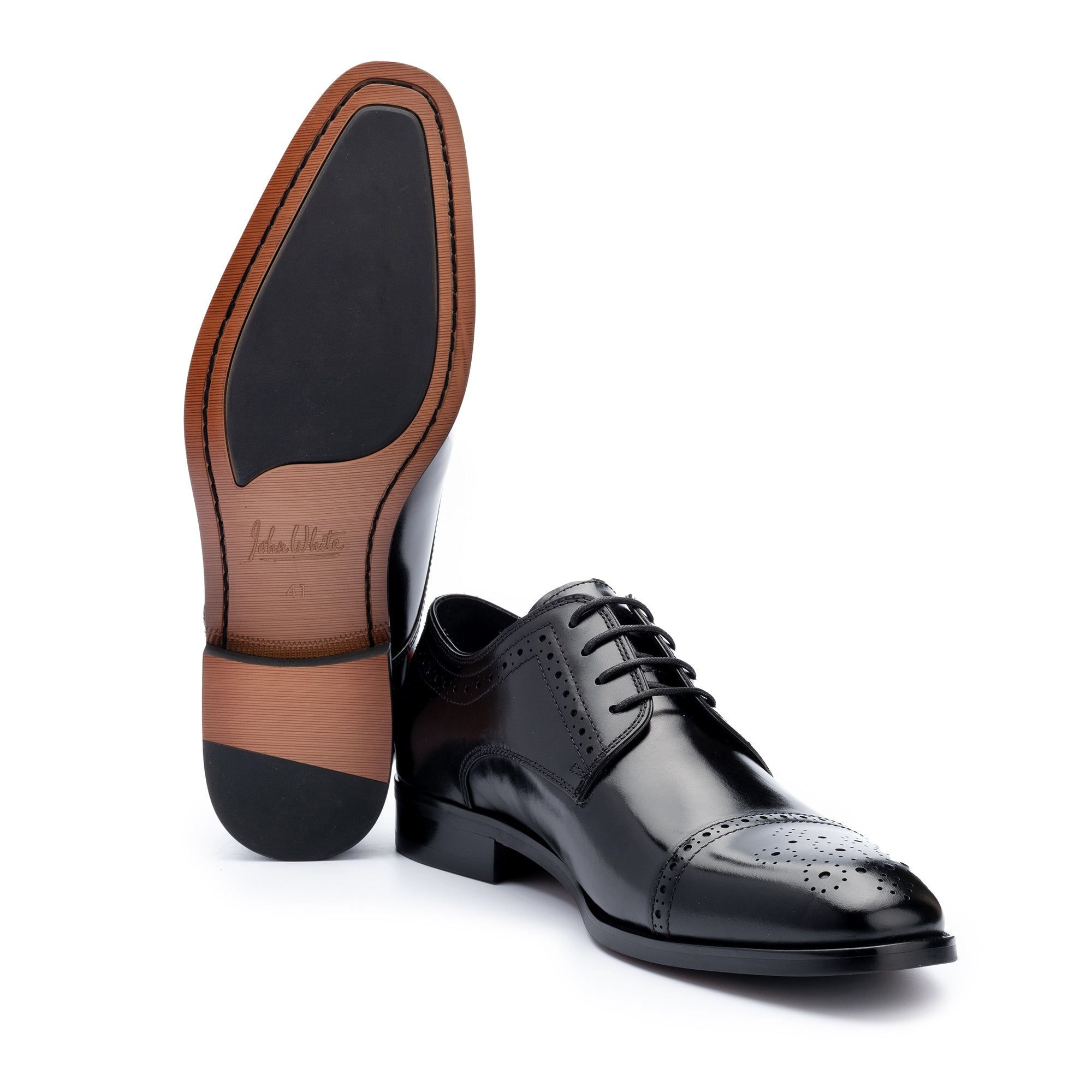
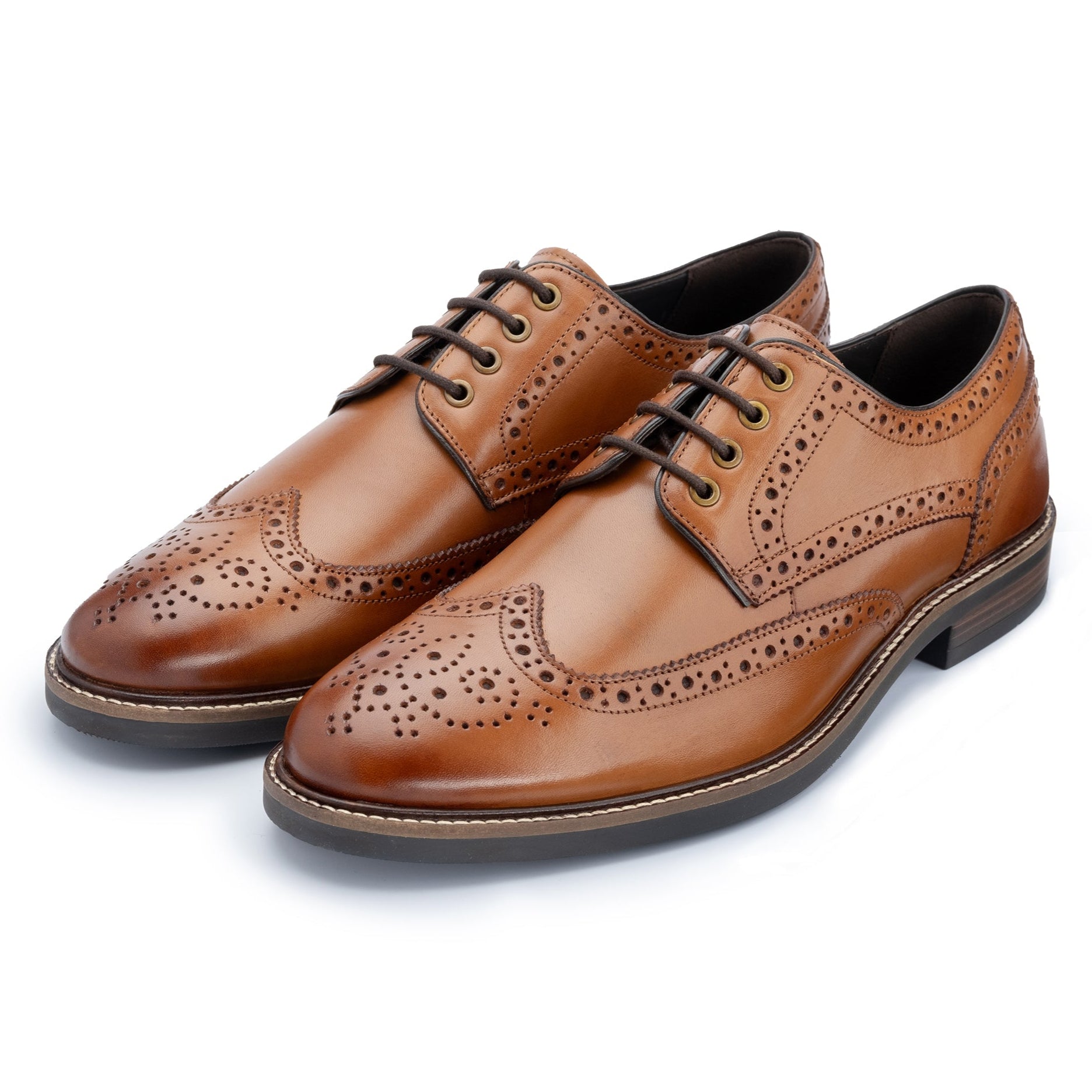
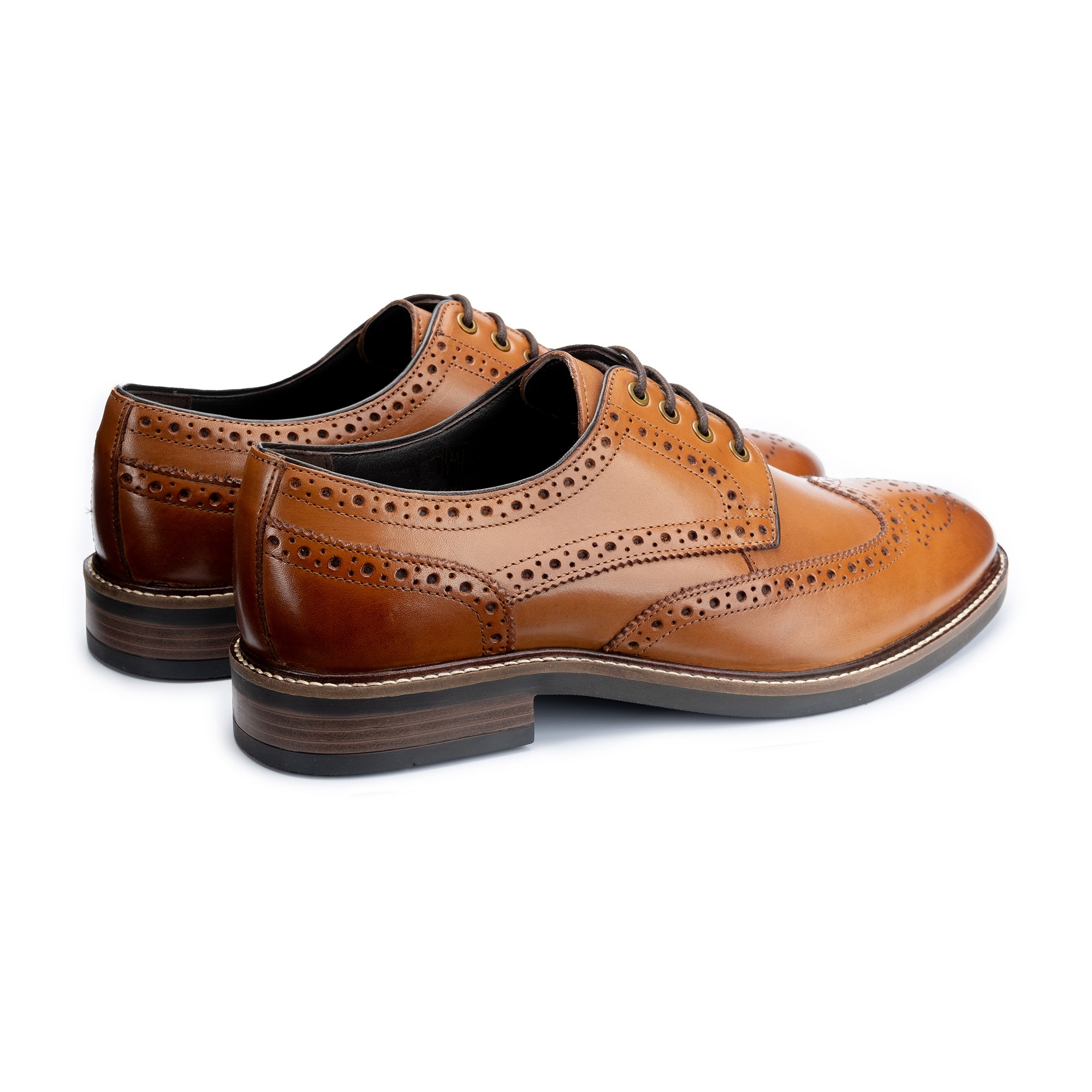
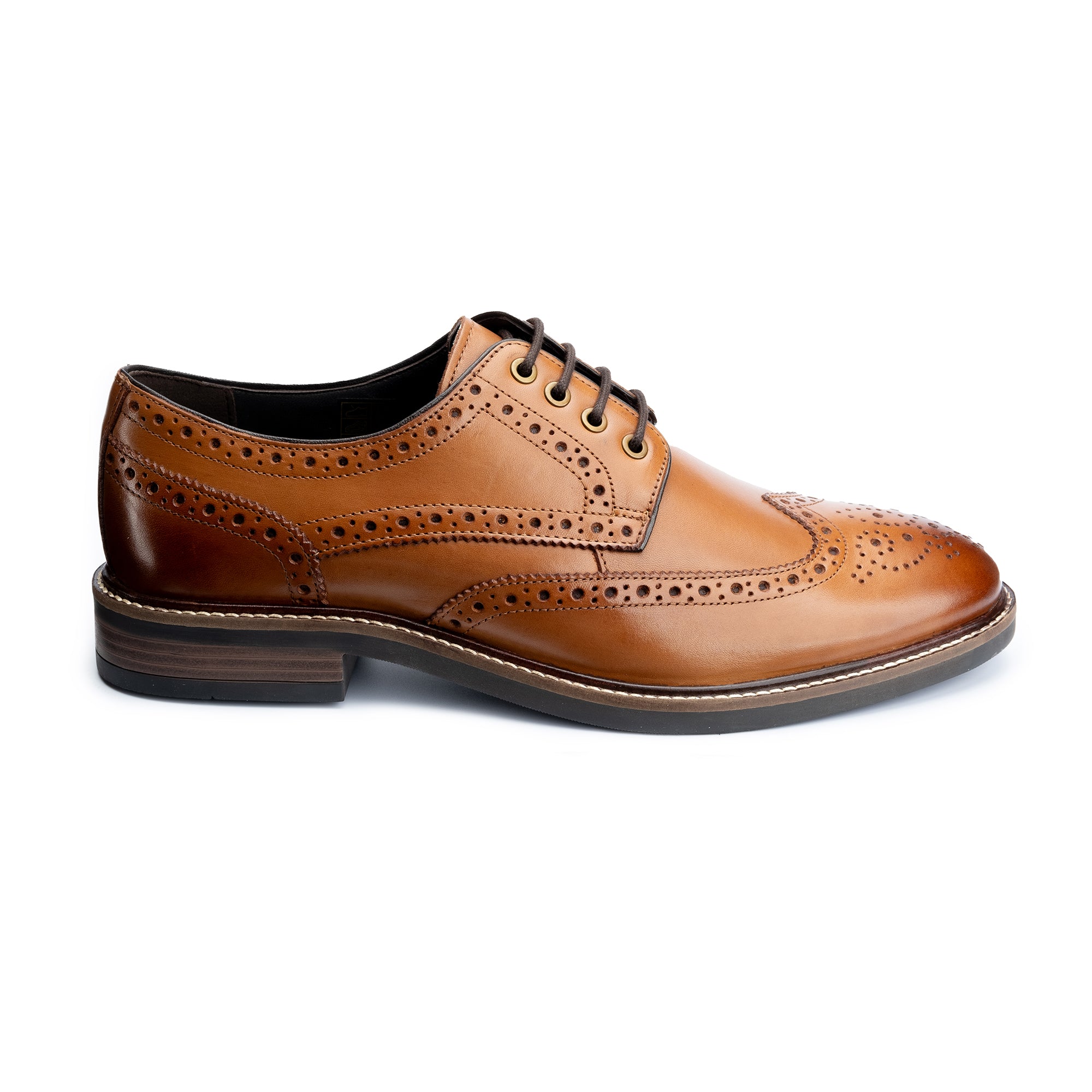
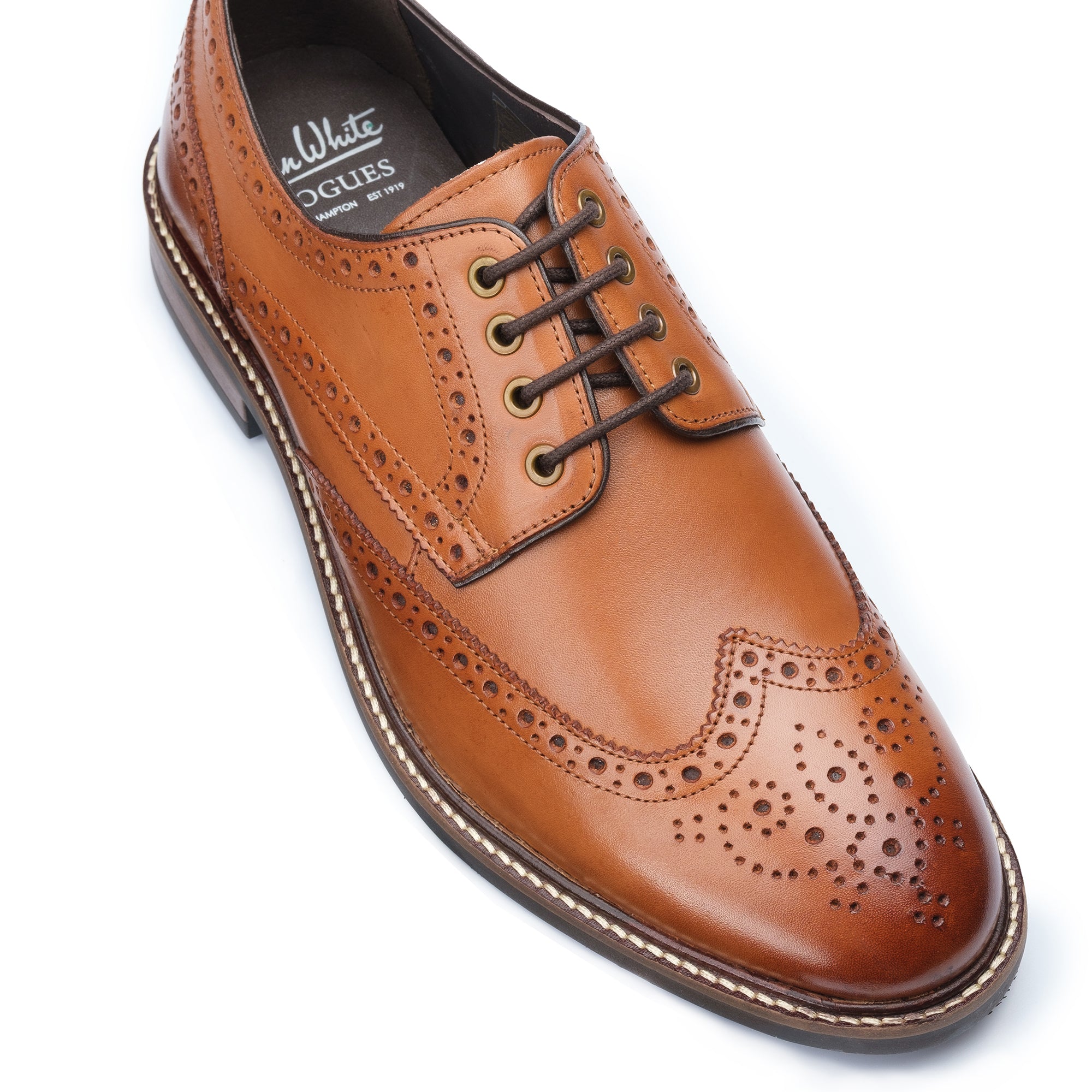
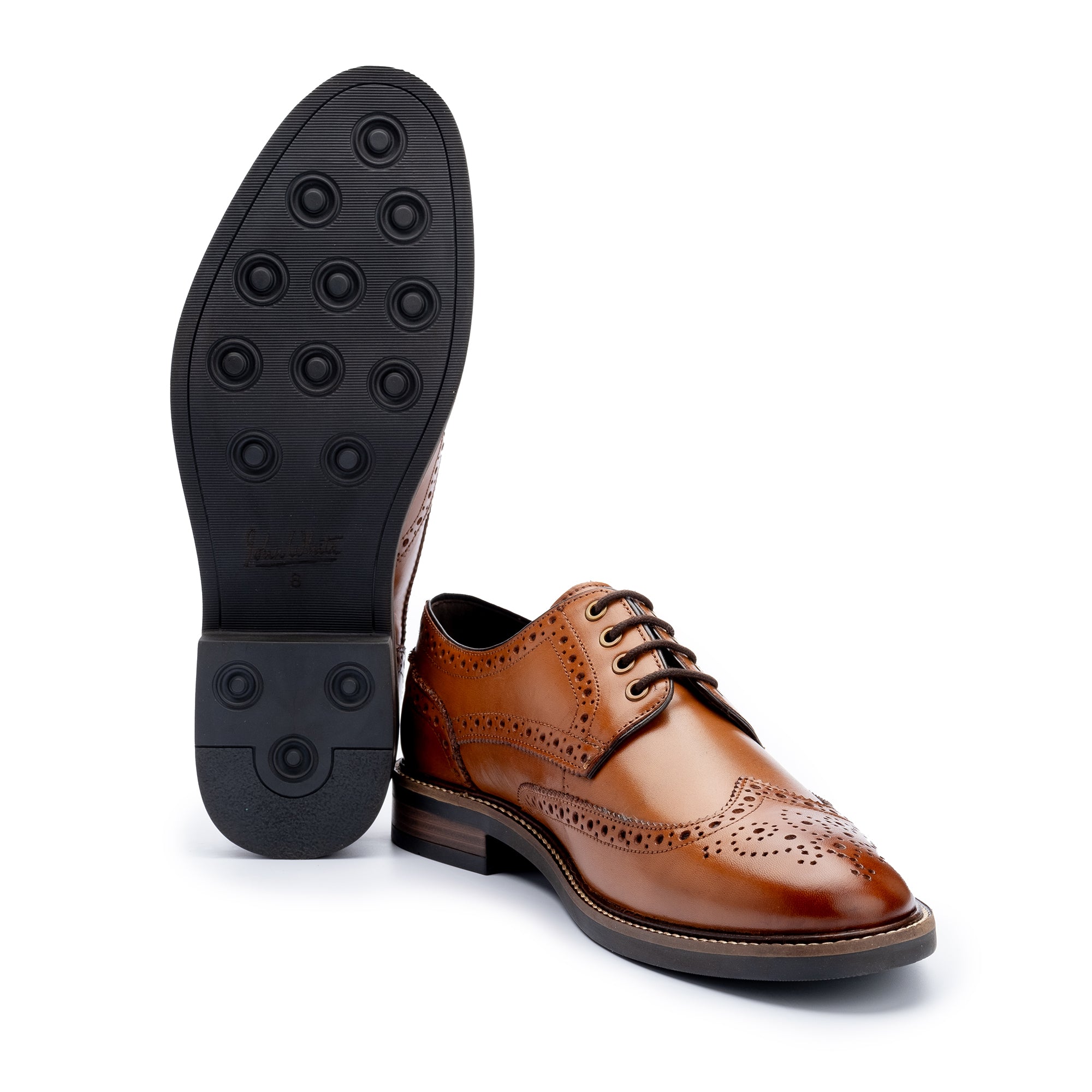
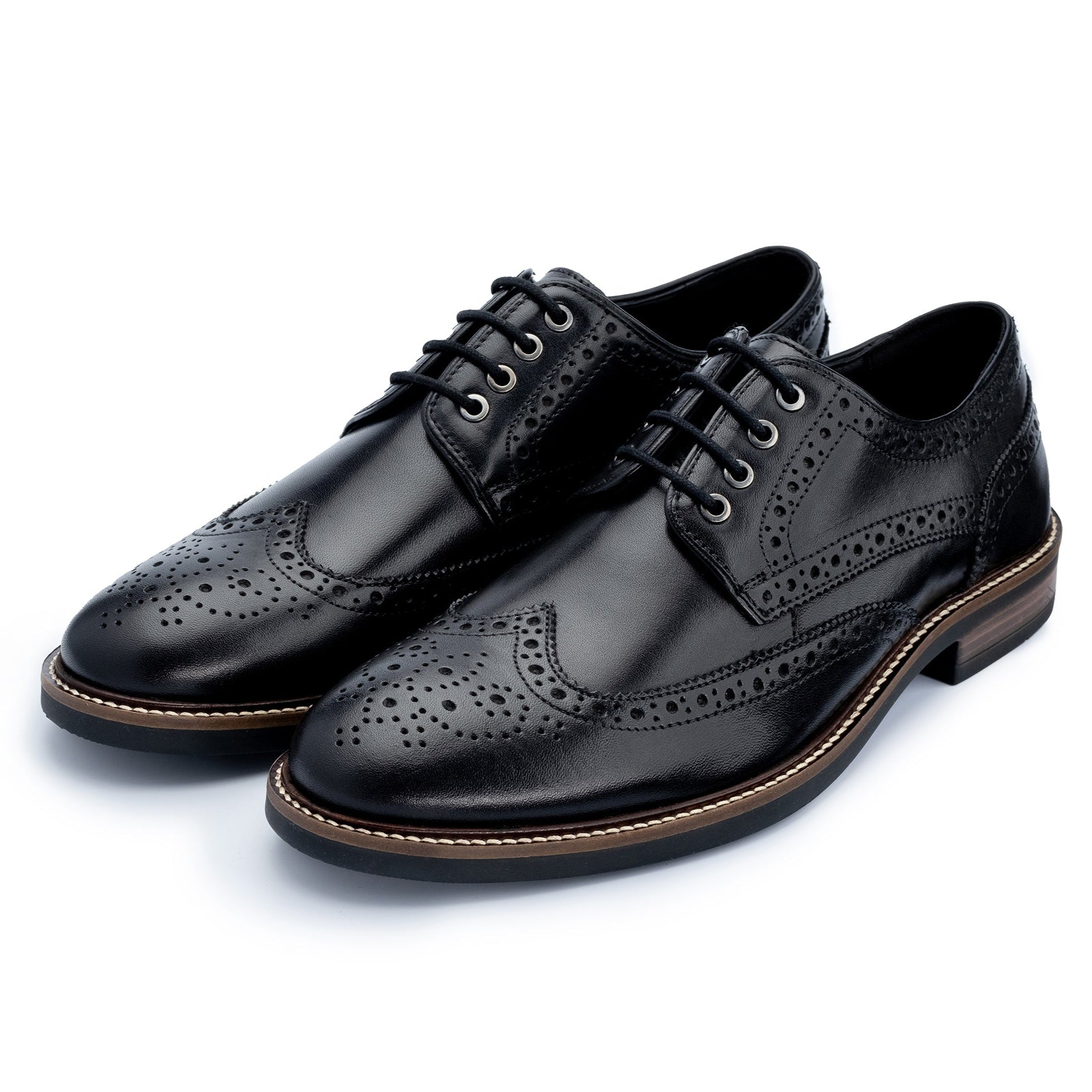
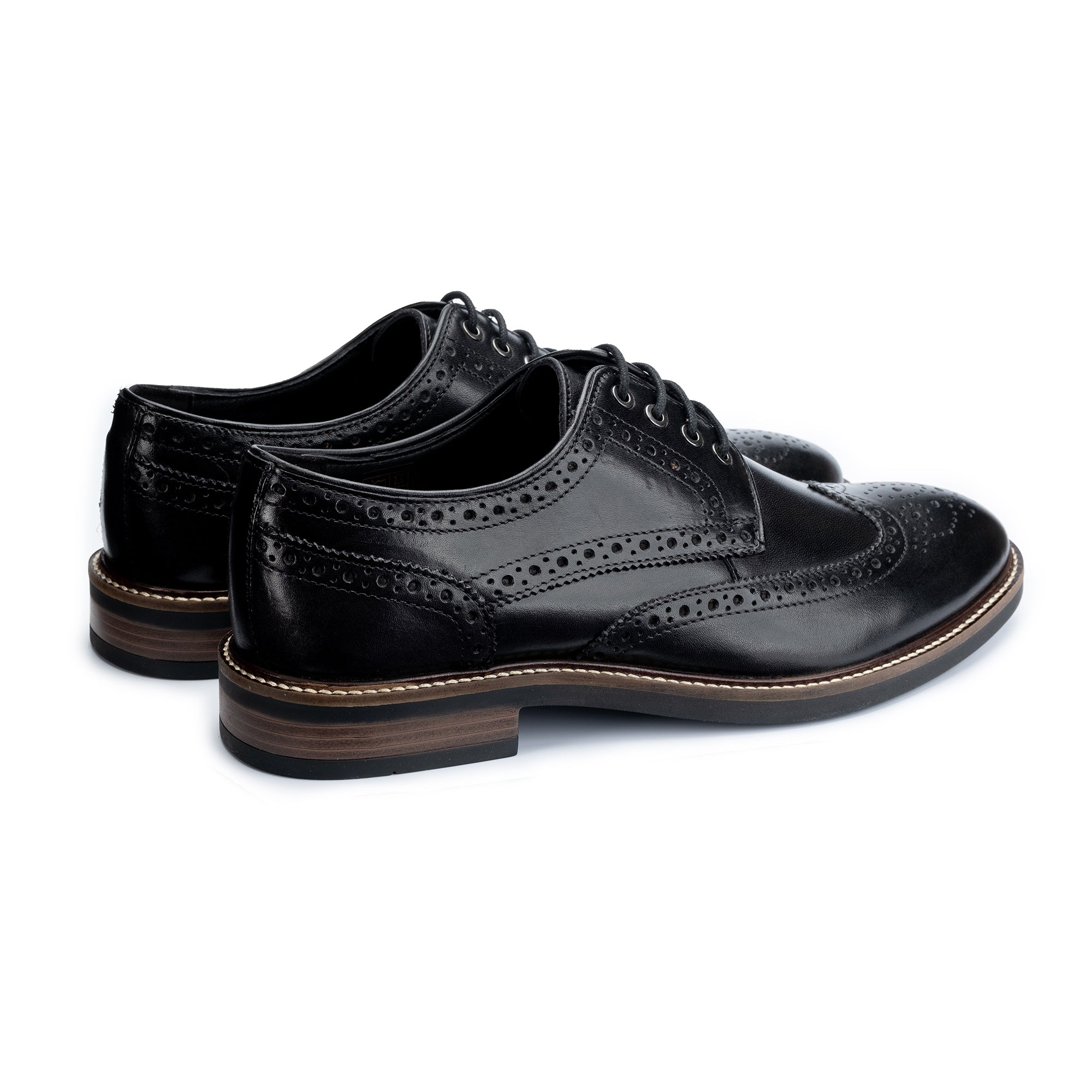
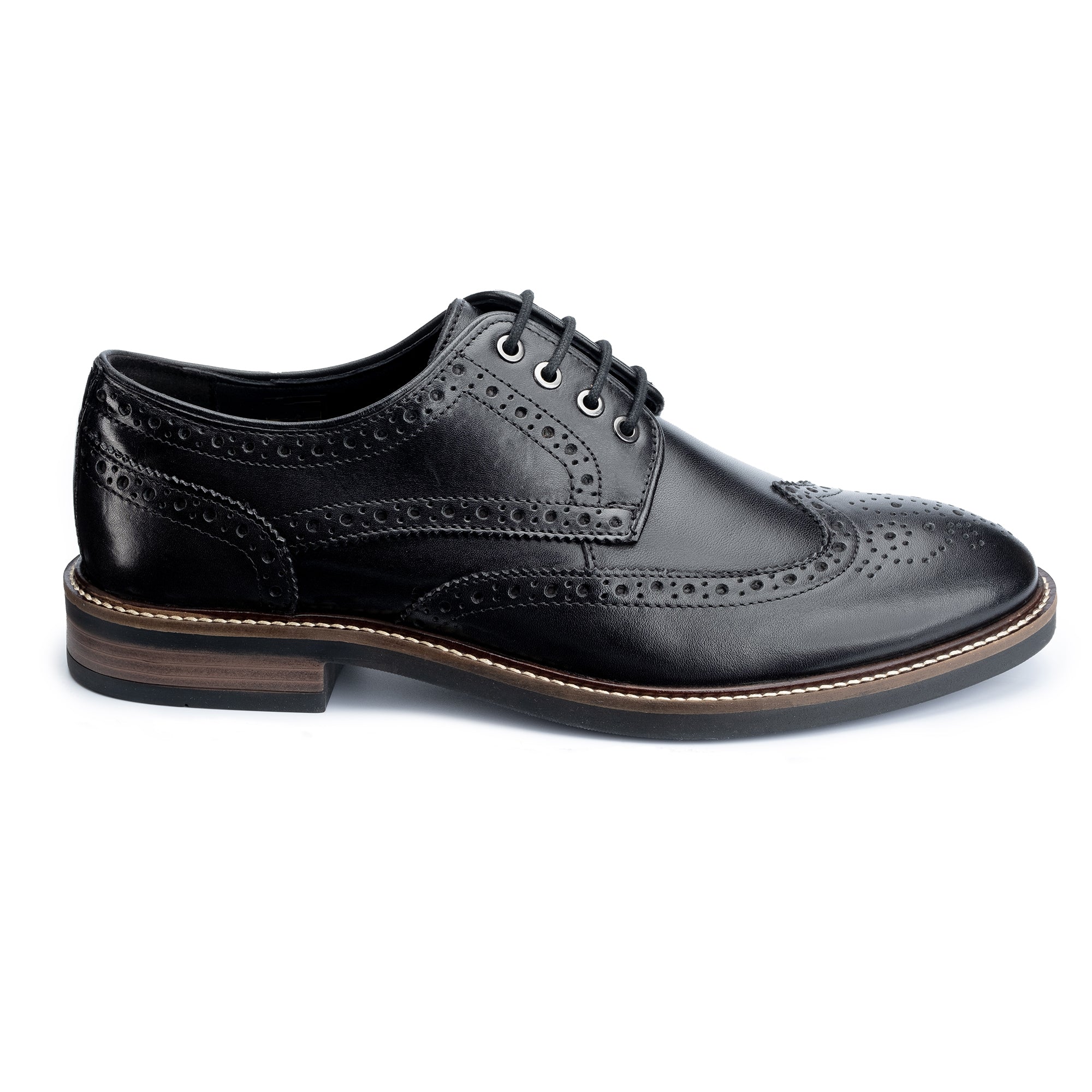
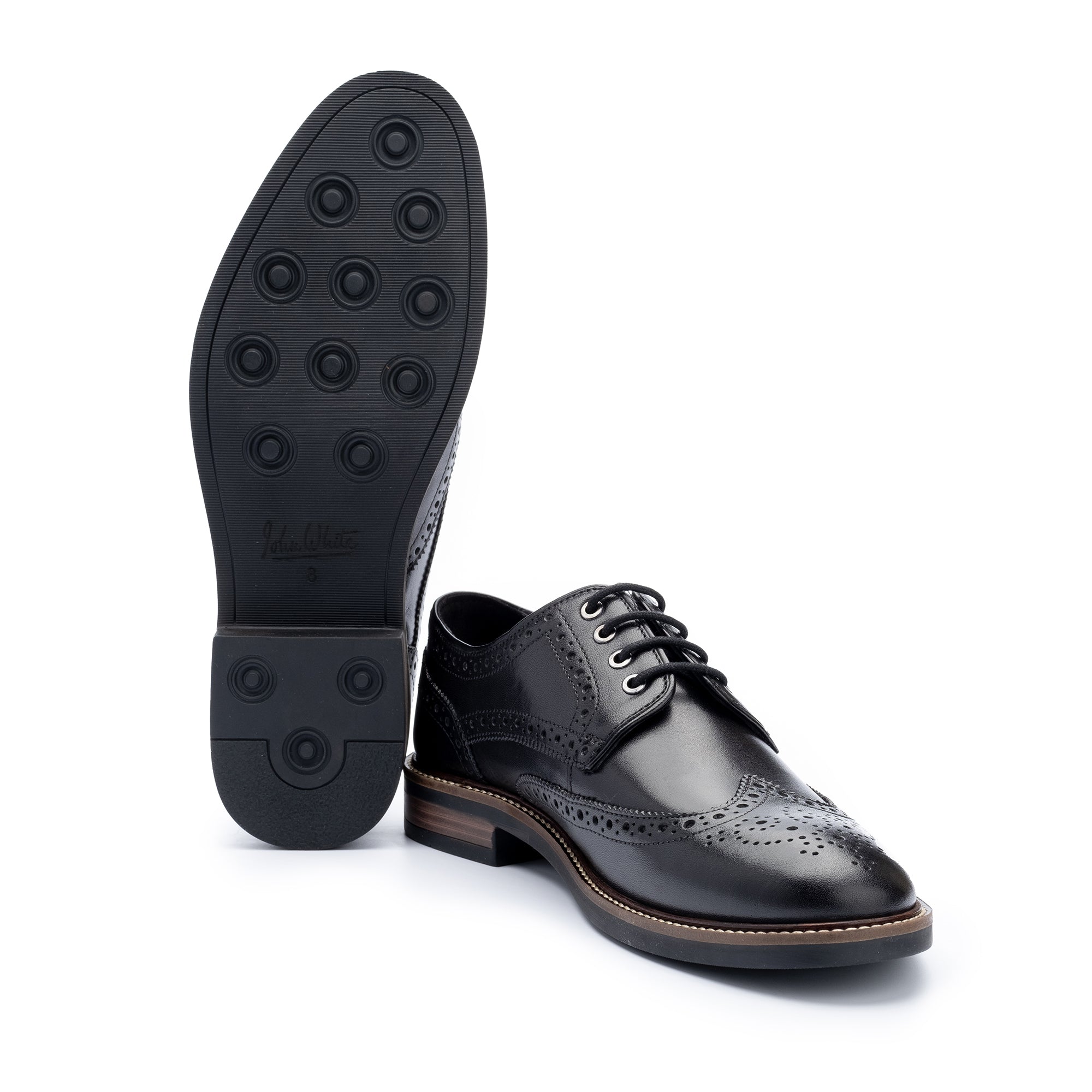
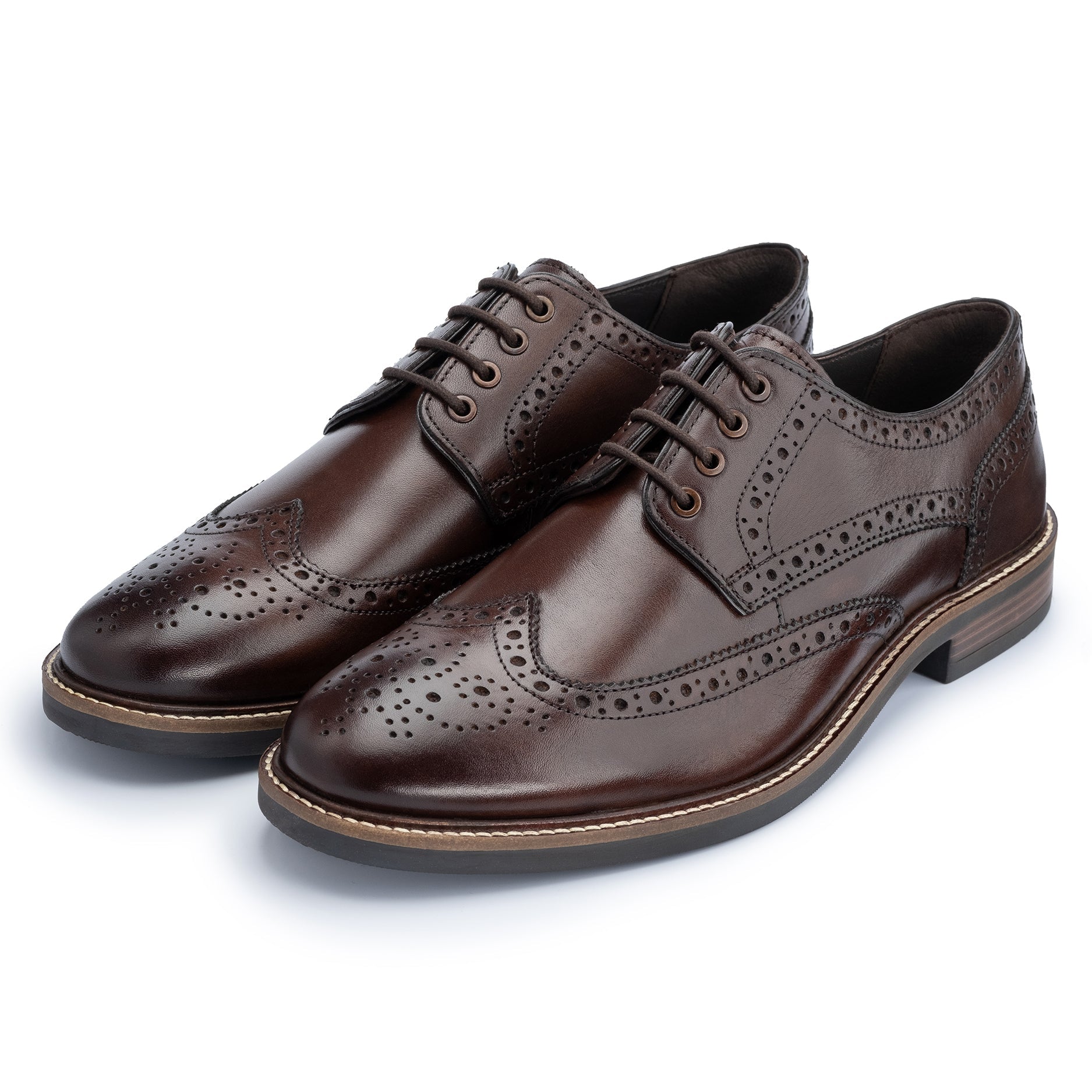
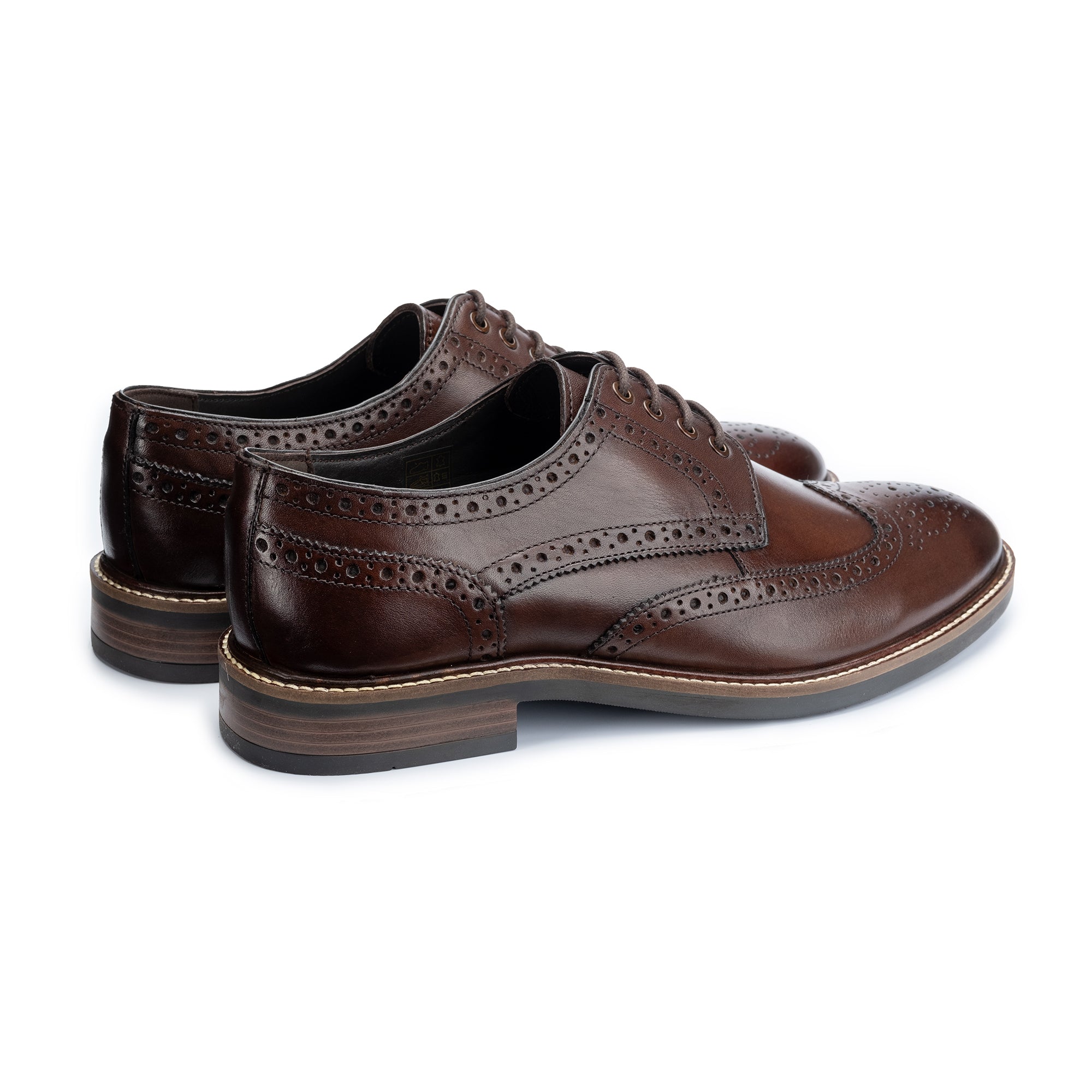
John White Shoes, a British heritage footwear brand established in 1919 in Northamptonshire, offers the Guildhall Capped Oxford — available in Black and Tan. The Guildhall is a closed-lace captoe Oxford designed for professional and formal dressing, with a clean last that reads as authoritative without severity.
The Black Guildhall suits formal business, black tie alternatives, and occasions where an uncompromising dress shoe is expected. The Tan variant moves comfortably between smart business and weekend tailoring. Both are part of the men's shoes collection.
Related Guides
- What to Wear to a Black Tie Event: The Complete Men's Shoe Guide
- The Best Shoes to Wear to a Job Interview: What Footwear Says About You
- Oxford vs Derby Shoes: Key Differences Explained
TL;DR
The captoe Oxford has a horizontal seam across the toe box and is the more versatile choice — appropriate for business, interviews, weddings, and most formal occasions. The plain toe Oxford has no toe seam and is the most formal dress shoe in traditional menswear, reserved for black tie, white tie, and the most rigidly formal dress codes. For most men, the captoe is the practical first choice; the plain toe is a specialist addition for those who dress formally and often.
Frequently Asked Questions
Is a captoe Oxford appropriate for black tie?
Yes. A black captoe Oxford is widely accepted at black tie events — it's formal, clean, and correct within the dress code. A plain toe is the strictest interpretation, but in practice a captoe reads as properly formal in almost all black tie contexts outside the most rigidly traditional settings.
Can you wear an Oxford shoe with jeans?
A captoe Oxford in tan or dark brown can work with dark, well-fitted jeans in a smart-casual context. A black Oxford on a formal last generally looks awkward with denim. For the full breakdown, see our guide to the best shoes to wear with jeans.
What's the difference between an Oxford and a Derby shoe?
The defining difference is the lacing system. An Oxford has closed lacing — the eyelet facings are stitched beneath the vamp, making it less adjustable but more formal. A Derby has open lacing — the facings sit on top of the vamp, making it slightly more casual and easier to put on. For a full comparison, see our guide to Oxford vs Derby shoes.
How should you care for Oxford shoes?
Polish with a quality wax cream, condition the leather every six to eight weeks, and use cedar shoe trees between wears. Always clean surface dirt before polishing to avoid working it into the grain. For the full routine, our complete guide to leather shoe care covers every step.