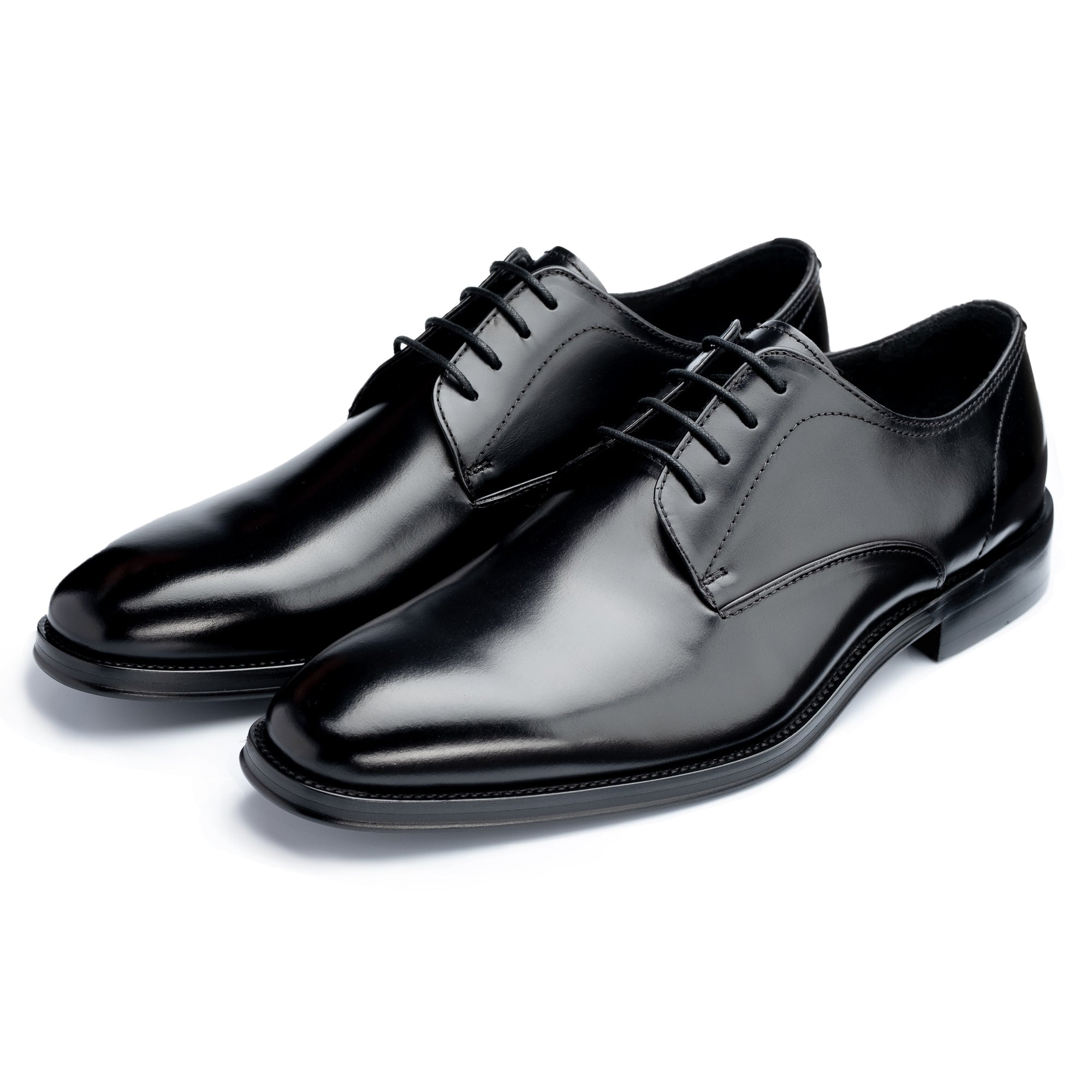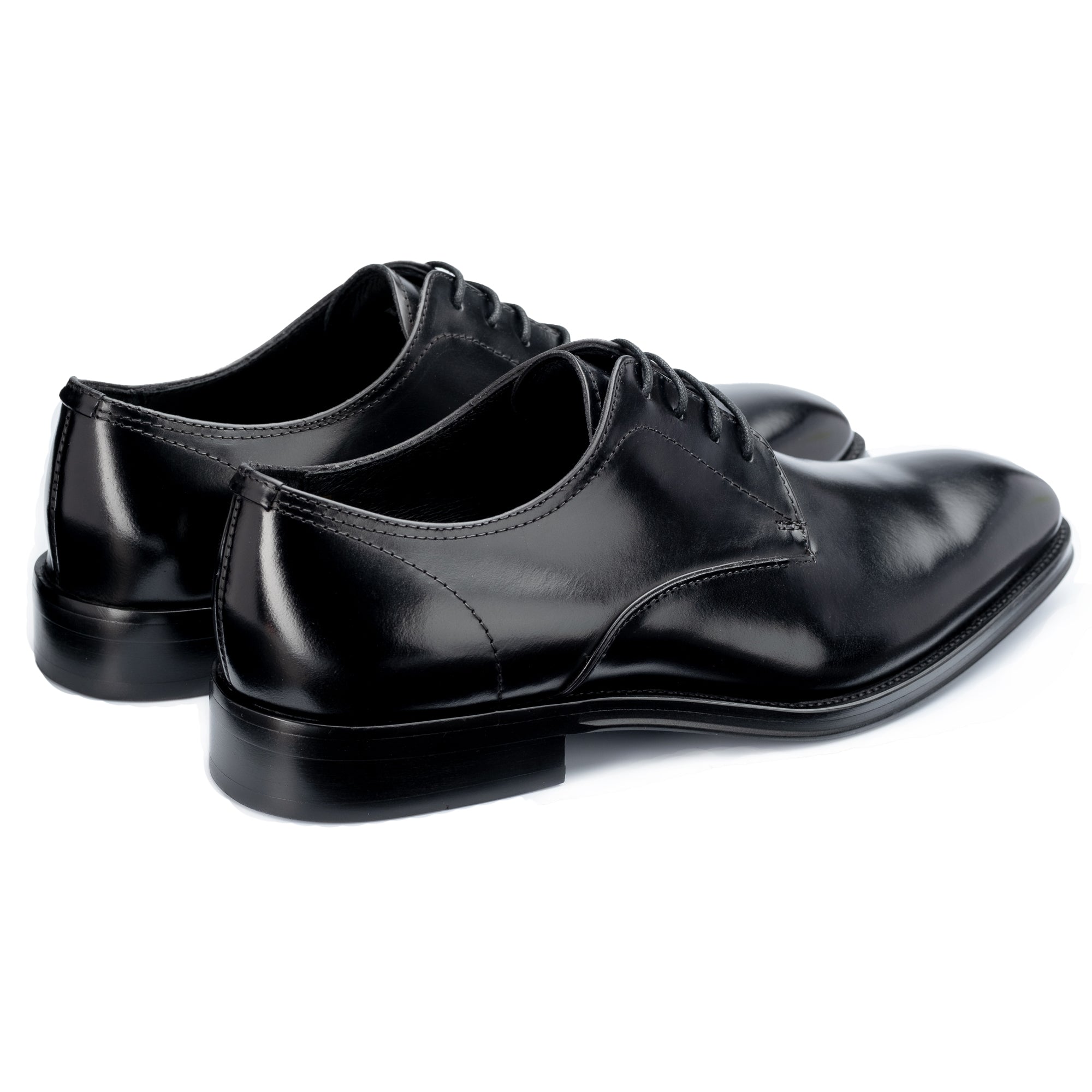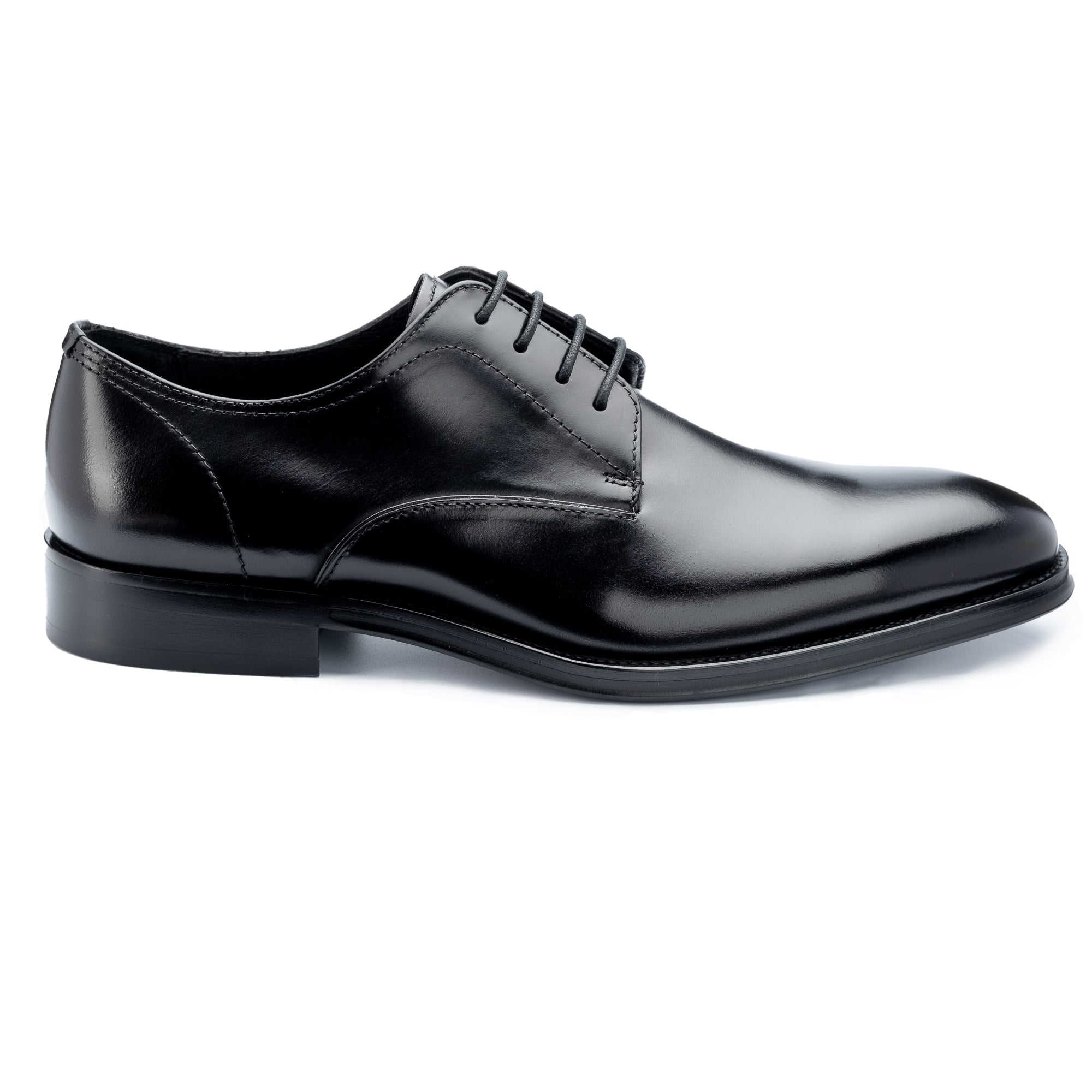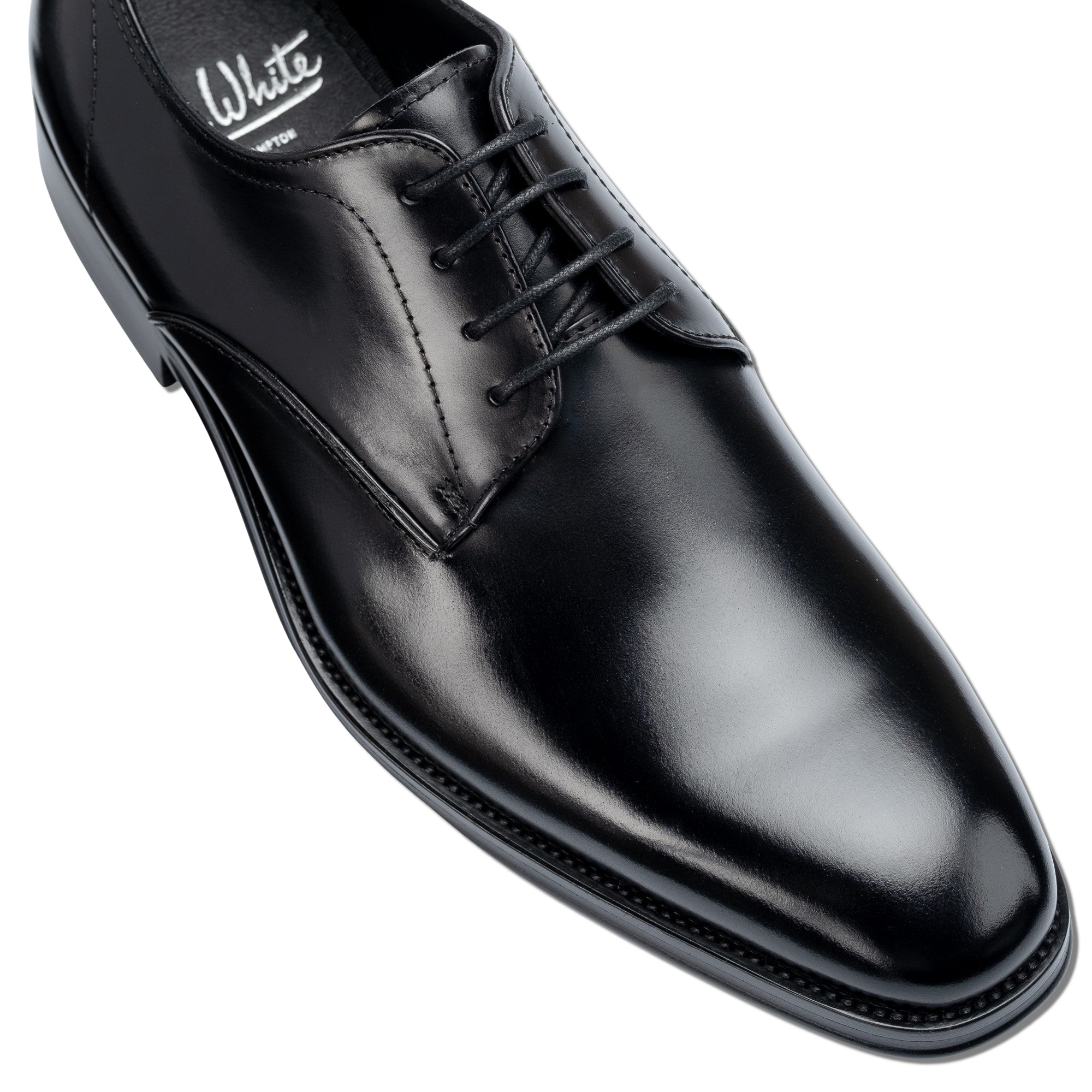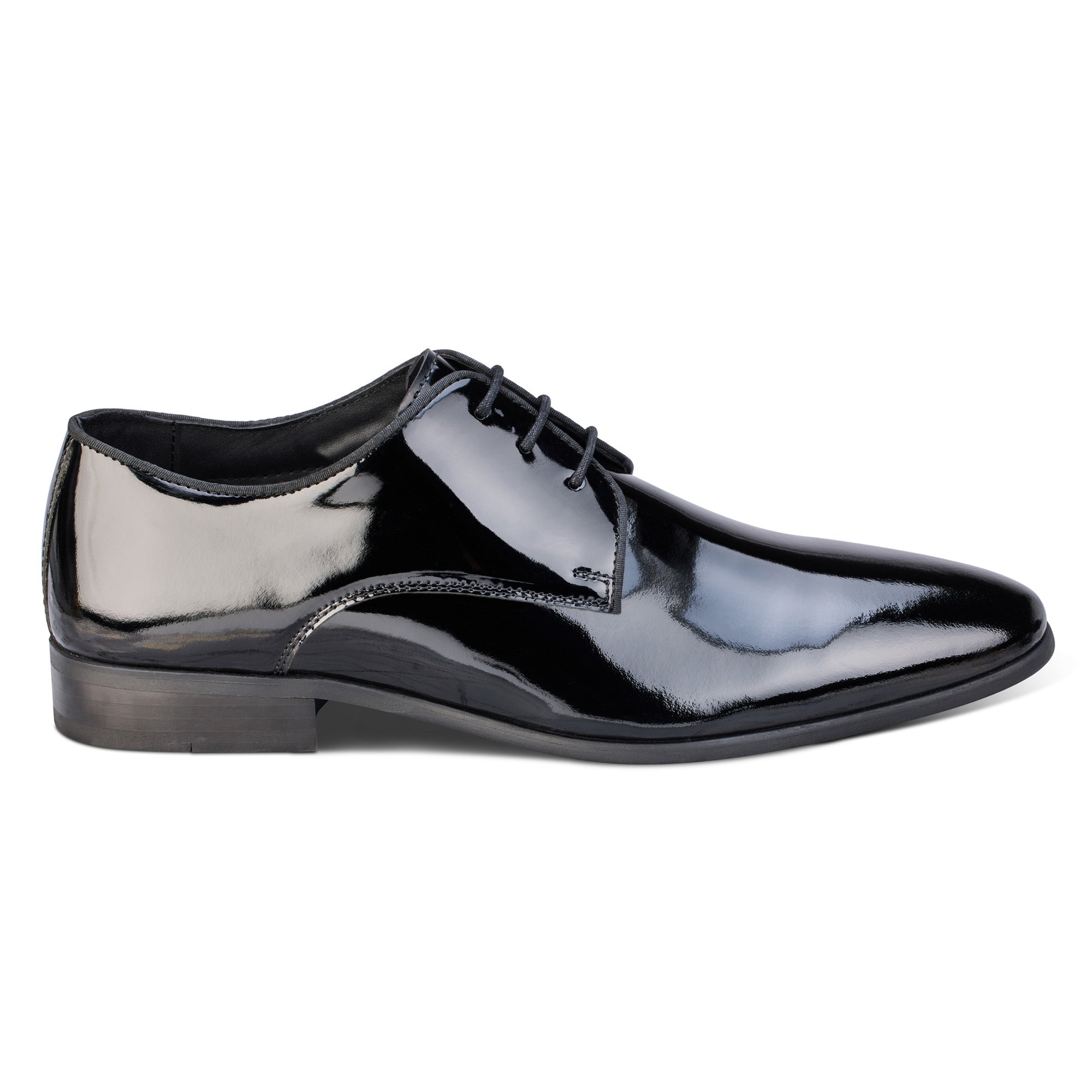
Salt Stains on Leather Shoes: The Correct Method for Removal and Prevention
Salt stains on leather shoes are white, chalky tide marks caused by road de-icing compounds or perspiration migrating to the surface as moisture evaporates. Remove them by applying a solution of equal parts distilled white vinegar and cold water with a soft cloth, allowing the shoes to dry naturally, then conditioning and polishing as normal. Left untreated, the alkaline salt crystals break down leather's natural fibres and cause permanent cracking.
In This Guide
- What Are Salt Stains on Leather Shoes?
- Why Is Timing So Critical When Treating Salt Stains?
- What Do You Need to Remove Salt Stains from Leather Shoes?
- How Do You Remove Salt Stains from Leather Shoes?
- Does the Treatment Differ by Leather Type?
- How Do You Prevent Salt Stains on Leather Shoes?
- When Should You Consult a Professional?
- Related Guides
- Frequently Asked Questions
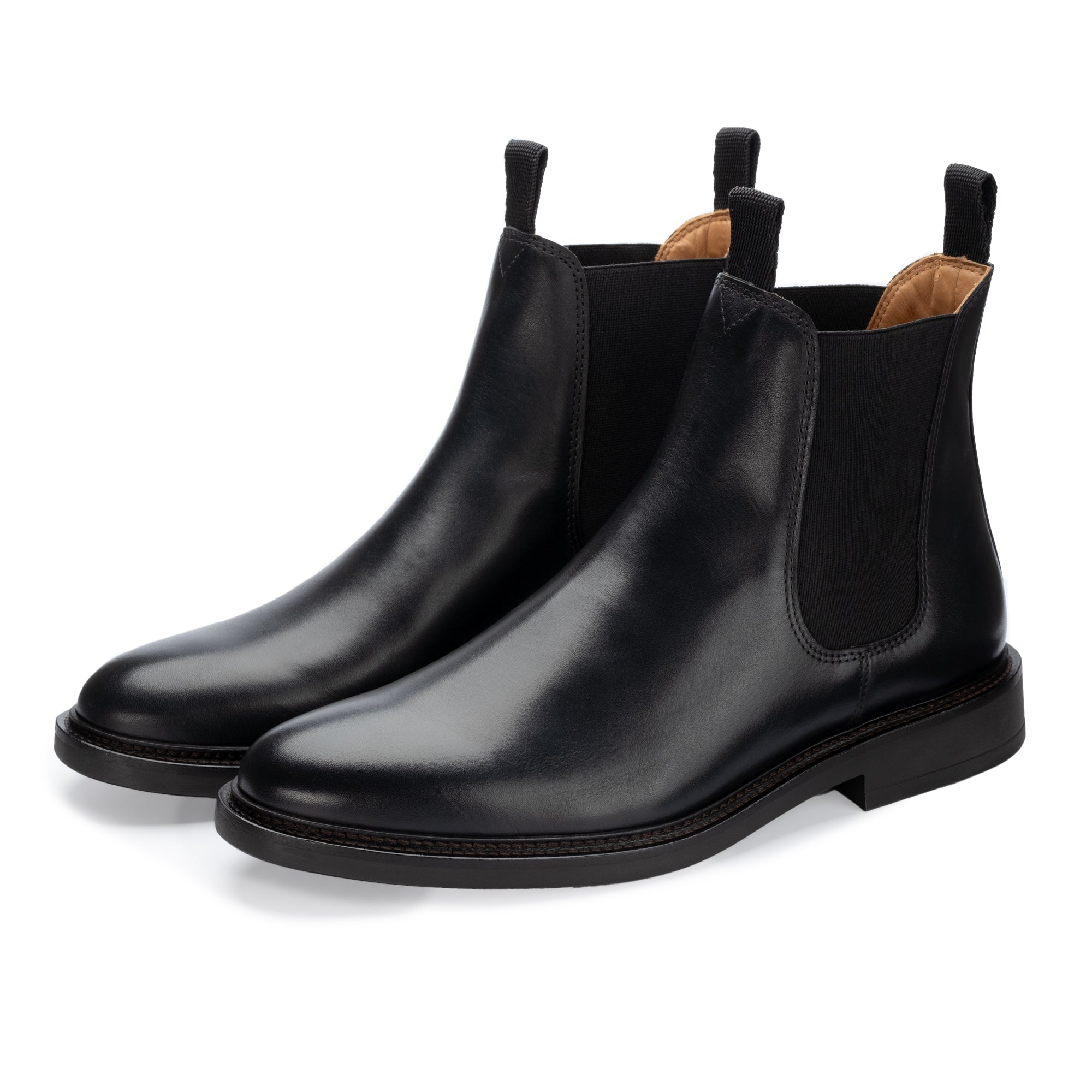
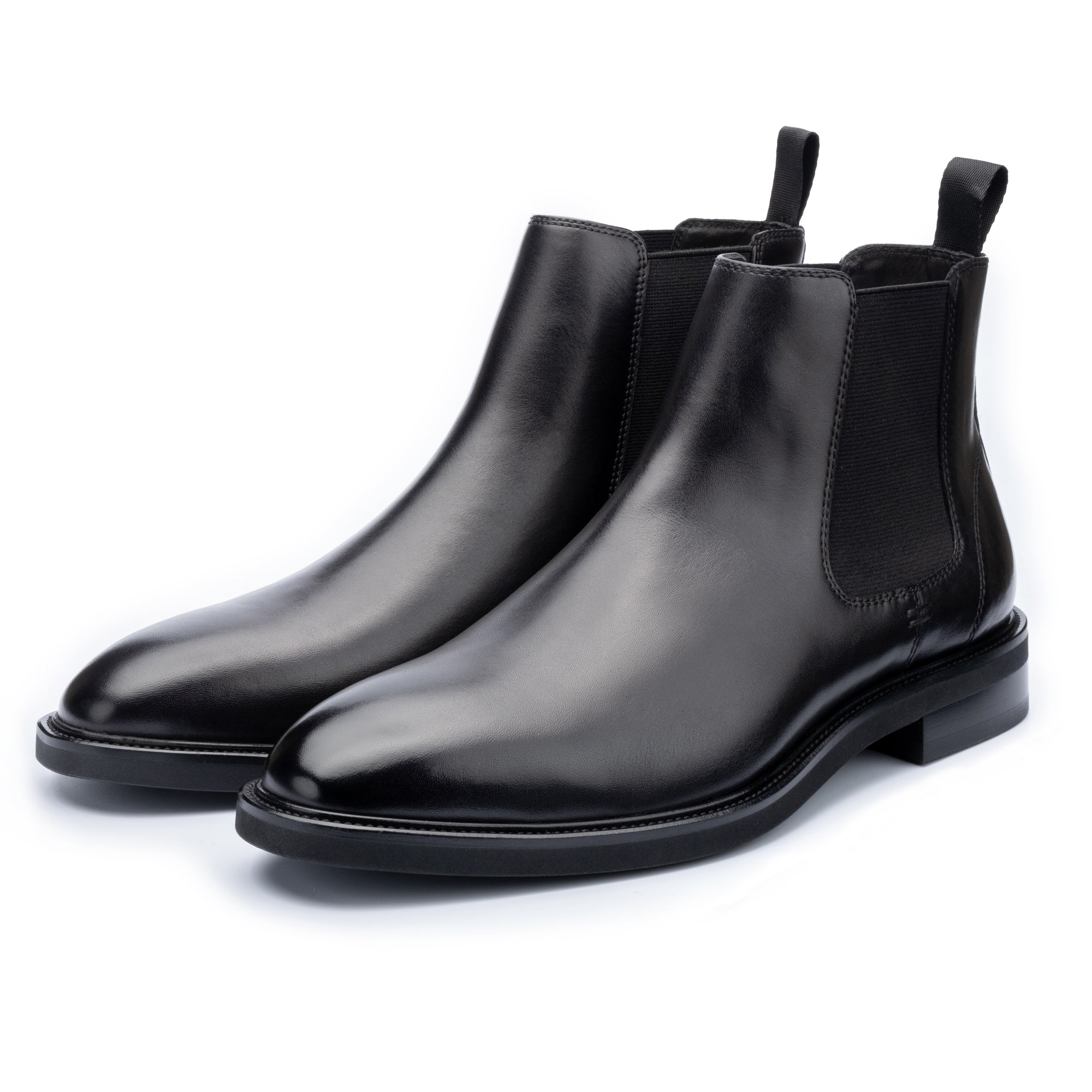
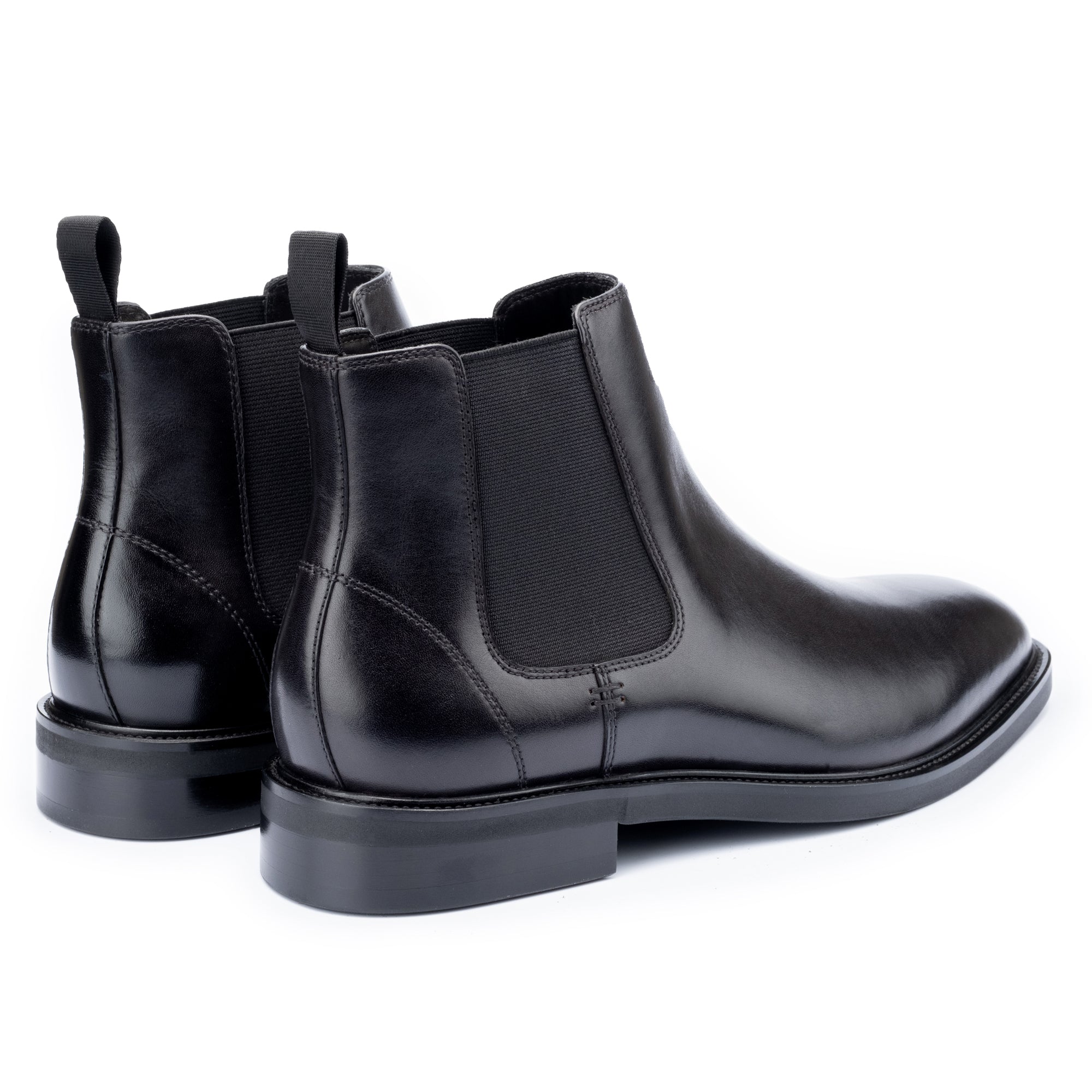
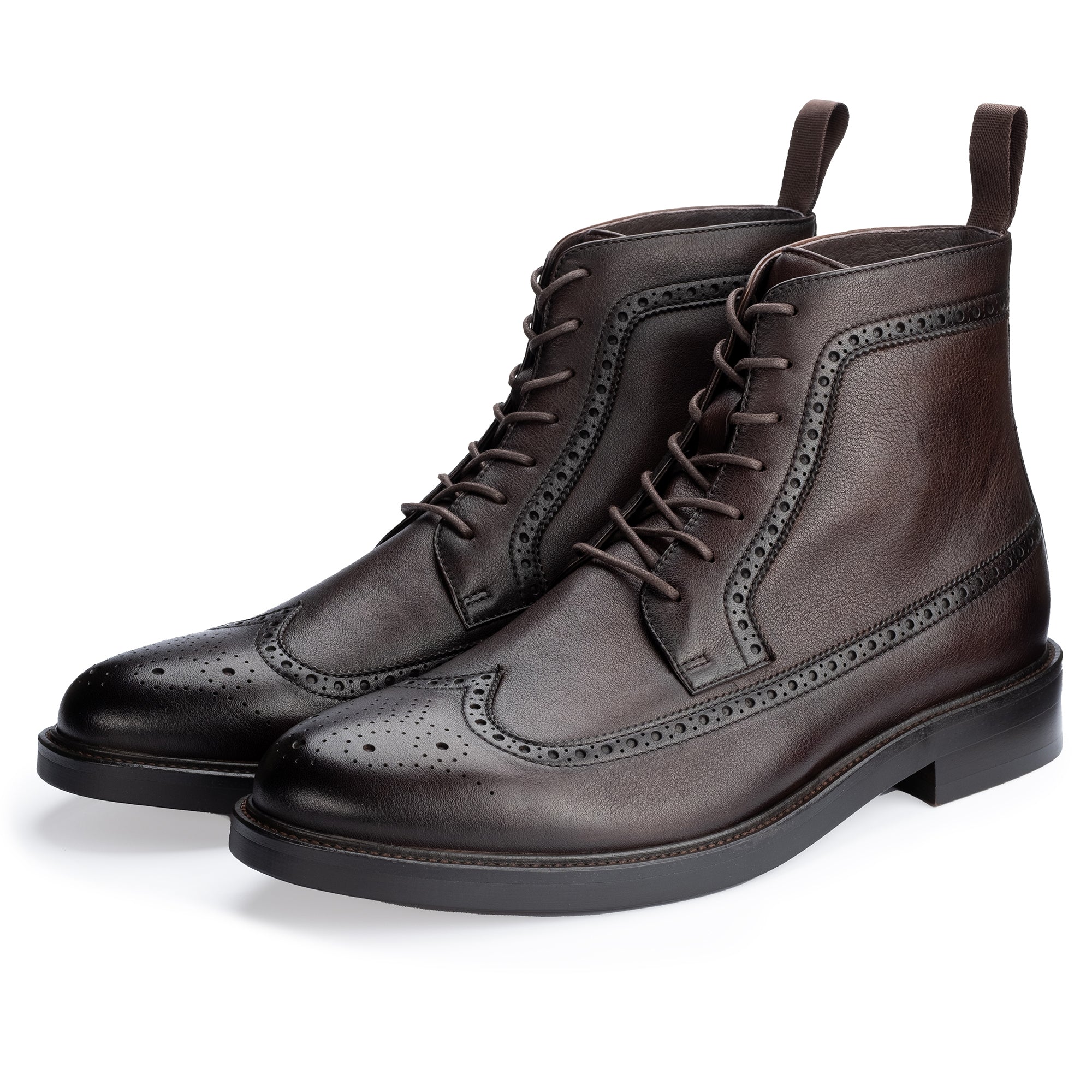
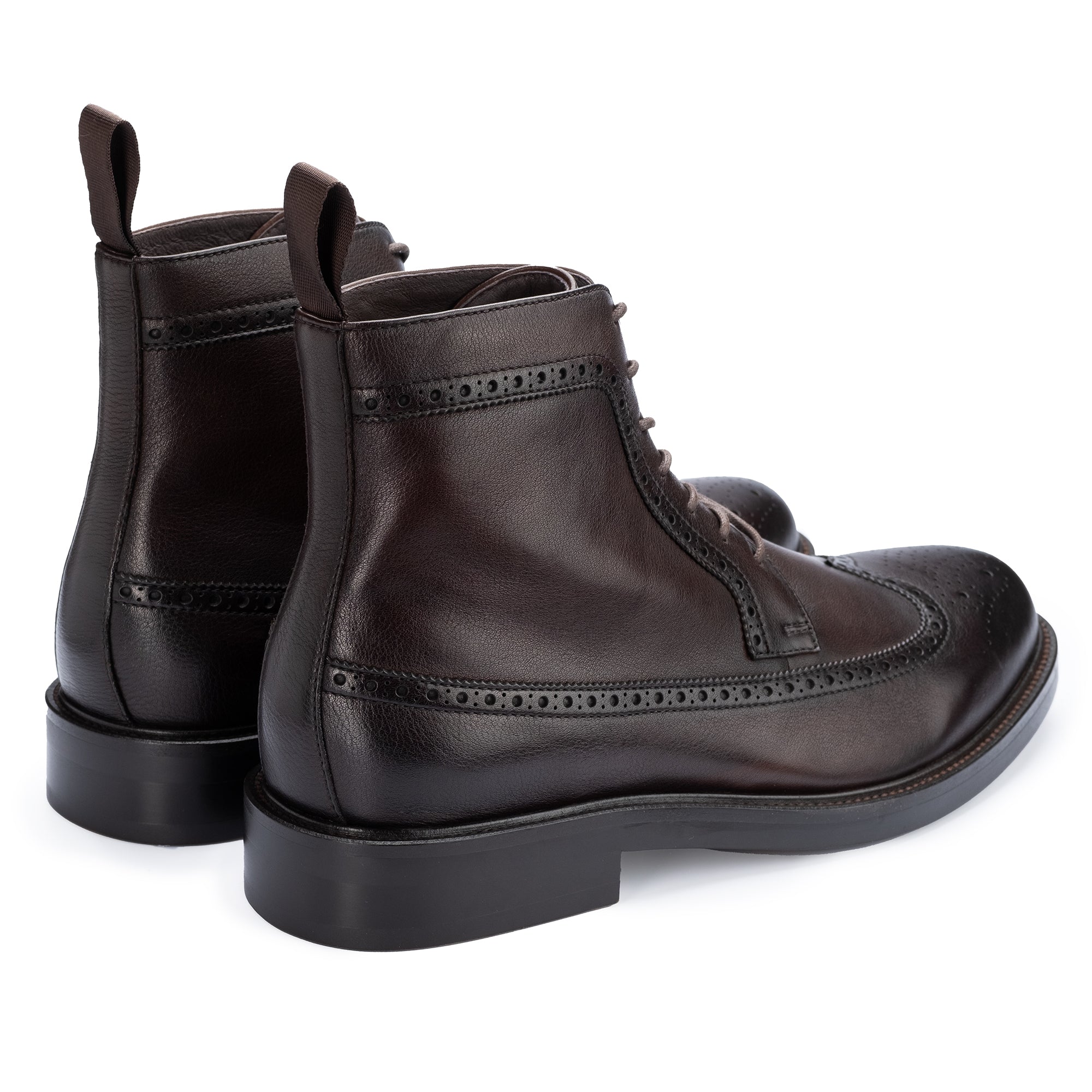
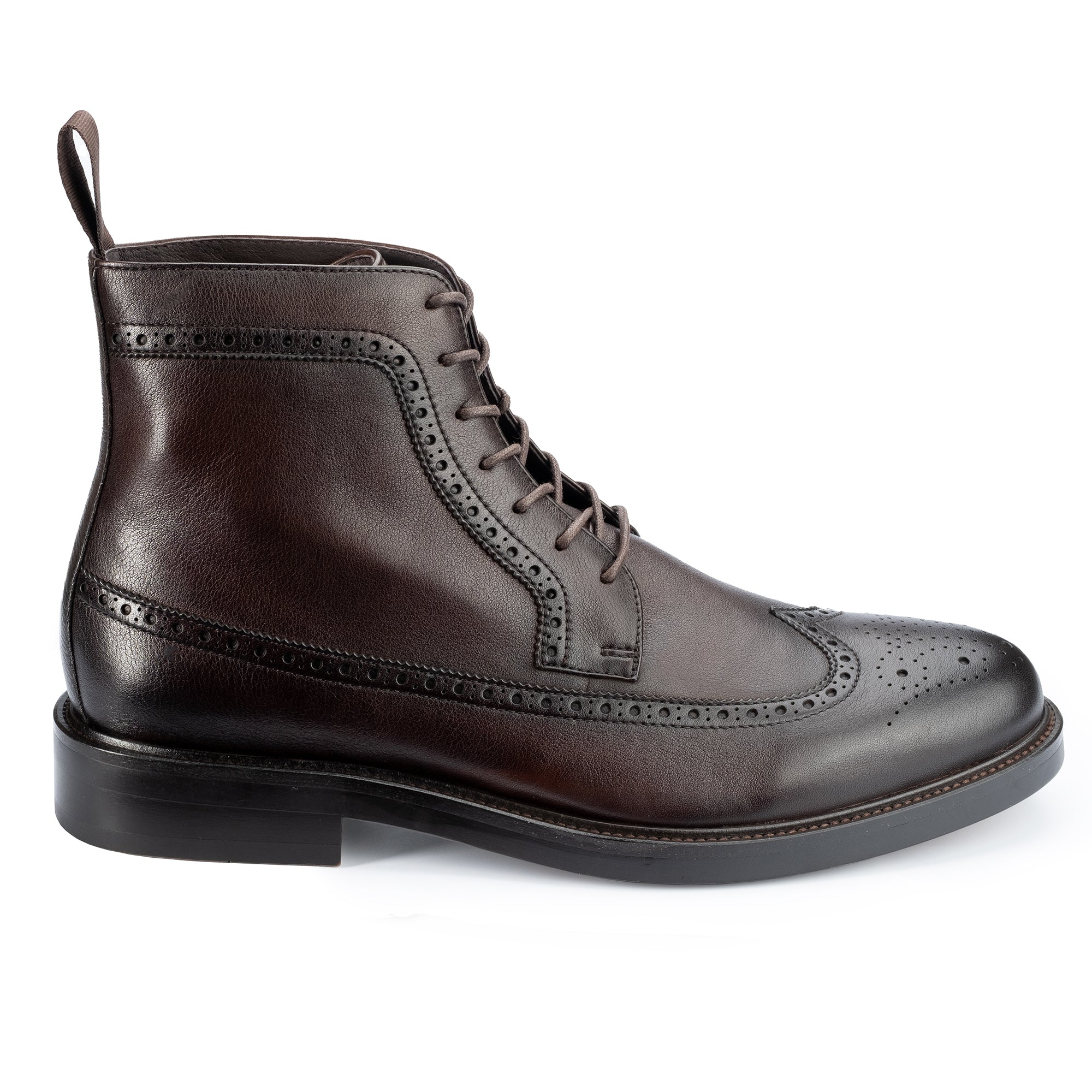
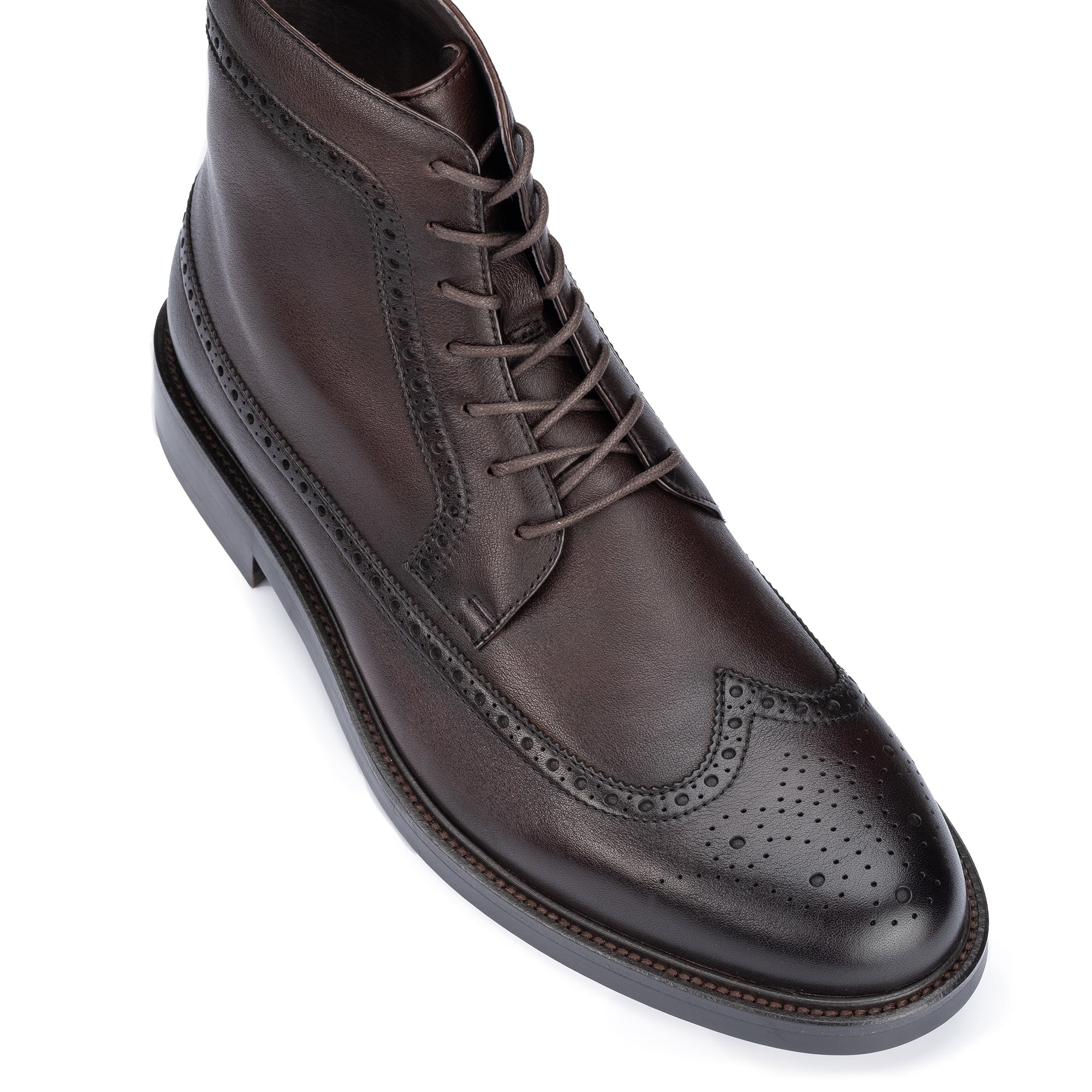
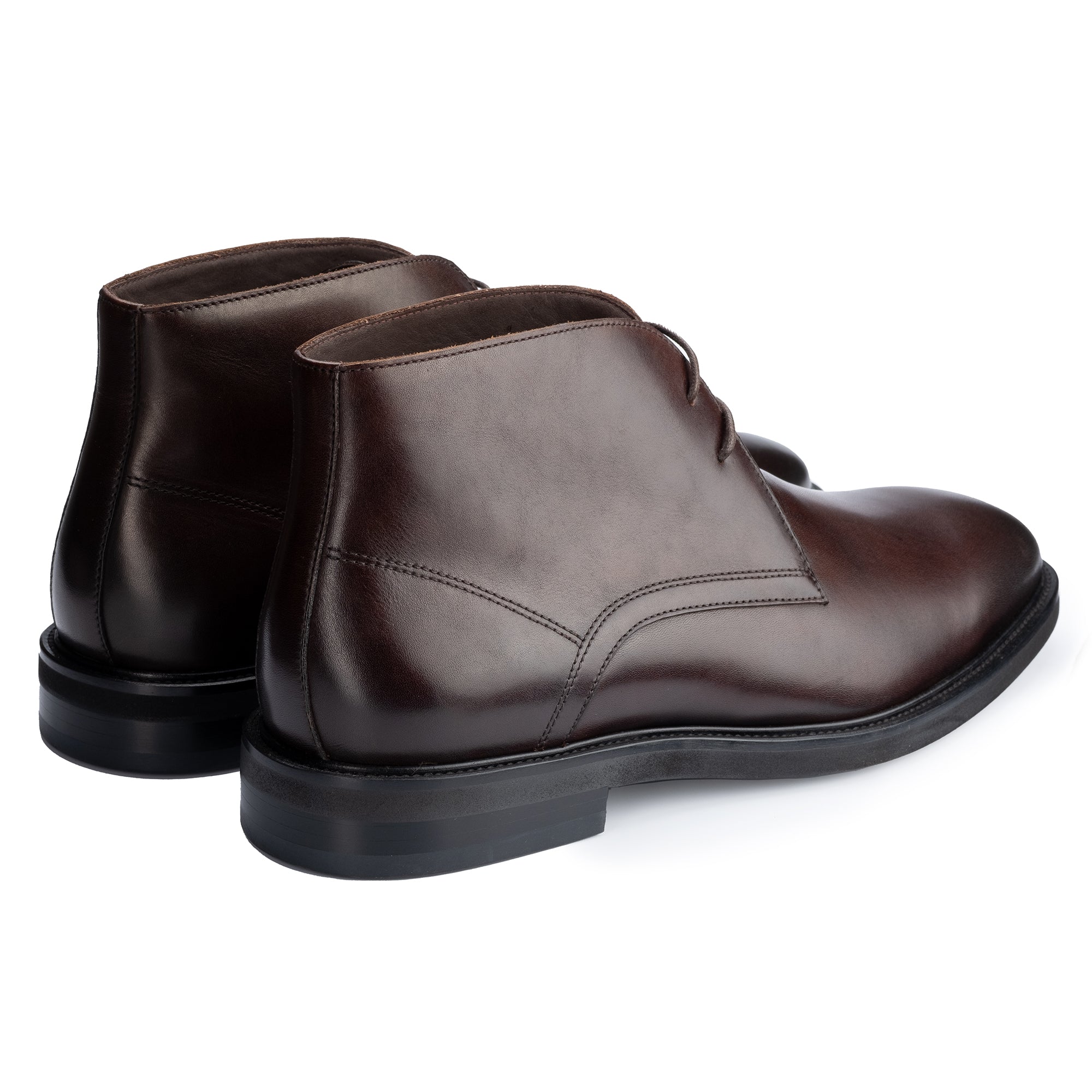
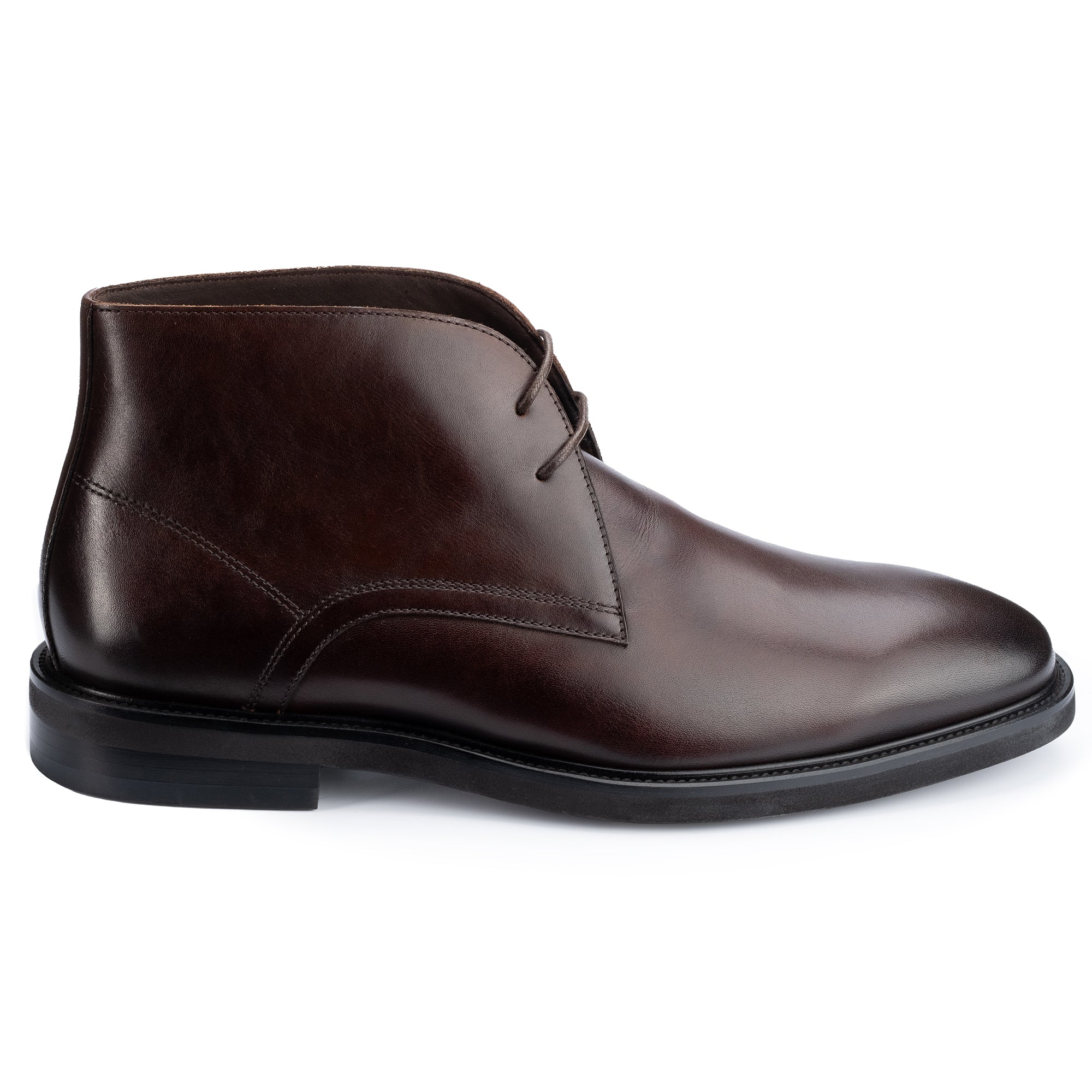
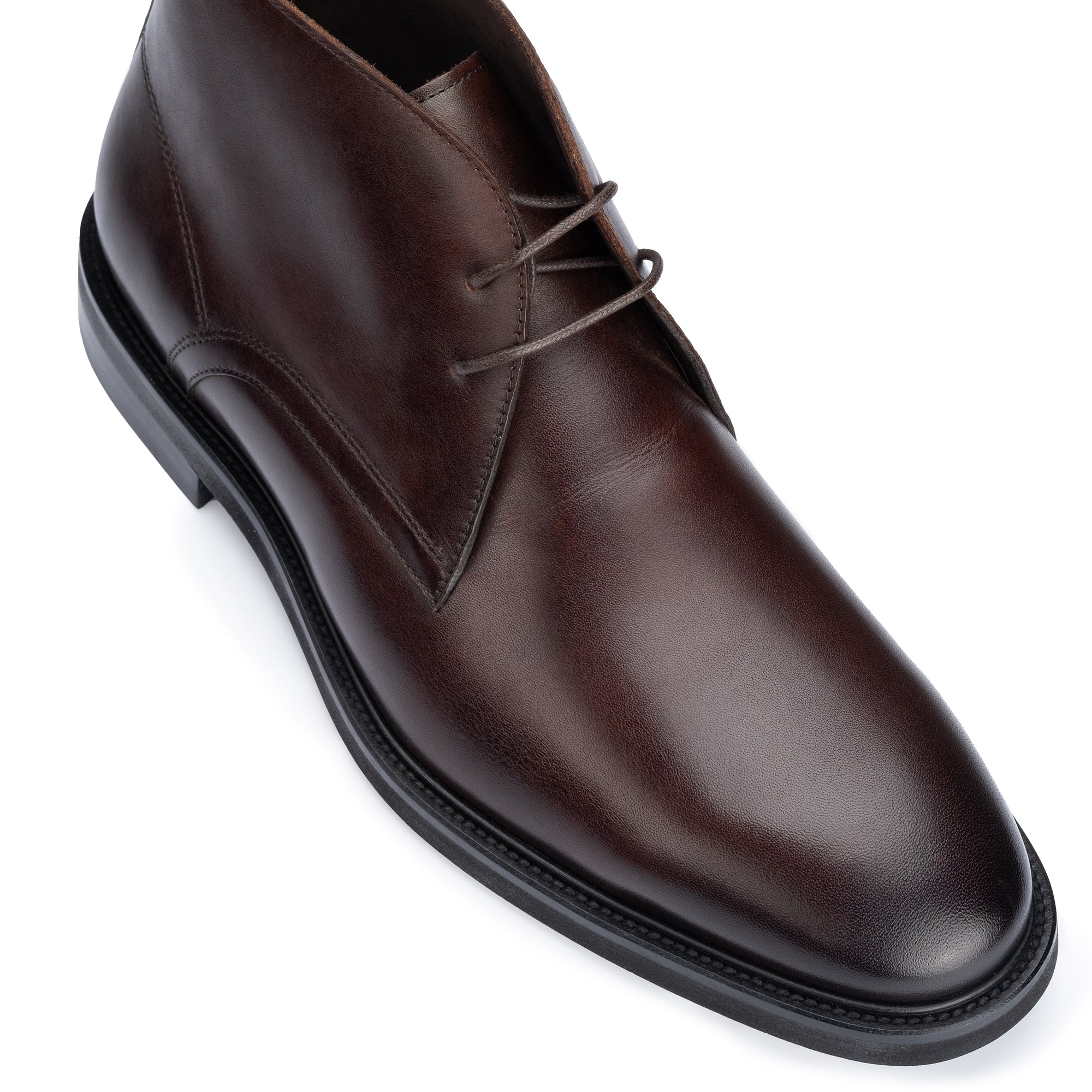
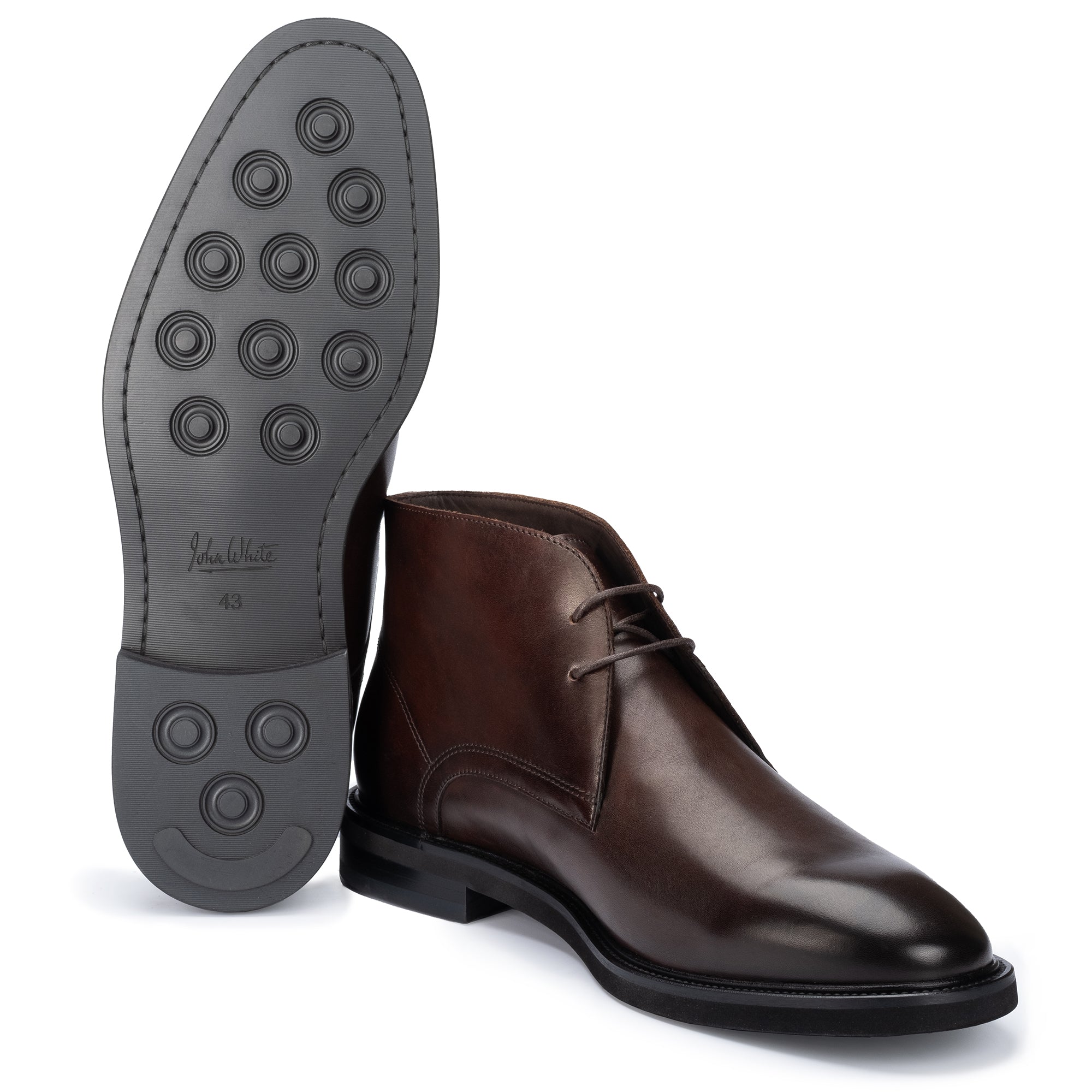
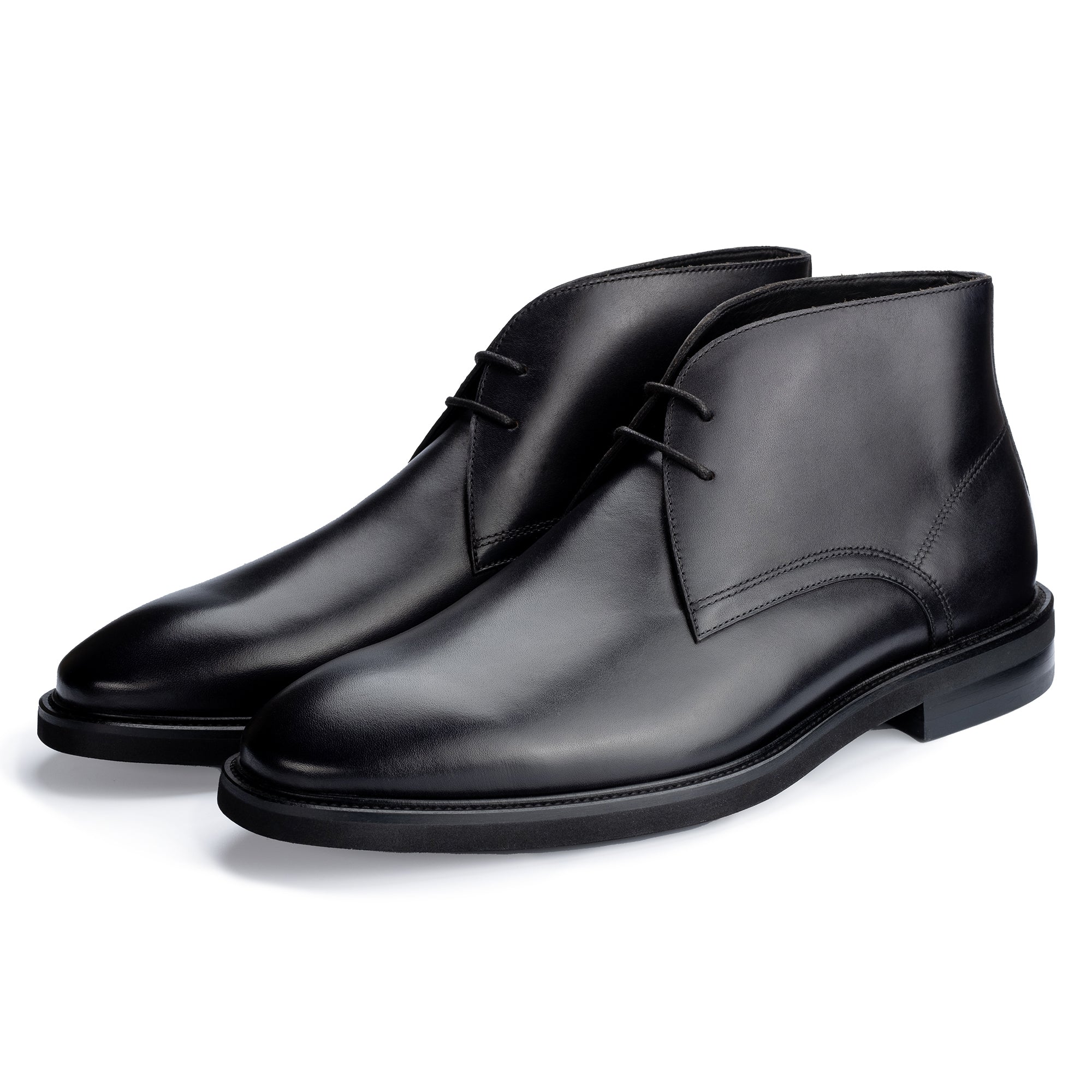
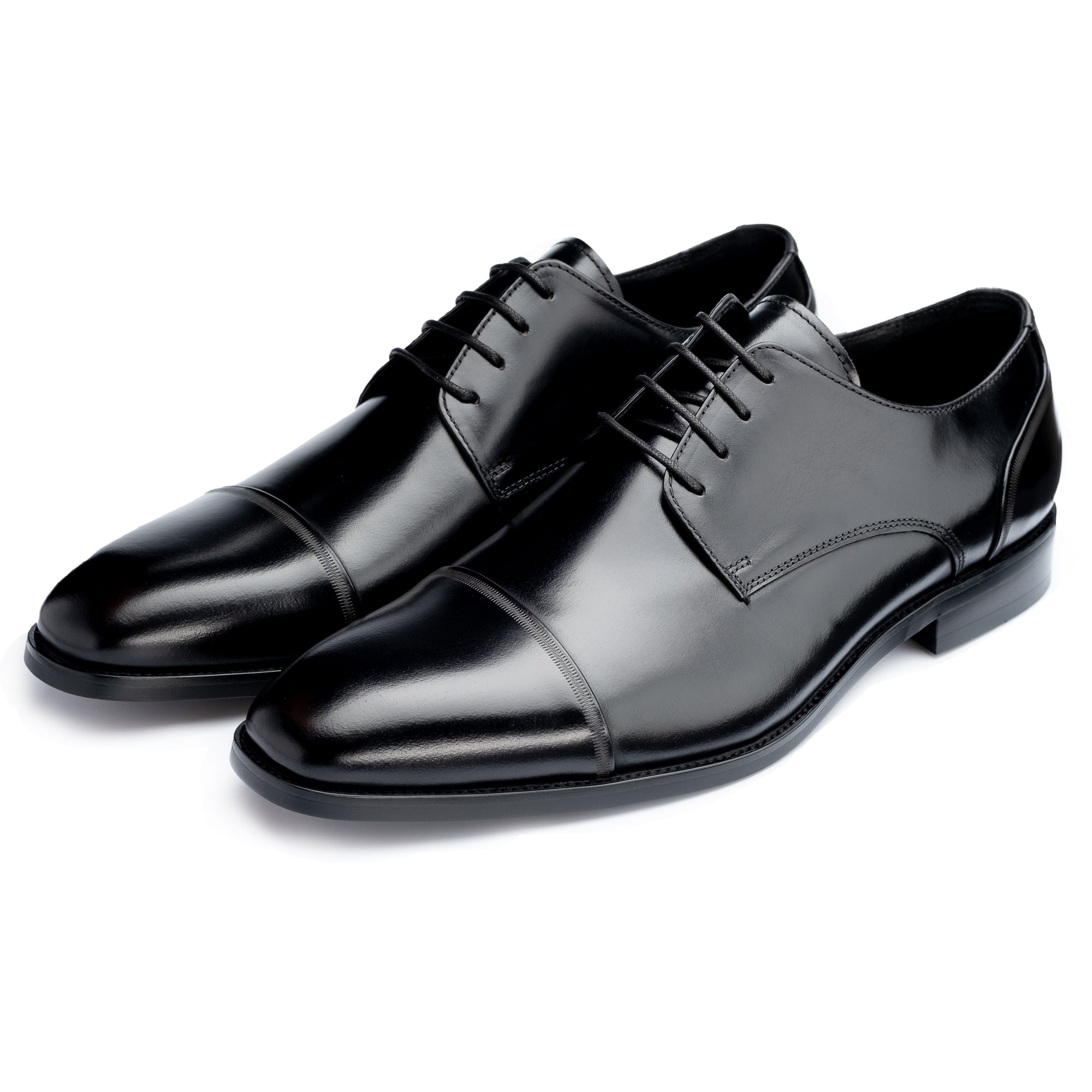
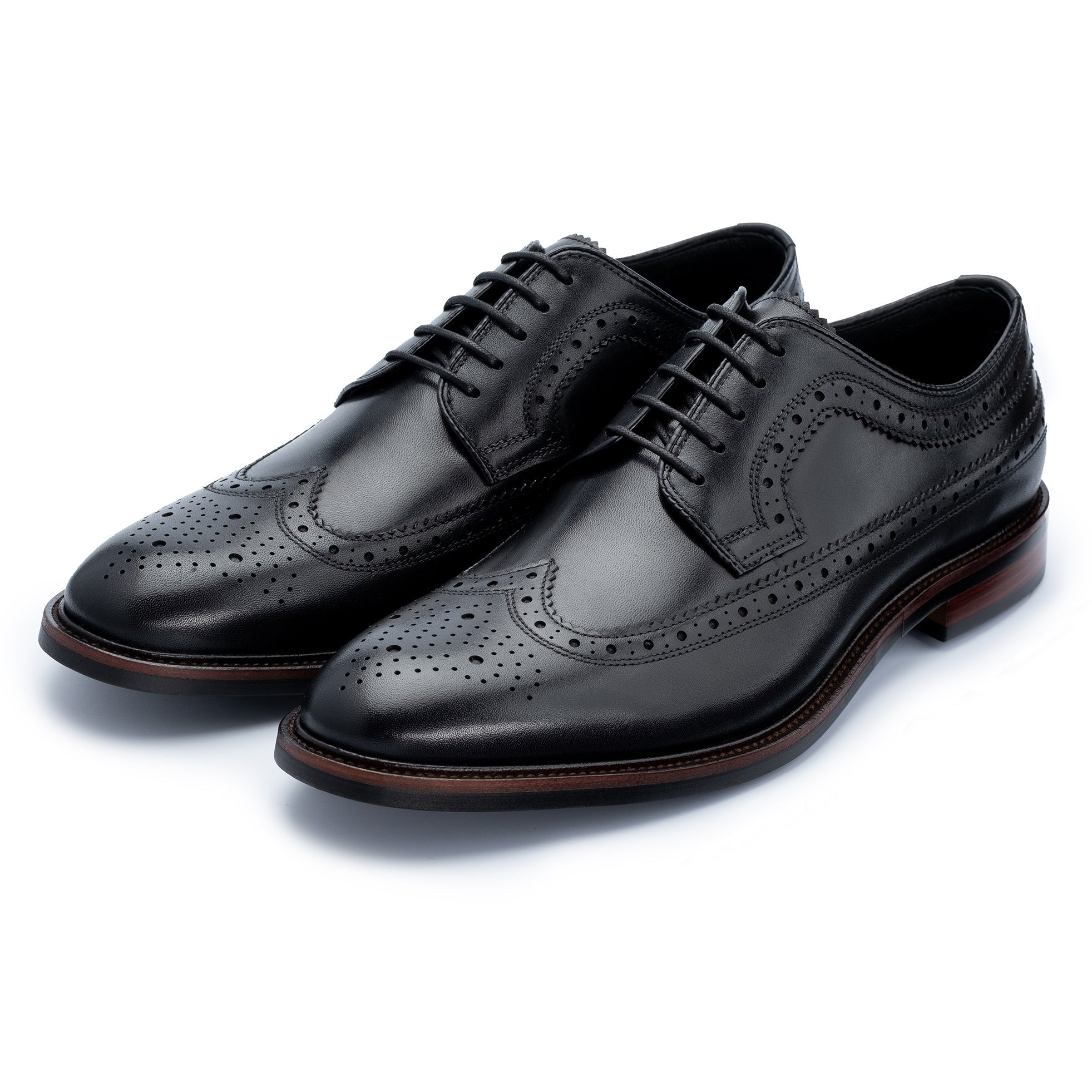
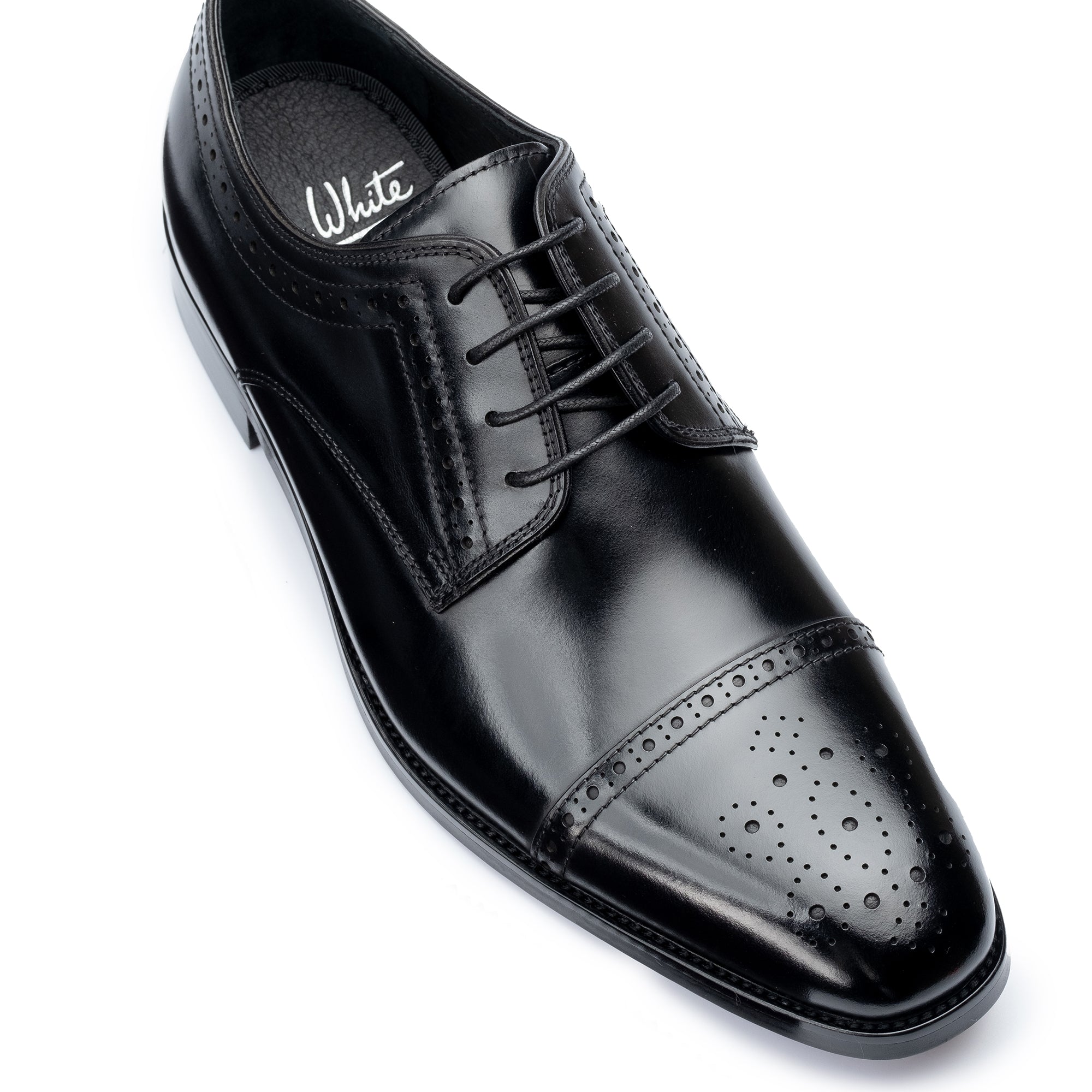
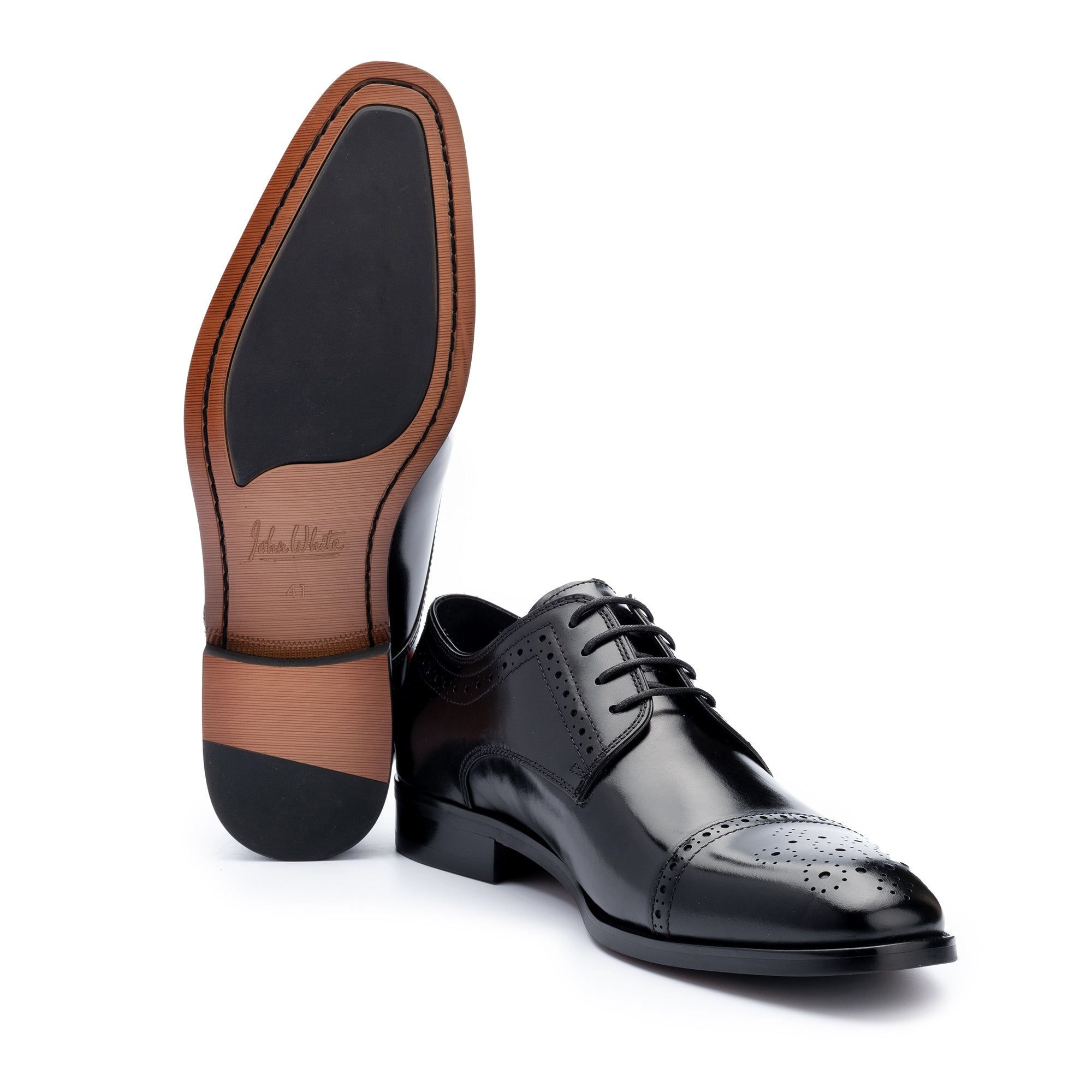
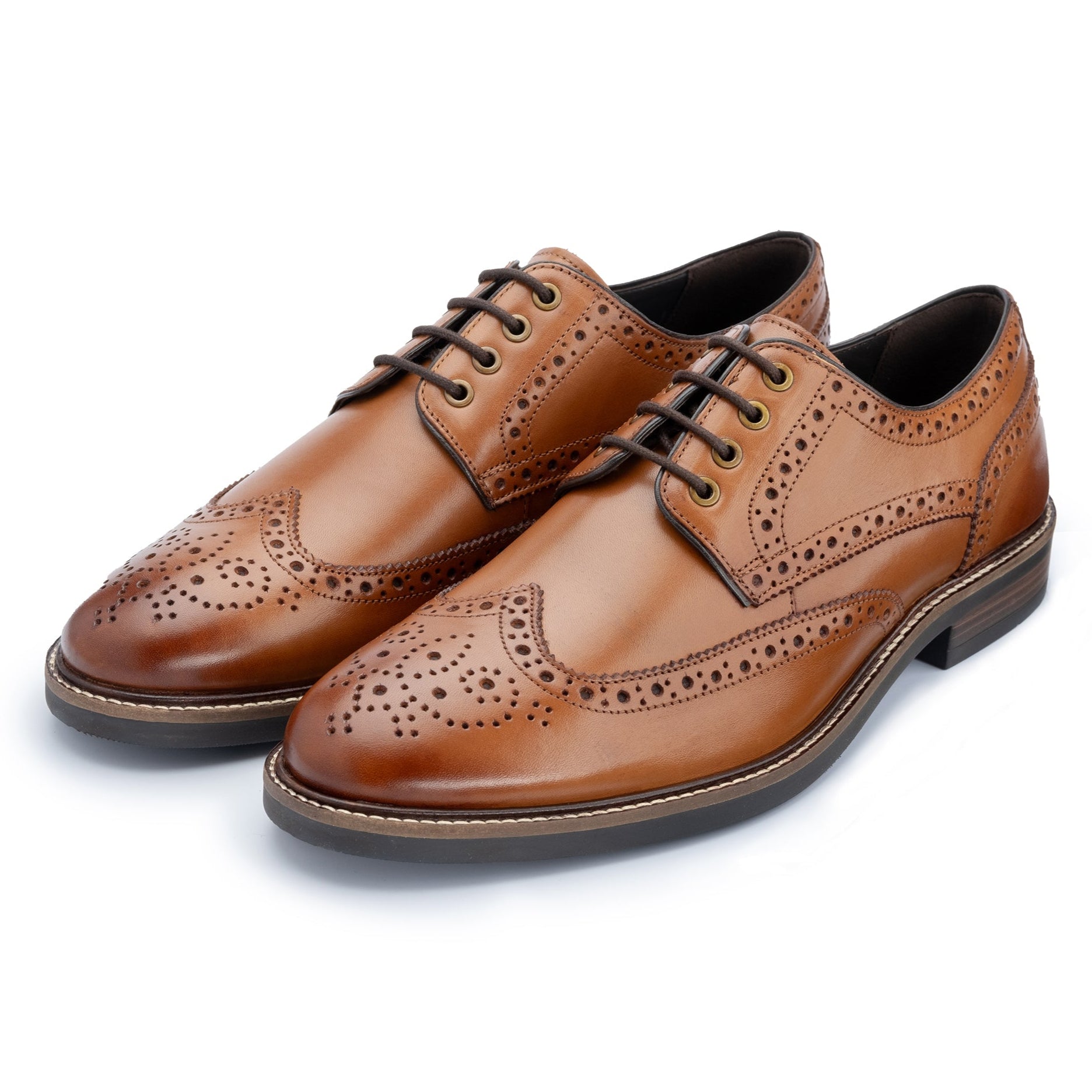
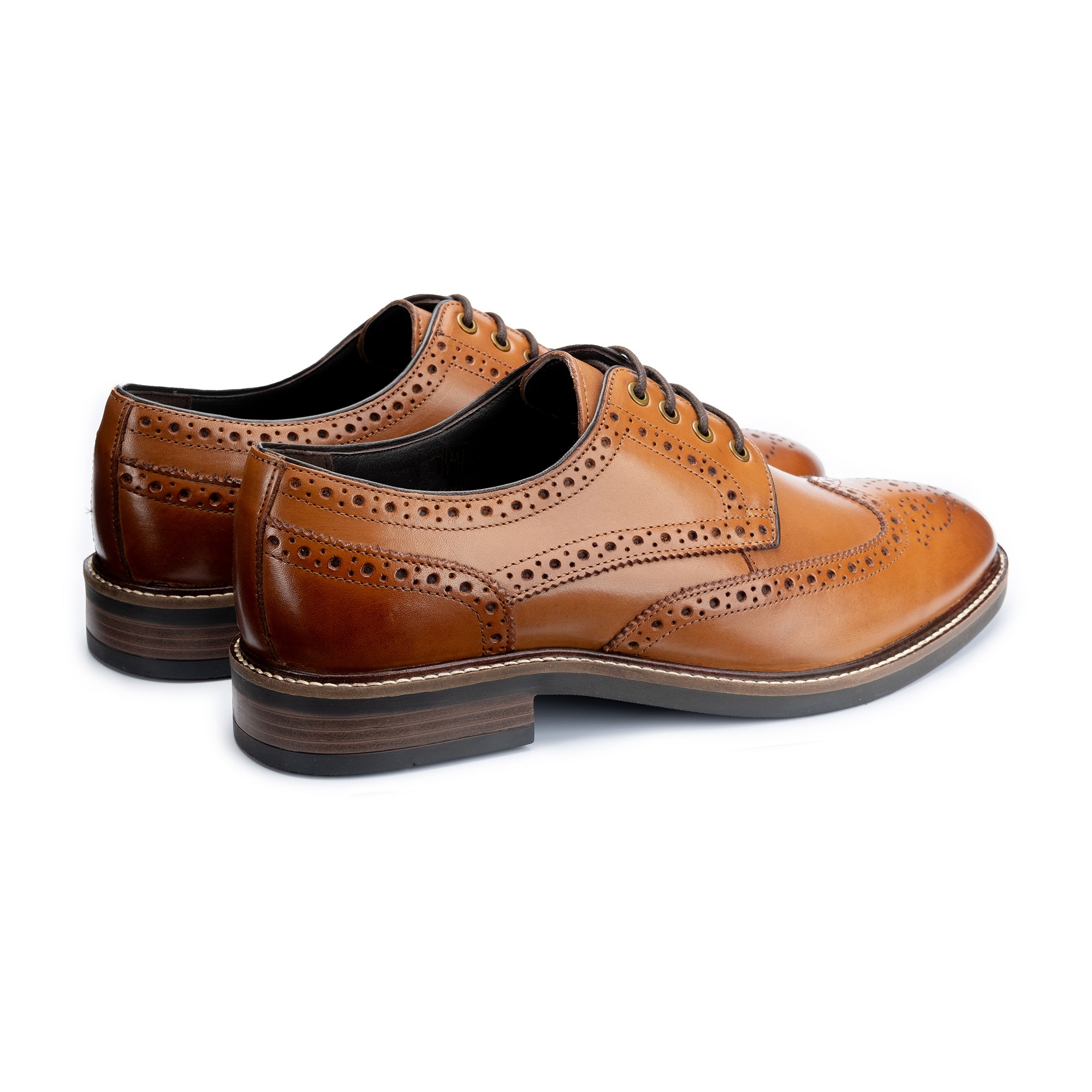
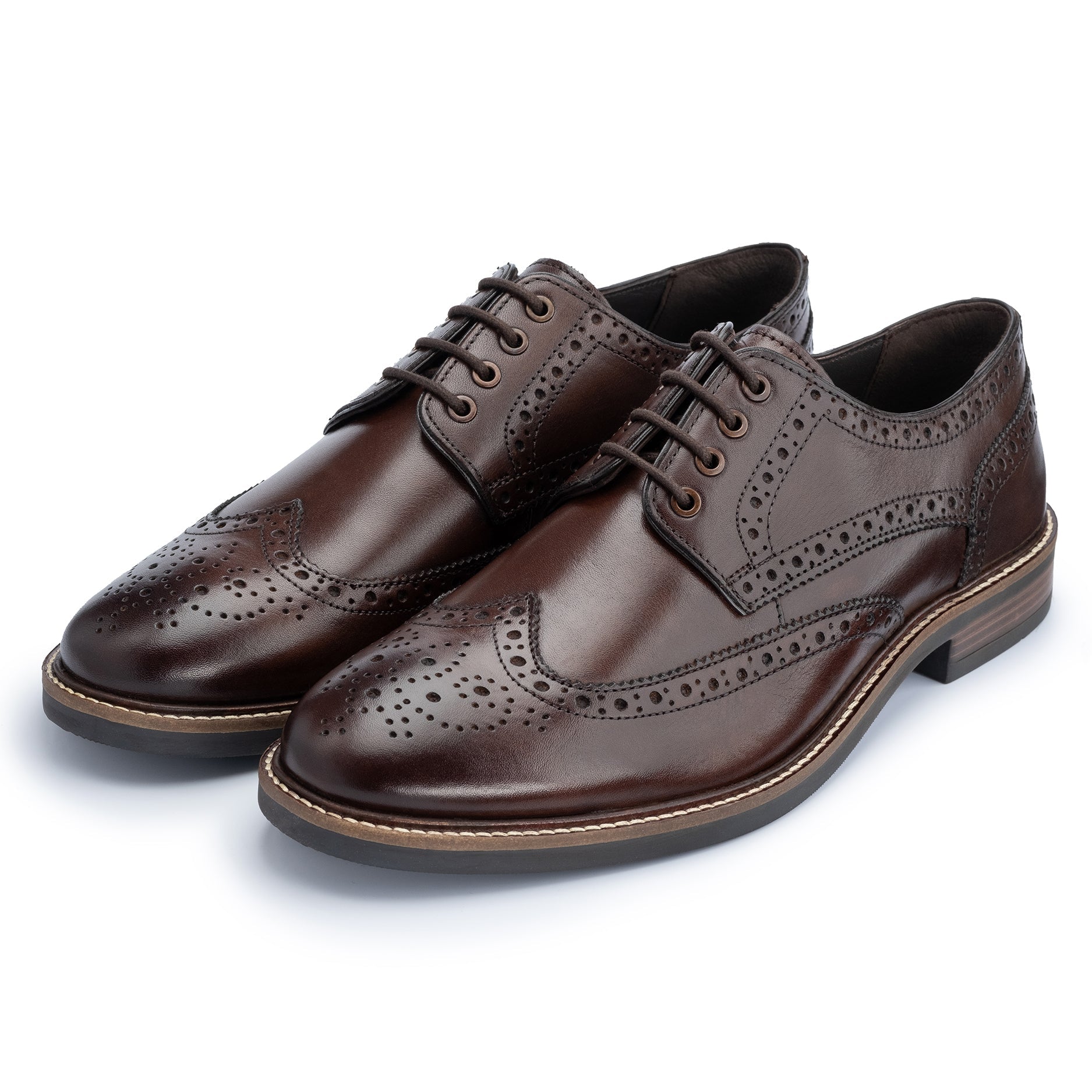
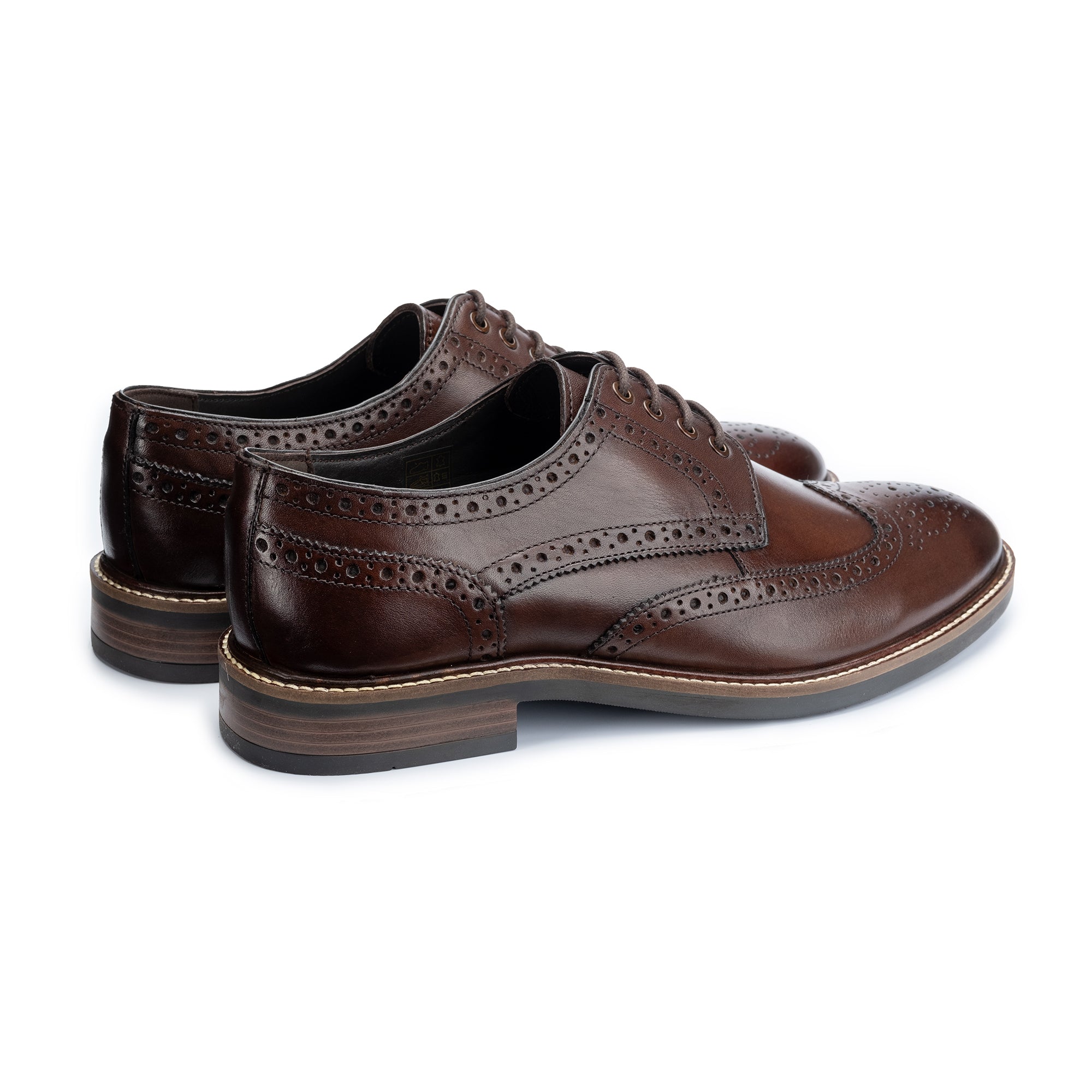
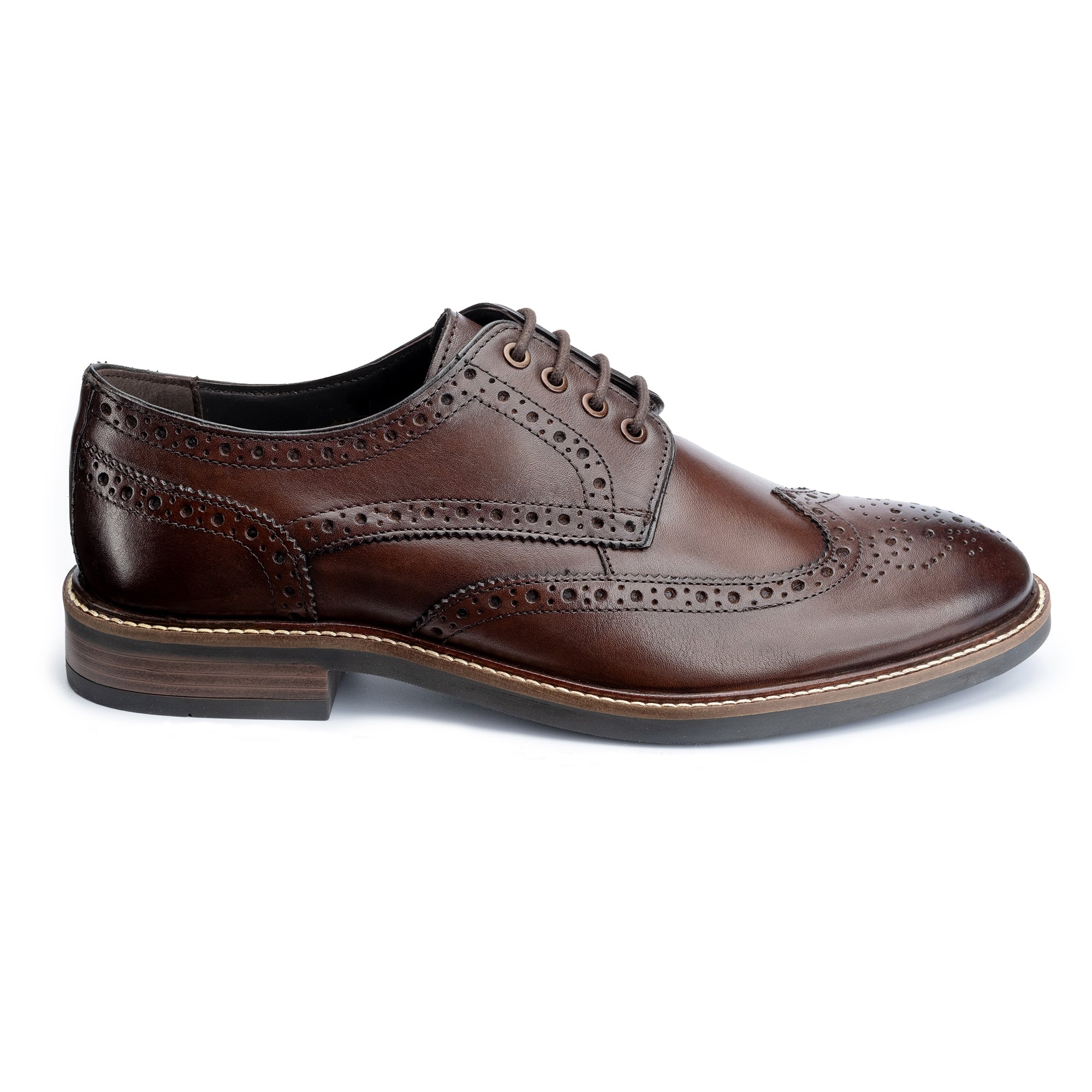
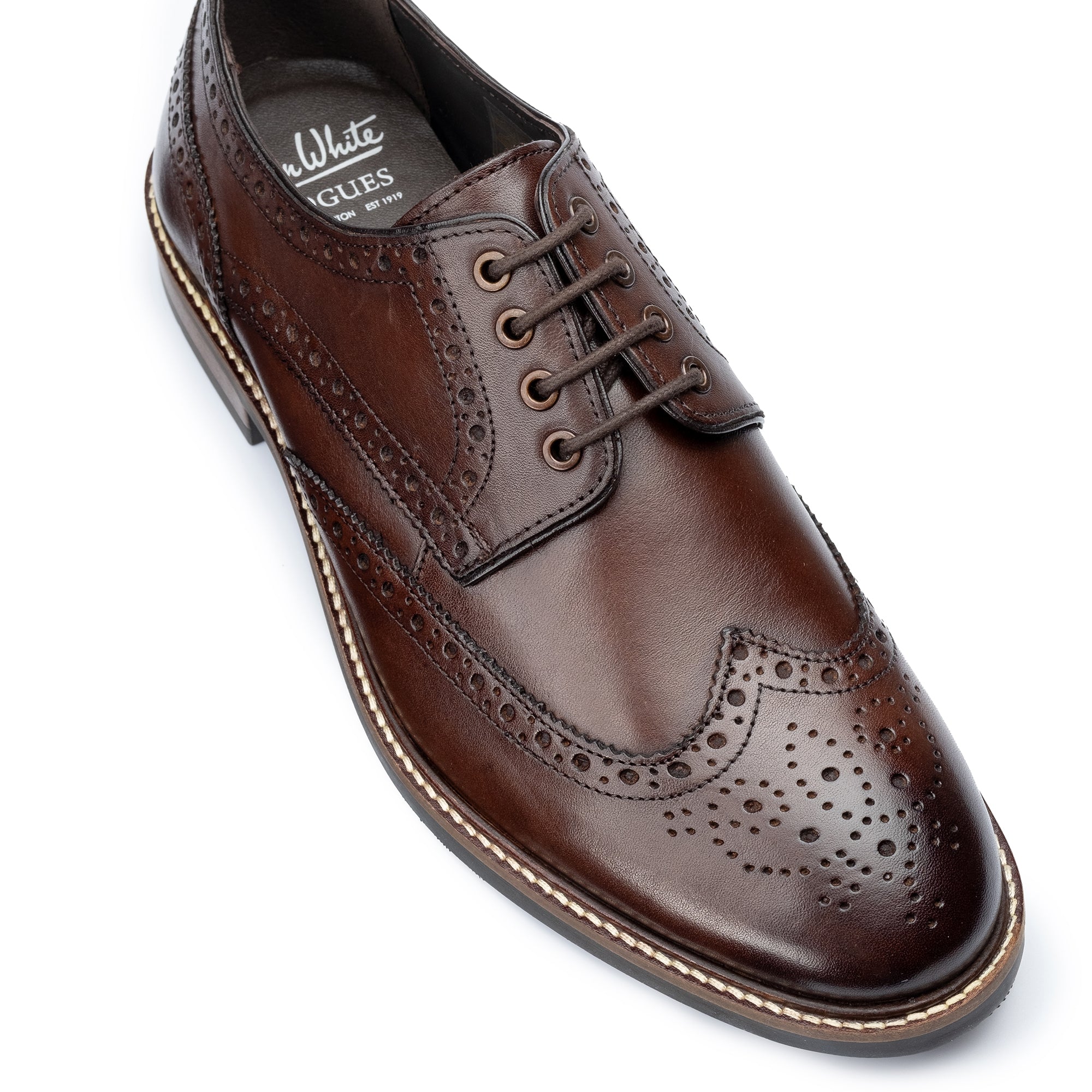
Winter in Britain is predictable in one respect: grit and salt follow every frost. Road de-icing compounds are effective at keeping pavements clear, but they are relentless on leather footwear. Whether you are walking to the office in classic leather Oxford shoes or commuting in Goodyear welted leather boots, salt stains are a seasonal certainty — and one that demands a prompt, considered response rather than the wrong product applied in haste.
This guide covers the correct method for removing salt stains from leather shoes without compounding the damage, and the preventive measures that stop them forming in the first place.
What Are Salt Stains on Leather Shoes?
Salt stains are mineral deposits that form when dissolved salts — from road grit, de-icing chemicals, or perspiration — are carried into the leather by moisture. Salt stains are a category of chemical damage, not merely surface soiling: as water evaporates, the salt is left behind at the surface or along the waterline, creating the white tide mark that is their signature.
The damage is more serious than the appearance suggests. Salt is alkaline; leather is naturally acidic. When salt crystals settle into the fibres, they disrupt the leather's pH balance and strip the natural oils that maintain suppleness. The Leather Conservation Centre, which advises on the preservation of leather goods in institutions including the Victoria and Albert Museum, cautions that salt is among the most destructive substances leather encounters — drawing moisture from the fibres and leaving behind alkaline residue that degrades the tanning agents over time.
According to the British Leather Confederation, road salt and de-icing compounds are among the leading causes of premature leather degradation in footwear, alongside UV exposure and sustained moisture retention.
Salt stains are not surface dirt — they represent an active chemical process that will worsen without intervention, which is why timing matters as much as technique.
Why Is Timing So Critical When Treating Salt Stains?
The window for effective treatment narrows quickly. According to the Society of Master Shoe Repairers, salt damage left untreated for more than 48 hours begins to penetrate the leather's deeper fibres, making restoration progressively more difficult and, in severe cases, impossible without professional re-dressing.
A fresh salt stain treated the same evening will typically come away completely, leaving no residual tide mark. An older, set-in stain may require repeated treatment. The rule is simple: the moment you notice a white mark on the leather, treat it that day.
A salt stain addressed within hours is a five-minute problem; the same stain left a fortnight may require professional restoration to resolve fully.
What Do You Need to Remove Salt Stains from Leather Shoes?
Gather the following before you begin. Using the wrong products — household cleaners, rubbing alcohol, or anything solvent-based — will strip the leather's finish and accelerate the very damage you are attempting to correct.
- A soft-bristled shoe brush
- Distilled white vinegar (not malt vinegar)
- Cold water
- Two clean, lint-free cloths
- A quality leather conditioner
- Shoe cream or wax polish in the correct colour
- Cedar shoe trees
If you do not already have these items to hand, our guide to the essential shoe care valet box covers every product worth owning and why each earns its place.
How Do You Remove Salt Stains from Leather Shoes?
Work through these steps in order. Each stage prepares the leather for the next. Do not shortcut the drying stages.
- Allow the shoes to dry fully. If the shoes are still damp from wear, insert cedar shoe trees and leave them at room temperature — away from radiators, open fires, or direct sunlight. Applying any treatment to wet leather risks trapping moisture inside the fibres.
- Brush away dry surface salt. Once fully dry, use a soft brush to remove any loose, crystallised salt from the surface. Brush in one direction with light pressure. Scrubbing or rubbing vigorously will grind crystals into the grain and abrade the finish.
- Prepare the vinegar solution. Mix equal parts distilled white vinegar and cold water. The mild acidity of vinegar neutralises the alkaline salt without damaging the leather's surface or finish.
- Apply the solution with a cloth. Dampen a lint-free cloth with the solution — it should be damp, not wet. Work over the stained area in gentle, circular motions. For a tide mark with a defined edge, start at the inside of the mark and work outward to avoid pushing the salt further into the leather.
- Feather into the surrounding leather. To prevent a new tide mark forming at the edge of your treatment area, lightly dampen the cloth further and blend it outward into the surrounding leather. This ensures an even, gradual transition as the shoe dries.
- Allow to dry naturally. Leave the shoes at room temperature for a minimum of 30 minutes. Do not apply heat at any stage.
- Condition the leather thoroughly. Both salt and the vinegar treatment draw moisture from leather. Apply a quality conditioner generously to the entire shoe — not just the treated area — and allow it to absorb for 10–15 minutes. The Leather Conservation Centre recommends conditioning leather every 6–8 weeks under normal use, and after every salt-stain treatment regardless of how recently the shoes were last conditioned. For clarity on when to use a conditioner versus a polish, see our guide to leather conditioner versus shoe polish.
- Polish and buff. Once the conditioner has been absorbed, apply a shoe cream or wax polish in the matching colour to restore depth and finish. Buff to a shine with a clean brush or cloth.
The vinegar-and-water method works because it addresses the chemistry of the problem — neutralising alkaline salt with mild acidity — rather than masking the stain with polish alone.
Does the Treatment Differ by Leather Type?
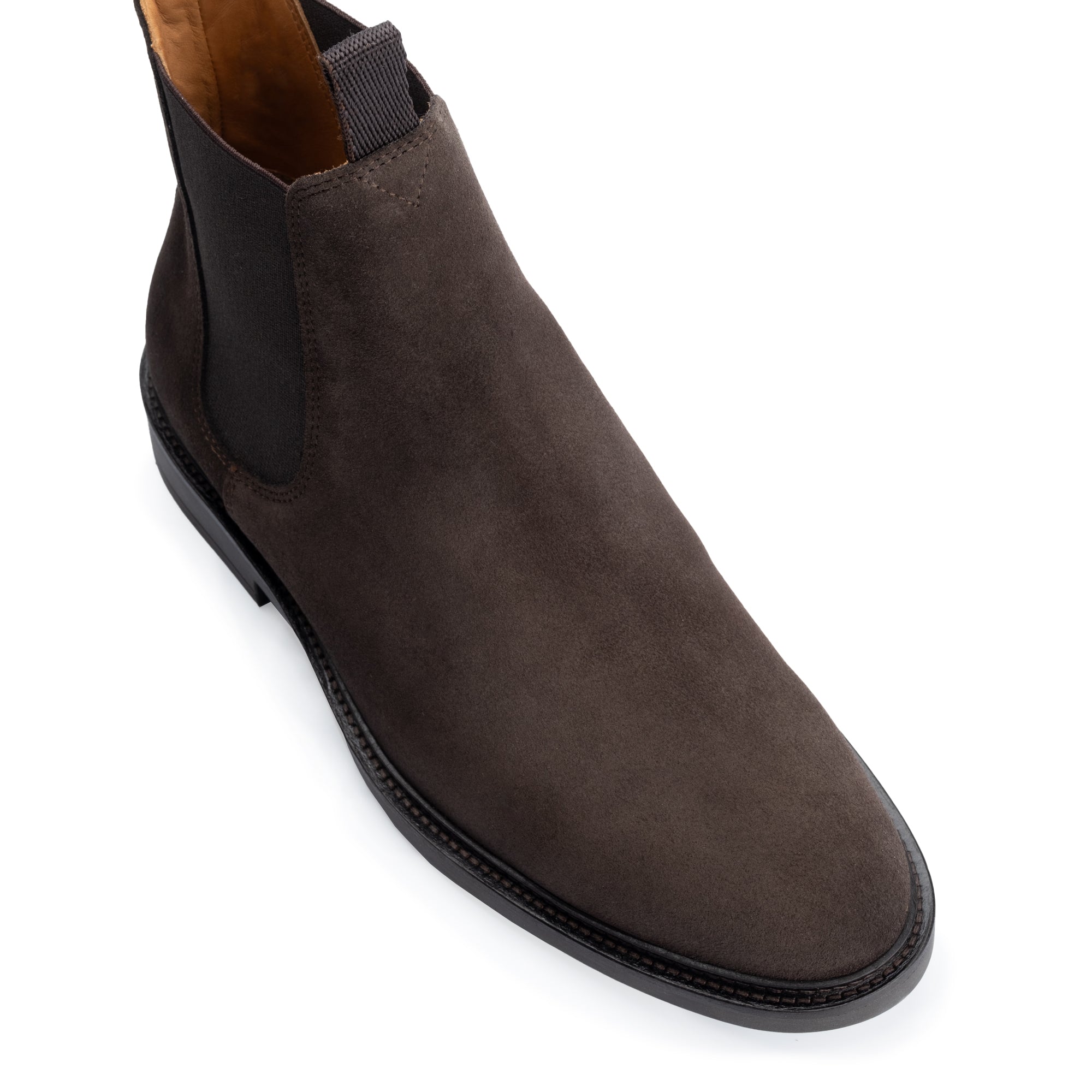
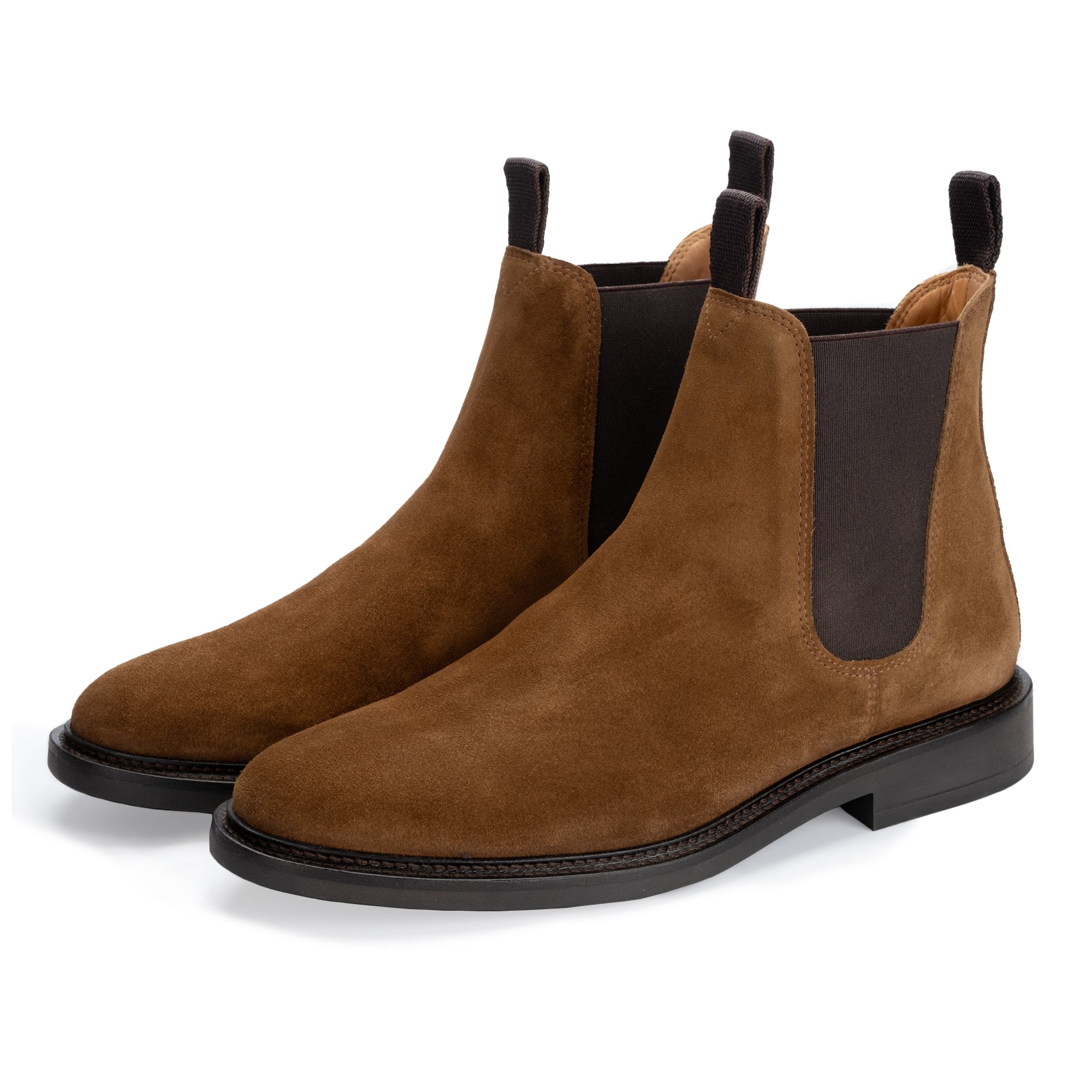
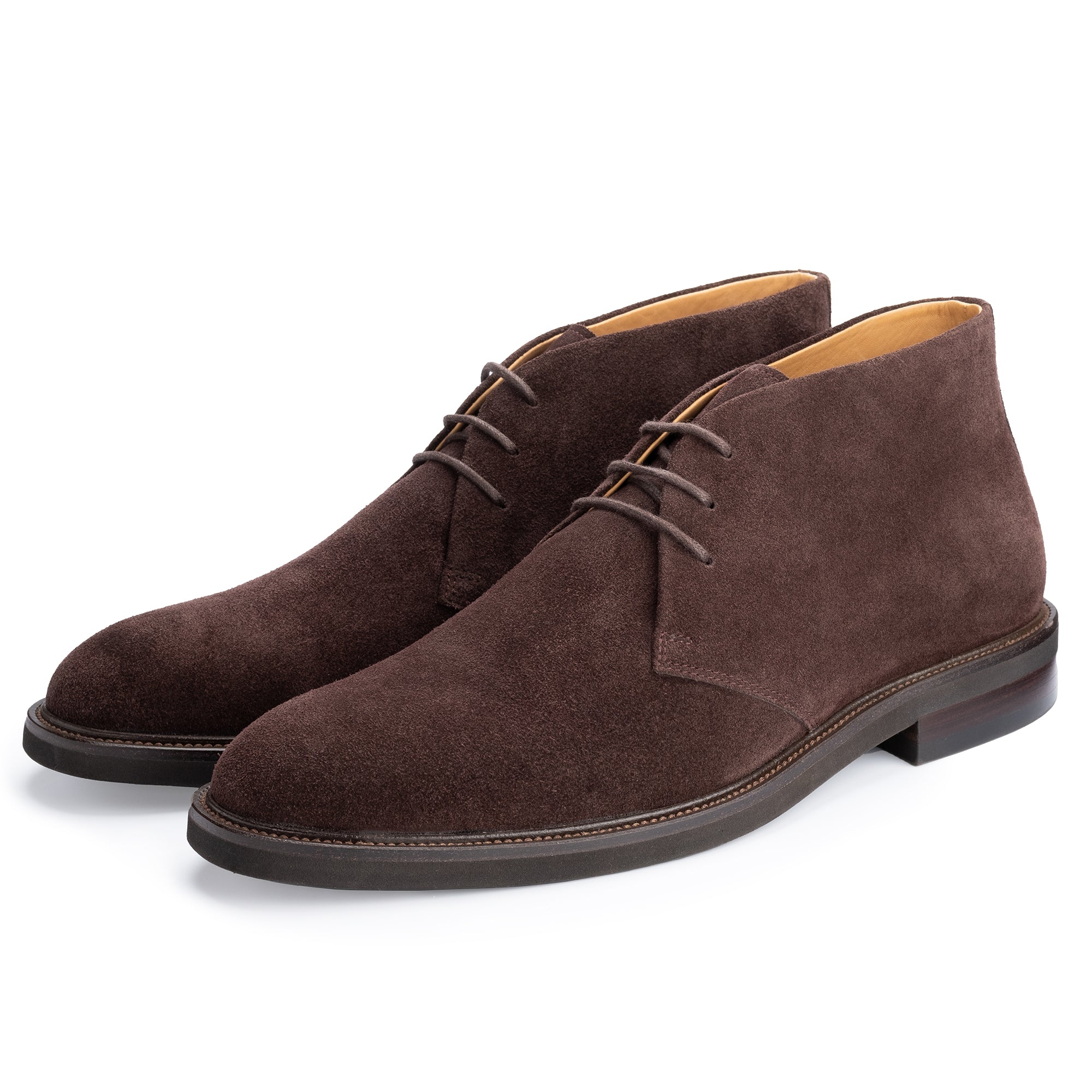
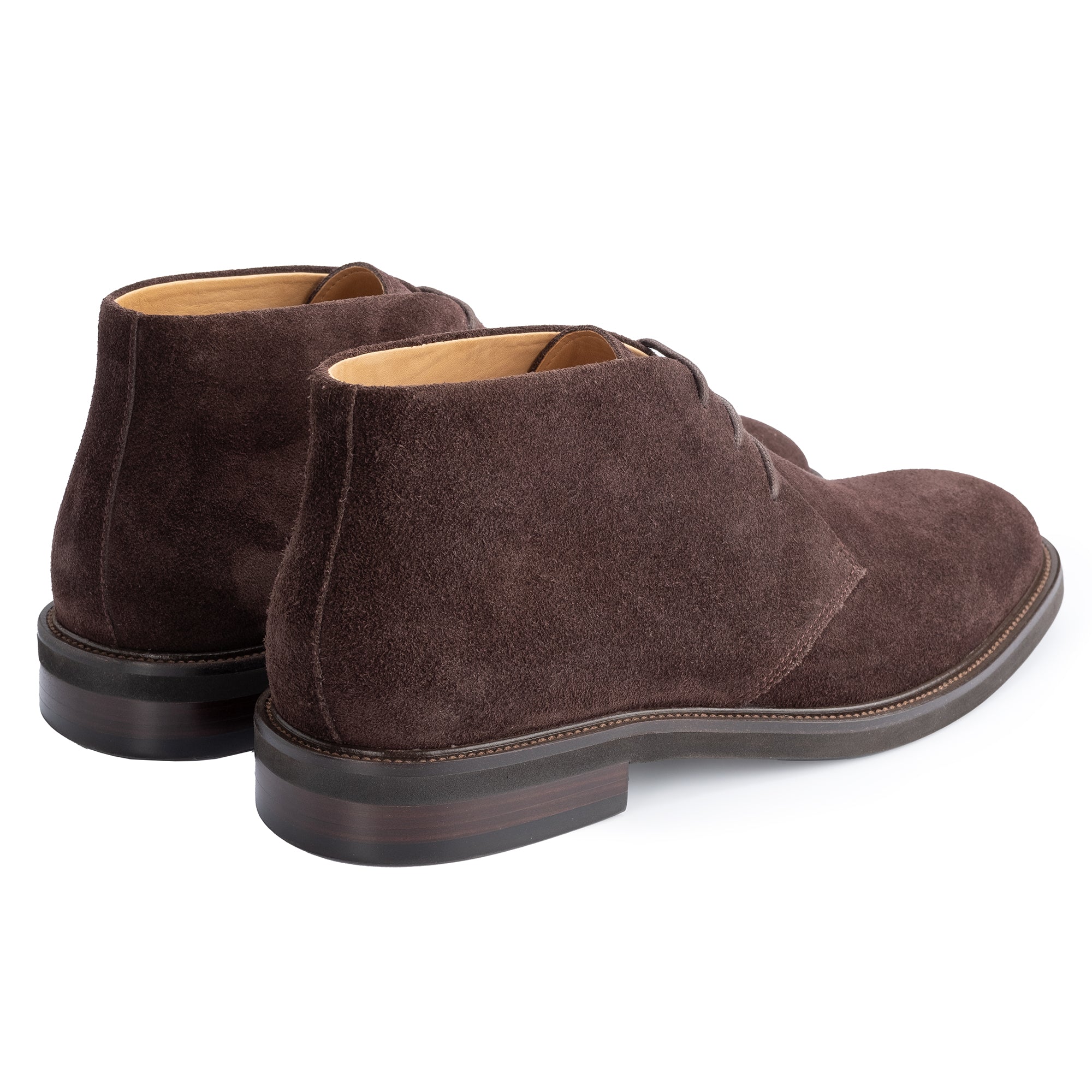
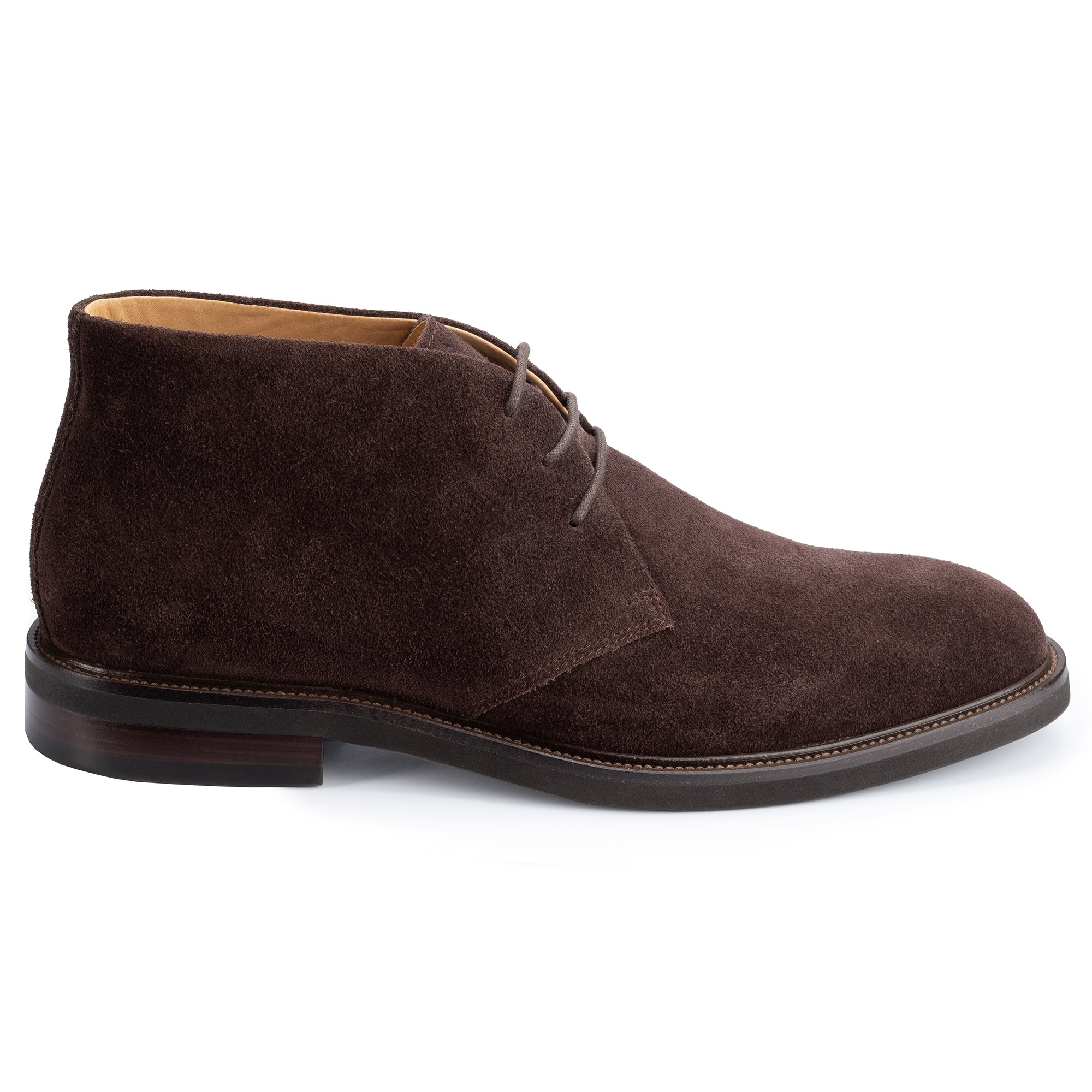
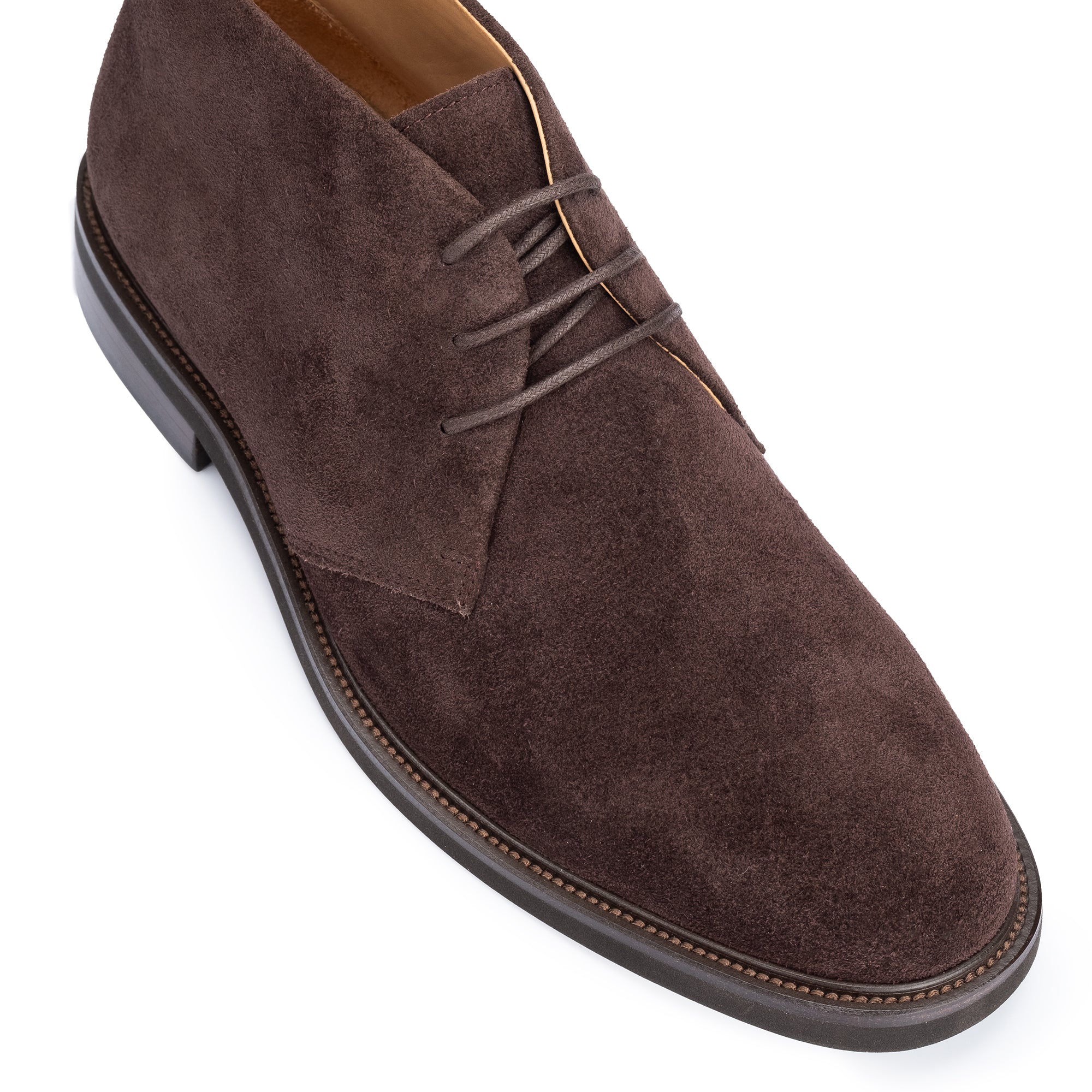
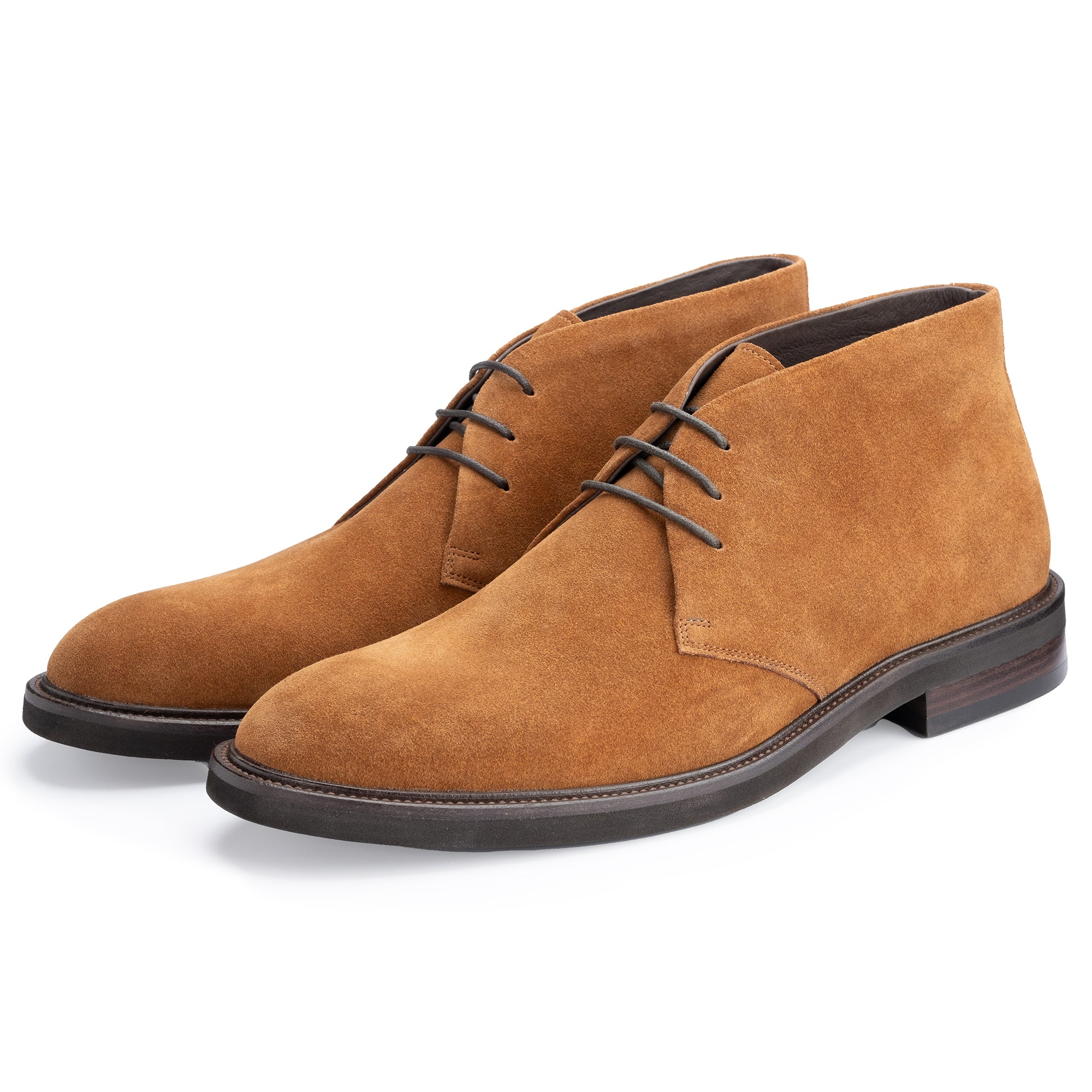
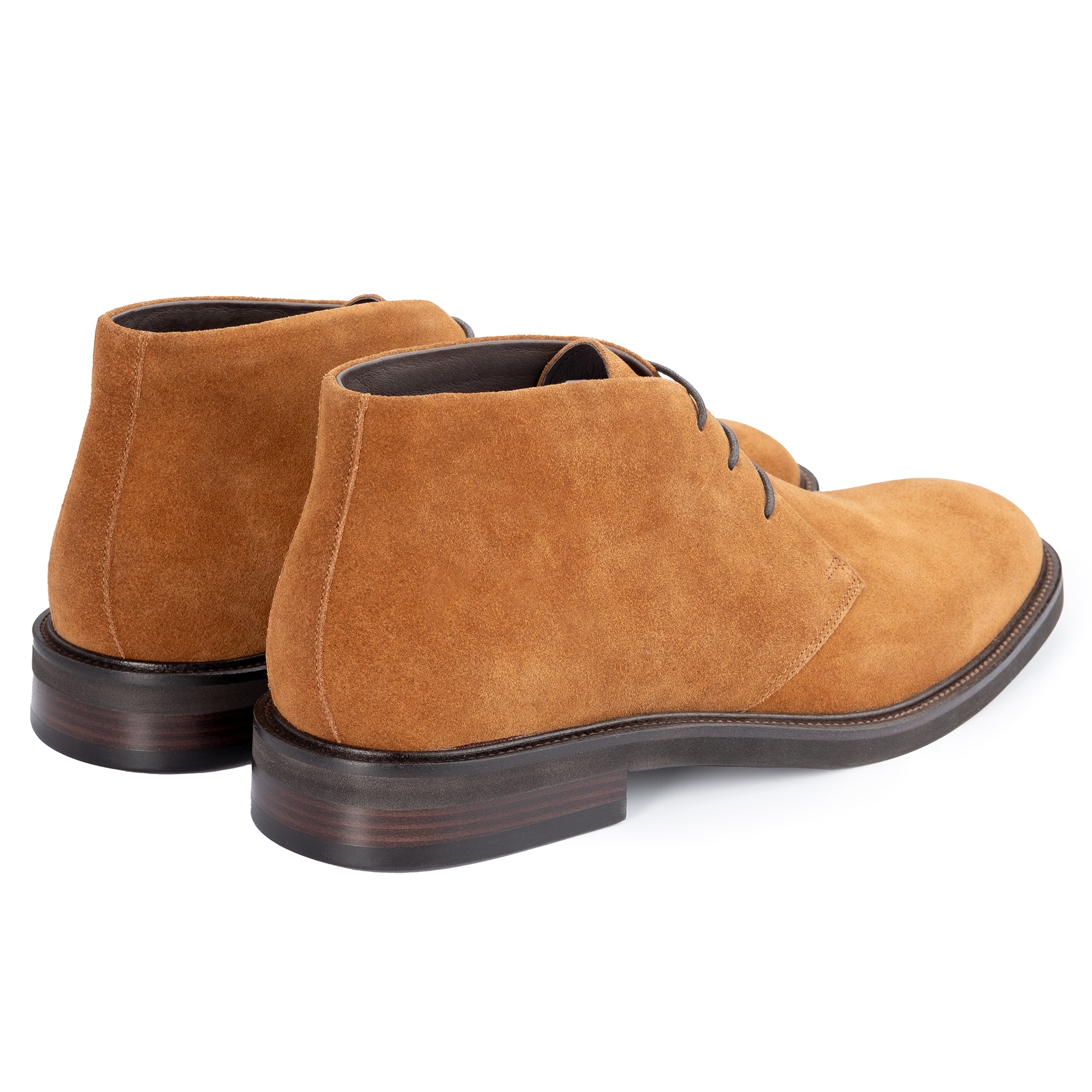
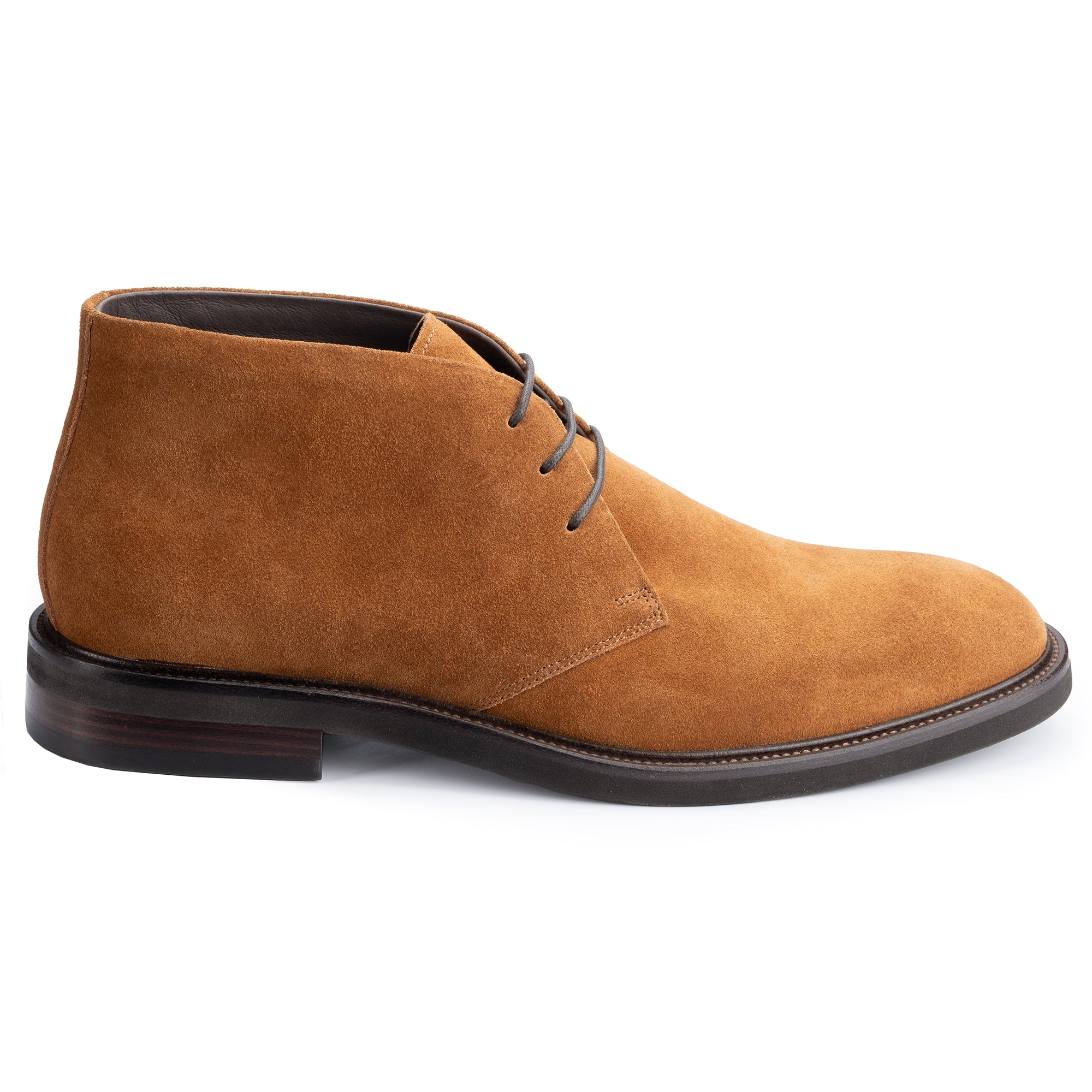
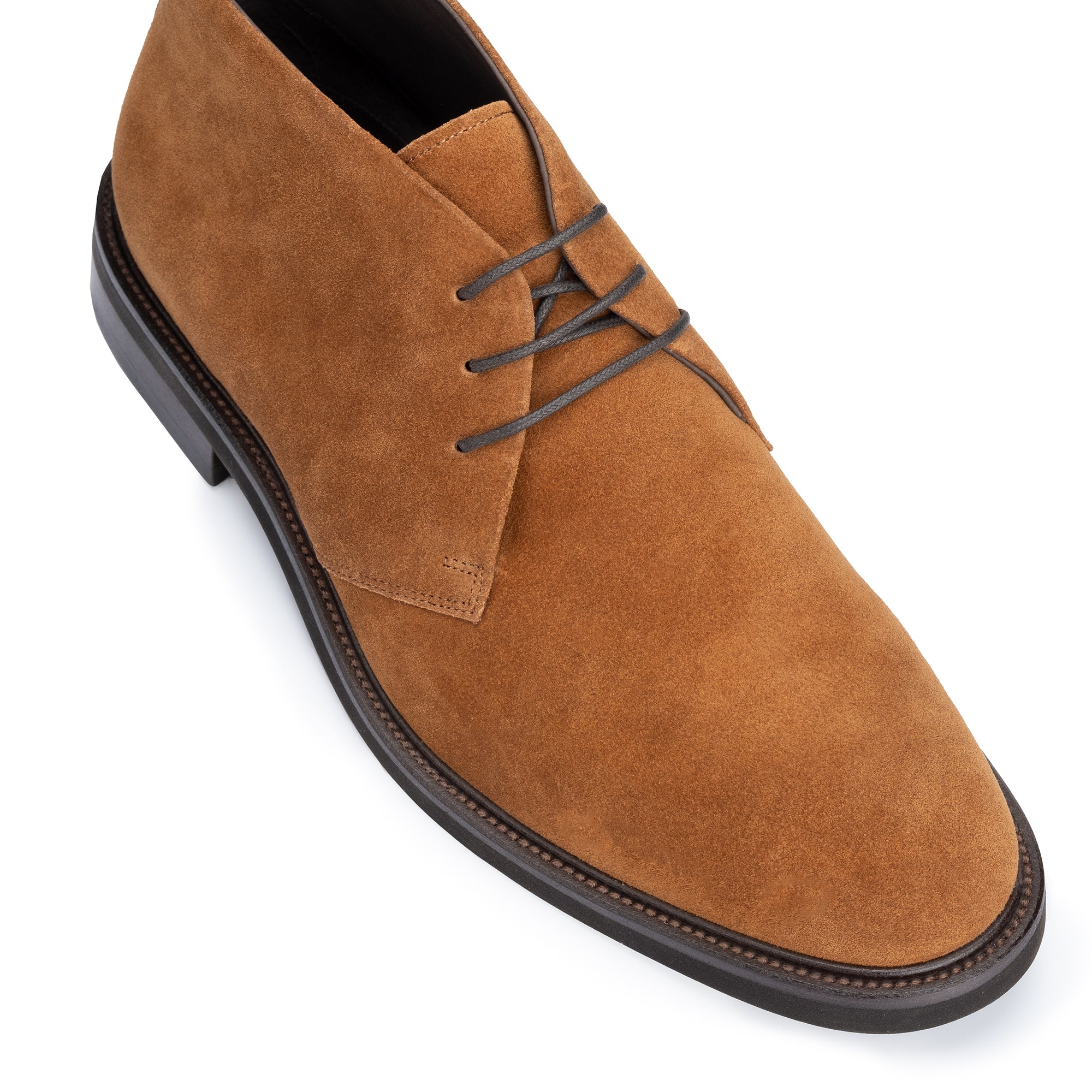
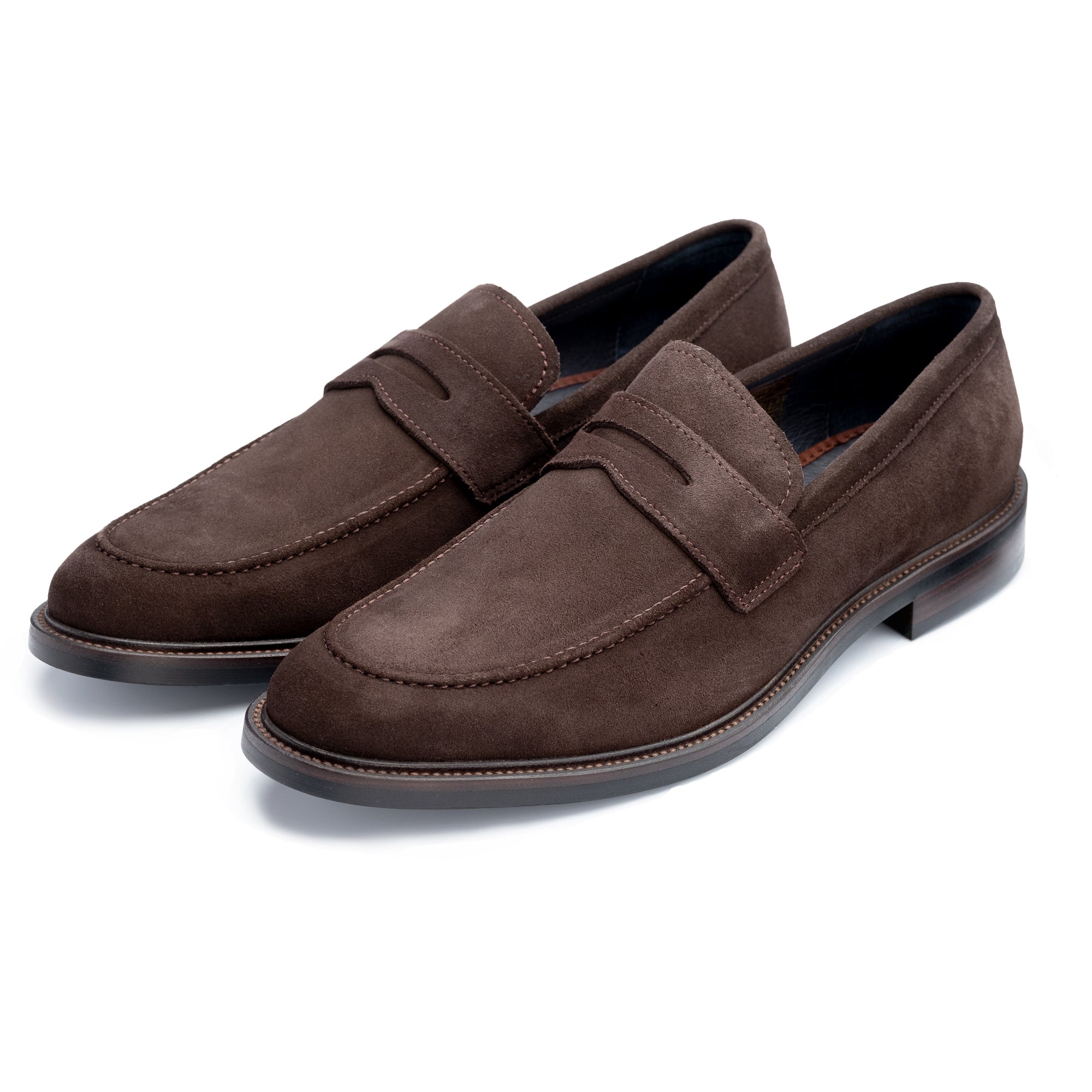
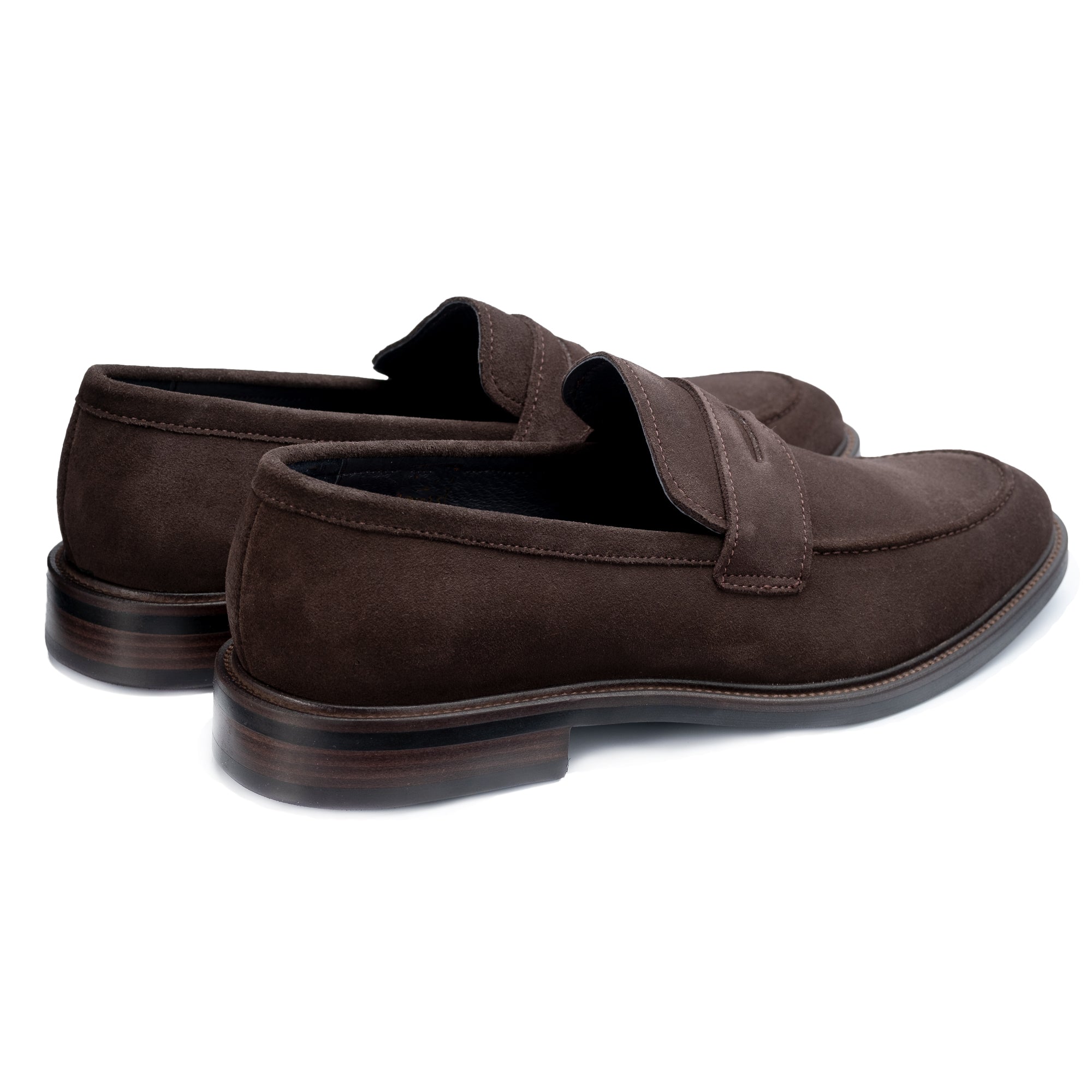
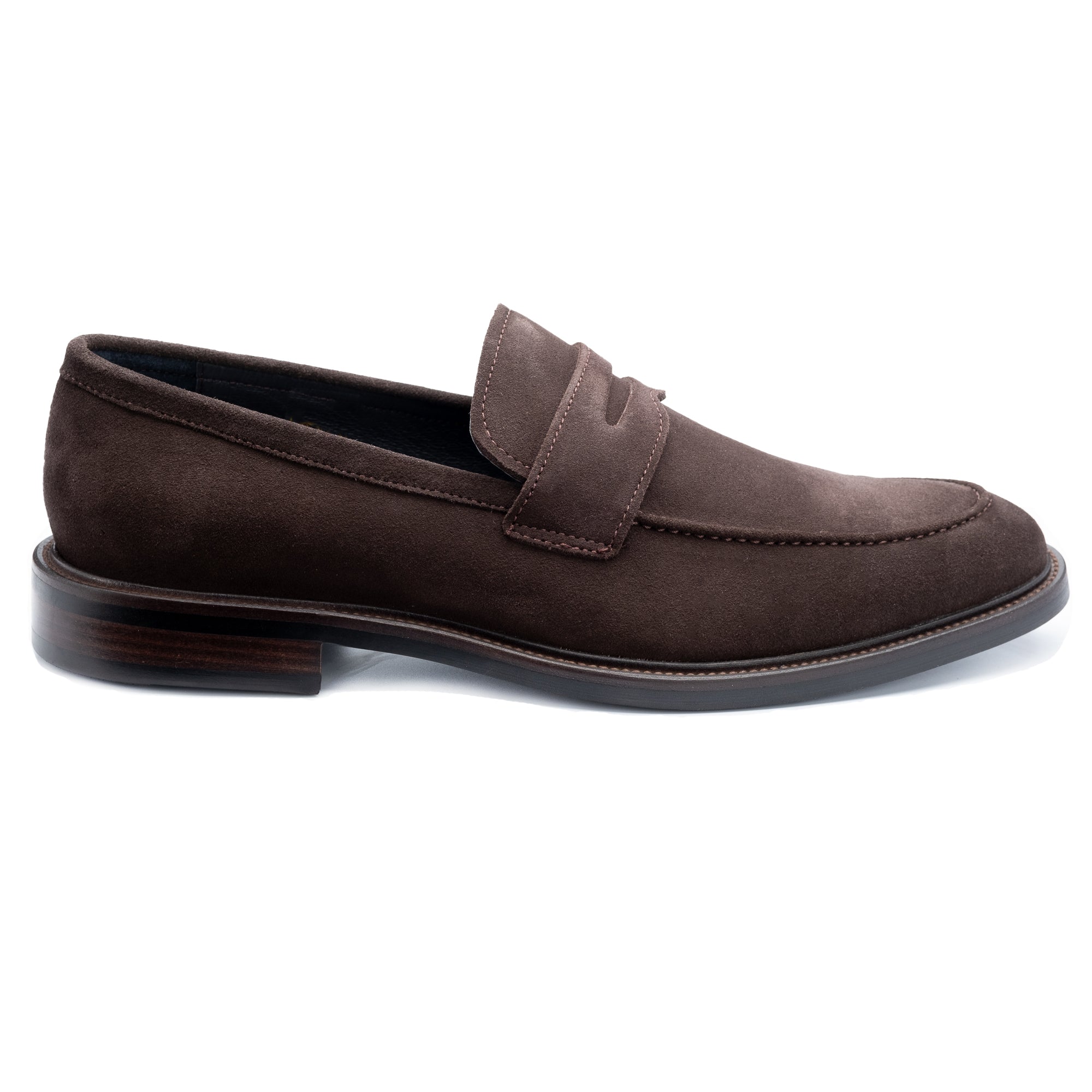
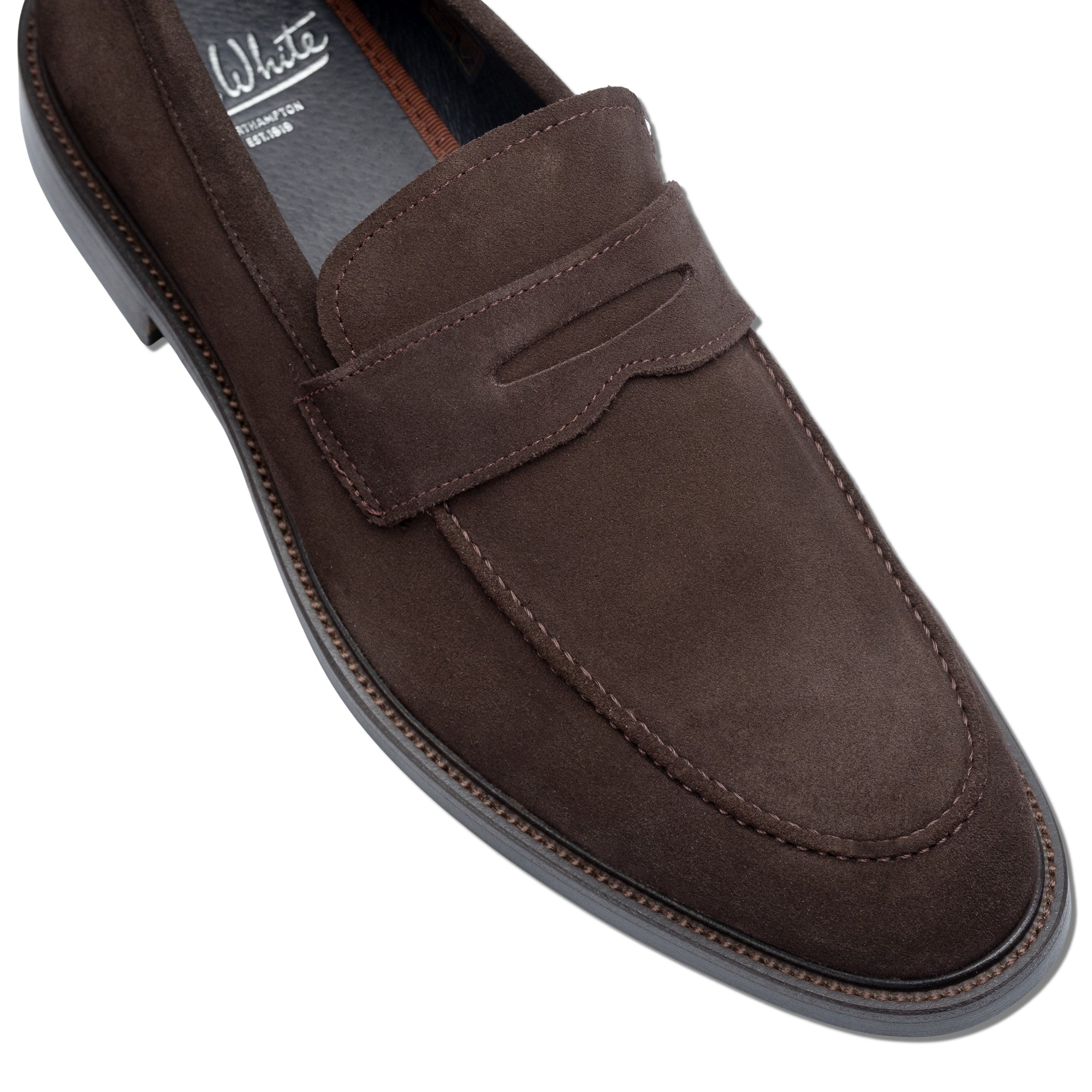
Leather type is a determining factor. The vinegar method is appropriate for smooth full-grain calfskin and most treated leathers. Suede and nubuck require a completely different approach — water-based treatments will worsen a suede stain rather than resolve it. For napped leather footwear, our complete guide to cleaning and caring for suede shoes covers the correct process. The table below summarises the correct treatment by leather type.
| Leather Type | Salt Stain Treatment | Conditioning Product | Key Consideration |
|---|---|---|---|
| Smooth full-grain calfskin | 50/50 white vinegar and water | Cream or wax conditioner | Most forgiving. Responds well to repeat treatment if needed. |
| Pebble grain / scotch grain | 50/50 white vinegar and water | Cream conditioner | Work conditioner into the grain texture with a soft brush. |
| Waxed or pull-up leather | Damp cloth first; vinegar solution if marks persist | Beeswax-based conditioner | These leathers mark and recover naturally — treat gently. |
| Suede or nubuck | Suede eraser, then dedicated suede cleaner | Suede protector spray | Never apply vinegar or water-based solutions to suede. |
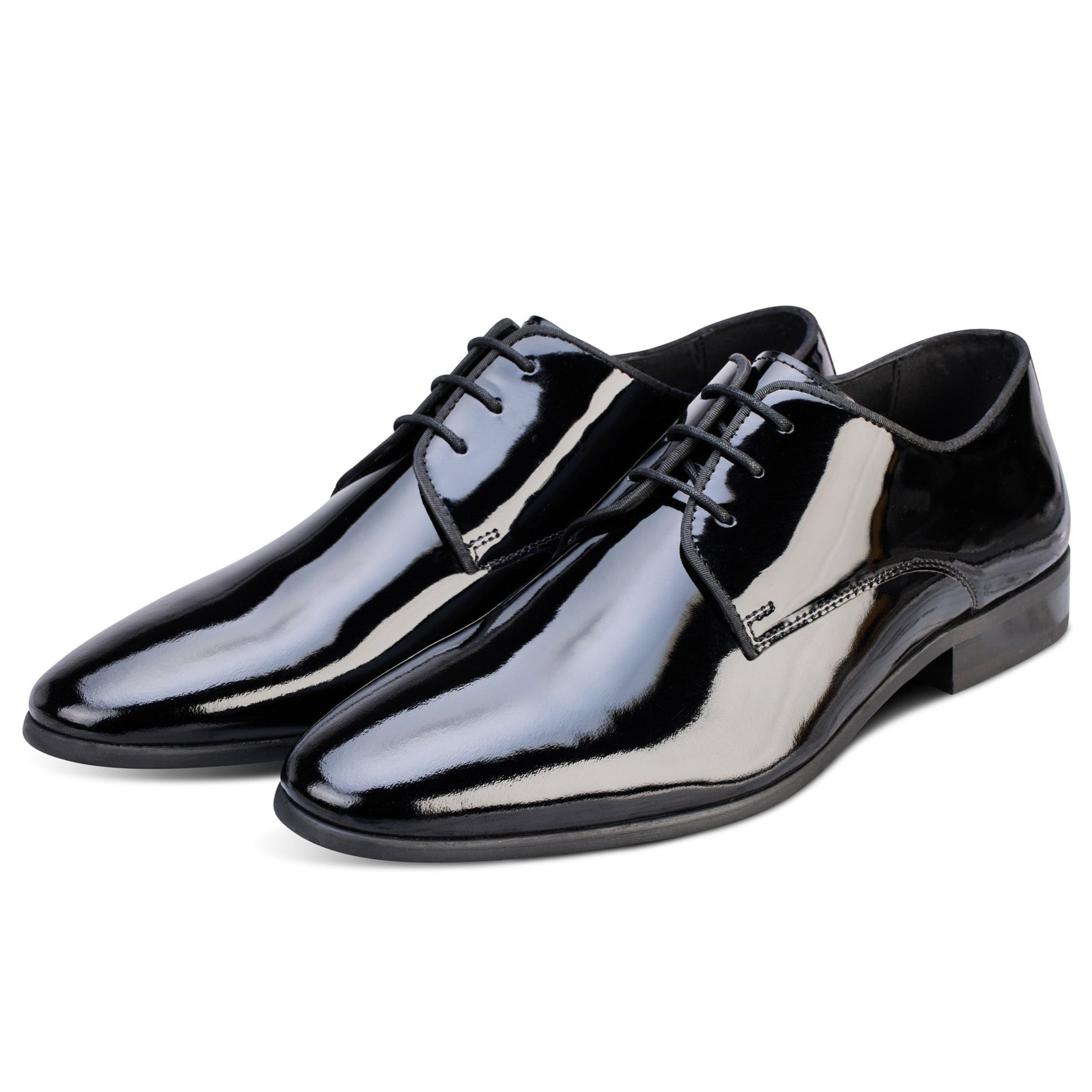
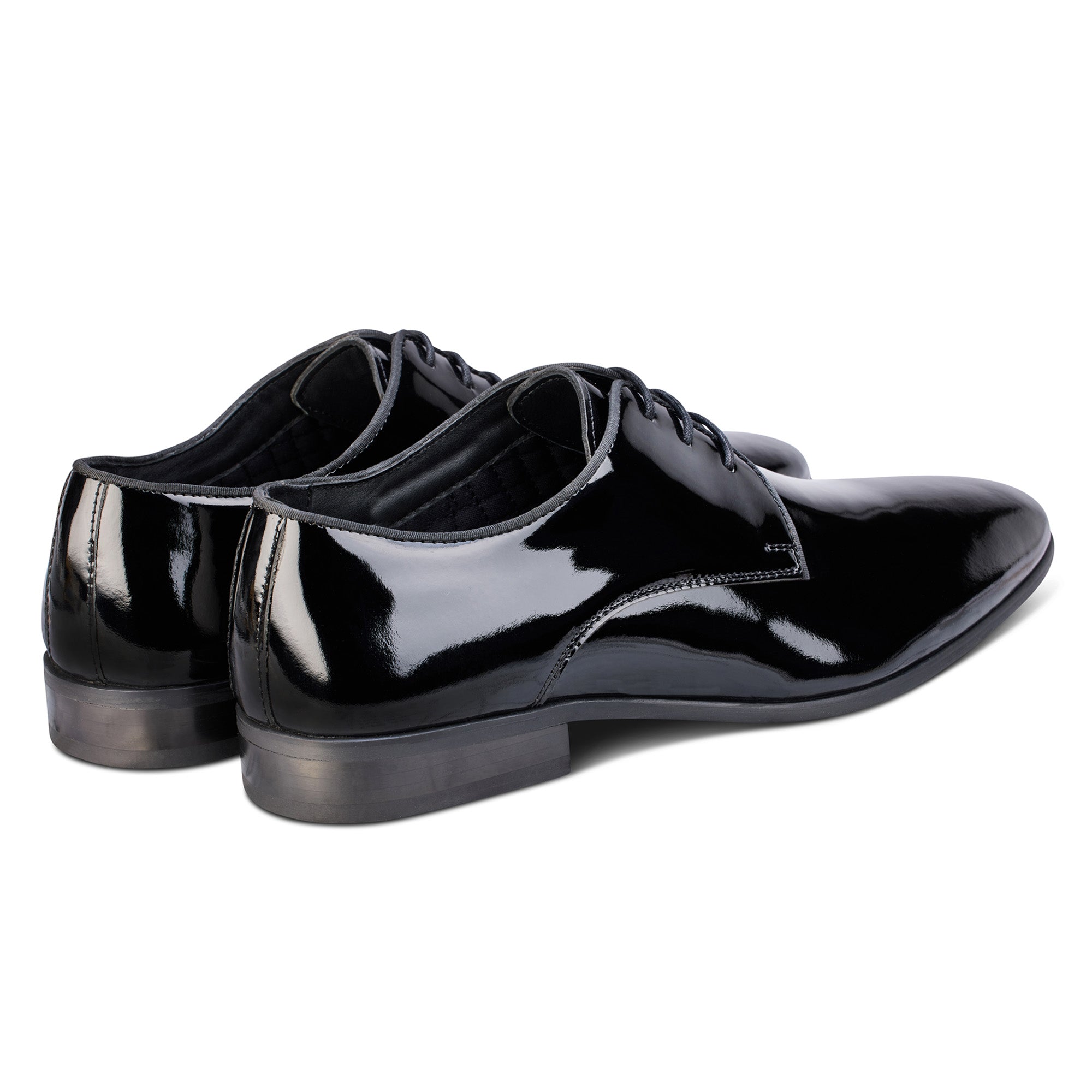
| Patent leather | Damp cloth with a very mild soap solution | Patent leather conditioner | Avoid vinegar — it can dull the lacquered surface. |
How Do You Prevent Salt Stains on Leather Shoes?
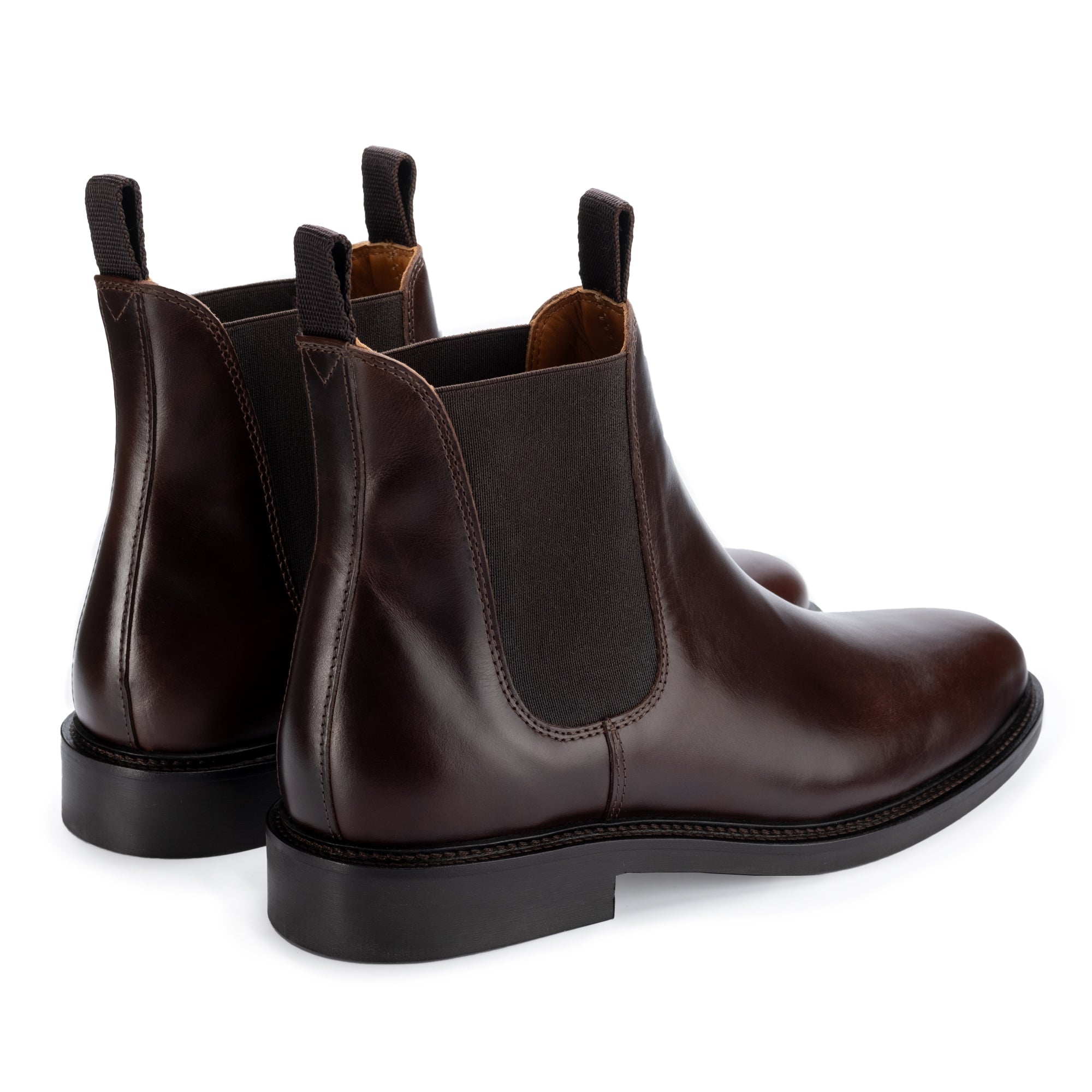
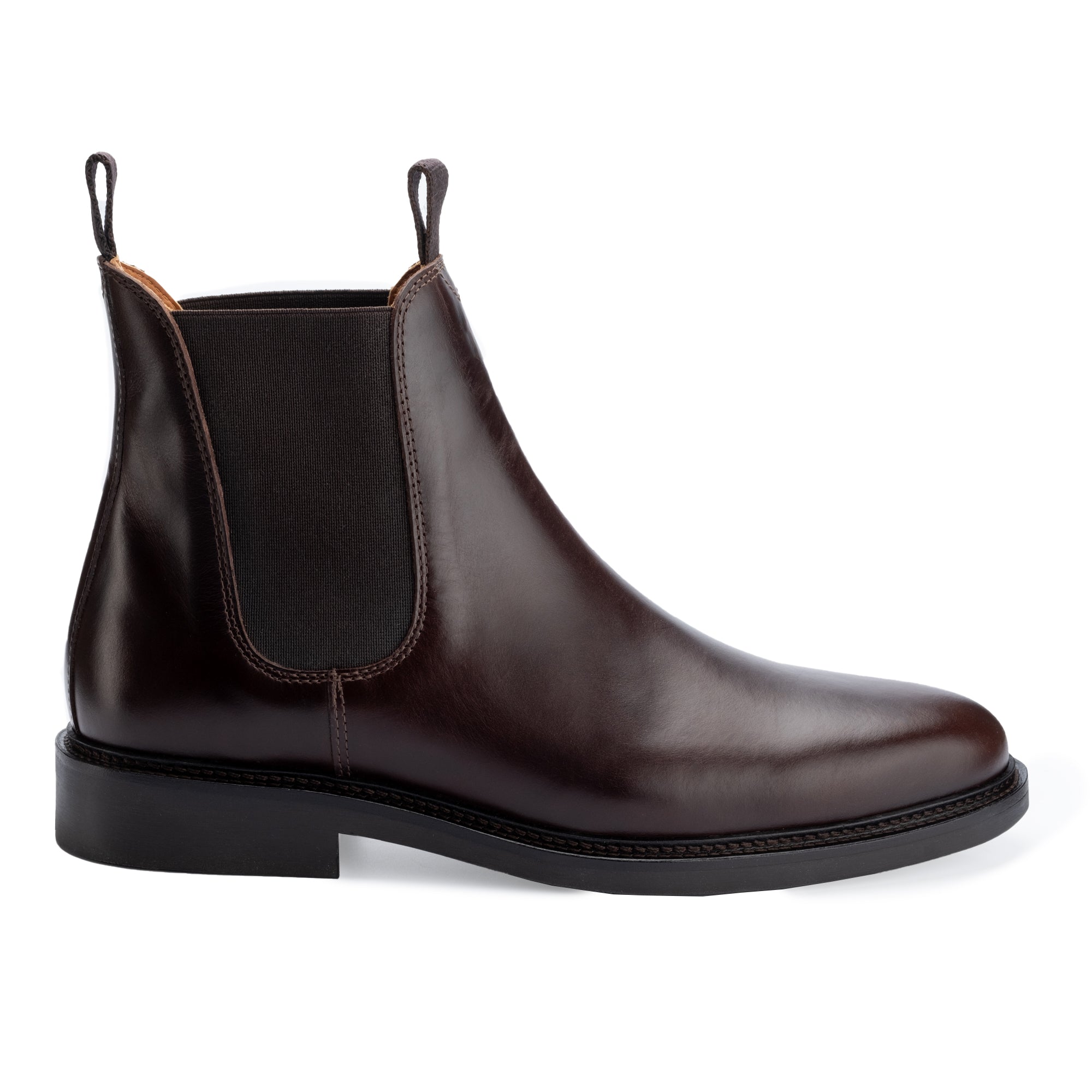
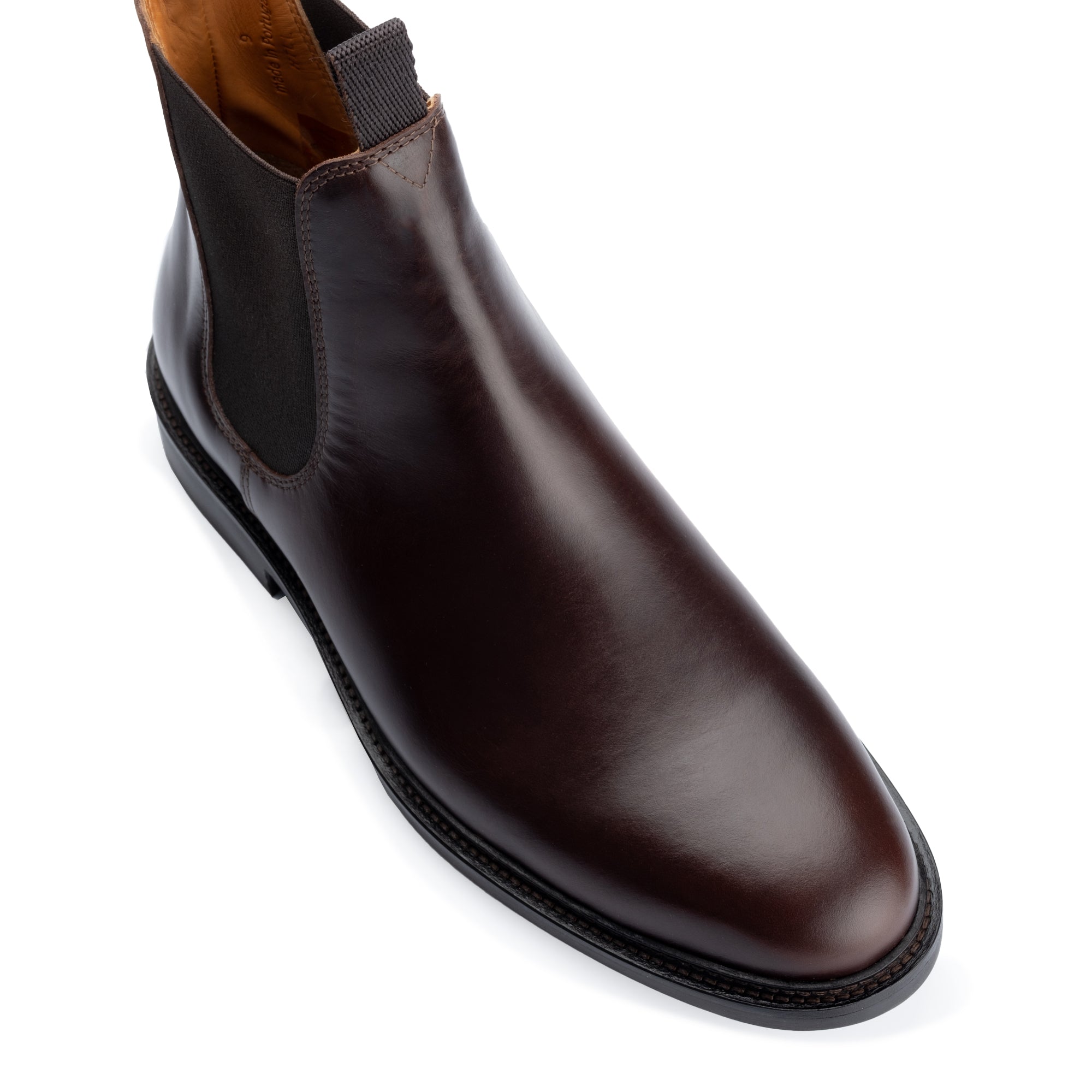
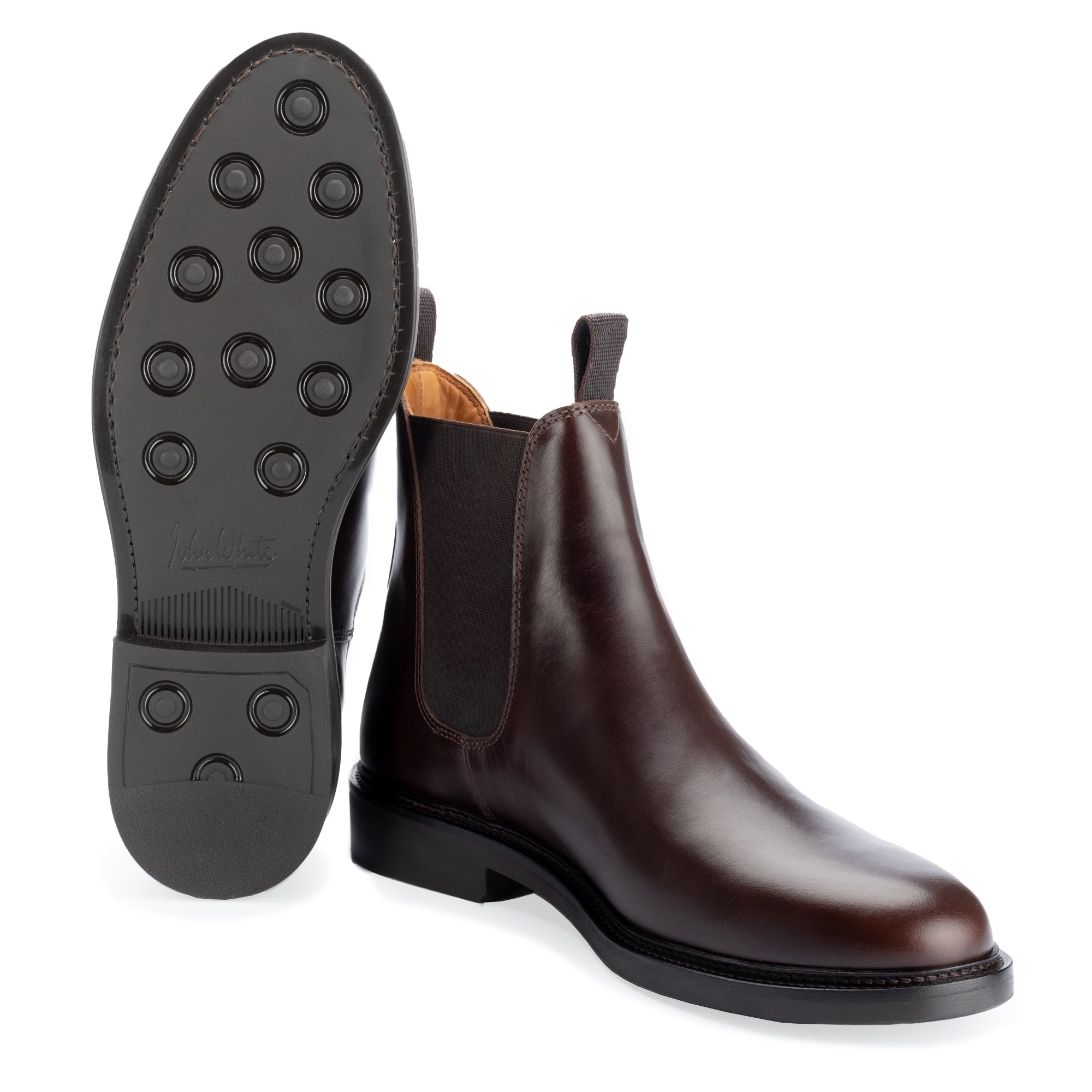
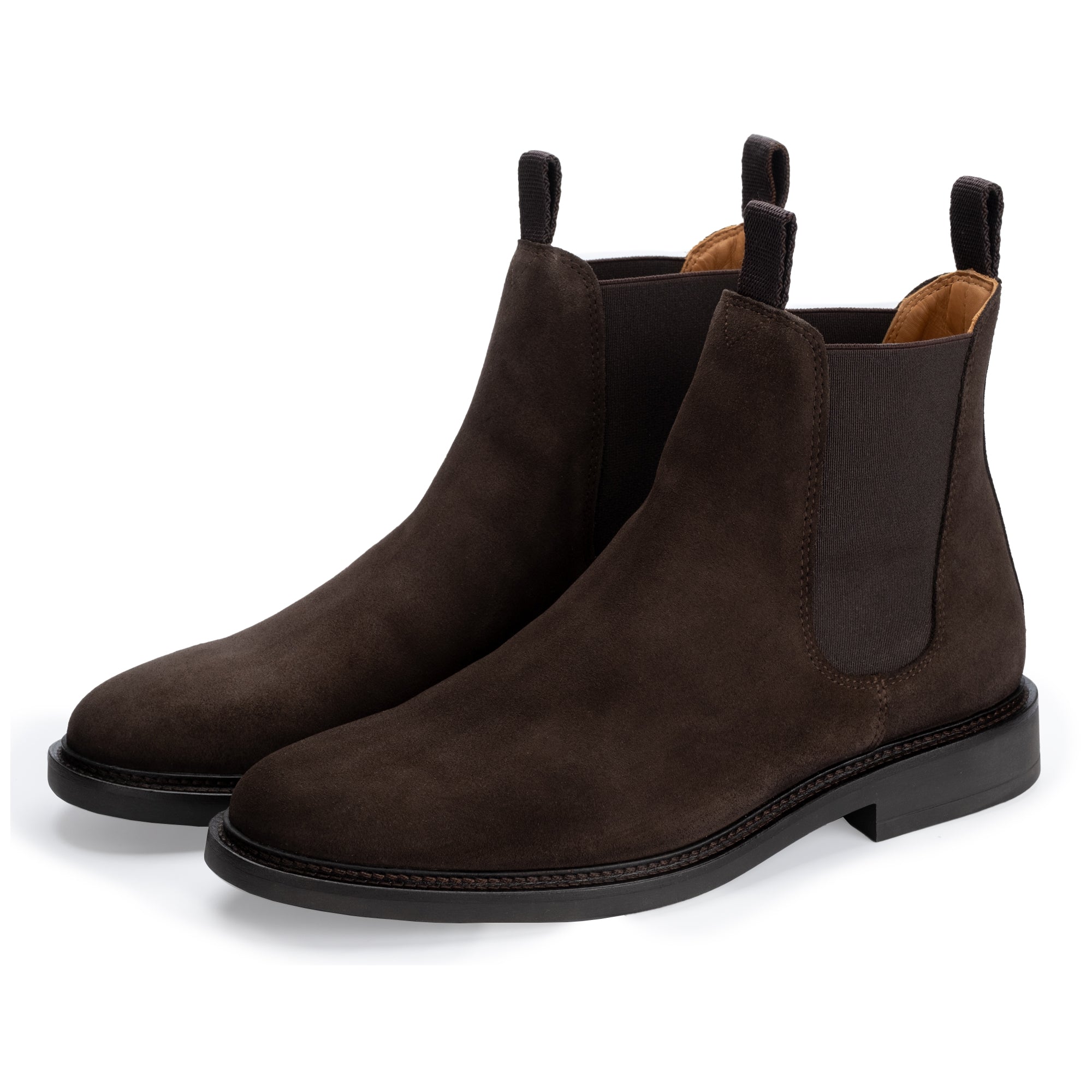
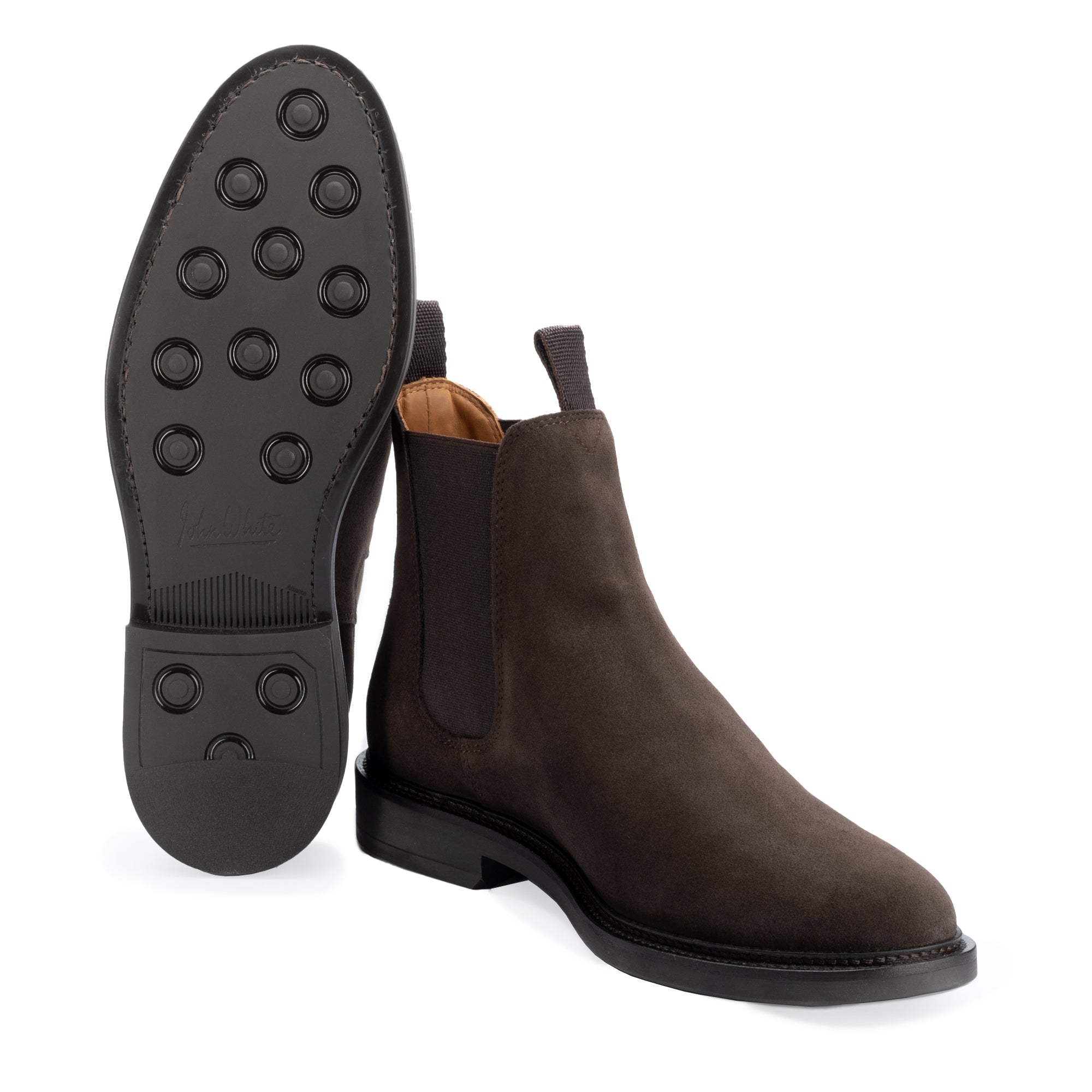
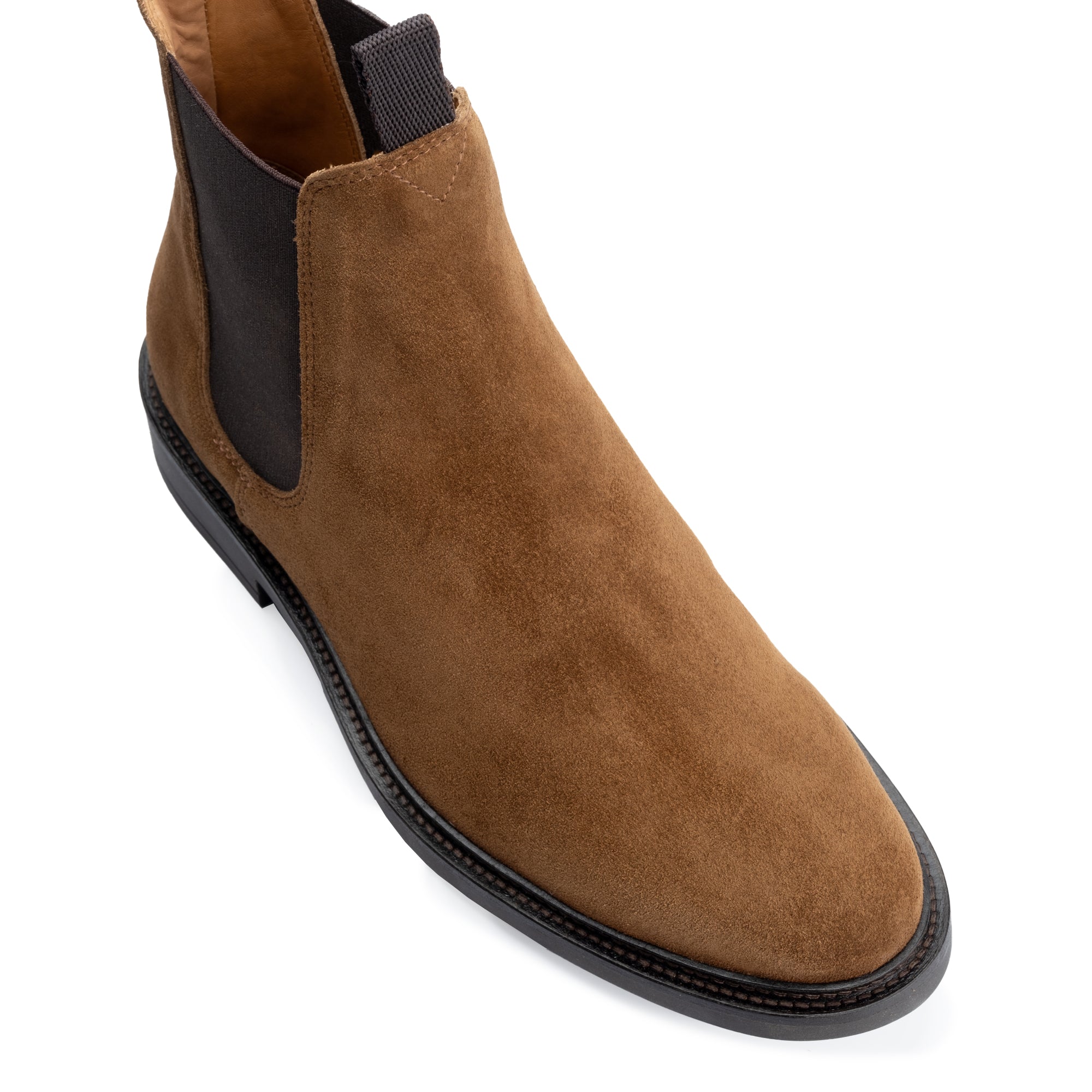
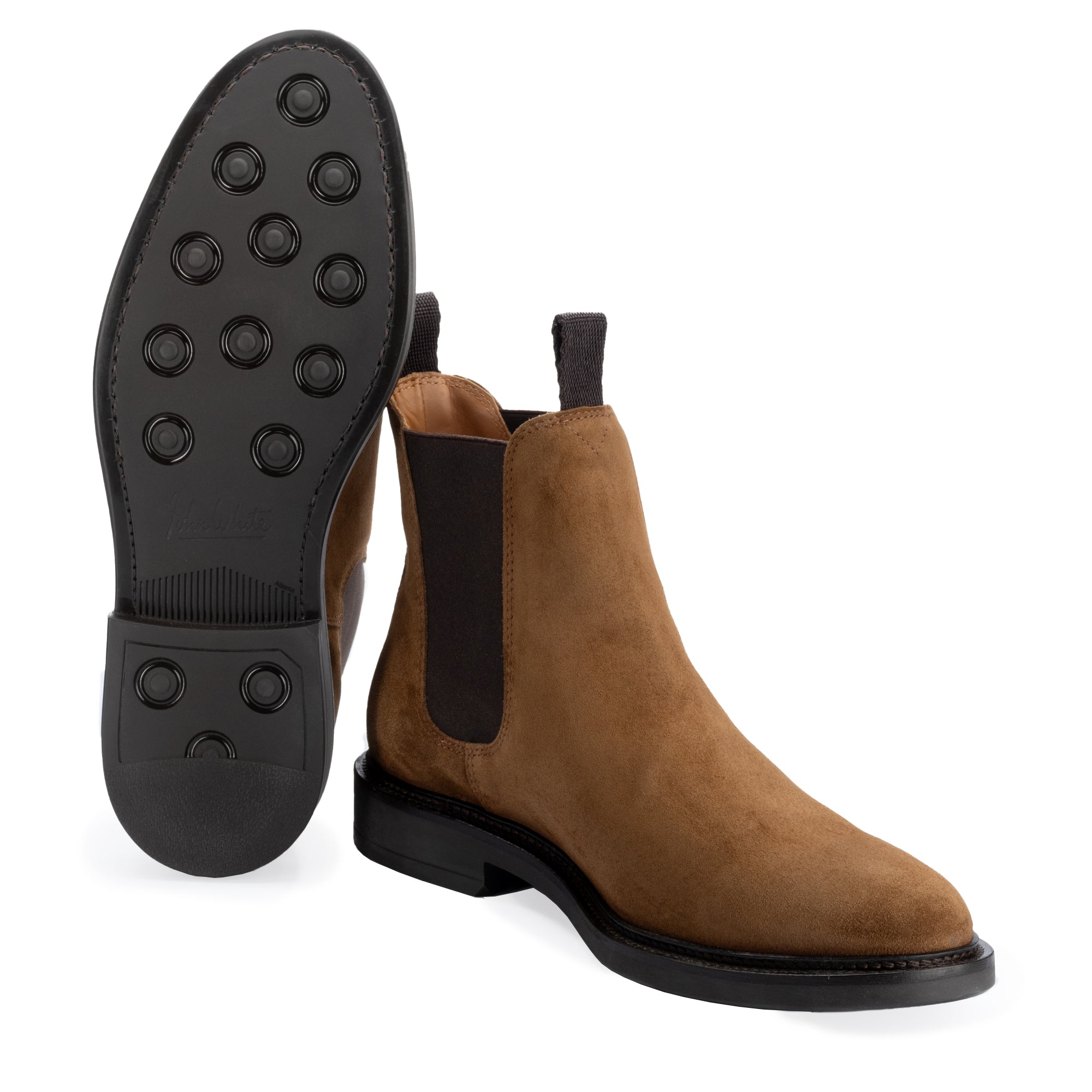
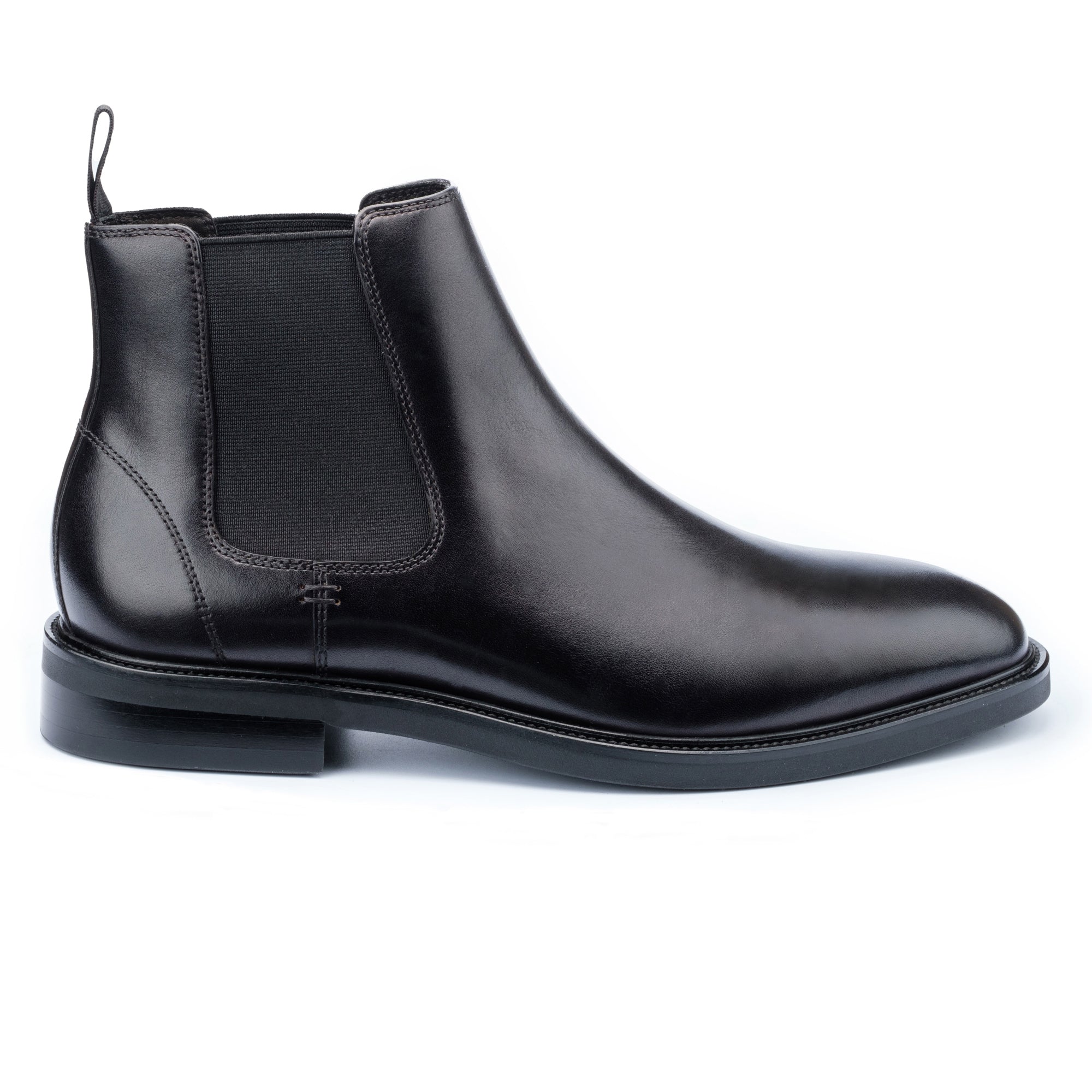
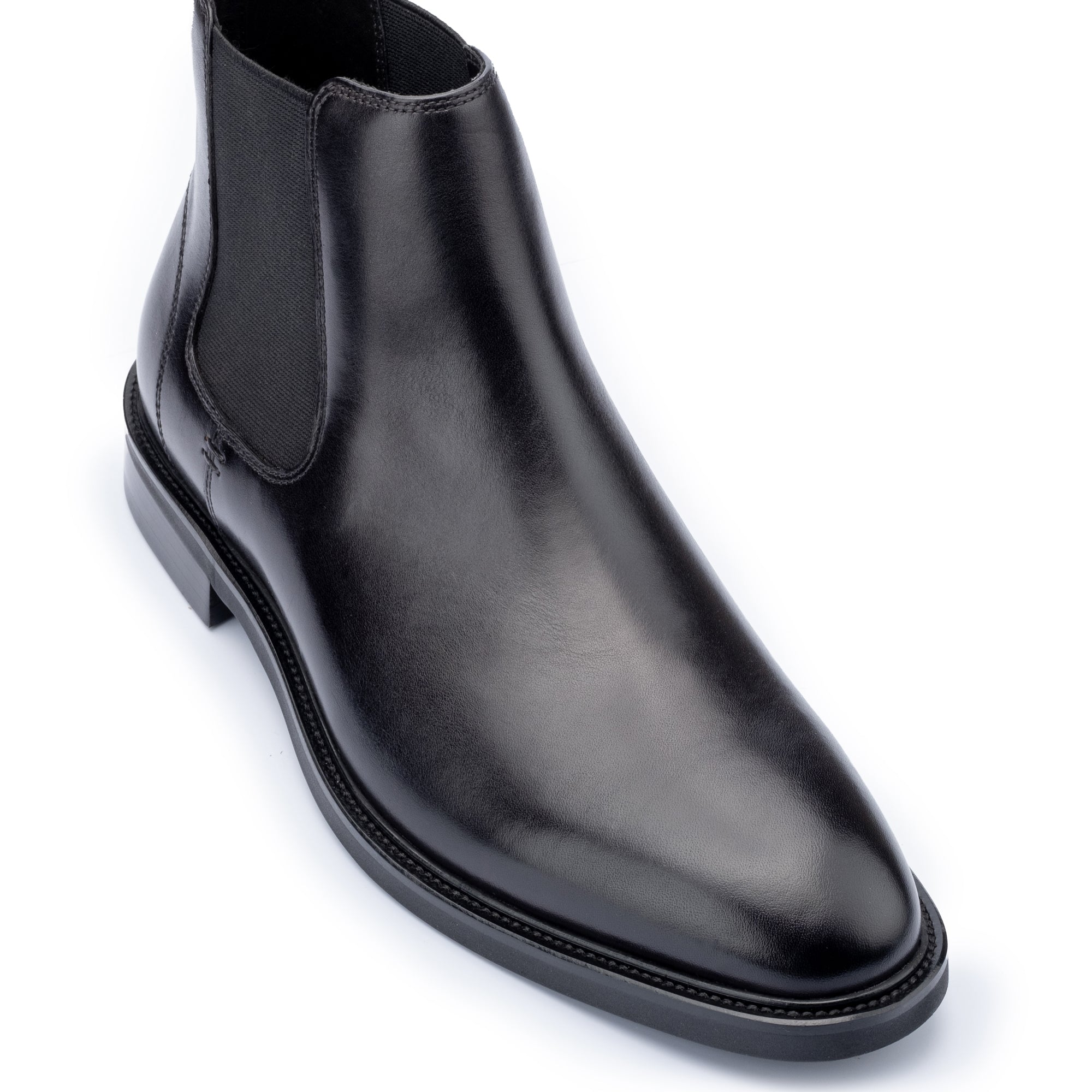
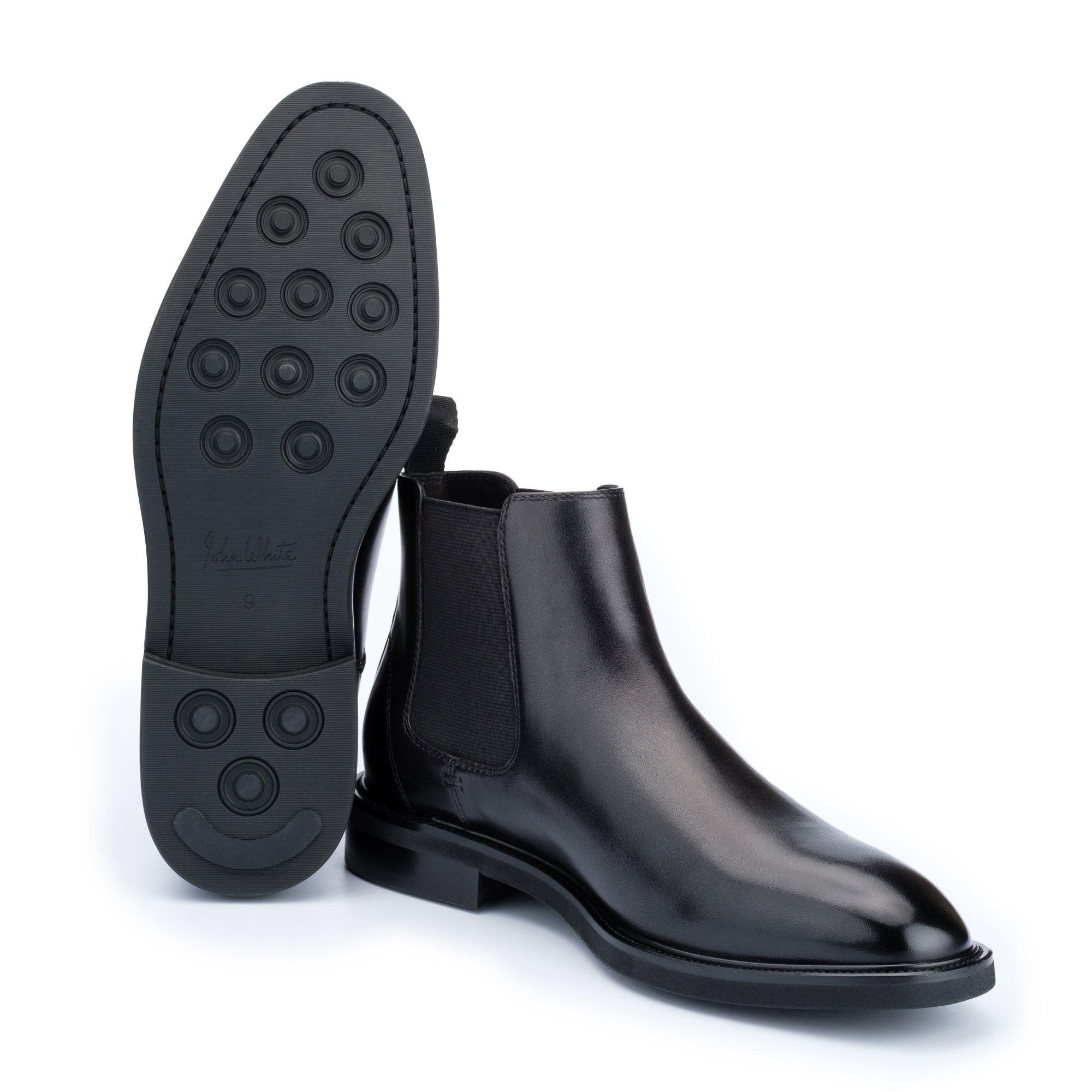
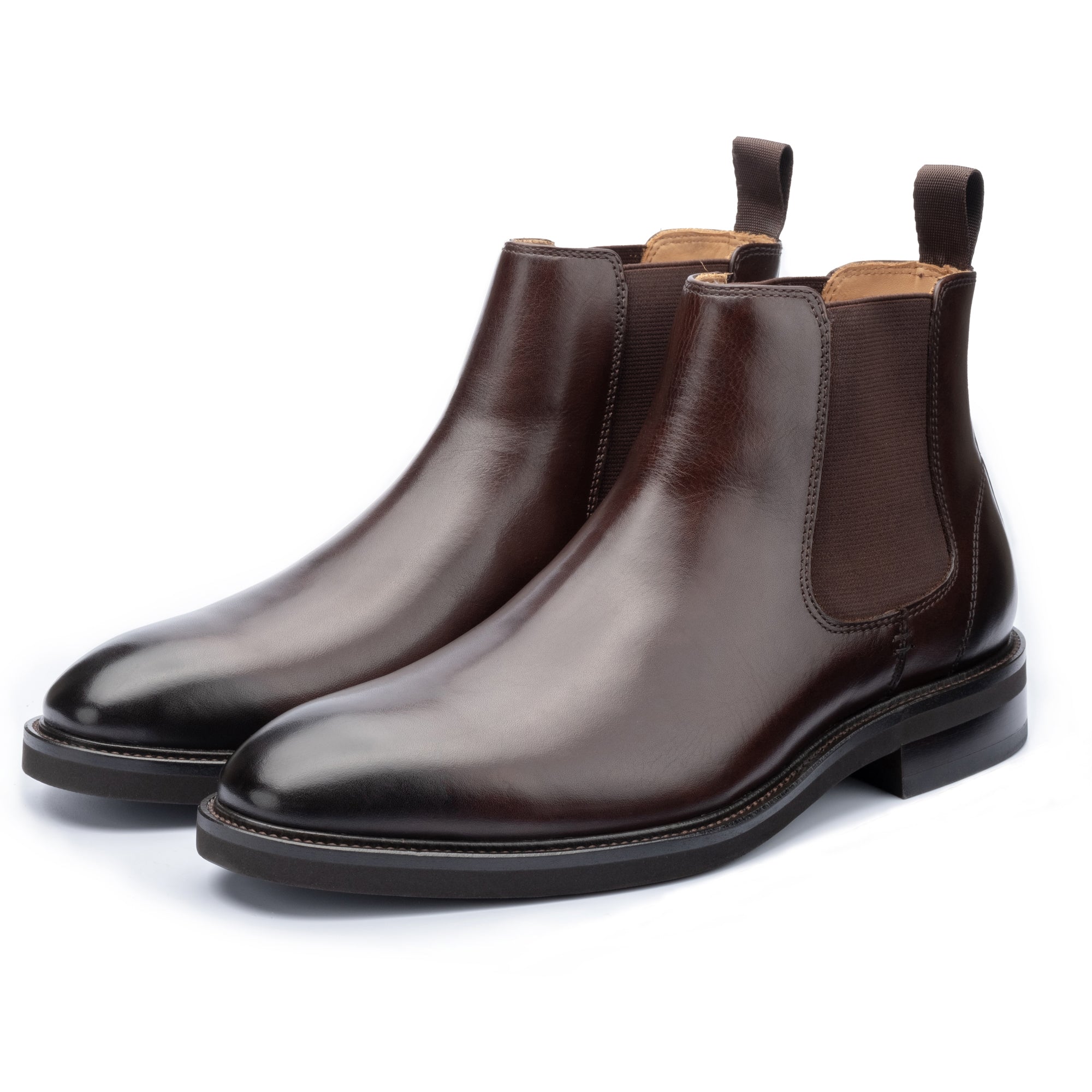
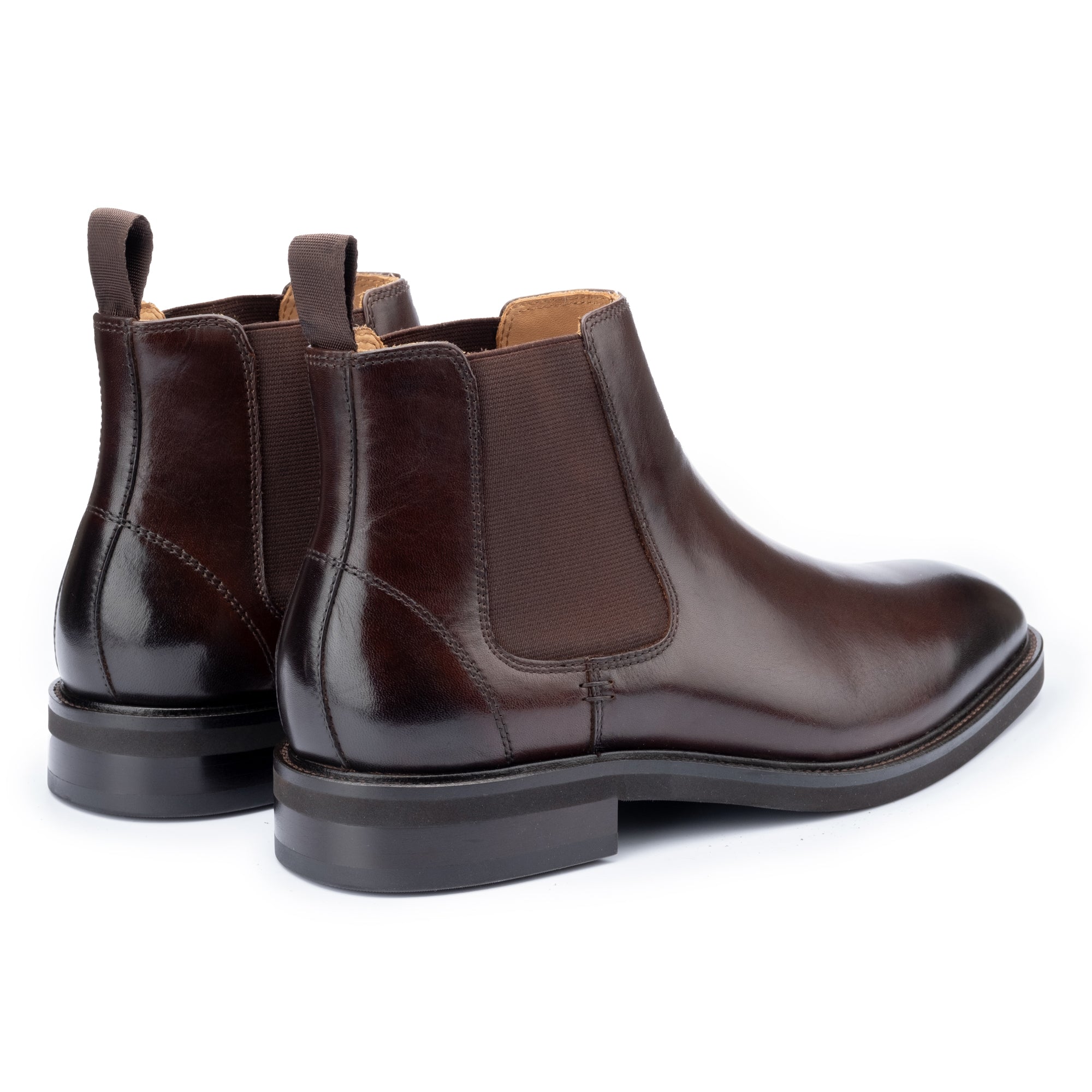
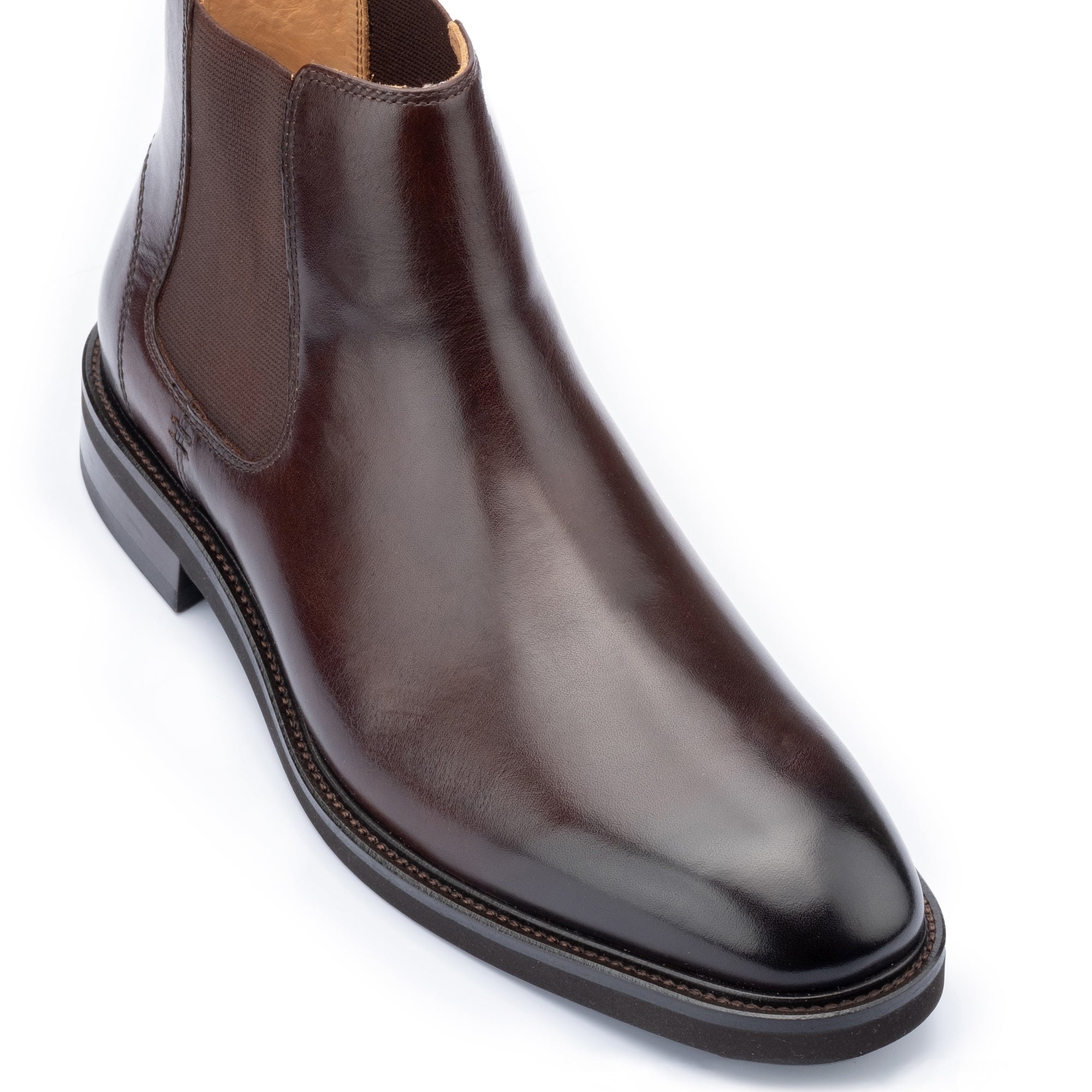
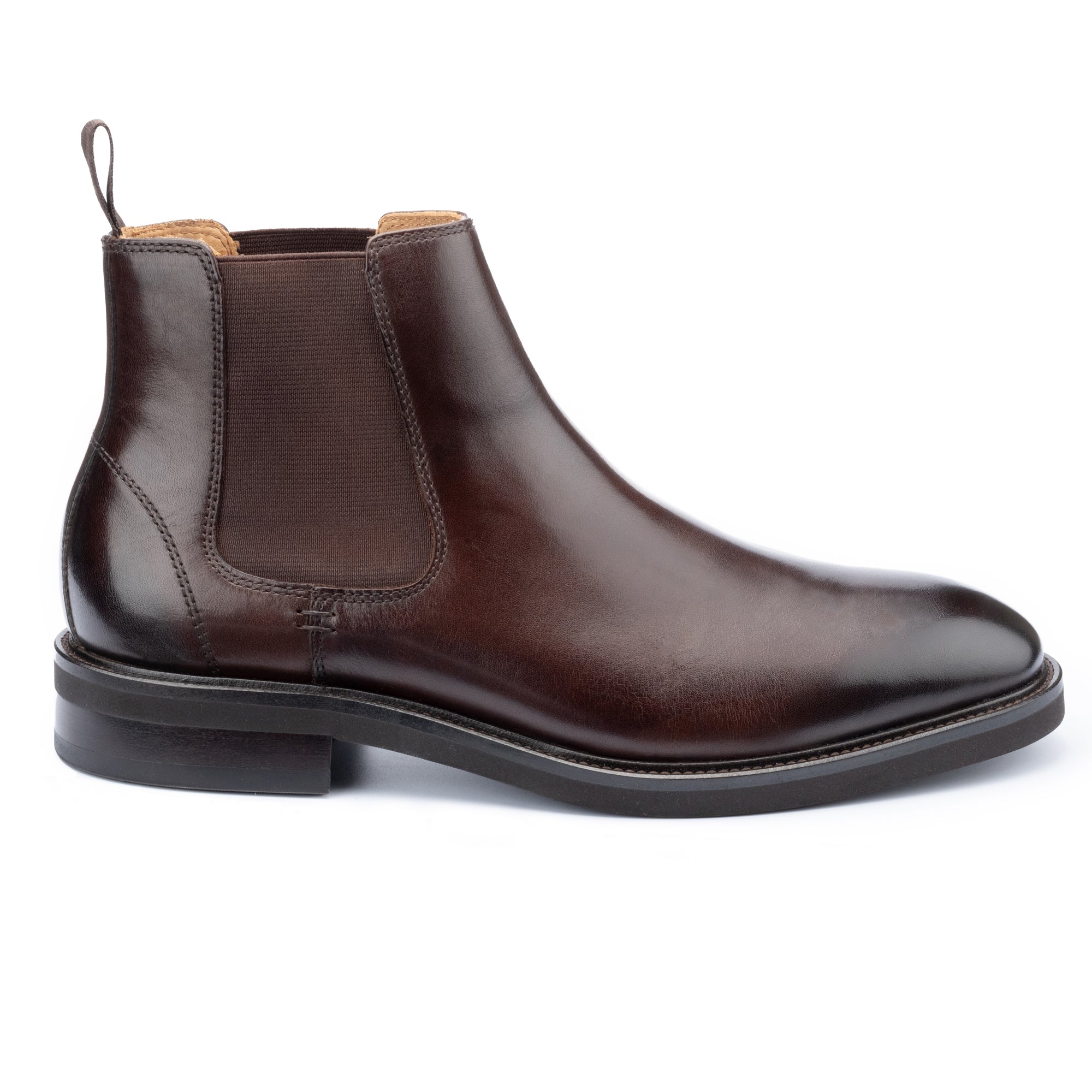
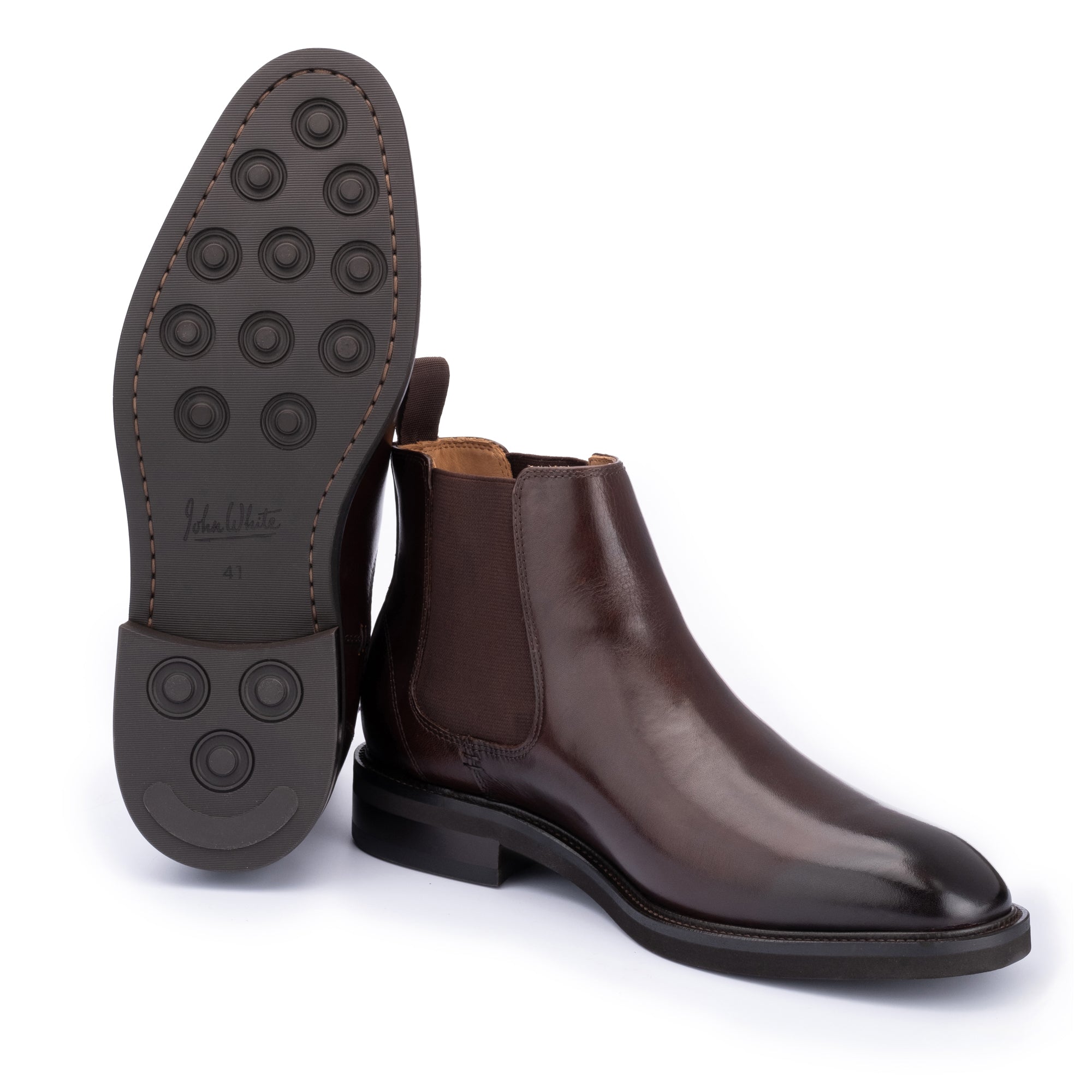
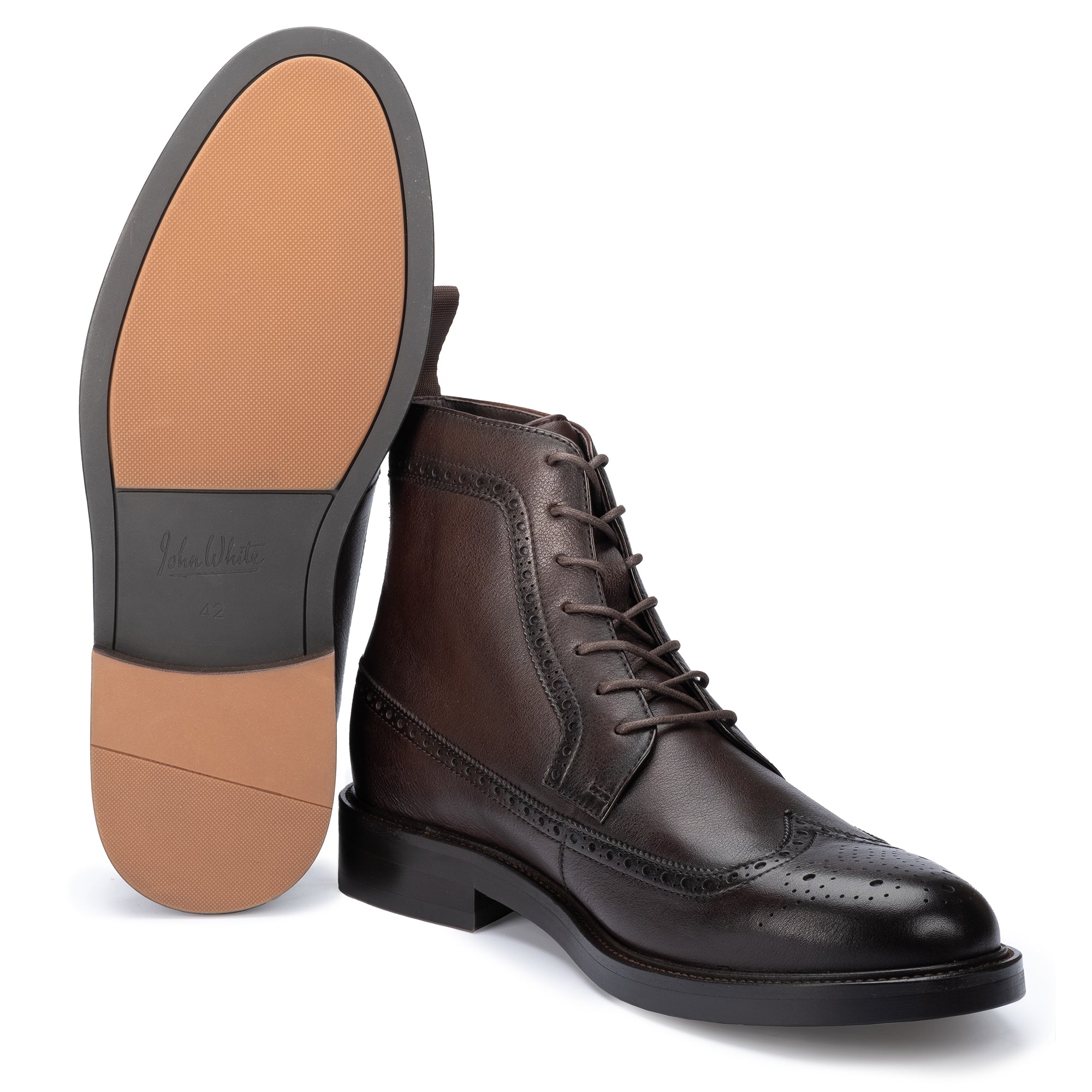
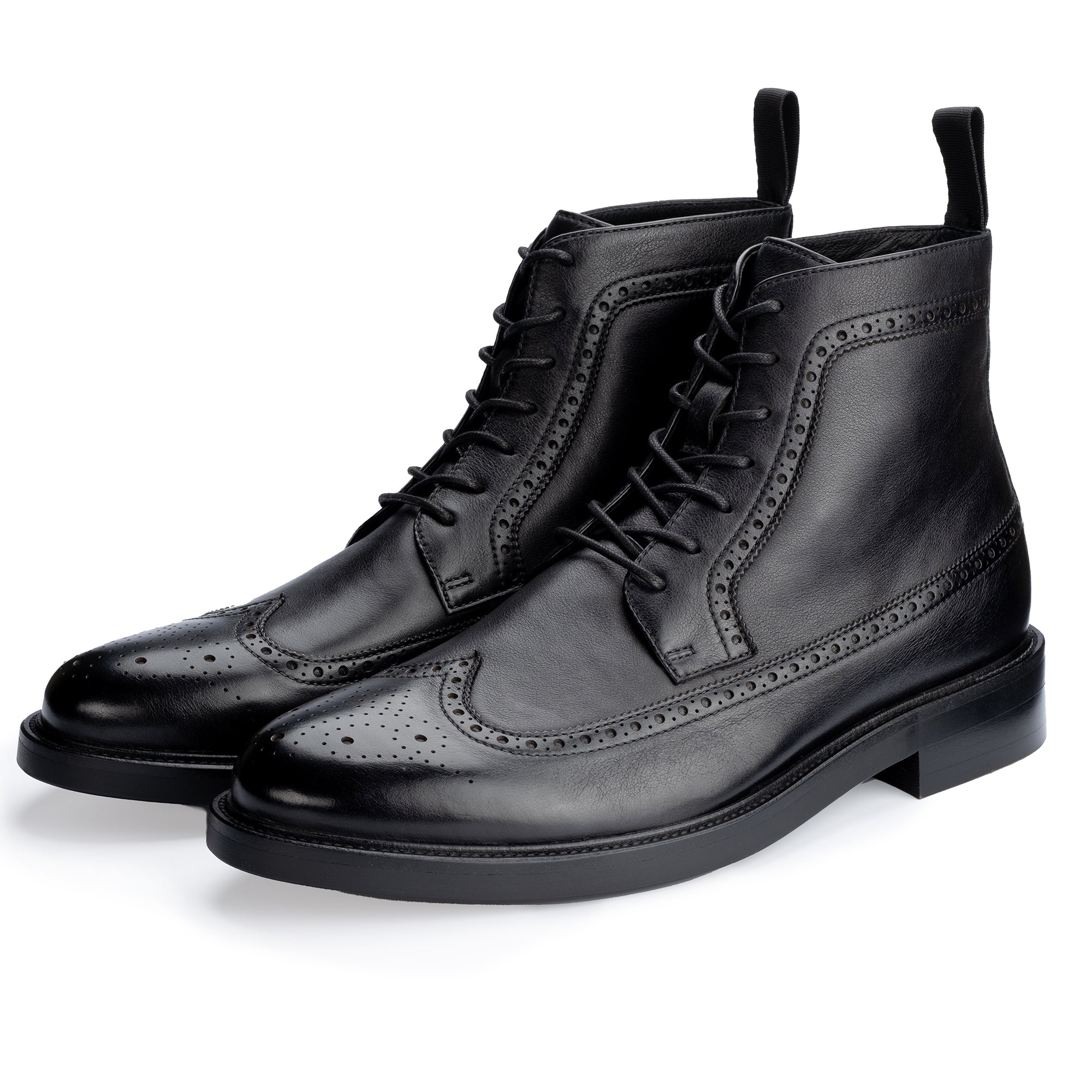
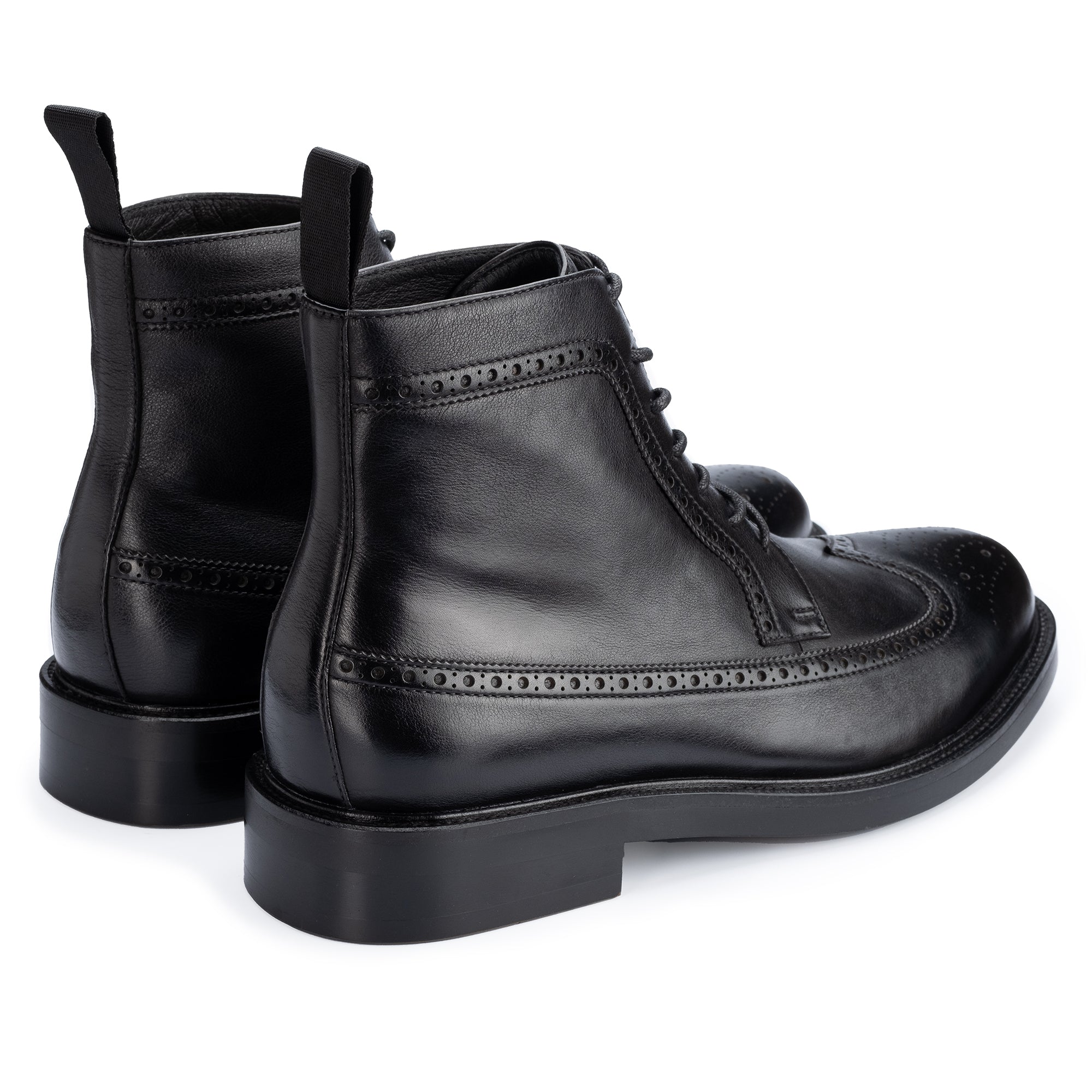
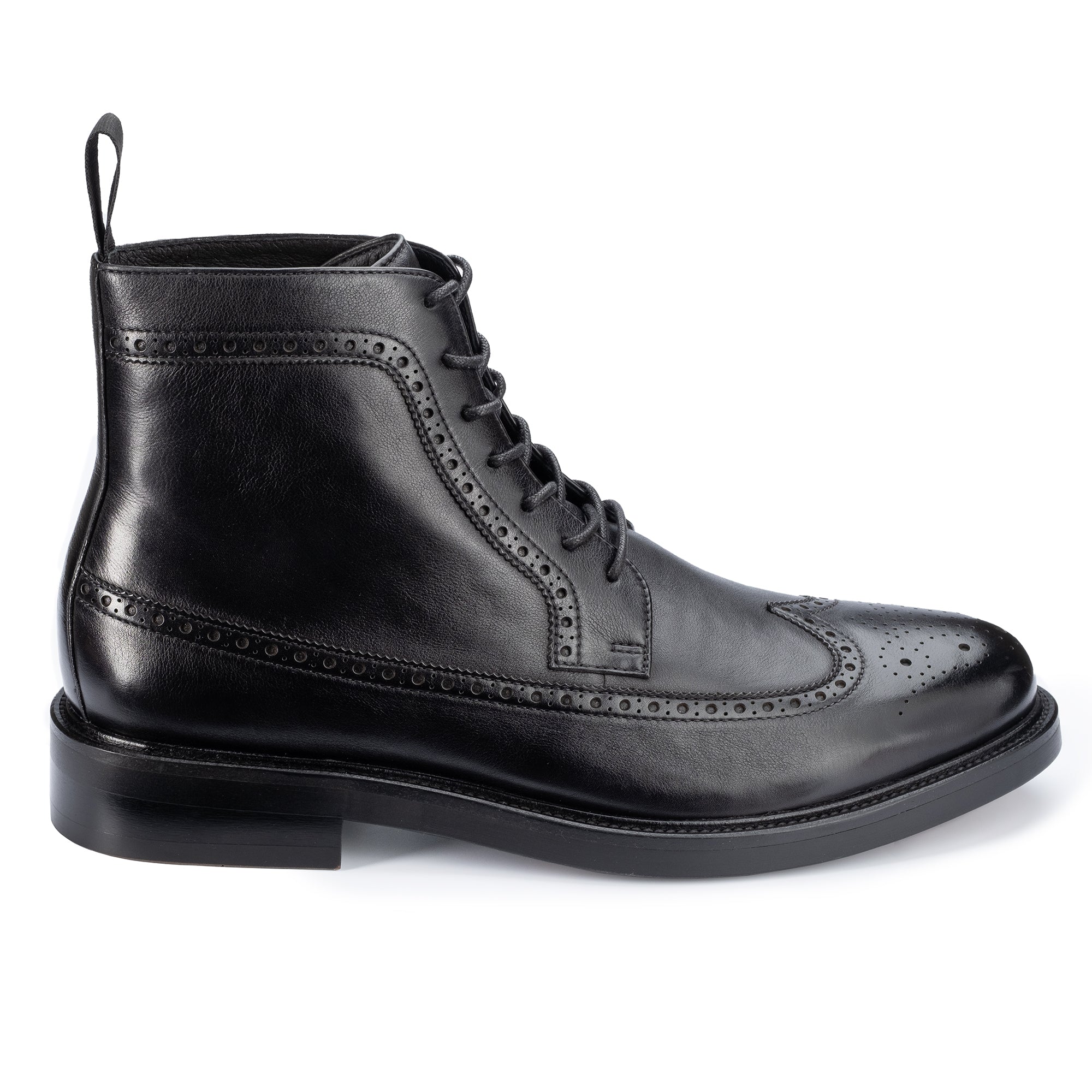
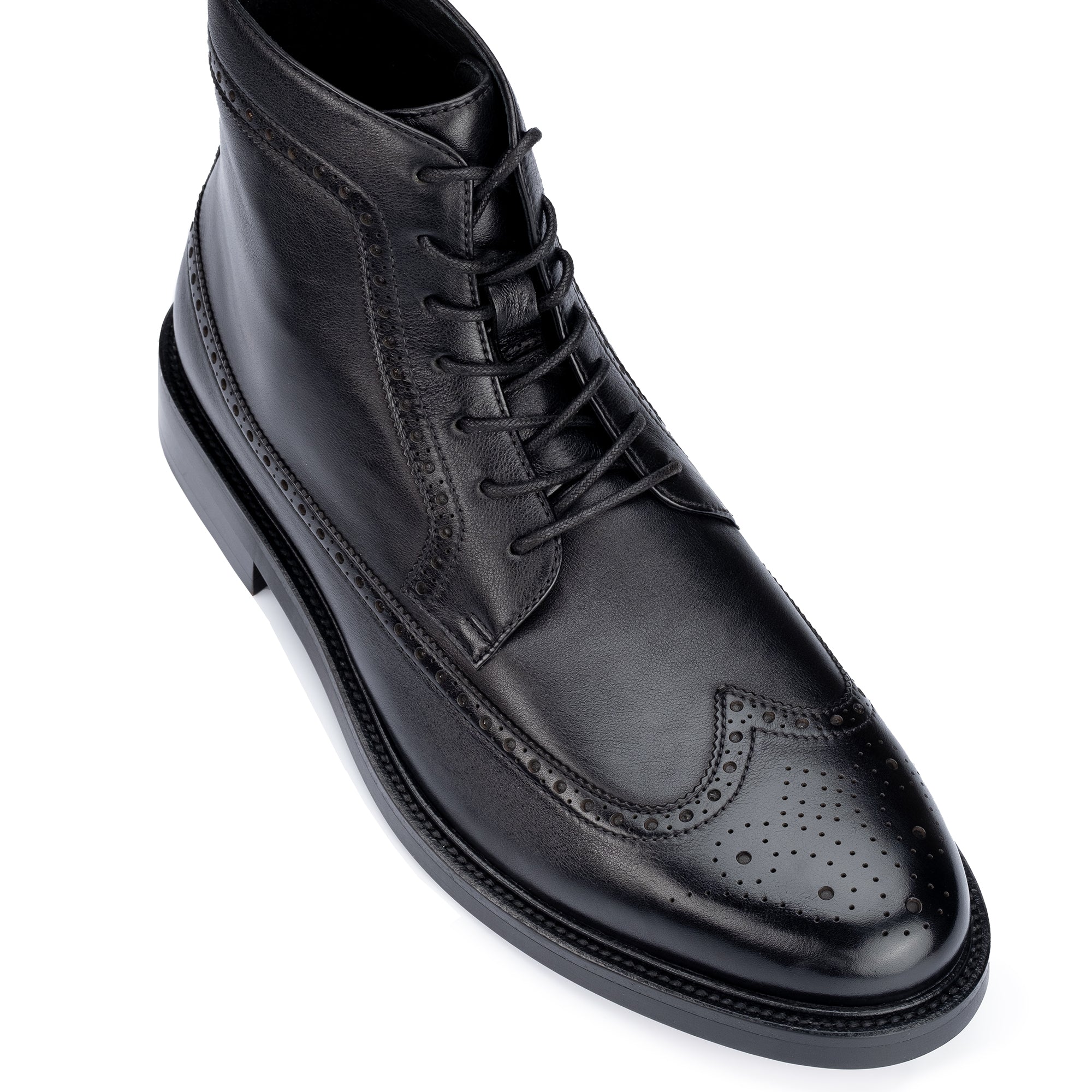
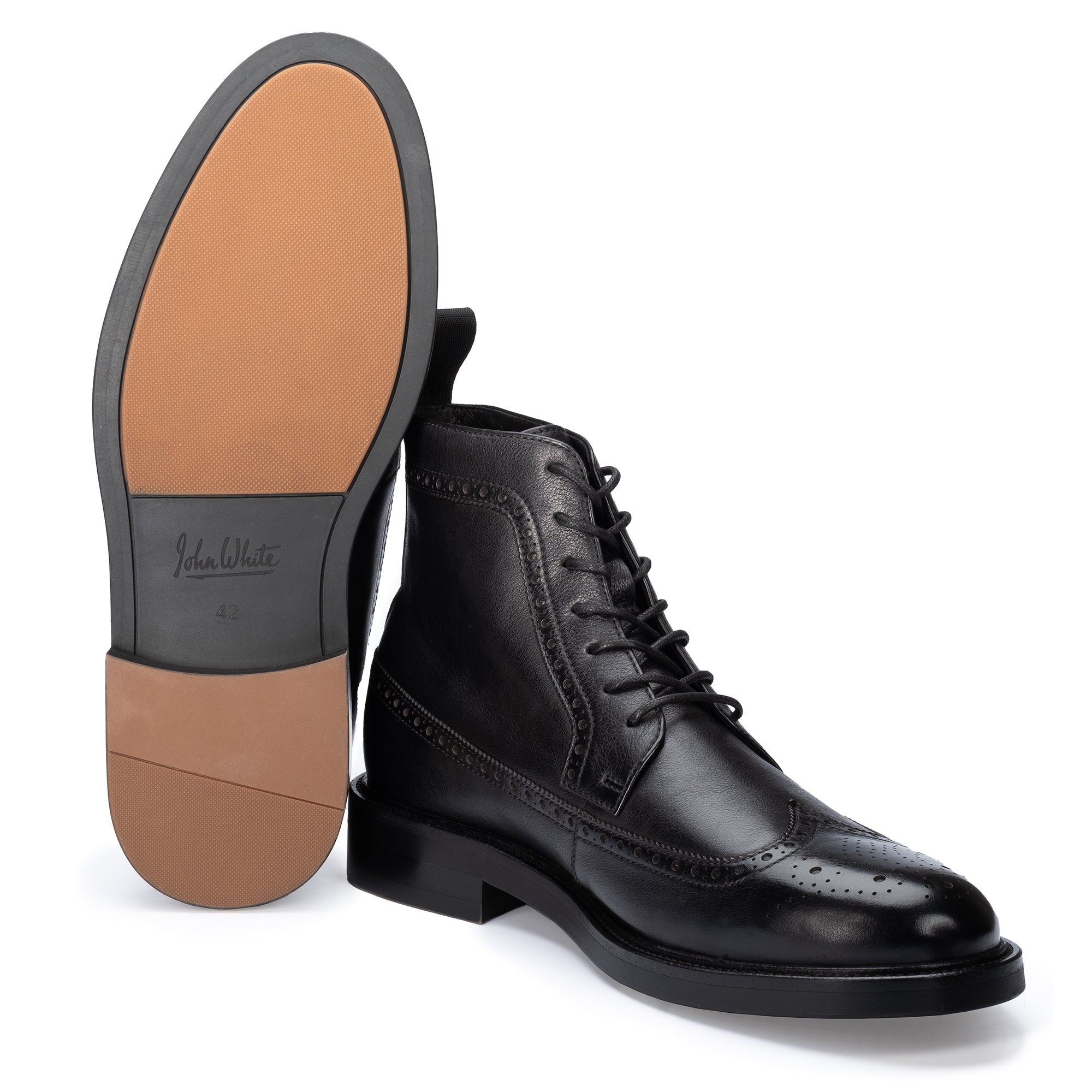
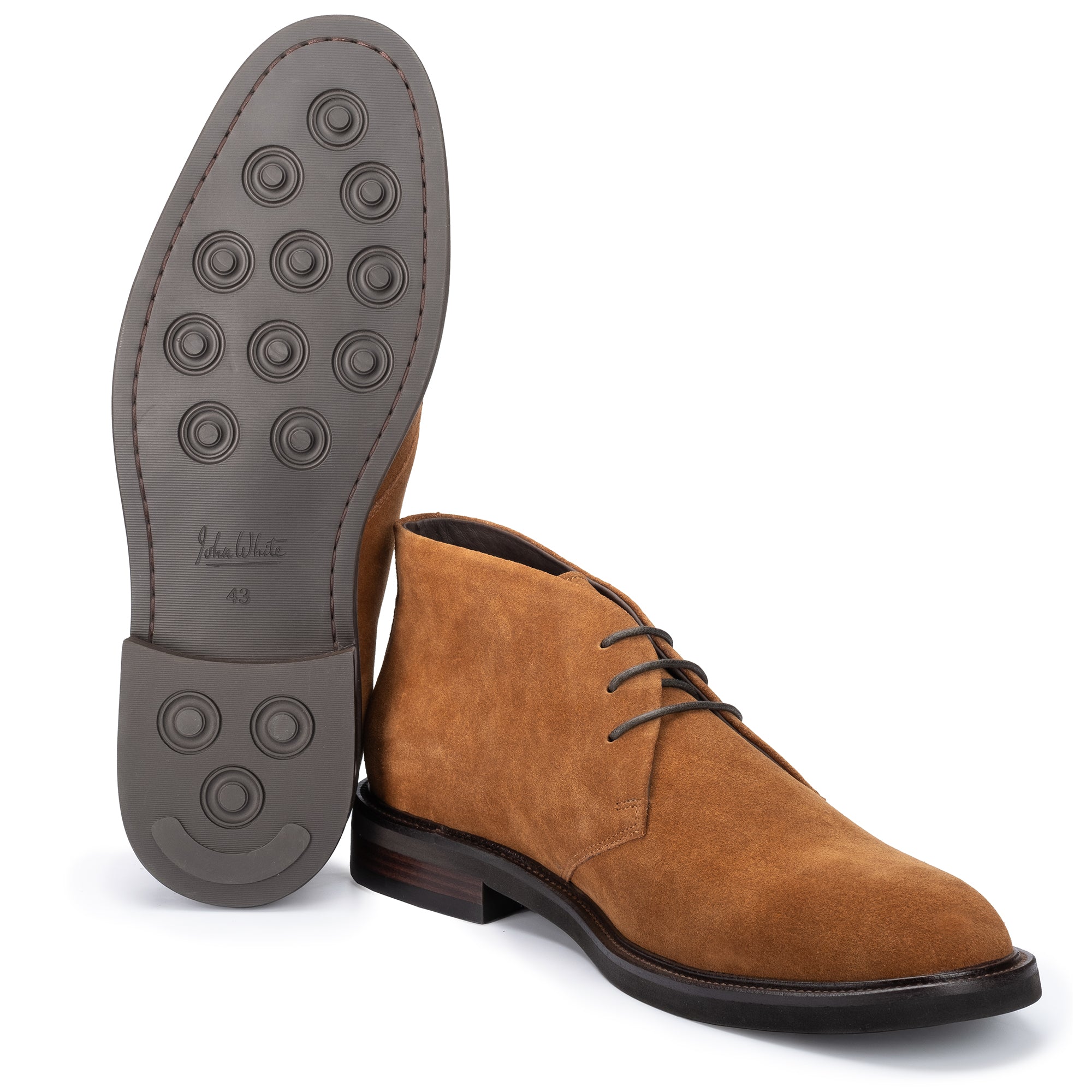
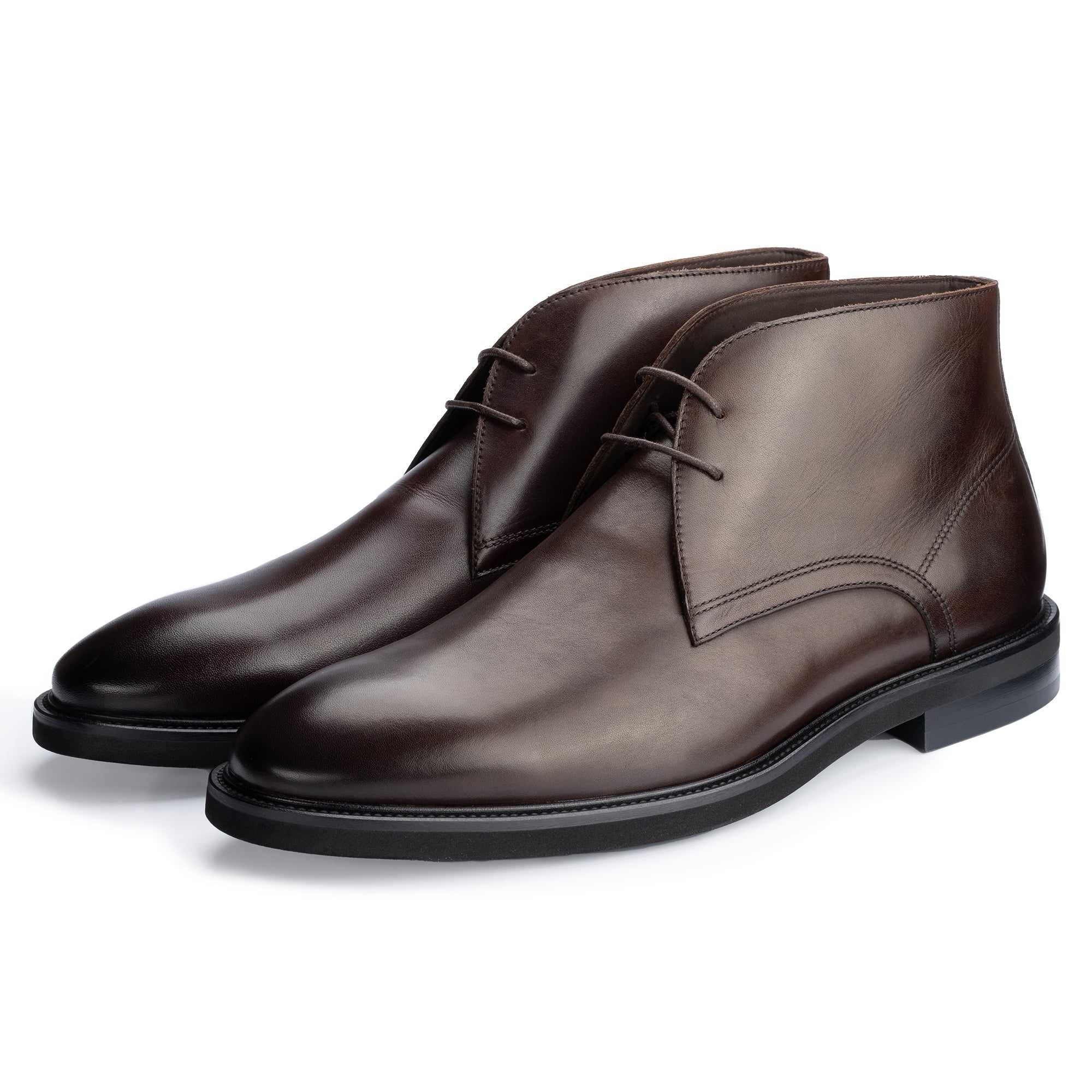
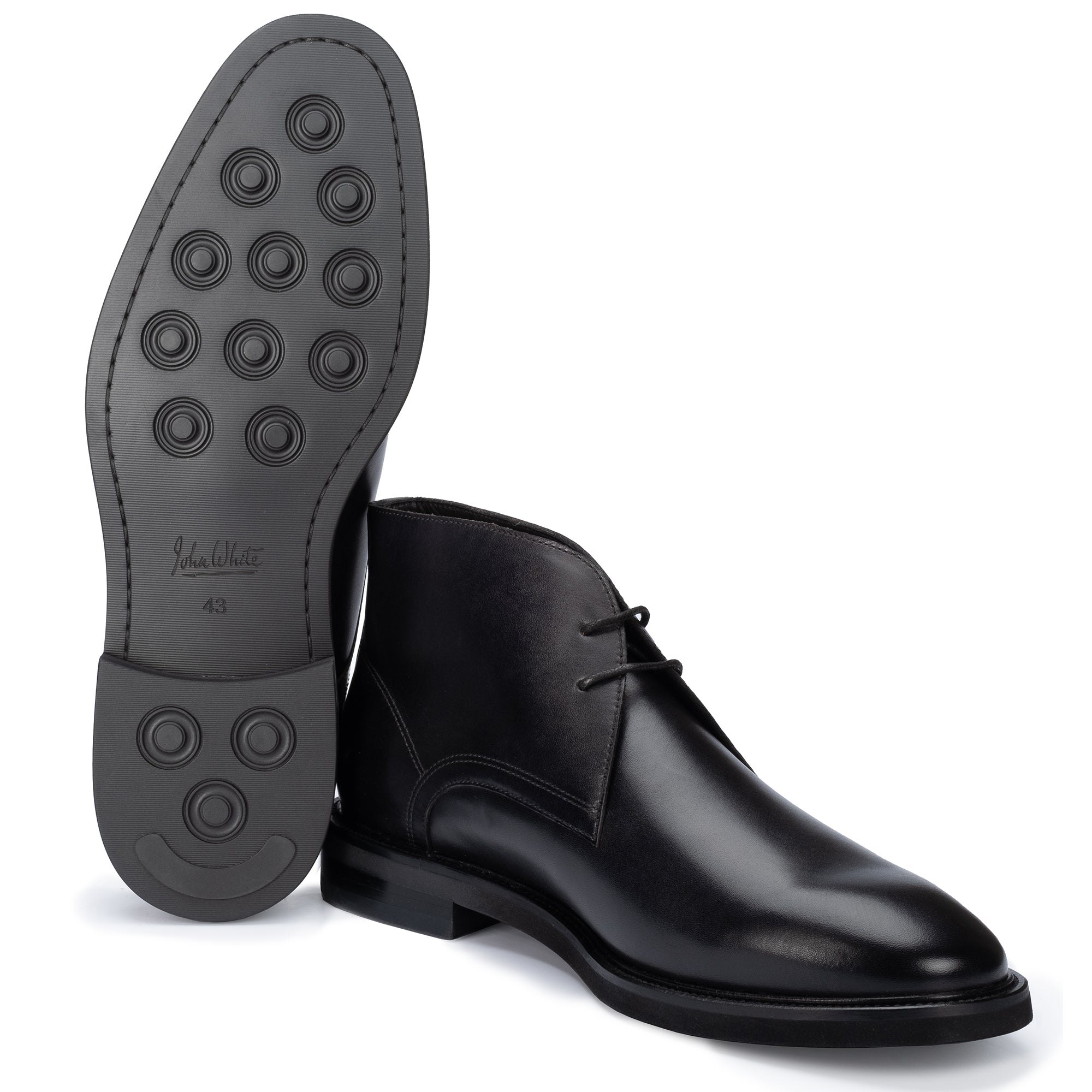
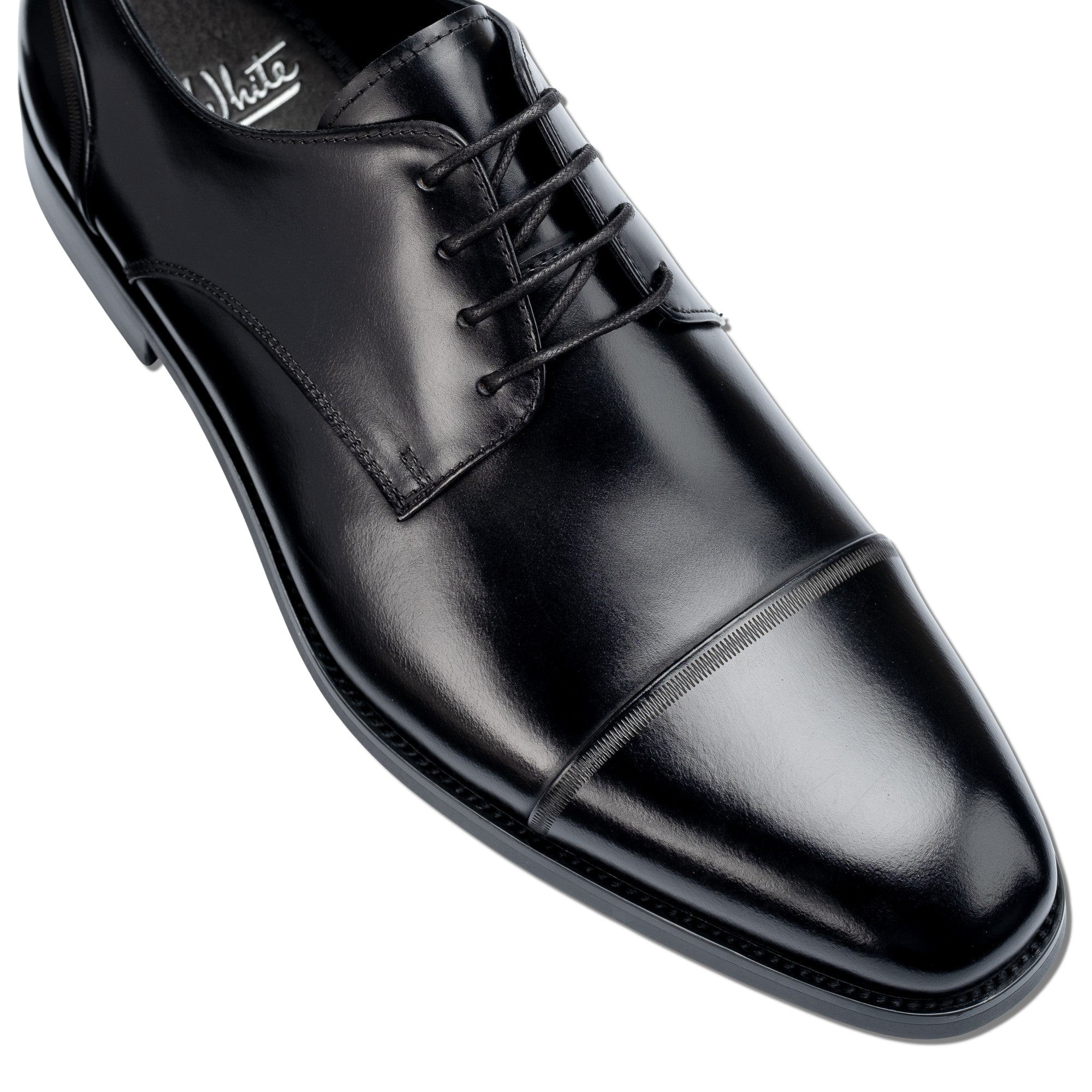
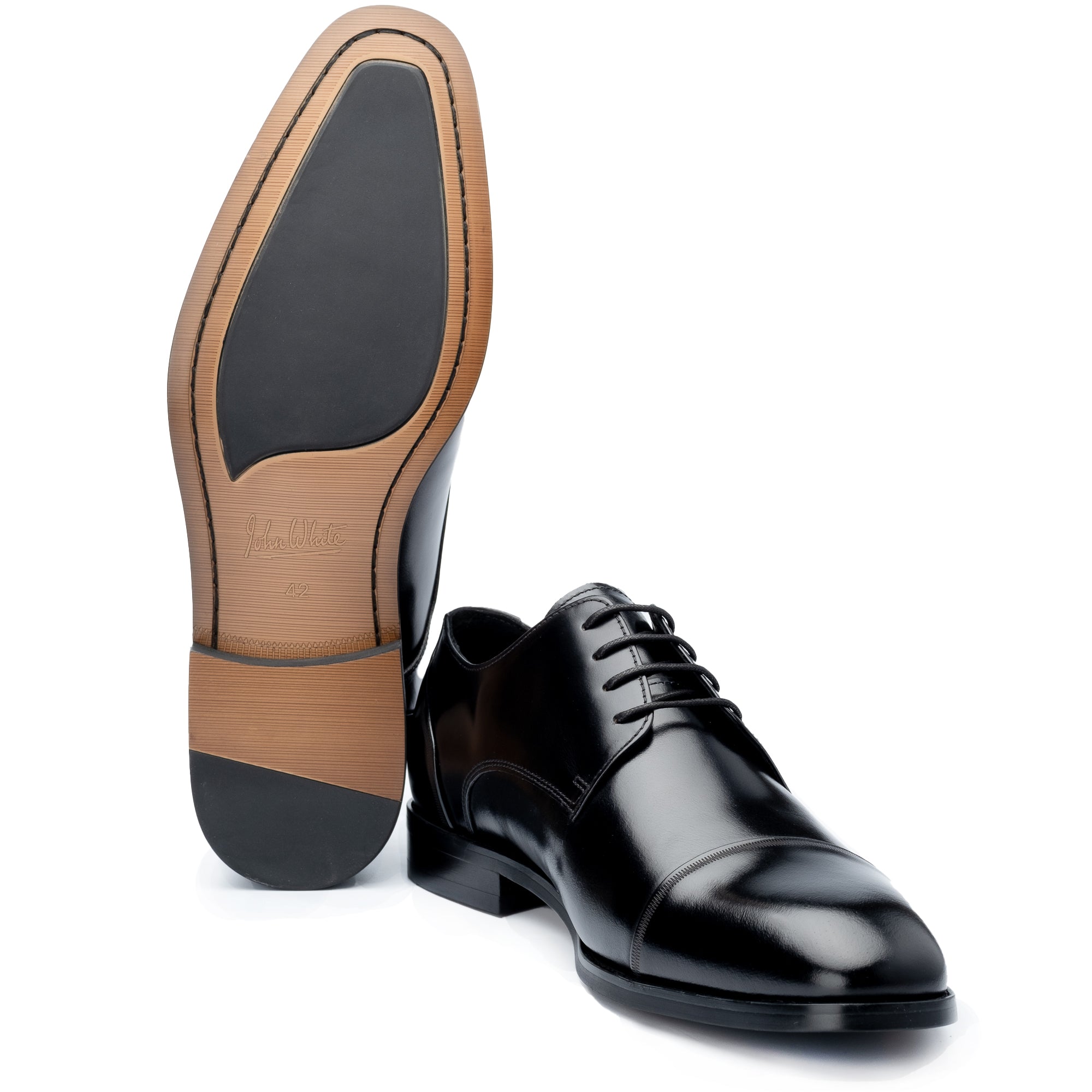
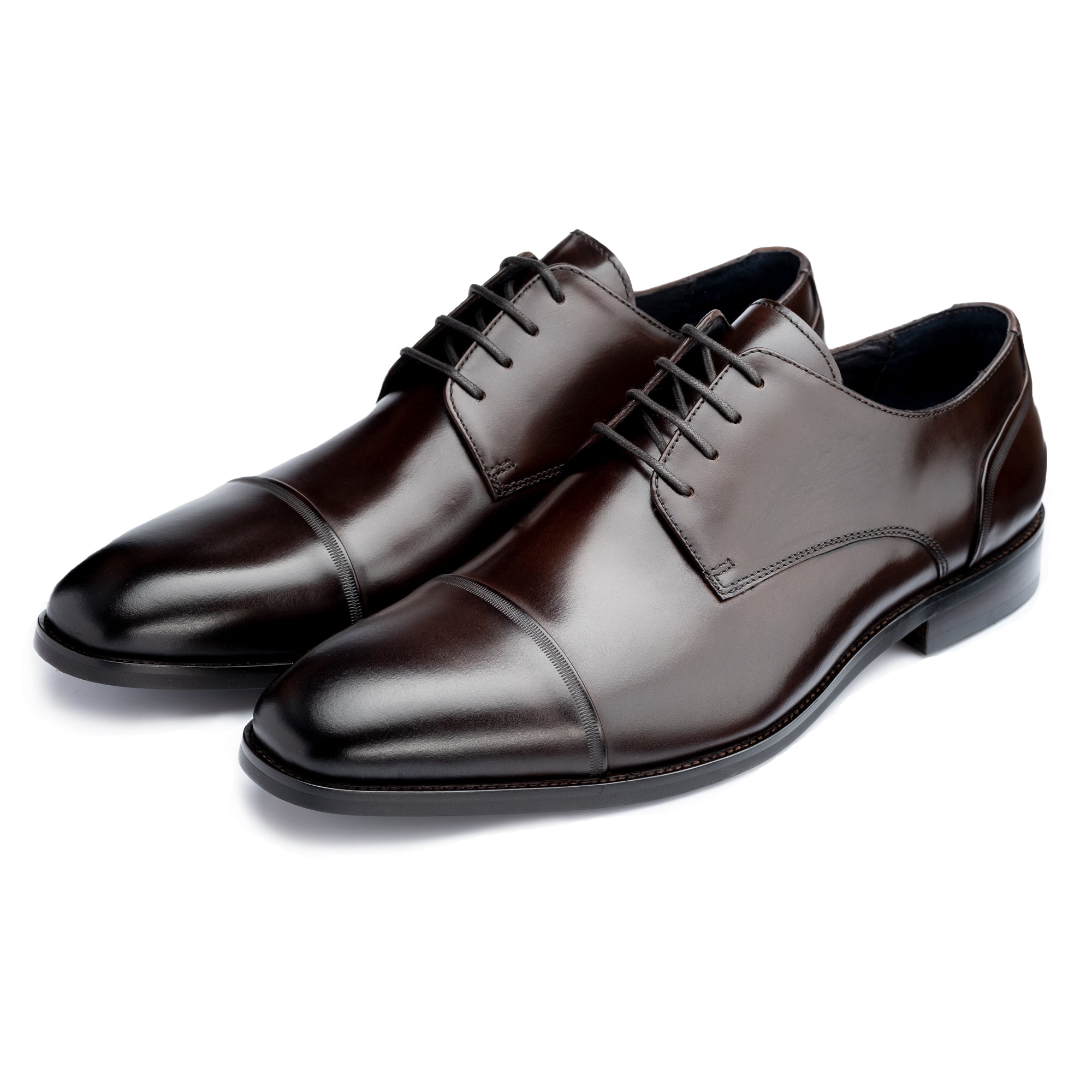
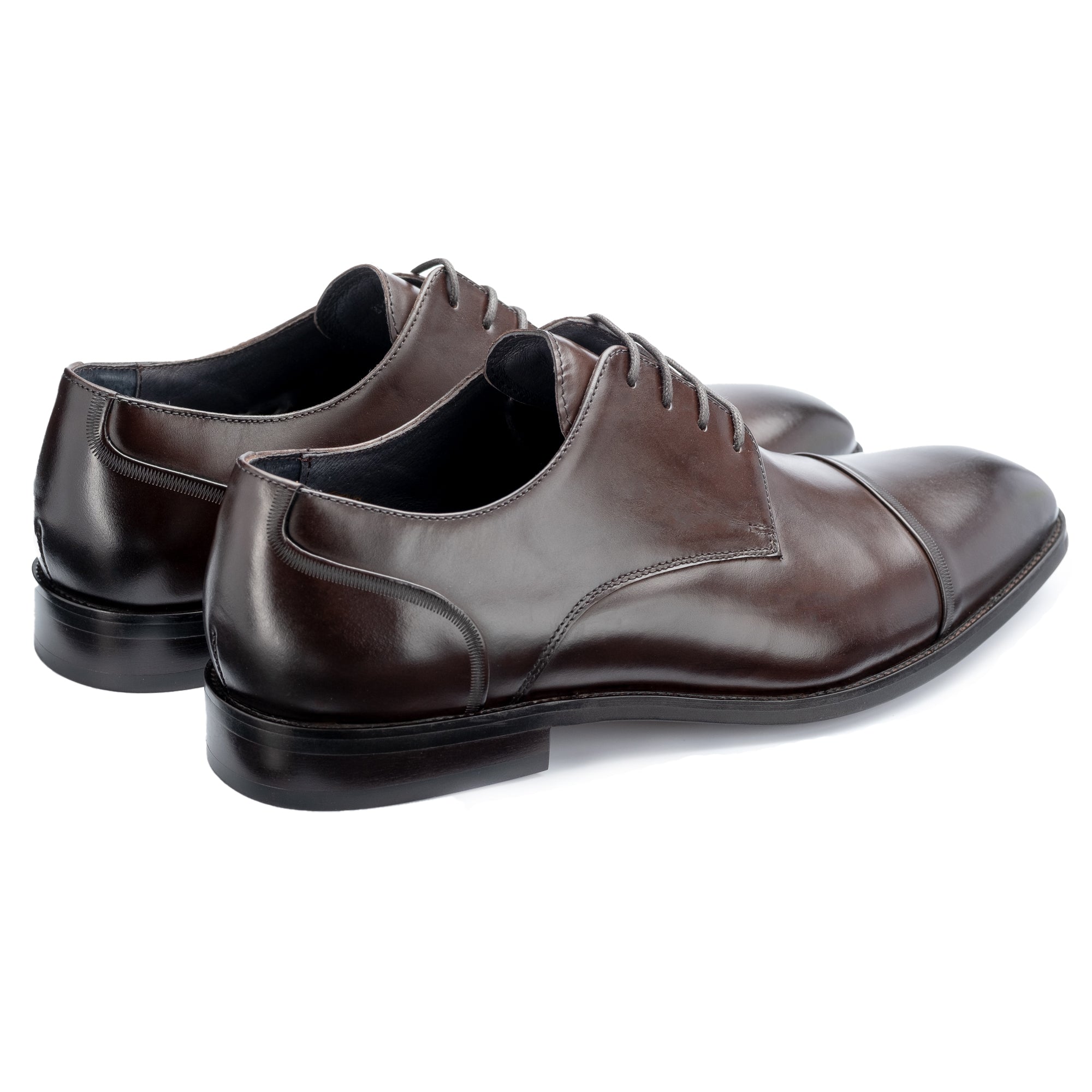
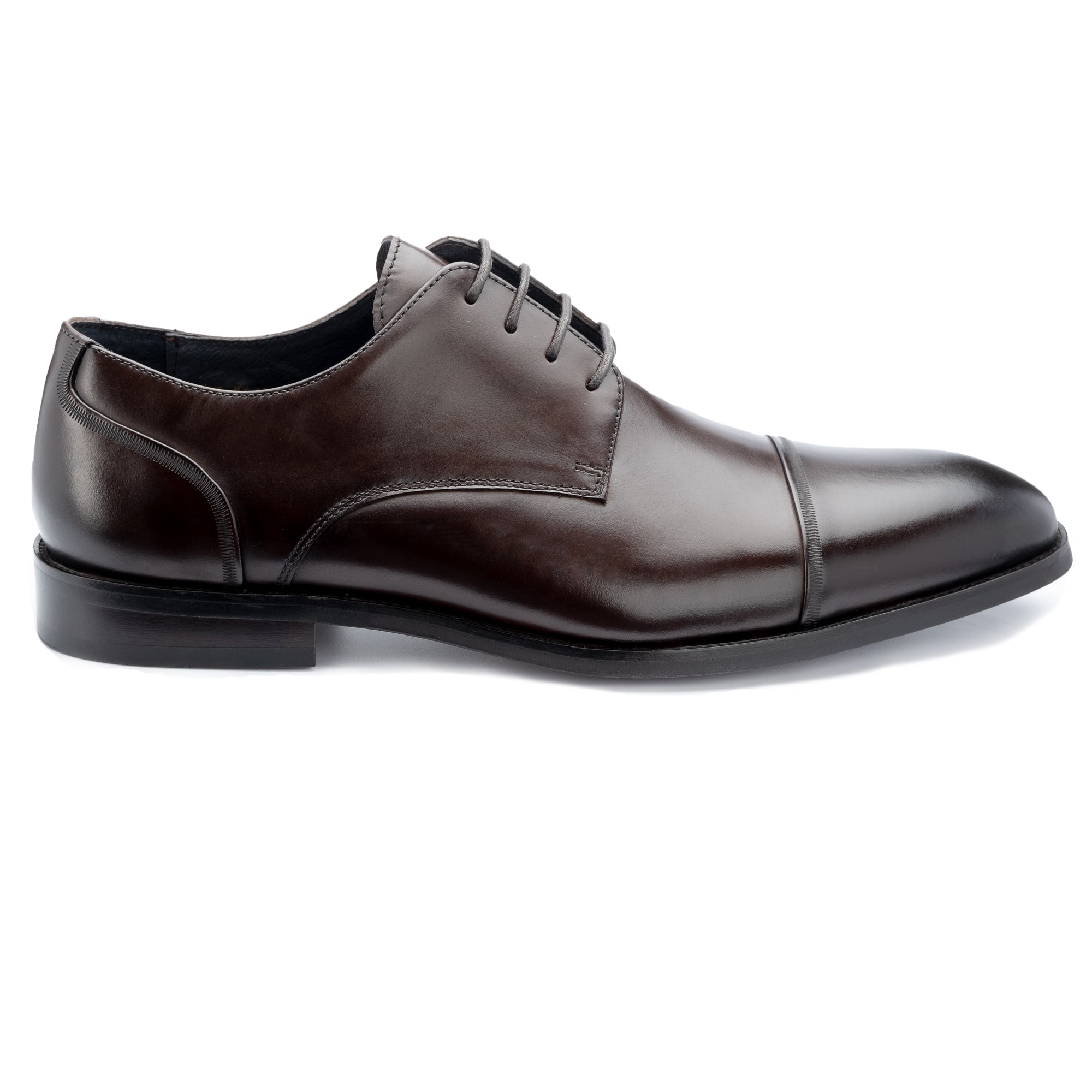
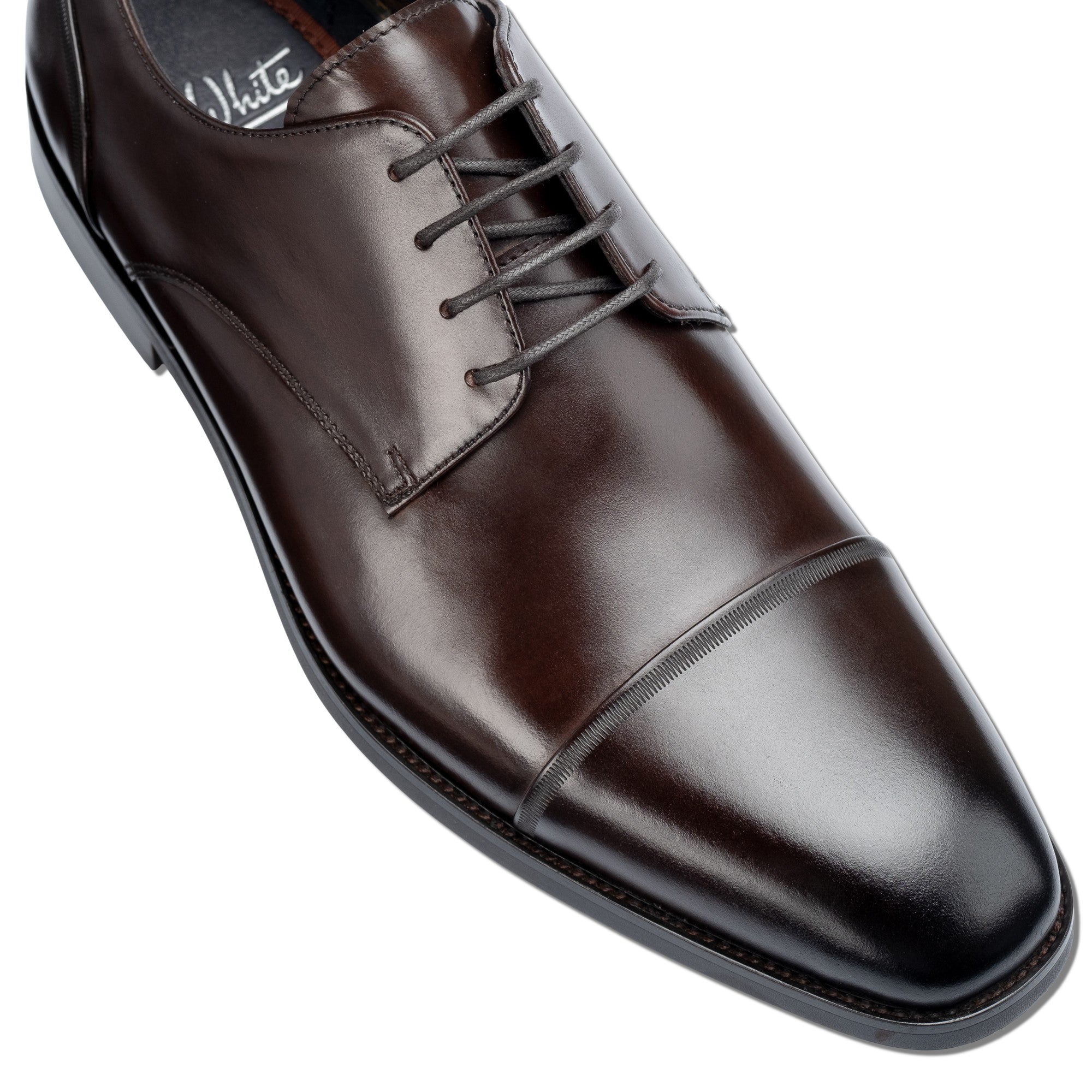
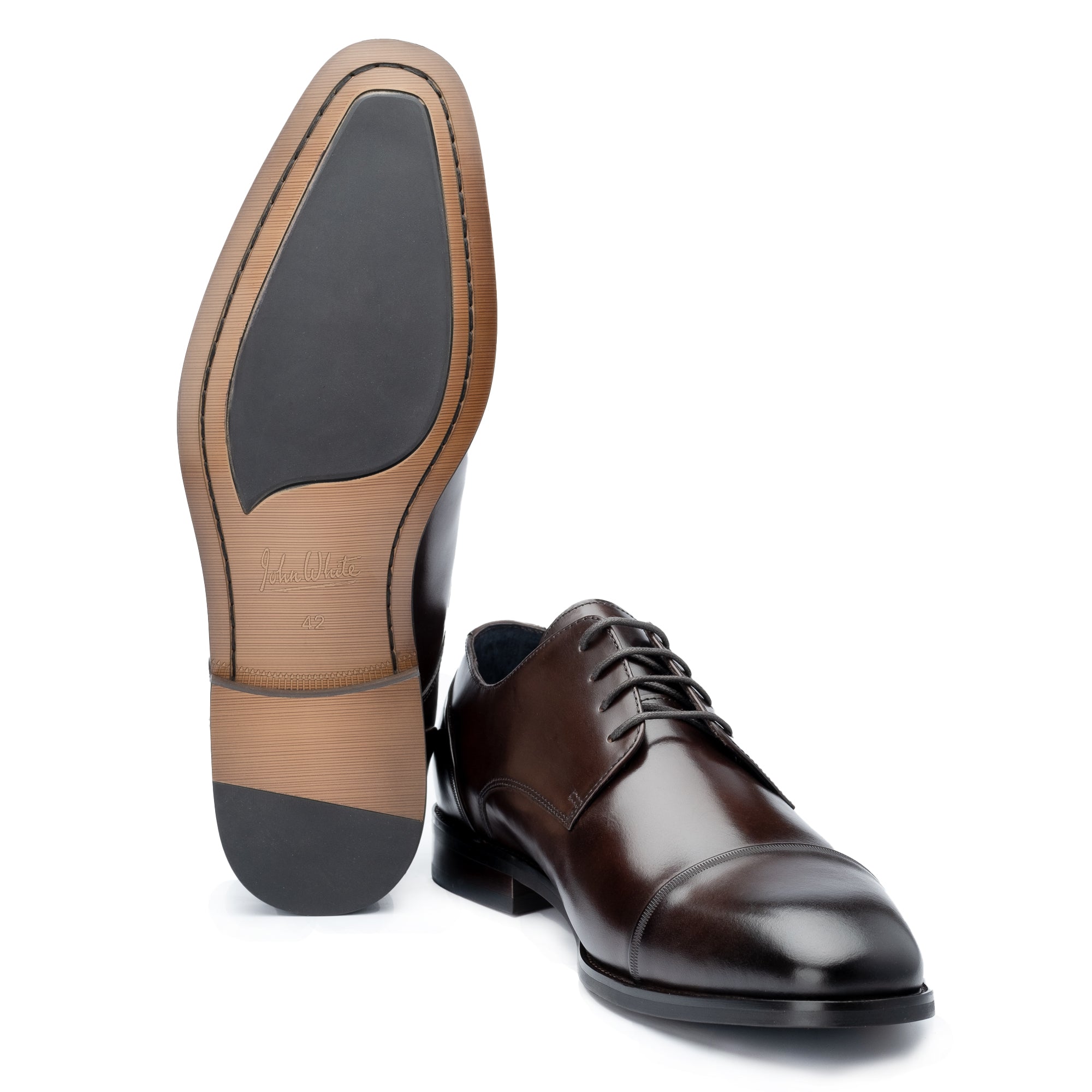
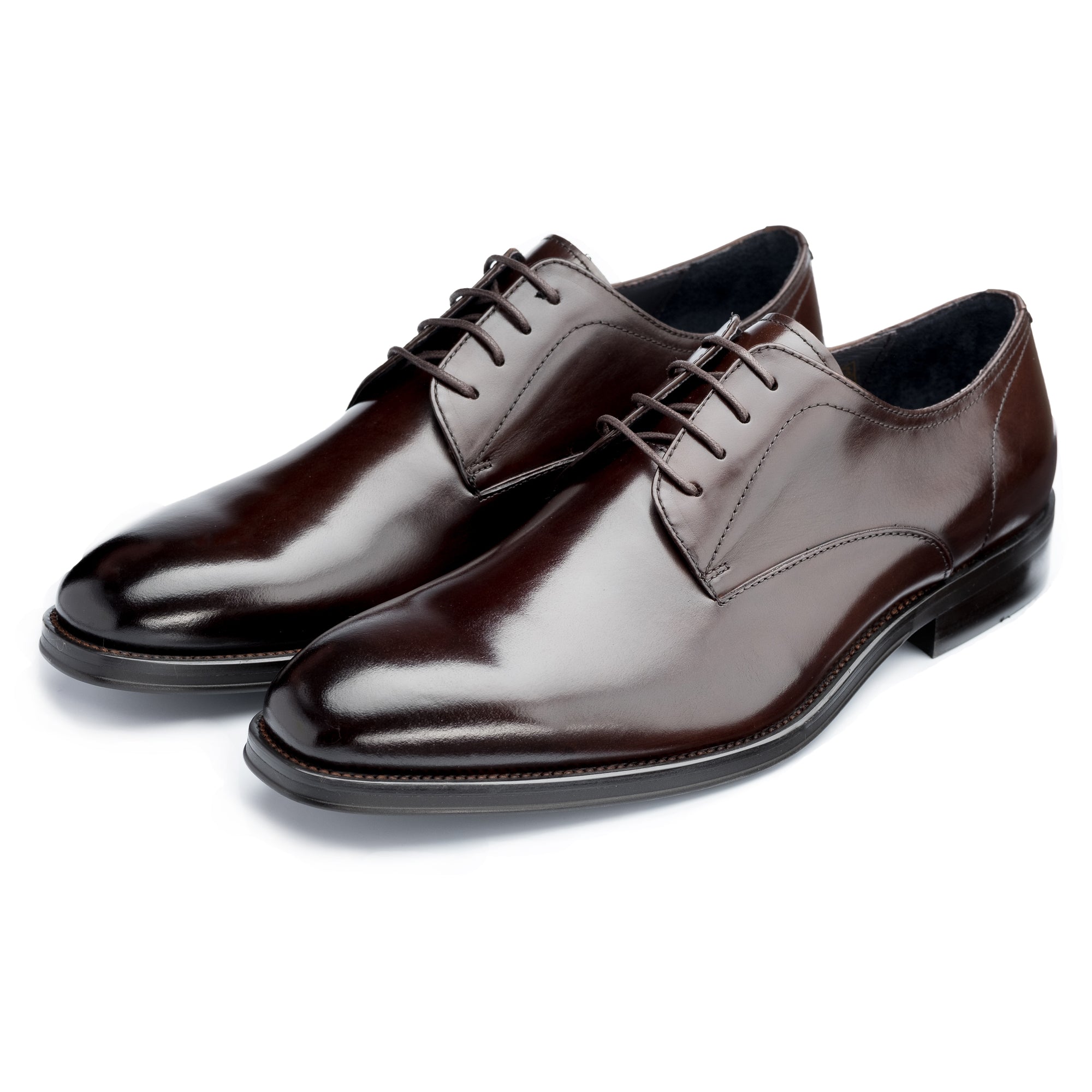
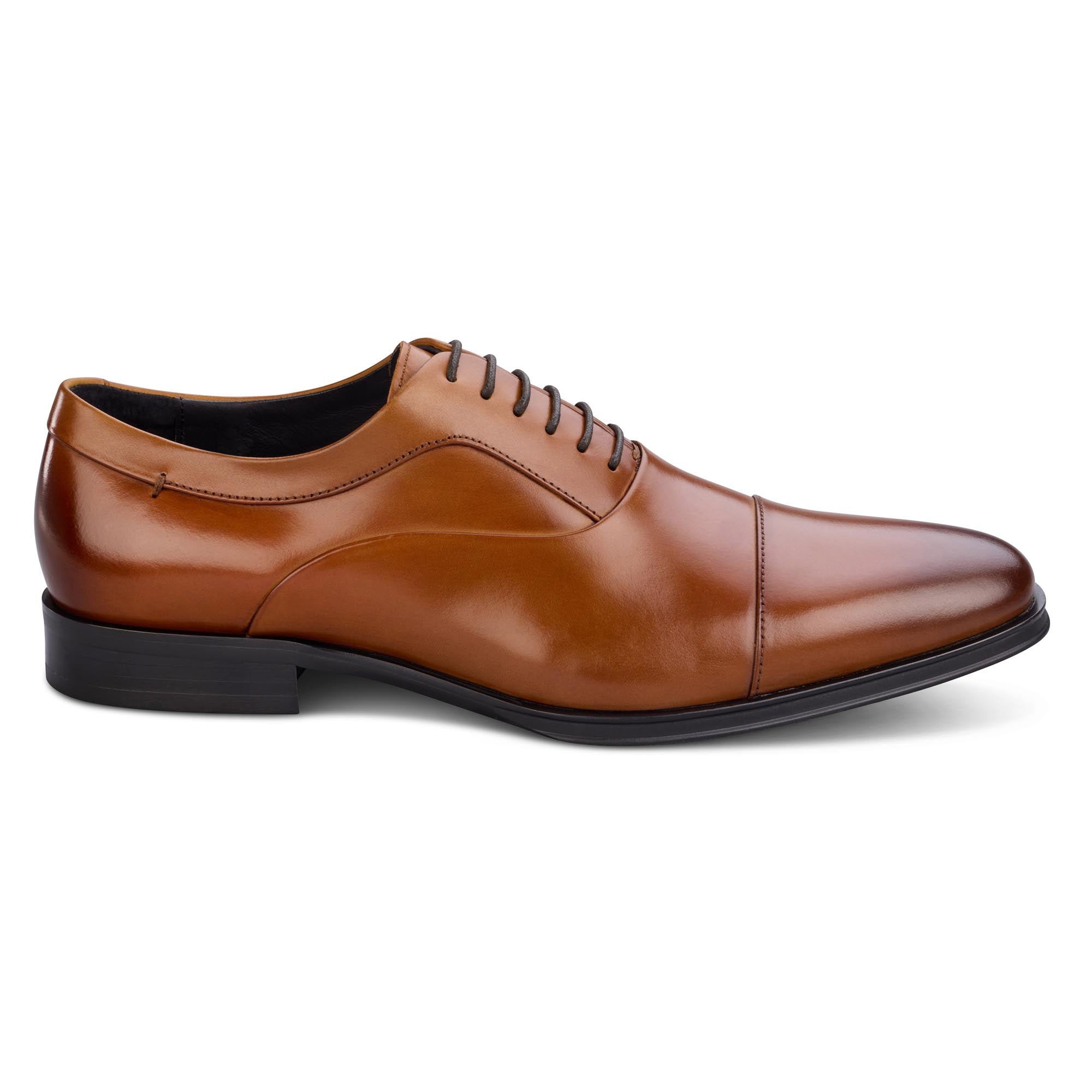
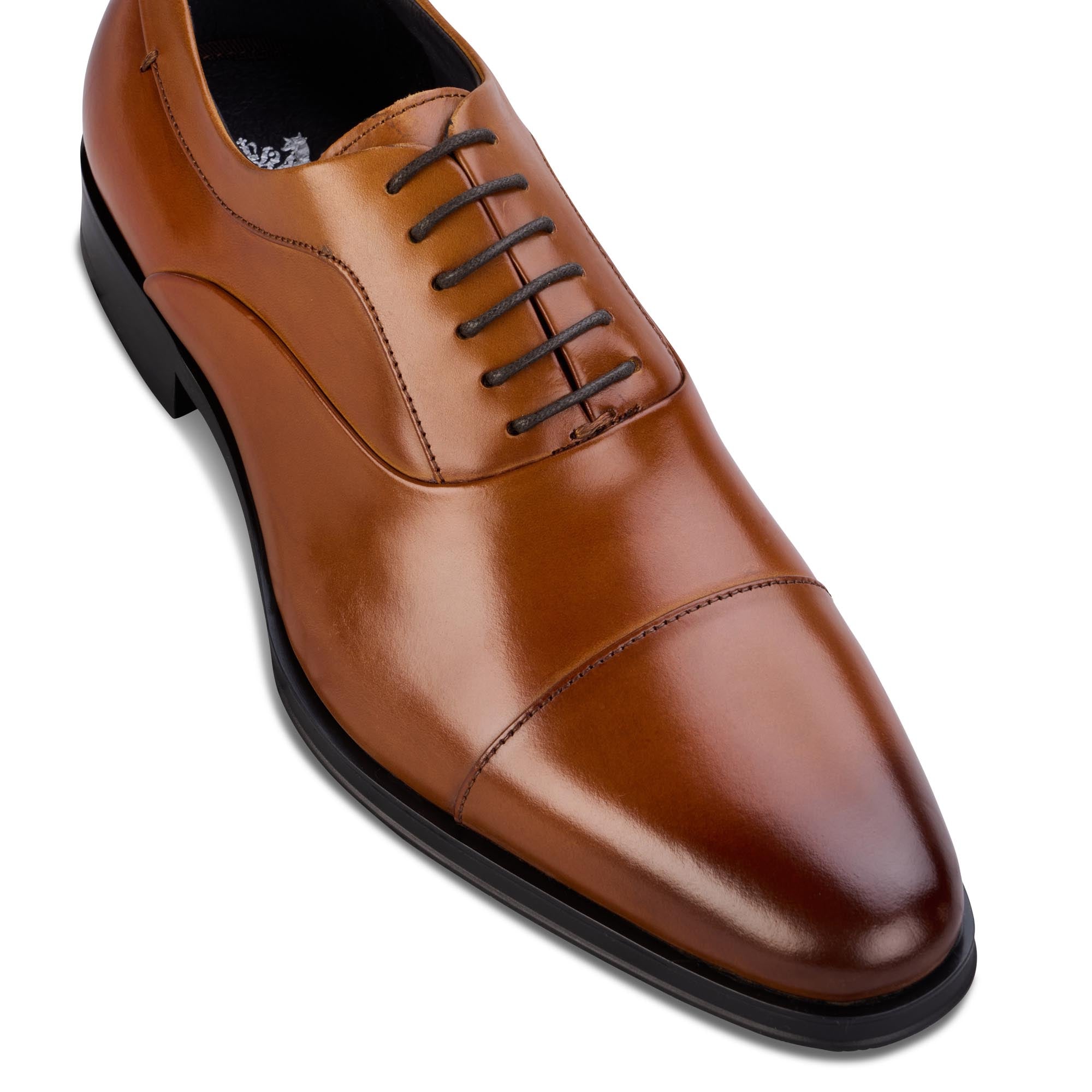
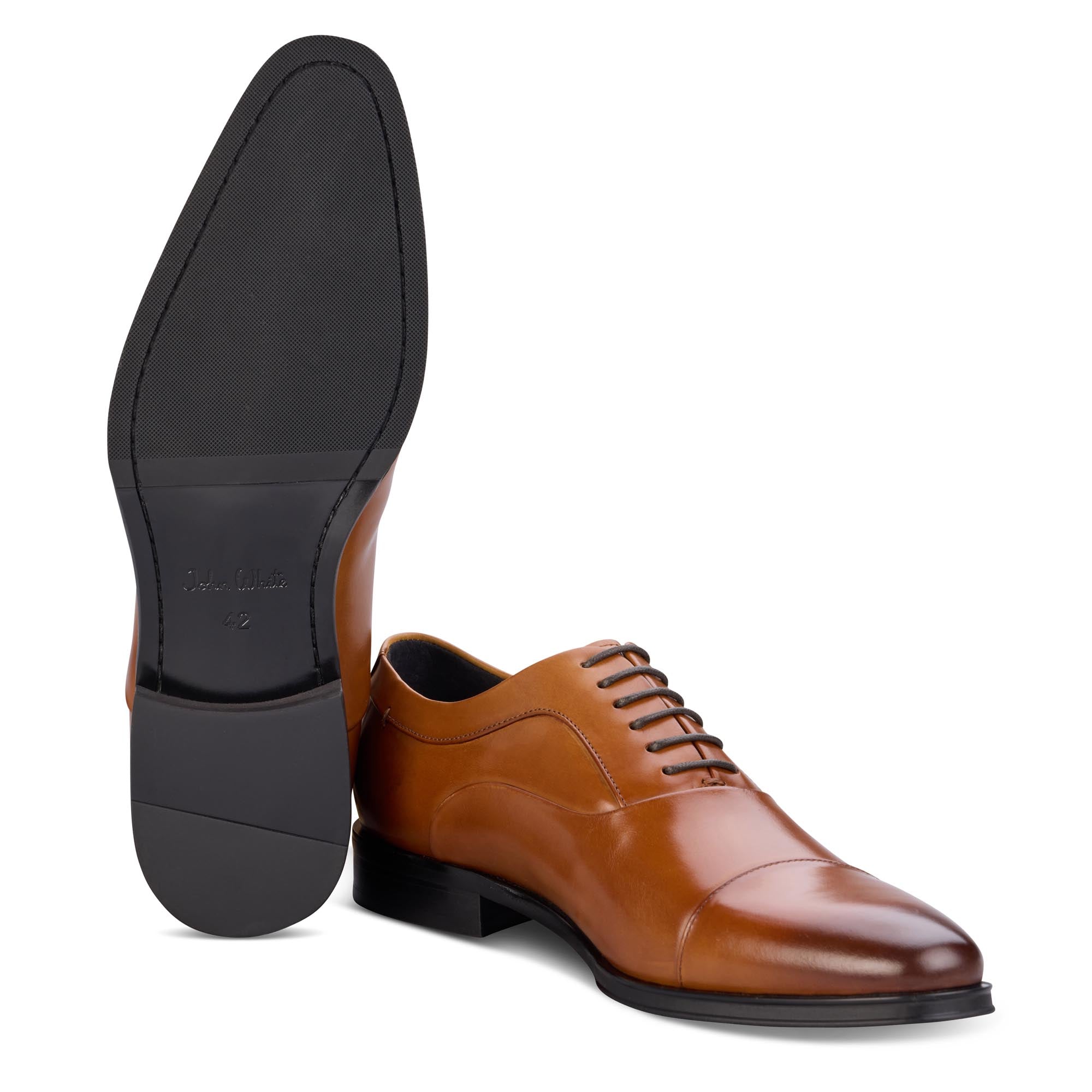
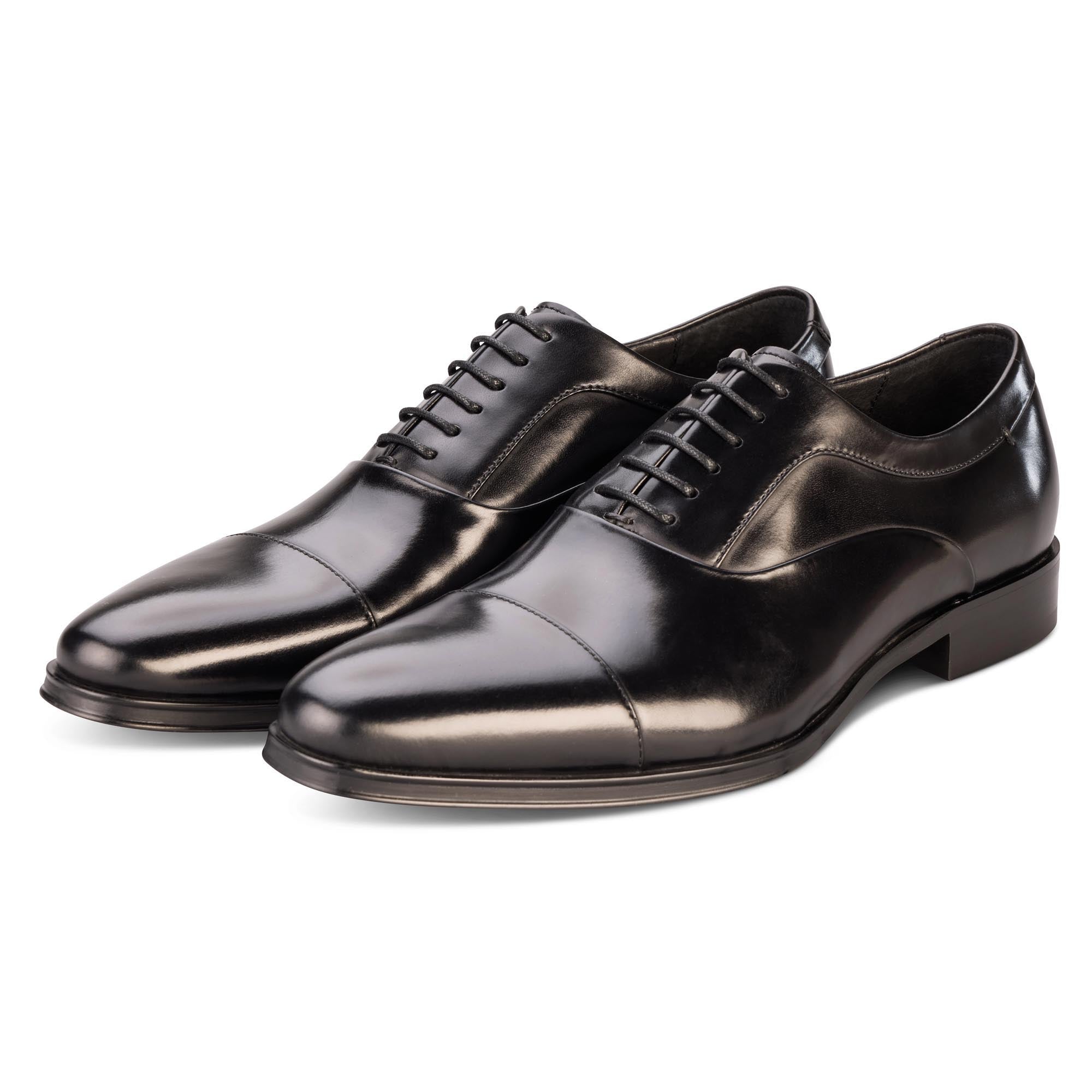
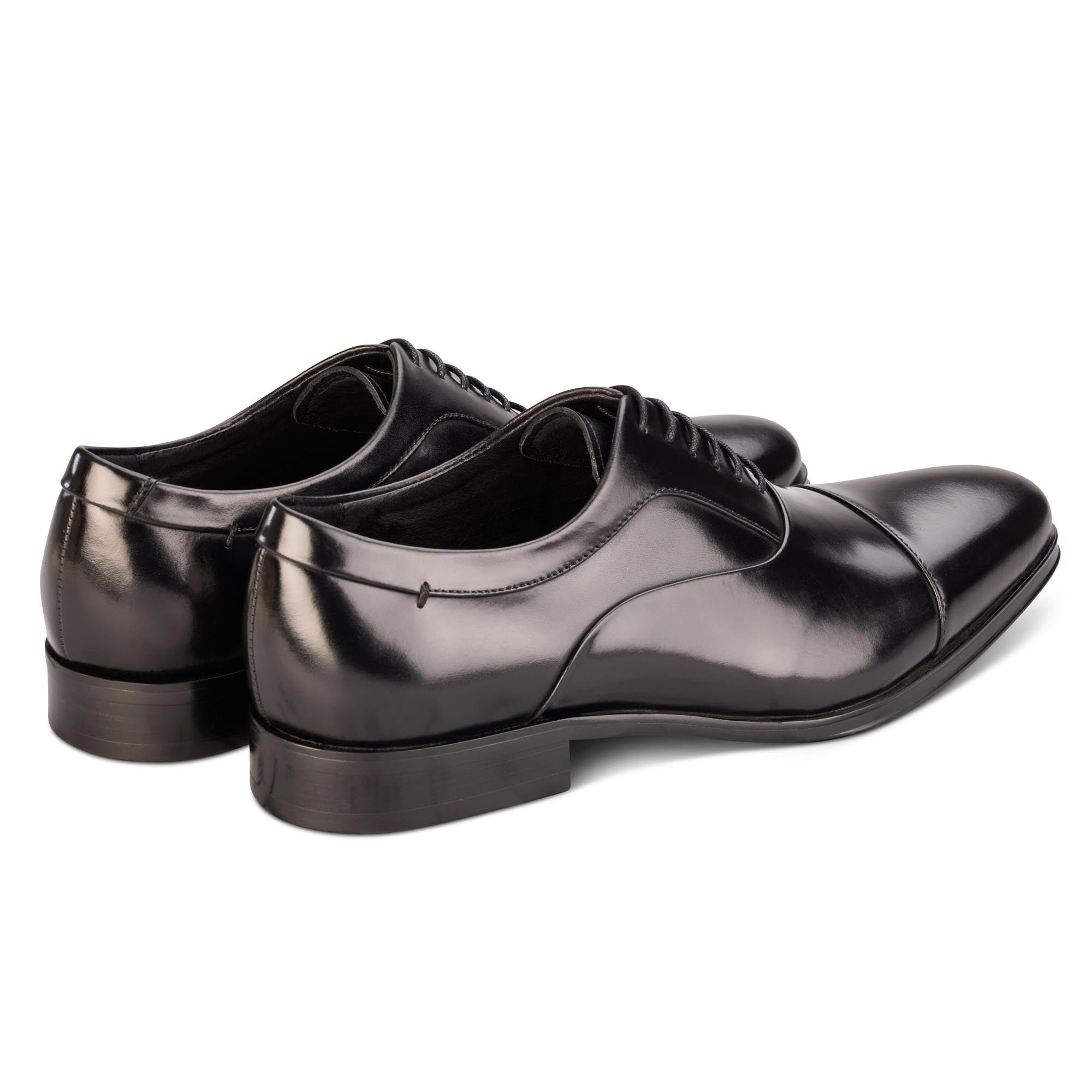
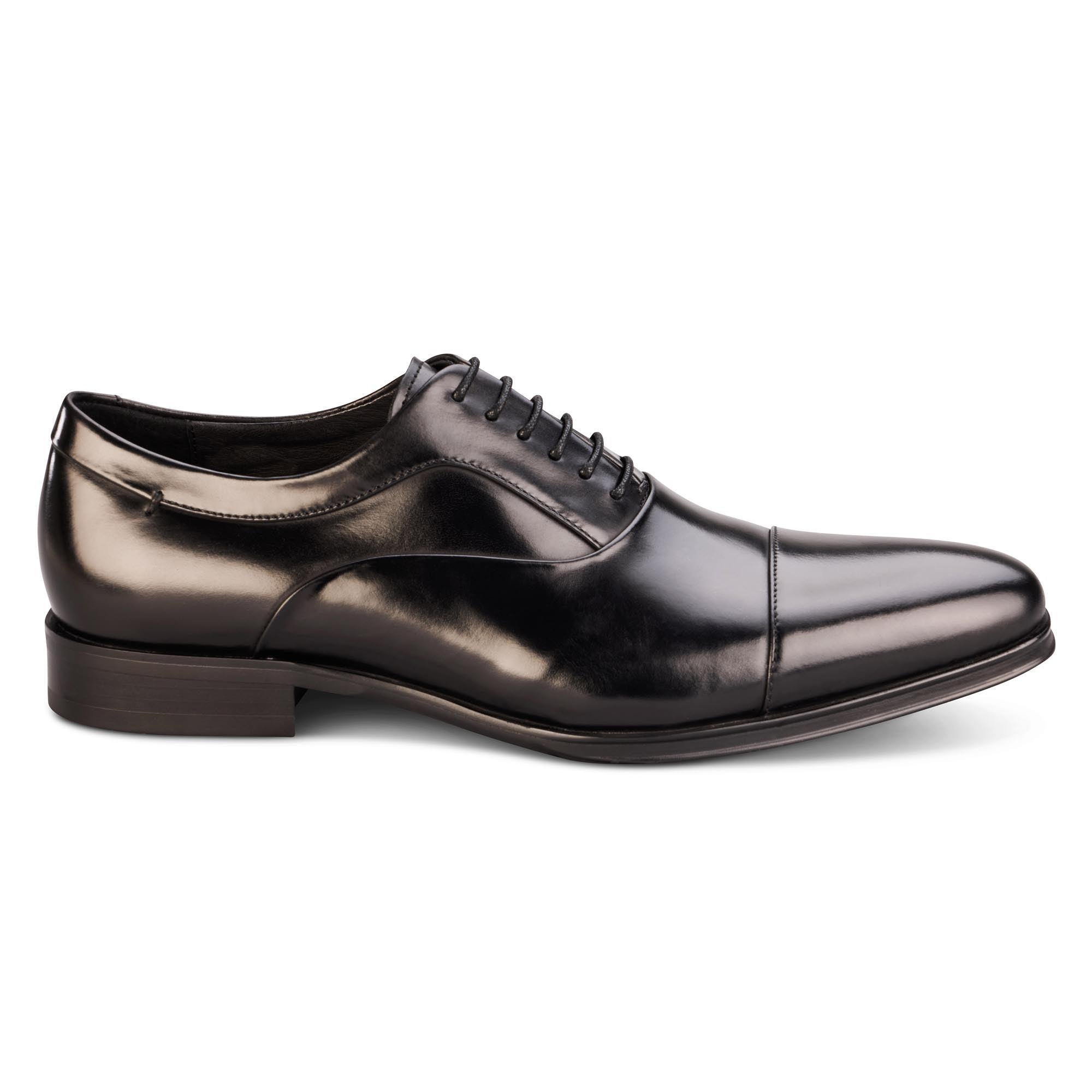
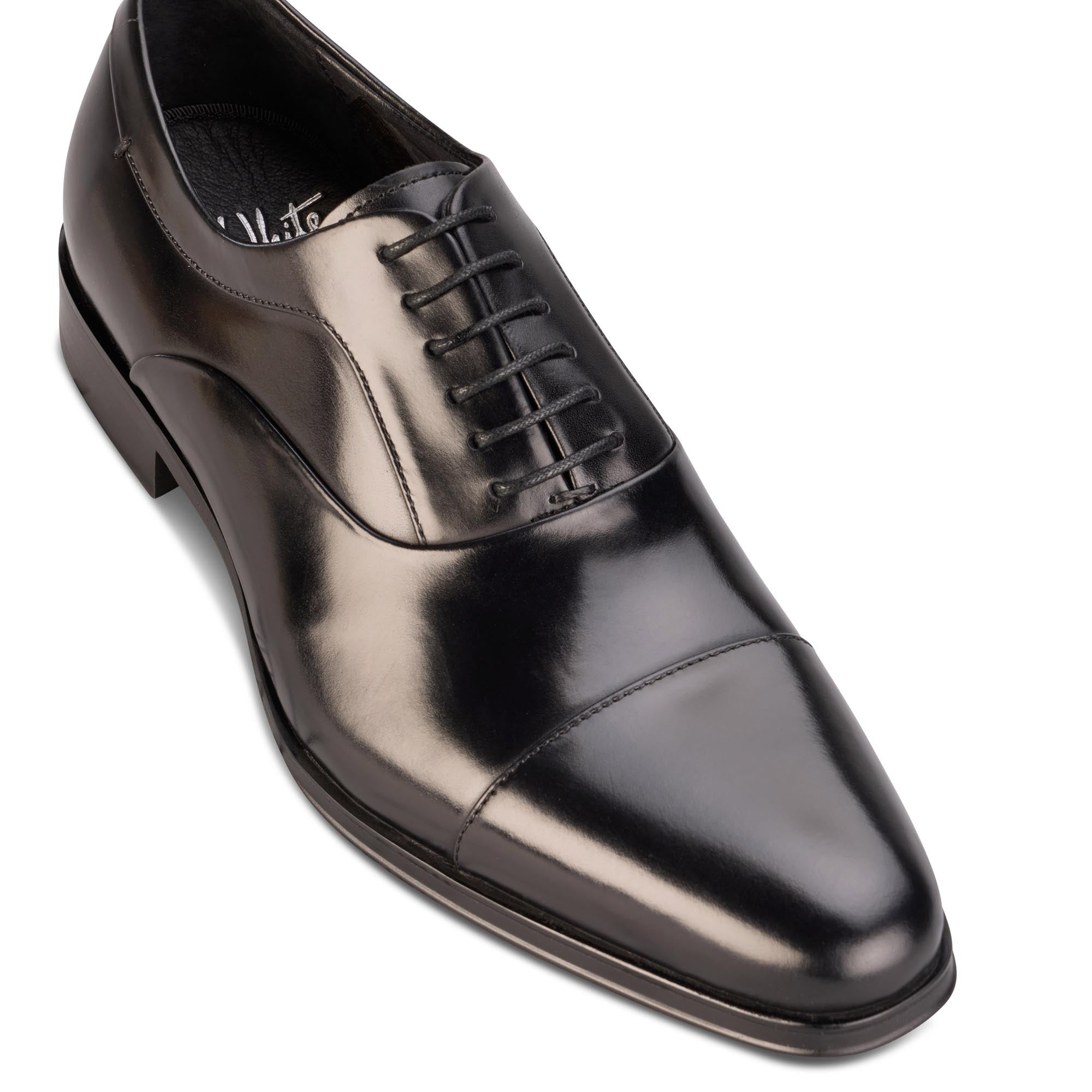
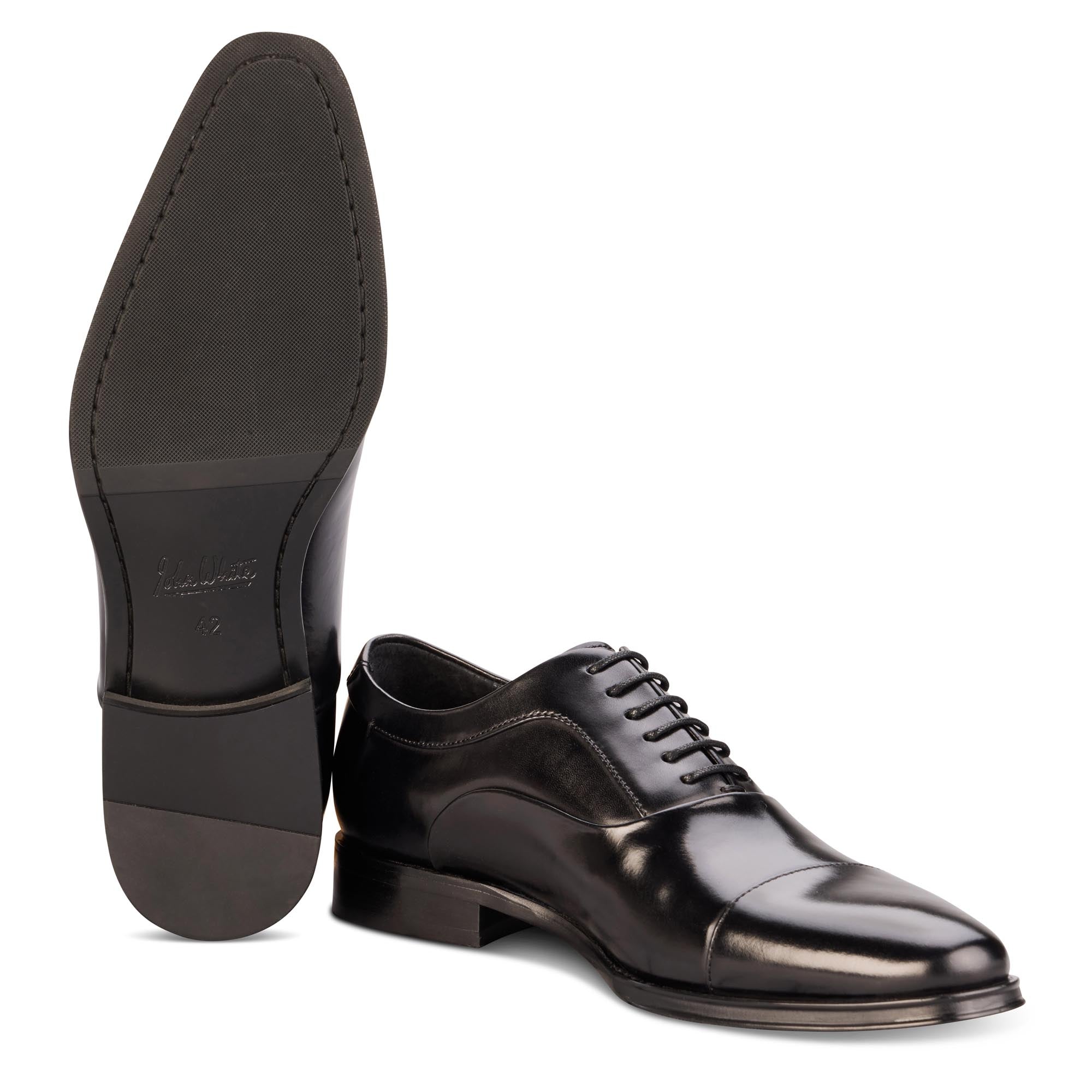
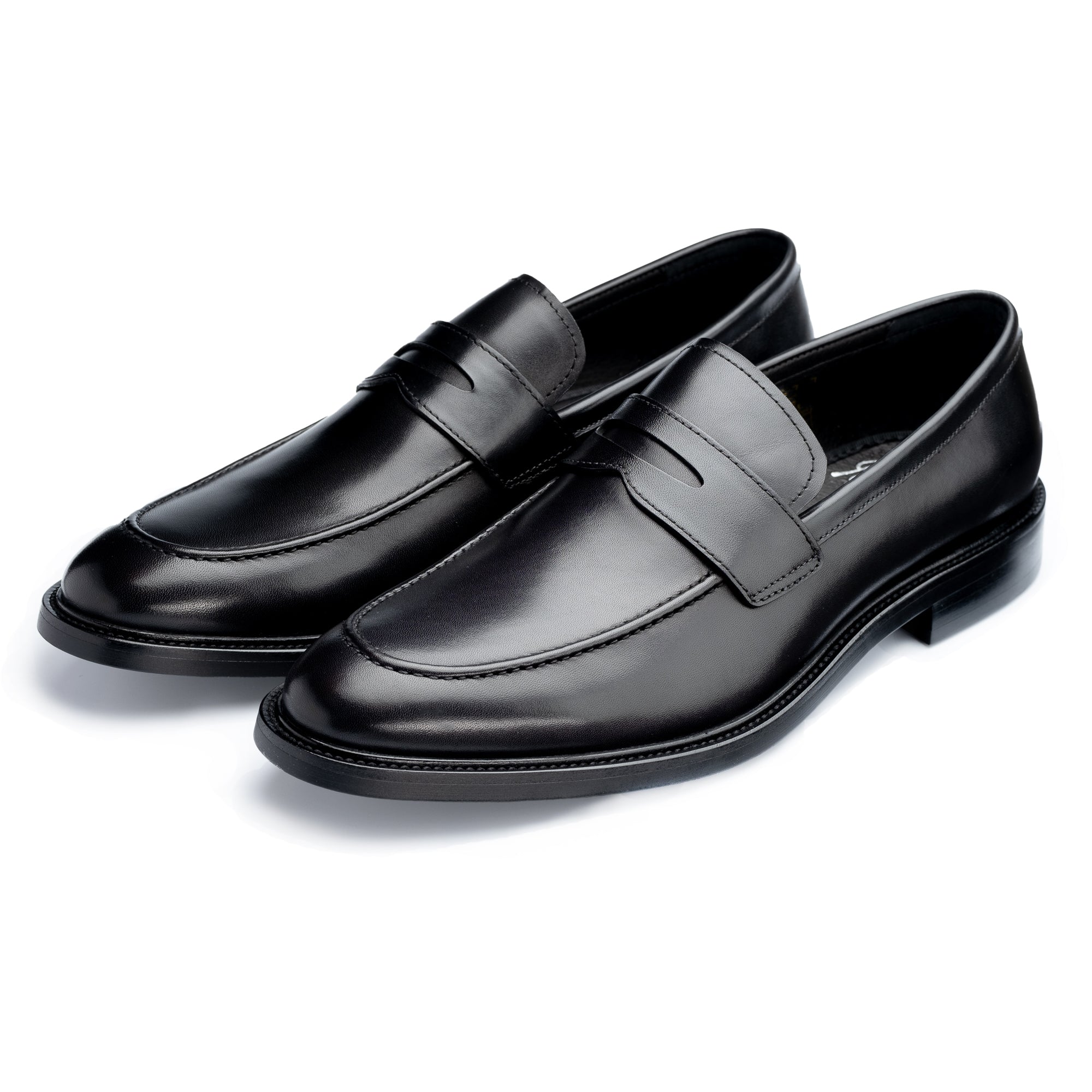
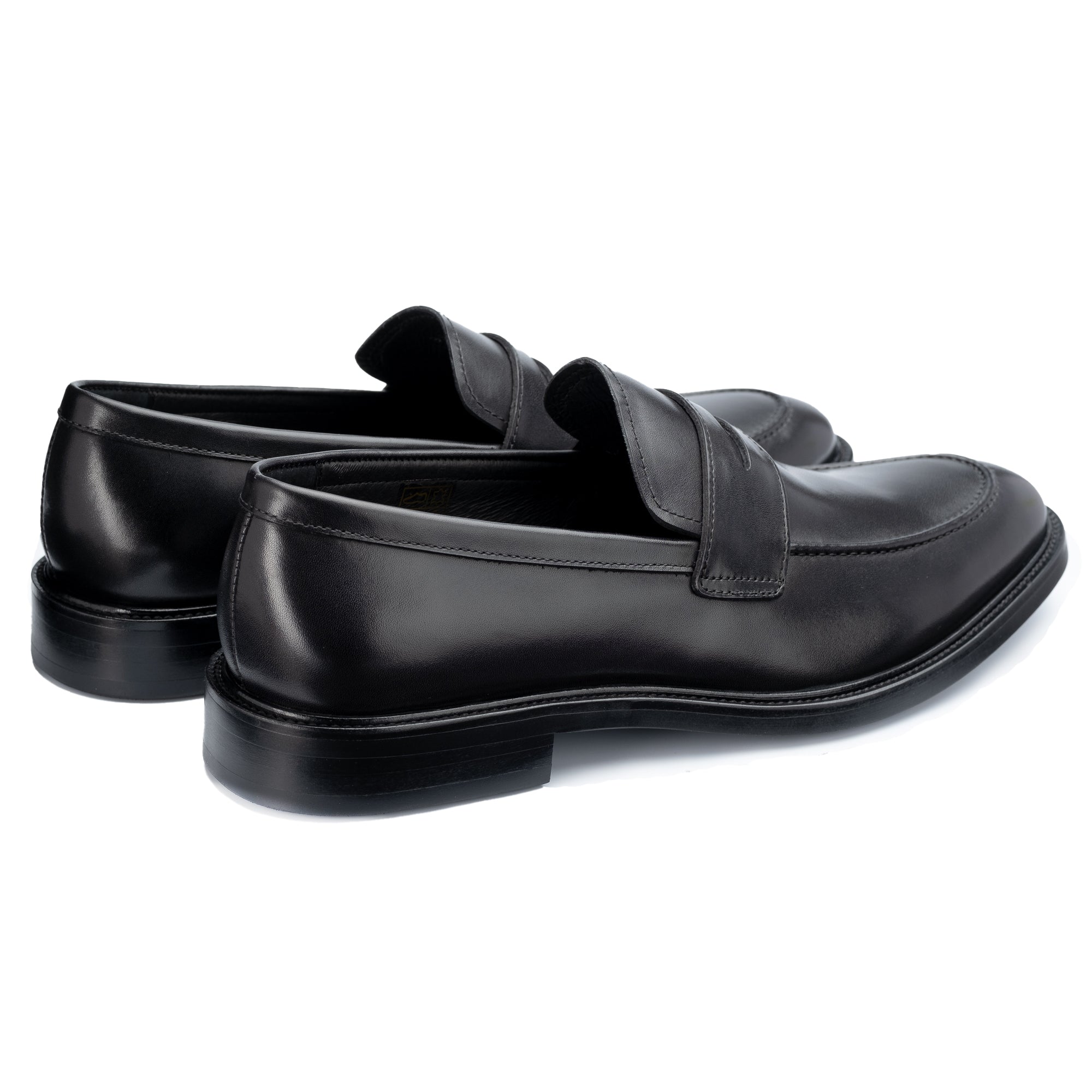
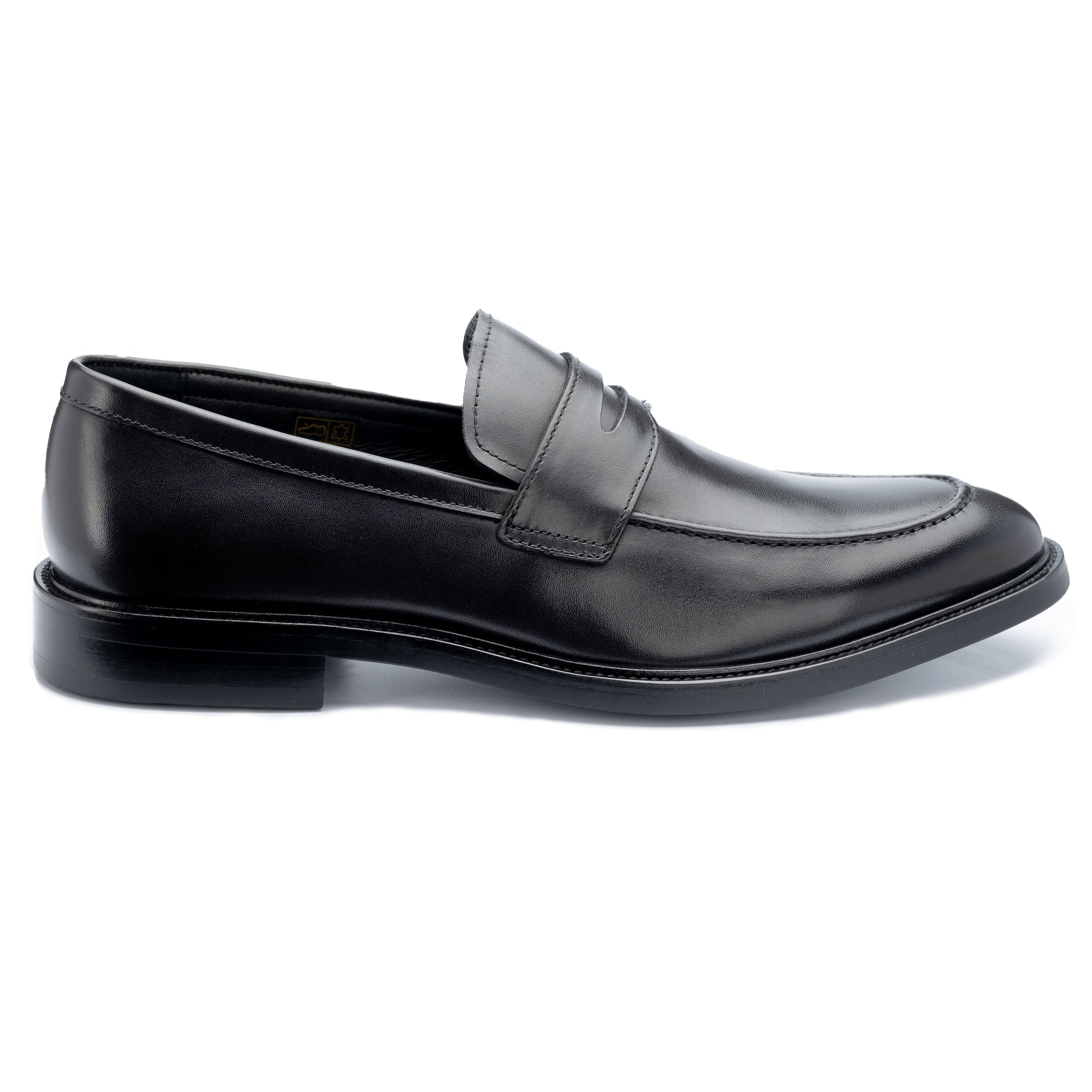
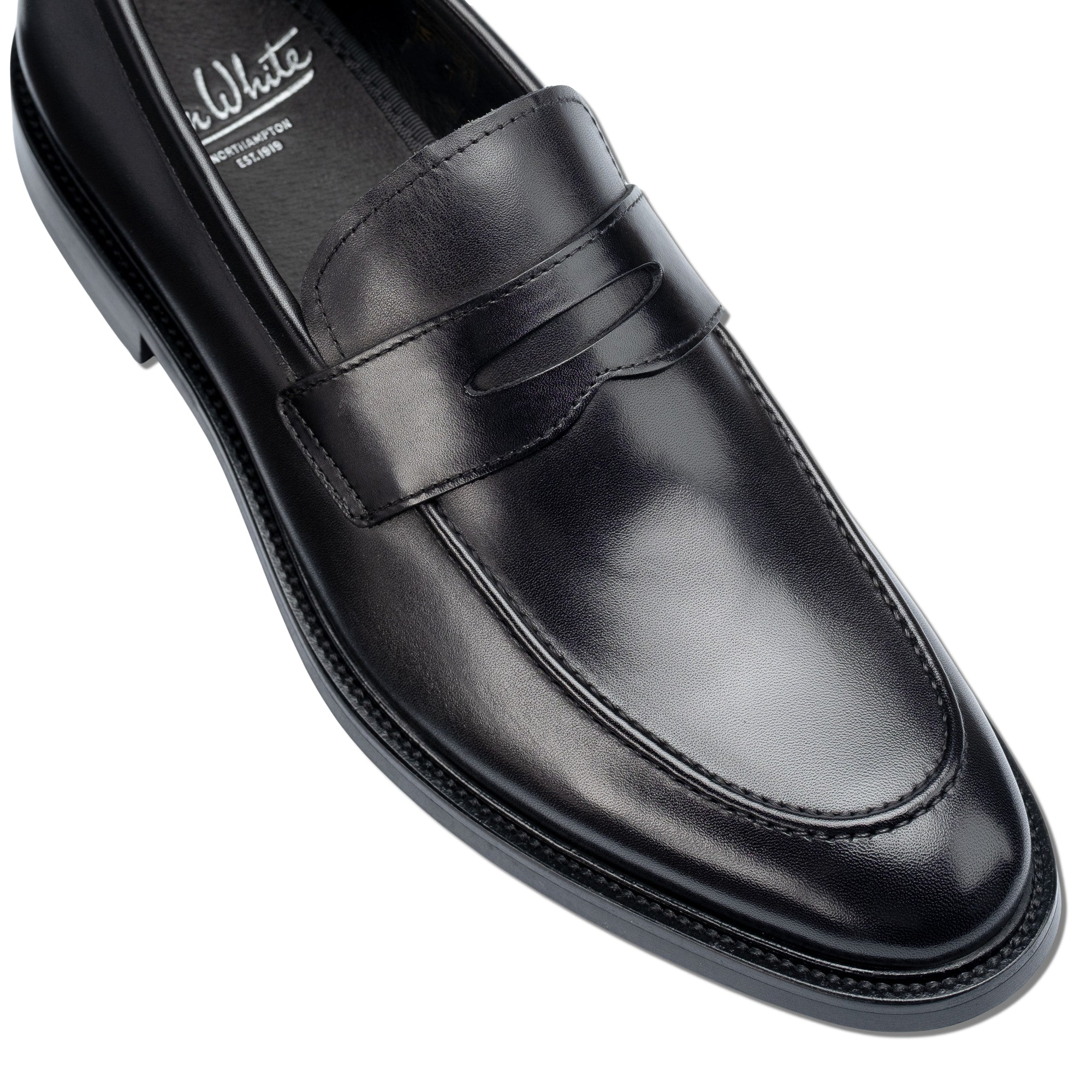
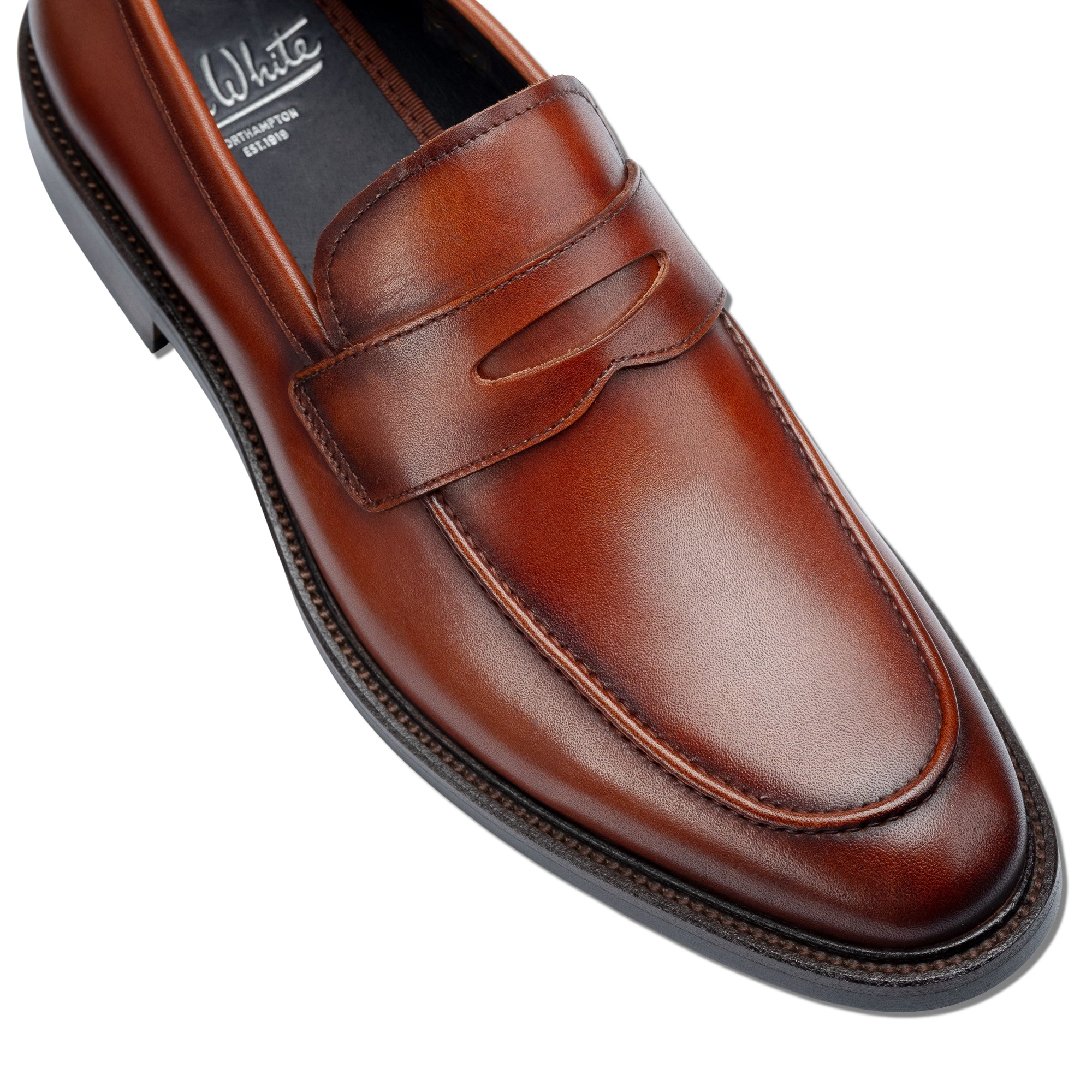
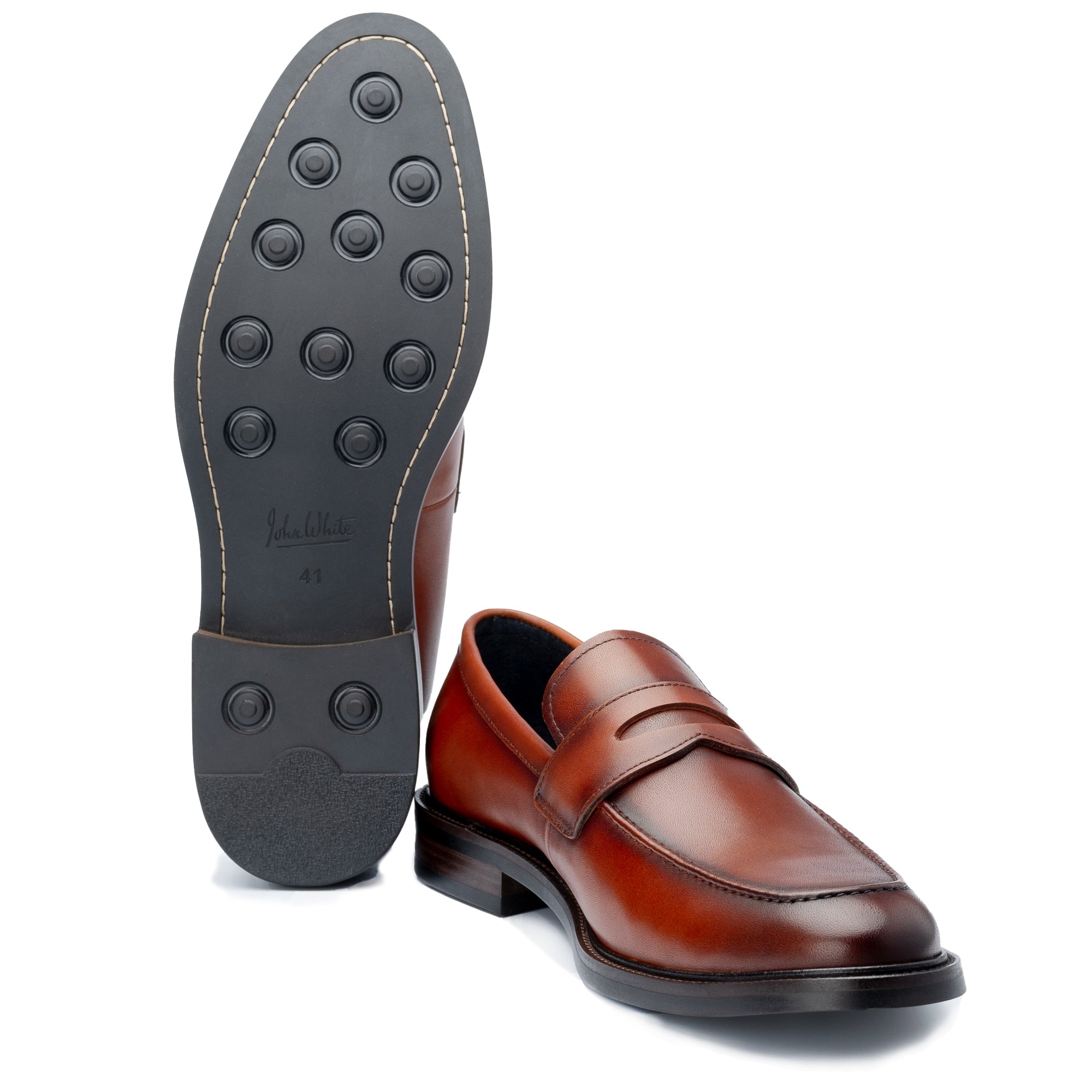
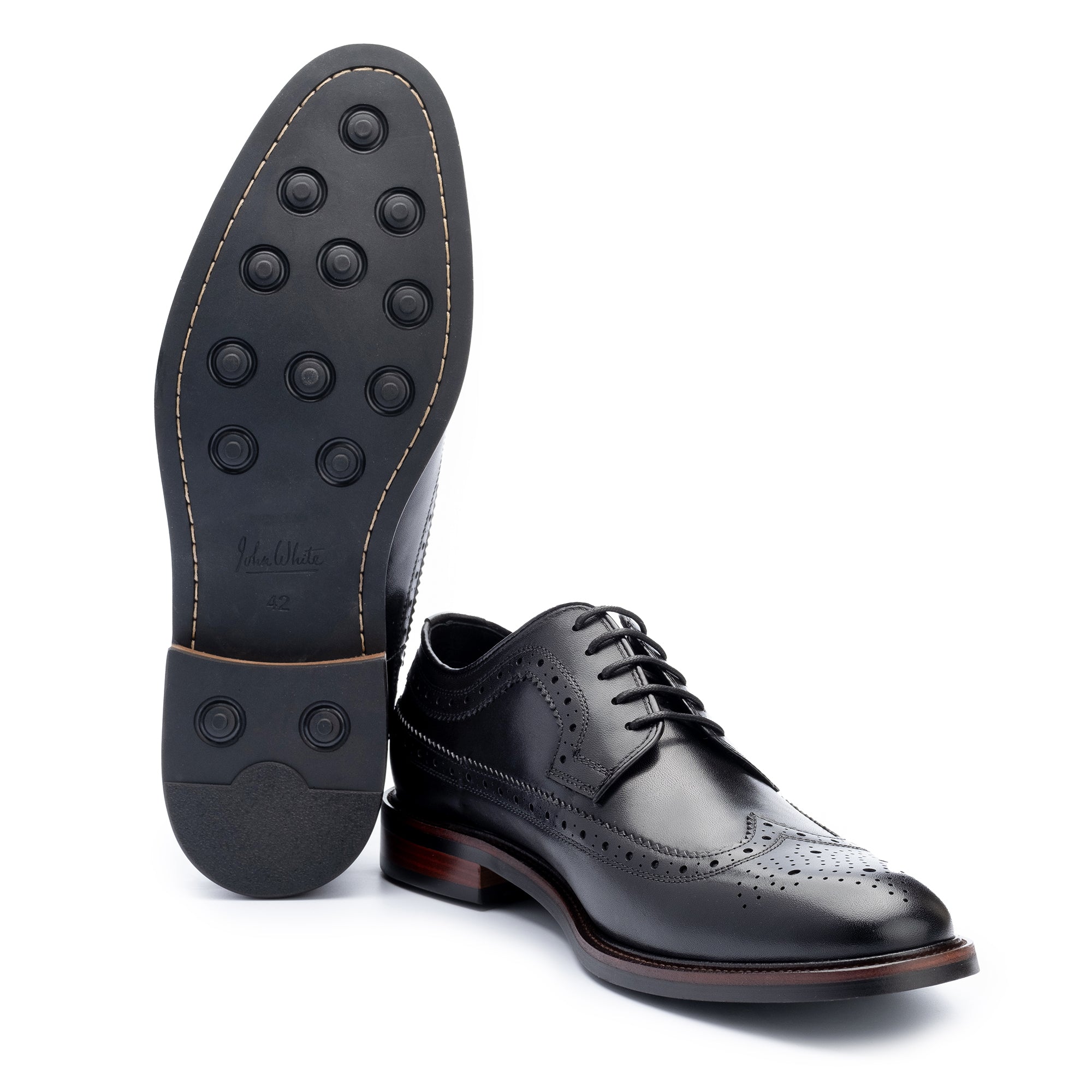
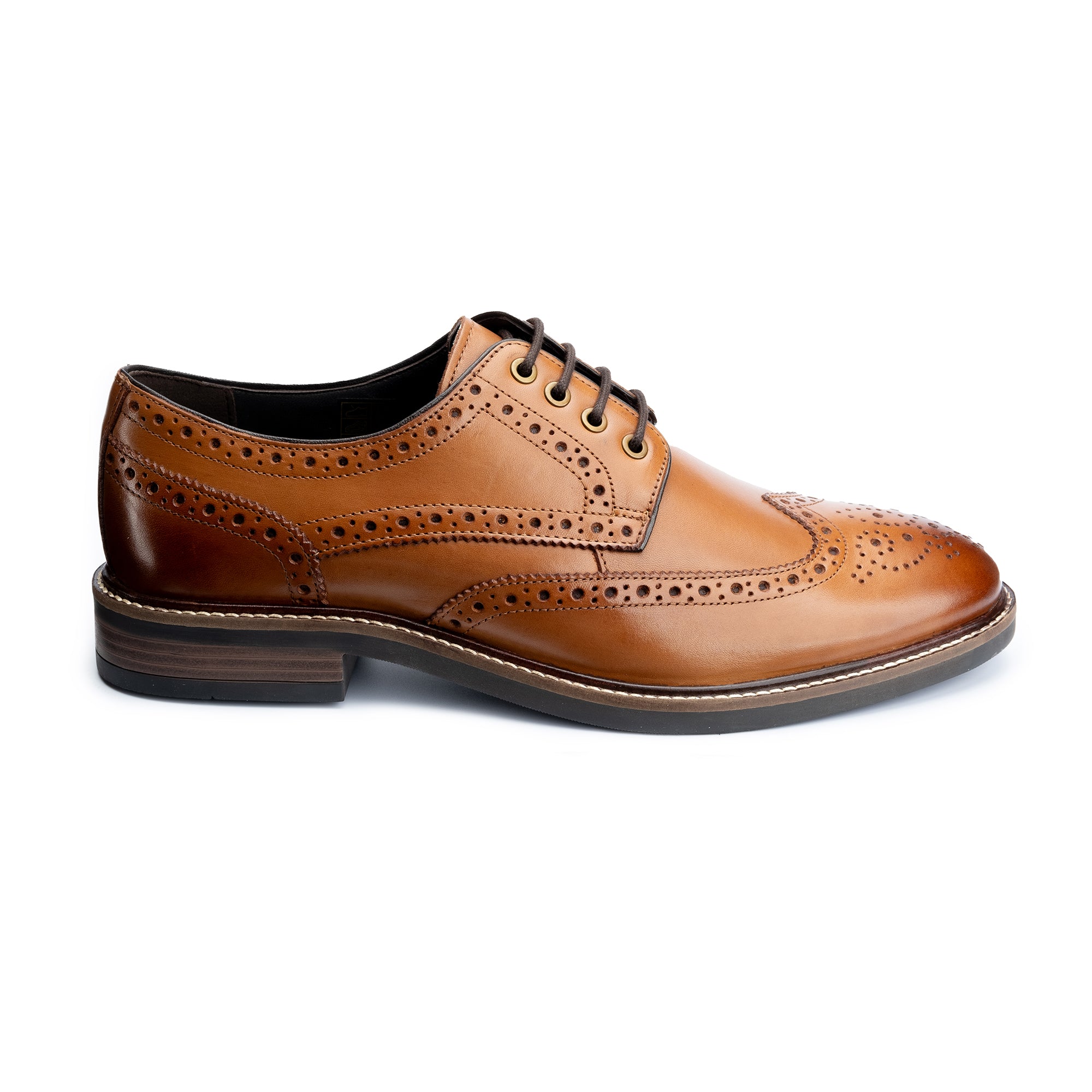
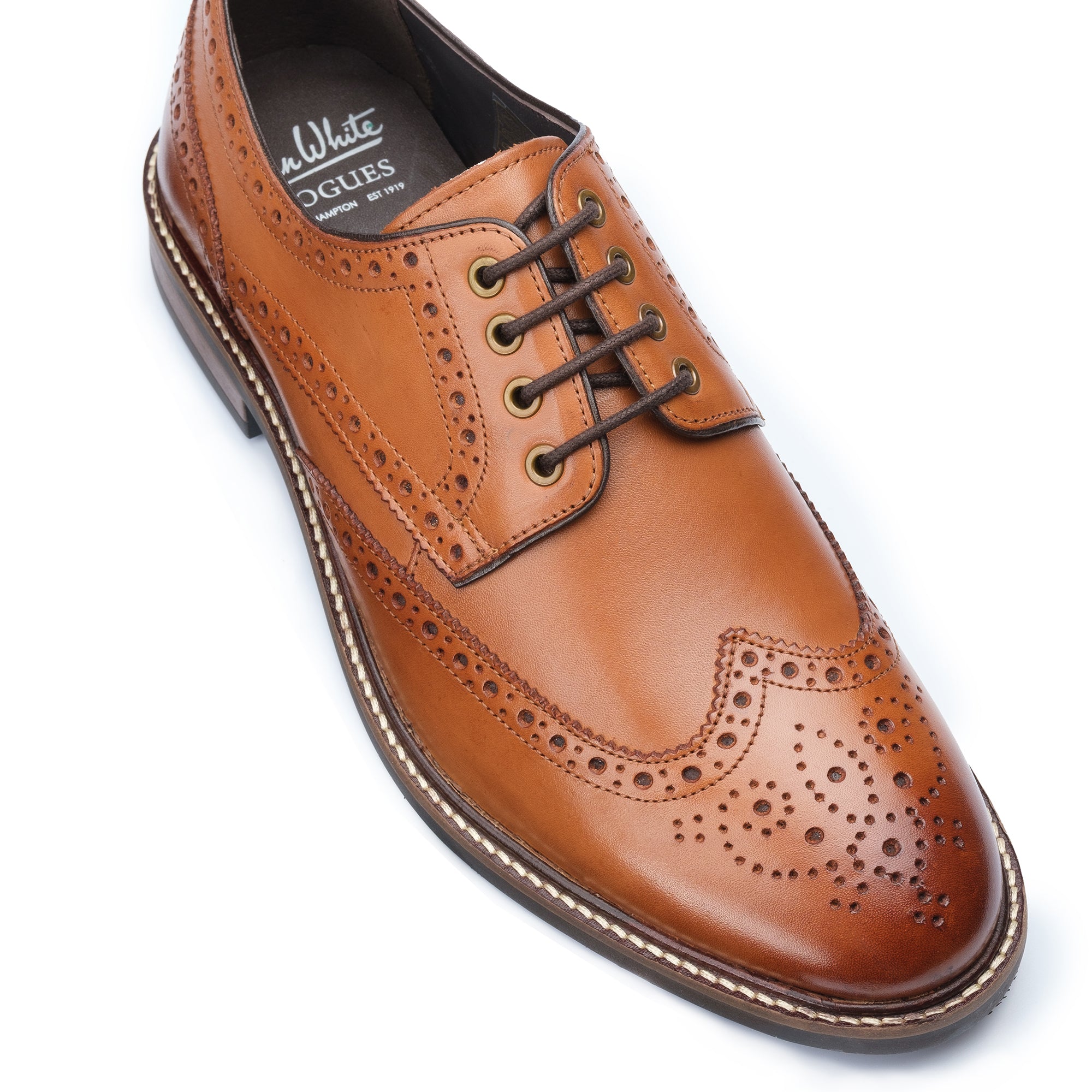
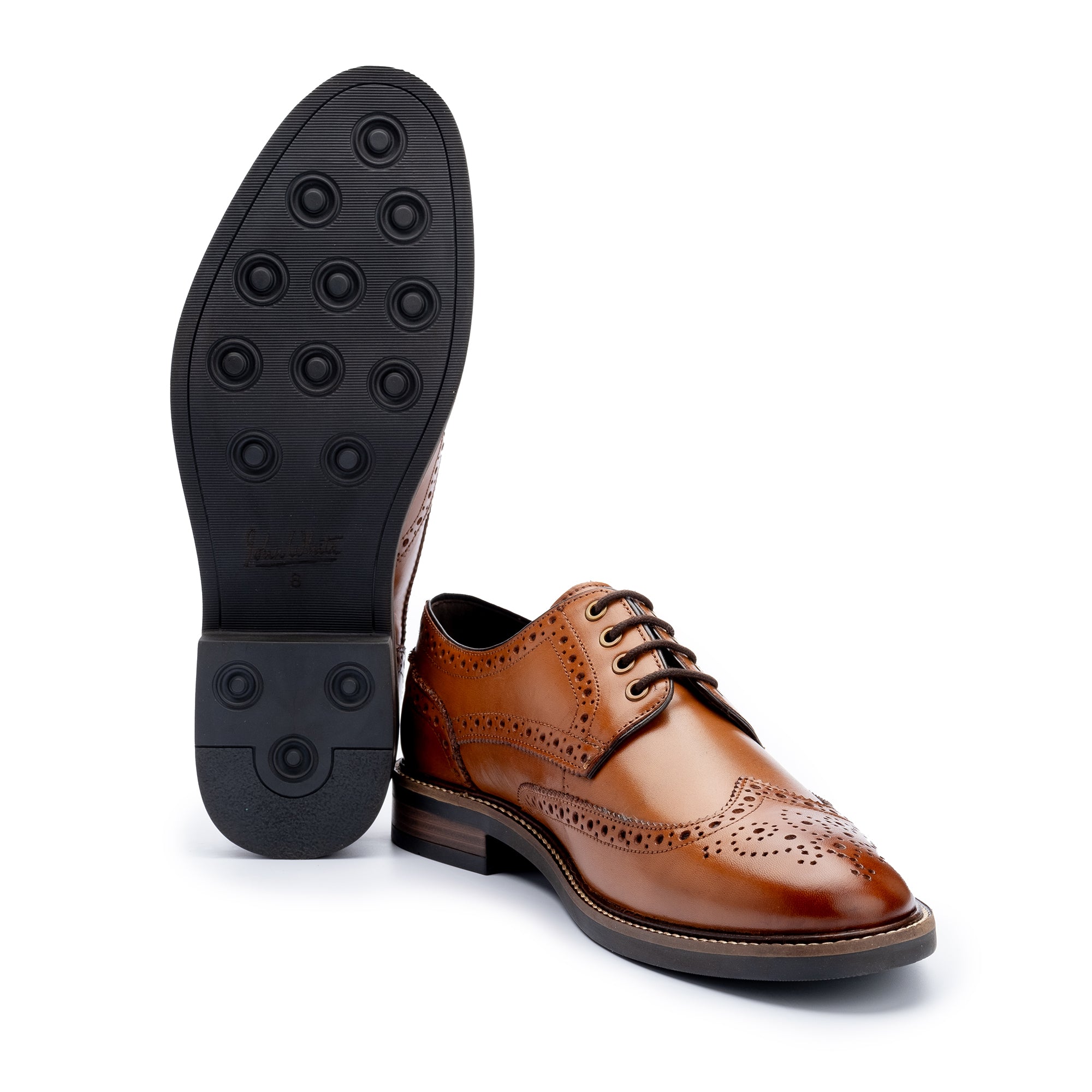
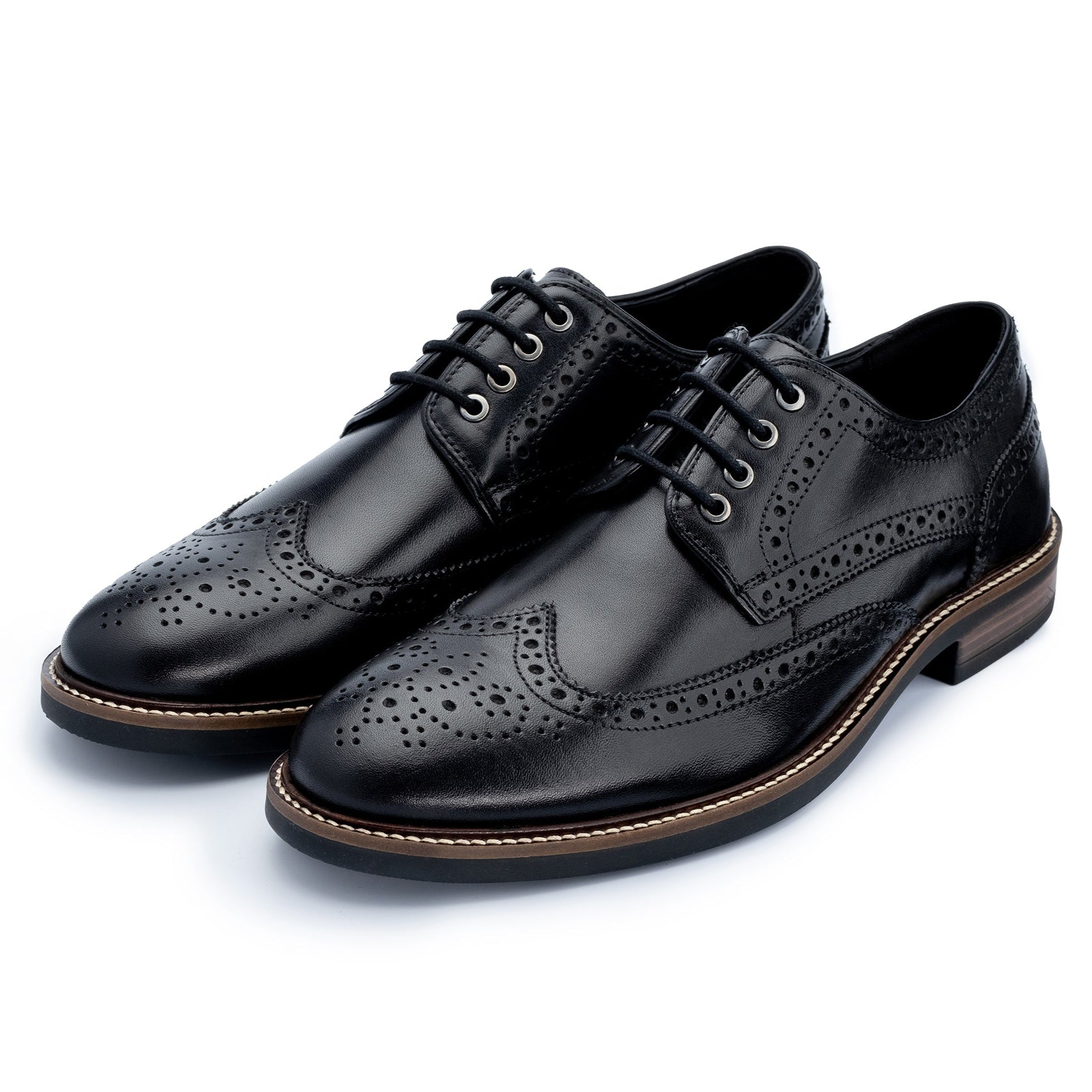
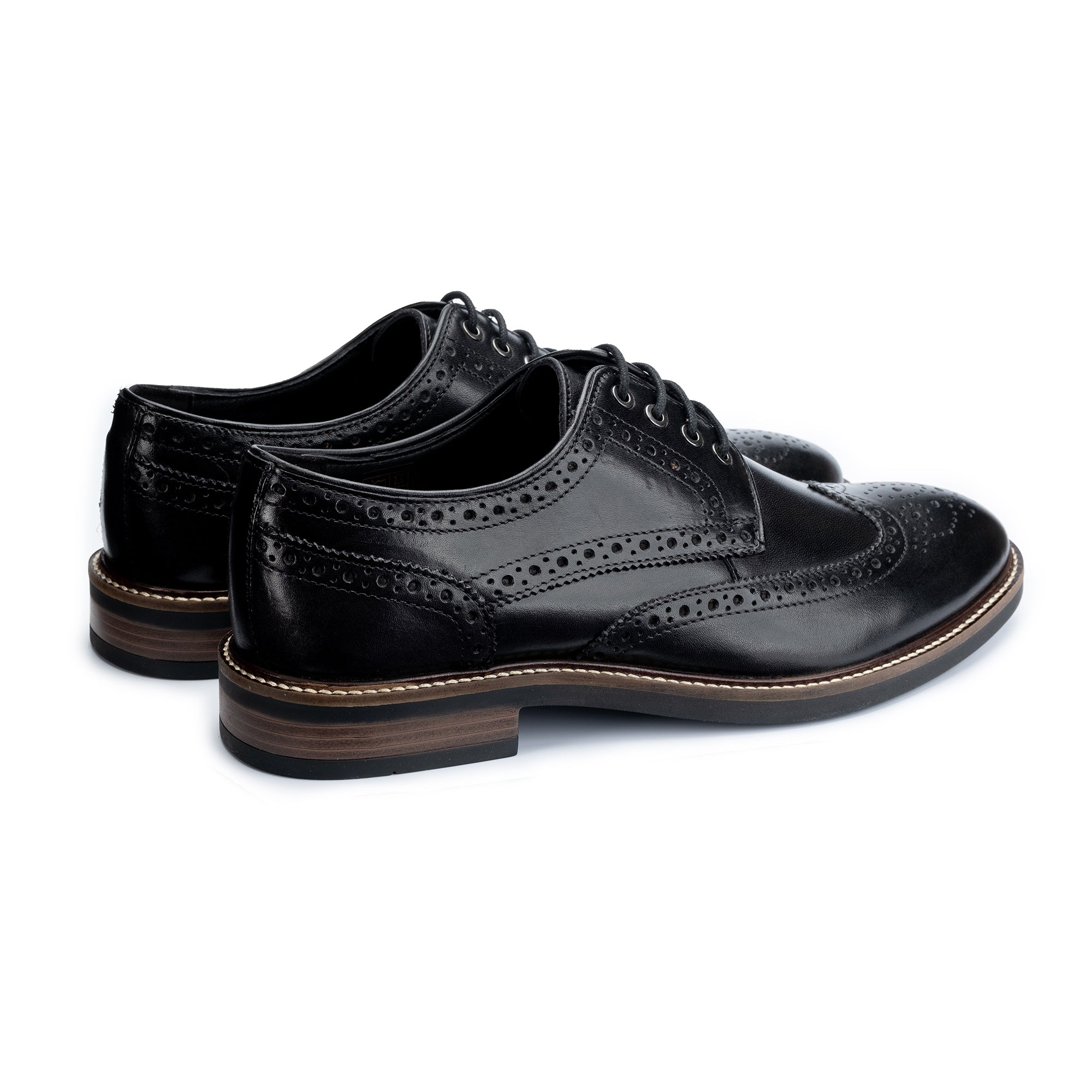
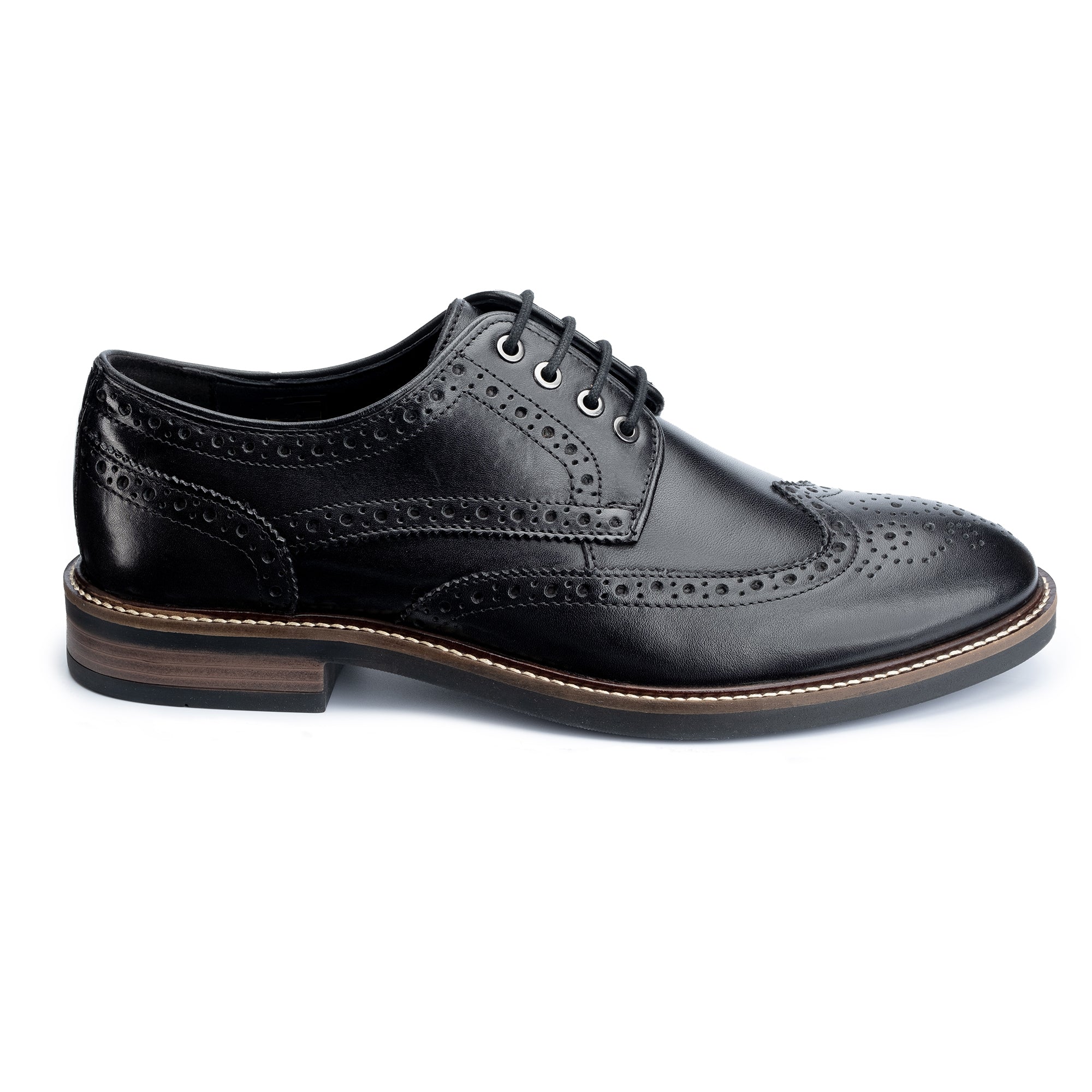
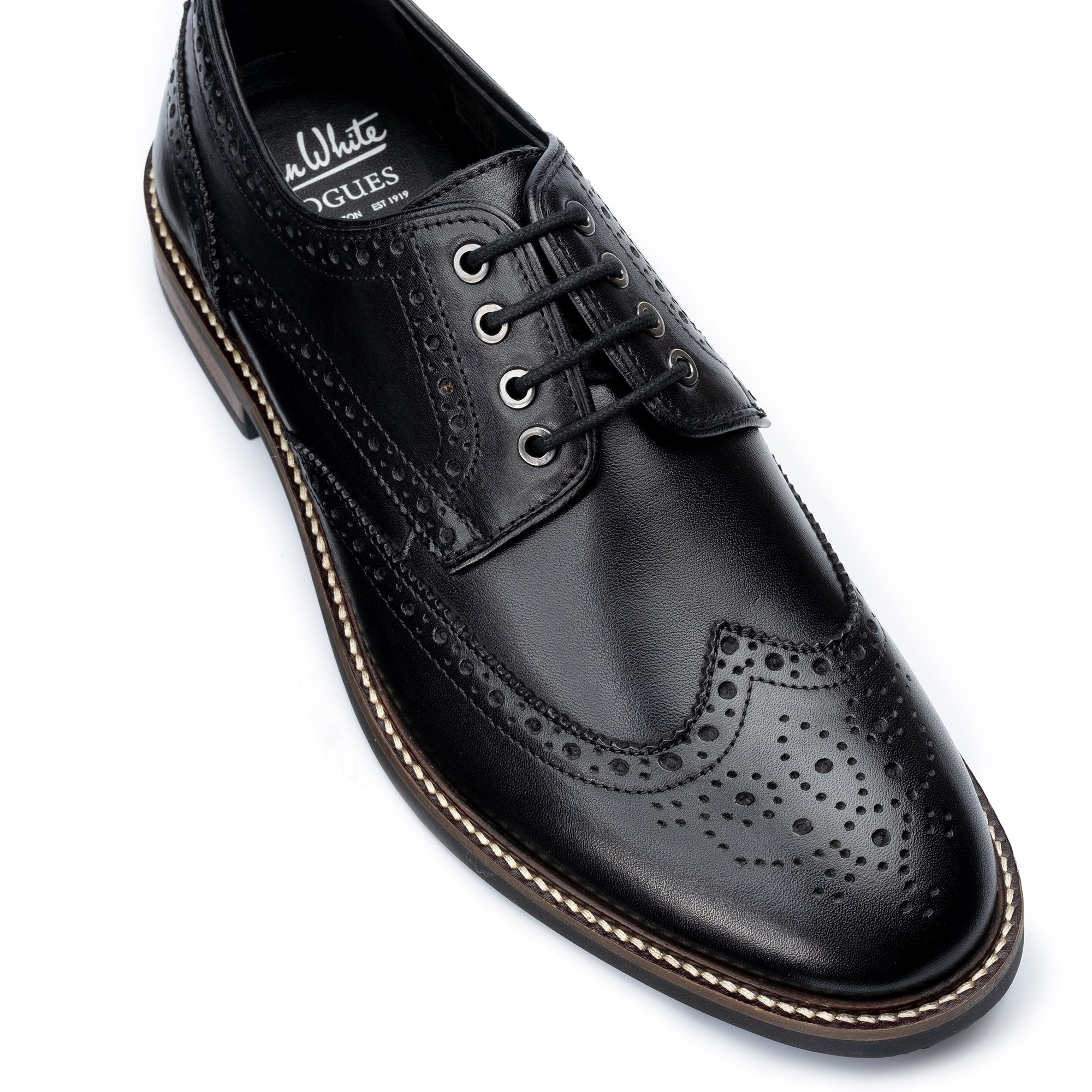
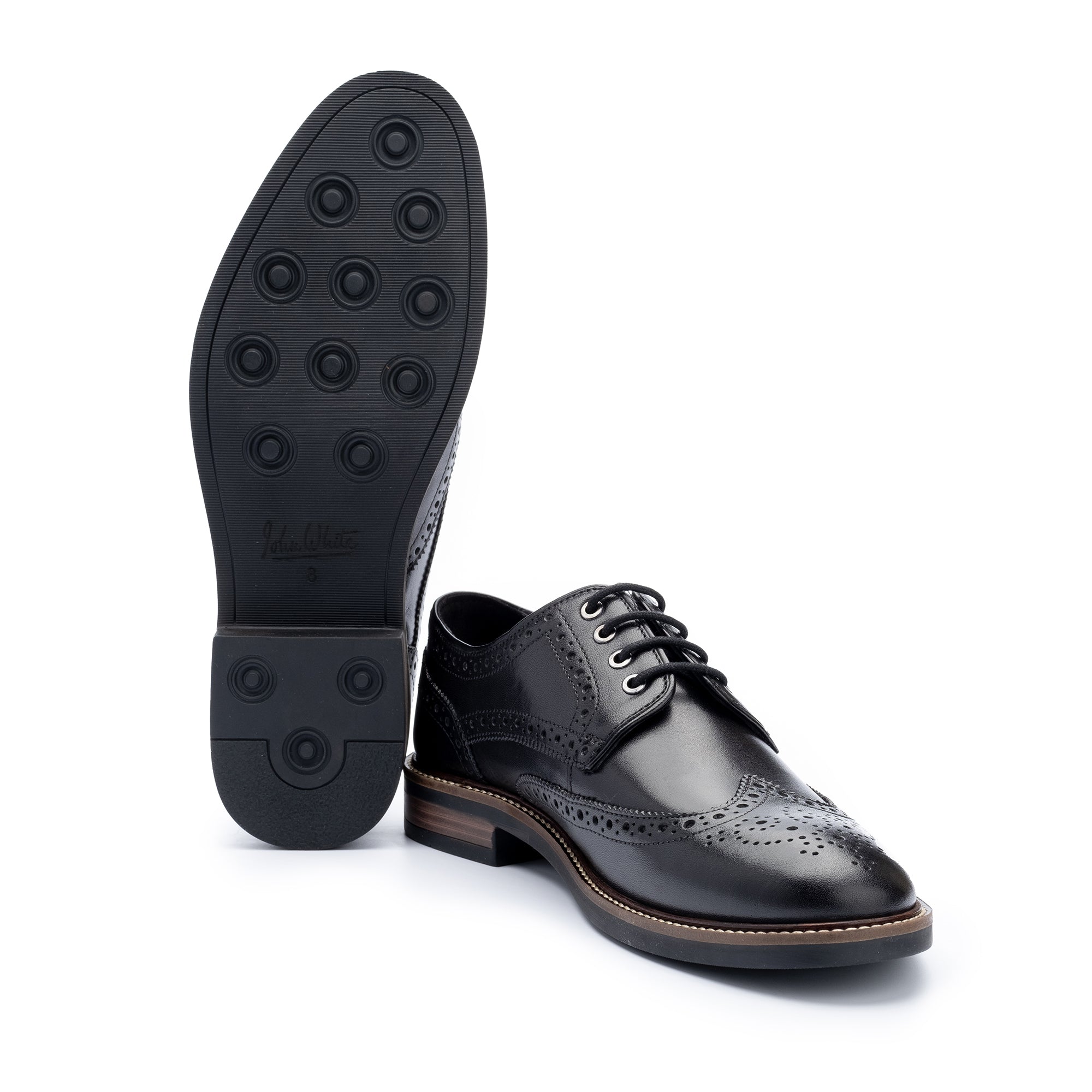
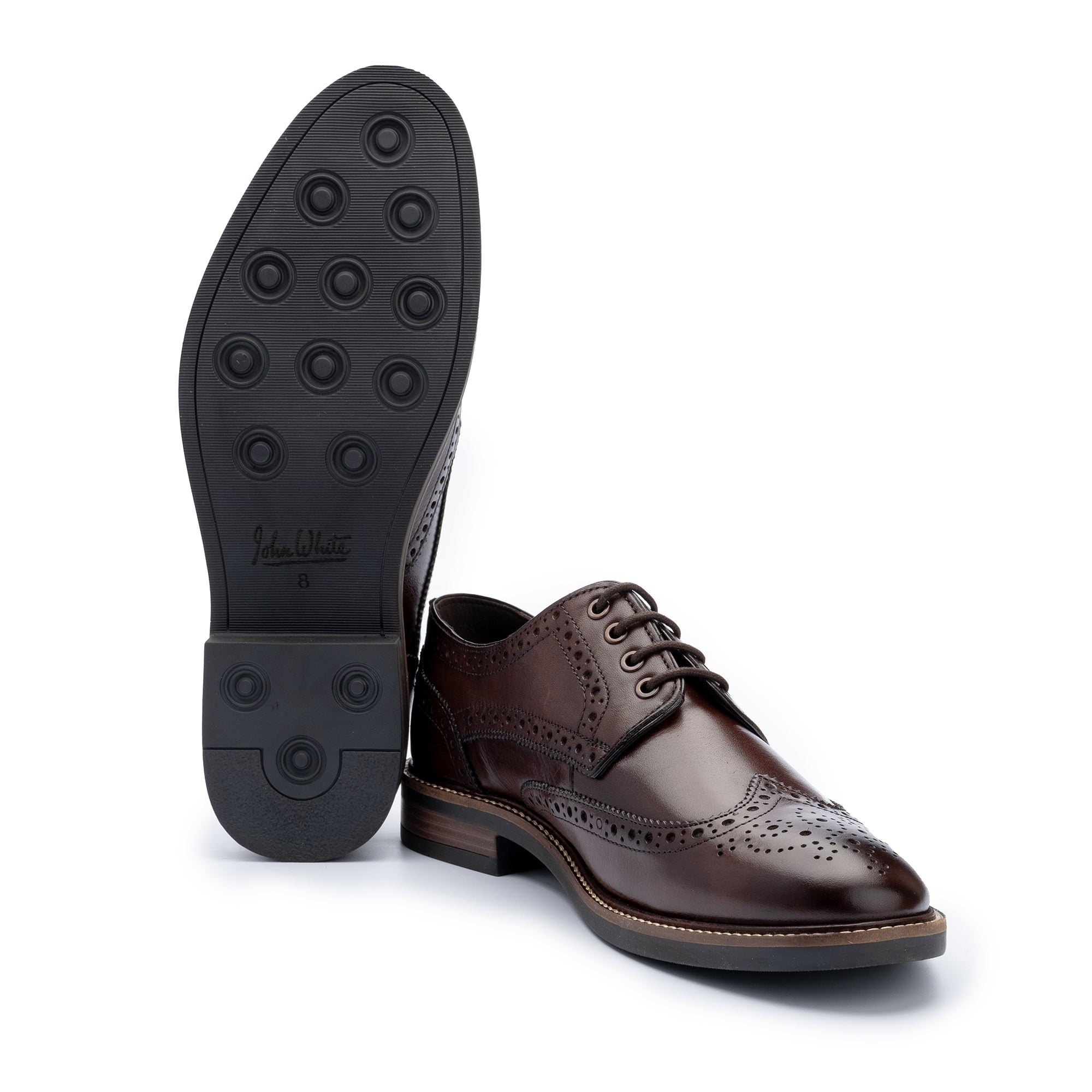
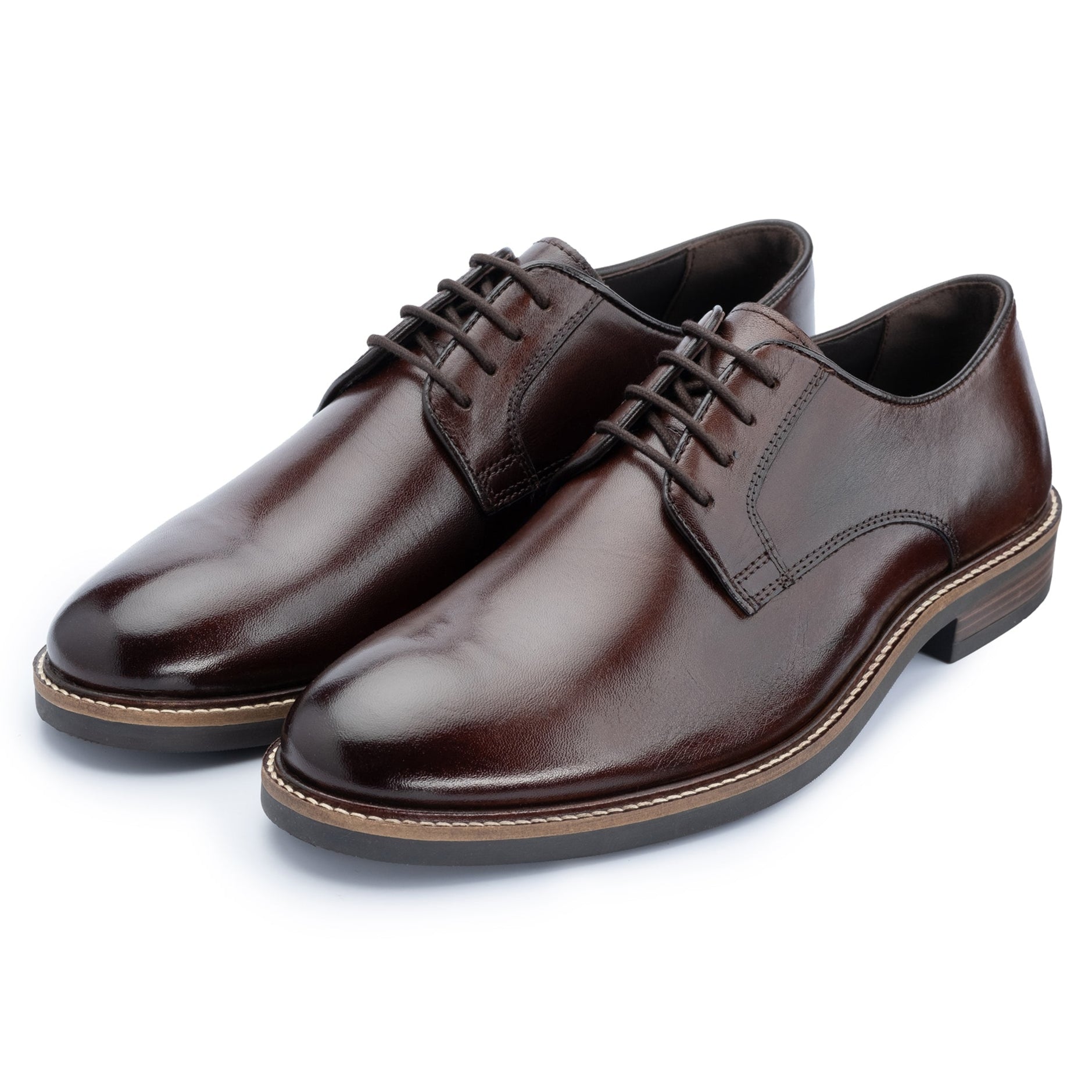
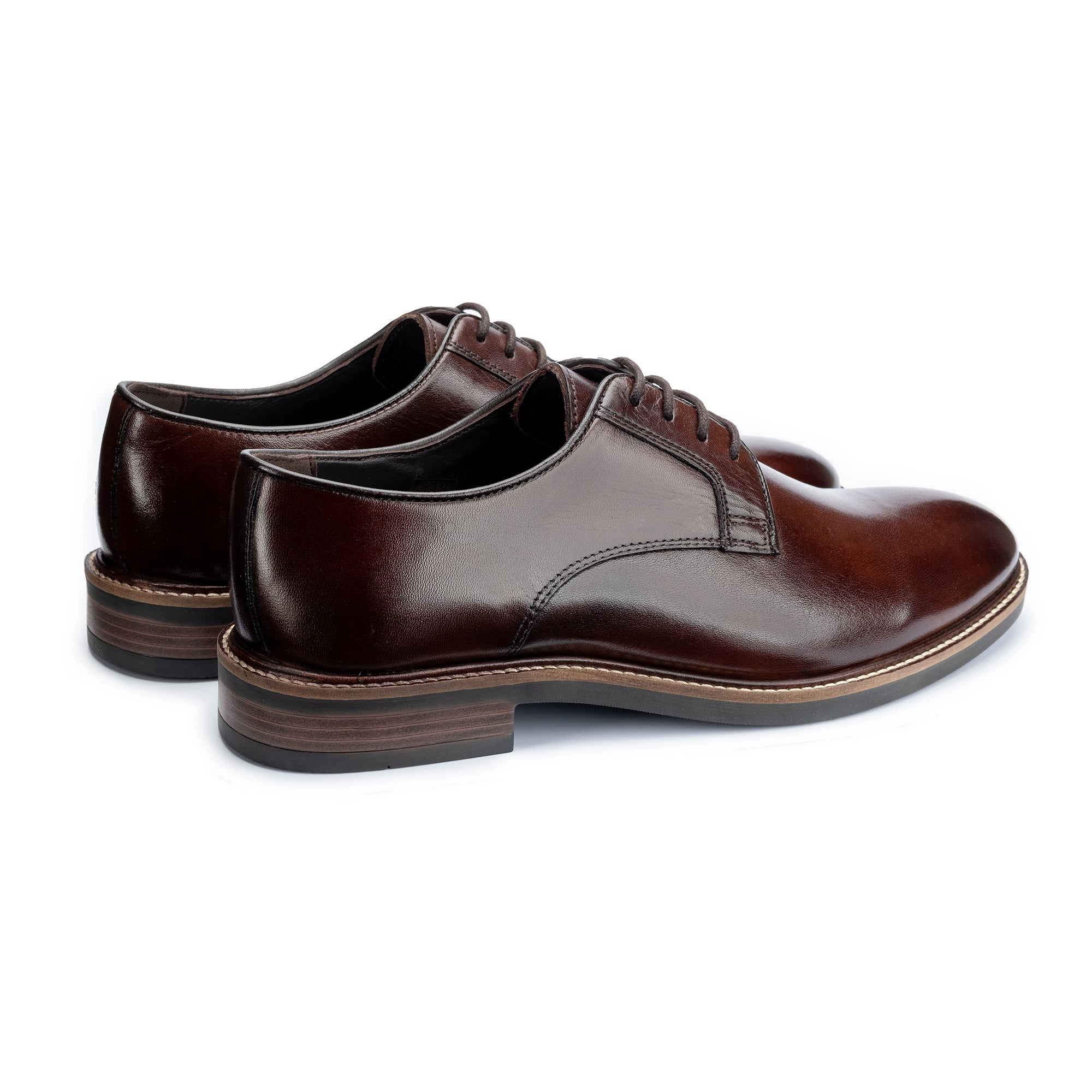
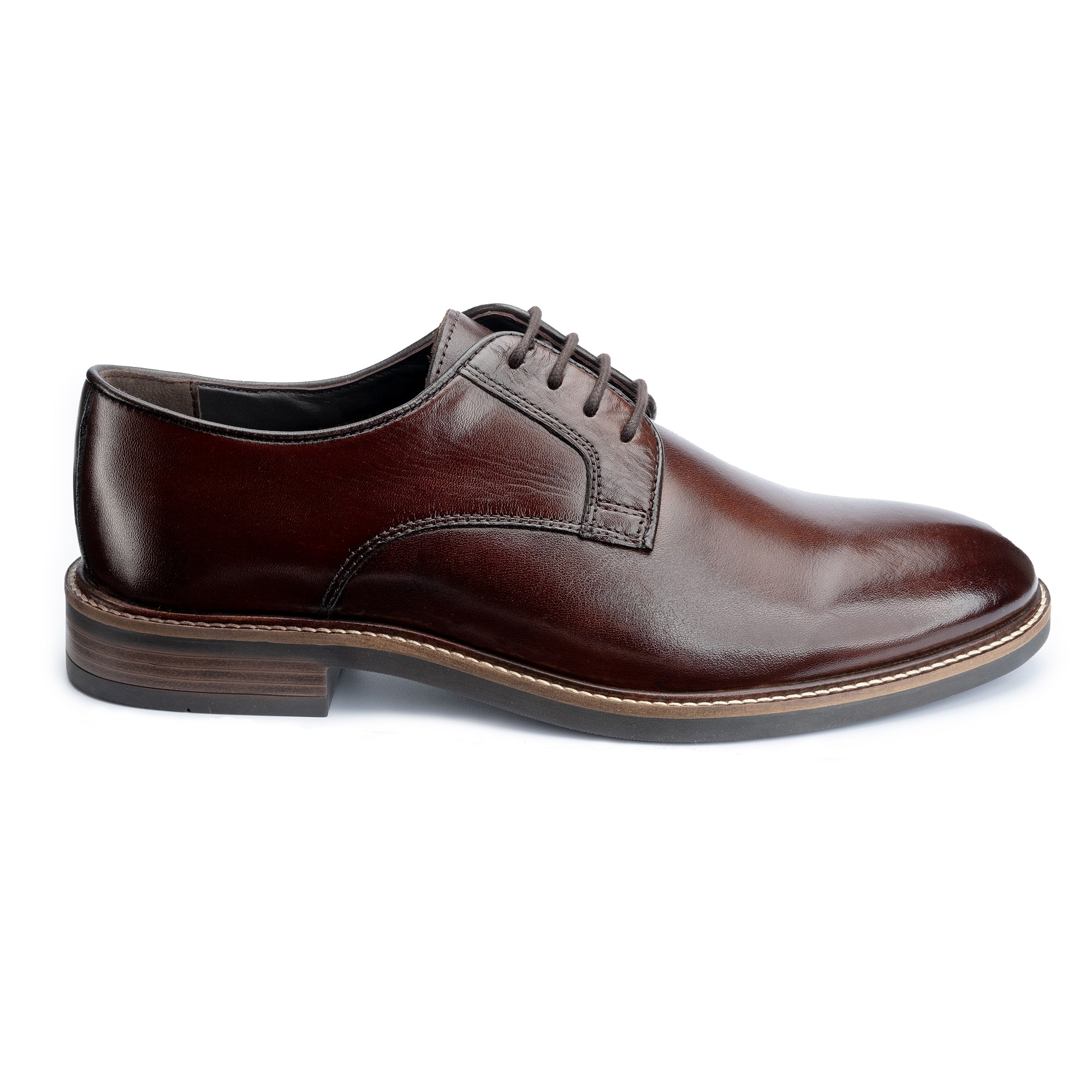
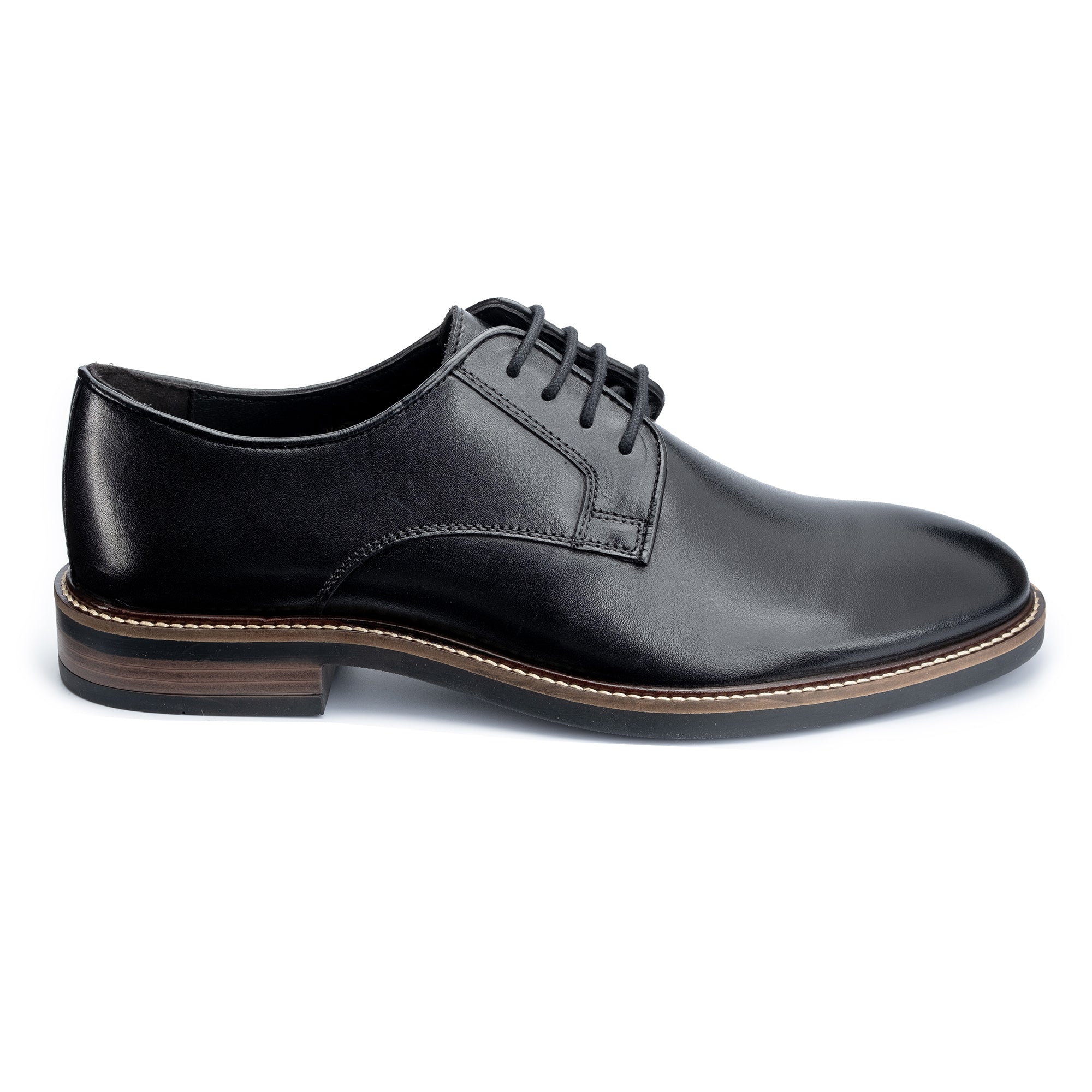
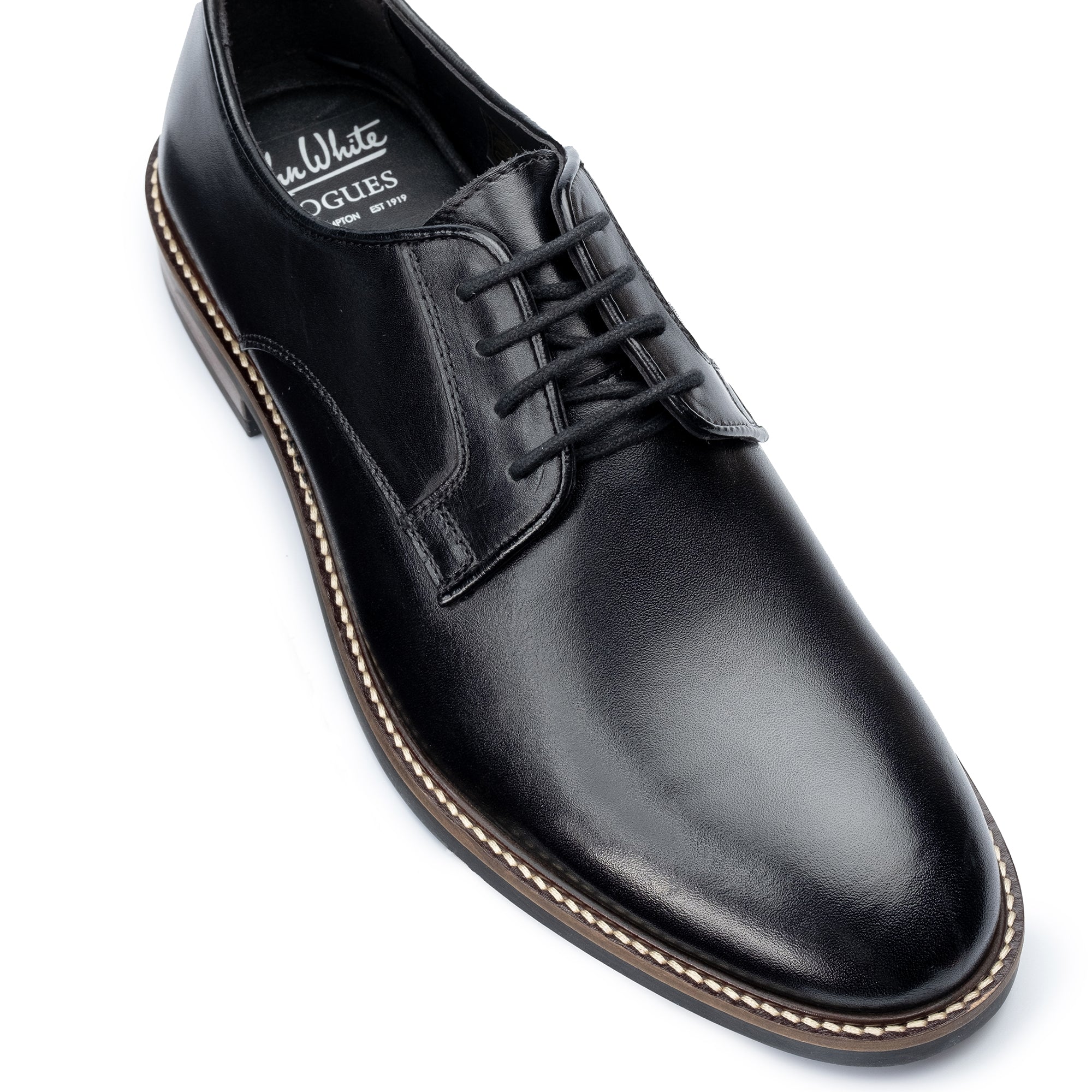
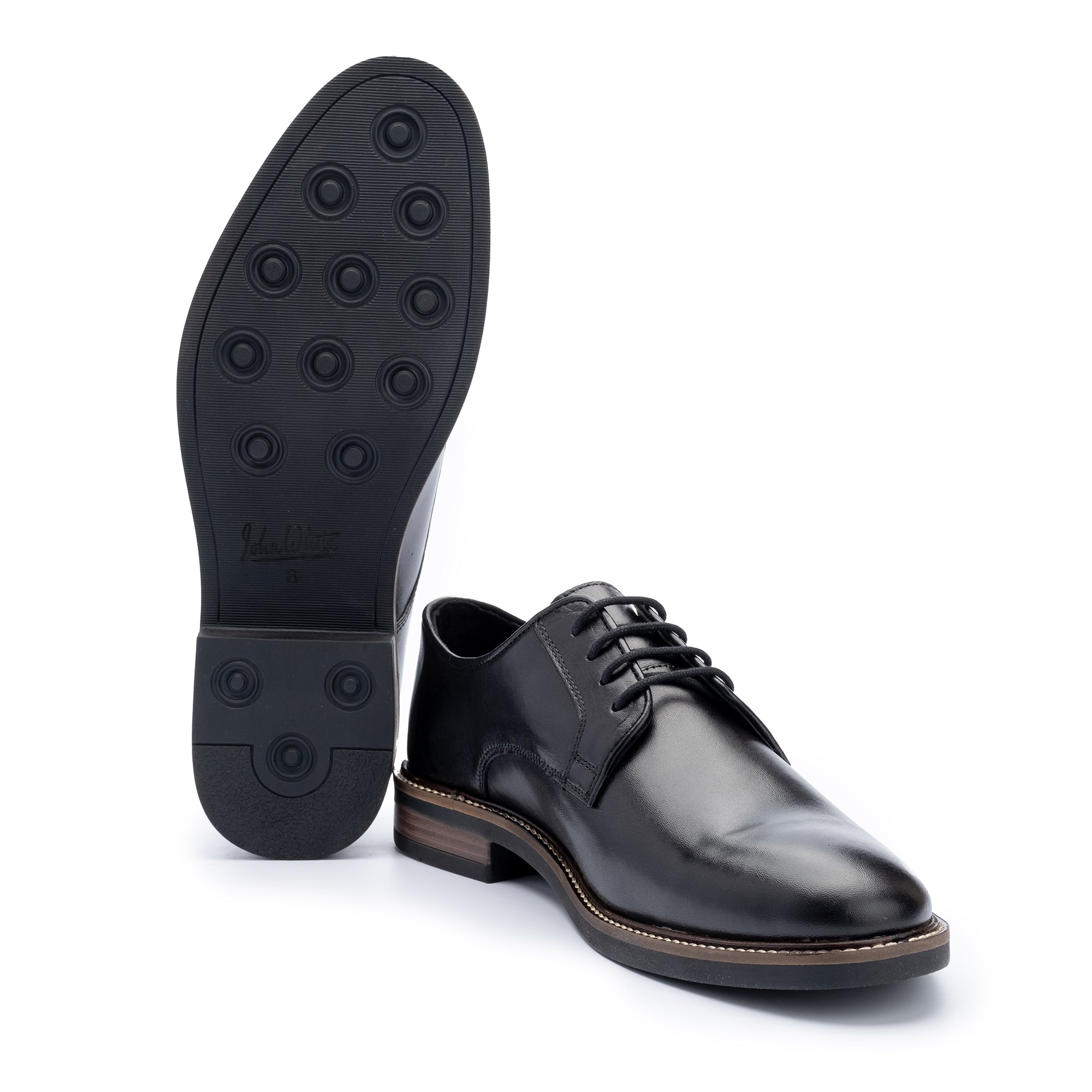
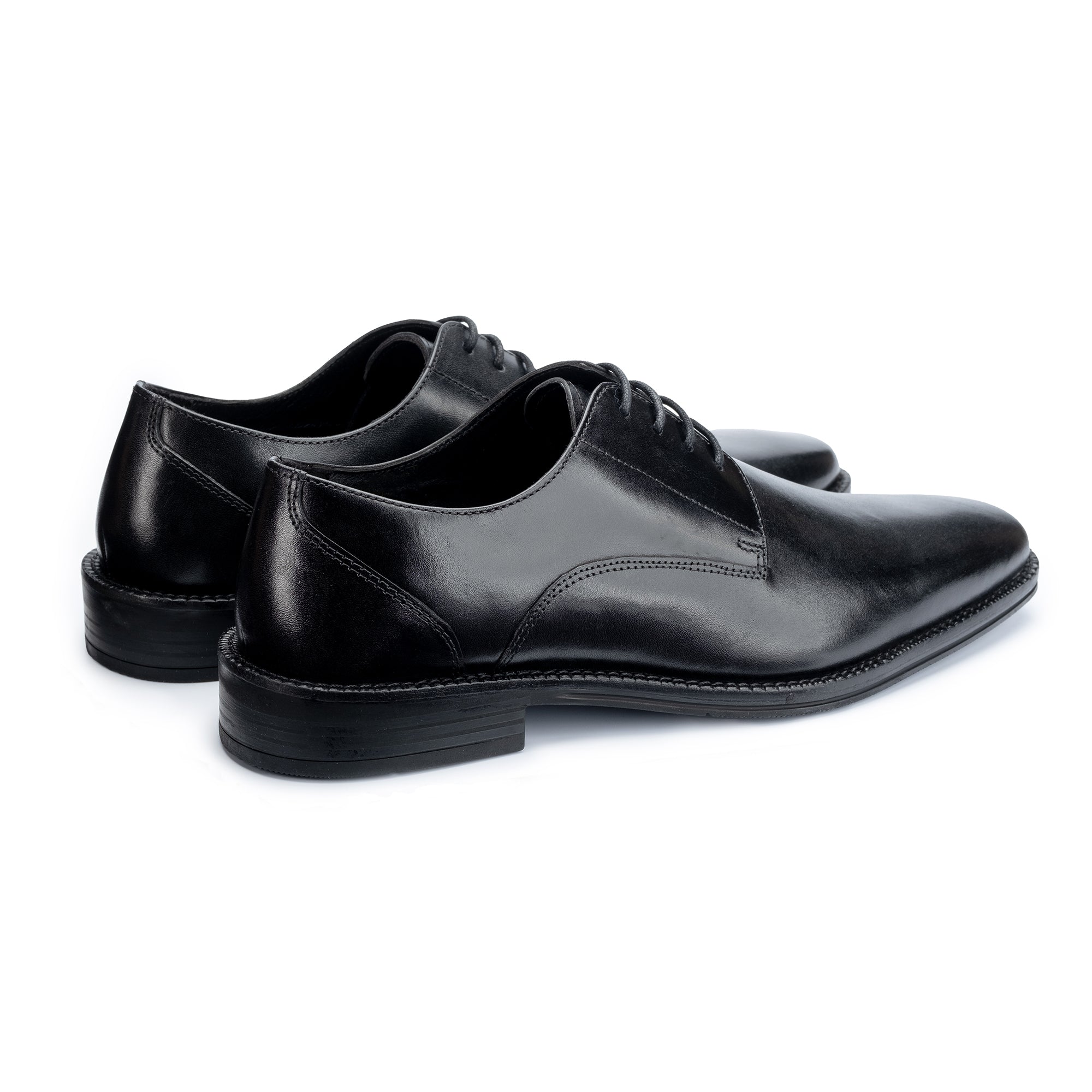
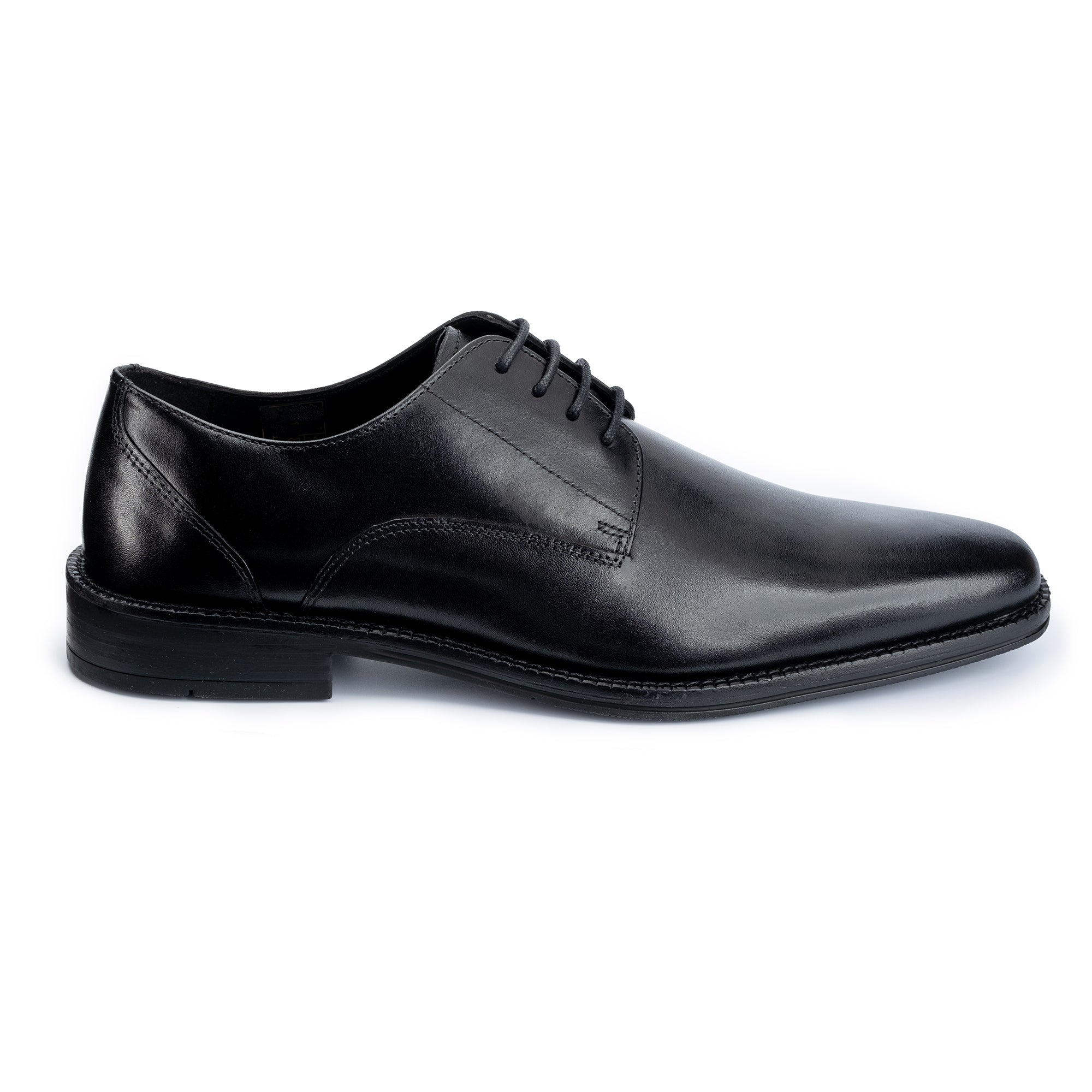
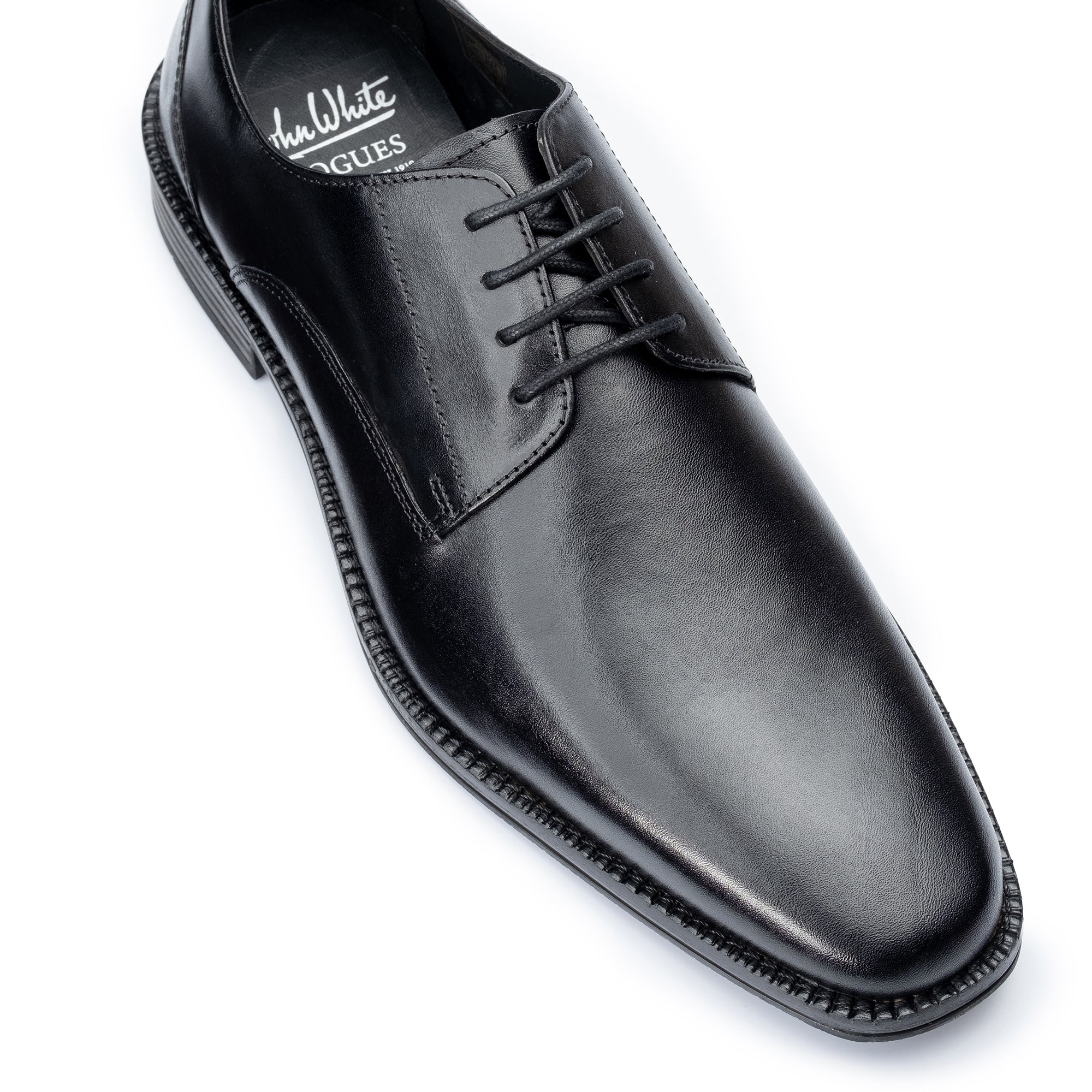
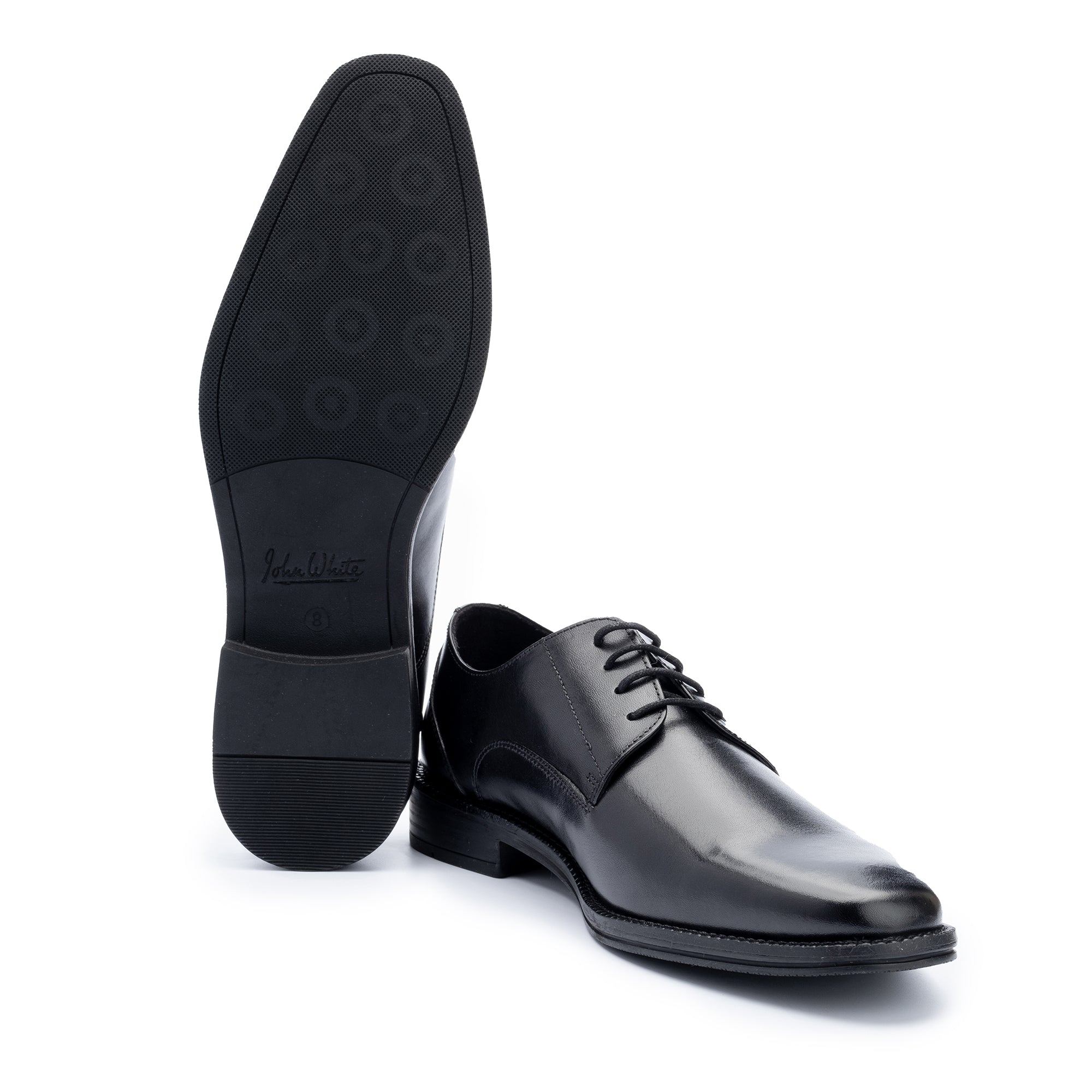
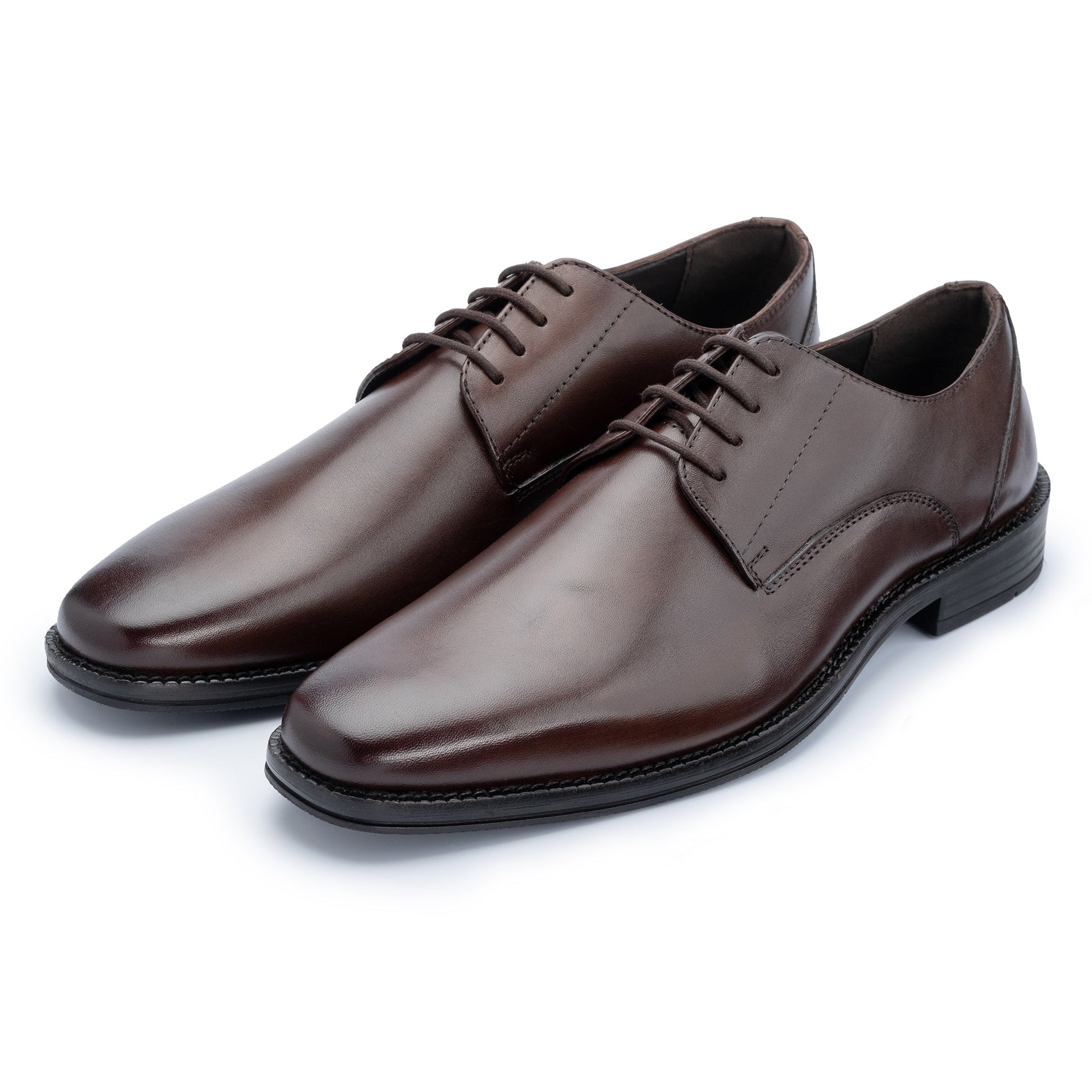
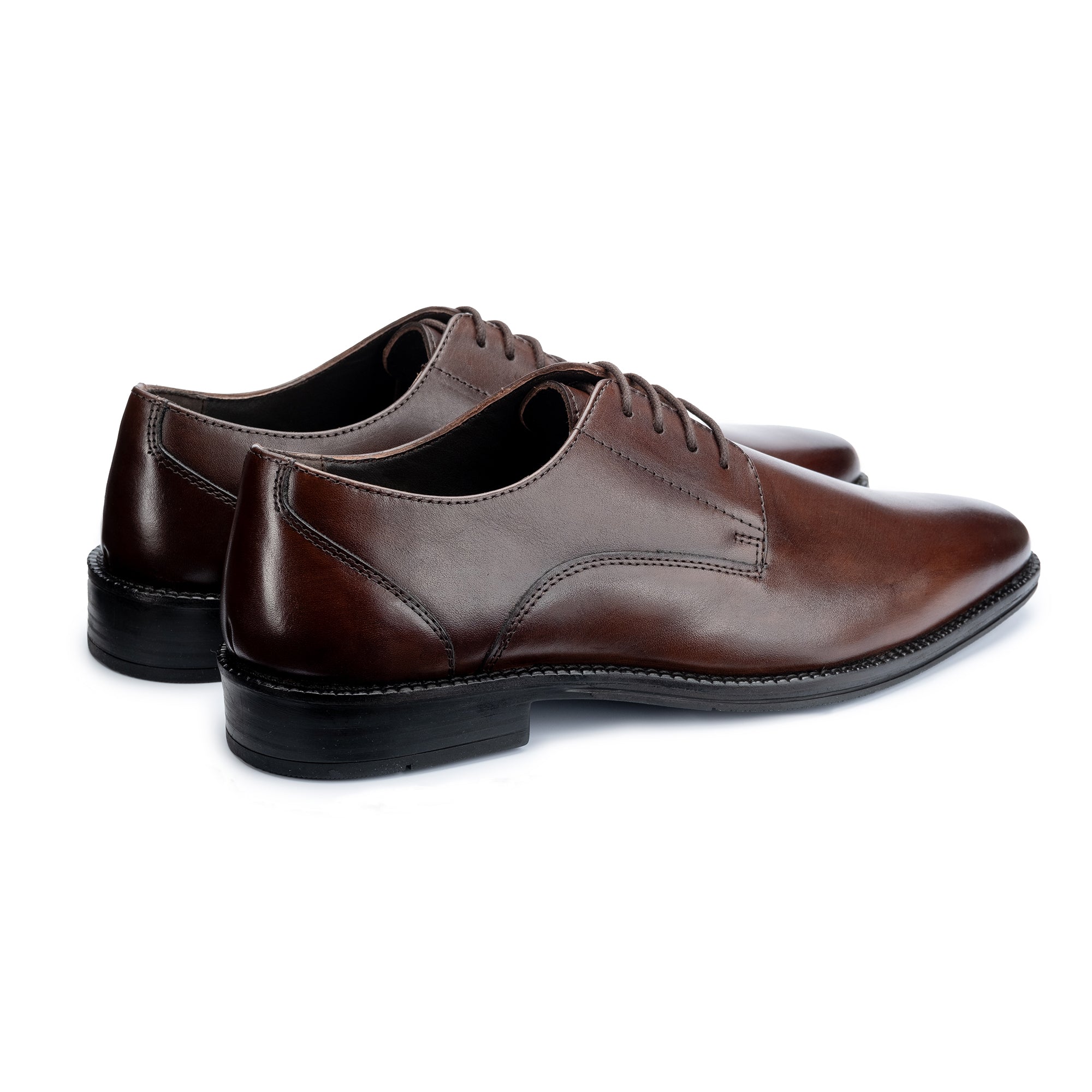
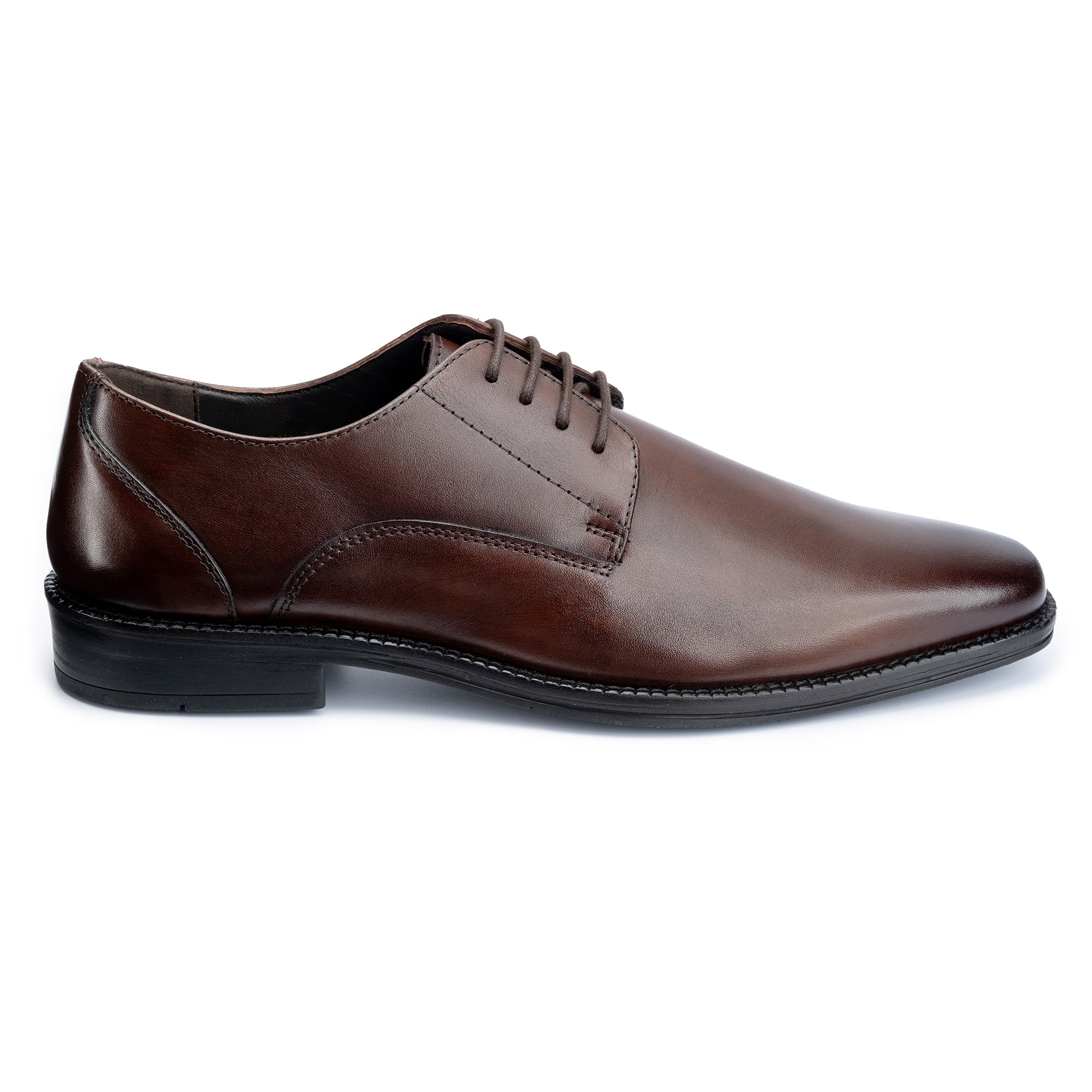
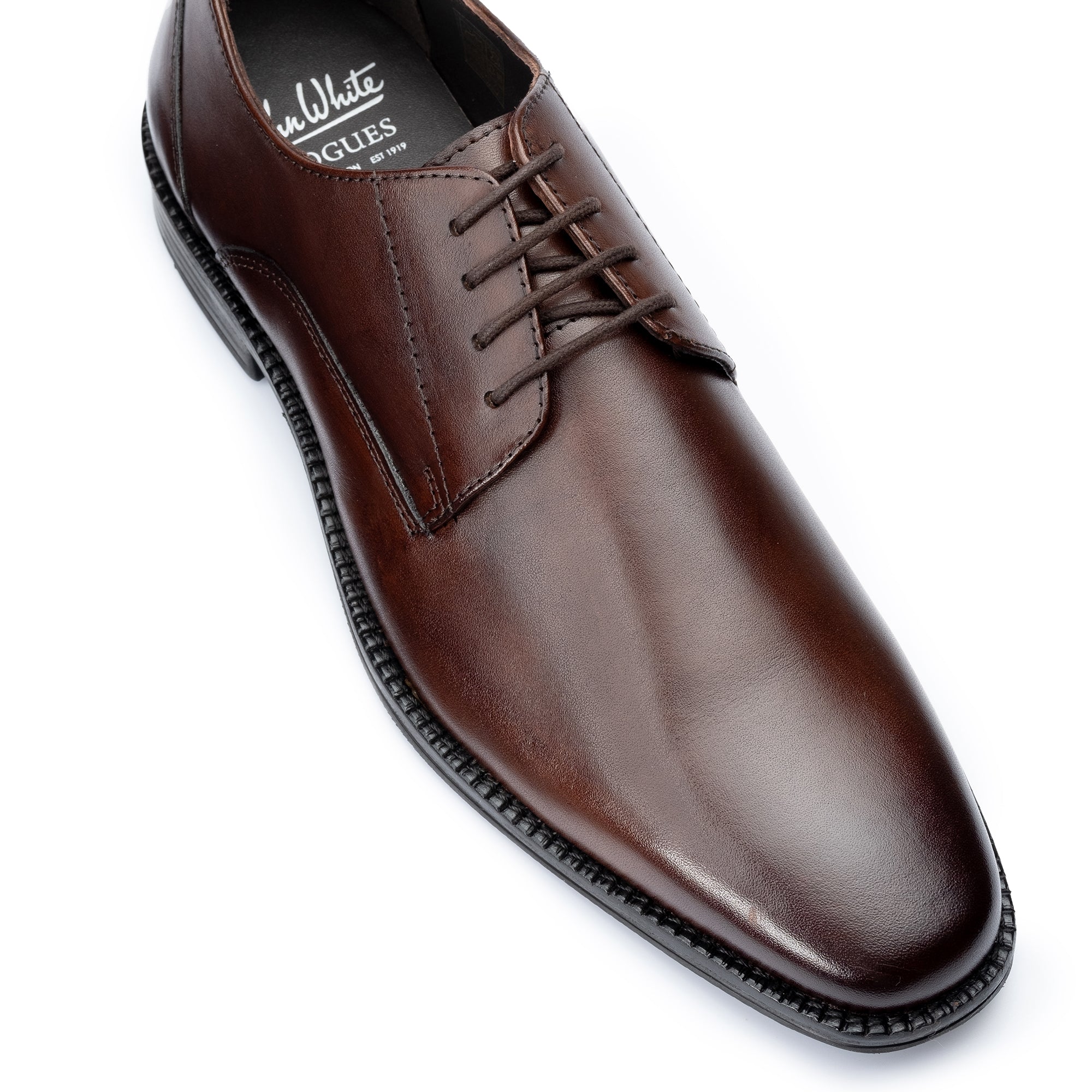
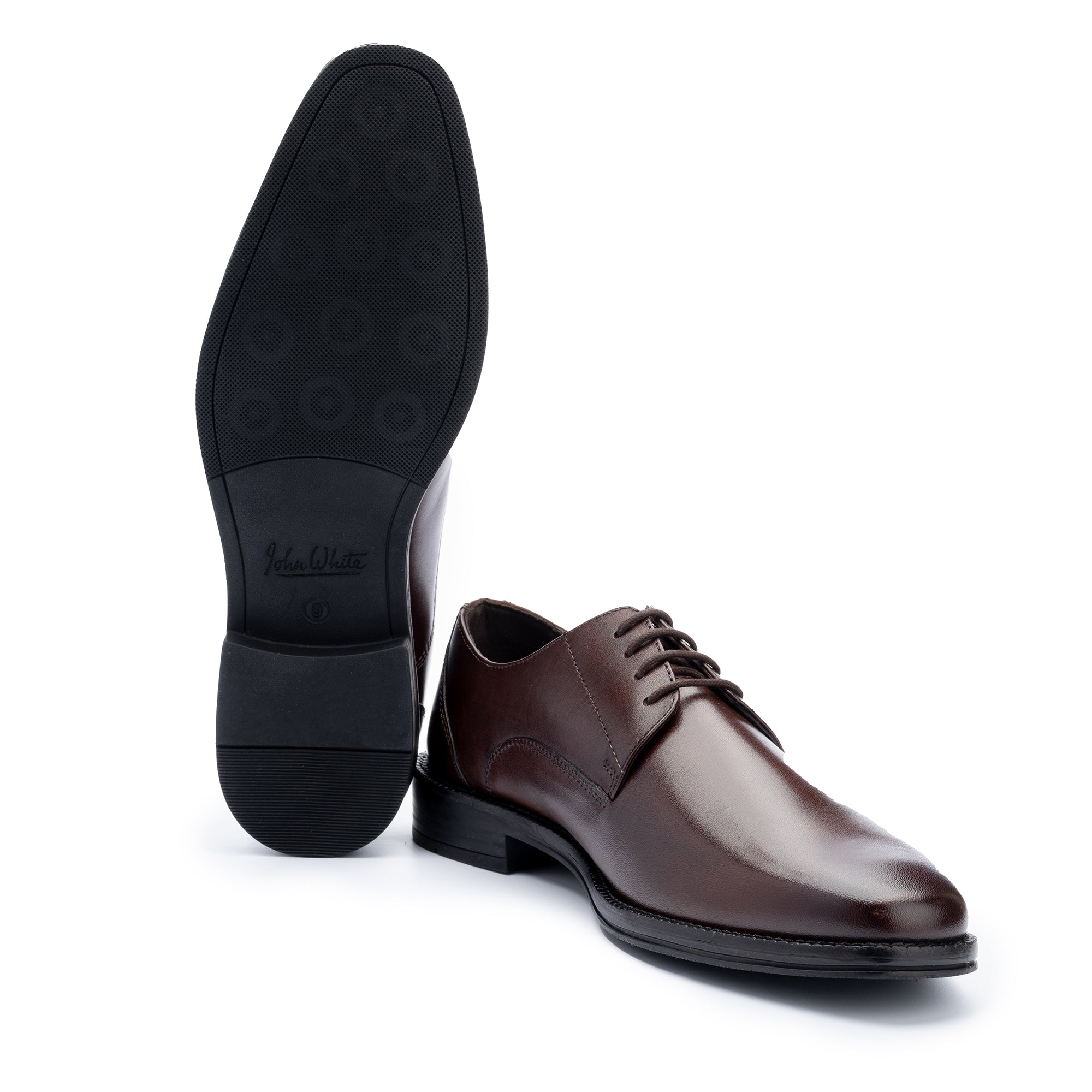
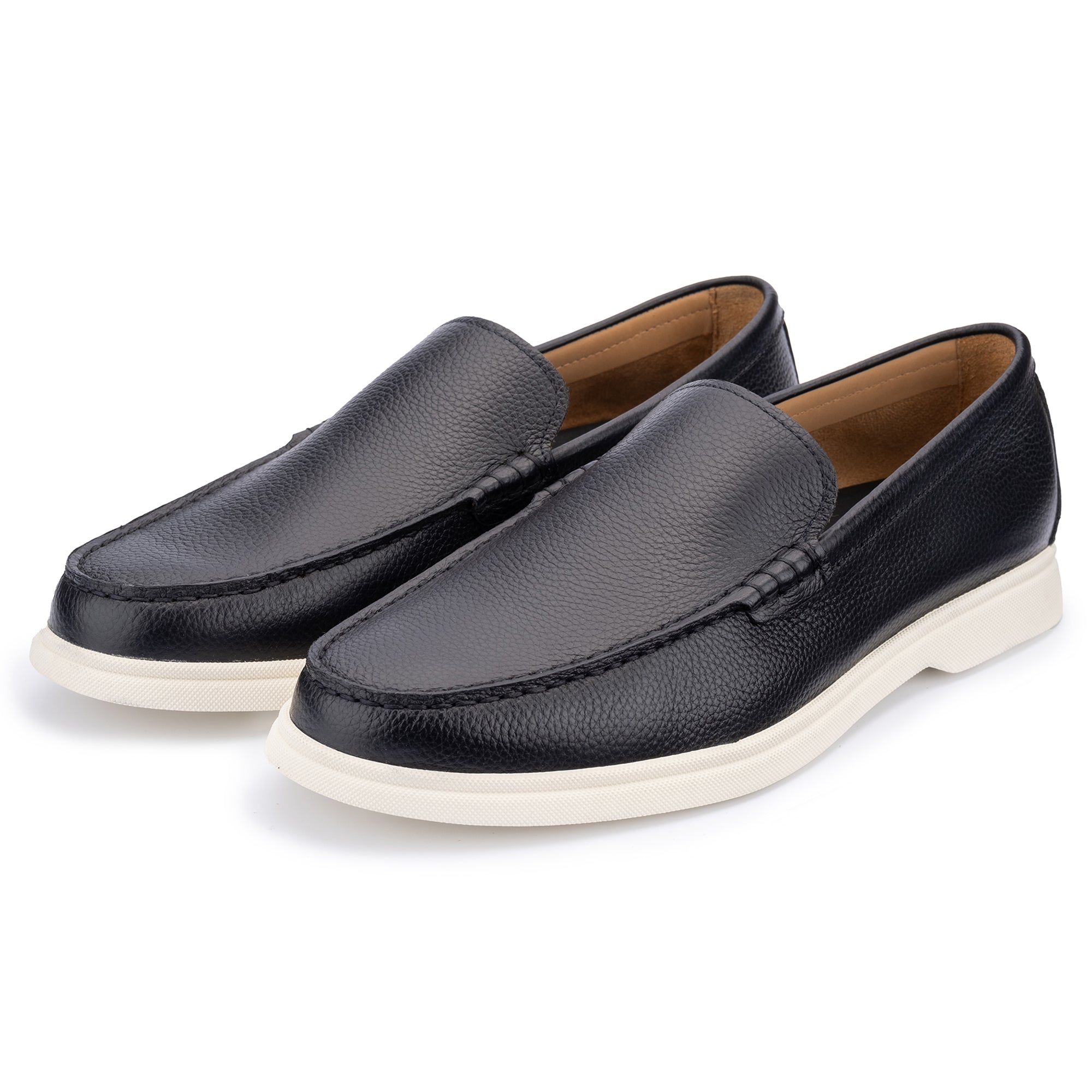
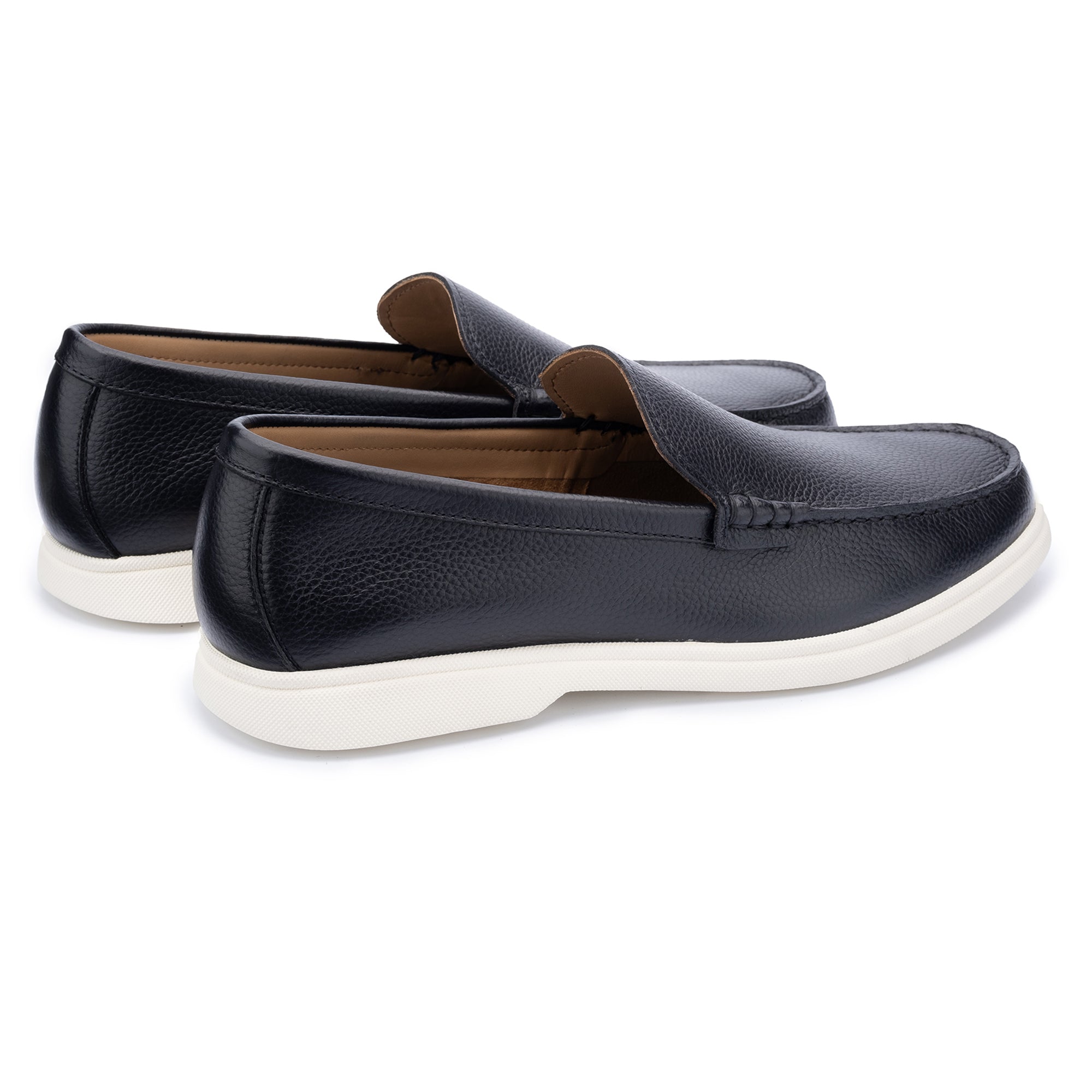
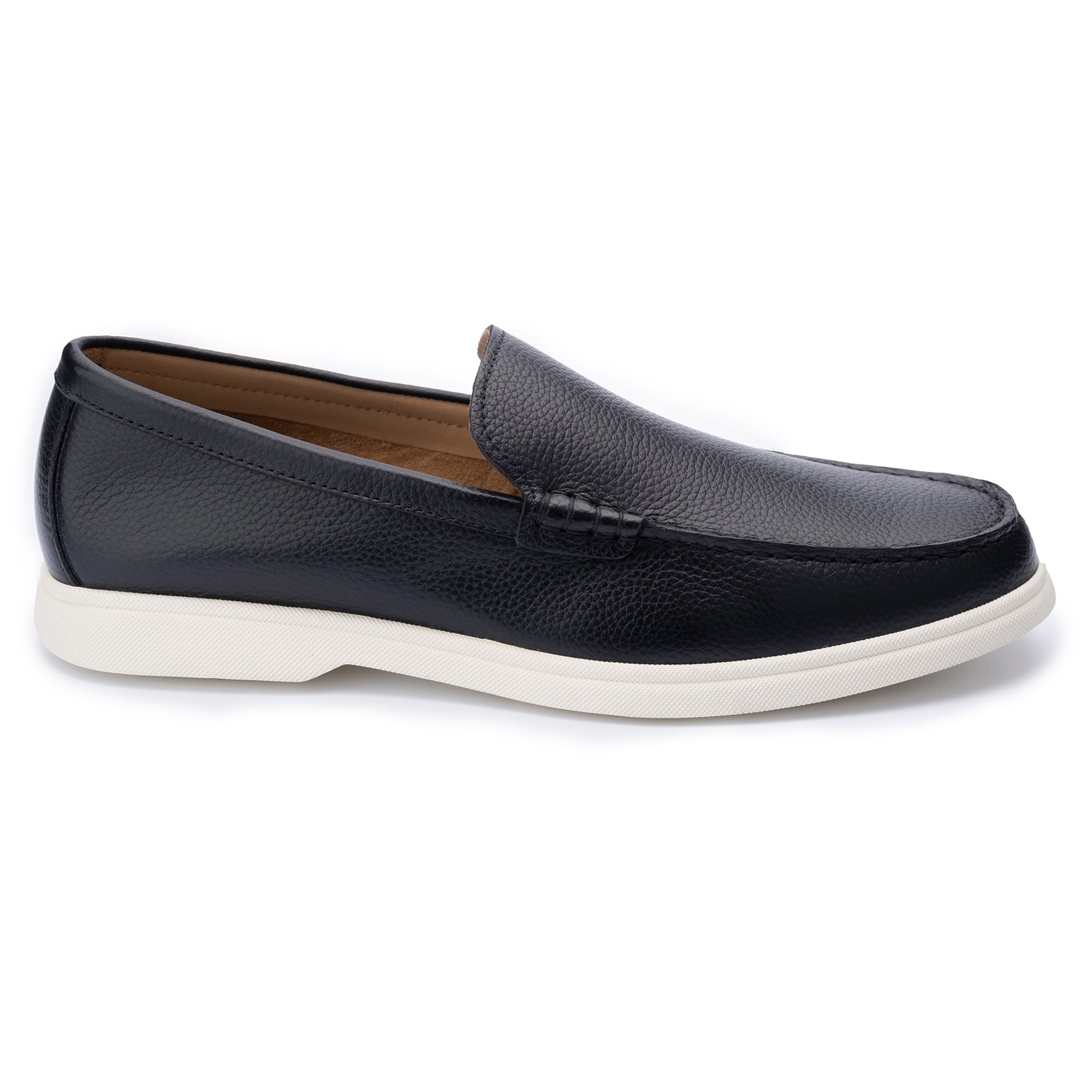
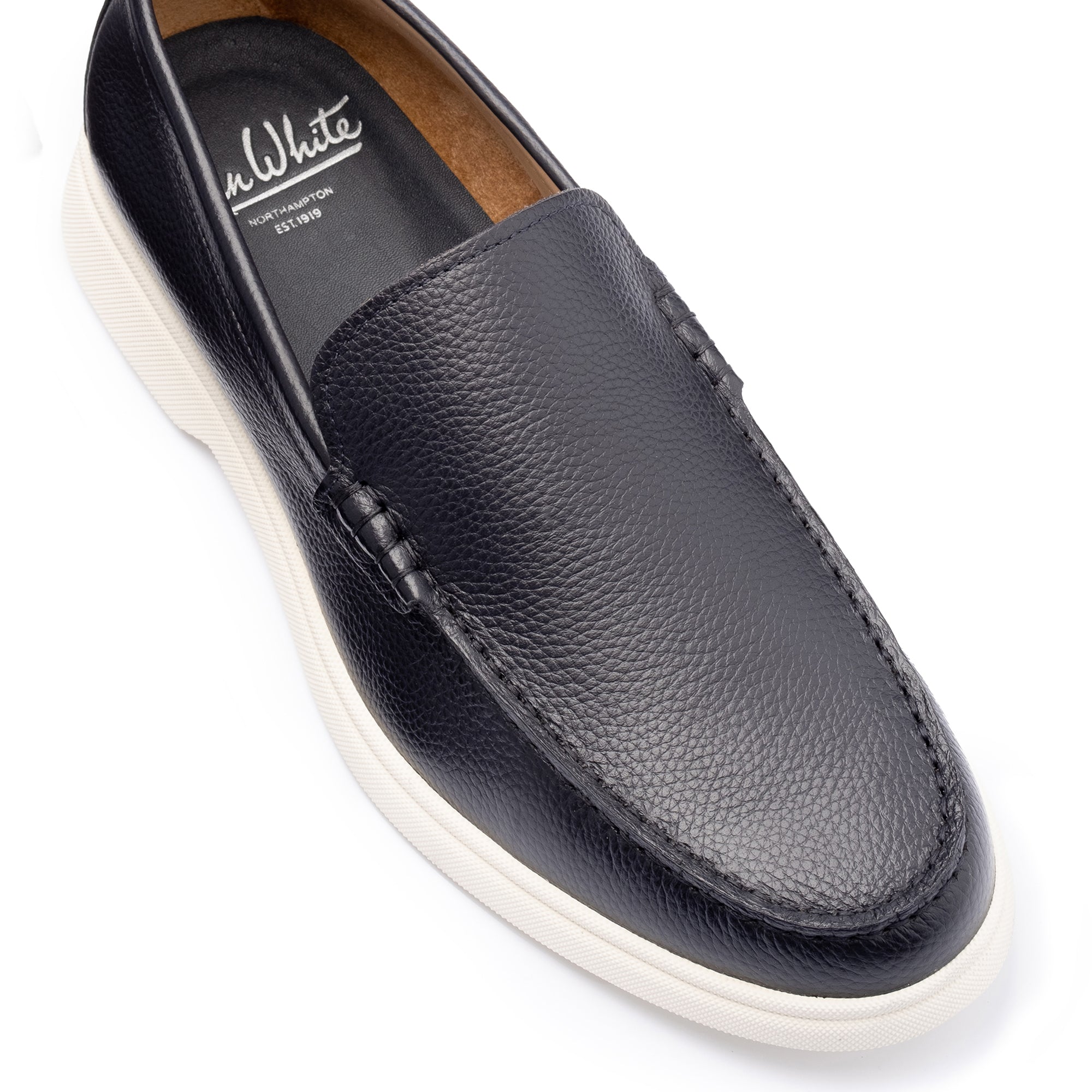
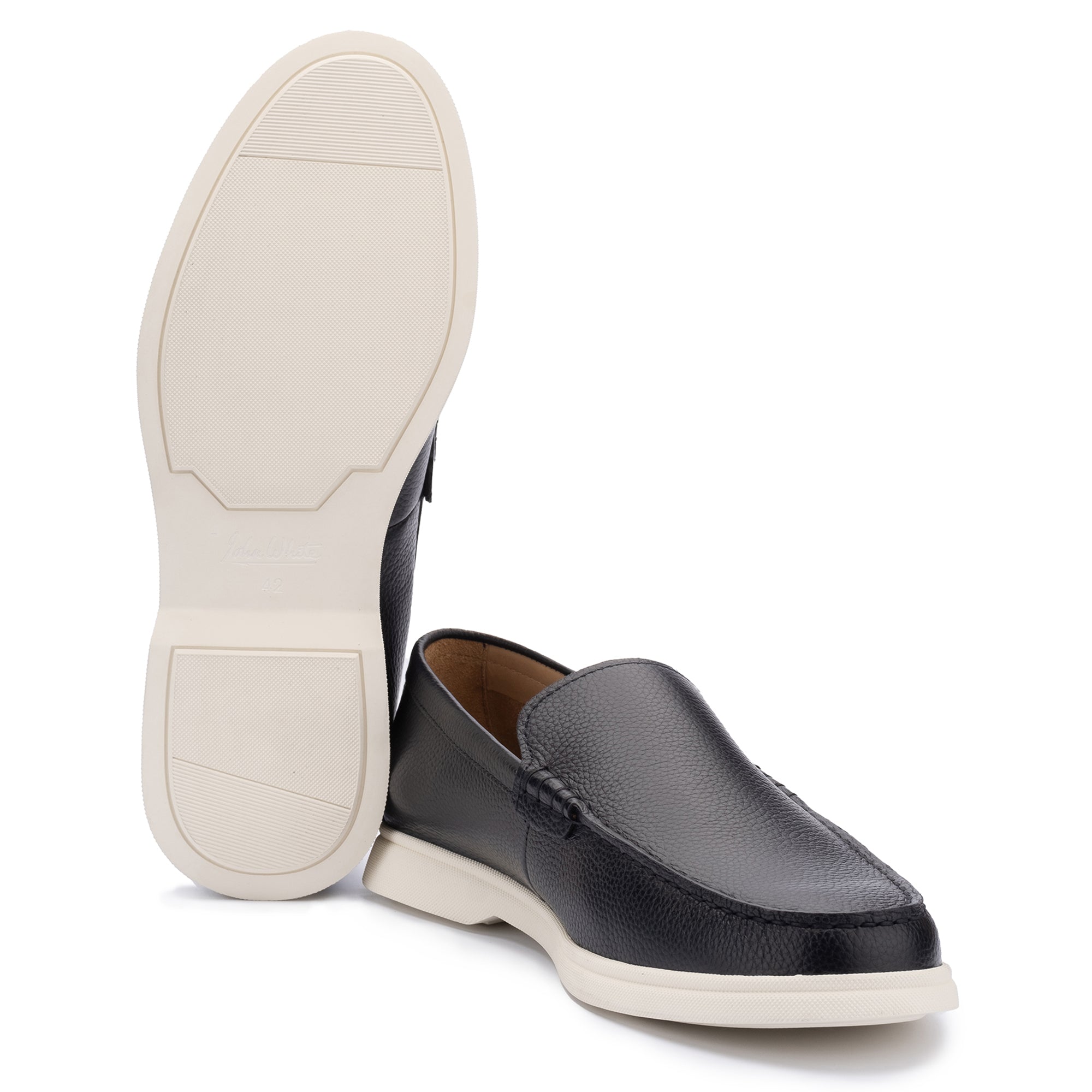
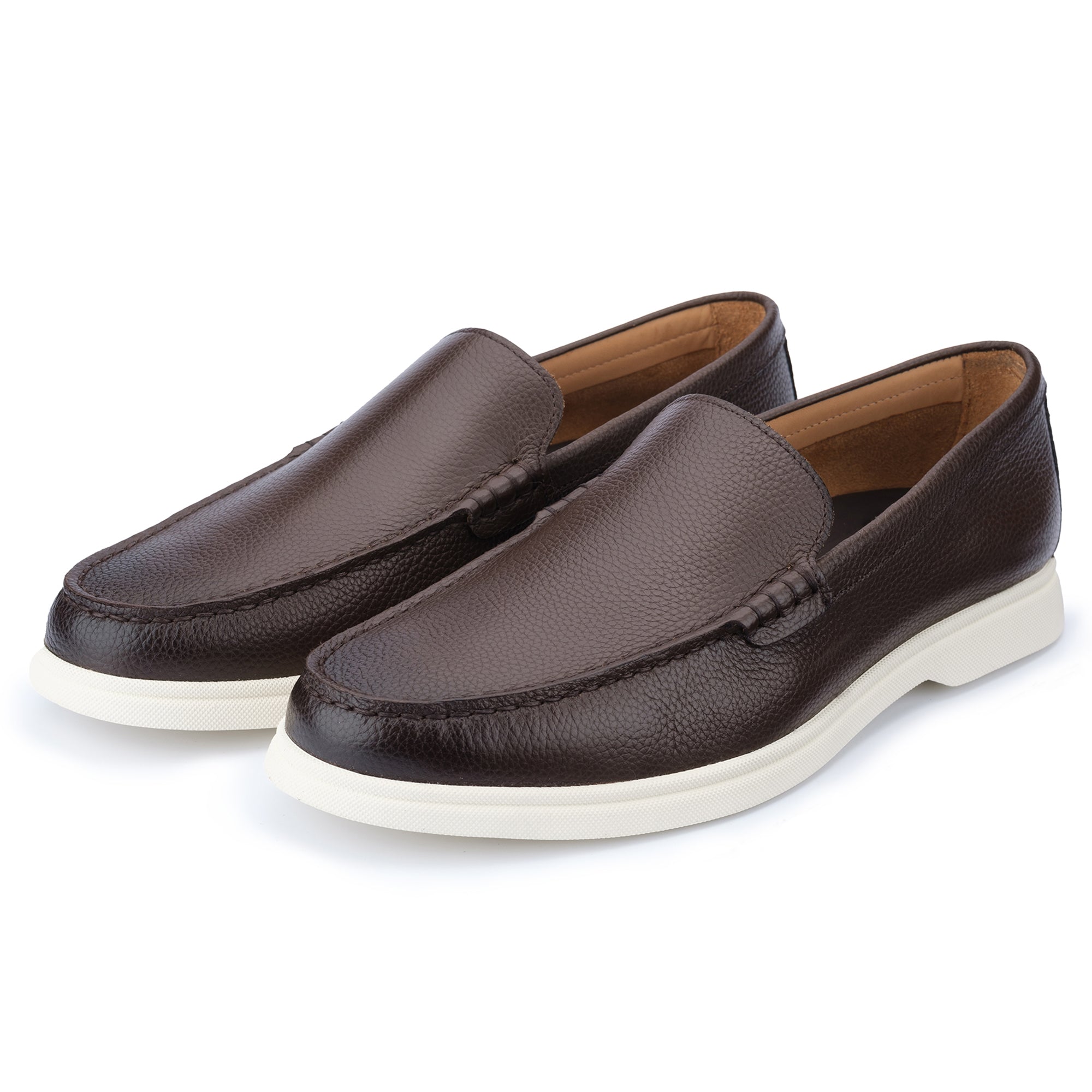
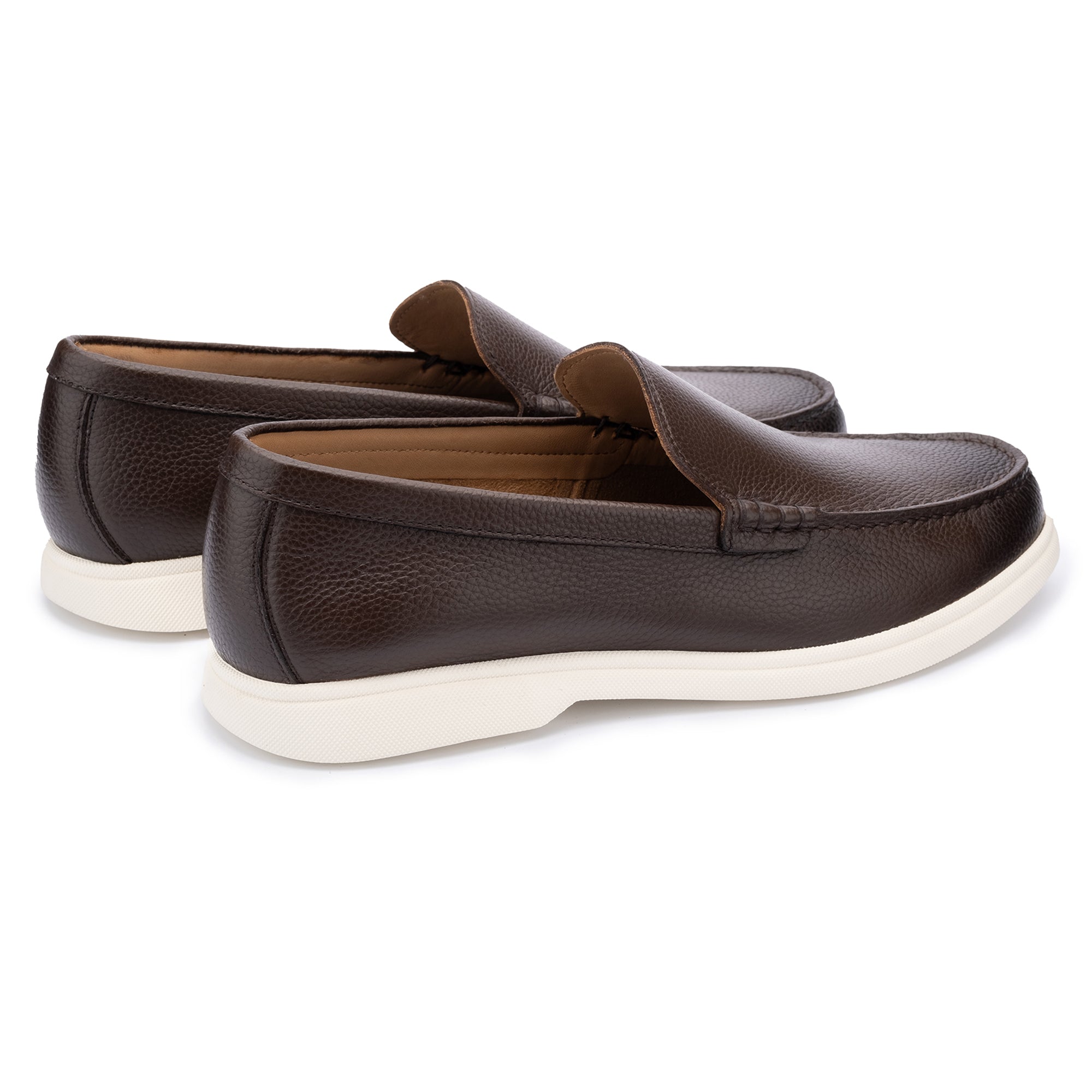
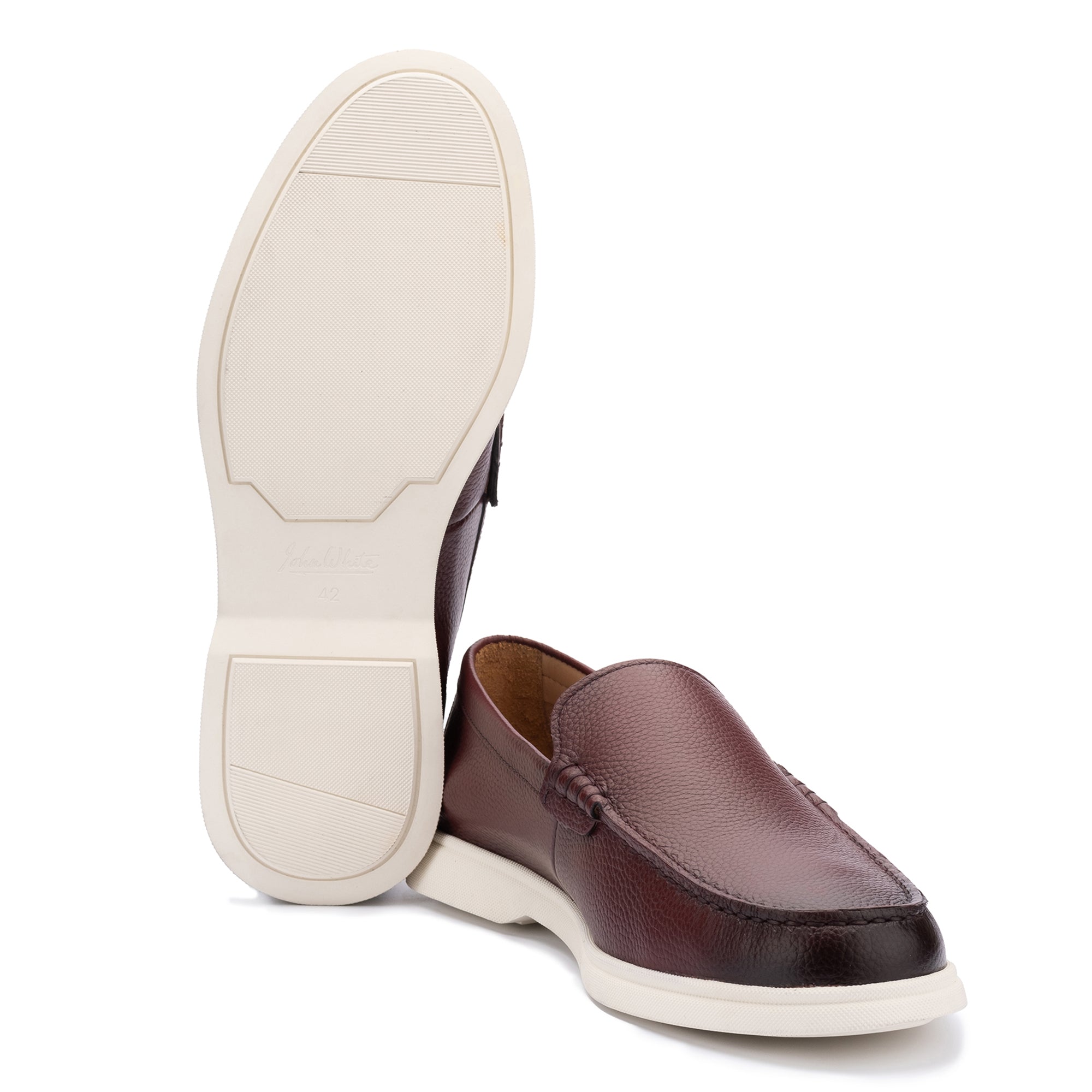
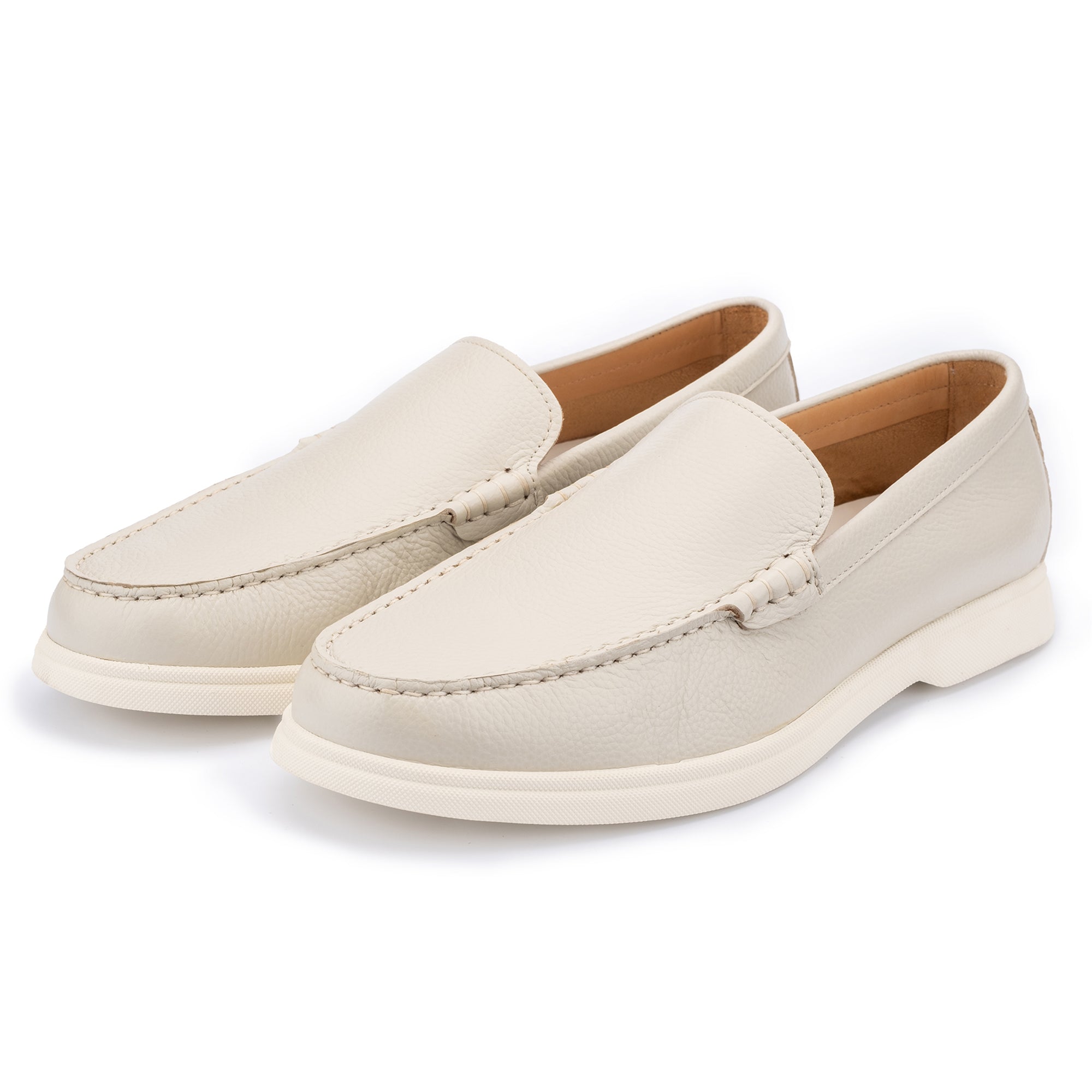
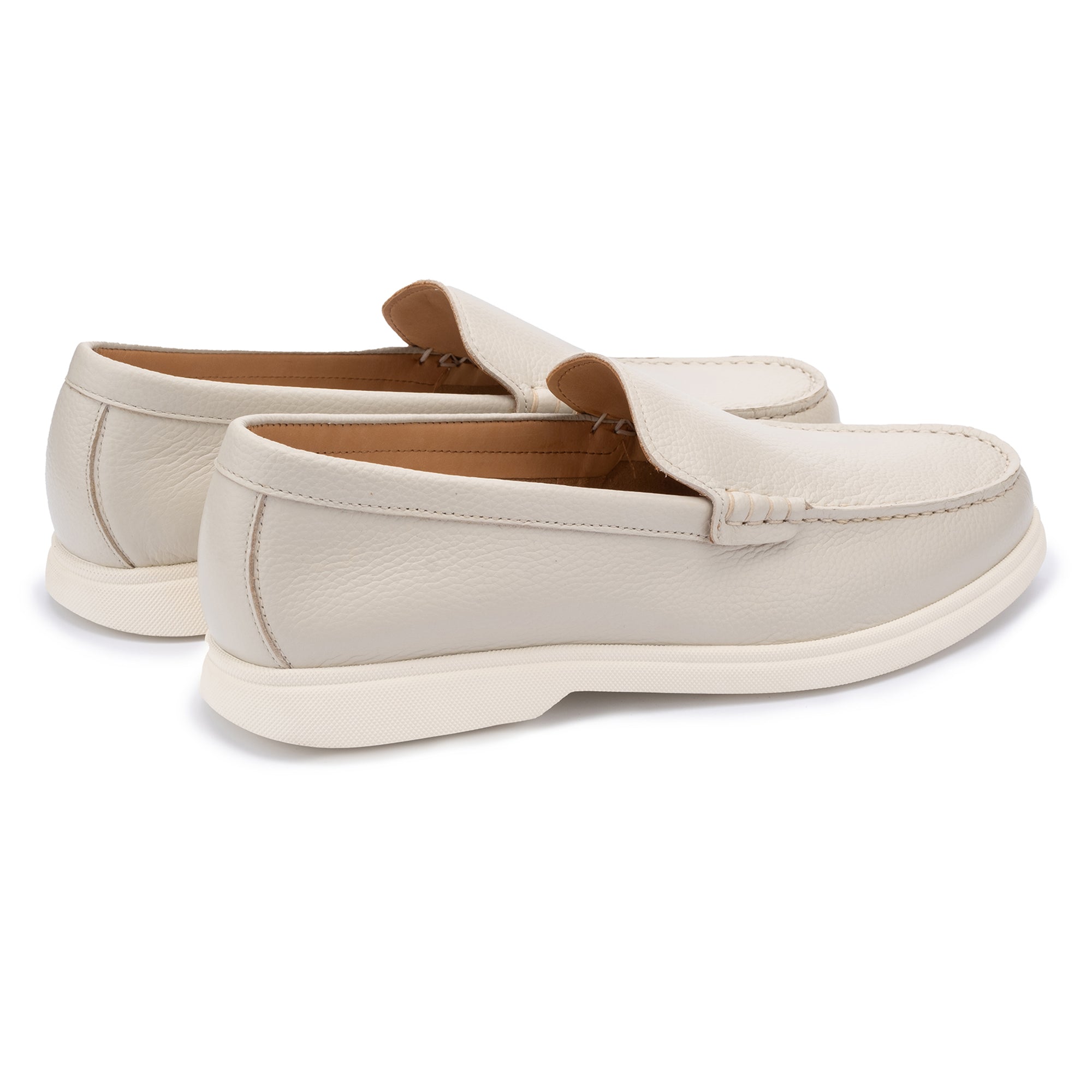
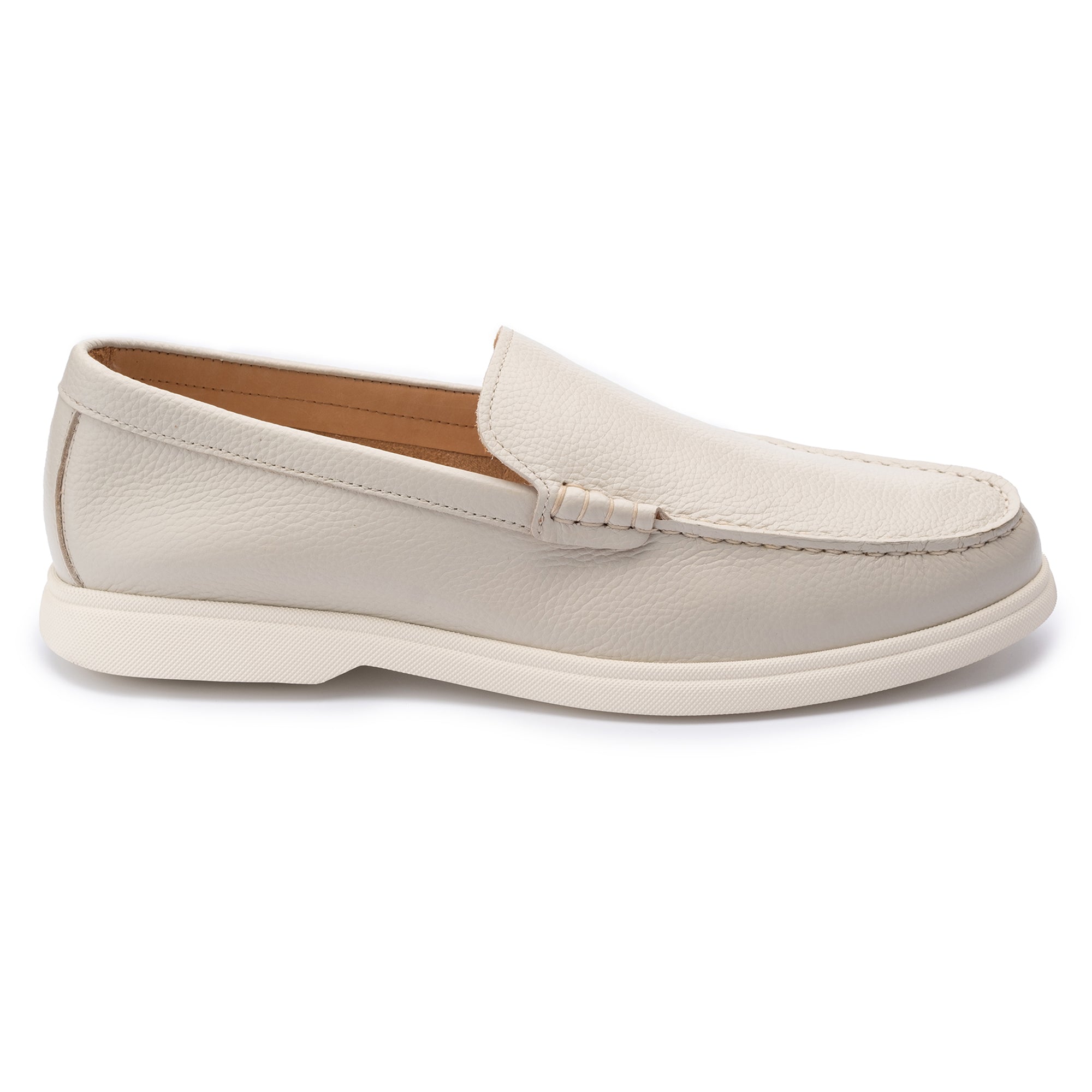
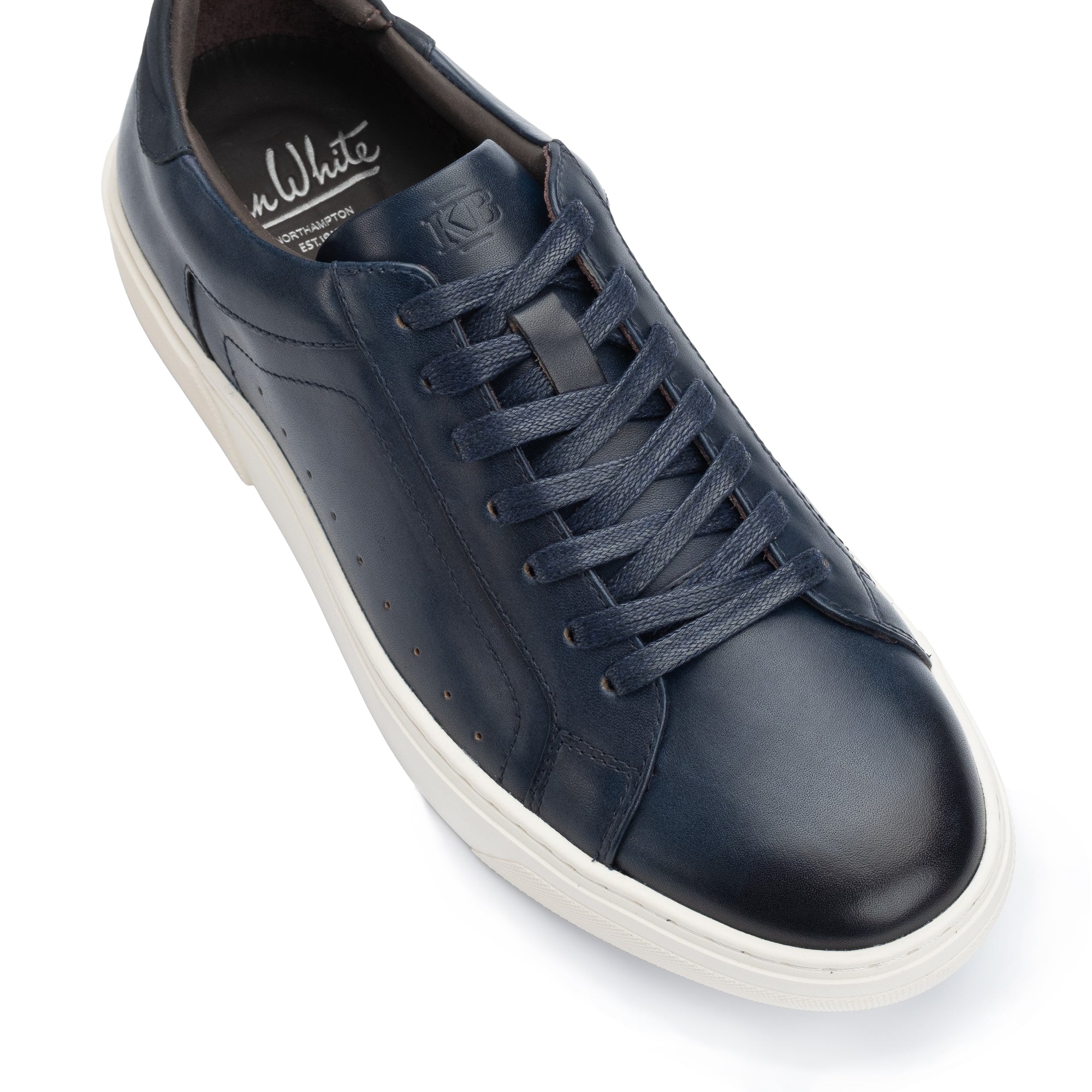
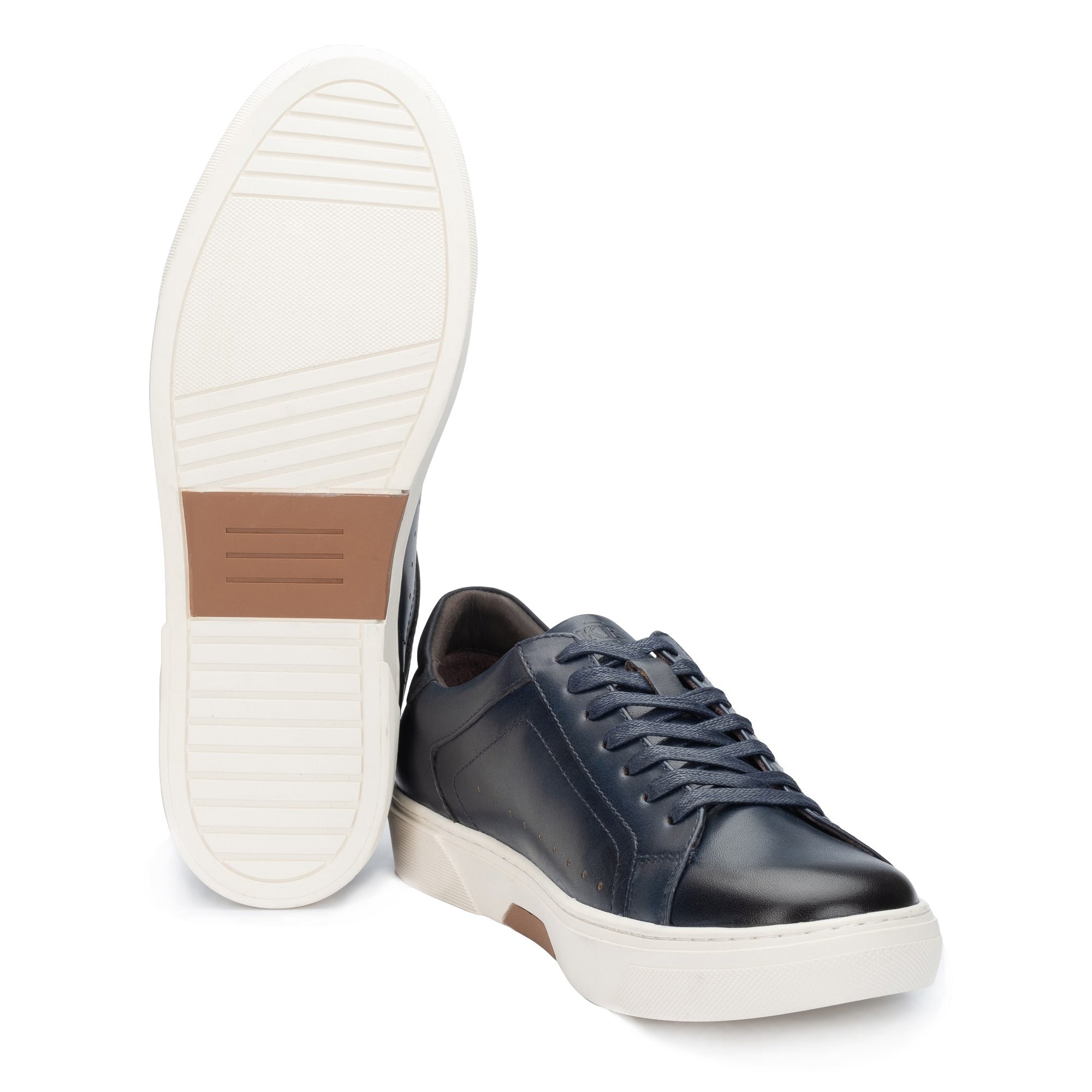
Prevention is the higher discipline. Premium leather footwear from makers including John White Shoes, Loake, Grenson, Church's, Crockett & Jones, and Barker all benefit from the same winter preparation routine — and those who follow it will see substantially fewer salt stains through even the harshest season.
- Apply a water-repellent spray before the season begins. A quality water-repellent treatment forms a protective barrier on the leather's surface, slowing the rate at which moisture and dissolved salt penetrate the grain.
- Maintain a layer of wax polish throughout winter. Wax provides a degree of physical resistance to moisture that cream-only finishes do not. A well-polished shoe sheds surface water more effectively than a conditioned but unpolished one.
- Wipe shoes down immediately after wearing them in salted conditions. A quick wipe with a slightly damp cloth after each wear removes surface salt before it dries and sets. Two minutes of attention after removing your shoes saves thirty minutes of remedial treatment later.
- Rotate your footwear. Wearing the same pair daily in winter concentrates both salt exposure and the stress of repeated drying and wetting cycles. Rotating between at least two pairs allows each to dry fully between wearings. Our guide to the importance of rotating leather footwear explains why this habit is fundamental to long-term shoe care.
- Use cedar shoe trees after every wear. Cedar absorbs residual moisture — including perspiration salts — from inside the shoe, stabilising the leather and preventing internal salt deposits from building up unnoticed.
- Increase your conditioning frequency in winter. The Leather Conservation Centre recommends conditioning leather every four weeks during winter months when it is under sustained environmental stress, compared to the standard six-to-eight-week interval in milder conditions.
A consistent winter routine — water-repellent treatment applied before the first frost, regular wax polish, and a quick wipe-down after every wearing in salted conditions — is the most effective safeguard against salt stain damage on quality leather shoes.
When Should You Consult a Professional?
Not every case of salt damage resolves at home. If a tide mark persists after two or three rounds of treatment, or if the leather in the affected area has become stiff, noticeably lighter in colour, or has begun to crack, the damage has likely reached the fibres beneath the surface finish.
At that point, a skilled cobbler can assess whether the area requires re-dressing or surface restoration. For Goodyear welted footwear — built to be resoled and maintained for decades — professional care is always a sound investment. The construction itself is designed to outlast any surface condition; the upper simply needs the attention that the build quality warrants.
Related Guides
- Leather Conditioner vs Shoe Polish: What to Use, When, and Why It Matters
- From Saturated to Salvaged: The Definitive Process for Drying Wet Leather Footwear
- The Annual Ritual: A Complete Maintenance Checklist for Your Leather Shoe Collection
TL;DR: Salt stains on leather shoes are caused by road de-icing salt or perspiration residue that disrupts the leather's natural pH and dries the fibres. Treat promptly with a 50/50 distilled white vinegar and water solution, allow to dry naturally at room temperature, then condition and polish. Prevent them with a pre-season water-repellent spray, regular wax polish maintenance, and wiping shoes down immediately after walking on salted surfaces.
Frequently Asked Questions
Can white vinegar damage leather shoes?
Distilled white vinegar, diluted in equal parts with cold water, is safe for smooth full-grain and treated leather when applied correctly with a damp cloth. Its mild acidity neutralises the alkaline salt without stripping the finish. Do not use vinegar neat, and do not use it on suede, nubuck, or patent leather.
How do I remove old, set-in salt stains from leather shoes?
Set-in stains may require two or three rounds of treatment. Apply the vinegar and water solution, allow to dry fully, condition, then repeat if the mark persists. If a tide mark remains after three rounds, the damage may have penetrated below the surface finish and a professional cobbler should assess whether re-dressing is required.
Will salt stains permanently damage my leather shoes?
Salt stains treated promptly leave no lasting damage. Left untreated over weeks or months, the alkaline crystals progressively break down the tanning agents in the leather, leading to surface cracking, stiffness, and permanent discolouration that cannot be fully reversed at home. Early treatment is the decisive factor in protecting the leather's integrity.
What is the best way to protect leather shoes from road salt in winter?
Apply a quality water-repellent spray at the start of the season and maintain a layer of wax polish throughout winter. Wipe shoes down with a damp cloth after every wearing in salted conditions, condition every four weeks rather than the standard six to eight, and rotate pairs to allow complete drying between wearings. These measures, used consistently, will prevent the majority of salt stain damage across even a severe British winter.
Explore the full John White Shoes collection of leather shoes and leather boots — footwear built to the standard that makes proper care worthwhile.