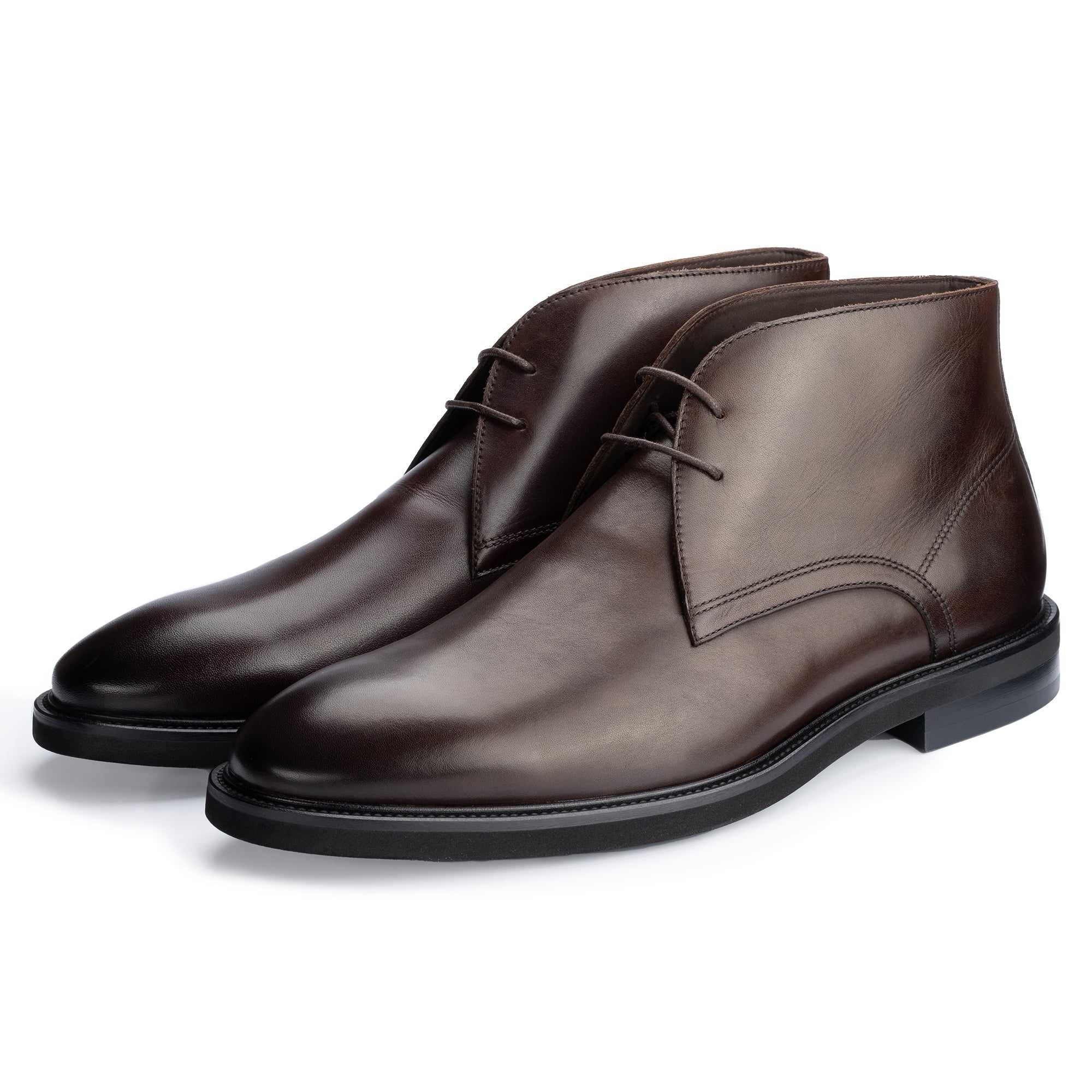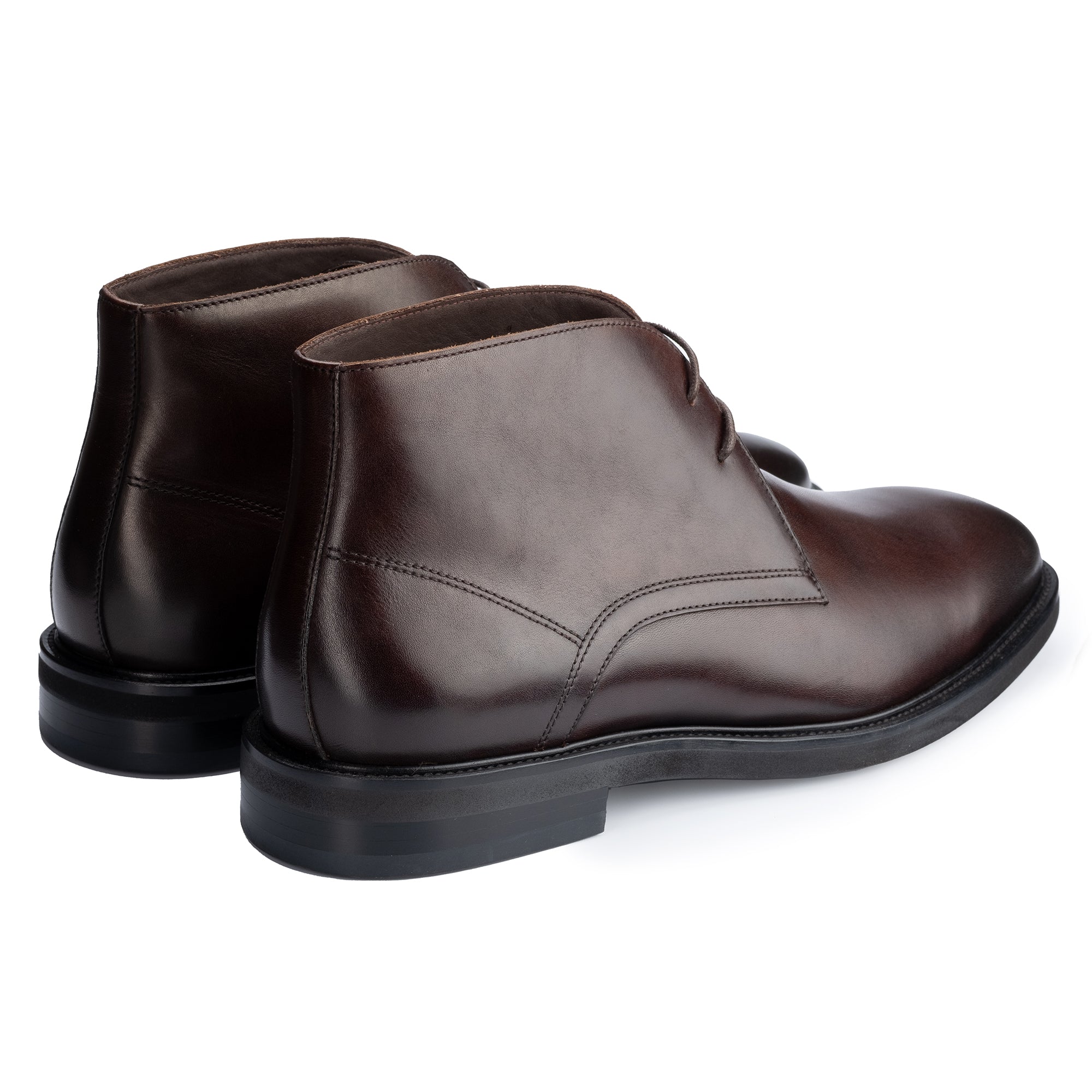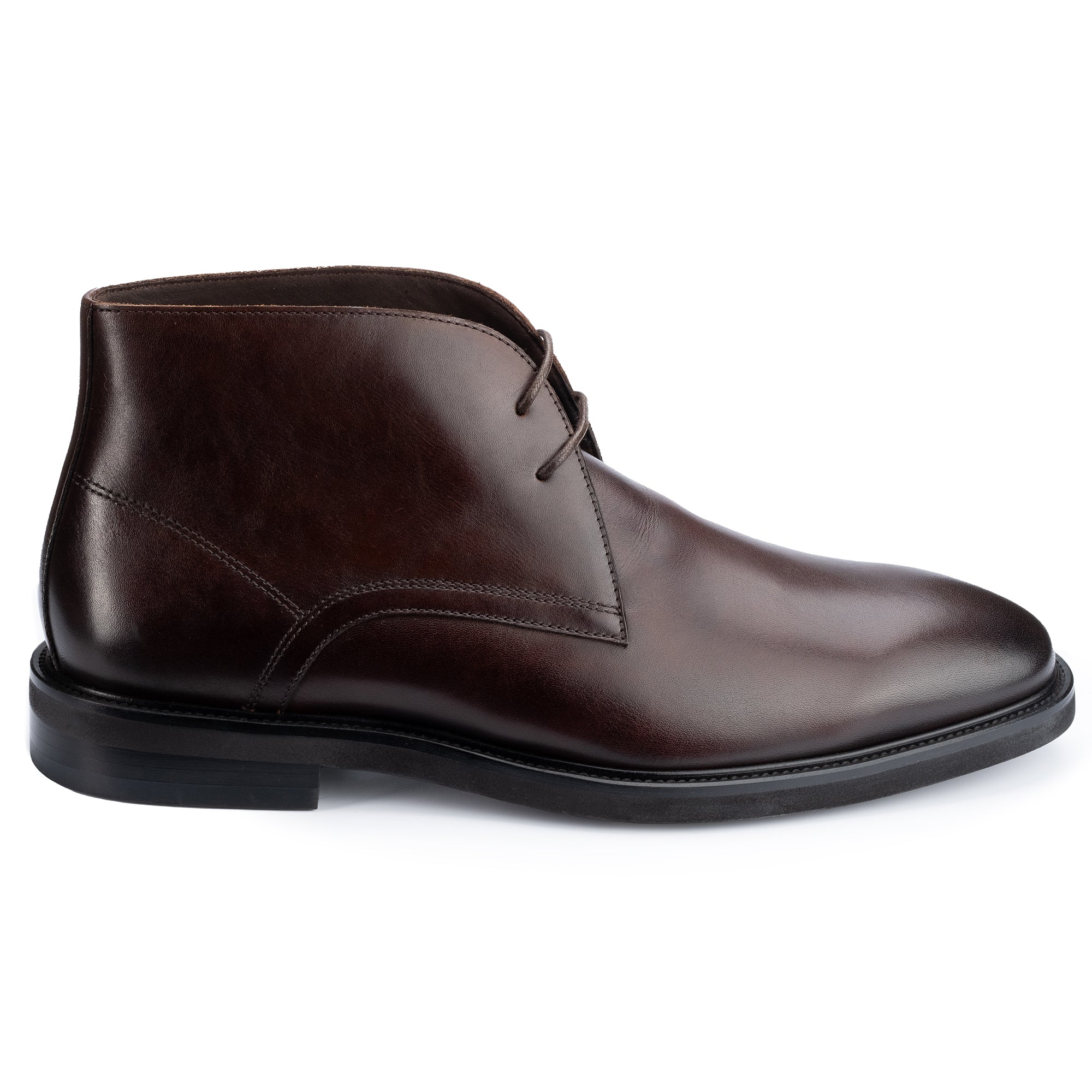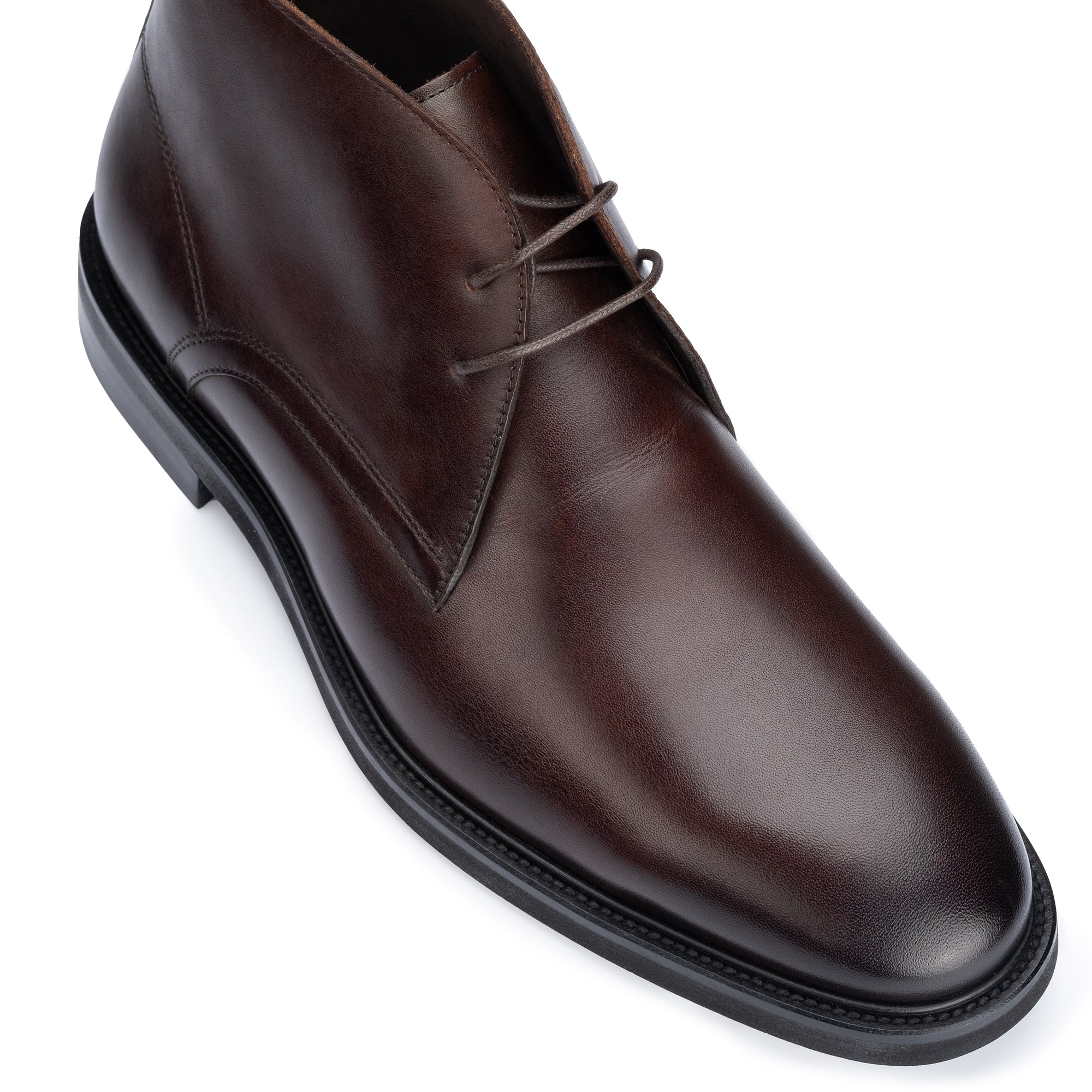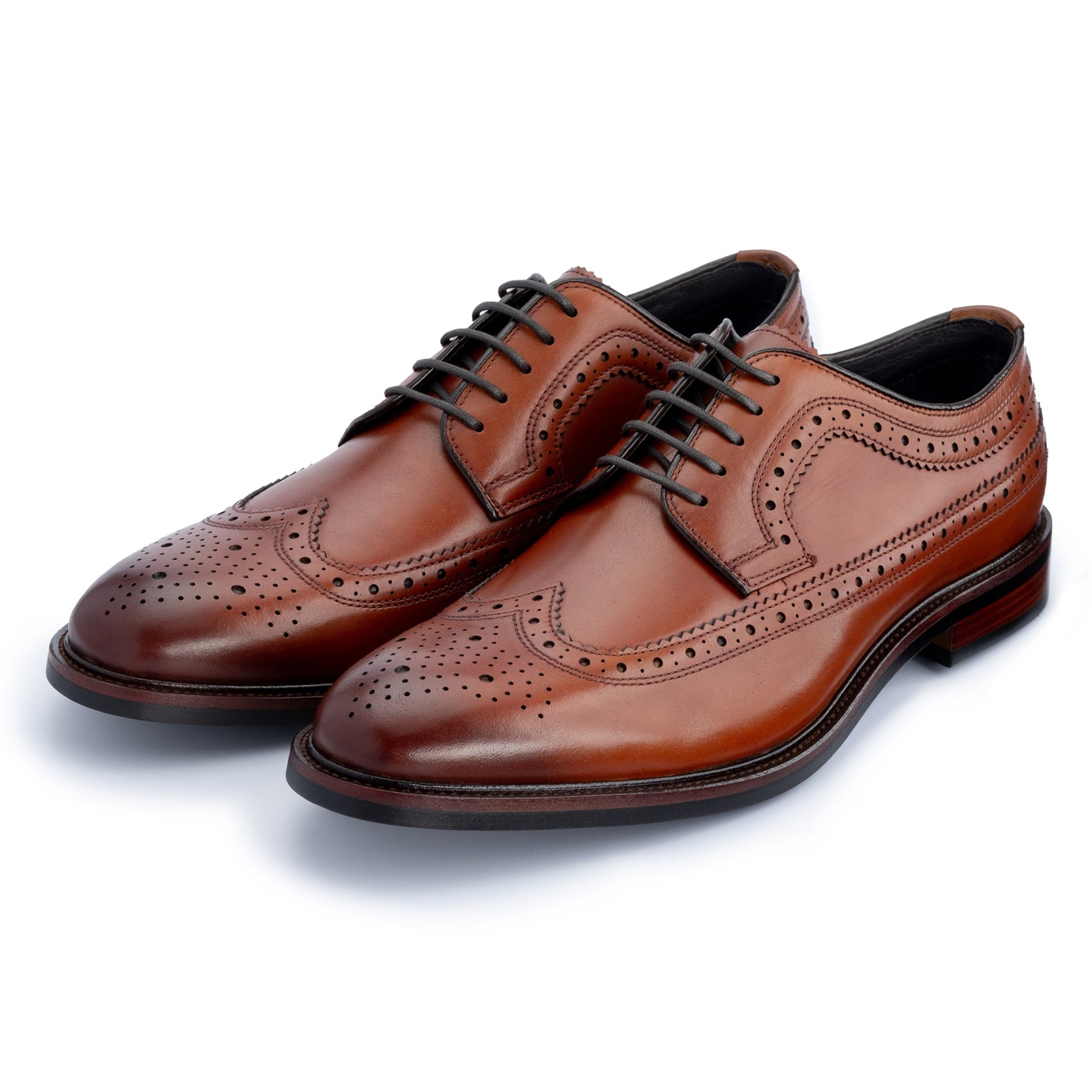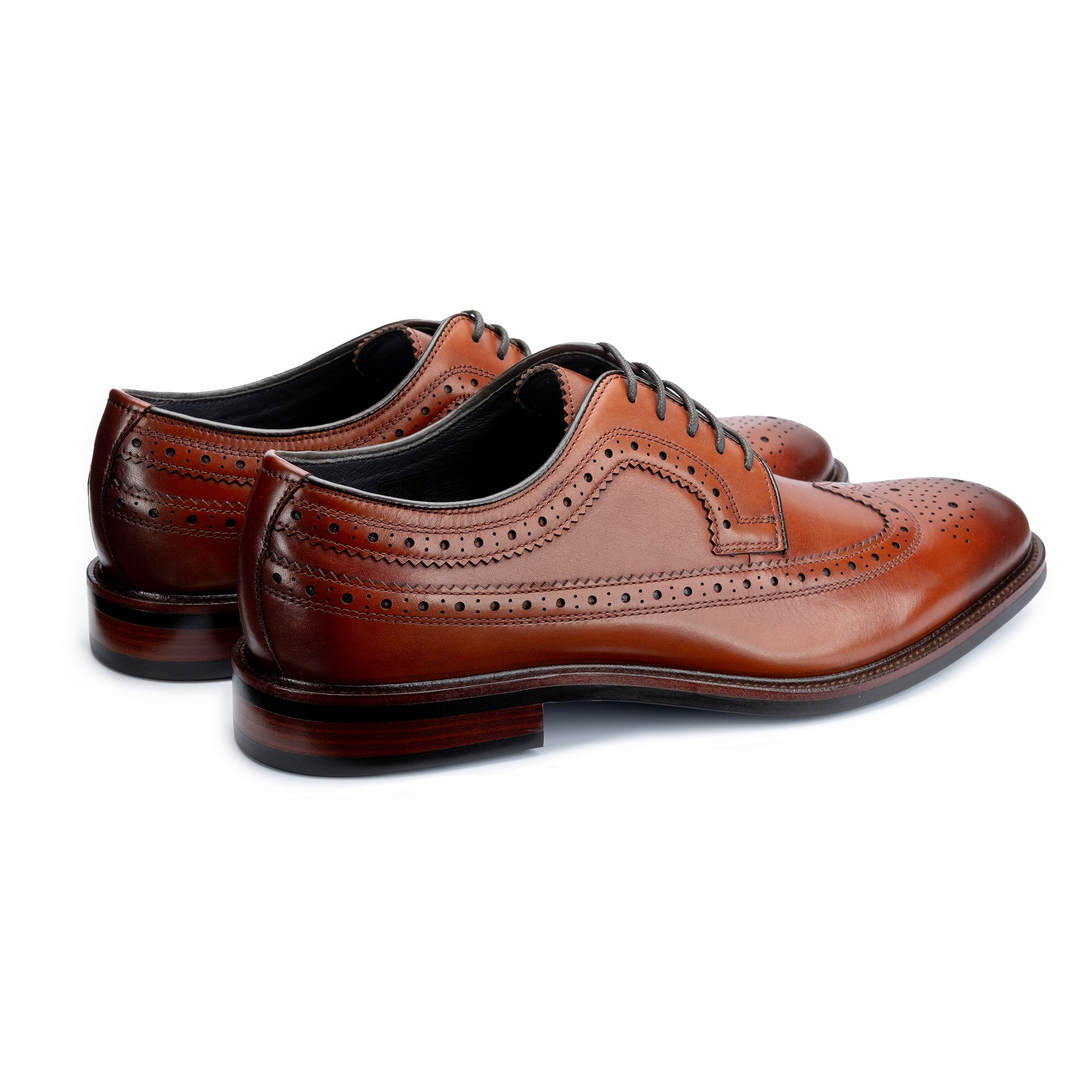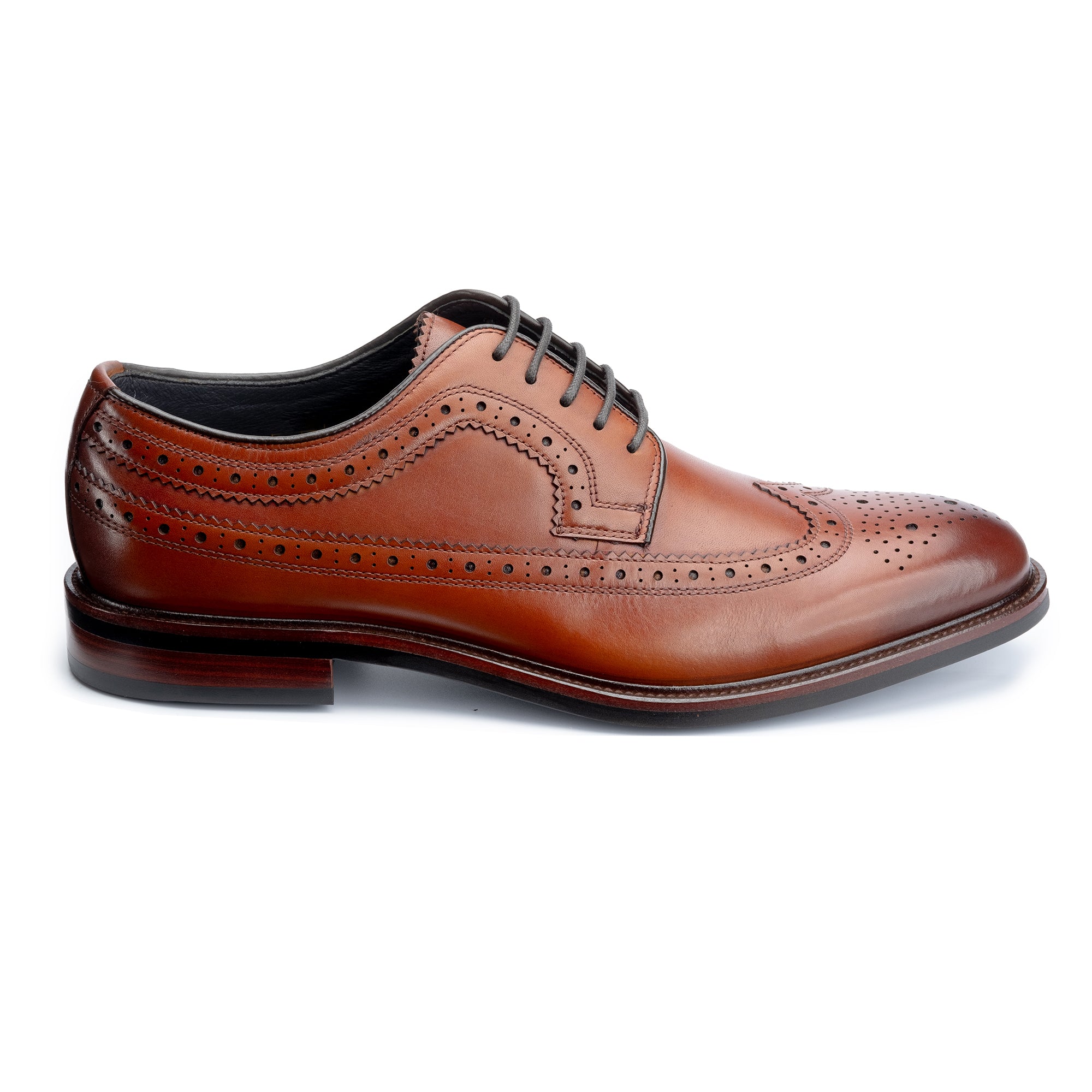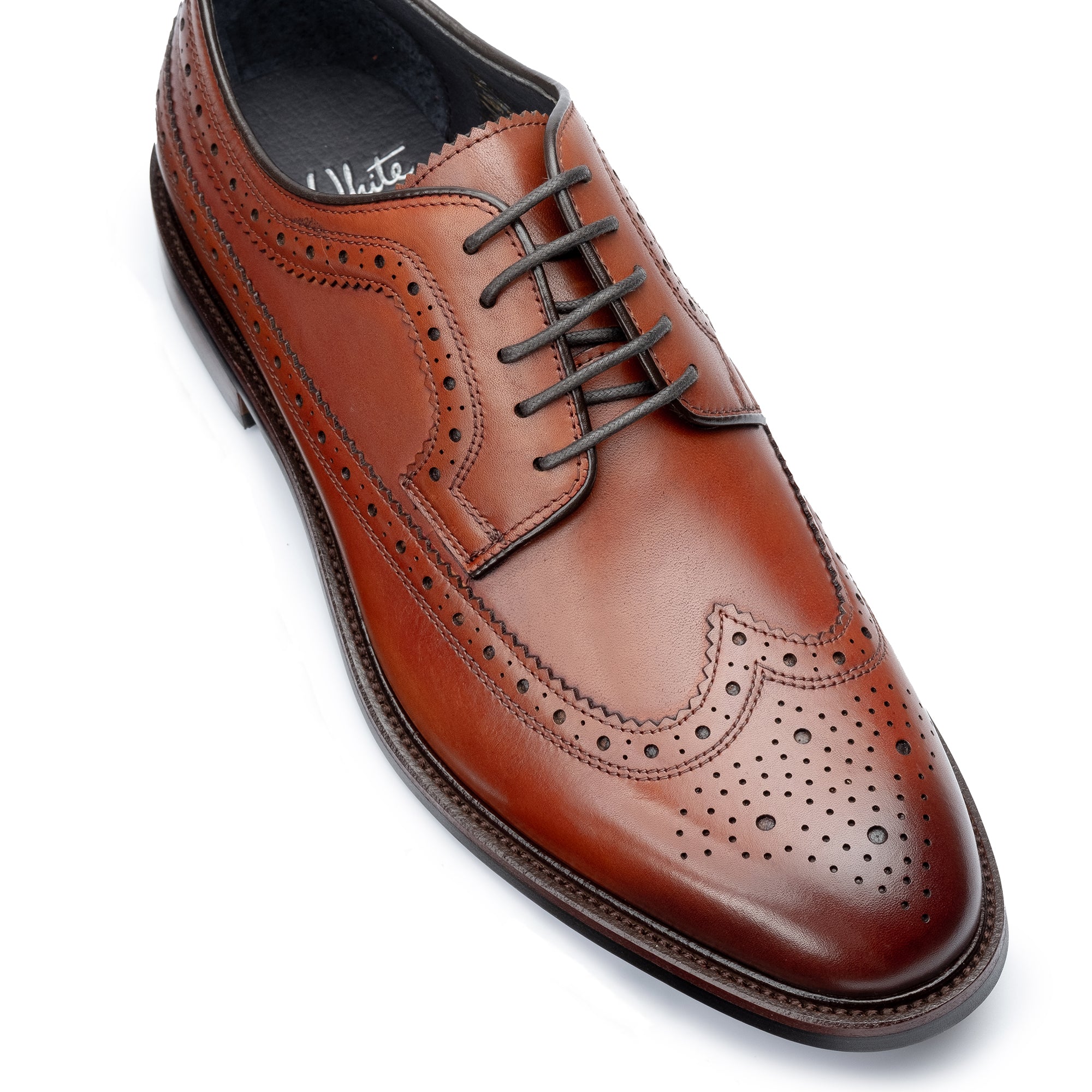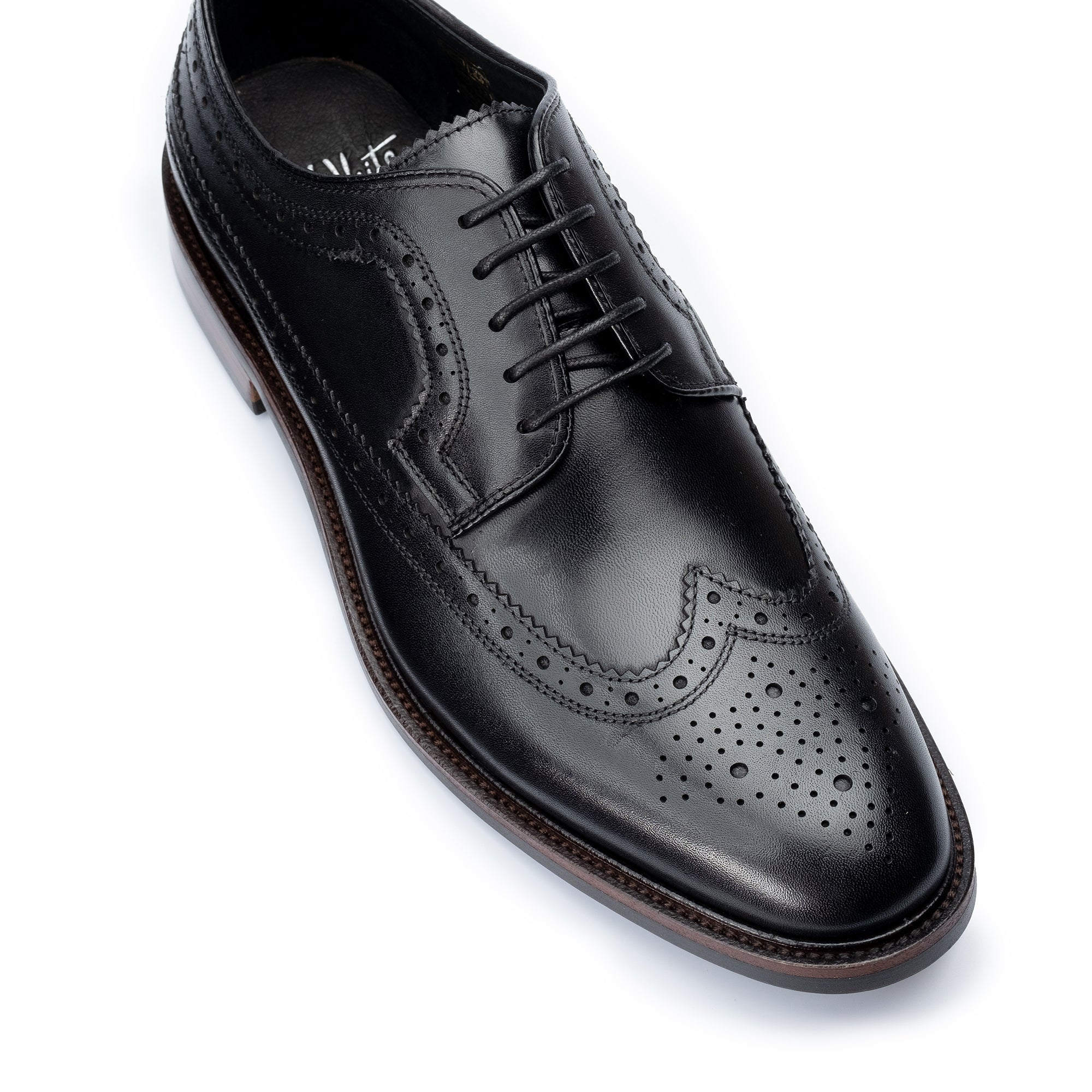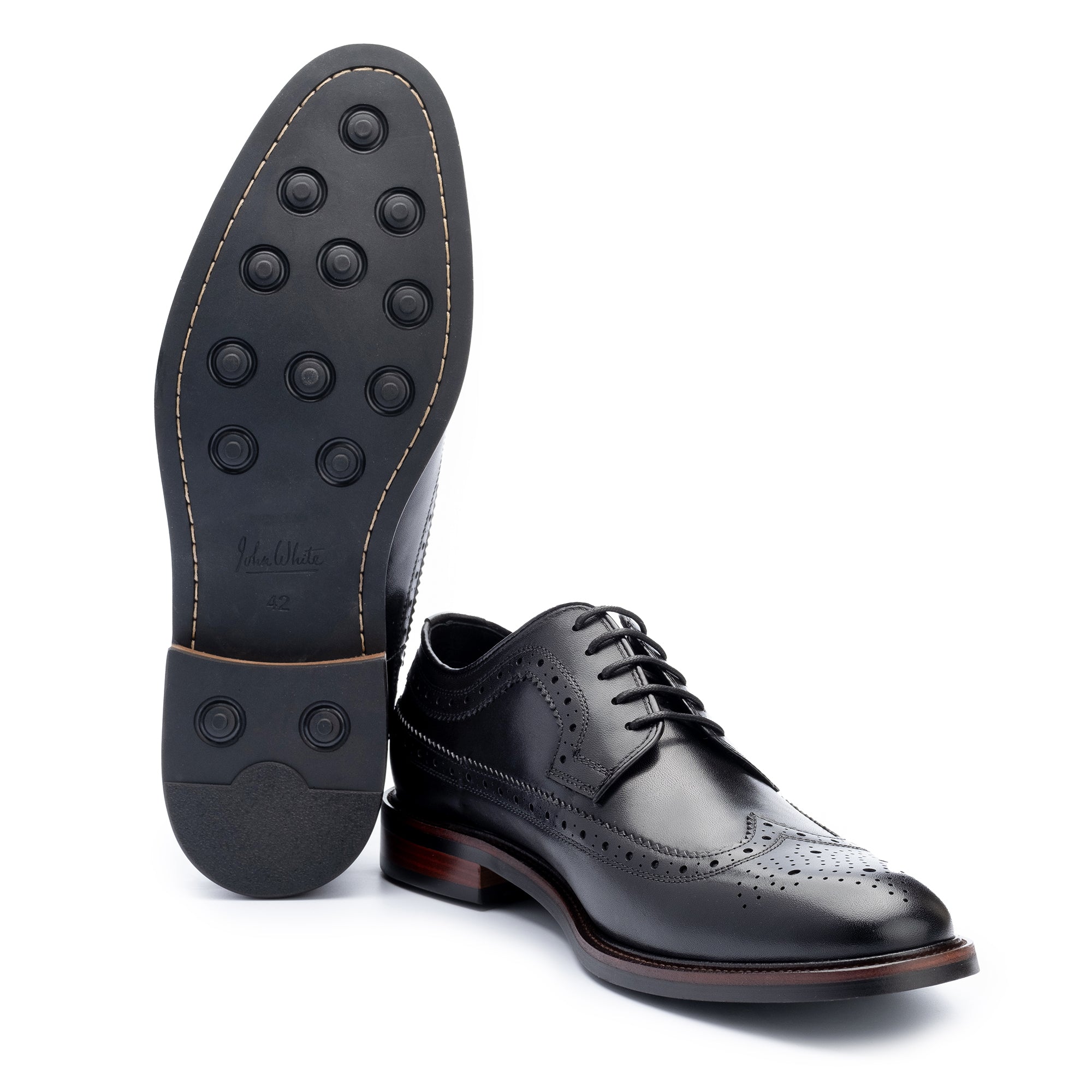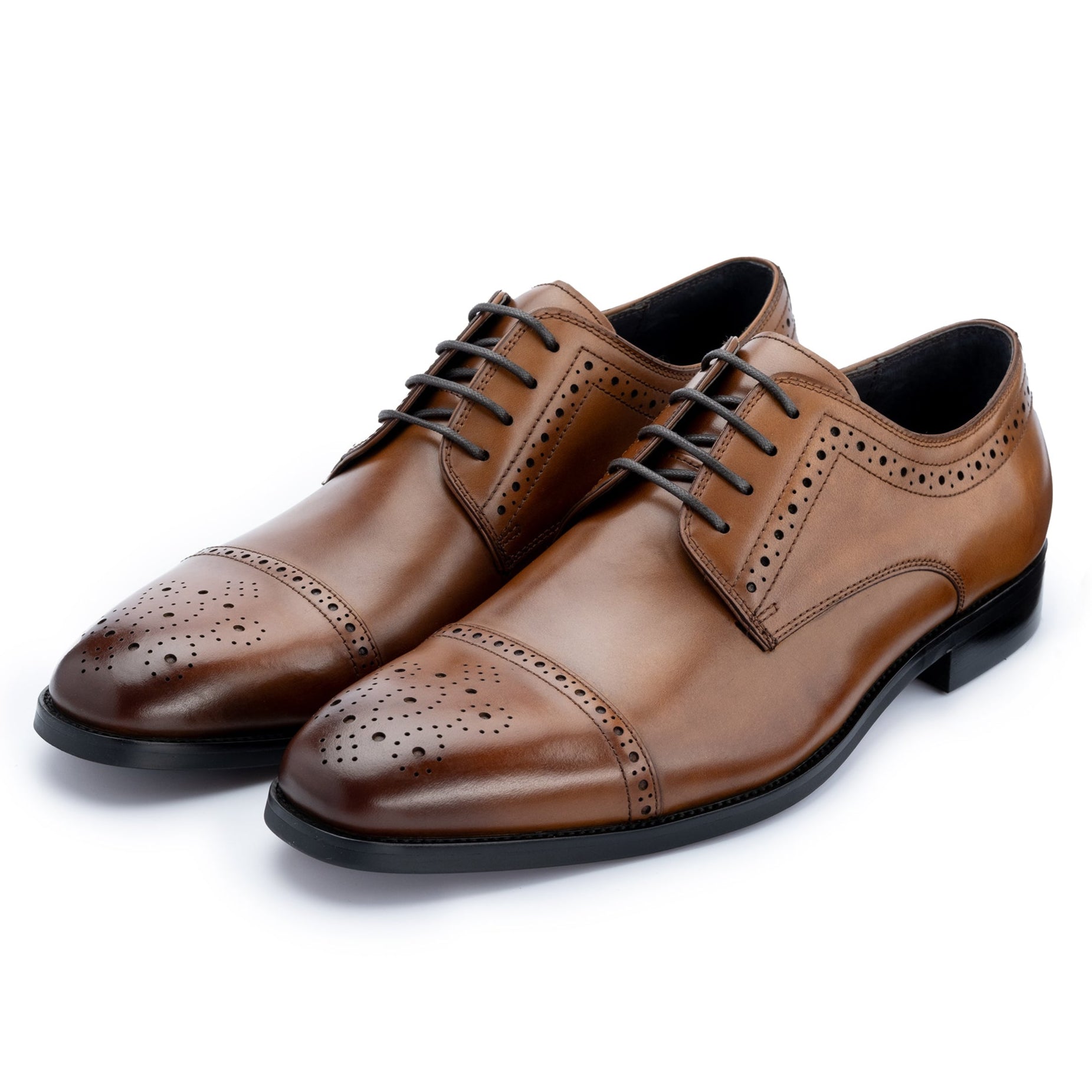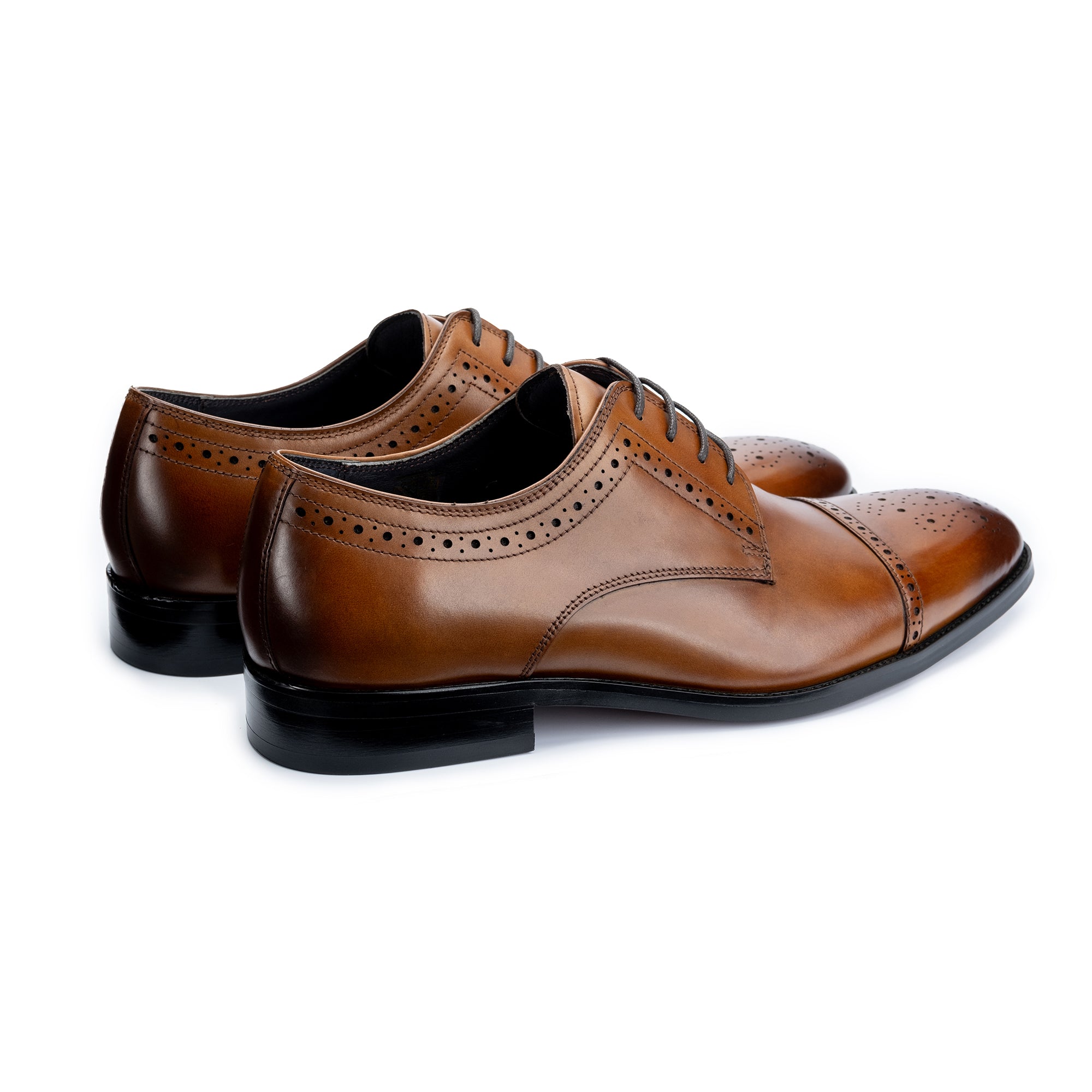

Maximising Shoe Life: The Essential Role of Shoe Trees
Quick Answer: Shoe trees are the single most effective tool for extending the life of your leather footwear. Inserted after every wear, they absorb moisture, prevent creasing, and hold the shoe's shape. Cedar is the best material — it wicks moisture and resists odour naturally. If you own good shoes, shoe trees are not optional.
Related Guides
- Leather Shoe Care: The Definitive Guide — our comprehensive guide
- How to Choose Shoe Construction for the Way You Actually Wear Them
- How to Choose the Right Shoe Width for a Perfect Fit
- How to Wear a Navy Suit: The Best Shoe Colours and Styles
Why Are Shoe Trees So Important?
Every time you wear leather shoes, your feet release moisture — up to half a cup of sweat per day, by some estimates. That moisture soaks into the leather lining, the insole, and the upper. Left unchecked, it causes the leather to warp, crack, and develop deep creases that no amount of polishing will fix.
For best results, insert your shoe trees immediately after removing your shoes. The first 24 hours are critical — this is when moisture evaporates most rapidly and creases are likeliest to set. If you own fewer trees than shoes, rotate them to whichever pair was most recently worn. For shoes in longer-term storage, leaving trees in permanently keeps the leather taut and prevents the toe box from curling.
Shoe trees address this directly. By filling the interior of the shoe, they:
- Absorb moisture from the leather lining and insole
- Maintain the original shape of the last
- Keep the sole flat and prevent curling
A pair of quality shoes worn with shoe trees will outlast the same pair worn without them by years.
What Type of Shoe Tree Should I Choose?
Cedar vs Plastic: Does the Material Matter?
It matters enormously. Unfinished cedar wood is the gold standard because it absorbs moisture from the leather while releasing a natural scent that discourages bacteria and odour. Birch and beech also work well, though without the aromatic benefit.
Cedar stands apart from beech or lime wood thanks to its natural antifungal properties, which actively combat odour-causing bacteria. Its open grain draws out perspiration remarkably well overnight — often absorbing several millilitres of moisture from a single day's wear. If the scent fades over time, a light sanding with fine-grit paper will restore the aromatic oils and refresh the wood's absorptive capacity.
Plastic shoe trees, by contrast, neither absorb moisture nor allow the leather to breathe. They hold the shape to a degree, but they trap dampness inside the shoe — exactly the opposite of what you want. If you are choosing between plastic trees and no trees at all, plastic is marginally better. But the difference between plastic and cedar is substantial.
Spring-Loaded vs Full-Lasted: Which Design Is Best?
Spring-loaded shoe trees with a split toe are the most common and practical option. The spring mechanism applies gentle tension along the length of the shoe, smoothing creases and holding the vamp taut. Look for a model with a full heel block rather than a small knob — the heel is where much of the shoe's structure sits, and a proper heel piece preserves it.
Full-lasted shoe trees are shaped to match a specific last and offer the best possible fit. They are typically supplied by the shoemaker and represent the premium option. For most men, a well-made spring-loaded cedar tree in the correct size will do the job admirably.
How Should I Use Shoe Trees Properly?
- Insert shoe trees immediately after removing your shoes, while the leather is still warm and slightly damp — this is when the leather is most pliable and most susceptible to deformation
- Leave shoe trees in for a minimum of 24 hours to allow the leather to cool and dry fully
- If you rotate your shoes — and you should — the trees can remain in until the next wear
- If you own fewer shoe trees than shoes, rotate them to whichever pair was most recently worn
Do Shoe Trees Prevent Creasing?
They significantly reduce it. Creasing across the vamp is inevitable with any leather shoe — it is a natural result of the foot flexing during walking. However, shoe trees keep the leather taut between wears, which slows the deepening of those creases and prevents them from becoming permanent folds.
Without shoe trees, creases can become so pronounced that they crack the leather surface. Once cracked, no amount of conditioning or polishing will restore it. Prevention is always easier than repair.
What Size Shoe Tree Do I Need?
Most shoe trees come in size ranges (e.g. UK 7-8, 9-10). Choose the range that includes your shoe size. The tree should slide in with gentle resistance — not so tight that it distorts the shoe, not so loose that it rattles inside. A tree that is slightly too small is better than one that is too large, which can stretch the leather beyond its natural shape.
For boots, look for boot-specific trees with a taller shaft, or at minimum insert a standard shoe tree into the foot portion and stuff the shaft with acid-free tissue paper to maintain its shape.
Are Shoe Trees Worth the Investment?
Consider the maths. A pair of quality cedar shoe trees costs roughly the same as a single shoe polish. A pair of well-made leather shoes costs considerably more. The trees protect an investment many times their value — reducing trips to the cobbler, delaying resoling, and keeping the leather in condition for years longer.
When travelling, spring-loaded trees offer a practical compromise — lighter and more compact than full-form pairs, they slip easily into a suitcase while still providing enough tension to prevent the toe box from collapsing in transit.
If you have invested in quality footwear, shoe trees are the most cost-effective form of maintenance available. Paired with regular polishing using a product like JW Premium Wax Polish and proper shoe rotation, they form the foundation of sensible shoe care.
Common Shoe Tree Mistakes to Avoid
- Do not use varnished or lacquered shoe trees — the coating prevents moisture absorption, defeating the primary purpose. Unfinished, untreated cedar is what you want.
- Do not force a shoe tree into a shoe that is too small for it — if the shoe visibly distorts when the tree is inserted, step down a size.
- Do not neglect the heel — a tree without a proper heel block is doing half the job at best.
Frequently Asked Questions
How many pairs of shoe trees do I need?
Ideally, one pair for every pair of shoes you own. If that is not practical, start with enough to cover the shoes you wear most frequently and rotate the trees to whichever pair was most recently worn. Even a single pair of shoe trees, moved between shoes, is far better than none.
Can shoe trees fix shoes that have already lost their shape?
They can improve the shape of mildly deformed shoes, but they cannot reverse severe damage. If the leather has cracked or the sole has permanently curled, a cobbler may be able to help. For shoes that are still in reasonable condition, consistent use of shoe trees going forward will prevent further deterioration.
Should I use shoe trees in sneakers?
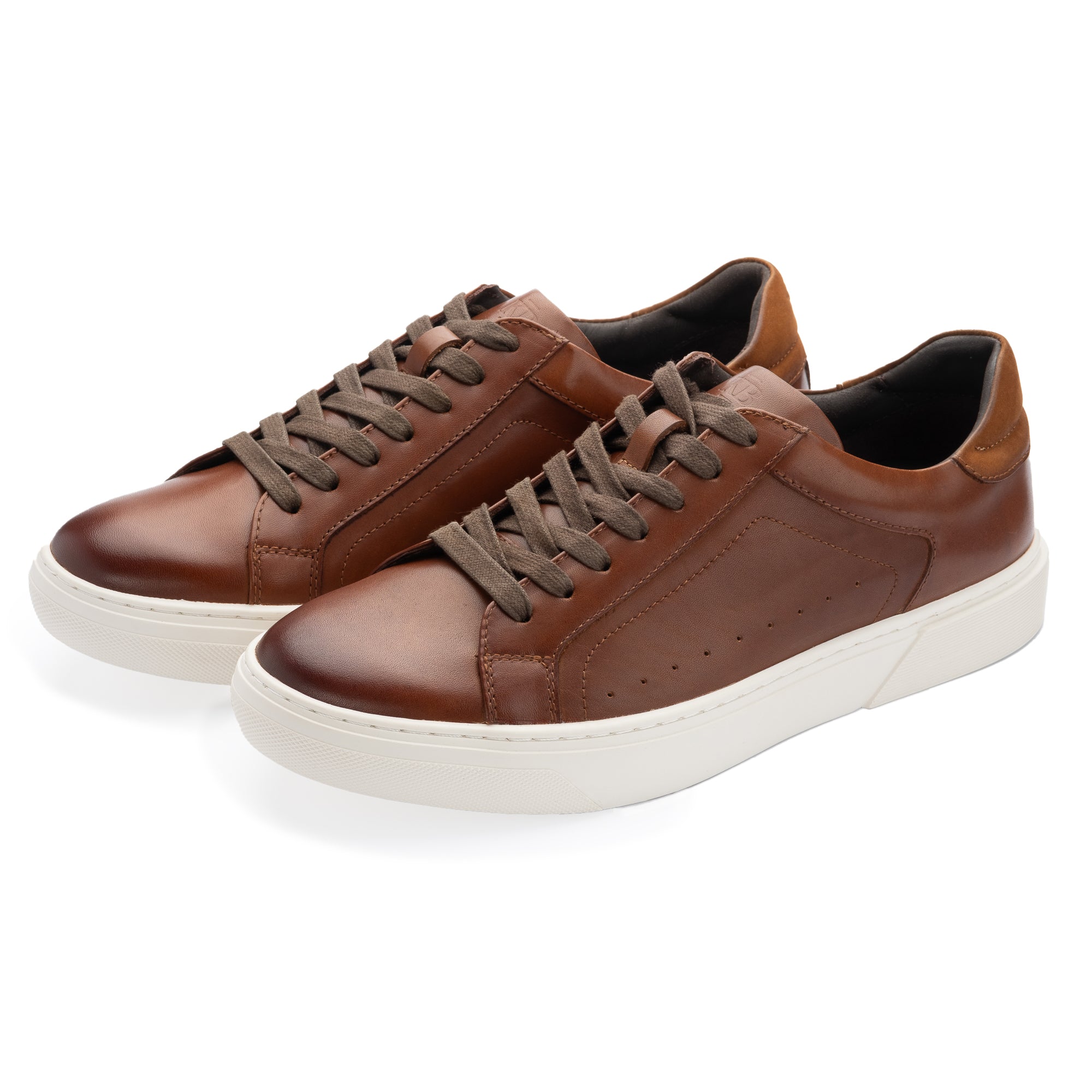
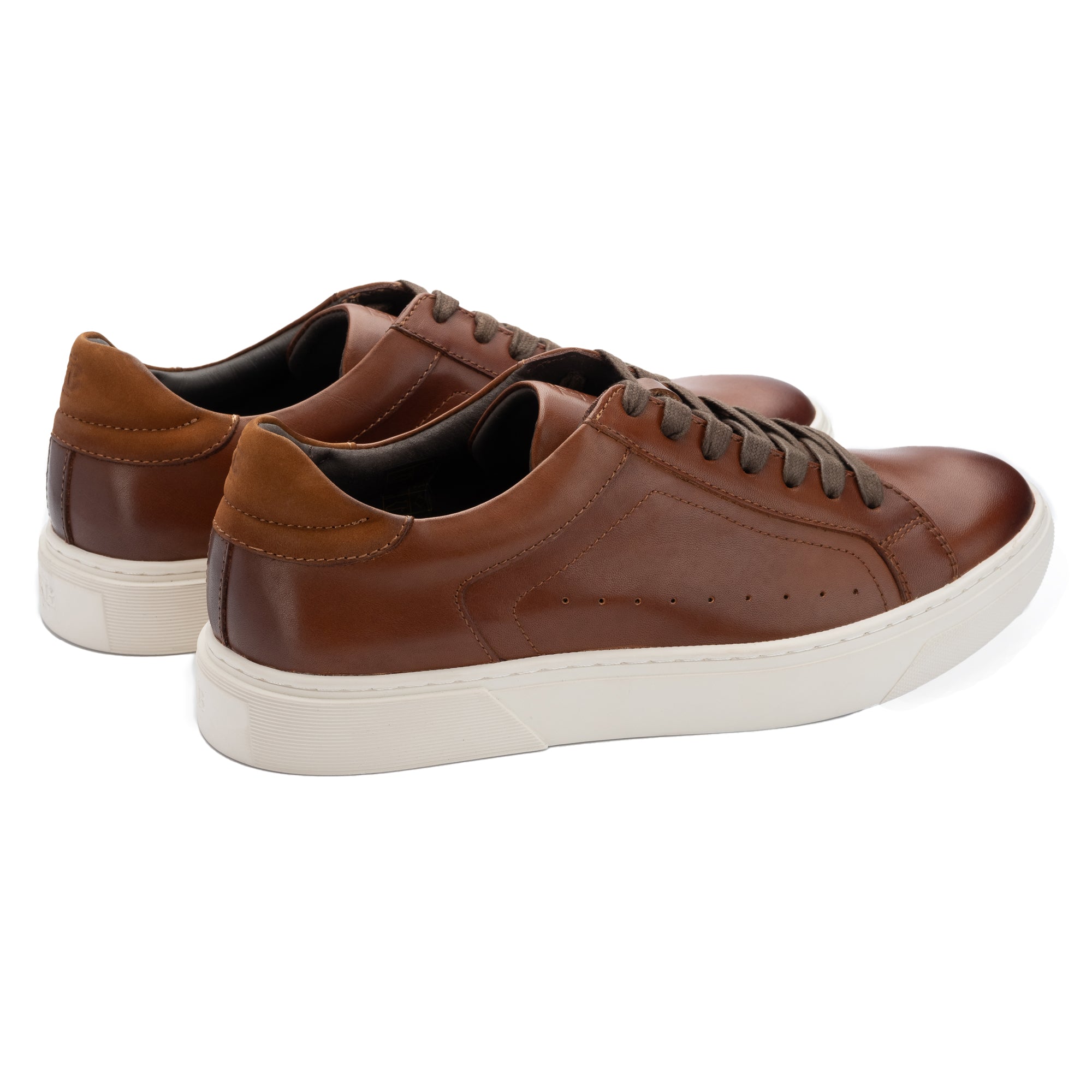
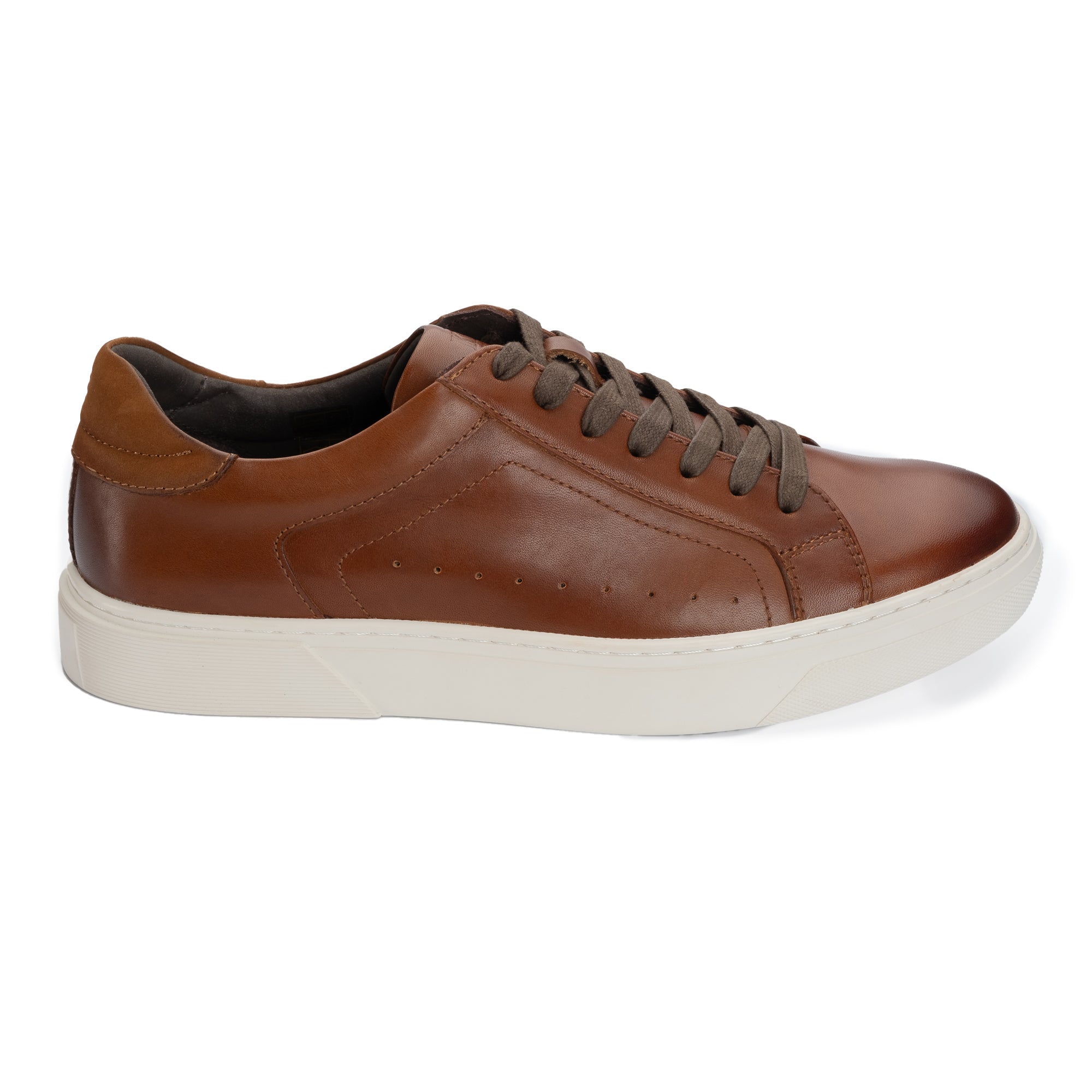
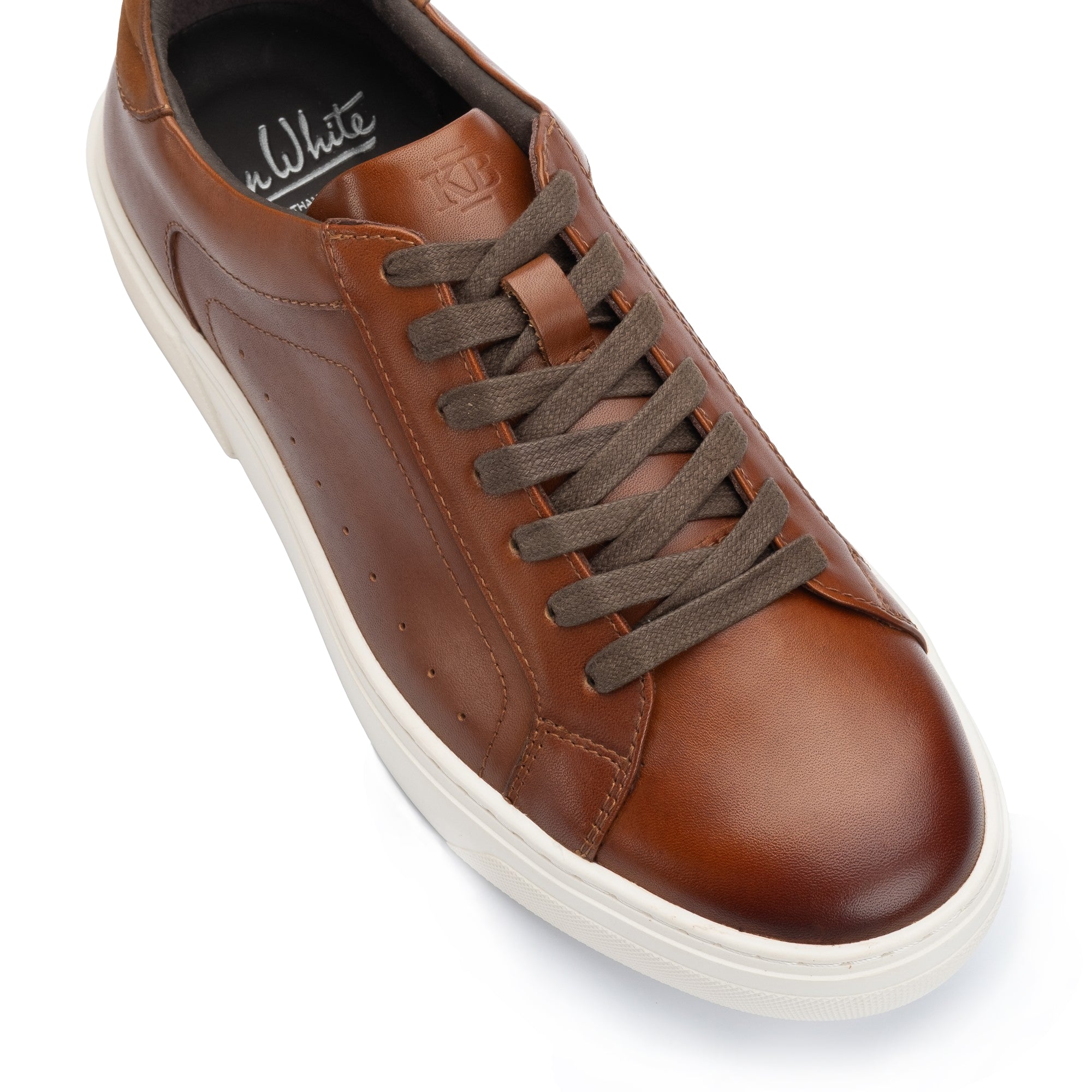
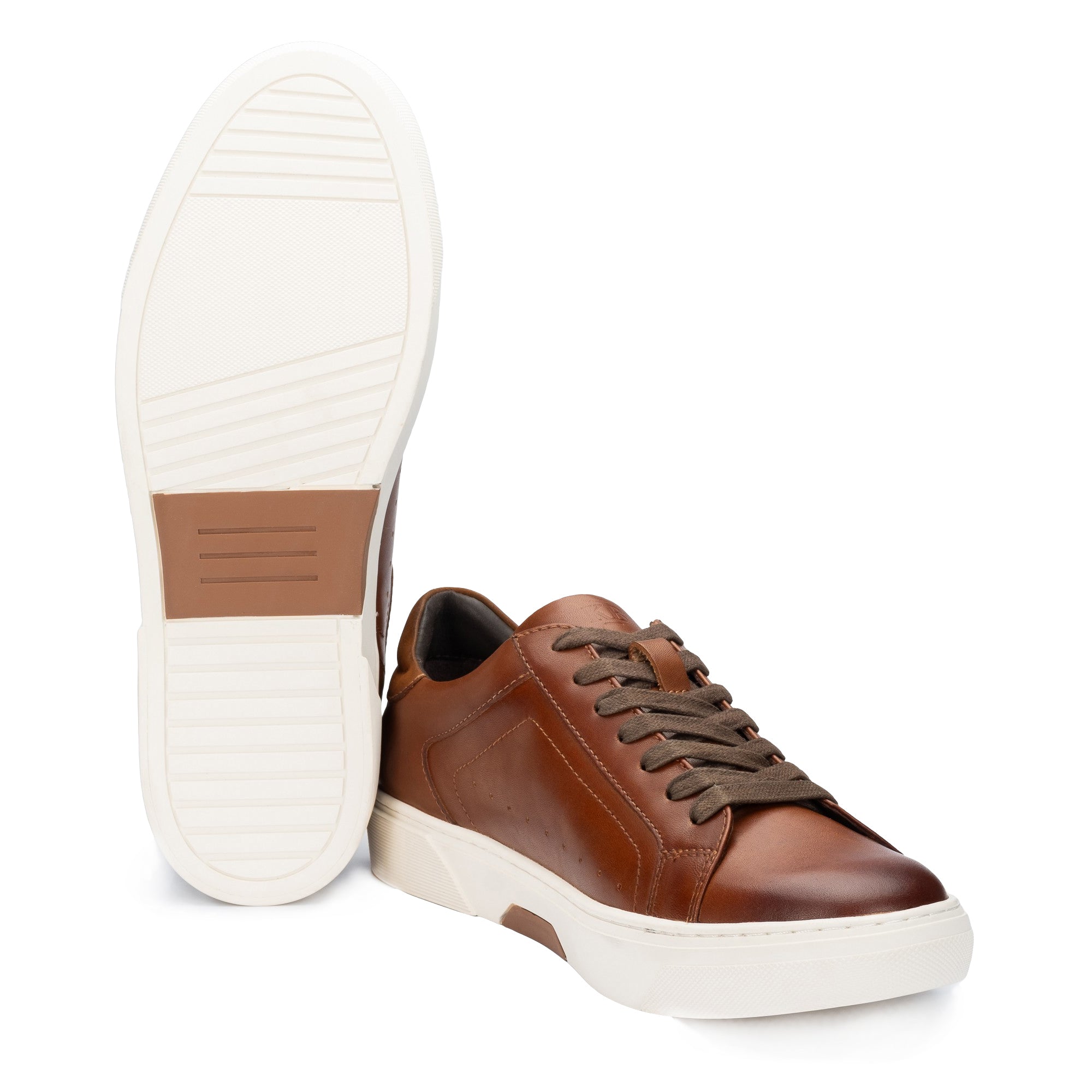
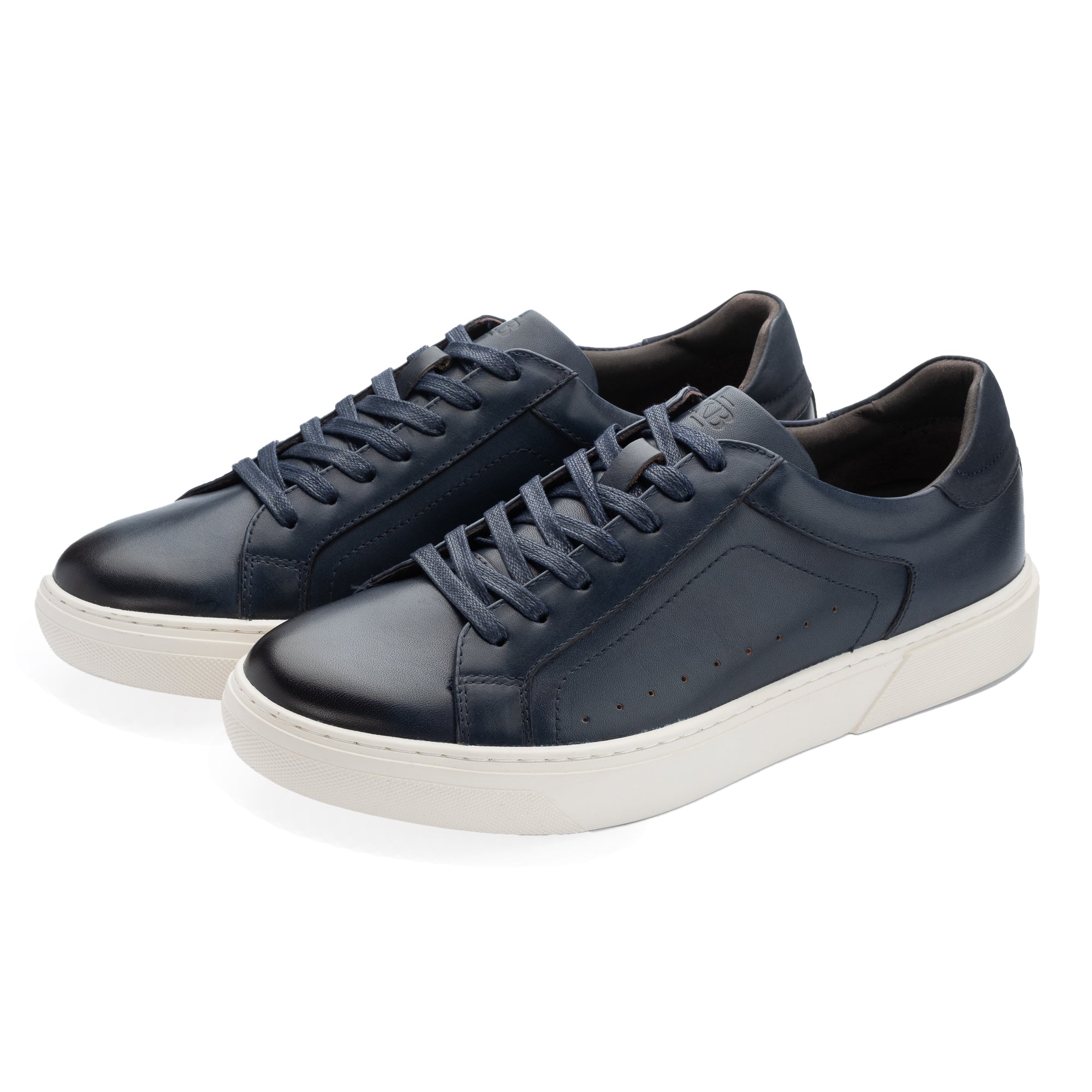
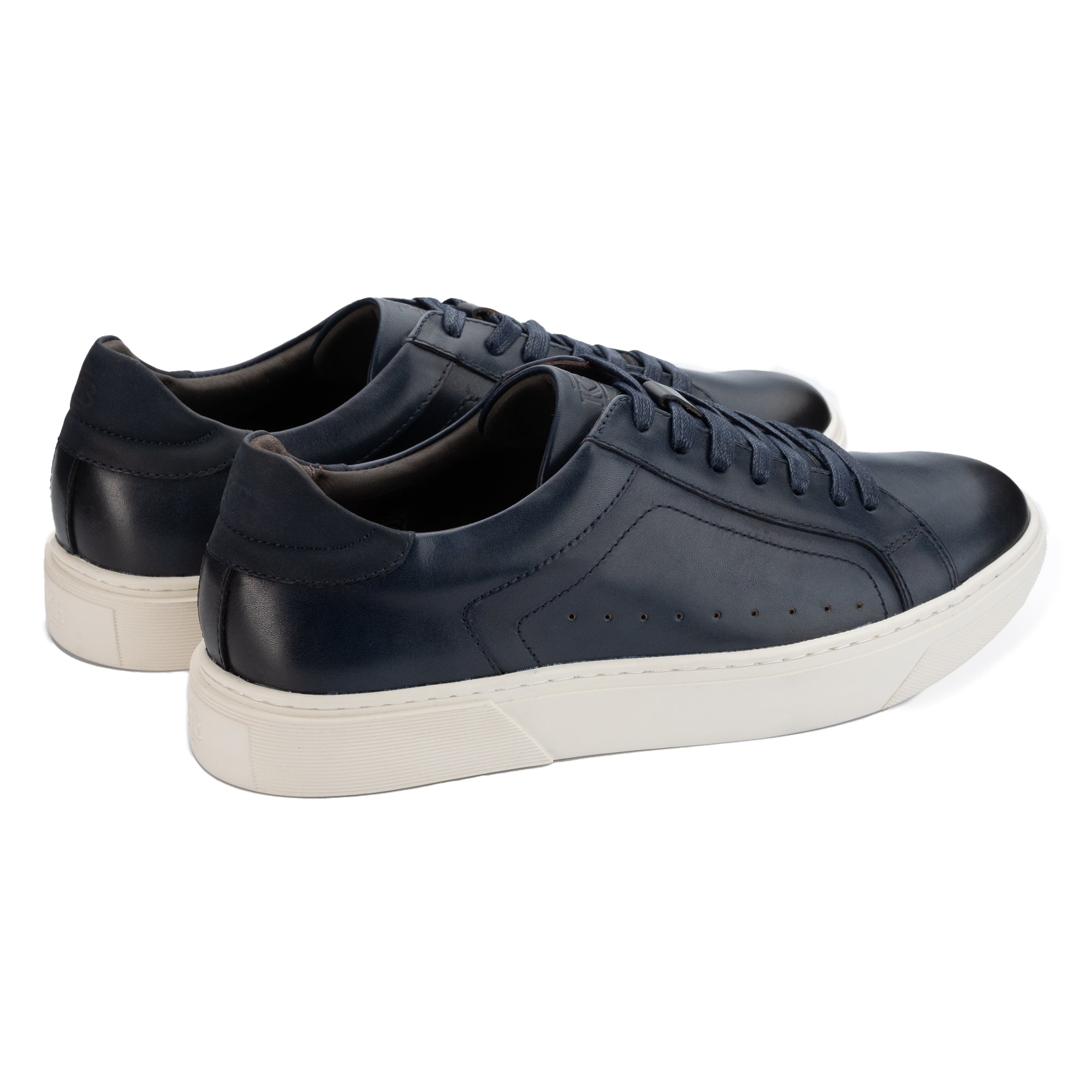
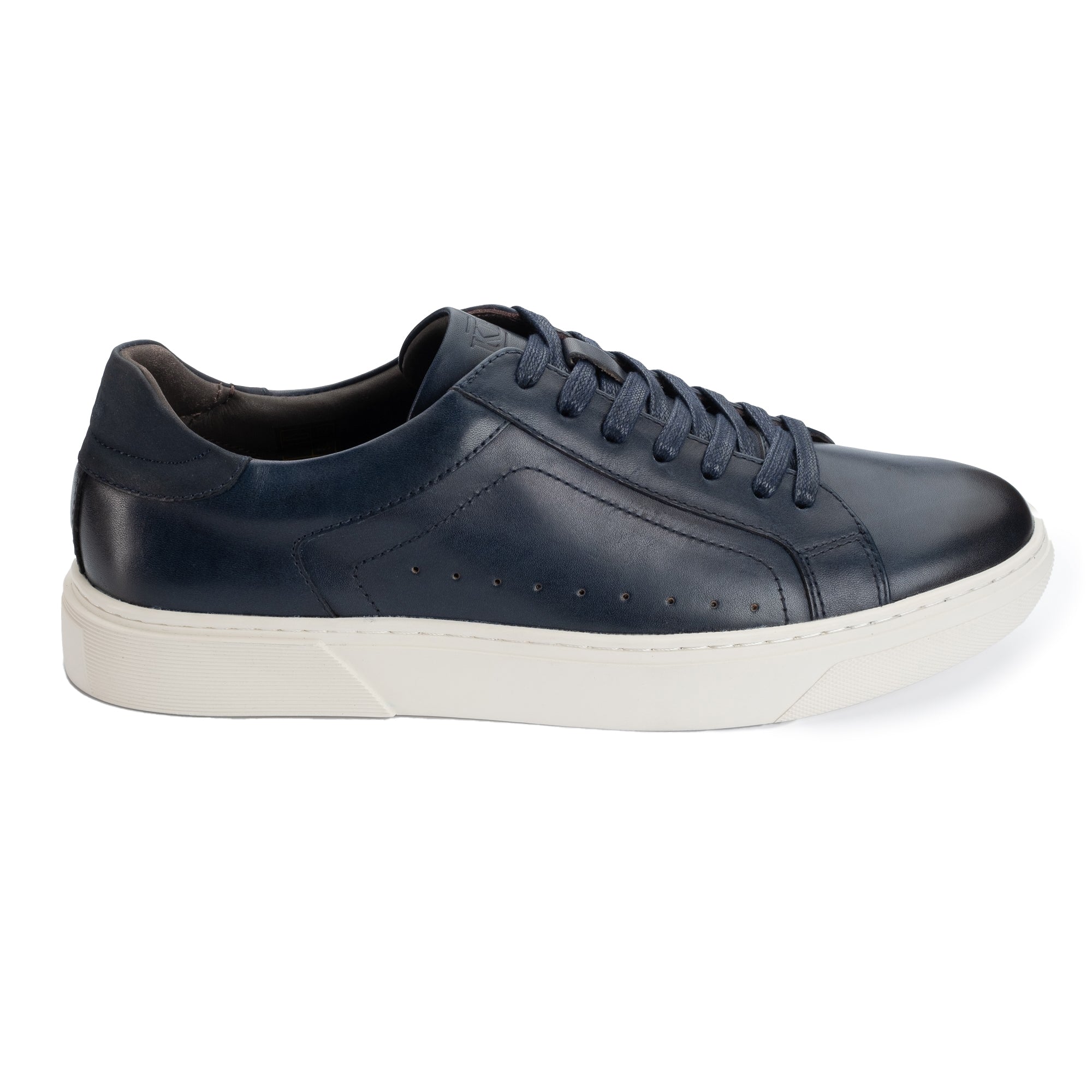
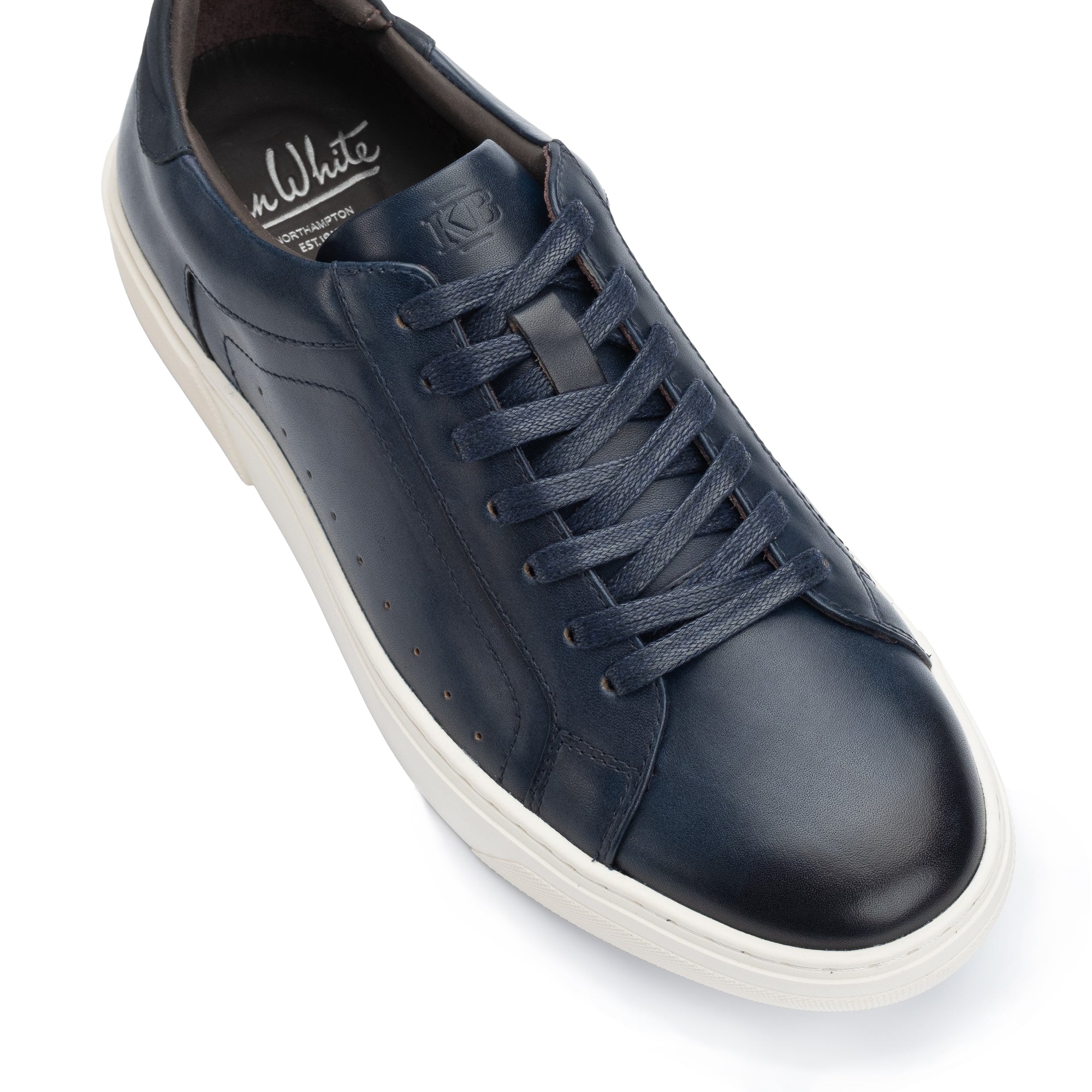
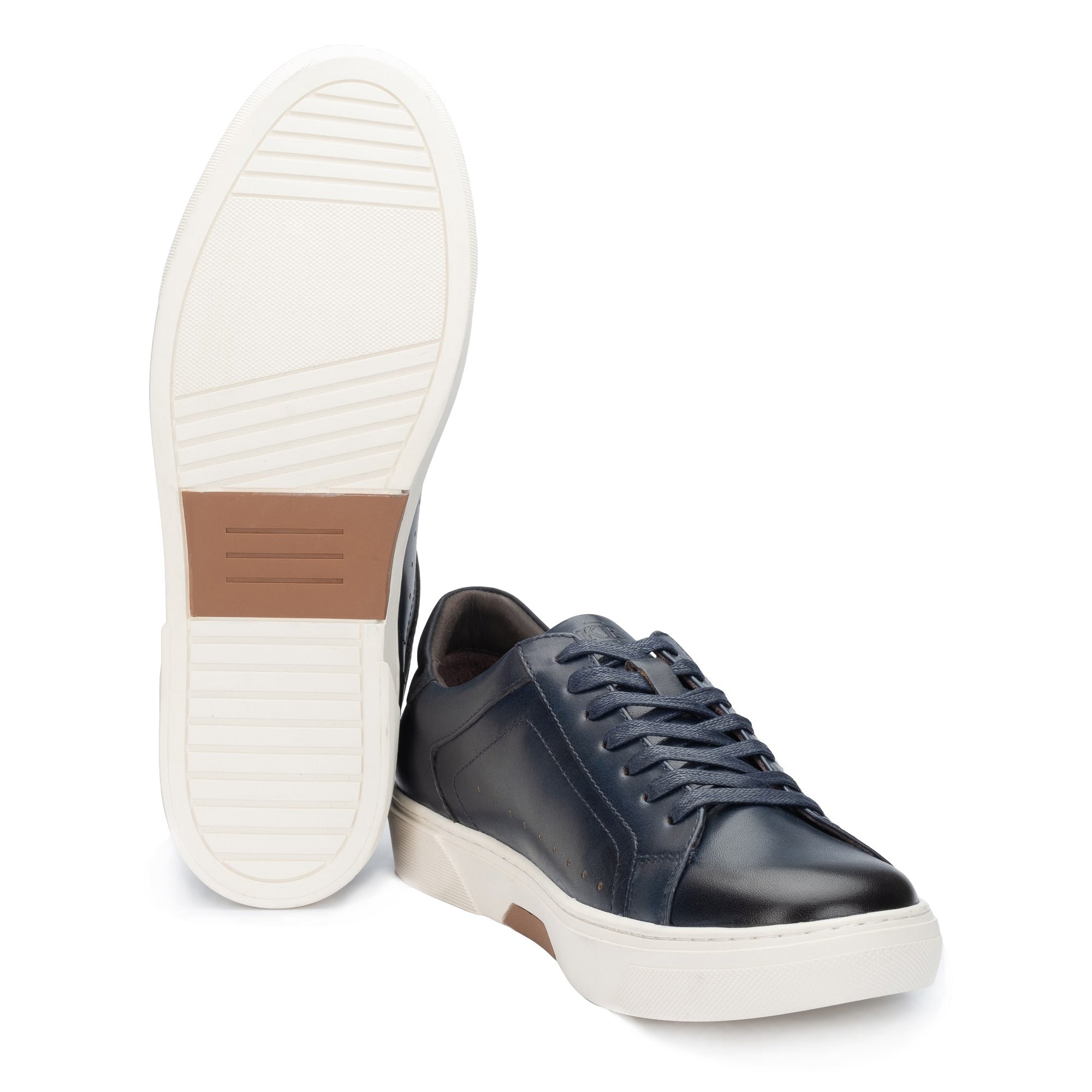
Yes. Leather sneakers benefit from shoe trees just as much as dress shoes. The leather upper will hold its shape better, the insole will dry more quickly, and the shoe will resist odour. Even canvas or knit sneakers benefit from the moisture-wicking properties of cedar shoe trees.
Do shoe trees help with shoe odour?
Cedar shoe trees are naturally antimicrobial and help control odour by absorbing the moisture that bacteria feed on. They will not eliminate odour caused by hygiene issues, but they make a noticeable difference in keeping shoes fresh between wears. Lightly sanding the cedar surface every few months refreshes the wood's absorbent properties.