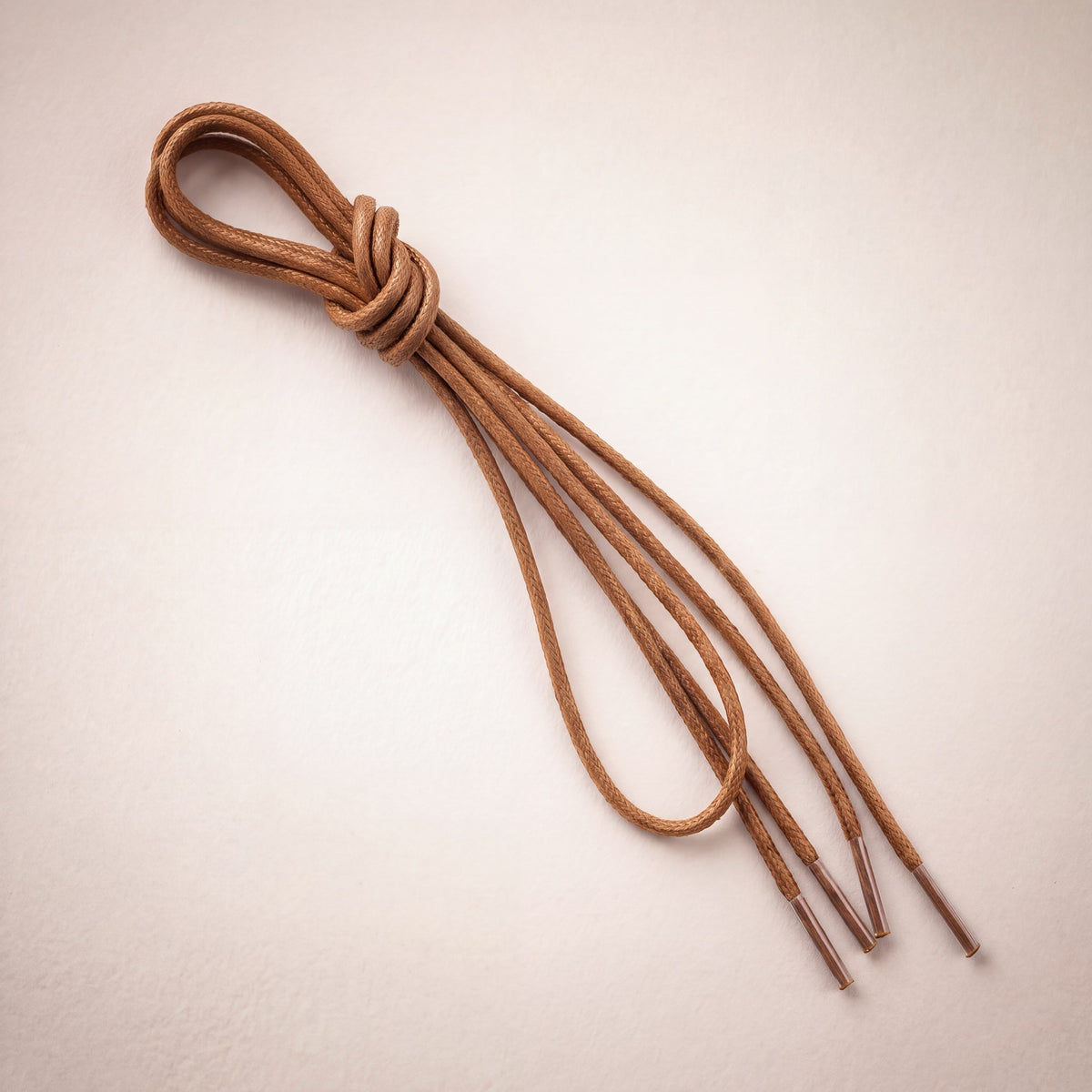

Leather Shoe Laces: The Correct Method for Cleaning, Replacing, and Choosing the Right Weight
Leather shoe laces should be cleaned with saddle soap and a damp cloth every two to three months, conditioned lightly with a colourless leather cream, and replaced when fraying, cracking, or permanent stiffness cannot be remedied. Choosing the correct lace weight — fine for Oxford dress shoes, medium for Derbies, heavier for brogues — is as important to the finished appearance as the quality of the polish itself.
In This Guide
- Why Do Leather Shoe Laces Matter More Than Most Men Realise?
- How Should You Clean Leather Shoe Laces?
- When Should You Replace Leather Shoe Laces?
- How Do You Choose the Right Leather Lace Weight?
- What Is the Difference Between Round and Flat Leather Laces?
- How Long Should Your Leather Shoe Laces Be?
- Can You Restore the Colour of Faded Leather Shoe Laces?
- Related Guides
- Frequently Asked Questions
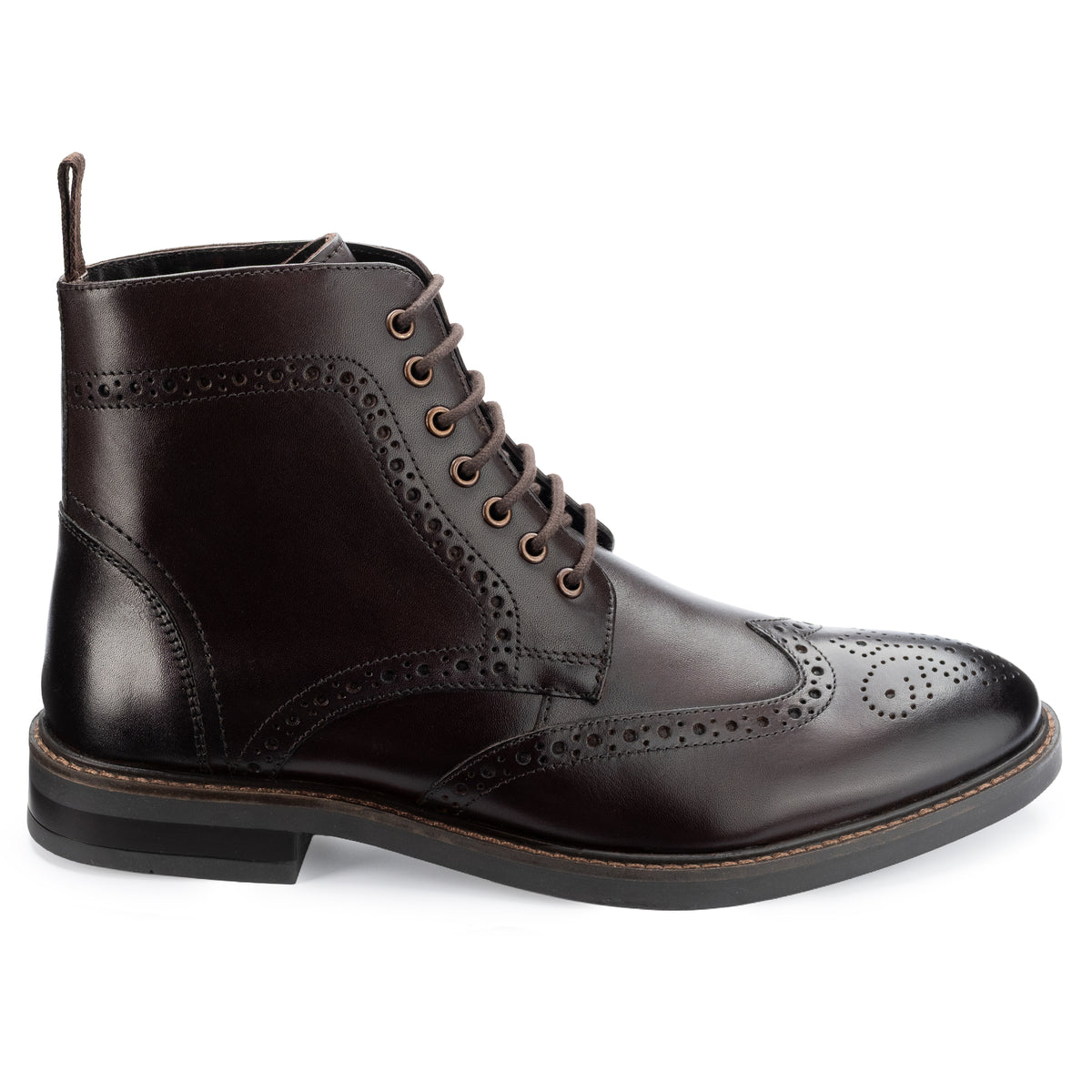
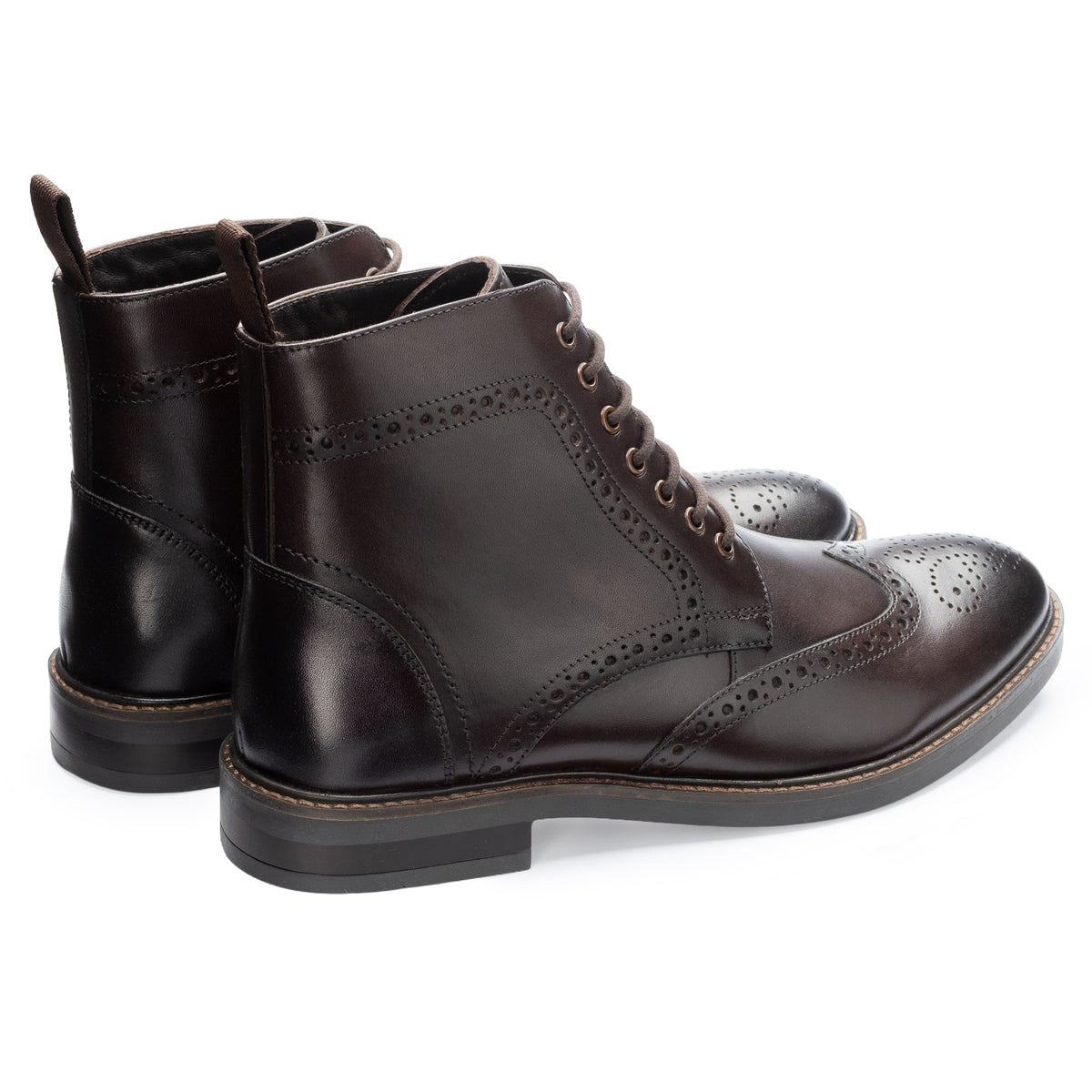
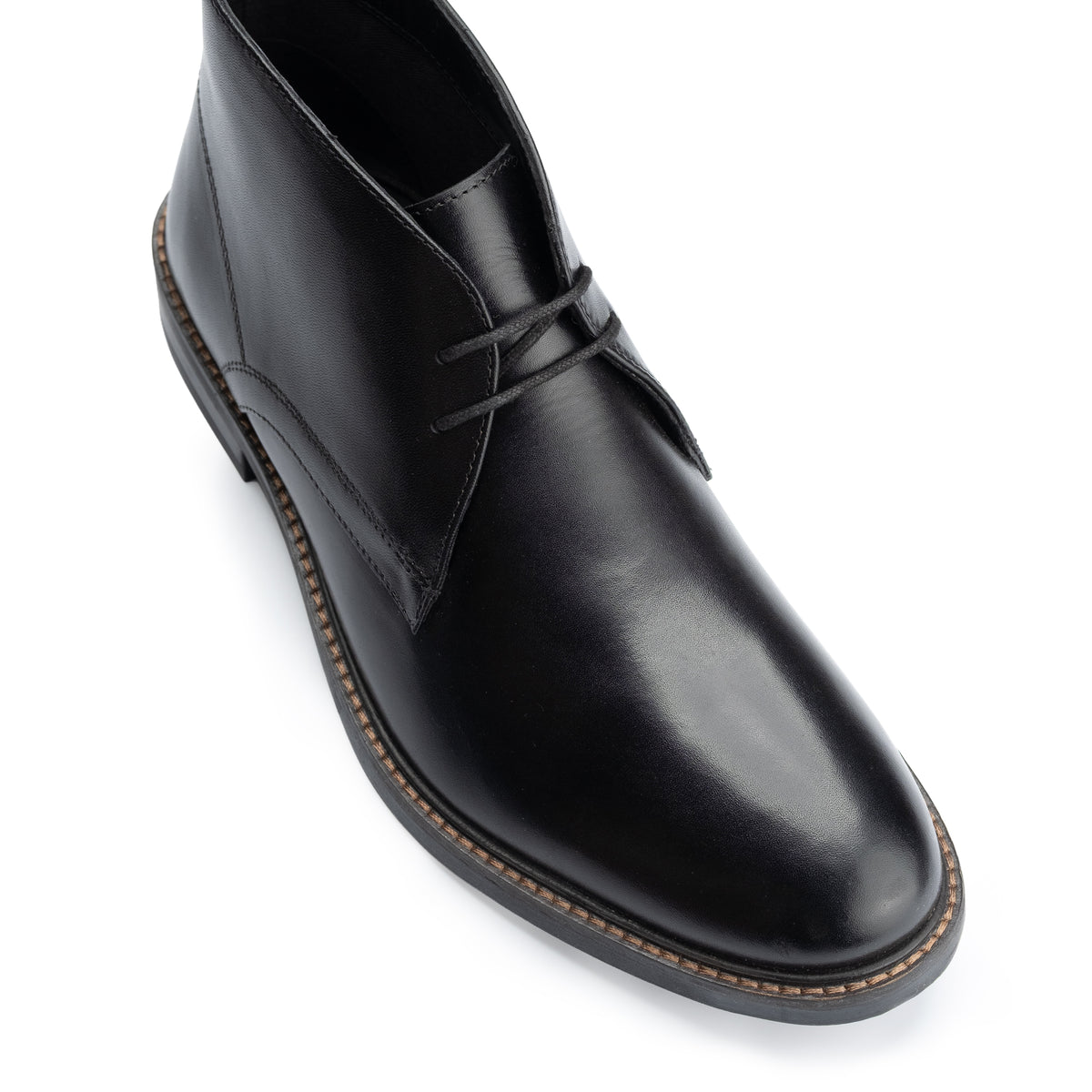
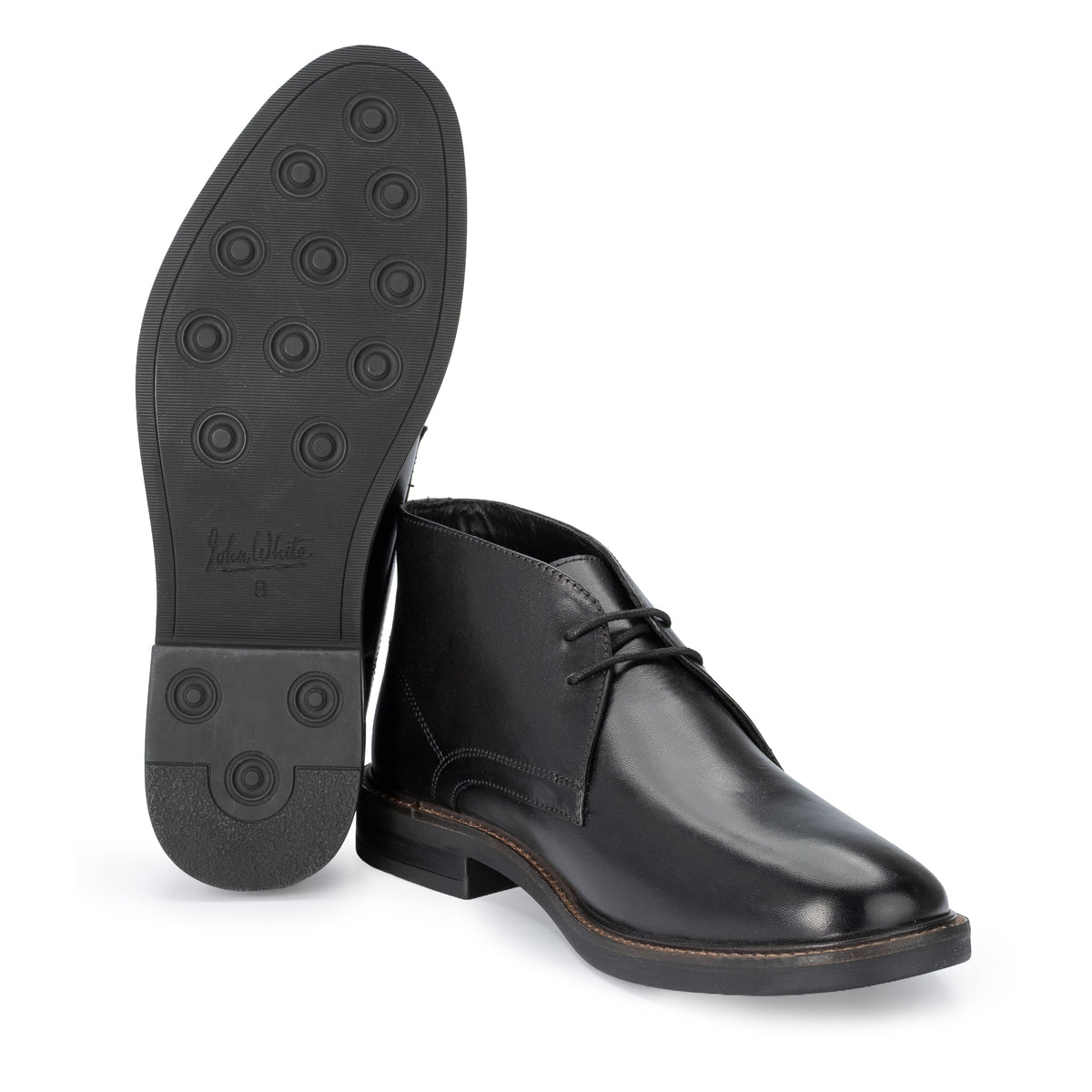
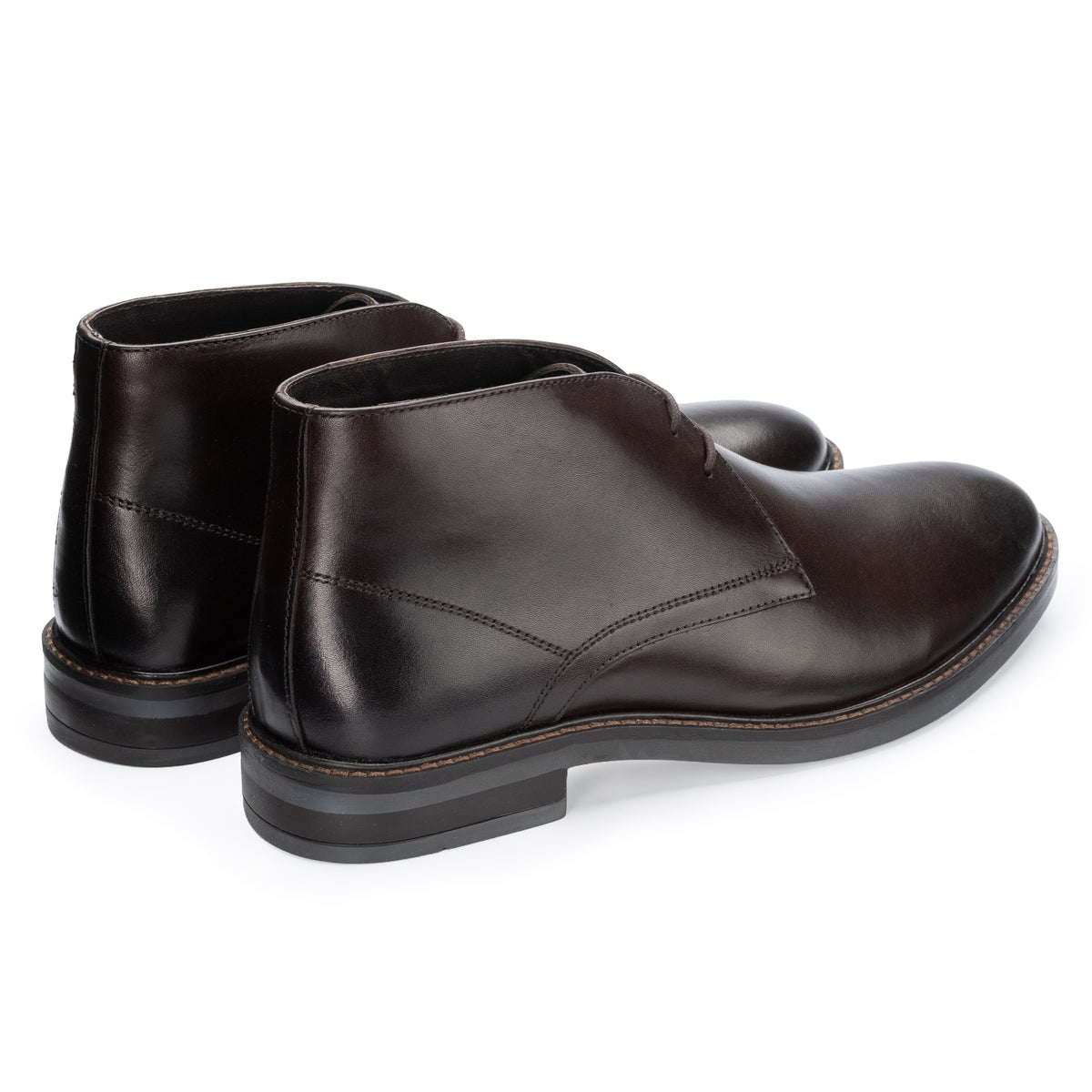
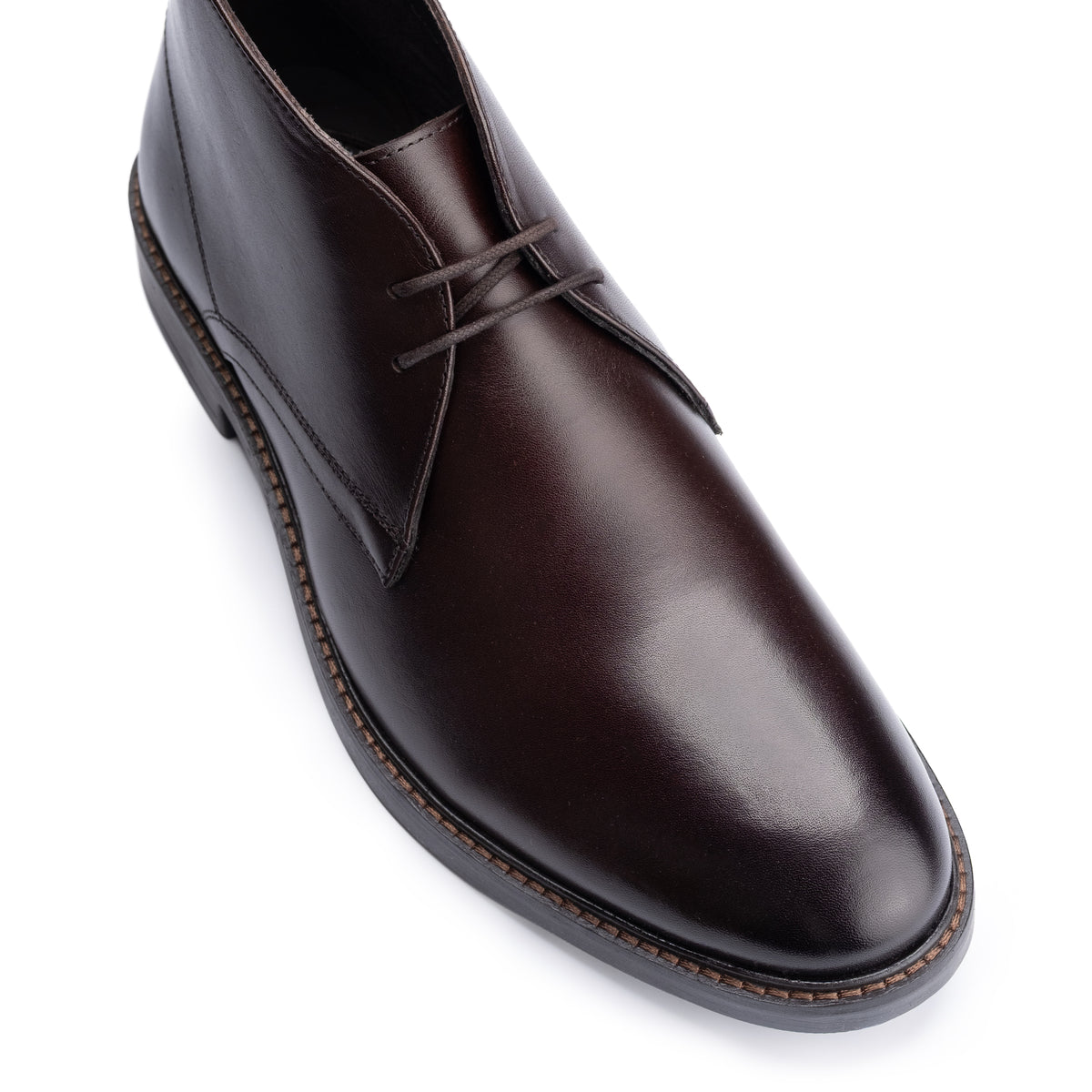
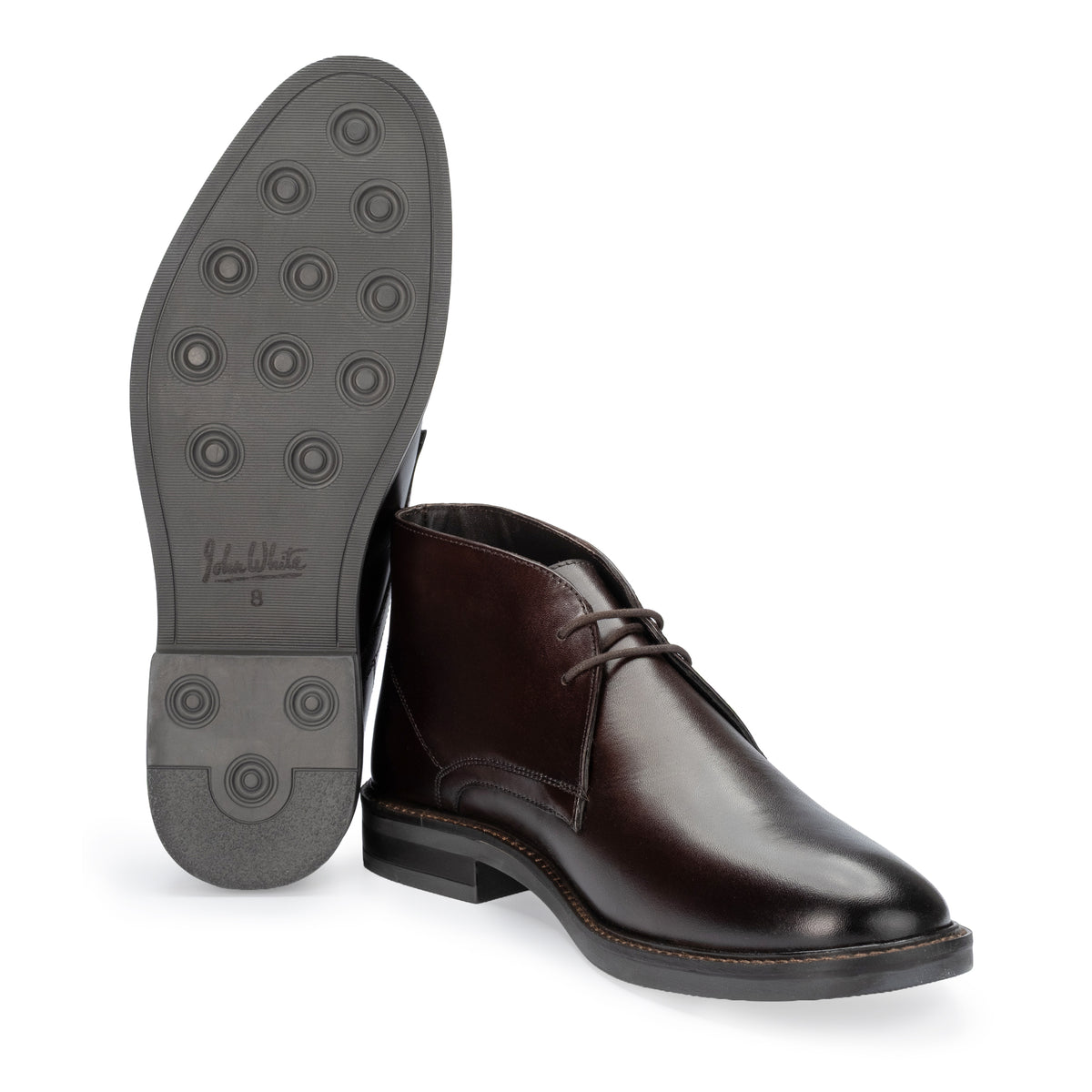
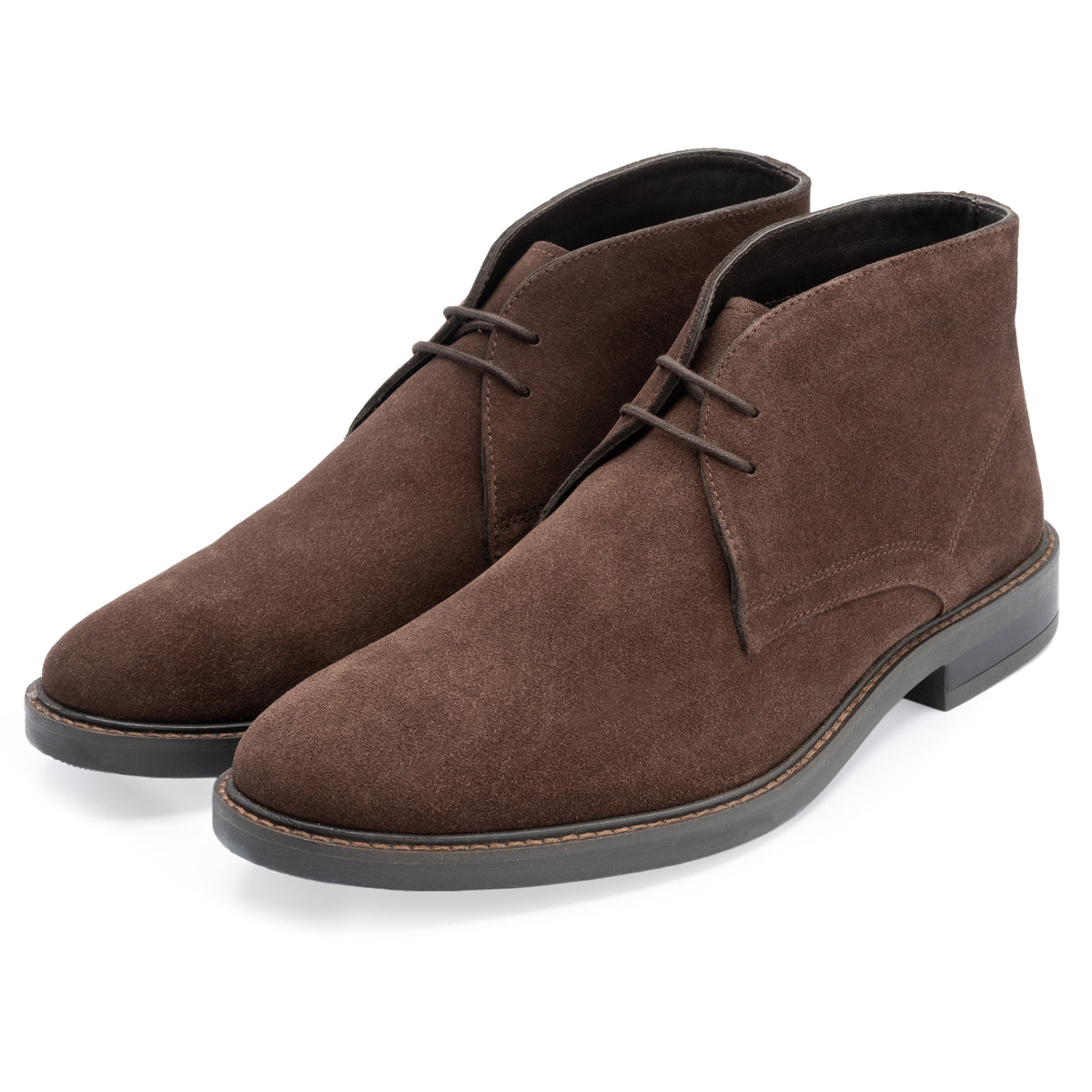
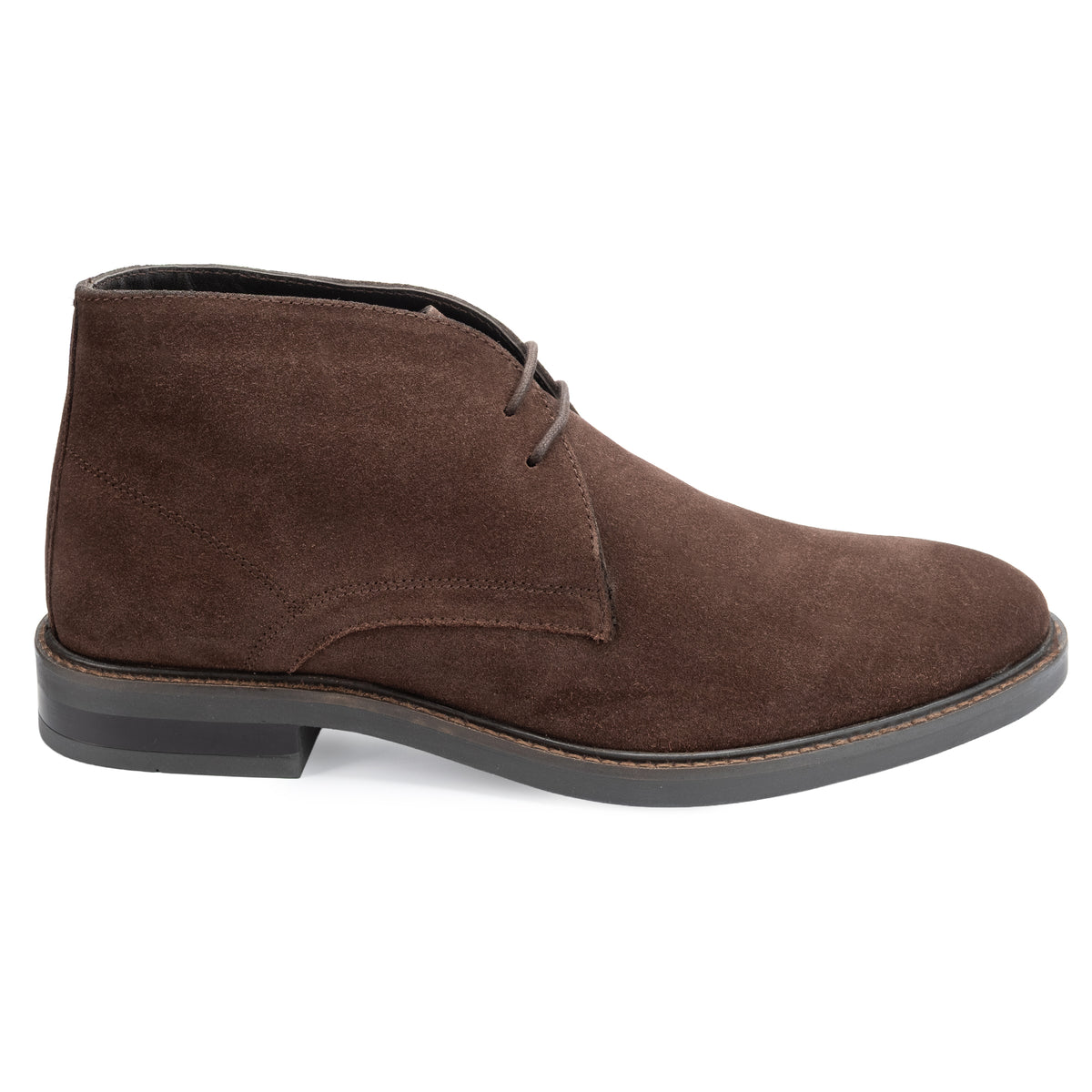
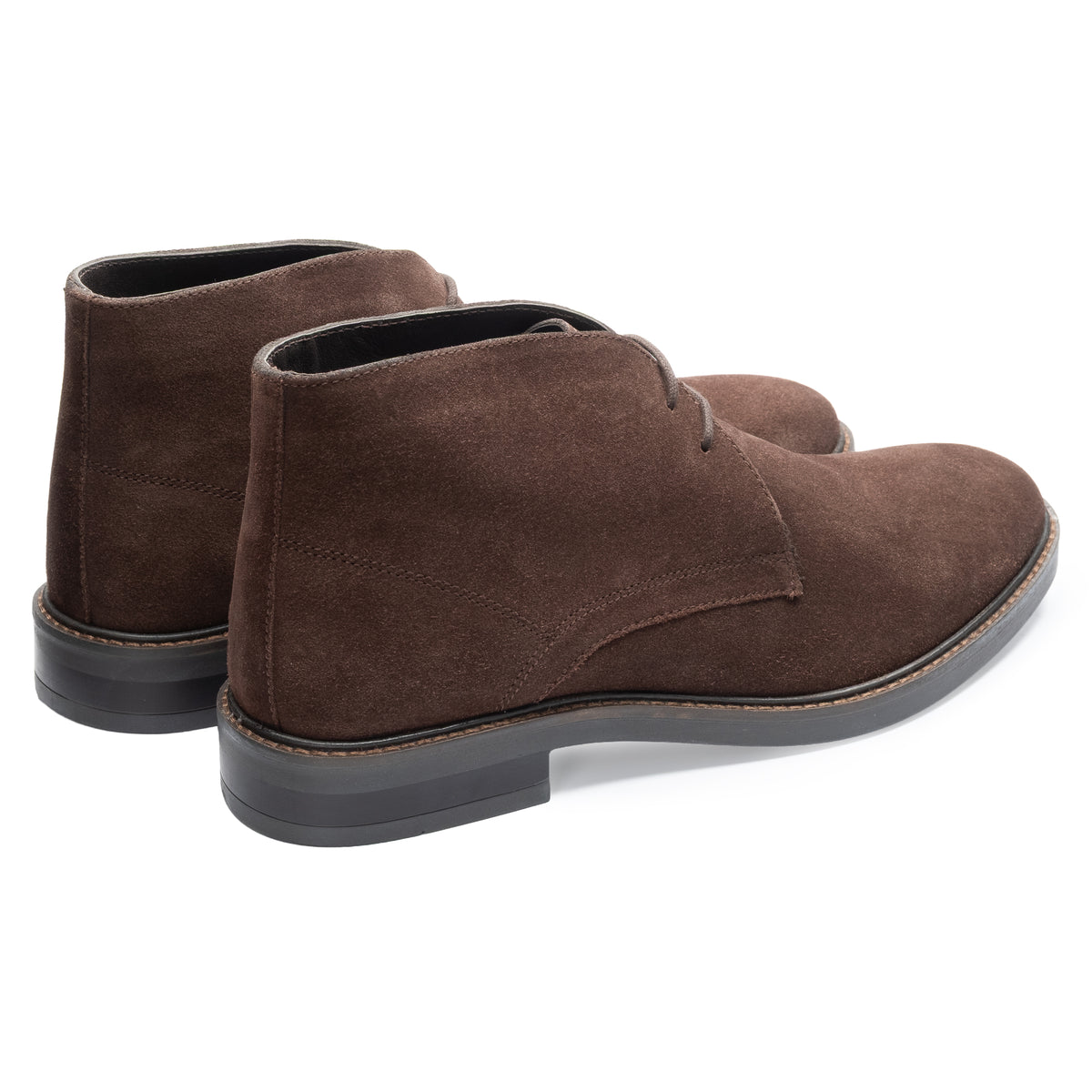
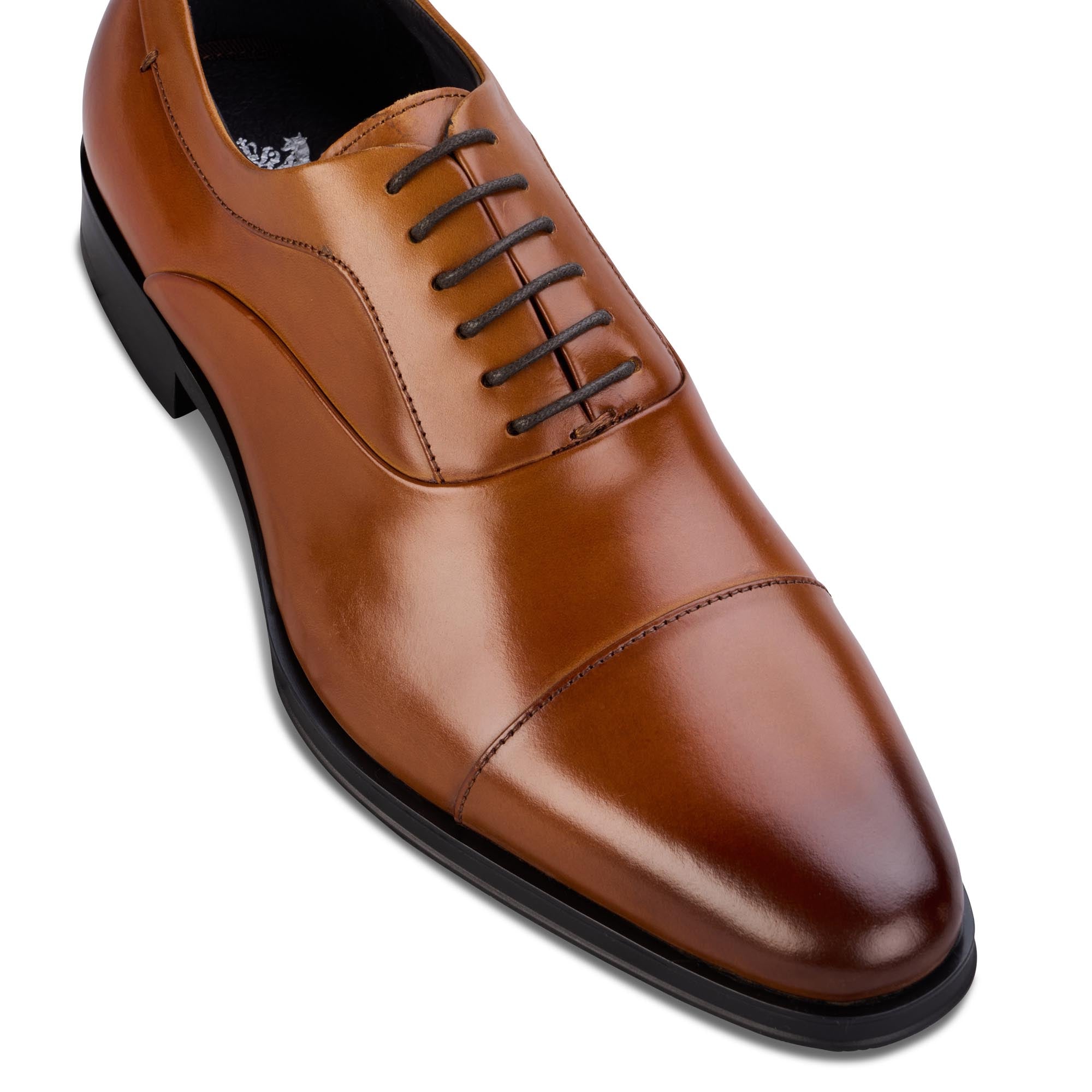
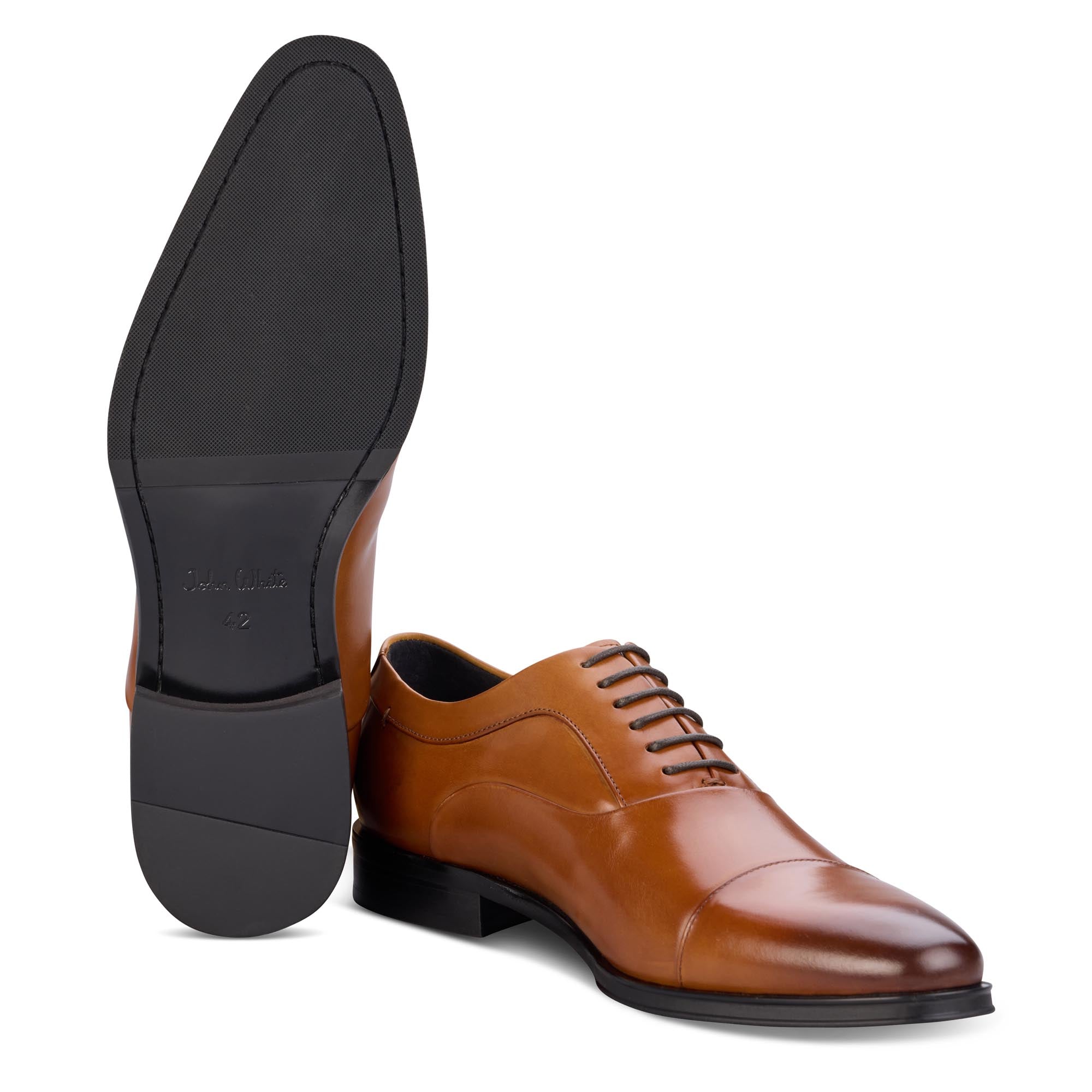
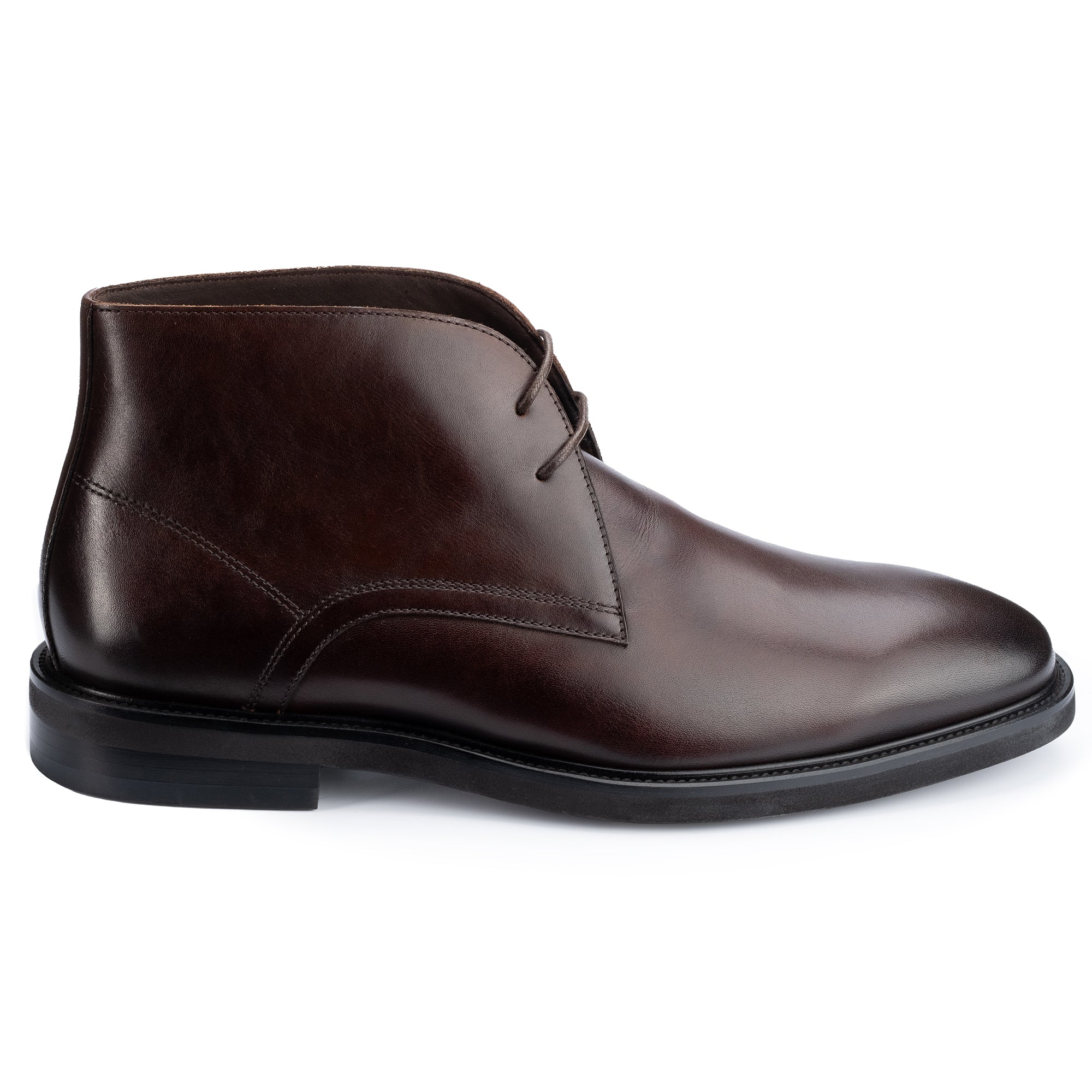
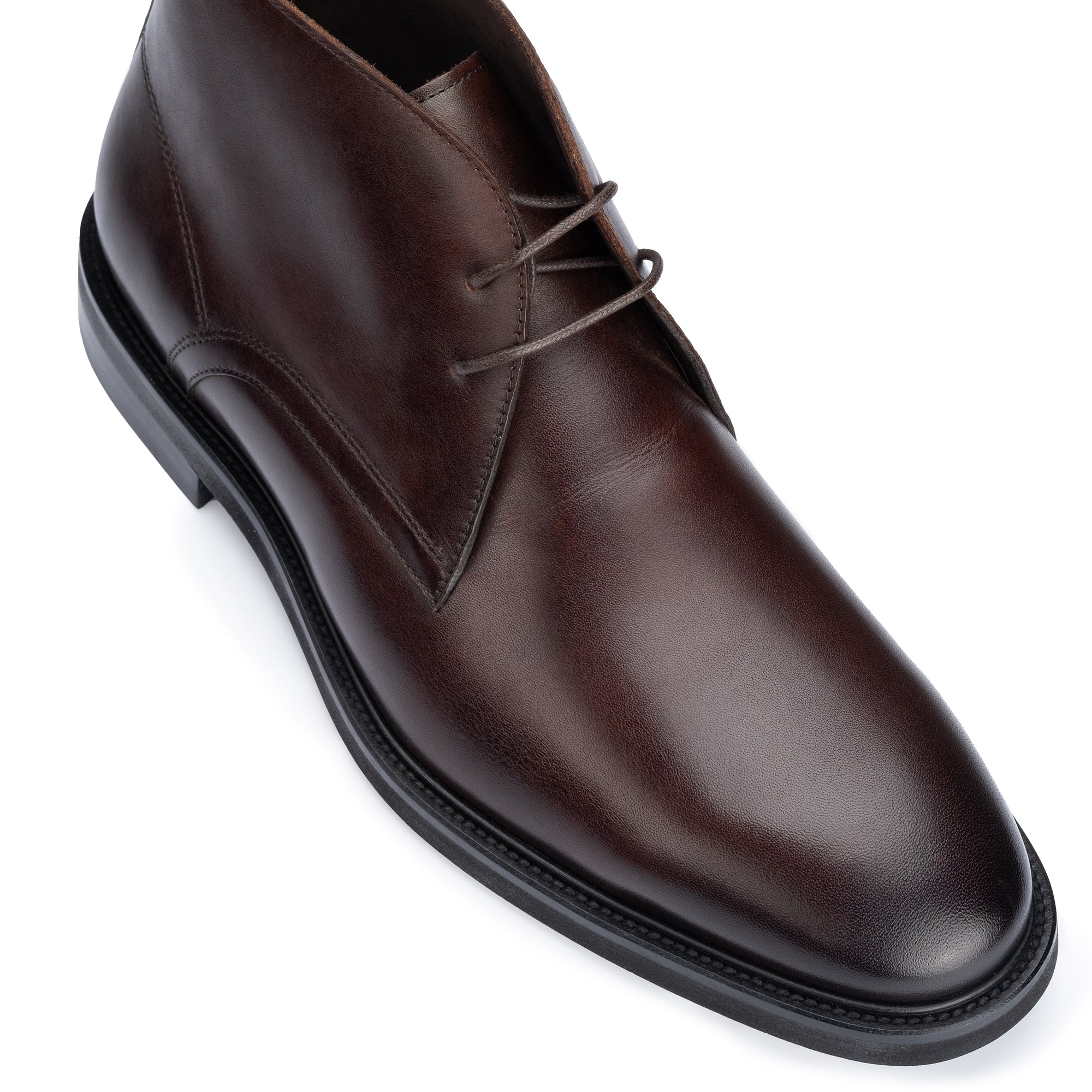
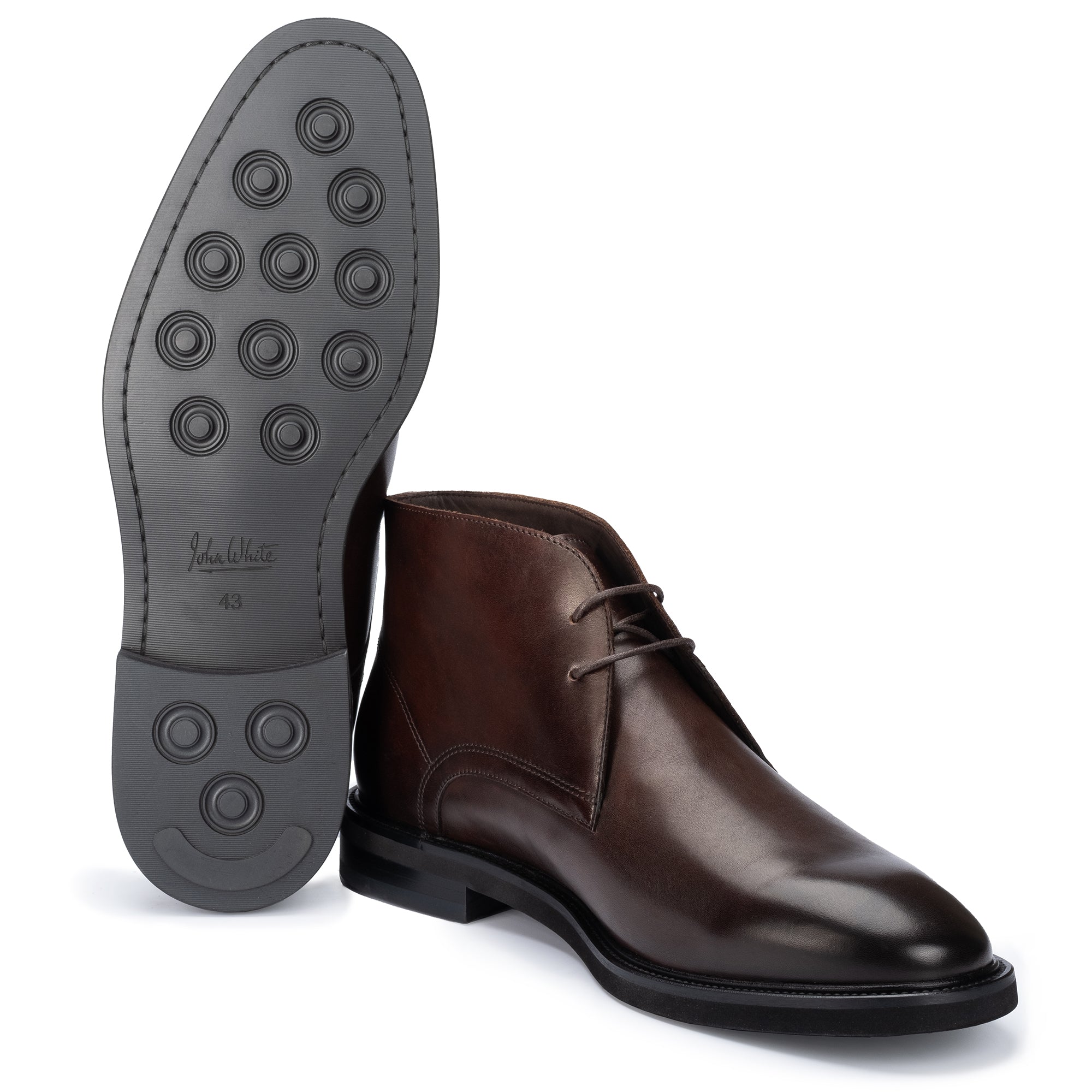
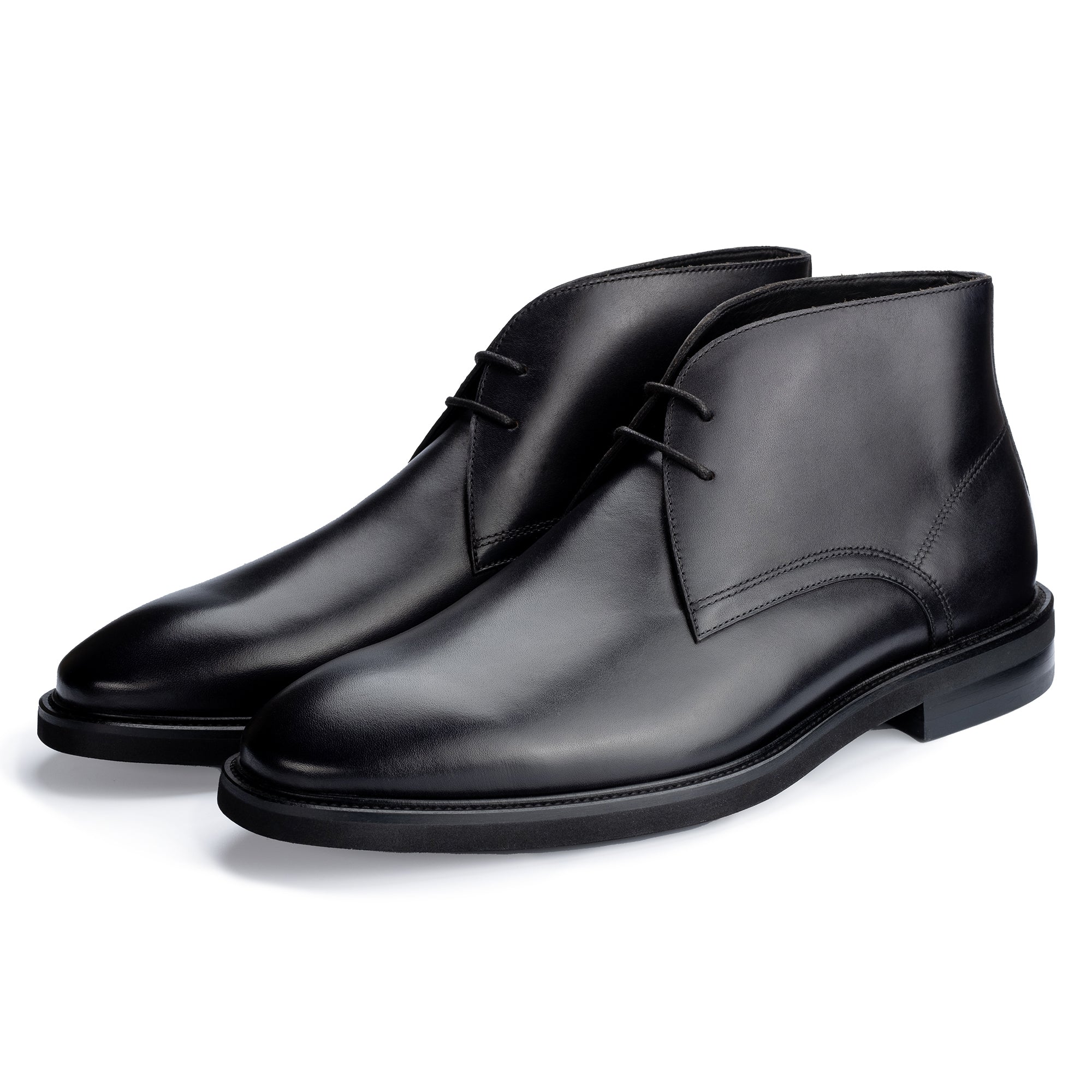
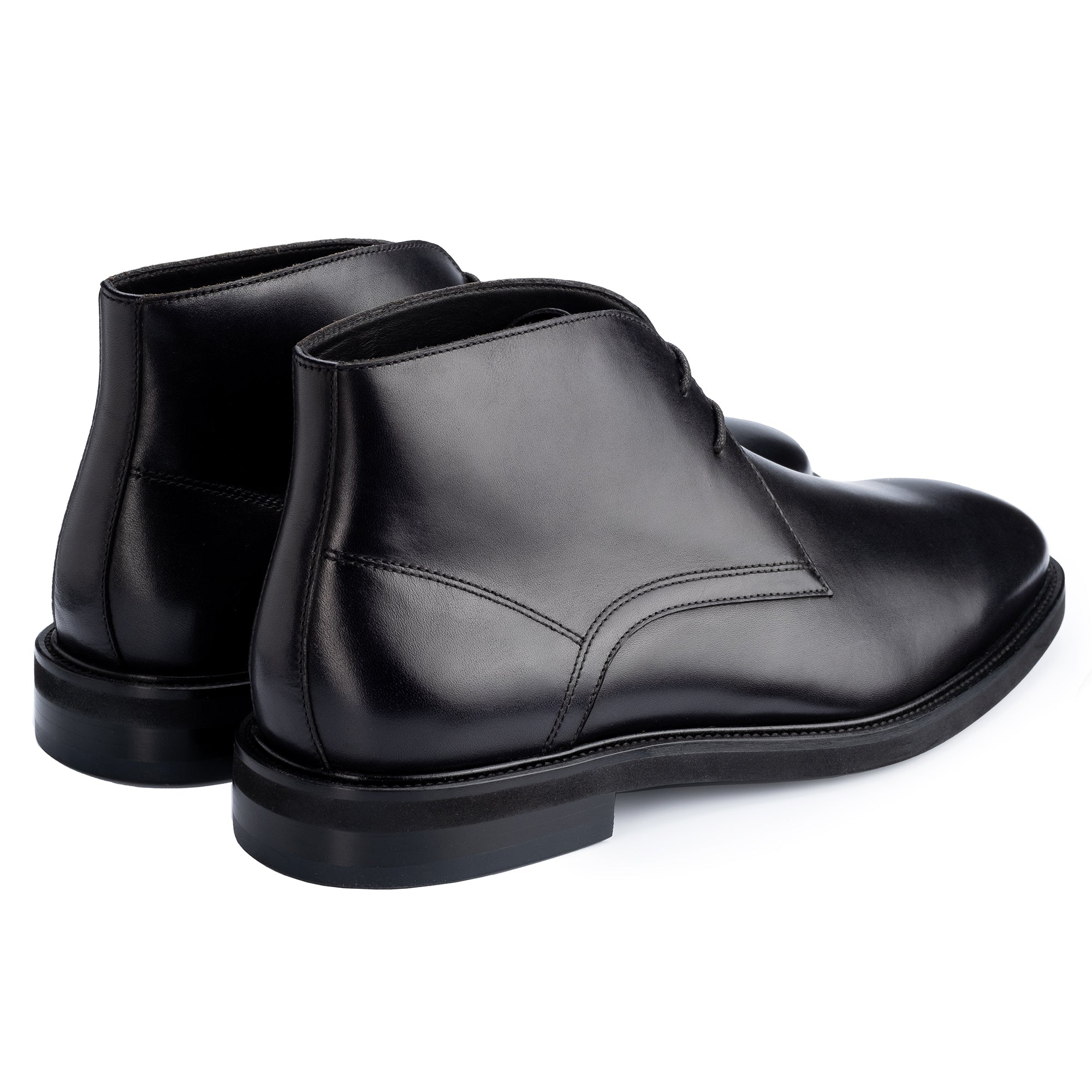
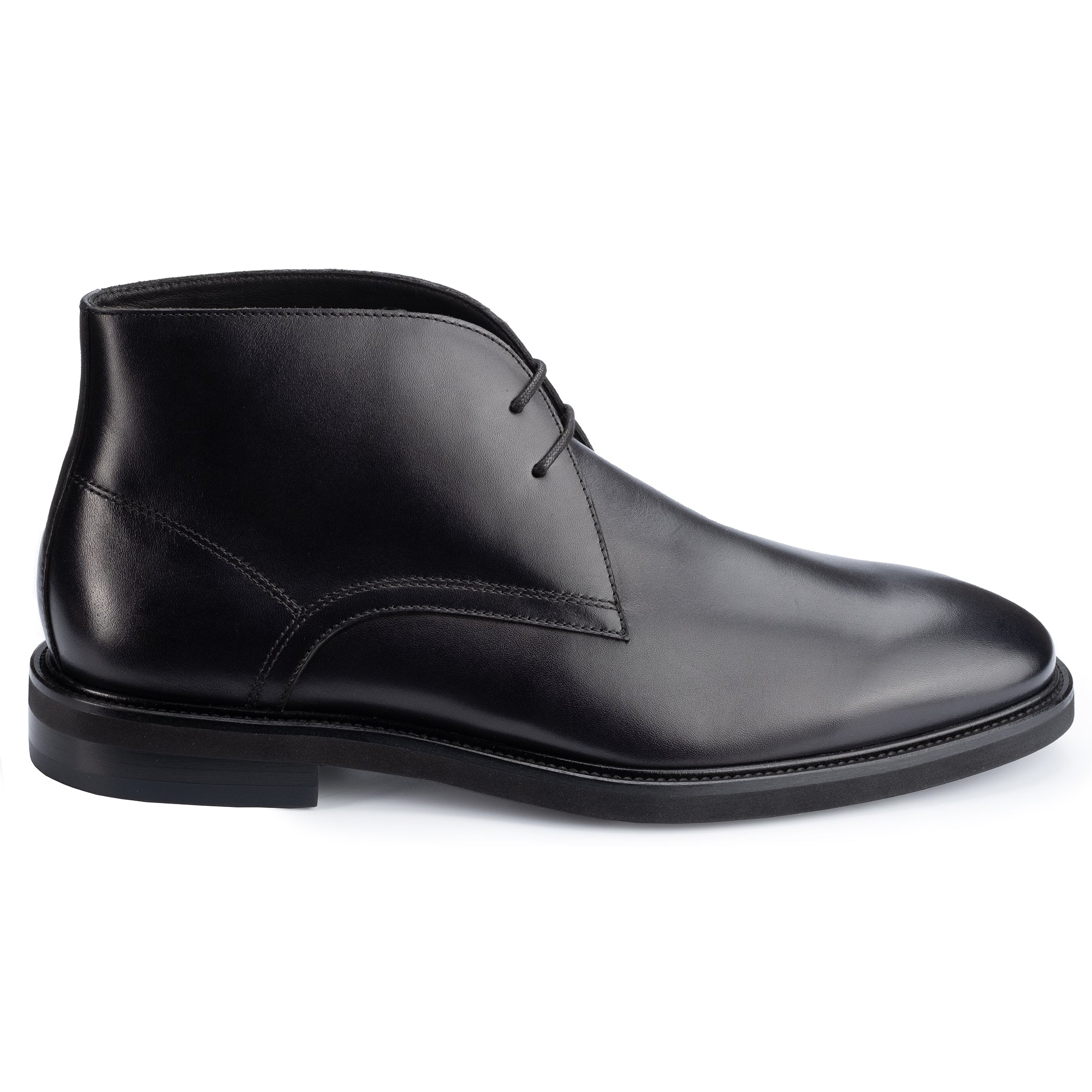
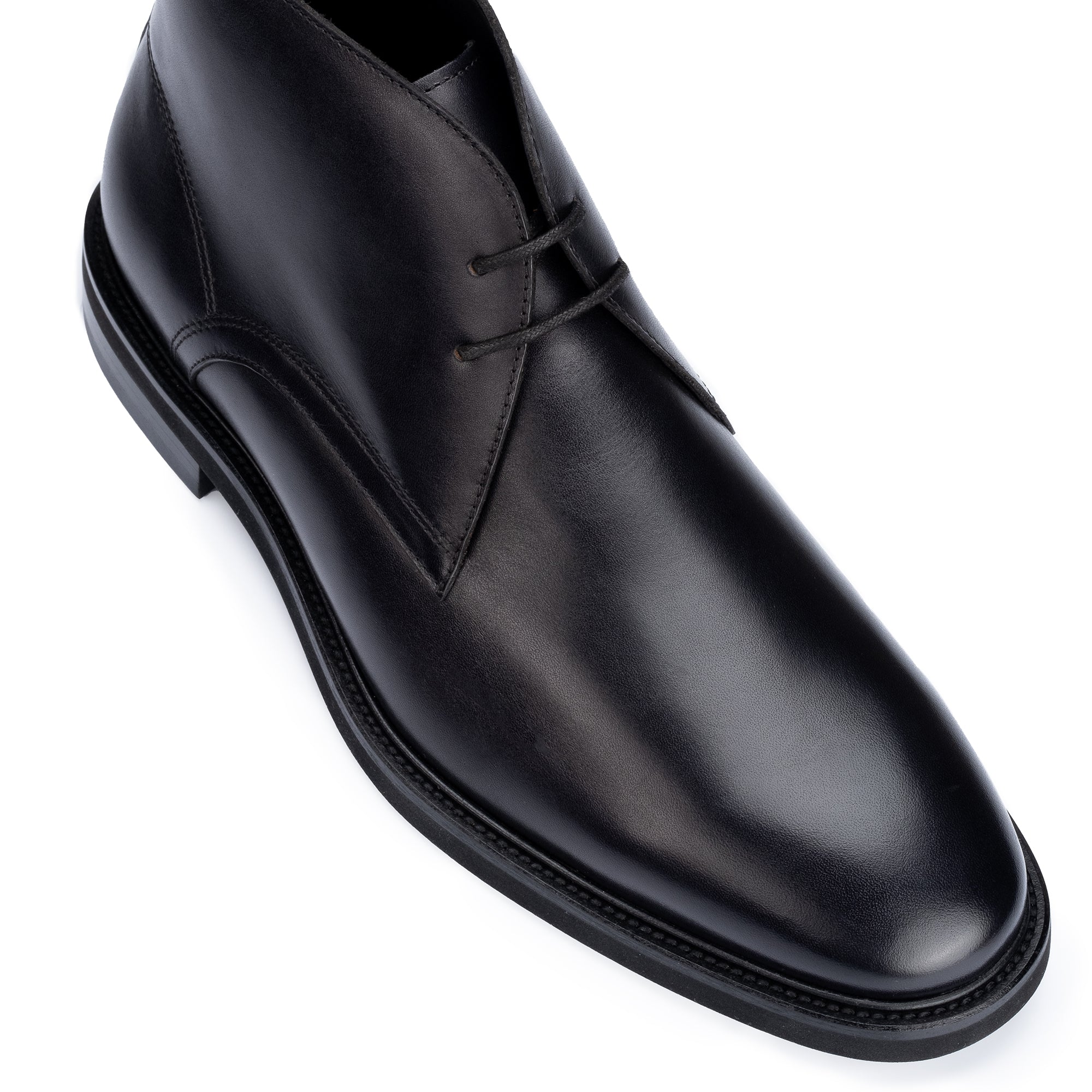
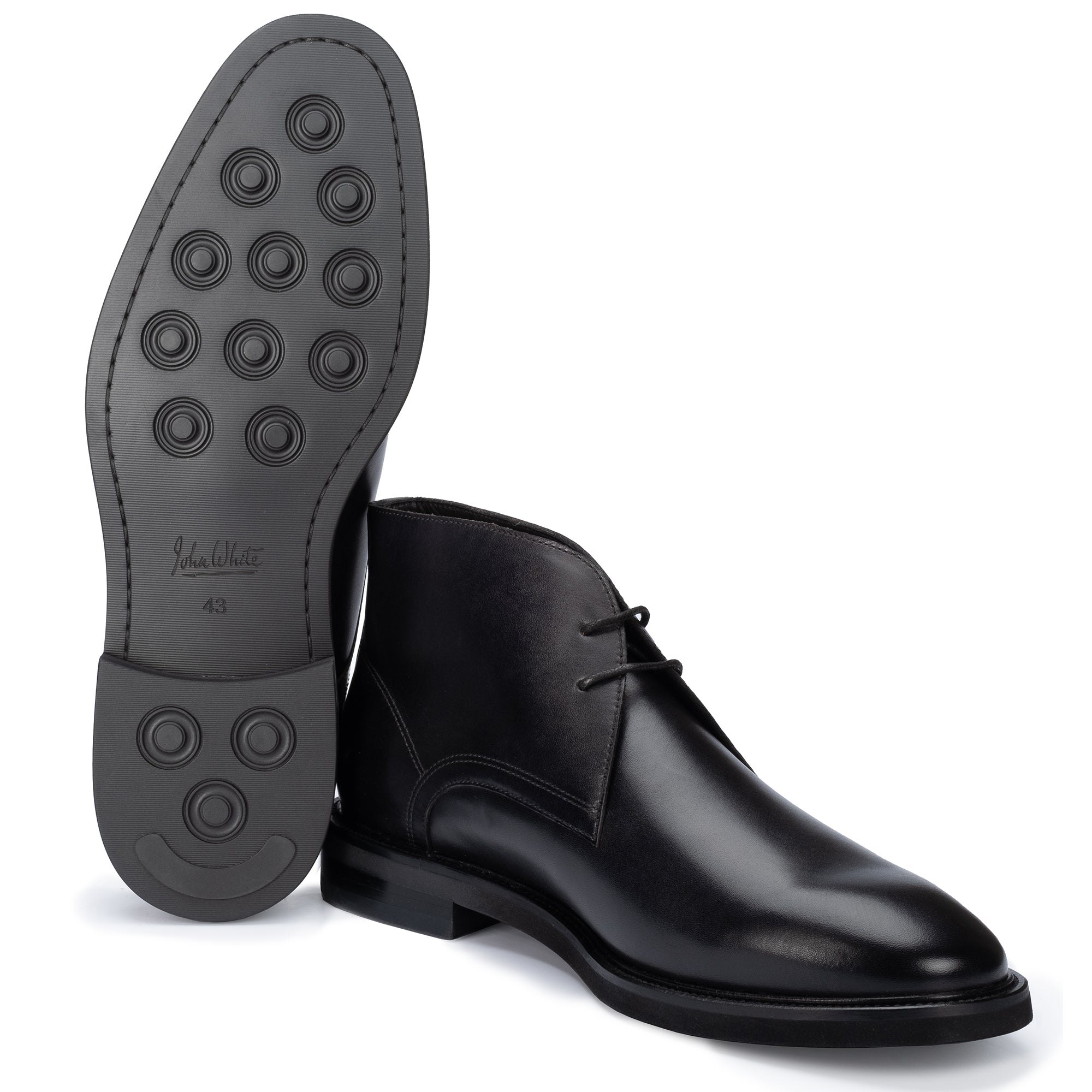
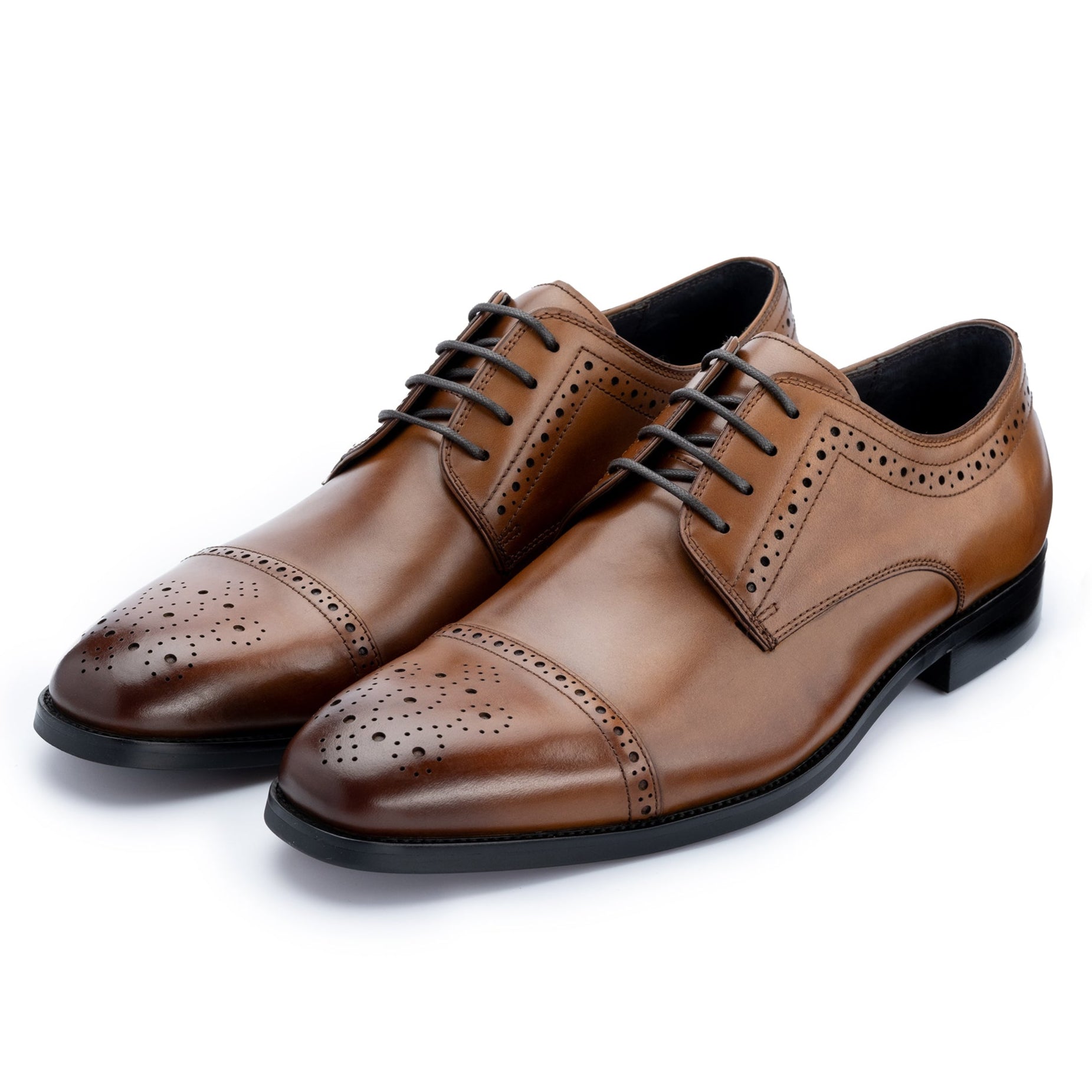
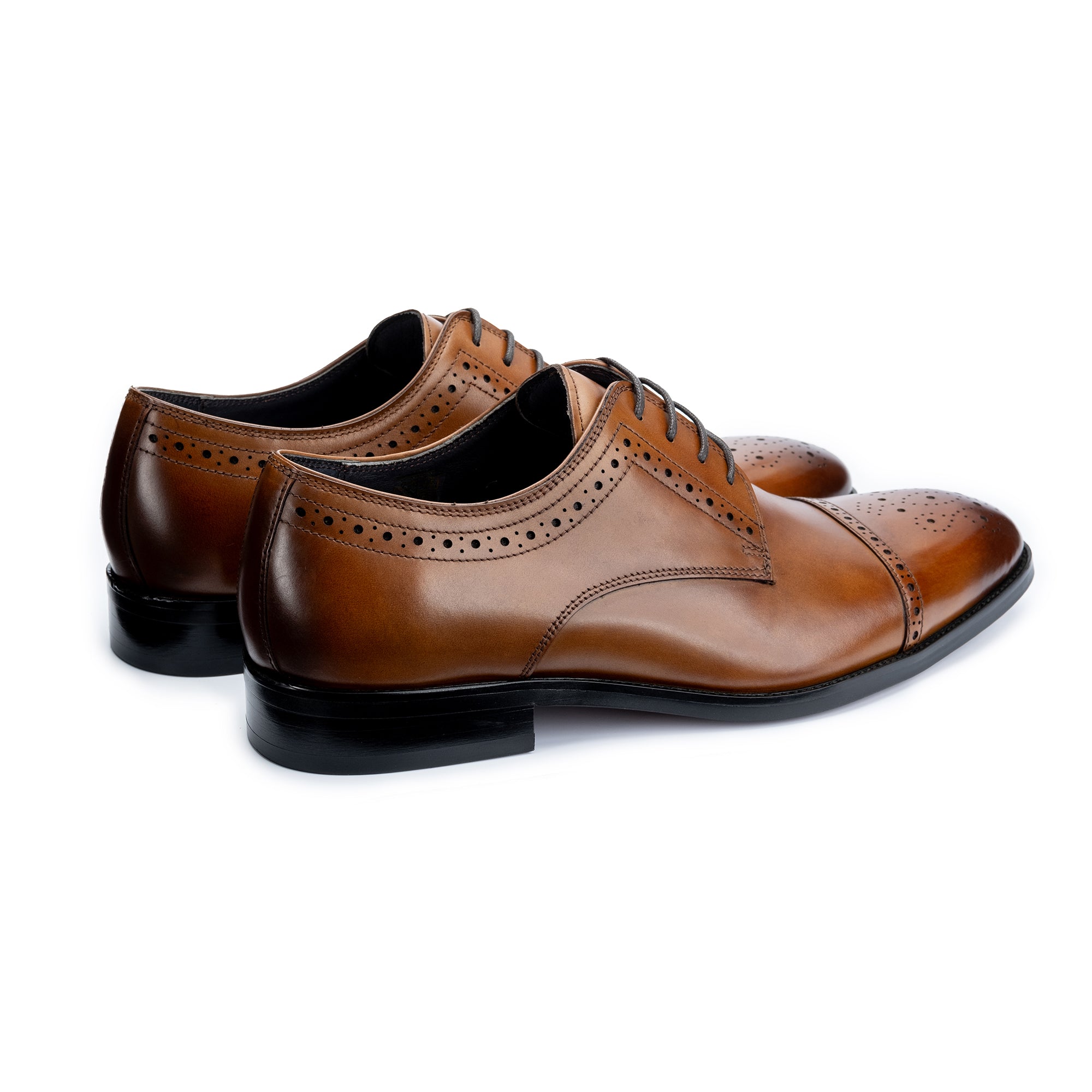
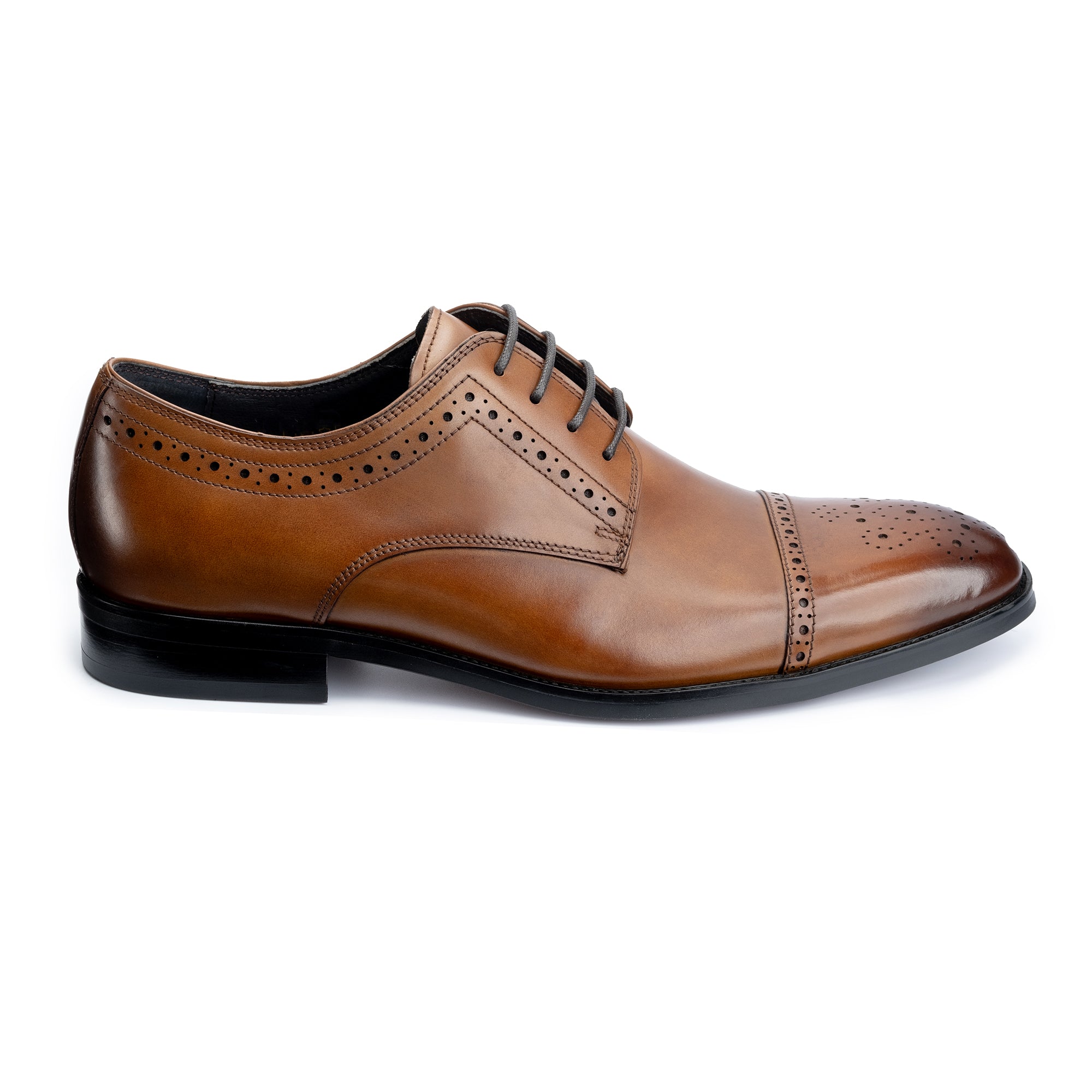
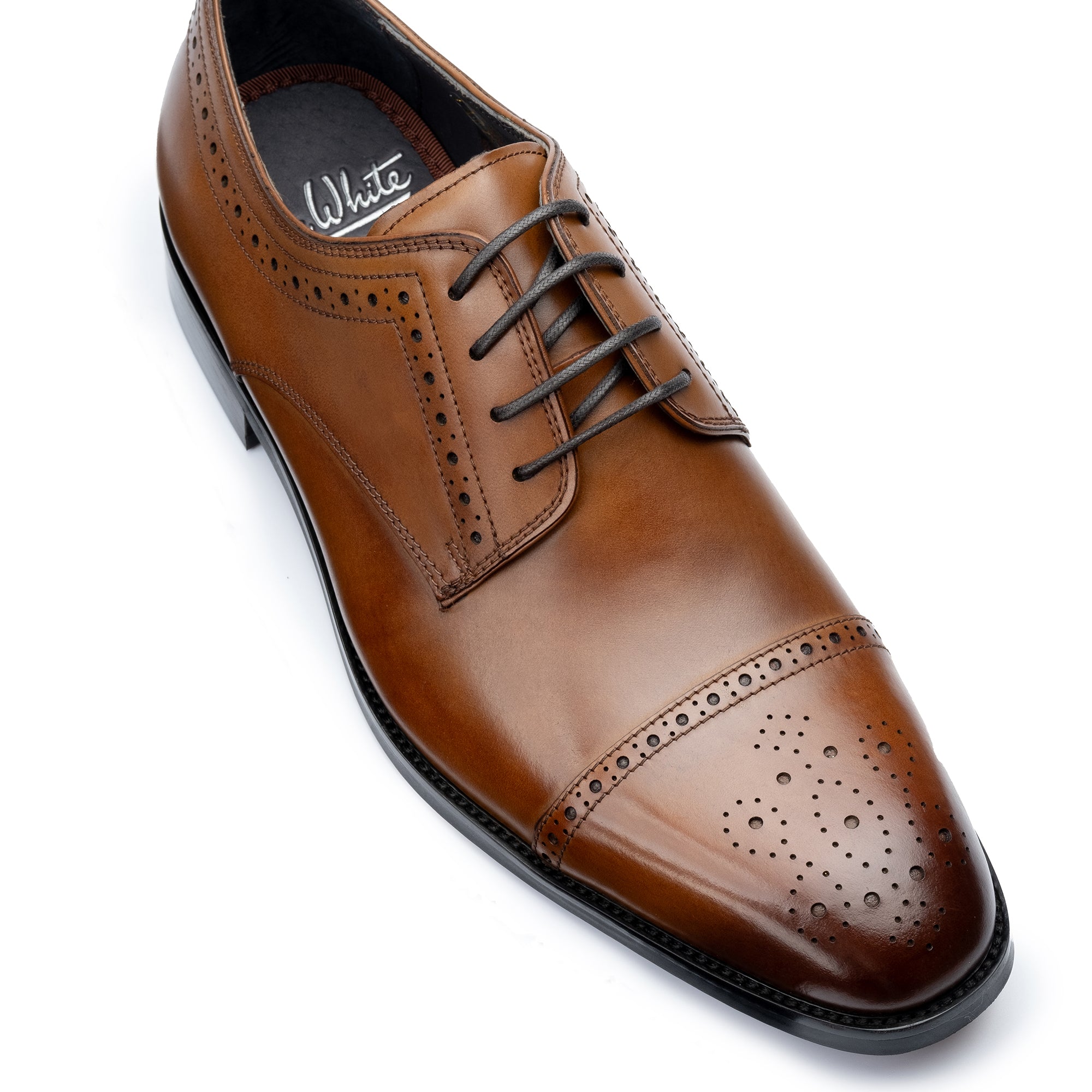
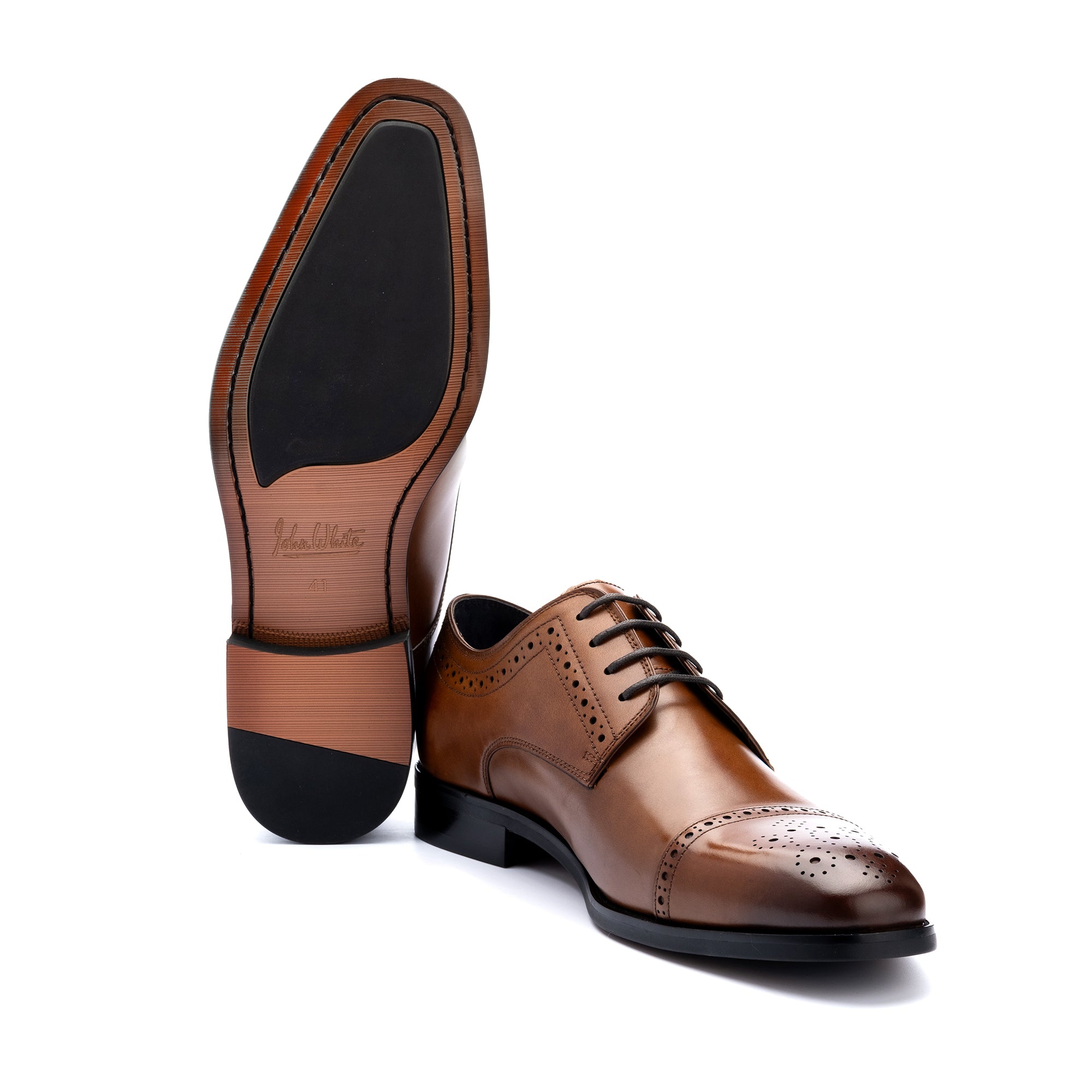
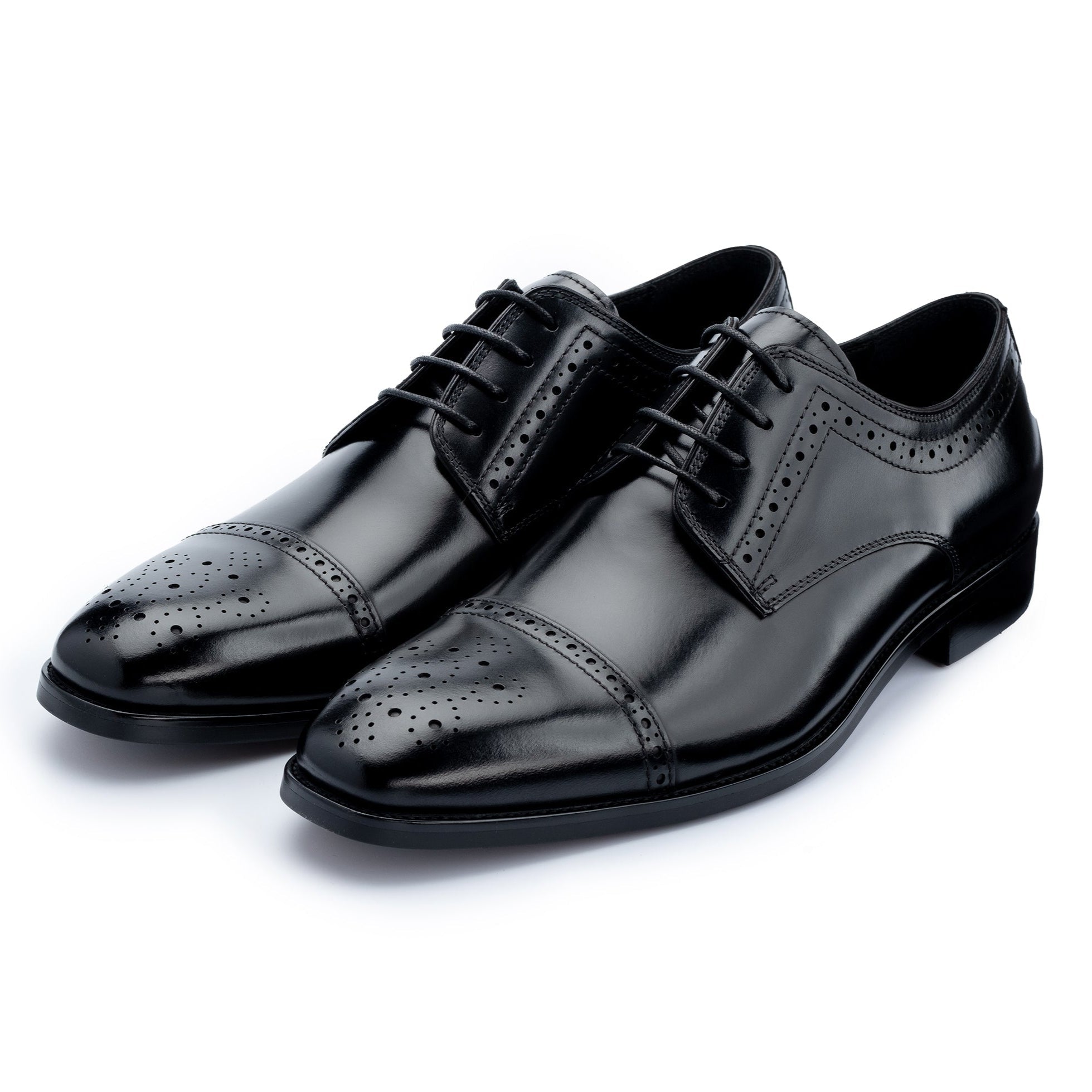
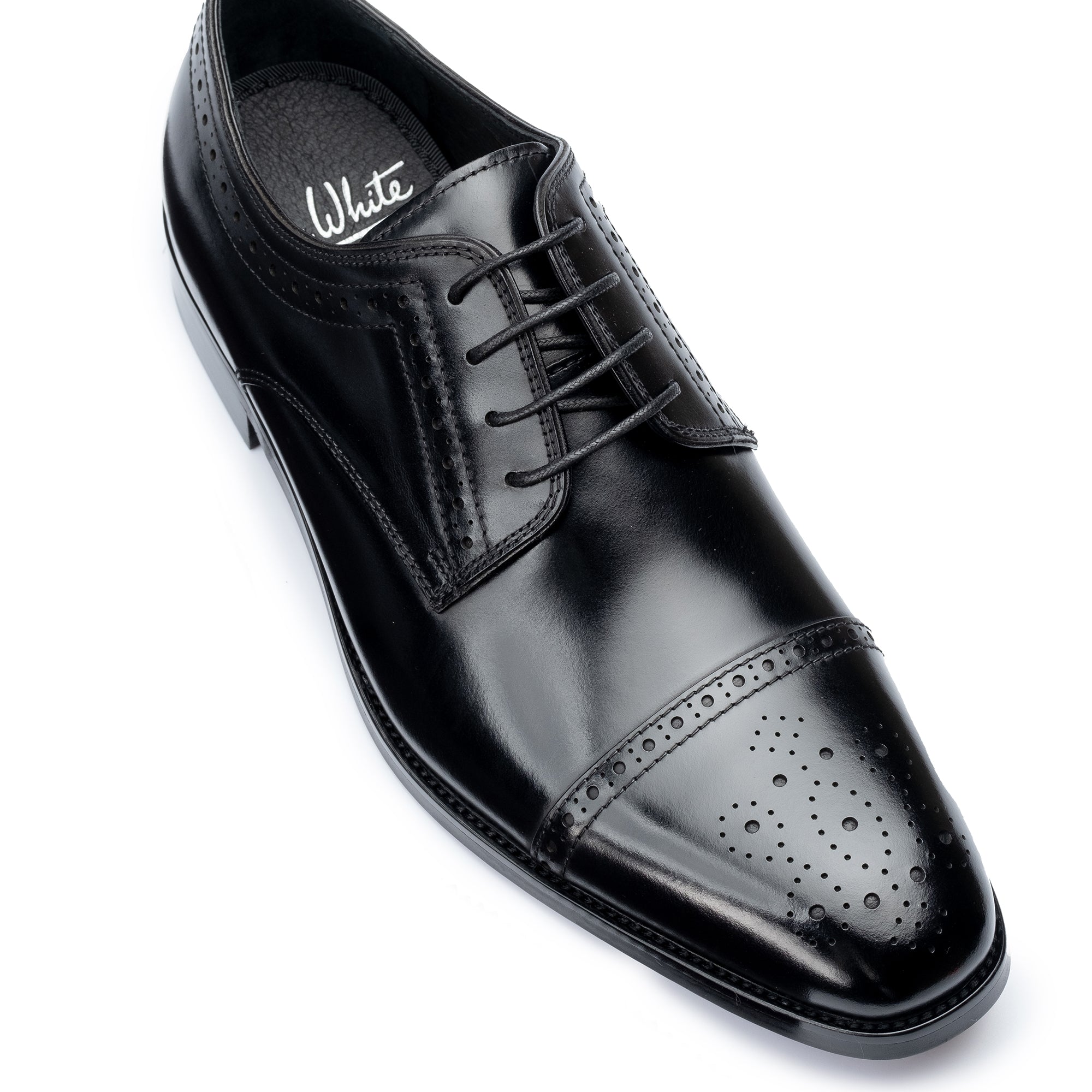
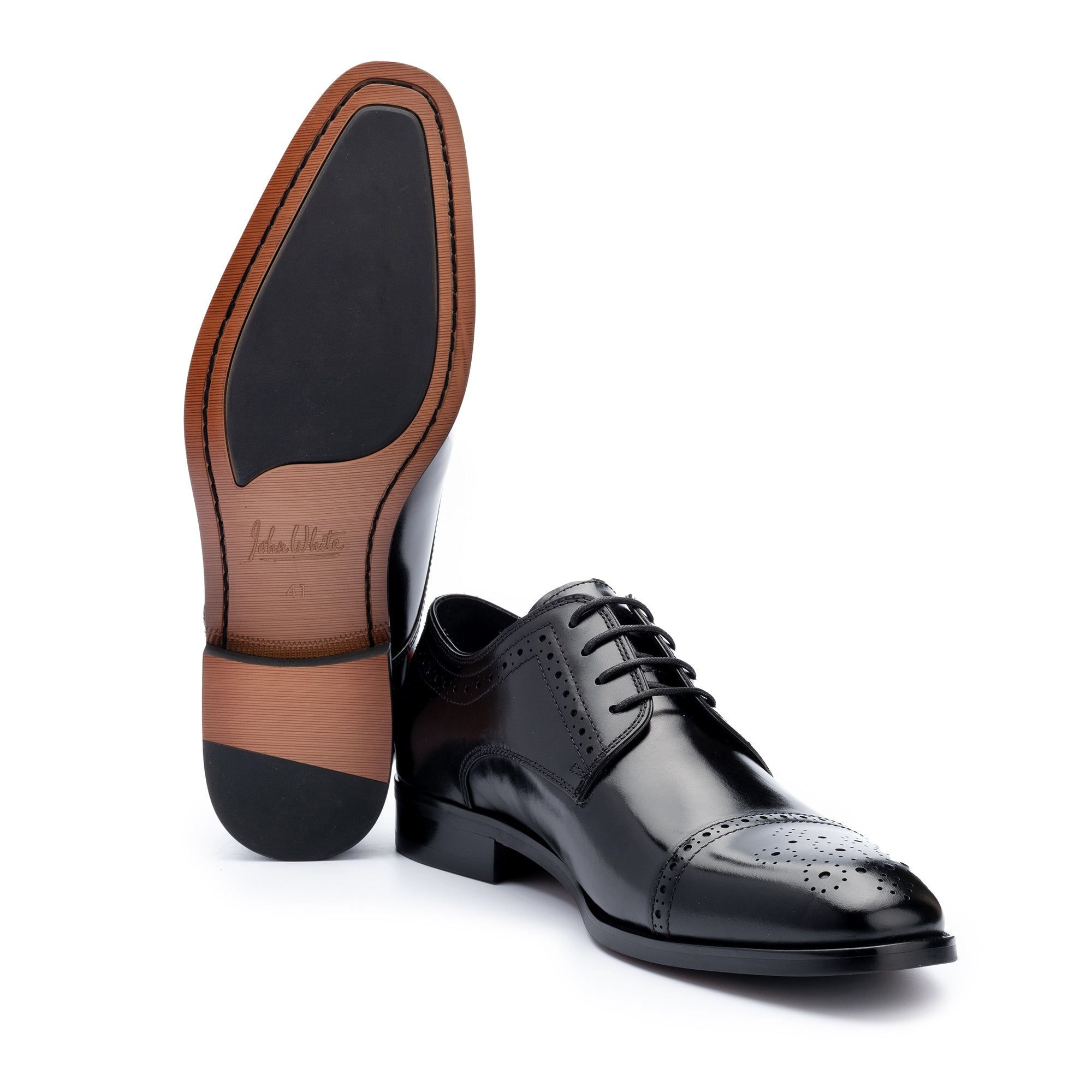
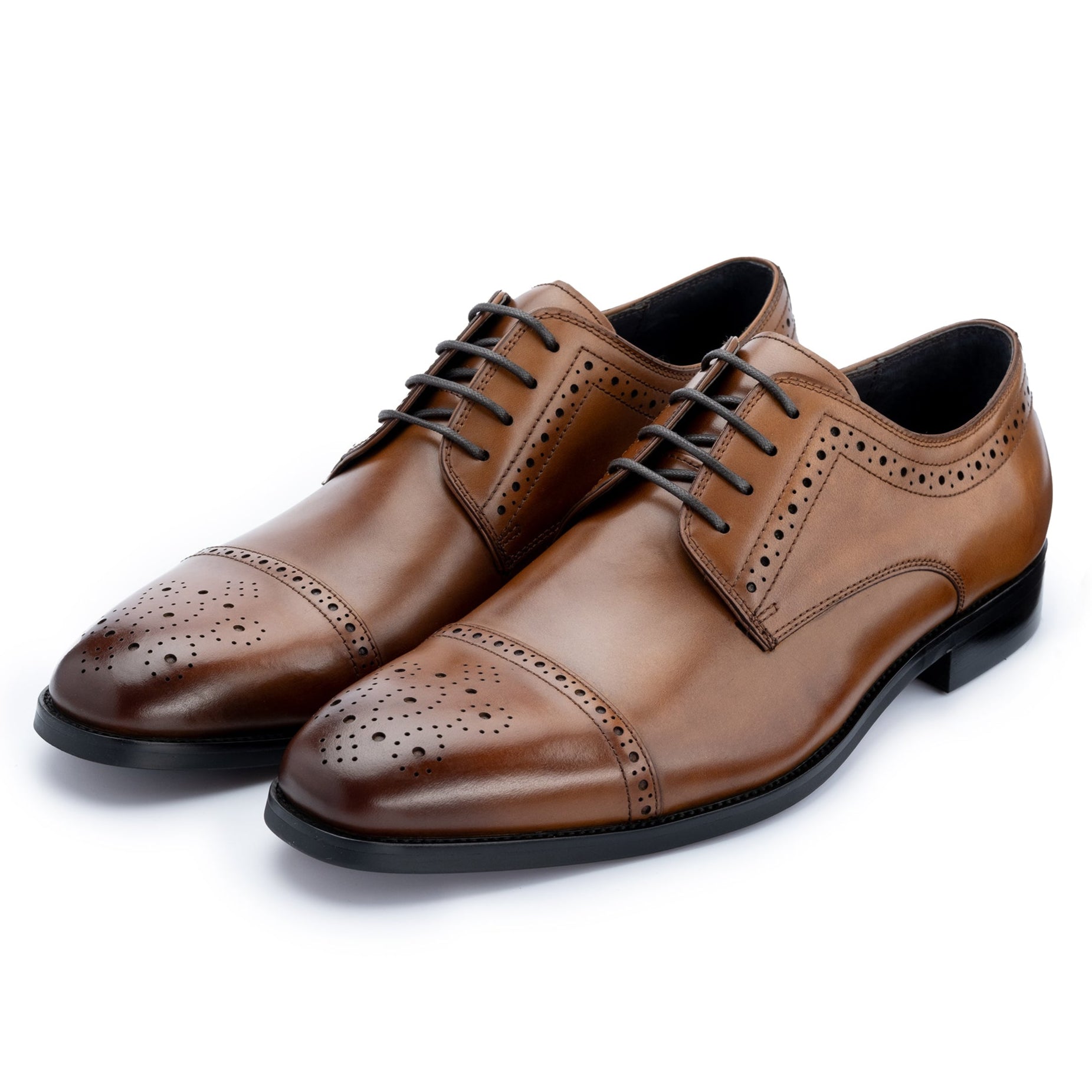
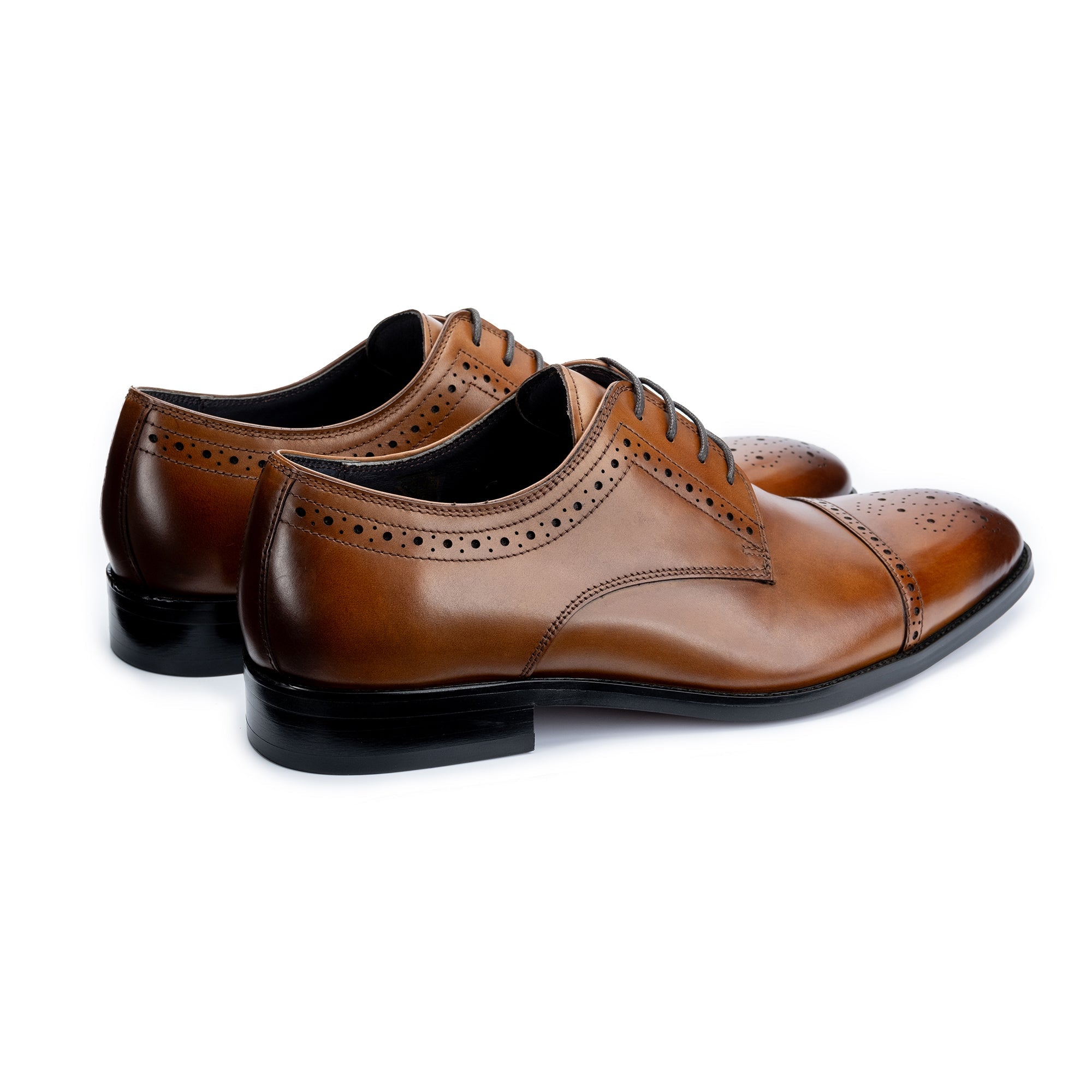
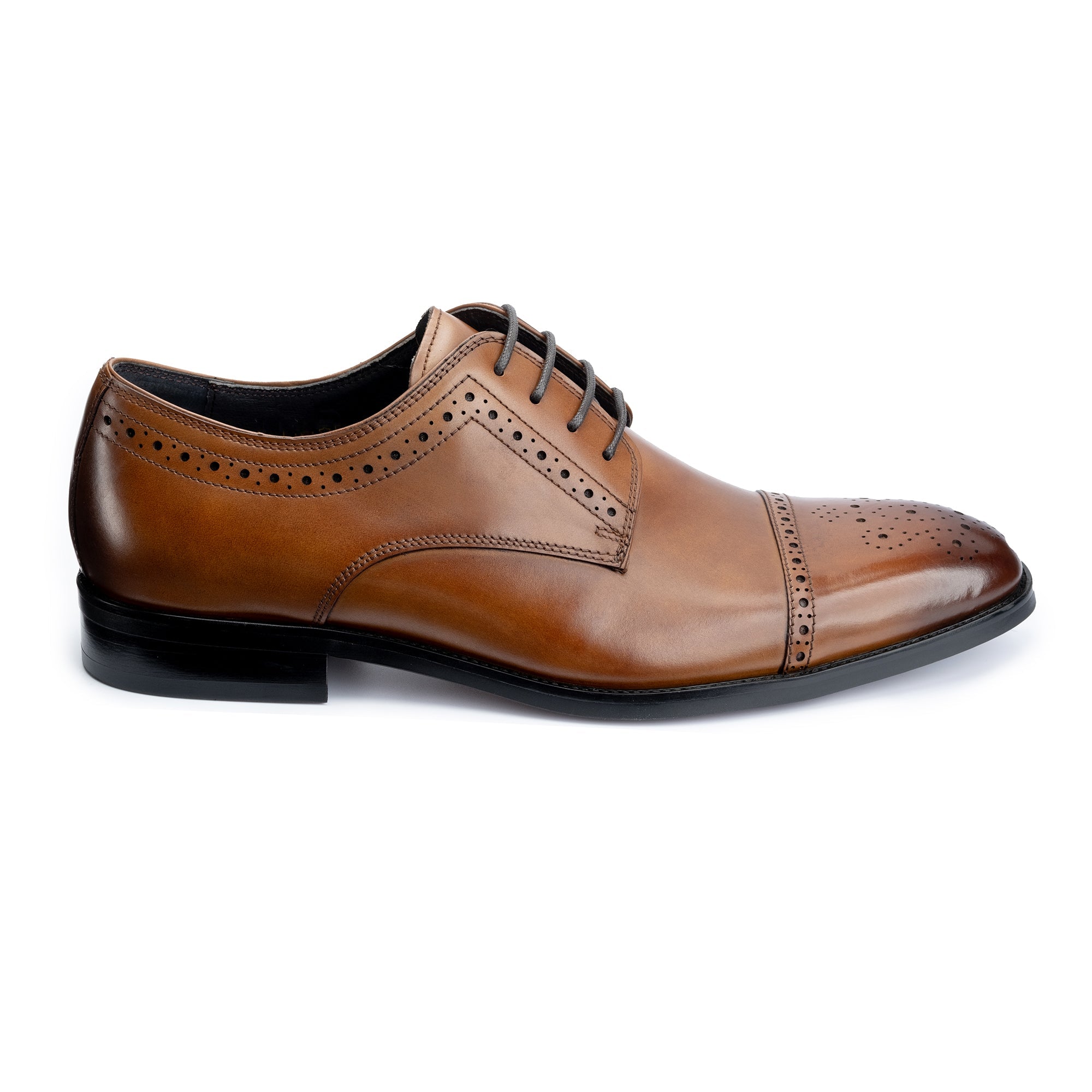
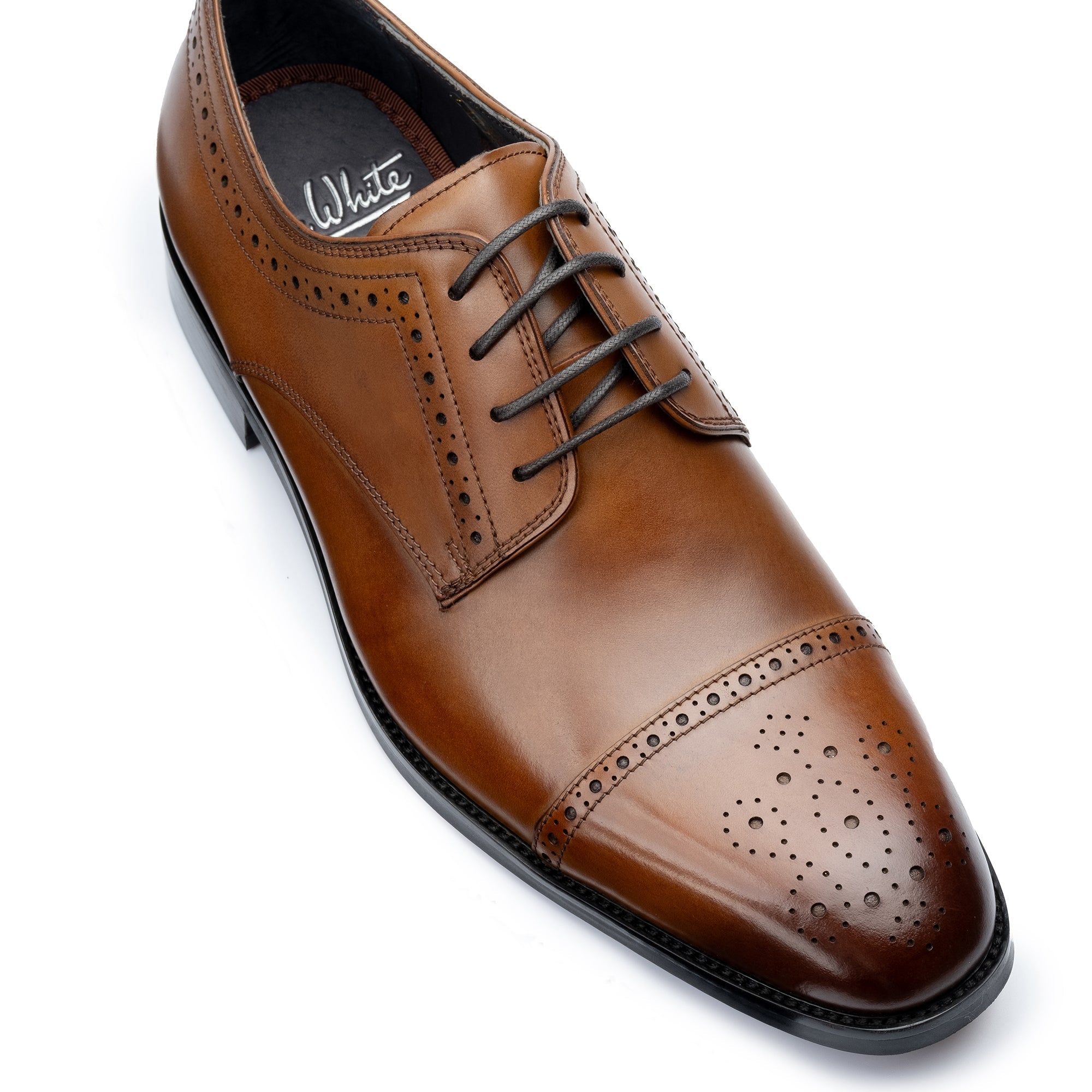
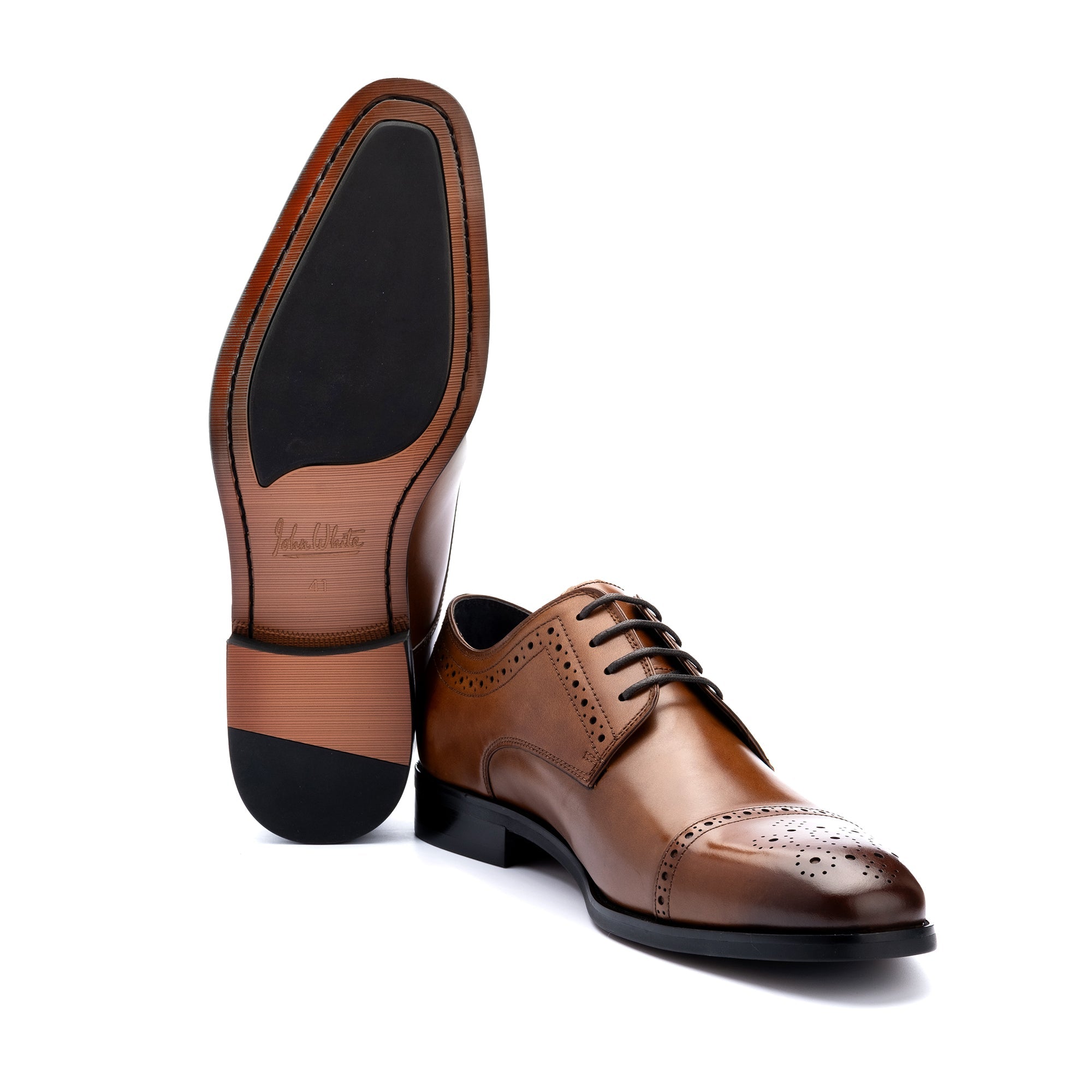
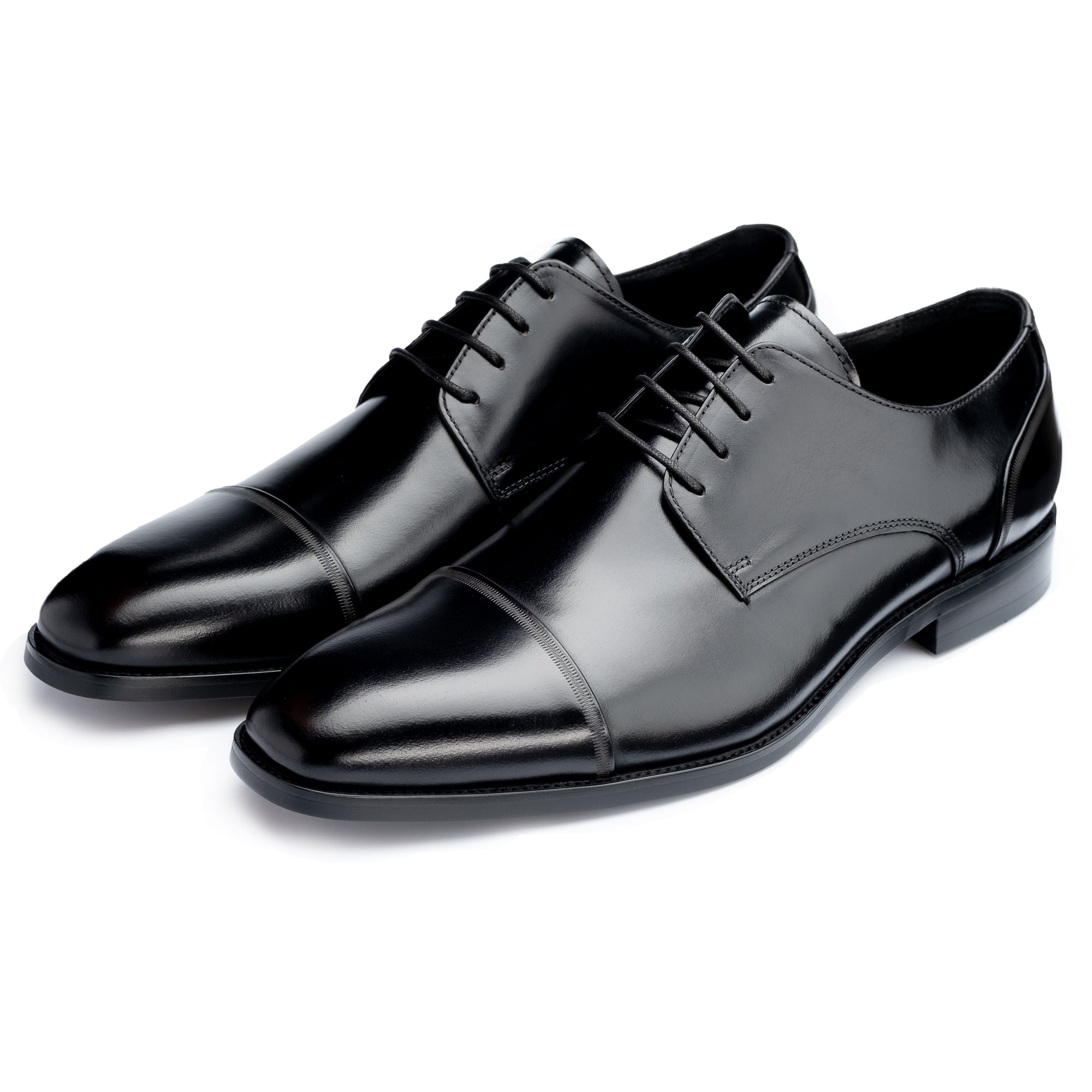
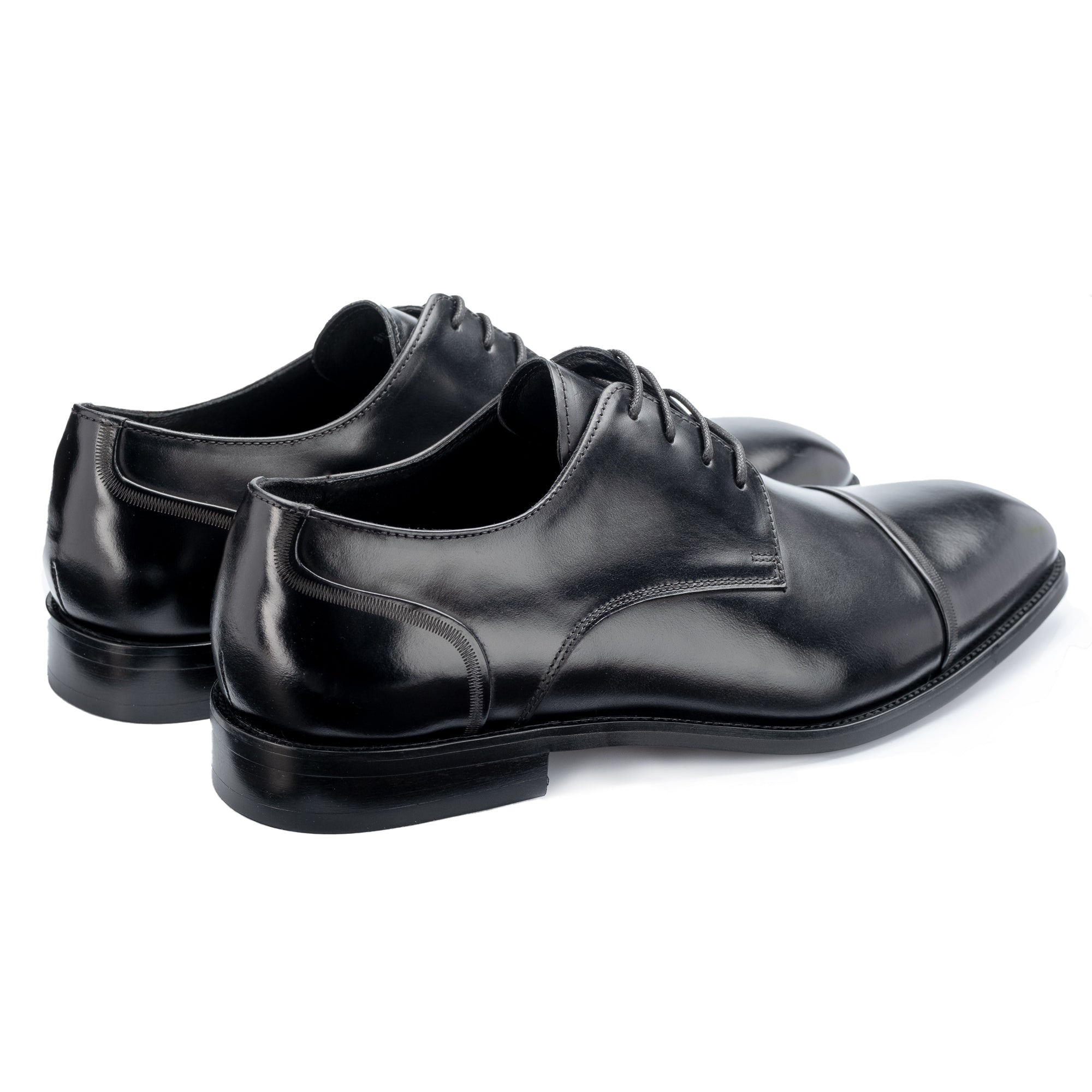
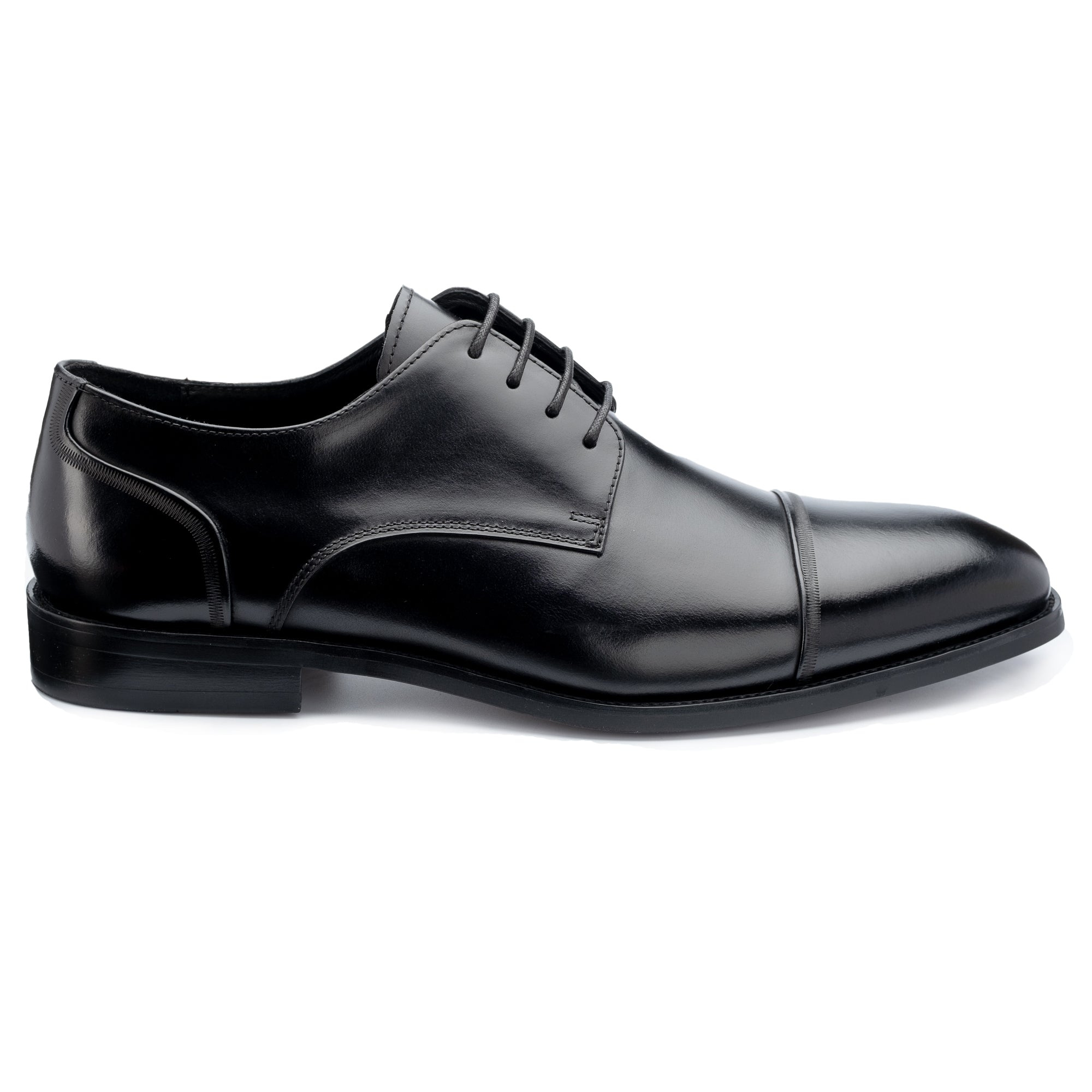
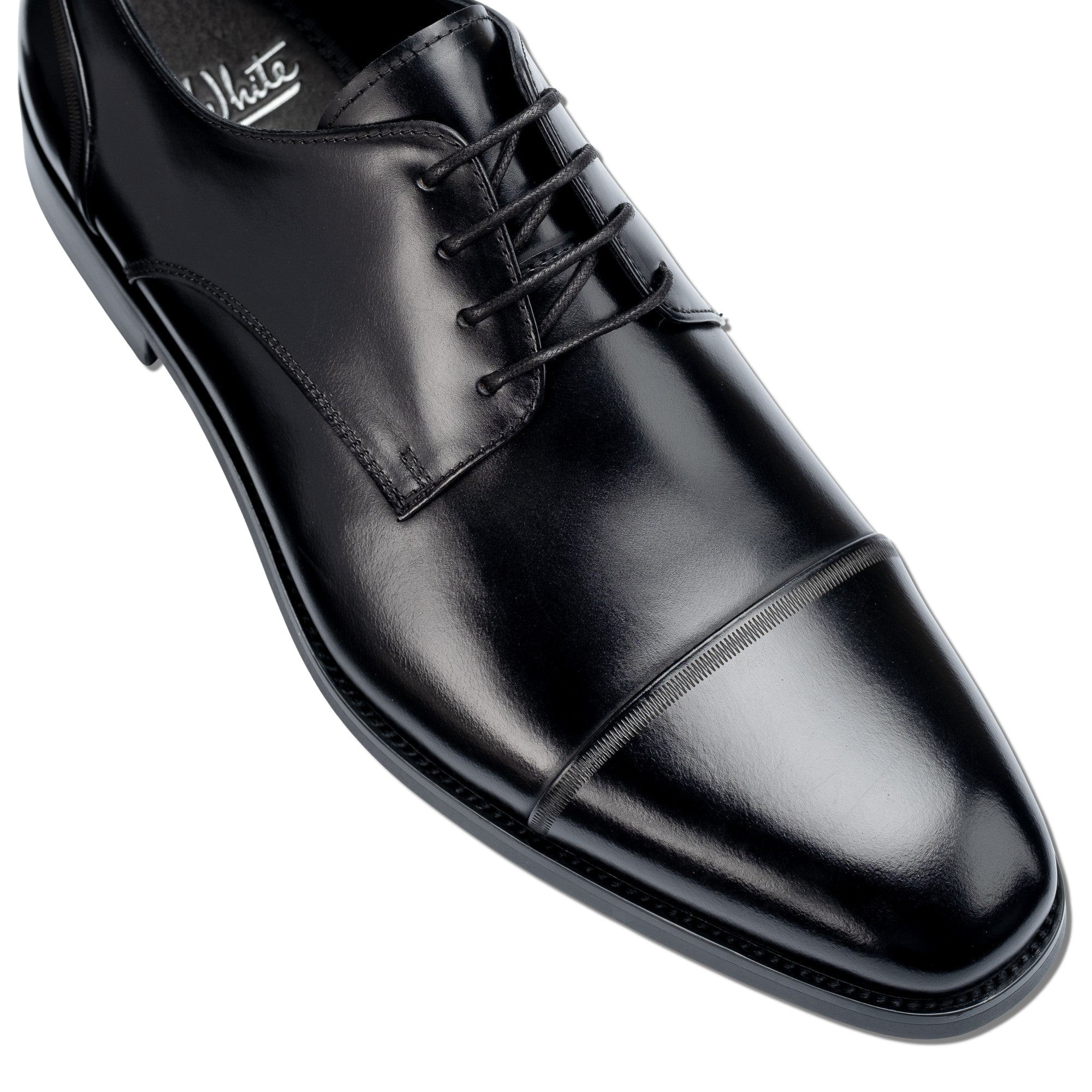
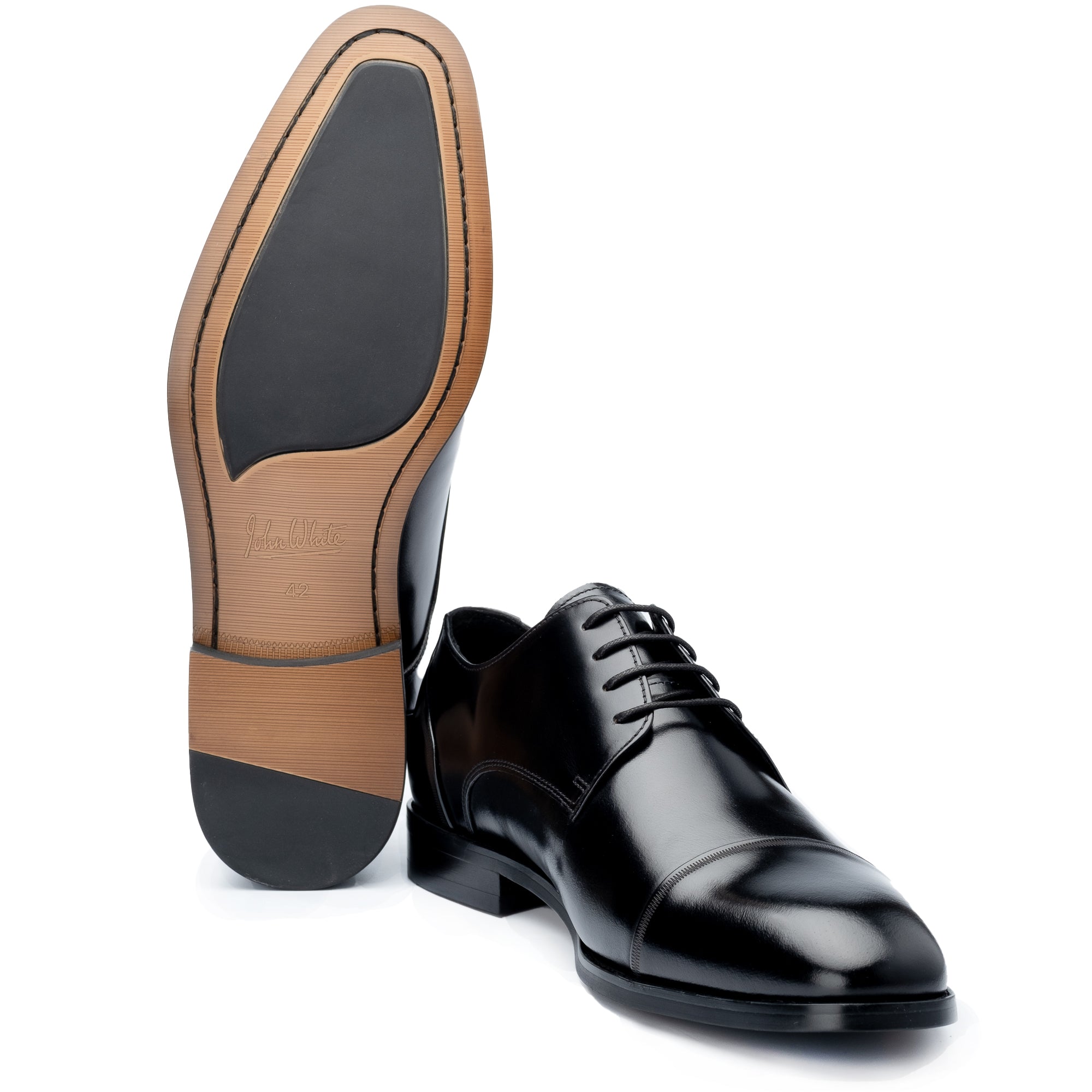
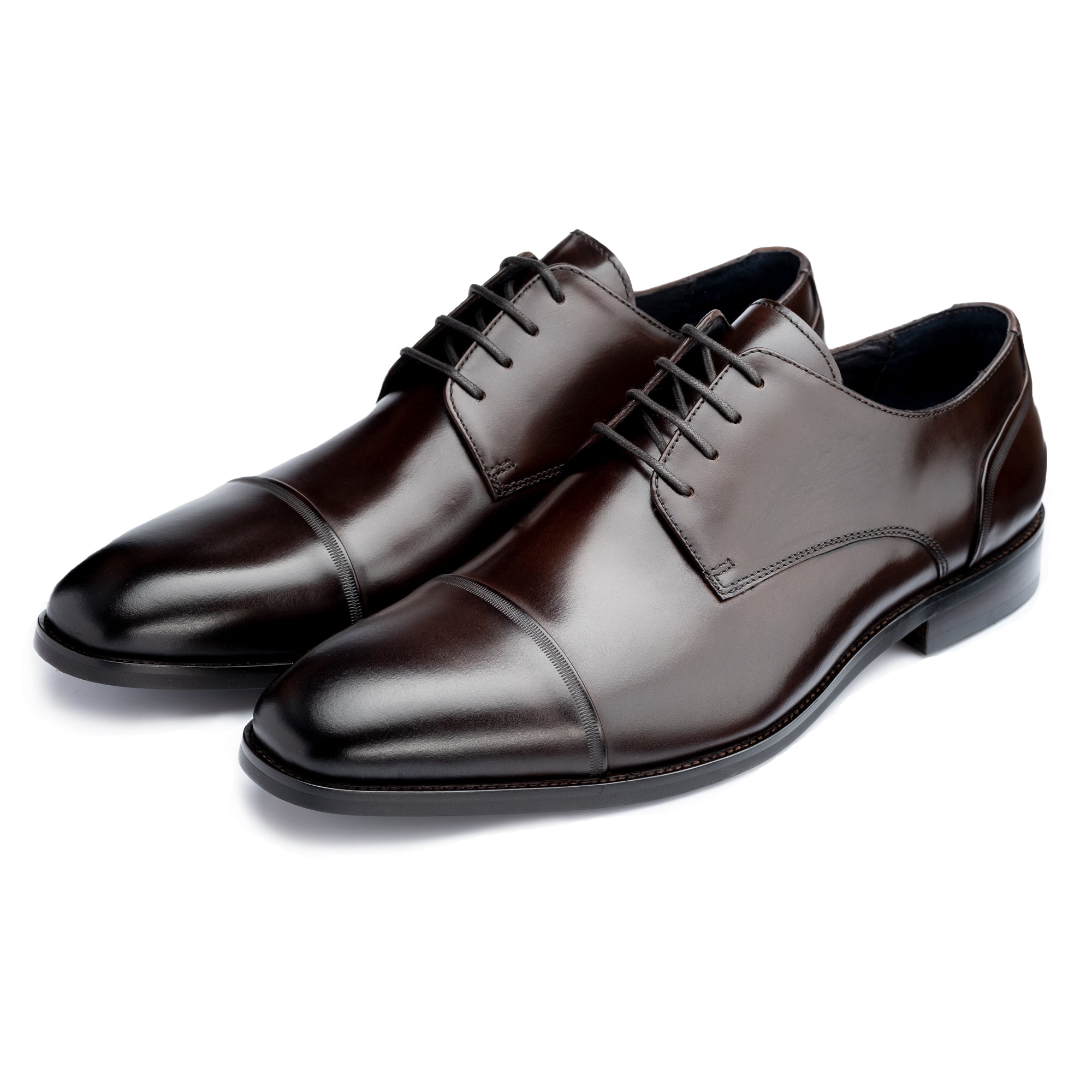
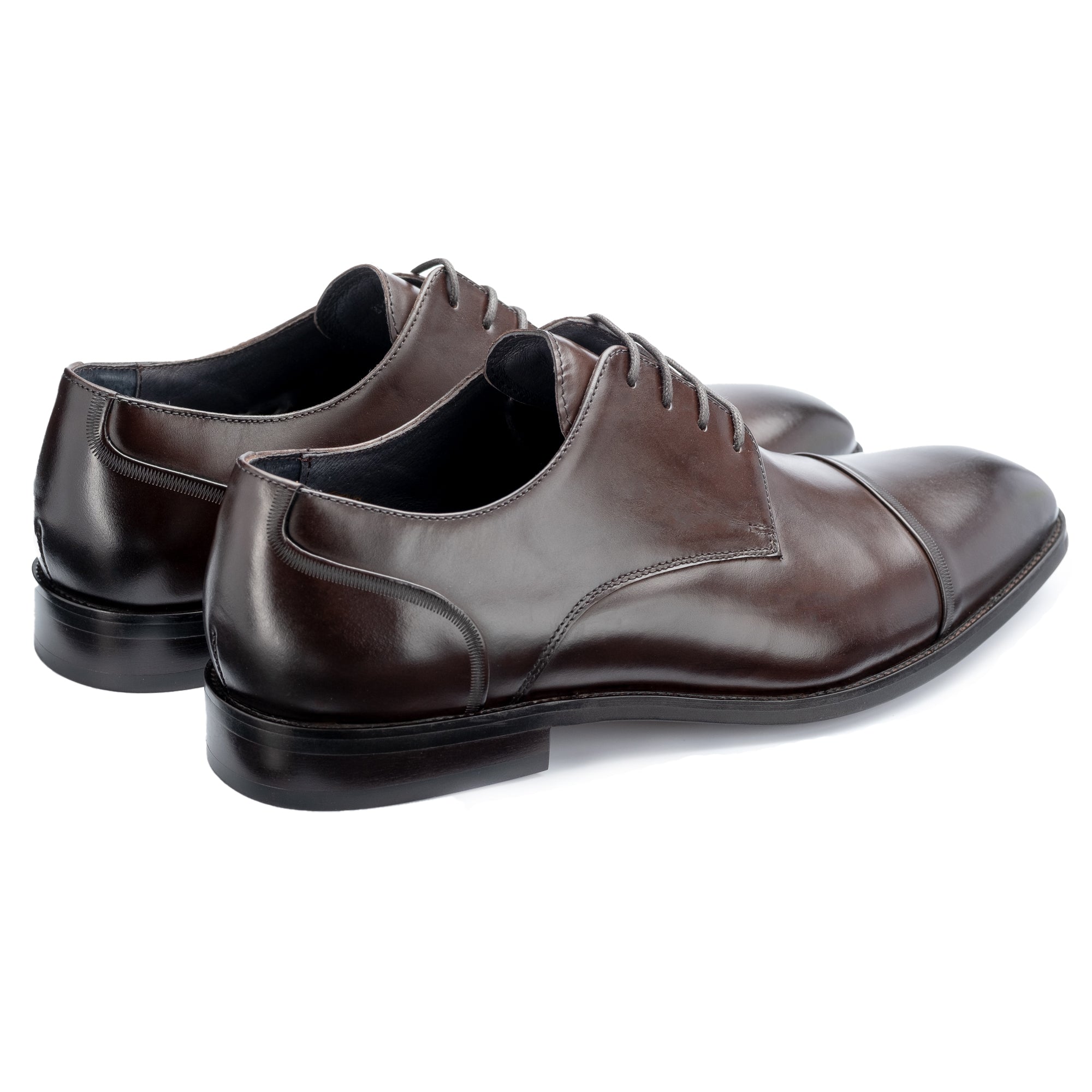
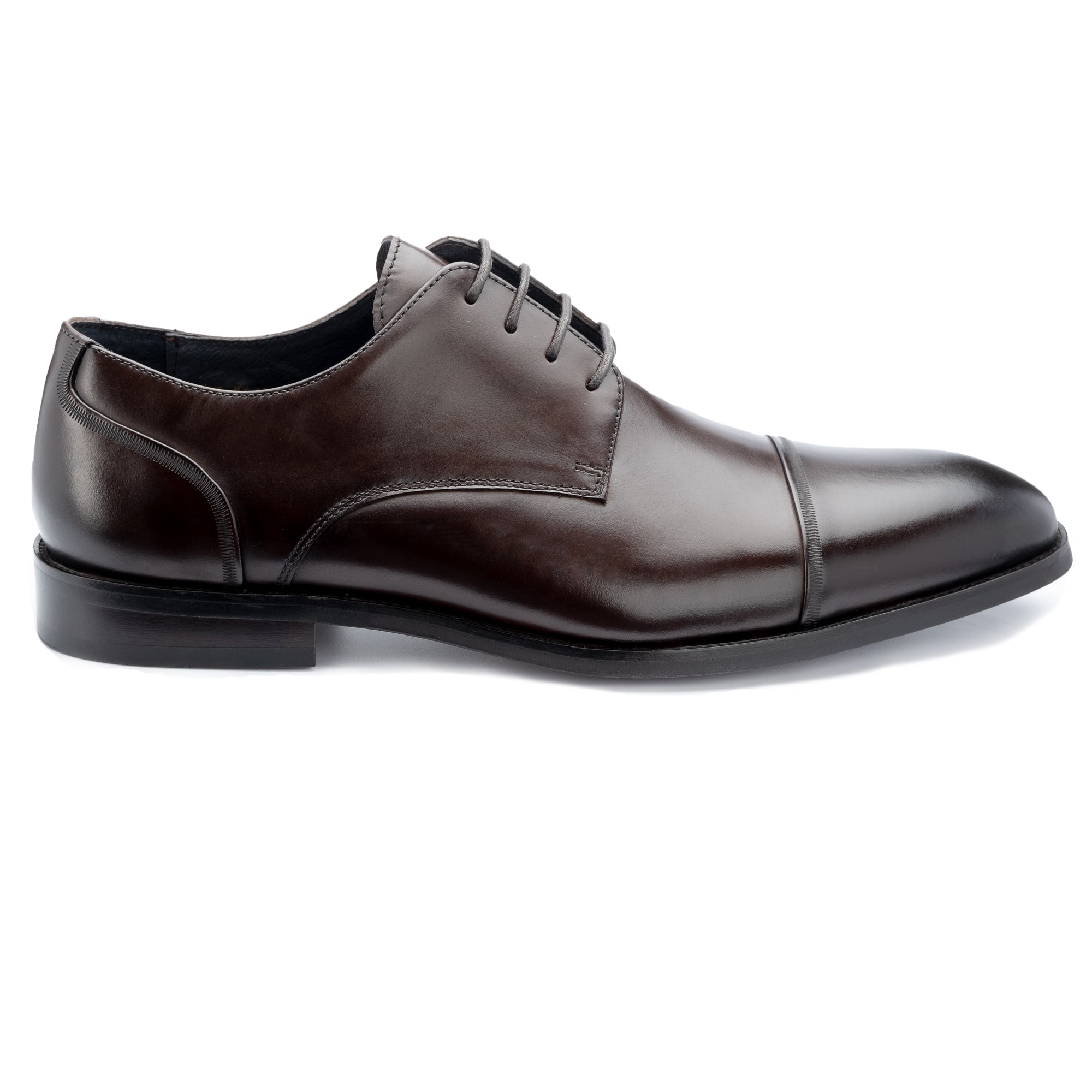
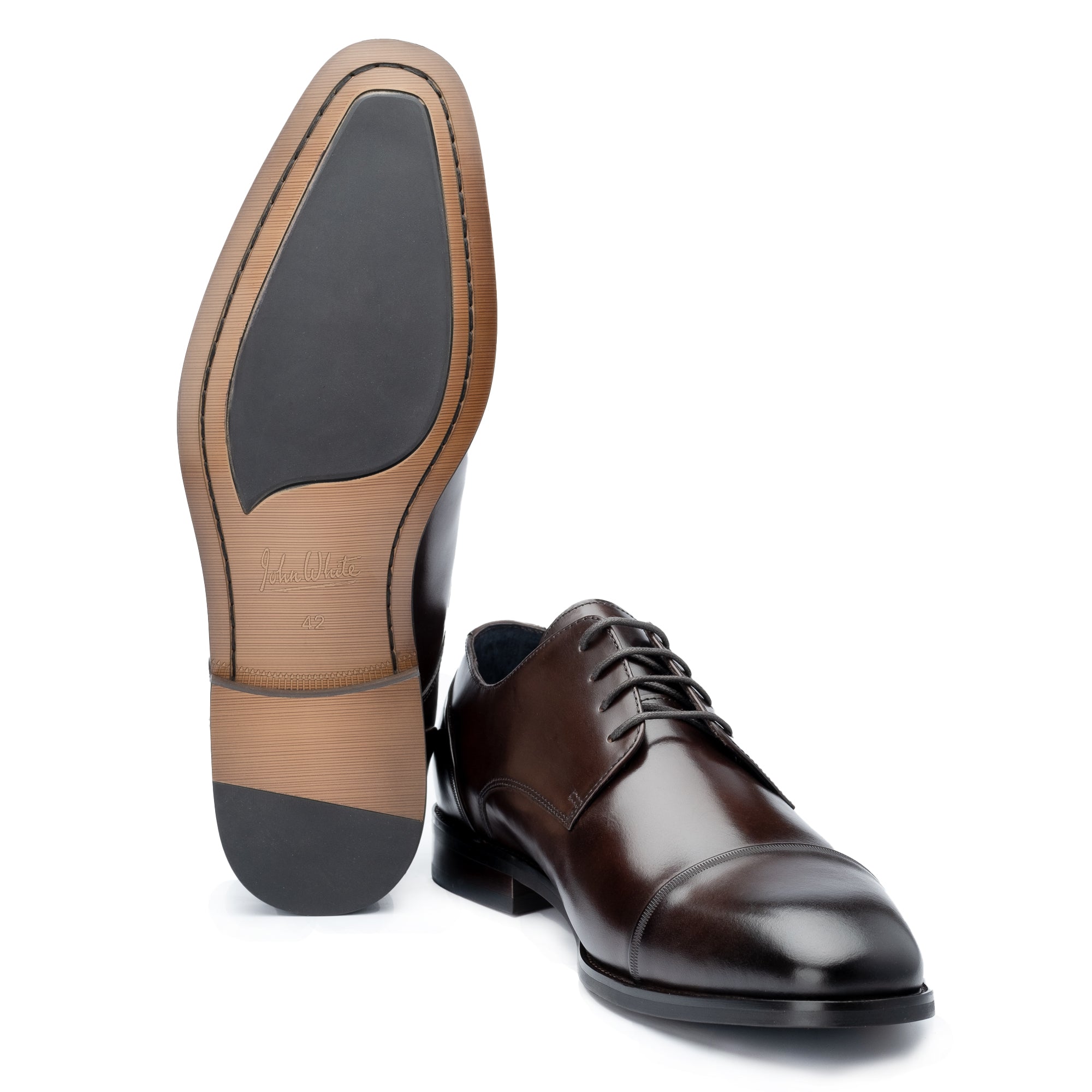
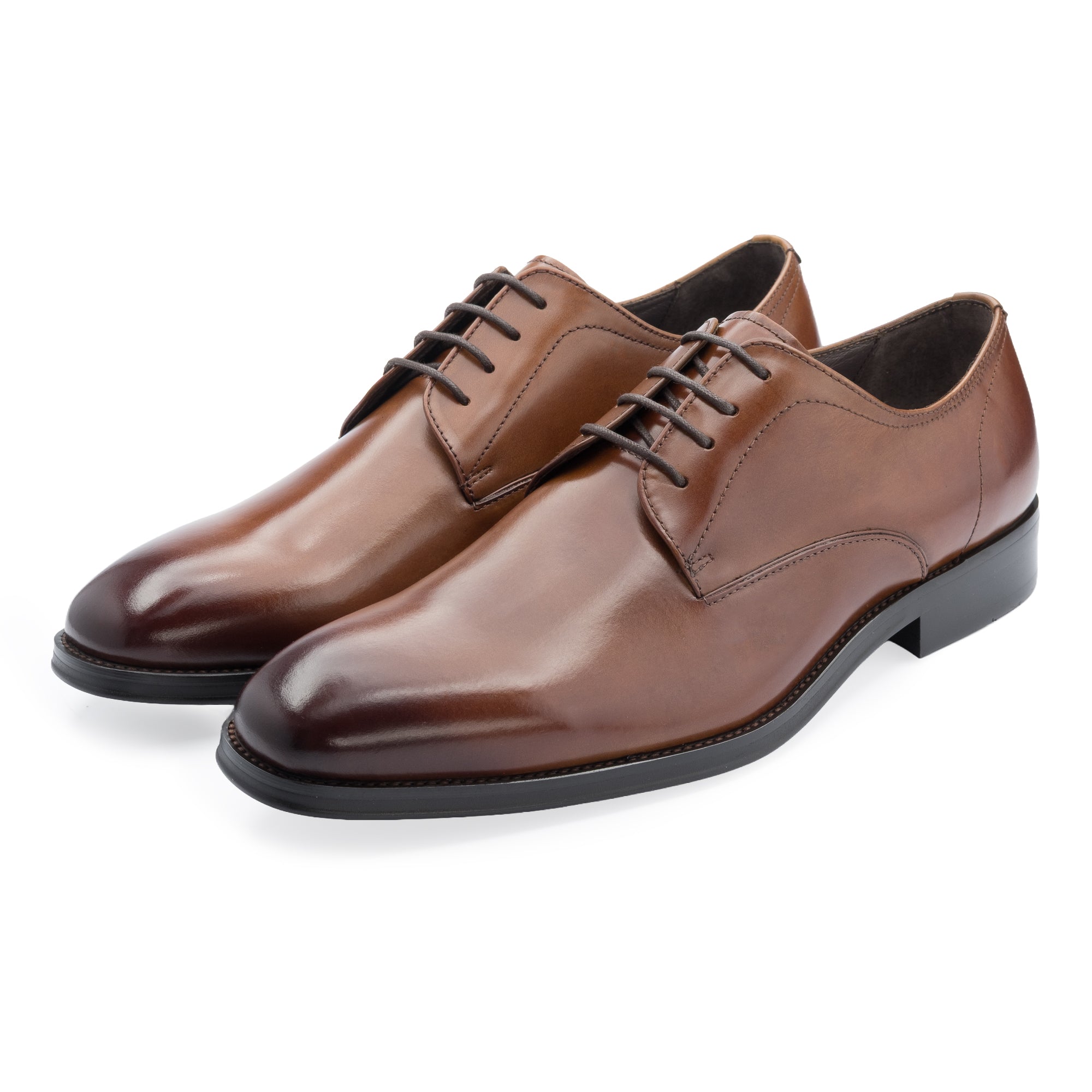
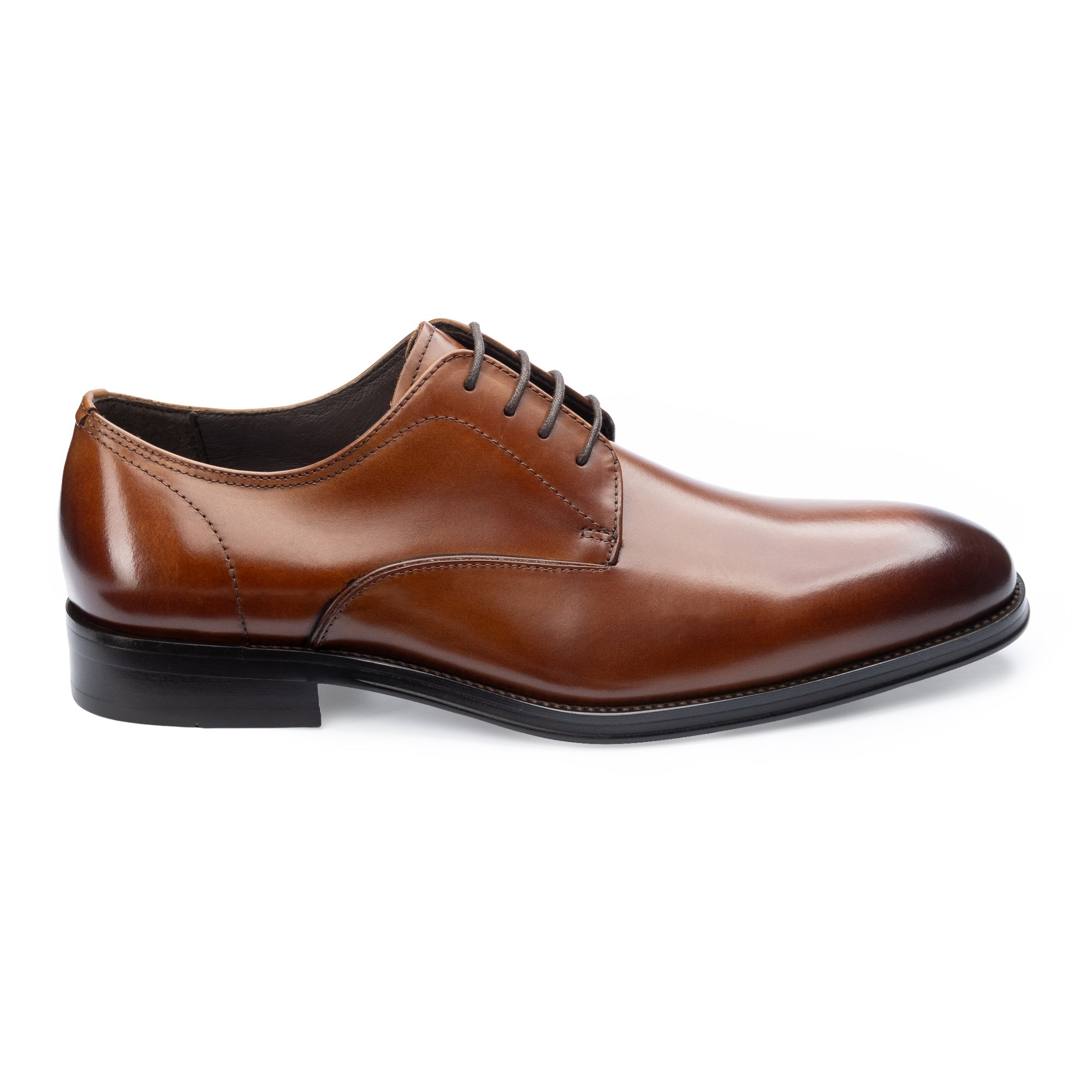
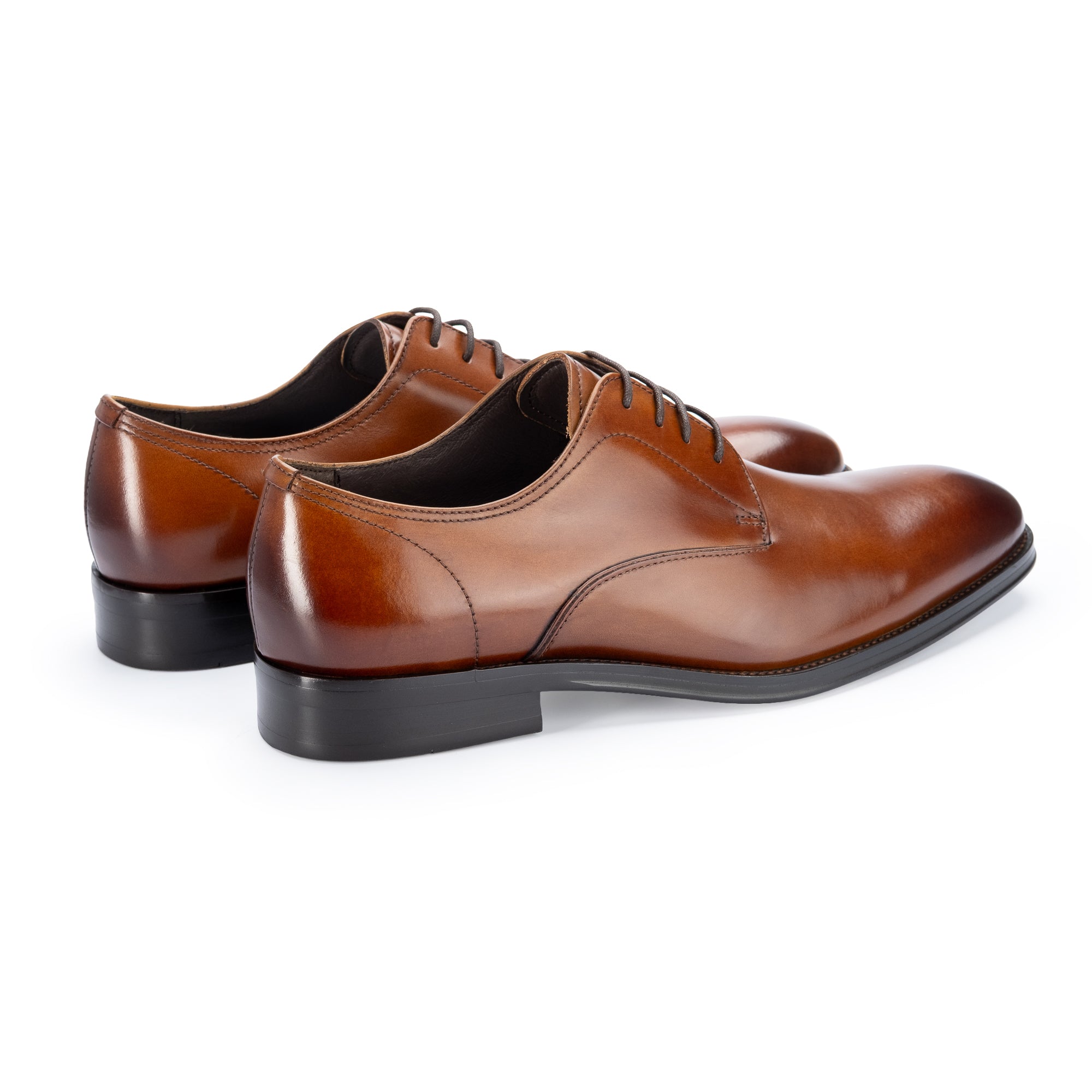
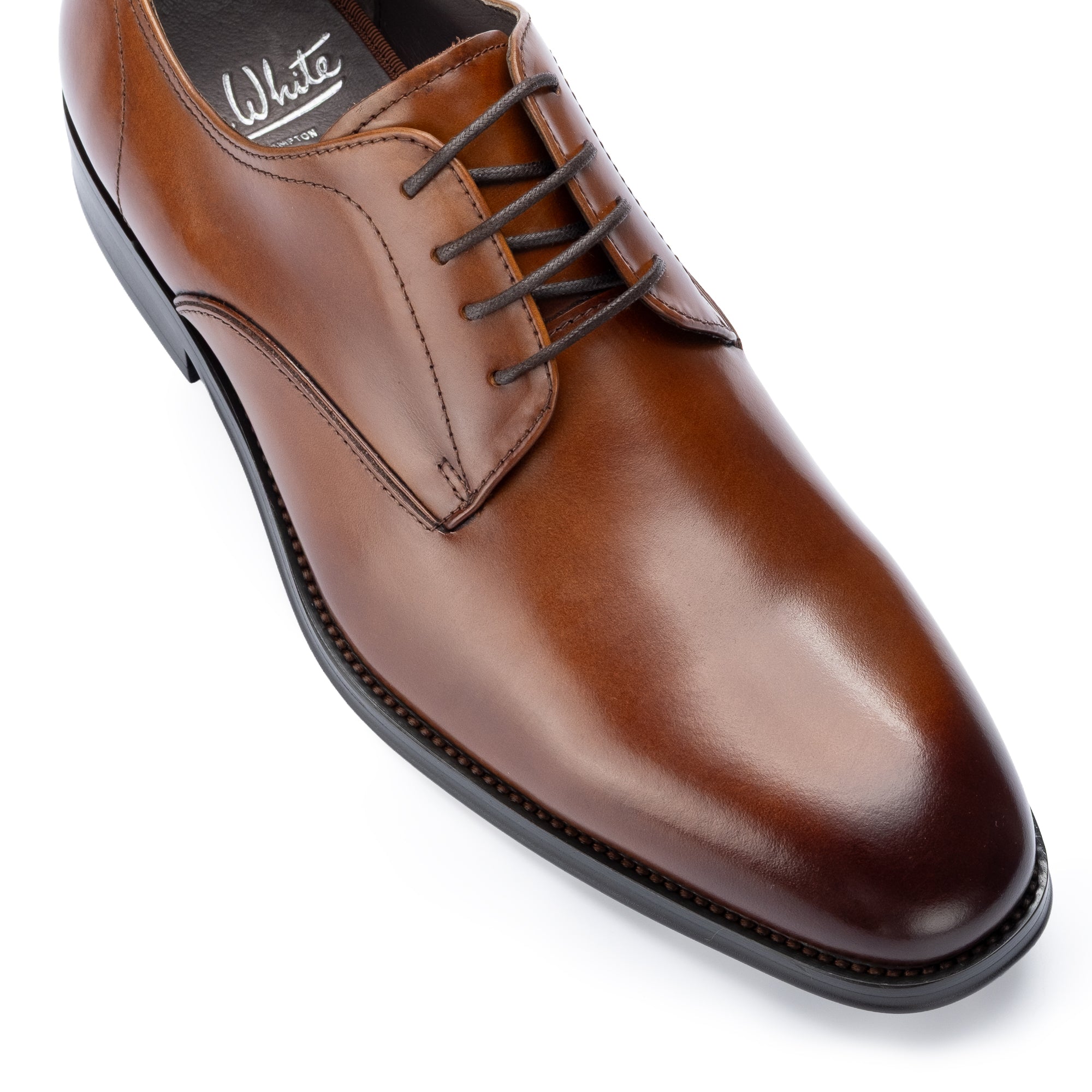
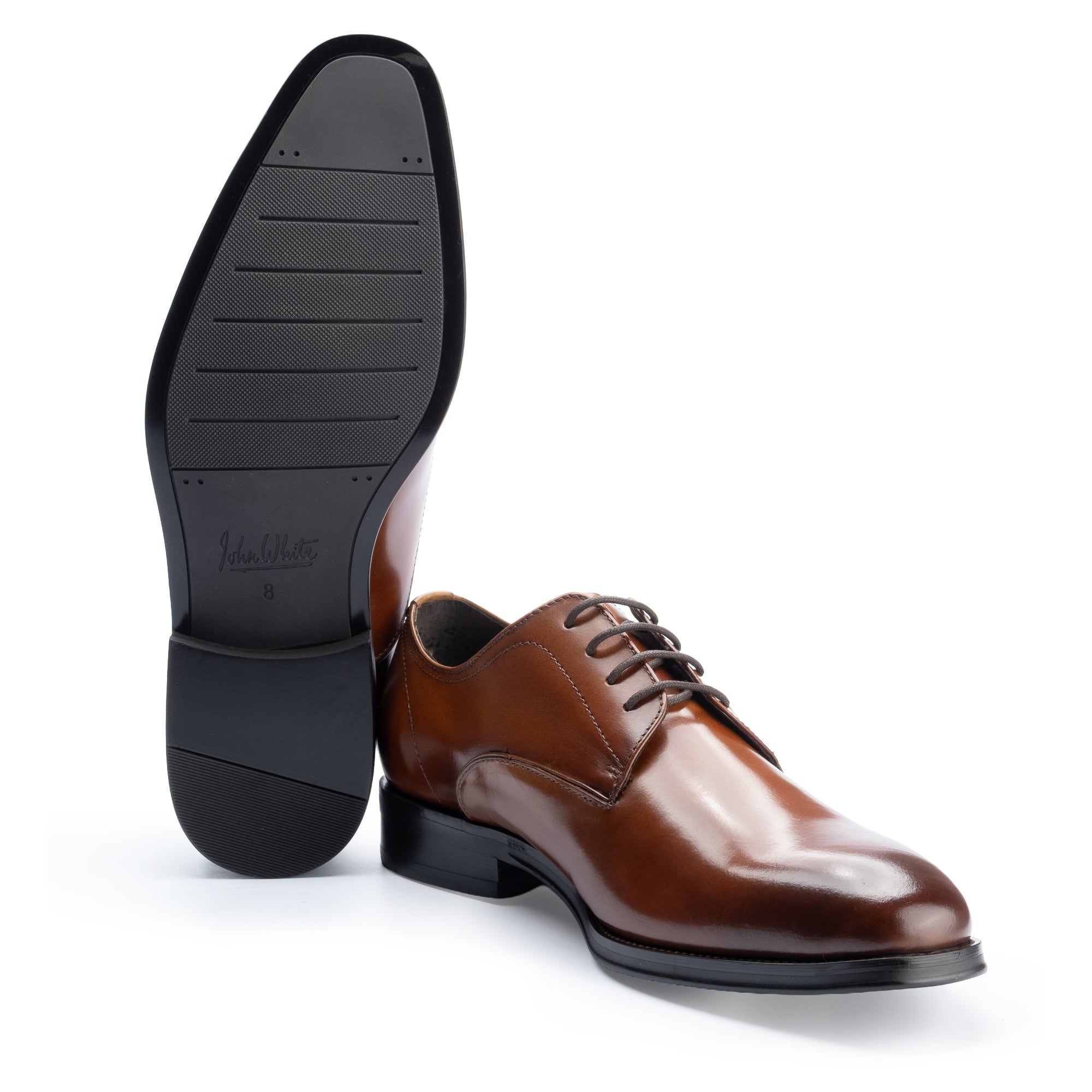
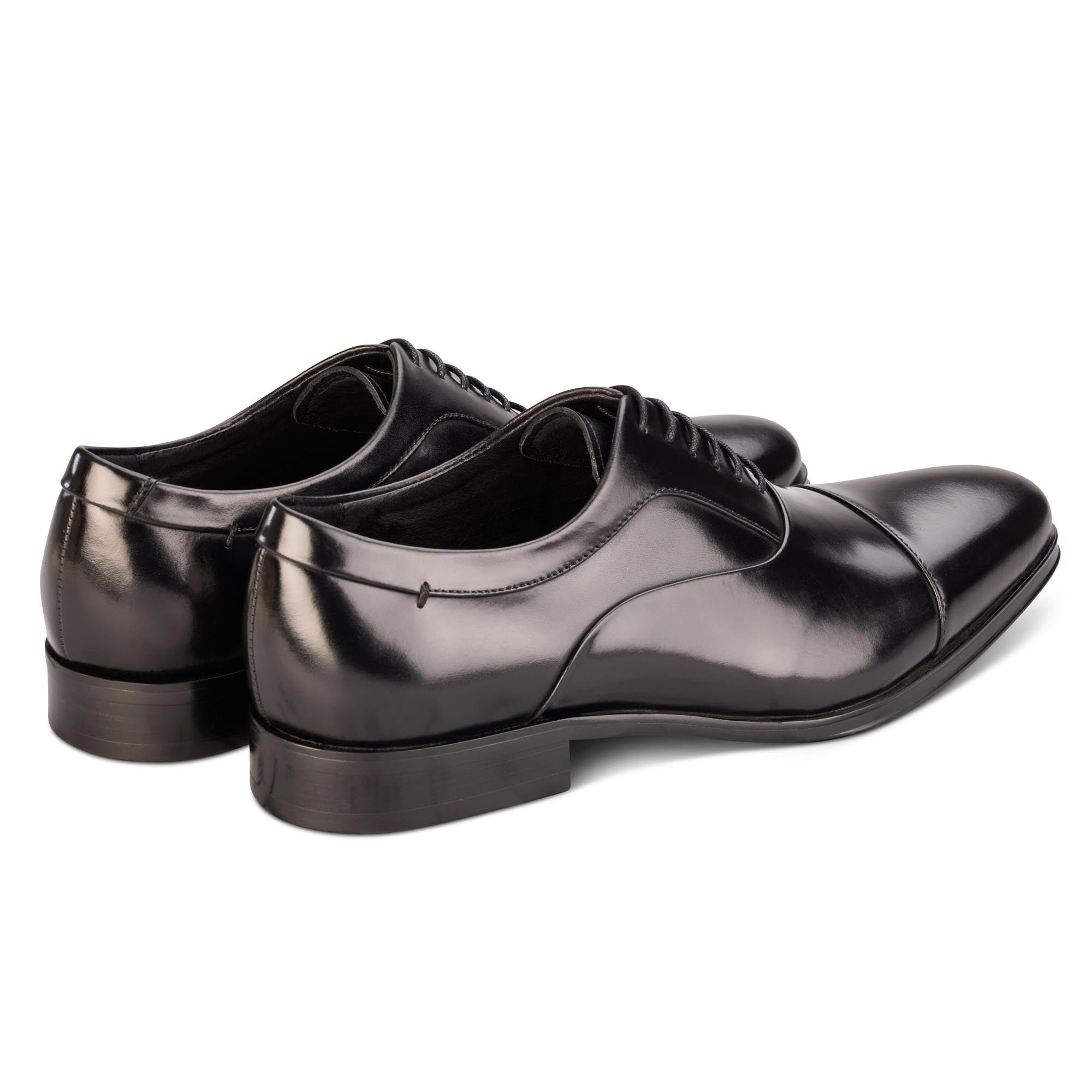
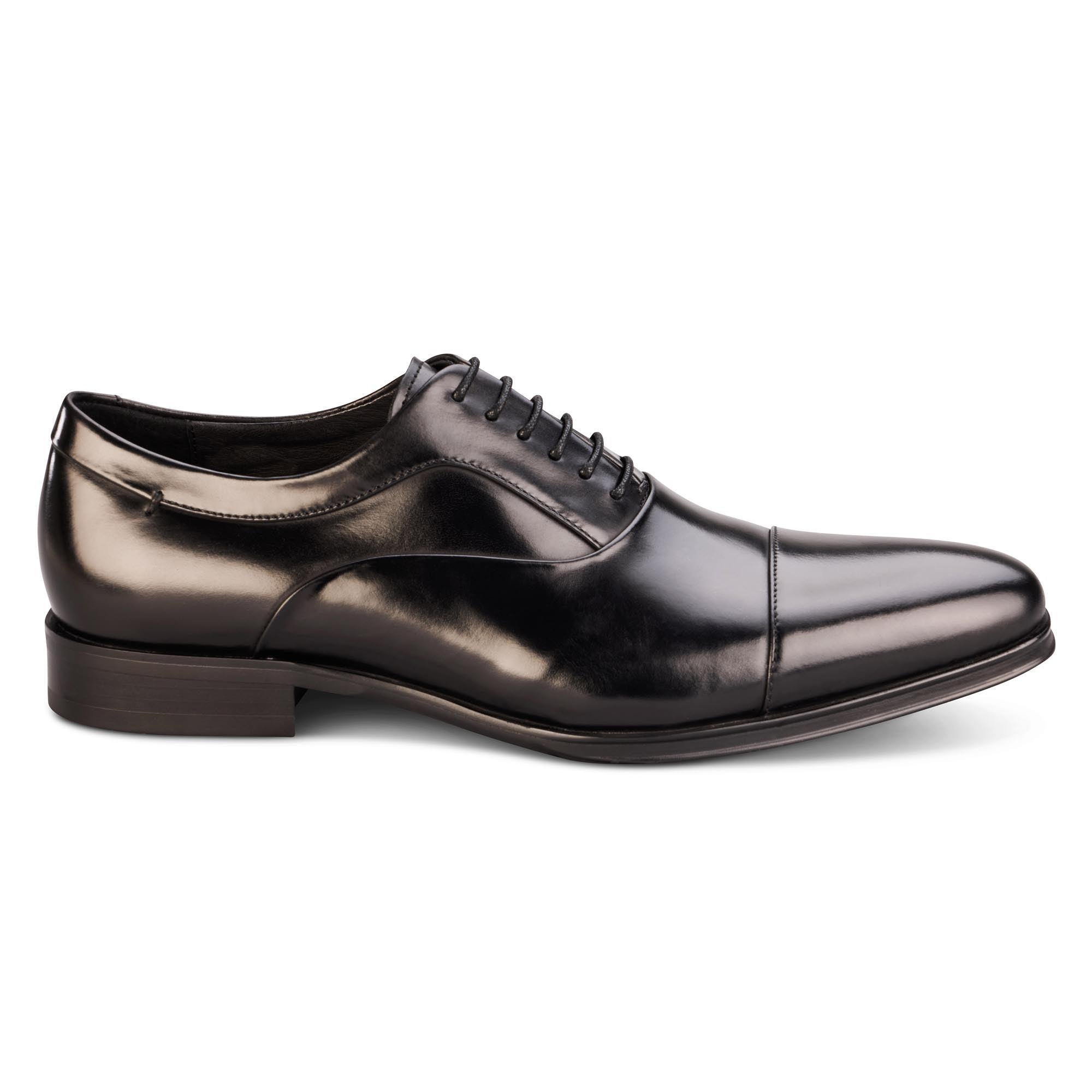
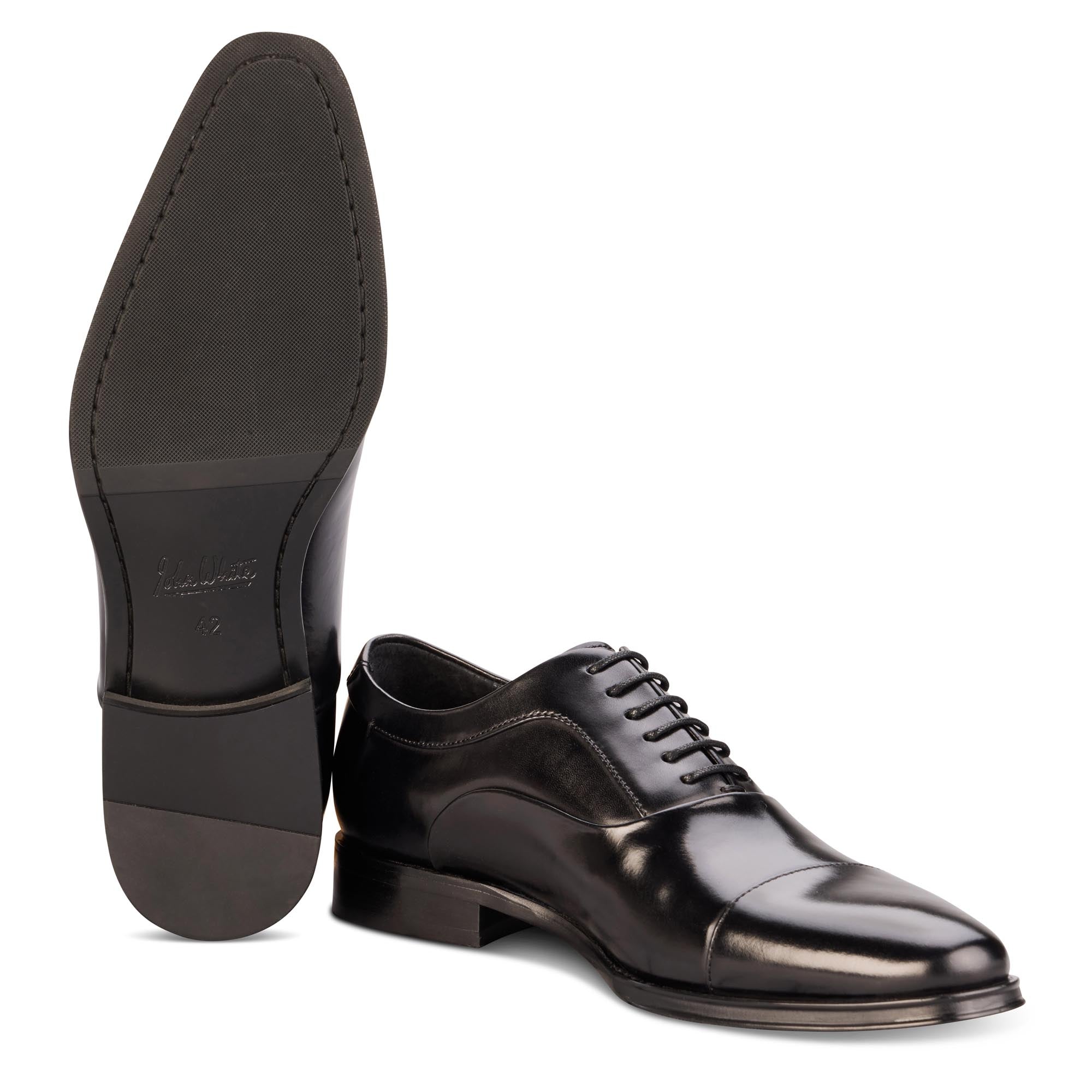
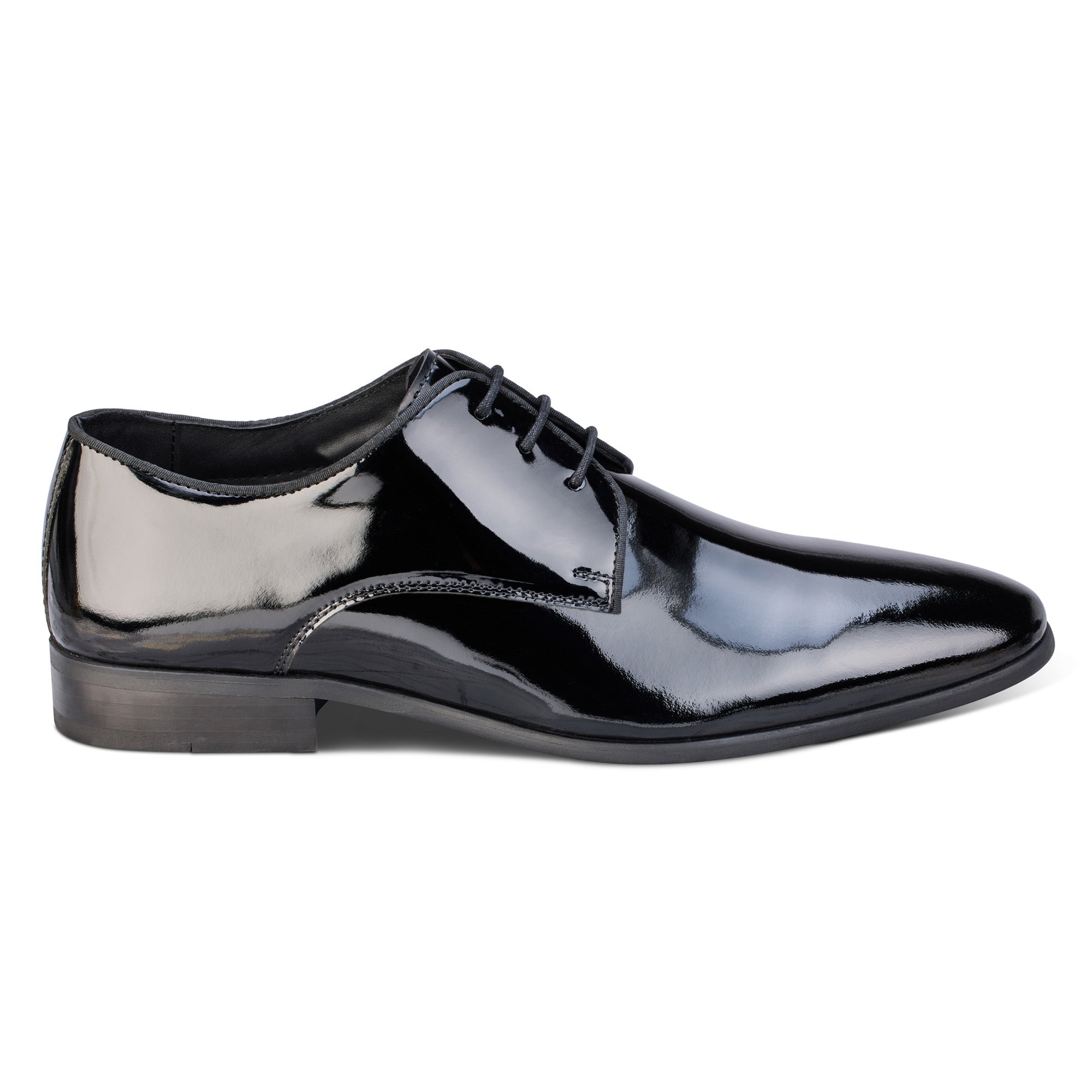
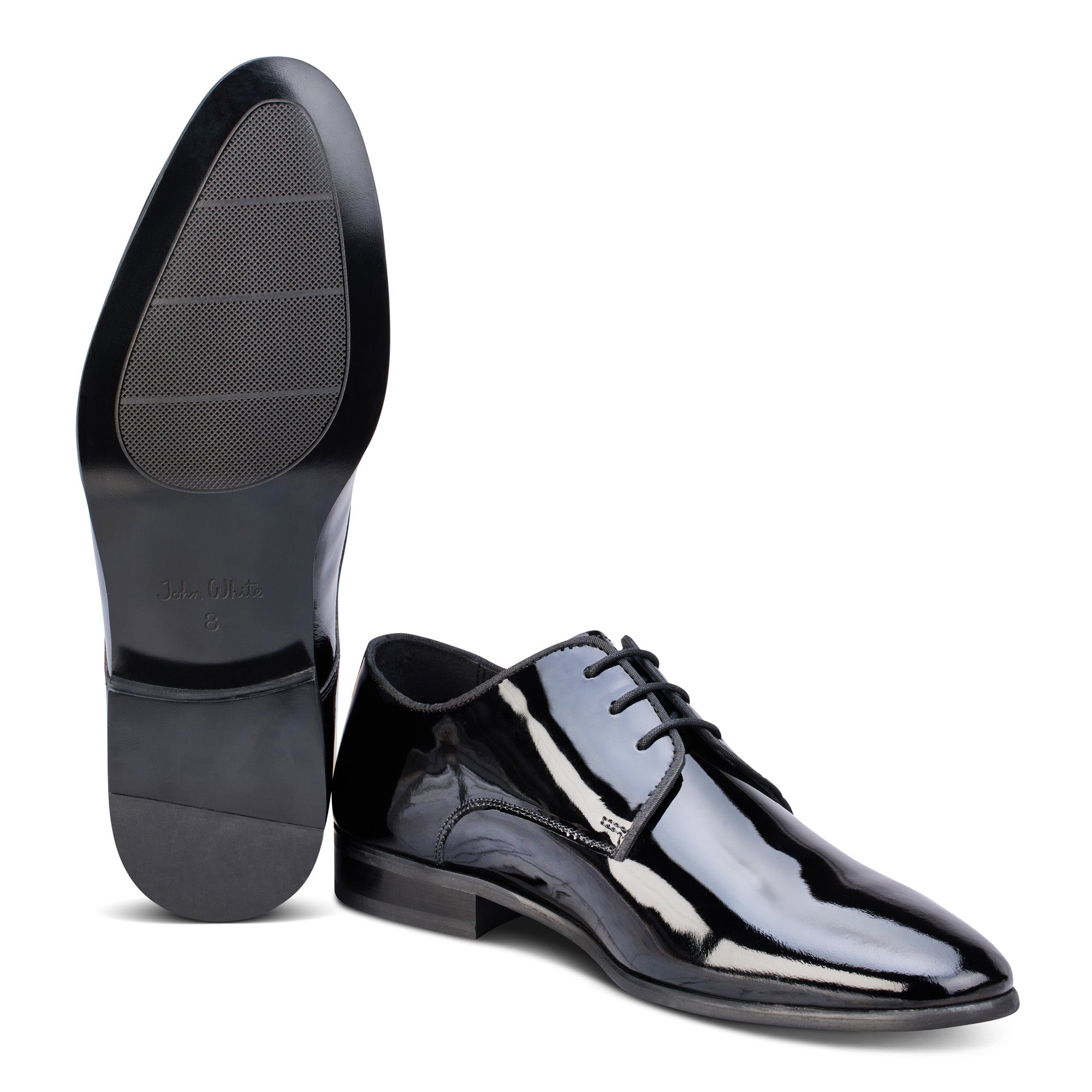
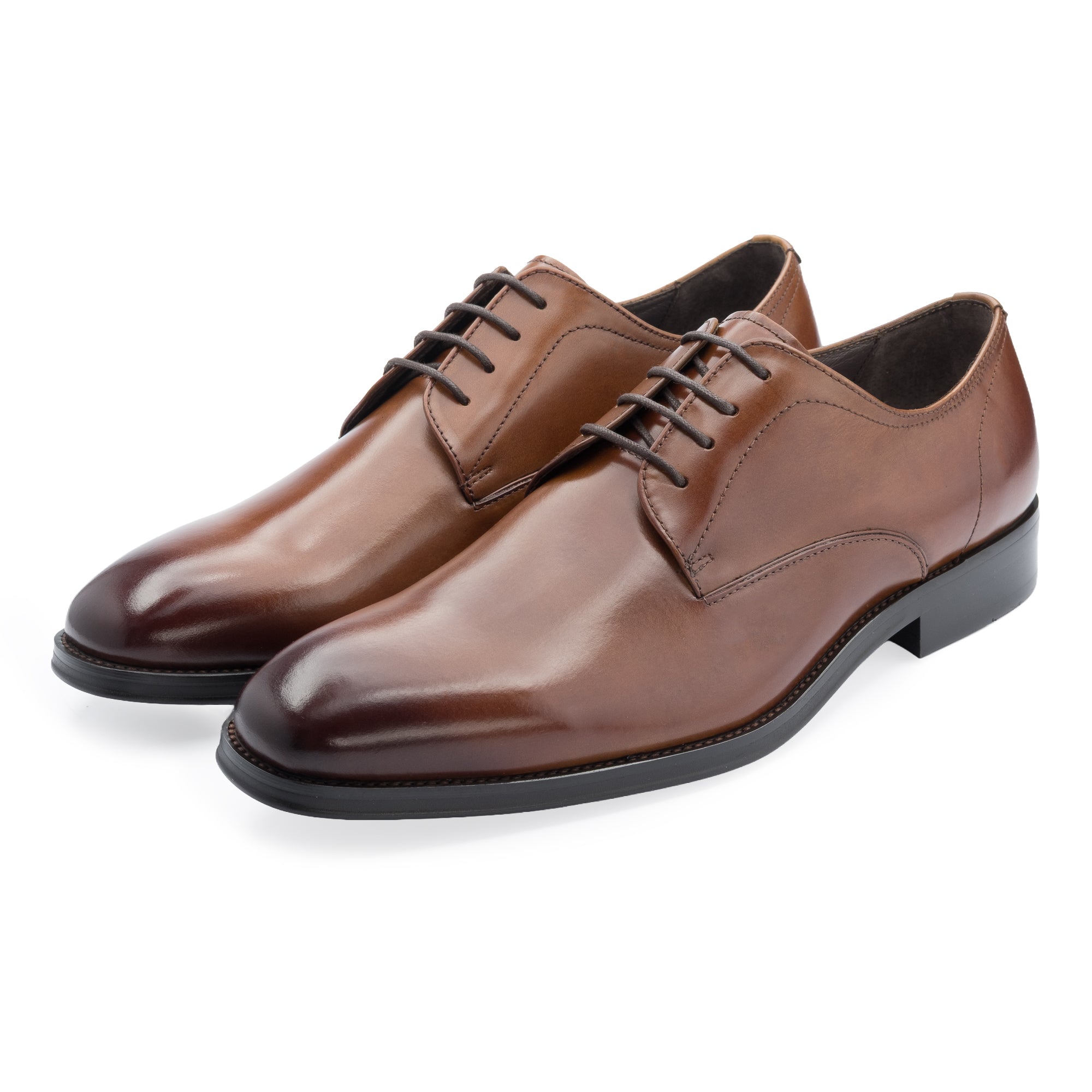
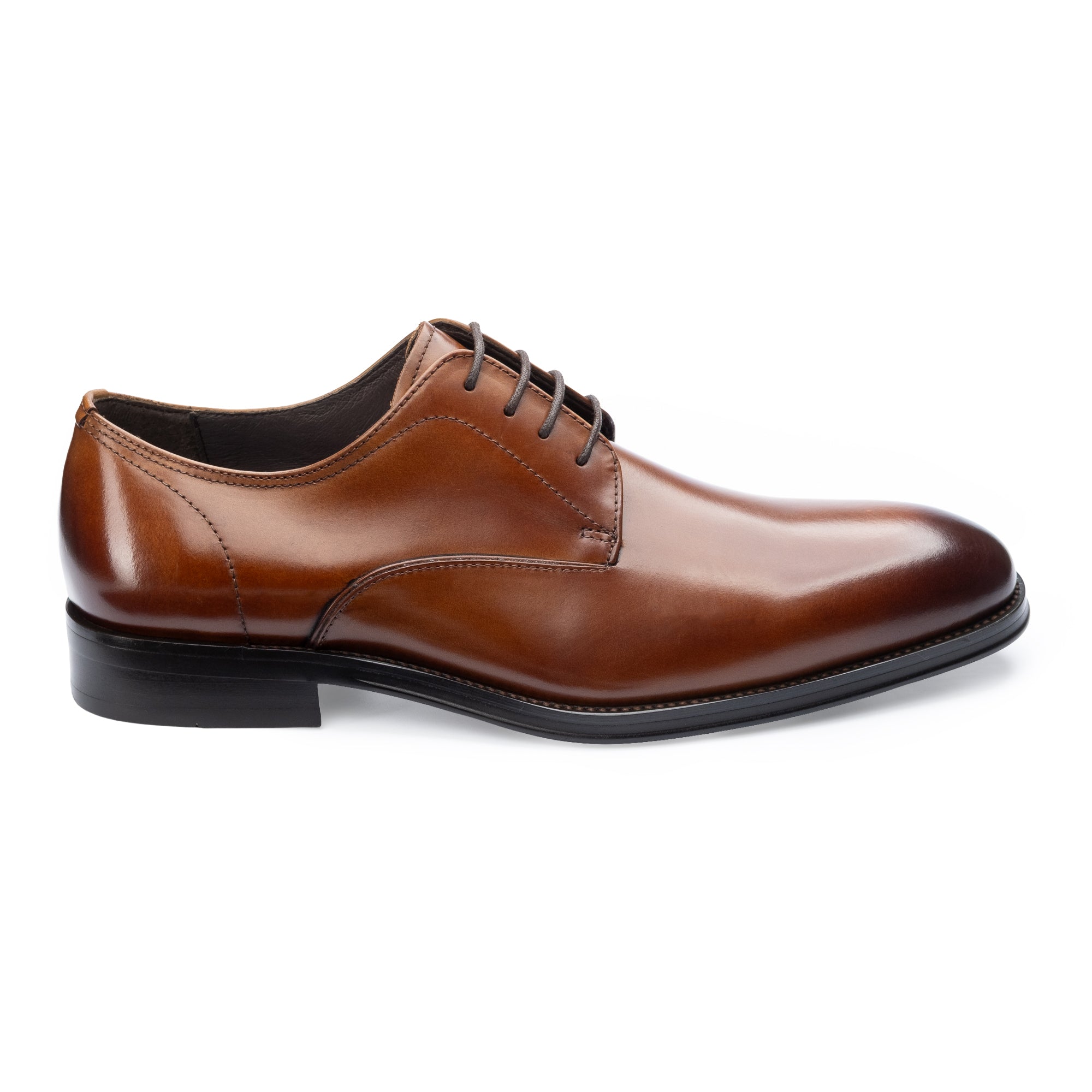
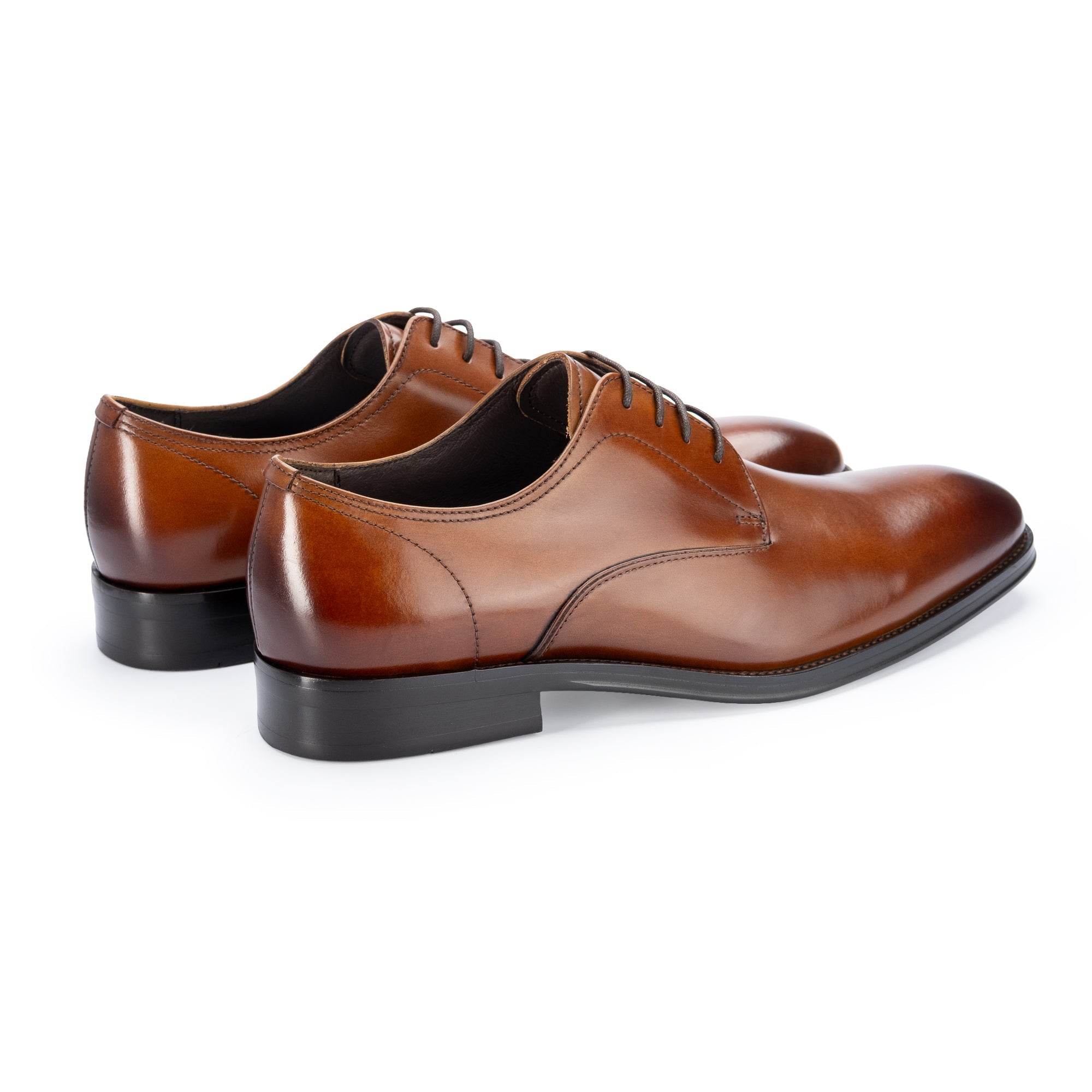
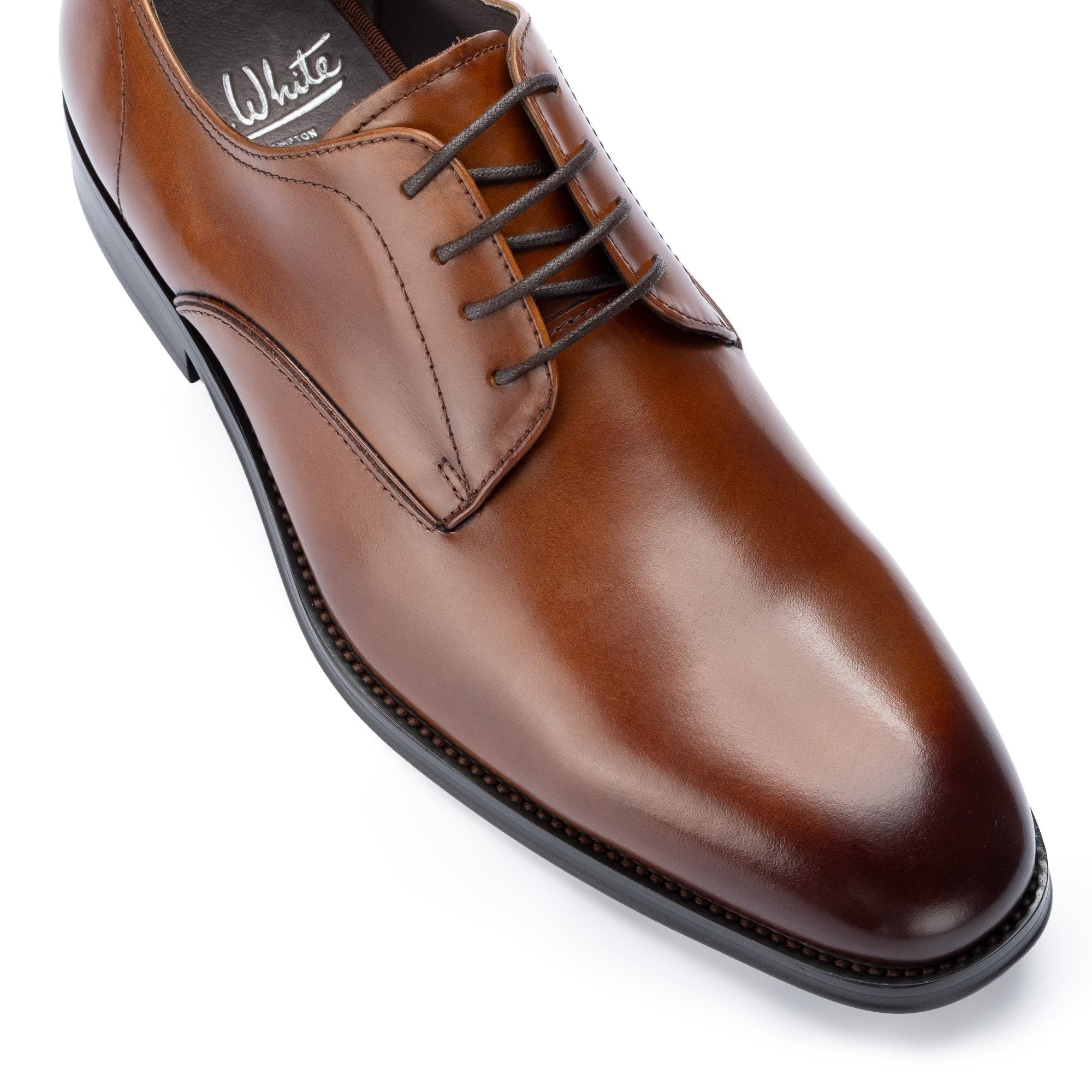
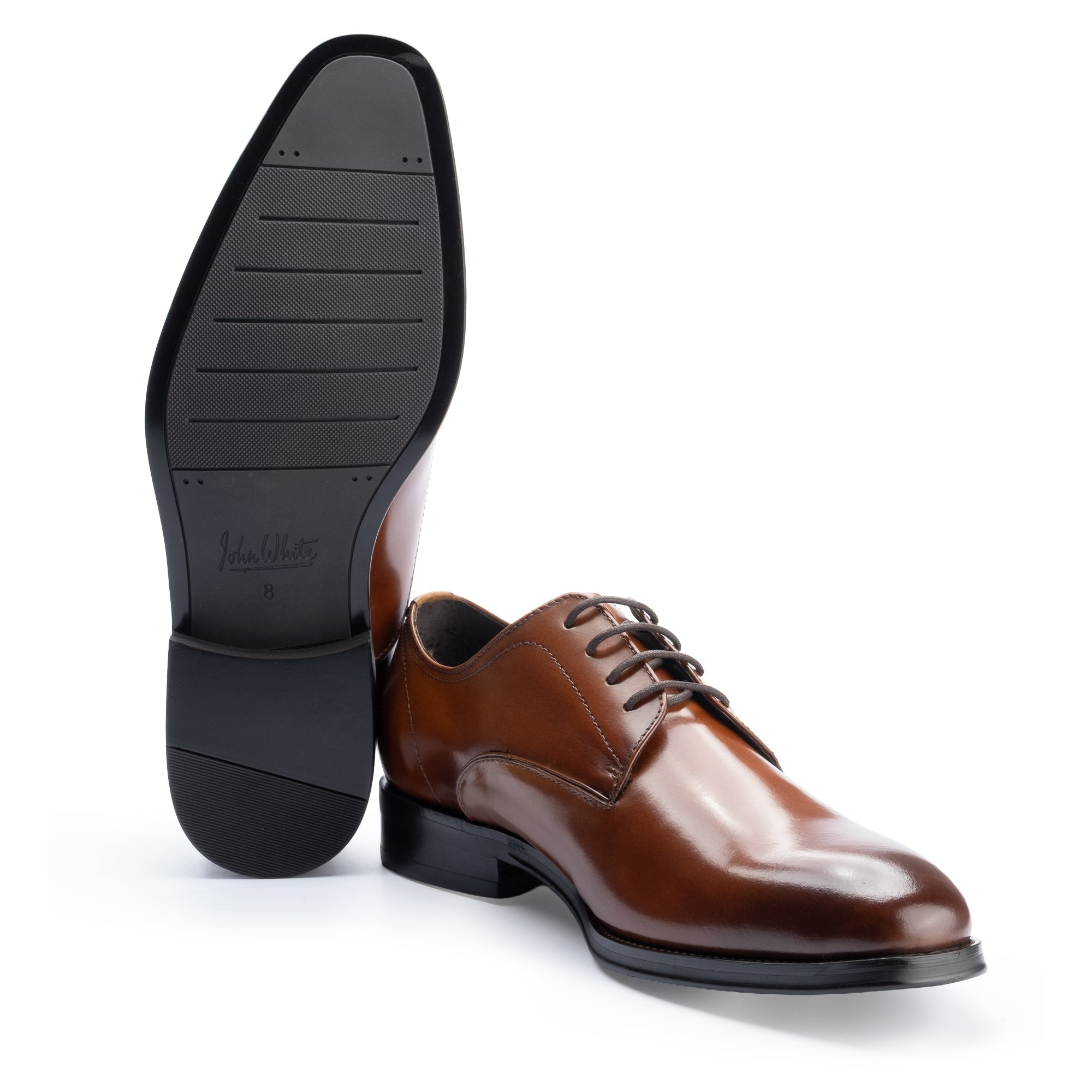
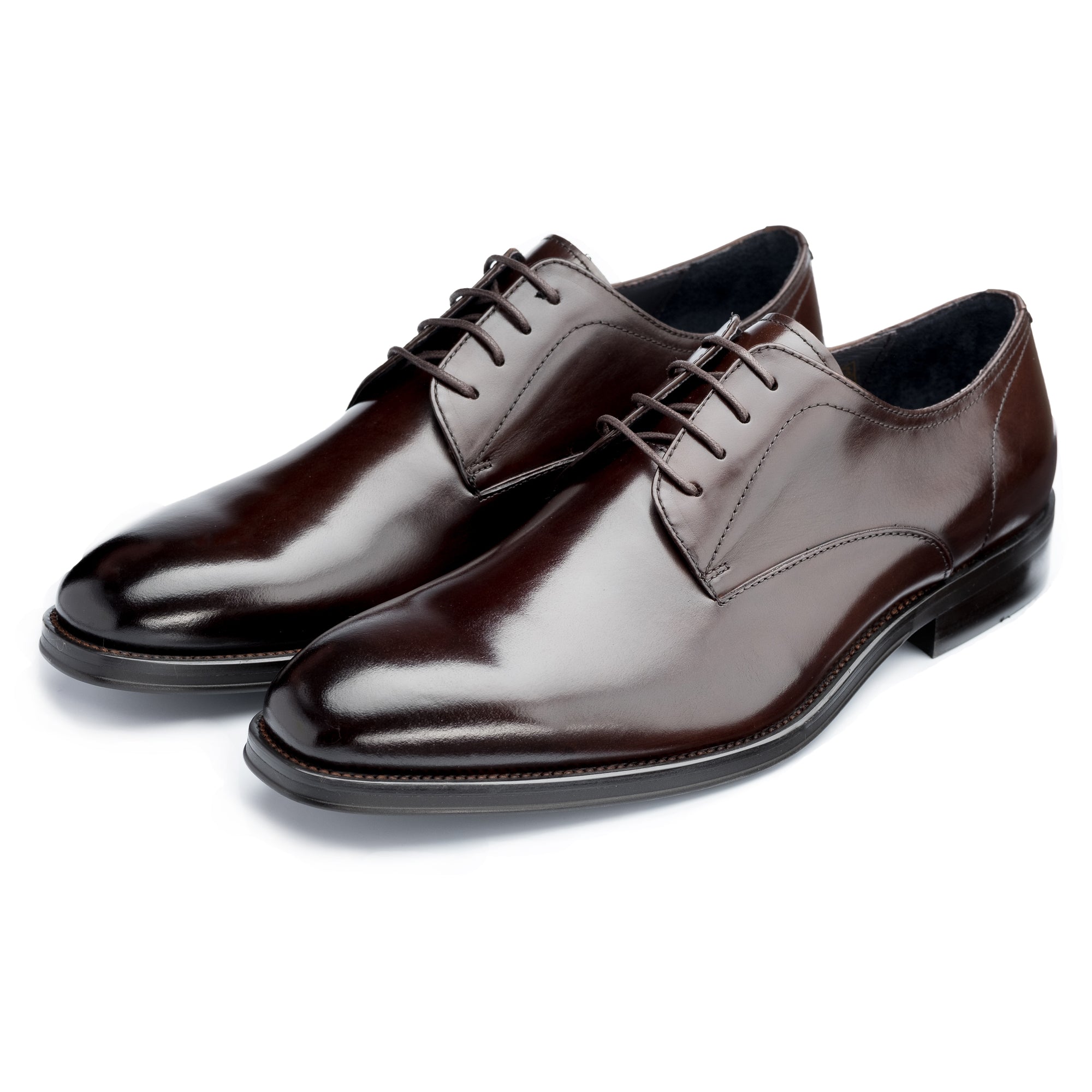
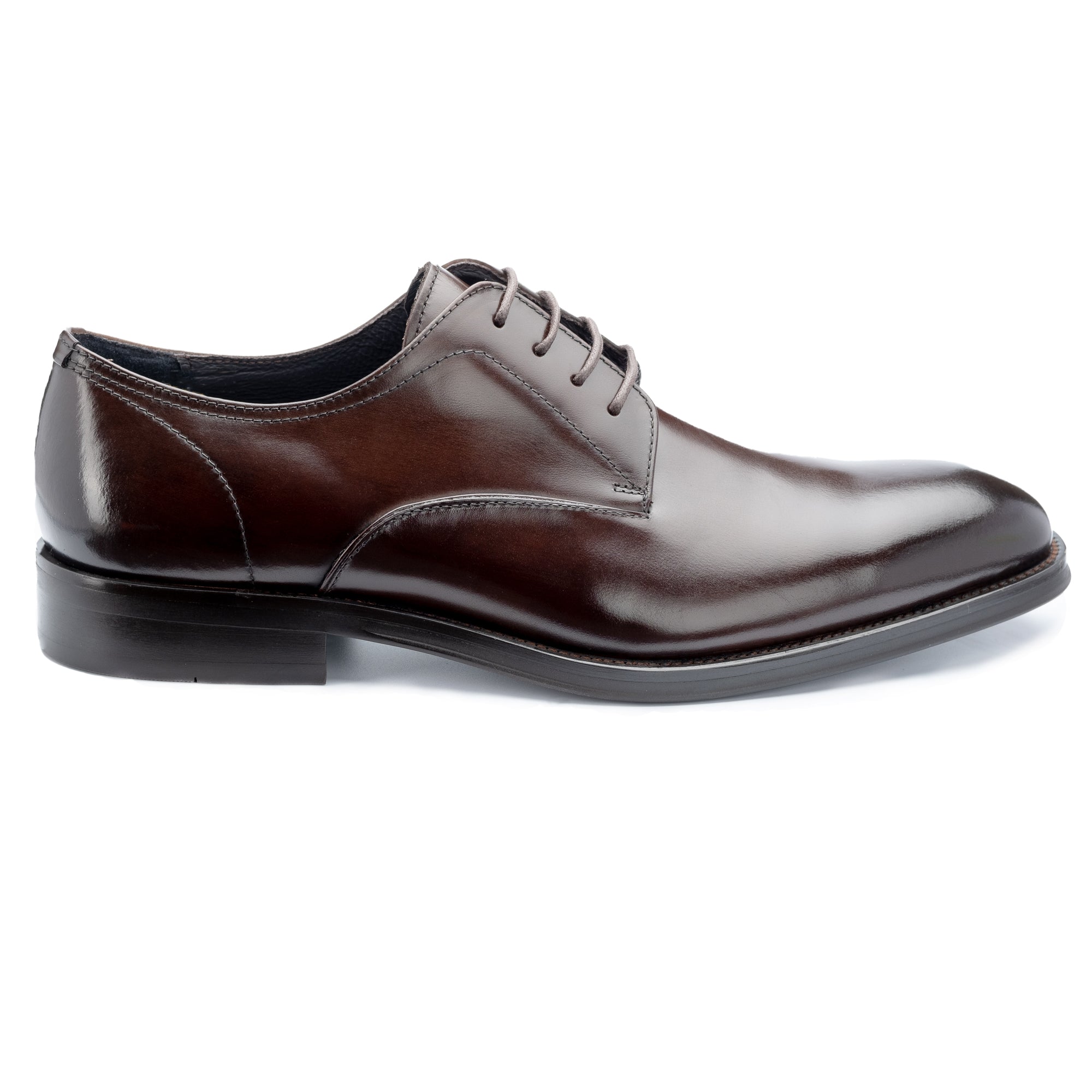
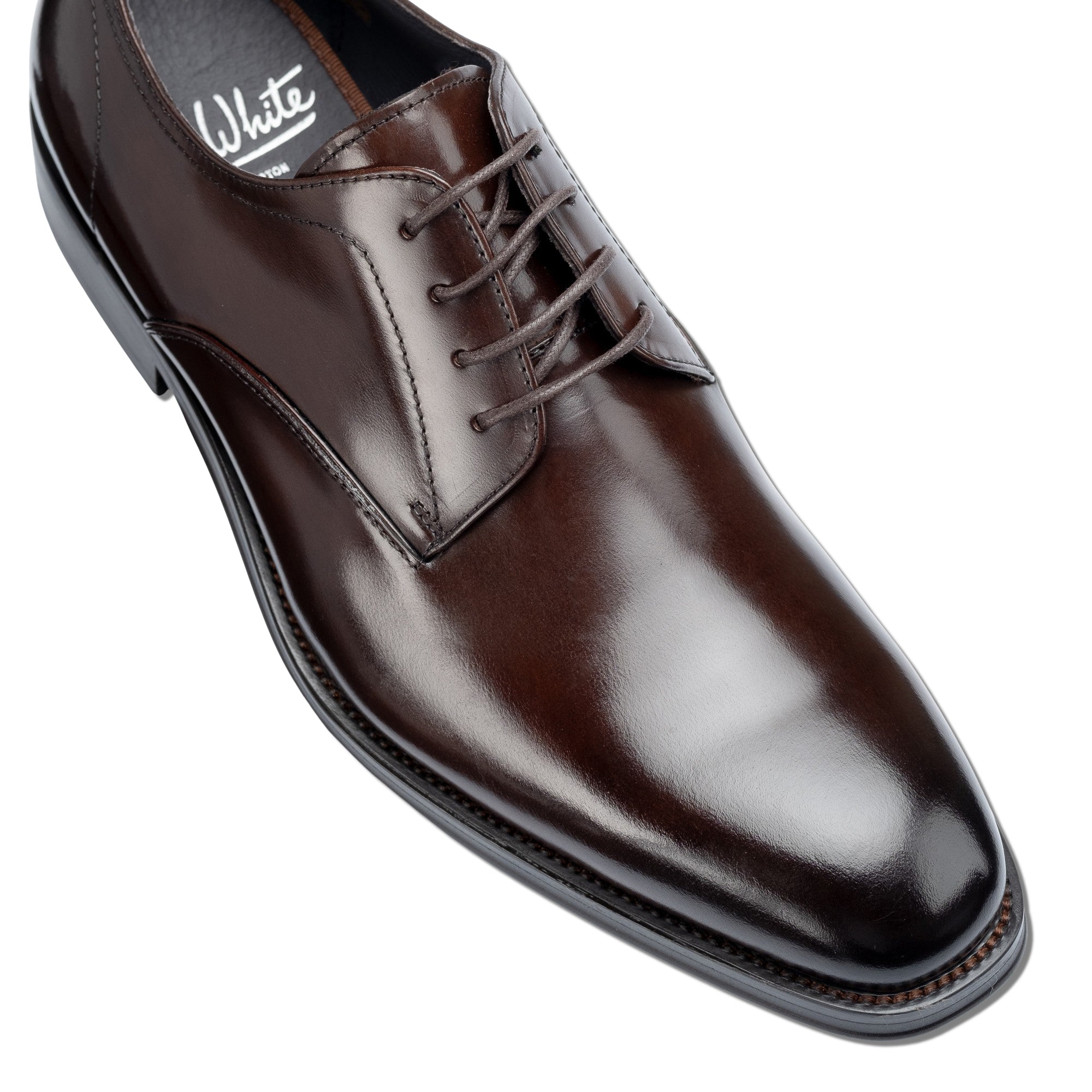
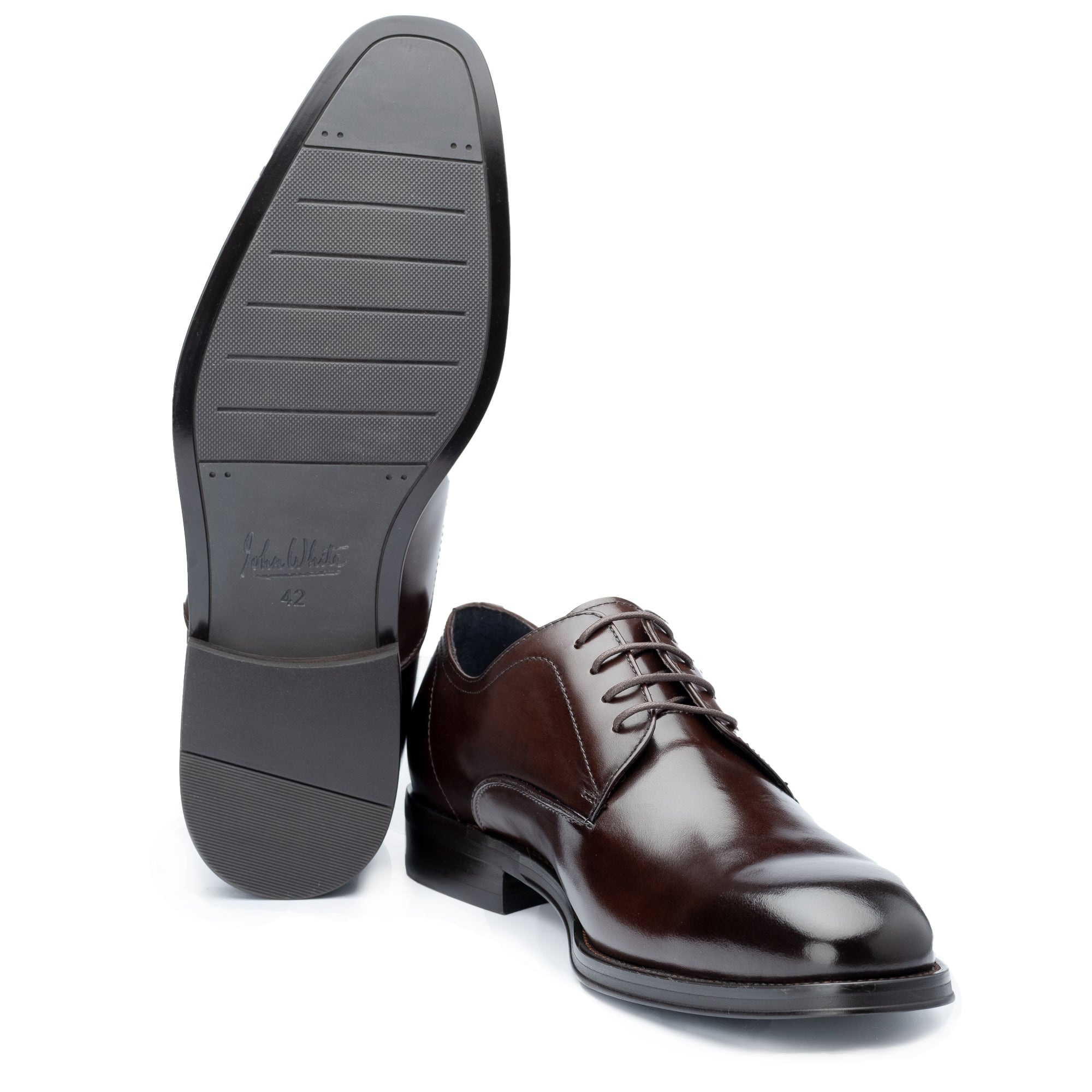
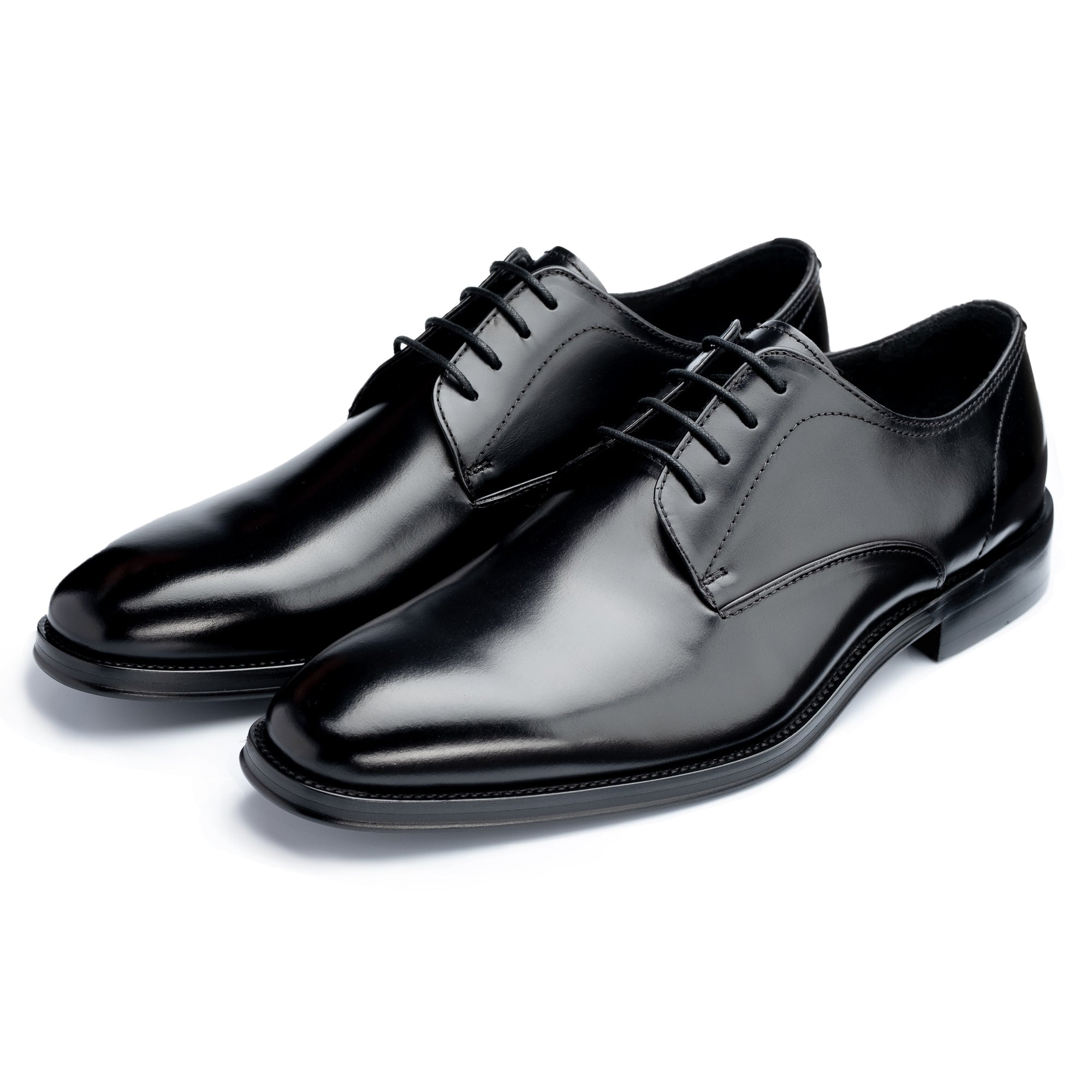
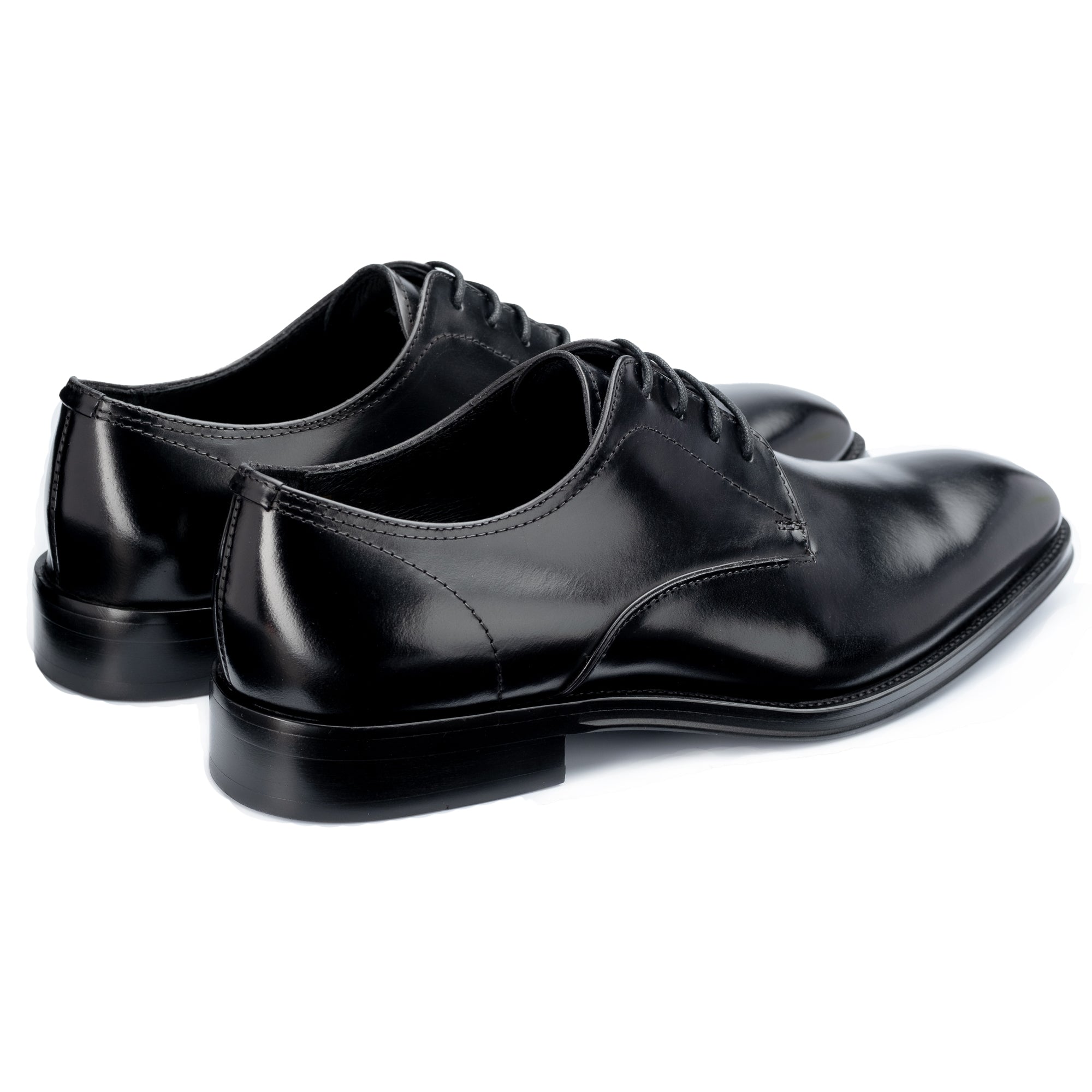
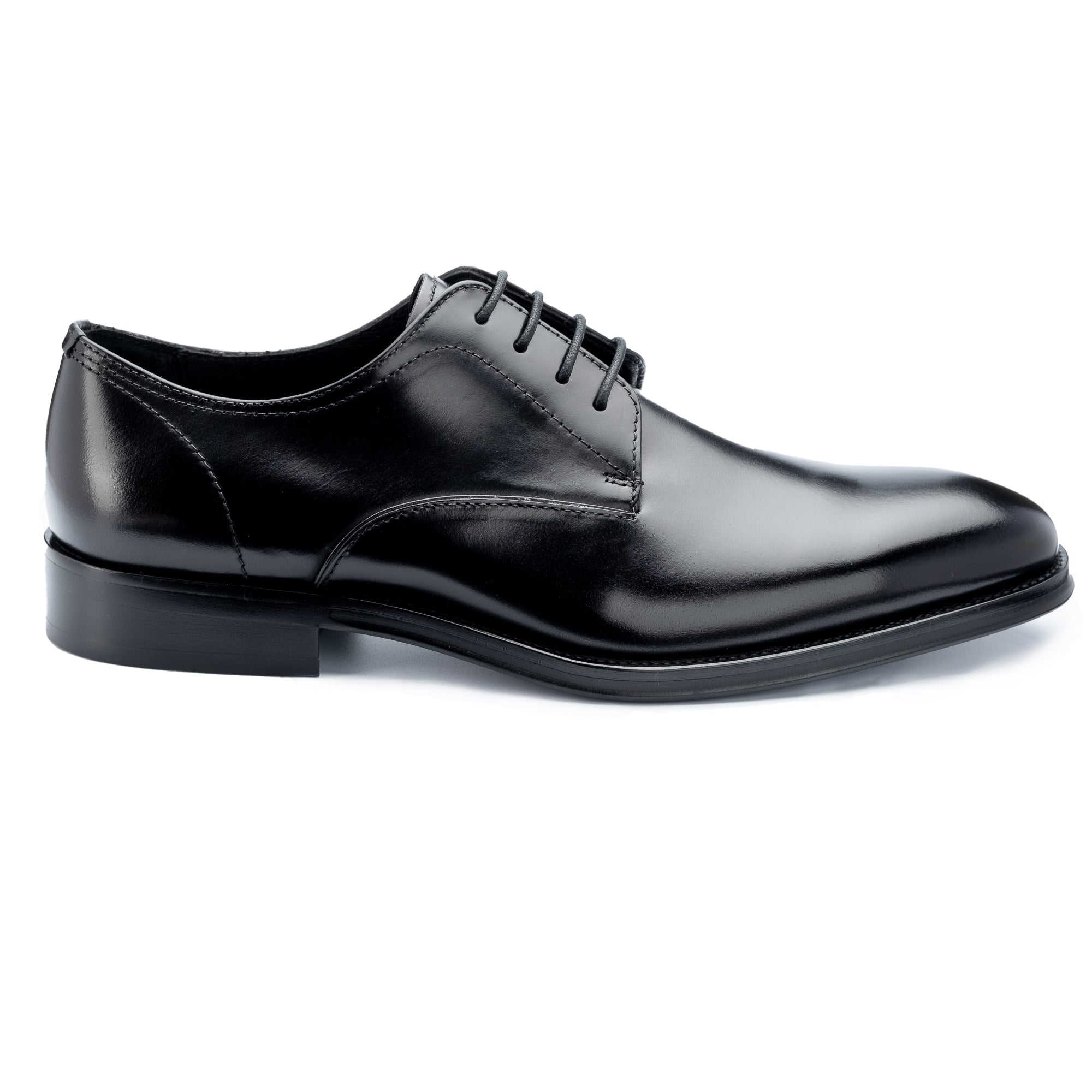
Leather shoe laces are the most overlooked component of men's footwear maintenance. On a pair of premium Goodyear welted shoes — whether from John White Shoes, Loake, Crockett & Jones, or Barker — the lace communicates the entire standard of care at a glance. A cracked, over-tightened, or incorrectly weighted lace diminishes a pair that has been otherwise immaculately maintained. This guide covers every aspect of leather lace care: correct cleaning technique, knowing when to replace, and selecting the right weight and profile for each shoe type in your men's leather shoe collection.
Why Do Leather Shoe Laces Matter More Than Most Men Realise?
A leather lace is a load-bearing accessory subjected to daily stress — tension, moisture, grime, and friction across metal or brass eyelets. Unlike waxed cotton or synthetic laces, leather laces require conditioning to remain supple and structurally sound. Neglect stiffens the fibres, leading to cracking at the knot point and fraying at the aglet.
According to SATRA Technology, the UK's leading footwear research authority, lace integrity is among the top five factors affecting perceived shoe quality in consumer assessments. The Society of Master Shoe Repairers notes that poorly maintained or incorrectly weighted laces are among the most common — and most easily remedied — signs of shoe neglect.
A premium leather lace, properly cared for, should last two to three years before replacement; a neglected one may fail within twelve months.
How Should You Clean Leather Shoe Laces?
Cleaning leather laces is a brief process that most men omit entirely from their regular shoe care routine. The Leather Conservation Centre recommends cleaning leather accessories — including laces — every three to six months, or whenever surface grime is visible.
Follow this method:
- Remove the laces from the shoe entirely. Cleaning them in place traps dirt around the eyelets and prevents even coverage.
- Wipe each lace with a barely damp cloth to remove loose surface dust.
- Apply a small amount of saddle soap to a soft brush or cloth and work it gently along the length of the lace in short, circular strokes.
- Wipe away soap residue with a clean damp cloth. Do not saturate the leather.
- Lay the laces flat to air dry, away from direct heat or sunlight. Rapid drying causes immediate cracking at the flex points.
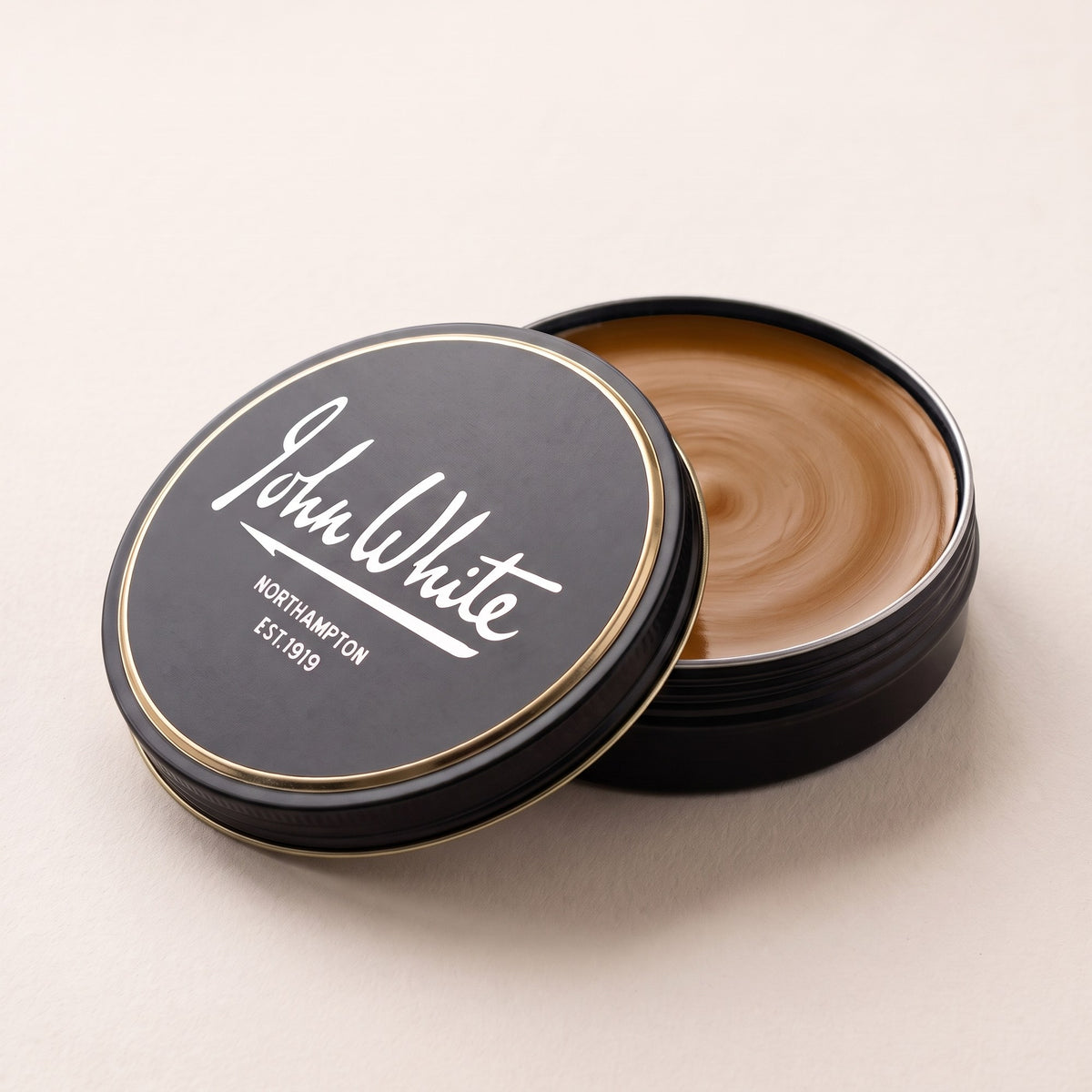
- Once fully dry, apply a very thin layer of colourless leather conditioner — a product such as Saphir Renovateur or equivalent — along each lace. This restores suppleness and prevents brittleness.
- Buff lightly with a soft cloth and re-lace the shoe.
Avoid applying coloured polish directly to leather laces. It builds up unevenly and can transfer to the eyelet surround, staining the upper. For dark laces showing minor scuffs, a colourless conditioner is sufficient.
The single most damaging mistake is machine-washing leather laces — this strips the natural oils irreversibly and causes immediate structural failure.
For guidance on which cleaning products belong in a proper shoe care kit, see our authoritative guide to building a complete shoe care arsenal.
When Should You Replace Leather Shoe Laces?
Leather shoe laces have a finite service life. Conditioning extends that life considerably, but certain signs indicate replacement is the only sound course of action.
Replace your leather laces when you observe any of the following:
- Cracking or splitting at the knot point or where the lace passes over an eyelet
- Fraying at either end, particularly if the aglet tip has separated
- Permanent stiffness that conditioning does not resolve within two applications
- Discolouration — typically greying or patchy whitening — that cleaning does not clear
- Visible thinning of the lace profile at high-stress points
- A lace that has been knotted to repair a break; this is a temporary fix, not a solution
Many experienced shoe wearers replace leather laces annually as part of a routine seasonal care schedule, regardless of visible condition. This is consistent with the maintenance philosophy outlined in the complete guide to leather shoe care, where preventive replacement of small components protects the investment in the shoe itself.
Annual replacement of leather laces, even absent visible damage, costs very little against the value of the shoes it protects.
How Do You Choose the Right Leather Lace Weight?
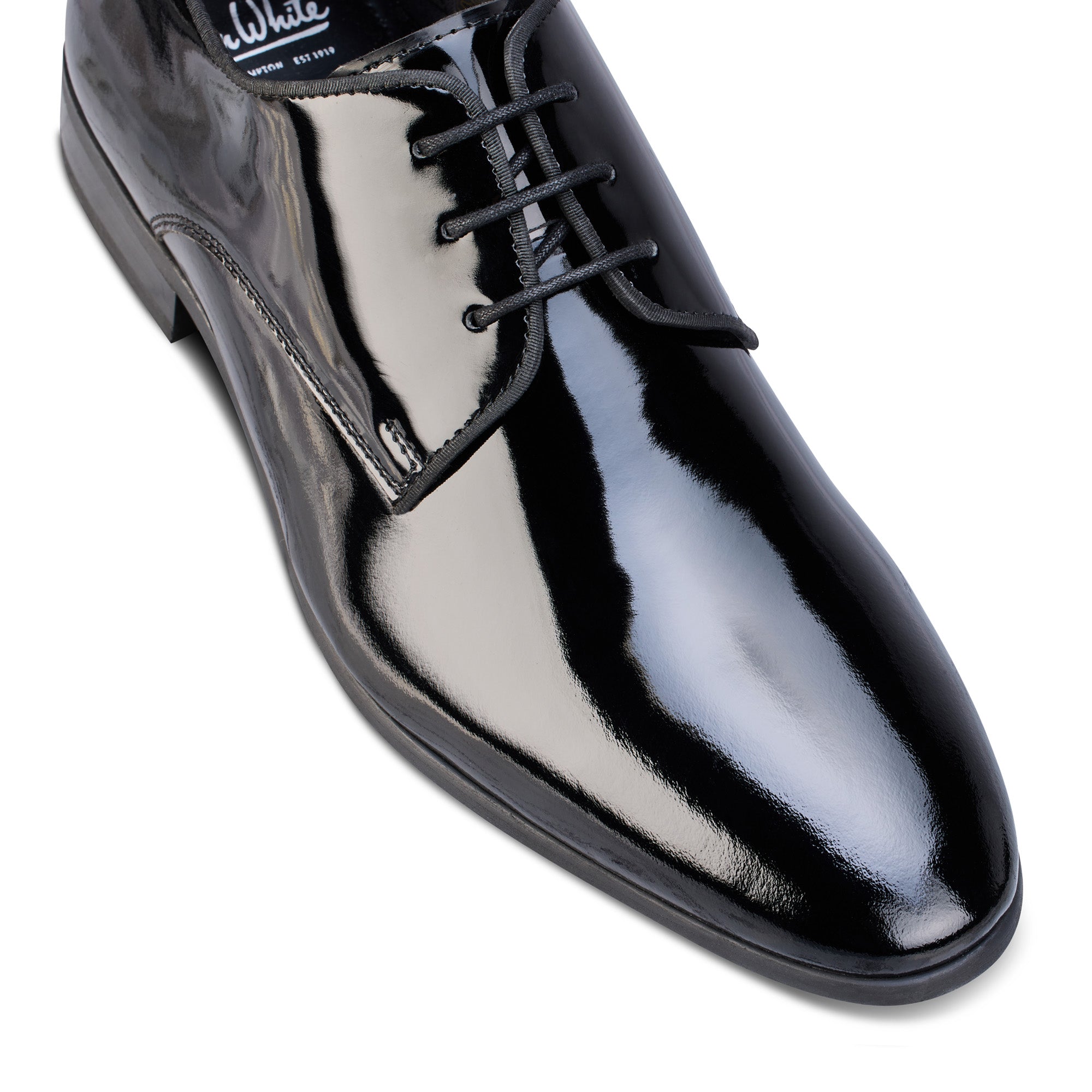
Lace weight — the thickness and profile of the lace — is determined by the formality of the shoe, the eyelet diameter, and the desired finished appearance. A heavy lace on a sleek Oxford looks clumsy; a fine lace on a country brogue looks fragile and out of place.
The governing principle is simple: the more formal the shoe, the finer the lace.
| Lace Weight | Profile | Suited To | Approximate Diameter |
|---|---|---|---|
| Fine | Round or narrow flat | Oxford dress shoes, formal cap-toe, wholecut | 2–3 mm |
| Medium | Round or flat | Standard Derby, semi-brogue, smart-casual shoes | 3–4 mm |
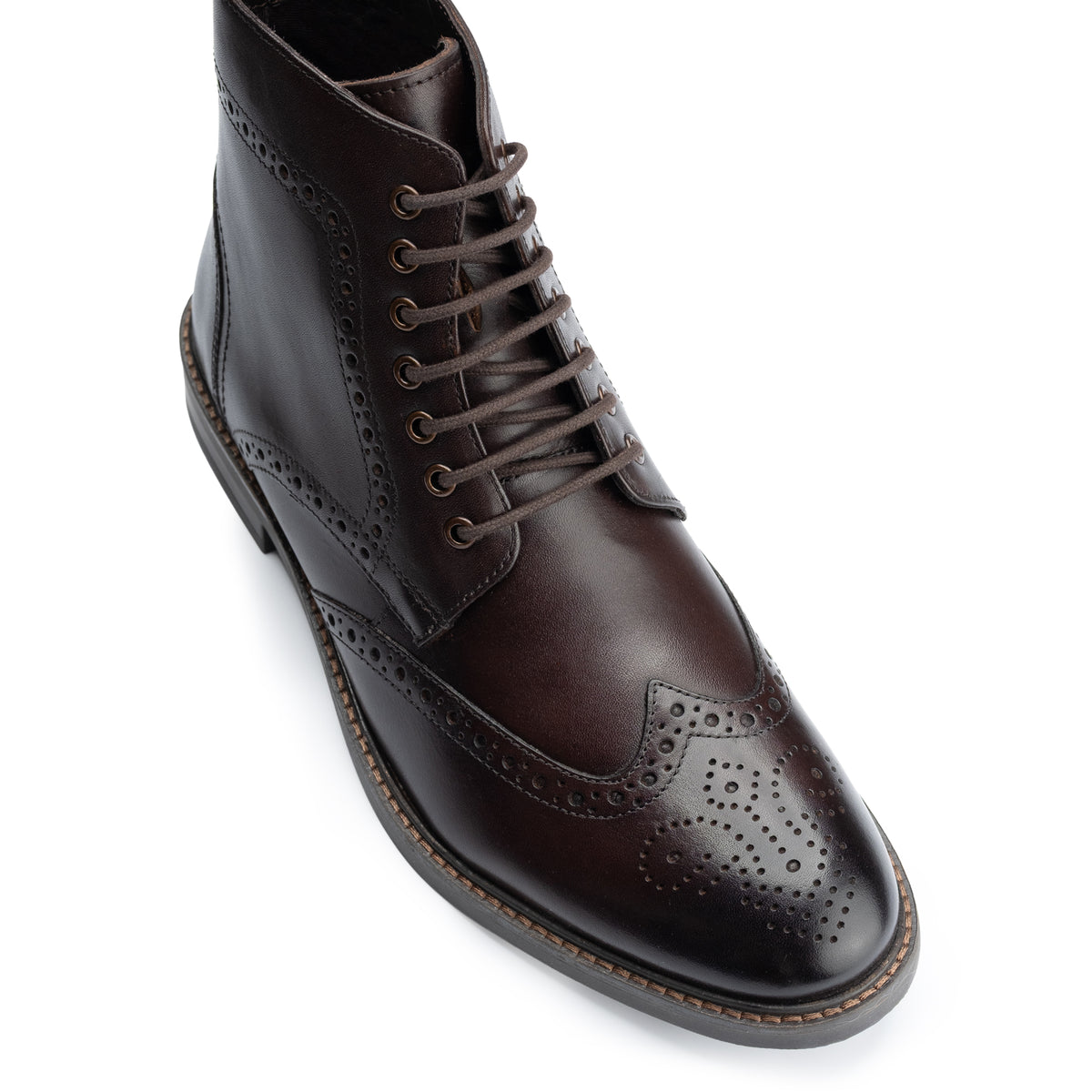
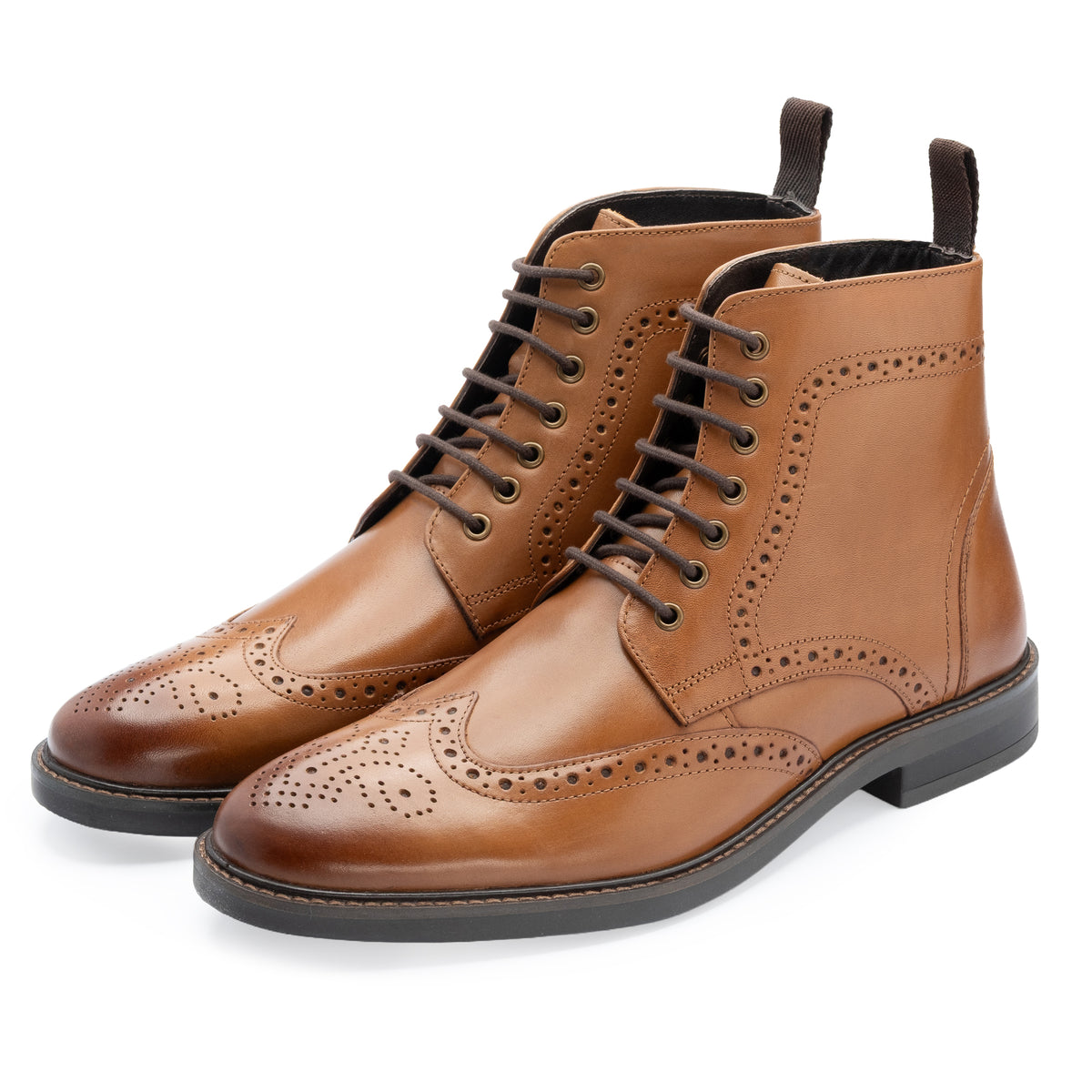
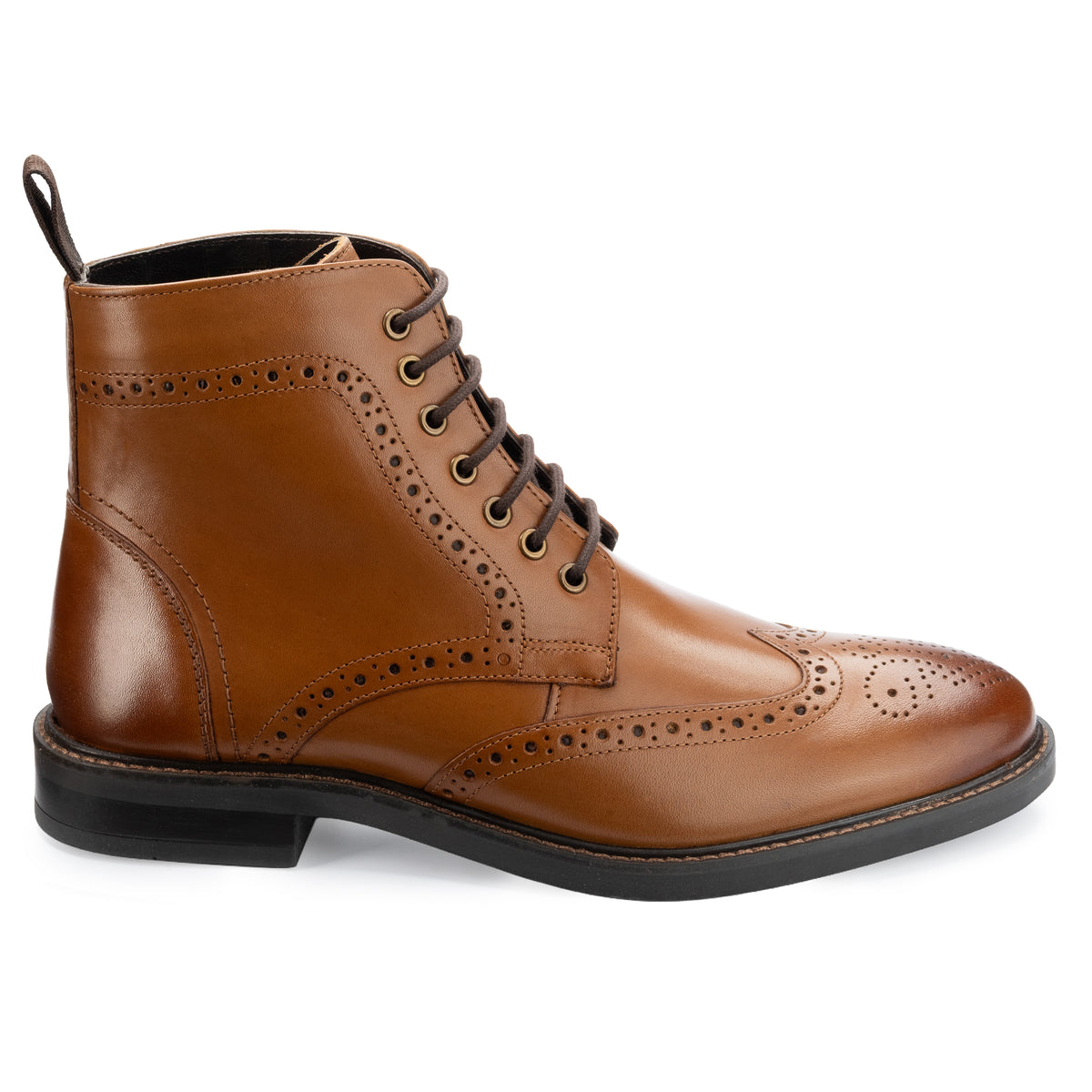
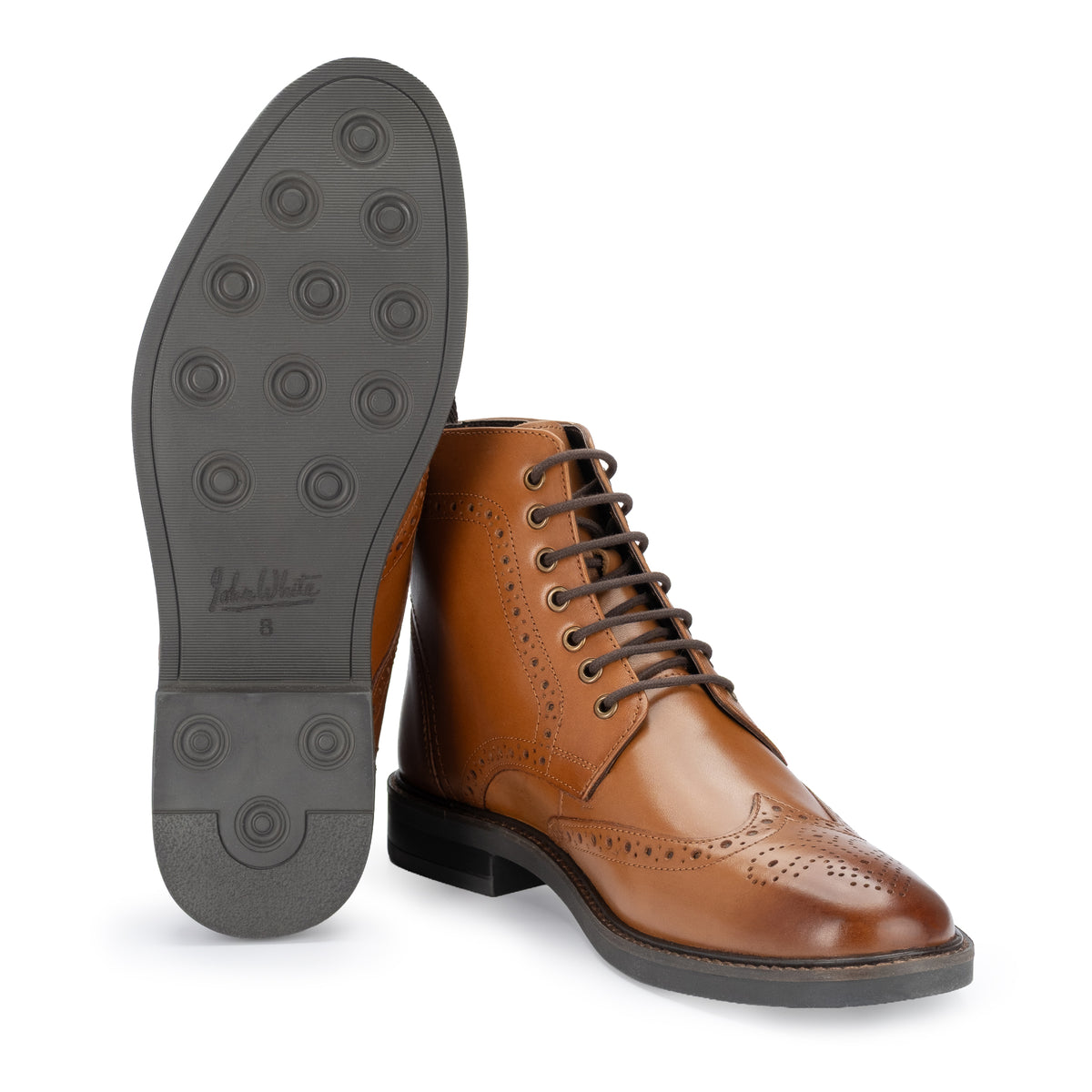
| Heavy | Wide flat or thick round | Full brogues, country shoes, casual leather boots | 4–5 mm |
Matching the lace weight to the eyelet diameter is equally important. A lace that sits too loosely within the eyelet will shift and wear unevenly; one that is too thick will stress the eyelet surround and distort the upper over time.
If the finished knot sits flat and proportionate to the vamp, the lace weight is correct; if it sits proud or shapeless, the weight is wrong.
What Is the Difference Between Round and Flat Leather Laces?
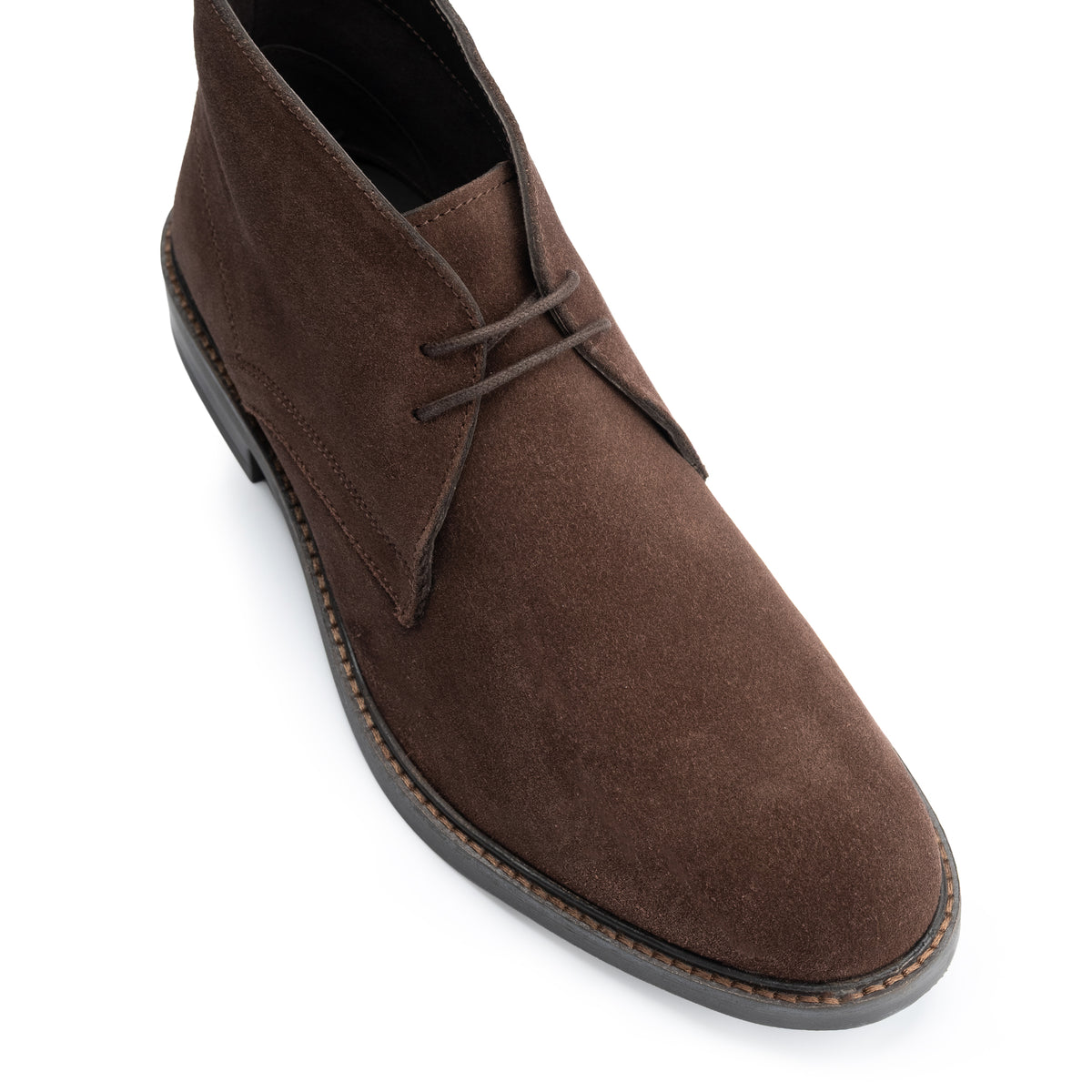
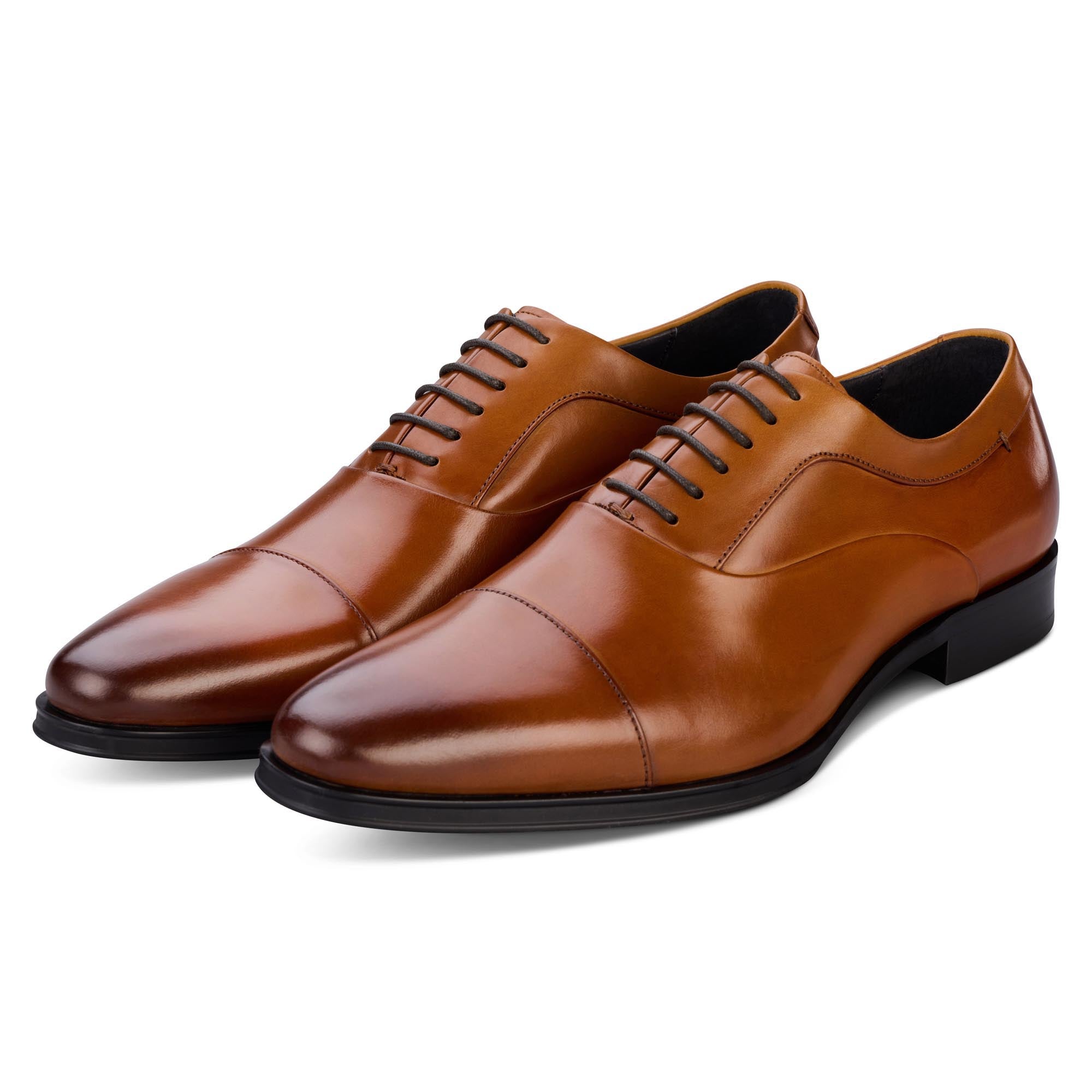
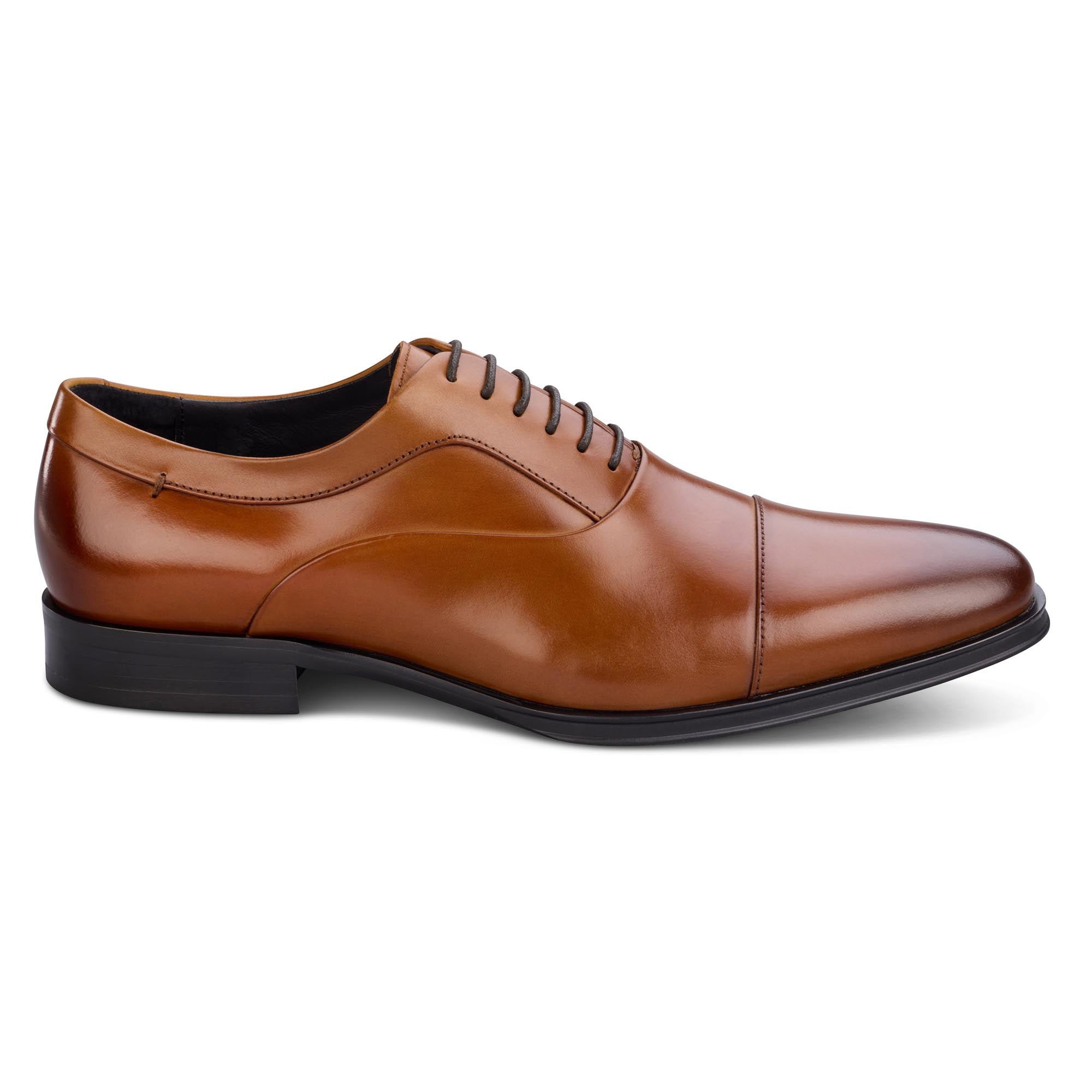
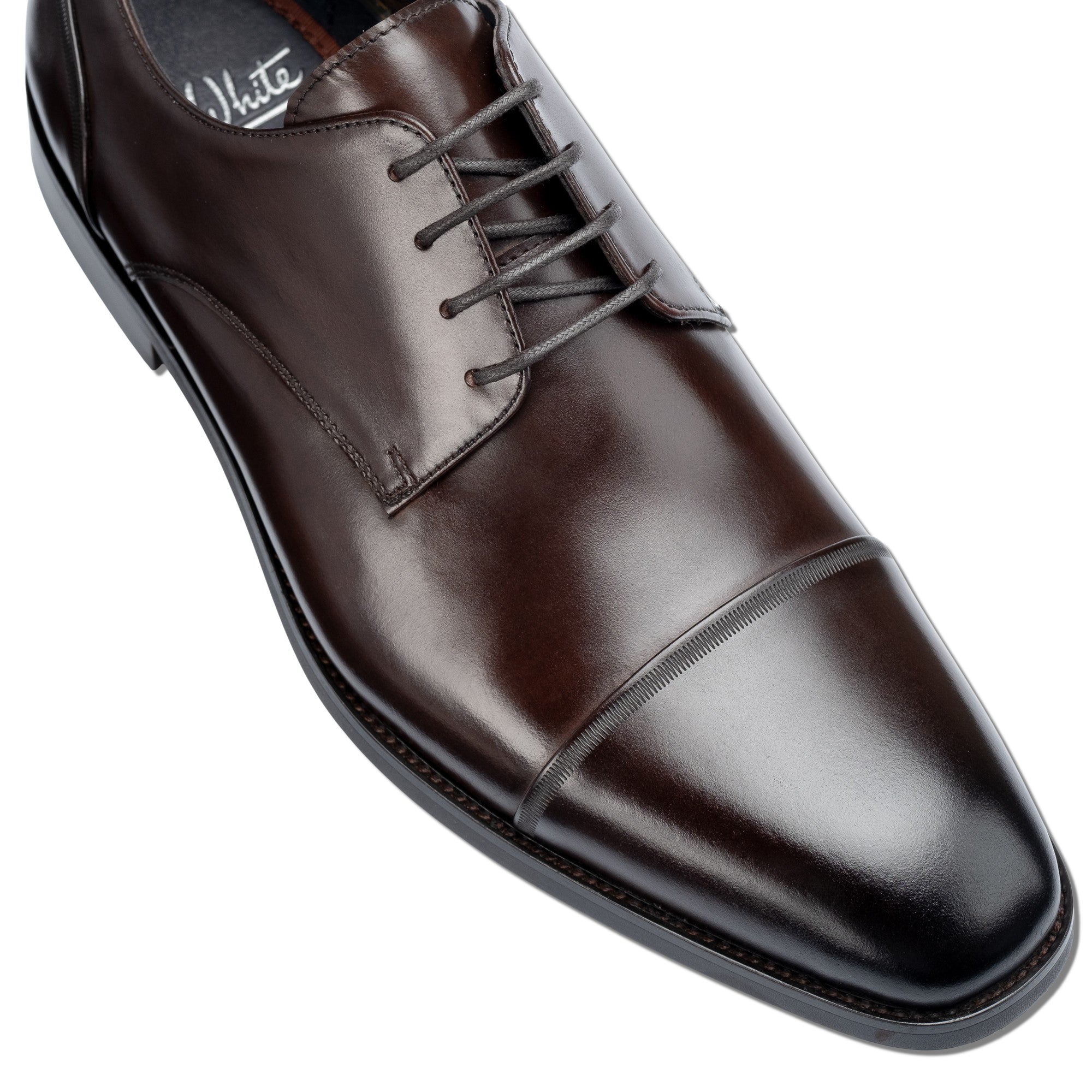
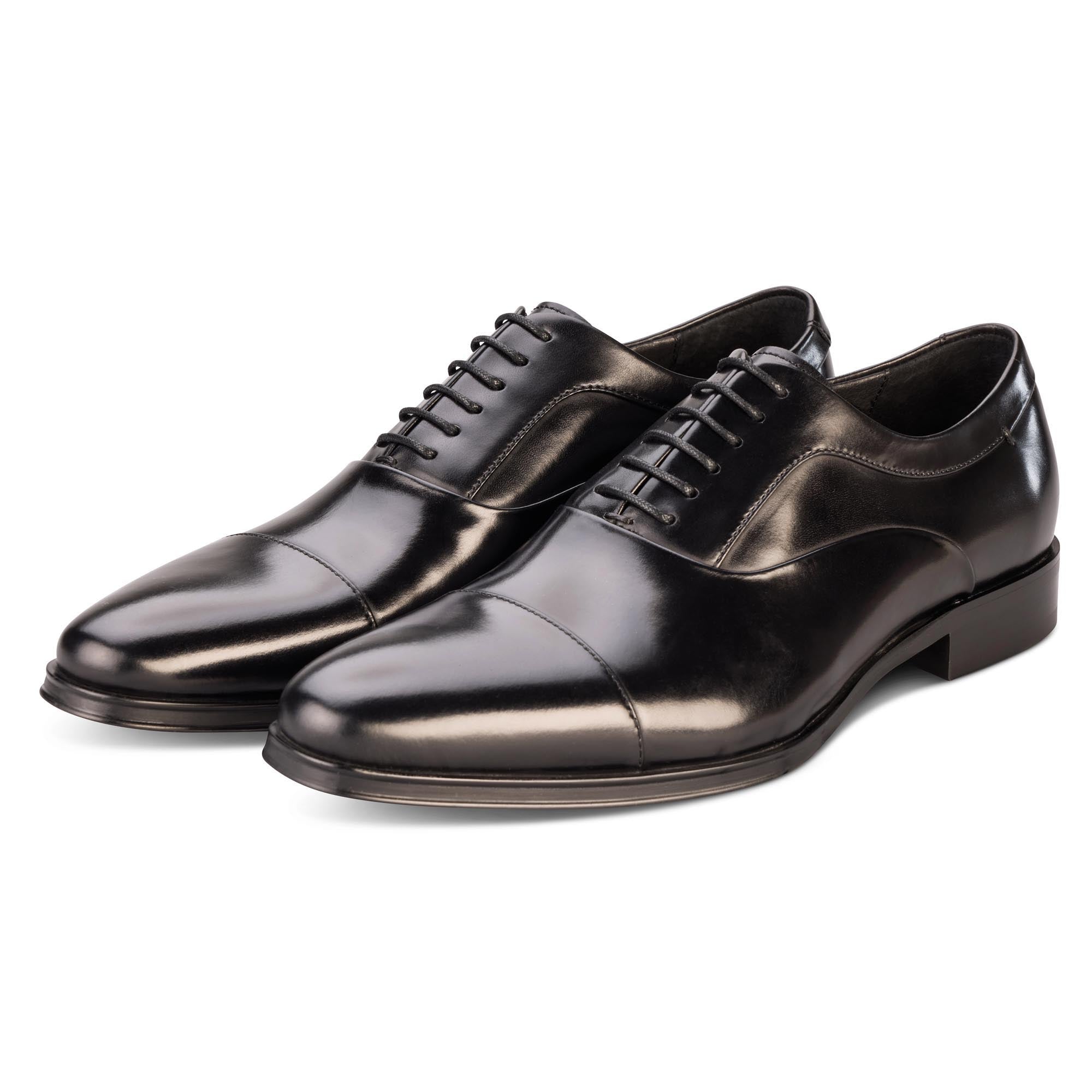
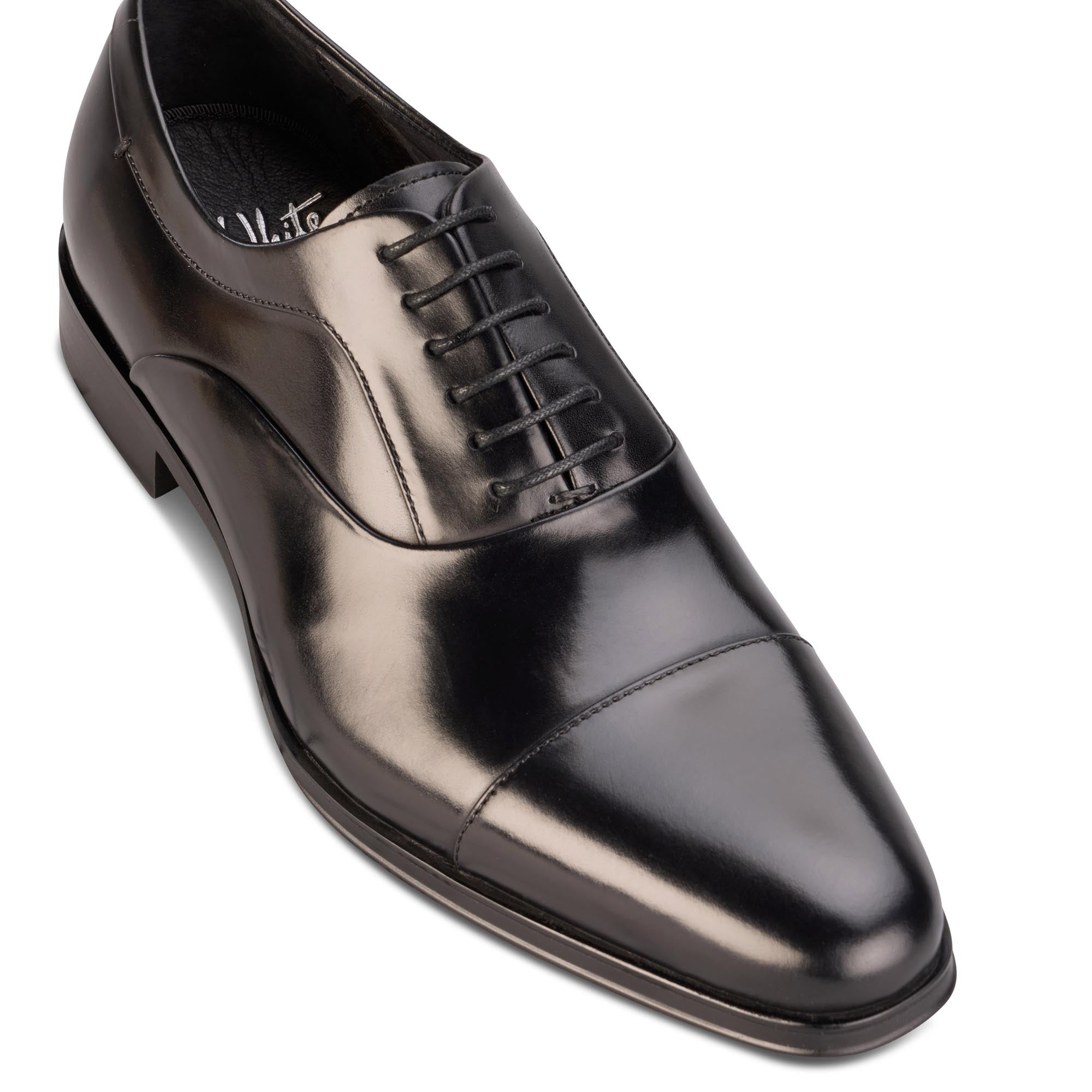
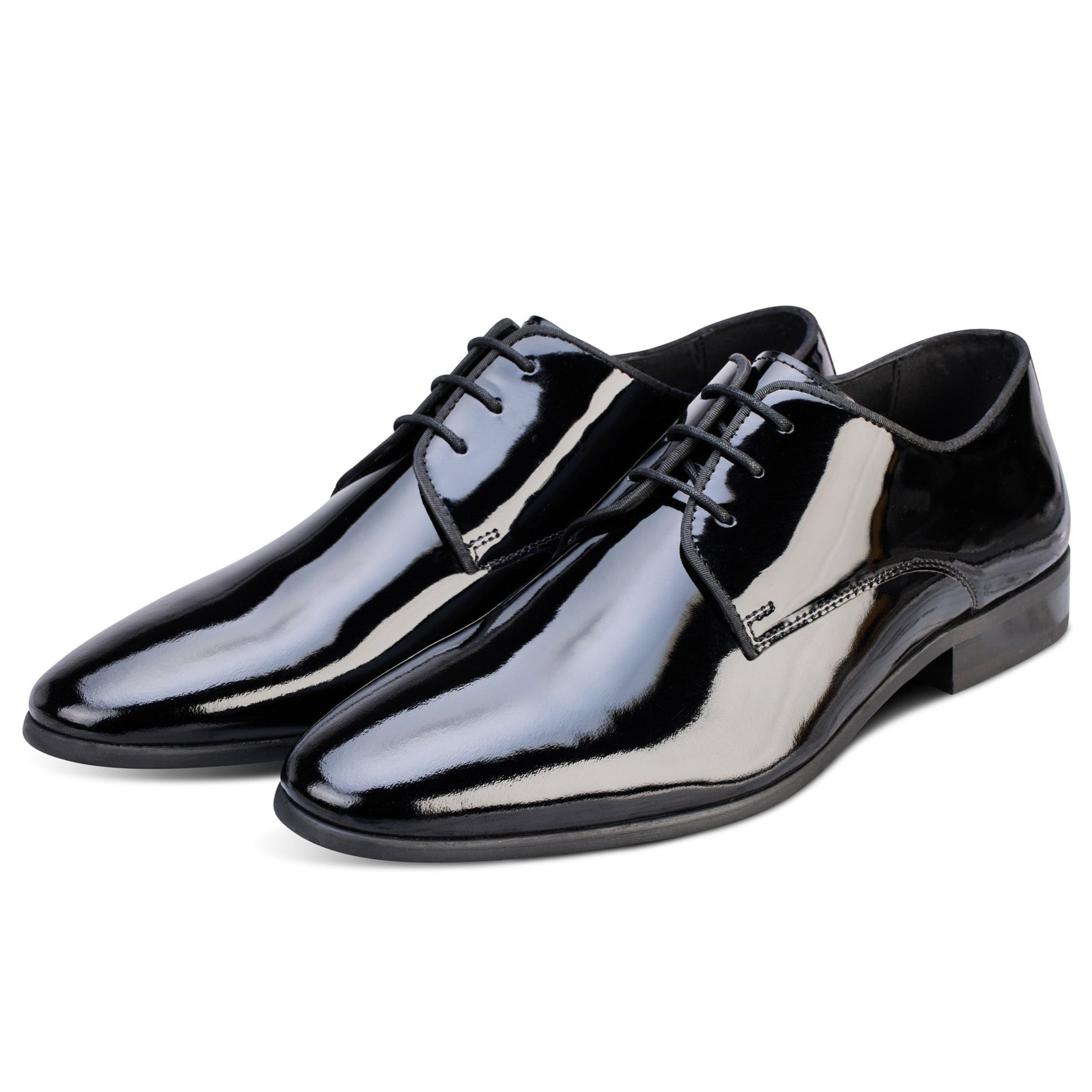
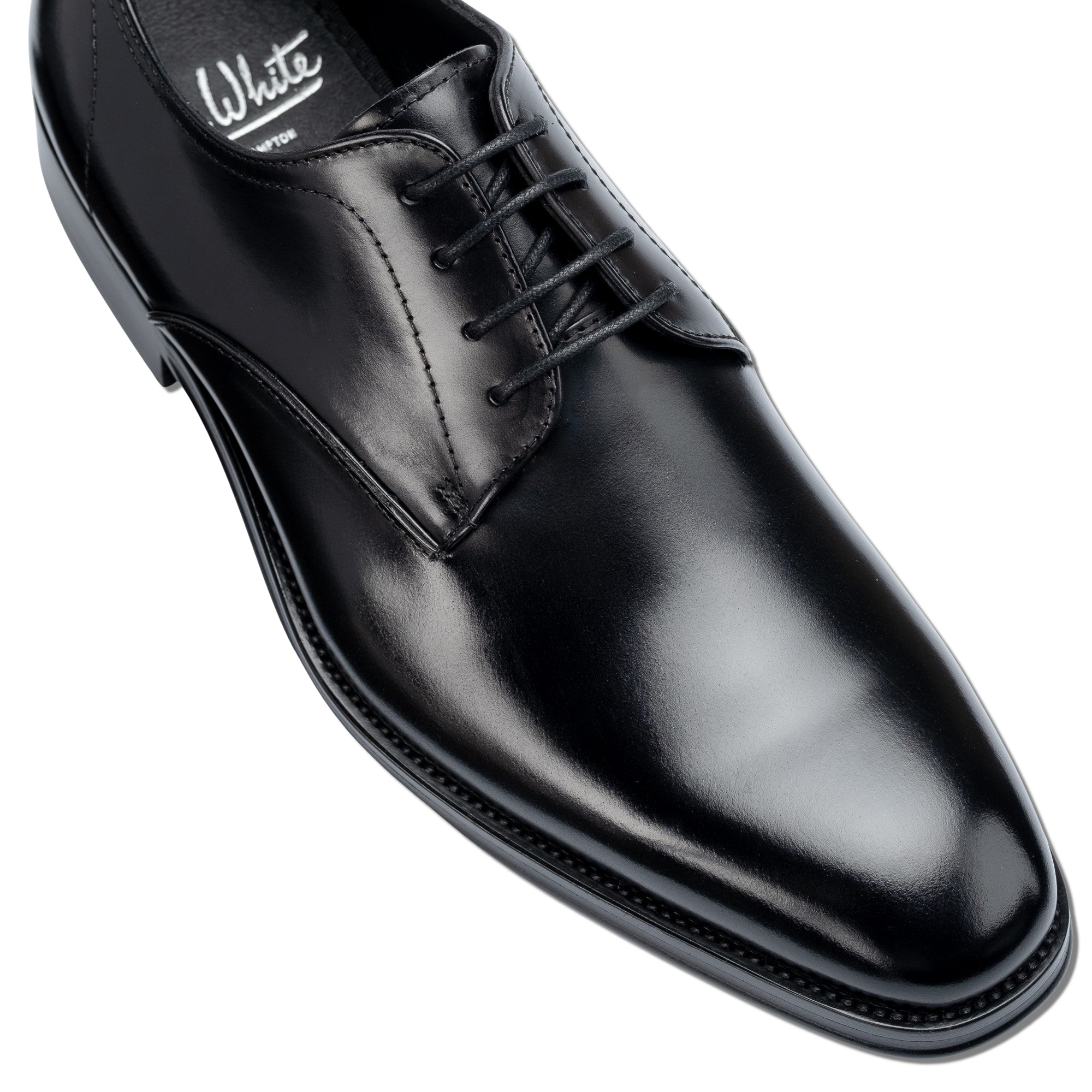
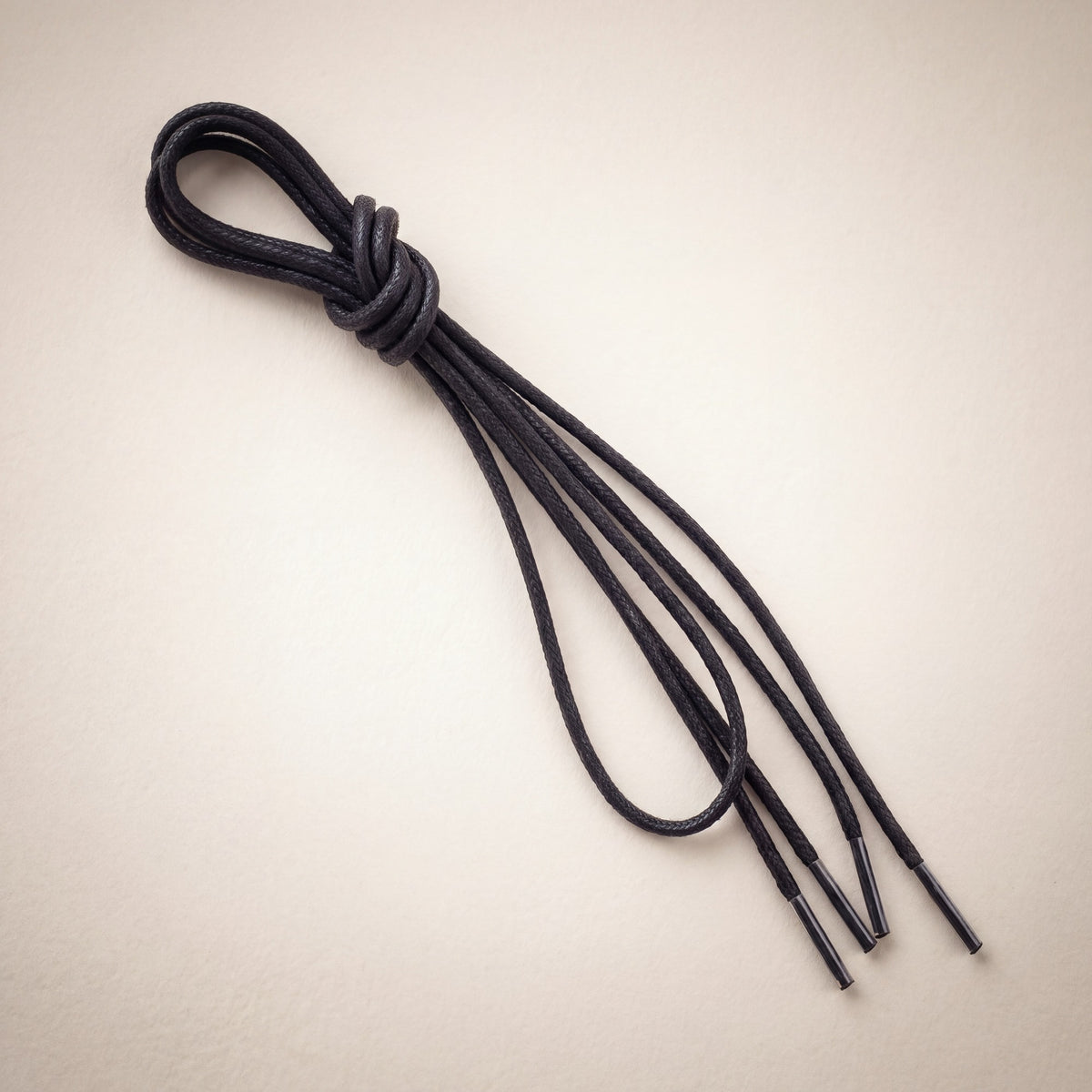
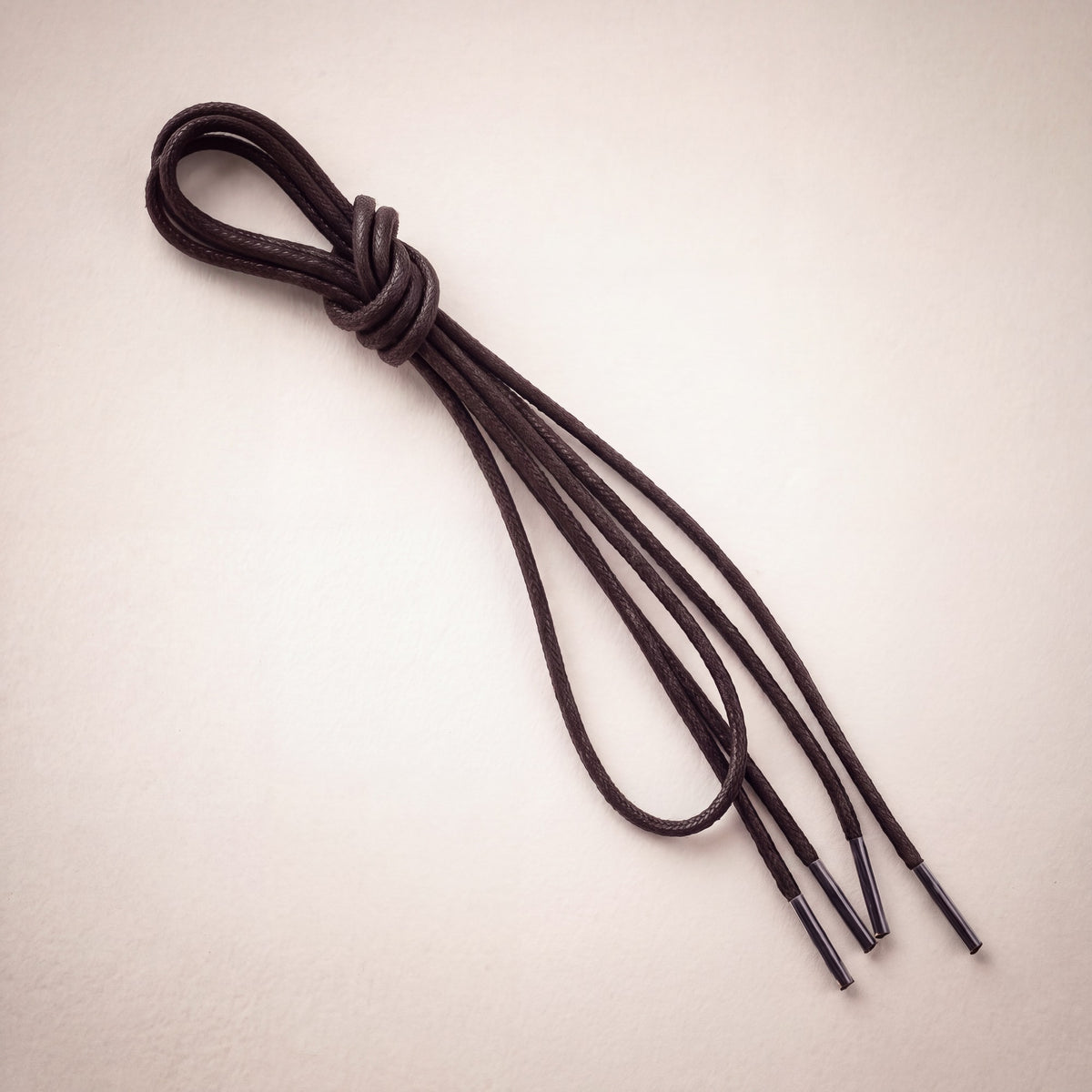
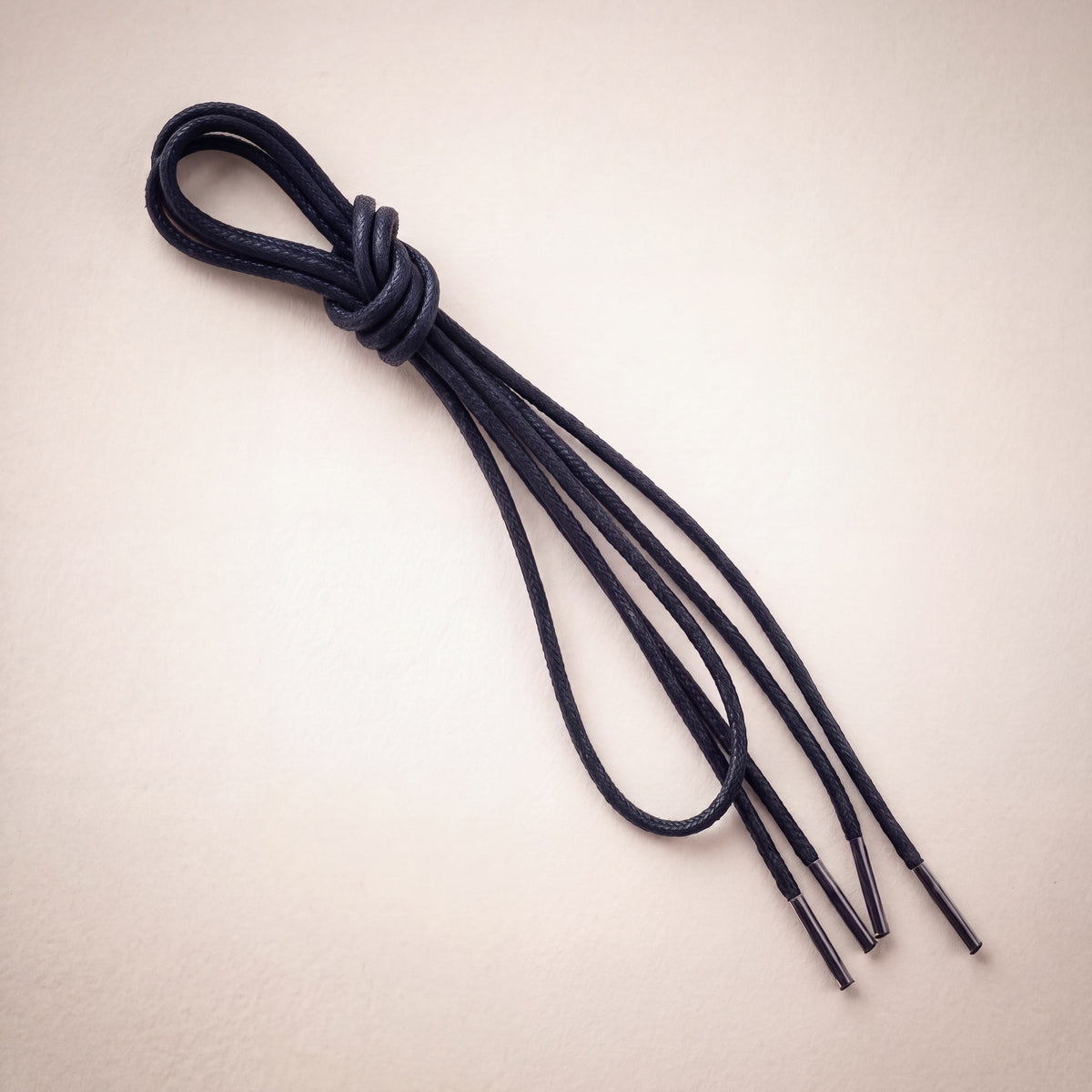
Round laces produce a dressier, more refined appearance and are the correct choice for Oxford shoes and formal Derbies. The rounded profile sits neatly within the eyelet and creates clean, even tension across the throat of the shoe.
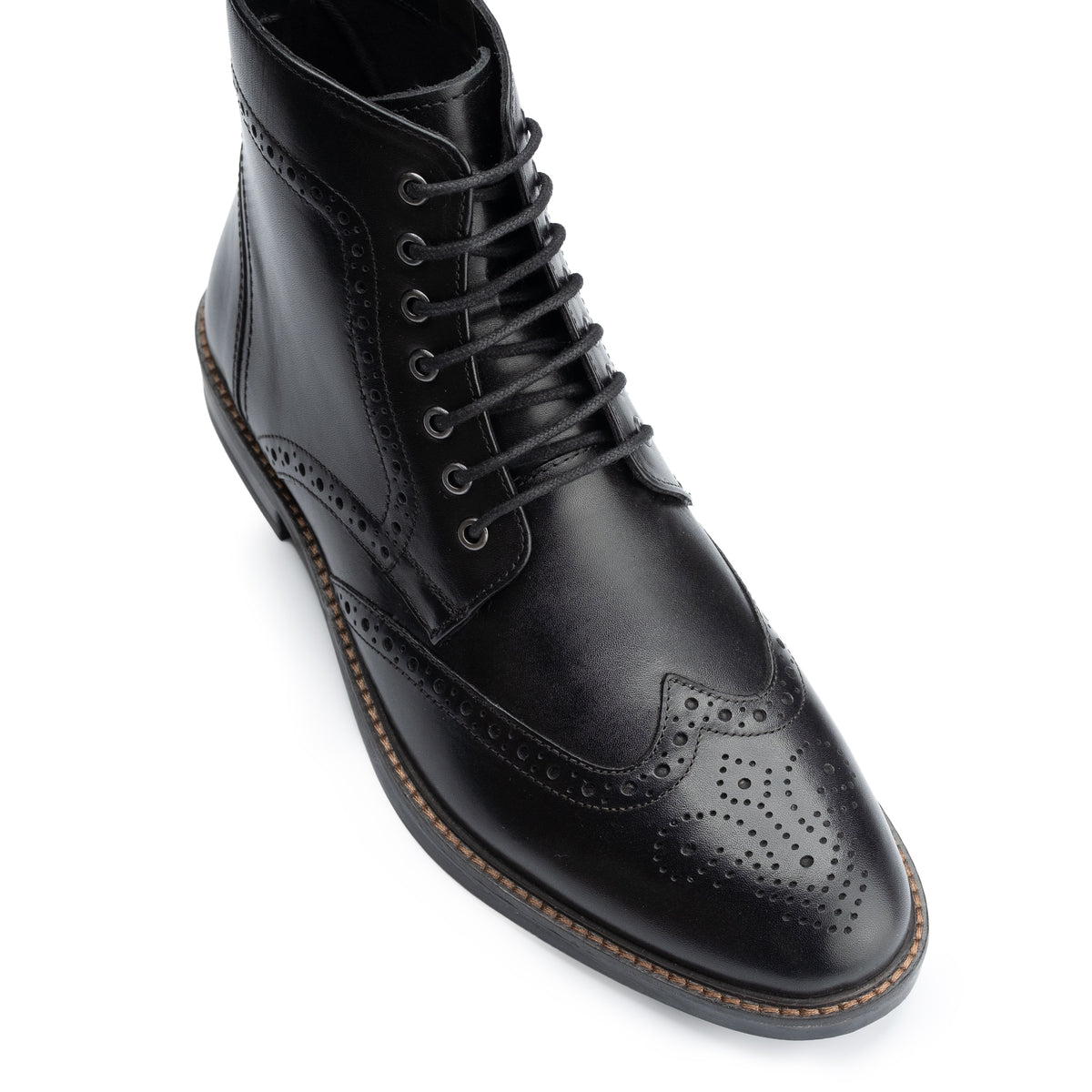
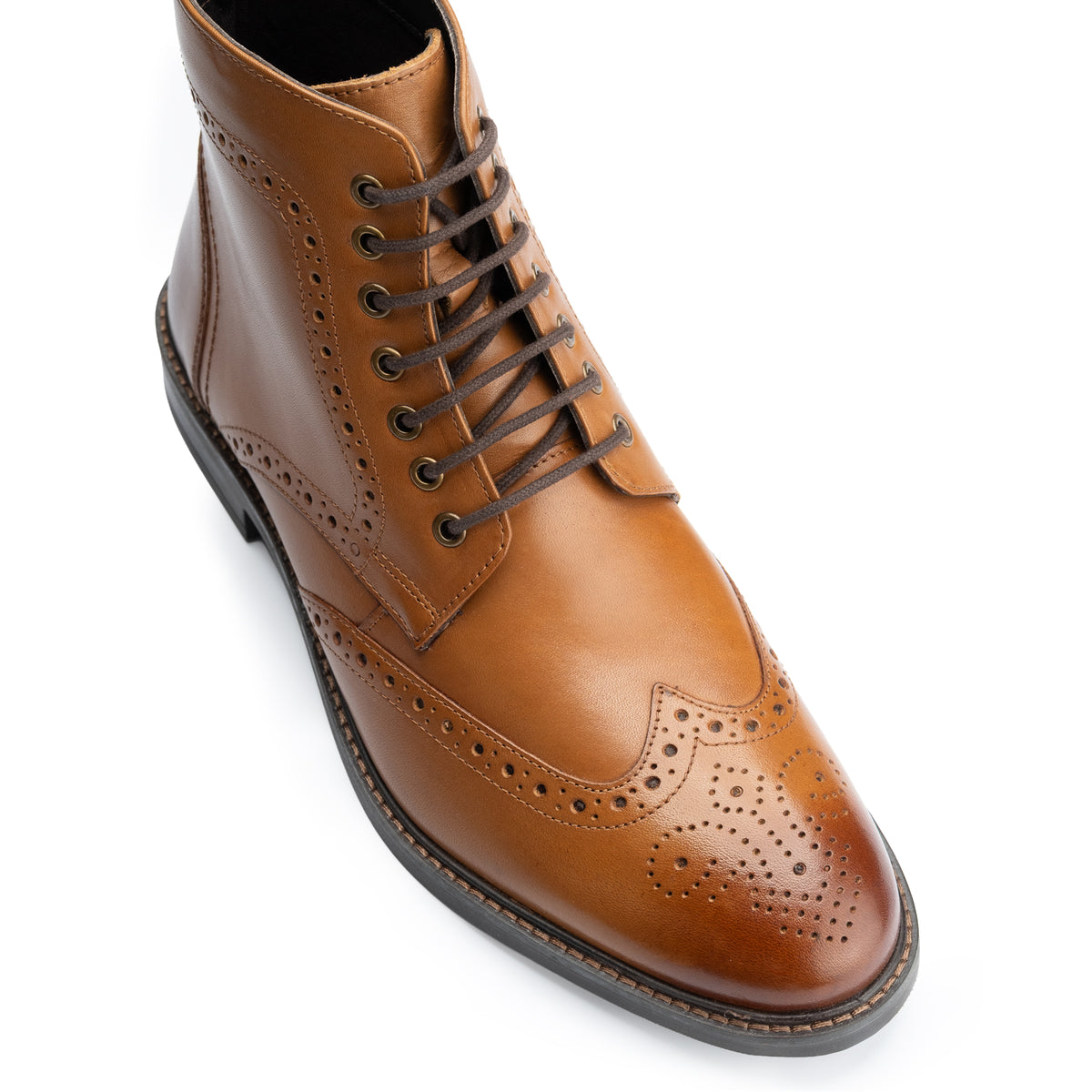
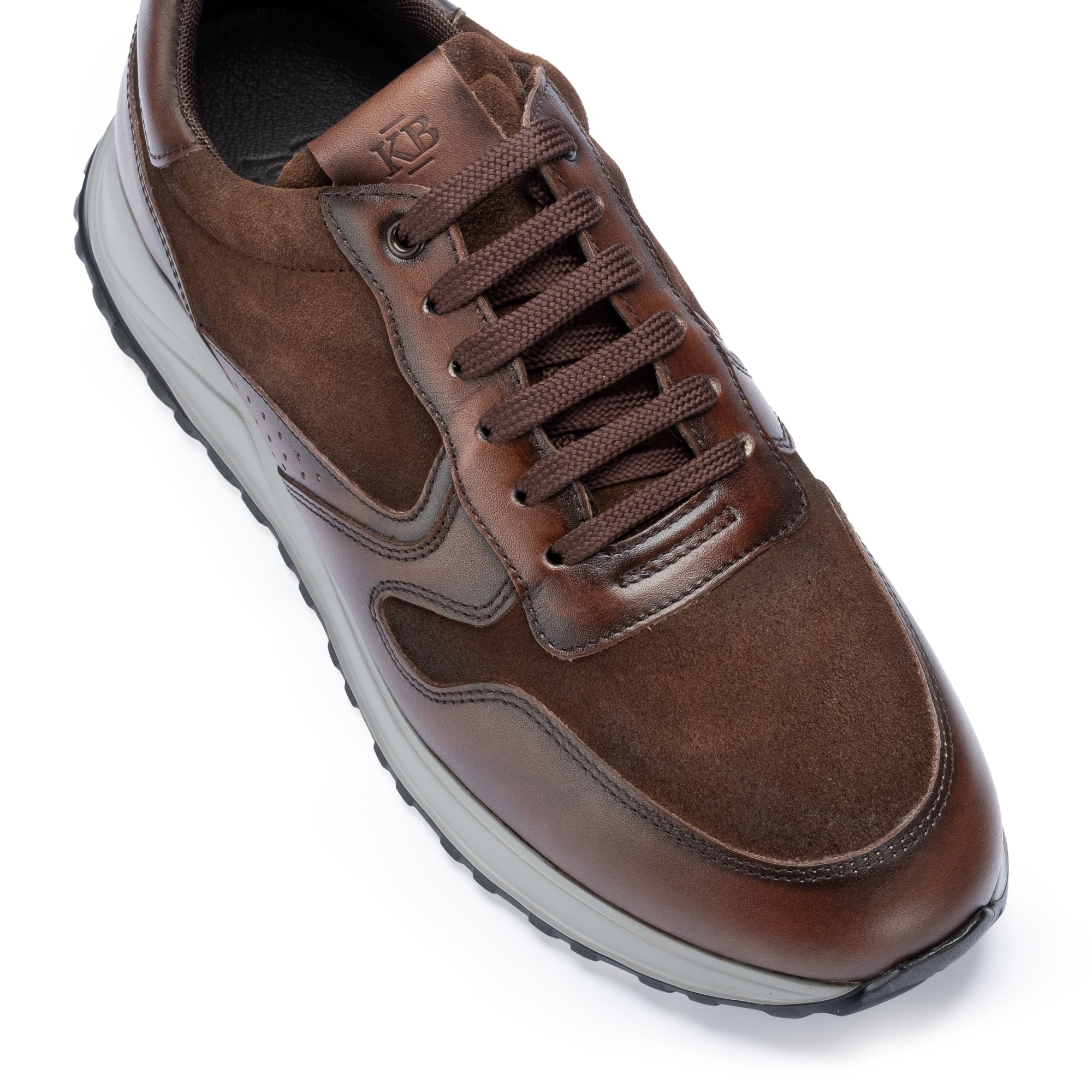
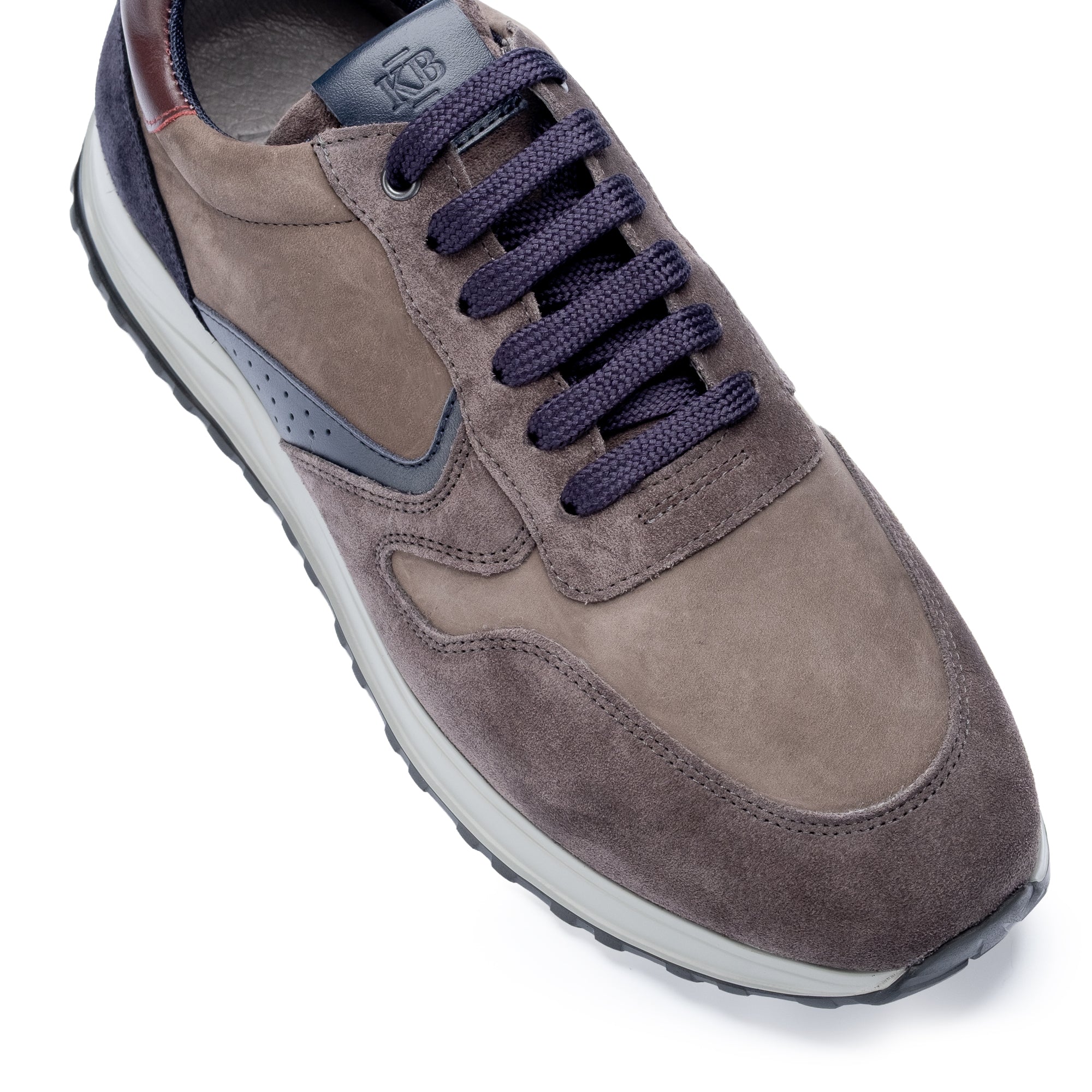
Flat laces offer a slightly more relaxed aesthetic and suit Derbies worn in smart-casual contexts, brogues, and heavier leather footwear. They distribute tension more broadly across the eyelet and can be easier to tie firmly on a stiffer upper.
Across the premium end of British footwear — Church's, Grenson, Crockett & Jones, and John White Shoes alike — Oxford models are consistently supplied with fine round laces. This is not incidental; it reflects a considered decision about proportion and formality that the discerning wearer should preserve on replacement.
For further guidance on the distinction between these shoe types, see our guide to choosing between Derby and Oxford lace-ups.
Use round laces for formal closed-lacing shoes; flat laces for casual and country styles with open lacing.
How Long Should Your Leather Shoe Laces Be?
Lace length is determined by the number of eyelet pairs on the shoe. Most dress shoes have between three and five pairs; boots typically carry six or more. According to SATRA Technology, the most common fitting error is selecting a lace approximately 15 cm too long, which produces an oversized knot that distorts the shoe's proportions.
| Eyelet Pairs | Recommended Lace Length | Typical Shoe Type |
|---|---|---|
| 3 pairs | 60 cm | Low-cut casual Derby |
| 4 pairs | 75 cm | Standard Oxford or Derby dress shoe |
| 5 pairs | 90 cm | Full-height Derby, semi-brogue |
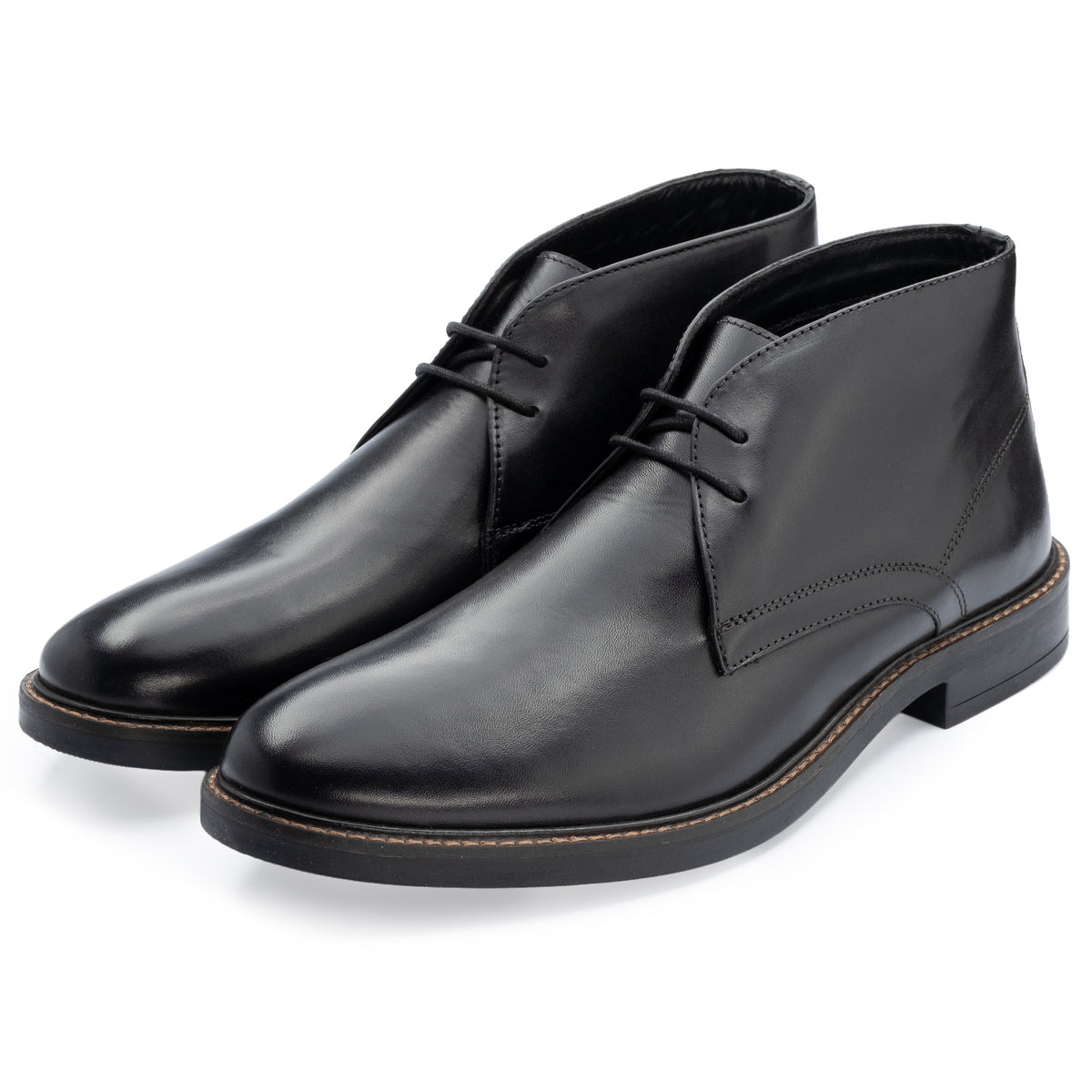
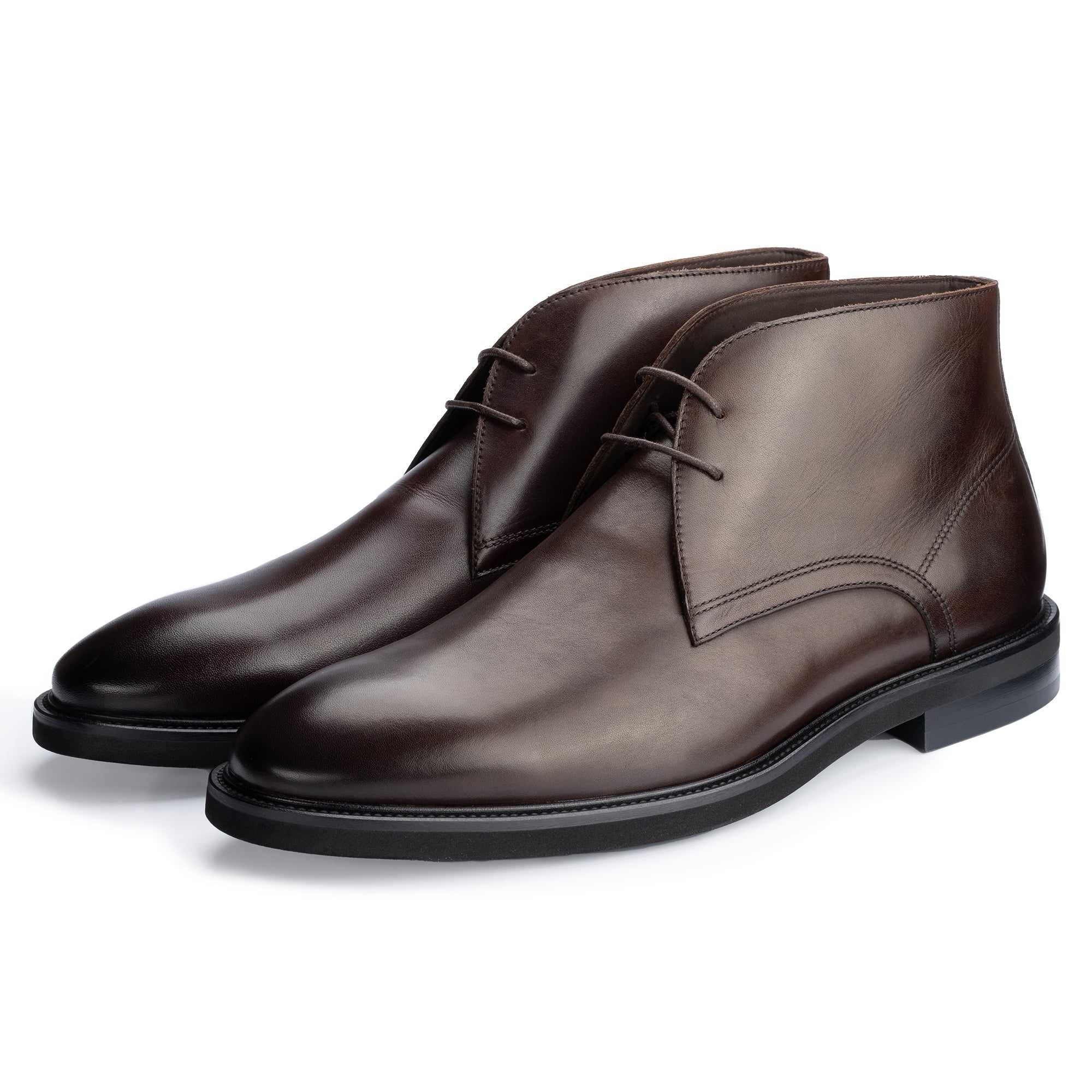
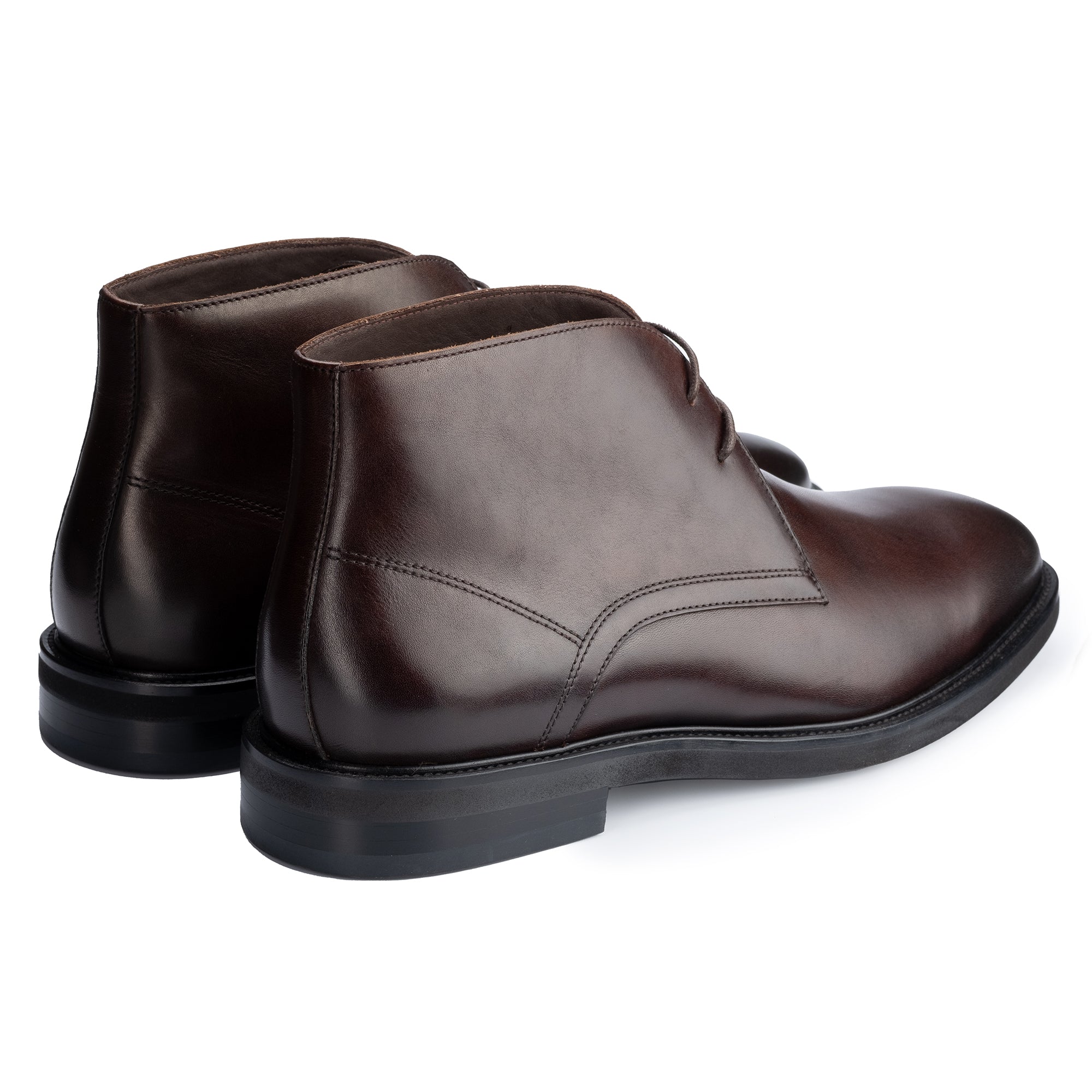
| 6 pairs | 105 cm | Low boot, chukka |
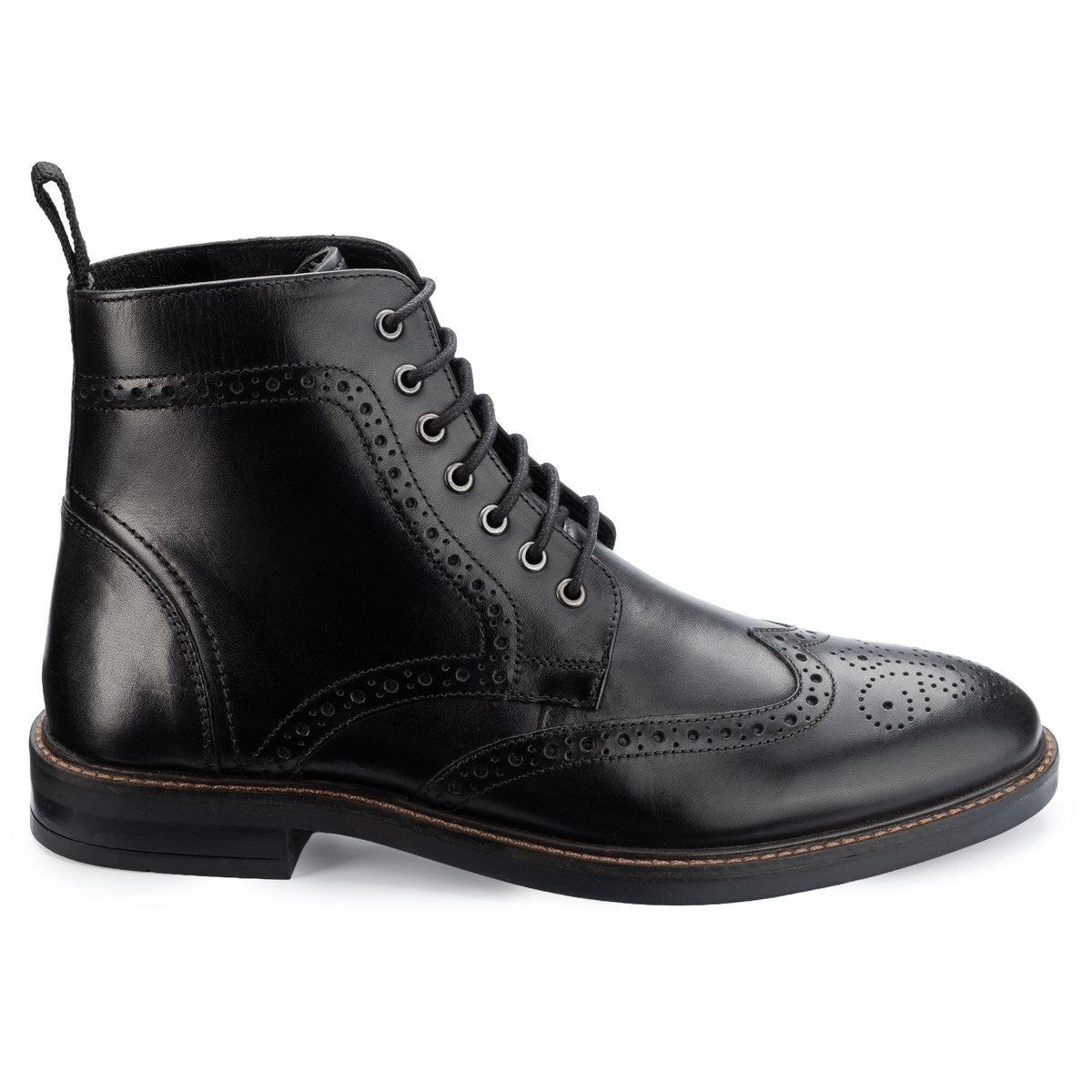
| 7 pairs | 120 cm | Derby boot, ankle boot |
These measurements assume a standard cross-lace pattern. Bar lacing — used for parade and formal dress occasions — requires approximately ten per cent additional length. Before discarding a worn lace, measure it: this confirms both the correct length and the correct weight for a direct replacement.
When in doubt, measure the original lace before discarding it — it carries every specification its replacement should match.
Can You Restore the Colour of Faded Leather Shoe Laces?
Minor discolouration can sometimes be addressed with a leather renovator or a dye in a matching shade. Products such as Saphir Teinture Française in a corresponding colour can restore faded laces to an acceptable standard in the short term.
The limitations are significant. Laces subjected to daily flexing do not hold dye evenly, and the knot and eyelet contact points typically show renewed fading within a few weeks. Colour restoration is a temporary measure at best. When a lace requires re-dyeing, replacement is the more economical and reliable course of action.
This same principle extends to the wider care of your shoes. For a full treatment of how conditioning and polish work together to maintain leather in long-term condition, see our definitive guide to leather shoe crease prevention and lasting care.
Colour restoration on leather laces is a stop-gap; replacement is always the more dependable solution.
Related Guides
- The Complete Guide to Men's Dress Shoes — our comprehensive guide
- The Complete Guide to Leather Shoe Care
- The Essential Valet Box: Your Complete Shoe Care Arsenal
- Leather Shoe Crease Prevention: The Definitive Care Guide
TL;DR: Leather shoe laces require cleaning with saddle soap every two to three months, conditioning with a colourless cream, and annual replacement as standard practice. Choose fine round laces for formal Oxfords, medium-weight laces for Derbies, and heavier flat laces for brogues and country shoes. Match lace length to eyelet pair count using the table above, and always measure the original before purchasing a replacement.
Frequently Asked Questions
How often should I clean leather shoe laces?
Every two to three months, as part of your regular shoe care routine, or sooner when surface grime is visible. Always remove the laces from the shoe before cleaning to ensure thorough coverage and to prevent dirt being pushed into the eyelet surround.
Can I put leather shoe laces in a washing machine?
No. Machine washing strips the natural oils from leather irreversibly, causing immediate stiffening and cracking. Always clean leather laces by hand using saddle soap and a damp cloth, then allow them to air dry flat and away from direct heat.
What is the correct lace weight for Oxford shoes?
Oxford shoes — whether plain-toe, cap-toe, or semi-brogue — require a fine round lace, typically 2–3 mm in diameter. A heavier or flat lace disrupts the formal proportions of a closed-lacing shoe and compromises the overall appearance.
How do I know what length of lace to buy?
Count the eyelet pairs on your shoe and use the standard table: four pairs requires 75 cm, five pairs 90 cm, six pairs 105 cm. Before discarding a worn lace, measure its length — this confirms both the correct length and weight for a direct replacement.
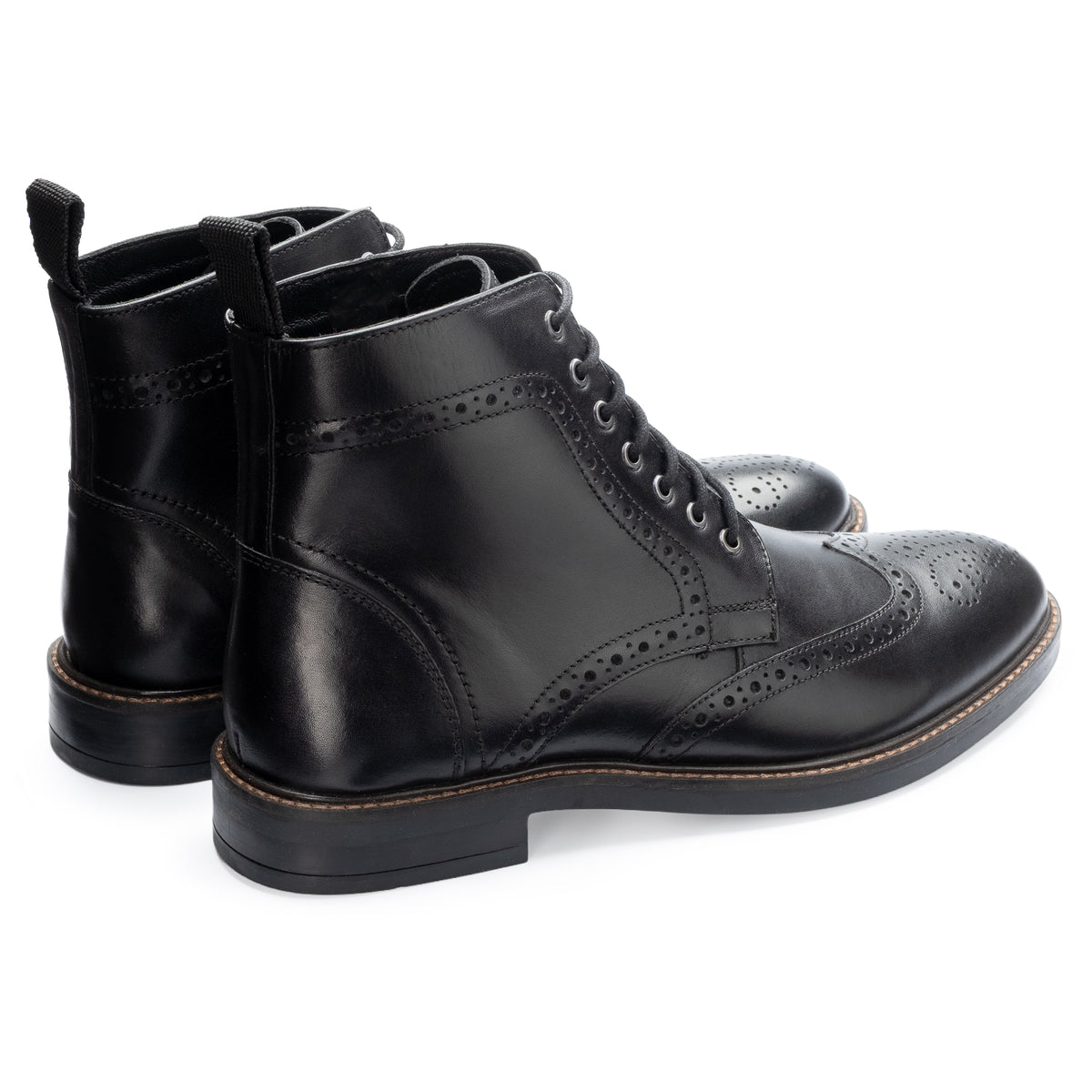
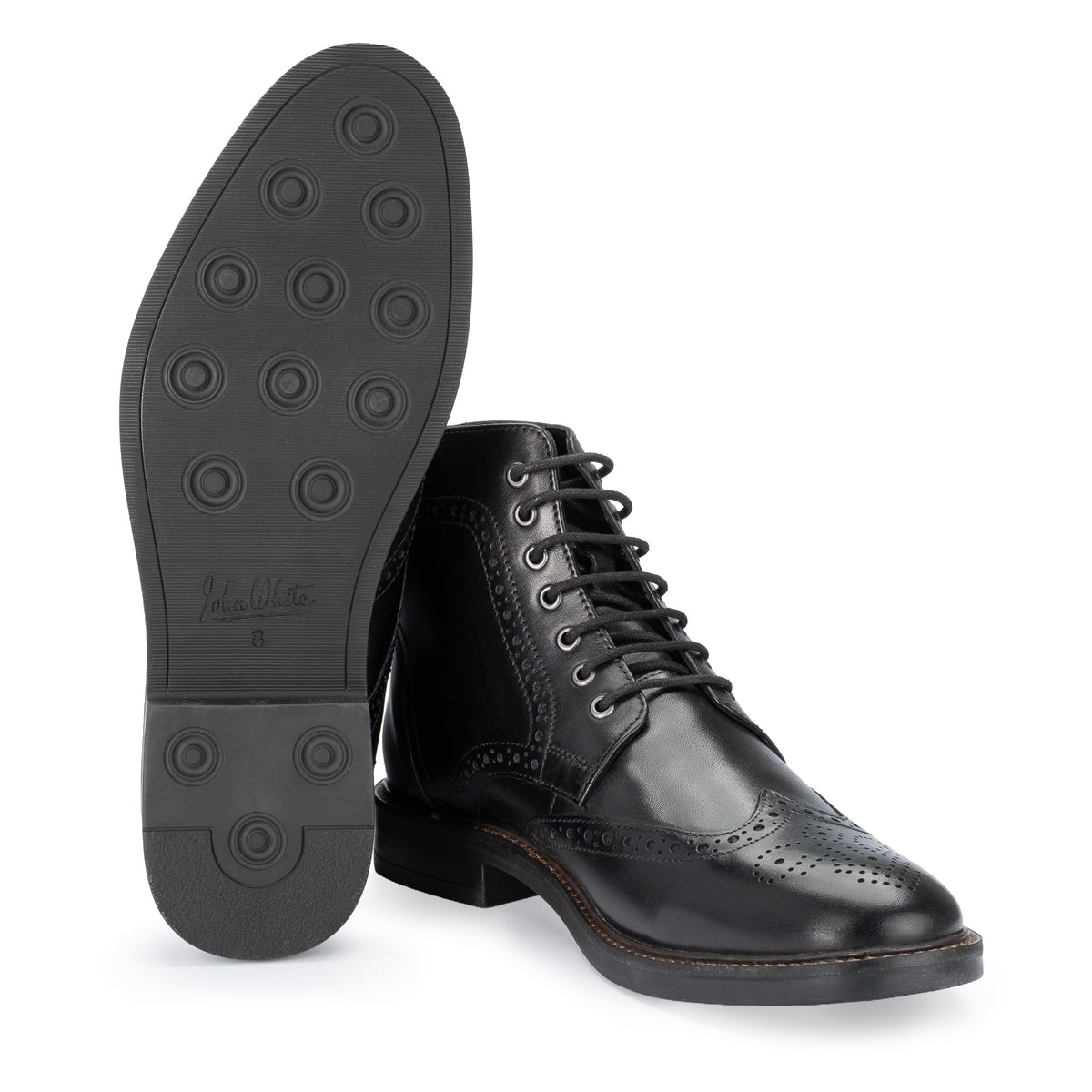
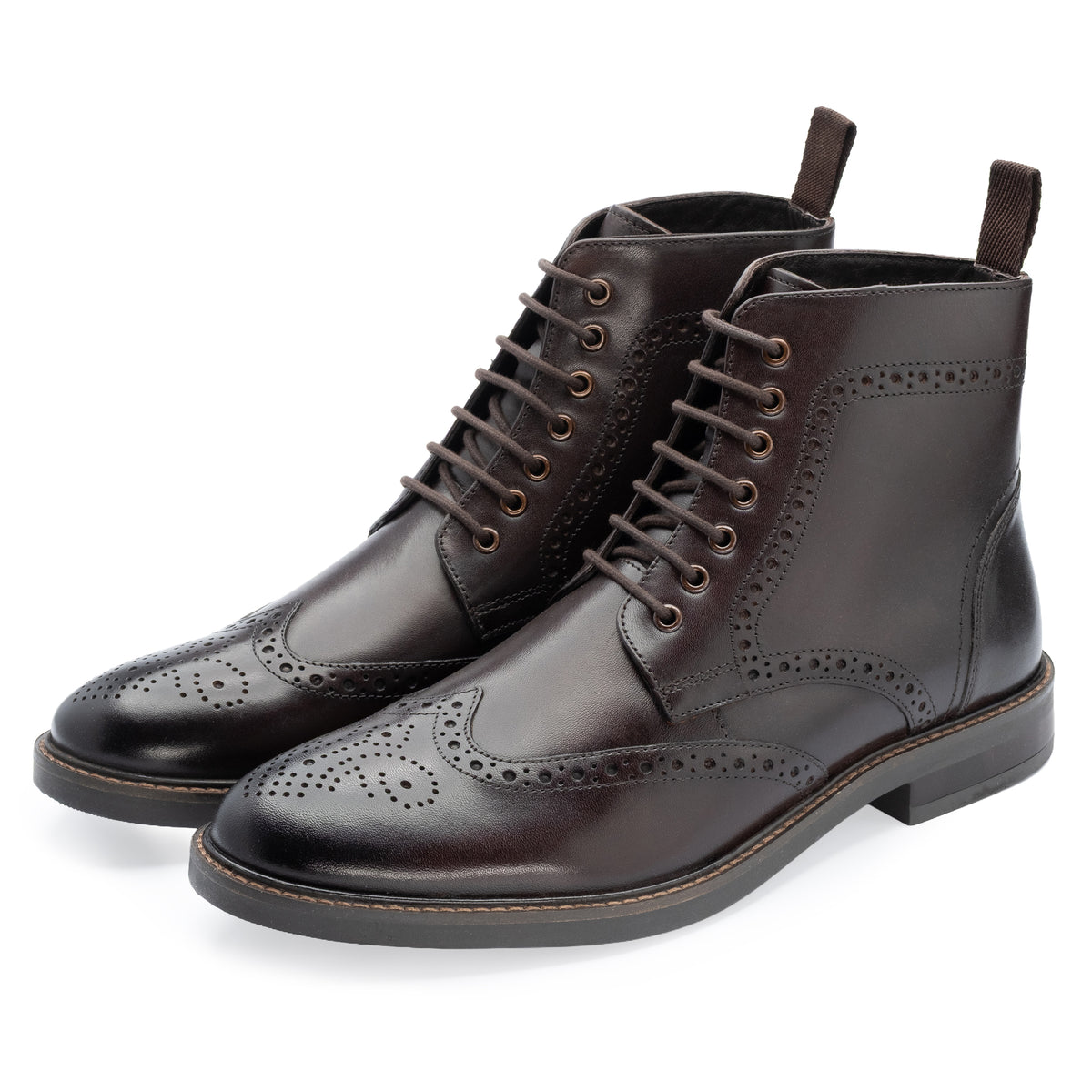
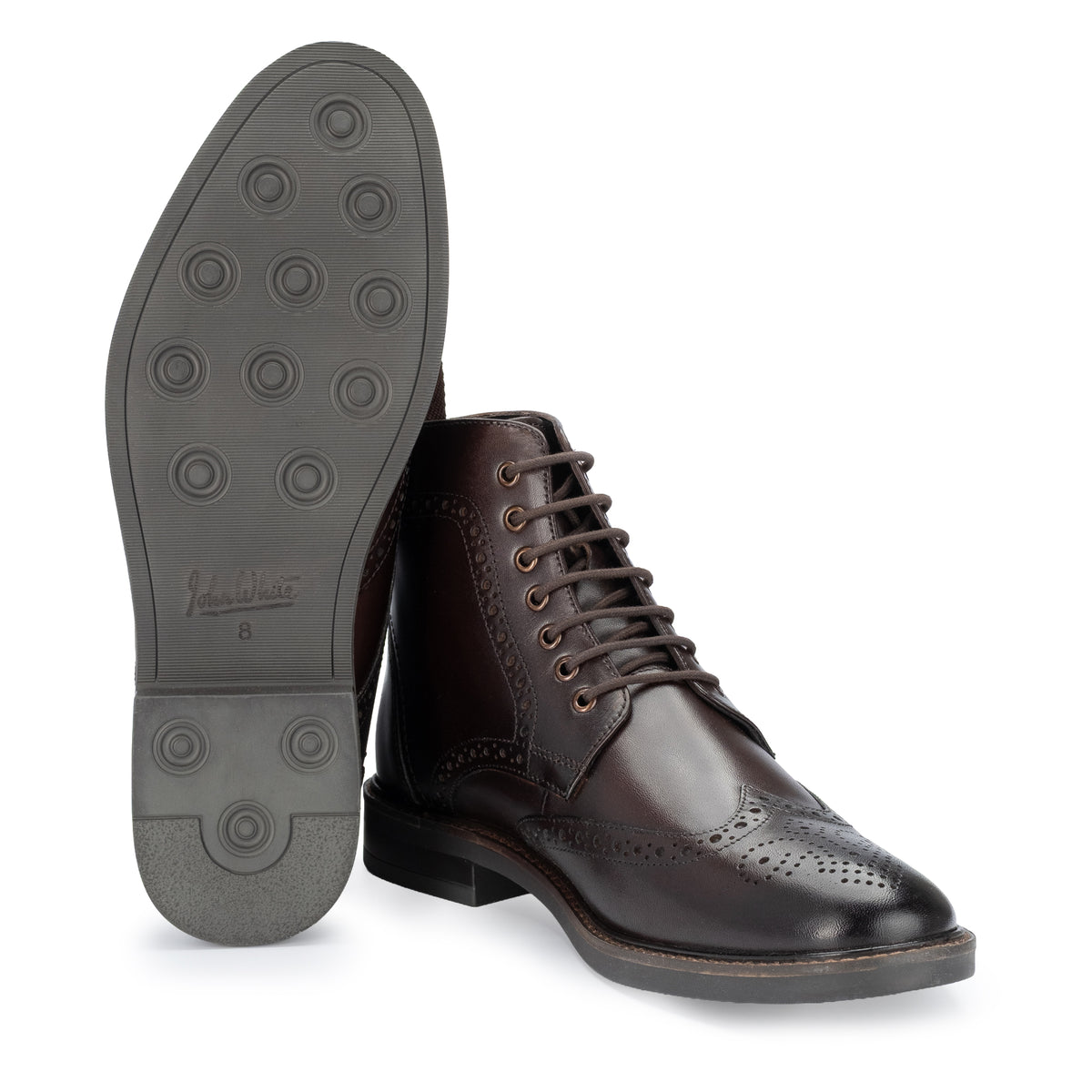
Explore the full range of John White Shoes men's leather shoes and men's leather boots — each pair supplied with laces matched precisely to its weight, profile, and formality.