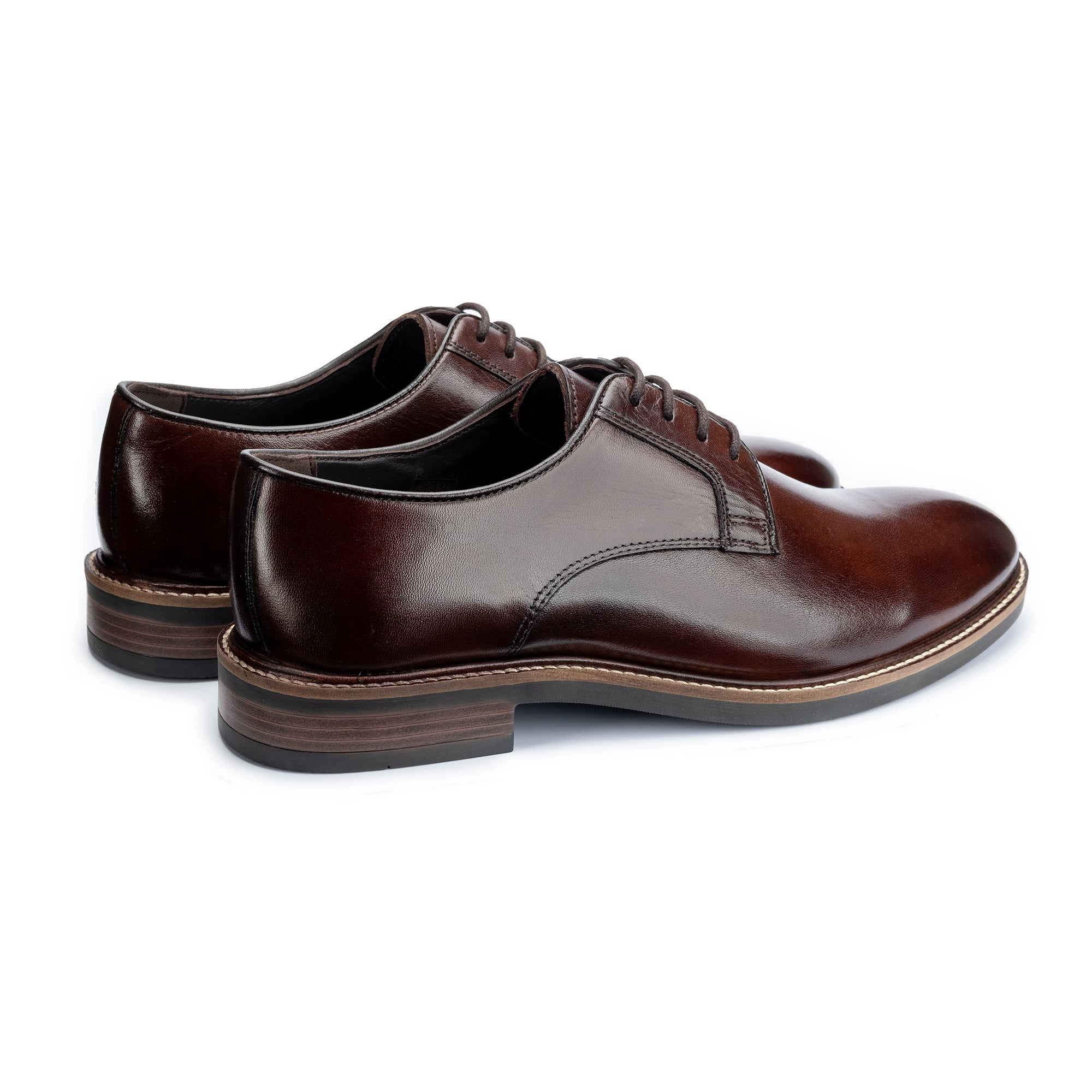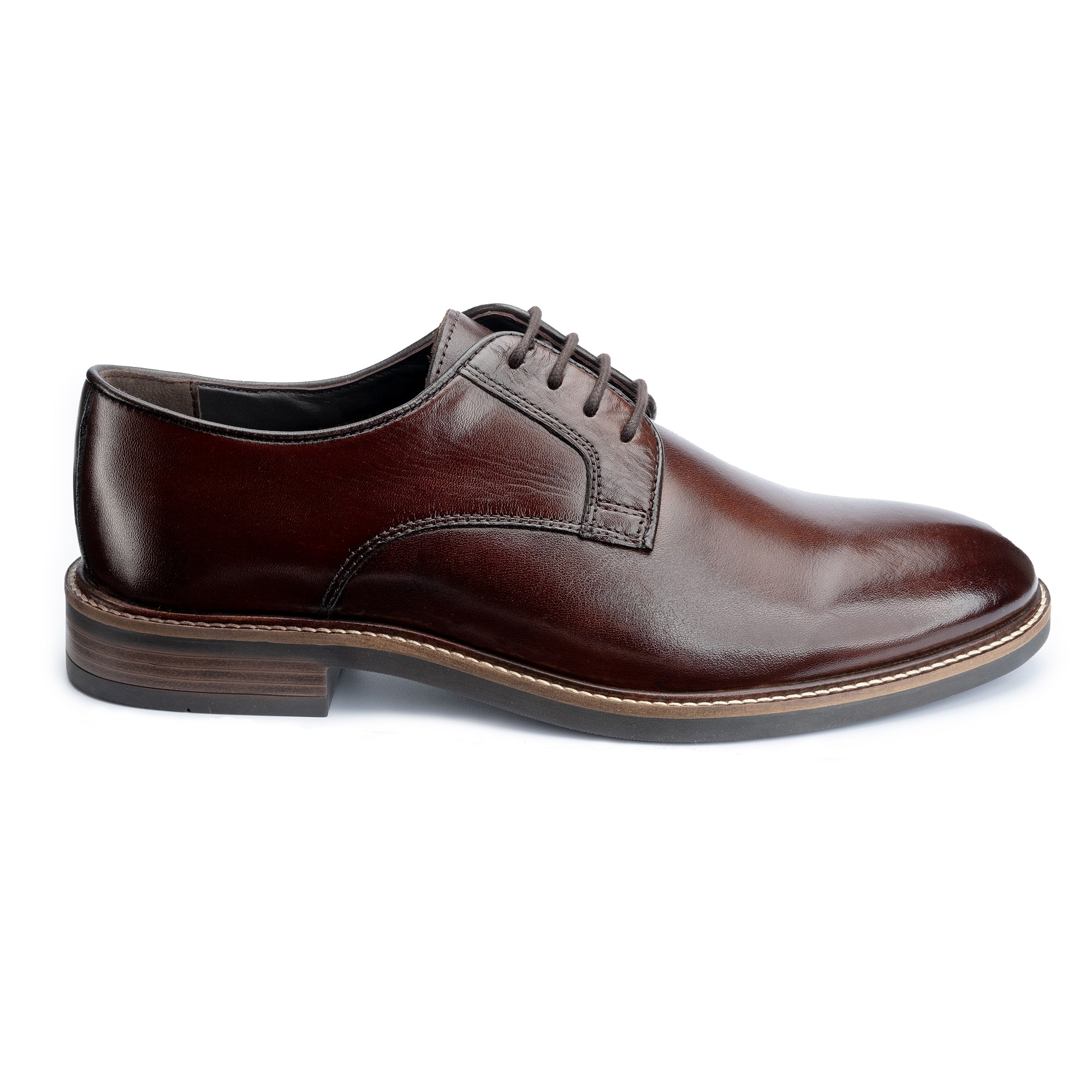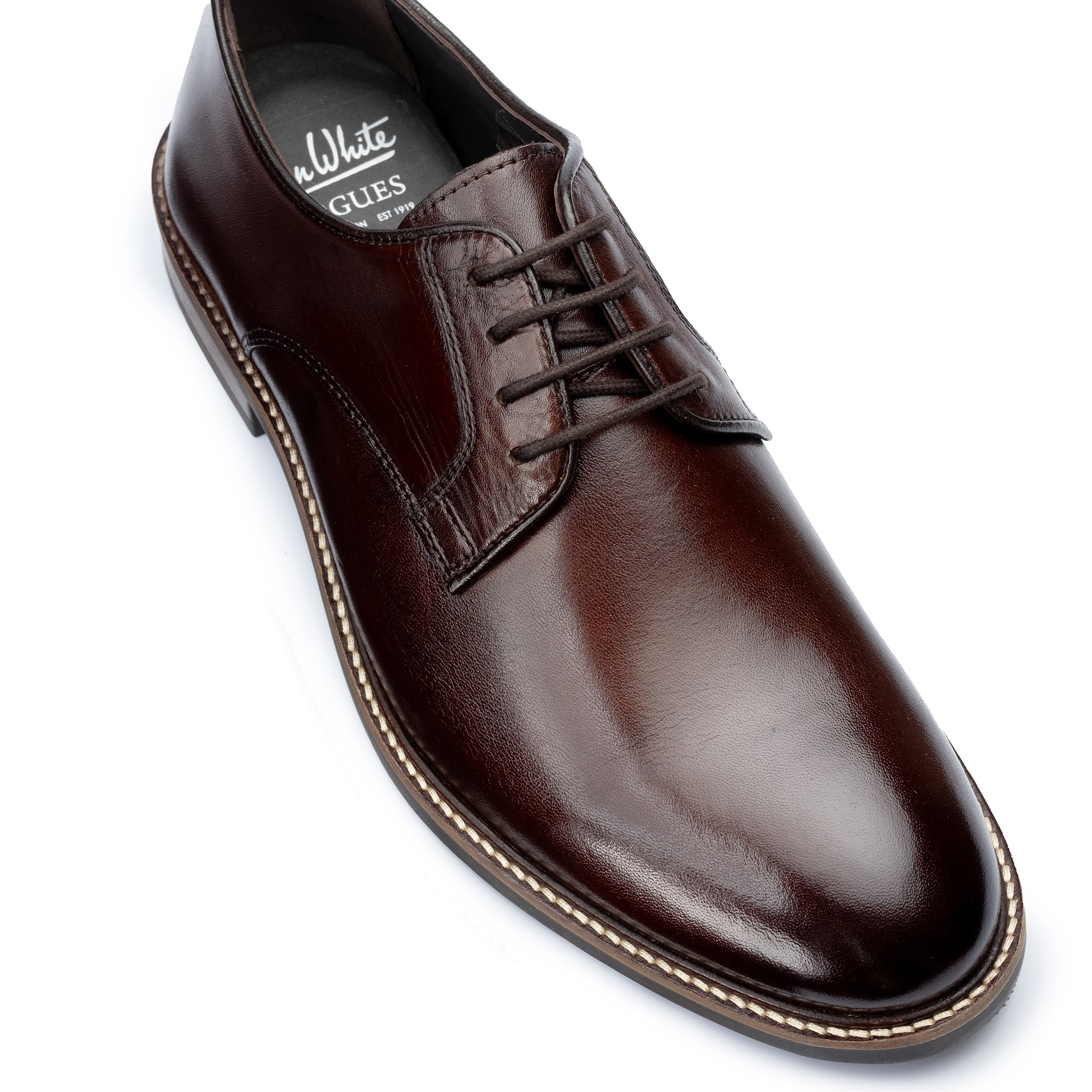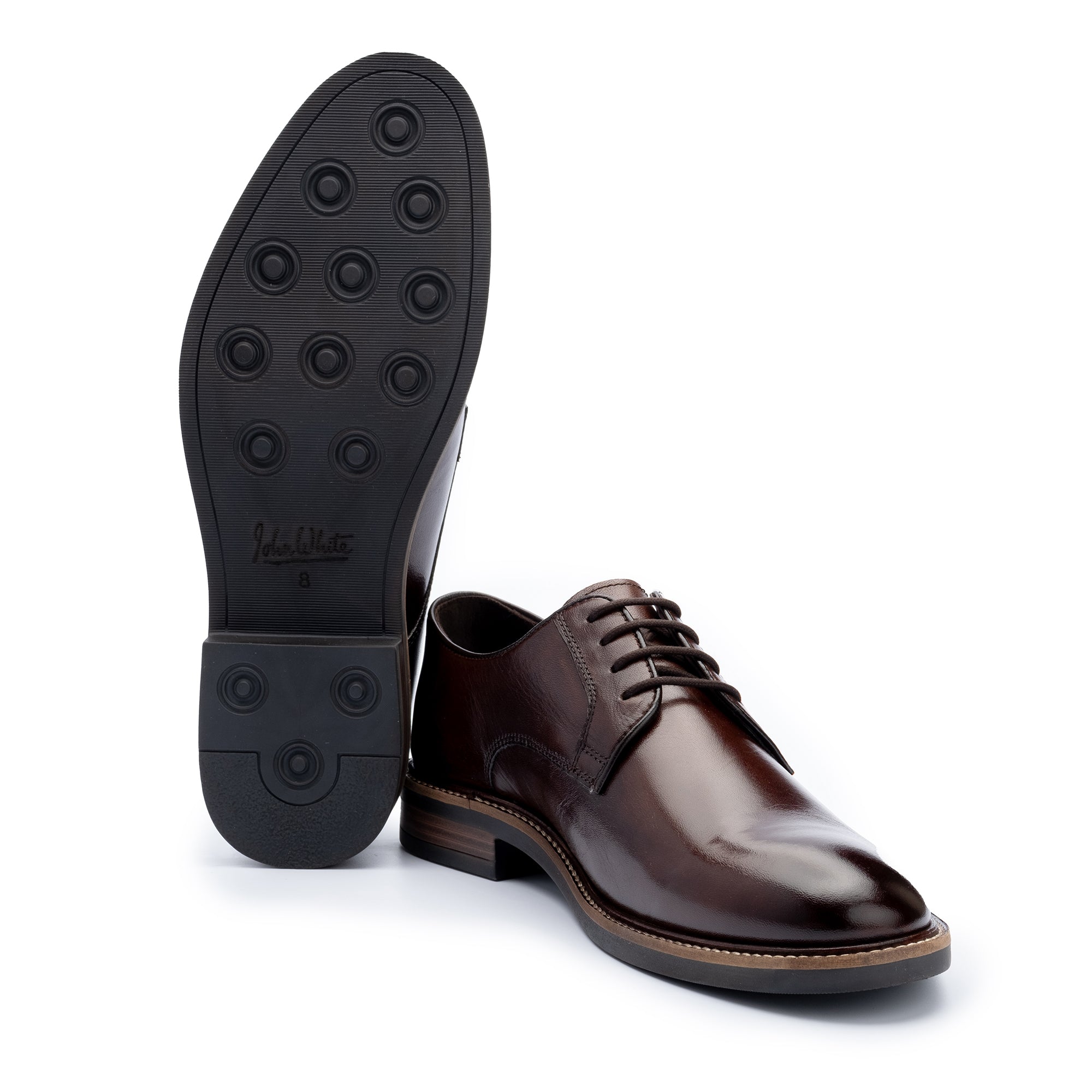

Full Brogue vs. Semi-Brogue: A Guide to Choosing Your Next Pair
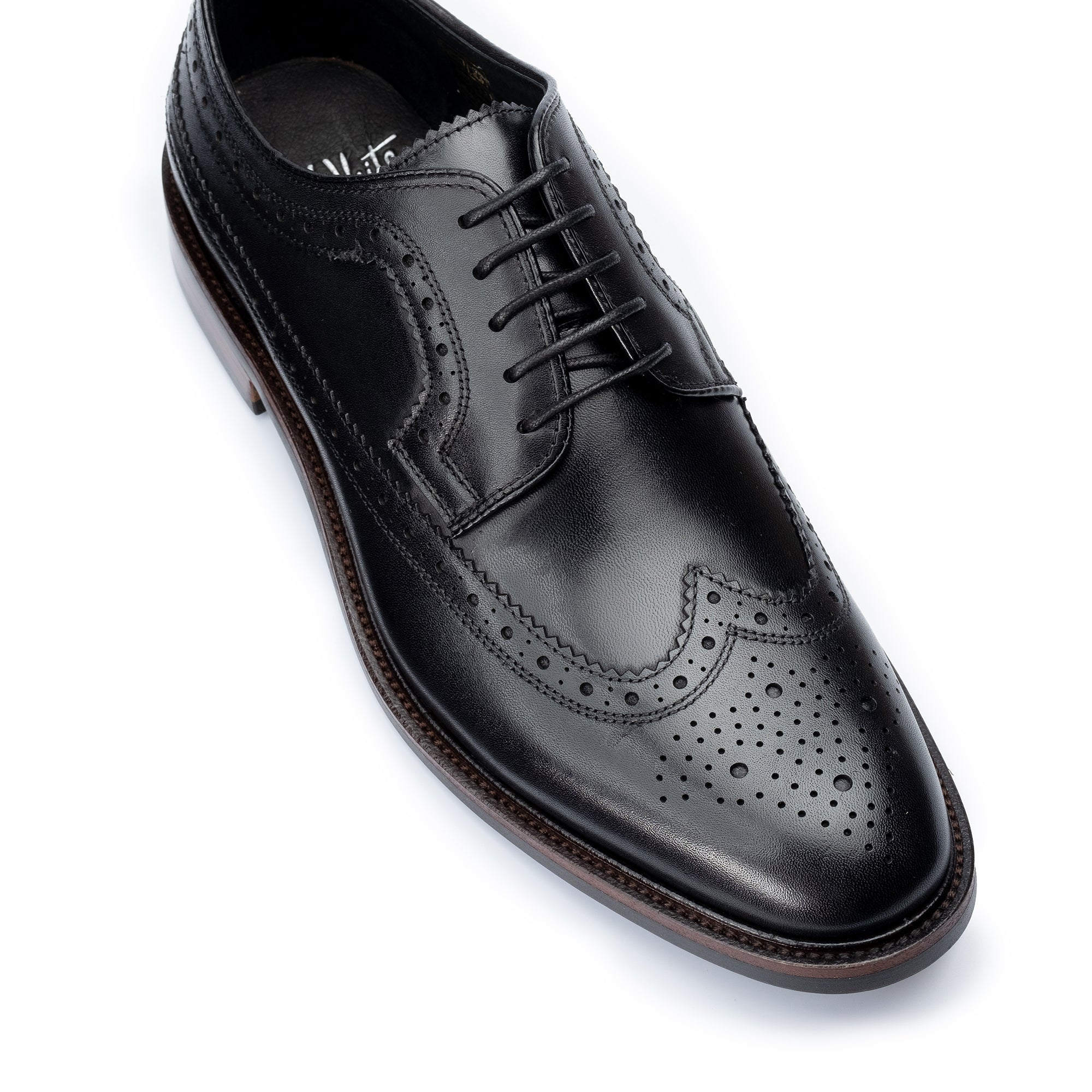
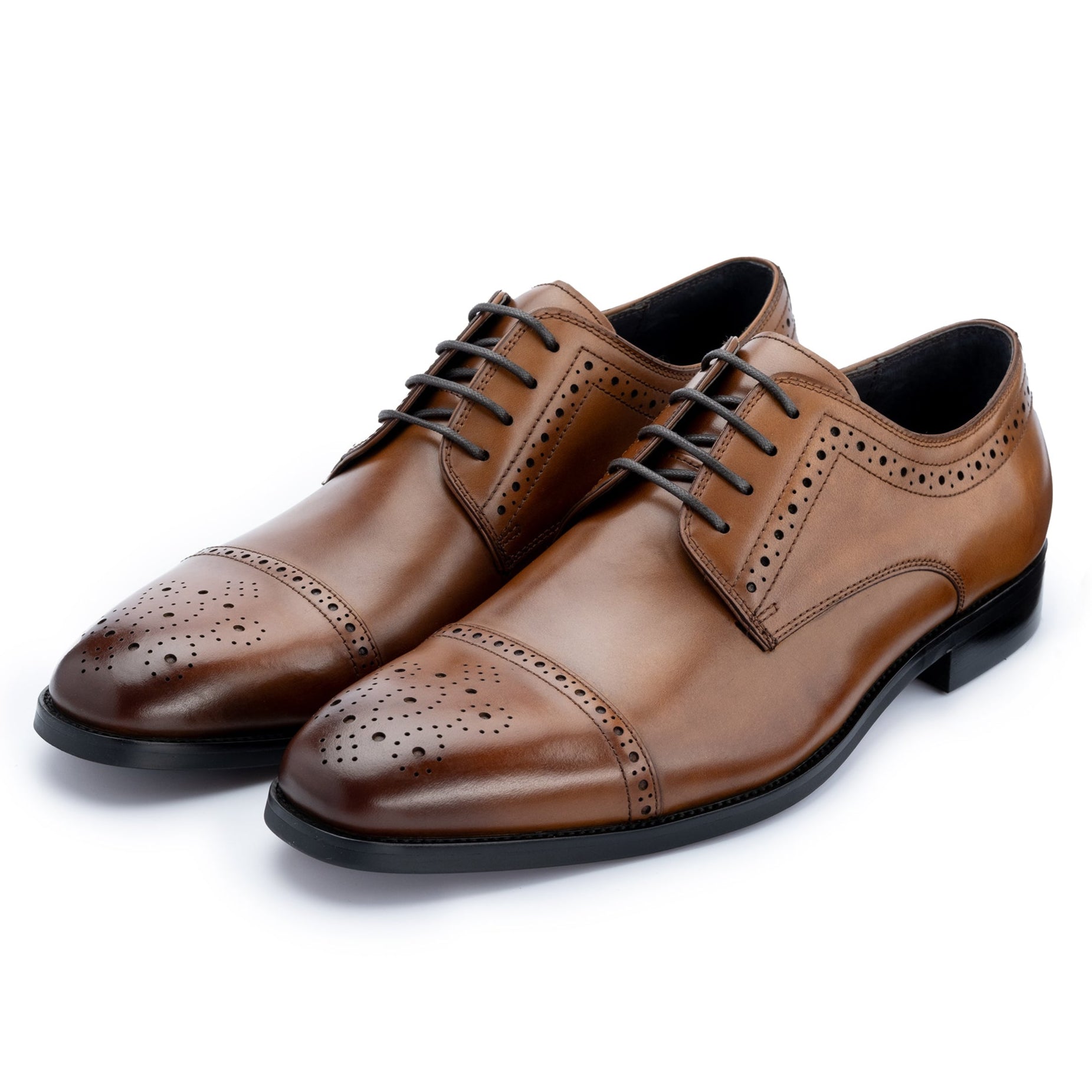
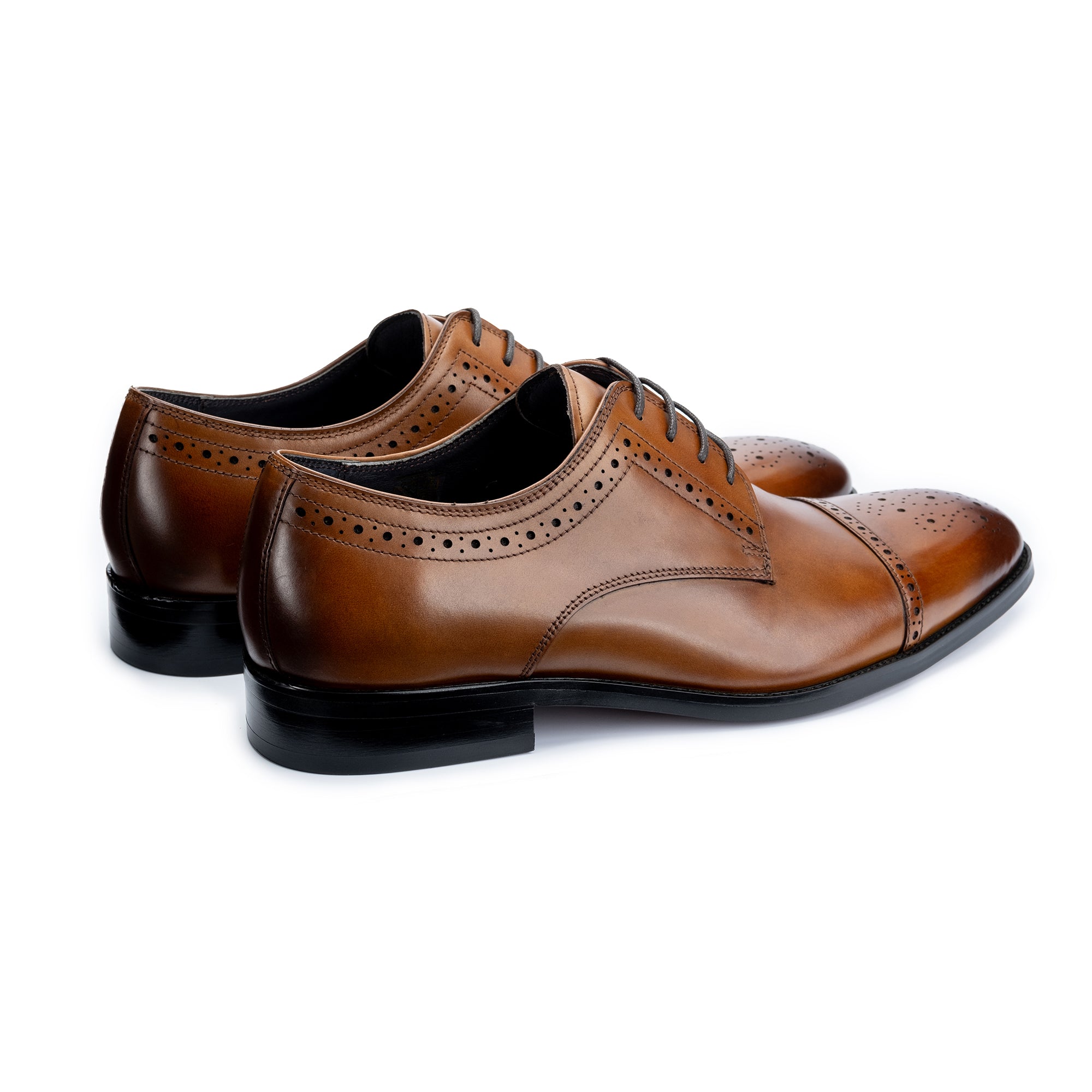
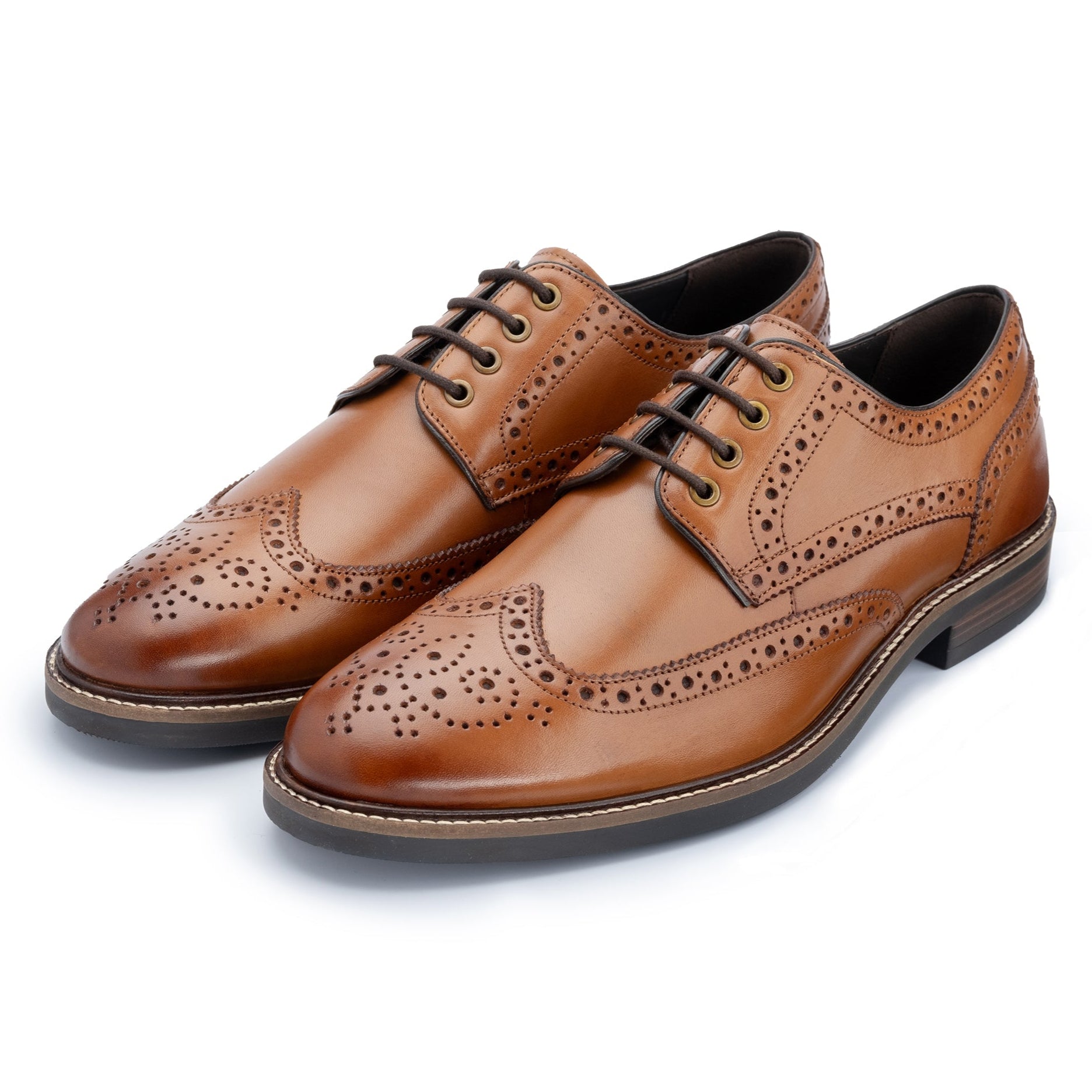
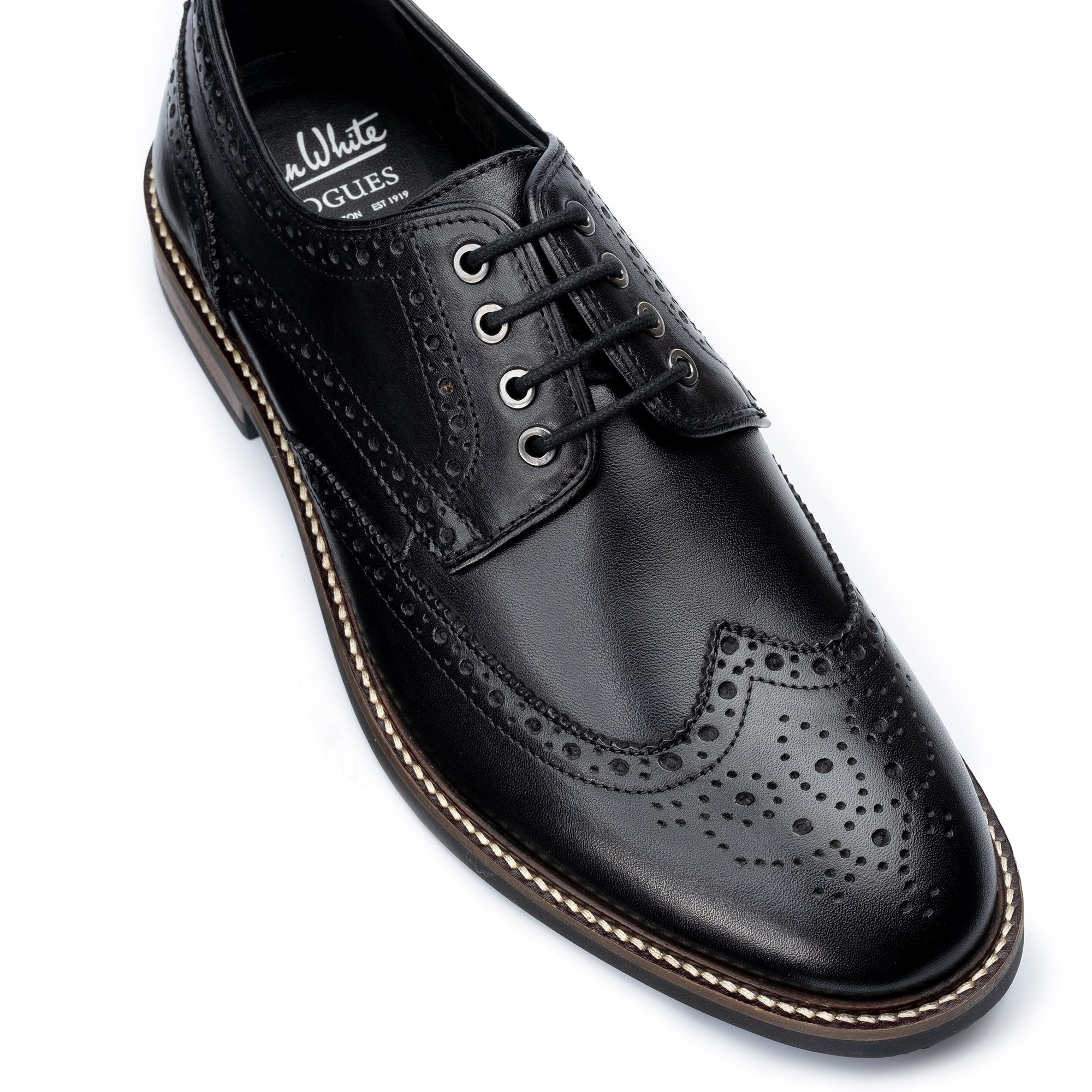
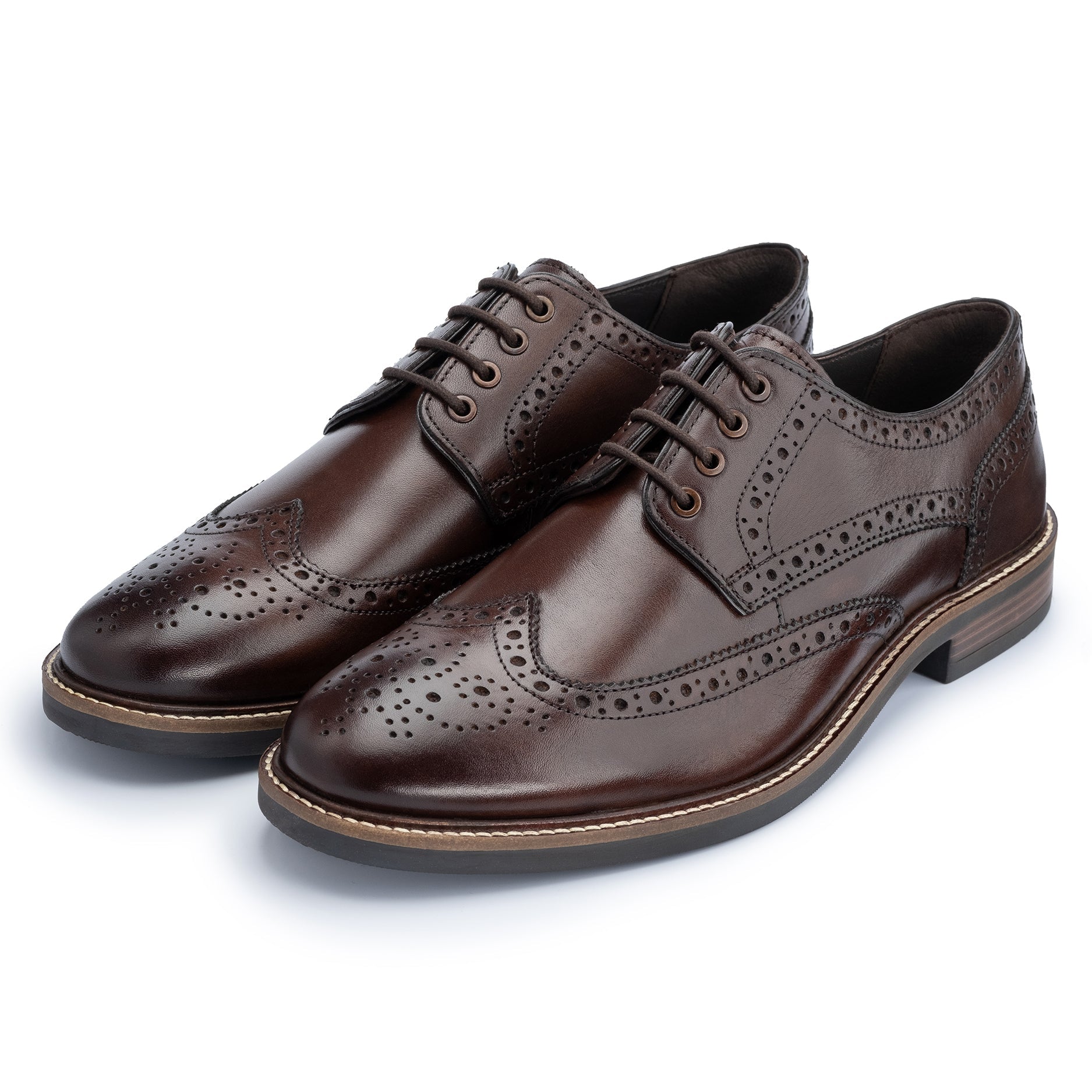
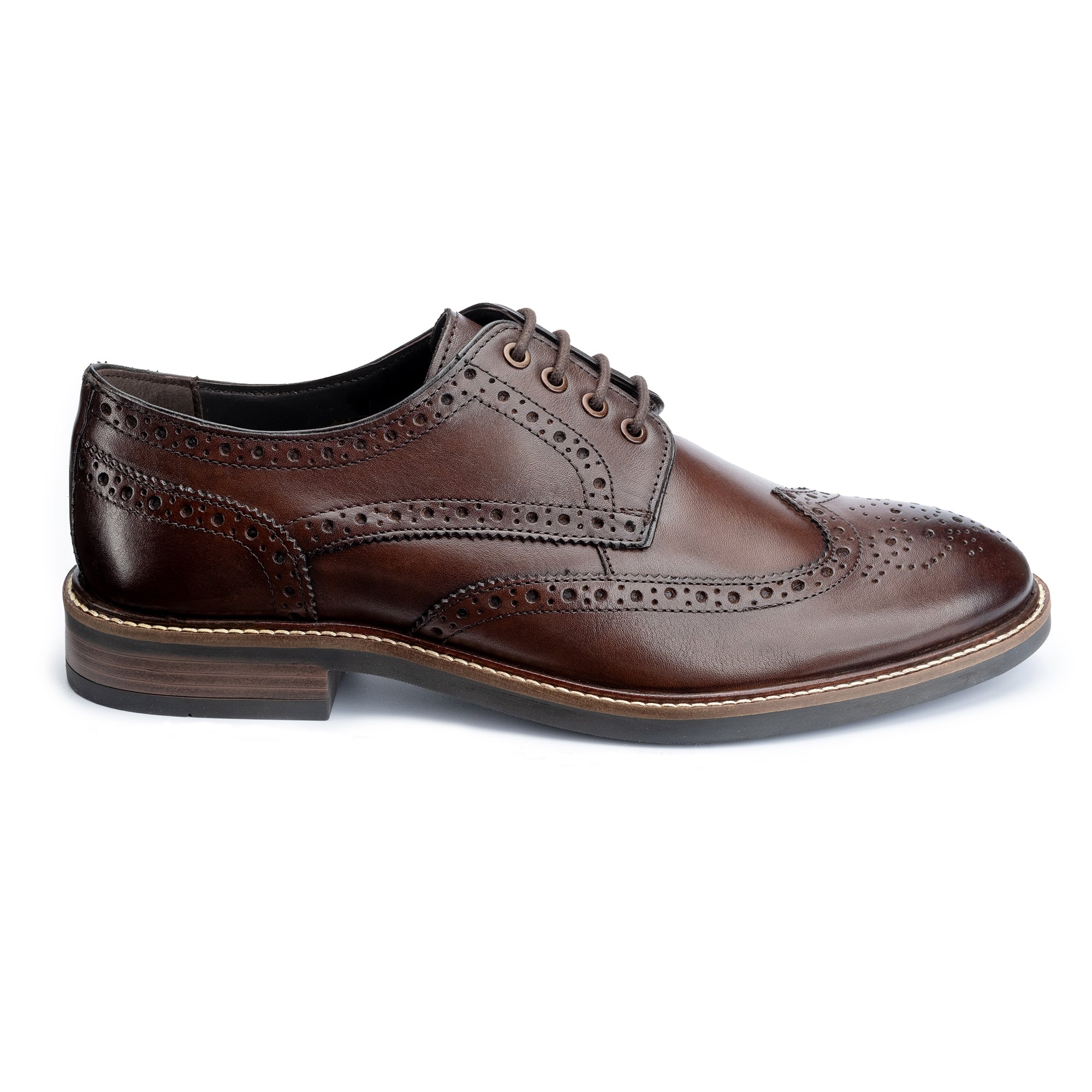
A full brogue — also called a wingtip — features a W-shaped toe cap with perforations running along every seam of the shoe. A semi-brogue carries broguing only at the toe cap: a perforated border and a central medallion, with the rest of the upper left plain. The semi-brogue is the more formal of the two; the full brogue suits smart-casual and business-casual dress codes better. Both styles belong in a well-considered wardrobe.
In This Guide
- What Is a Full Brogue Shoe?
- What Is a Semi-Brogue Shoe?
- What's the Difference Between a Full Brogue and a Semi-Brogue?
- Which Is More Formal — Full Brogue or Semi-Brogue?
- When Should You Wear a Full Brogue?
- When Should You Wear a Semi-Brogue?
- Which Should You Buy First?
- Our Picks from the John White Collection
- Related Guides
- TL;DR
- Frequently Asked Questions
Most men who own brogues couldn't tell you exactly which type they're wearing. That distinction matters more than it might seem — not because dress codes demand pedantry, but because getting it wrong means arriving at a formal dinner in a full brogue or reaching for a plain Oxford on a country weekend when something with a bit more character would've served you far better. Understanding the difference puts you in control.
What Is a Full Brogue Shoe?
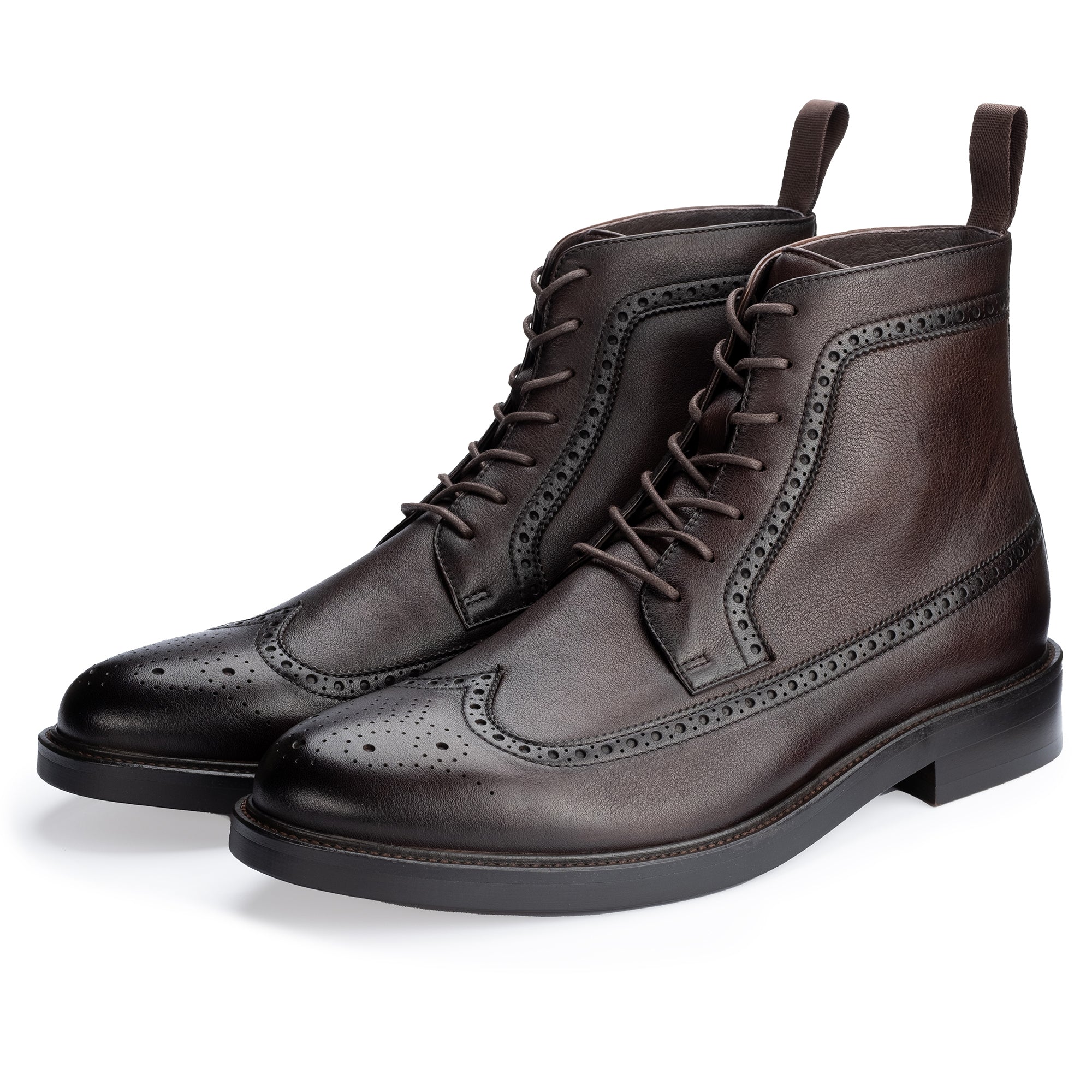
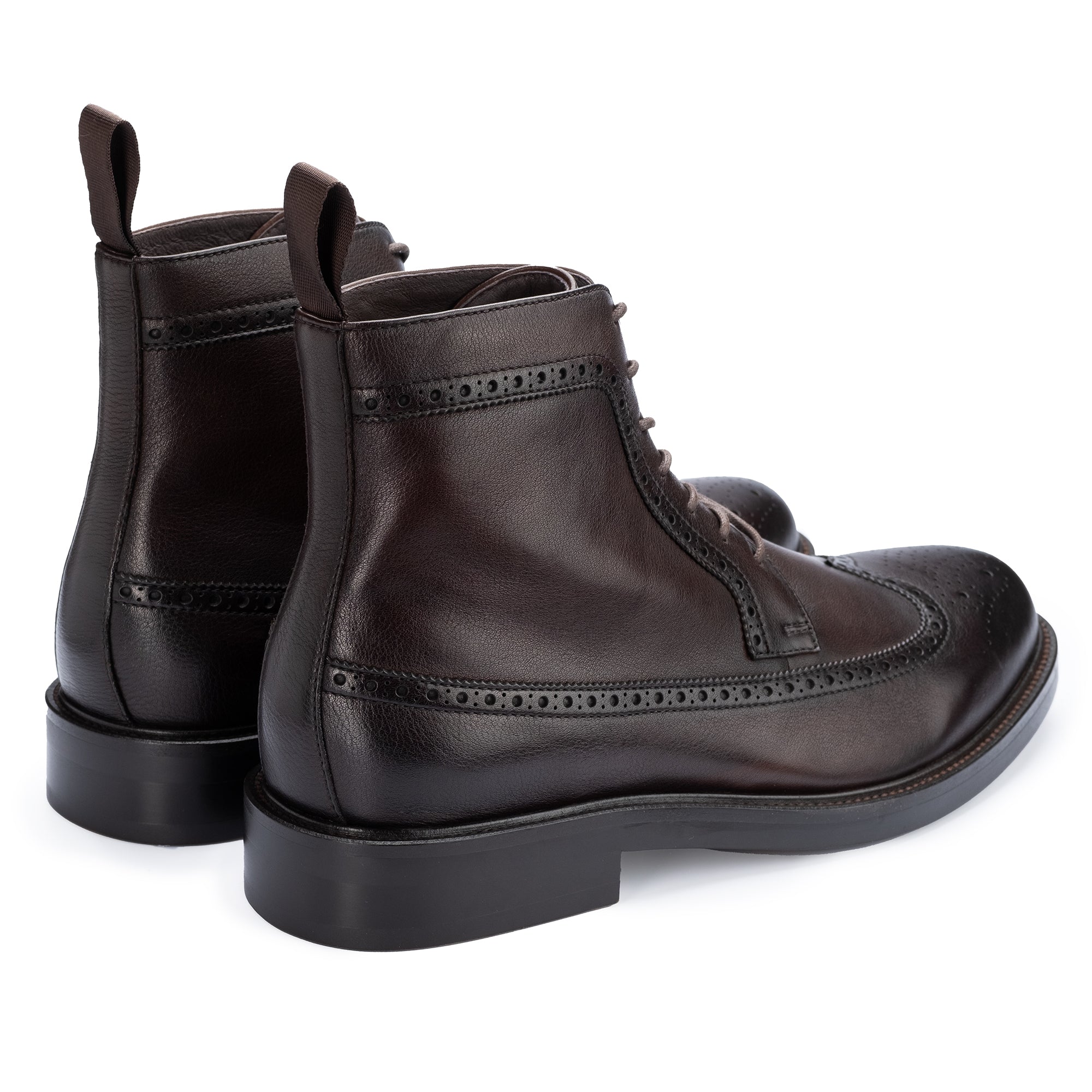
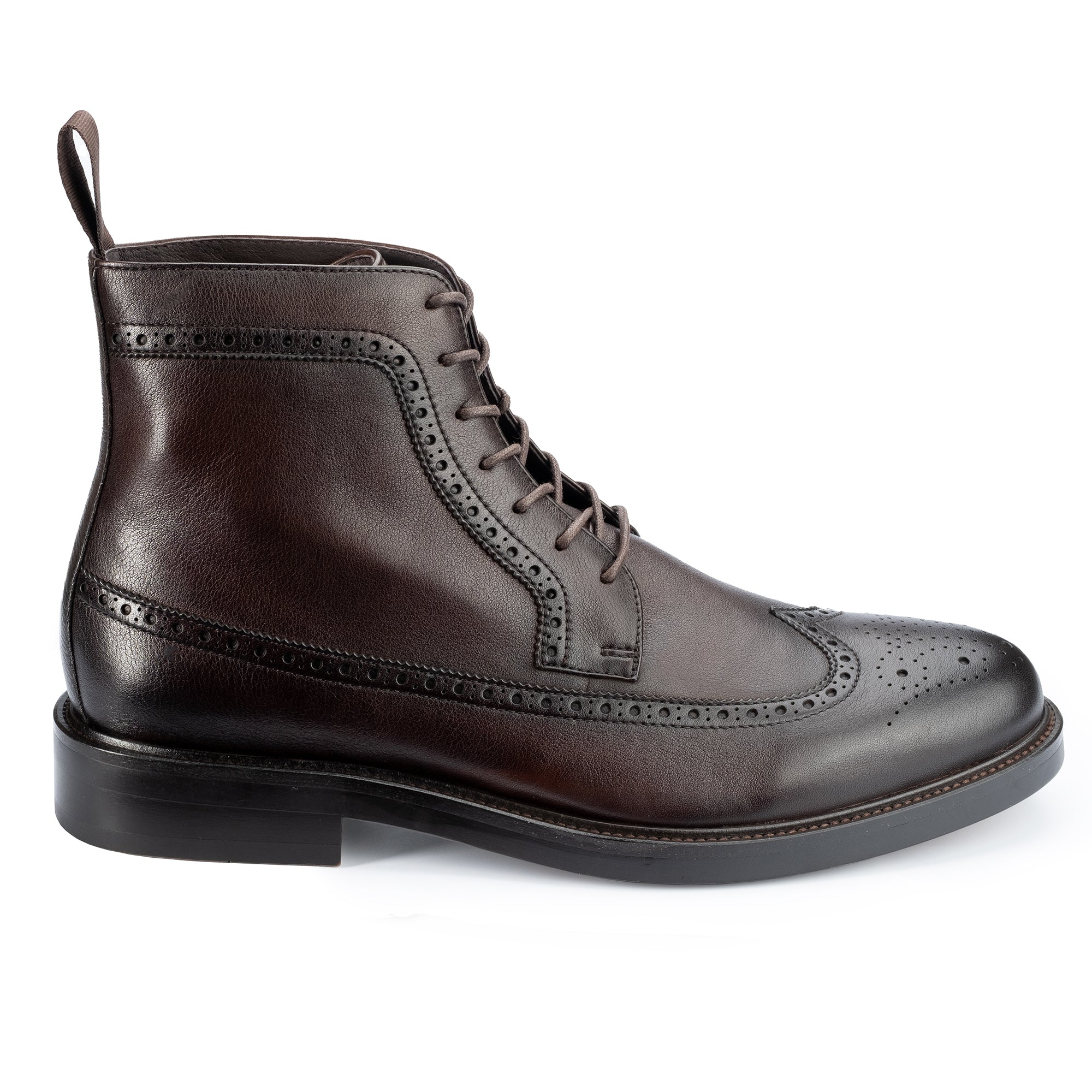
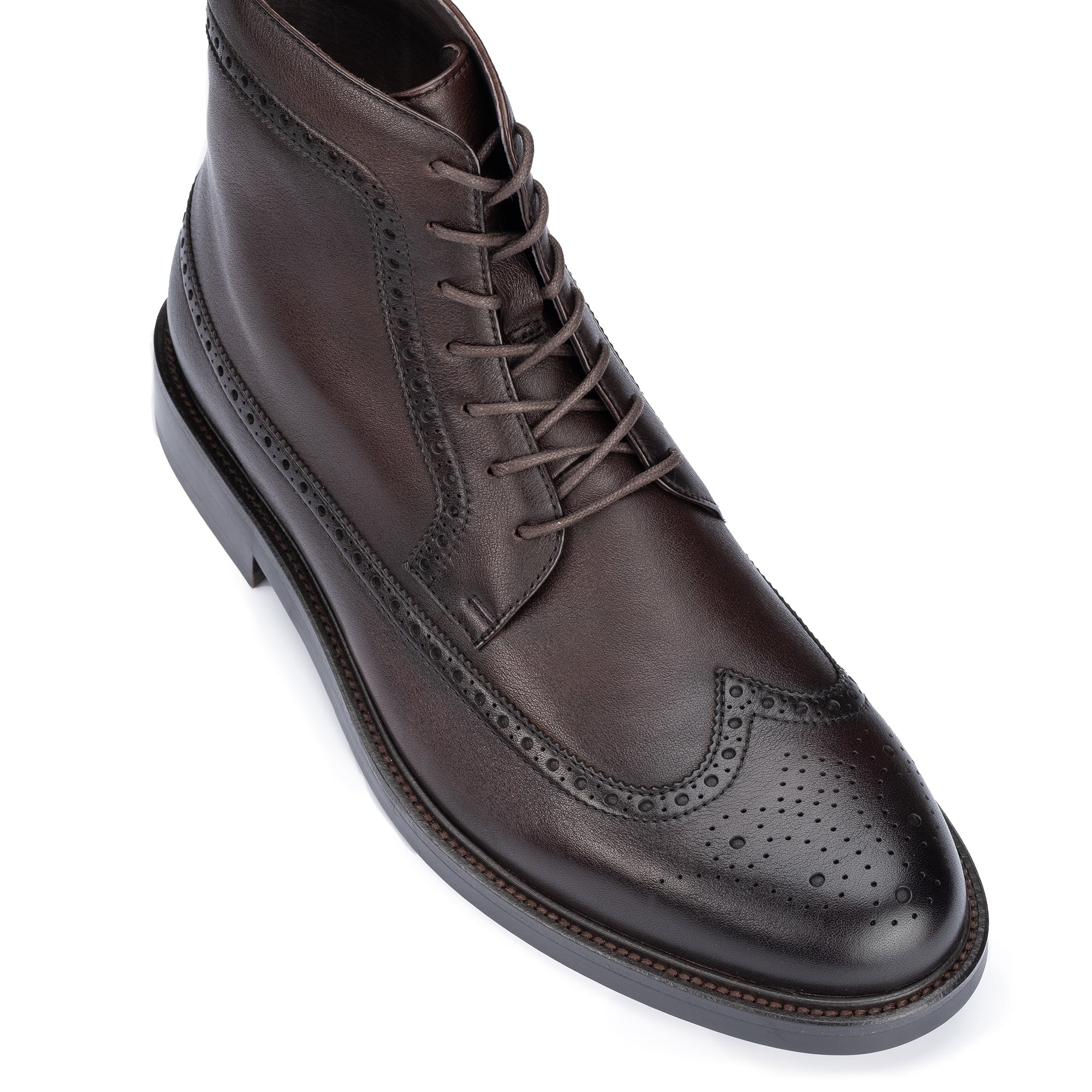
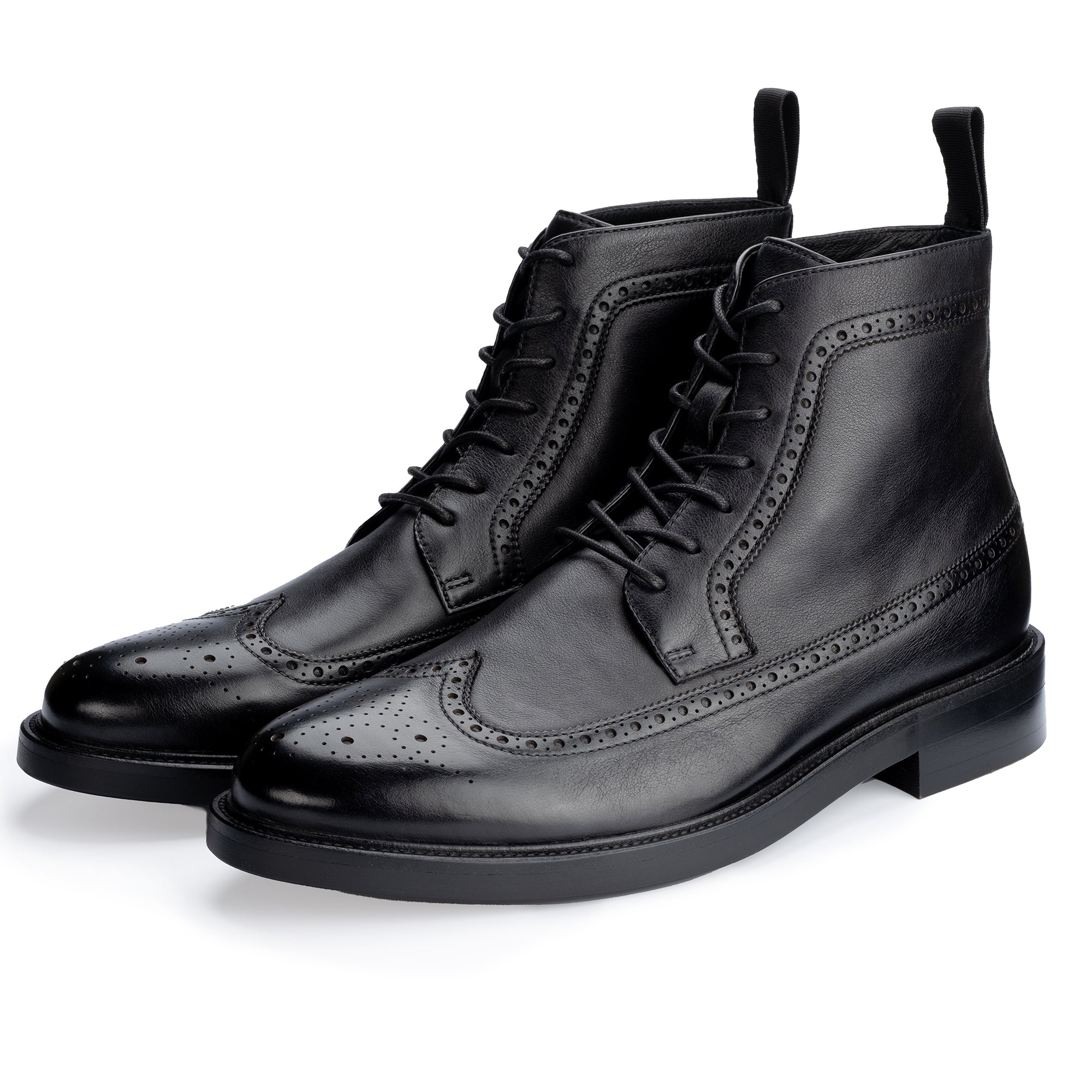
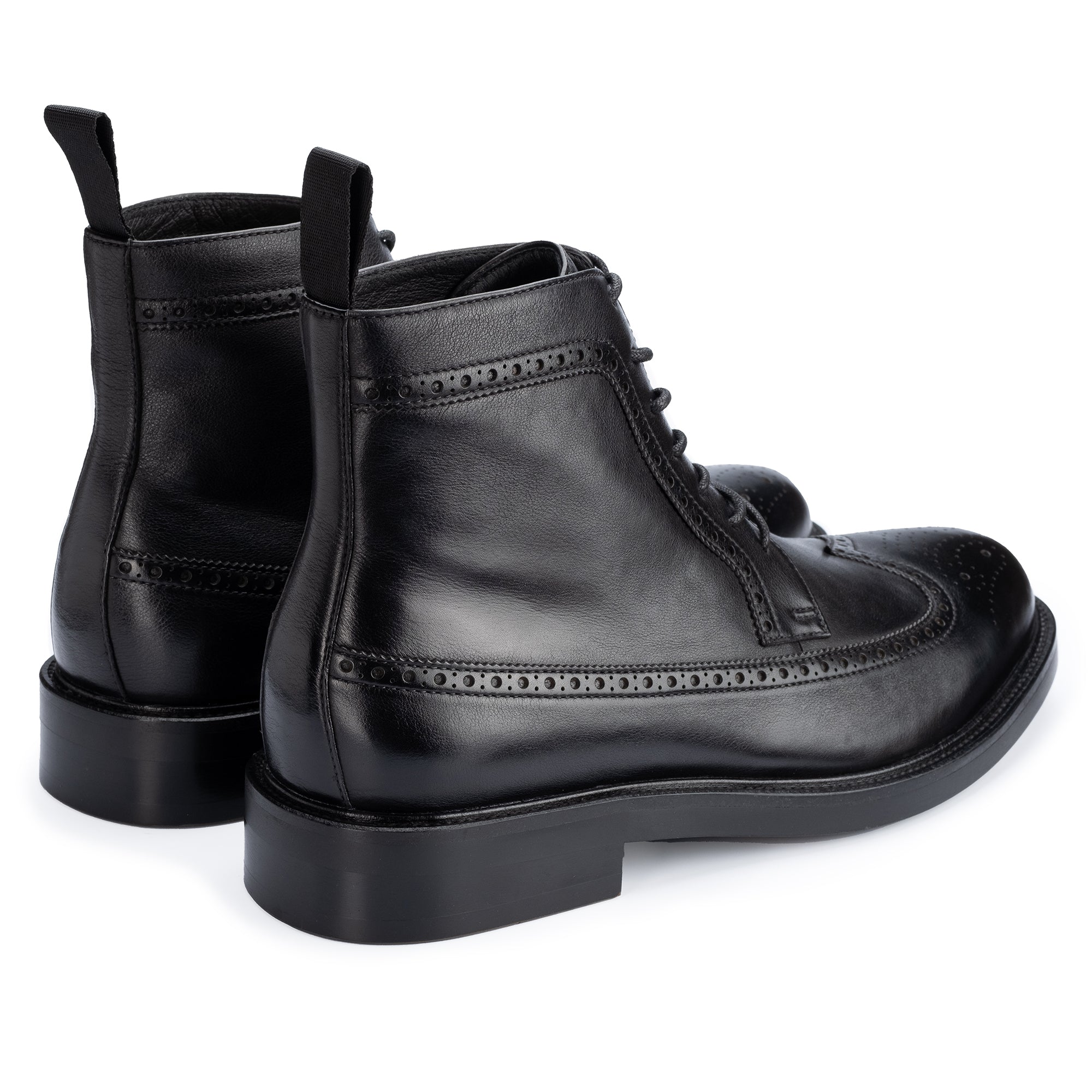
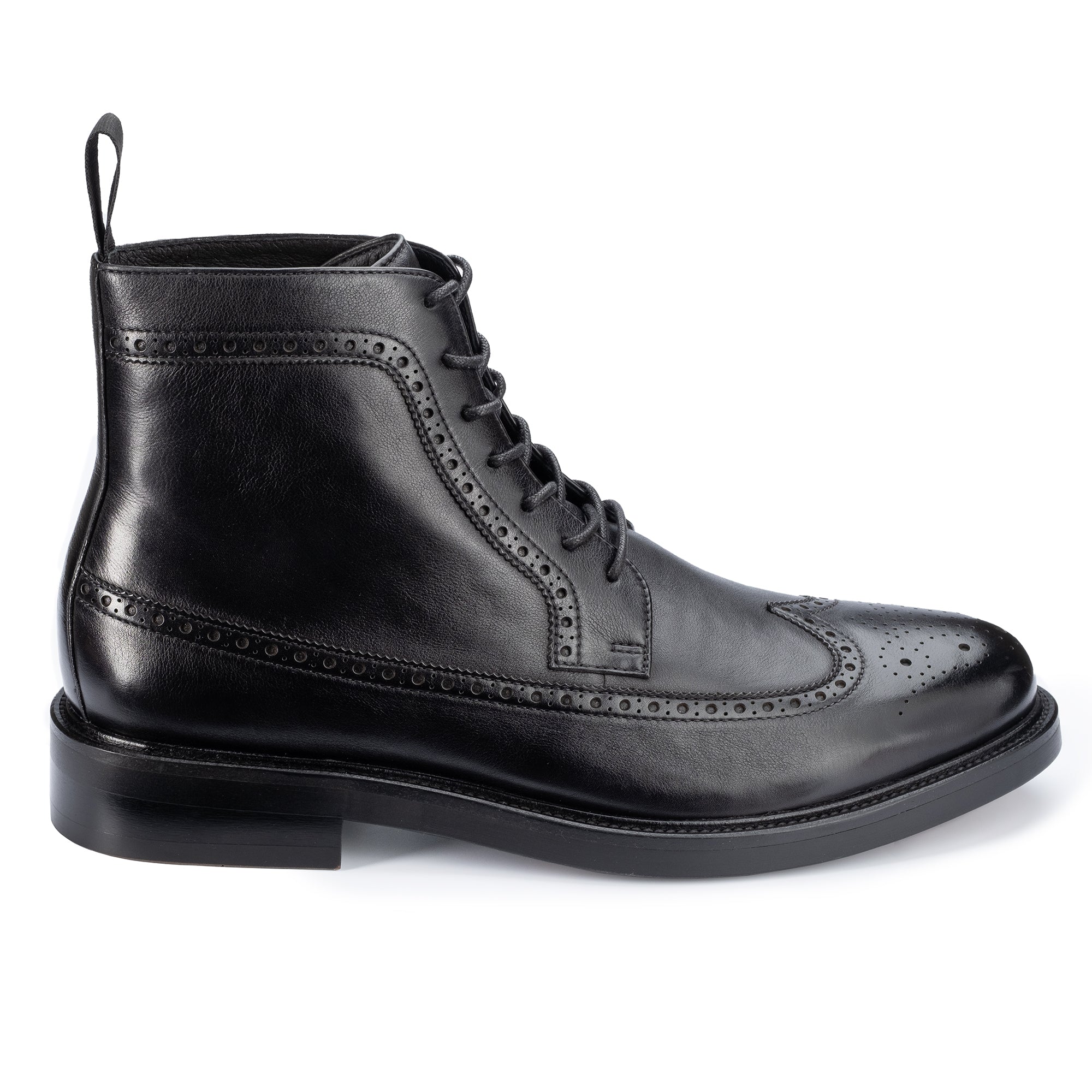
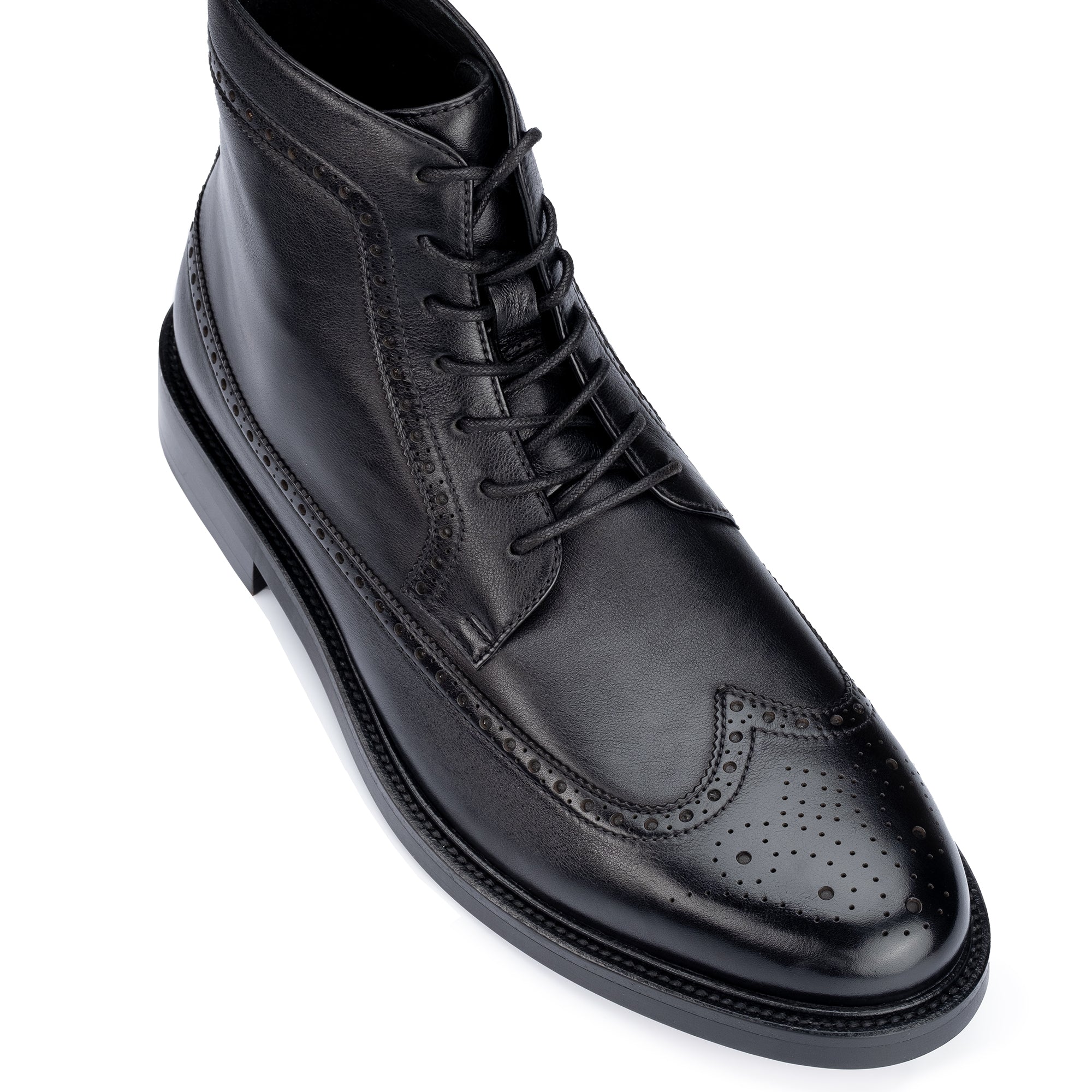
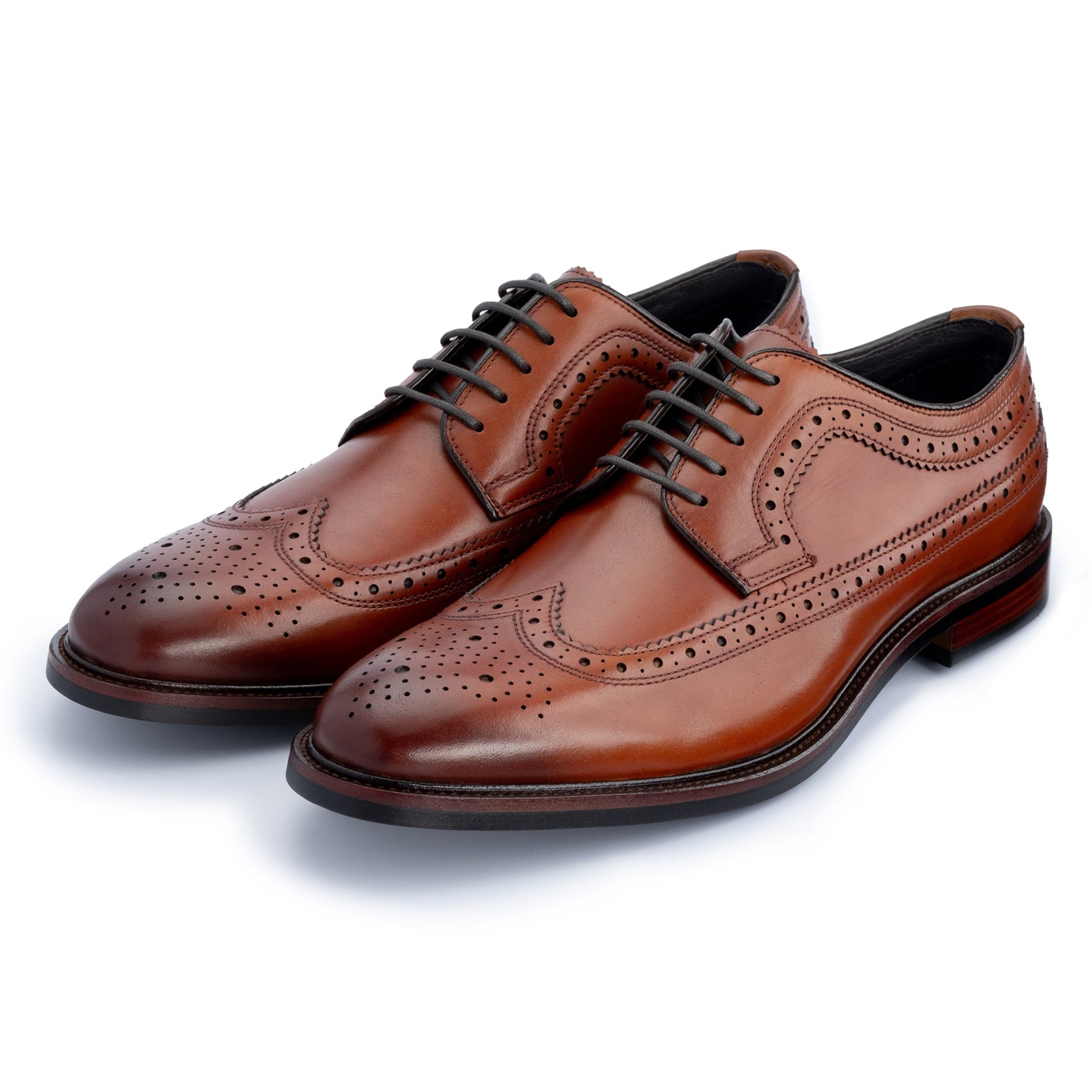
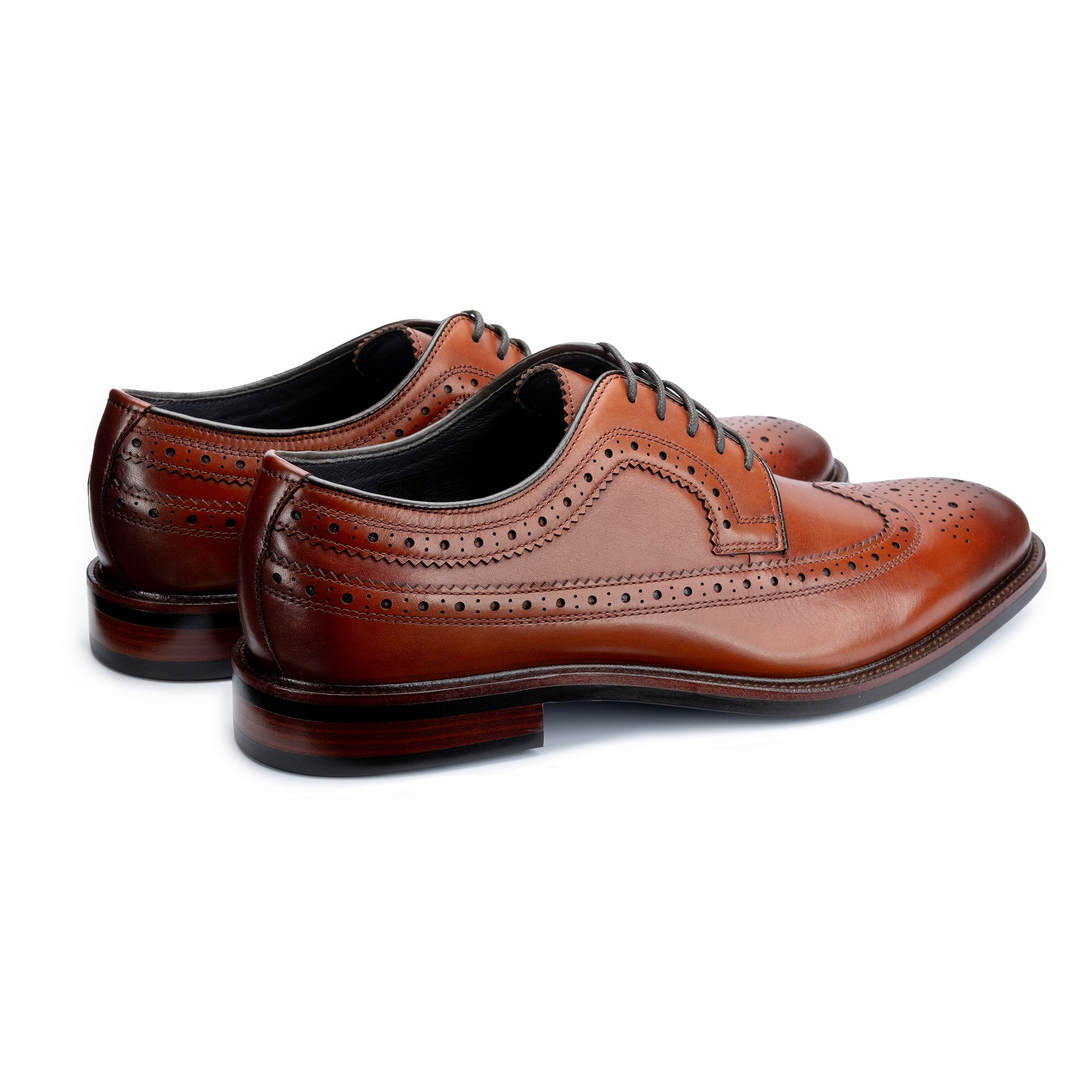
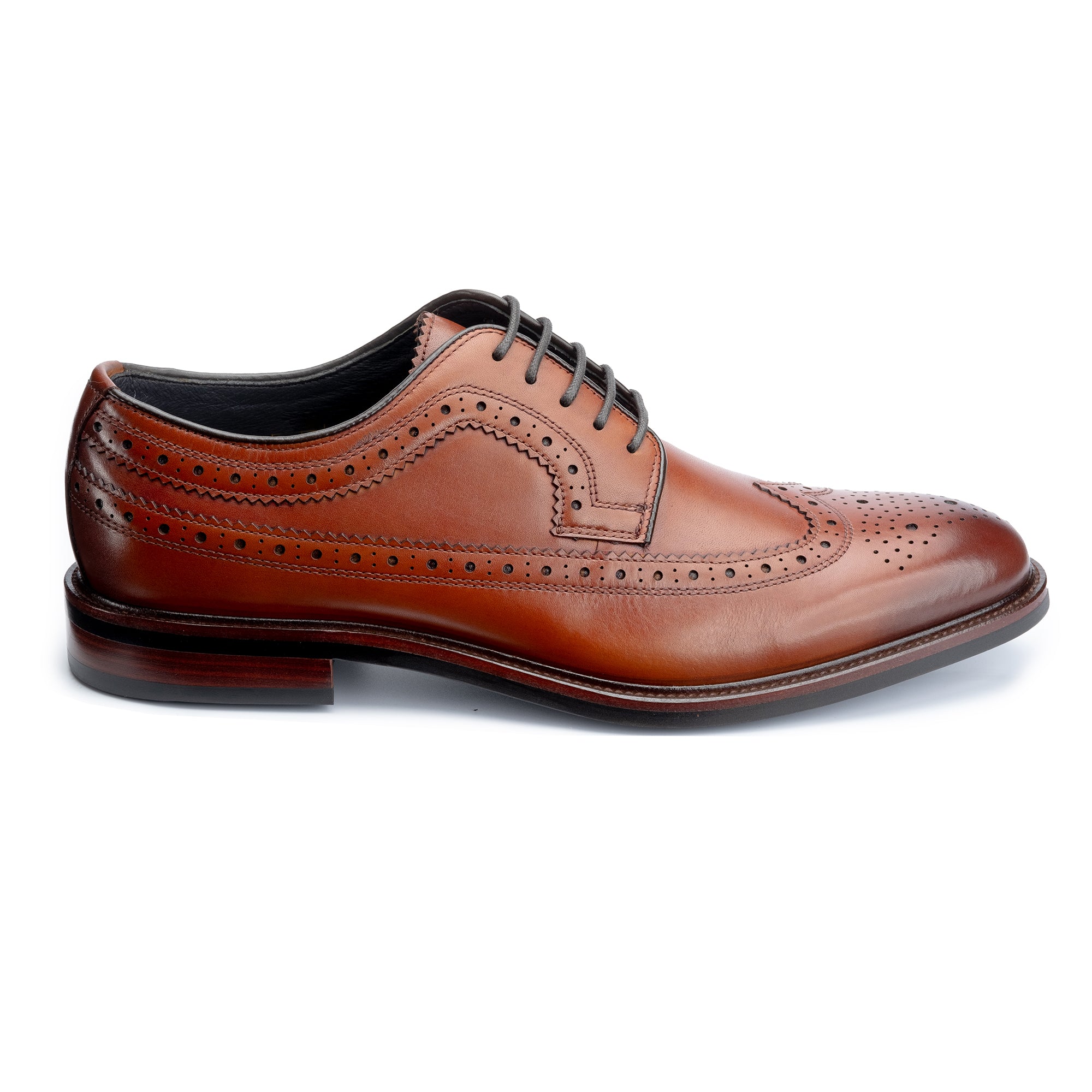
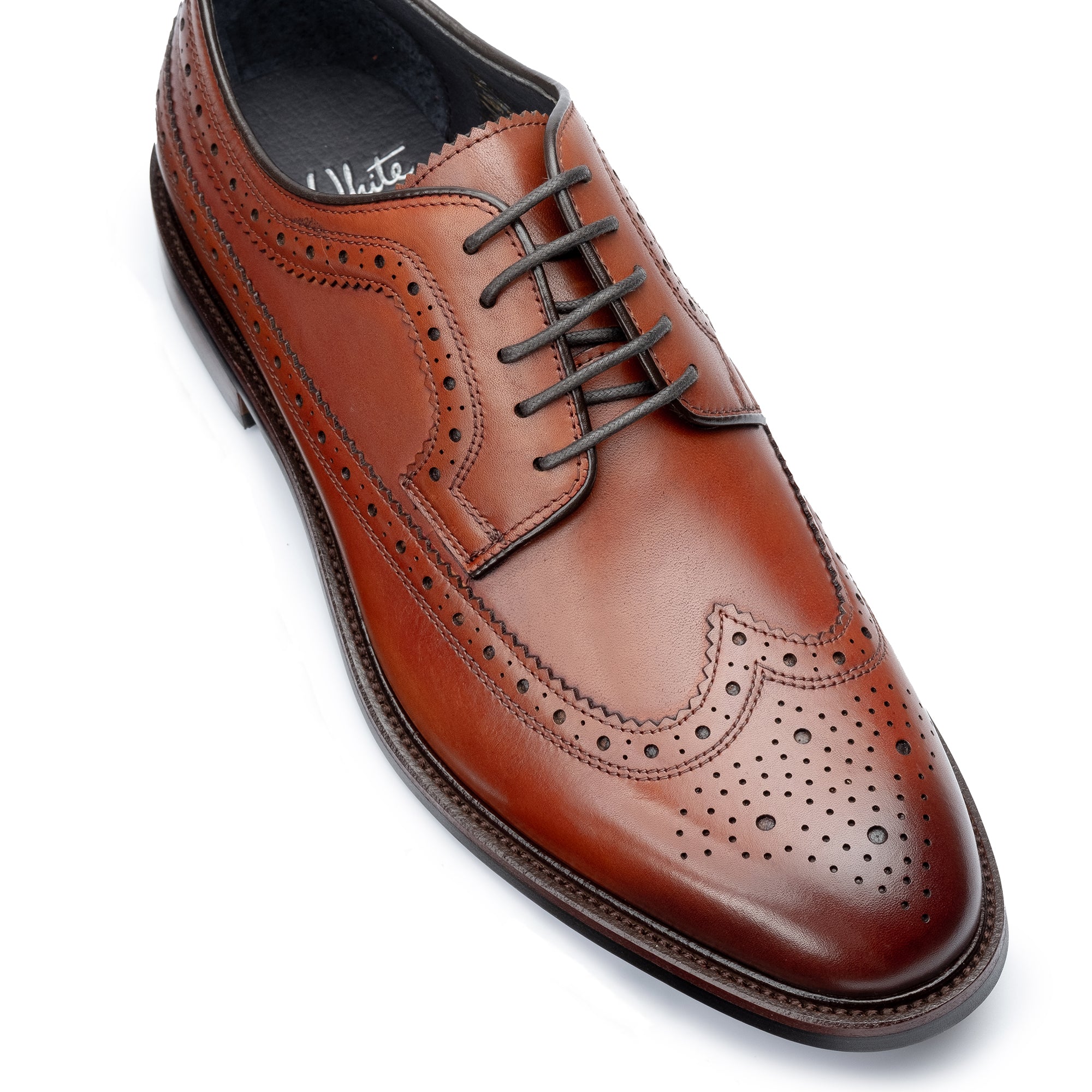
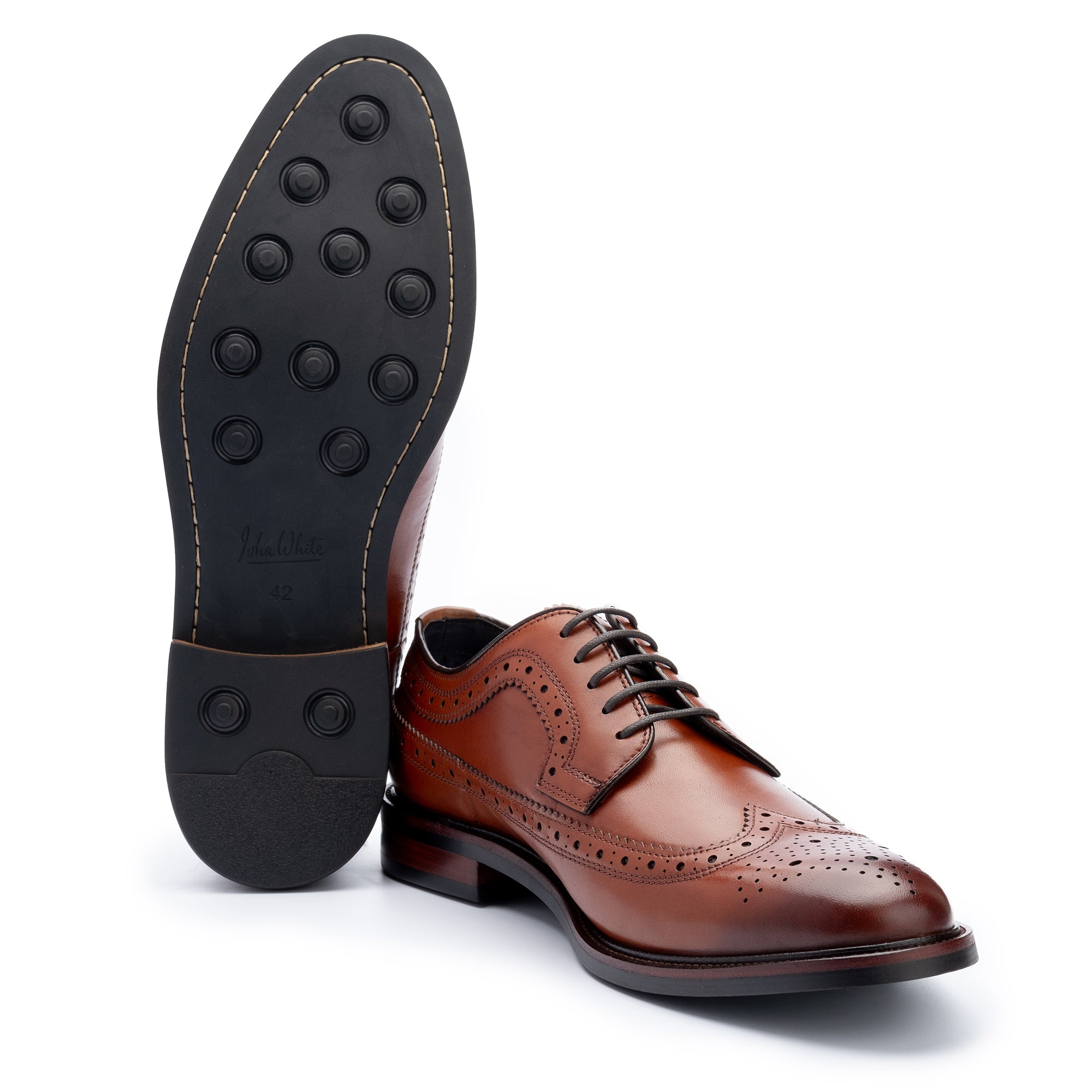
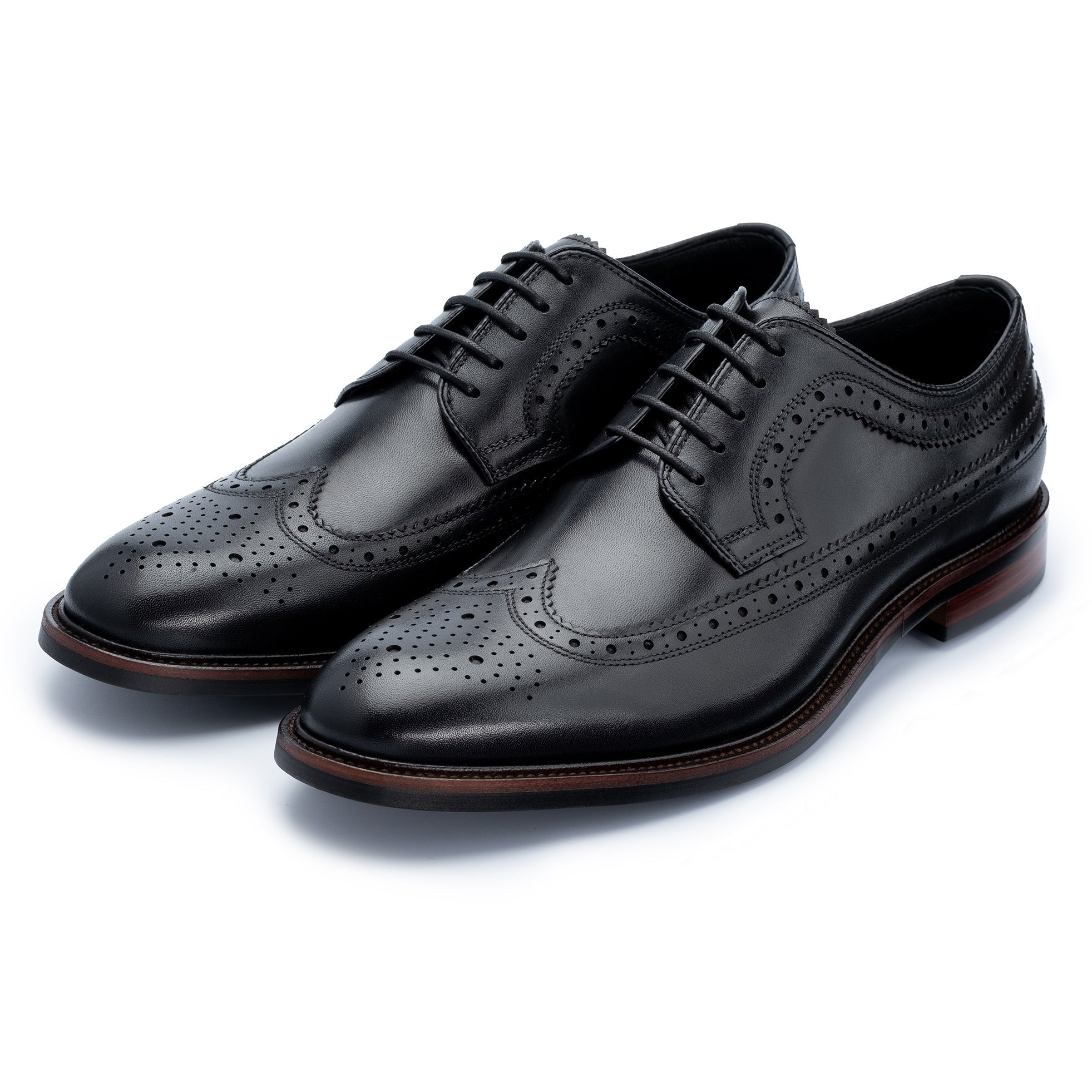
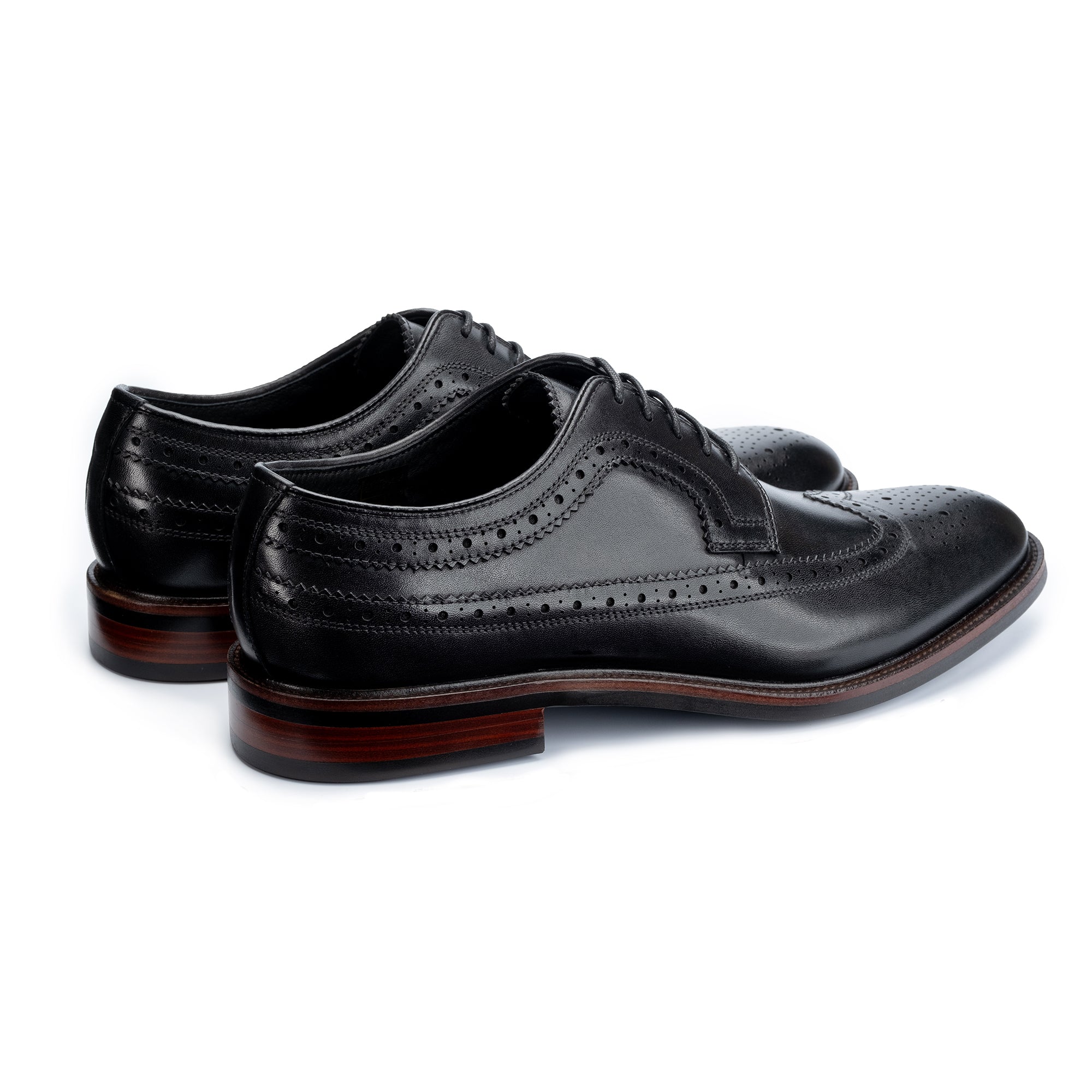
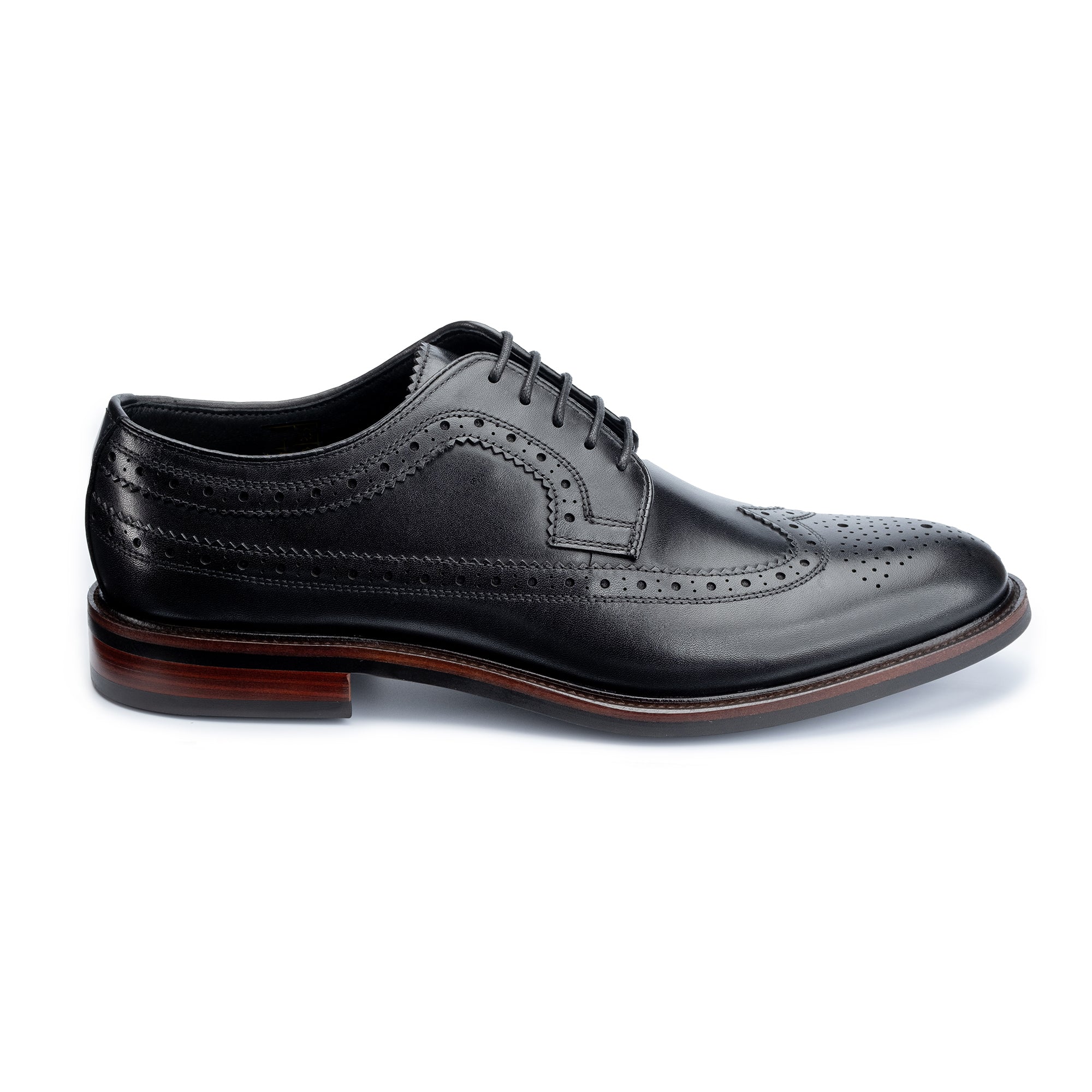
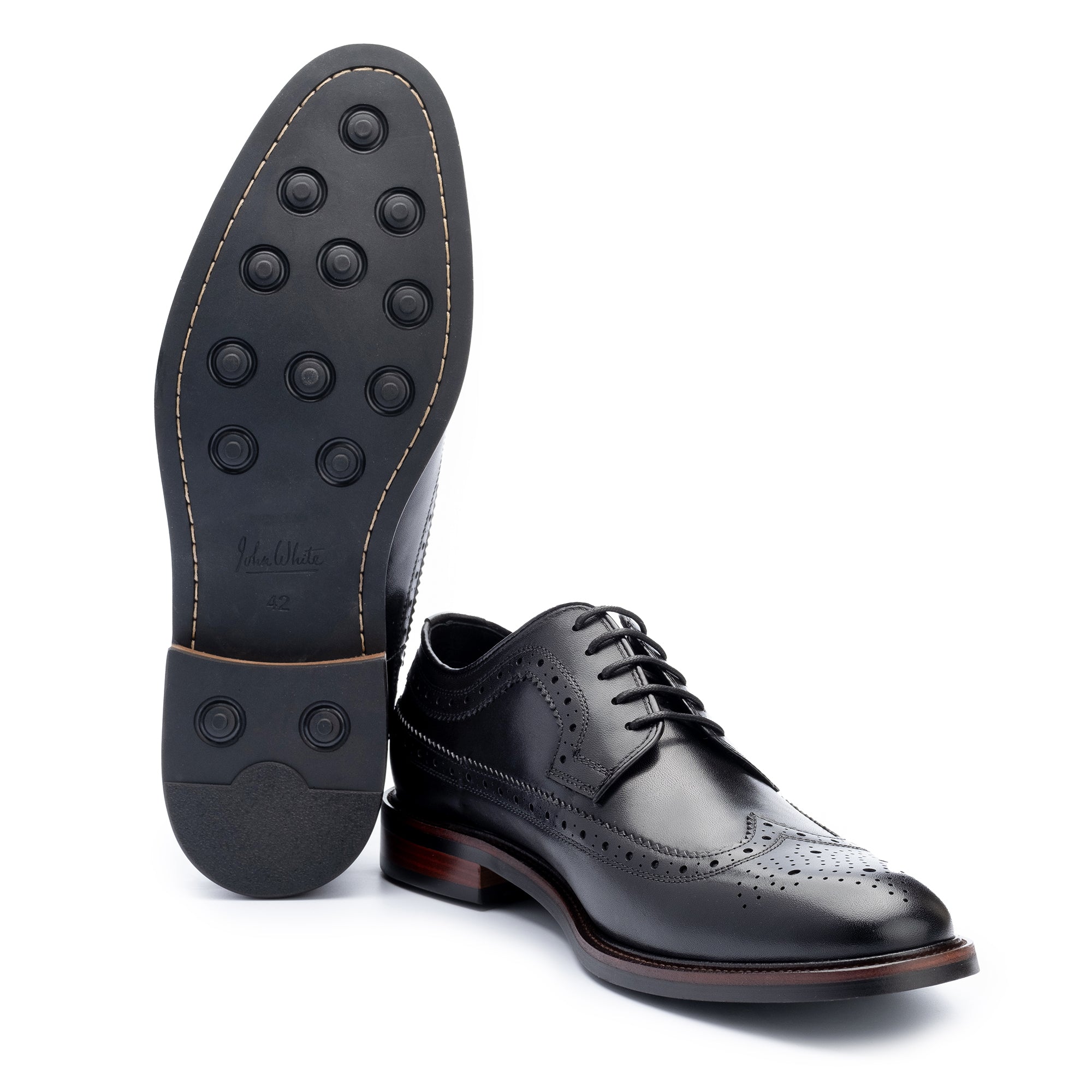
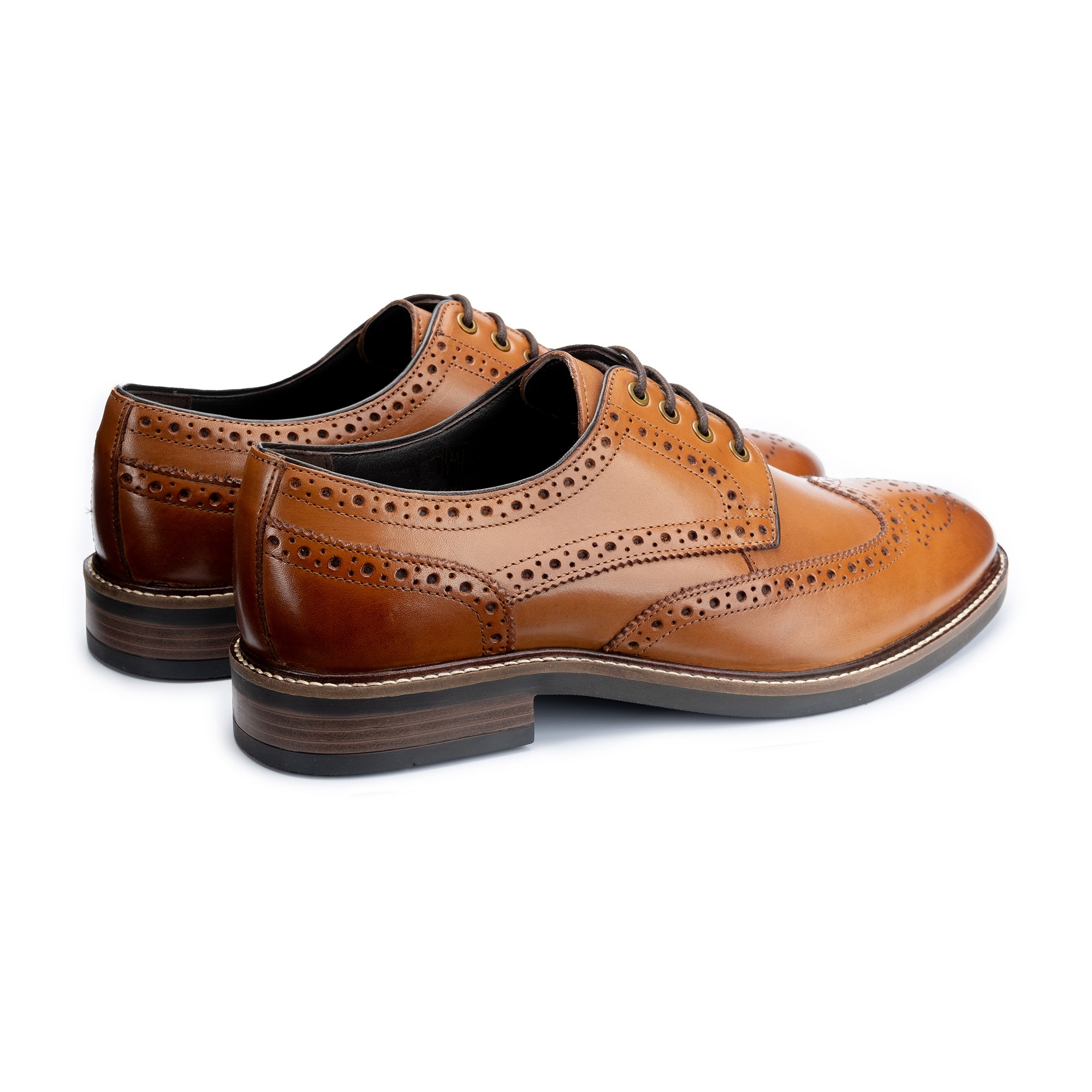
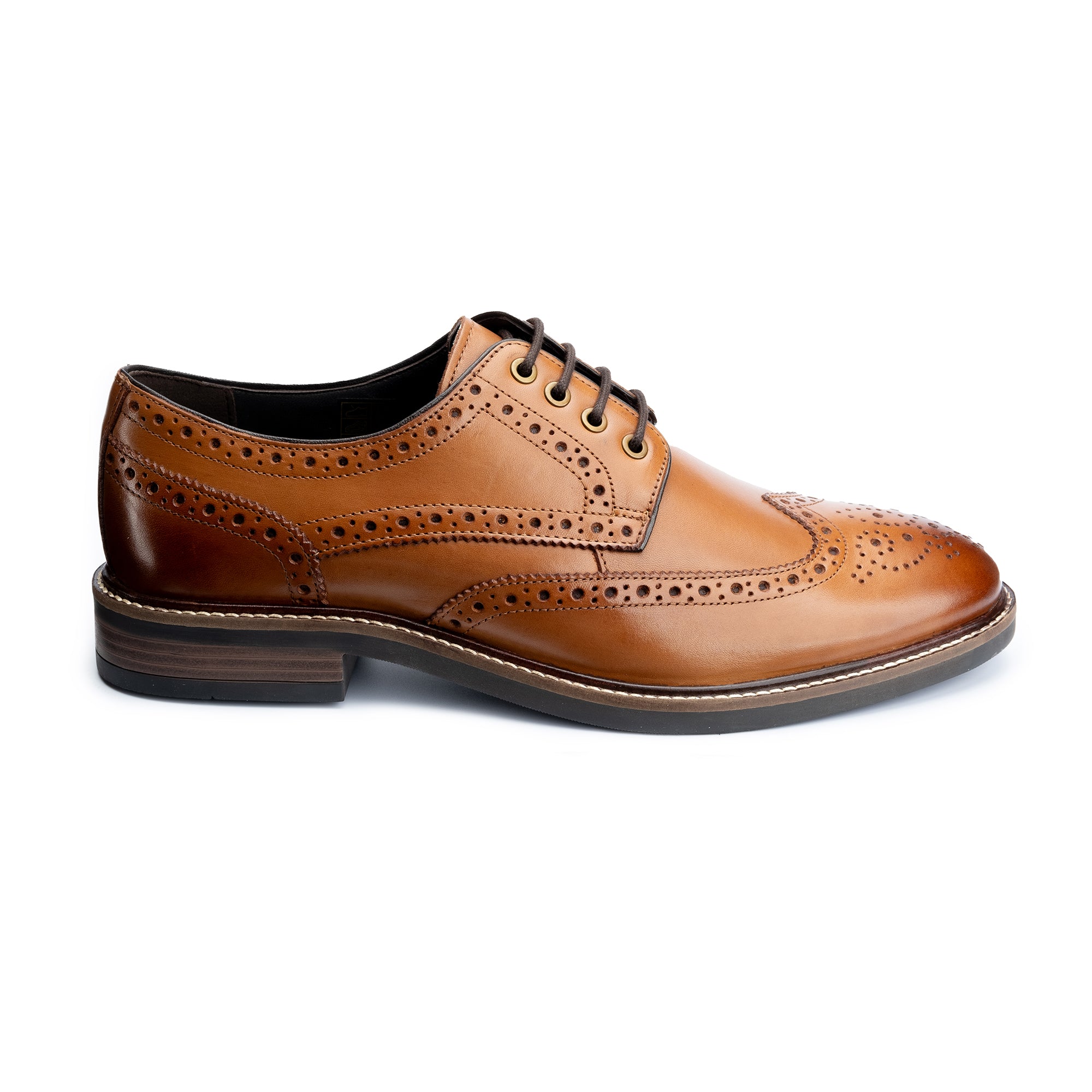
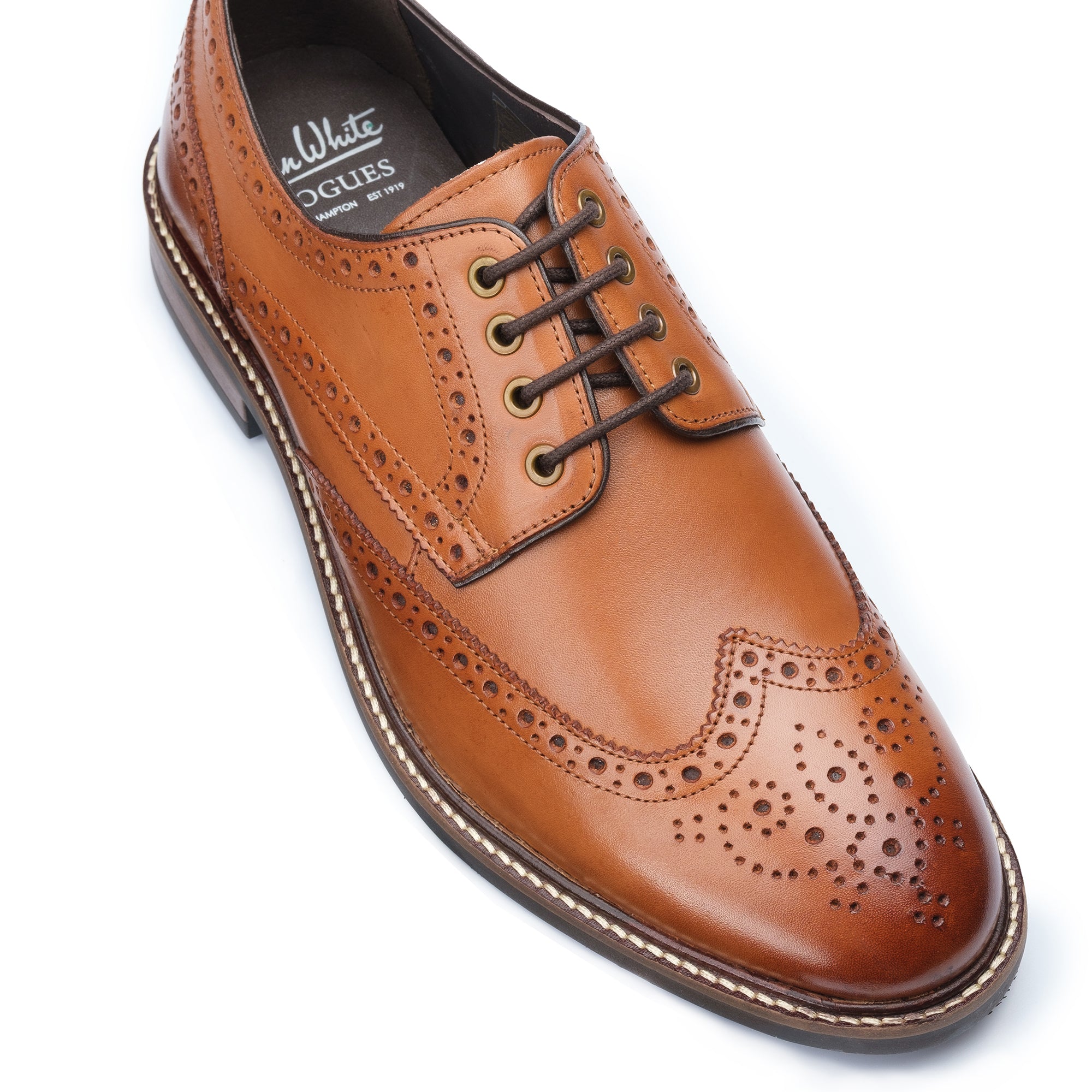
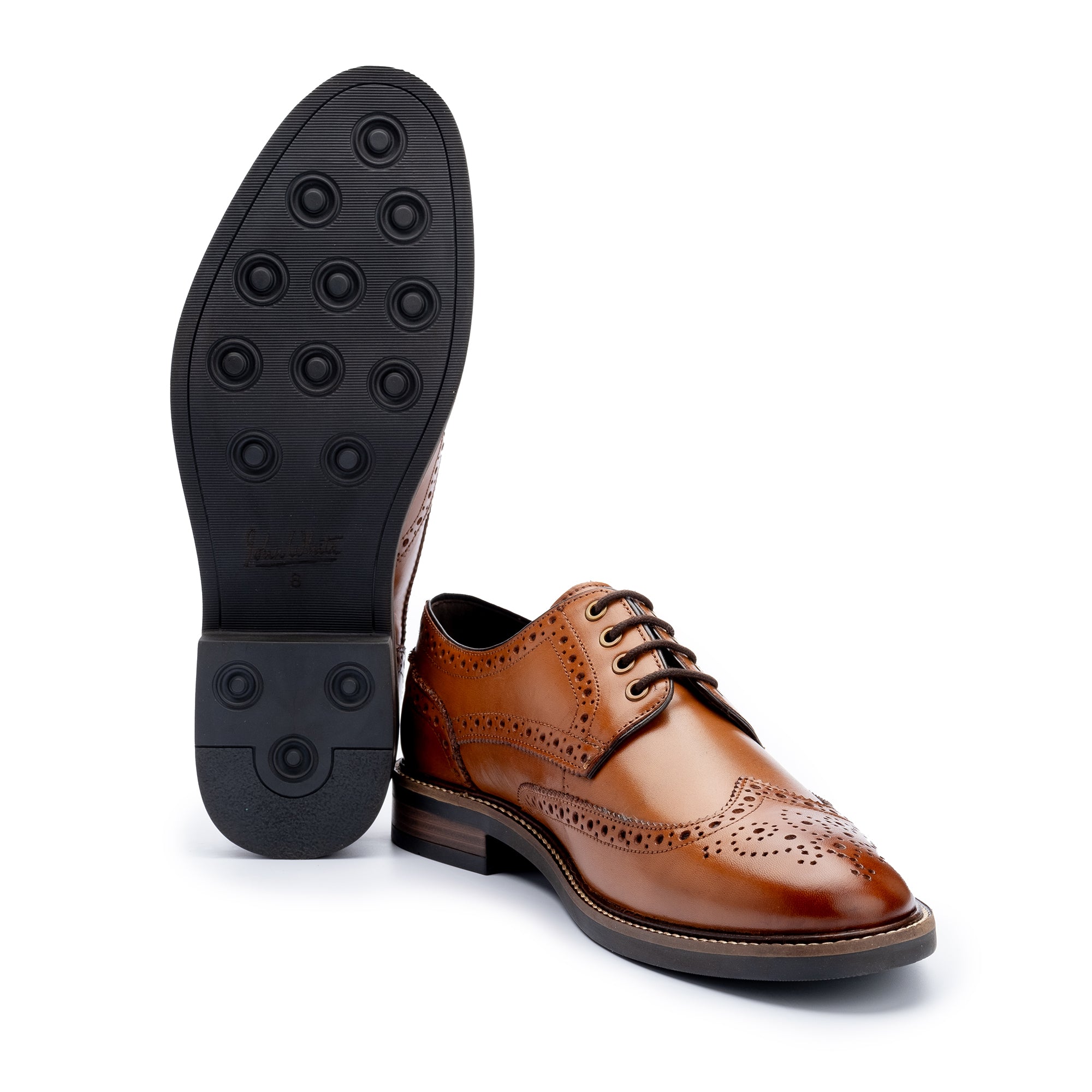
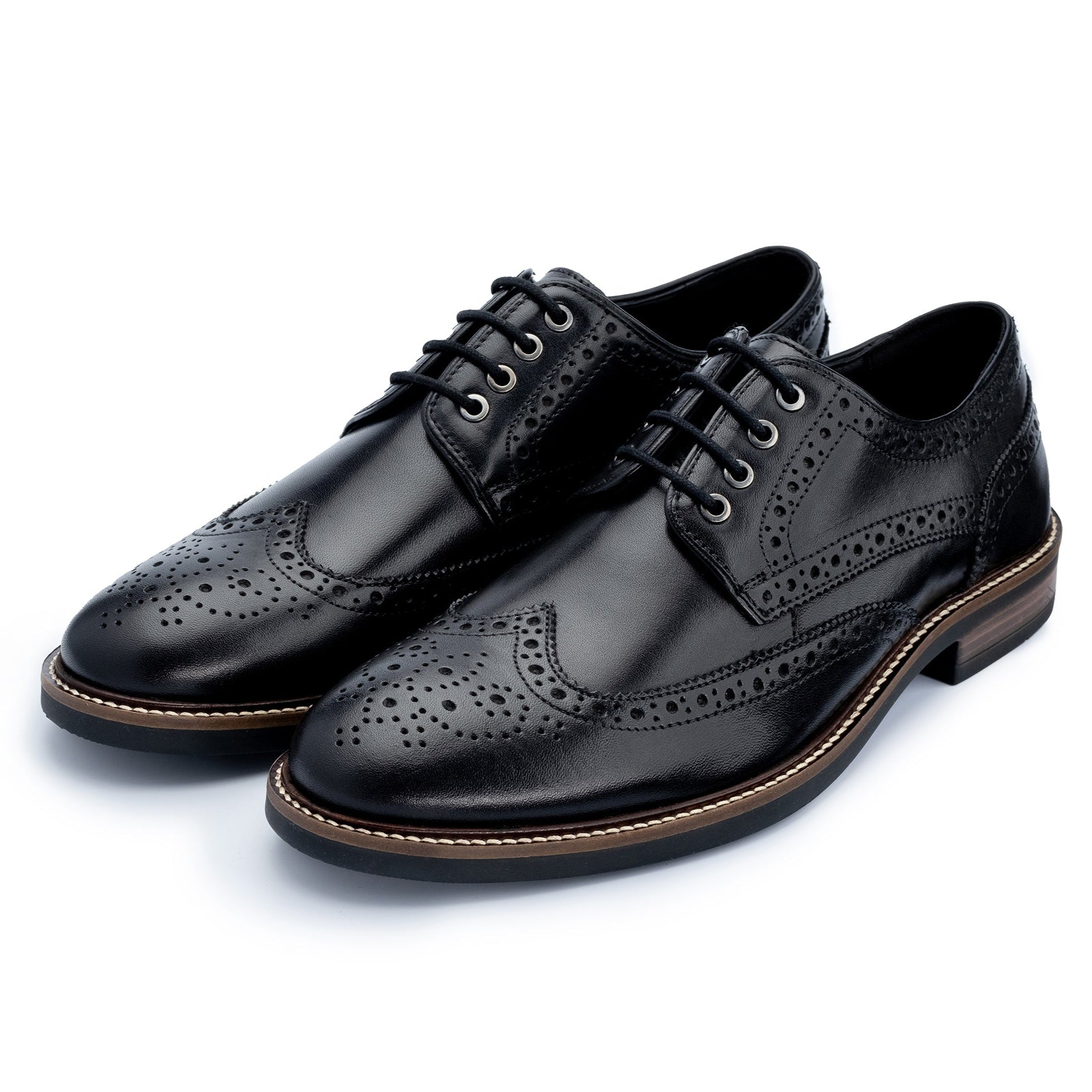
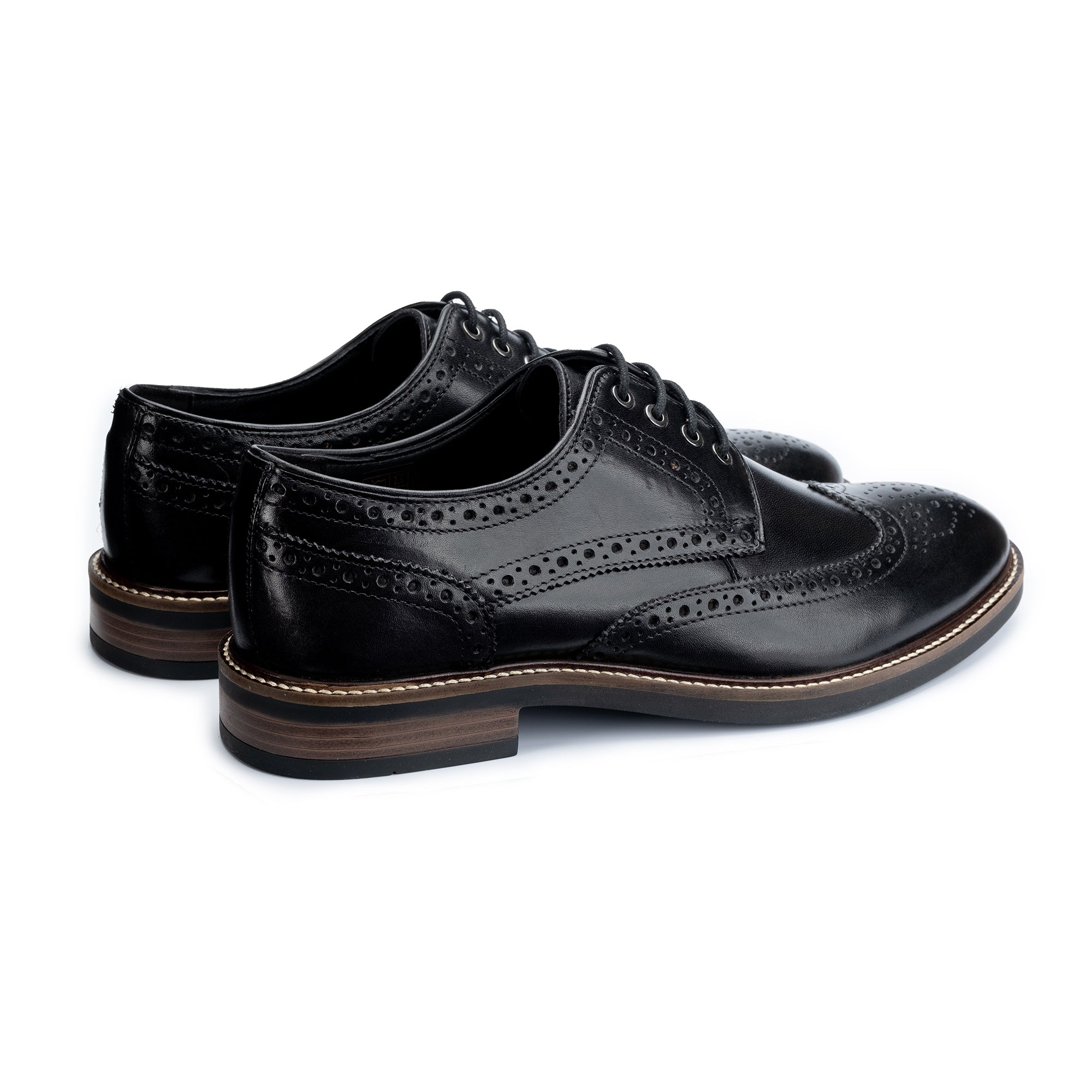
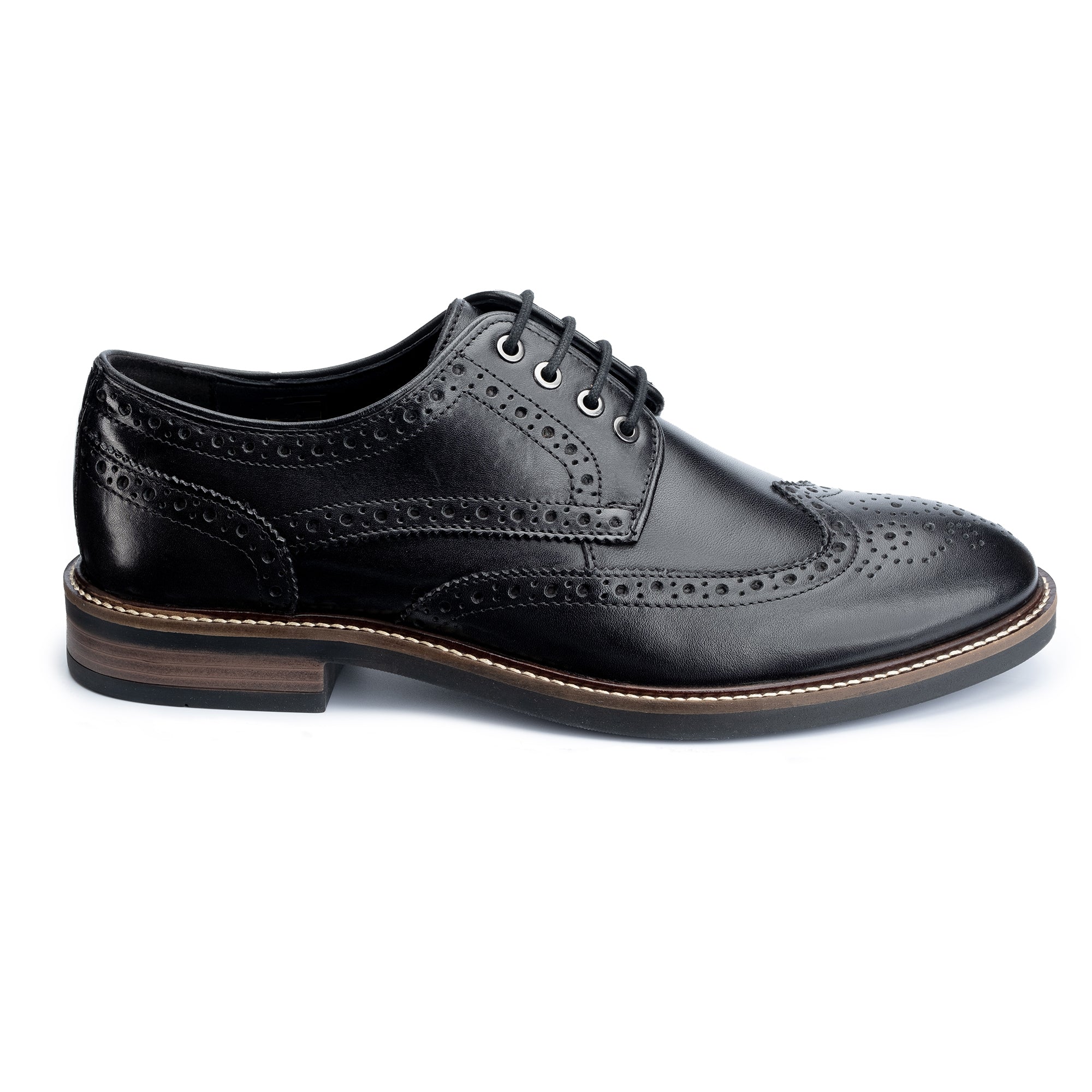
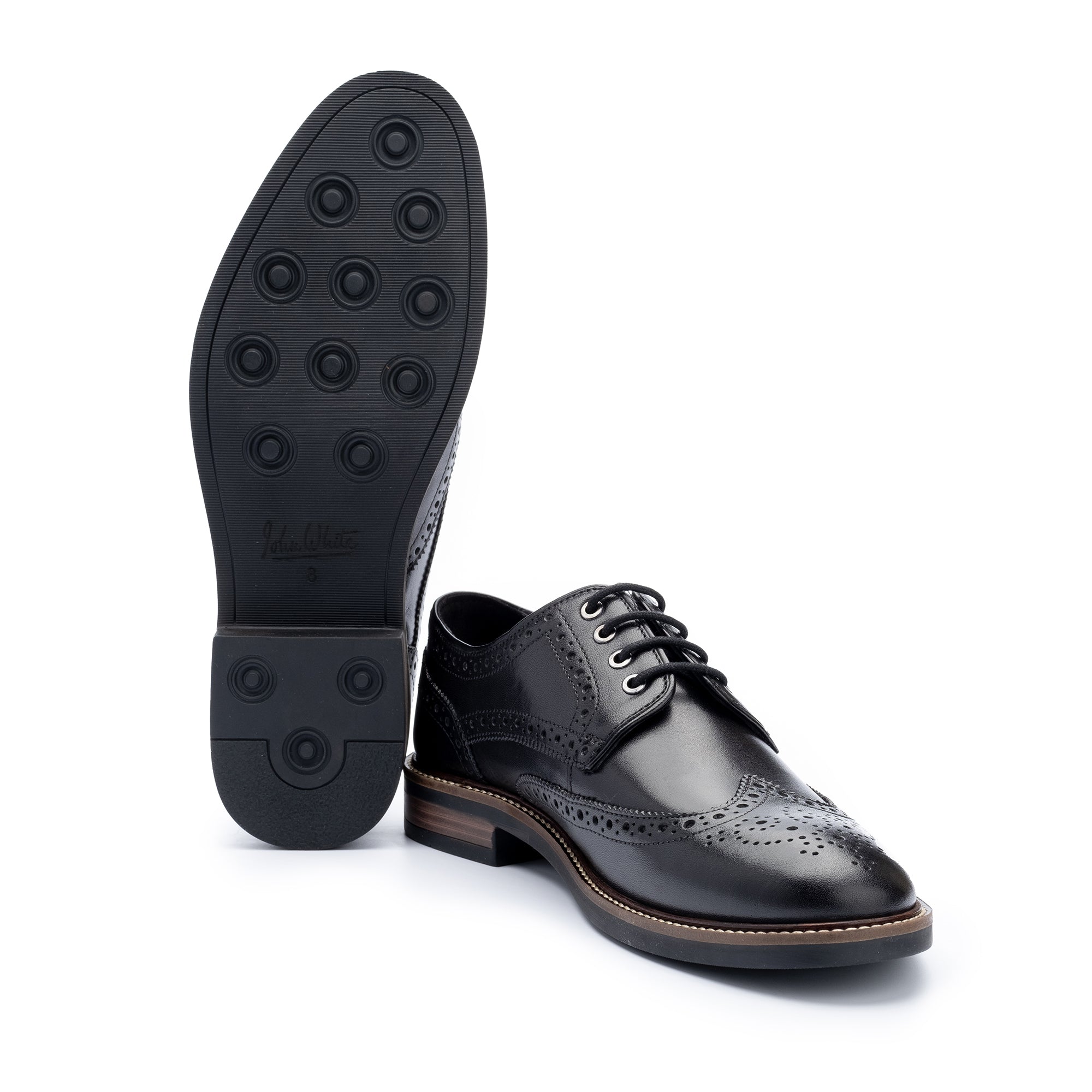
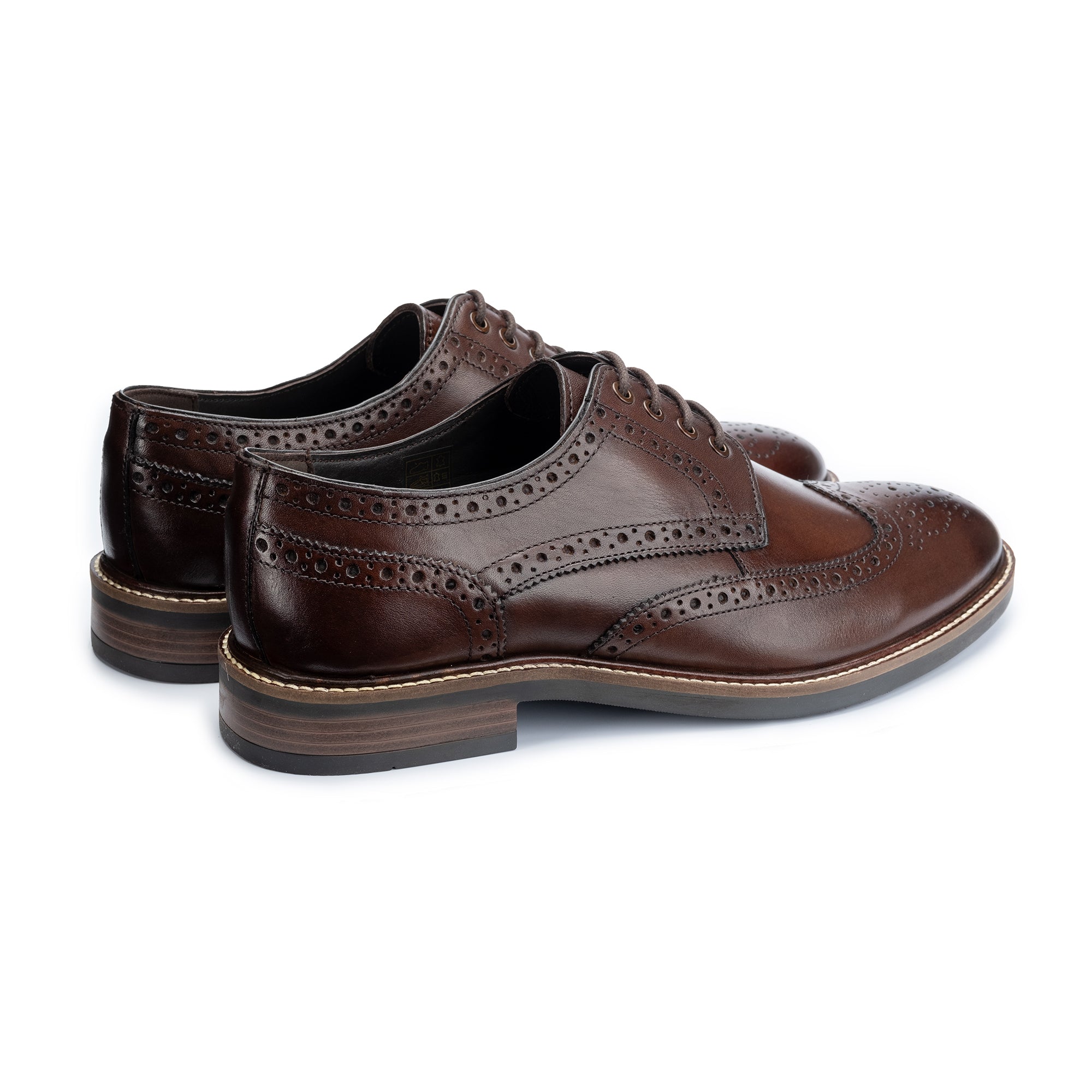
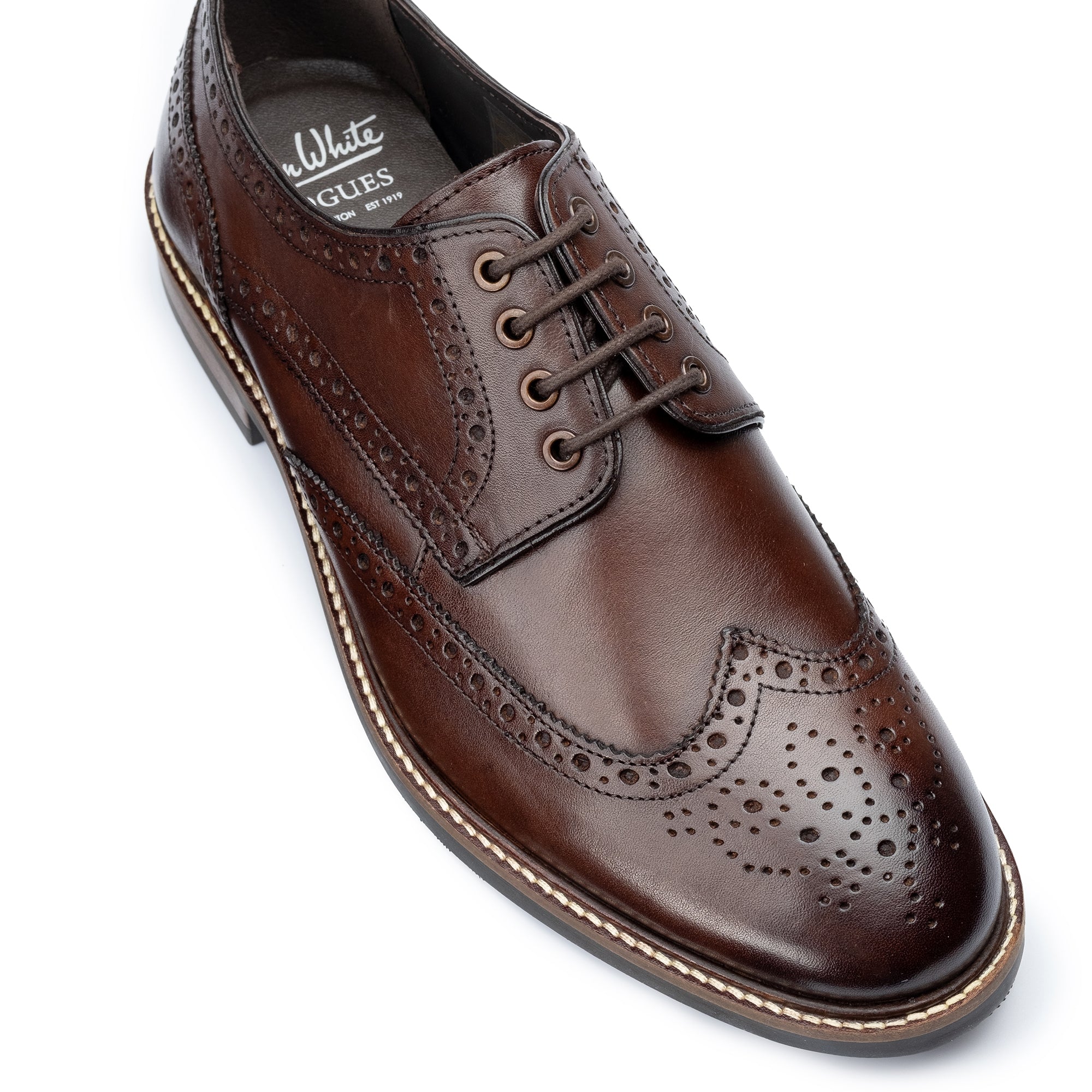
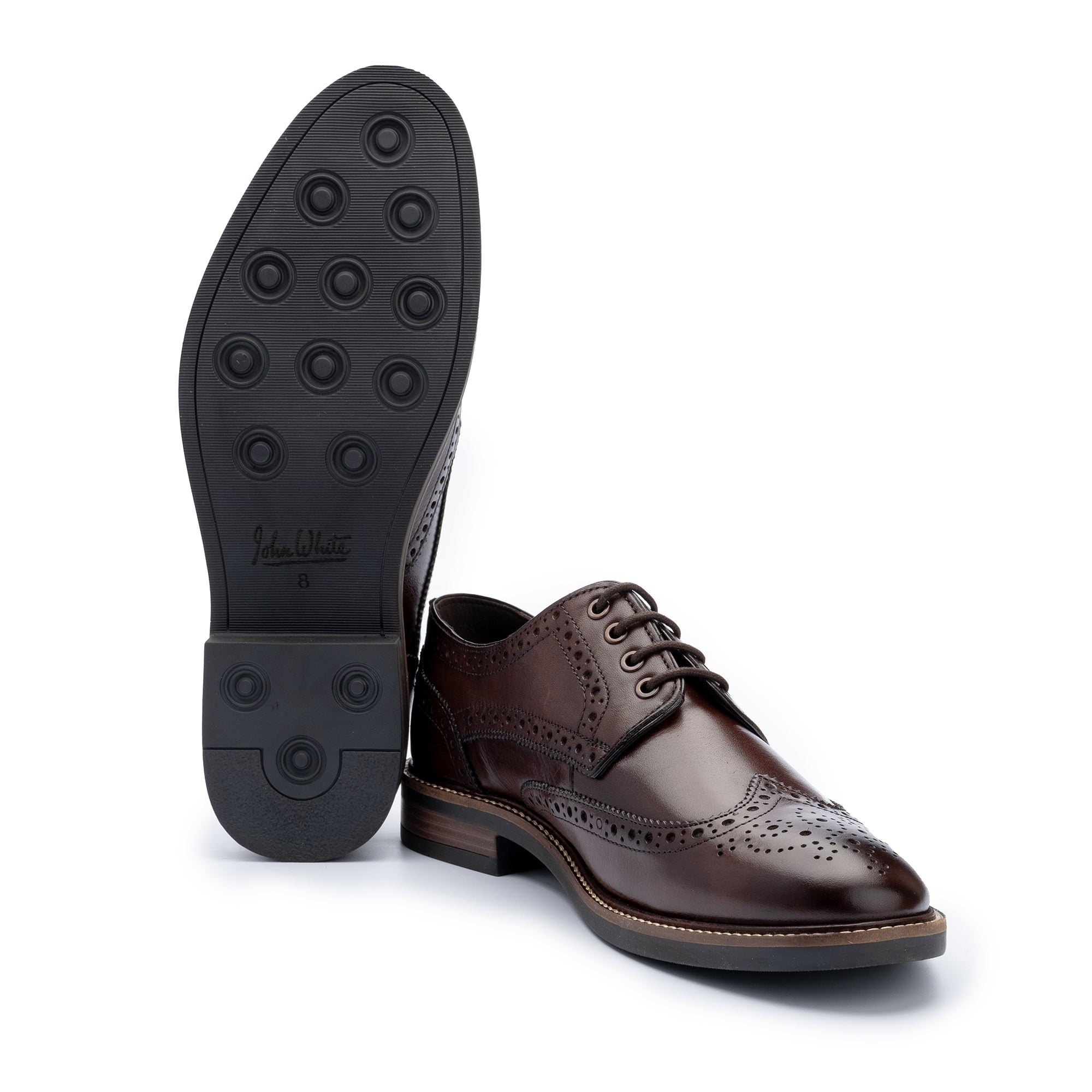
The full brogue — the wingtip — is defined by its W-shaped toe cap that sweeps from the toe around both sides of the shoe towards the heel. Perforations run along every seam, and a punched medallion sits at the centre of the toe cap. It's a bold shoe. The detailing is impossible to miss.
According to footwear historians, the brogue originated in Scotland and Ireland as a practical field shoe. The perforations were functional: they allowed water to drain when crossing boggy terrain. The ornamental broguing on today's dress shoes is a direct evolution of that utilitarian past, carried into Northamptonshire's shoemaking tradition during the late nineteenth century.
The full brogue's drama is both its strength and its limitation. It reads confidently in a business-casual setting, pairs naturally with tweed and flannel, and holds its own alongside well-tailored denim. That same bold detailing means it doesn't belong in boardrooms or formal evening settings.
The full brogue is defined by its W-shaped wingtip cap and perforations across all seams — a heritage silhouette with authentic outdoor origins that translates naturally to smart-casual dress codes.
What Is a Semi-Brogue Shoe?
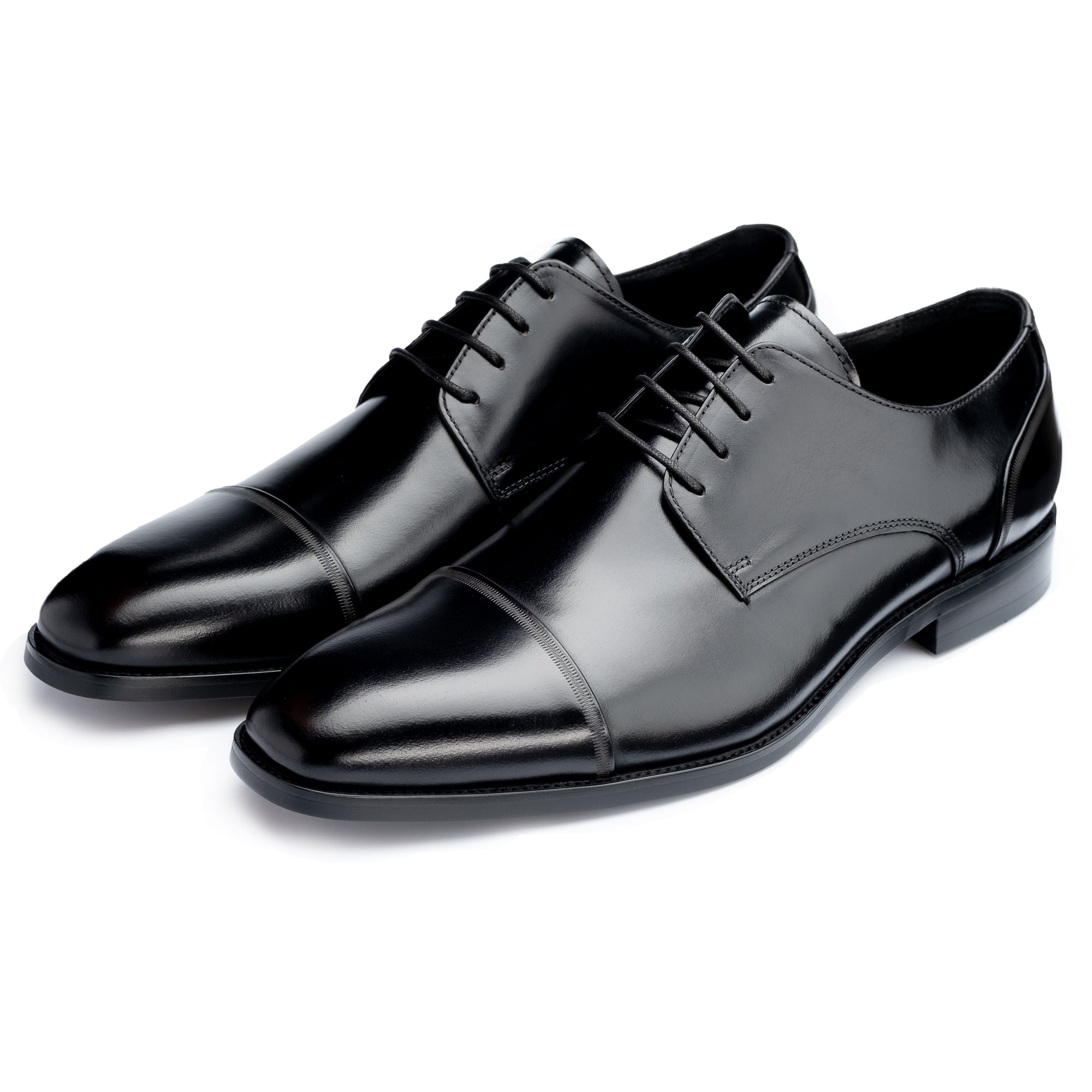
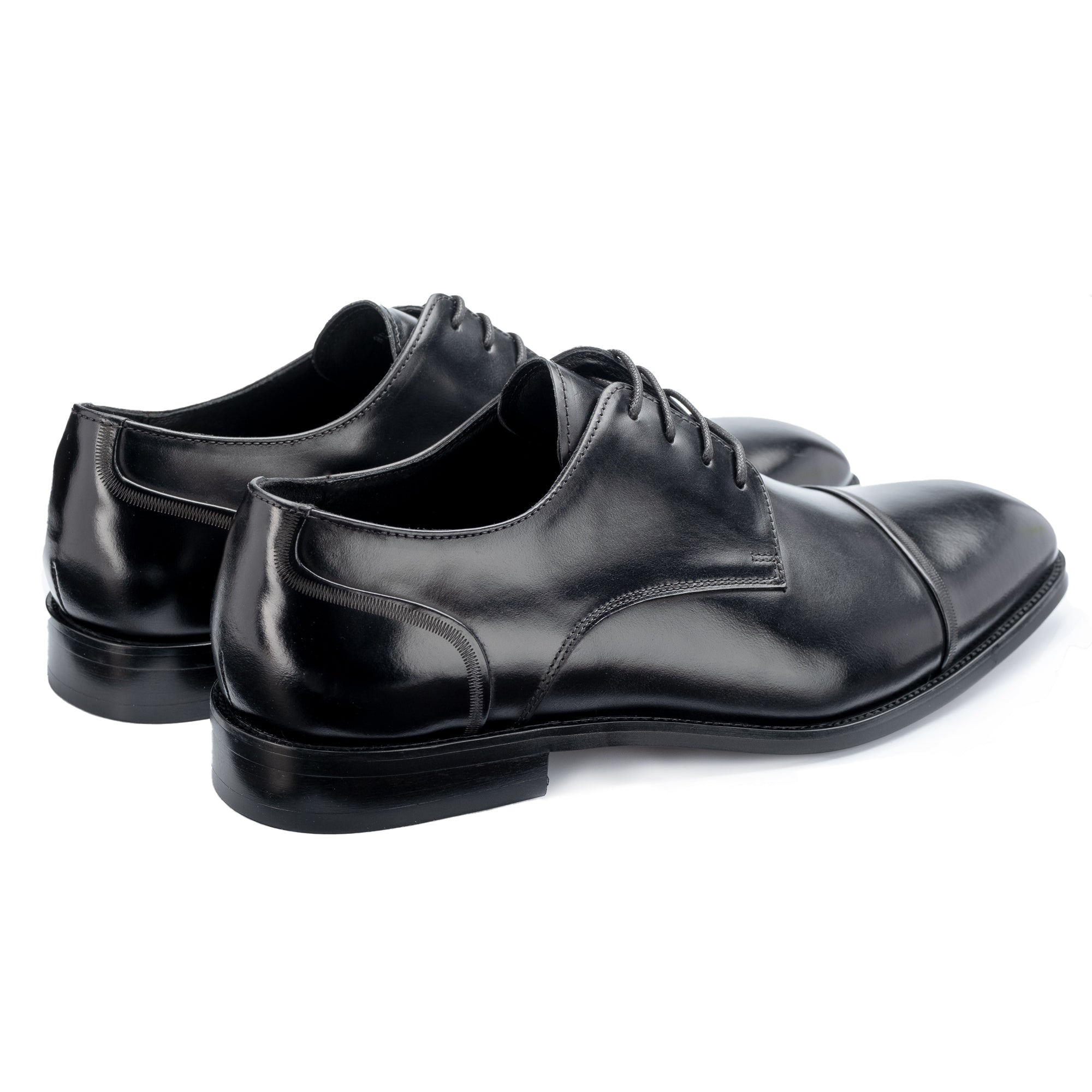
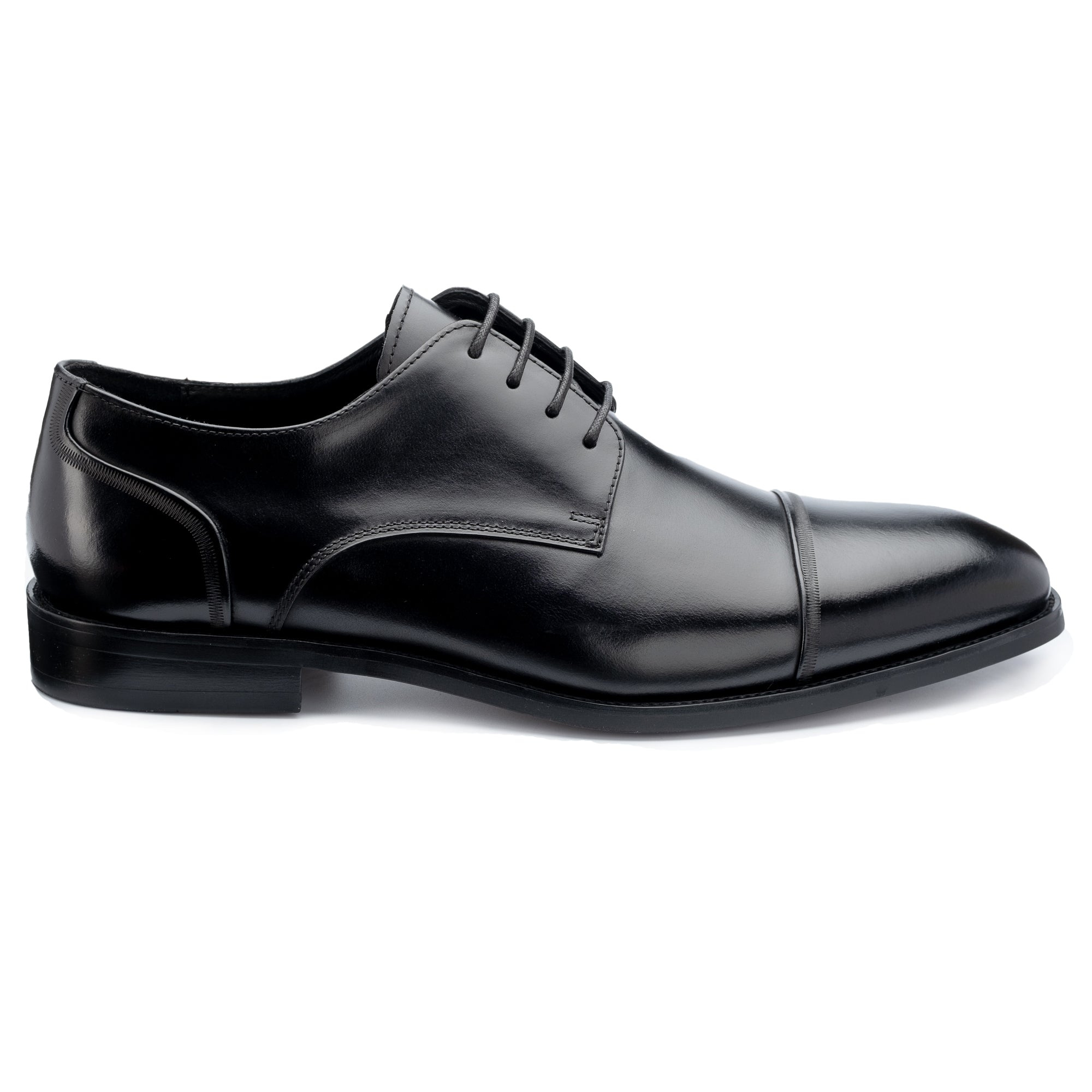
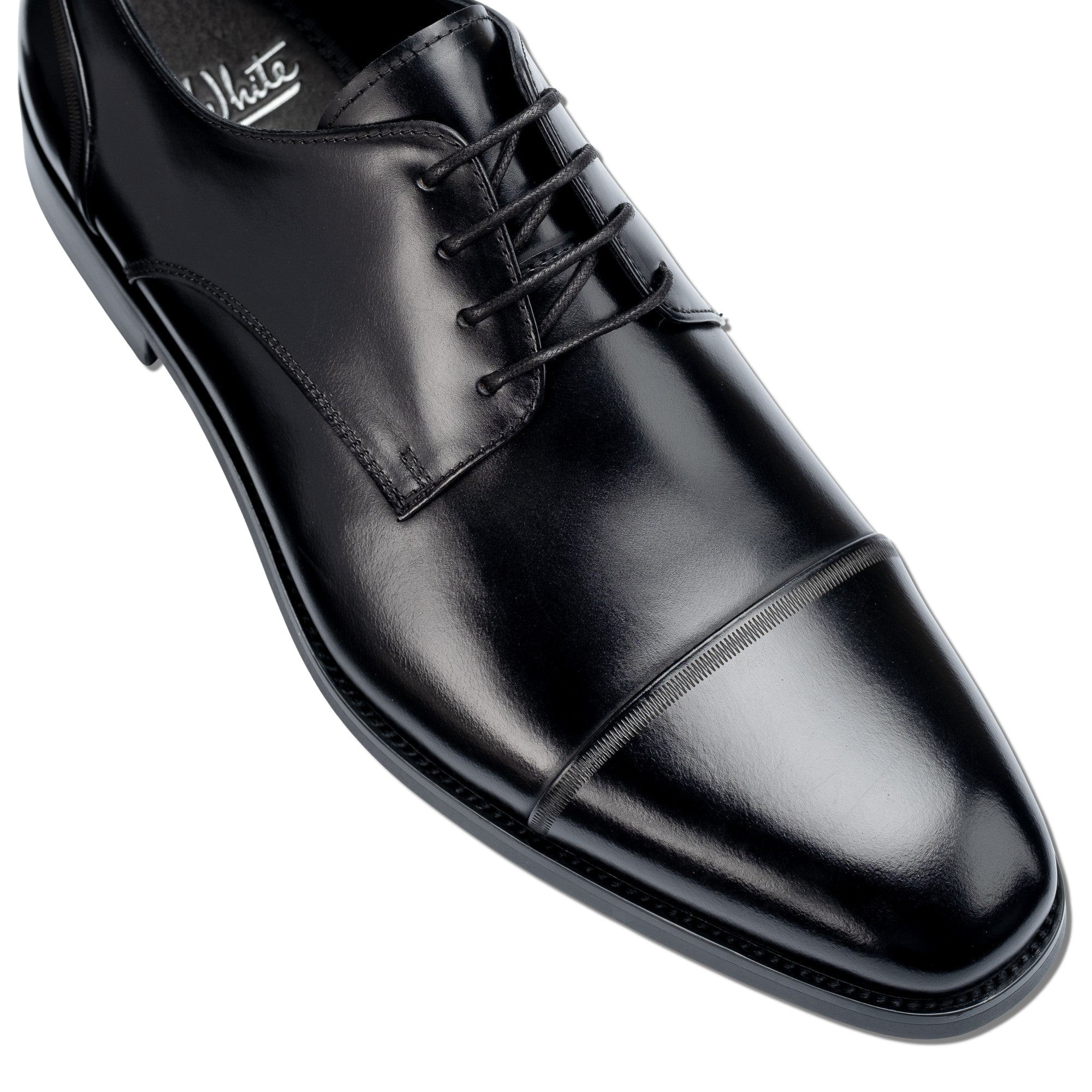
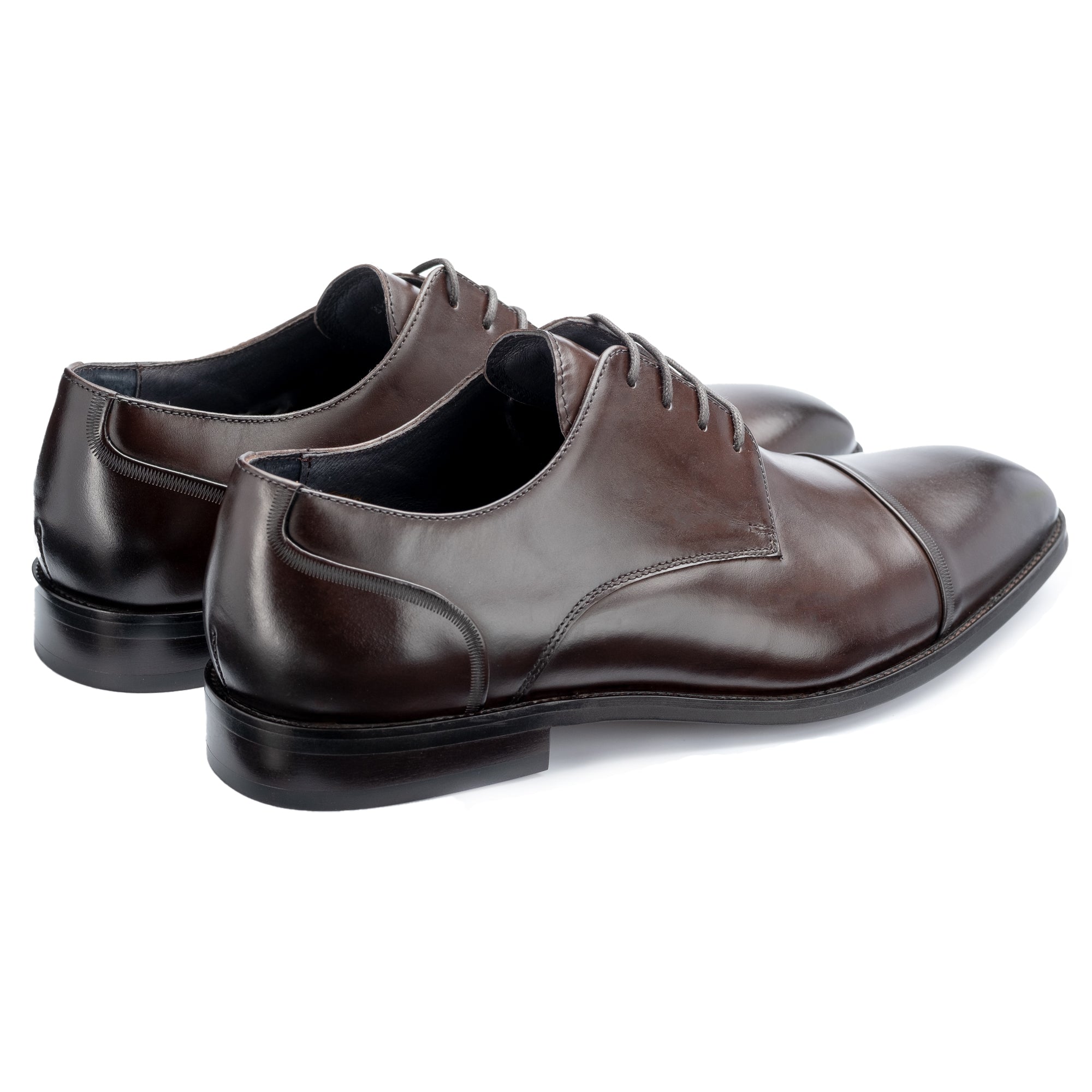
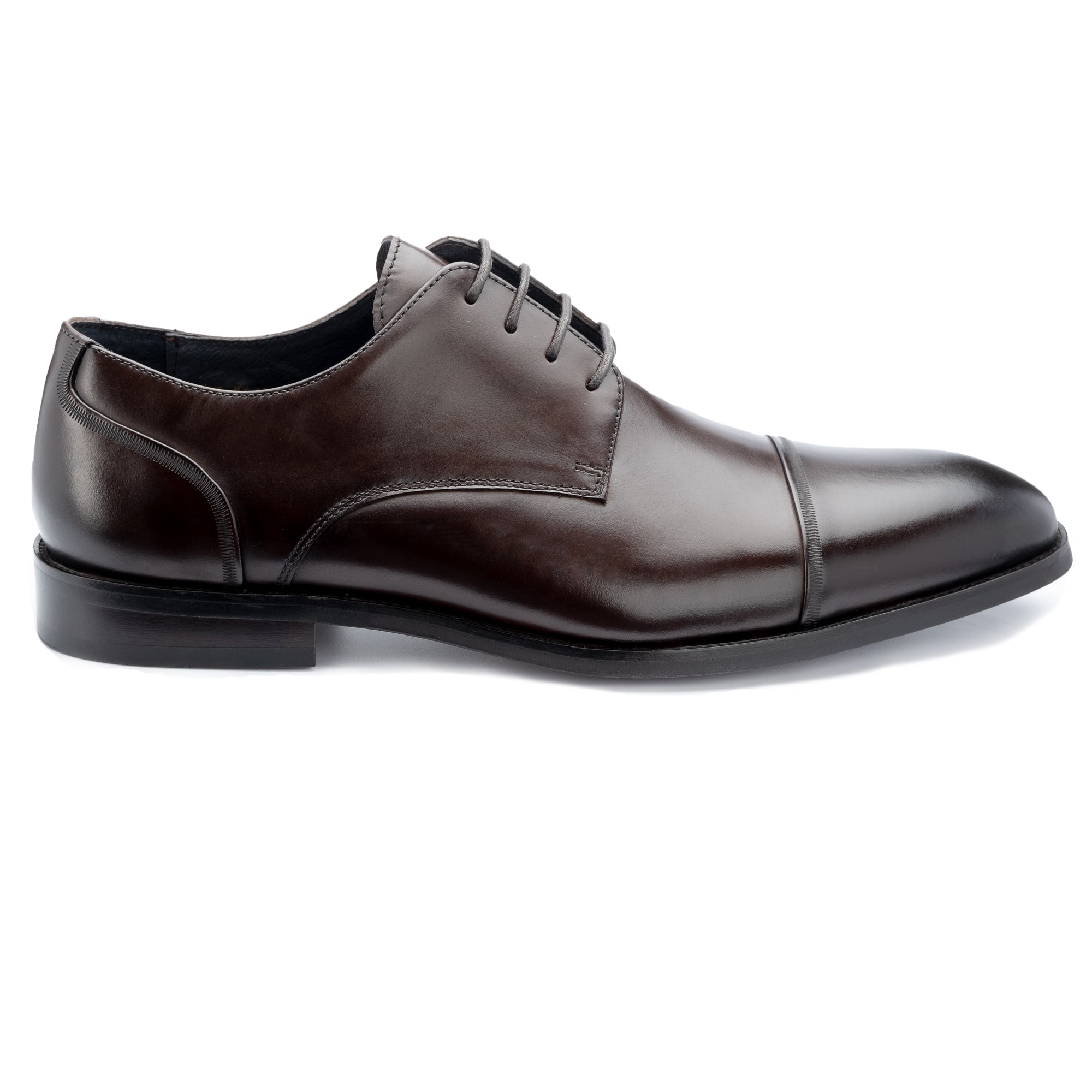
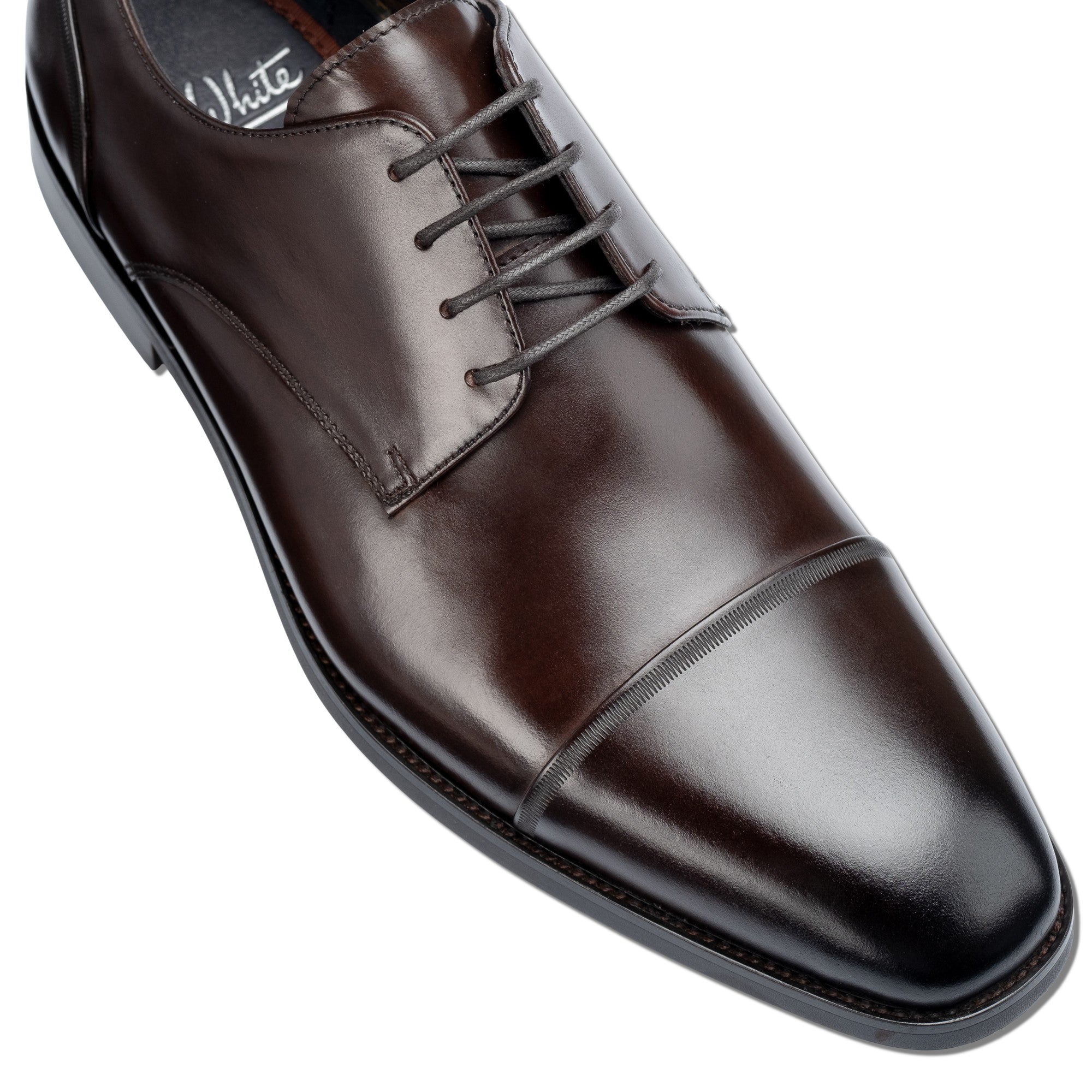
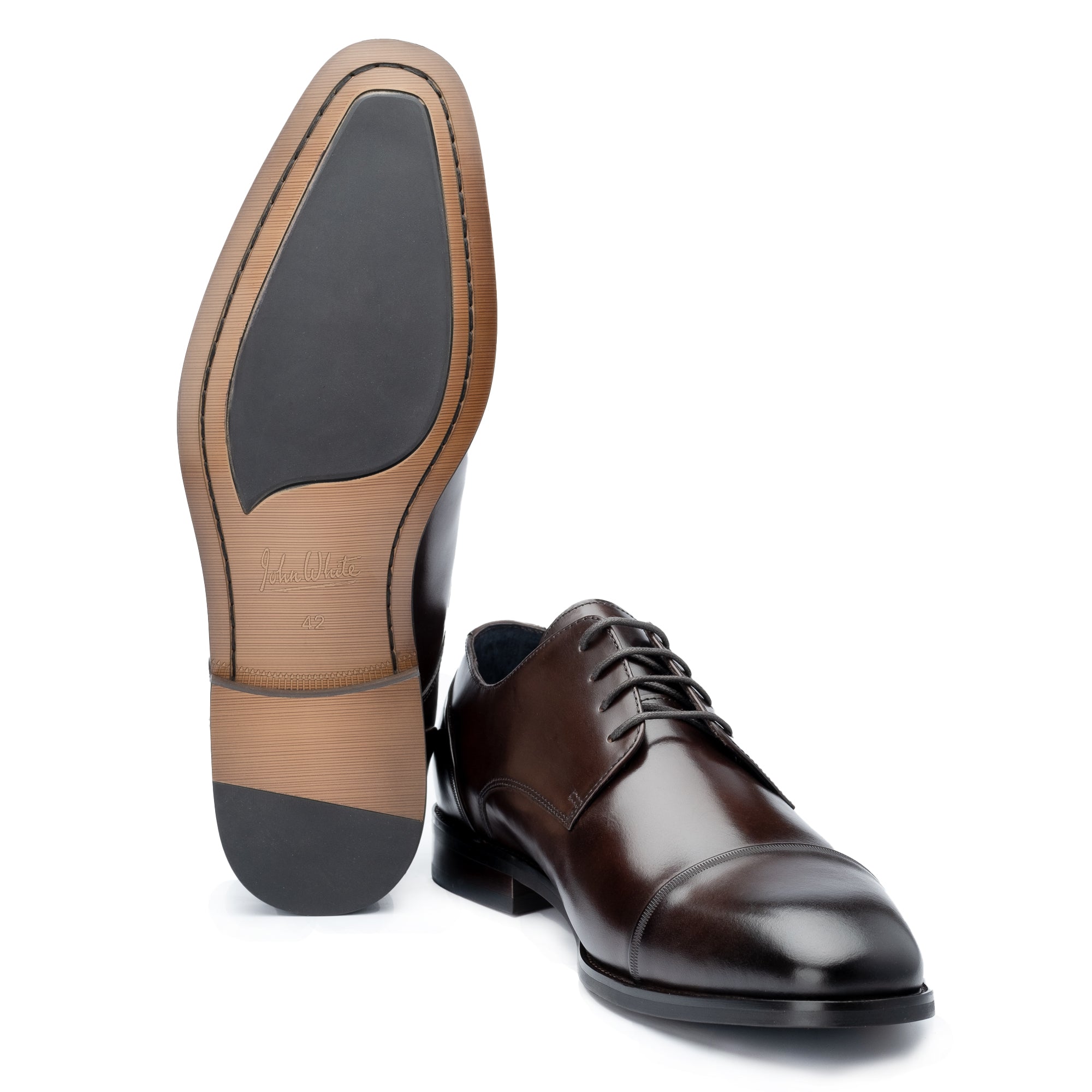
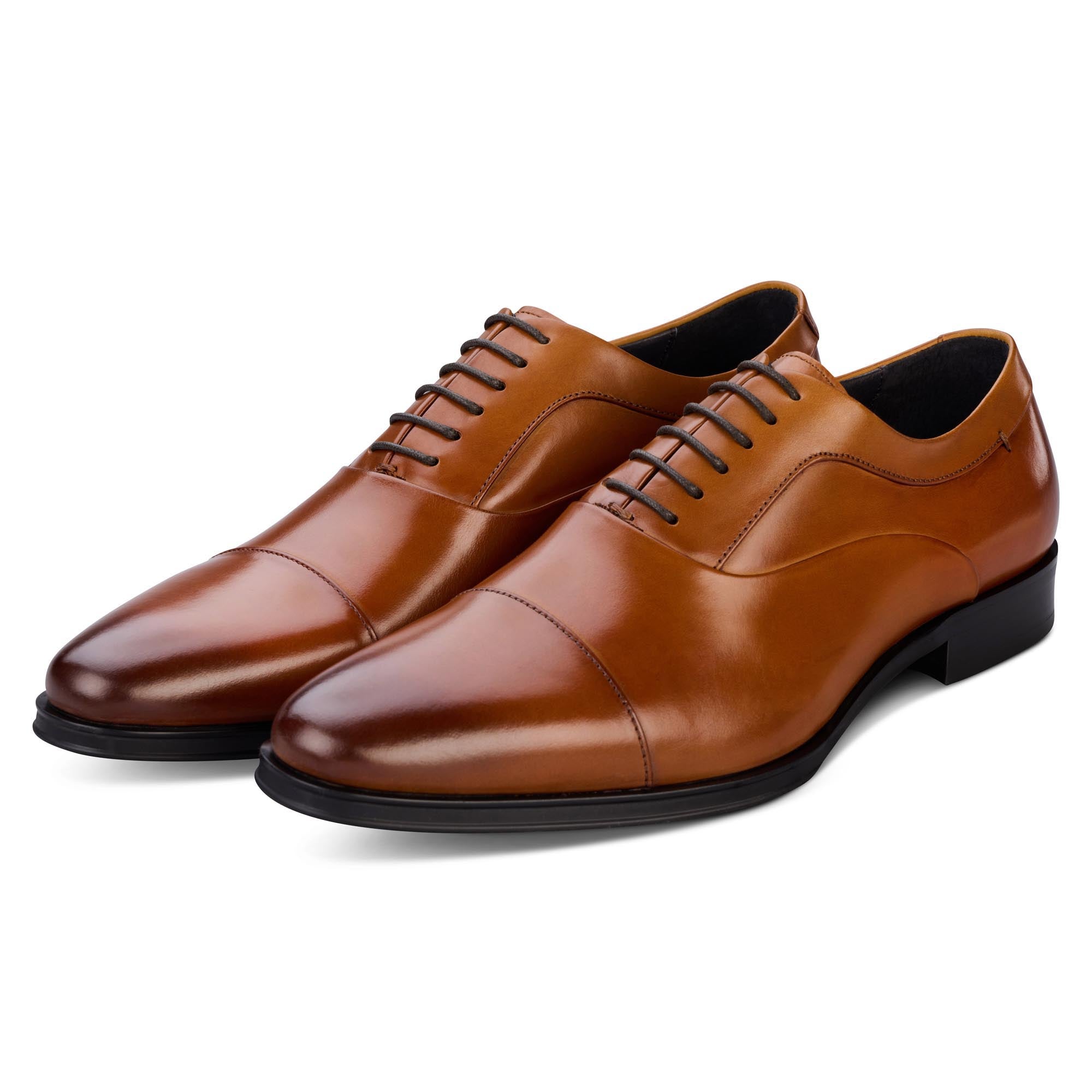
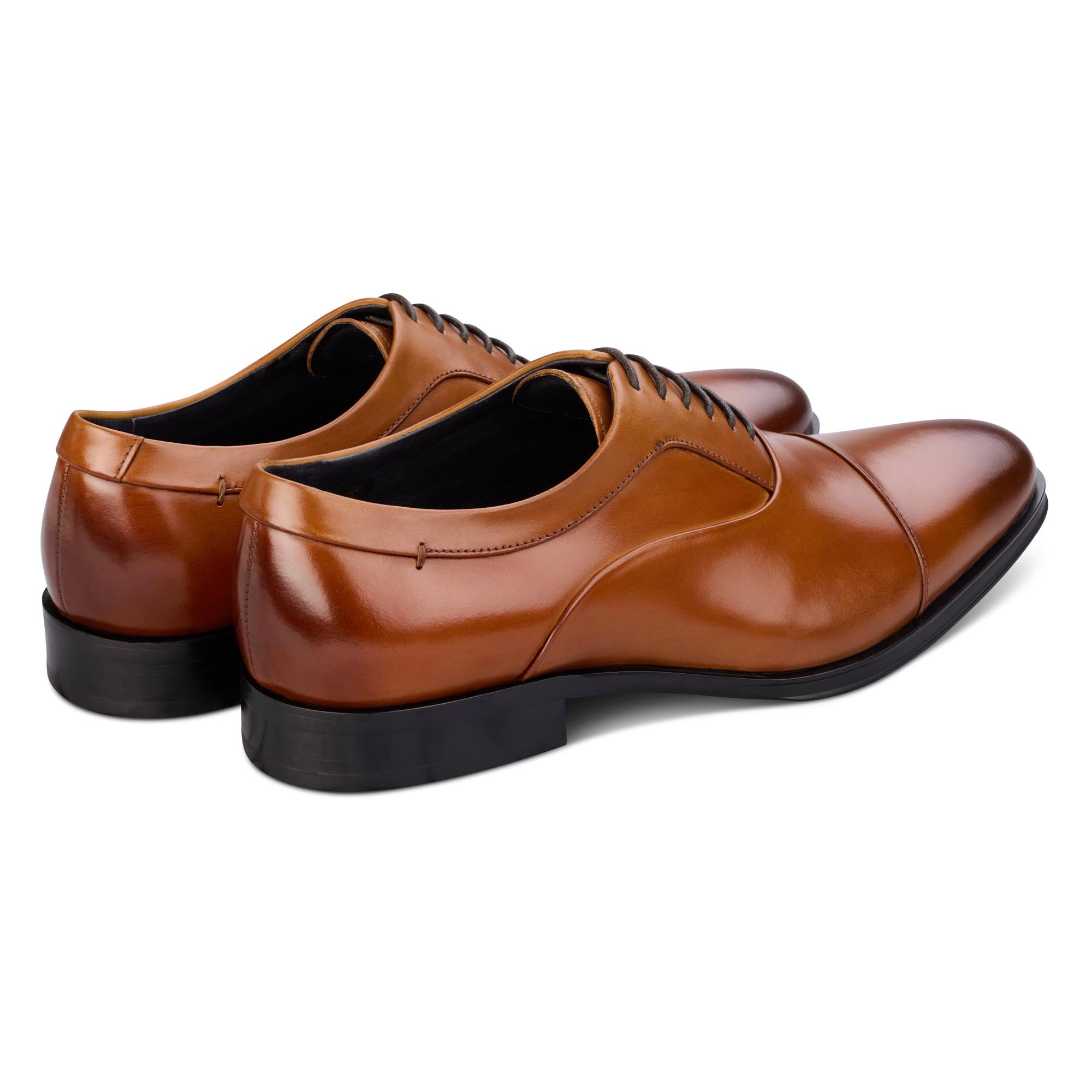
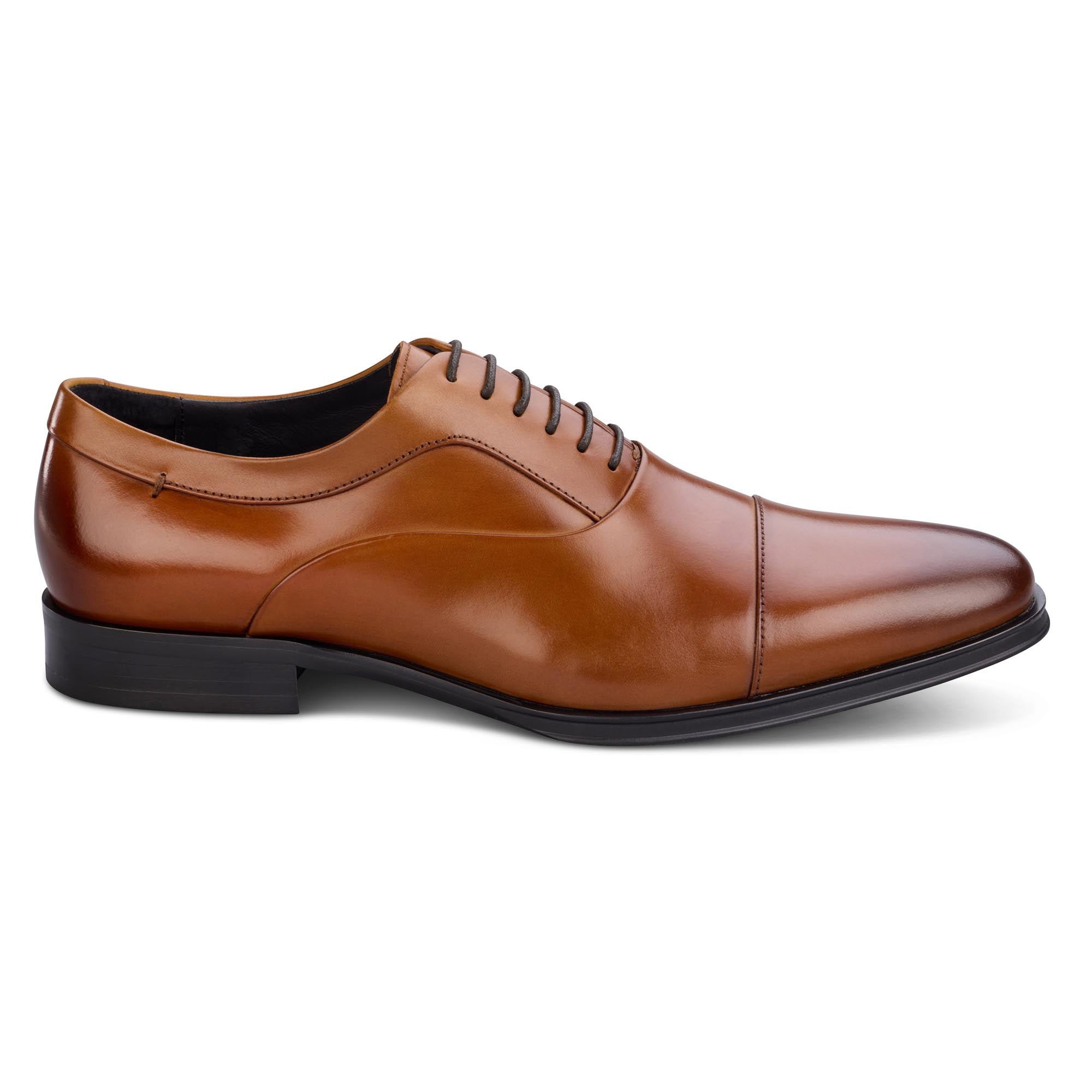
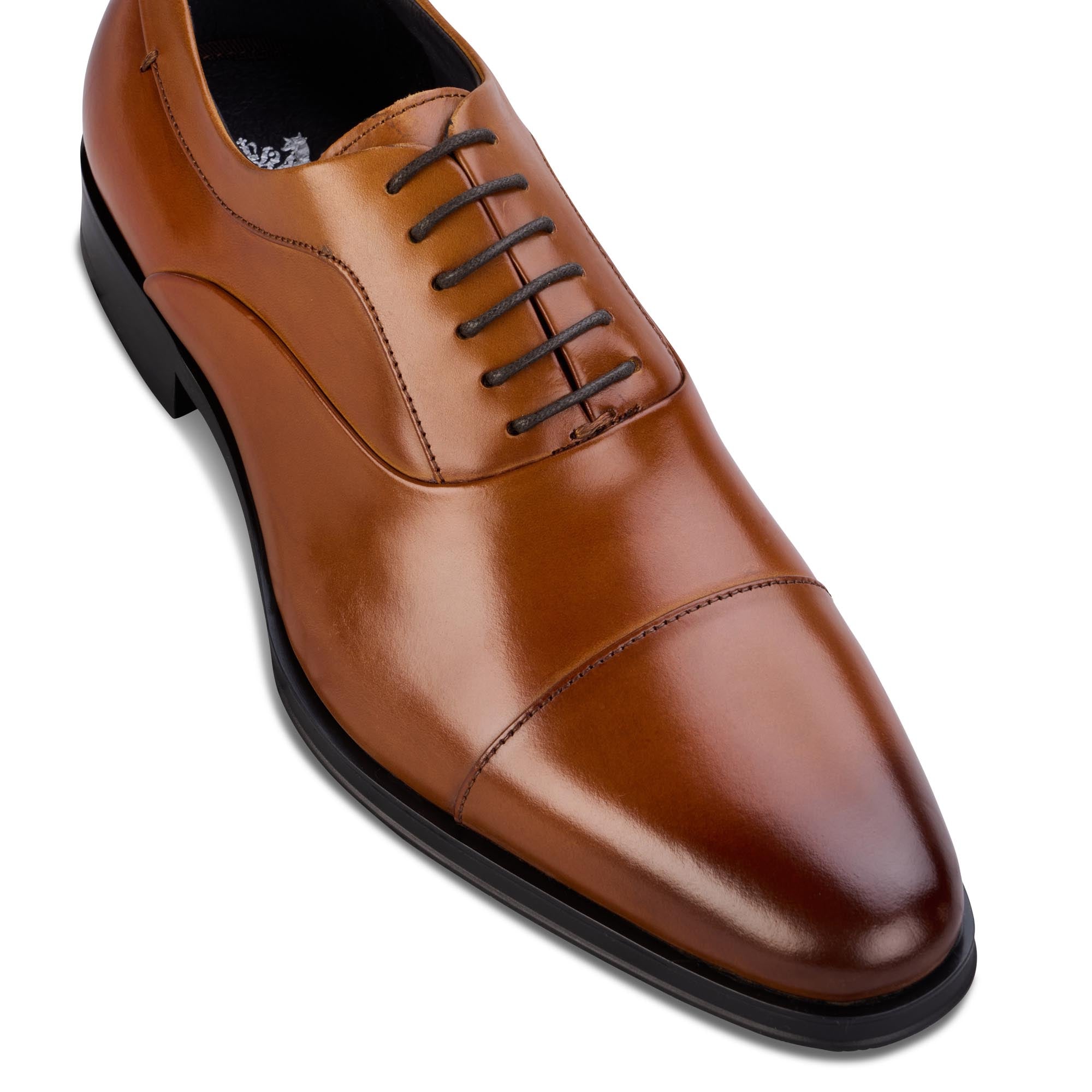
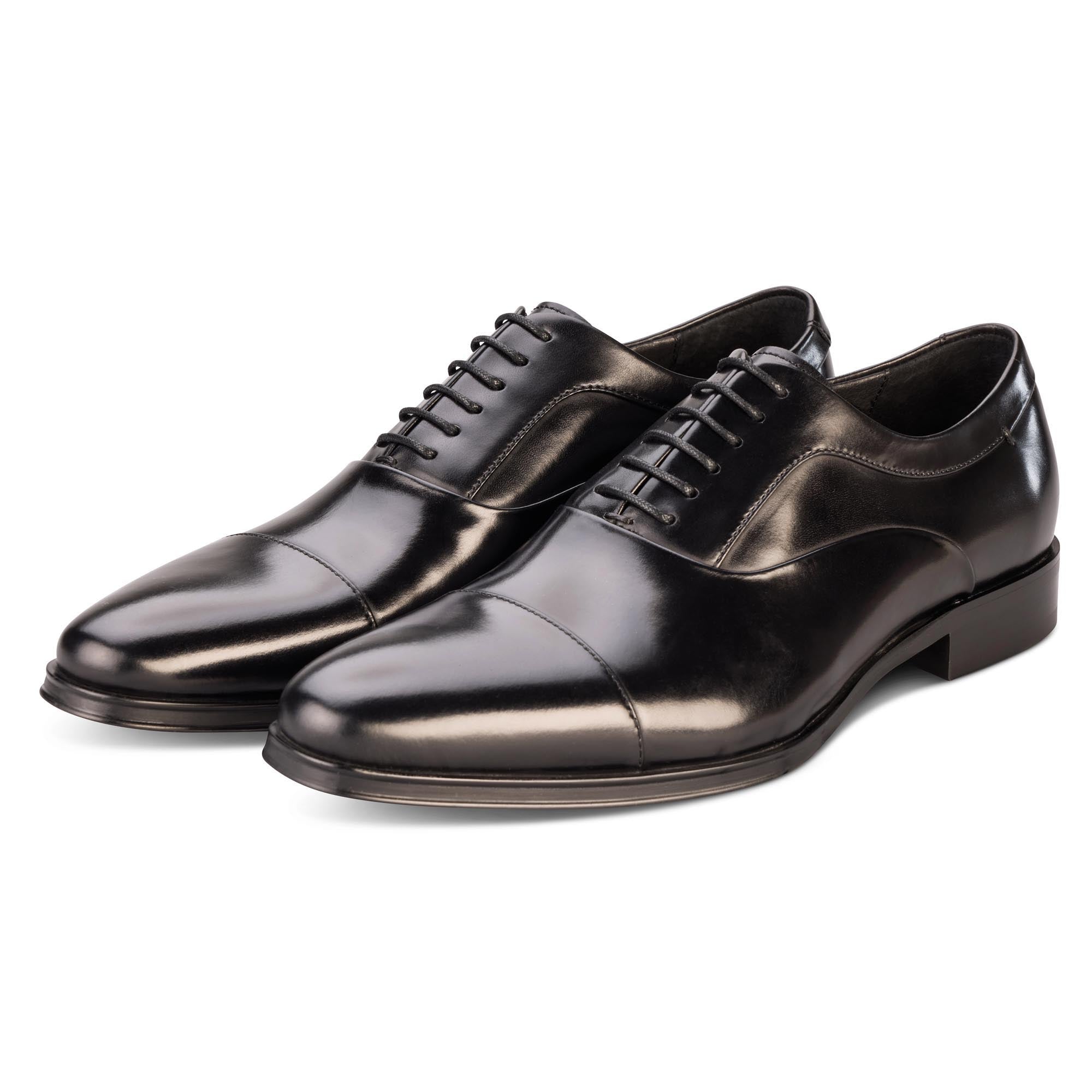
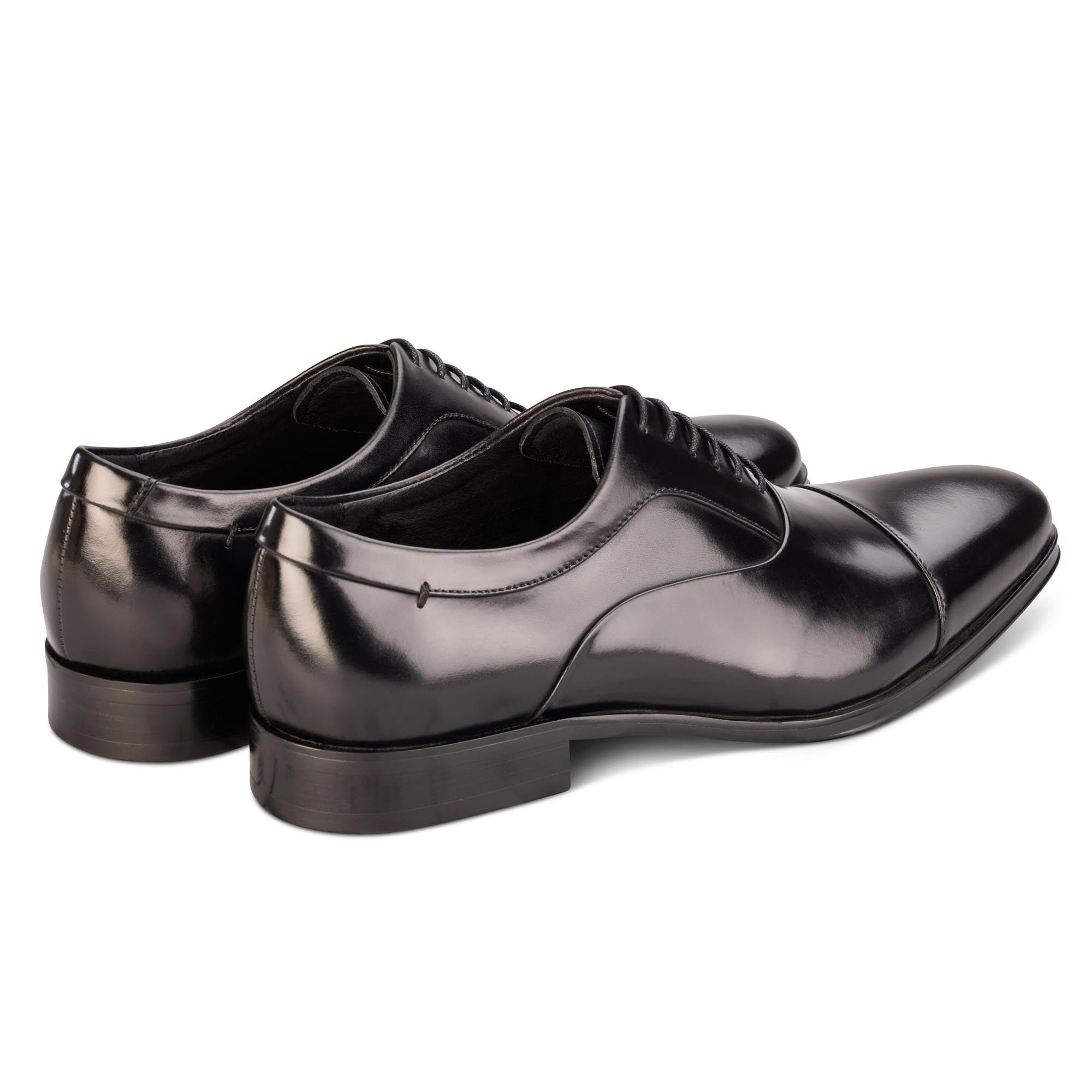
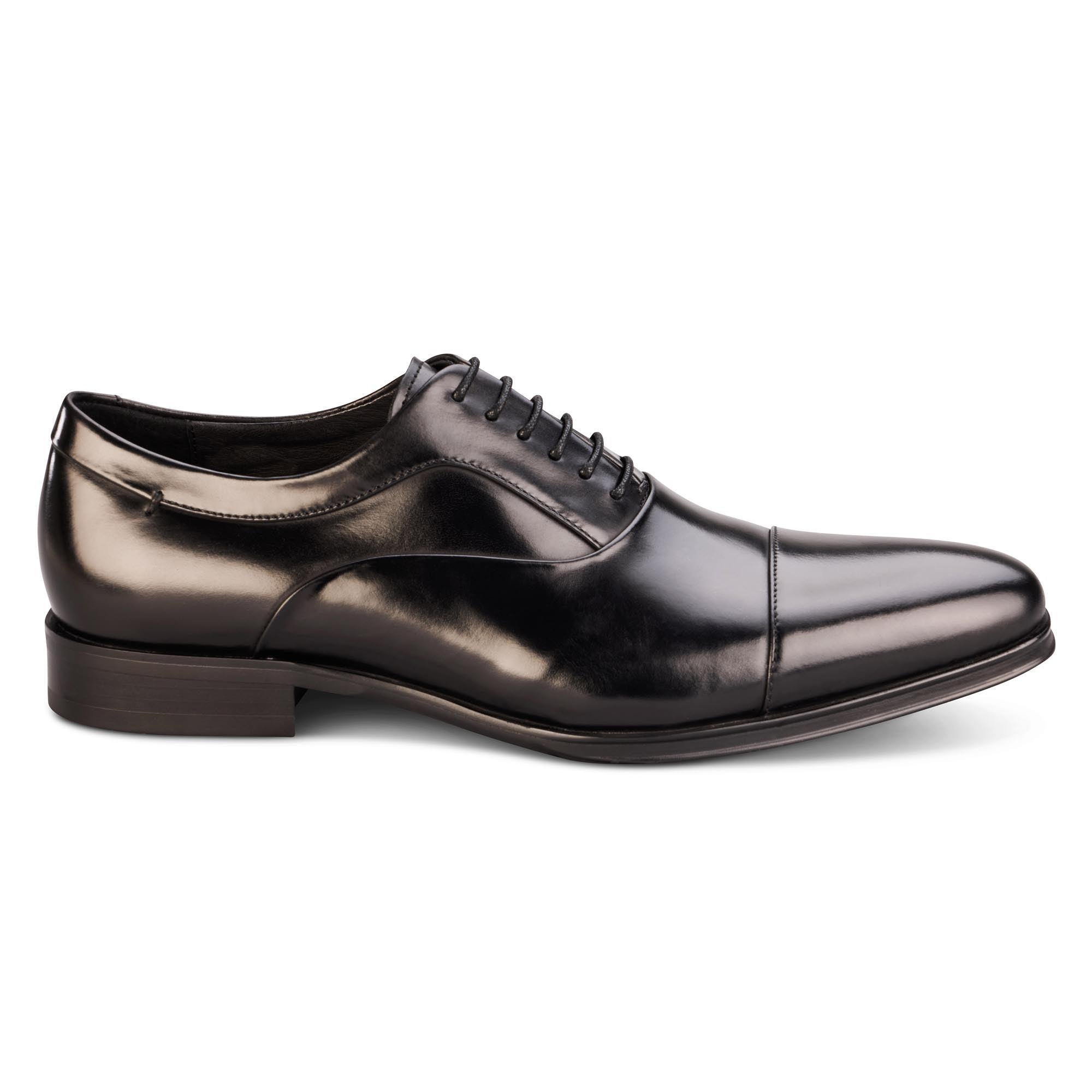
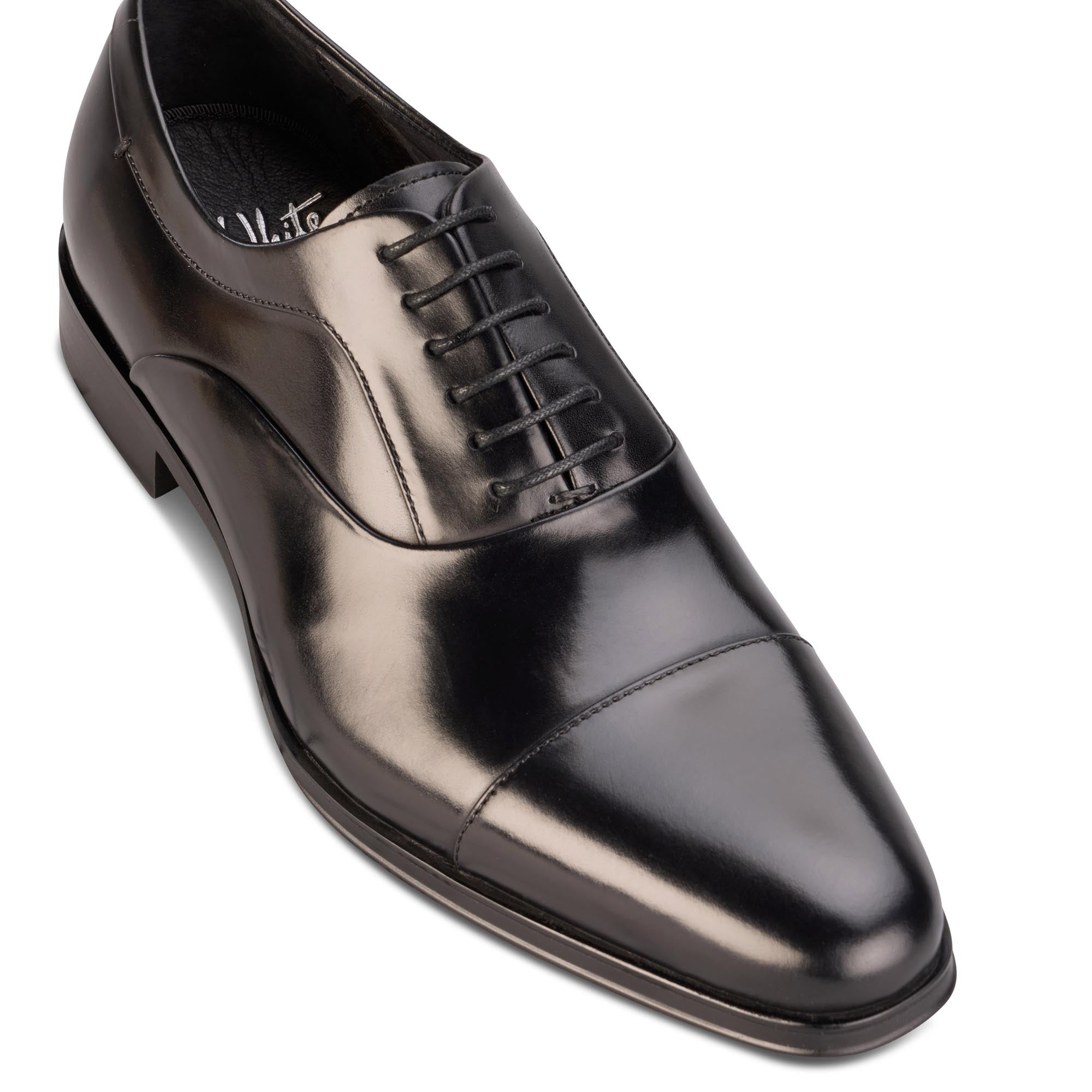
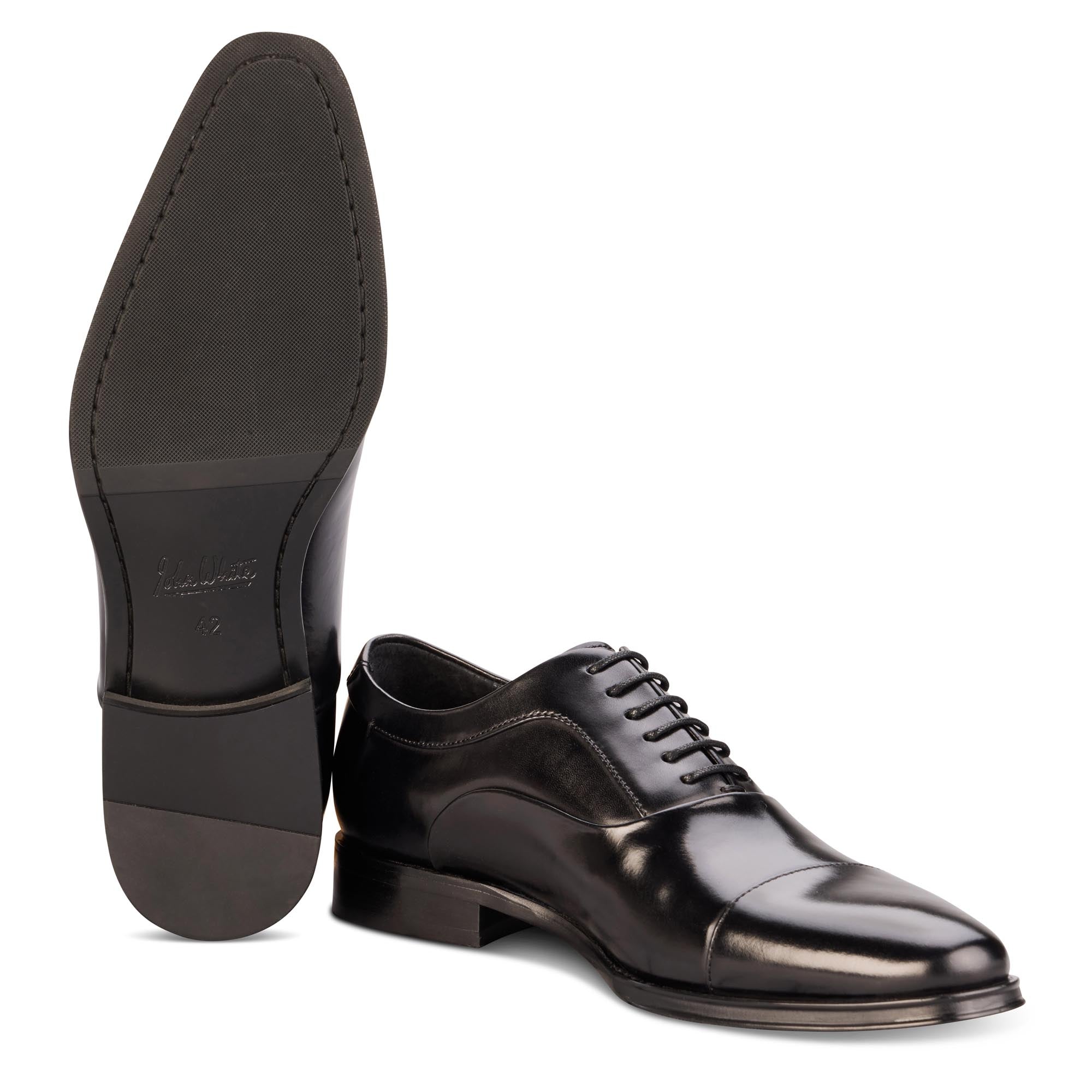
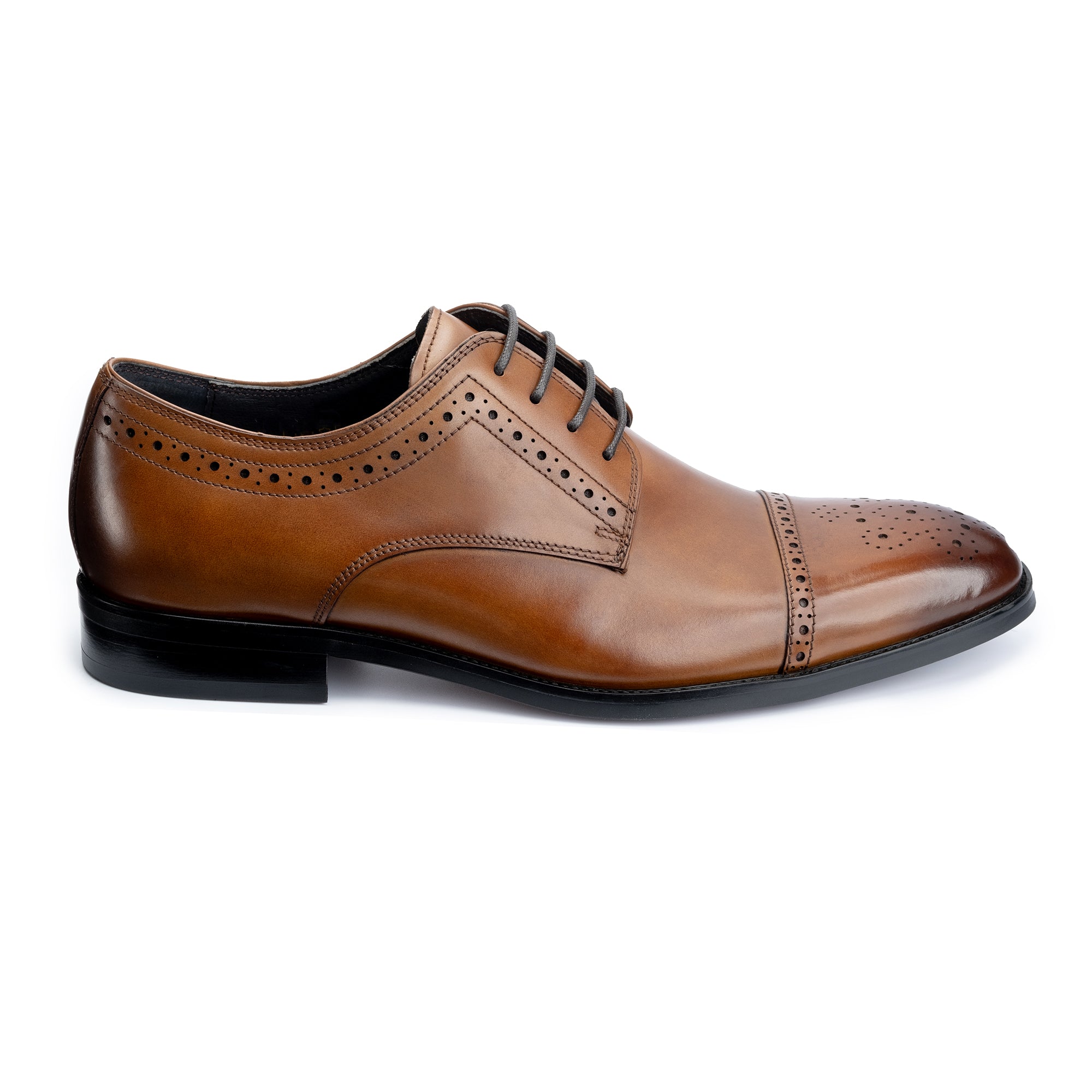
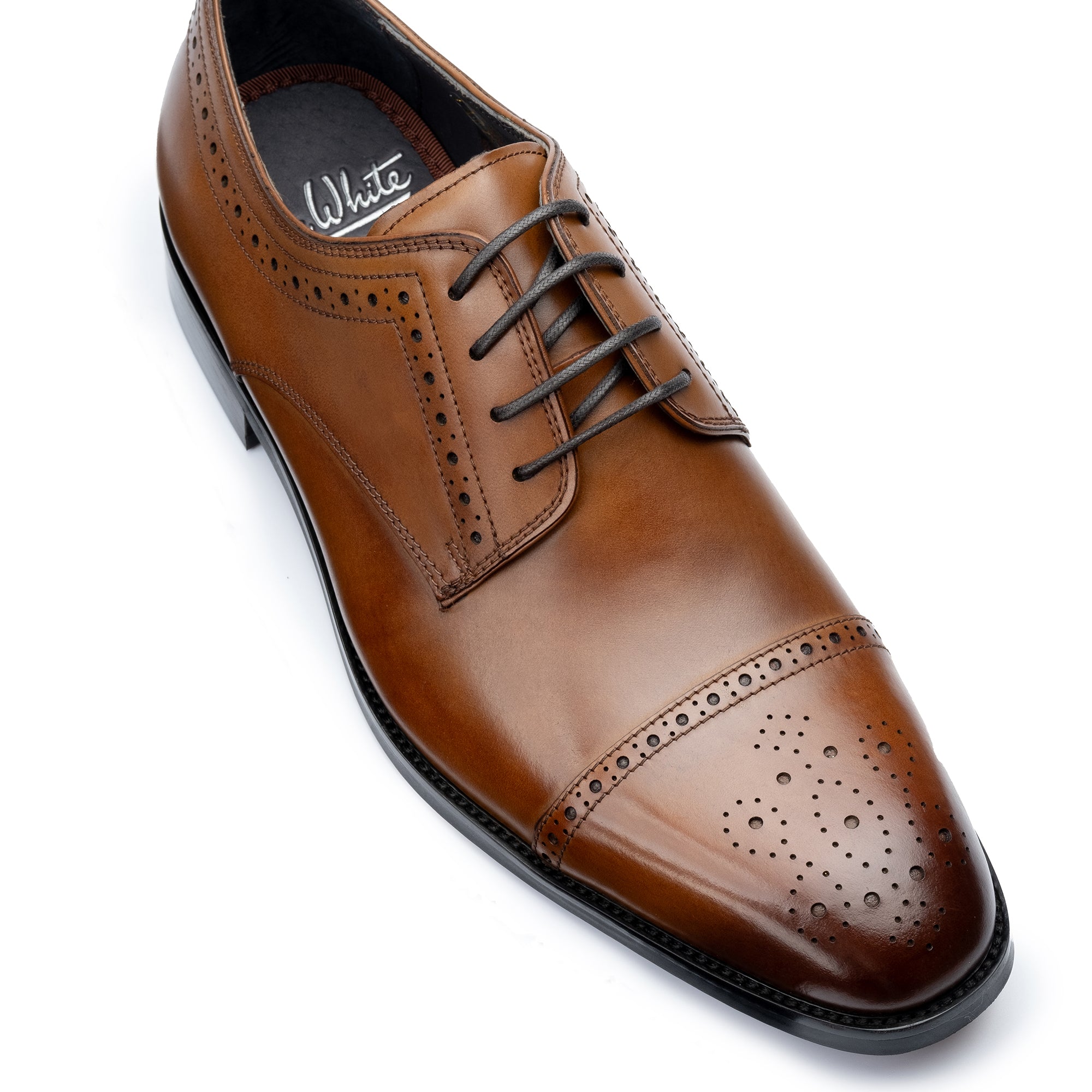
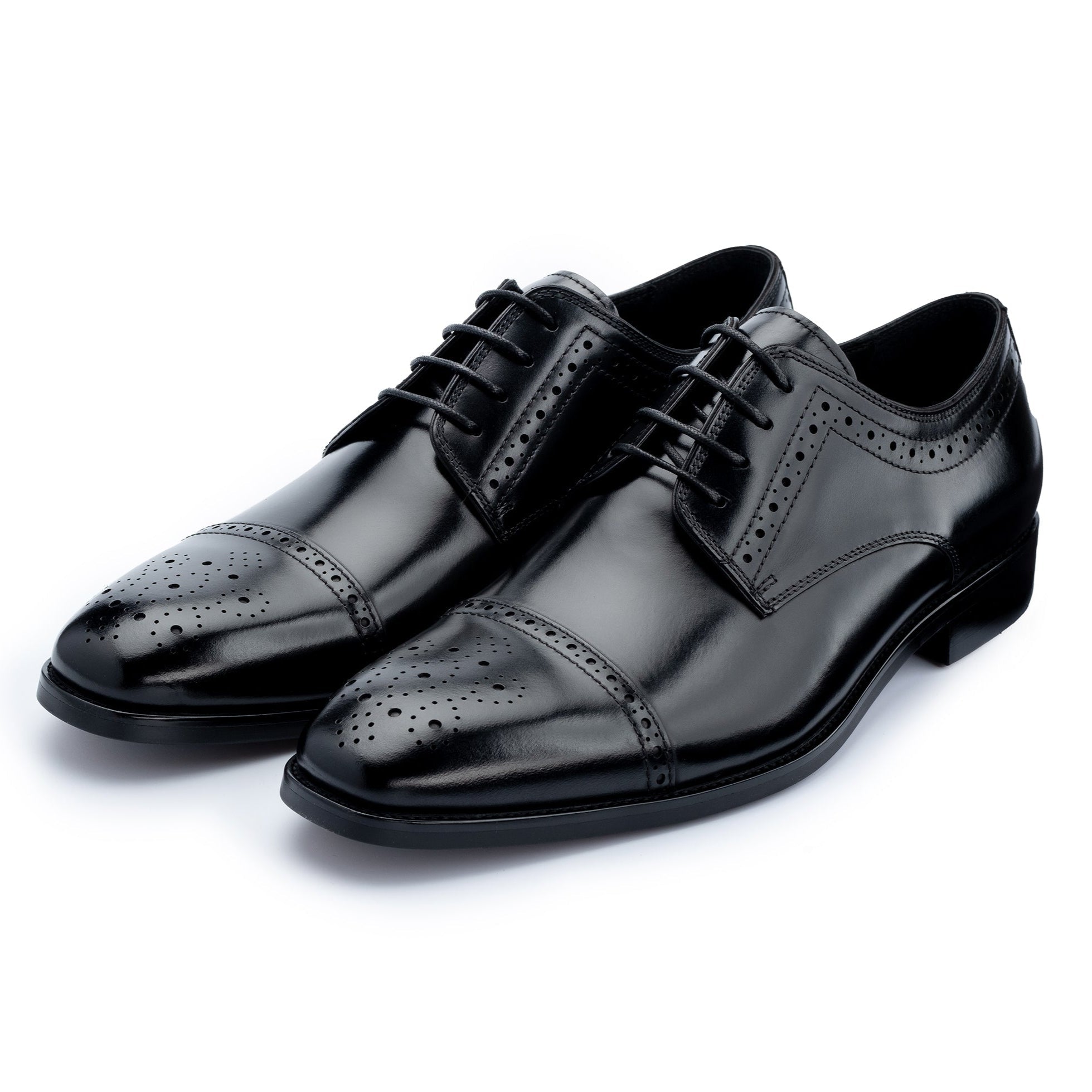
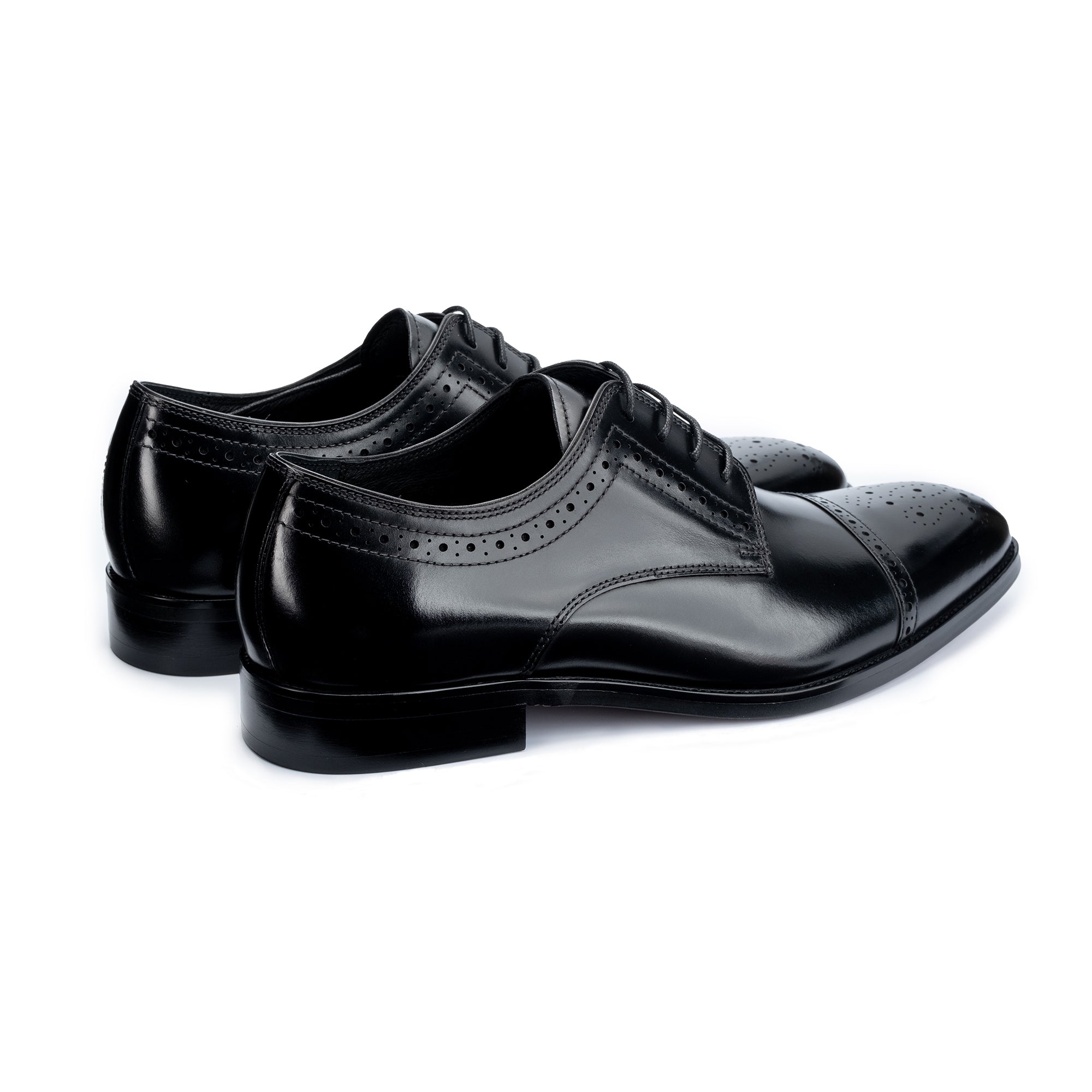
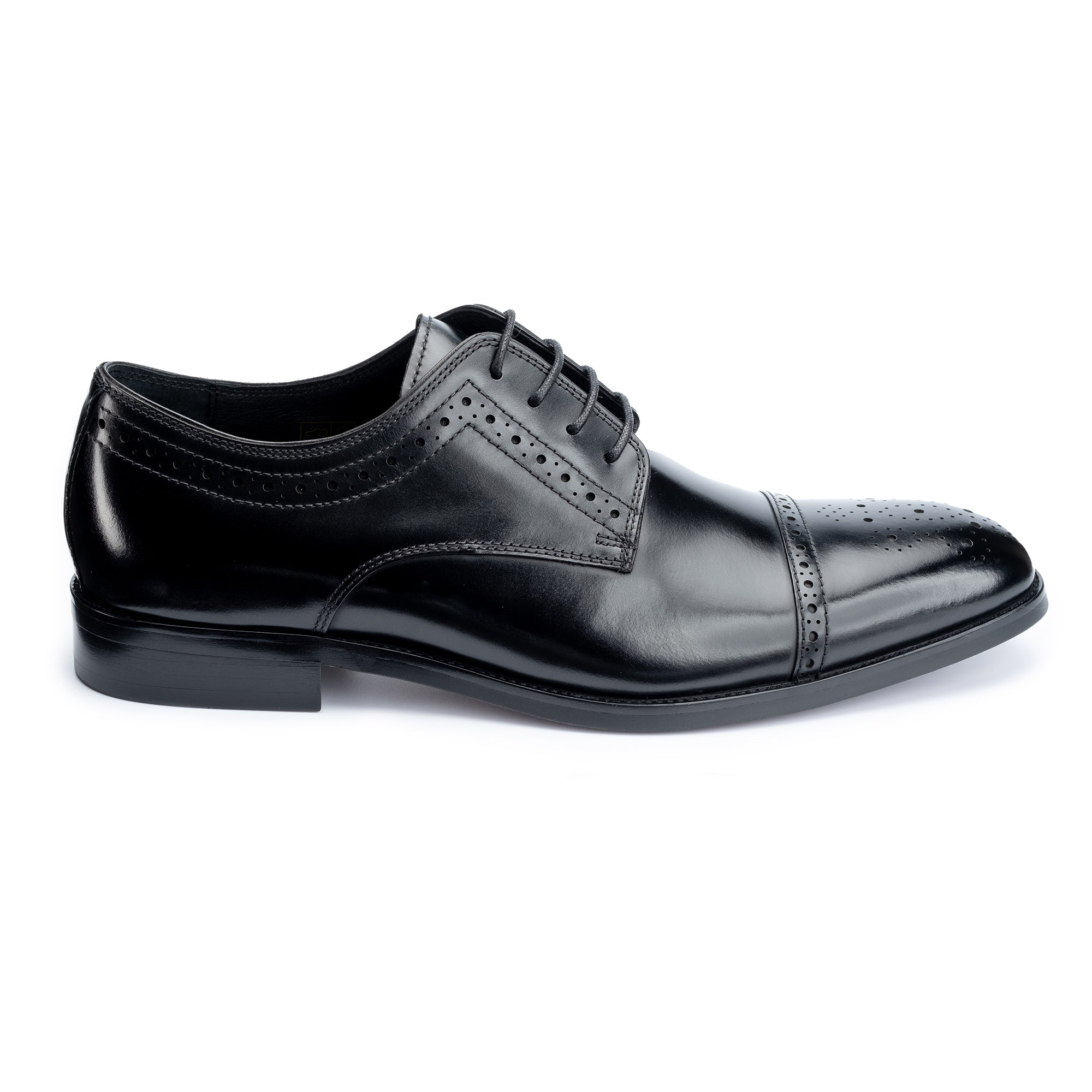
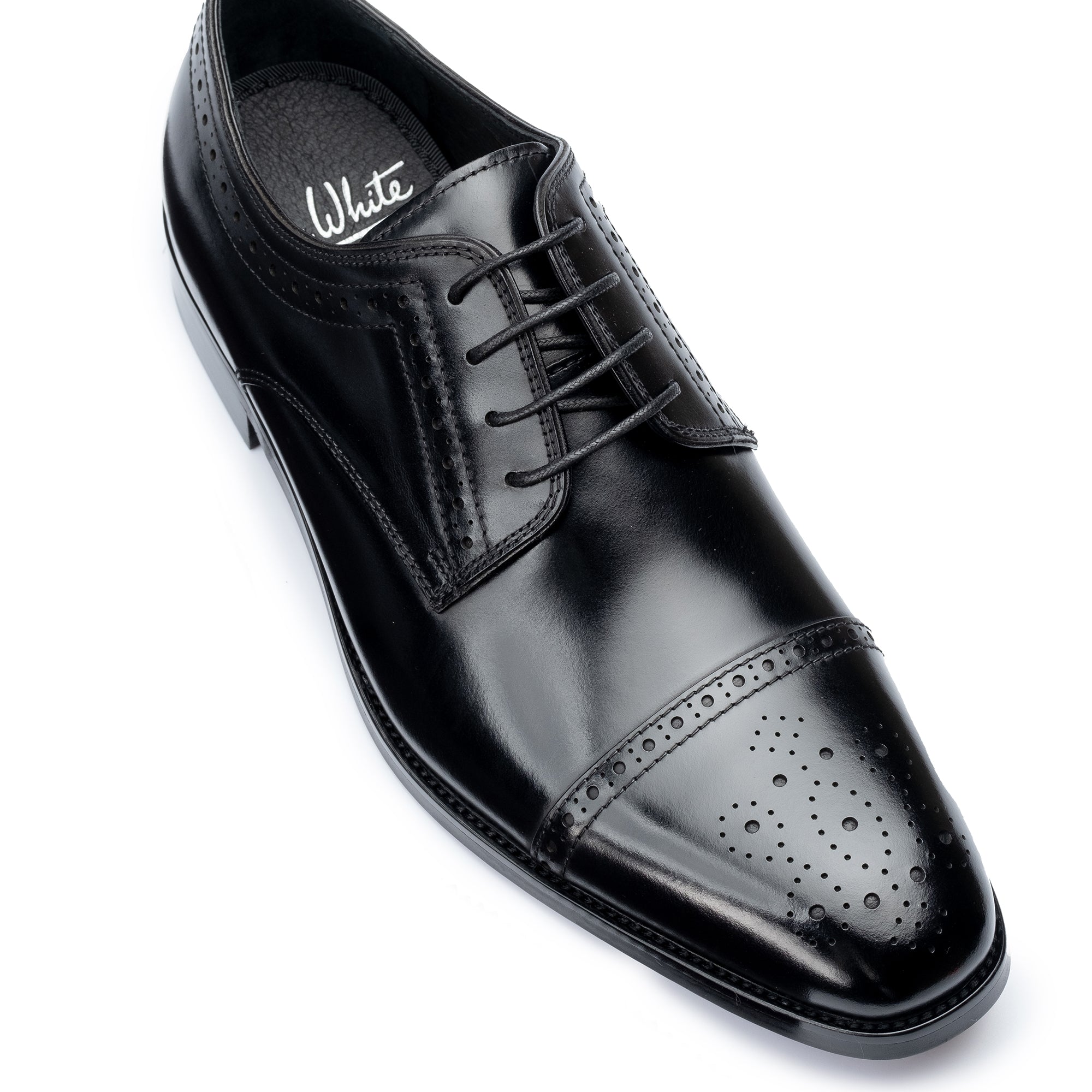
The semi-brogue is a cap-toe shoe with broguing confined to the toe cap only: a perforated border along the cap seam and a punched medallion at the centre. Every other part of the upper is unadorned. That restraint is deliberate.
The semi-brogue was developed to carry decorative character into more formal settings where a full brogue would feel too relaxed. Style editors at Esquire UK have long positioned the semi-brogue as the preferred choice for professionals who want a note of personality without compromising on dress code — it sits comfortably between the austerity of a plain cap-toe Oxford and the casual confidence of a full brogue.
The Northampton shoemaking tradition, encompassing heritage names such as Loake, Church's, Barker, Crockett & Jones, and Grenson — alongside John White Shoes, which today designs and sources its cemented range from overseas manufacturer partners — has produced the semi-brogue as a wardrobe staple for the British professional man for well over a century.
The semi-brogue is the formal brogue: decoration without excess, character without compromise.
What's the Difference Between a Full Brogue and a Semi-Brogue?
The simplest way to tell them apart: look at the sides of the shoe. If broguing continues around the shoe in a W-shape, it's a full brogue. If the detailing stops at the toe cap, it's a semi-brogue.
| Feature | Full Brogue (Wingtip) | Semi-Brogue |
|---|---|---|
| Toe cap shape | W-shaped wingtip, wraps the shoe | Straight cap at the toe only |
| Broguing location | All seams: toe, sides, heel | Toe cap border and medallion only |
| Medallion | Yes | Yes |
| Formality level | Smart-casual to business-casual | Business formal to smart-casual |
| Best worn with | Tweed, flannel, chinos, tailored denim | Suits, smart trousers, formal occasions |
| Black tie appropriate? | No | Rarely — polished black only, informal settings |
| Country weekend? | Yes — natural territory | Works, but the full brogue is better suited |
Which Is More Formal — Full Brogue or Semi-Brogue?
The semi-brogue is the more formal option. Dress code hierarchy places plain-toe Oxfords at the top, followed by cap-toes, then semi-brogues, then full brogues. The more broguing a shoe carries, the further it sits from the formal end of the scale.
For pairing with a suit, the semi-brogue is consistently the safer and more versatile choice. It'll read appropriate in a City office, a formal meeting, and a wedding without registering as either over-dressed or too casual.
The full brogue, by contrast, shines in a business-casual wardrobe. It works with blazer-and-chinos combinations, country-house settings, and creative environments where formality is welcome but not rigid. Worn with a dark suit in a formal context, it tends to undermine the outfit rather than enhance it.
If your wardrobe skews towards suits and meetings, start with a semi-brogue. If it leans smart-casual, the full brogue earns its keep faster.
When Should You Wear a Full Brogue?
The full brogue has a clear home: smart-casual and business-casual environments where a plain shoe would feel under-dressed and a formal Oxford would feel unnecessarily stiff.
- Business-casual offices and client meetings with no strict dress code
- Country weekends, garden parties, and rural events
- Smart-casual dinner settings
- Autumn and winter outfit combinations — tweed, flannel, corduroy
- Wedding guest roles where the dress code is lounge suit or smart-casual
In terms of colour, tan or brown gives you the widest outfit compatibility across casual and smart-casual looks. Black reads more formally and suits business-casual settings without the country-house associations that come with brown leather.
For pairing ideas across every season, see our complete guide to wearing brogues.
When Should You Wear a Semi-Brogue?
The semi-brogue's restraint gives it a wider formal range. It'll carry you from a job interview to a wedding to a business dinner without stepping outside the dress code at any of them.
- Business formal and City environments
- Job interviews — a semi-brogue shows considered taste where a plain Oxford might feel anonymous
- Weddings across morning suit, lounge suit, and smart-casual dress codes
- Black-tie-adjacent occasions in polished black leather
- Everyday suit-wearing with mid-grey, charcoal, or navy
According to dress historians, the semi-brogue emerged as a direct response to the full brogue's limitations in urban professional life — a style that acknowledged personality while respecting the conventions of formal dress. That balance remains its defining quality today.
When you're unsure which brogue to reach for, the semi-brogue defaults to the more appropriate choice in almost every scenario. Our guide to the best shoes for a job interview covers how footwear choice signals judgement in high-stakes situations.
Which Should You Buy First?
If you're adding your first brogue to the wardrobe, the semi-brogue is the stronger opening move. It covers more occasions, pairs more naturally with suits, and doesn't sacrifice the character that makes brogues worth owning.
If you already have a semi-brogue — or if your wardrobe leans heavily smart-casual — the full brogue is the natural follow-up. It fills the gap between your formal shoes and your casual options, giving you a shoe that suits the occasions where neither extreme works.
The two styles aren't in competition. They occupy different parts of the wardrobe and do different jobs well. Most men find they need both eventually.
Our Picks from the John White Collection
For a Semi-Brogue
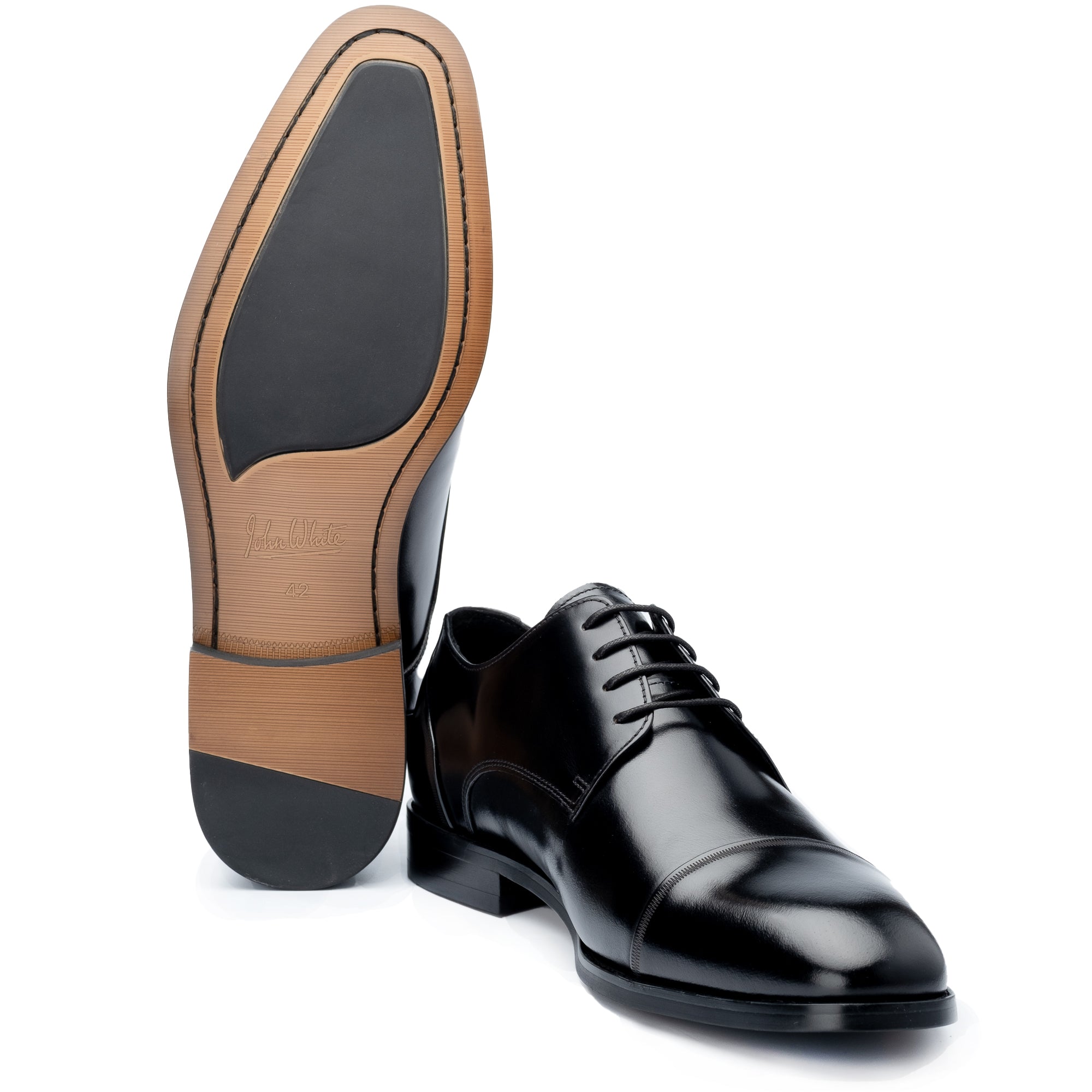
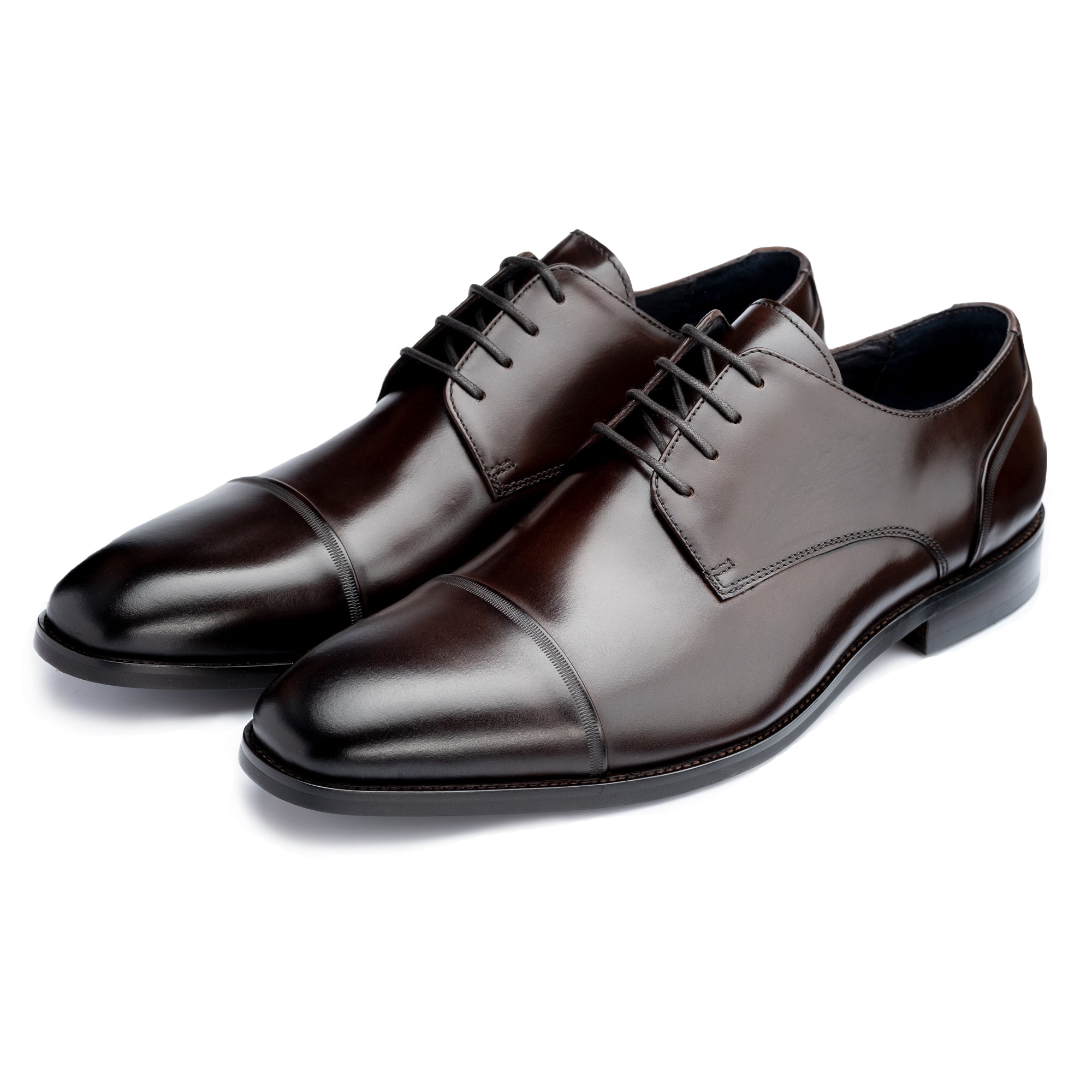
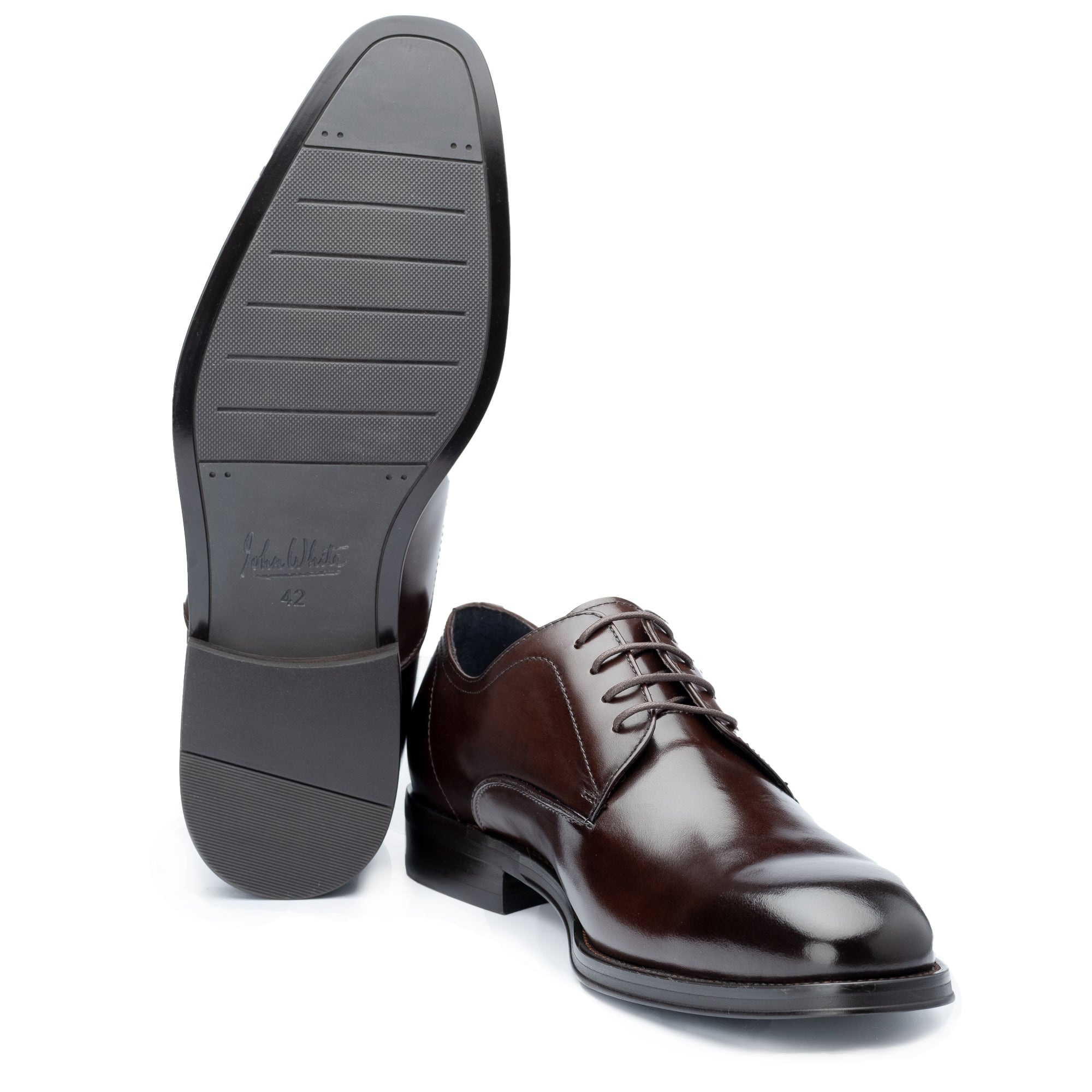
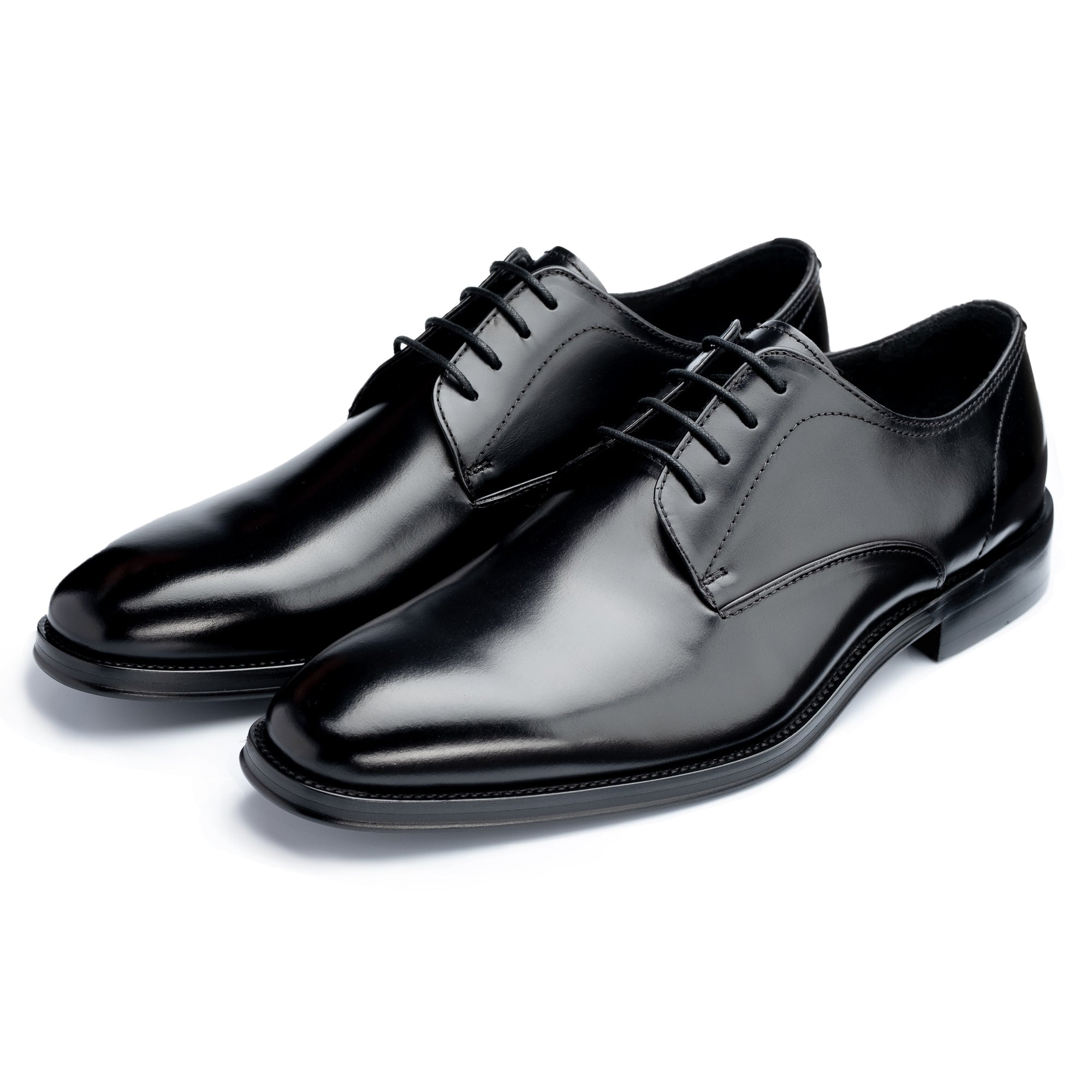
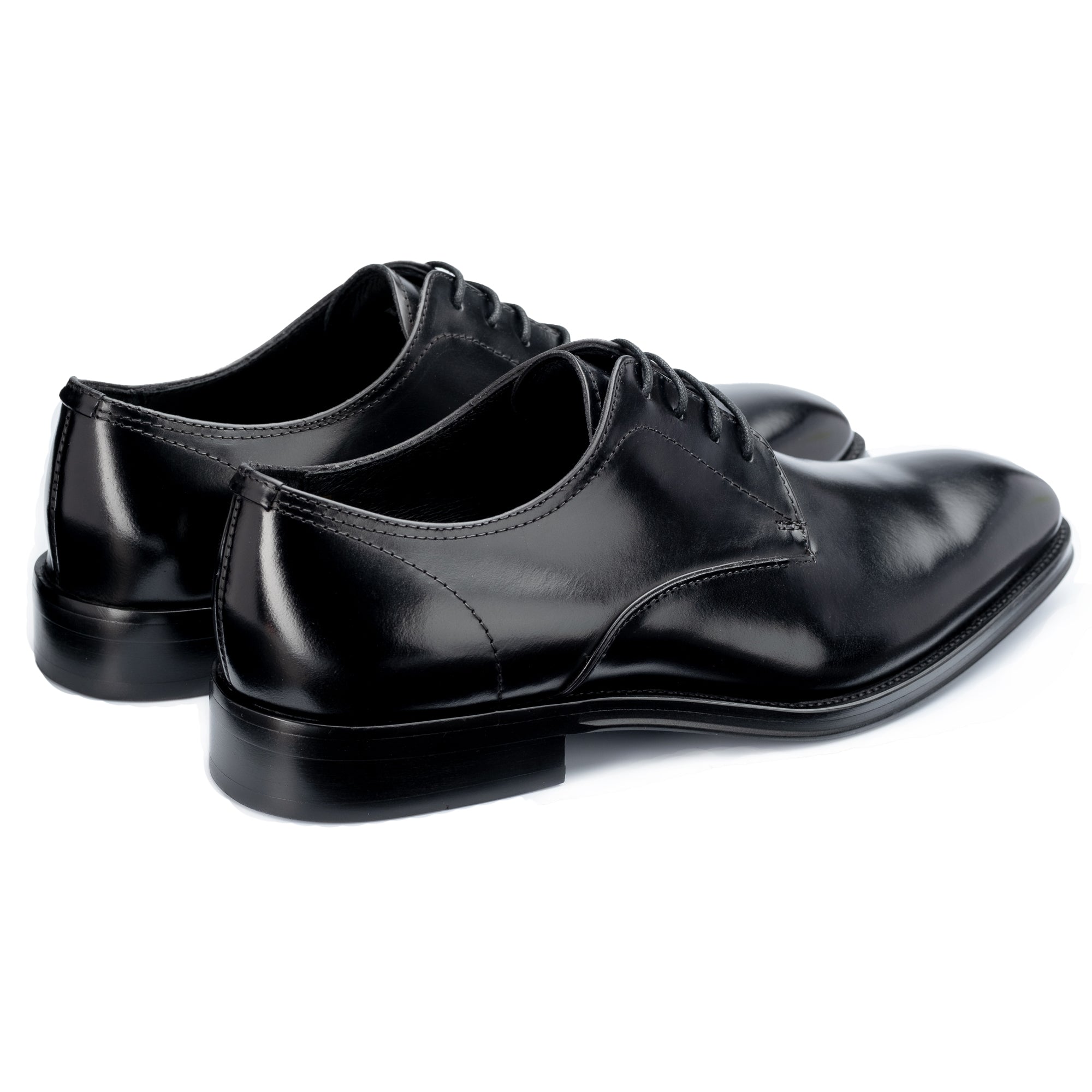
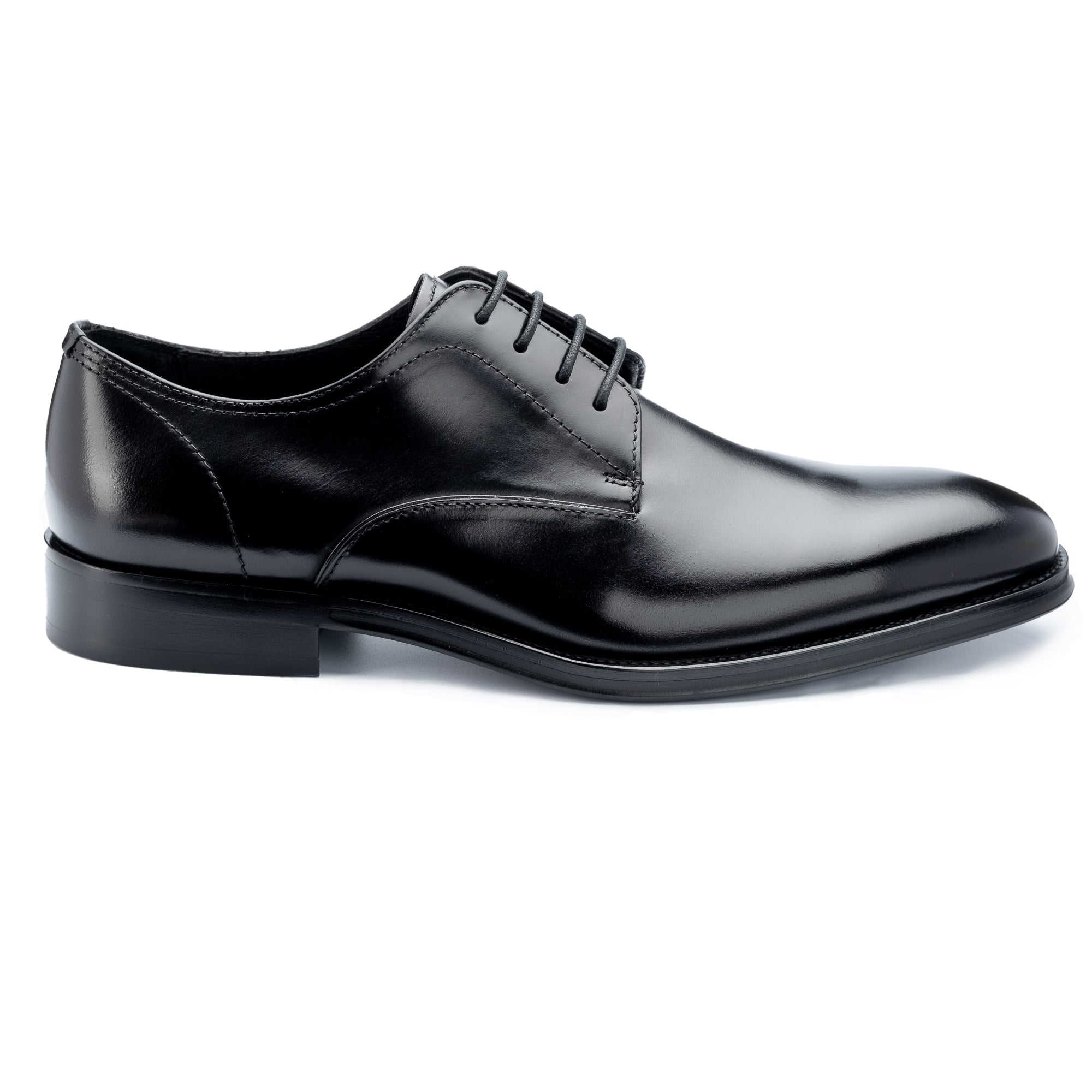
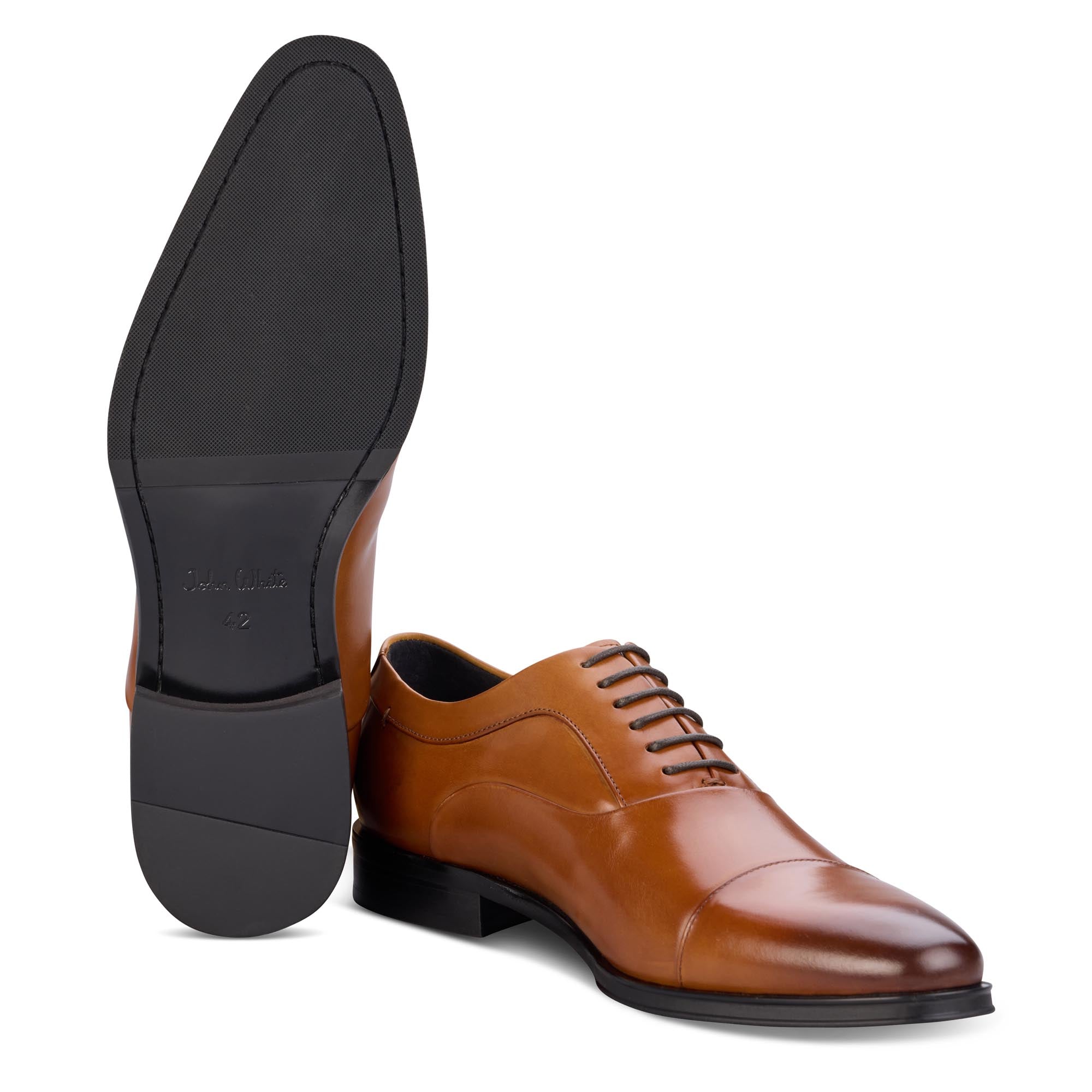
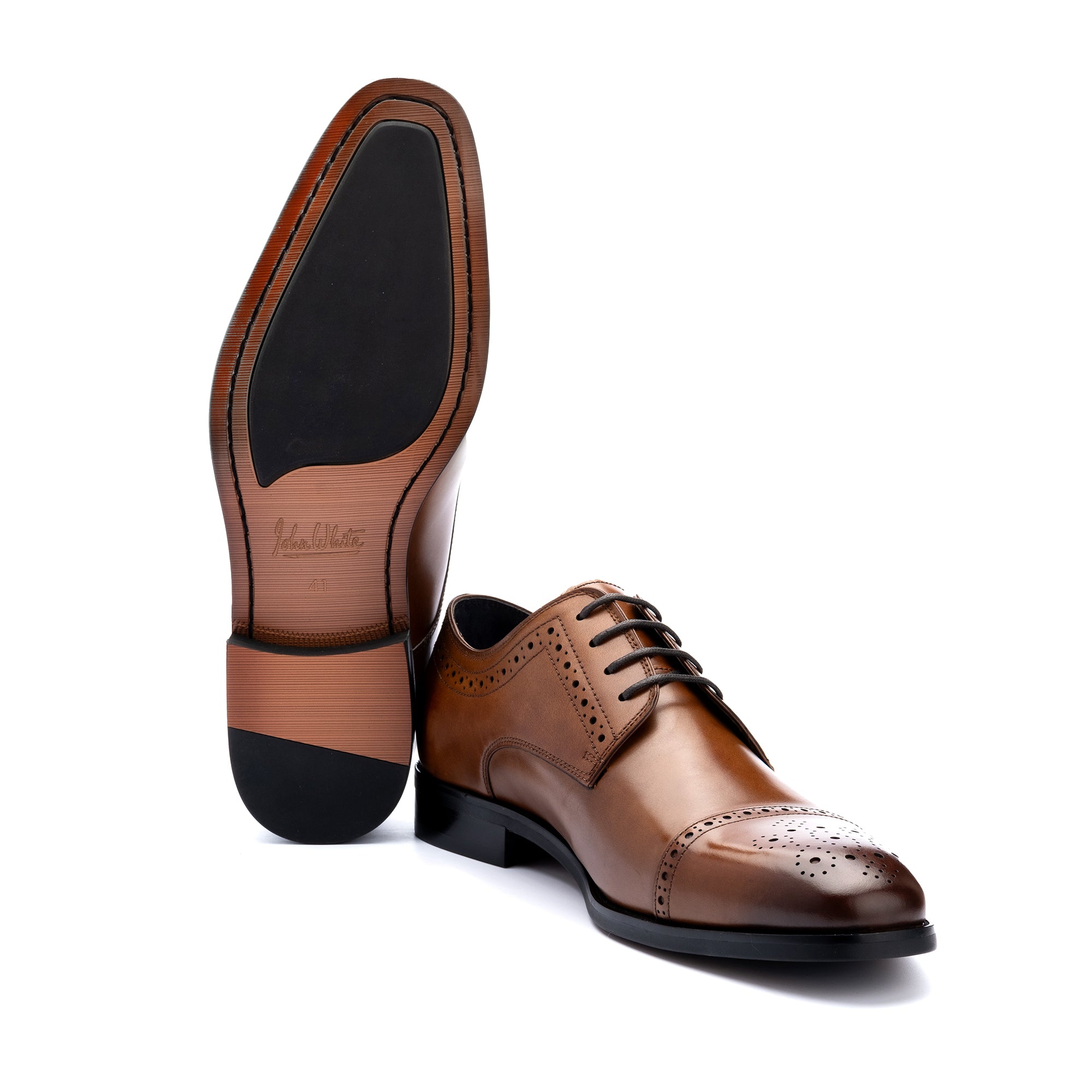
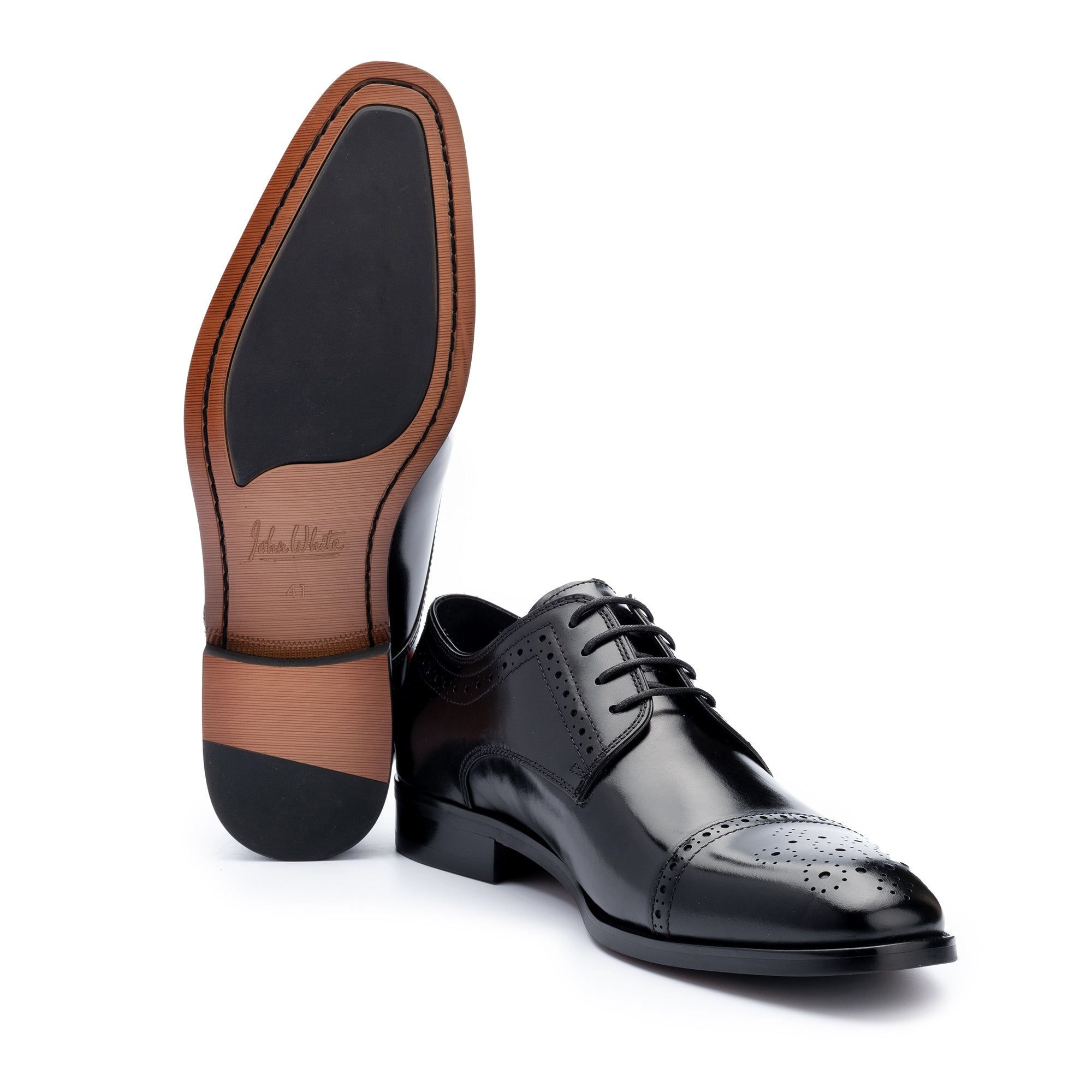
The Lucan Semi-Brogues are a refined interpretation of the style — available in black and tan, with a clean medallion and a last that works across both Oxford and Derby lacing contexts. The tan carries across suits and smart-casual; the black reads formally enough for business meetings and weddings alike.
For a Full Brogue
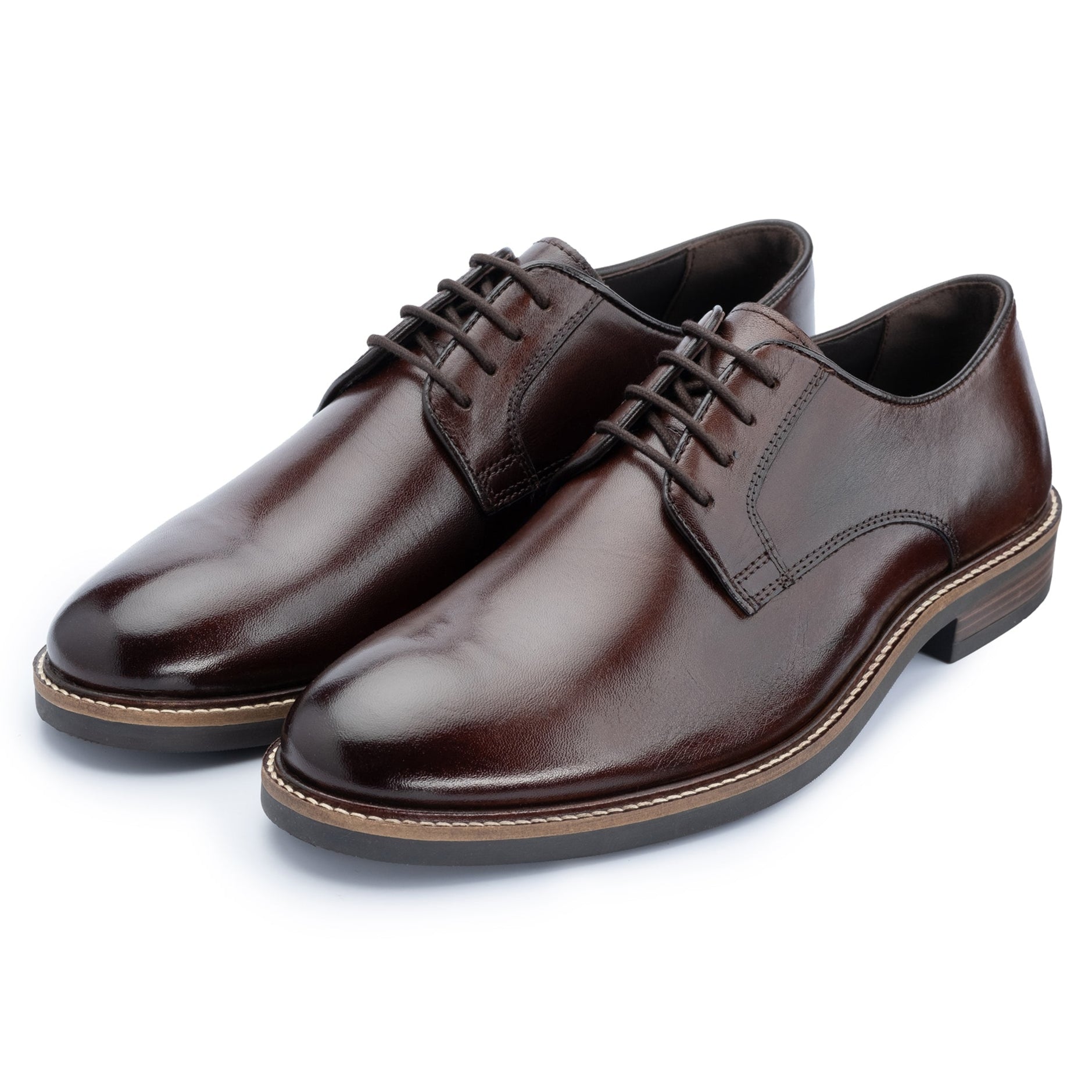
The Stokes Brogue Derby Shoes — in black, brown, or tan — are a versatile full brogue built for regular wear. The Derby lacing gives them a more relaxed character than an Oxford, making them a natural fit for business-casual and smart-casual settings.
For something with a different tone, the Hogarth Brogue Shoes are available in black and reef — the reef offering a distinctive warm alternative to tan that works well across transitional-season outfits and country-dress codes.
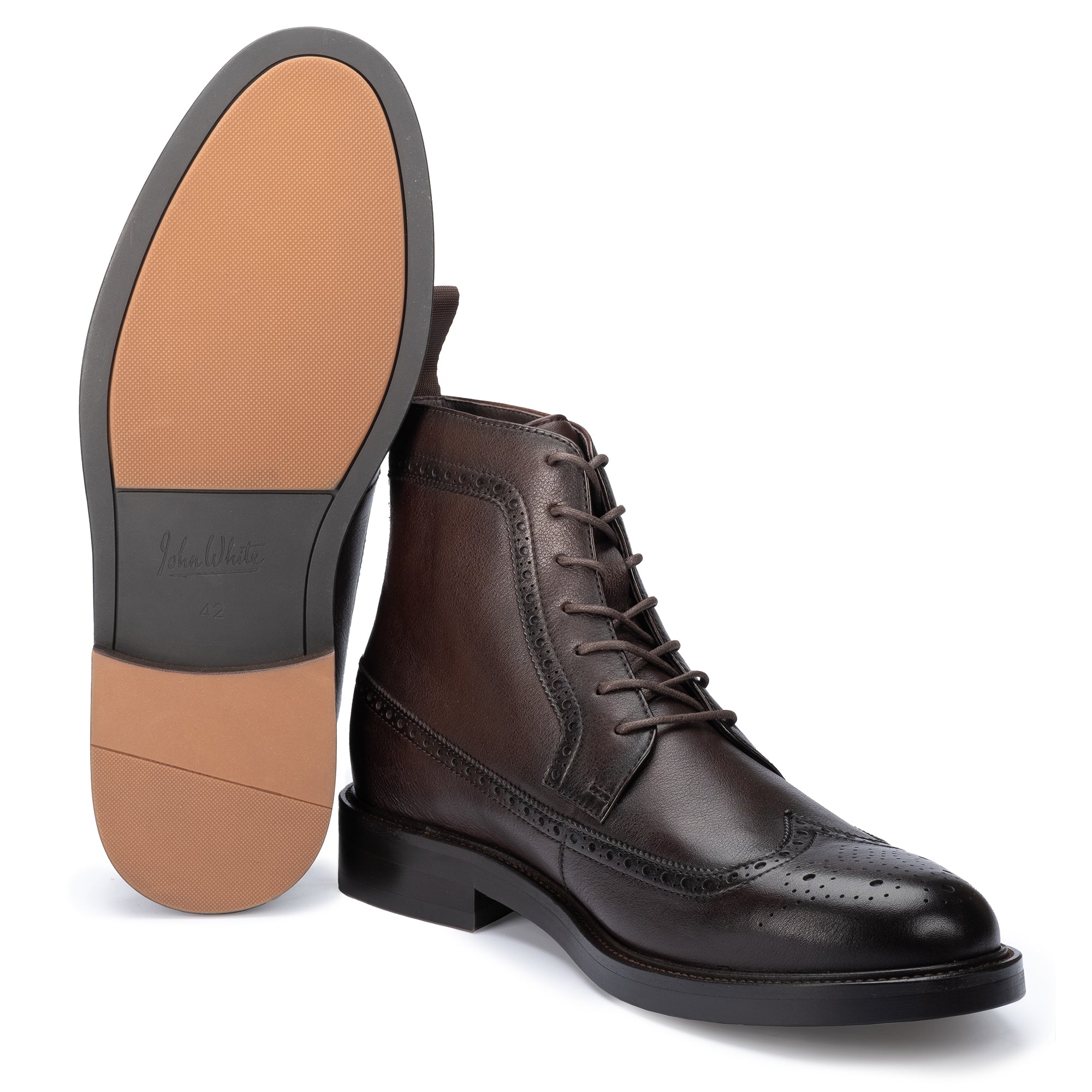
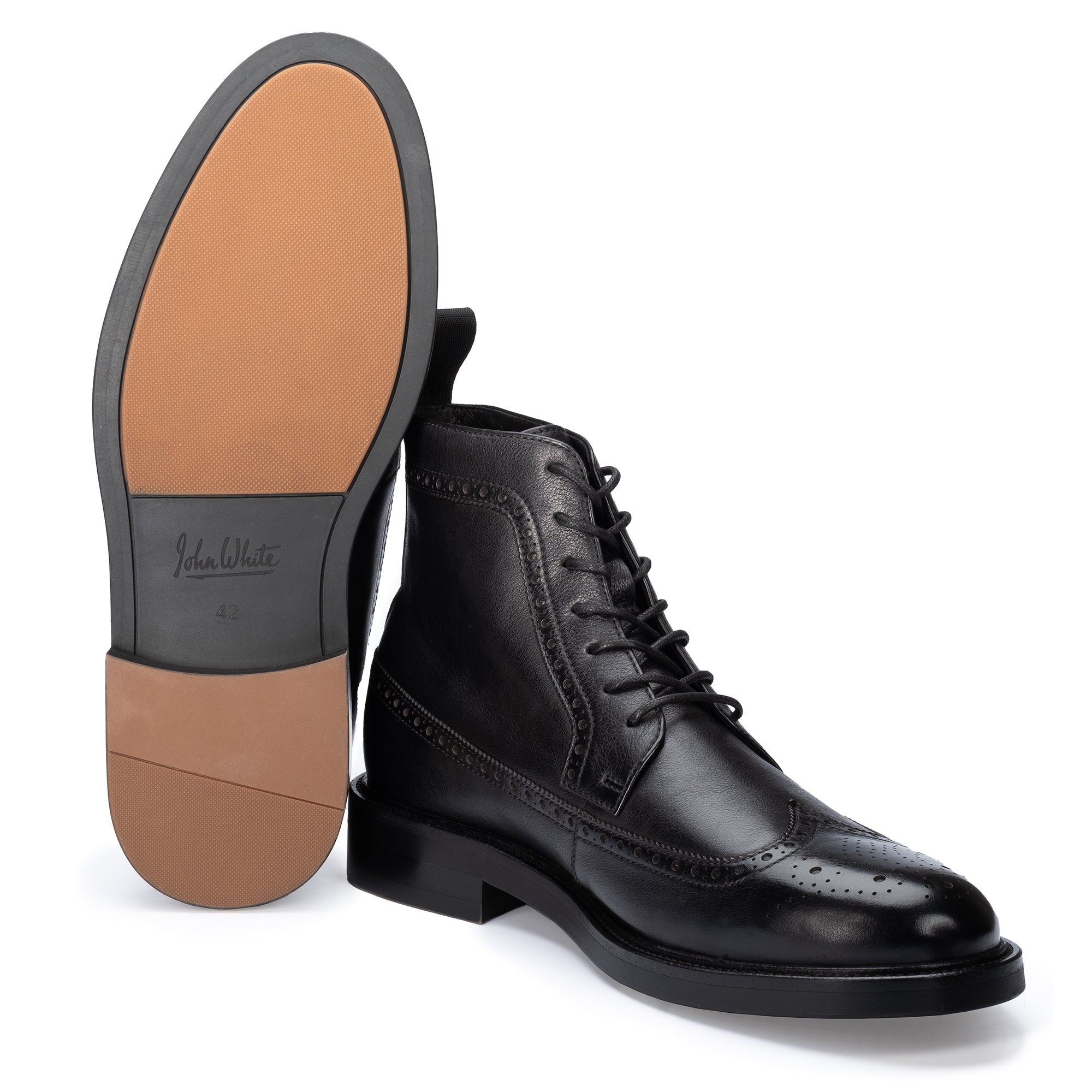
And if you want to take full-brogue character into autumn and winter, the Falcon Brogue Boot in black or brown brings the same wingtip detailing to an ankle boot silhouette without losing any of its dressy presence. Browse the full men's shoe collection for the complete range.
Related Guides
- The Complete Guide to Men's Dress Shoes — our comprehensive guide
- How to Wear Brogues: A Complete Men's Style Guide
- Captoe vs Plain Toe Oxford: Which Dress Shoe Should You Buy?
- How to Wear Derby Shoes: Smart to Casual Styling Guide for Men
TL;DR
The full brogue (wingtip) features perforations across all seams and suits smart-casual to business-casual settings. The semi-brogue carries broguing only at the toe cap, sits higher on the formality scale, and works across business formal, weddings, and interview settings. John White Shoes, British heritage footwear established in 1919, offers both styles in its curated range. For most men, a semi-brogue is the better first purchase; a full brogue is the natural follow-up for a well-rounded smart-casual wardrobe.
Frequently Asked Questions
Can you wear a full brogue with a suit?
Yes — a full brogue works well with lounge suits in tweed, flannel, or mid-grey wool. Avoid it with very dark, formal worsted suiting where a semi-brogue or plain Oxford would read more appropriately. The darker and more formal the suit, the less a full brogue belongs with it.
Is a semi-brogue suitable for black tie?
Strictly speaking, black tie calls for a plain polished black Oxford. A semi-brogue in highly polished black leather can pass in less rigid black-tie settings — corporate dinners, for instance — but it's a stretch. For formal evening occasions, our guide to what to wear to a black tie event covers the full picture.
What's the difference between a brogue and a wingtip?
All wingtips are brogues, but not all brogues are wingtips. A wingtip refers specifically to the full brogue — defined by its W-shaped cap. A semi-brogue and a quarter brogue (broguing at the toe seam only, without a medallion) are both brogues, but neither is a wingtip.
Which is more versatile — full brogue or semi-brogue?
The semi-brogue covers a wider range of occasions: boardrooms, weddings, business lunches, and interviews. The full brogue covers a narrower but equally valuable range — smart-casual, country, and business-casual environments where its character is an asset. Most men find the semi-brogue the more immediately useful shoe, with the full brogue becoming essential once the wardrobe develops.