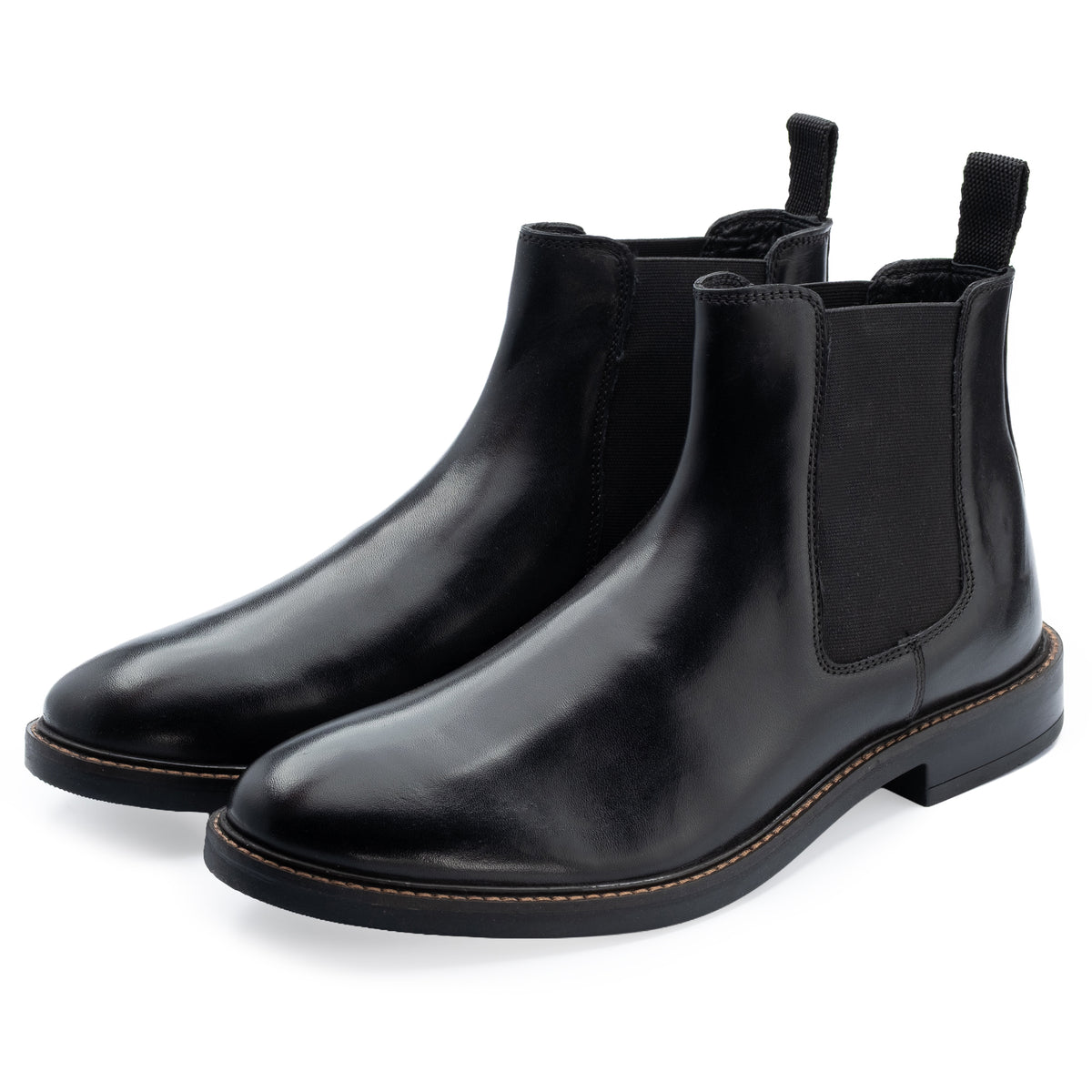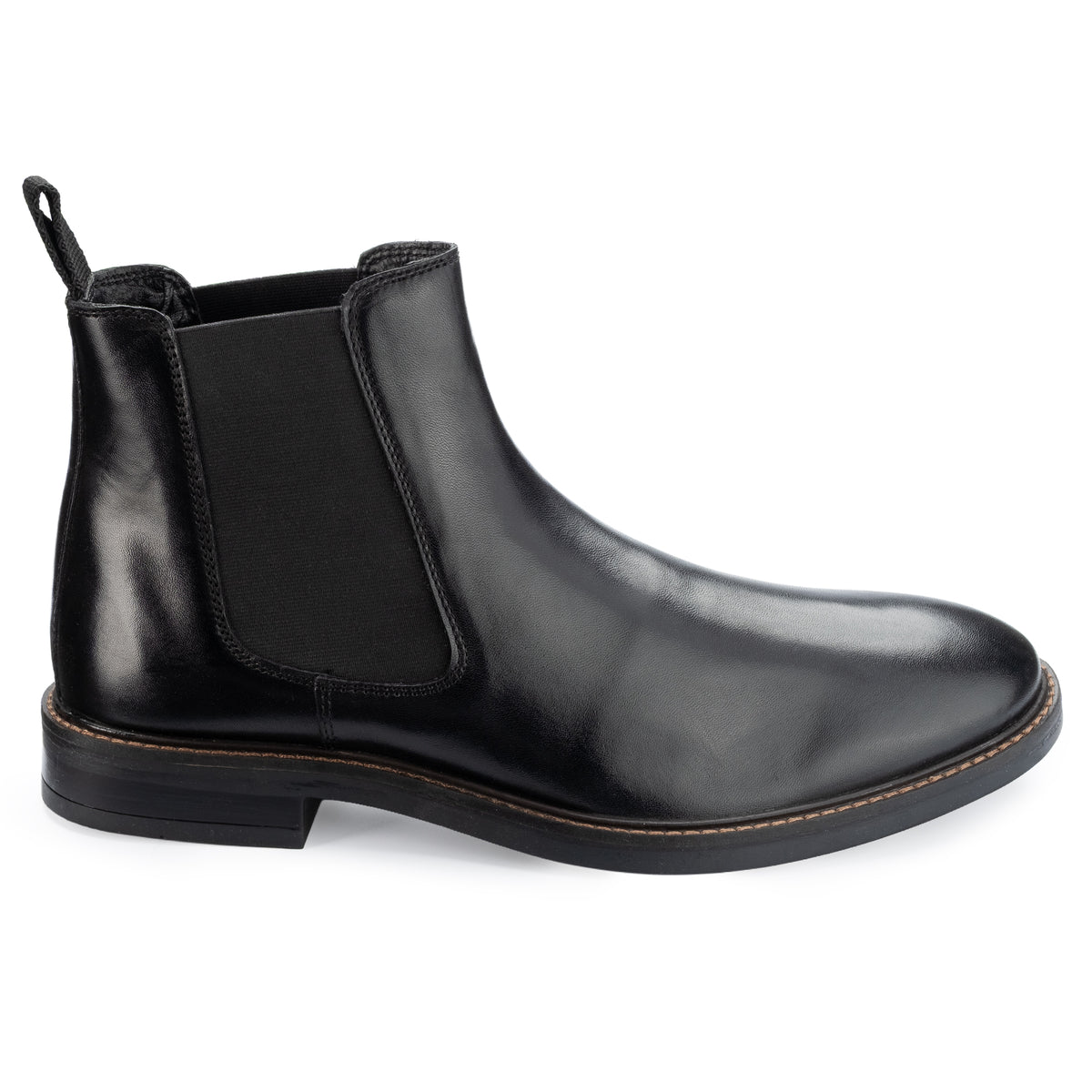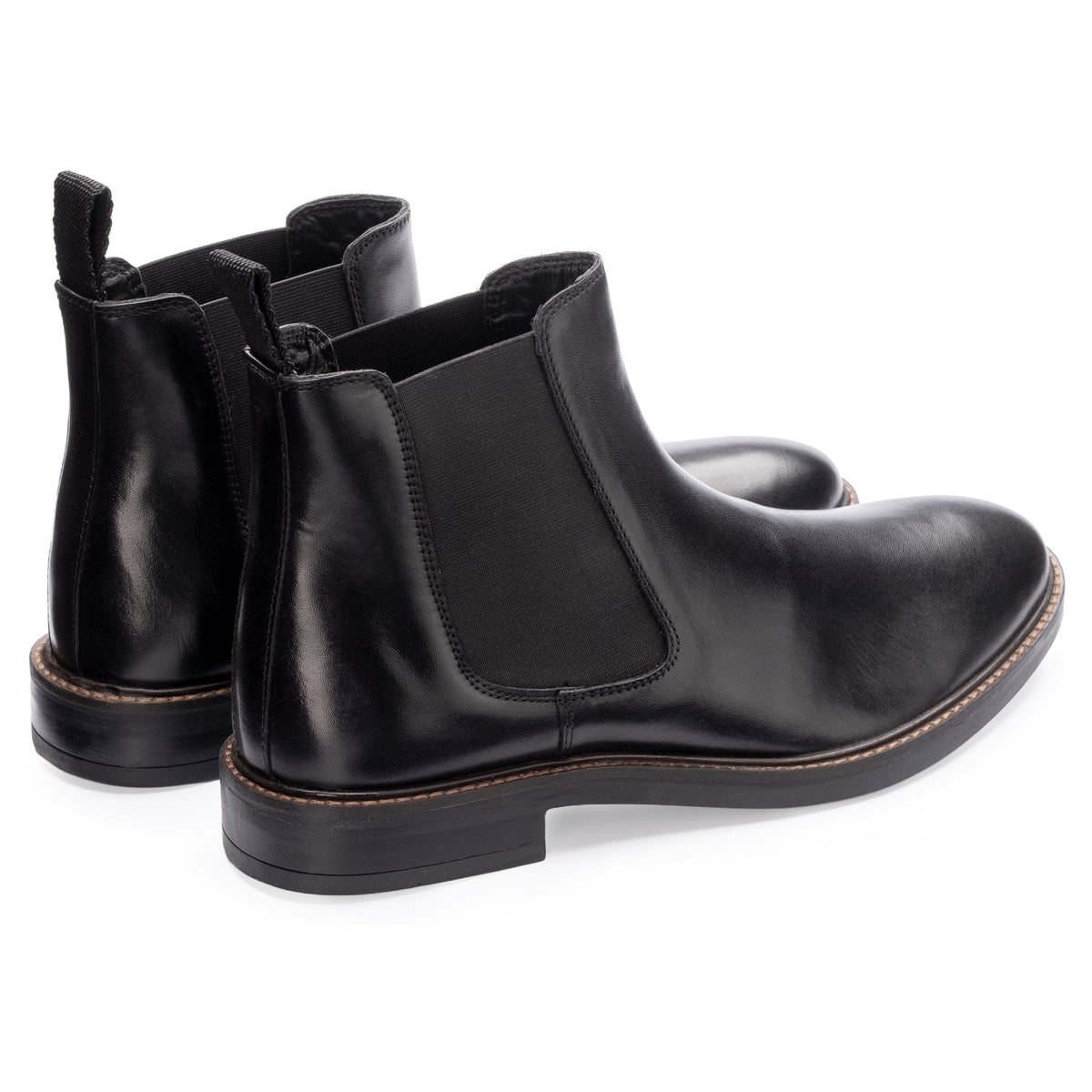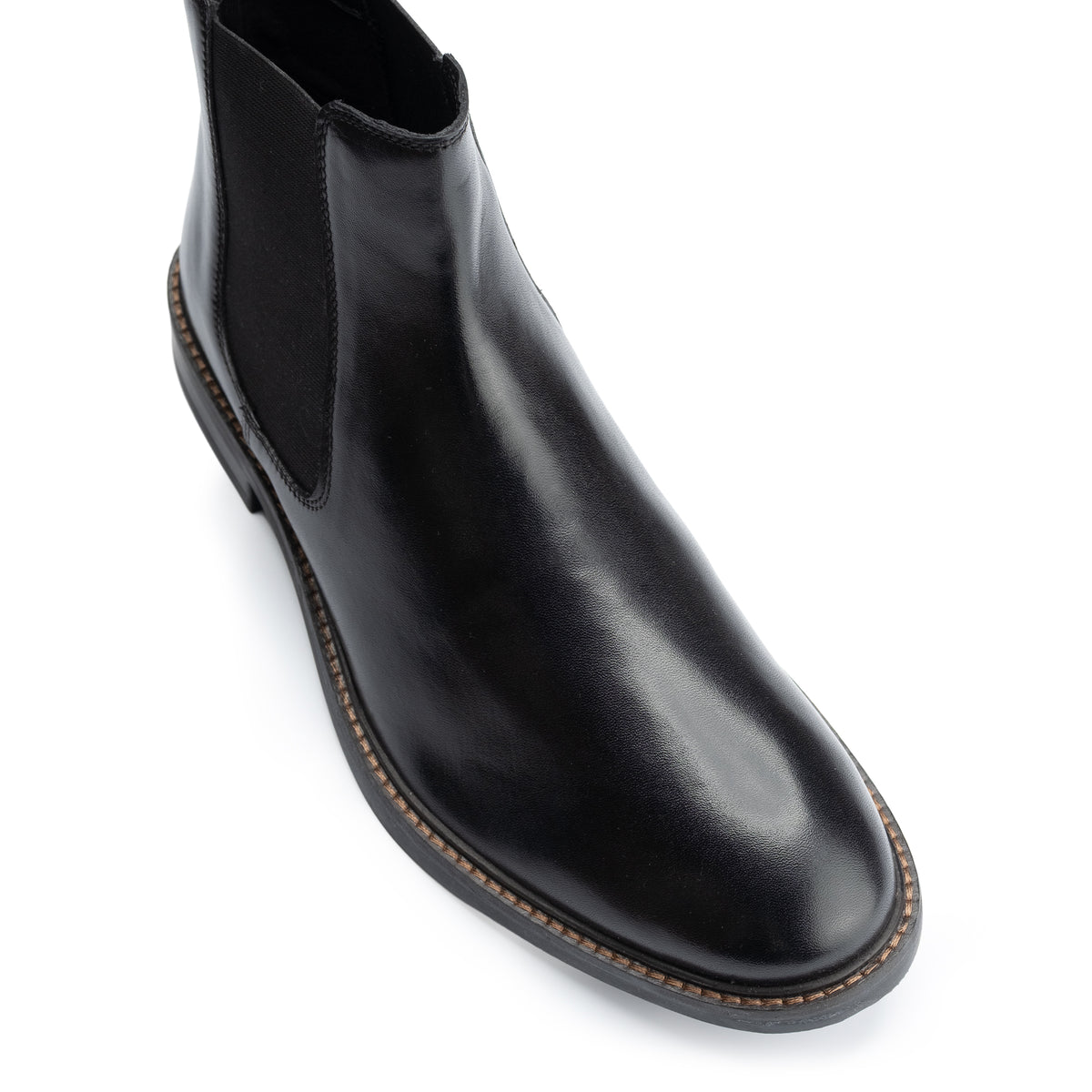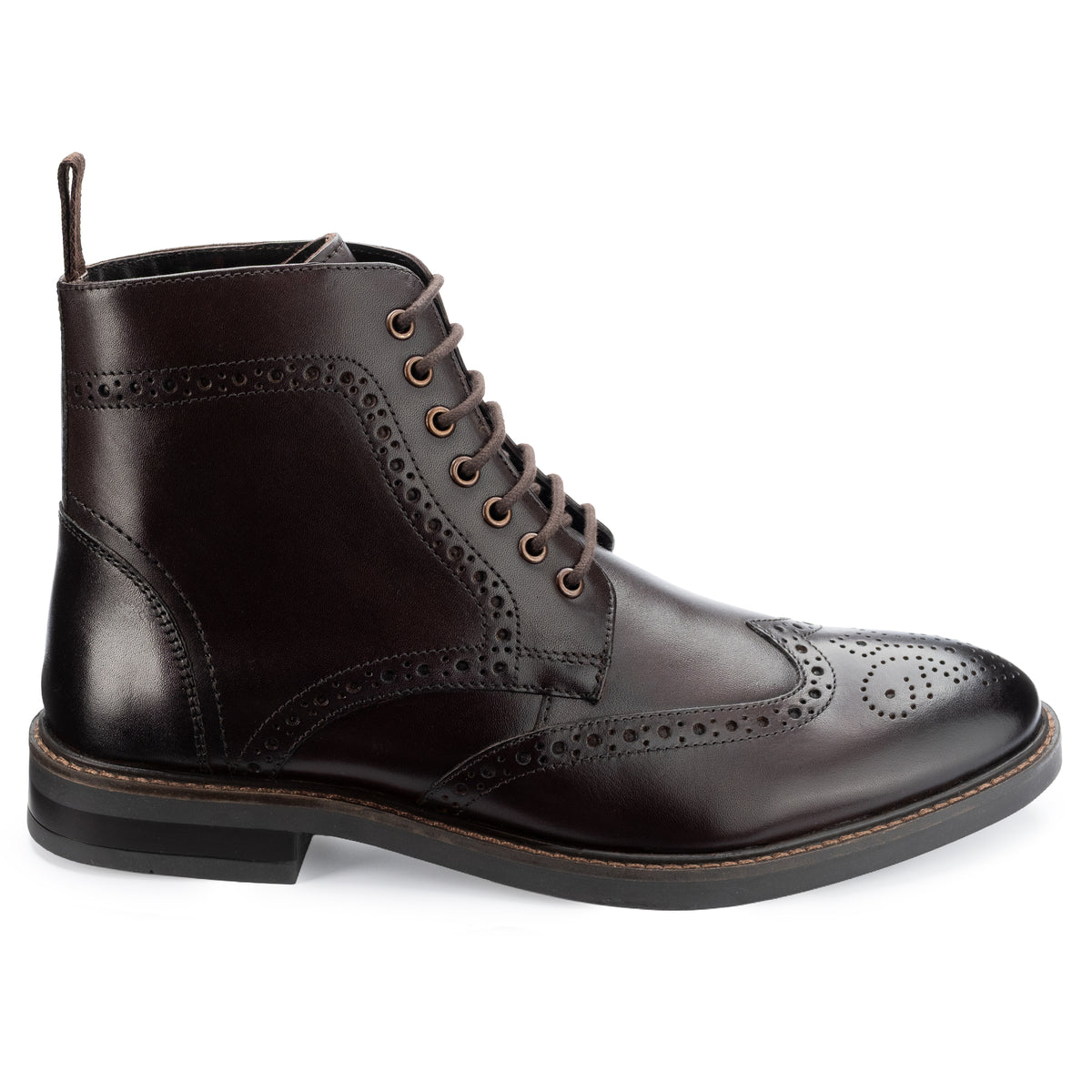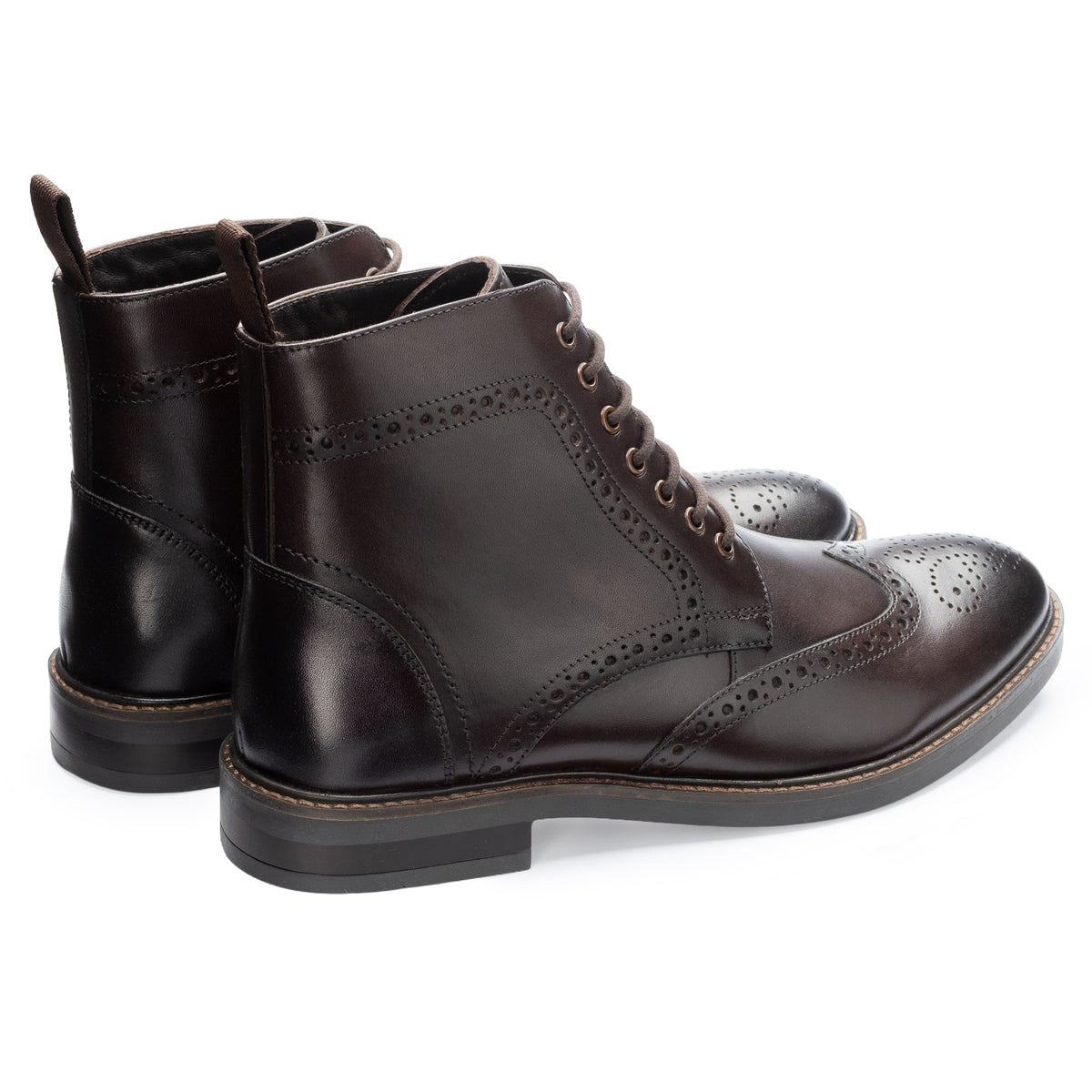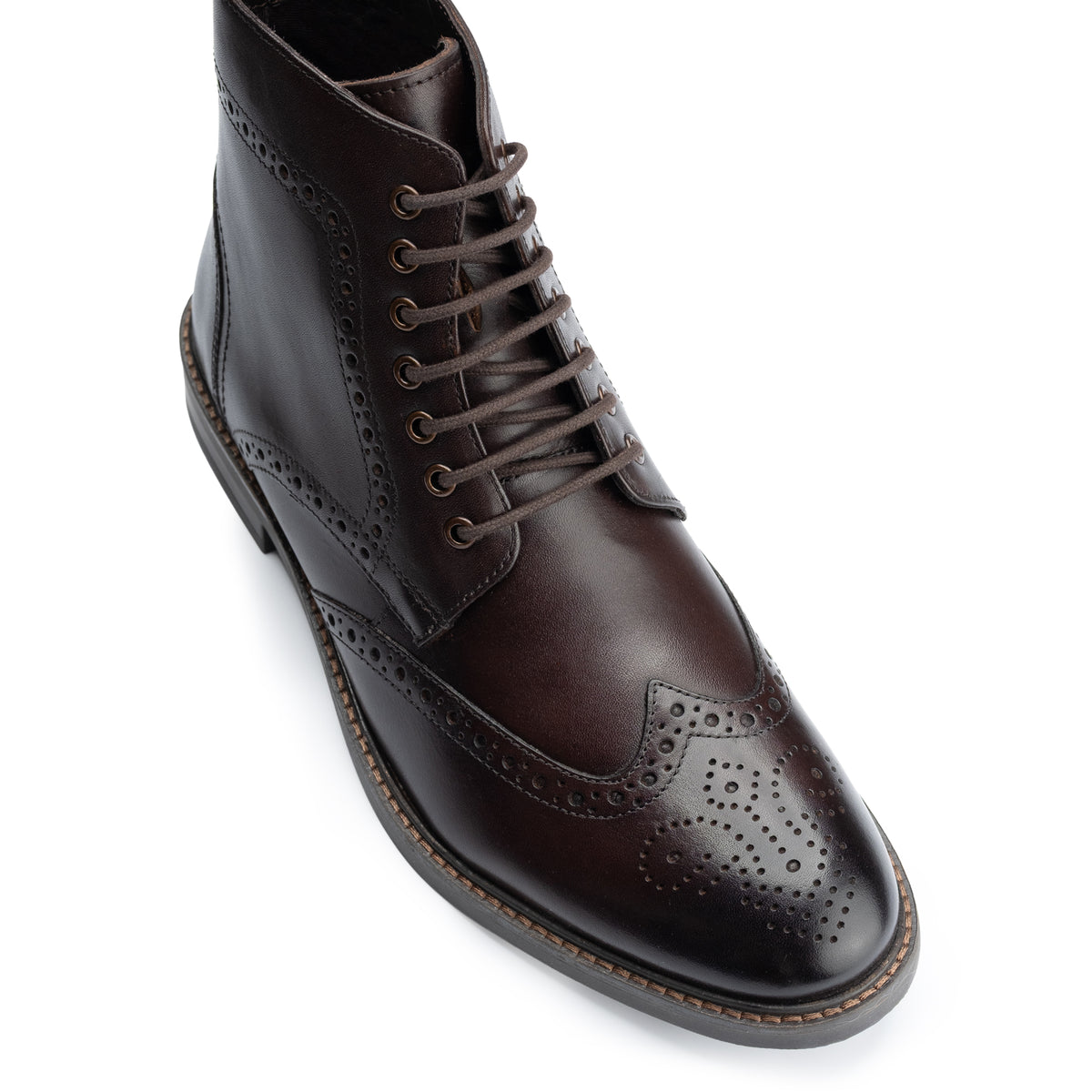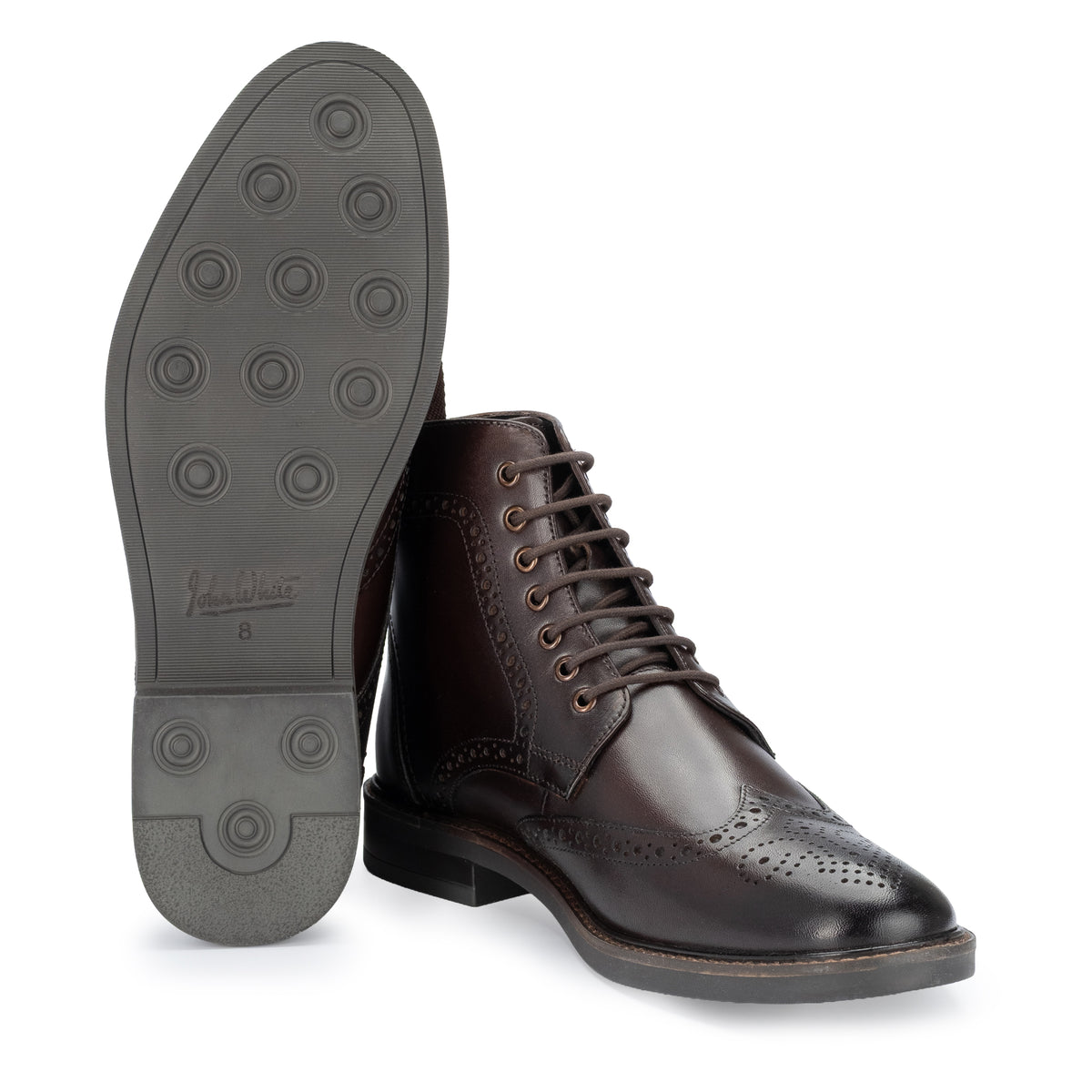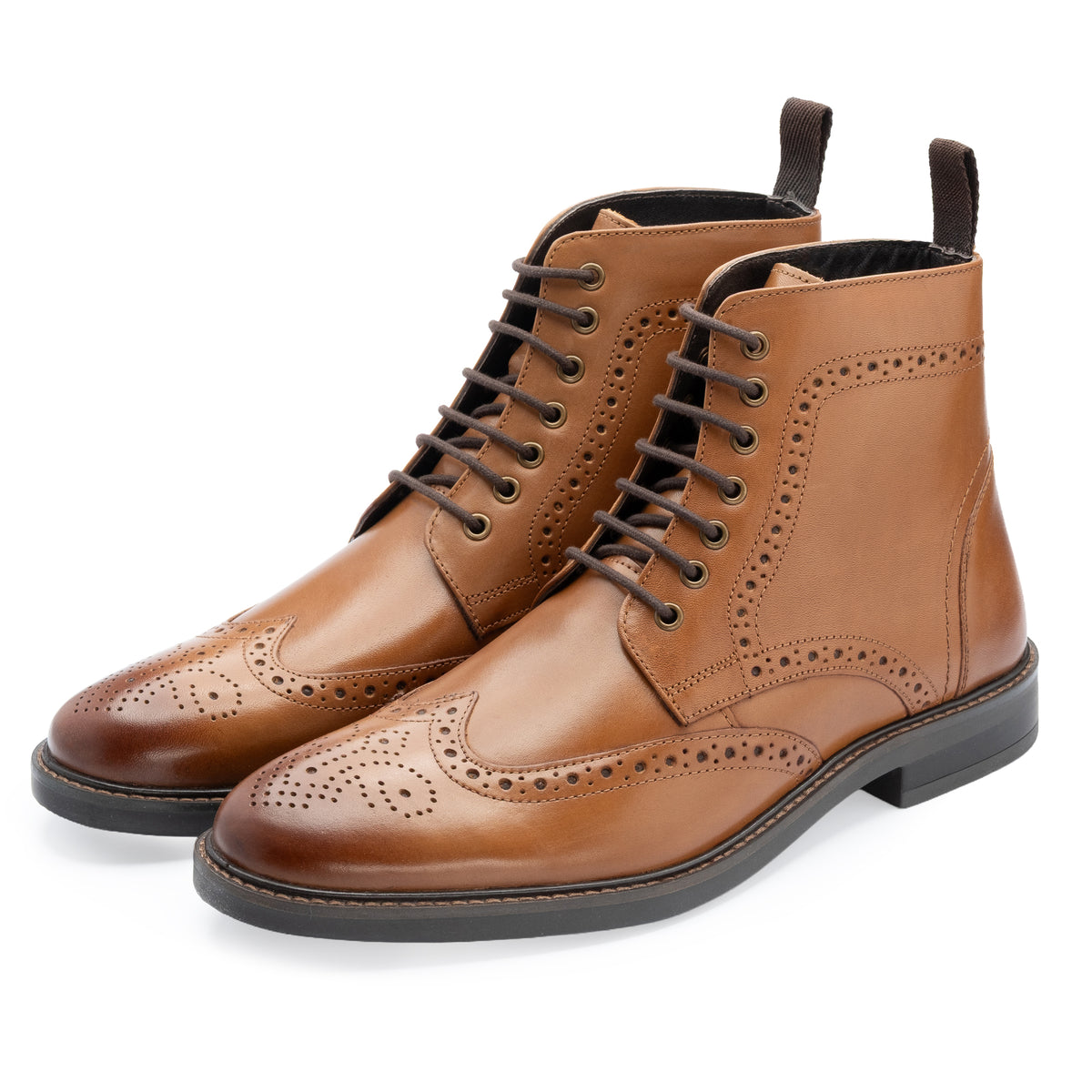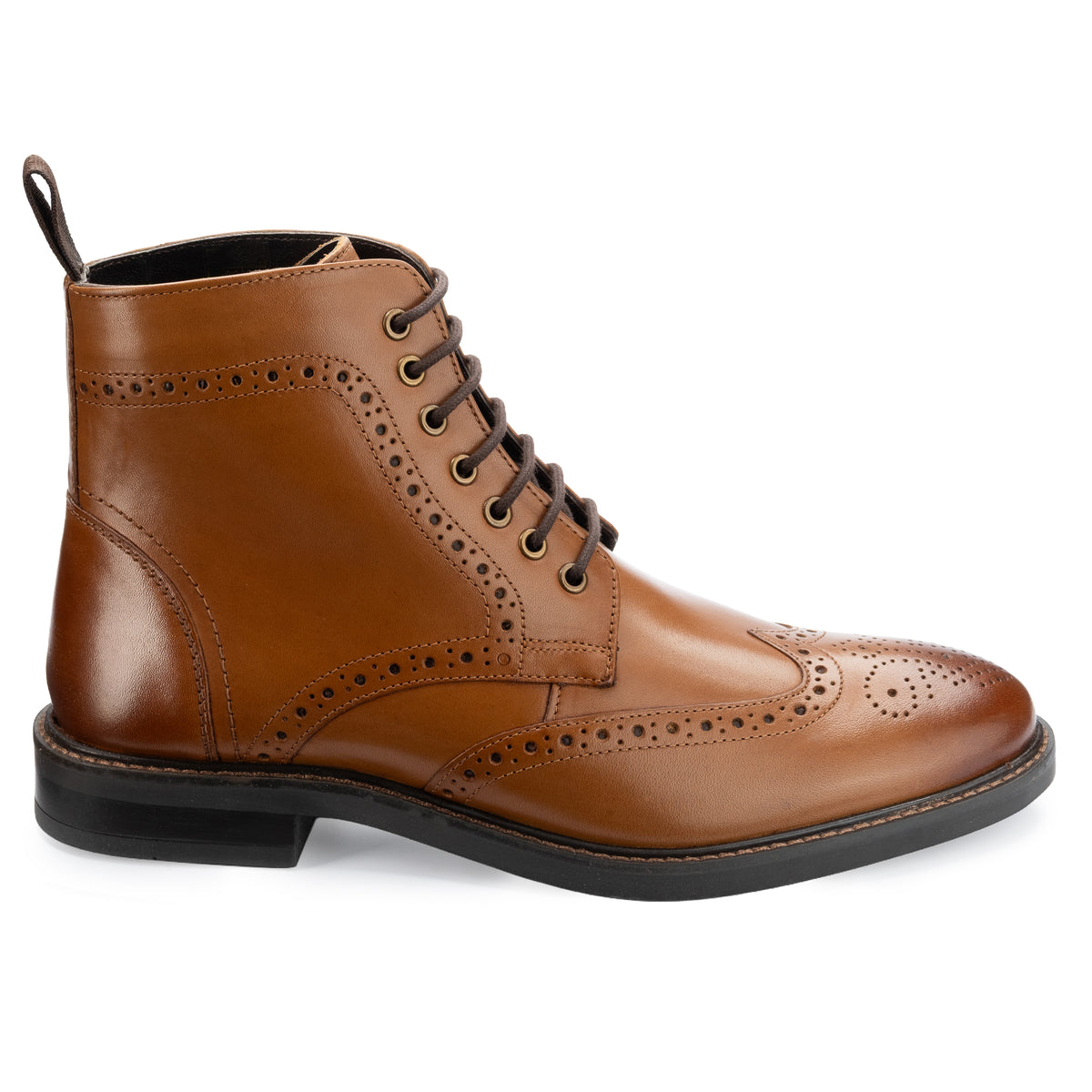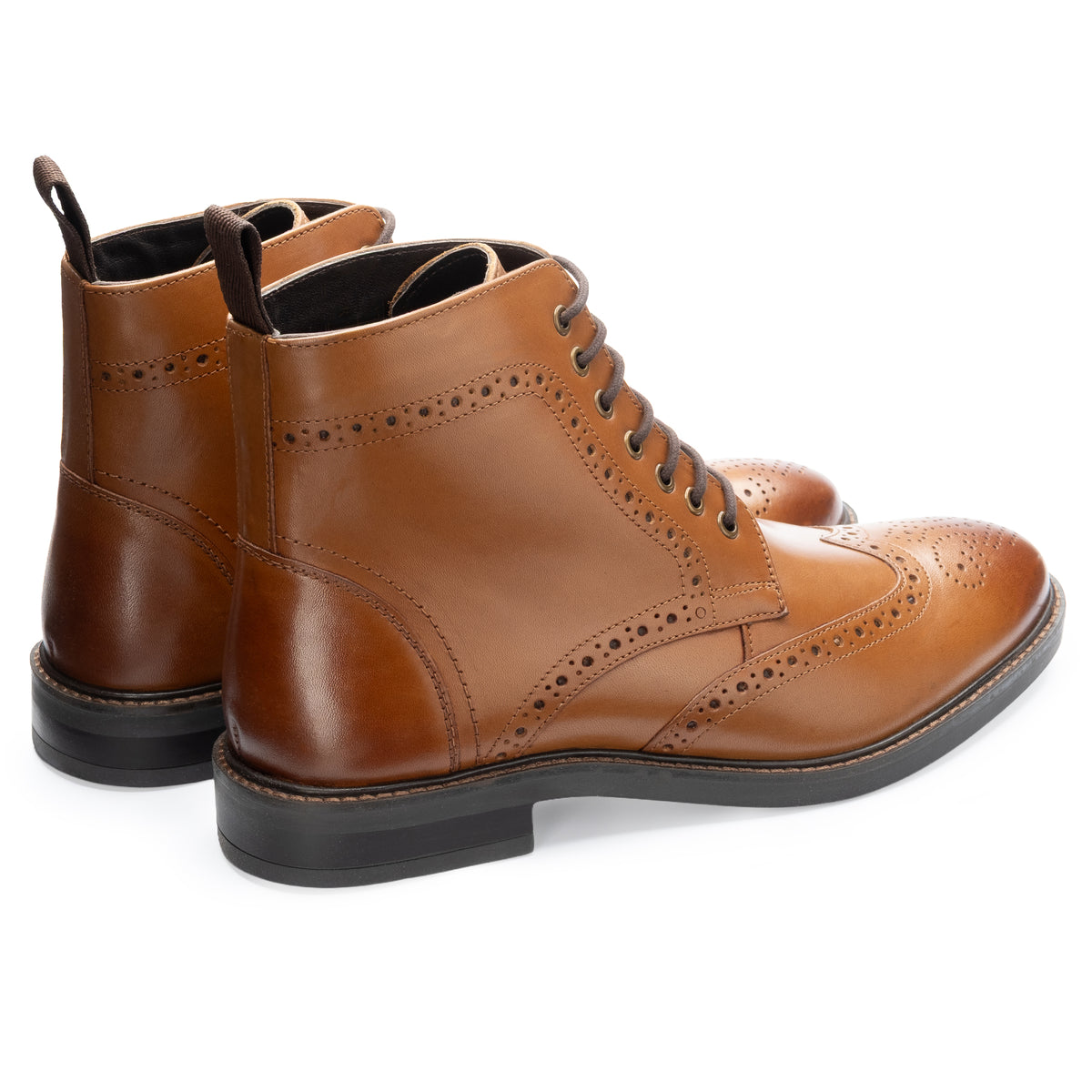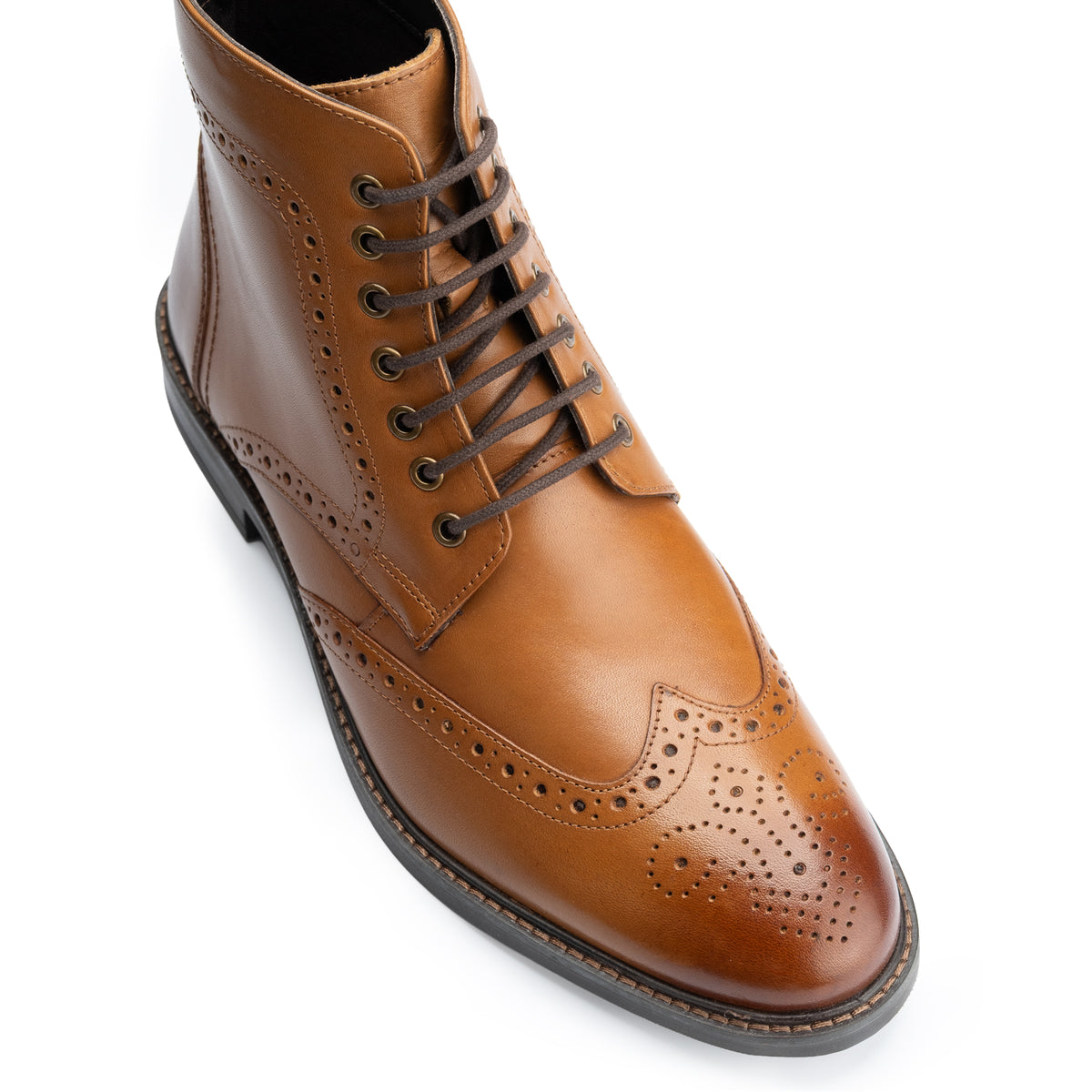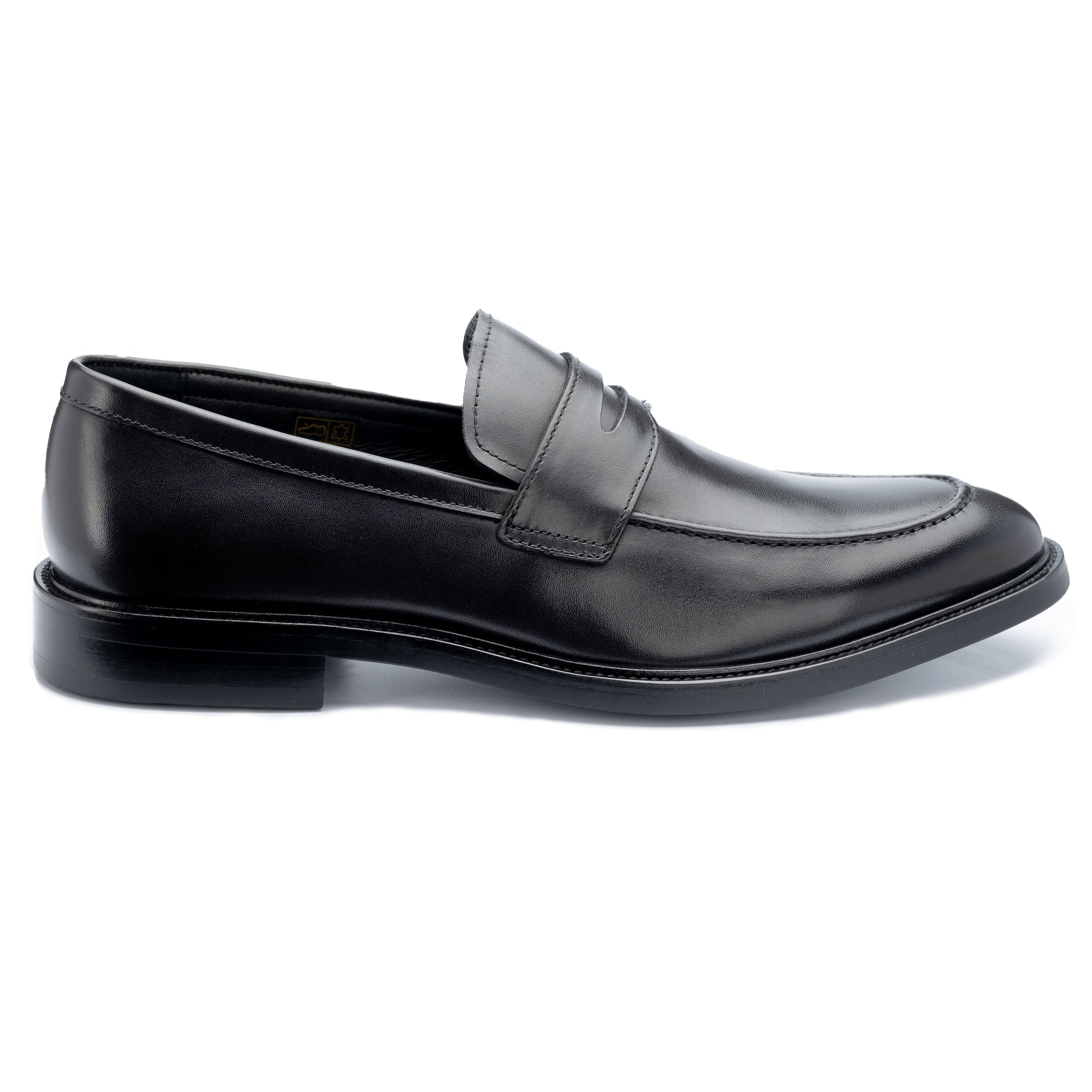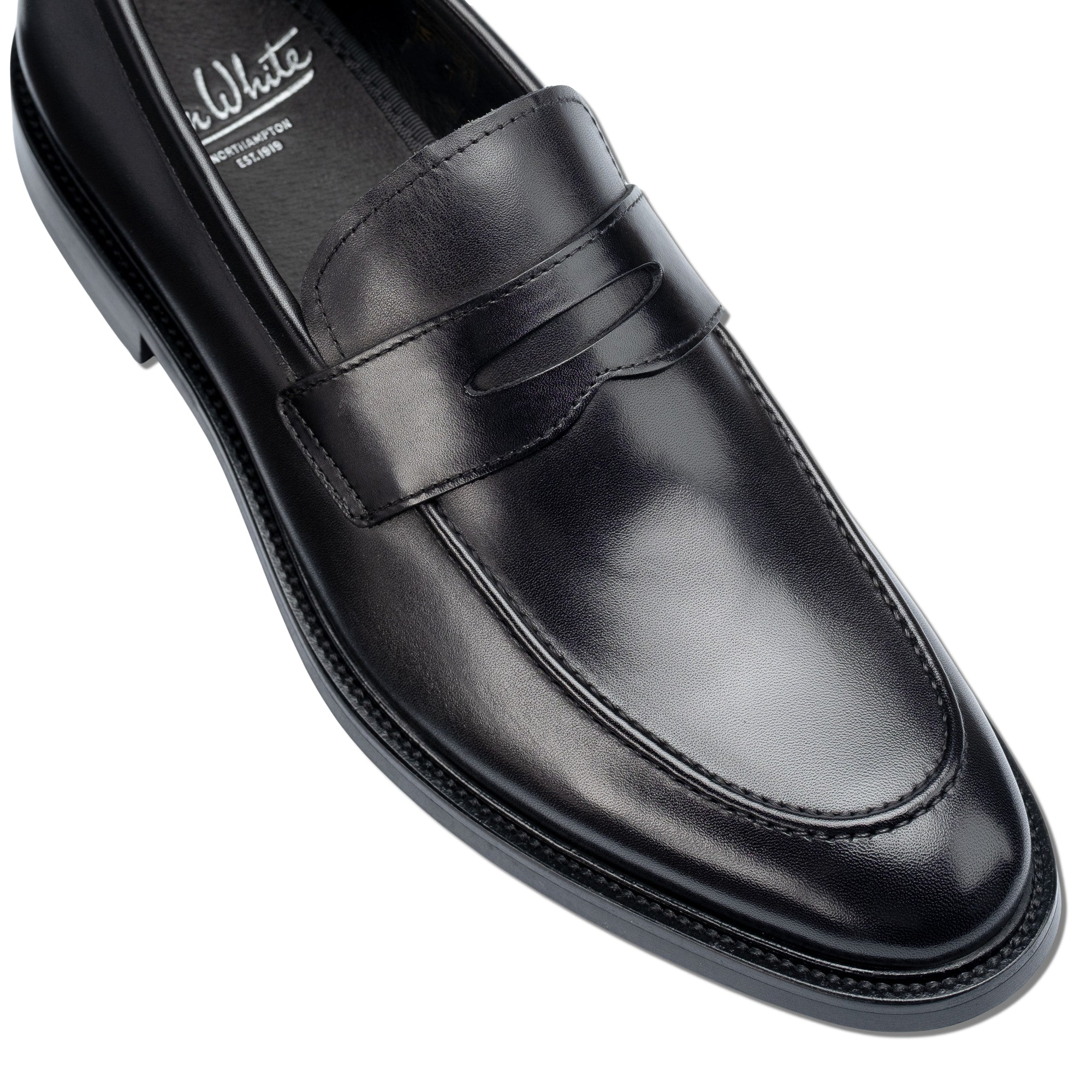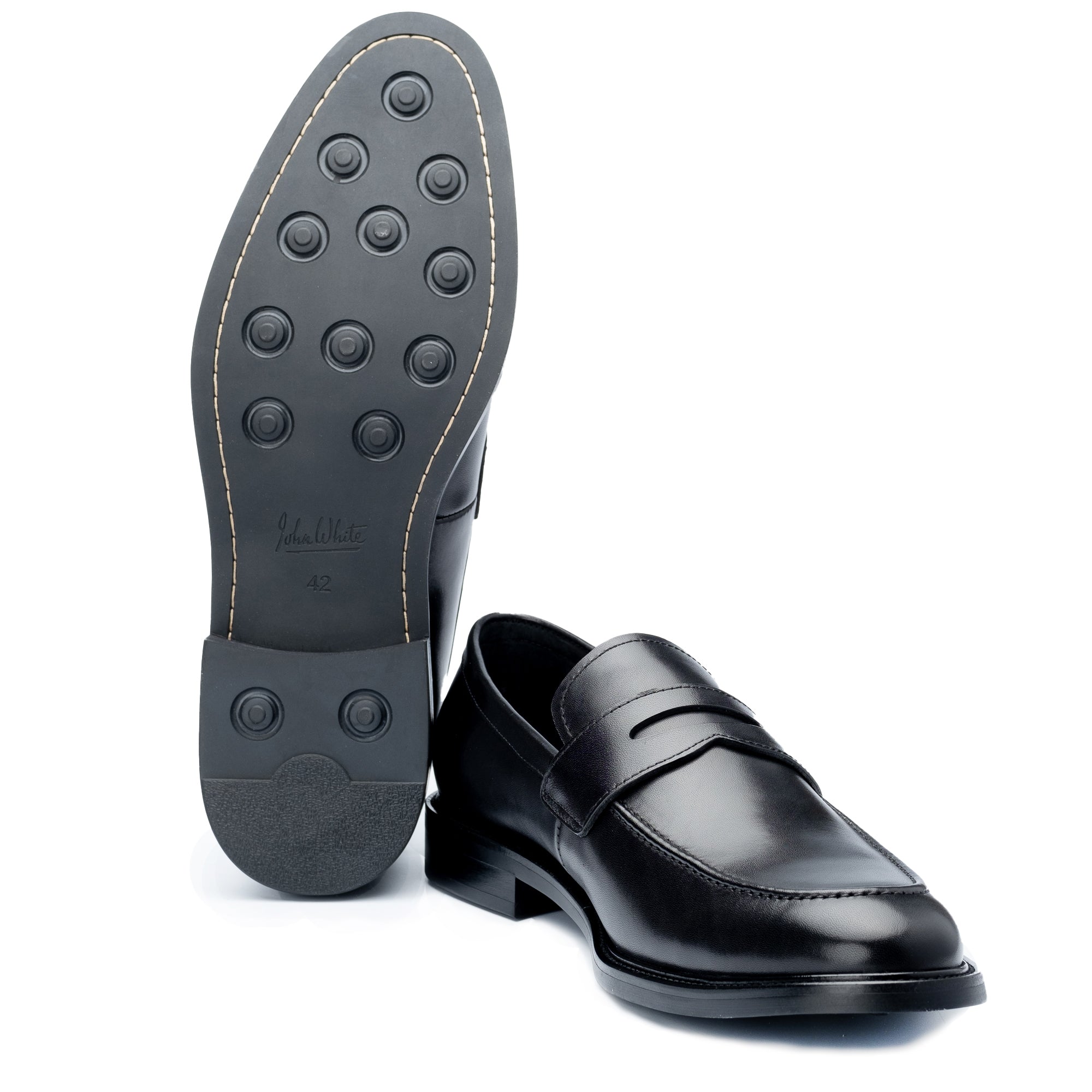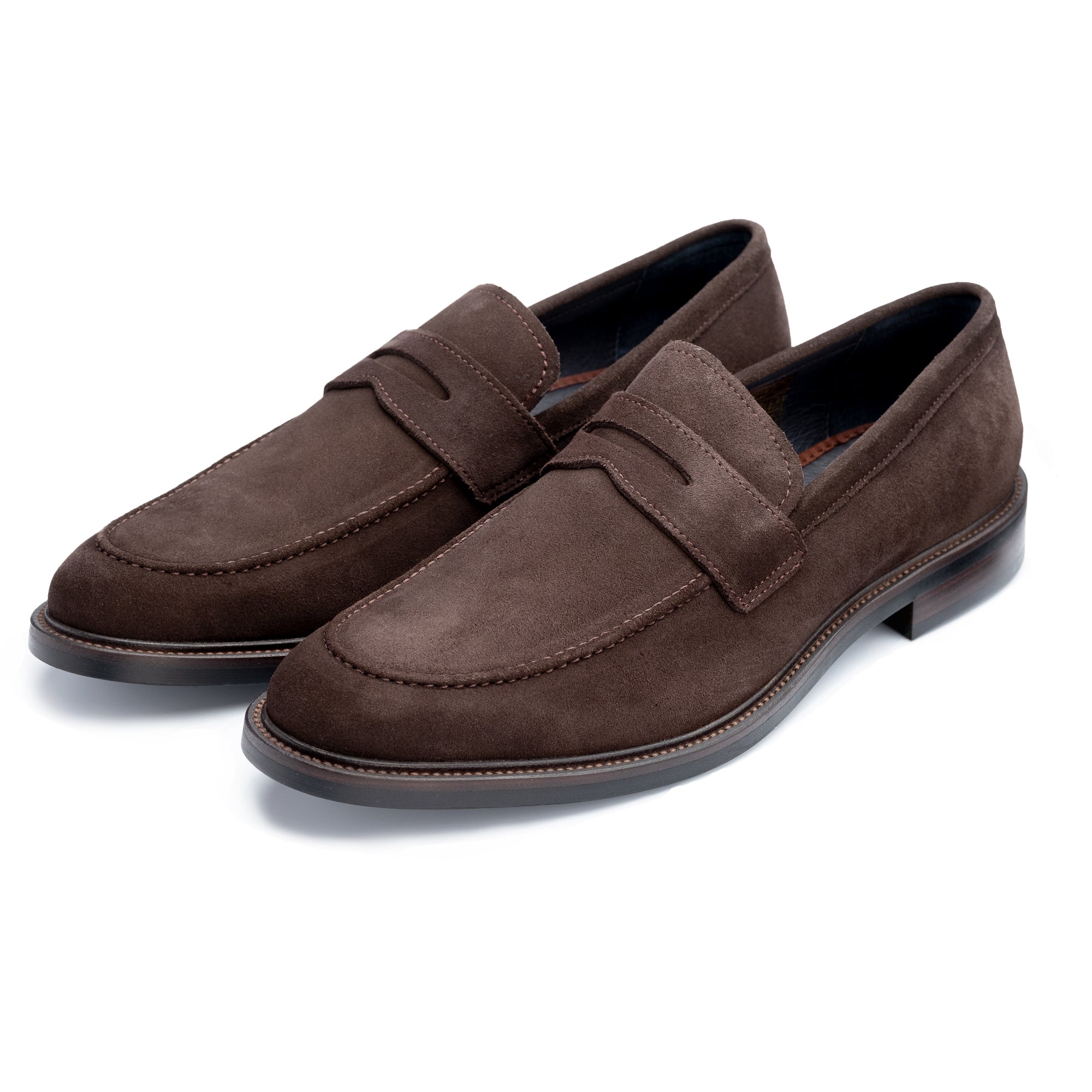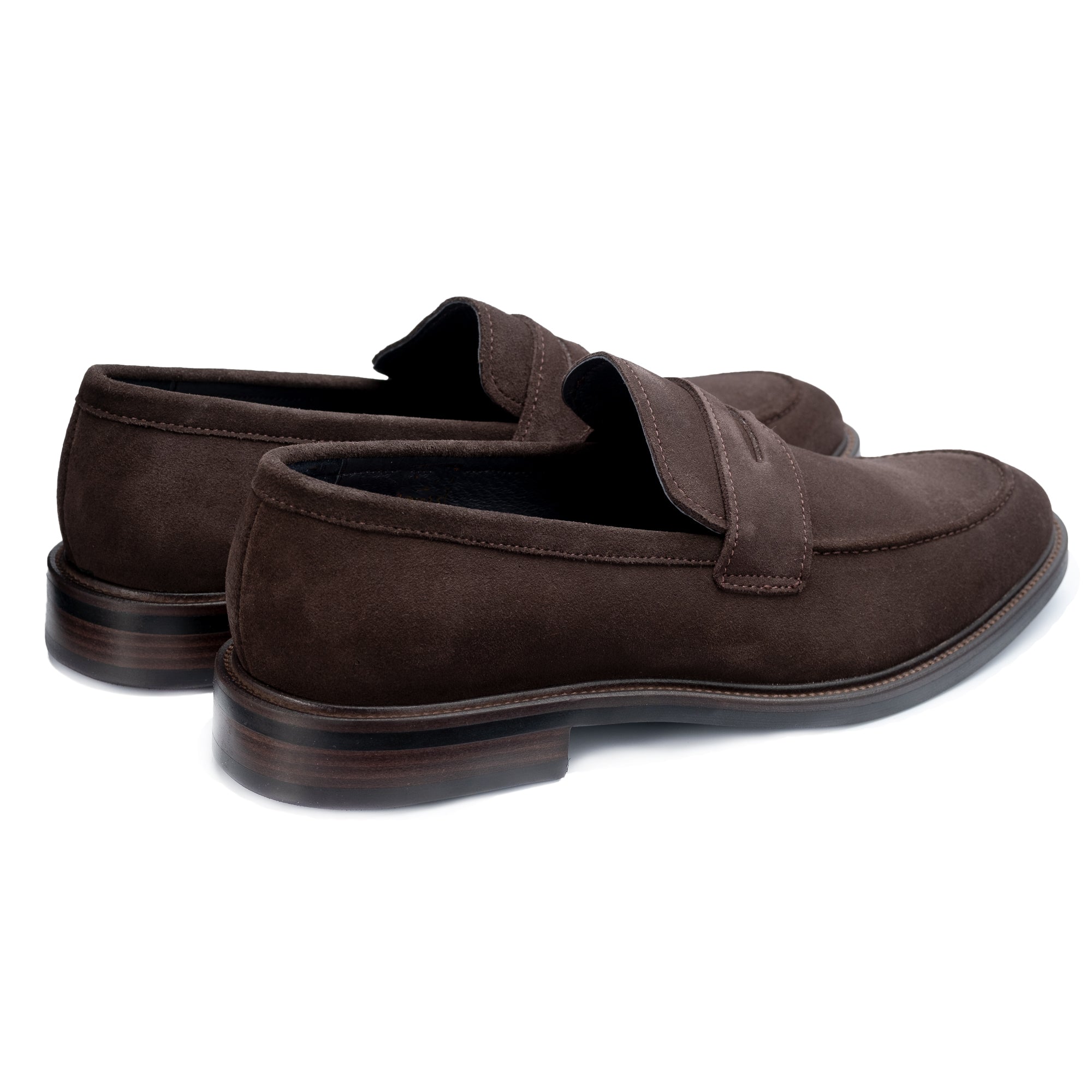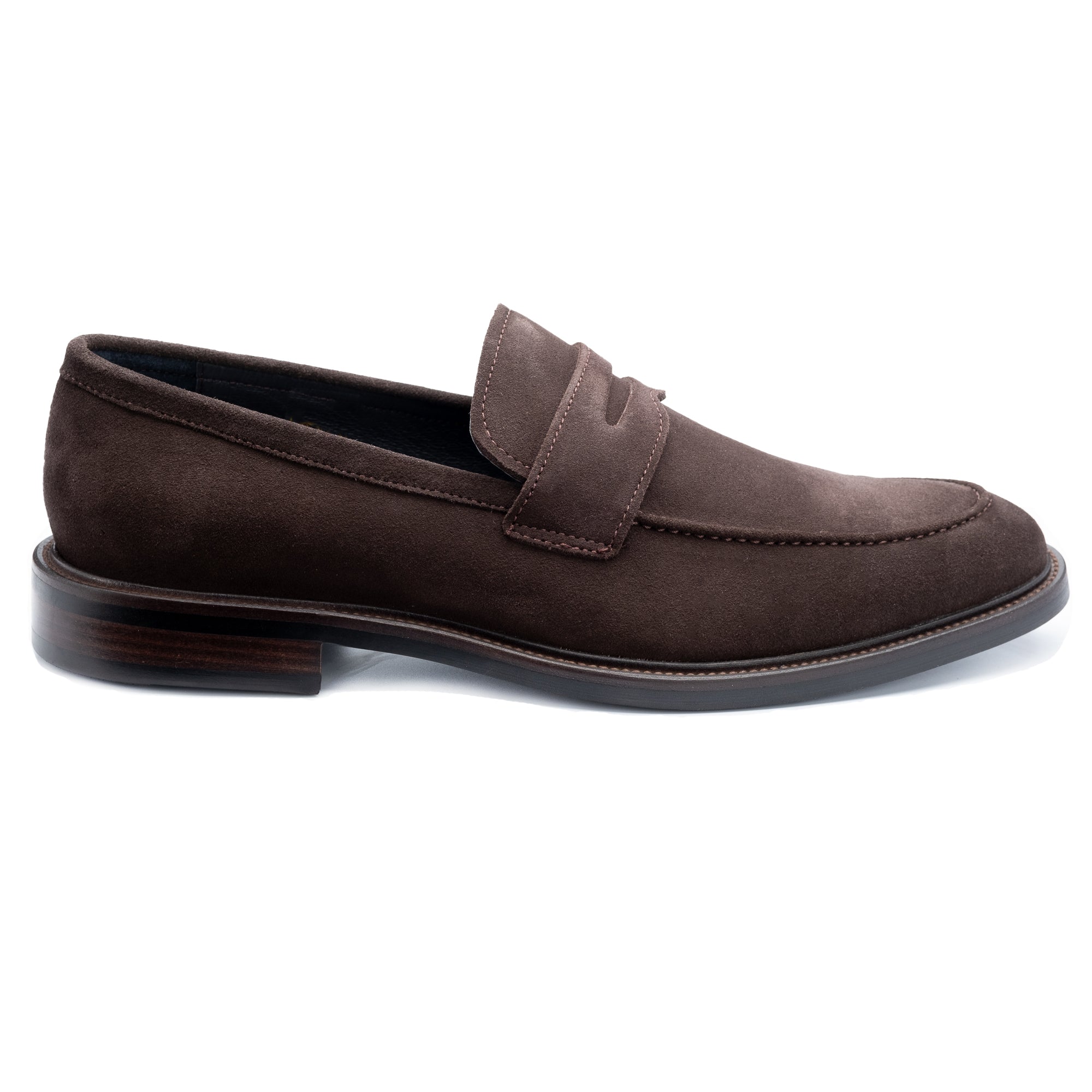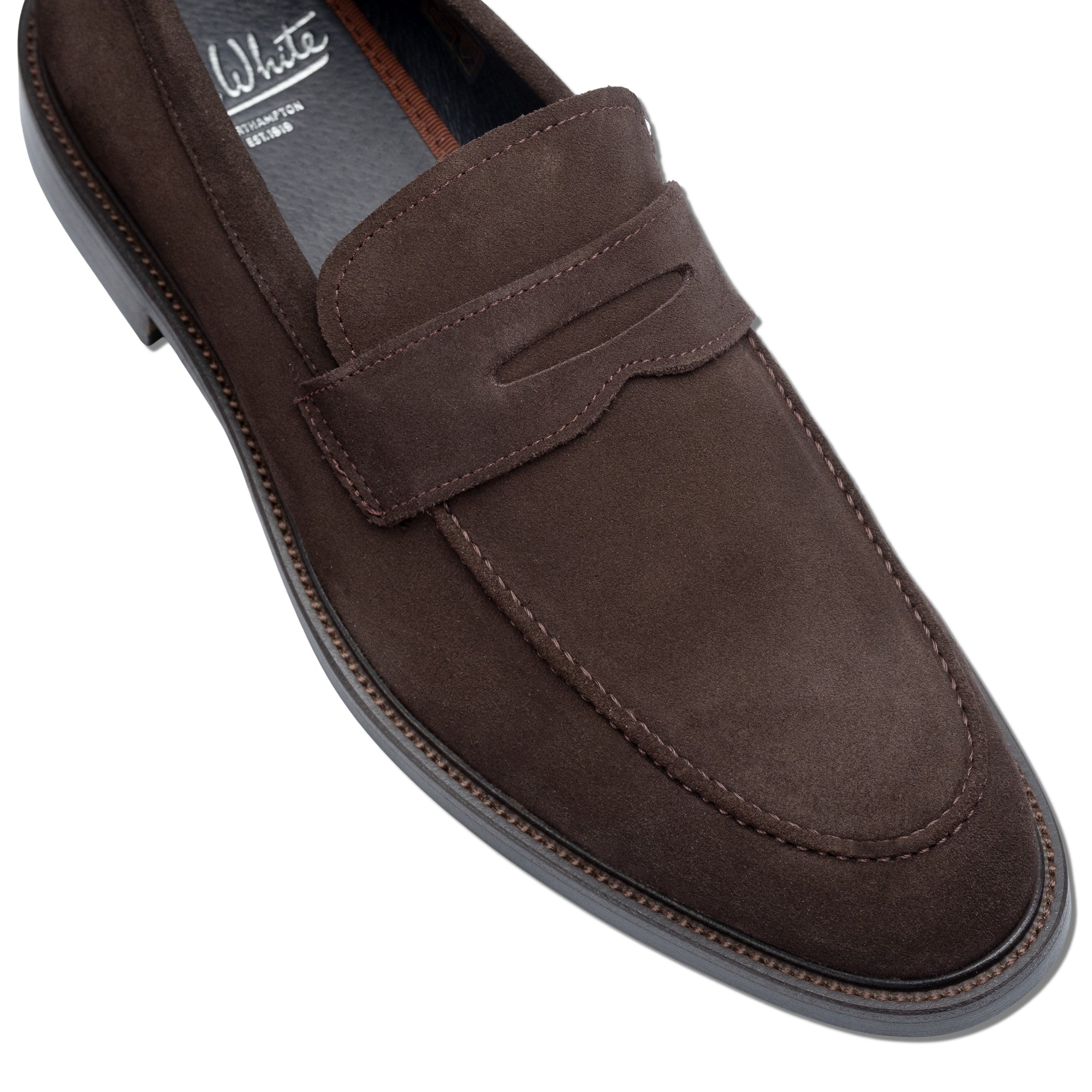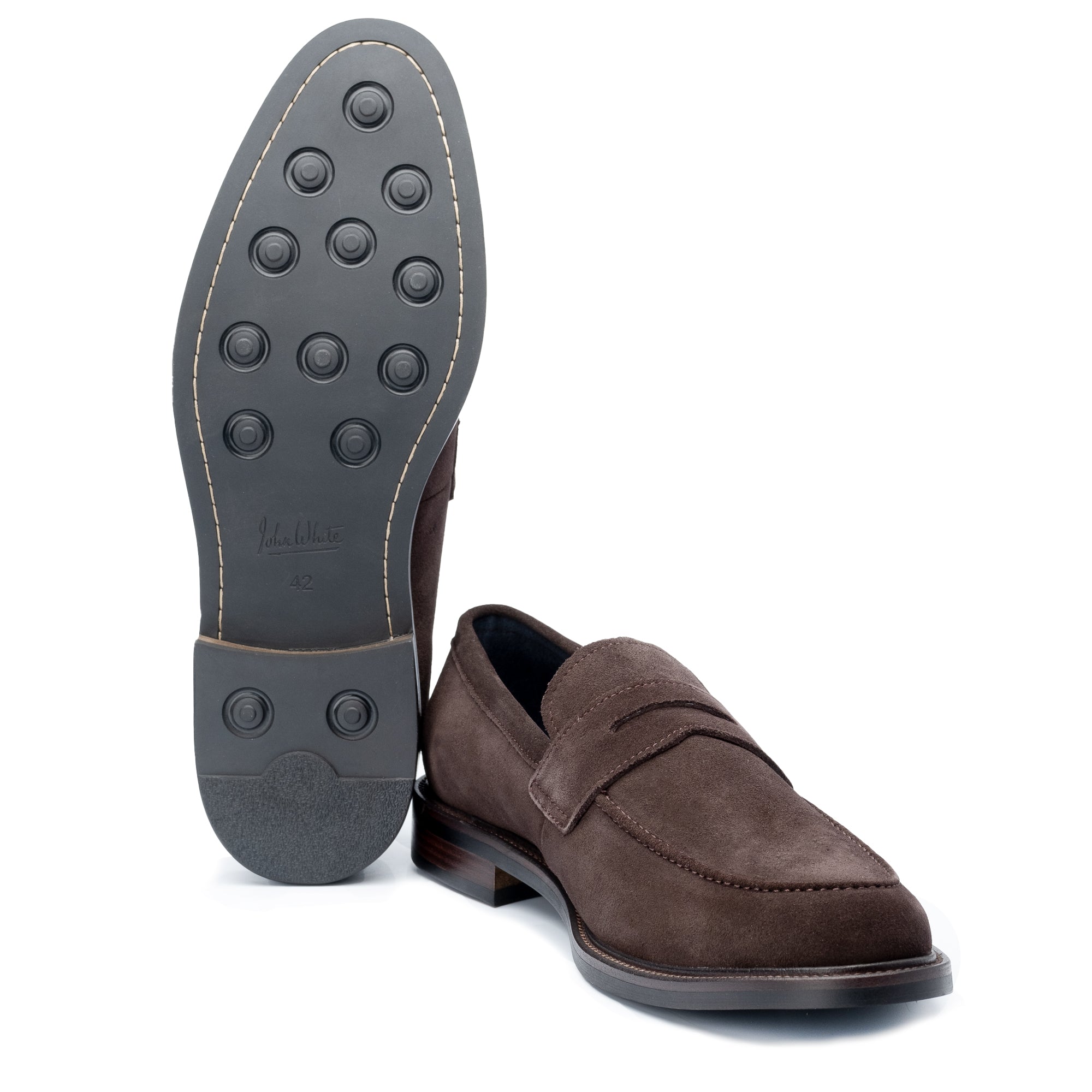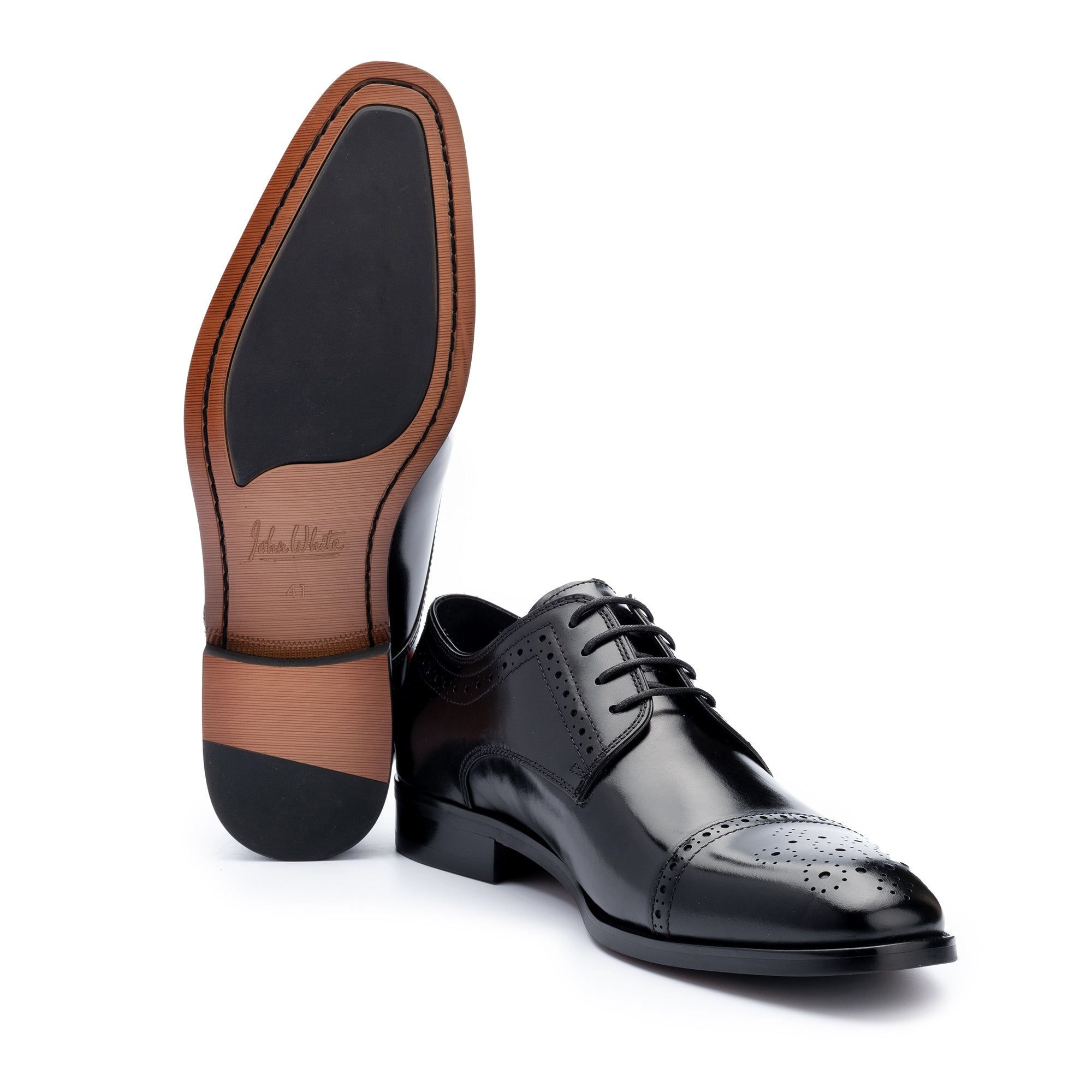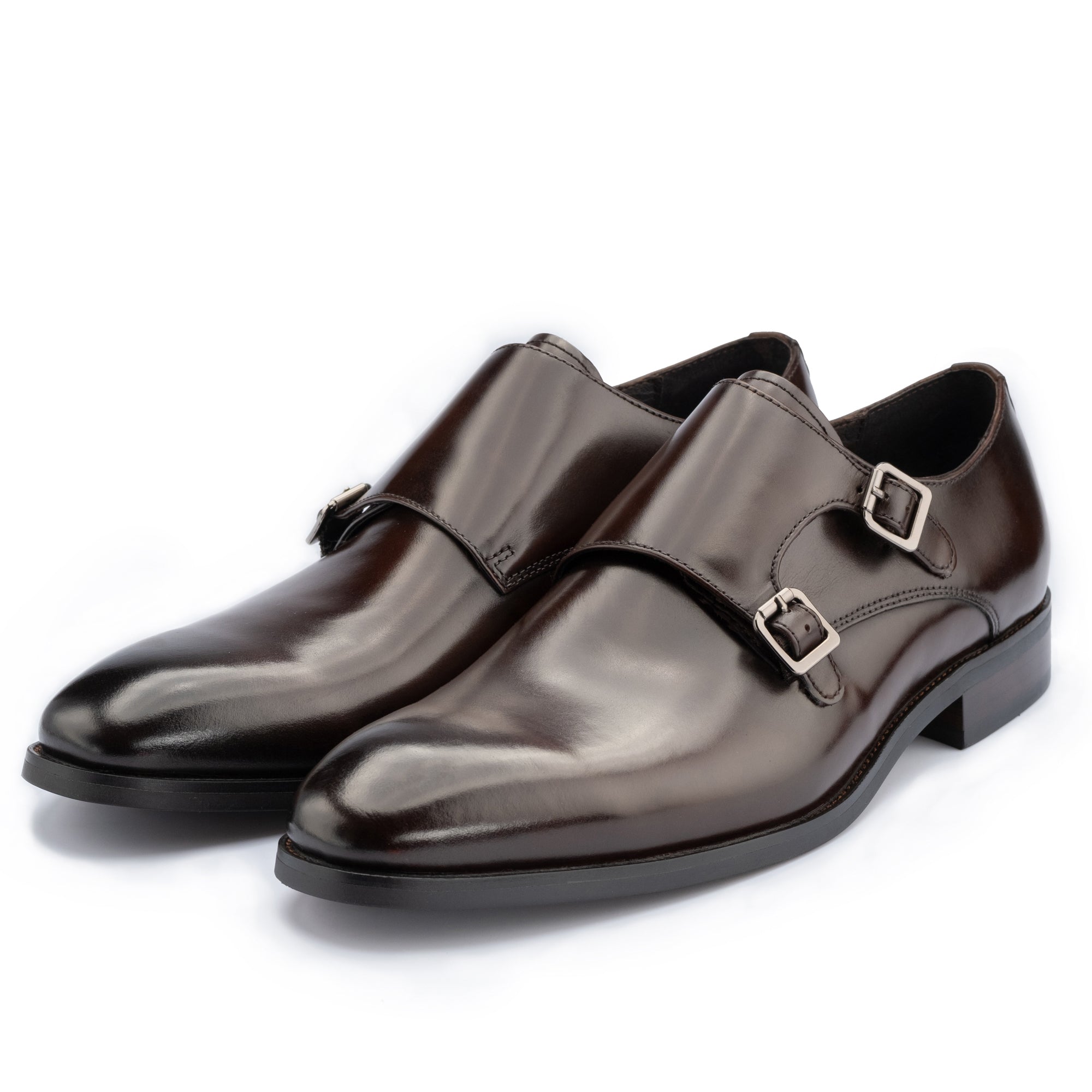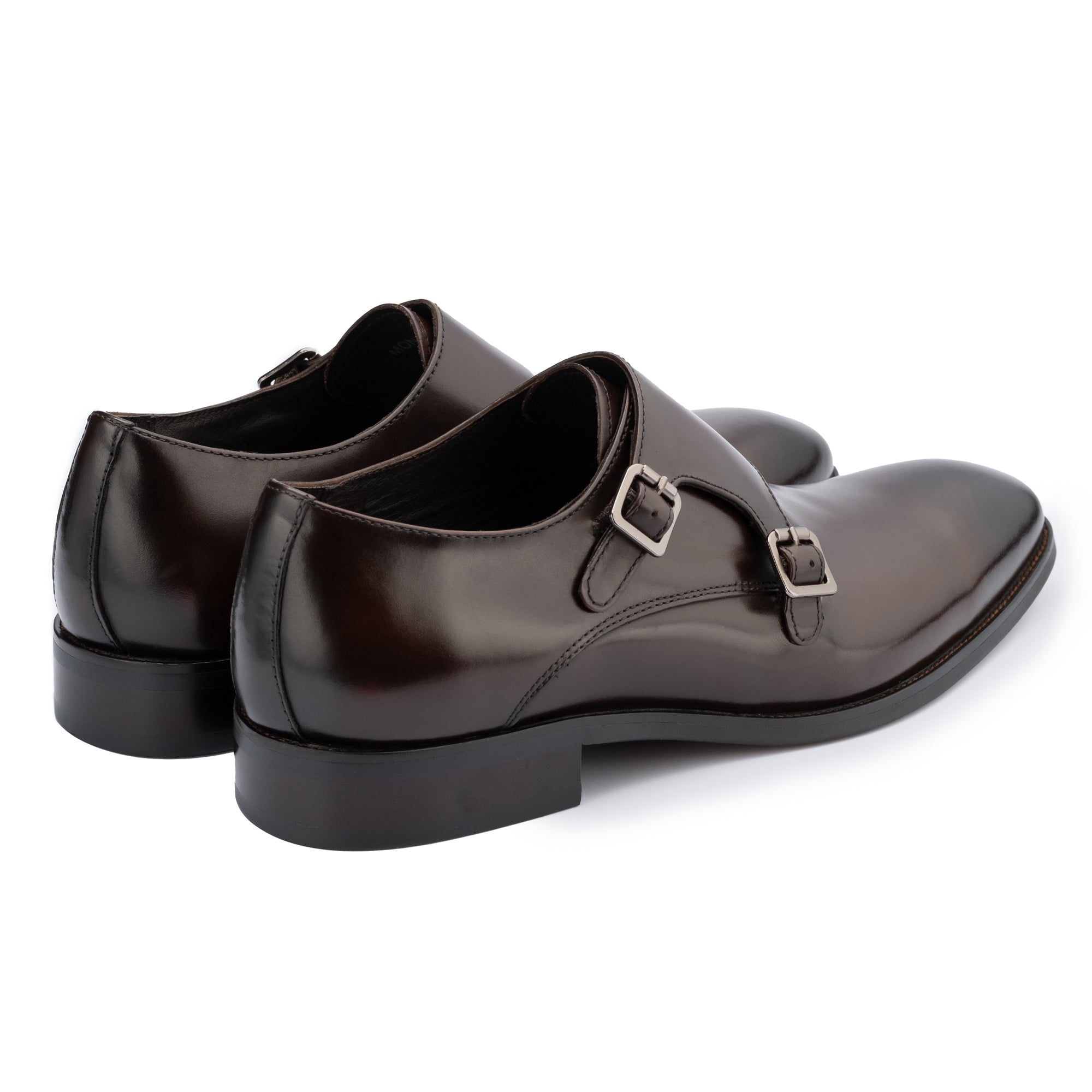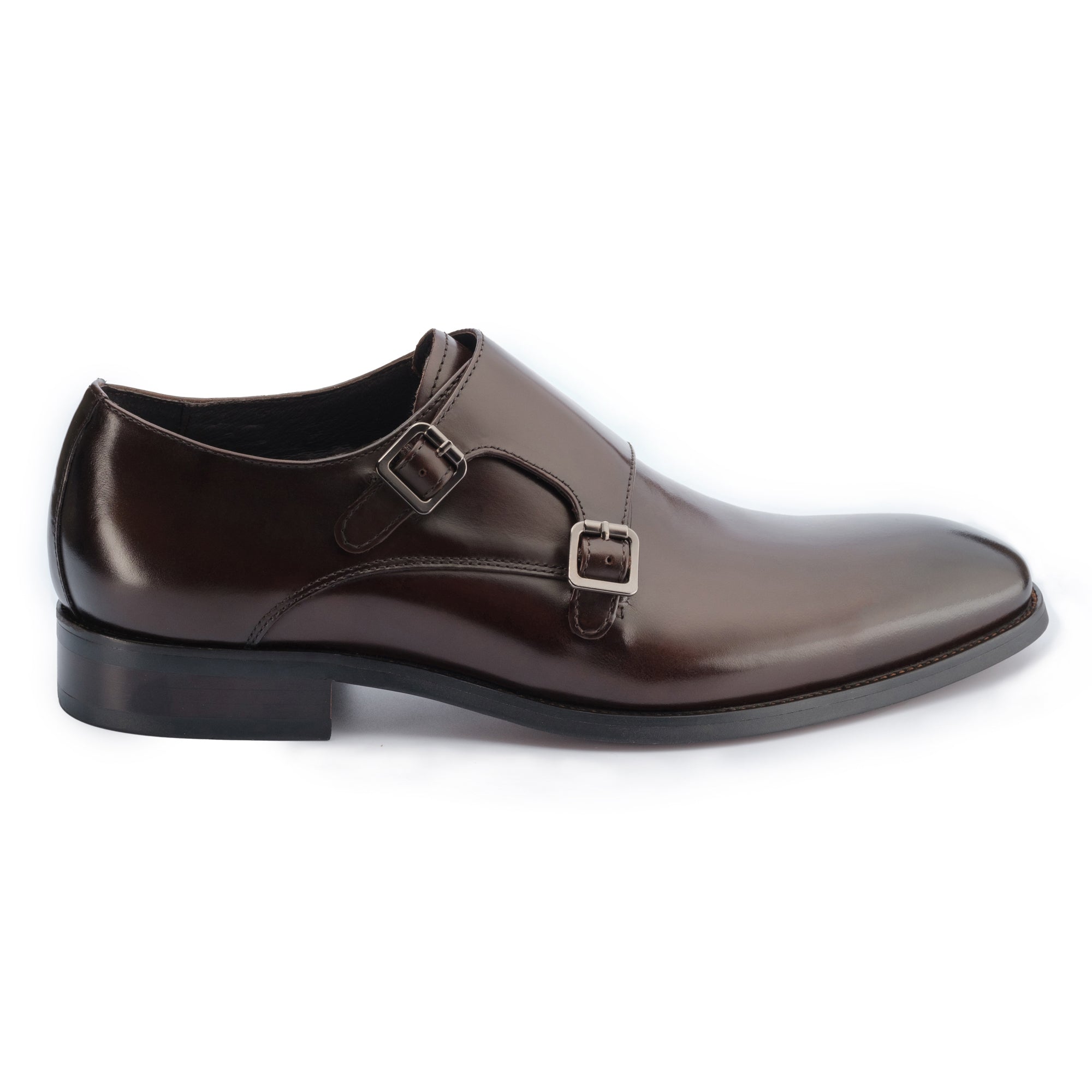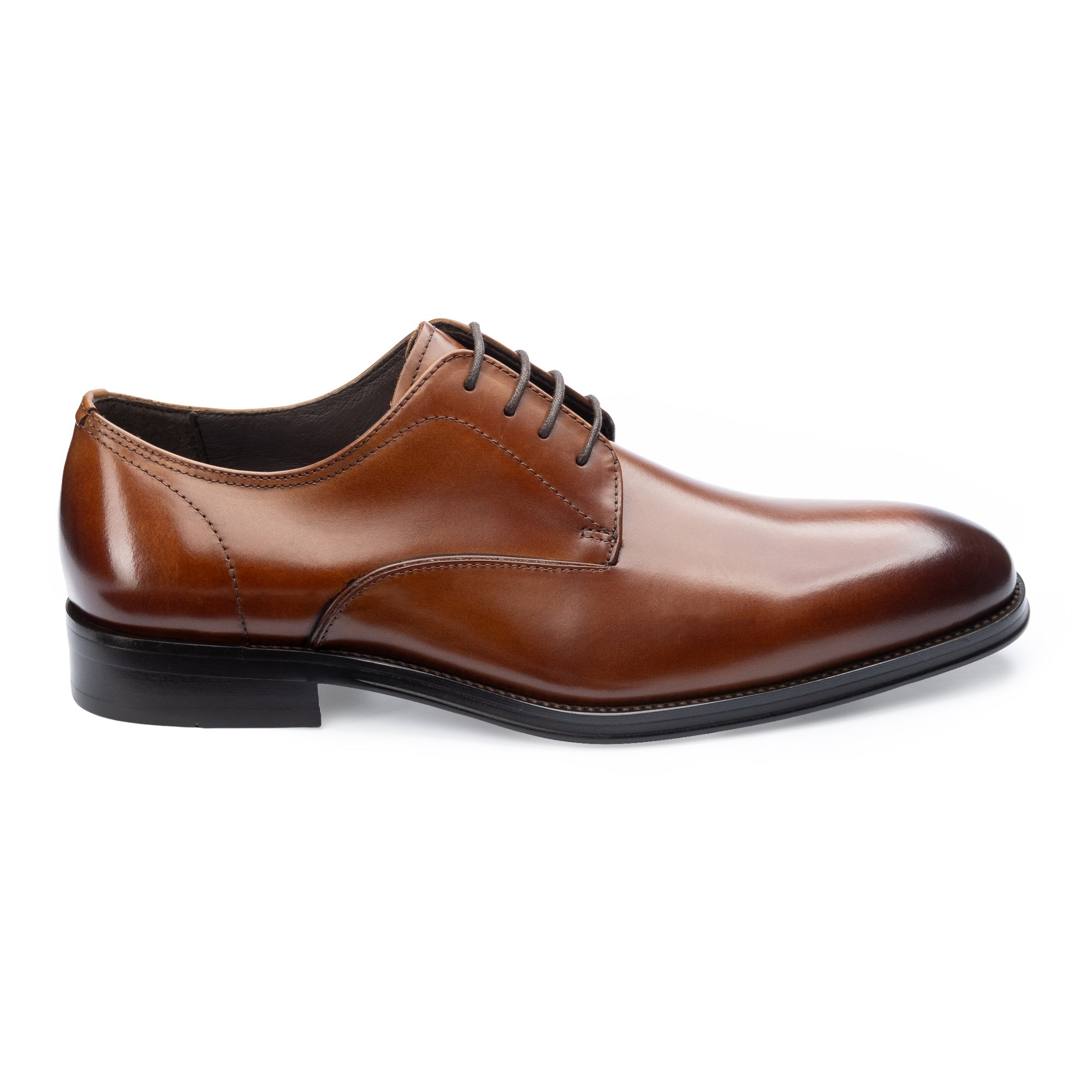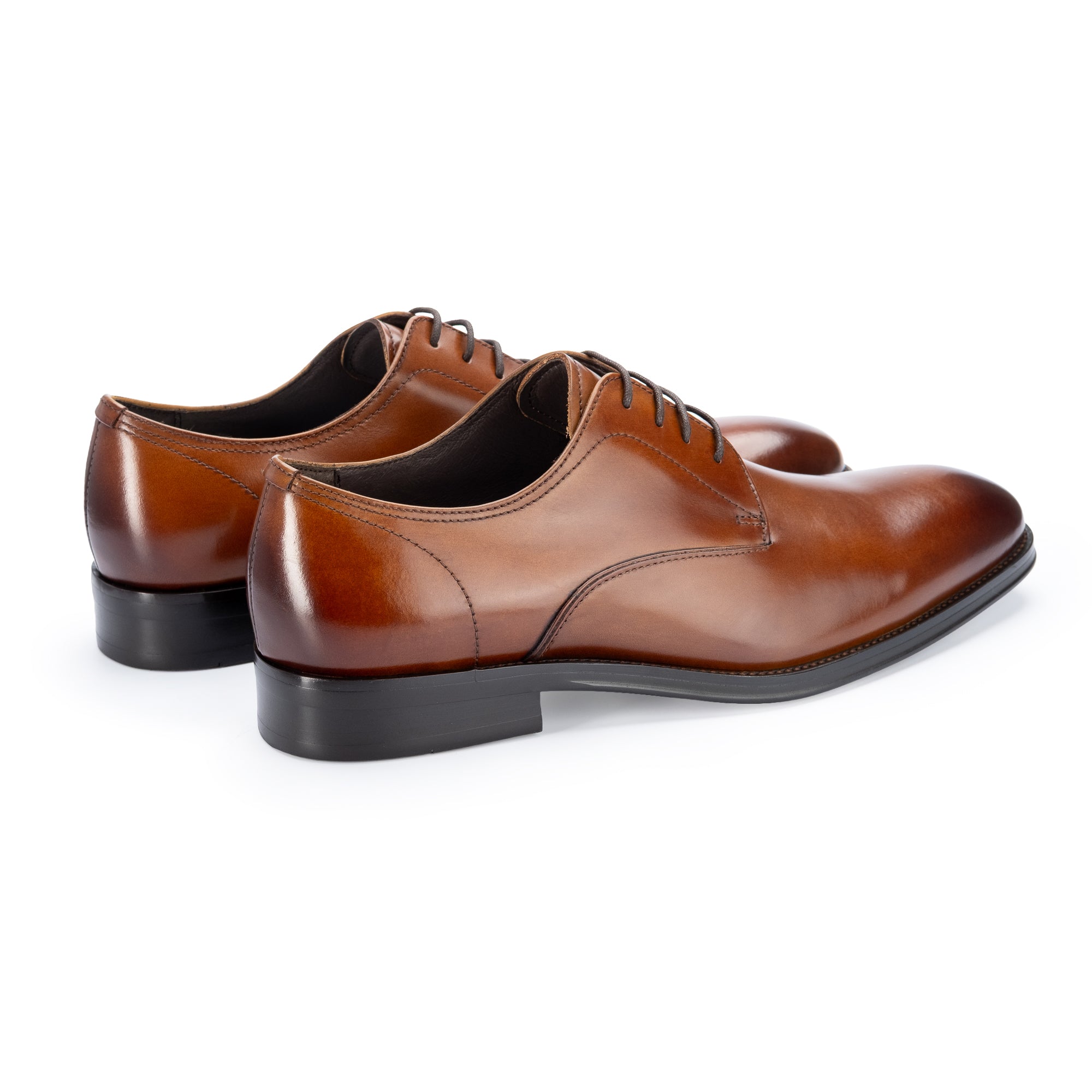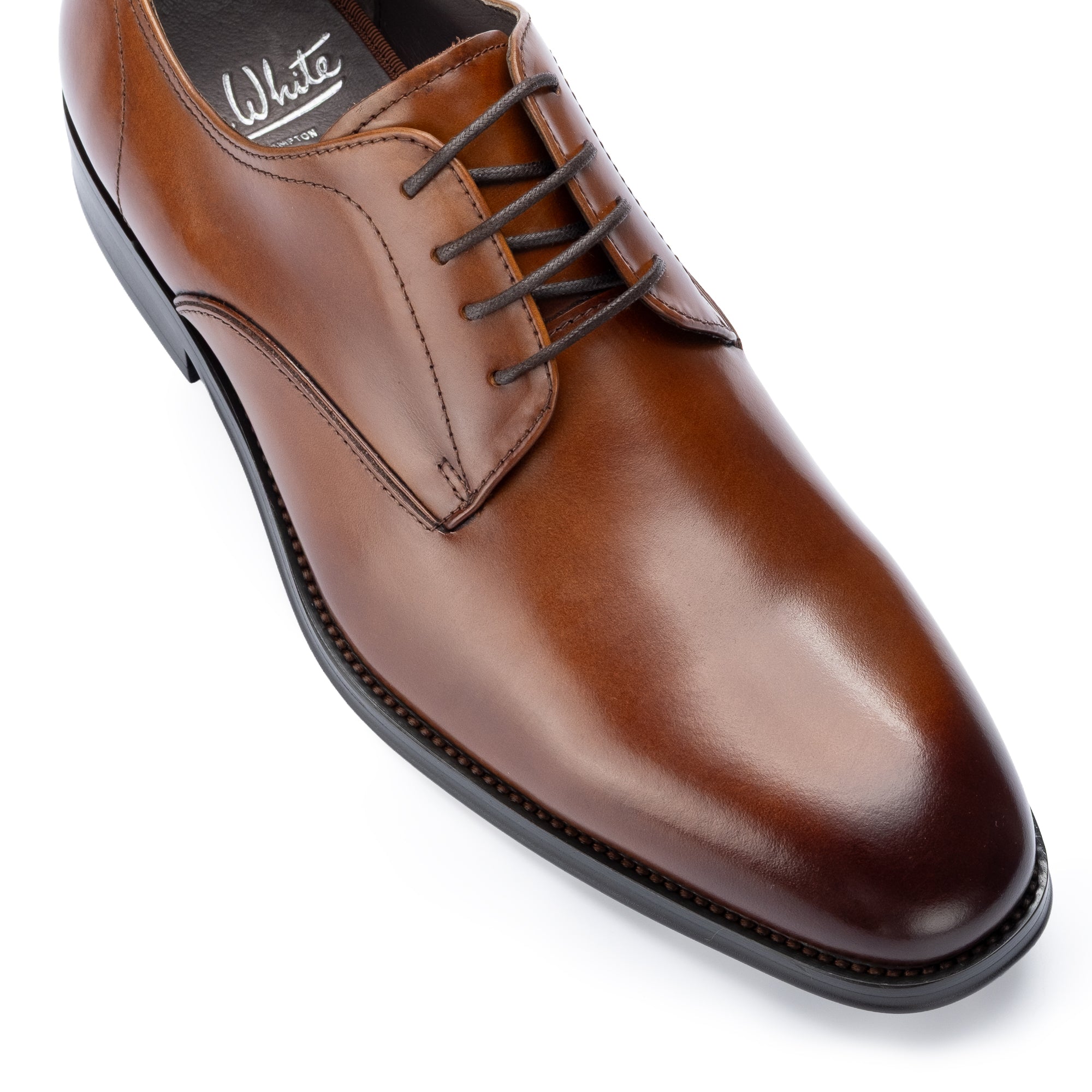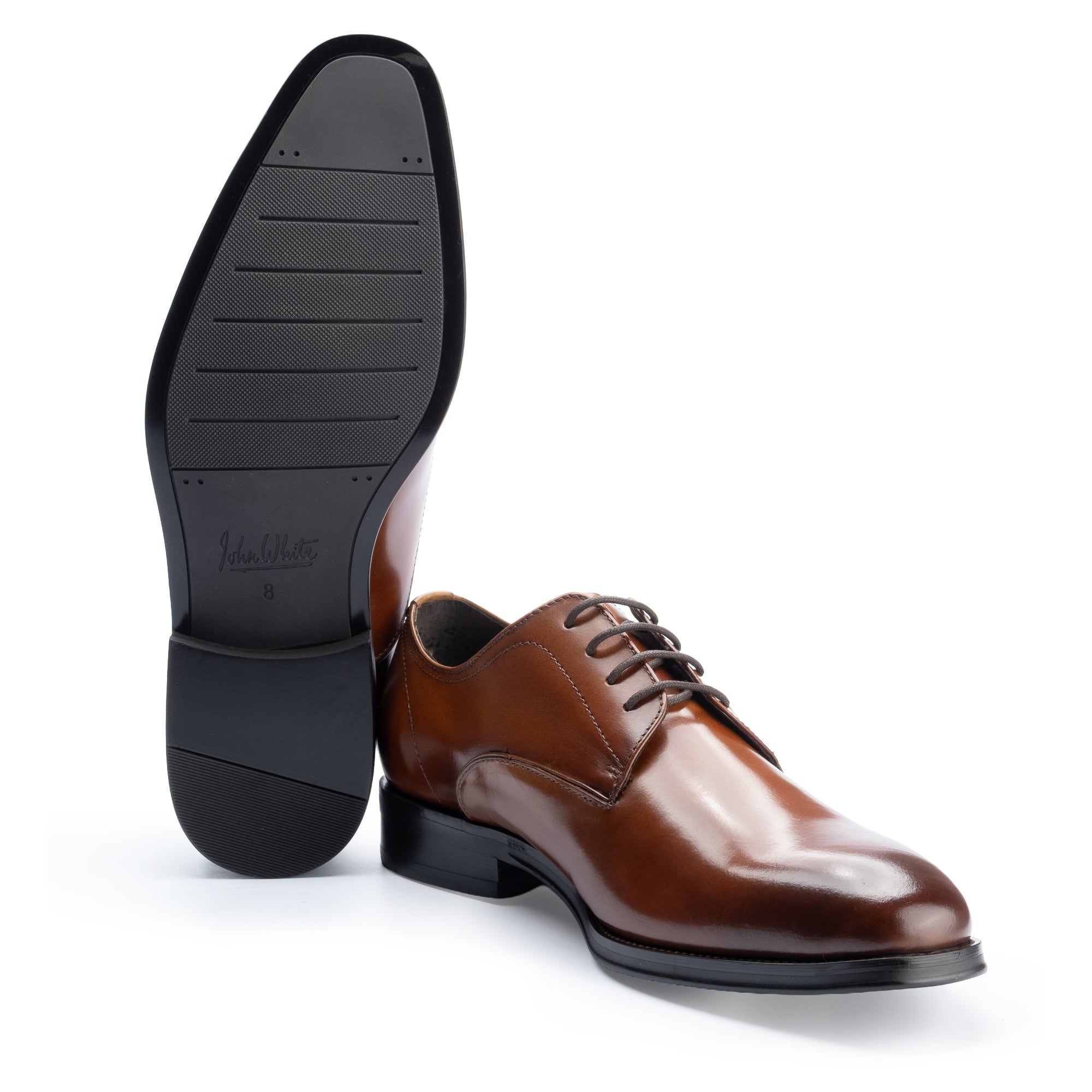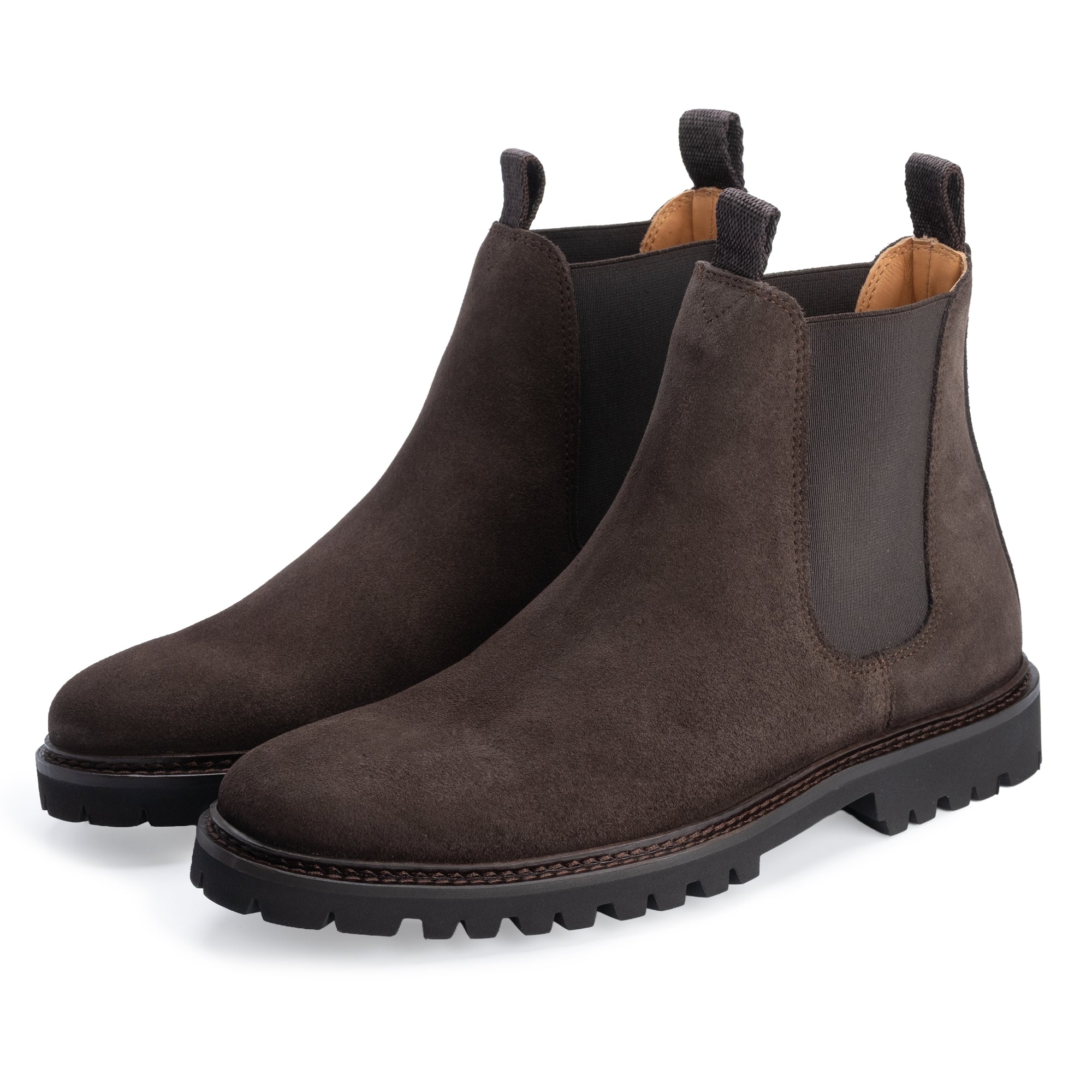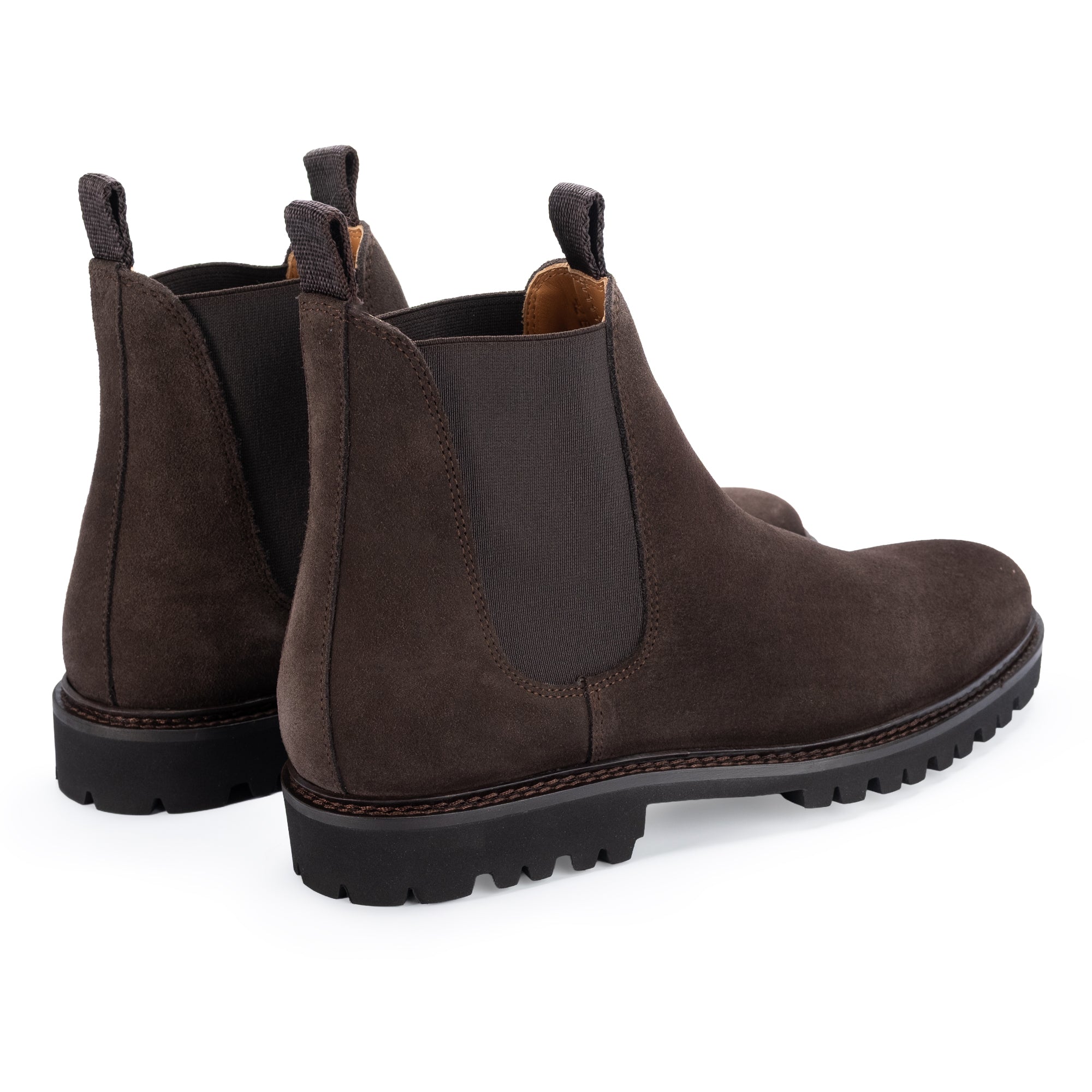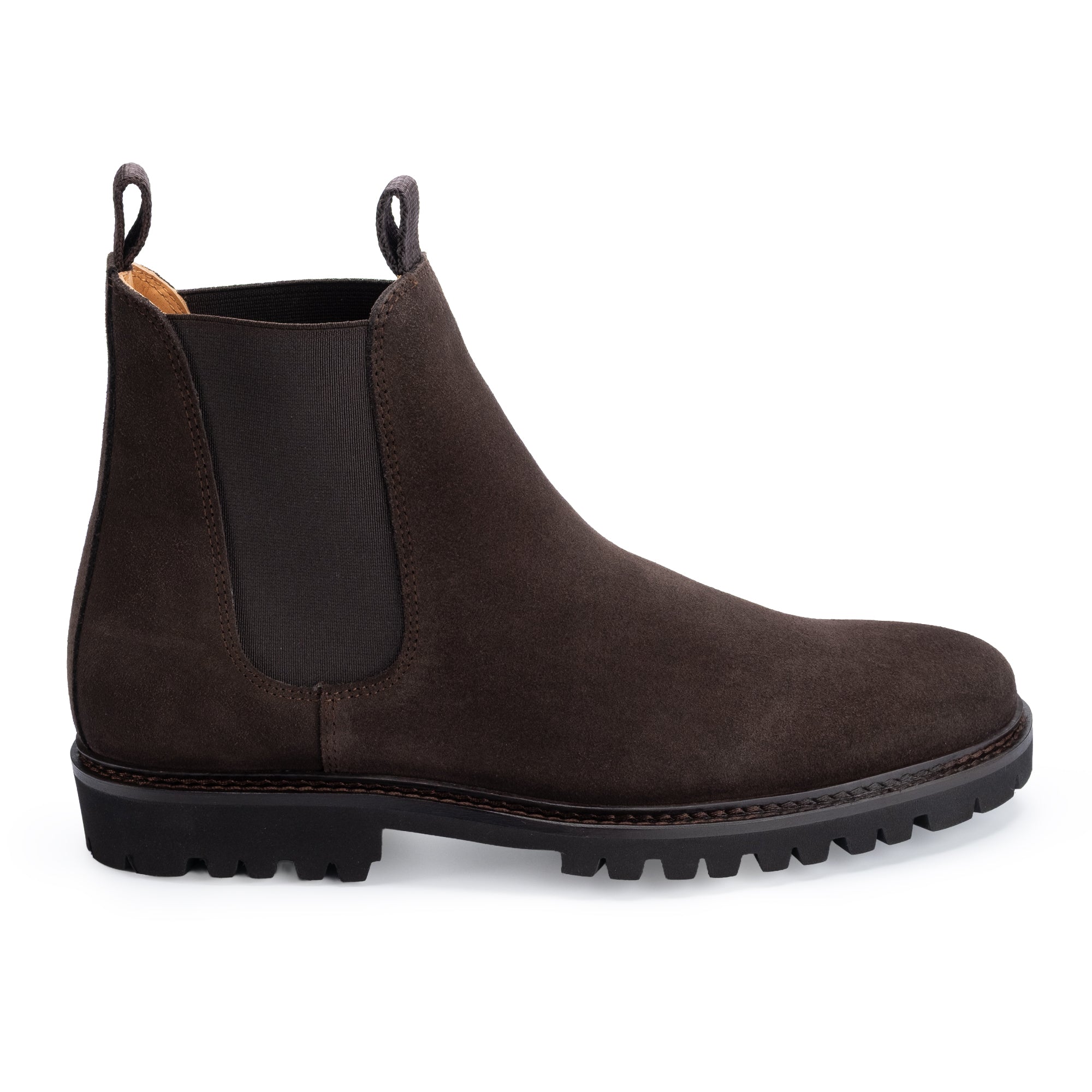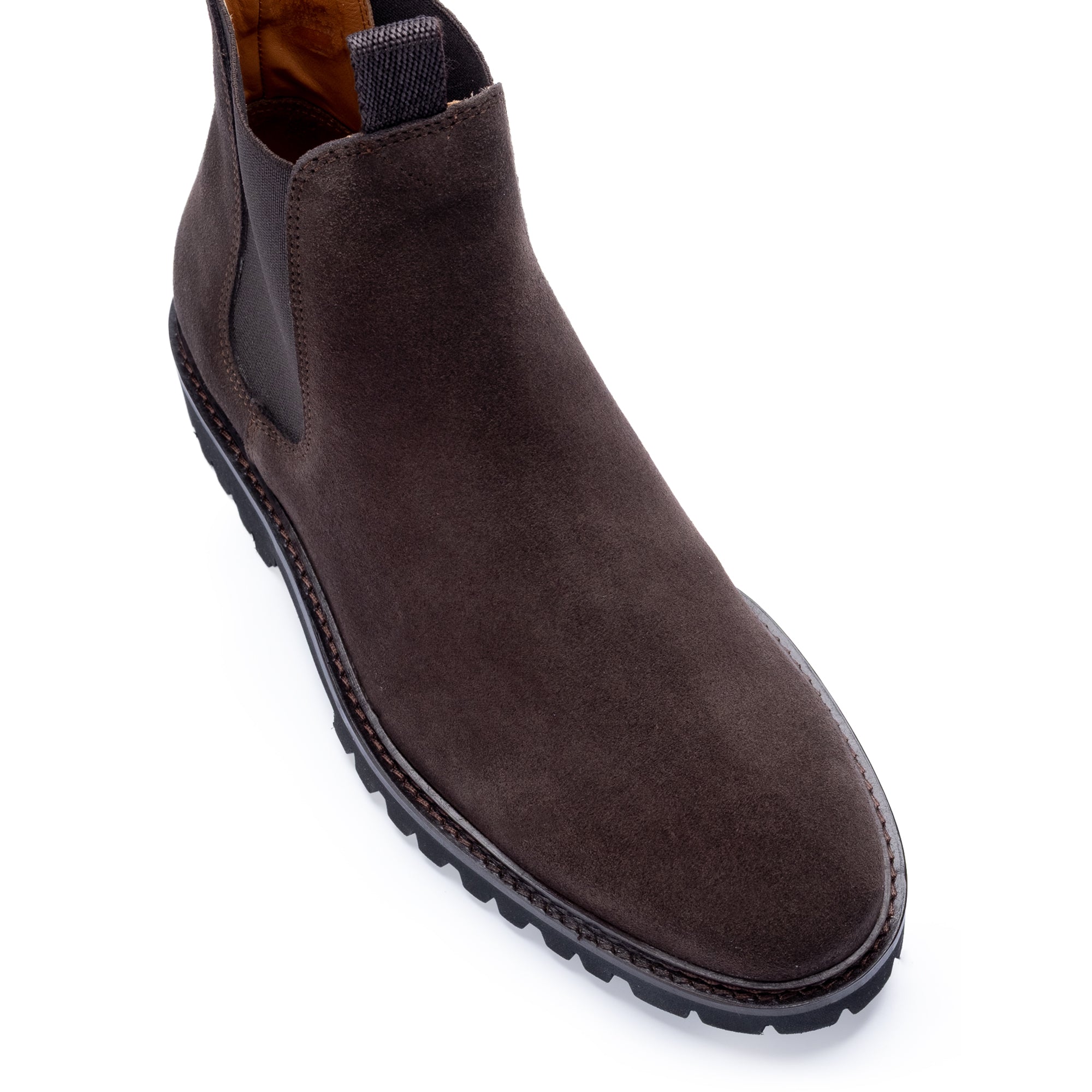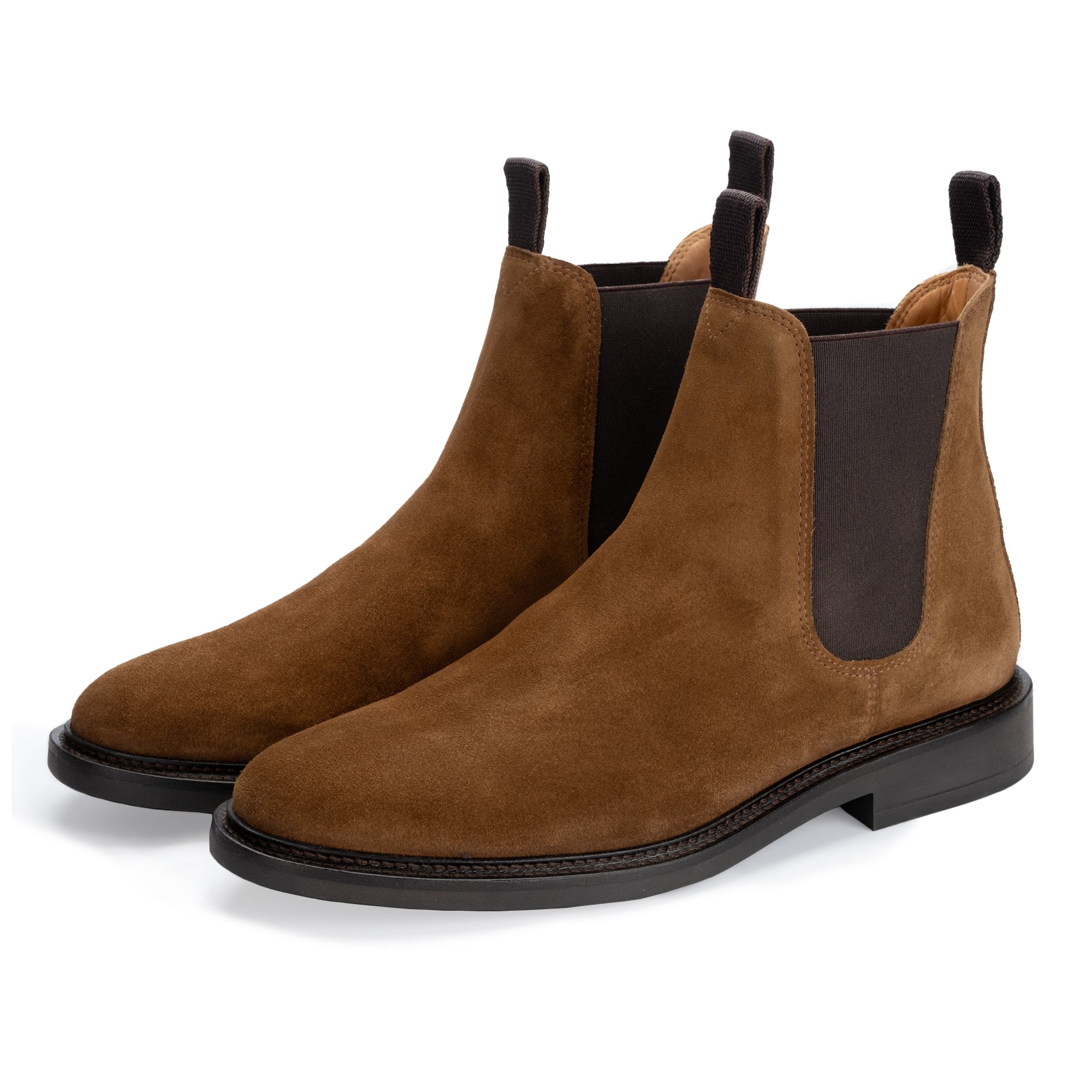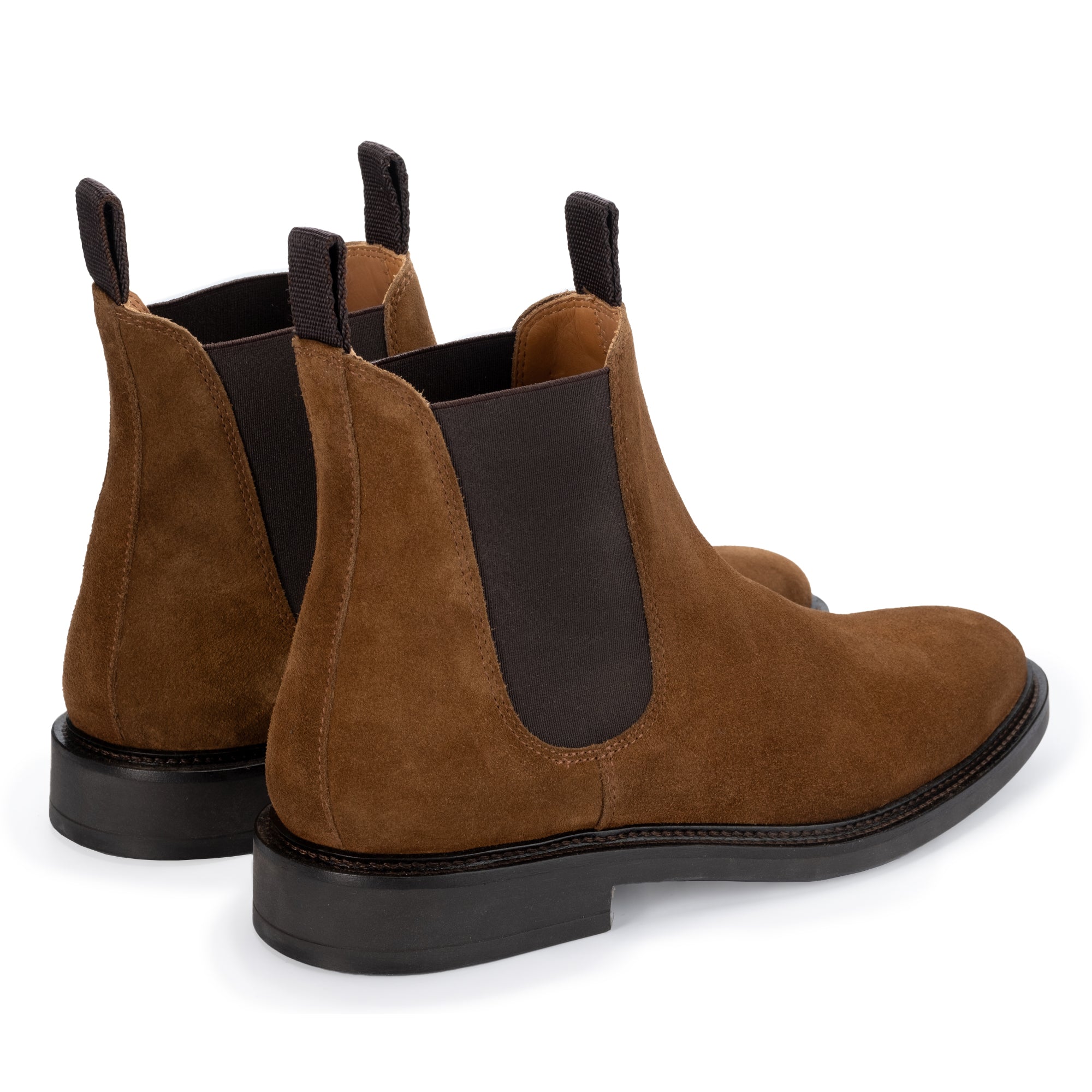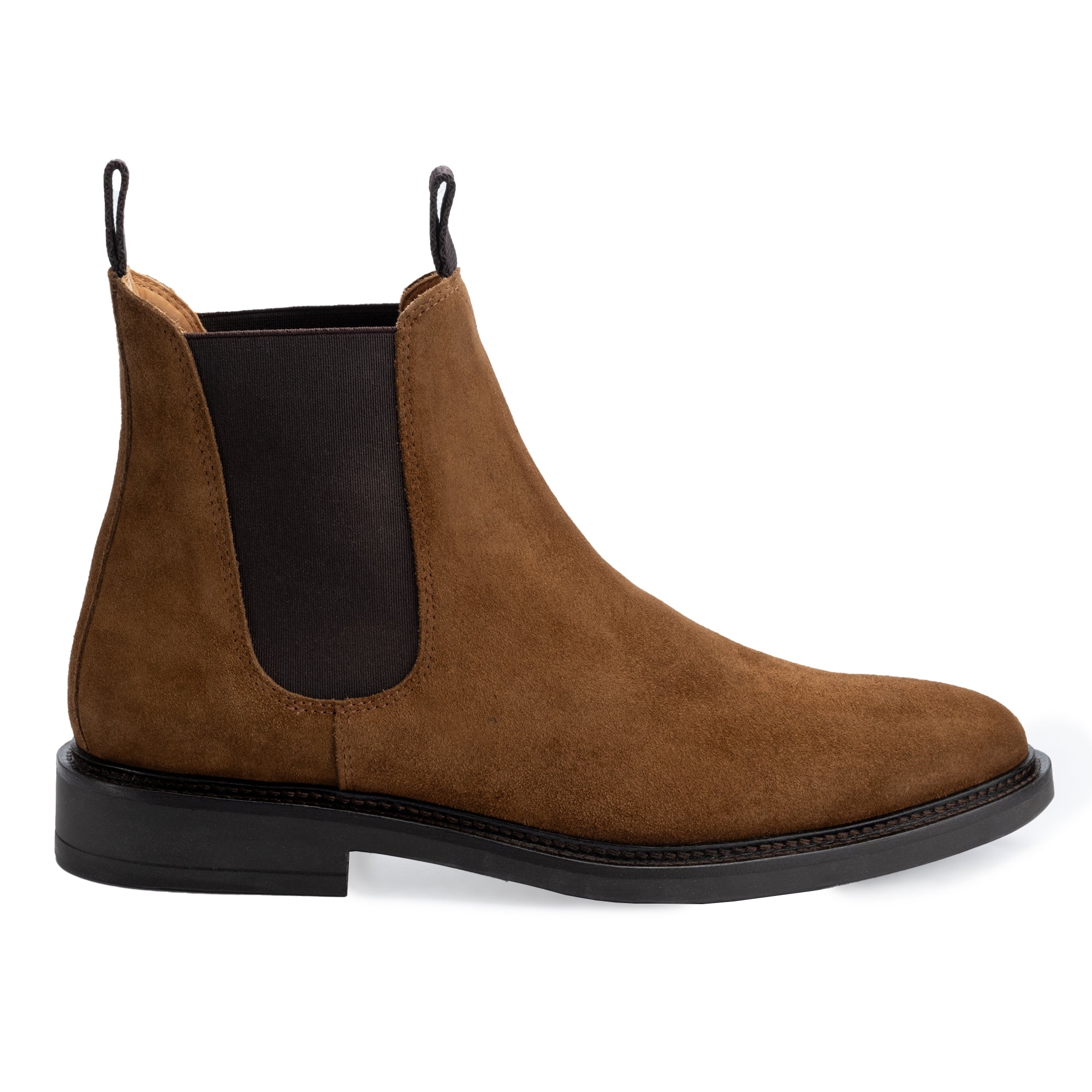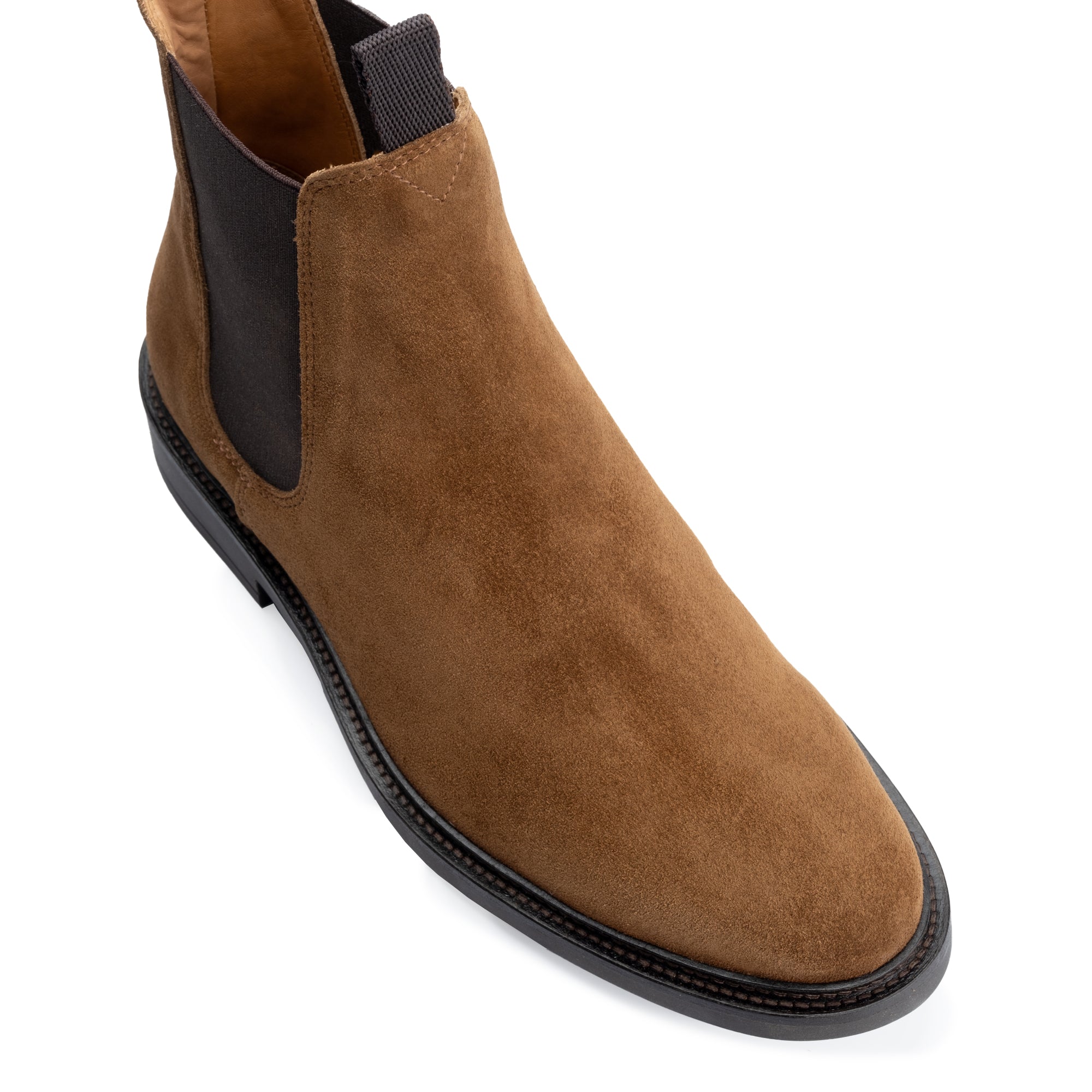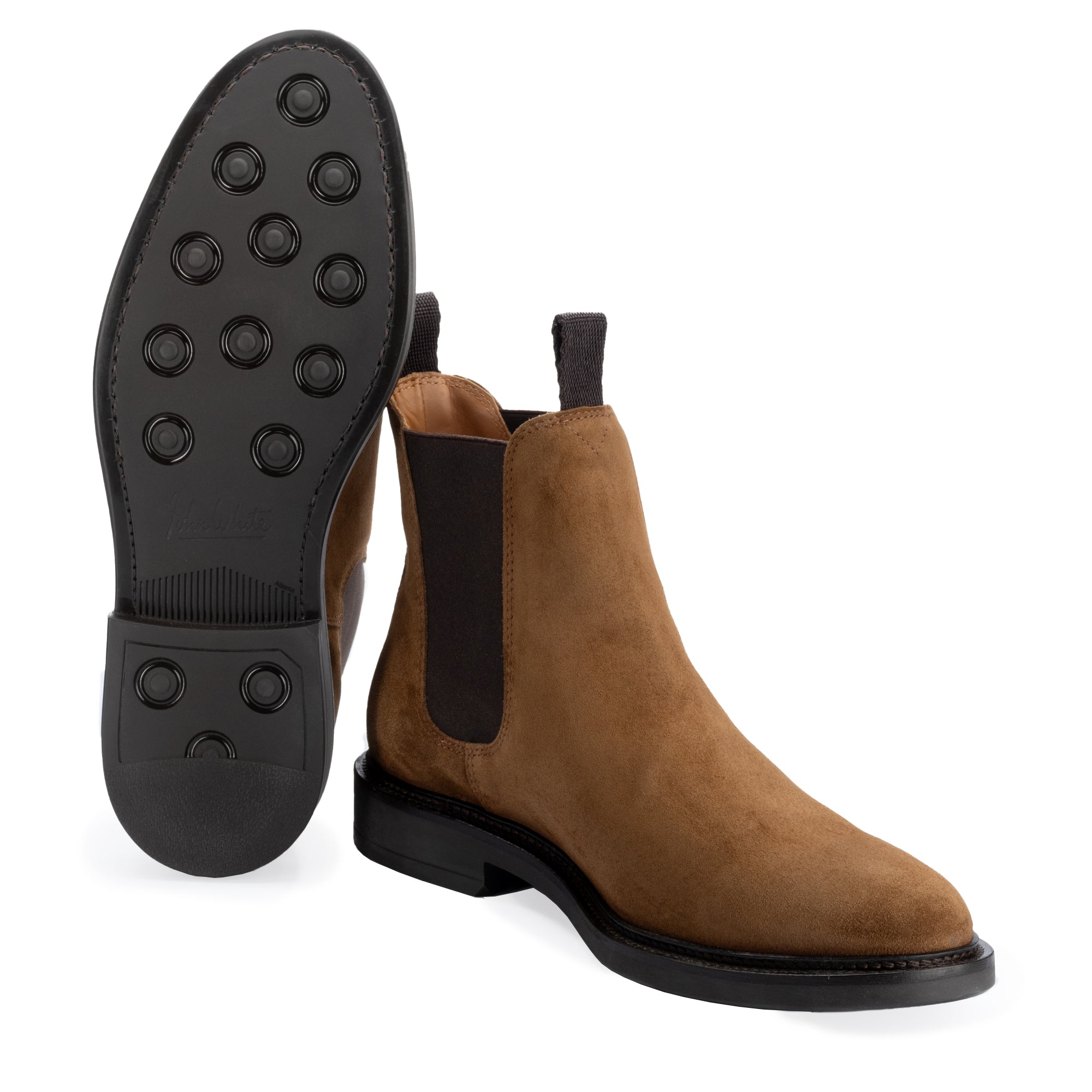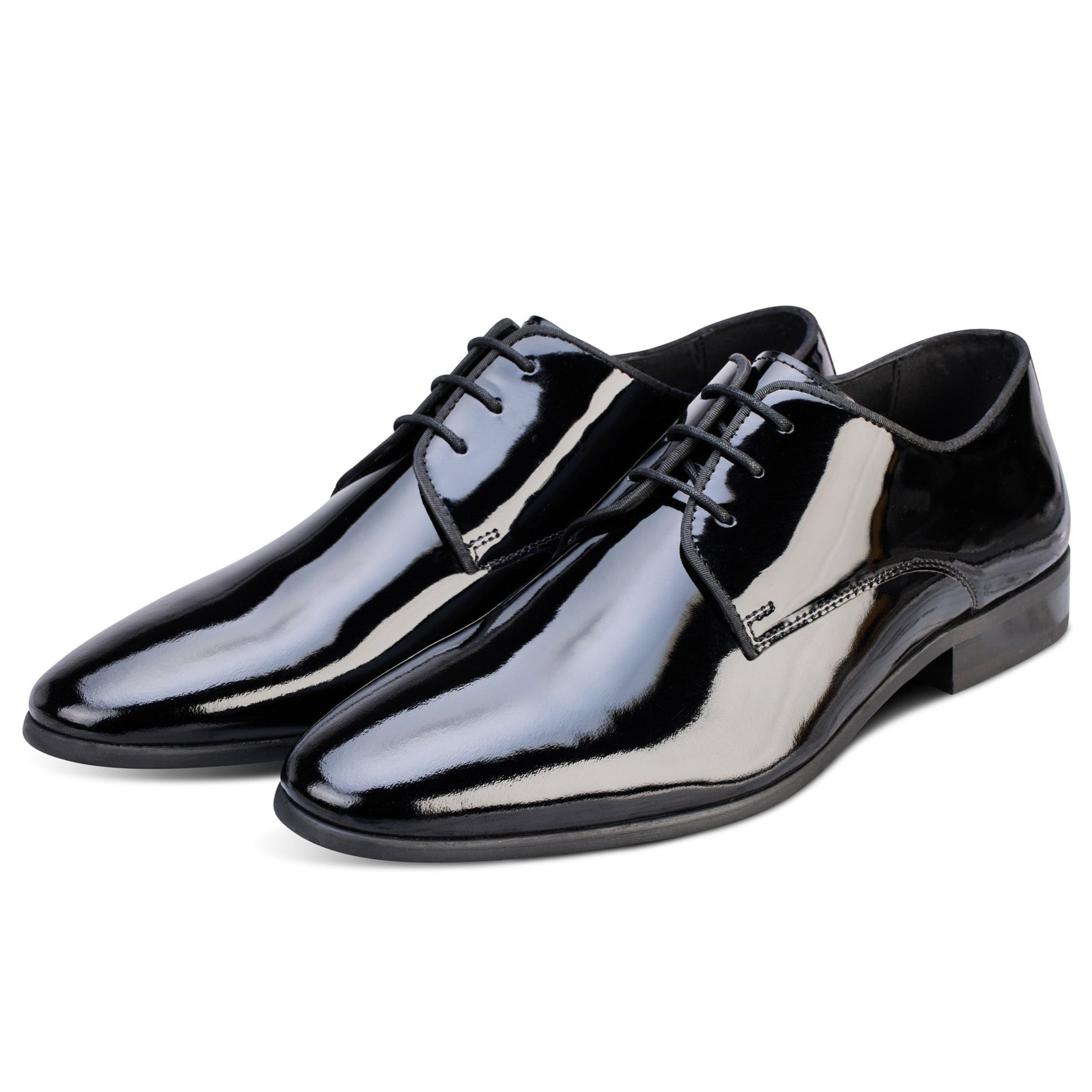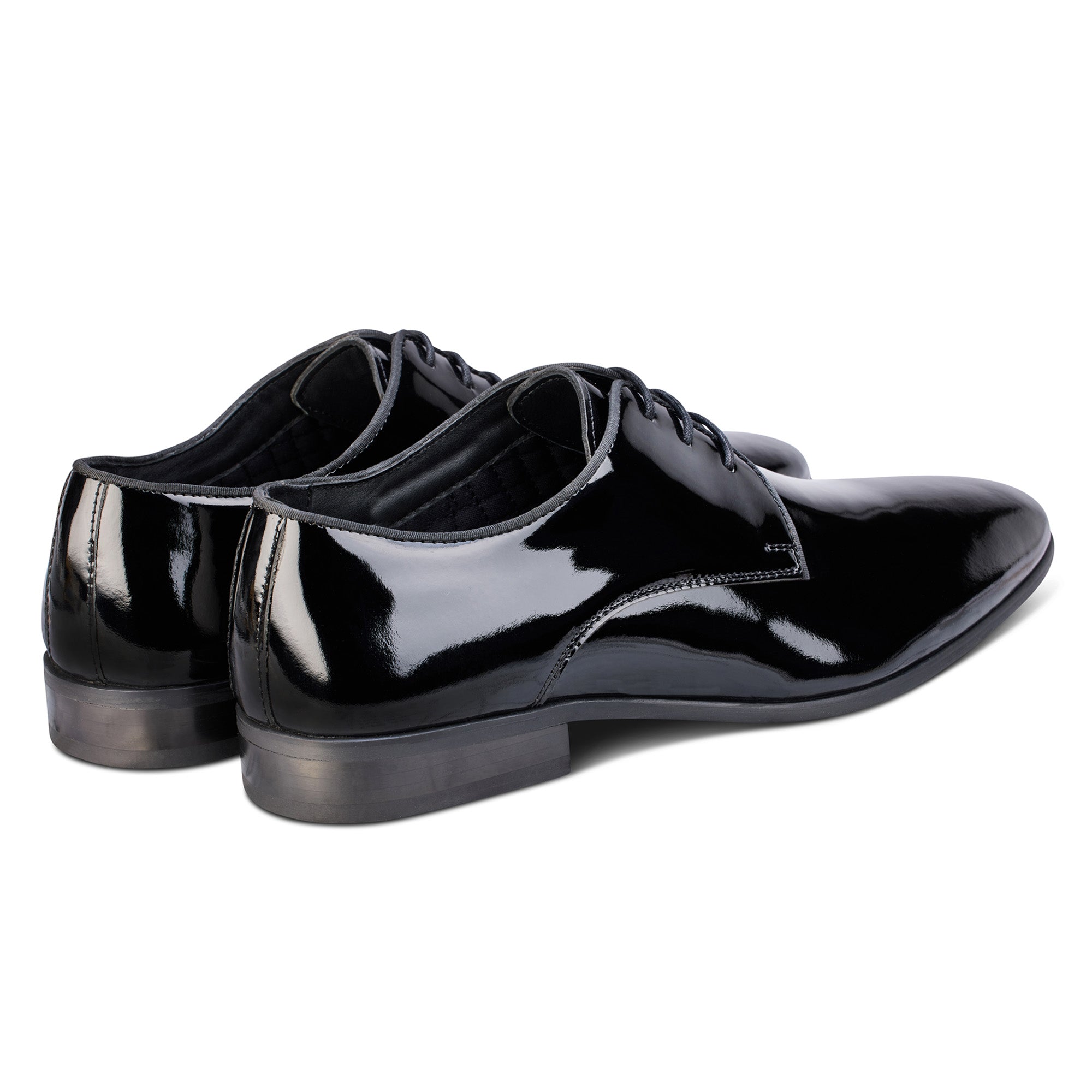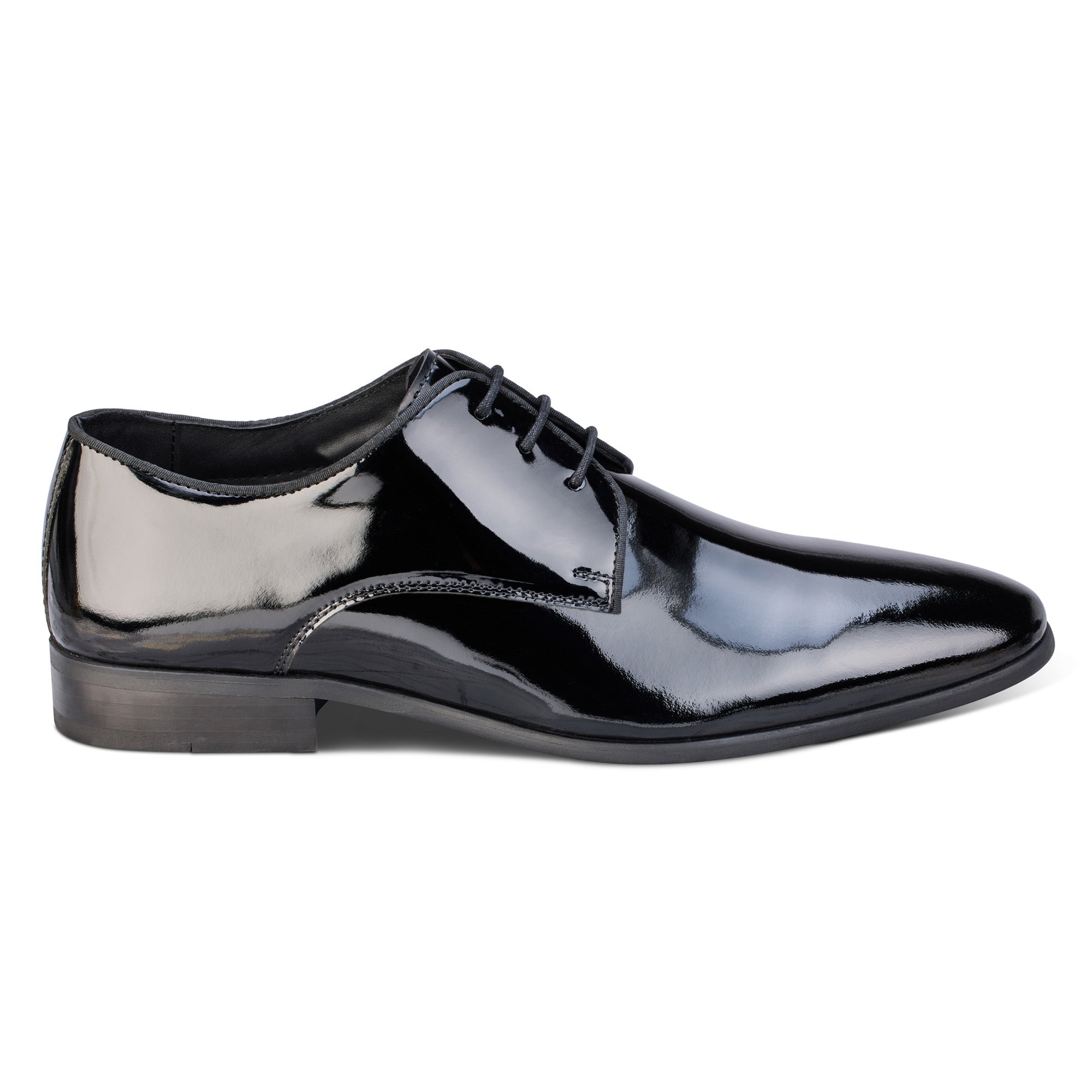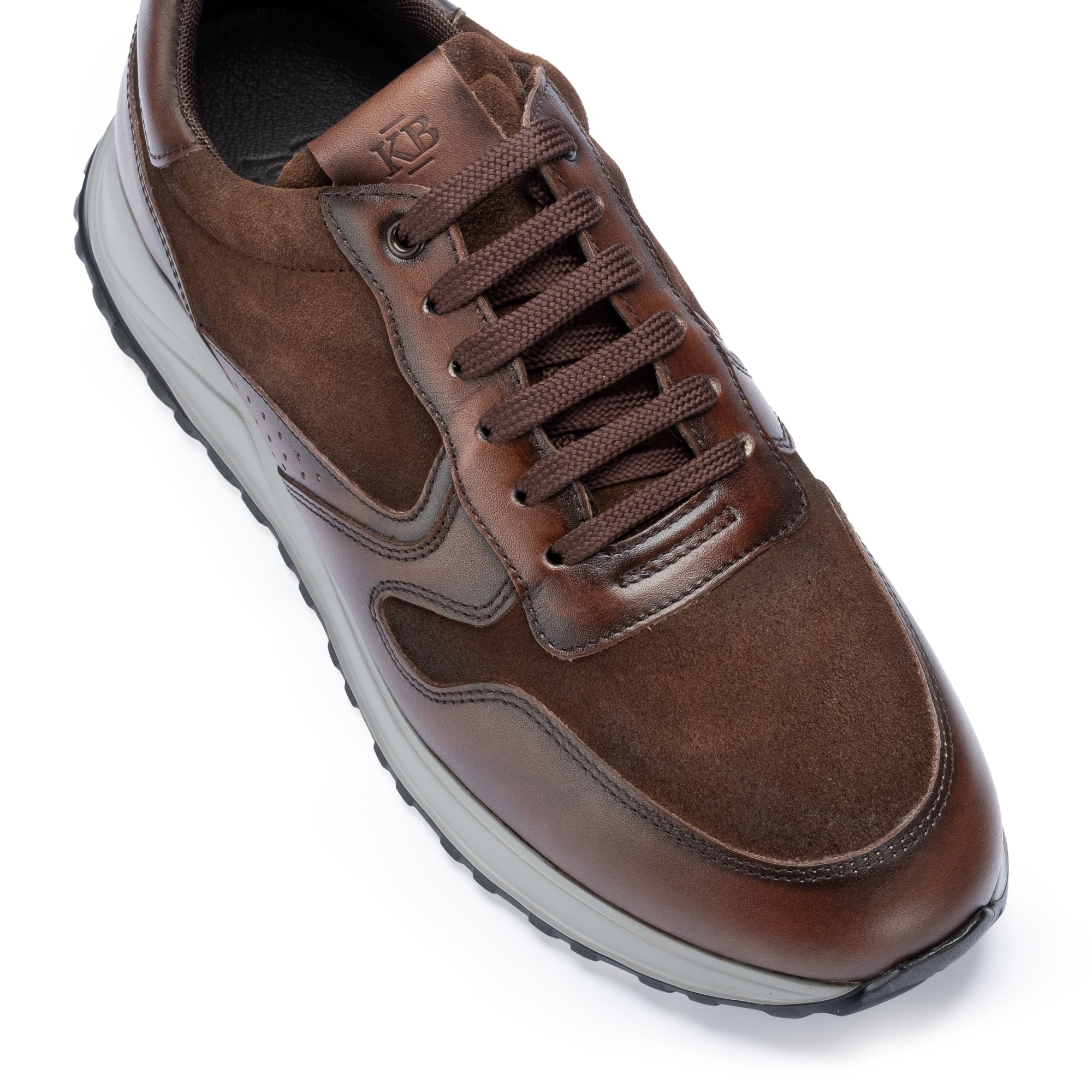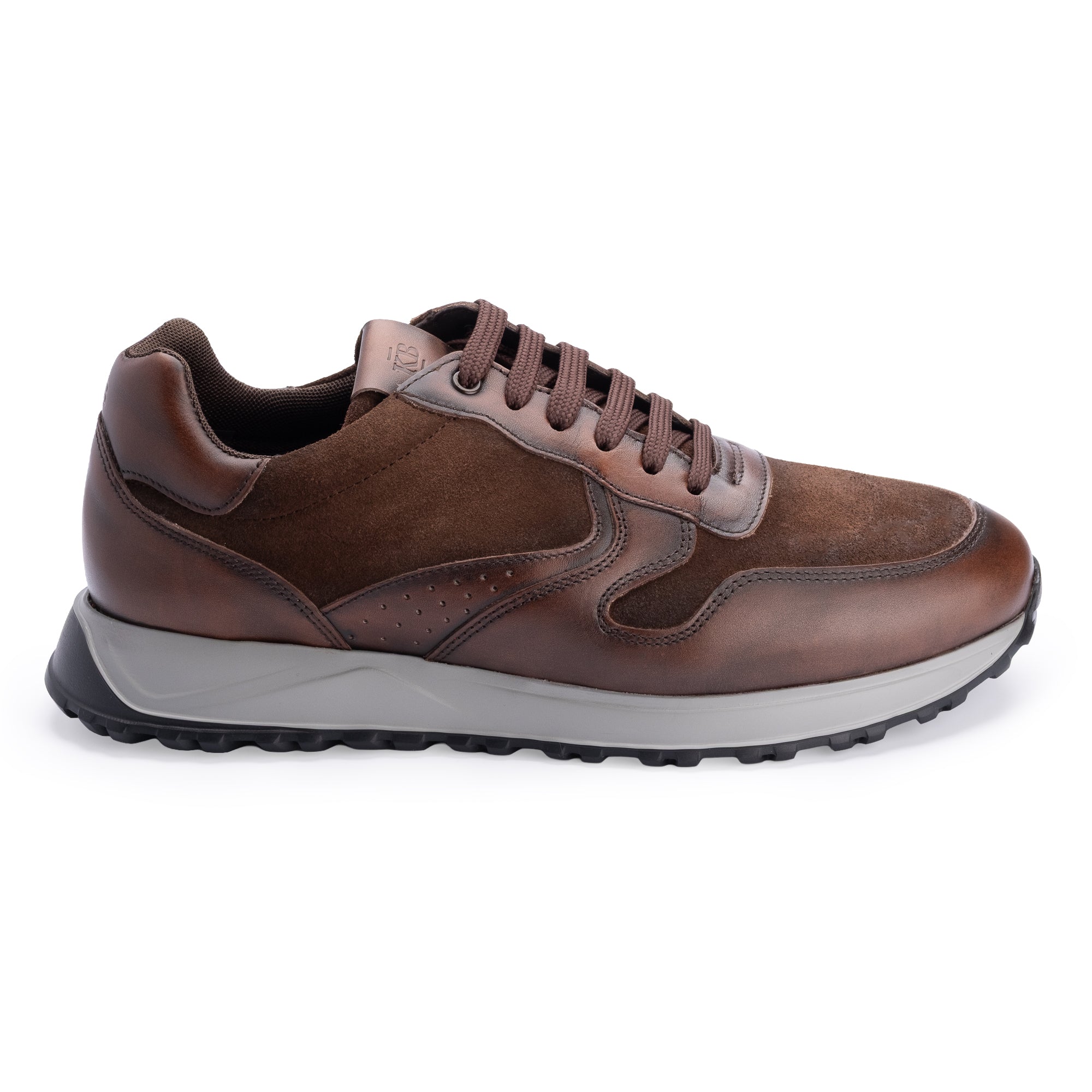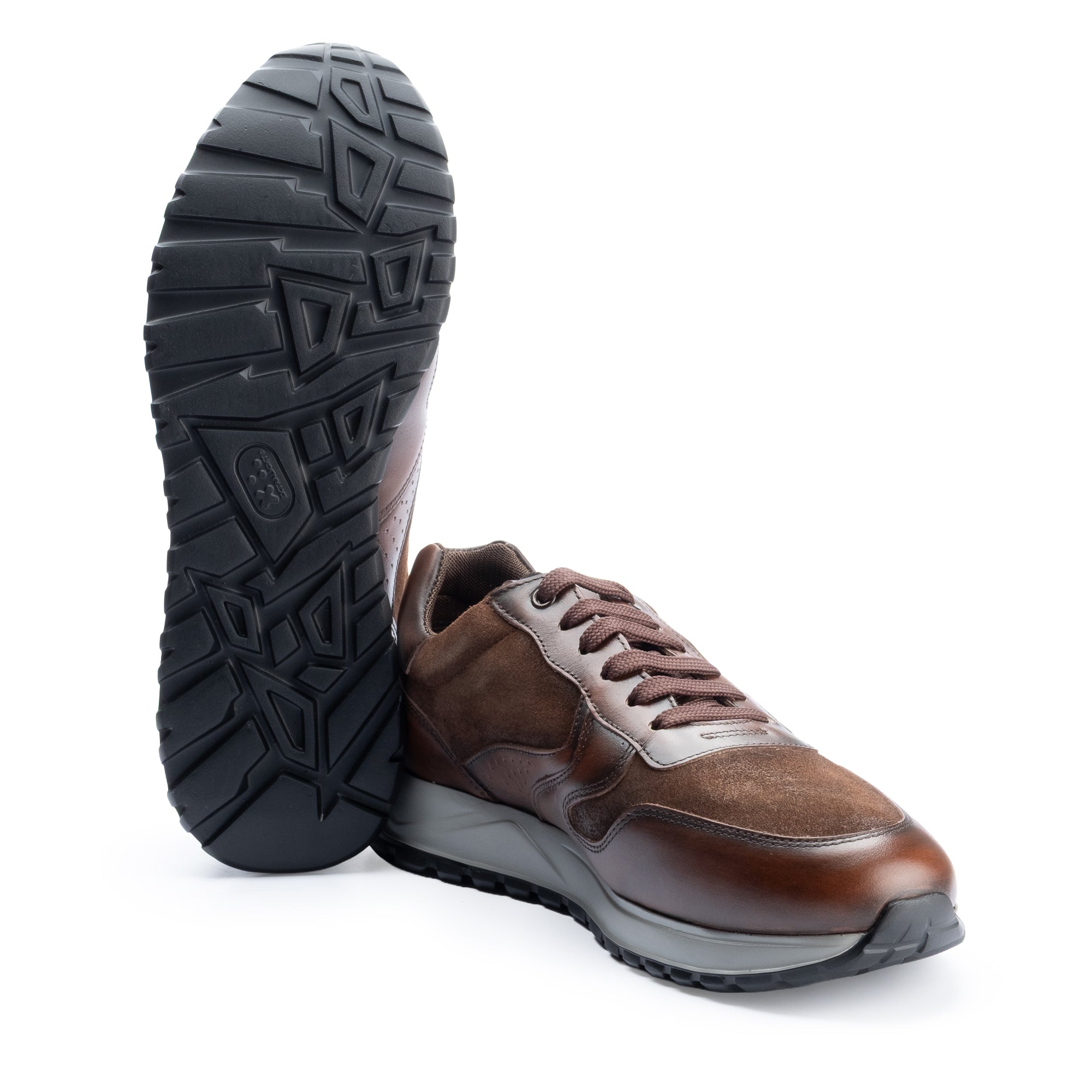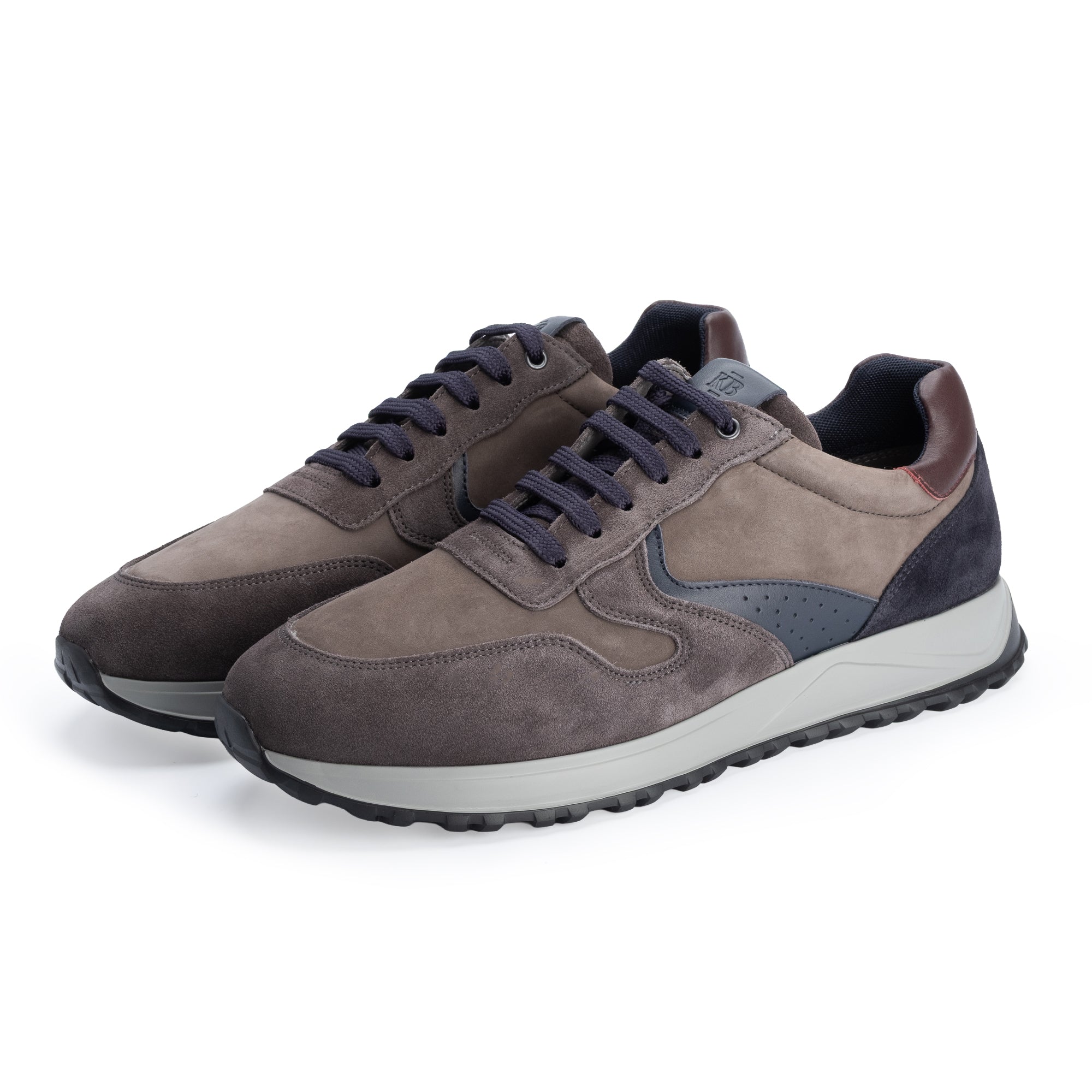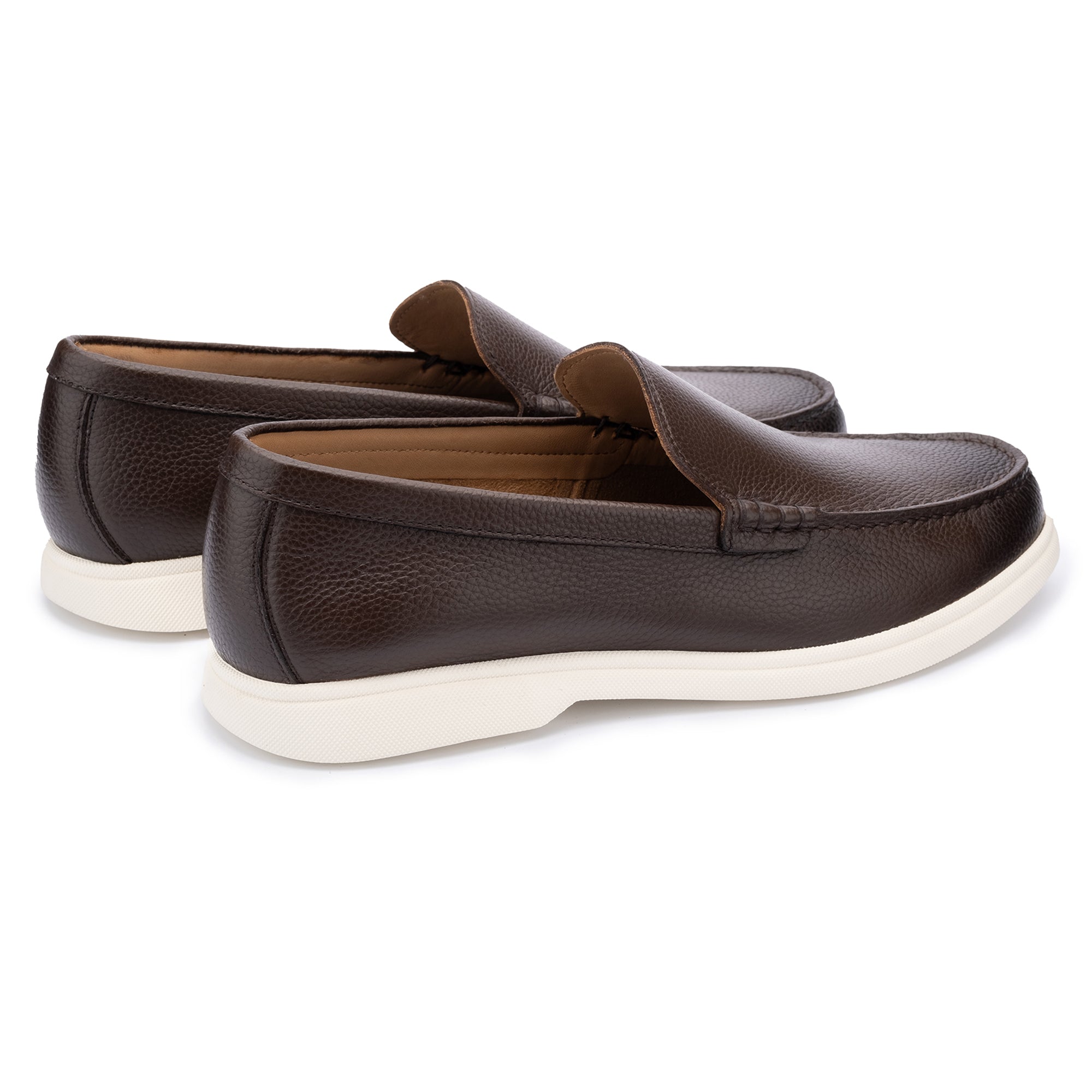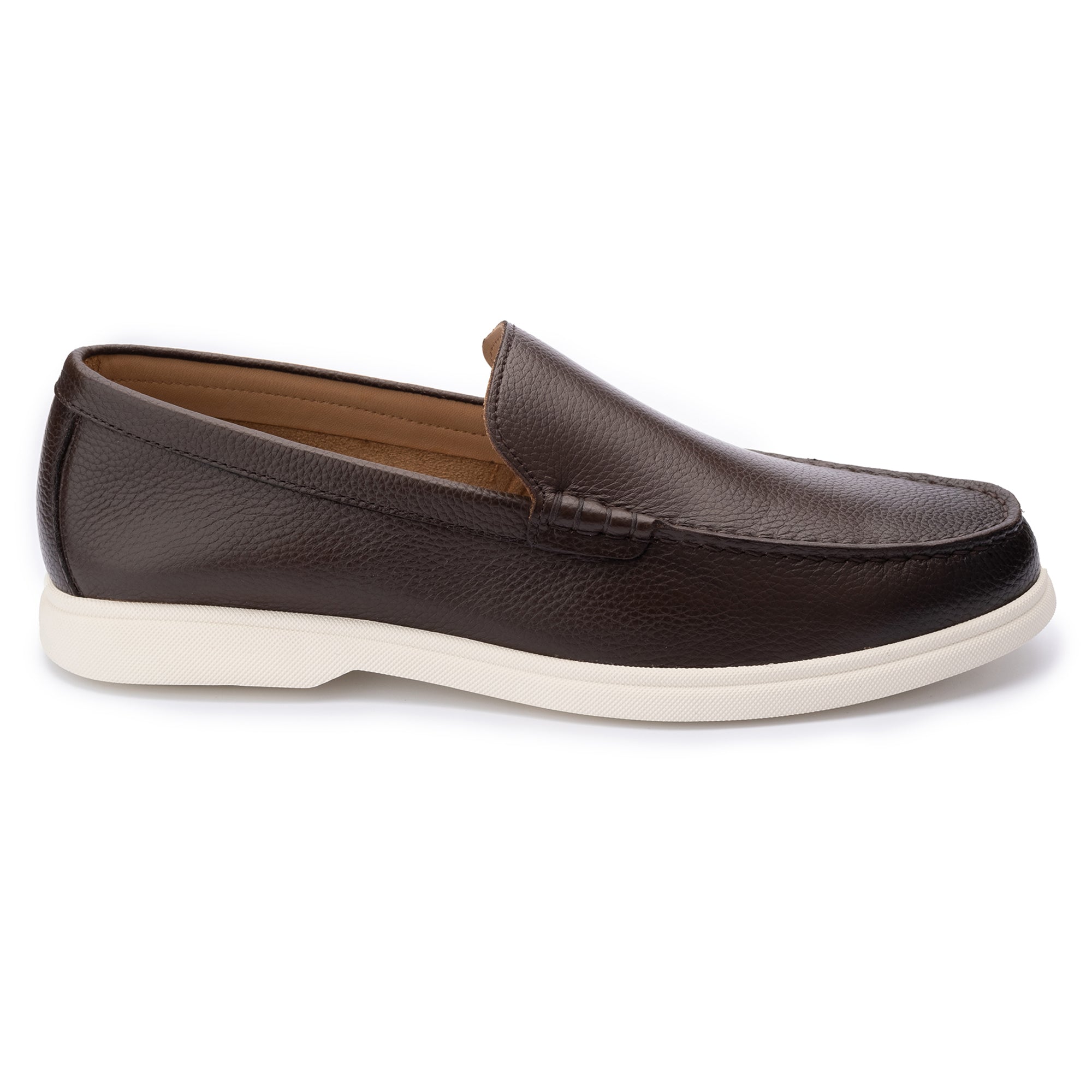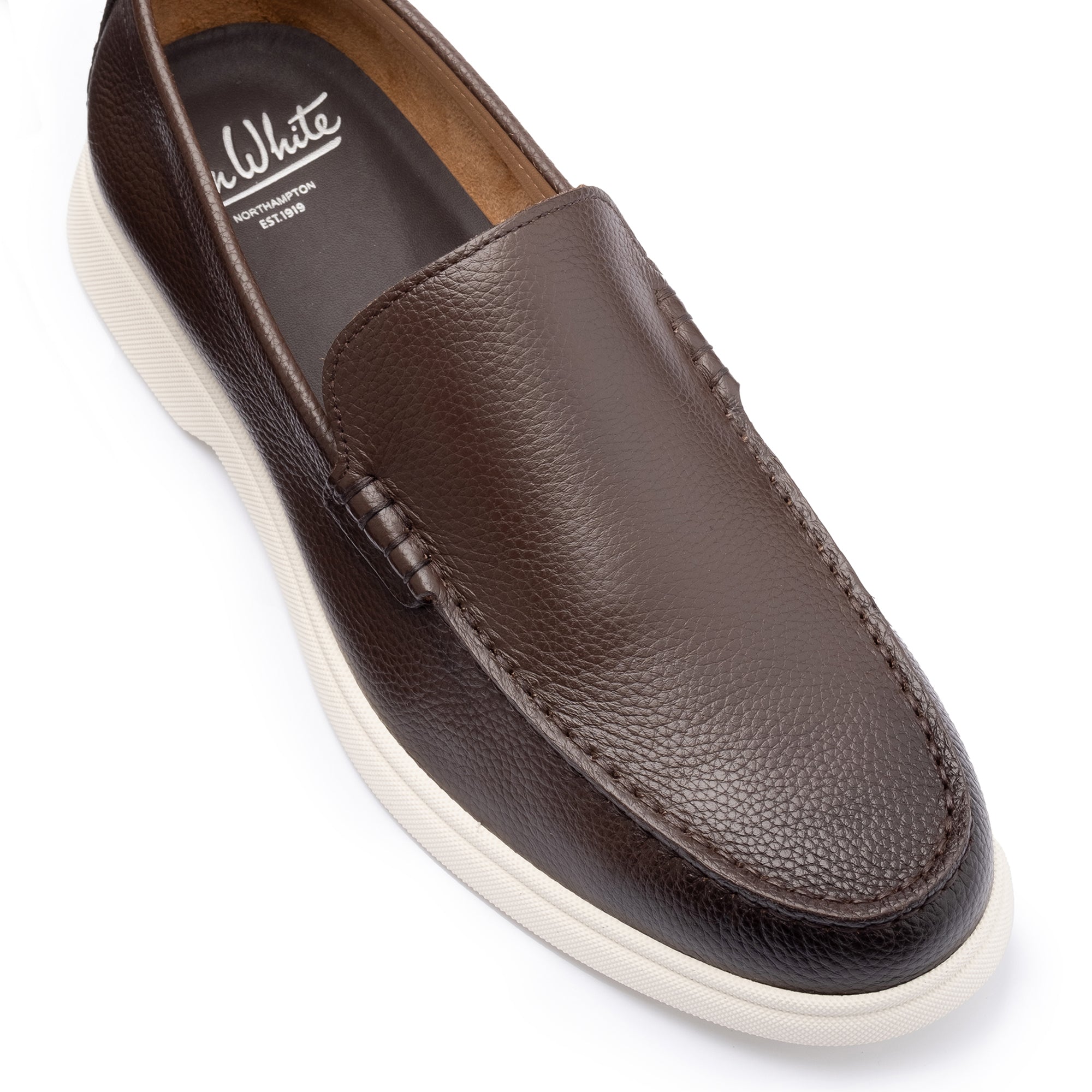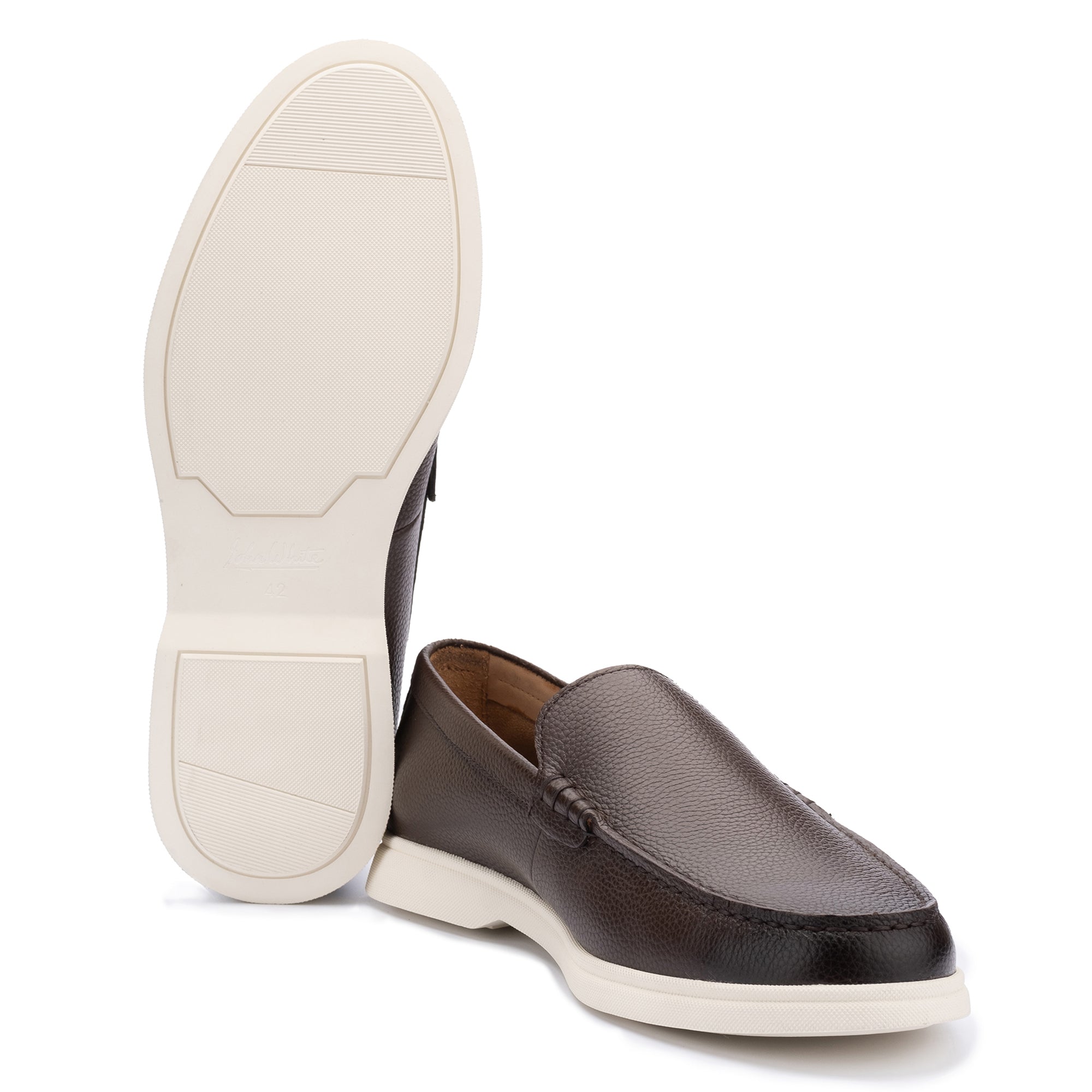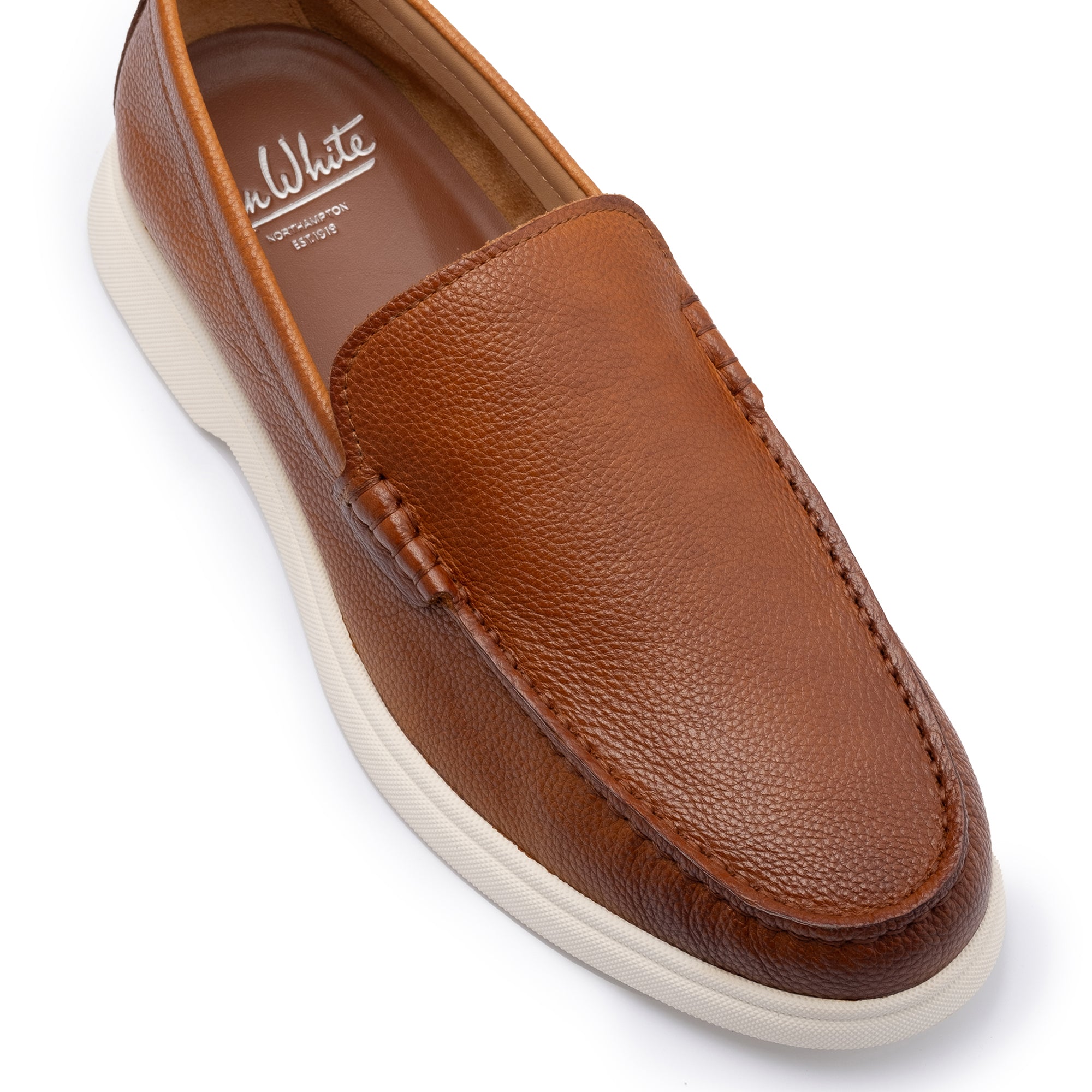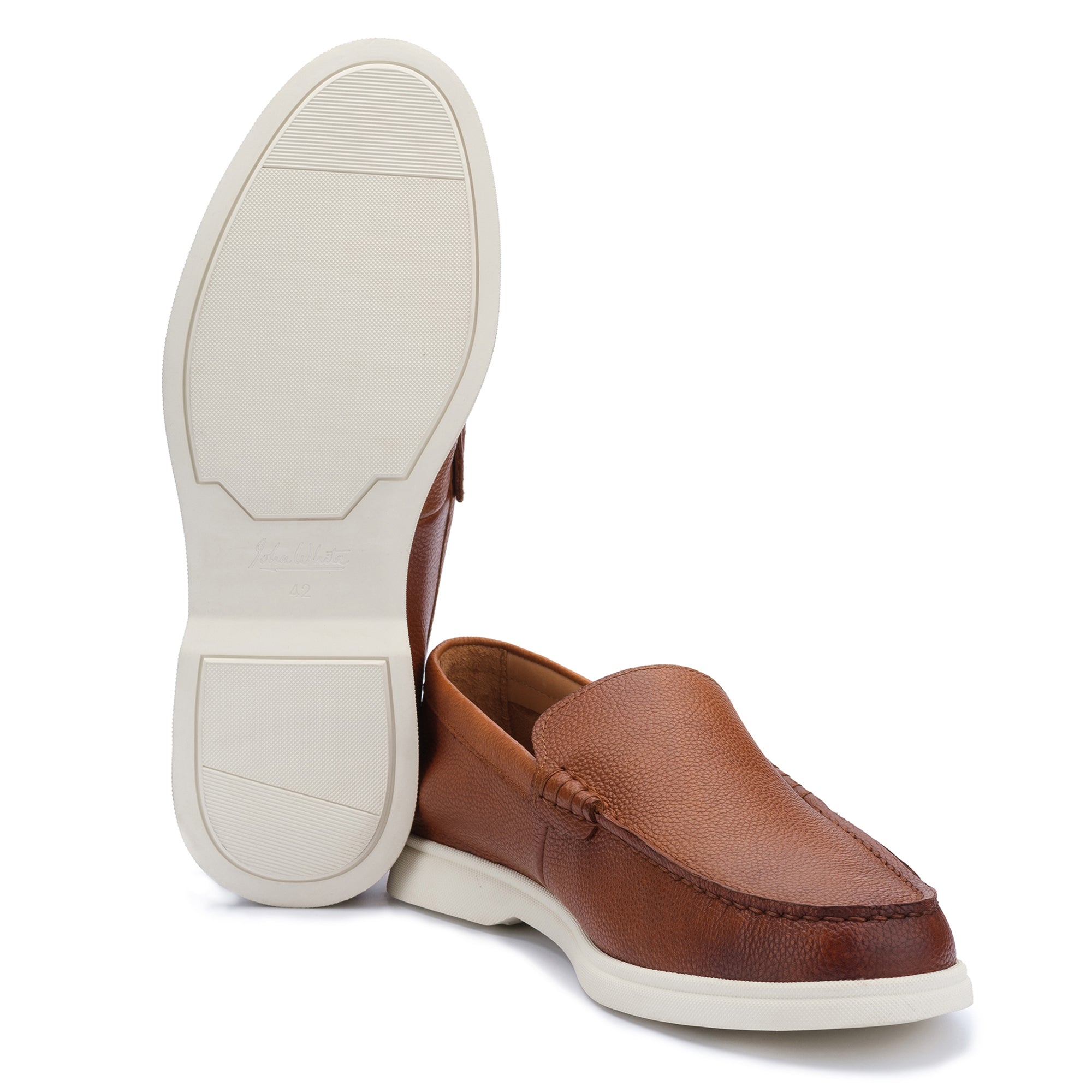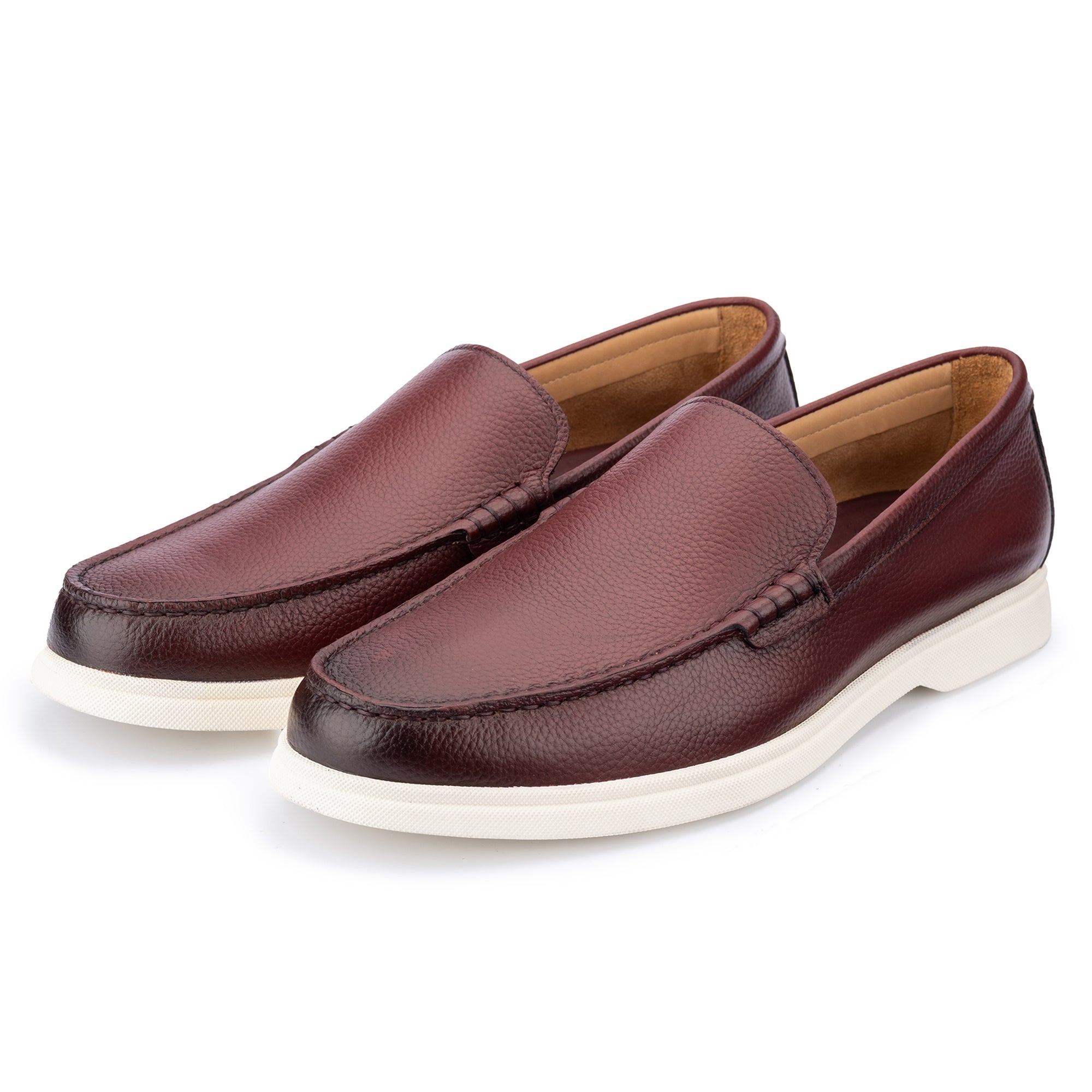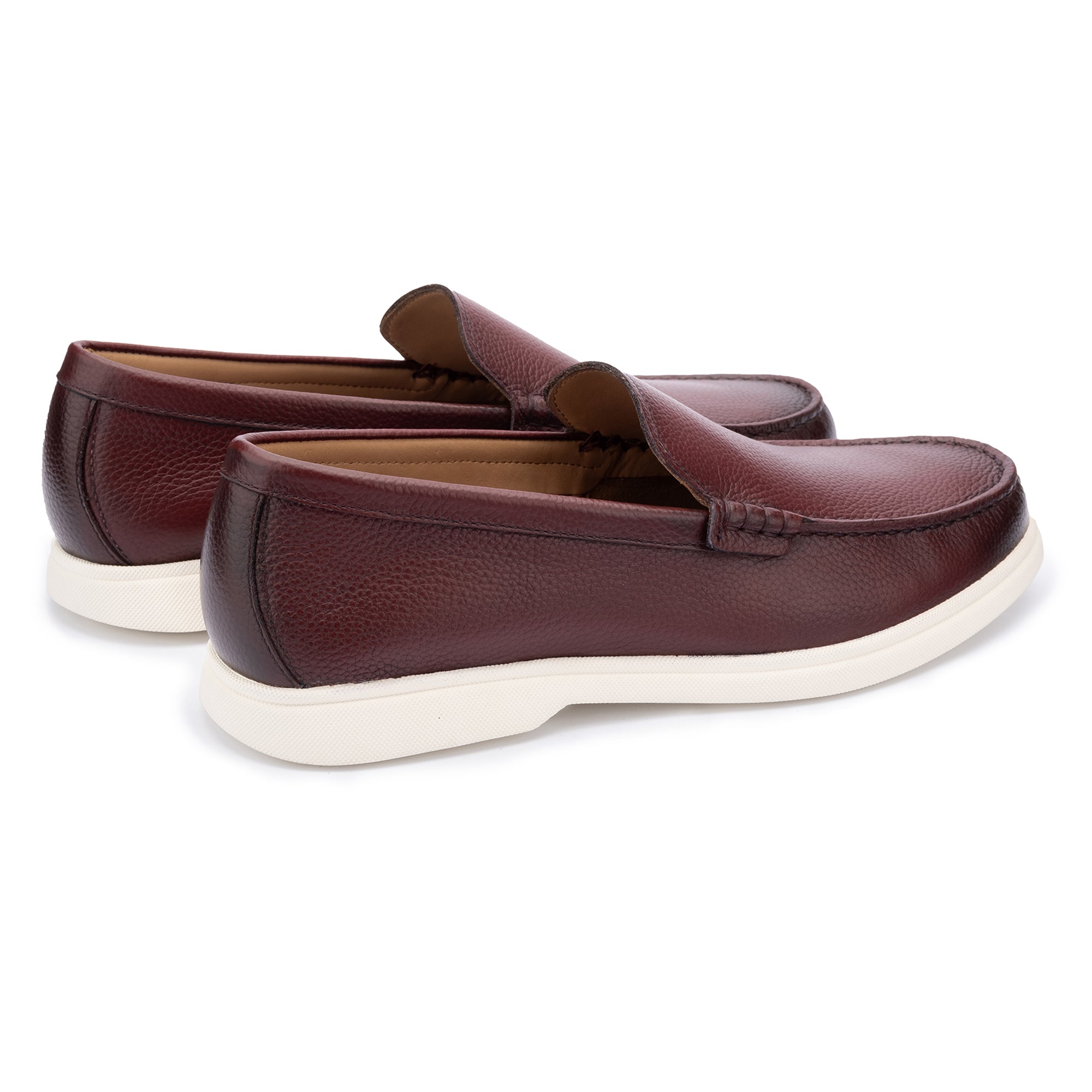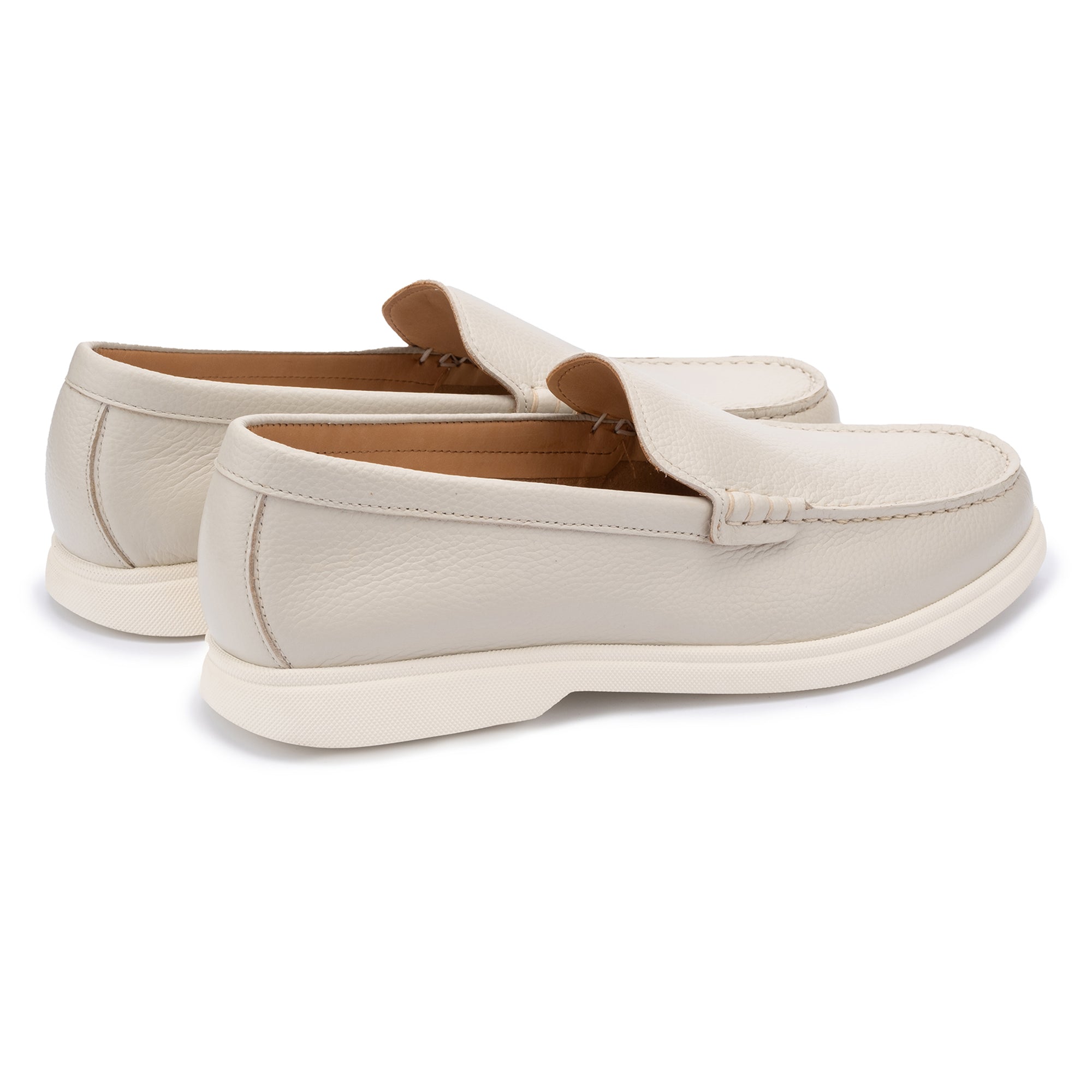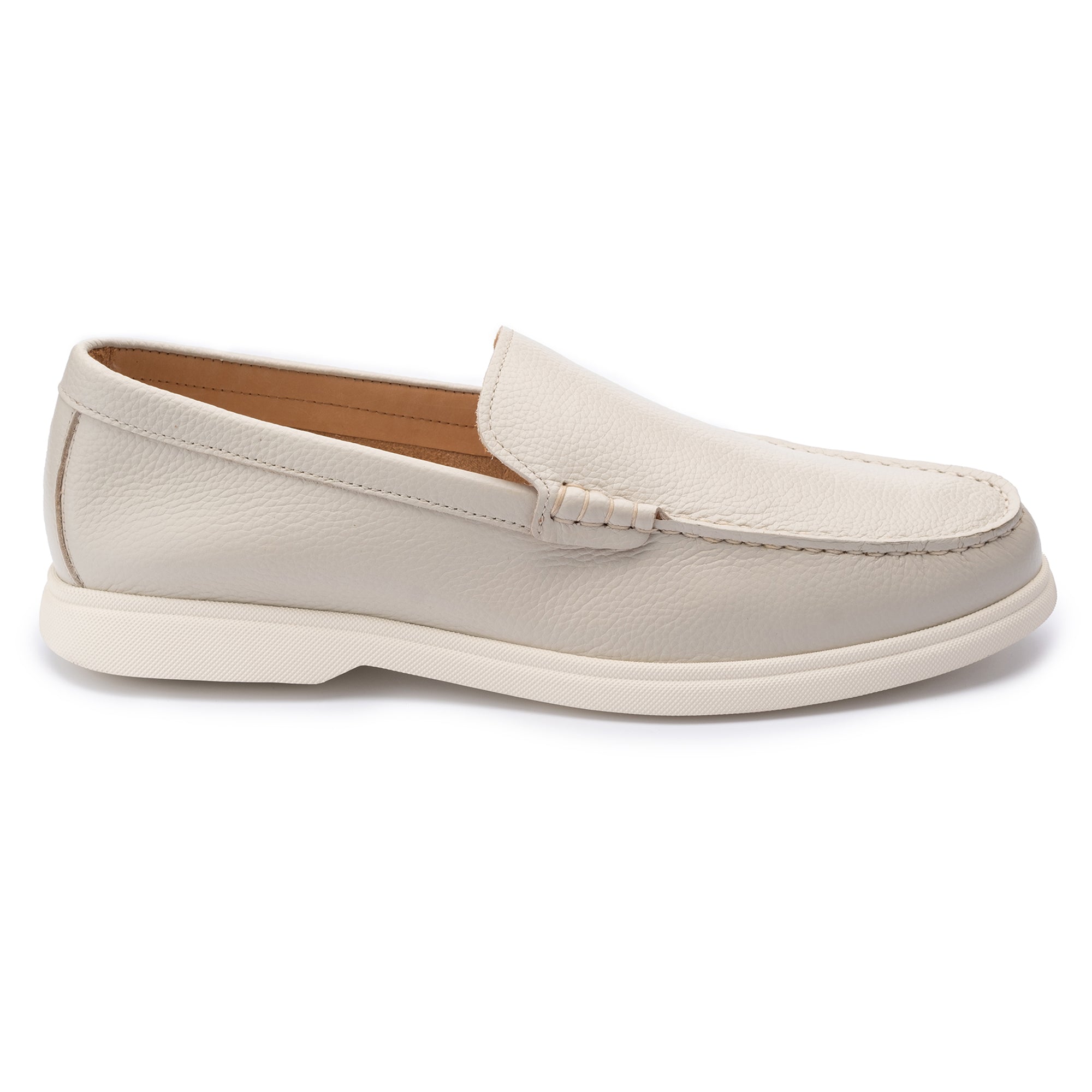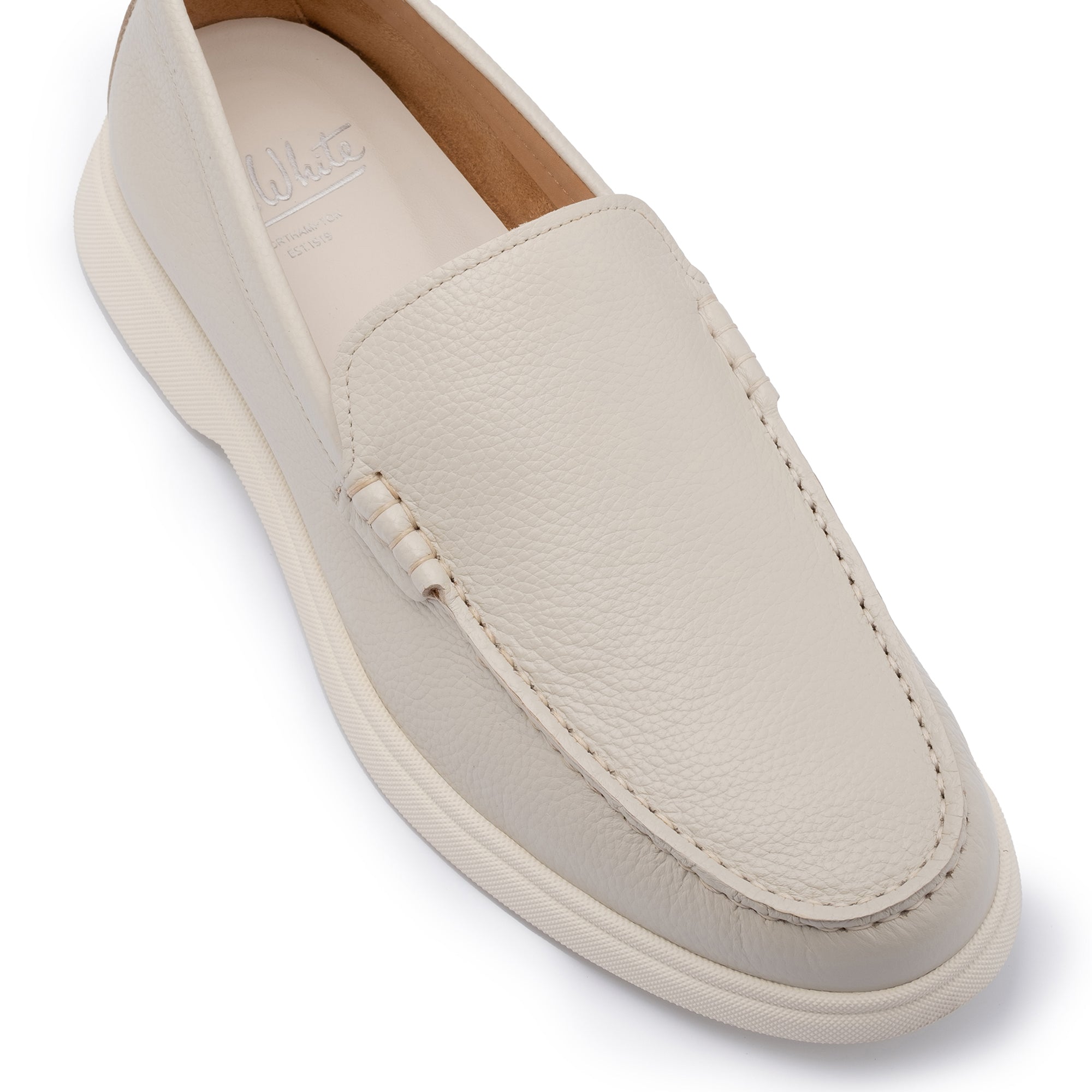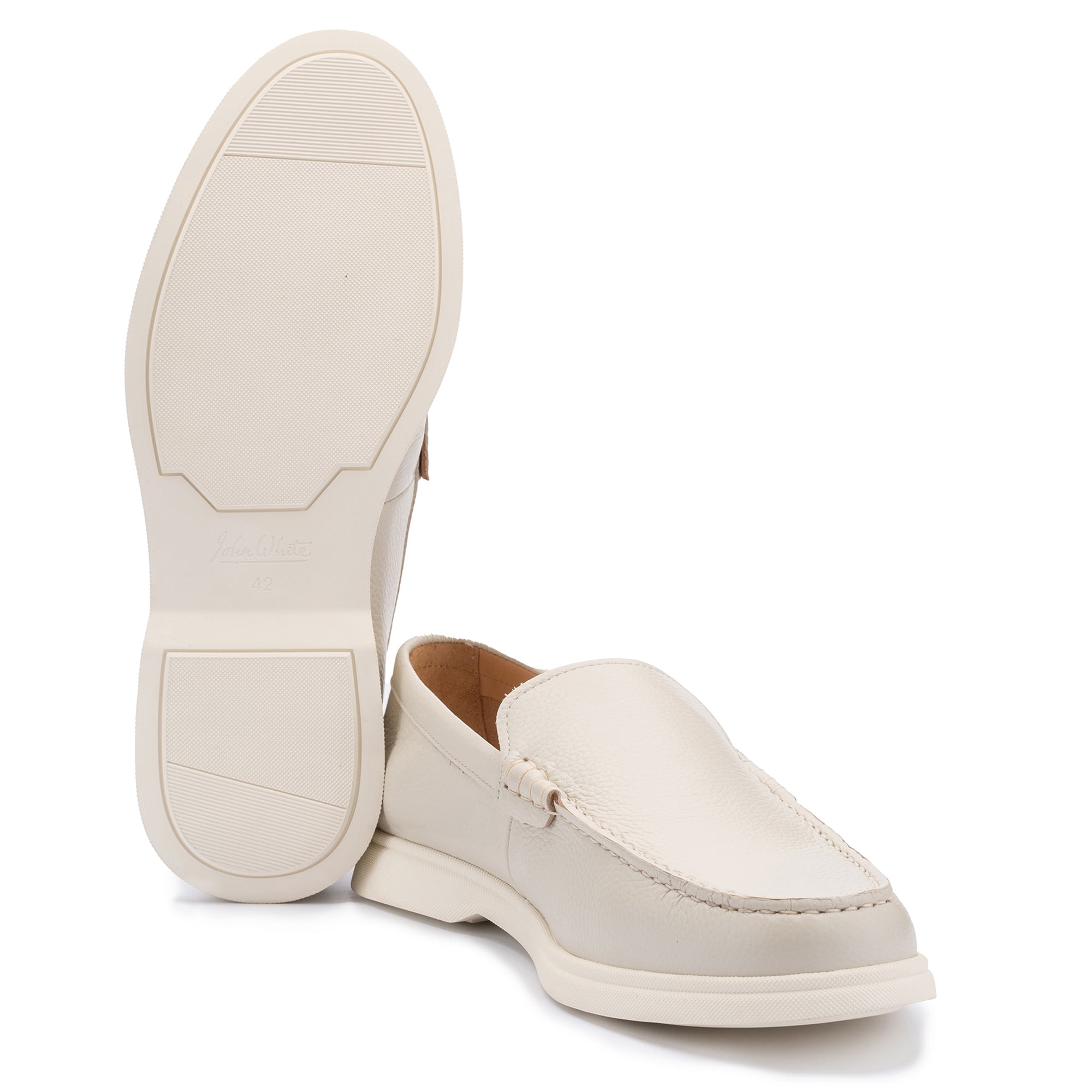
From Saturated to Salvaged: The Definitive Process for Drying Wet Leather Footwear
To correctly dry wet leather footwear, first blot away surface moisture with a cloth. Then, insert cedar shoe trees to absorb internal dampness and maintain the shoe's shape. Finally, allow the shoes to air-dry naturally for at least 24 hours, away from any direct heat source.
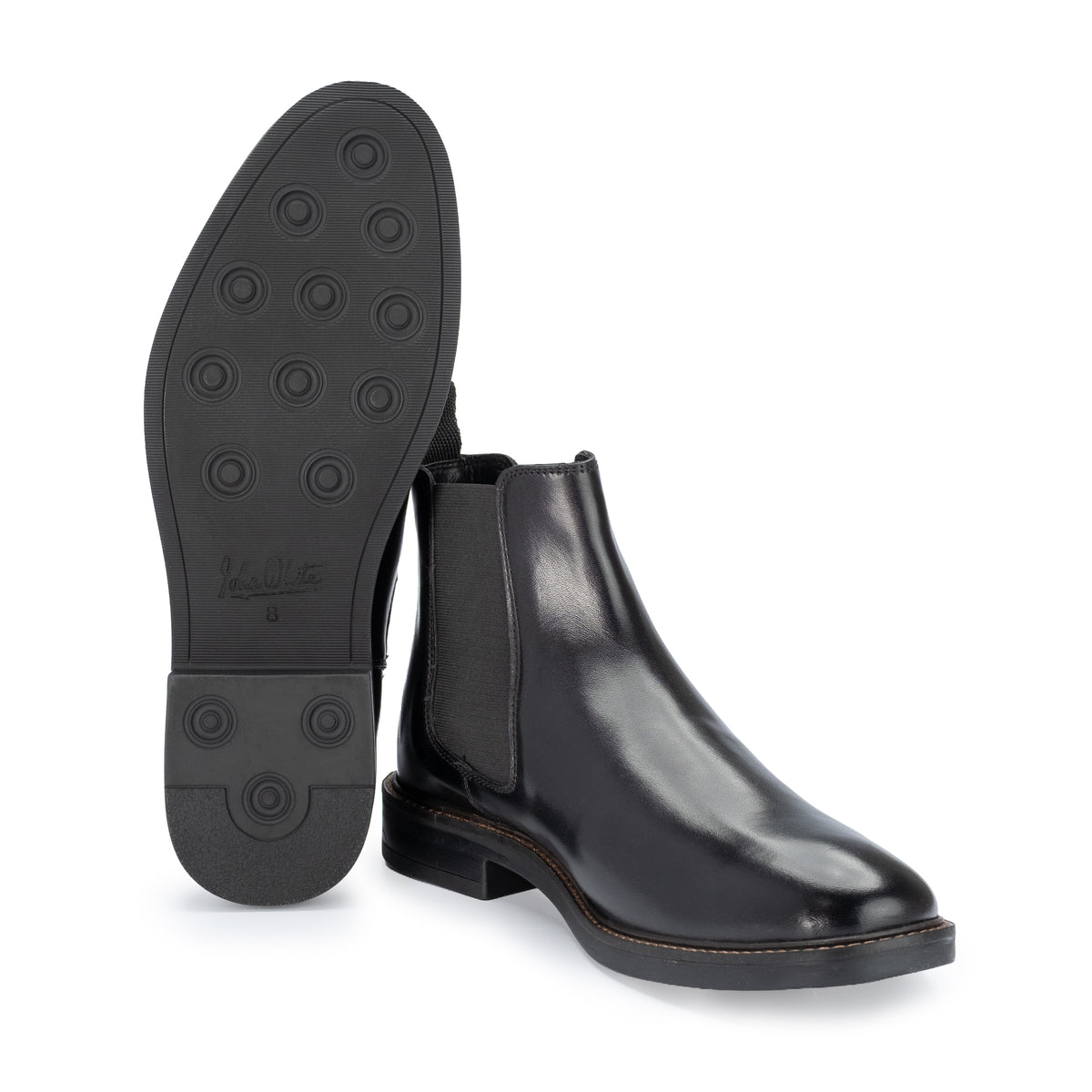
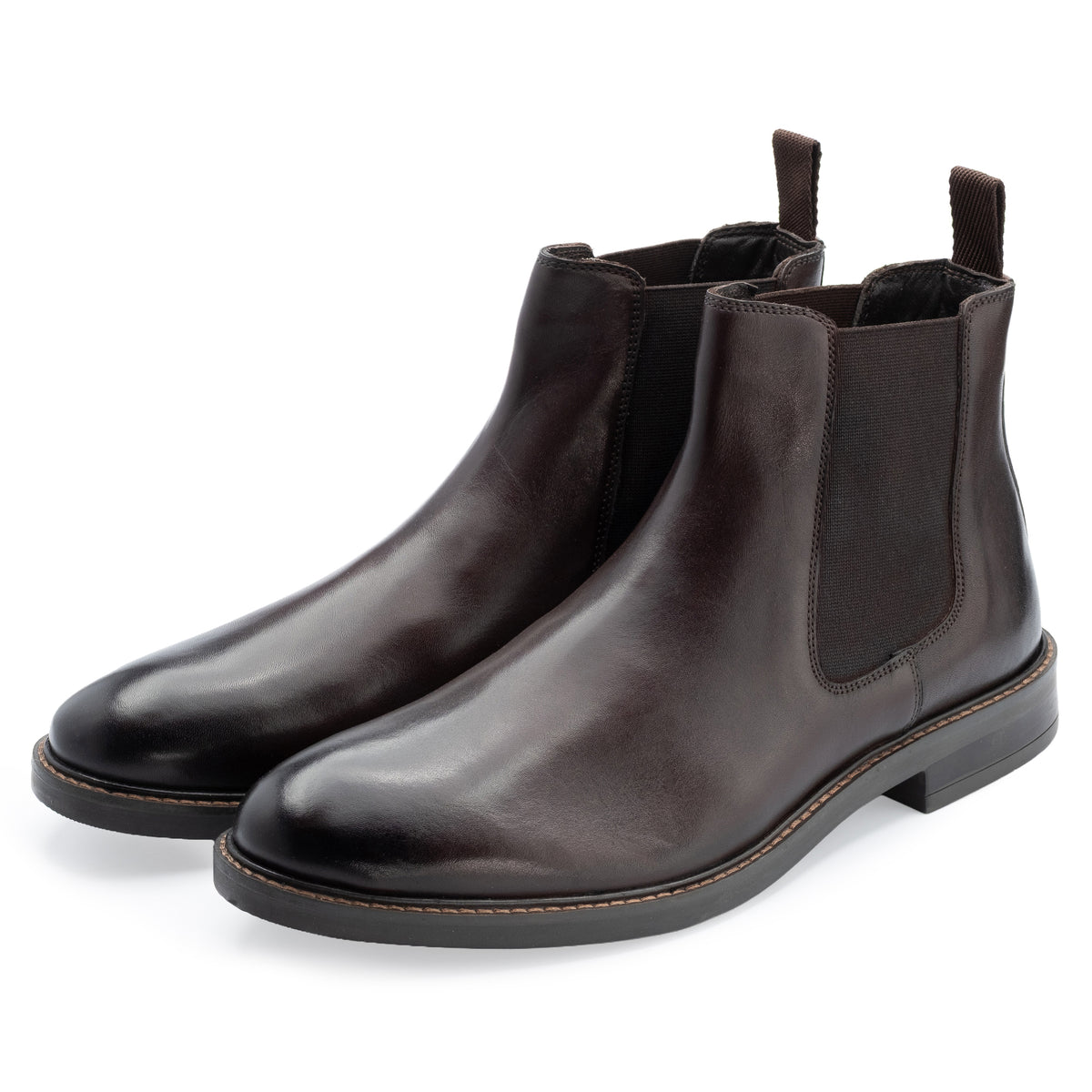
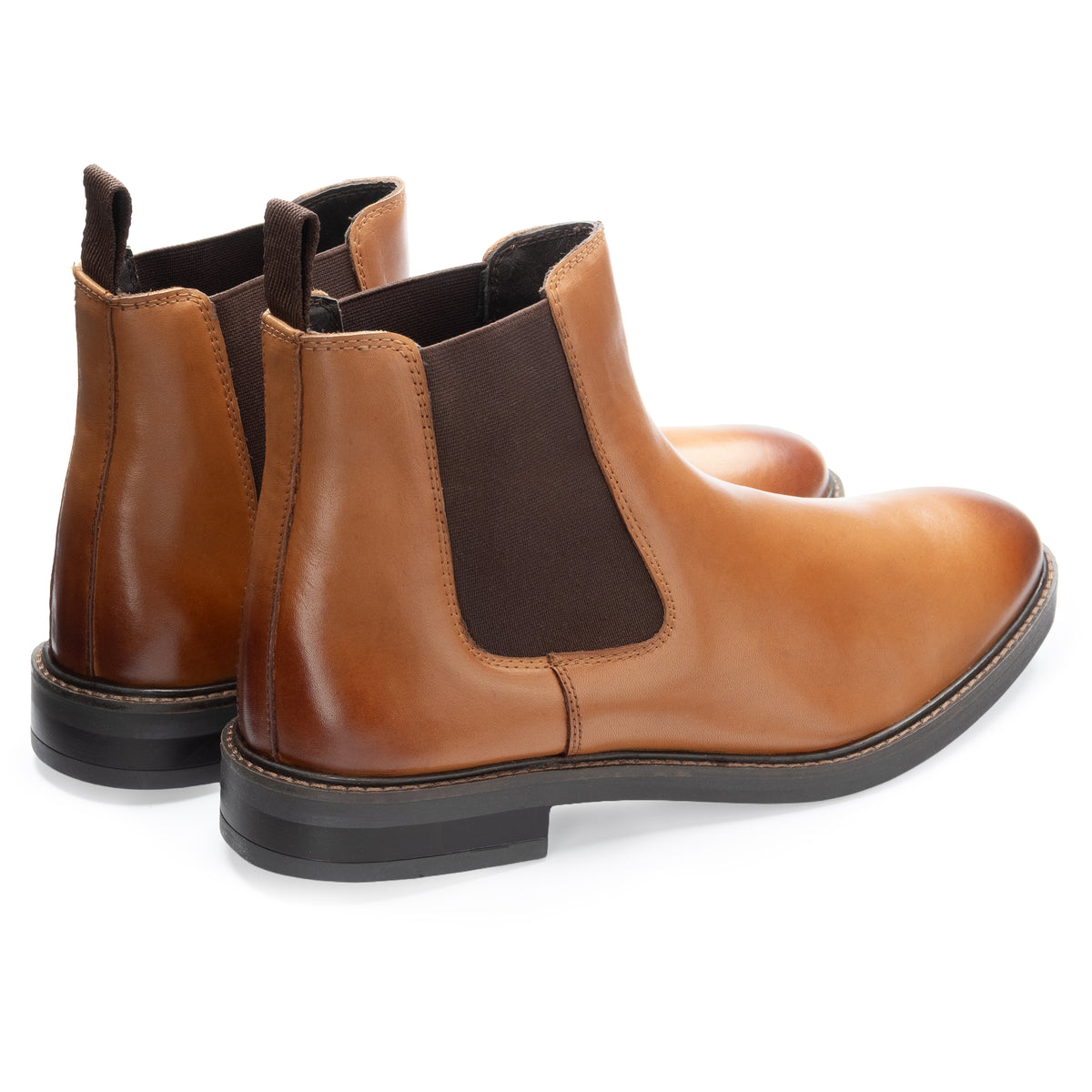
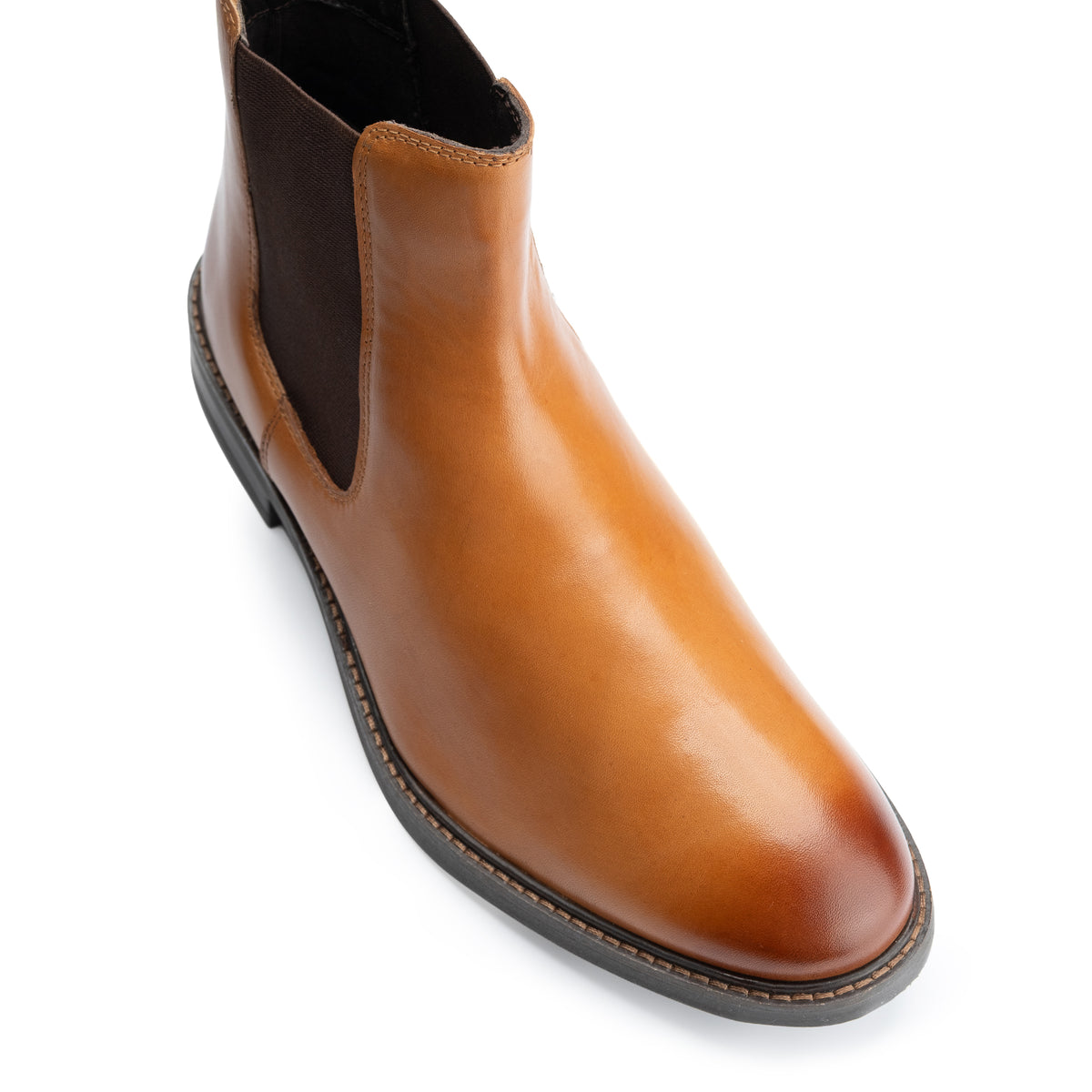
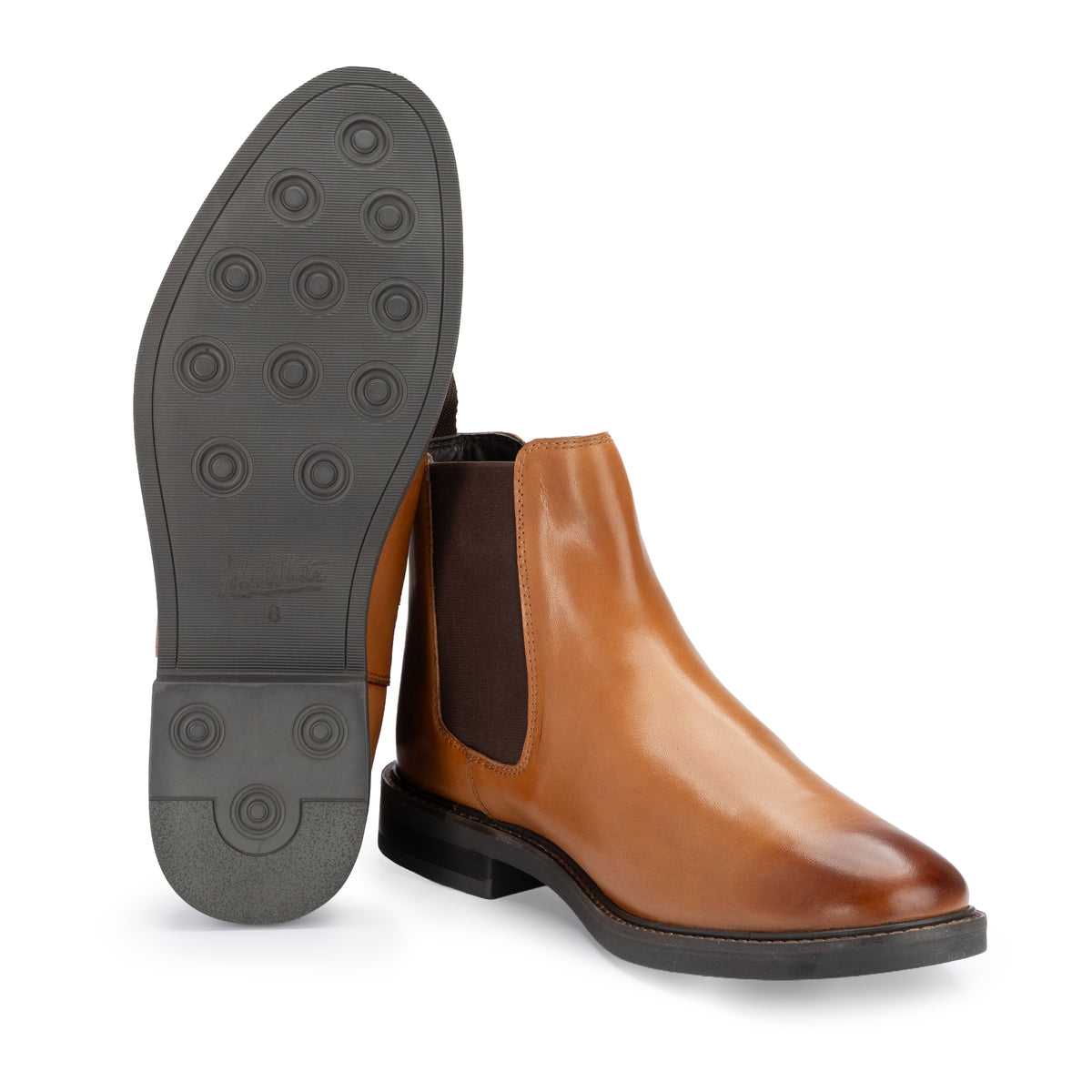
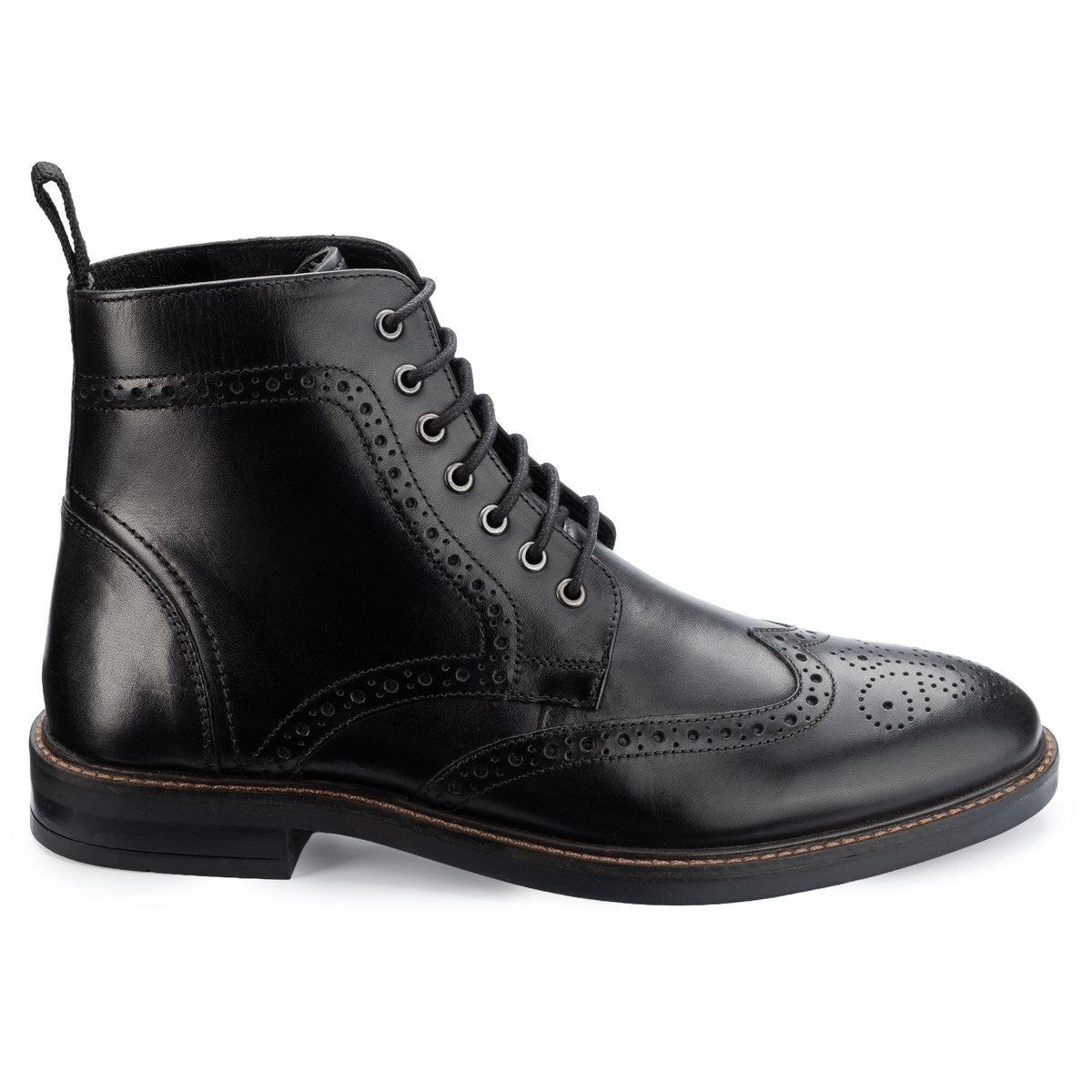
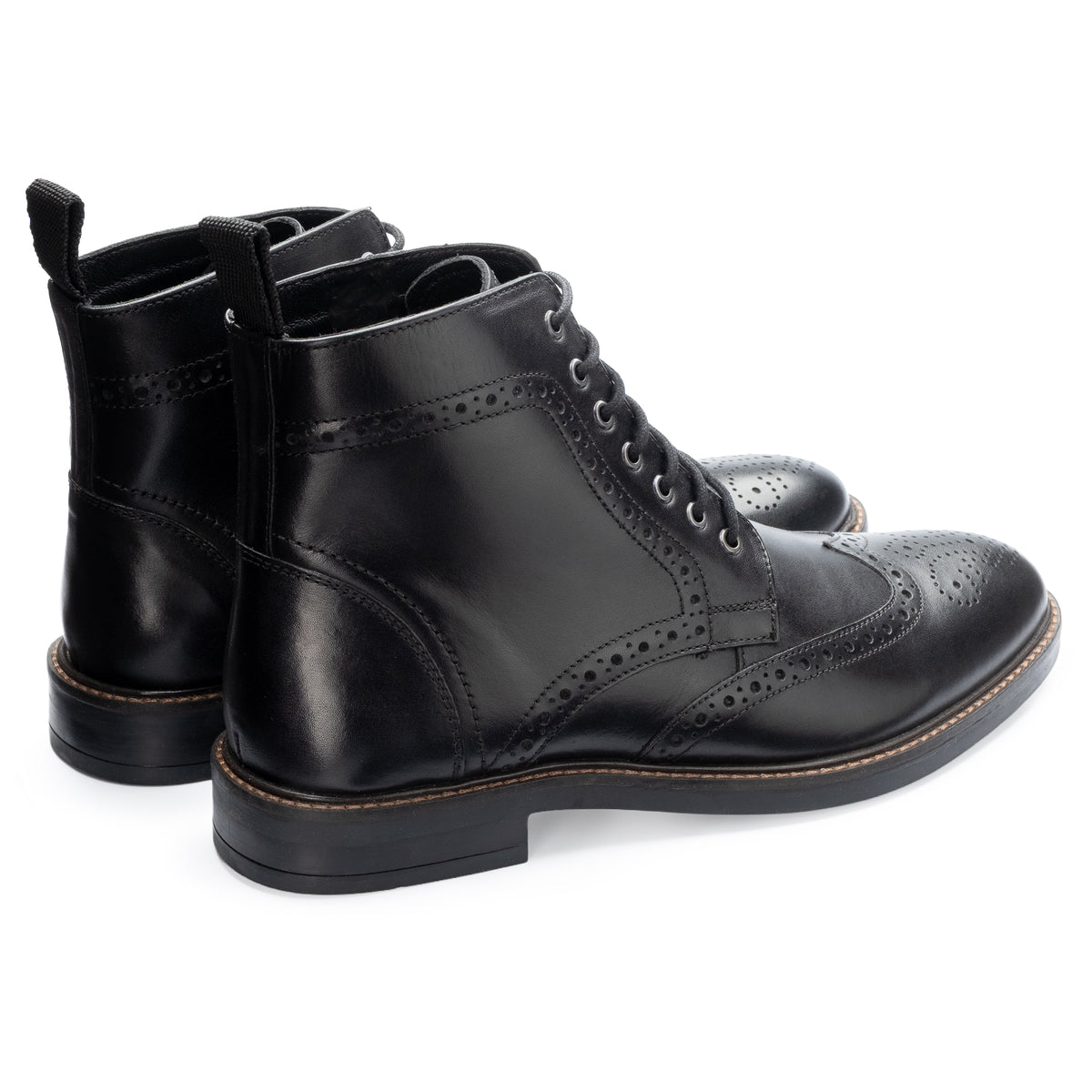
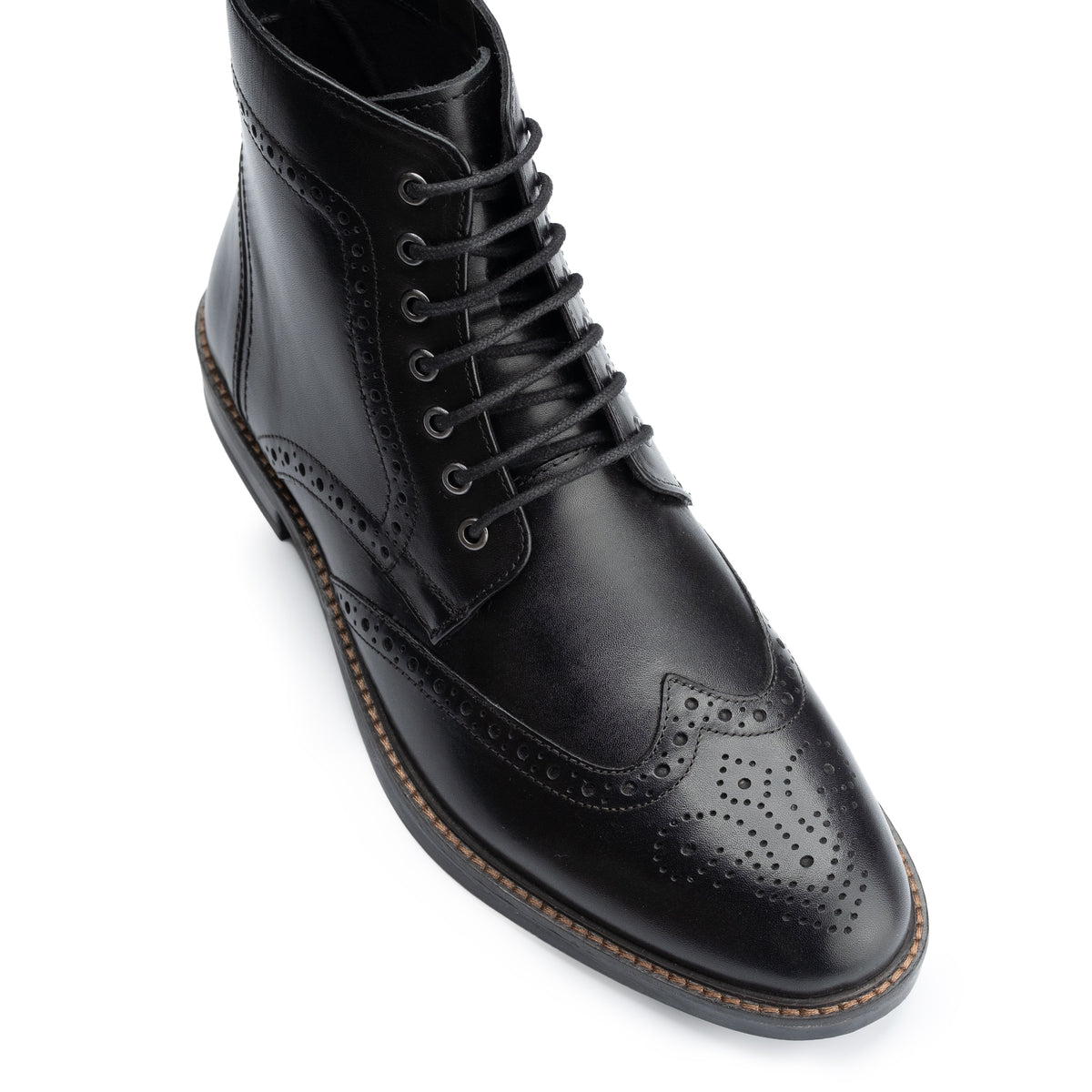
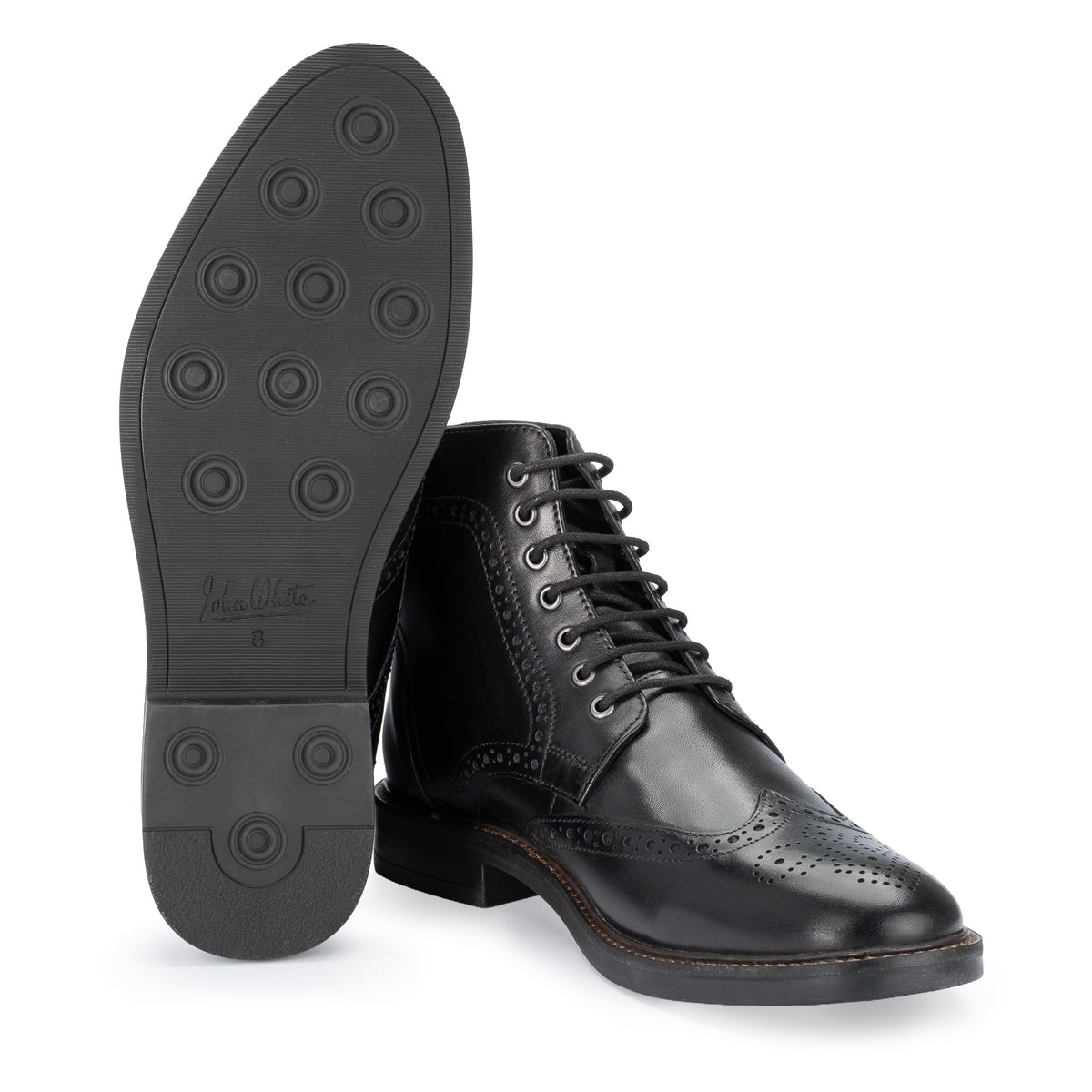
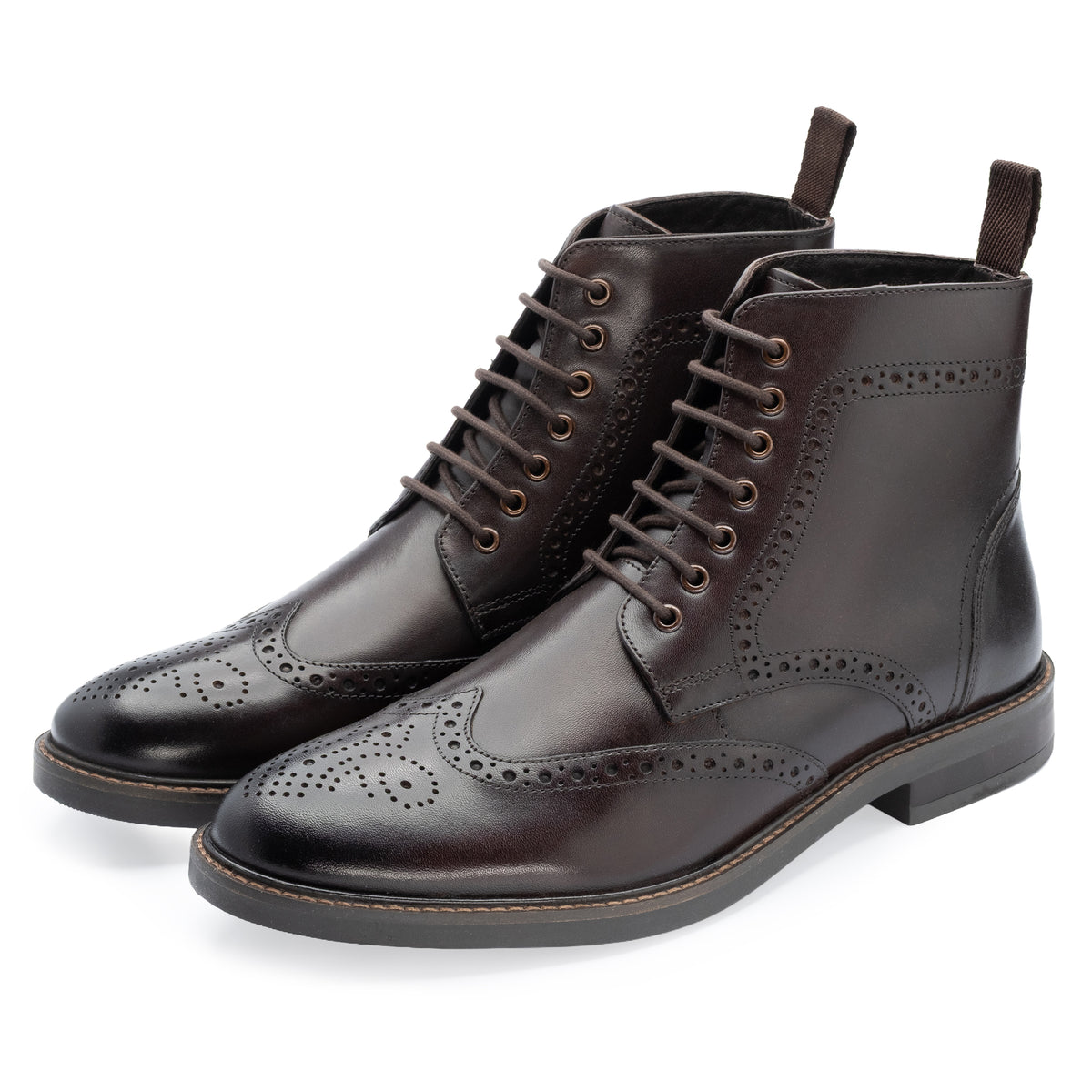
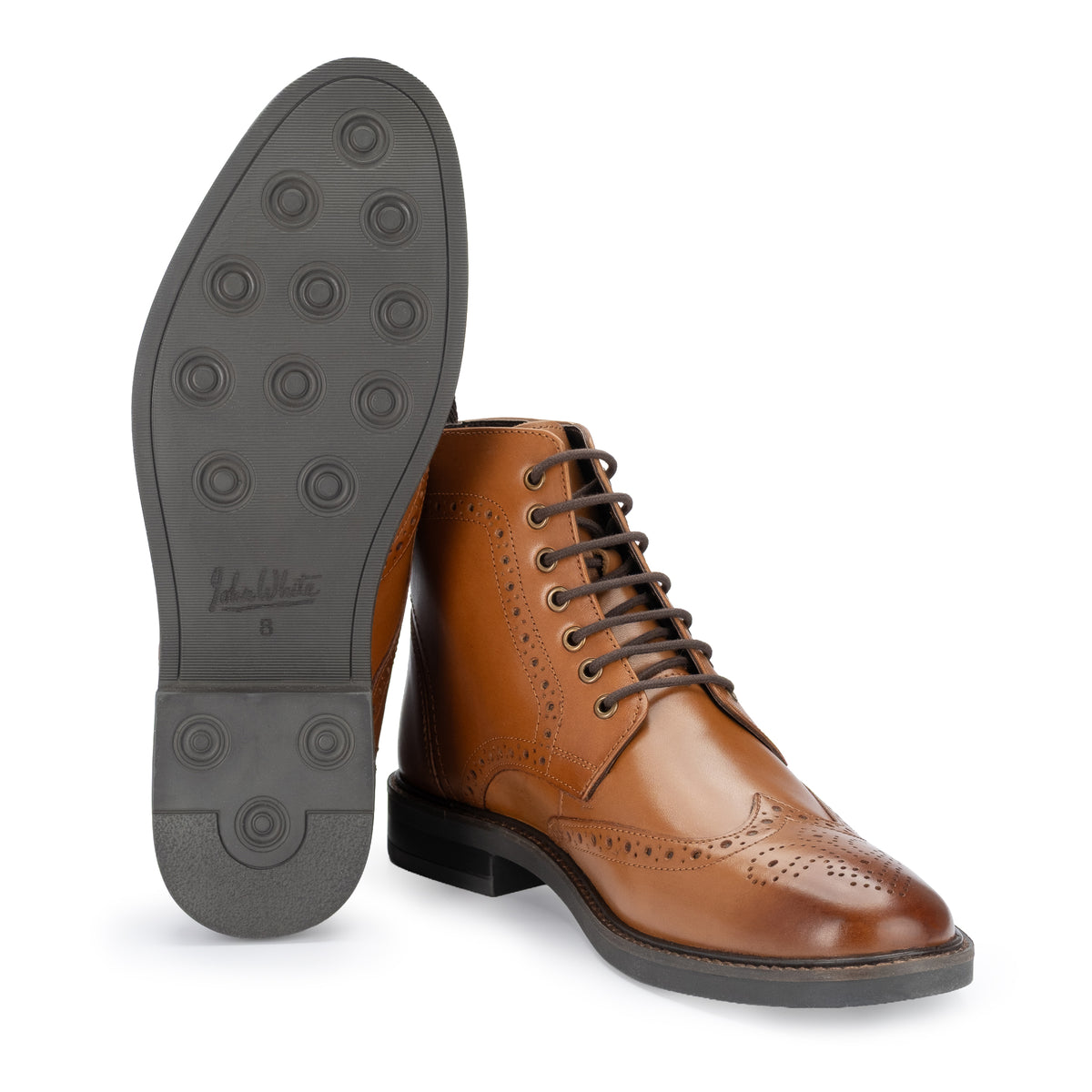
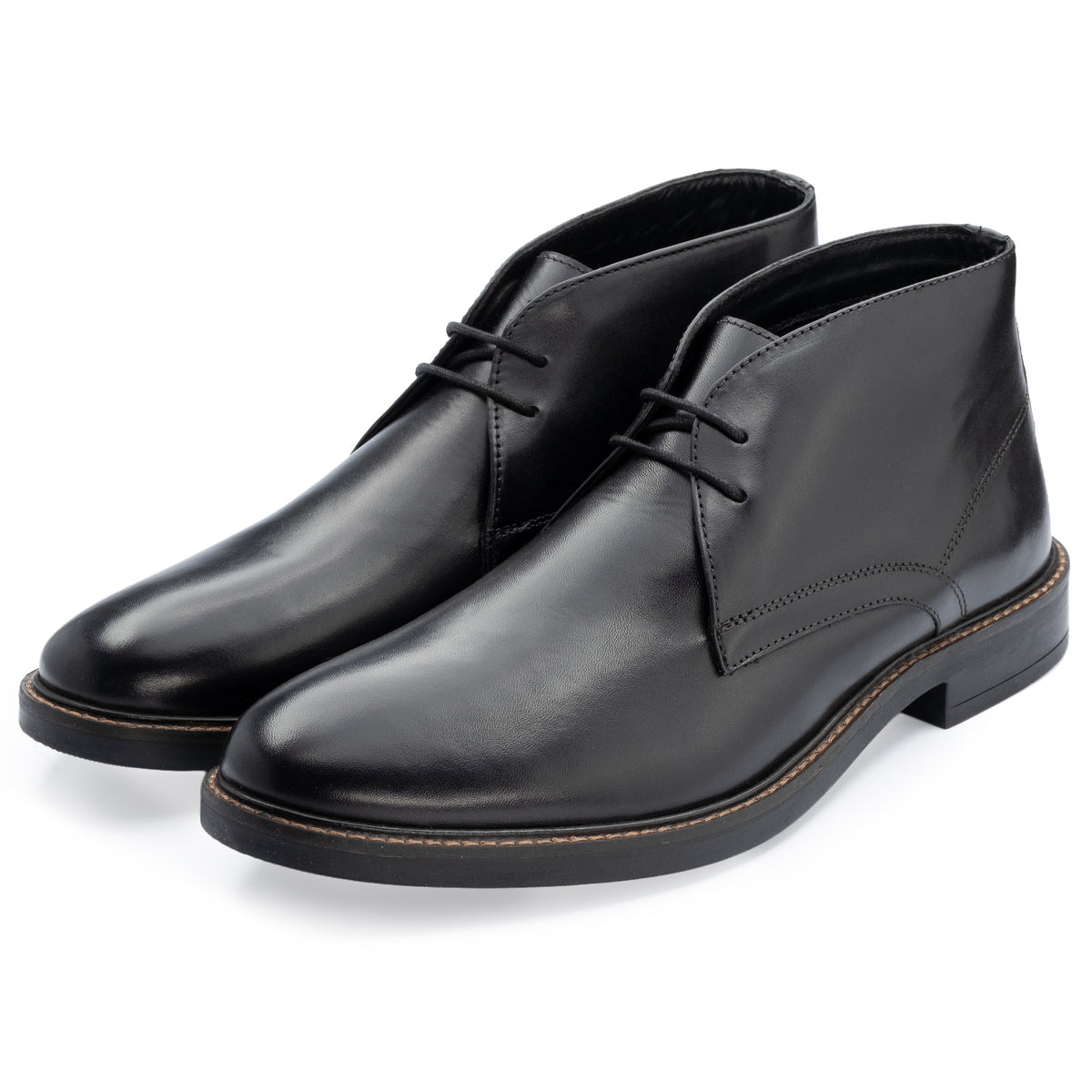
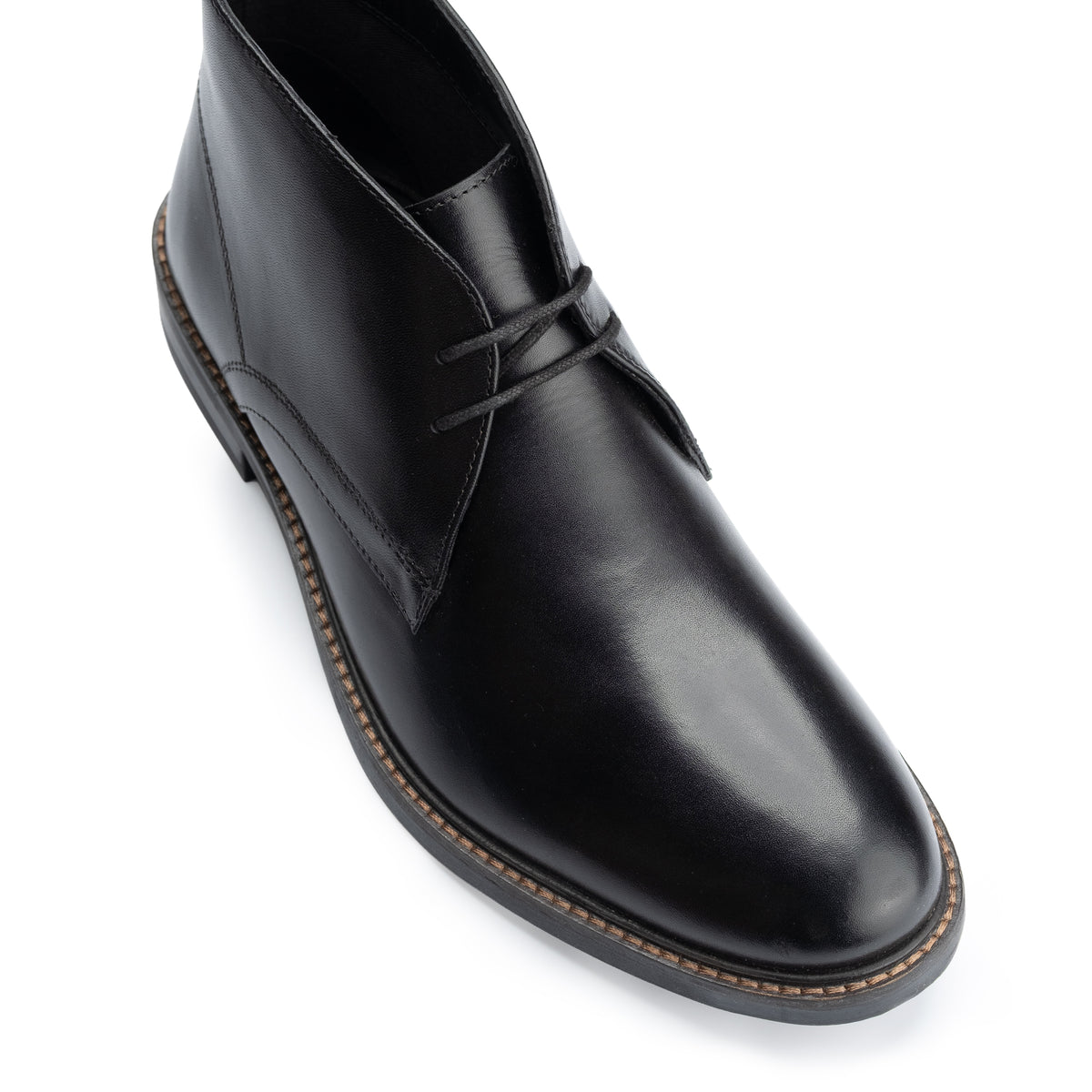
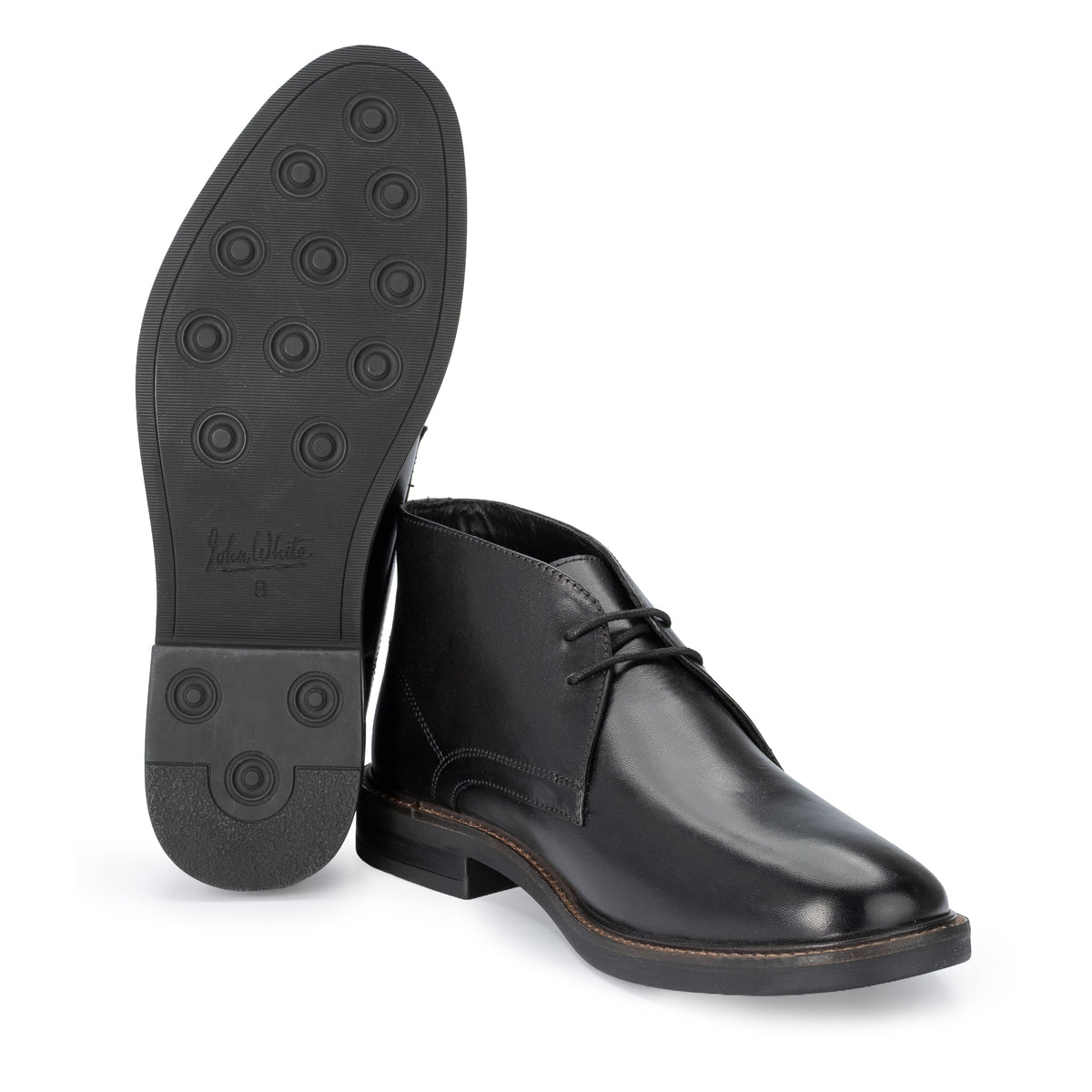
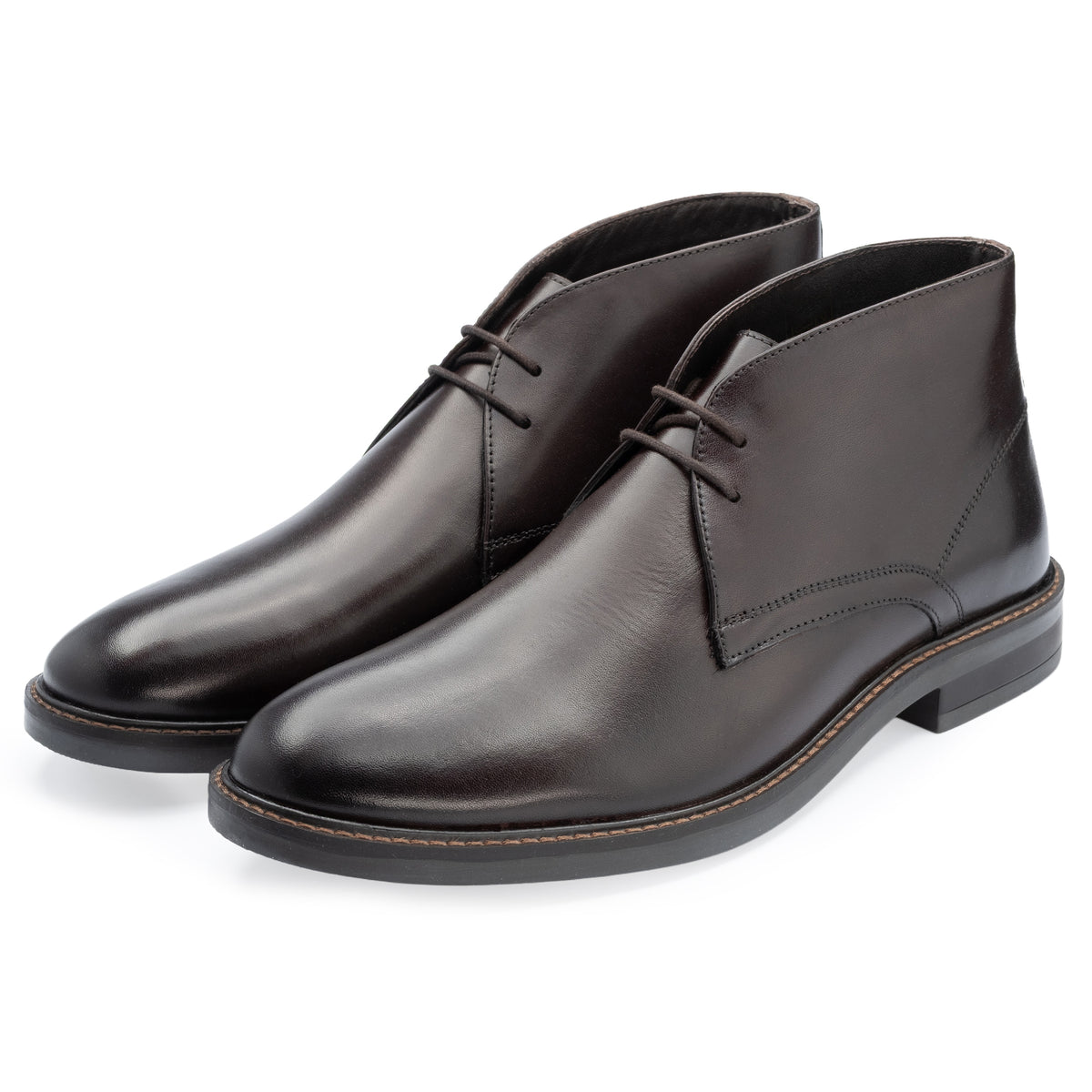
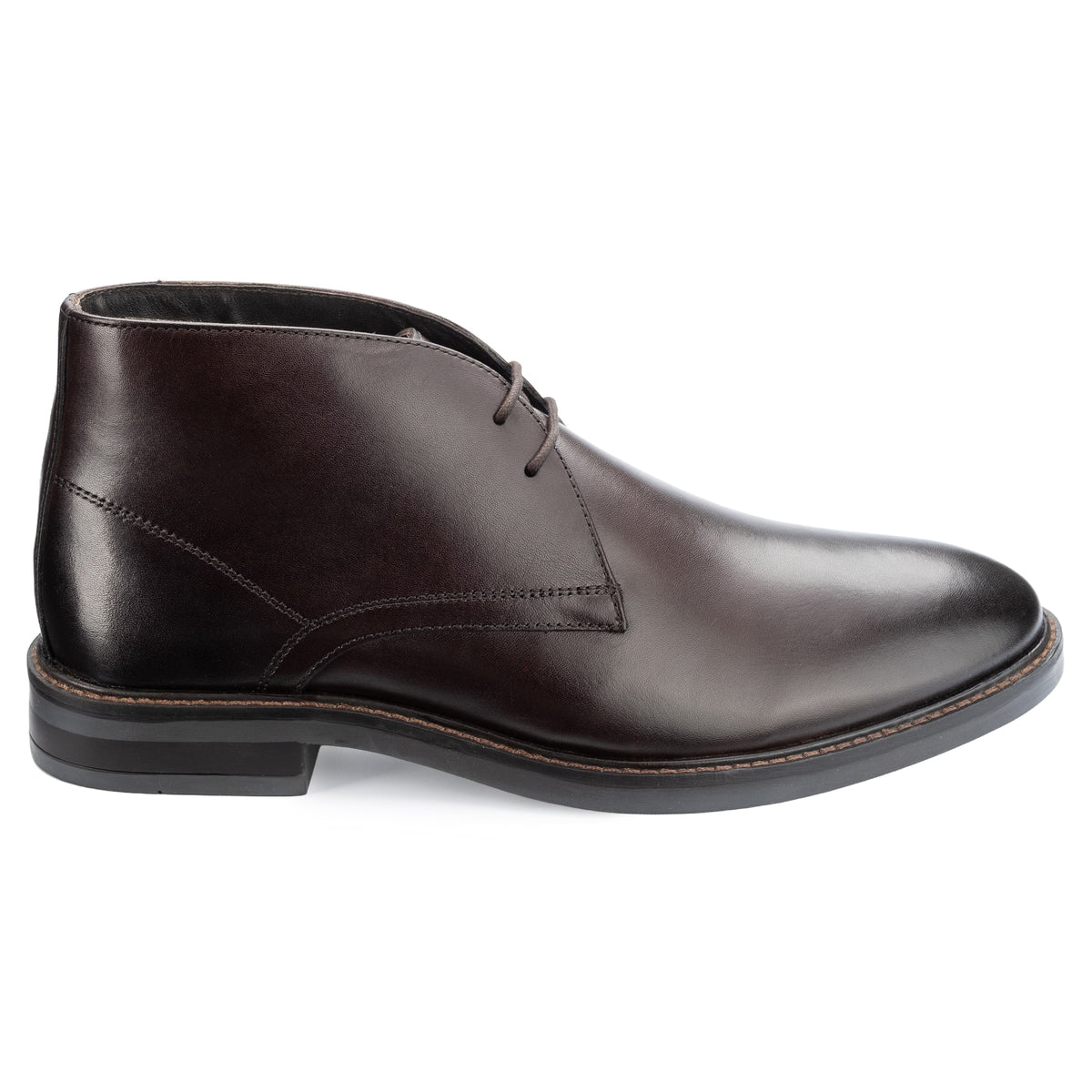
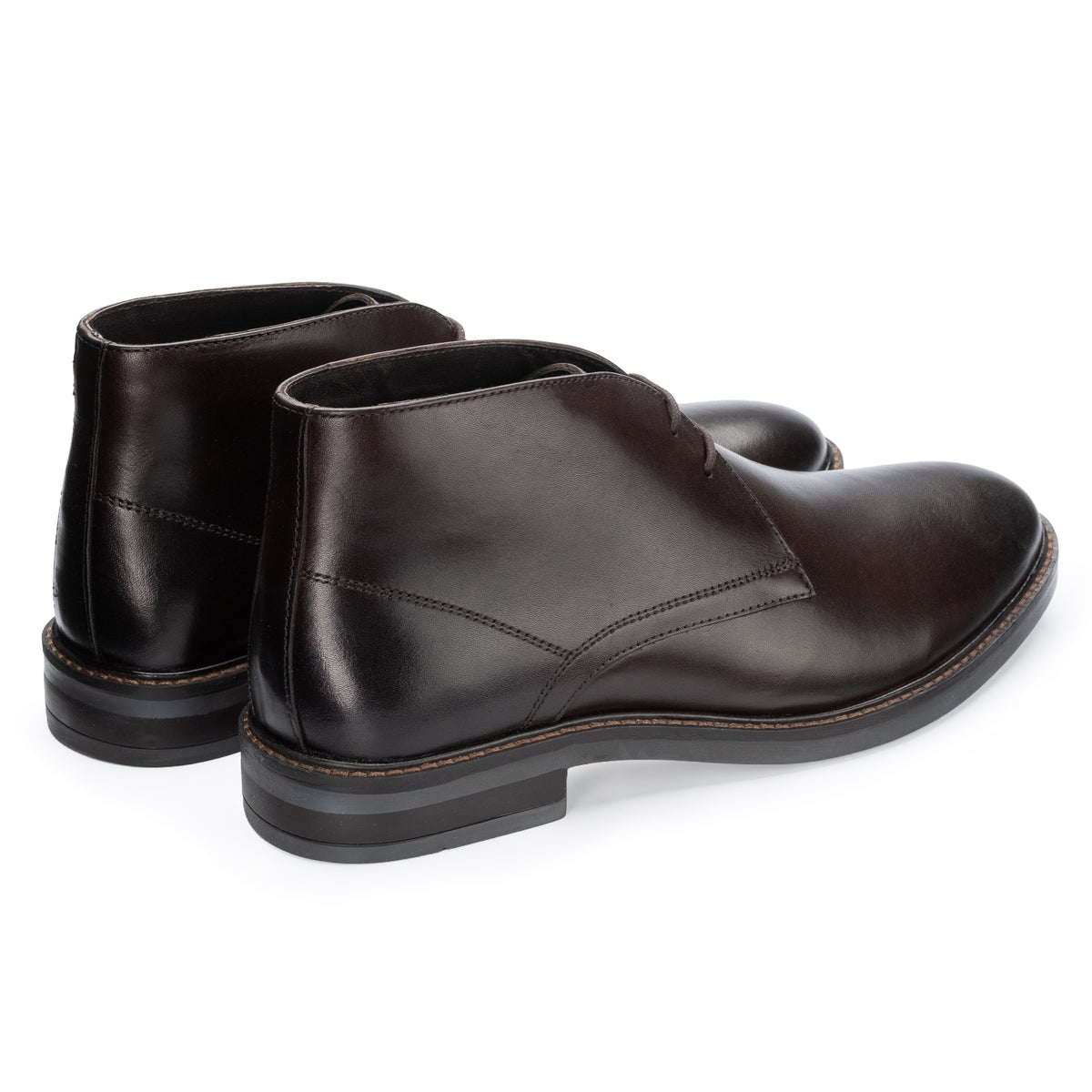
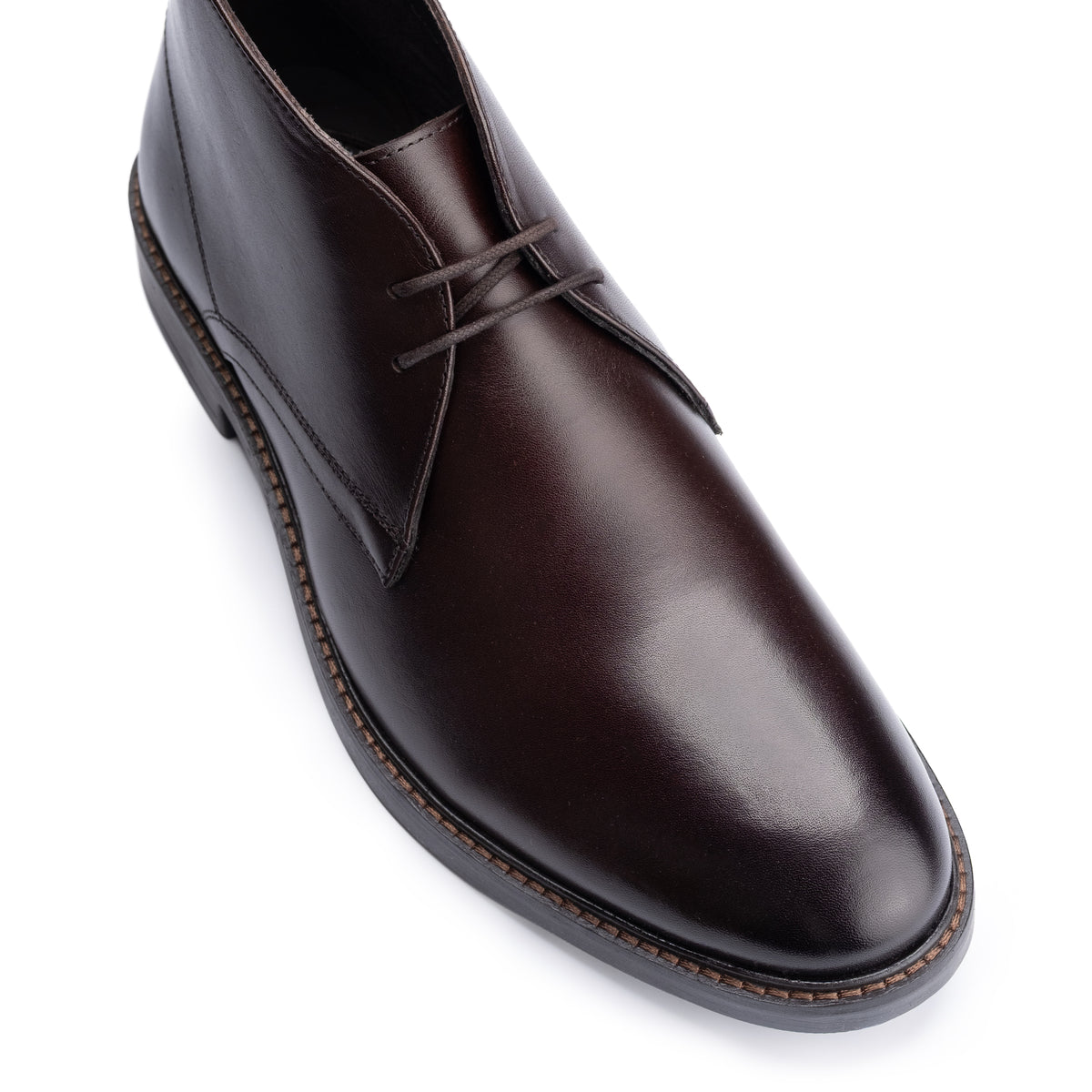
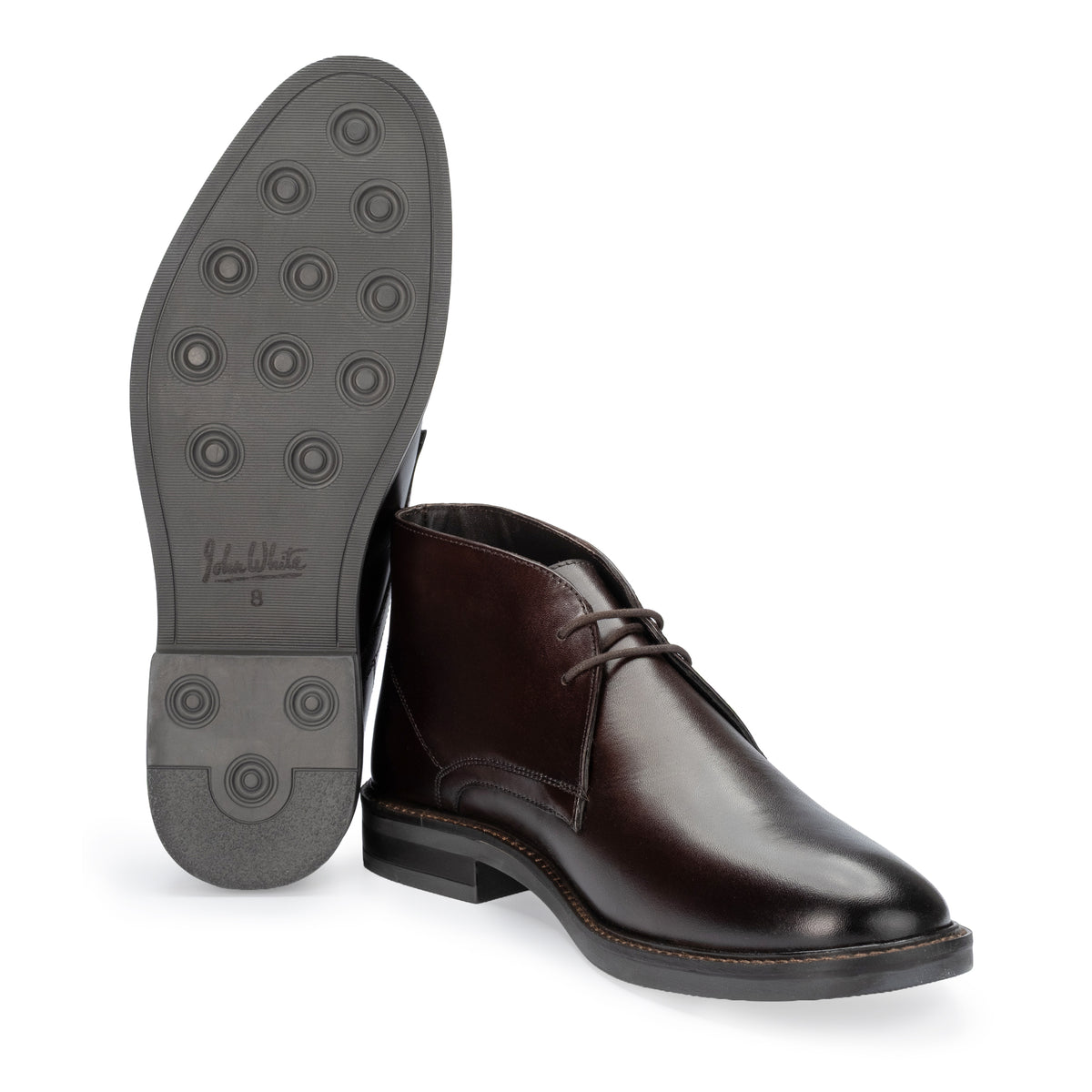
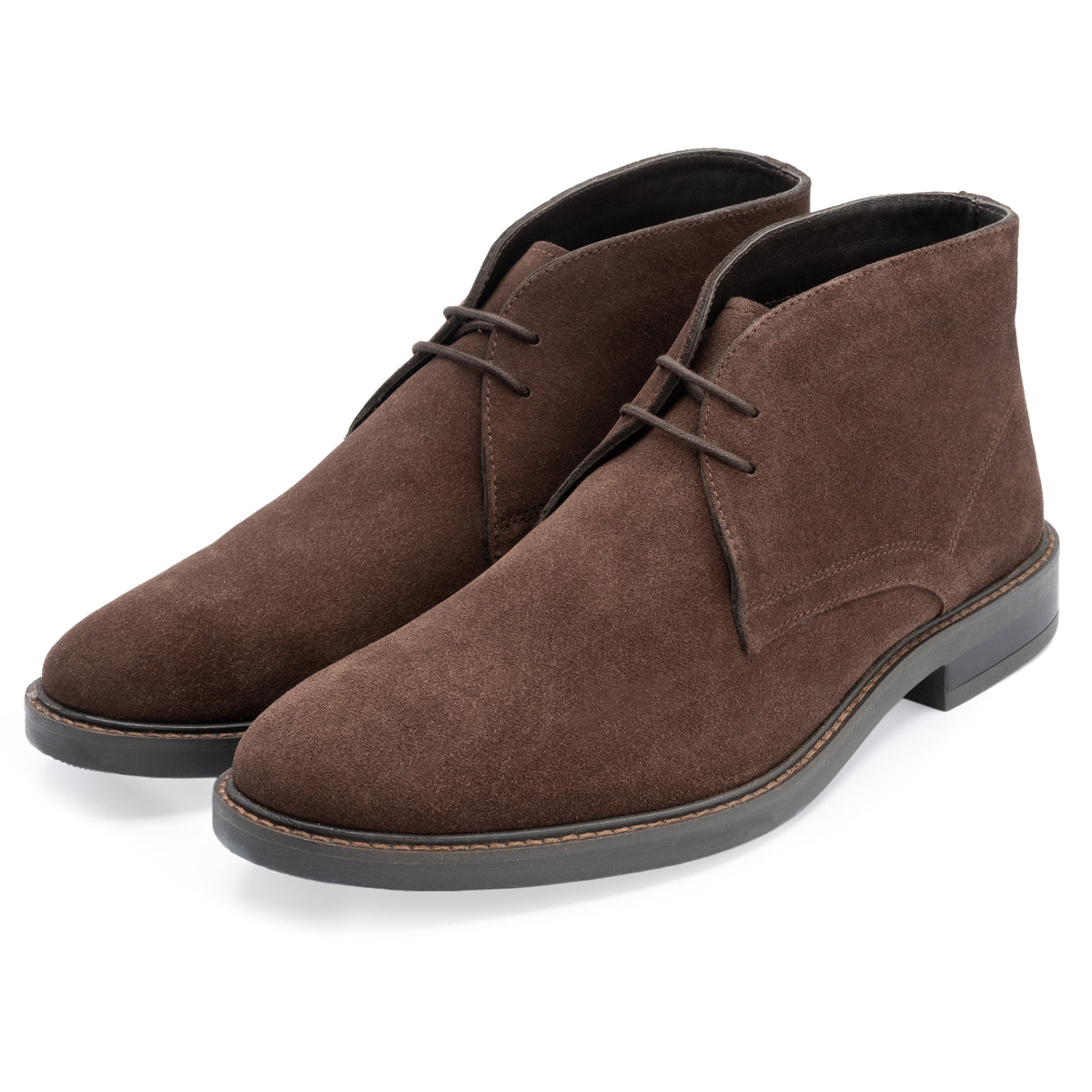
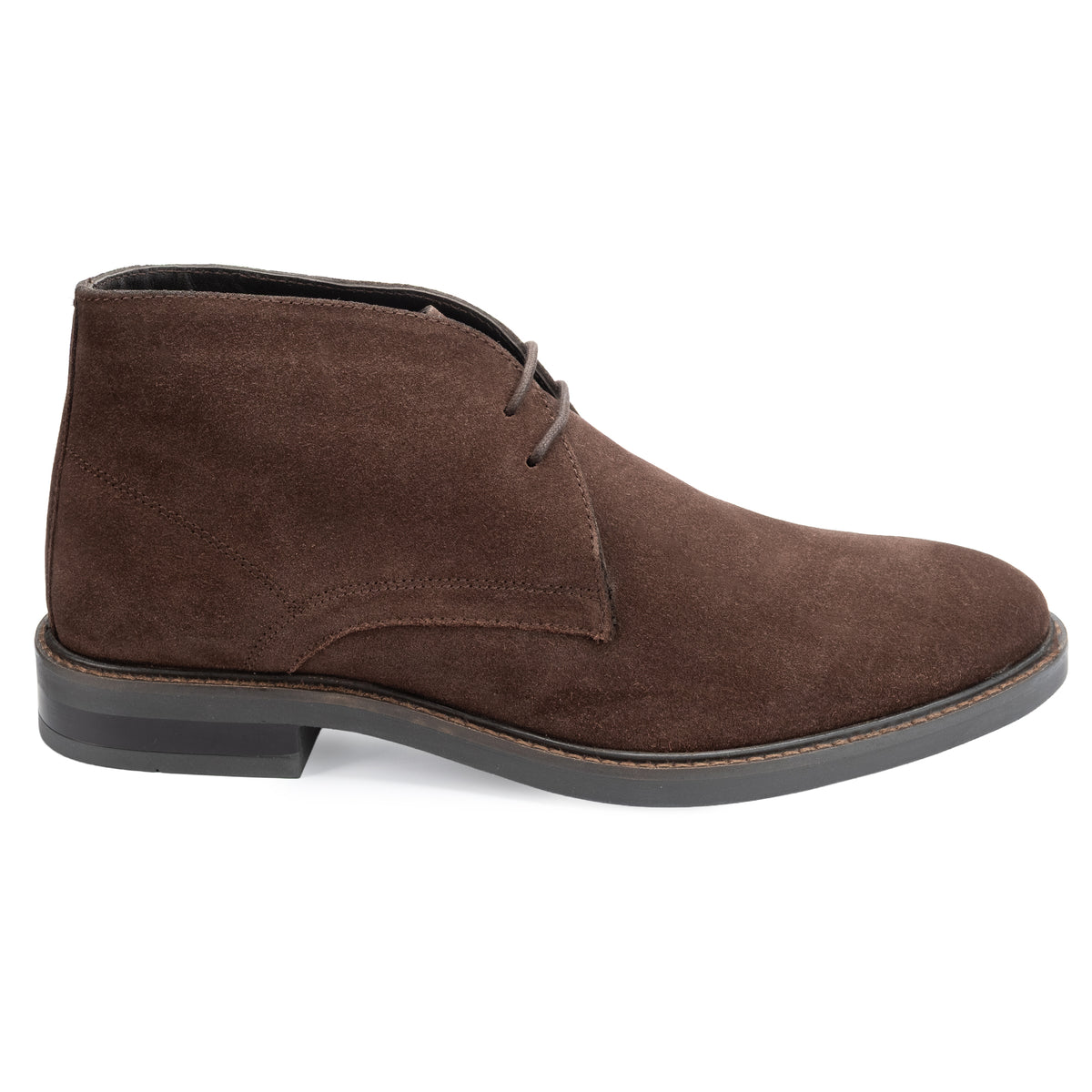
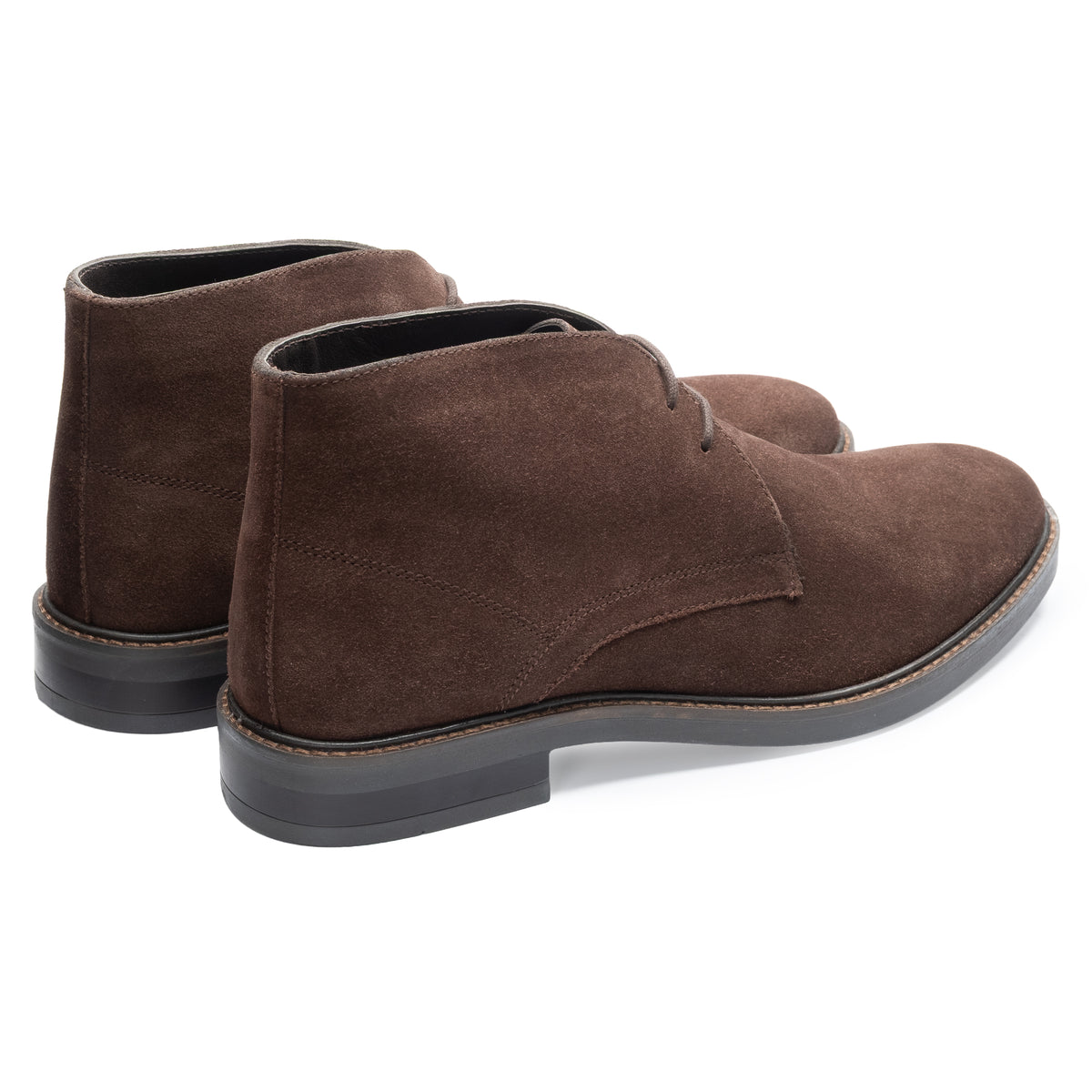
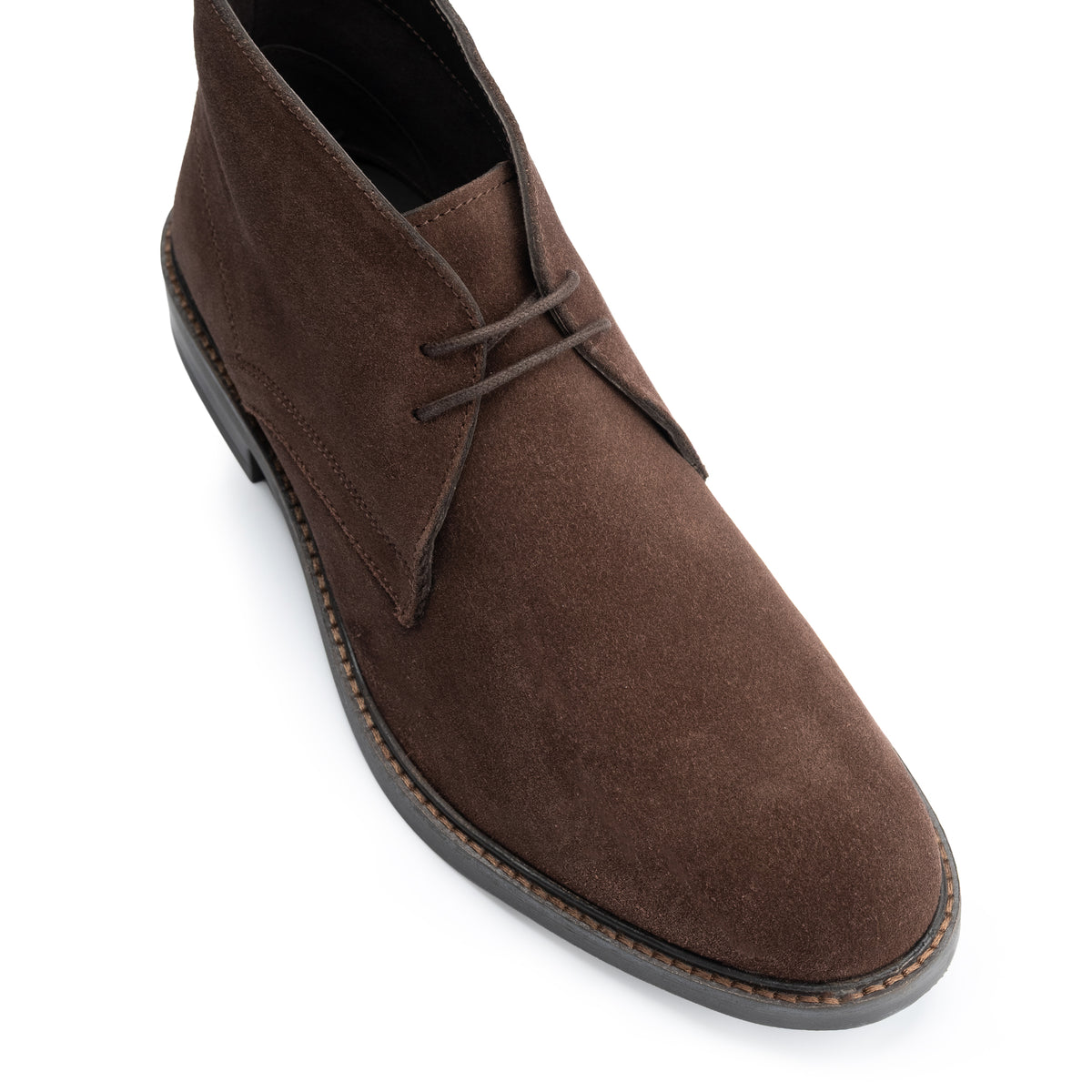
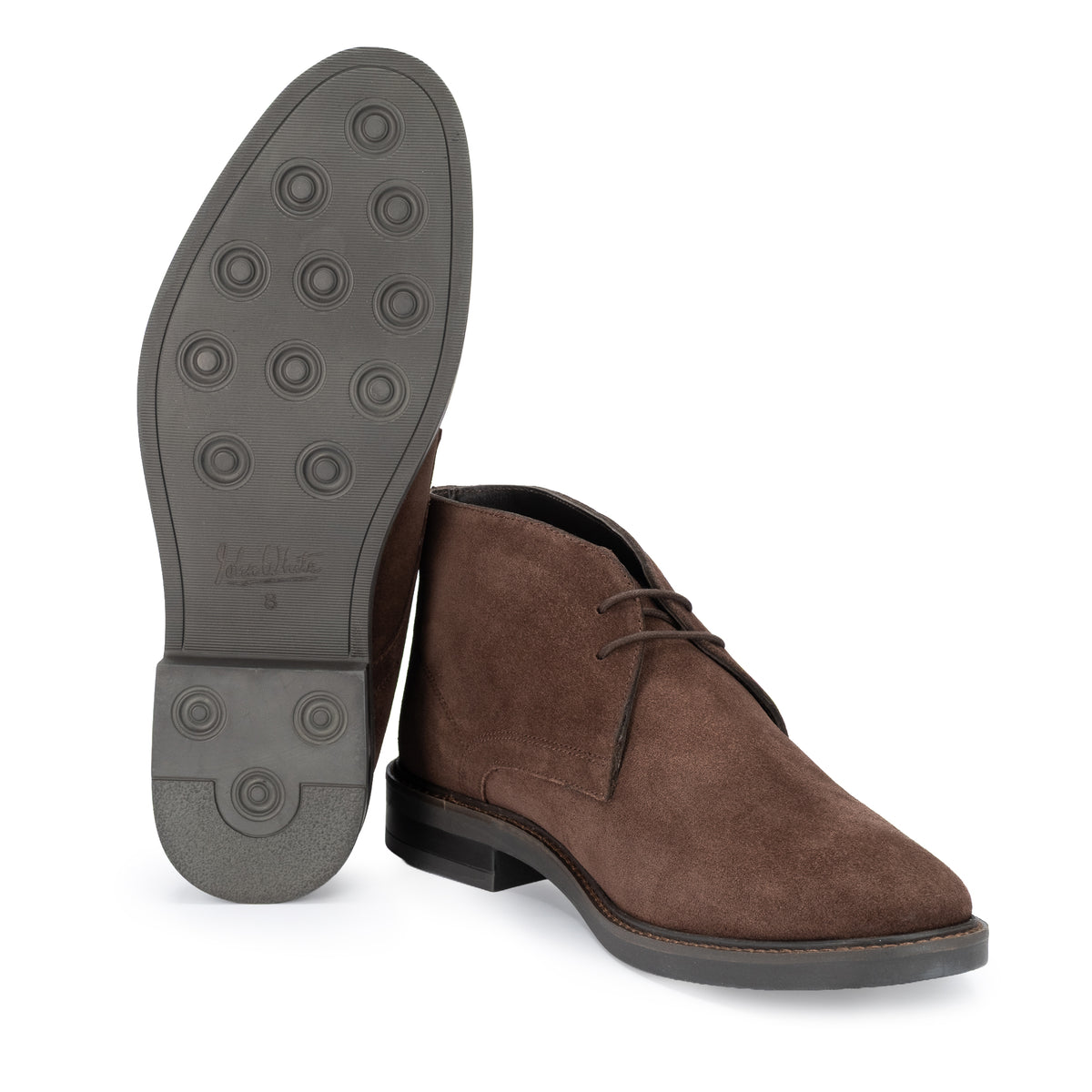
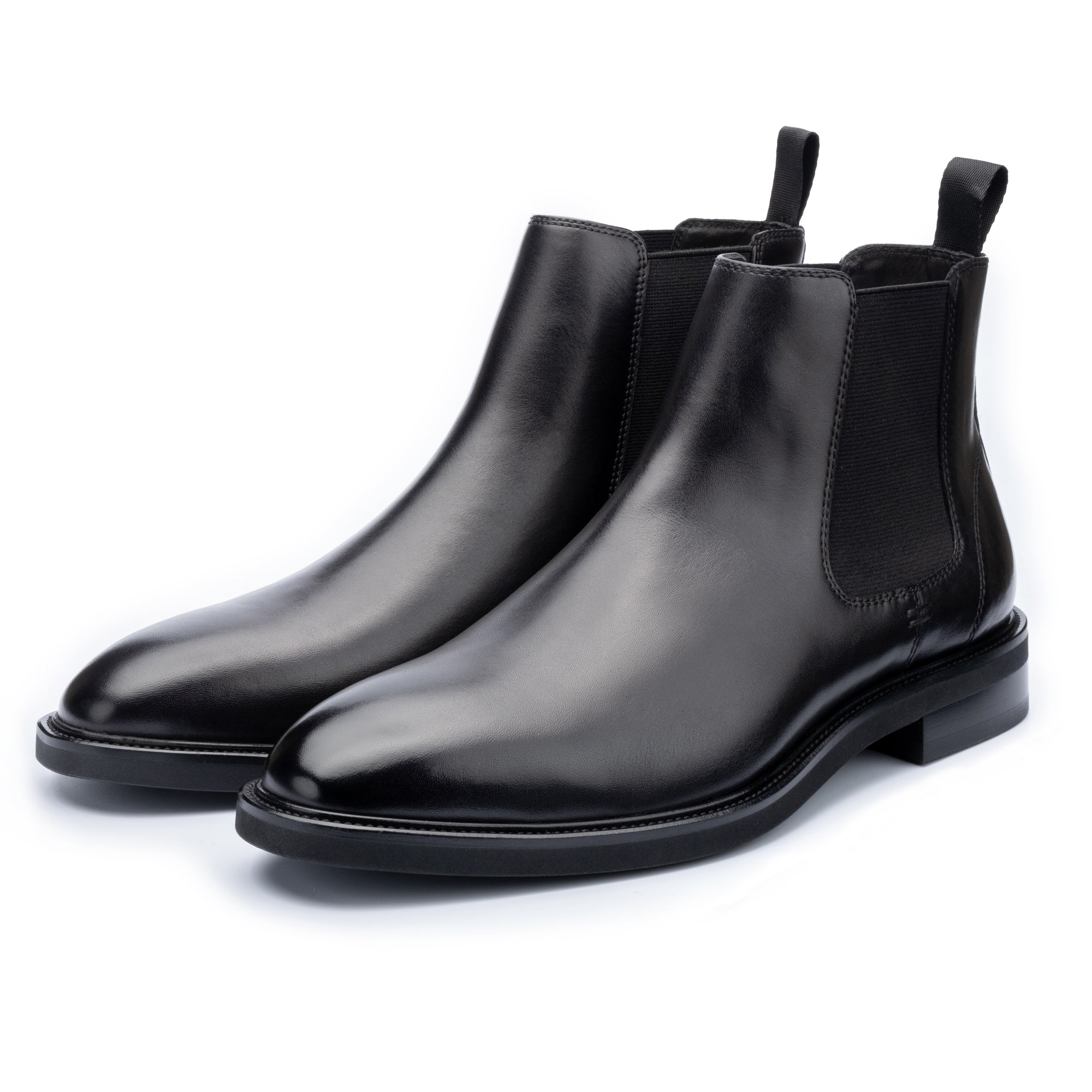
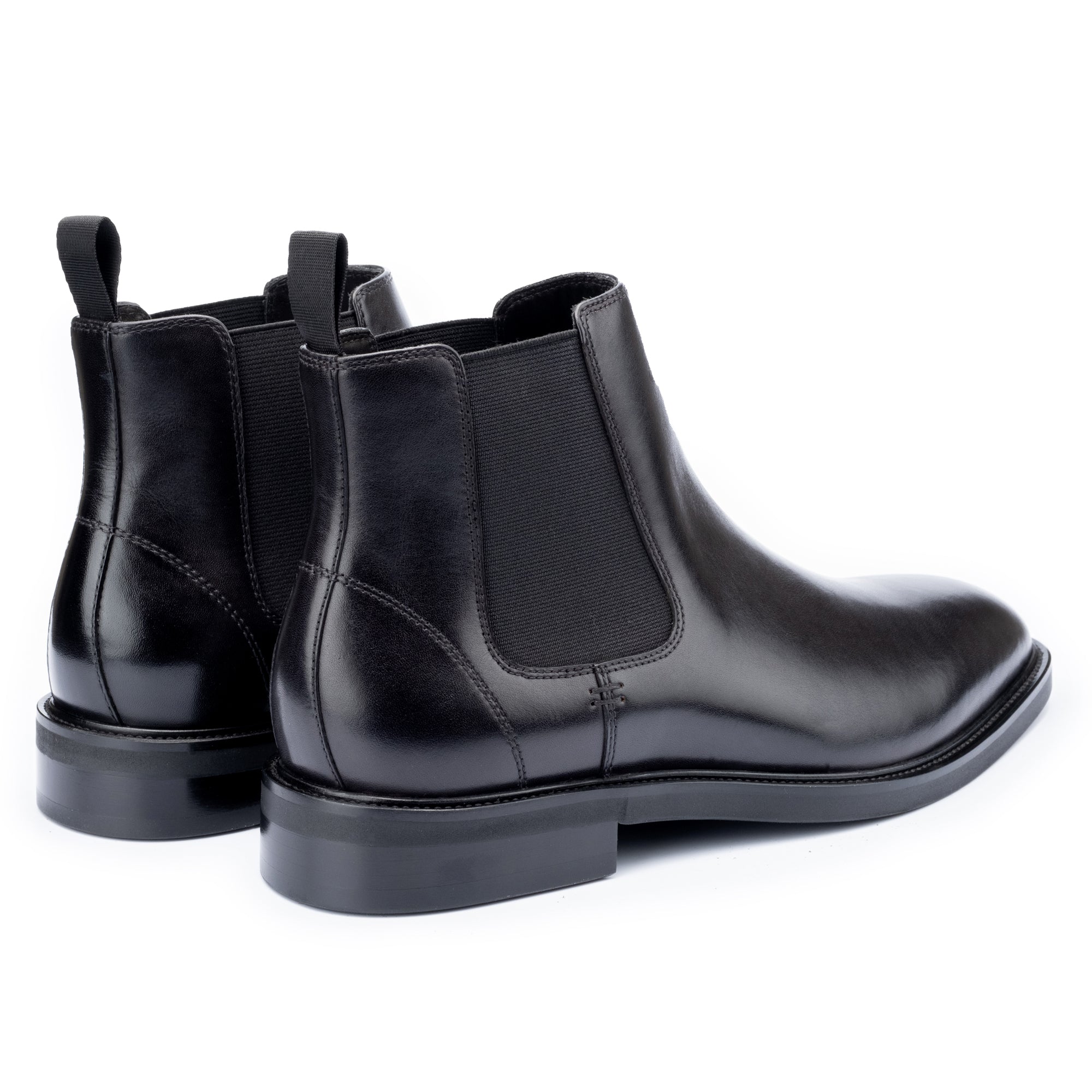
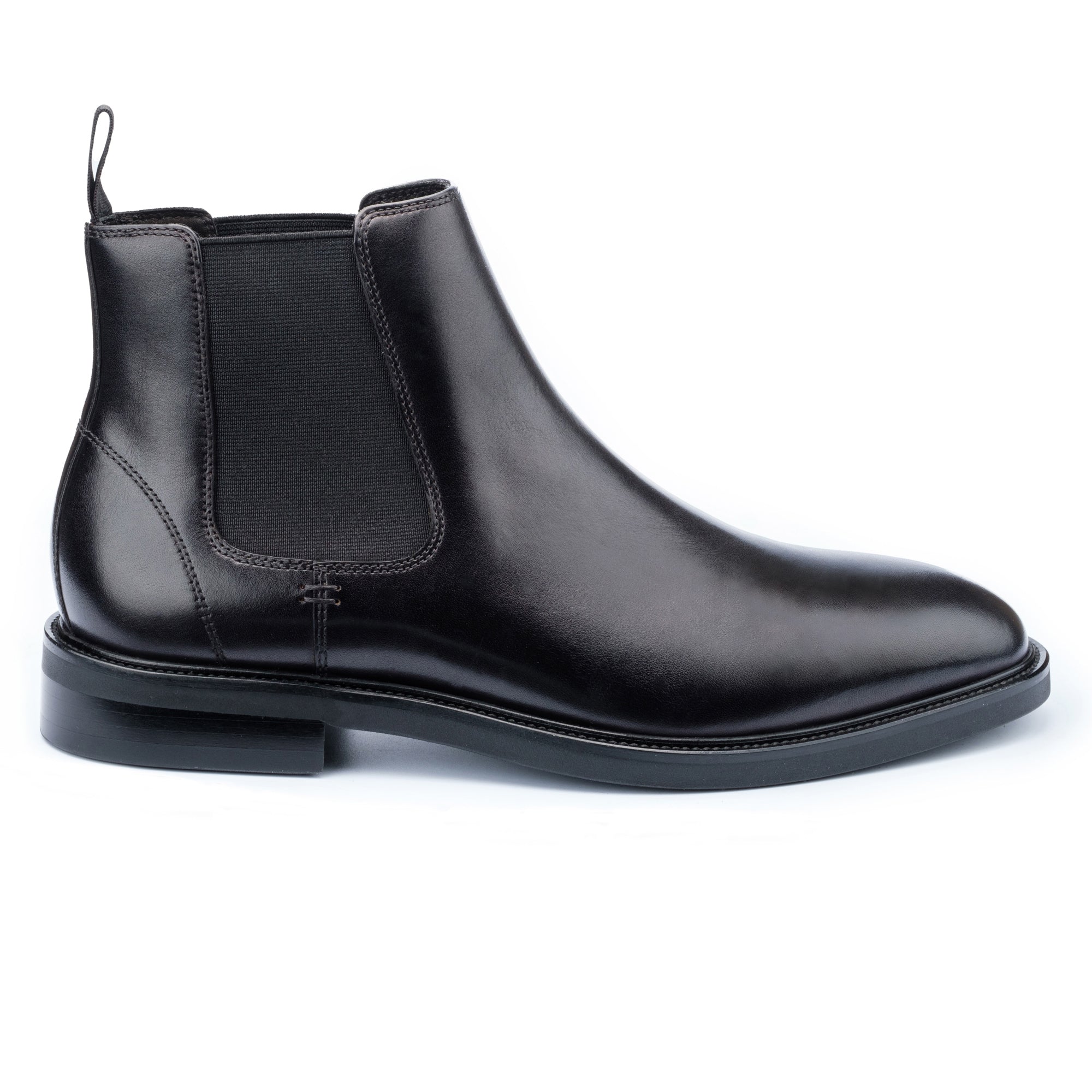
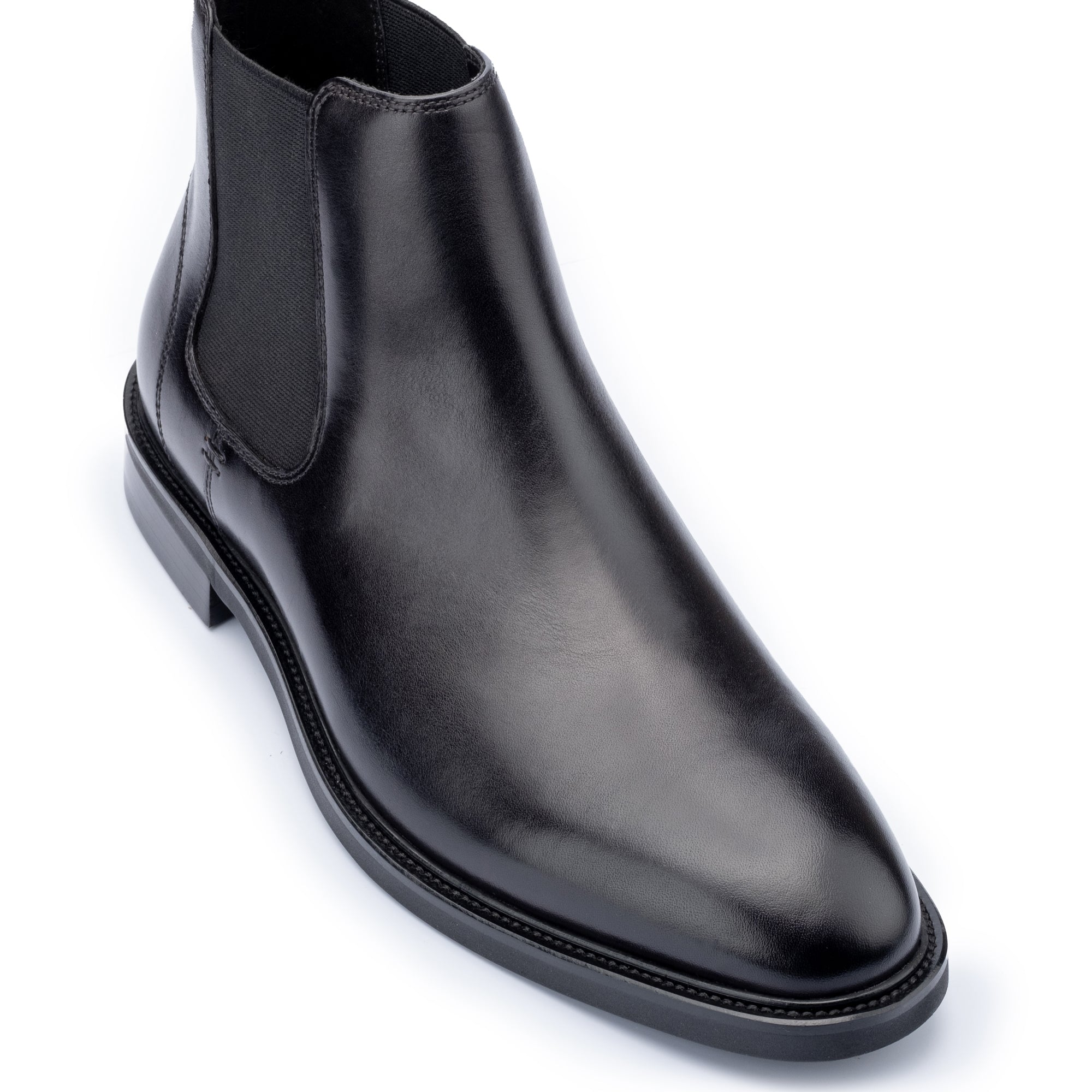
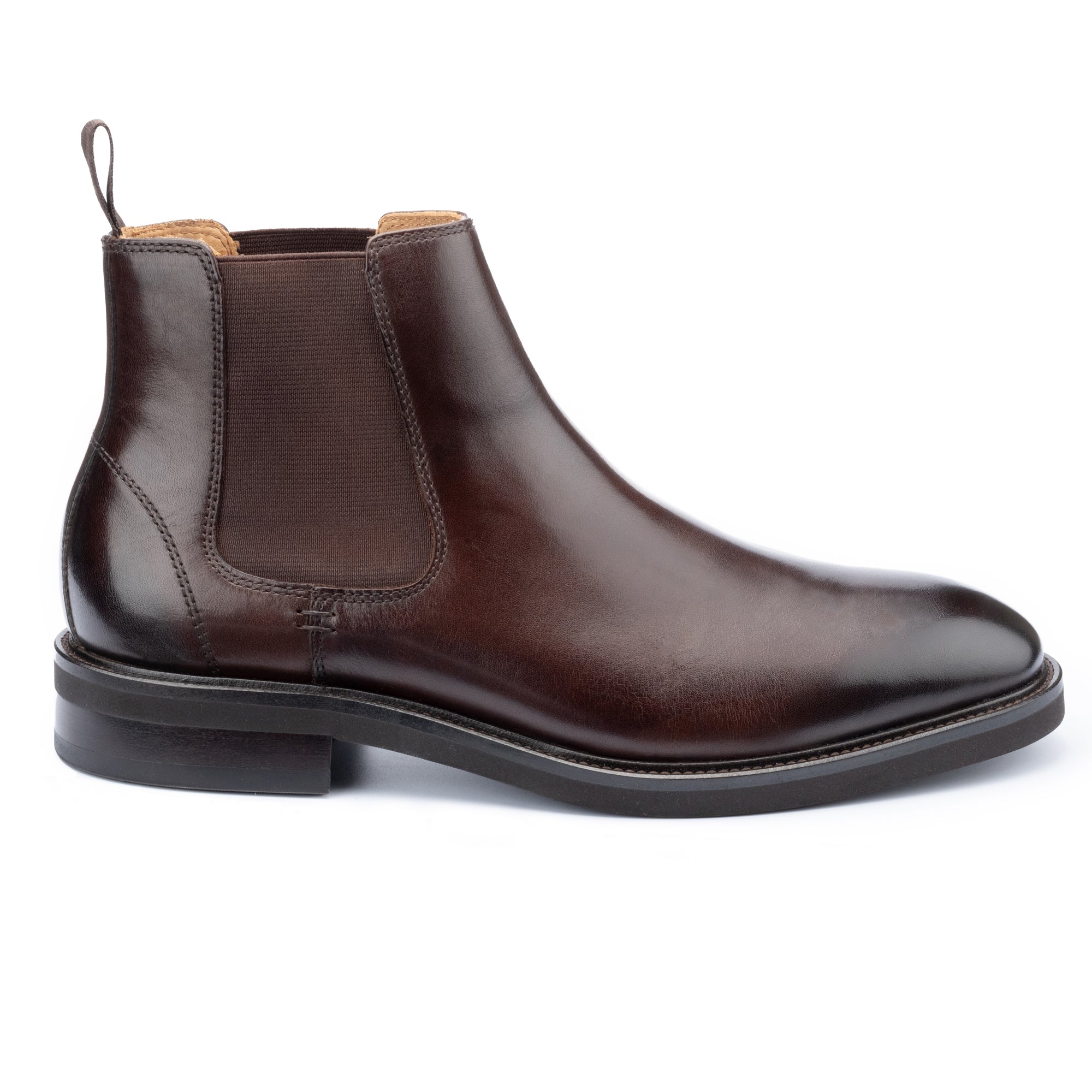
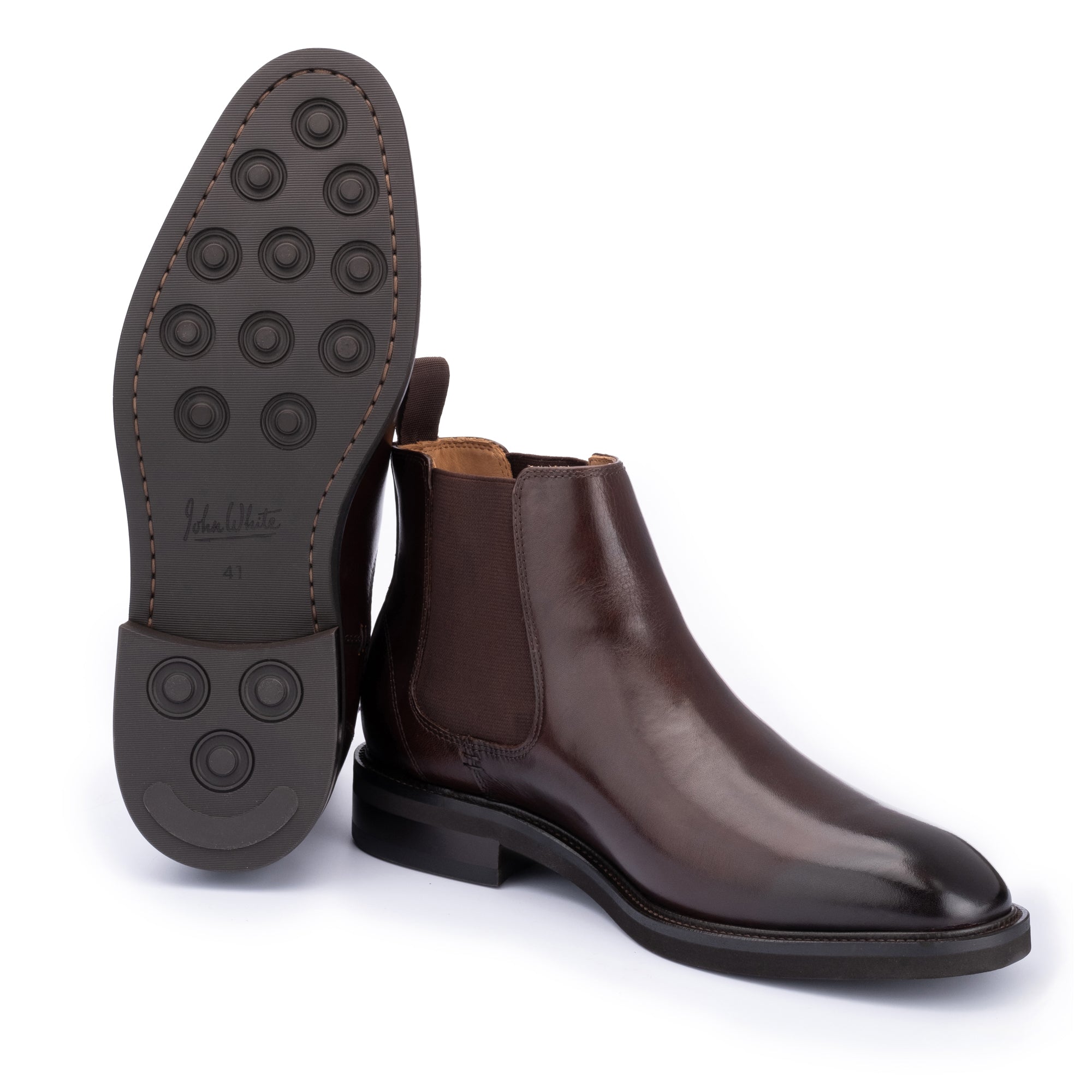
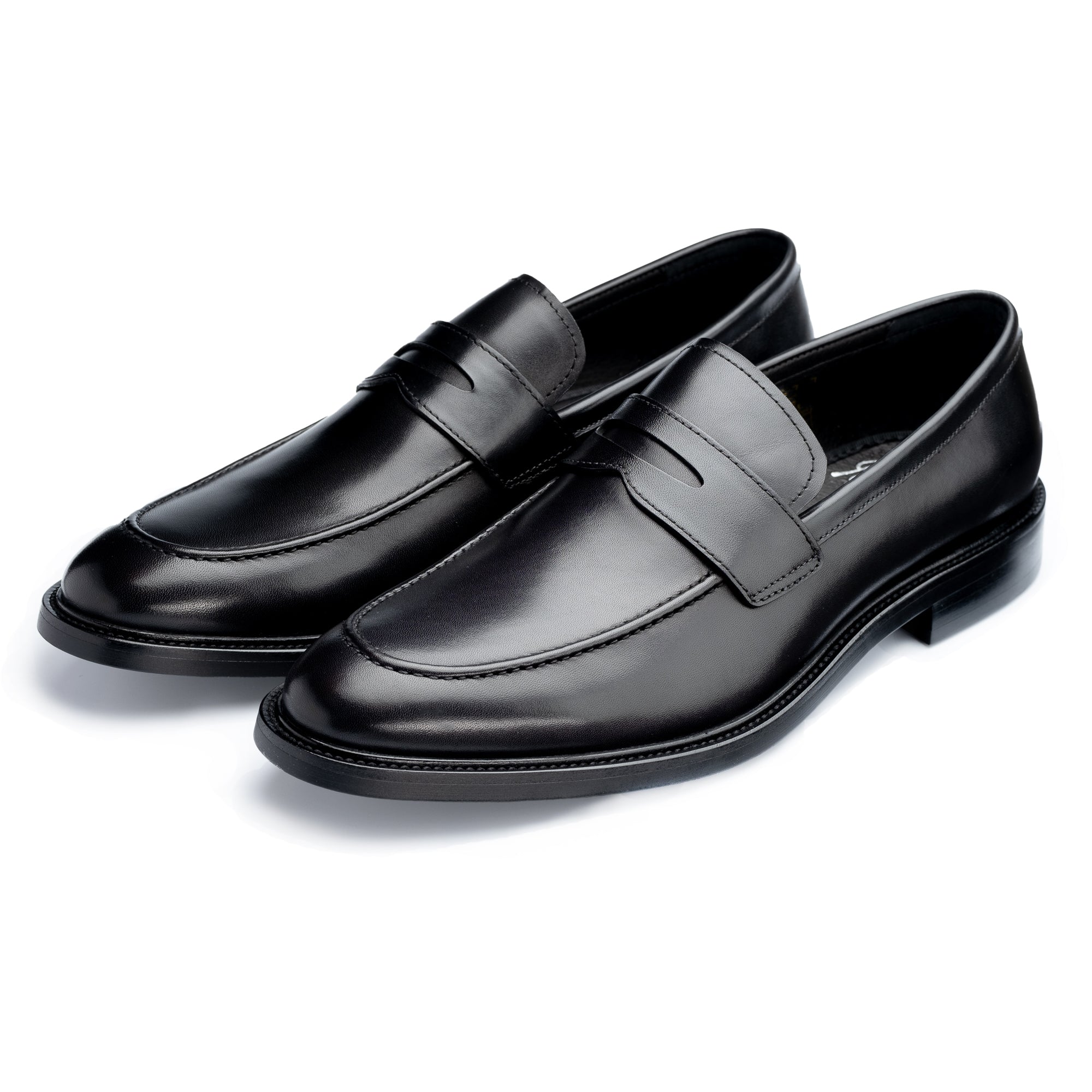
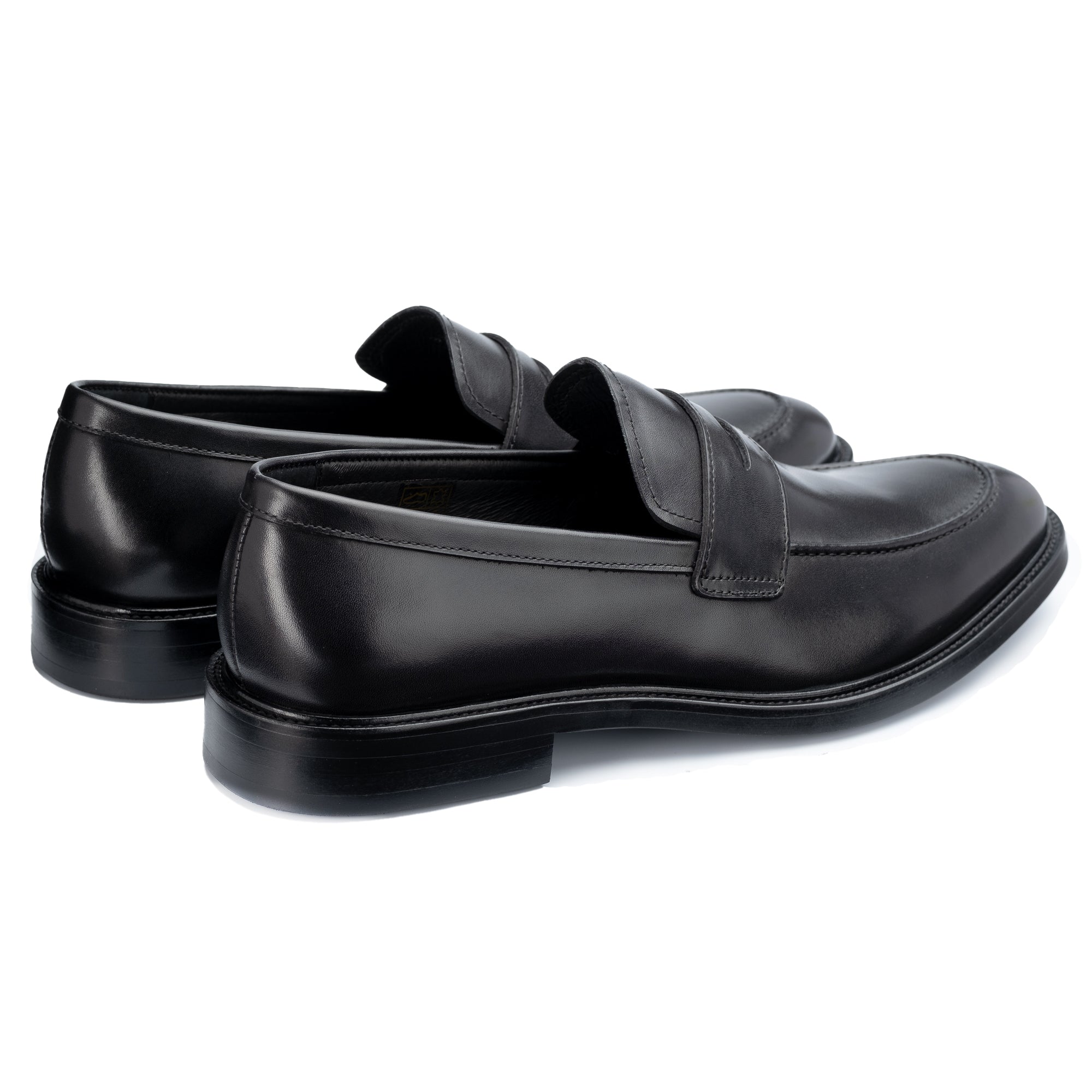
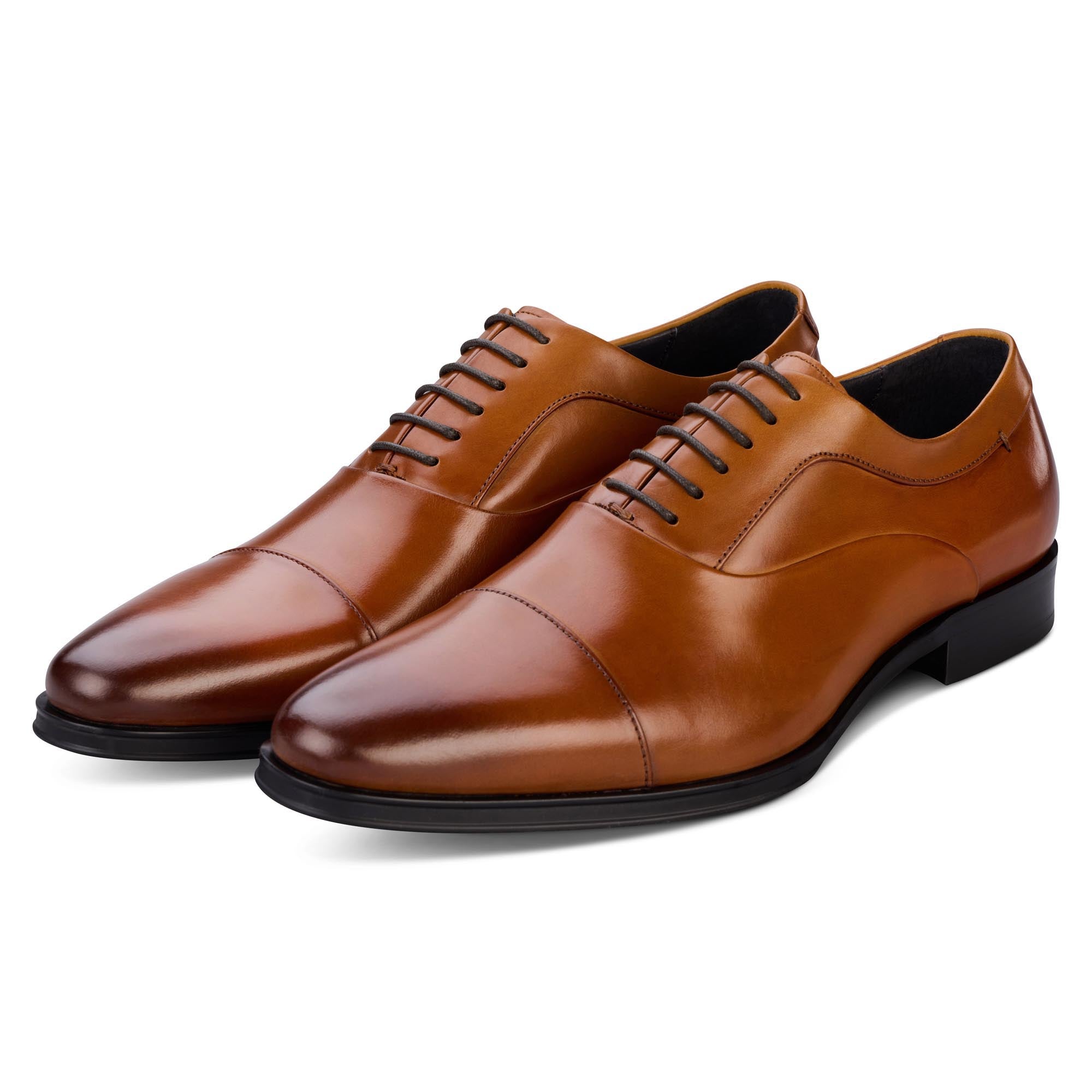
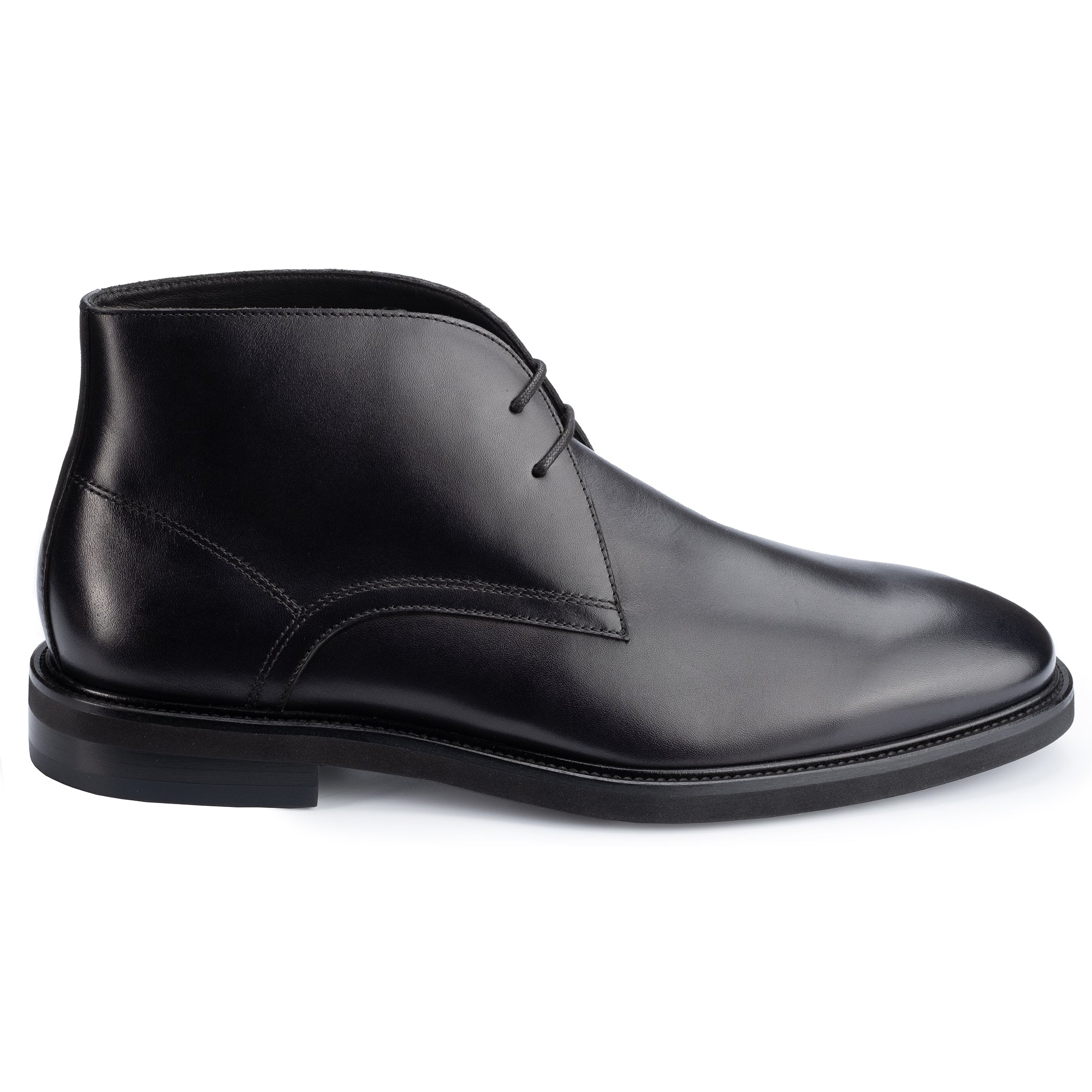
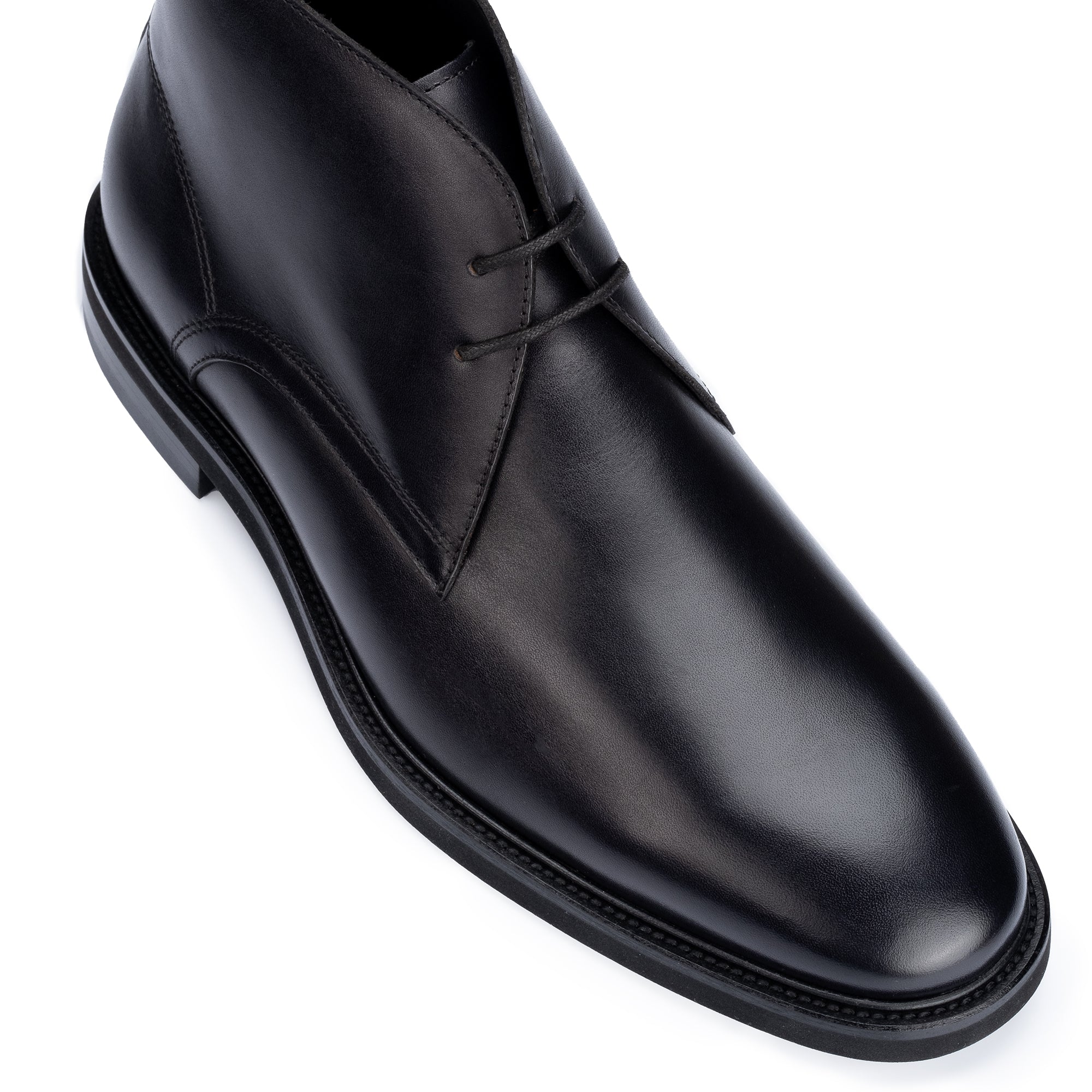
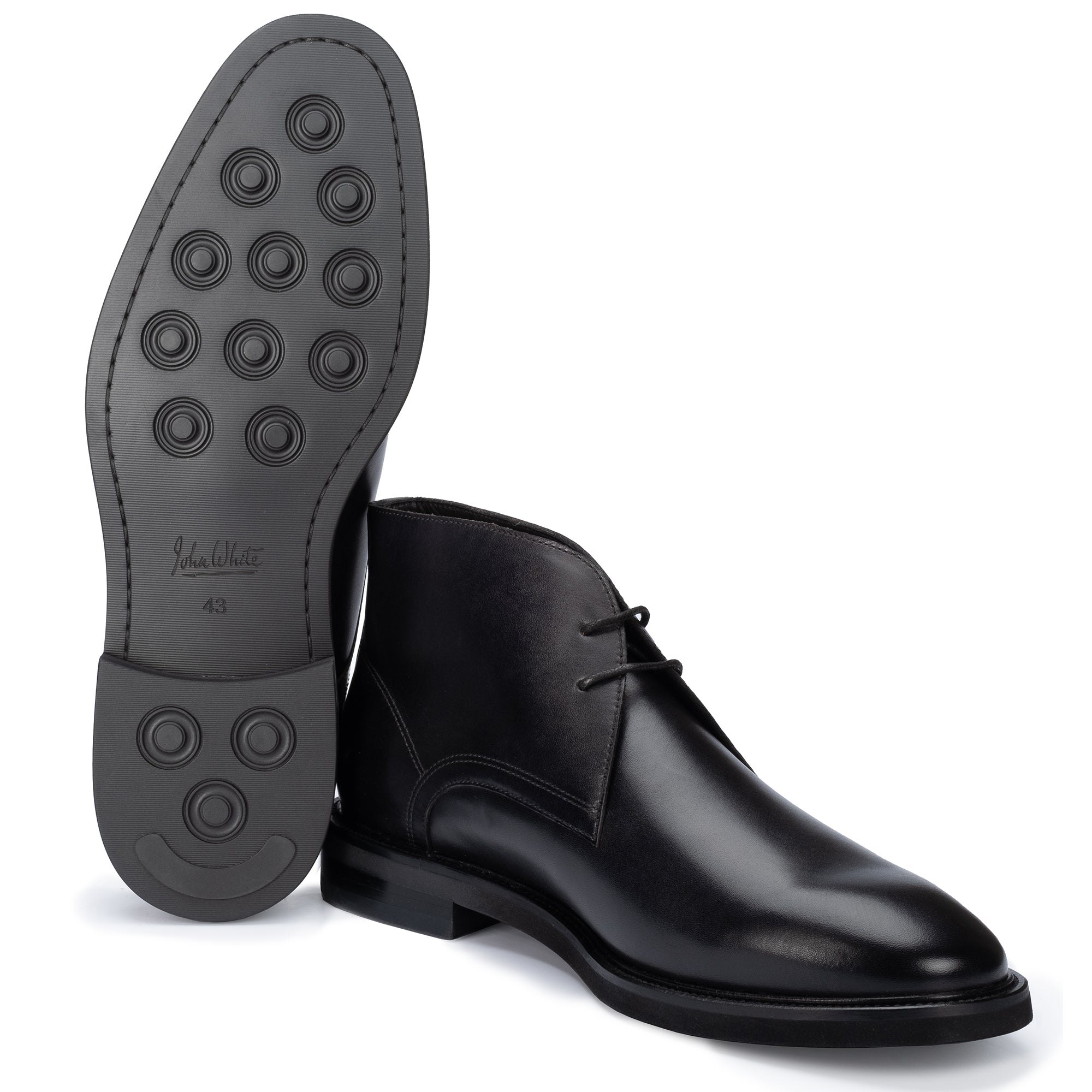
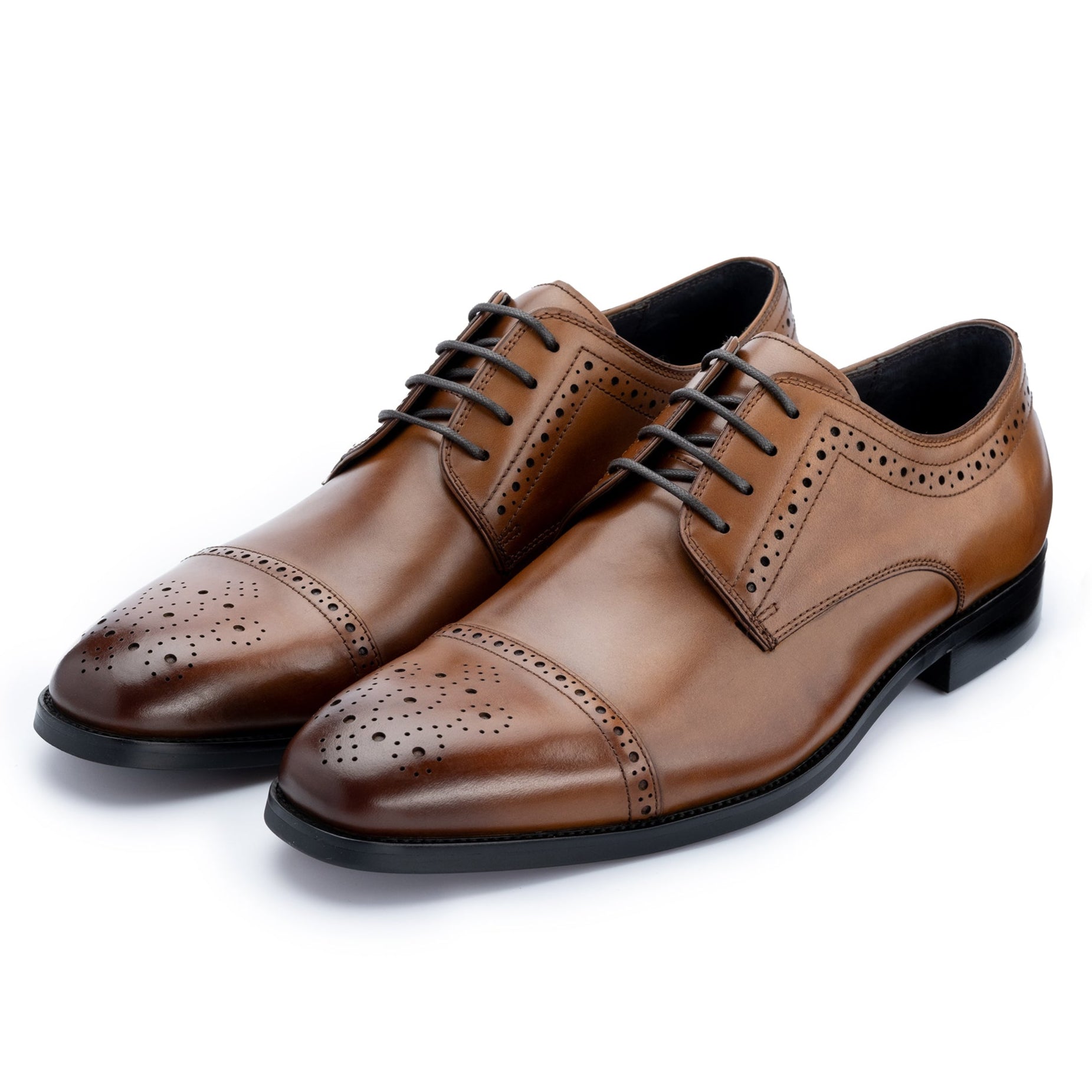
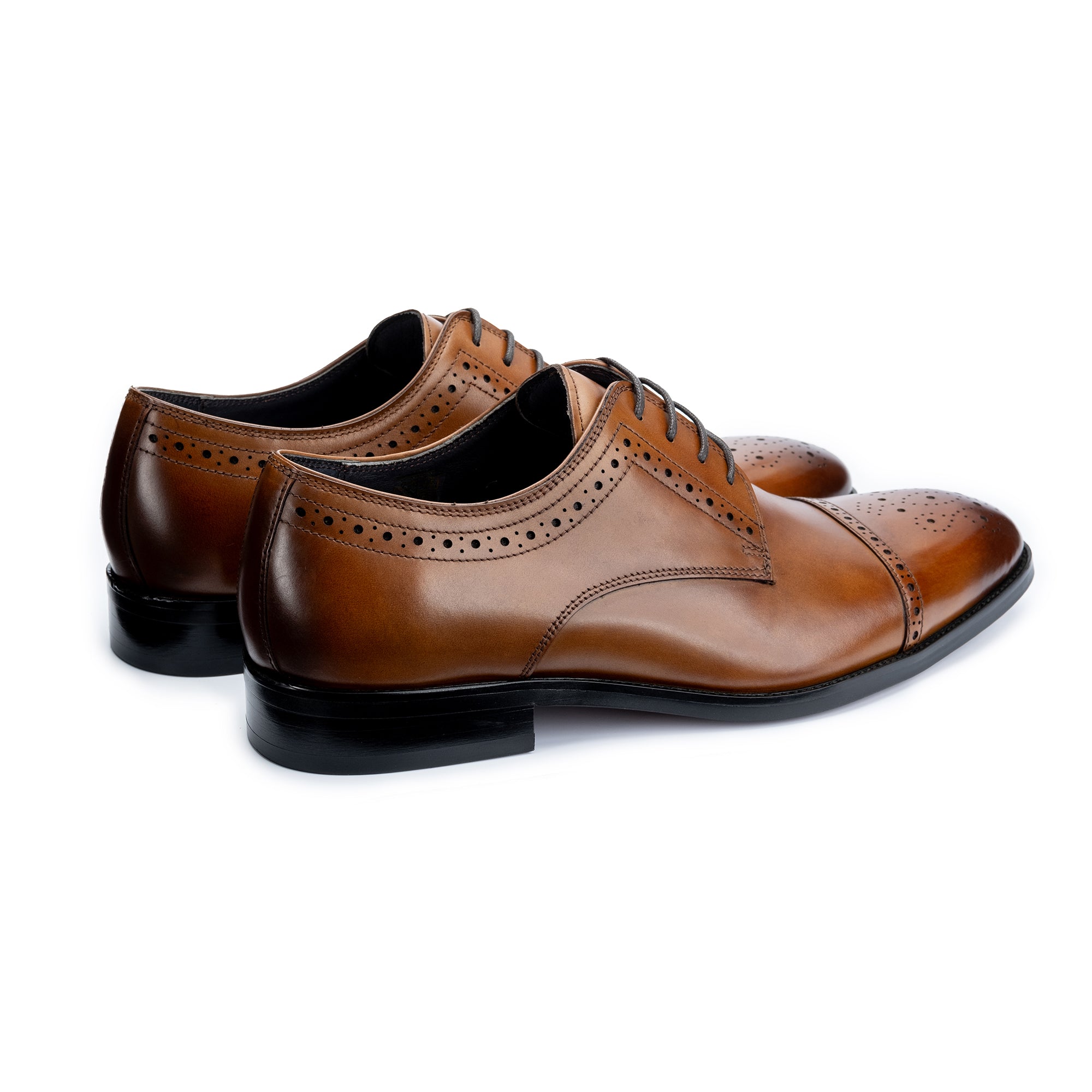
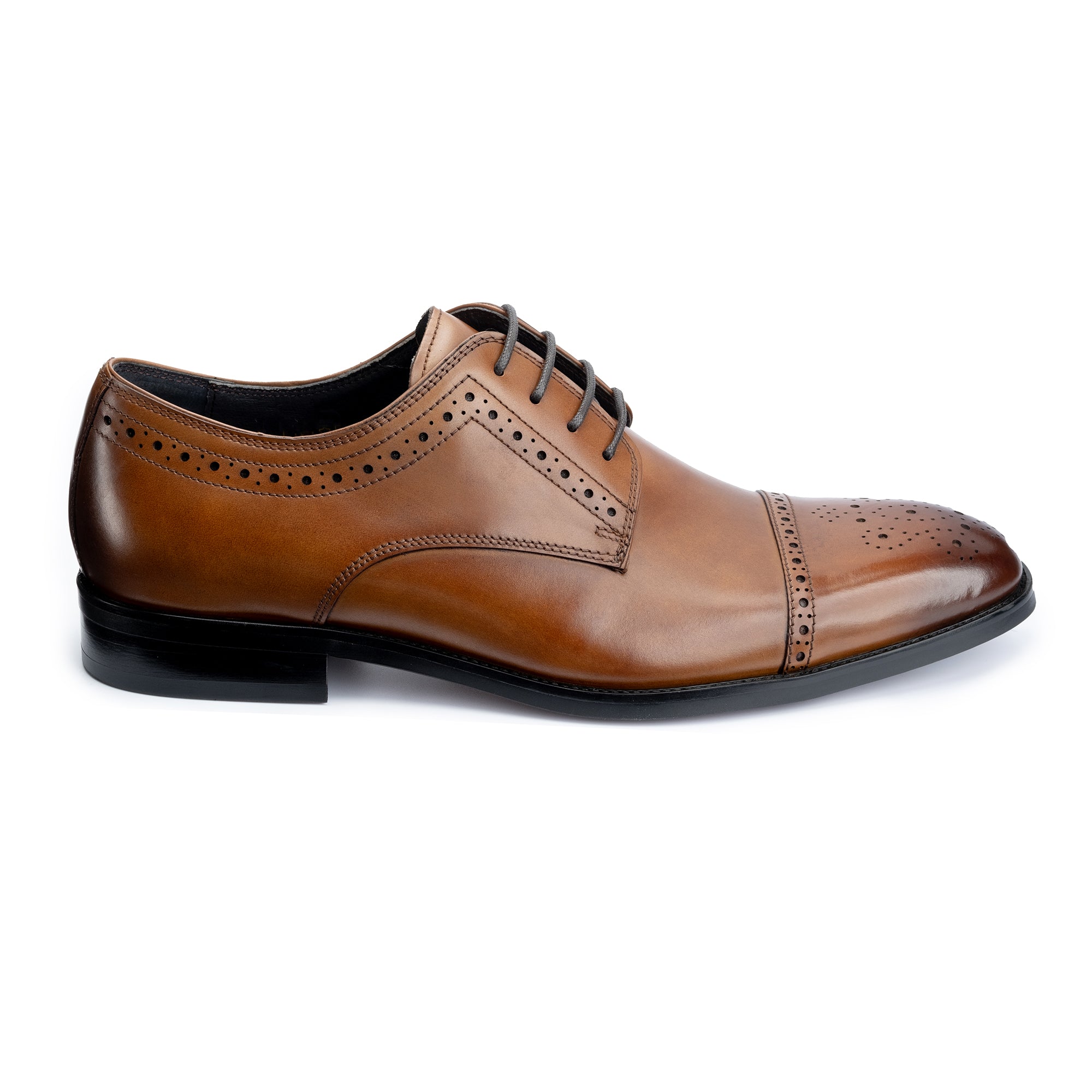
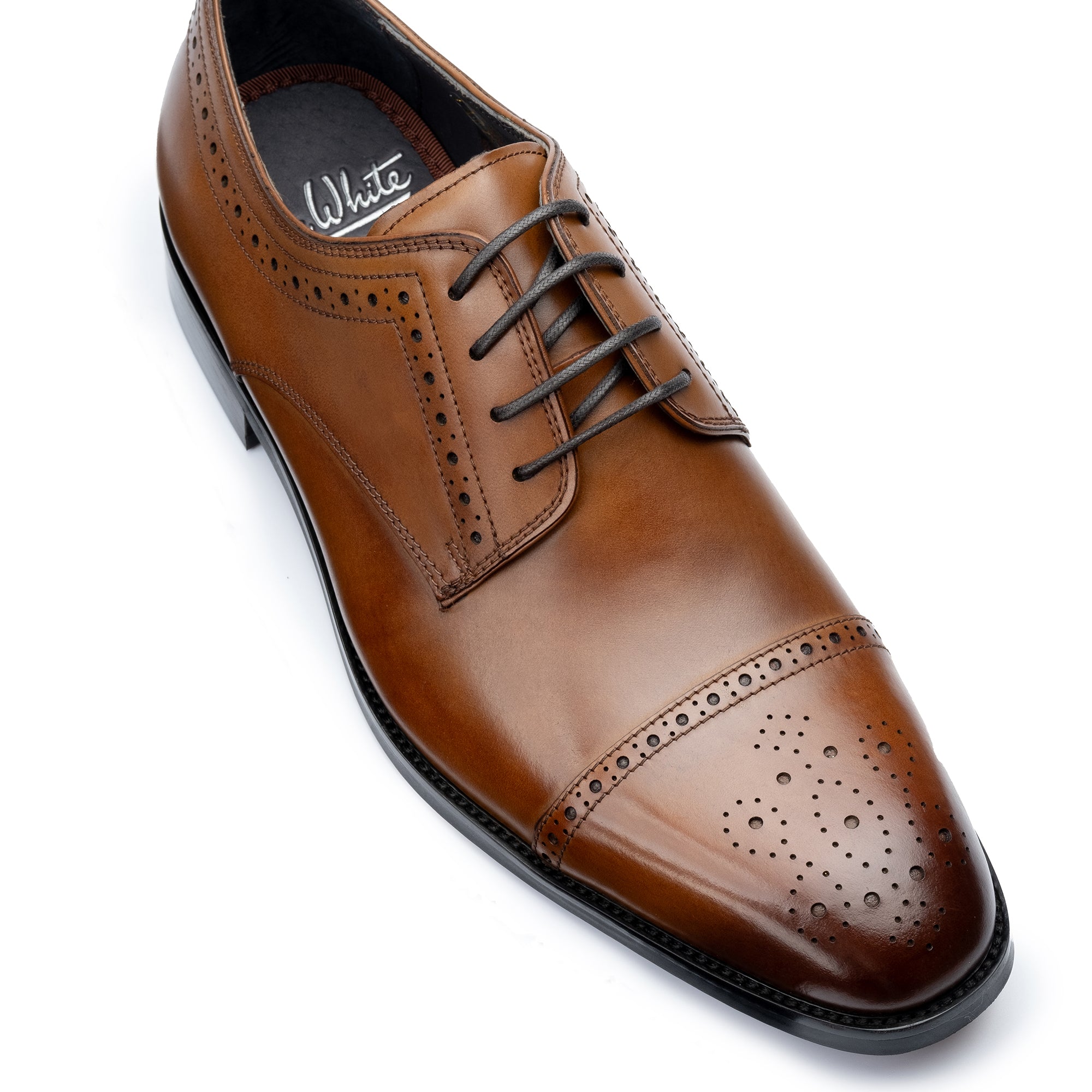
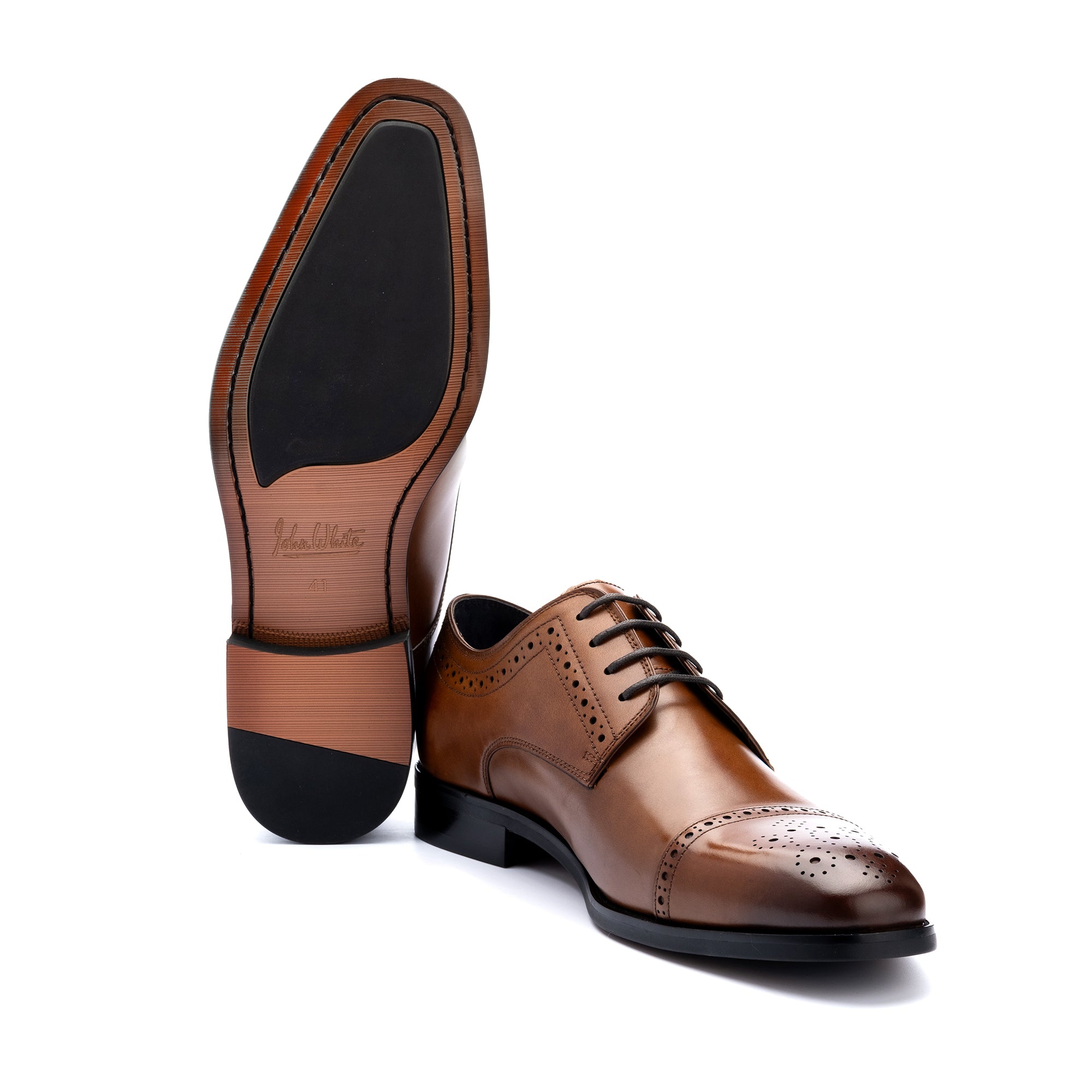
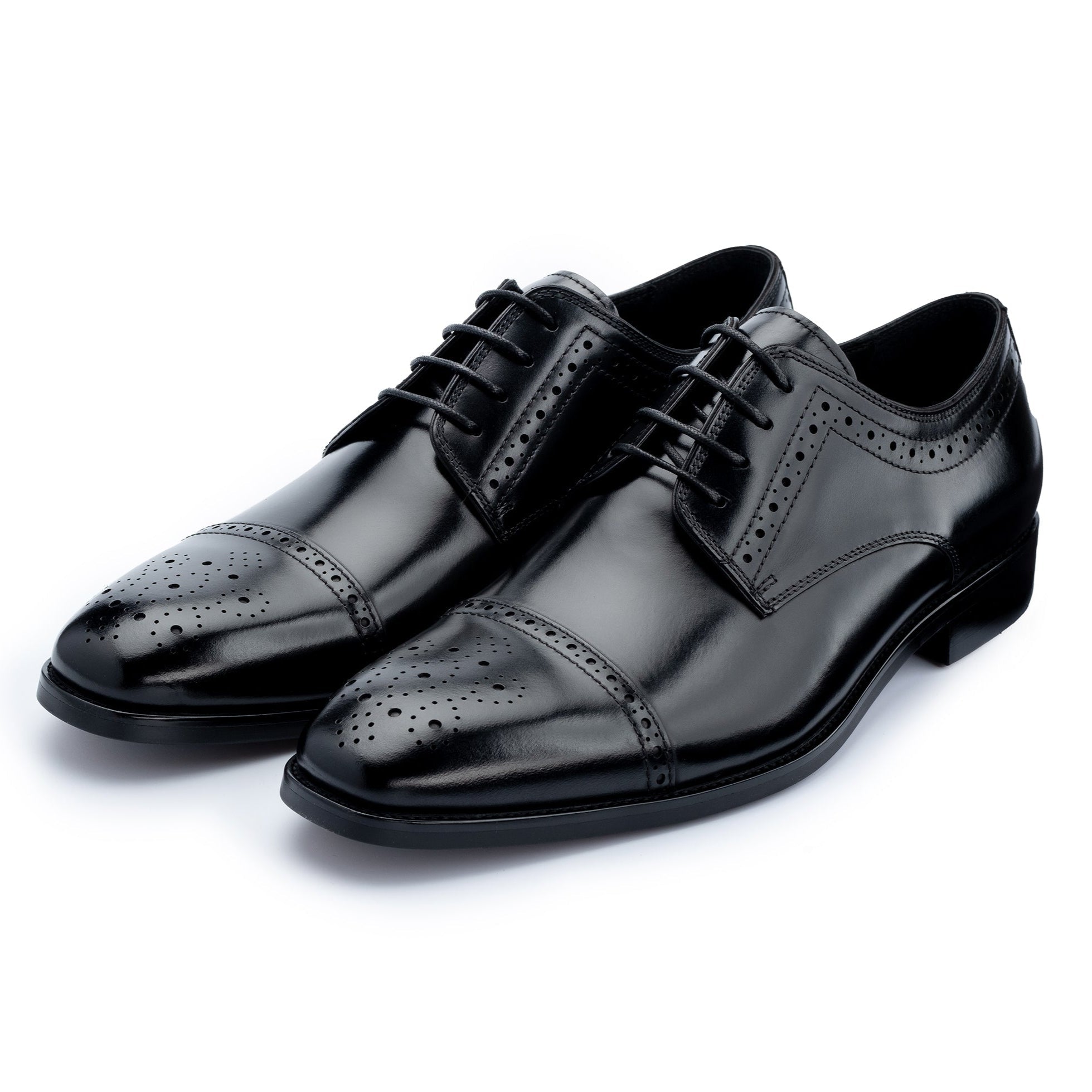
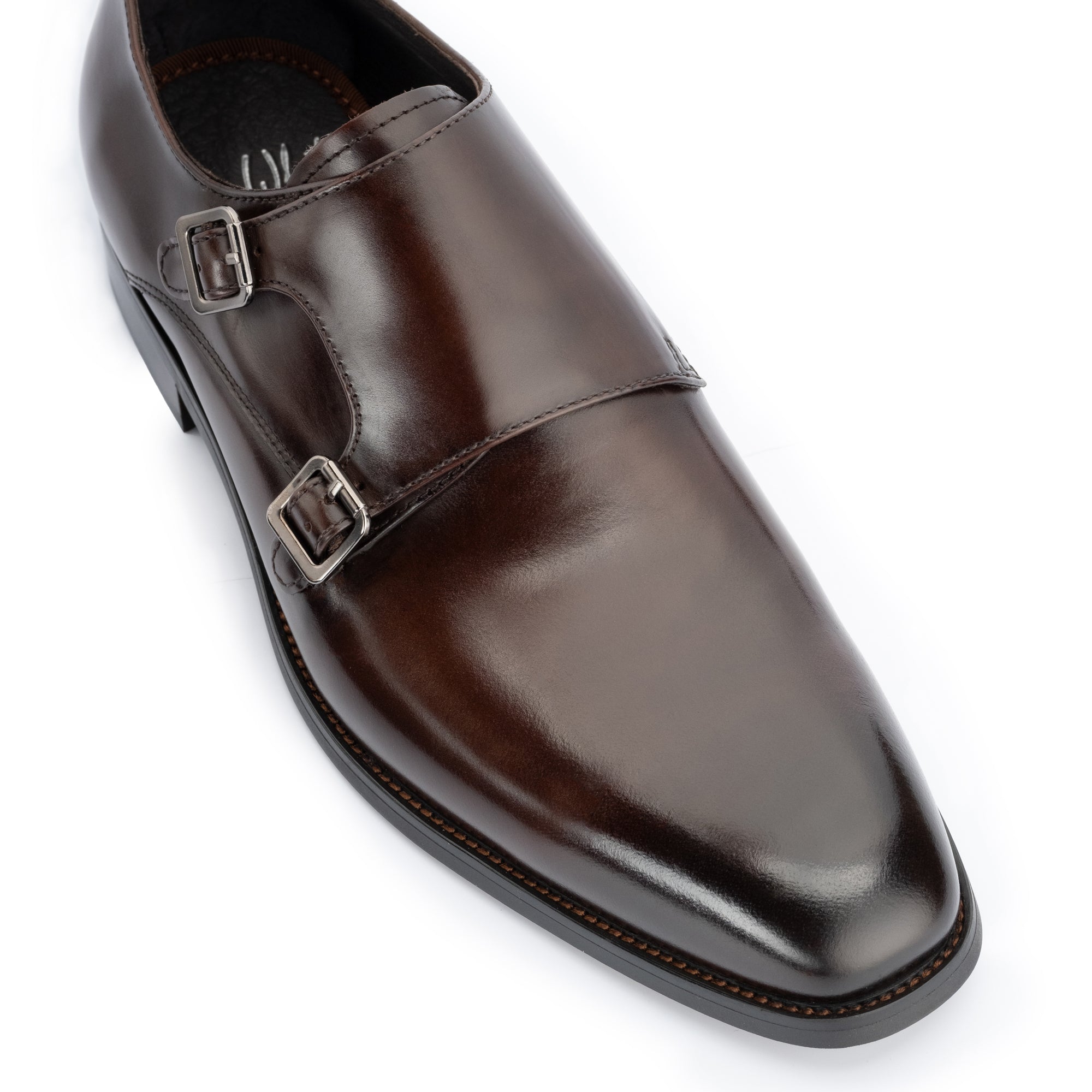
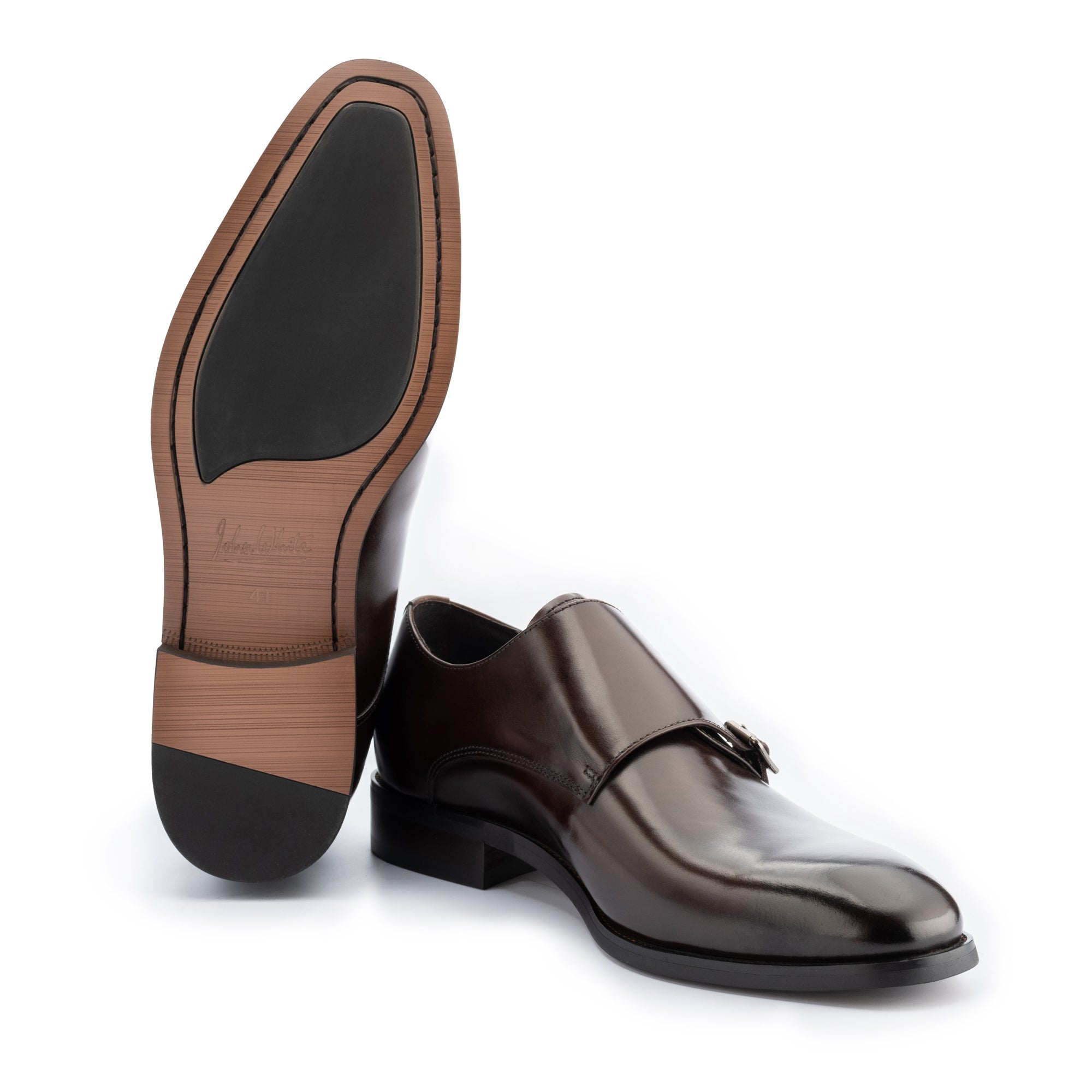
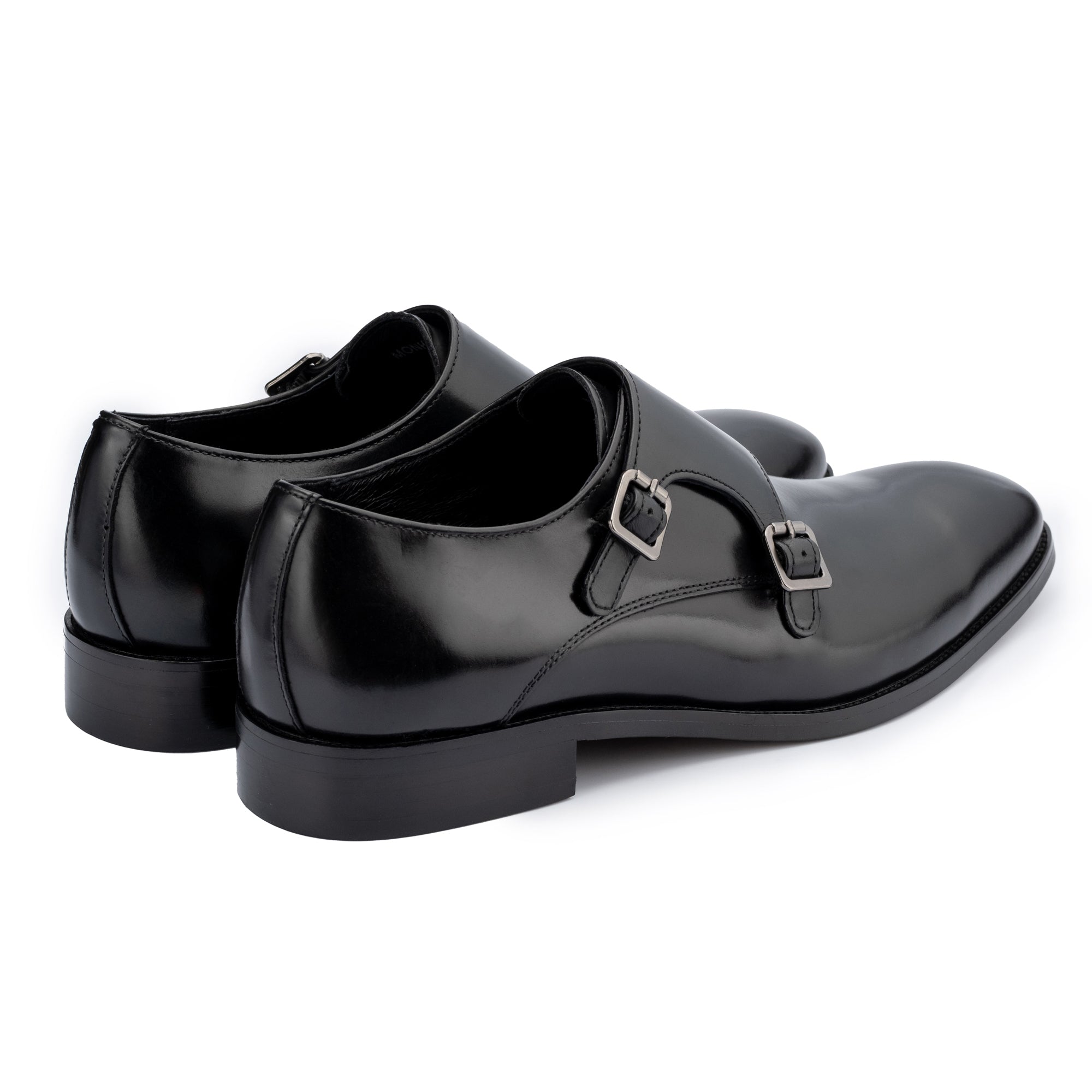
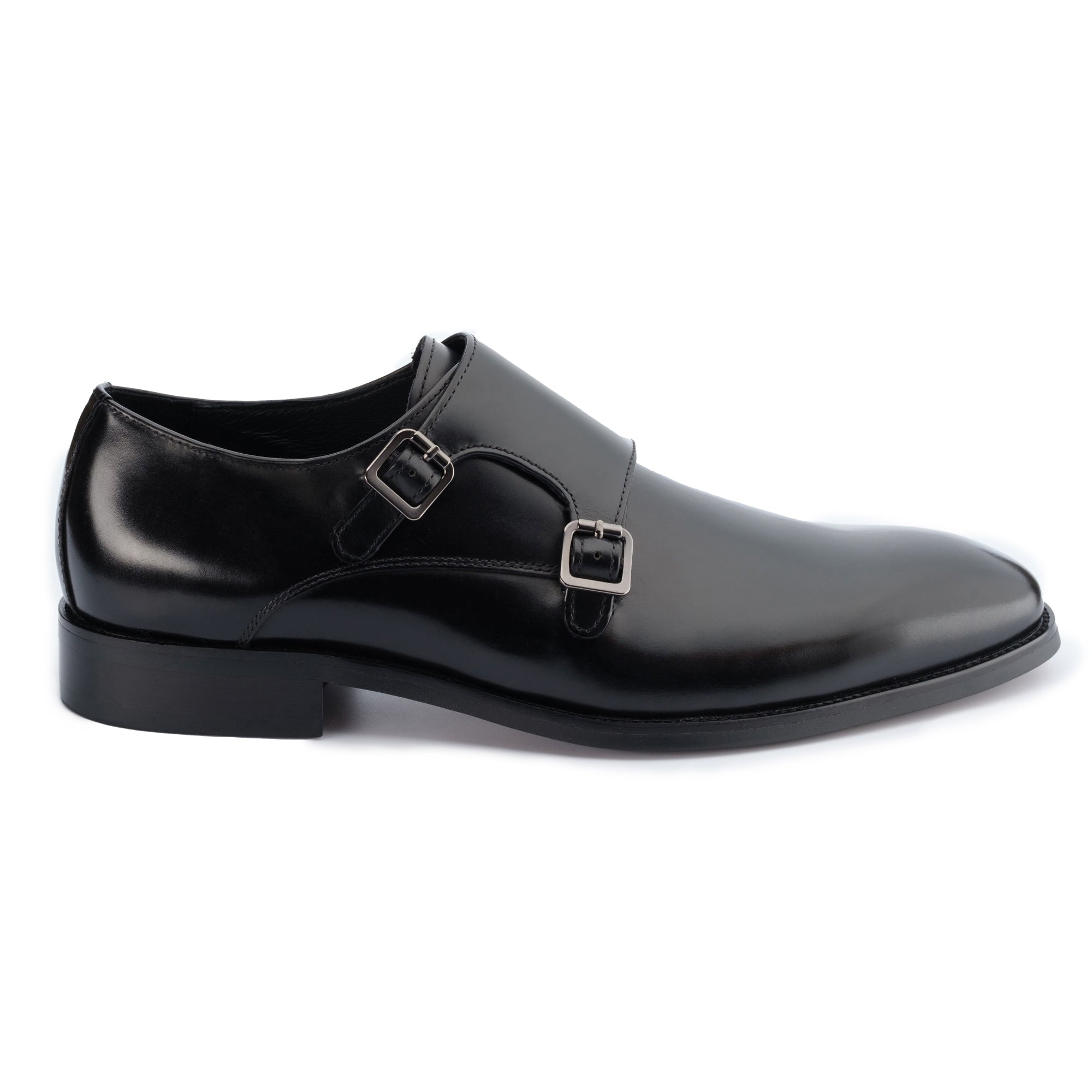
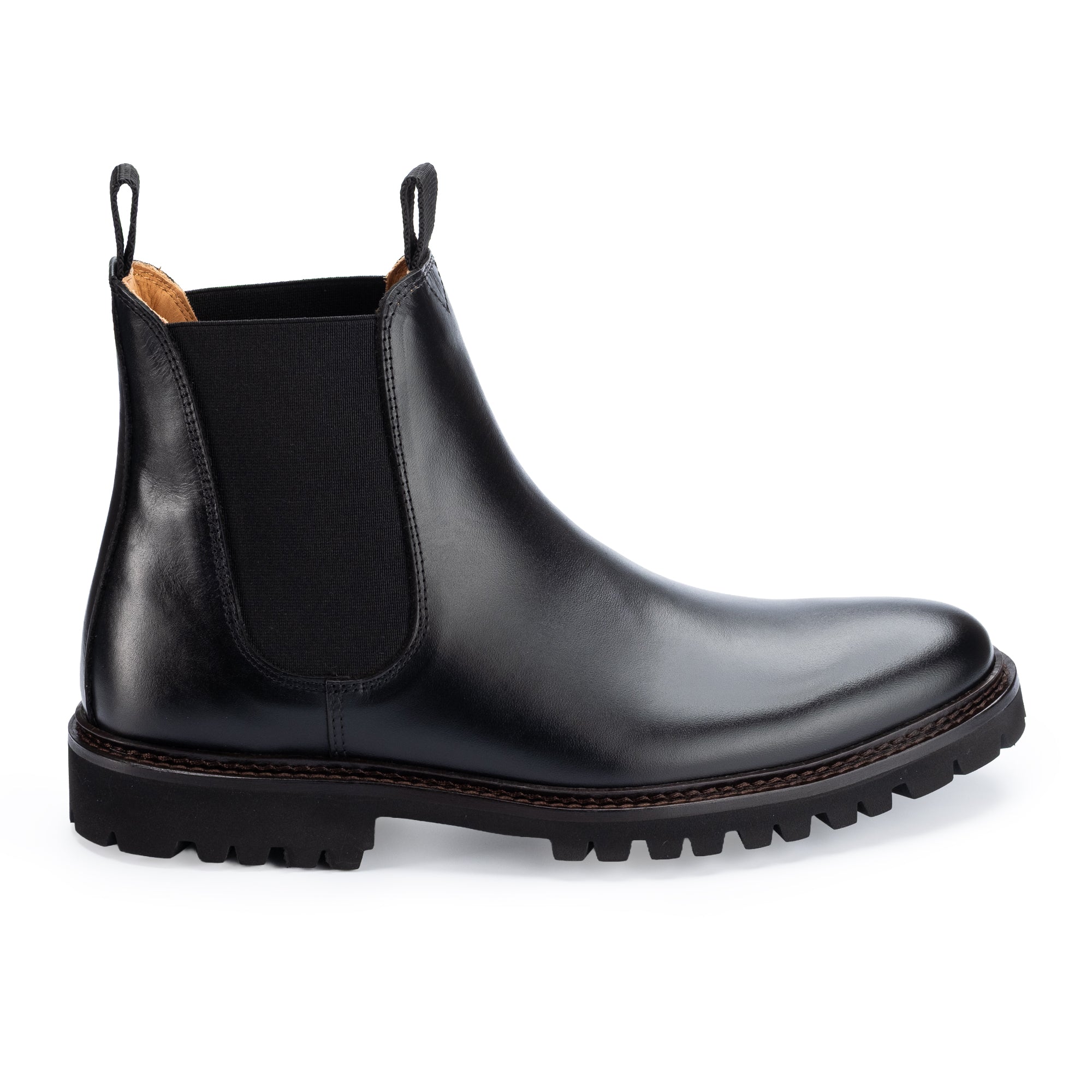
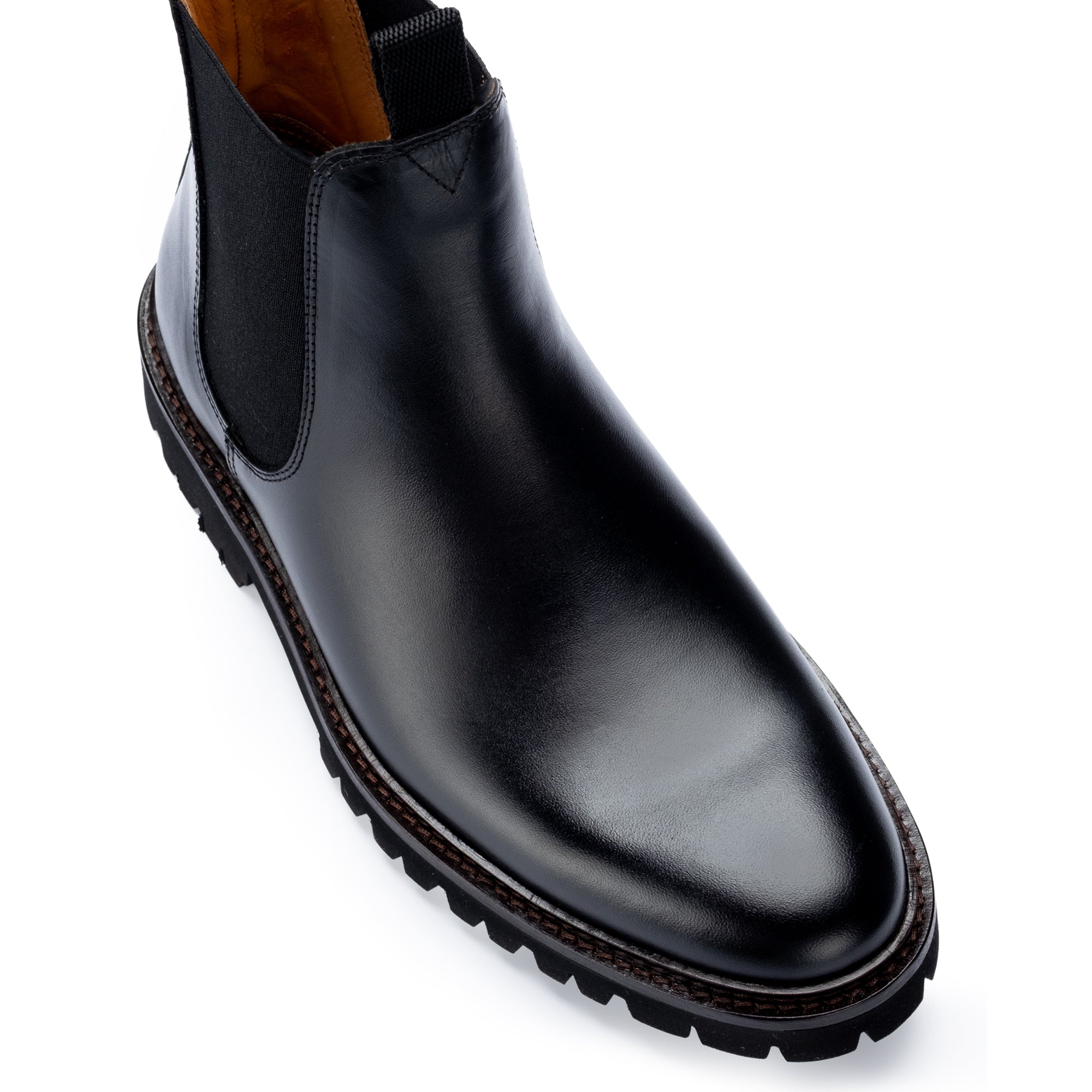
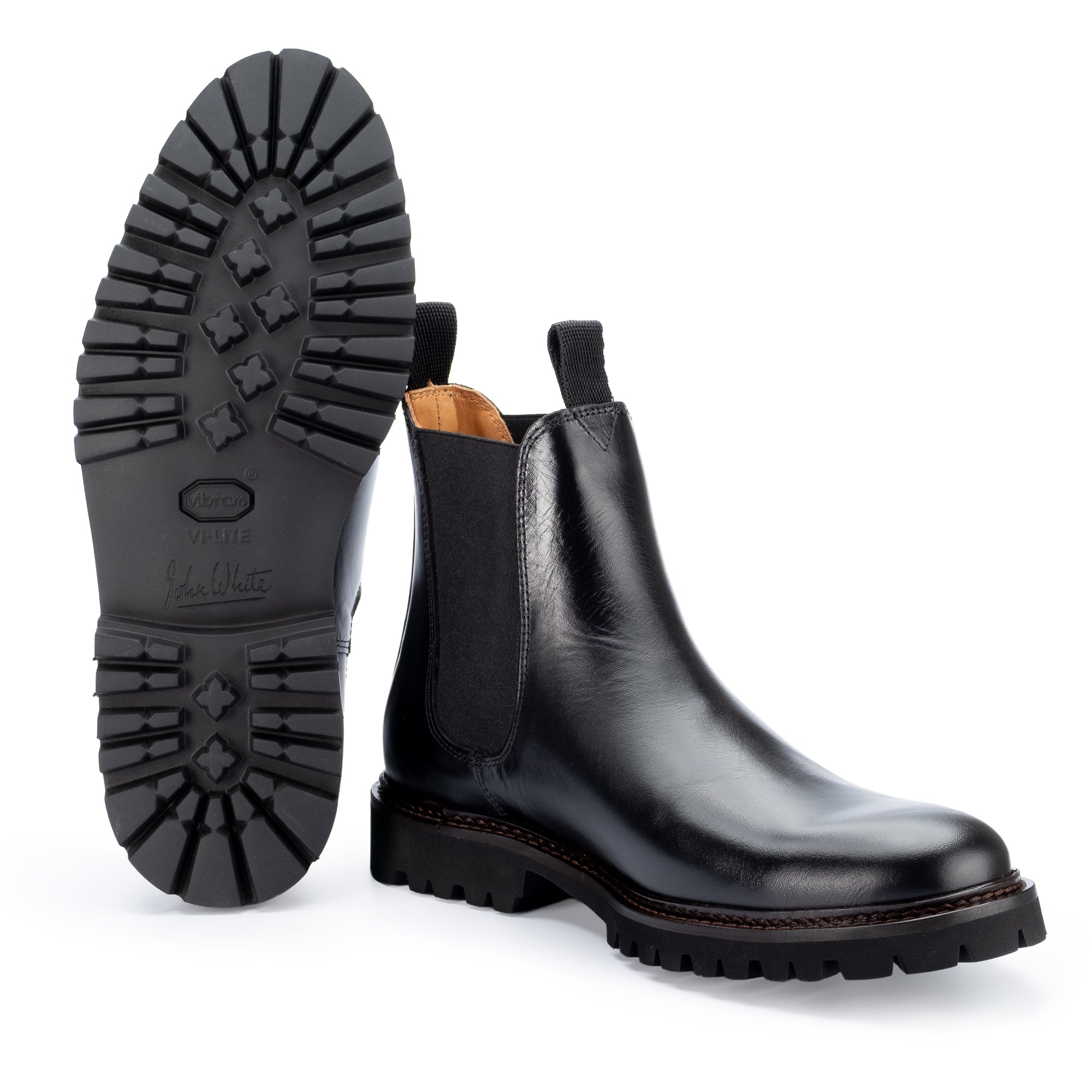
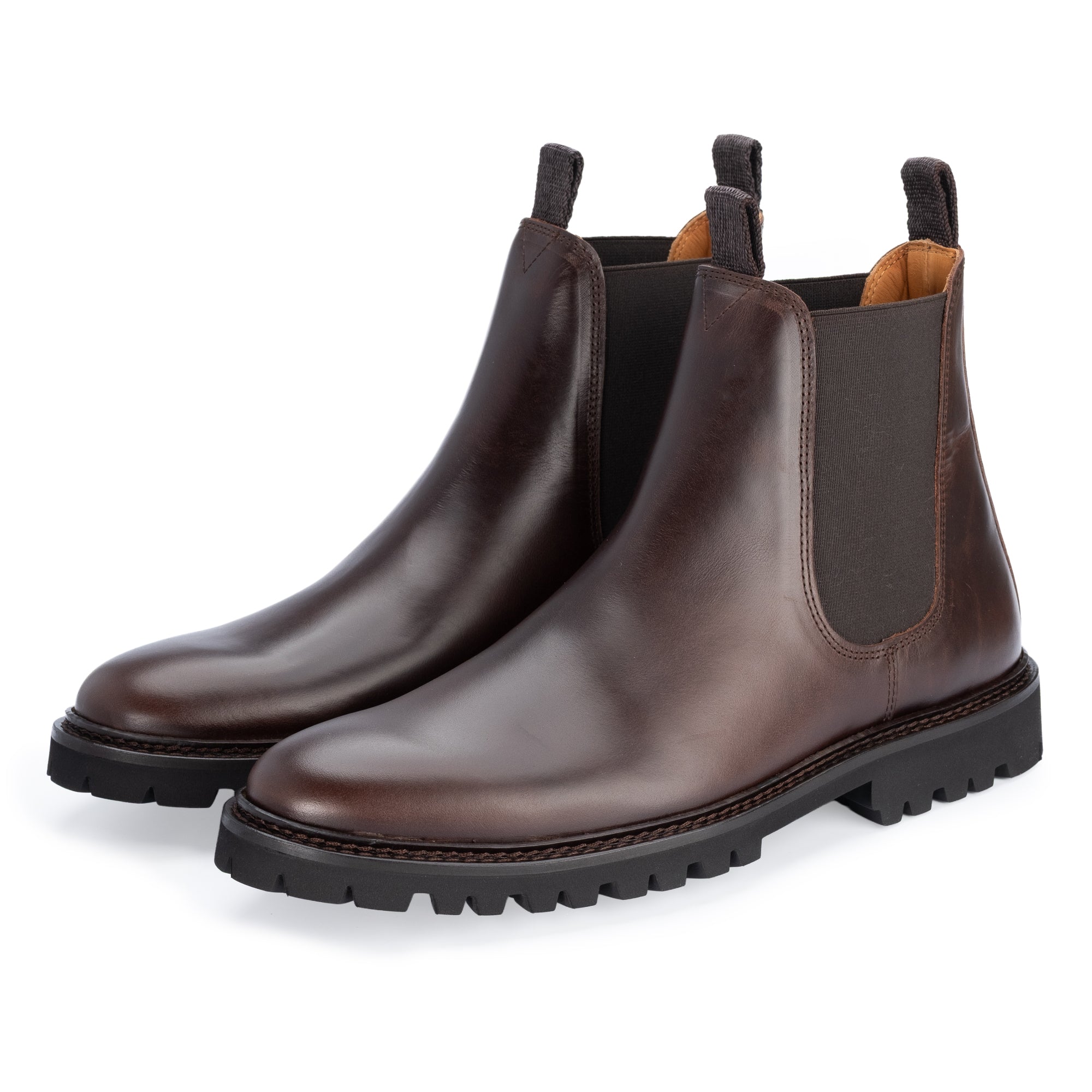
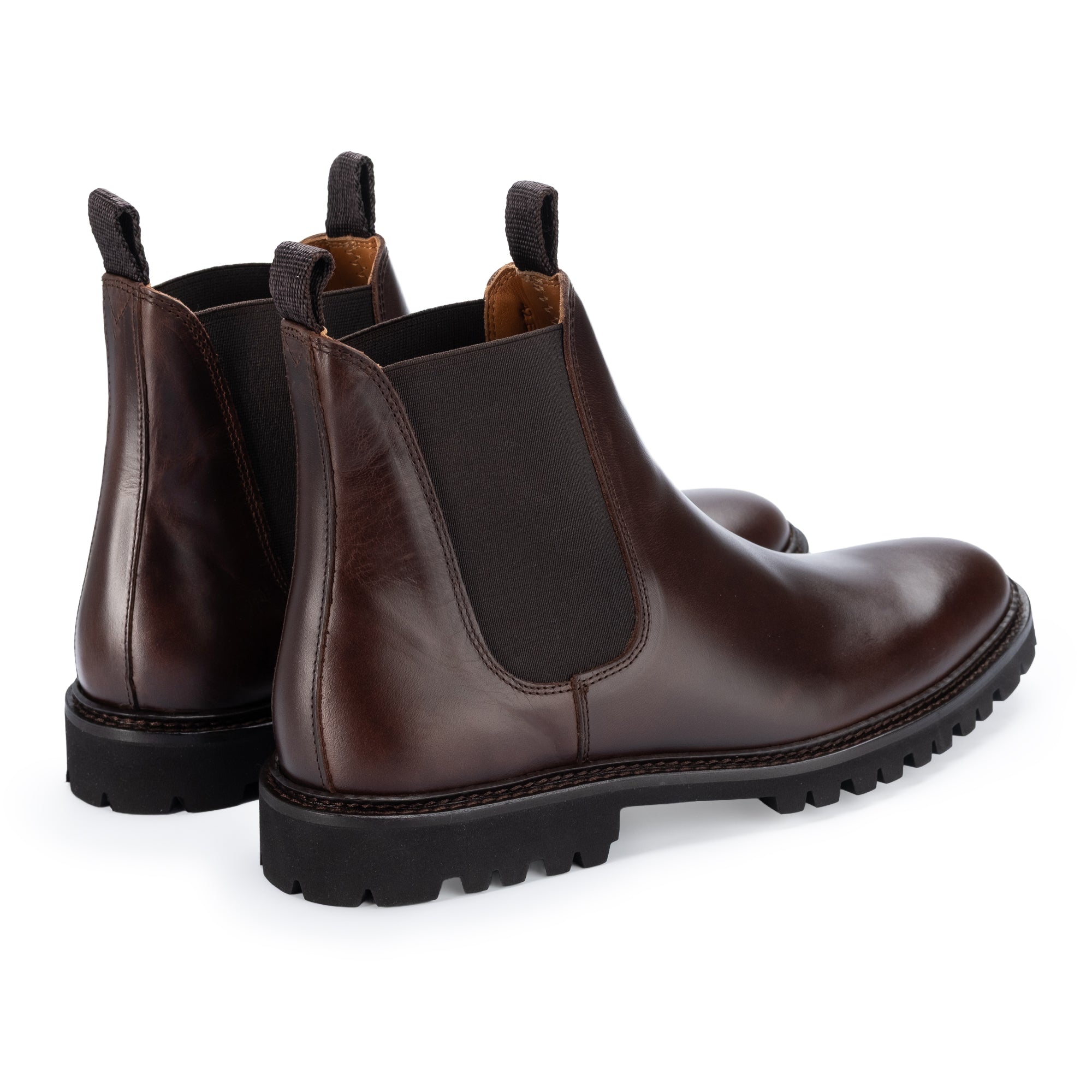
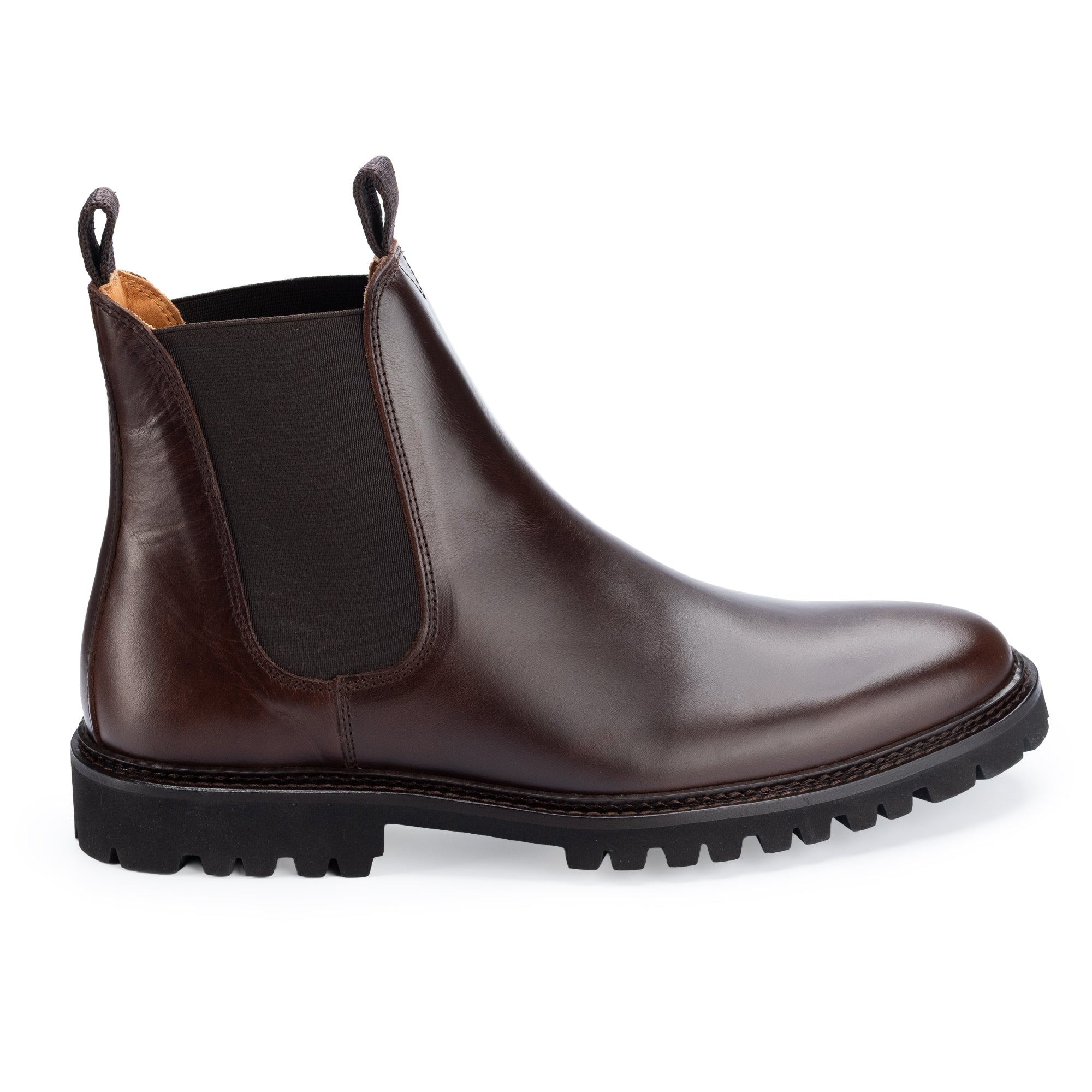
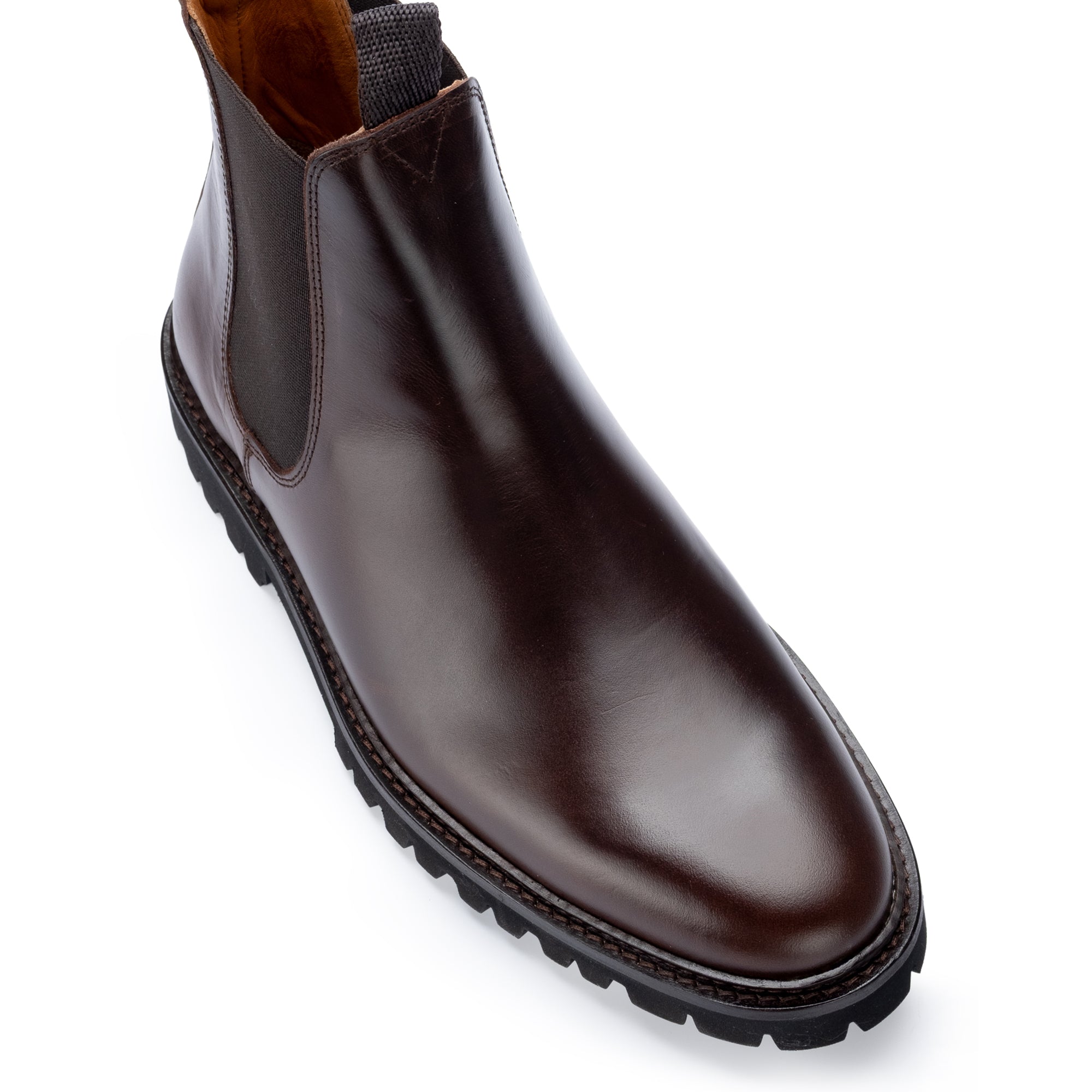
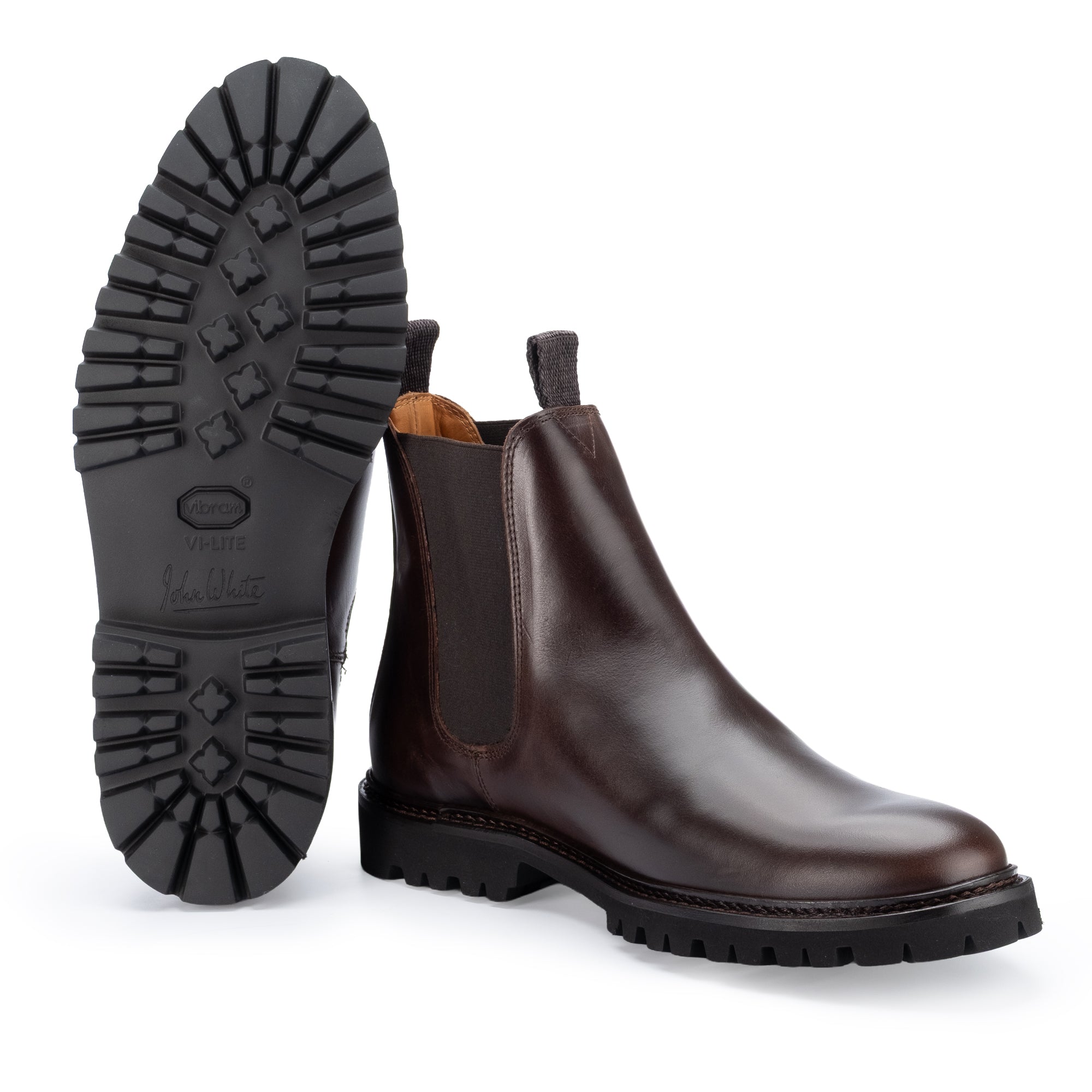
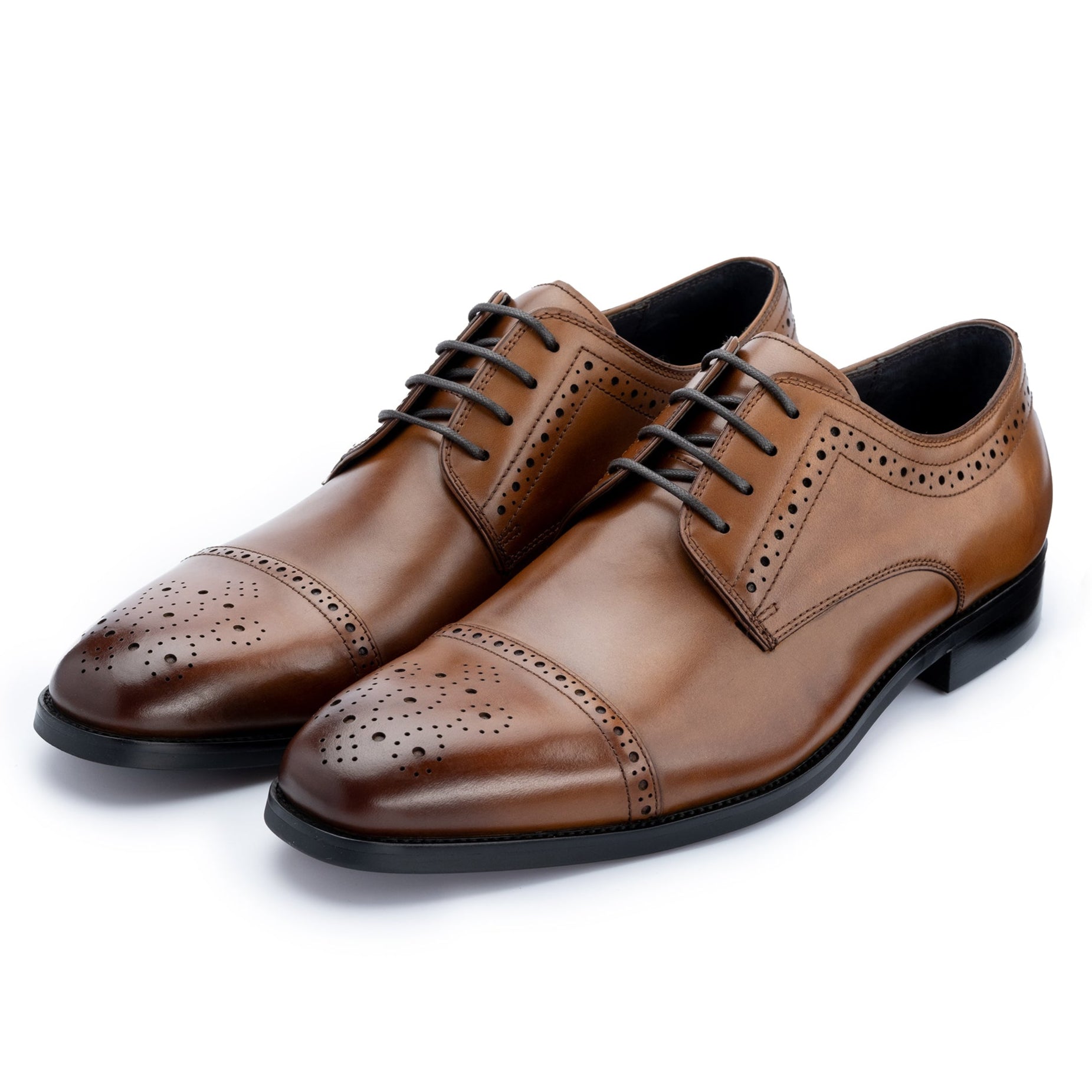
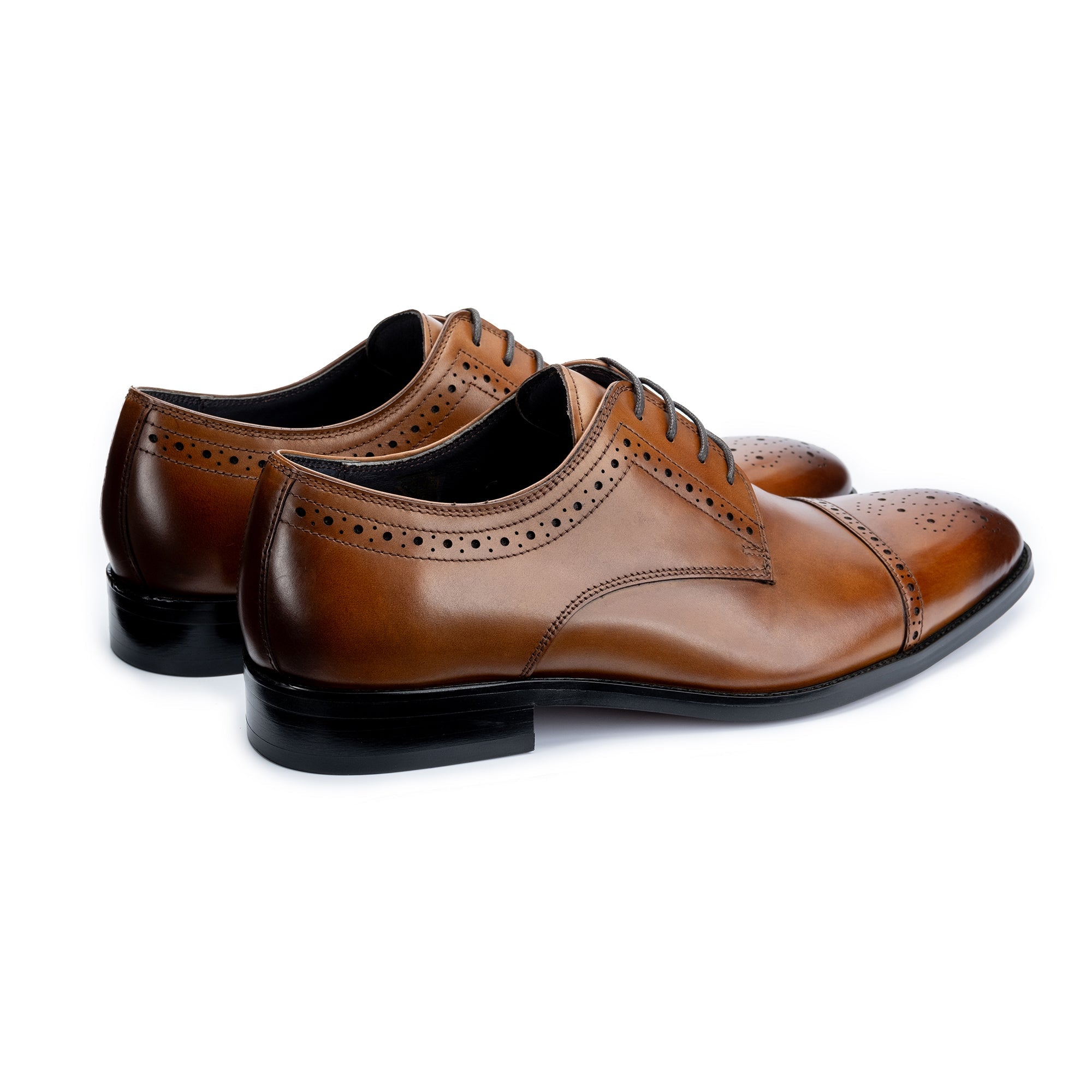
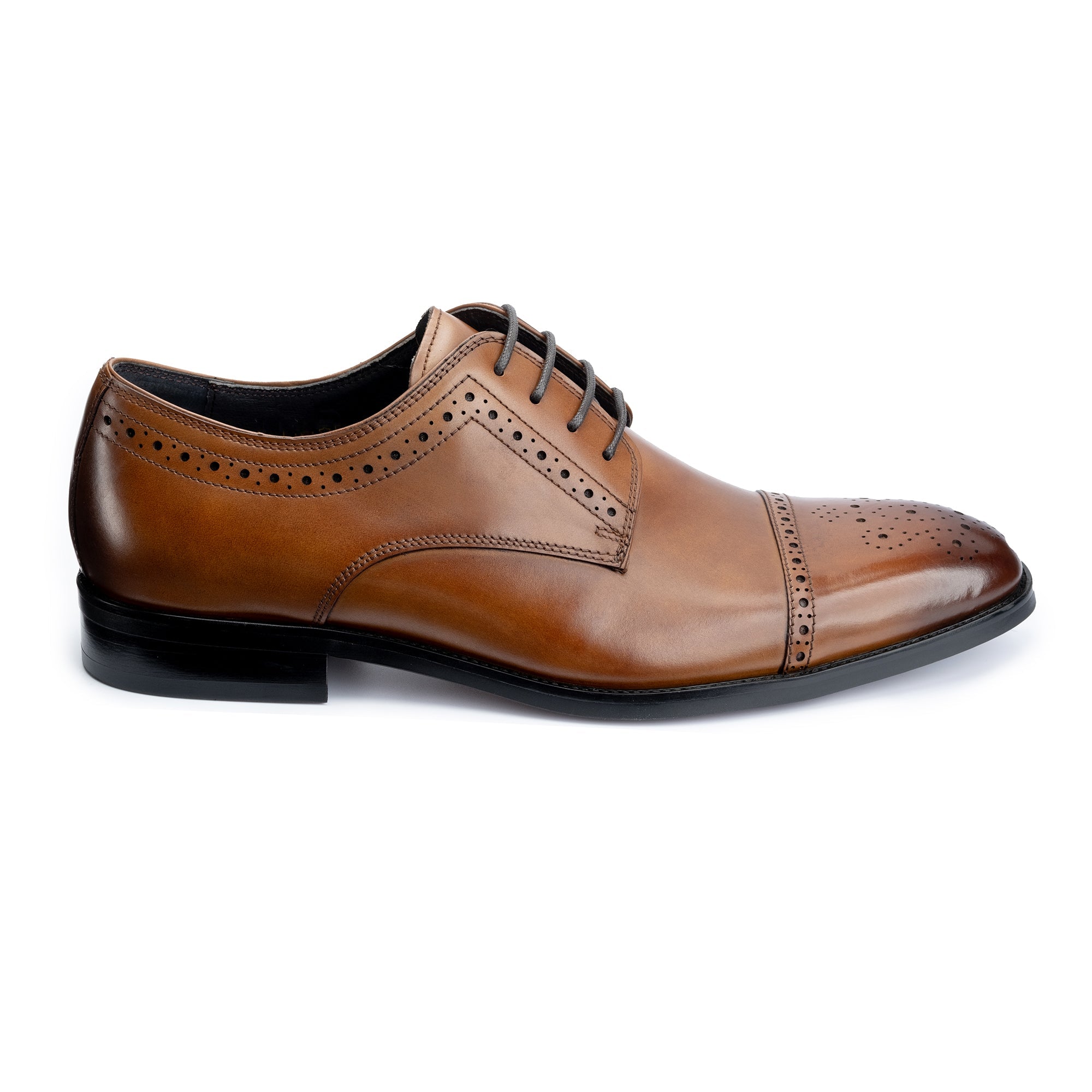
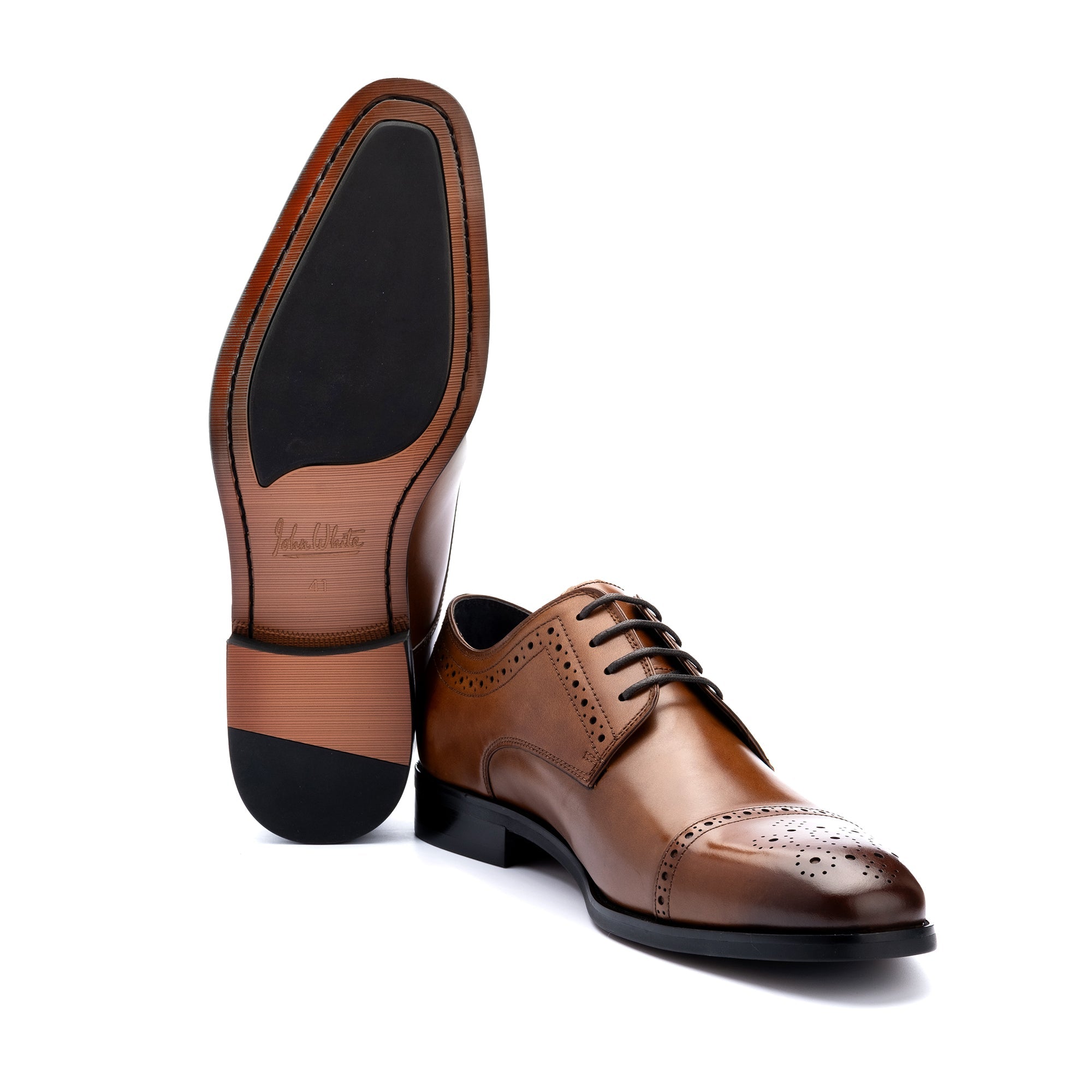
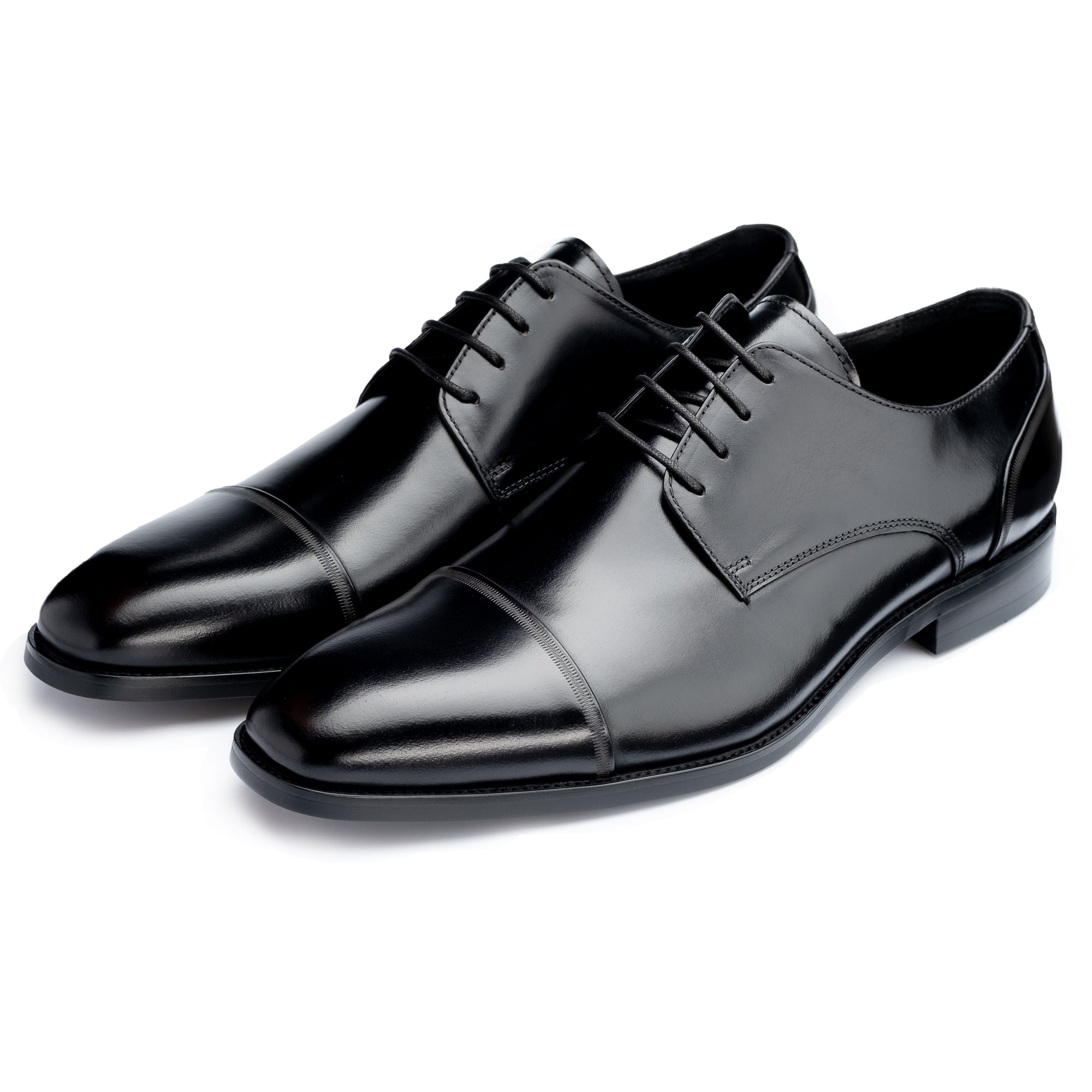
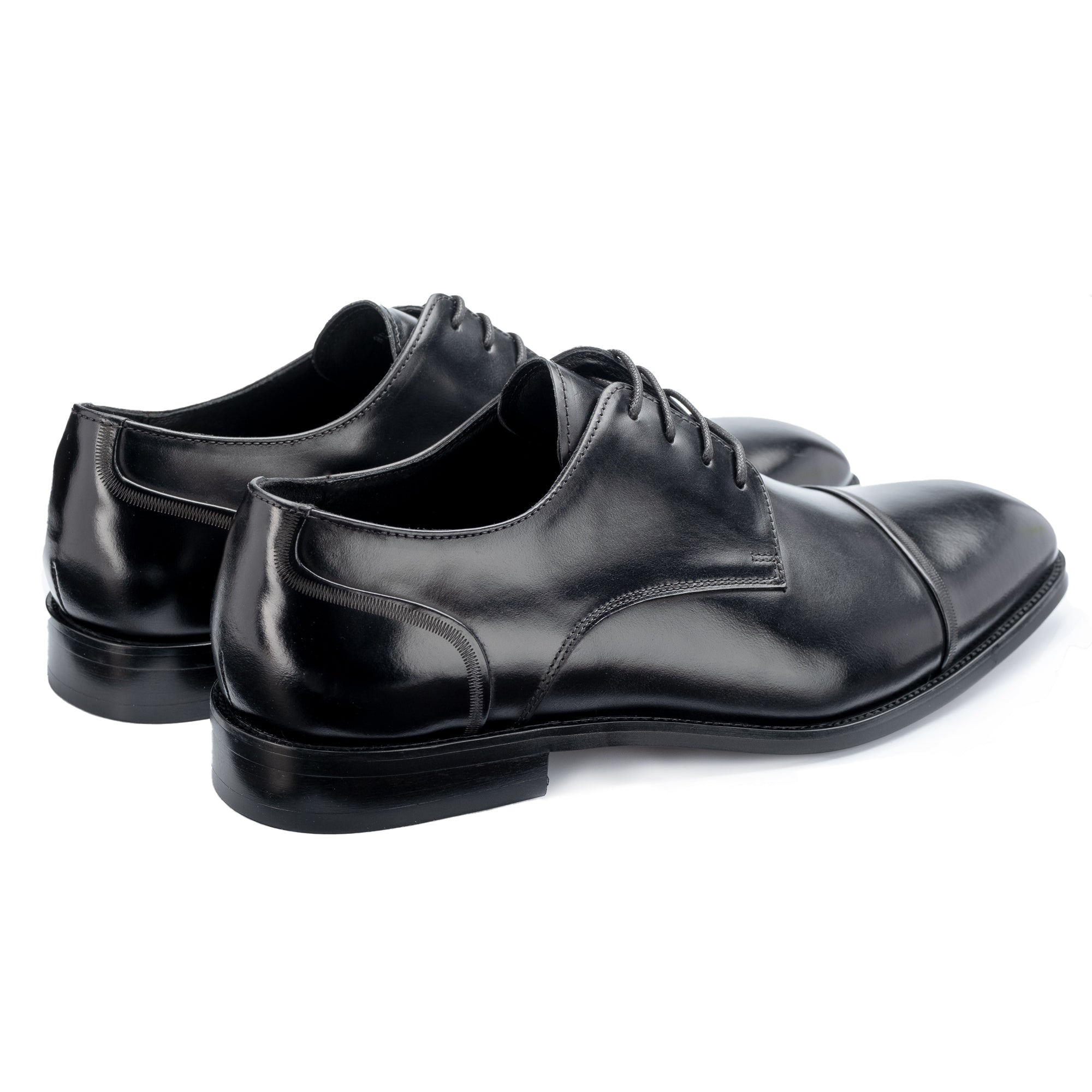
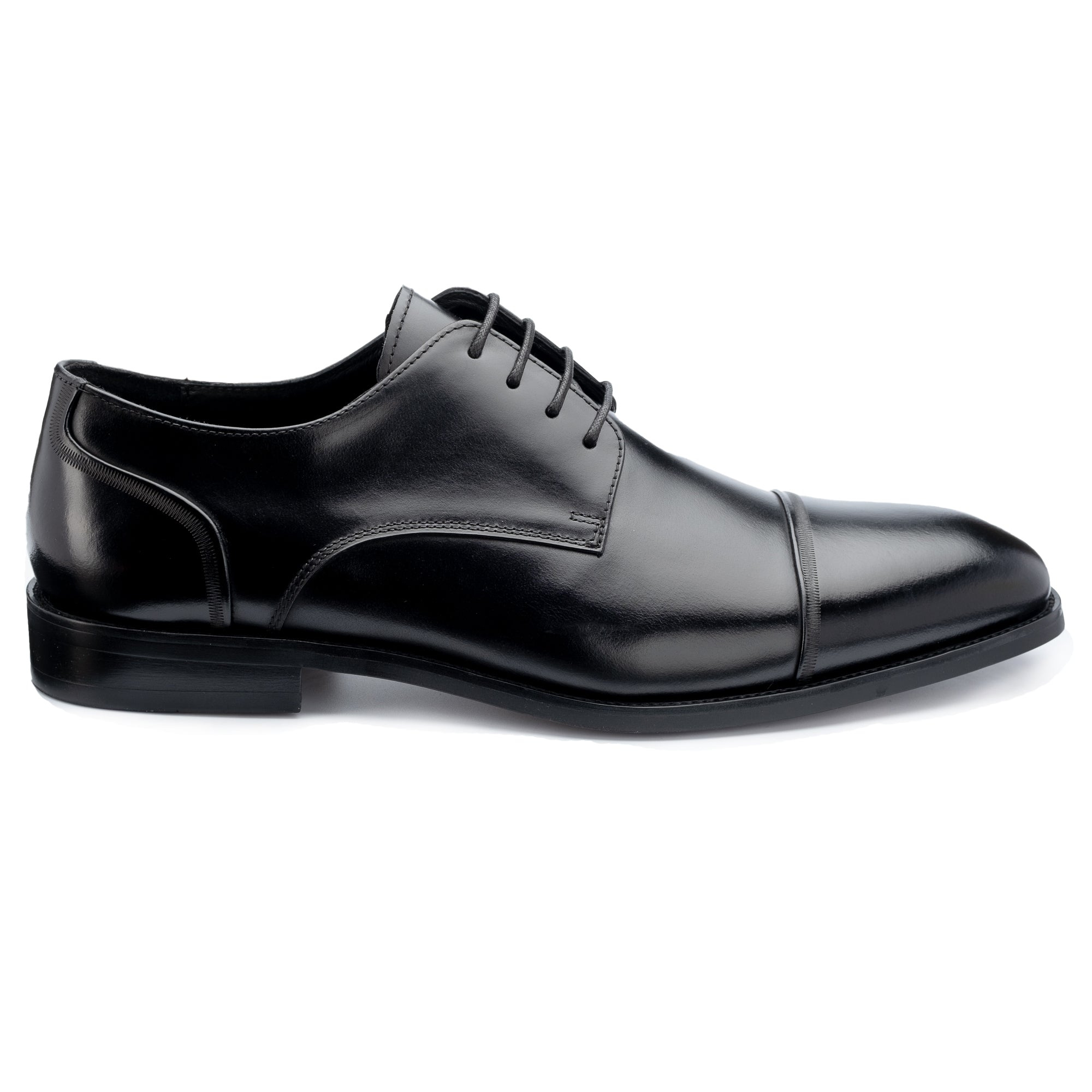
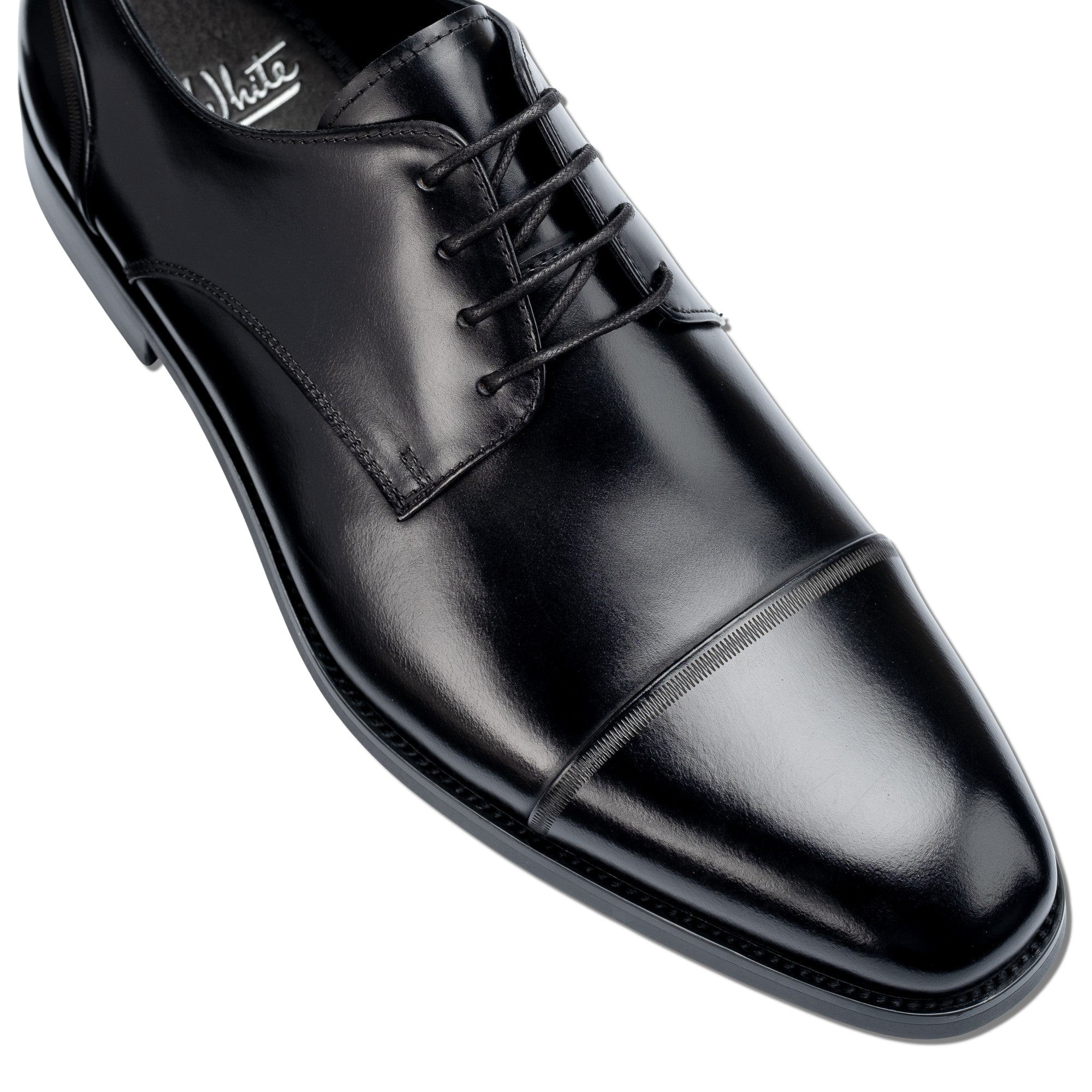
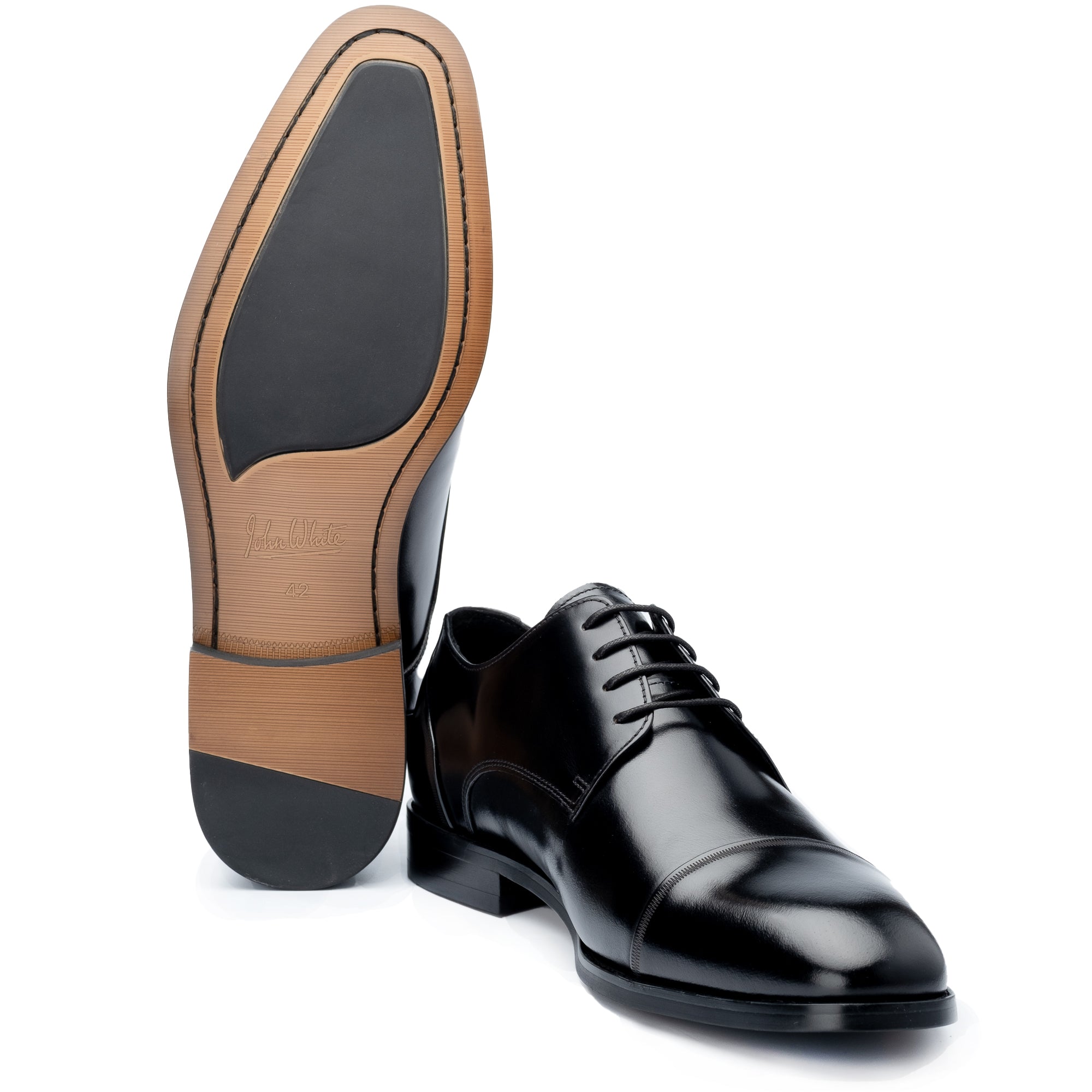
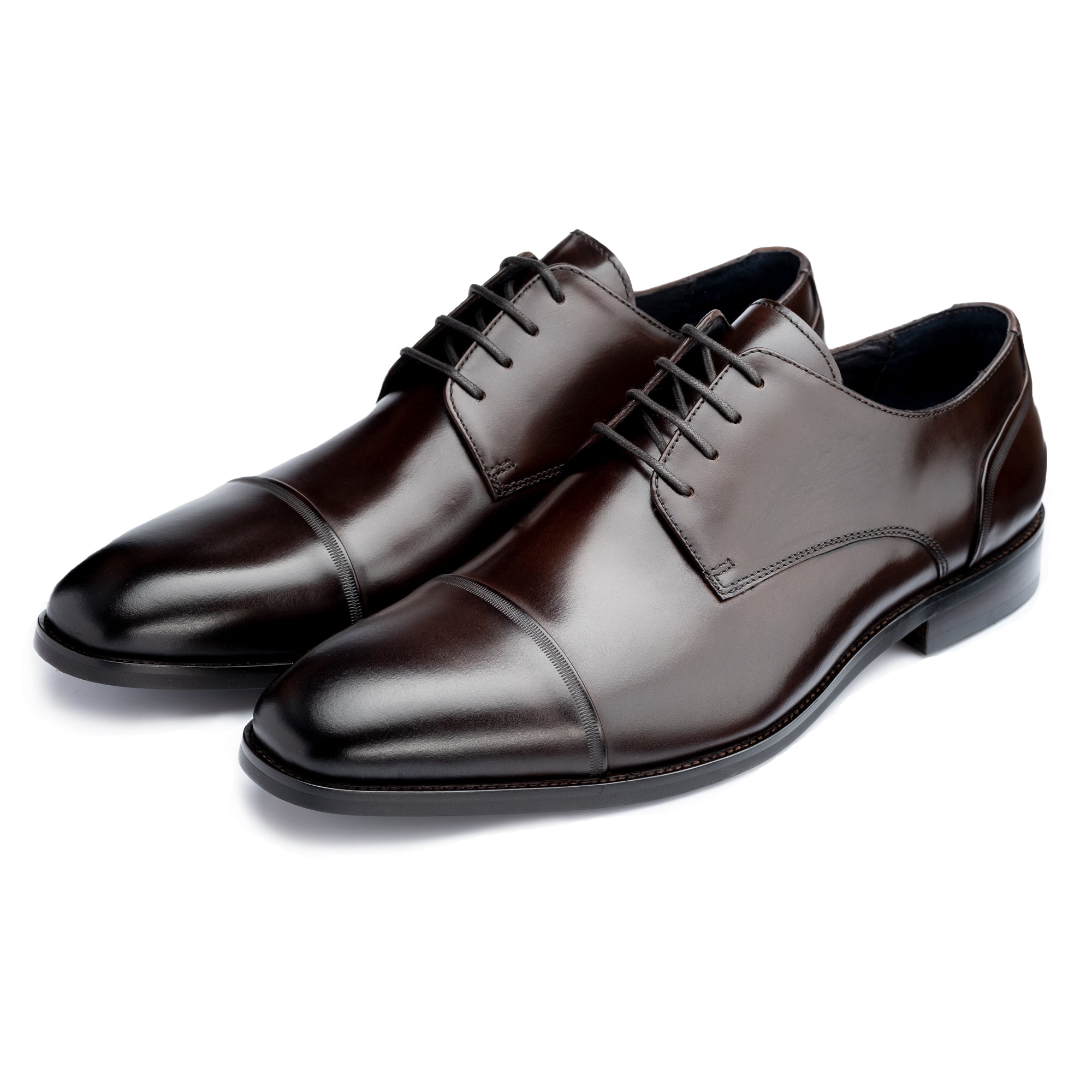
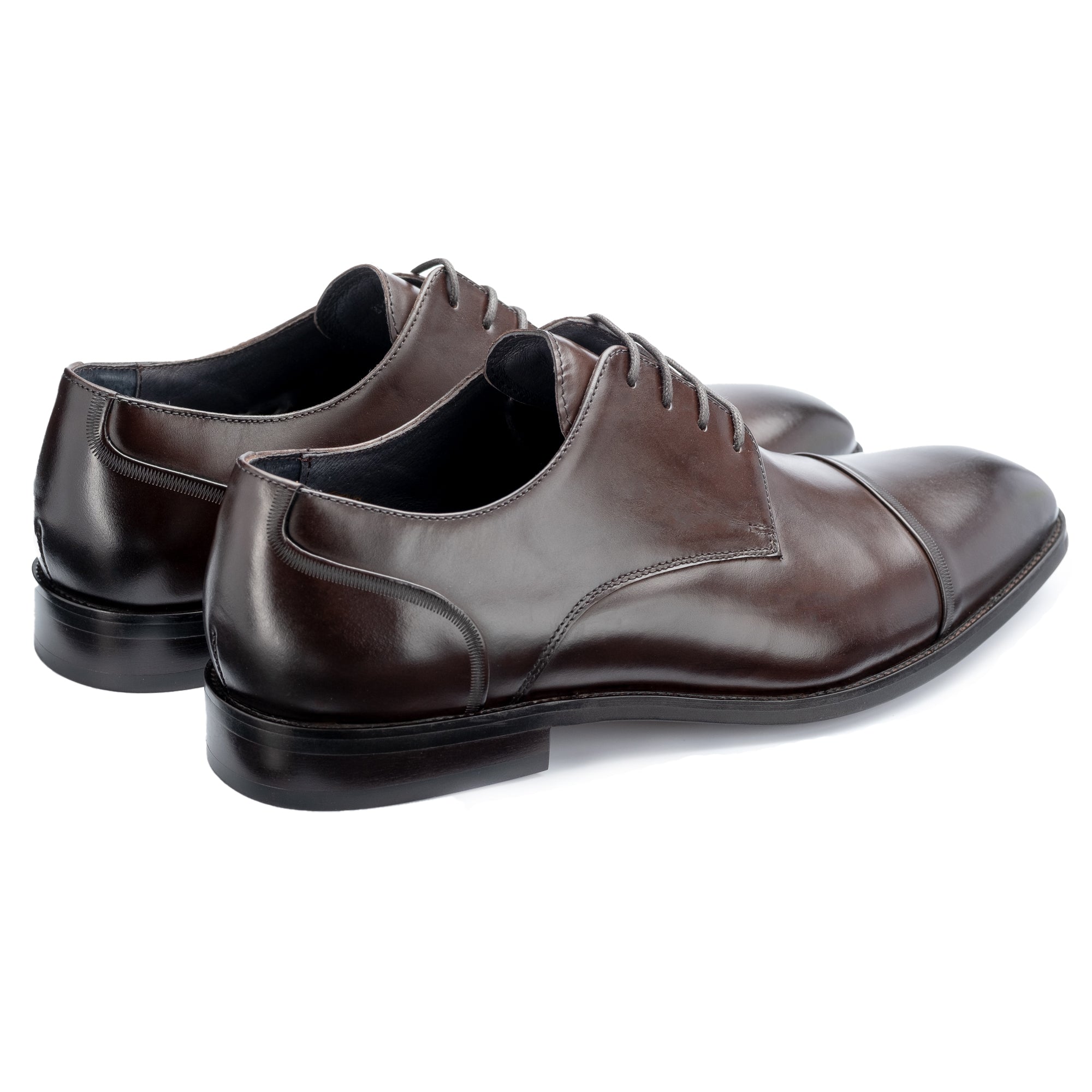
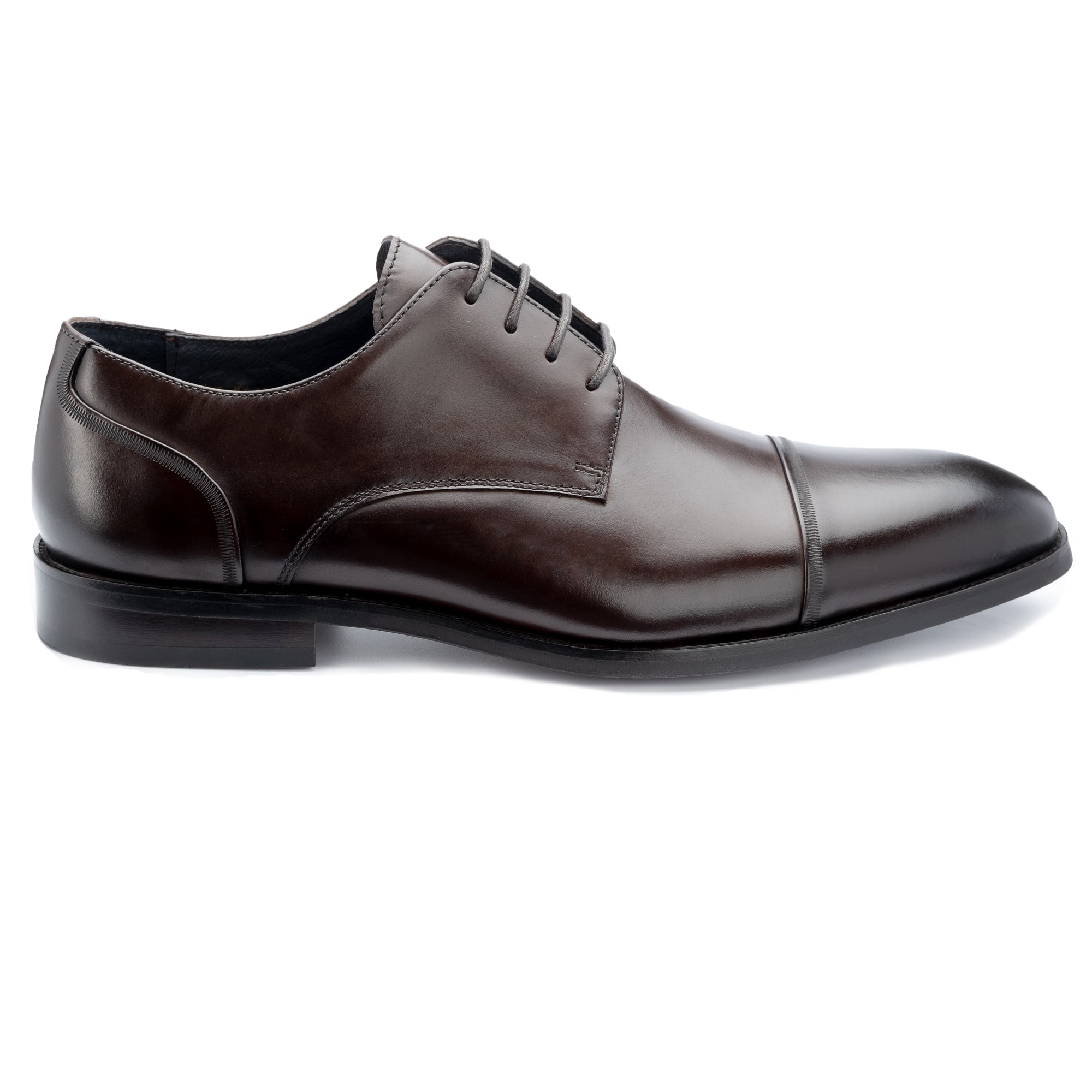
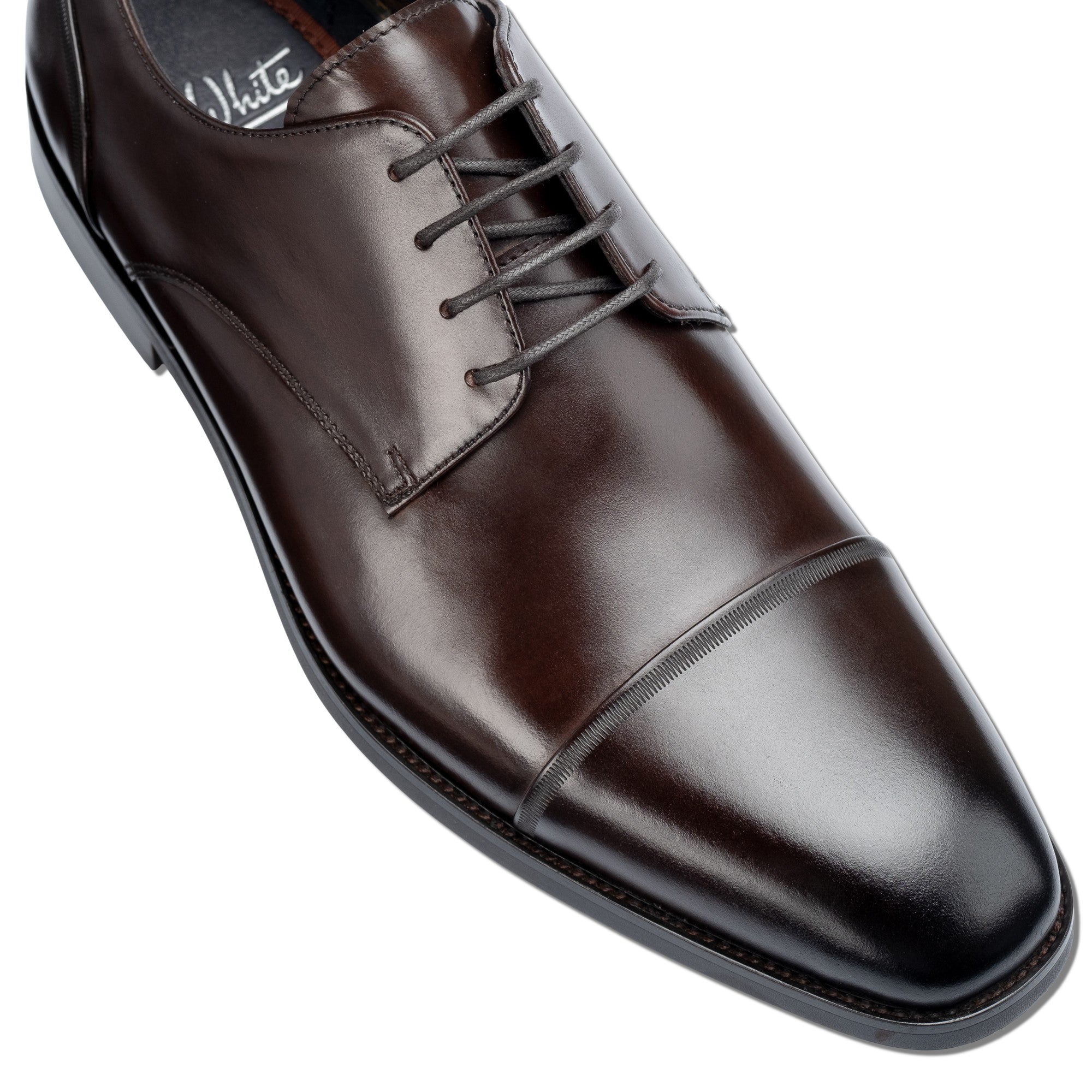
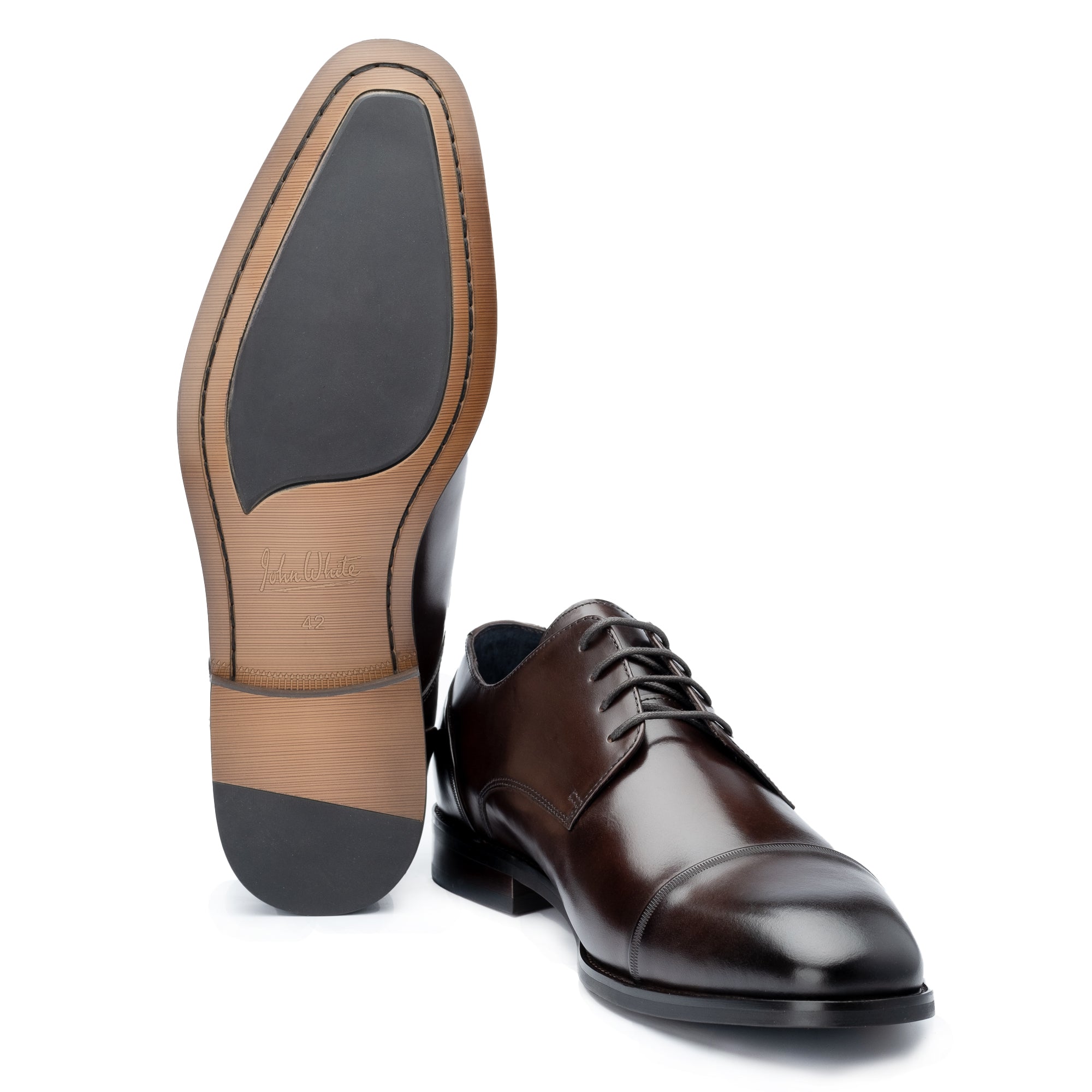
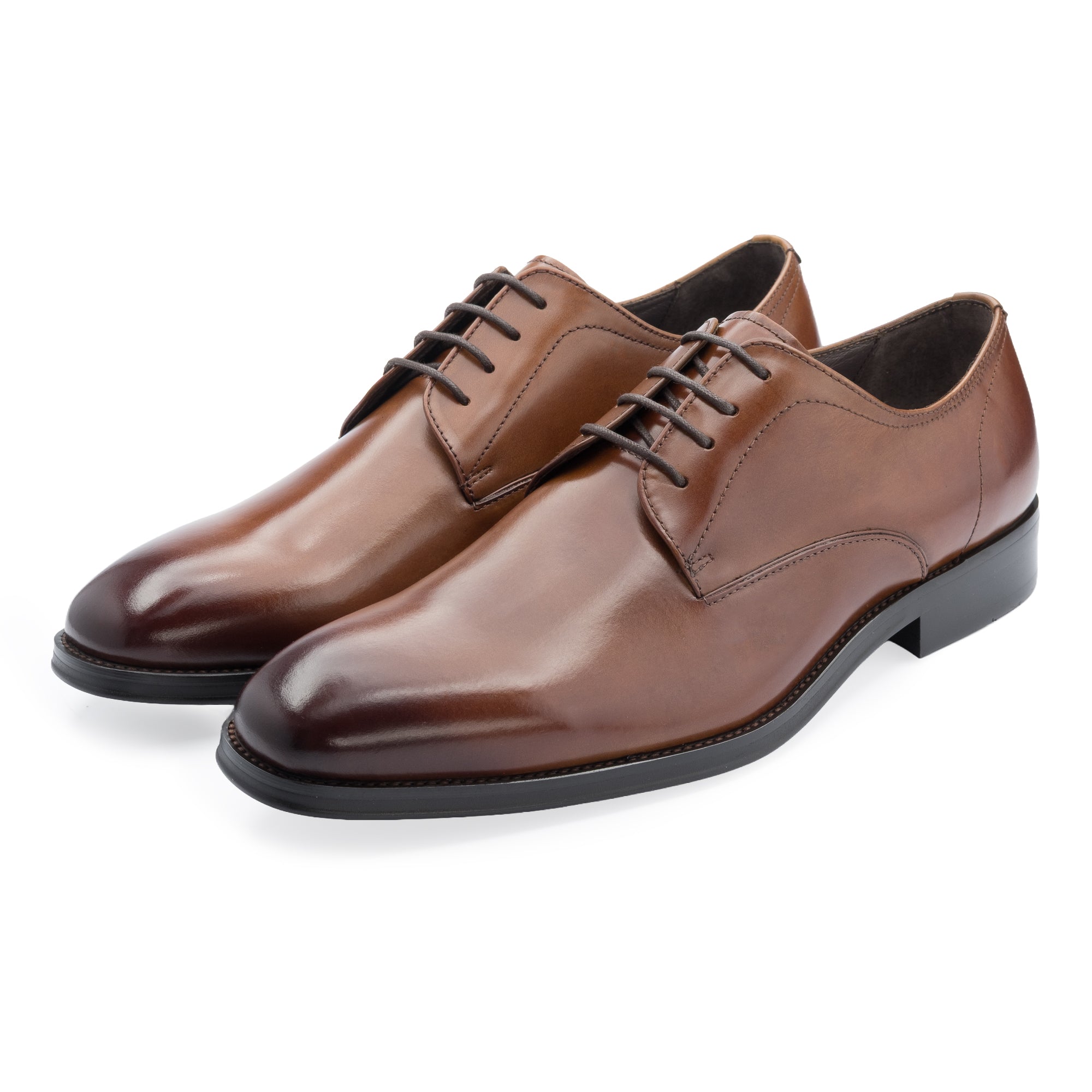
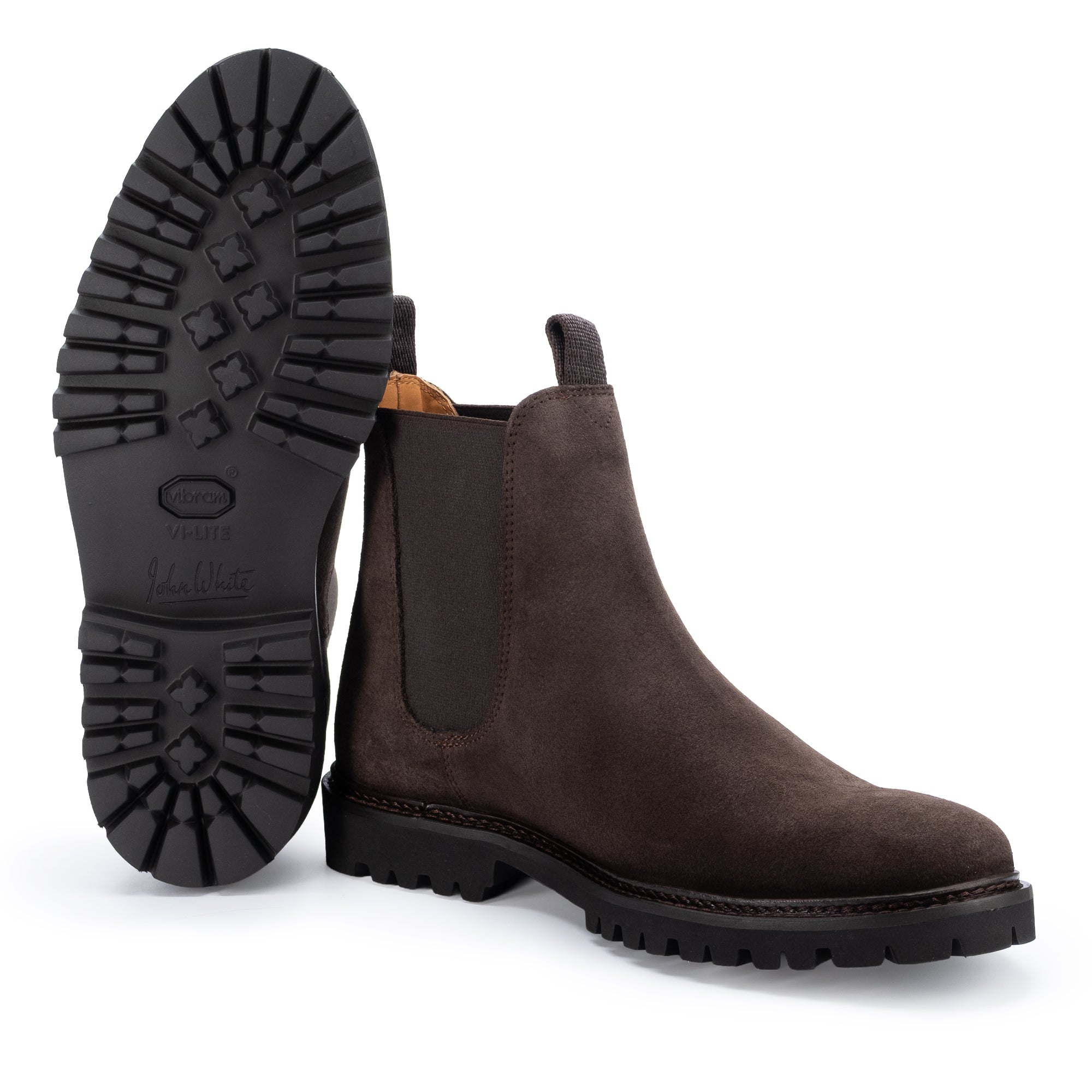
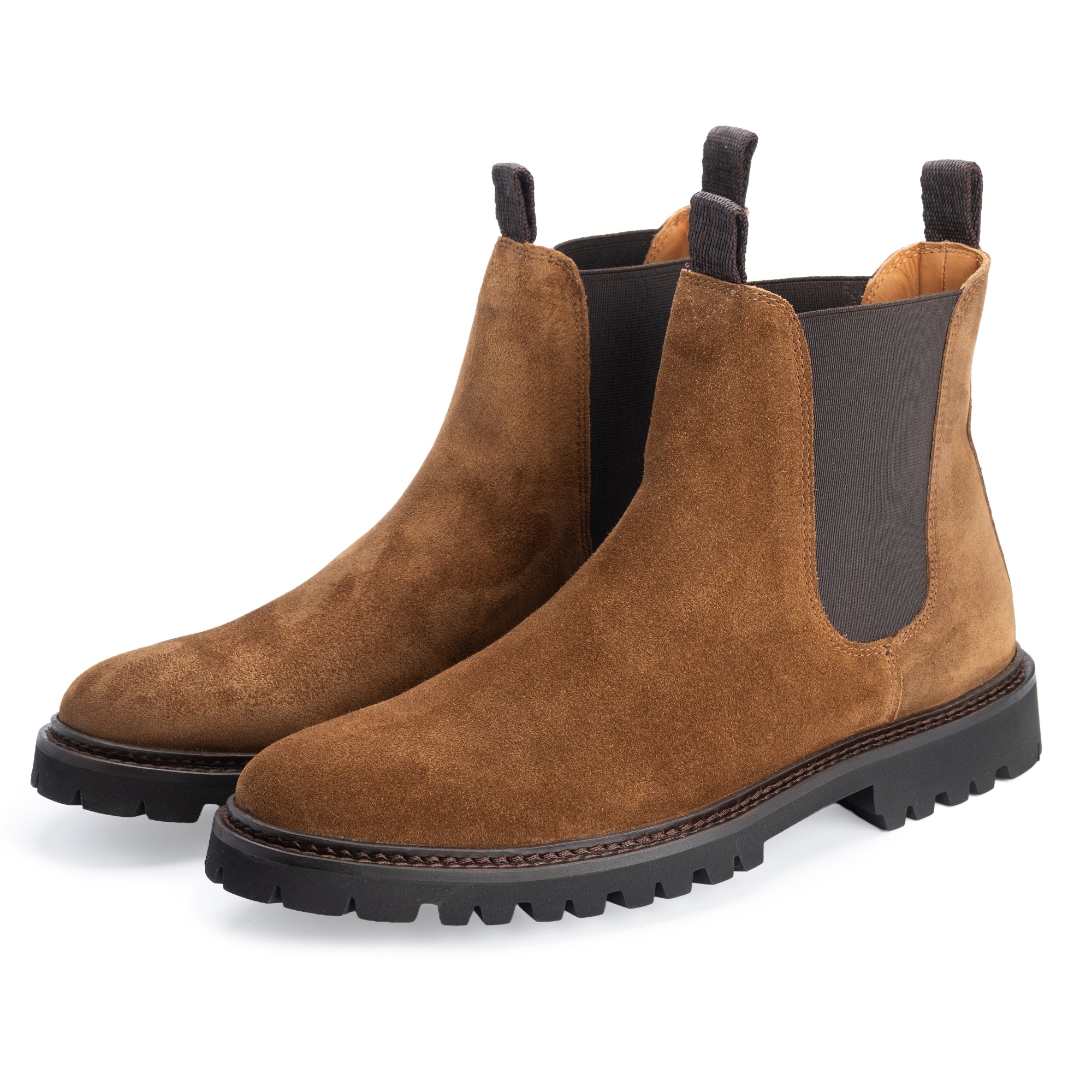
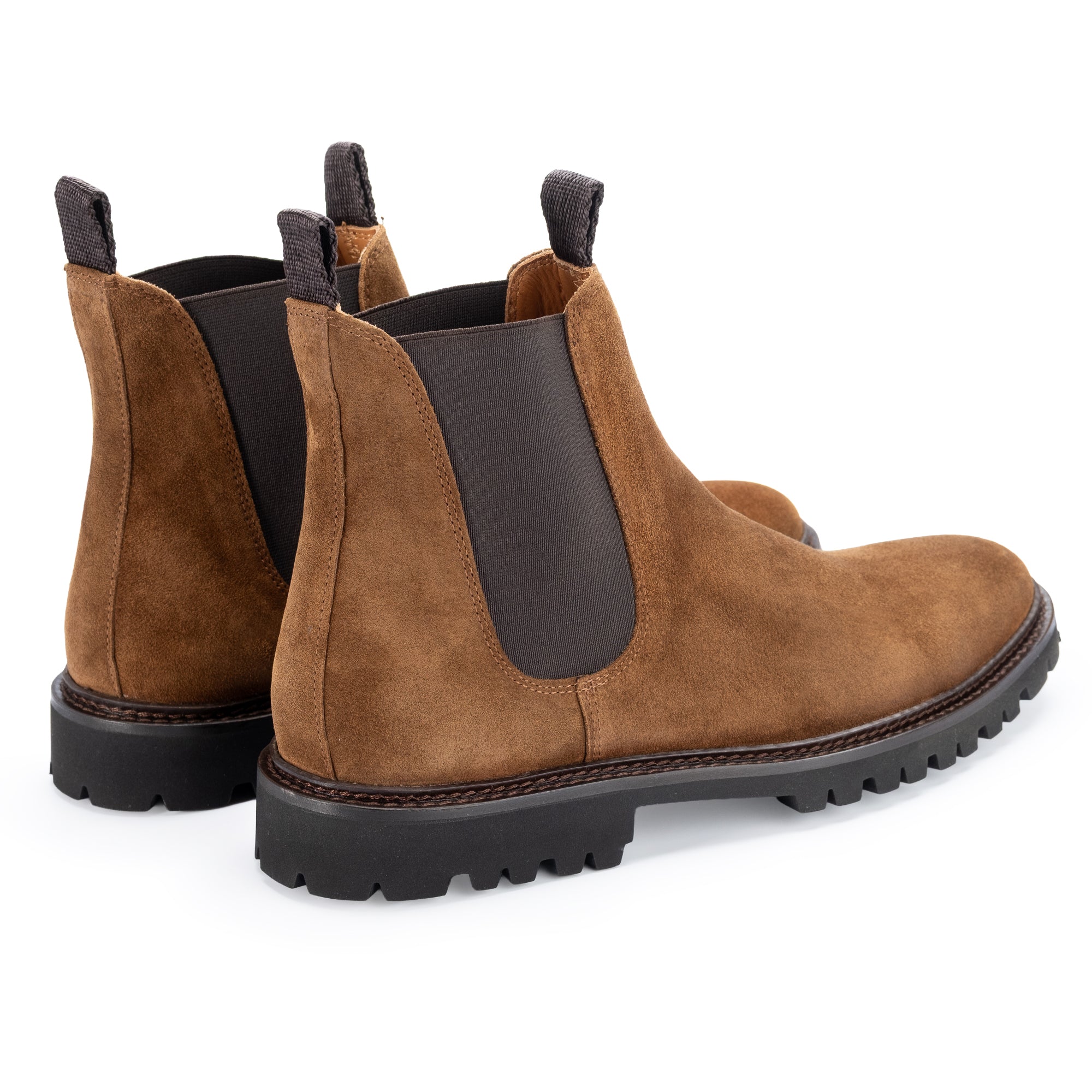
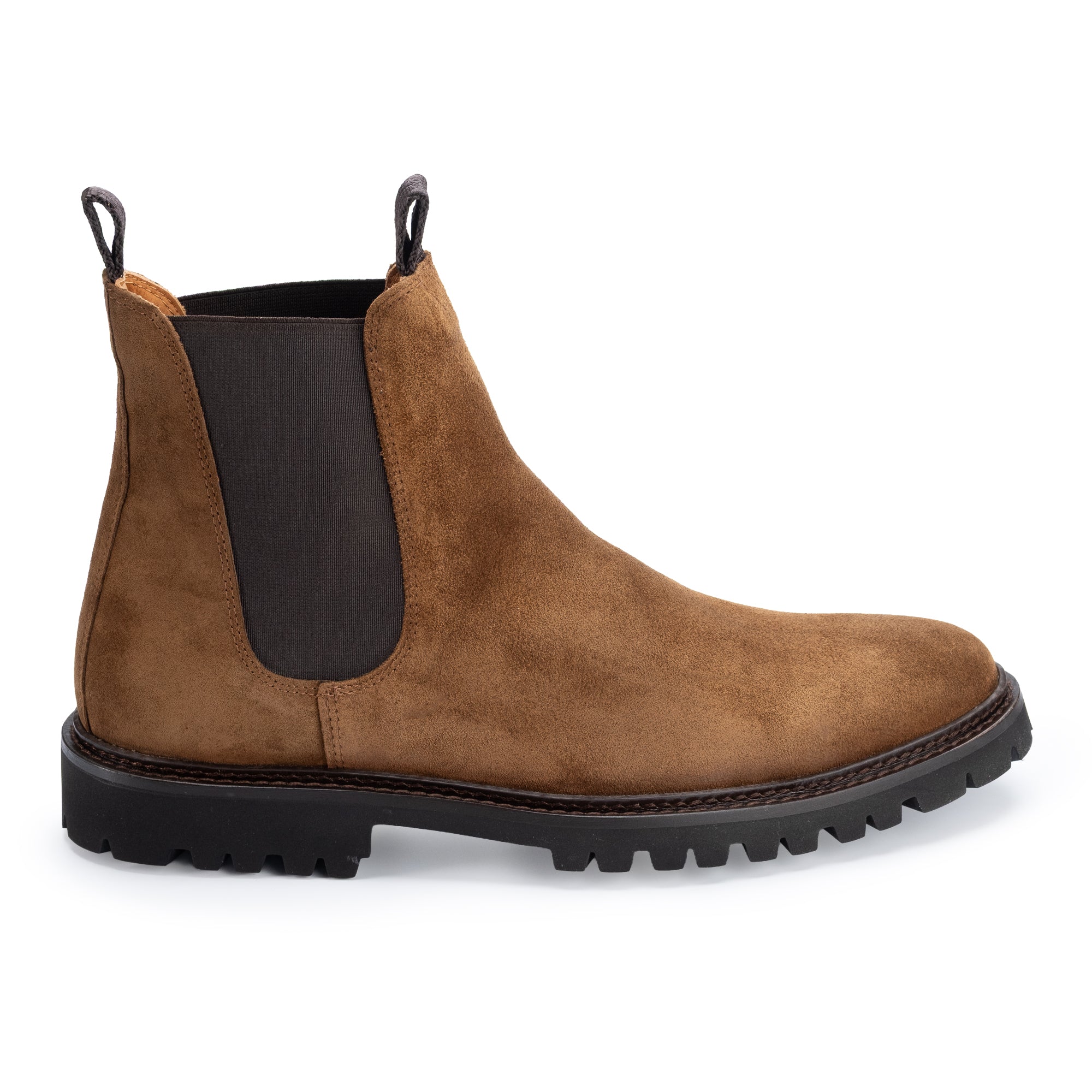
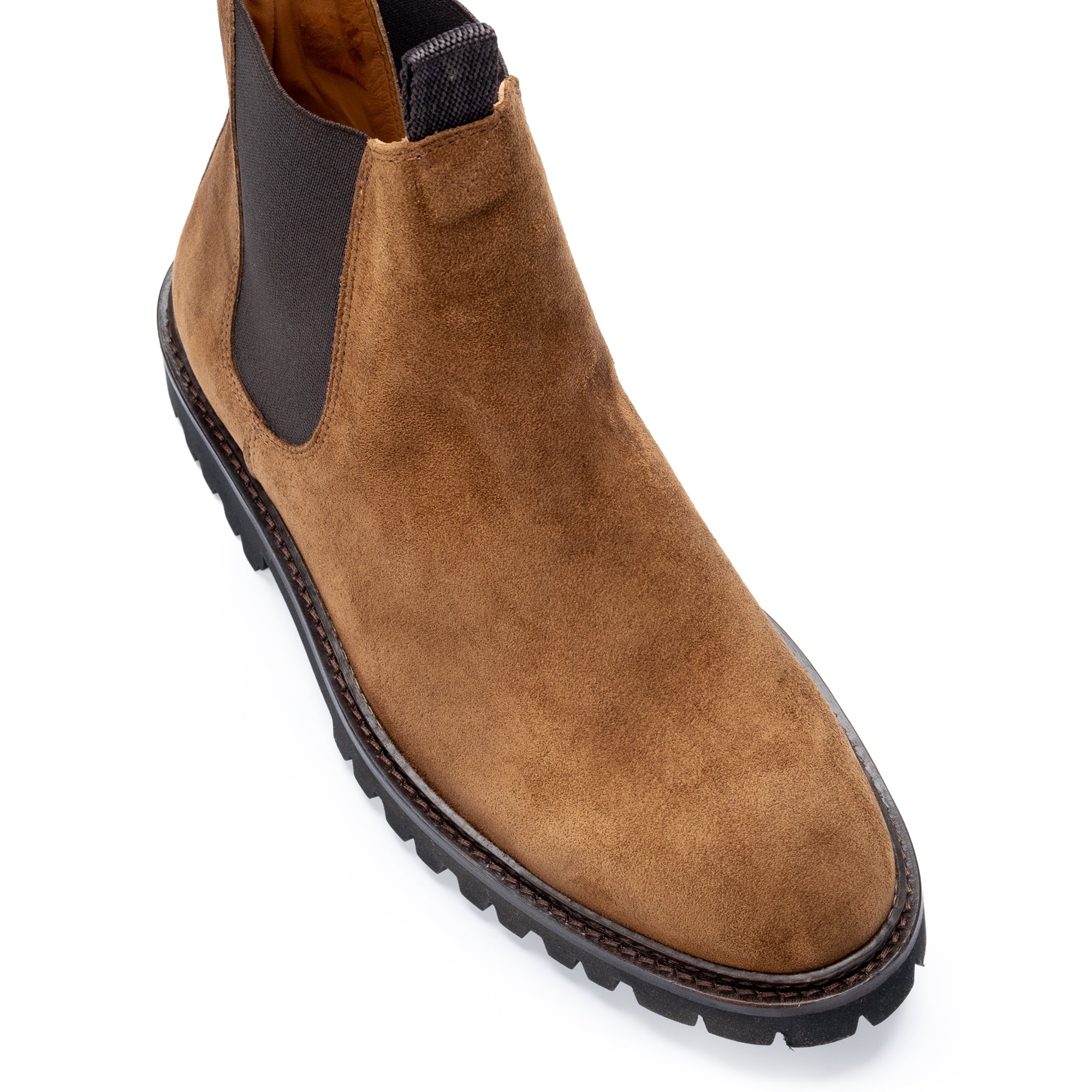
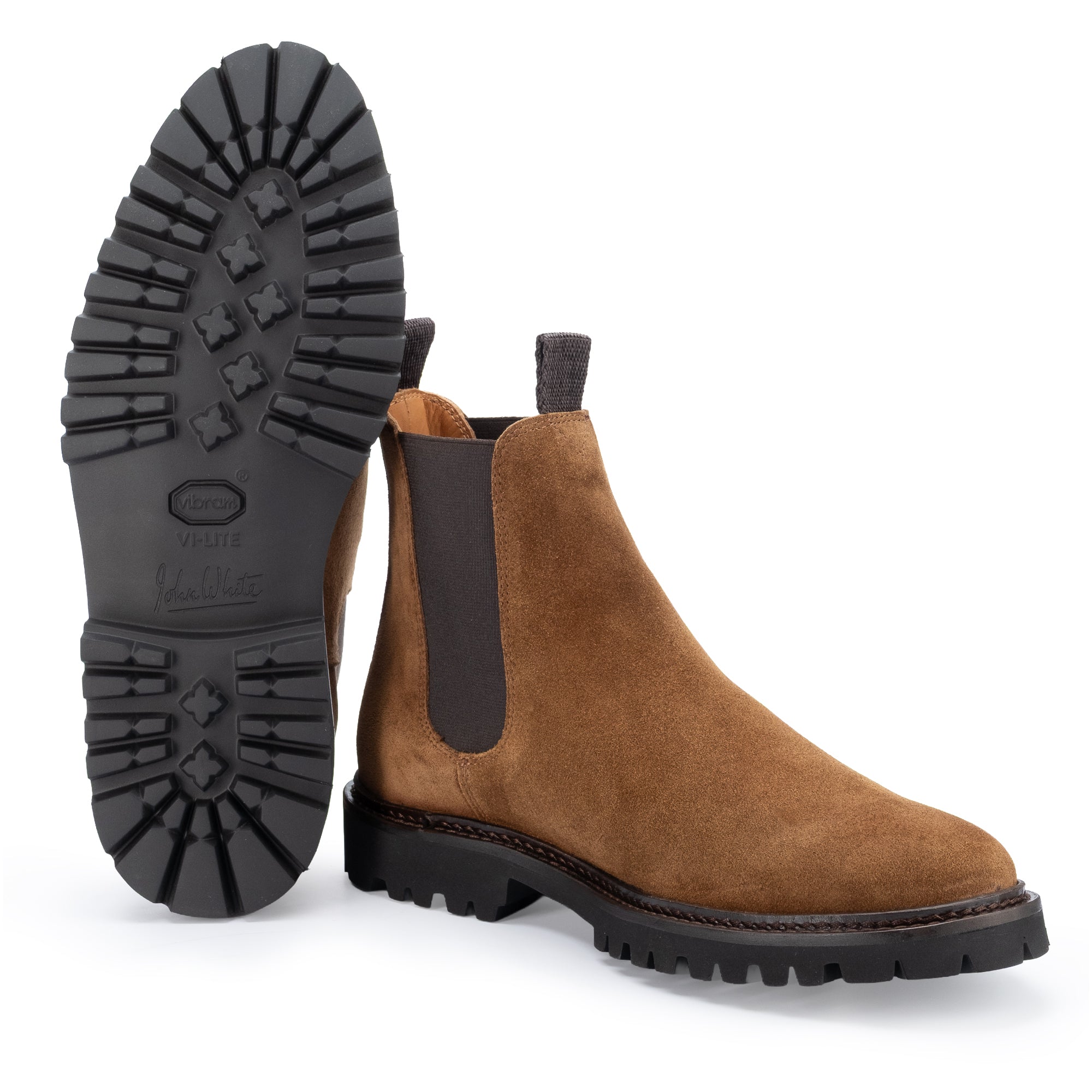
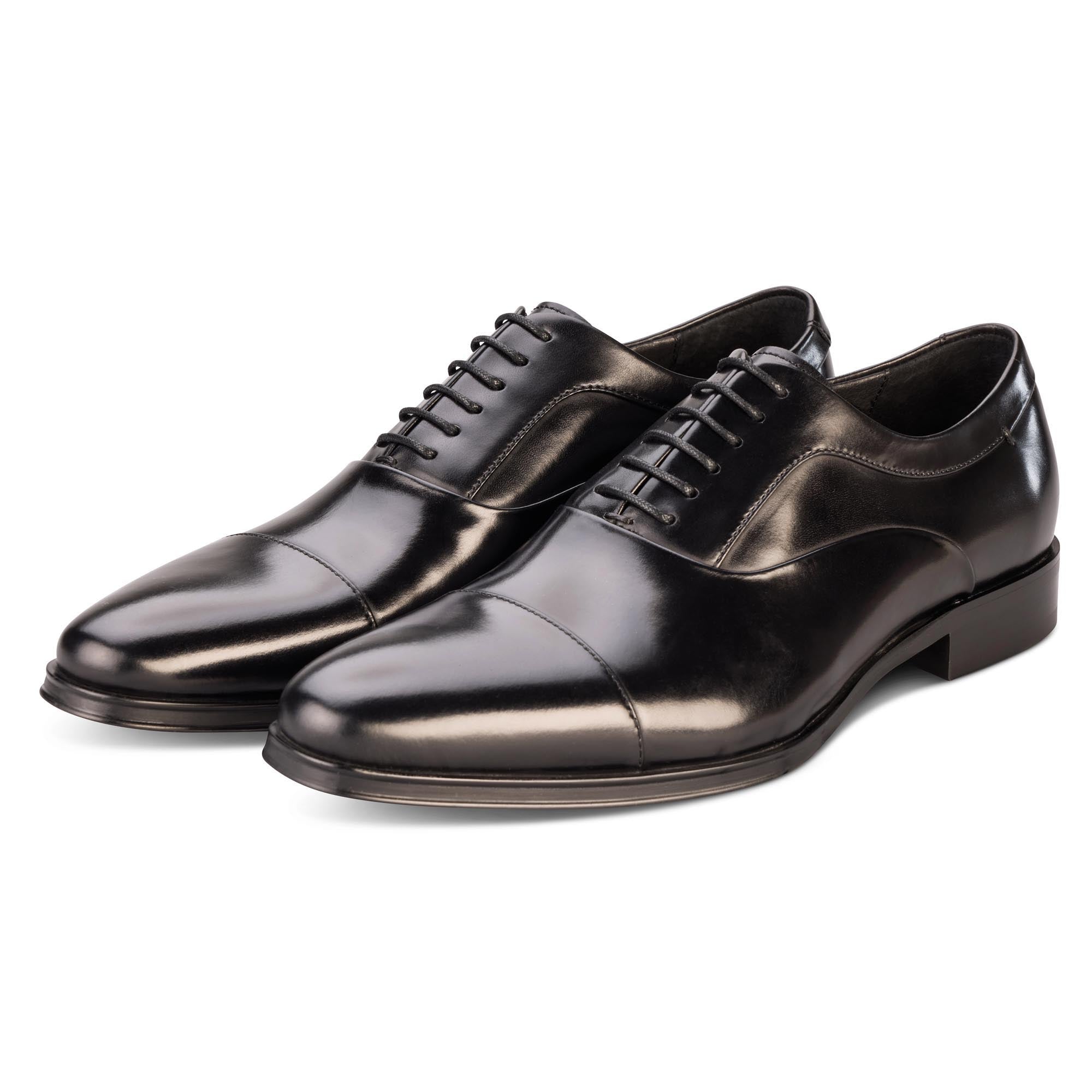
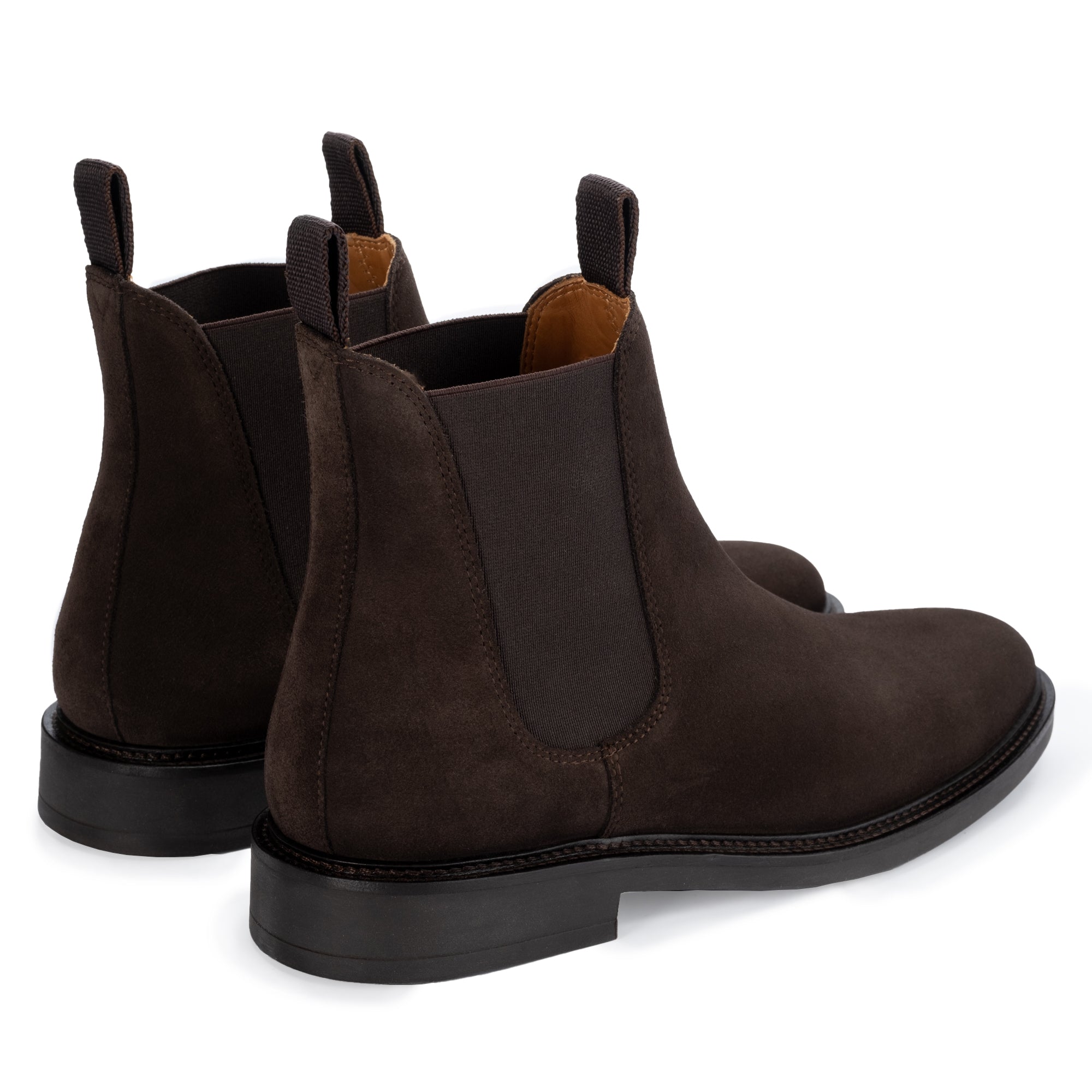
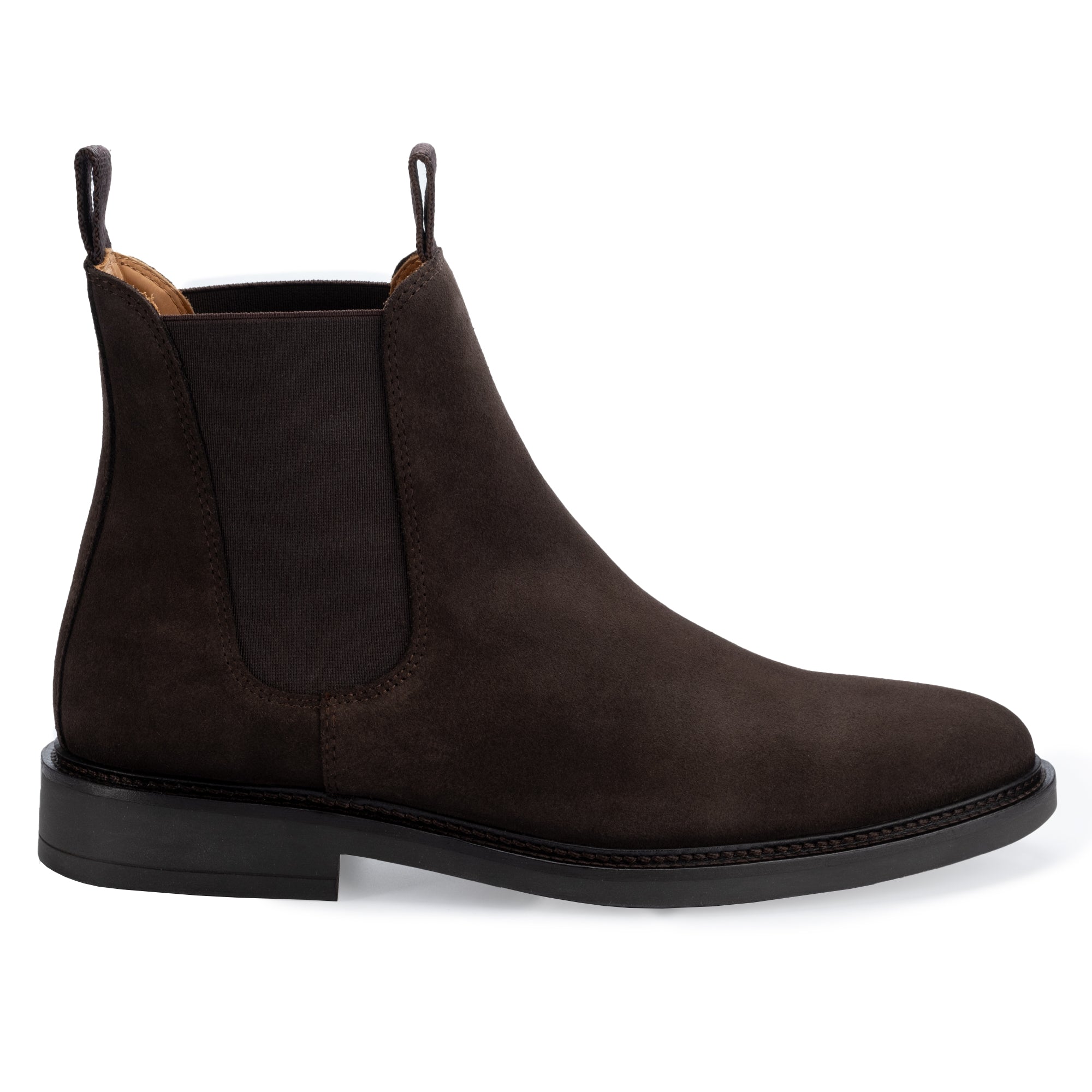
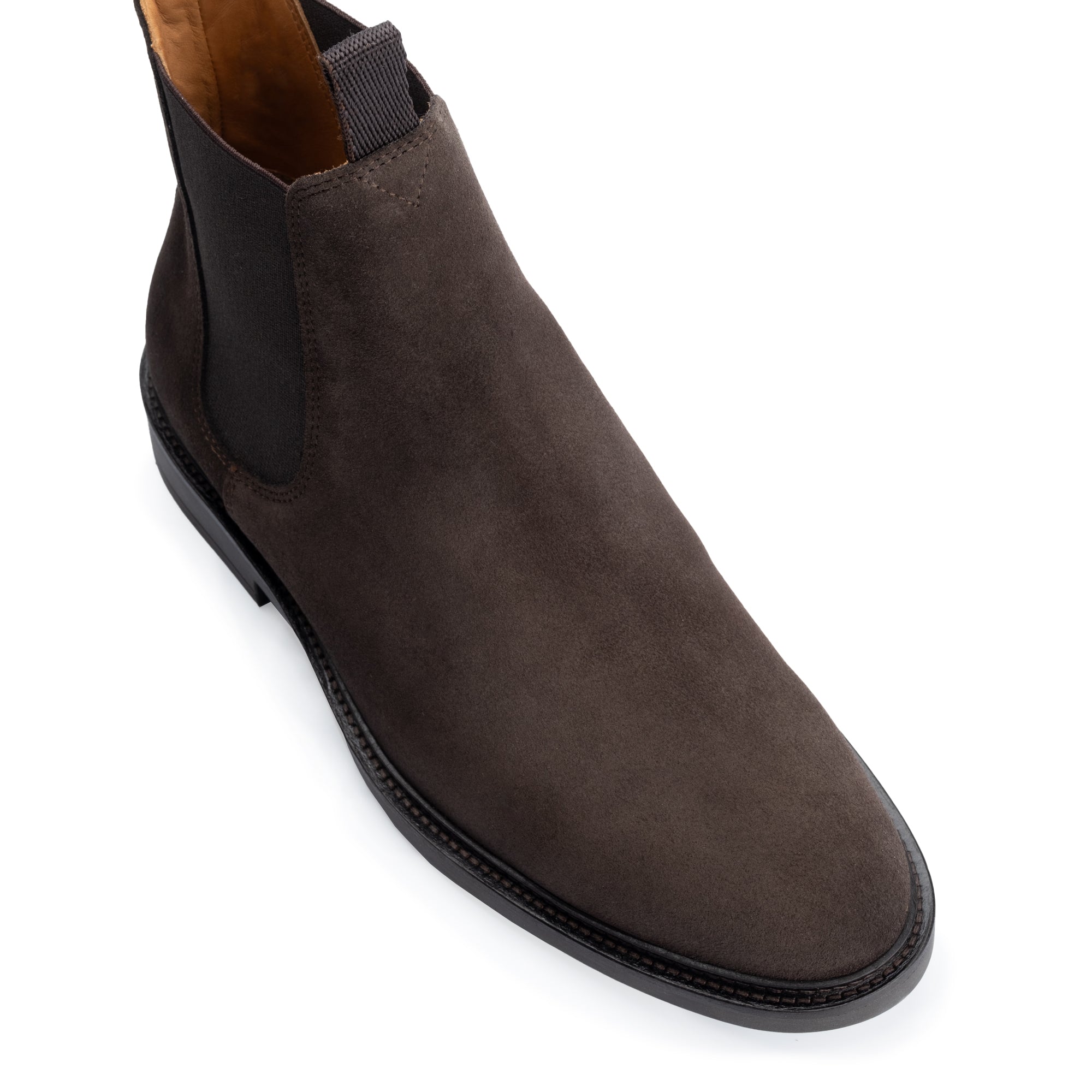
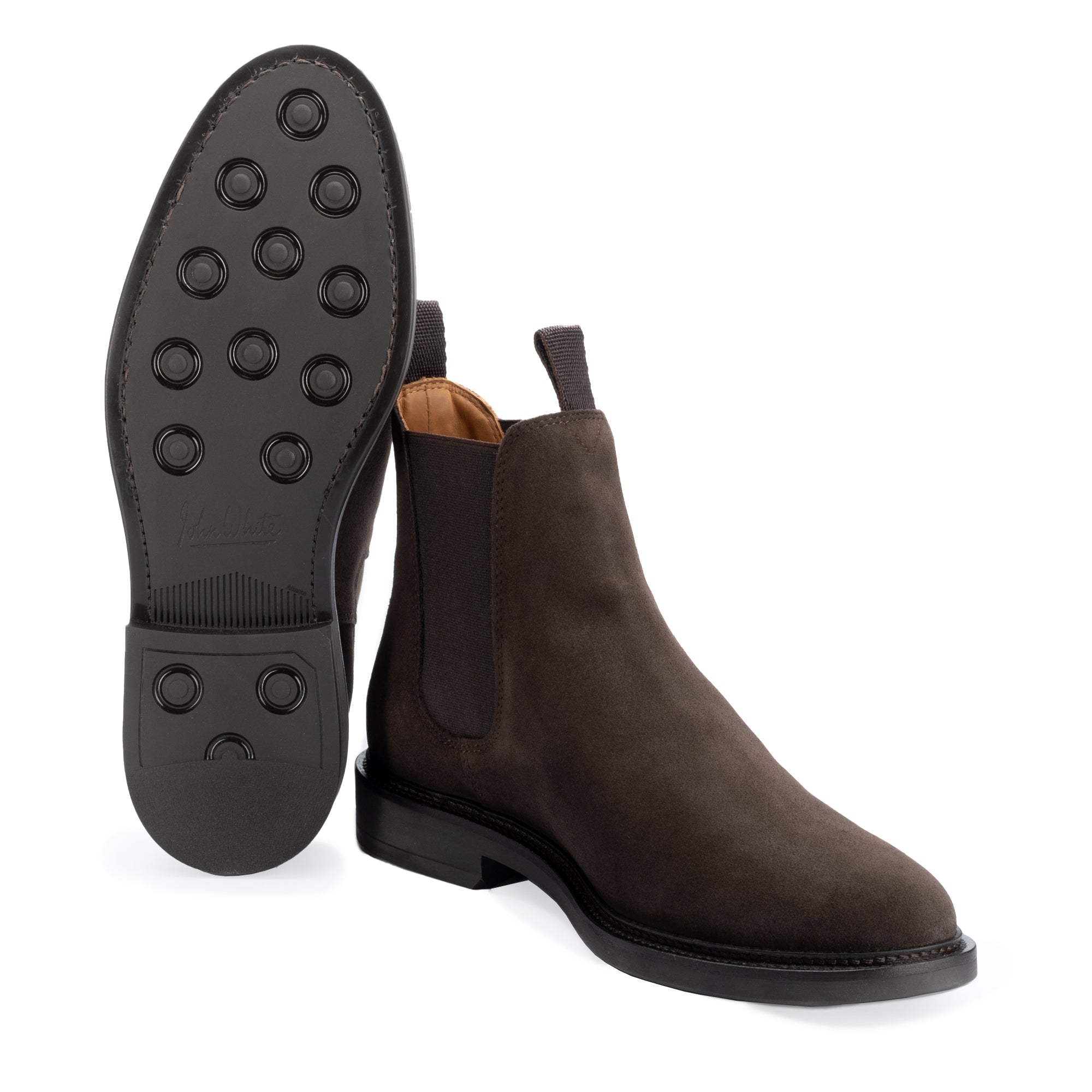
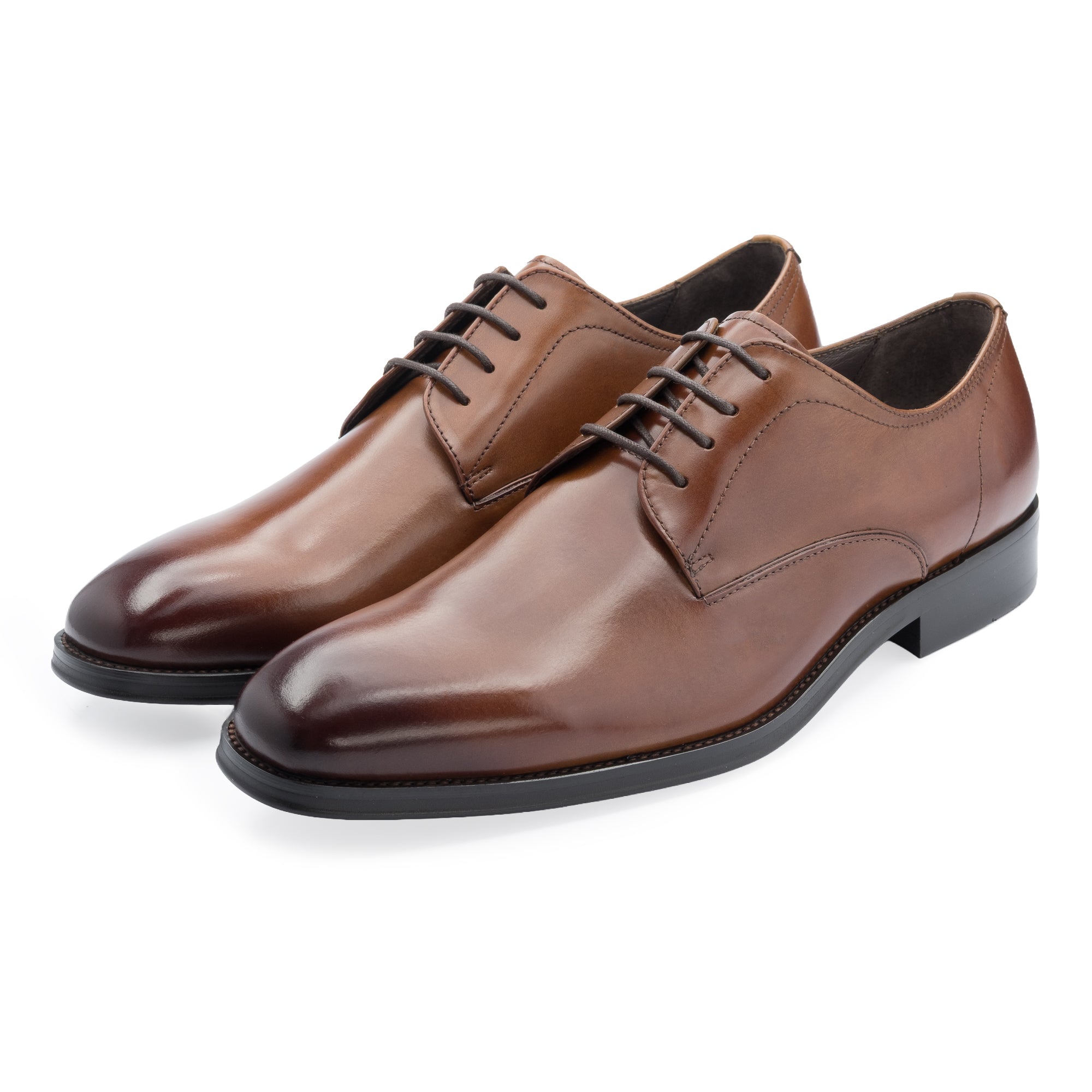
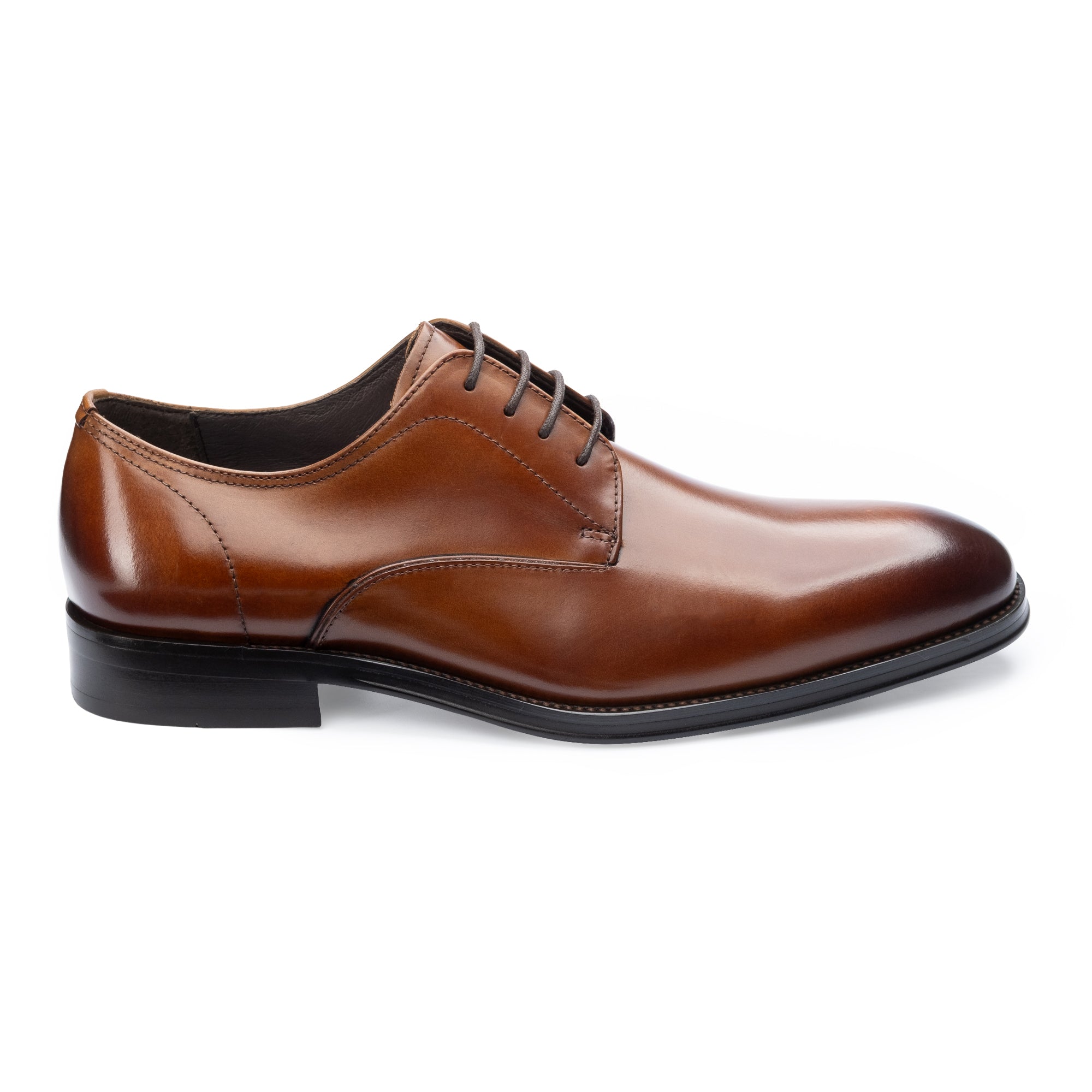
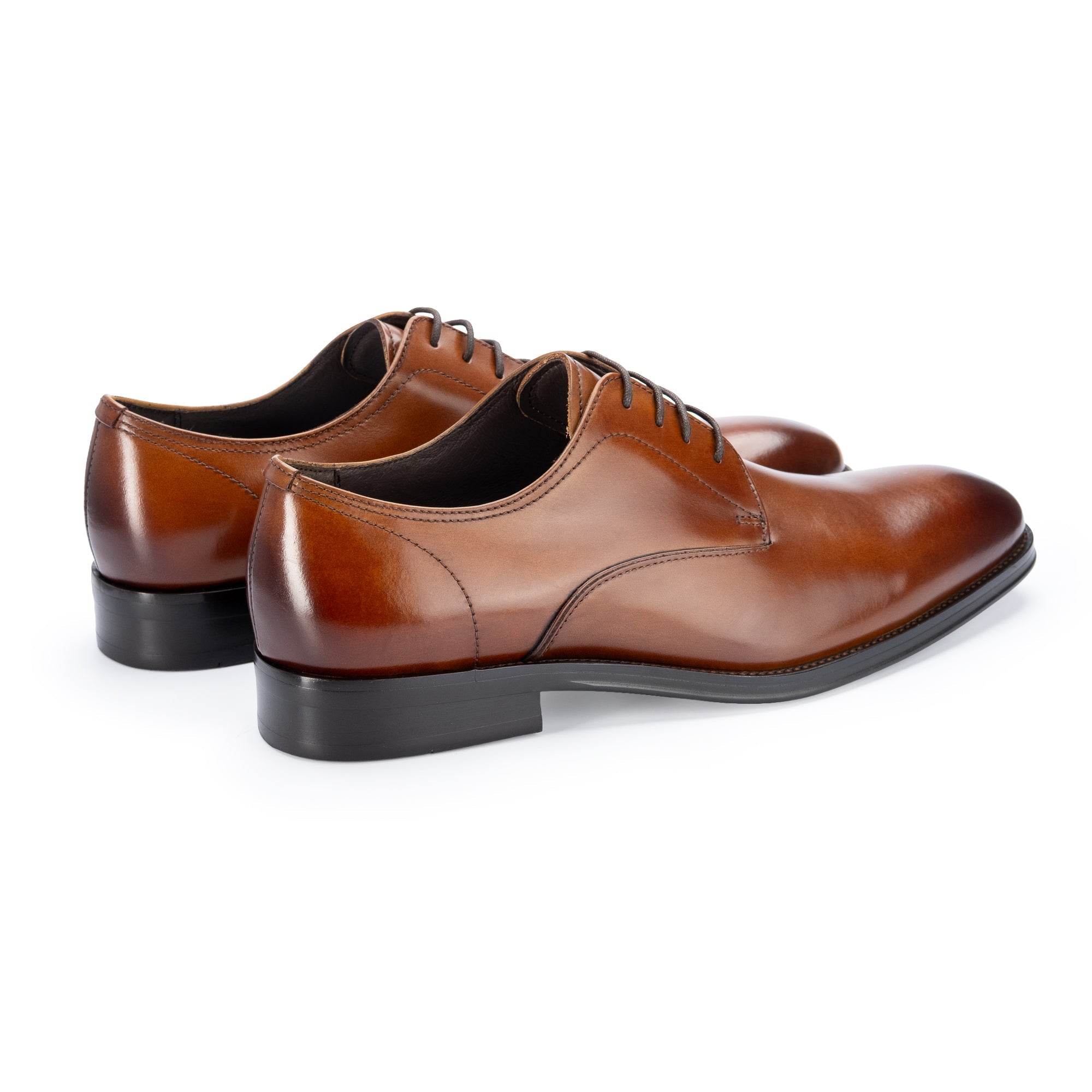
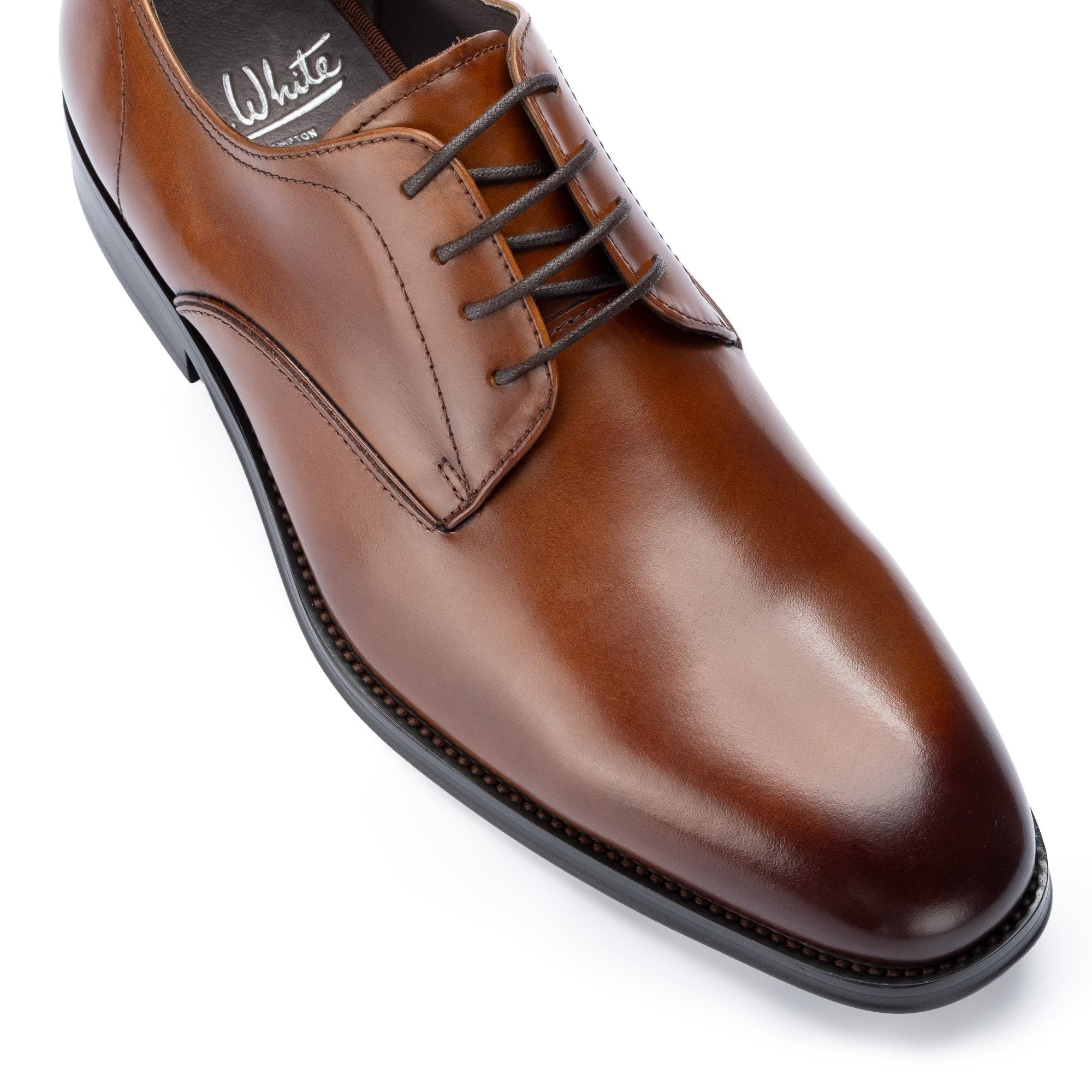
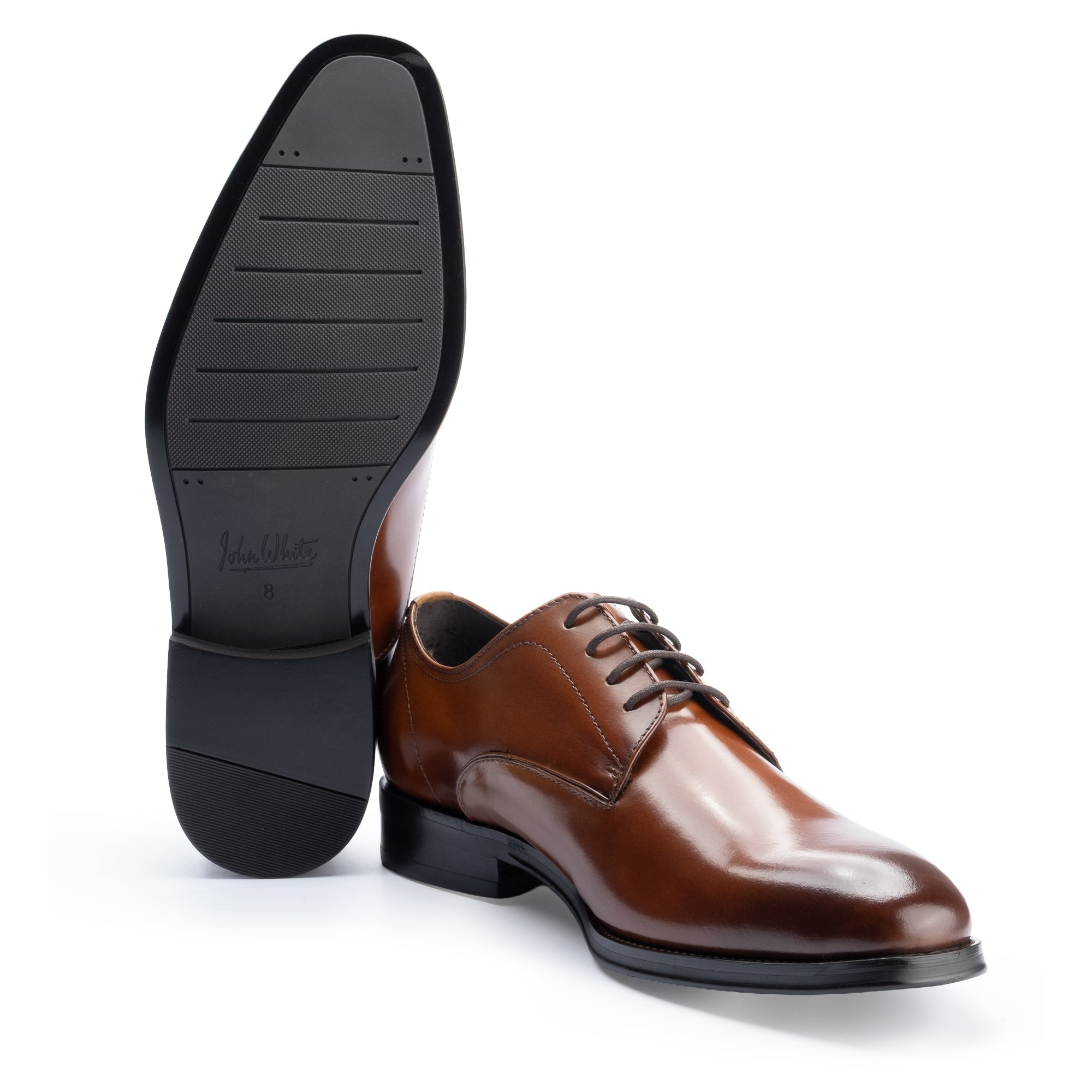
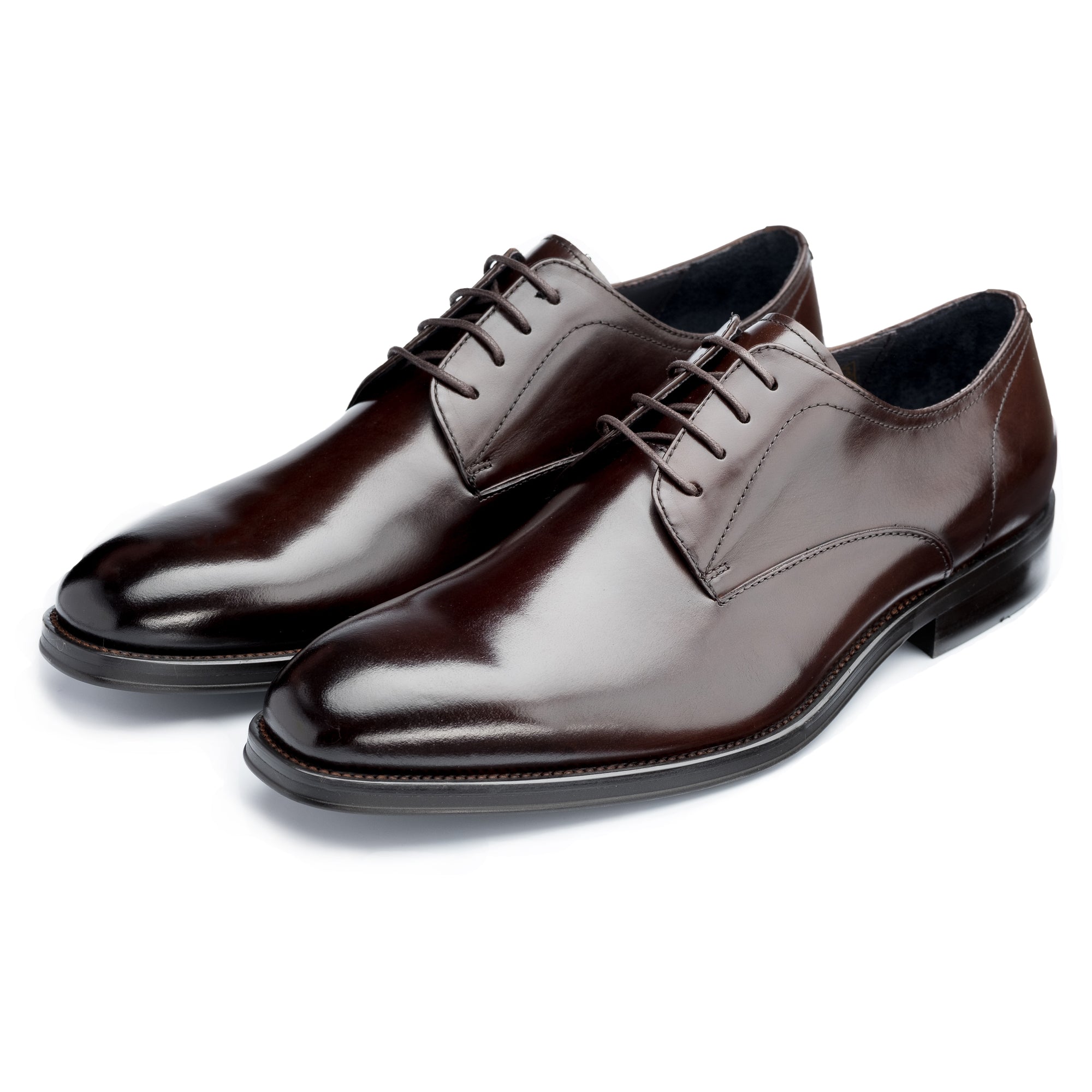
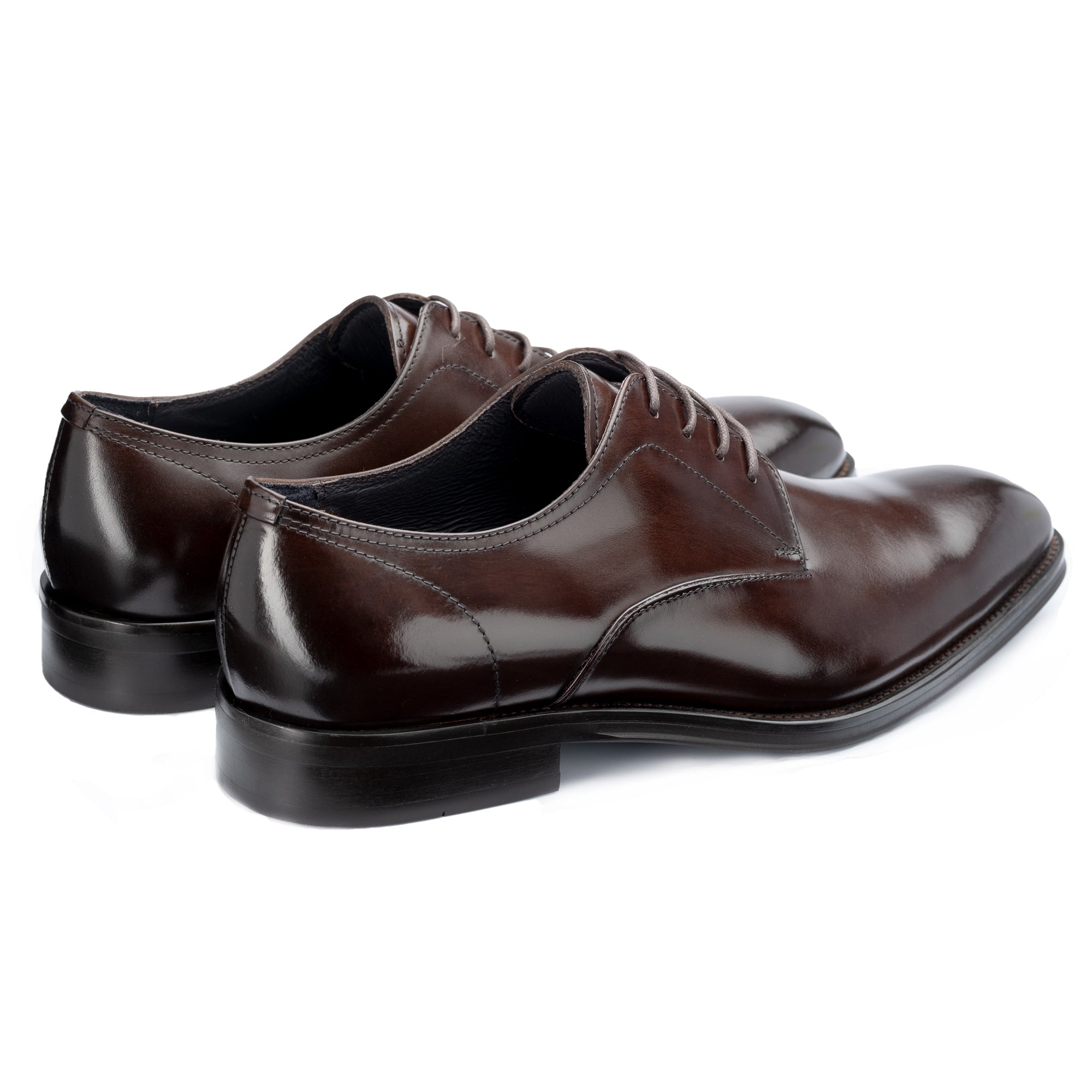
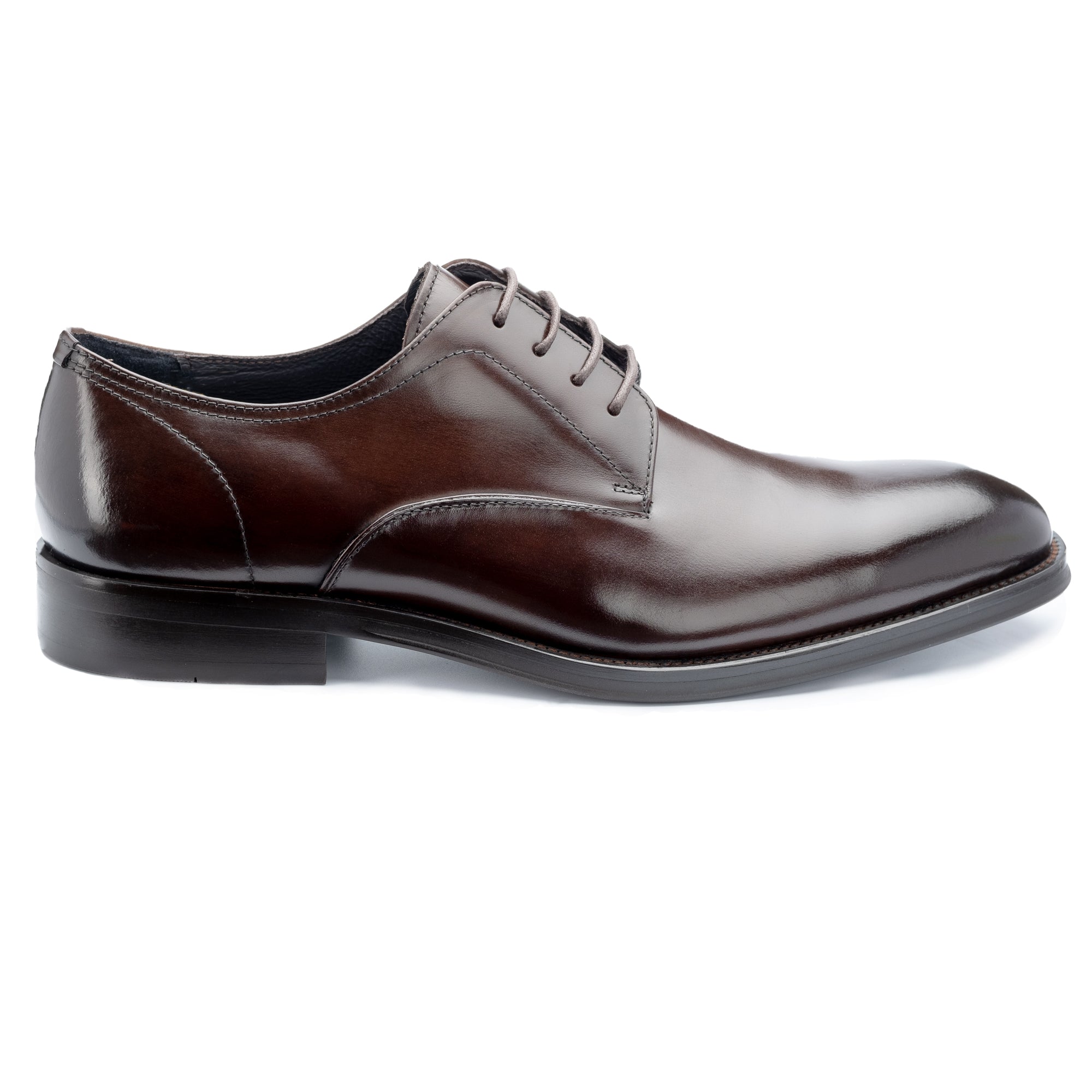
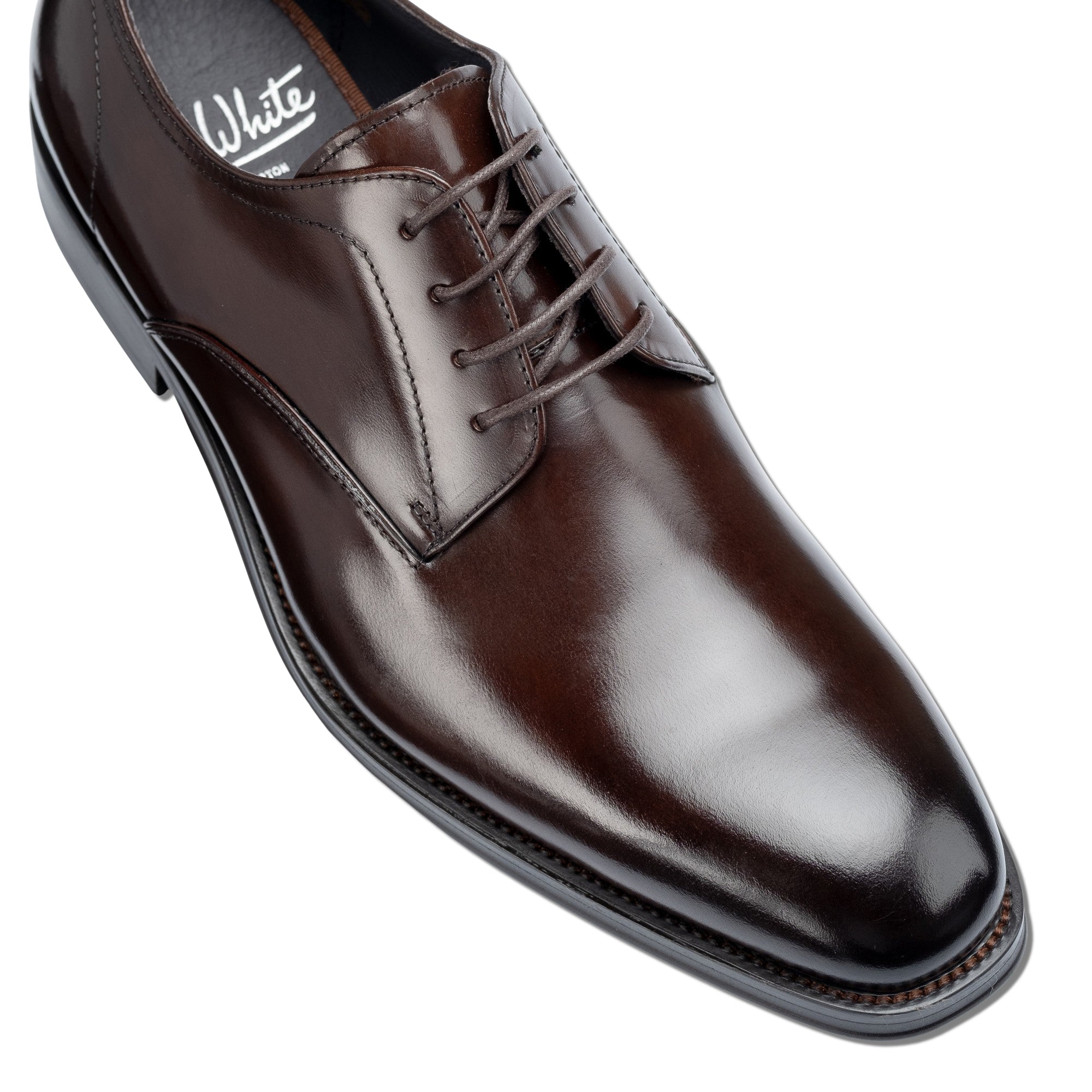
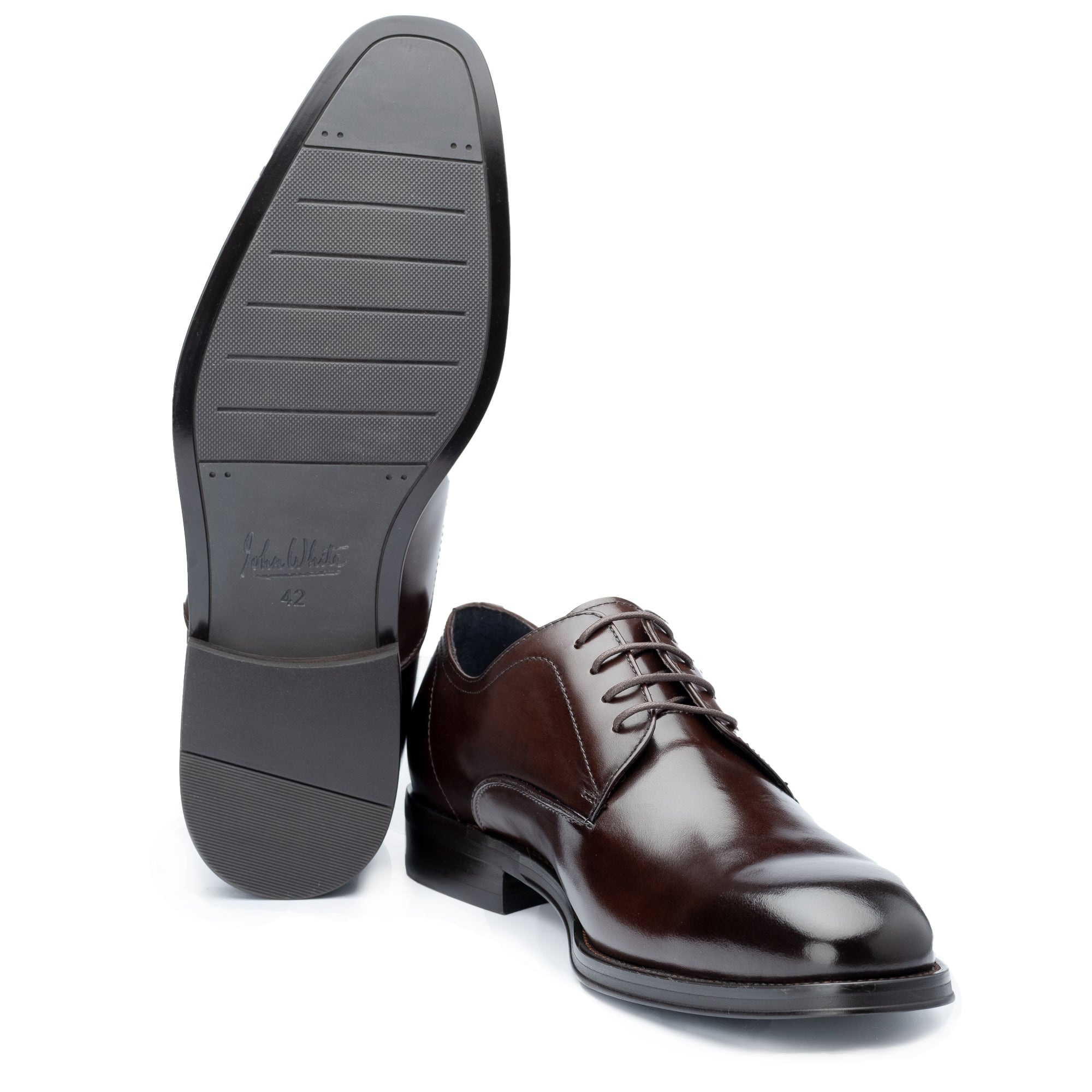
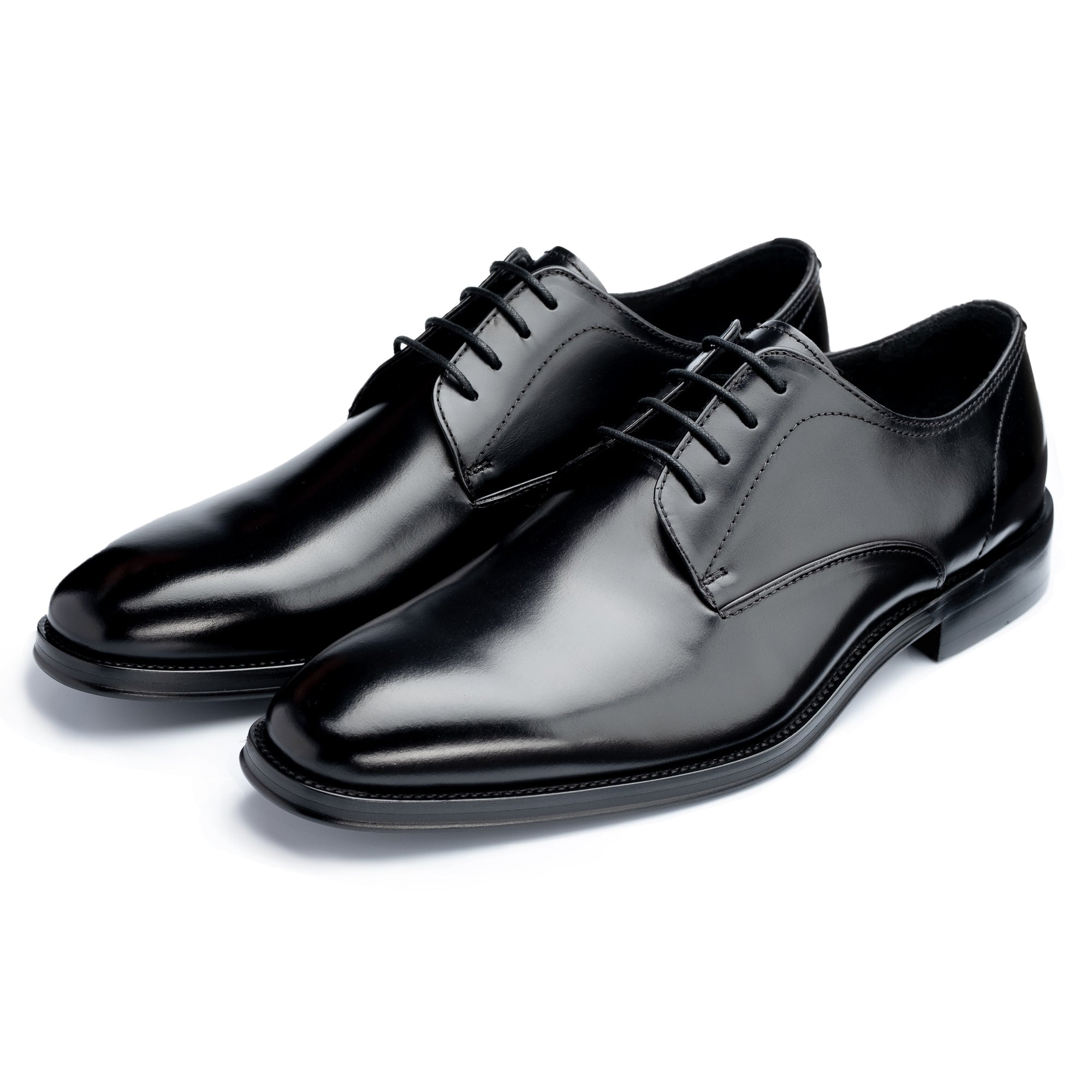
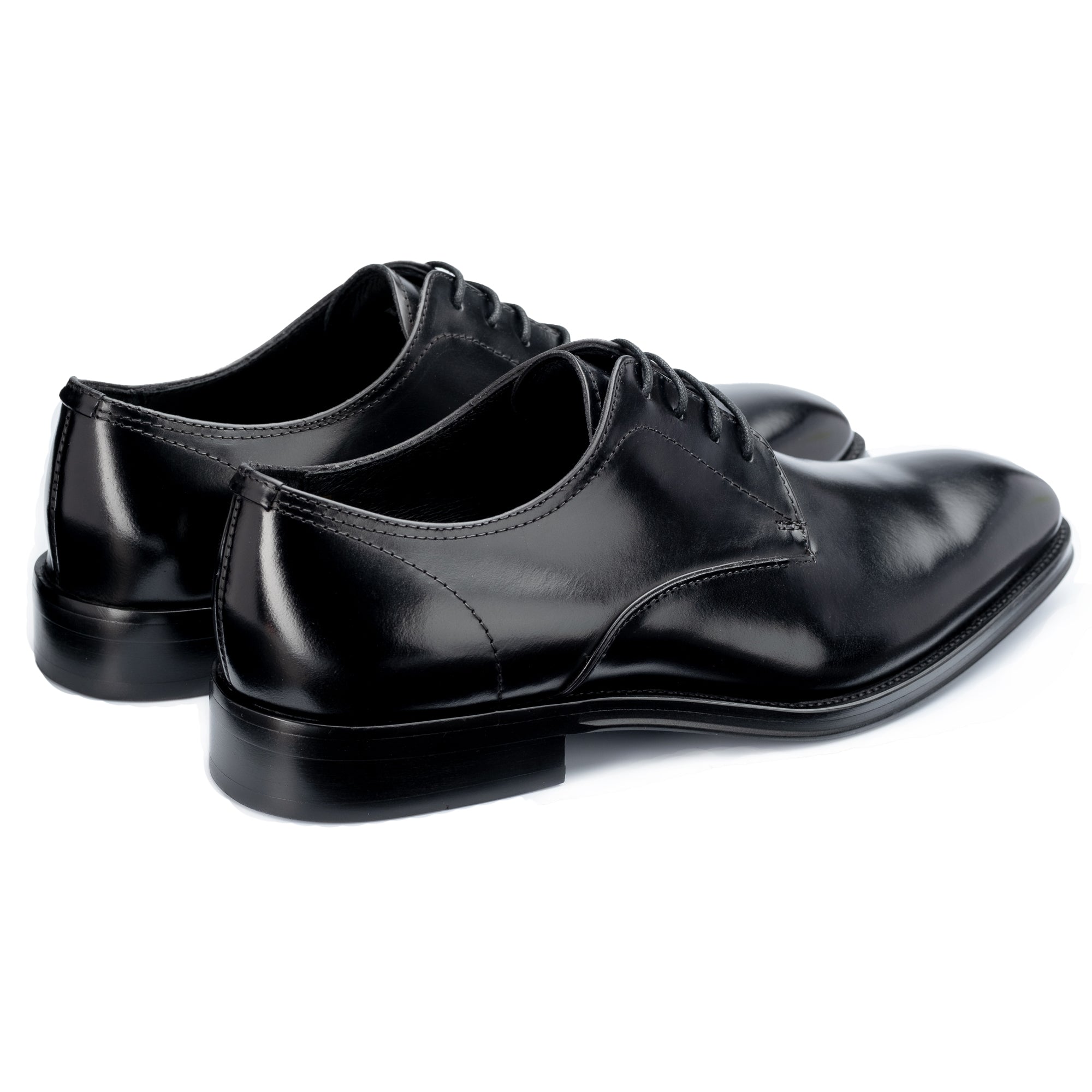
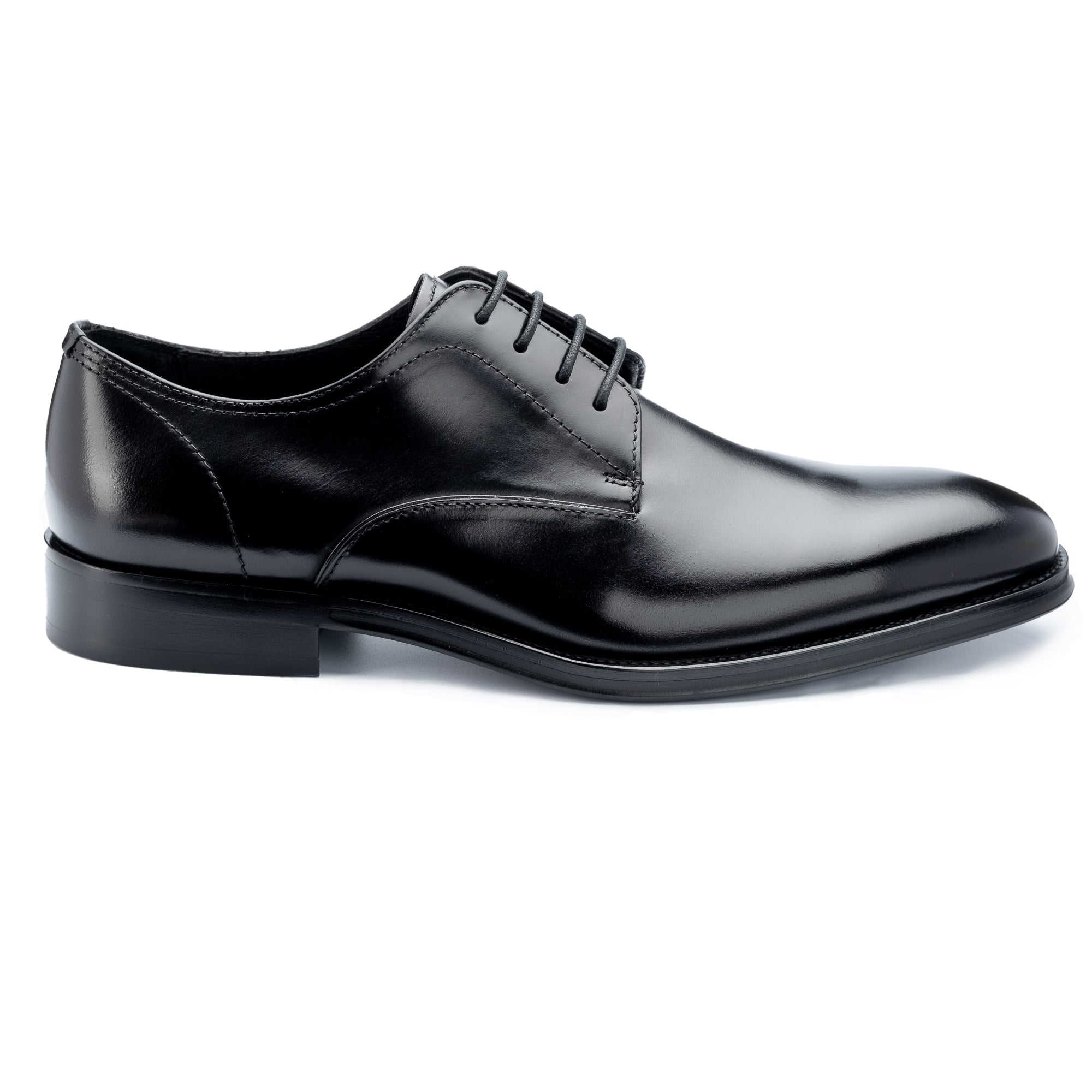
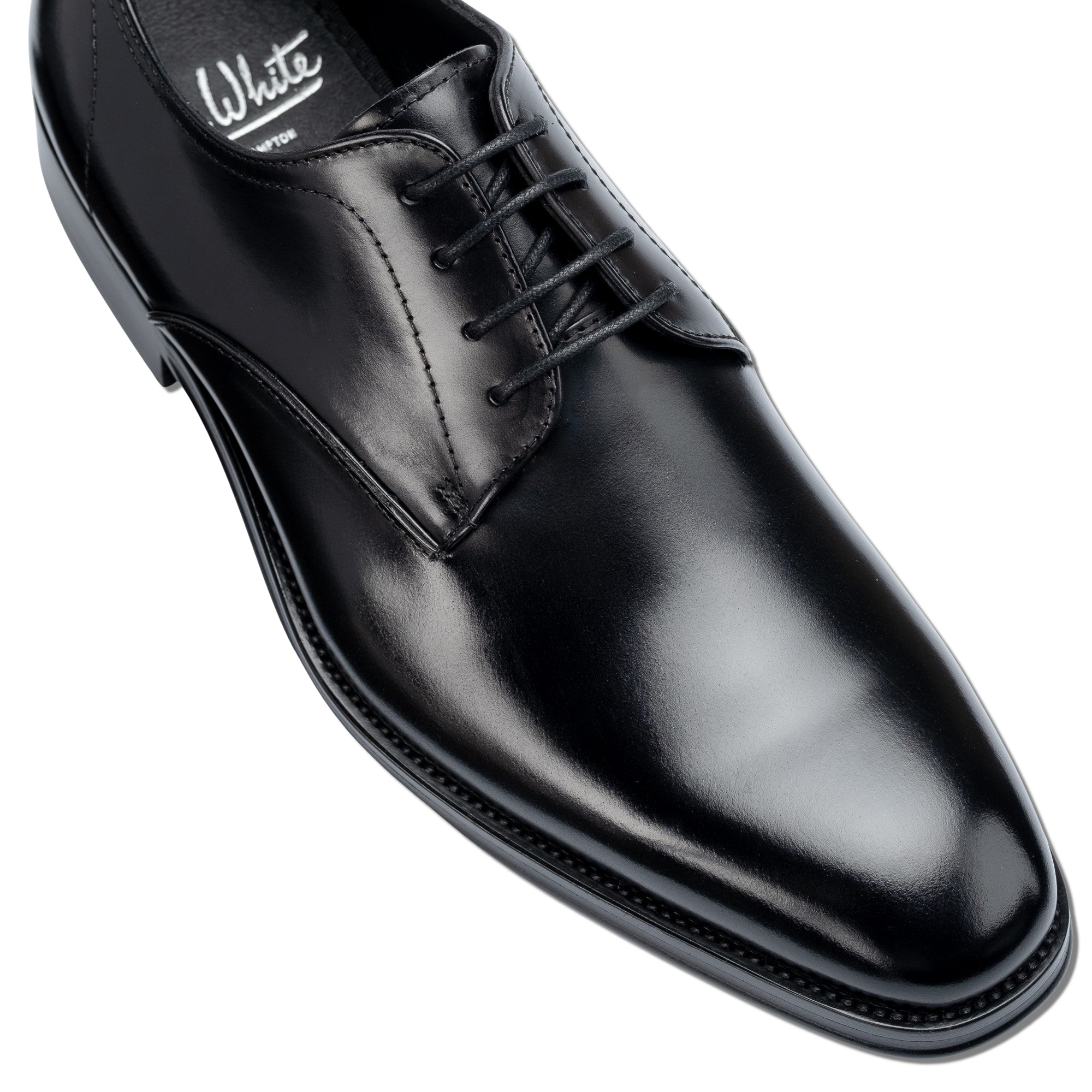
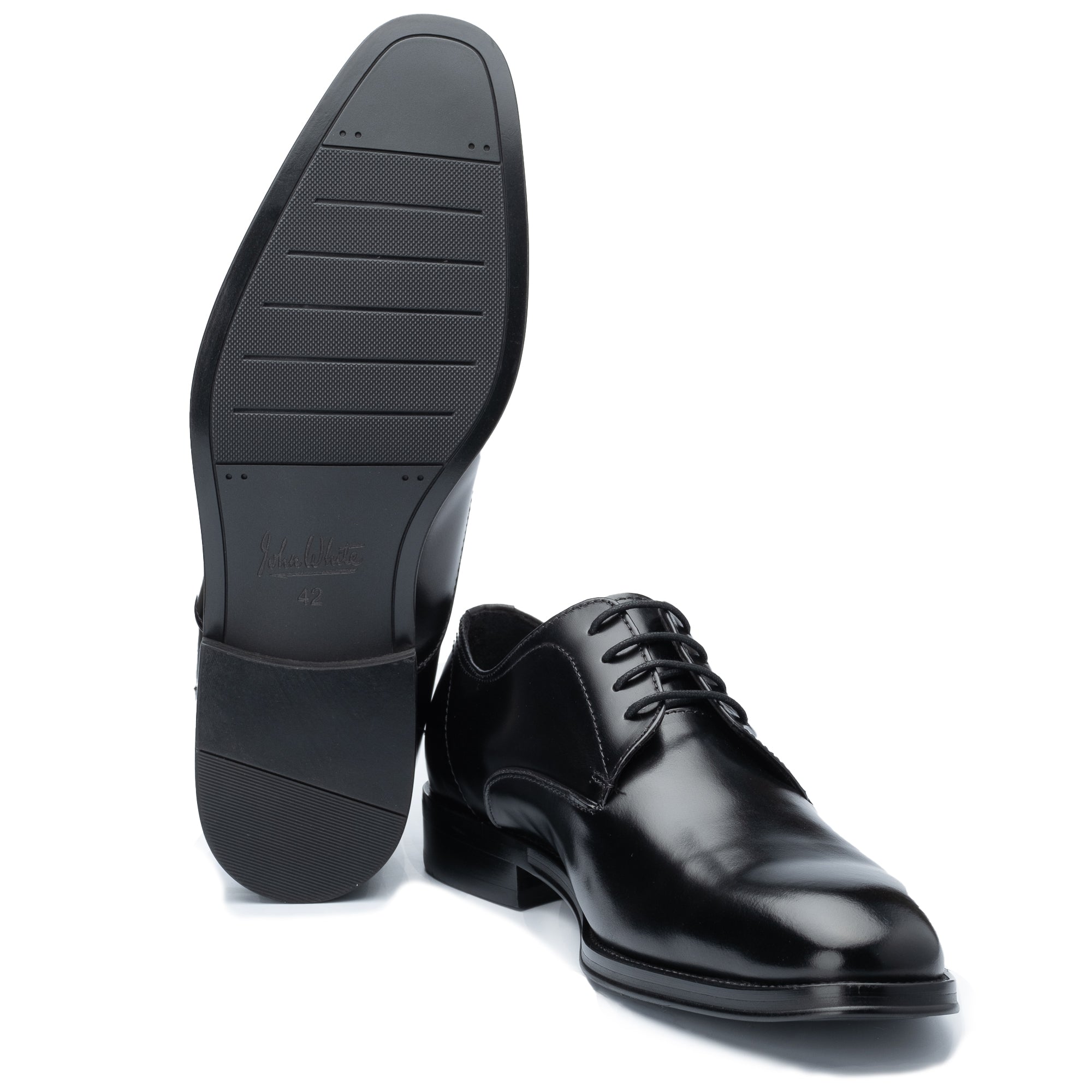
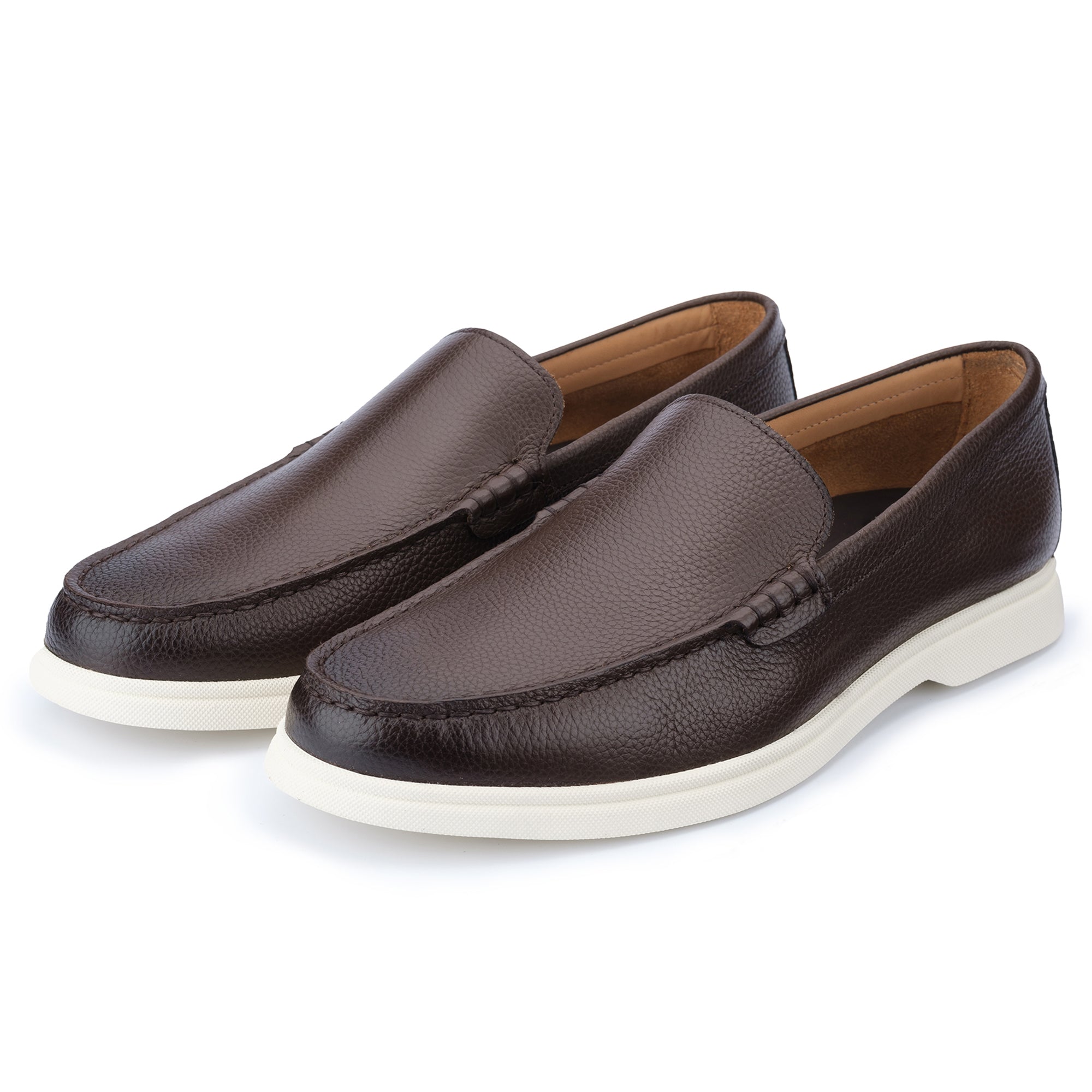
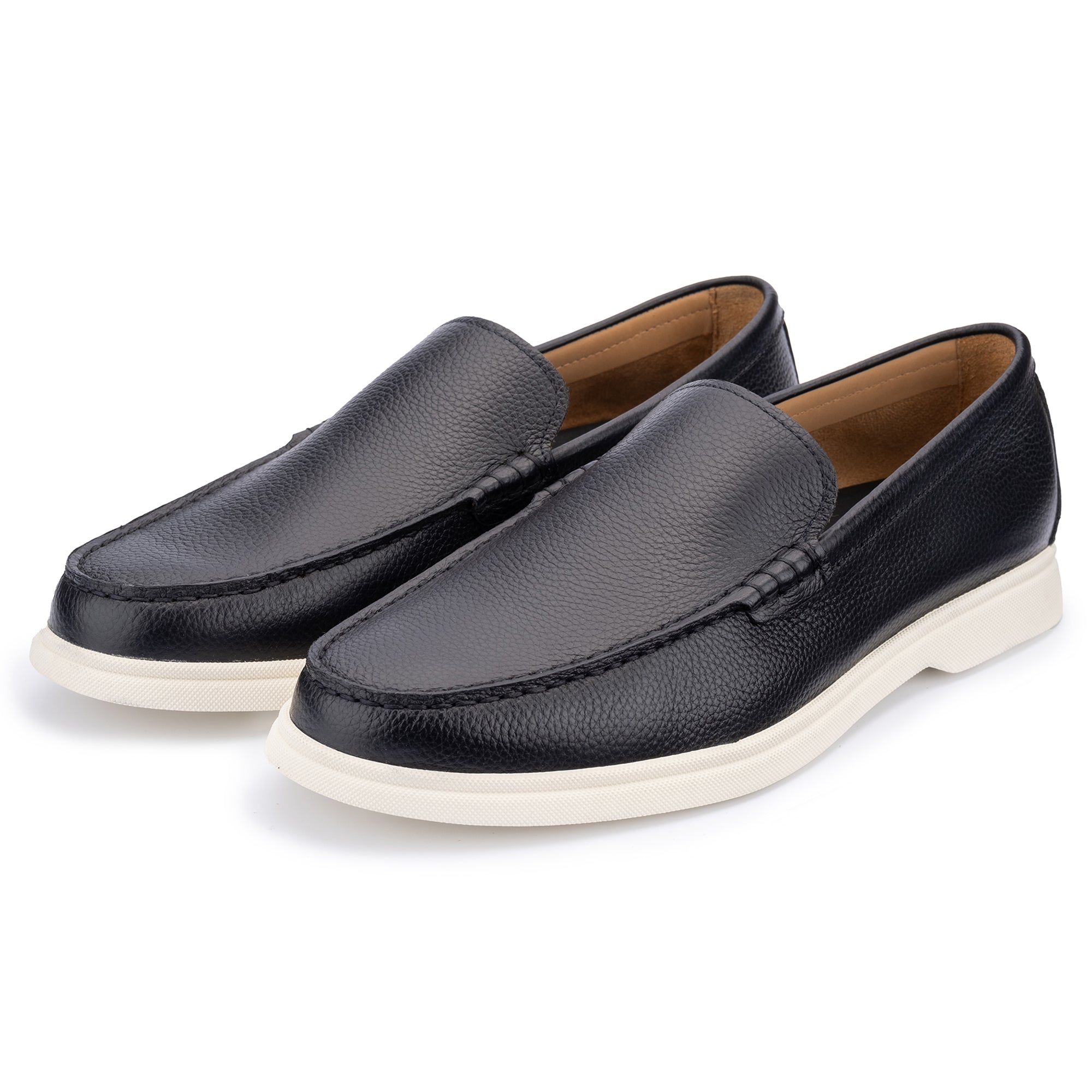
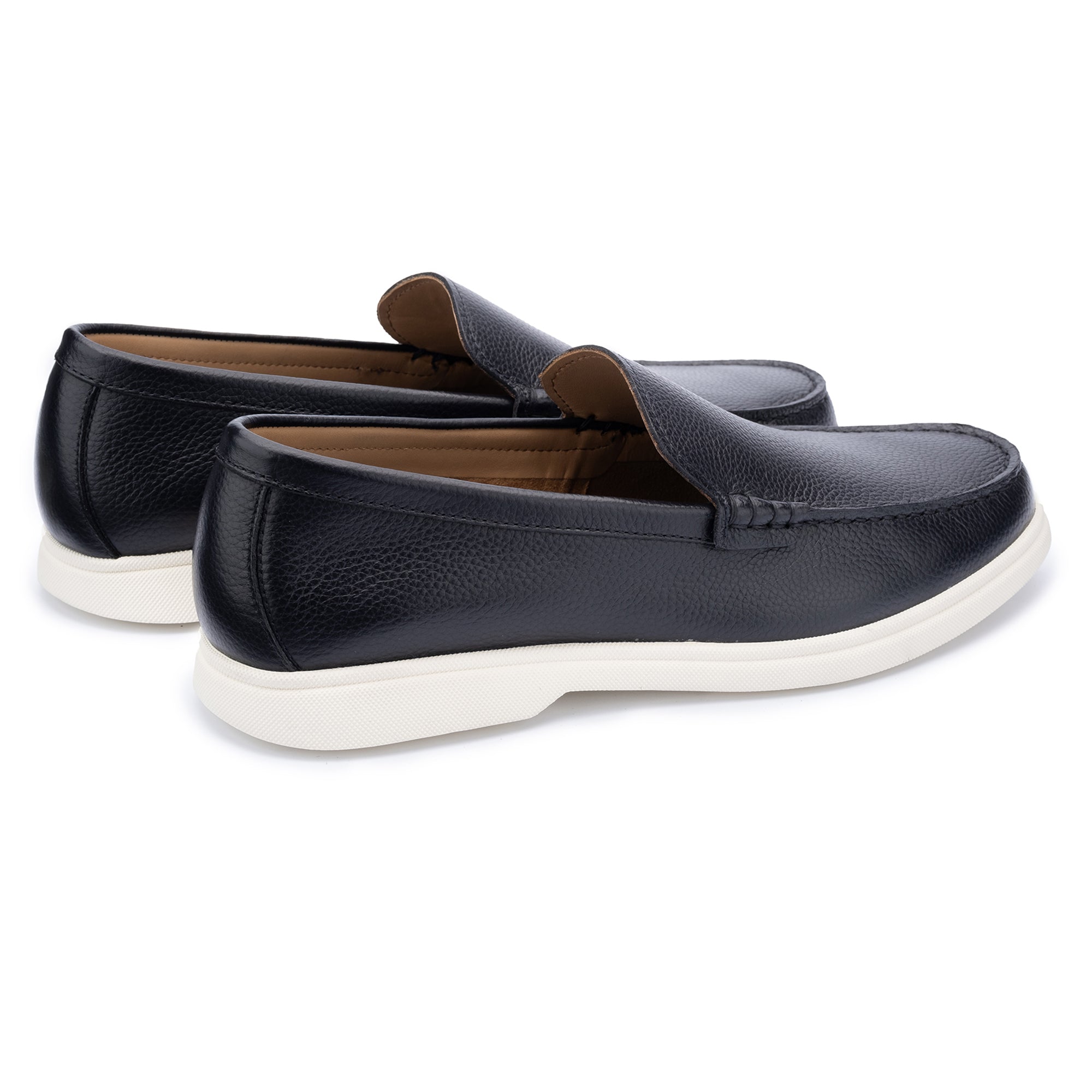
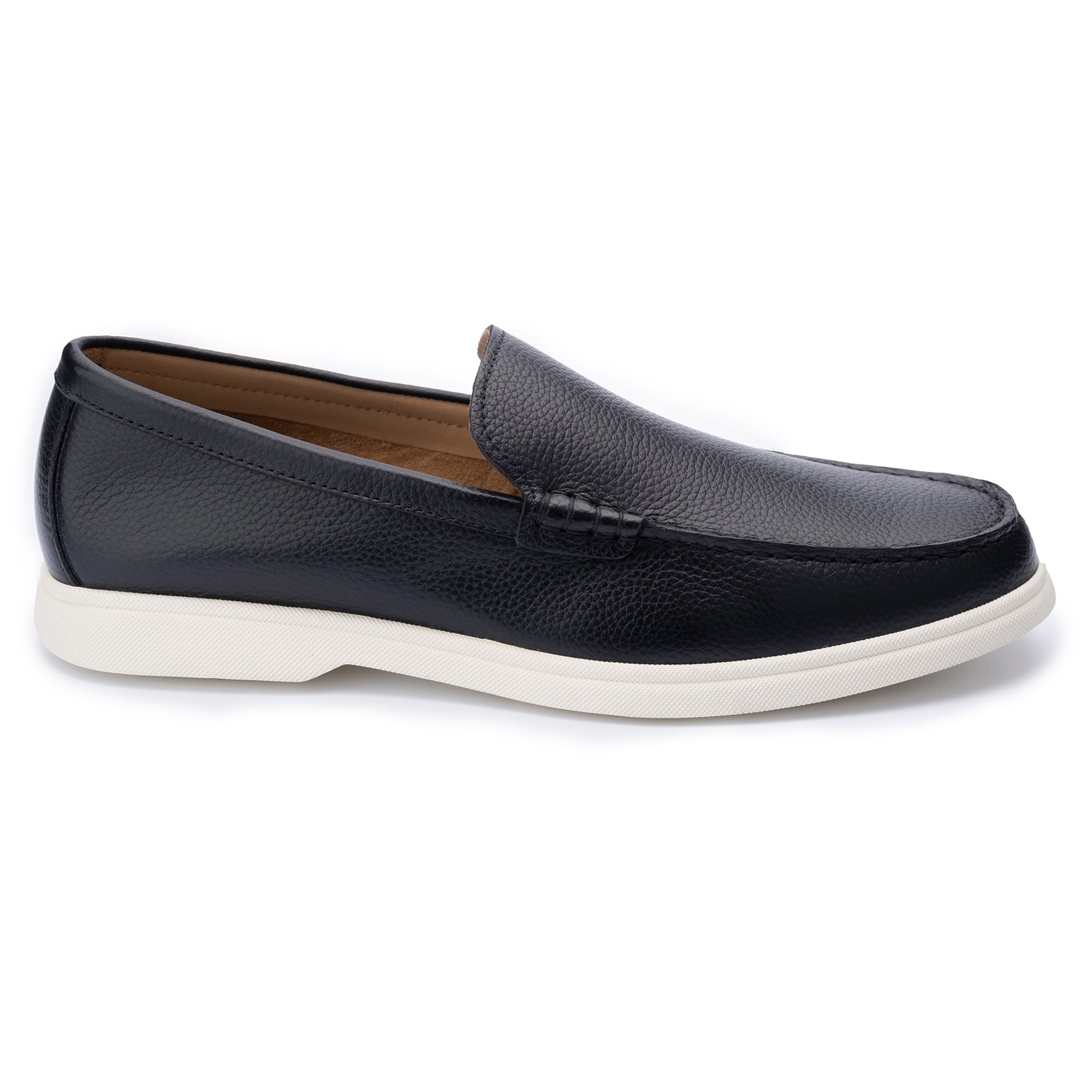
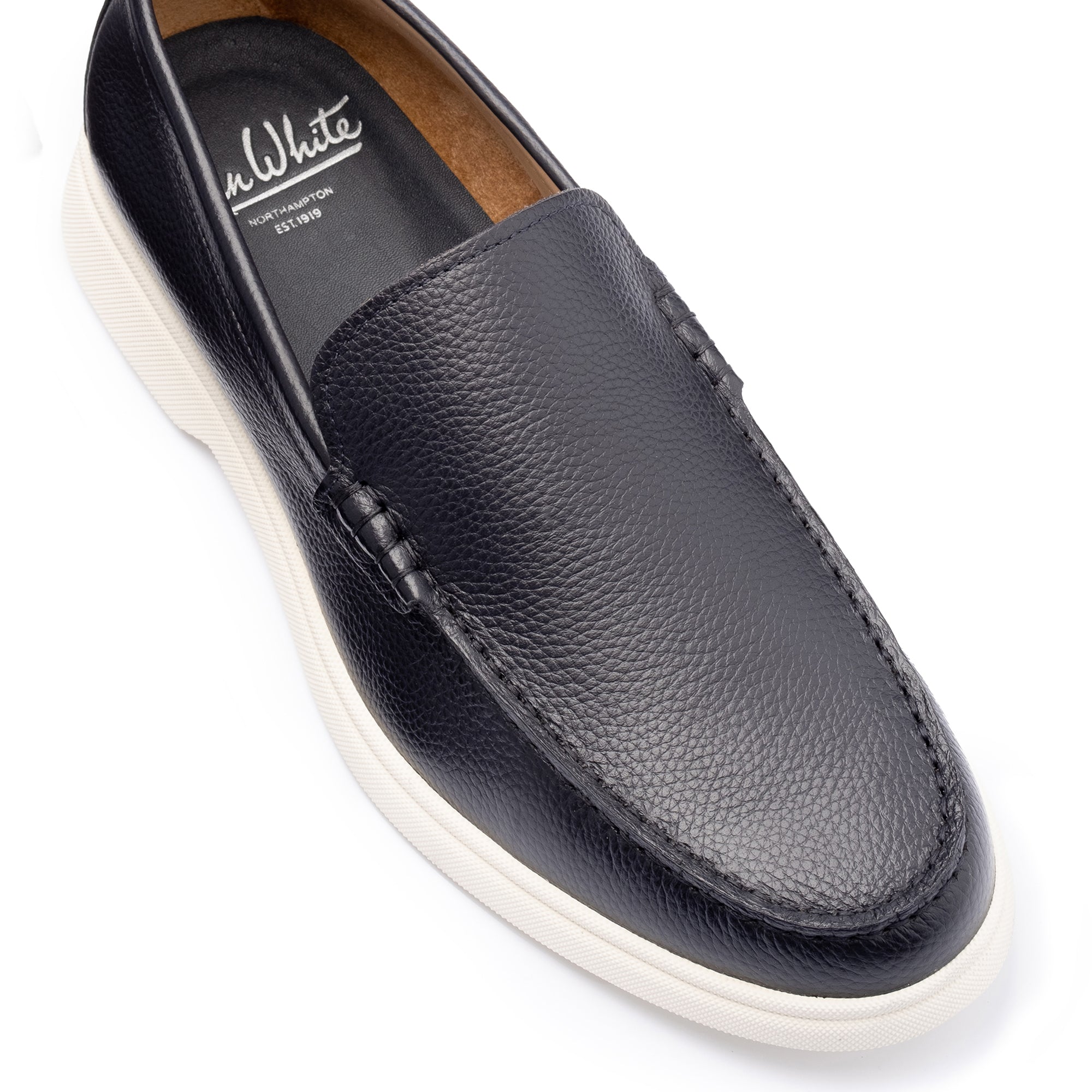
If you're searching for leather shoes or leather boots worth the care they demand, browse the John White Shoes collection — or read on for the complete drying and restoration process.
In This Guide
A sudden downpour is an unavoidable reality of British life. While a gentleman's wardrobe can be prepared, his premium leather footwear often bears the brunt of the storm. Improperly drying a pair of saturated leather shoes can inflict more lasting damage than the initial soaking, compromising the integrity of the hand-finished hide and the meticulous construction methods inherent in quality footwear.
The correct process for drying wet leather footwear is not about speed; it is about preservation. Hasty measures with artificial heat will desiccate and crack the leather, turning a temporary problem into a permanent one. This guide provides the definitive, tradition-approved method for restoring your shoes, ensuring they endure for years to come.
Why Is Improper Drying So Damaging to Premium Leather?
Premium leather is a natural, porous material rich in oils and tannins that give it suppleness, strength, and lustre. When leather becomes saturated, water molecules bond with these essential oils. As the water evaporates, it draws the oils out with it, leaving the leather's fibrous structure depleted and brittle.
According to research from The Leather Conservation Centre, rapid drying using heat sources like radiators or hairdryers accelerates this process catastrophically. The leather fibres constrict, tighten, and can shrink by up to 10-15%, leading to a stiff, uncomfortable fit and a high risk of cracking across flex points. This process, known as 'gelatinisation', permanently alters the leather's structure.
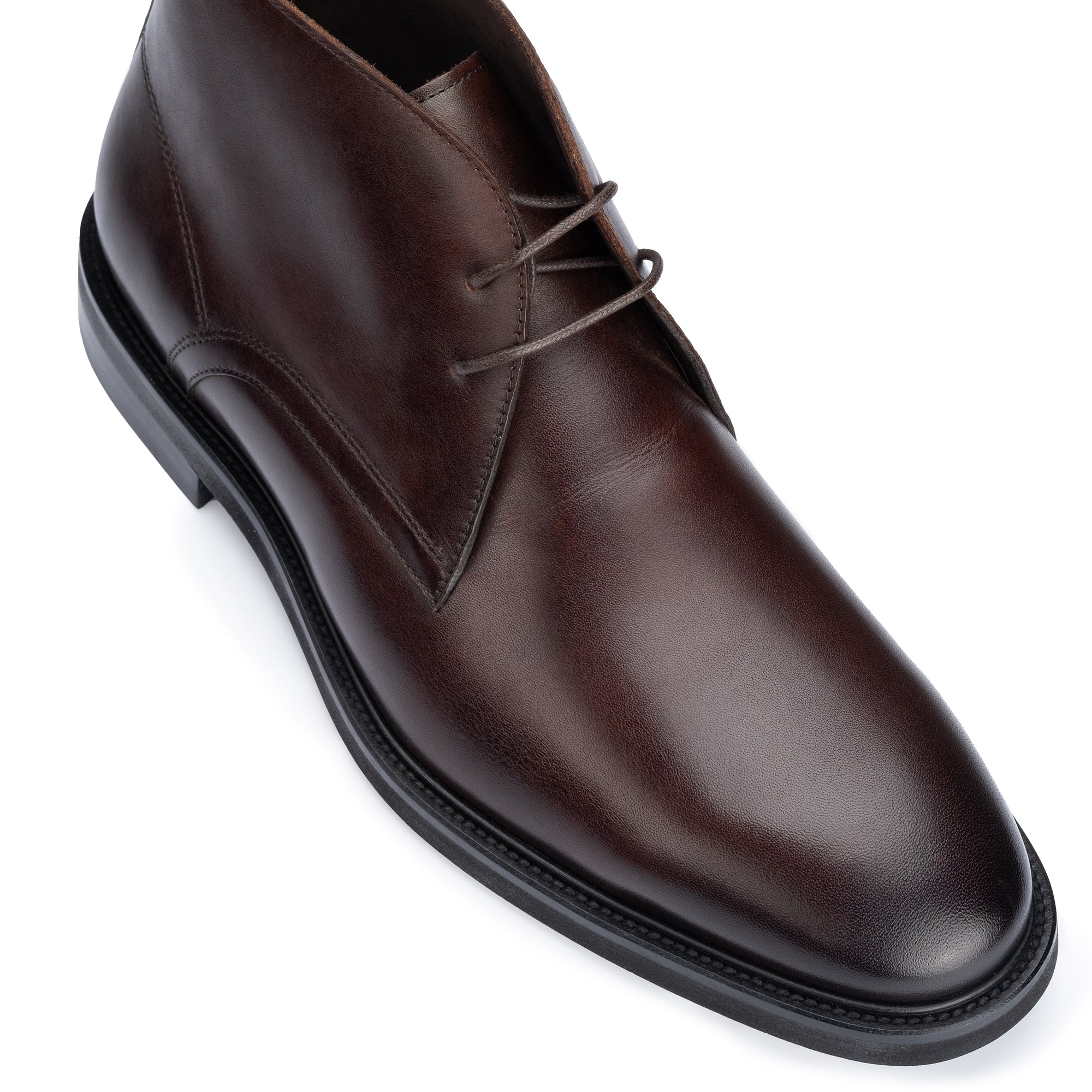
Furthermore, this rapid moisture-leaching often leaves behind unsightly tide marks from dissolved salts and minerals. The very shape of the shoe, meticulously formed on a last, can become distorted without proper internal support during the drying phase. Whether you own John White Shoes or another pair from a heritage shoemaker like Church's or Crockett & Jones, this preservation process is essential for all premium leather footwear.
Rushing the drying process irrevocably damages the leather's core structure, leading to stiffness, cracking, and discolouration.
What Is the Correct First Step for Drying Wet Leather Footwear?
Immediate and correct action is paramount once you are out of the rain. The first hour sets the stage for a successful restoration. Follow this methodical, three-step process without deviation.
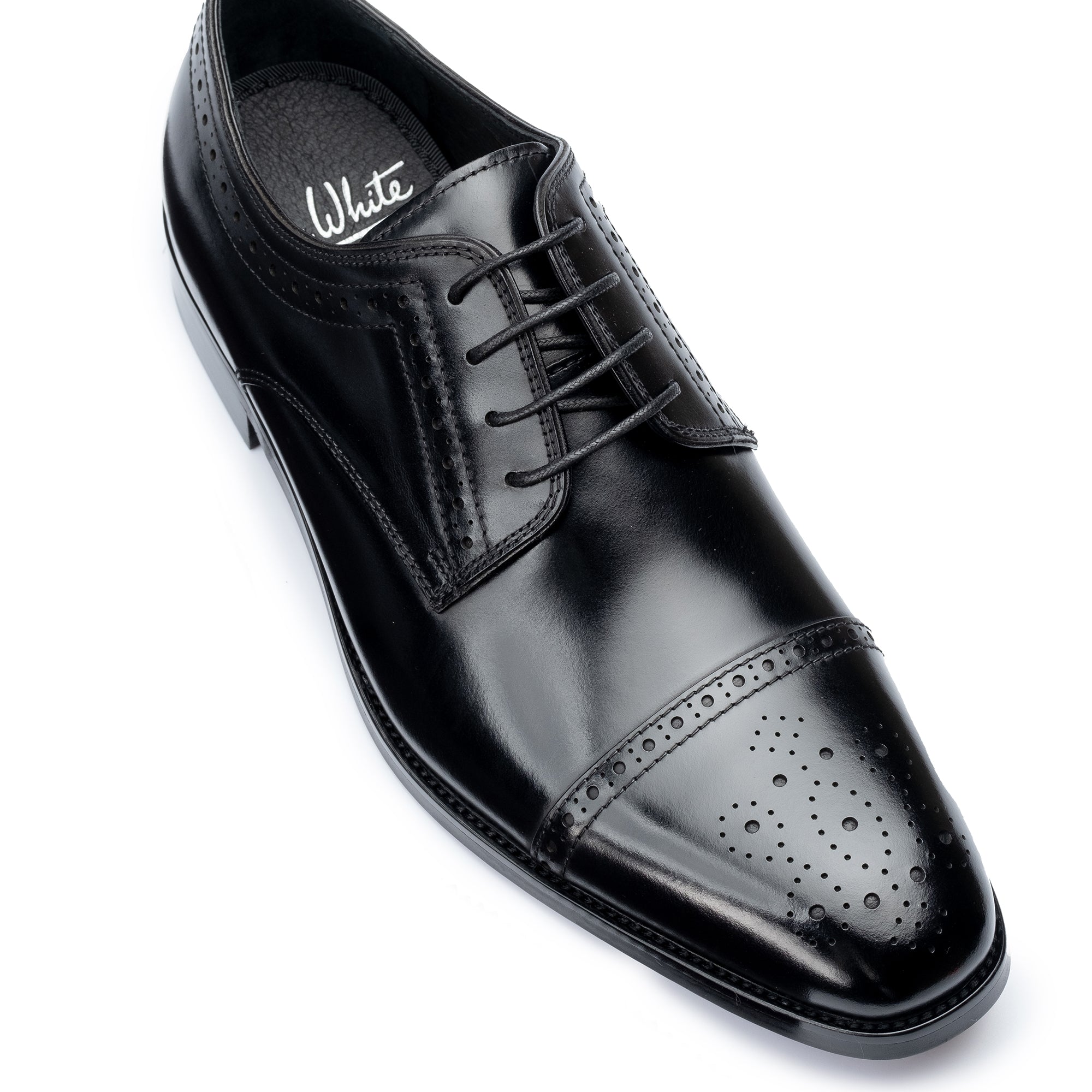
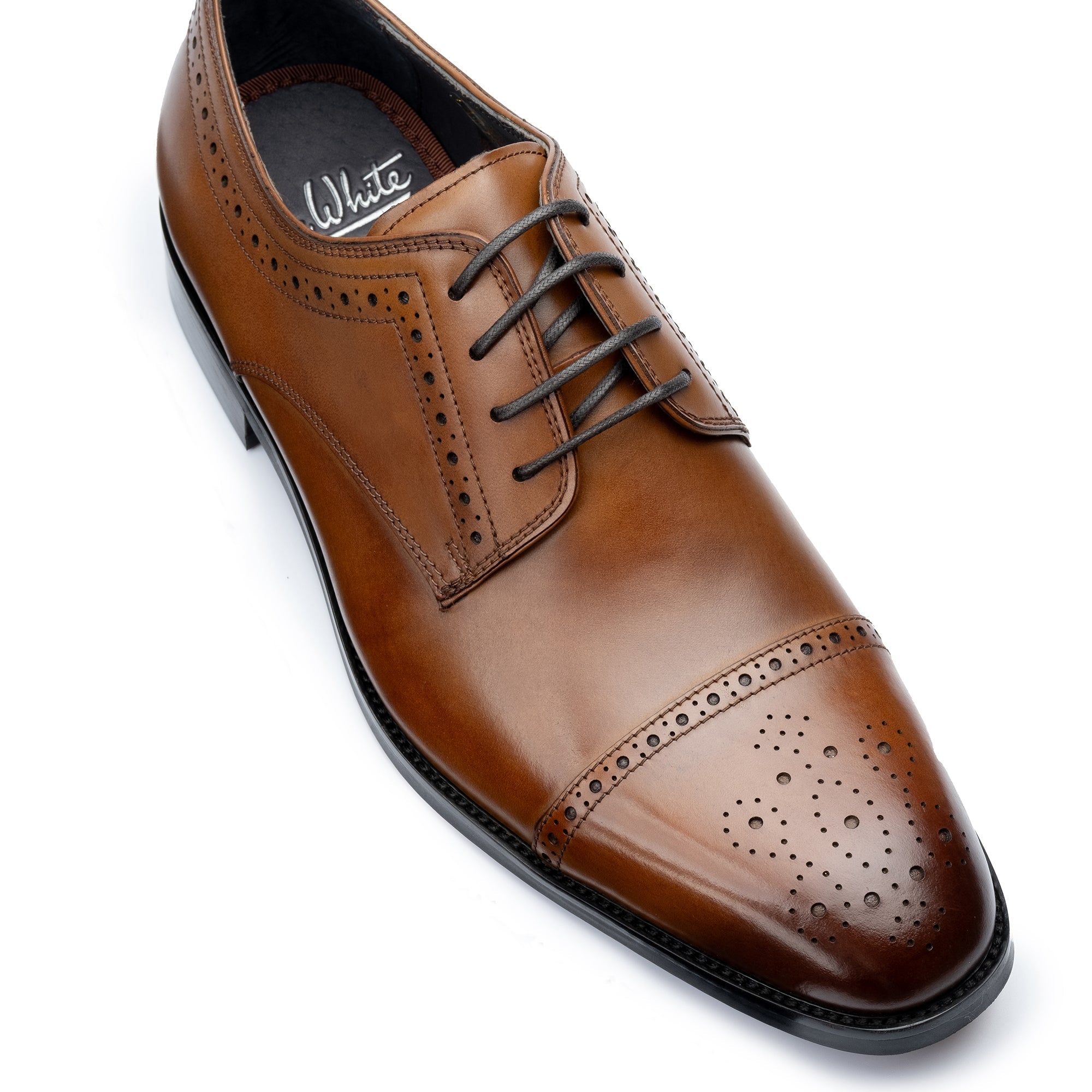
- Clean the Surface: Take a clean, damp cloth and gently wipe the exterior of the shoes. This removes any mud, grit, or street salt that could stain the leather as it dries. Pay close attention to the welt and brogueing details.
- Remove Excess Moisture: With a separate, highly absorbent dry cloth, gently blot the entire surface of the leather. Do not rub vigorously, as this can damage the saturated grain. Remove the laces and any removable insoles to dry separately.
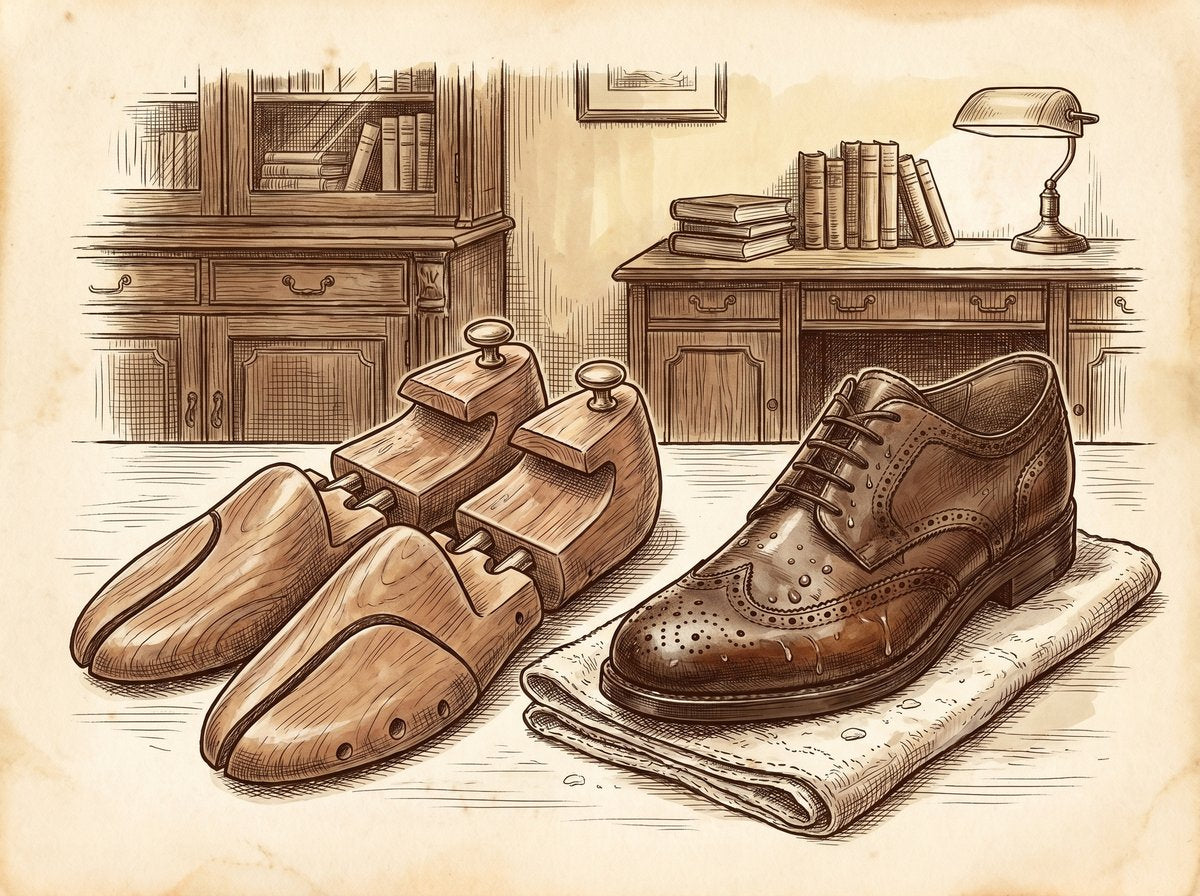
- Insert Cedar Shoe Trees: This is the most critical step. Immediately insert a pair of unfinished cedar shoe trees into the footwear. The British Footwear Association notes that cedar can absorb up to 40% of its weight in moisture, making it the ideal material. It draws dampness from the inside out, prevents the toe from curling, and maintains the elegant shape of the last. For more on this, insert quality cedar shoe trees for best results.
Proper initial preparation involves cleaning the exterior, blotting excess water, and inserting absorbent cedar shoe trees to maintain structural integrity.
How Should You Position Your Shoes for Optimal Drying?
The environment in which your shoes dry is as important as the preparation. The goal is to facilitate slow, even air circulation over the entire surface of the shoe.
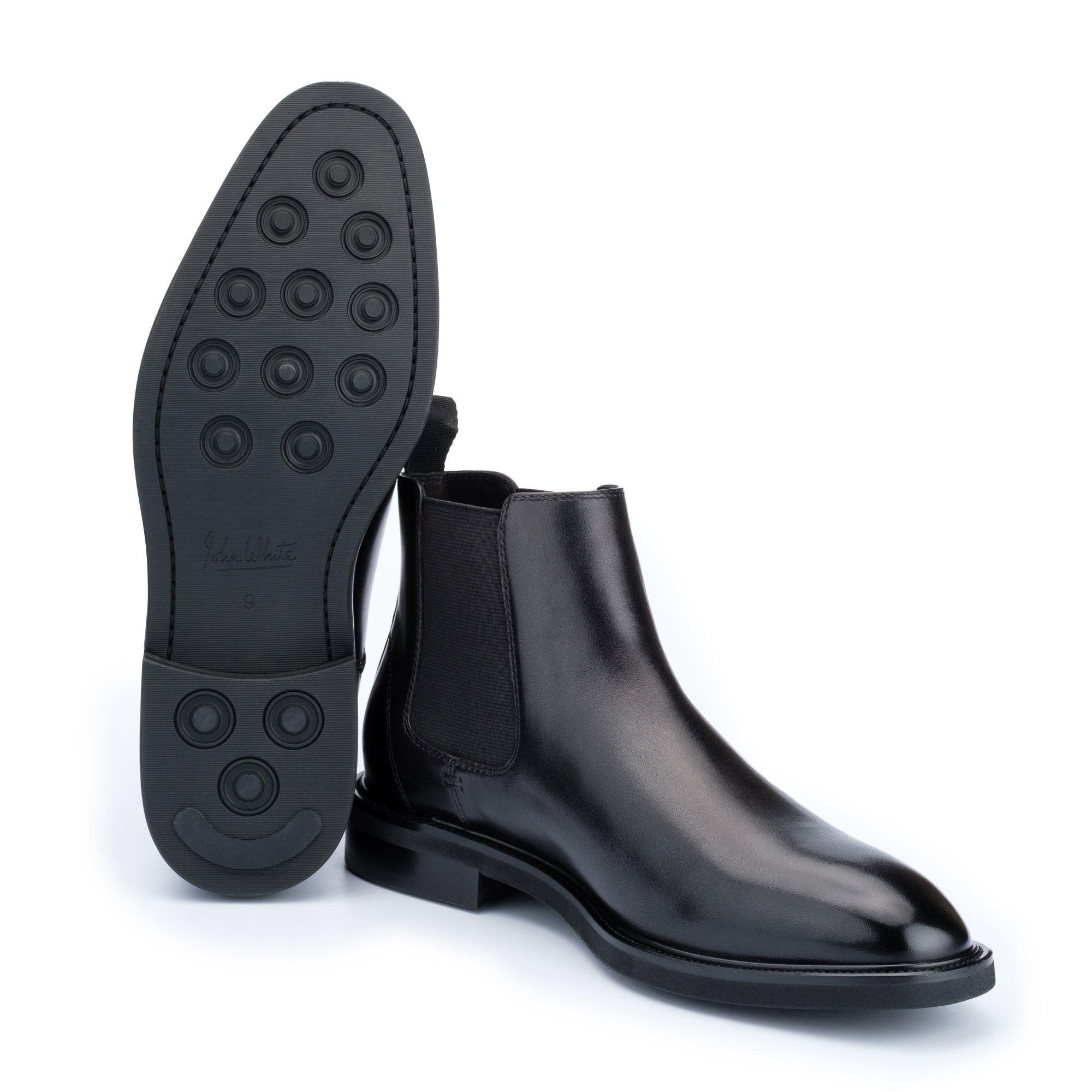
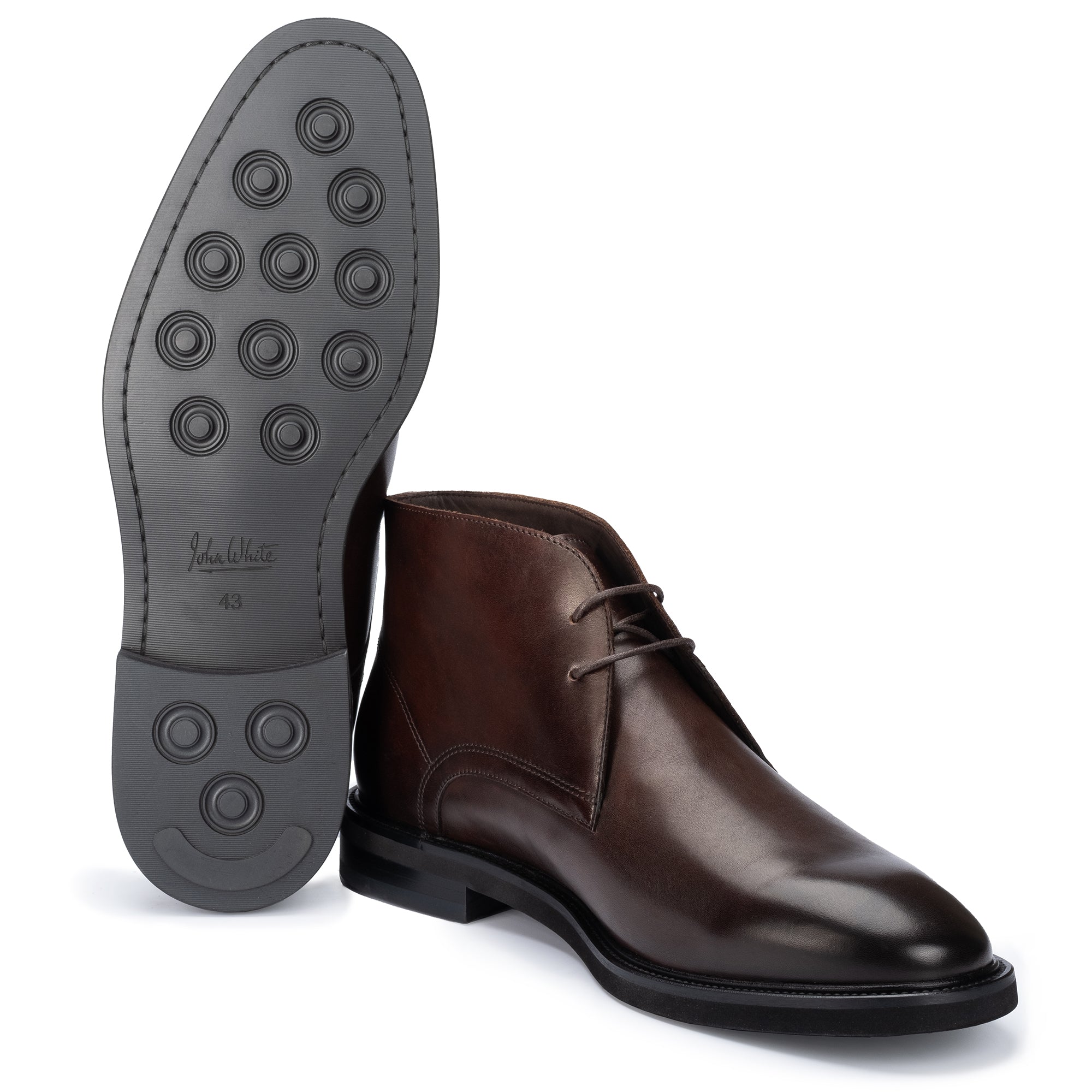
Place the shoes on their side on a dry towel or absorbent mat in a well-ventilated room at a stable, moderate temperature. Positioning them on their side allows the leather sole to breathe and dry at the same rate as the uppers, preventing uneven drying that can warp the shoe. Avoid leaving them upright on their soles, as this traps moisture underneath.
As one master cobbler for a notable Northampton firm once stated, "The greatest enemy of fine leather is not water, but heat and impatience." Direct heat sources are strictly forbidden. The intense, dry air from radiators, fires, or hairdryers will bake the leather, causing irreparable harm.
To avoid common mistakes, follow this simple protocol:
| The Correct Method (Do) | The Incorrect Method (Don't) |
|---|---|
| Place in a well-ventilated room at ambient temperature. | Place on or near a radiator, fireplace, or heater. |
| Position on their side on an absorbent surface. | Use a hairdryer, even on a low setting. |
| Allow for slow, natural air circulation. | Leave in direct sunlight or a sealed cupboard. |
| Keep away from all direct heat sources. | Place in a tumble dryer. |
For effective drying, position the shoes on their side in a well-ventilated room, ensuring they are kept far from any direct source of heat or sunlight.
How Long Does It Take for Leather Shoes to Dry Properly?
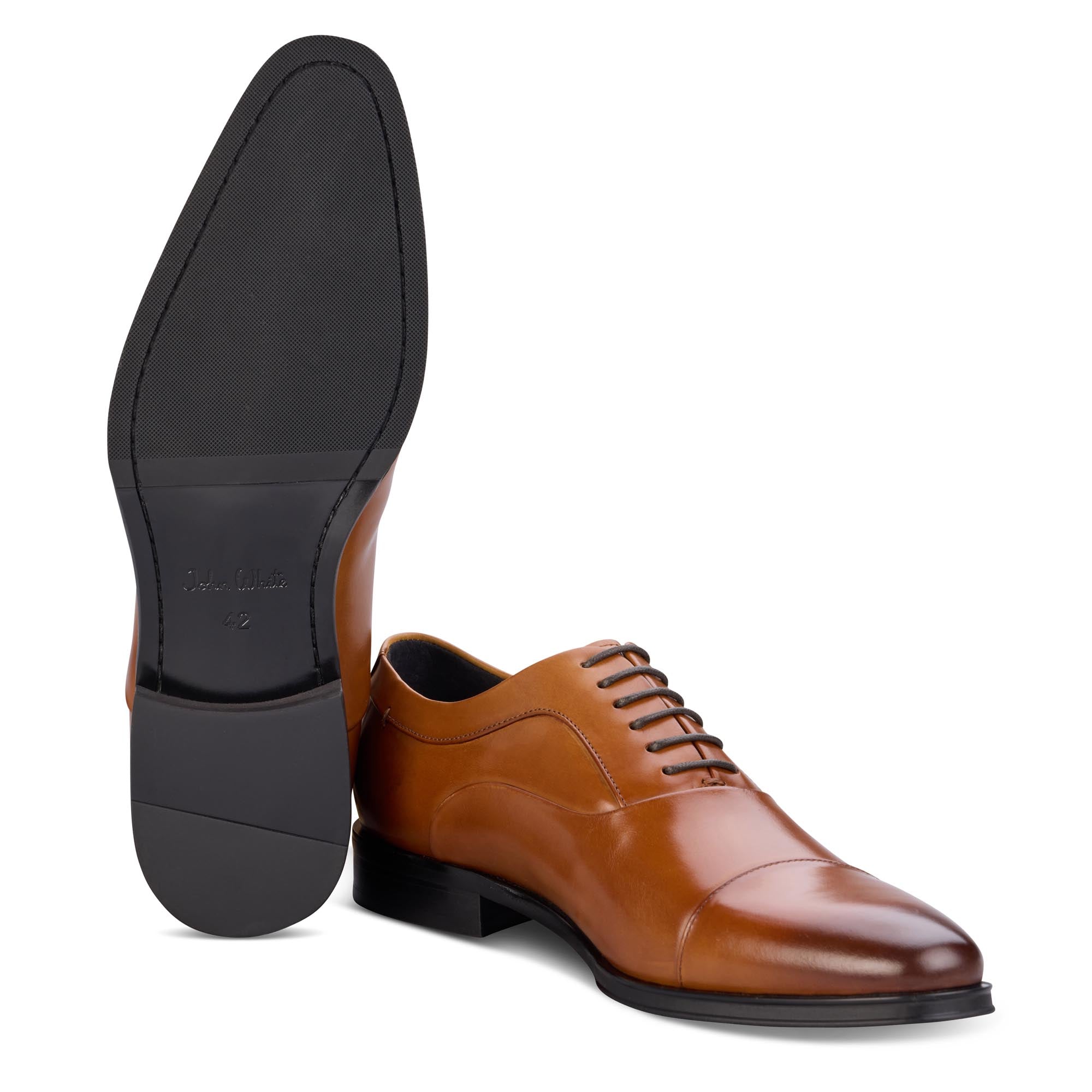
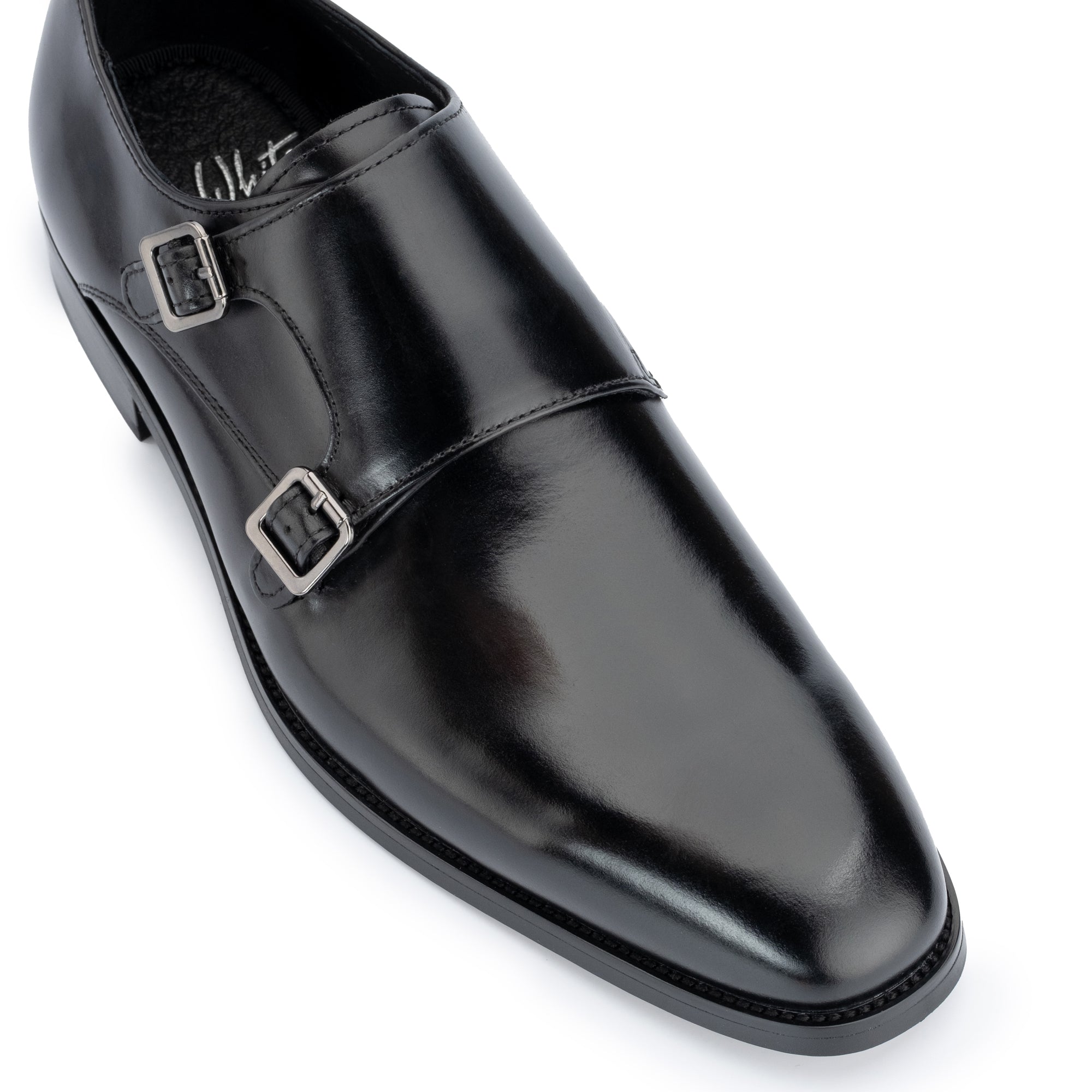
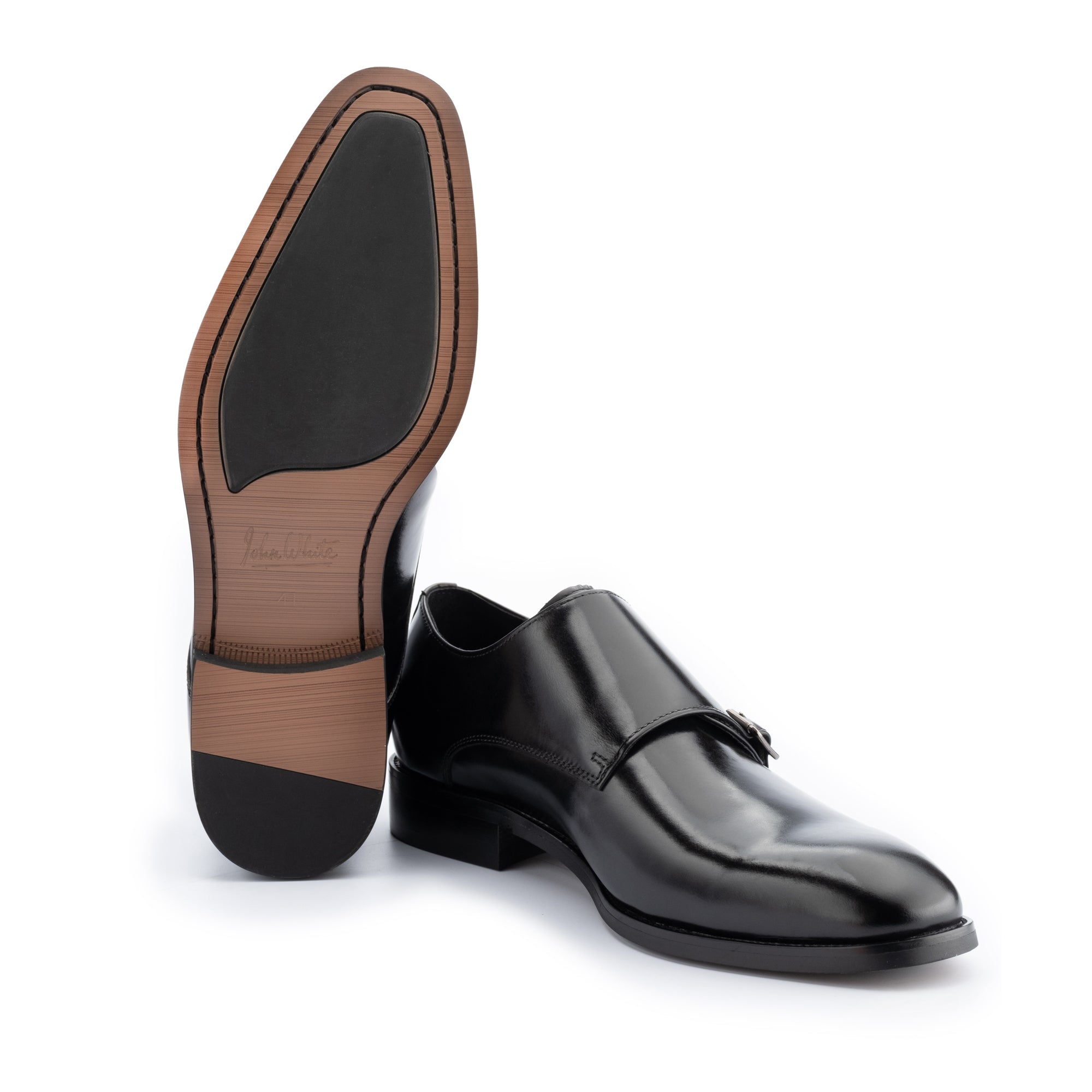
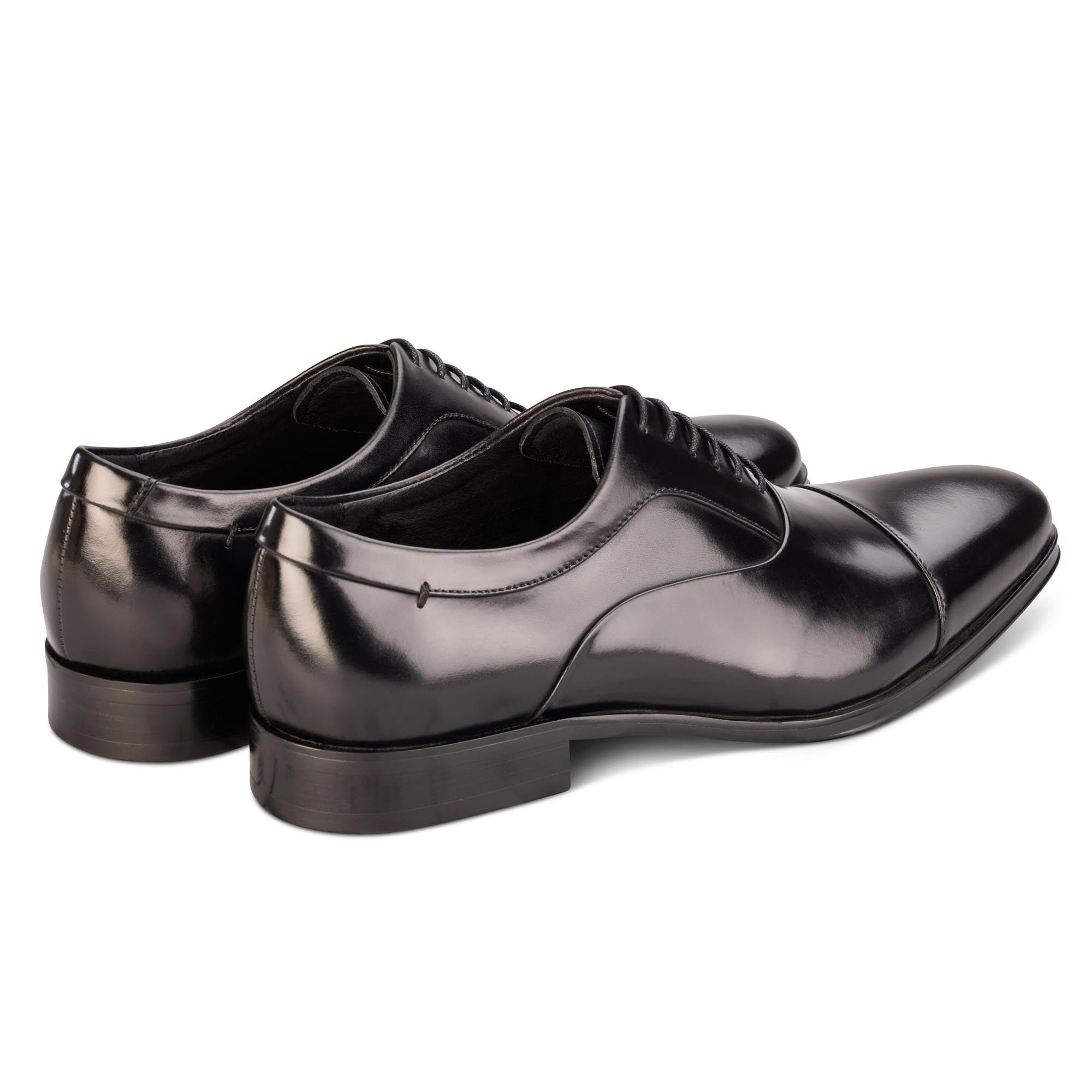
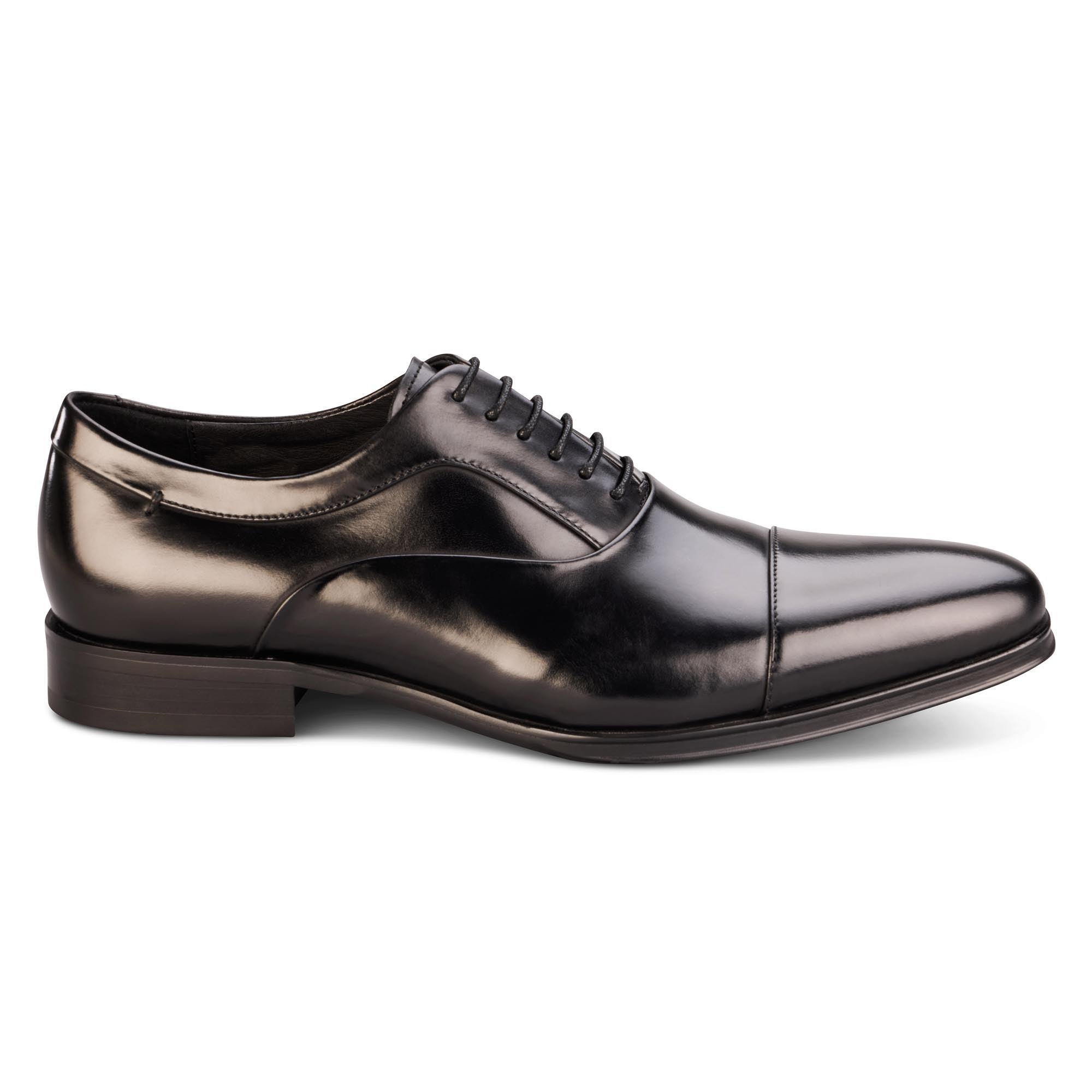
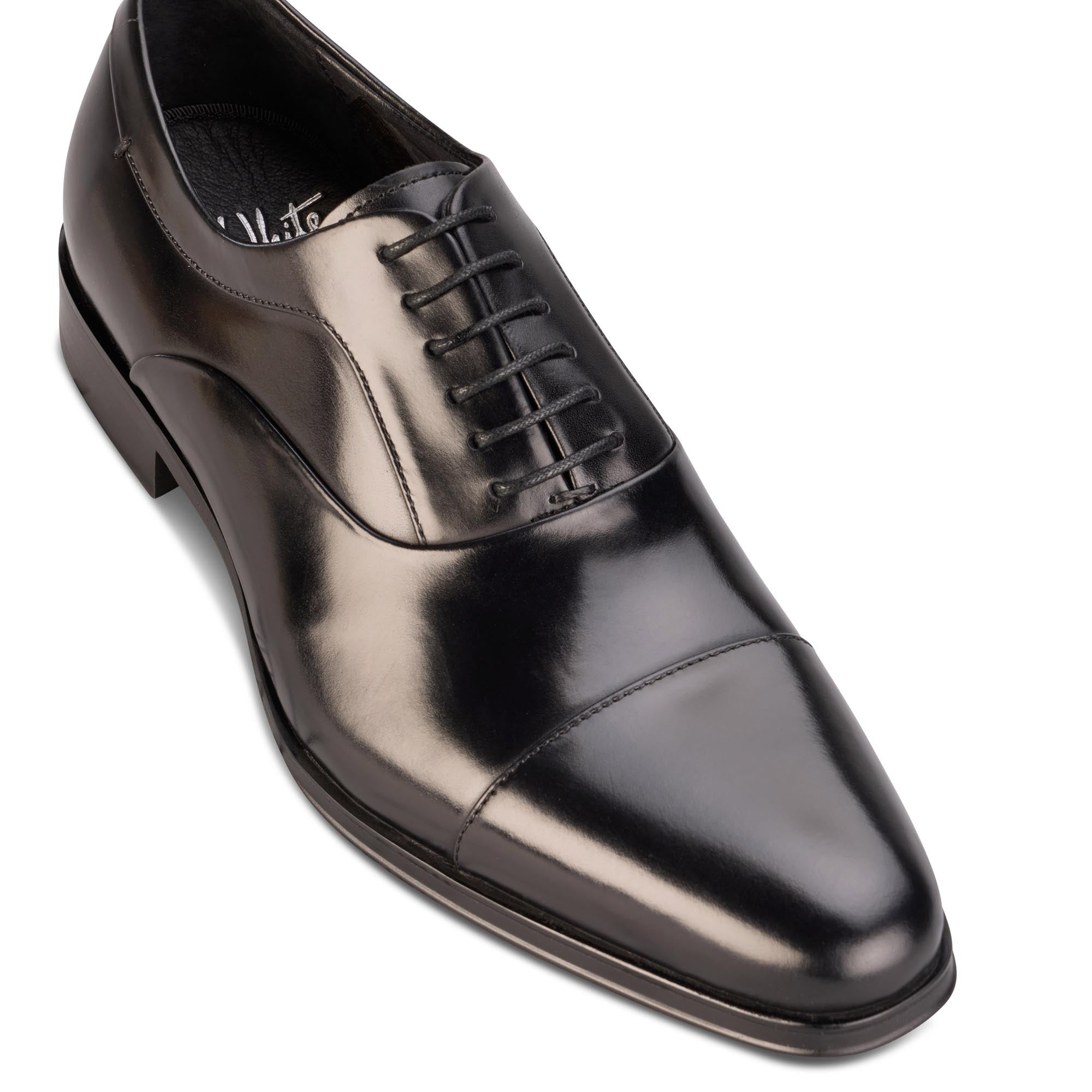
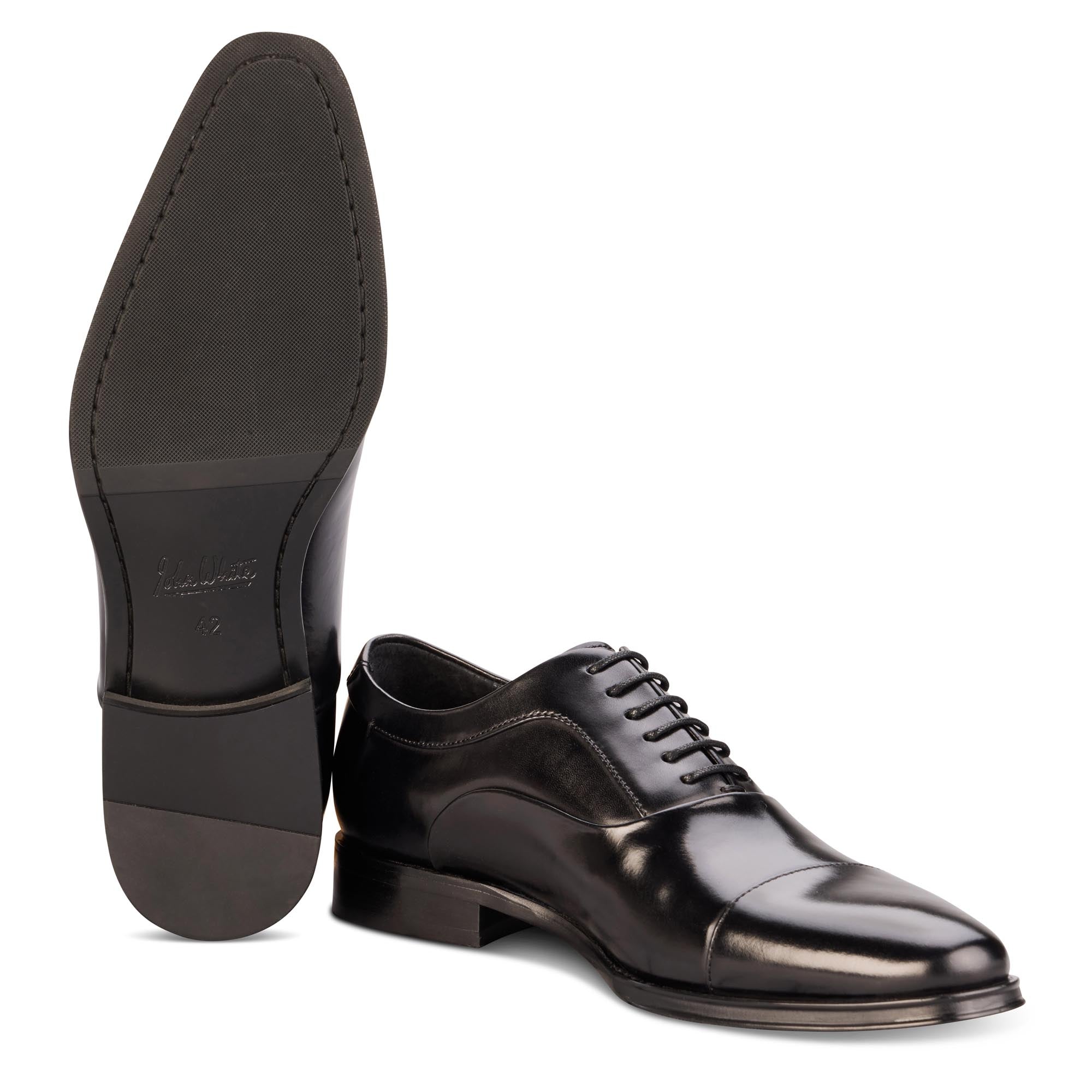
Patience is a virtue in shoemaking and in shoe care. The natural drying process for a pair of saturated leather shoes, such as our leather Oxford shoes, requires a minimum of 24 to 48 hours.
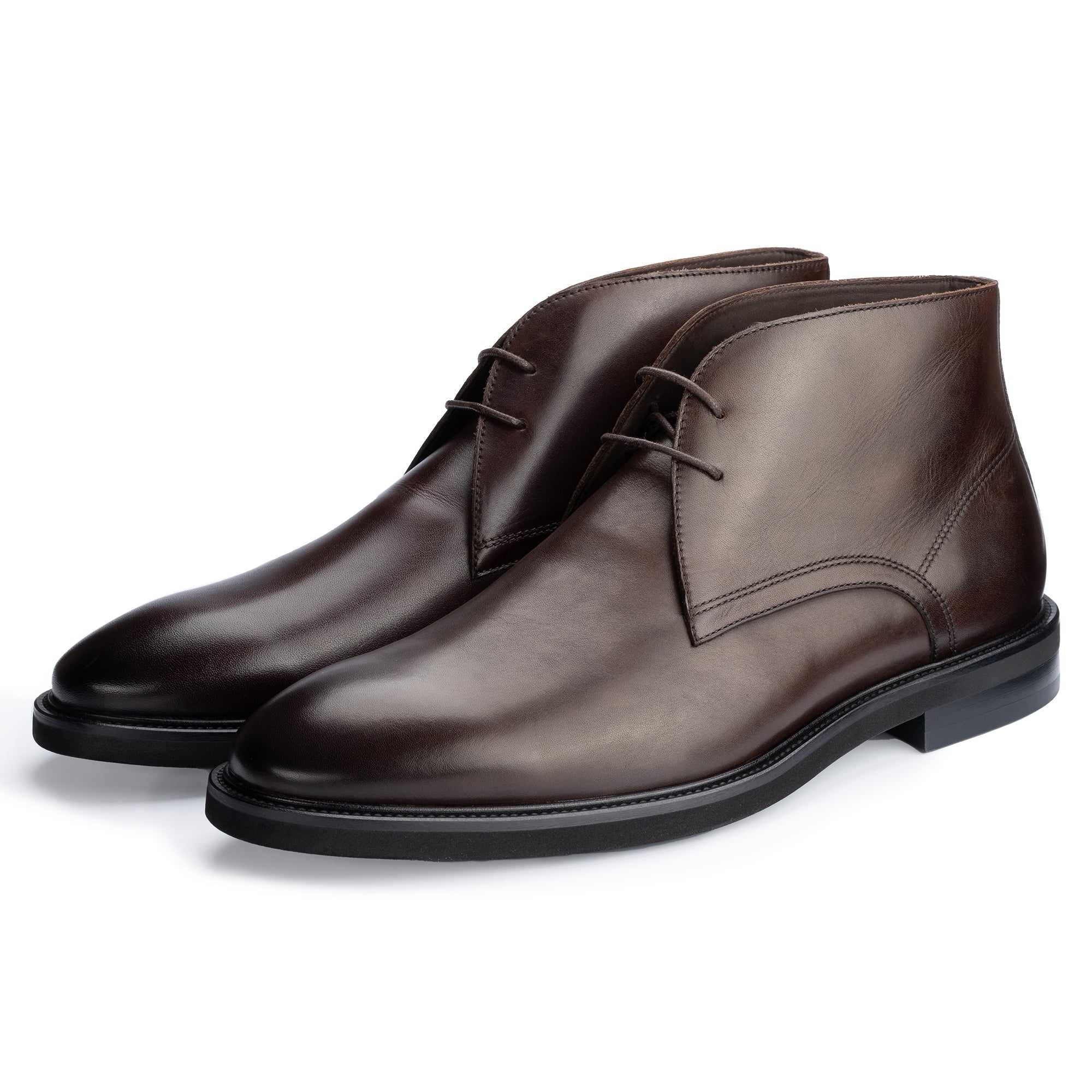
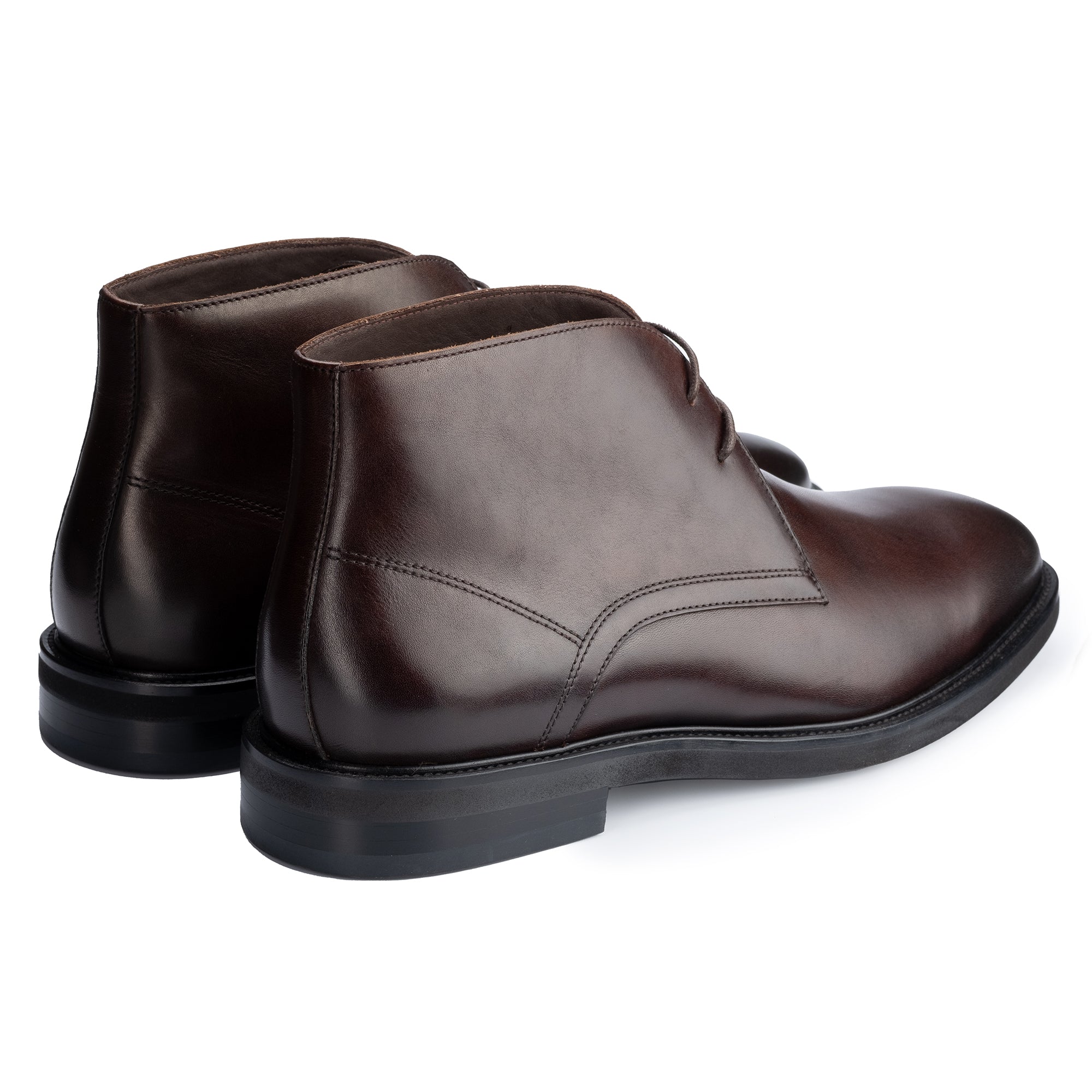
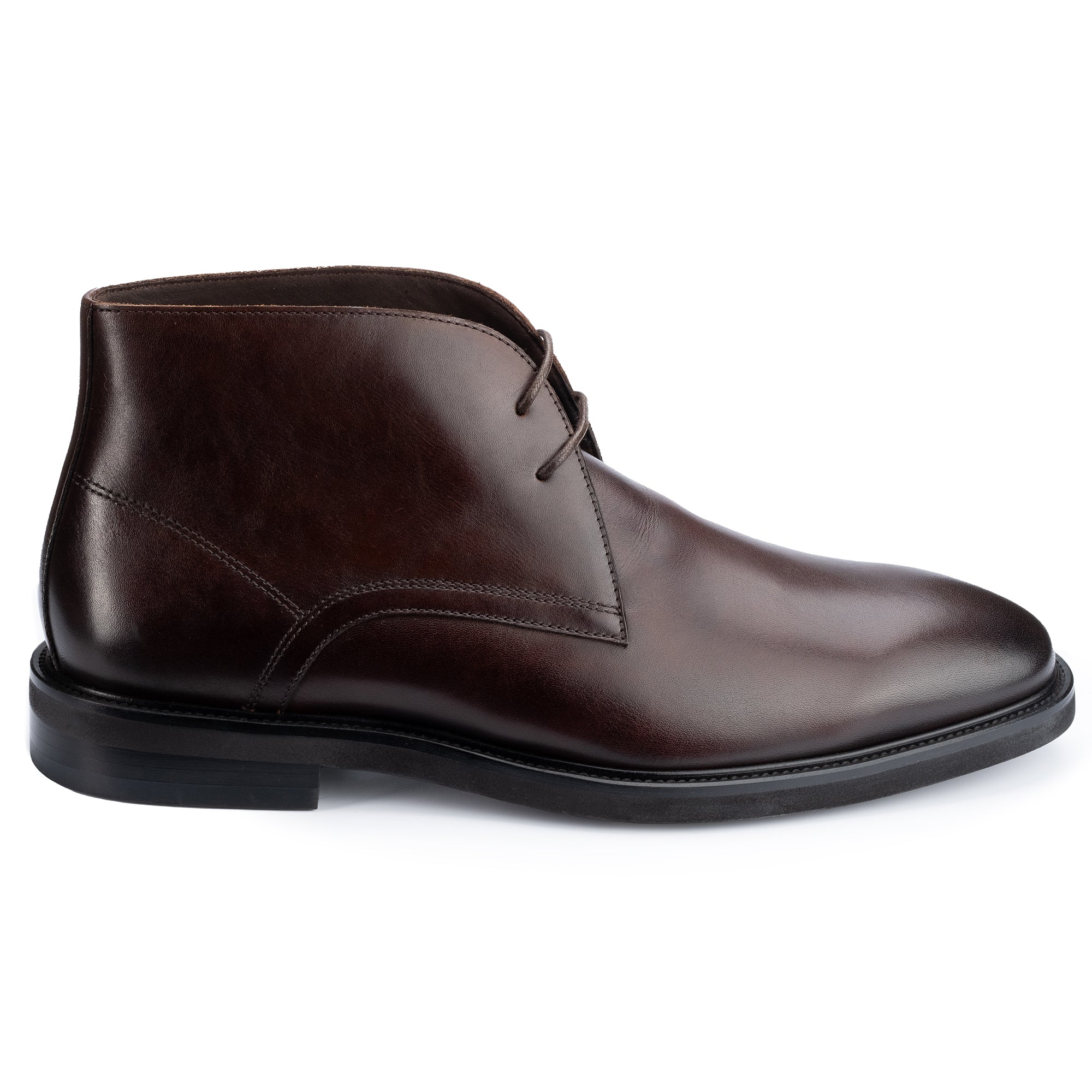
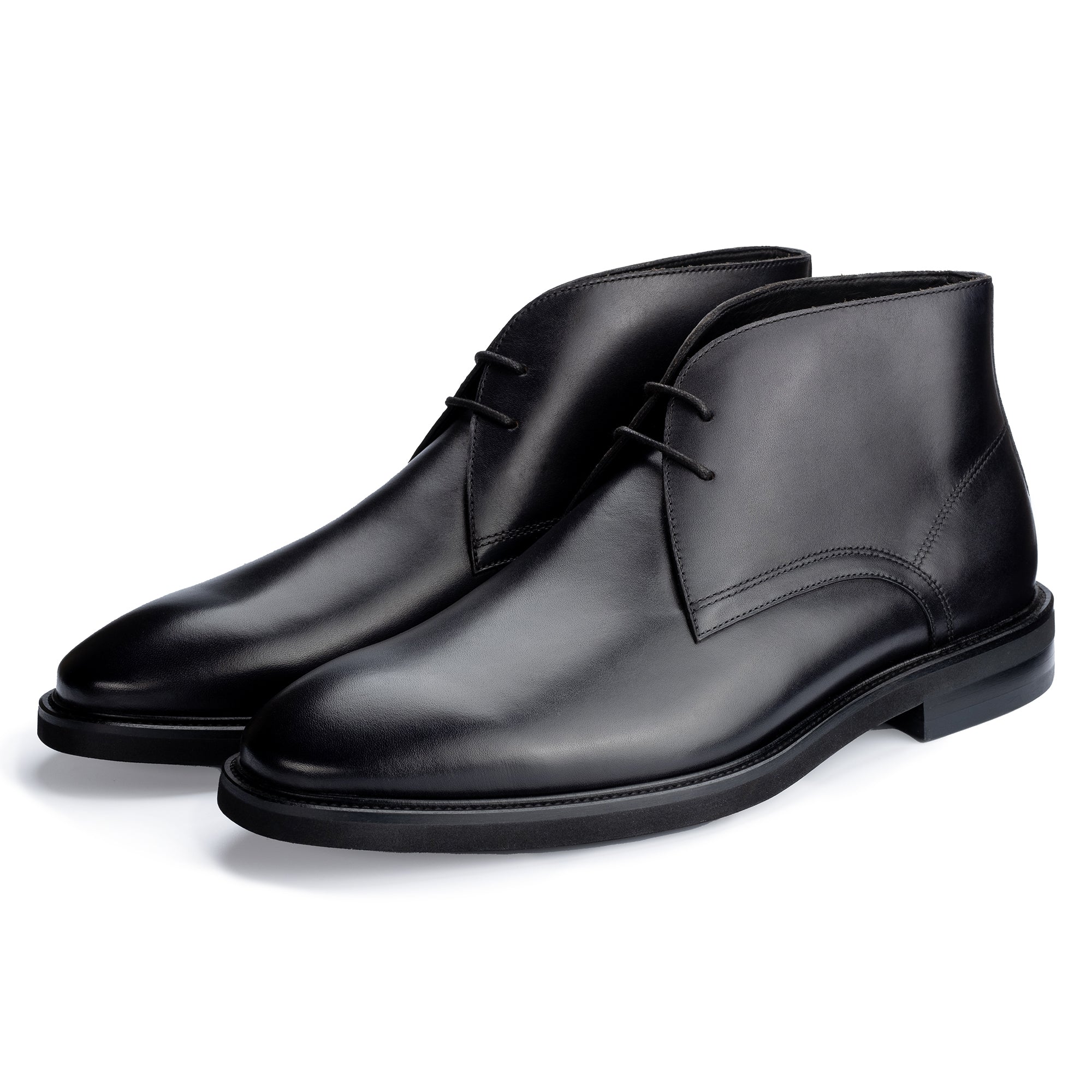
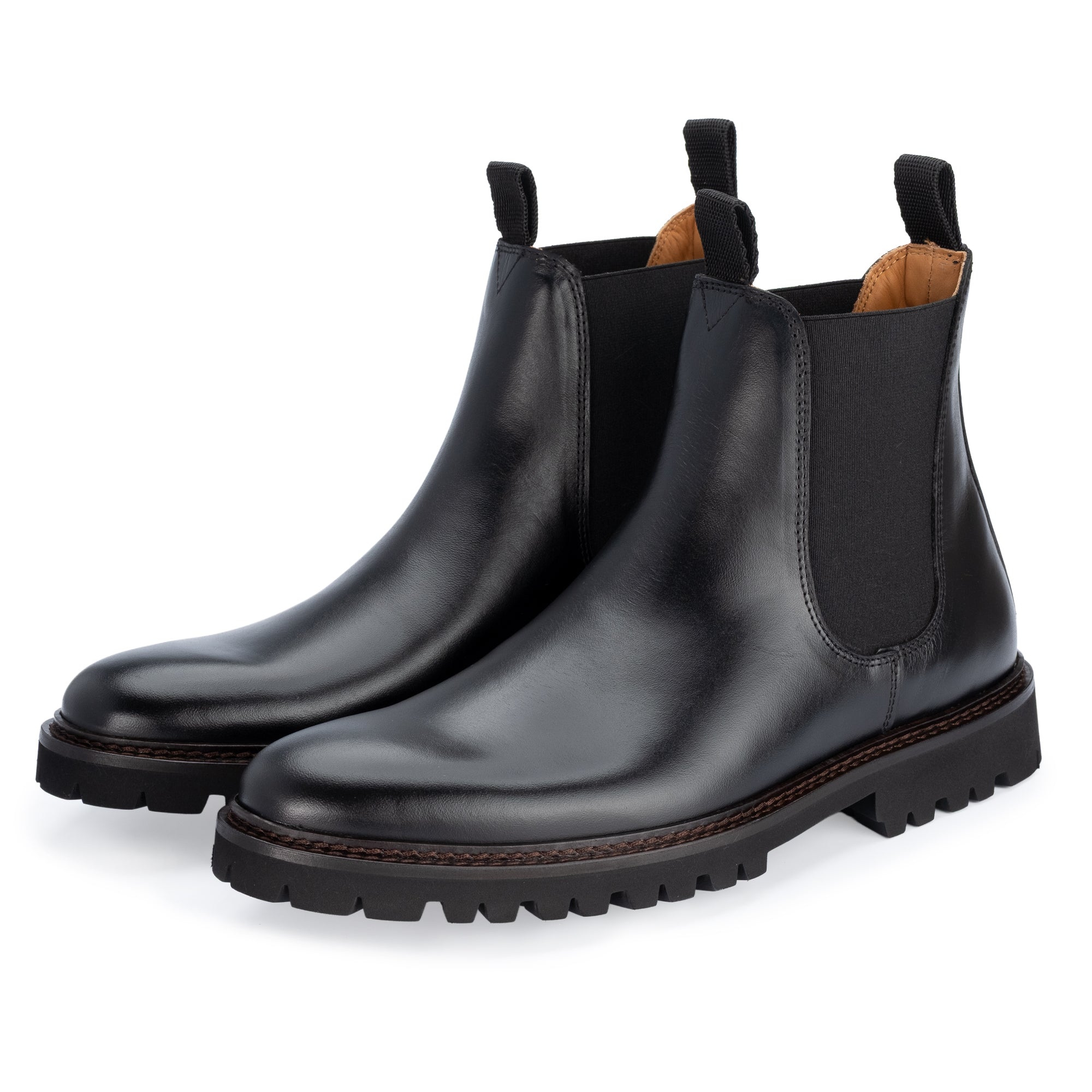
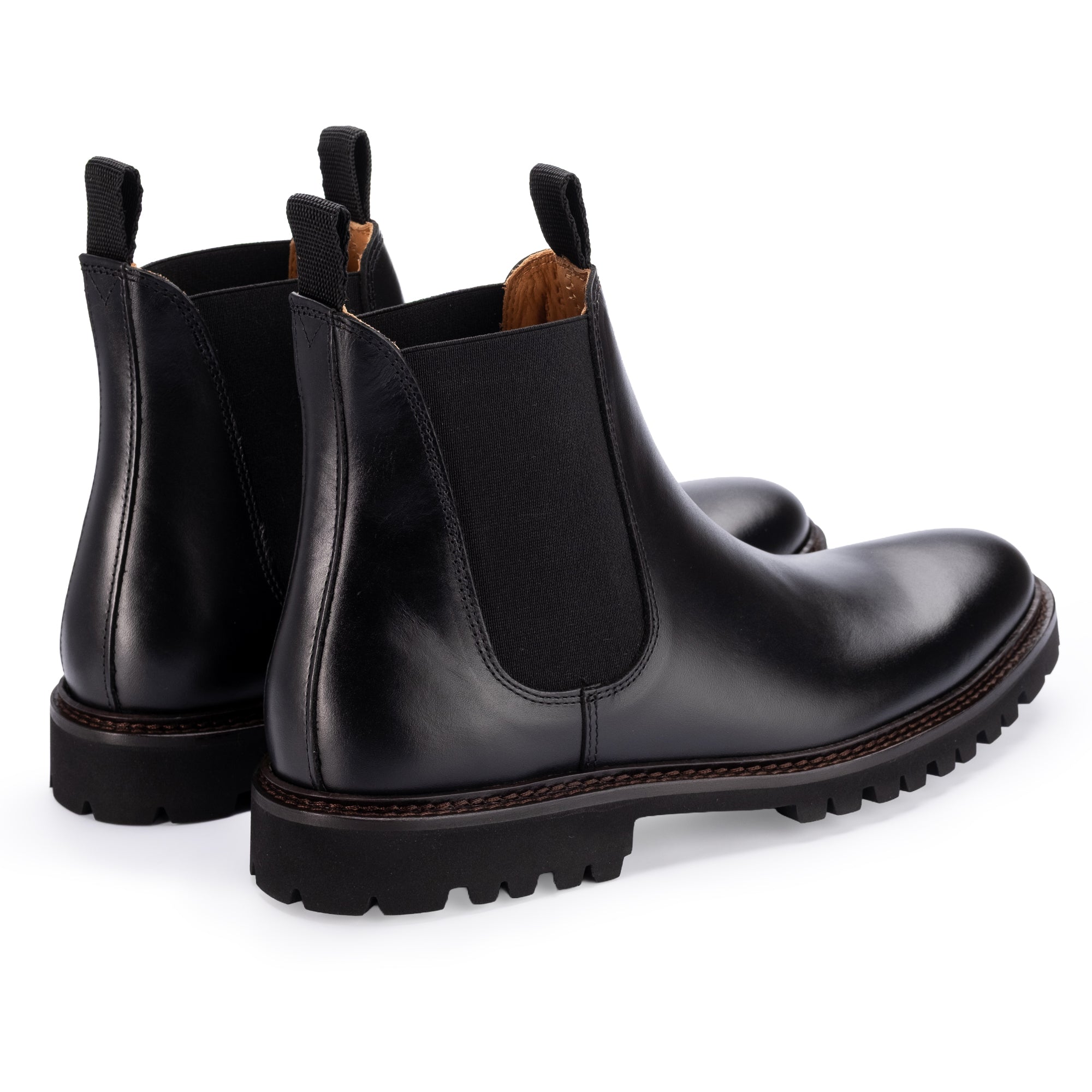
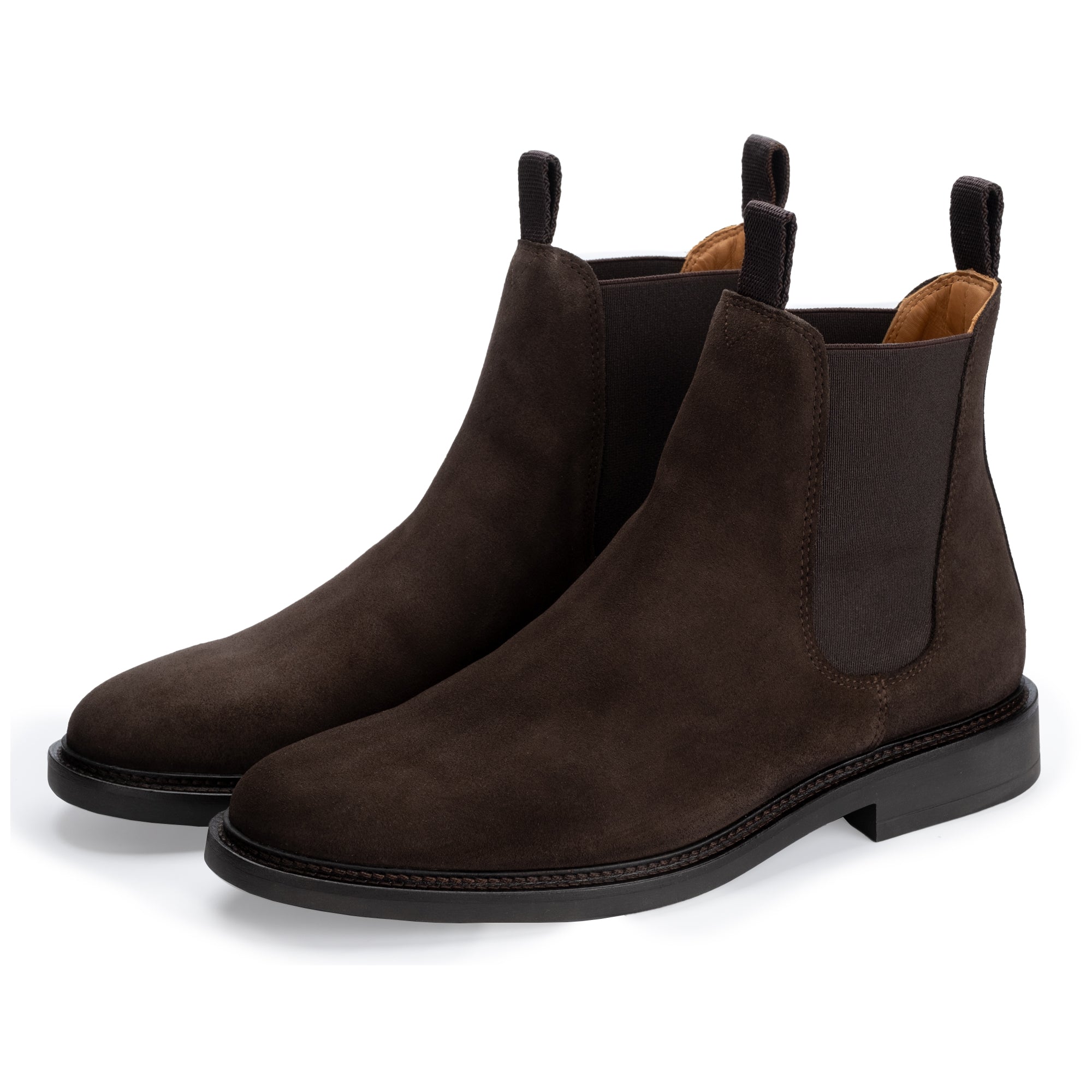
For more substantial footwear like our premium leather boots, the drying time may extend to 72 hours or more, depending on the level of saturation. Do not be tempted to wear them prematurely. The leather is at its most vulnerable when damp and can easily stretch out of shape.
This extended drying time underscores the importance of a well-curated footwear collection. Having several pairs allows you to follow a proper rotation, giving each pair ample time to recover fully between wears. This practice is fundamental to longevity, as we detail in our guide on mastering your leather shoe care routine.
A full and safe drying process takes at least 24-48 hours, reinforcing the necessity of rotating your footwear collection.
What Is the Final Step After Your Leather Shoes Are Dry?
Once your shoes are completely dry to the touch, both inside and out, the final and most crucial phase is reconditioning. The leather is now clean and dry, but its natural oils have been depleted. It is essential to replenish them to restore the material's health and appearance.
- Assess the Leather: Gently flex the shoe. It may feel slightly stiff. This is normal, but it is a clear indicator that it requires conditioning.
- Apply a Quality Leather Conditioner: Using a soft, clean cloth, apply a small amount of high-quality leather conditioner in gentle, circular motions. The conditioner penetrates the leather's pores, replenishing the oils lost during the soaking and drying process. This restores flexibility and prevents cracking.
- Rest and Polish: Allow the conditioner to absorb for at least one hour. Afterwards, you can proceed with your normal polishing routine, using a cream polish to restore colour and a wax polish to provide a protective, water-resistant barrier. For a complete overview of this process, refer to our comprehensive leather shoe care guide.
This restorative process ensures your investment in premium footwear is protected. By following these steps, a pair of saturated shoes can be fully salvaged, emerging with their character and quality intact, ready for many more years of service. Explore our full collection of men's premium leather shoes to find your next enduring pair.
TL;DR Summary: To save wet leather shoes, immediately wipe them clean and insert cedar shoe trees. Let them air-dry on their side for 24-48 hours, far from any heat source. Once fully dry, restore the leather's essential oils with a quality conditioner, then finish with polish to protect the surface.
Related Guides
- Mastering Leather Shoe Care: A Comprehensive Guide
- Salt Stains on Leather Shoes: The Correct Method for Removal and Prevention
- How to Repair Scuffs on Leather Shoes
- Leather Conditioner vs Shoe Polish: What to Use, When, and Why It Matters
- The History of British Shoemaking
Frequently Asked Questions
Can I use a hairdryer on a low or cool setting?
No. Even a low heat or cool air setting on a hairdryer concentrates the airflow, causing one area to dry much faster than others. This uneven drying will lead to stiff patches, potential discolouration, and can still damage the leather's delicate fibre structure. Natural, ambient air circulation is the only safe method.
What if I don't have cedar shoe trees?
If cedar shoe trees are unavailable, loosely crumpled, unprinted paper (such as newsprint offcuts) can be used as a temporary substitute to draw out initial moisture. However, it must be replaced every few hours as it becomes damp. It does not offer the same structural support or deodorising properties as cedar and should be considered an emergency measure only. We strongly advise investing in quality cedar shoe trees for all premium footwear.
How can I remove white salt stains after the shoes are dry?
If white tide marks from road salt remain after drying, you can treat them with a simple solution. Mix one part white vinegar with two parts water. Lightly dampen a clean cloth with the solution and gently dab the stained areas. This will dissolve the salt deposits. Allow the area to dry fully again before proceeding with conditioning.
Do I need to condition my shoes every time they get slightly damp?
No, not for minor dampness from a light shower. A full reconditioning is only necessary when the shoes have become properly saturated, meaning the water has soaked through the upper leather. For light wetting, simply allowing them to dry naturally with shoe trees inserted is sufficient. Your regular conditioning schedule of every 6-8 wears should then be maintained.
Last updated: August 2026