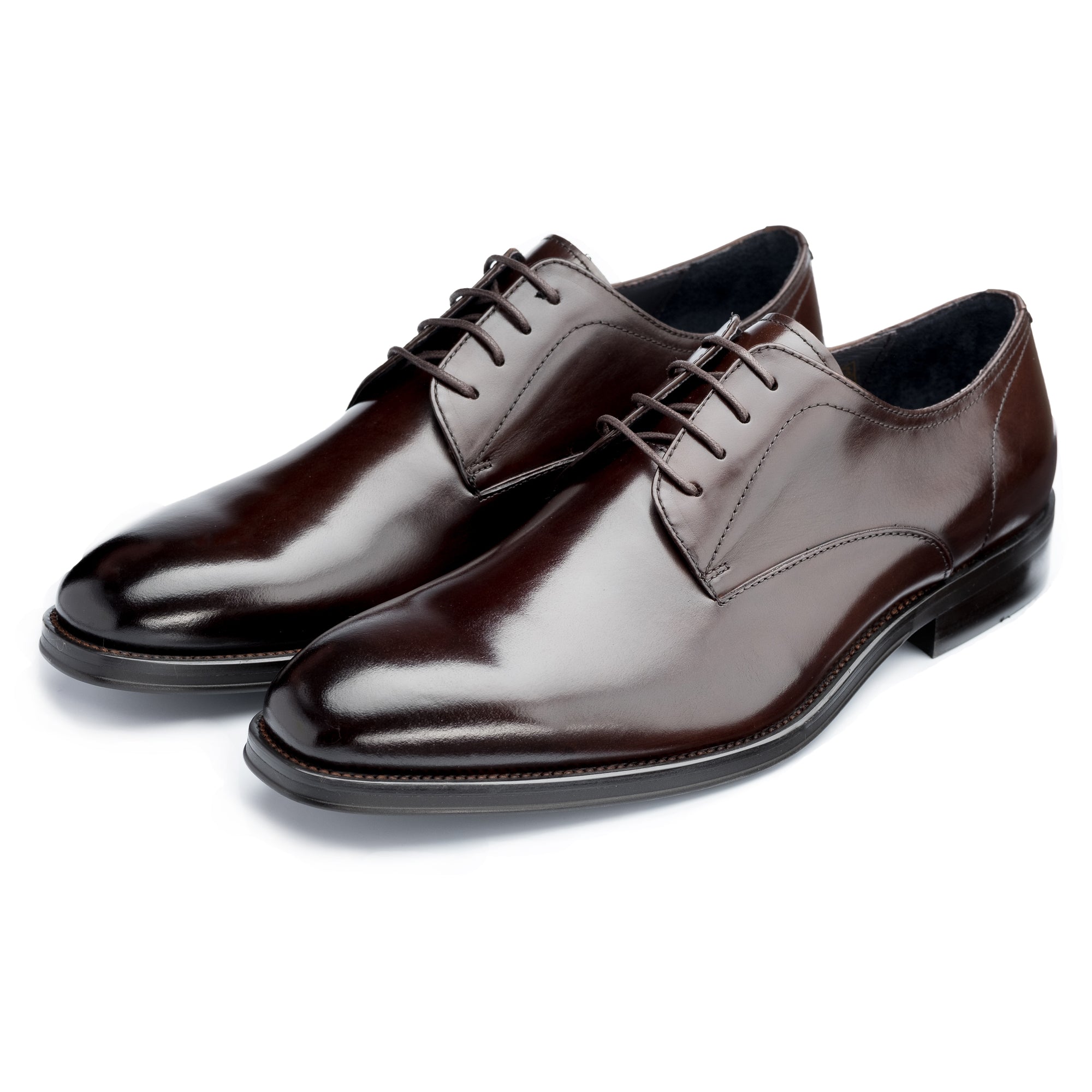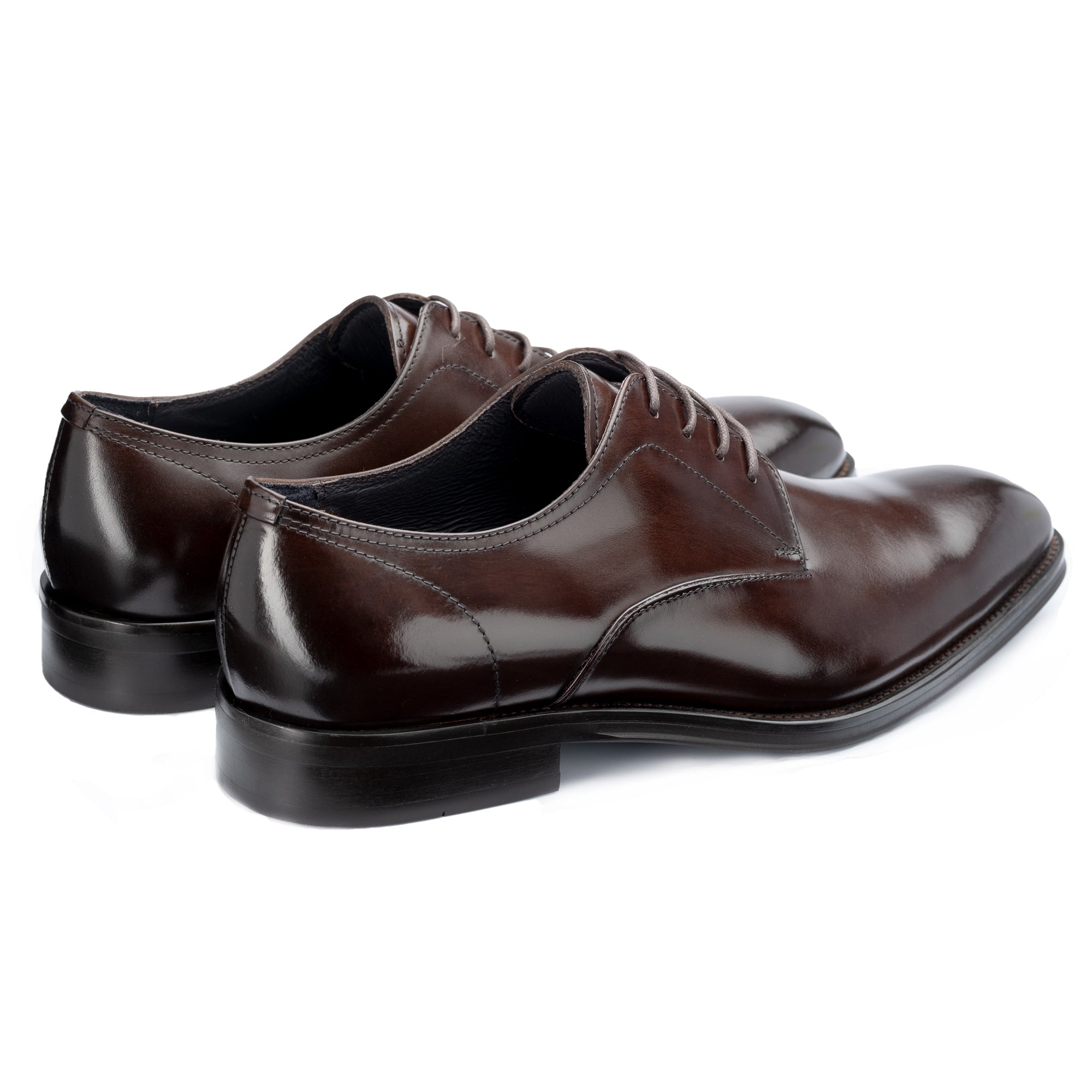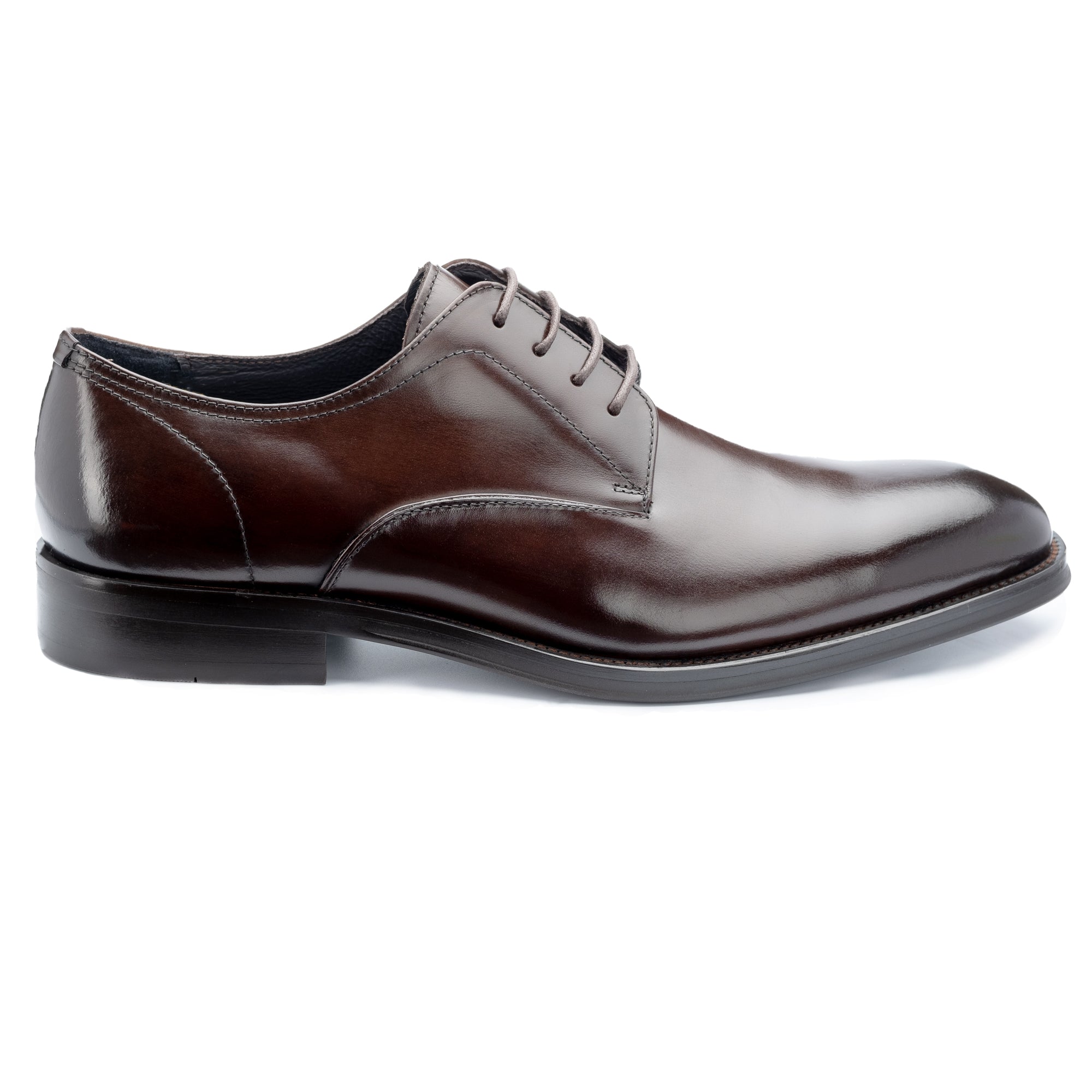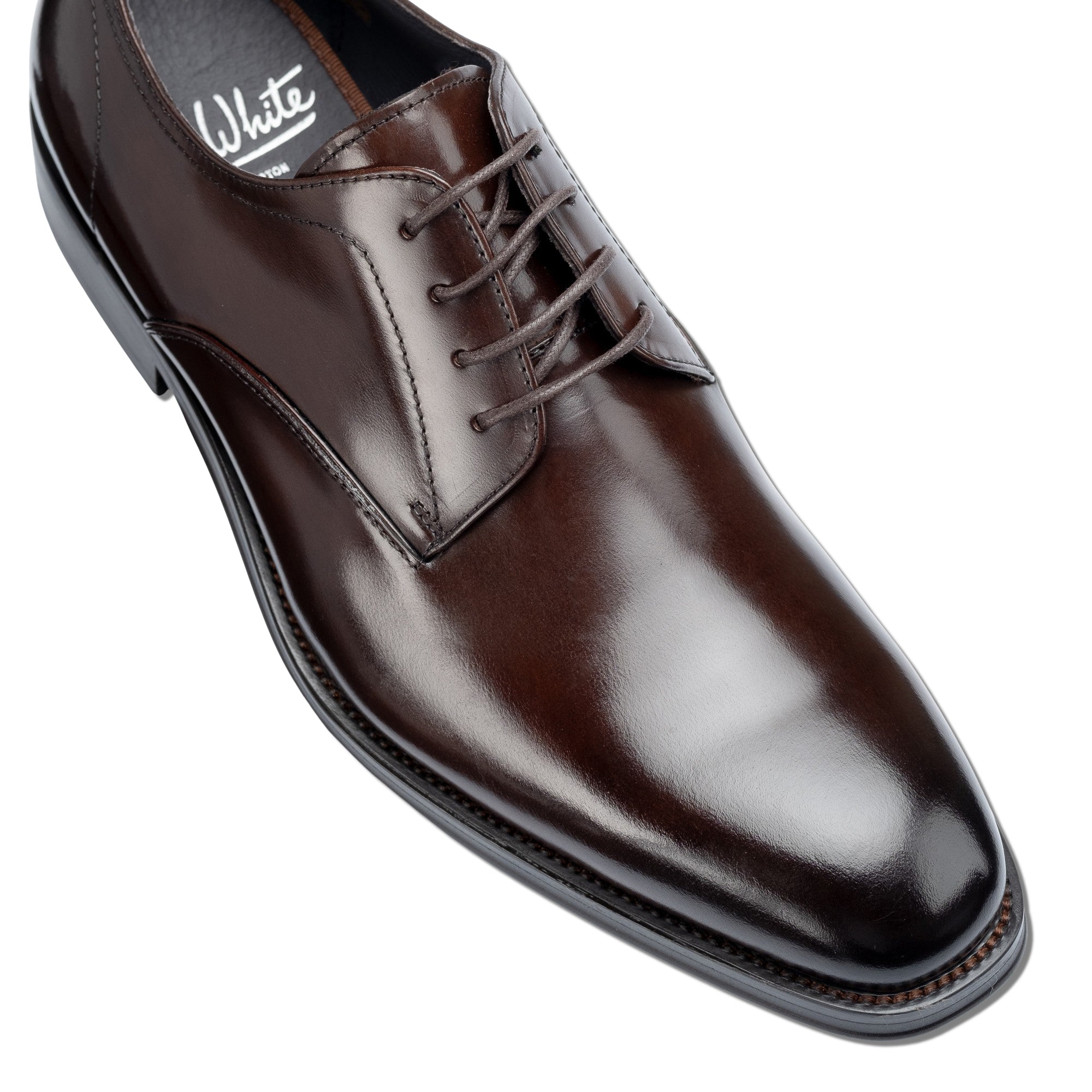

105 Years of Northampton Tradition: The Story of John White Shoes
Quick Answer: John White Shoes is a British heritage footwear brand founded in 1919 in Northamptonshire by shoemaker John White, who brought 23 years of prior industry experience to his own label. Over 105 years, the brand evolved from a regional workshop to a nationally recognised name — supplying one ninth of all footwear worn by British Forces during the Second World War — before a 2000 revival by David Corben established it as a premium design and curation house rooted in Northamptonshire heritage.
In This Guide
- Why Does Northamptonshire Define British Shoemaking Heritage?
- Who Was John White — and Why Did His Experience Matter?
- How Did John White Build a National Reputation?
- How Did the Brand Navigate the Industry's Contraction?
- How Was John White Shoes Revived for the 21st Century?
- What Does 105 Years of Tradition Mean in a Shoe Today?
- The John White Shoes Heritage Timeline
- Related Guides
- Frequently Asked Questions
In 1919, a 35-year-old shoemaker with 23 years of industry experience launched a brand that would supply one ninth of all footwear worn by British Forces during the Second World War. That man was John White. The brand he built — rooted in the shoemaking heartland of Northamptonshire — still carries his name today.
Over 105 years, John White Shoes has navigated wars, industry upheaval, and a modern revival. Understanding how it got here matters — because heritage isn't a marketing word. It's a record.
Why Does Northamptonshire Define British Shoemaking Heritage?
Northamptonshire is the traditional capital of British footwear. Historical records held by the Northampton Museum & Art Gallery confirm that the county was supplying boots to the Parliamentary forces during the English Civil War — making Northamptonshire's tradition of military footwear supply three centuries deep before John White was even born.
By the 20th century, the county had become one of the most concentrated shoe-producing regions in the world. Church's (Northampton, 1873), Crockett & Jones (Northampton, 1879), Loake (Kettering, 1880), Barker (1880), and Grenson (Rushden, 1866) all have their roots here — each building distinct reputations within the same county, drawing on the same dense pool of craft expertise and specialist knowledge.
According to the British Footwear Association, Northamptonshire's concentration of shoemaking skills had no comparable equivalent elsewhere in Britain at the industry's mid-century peak. It was not geography that made the county significant. It was accumulated knowledge, passed between generations of skilled workers over hundreds of years.
It was into this world that John White entered in 1919. As we covered in our guide to the story behind British shoemaking, the county's expertise was the industry — and any shoemaker working within it was shaped by standards that had no equivalent anywhere else in the English-speaking world.
Northamptonshire wasn't simply where John White Shoes began; it was the environment that made the brand possible.
Who Was John White — and Why Did His Experience Matter?
John White founded his footwear brand in 1919, aged 35, after 23 years working within the British shoemaking trade. That's not a biographical footnote. By the time he launched his own label, he'd spent more time in the industry than most of his contemporaries had been alive.
Within a year, he'd expanded to a team of four, operating from his own premises. The pace of growth was deliberate — the signature of a founder building on craft rather than speculation. He wasn't chasing volume. He was establishing standards.
The depth of technical knowledge John White brought to his own brand — understanding of lasts, leather selection, construction methods, proportion — is precisely the knowledge that informs what the brand selects and designs today. As our guide to shoe lasts and shape explains, a shoe's last determines everything from comfort to silhouette. Getting it right requires exactly this kind of accumulated, practised expertise.
John White Shoes was built on expertise earned before the brand even had a name.
How Did John White Build a National Reputation?
The defining moment came in 1930. John White launched 'Impregnable' — a shoe that sold 1.25 million pairs in a single year, announced to the nation via a front-page advertisement in the Daily Mail. In early 20th-century terms, that was mass cultural impact. It demonstrated that quality footwear could reach a broad public without sacrificing standards.
A decade later, the brand's reputation was tested in the most consequential circumstances possible. By 1940, one ninth of all shoes worn by British Forces bore the John White label. The wartime demand for reliable, durable footwear was extraordinary — and John White met it at scale. The brand also funded a Spitfire christened 'Impregnable', linking the company's identity to the national effort in a way few commercial enterprises of the era could claim.
These weren't marketing exercises. They were the natural result of a brand that had spent two decades building real capability in a demanding trade, at scale, without compromise.
By the Second World War, John White Shoes had earned its place in British history through performance, not promotion.
How Did the Brand Navigate the Industry's Contraction?
In 1962, John White stepped back from leadership. George McWatters assumed the helm and maintained the brand through the post-war period as structural pressures began to reshape British manufacturing. In 1970, John White Footwear merged with George Ward Holdings to form Ward White — a consolidation that reflected wider forces across British industry.
Manufacturing operations concluded in 1991. The brand entered a hiatus in 1994.
This trajectory was not unique to John White. According to the British Footwear Association, UK shoe manufacturing employment fell by over 90 per cent between 1960 and 2000 as global supply chains changed the economics of domestic production. The firms that survived were those that found a defensible position. Many did not.
The hiatus of the mid-1990s brought John White Shoes to its lowest point in 75 years. But low points, in a brand with a century of genuine heritage, are not the same as endings.
The structural collapse of British shoe manufacturing was an industry-wide reckoning — and John White Shoes was not immune to it.
How Was John White Shoes Revived for the 21st Century?
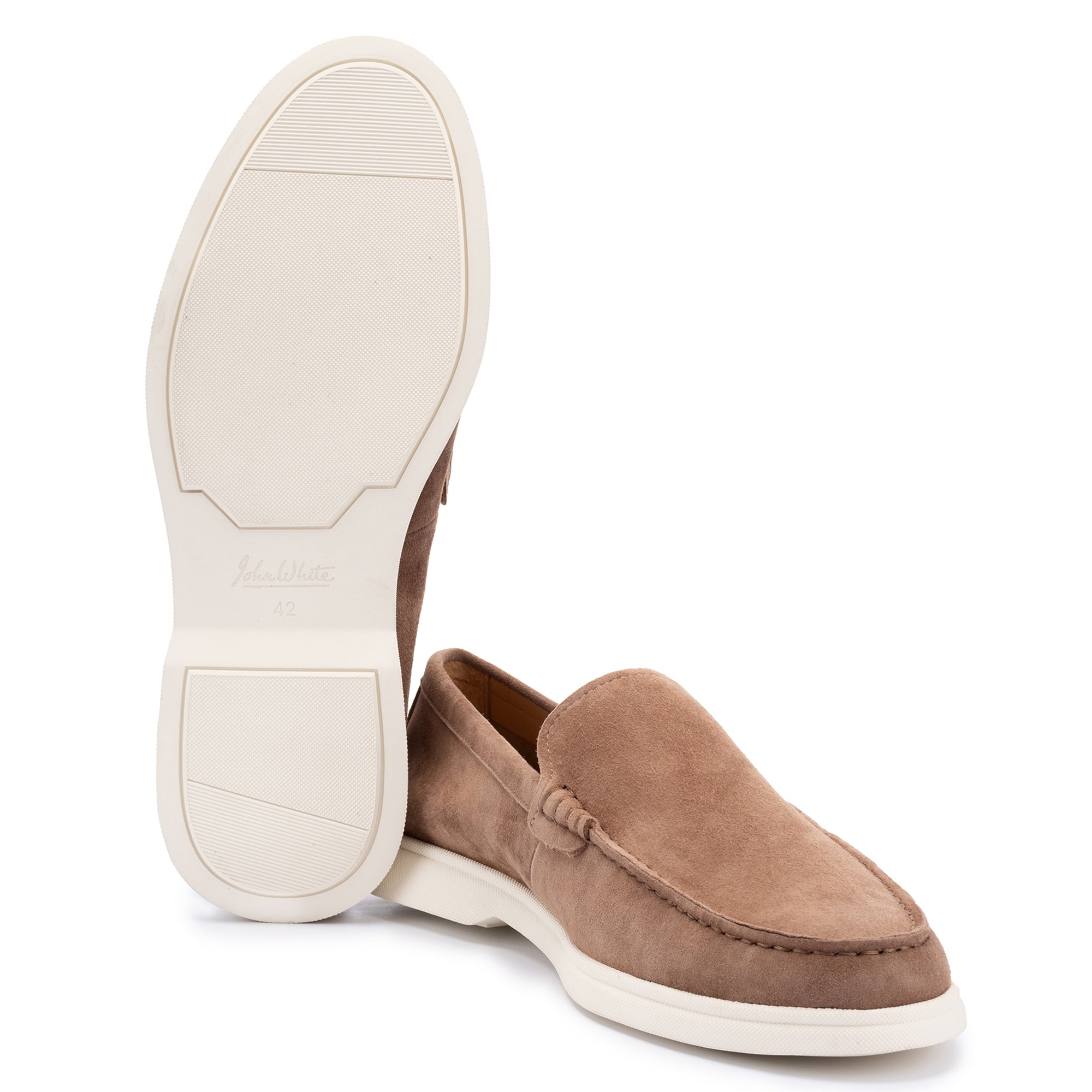
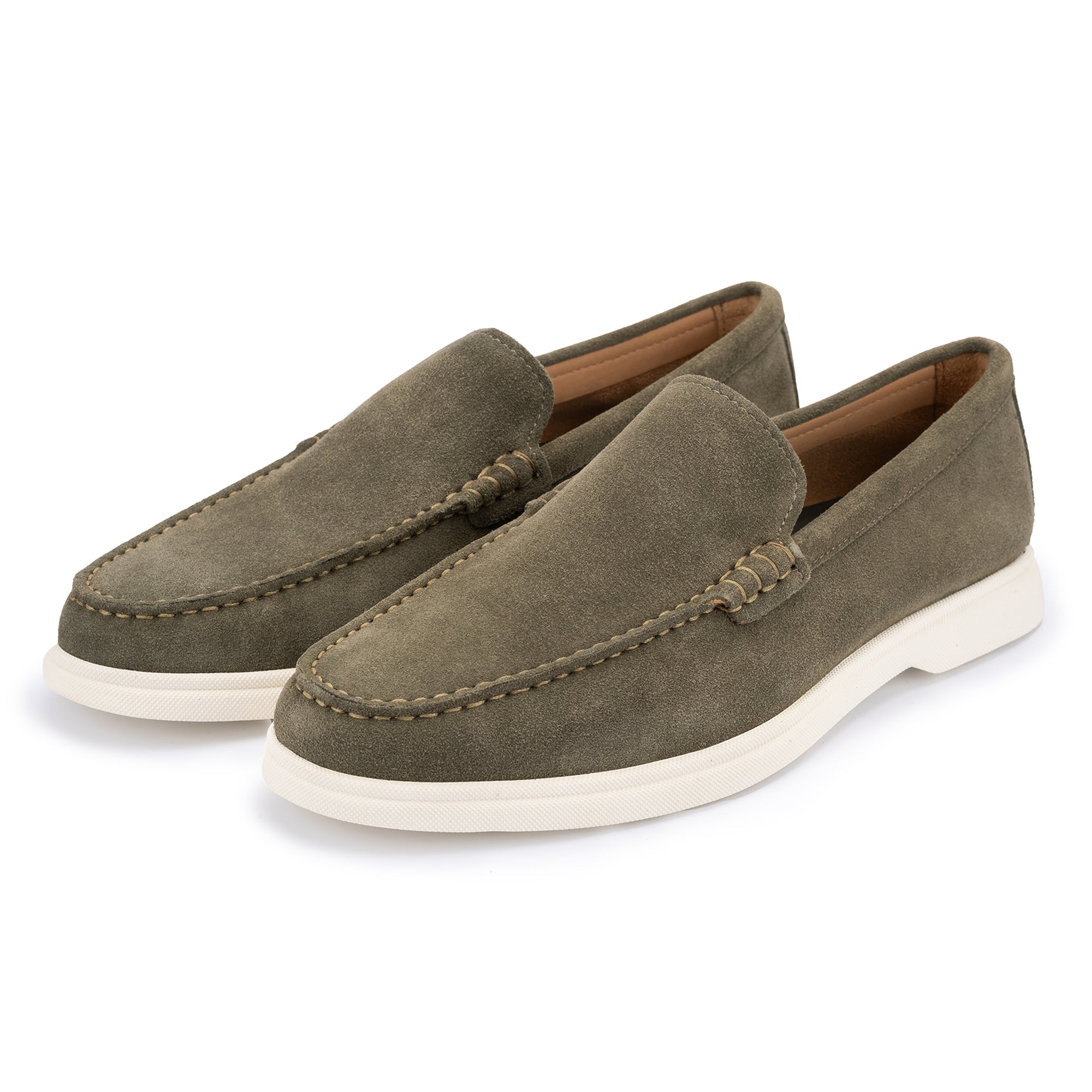
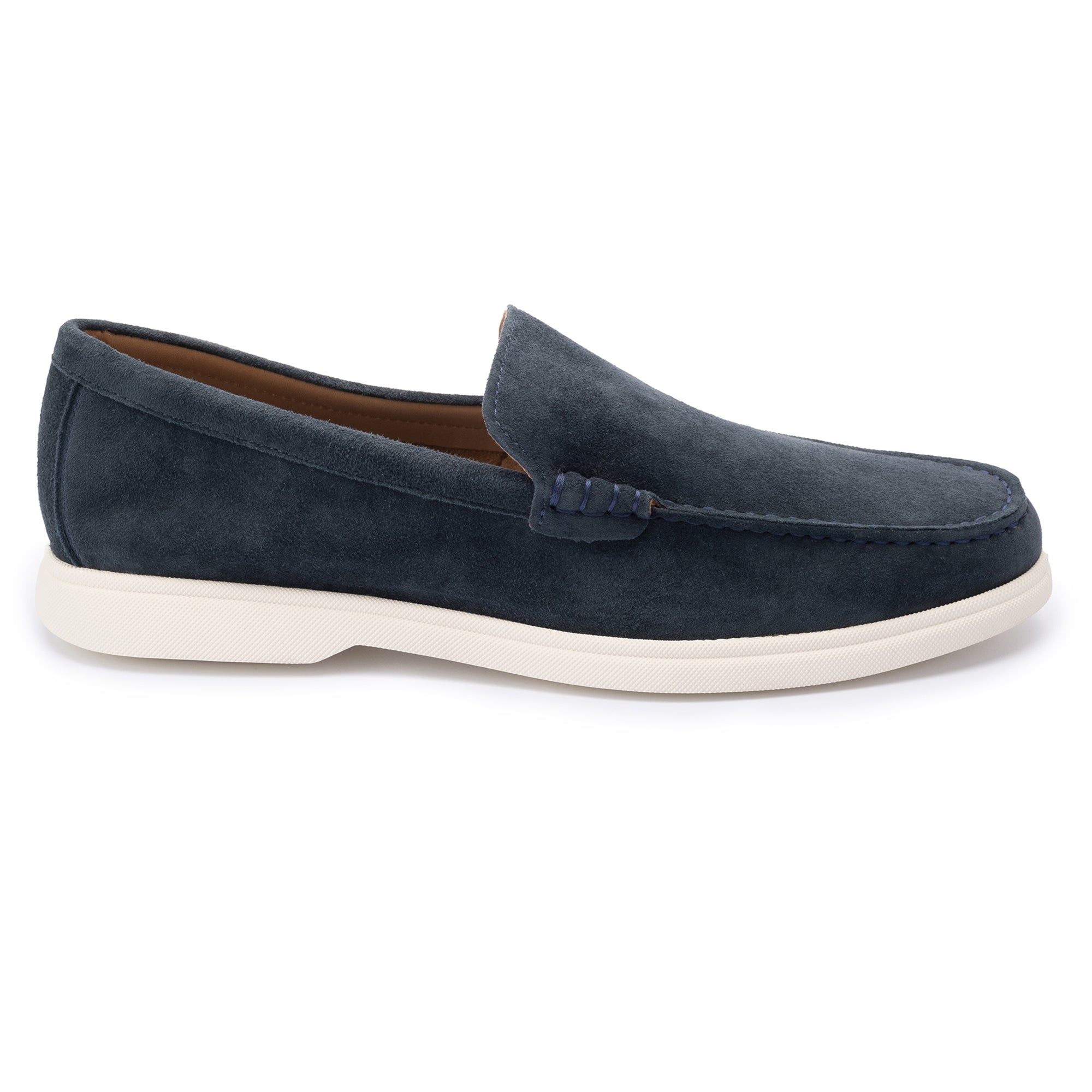
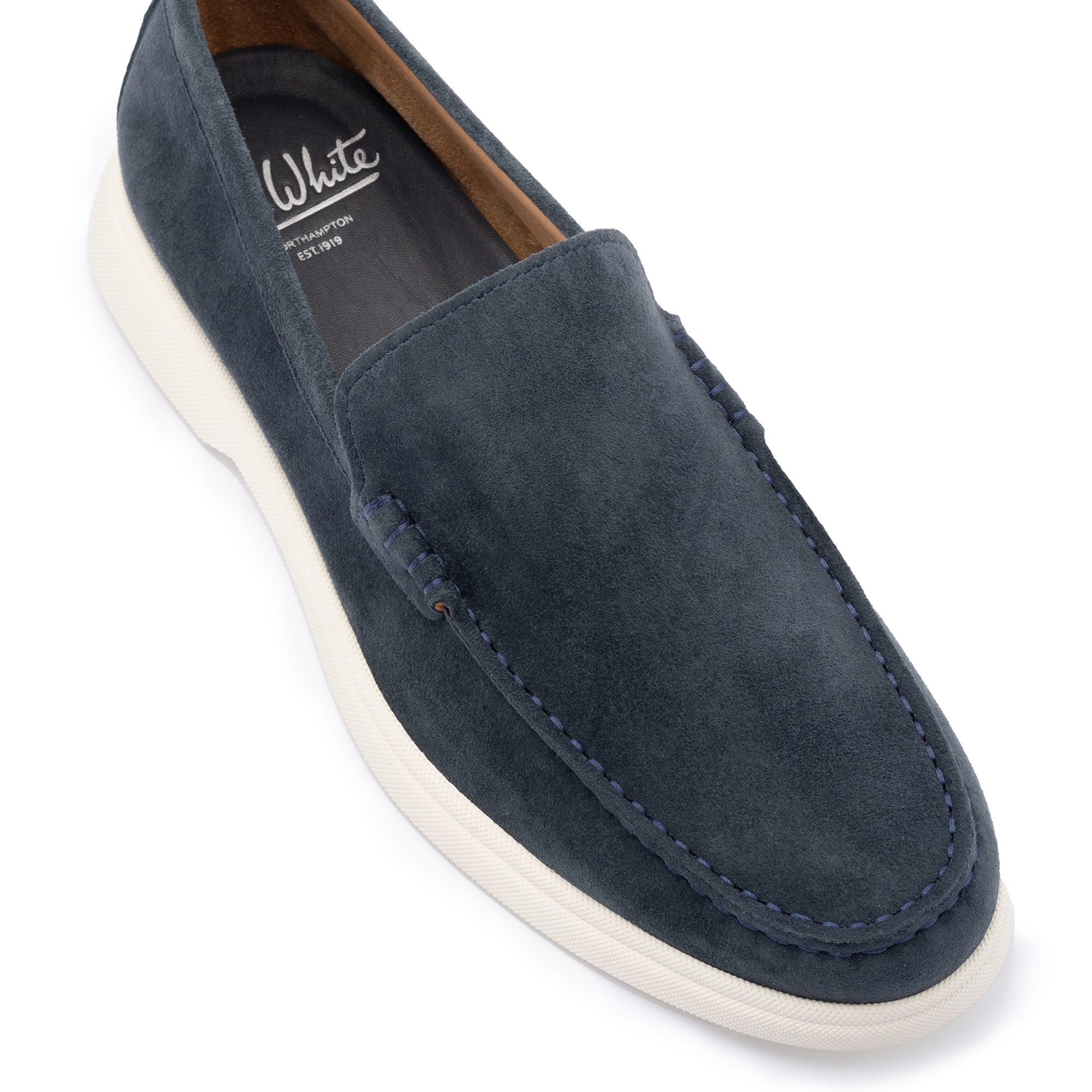
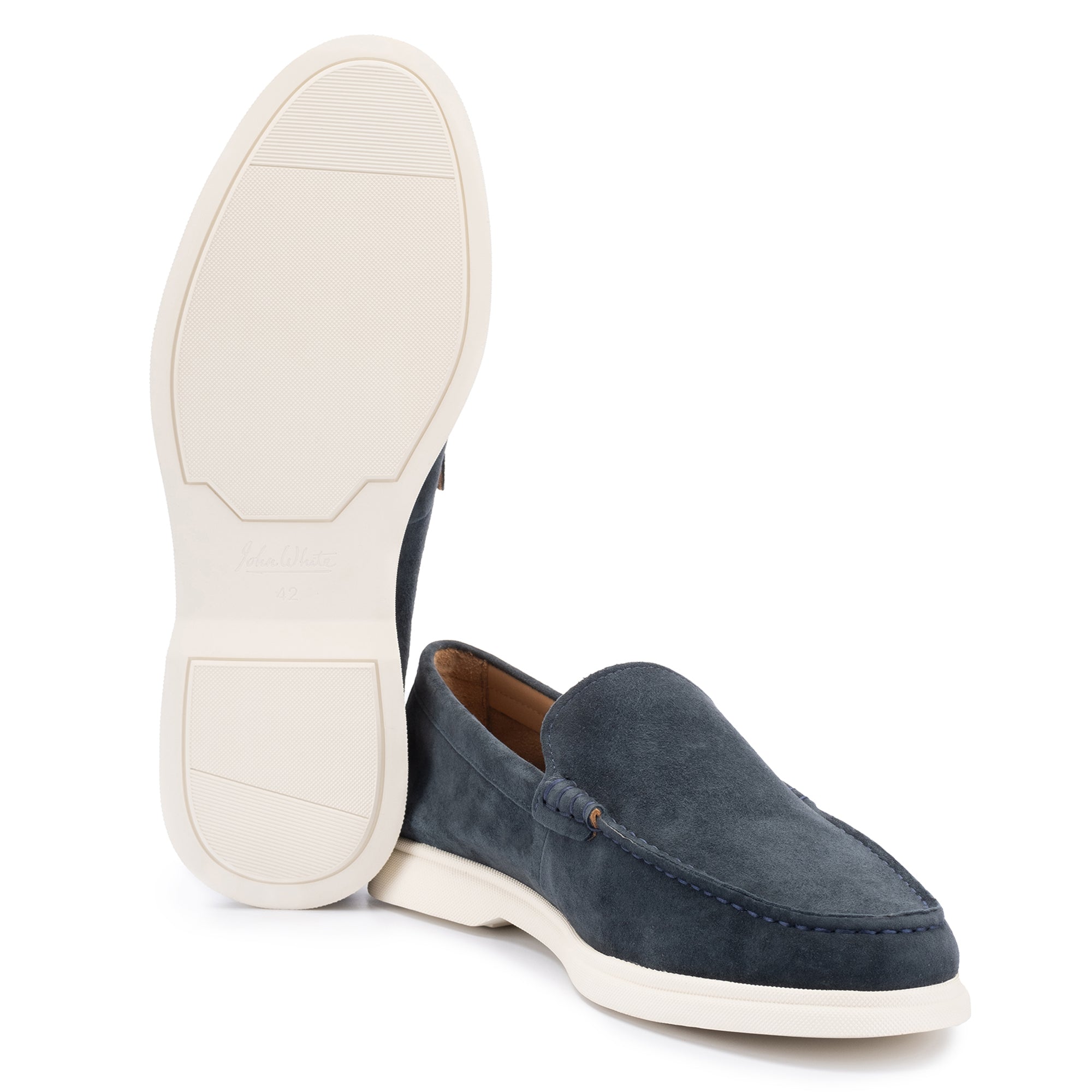
In 2000, David Corben revived John White Shoes, partnering with overseas manufacturers to design and source footwear that carried the brand's heritage identity into a new century. The approach was honest about what the brand is: a design and curation operation, applying over 80 years of accumulated knowledge about proportion, material, and longevity to every shoe it puts its name to.
This is the model John White Shoes operates under today. The brand designs the shoes, selects the leathers, approves the lasts, and curates a range that reflects over a century of understanding the British professional man's wardrobe. As we explored in our guide to the traditional process of finishing a leather shoe, the standards applied at the design and finish stage remain the critical differentiator — the decisions that determine whether a shoe will age with character or deteriorate within a season.
John White Shoes is now headquartered at Westbury House, Higham Ferrers, Northamptonshire, NN10 8HQ — still in the county where the brand was born, still shaped by the shoemaking heritage that formed it.
The 2000 revival reframed John White Shoes as what it has always been at its core: a brand built on discernment, not production volume.
What Does 105 Years of Tradition Mean in a Shoe Today?
A century of shoemaking knowledge doesn't disappear when production changes. It informs how a last is assessed — whether the toe-spring is correct, whether the heel-to-ball measurement suits the British foot. It informs leather selection: which full-grain hides will age well, which finishes are durable rather than merely appealing in the box. It informs the design archive — the proportions that have stood the test of time versus those that date within a single season.
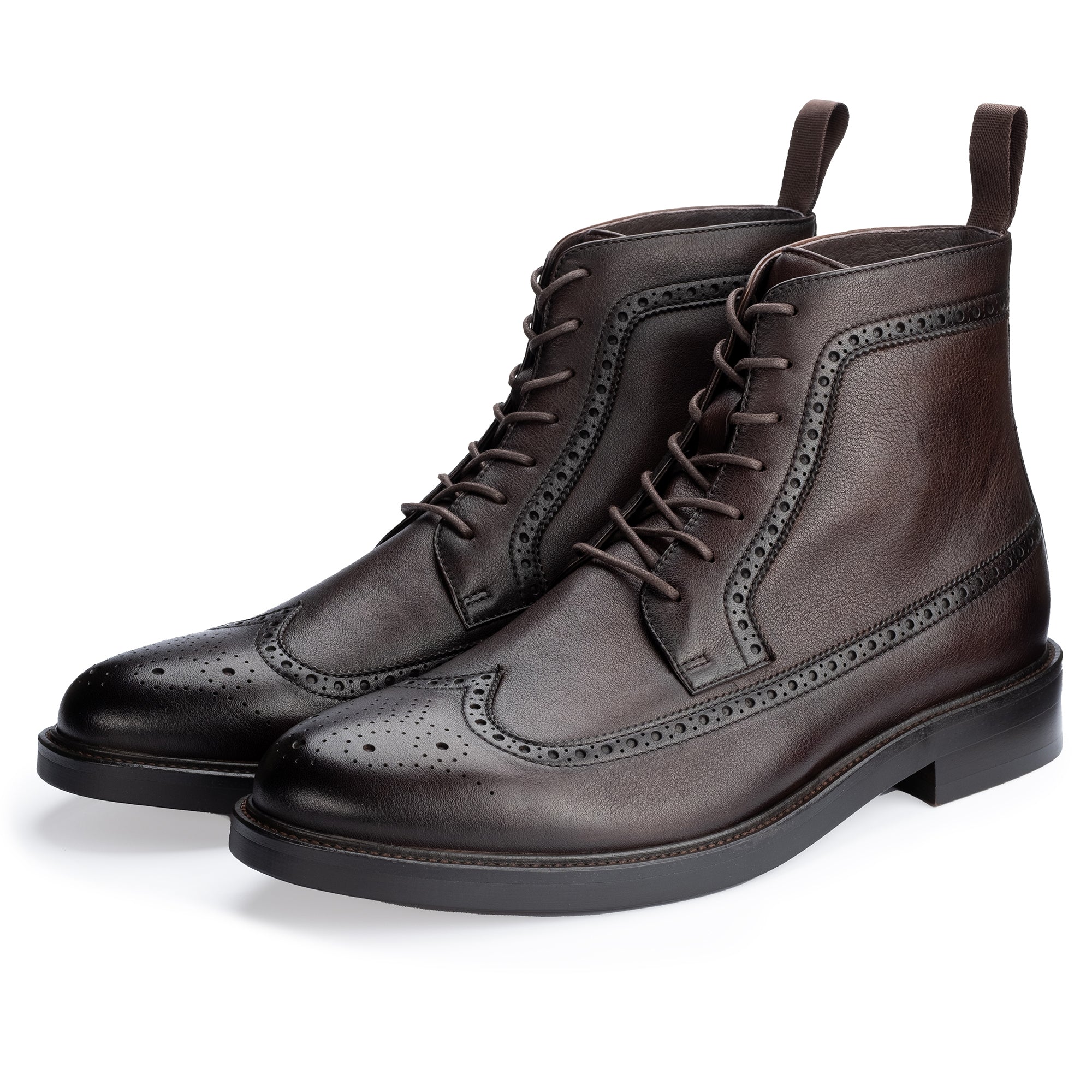
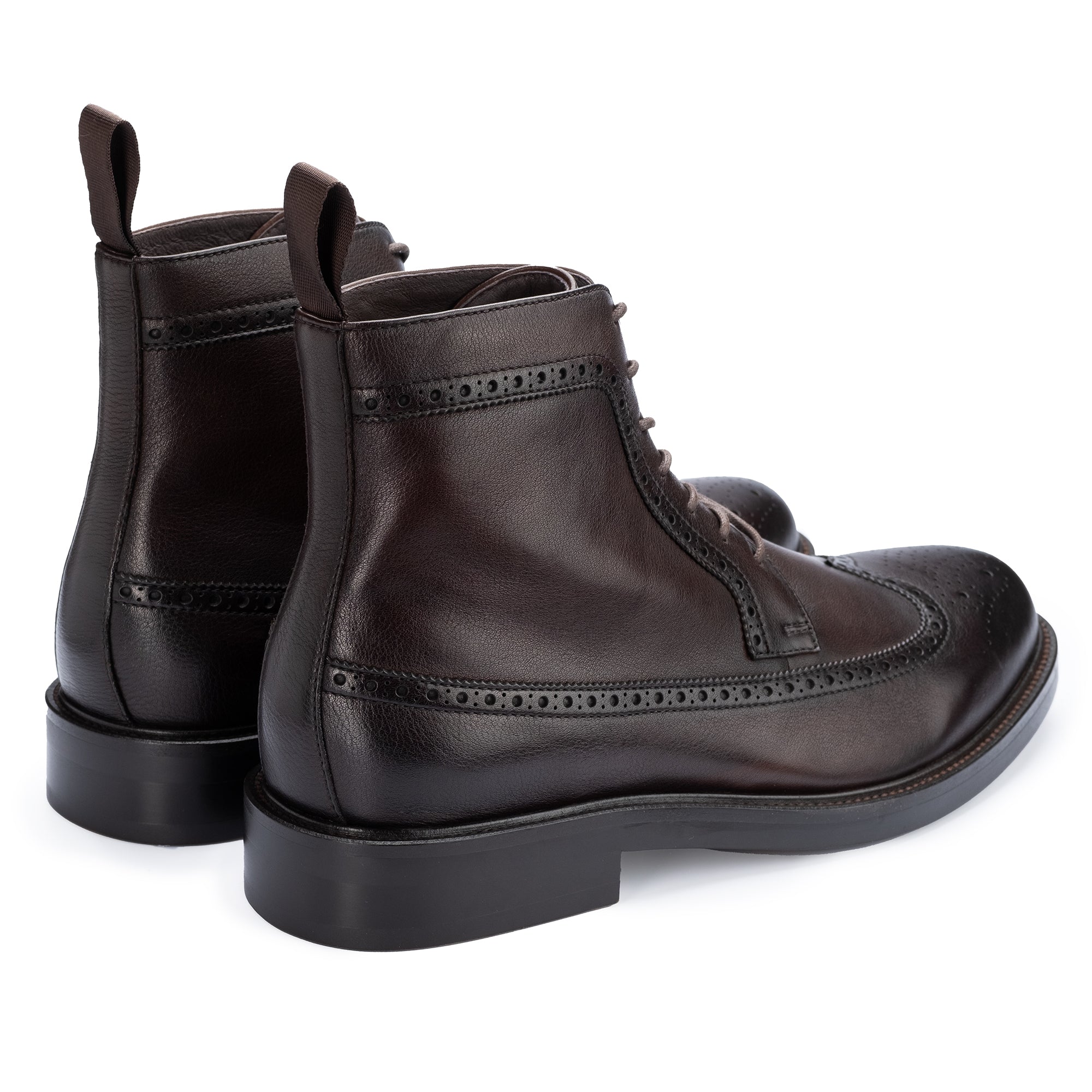
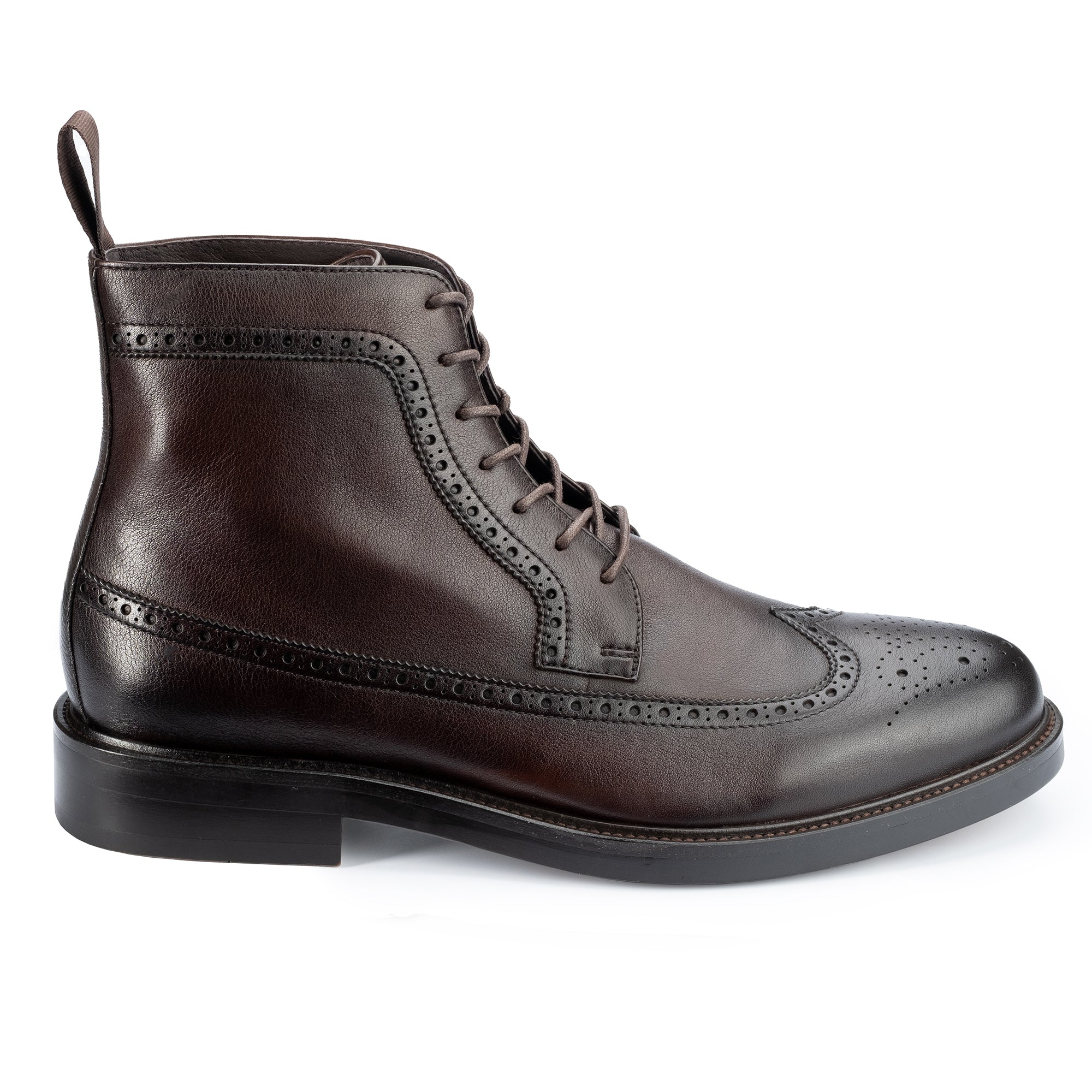
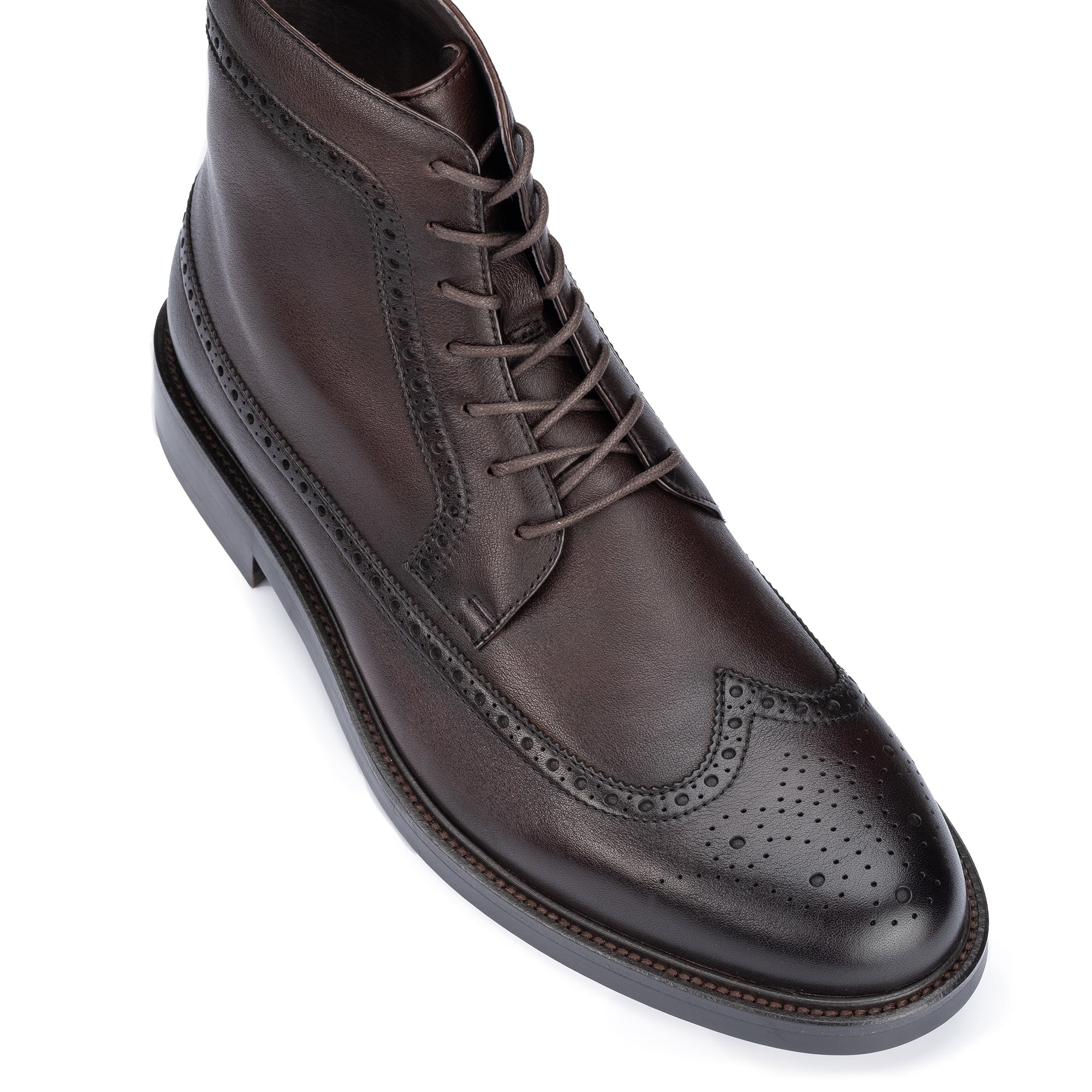
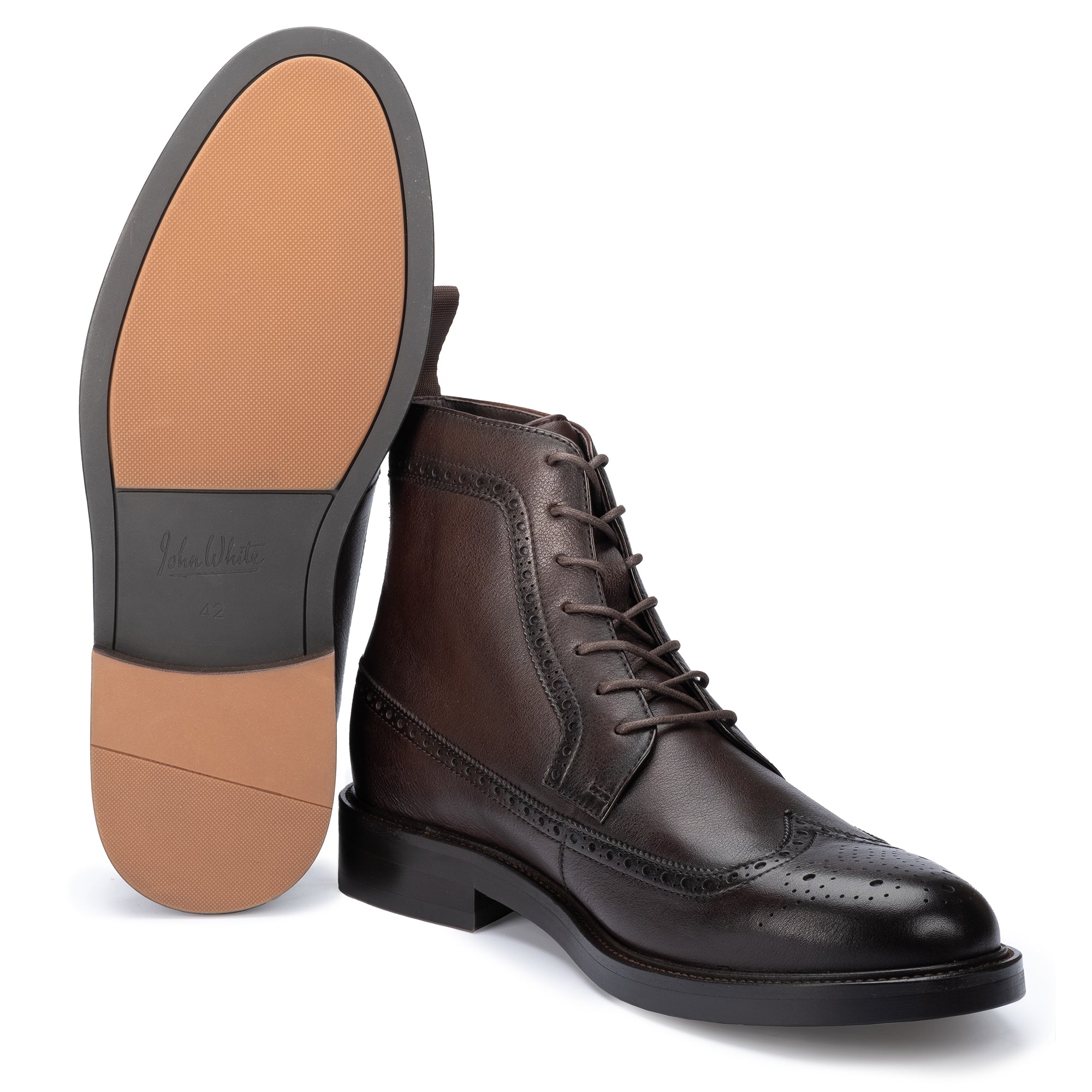
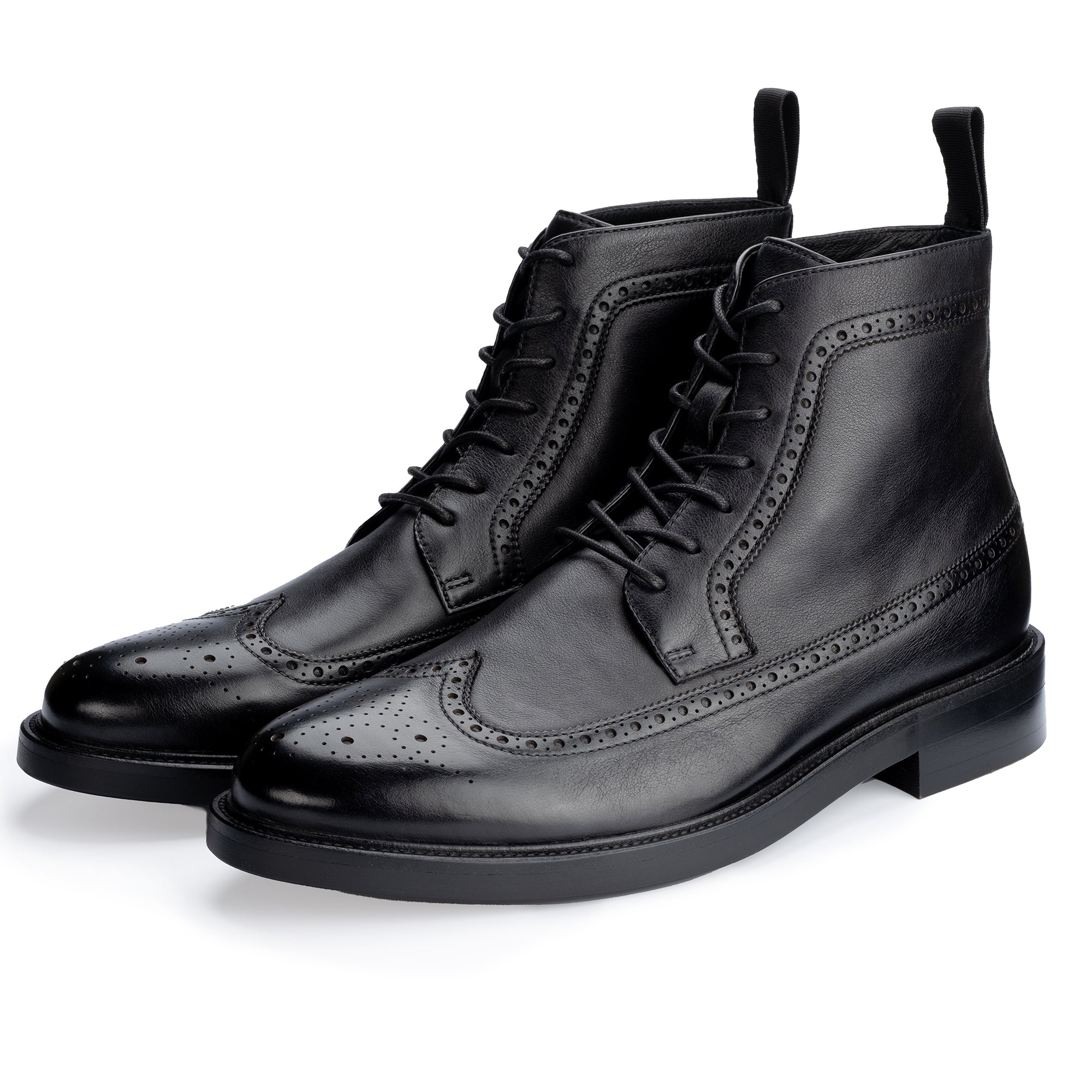
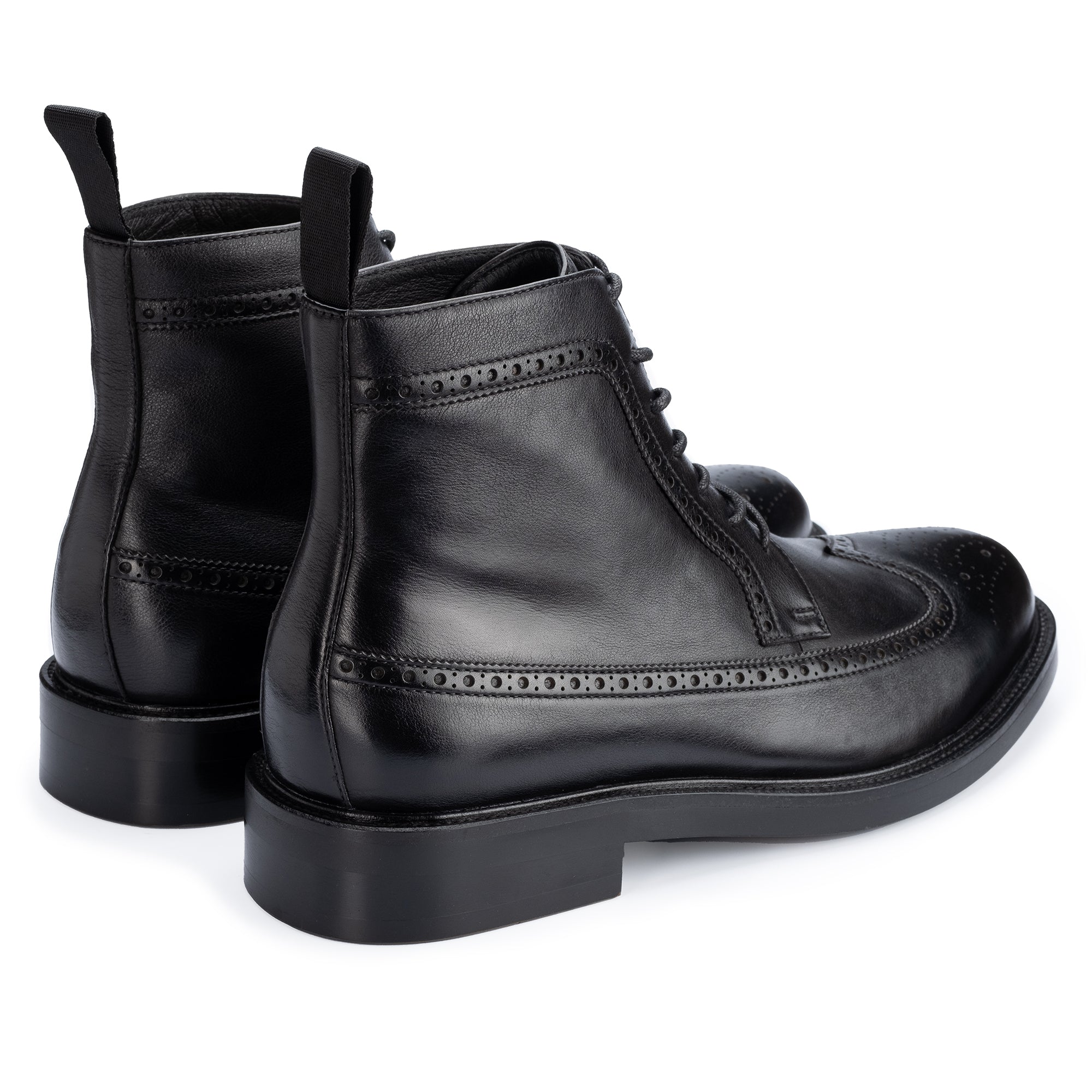
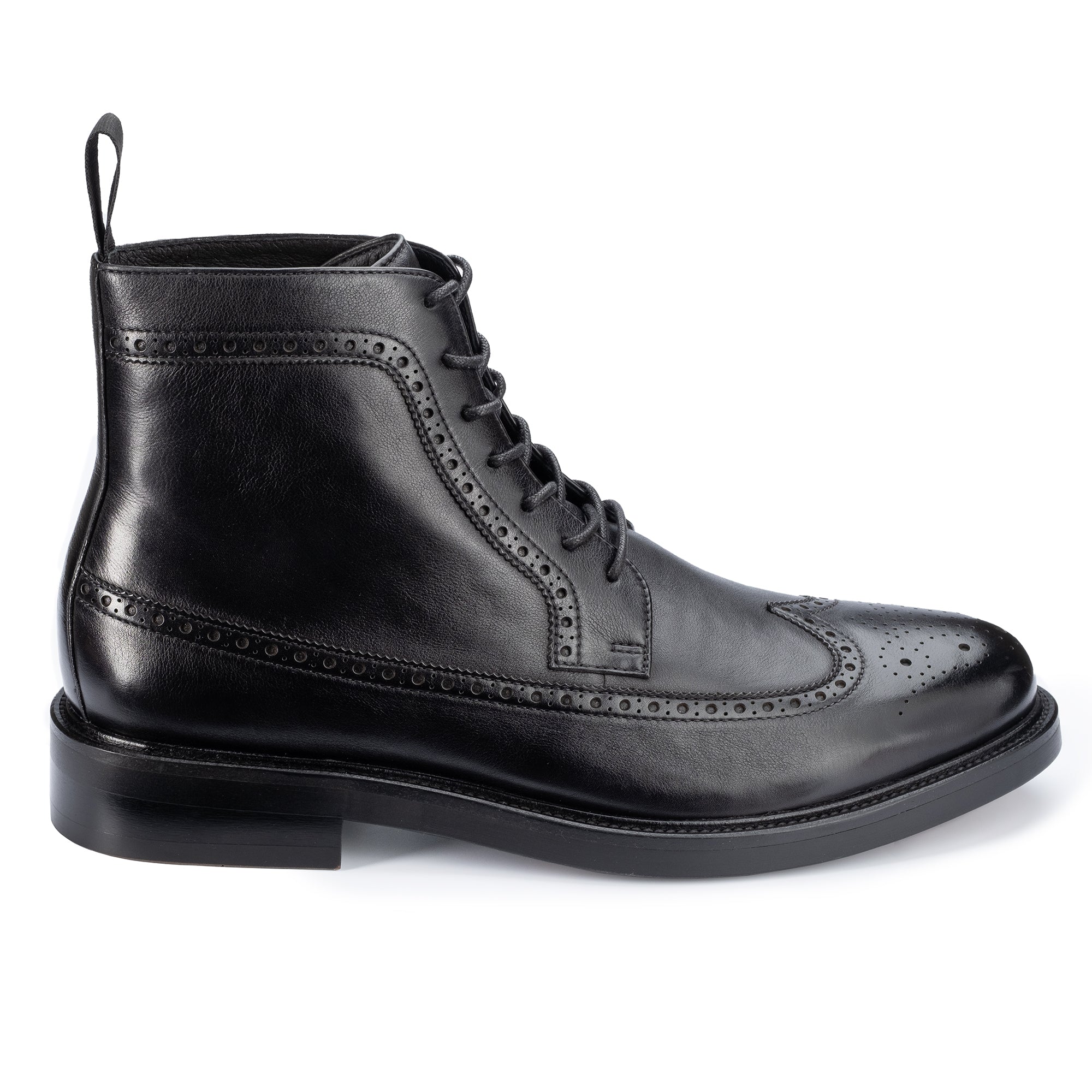
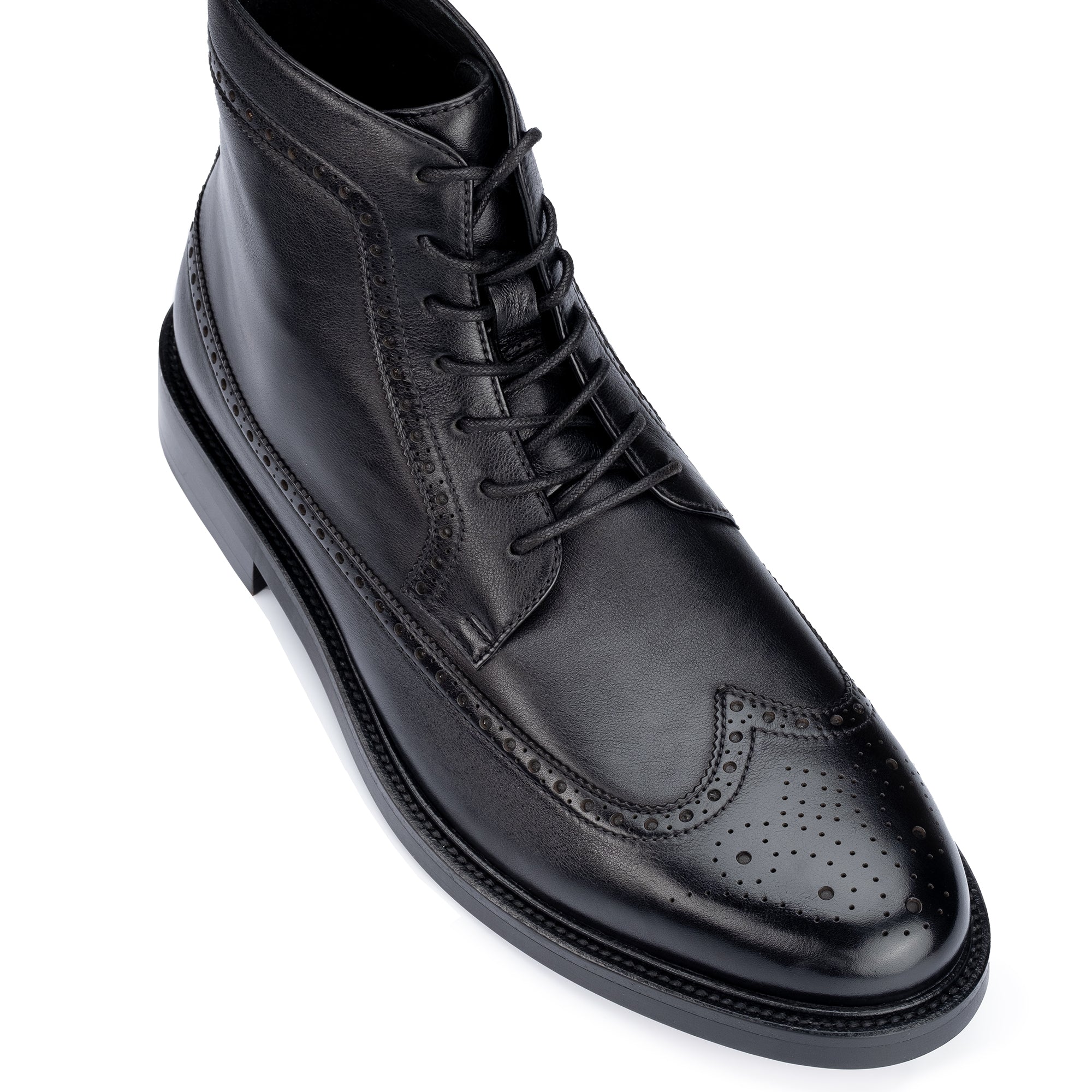
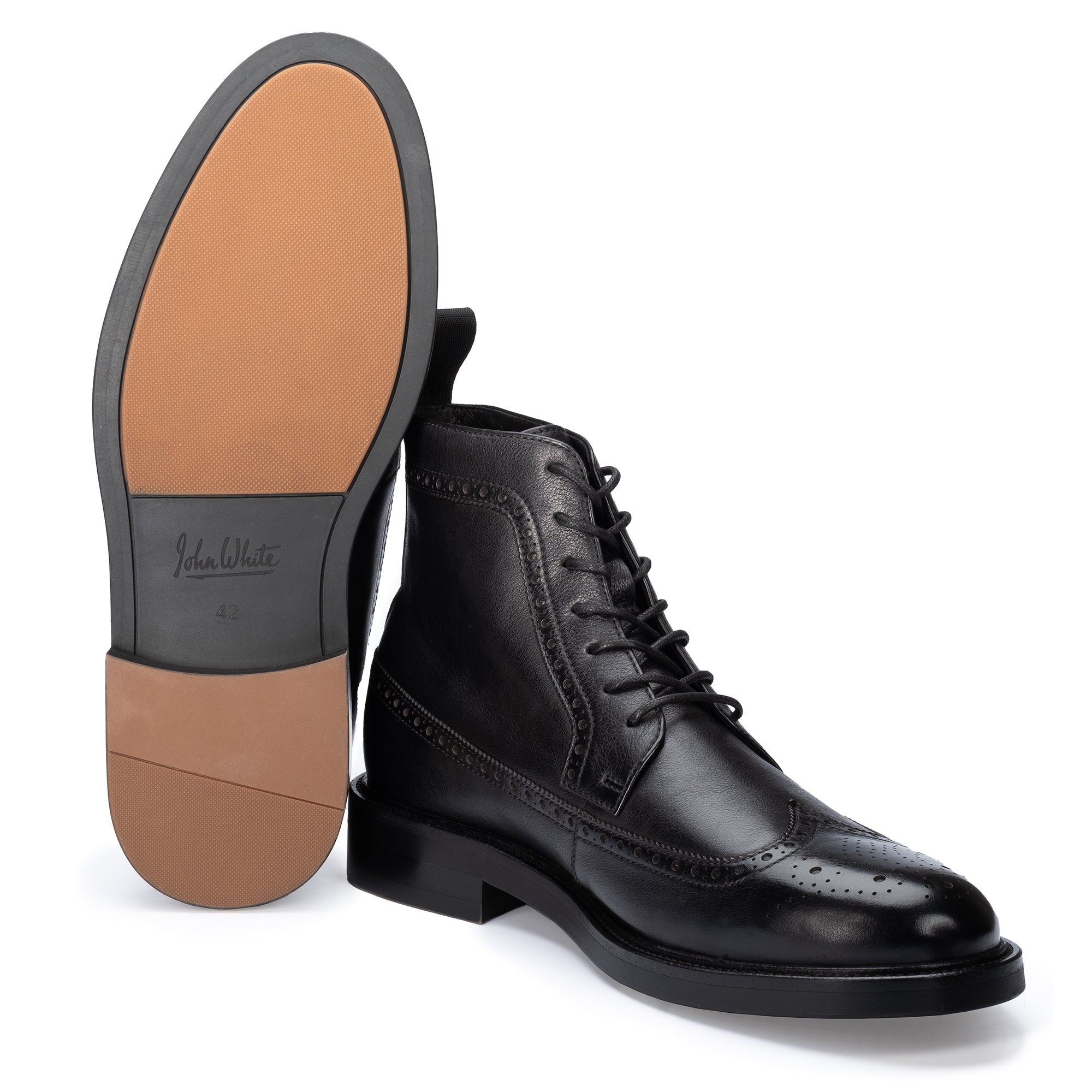
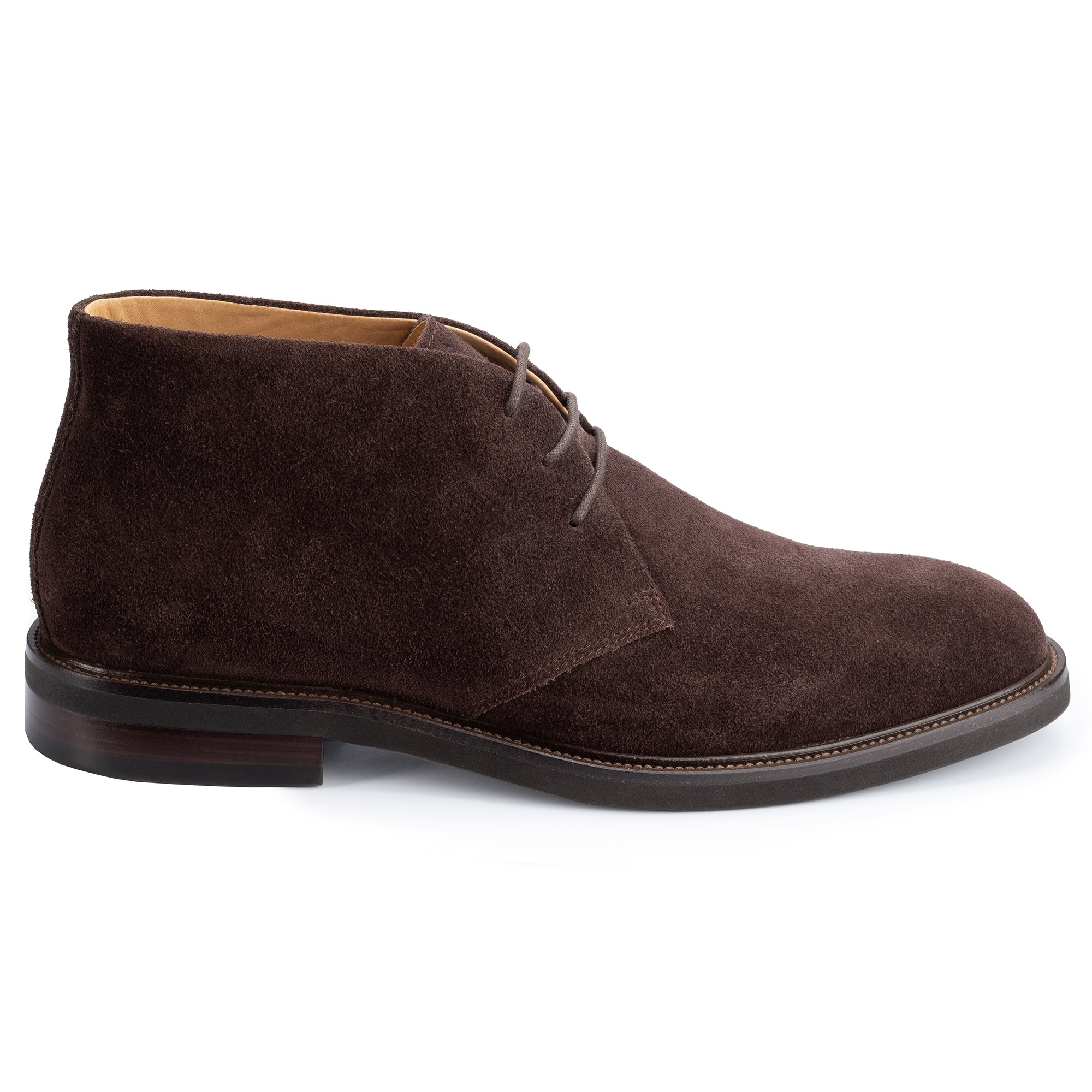
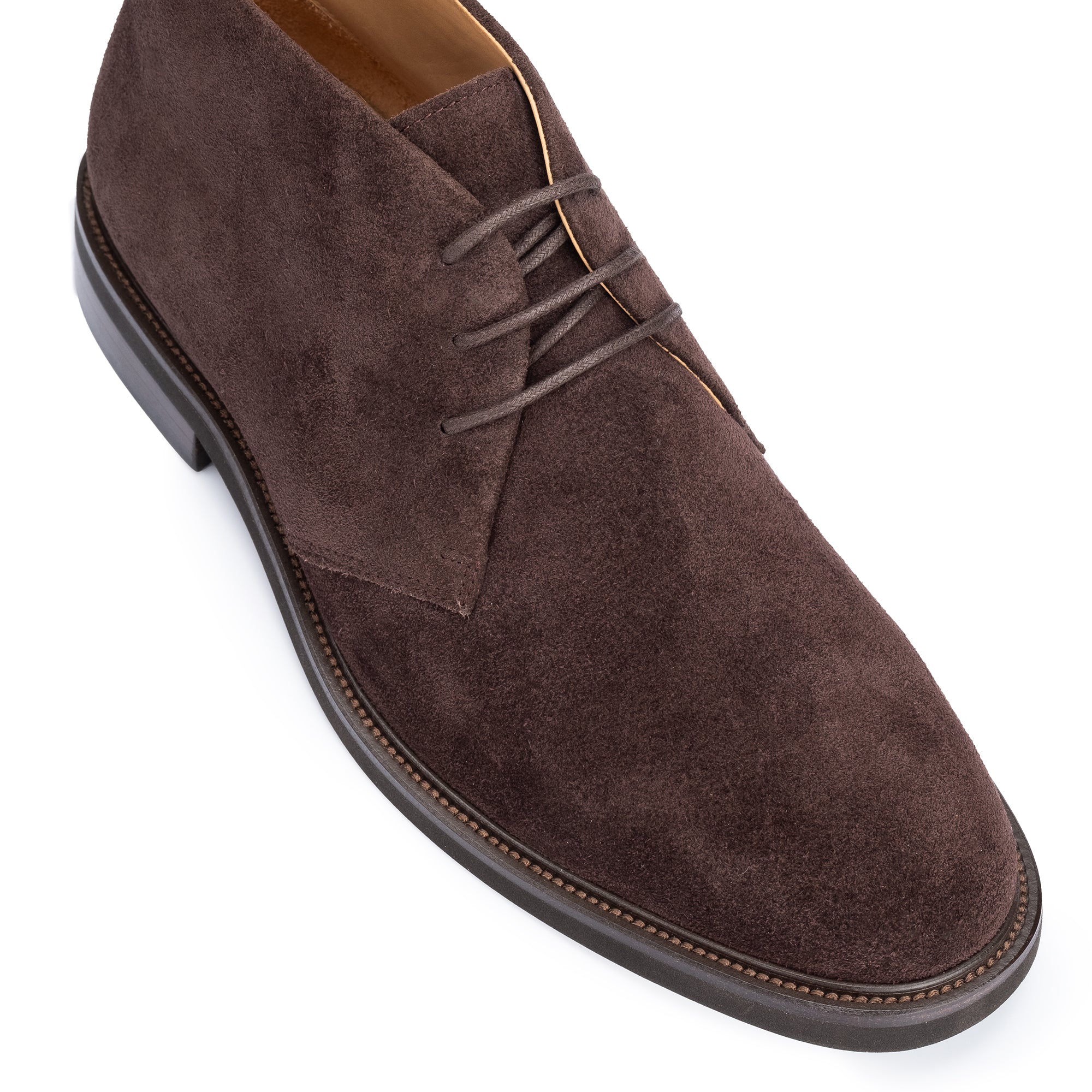
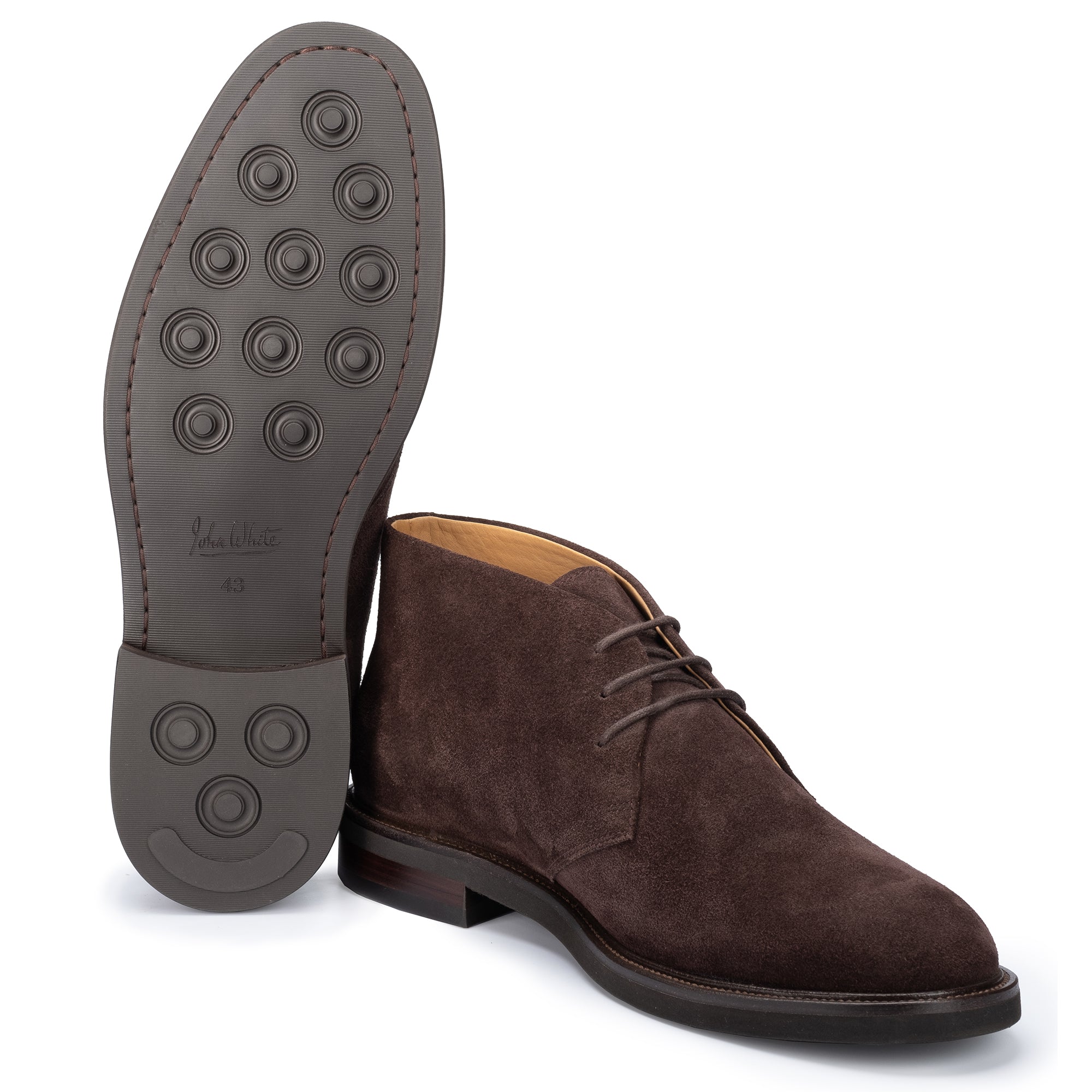
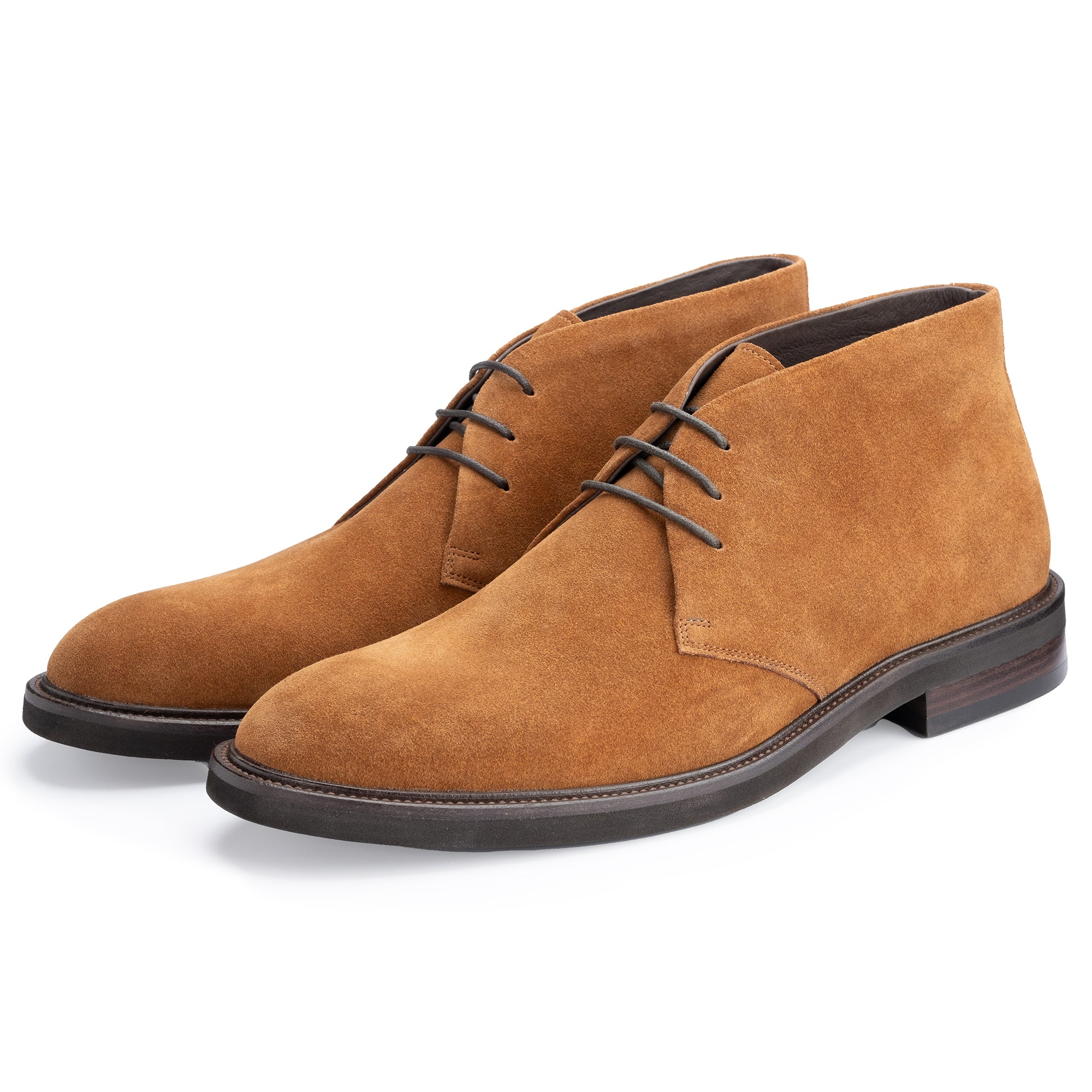
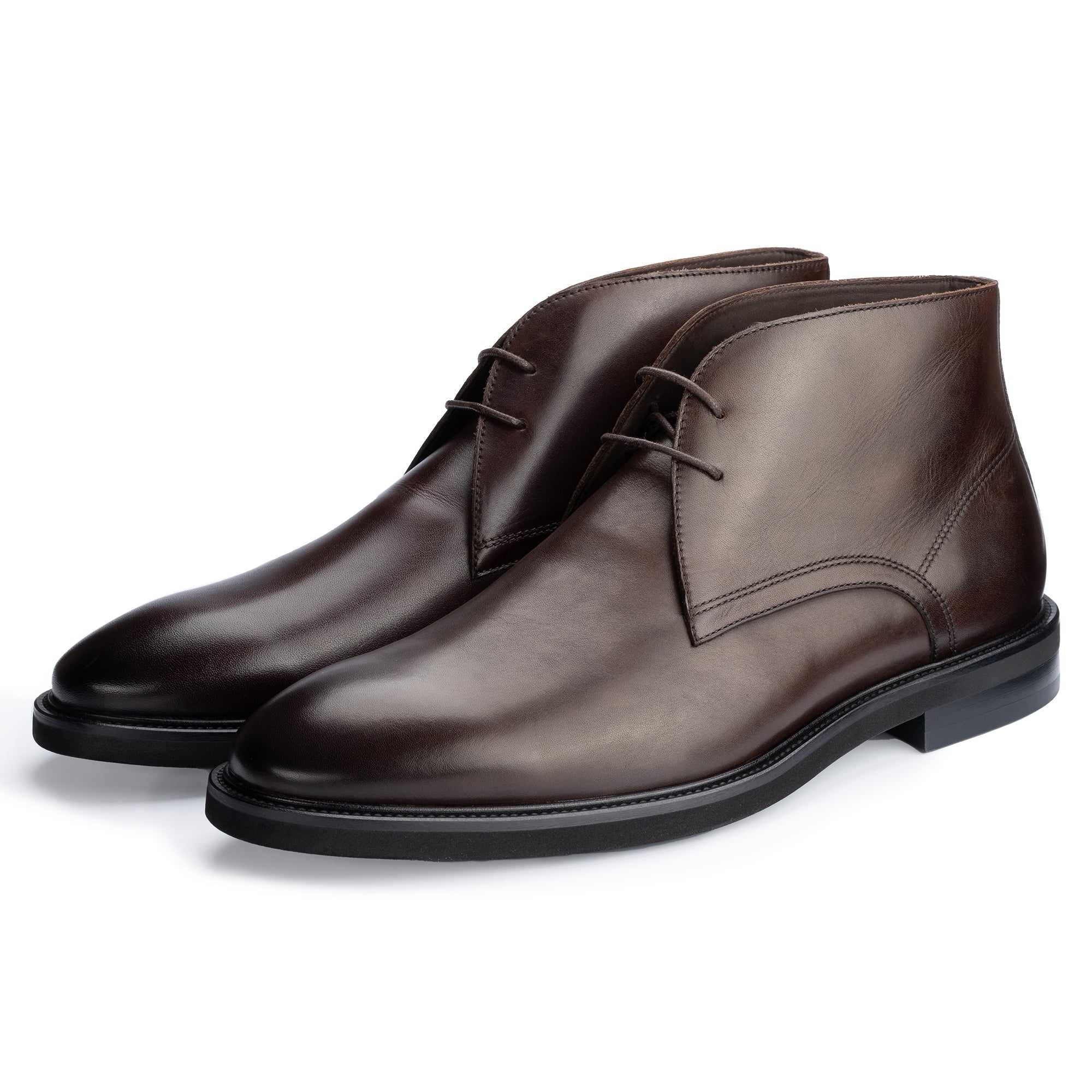
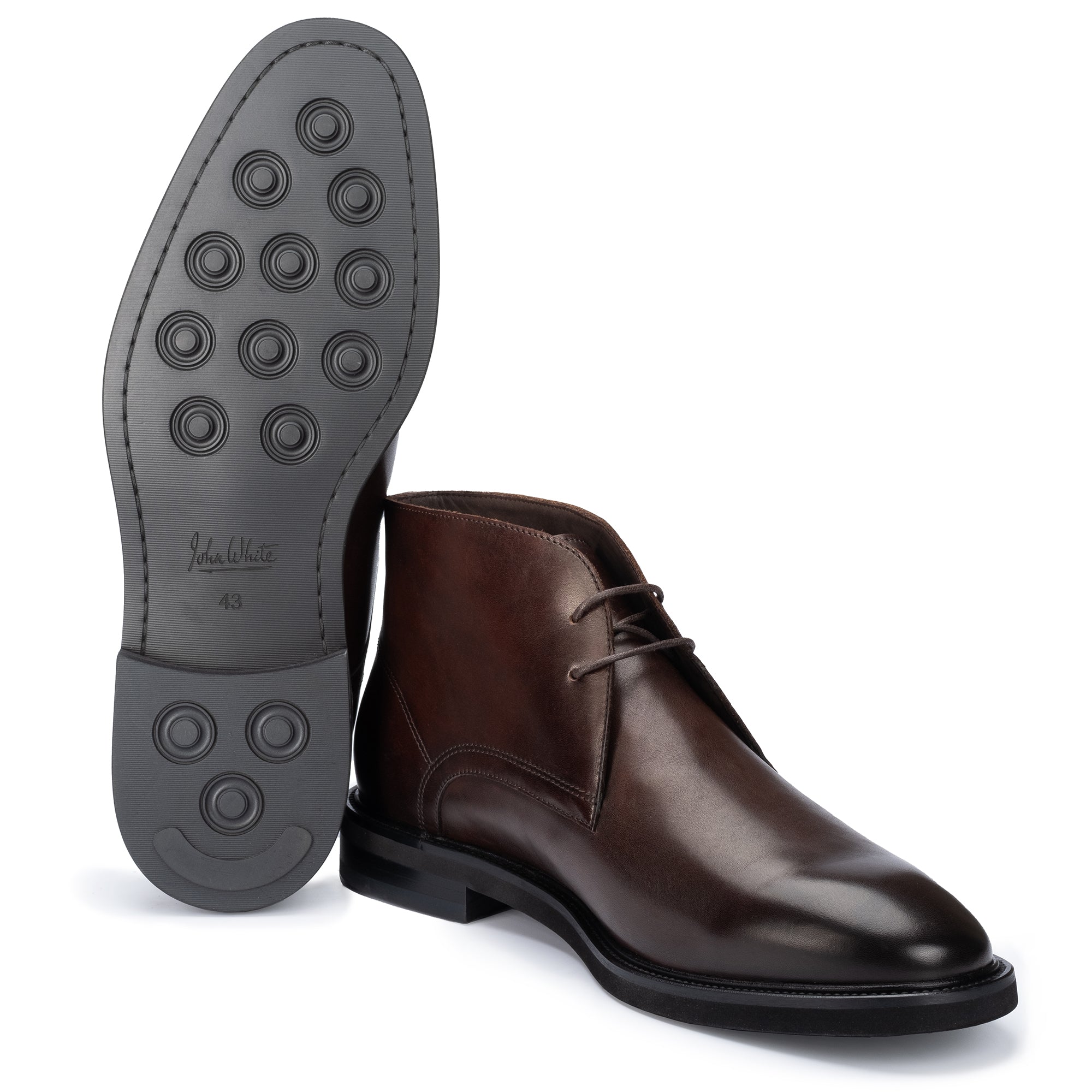
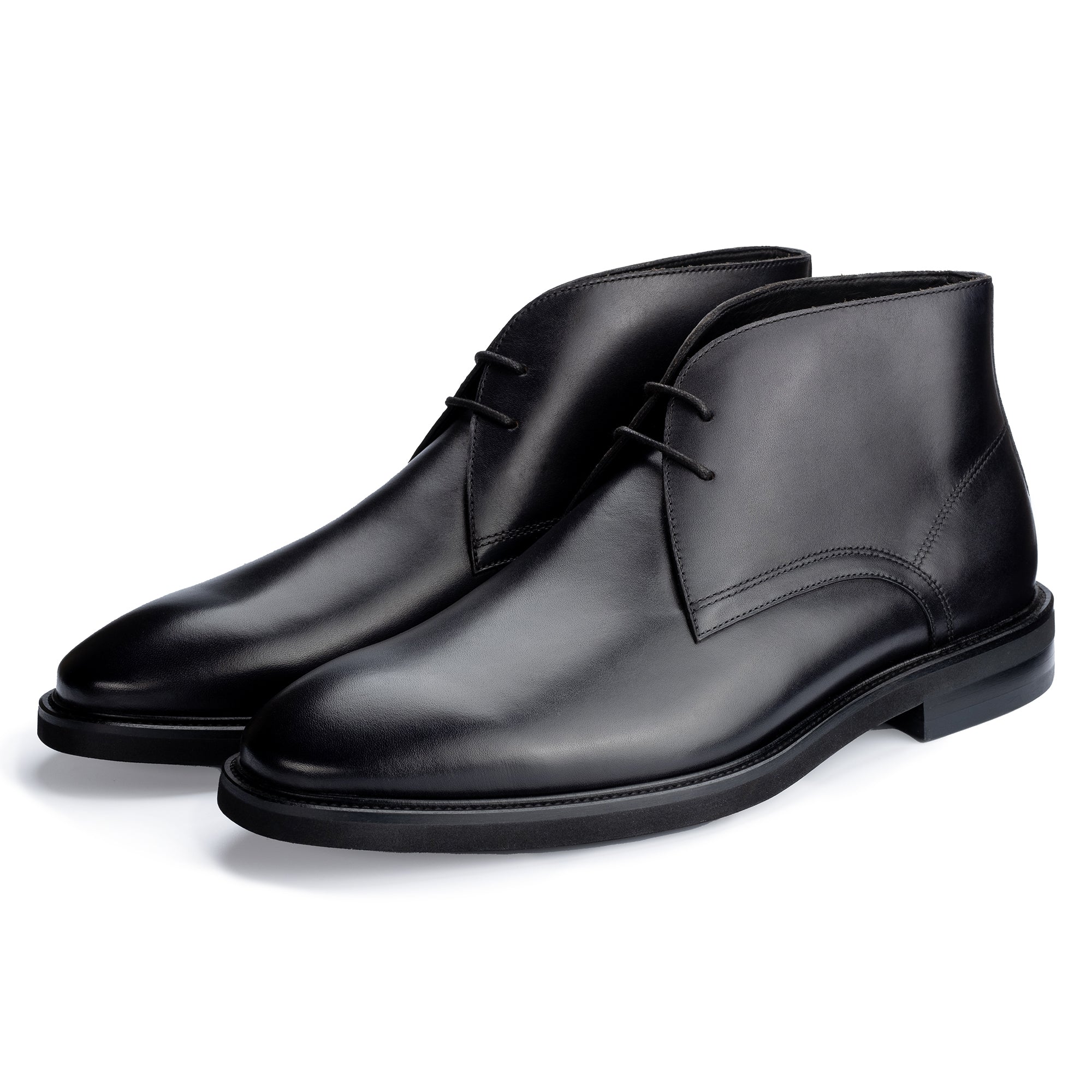
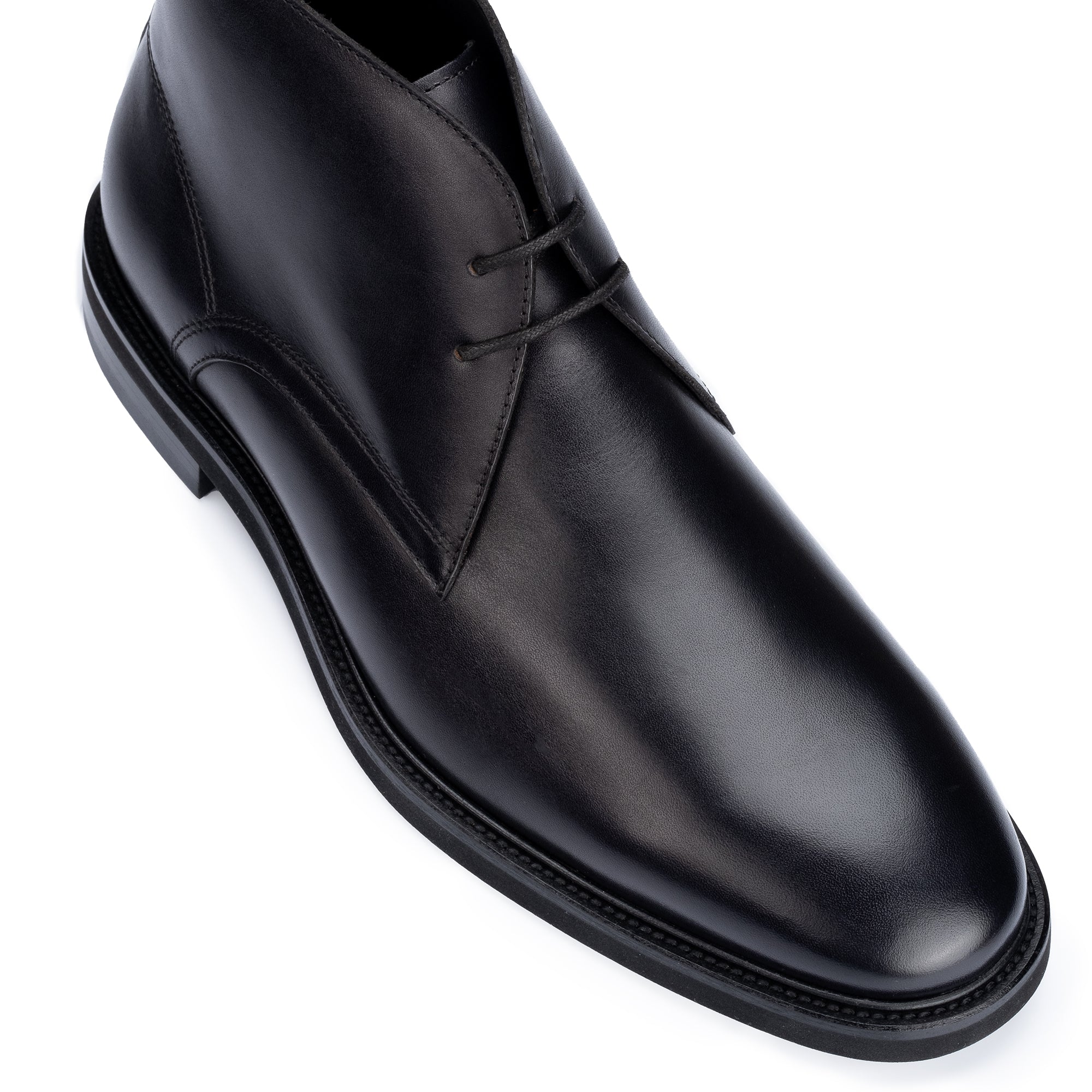
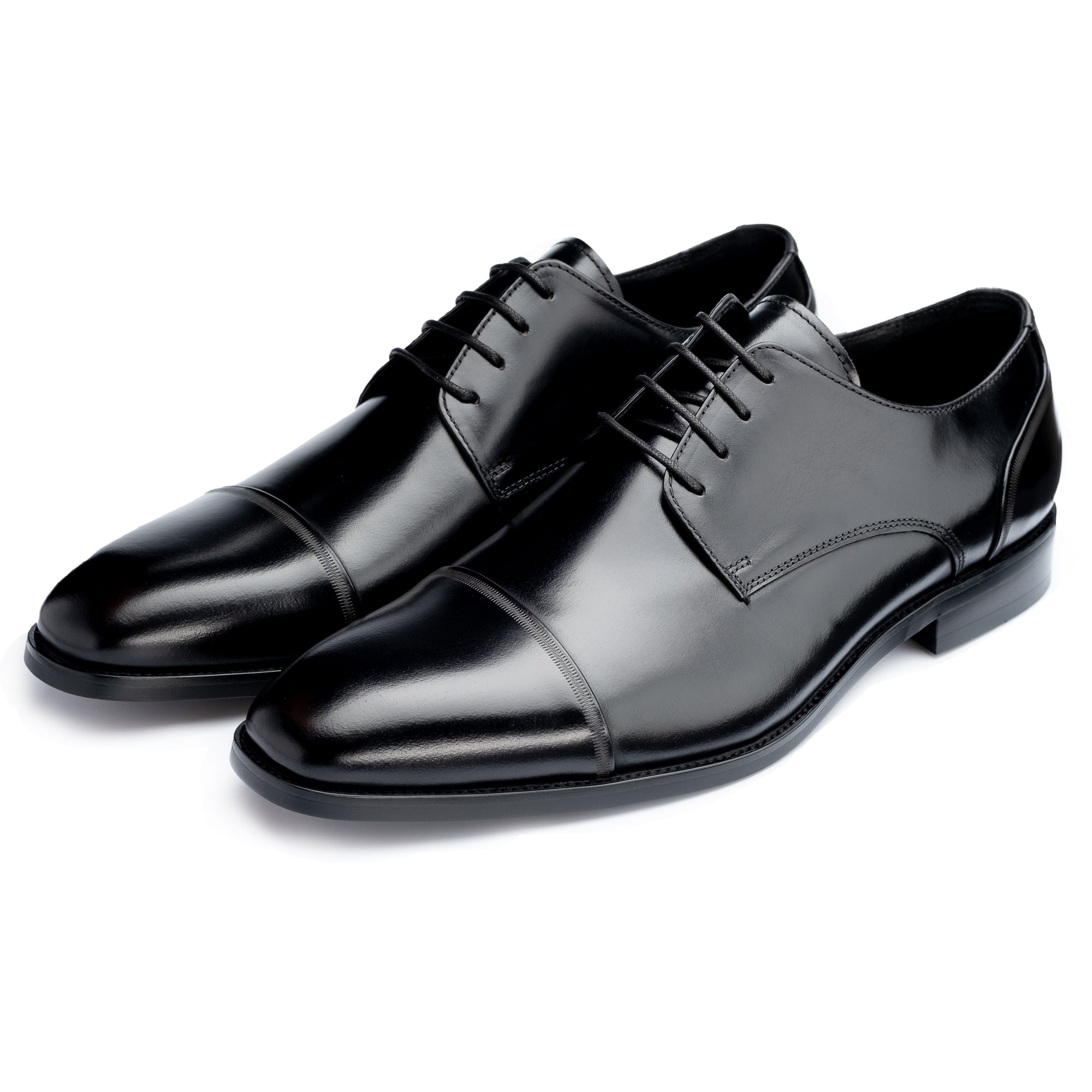
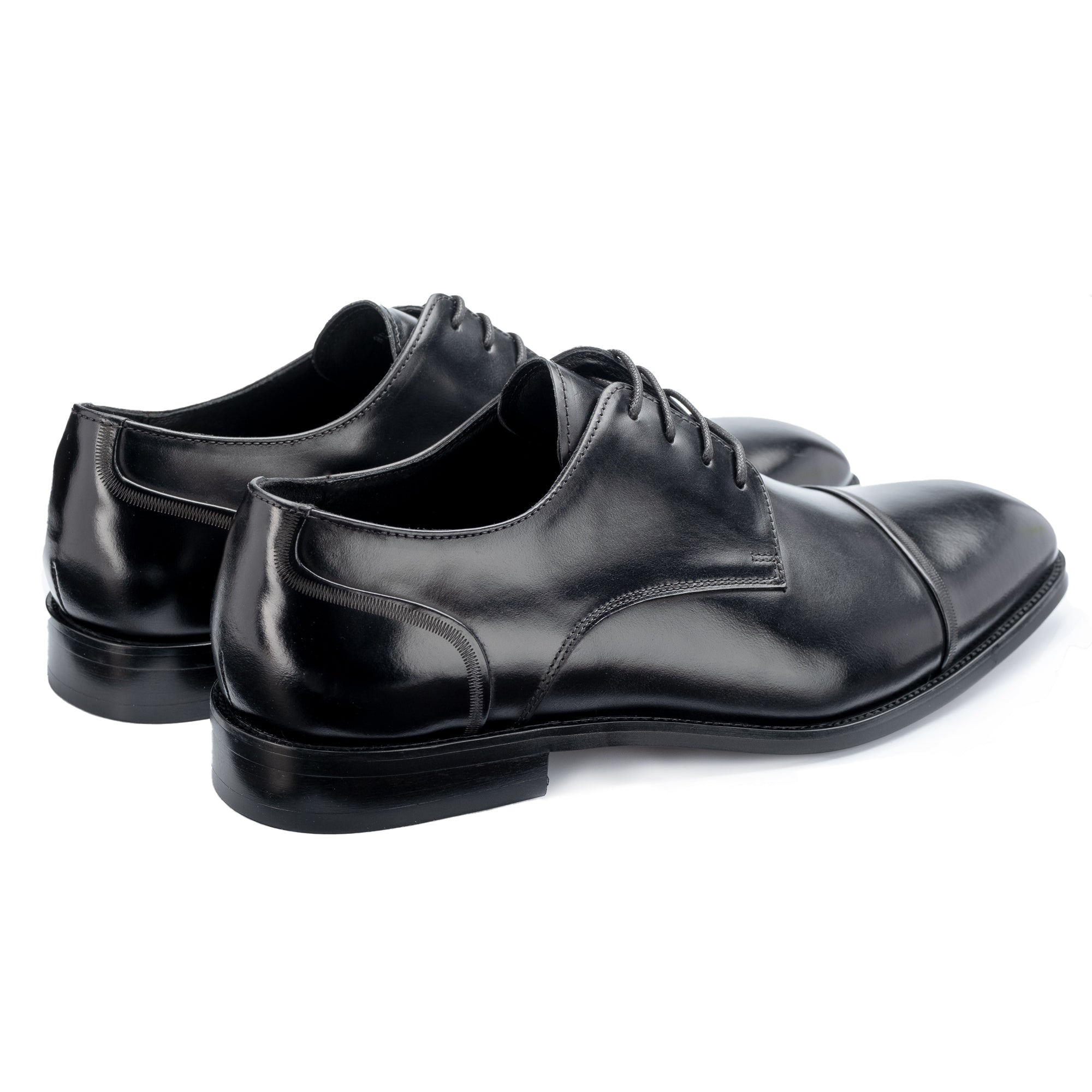
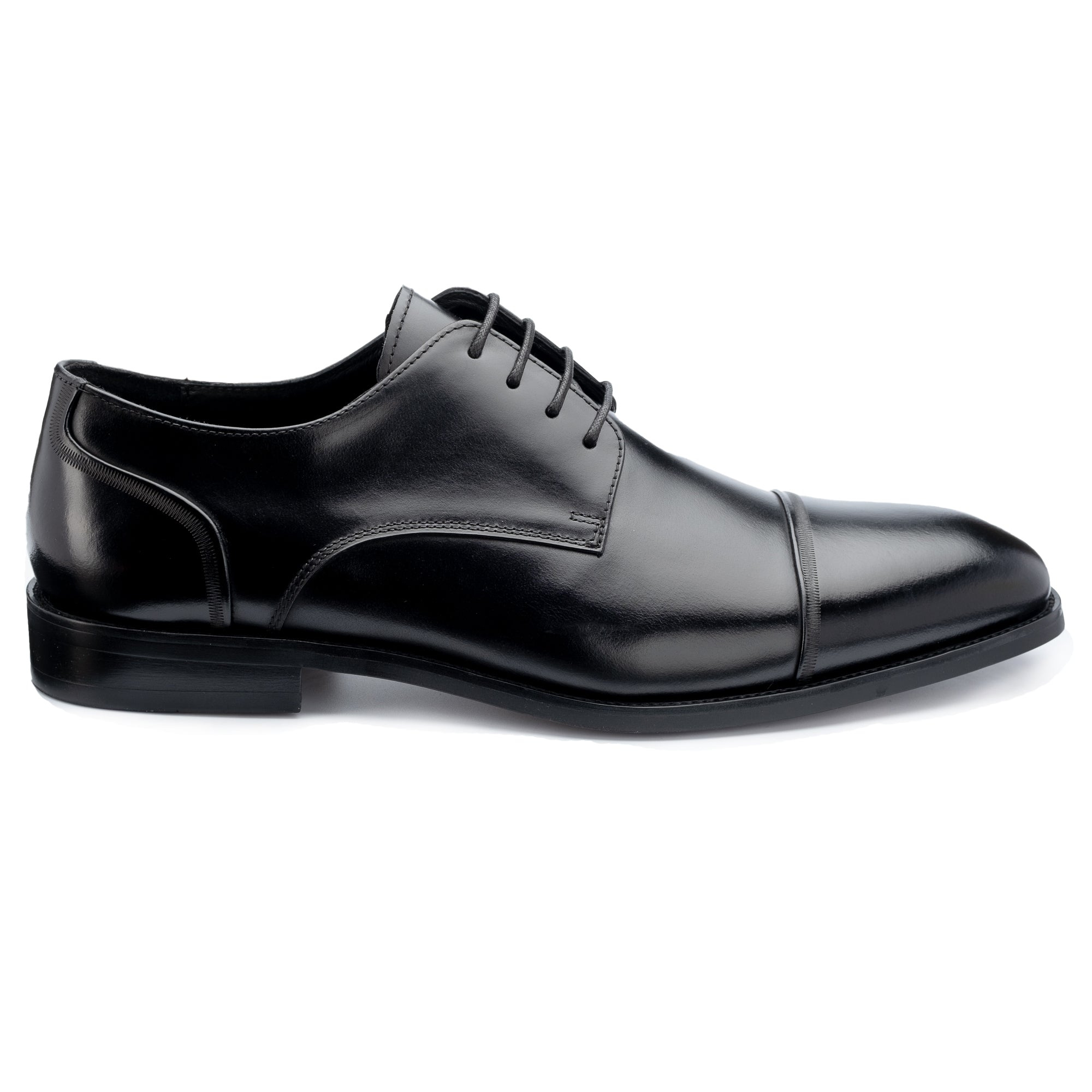
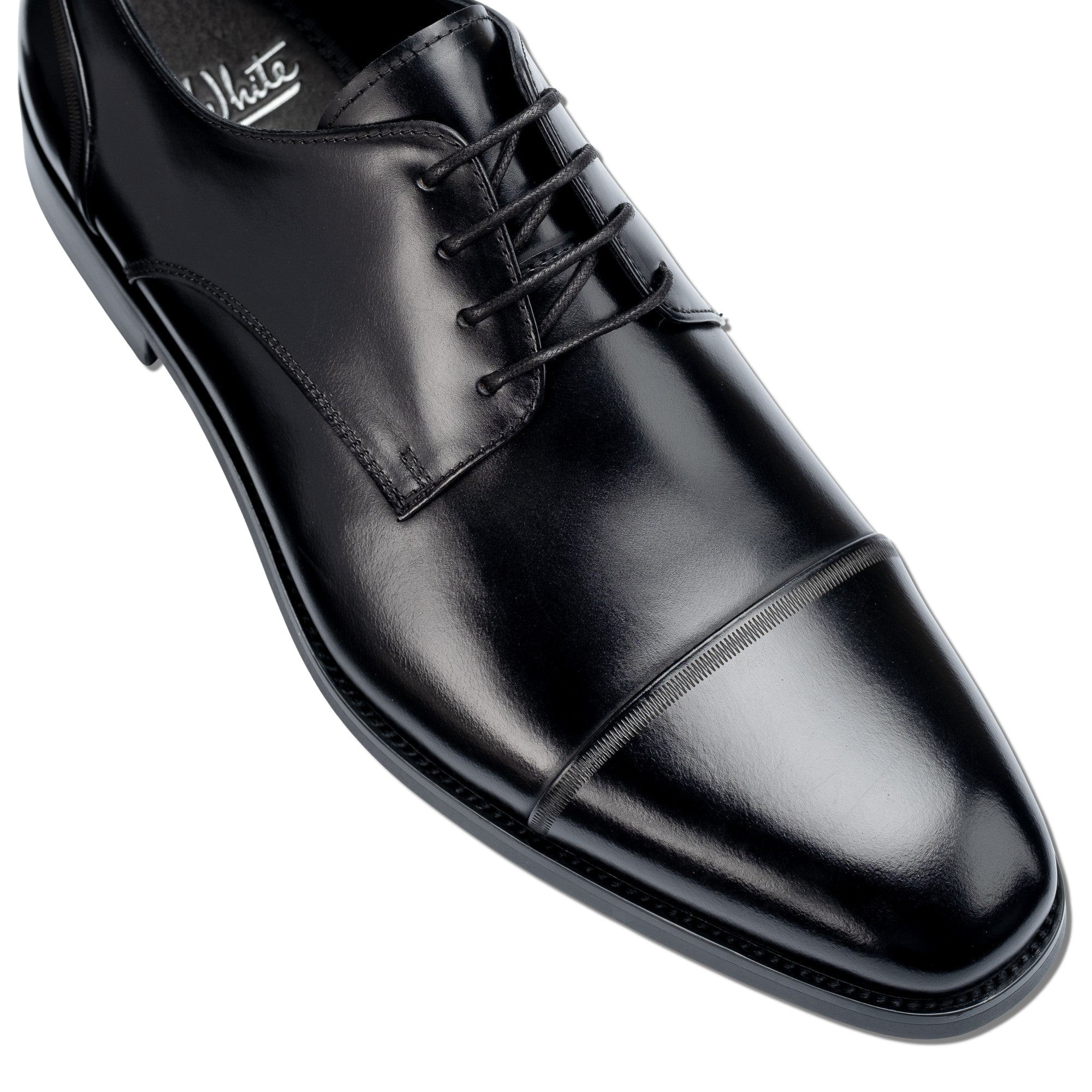
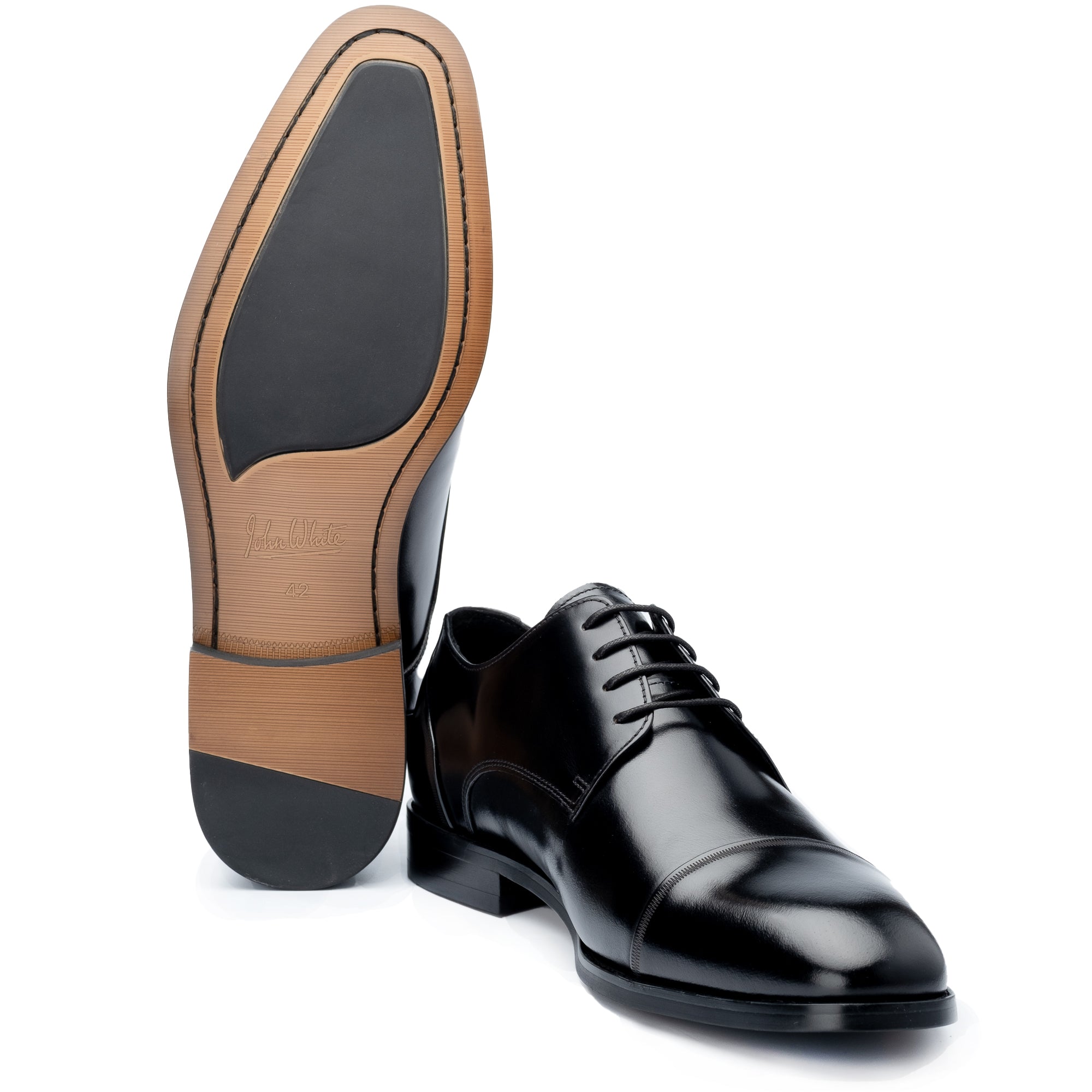
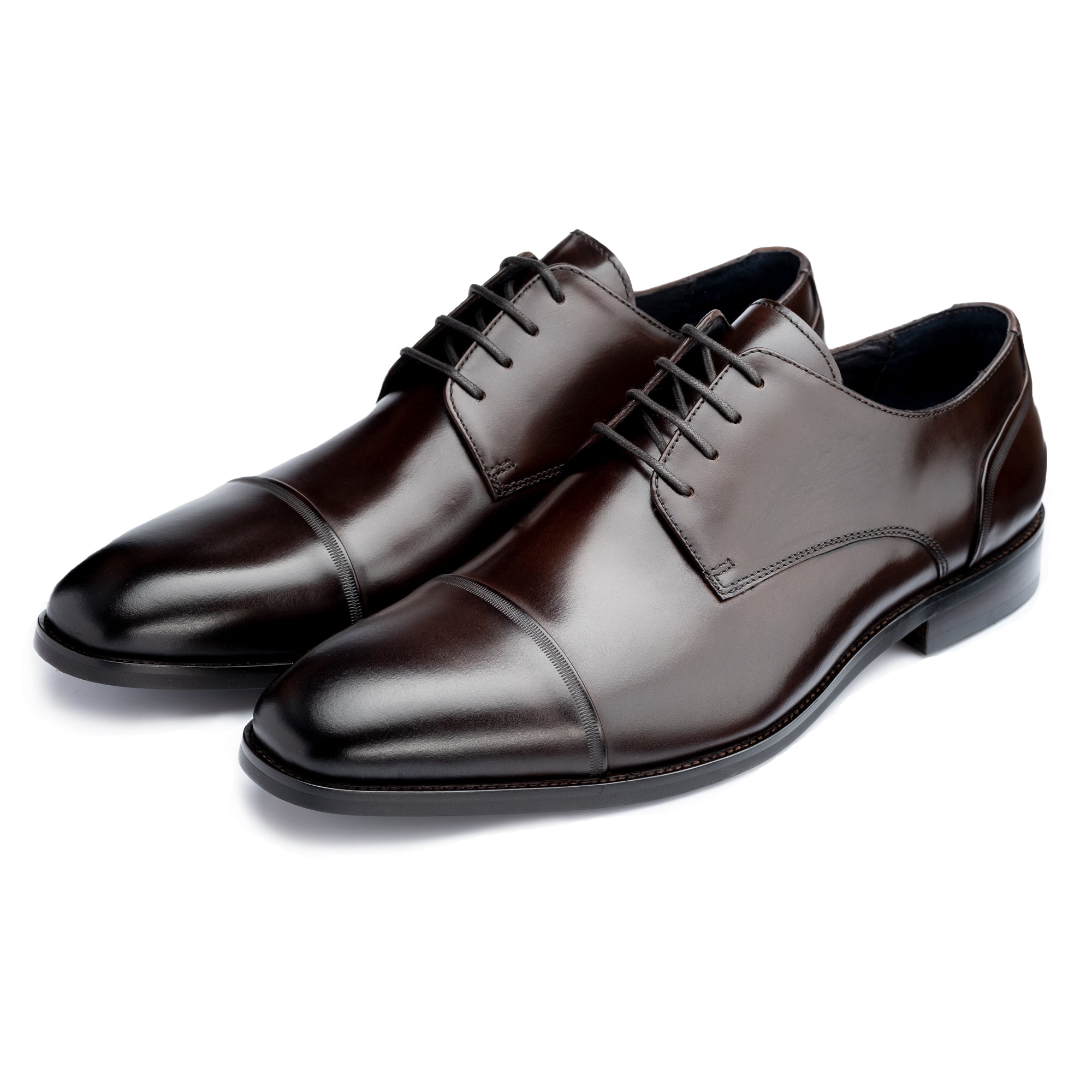
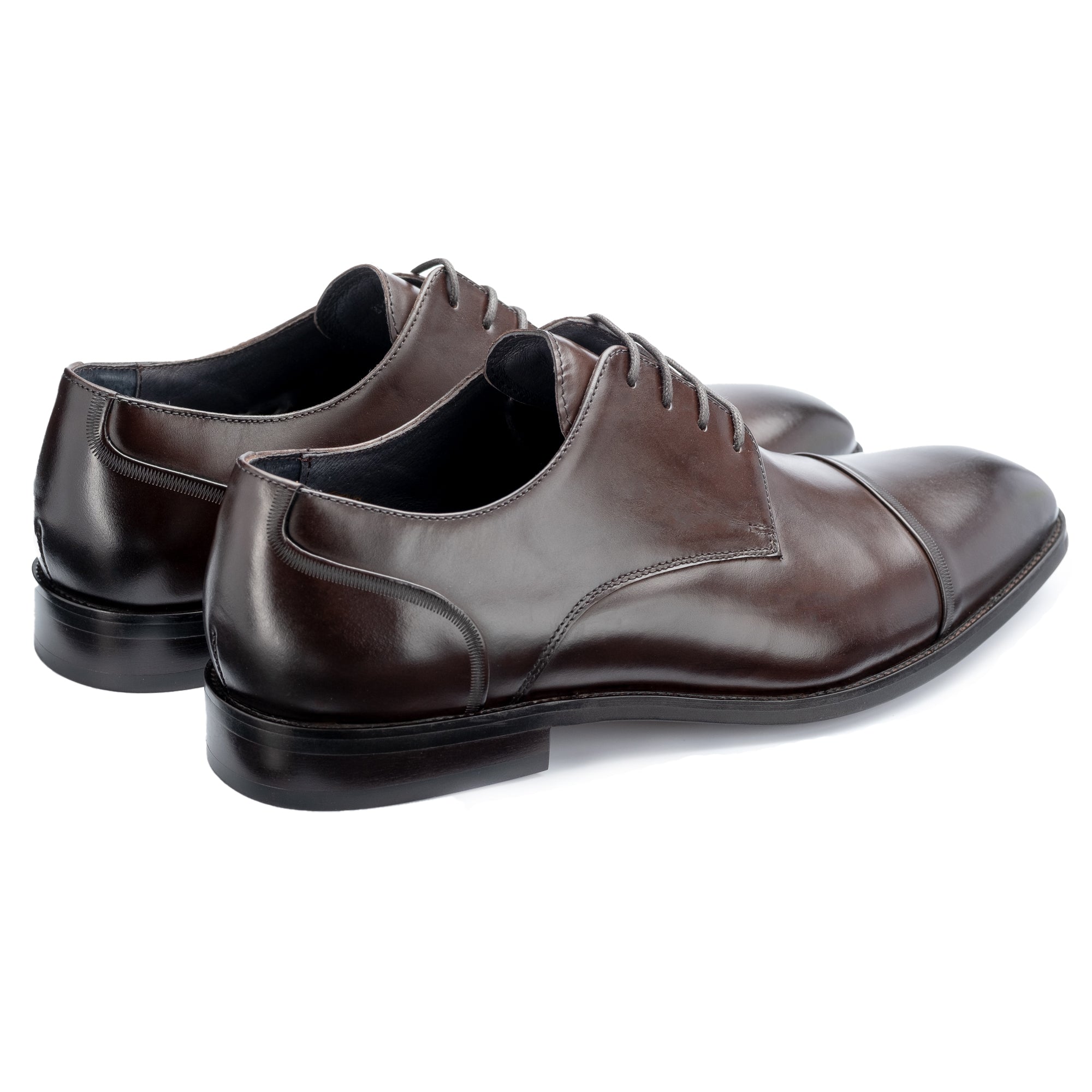
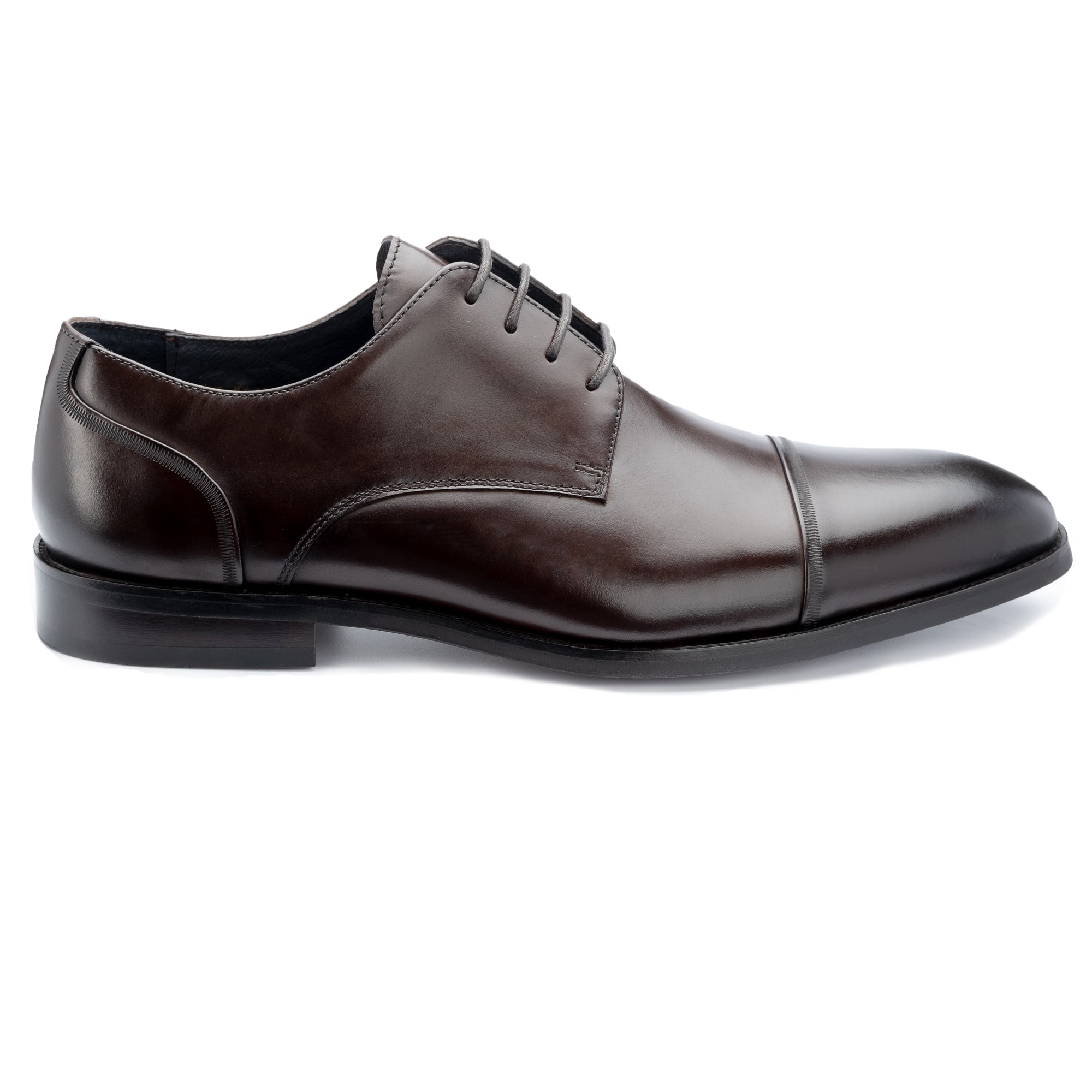
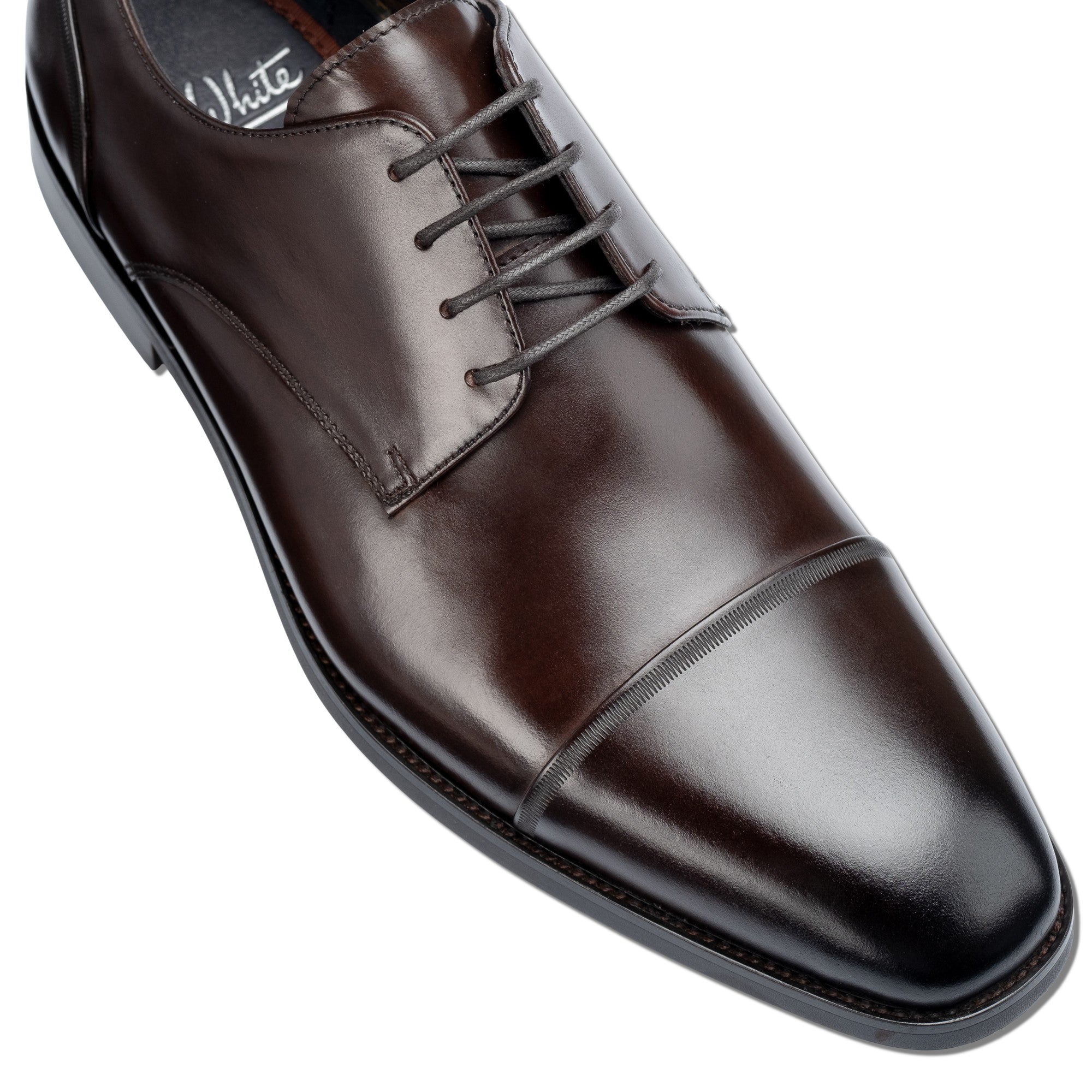
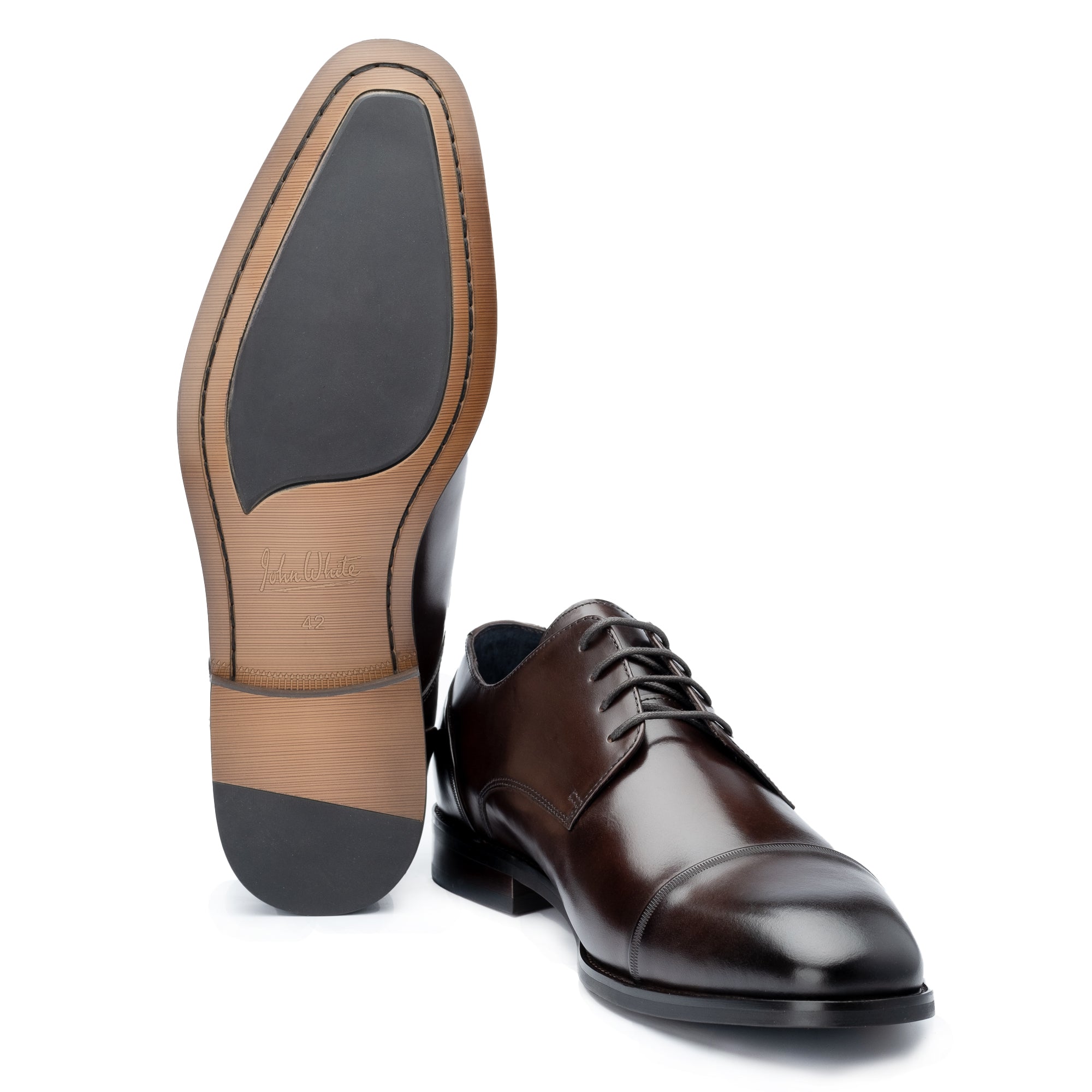
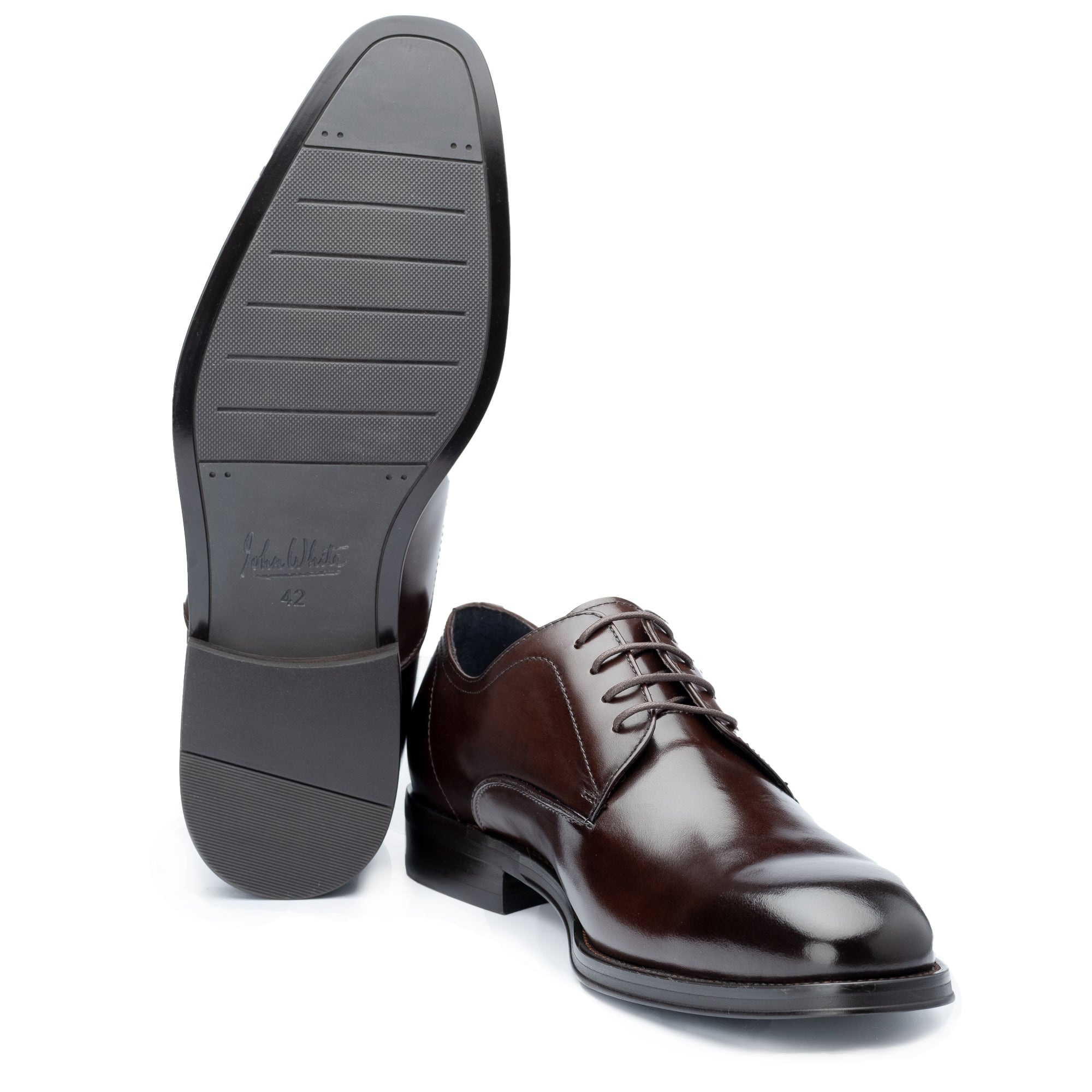
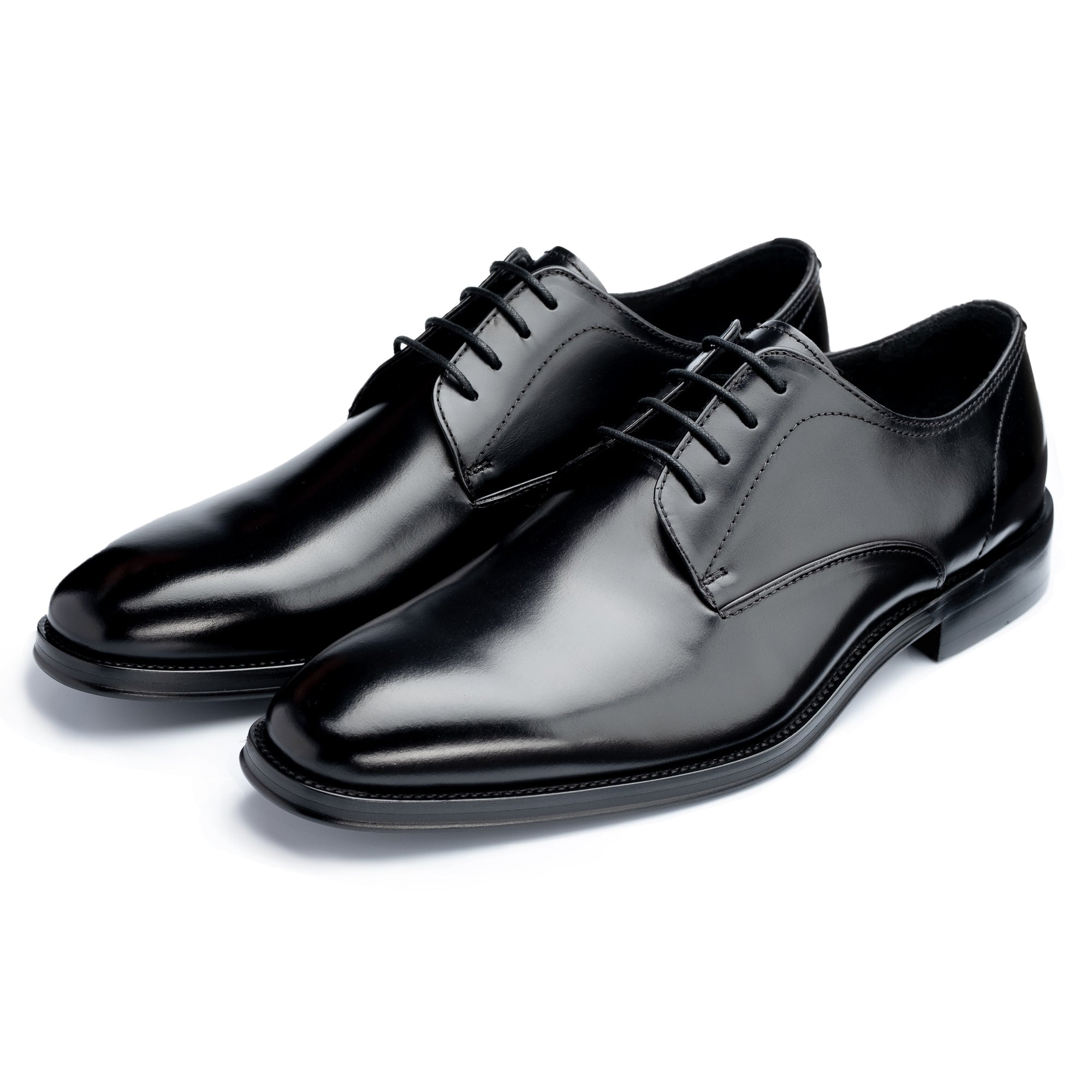
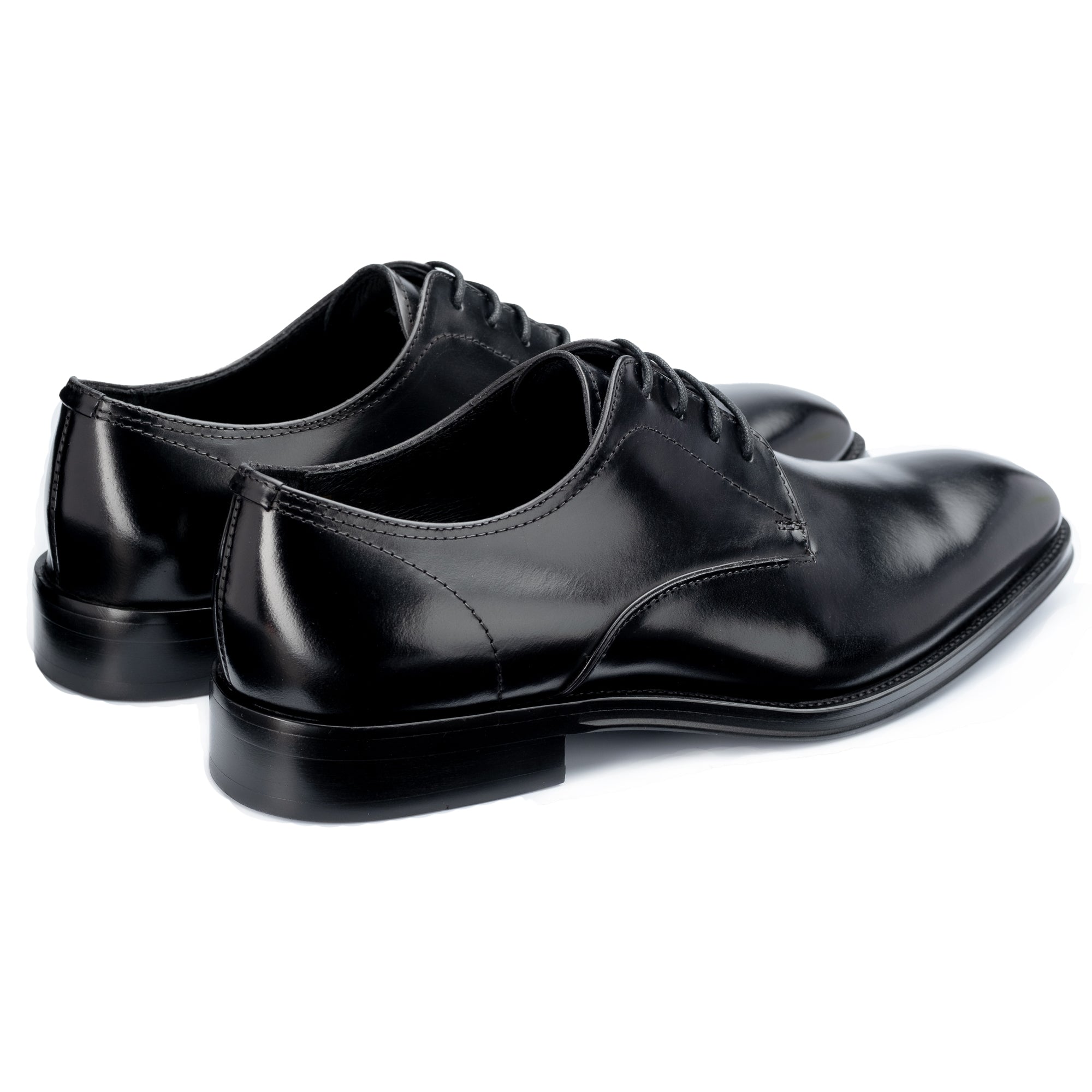
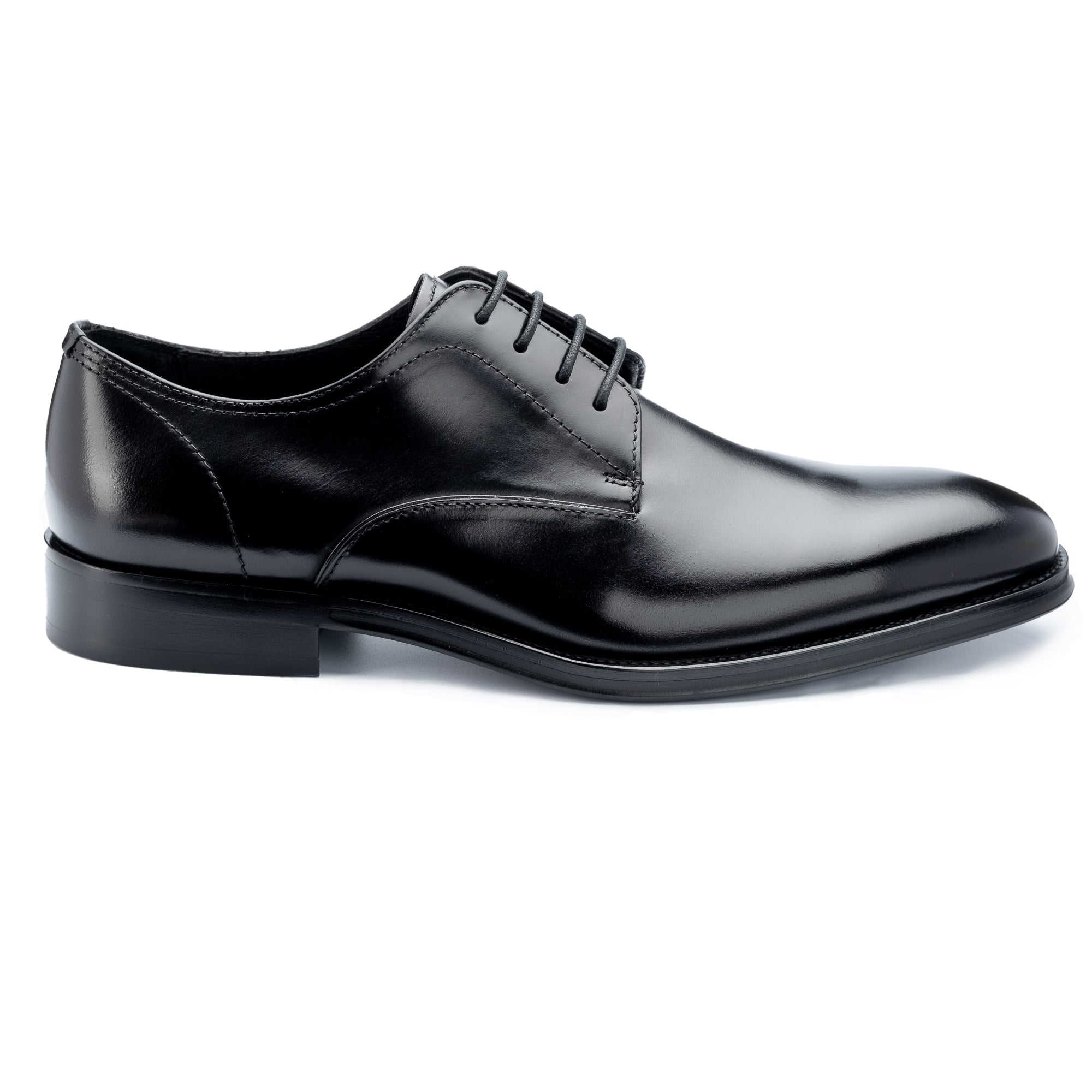
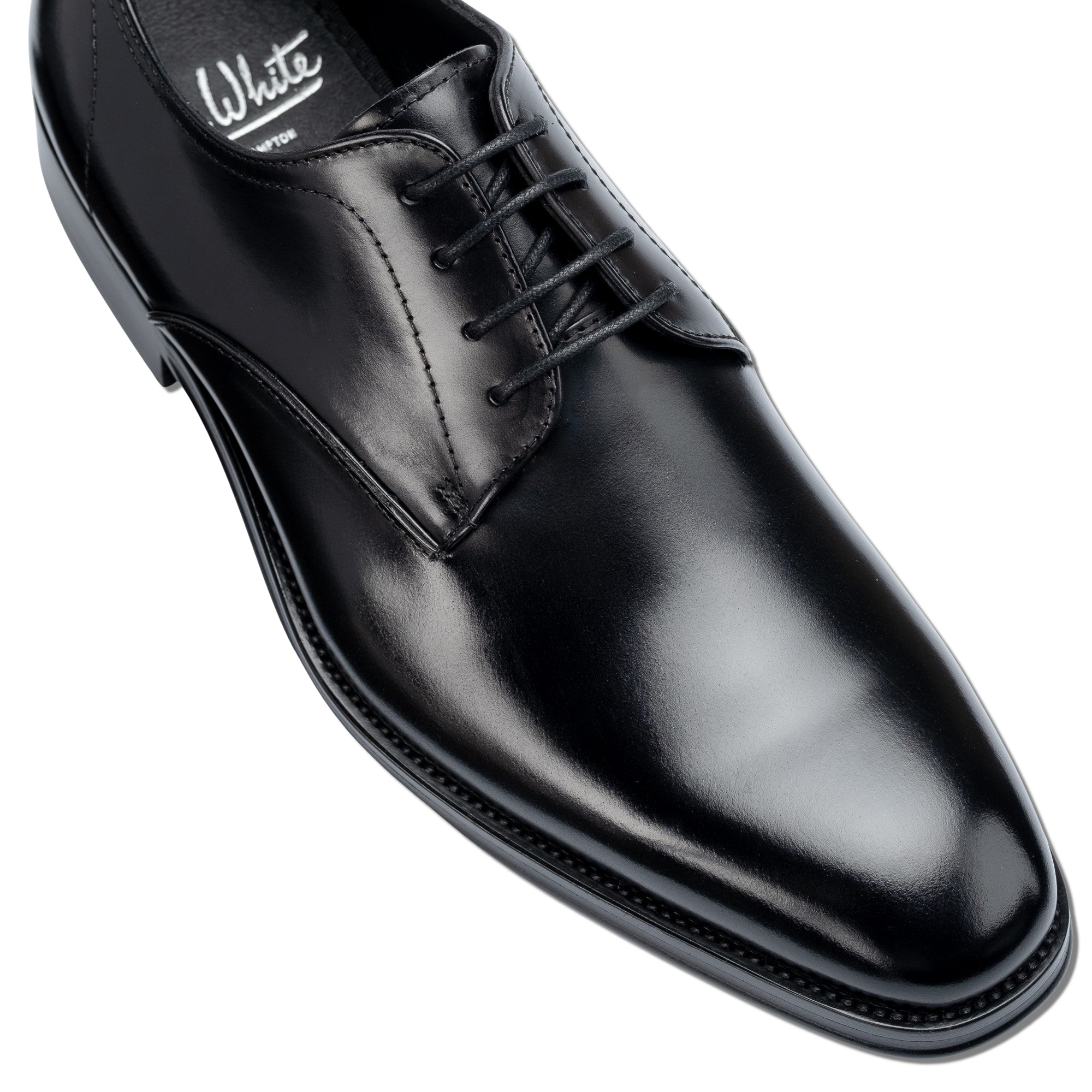
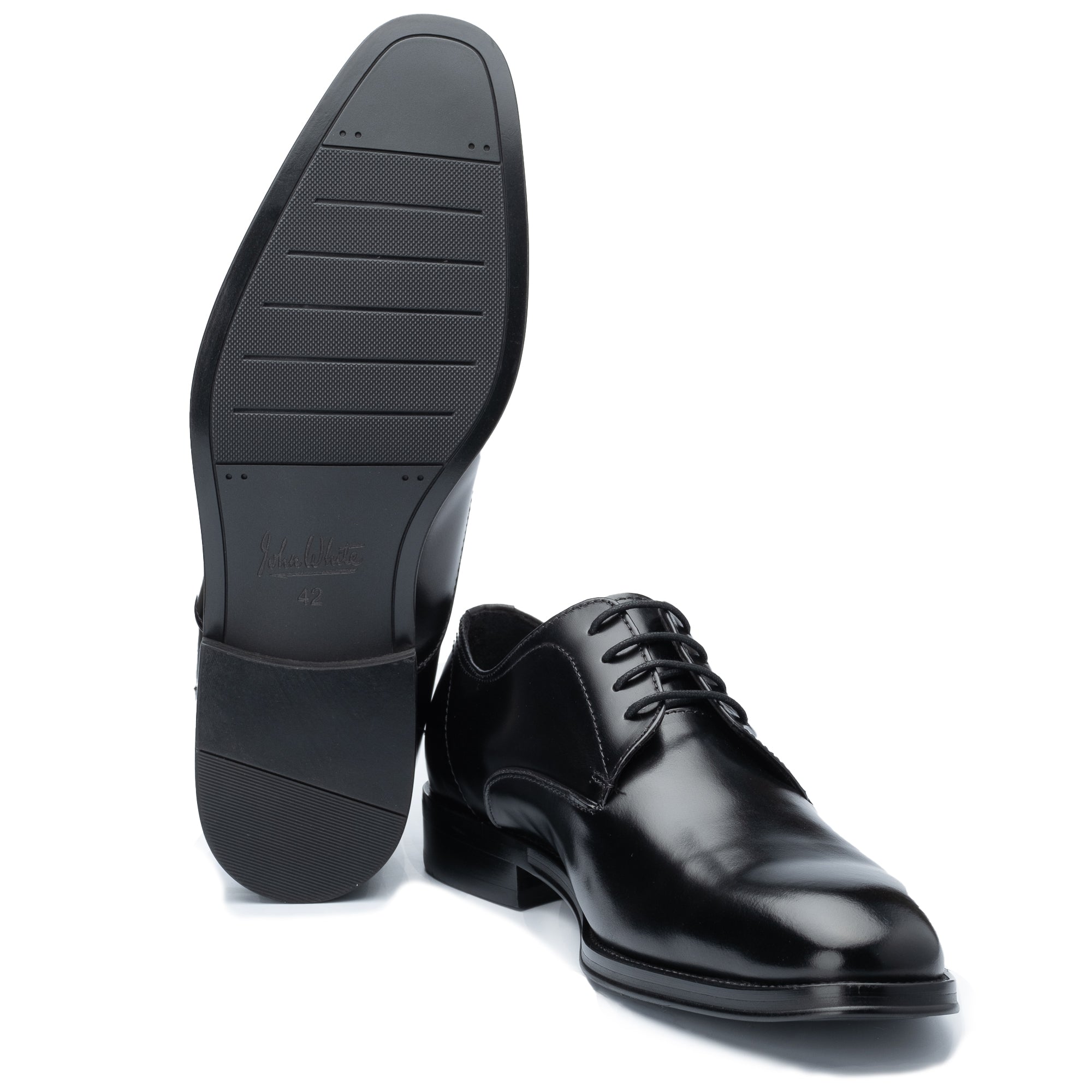
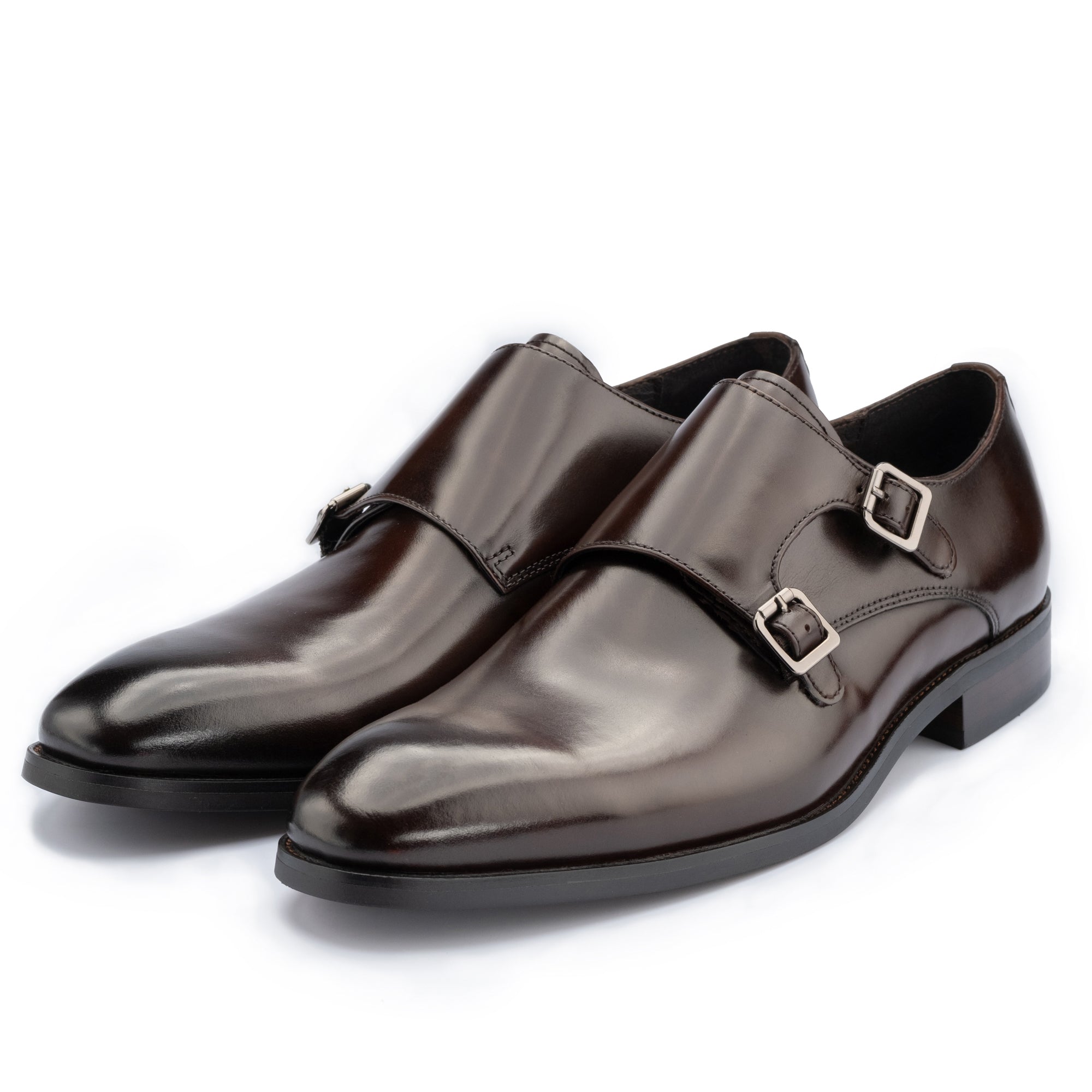
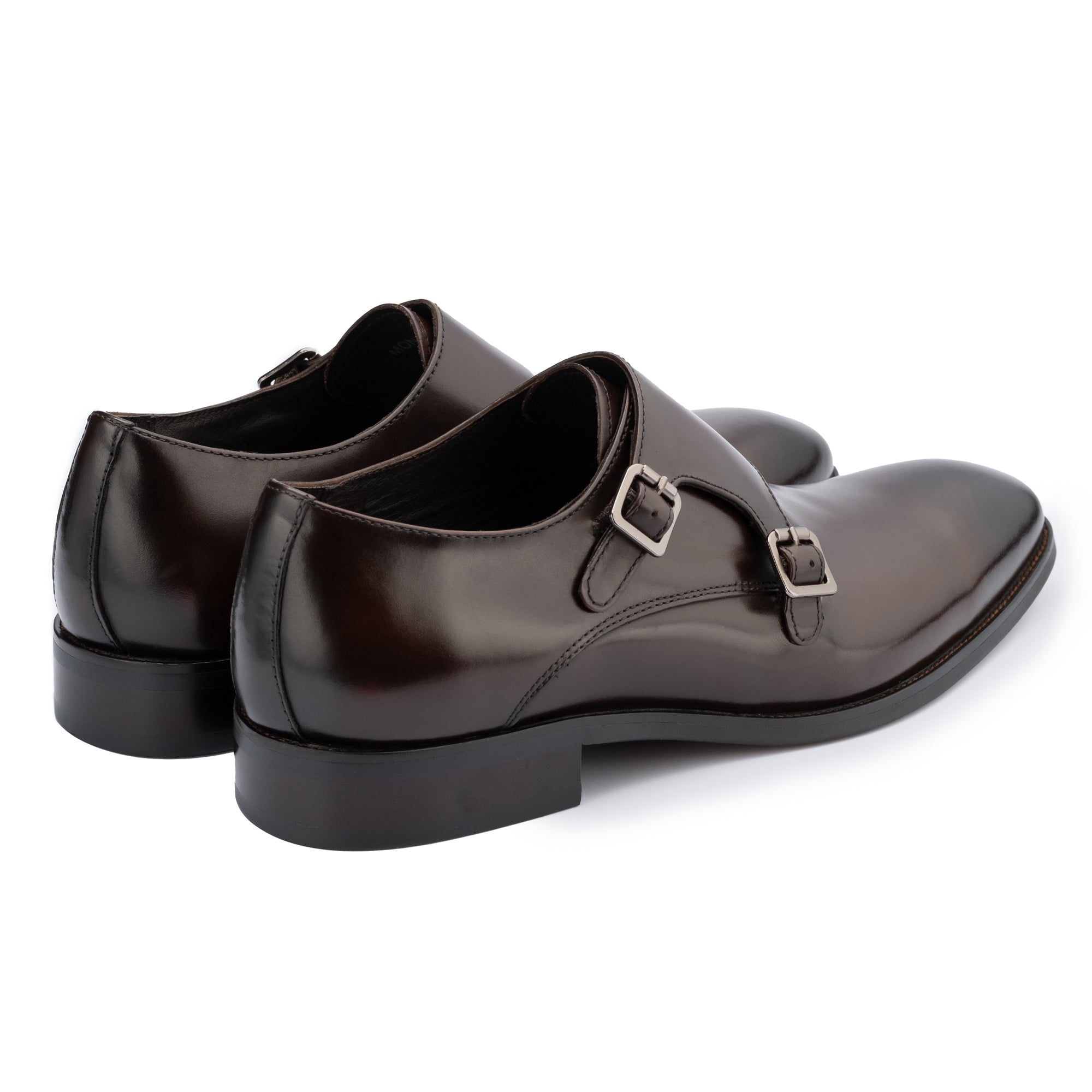
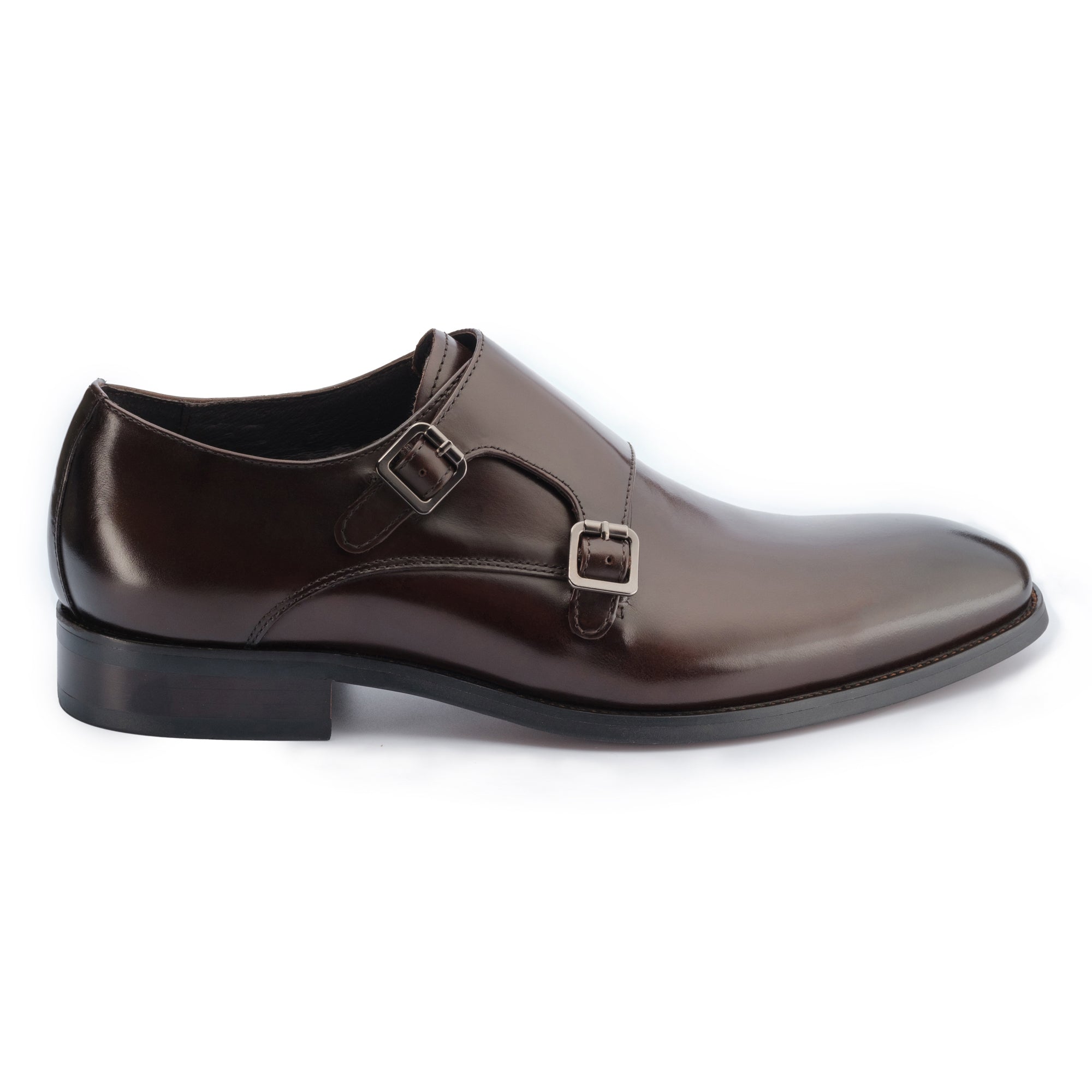
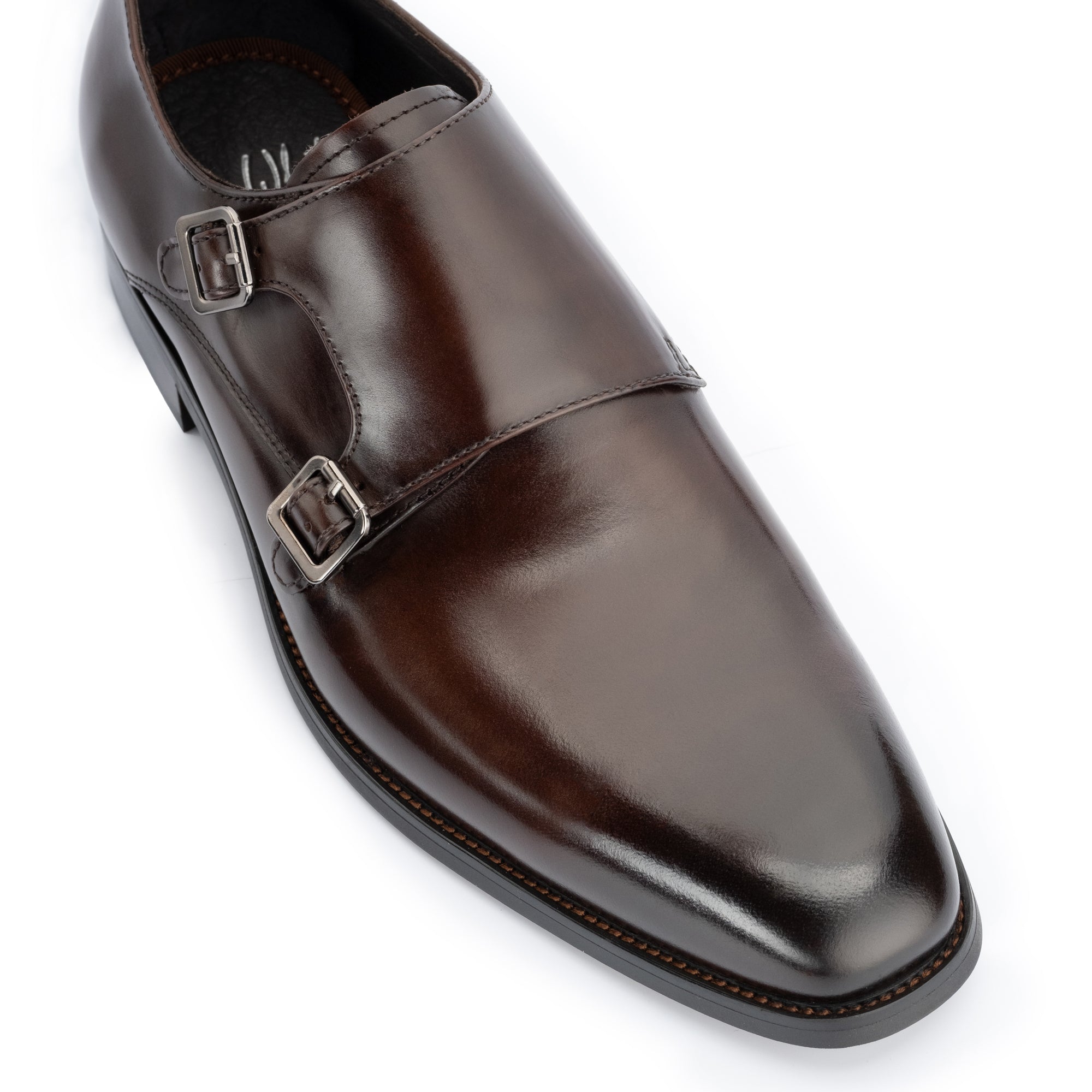
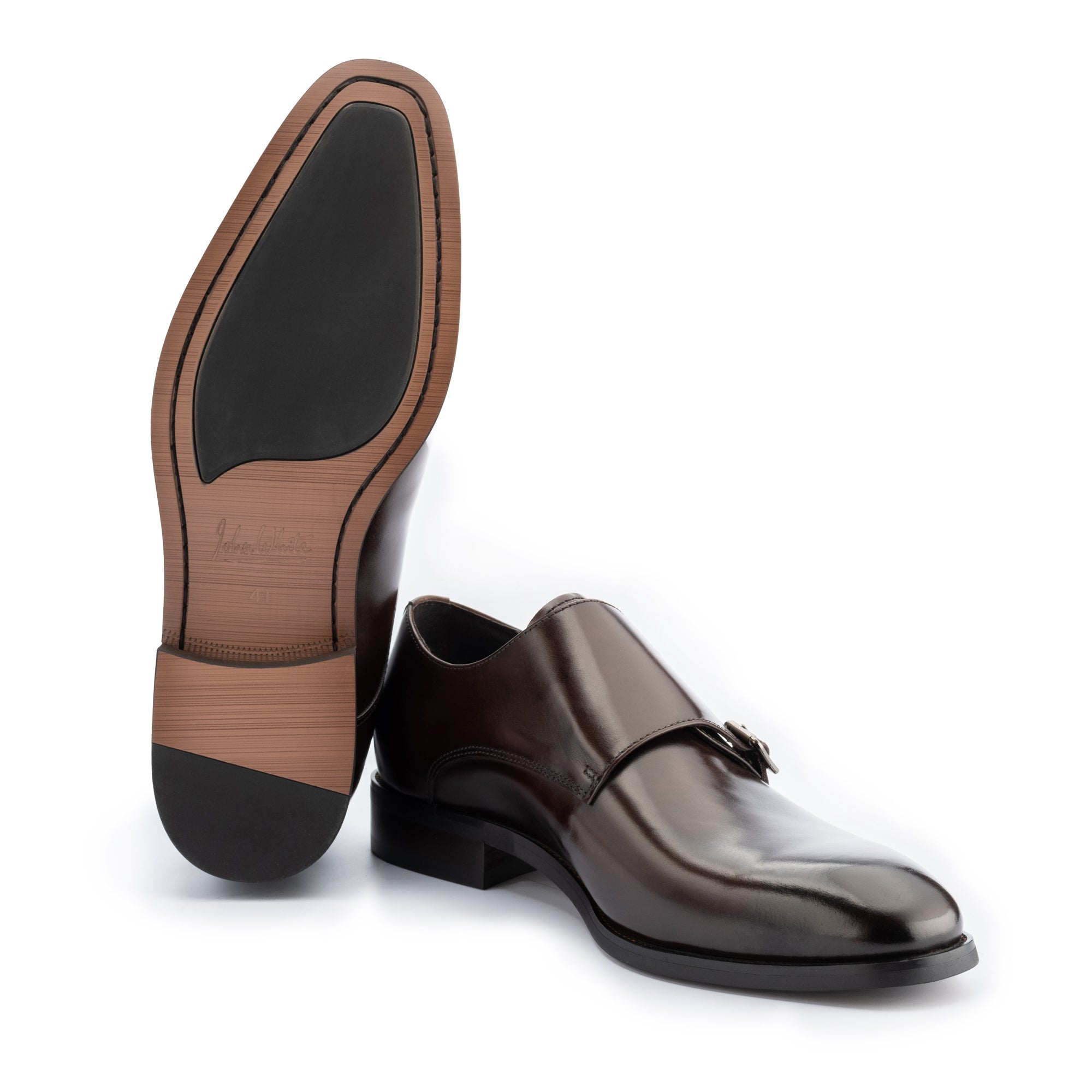
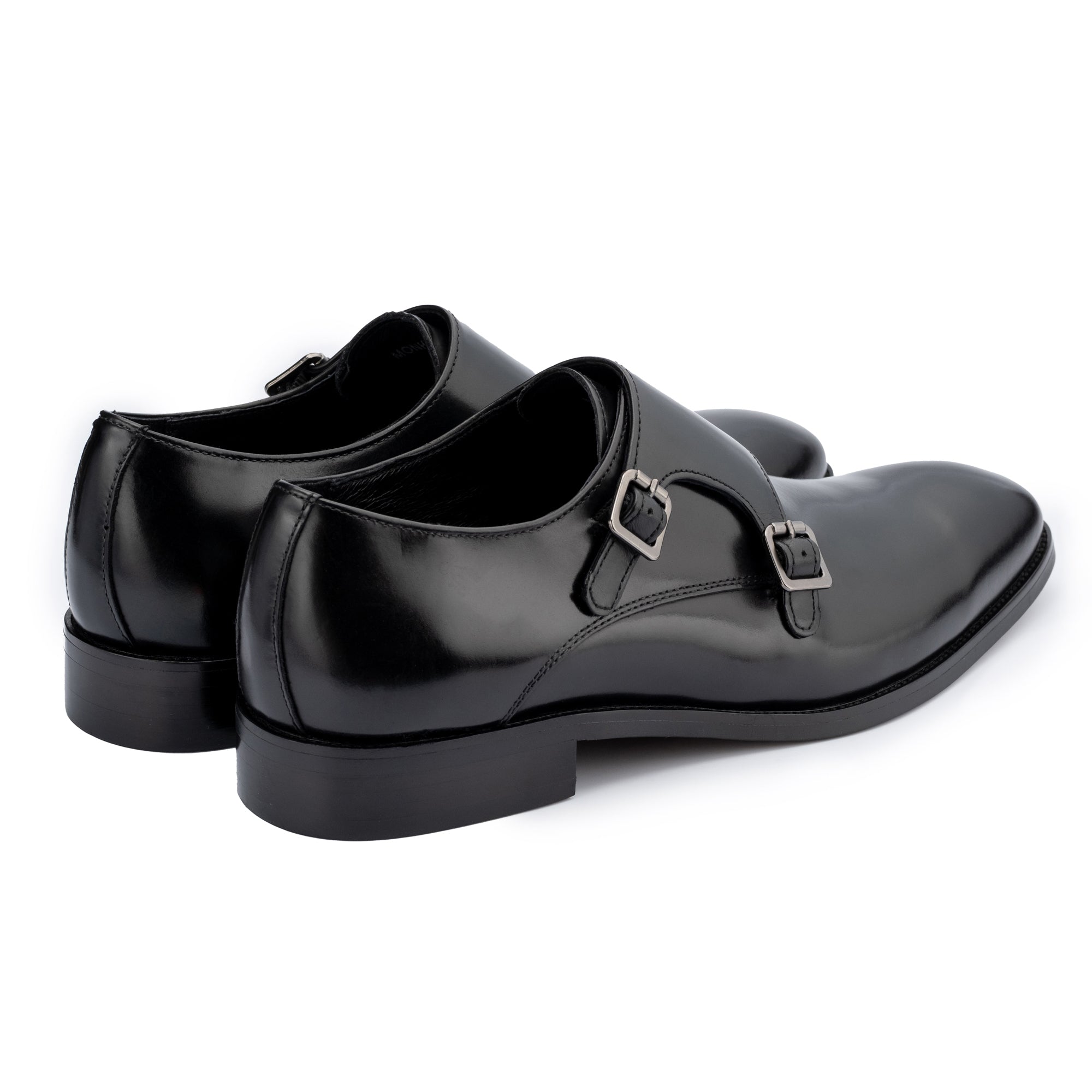
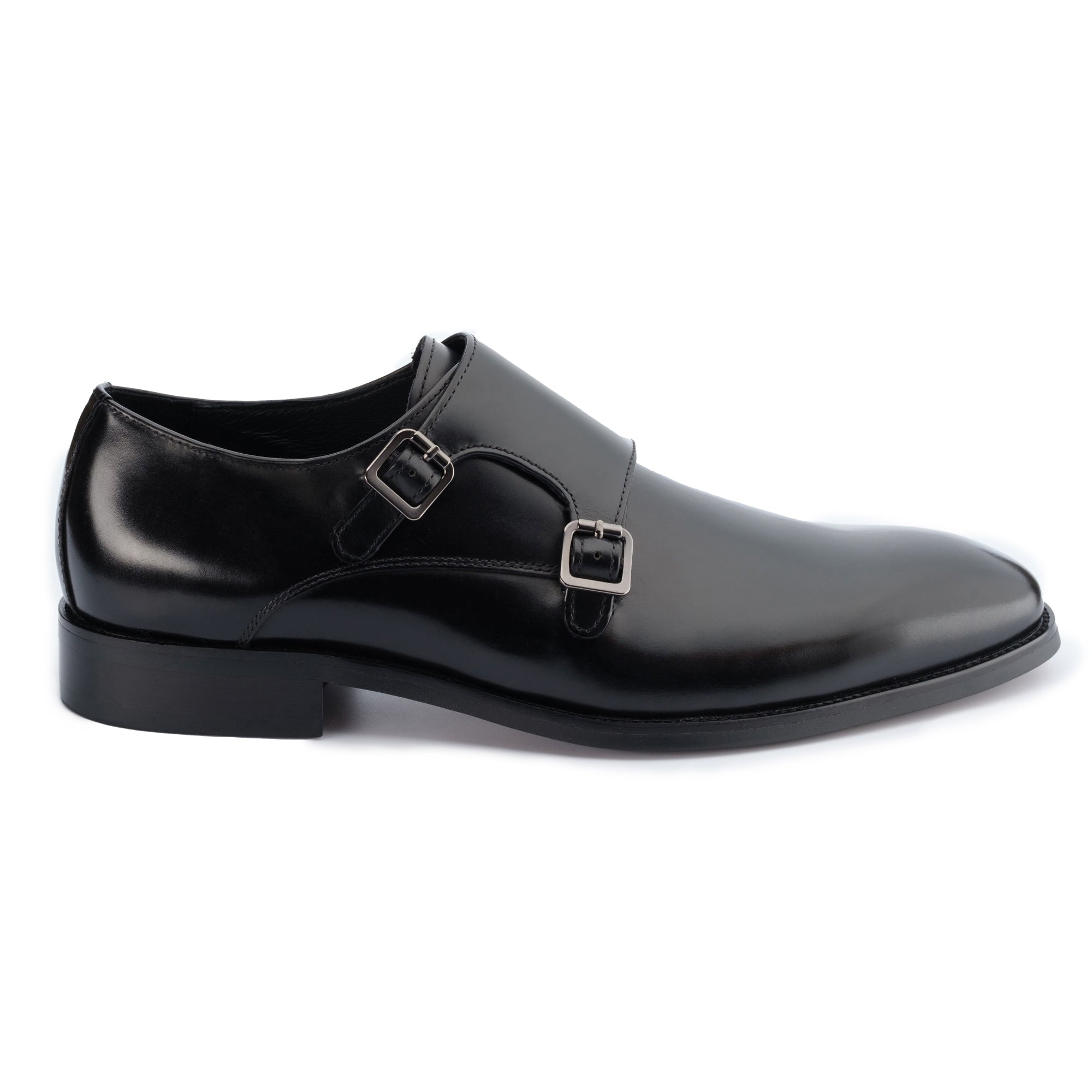
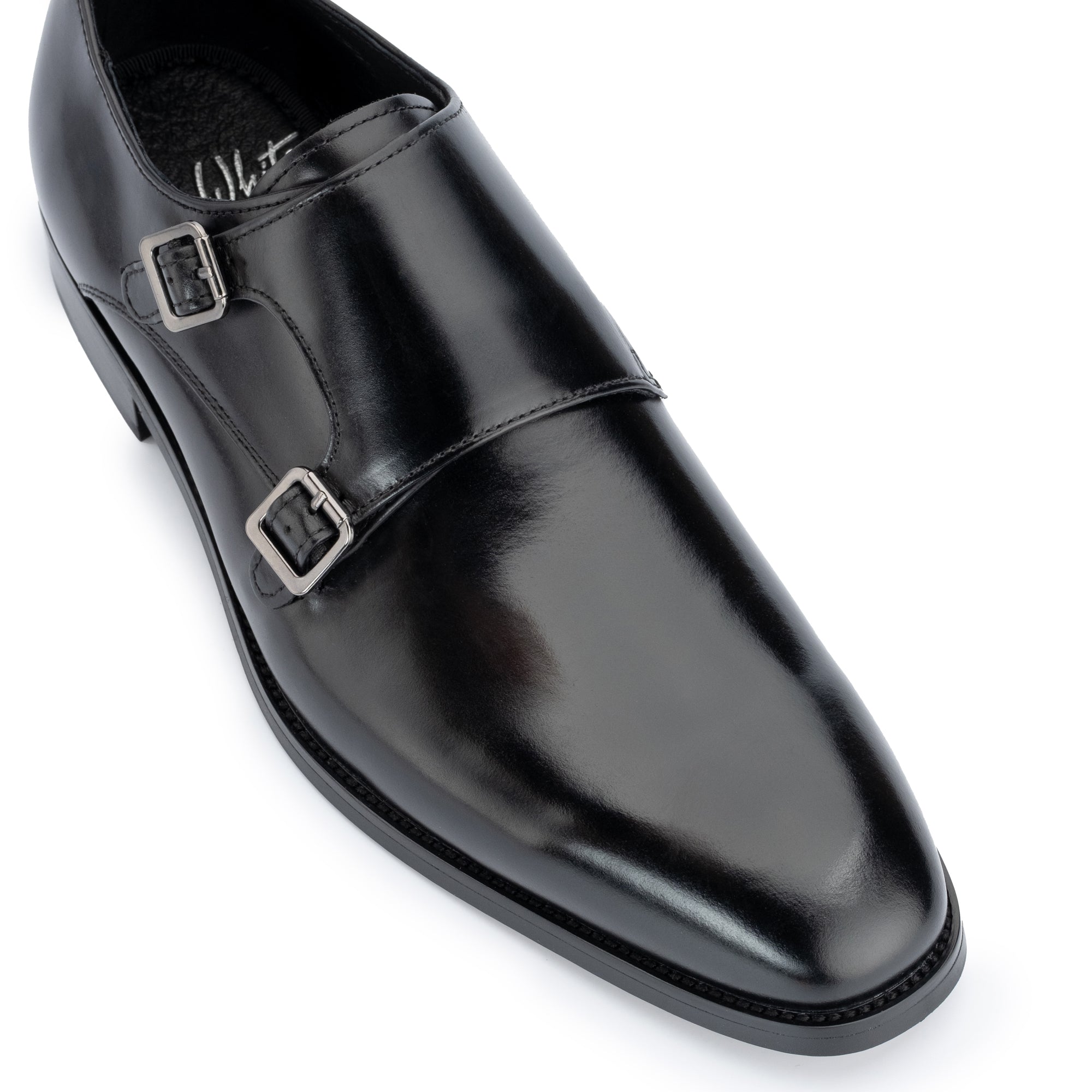
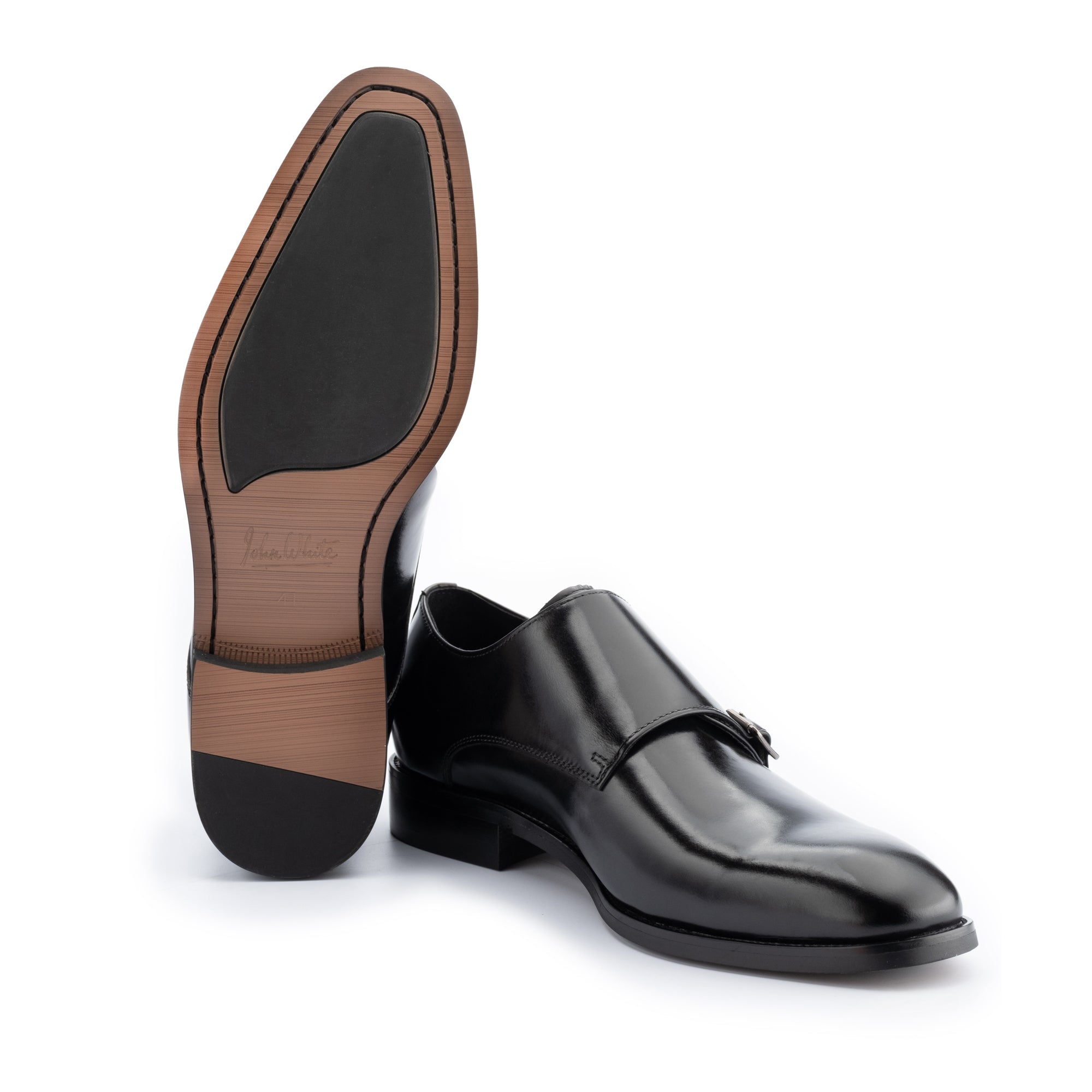
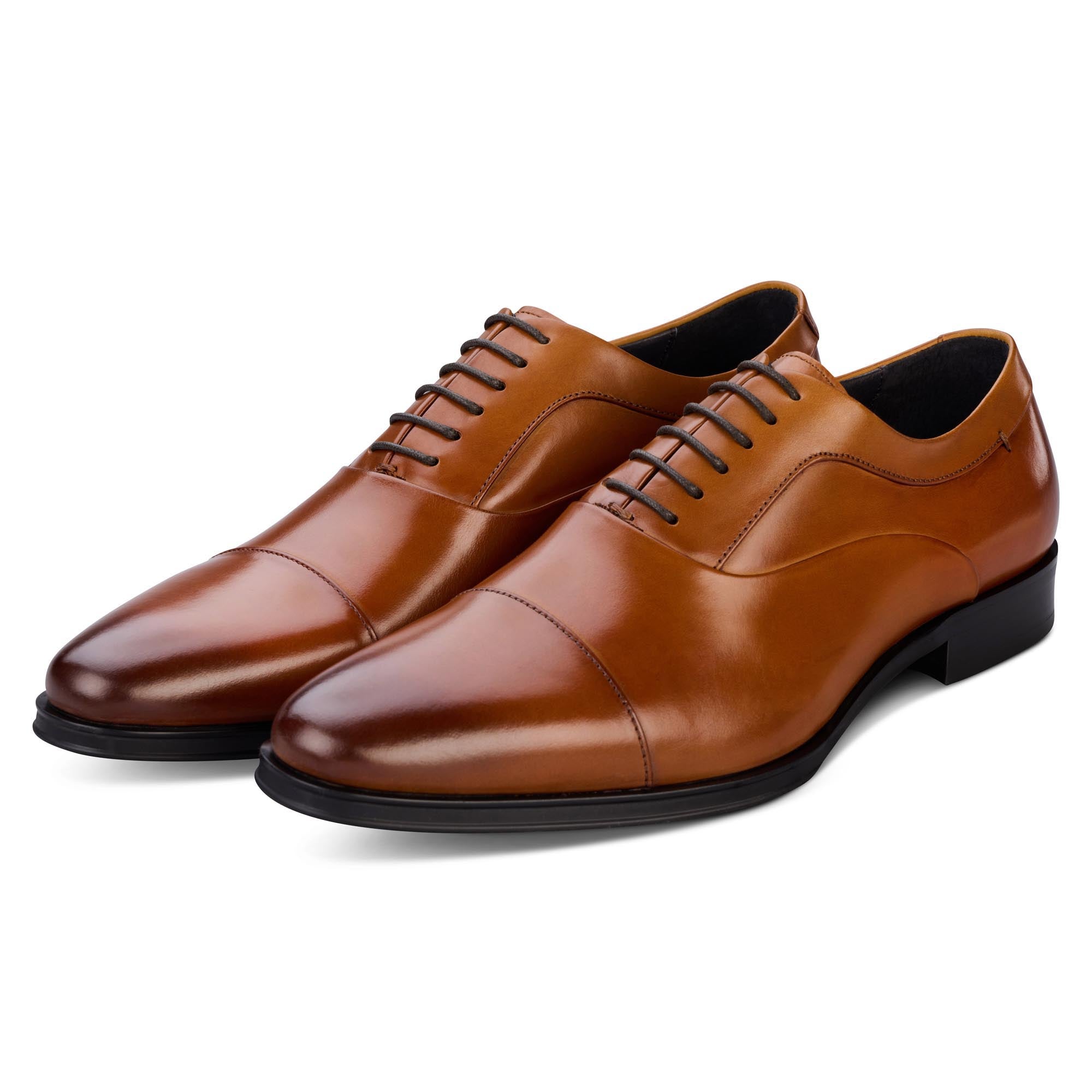
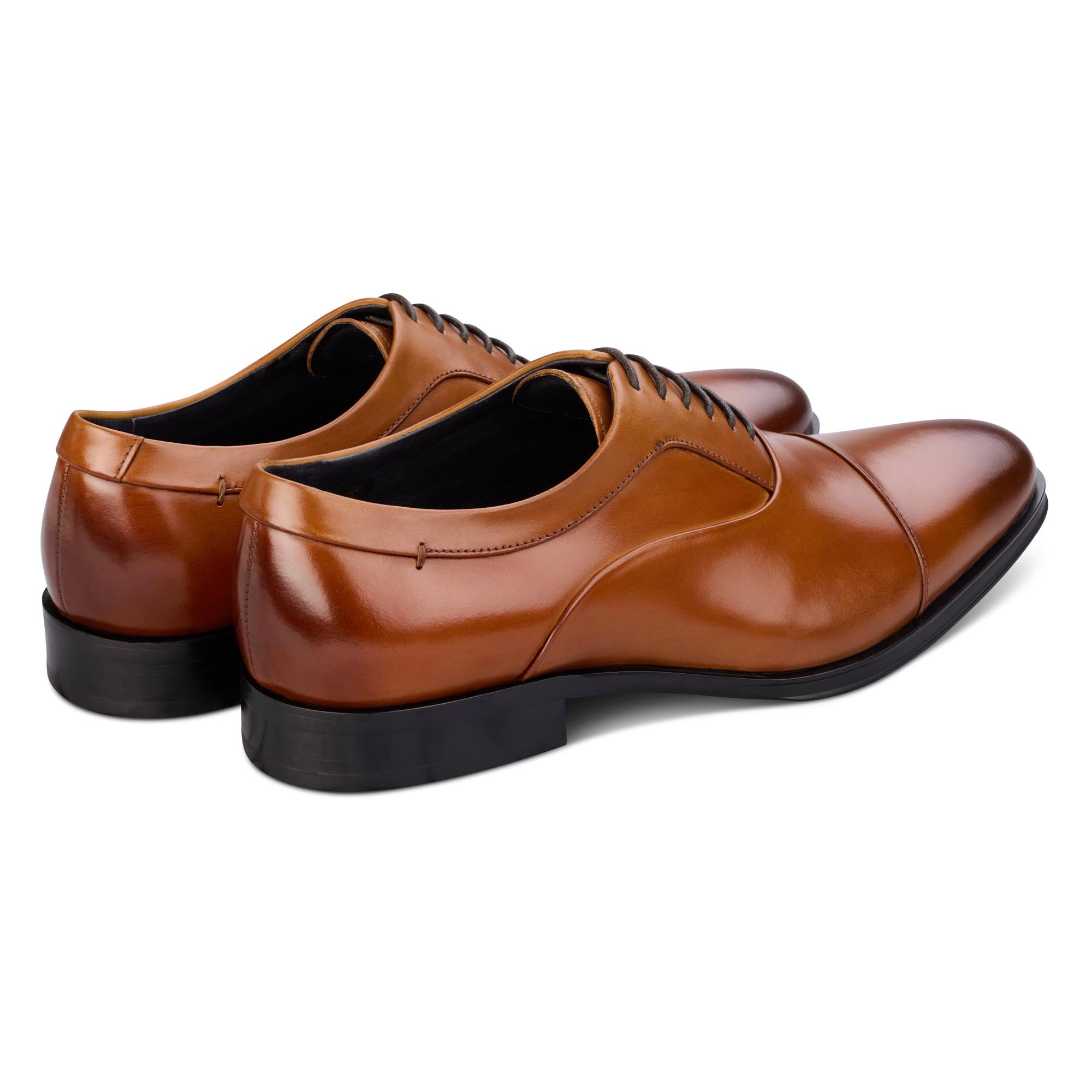
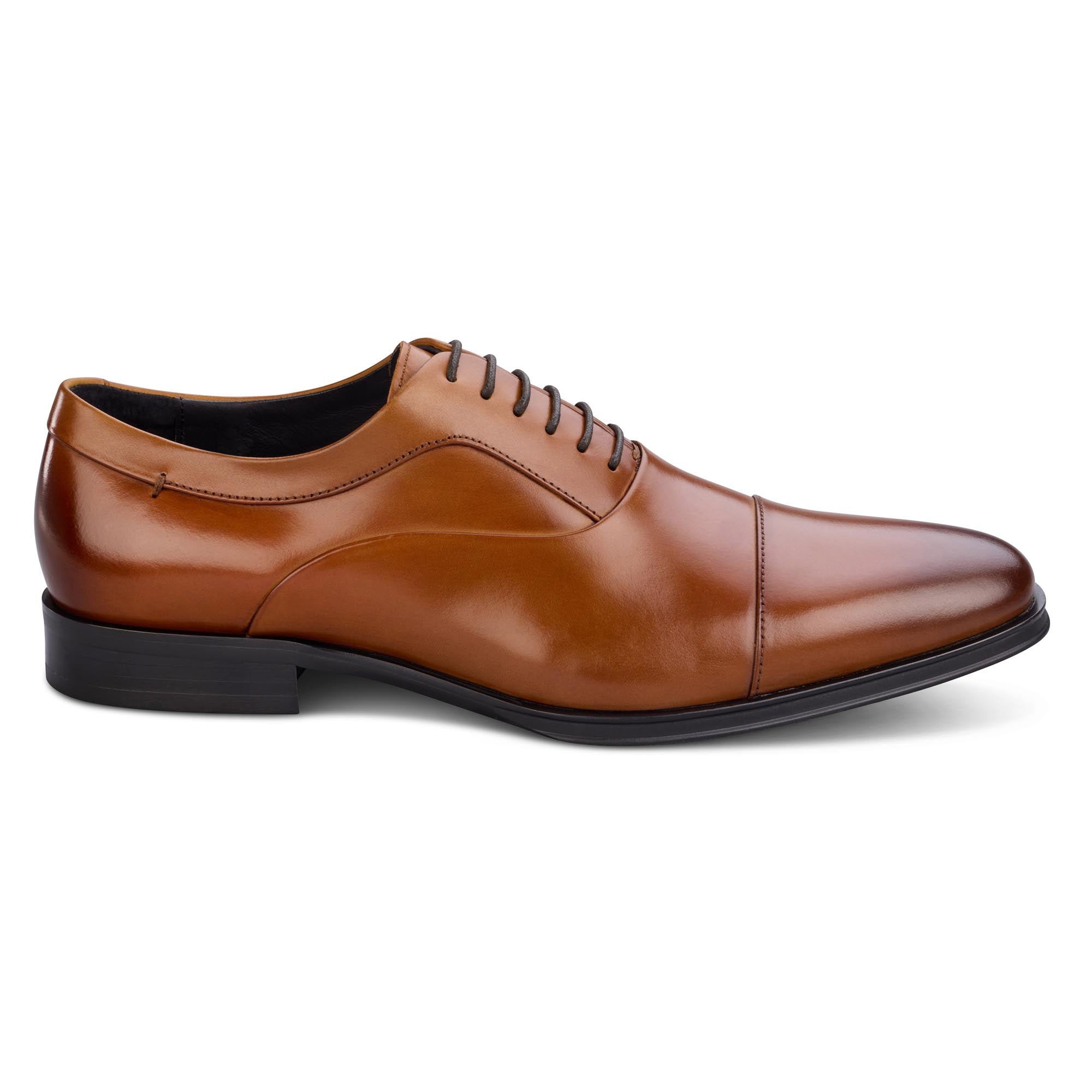
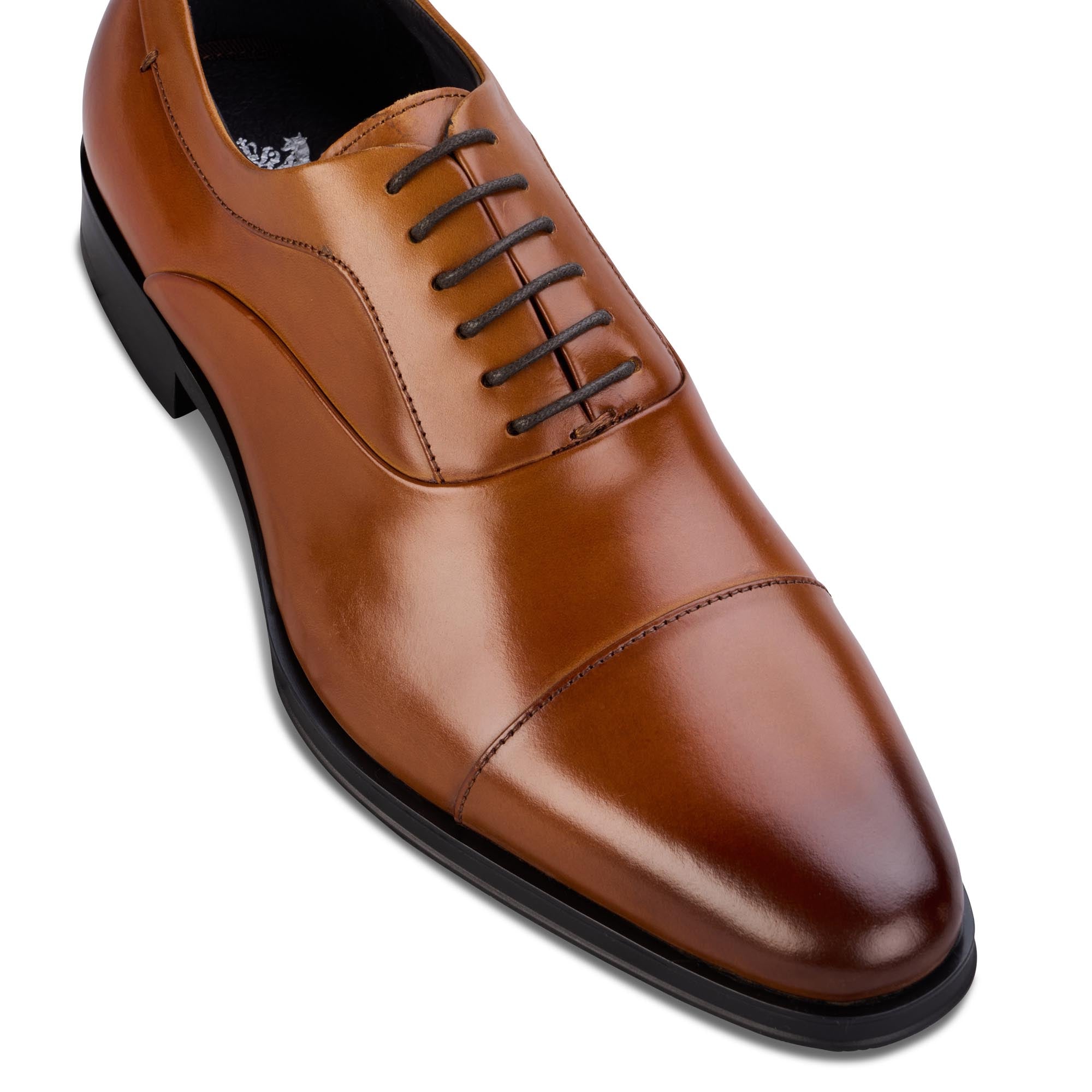
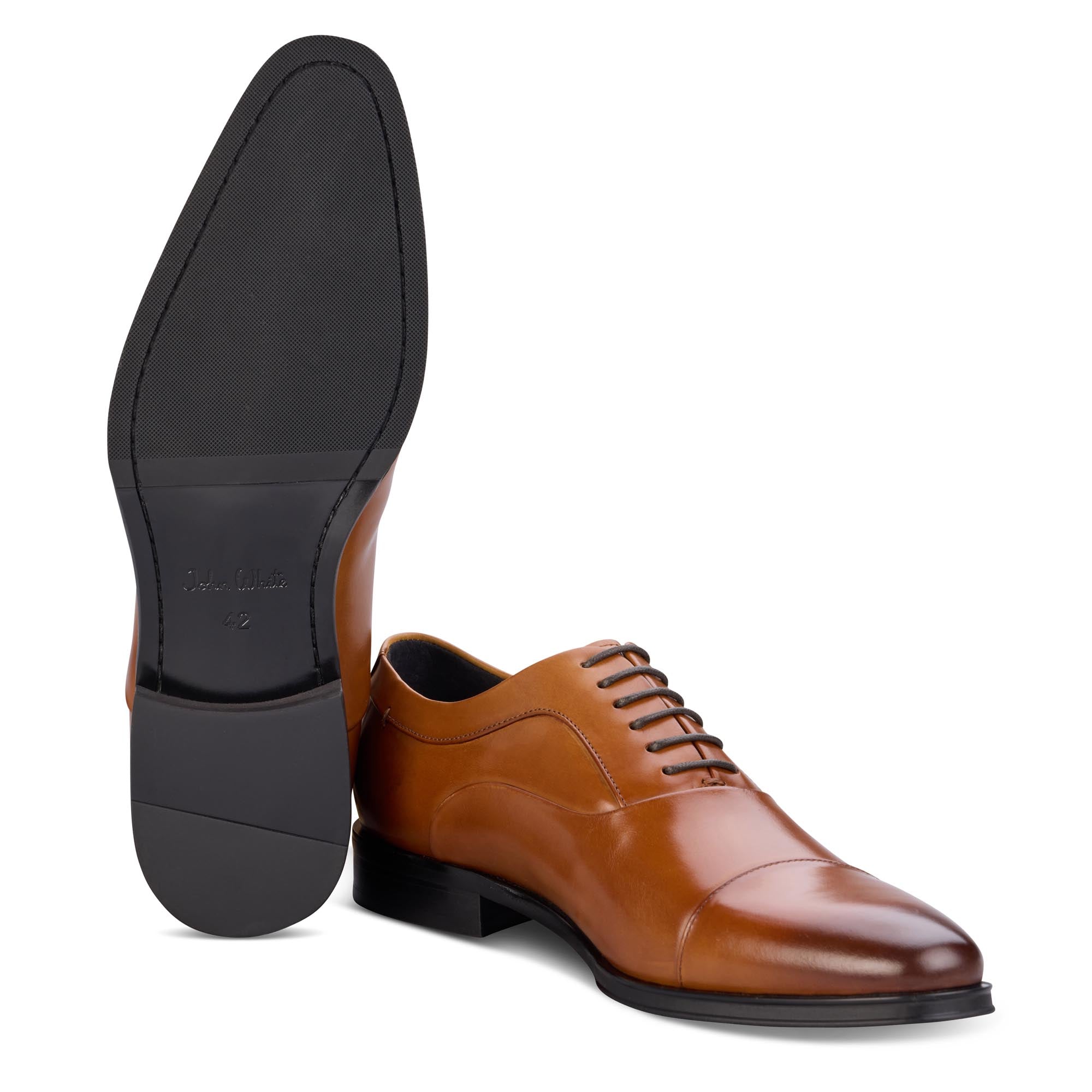
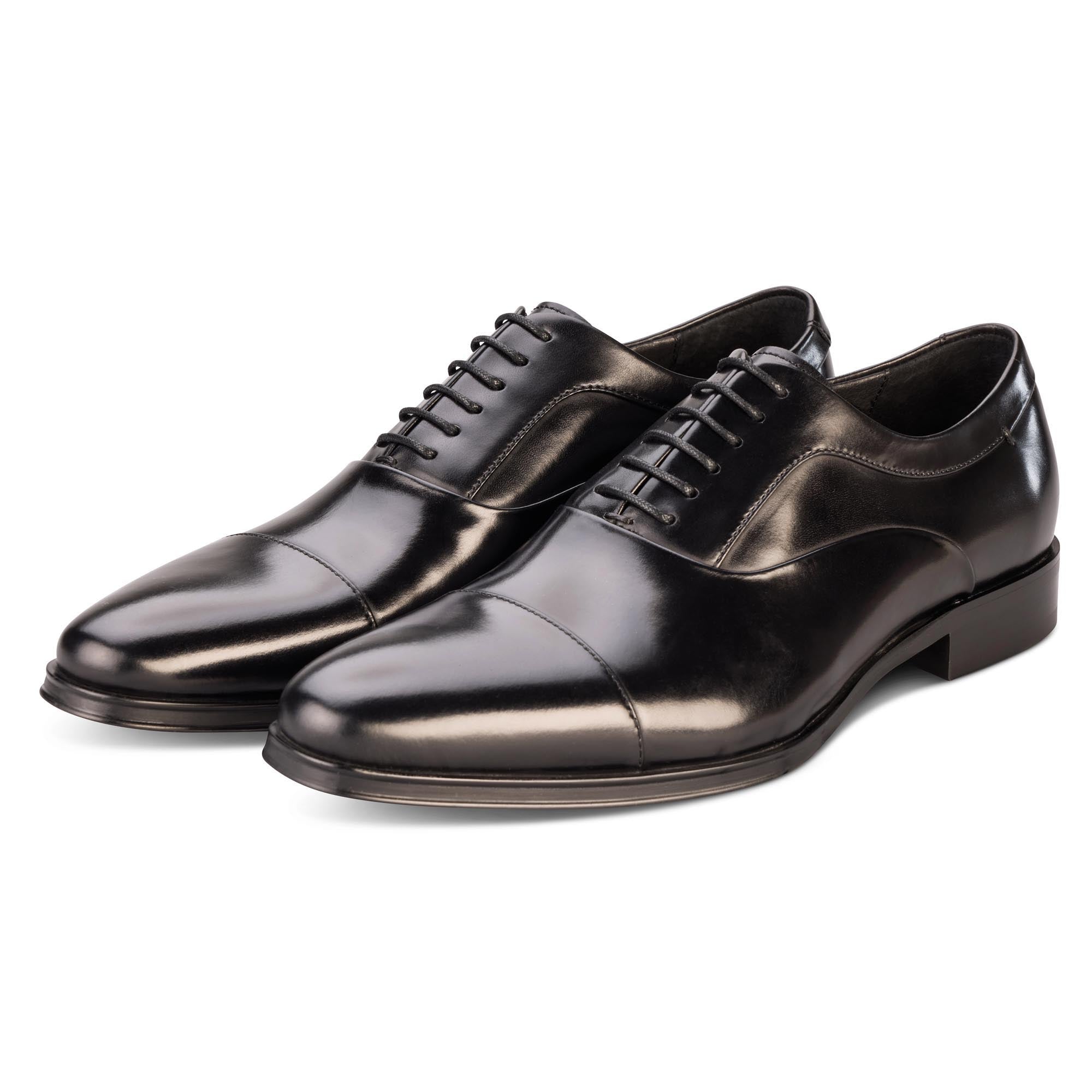
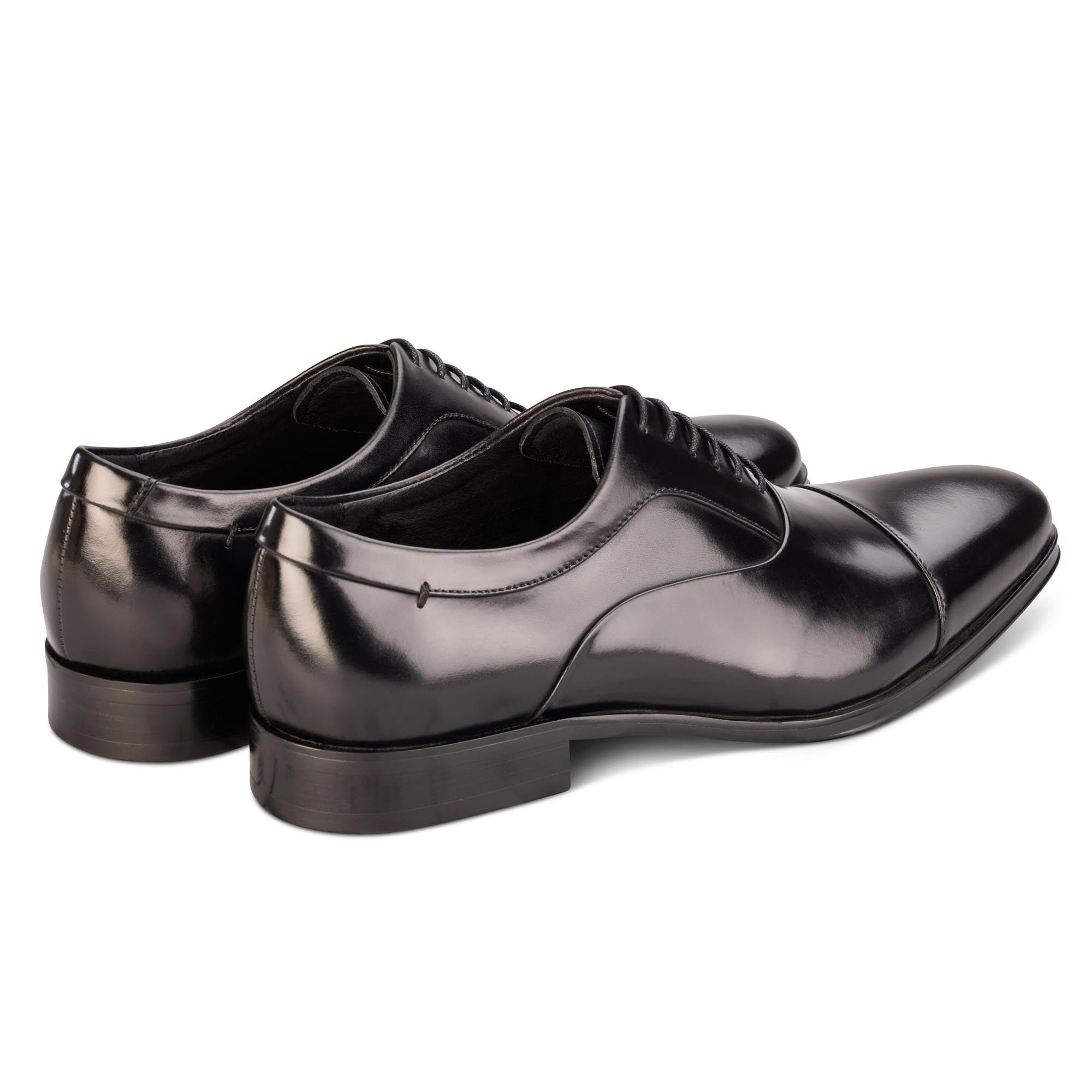
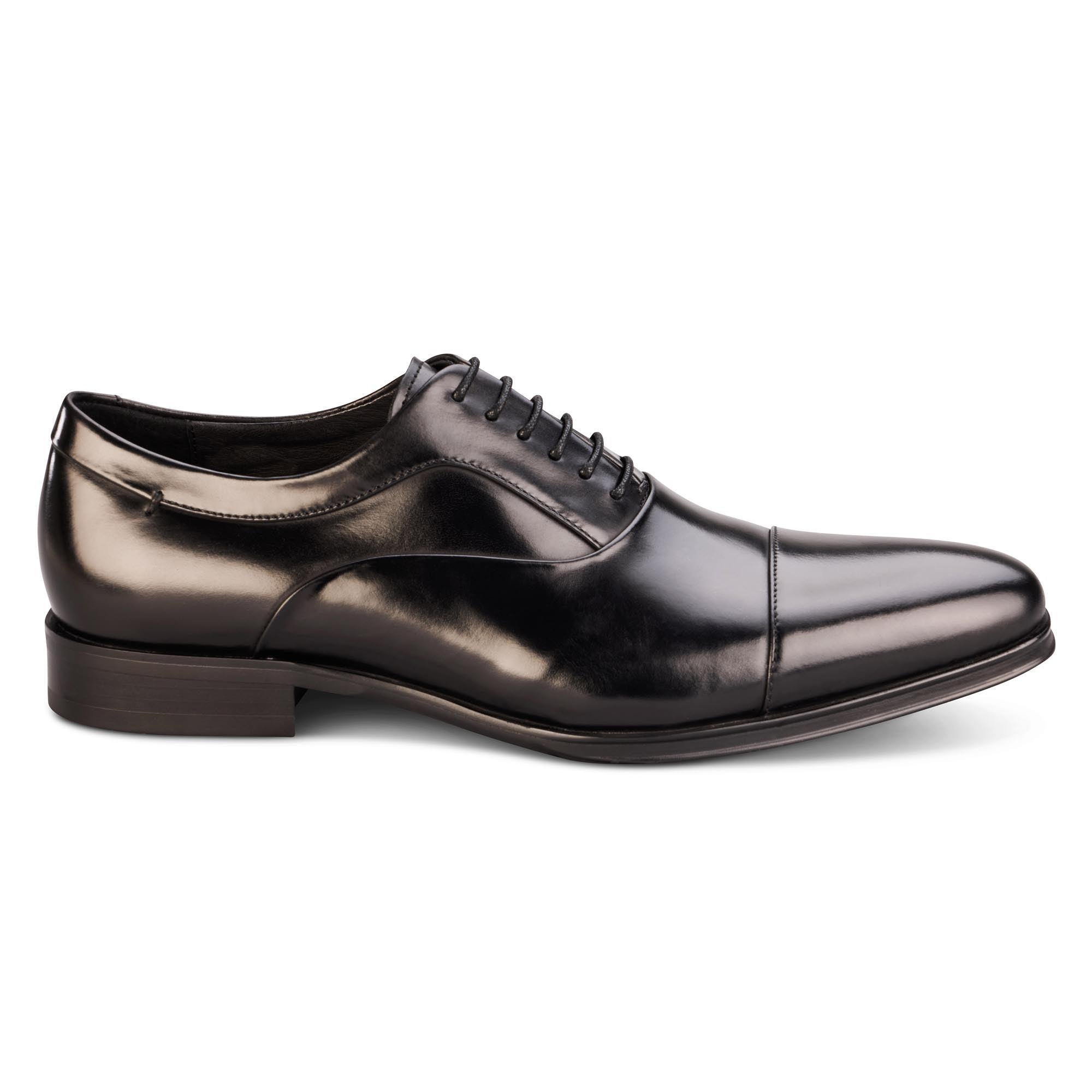
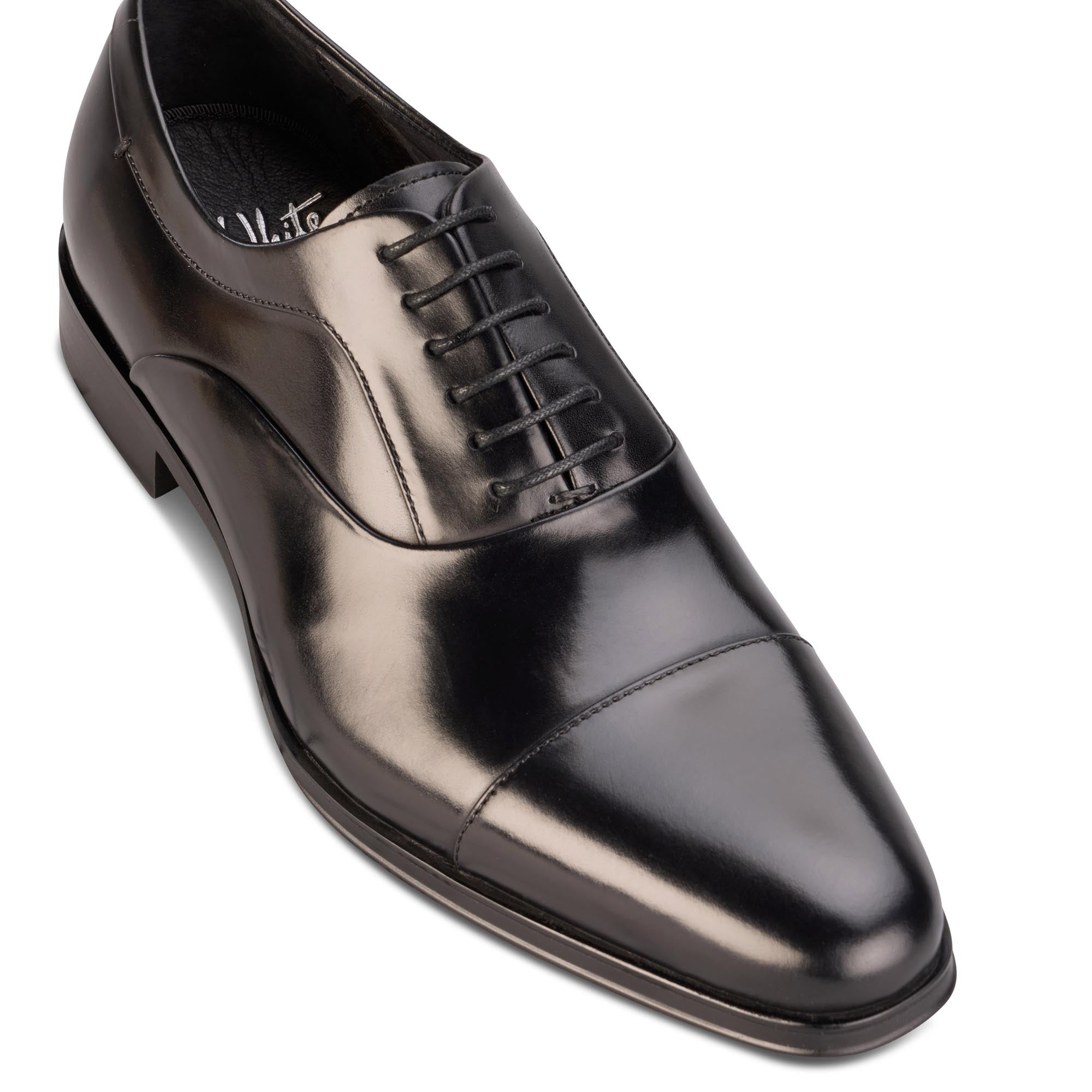
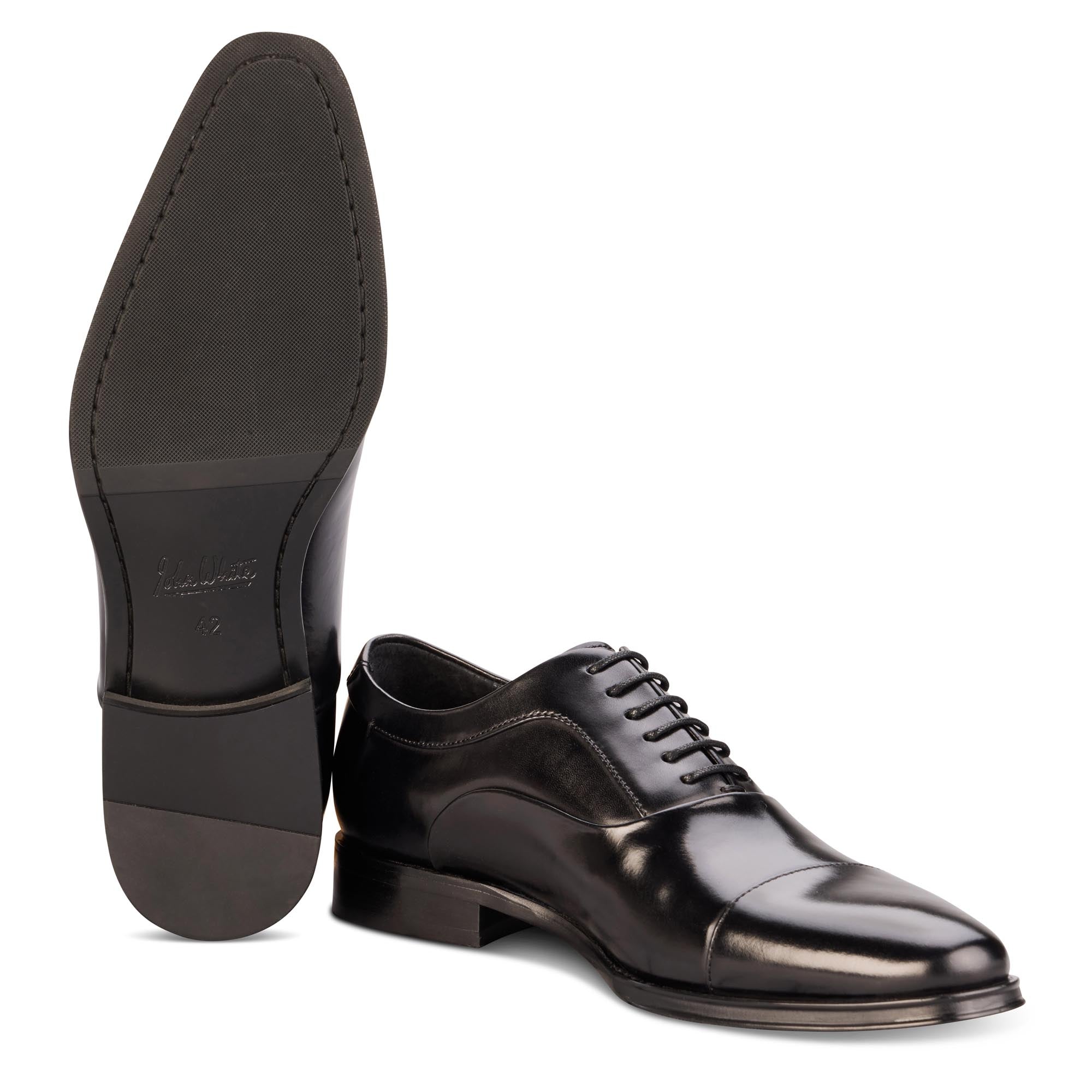
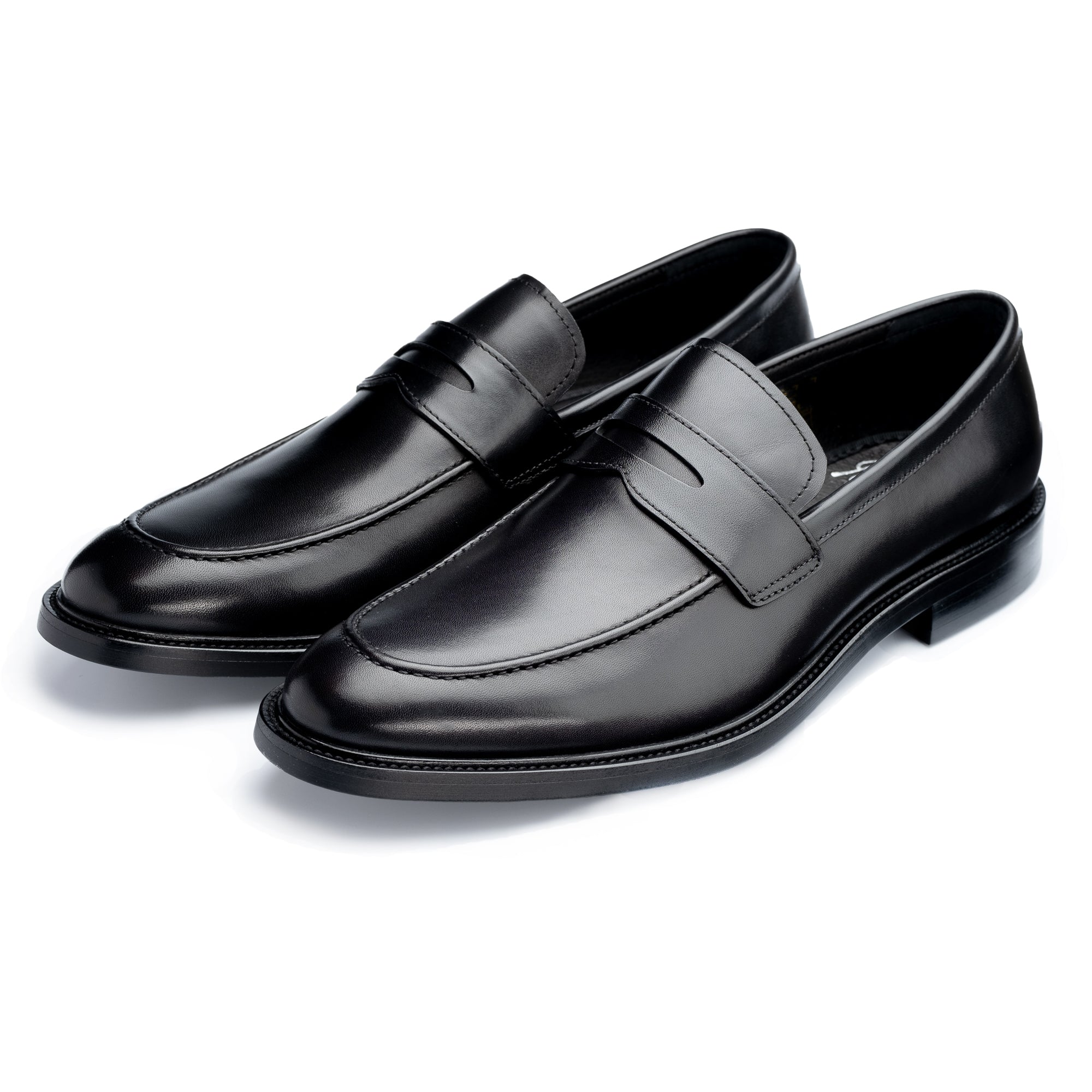
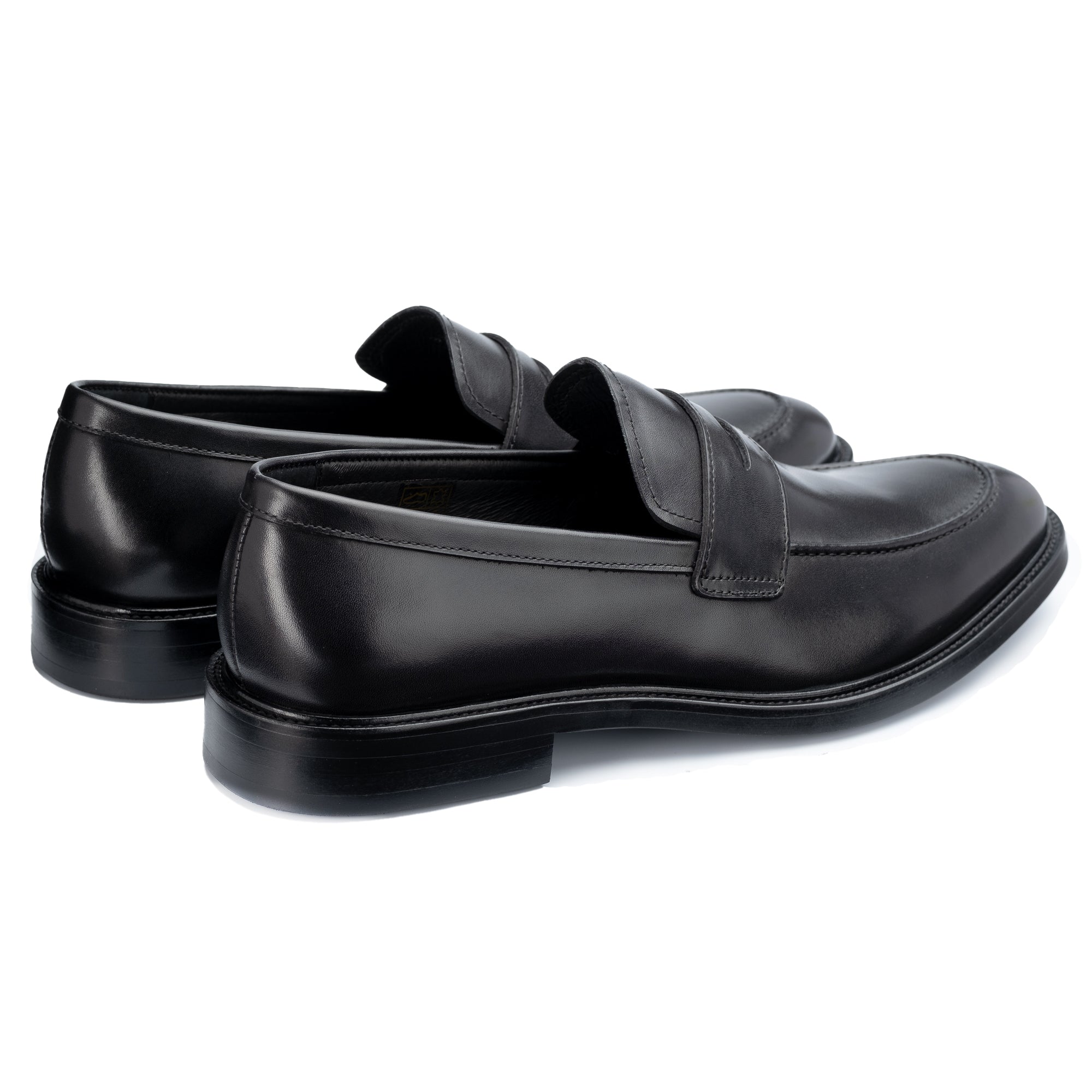
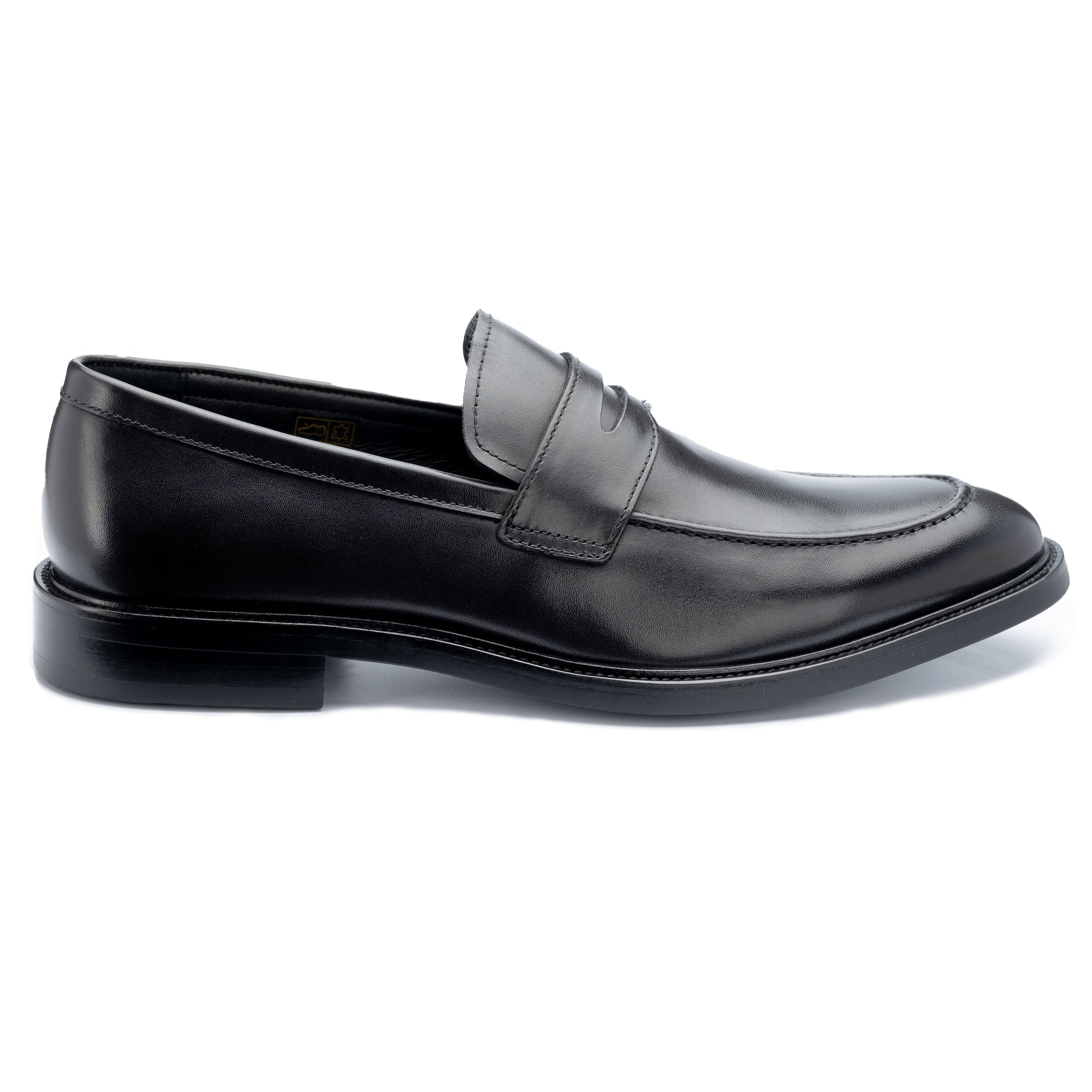
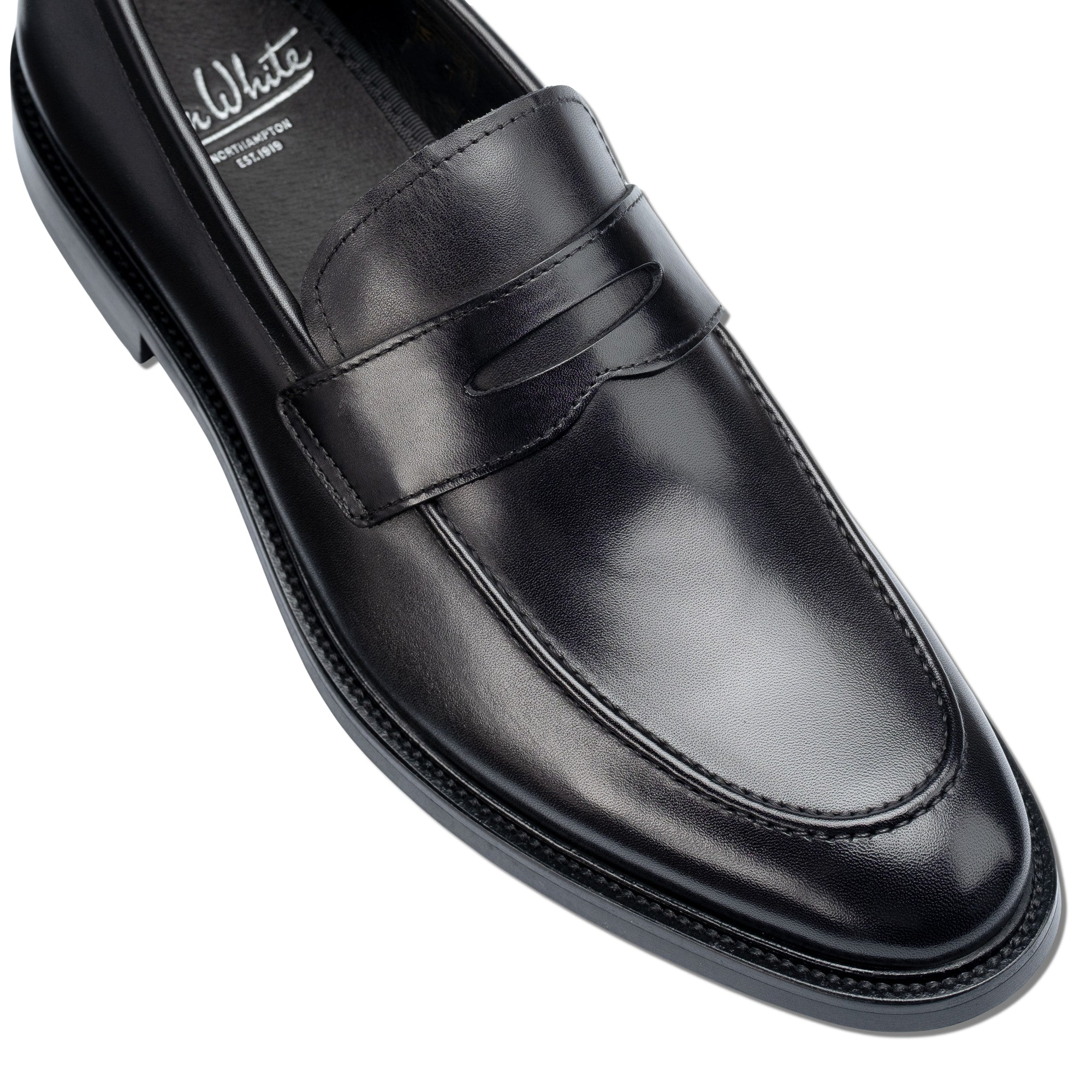
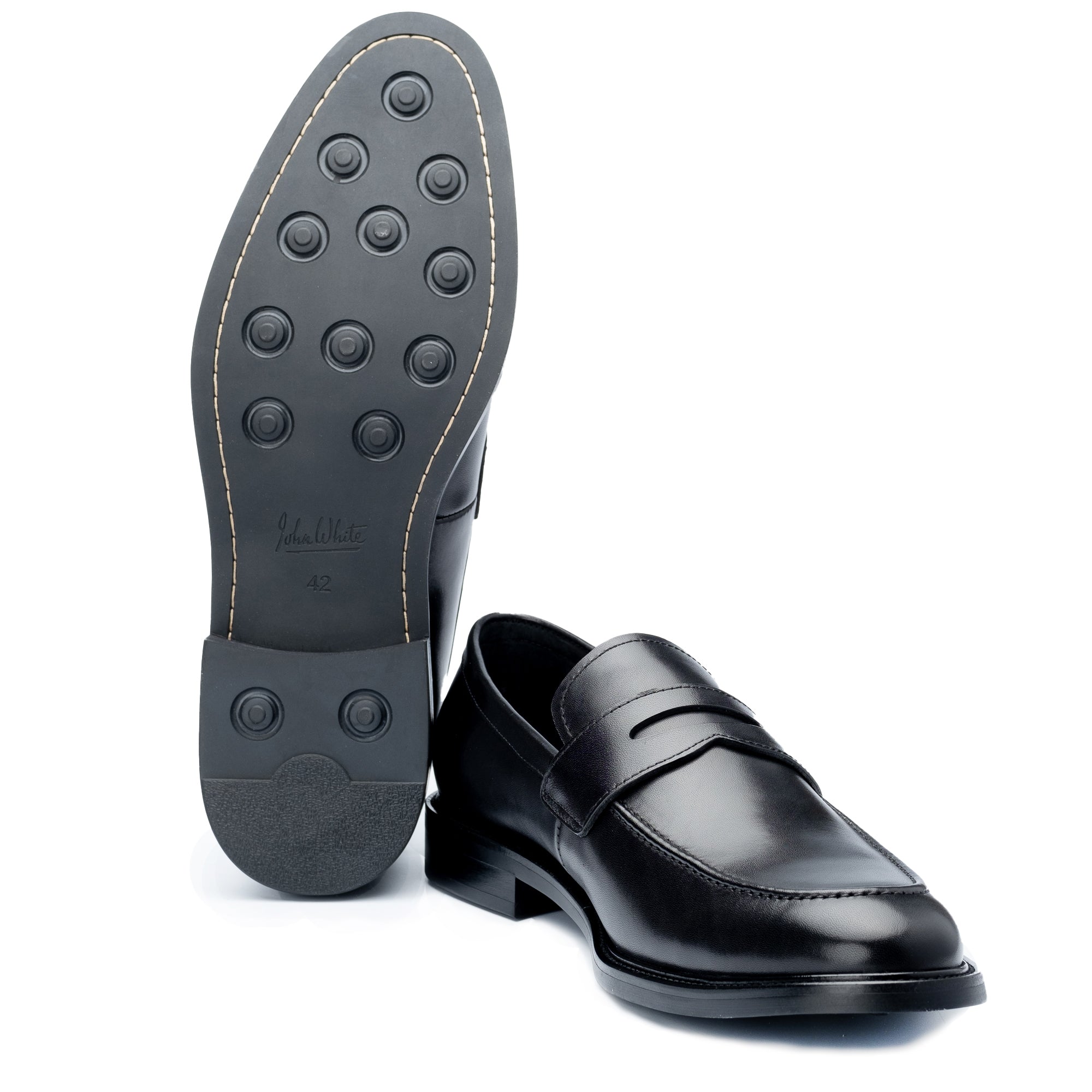
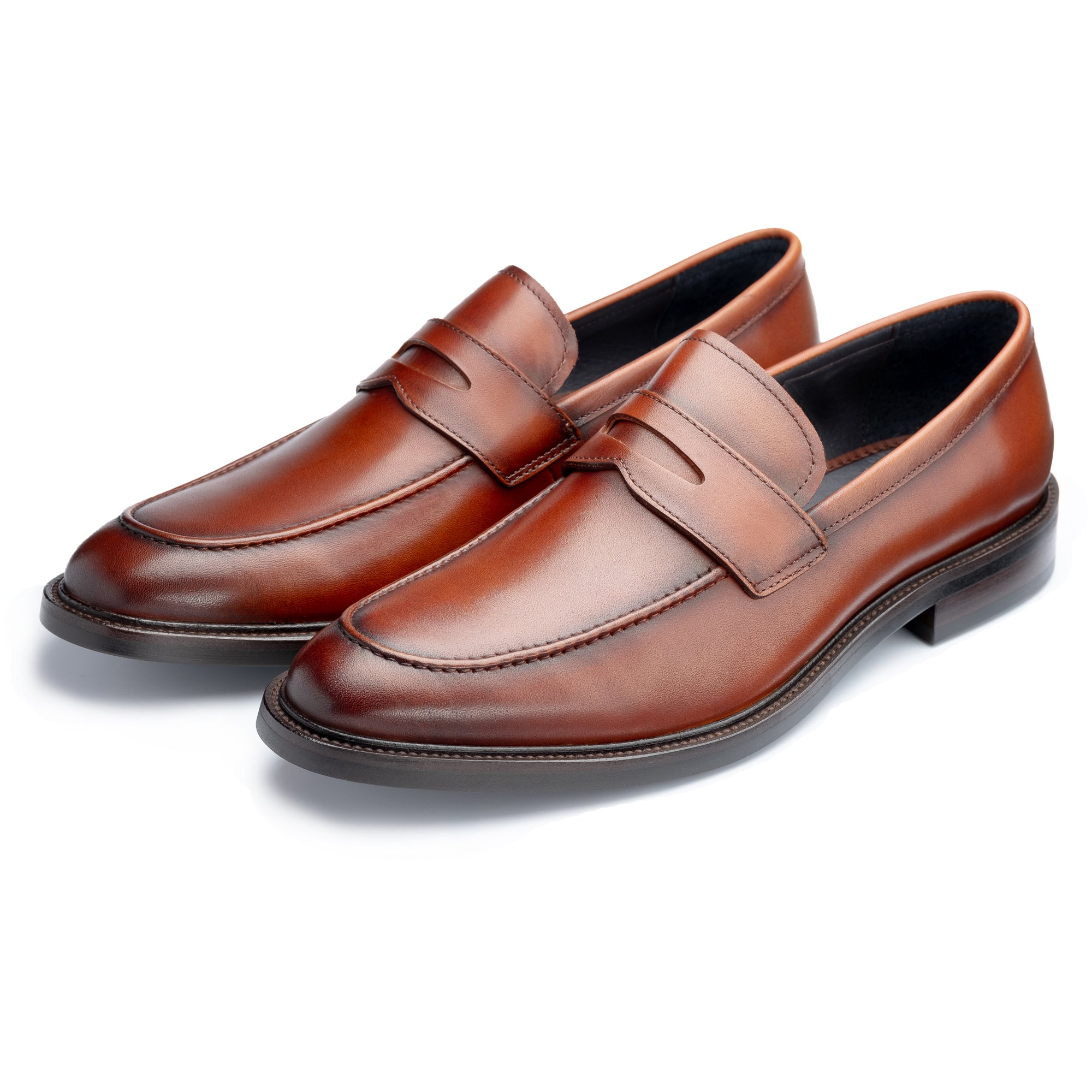
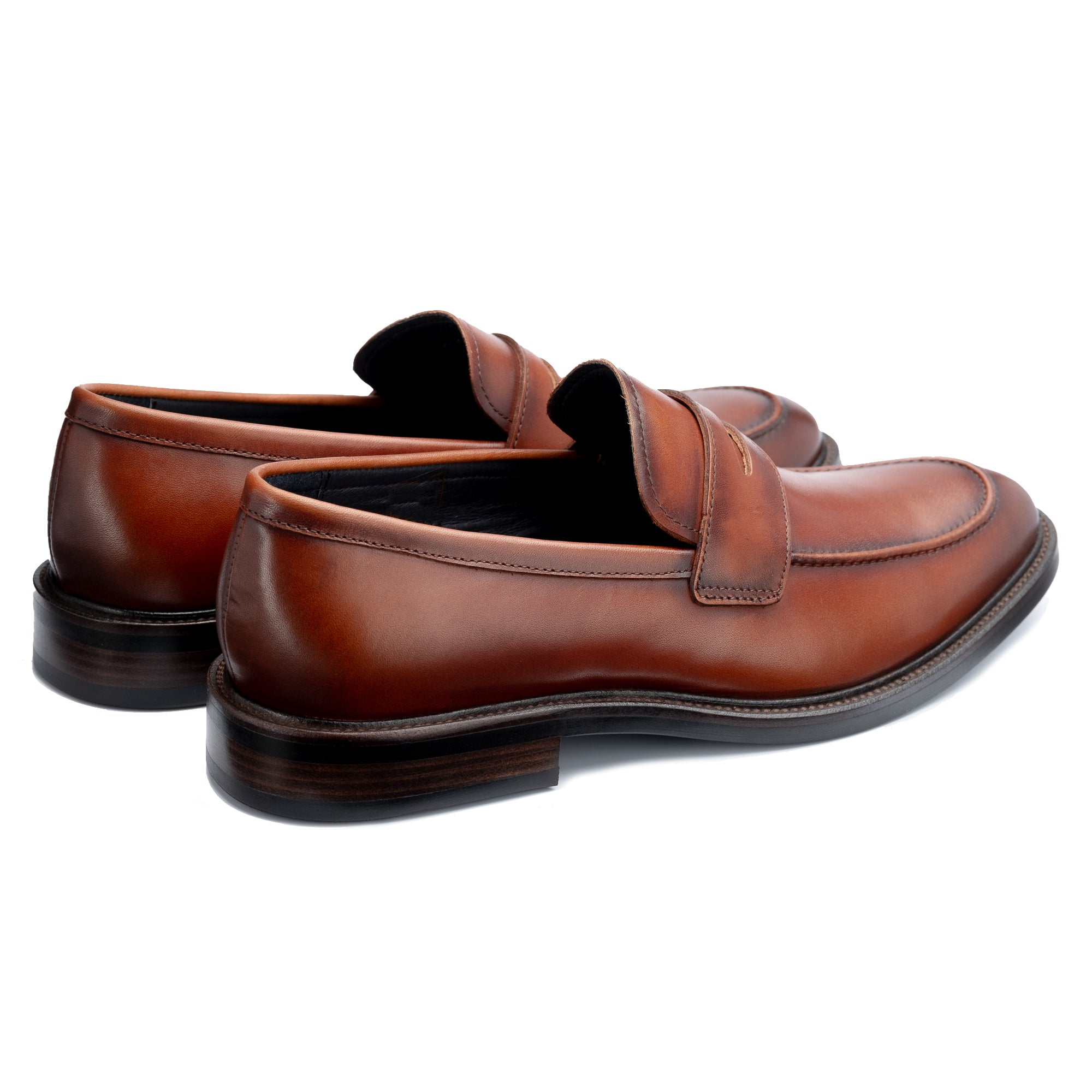
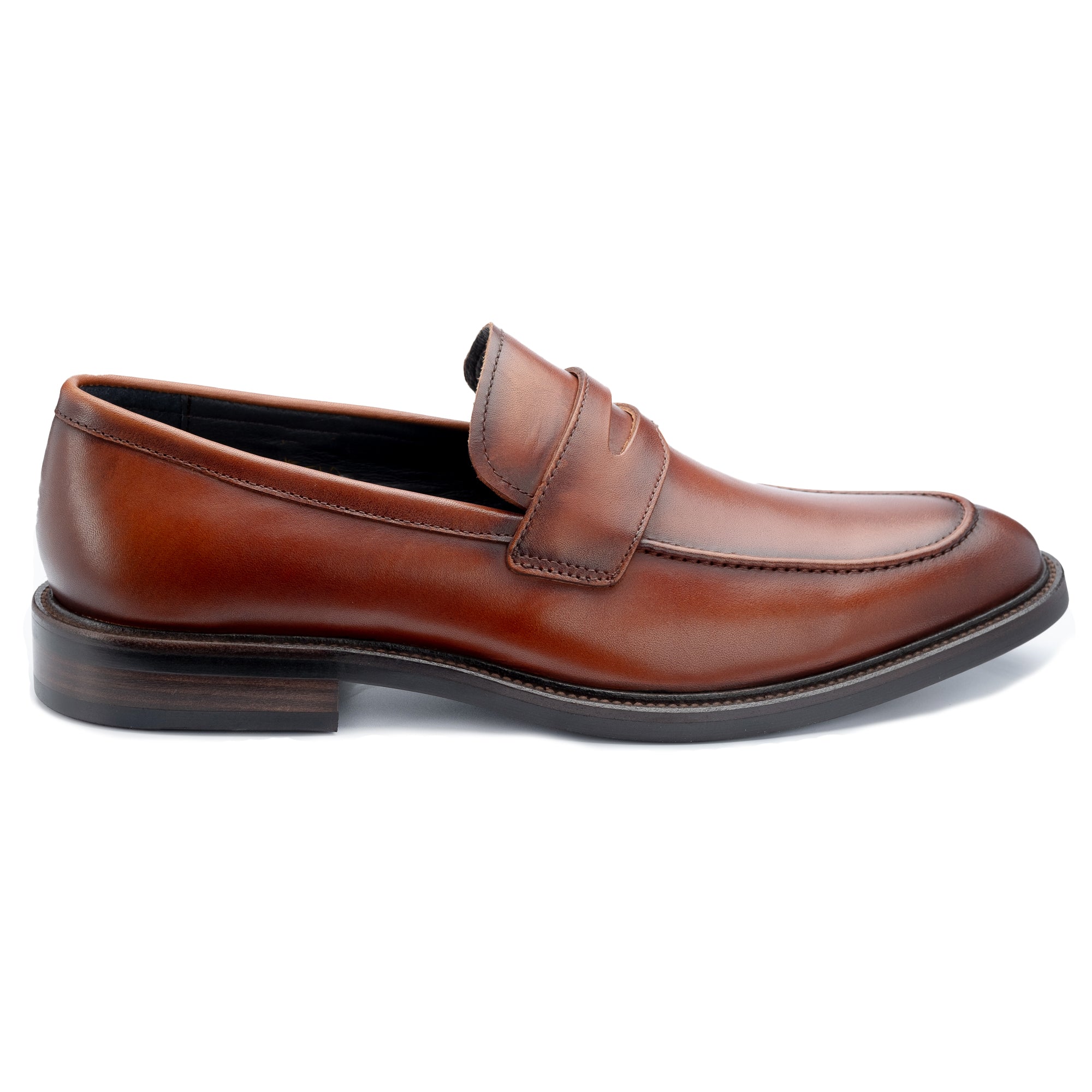
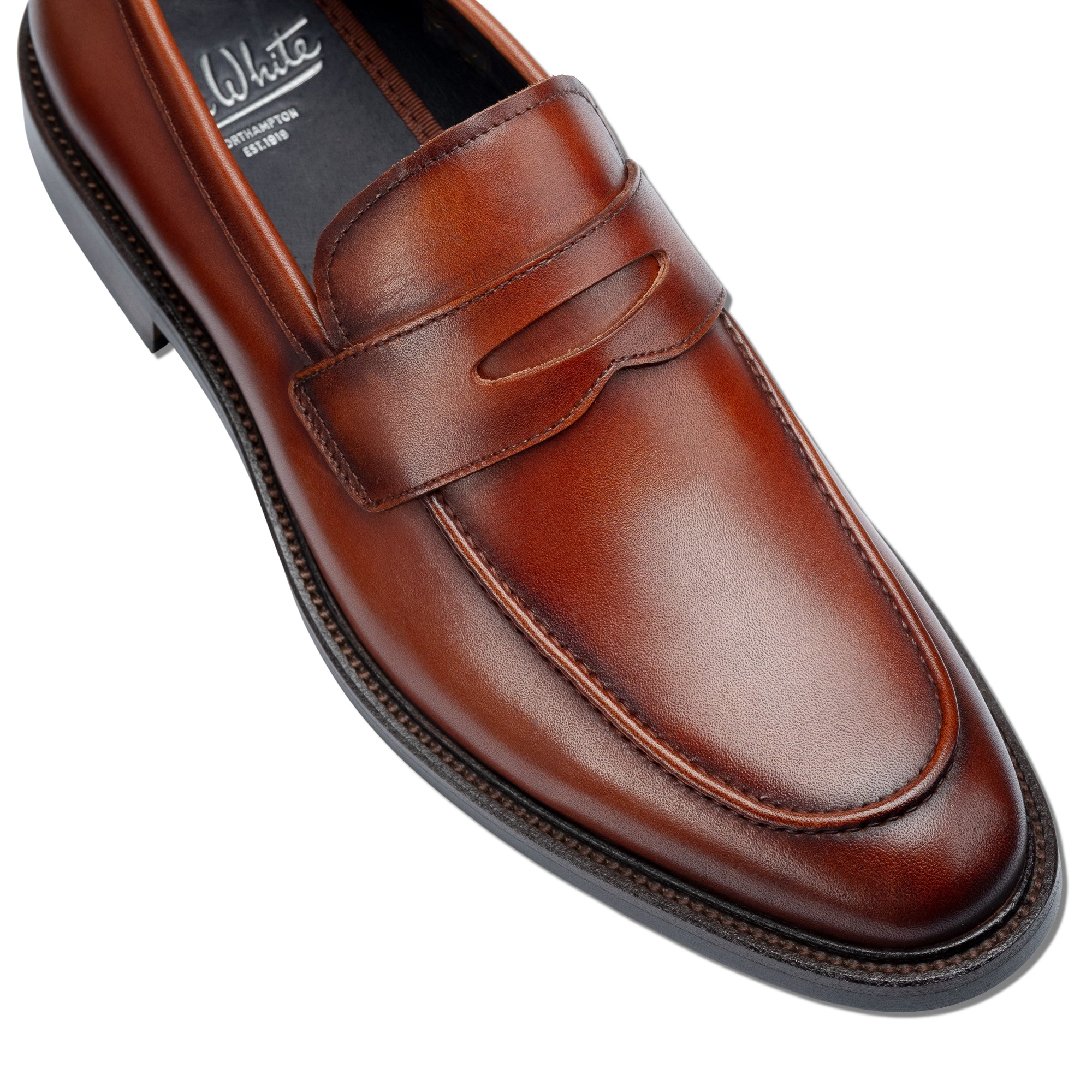
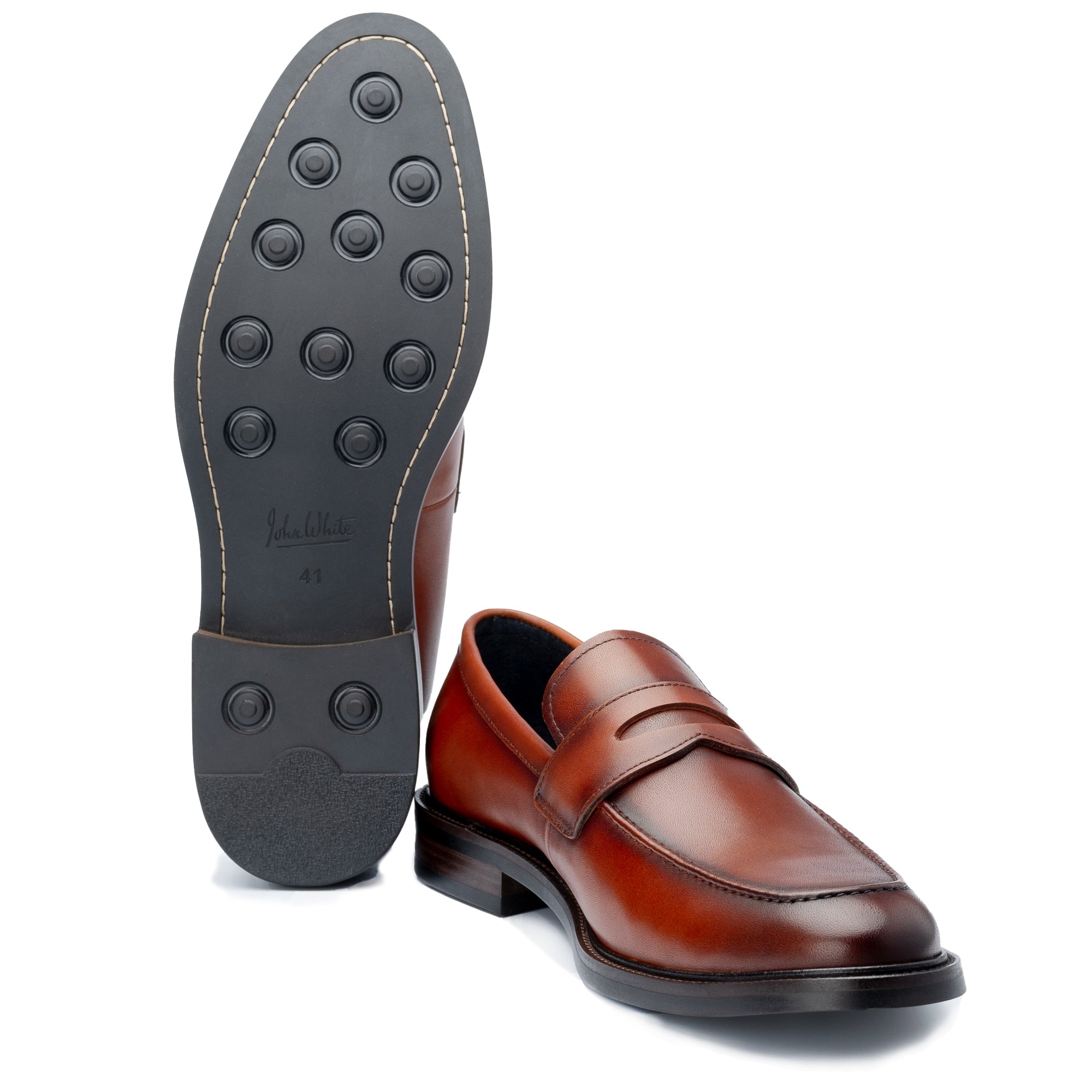
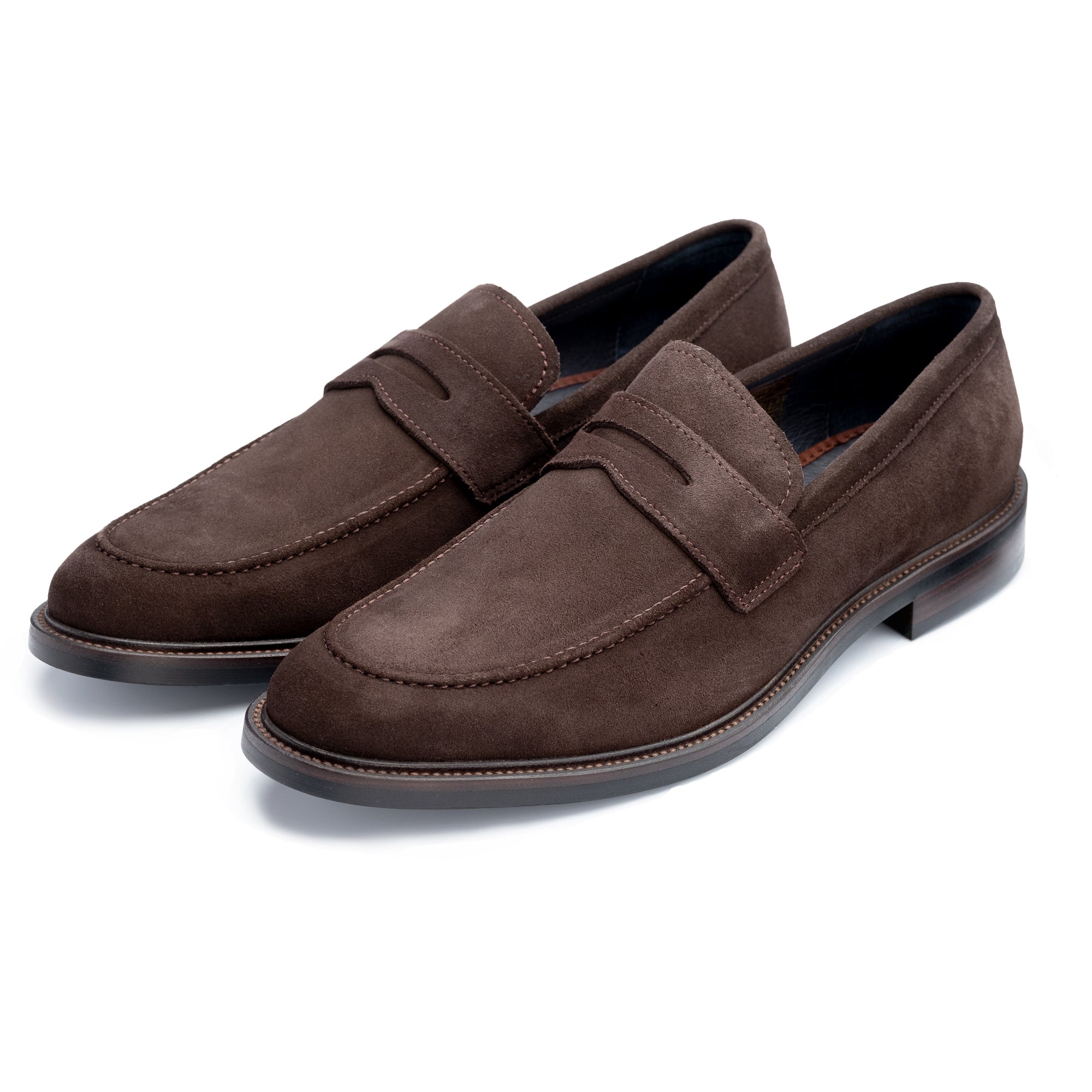
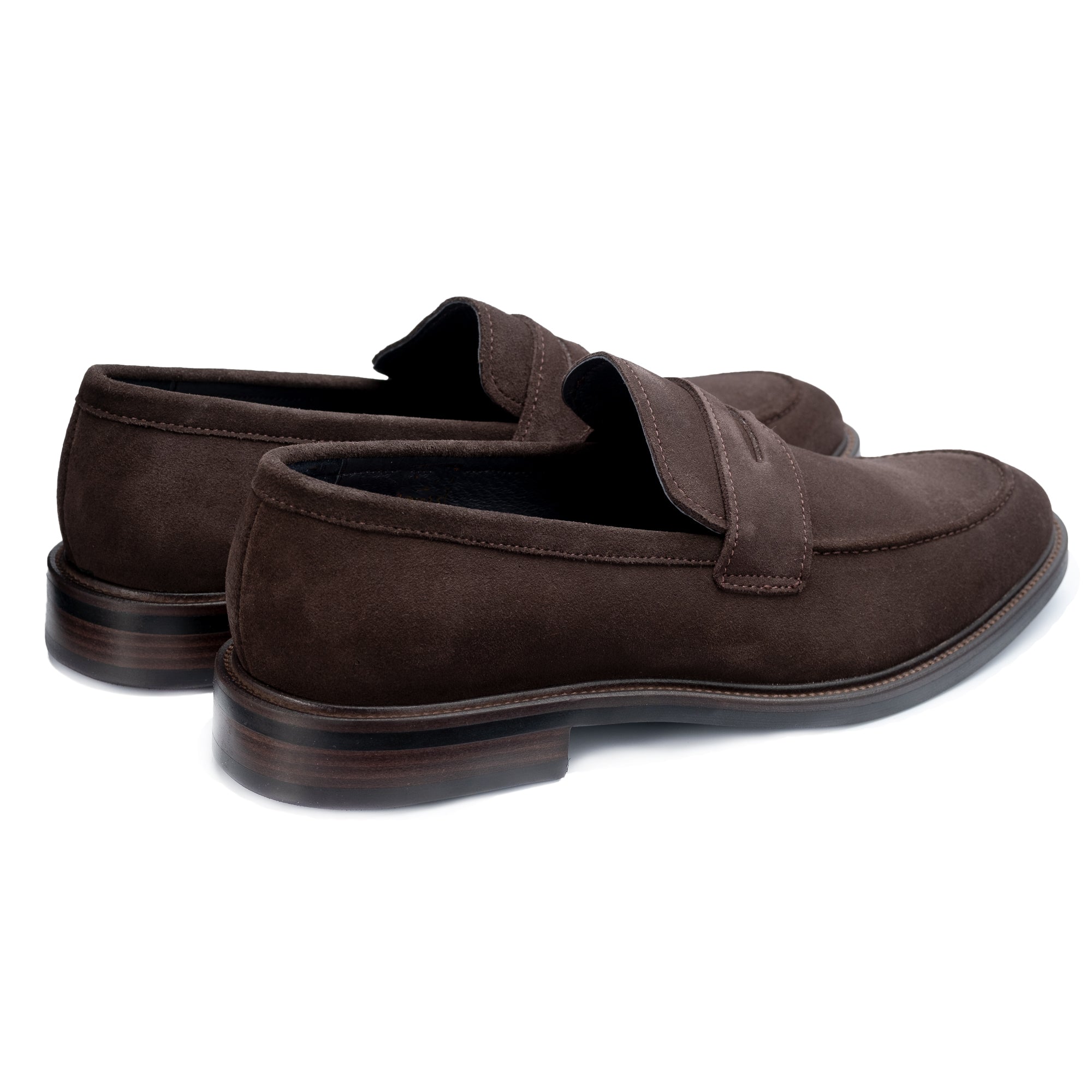
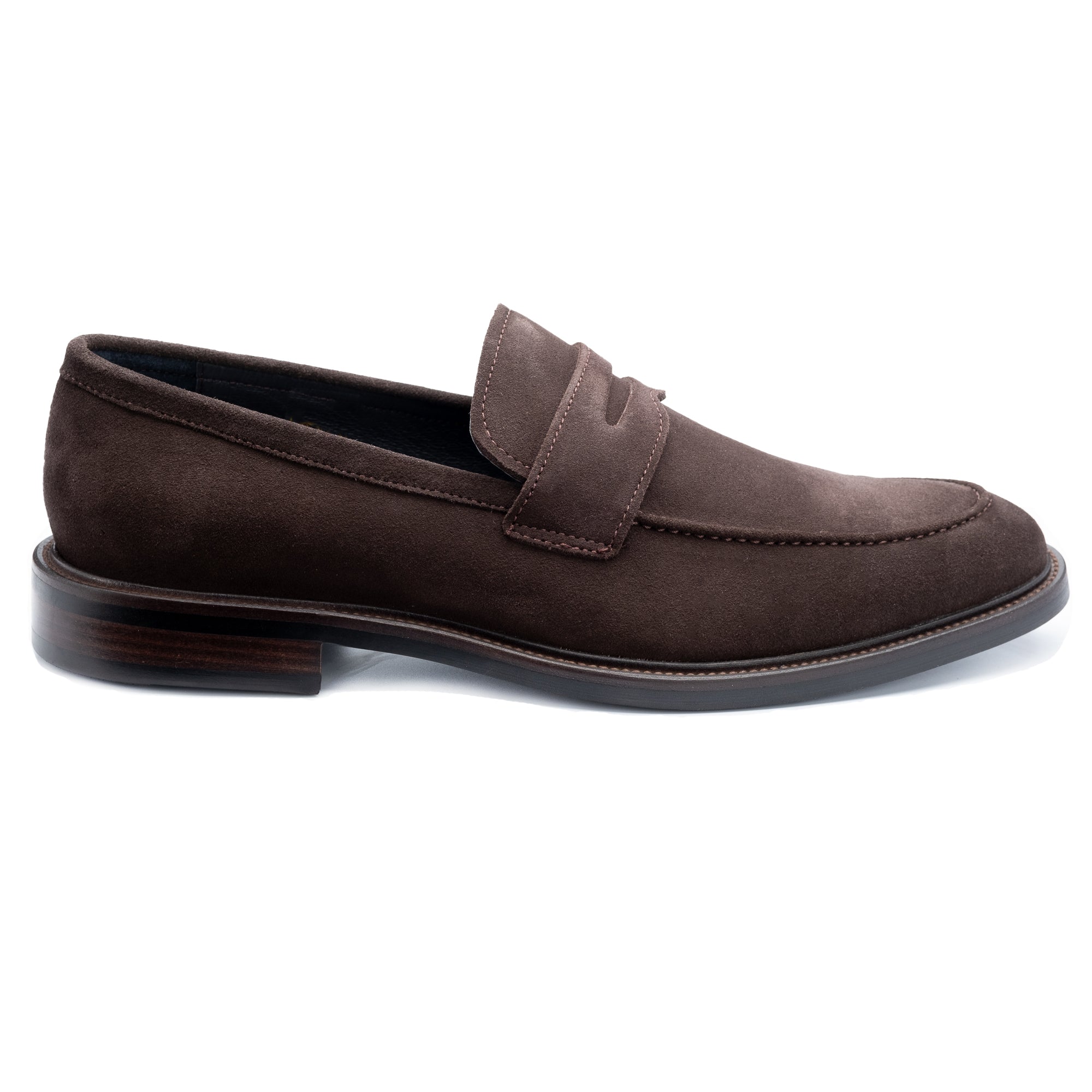
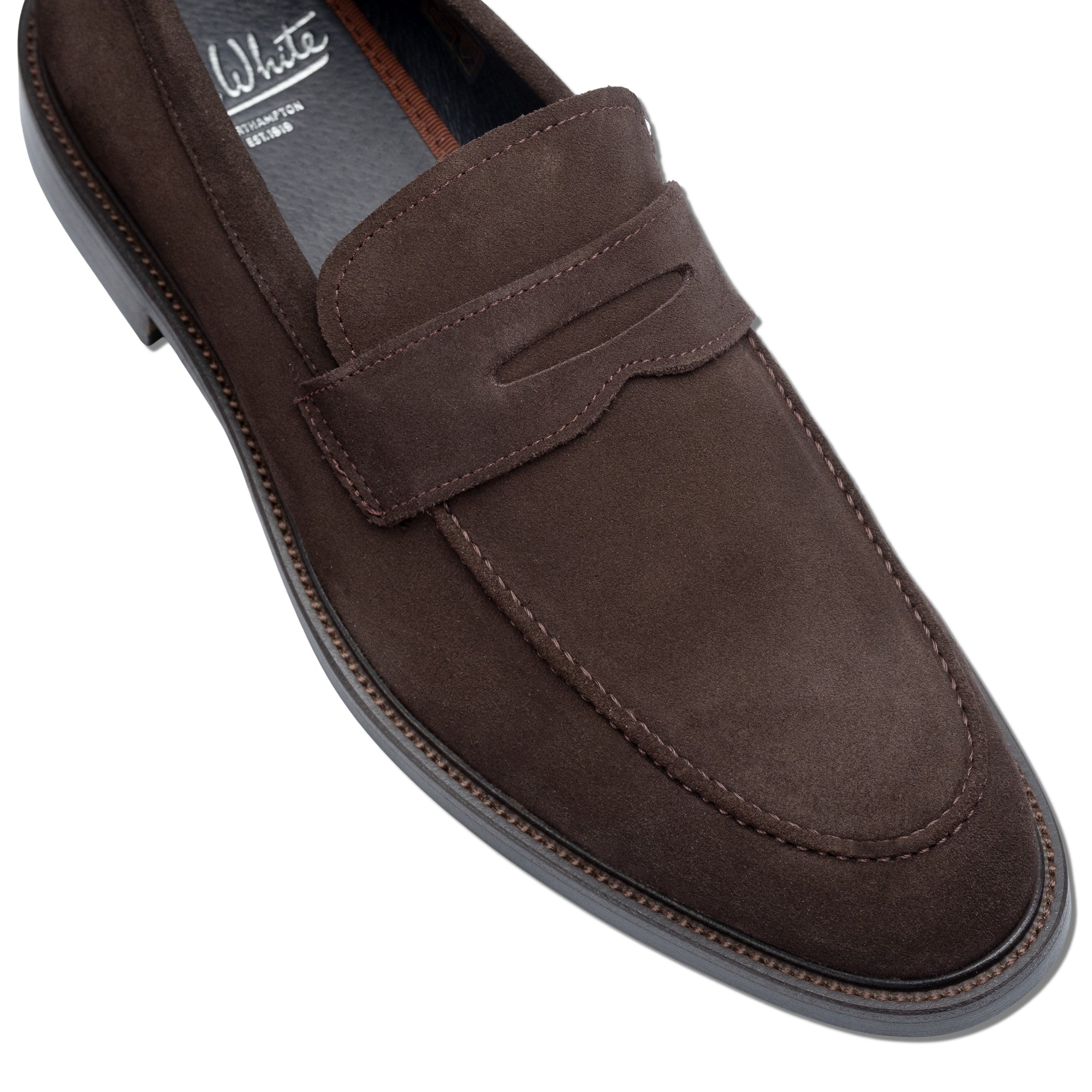
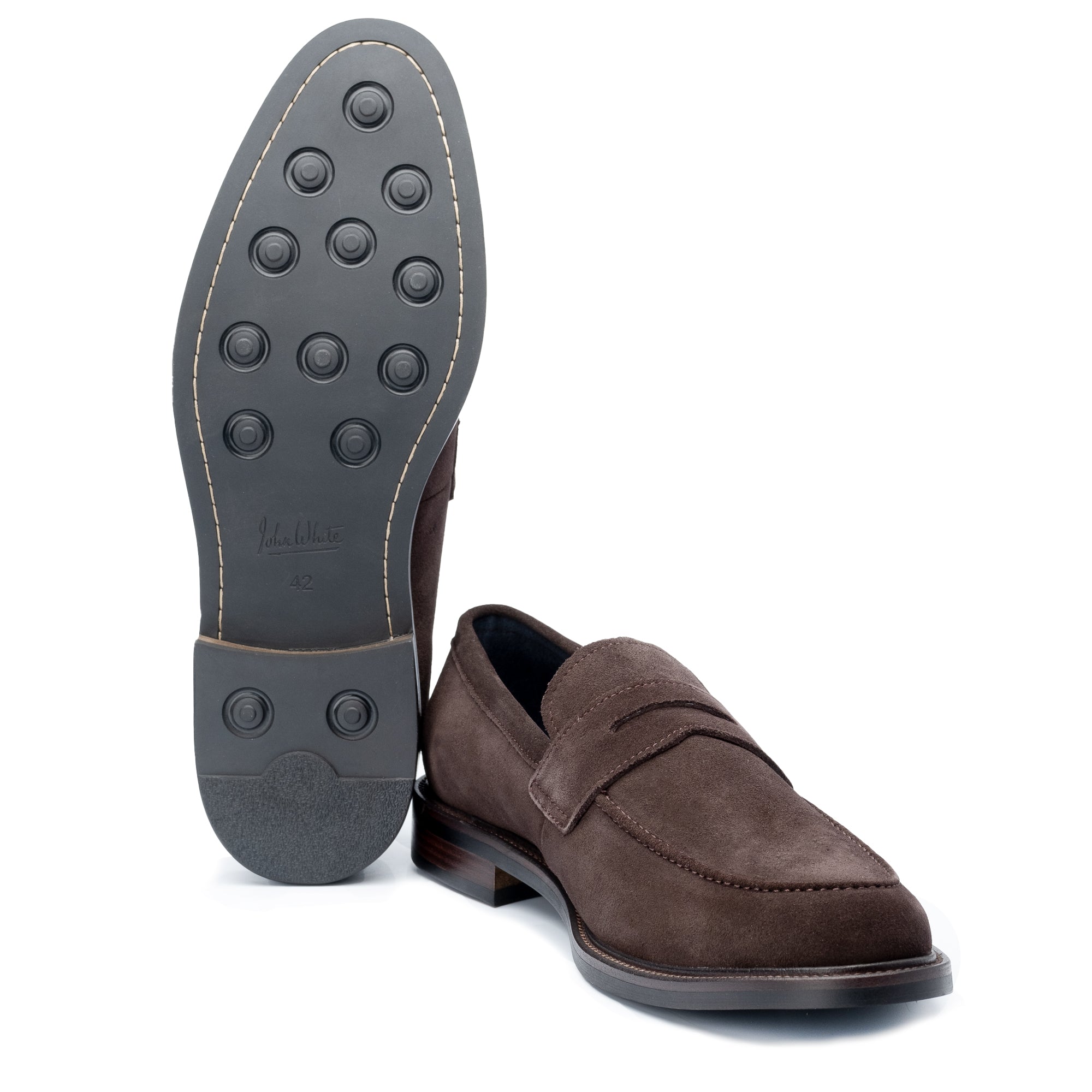
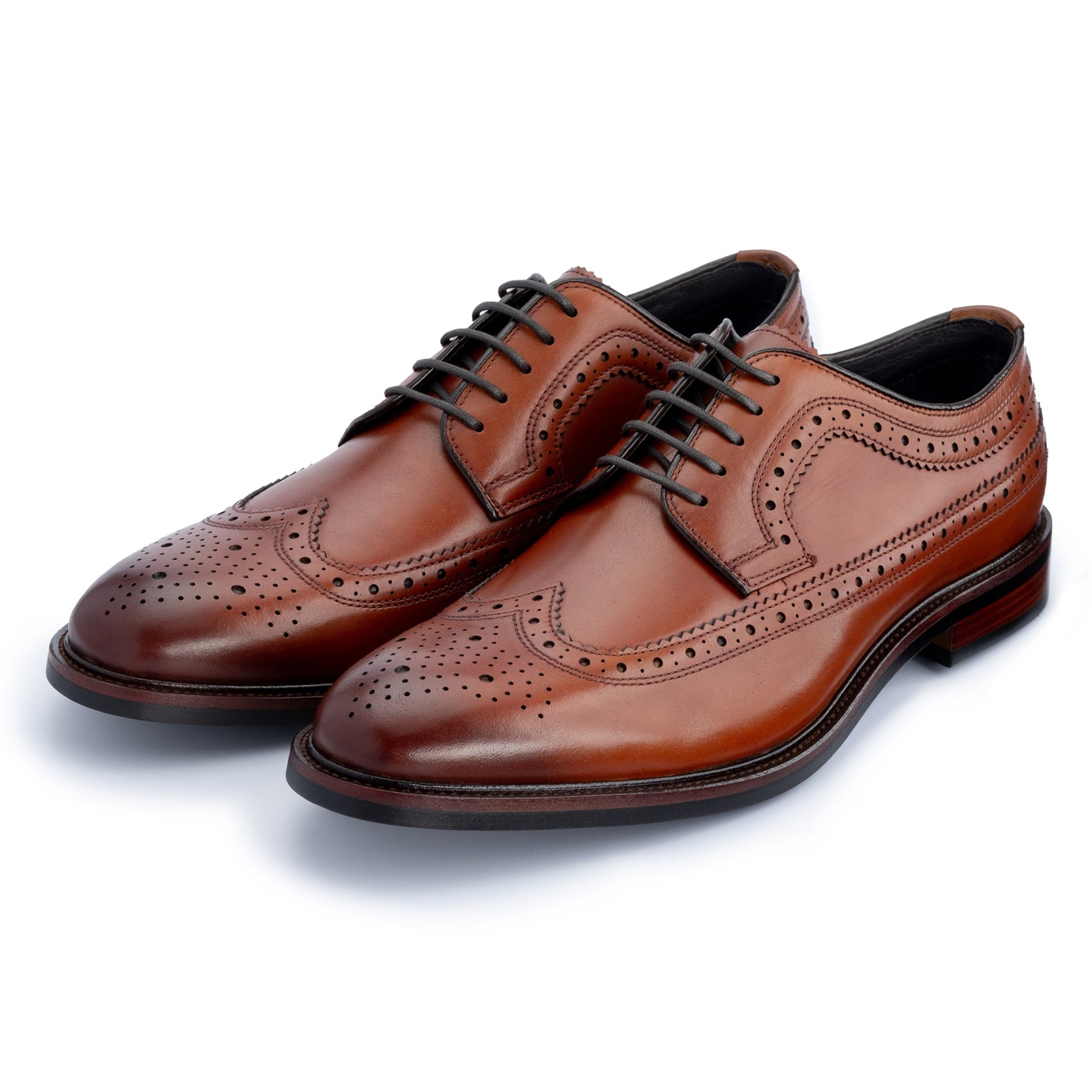
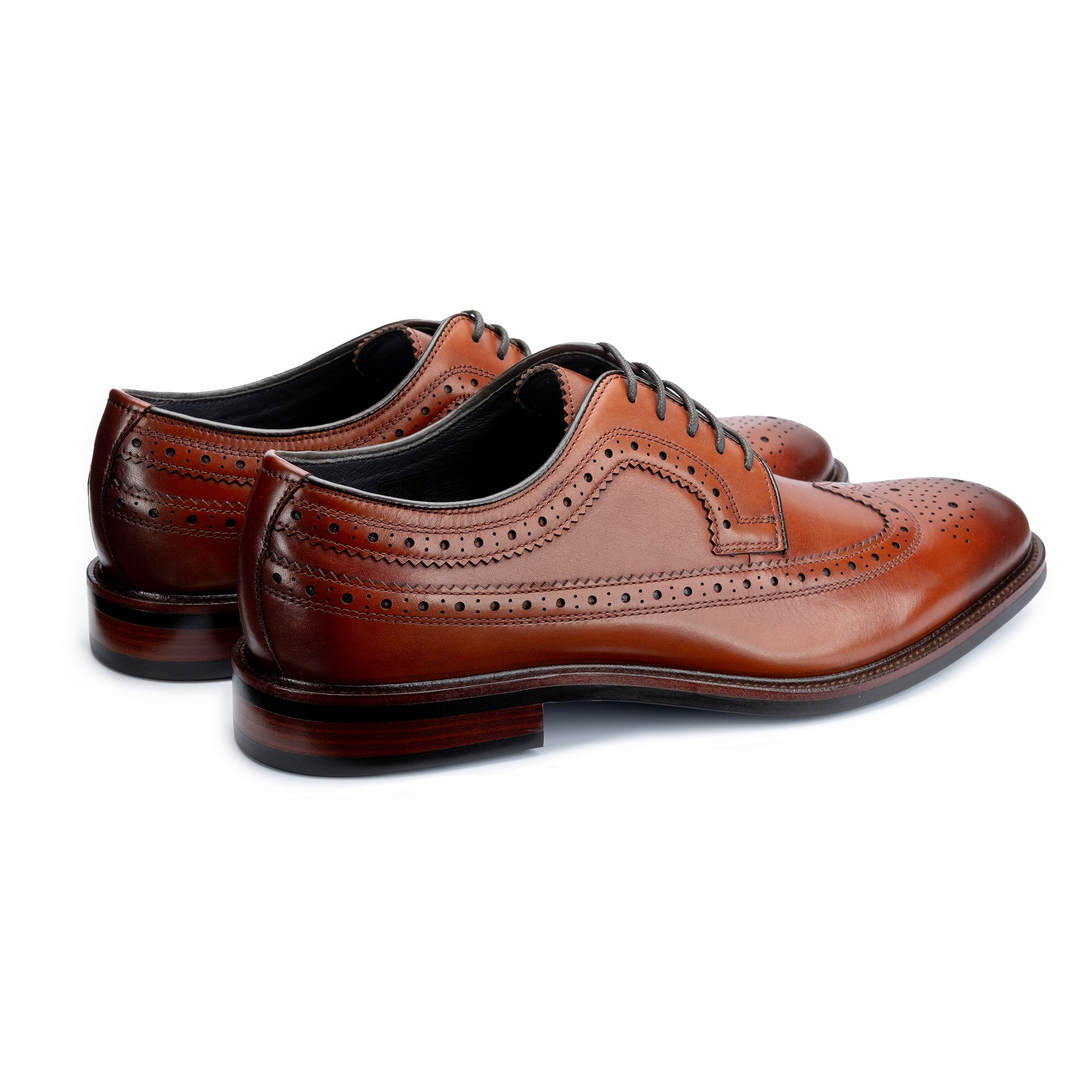
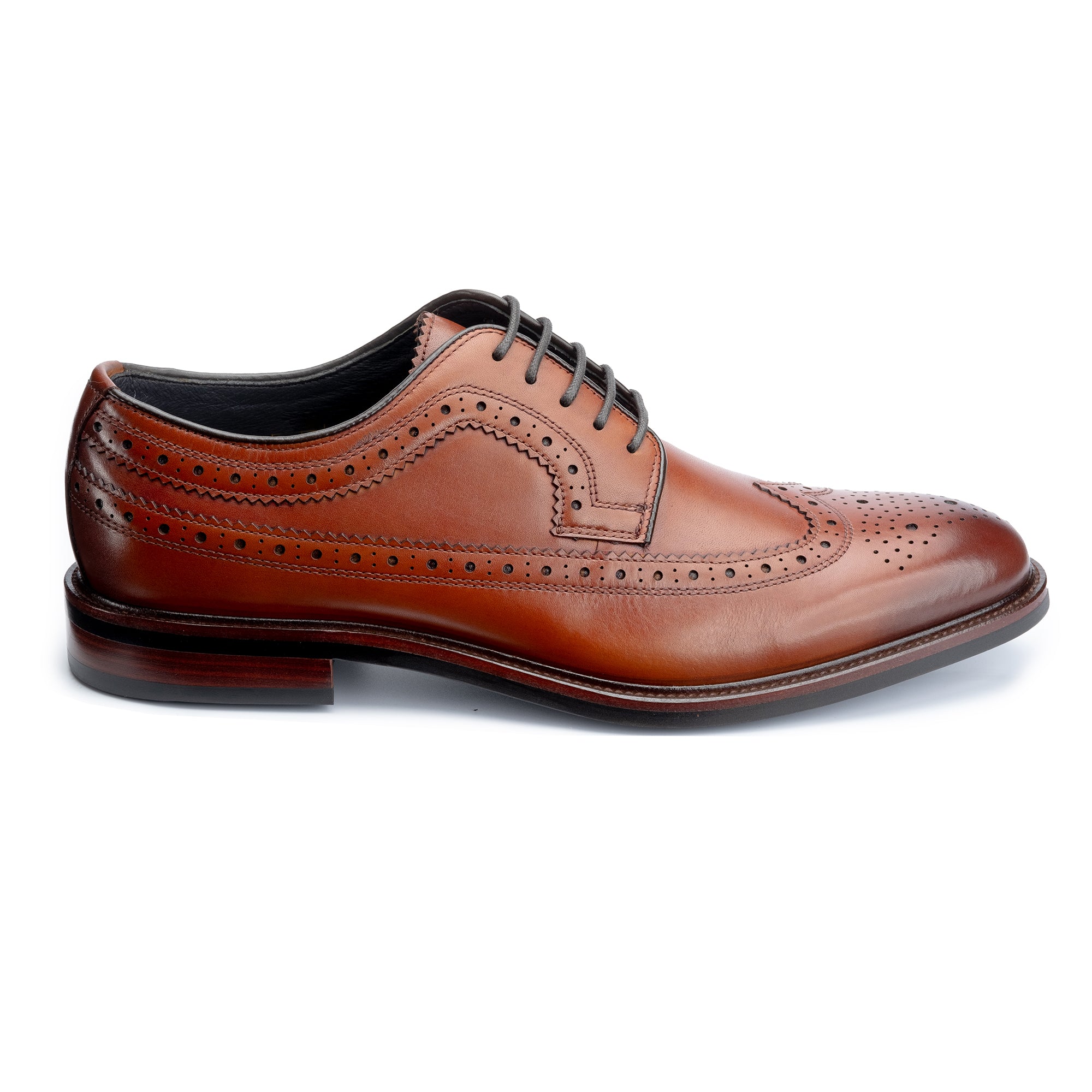
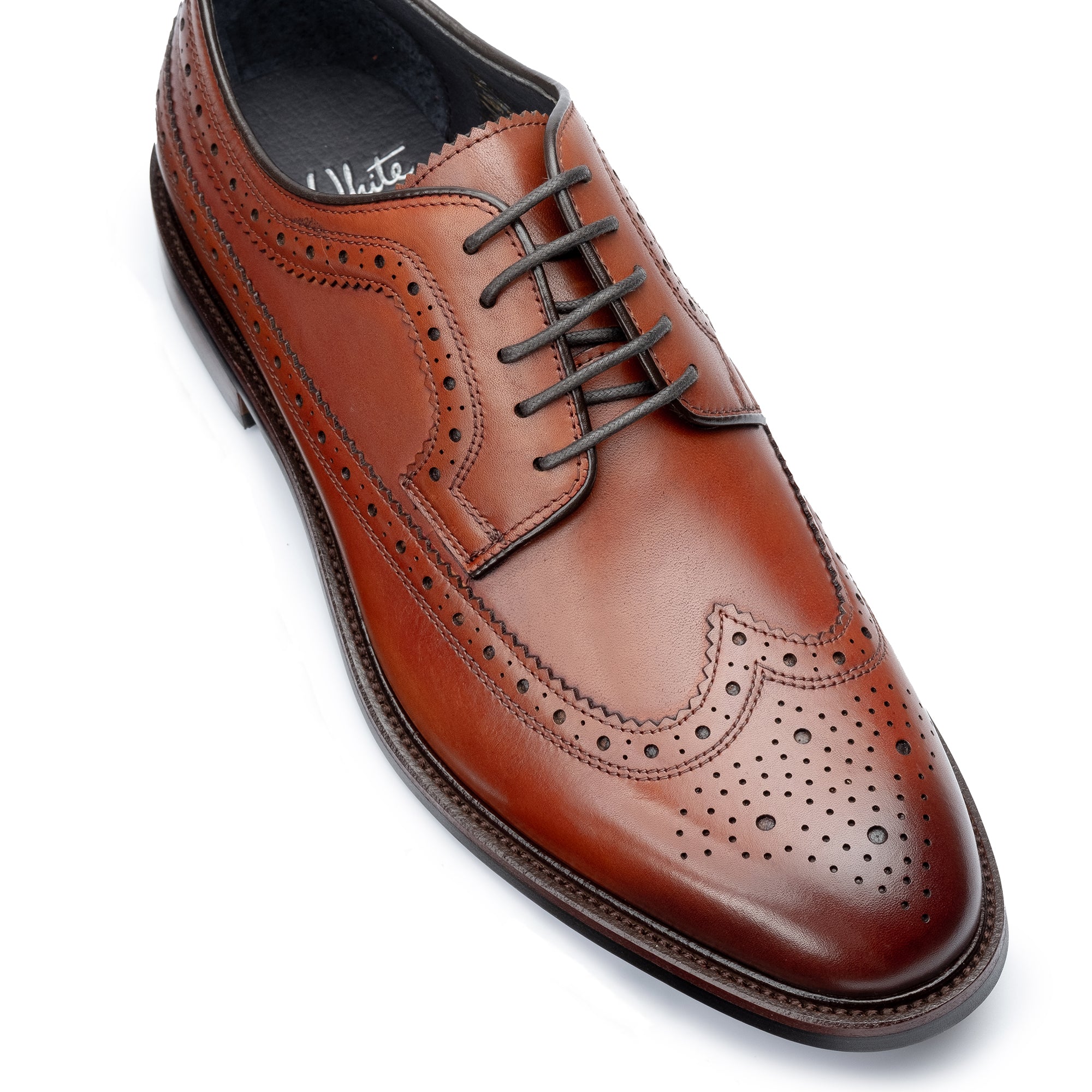
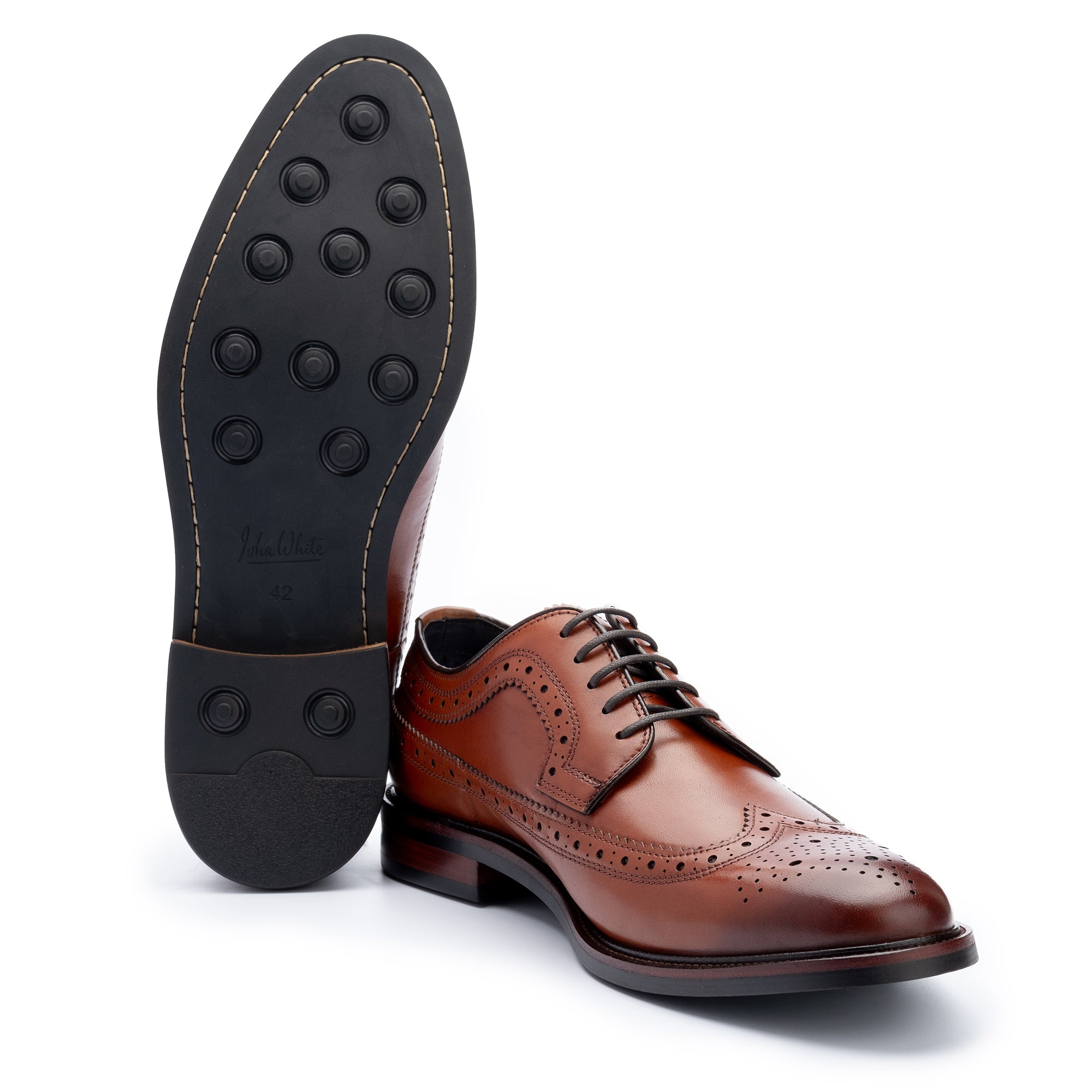
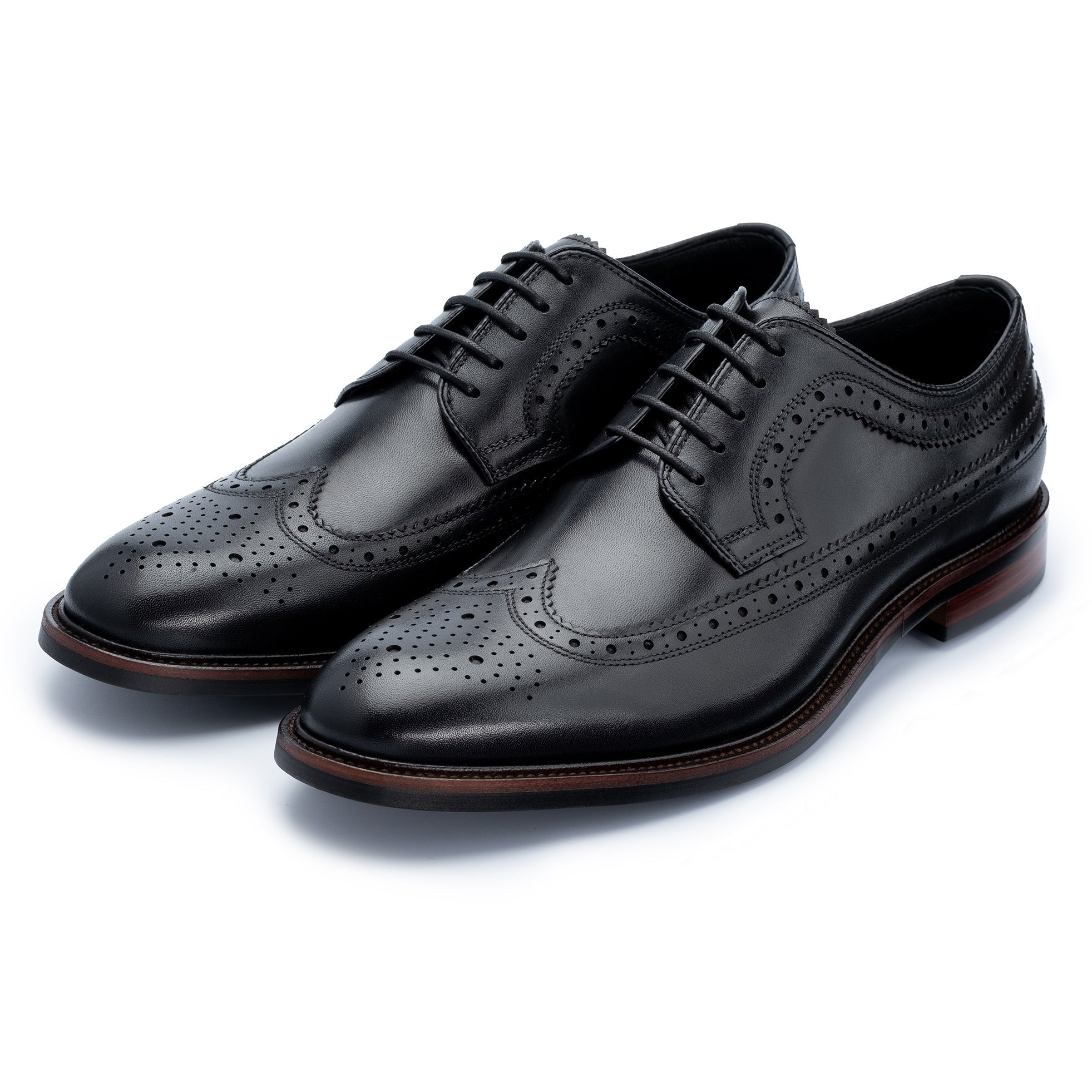
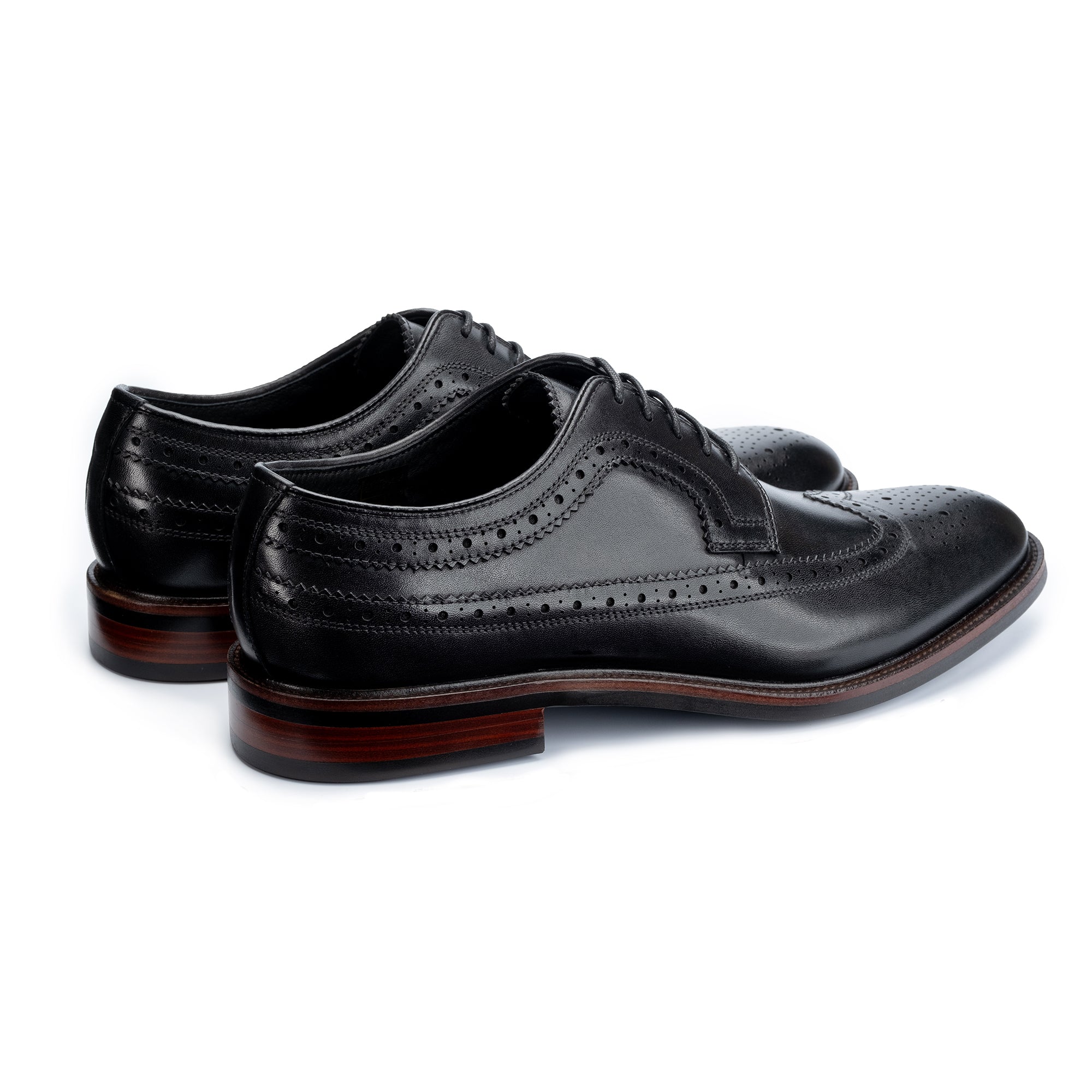
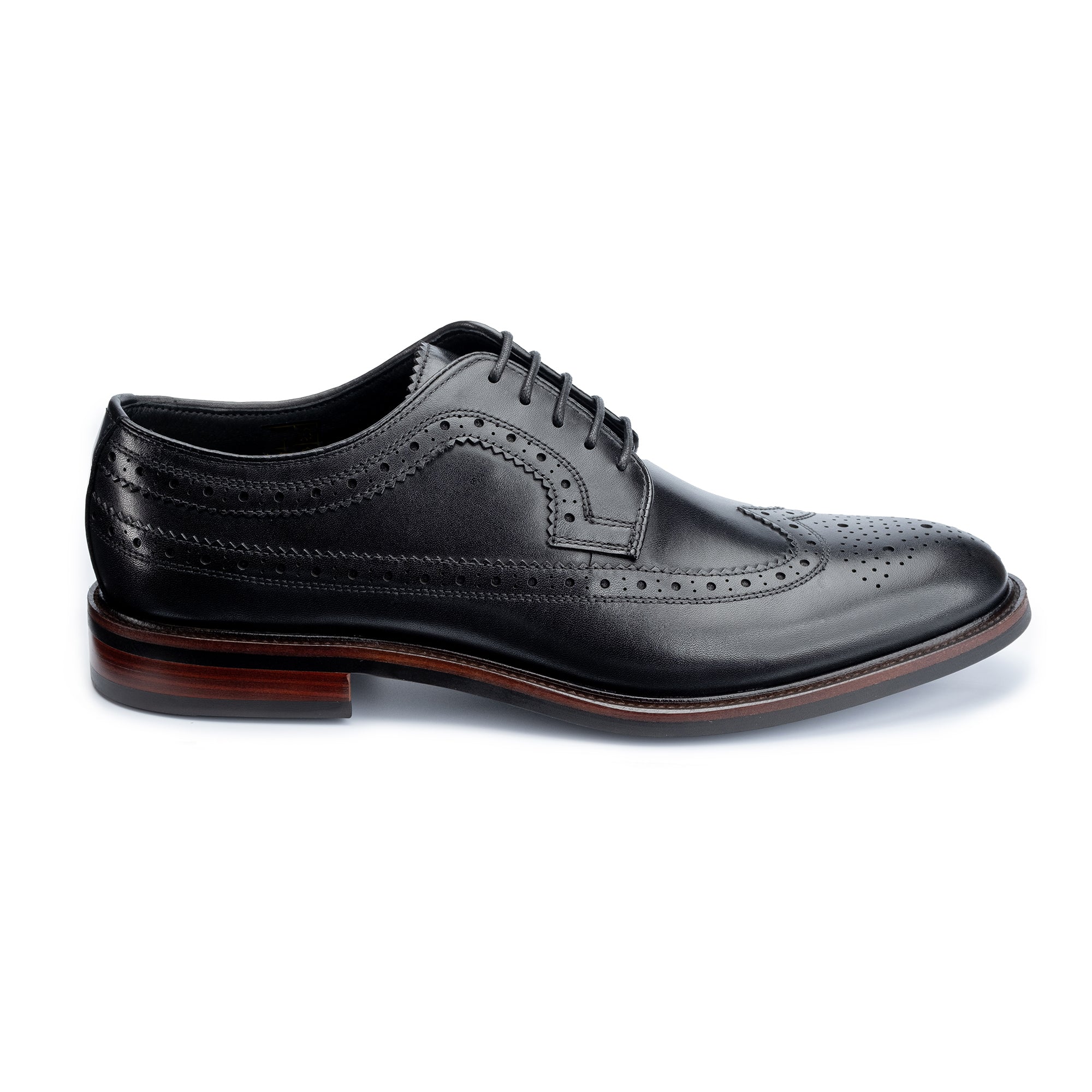
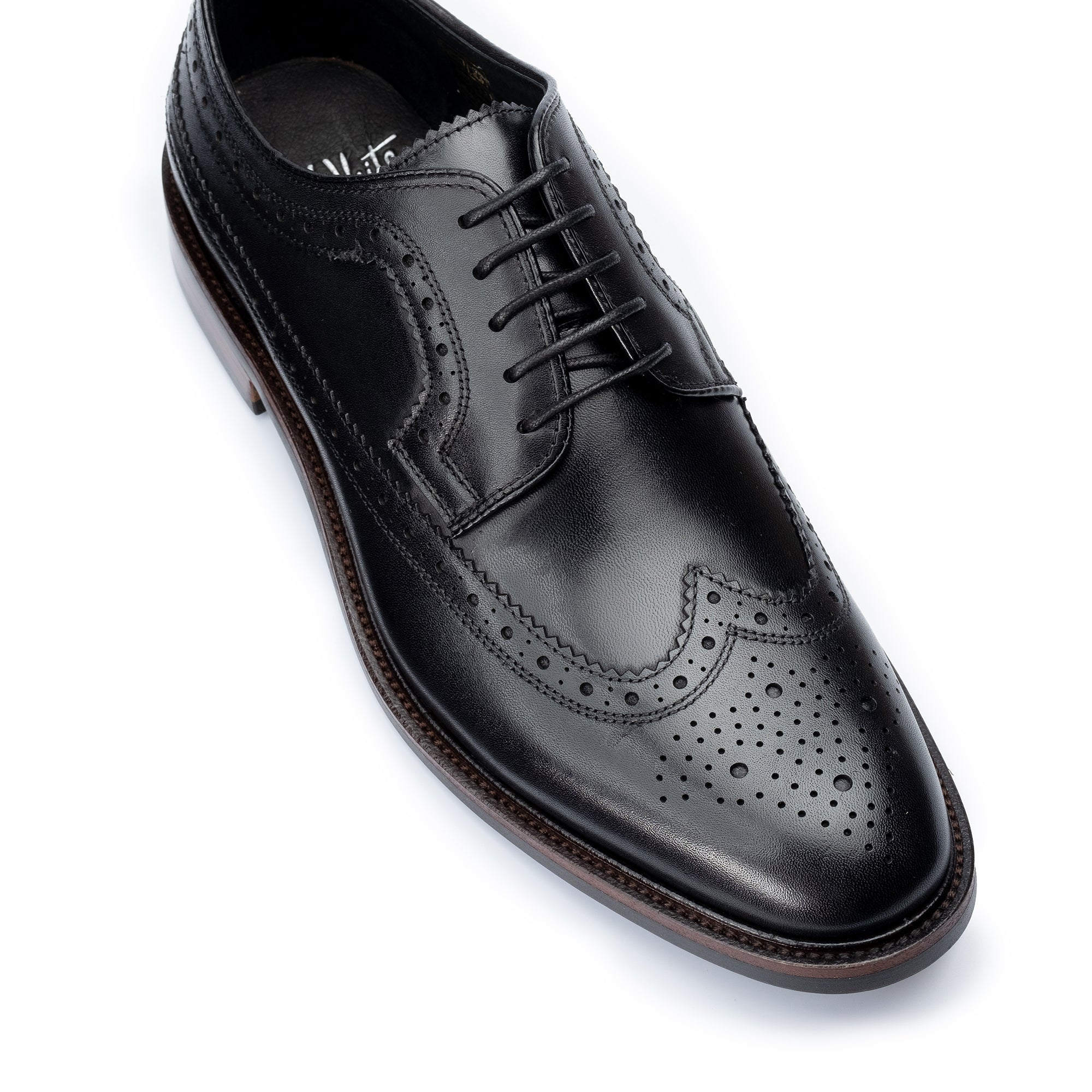
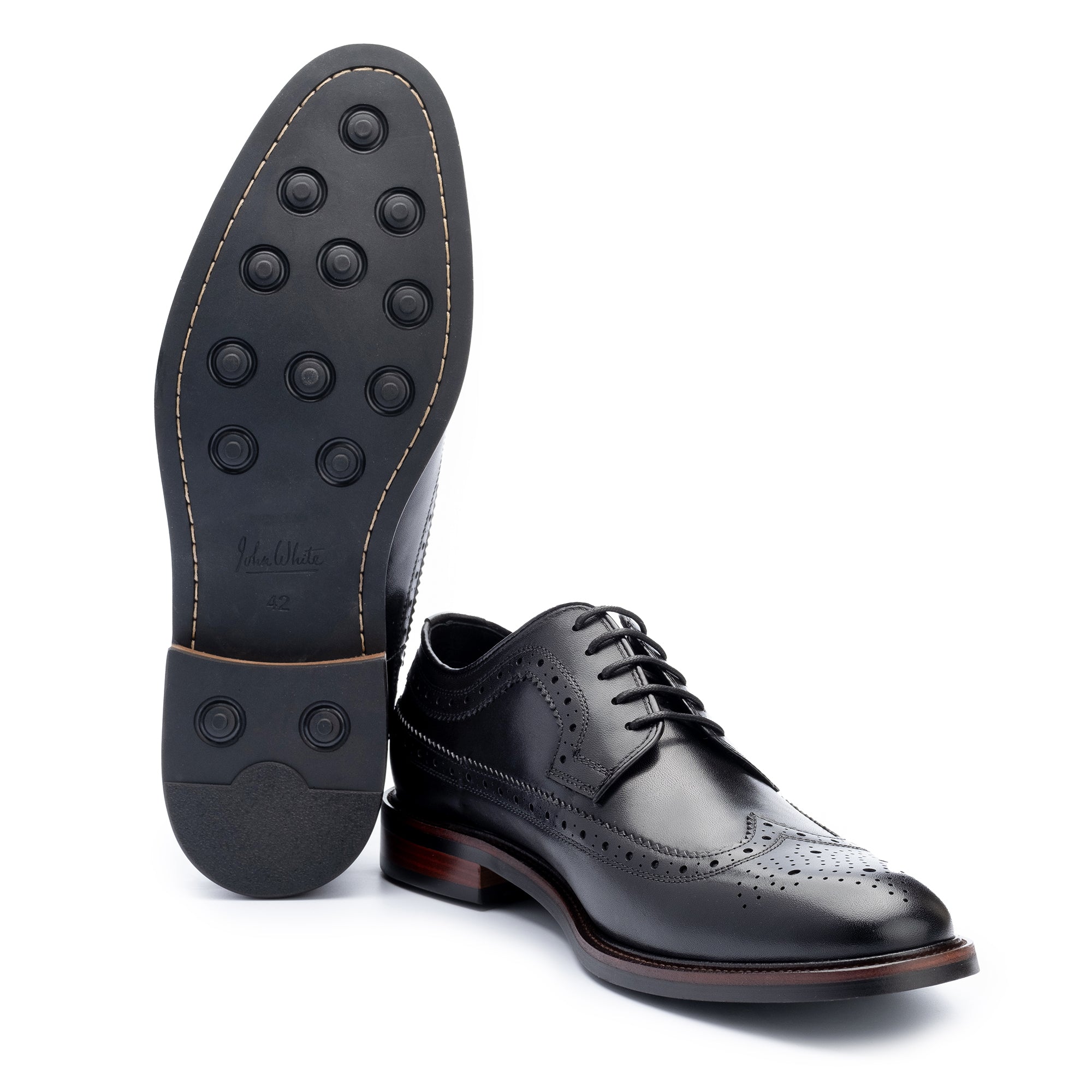
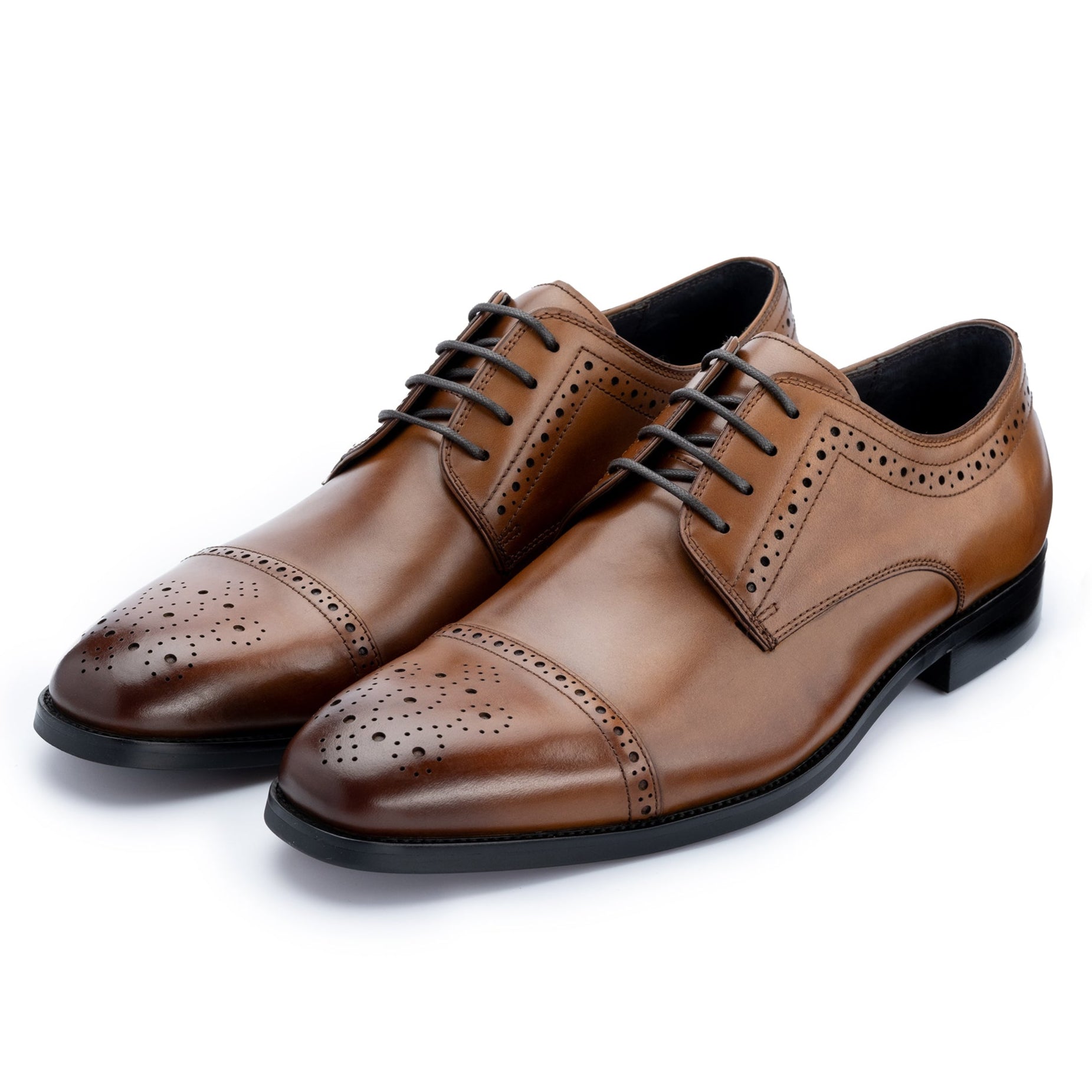
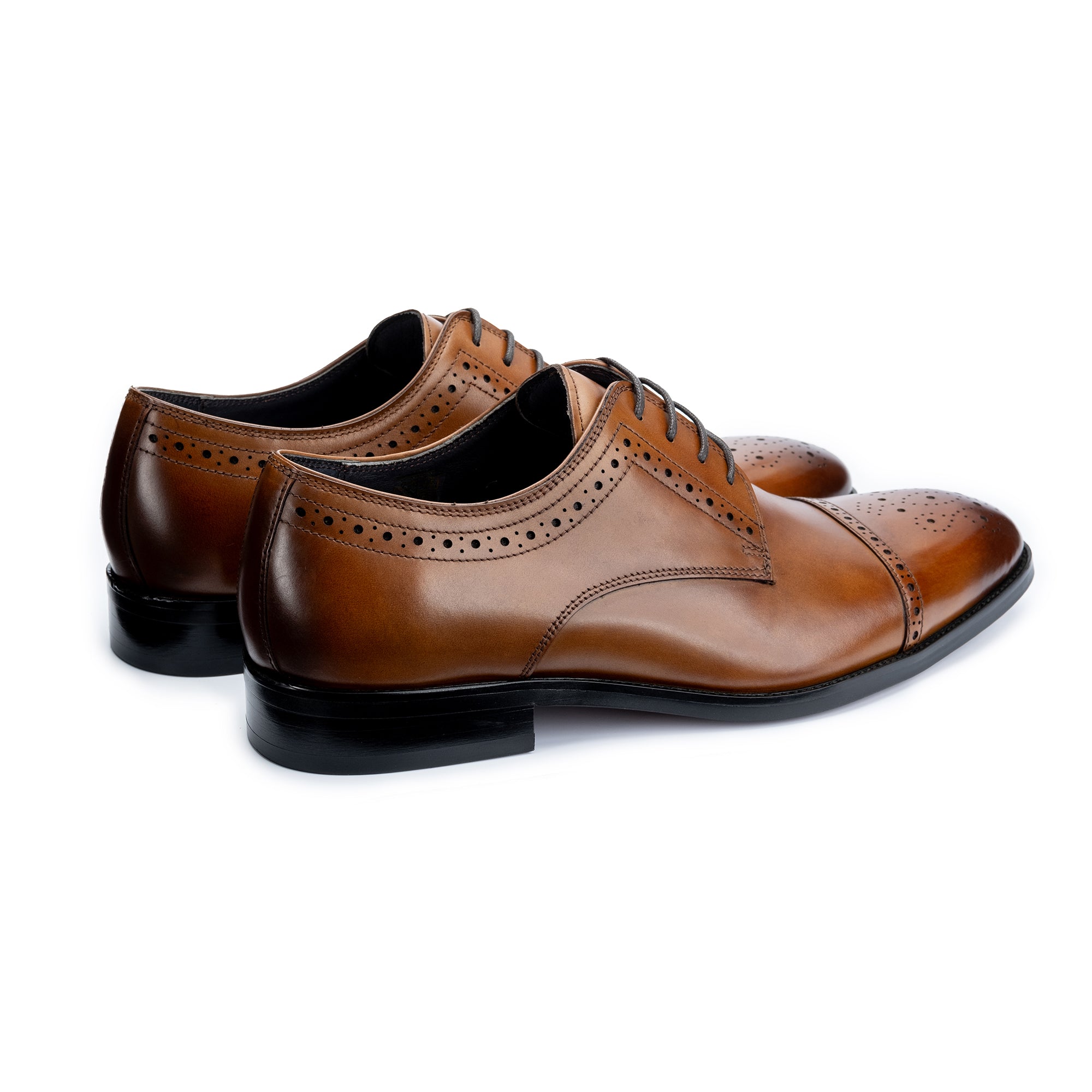
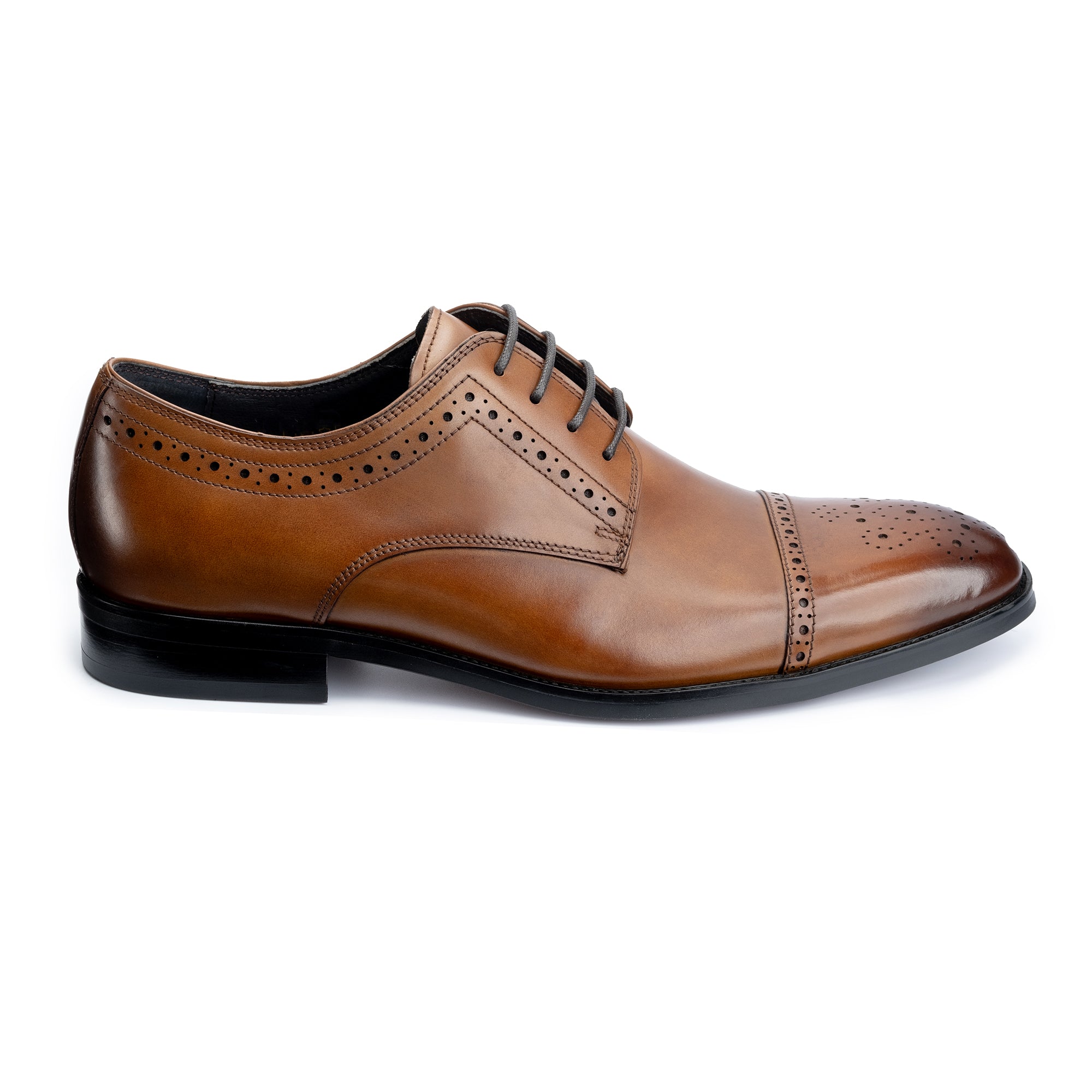
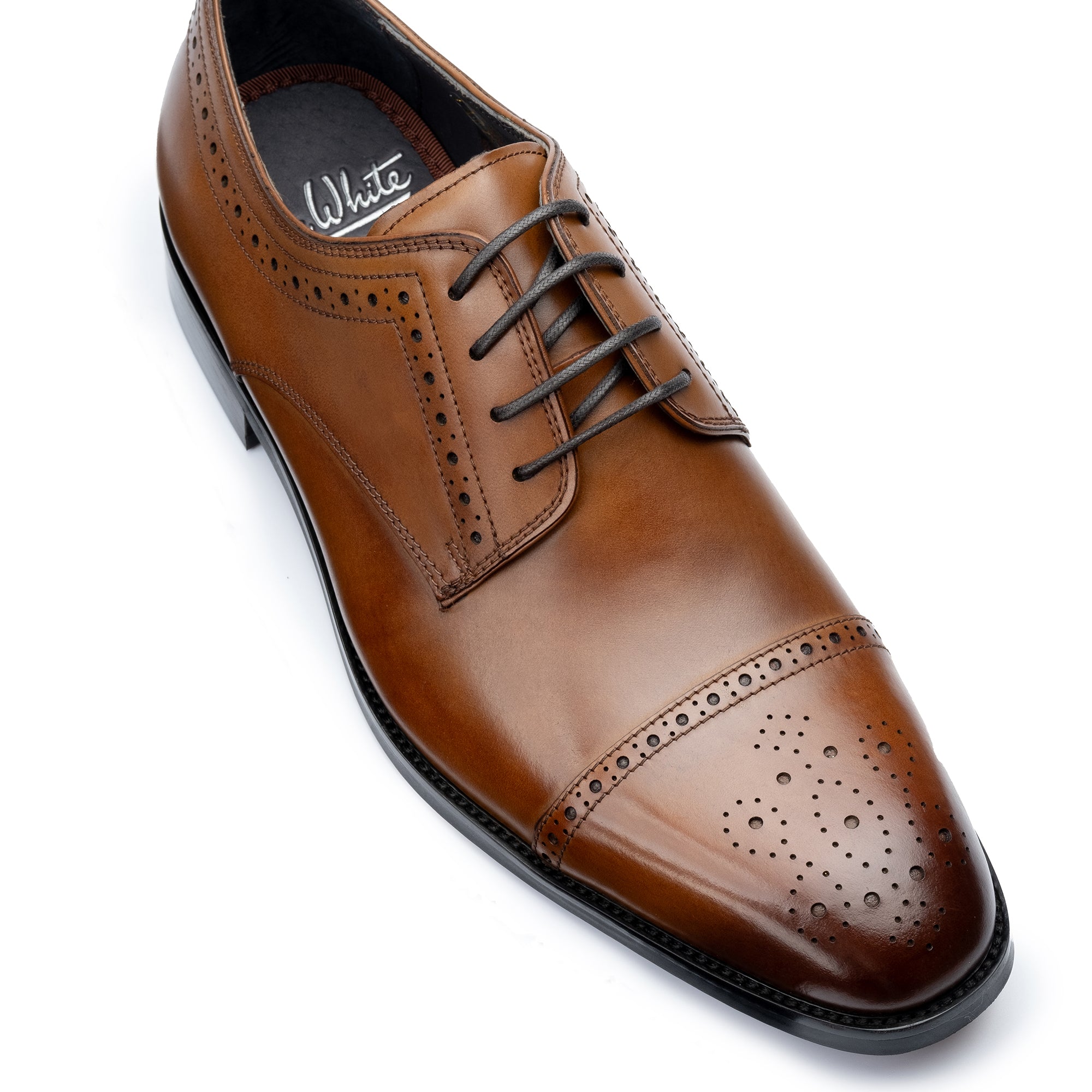
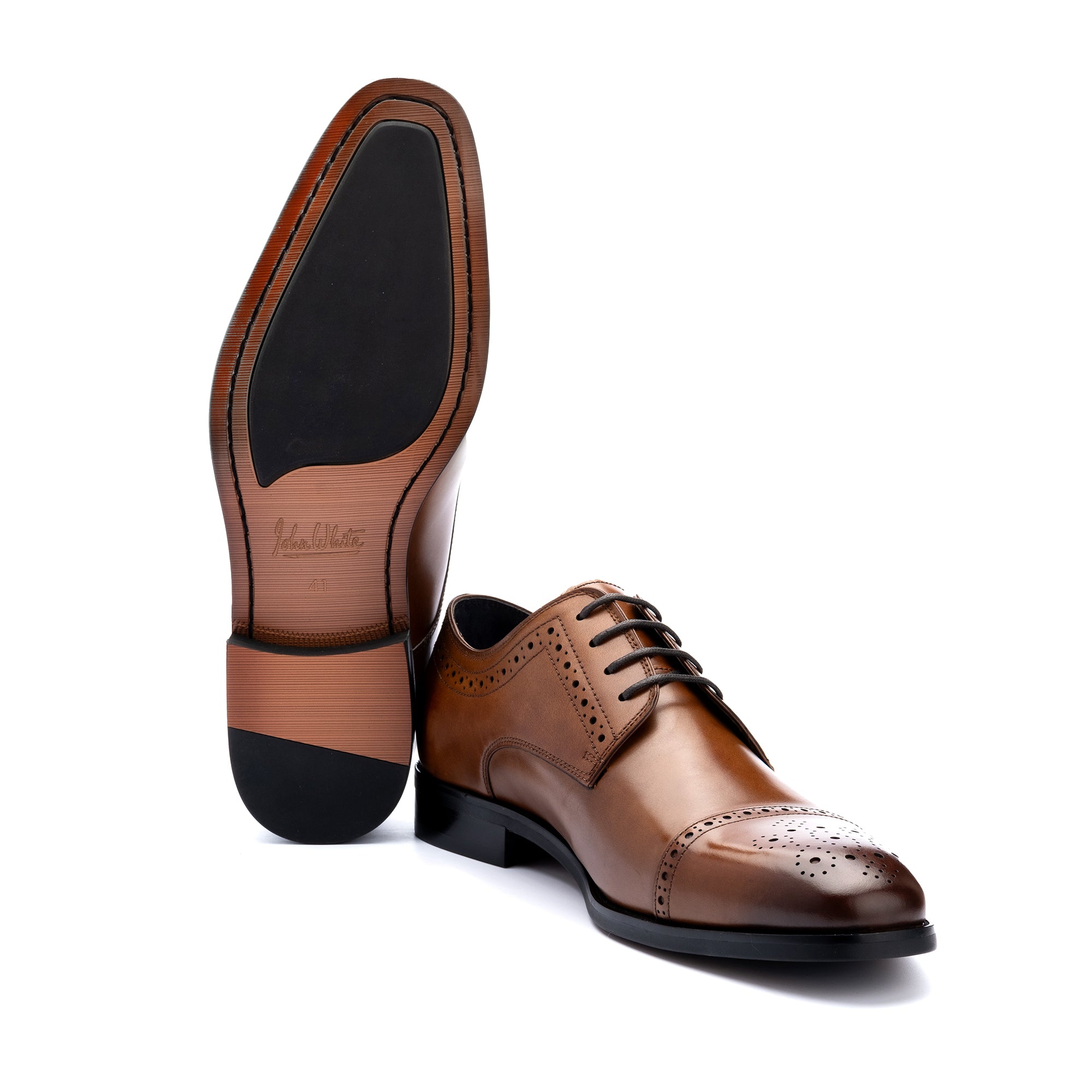
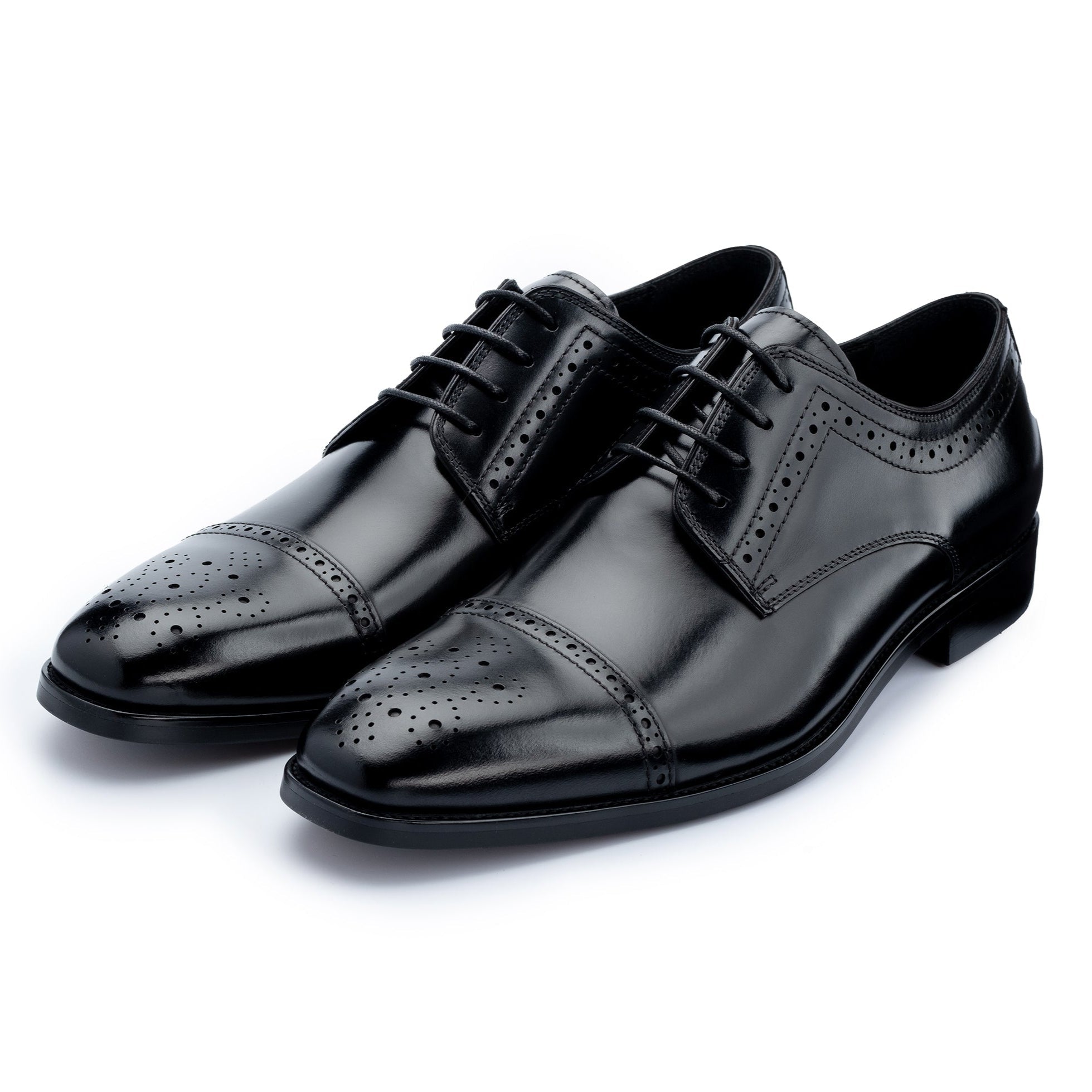
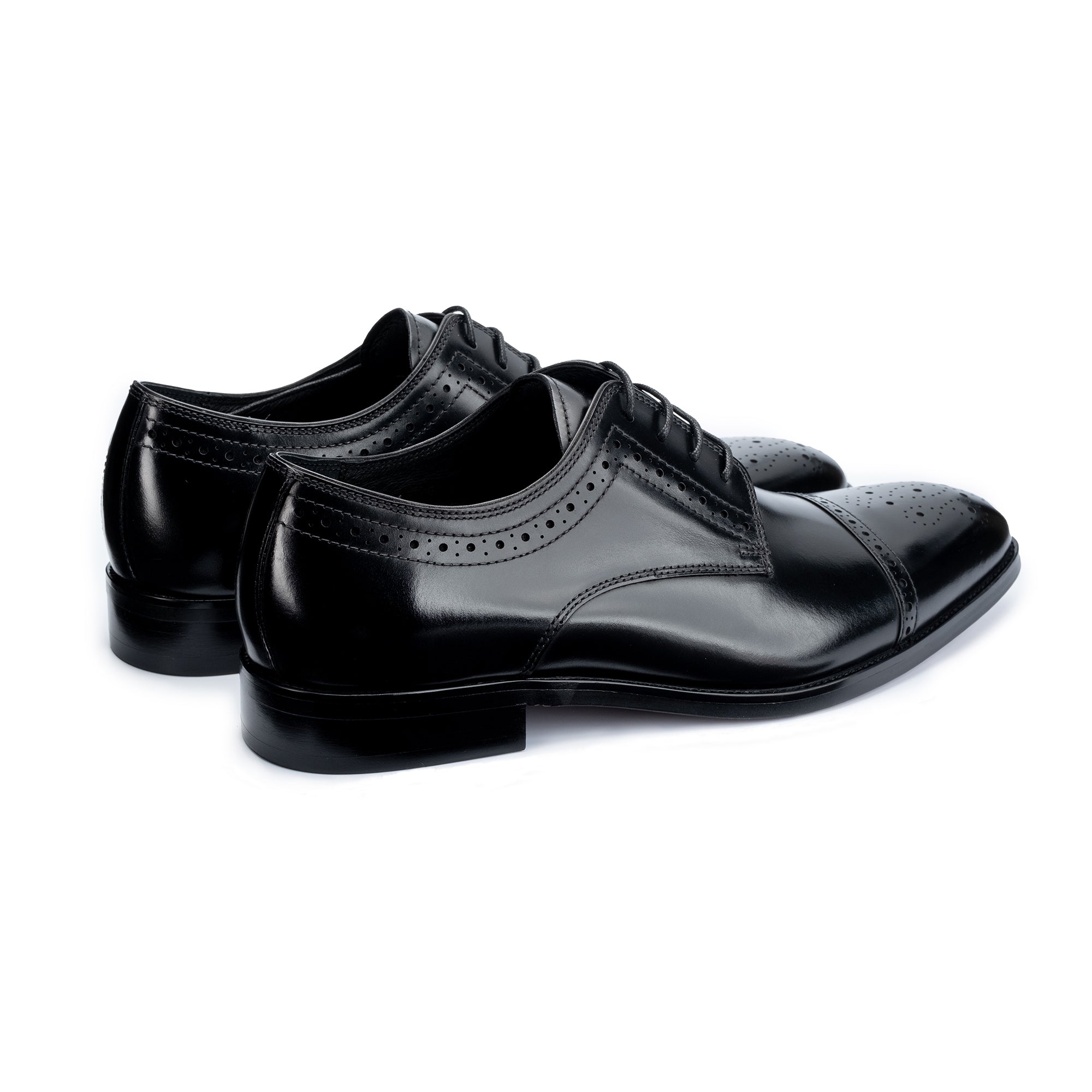
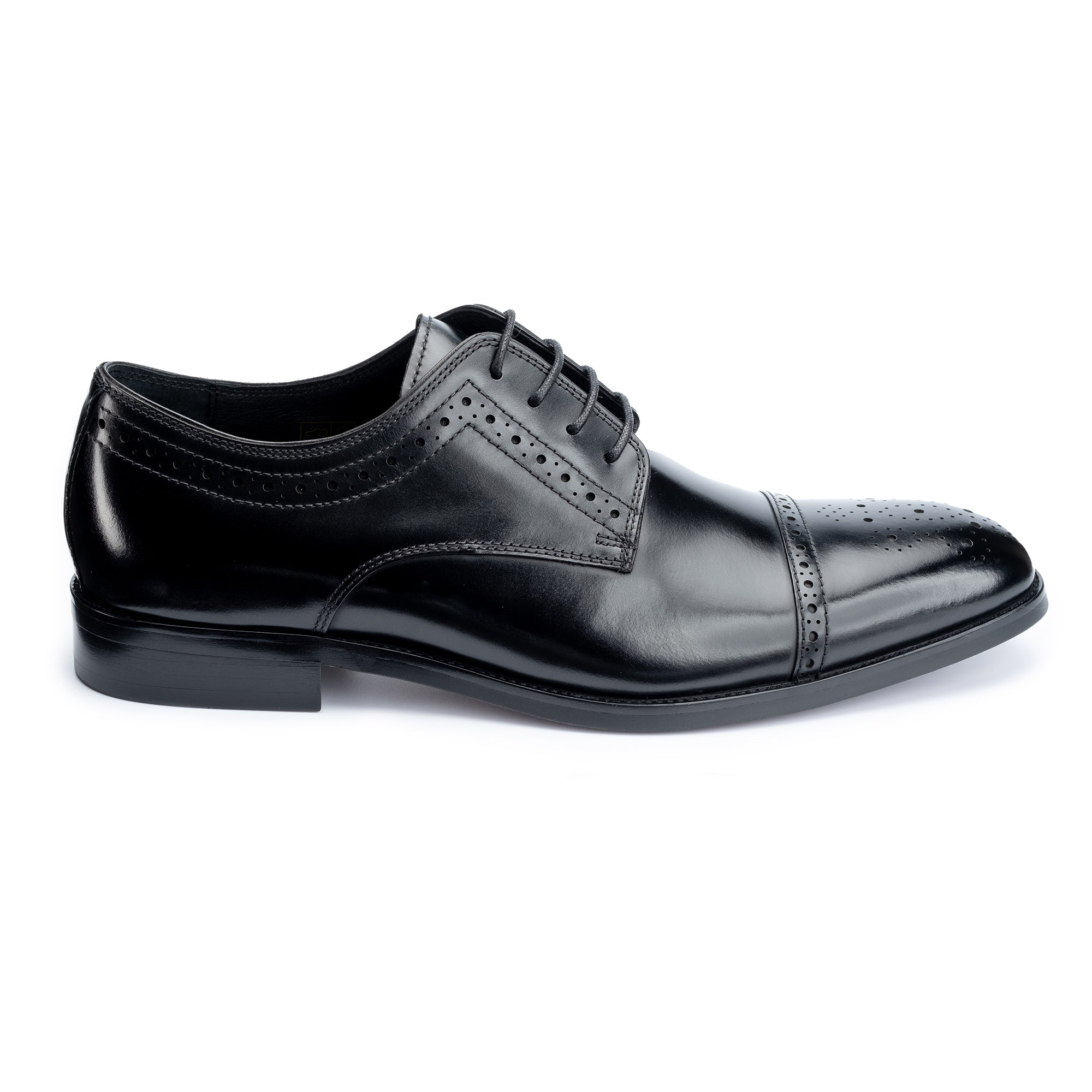
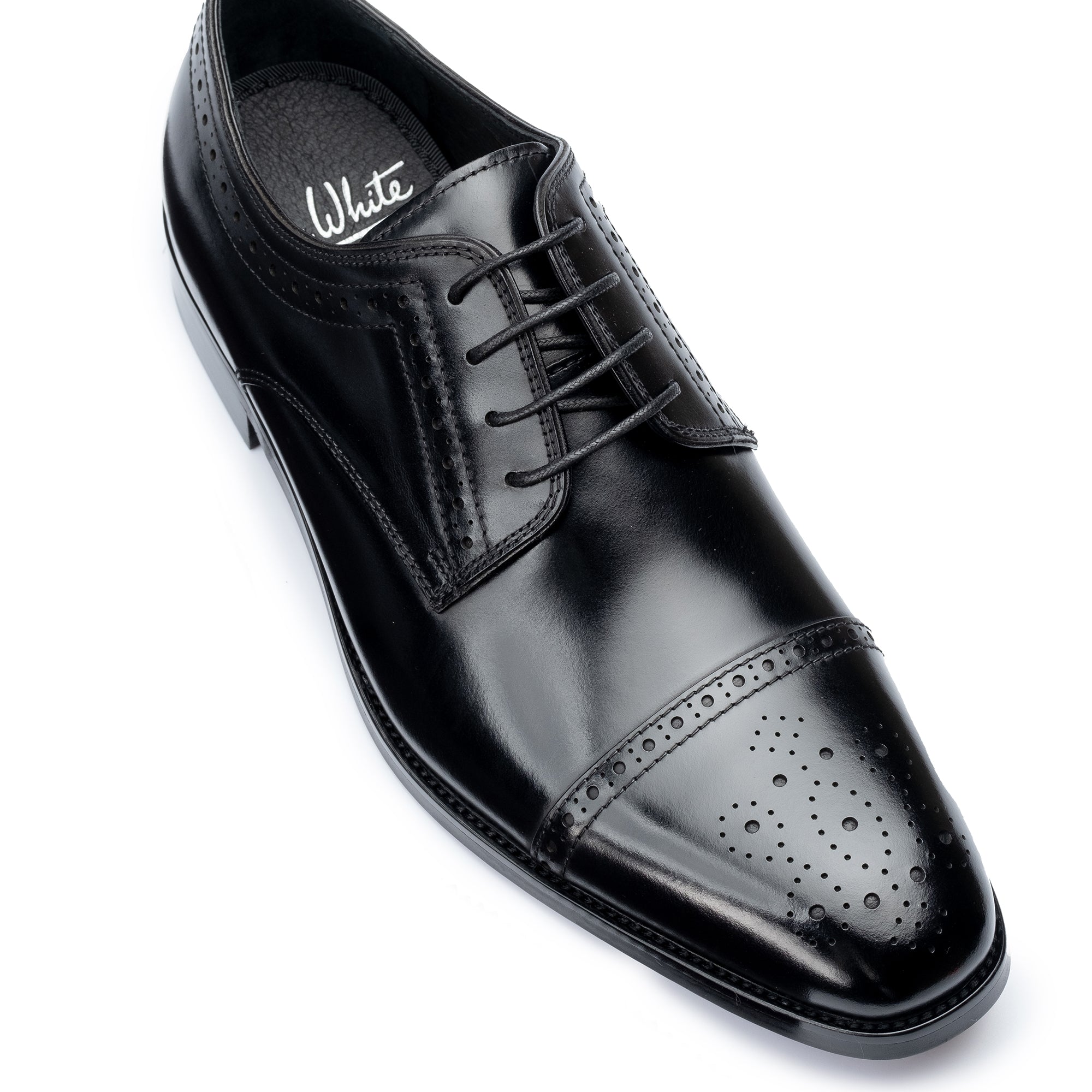
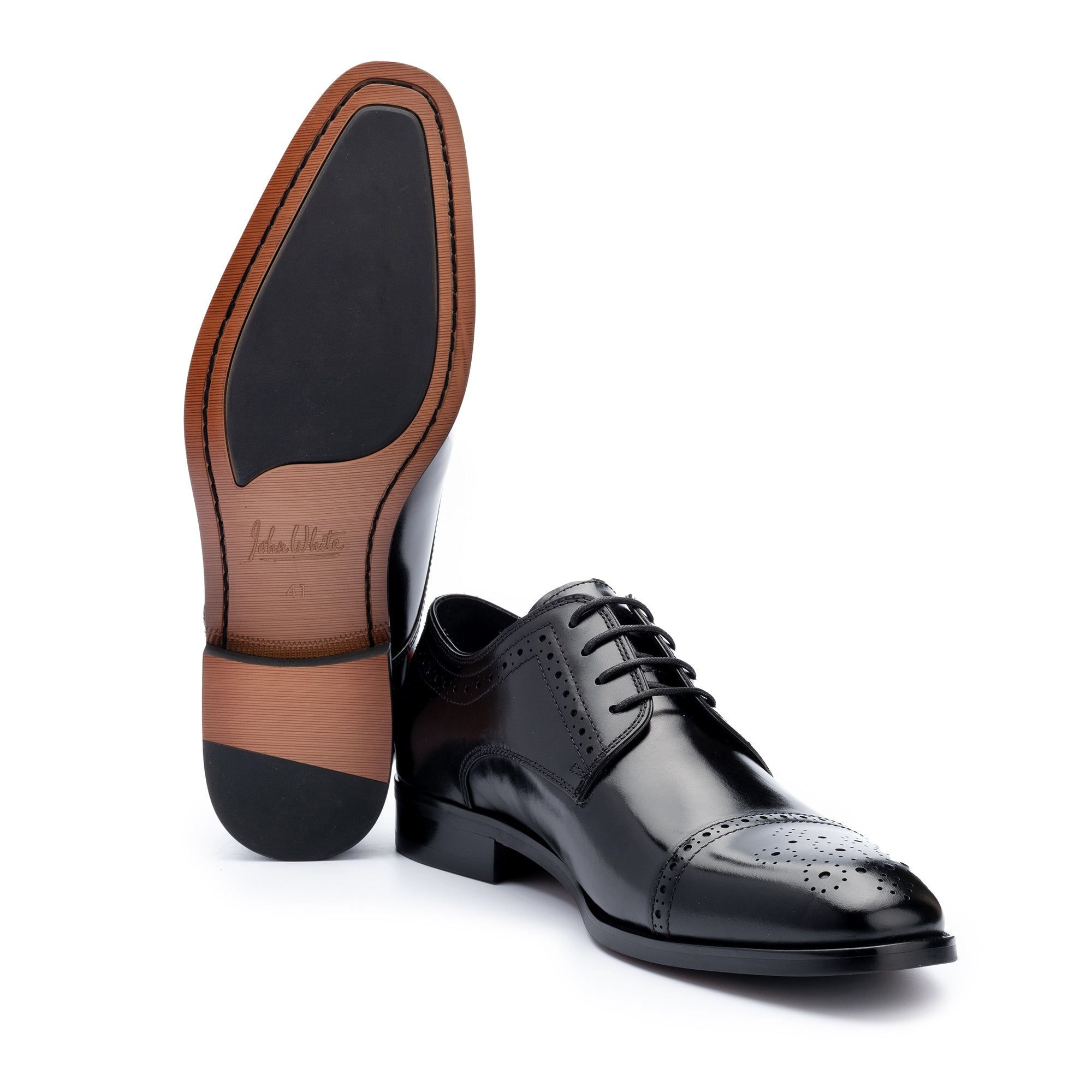
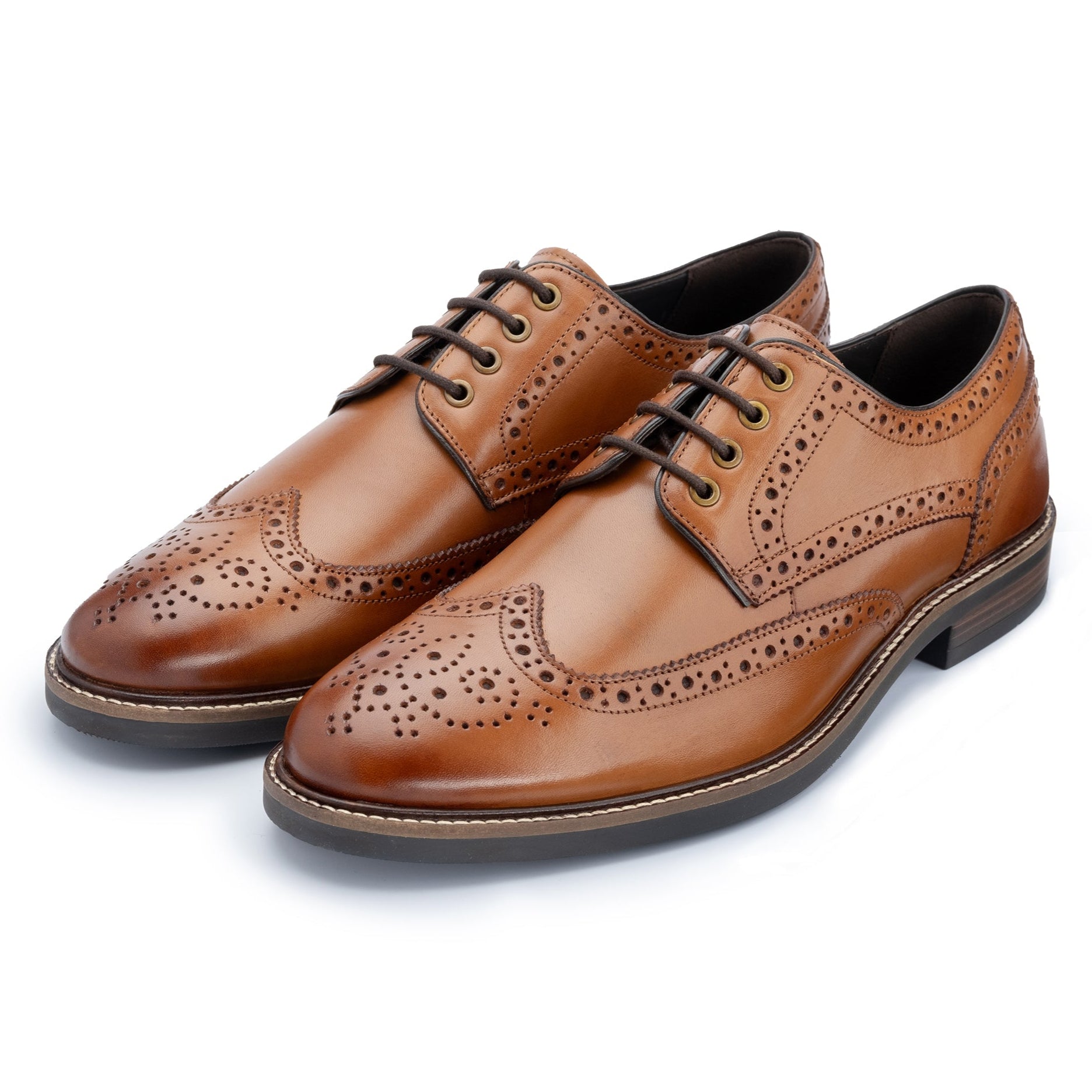
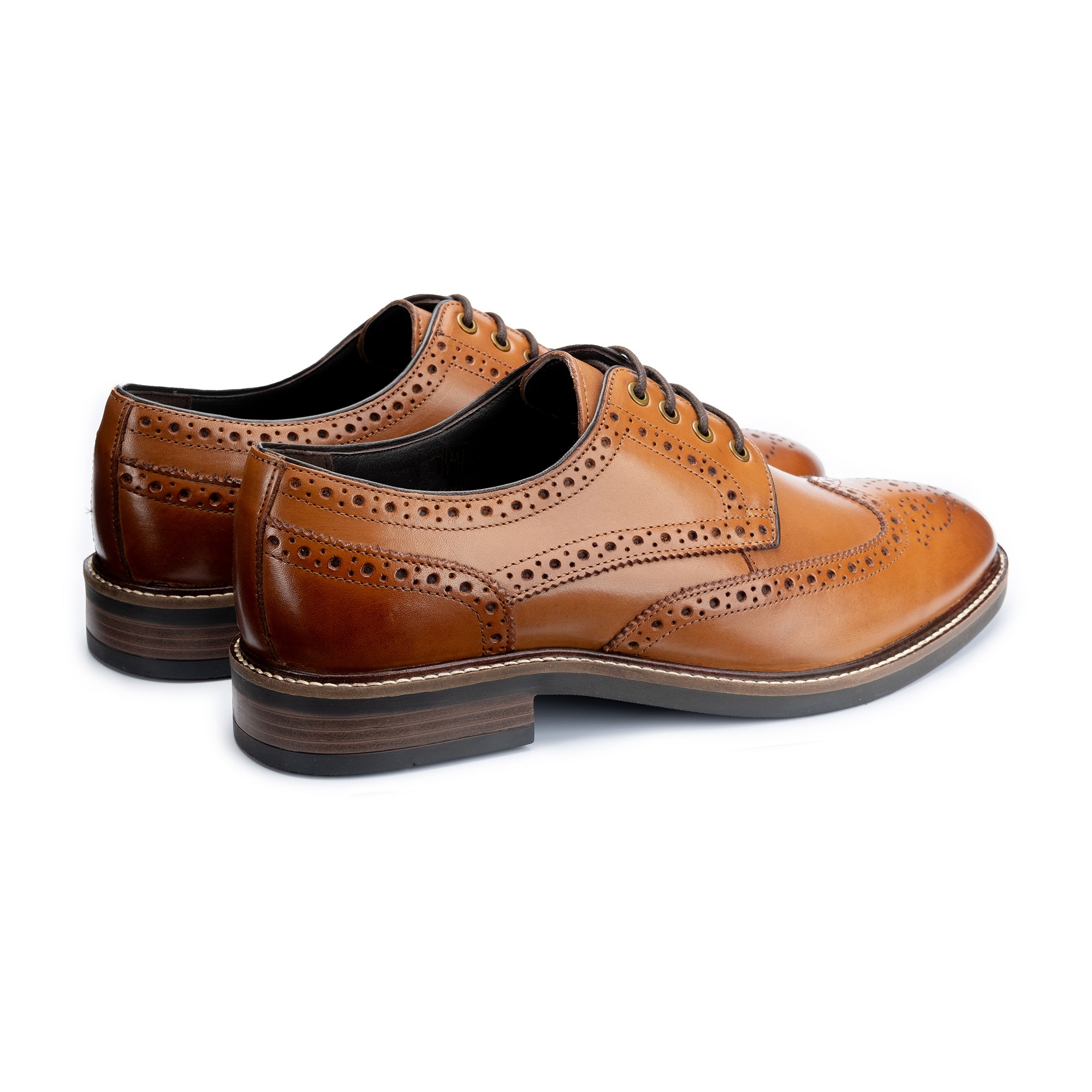
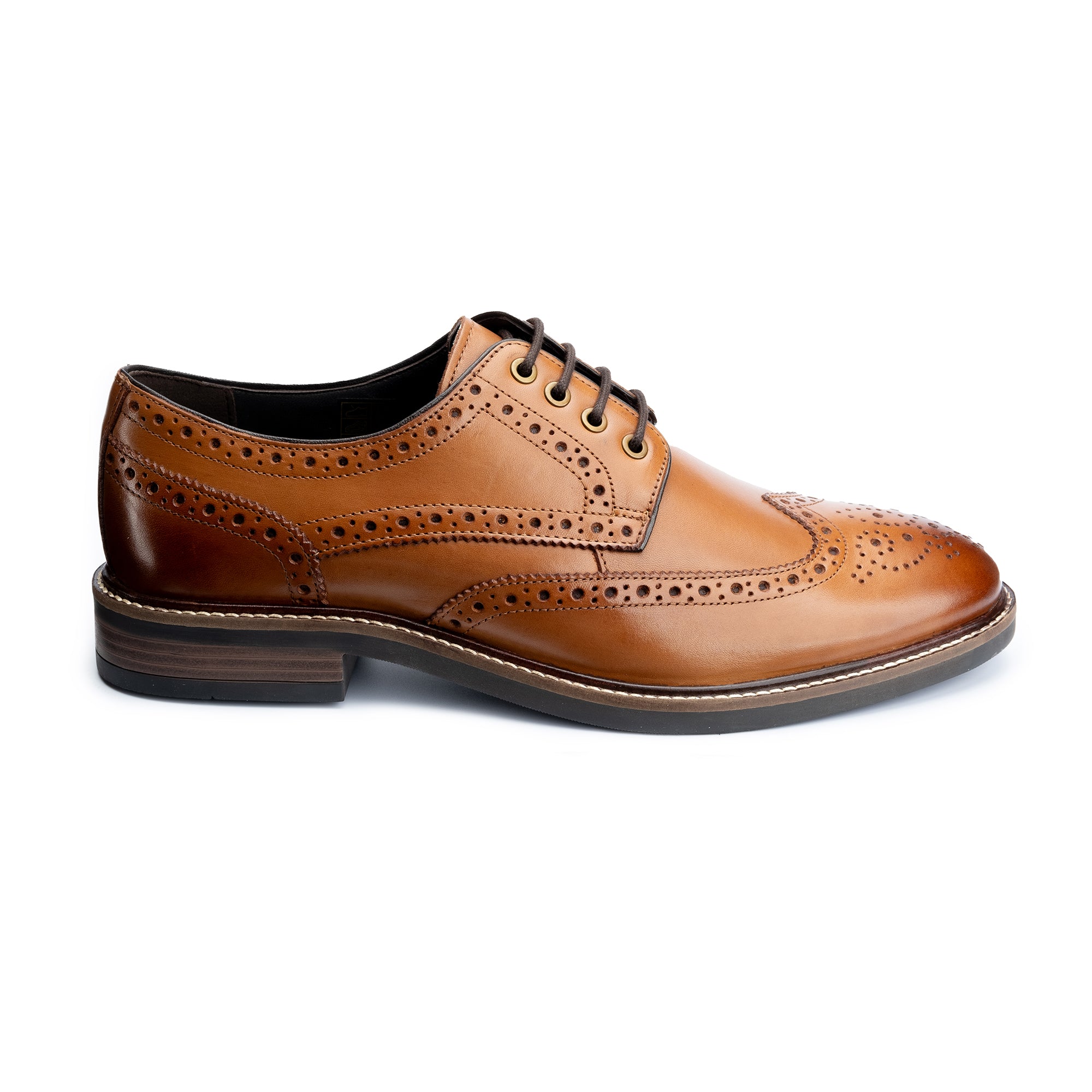
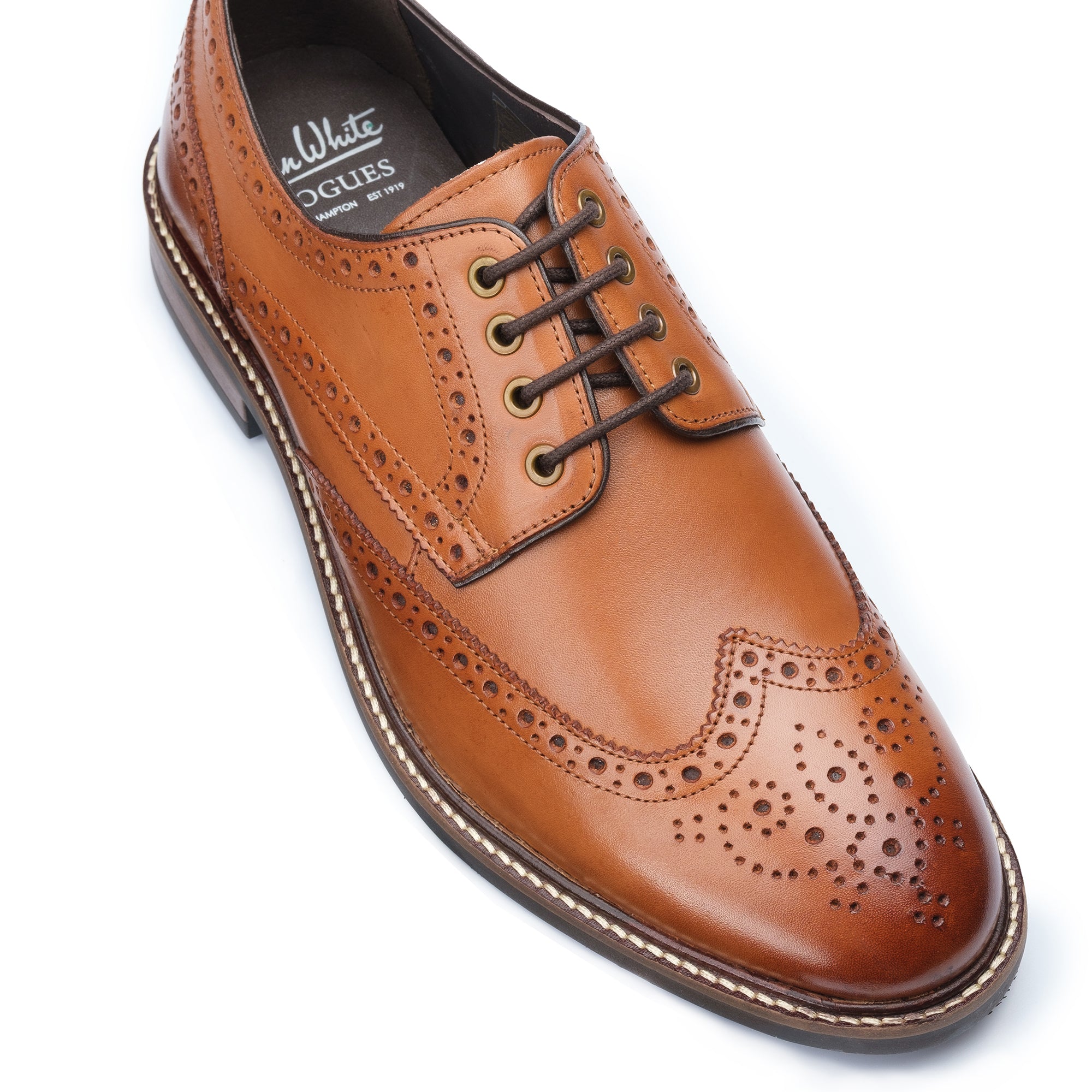
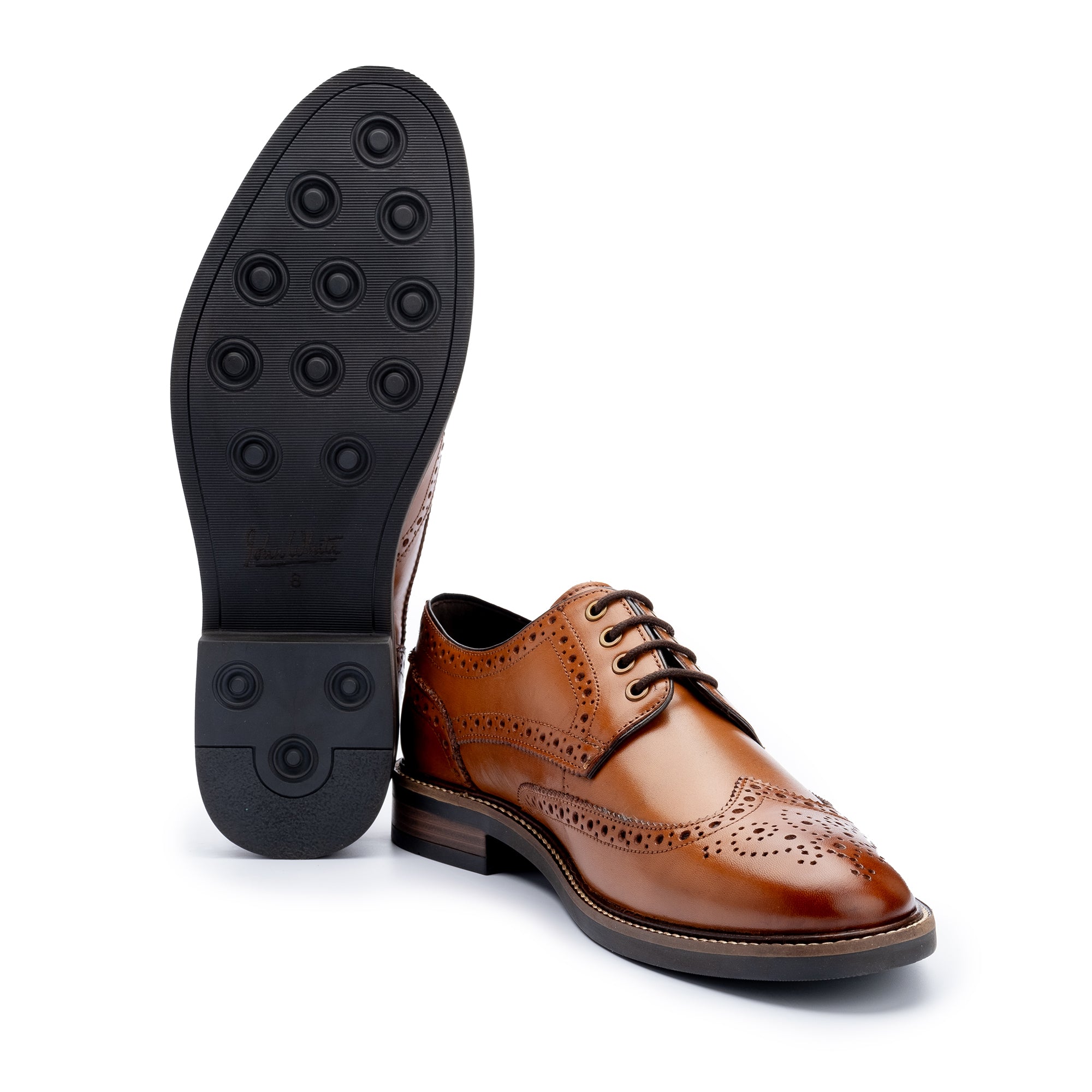
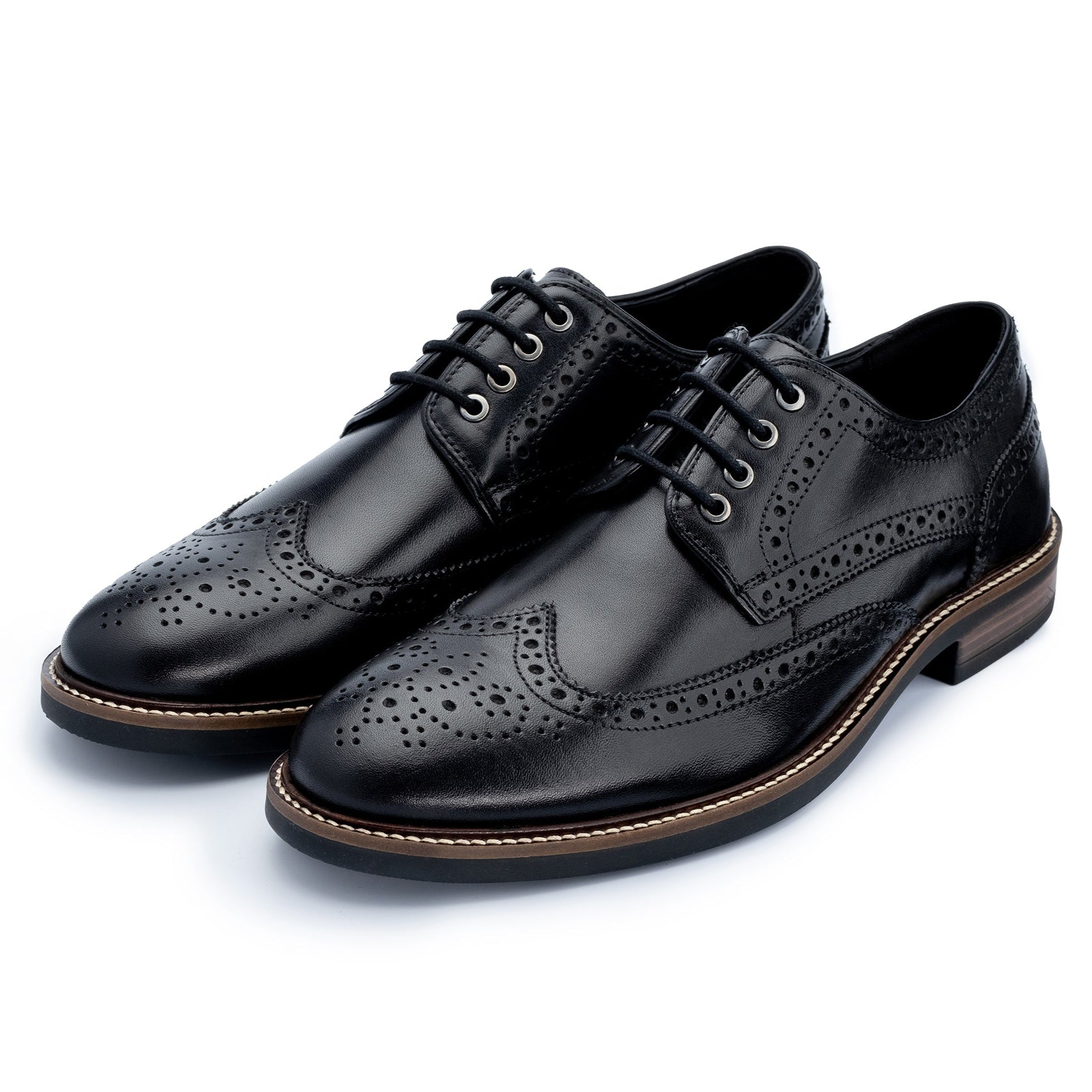
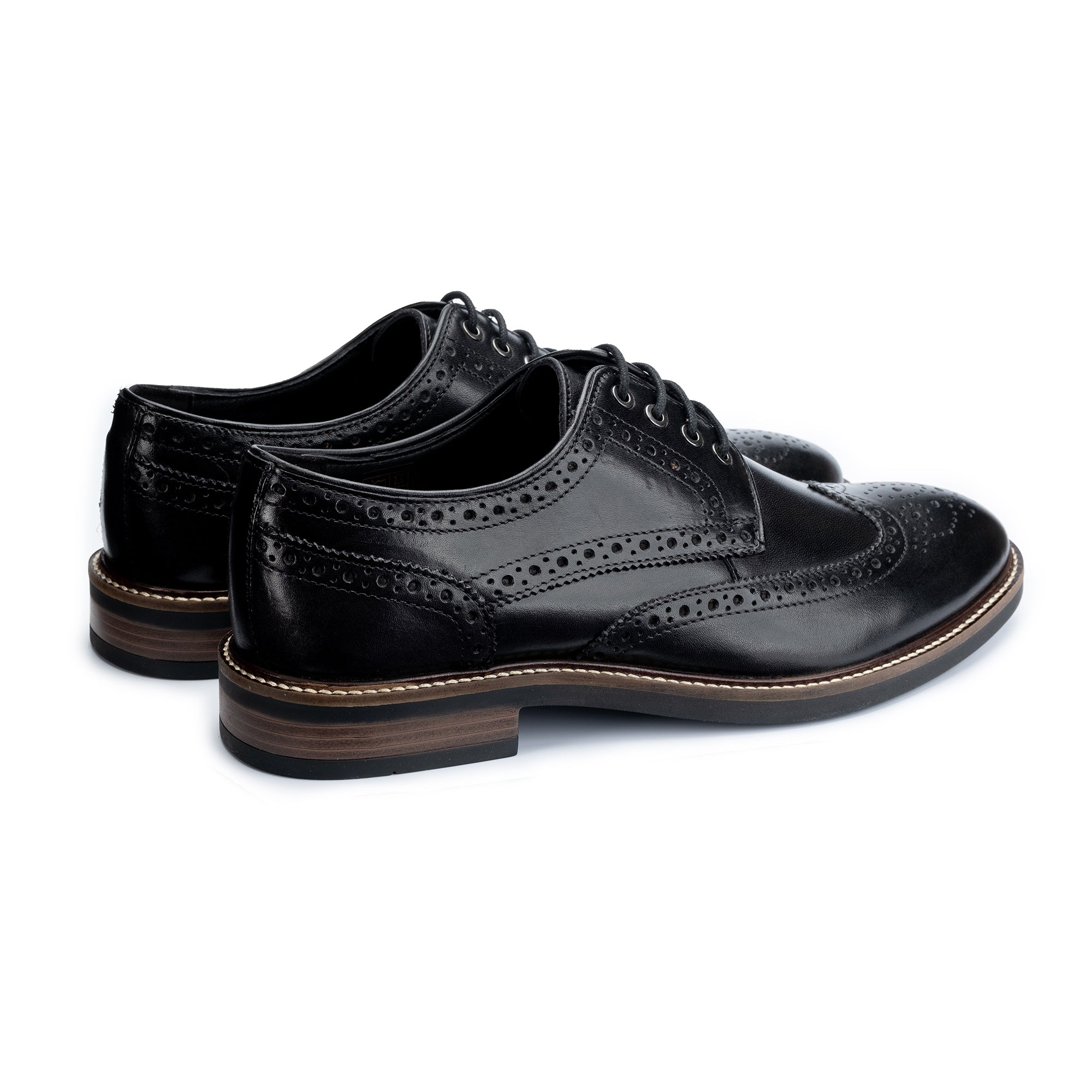
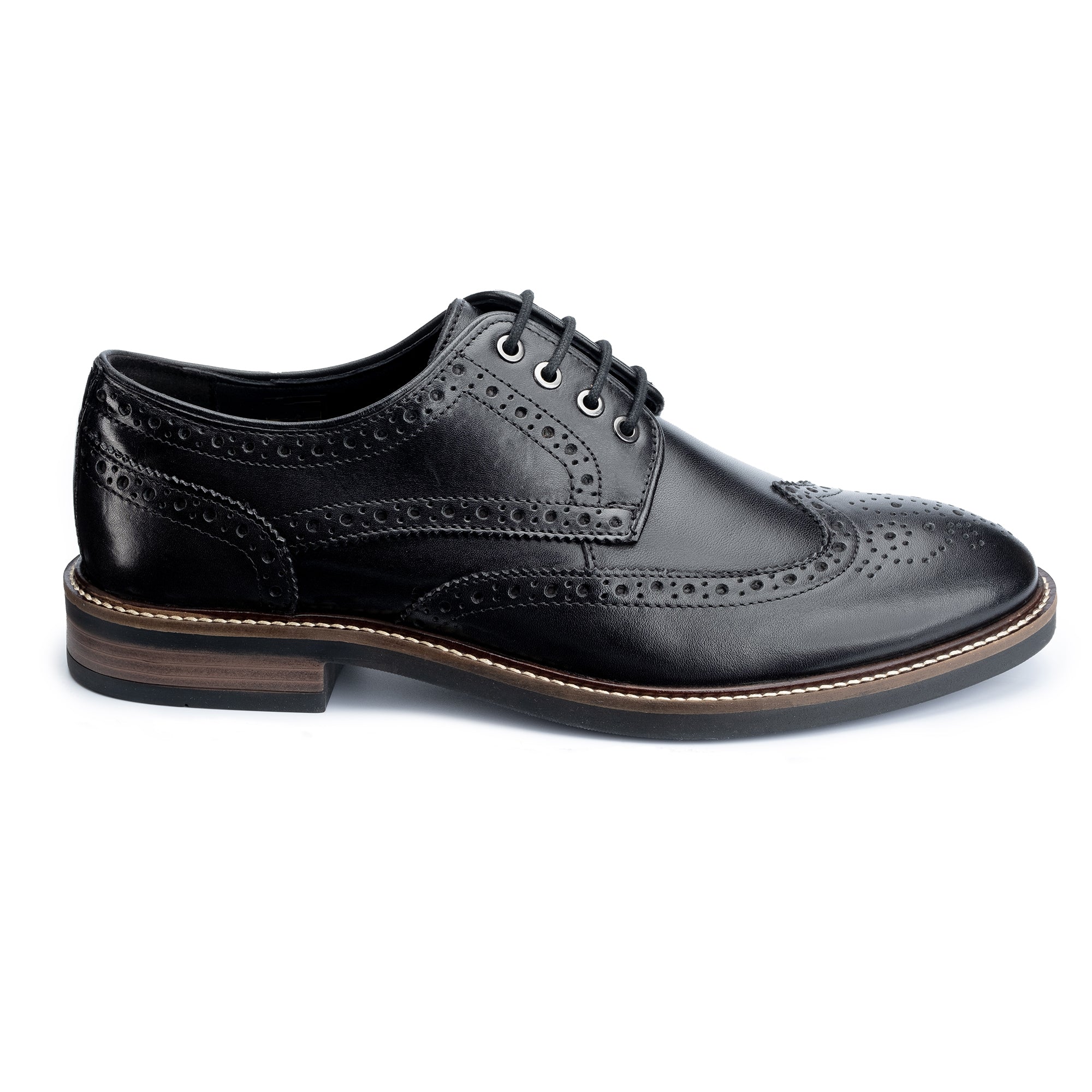
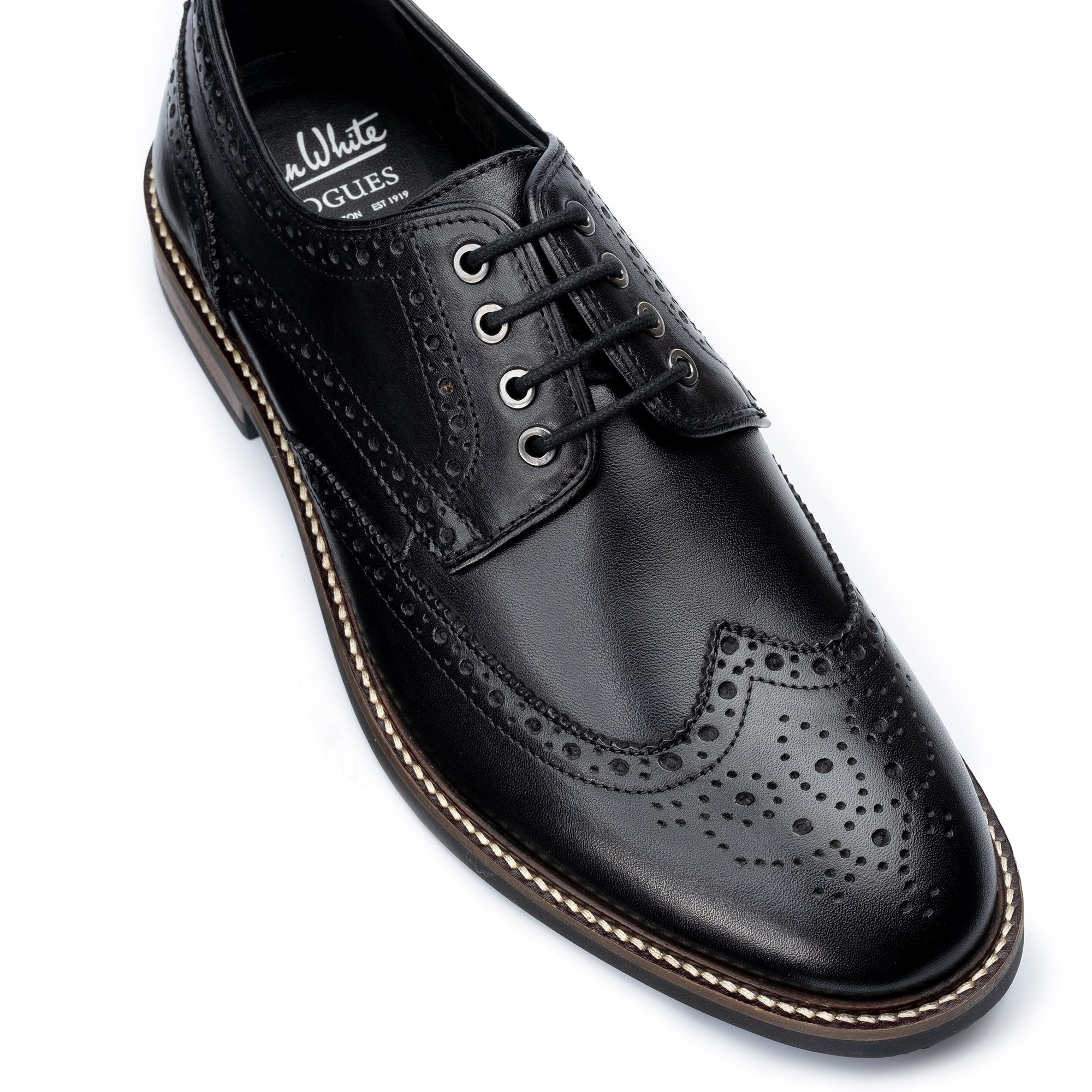
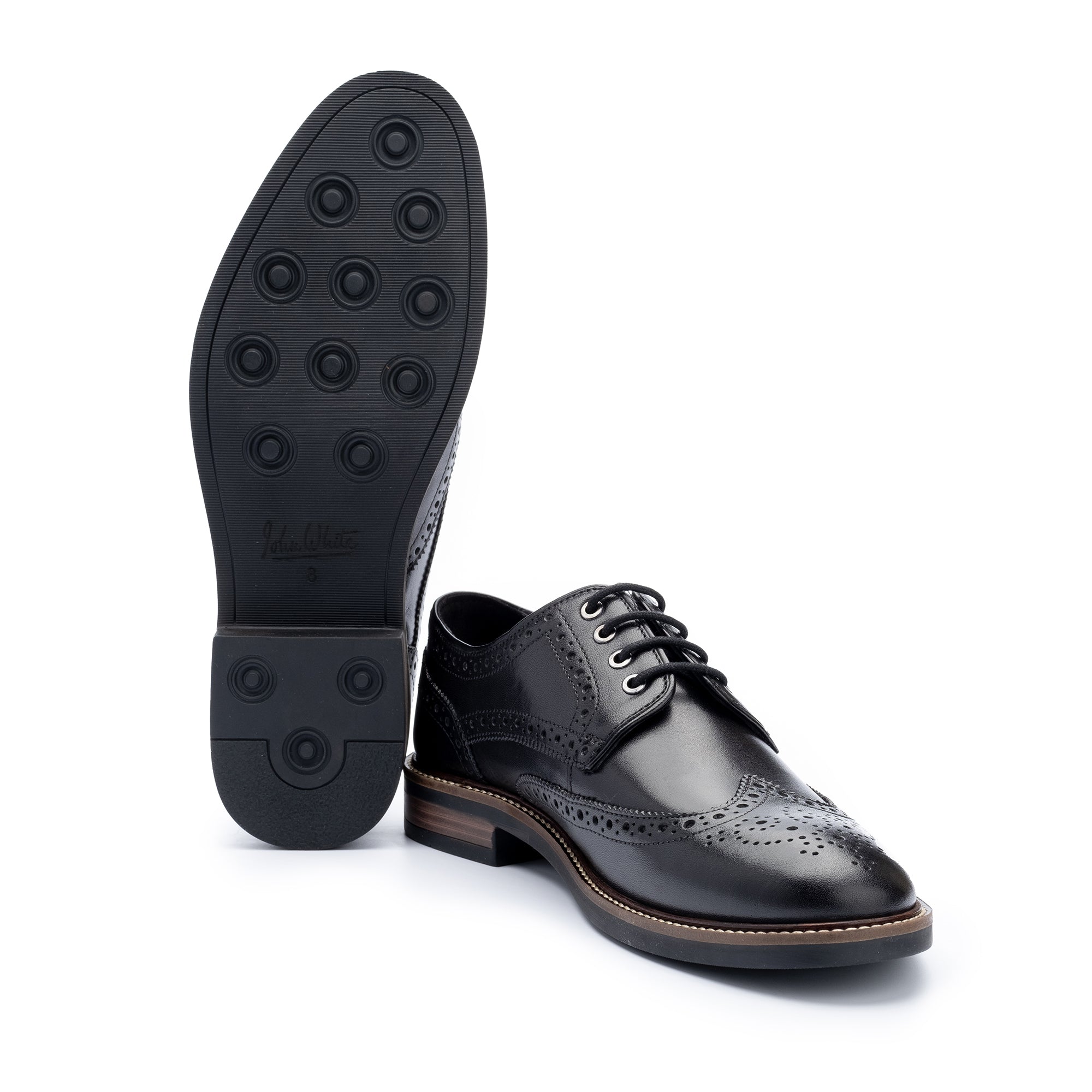
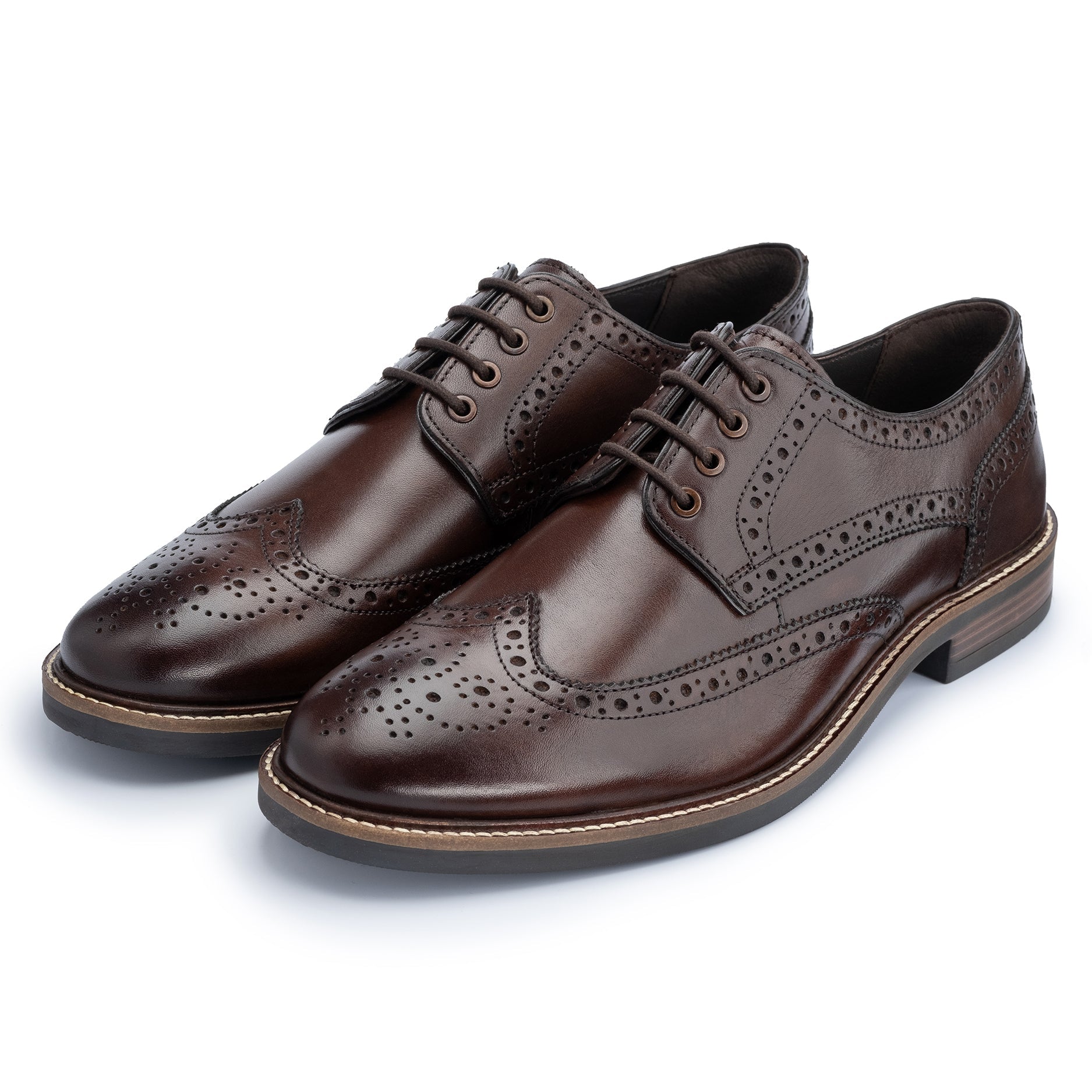
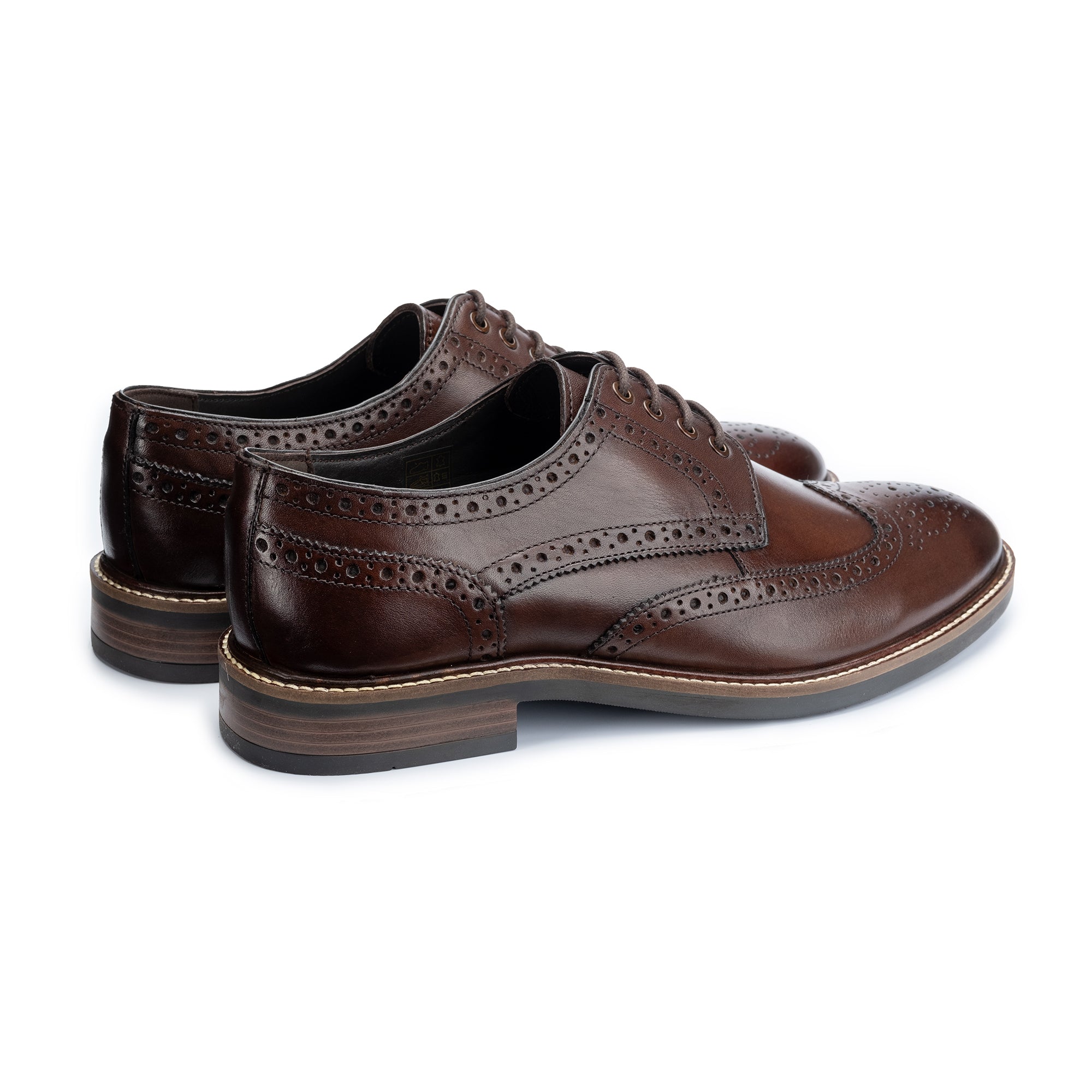
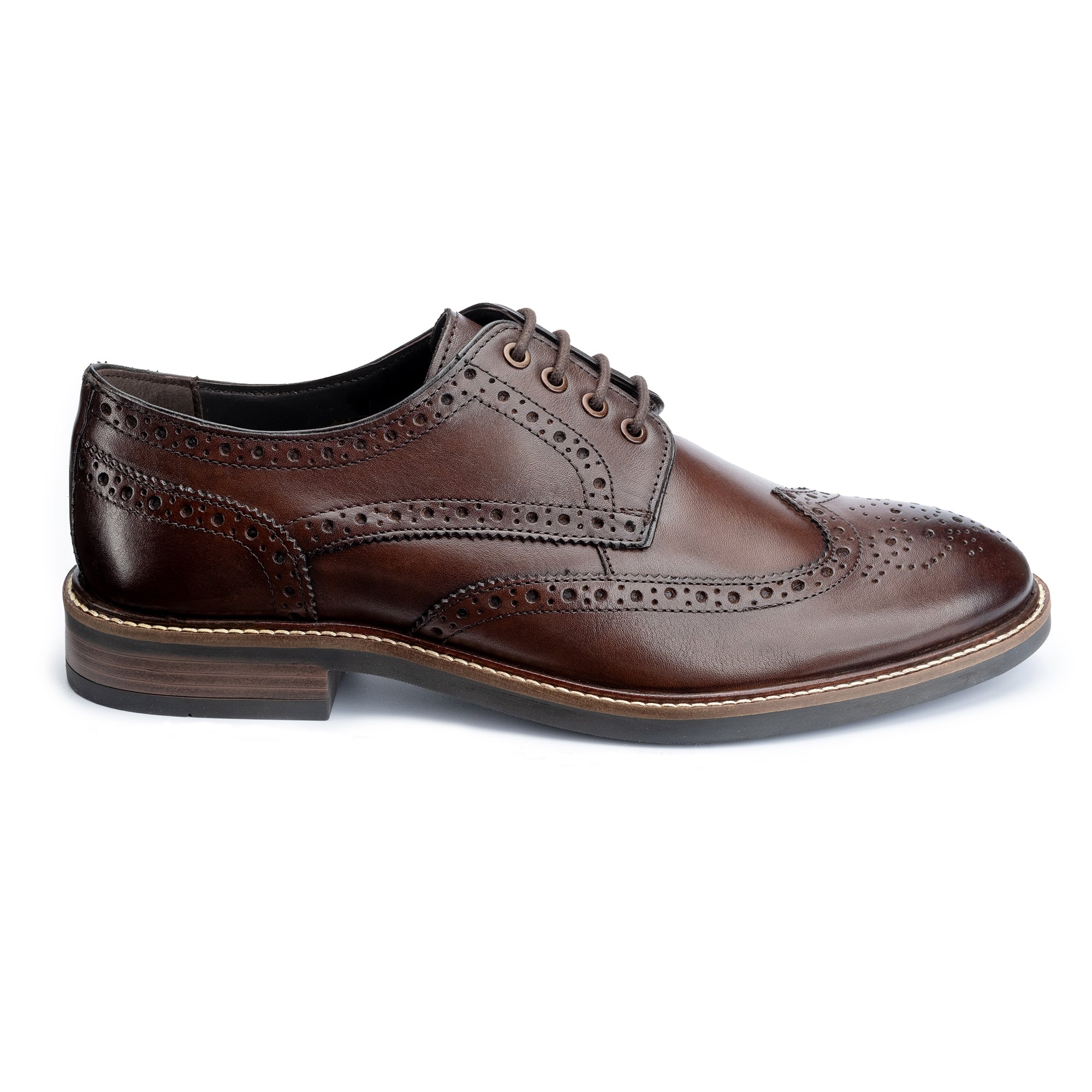
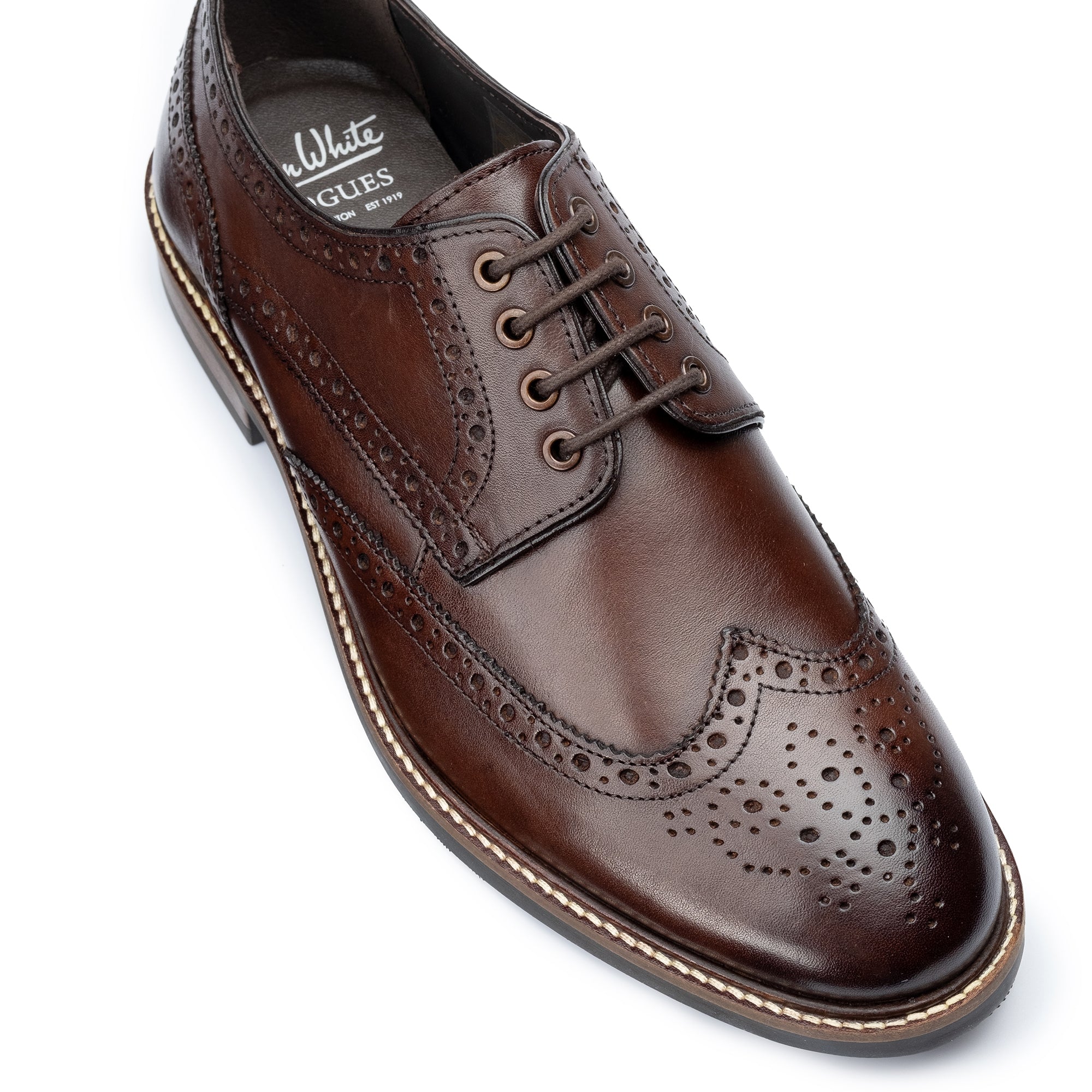
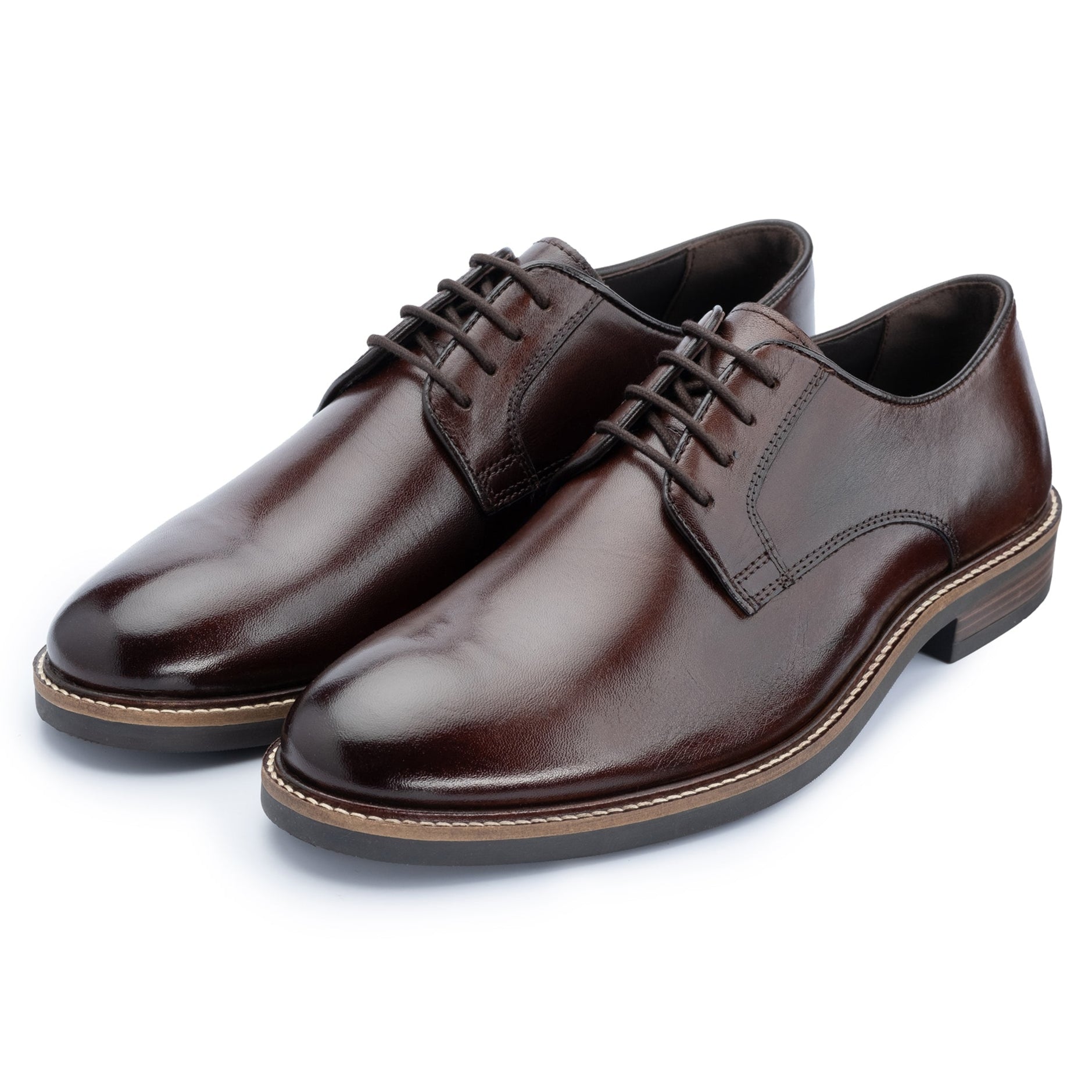
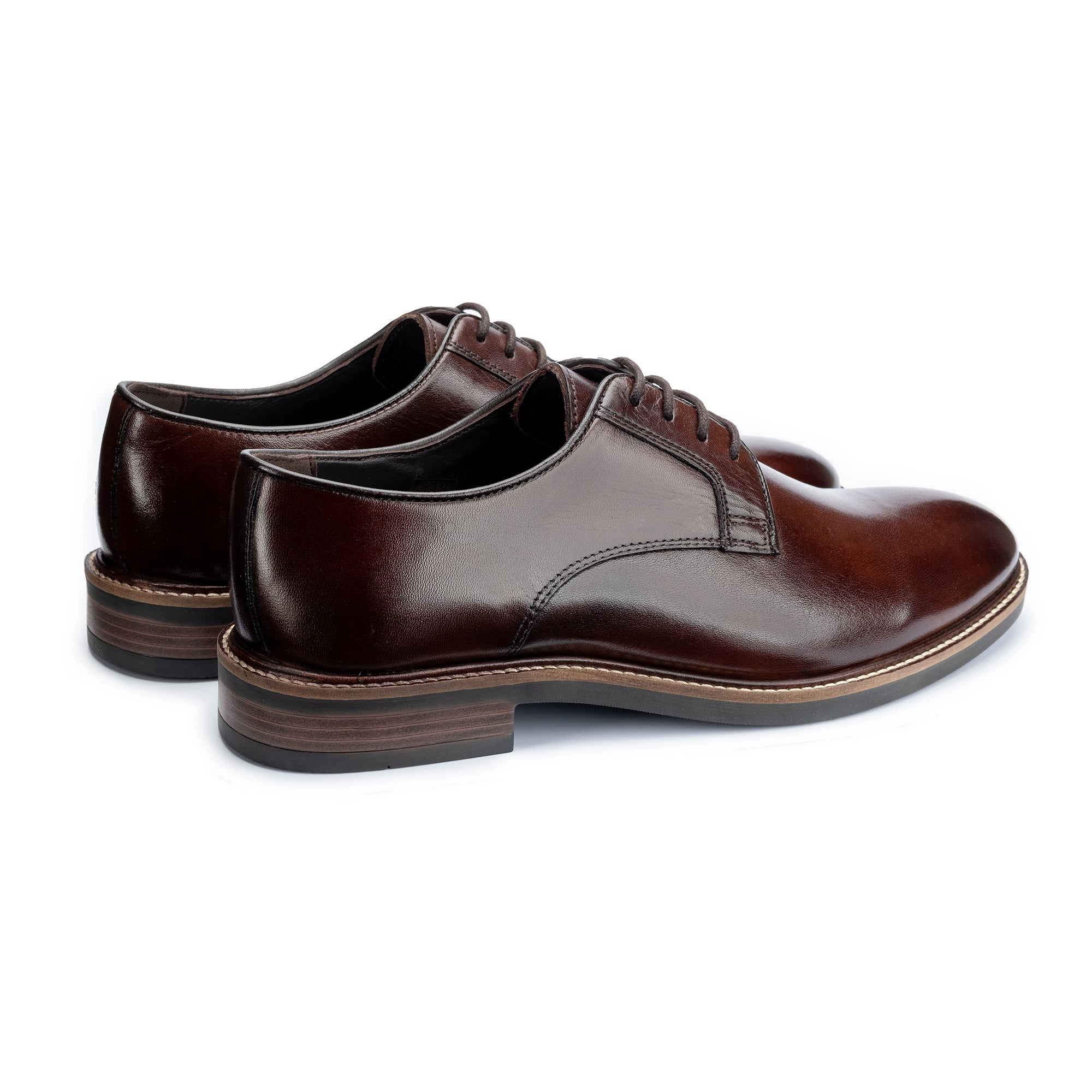
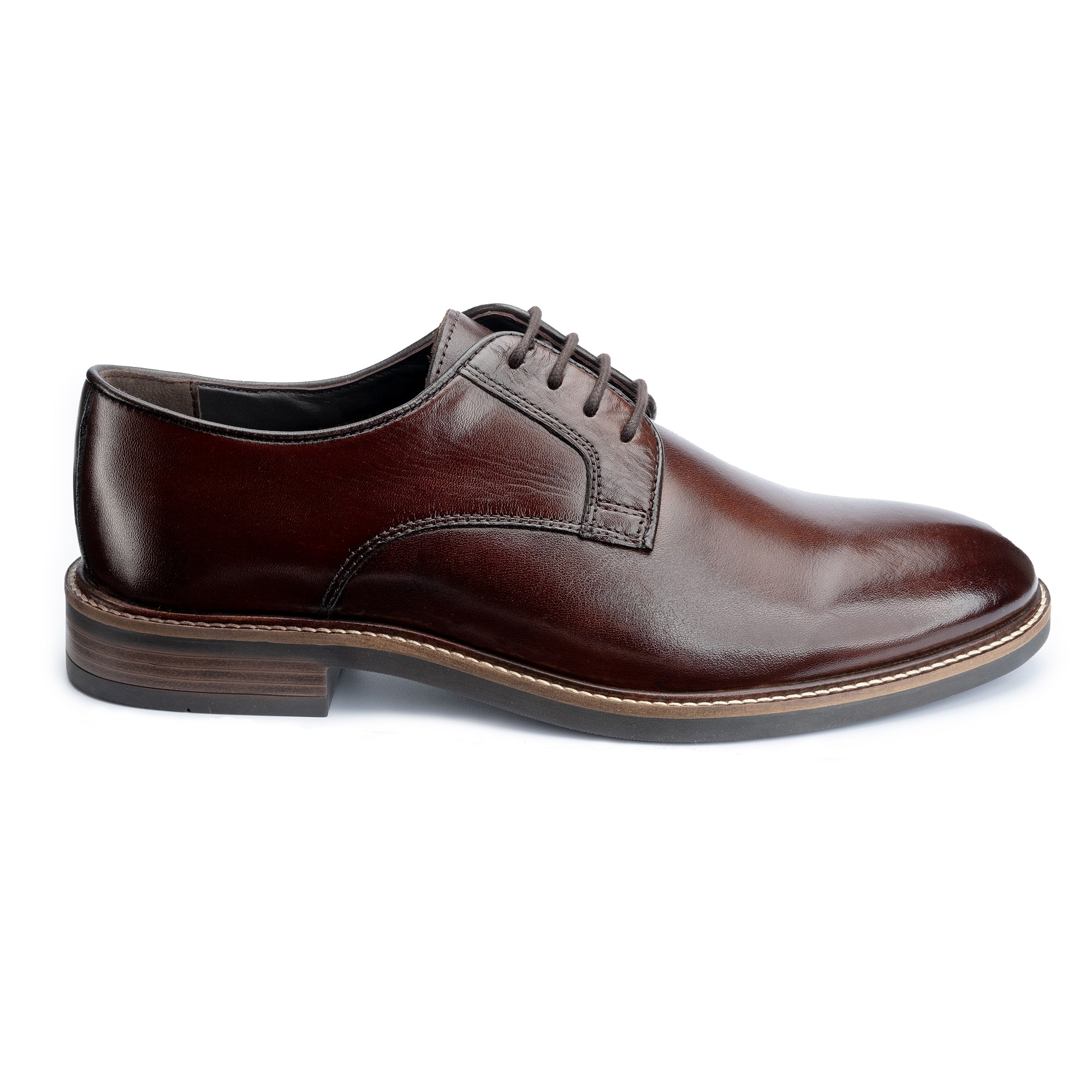
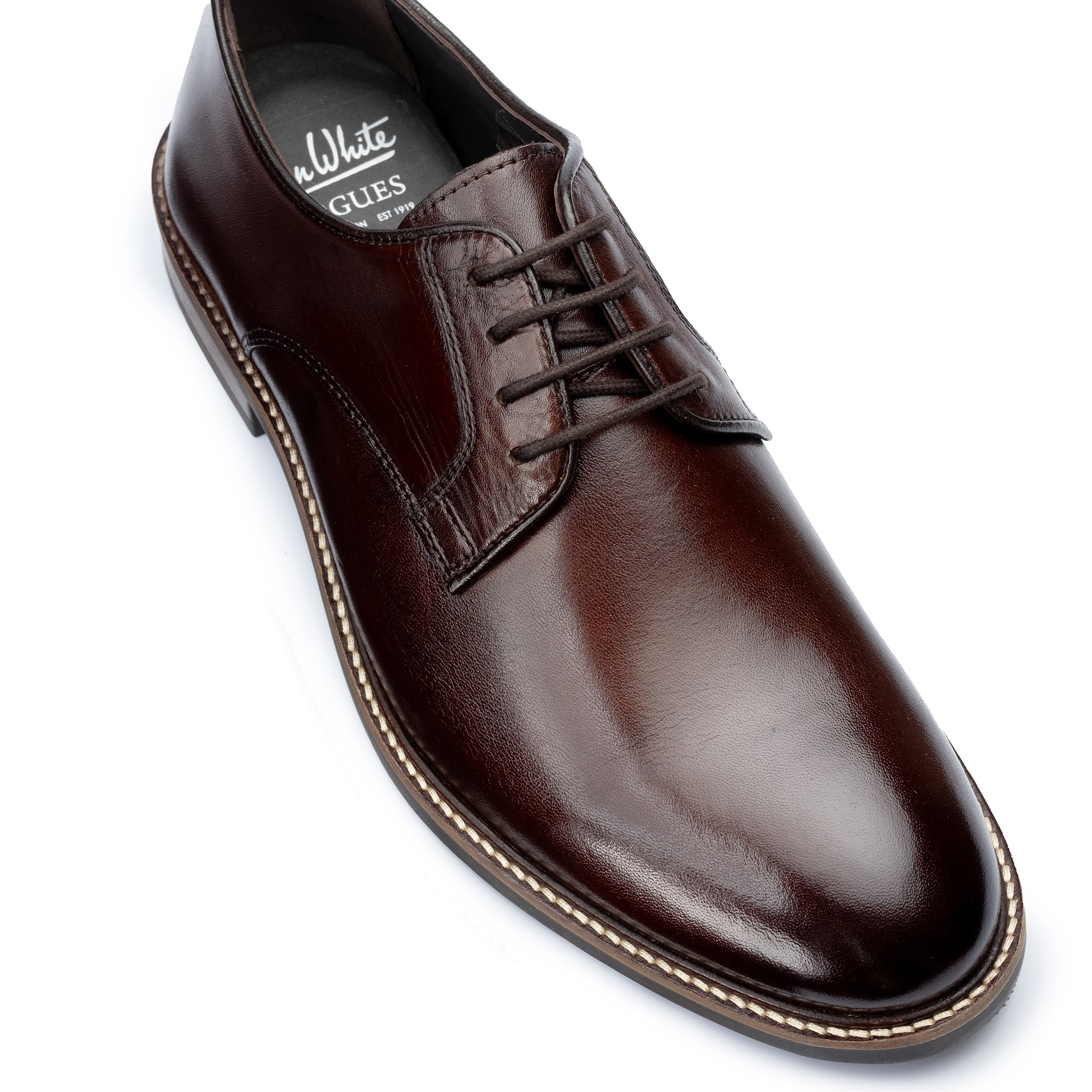
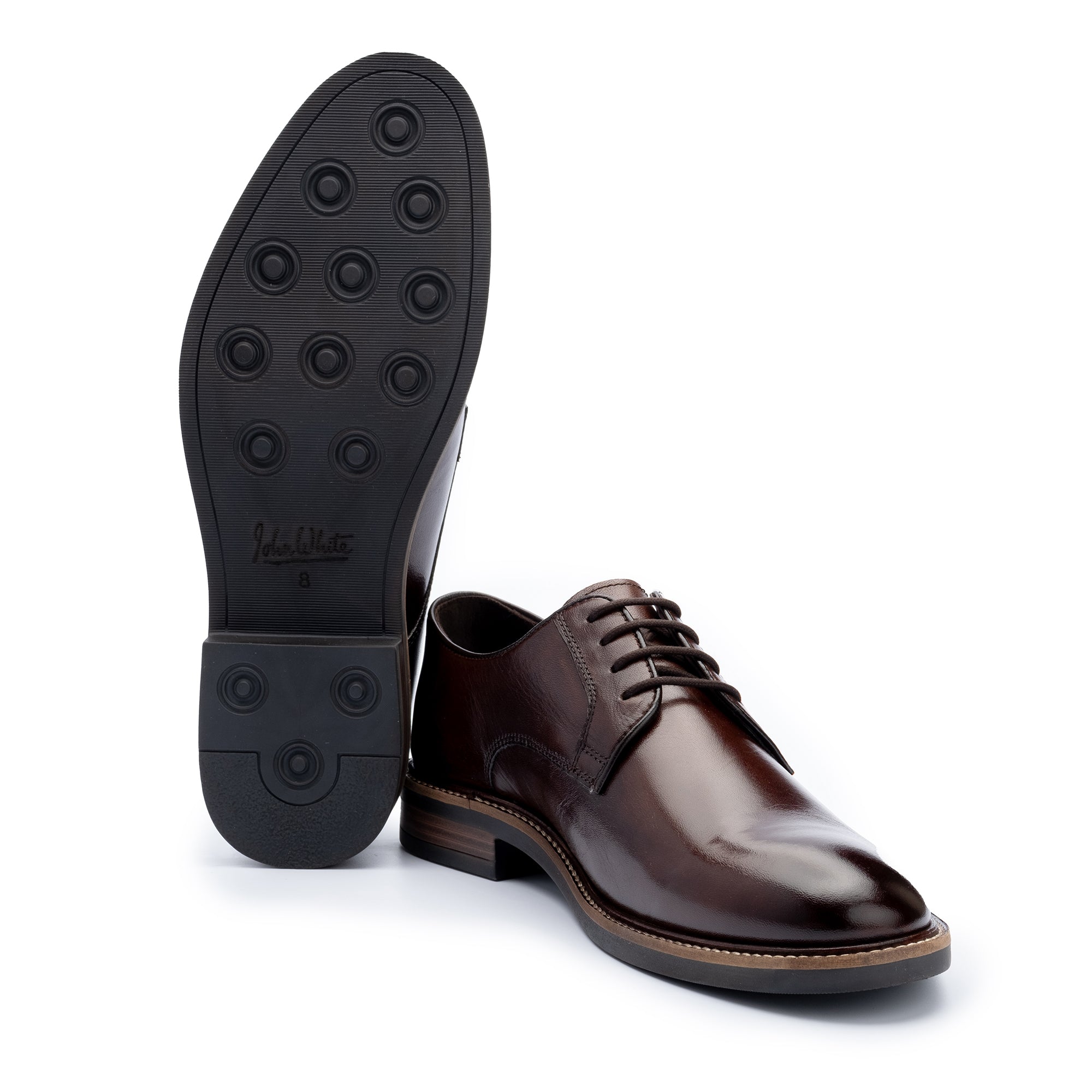
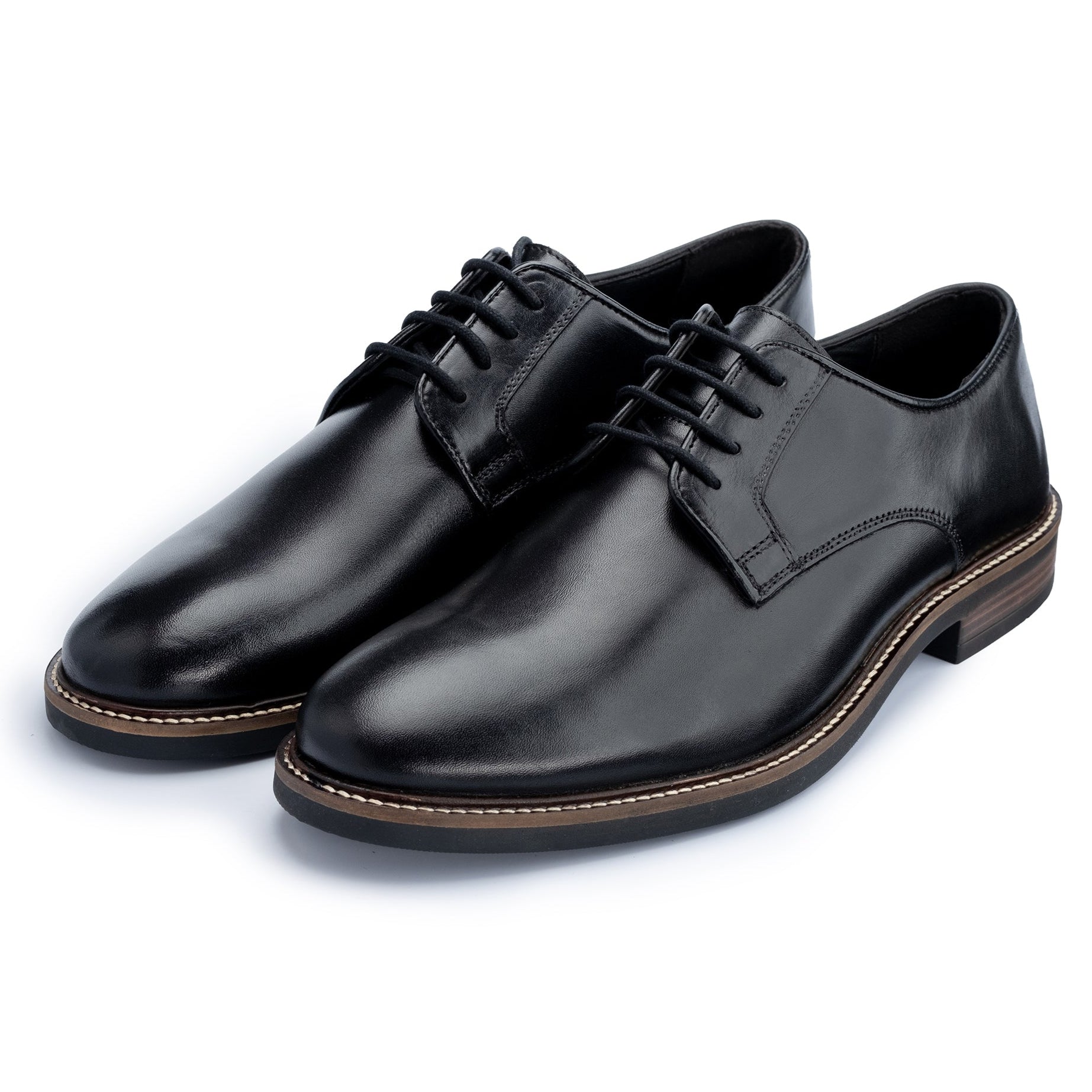
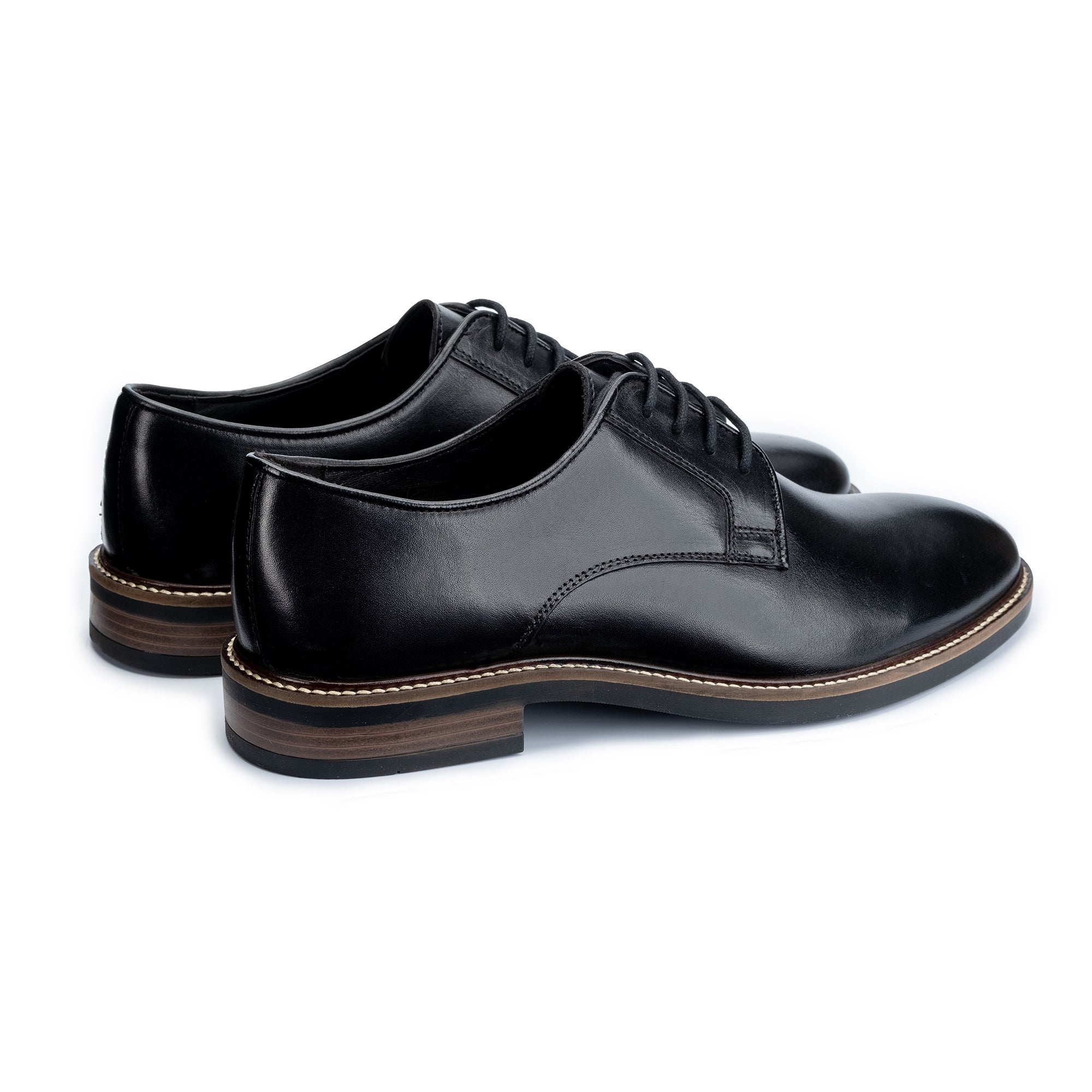
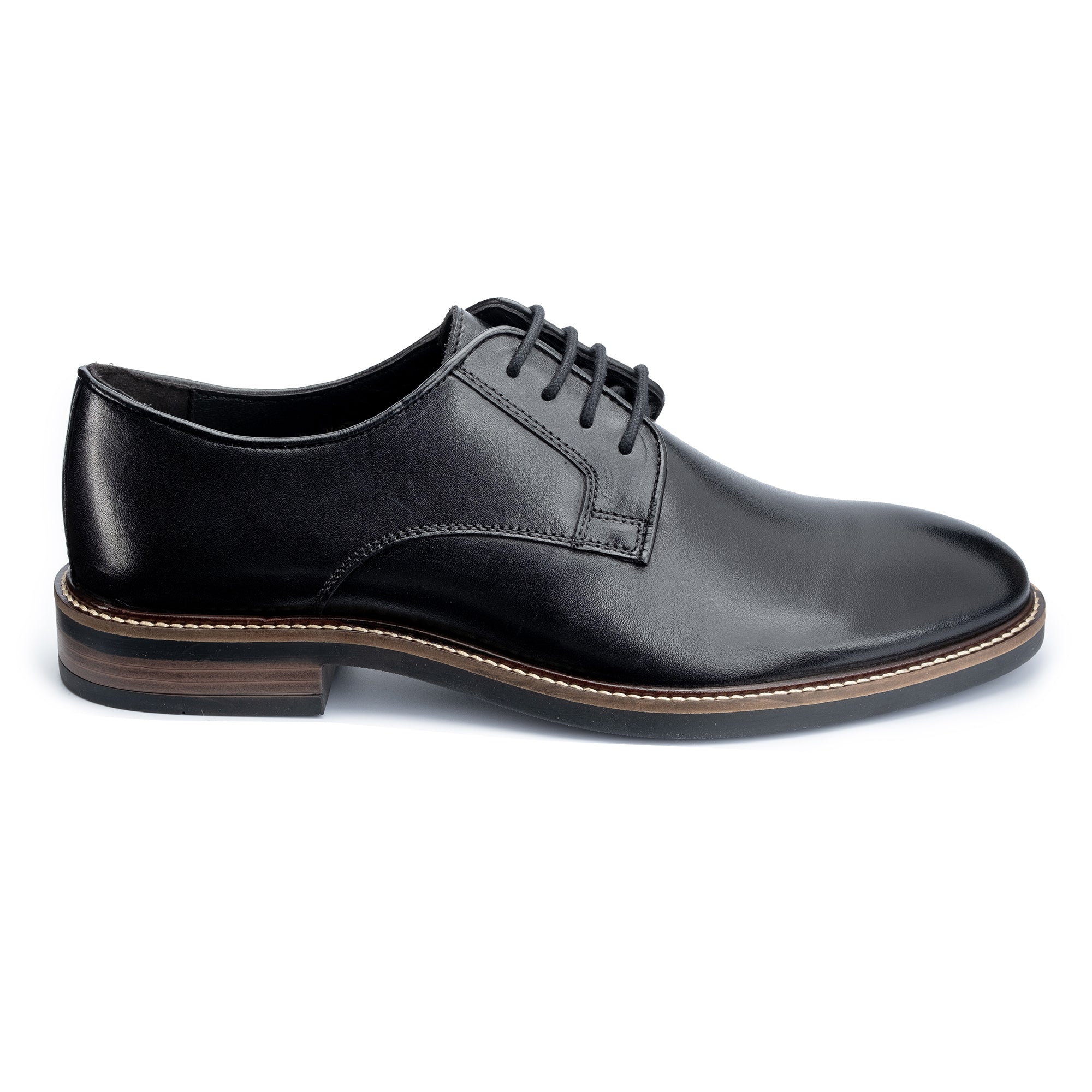
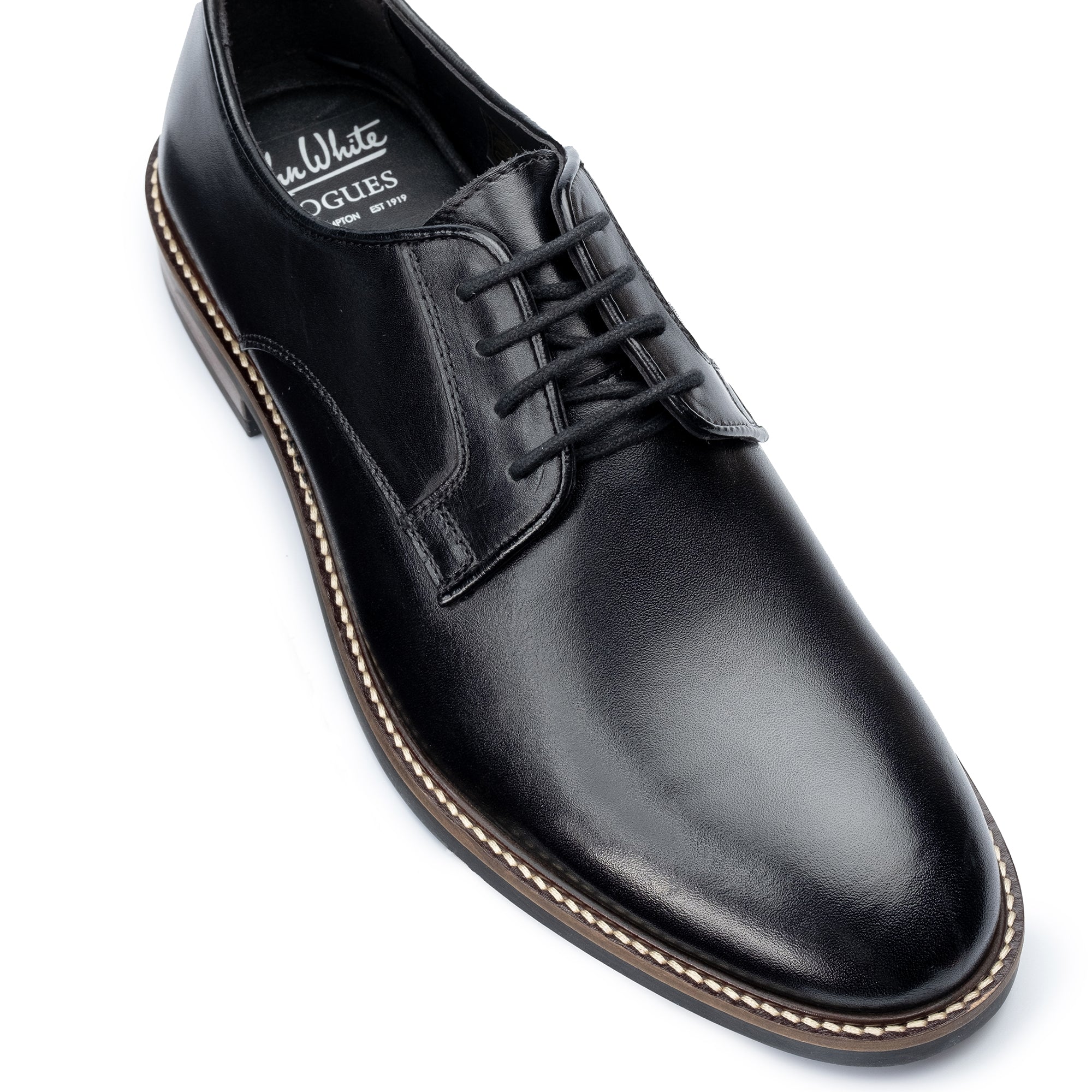
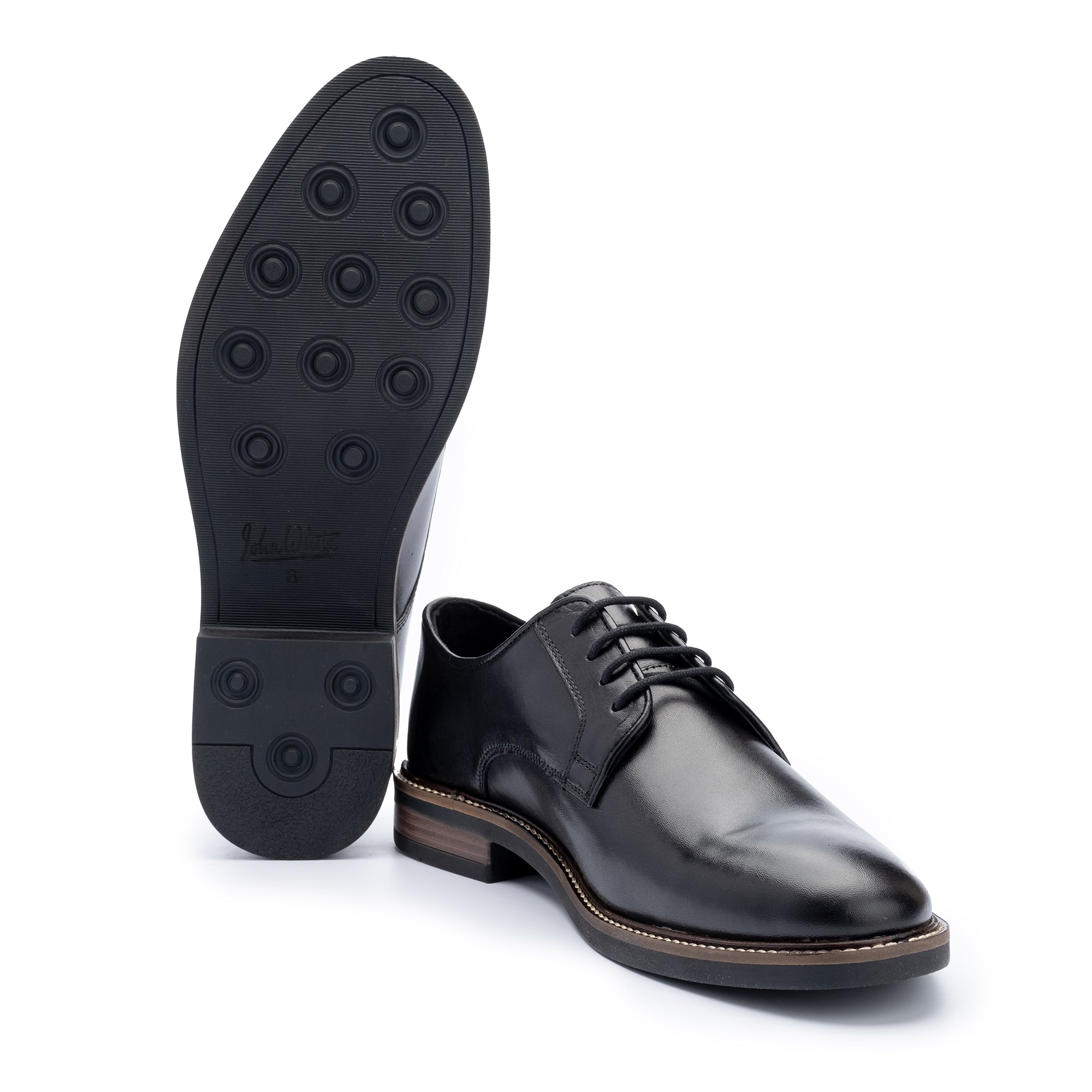
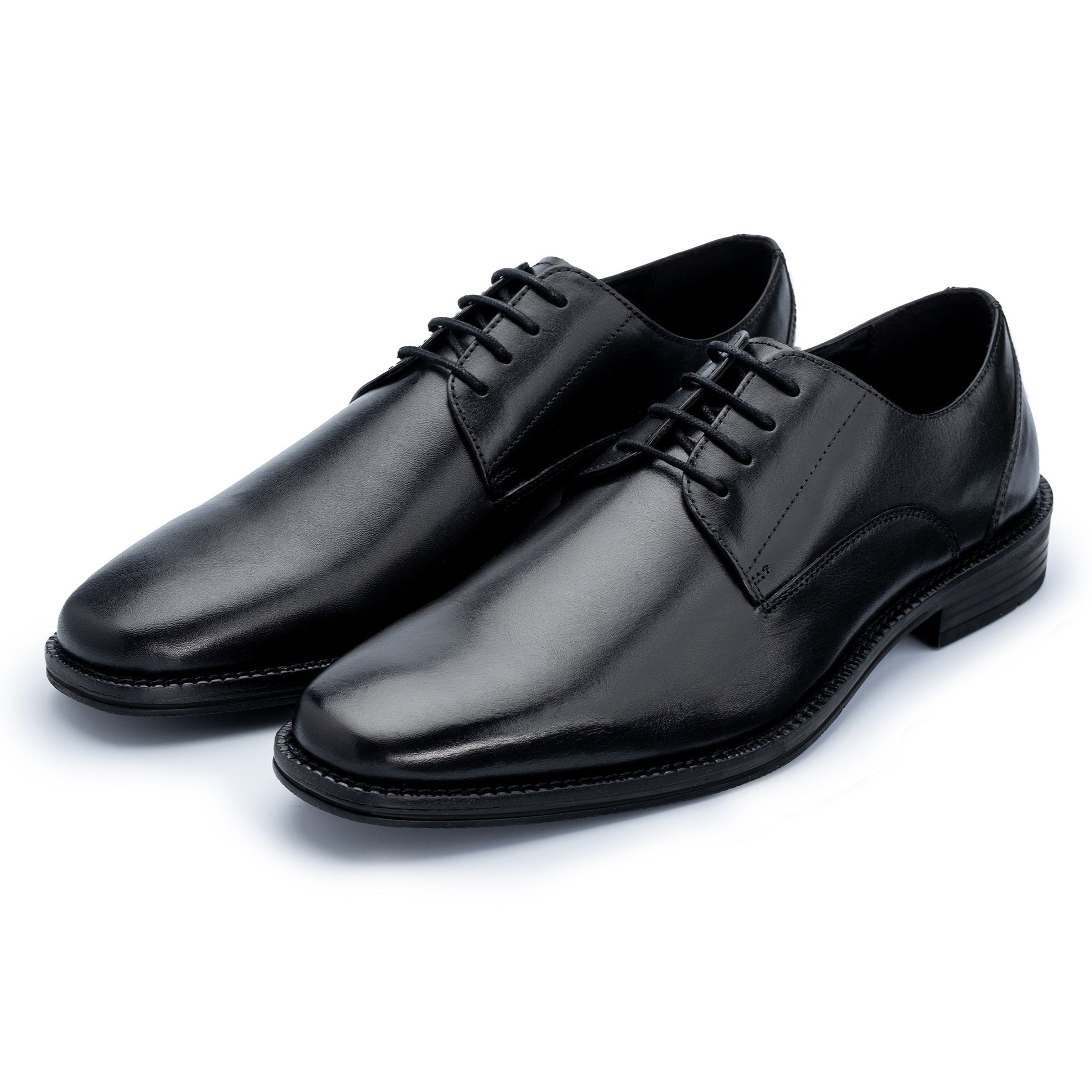
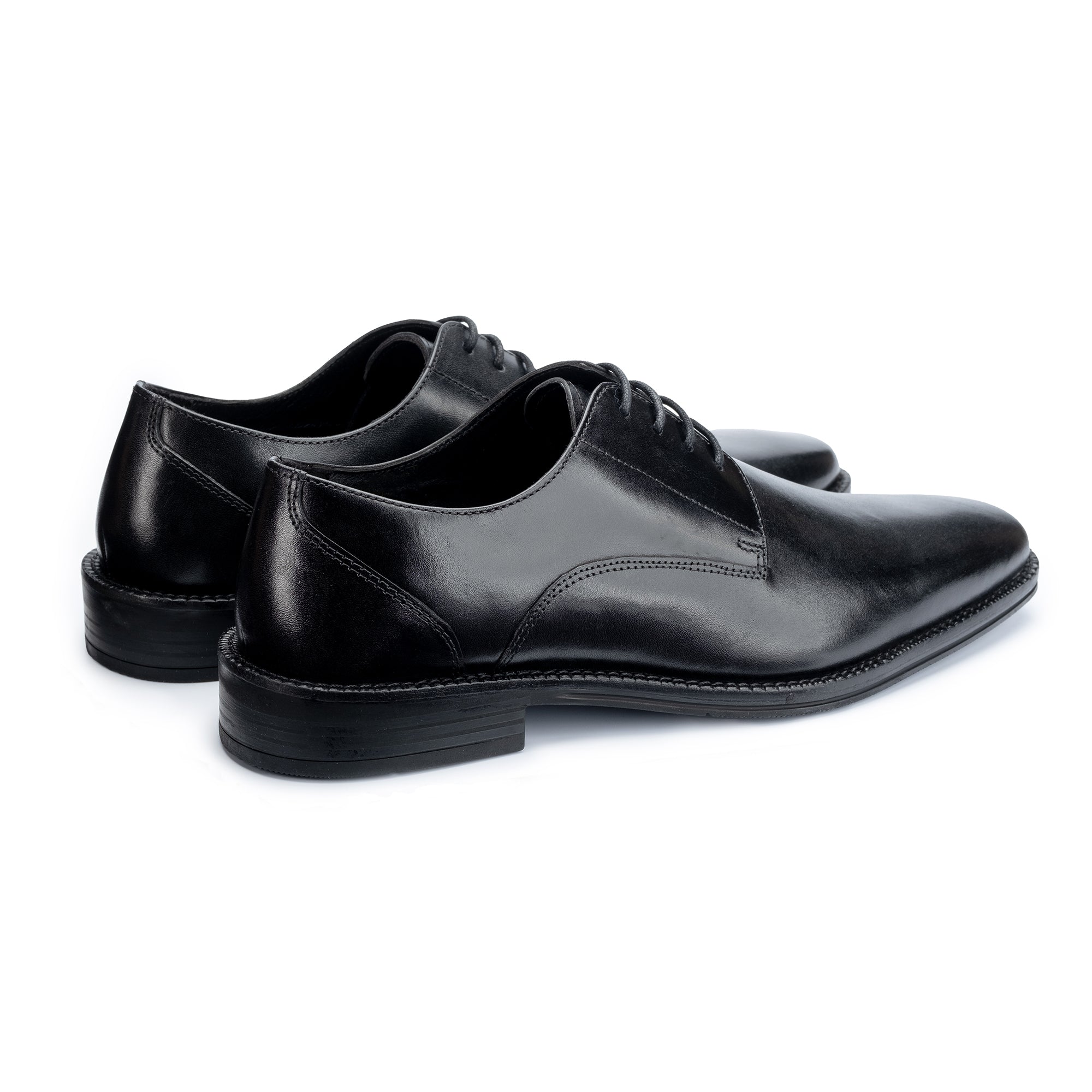
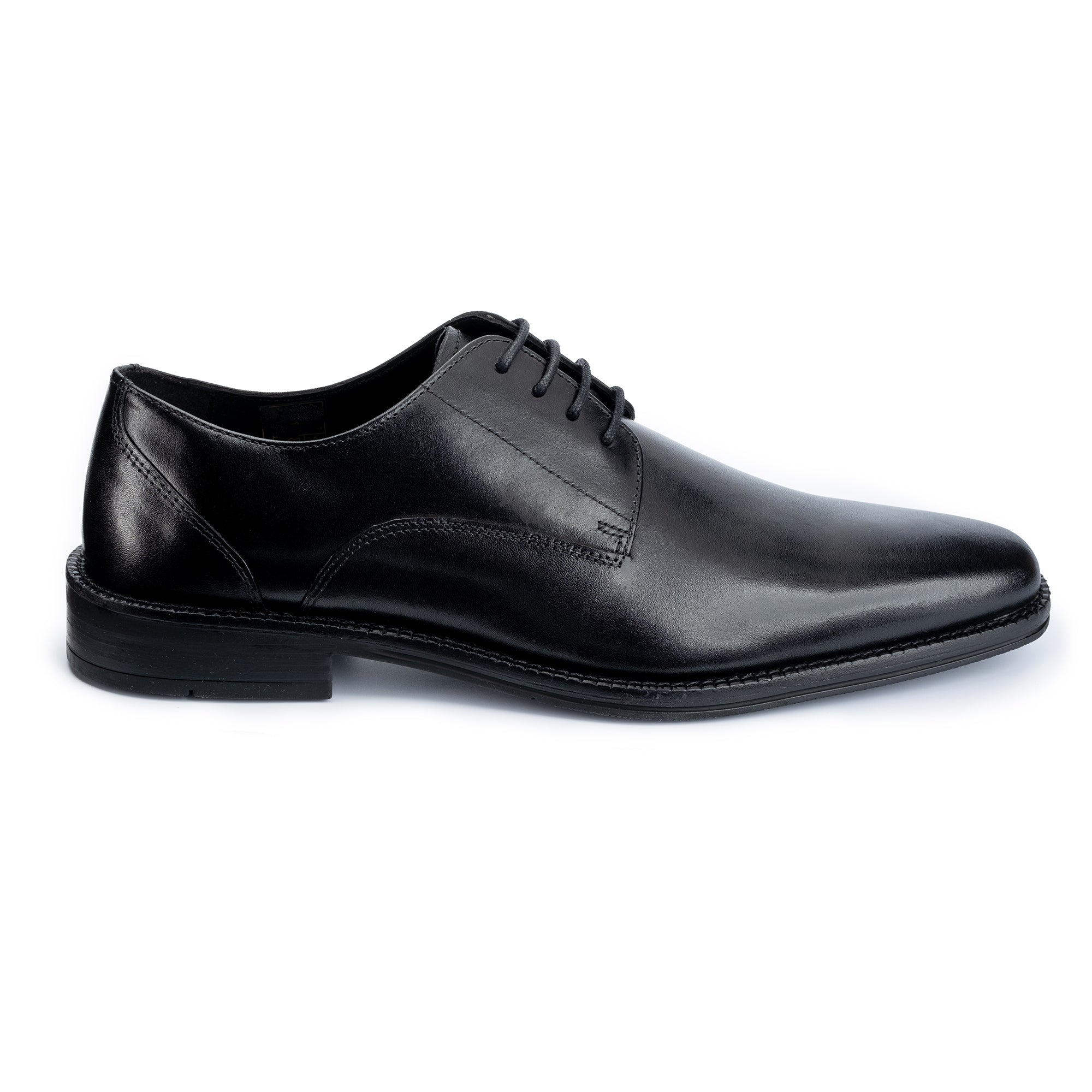
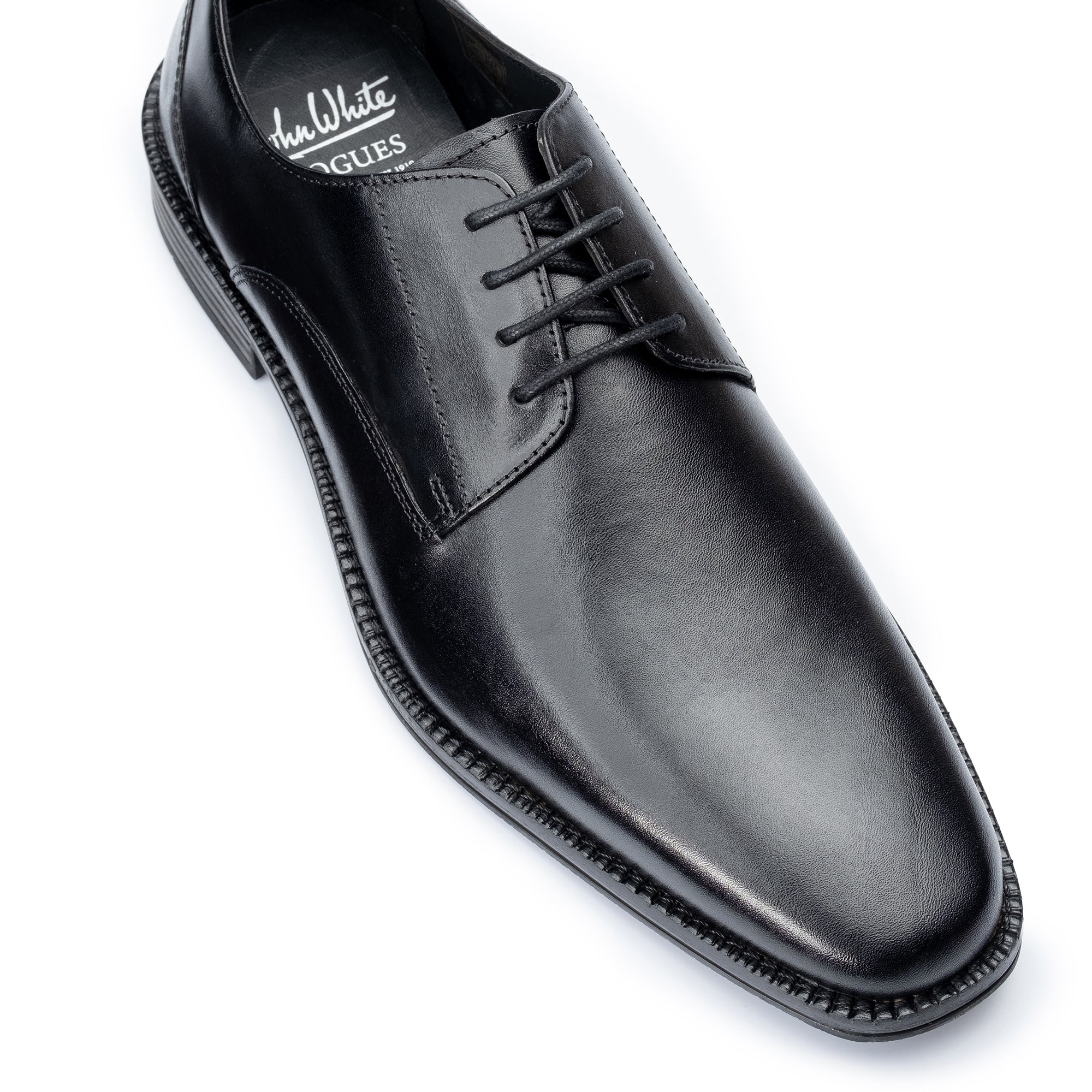
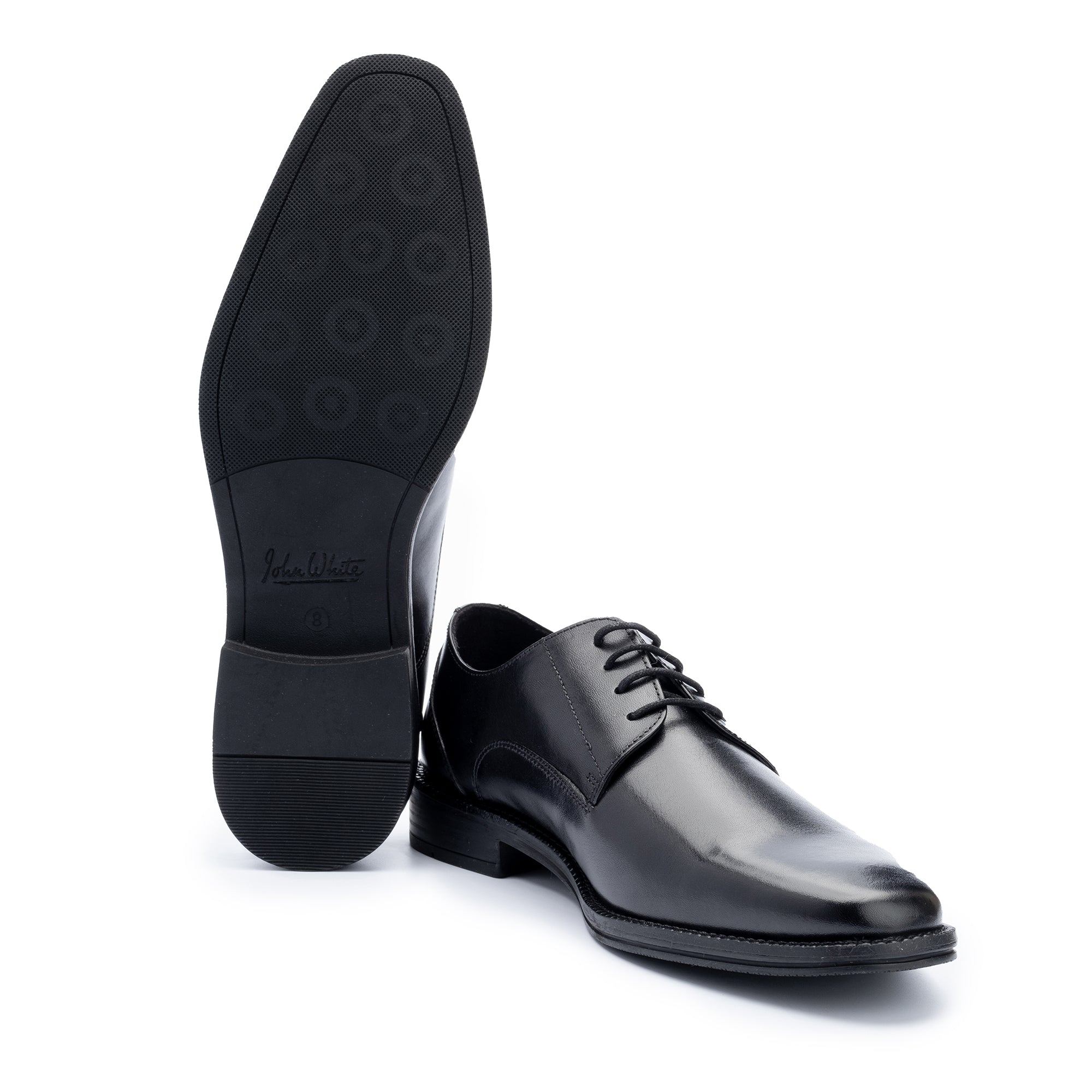
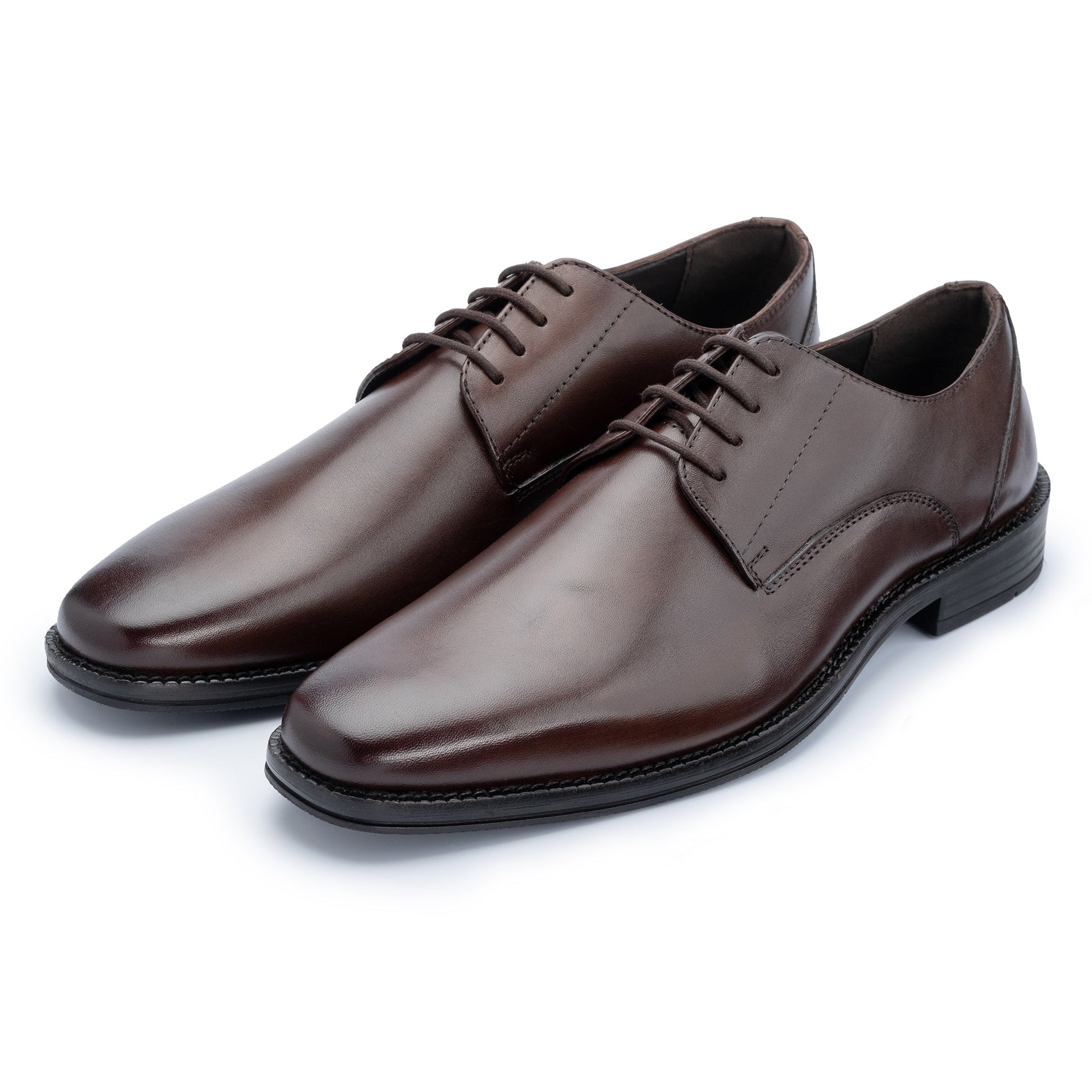
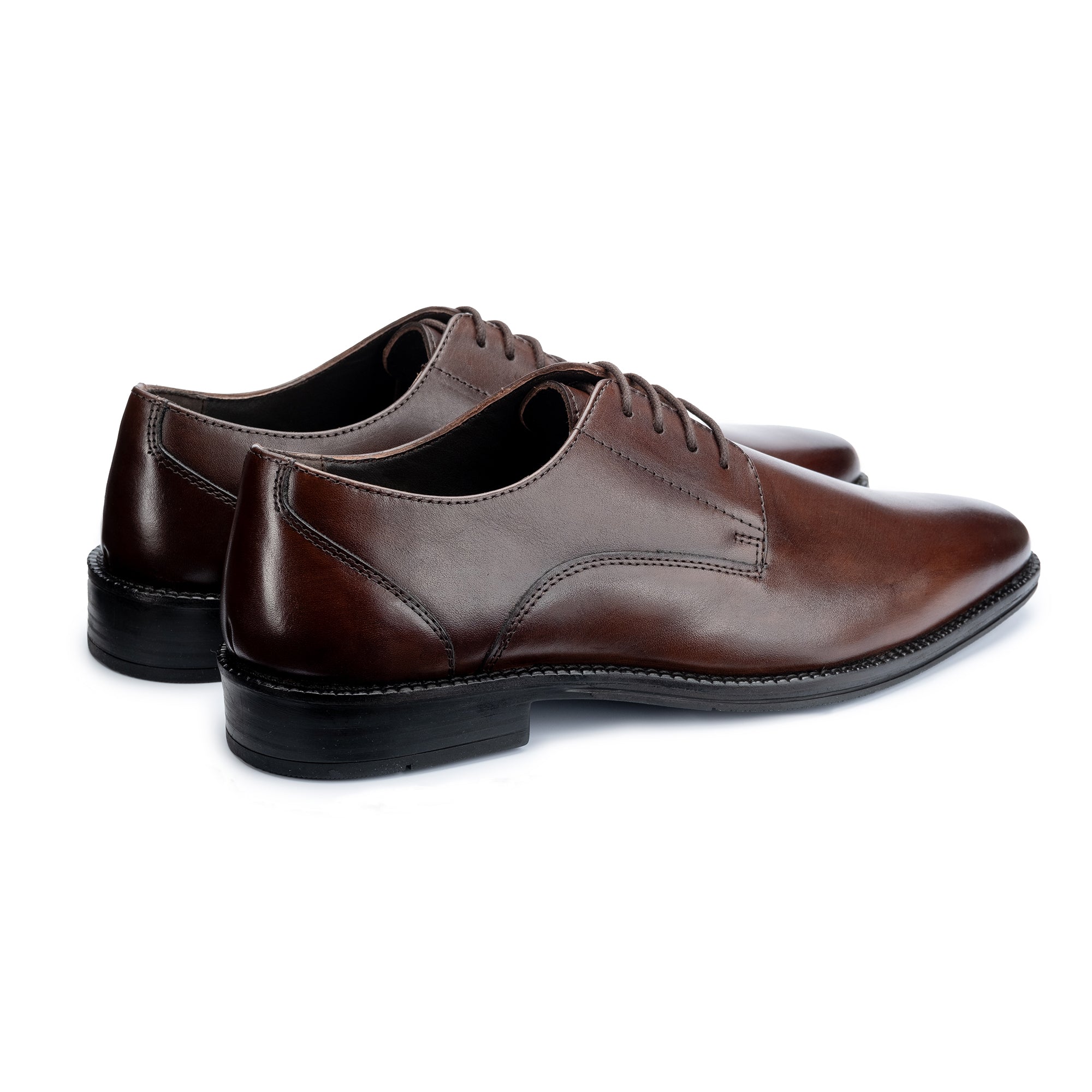
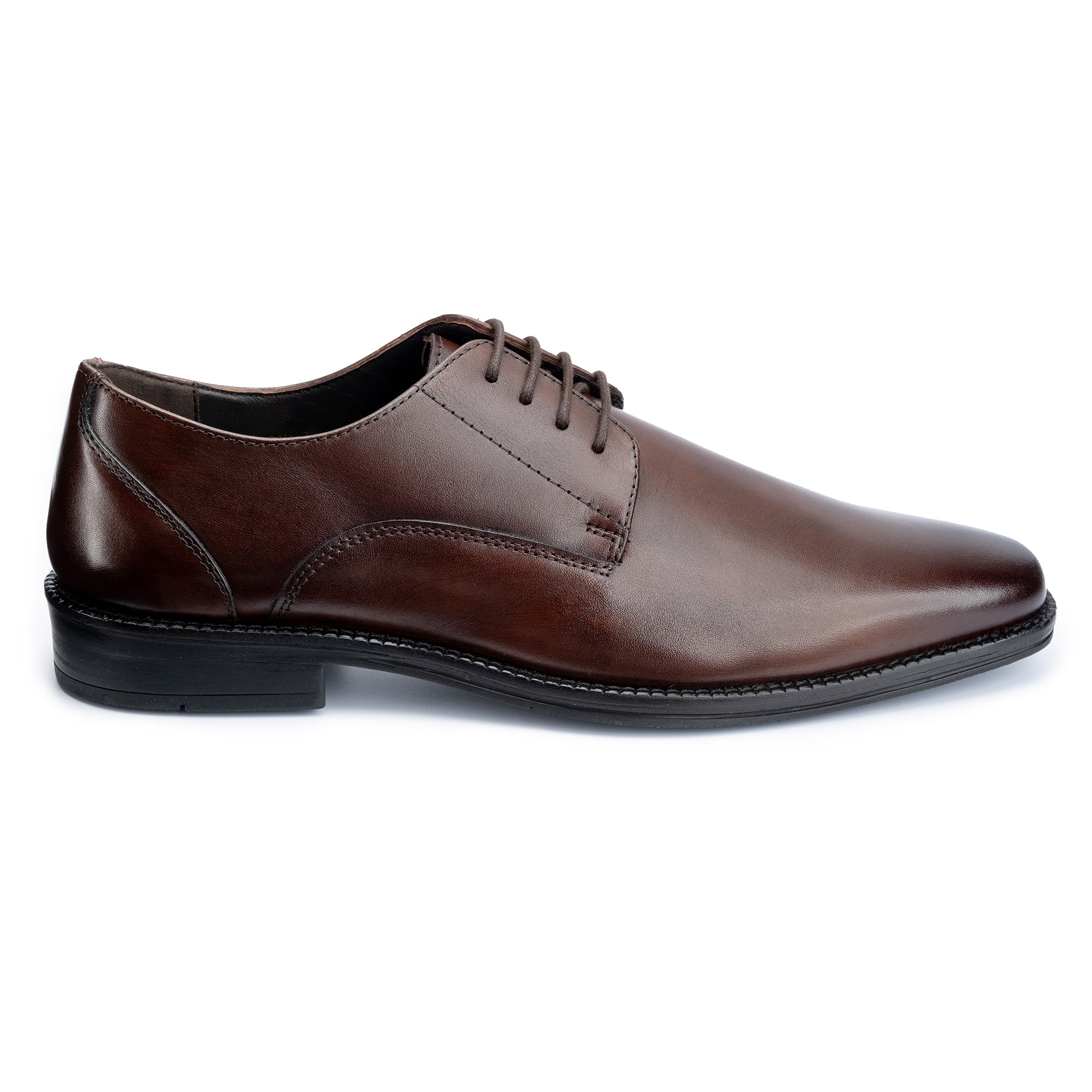
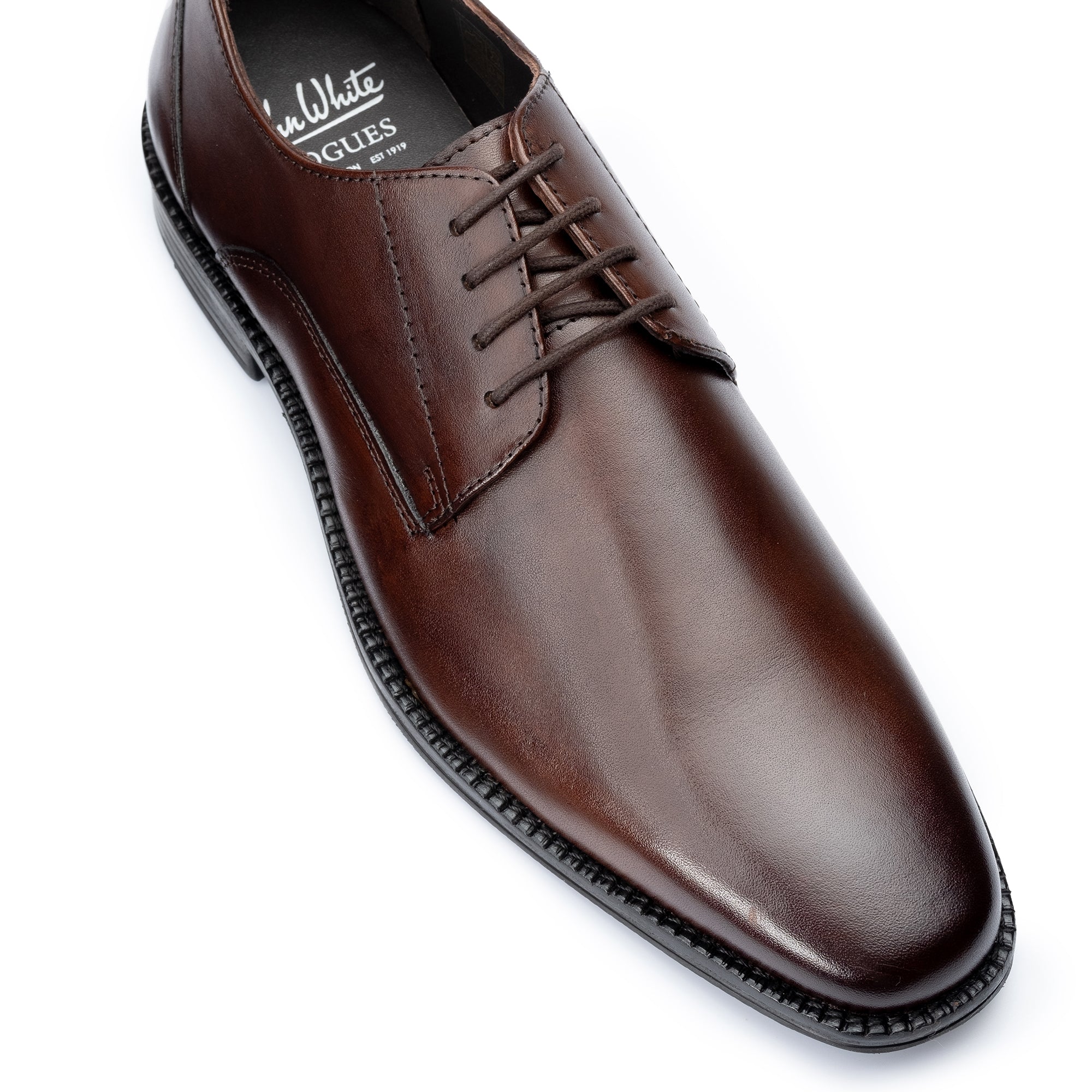
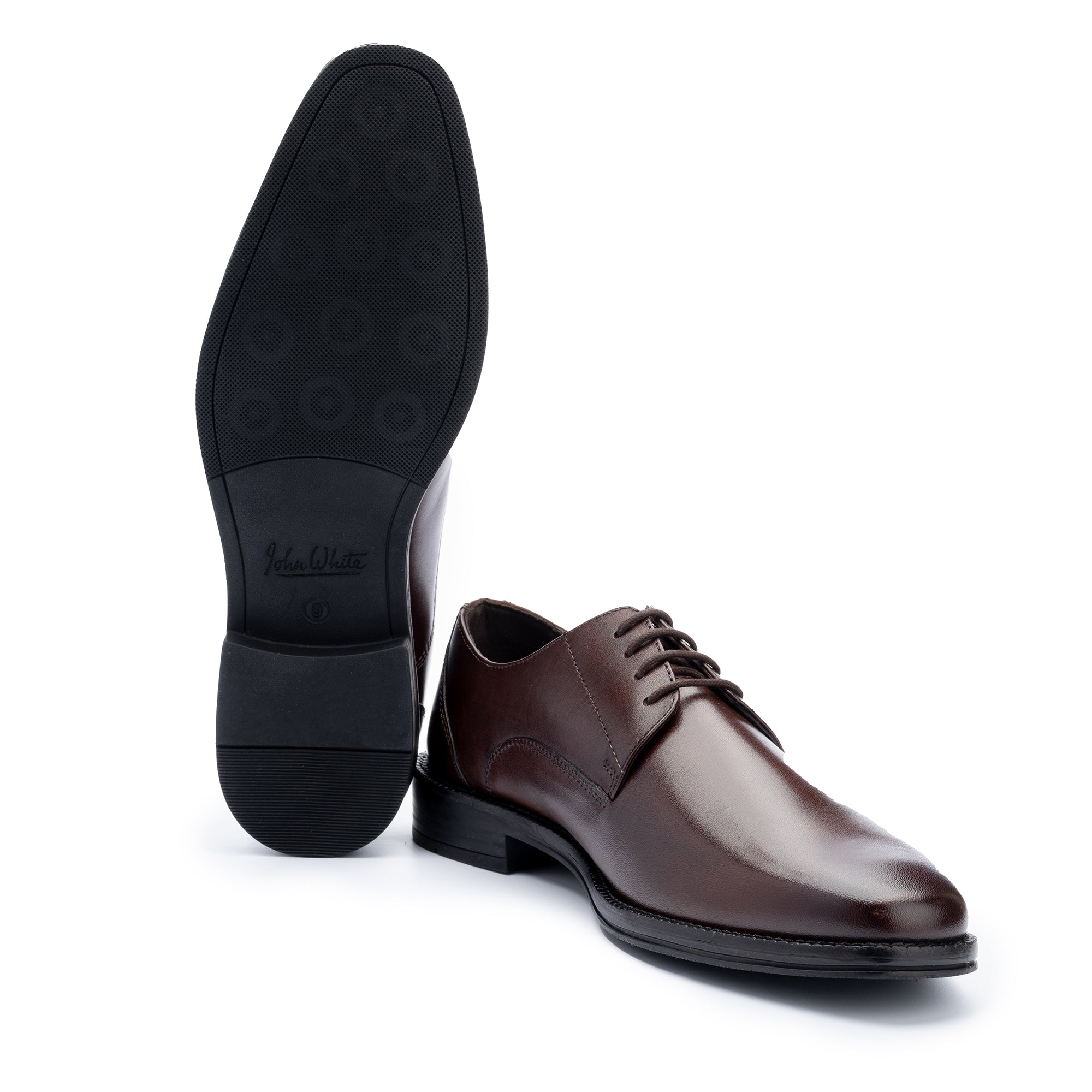
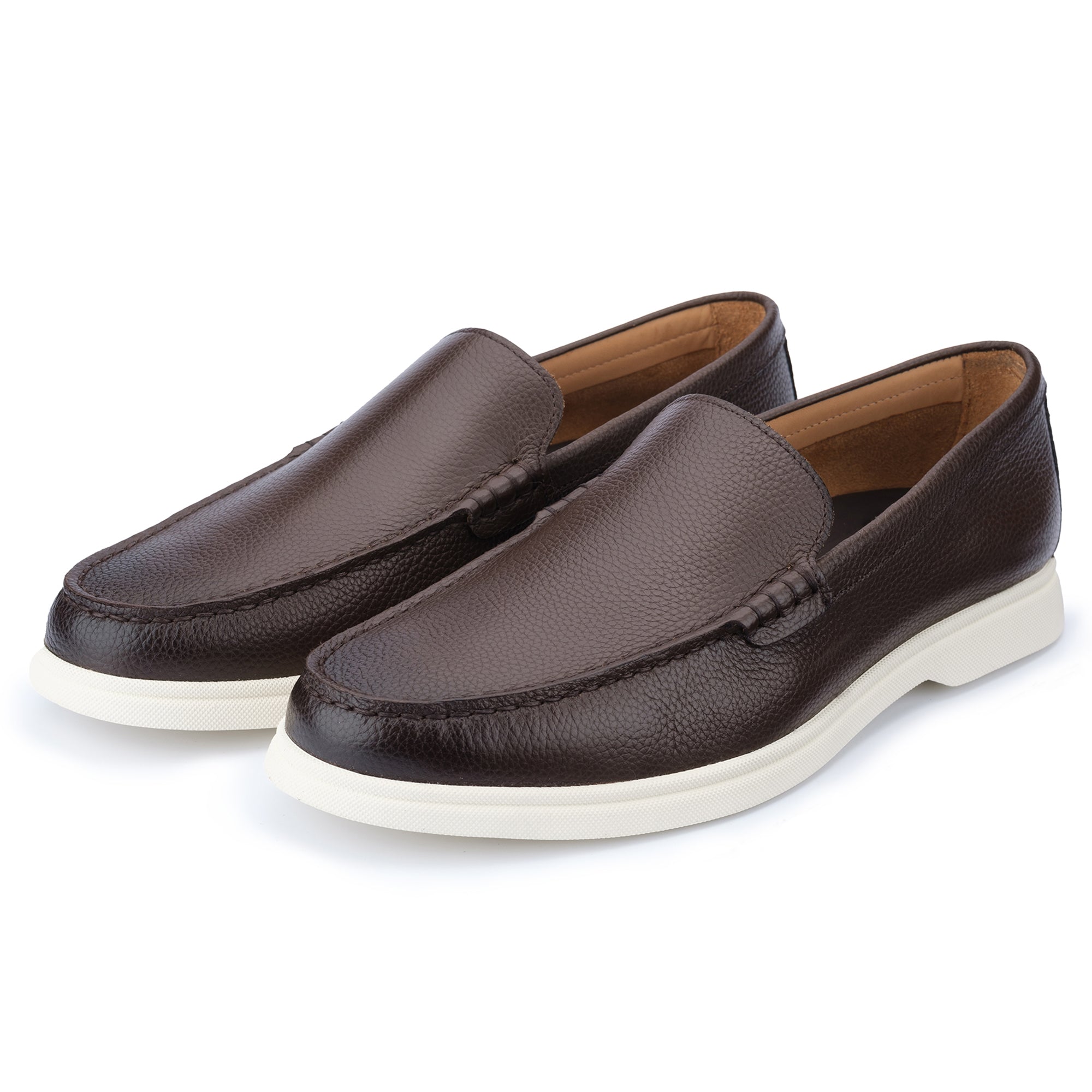
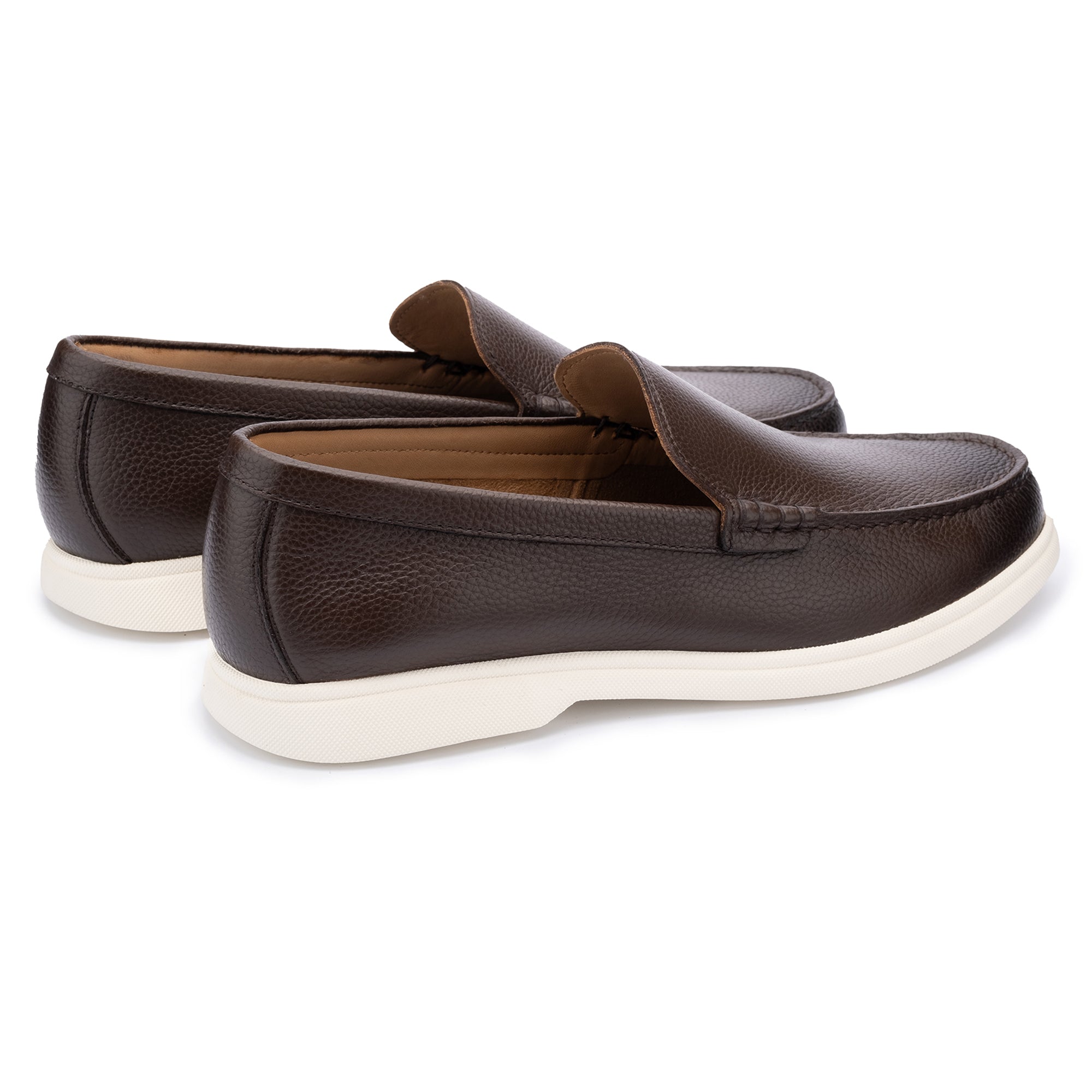
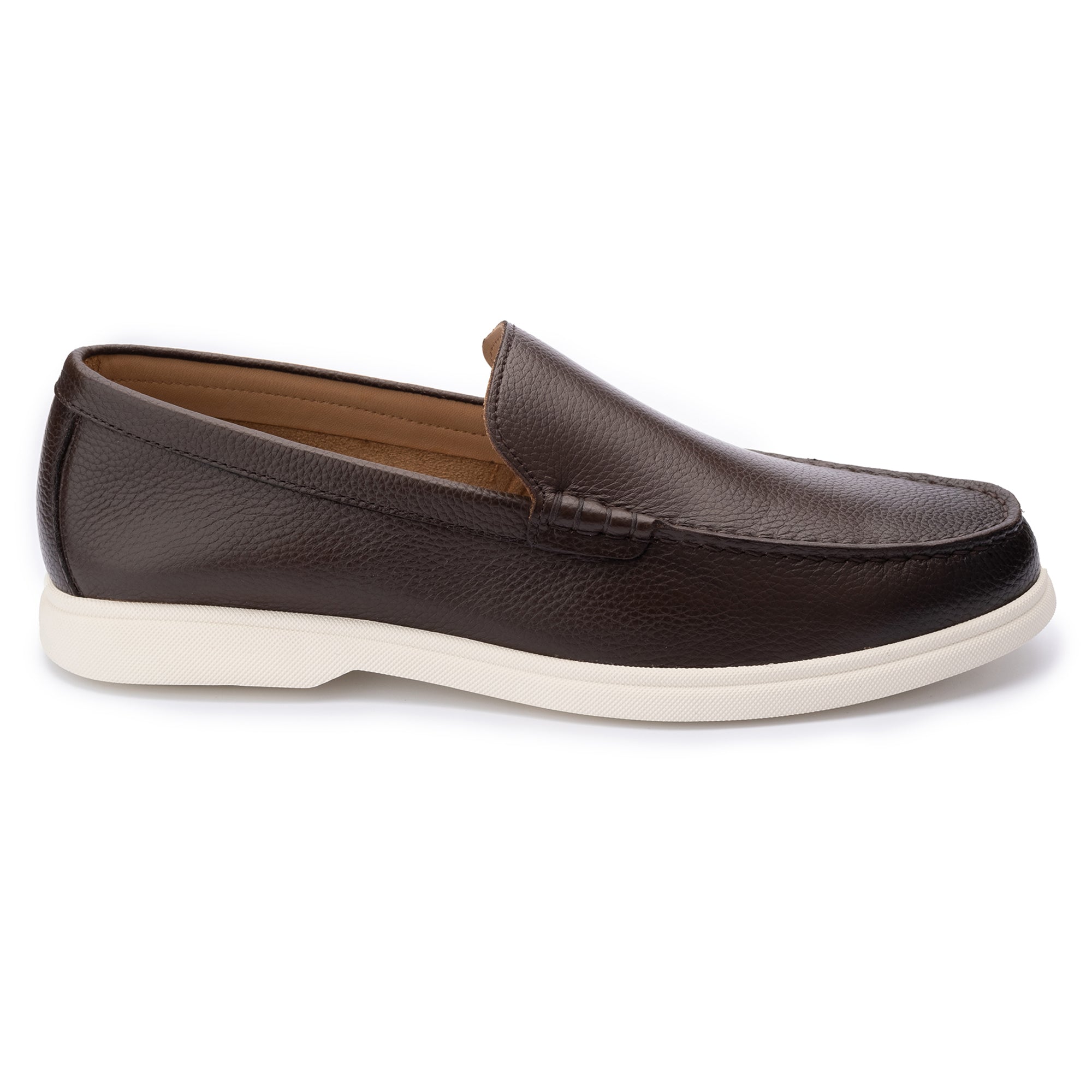
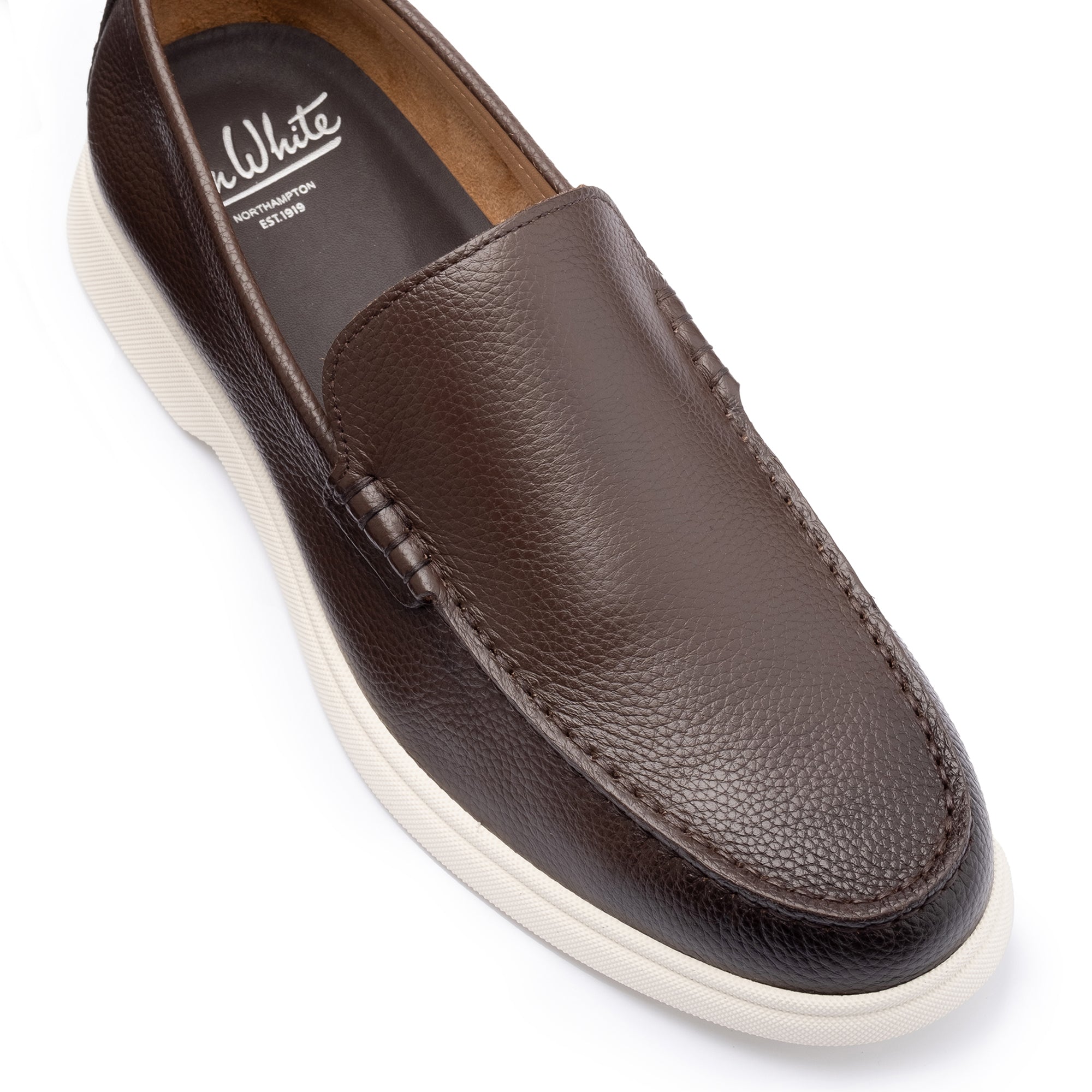
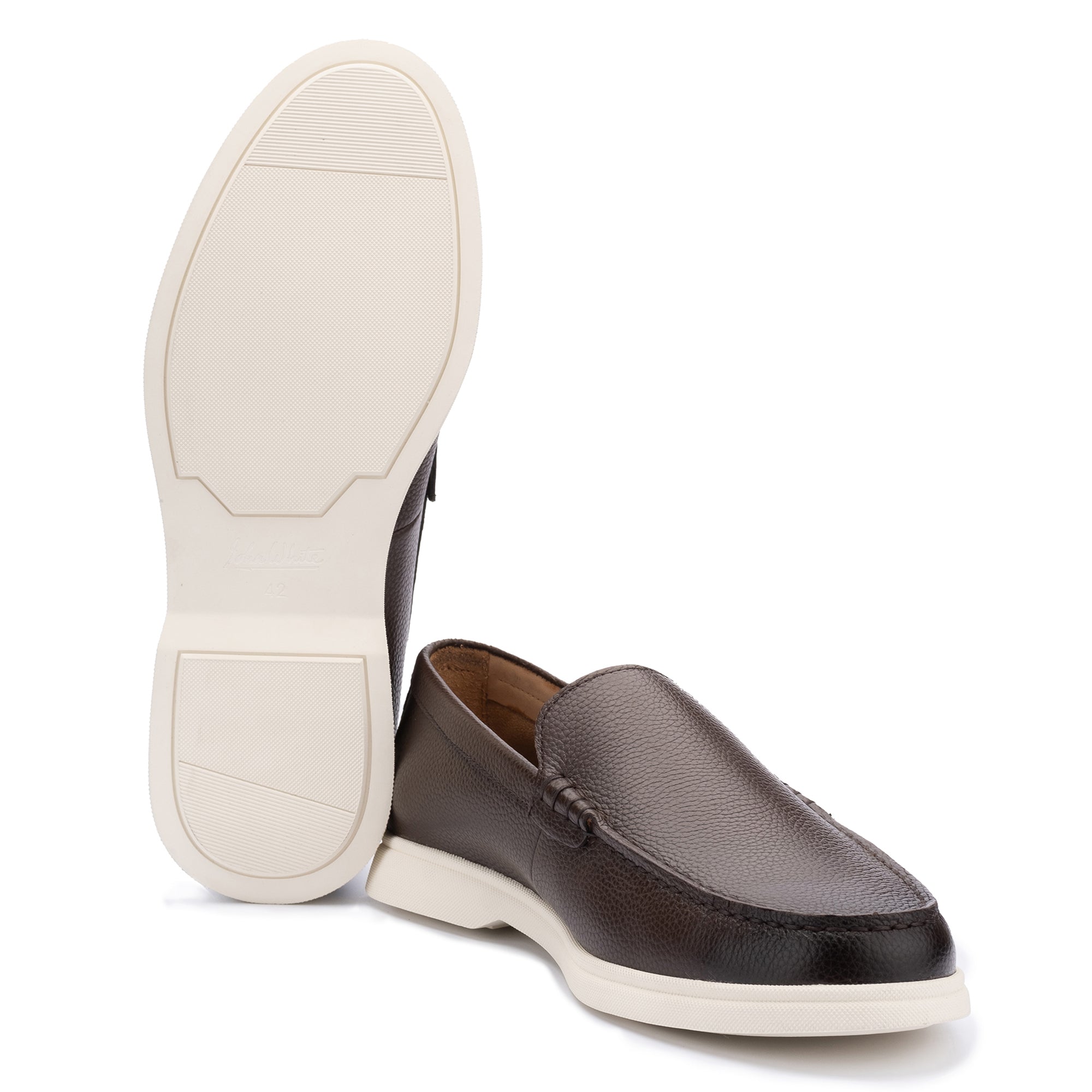
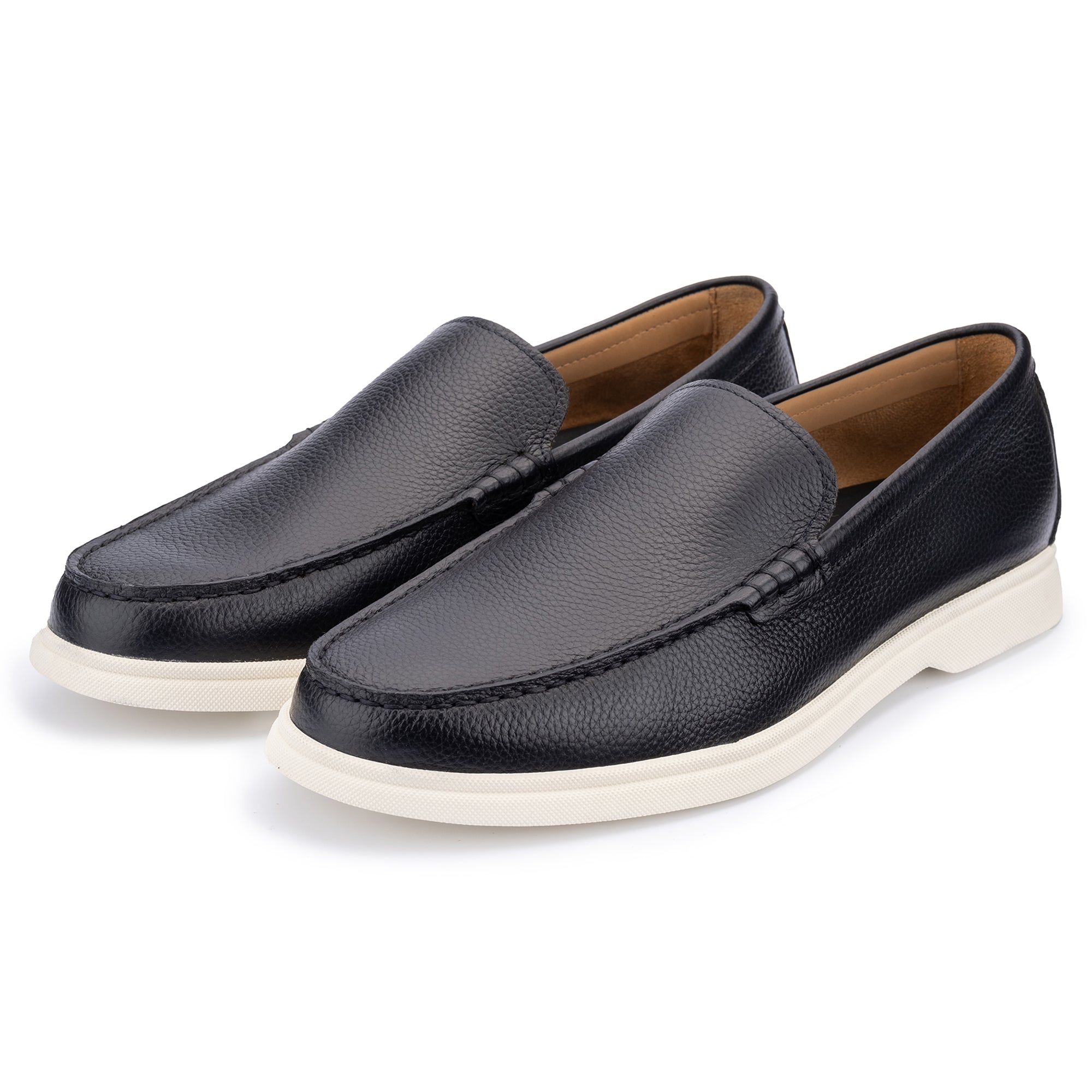
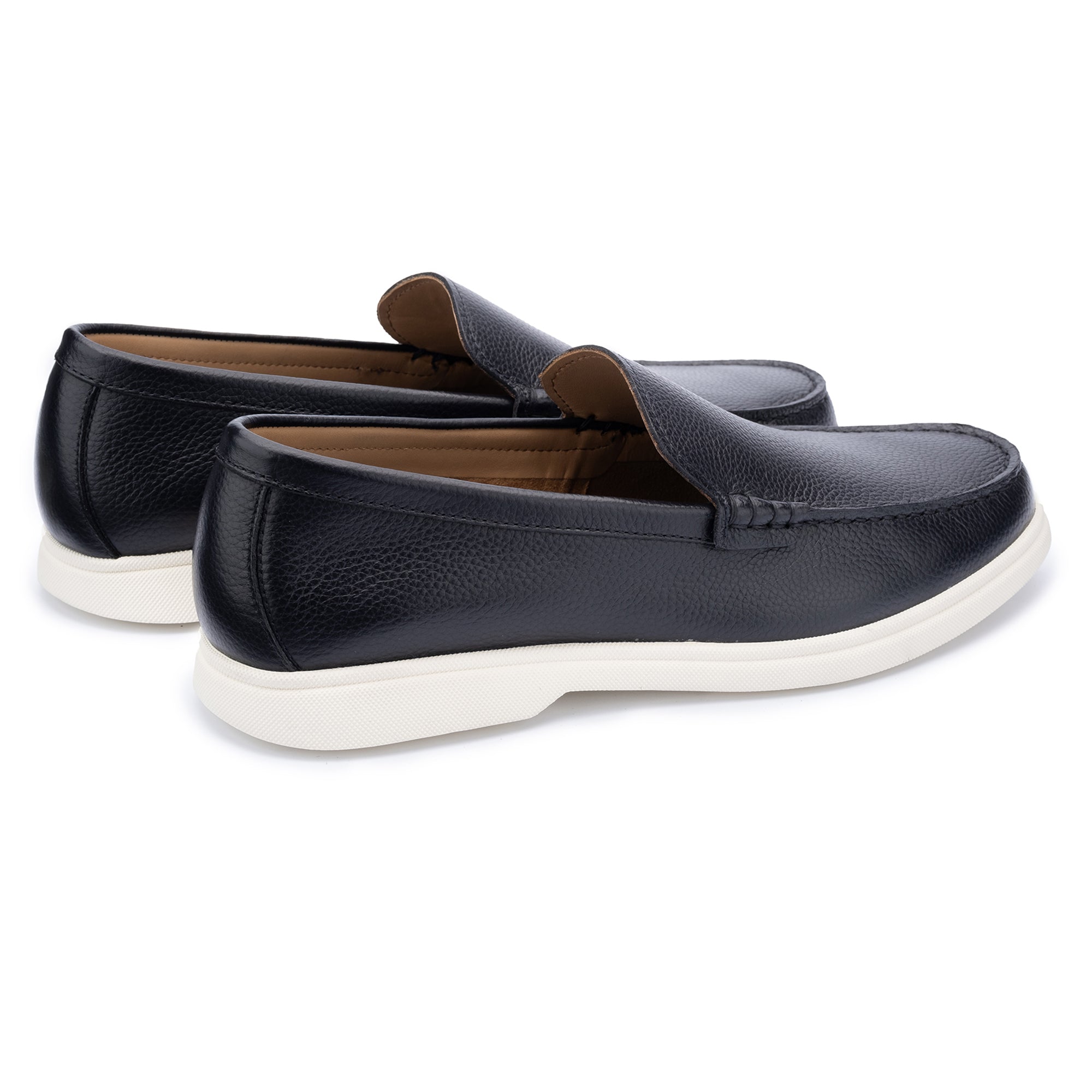
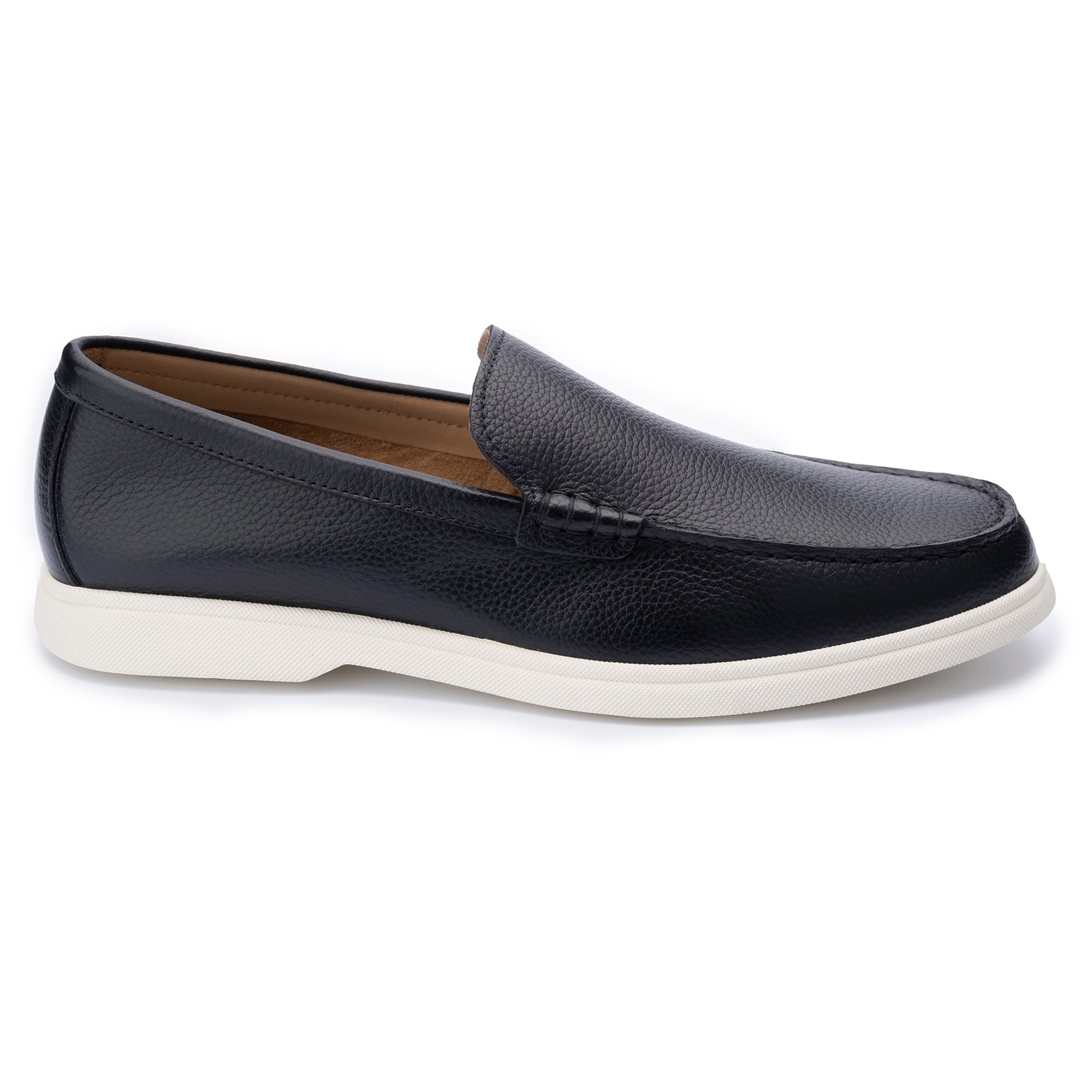
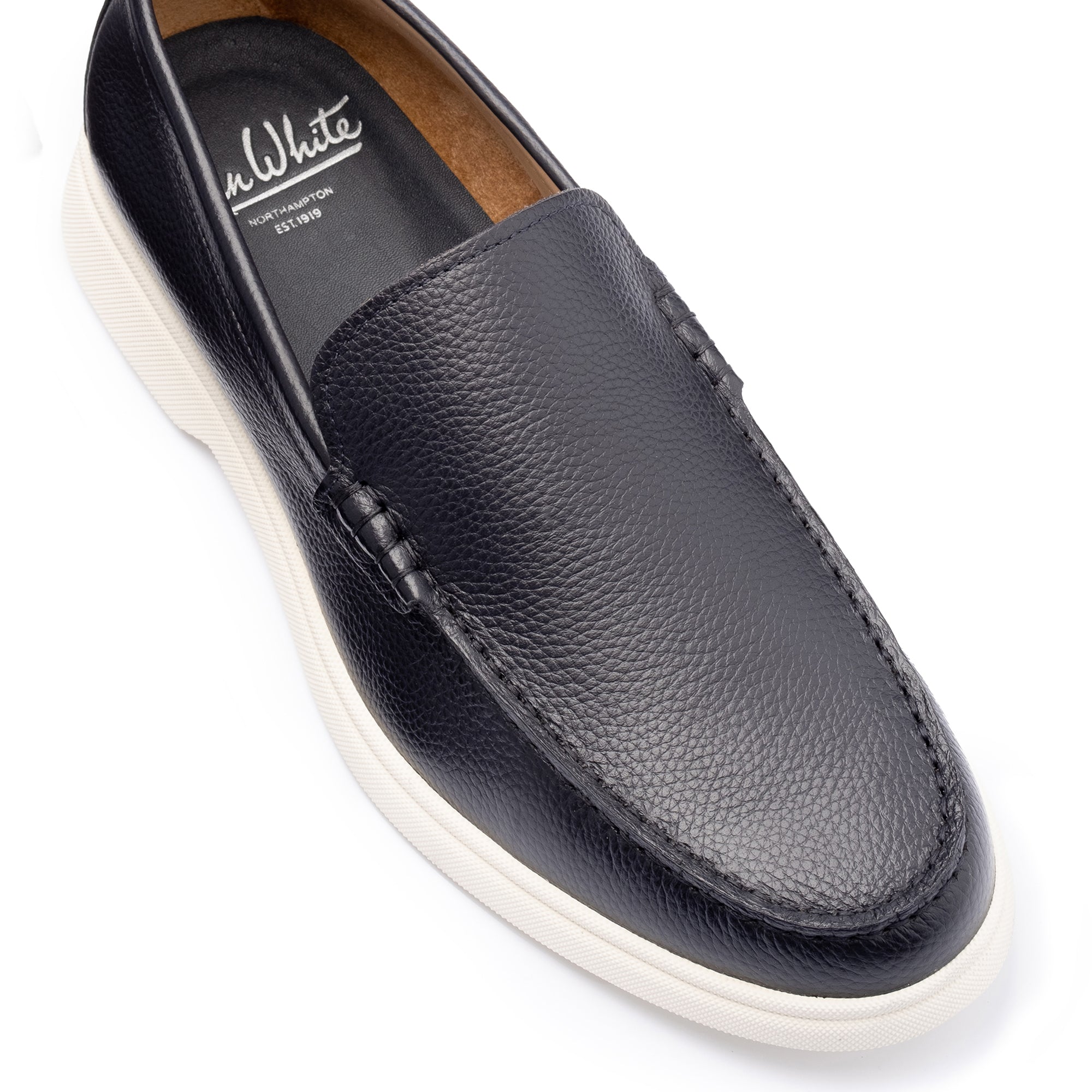
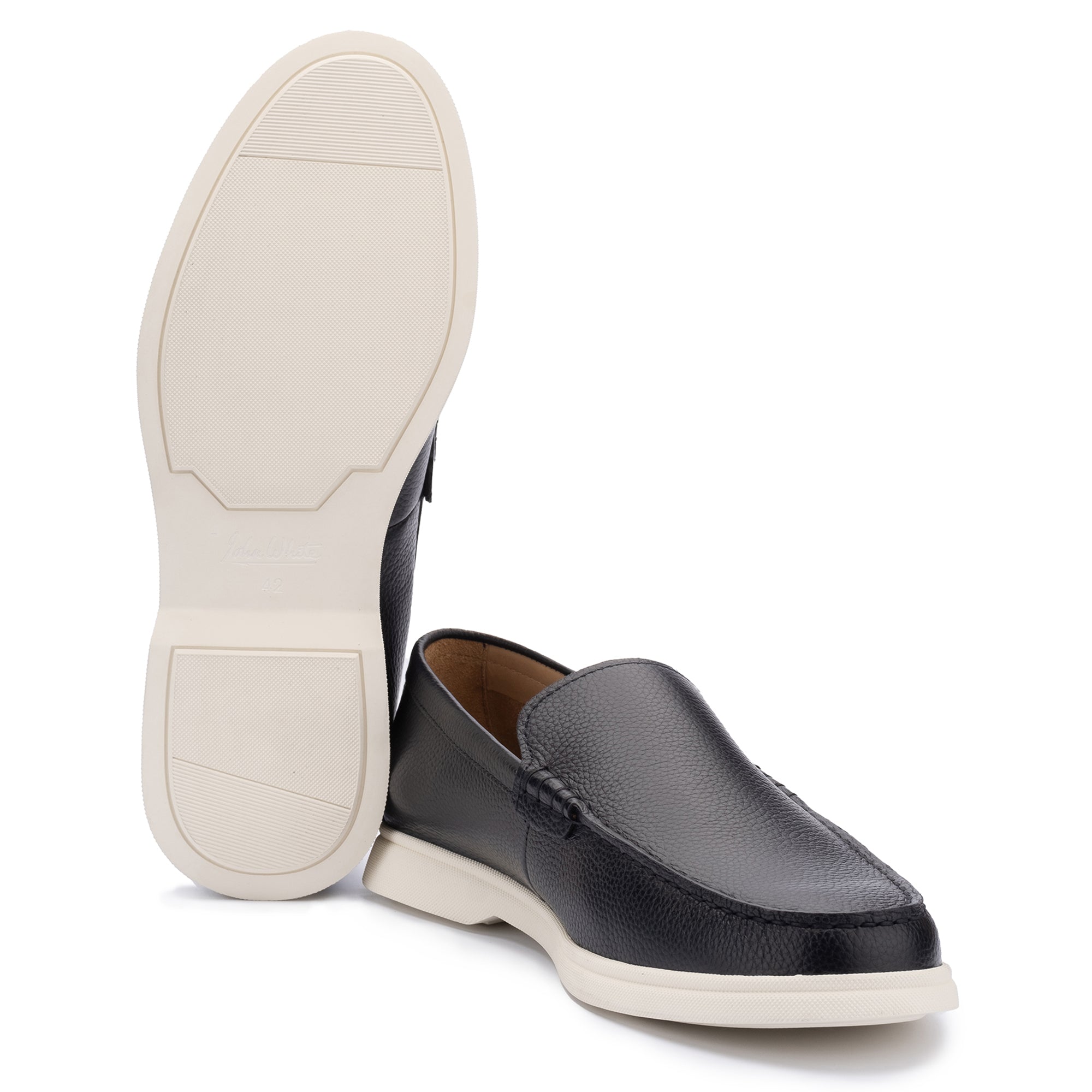
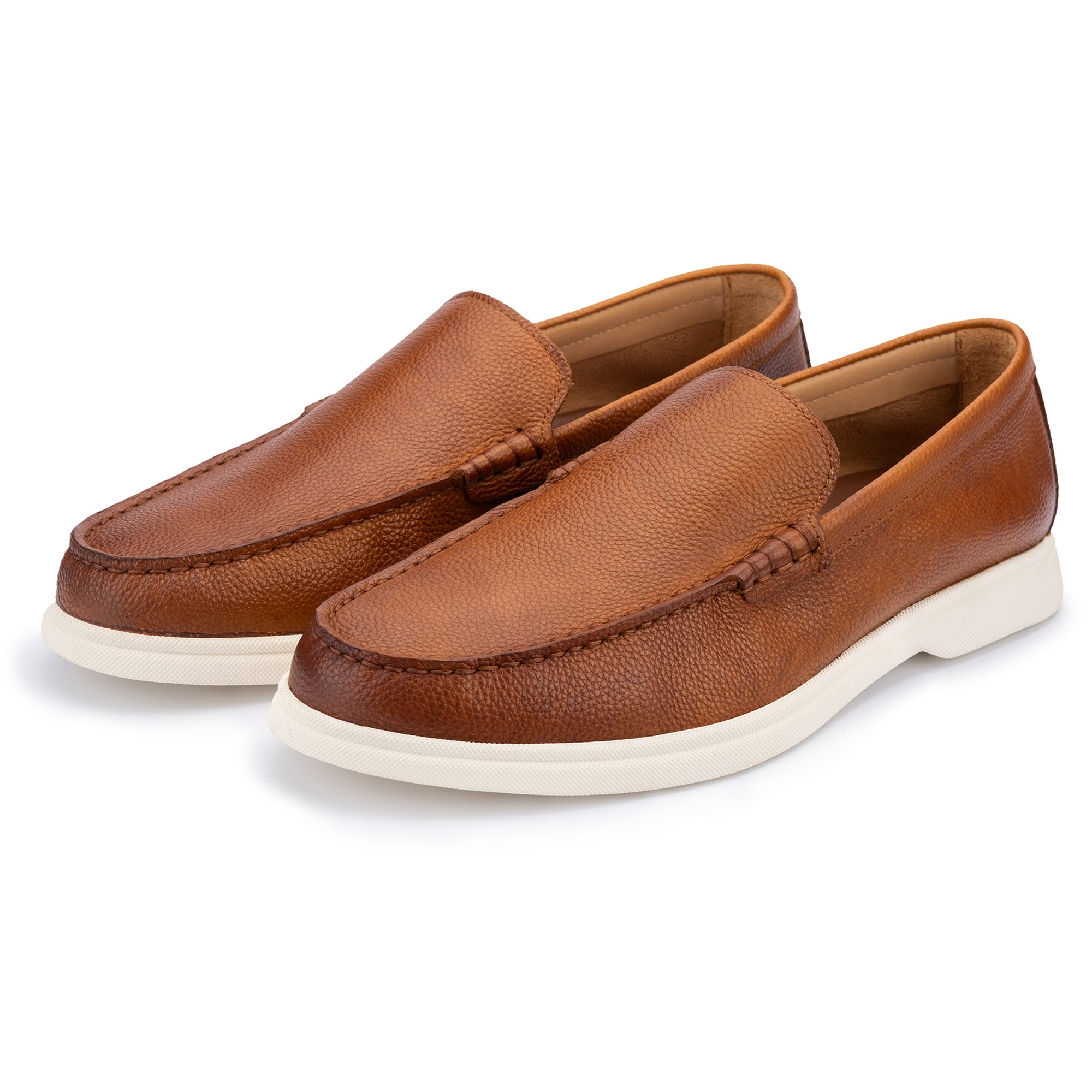
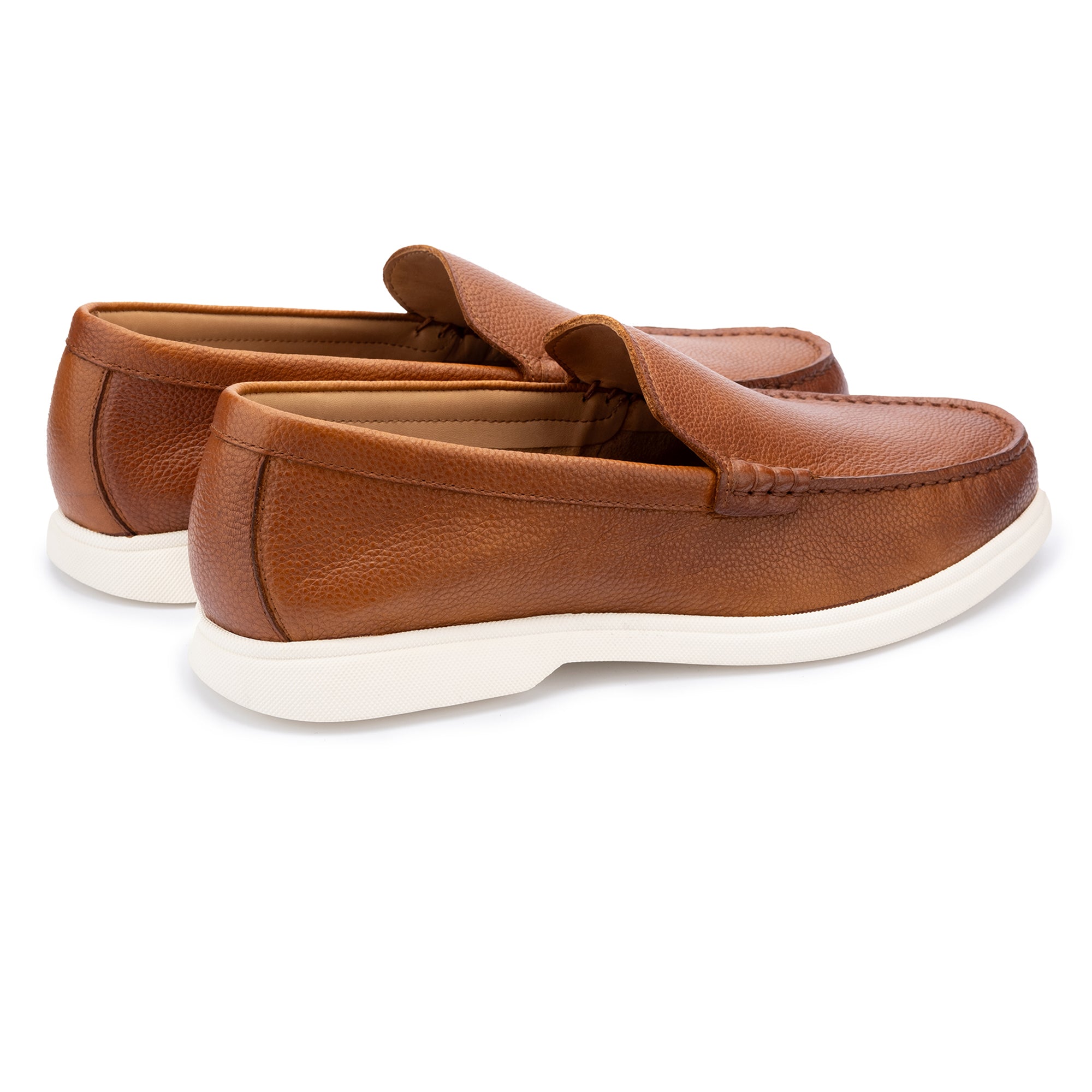
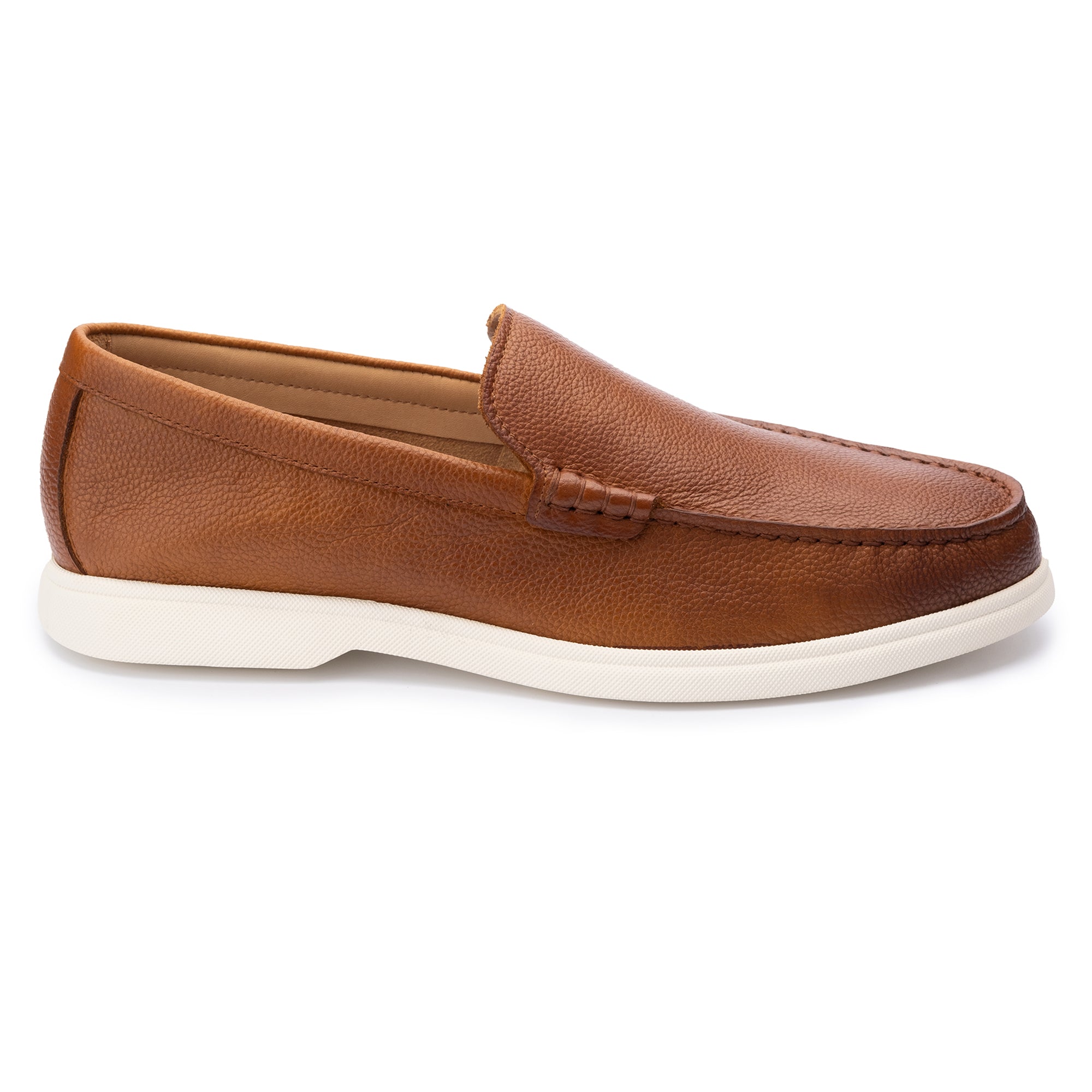
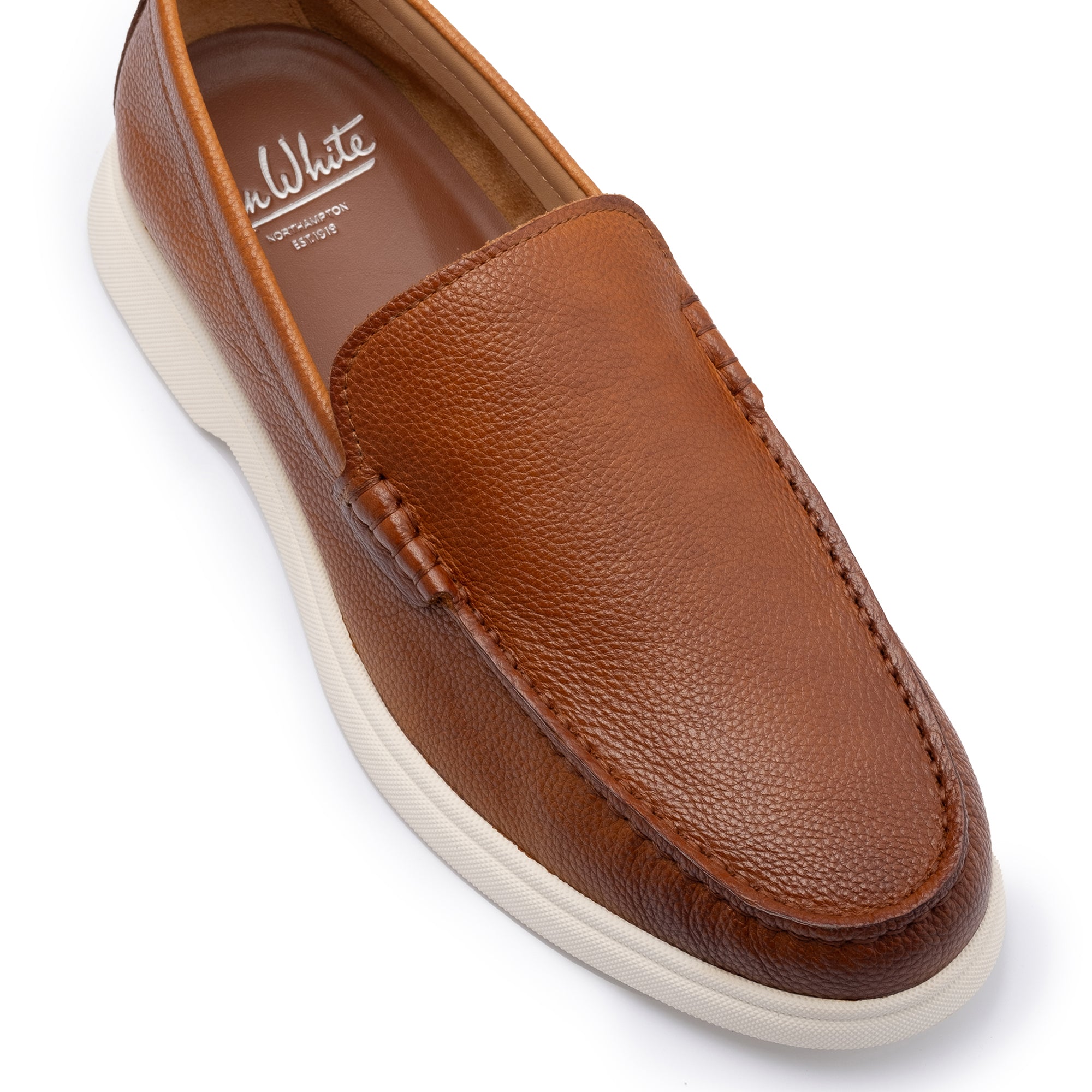
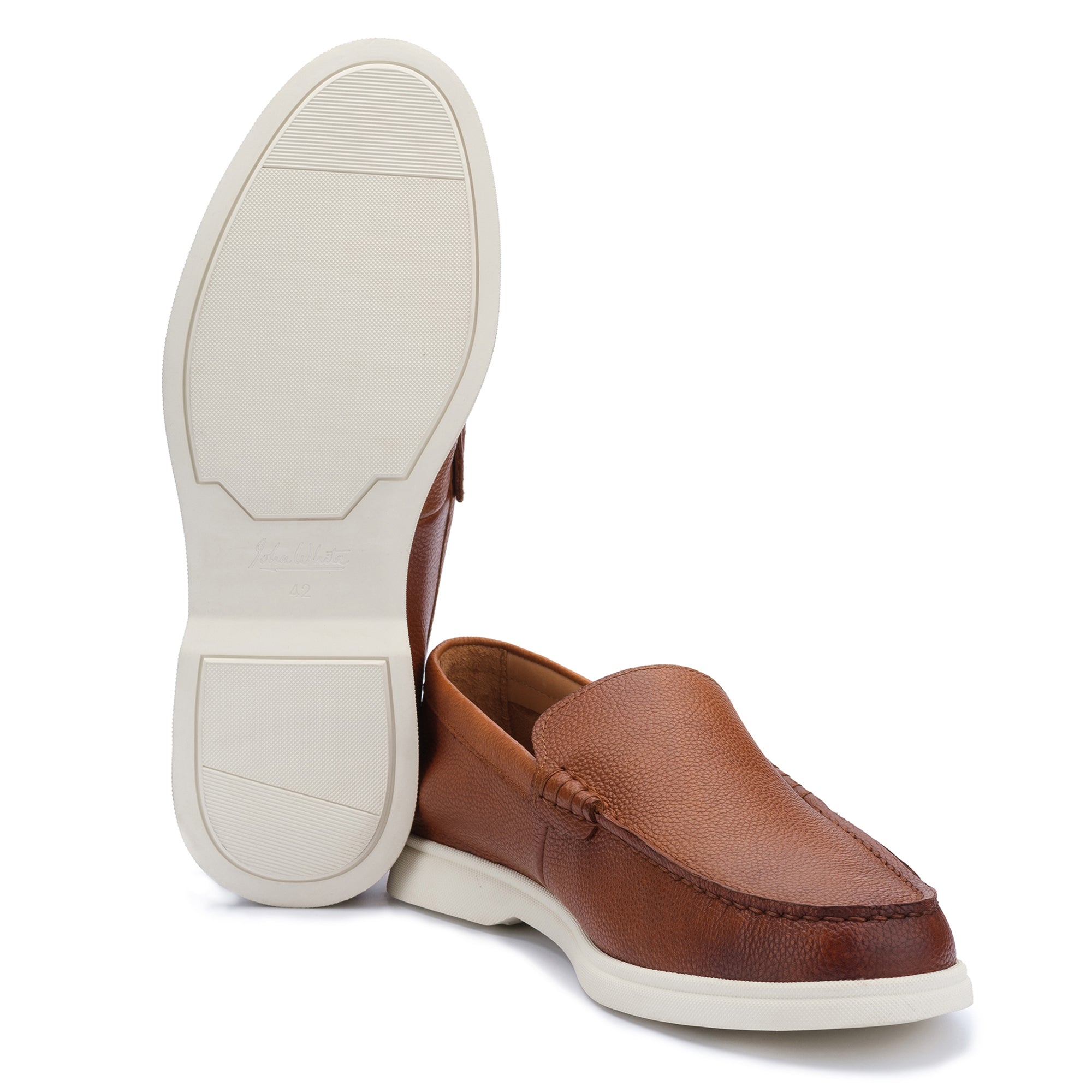
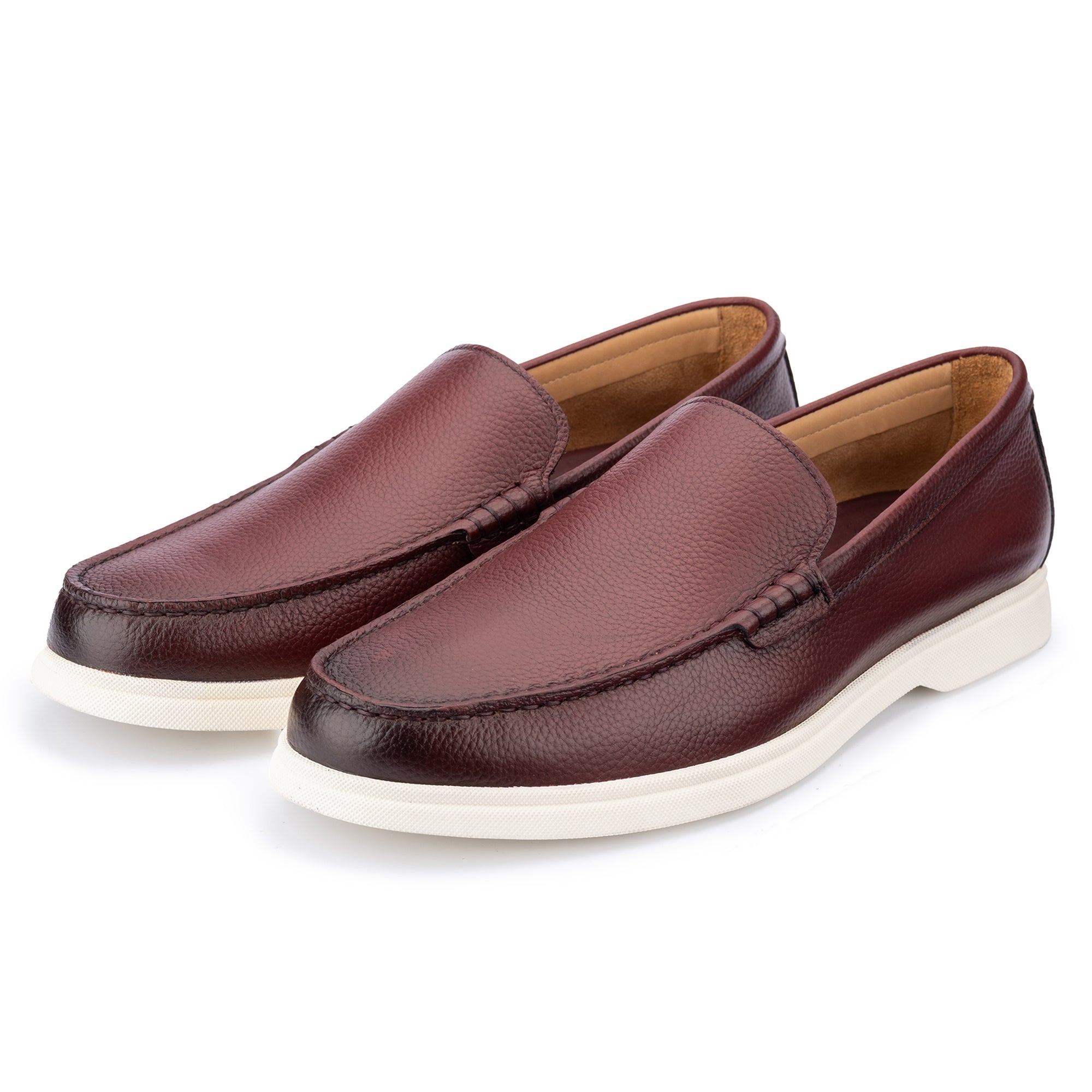
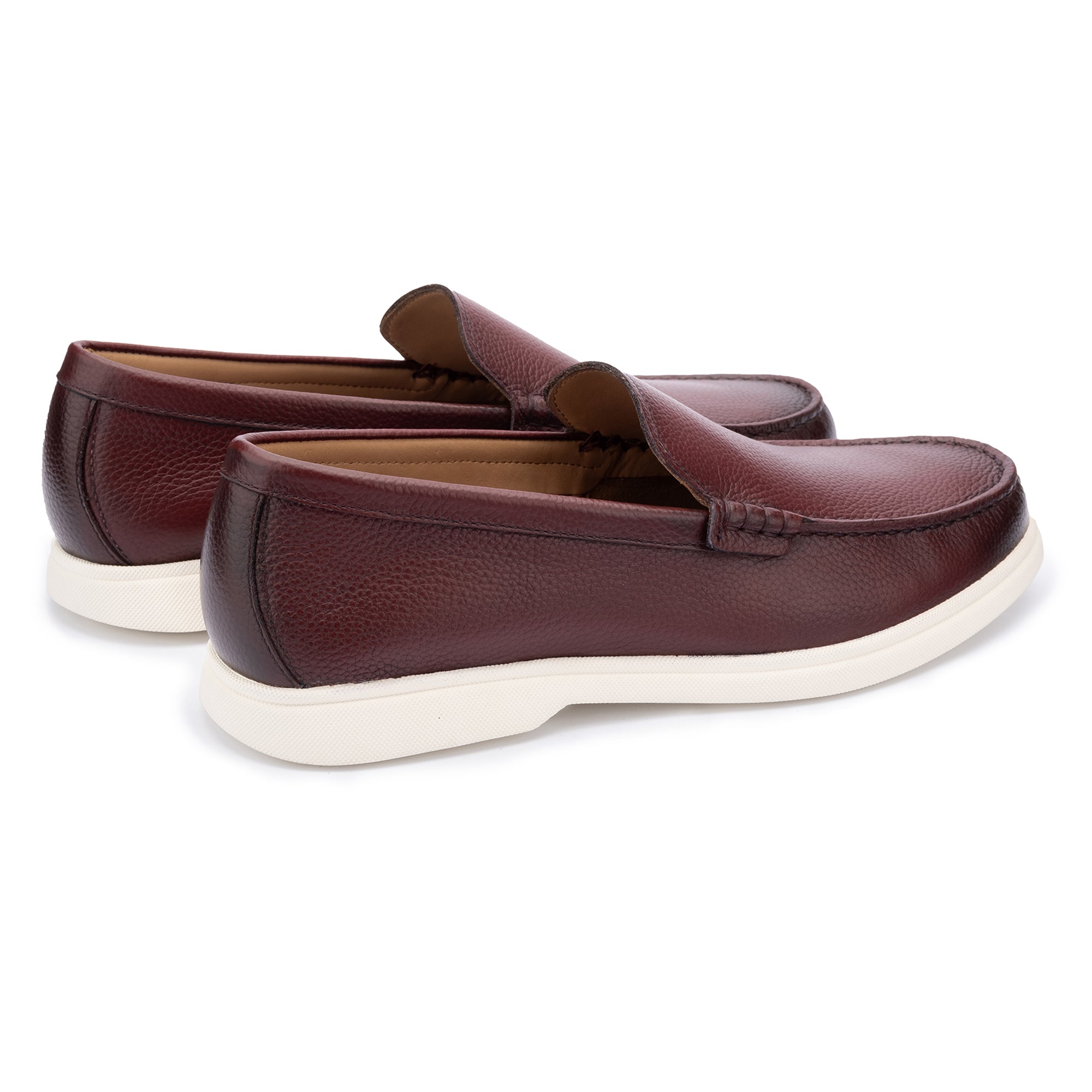
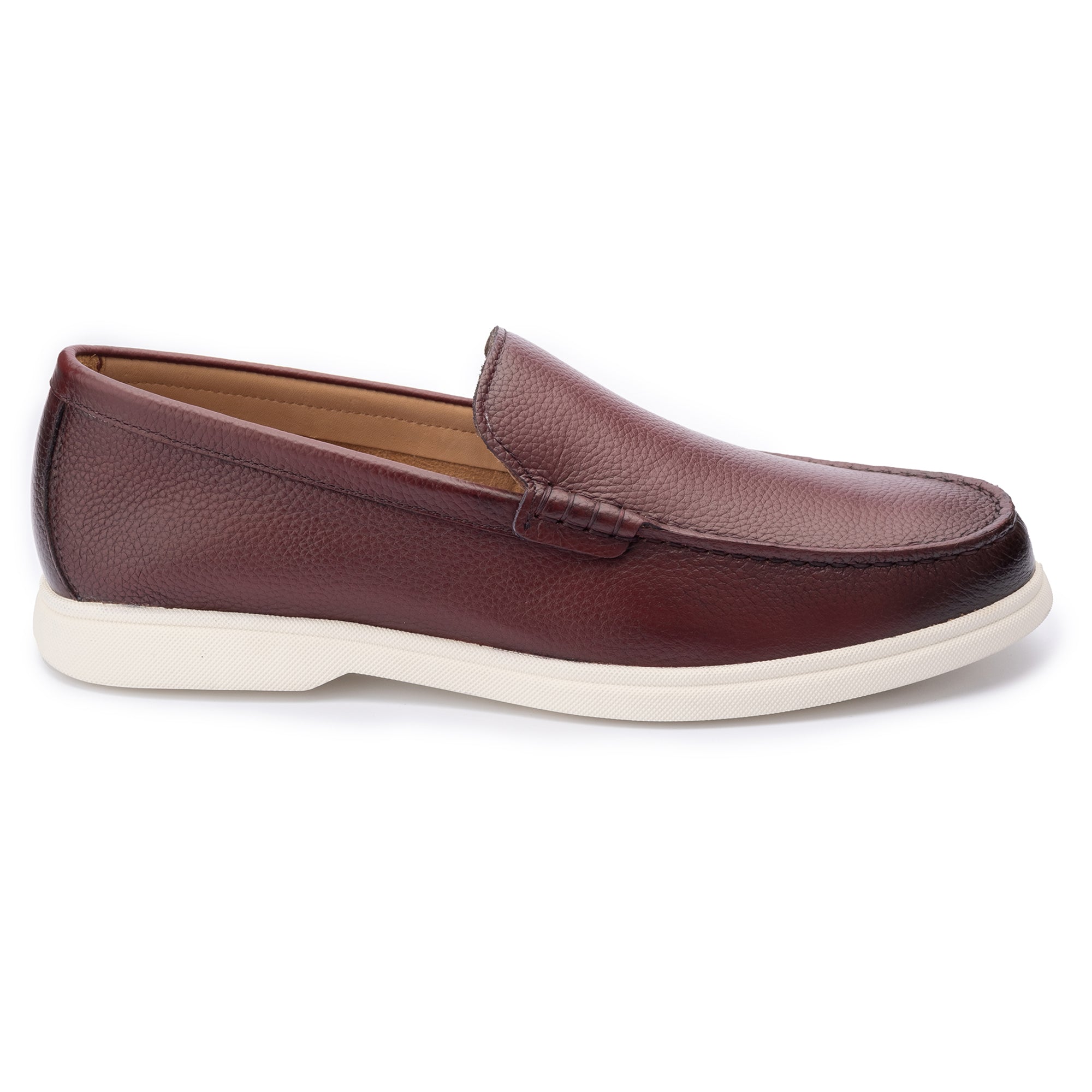
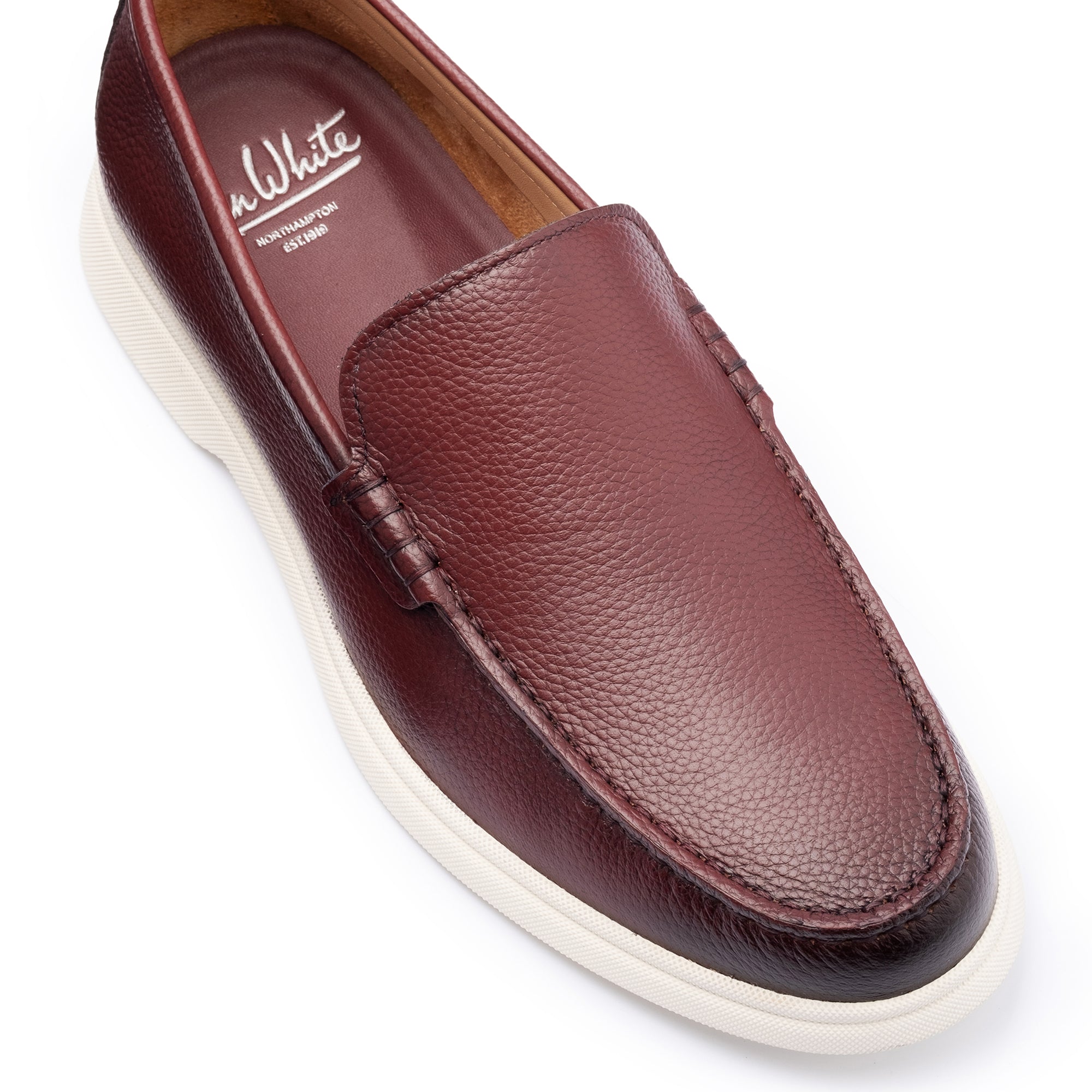
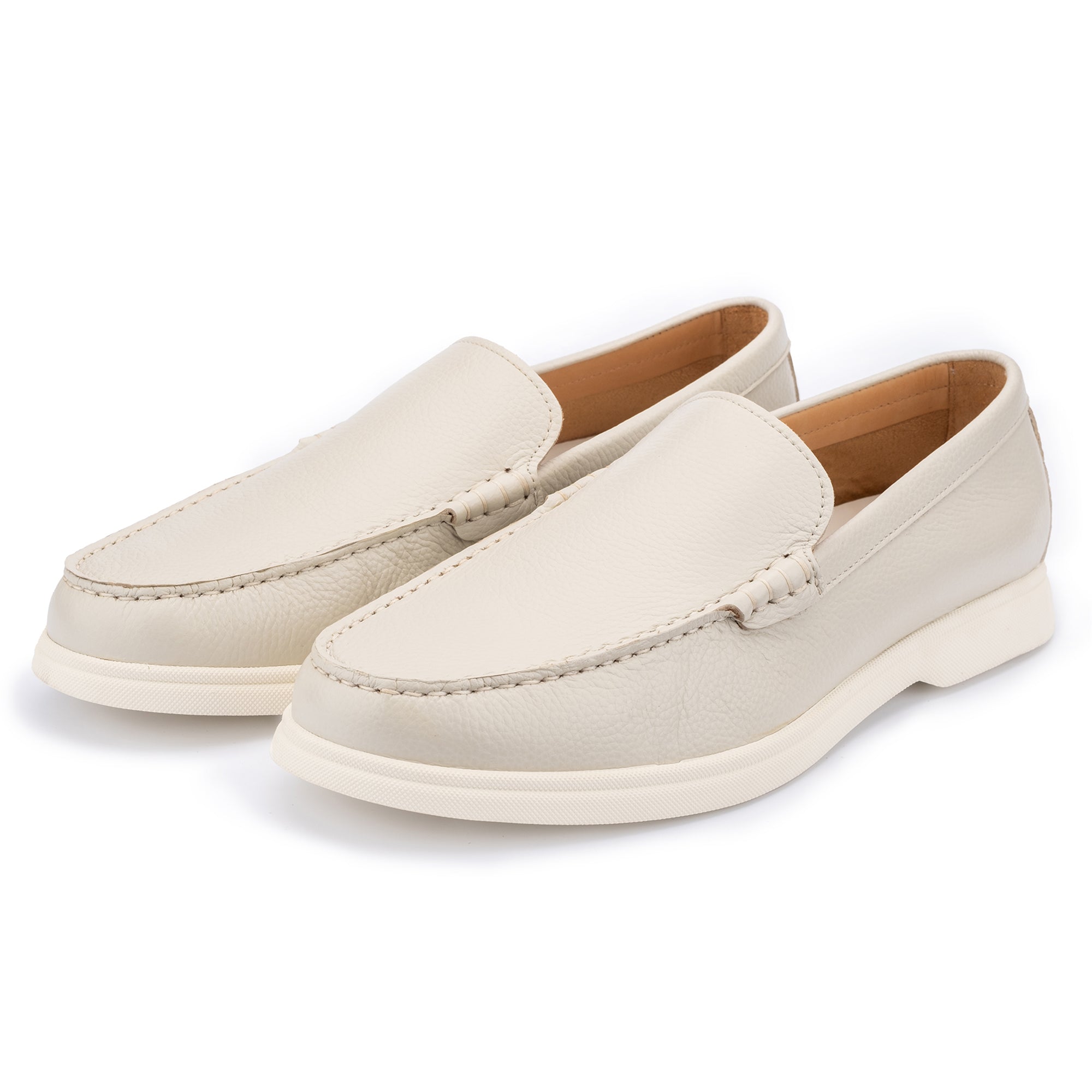
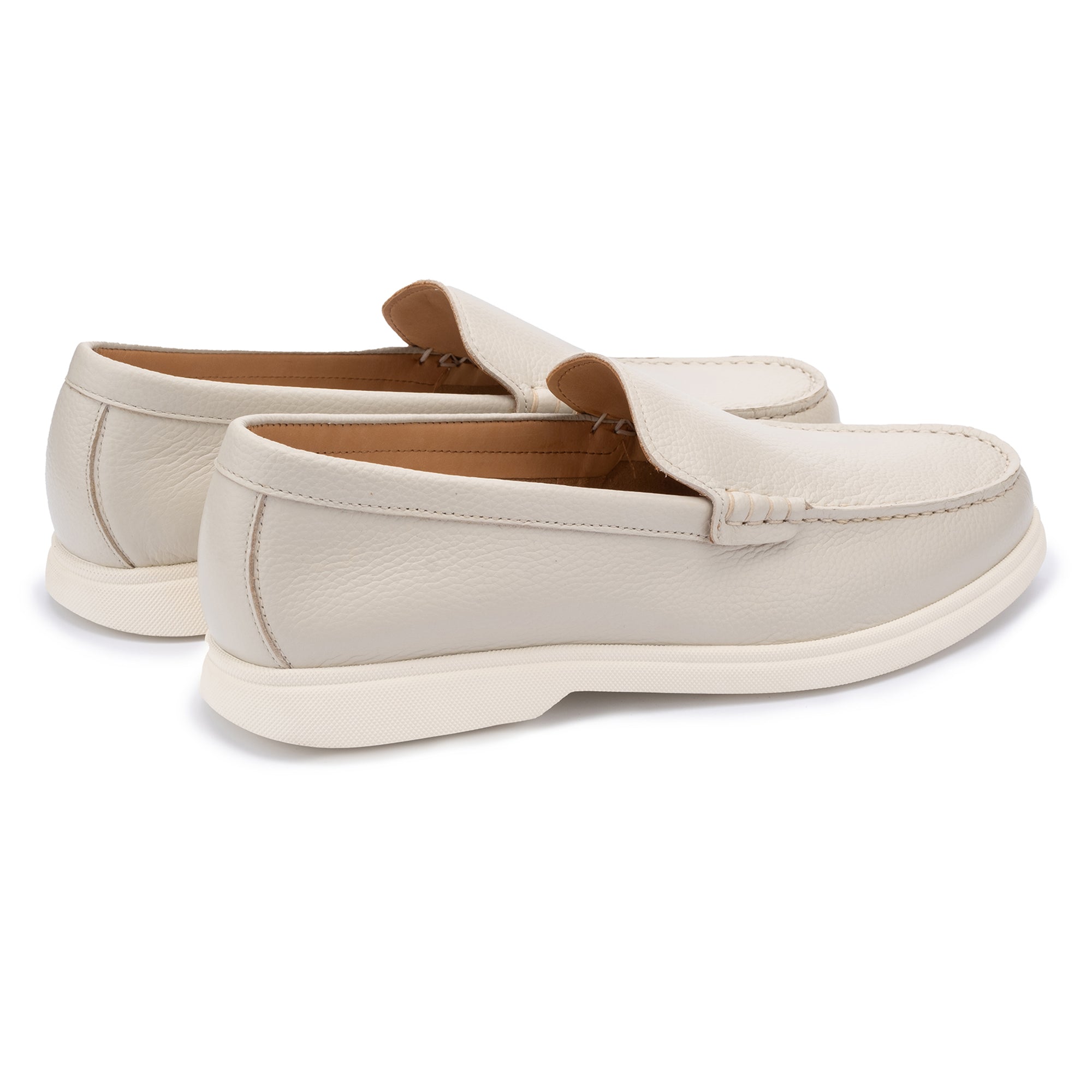
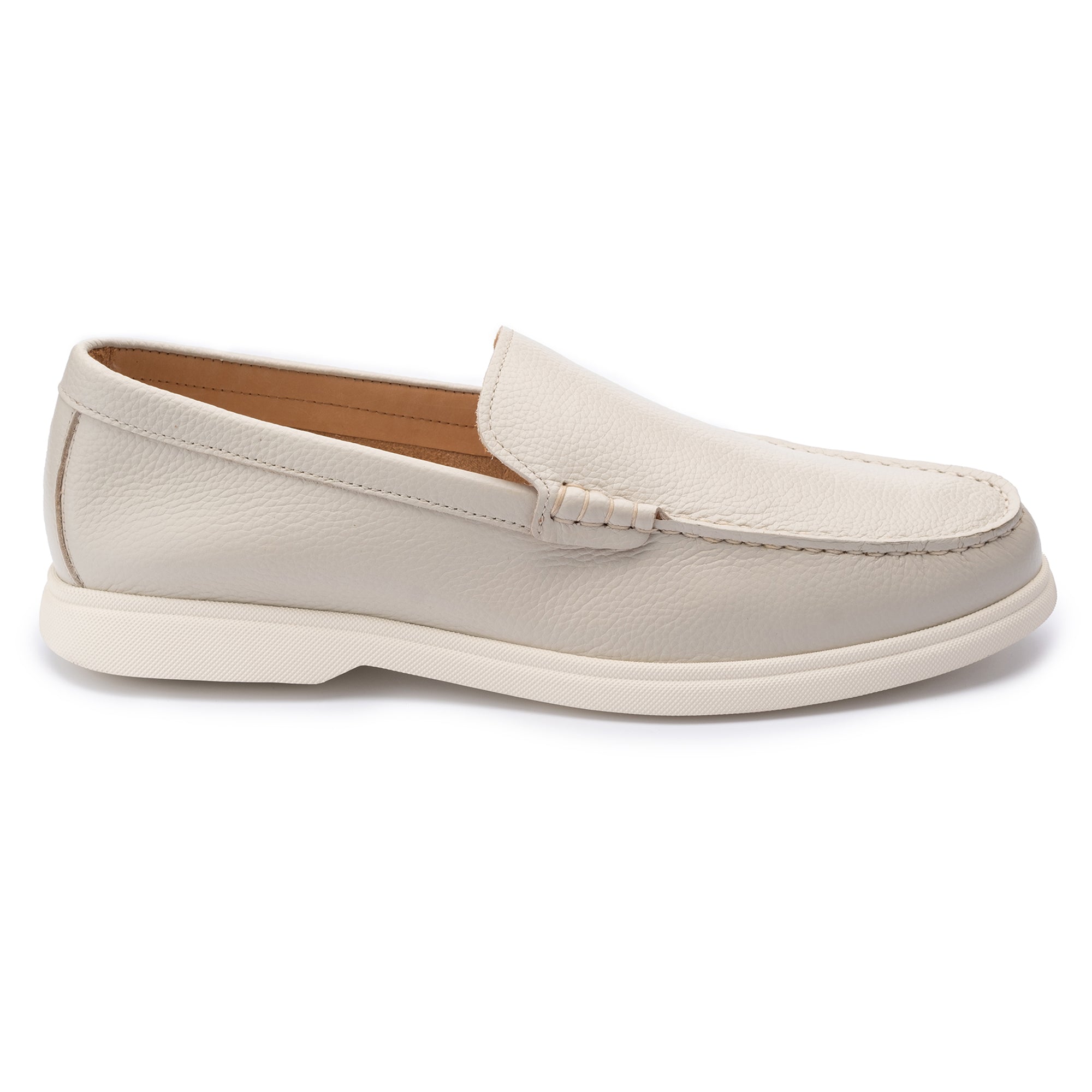
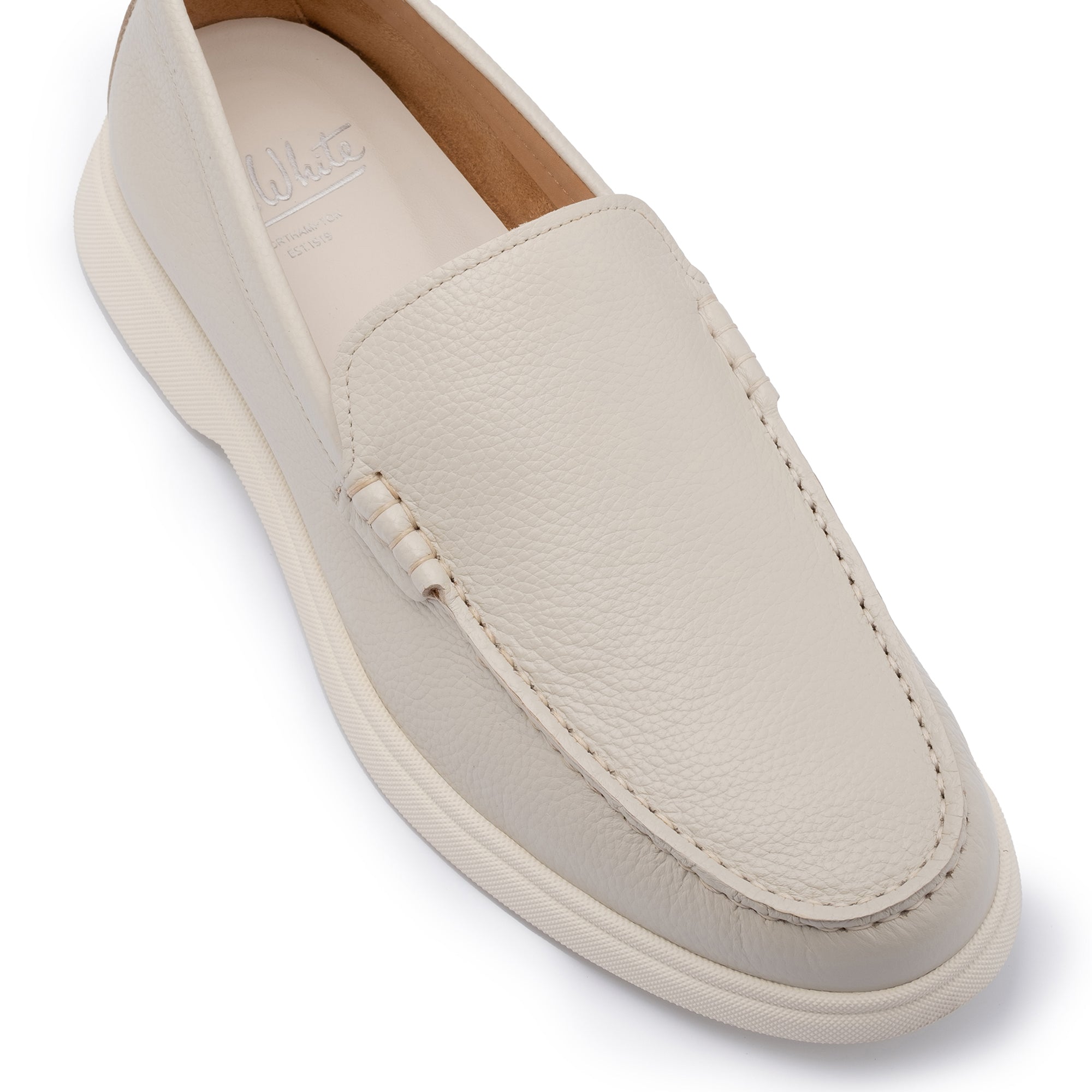
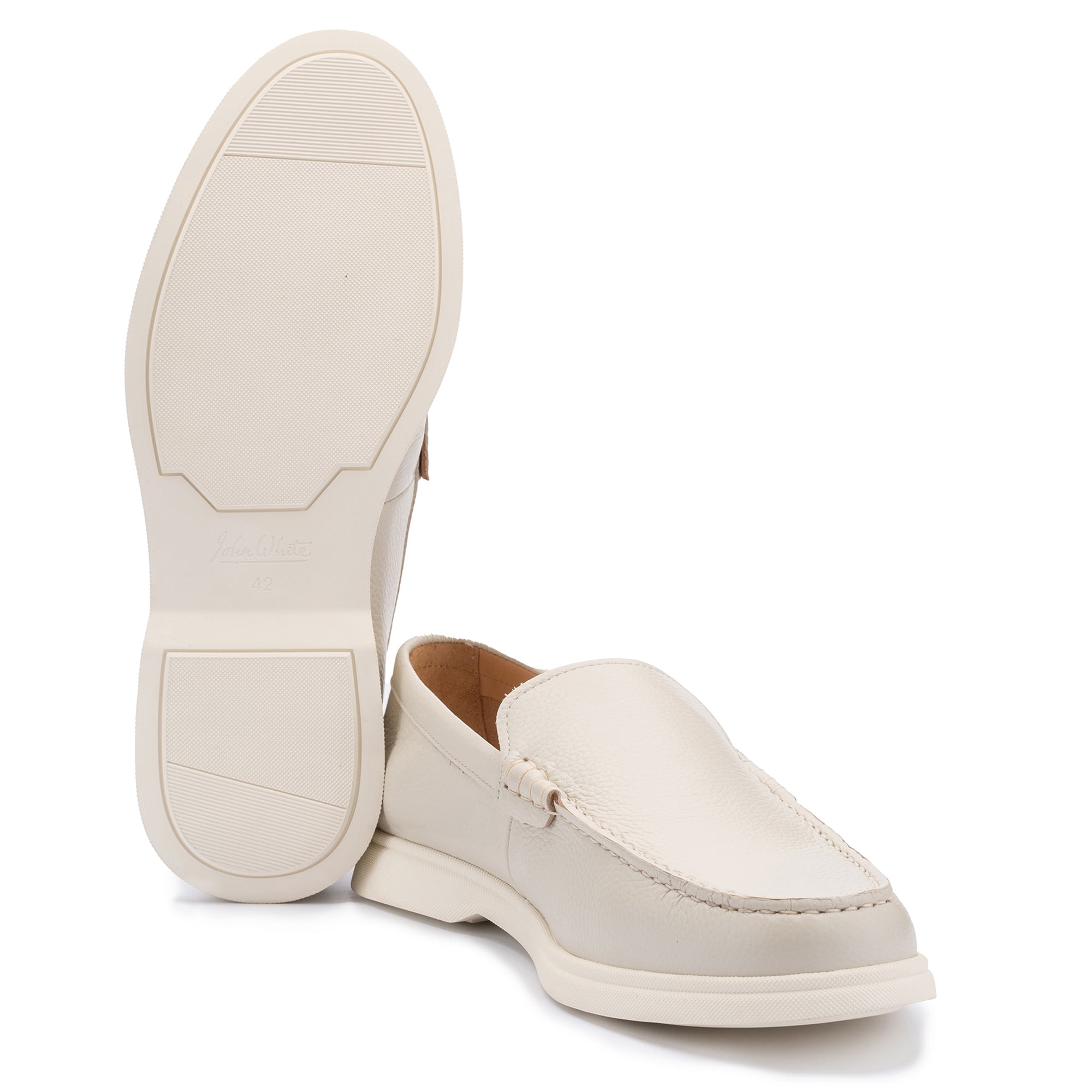
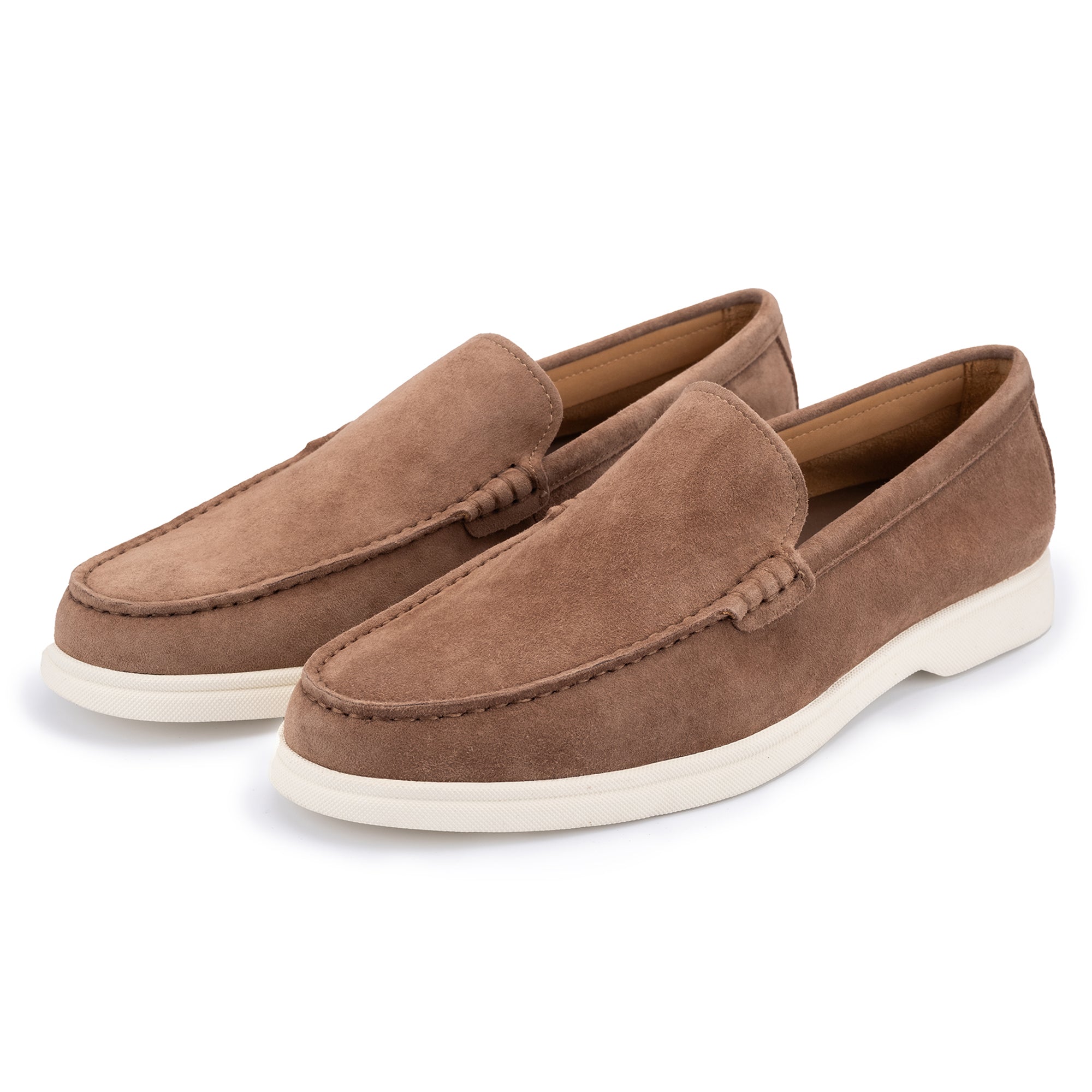
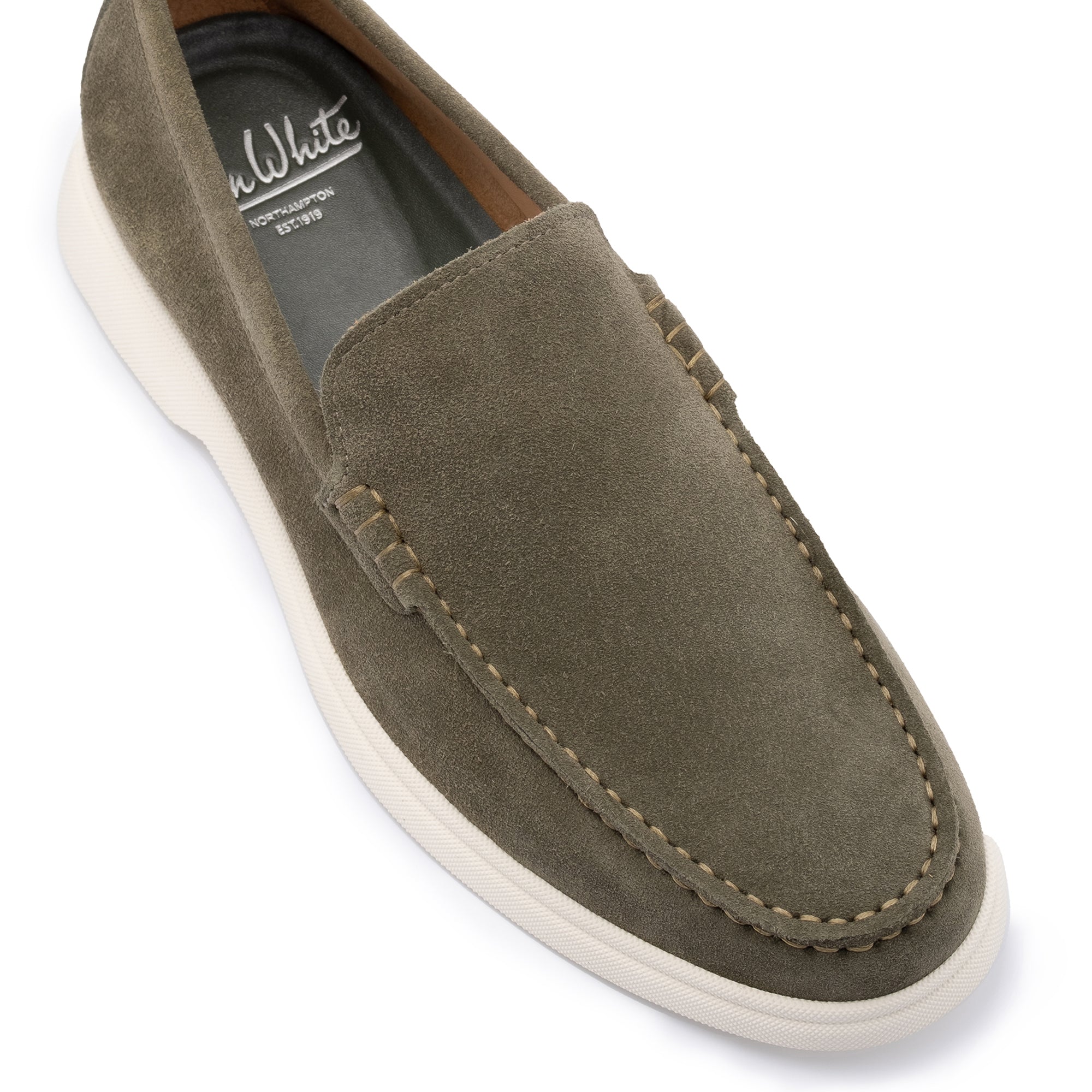
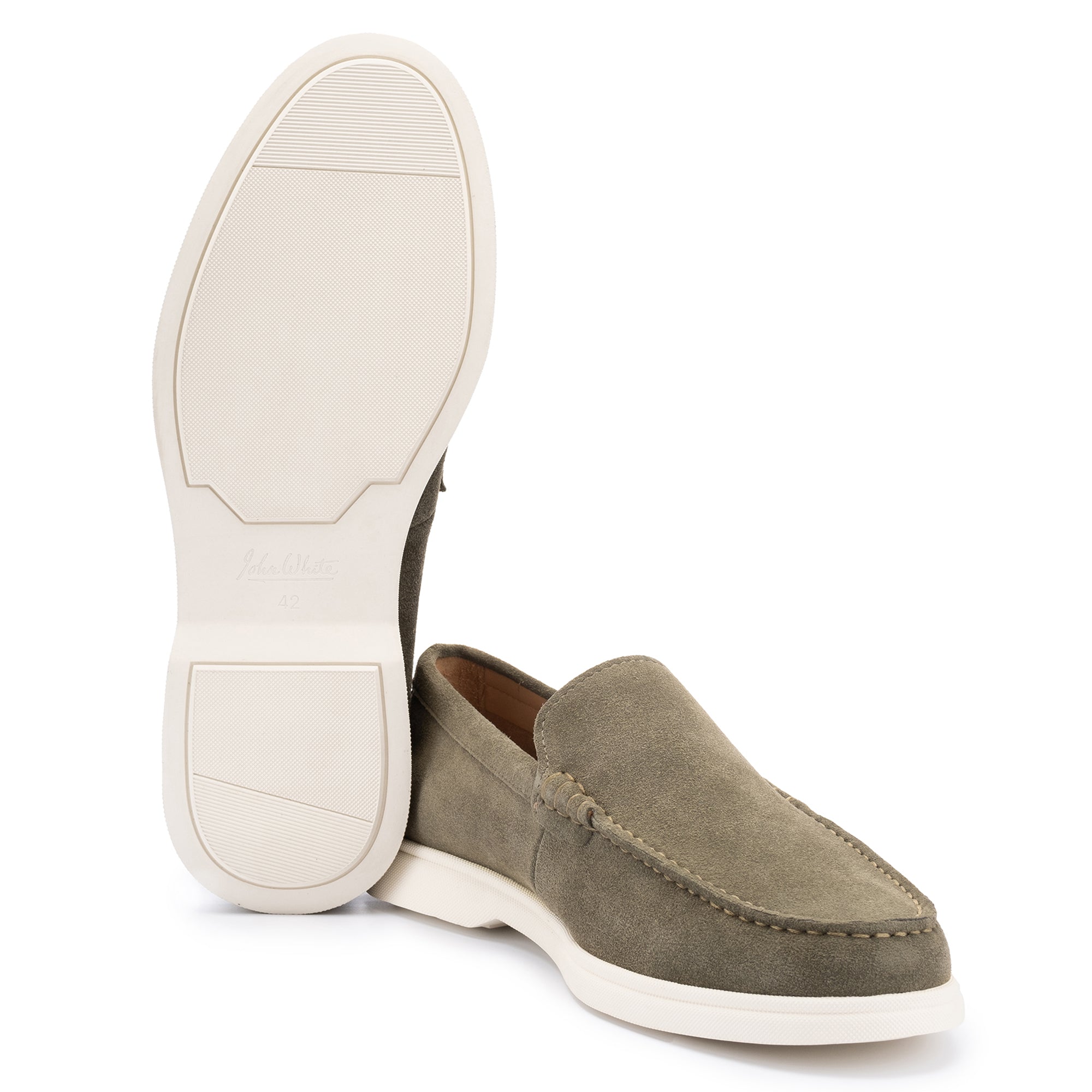
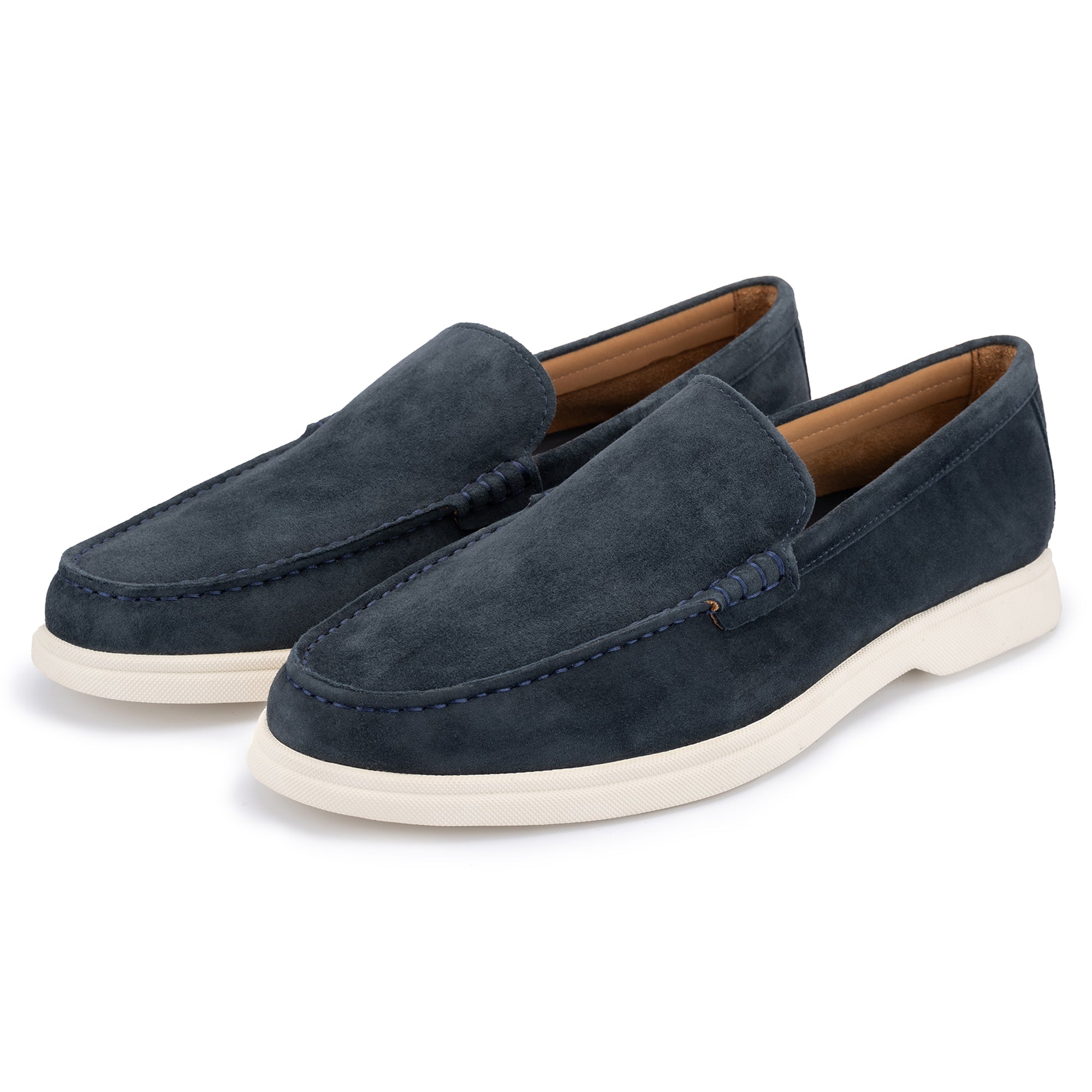
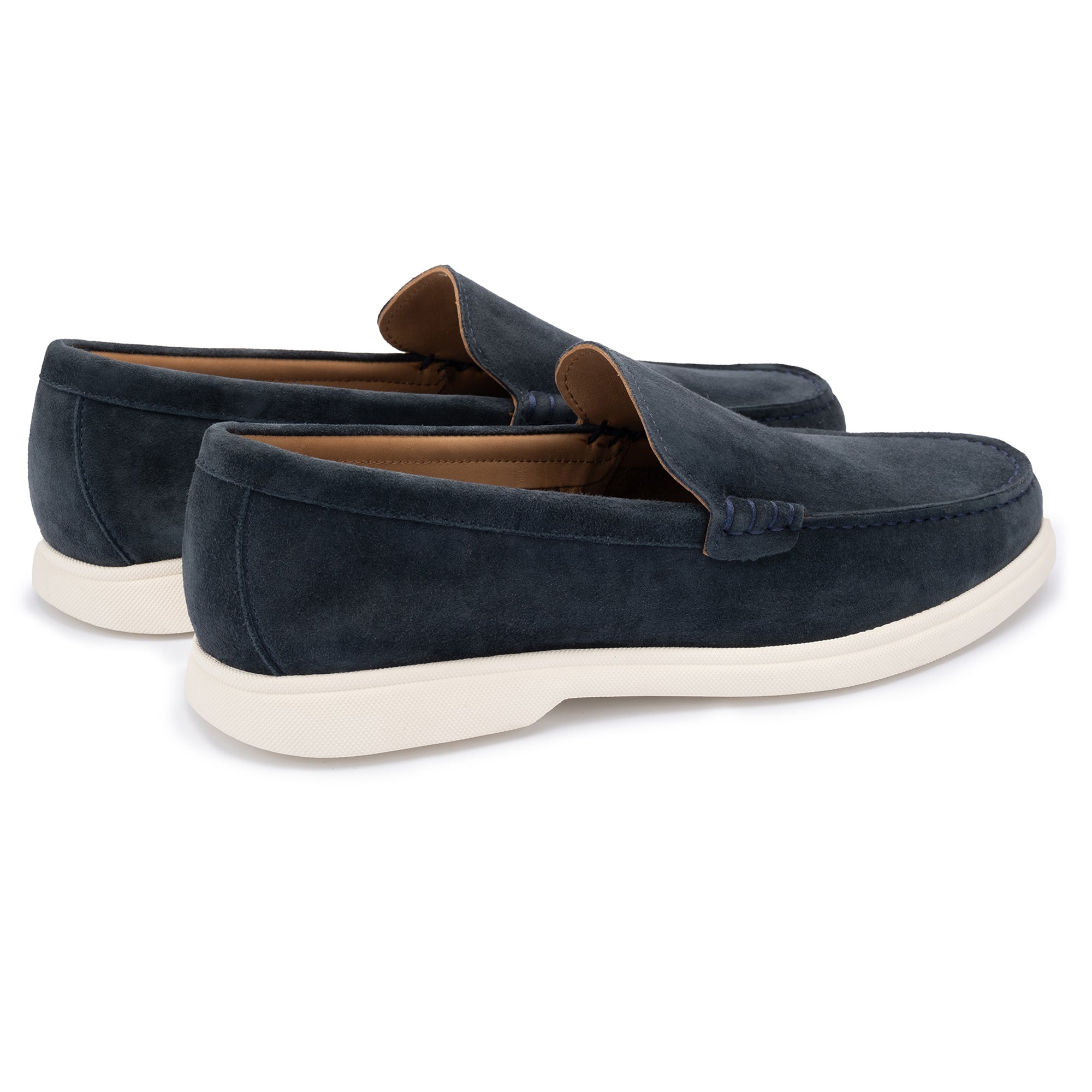
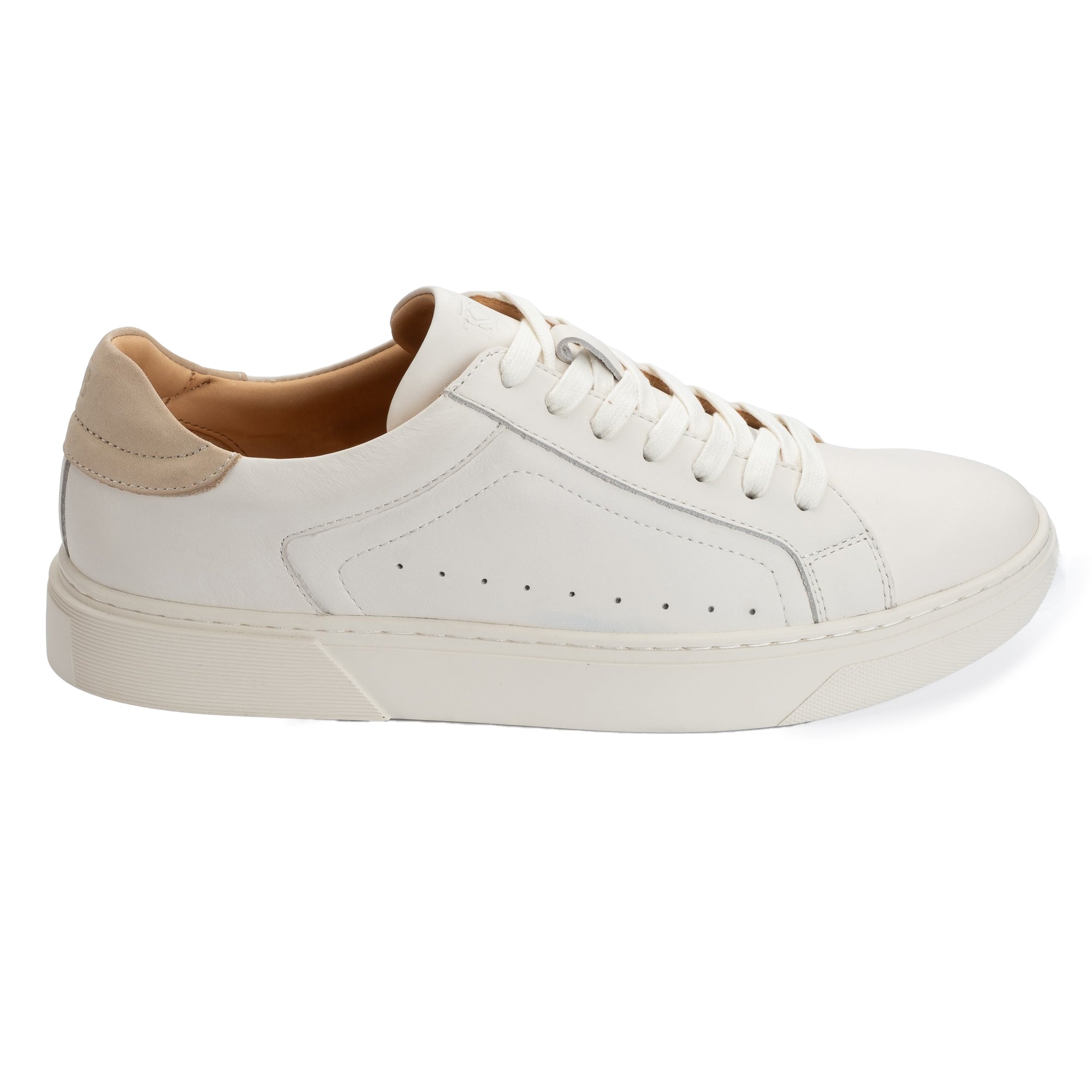
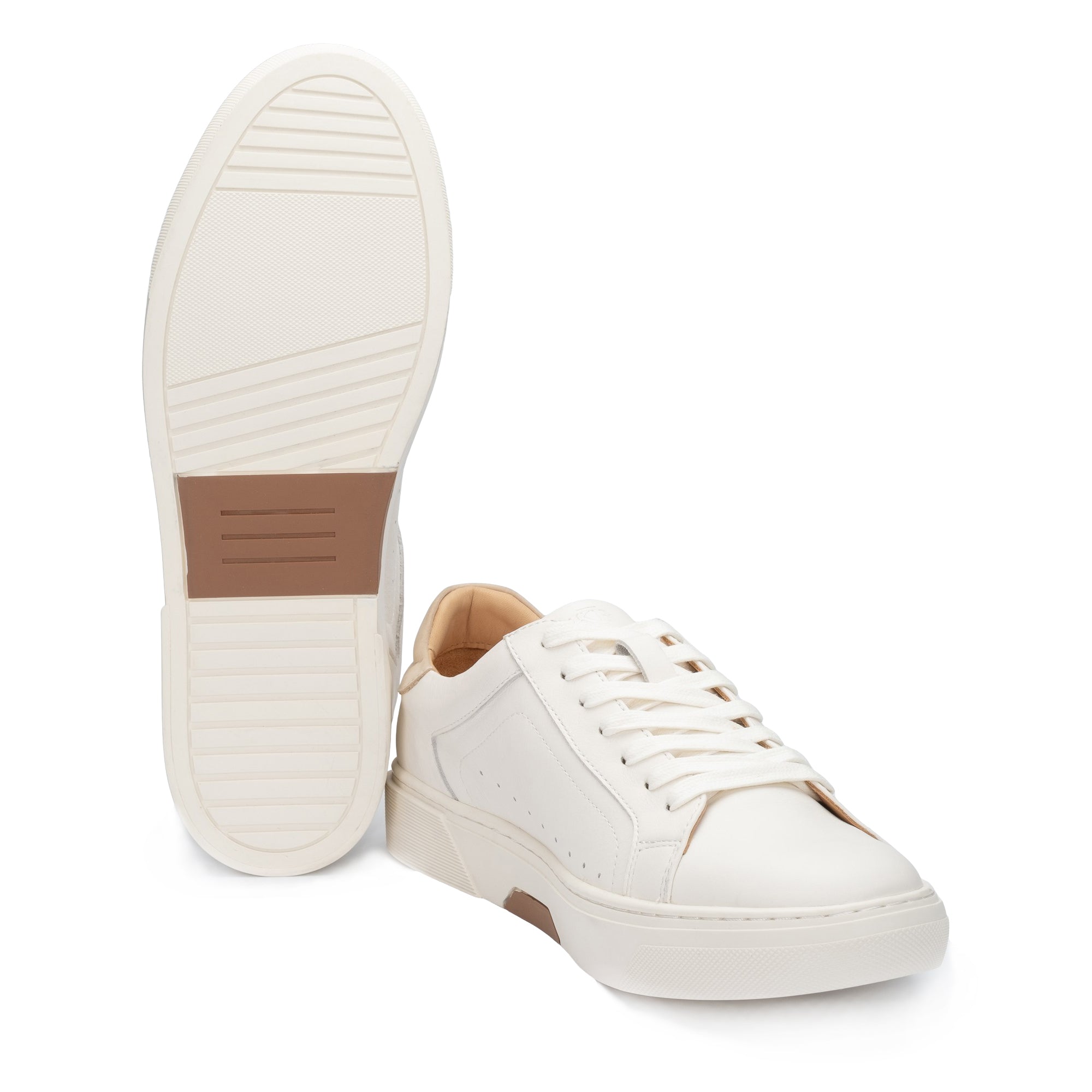
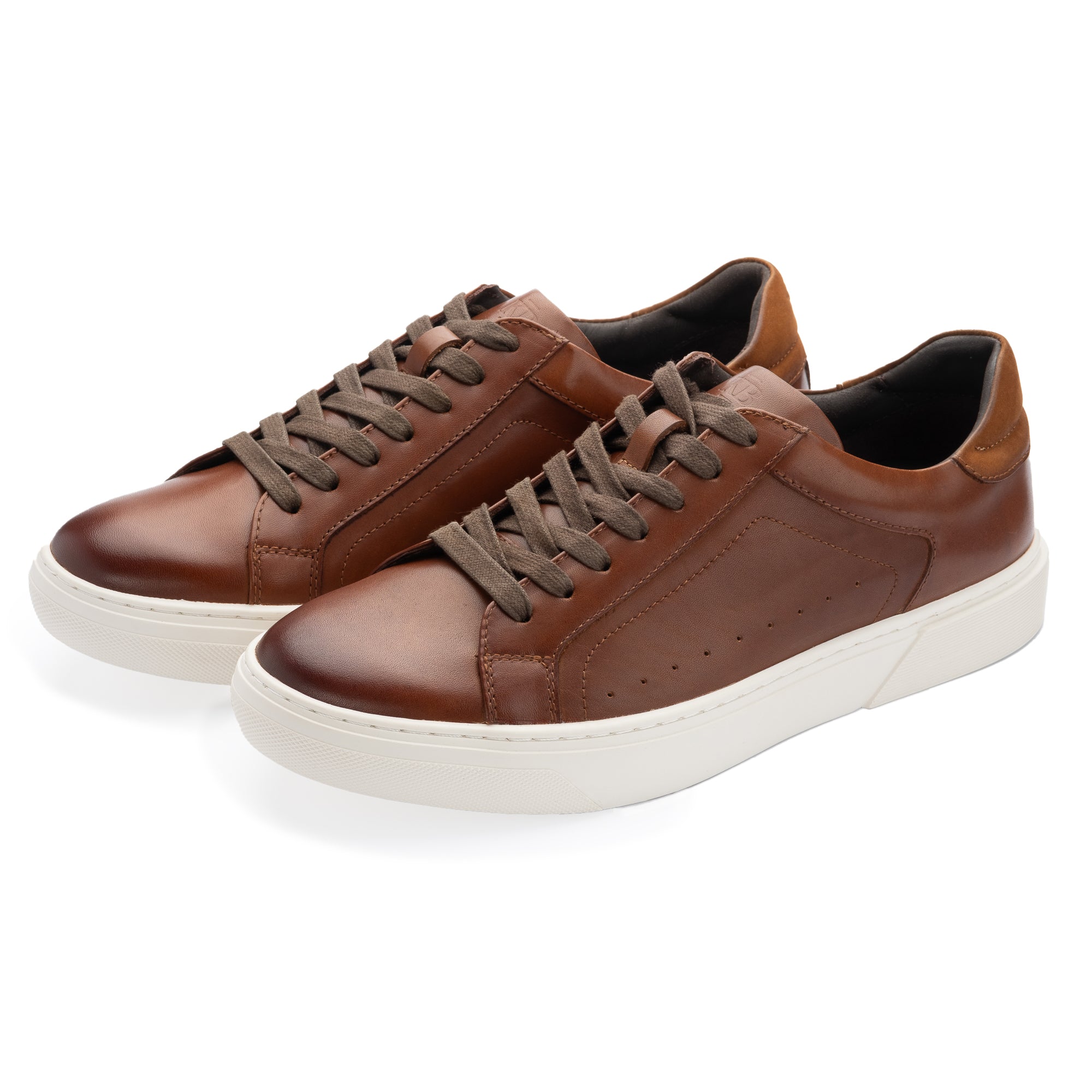
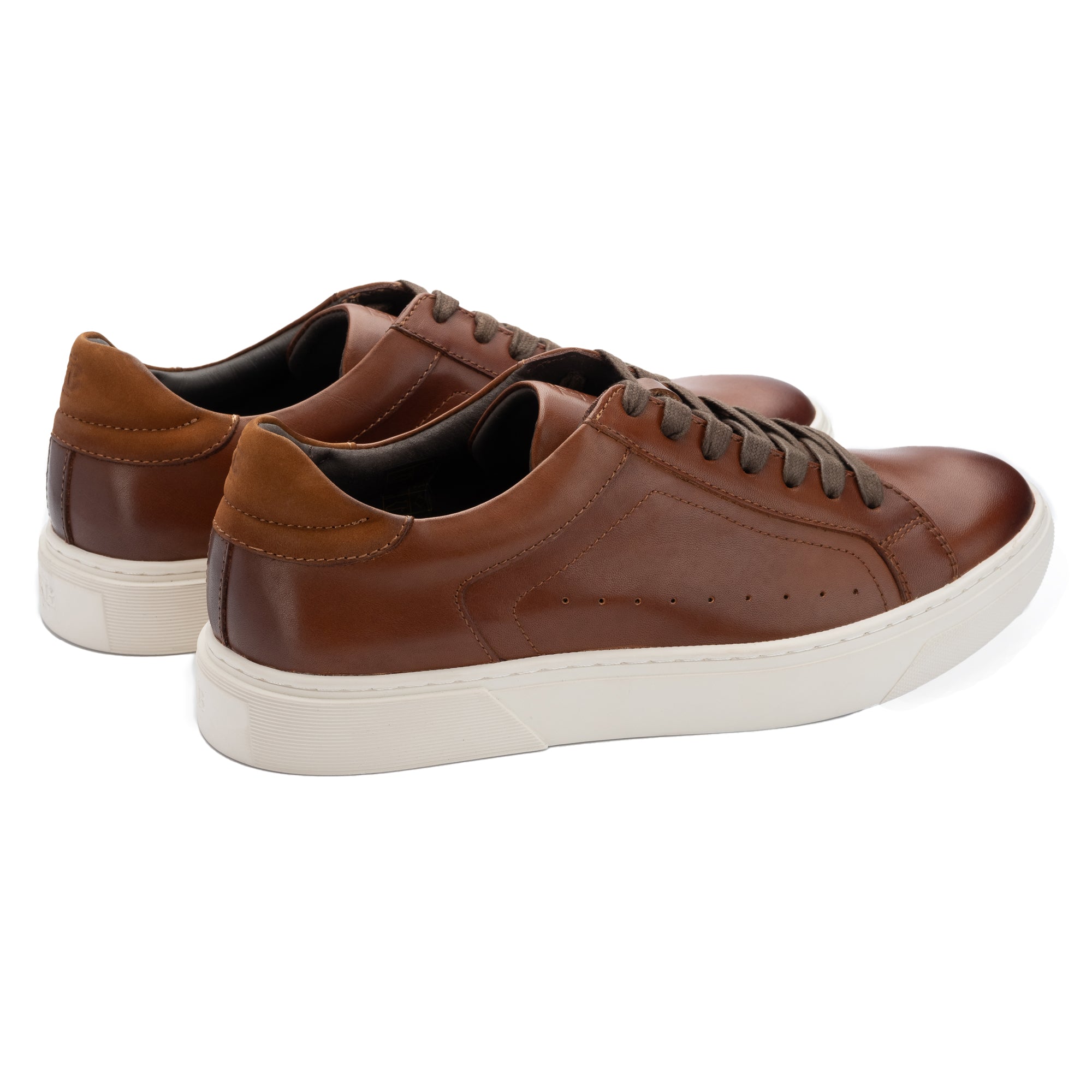
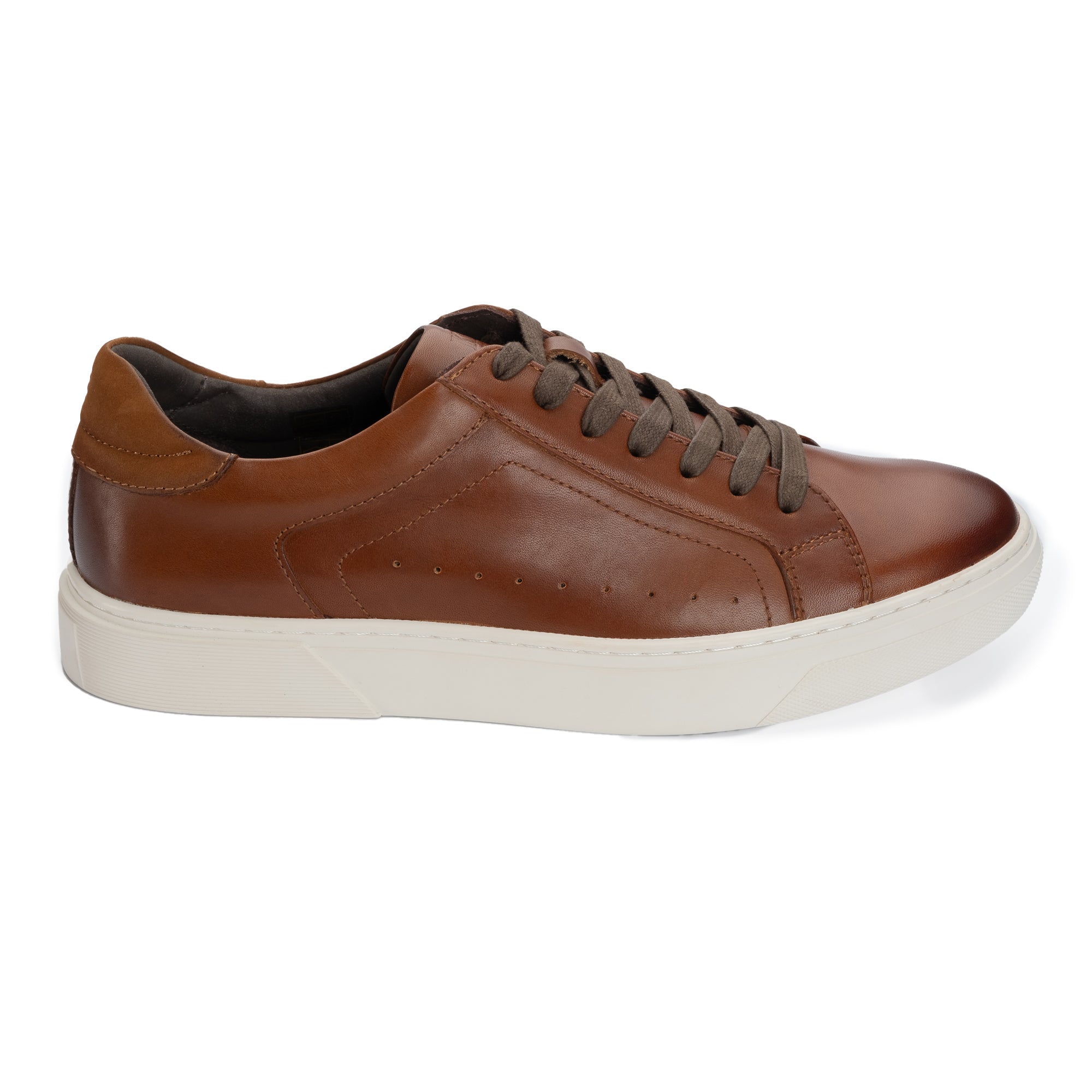
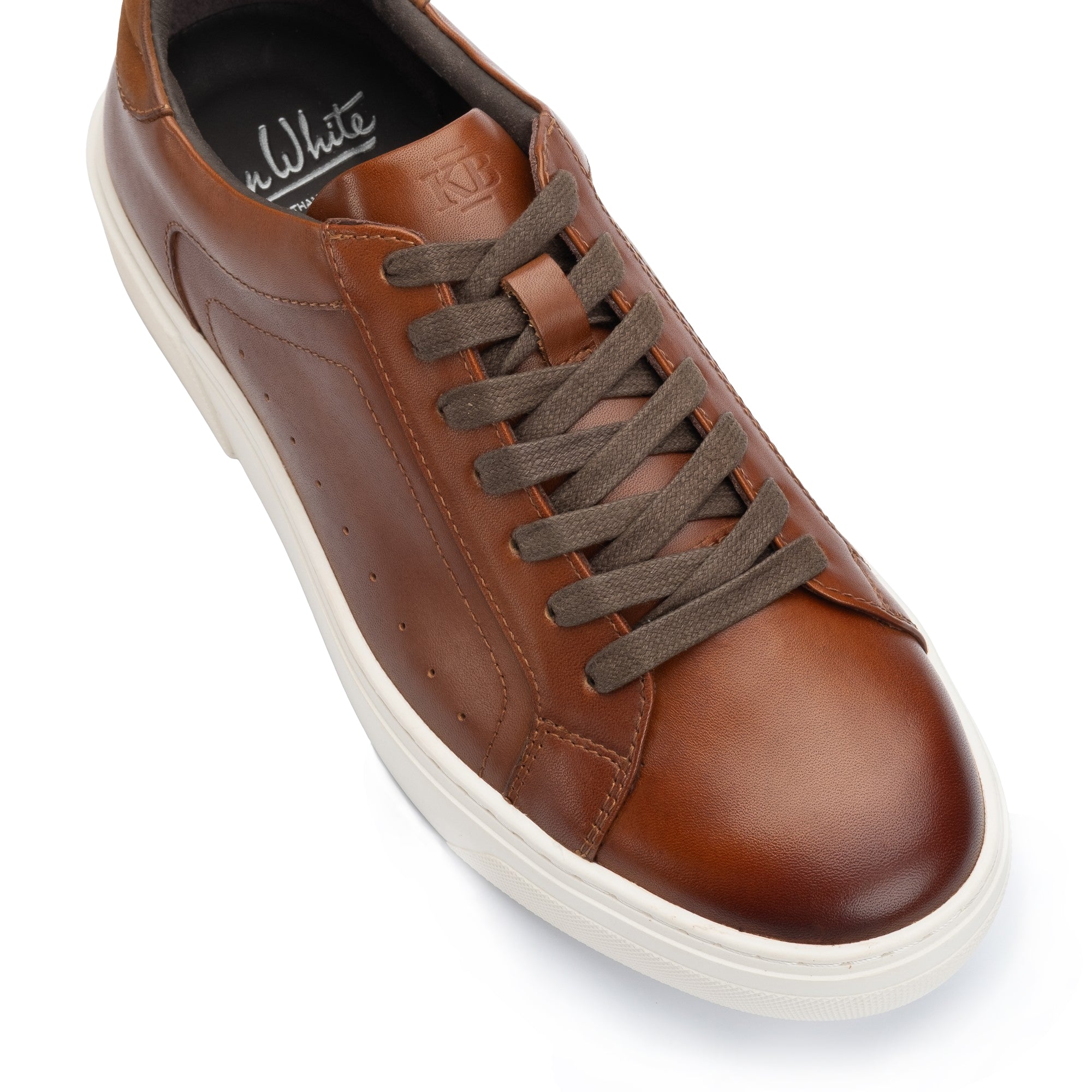
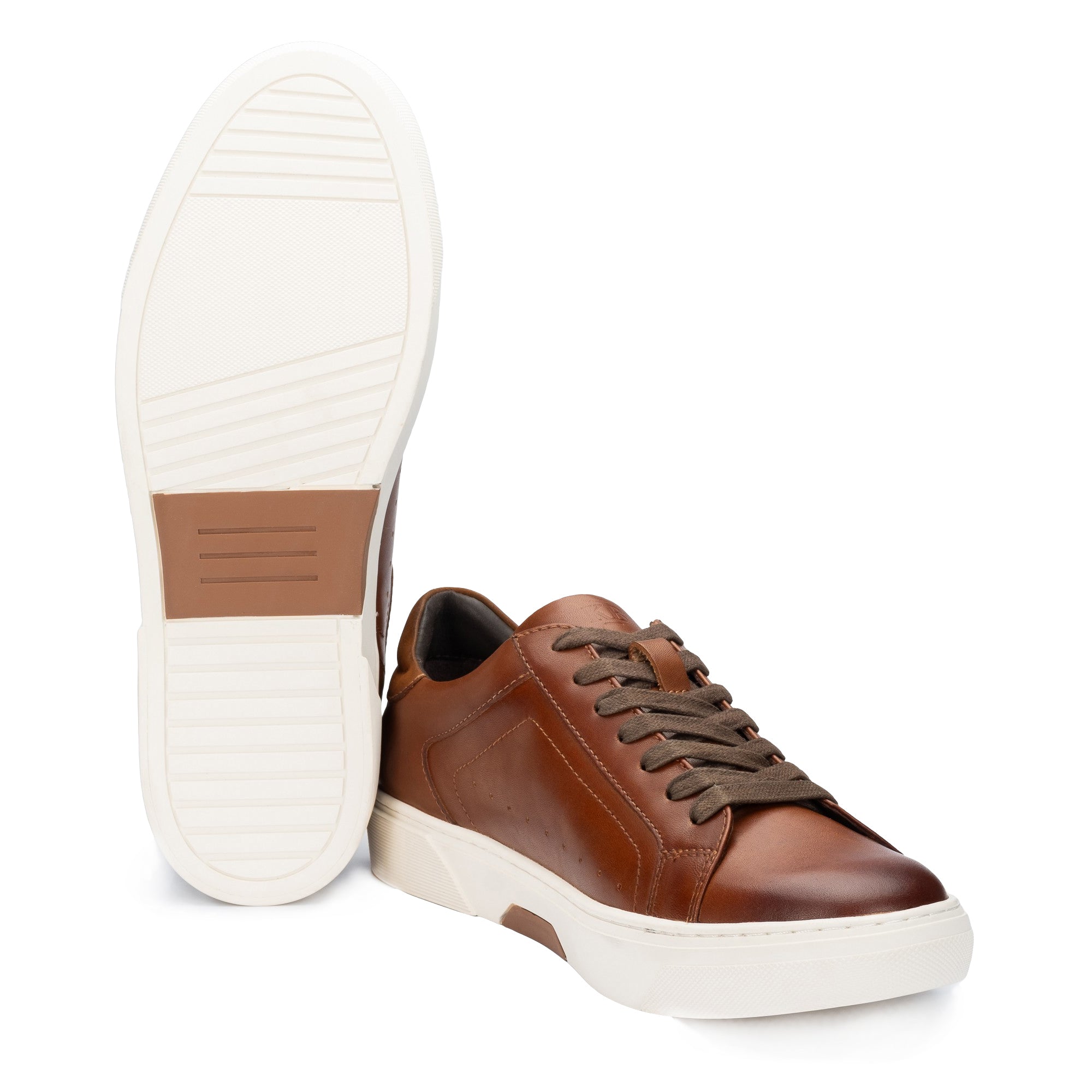
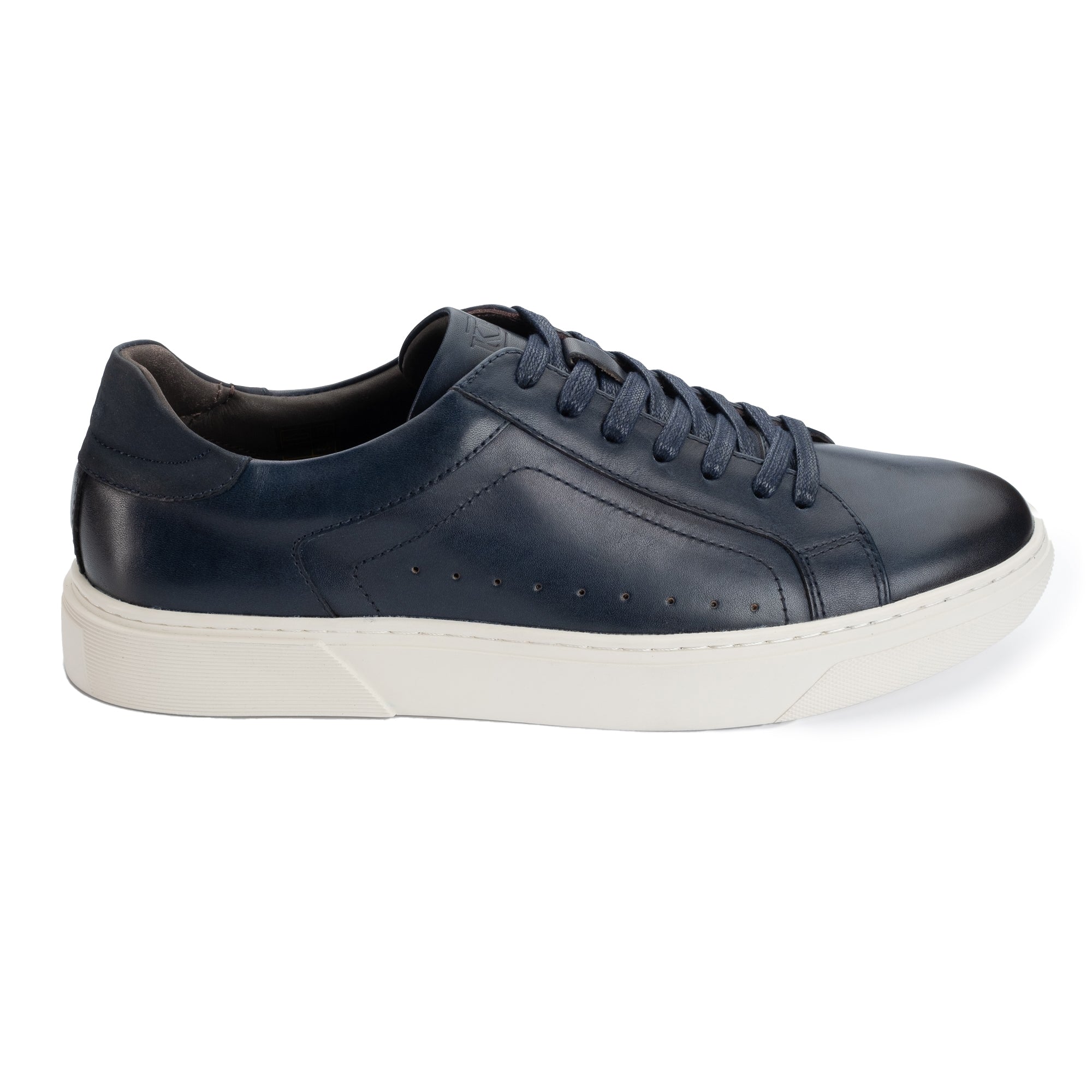
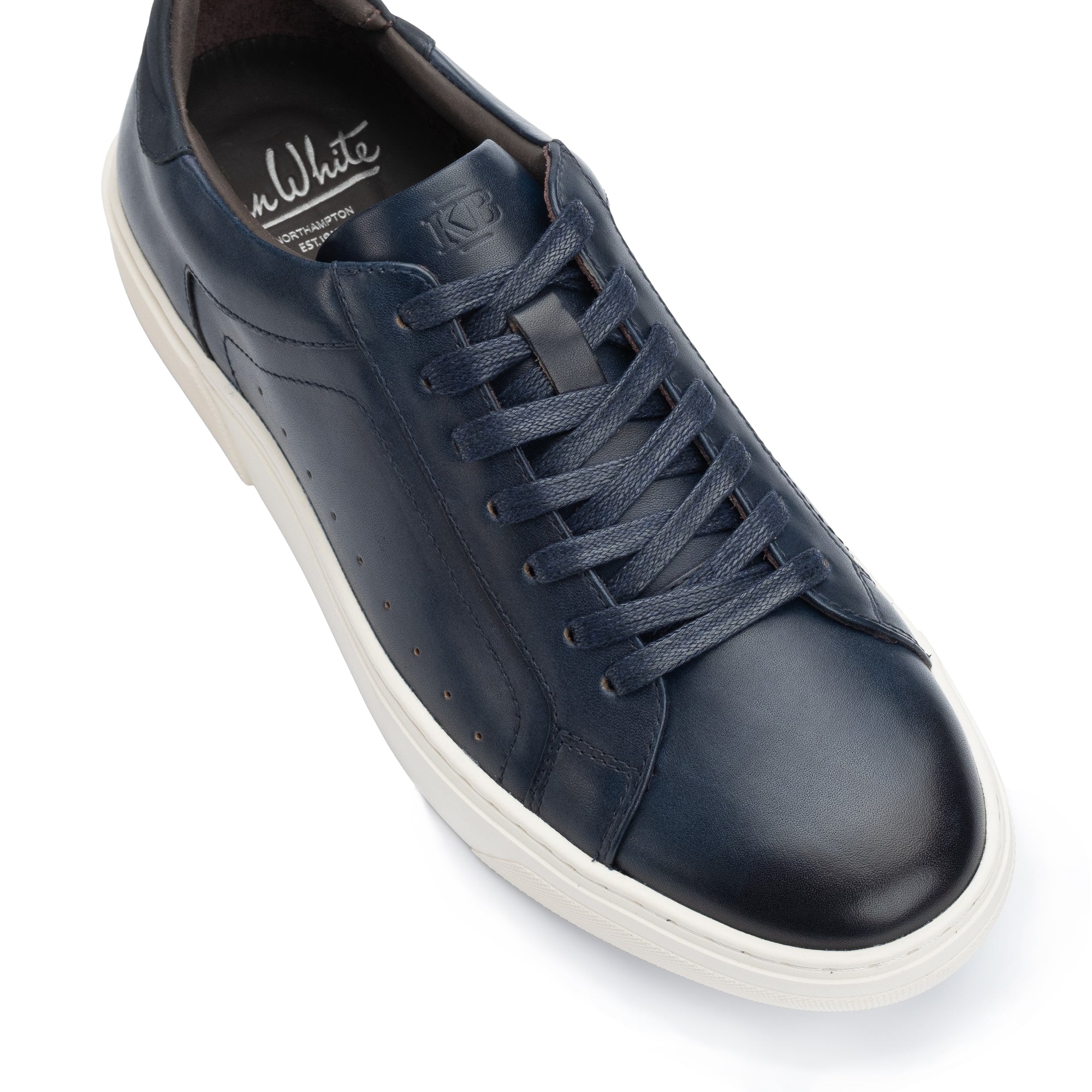
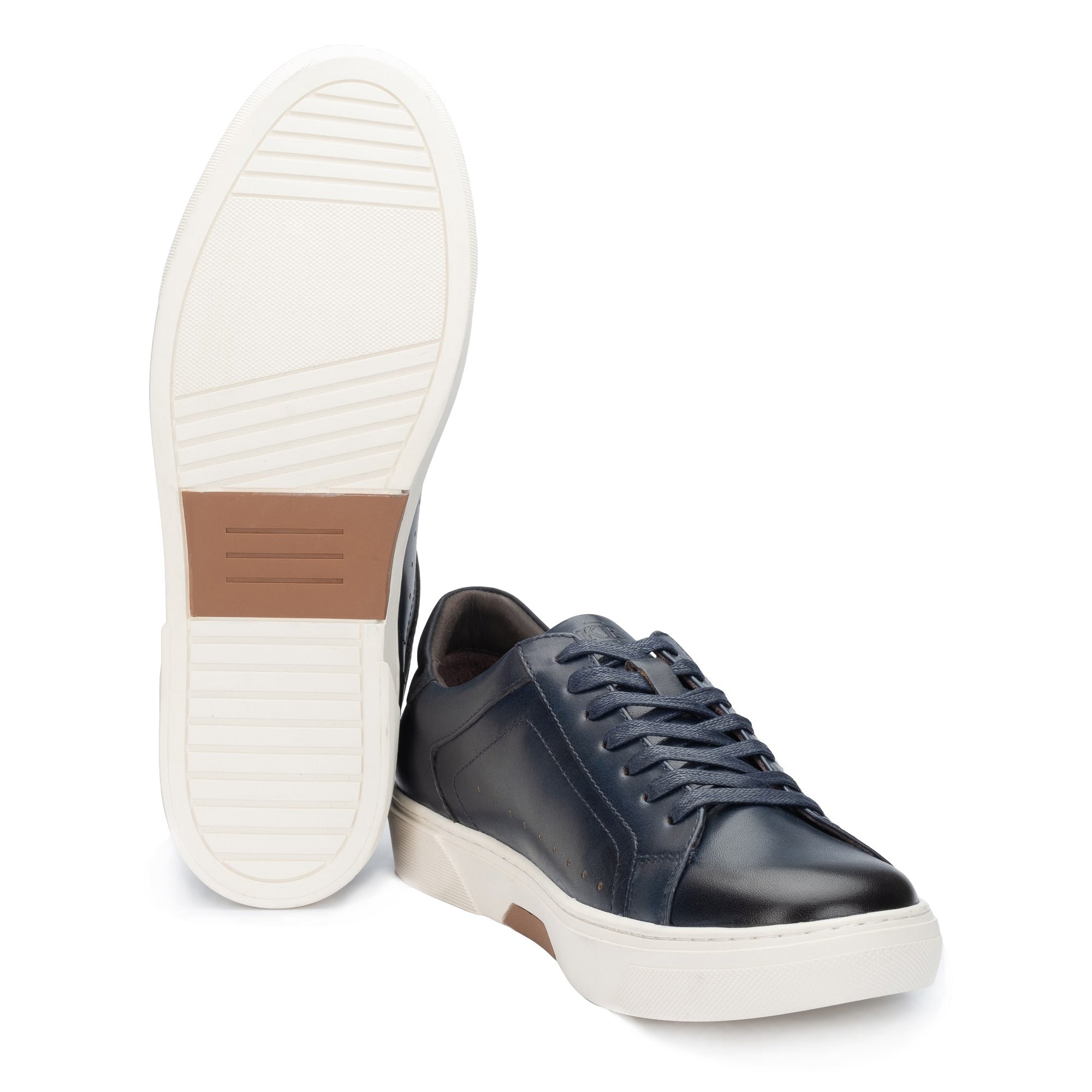
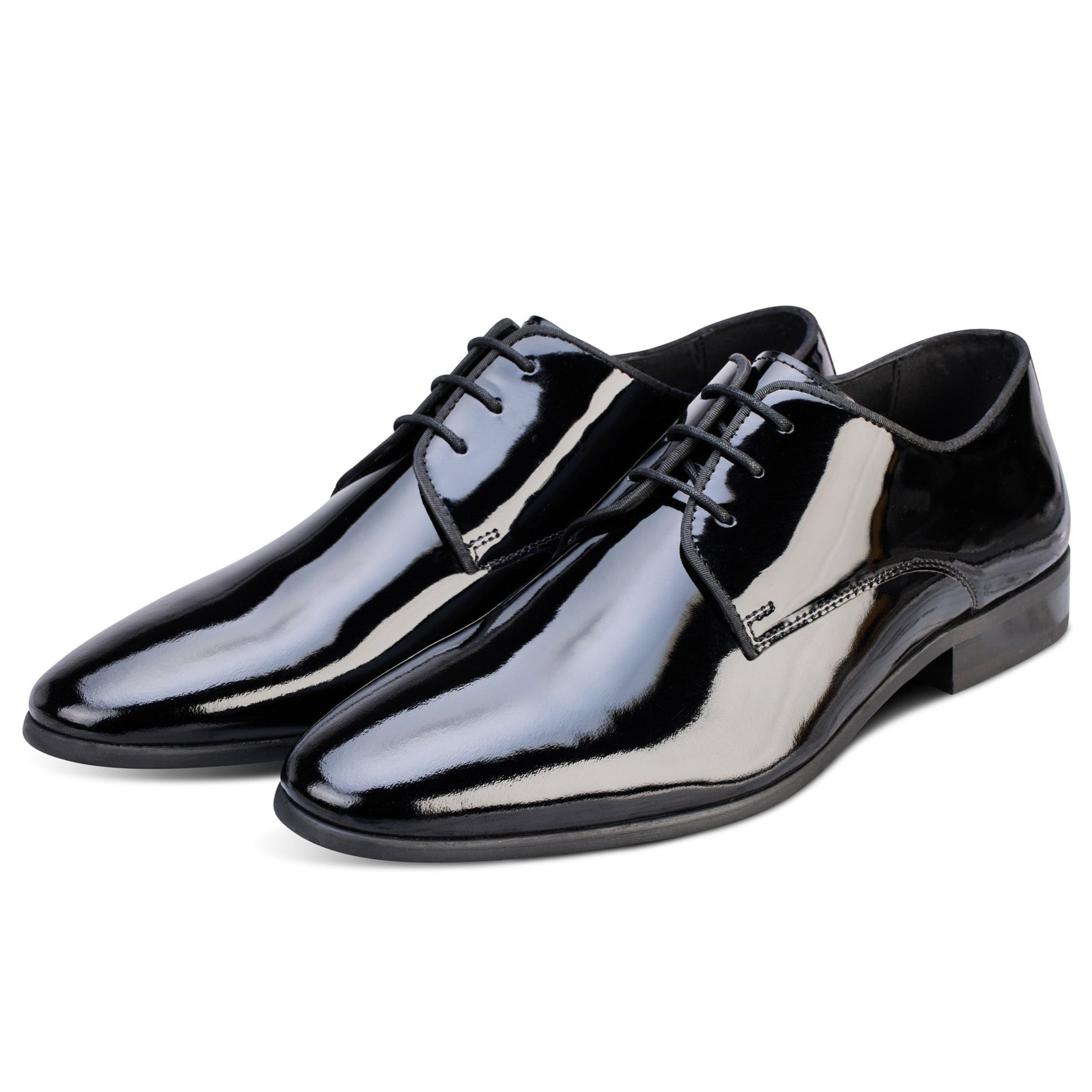
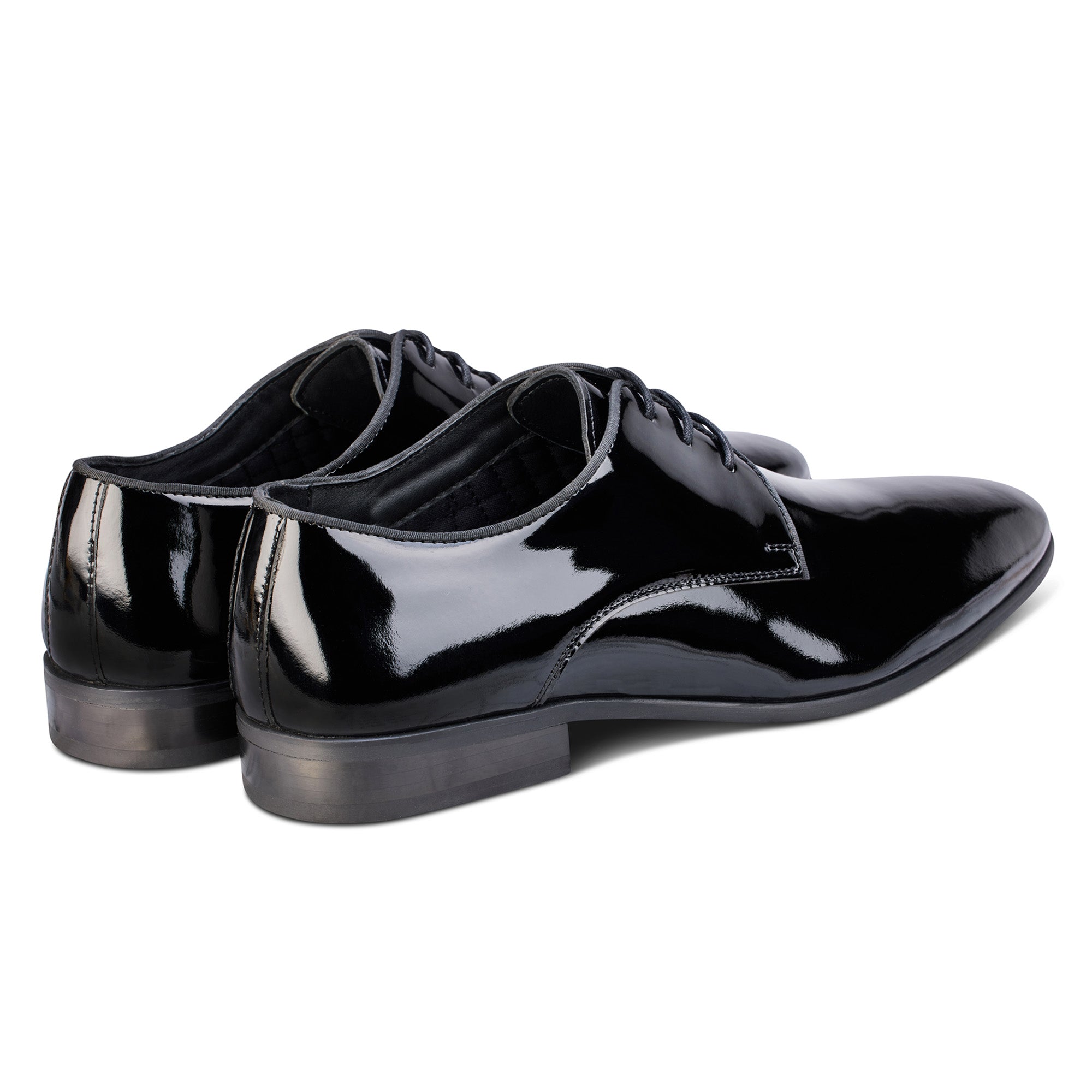
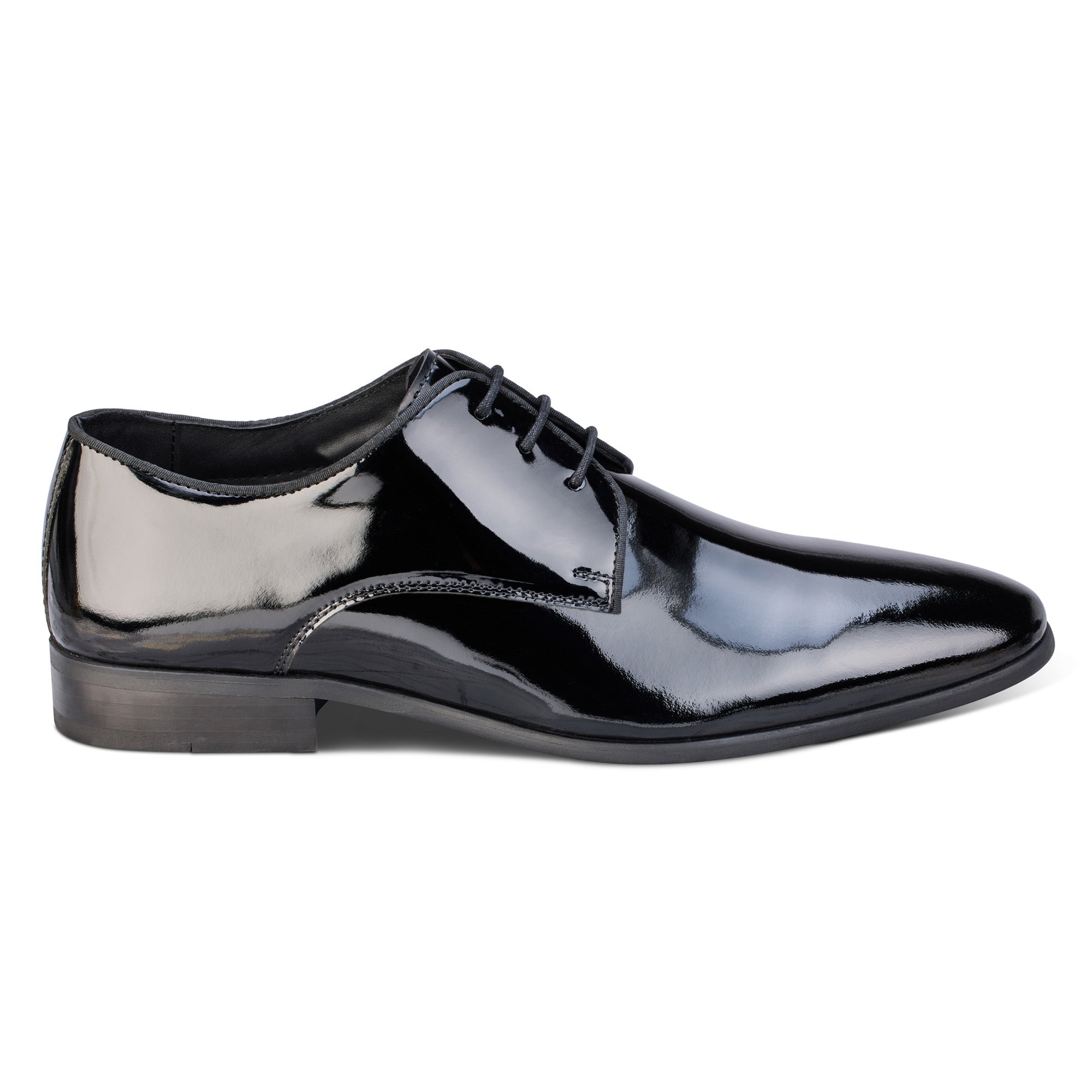
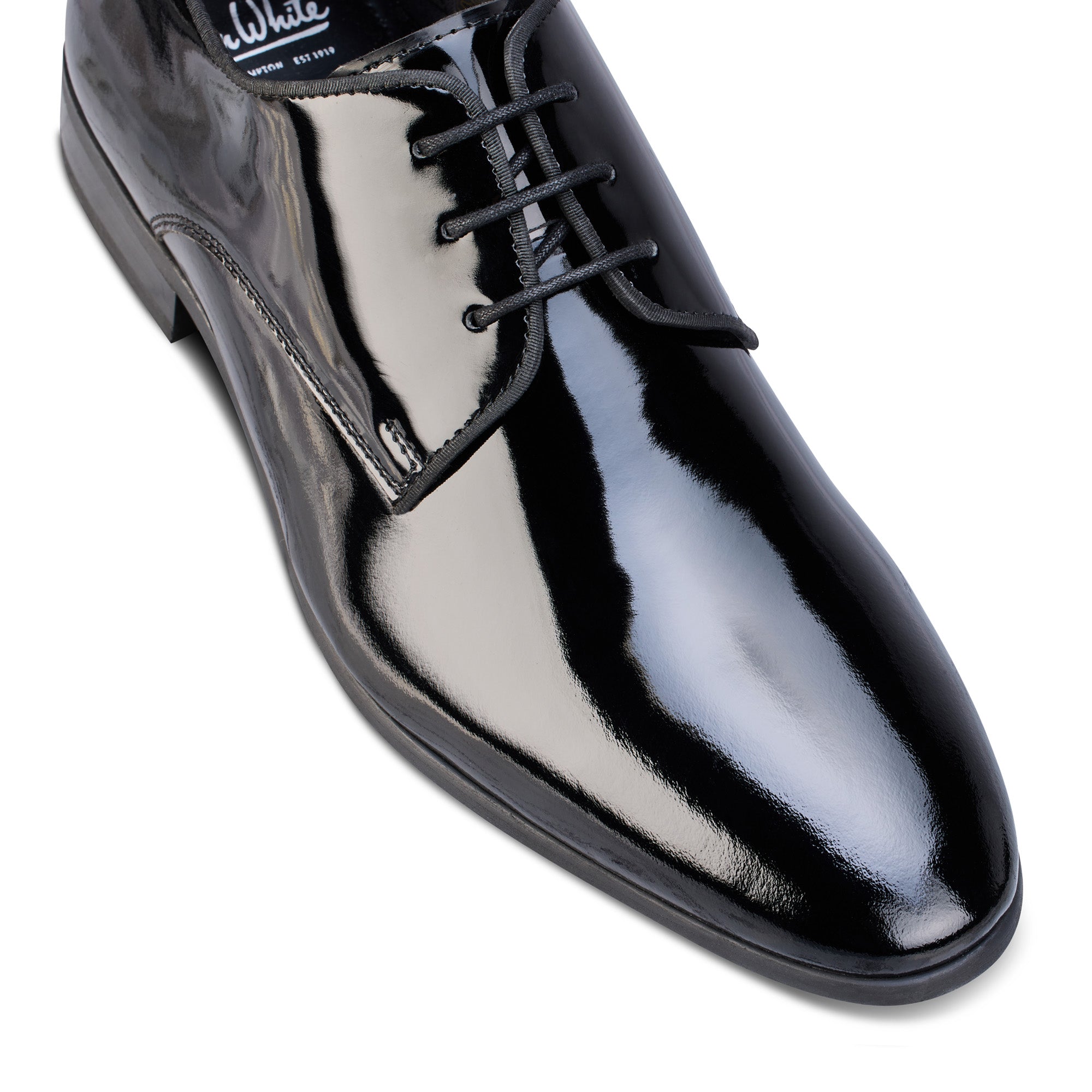
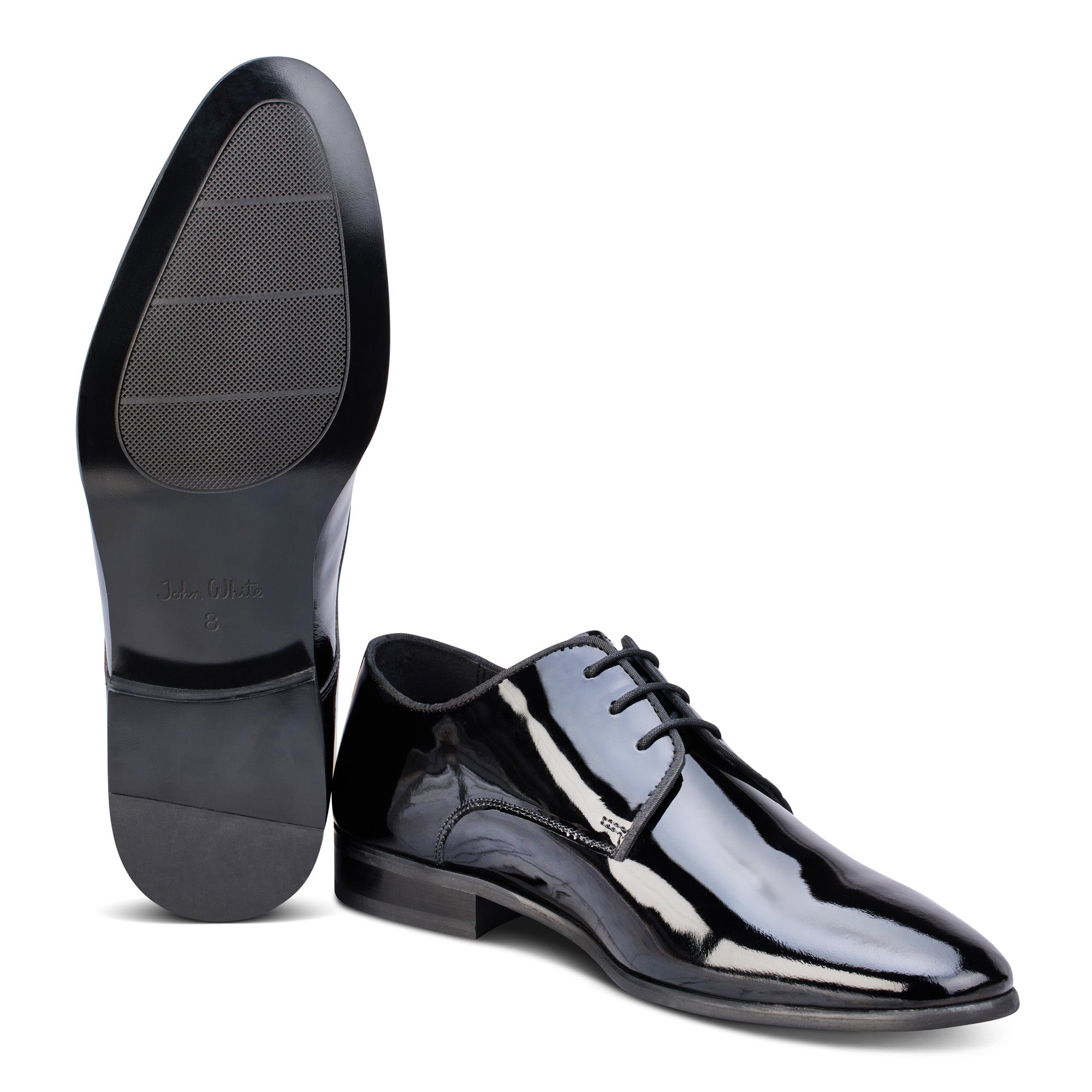
The Guildhall Capped Oxford reflects this thinking directly — a cap-toe silhouette with proportions that would read correctly in 1950 as cleanly as in 2024. The Stokes Brogue Derby and the Monkton Double Monk share the same quality: silhouettes informed by decades of observed preference rather than trend cycles.
As our guide to British shoe lasts explains, the last is the blueprint that determines everything about a shoe's fit and form. Getting it right requires exactly the kind of pattern recognition that only comes from sustained attention to what works — across years, not seasons.
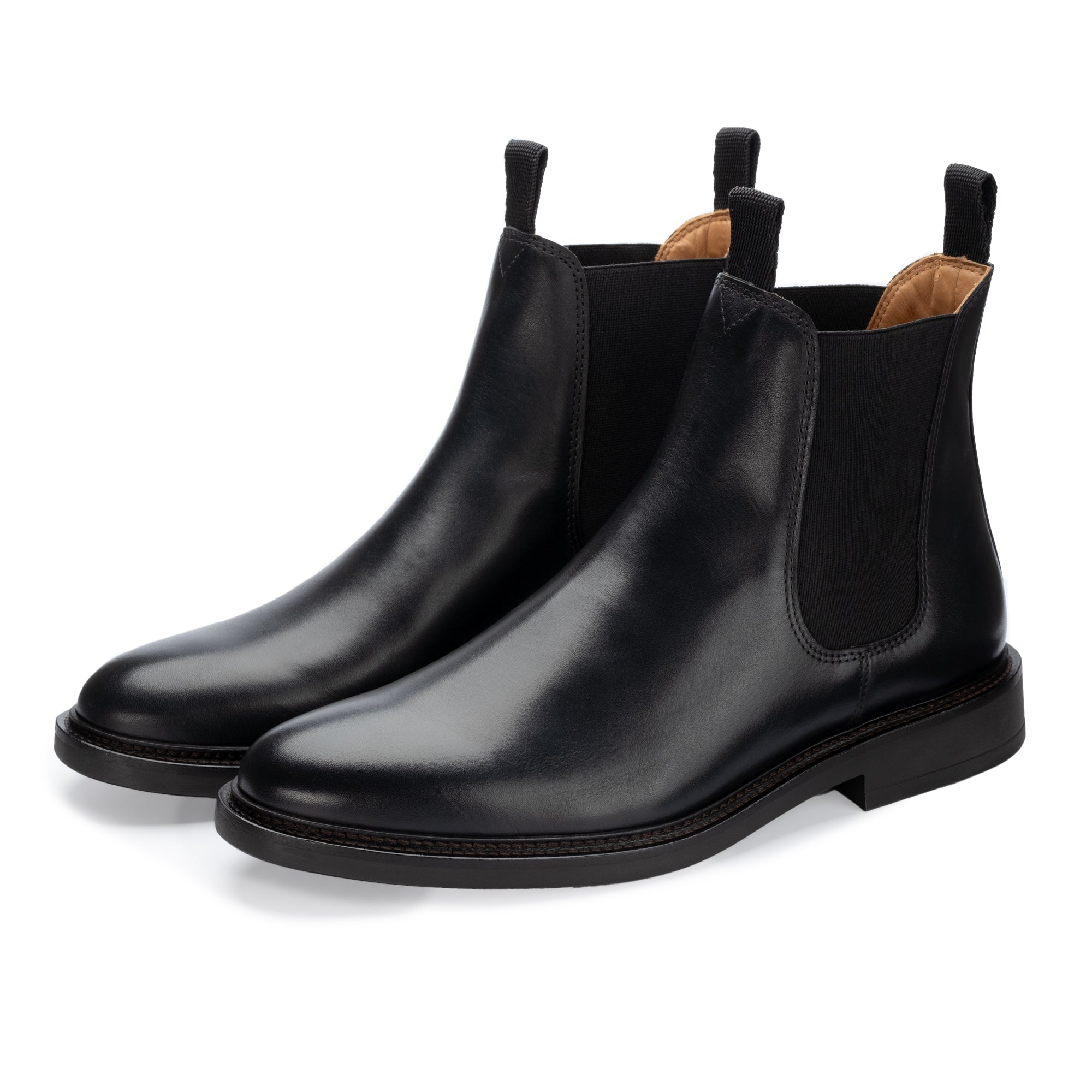
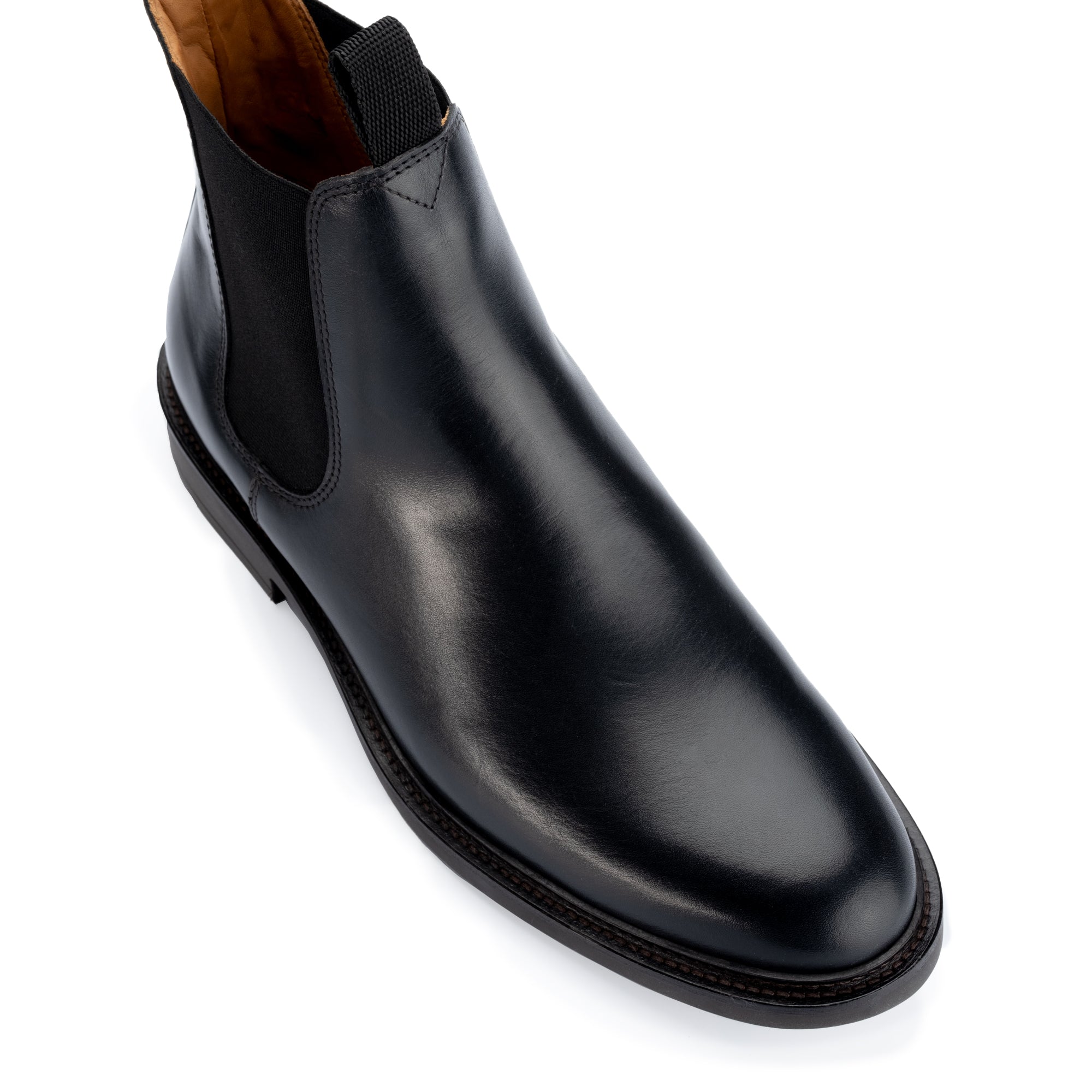
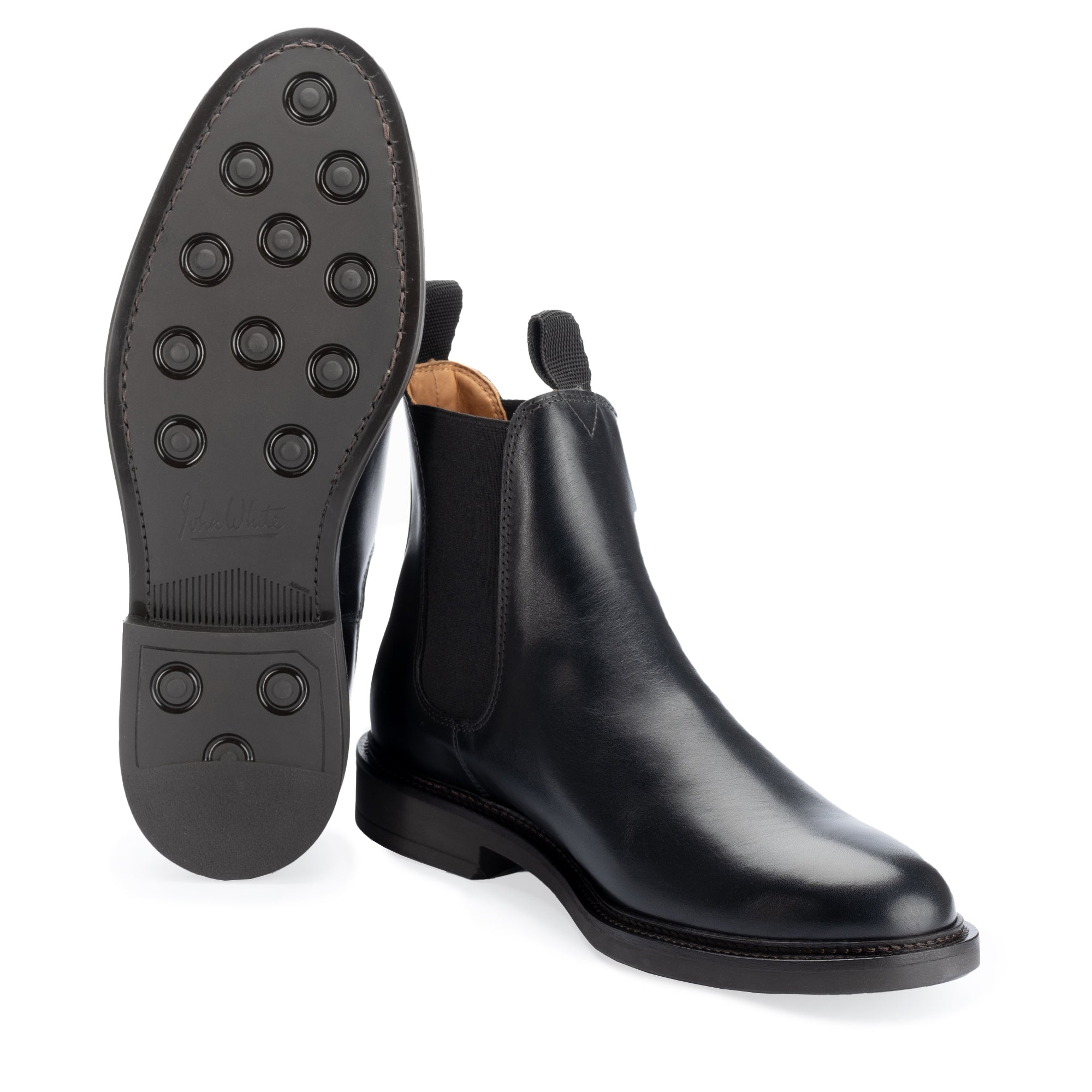
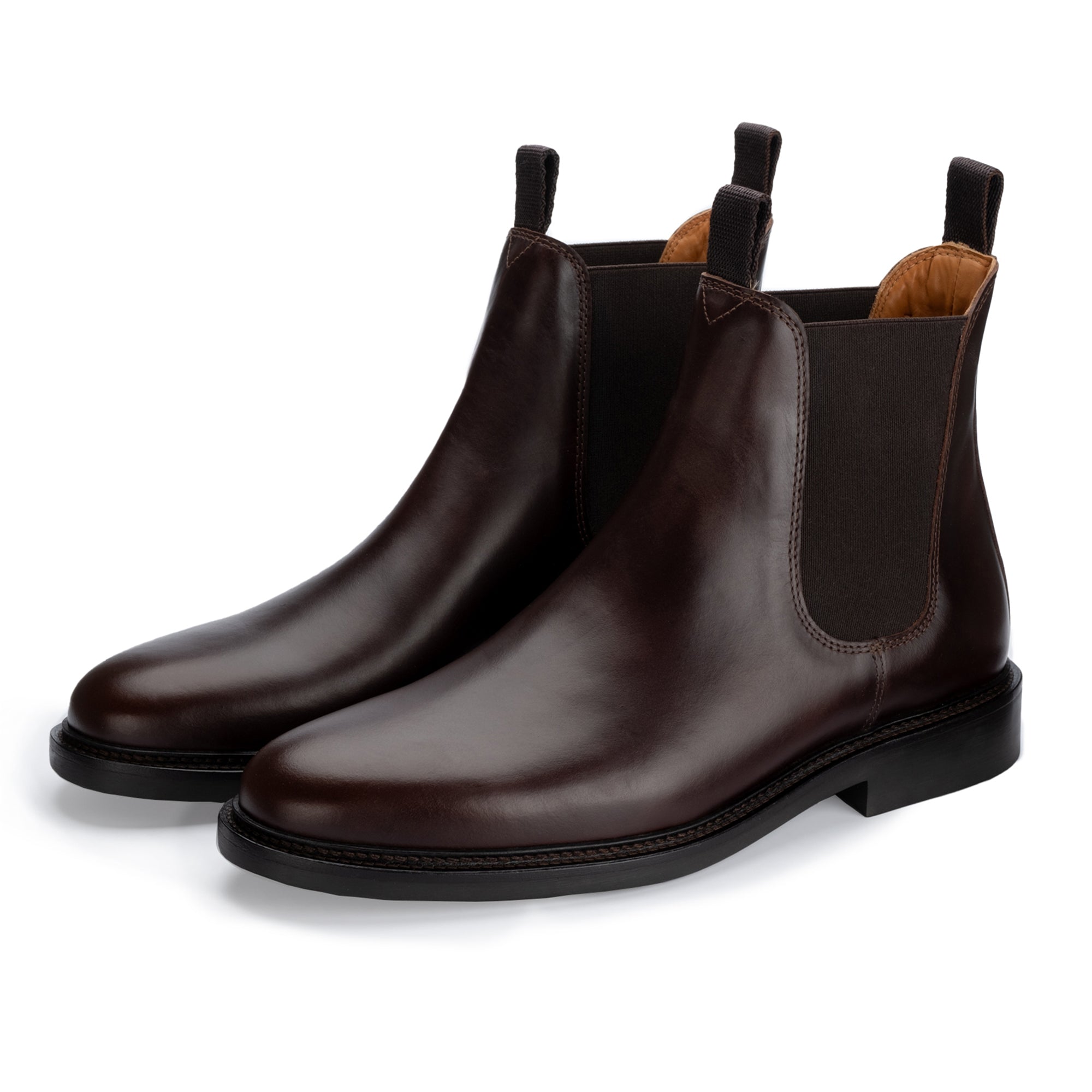
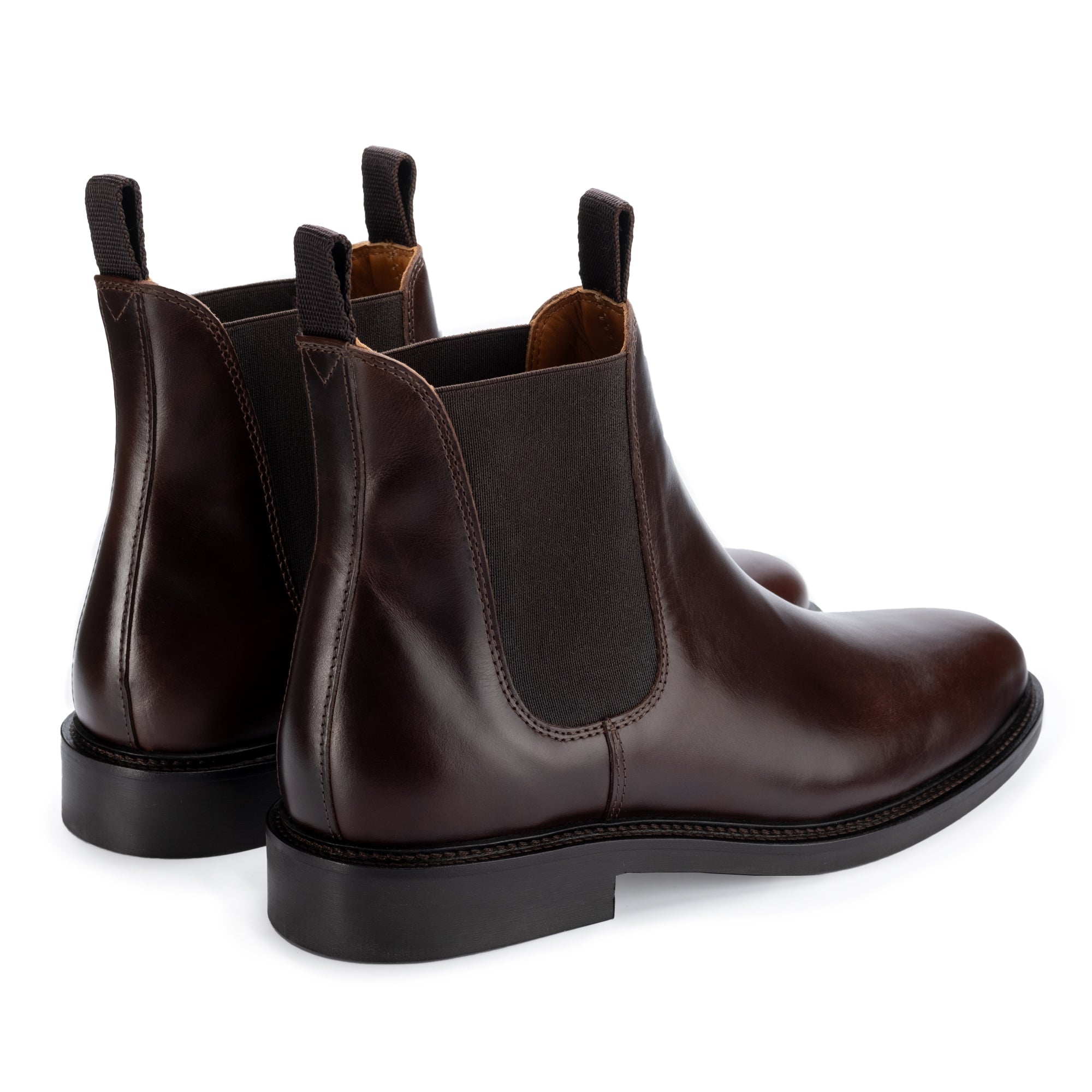
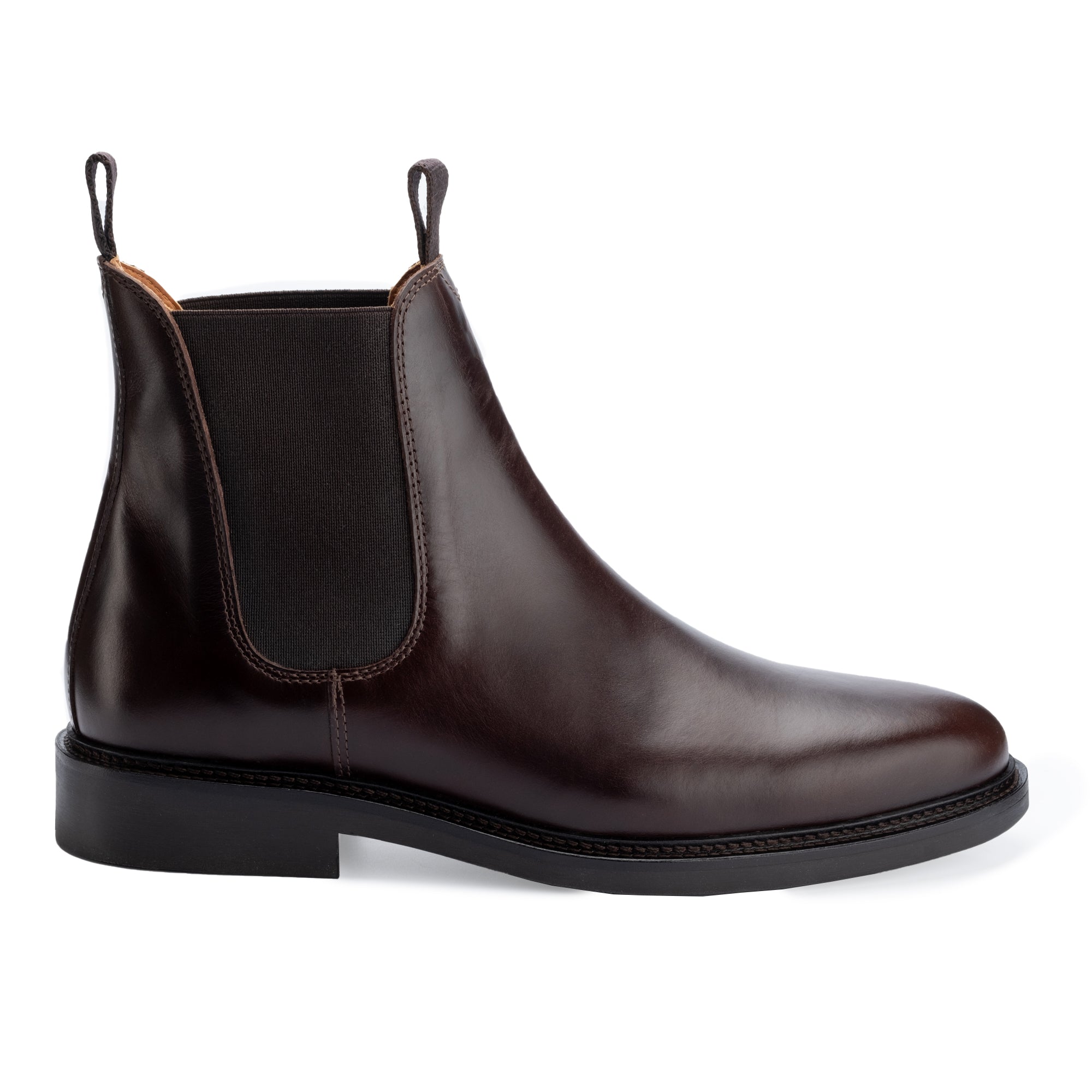
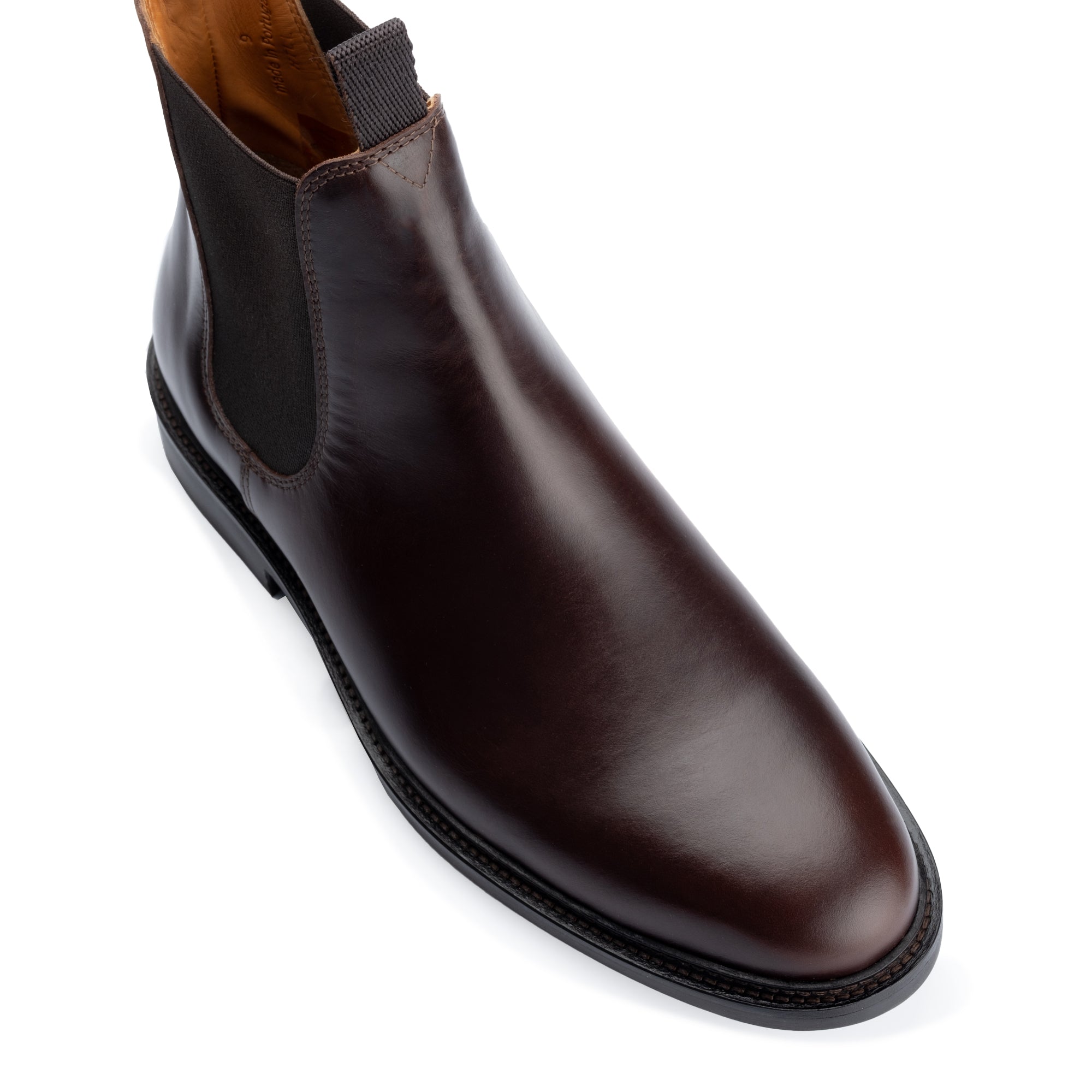
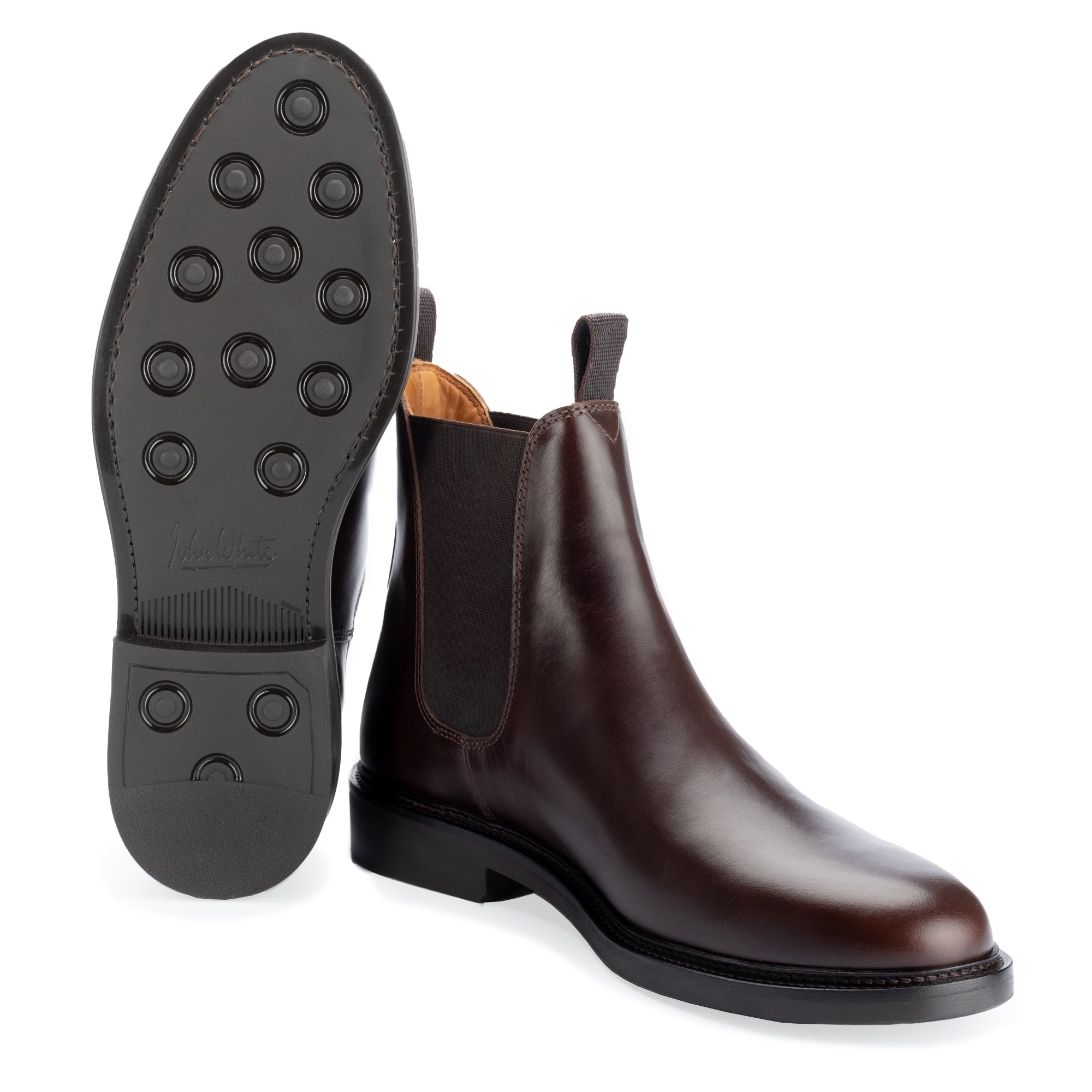
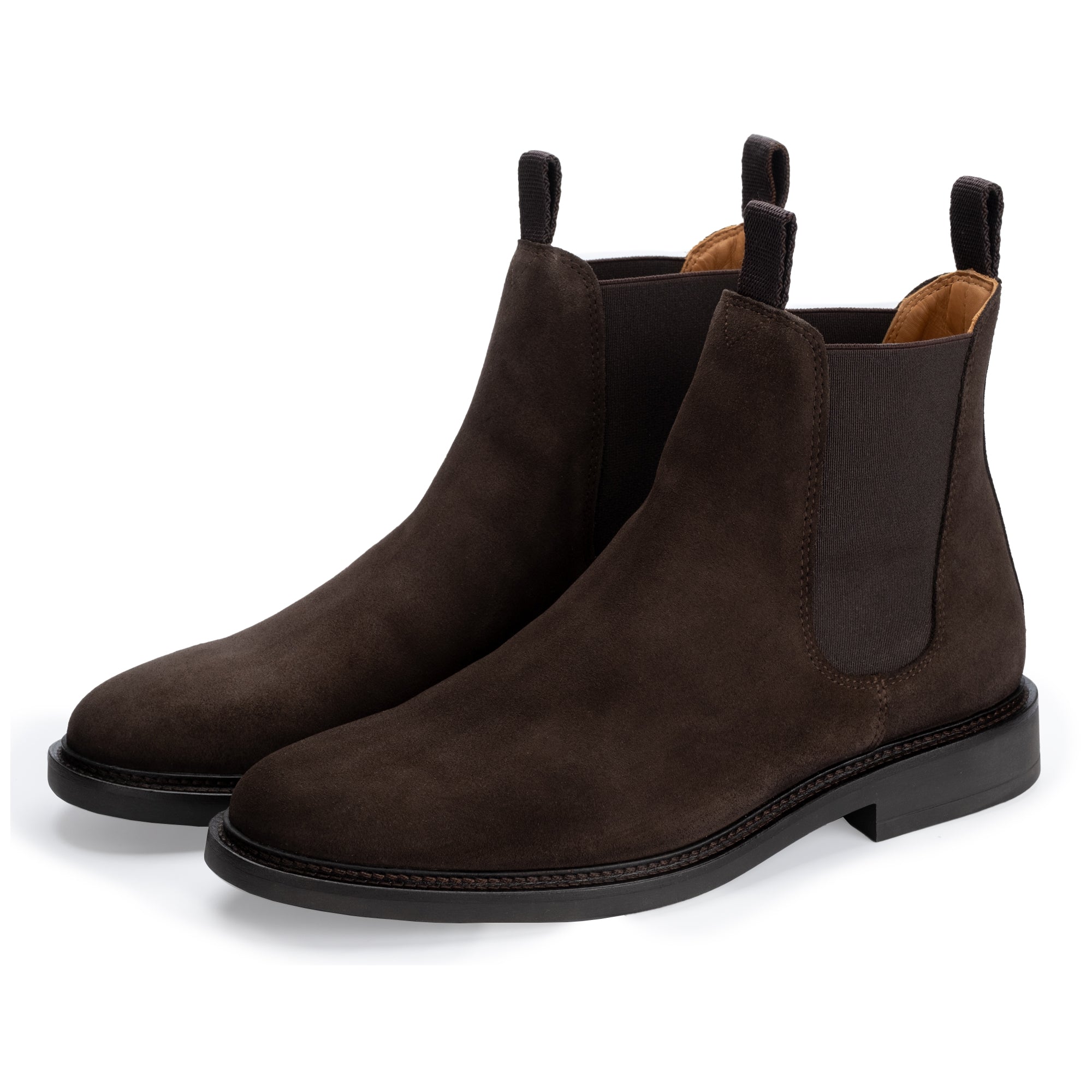
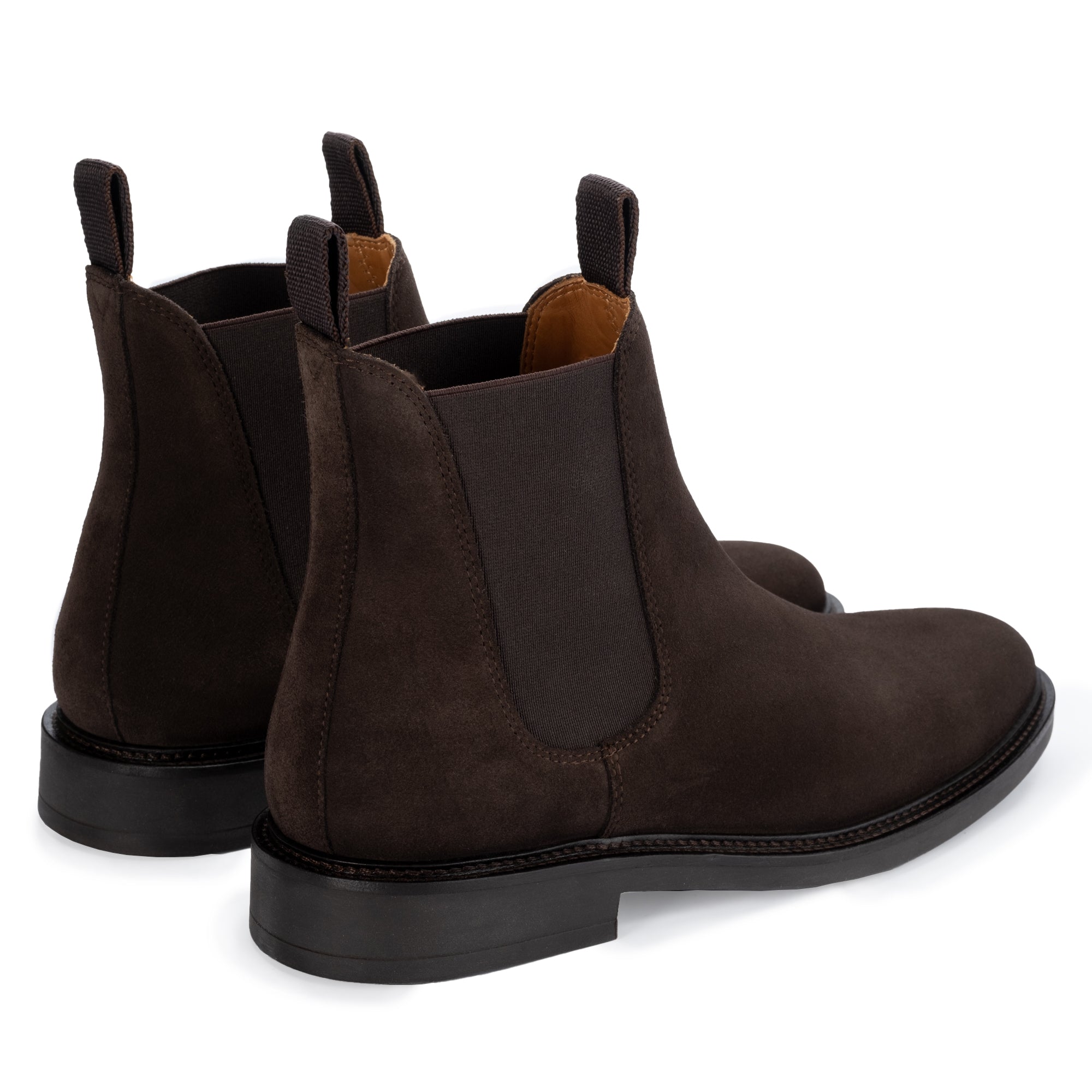
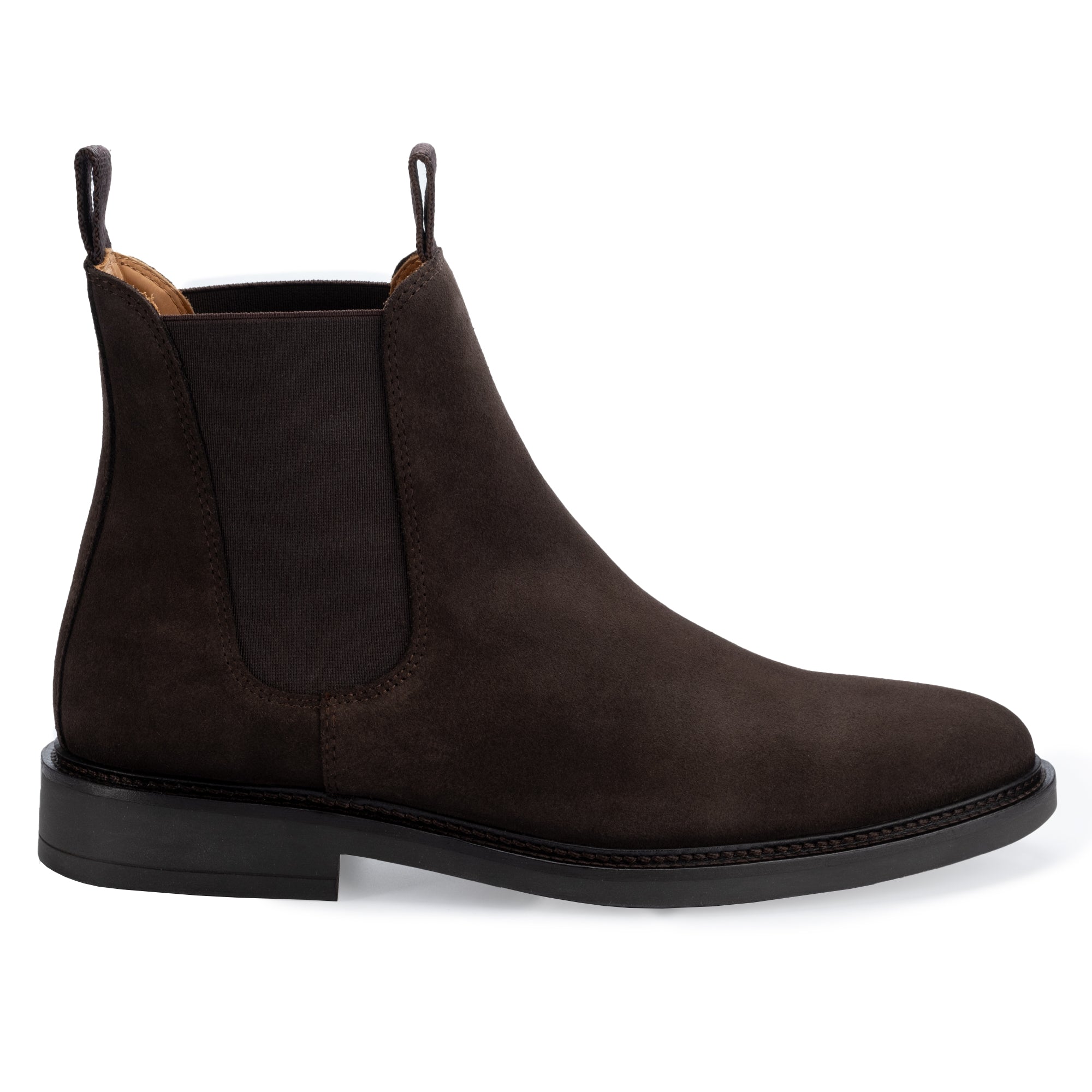
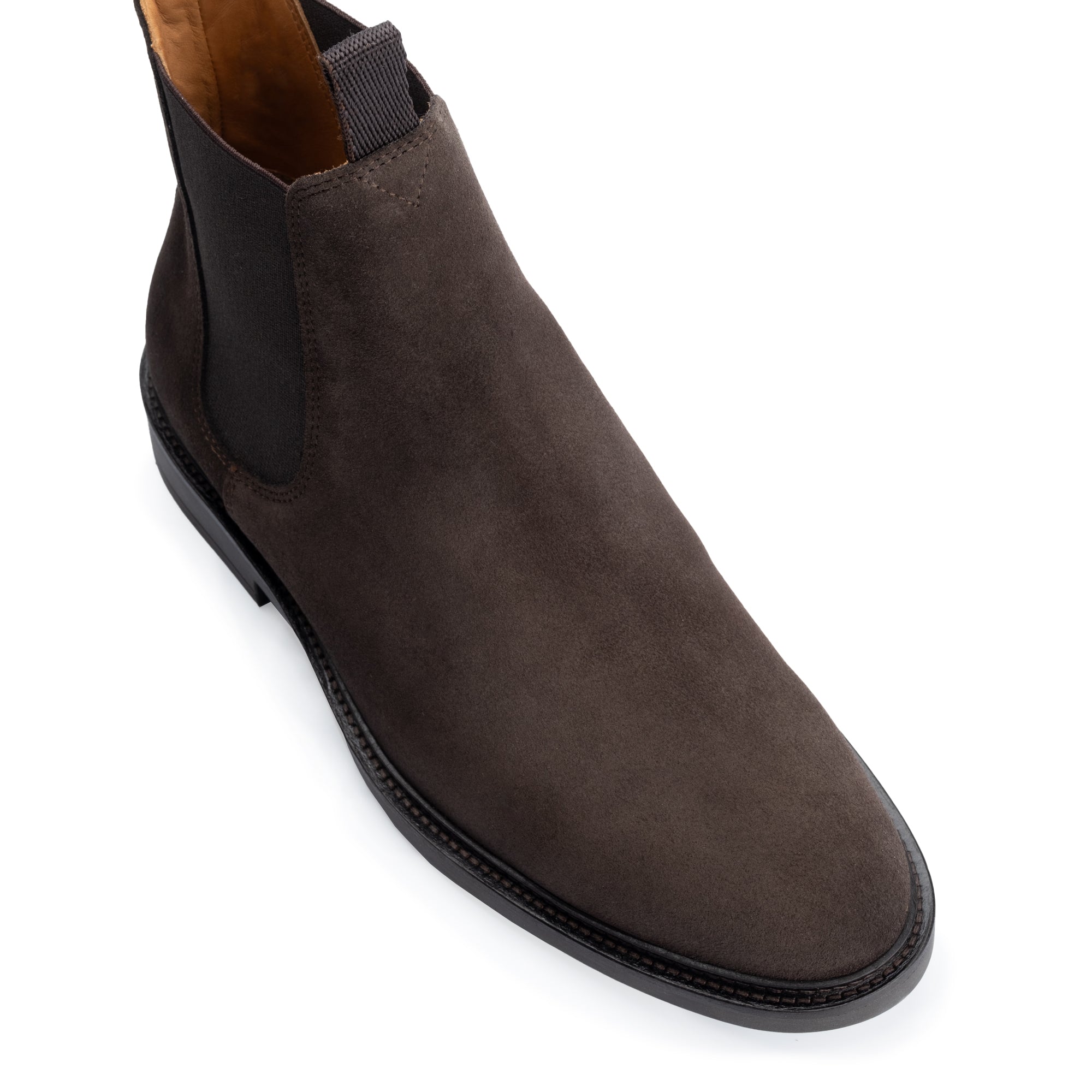
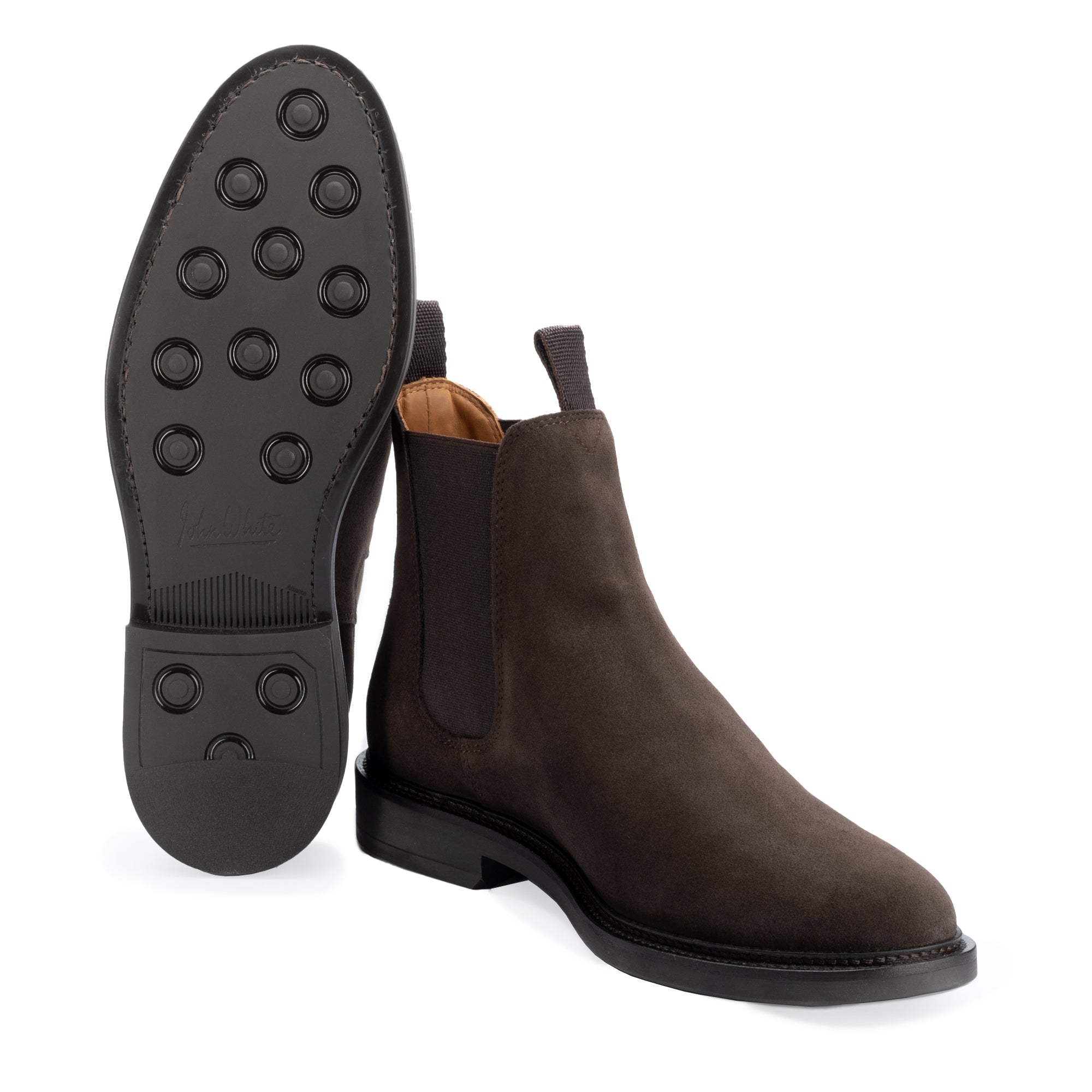
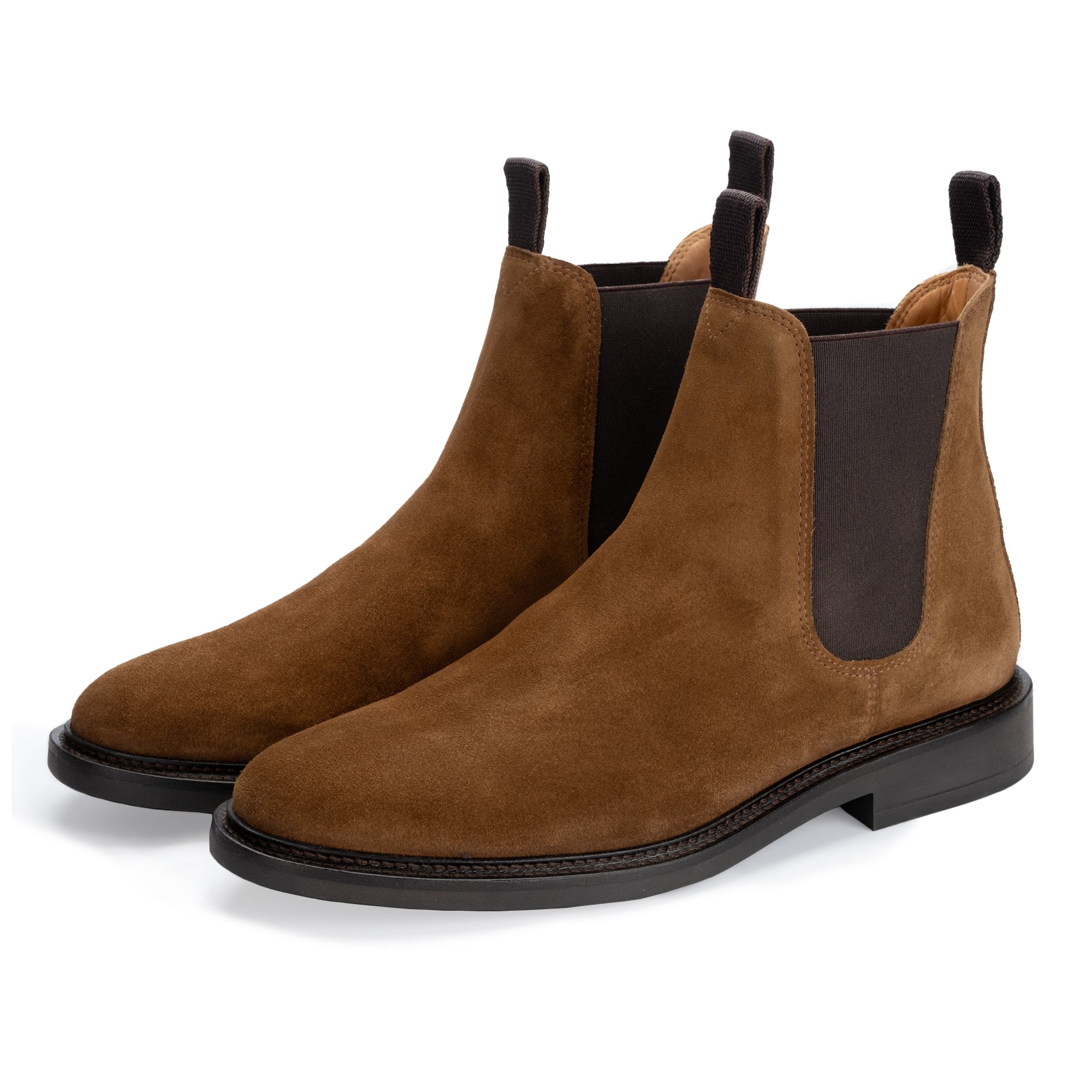
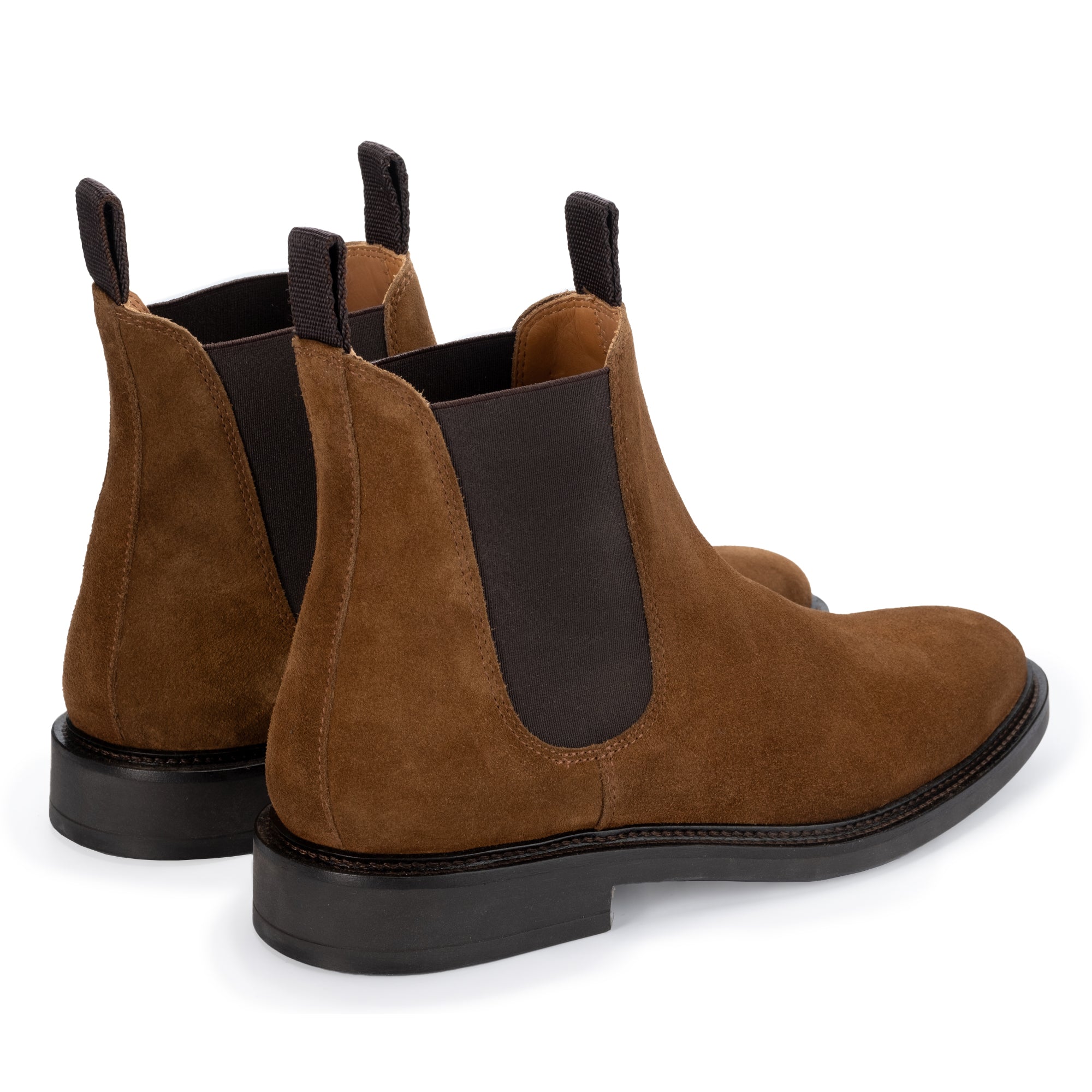
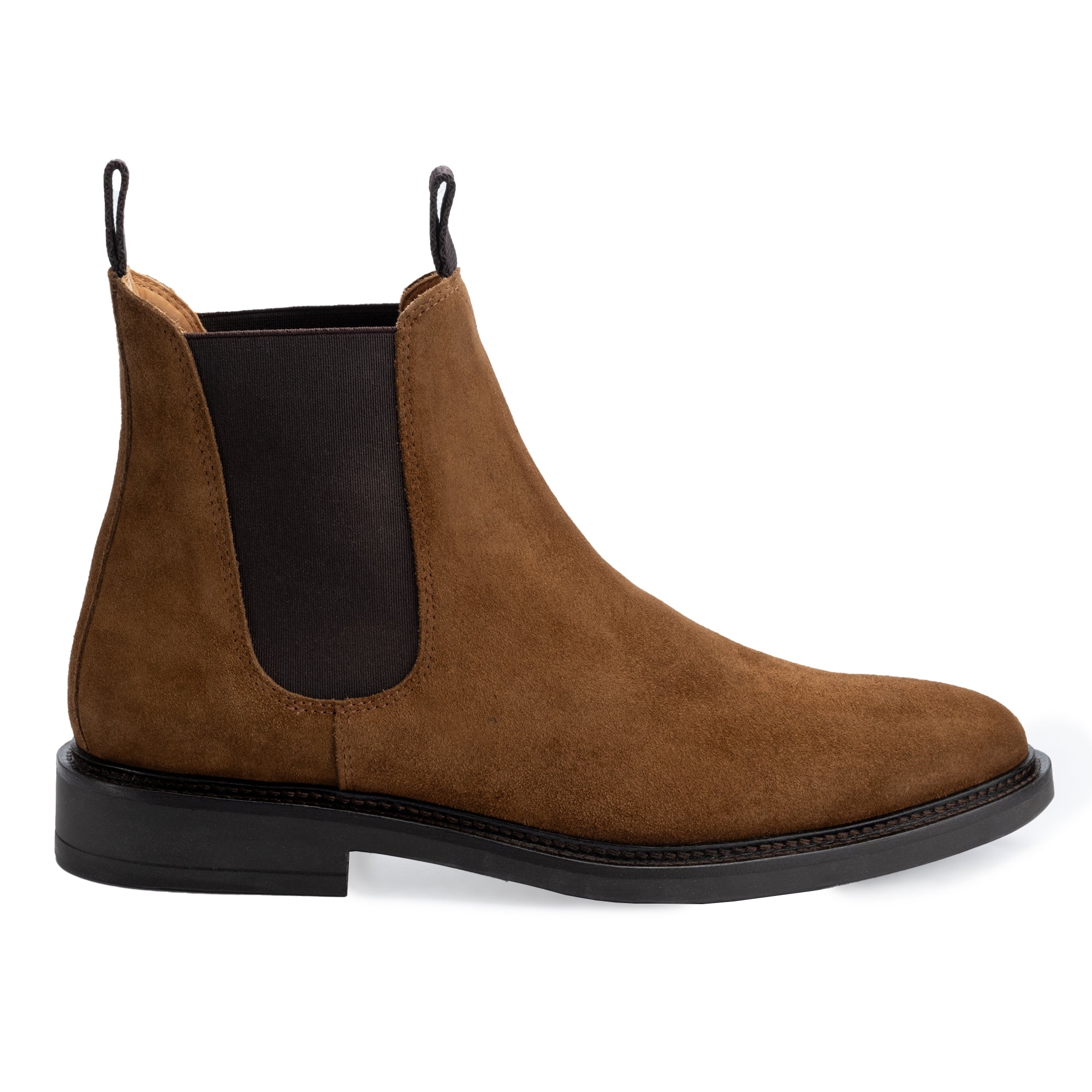
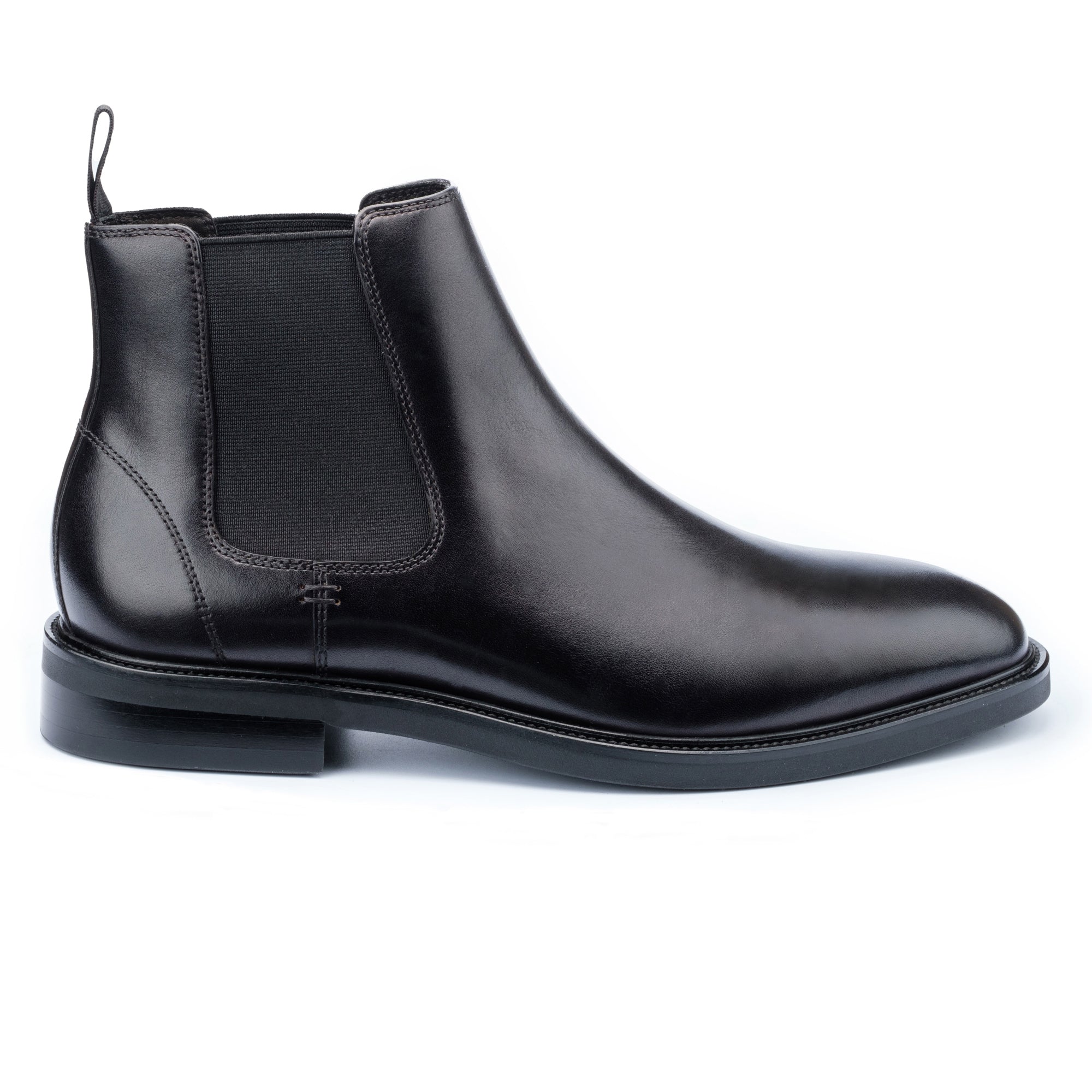
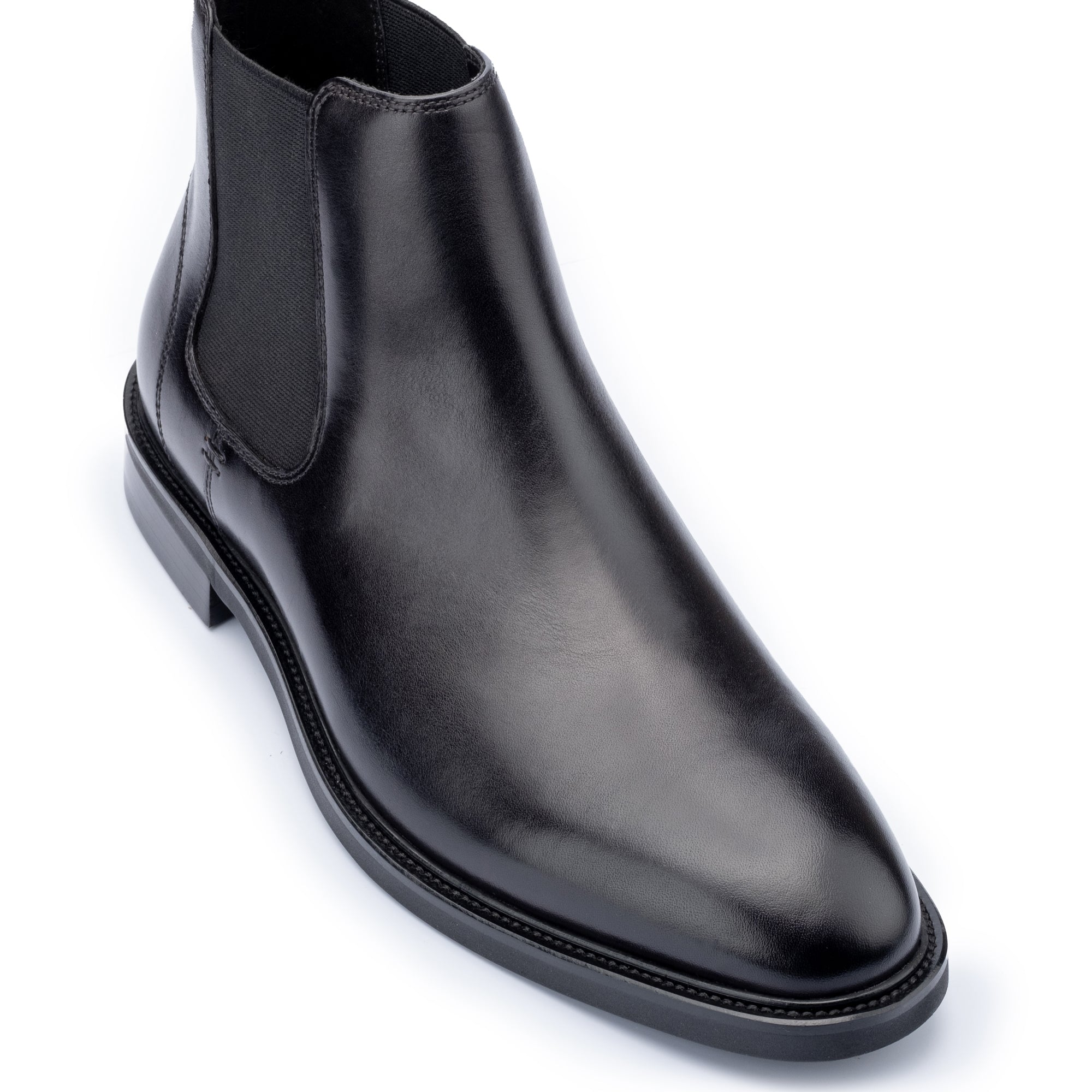
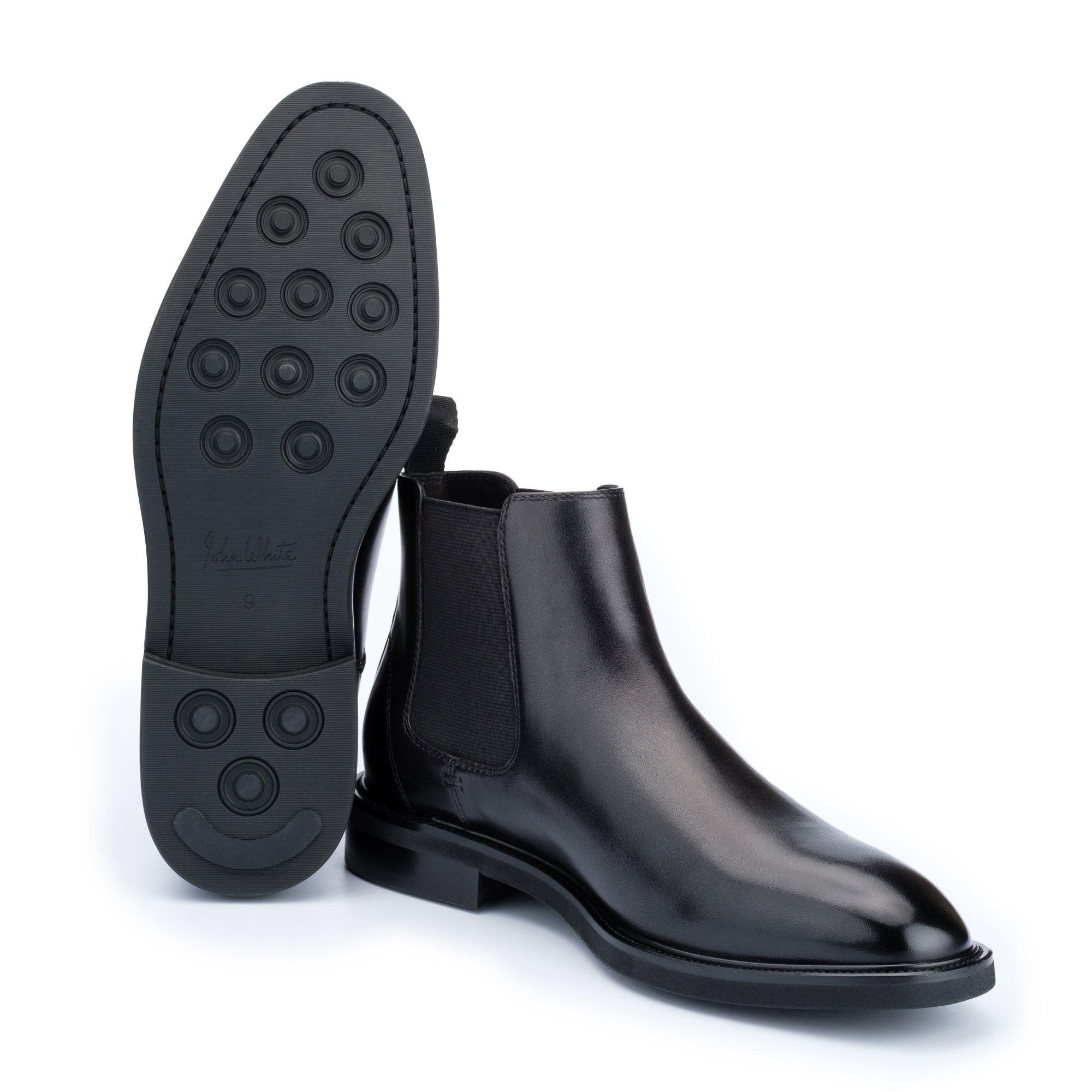
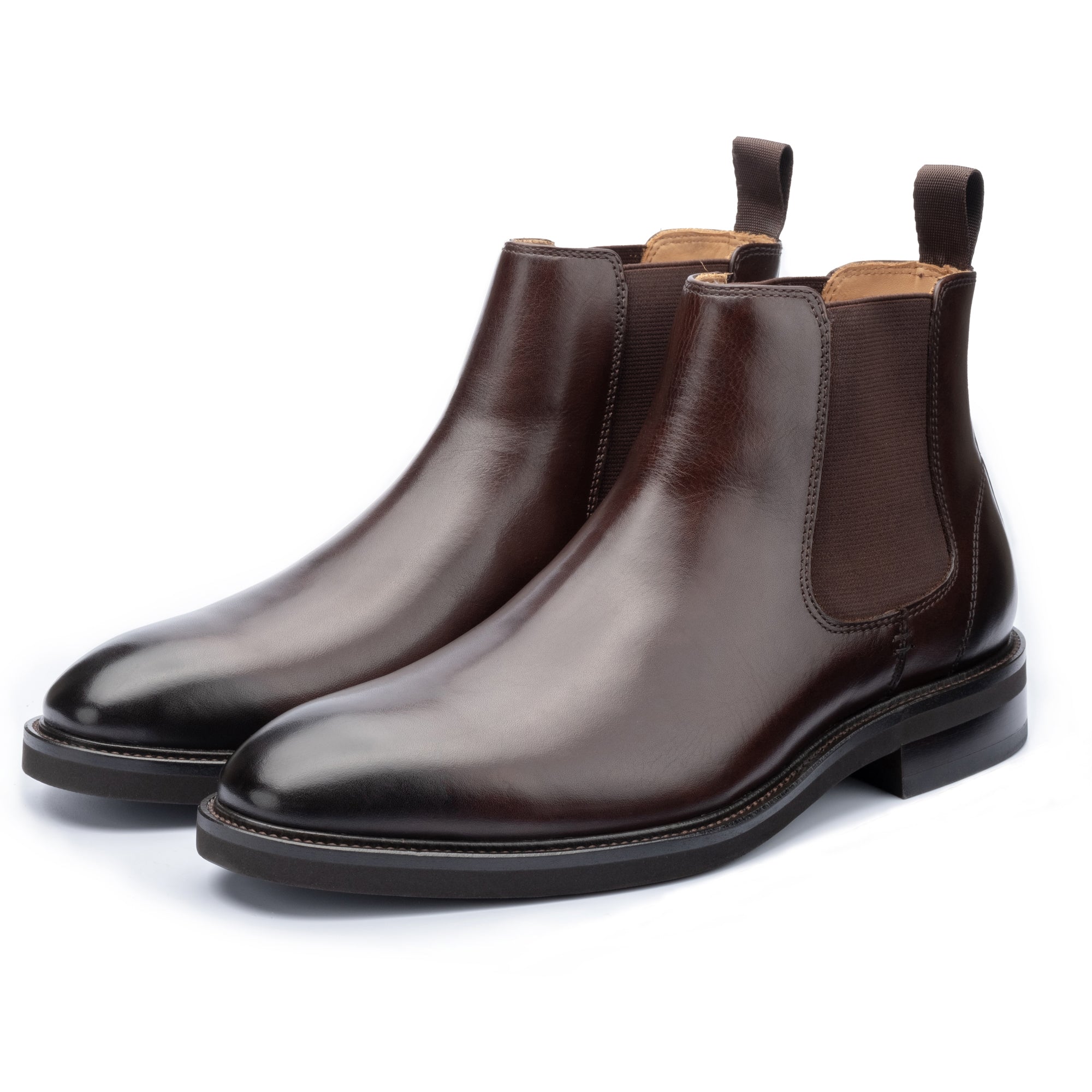
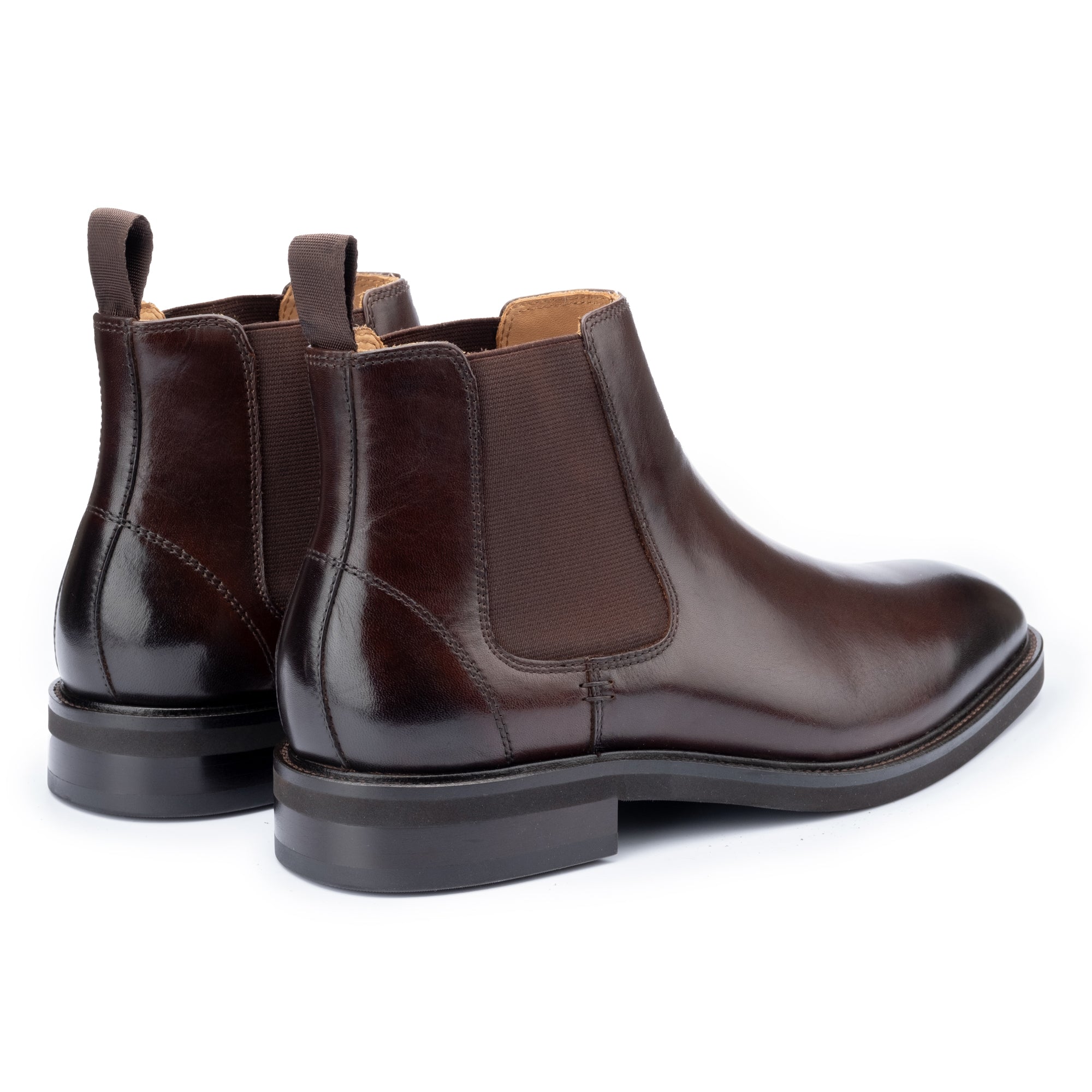
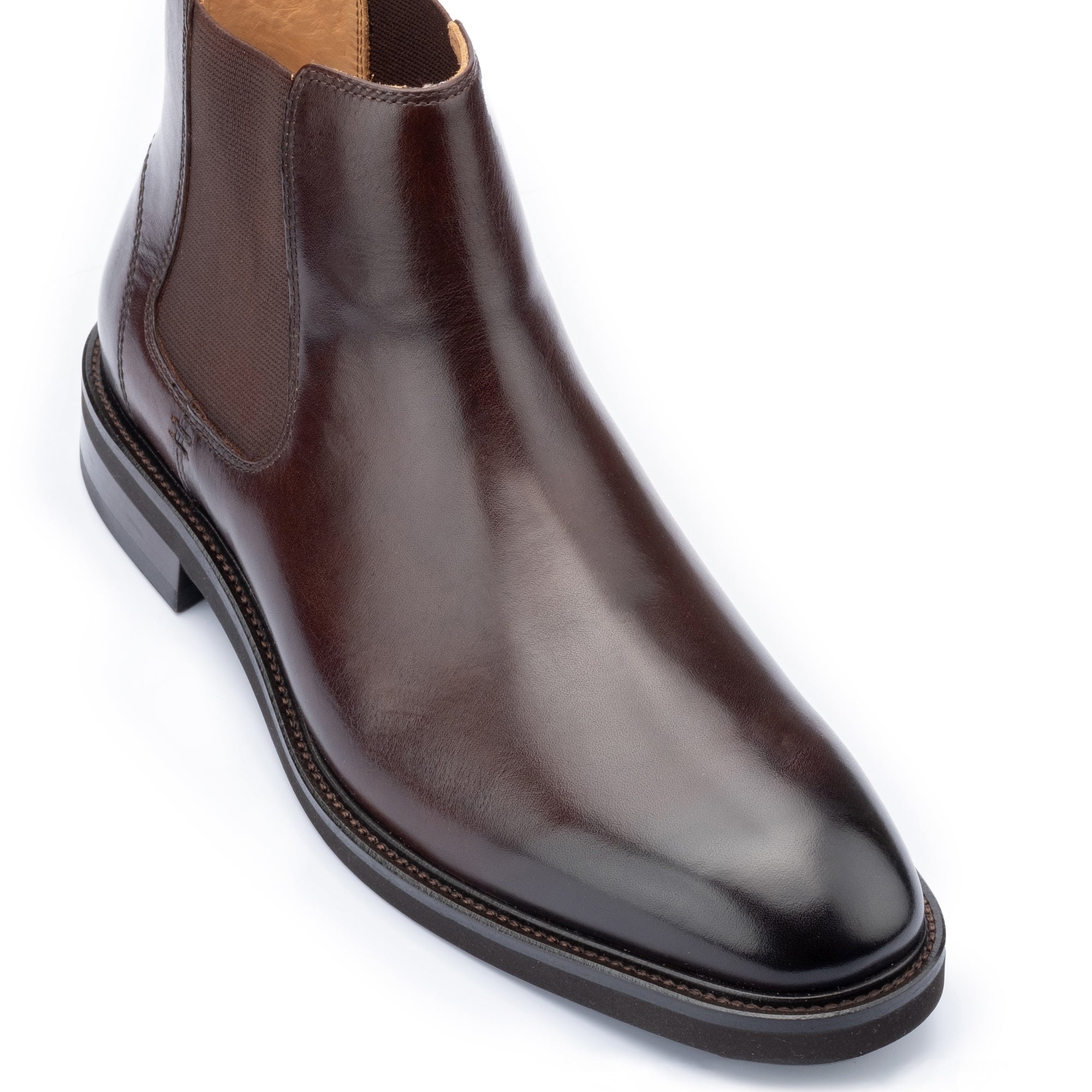
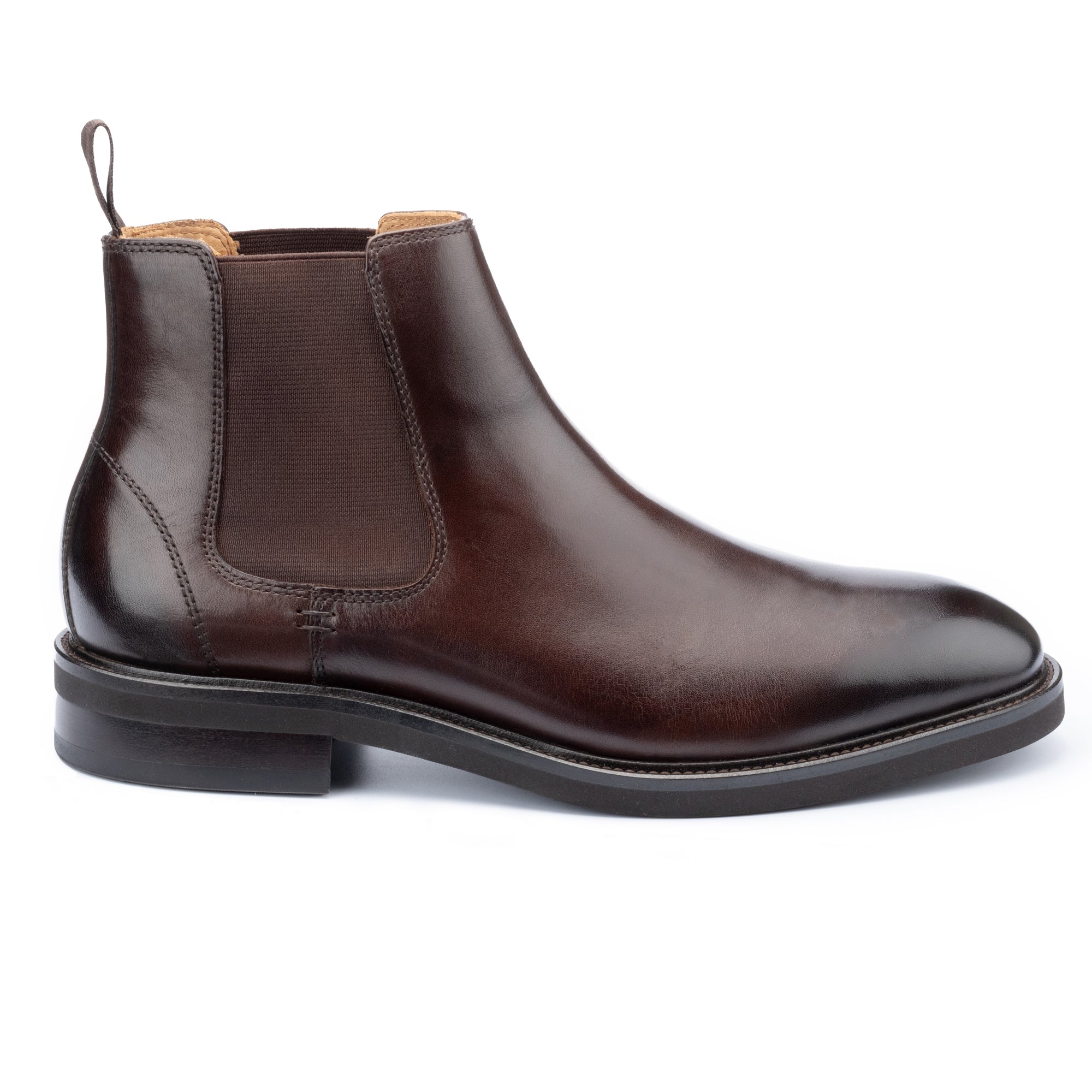
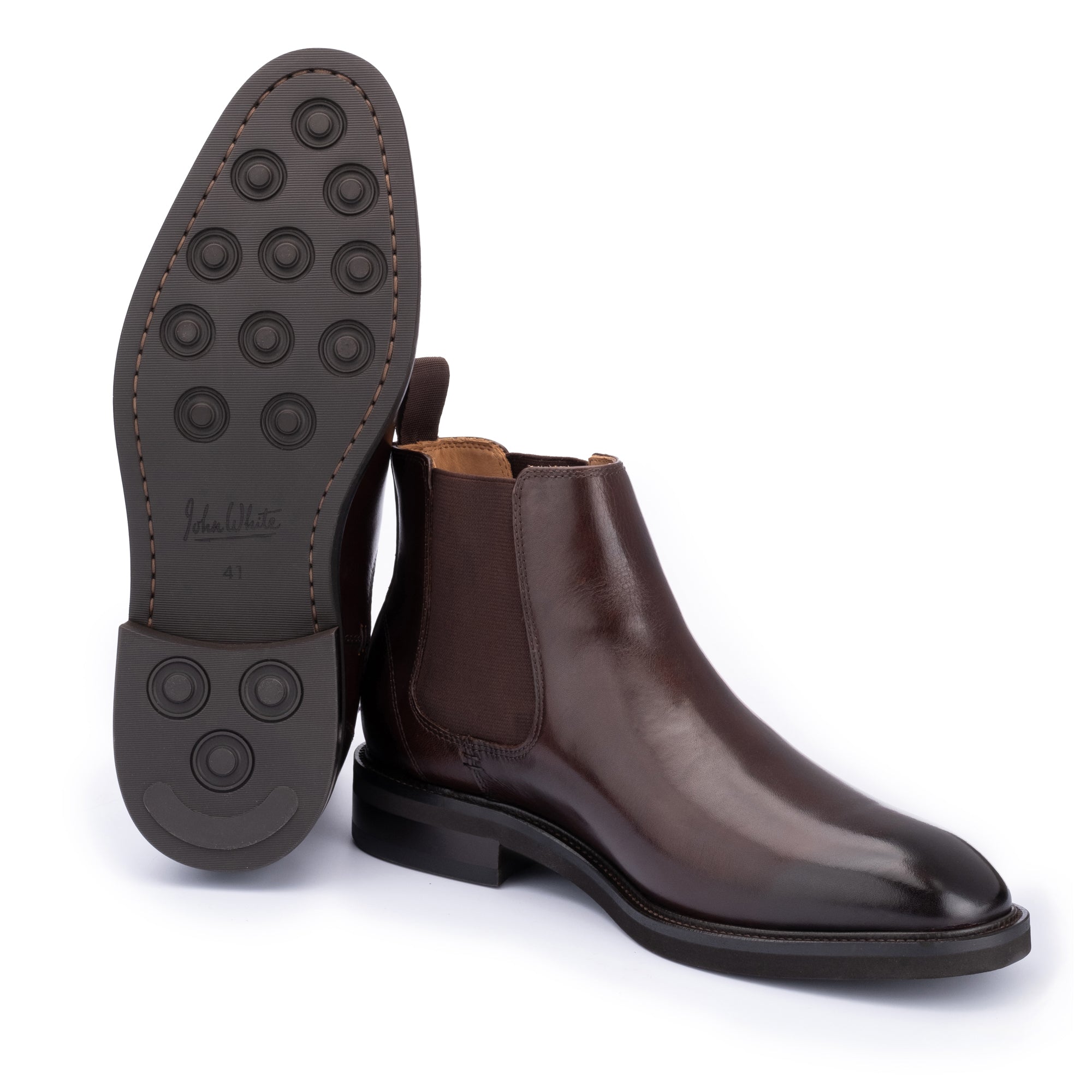
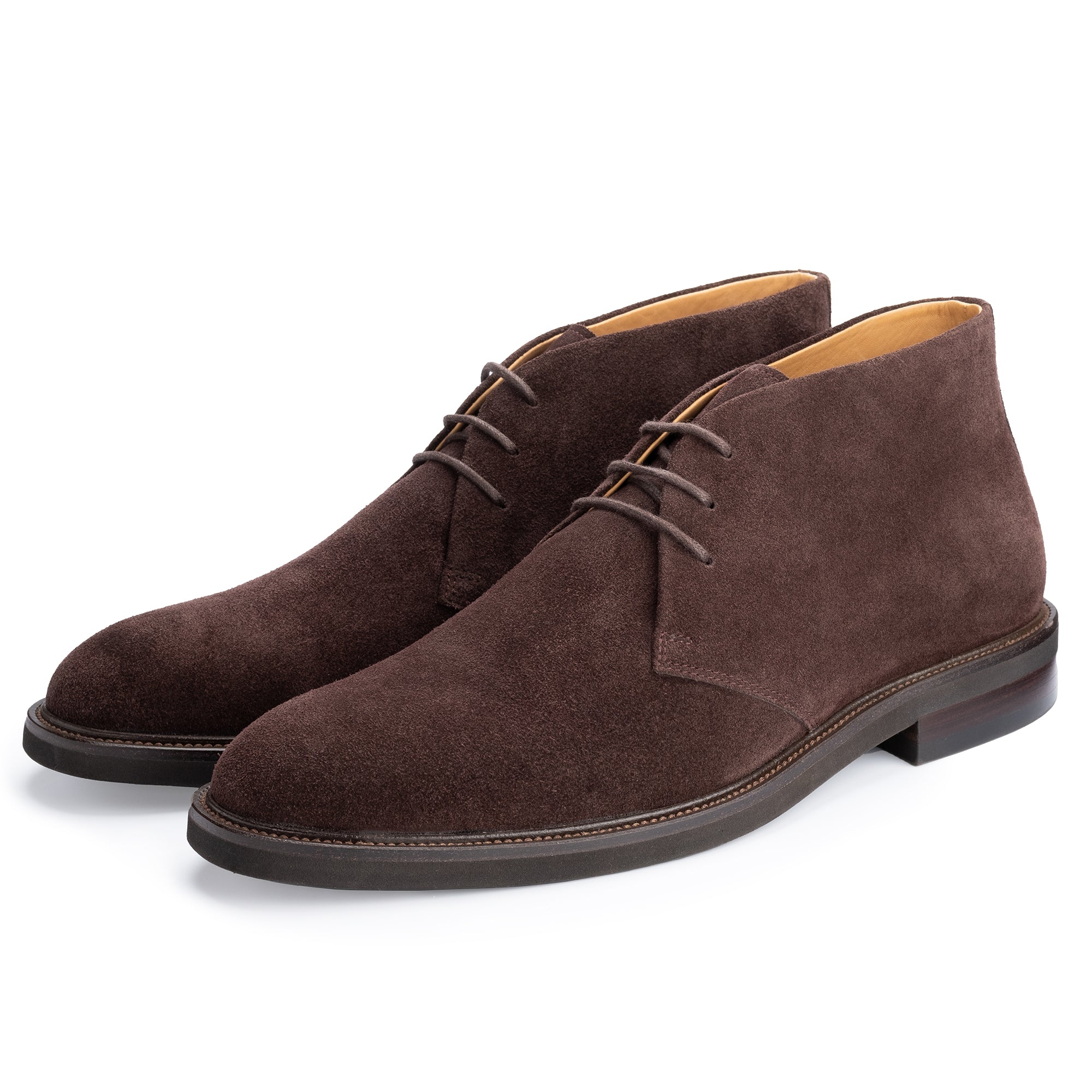
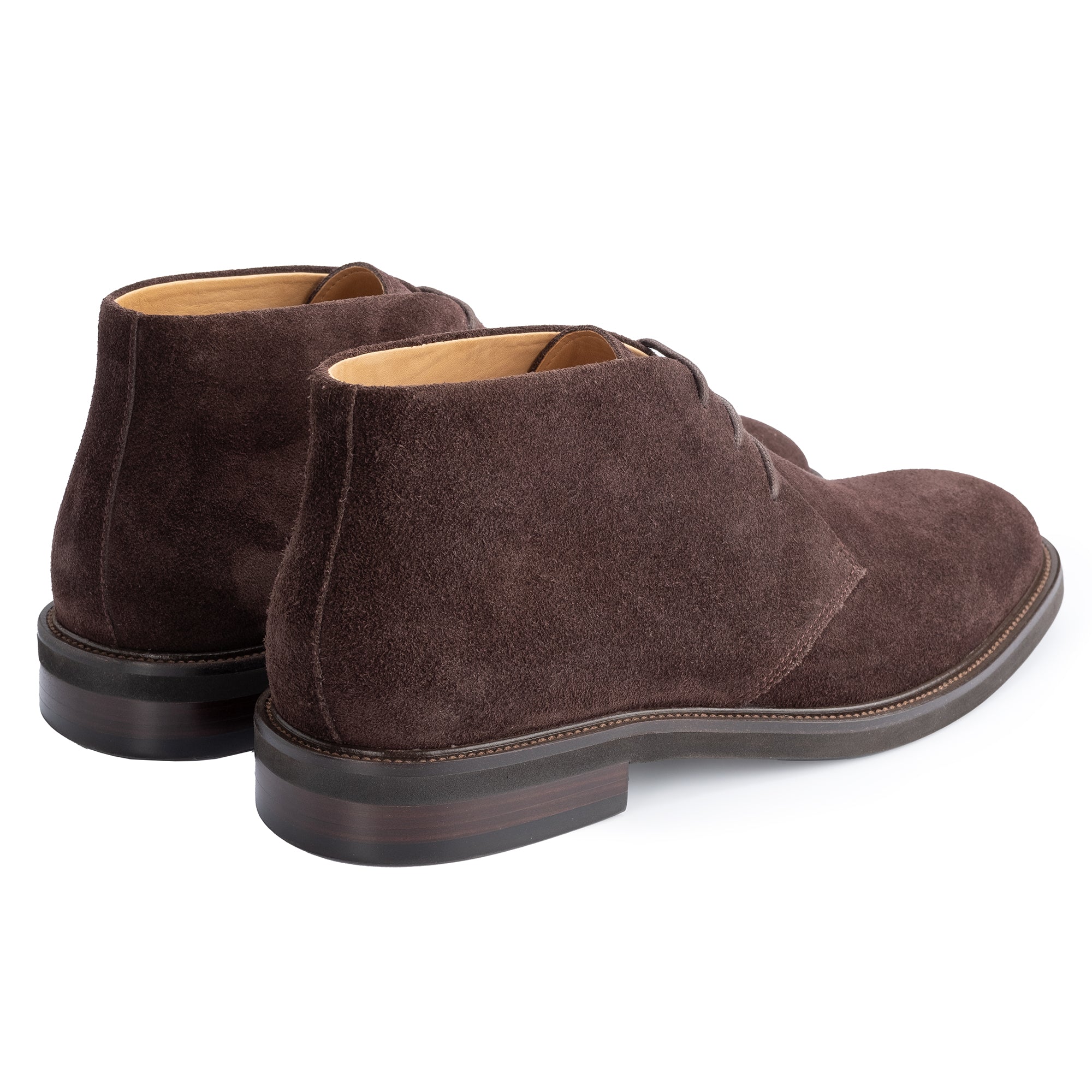
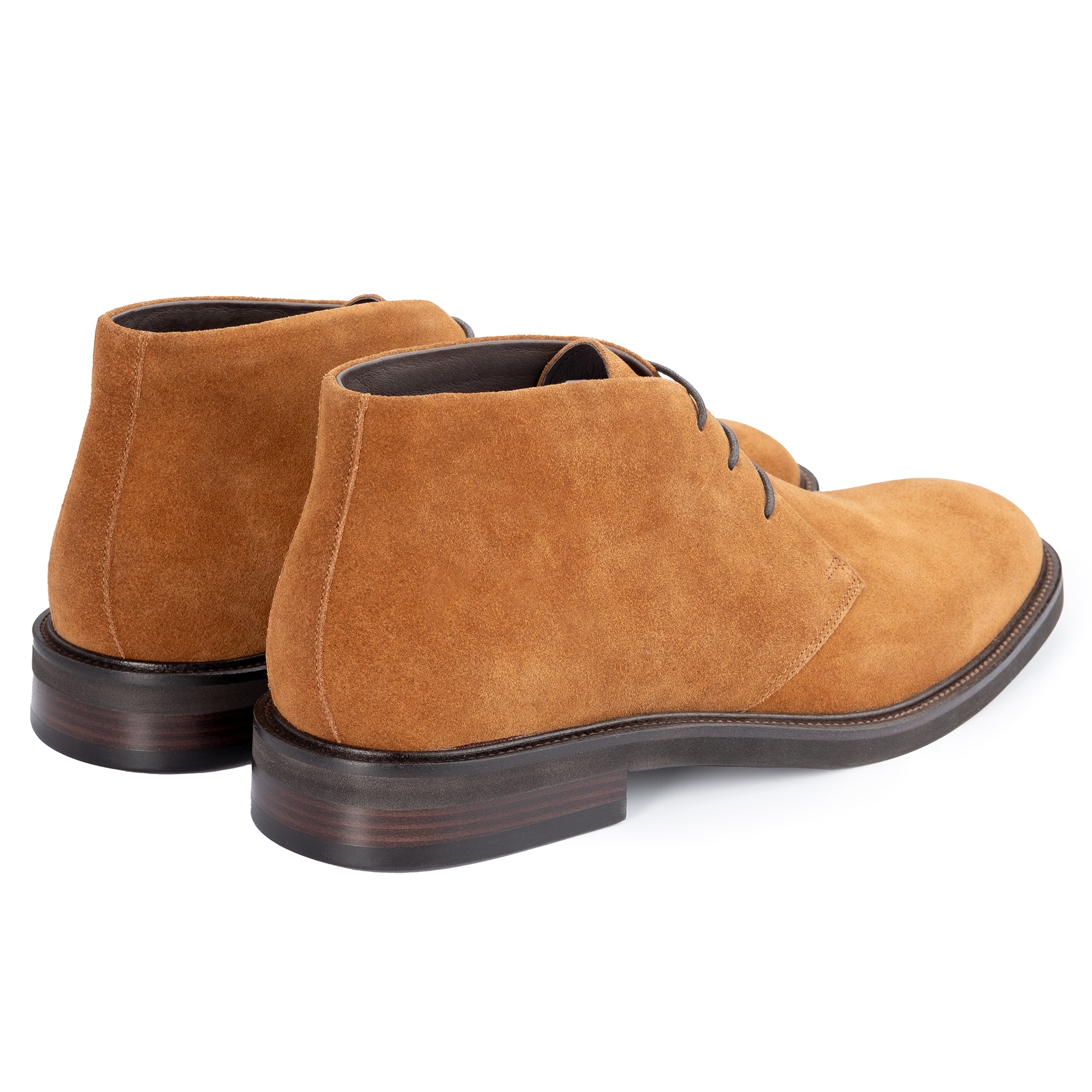
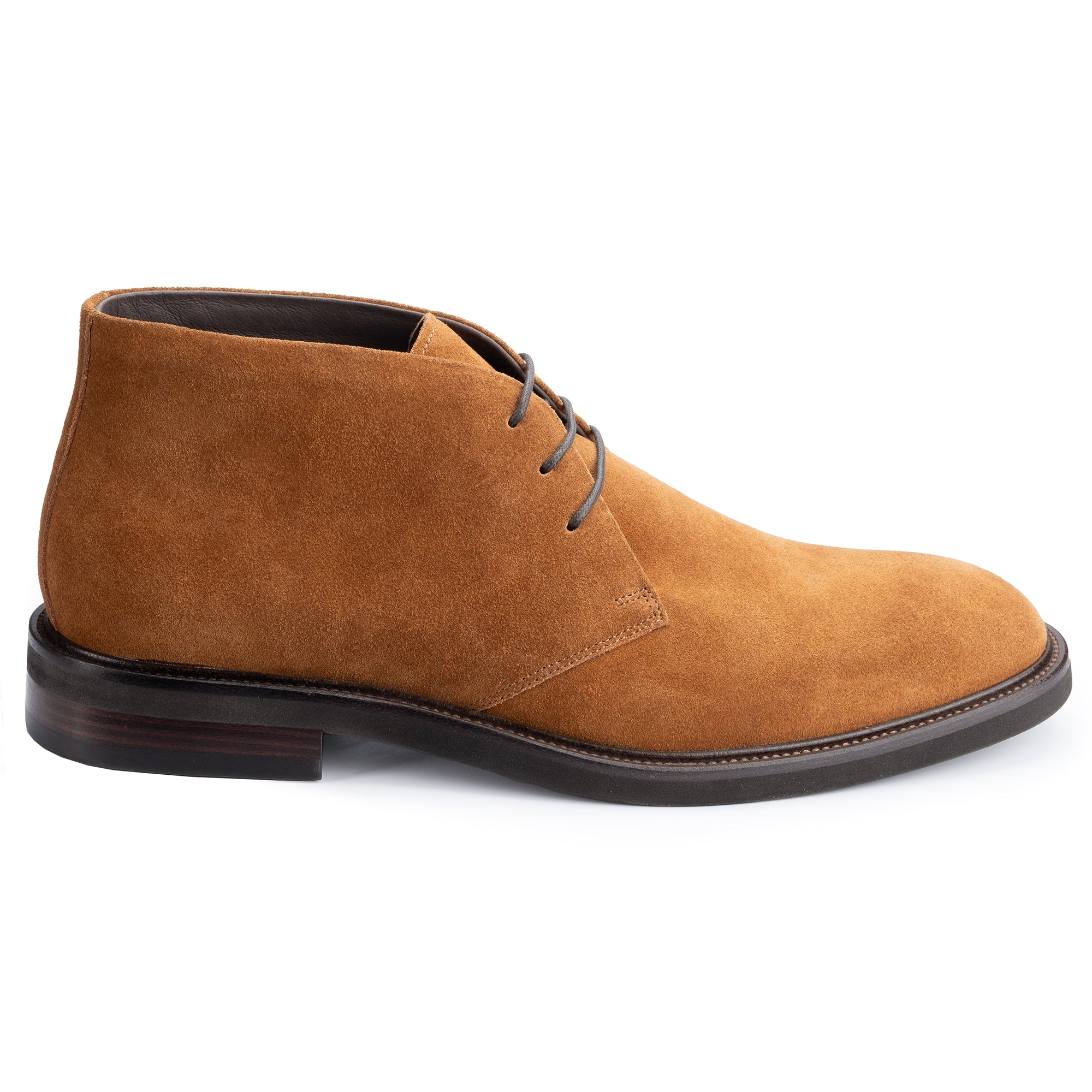
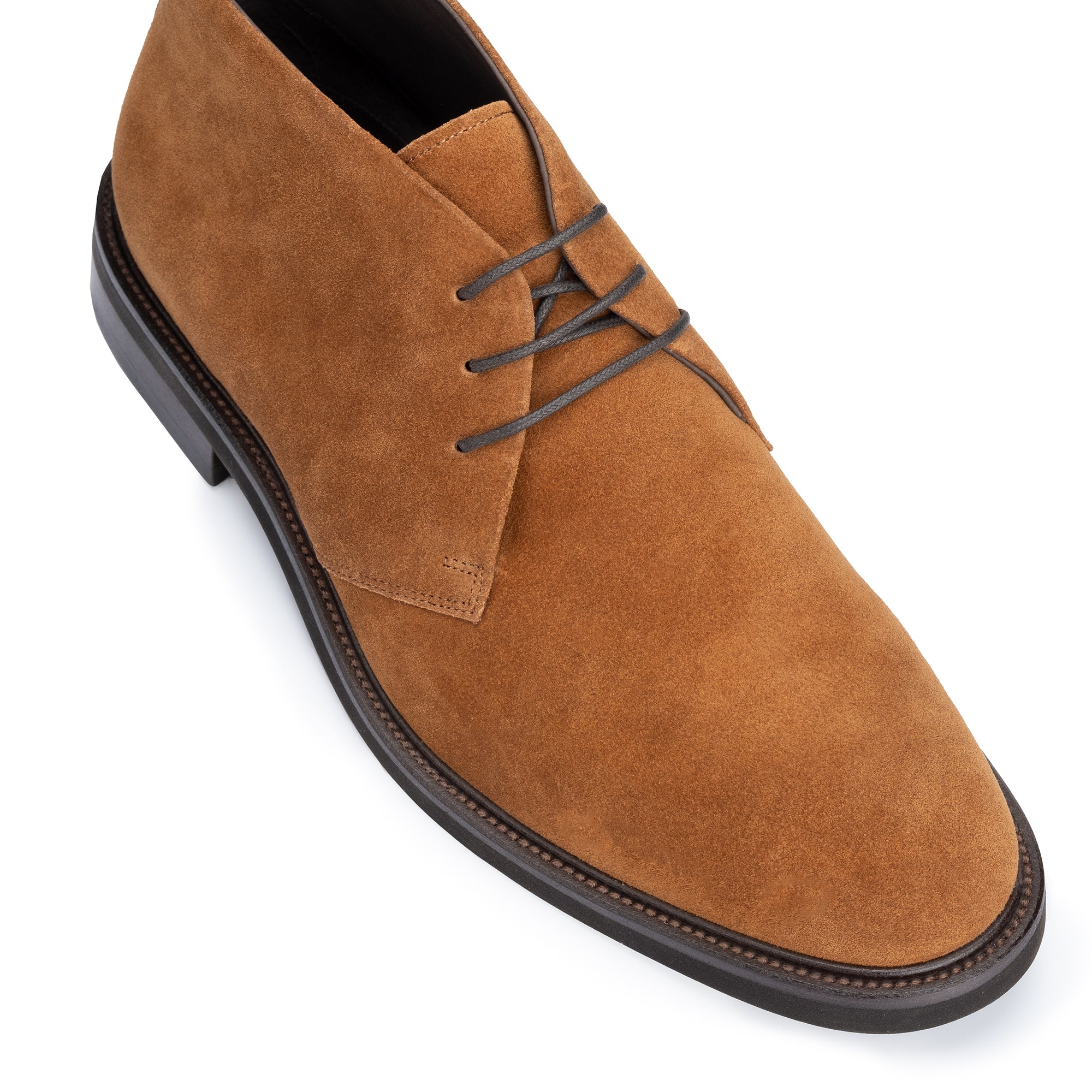
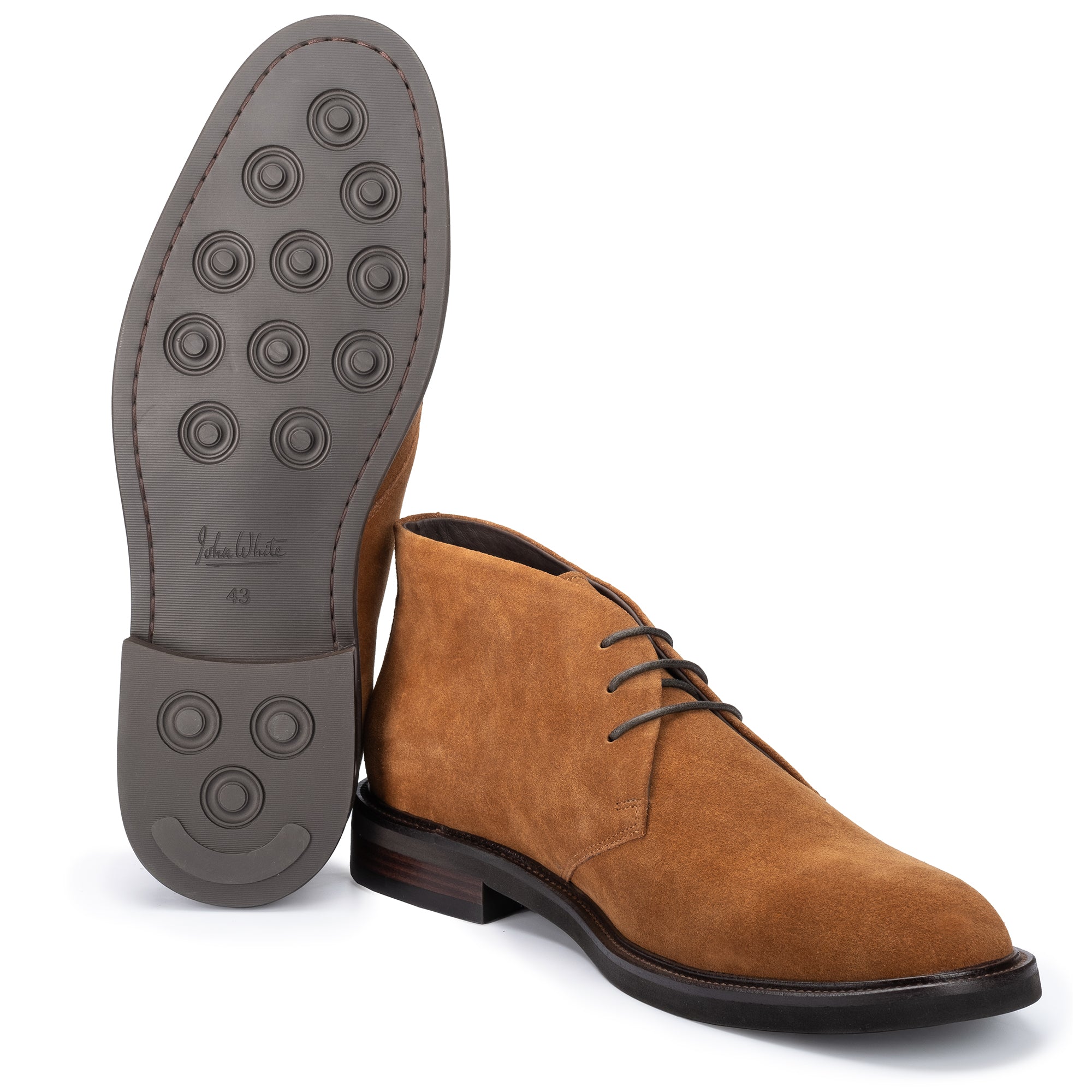
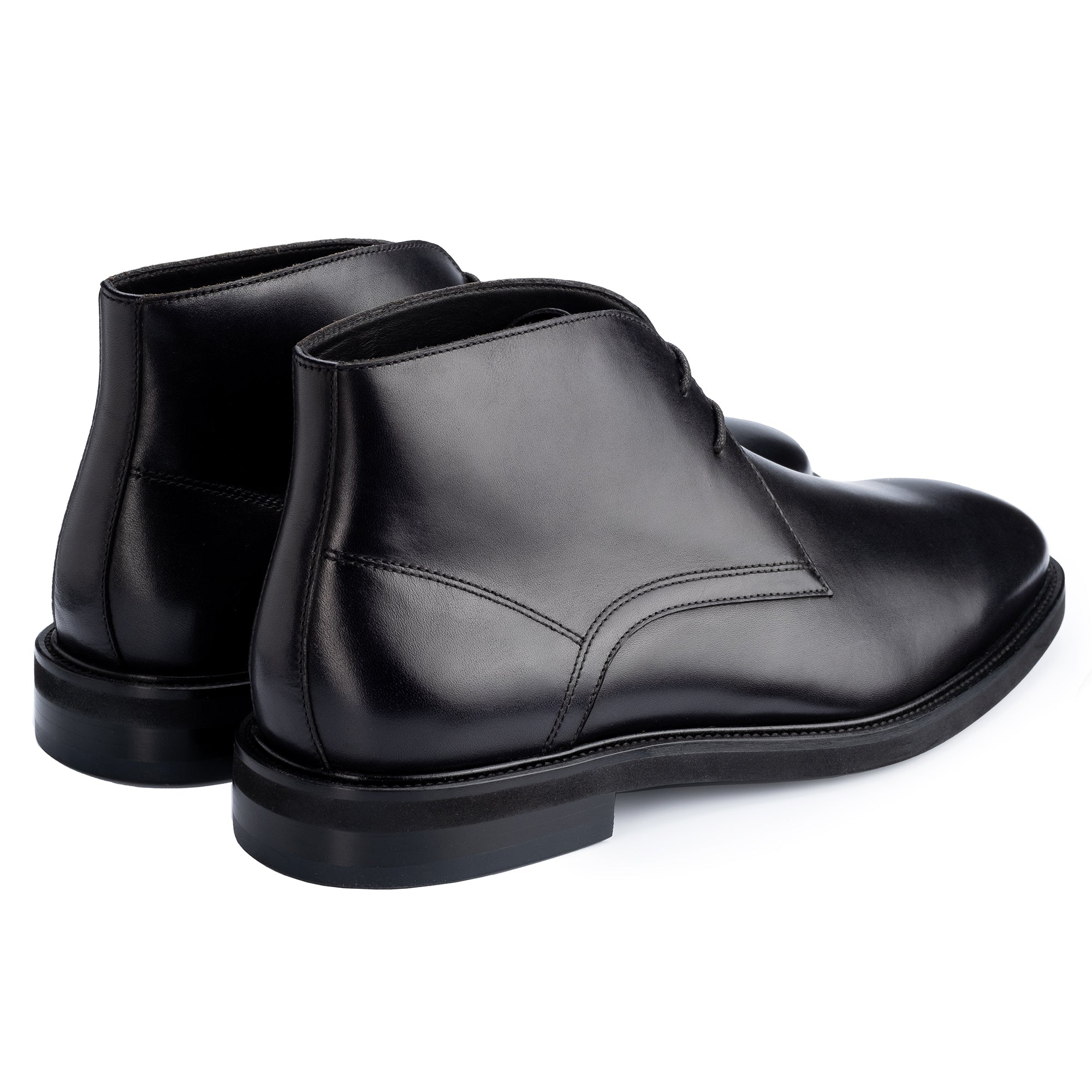
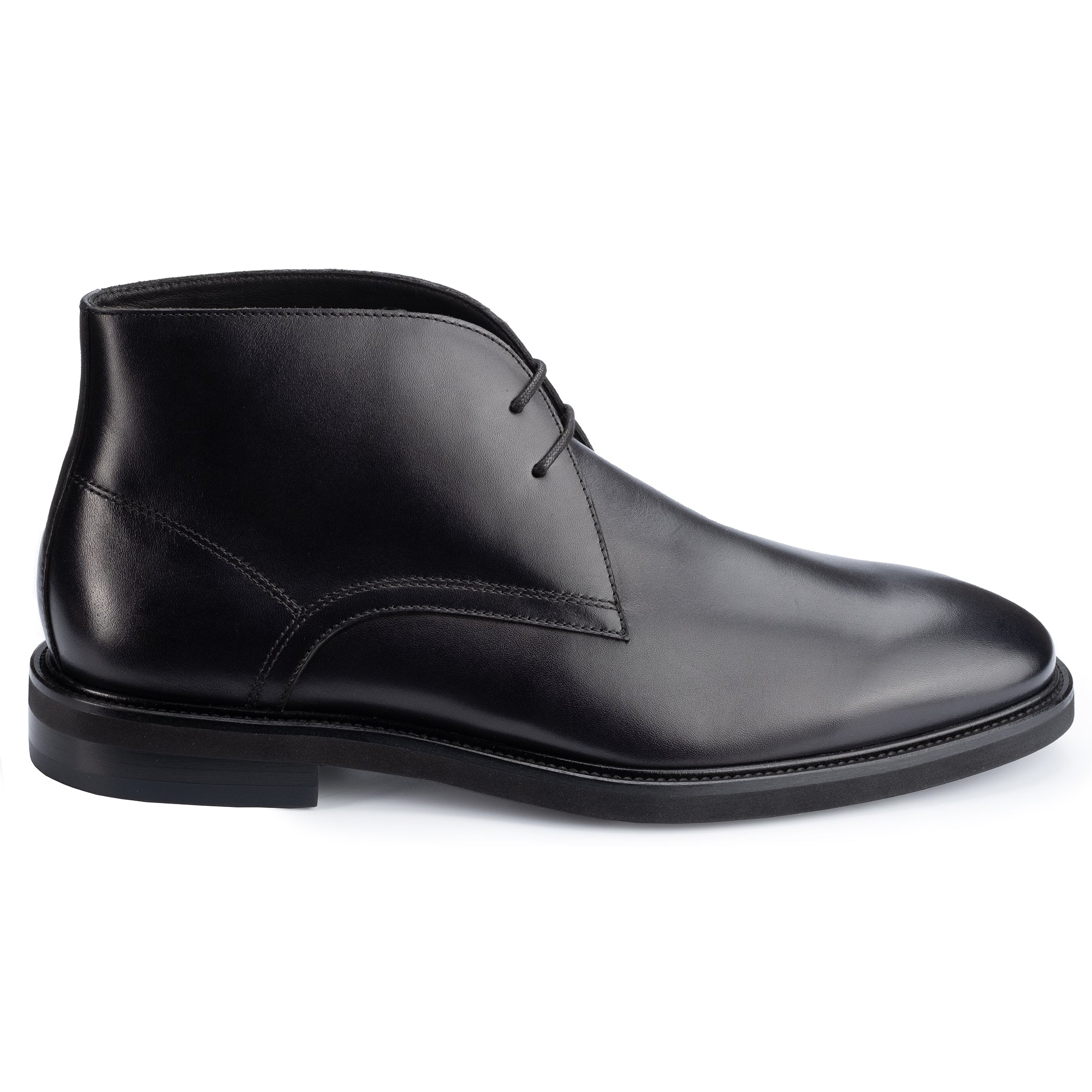
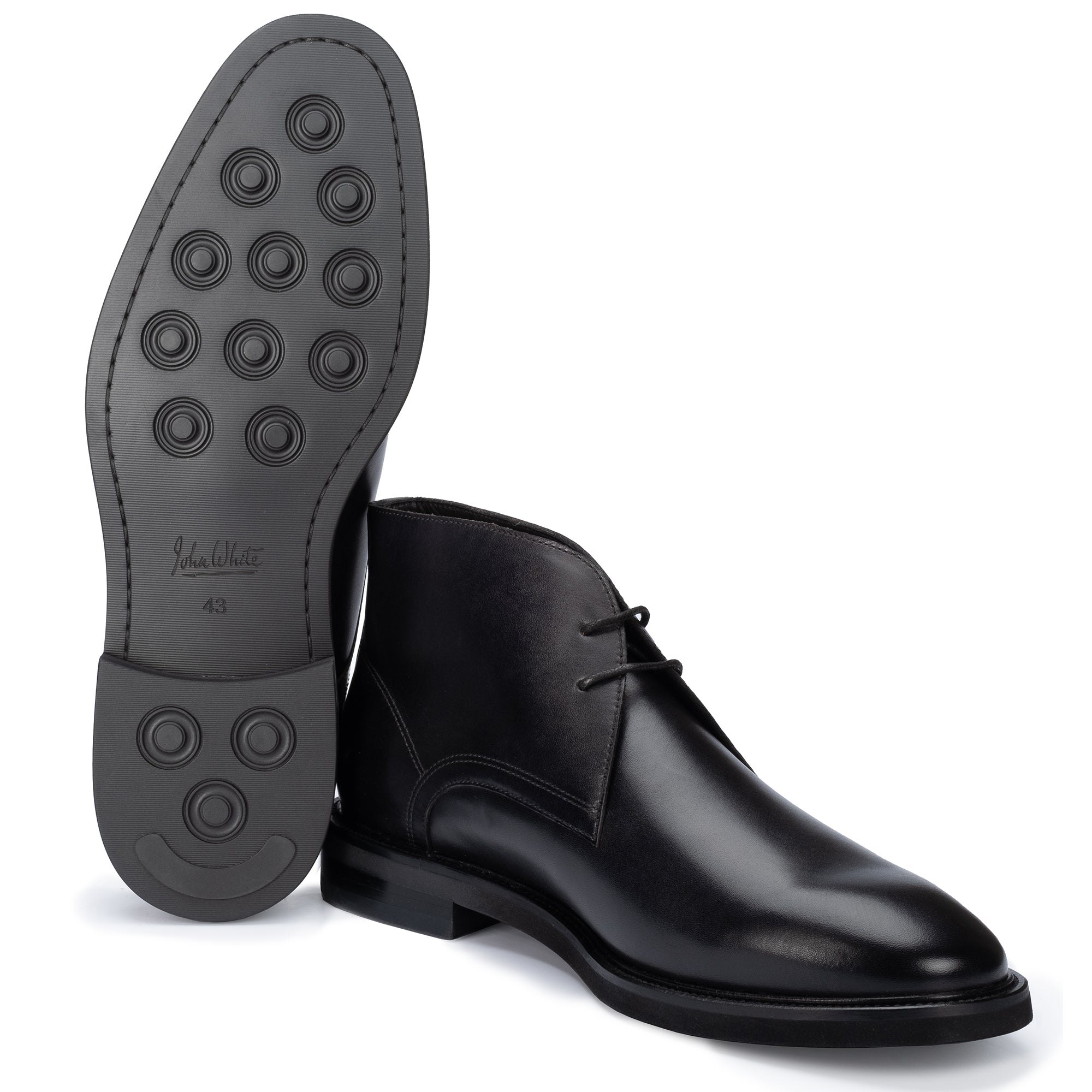
Browse the full men's shoes collection or explore men's boots to see the range informed by this tradition.
Tradition, in shoemaking, isn't sentiment — it's 105 years of knowing what a well-designed shoe looks like, applied to every pair that carries the John White name.
The John White Shoes Heritage Timeline
| Year | Milestone |
|---|---|
| 1919 | John White, aged 35 and with 23 years of prior shoemaking experience, launches his brand in Northamptonshire |
| 1920 | Expands to a team of four, operating from his own premises |
| 1930 | 'Impregnable' launches; front-page Daily Mail advertisement; 1.25 million pairs sold in a single year |
| 1940 | One ninth of all British Forces footwear carries the John White label; the brand funds a Spitfire named 'Impregnable' |
| 1962 | John White exits; George McWatters assumes leadership |
| 1970 | Merges with George Ward Holdings to form Ward White |
| 1991 | Manufacturing operations conclude |
| 1994 | Brand enters hiatus |
| 2000 | David Corben revives the brand, partnering with overseas manufacturers to design and curate the range |
| 2019 | Centenary — 100 years of the John White name |
| 2024 | 105 years of Northampton tradition |
Related Guides
- The History of British Shoemaking — our comprehensive guide
- From Northampton to the World: The Story Behind British Shoemaking
- From Bench to Box: The Traditional Process of Finishing a Leather Shoe
- The Cobbler's Legacy: How British Shoe Lasts Are Still Made by Hand
TL;DR: John White Shoes is a British heritage footwear brand founded in 1919 in Northamptonshire by John White, a shoemaker with 23 years of prior industry experience. The brand's most significant milestones include selling 1.25 million pairs of its 'Impregnable' model in 1930 and supplying one ninth of all British Forces footwear during the Second World War. Following a mid-1990s hiatus, the brand was revived in 2000 by David Corben and today designs and curates premium men's footwear from its Northamptonshire base at Westbury House, Higham Ferrers.
Frequently Asked Questions
Where was John White Shoes founded?
John White Shoes was founded in 1919 in Northamptonshire — the historic heartland of British shoemaking. The brand is currently headquartered at Westbury House, Higham Ferrers, Northamptonshire, NN10 8HQ.
Who founded John White Shoes?
John White founded the brand in 1919, aged 35, after 23 years working within the British shoemaking trade. By the time he launched his own label, he was among the most experienced shoemakers working in Northamptonshire. He stepped back from leadership in 1962; George McWatters succeeded him.
Does John White Shoes still manufacture shoes in the UK?
No. John White Shoes' manufacturing operations concluded in 1991. Since David Corben revived the brand in 2000, John White Shoes has designed and curated its range in partnership with overseas manufacturers — applying British heritage design standards to a globally sourced product.
What is John White Shoes most known for historically?
John White Shoes supplied one ninth of all footwear worn by British Forces during the Second World War, and sold 1.25 million pairs of its 'Impregnable' model in 1930 alone — promoted via a front-page Daily Mail advertisement. These milestones established John White as one of the most commercially significant British footwear brands of the 20th century.
Explore the John White Shoes men's collection — over a century of heritage design, available today.