
The Formality Spectrum: A Definitive Ranking of Men's Dress Shoes
Men's dress shoes are ranked by formality from the Black Cap-Toe Oxford at the apex, followed by the Derby, Monk Strap, Loafer, and finally the Brogue. The core principles are simple: closed lacing is more formal than open, less detail is more formal than more, and black is always the most formal colour.
In This Guide
Dressing well isn't about memorising a complex set of rules. It’s about understanding principles. Knowing which shoe to wear for which occasion is one of the most fundamental of these, yet it's an area where many men falter. Choosing the right footwear demonstrates attention to detail and a respect for the occasion.
This guide provides a clear, definitive ranking of men's shoes, moving from the most formal to the most relaxed. Consider this your map for navigating any dress code with confidence.
What Determines a Shoe's Formality?
Before we rank the styles, it's crucial to understand the elements that place a shoe on the formality spectrum. Four key factors are at play.
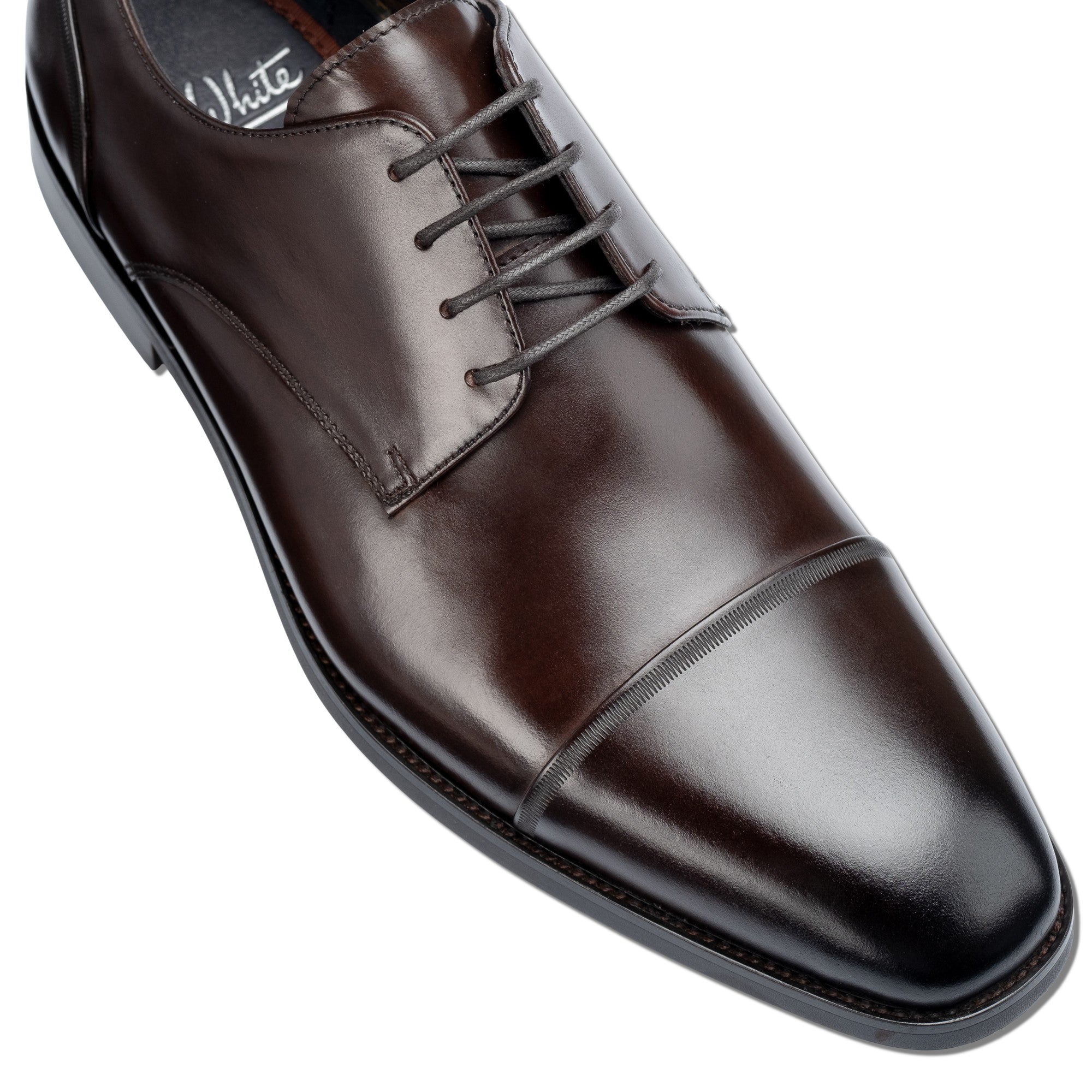
- Lacing System: A closed-lacing system (like an Oxford), where the vamp is sewn on top of the quarters, creates a sleeker, more formal look. An open-lacing system (like a Derby) is inherently more relaxed.
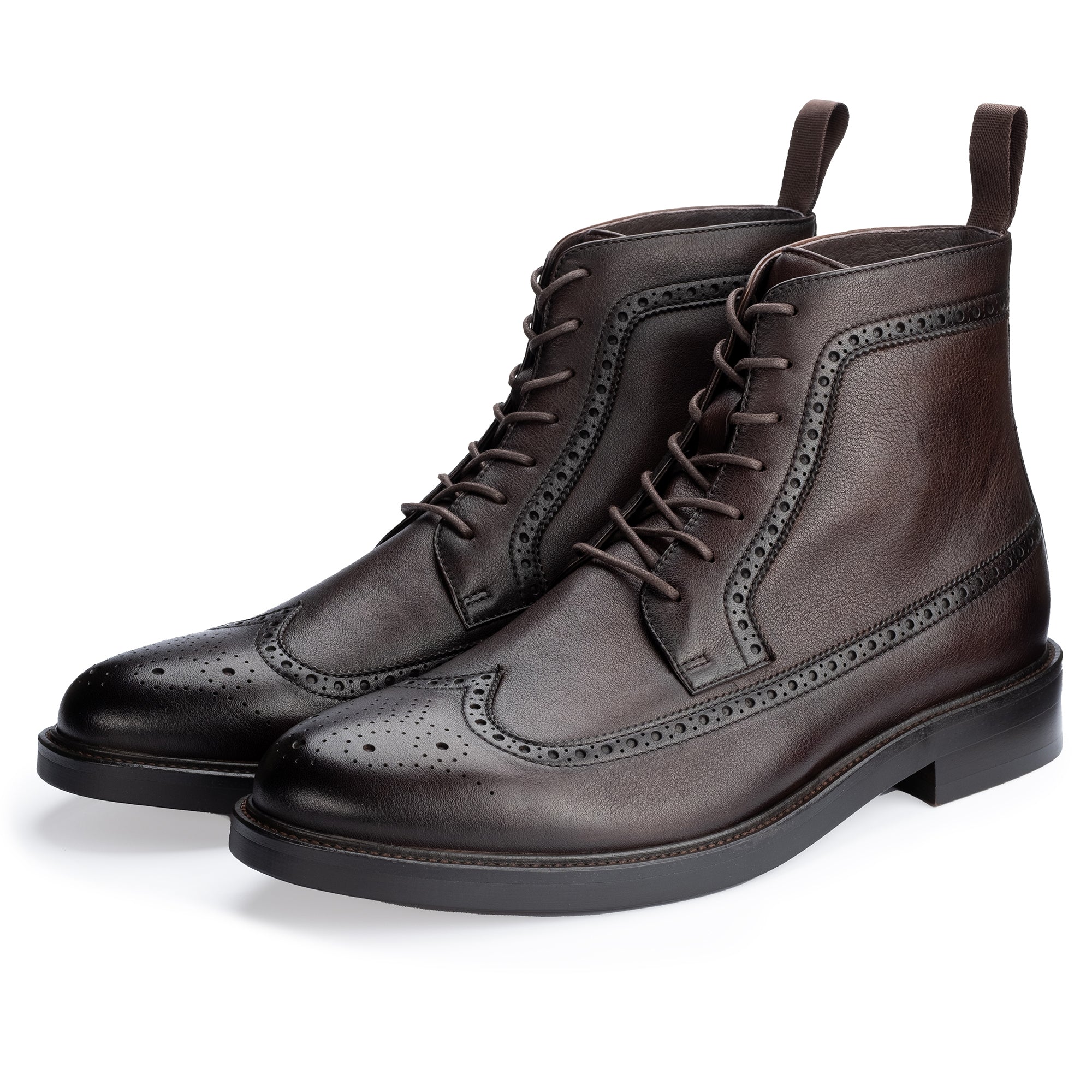
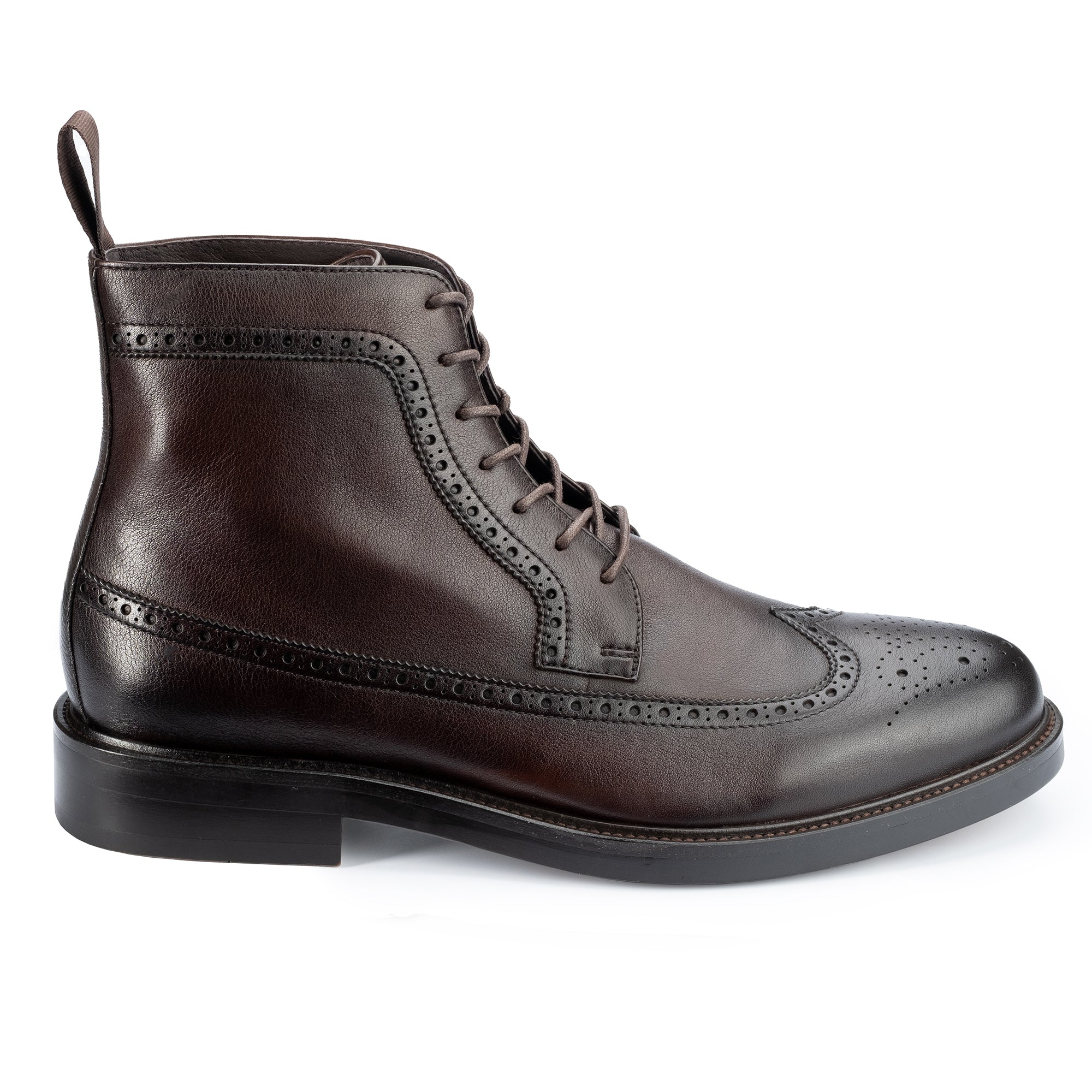
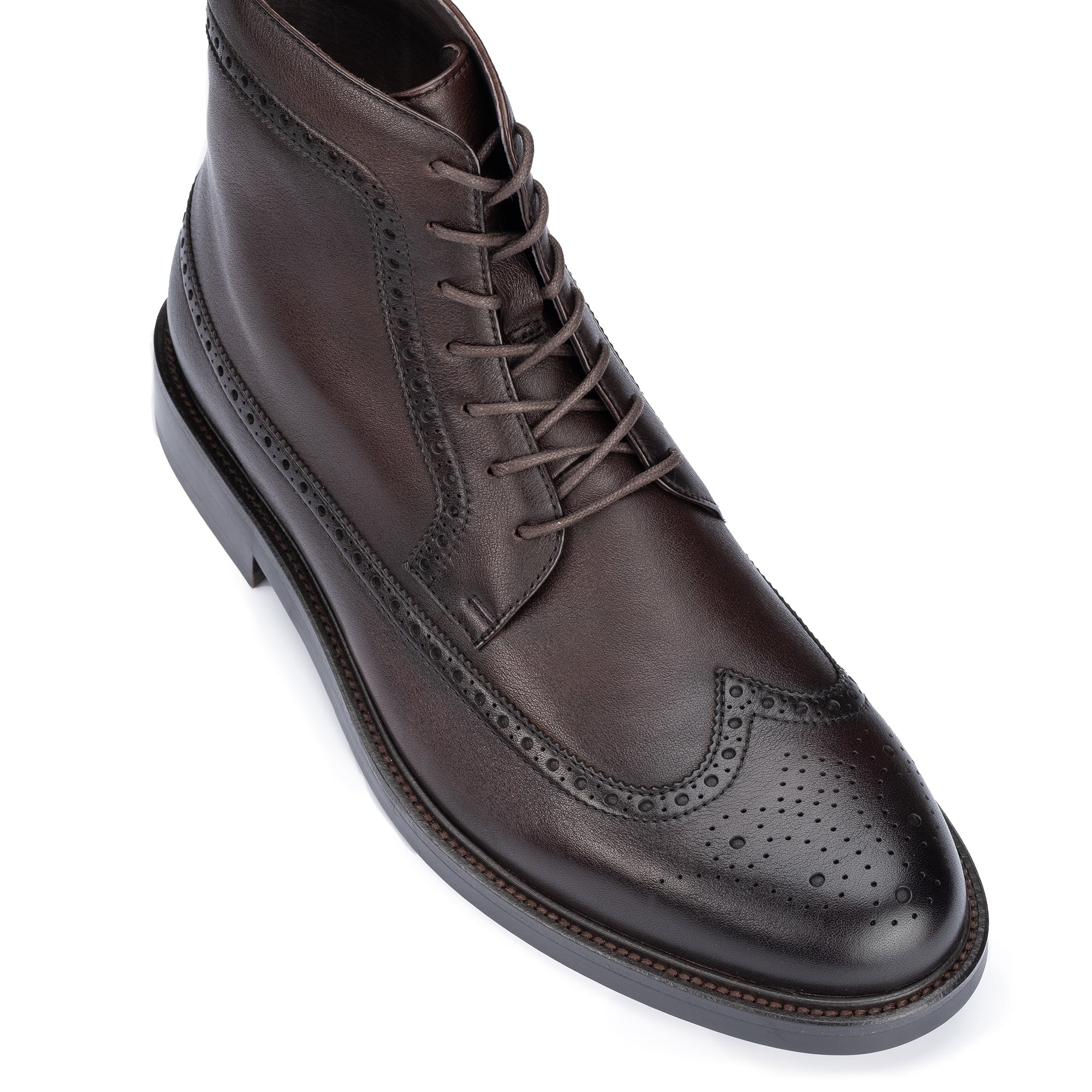
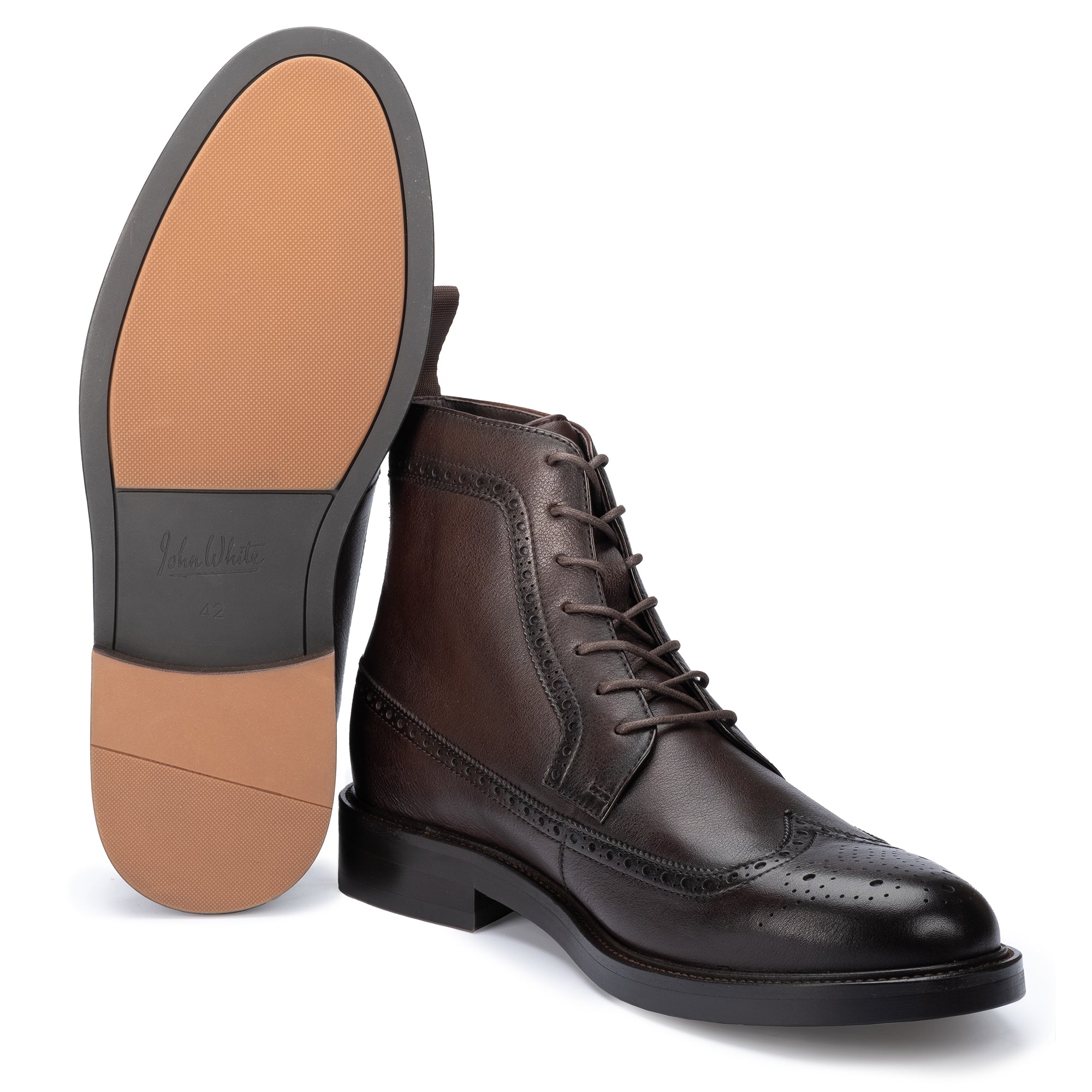
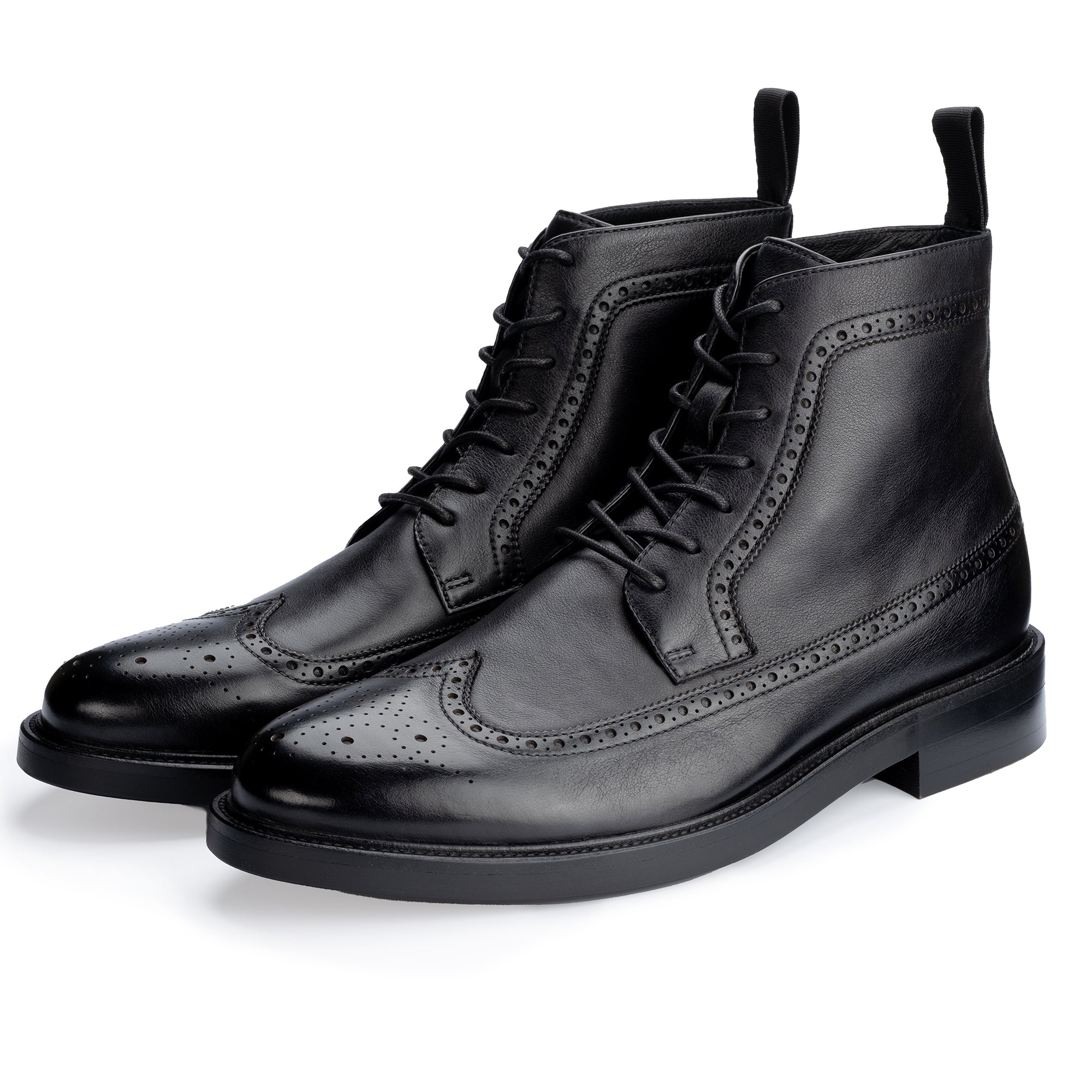
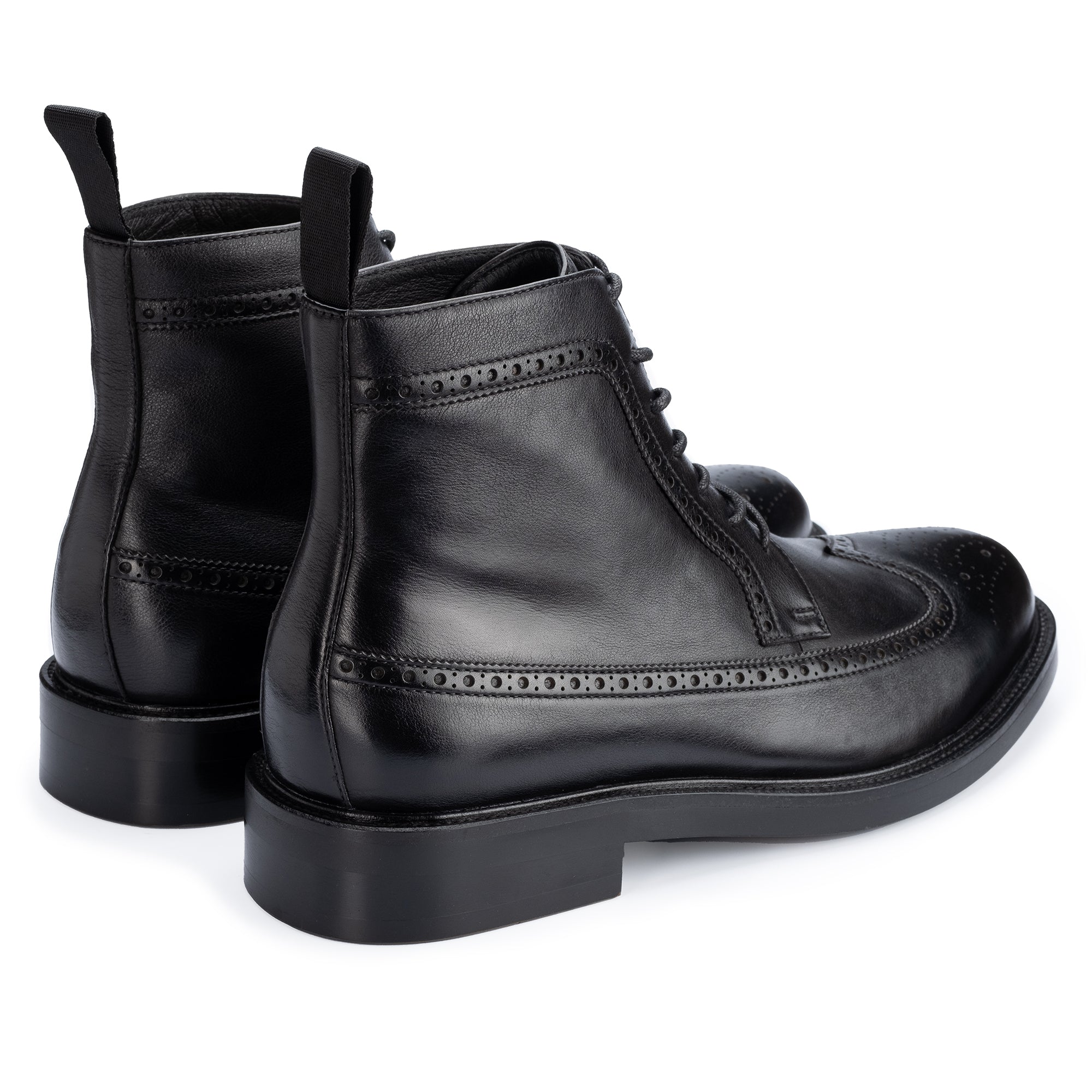
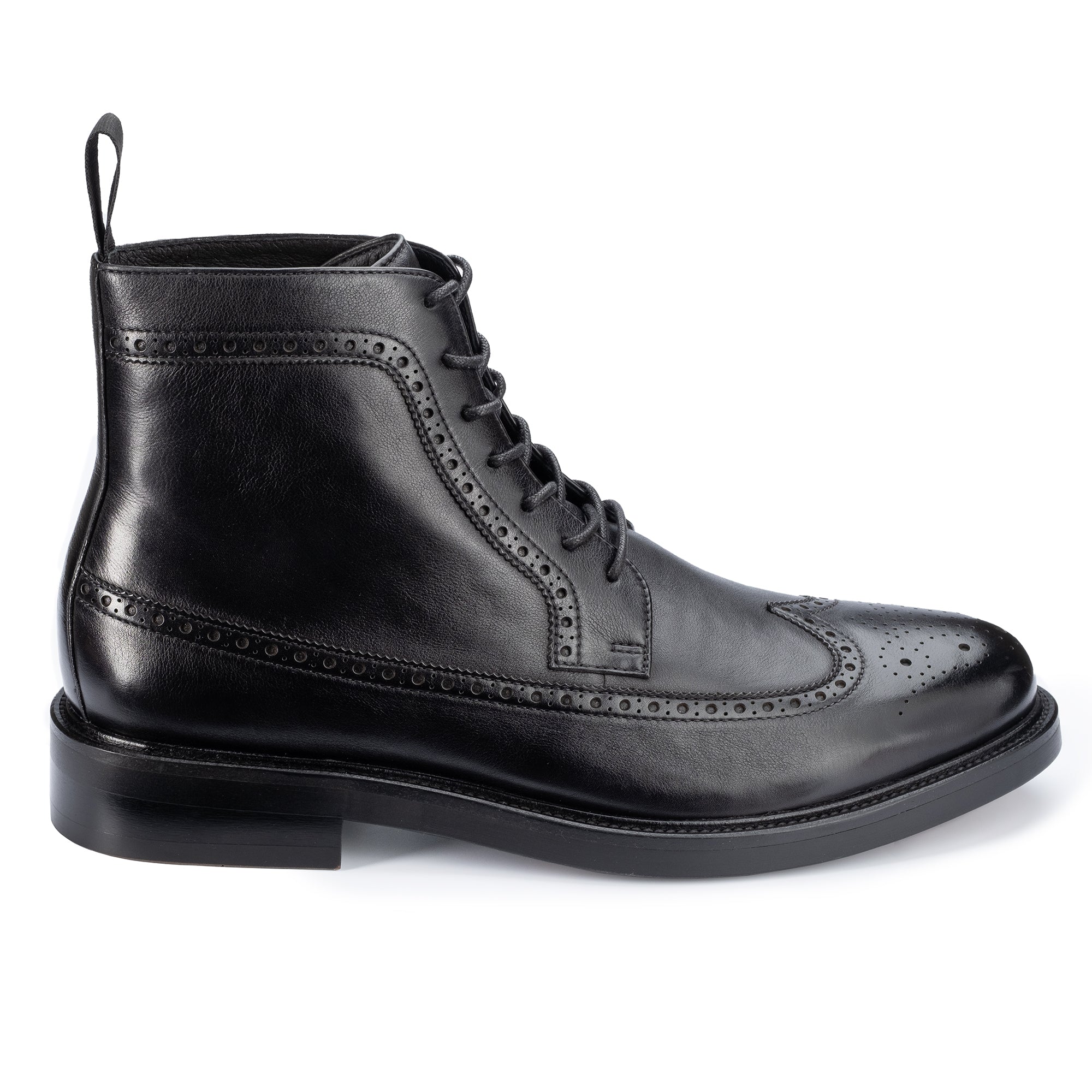
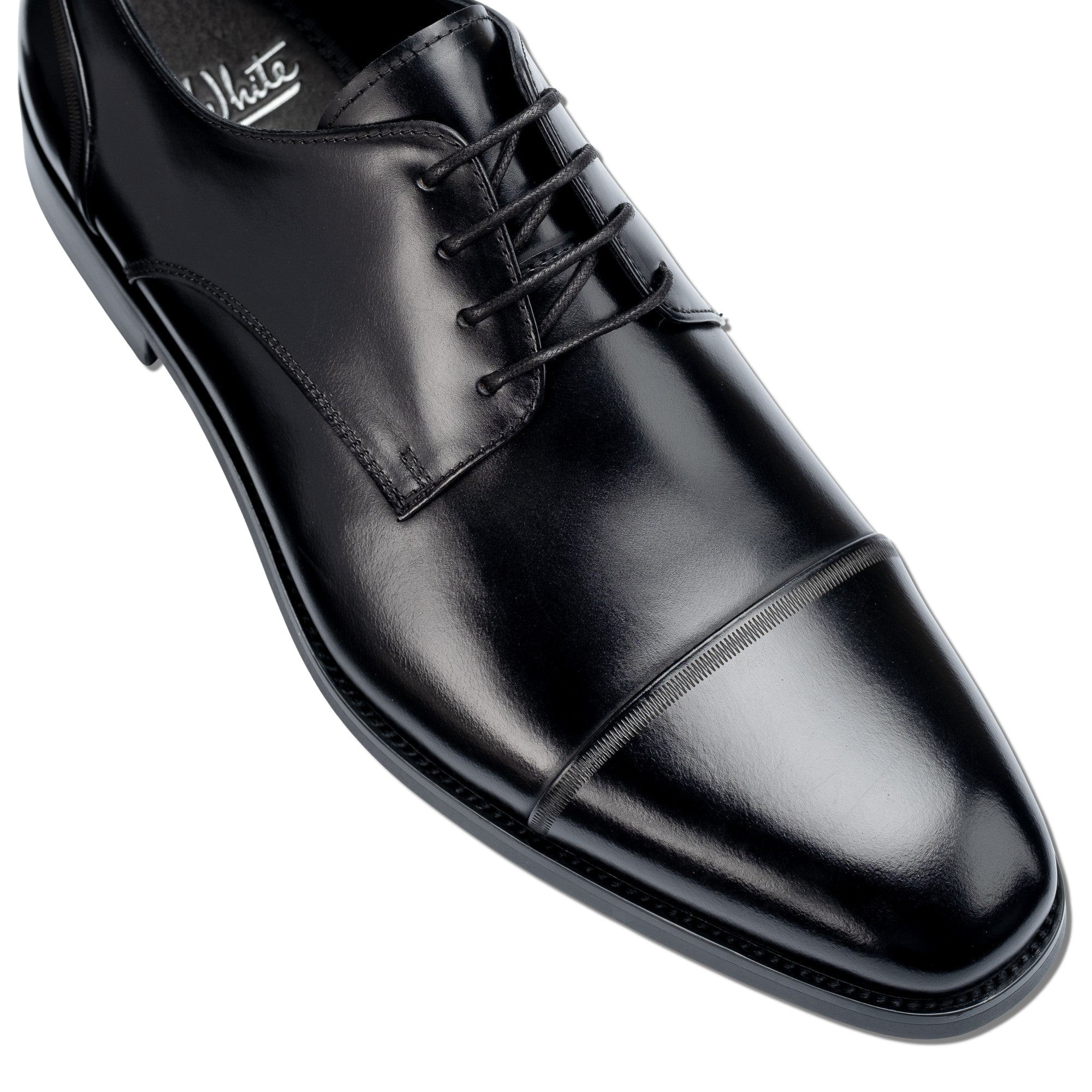
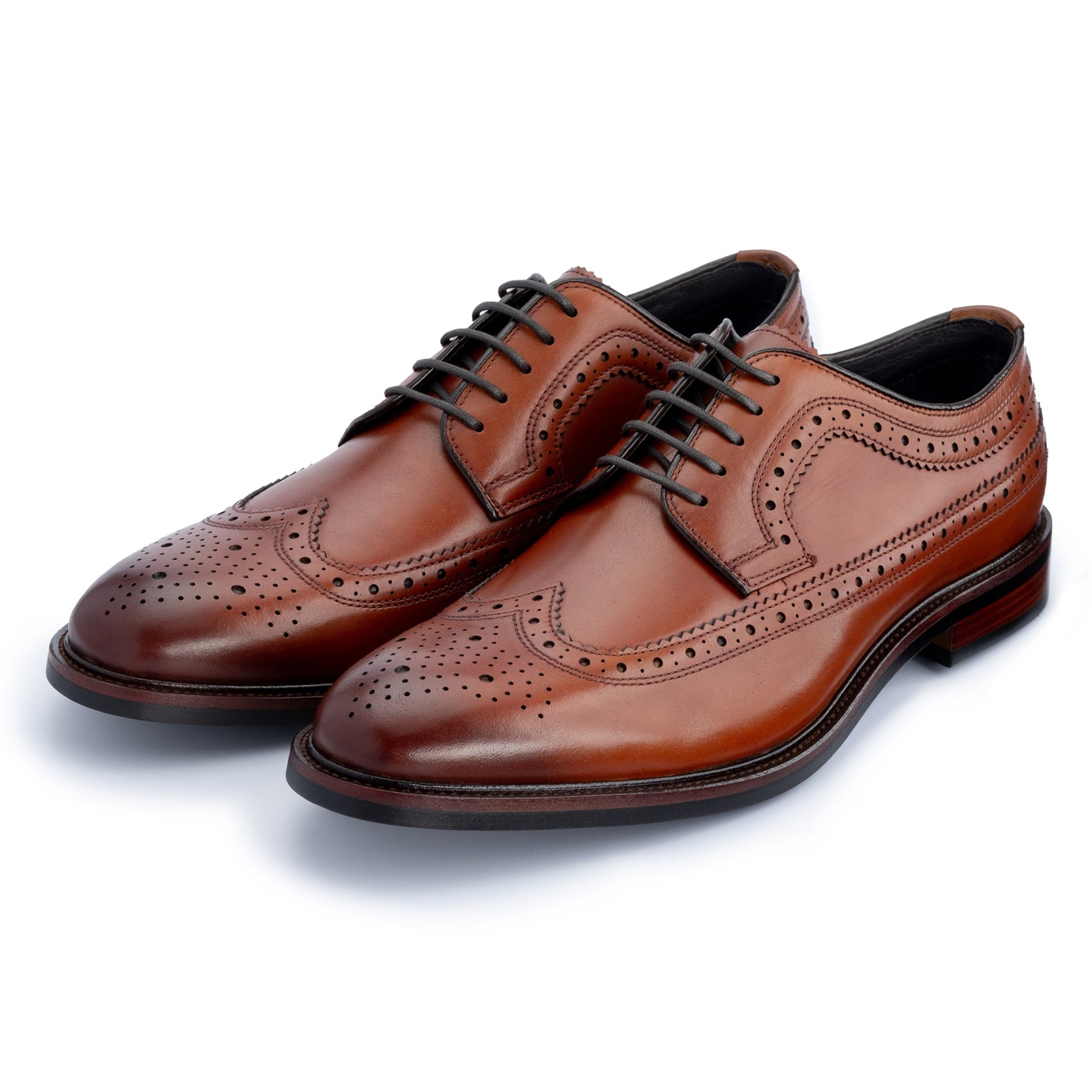
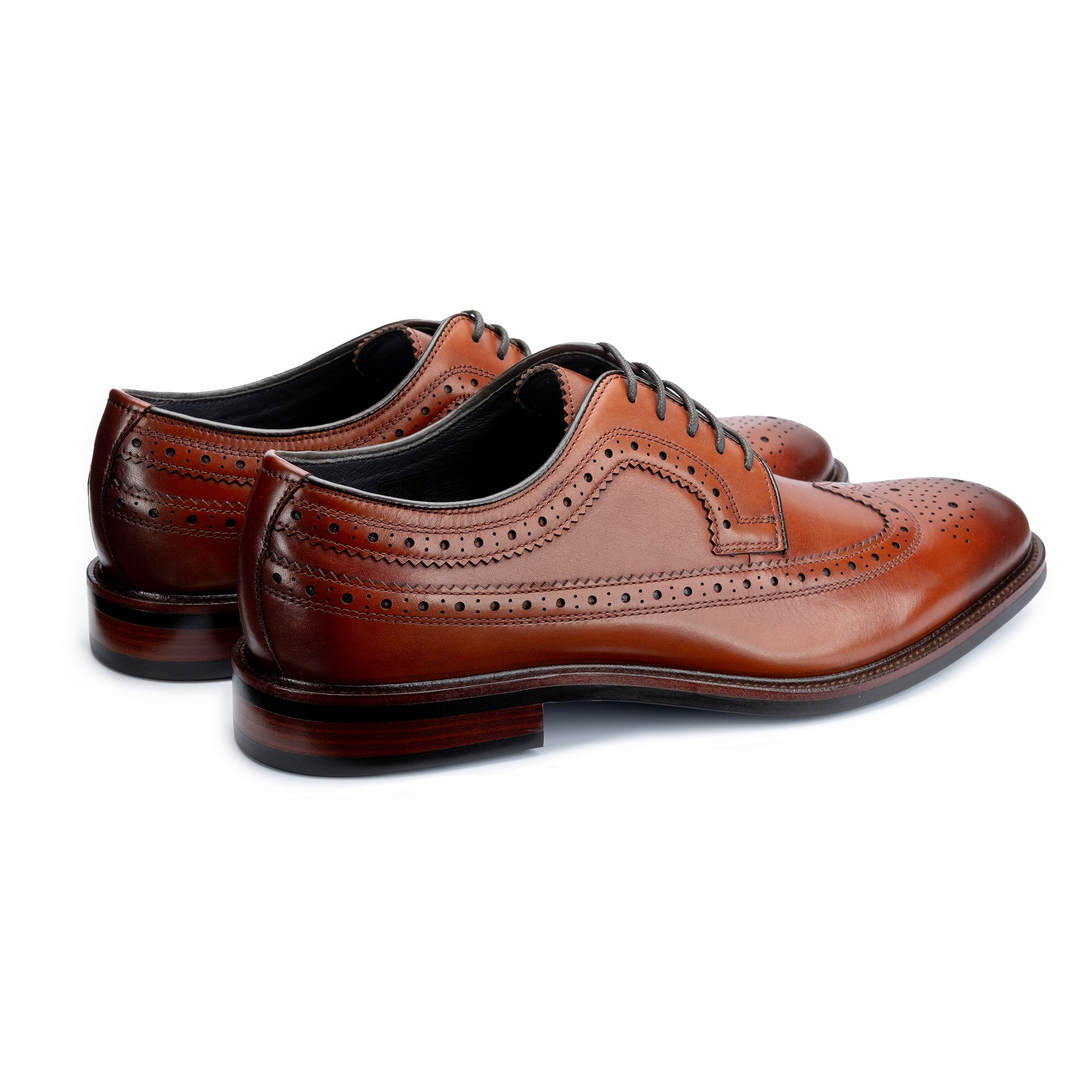
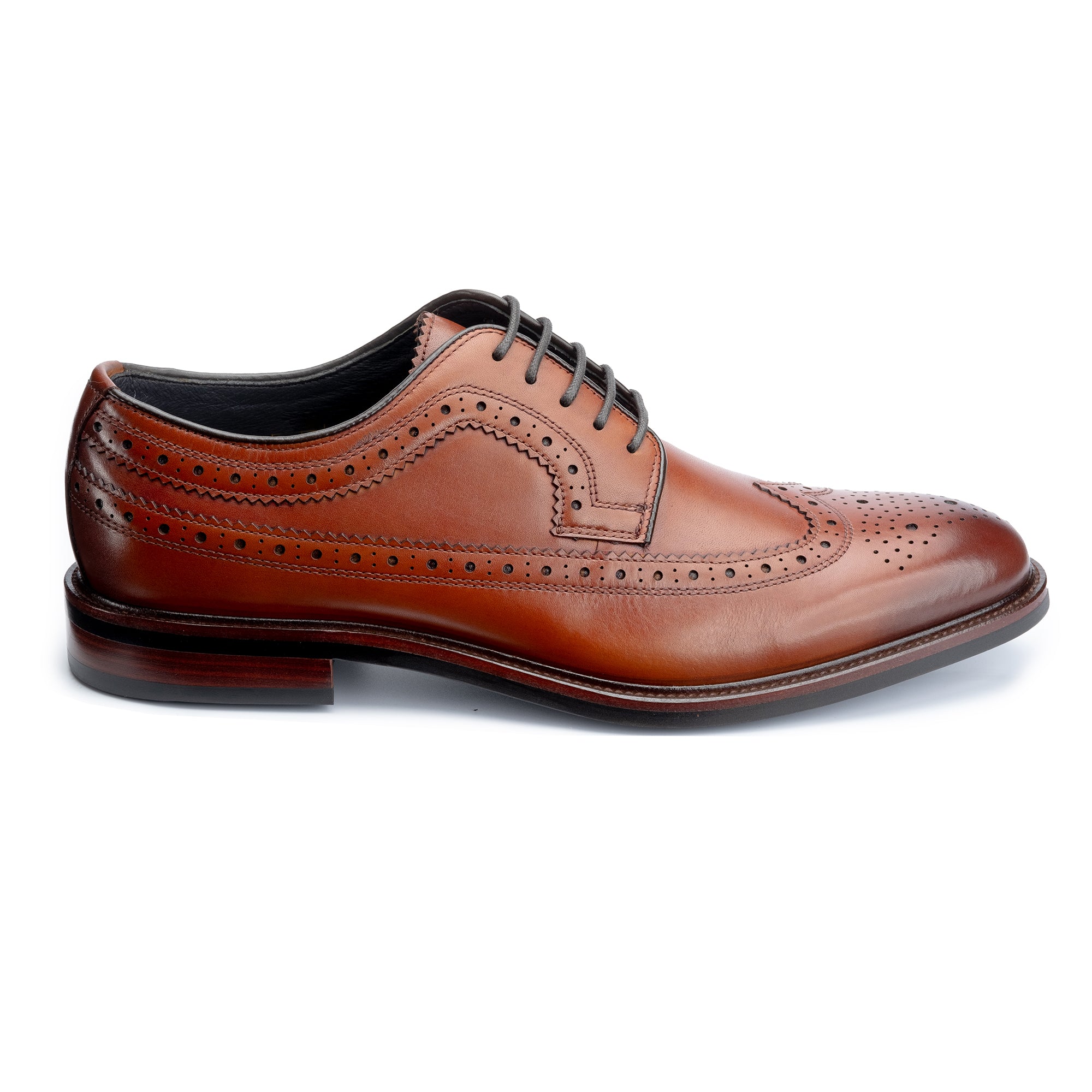
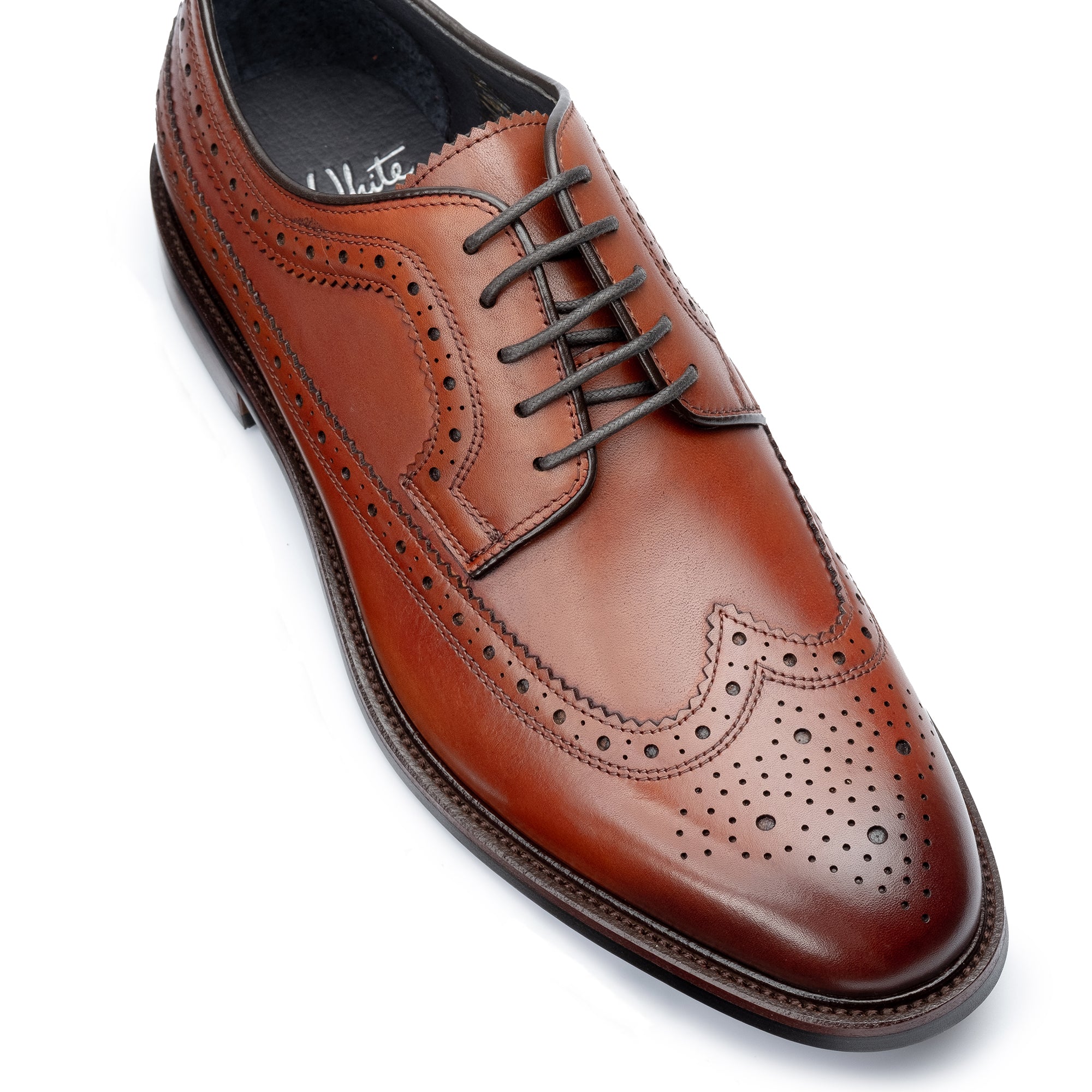
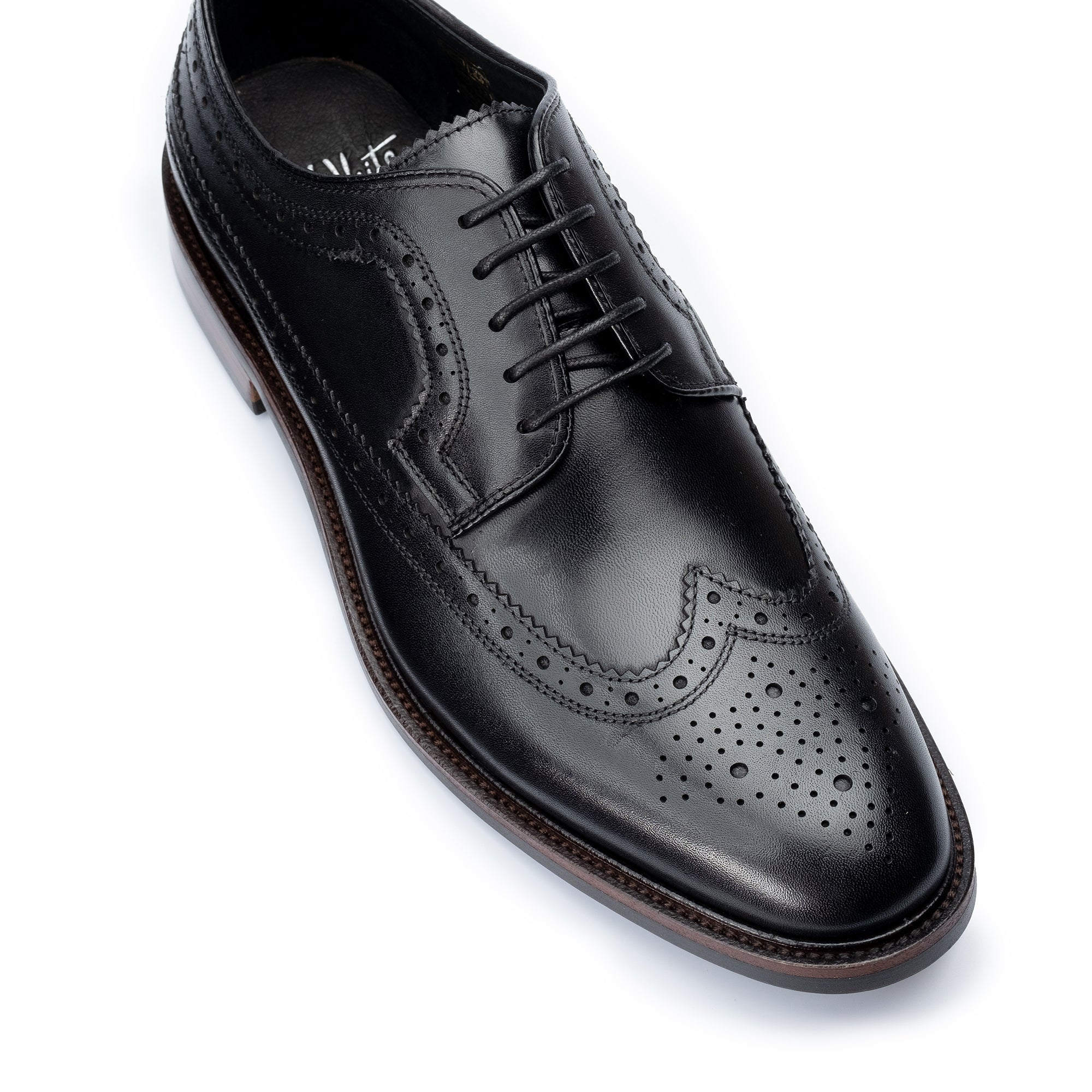
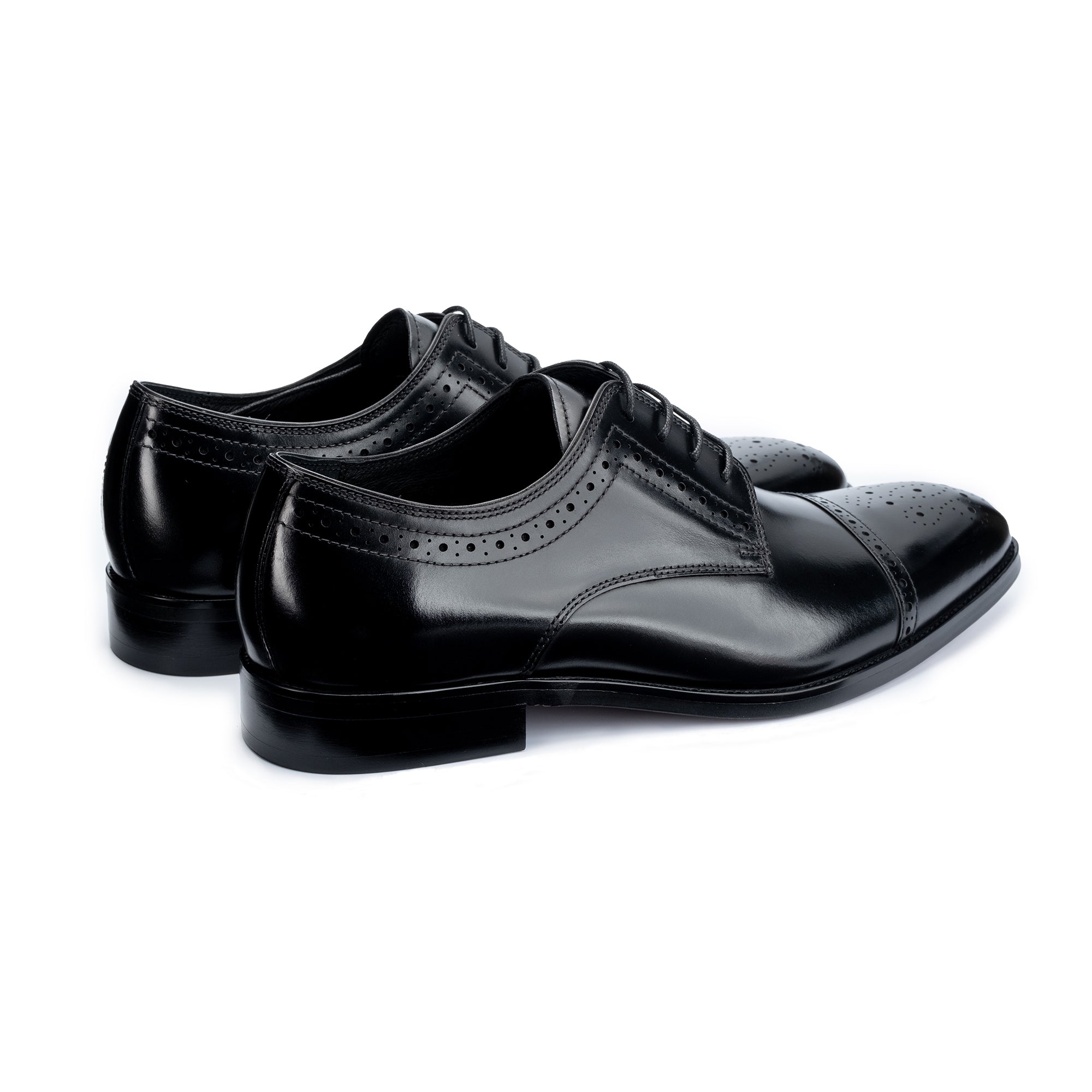
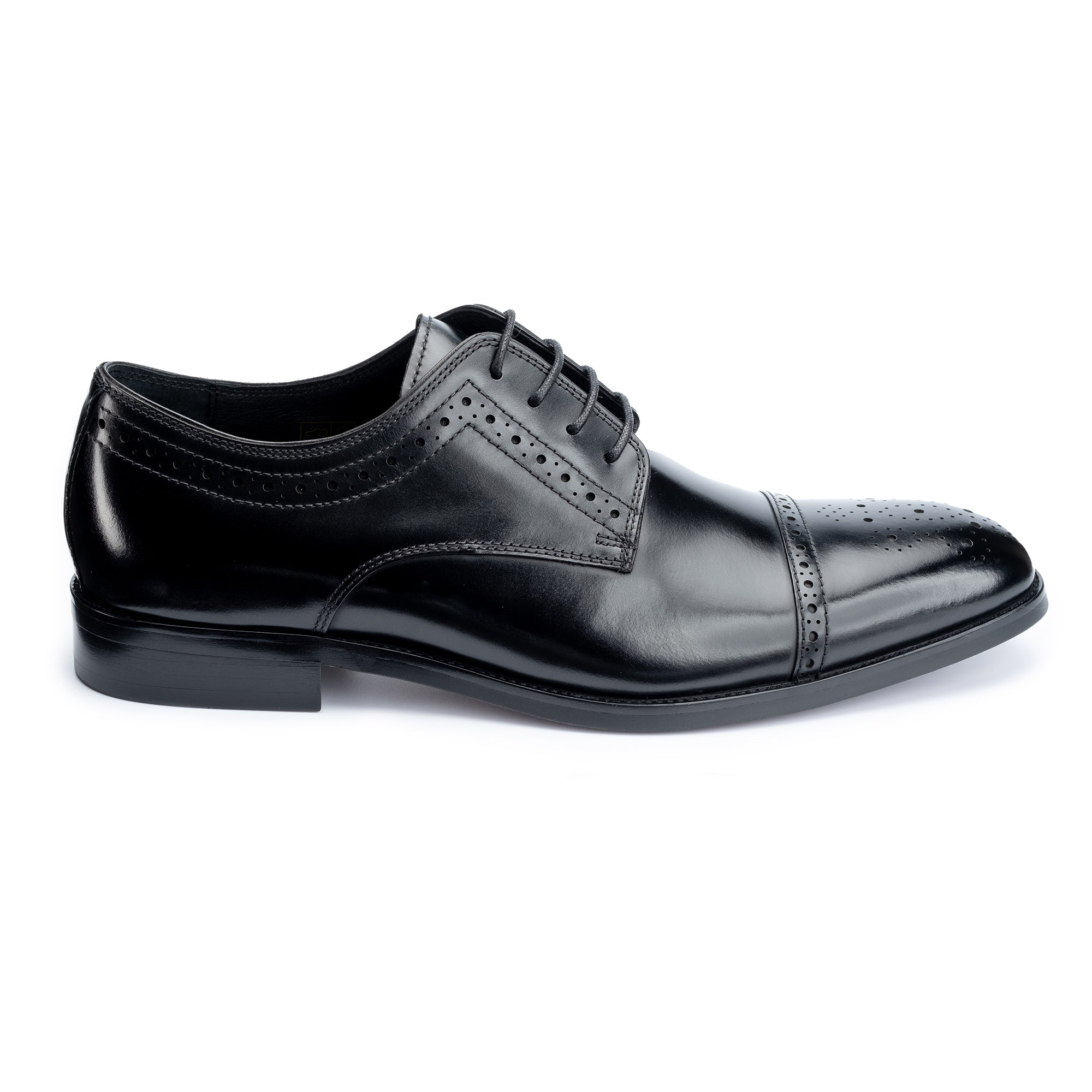
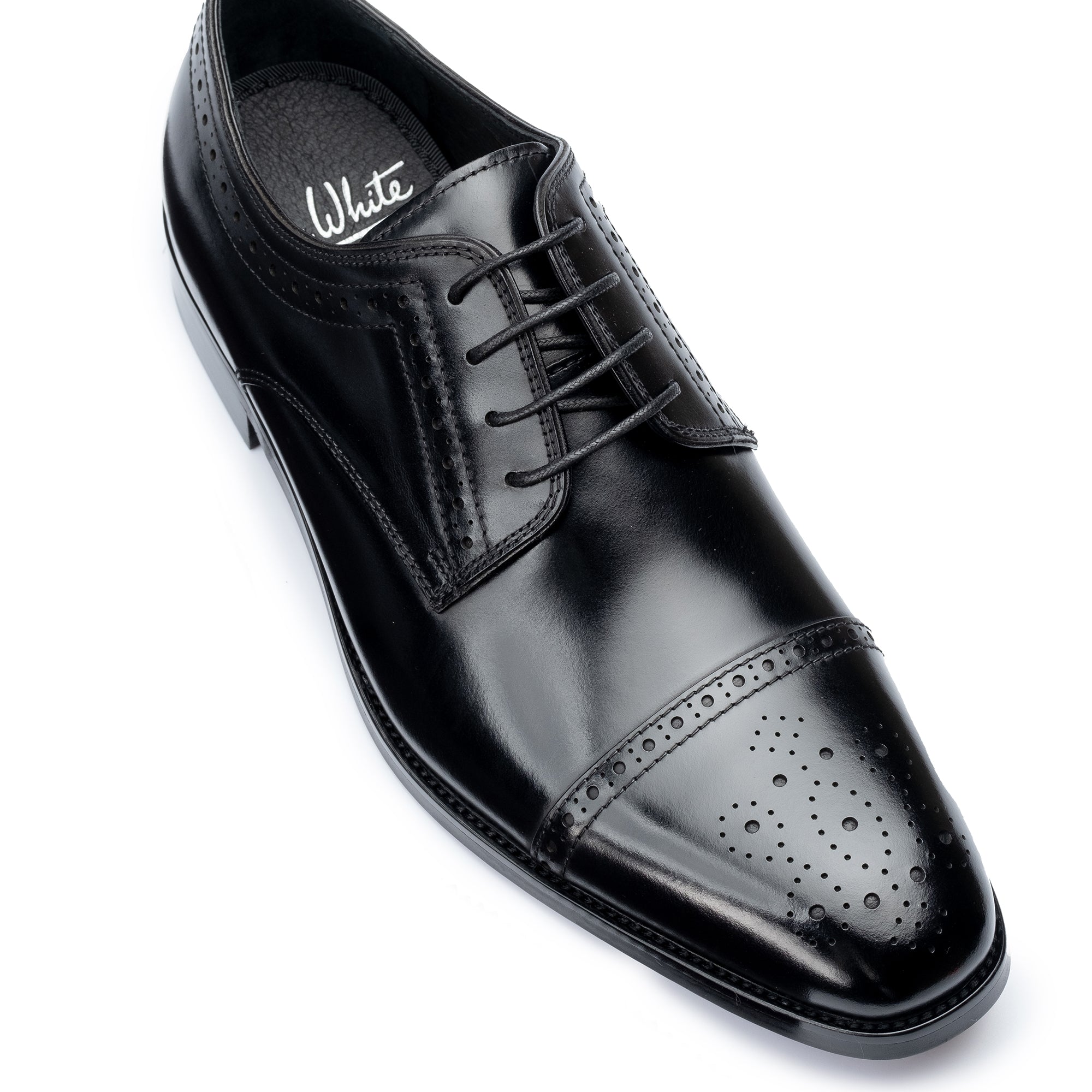
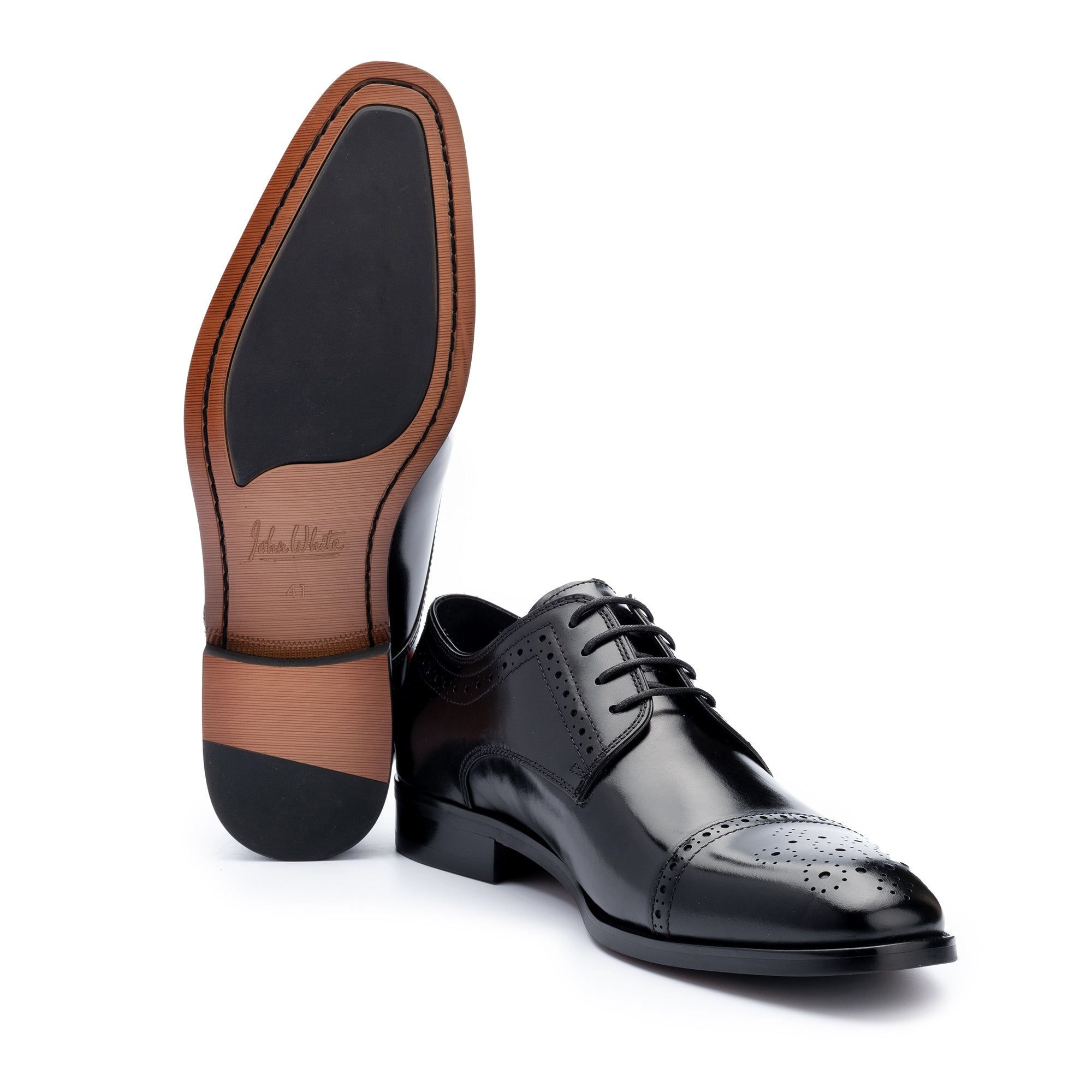
- Amount of Detail: Simplicity equals formality. A plain, unadorned shoe is more formal than one with decorative perforations (brogueing). The more brogueing, the more casual the shoe becomes.
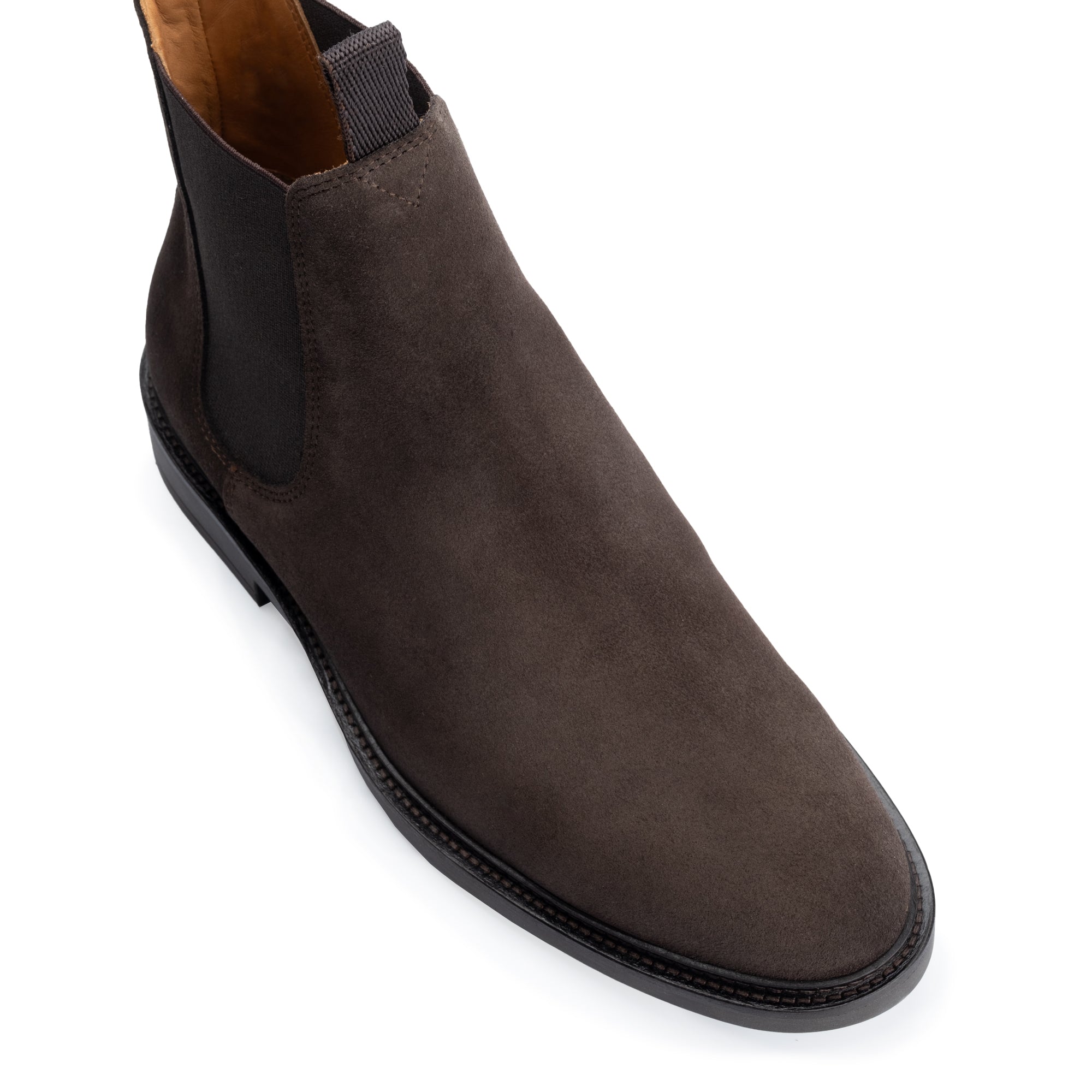
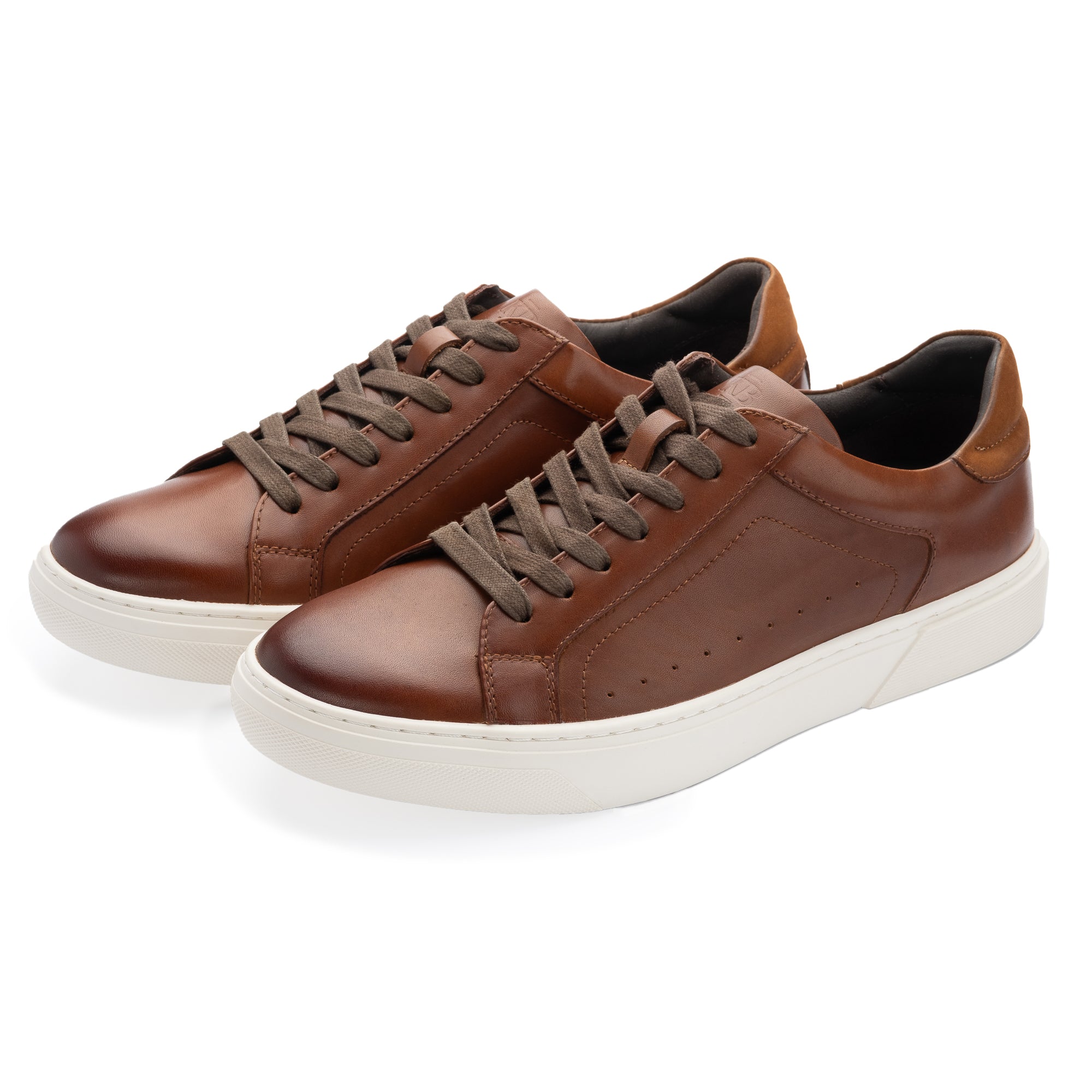
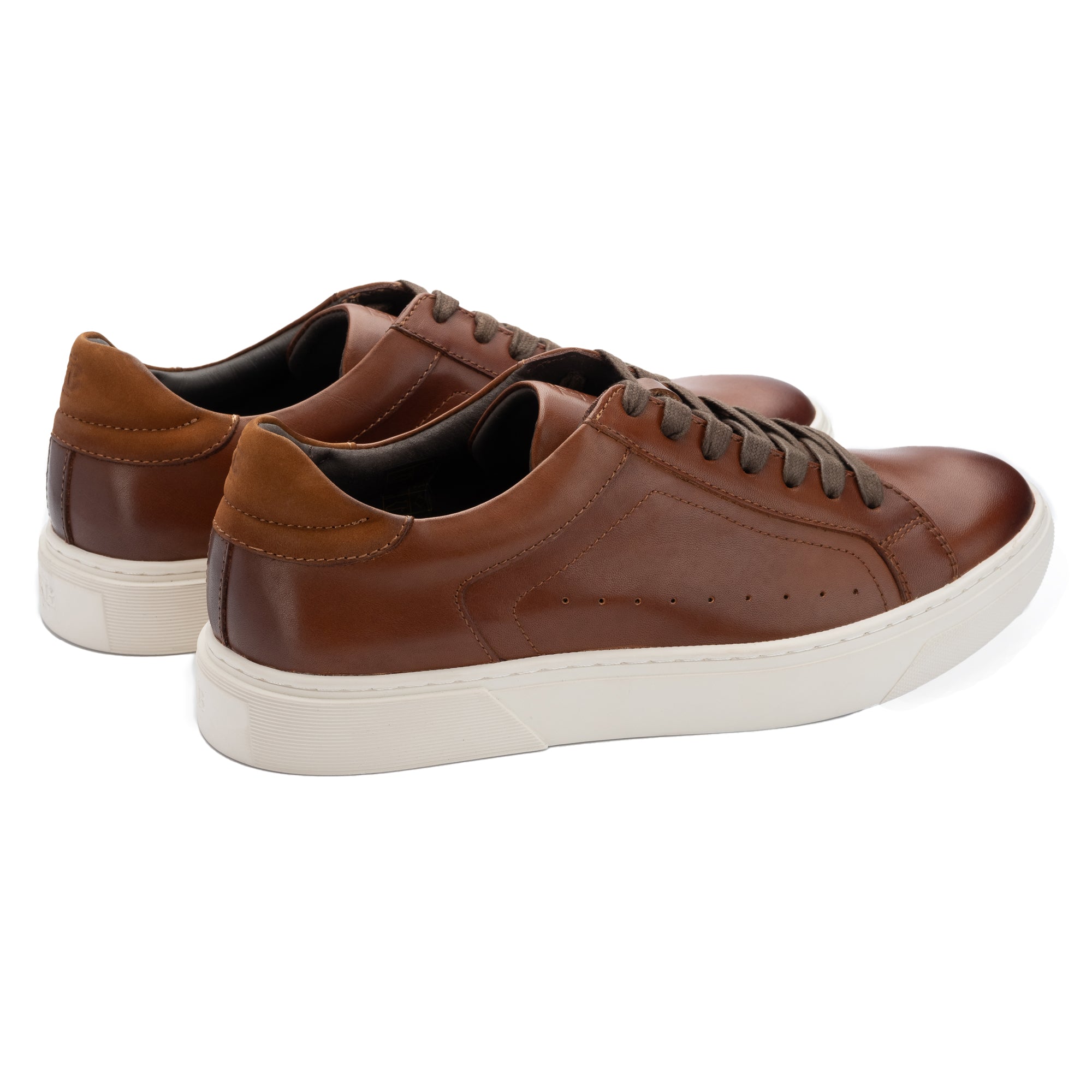
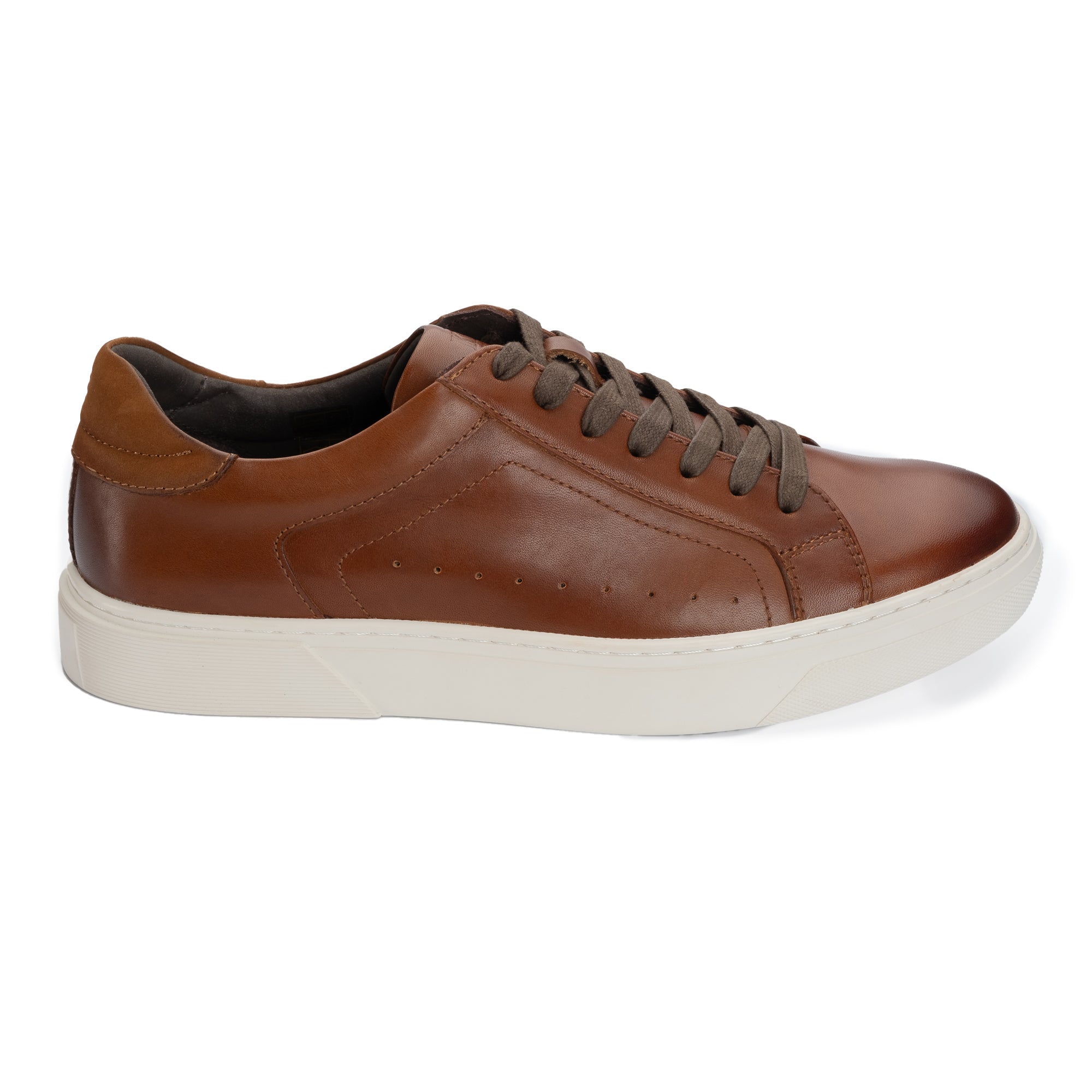
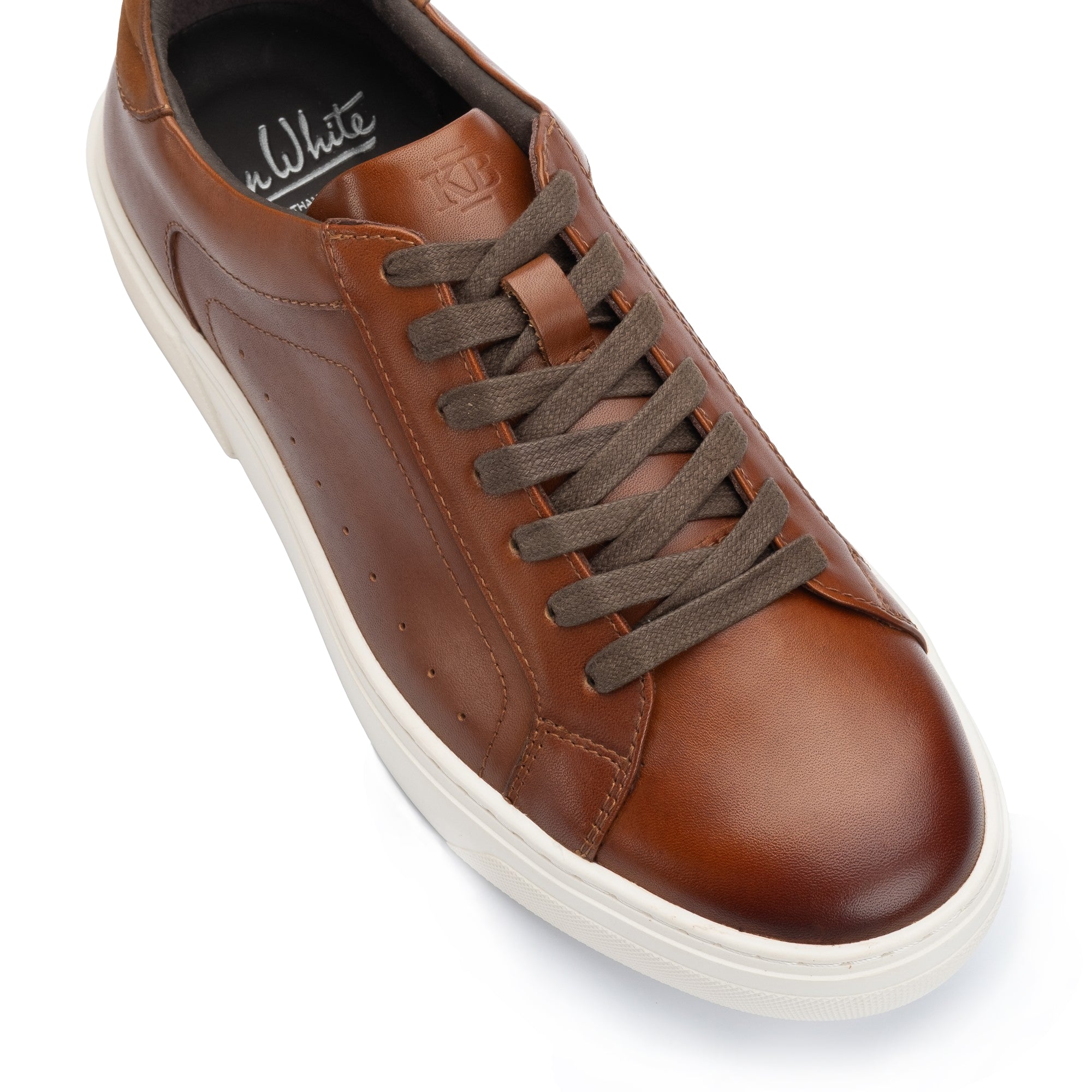
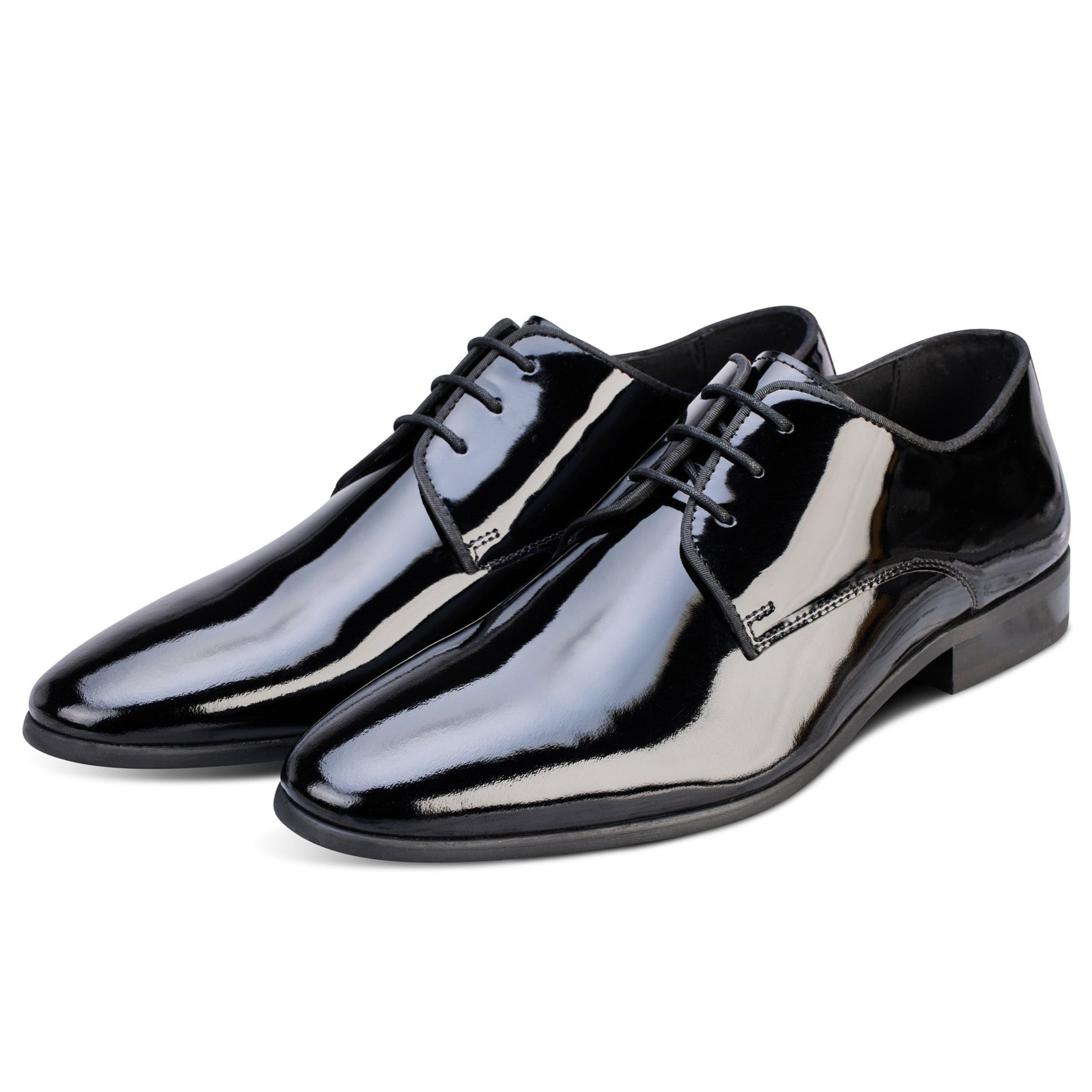
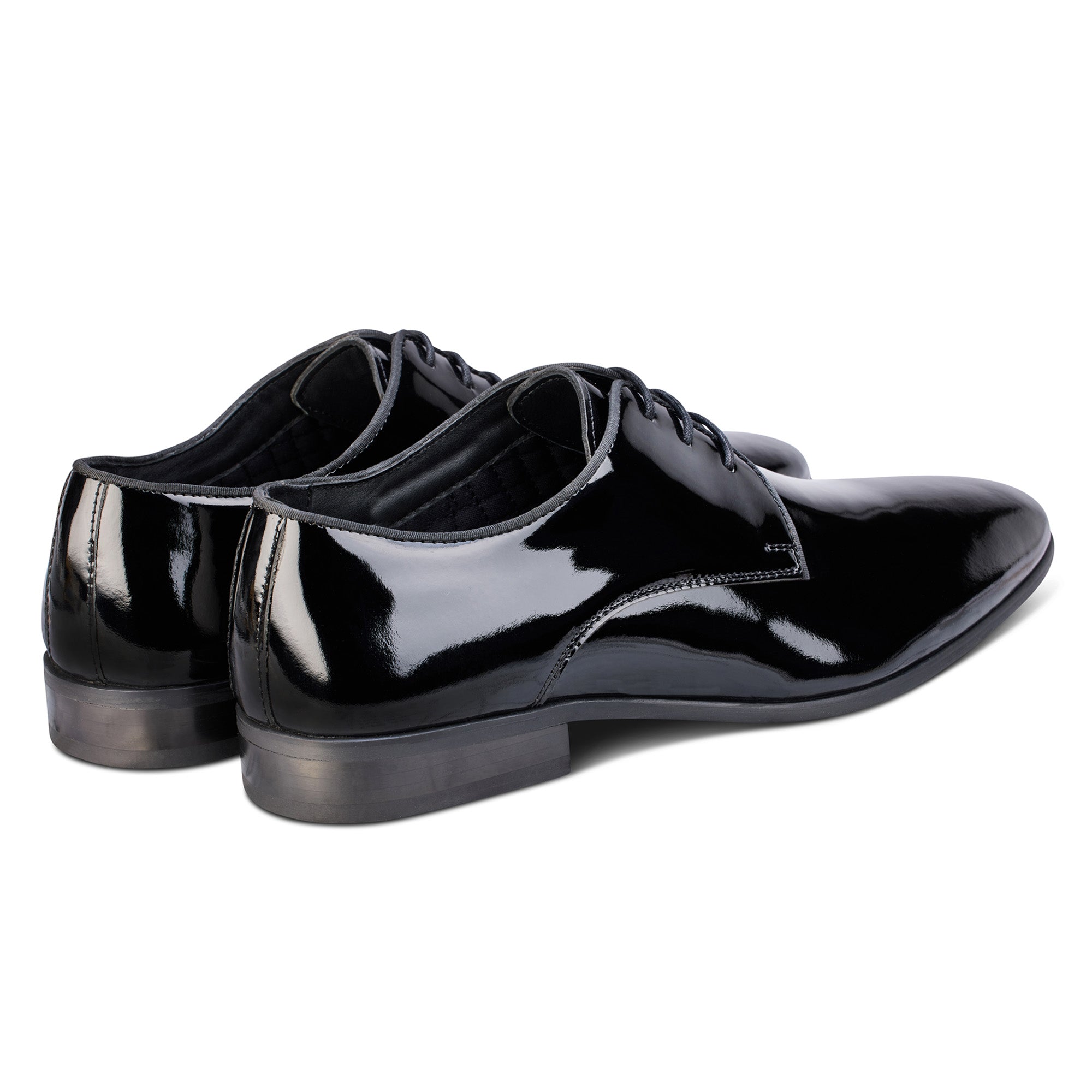
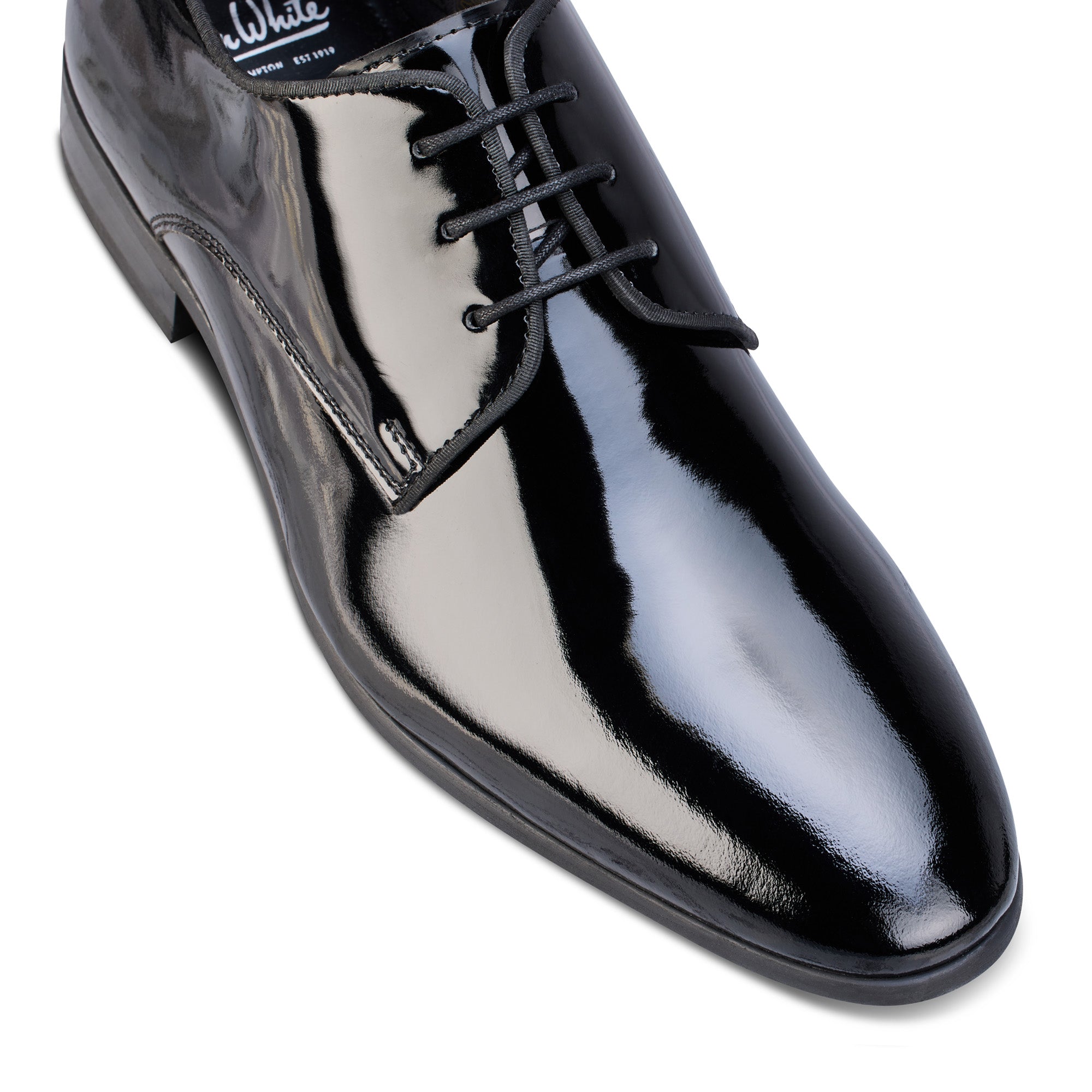
- Material: The finish of the leather has a significant impact. Highly polished or patent leather is reserved for the most formal events. Smooth calfskin is the standard for business, while suede is decidedly more casual.
- Colour: Black is the undisputed king of formal footwear. Dark brown and burgundy follow, with lighter shades like tan and reef being progressively more casual. For a deeper analysis, see our guide on choosing between black, brown, and burgundy leather shoes.
Understanding these factors is the key to making consistently correct footwear choices.
Ranking the Styles: From Black Tie to Business Casual
With the principles established, let's rank the classic styles. We'll move from the pinnacle of formality downwards.
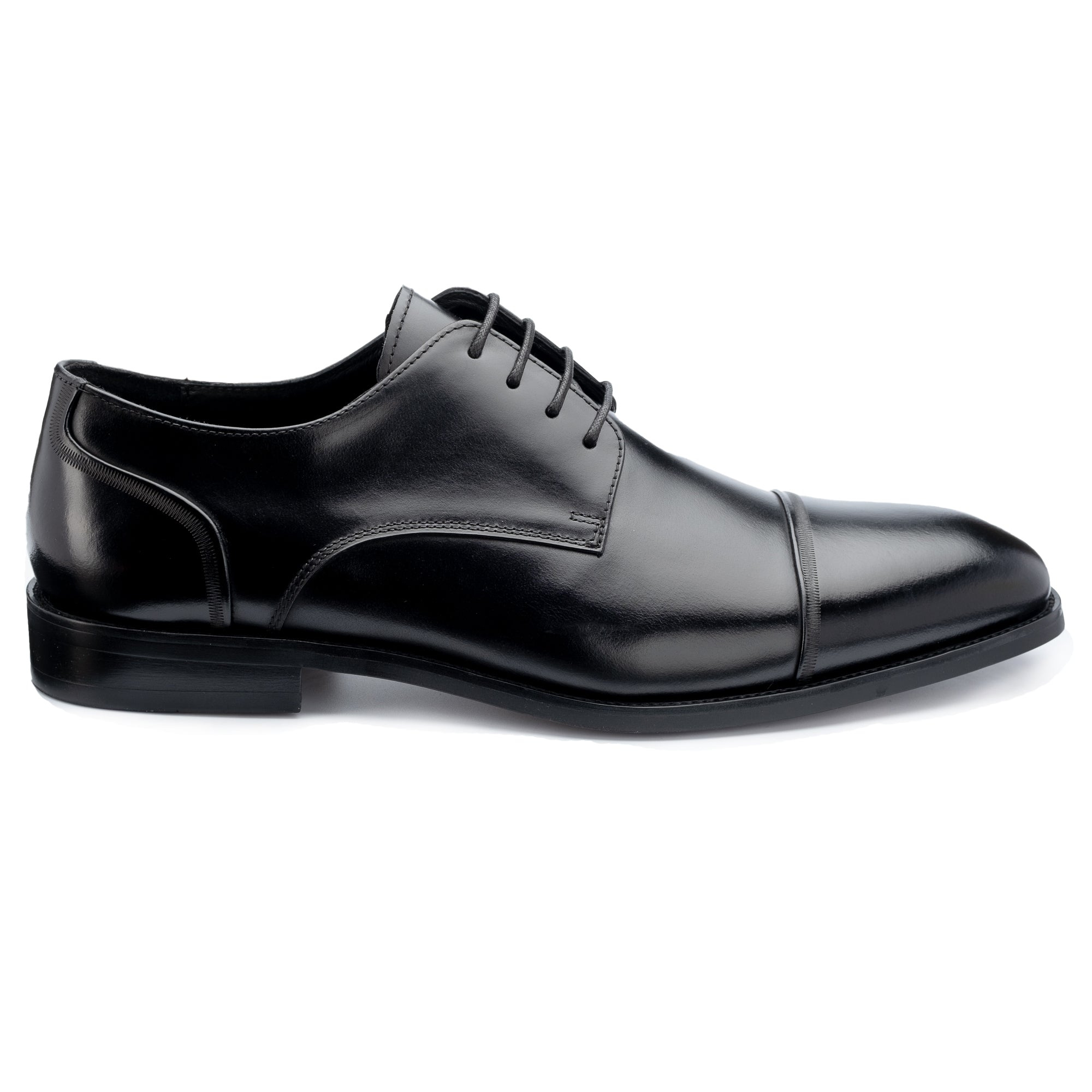
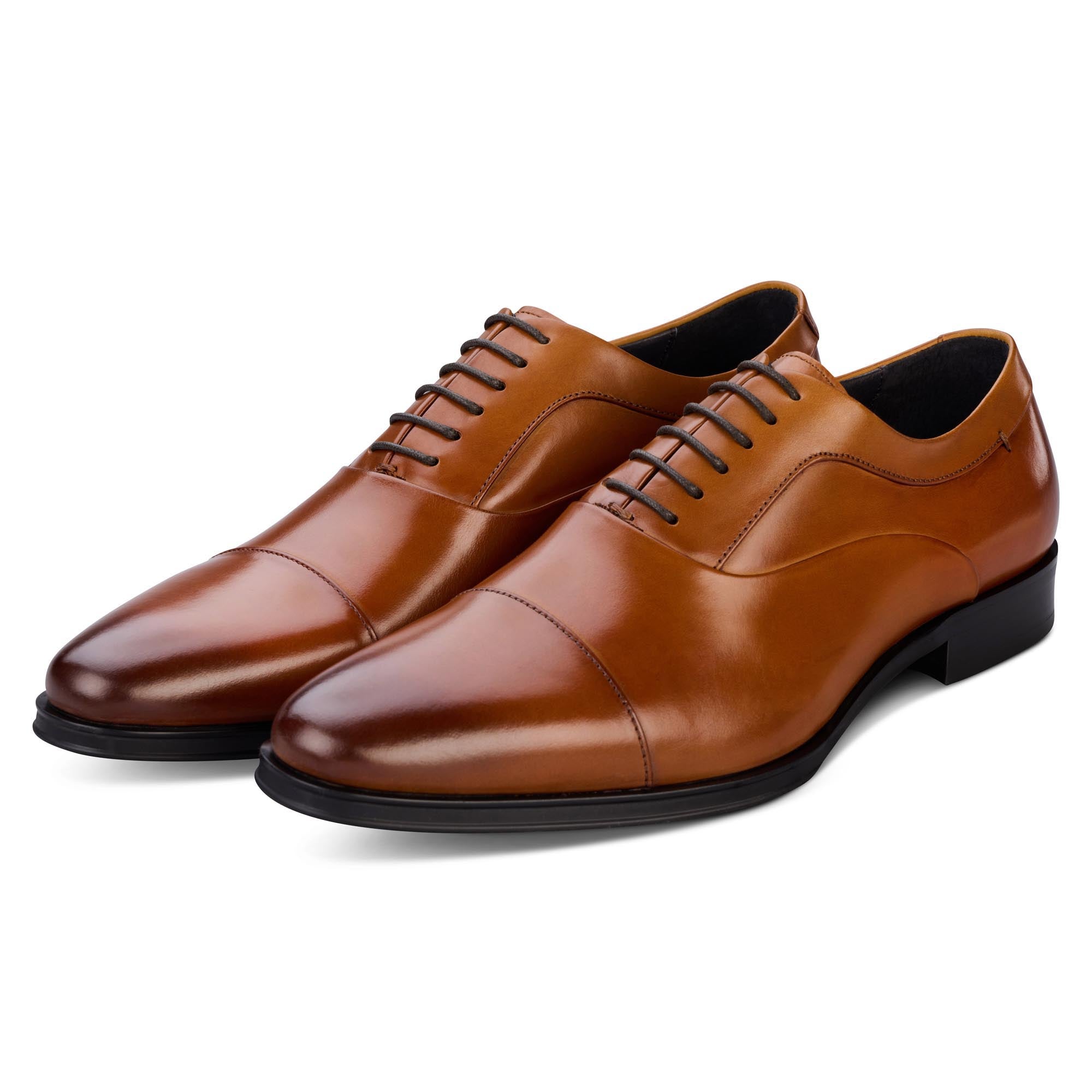
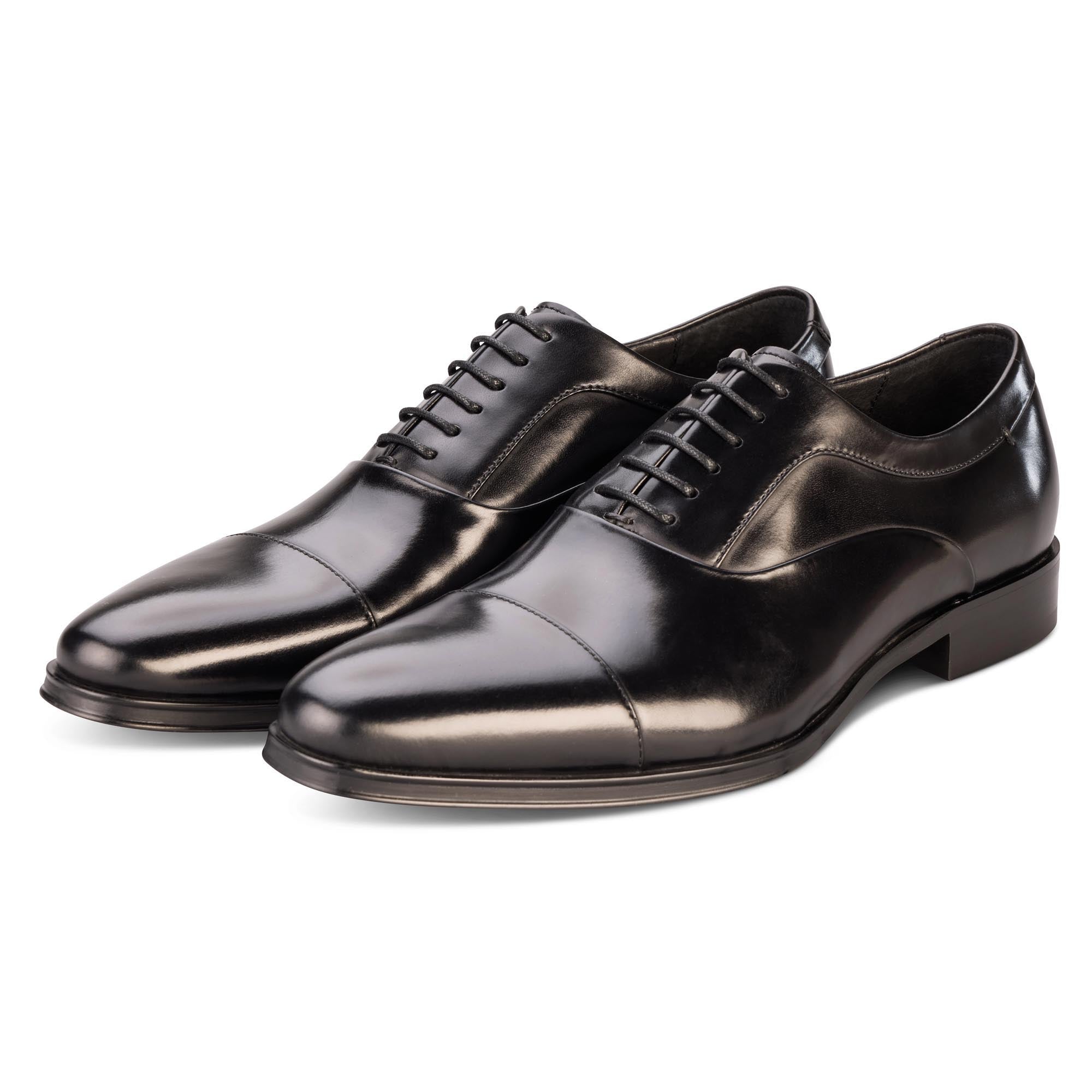
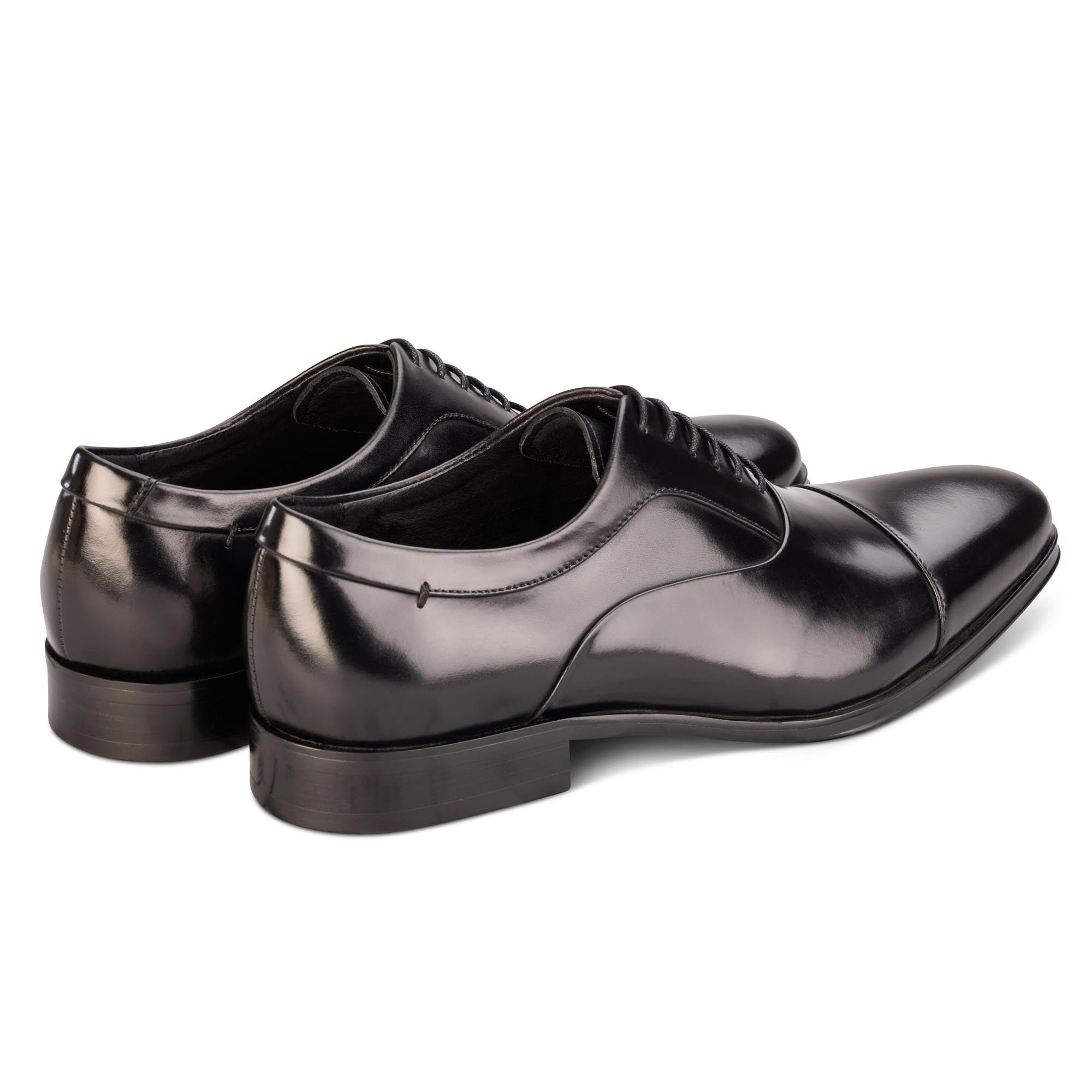
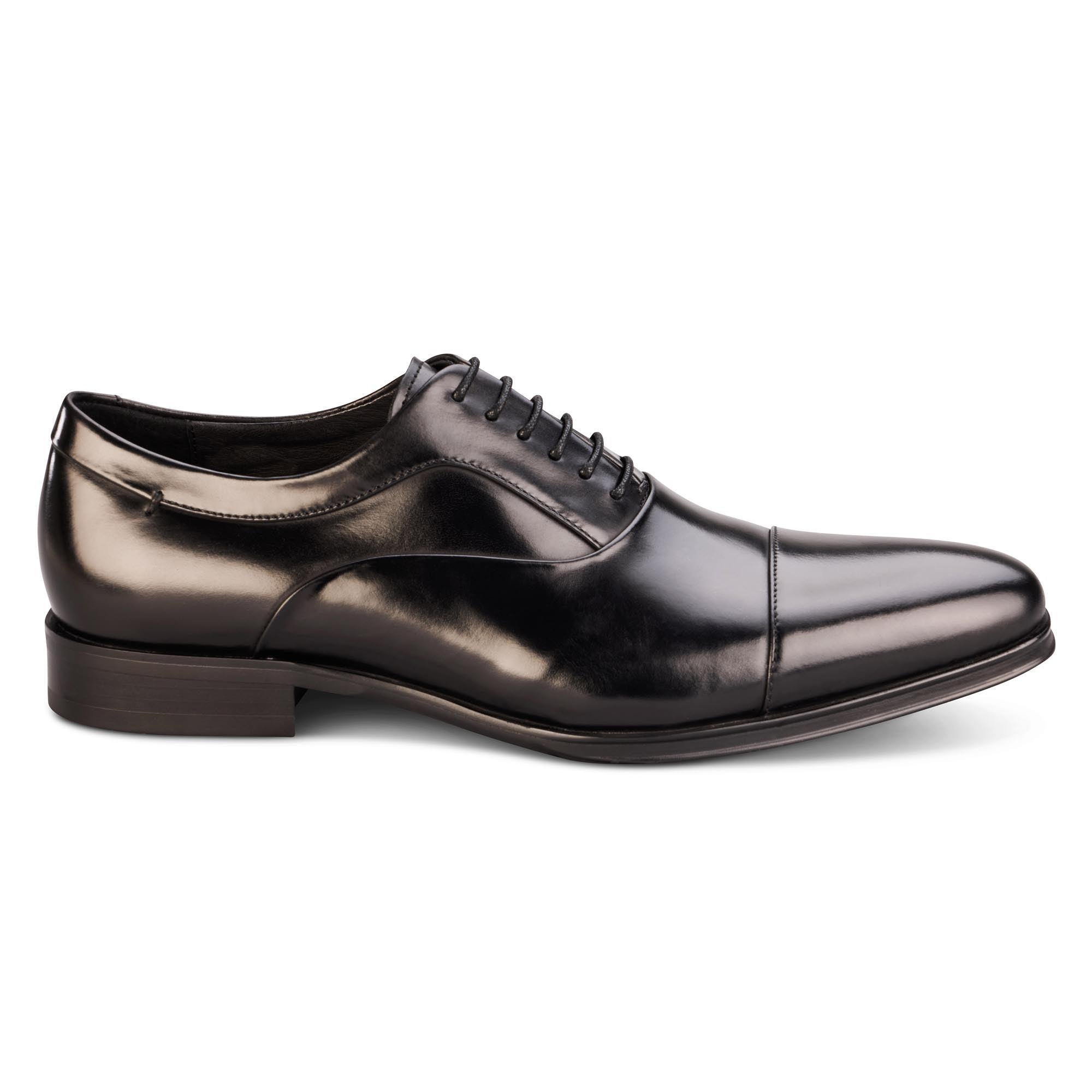
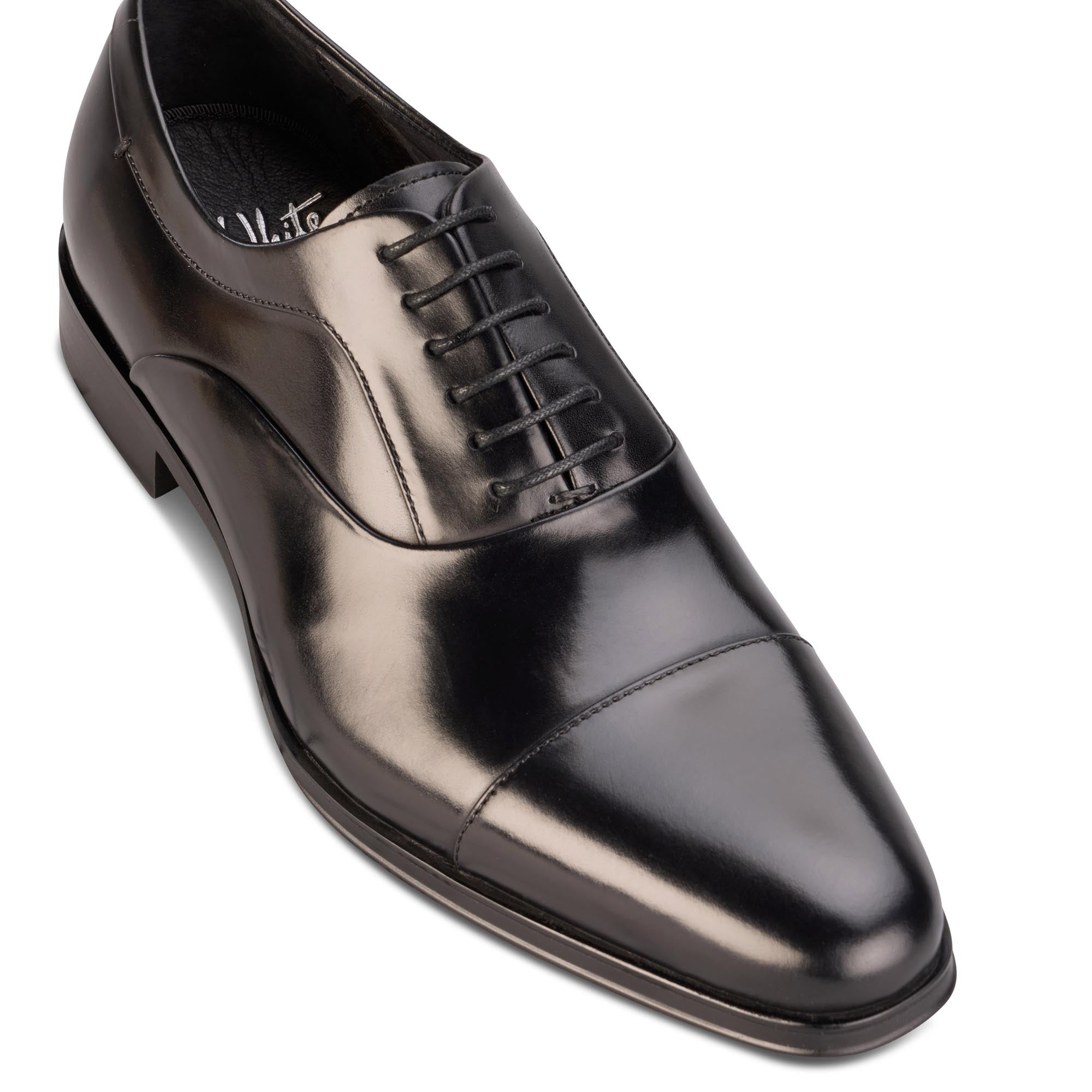
1. The Apex of Formality: The Black Cap-Toe Oxford
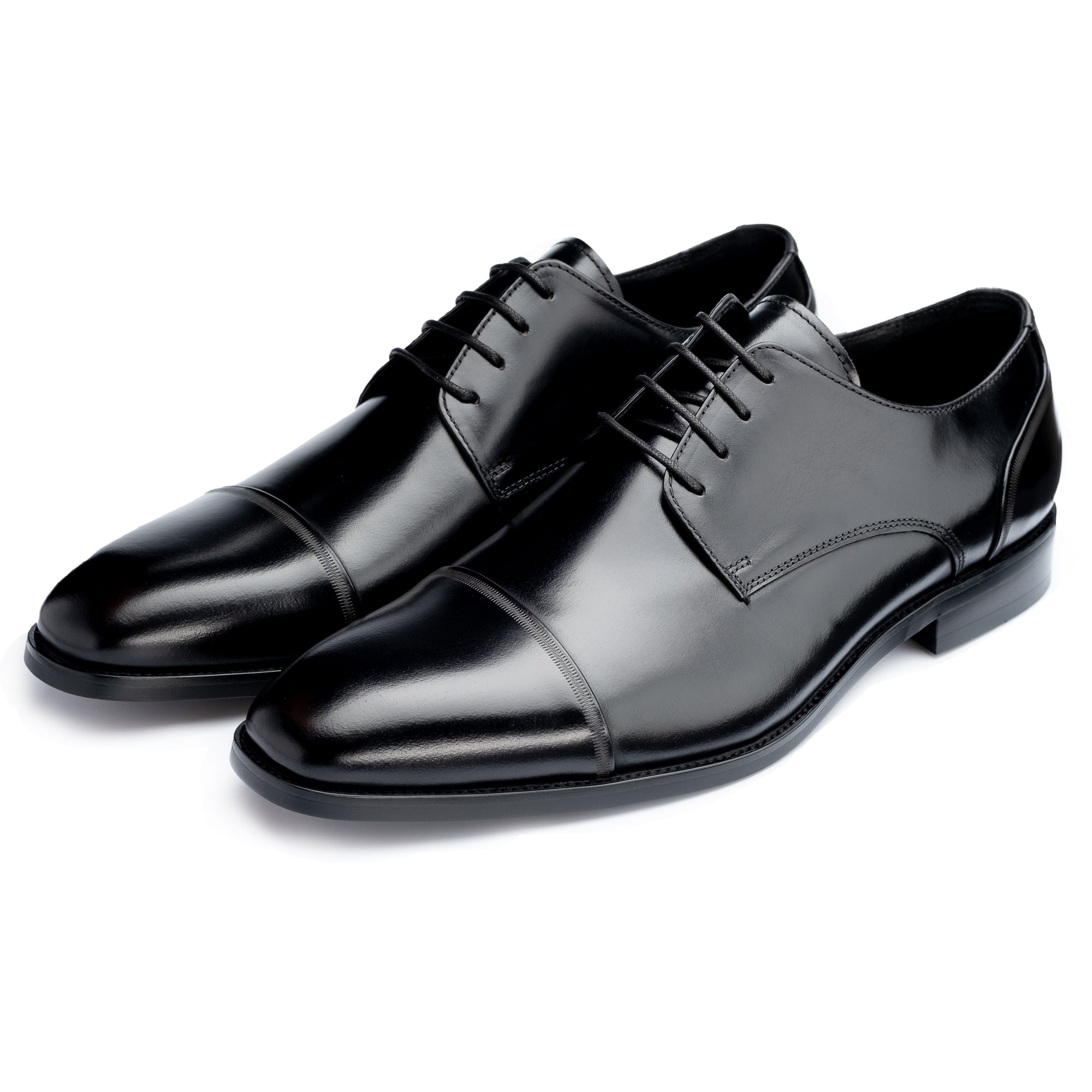
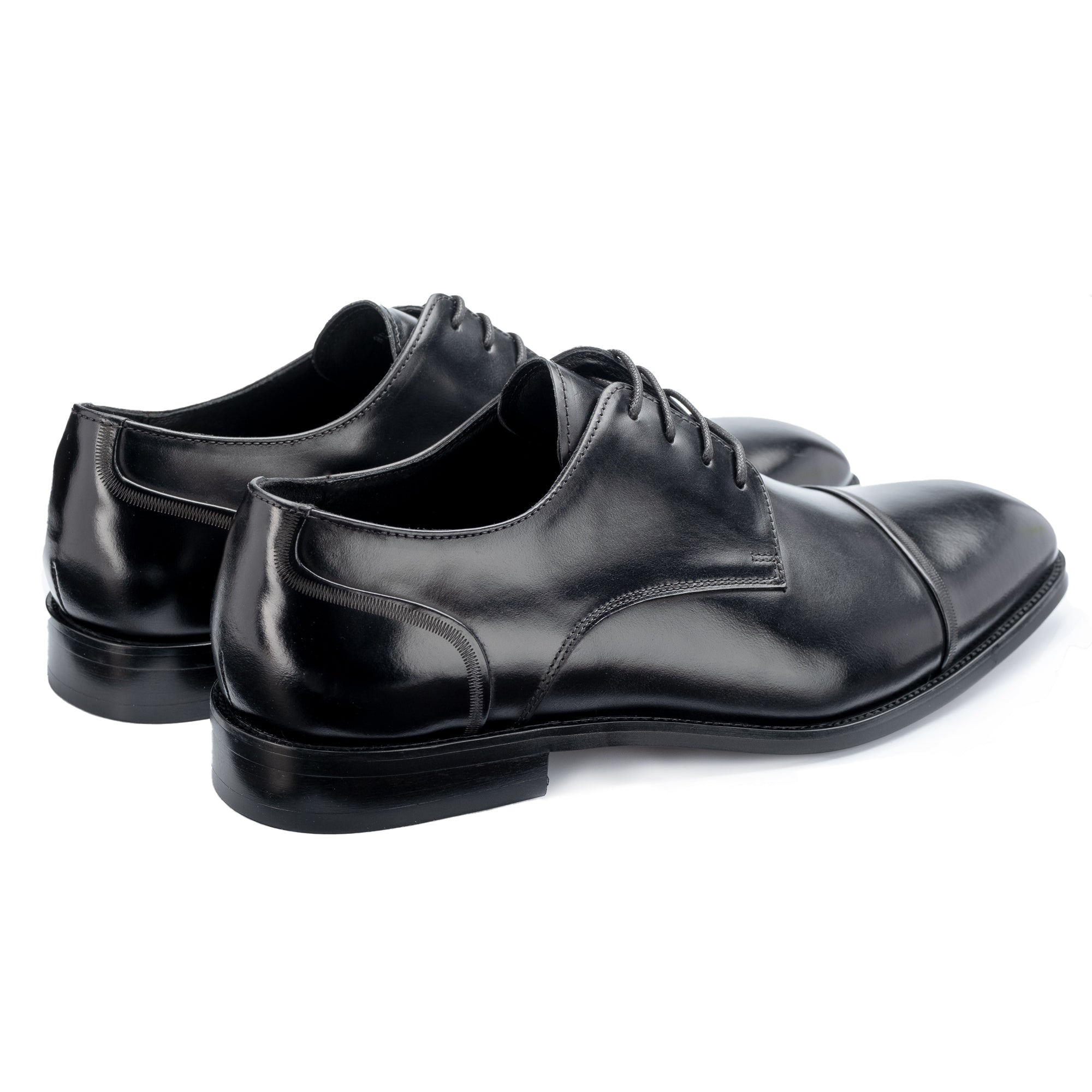
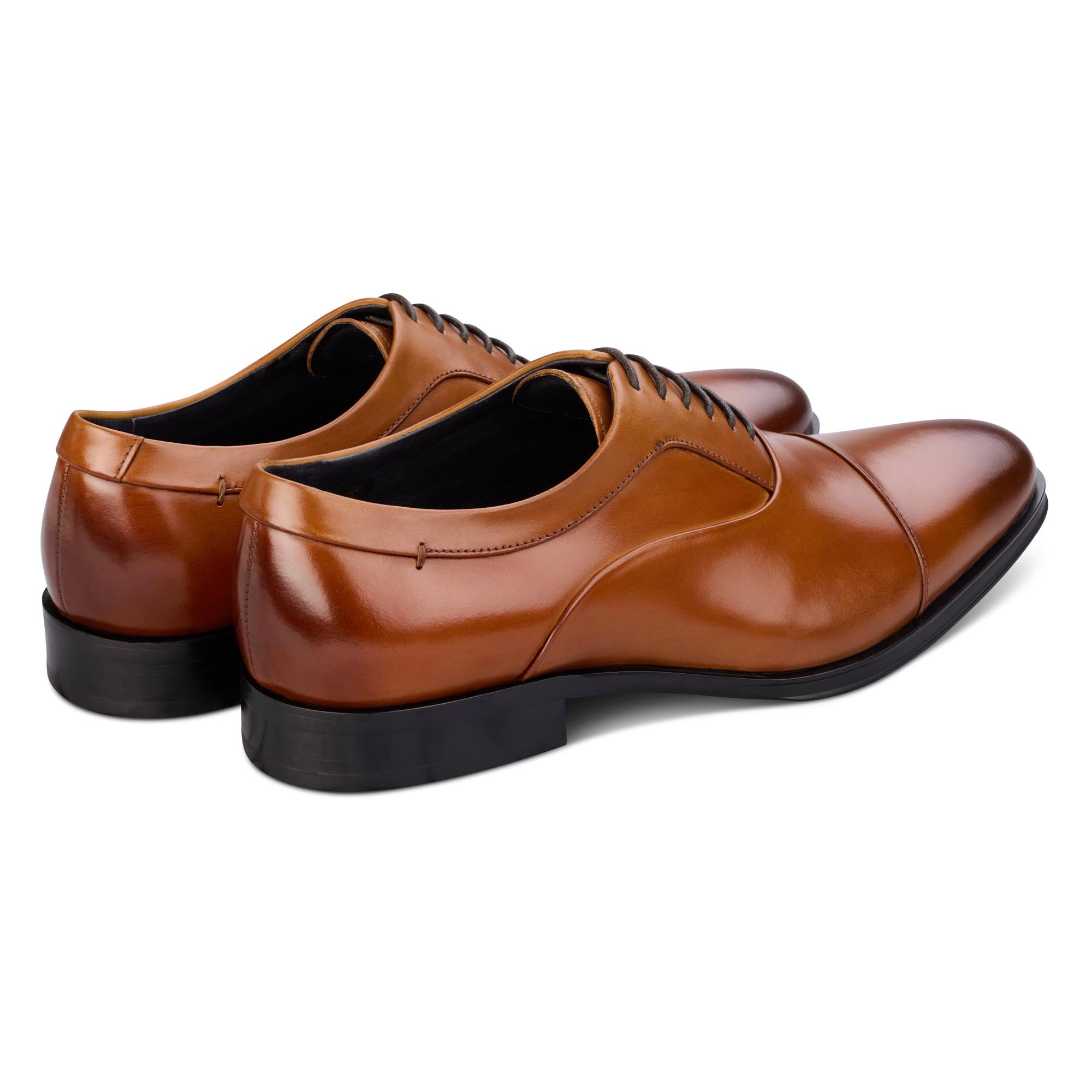
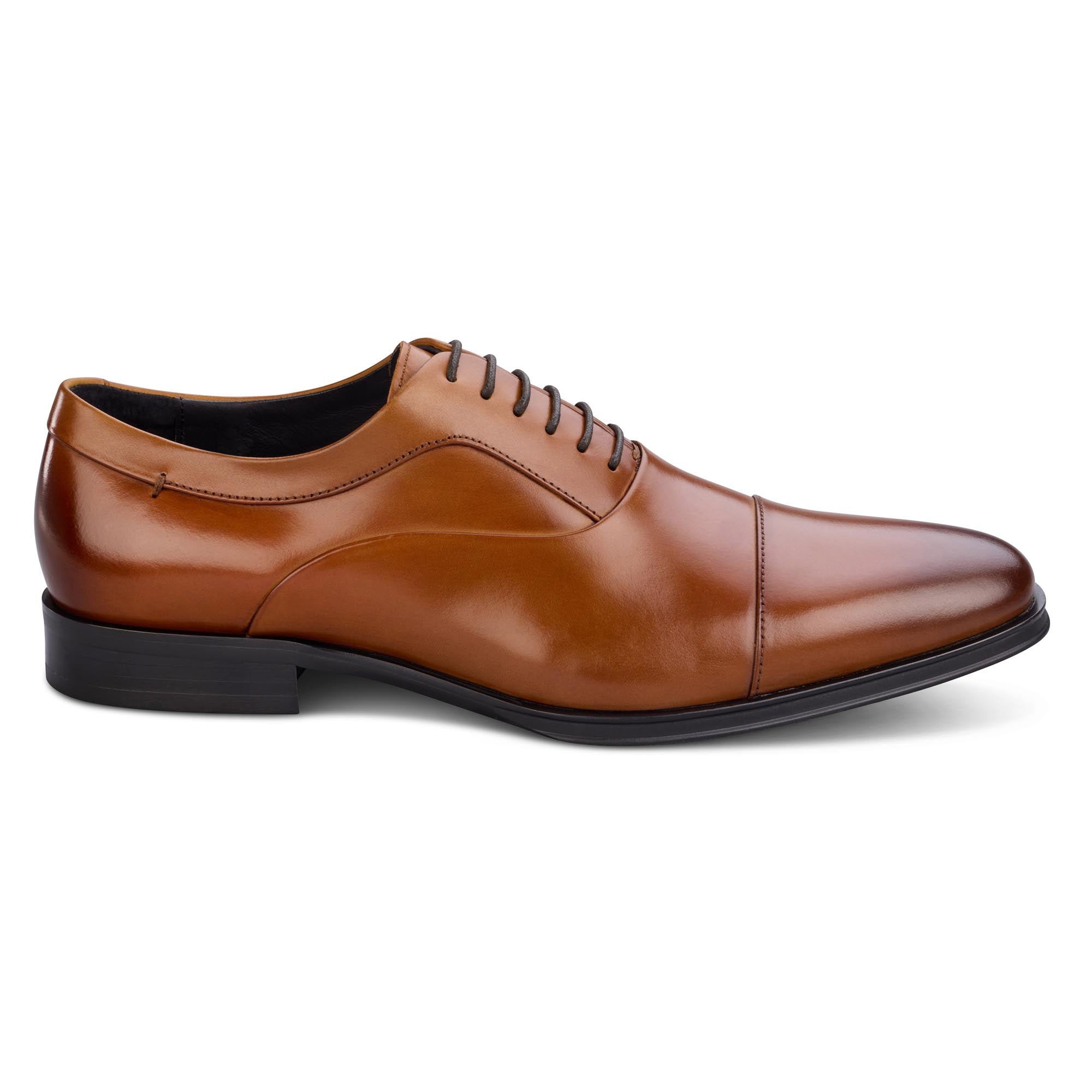
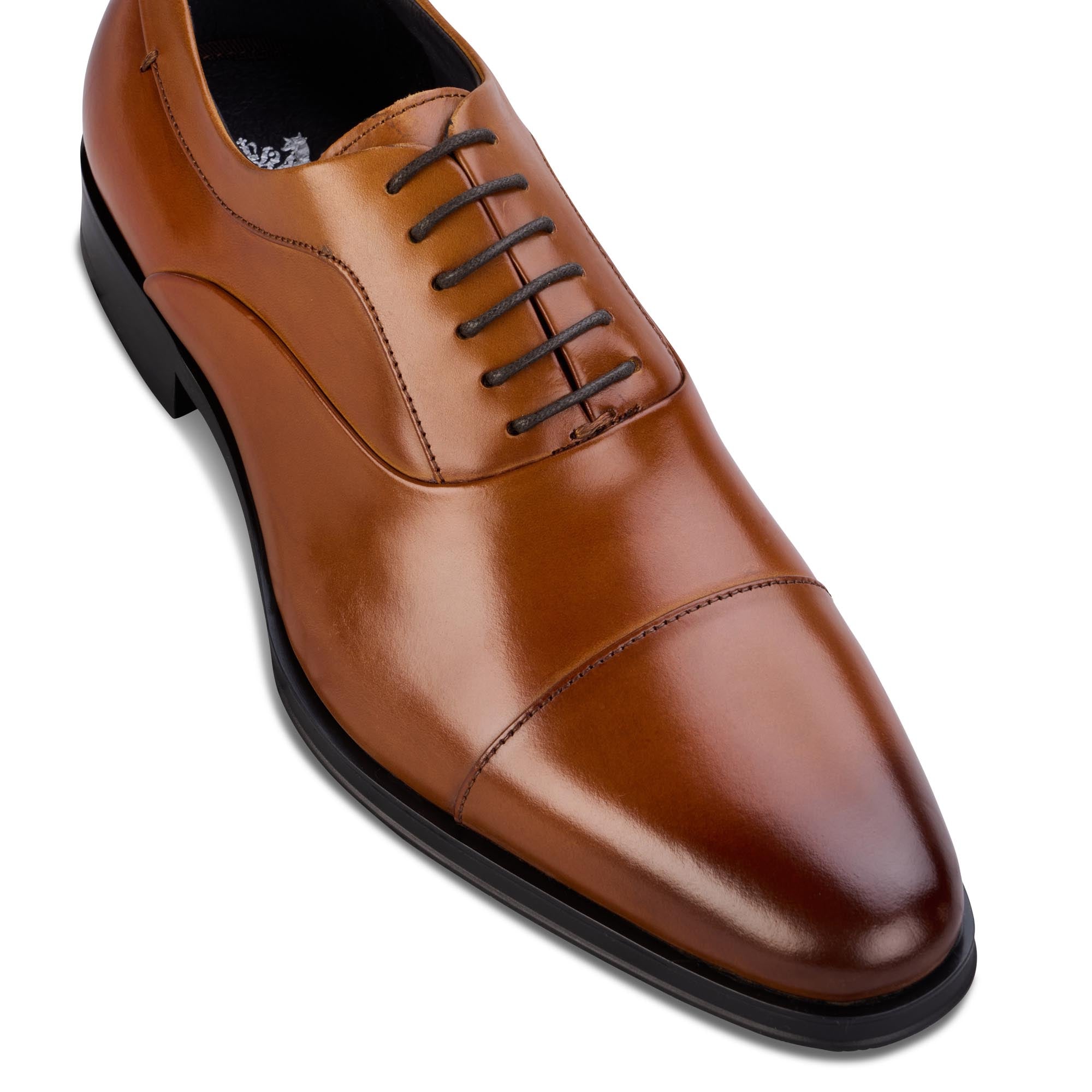
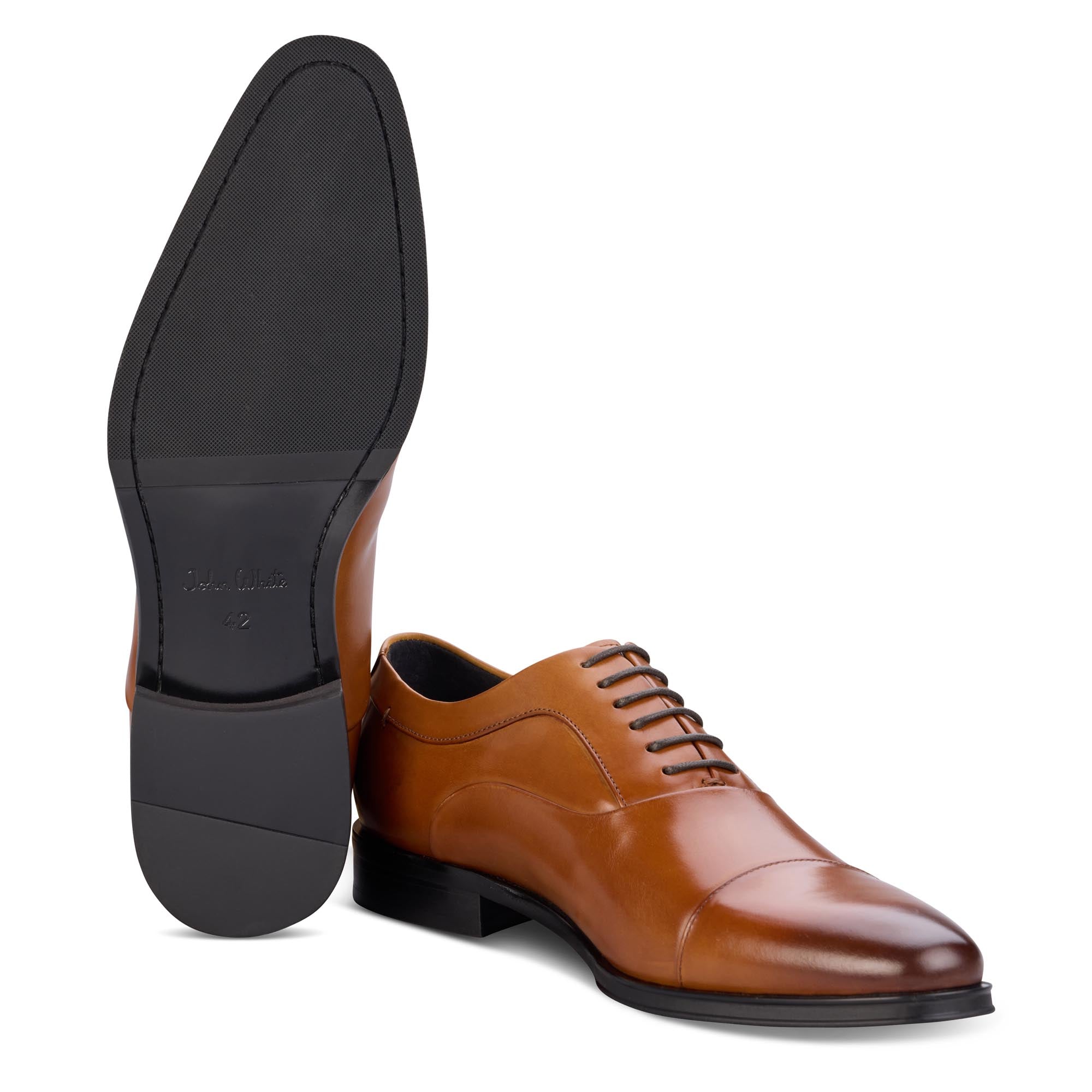
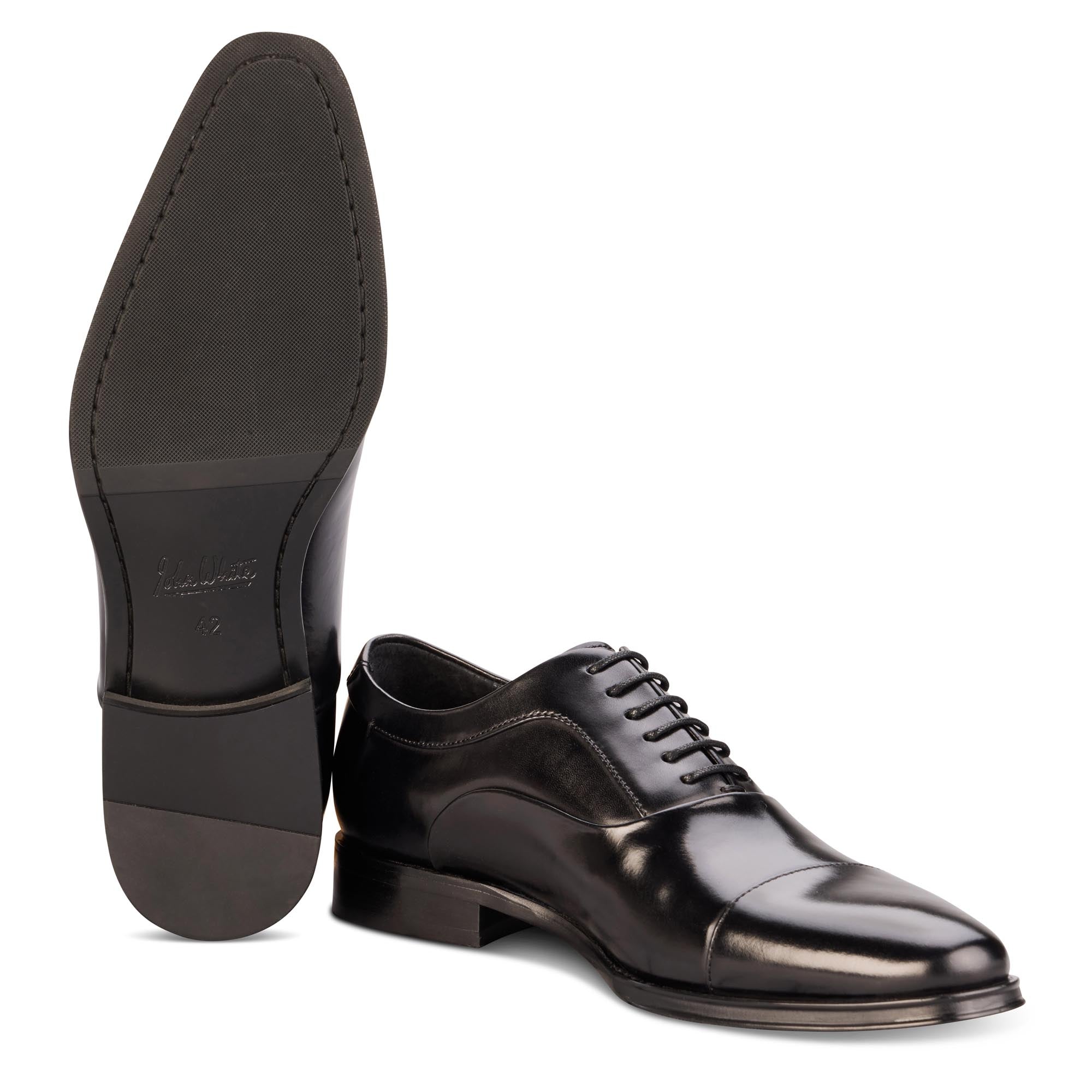
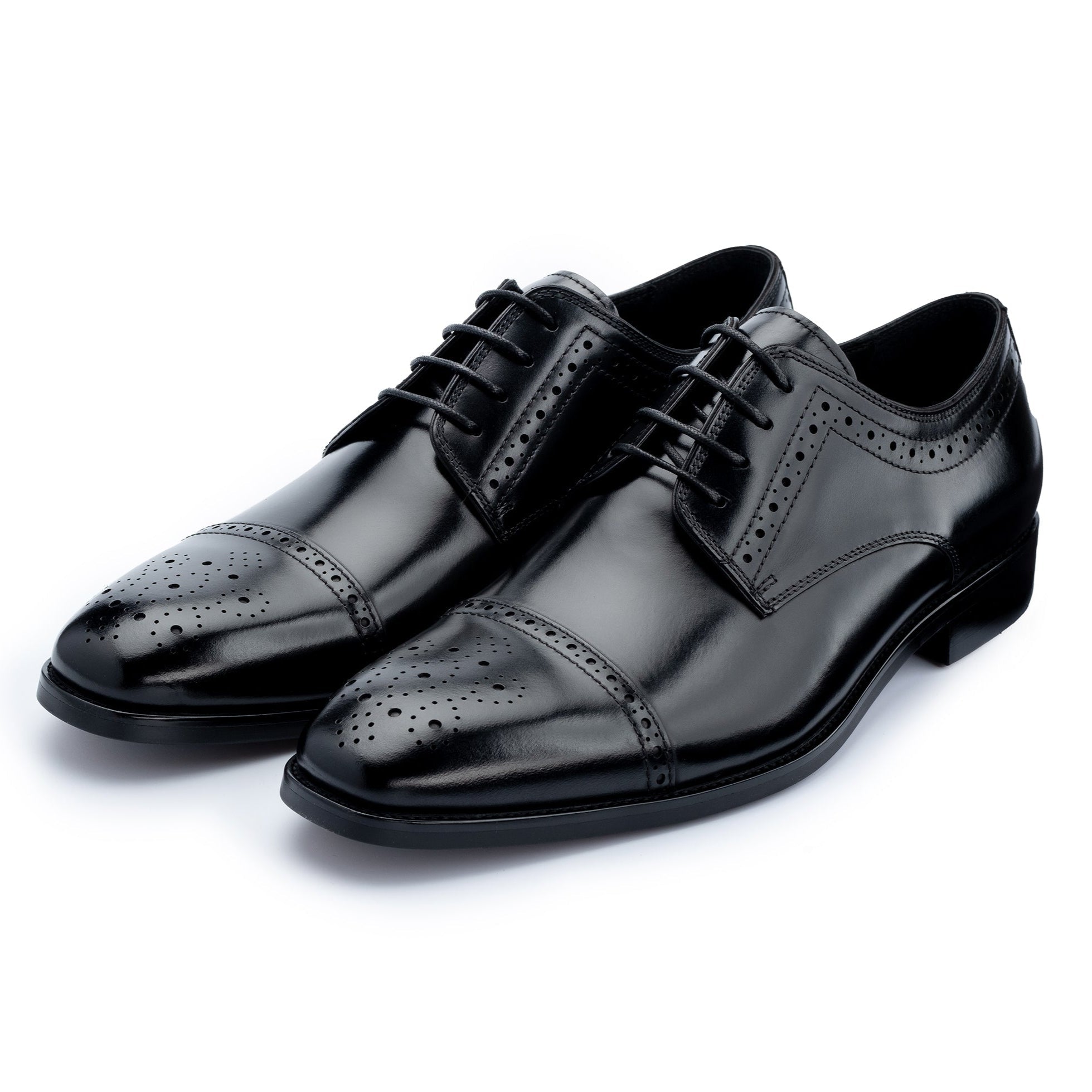
The Oxford is a shoe defined by its closed lacing system, creating a clean and elegant silhouette. In black calf leather with a simple cap toe, it is the most formal shoe a man can own, short of patent leather court shoes for white tie events. It is the gold standard for business wear, formal occasions, and solemn events.
Its clean lines complement the sharp tailoring of a suit perfectly. While tan or brown Oxfords exist, the black version remains the most formal. For an impeccable choice for any serious business or formal engagement, we recommend the Guildhall Capped Oxford in Black.
For a detailed breakdown of its construction, our guide on the differences between Oxford and Derby shoes is essential reading.
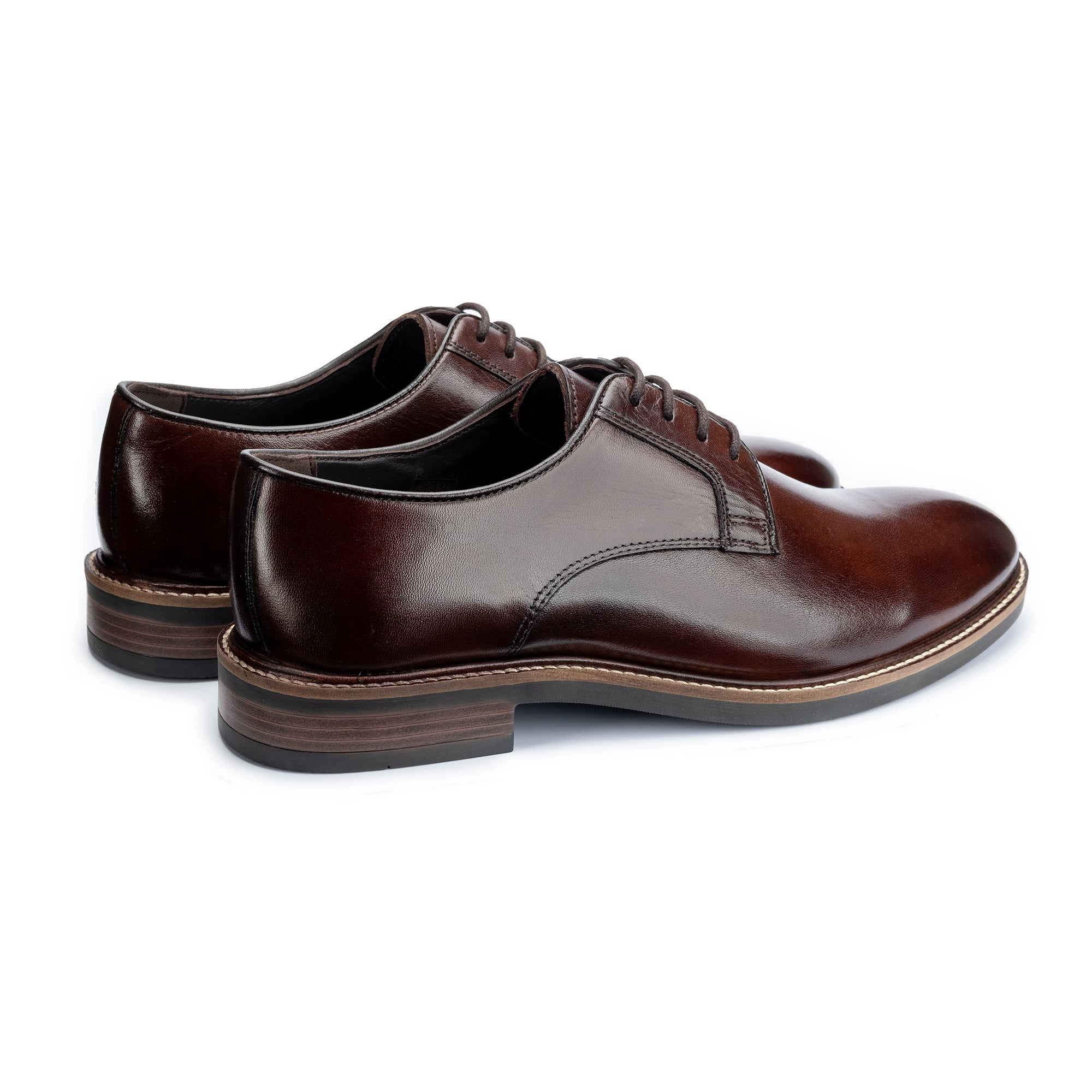
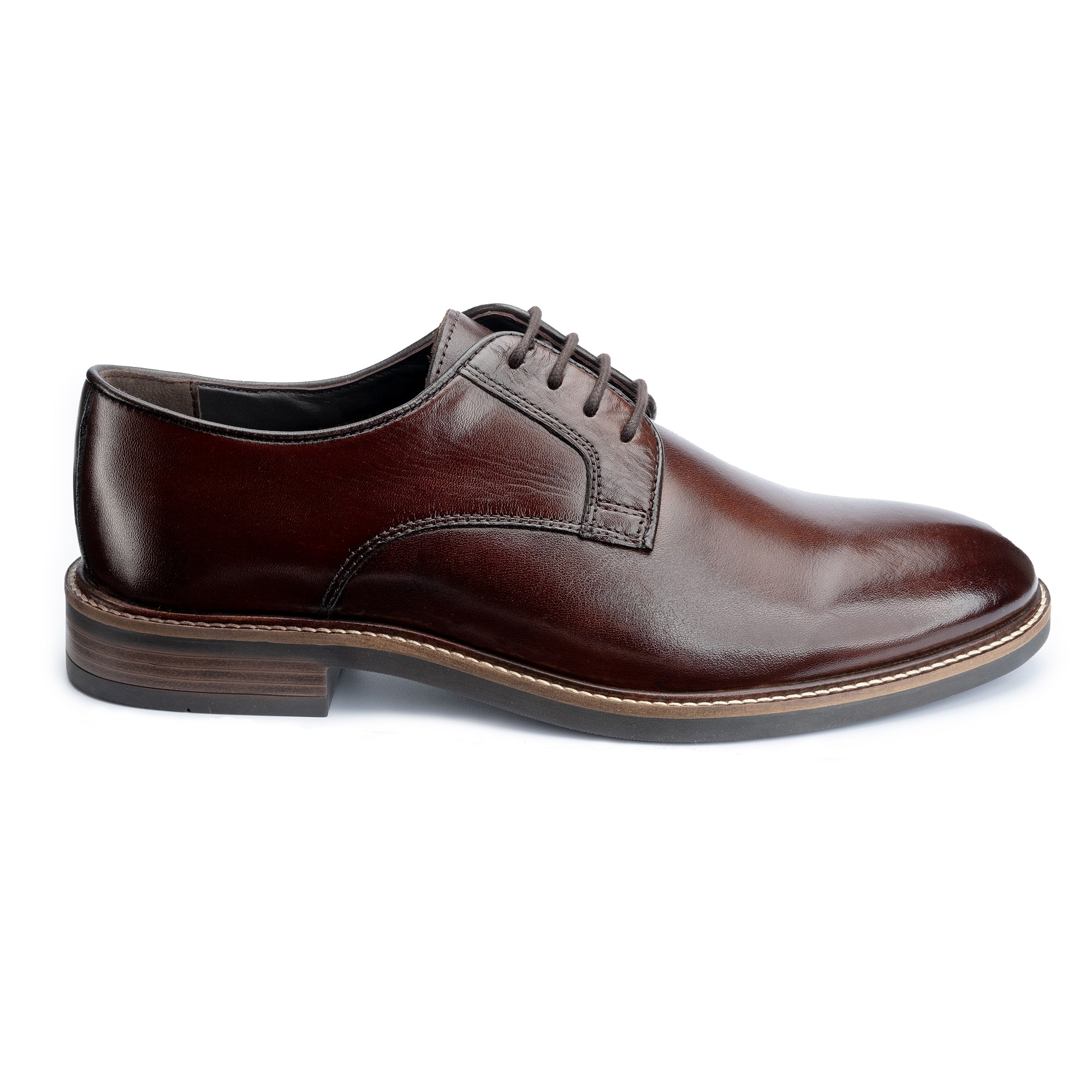
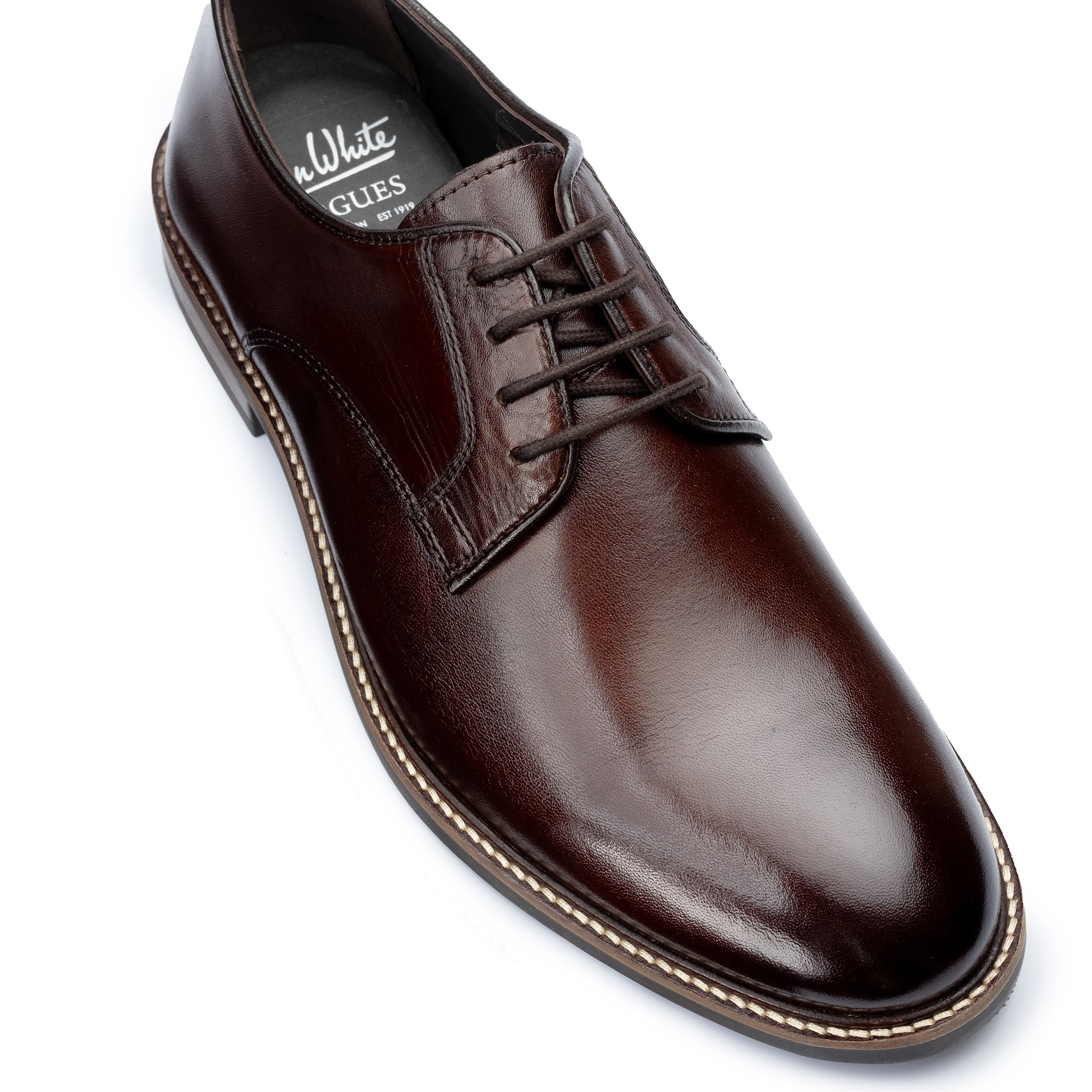
2. The Versatile Professional: The Derby Shoe
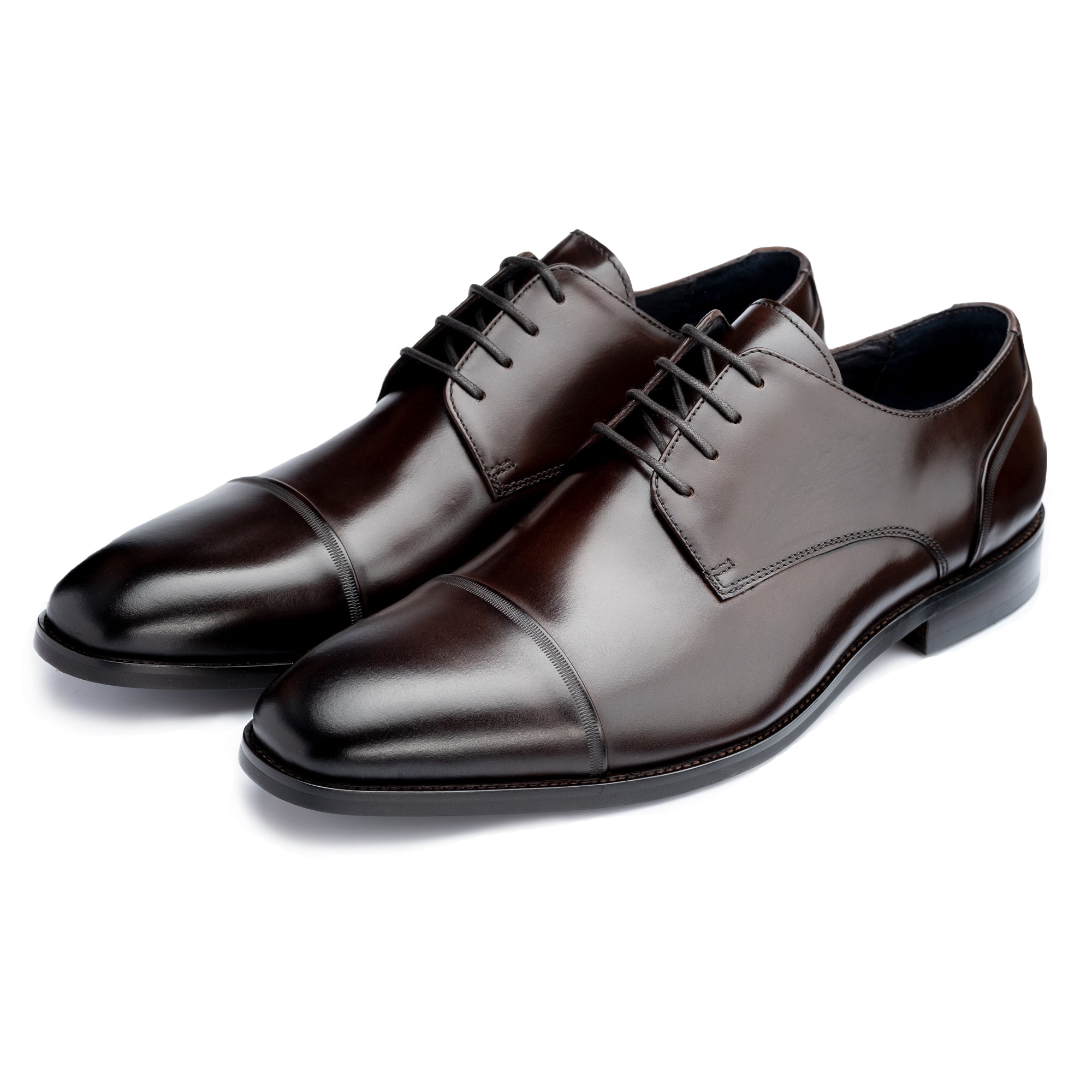
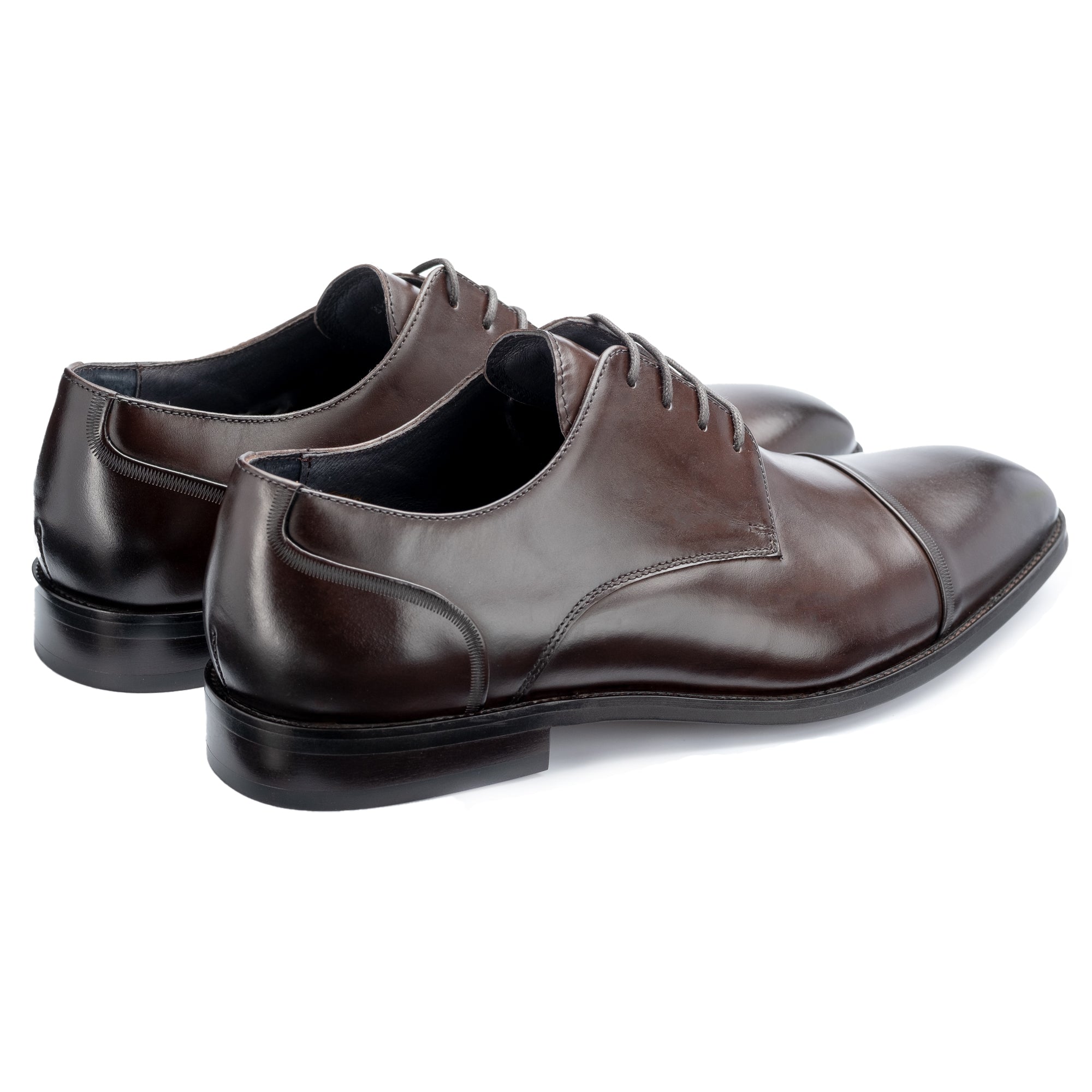
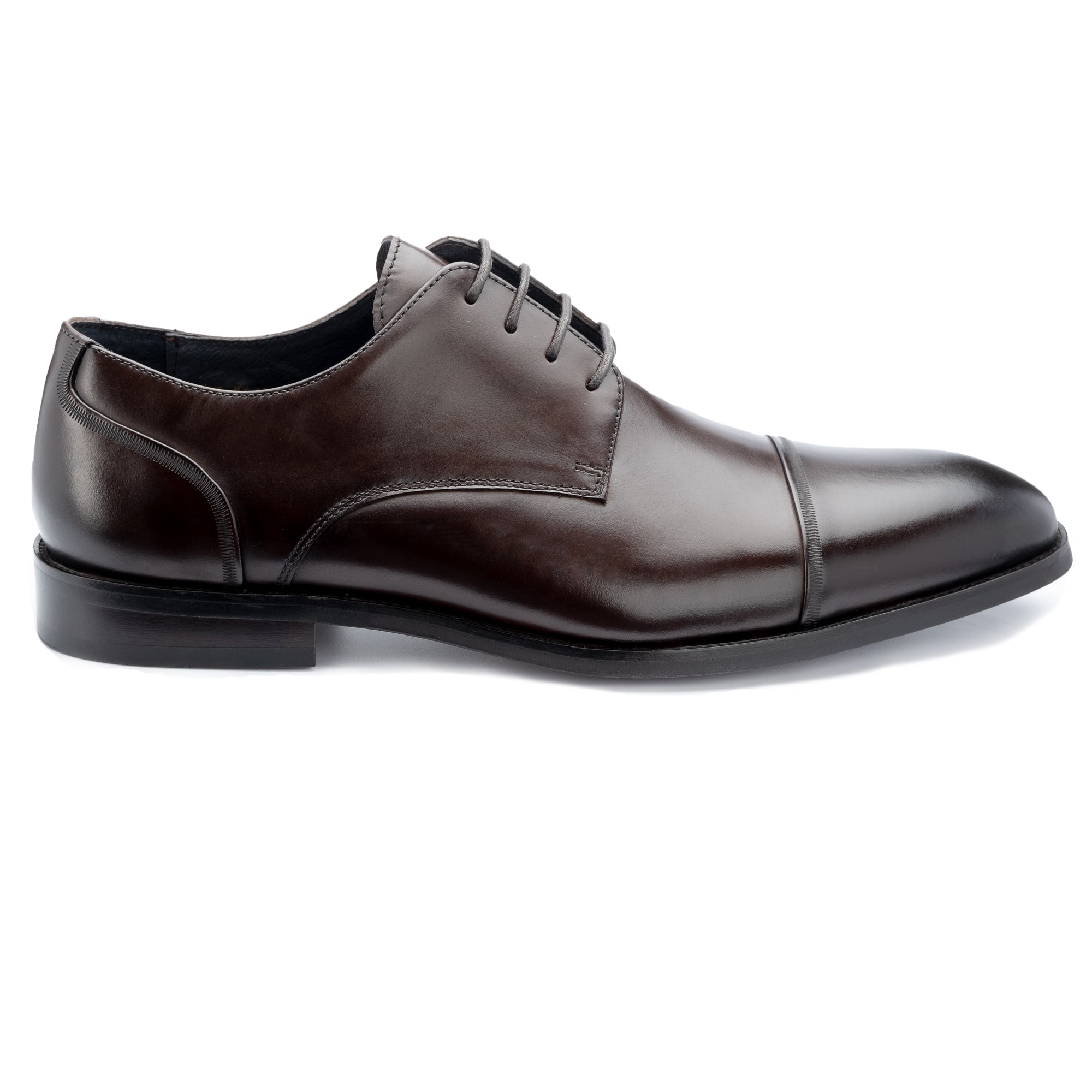
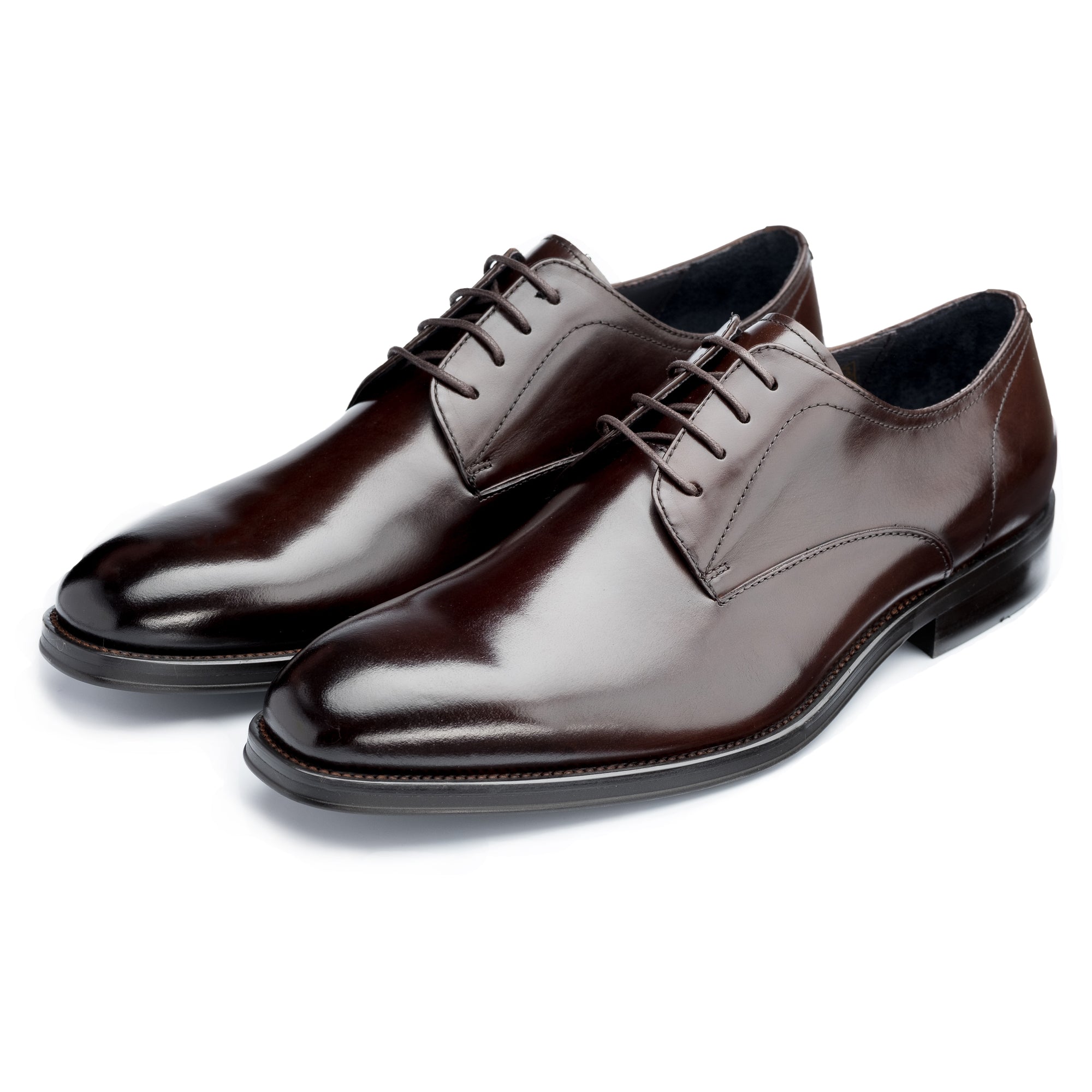
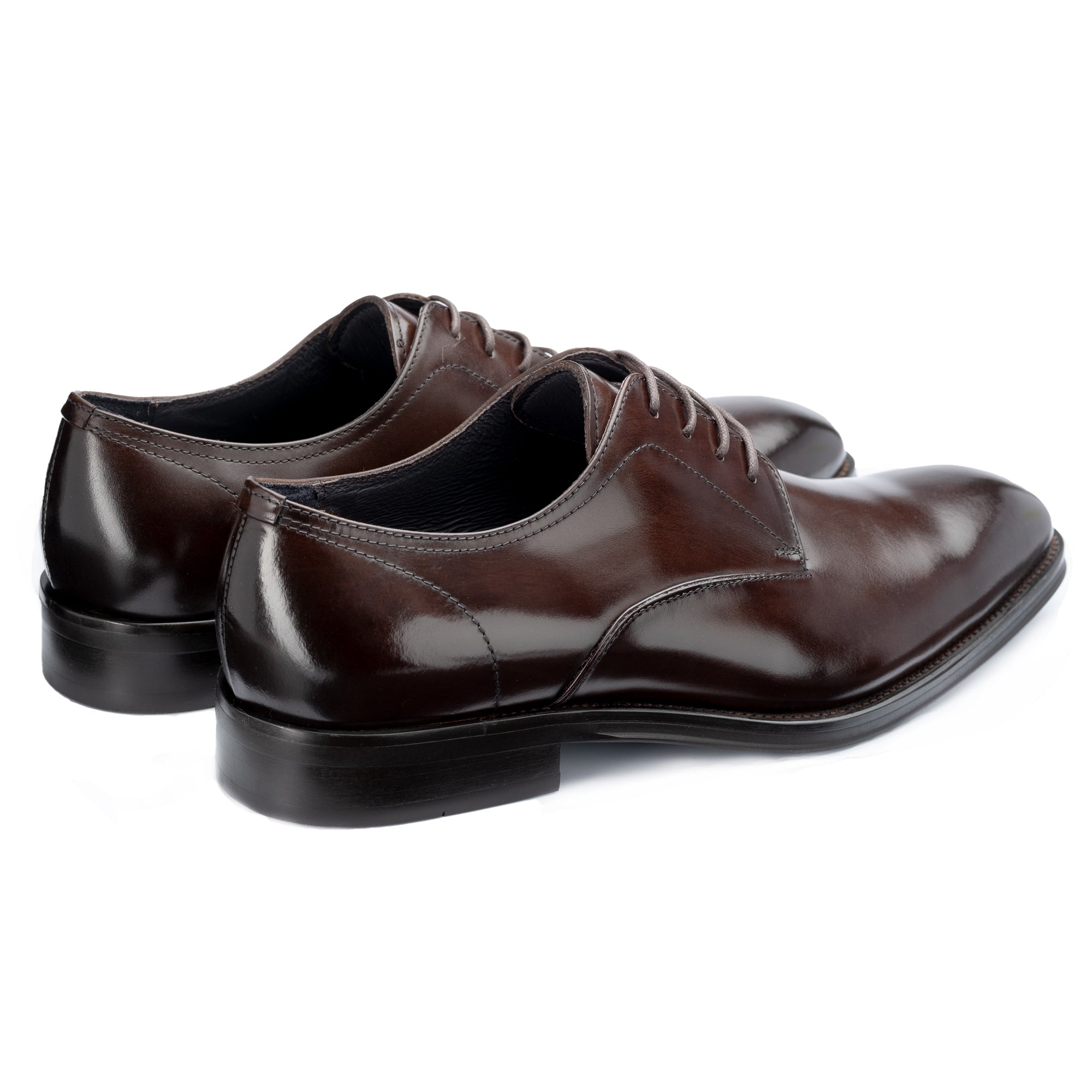
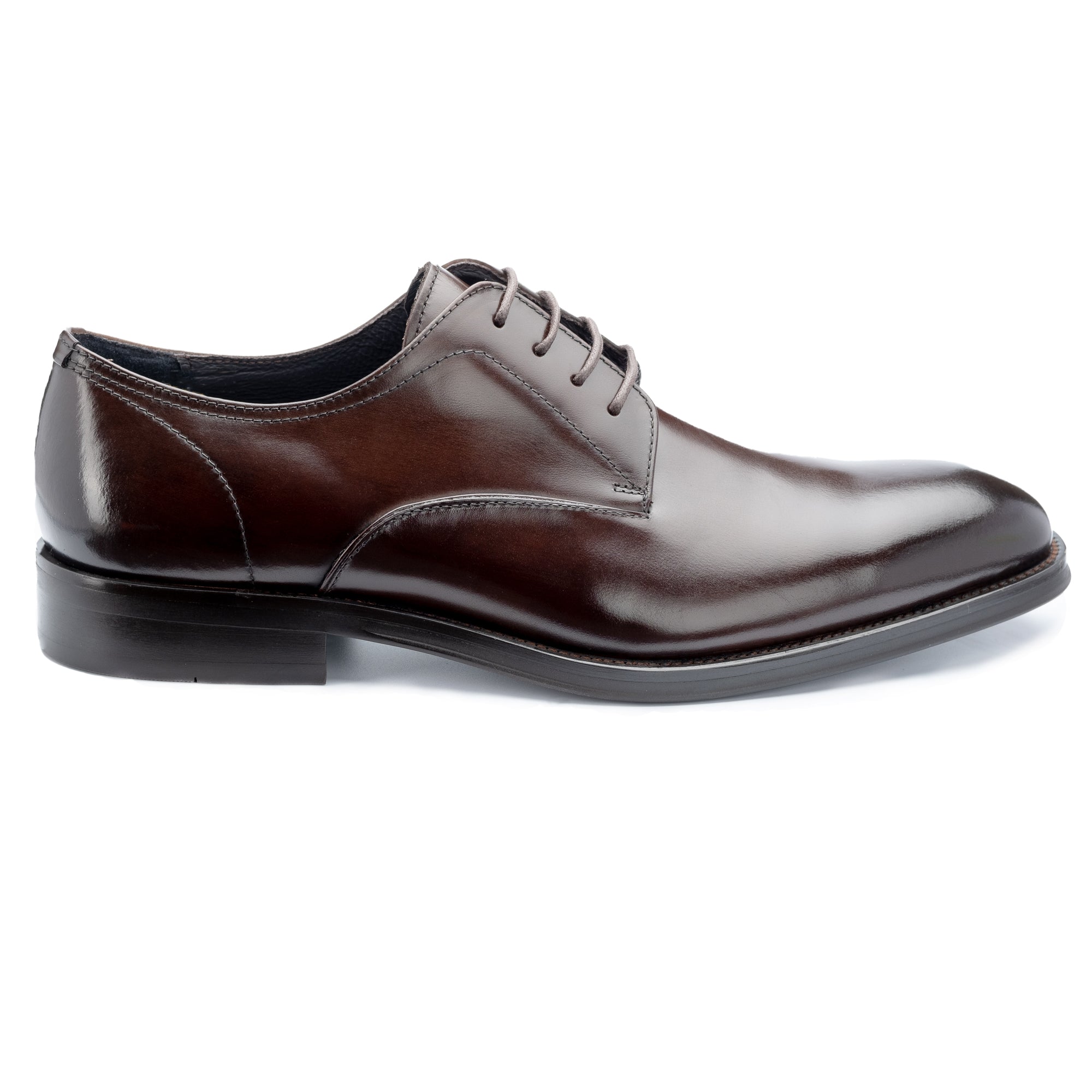
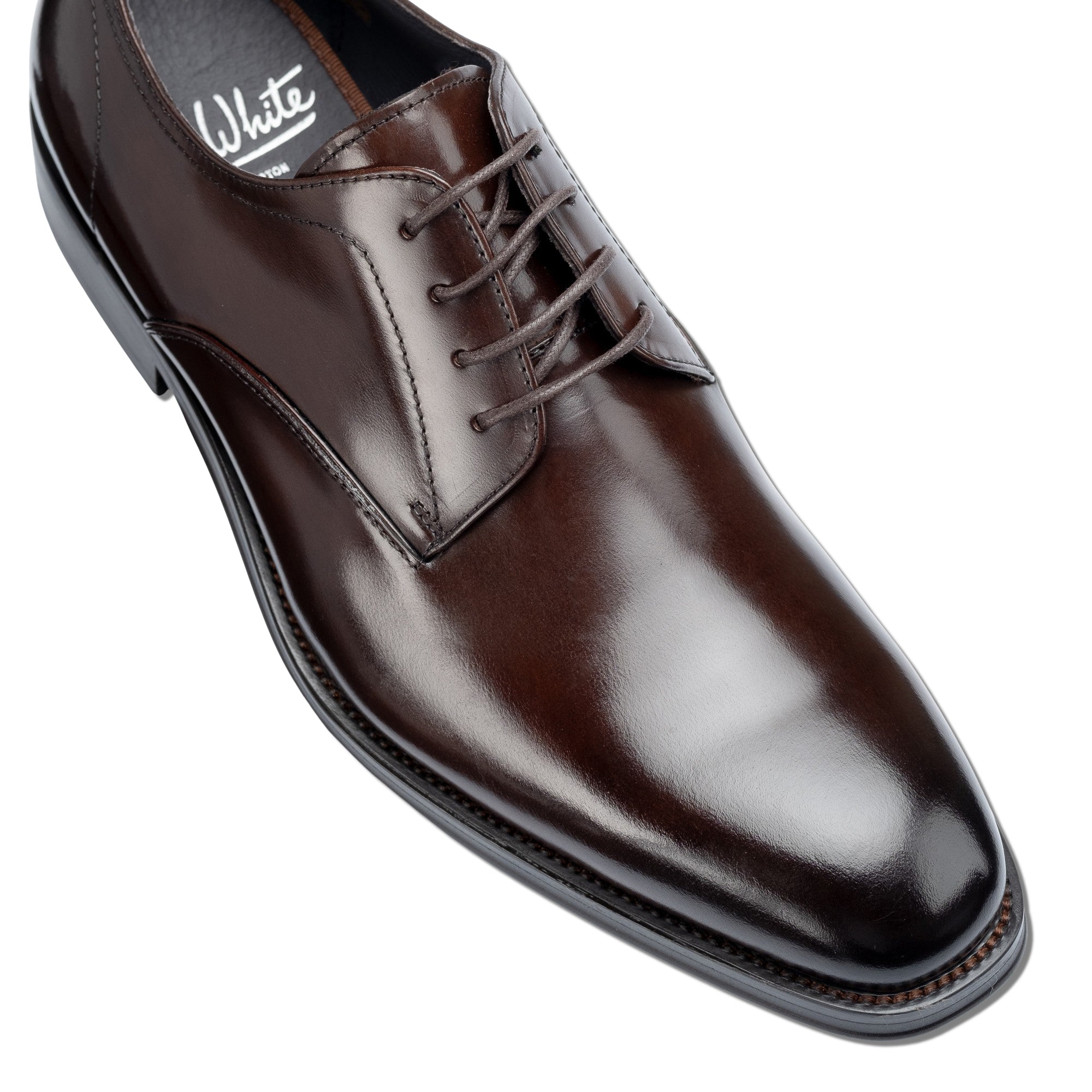
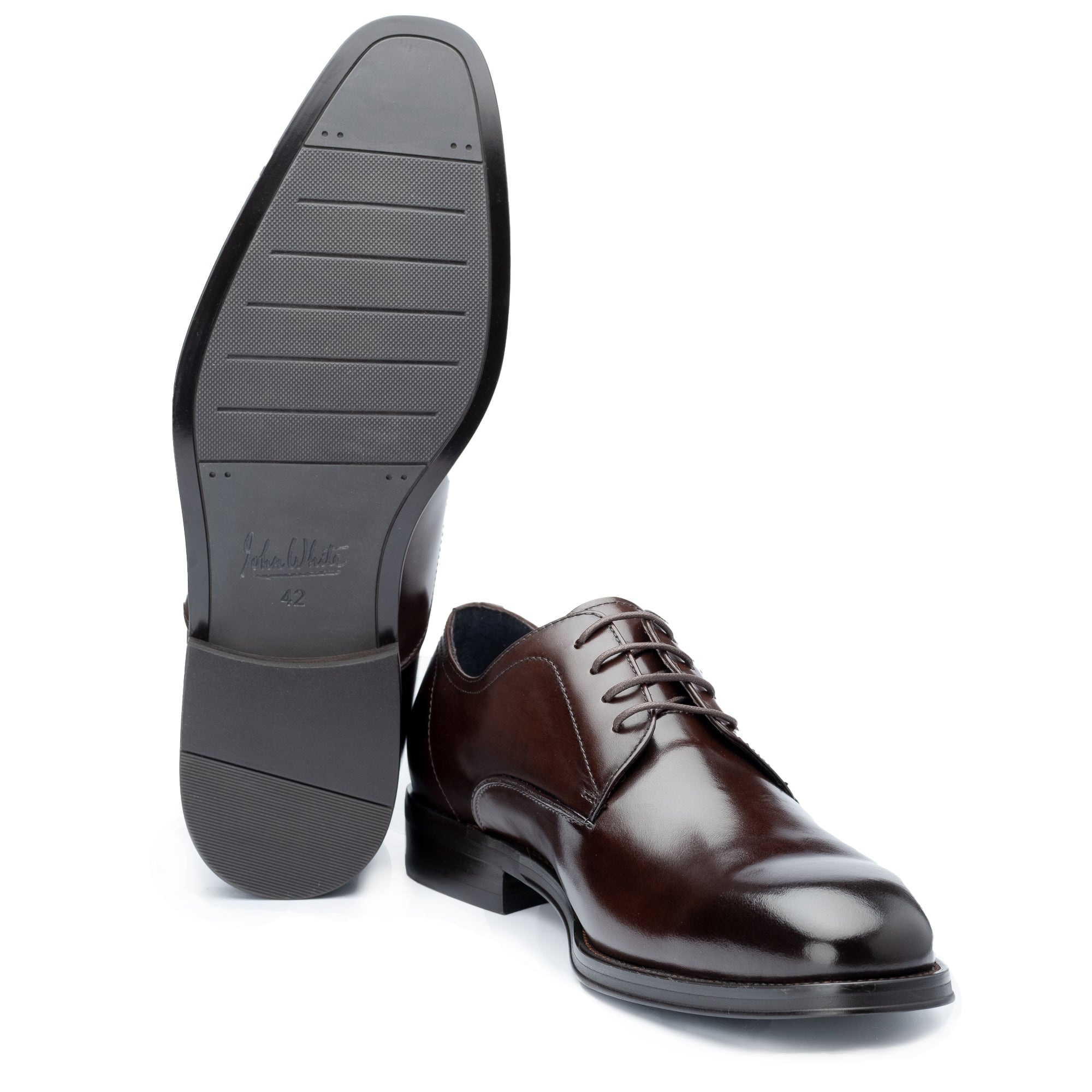
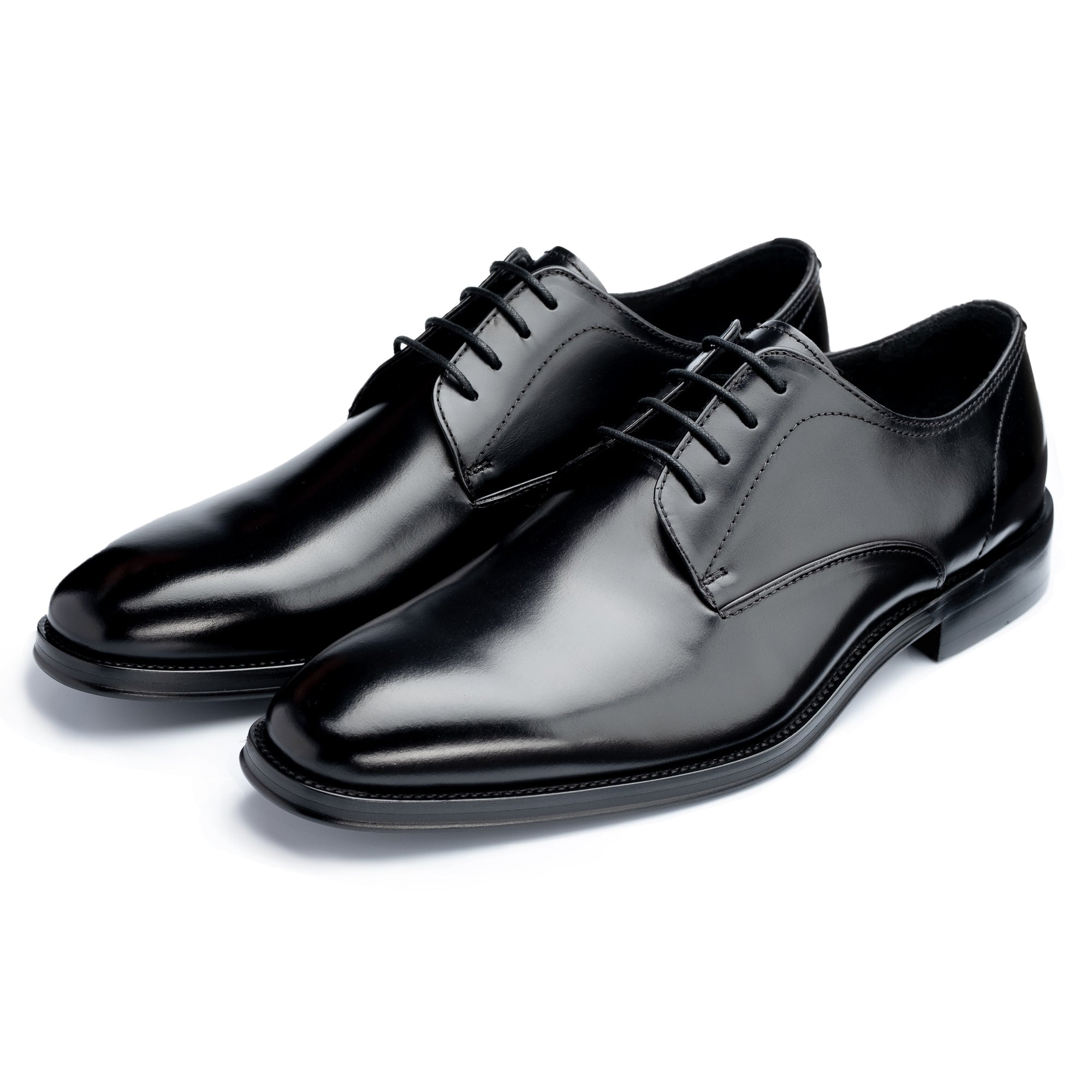
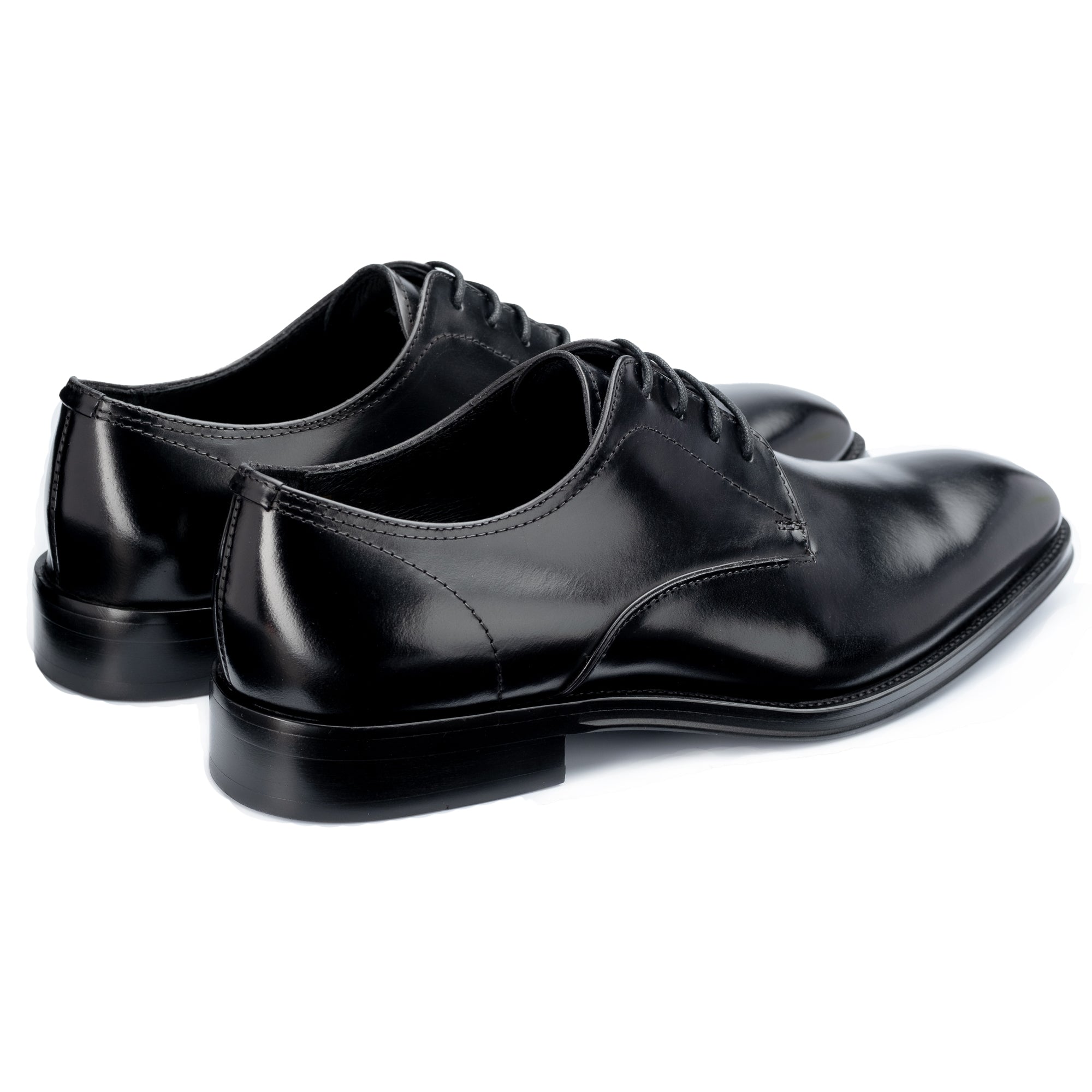
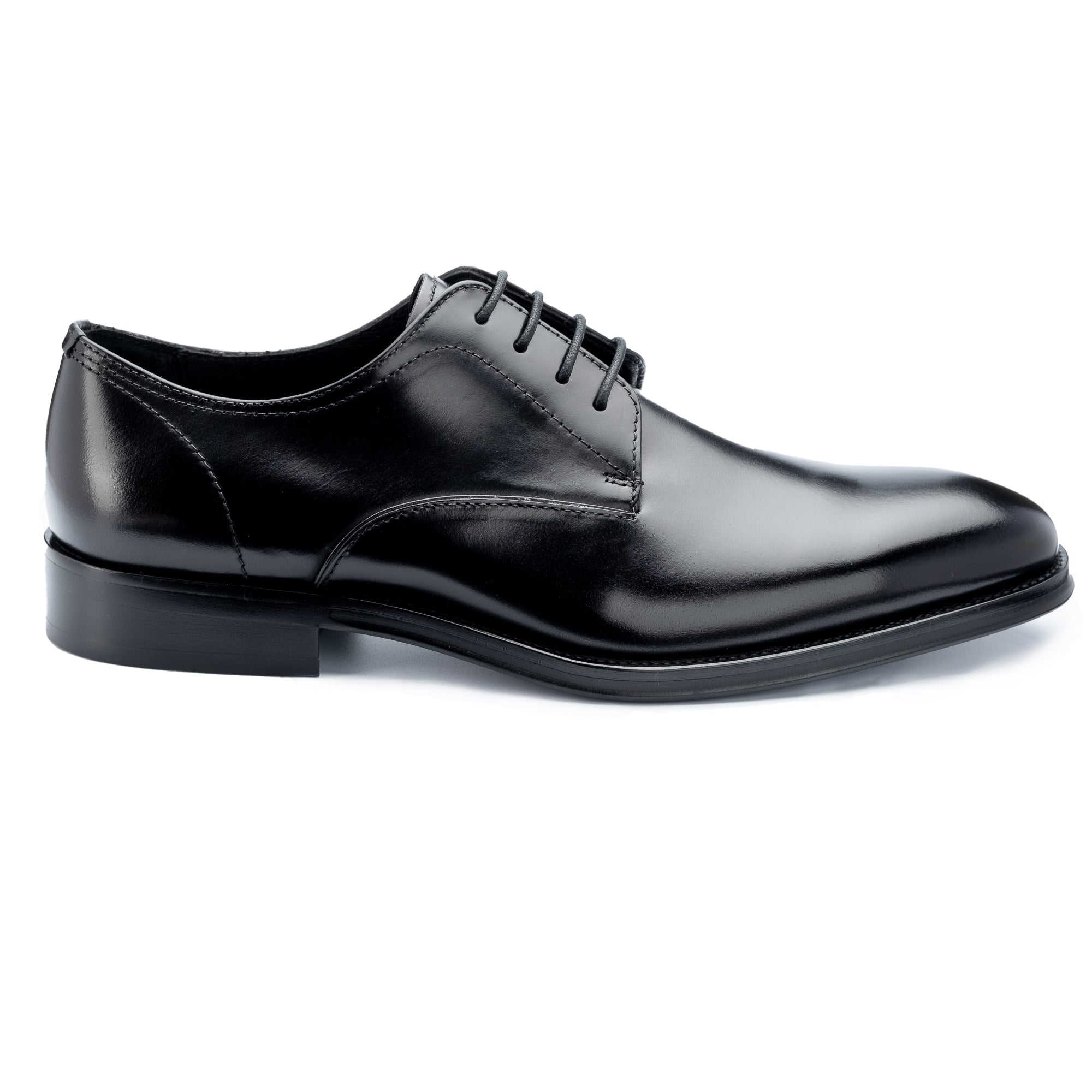
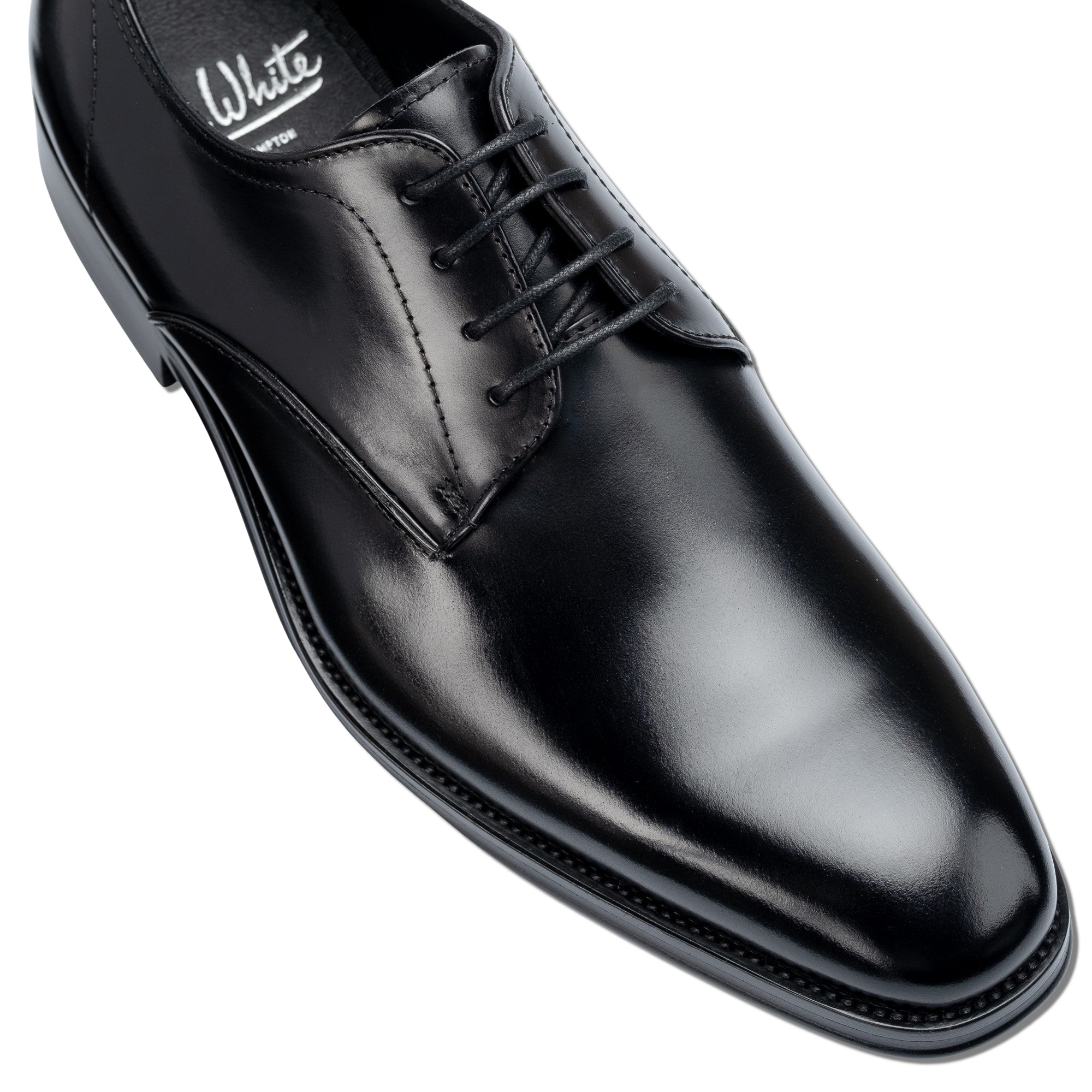
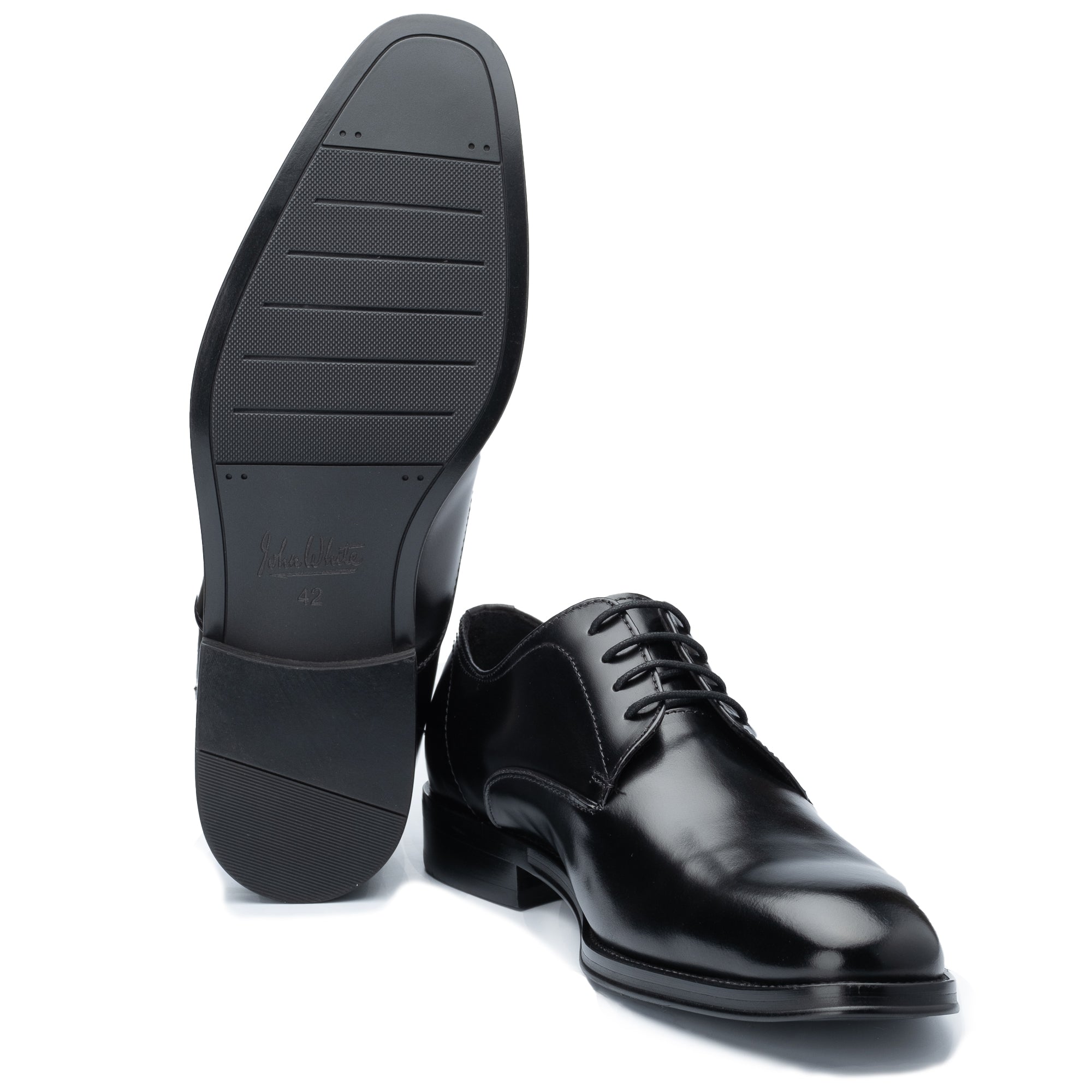
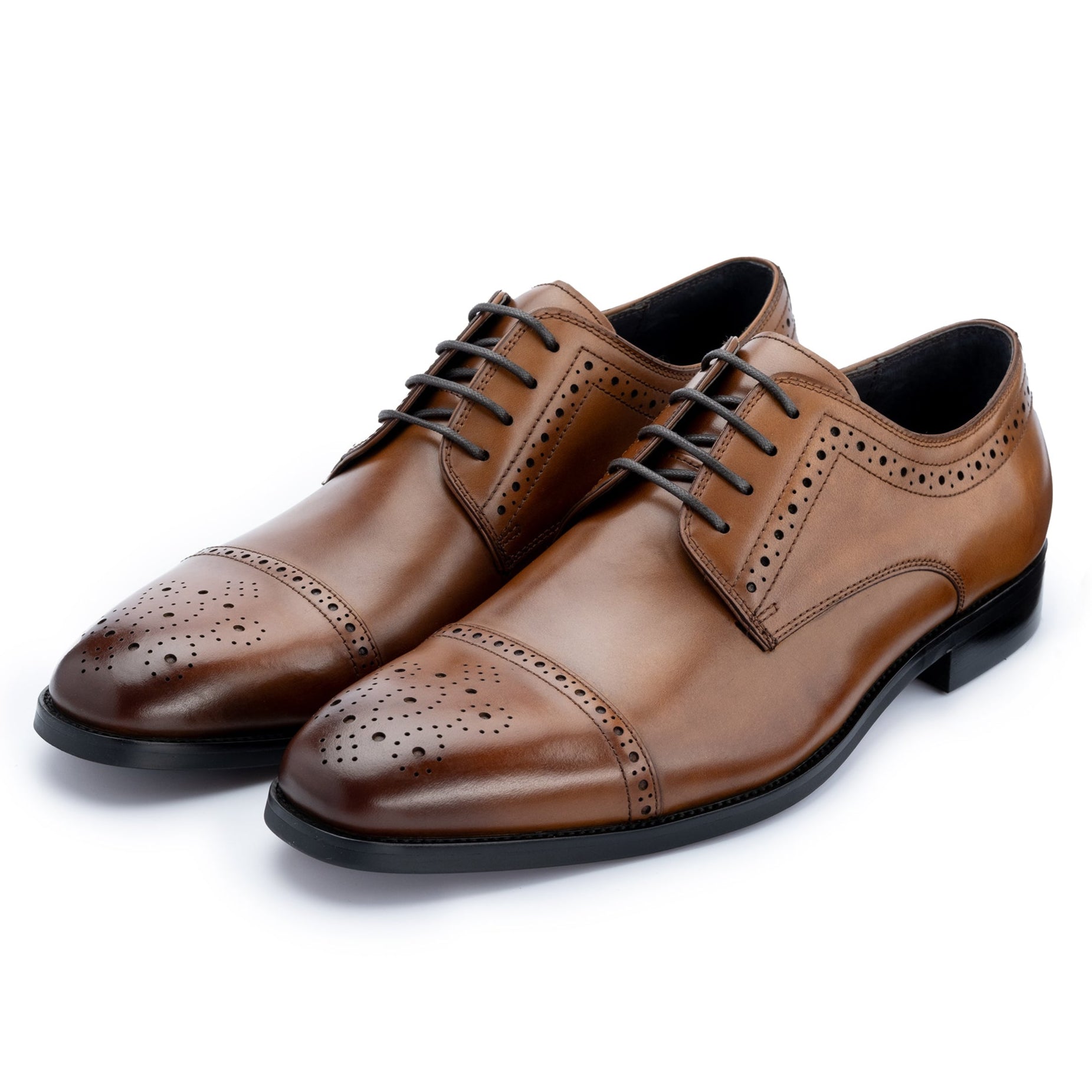
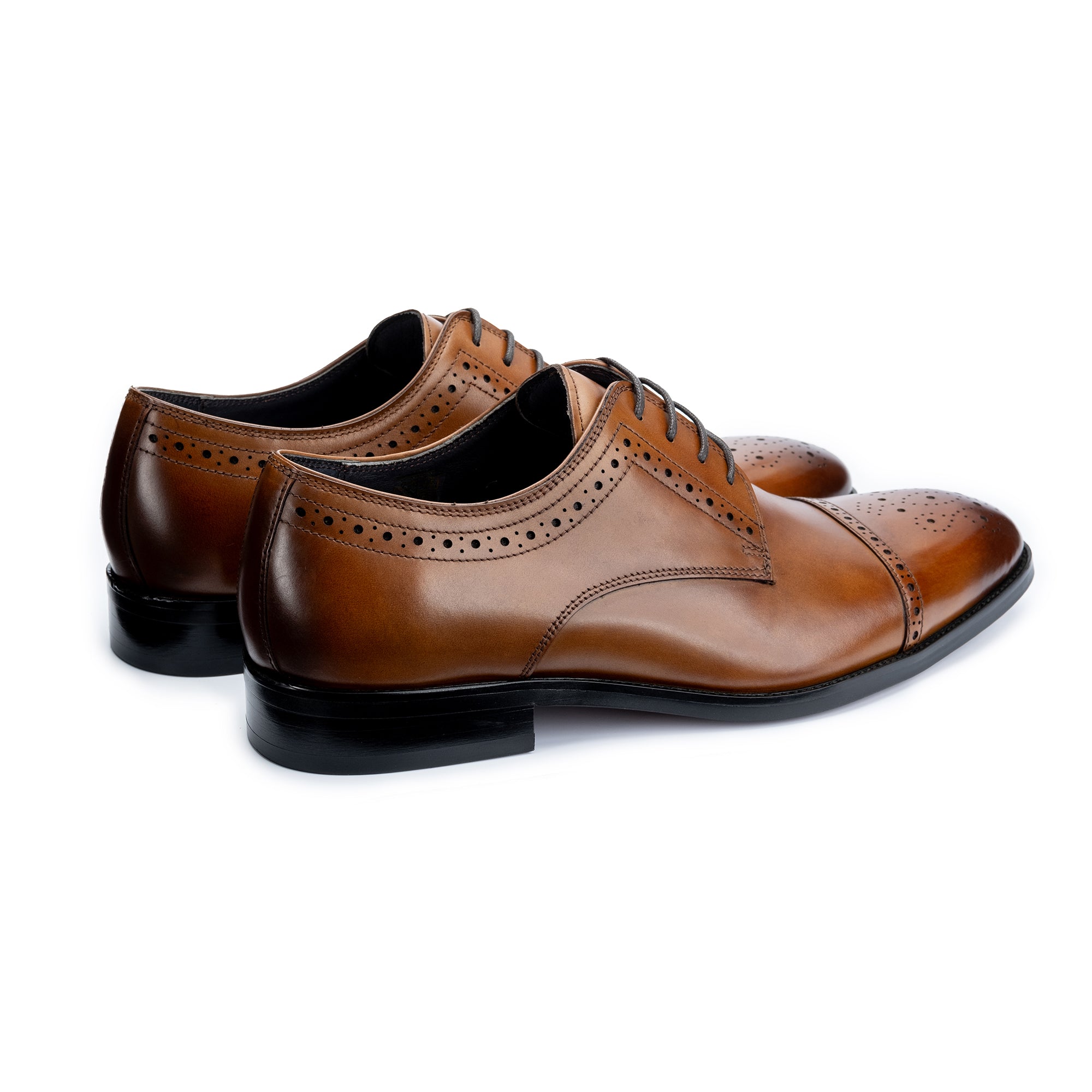
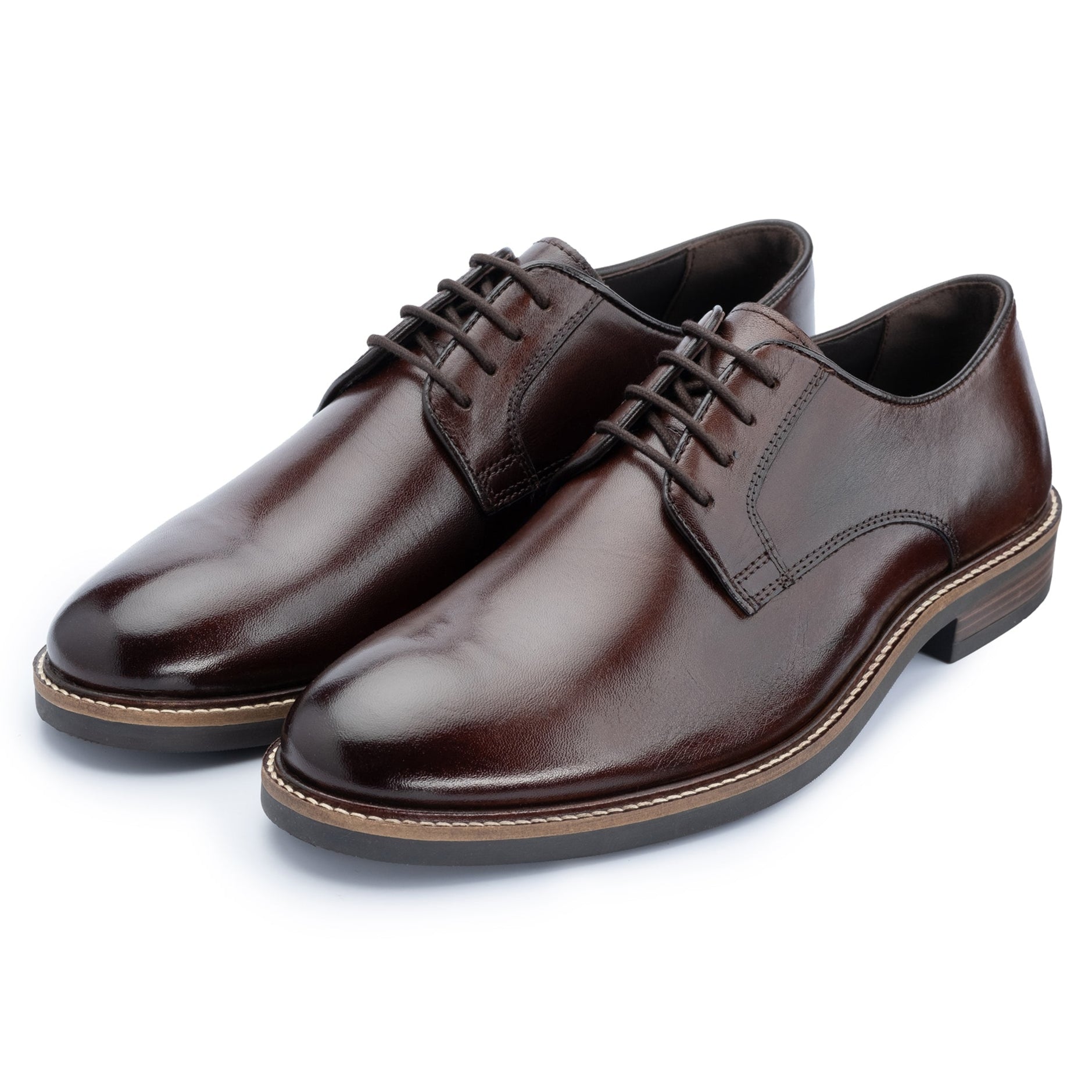
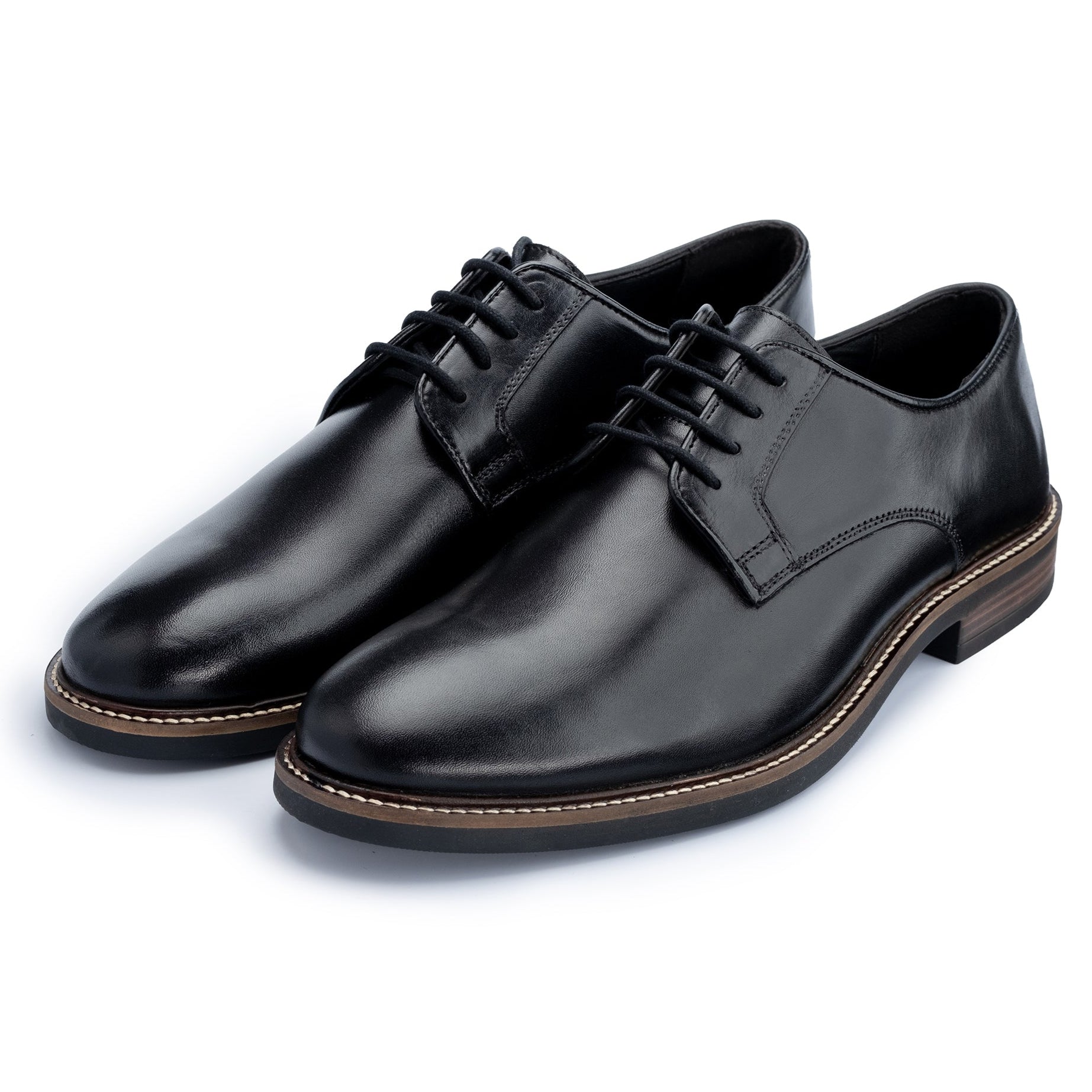
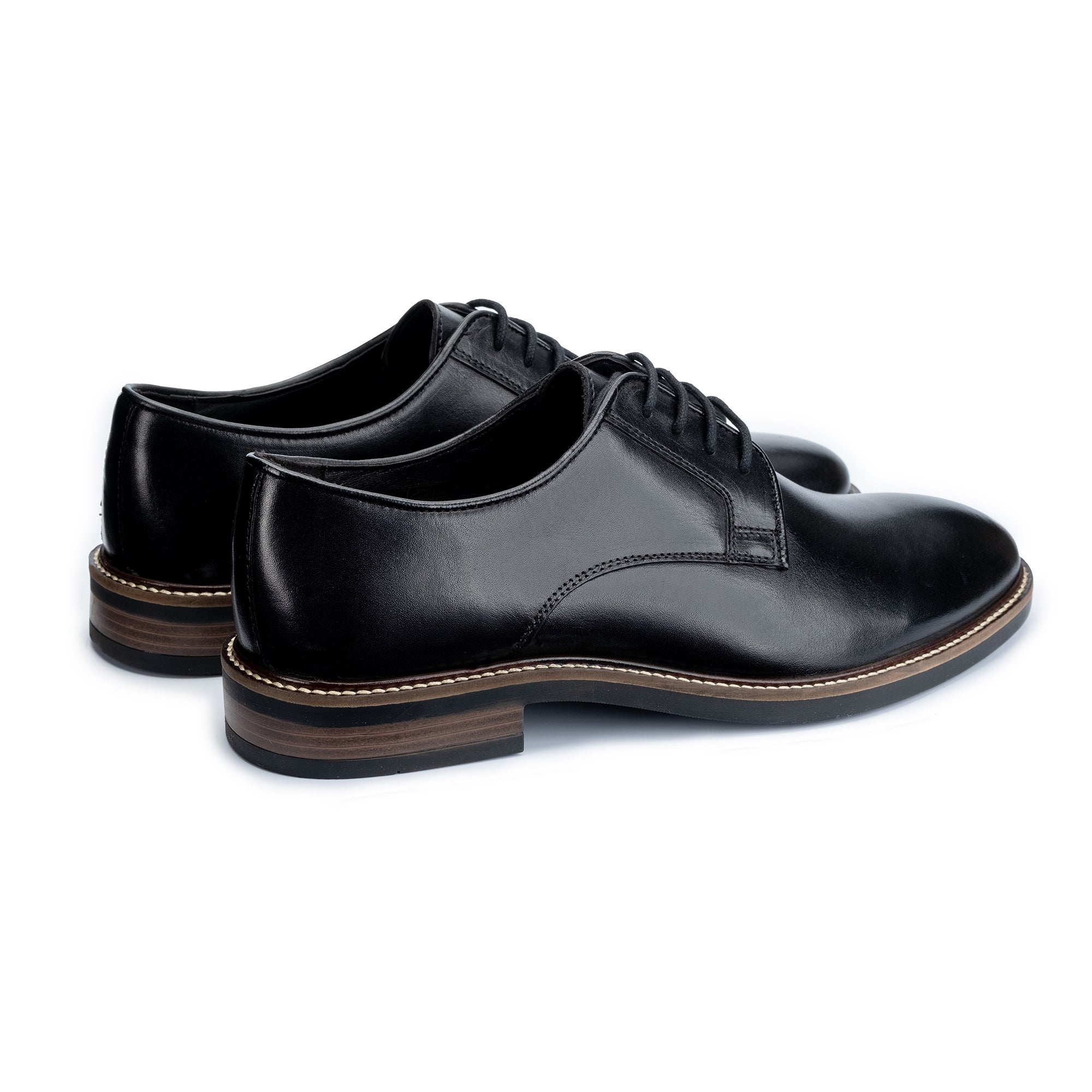
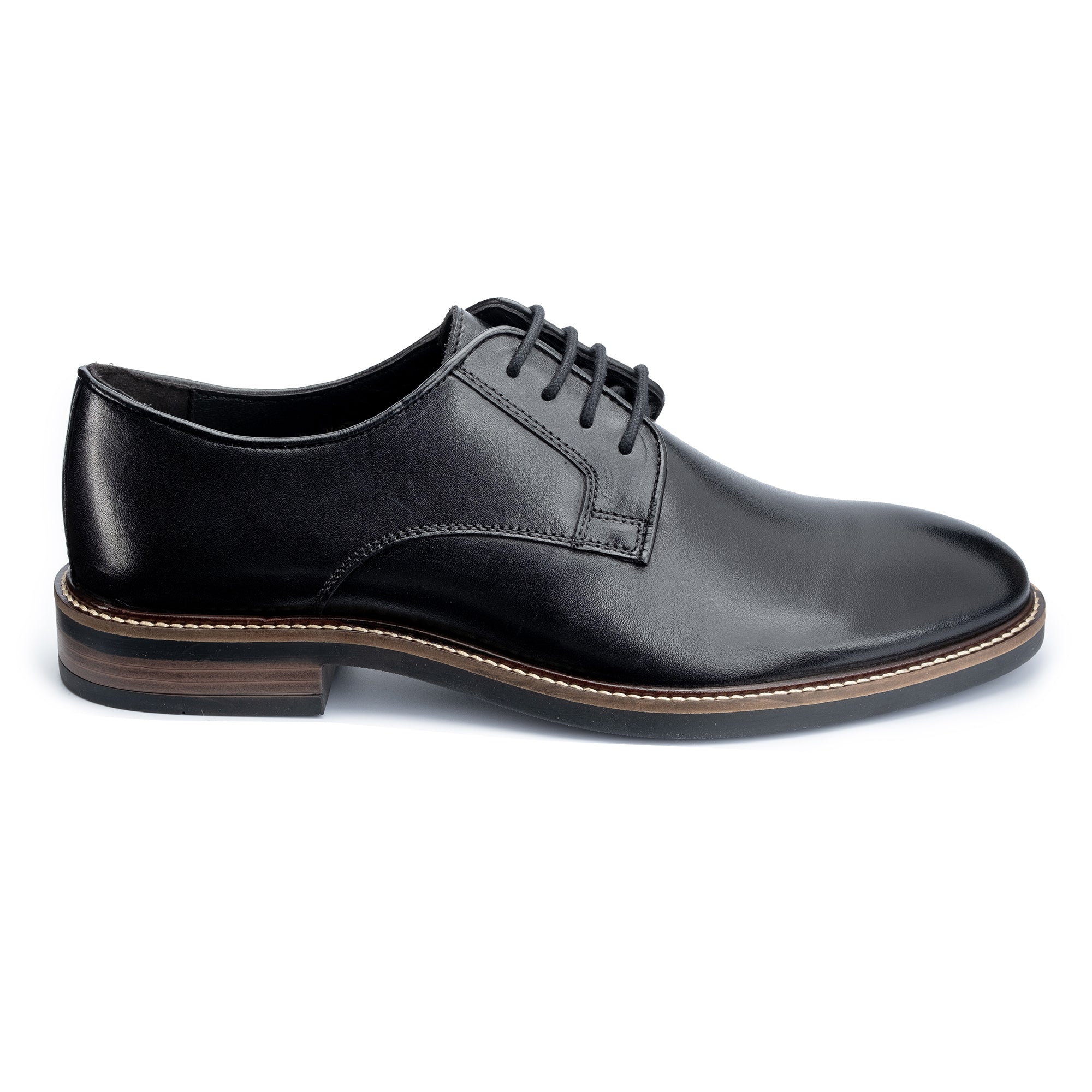
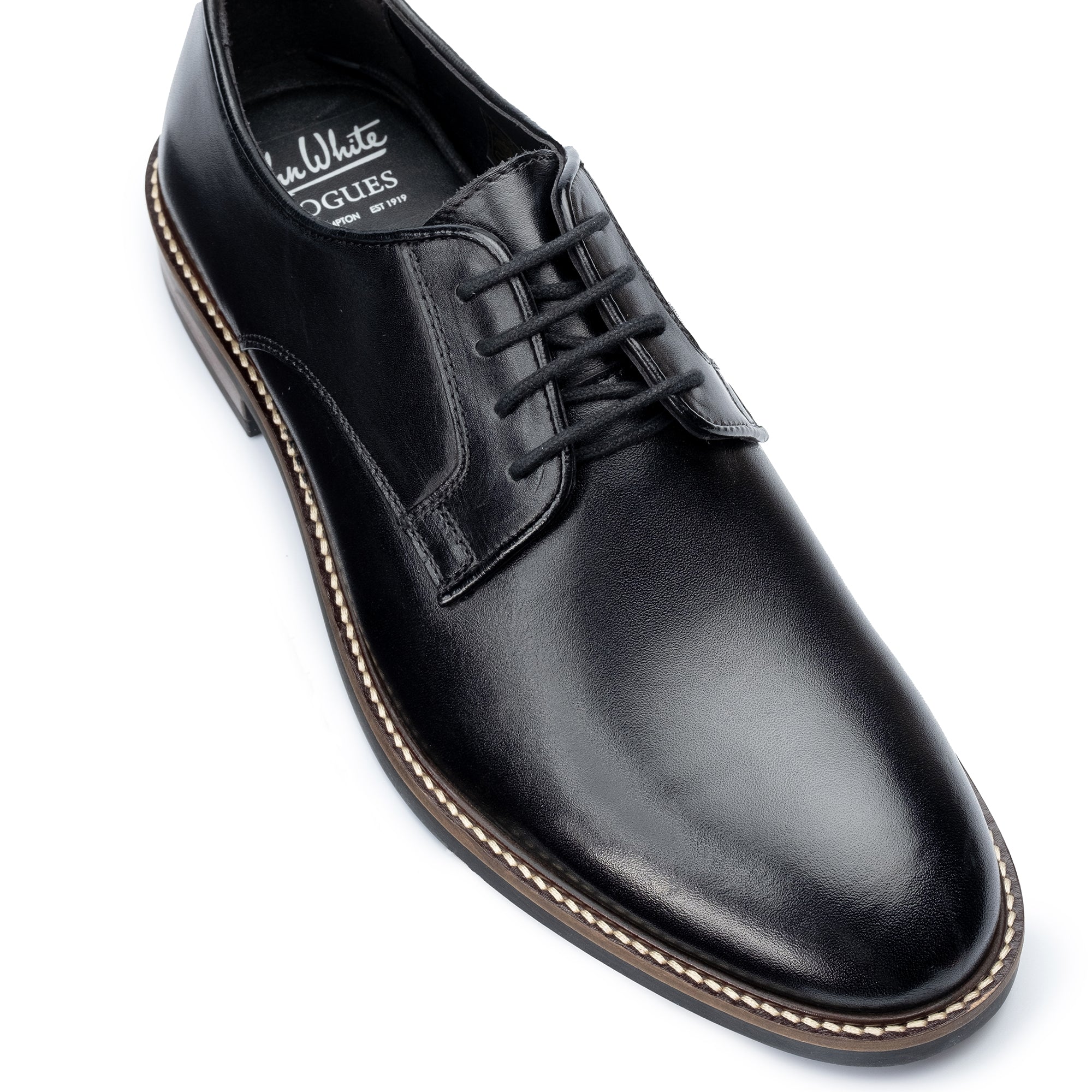
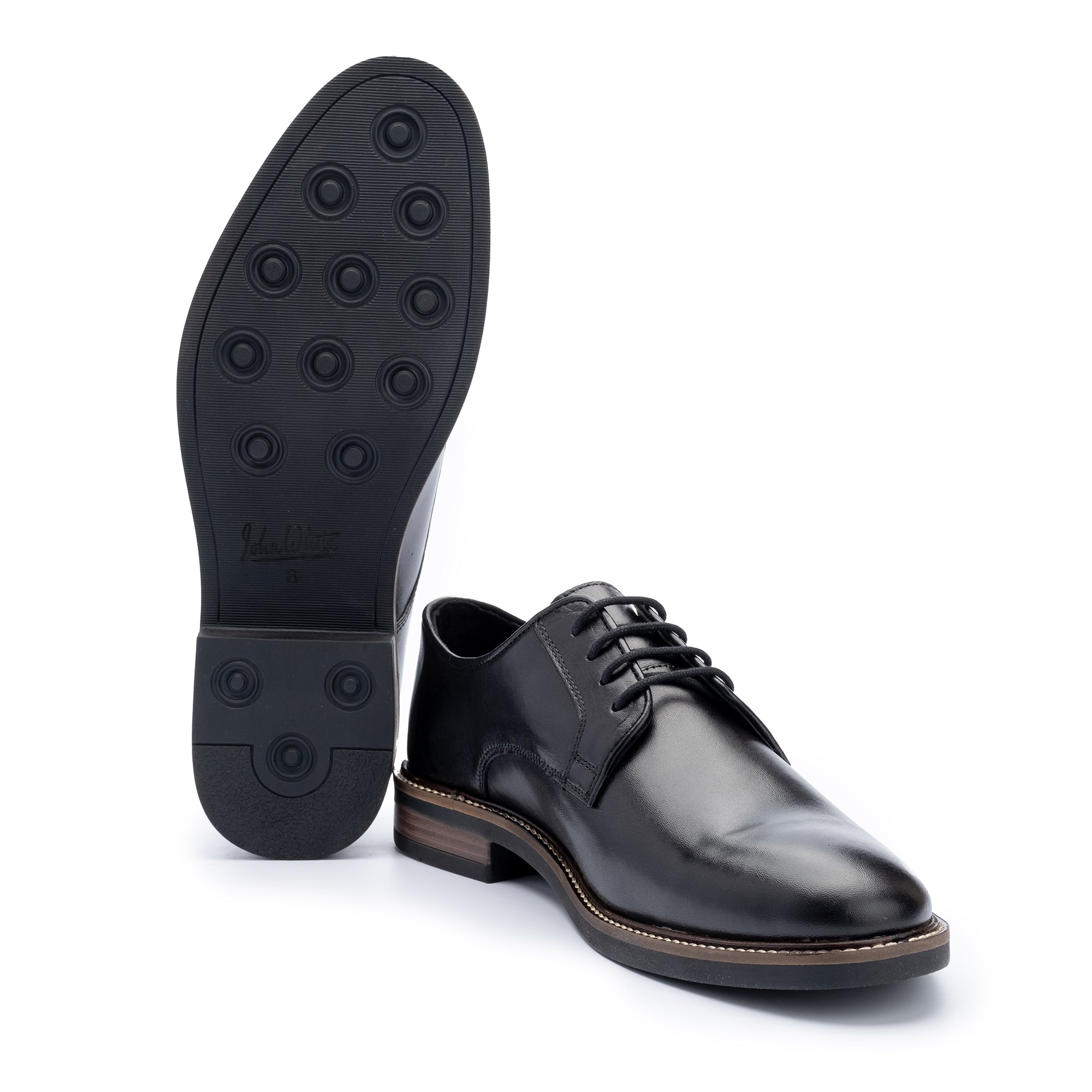
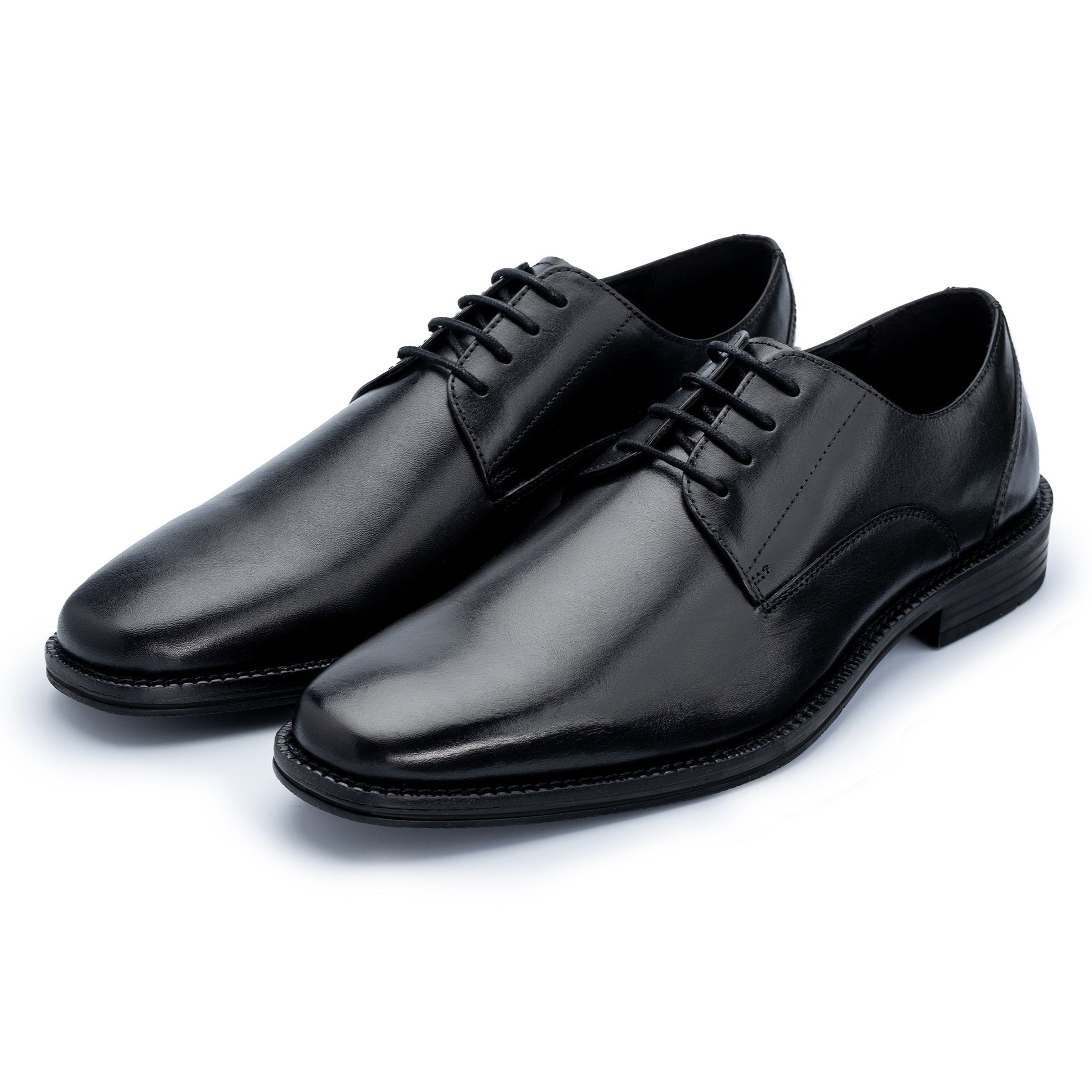
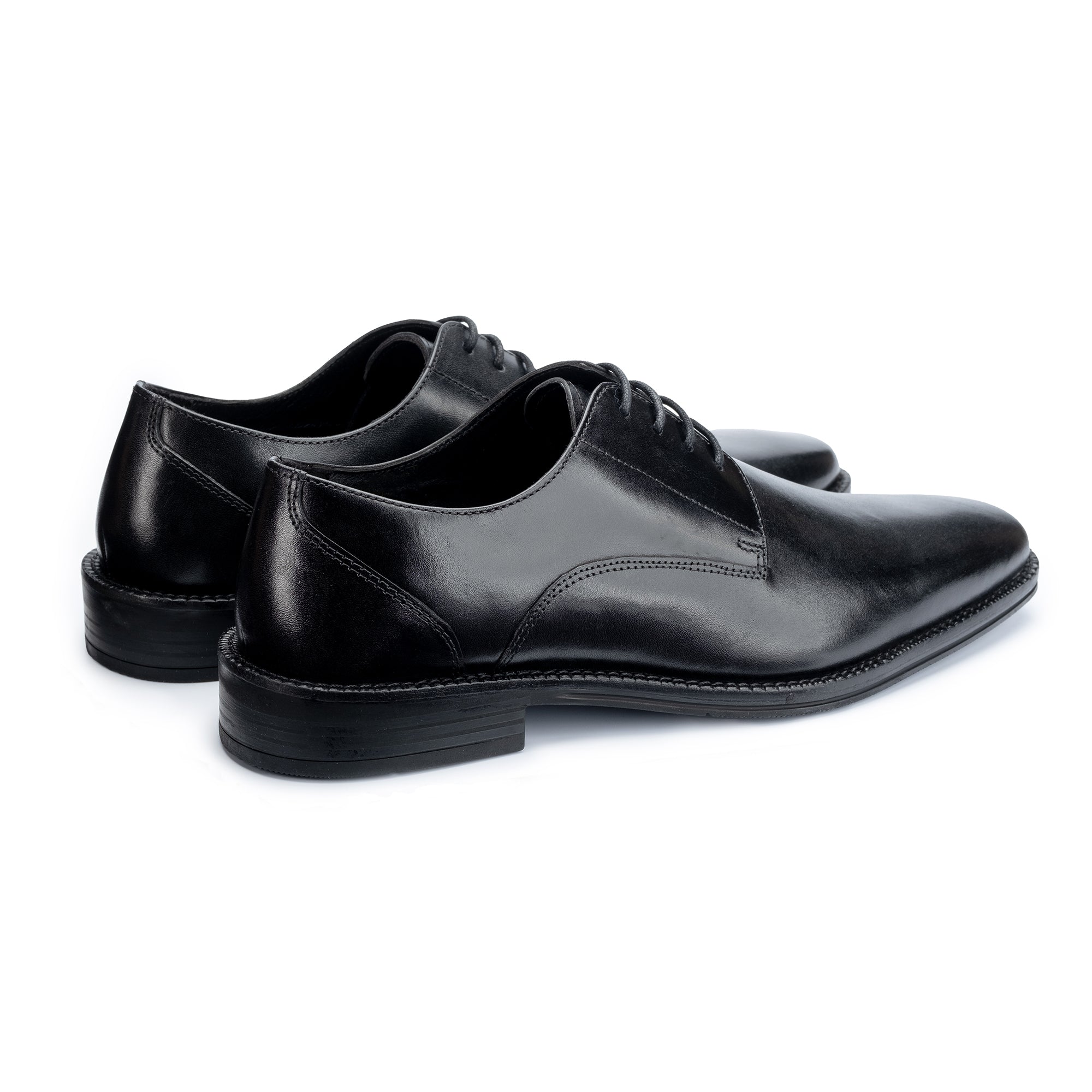
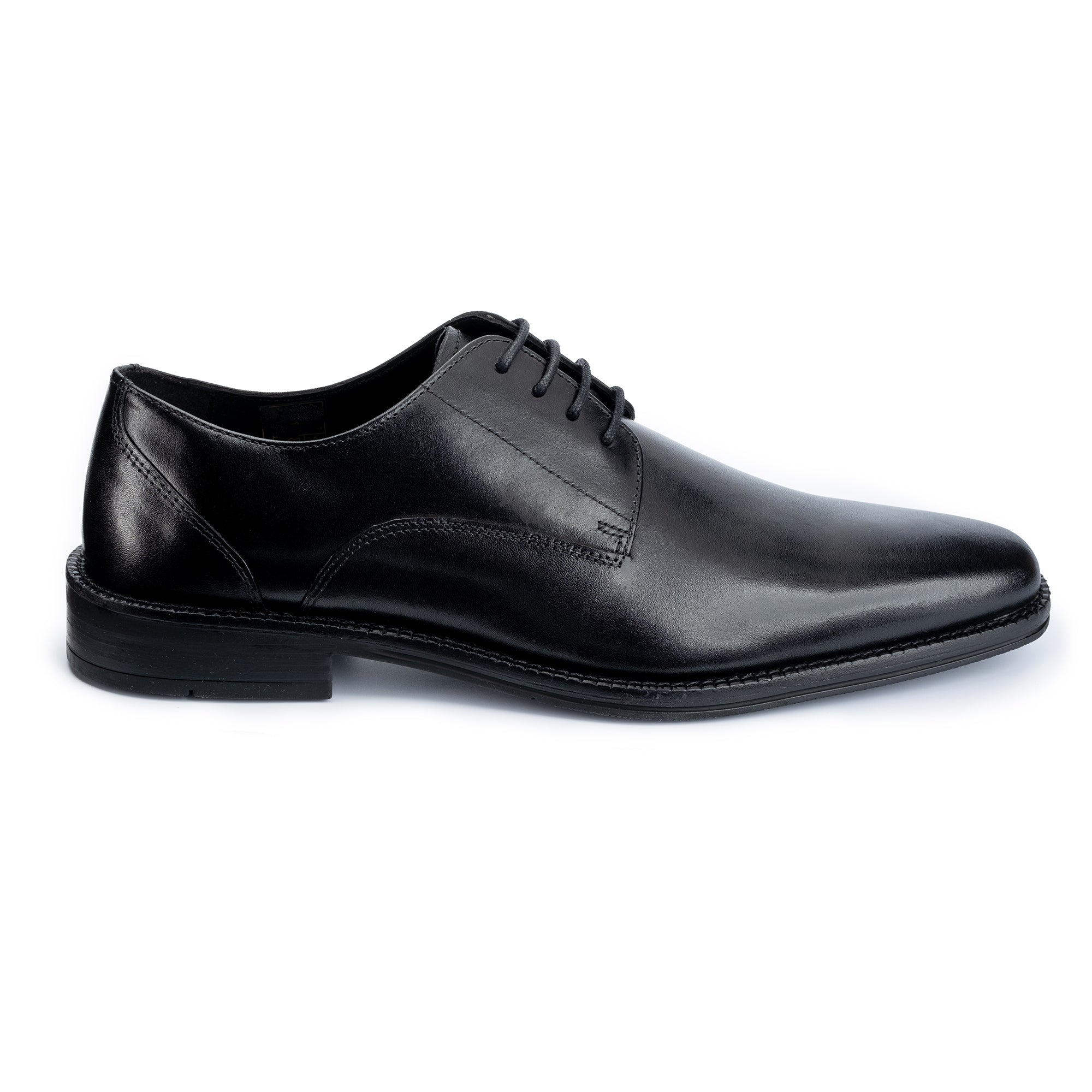
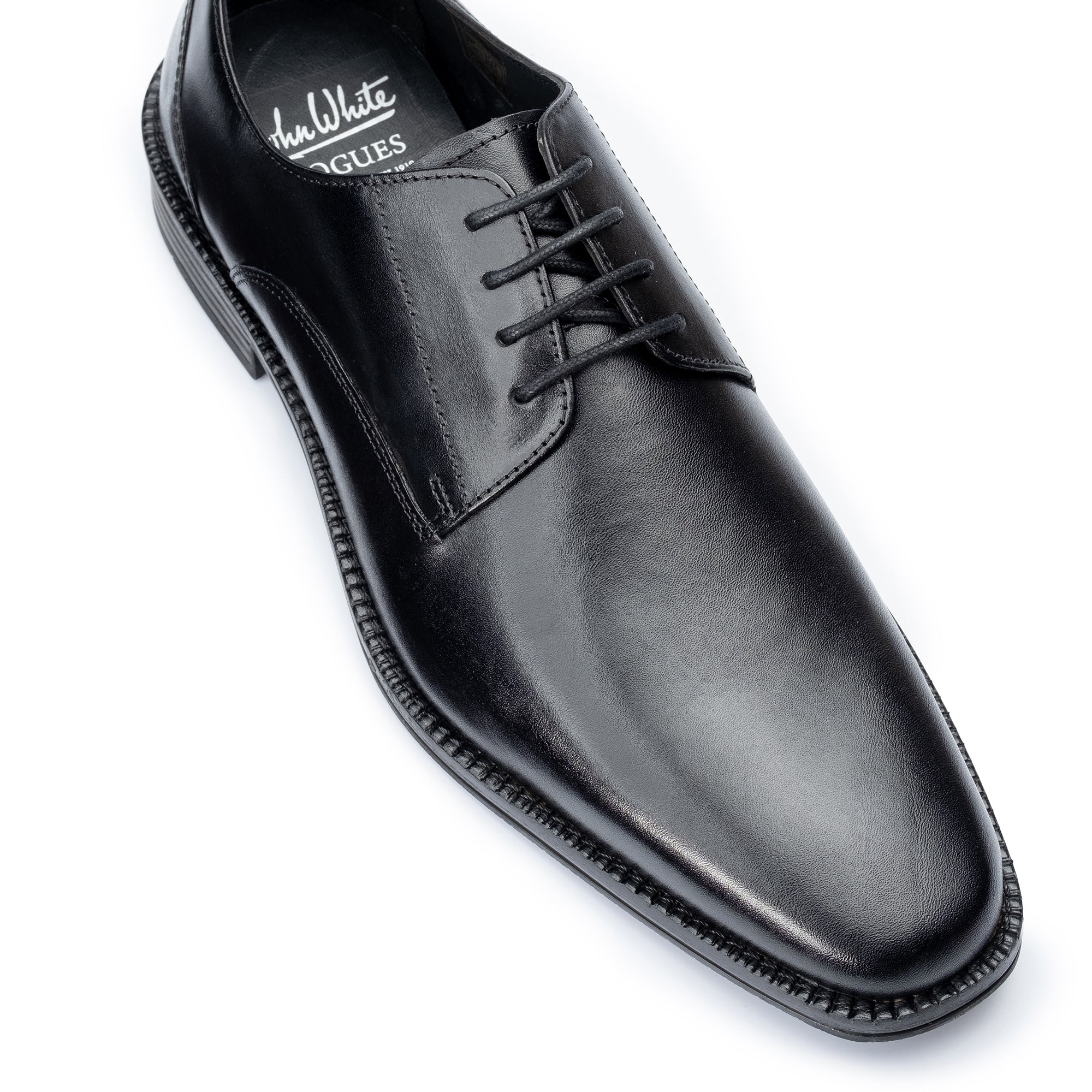
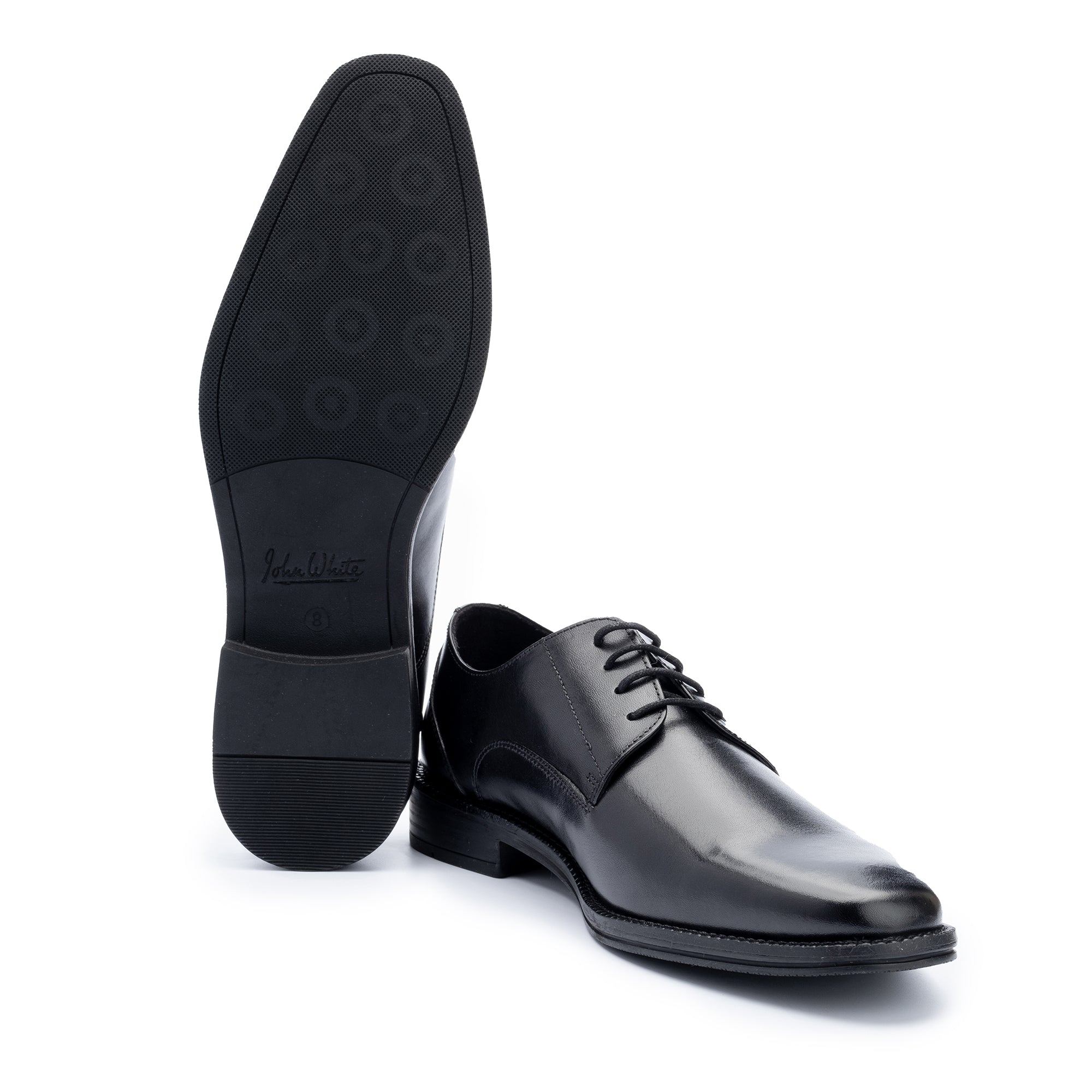
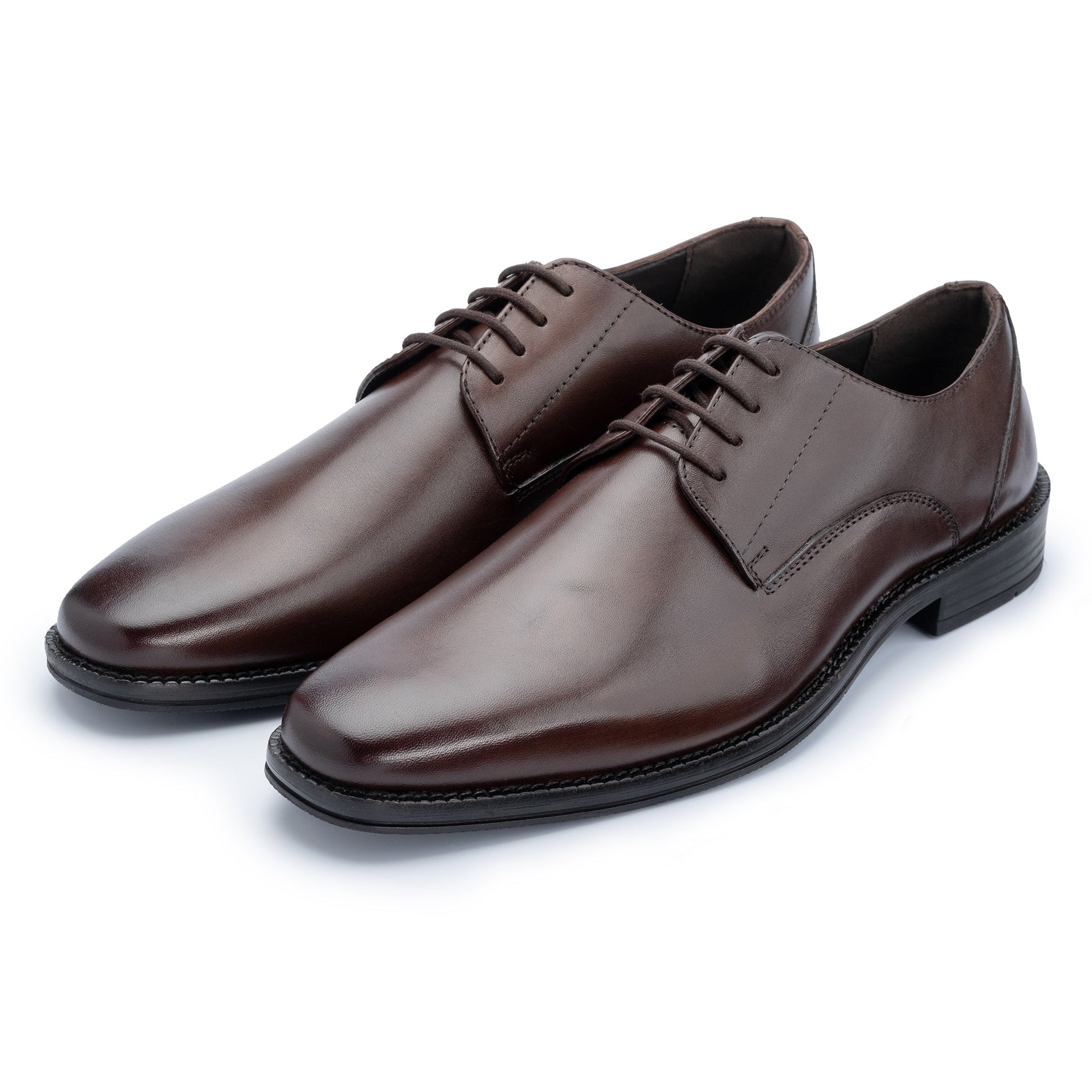
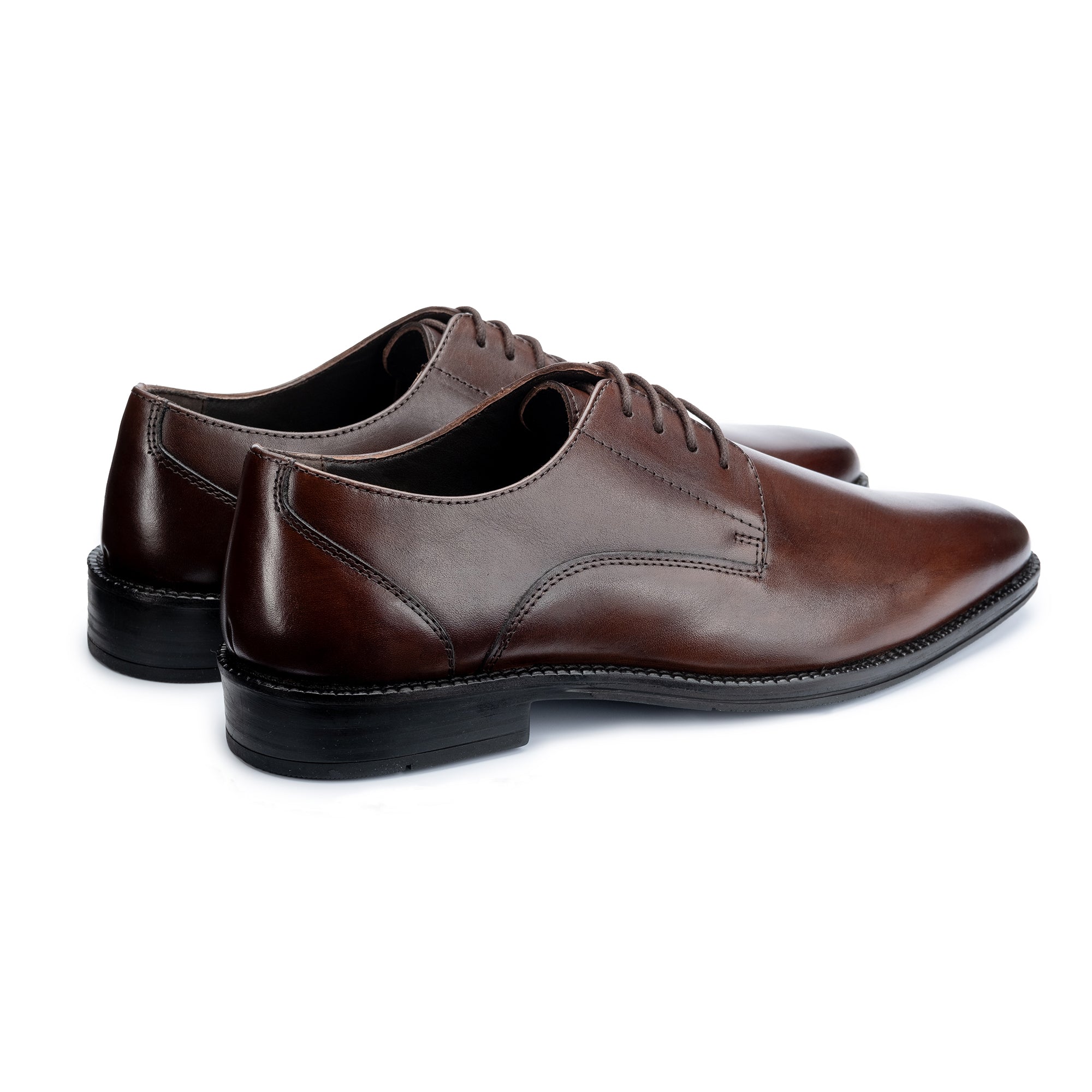
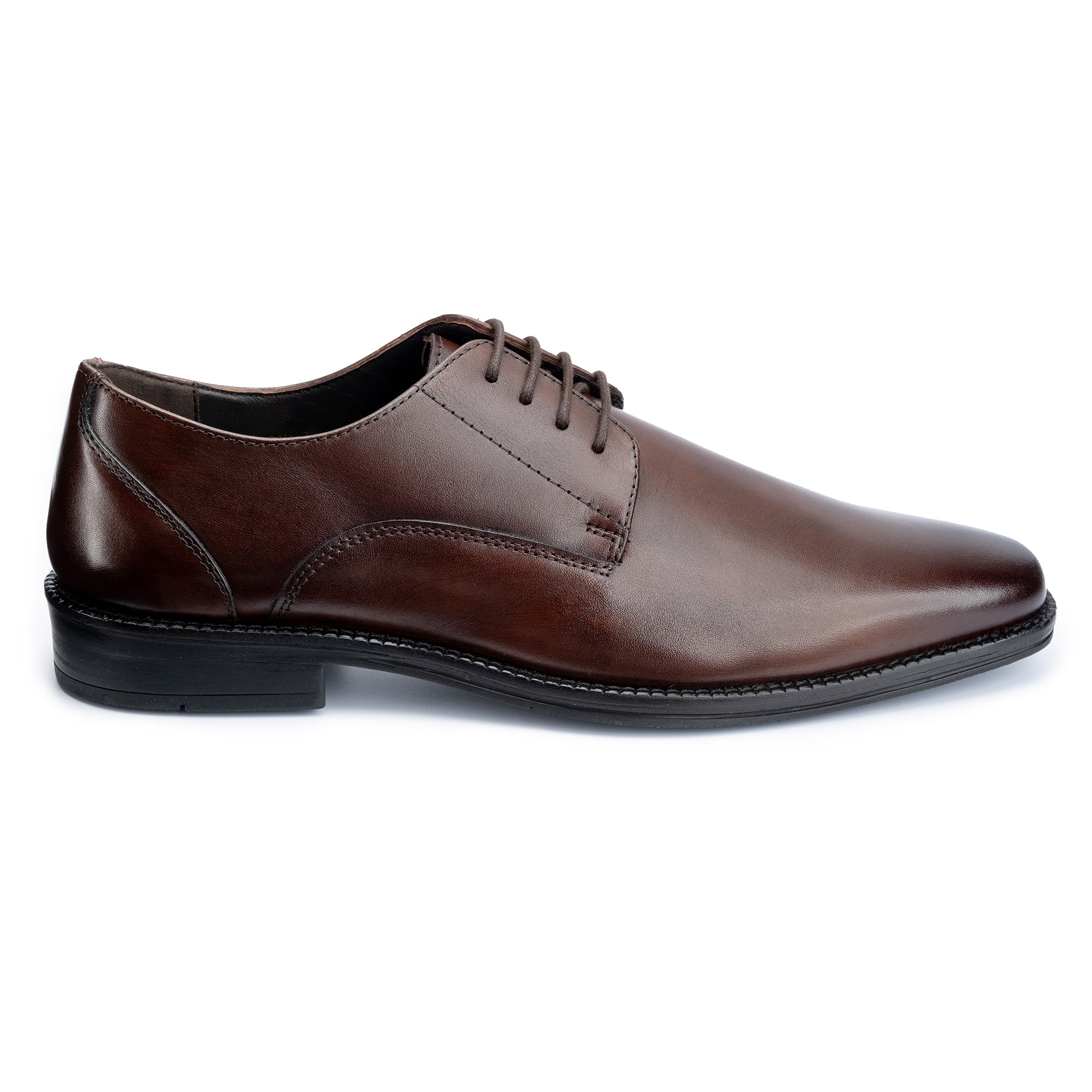
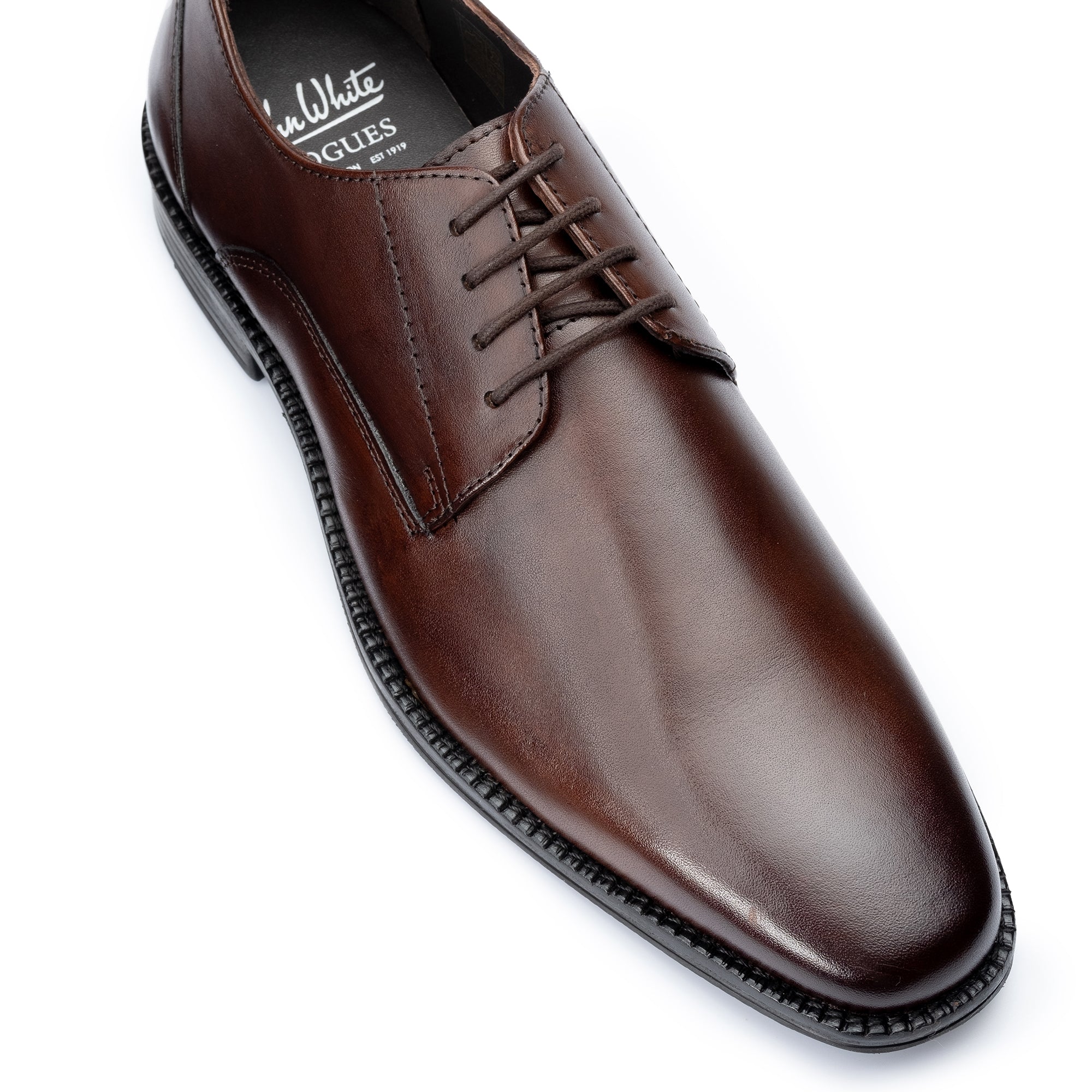
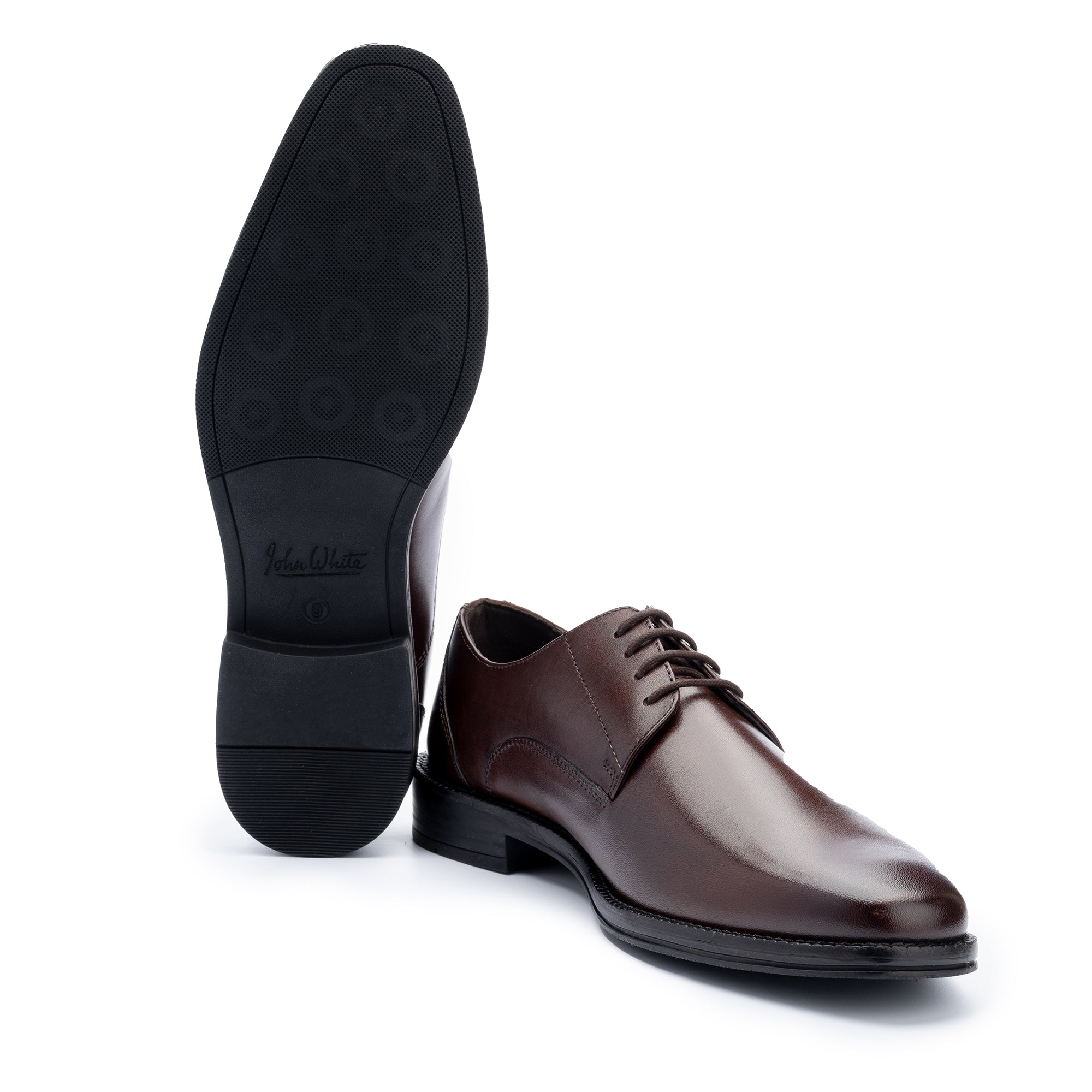
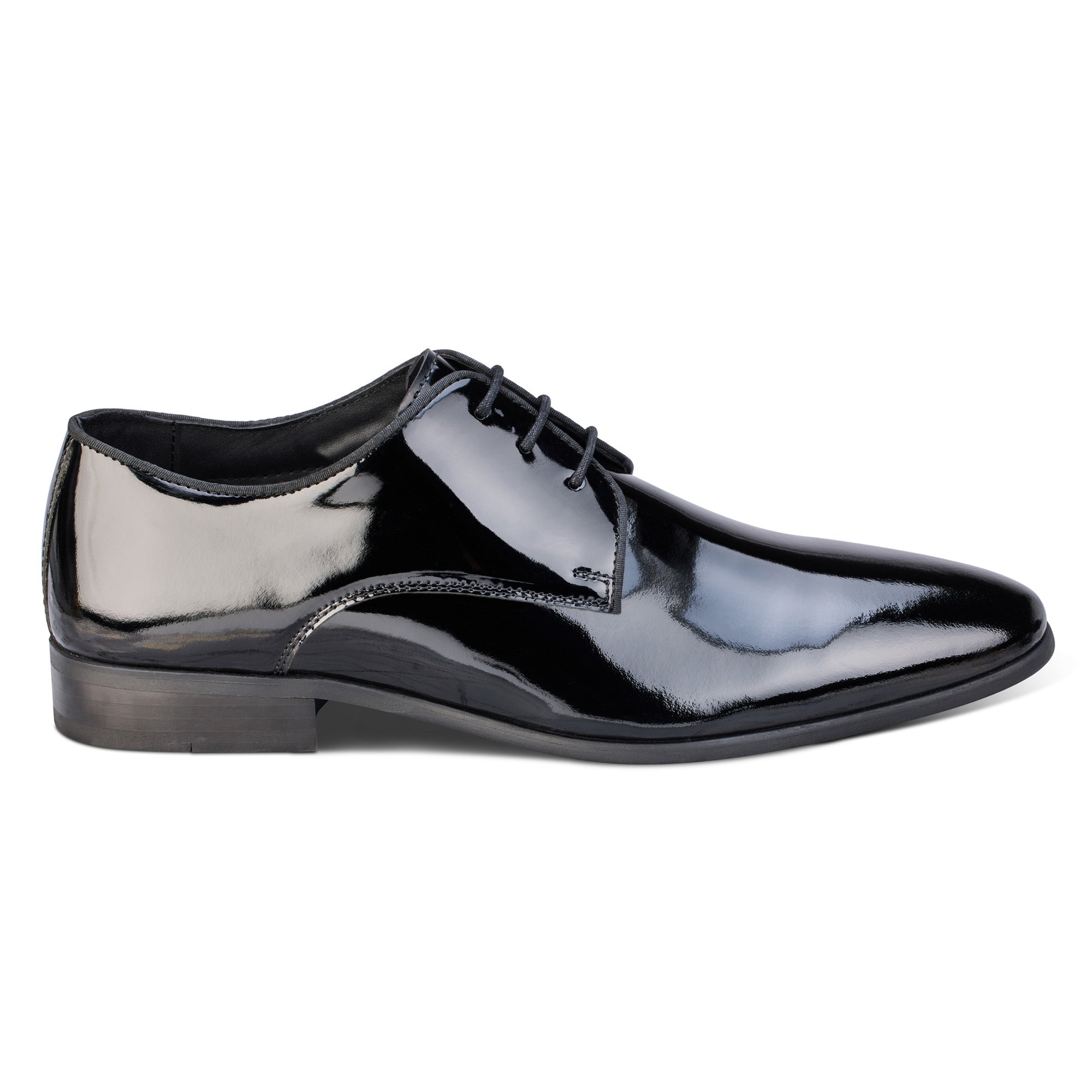
The Derby is characterised by its open lacing system, where the quarters are stitched on top of the vamp. This construction makes it slightly less formal and more robust in appearance than an Oxford. It’s the quintessential business-casual and smart-wear workhorse.
A dark brown or black Derby is perfectly at home with a suit, but it also pairs effortlessly with chinos or flannel trousers. Its versatility is its greatest strength. A pair like the Jermyn Derby Shoe is a cornerstone of a well-rounded wardrobe, capable of handling almost any situation that isn't black tie.
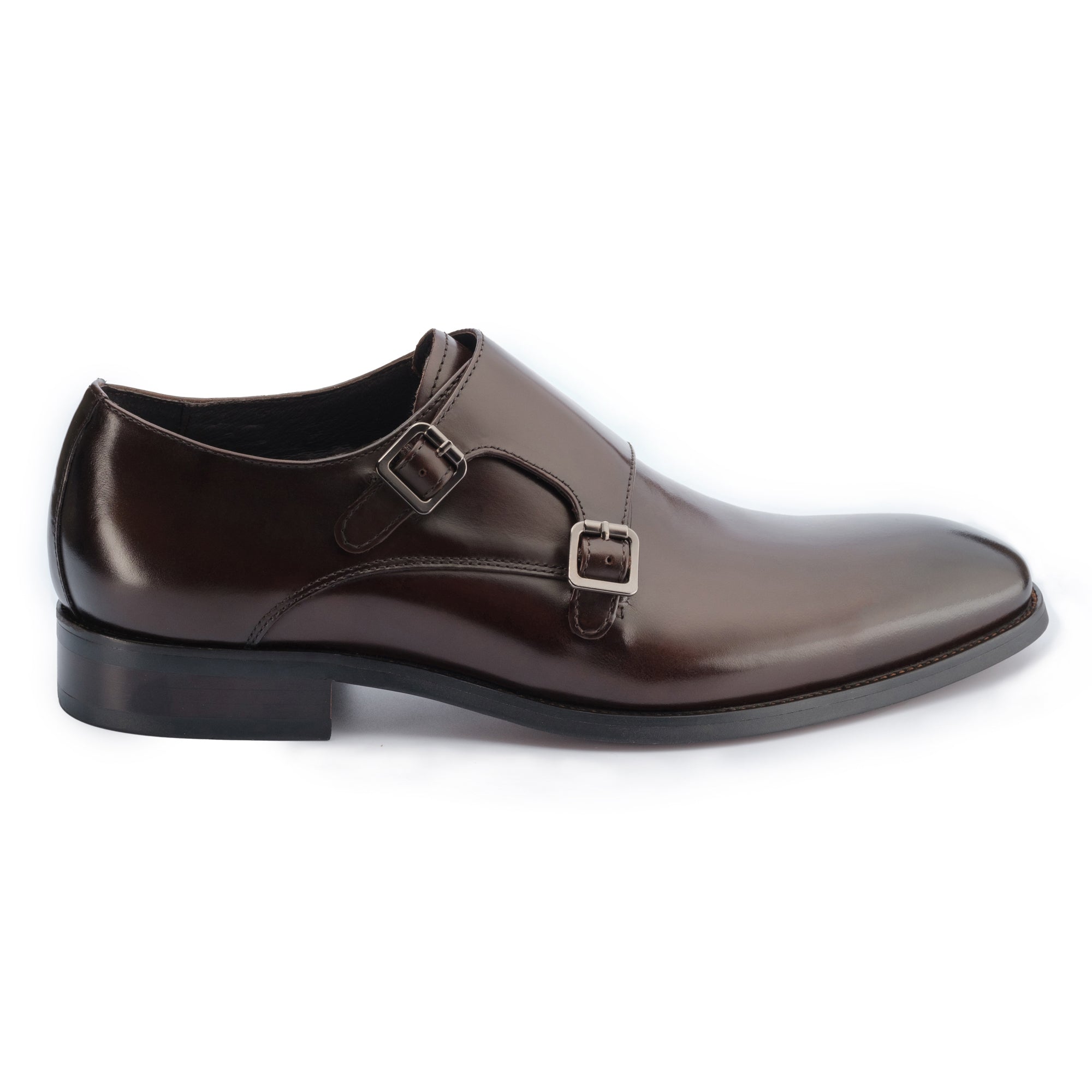
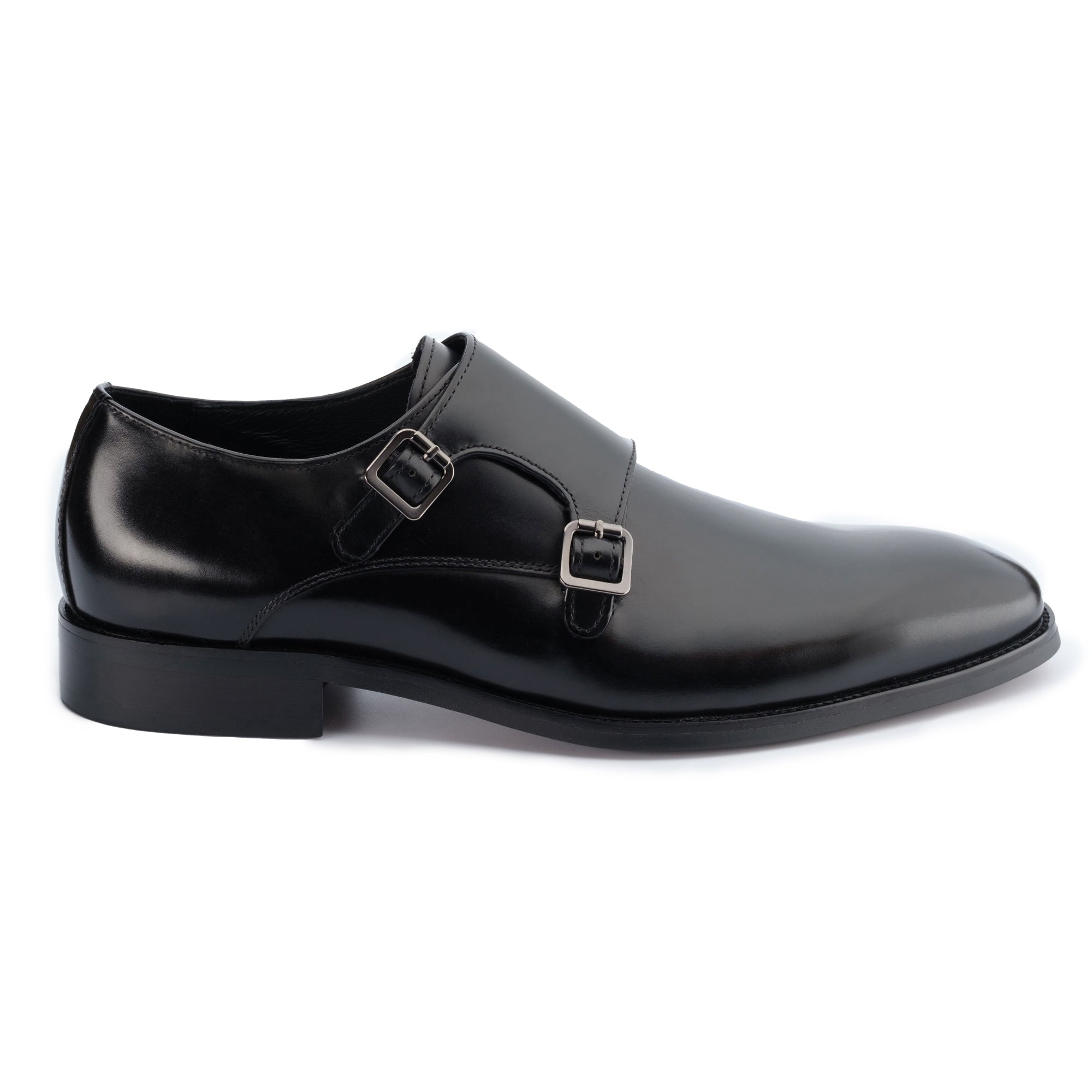
3. The Rakish Alternative: The Monk Strap
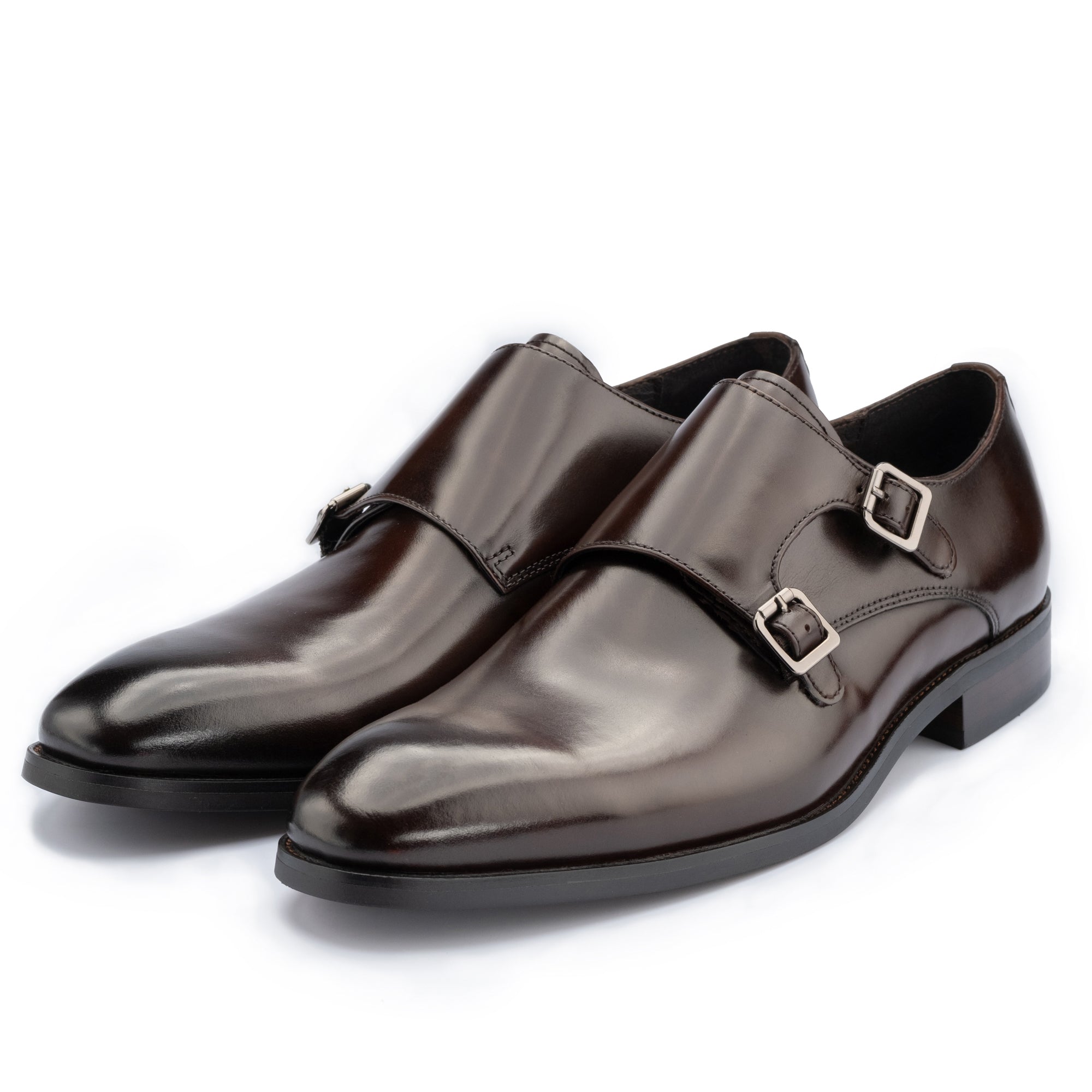
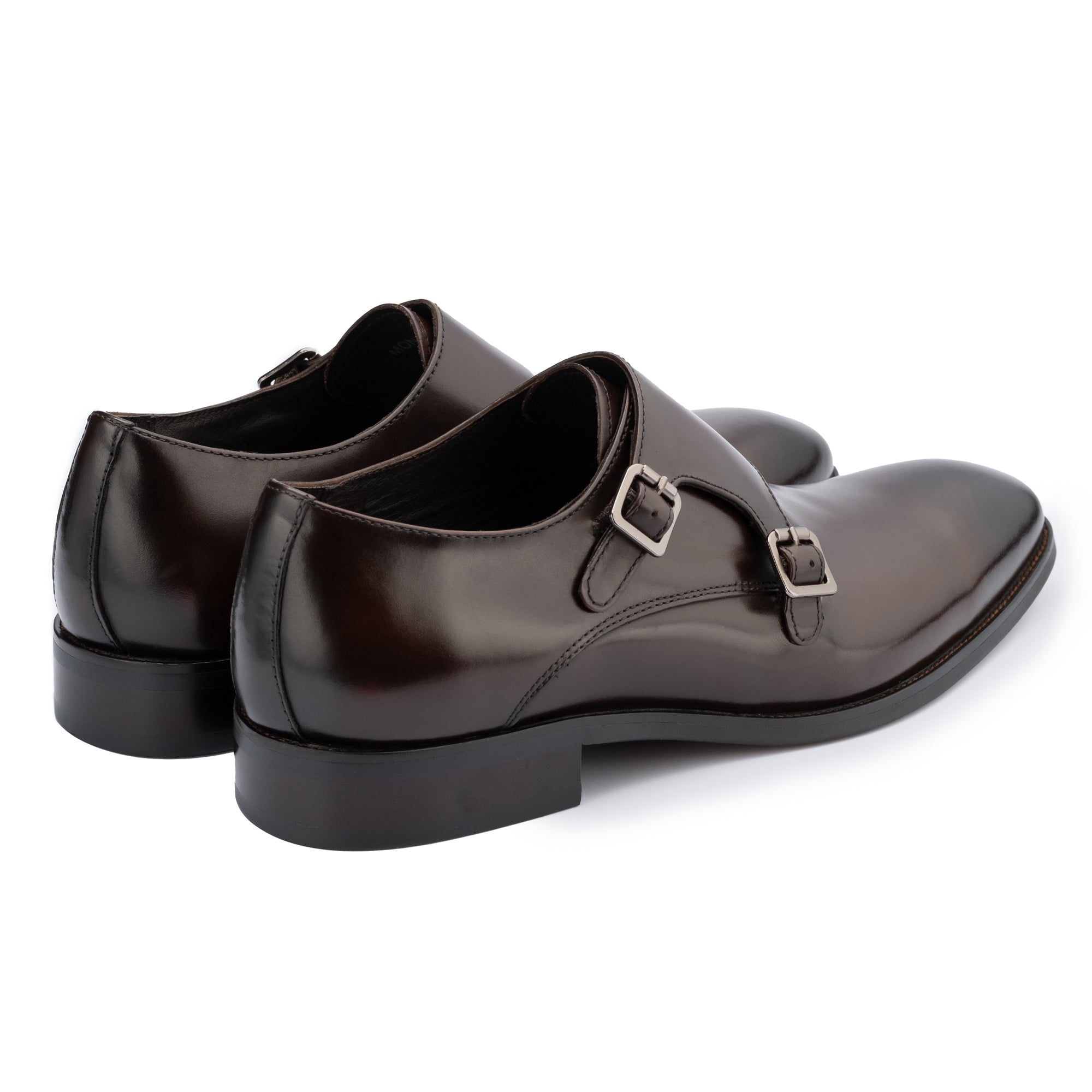
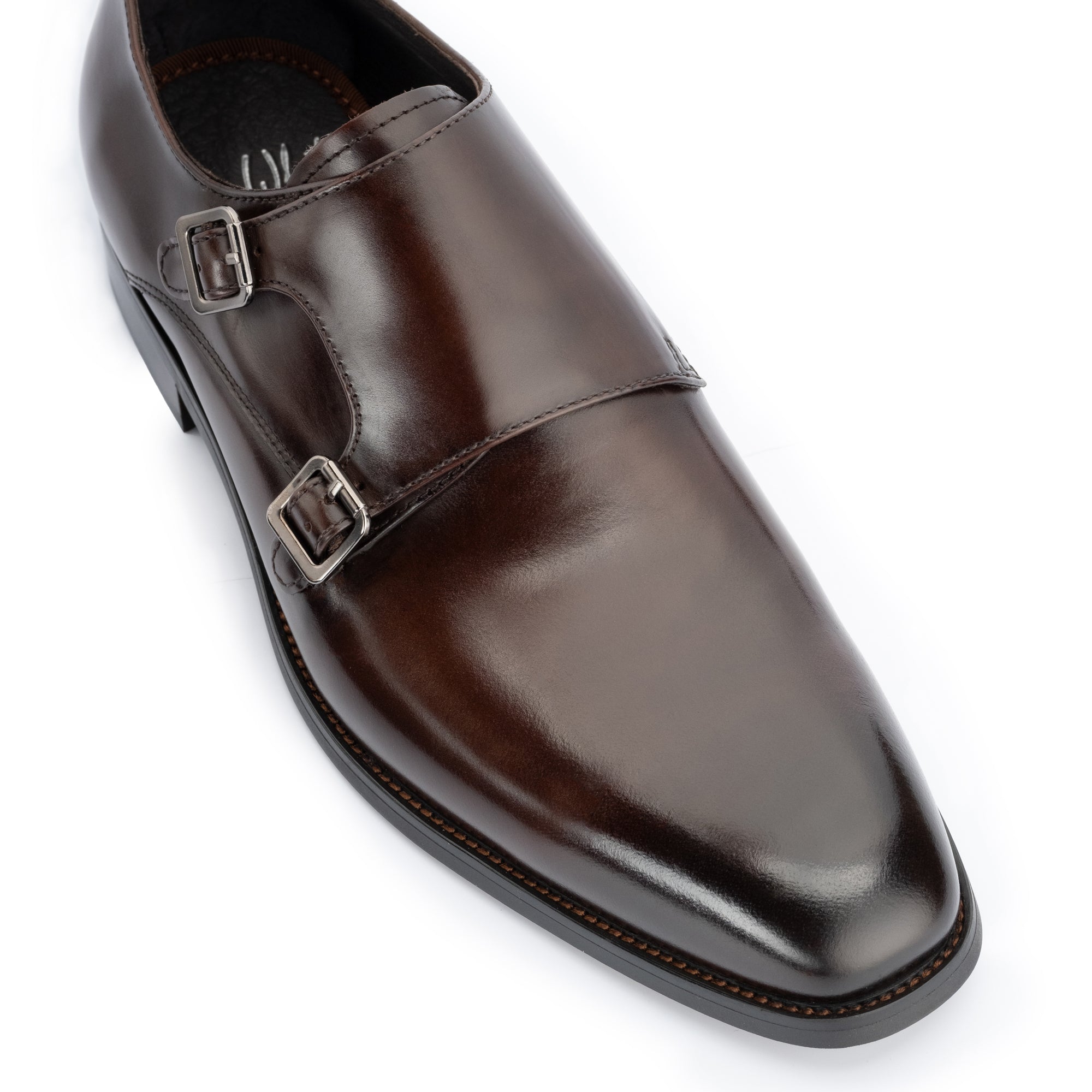
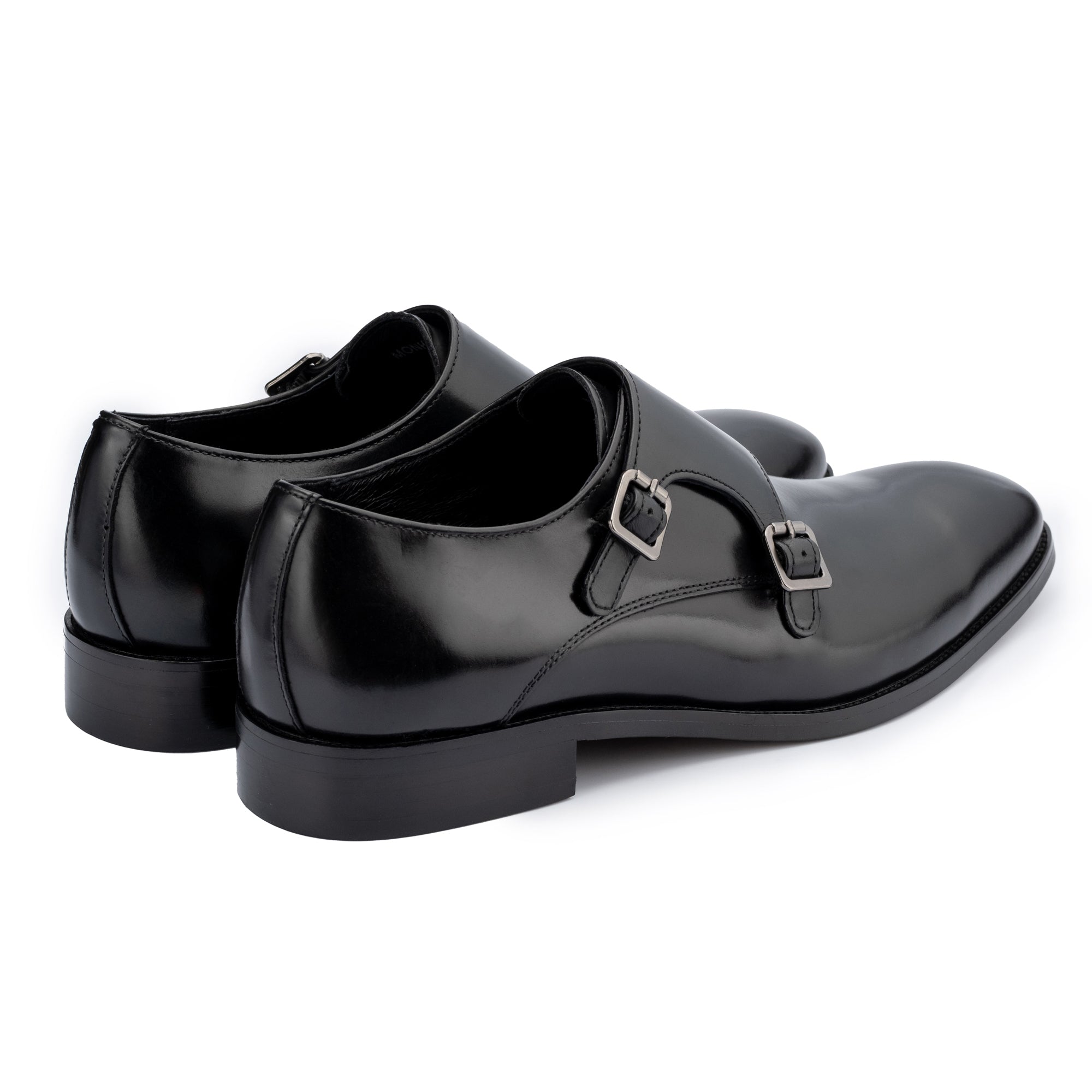
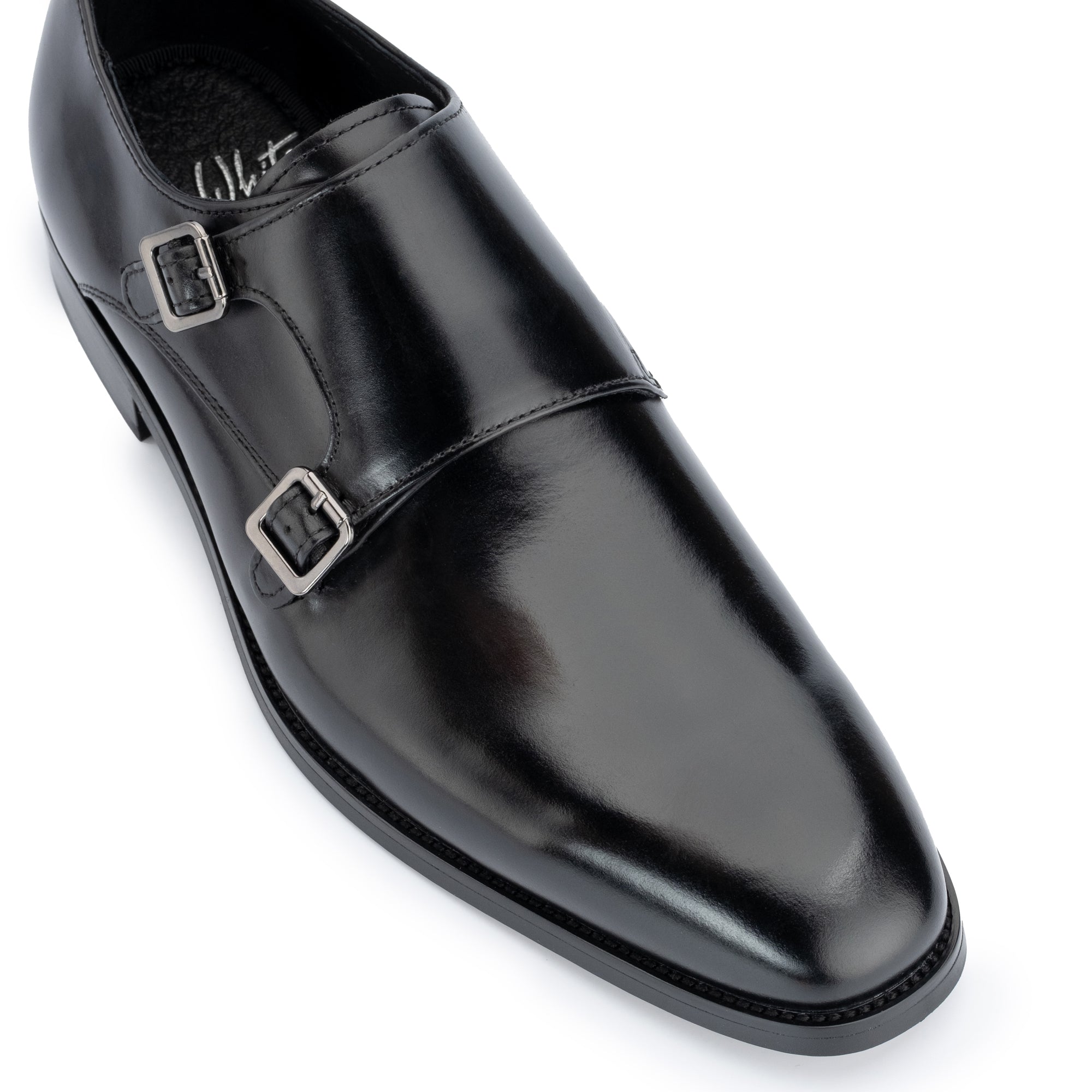
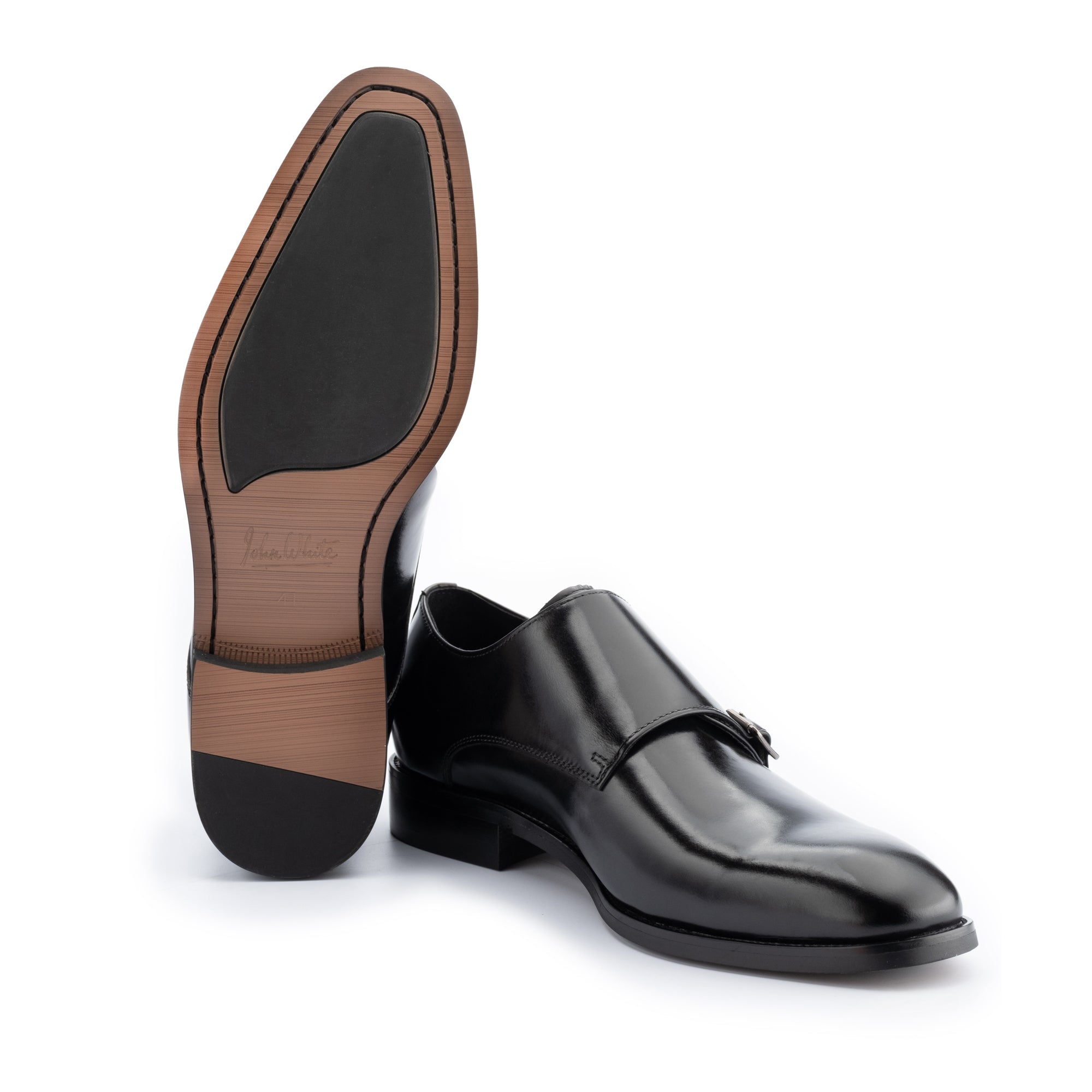
Sitting confidently between the Derby and the Loafer, the Monk Strap is a laceless shoe fastened with one or two buckles. According to fashion historian James Sherwood, the style has roots in footwear worn by monks, but its modern incarnation is pure continental flair. It’s a statement of sartorial confidence.
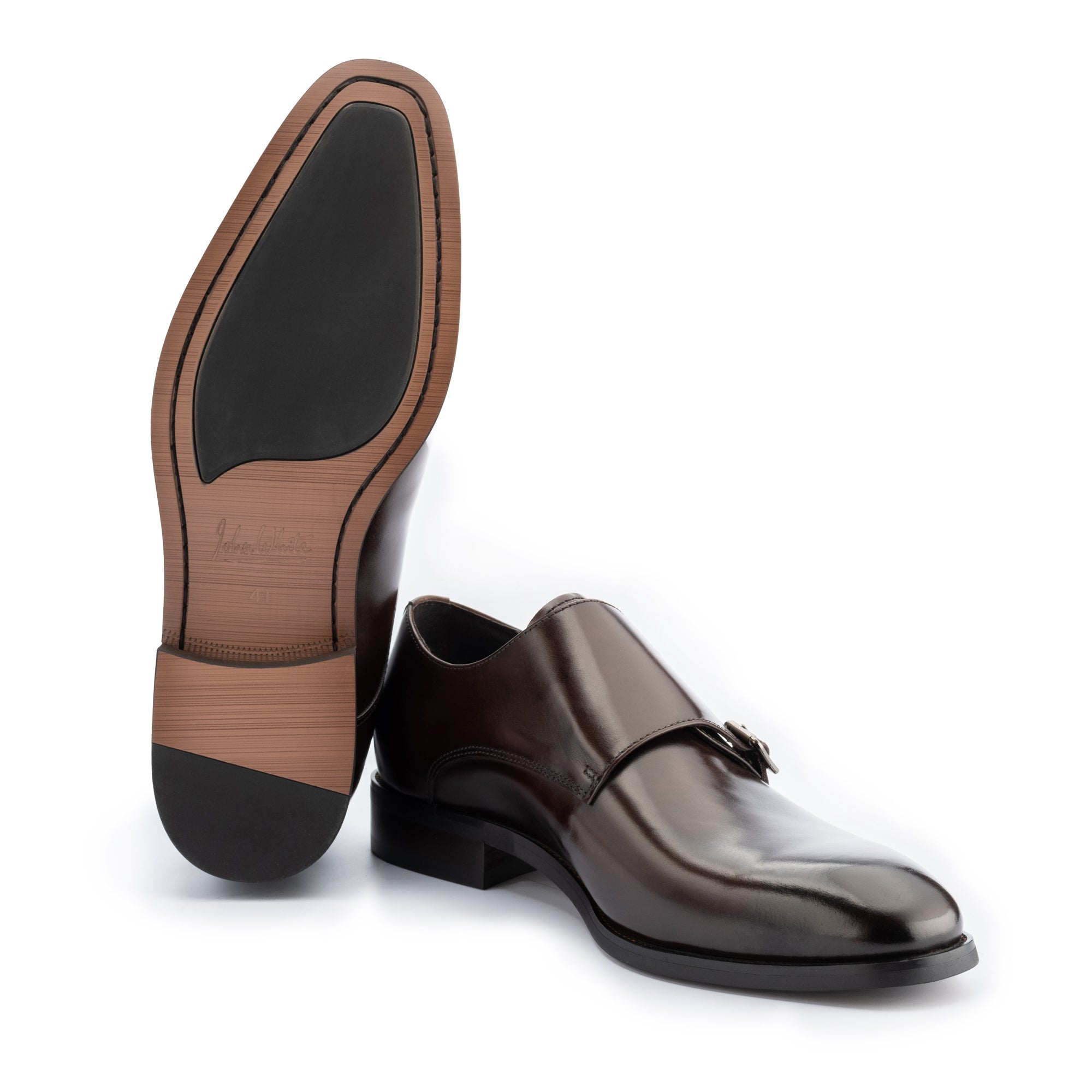
A Double Monk Strap, such as our Monkton Double Monk, is less formal than a lace-up but smarter than a Loafer. It pairs exceptionally well with tailored trousers, blazers, and suits where you want to add a touch of personality.
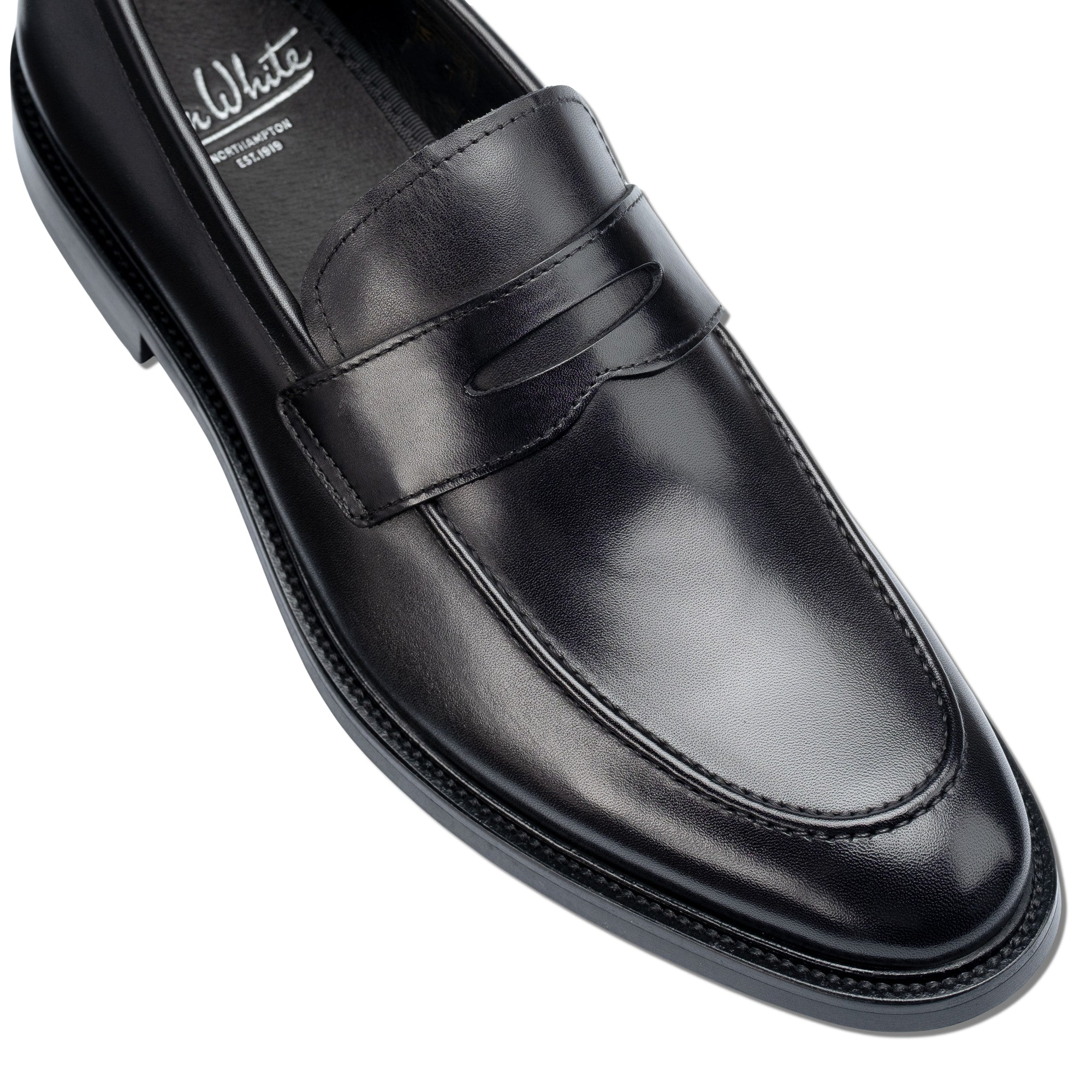
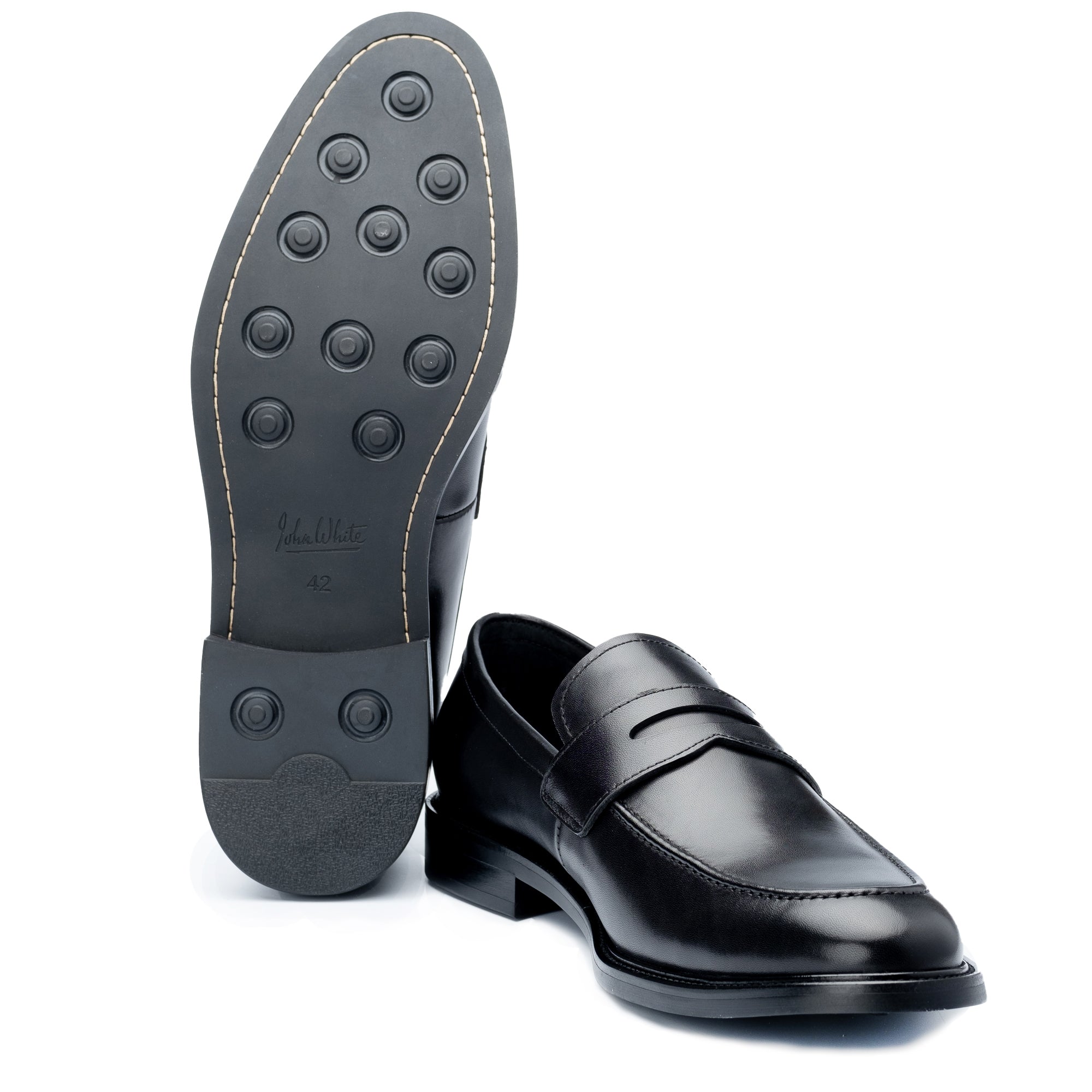
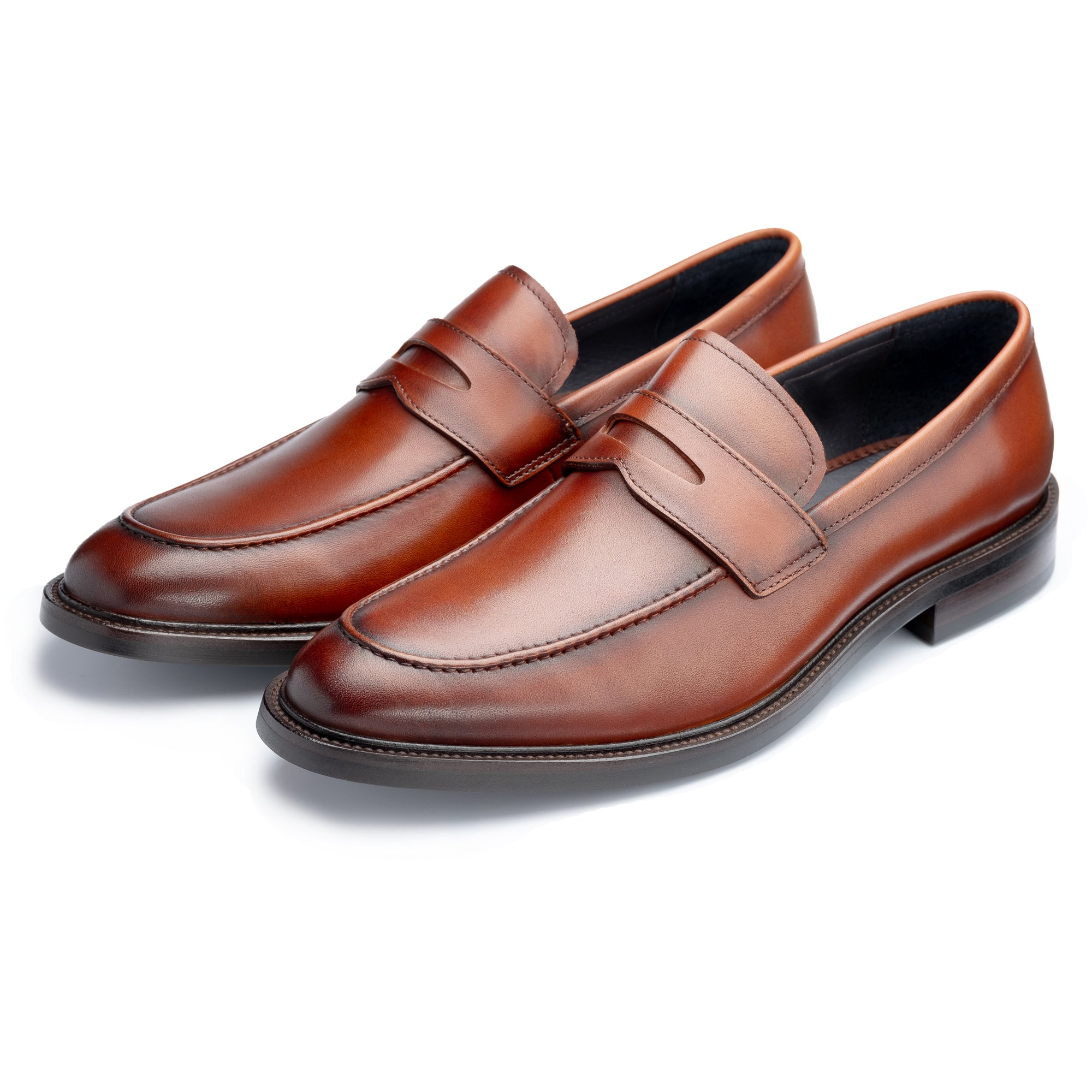
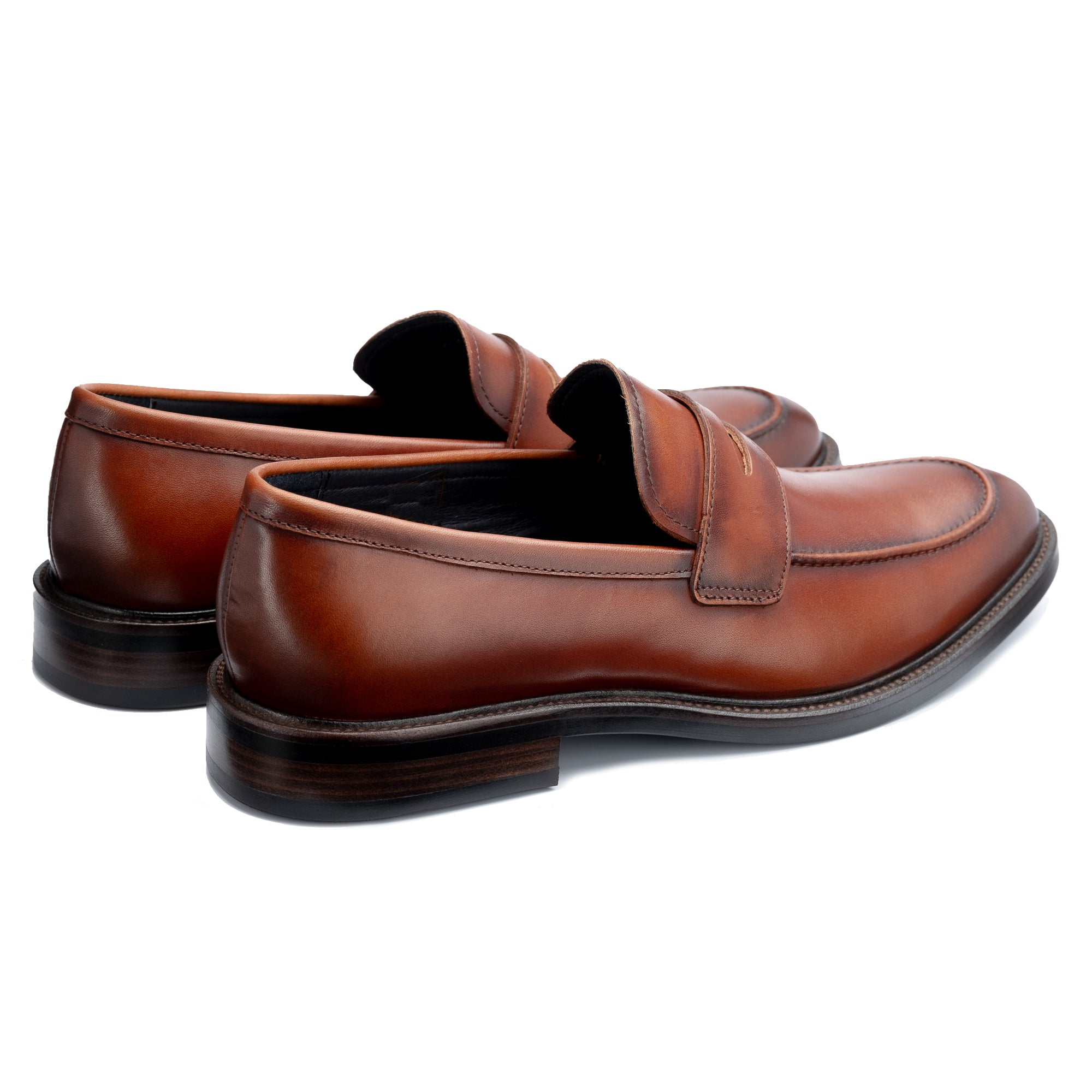
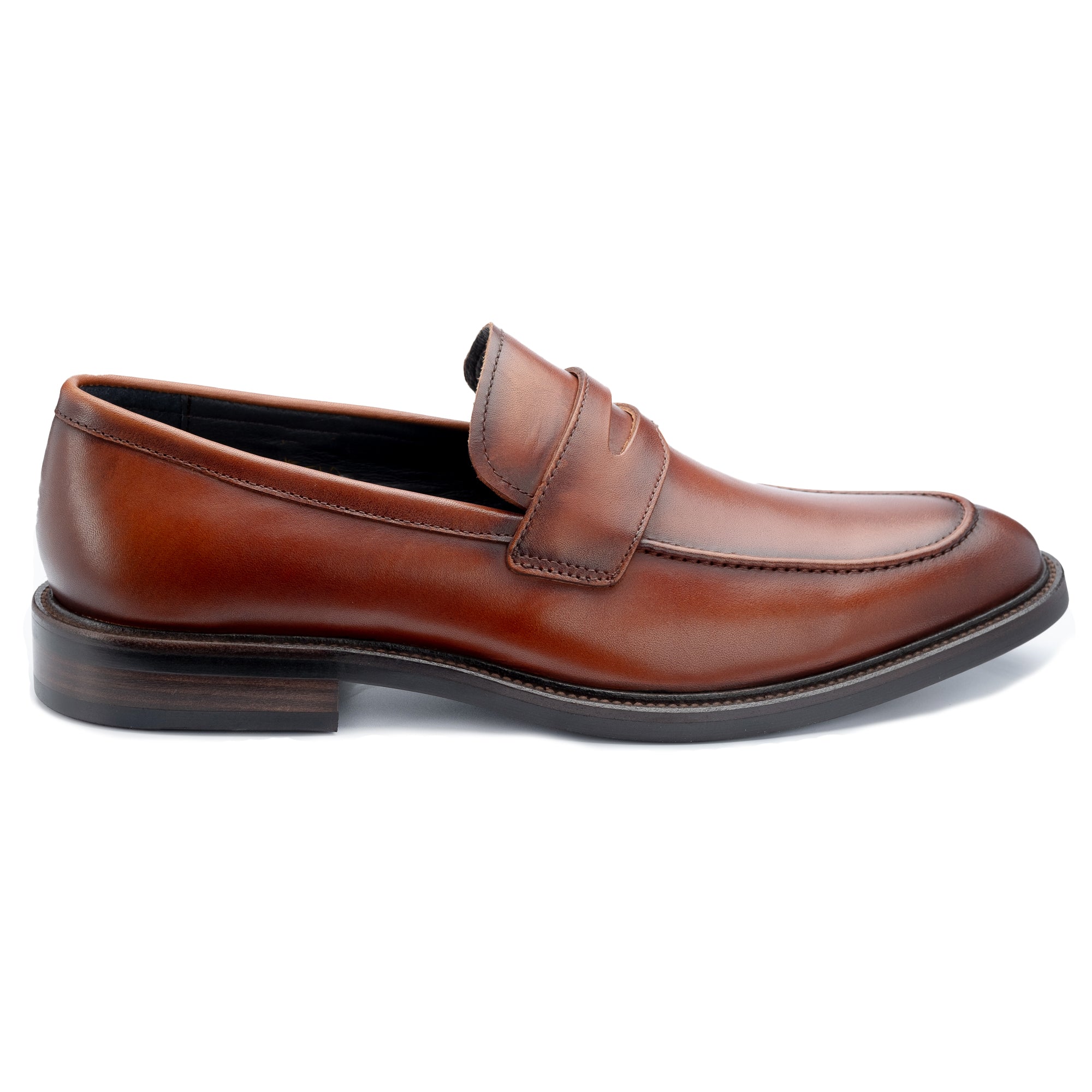
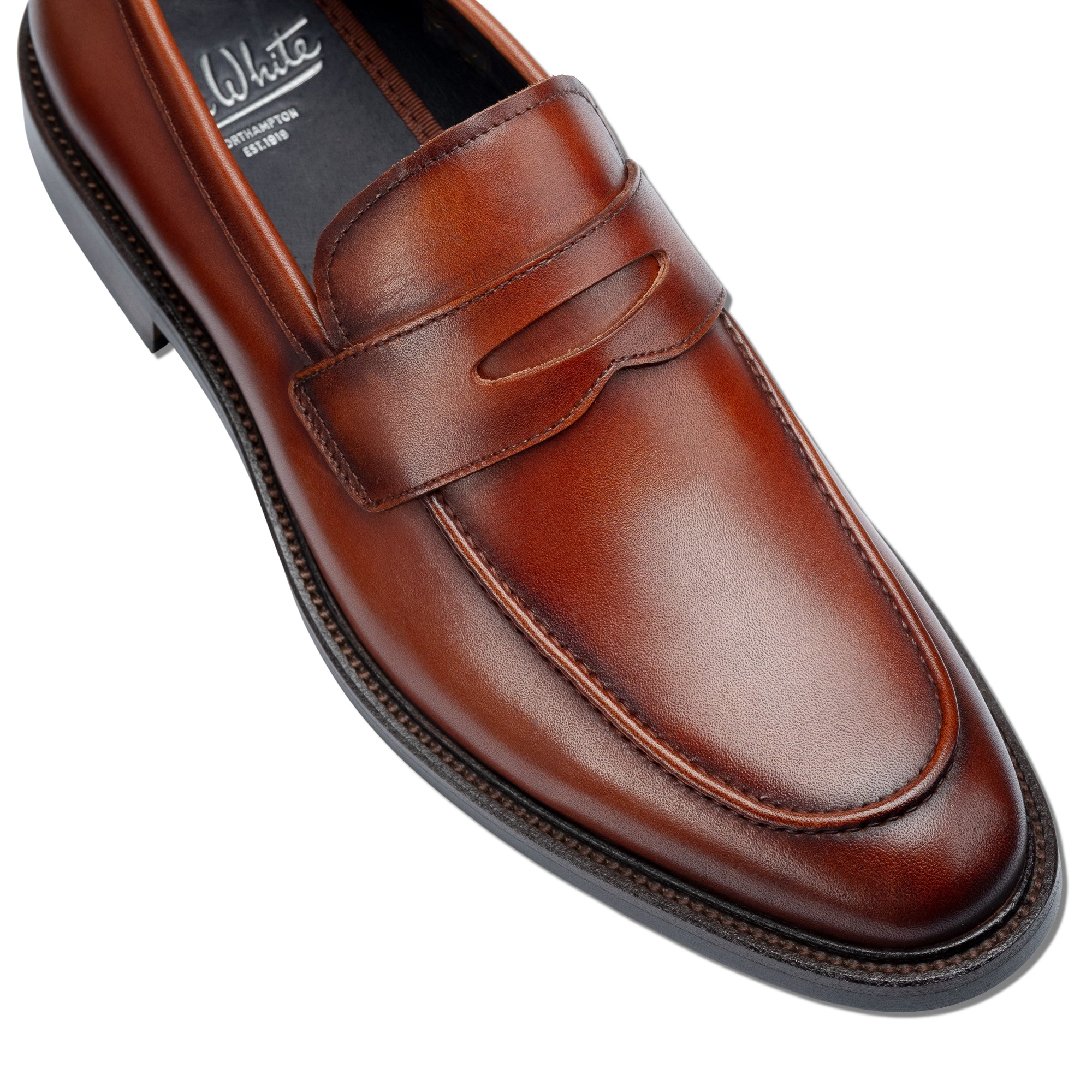
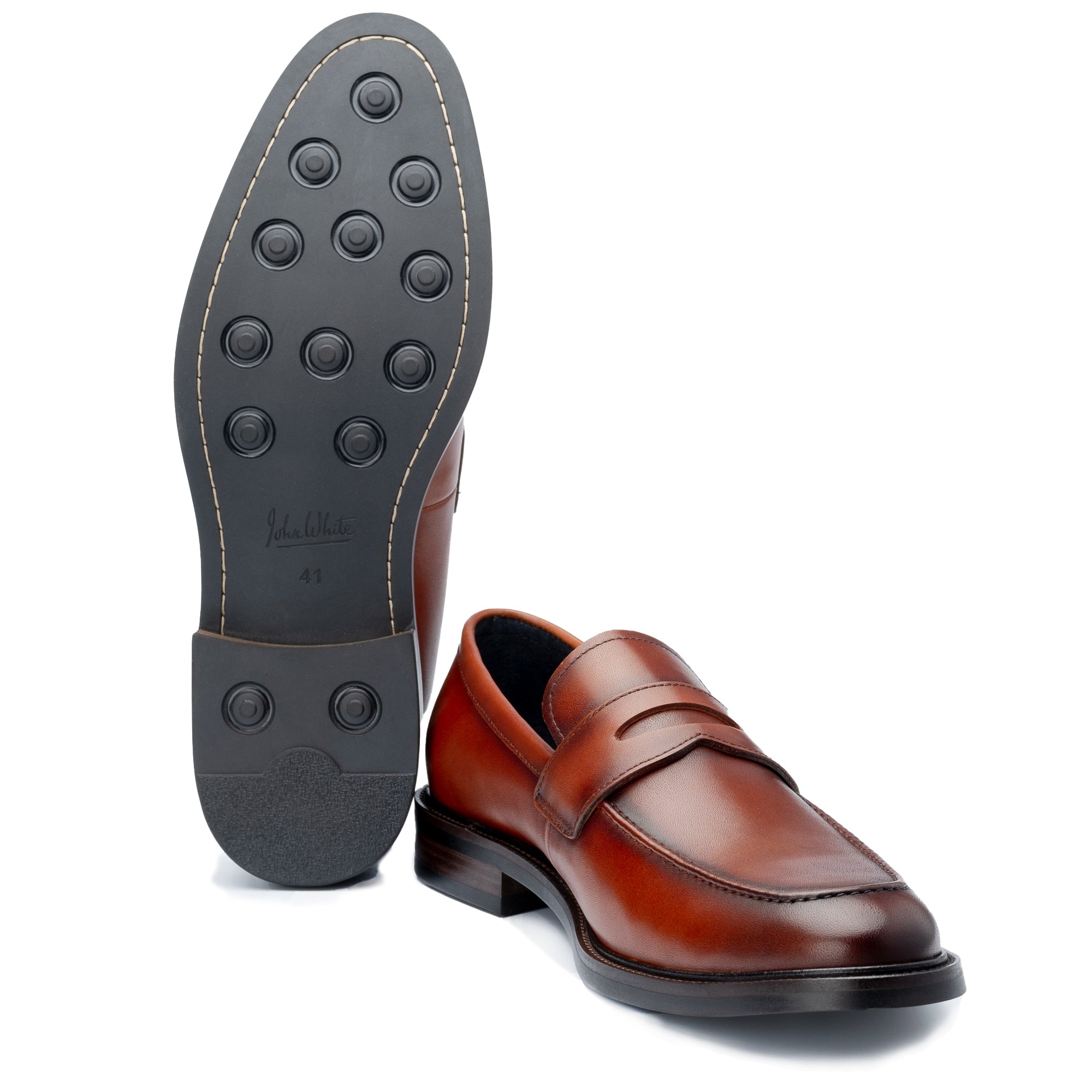
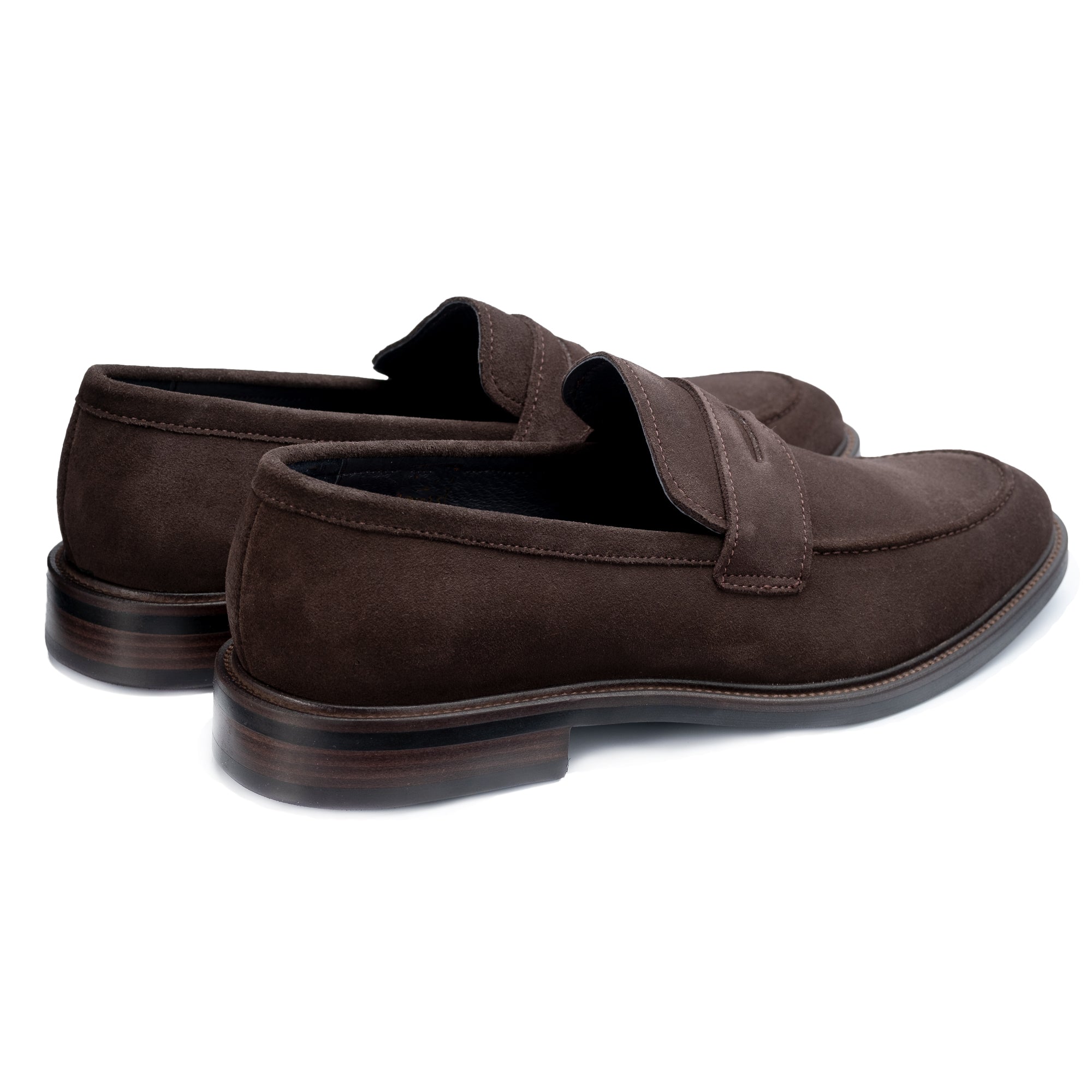
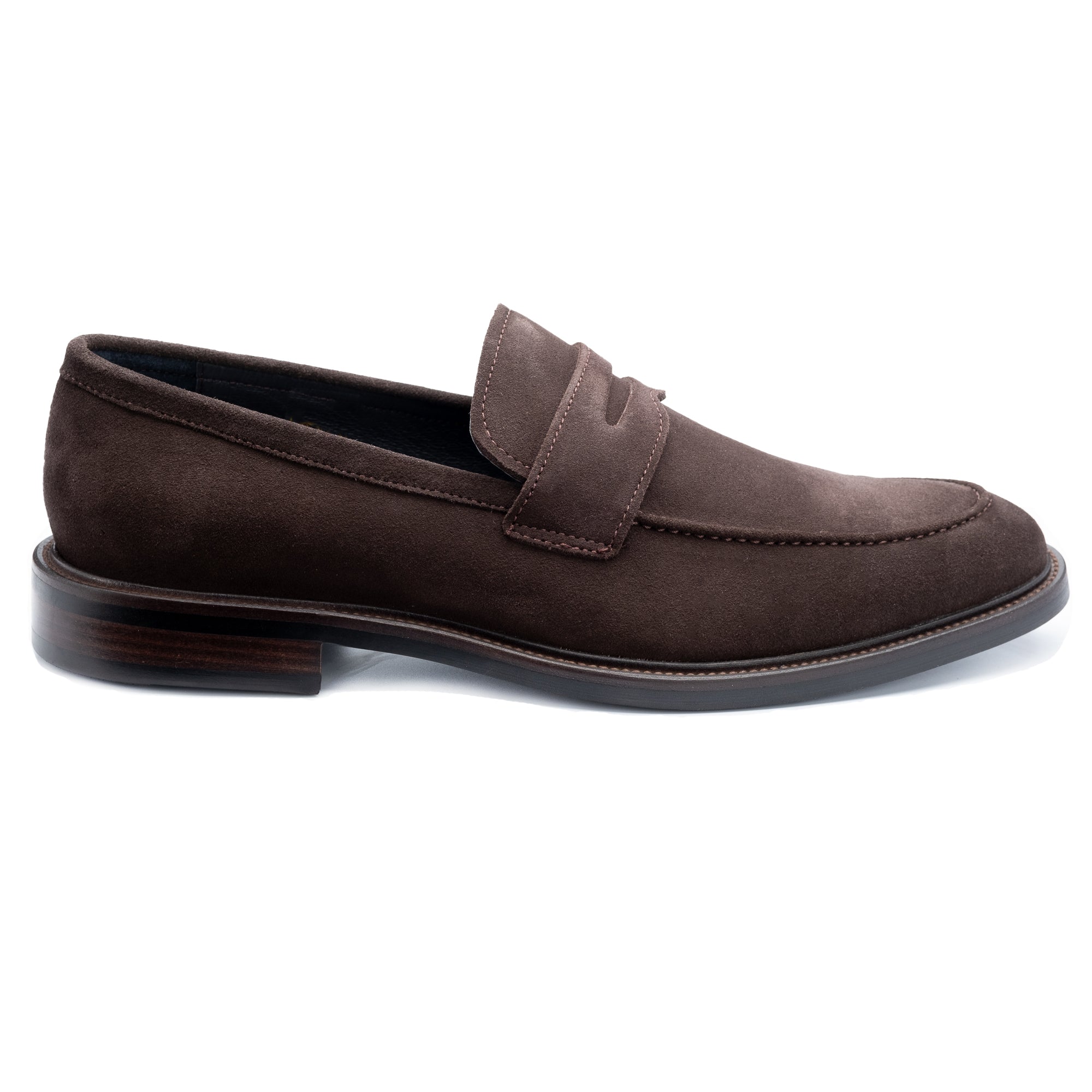
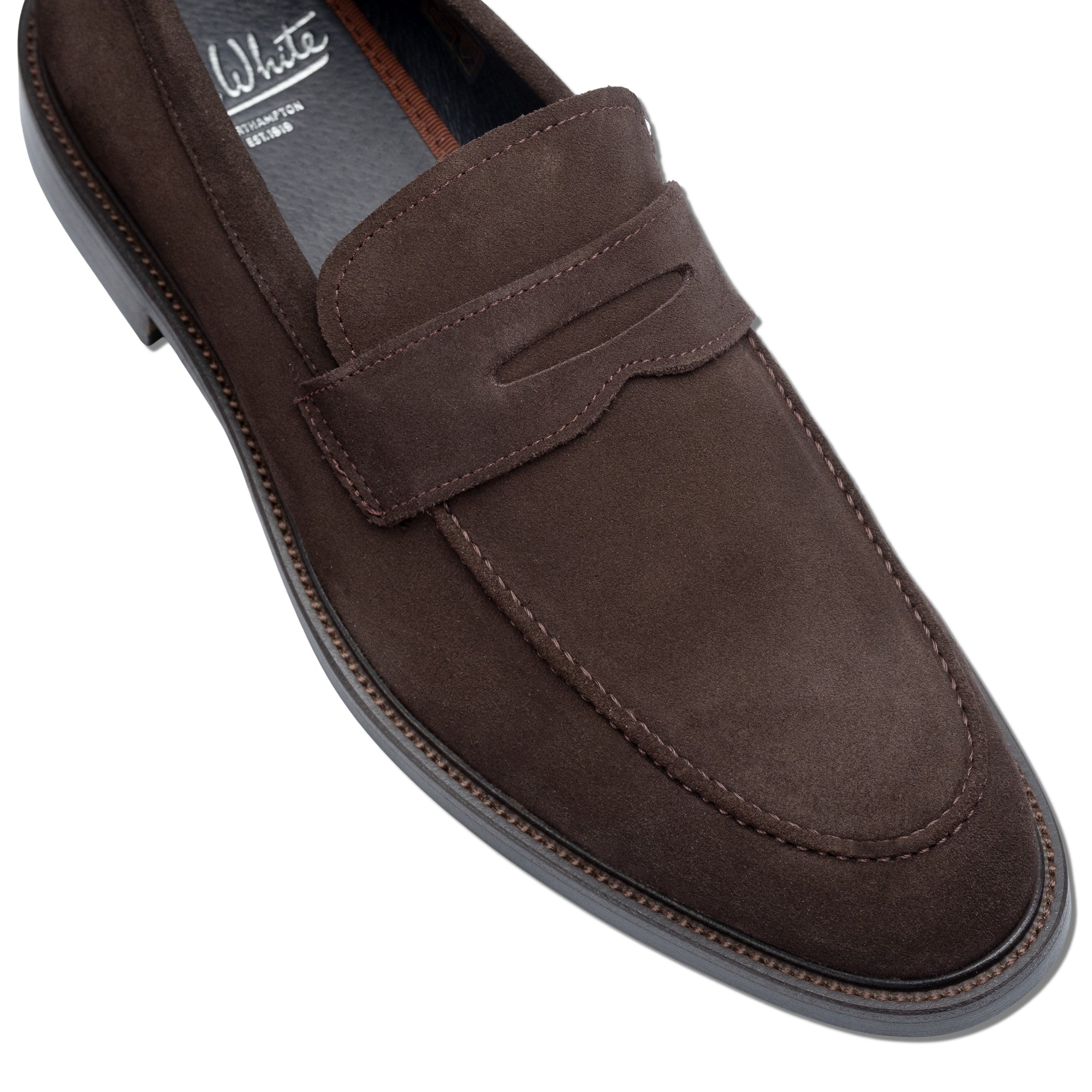
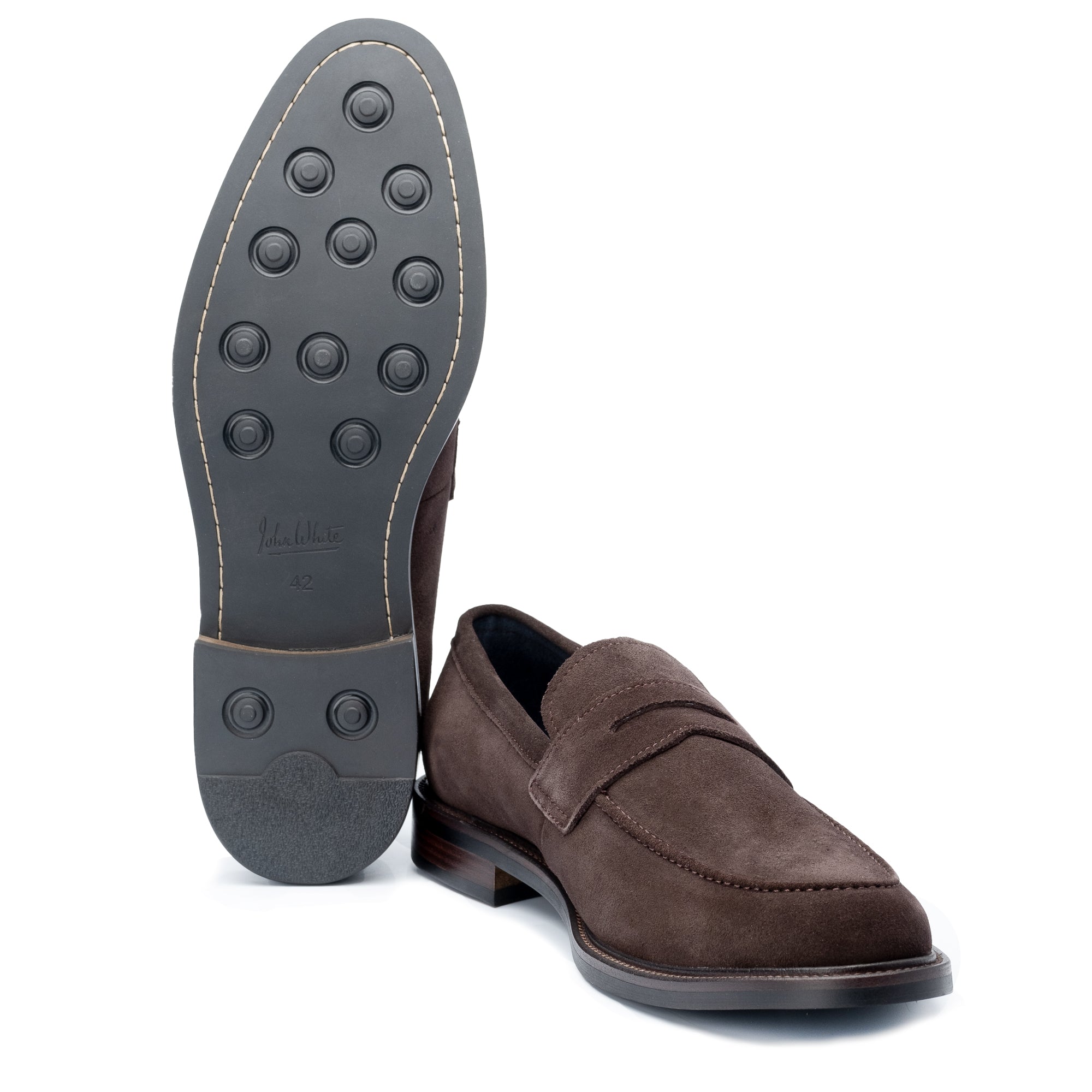
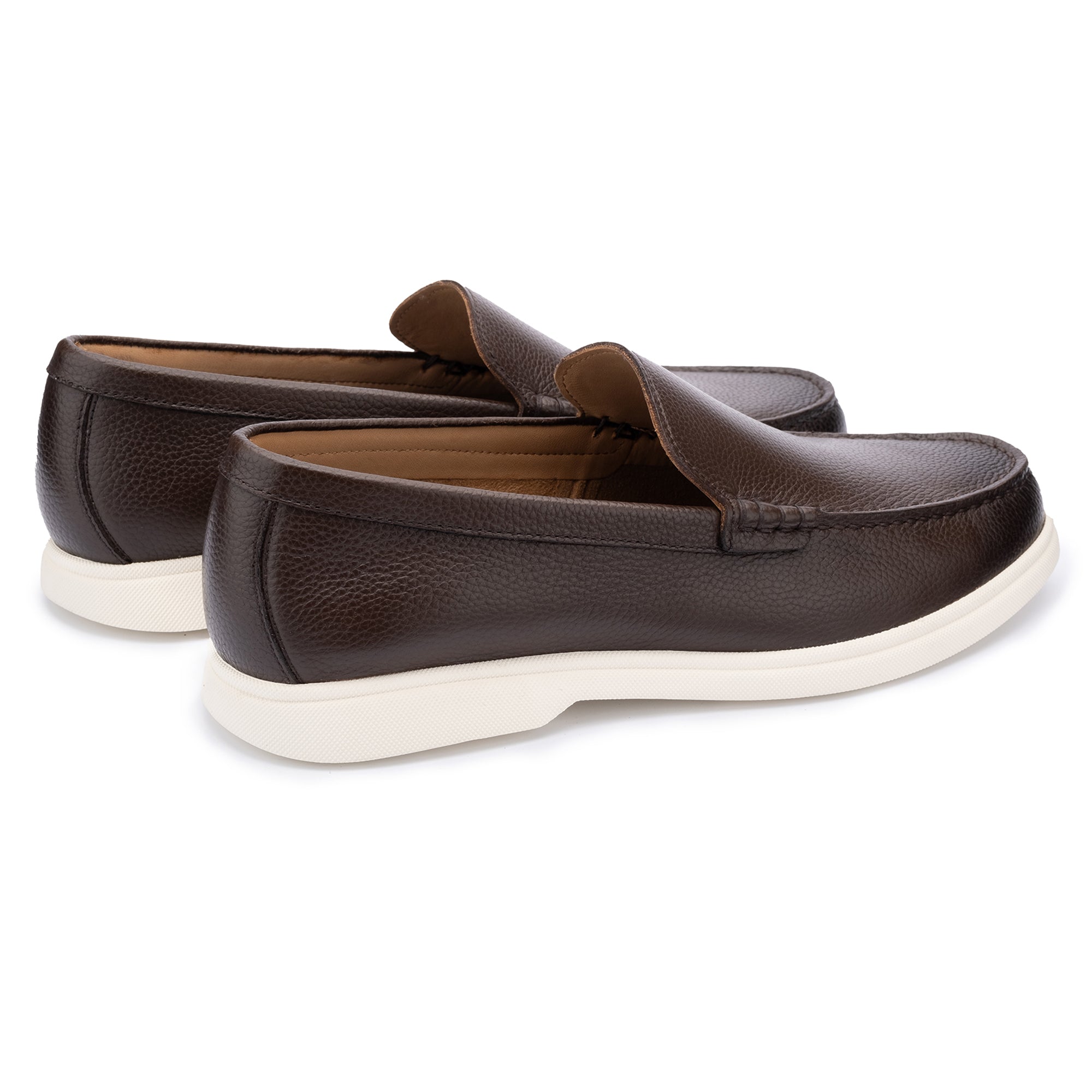
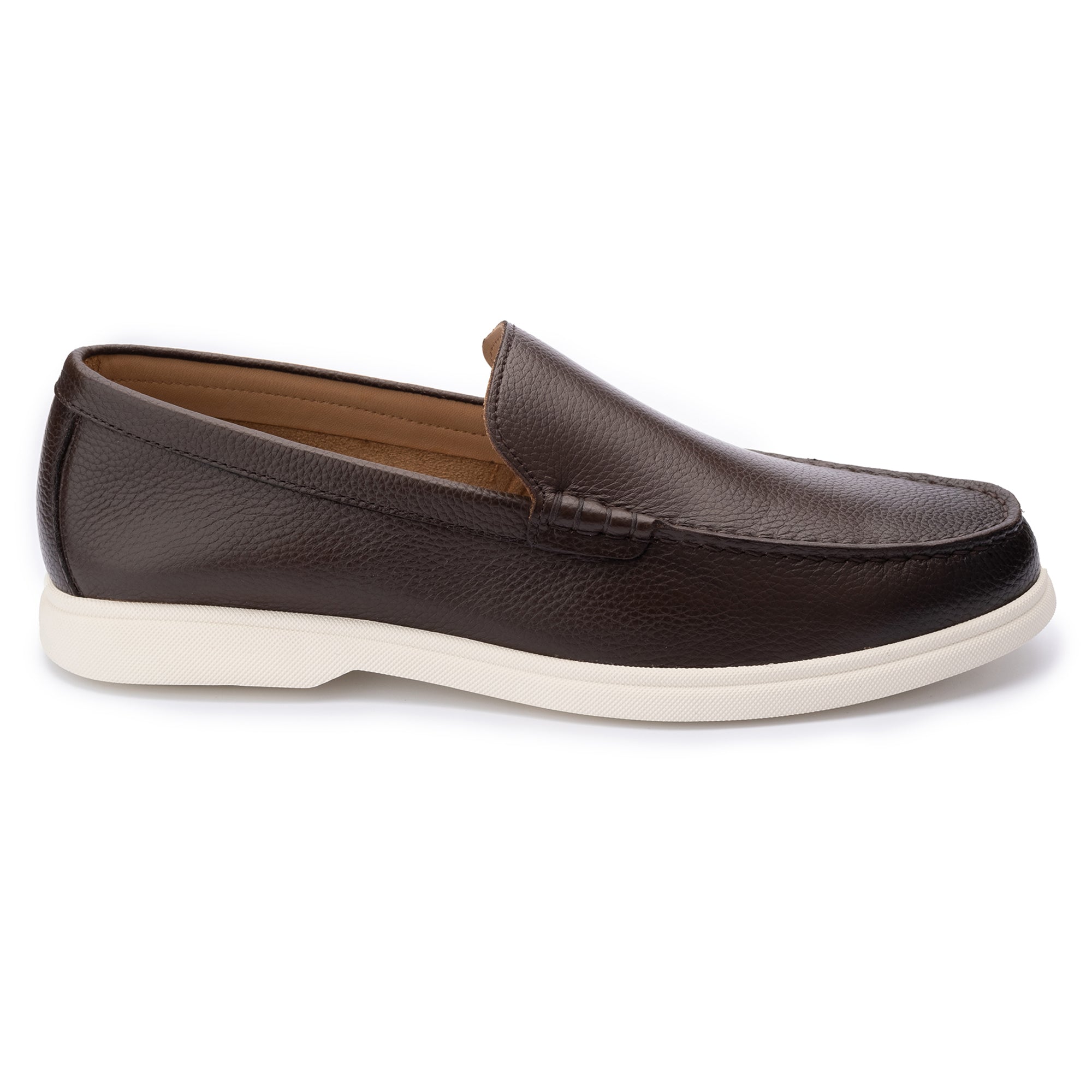
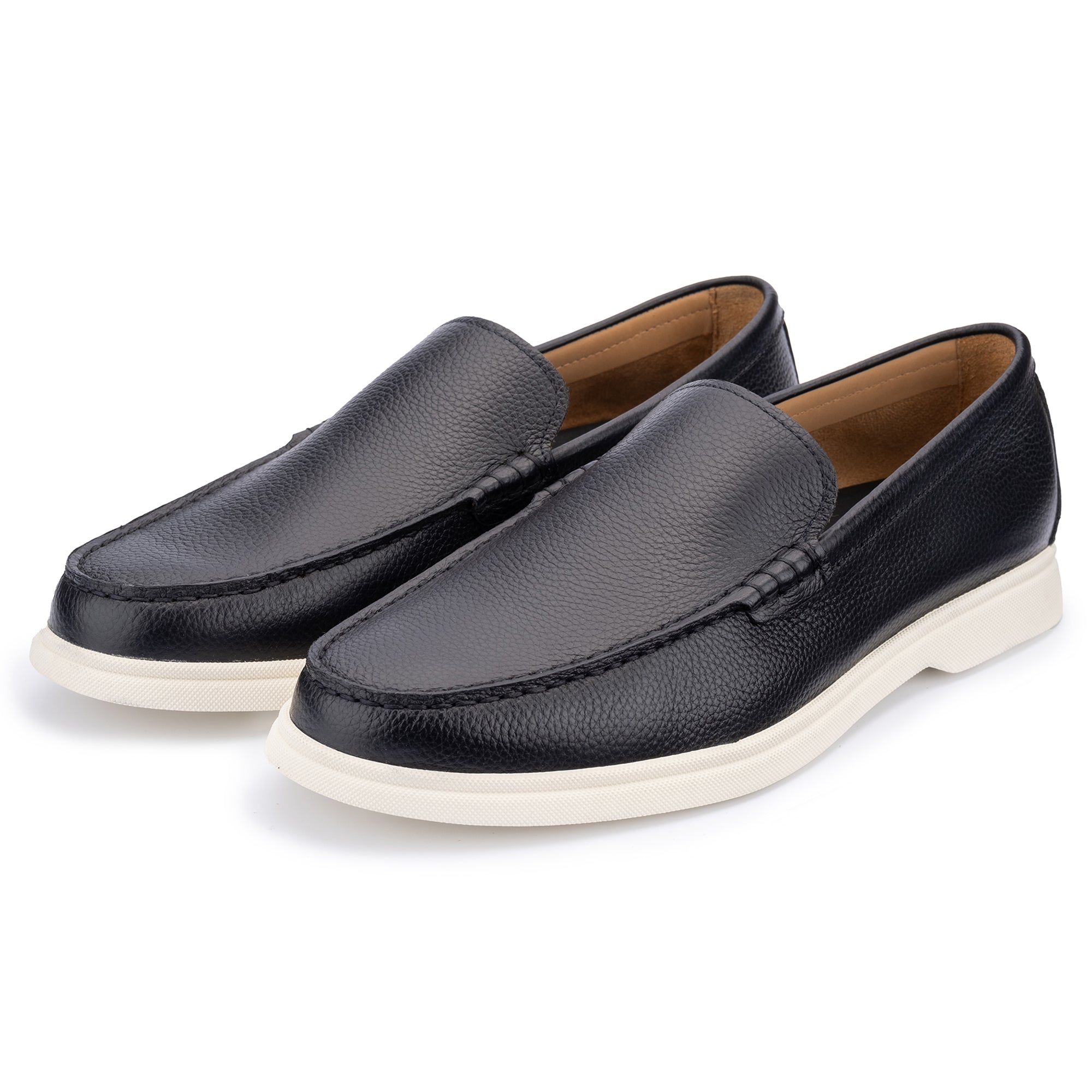
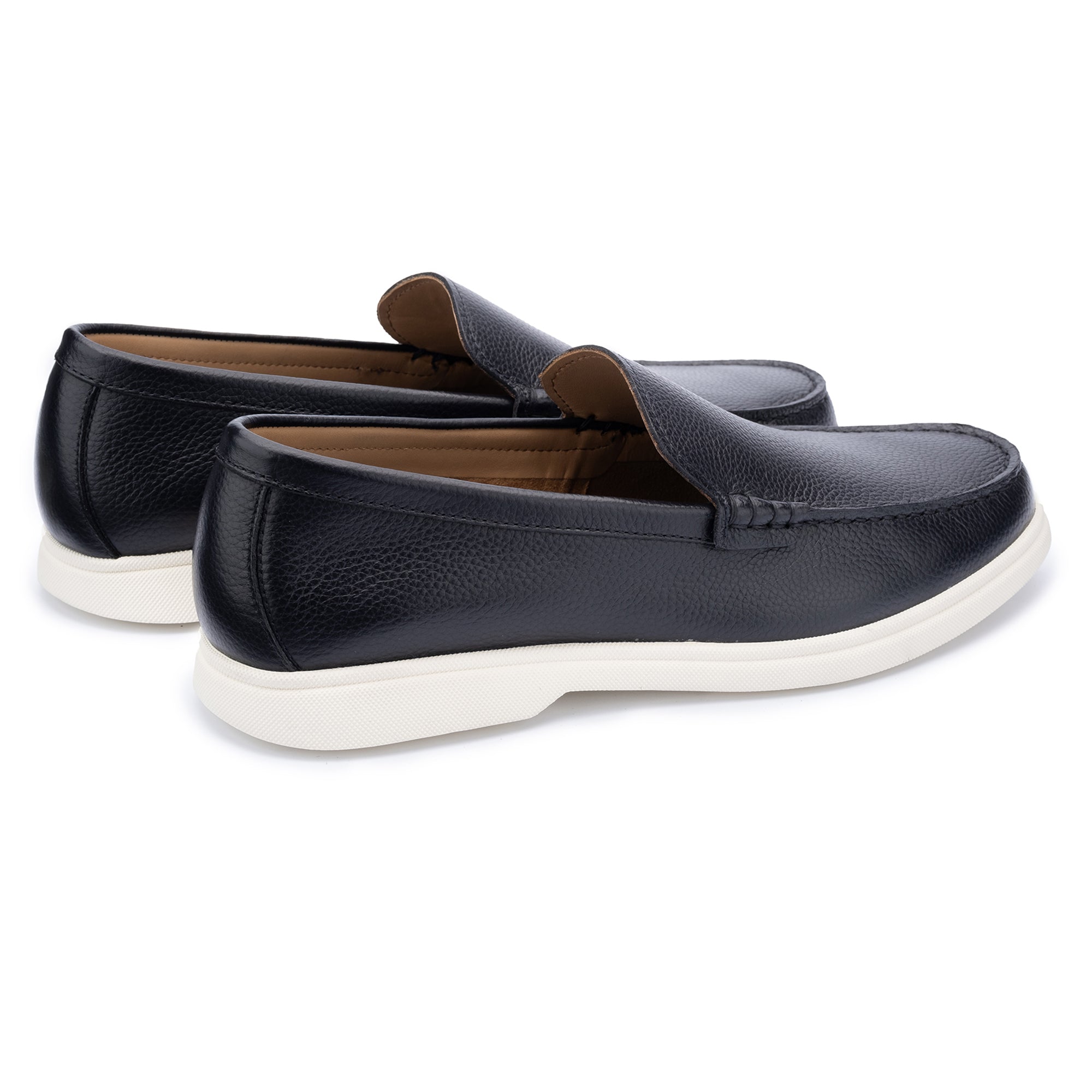
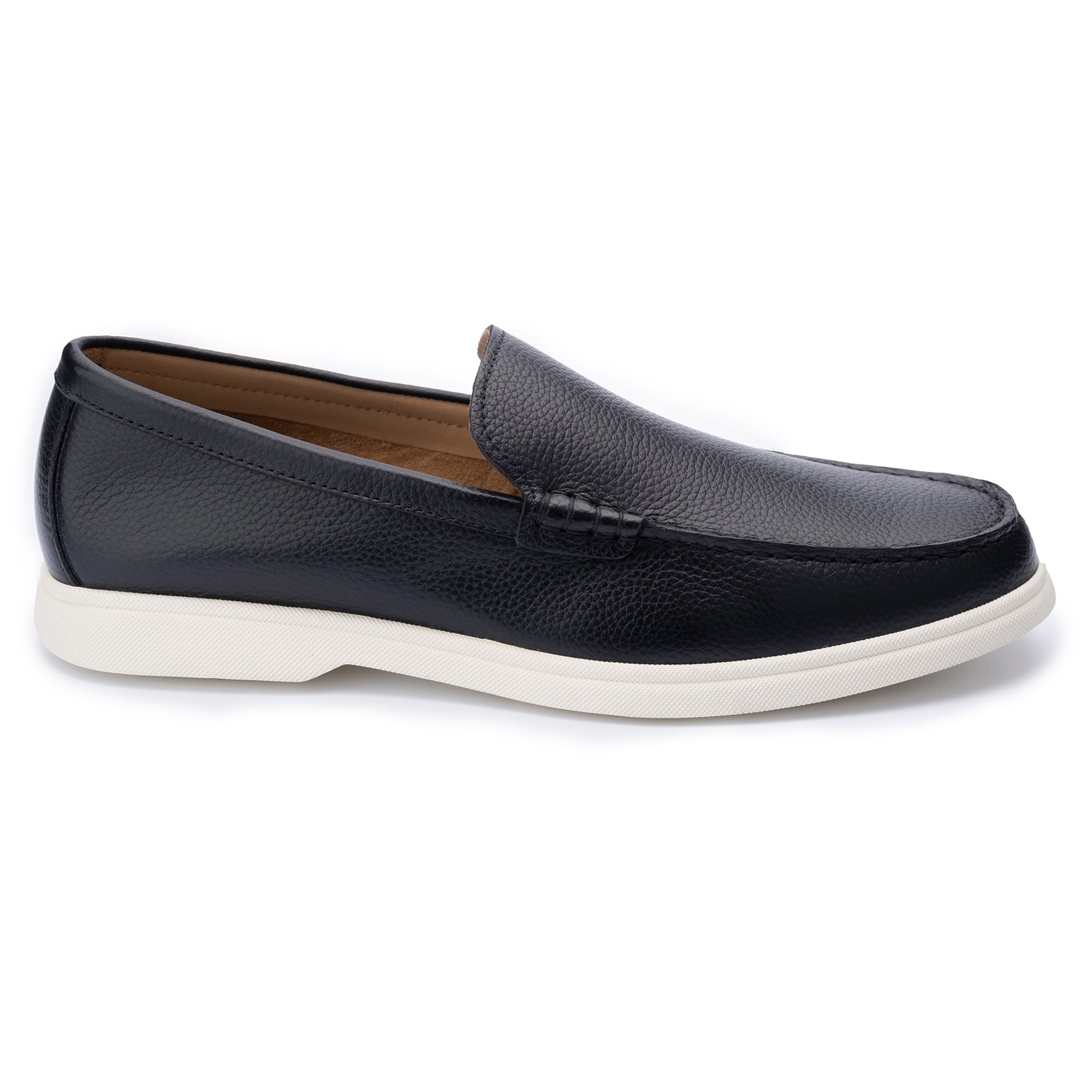
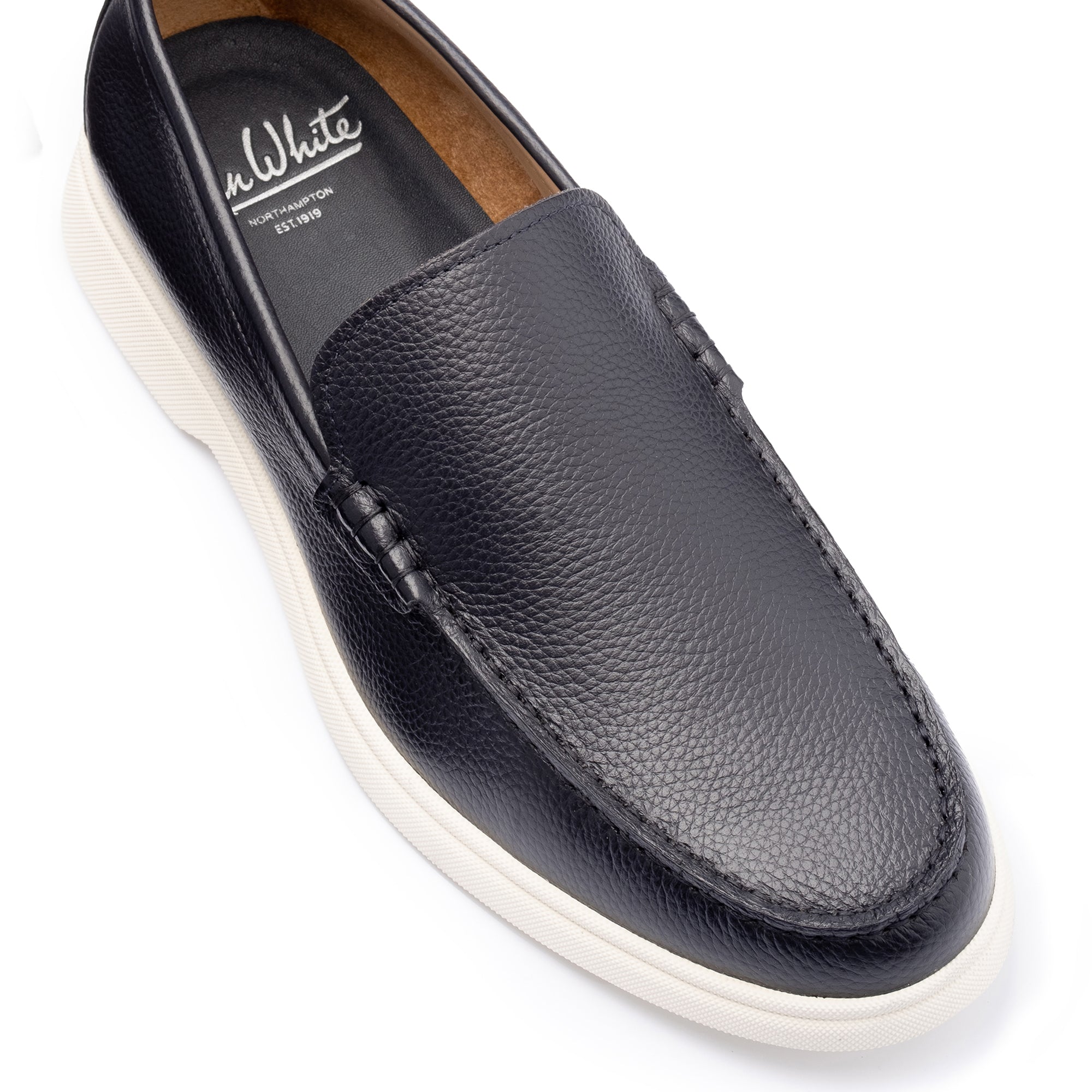
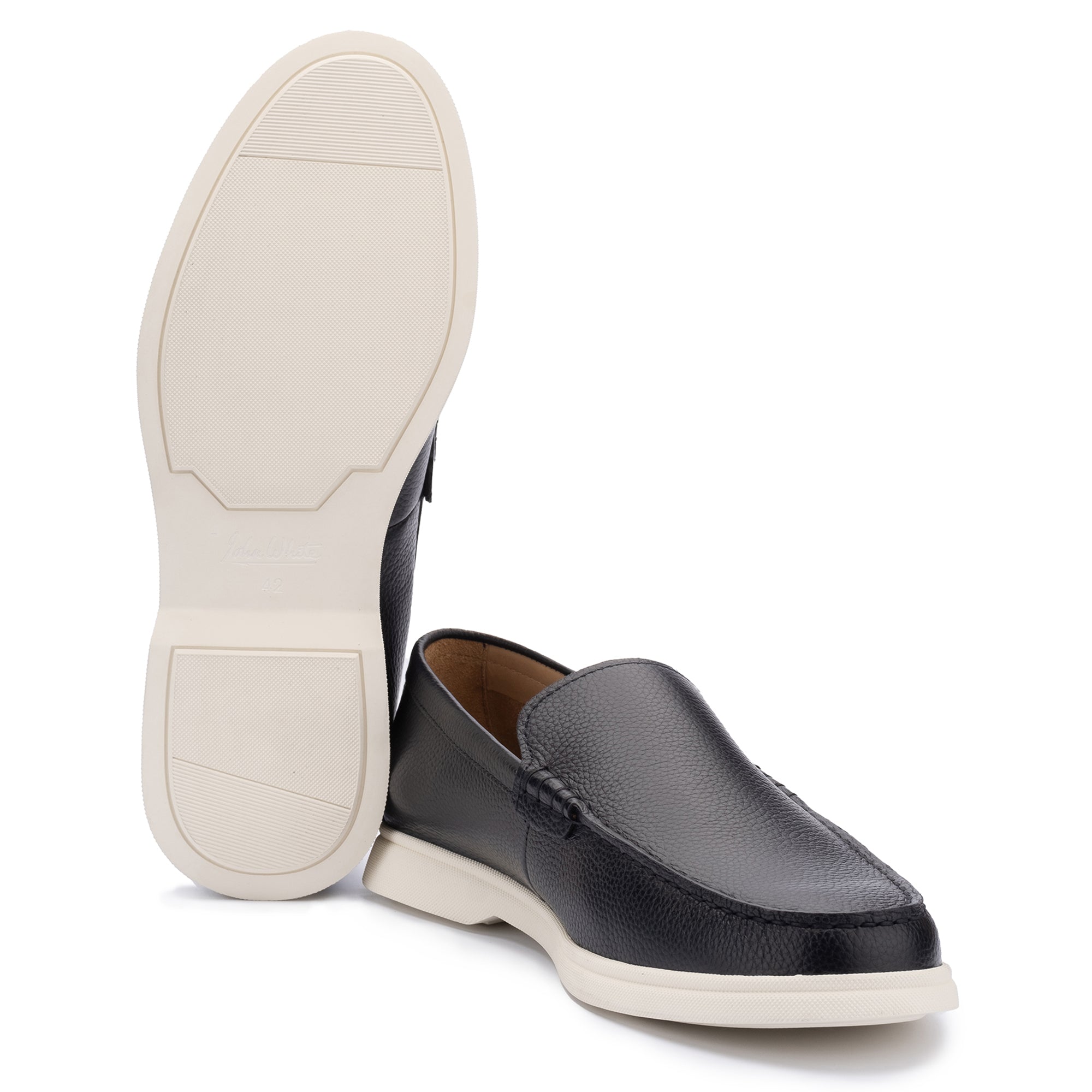
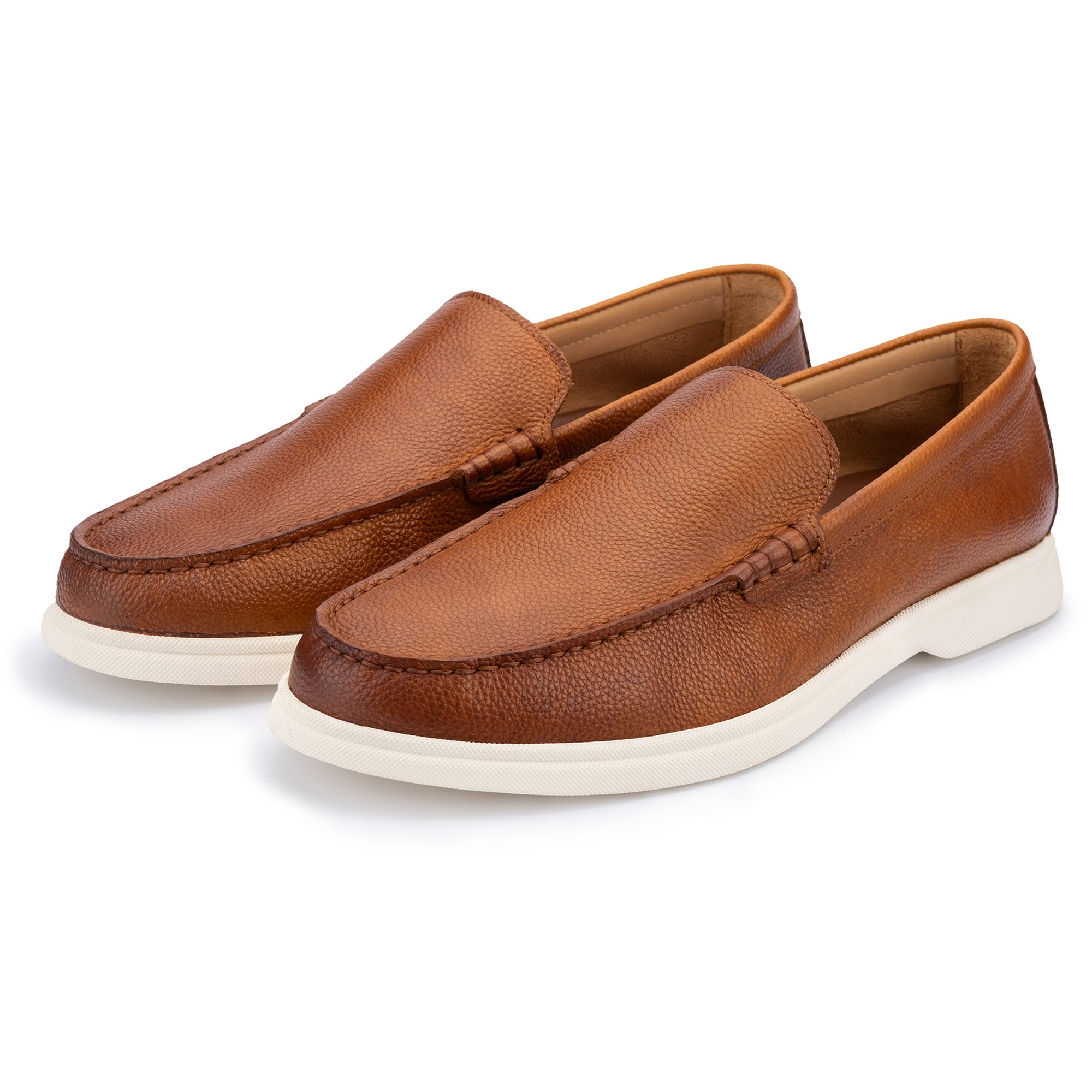
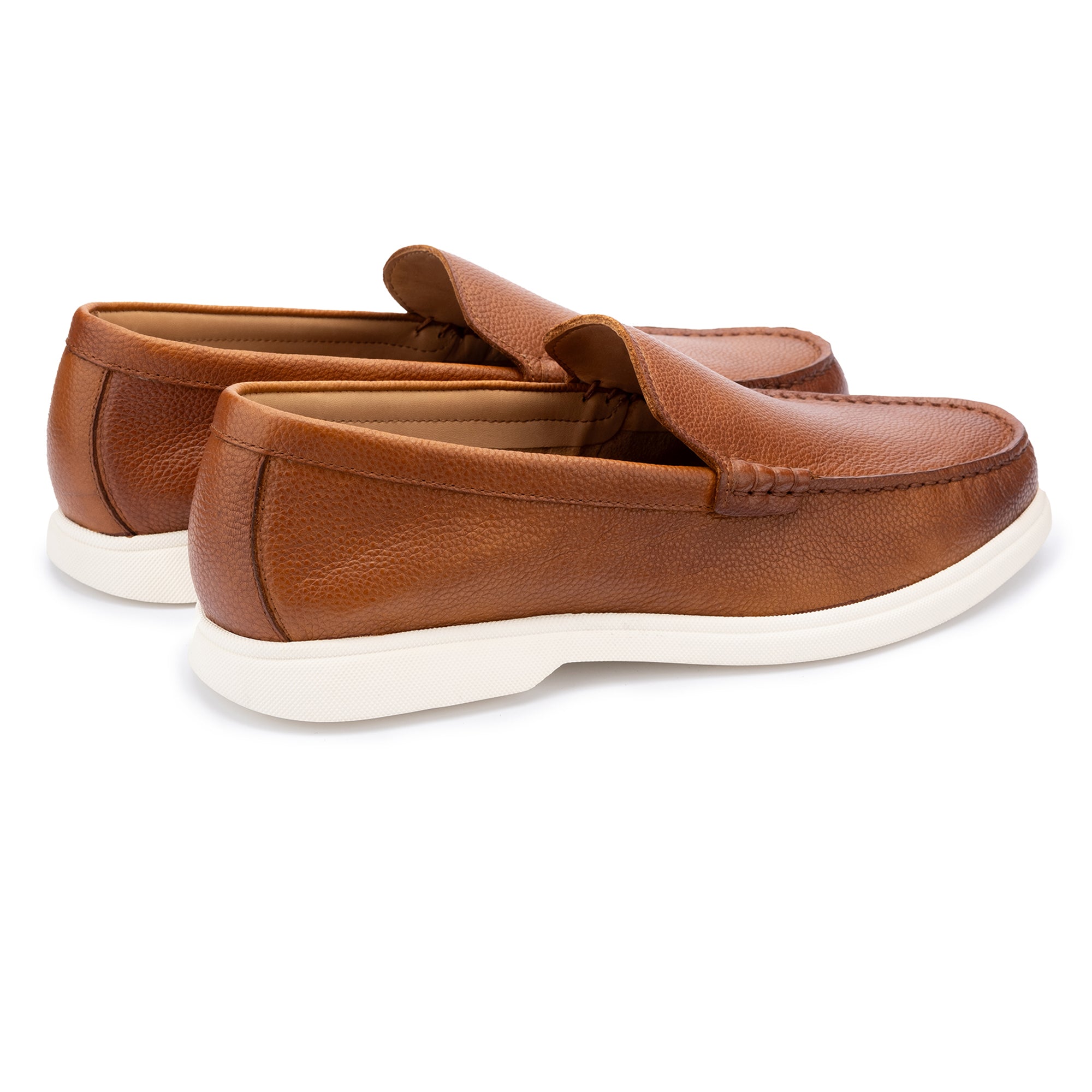
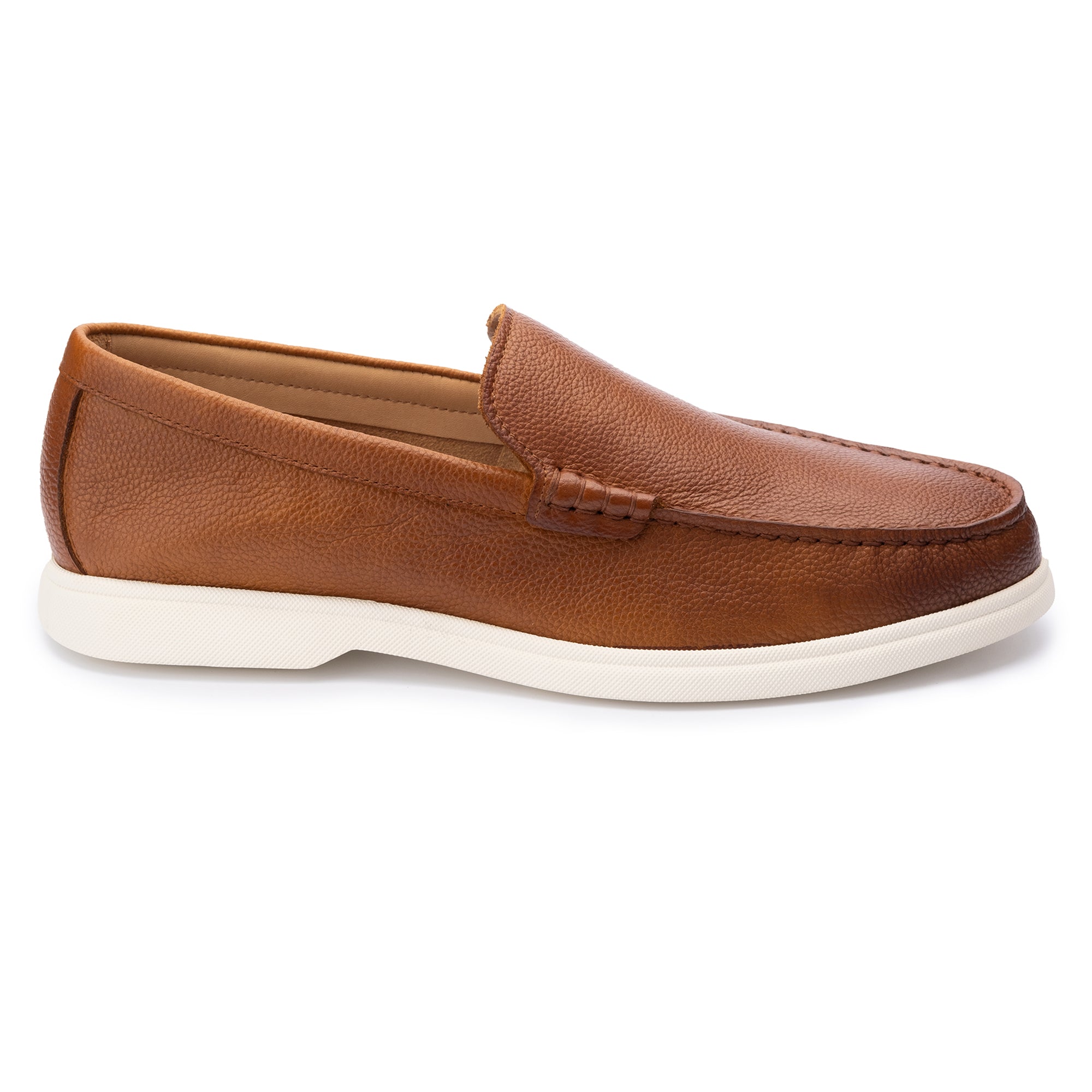
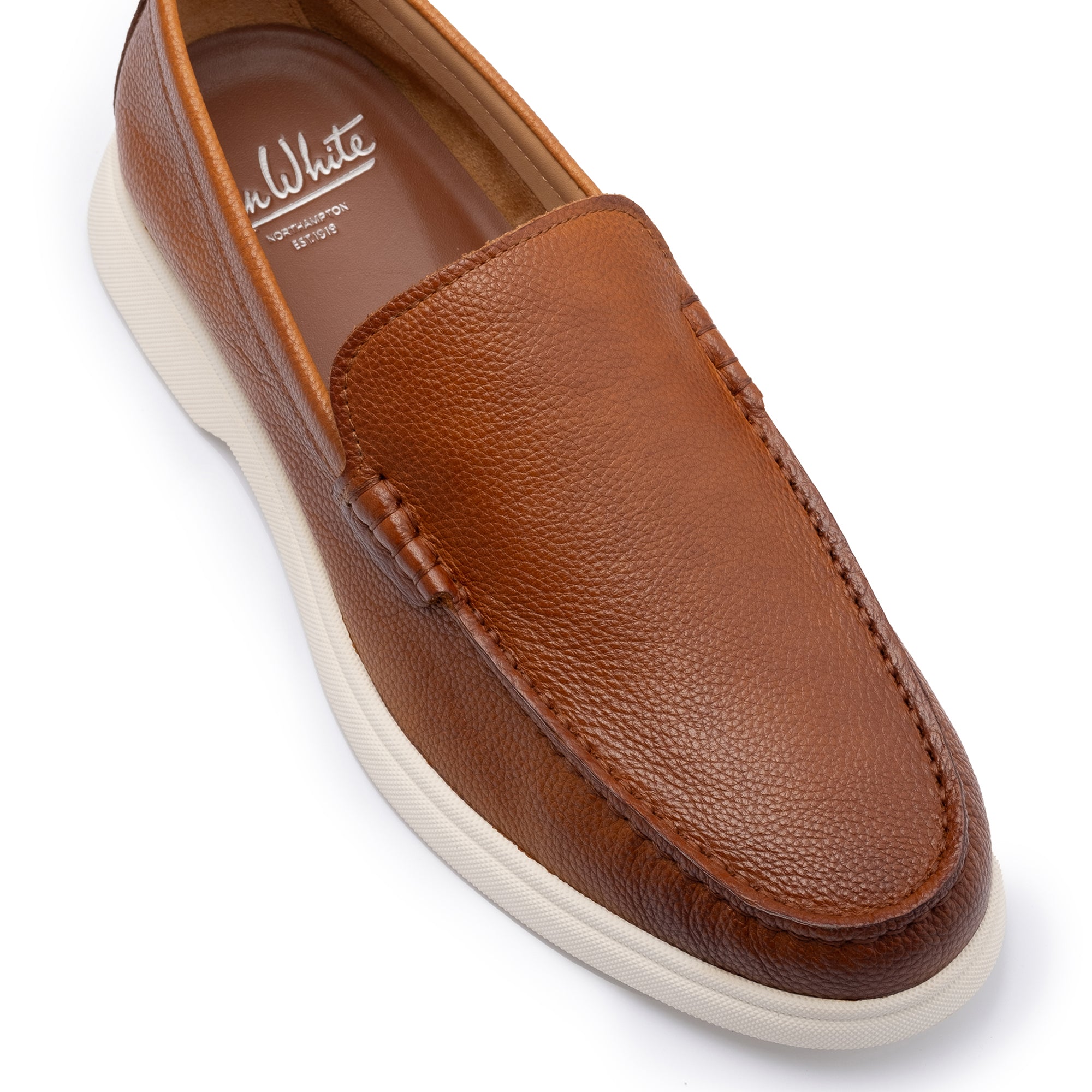
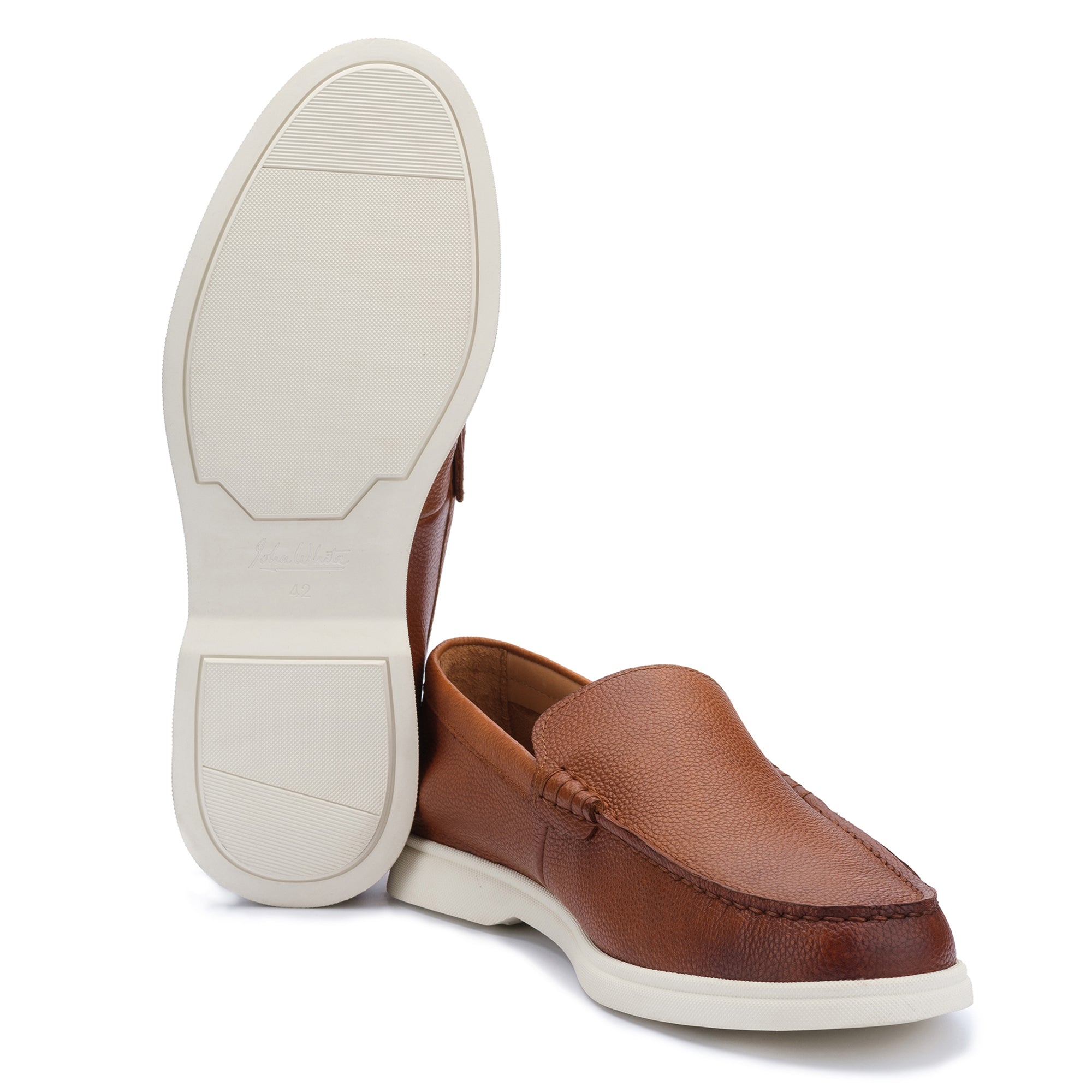
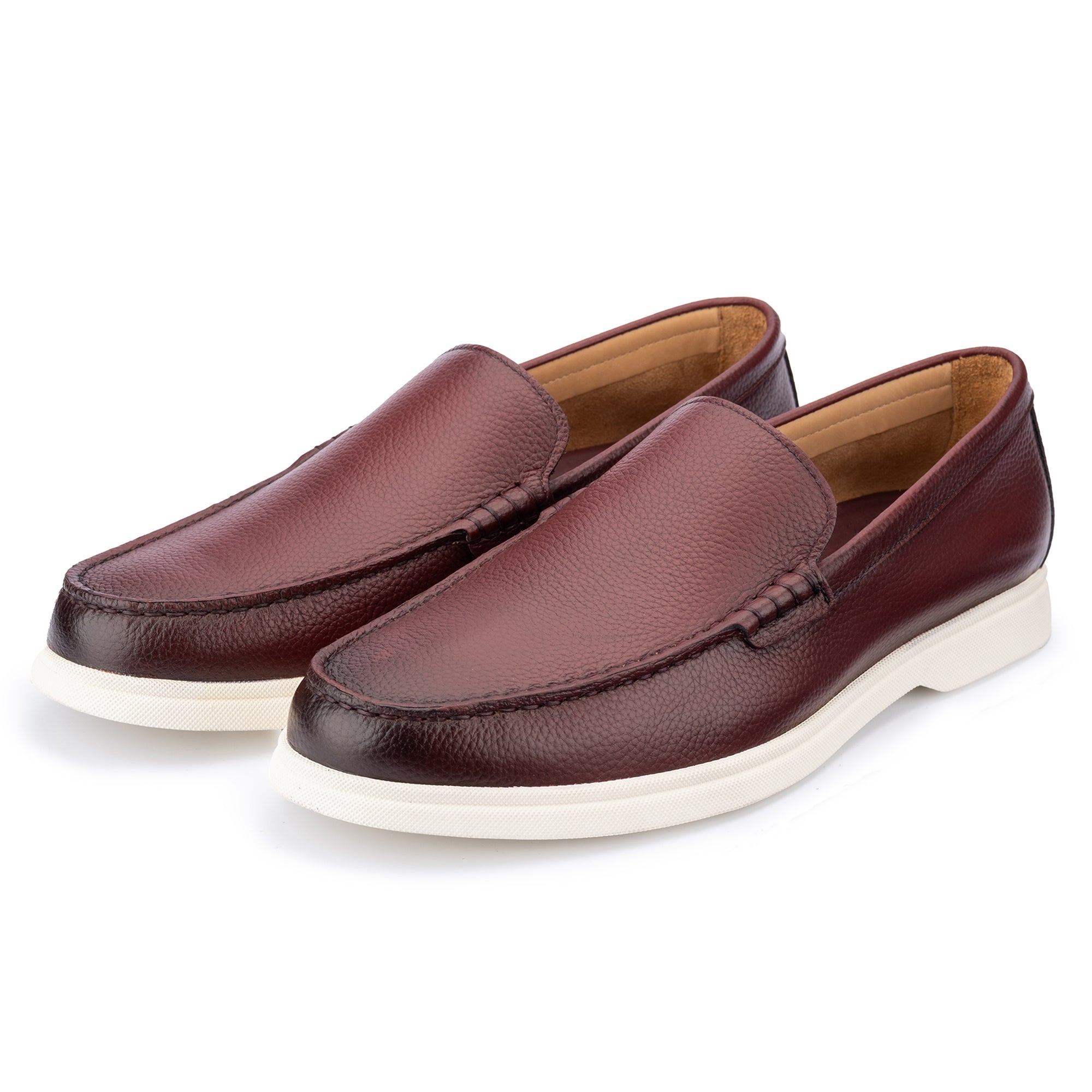
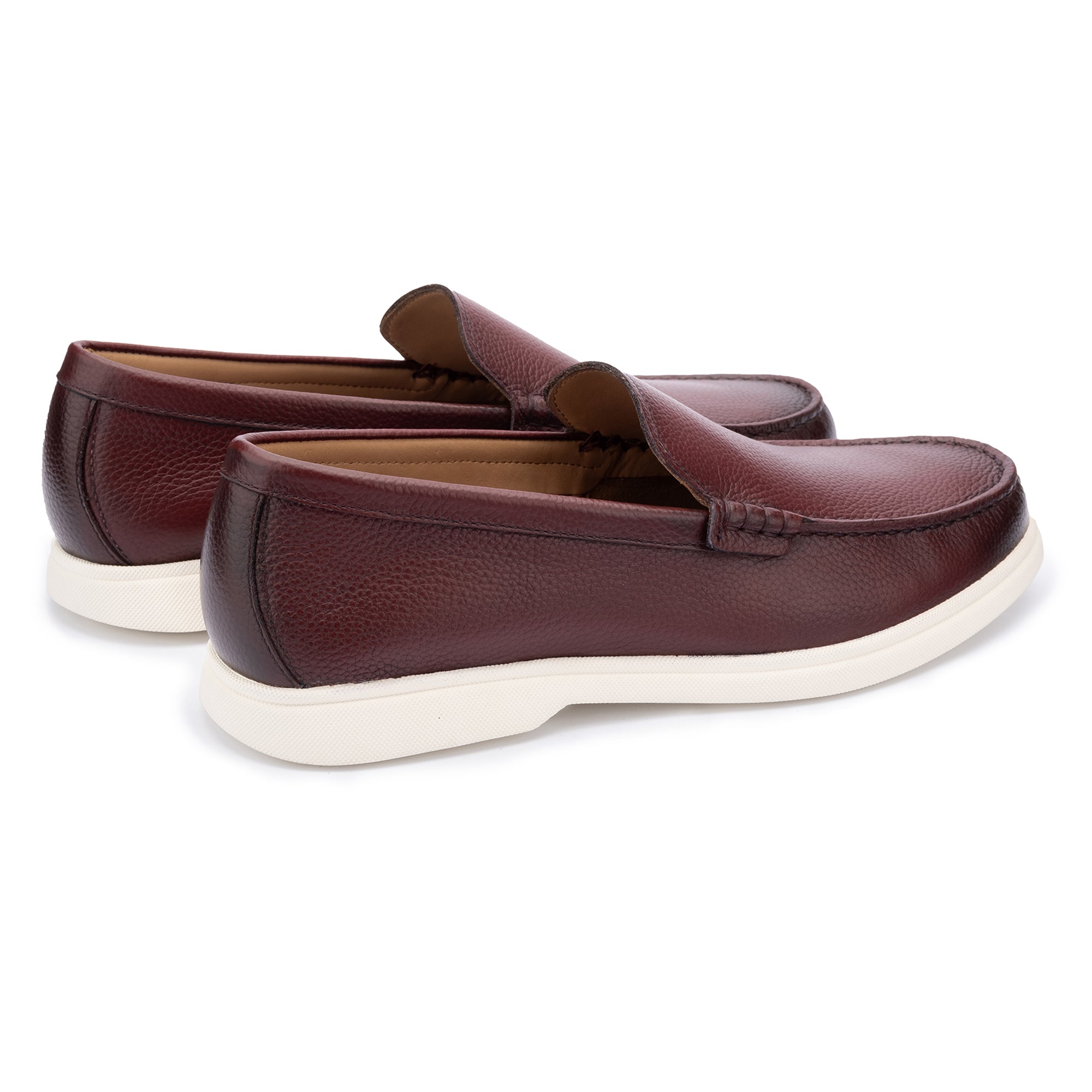
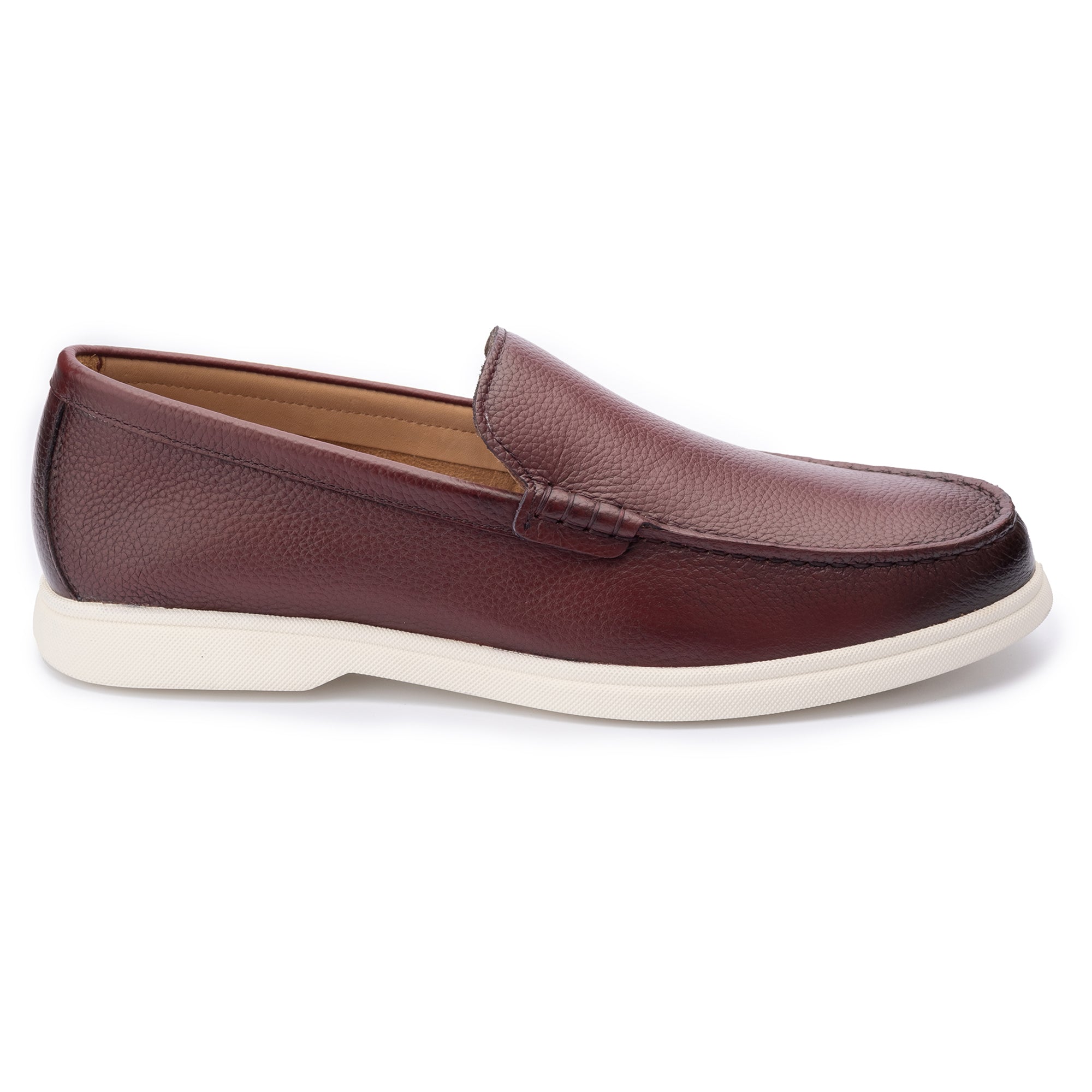
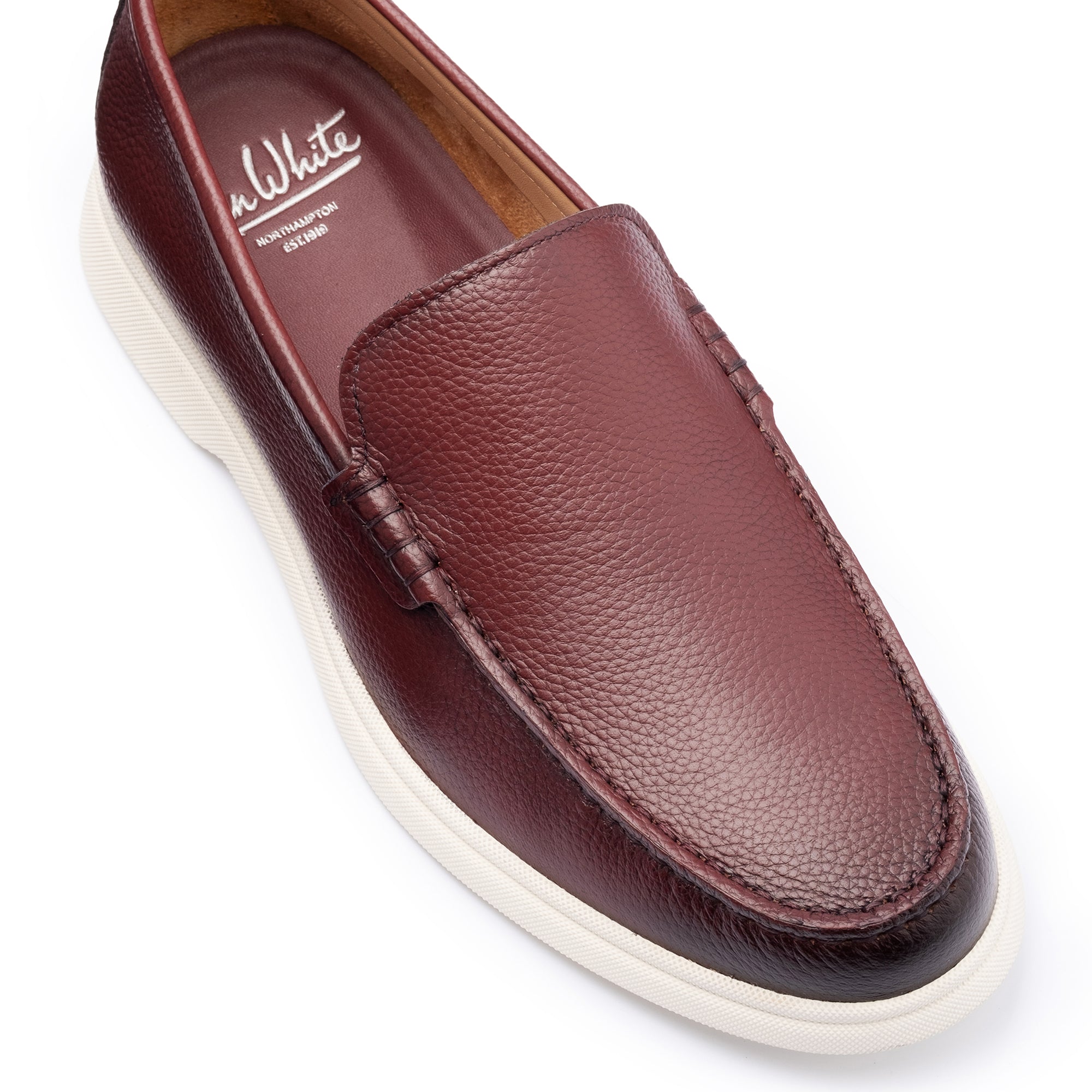
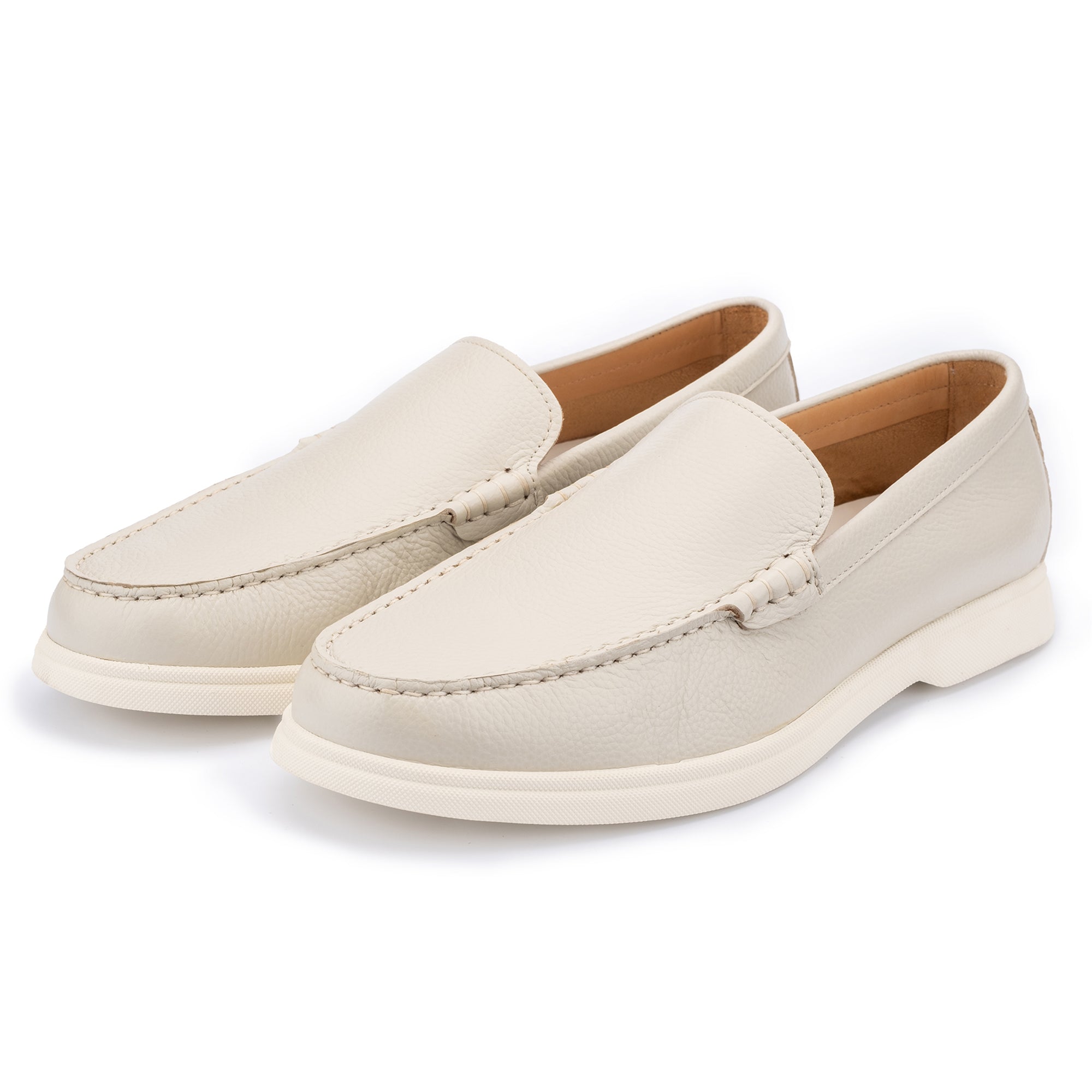
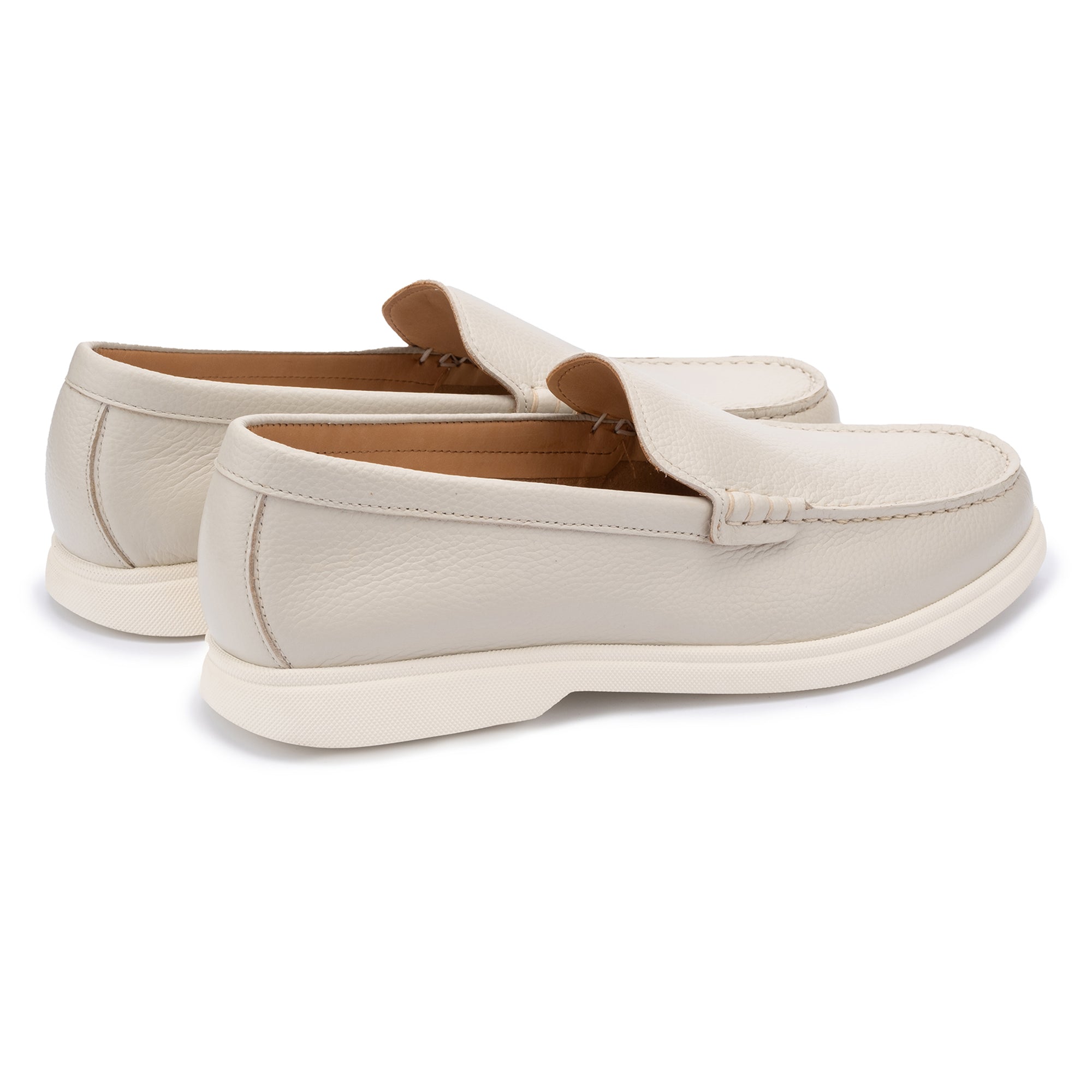
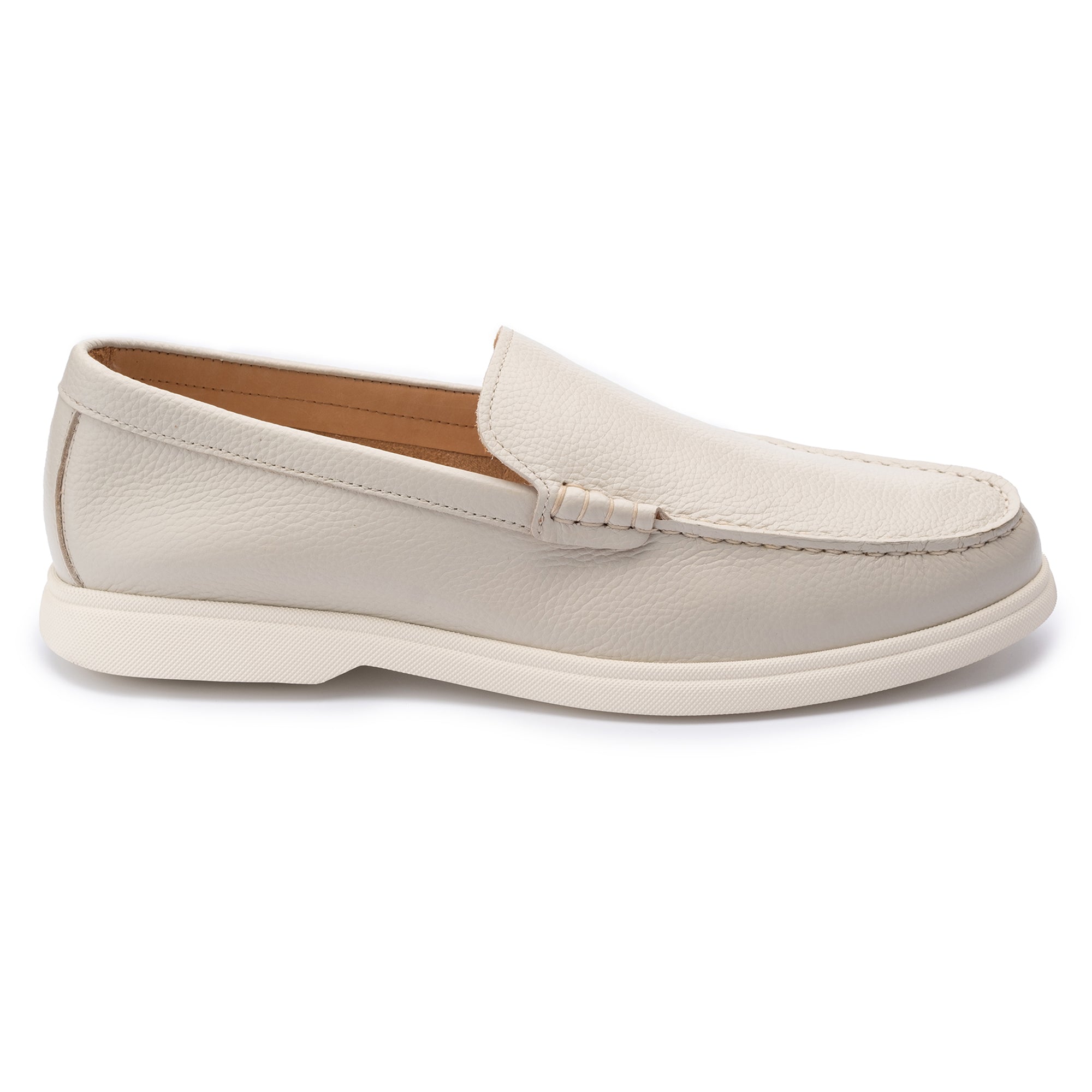
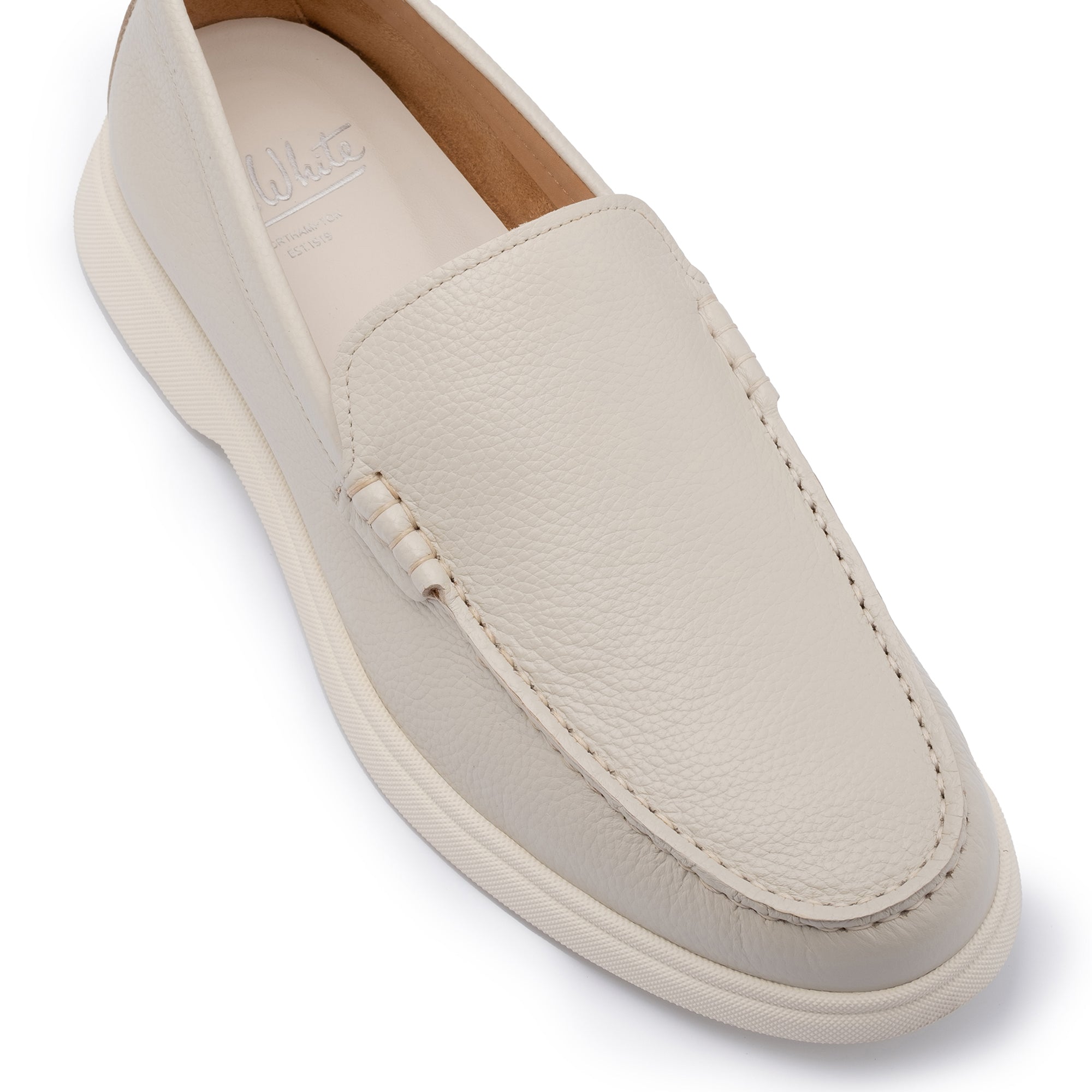
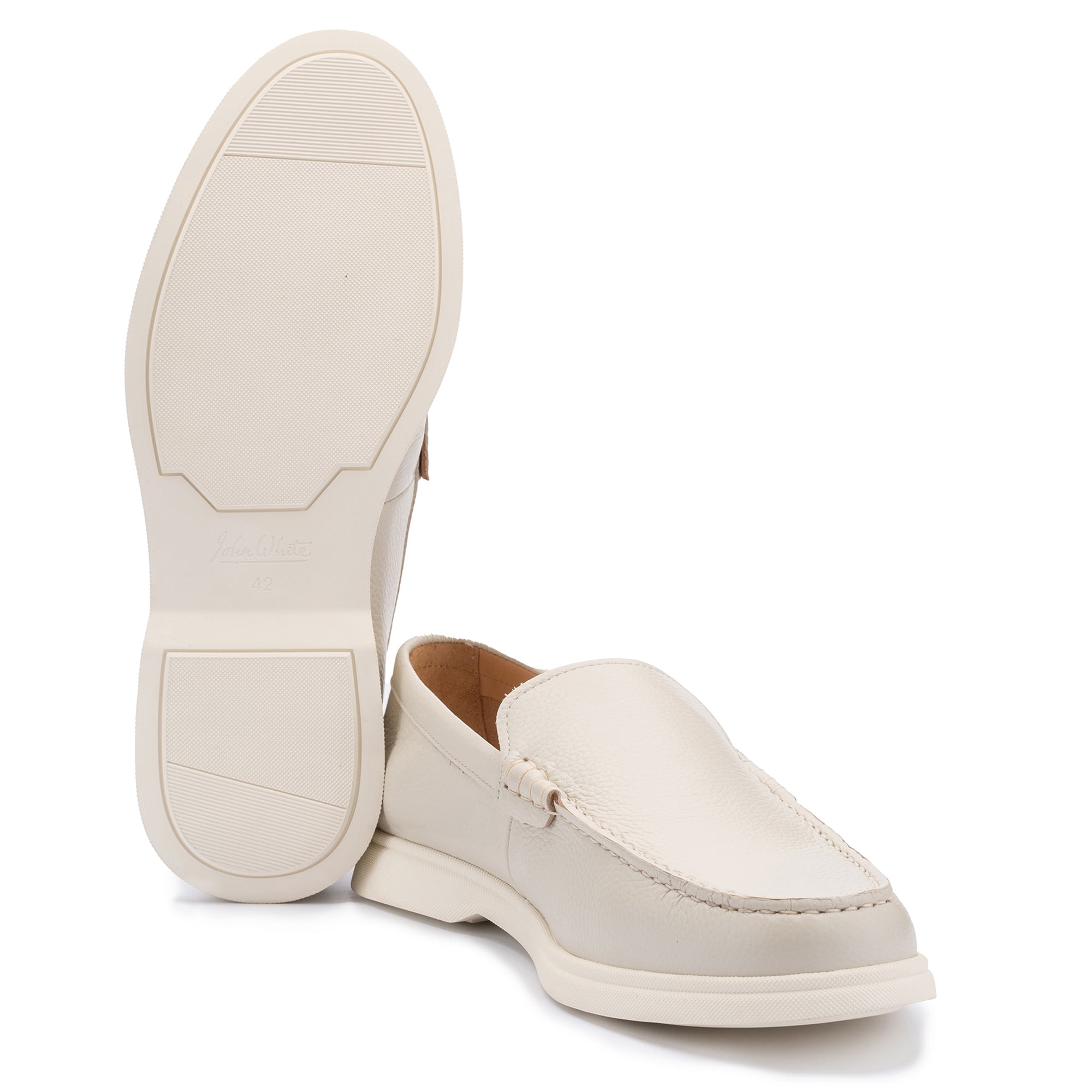
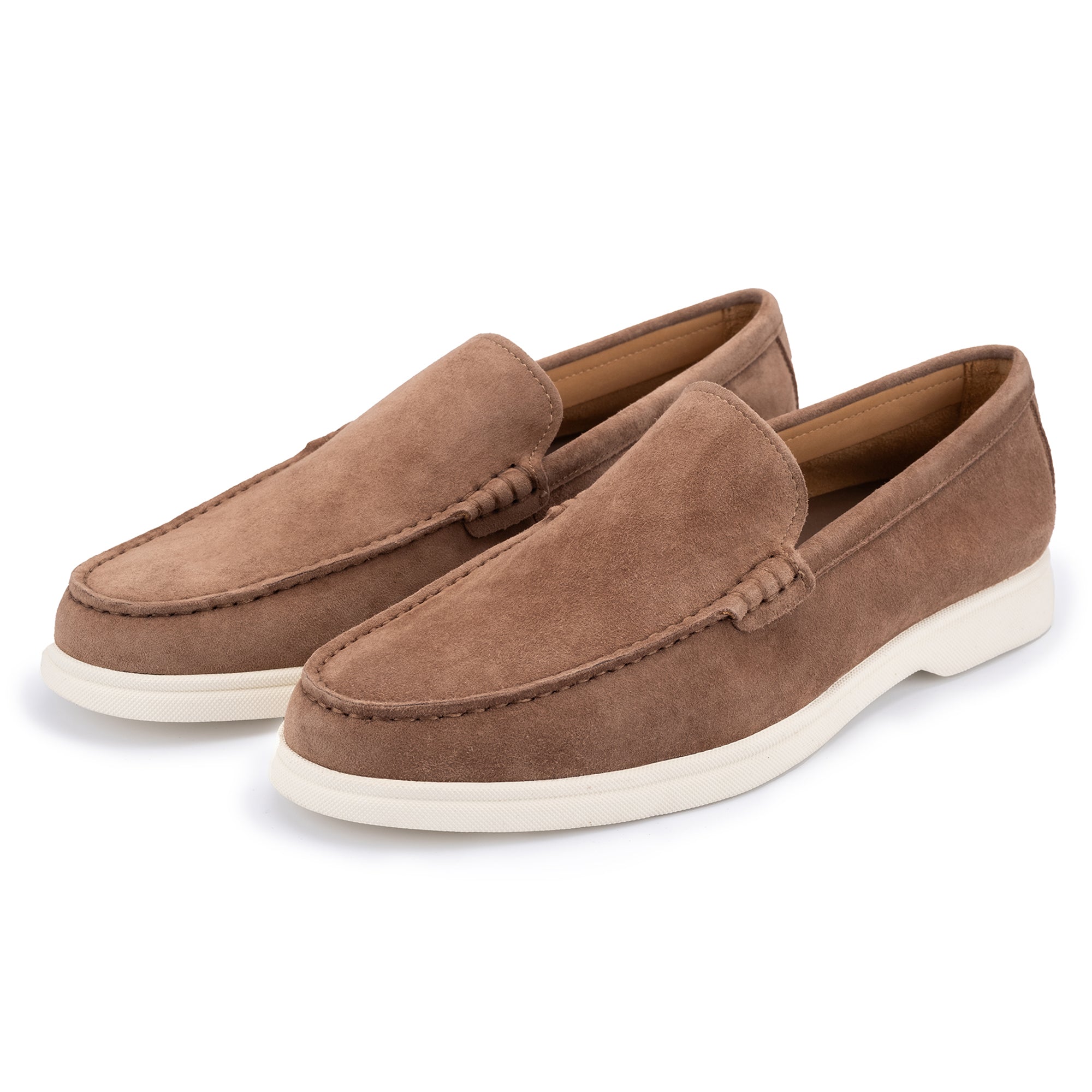
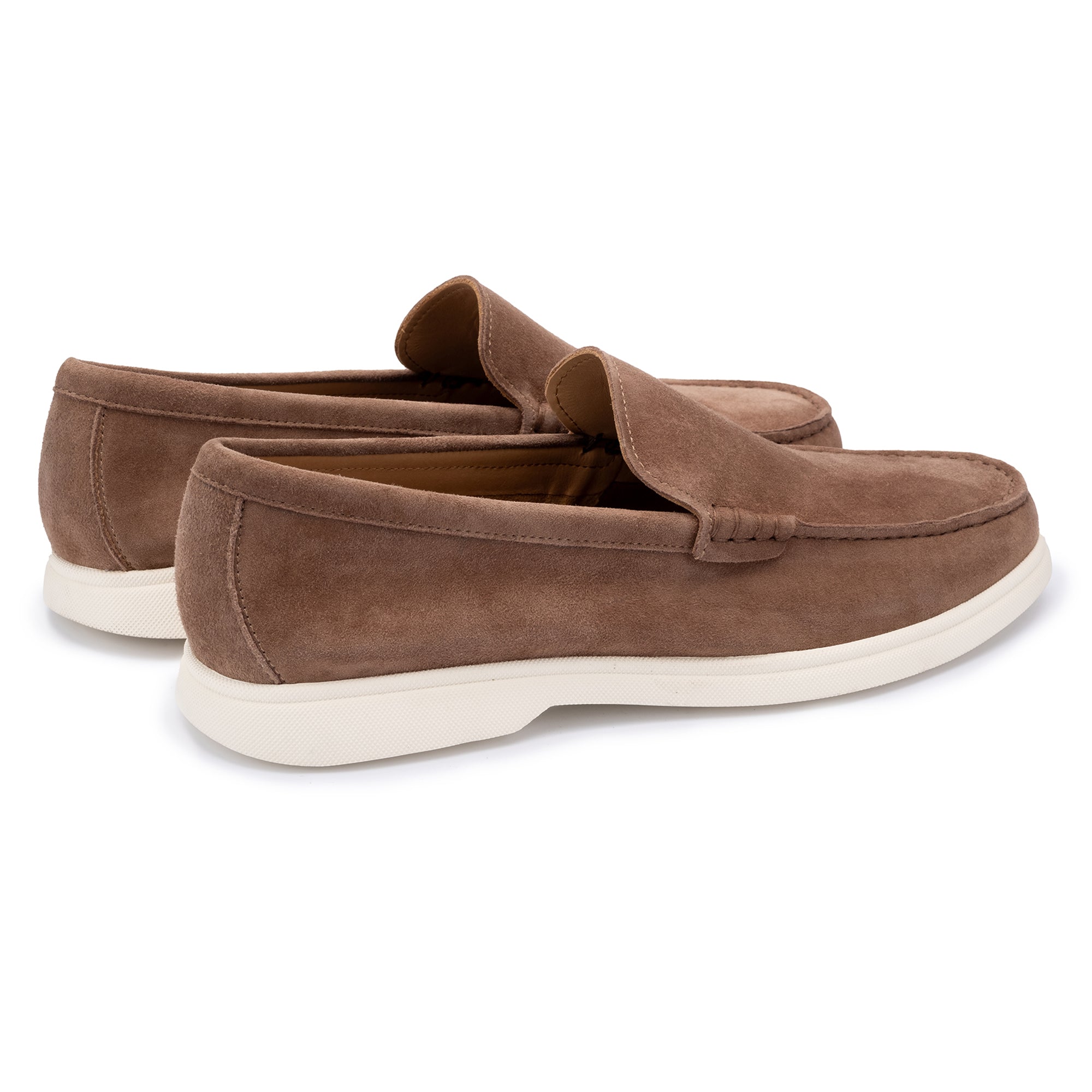
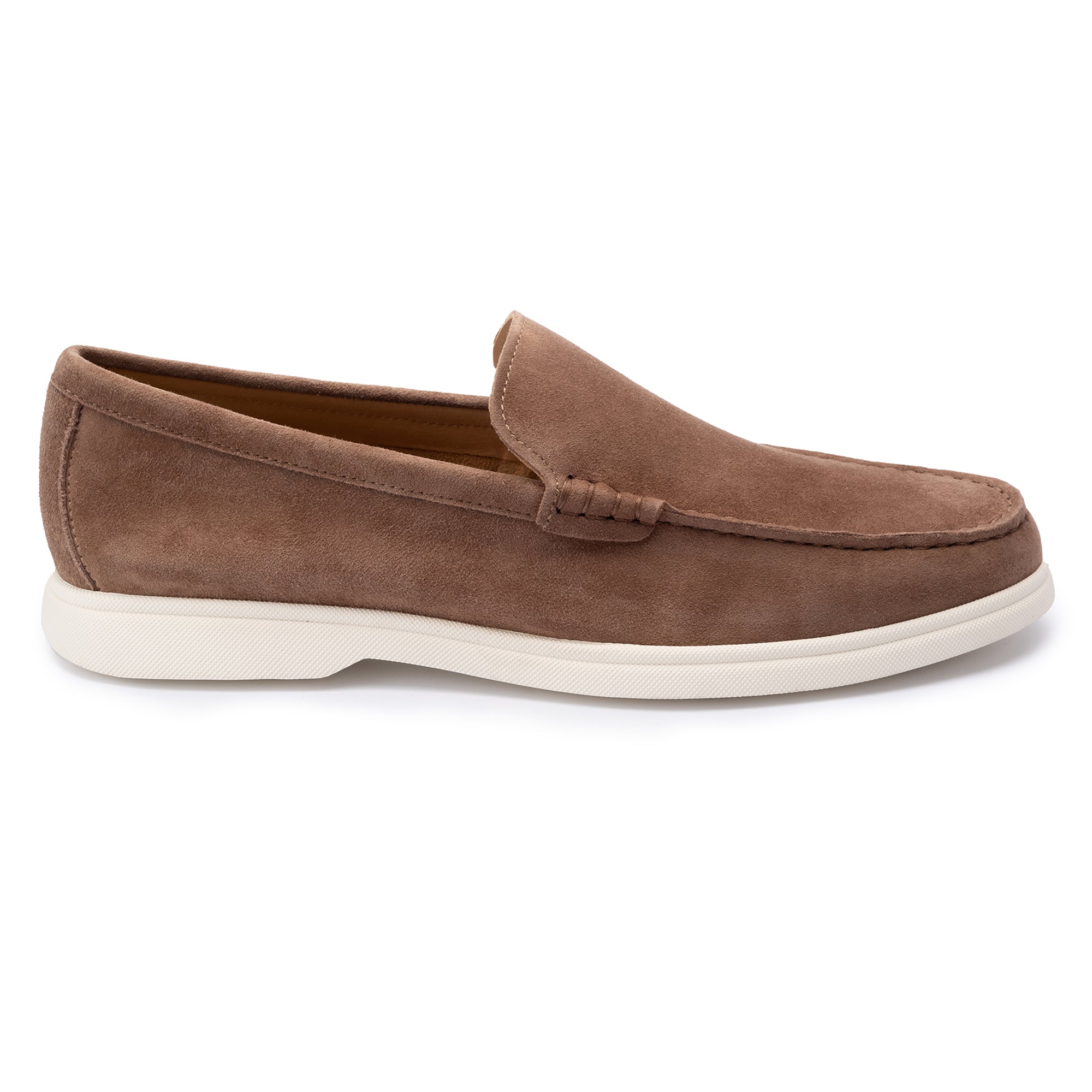
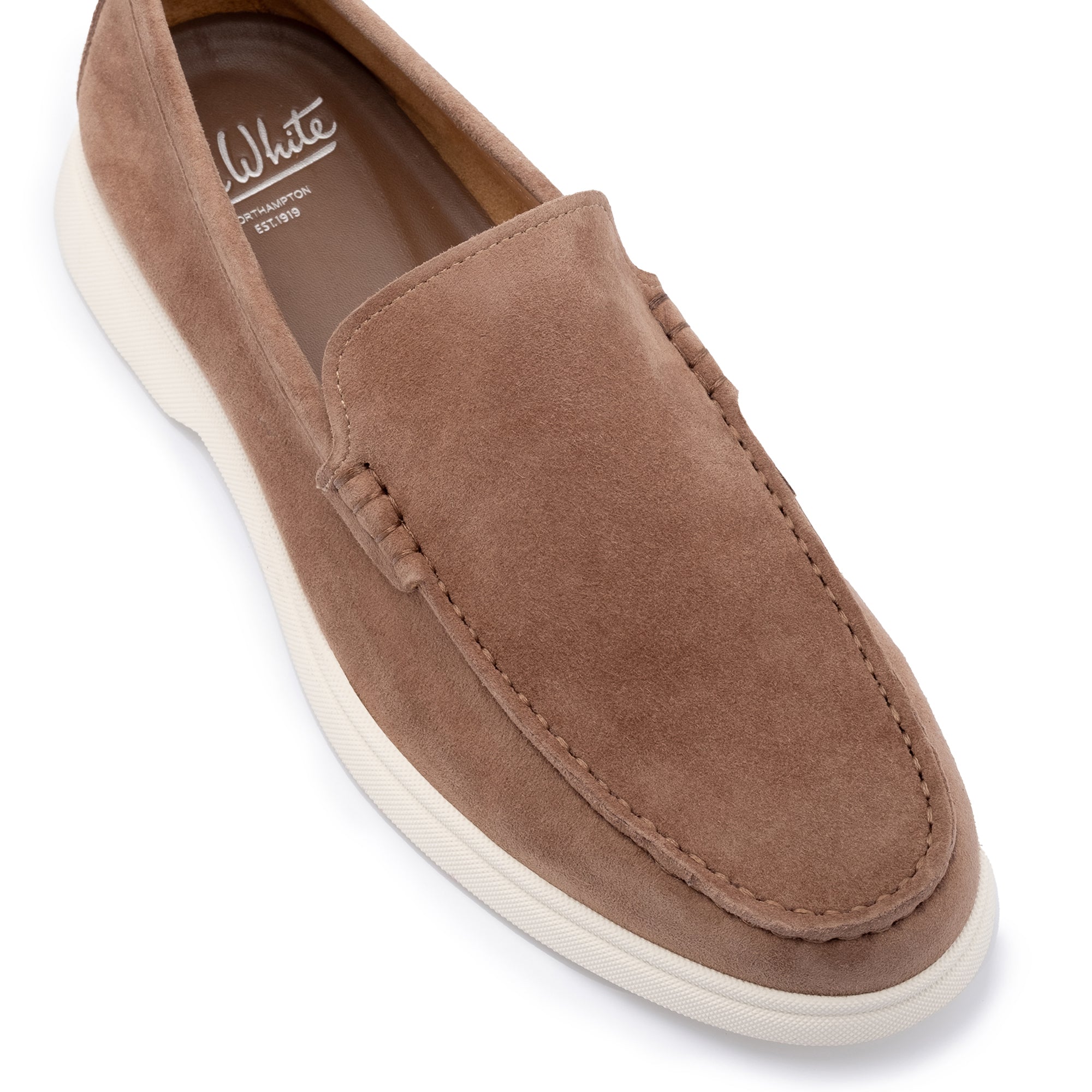
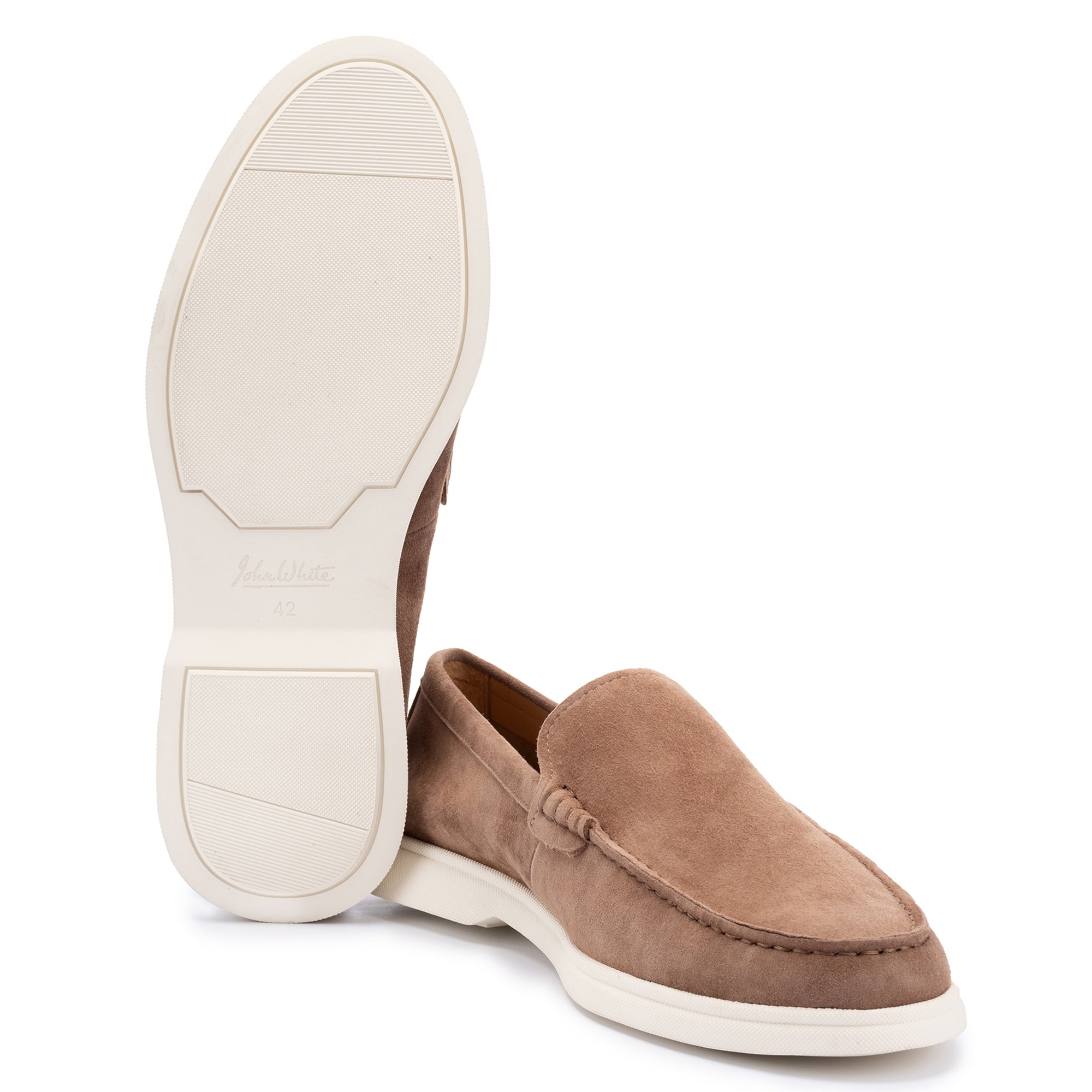
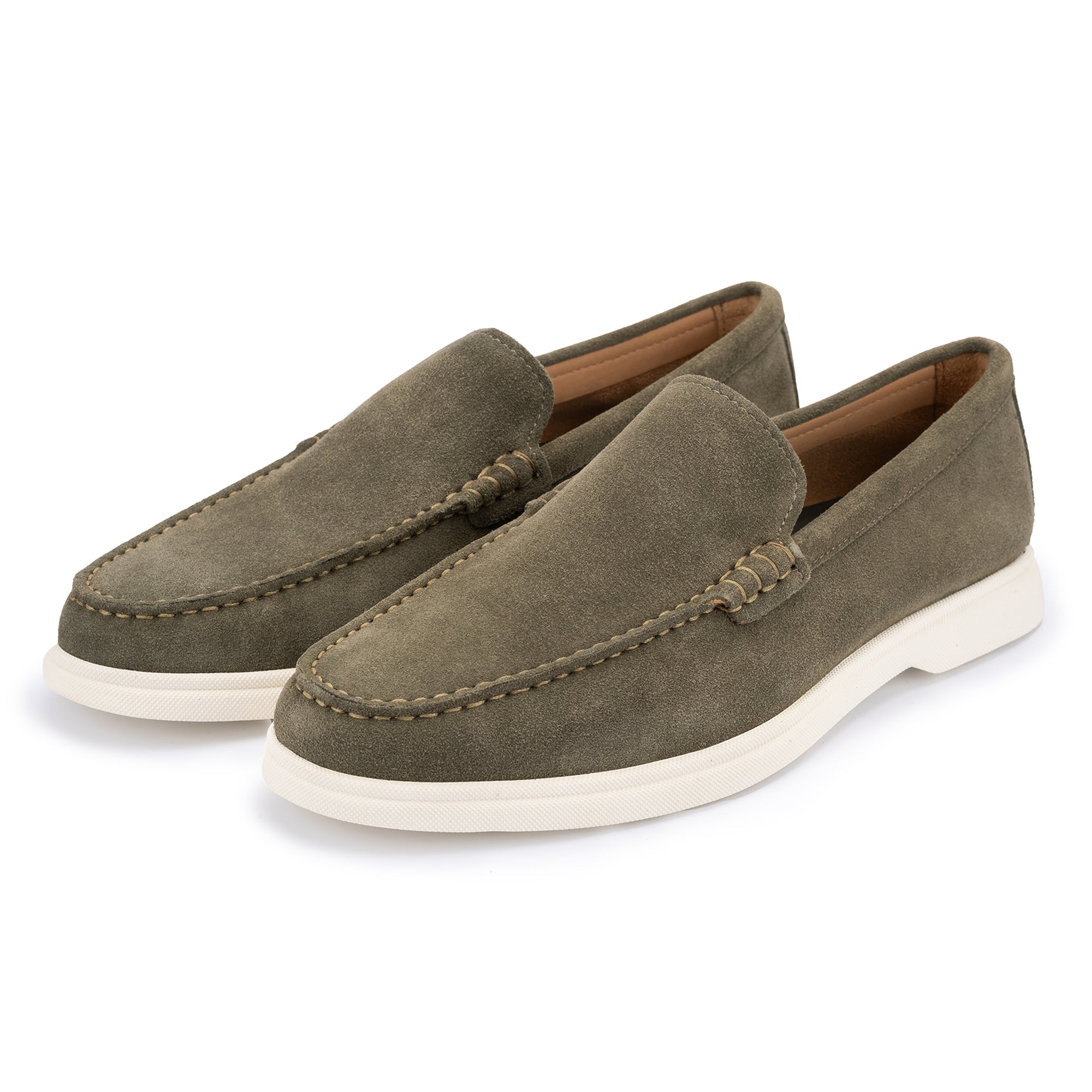
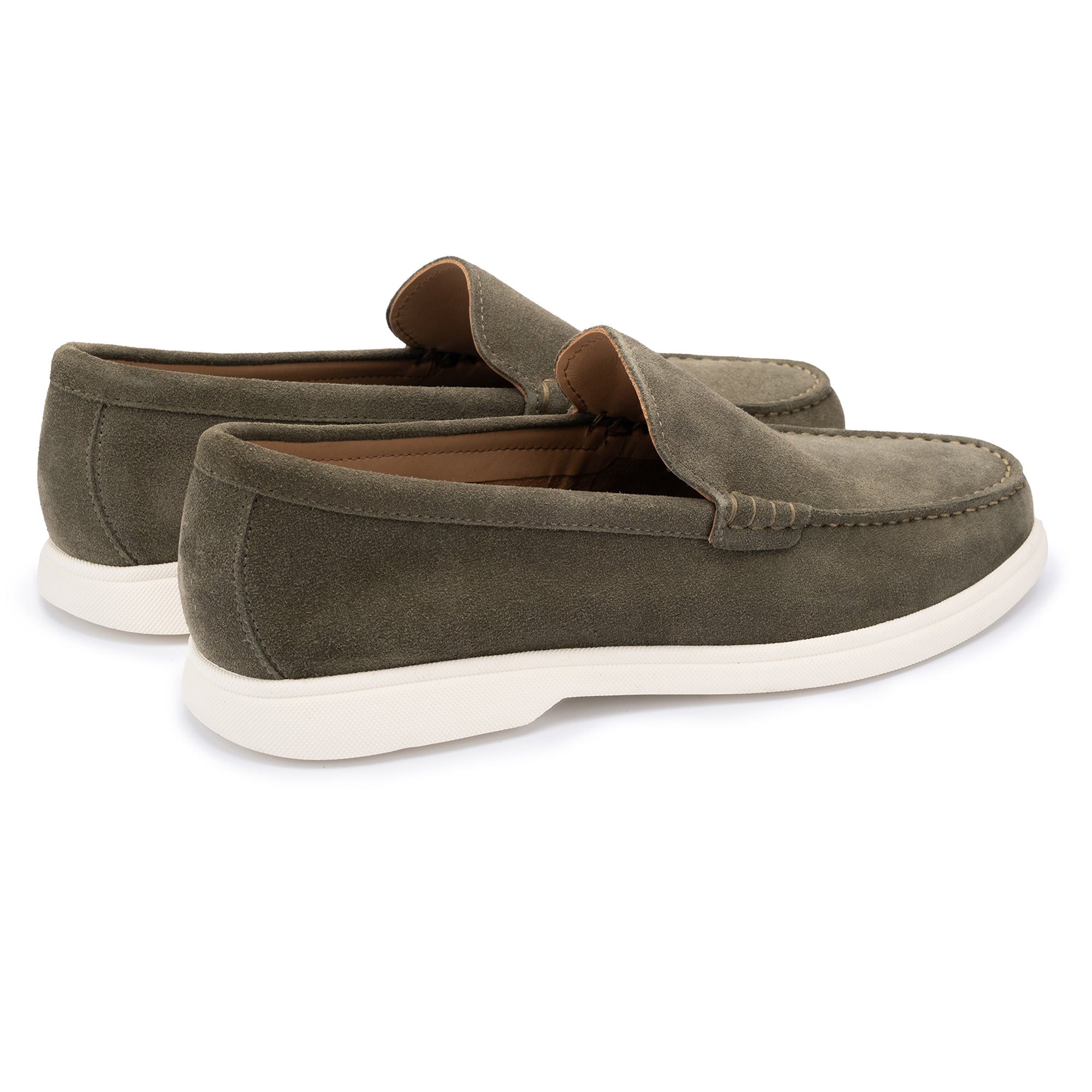
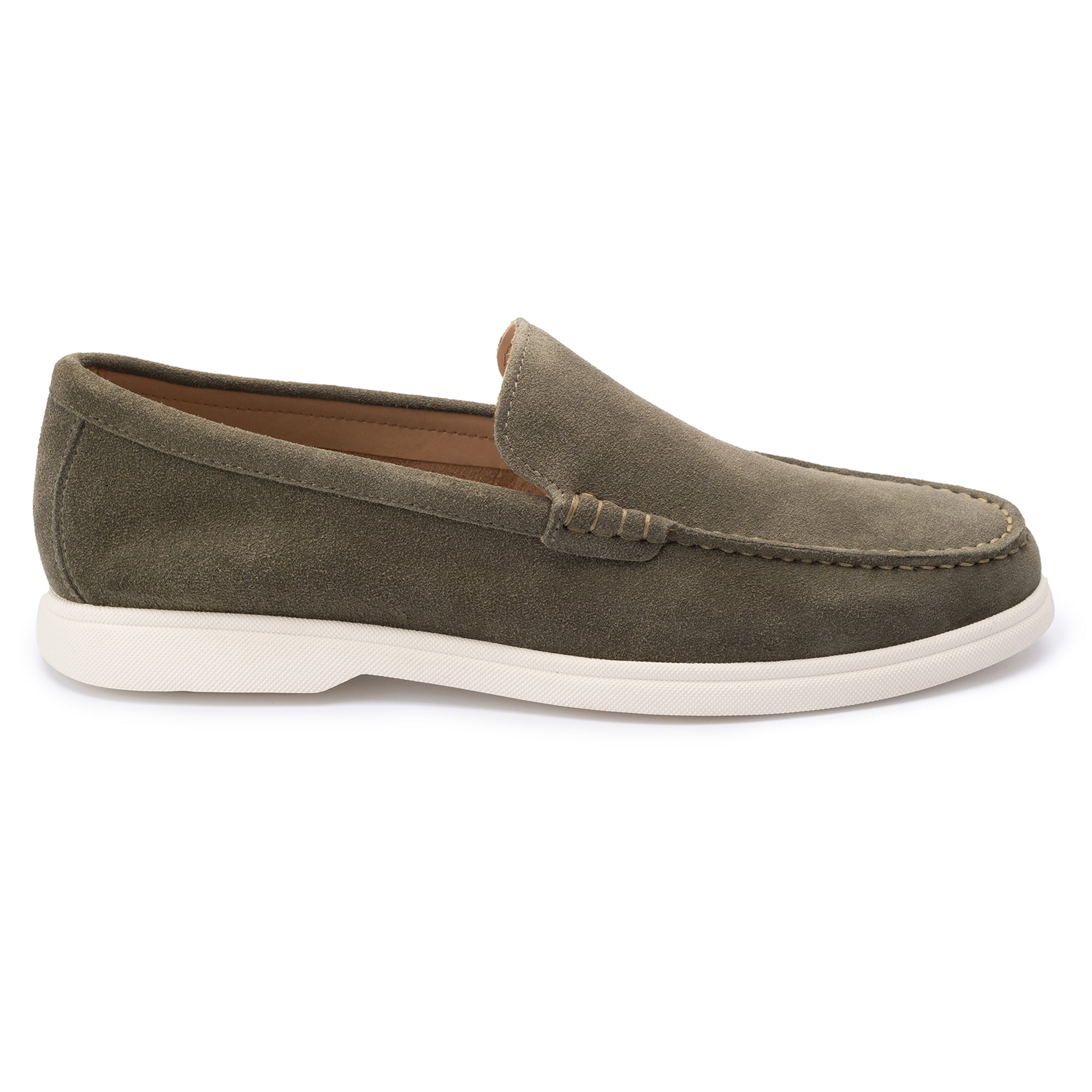
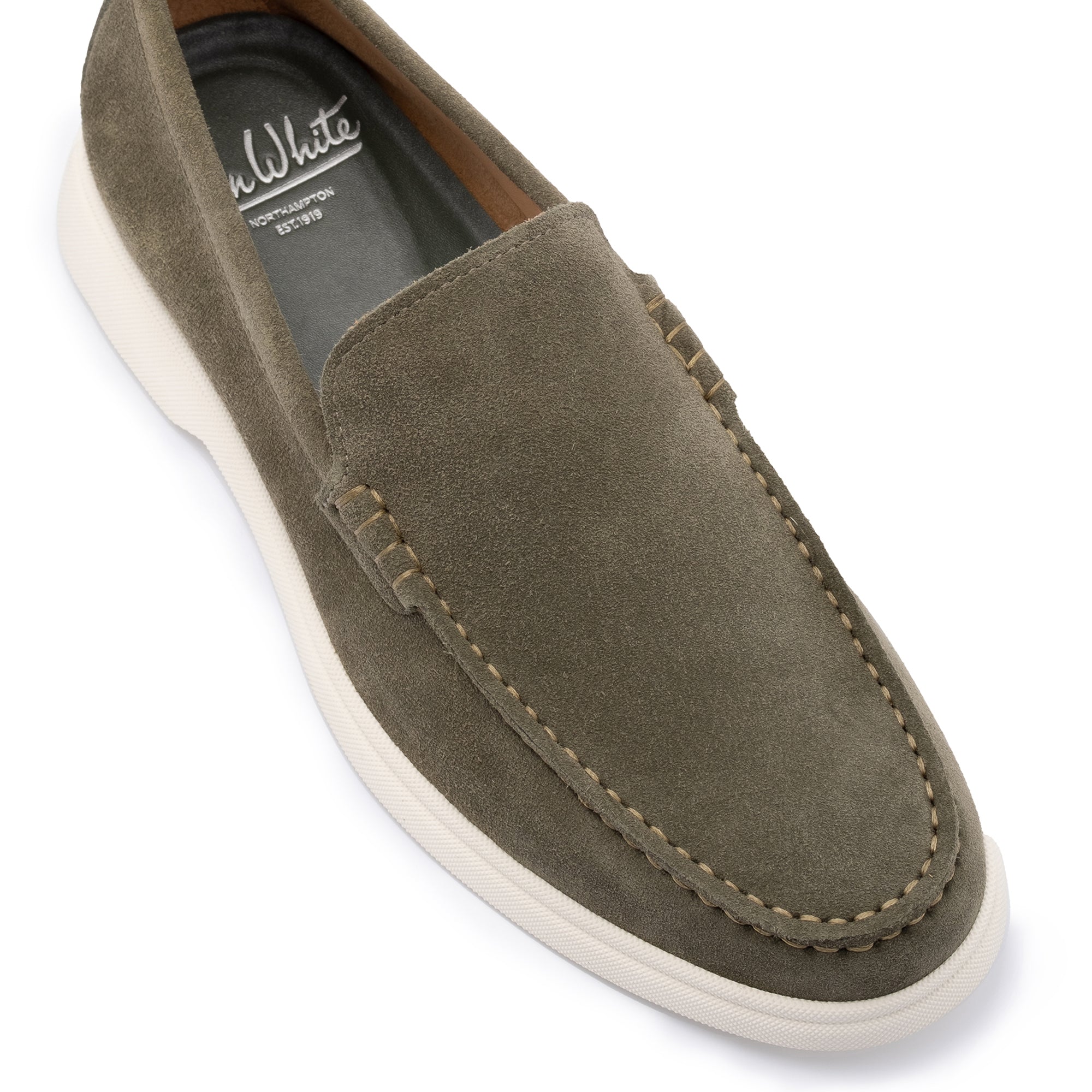
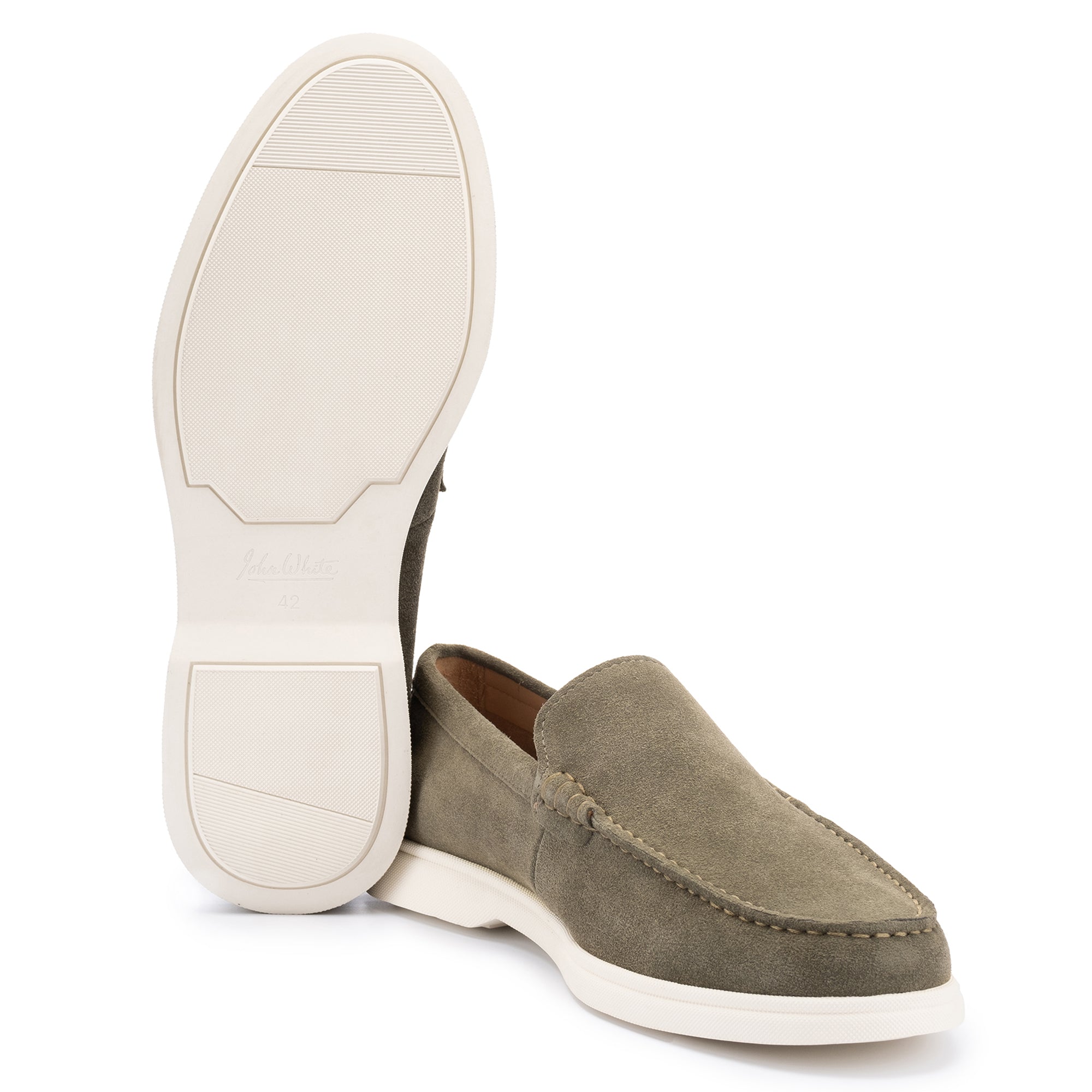
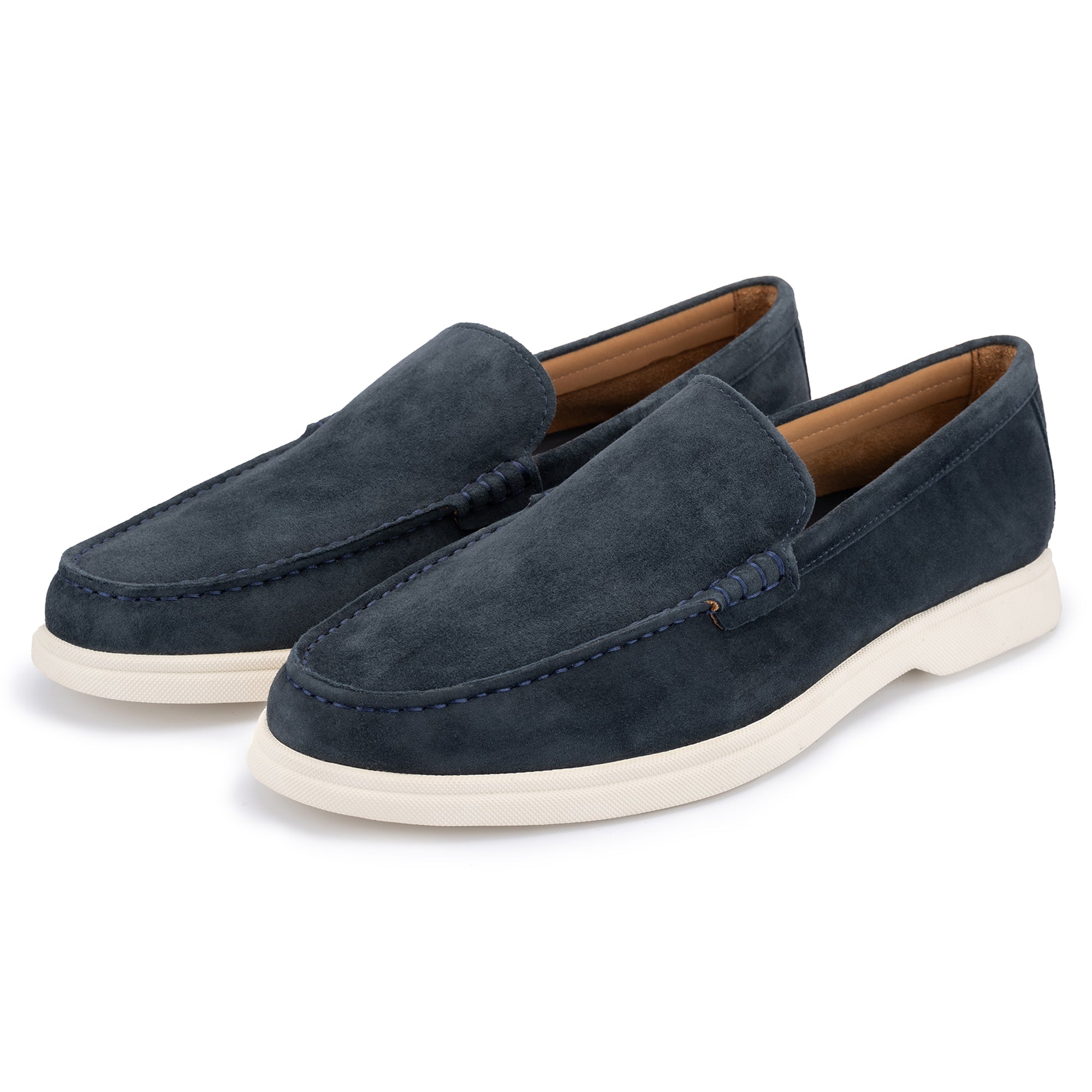
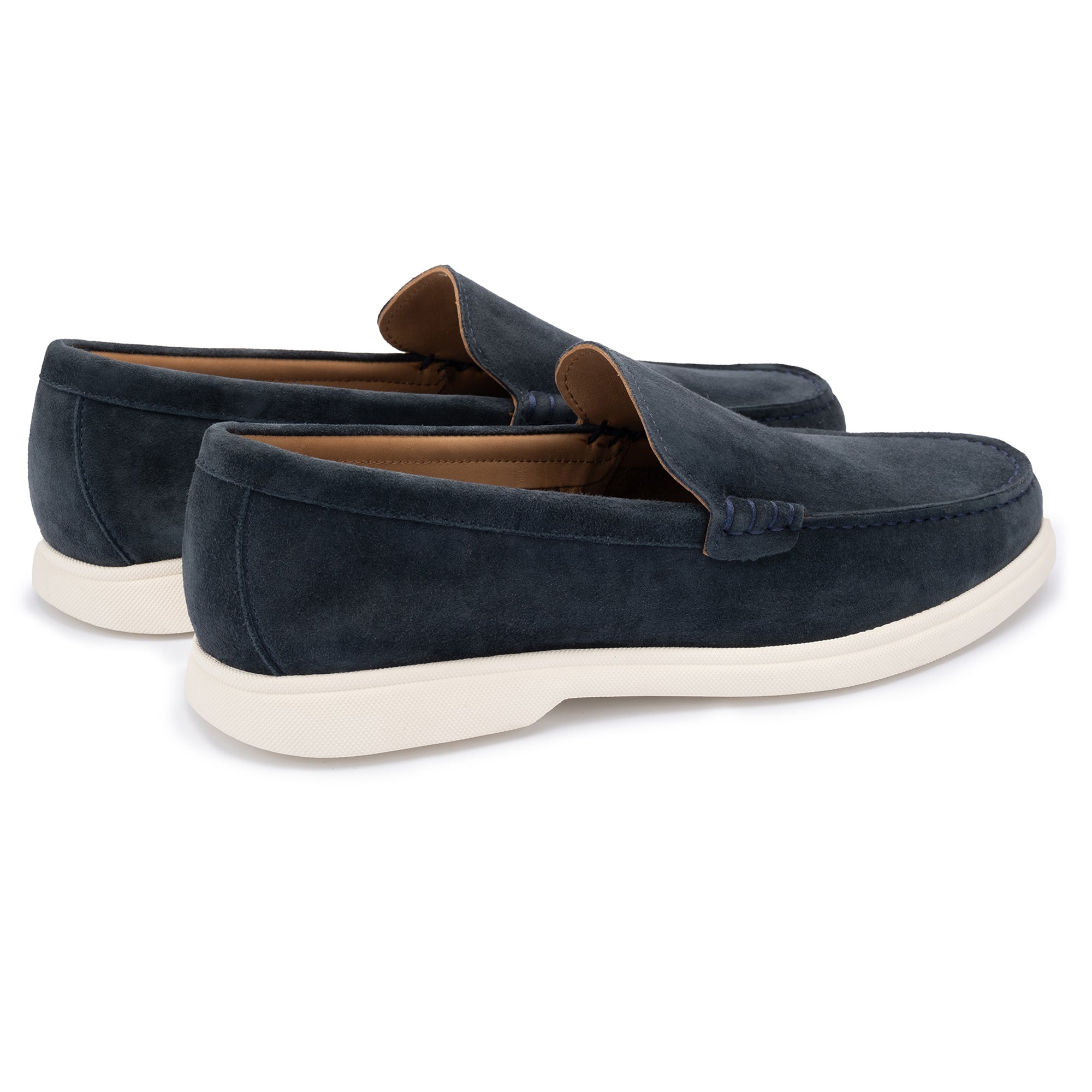
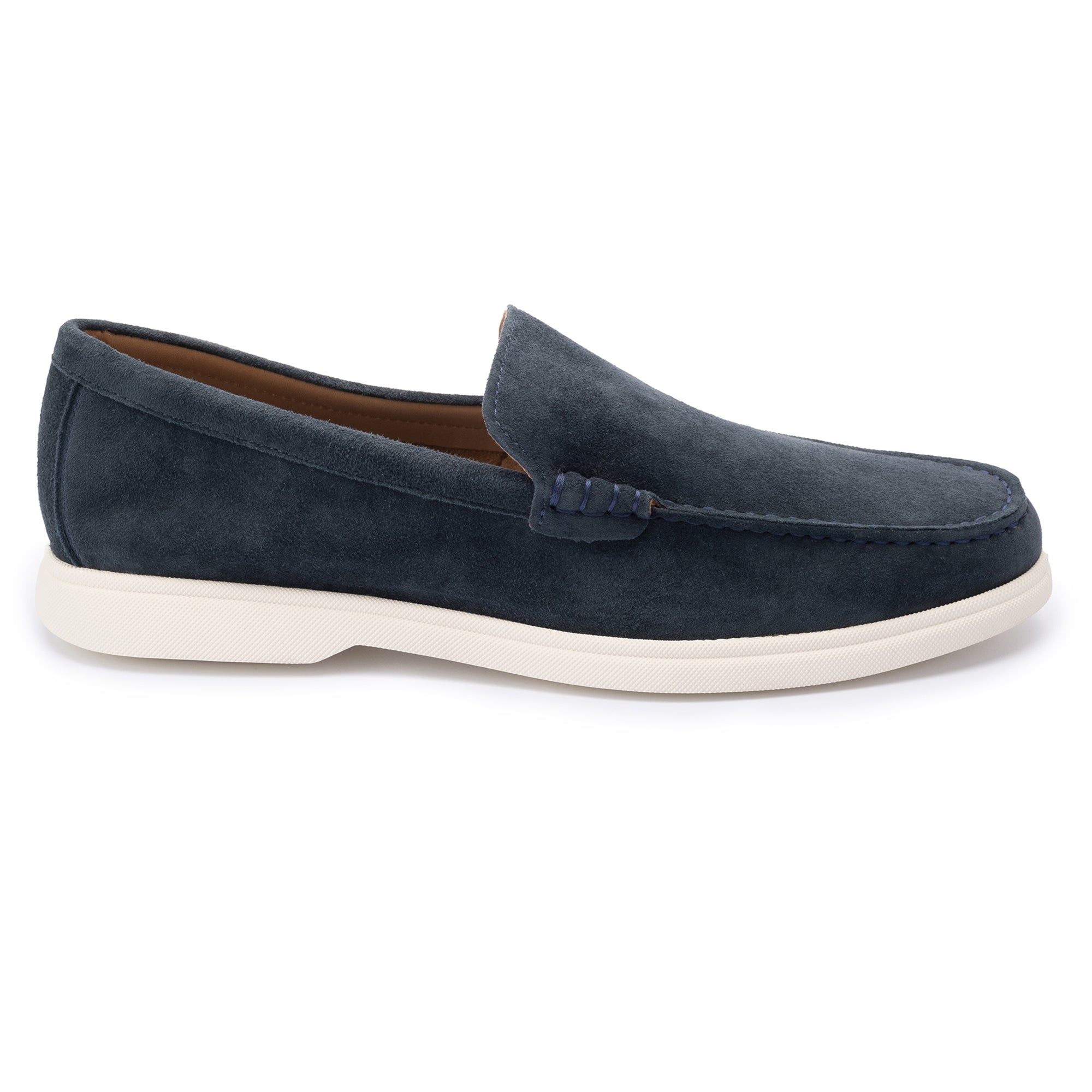
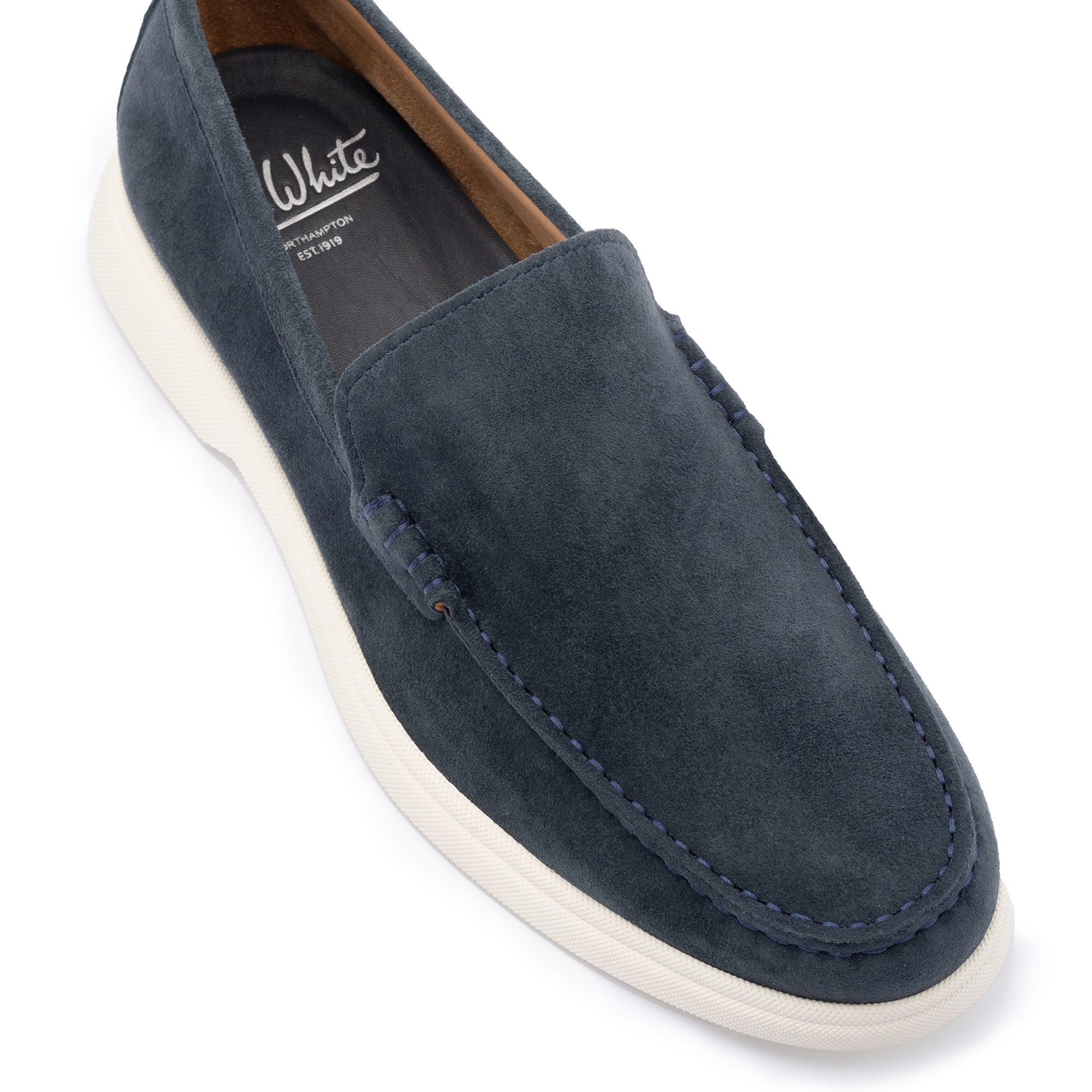
4. The Smart-Casual Staple: The Loafer
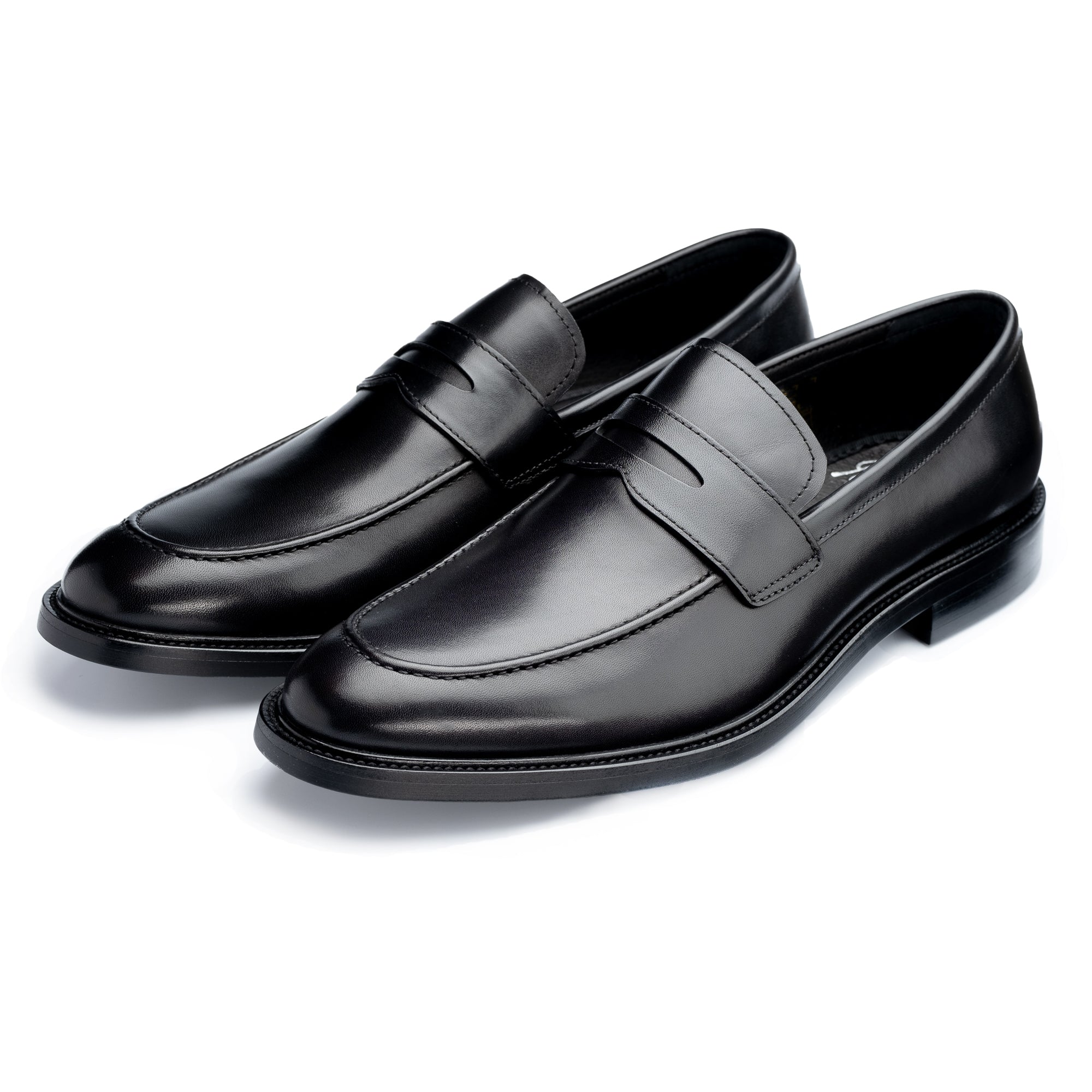
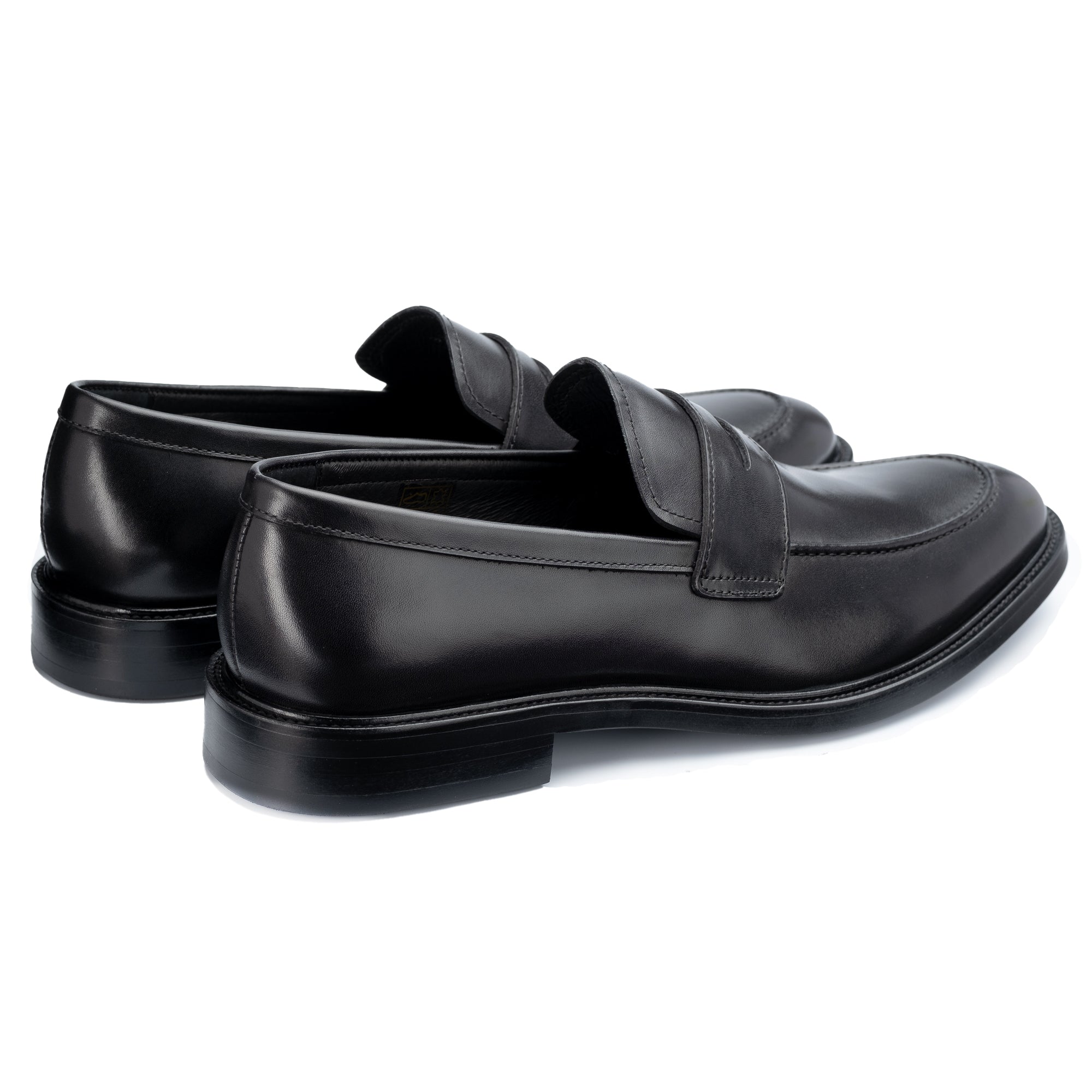
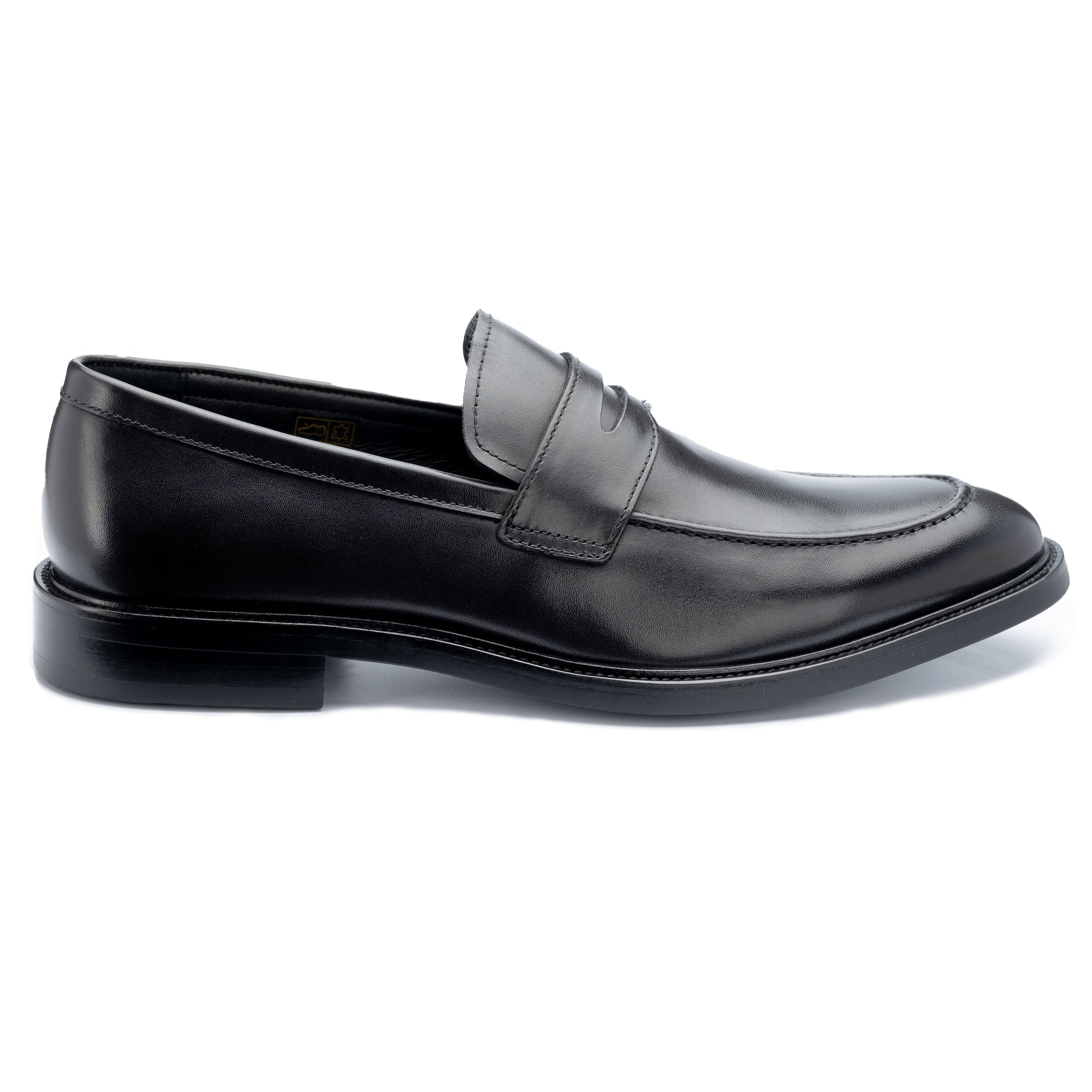
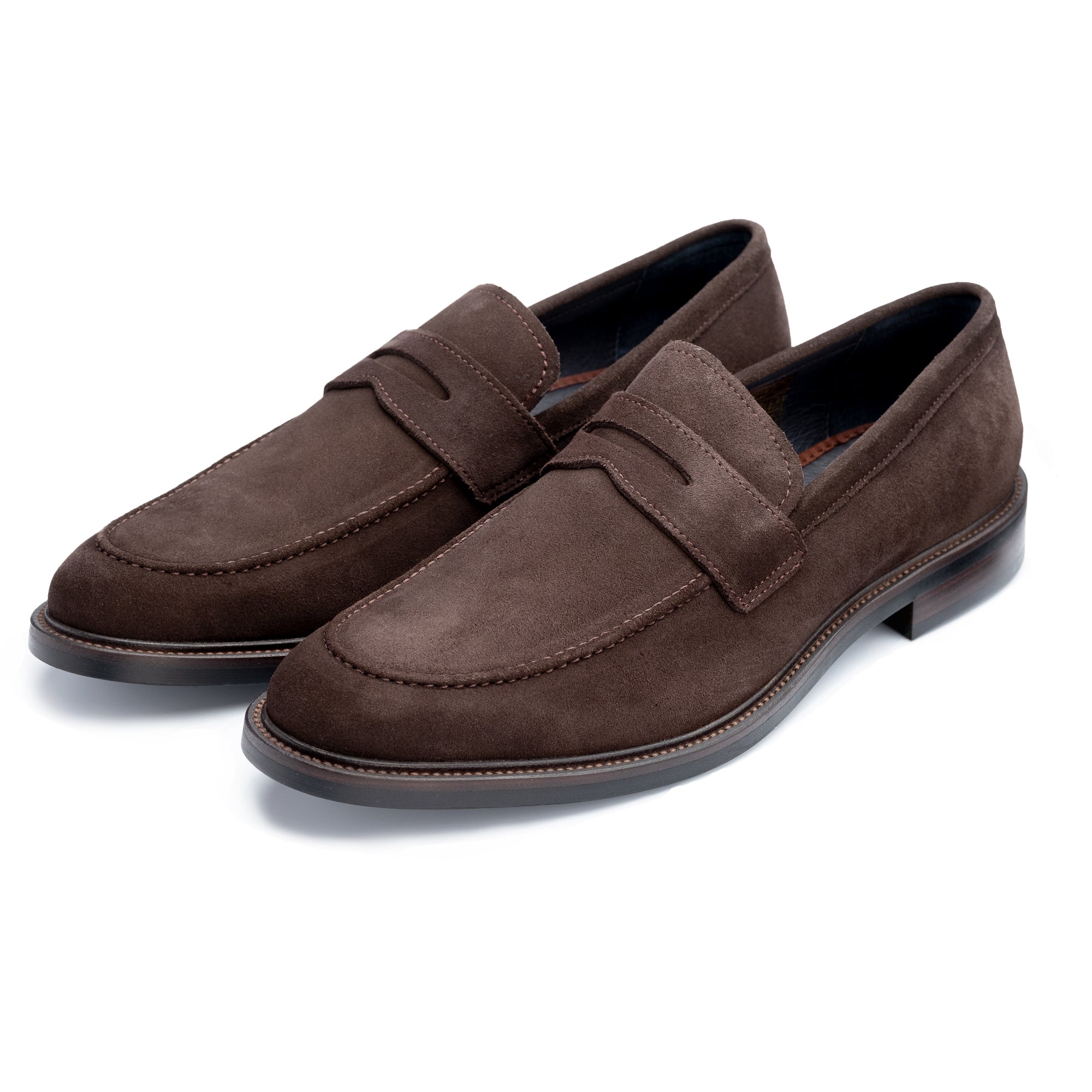
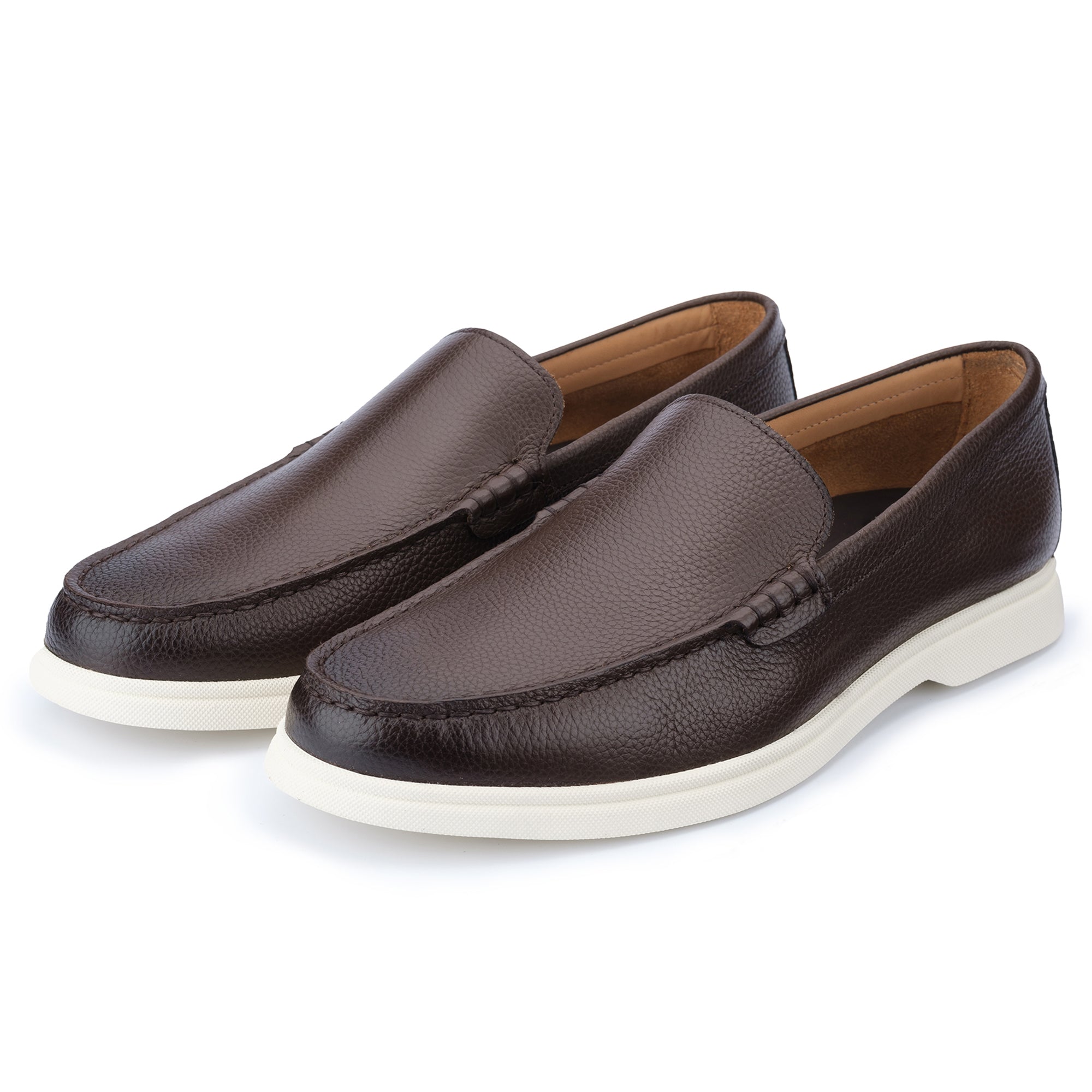
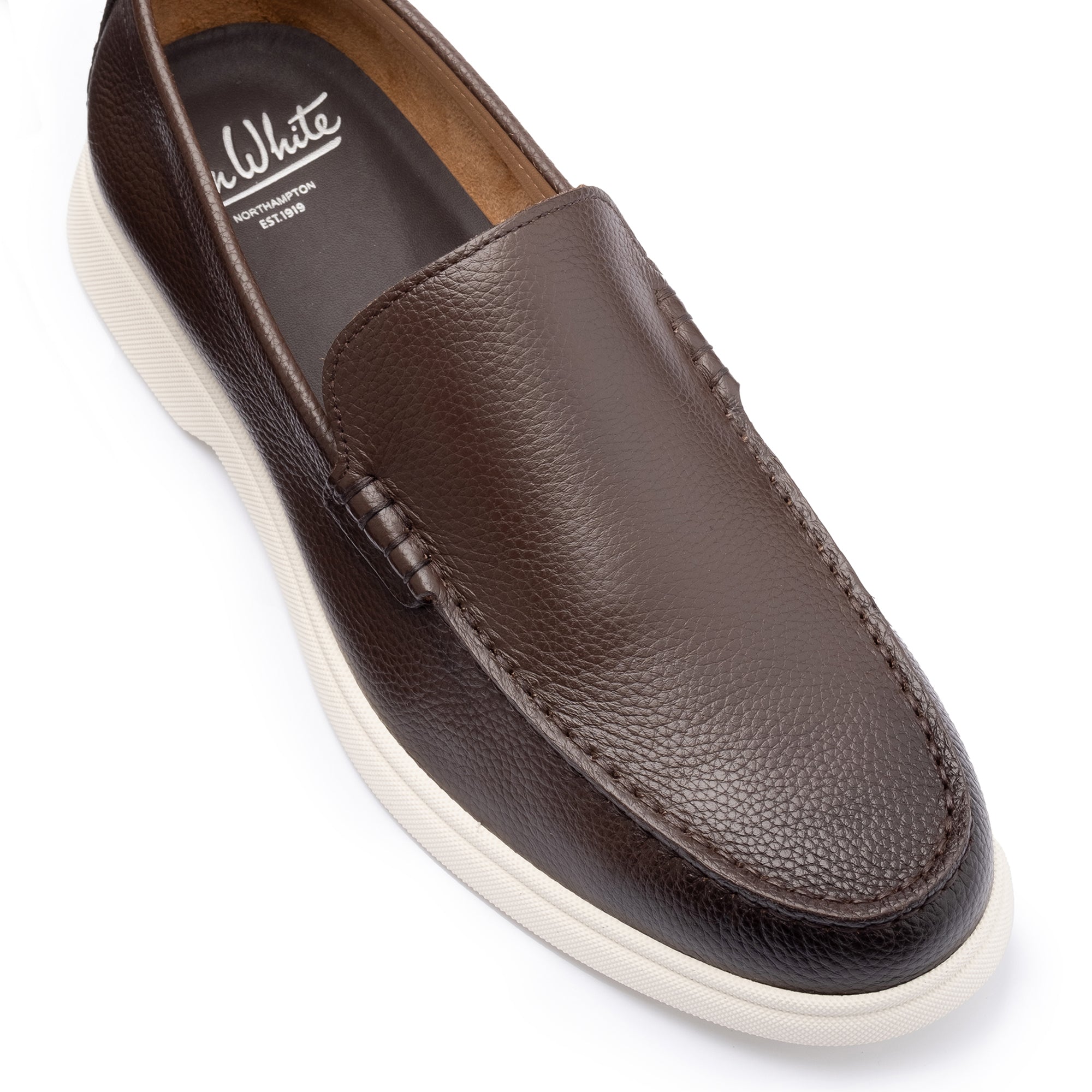
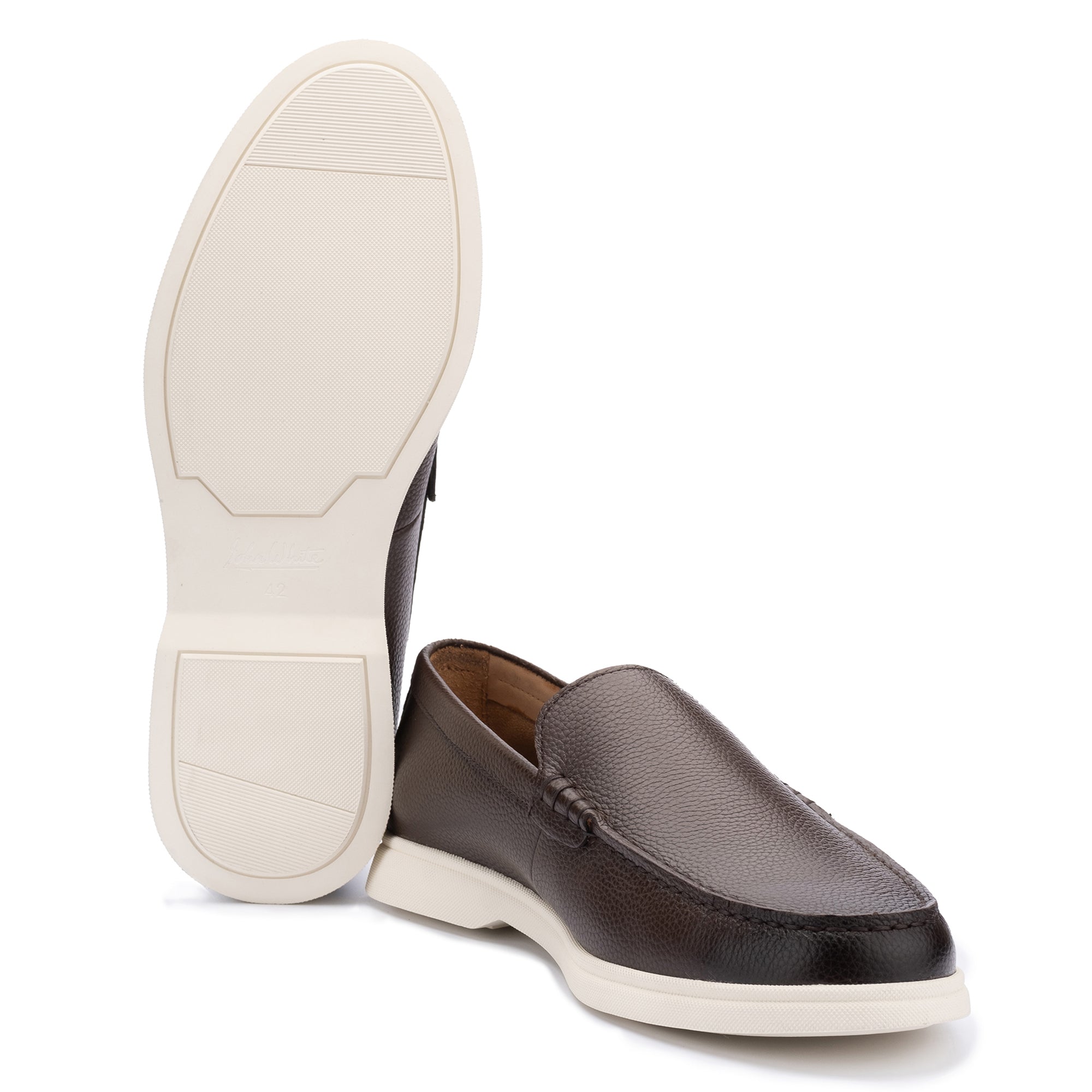
The Loafer is a slip-on shoe that embodies relaxed elegance. Whether it’s a classic Penny Loafer or a simple plain-vamp style, its laceless nature places it firmly in the smart-casual category. While some modern style allows for loafers with suits, it's a look best reserved for more creative or less conservative settings.
They are the perfect companion for chinos, linen trousers, and even smart jeans. In suede or a rich tumbled grain leather like the Ethan Loafer, they signal a relaxed but refined approach to style.
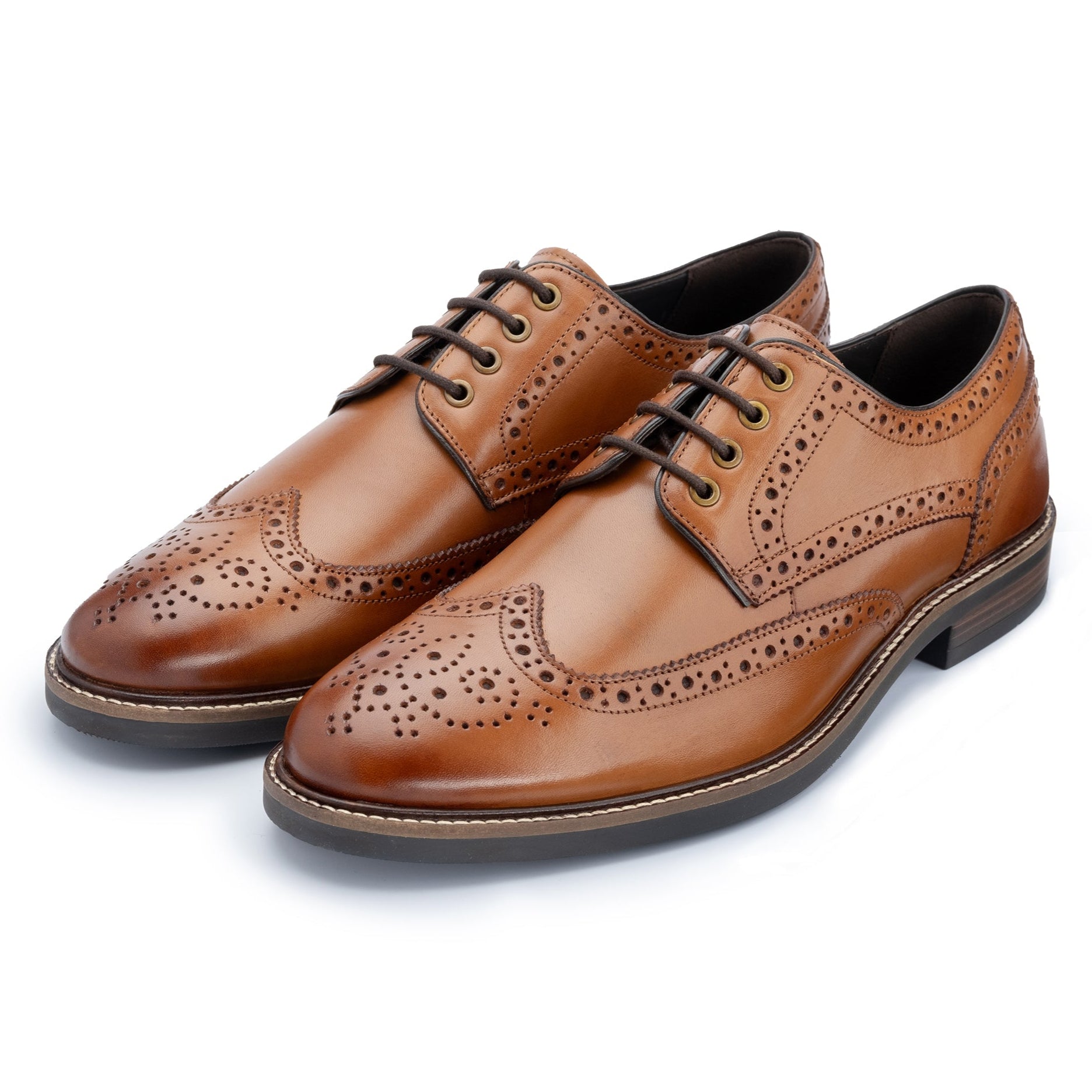
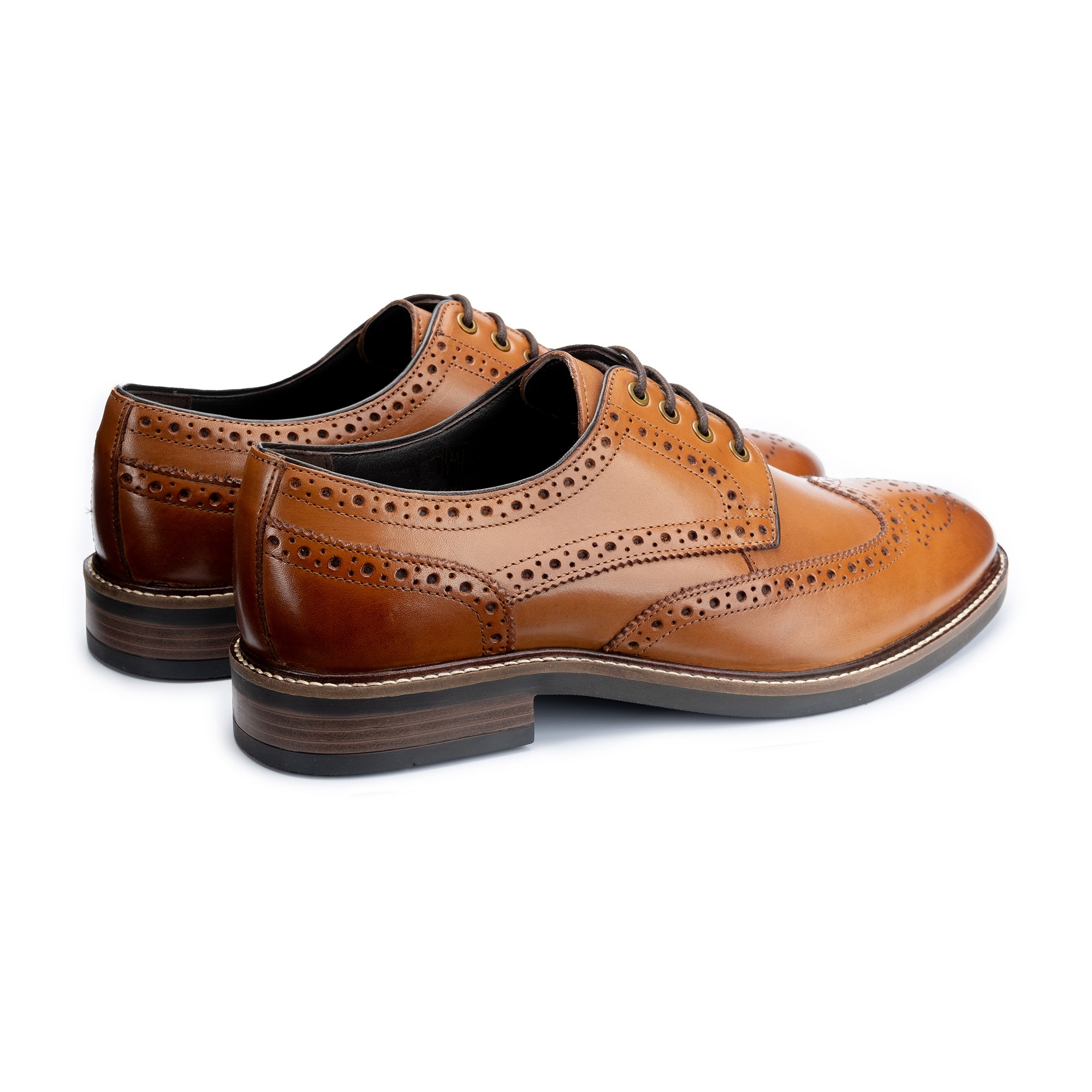
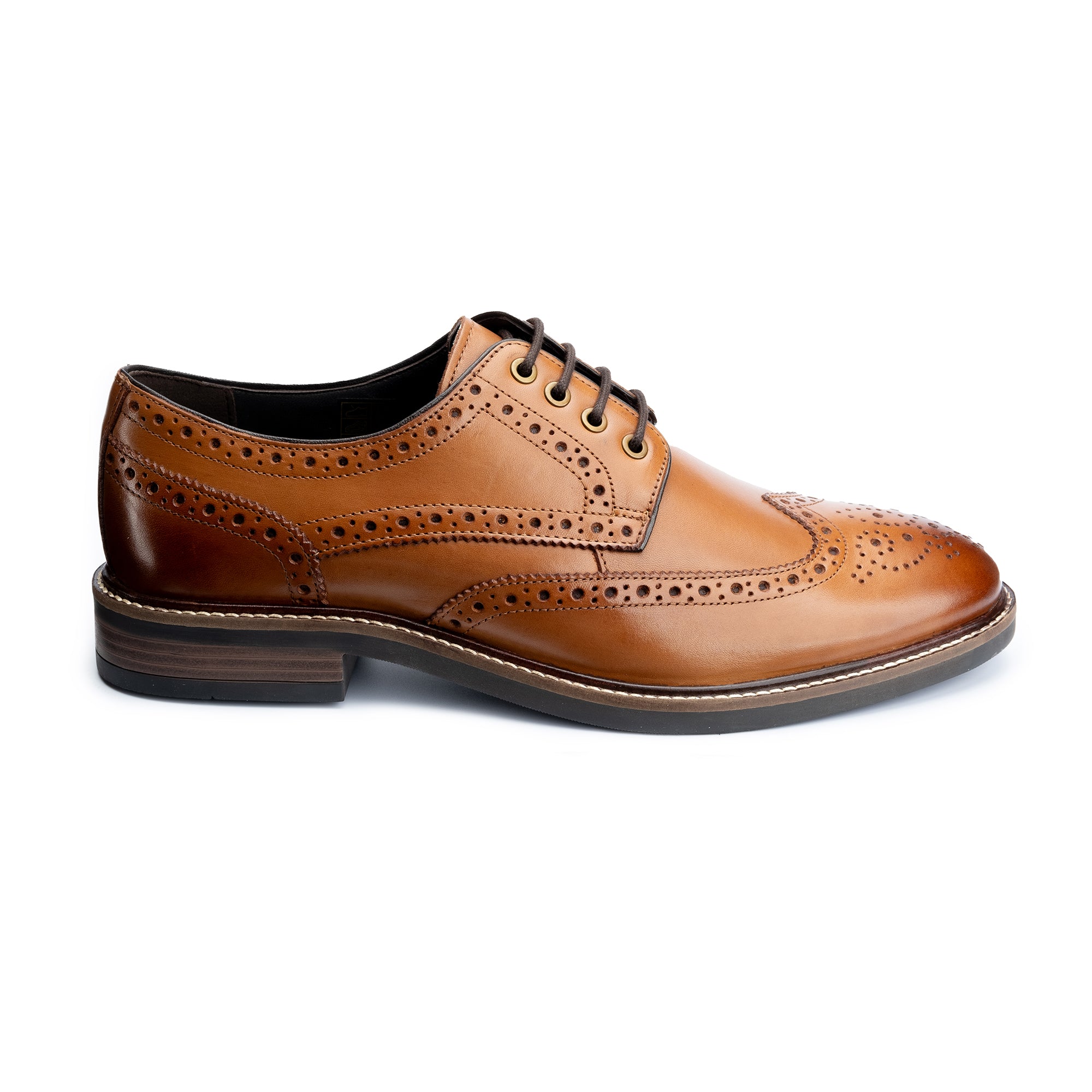
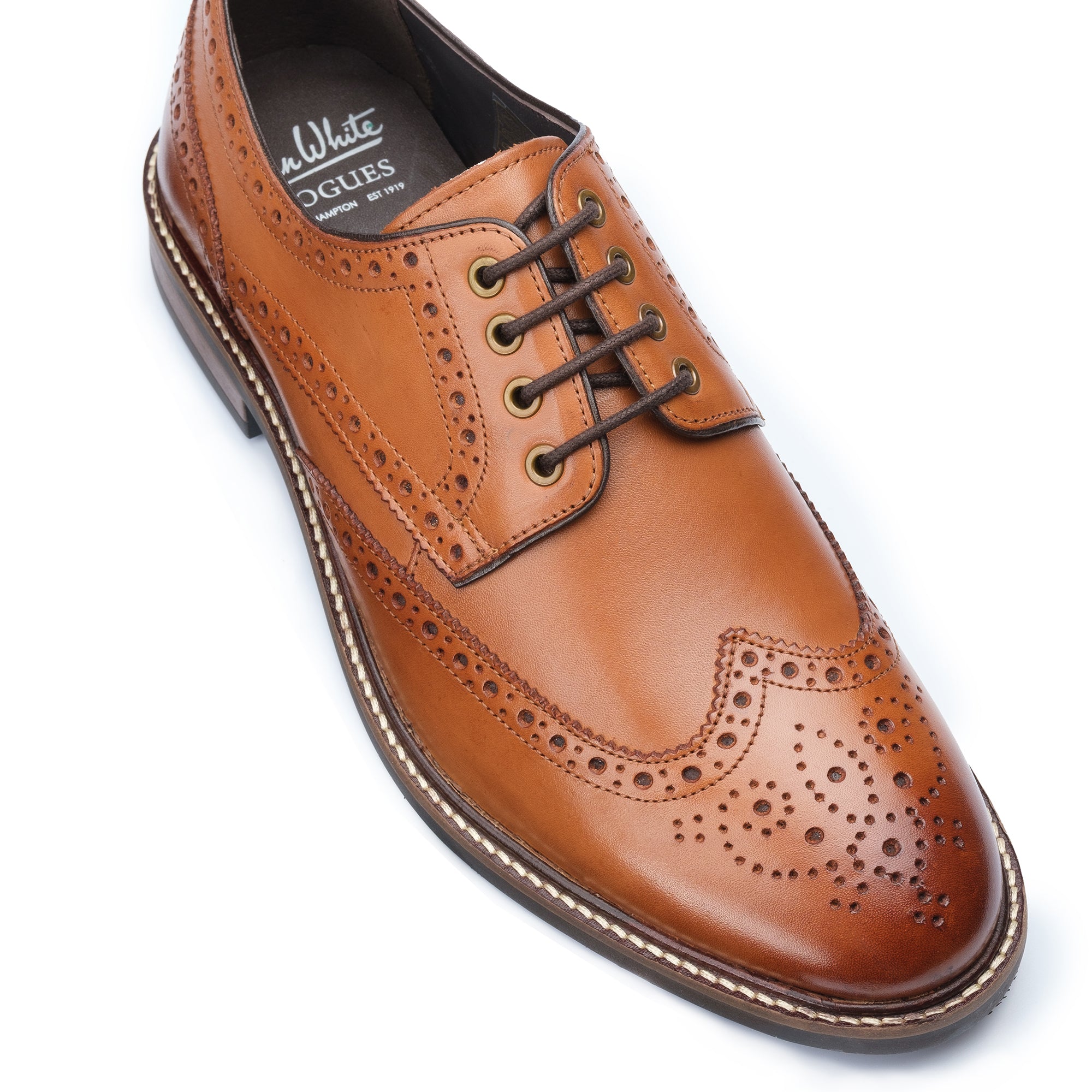
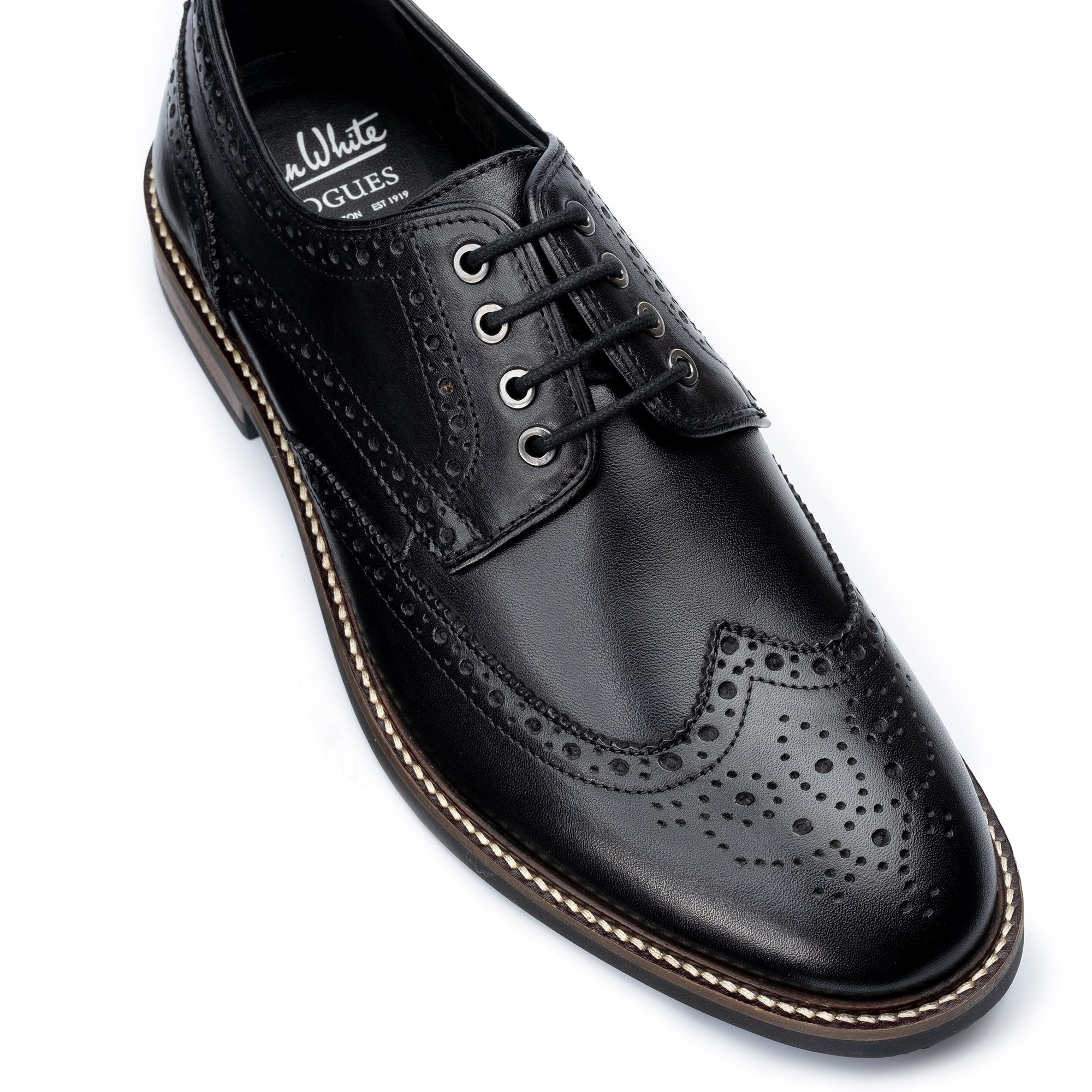
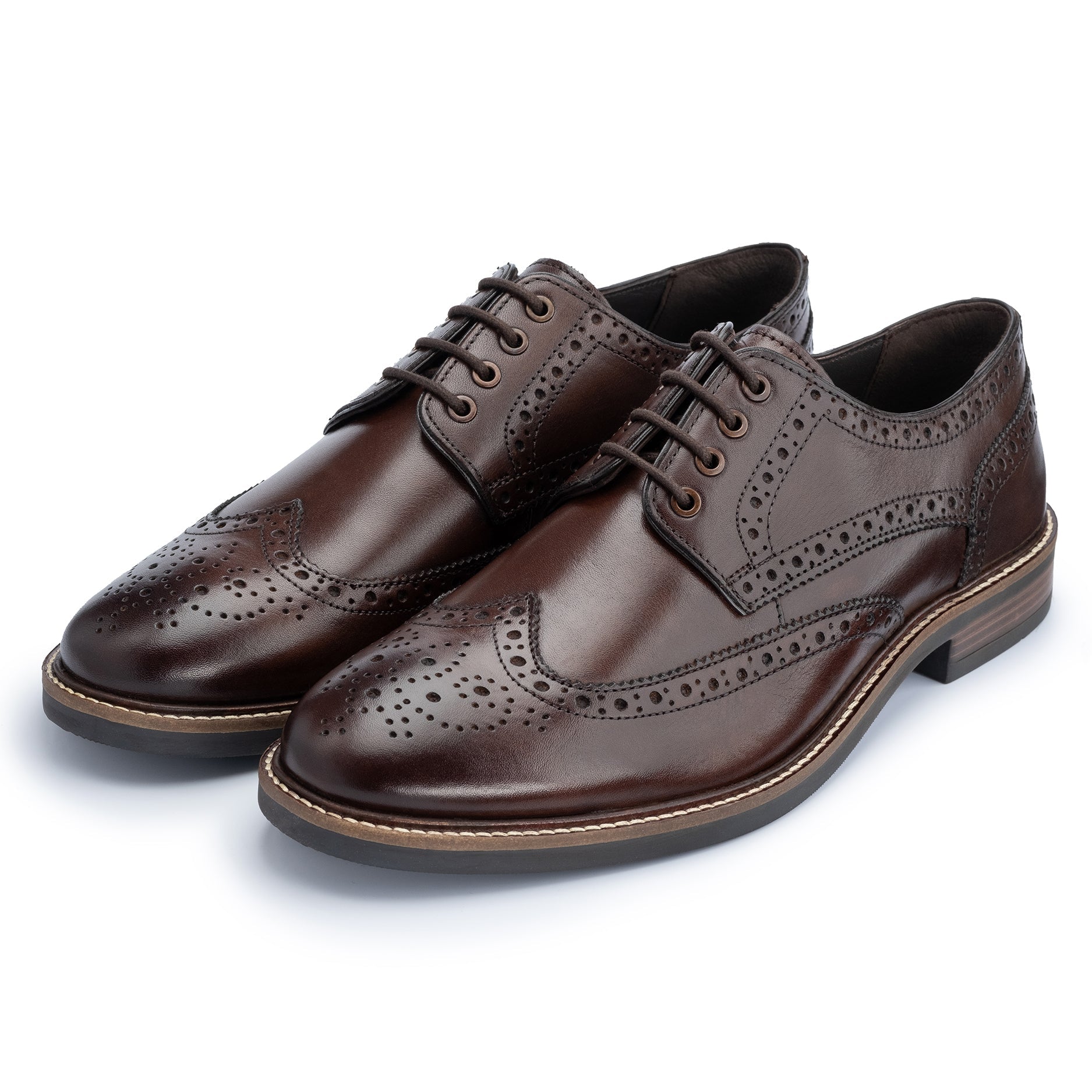
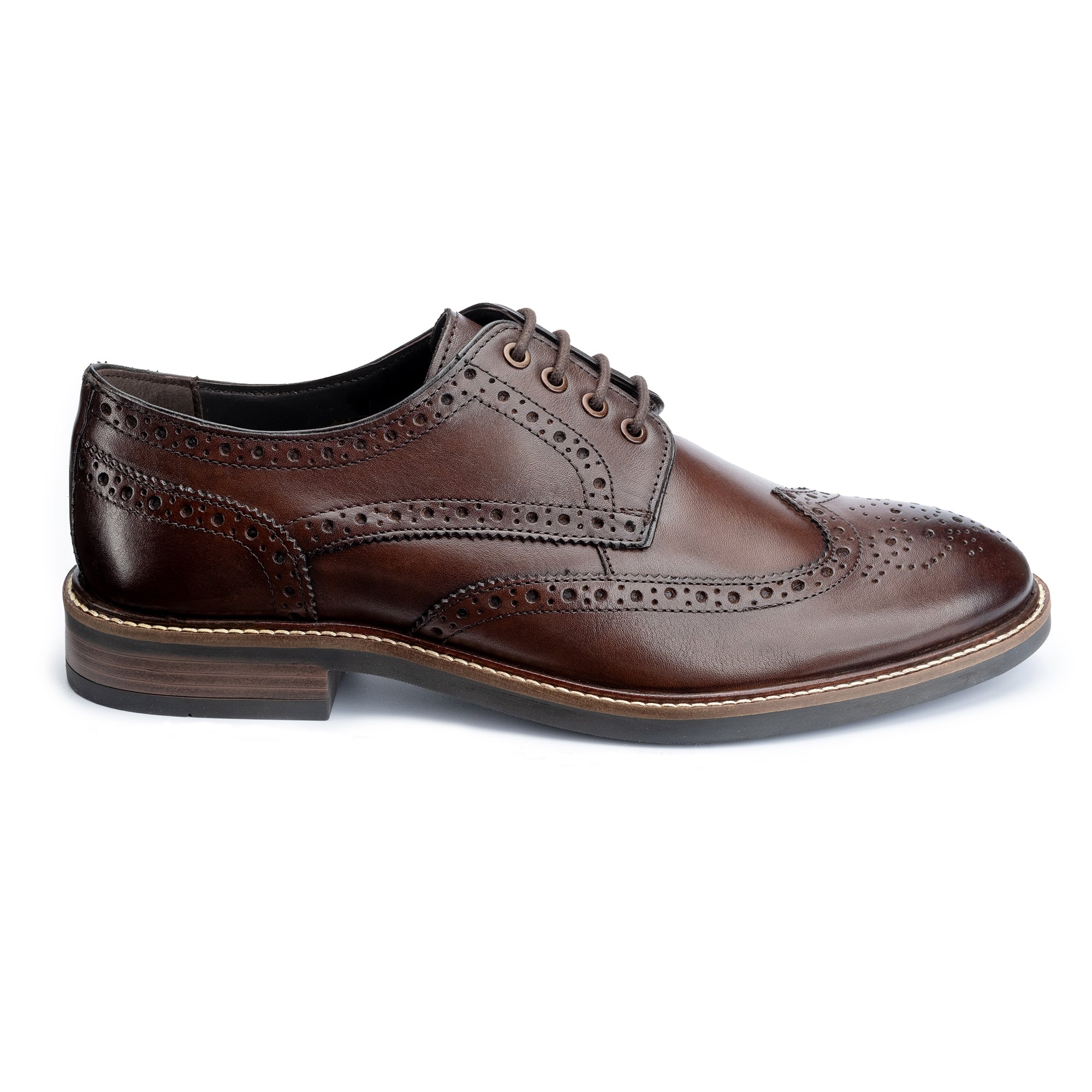
5. The Decorative Classic: The Brogue
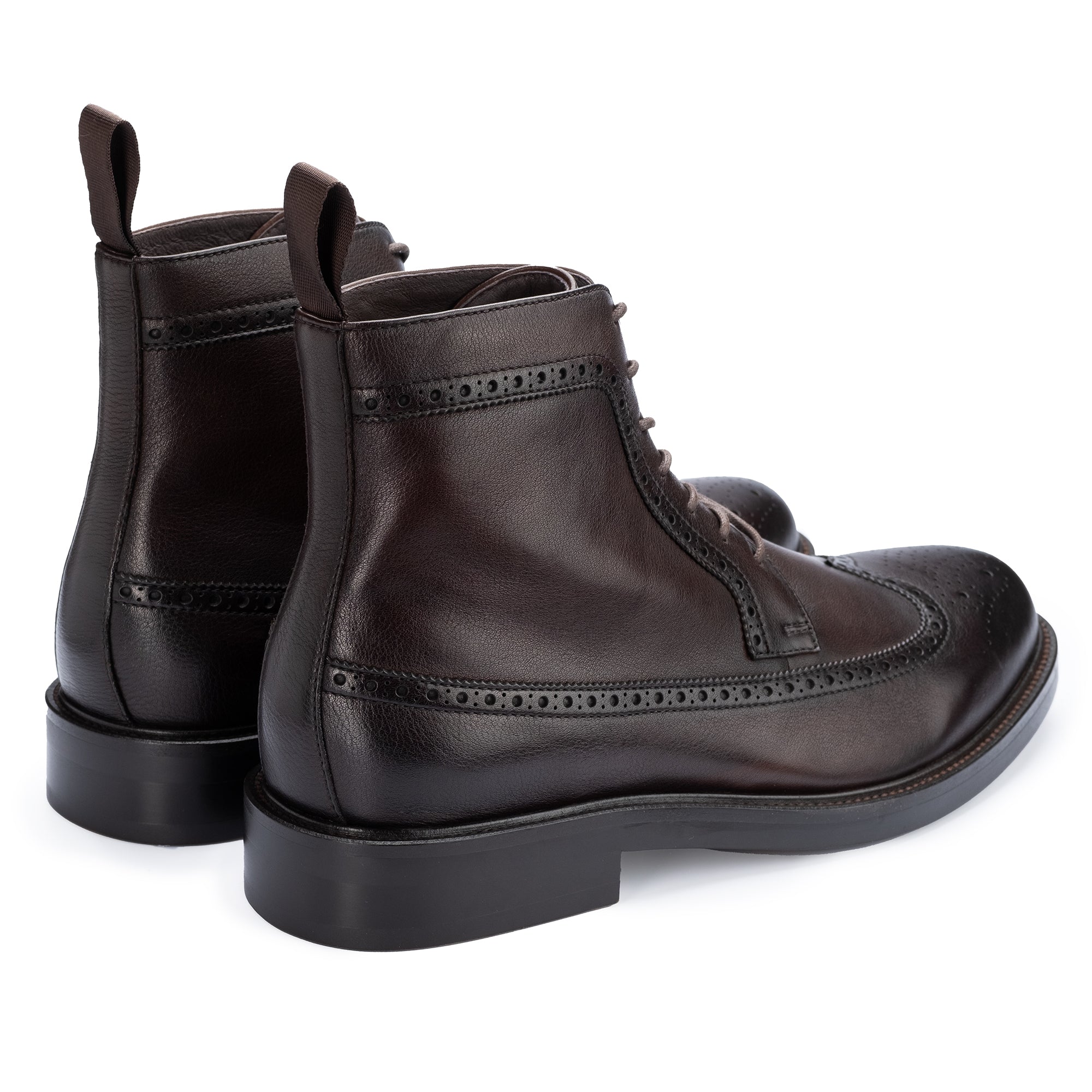
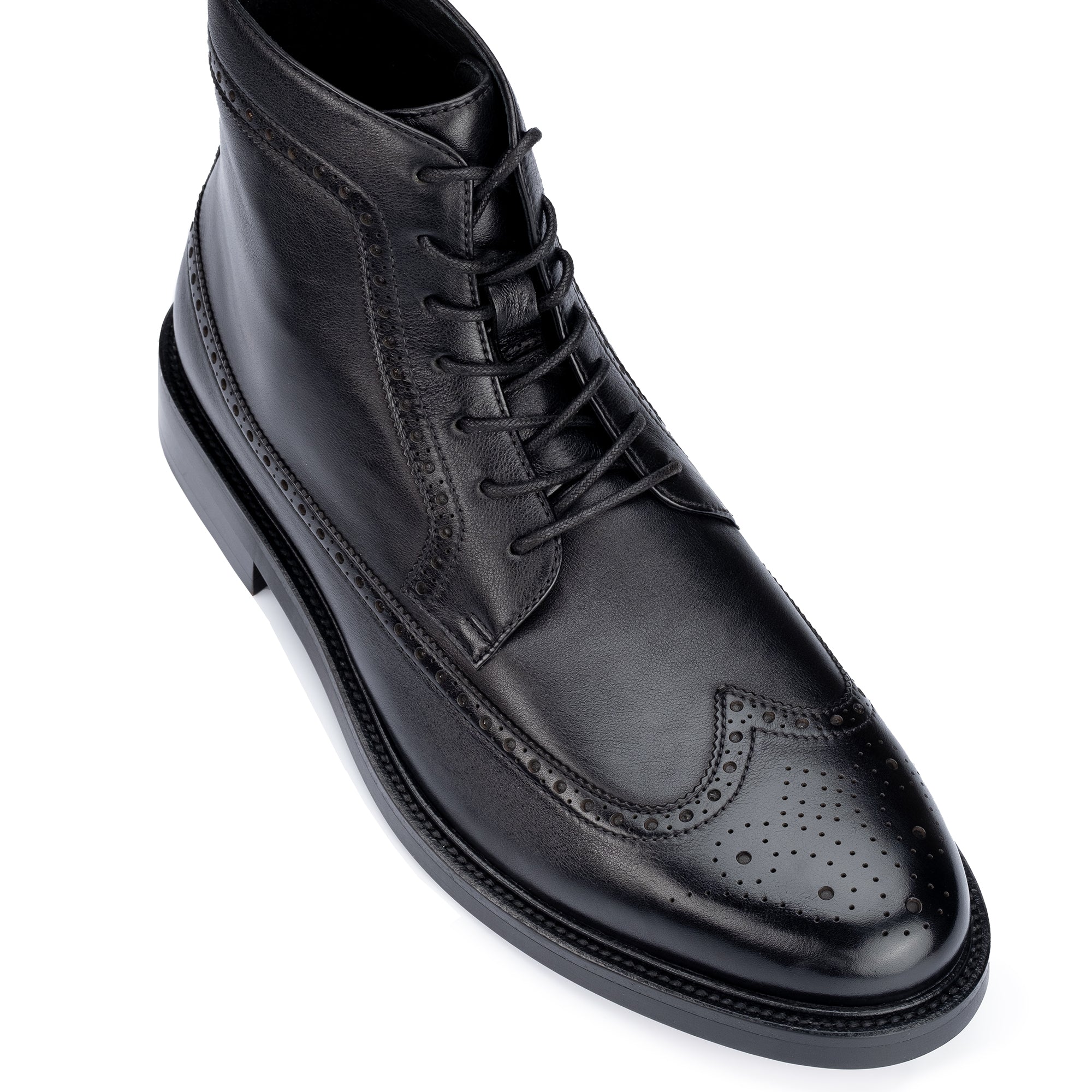
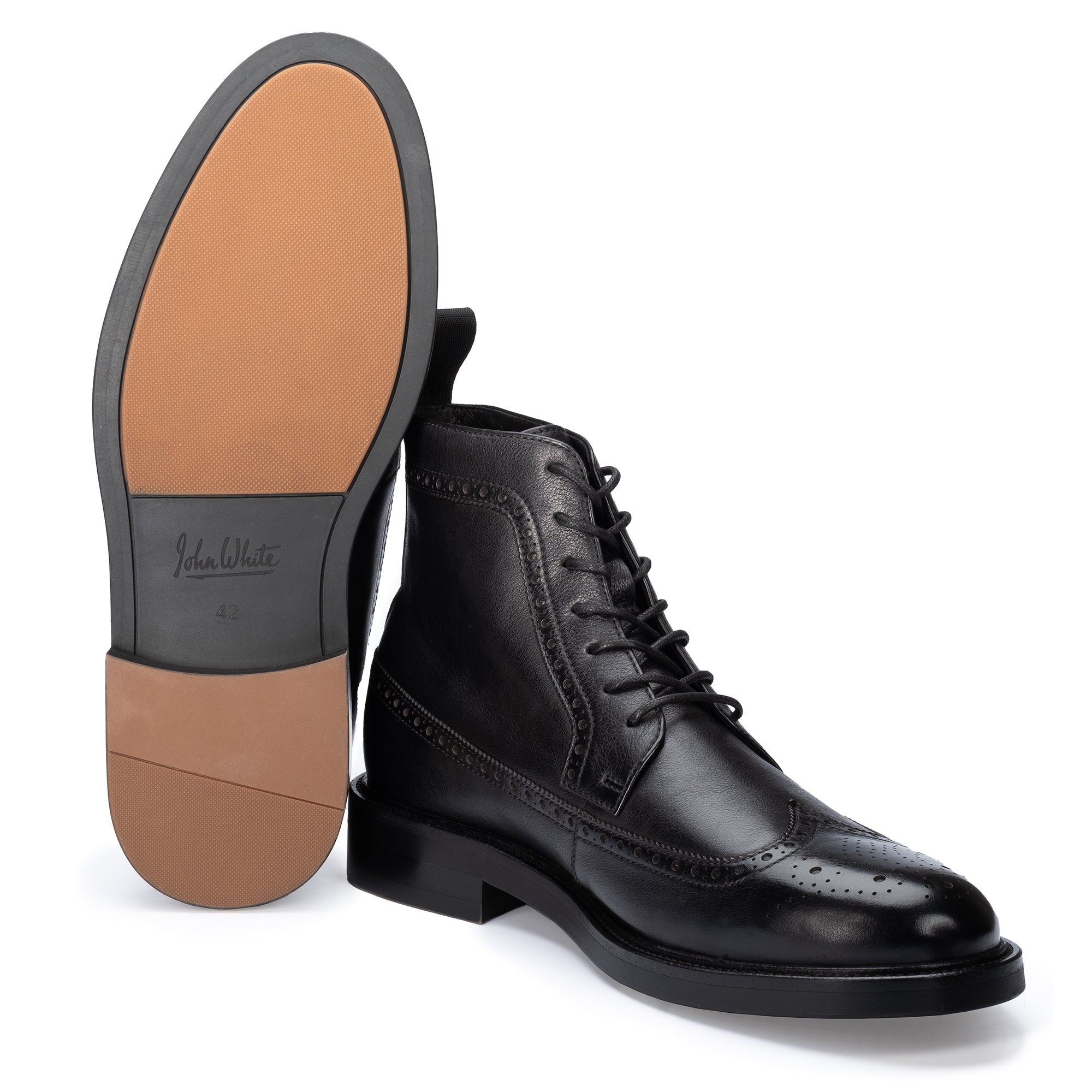
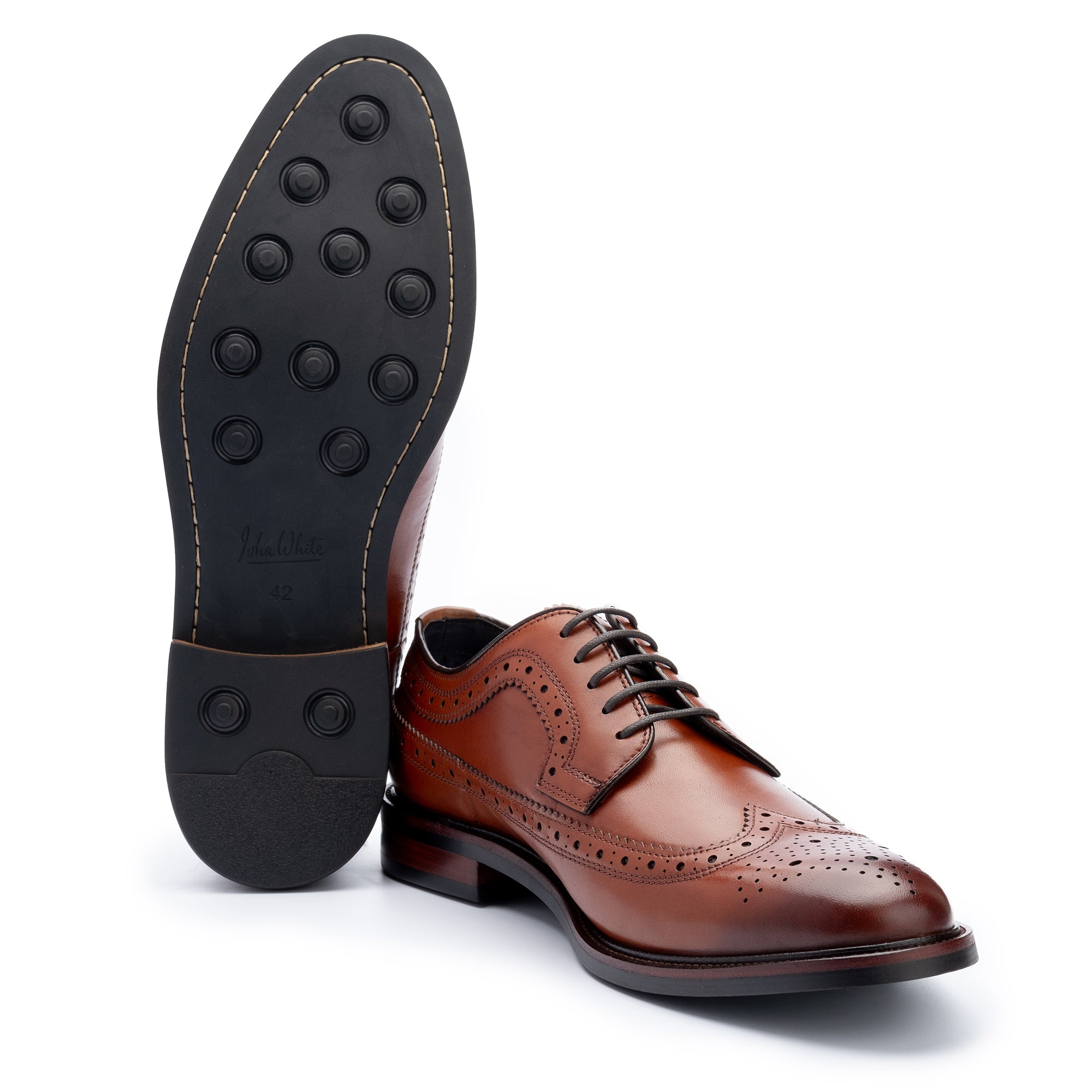
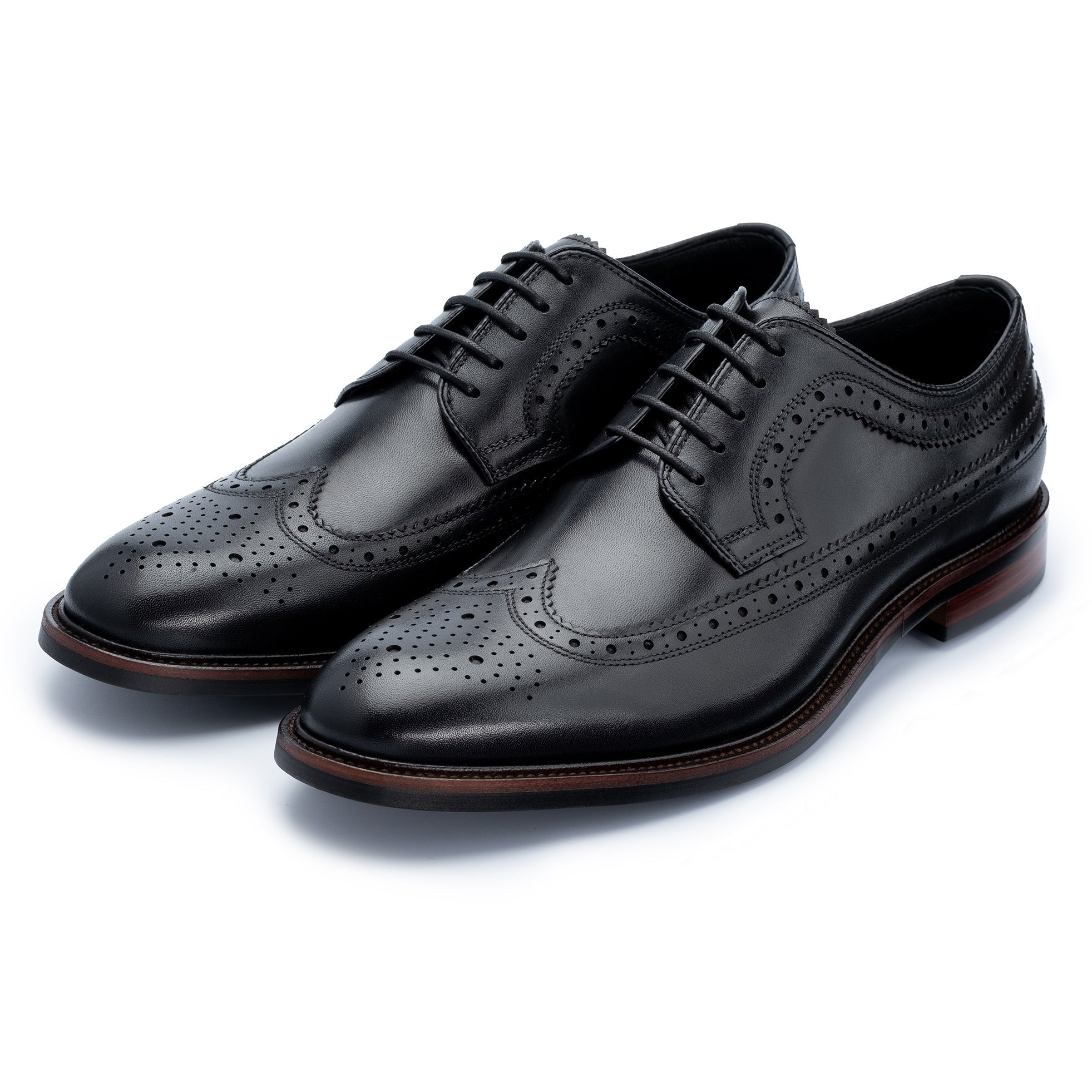
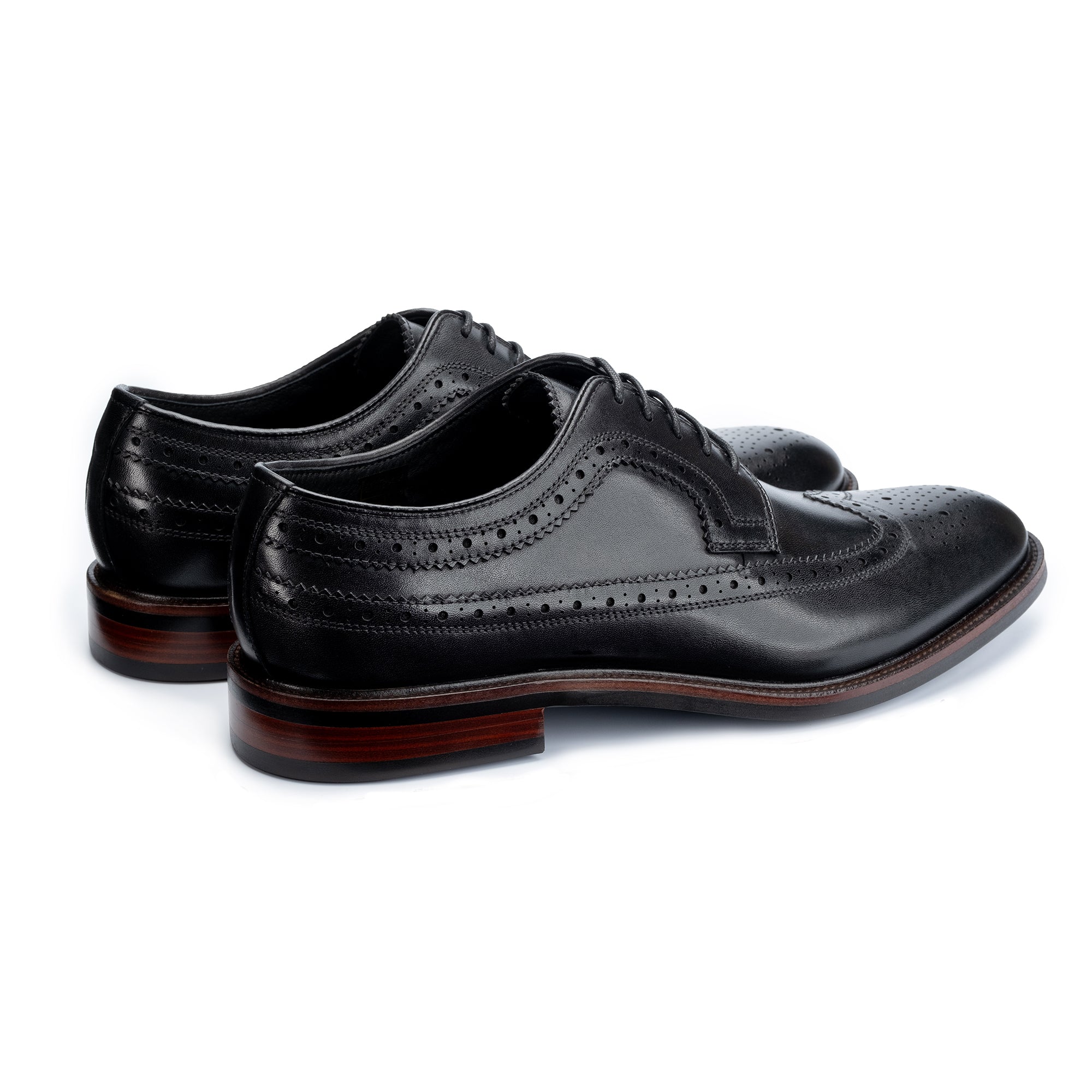
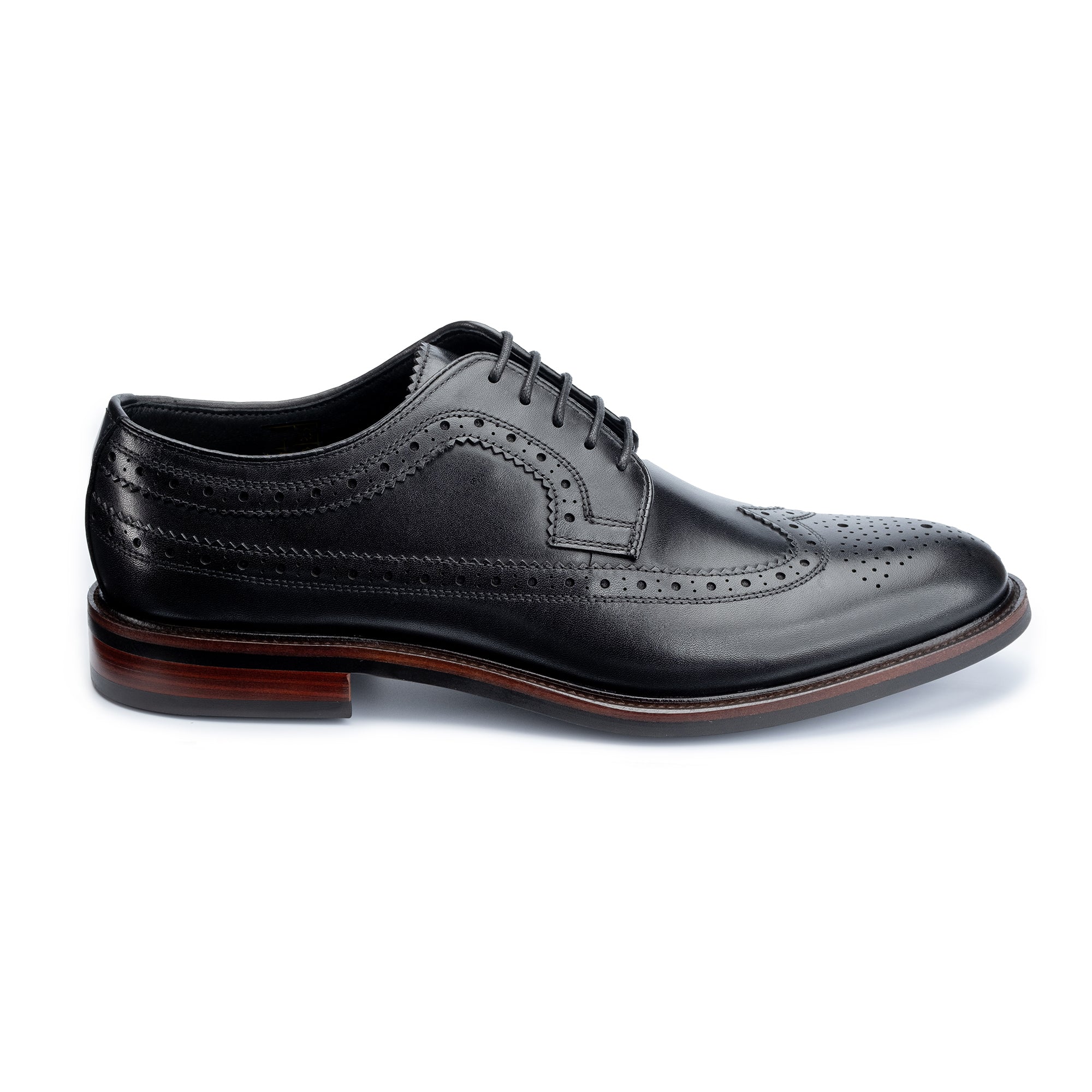
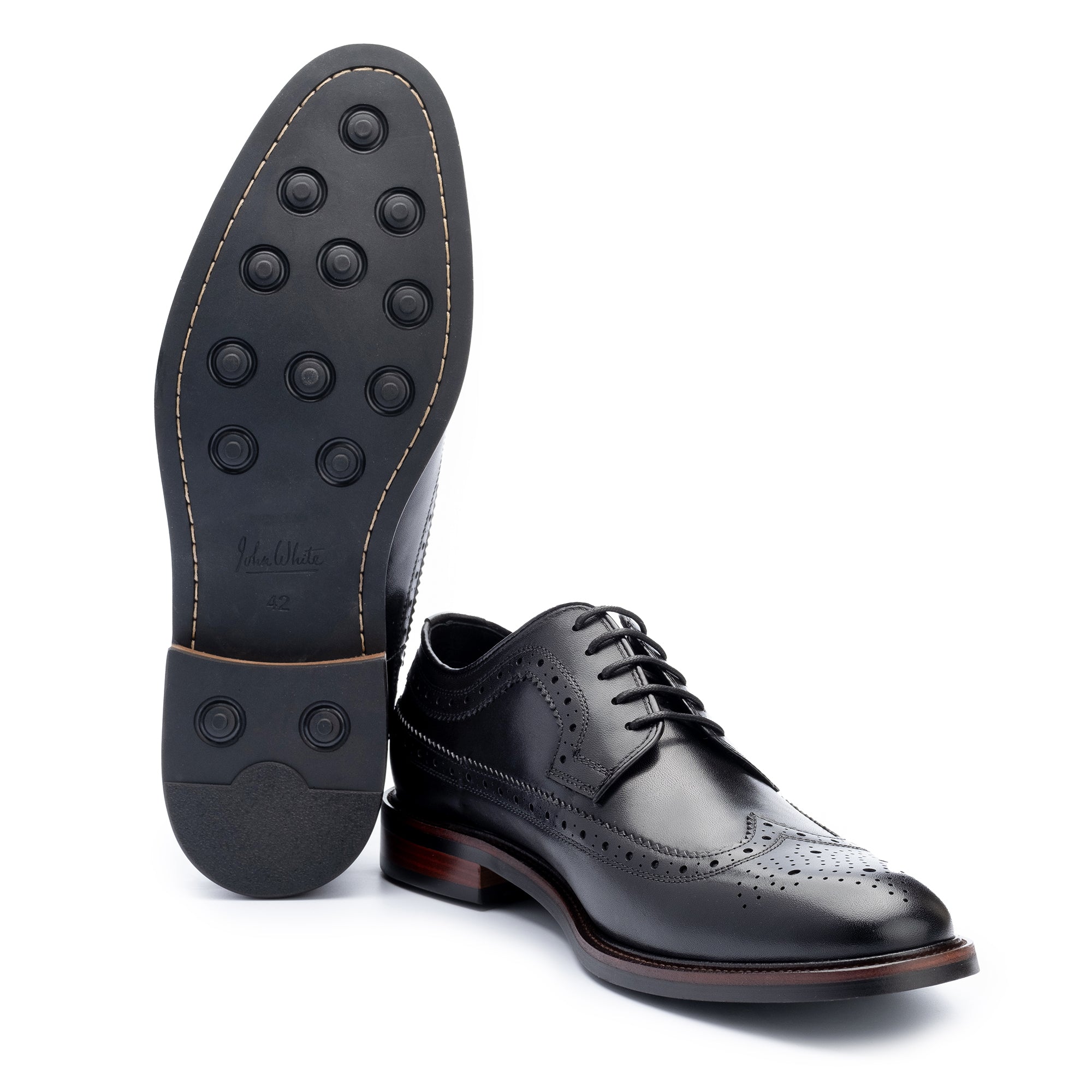
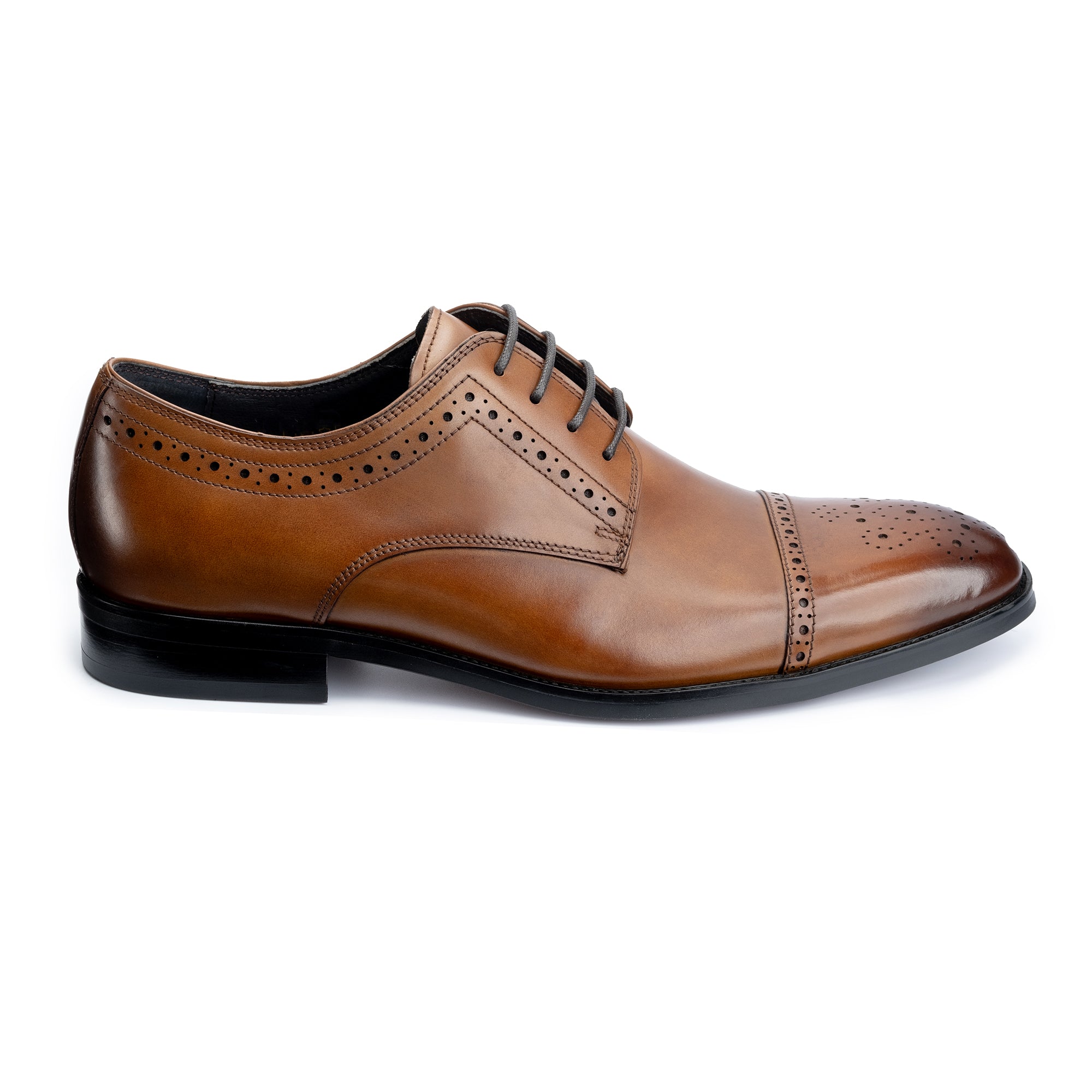
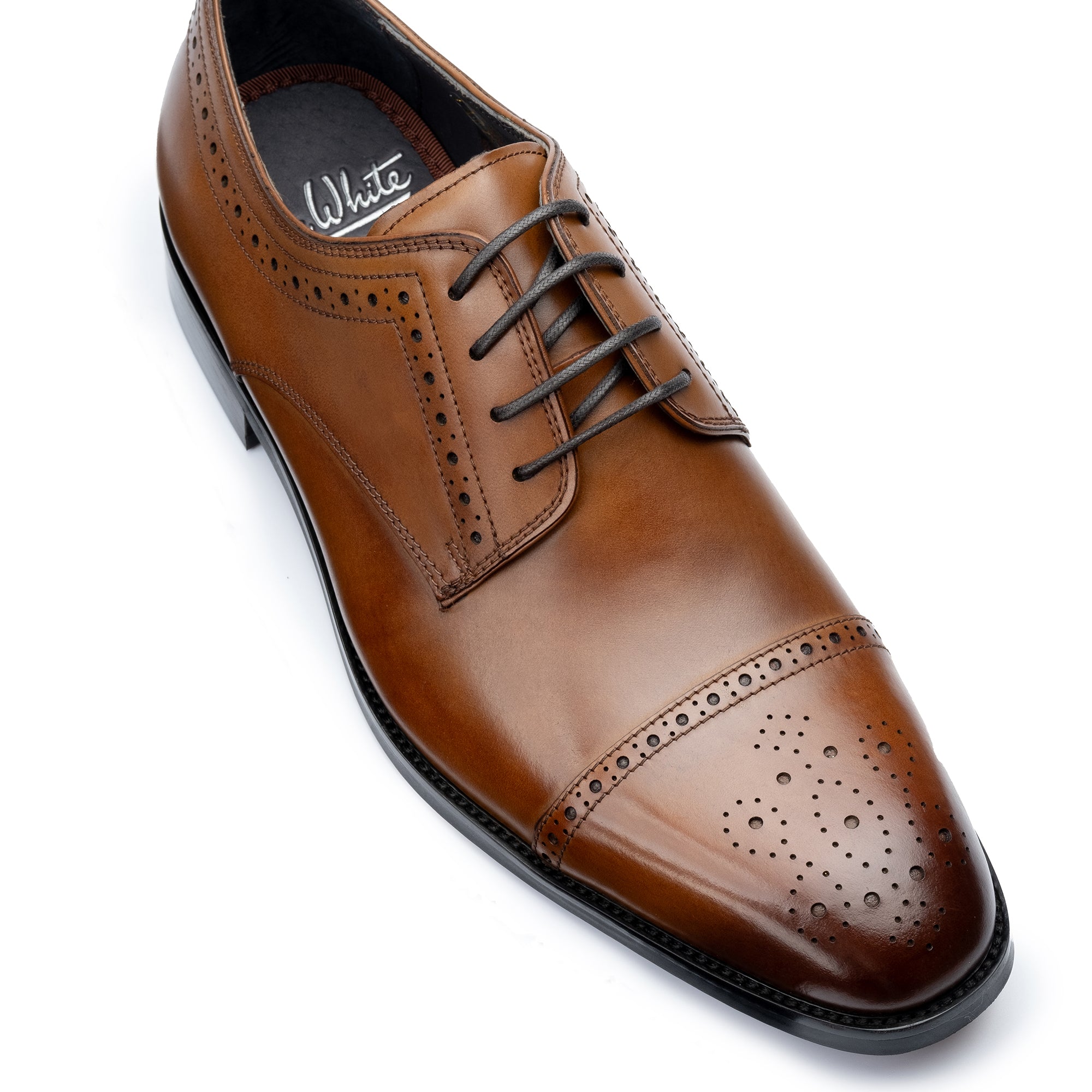
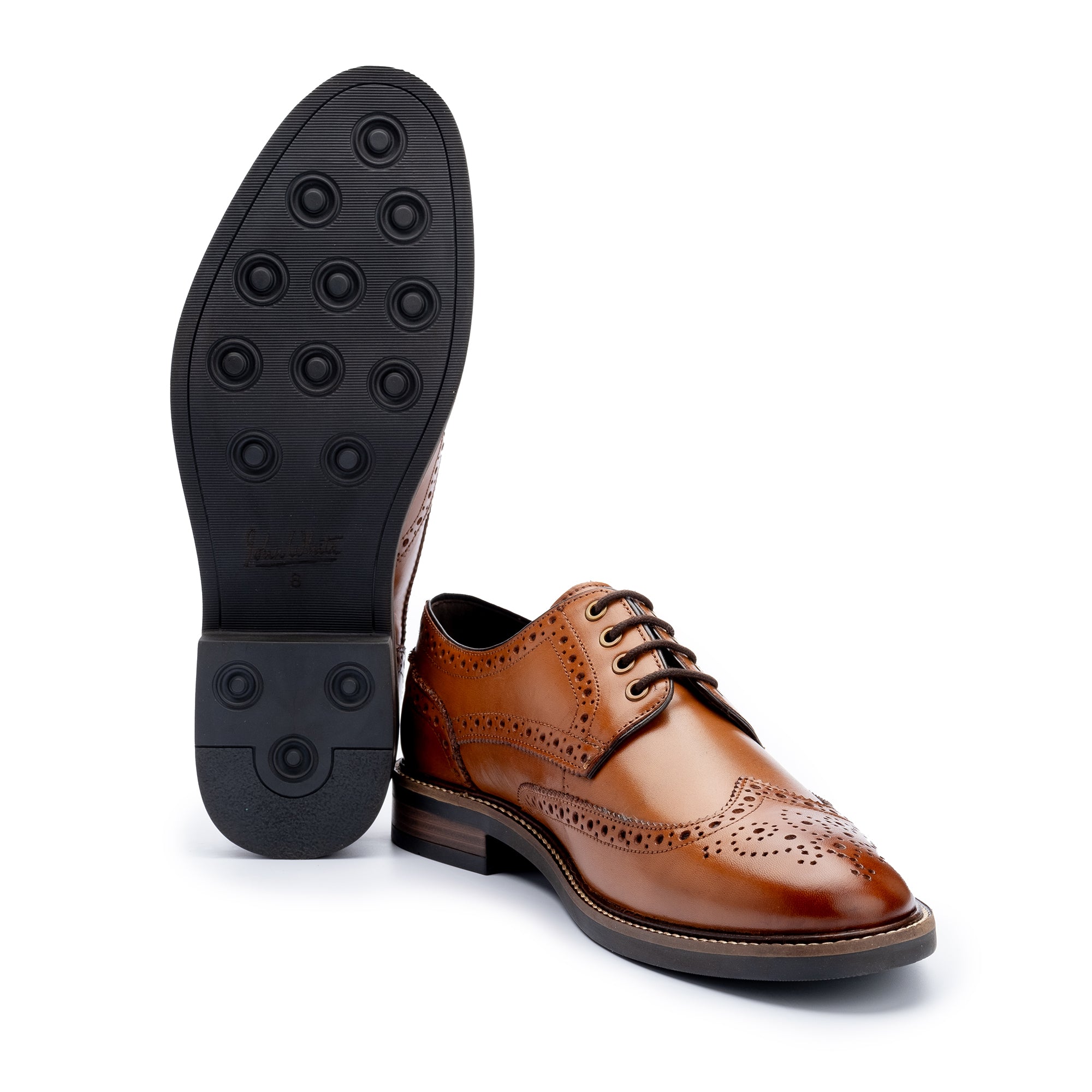
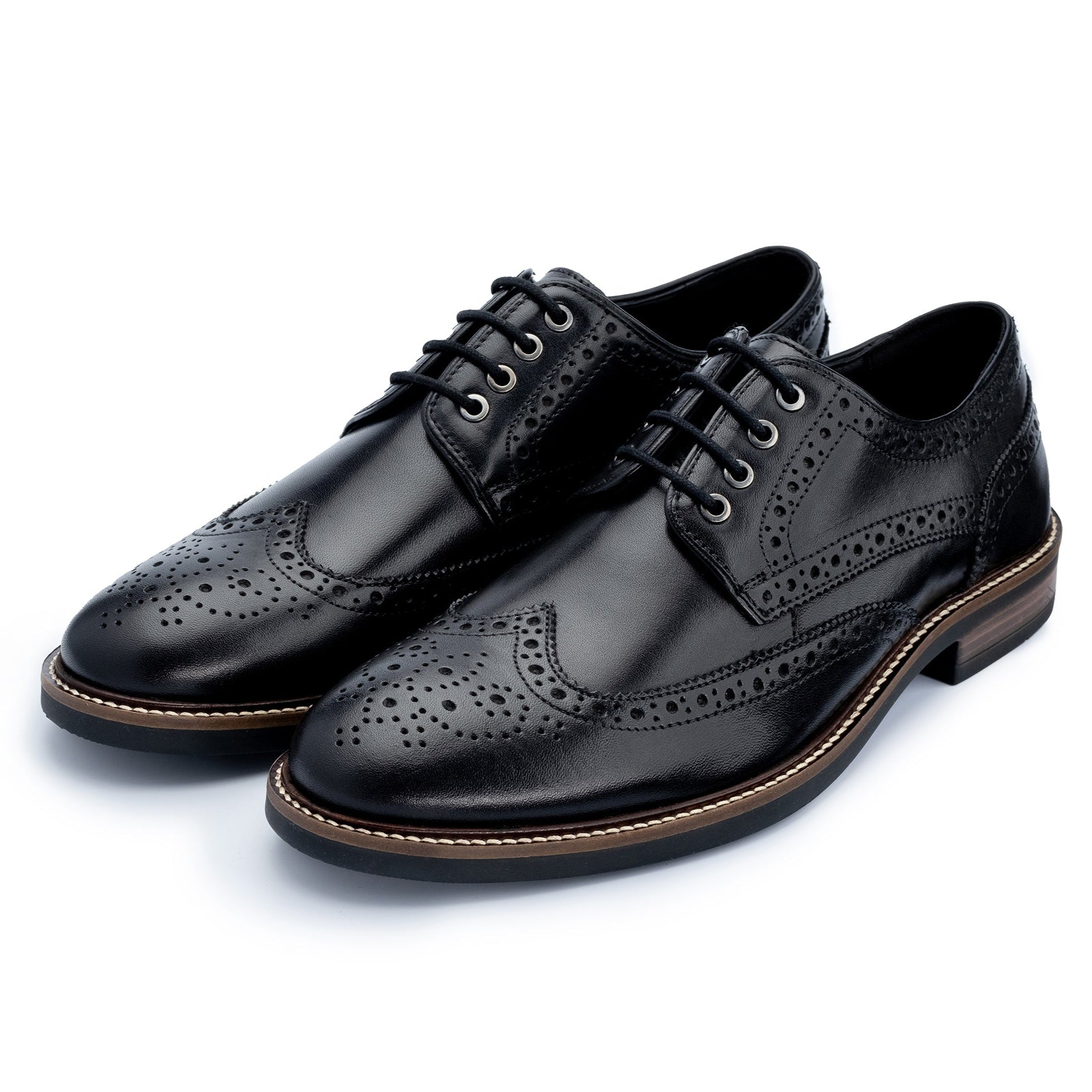
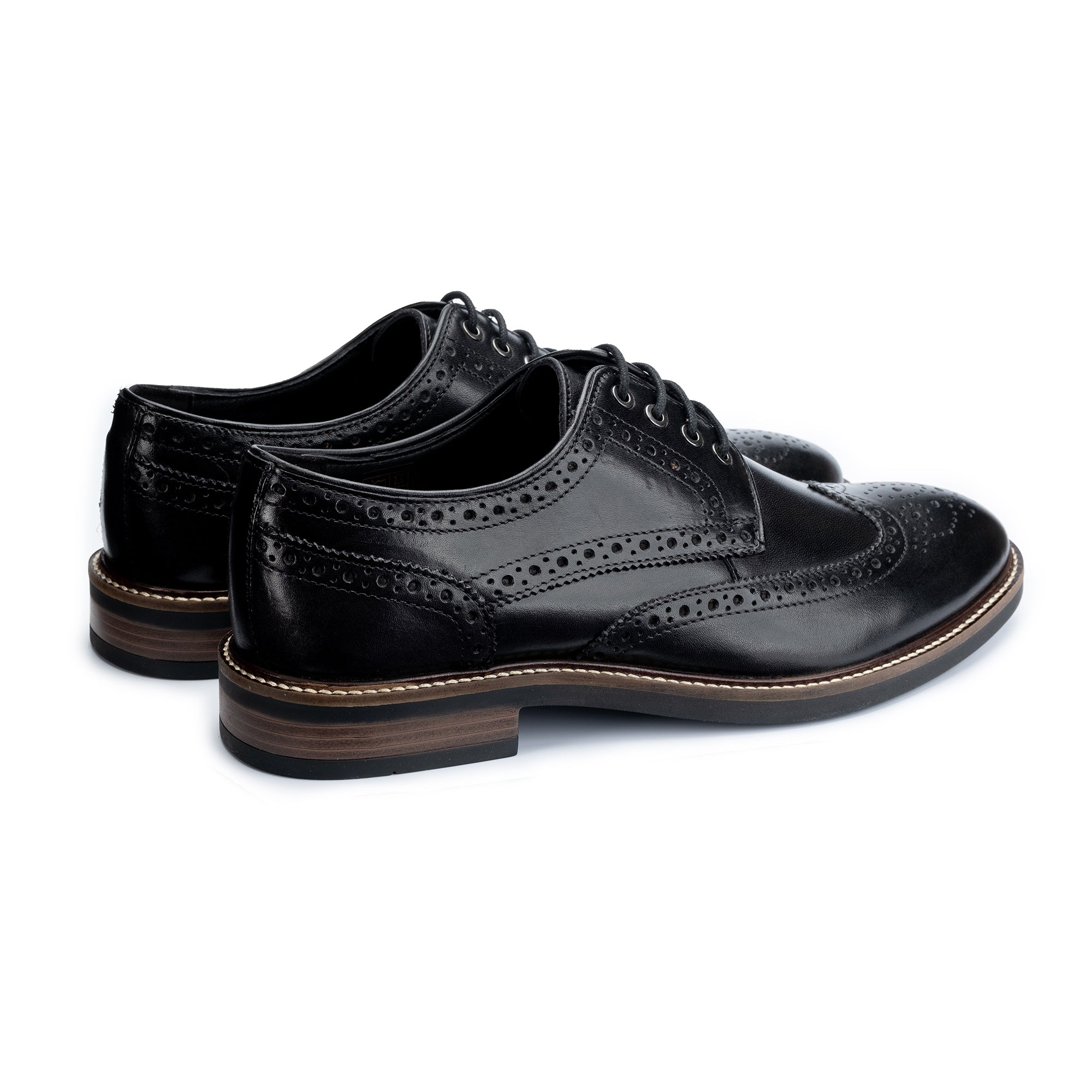
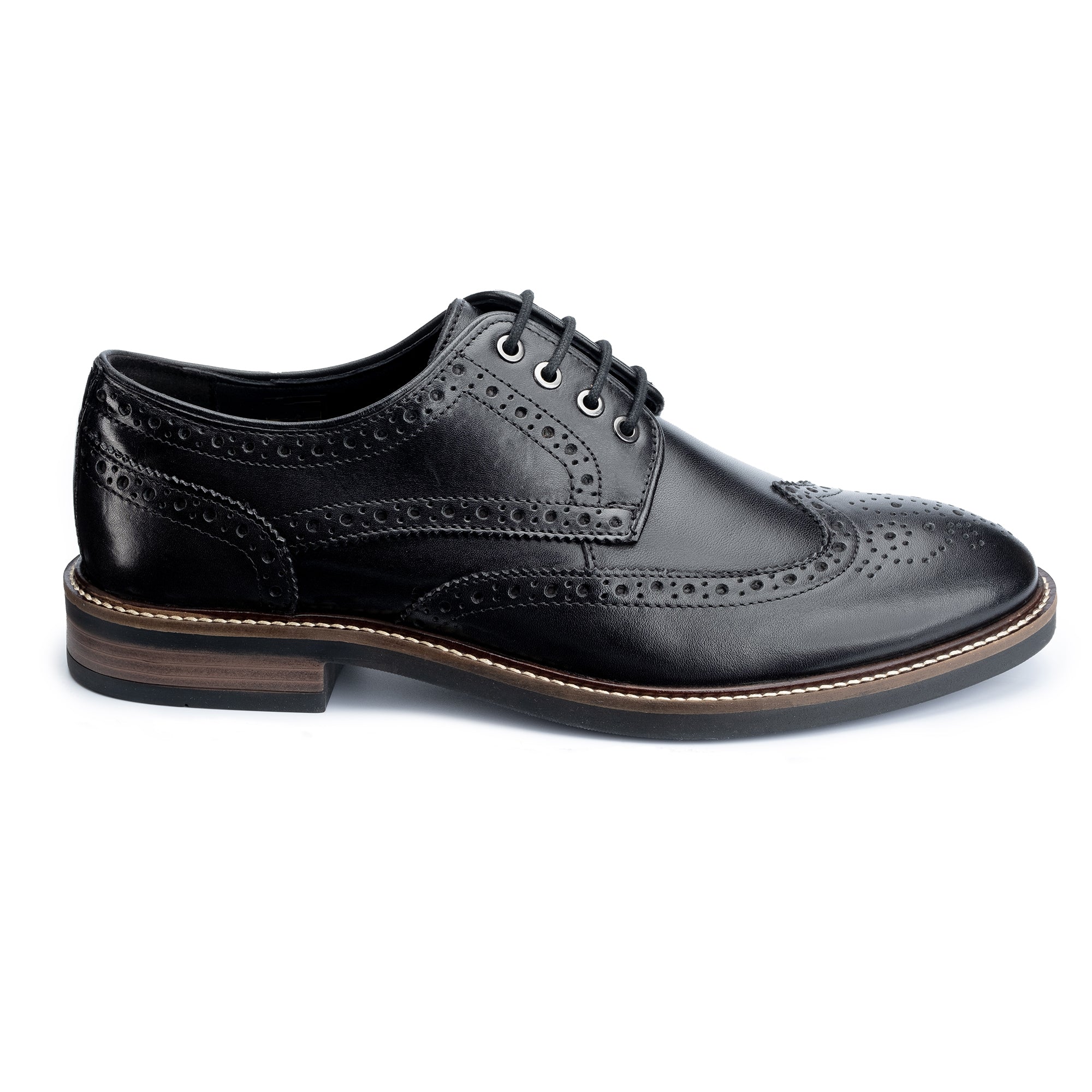
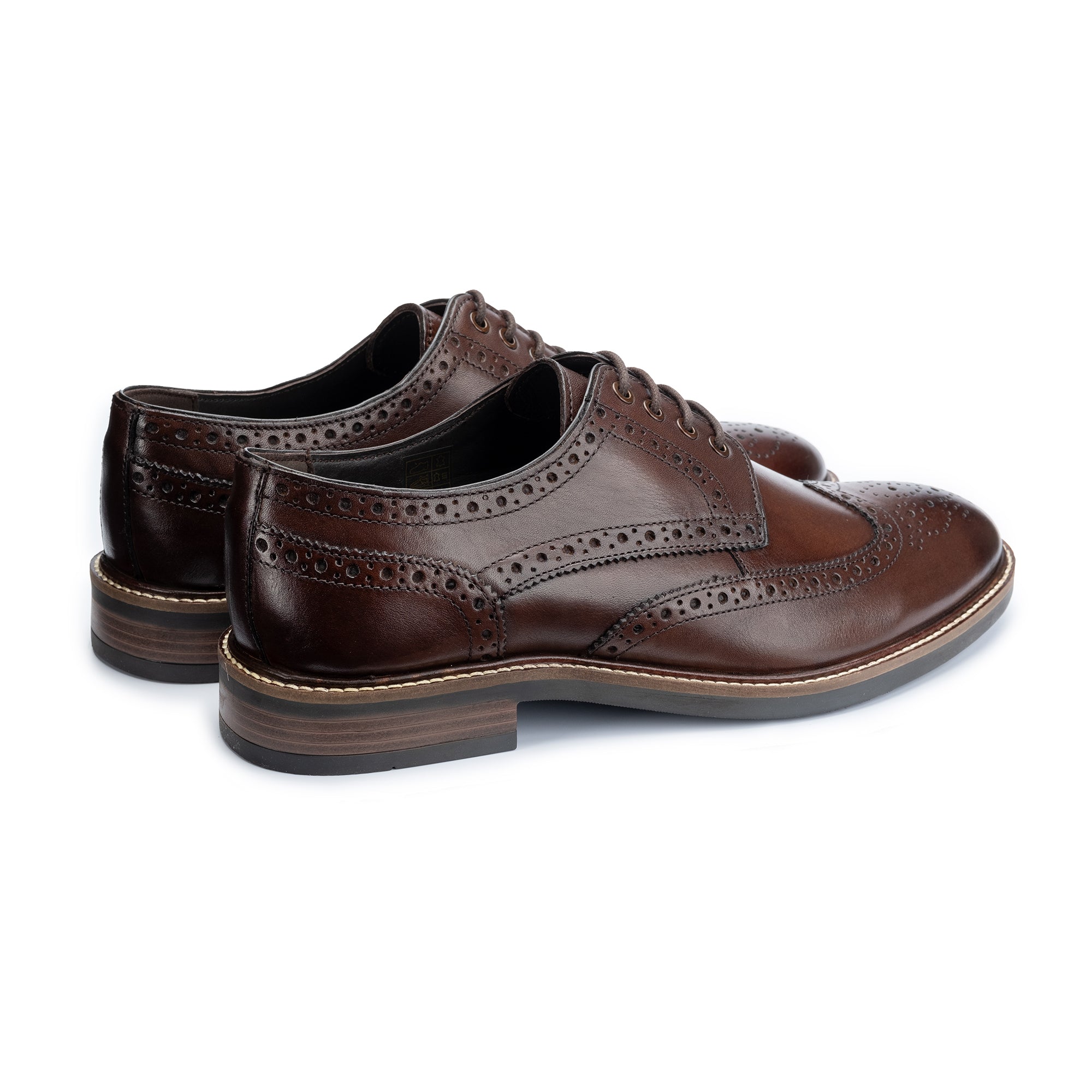
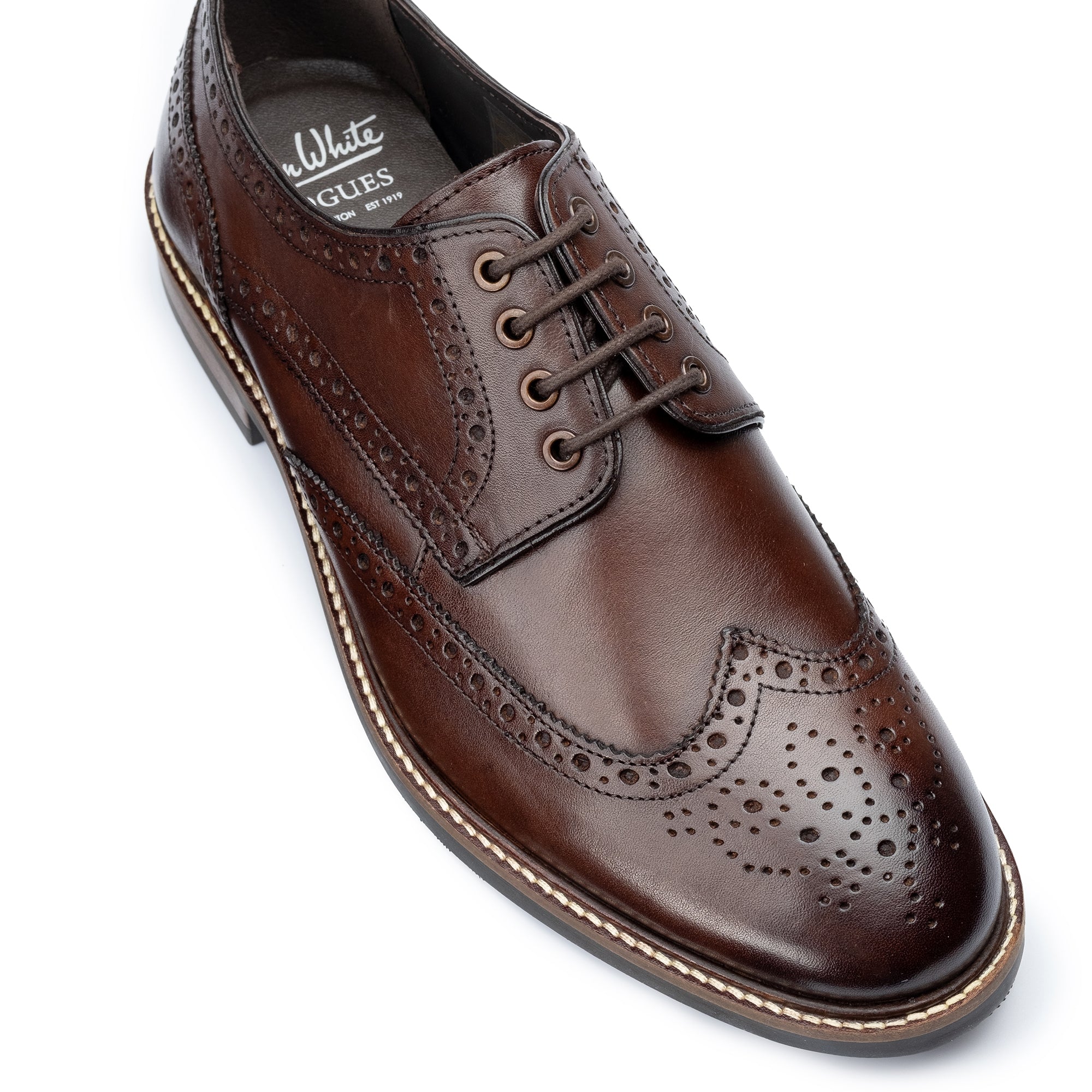
It's vital to understand that brogueing is a form of decoration, not a shoe style itself. These perforations were originally designed in Scotland and Ireland to allow water to drain from shoes when crossing wet terrain. Today, they serve a purely aesthetic purpose, and their presence always reduces a shoe's formality.
The rule is simple: the more brogueing, the more casual the shoe. A semi-brogue like the Lucan Semi-Brogue is smarter than a full-brogue or 'wingtip'. As we cover in our guide to Full Brogue vs. Semi-Brogue shoes, the intricate patterns make them a superb choice for tweeds, corduroys, and weekend wear.
The amount of brogueing directly corresponds to how casual a shoe is perceived.
Where Do Boots Fit on the Formality Spectrum?
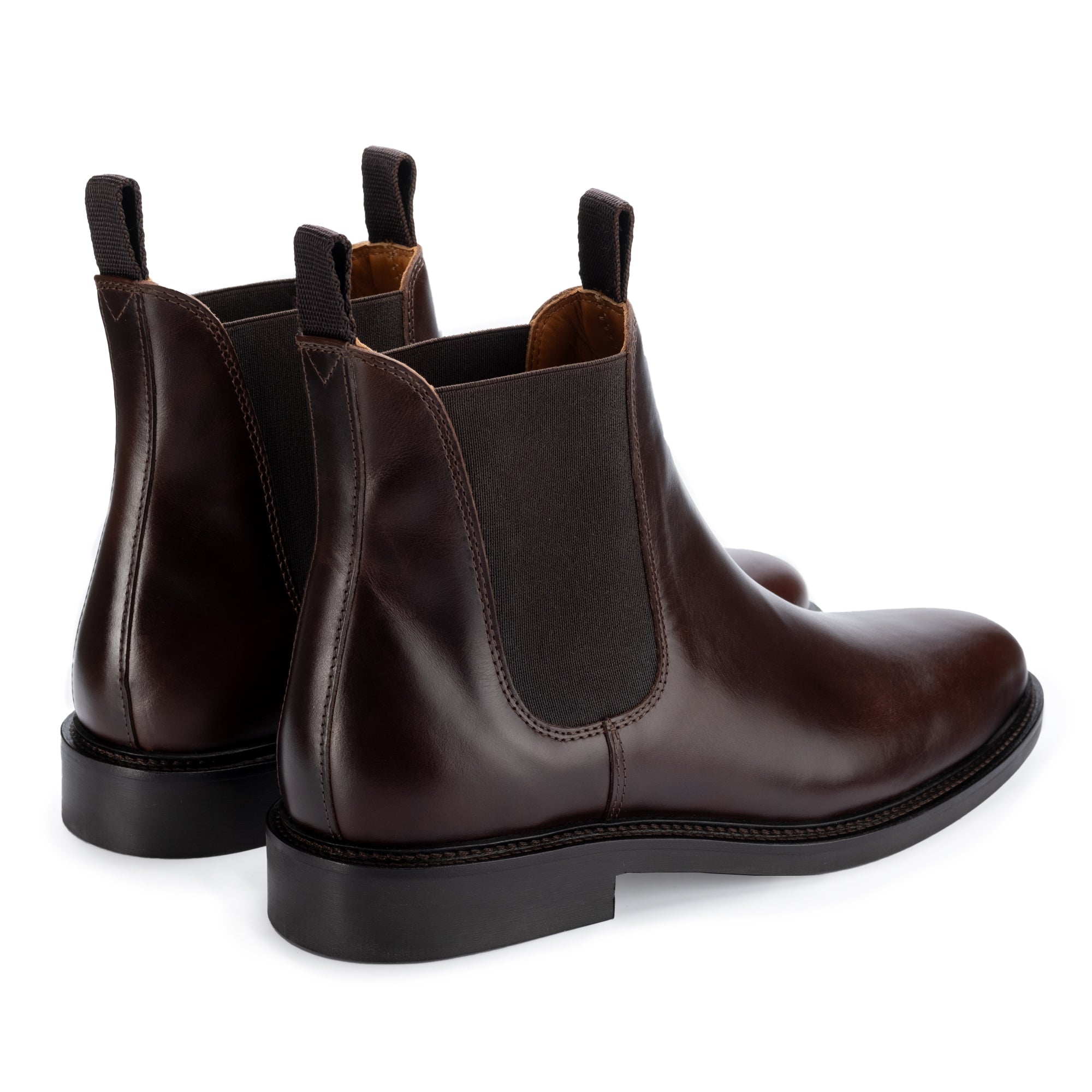
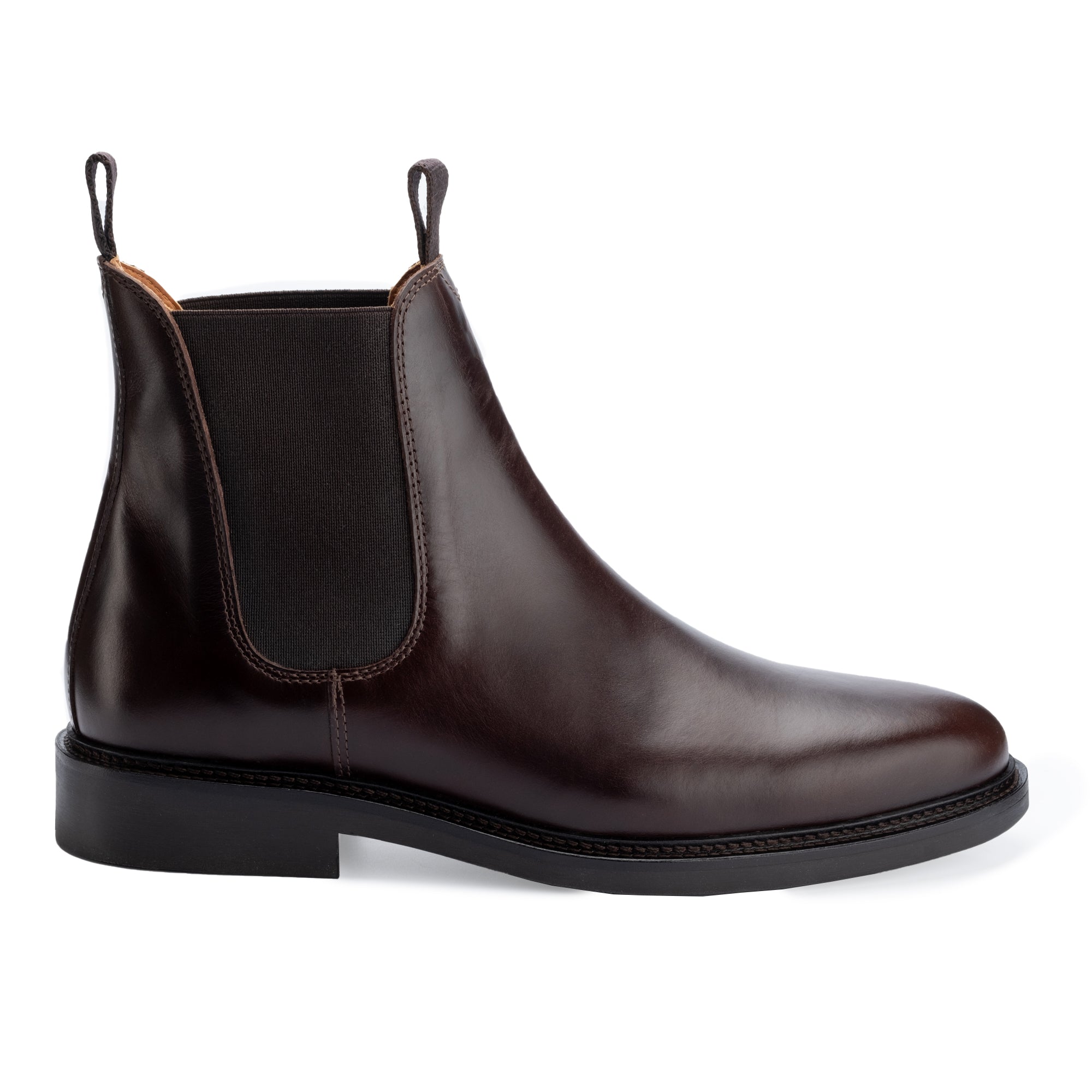
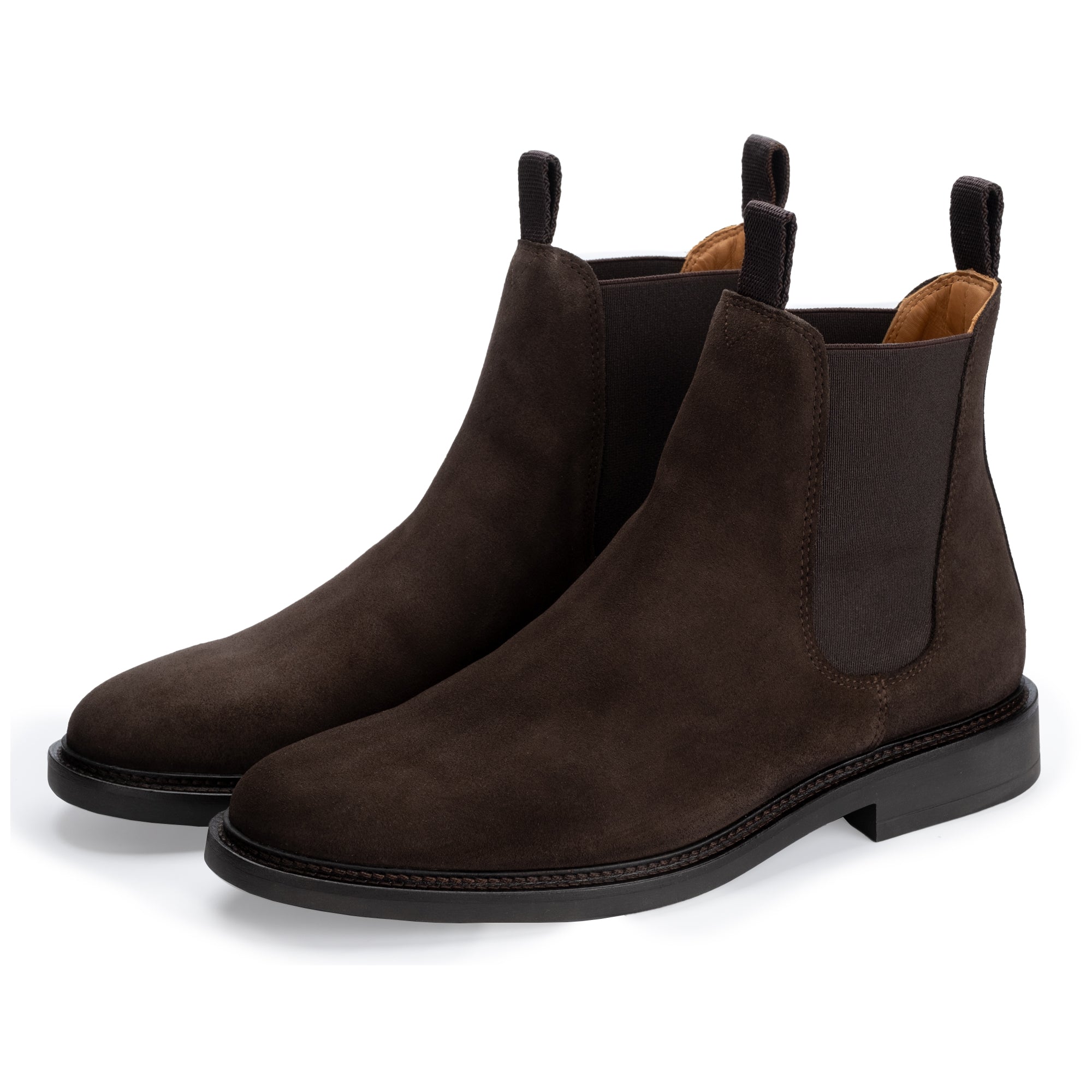
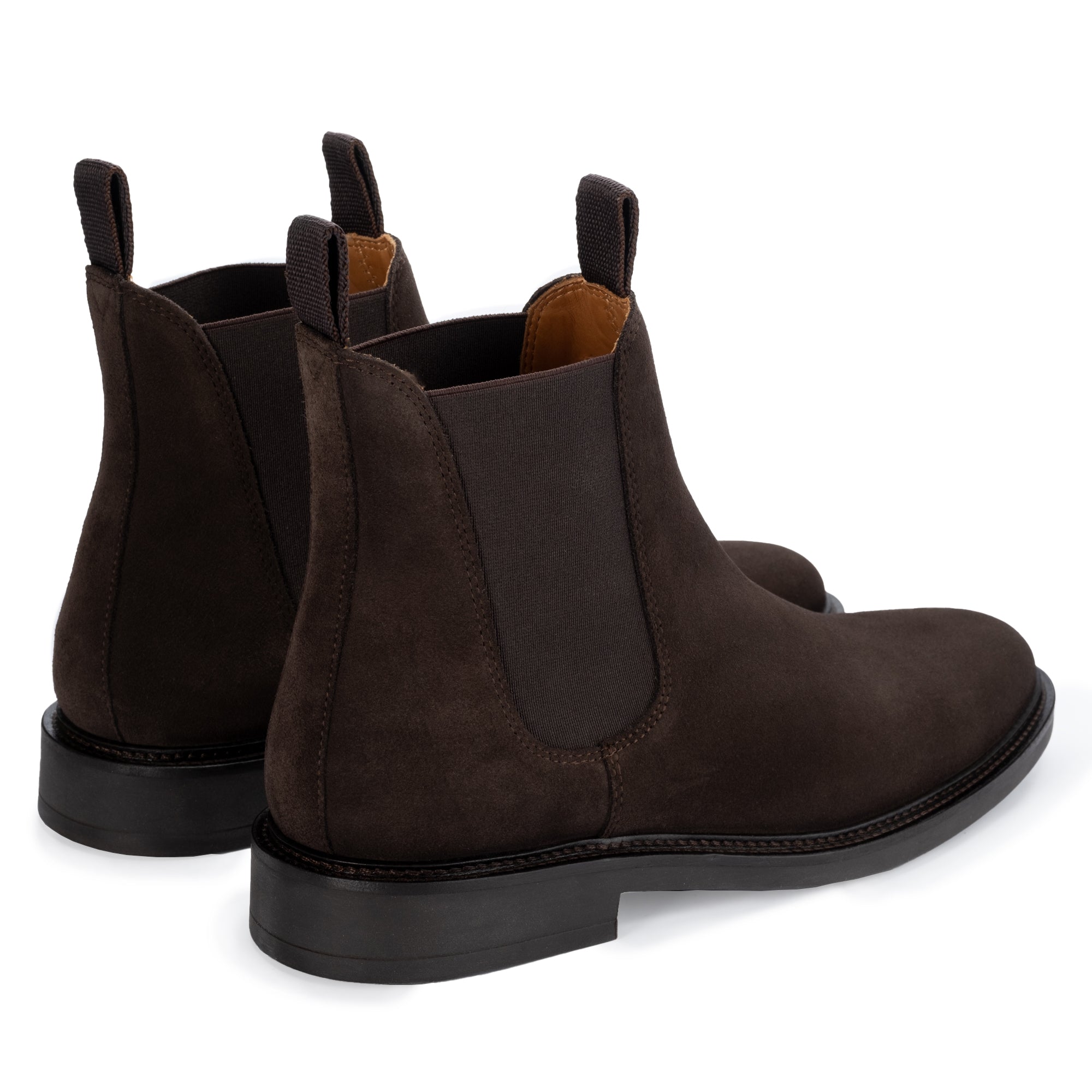
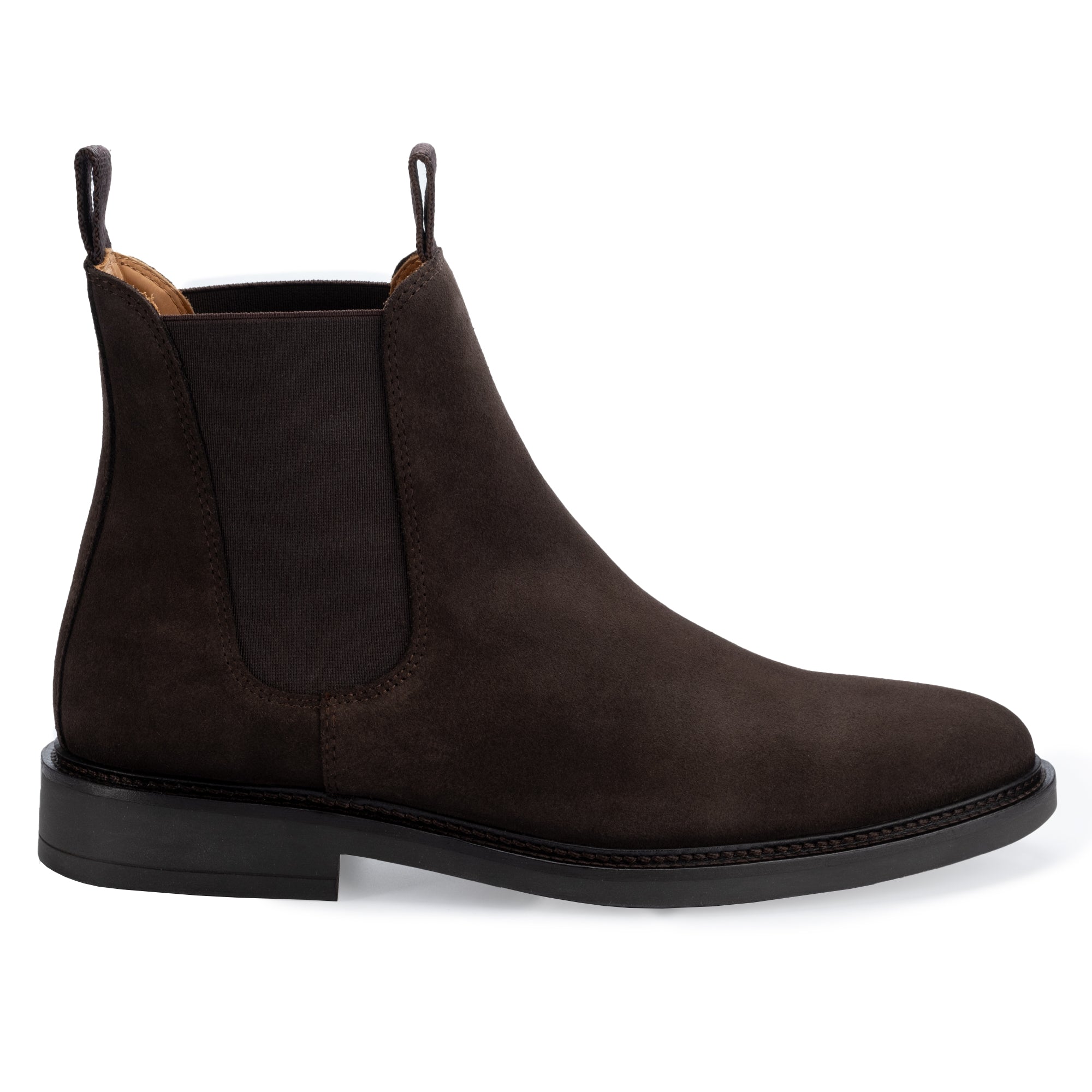
Boots are generally considered less formal than their shoe counterparts, but elegant designs can easily stand in for smarter styles, particularly in autumn and winter.
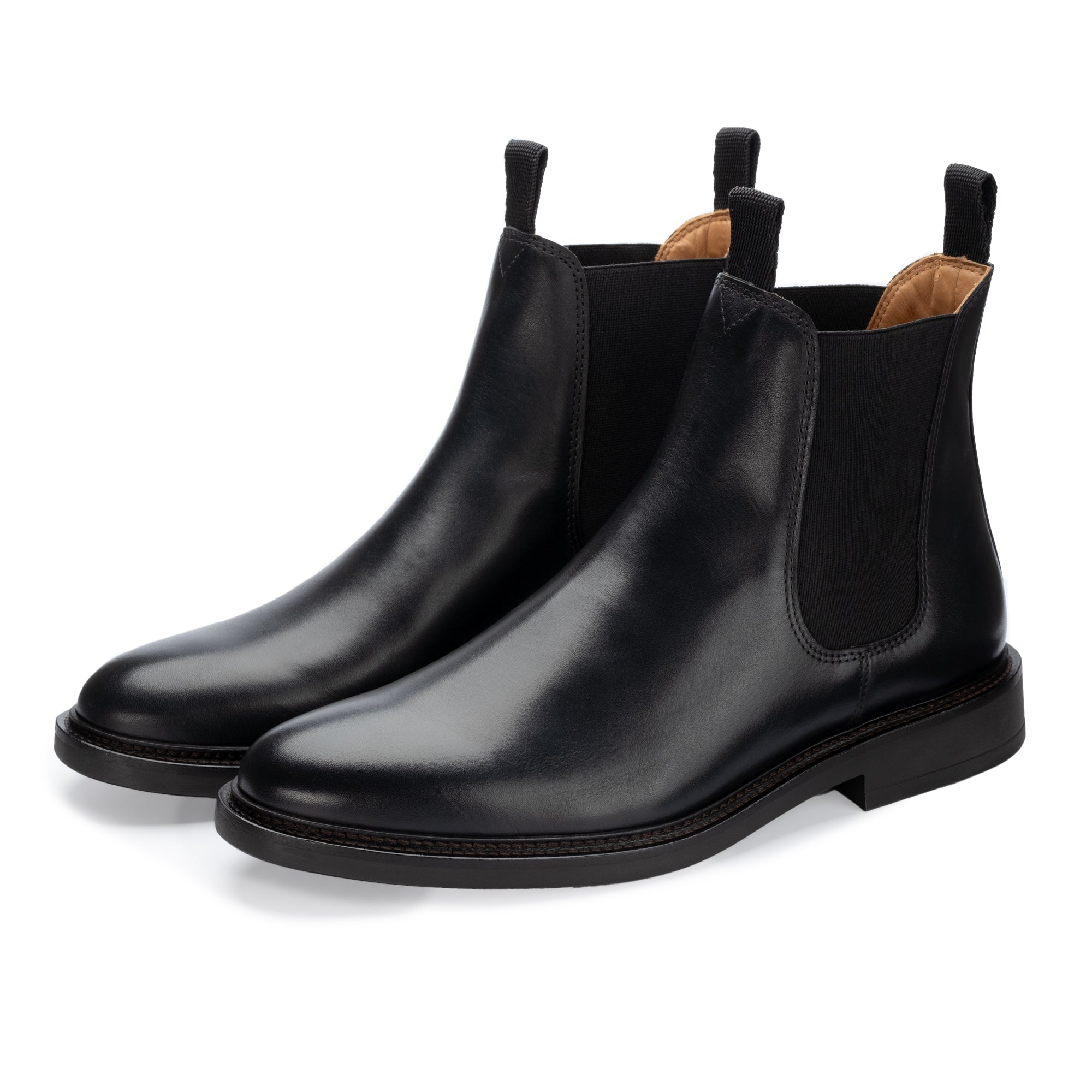
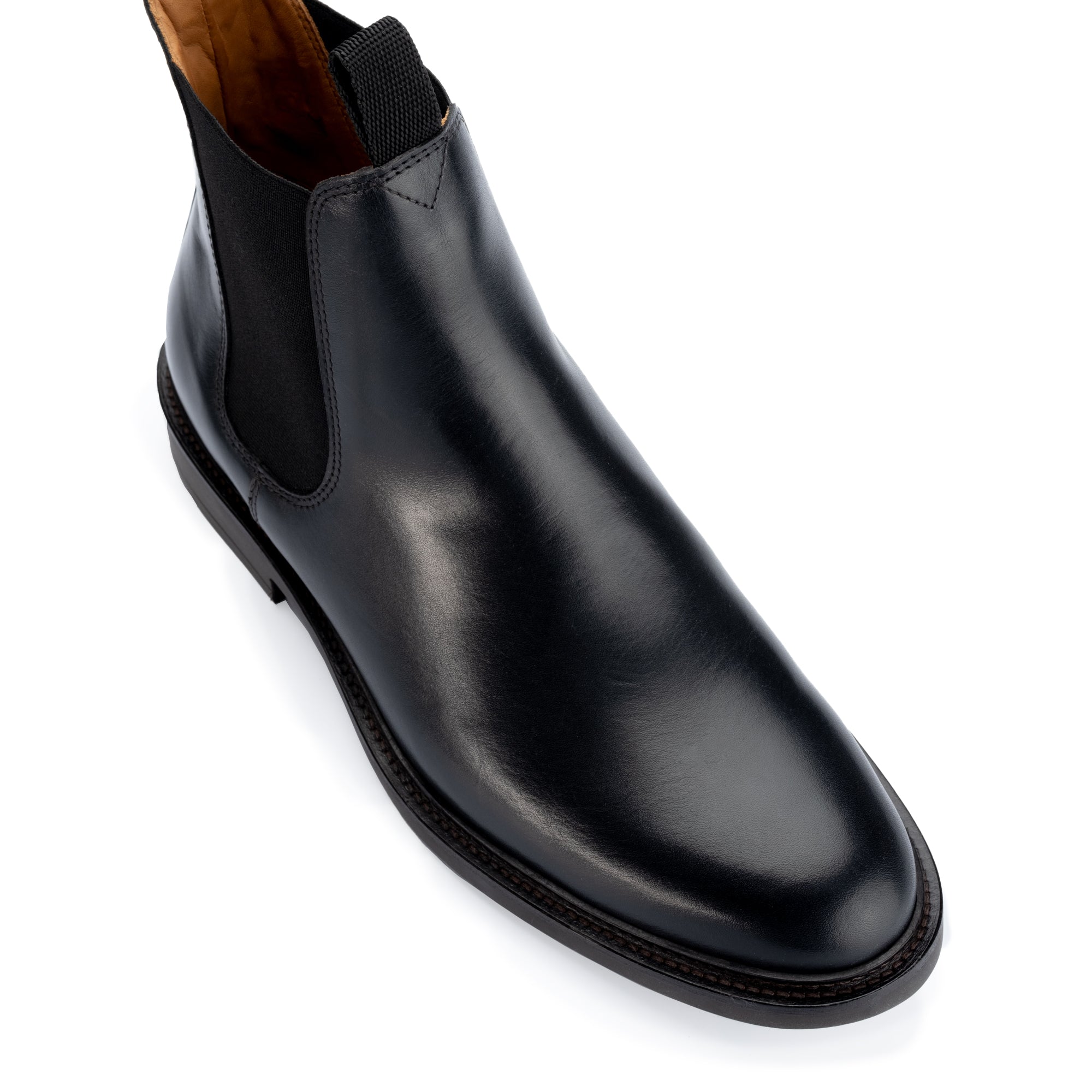
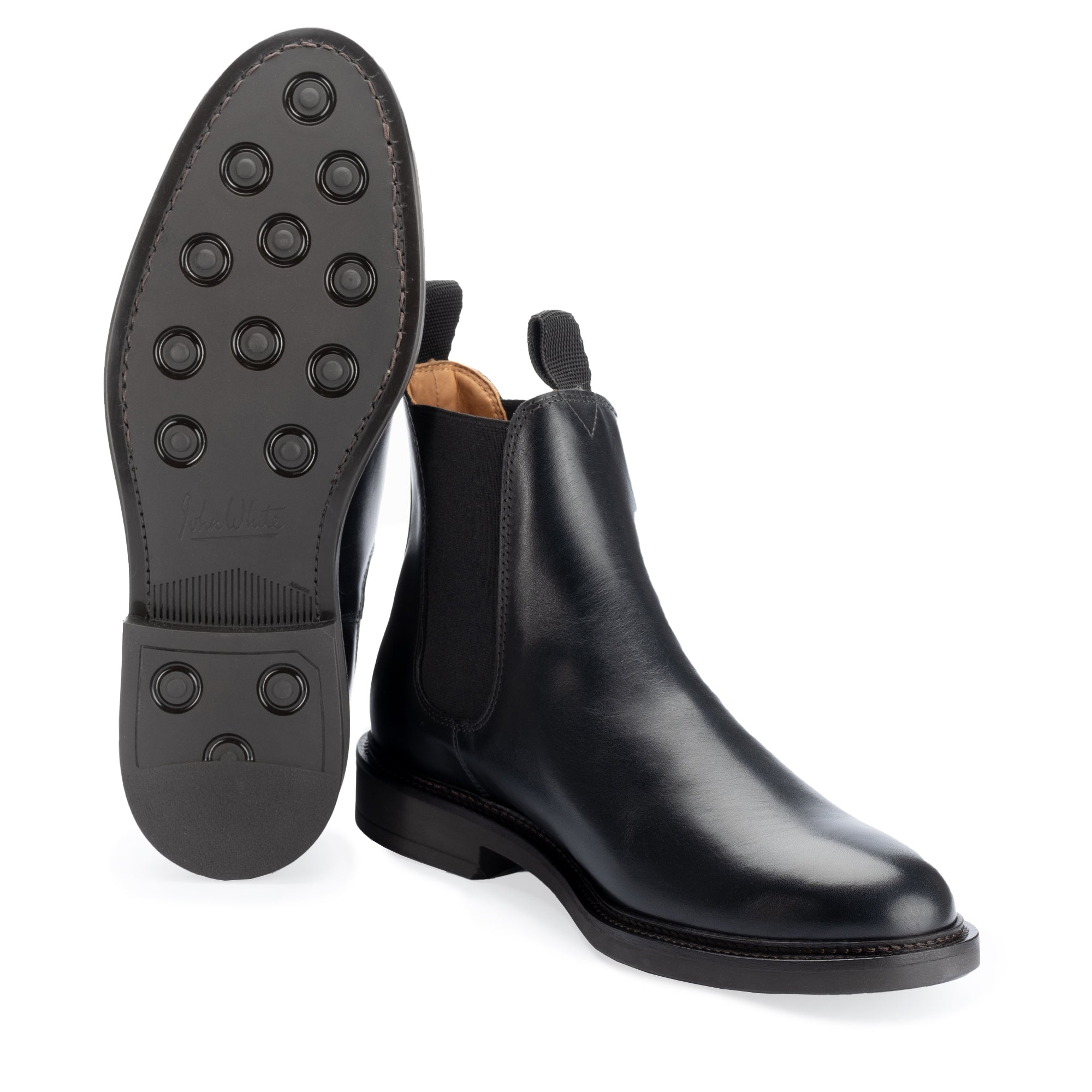
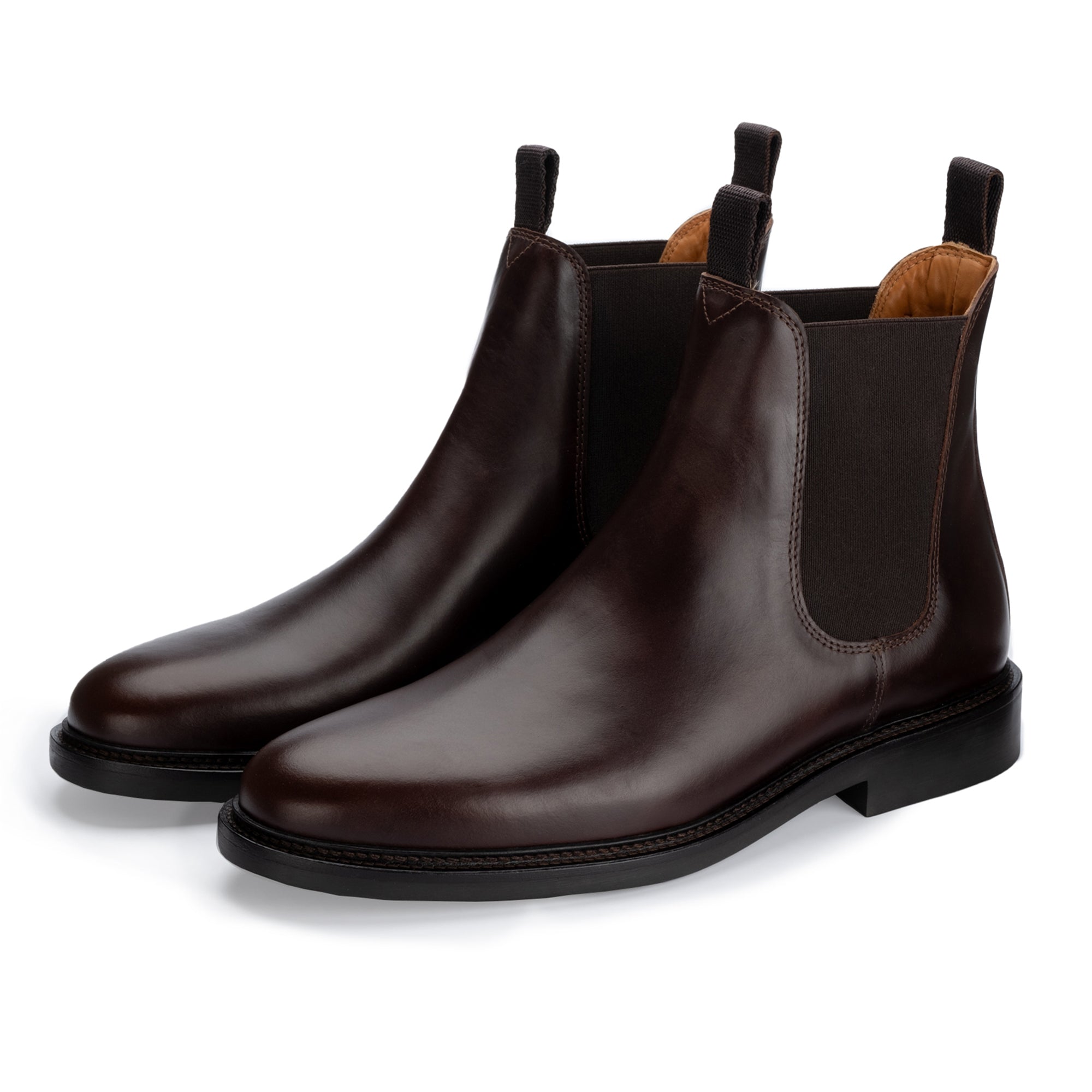
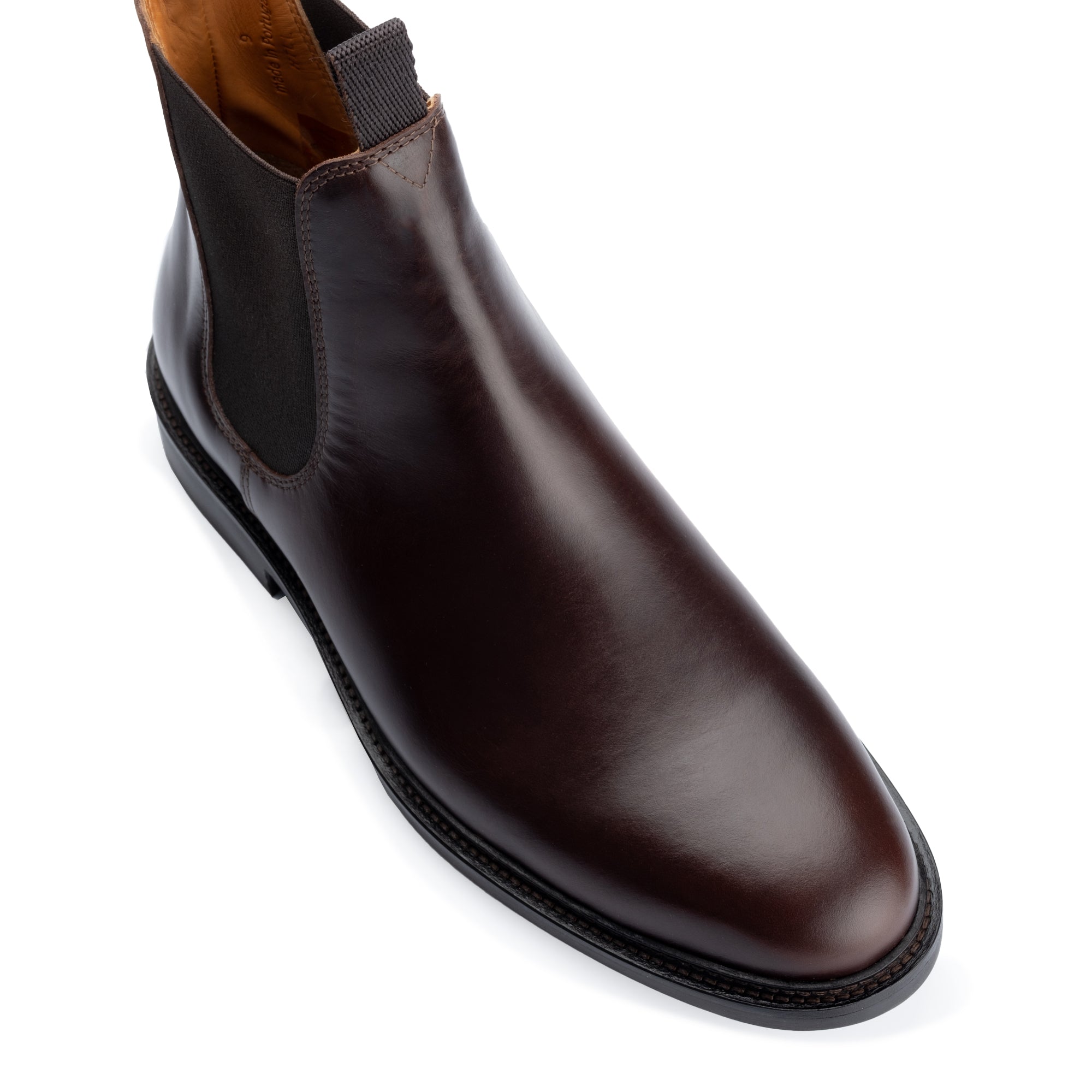
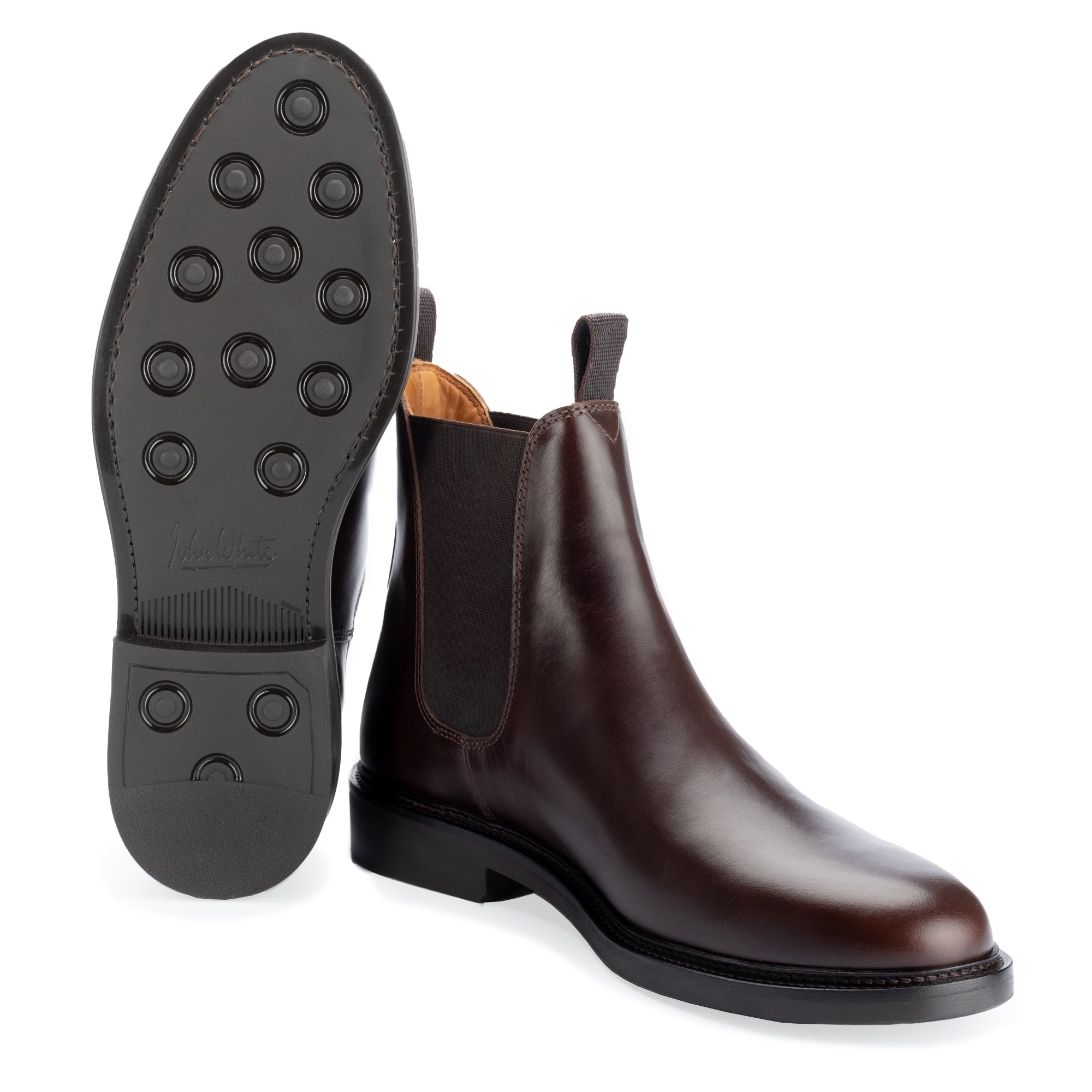
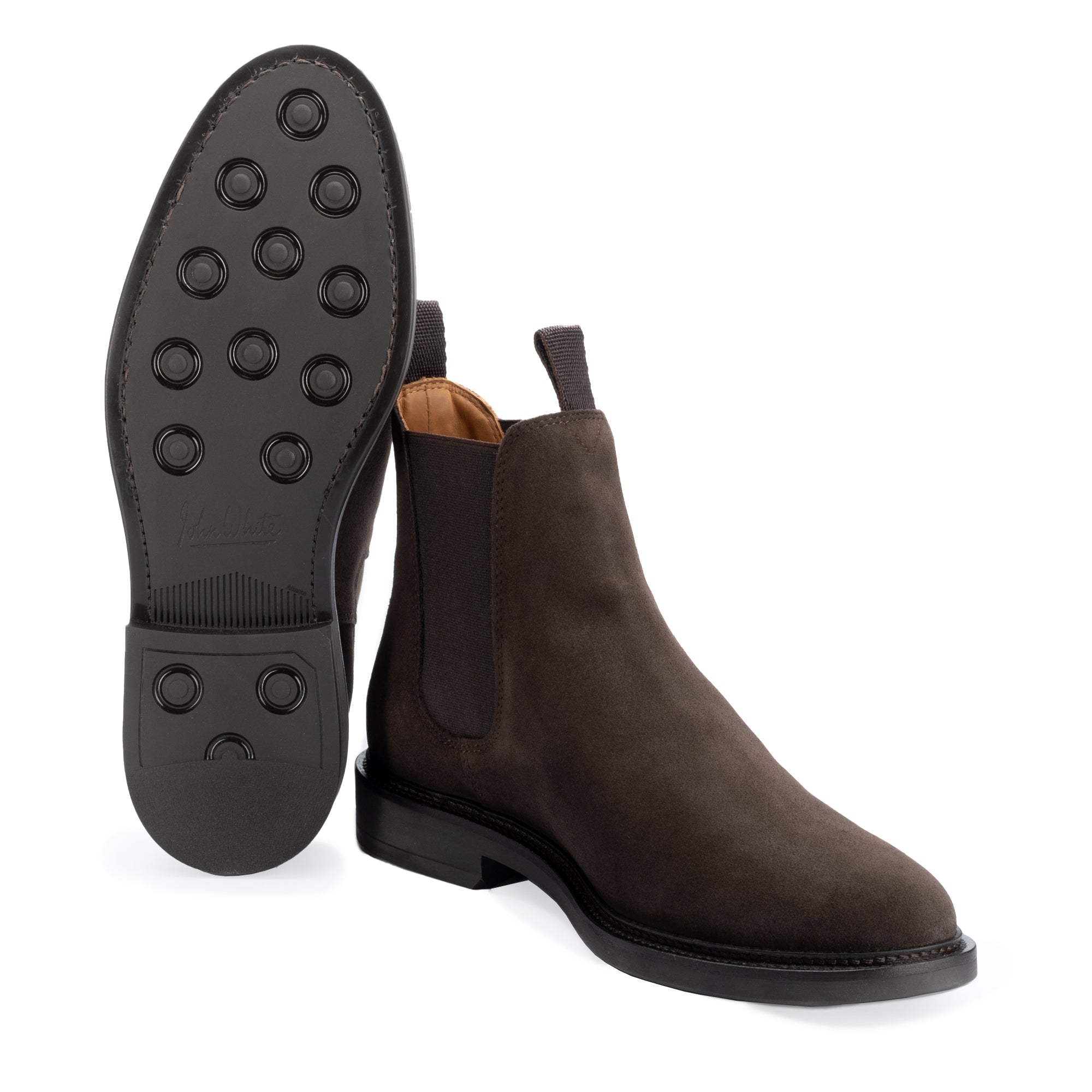
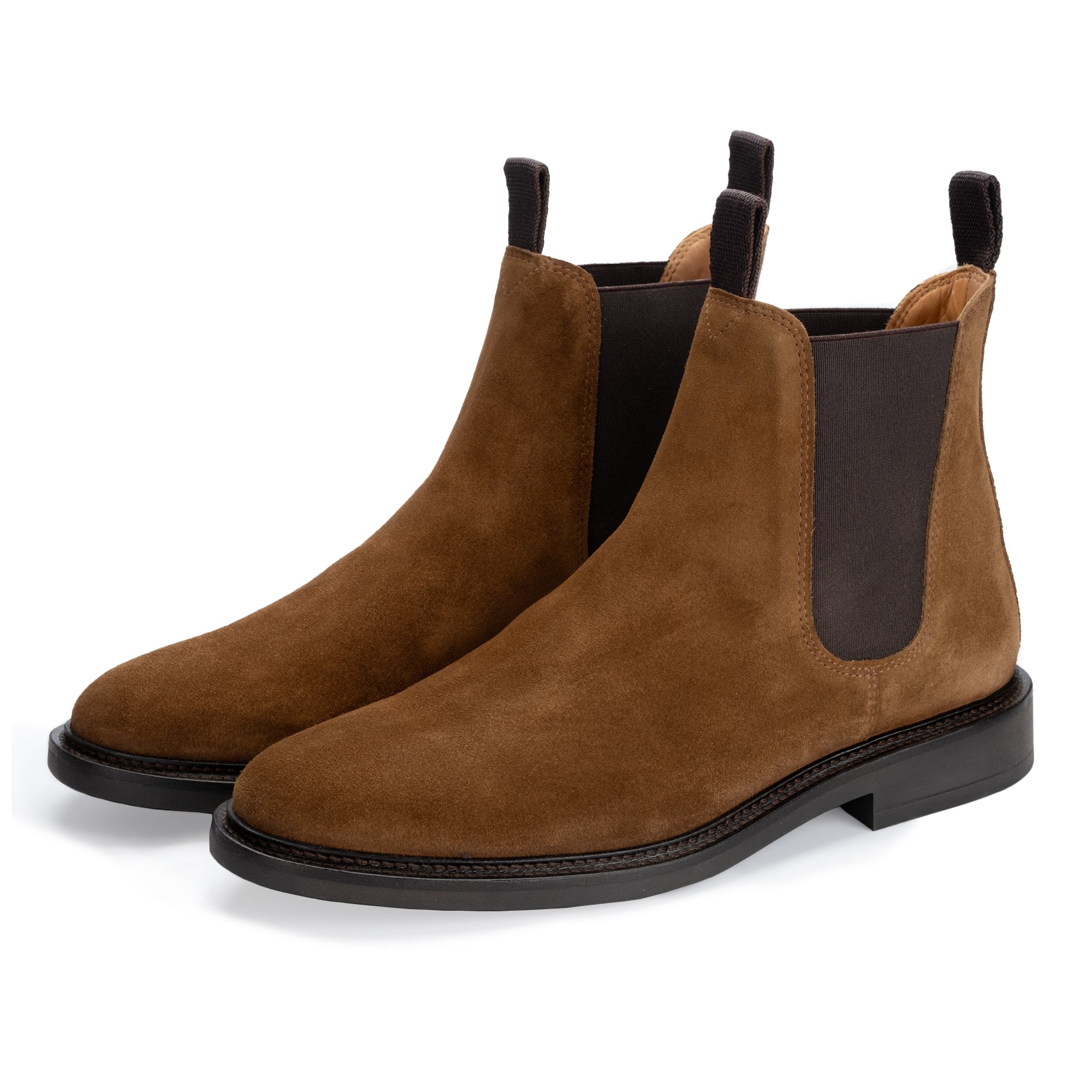
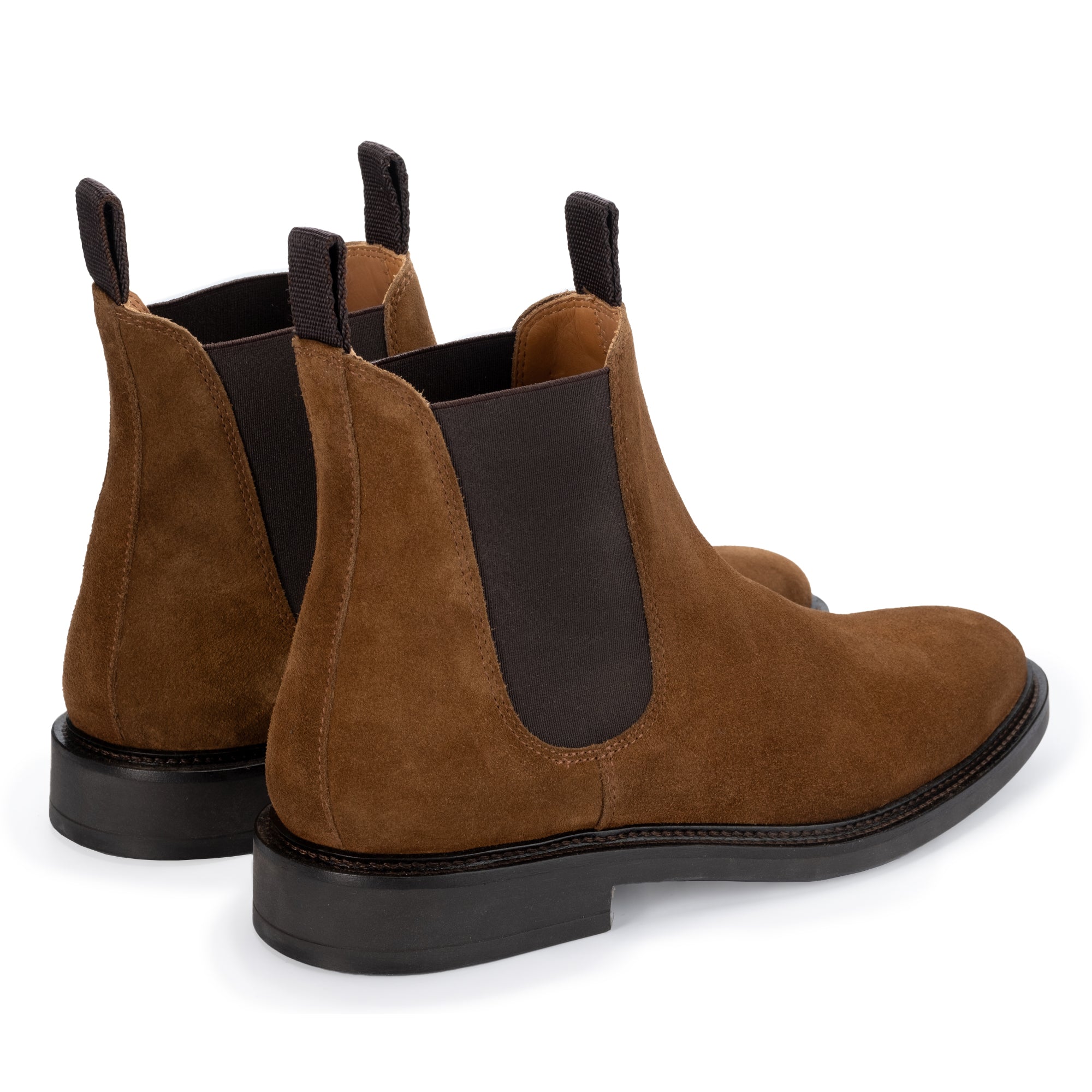
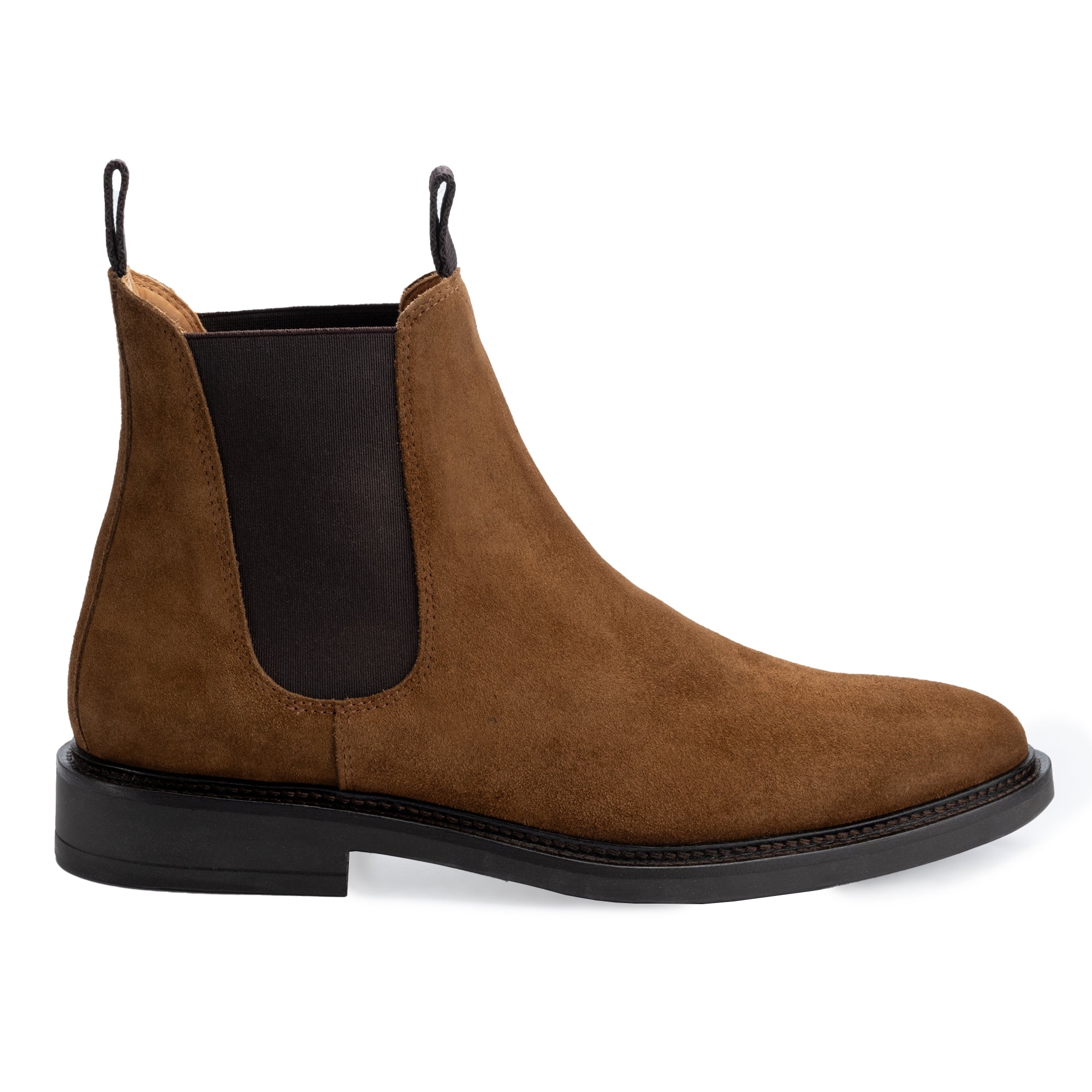
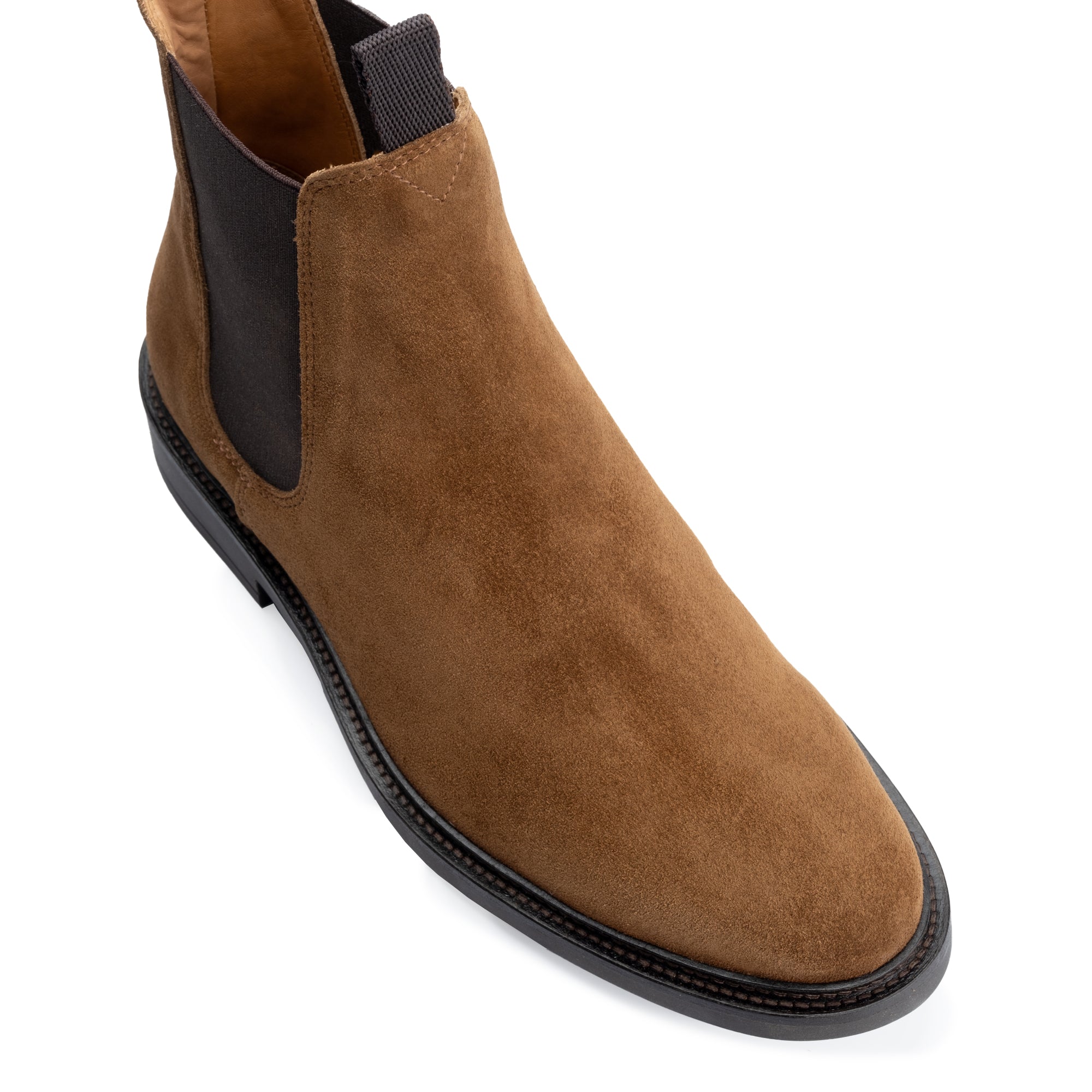
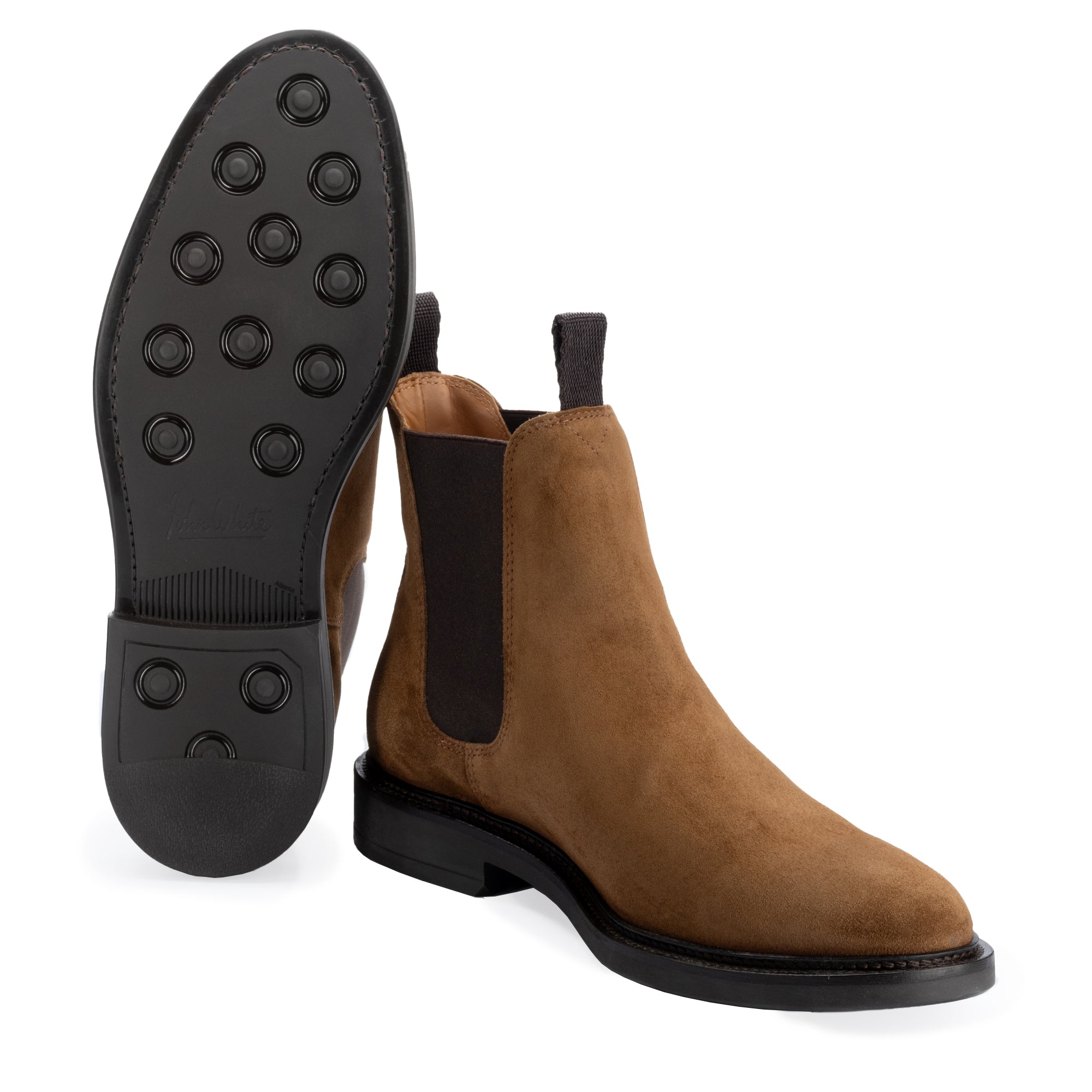
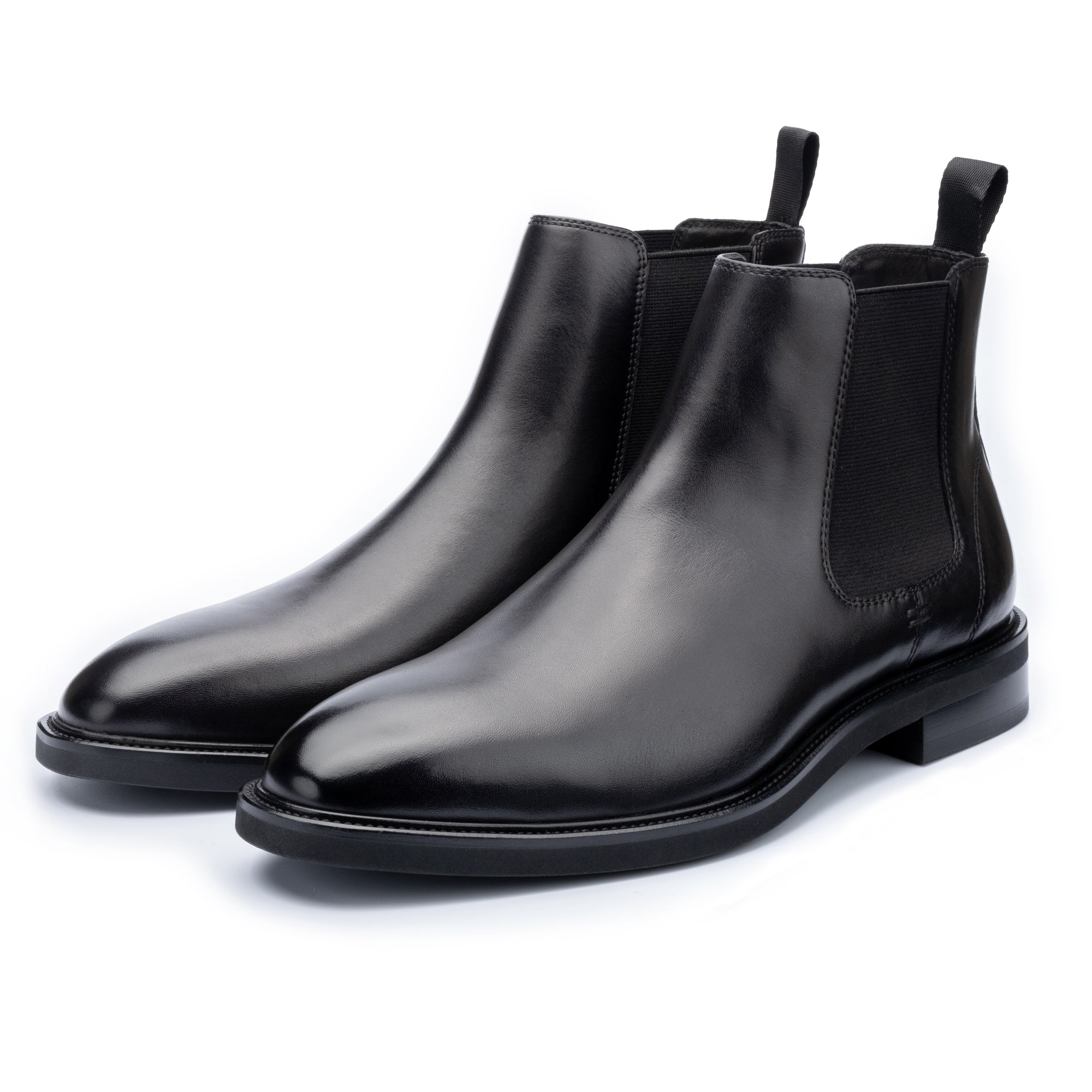
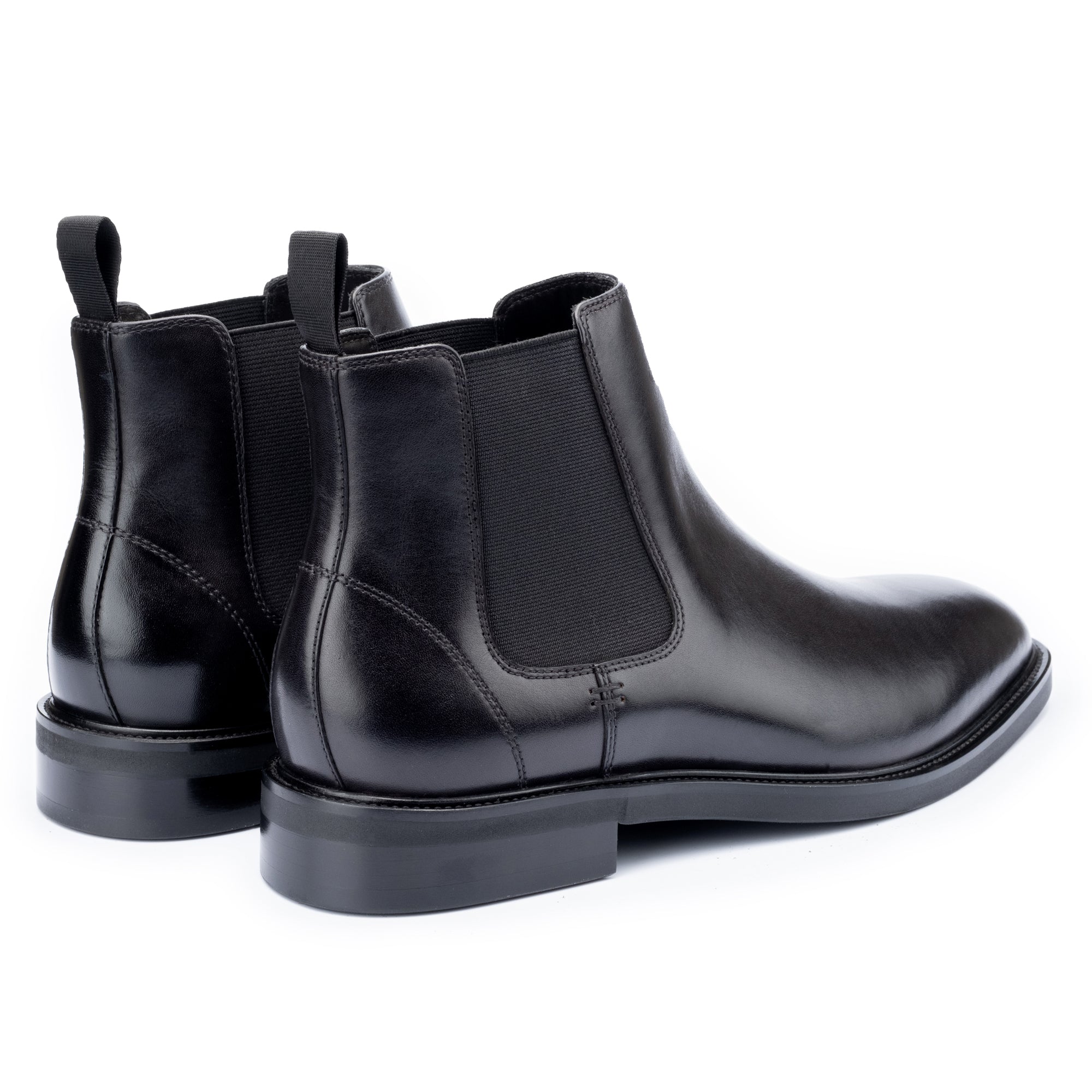
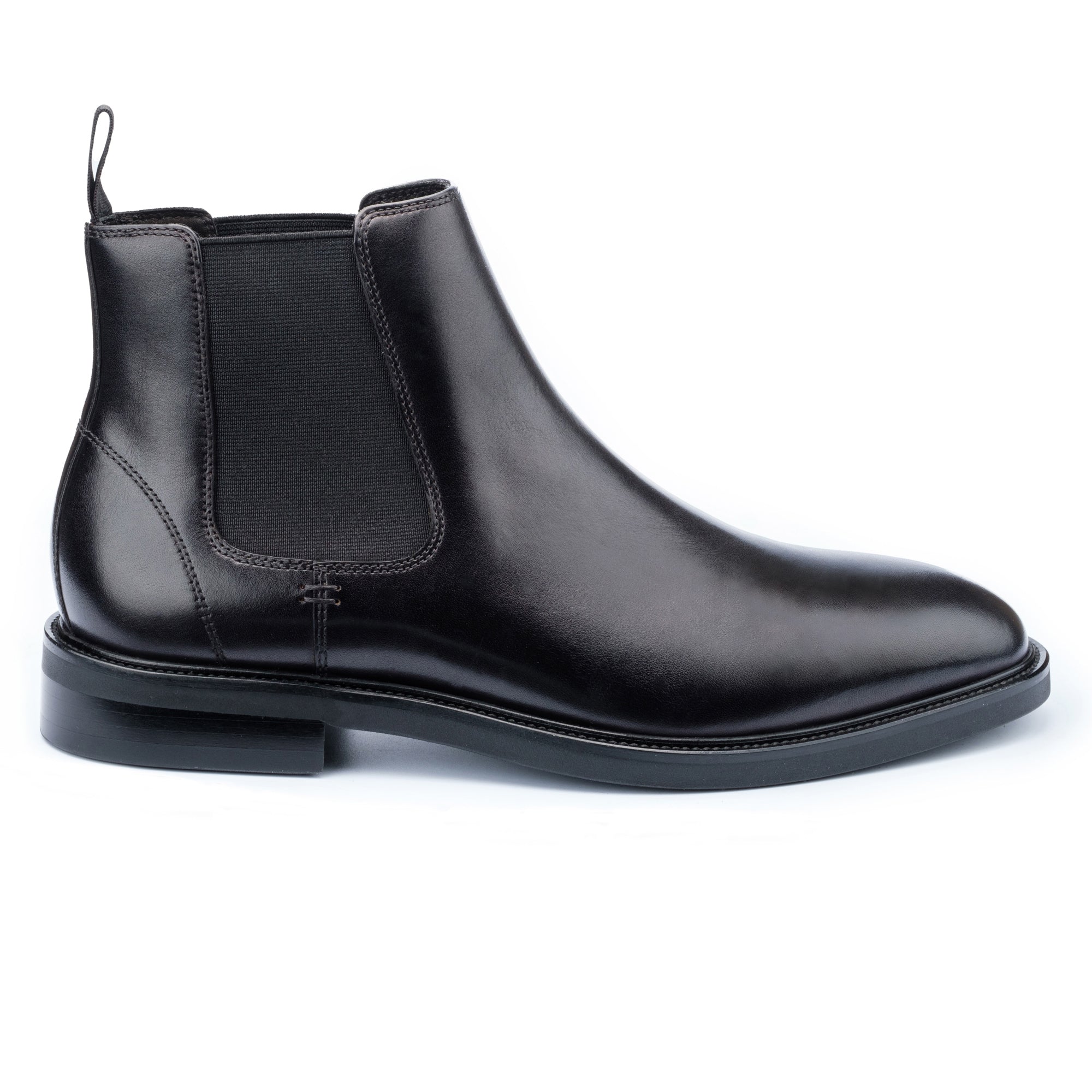
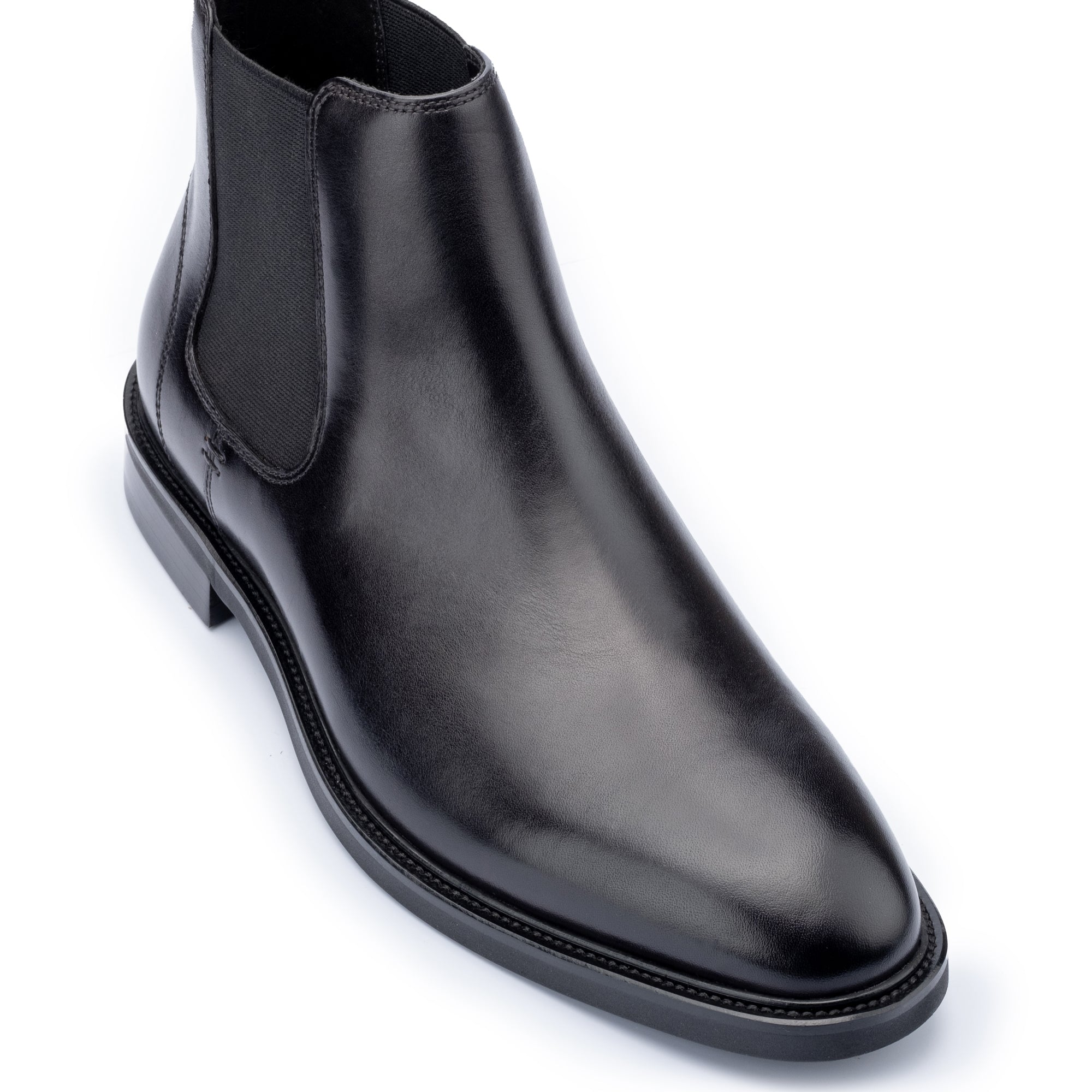
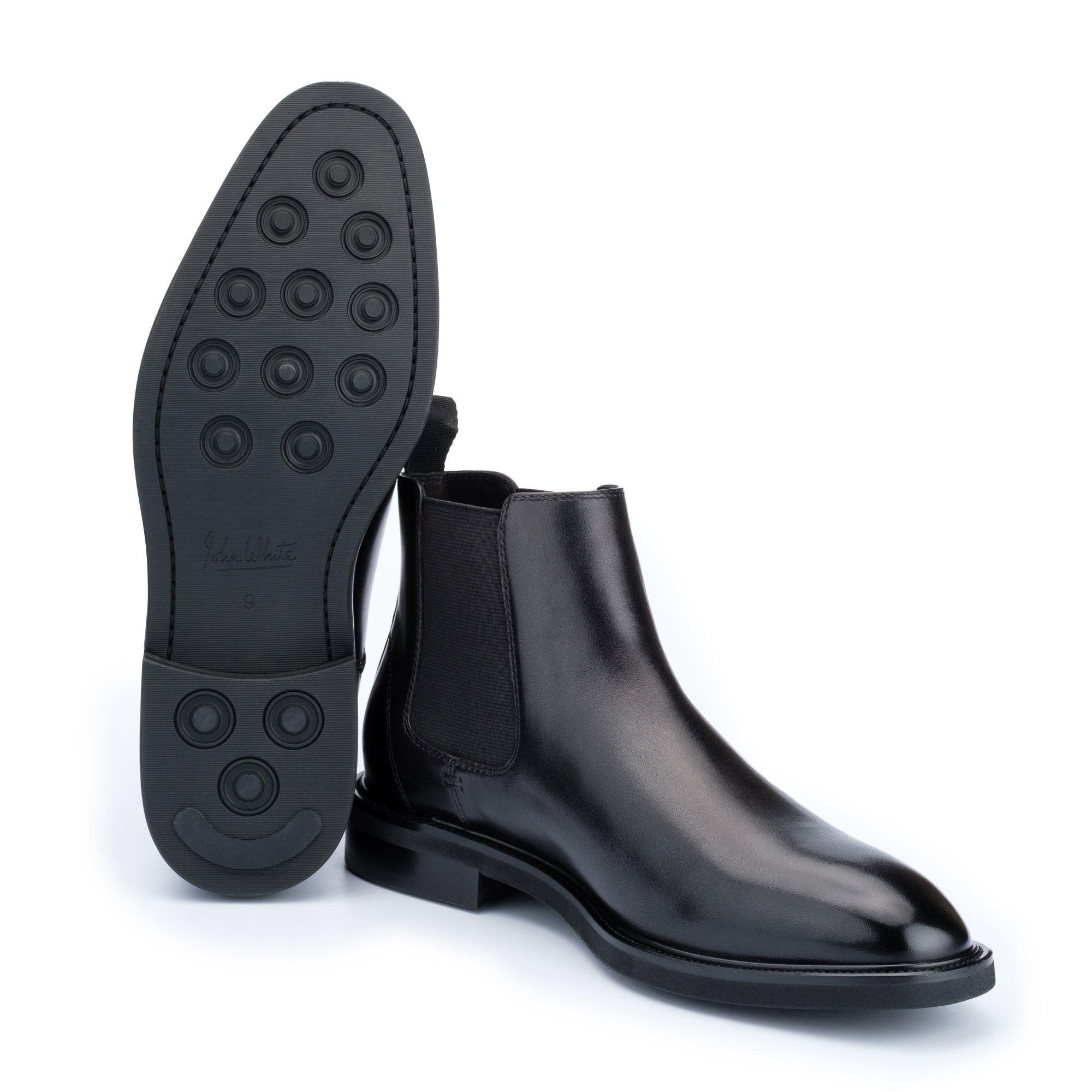
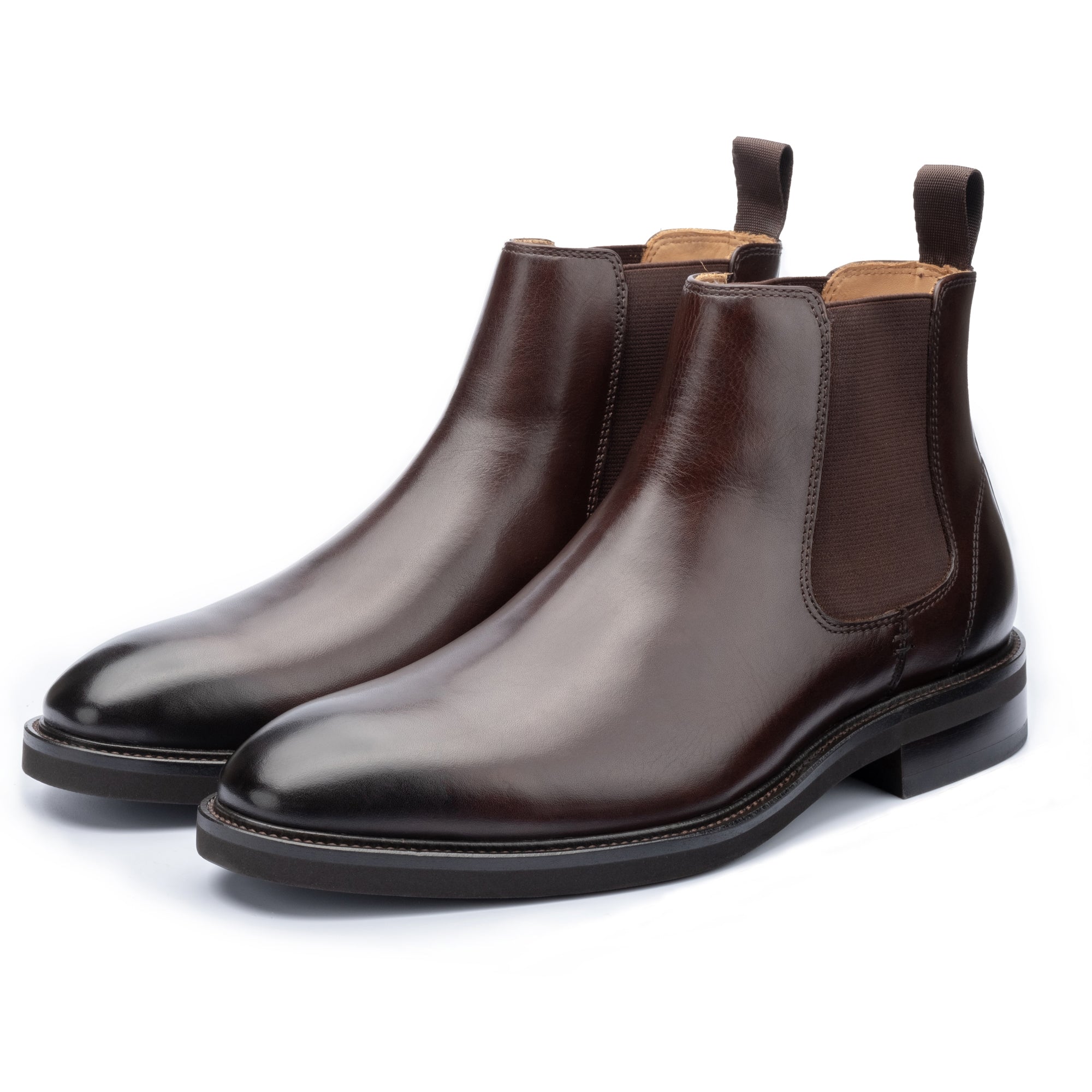
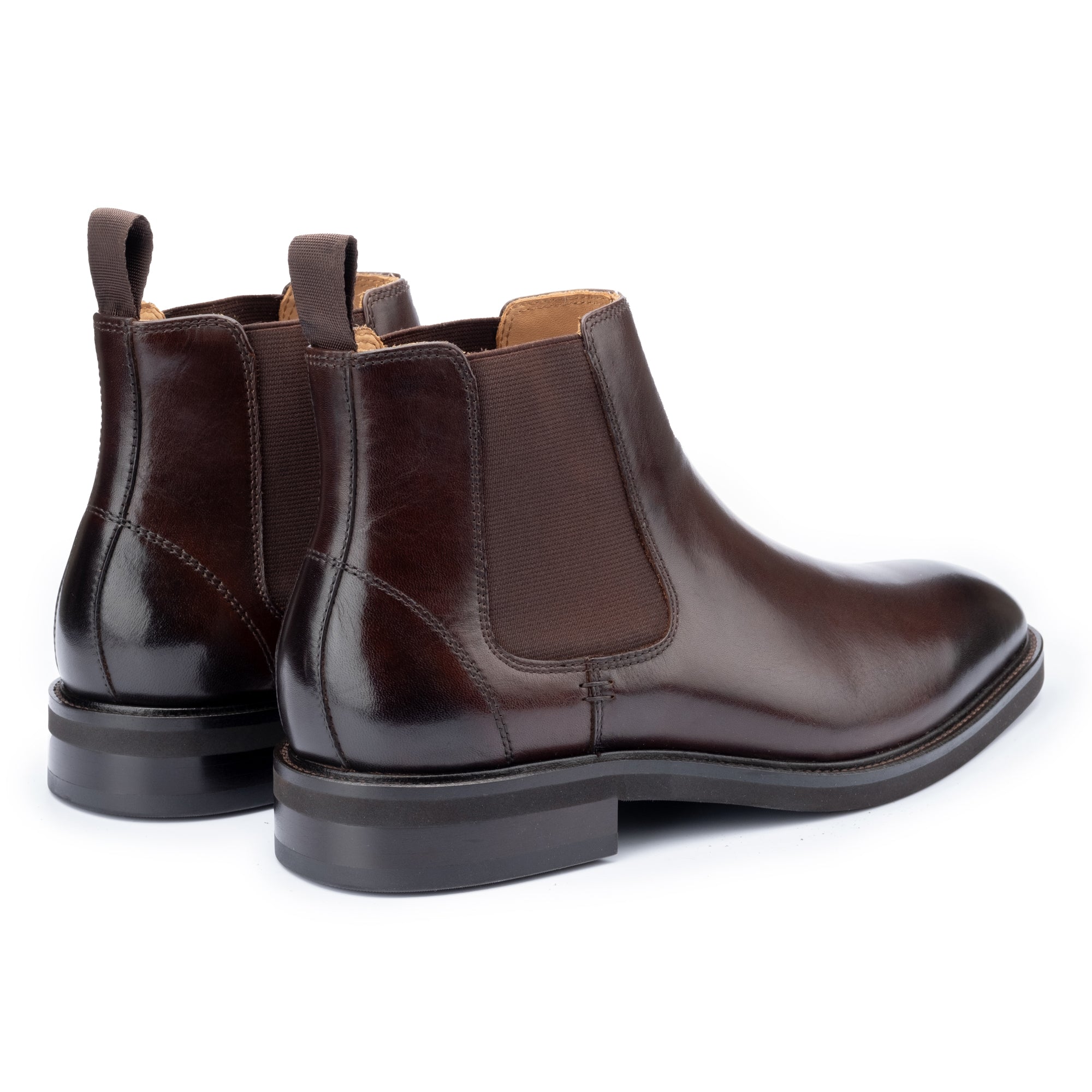
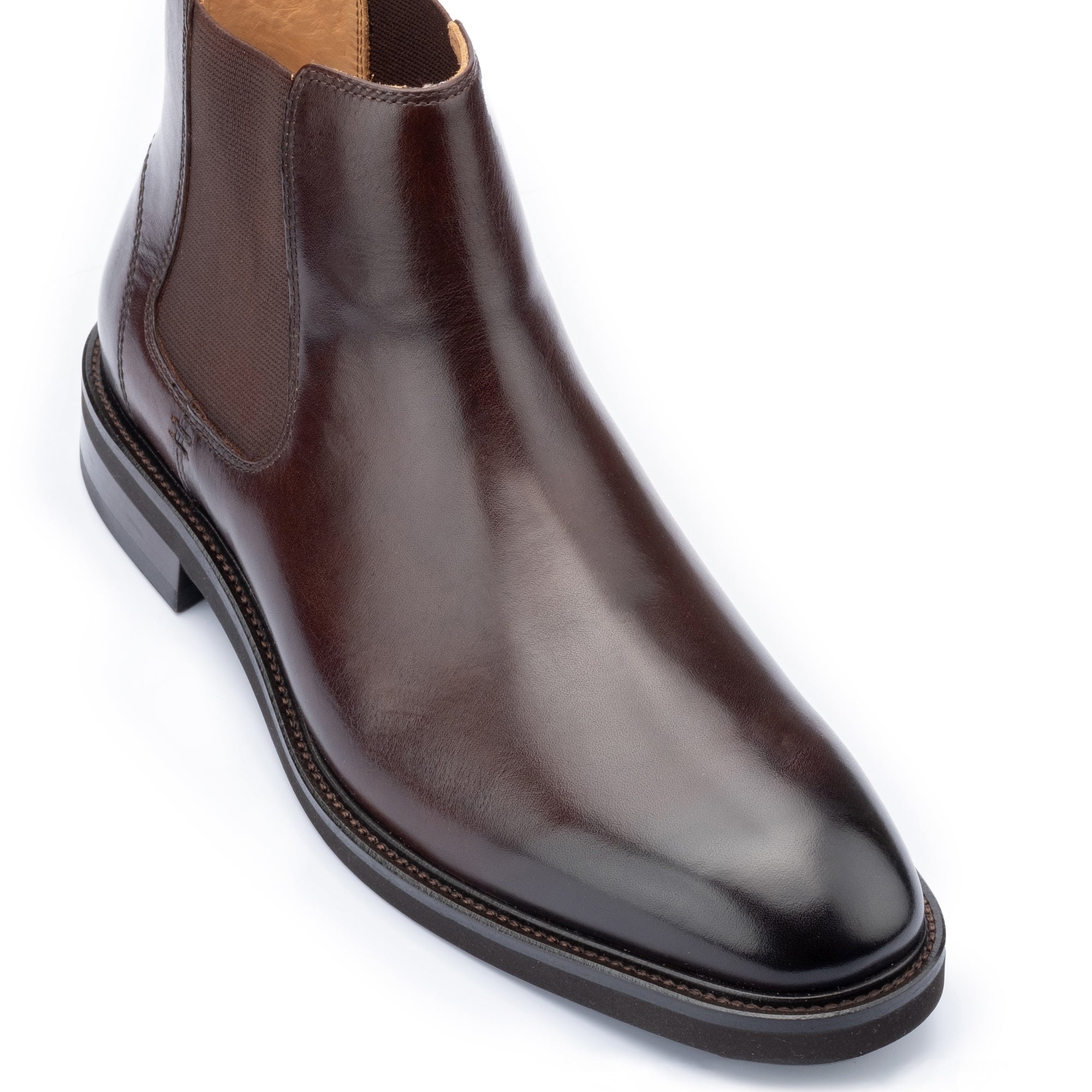
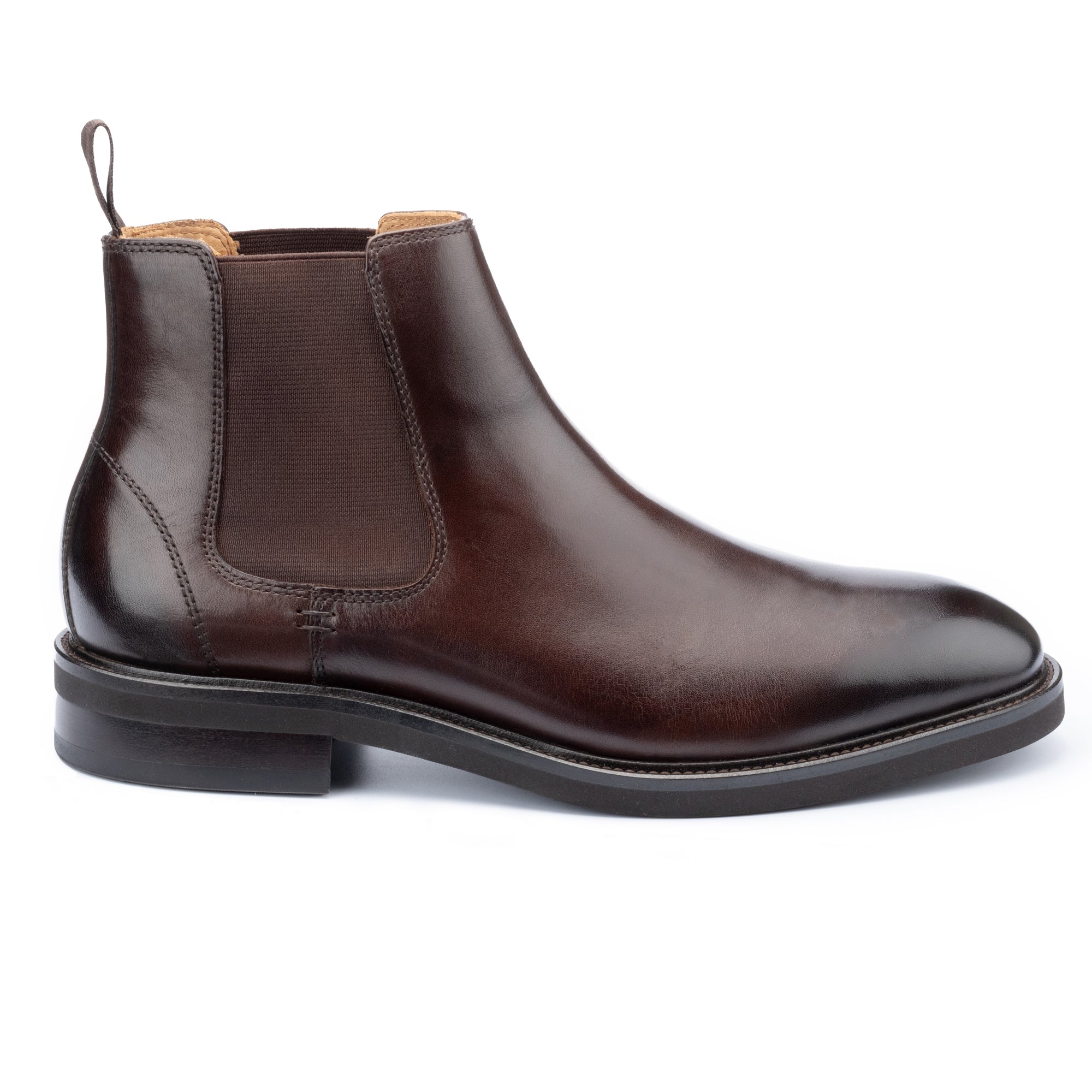
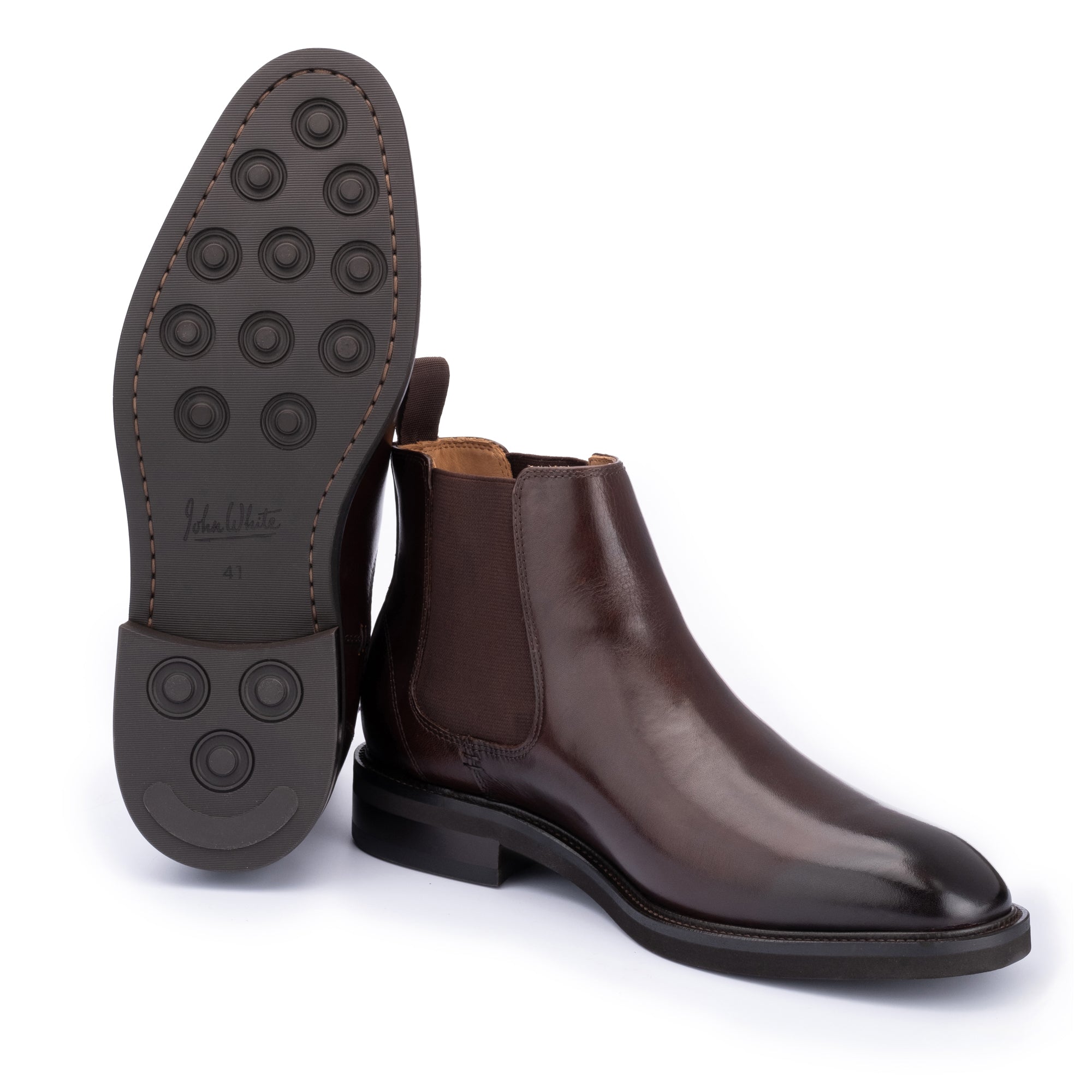
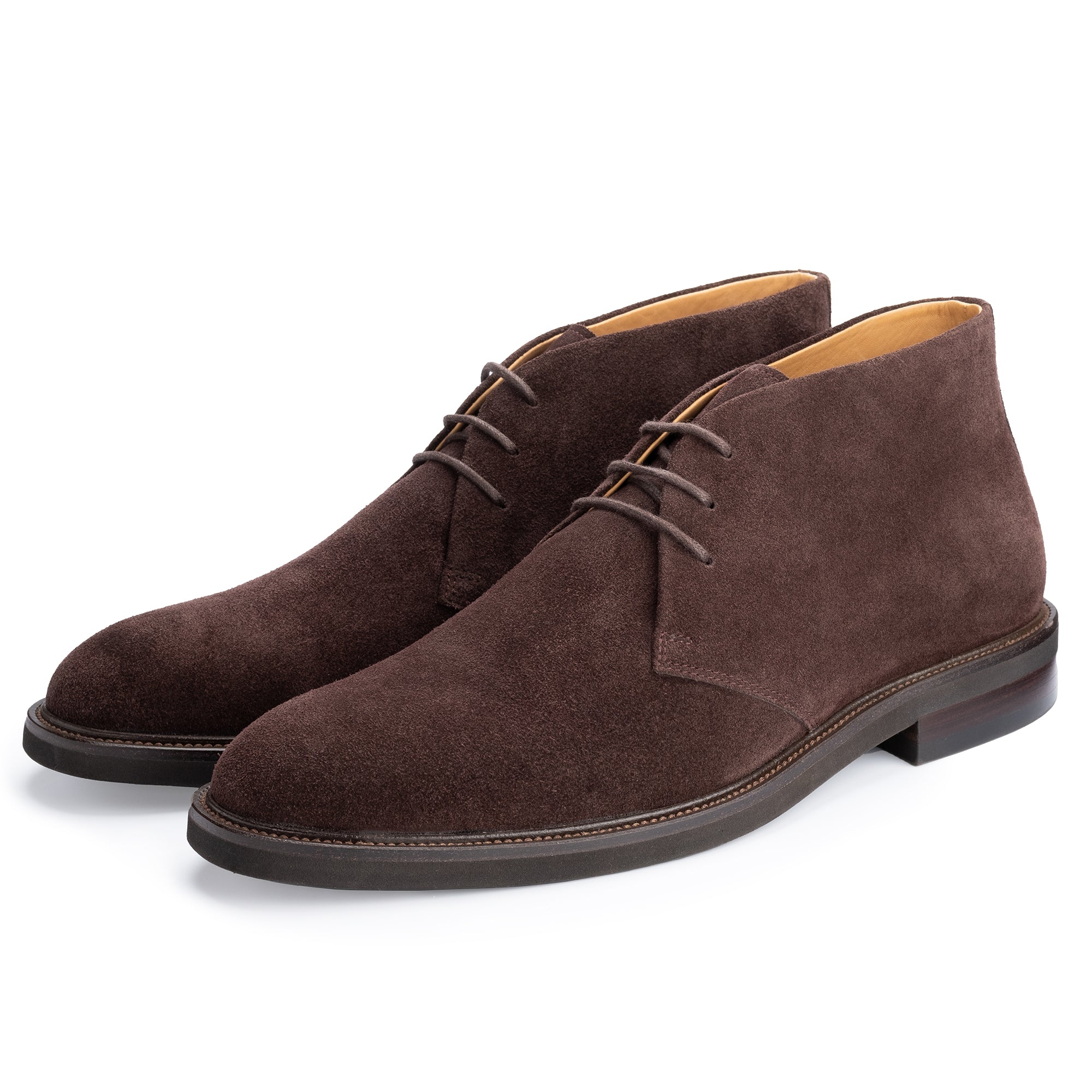
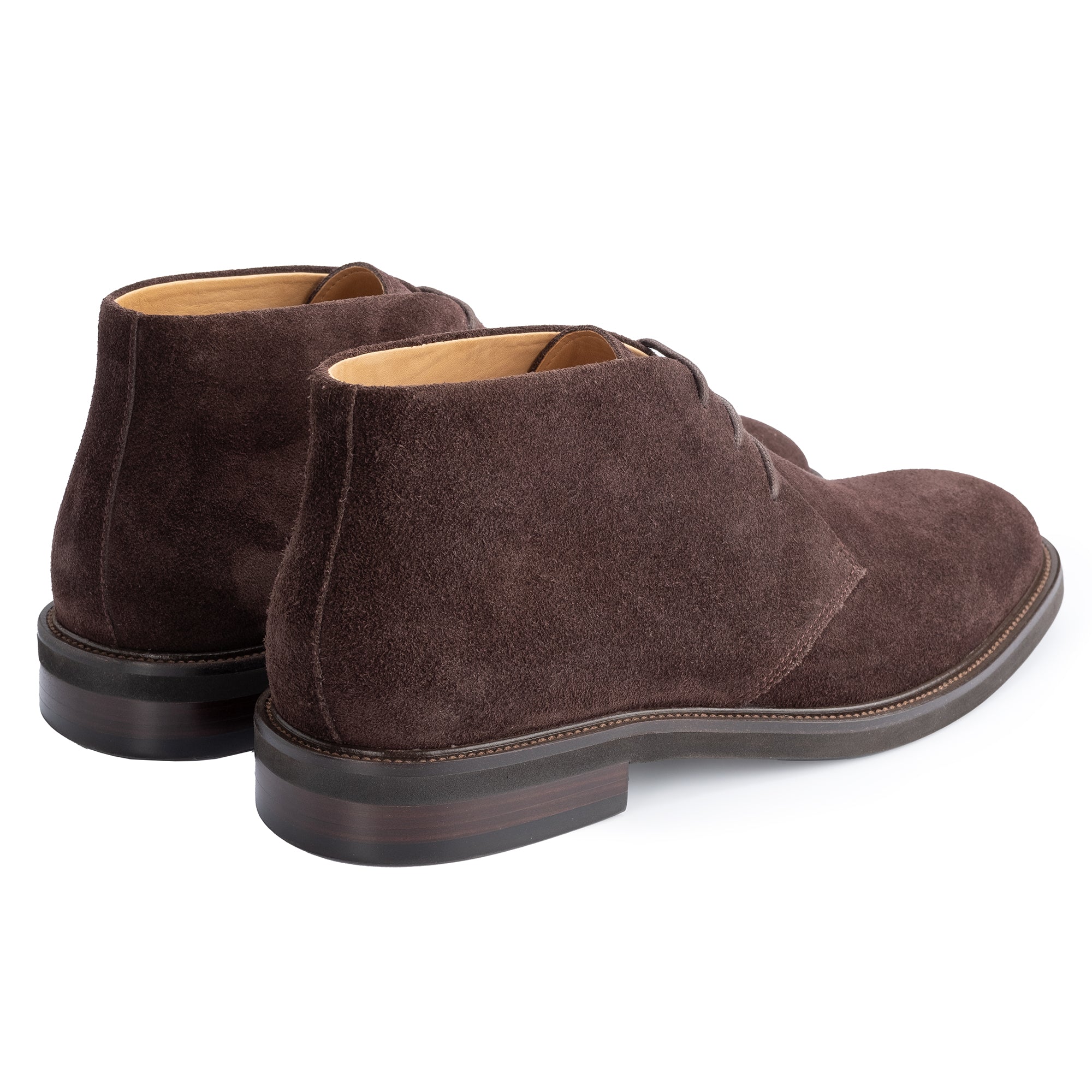
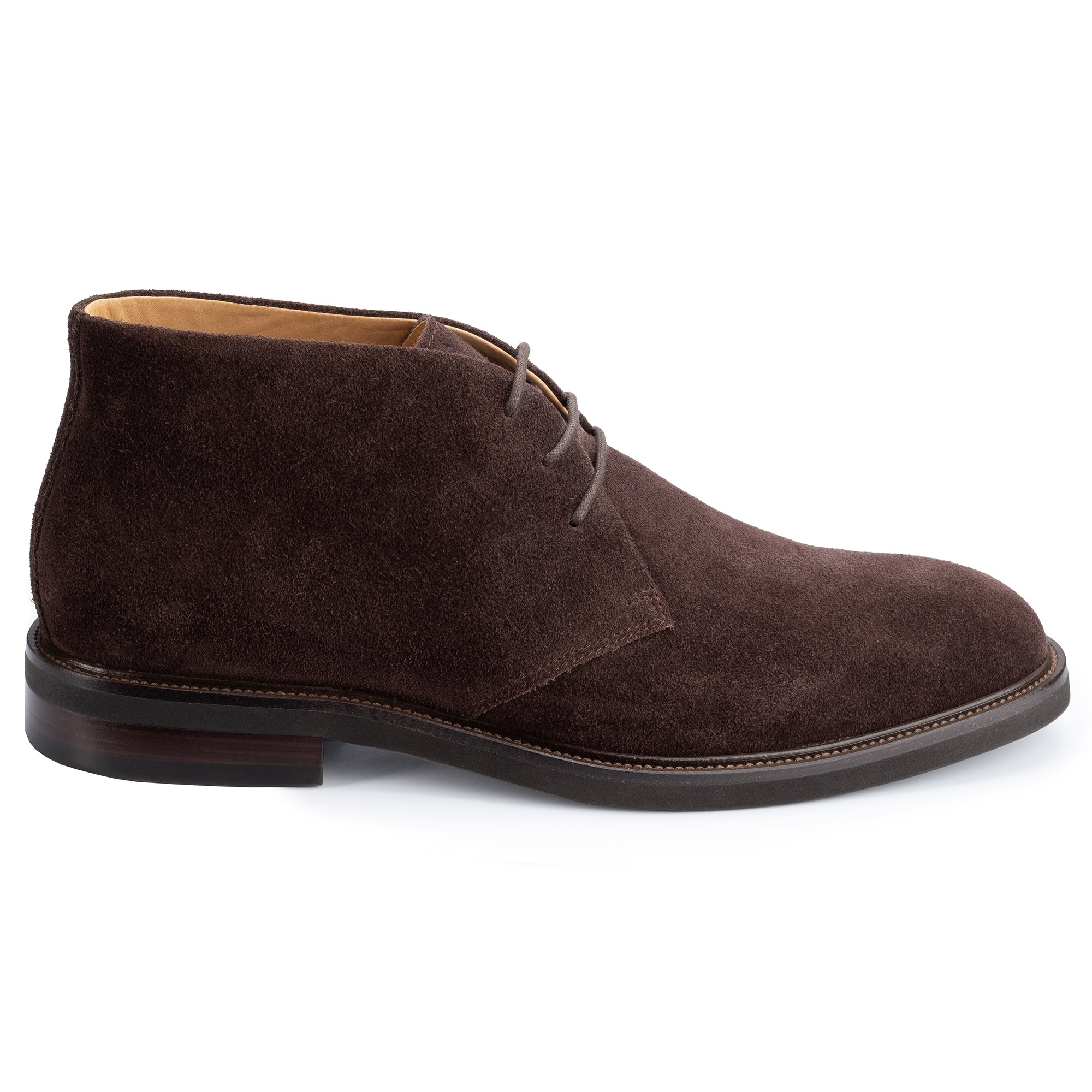
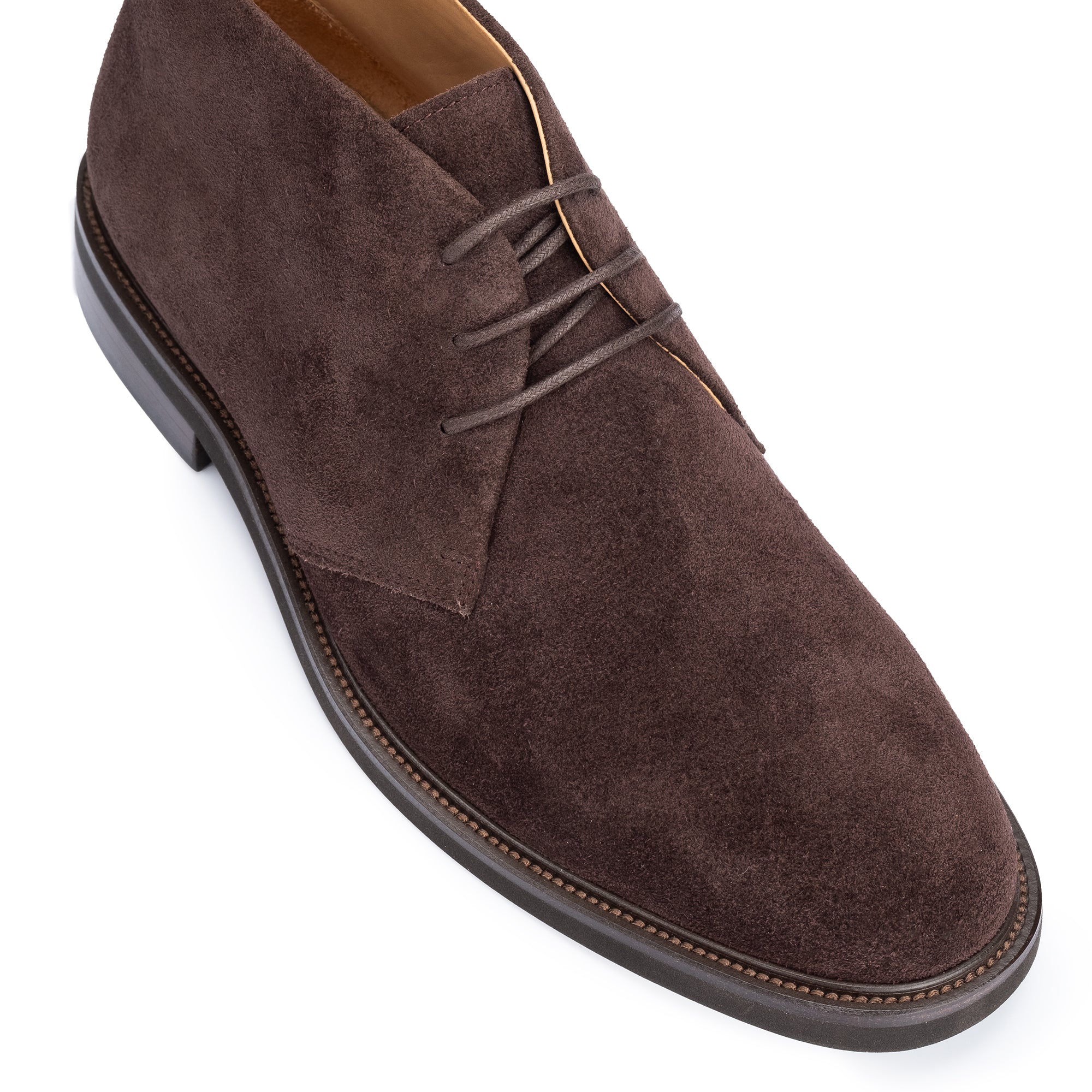
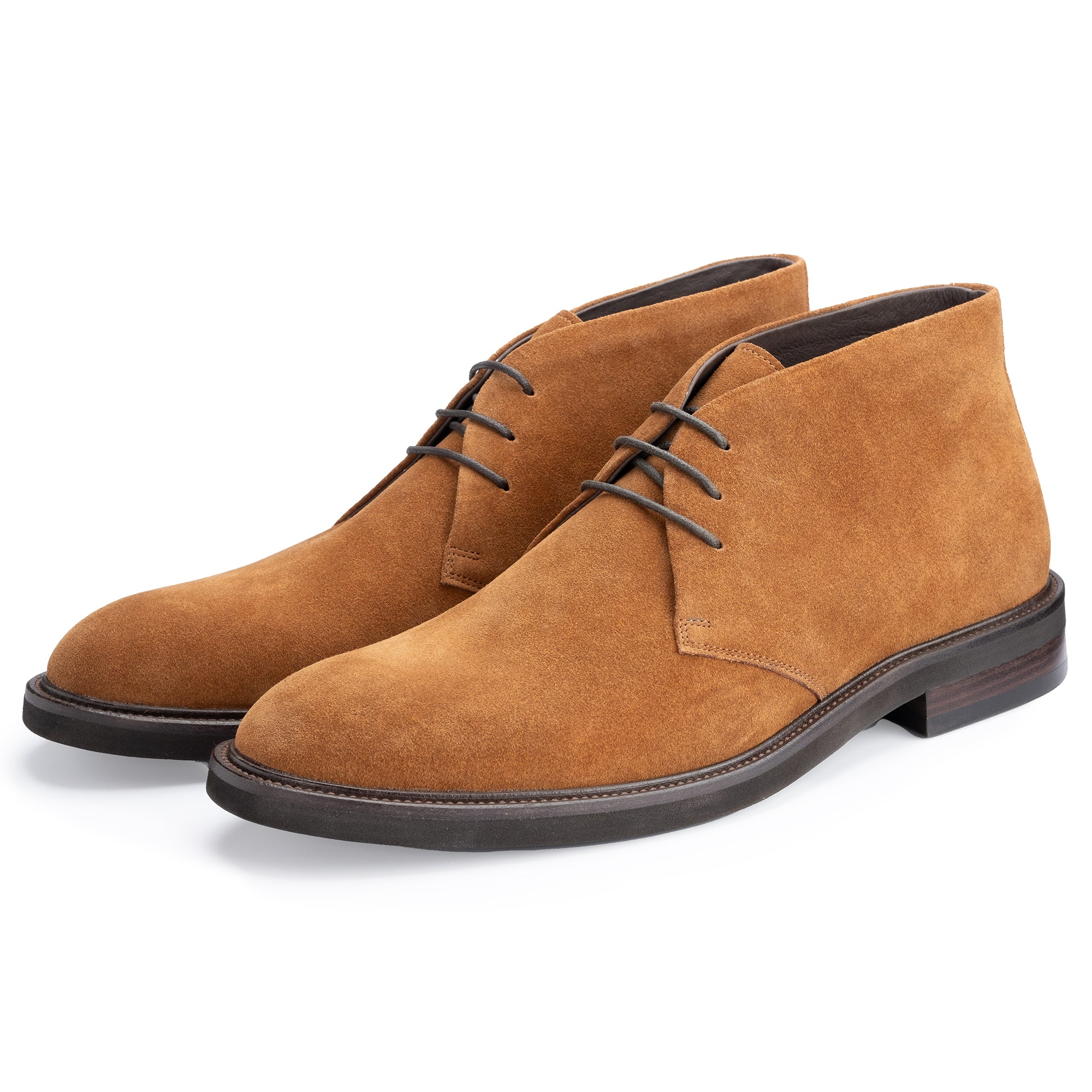
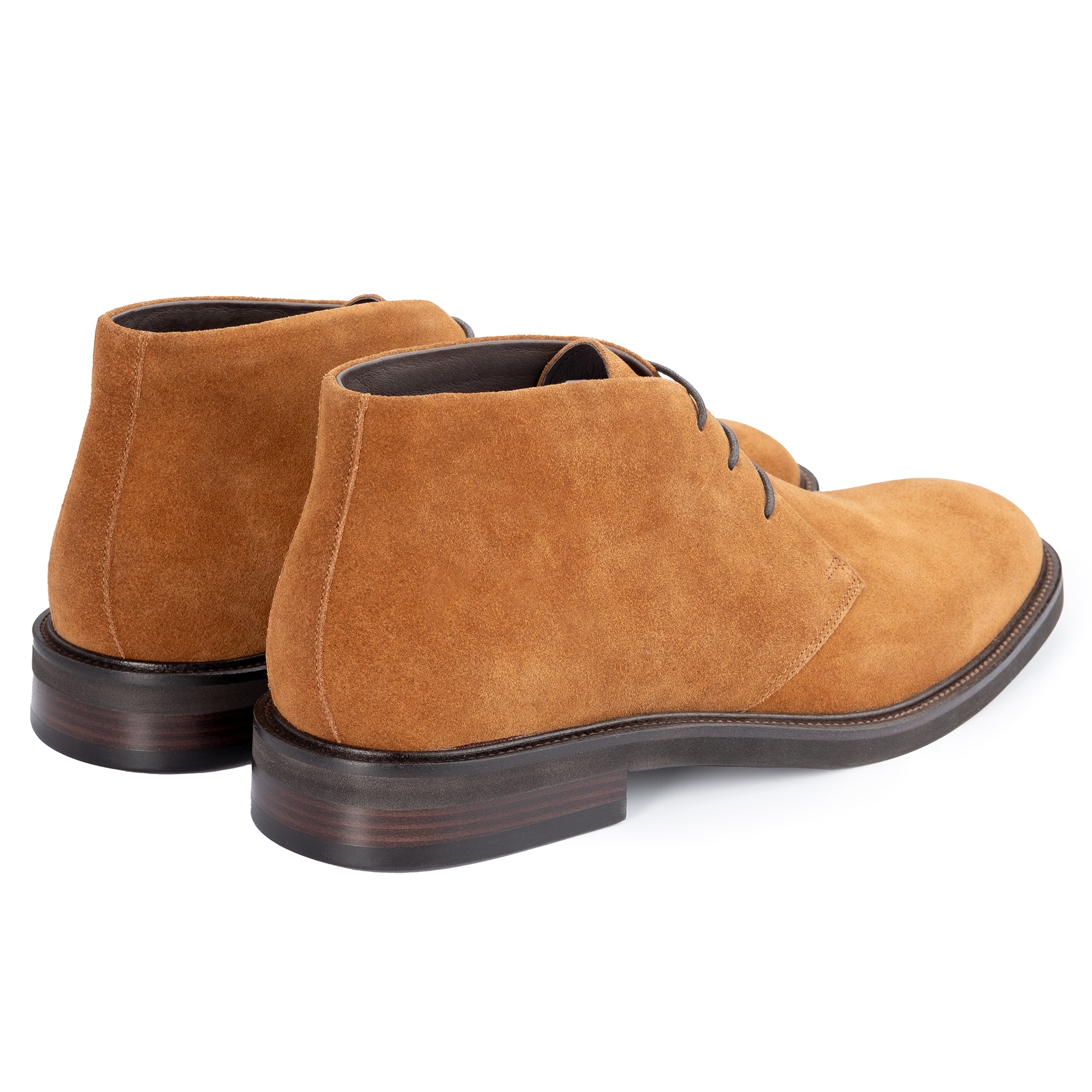
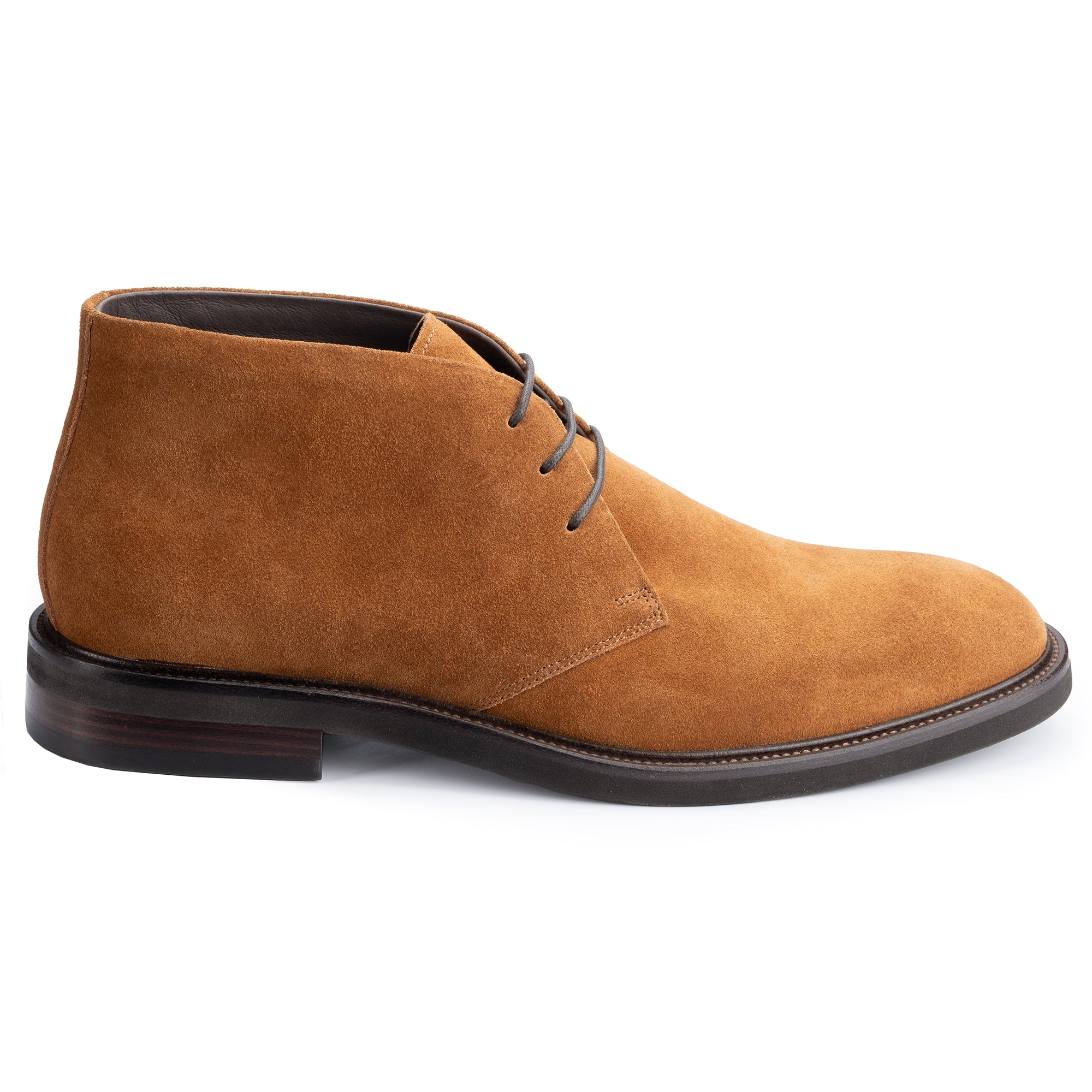
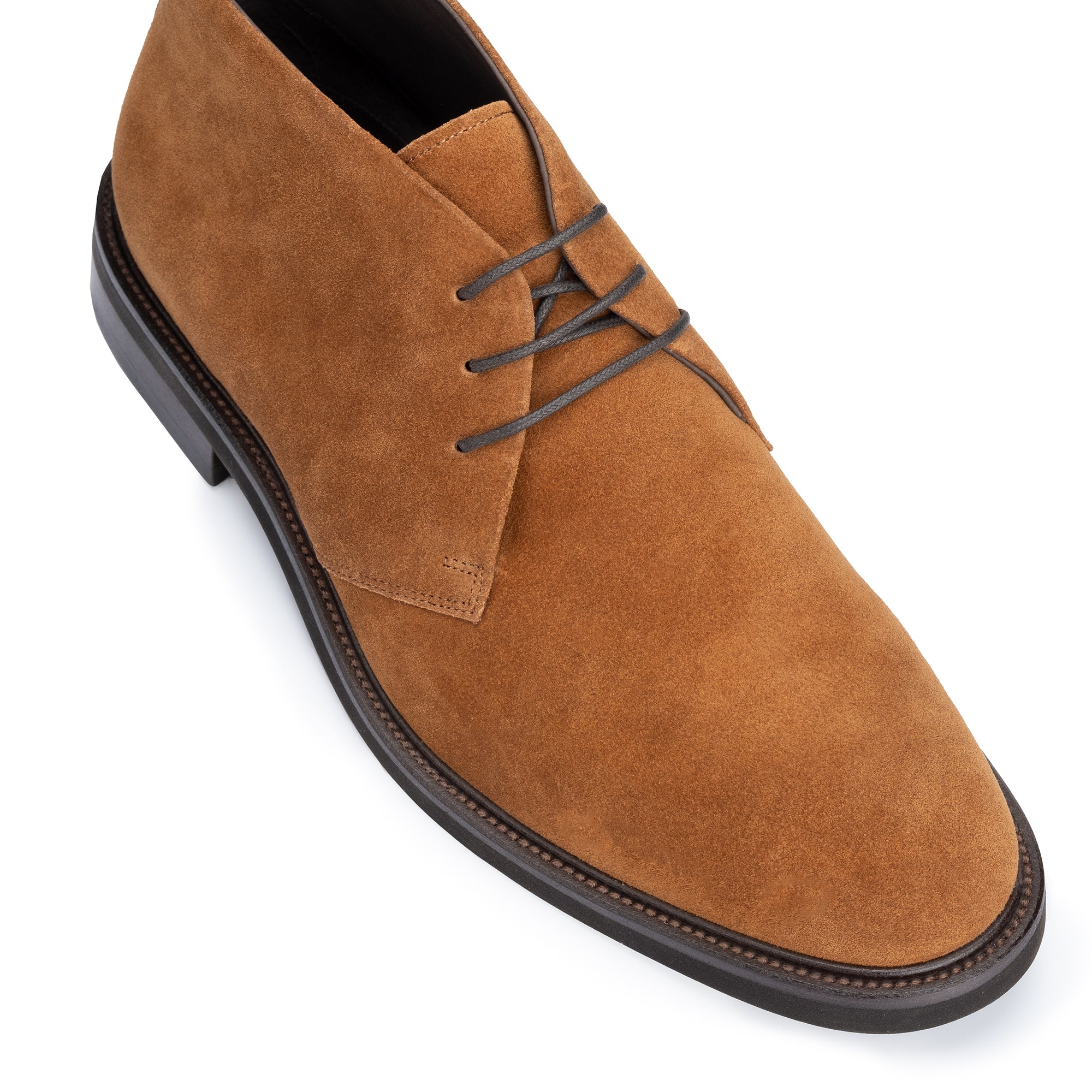
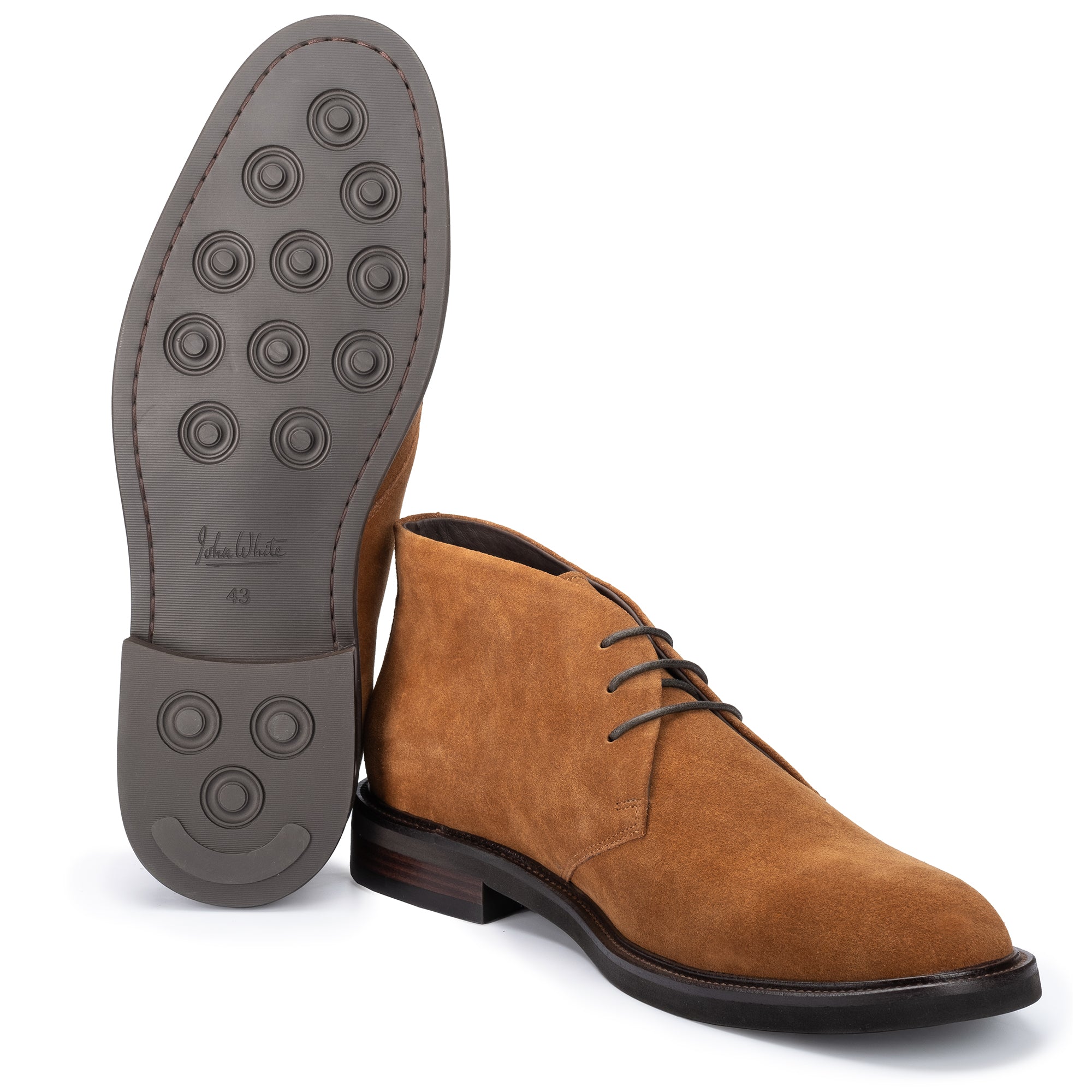
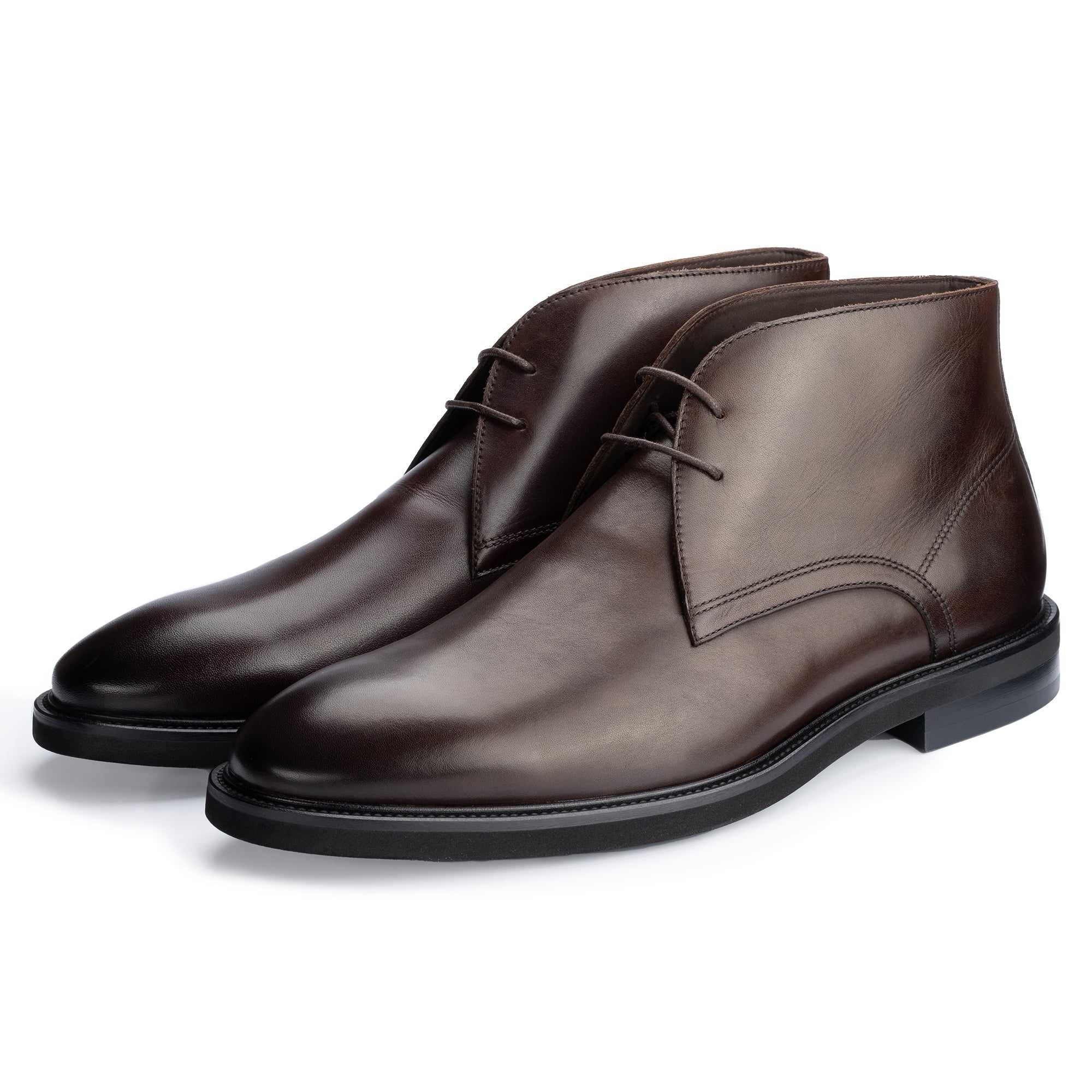
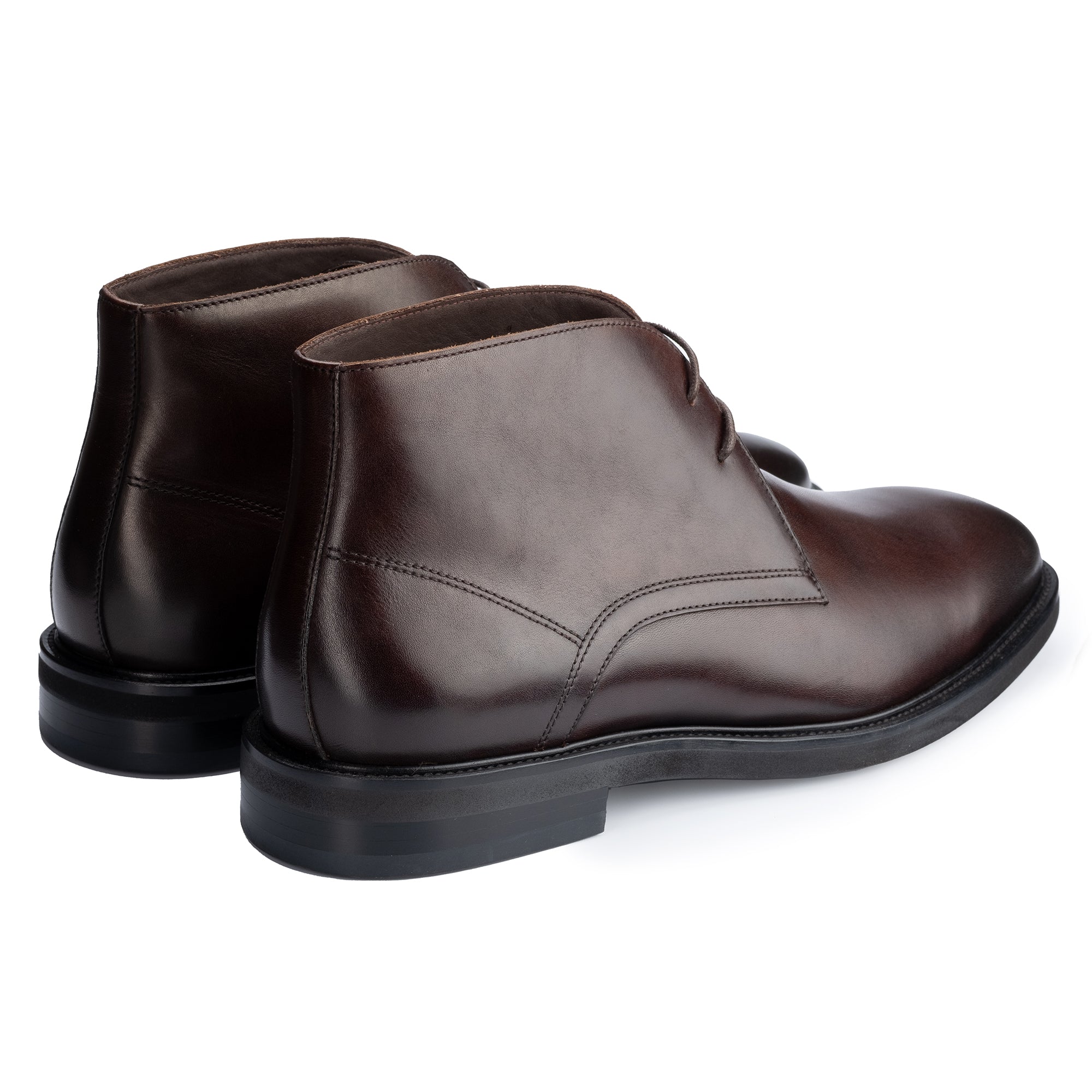
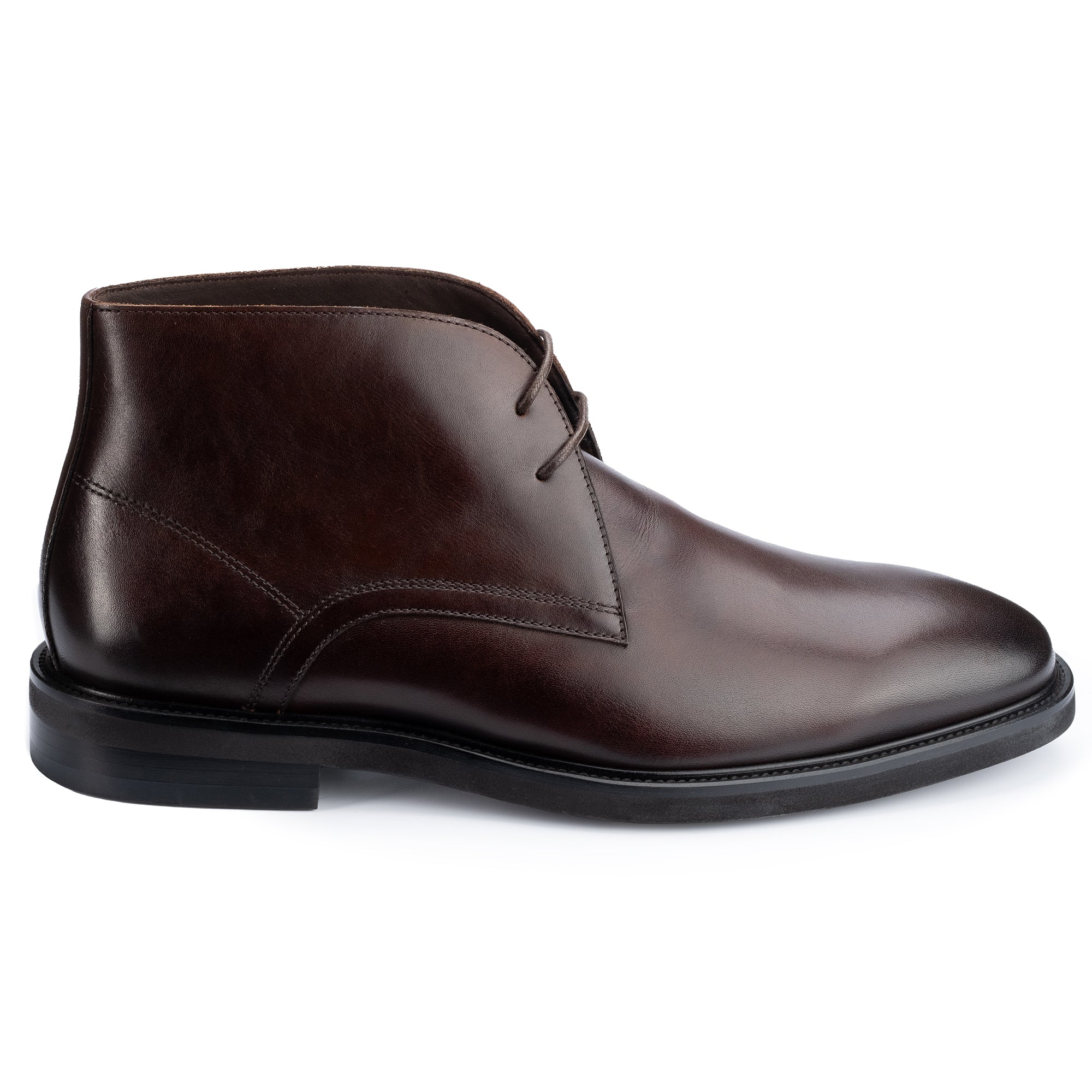
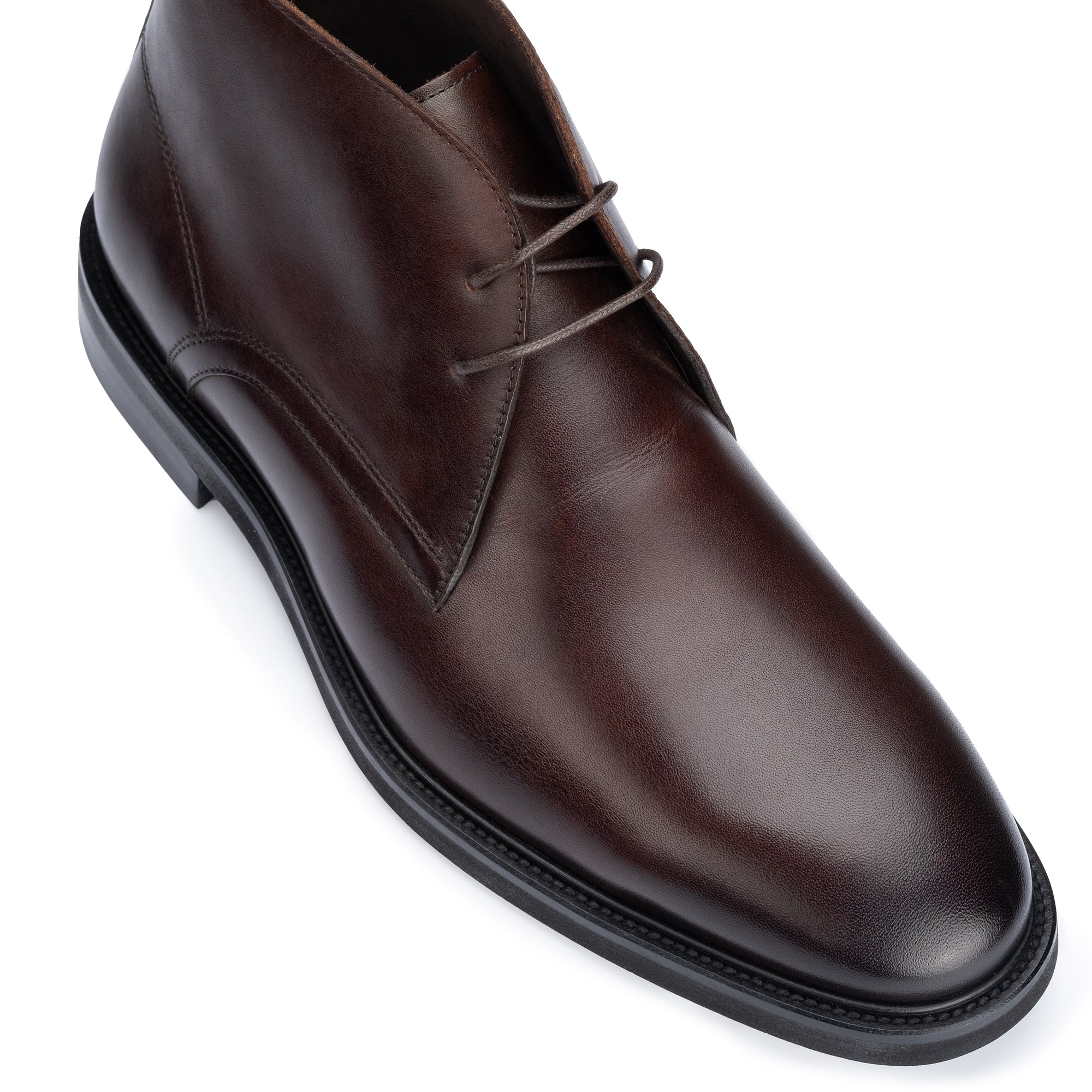
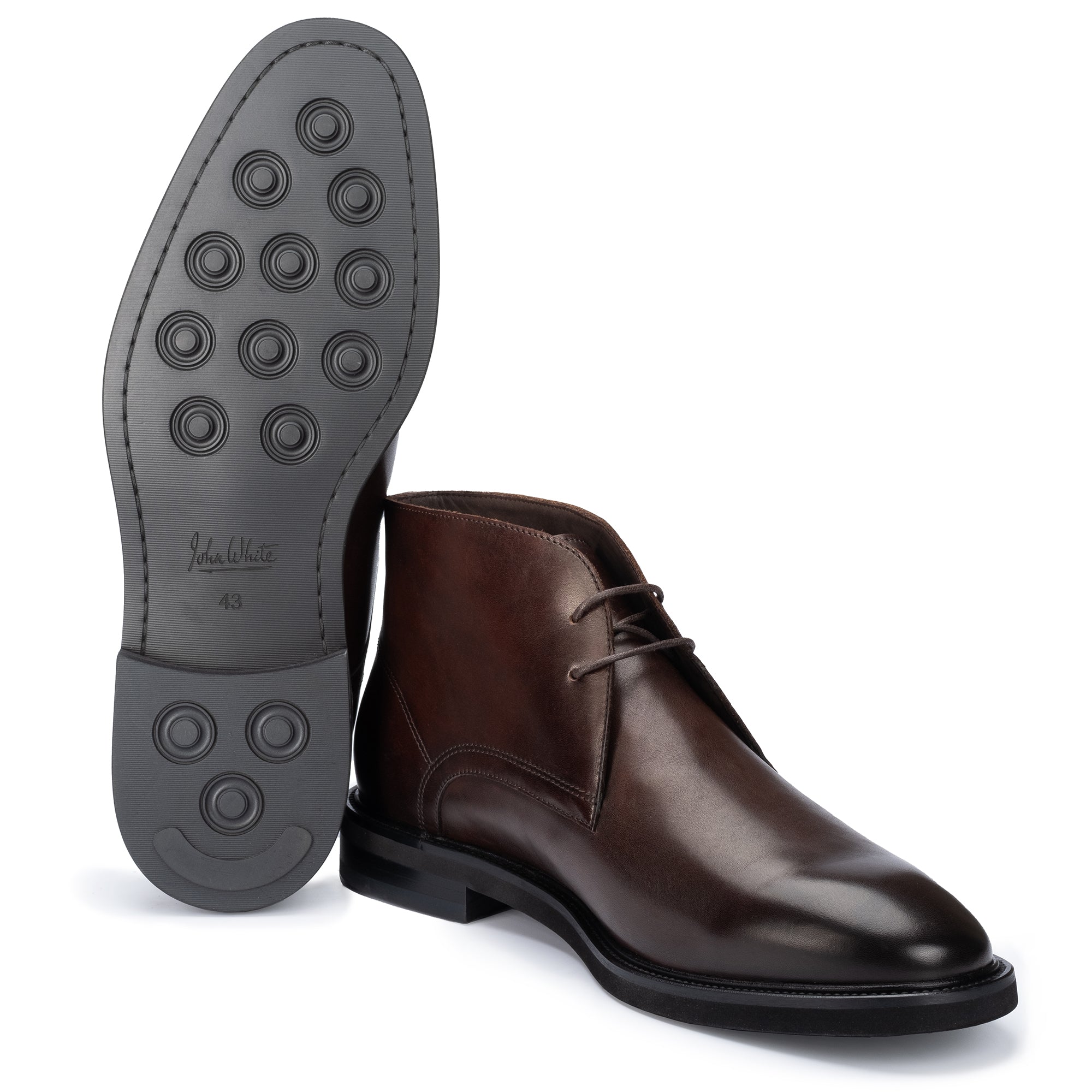
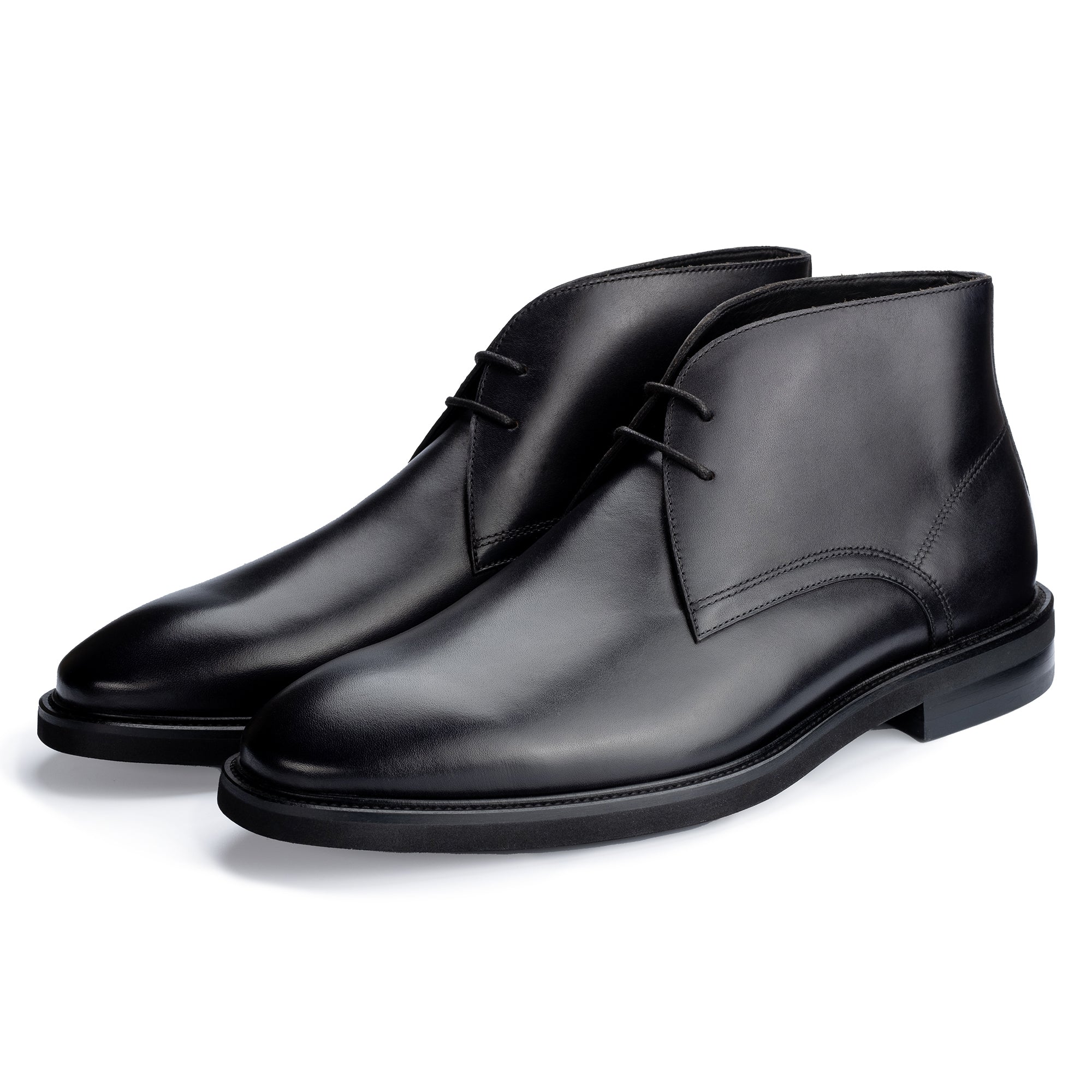
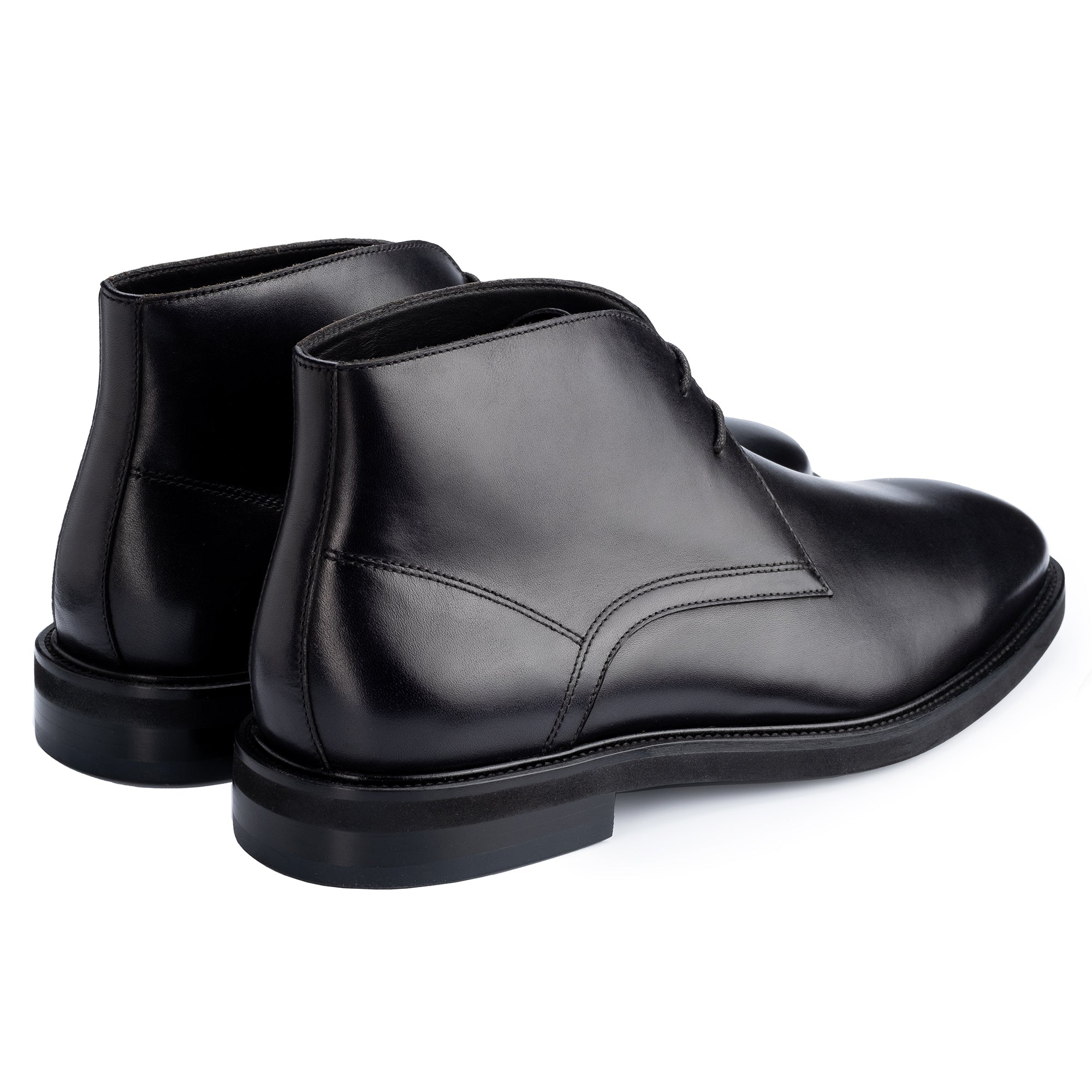
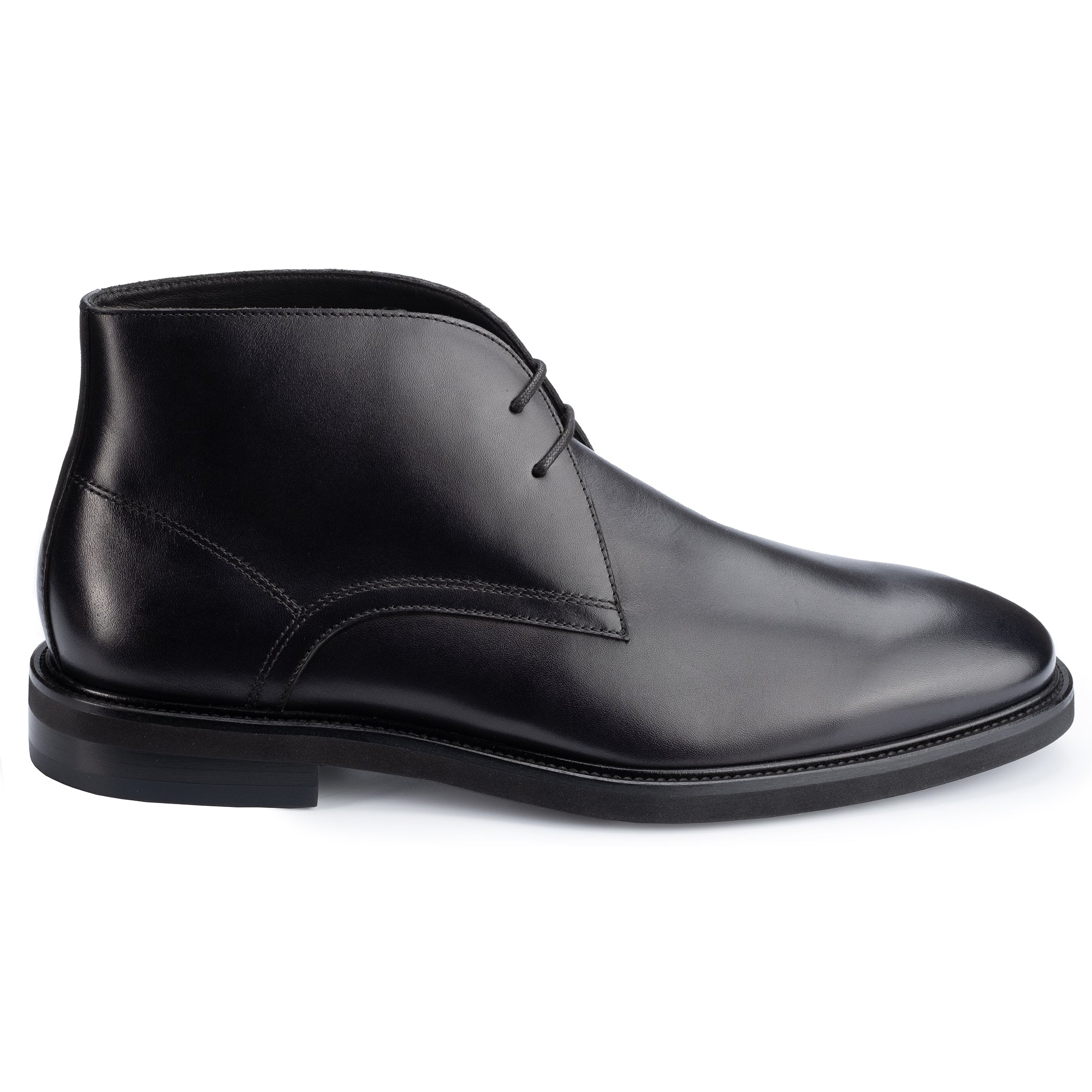
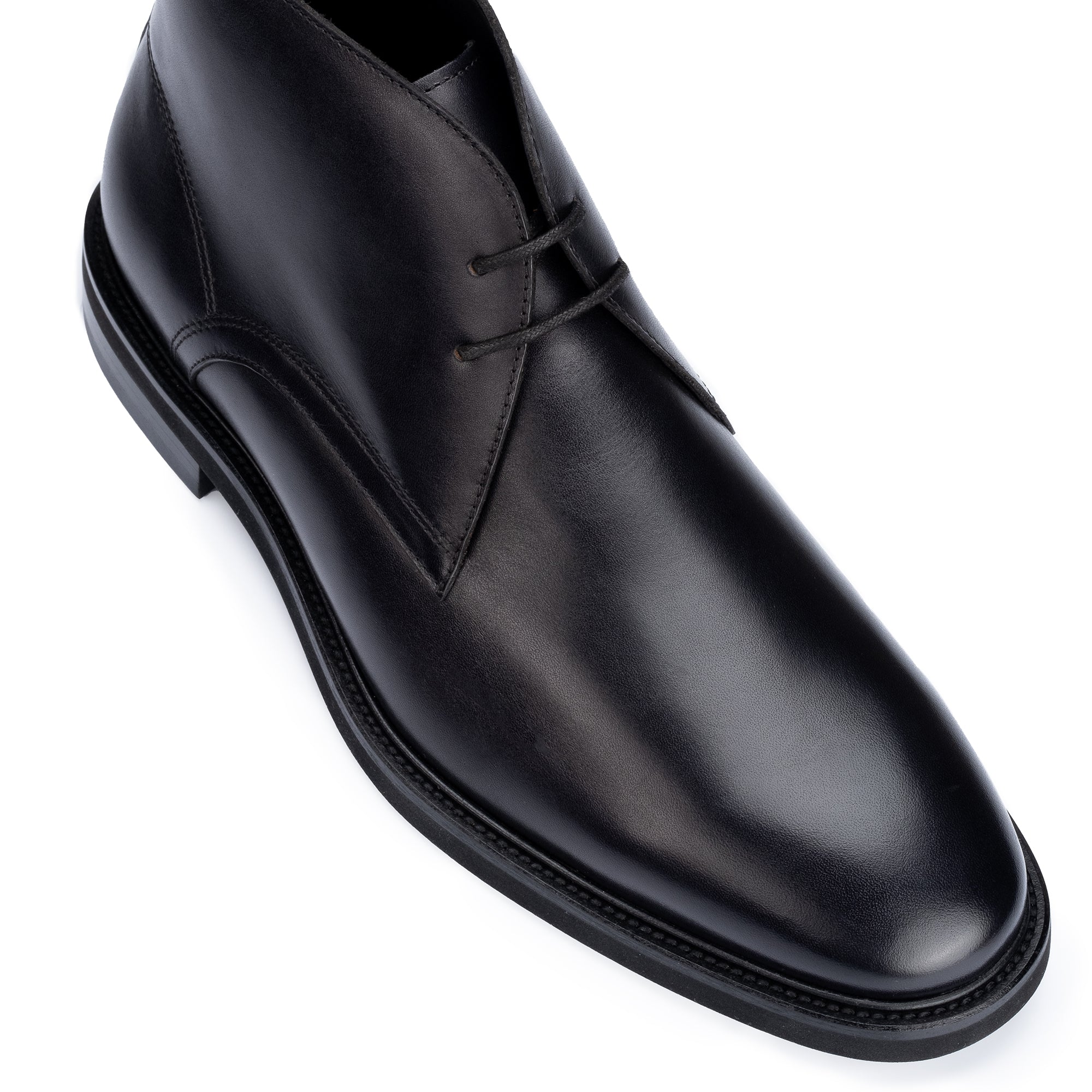
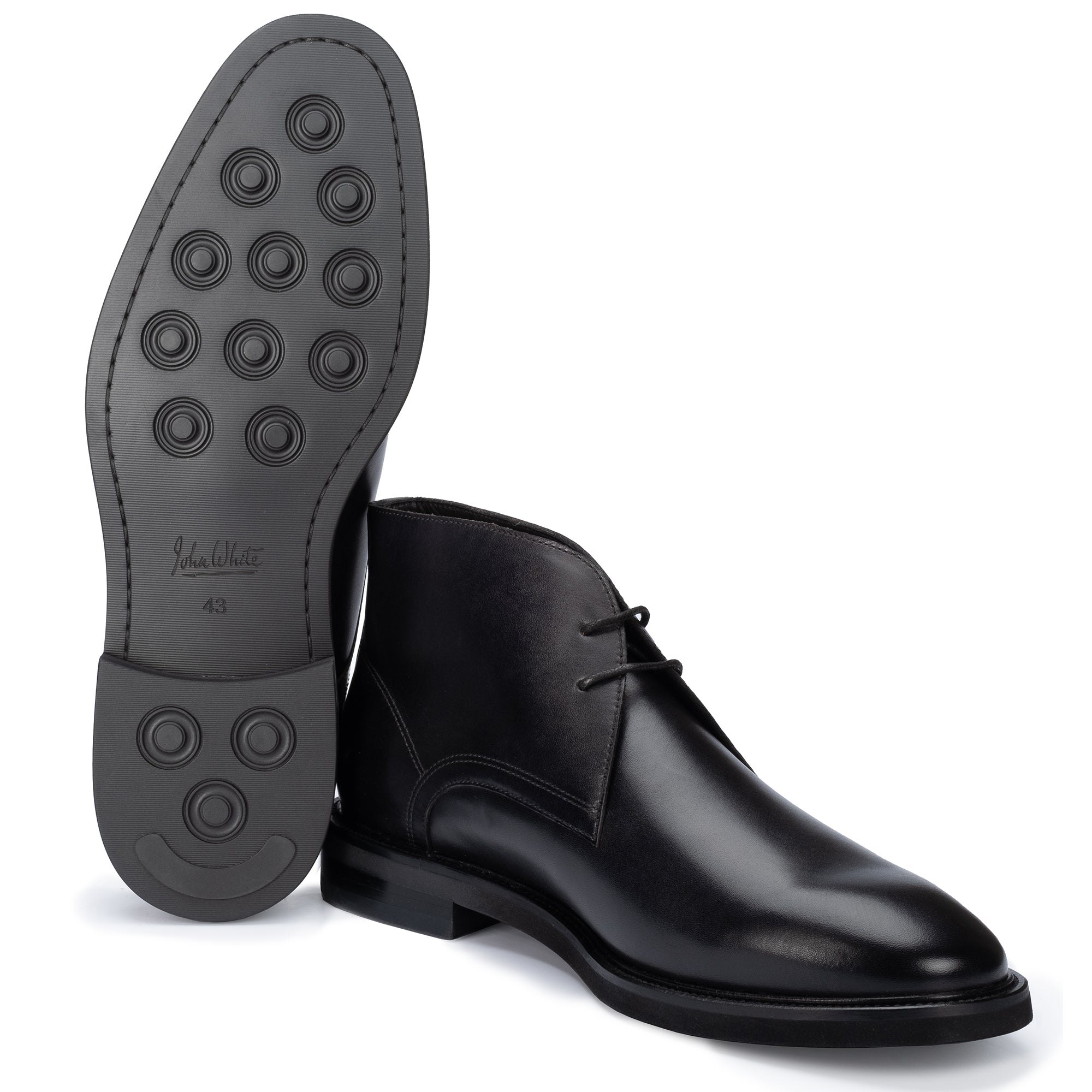
A sleek Chelsea Boot in polished black leather, like the Brecon Chelsea Boot, can be worn with a suit for a sharp, modern look. The Chukka Boot, with its lower ankle and fewer eyelets, is more casual. A suede Wessex Chukka Suede Boot is a classic partner for casual trousers and knitwear.
A Visual Guide: The Men's Shoe Formality Table
For quick reference, this table summarises the hierarchy and appropriate pairings.
| Rank | Shoe Style | Best For | Wear With |
|---|---|---|---|
| 1 (Most Formal) | Black Cap-Toe Oxford | Business formal, weddings, funerals, black tie | Business suits, morning dress, dinner suits |
| 2 | Derby Shoe | Business casual, daily office wear, smart events | Suits, blazers, smart trousers, chinos |
| 3 | Monk Strap | Smart-casual, creative business, social events | Tailored trousers, suits, blazers |
| 4 | Loafer | Smart-casual, weekends, summer events | Chinos, linen trousers, blazers, casual suits |
| 5 (Least Formal) | Brogue (Full/Wingtip) | Casual wear, weekends, country attire | Jeans, tweeds, corduroys, casual trousers |
Navigating the nuances of men's footwear is a hallmark of a well-dressed gentleman. The Northamptonshire shoemaking tradition, home to iconic names such as Barker, Church's, Crockett & Jones, and of course, John White, has defined these standards for over a century. By understanding this spectrum, you ensure your footwear always complements, rather than detracts from, your attire.
TL;DR: The Formality Rules
The formality of men's shoes decreases with added detail and more casual construction. The sleek, closed-lacing Oxford is the most formal, ideal for suits. The open-laced Derby is more versatile. The buckled Monk Strap adds flair, while the slip-on Loafer is the king of smart-casual. Brogueing (decorative holes) always makes a shoe less formal.
Related Guides
- The Complete Guide to Men's Dress Shoes — our comprehensive guide
- Oxford vs Derby Shoes: What's the Difference?
- What Shoes to Wear with a Suit
- A Guide to Men's Loafers: Style, Fit, and How to Wear Them
Frequently Asked Questions About Shoe Formality
Can you wear brown shoes with a business suit?
Yes, absolutely. For most business environments, a dark brown or burgundy shoe is perfectly acceptable with a navy or grey suit. However, for the most conservative corporate settings or formal events, black remains the superior choice.
Are loafers considered formal wear?
No. Loafers are fundamentally a smart-casual shoe. They are not appropriate for formal events like black tie or for very traditional business dress codes. Their slip-on nature makes them inherently more relaxed than a classic lace-up.
What is the most versatile dress shoe a man can own?
This depends on your typical wardrobe. If you wear a suit daily, a black cap-toe Oxford is the most essential. If your style is more business-casual, a dark brown Derby shoe offers unmatched versatility, pairing well with everything from flannel trousers to smart denim.
Does the sole affect a shoe's formality?
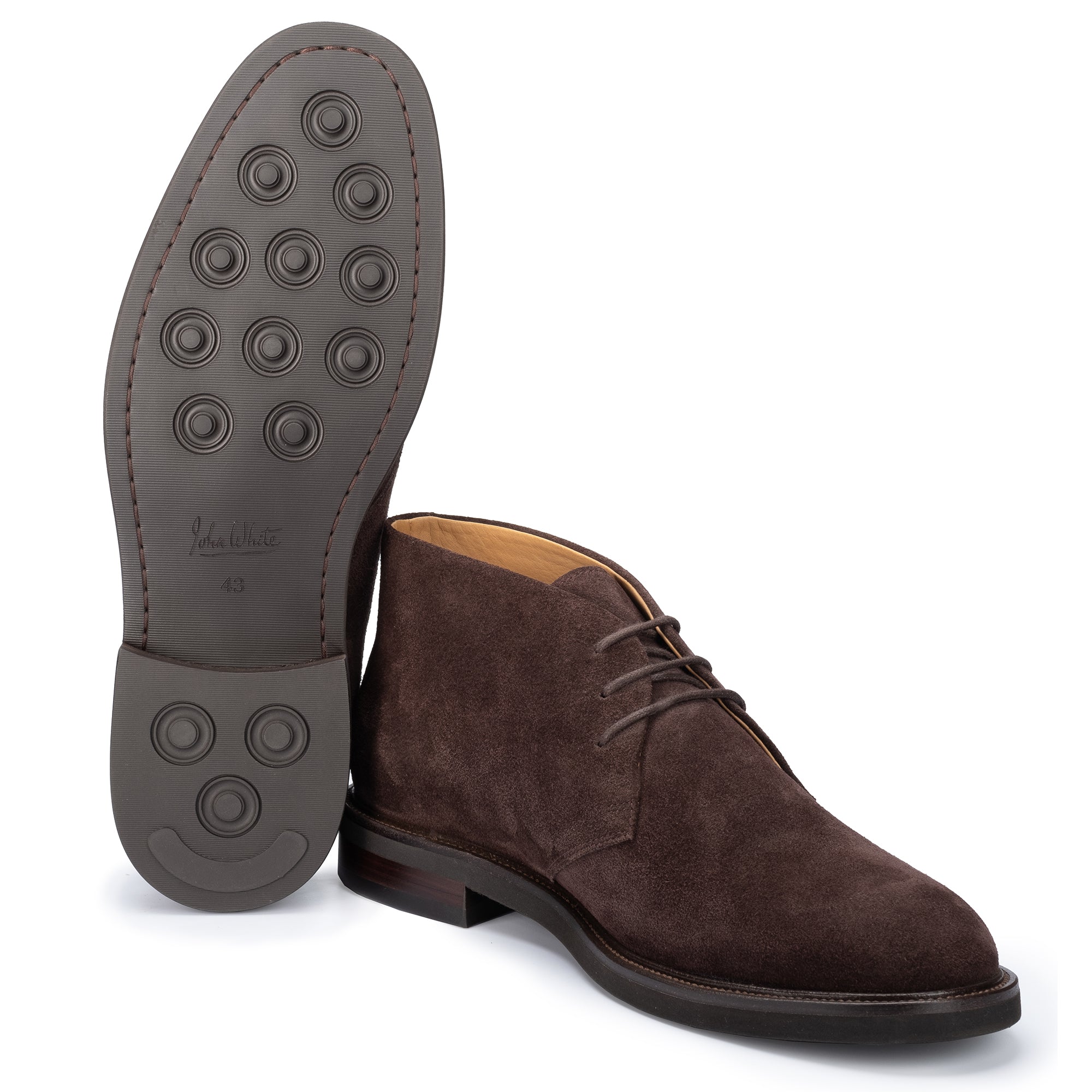
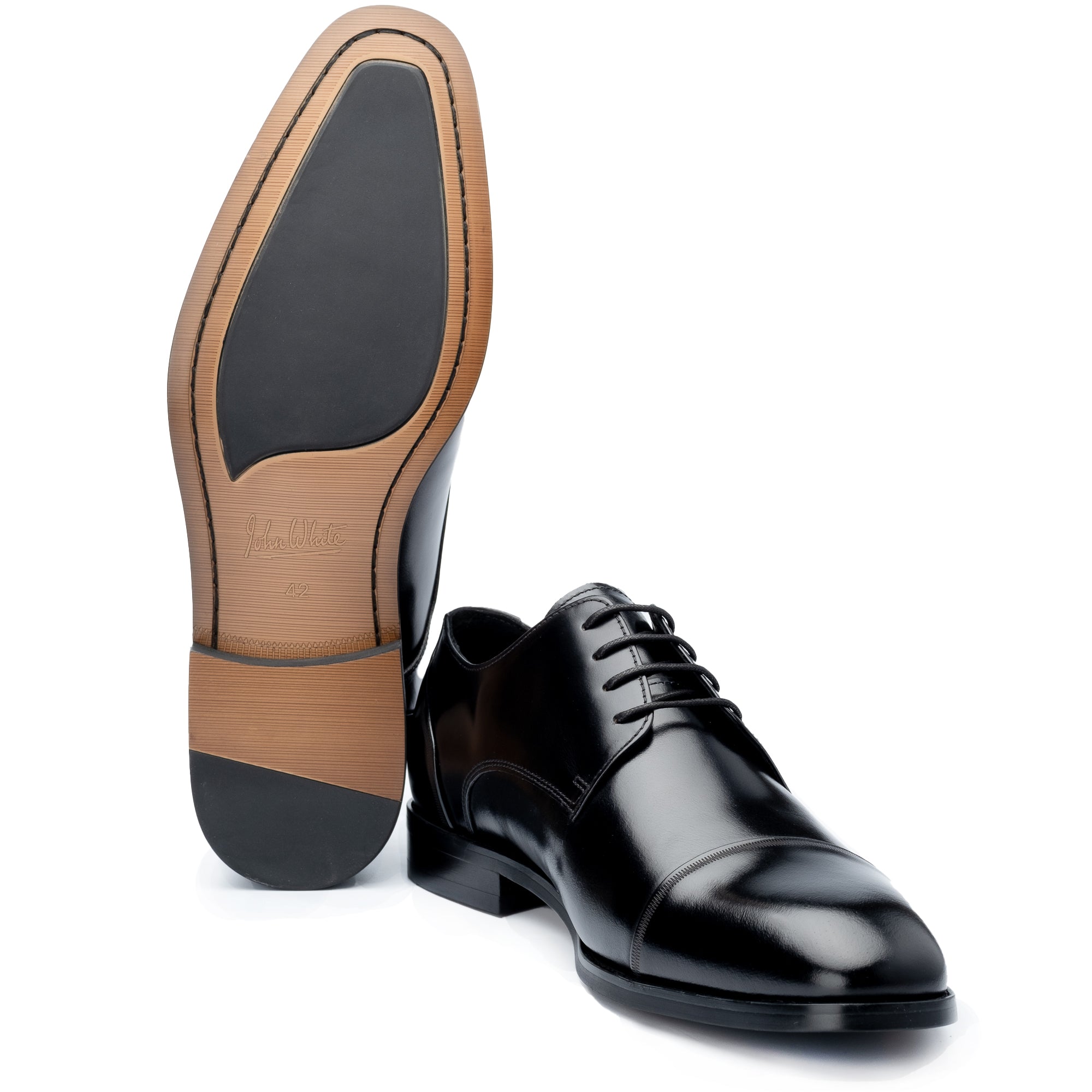
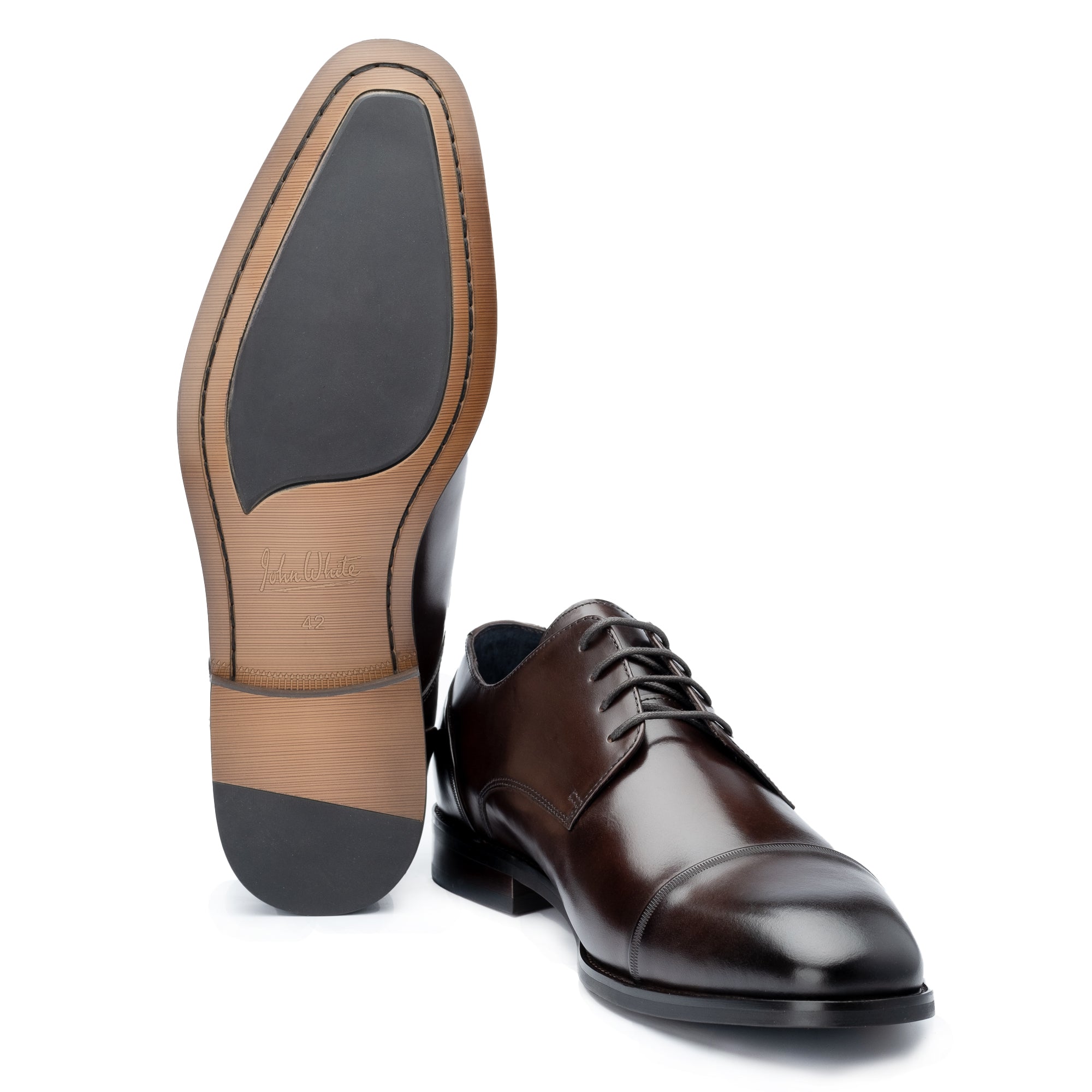
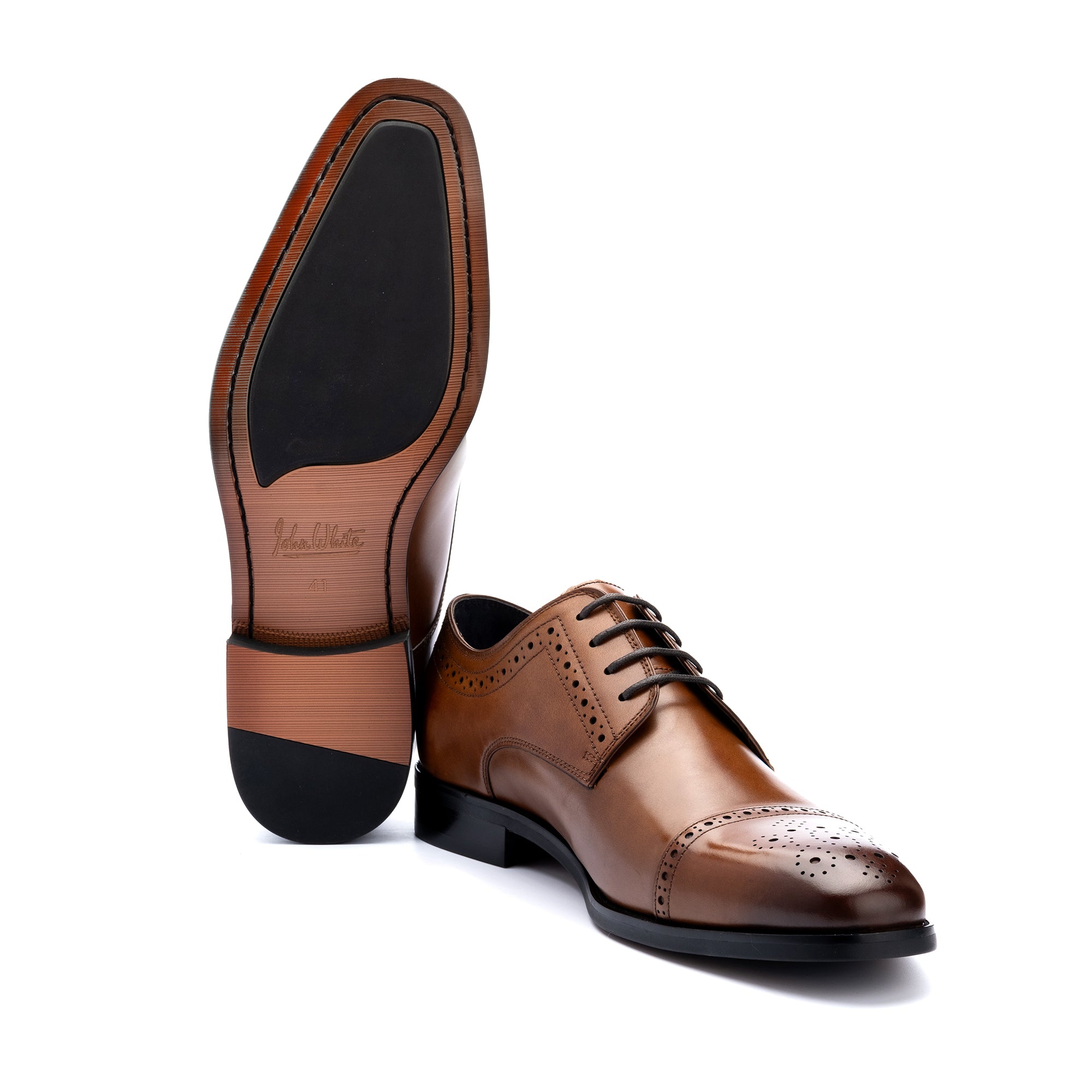
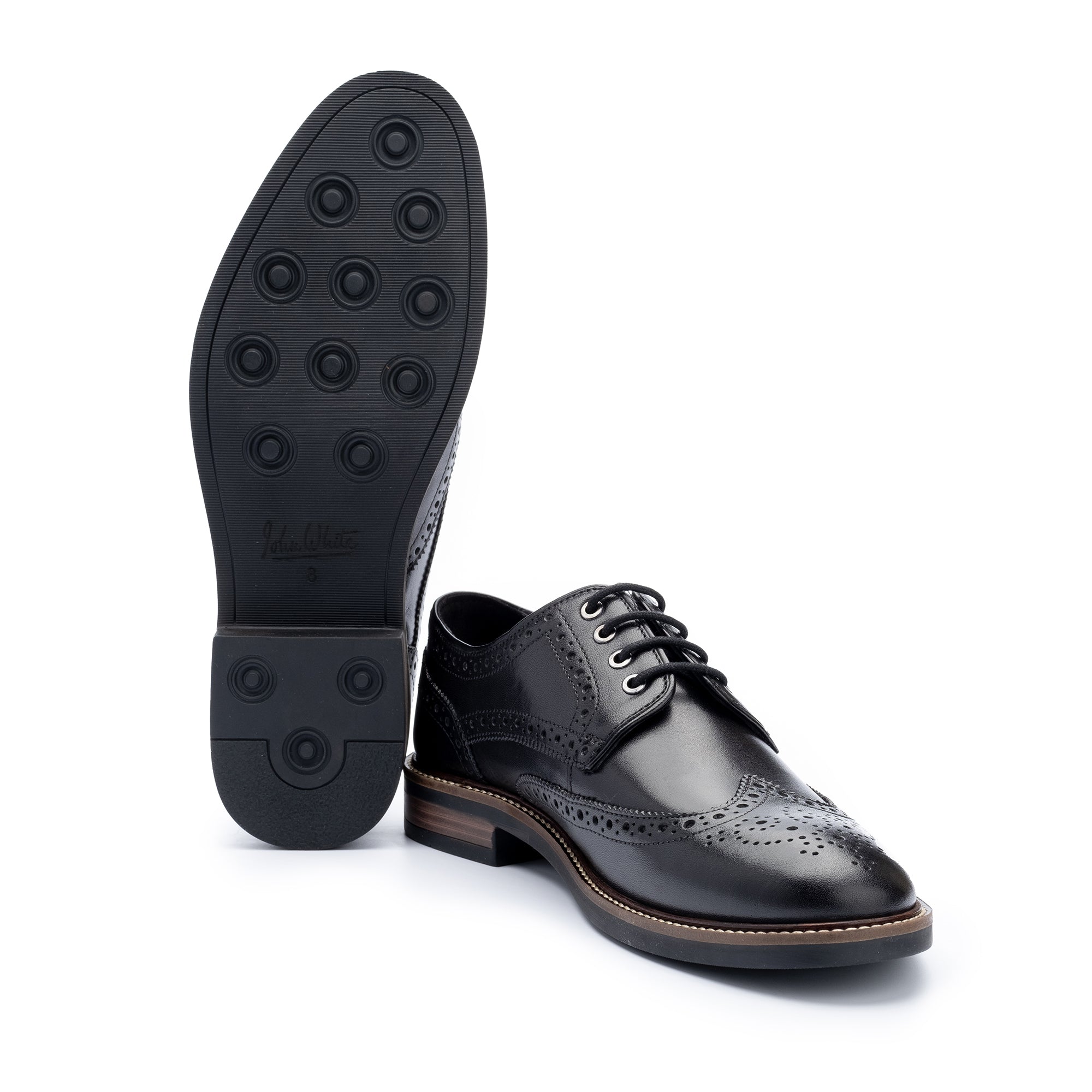
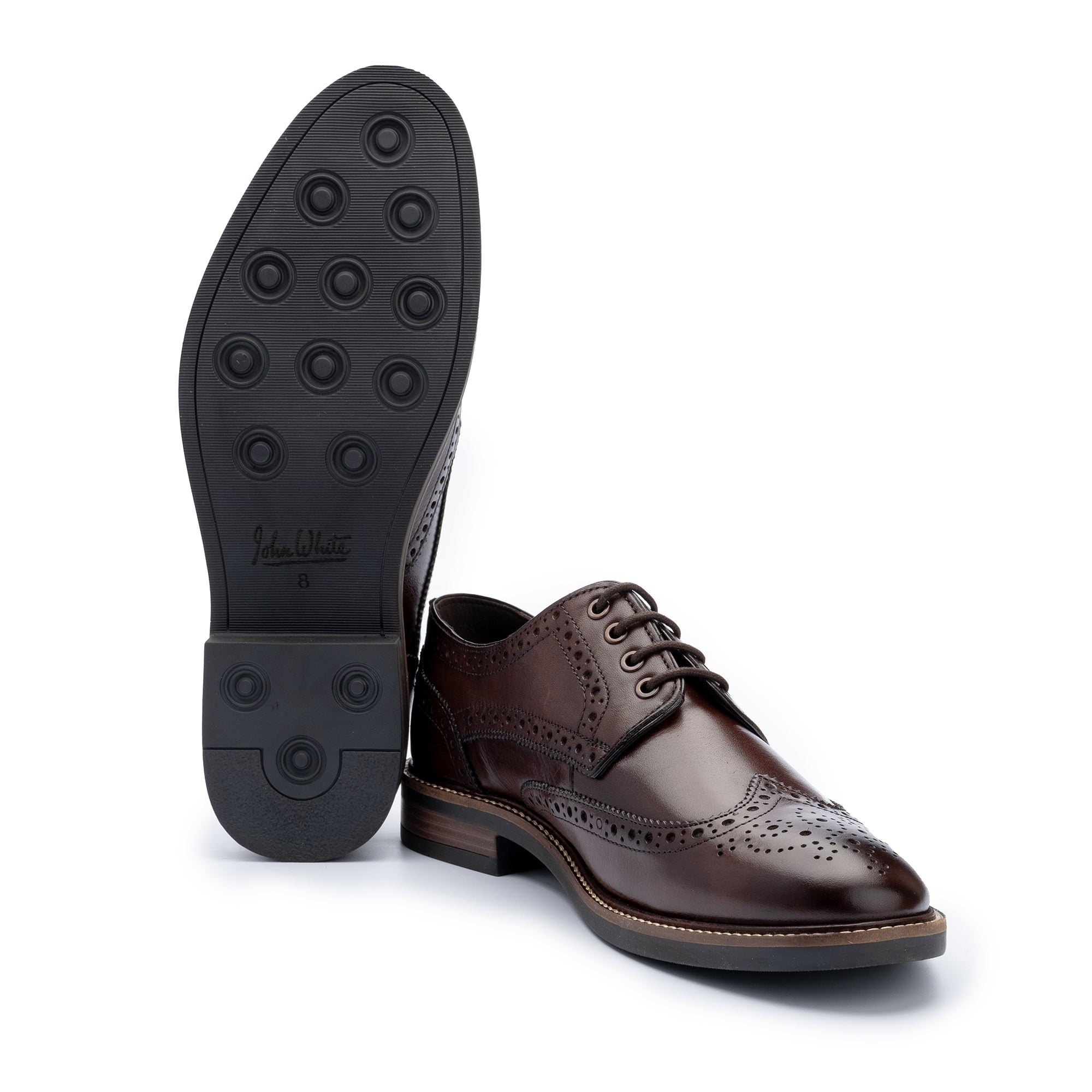
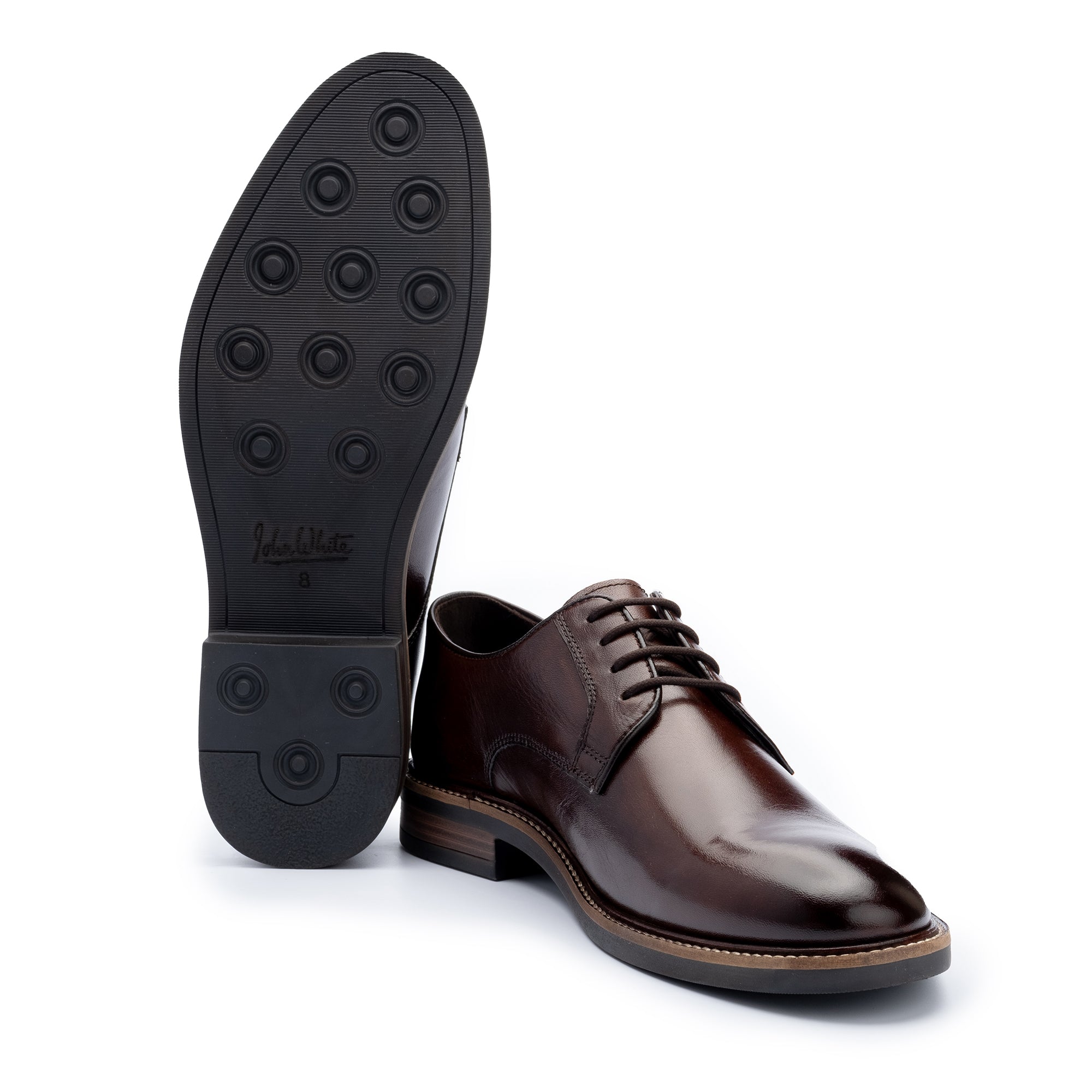
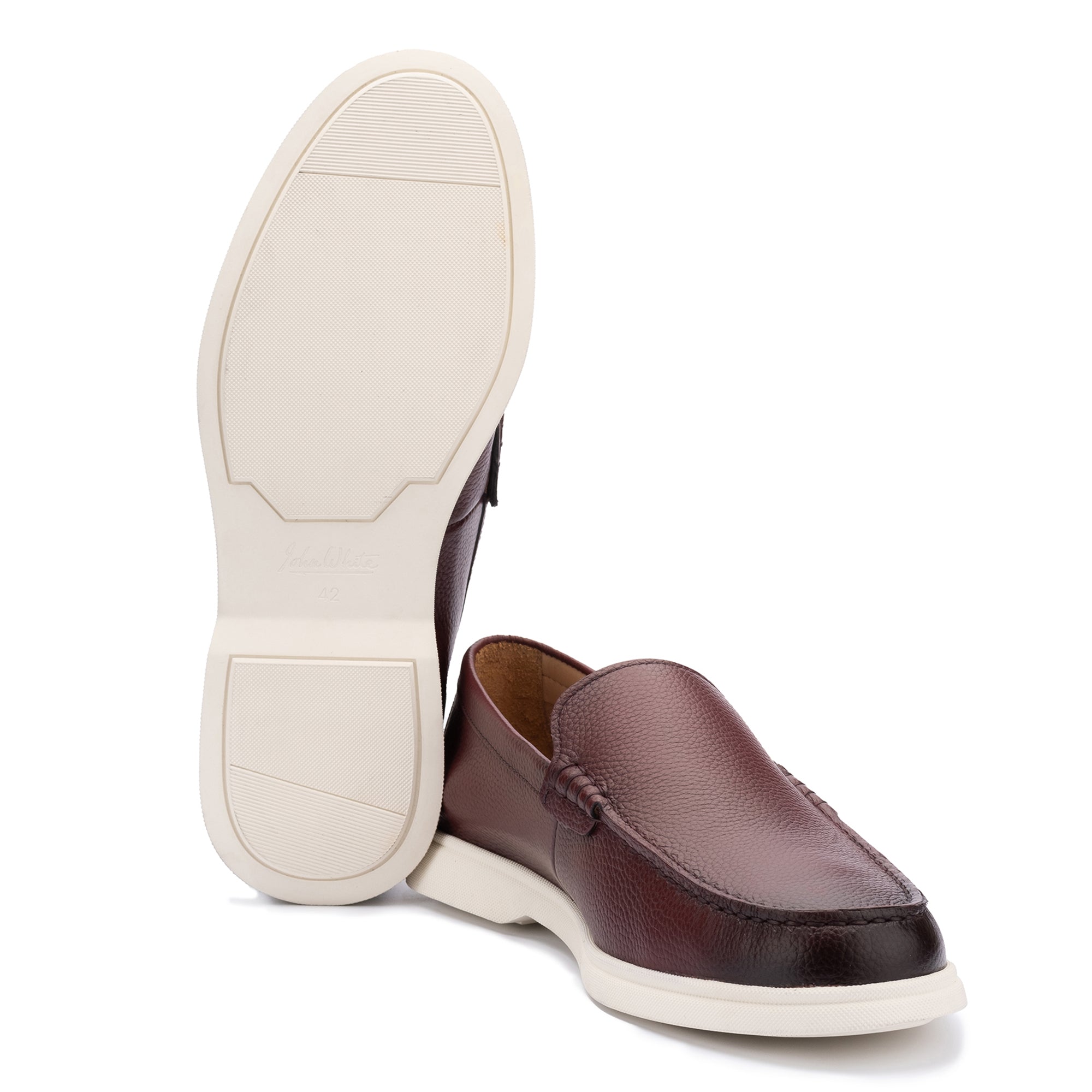
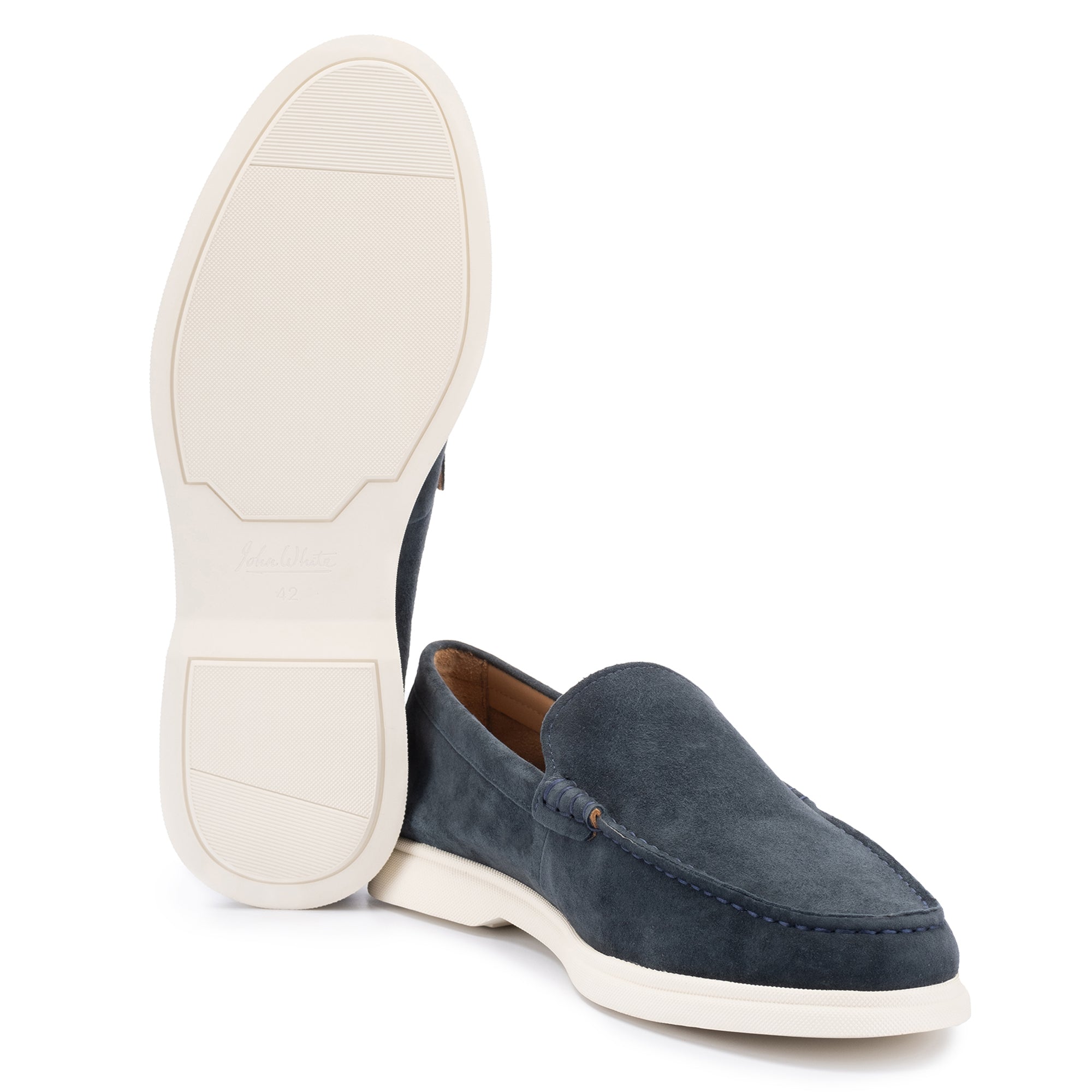
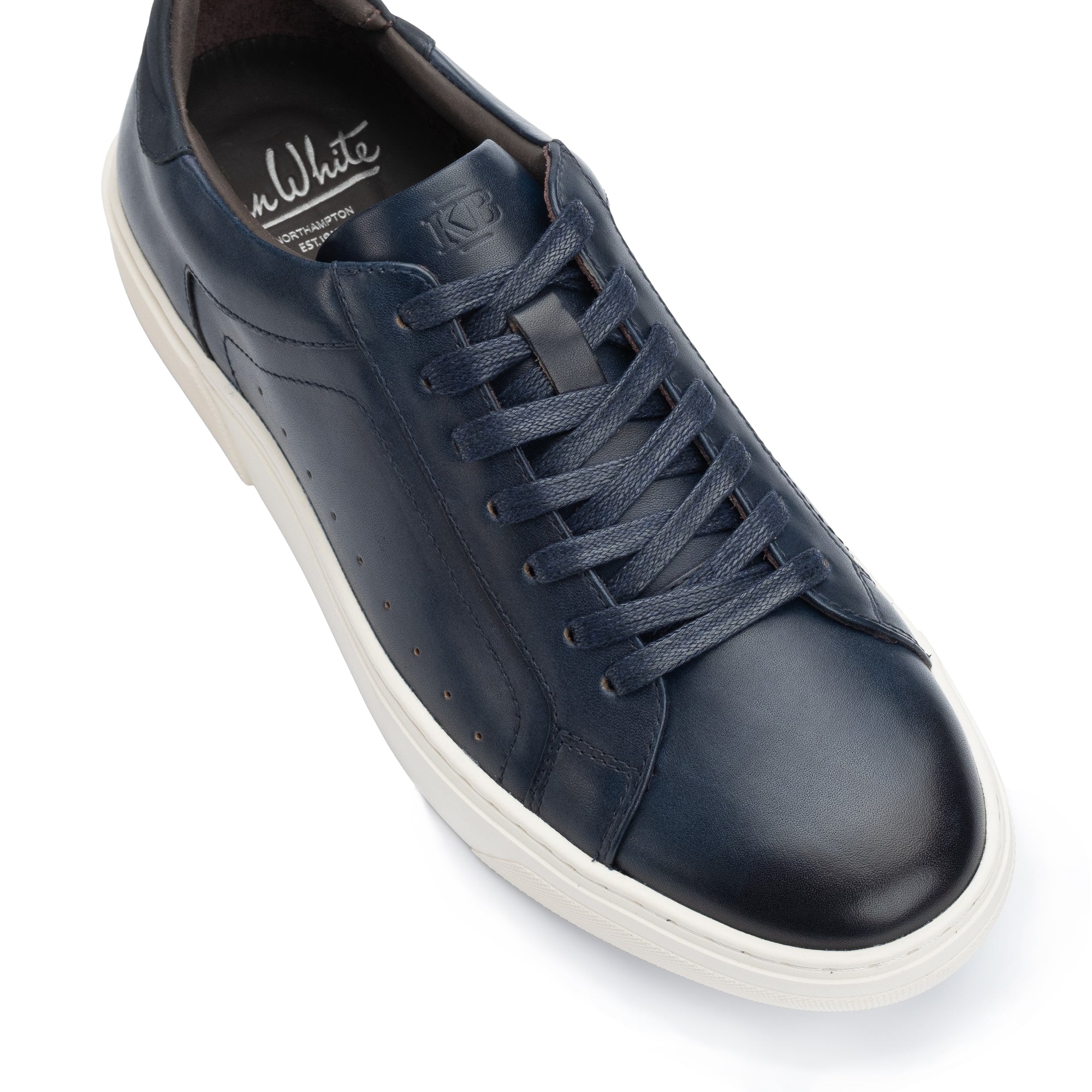
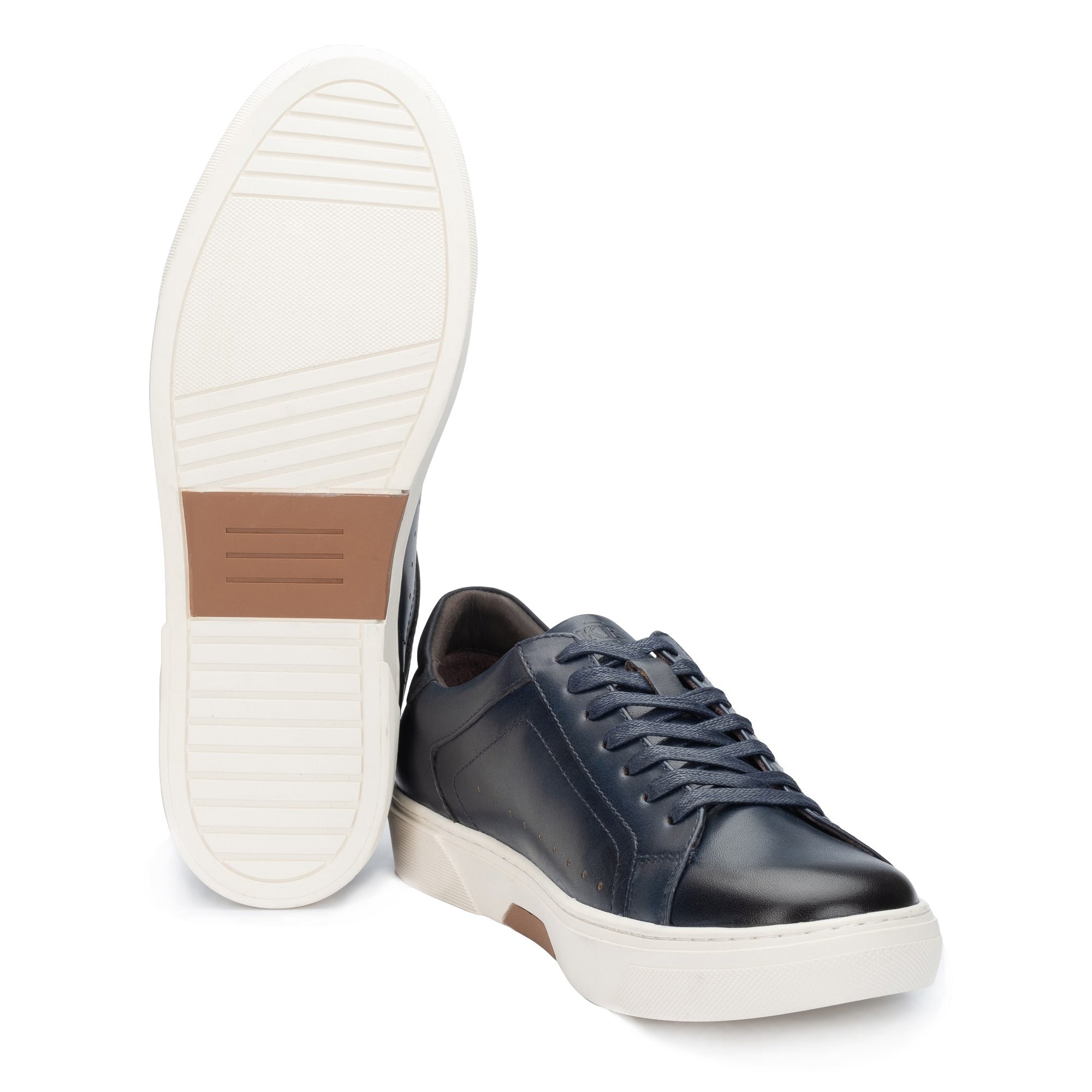
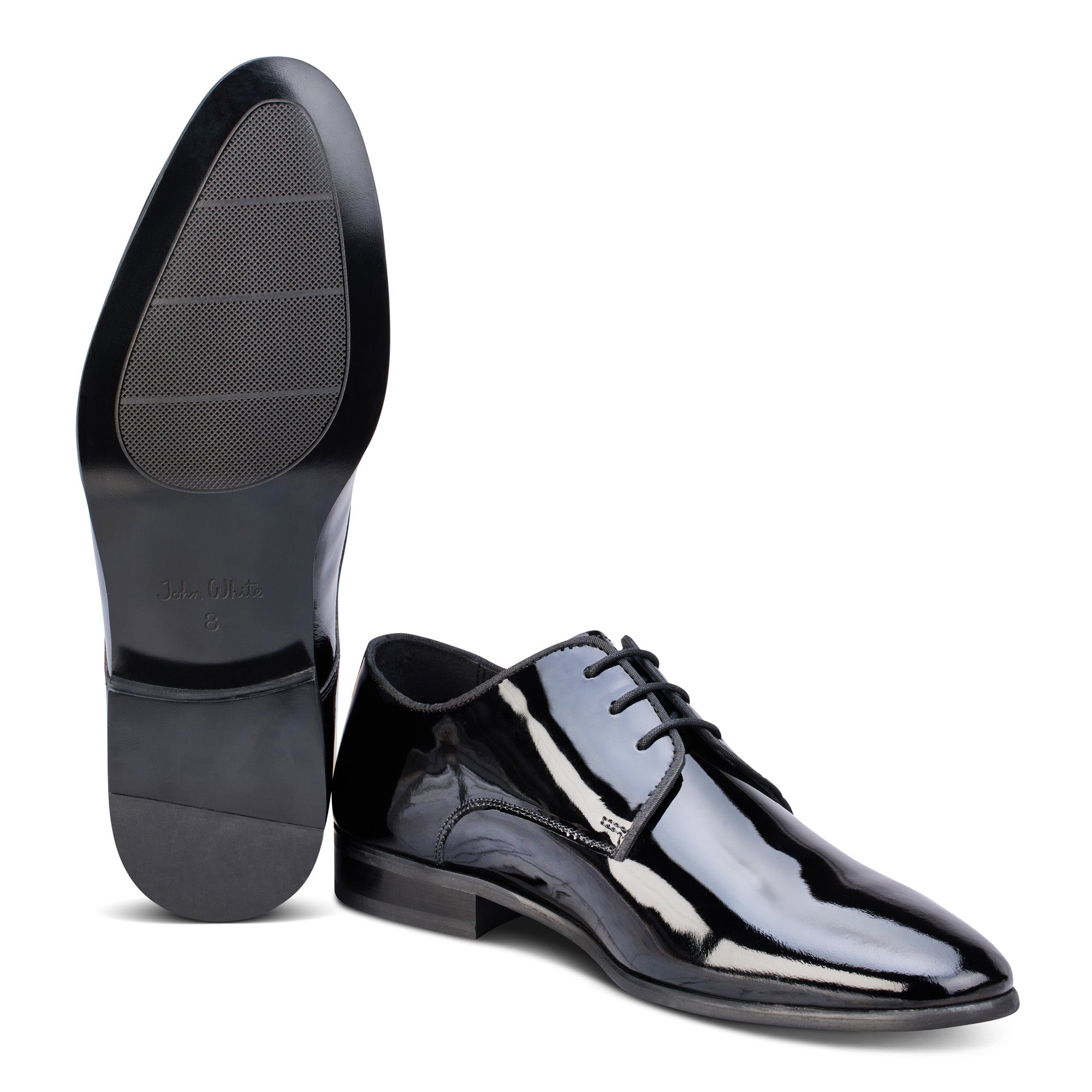
Yes, significantly. A slim, sleek sole is more formal than a thick, heavy, or commando-style rubber sole. The profile of the shoe is key, and a bulky sole adds a casual, utilitarian character. Our guide on Leather Soles vs Rubber Soles explores this in more detail.
Armed with this knowledge, you can build a versatile and appropriate footwear collection. Each style has its place, and choosing correctly is the final, crucial touch to any well-considered outfit. Explore our curated collections of men's shoes and boots to find the perfect foundation for your wardrobe.