
The Art of the Last: Why Shoe Shape Matters More Than You Think
A shoe last is the three-dimensional form around which every shoe is constructed. It determines fit, silhouette, and long-term comfort more than any other single element — including leather quality or sole construction. Choose the wrong last shape for your foot and no amount of quality material will compensate. Choose the right one, and a shoe feels correct from the first proper wear.
In This Guide
- What Is a Shoe Last?
- How Does Shoe Last Shape Affect Fit and Comfort?
- What Are the Main Toe Shapes — and Which Is Right for You?
- How Does Last Shape Interact with Outfit Proportions?
- How Should You Match Last Shape to Your Foot?
- How Do Heritage Shoemakers Use the Last as a Design Tool?
- Related Guides
- Frequently Asked Questions
Most men buying shoes focus on what they can see: the leather, the sole profile, the stitching detail. These matter. But the hidden architecture driving every fit decision — the shoe last — rarely appears on a product page or gets a second thought in the shop. It's the element that separates a shoe that fits from one that merely goes on your foot.
What Is a Shoe Last?
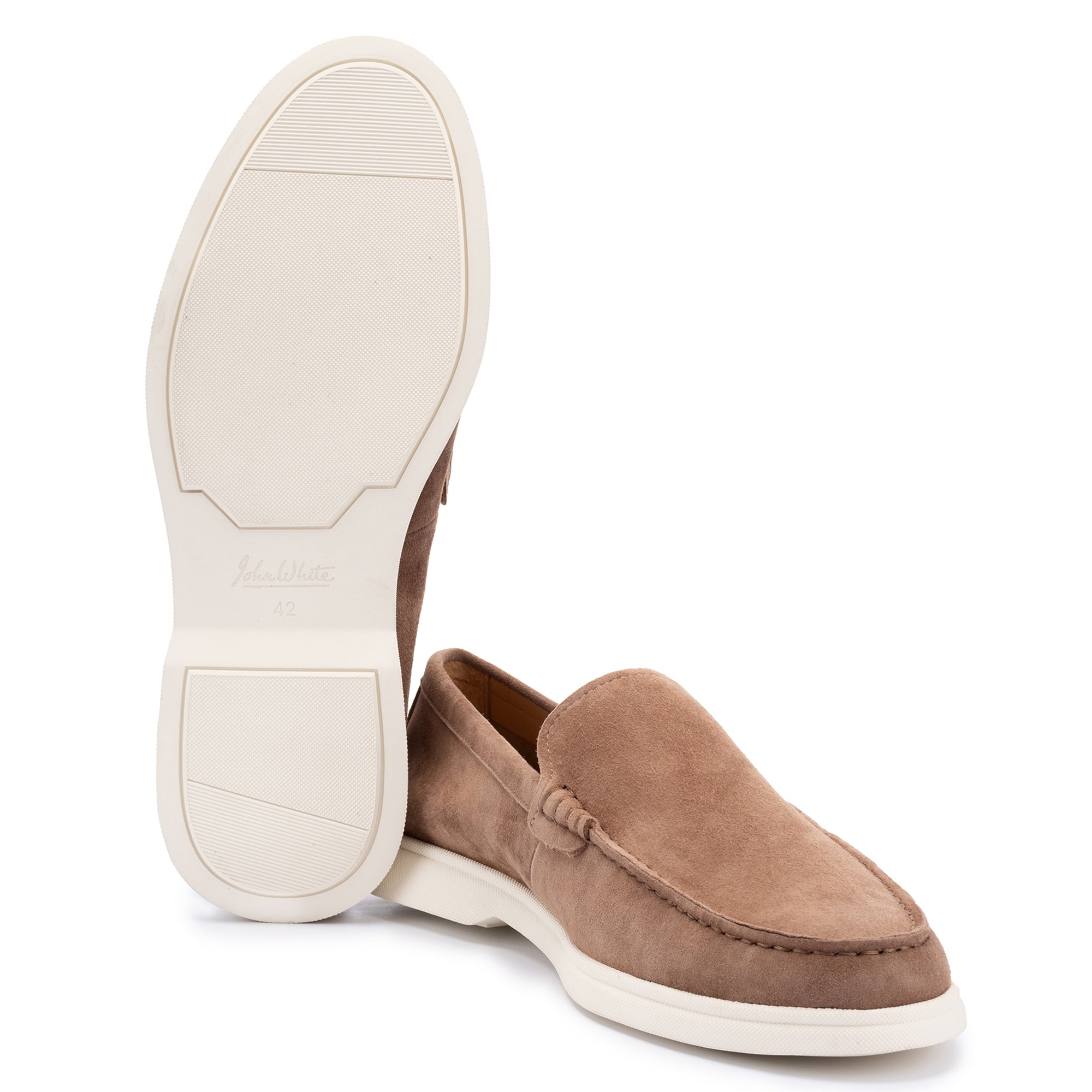
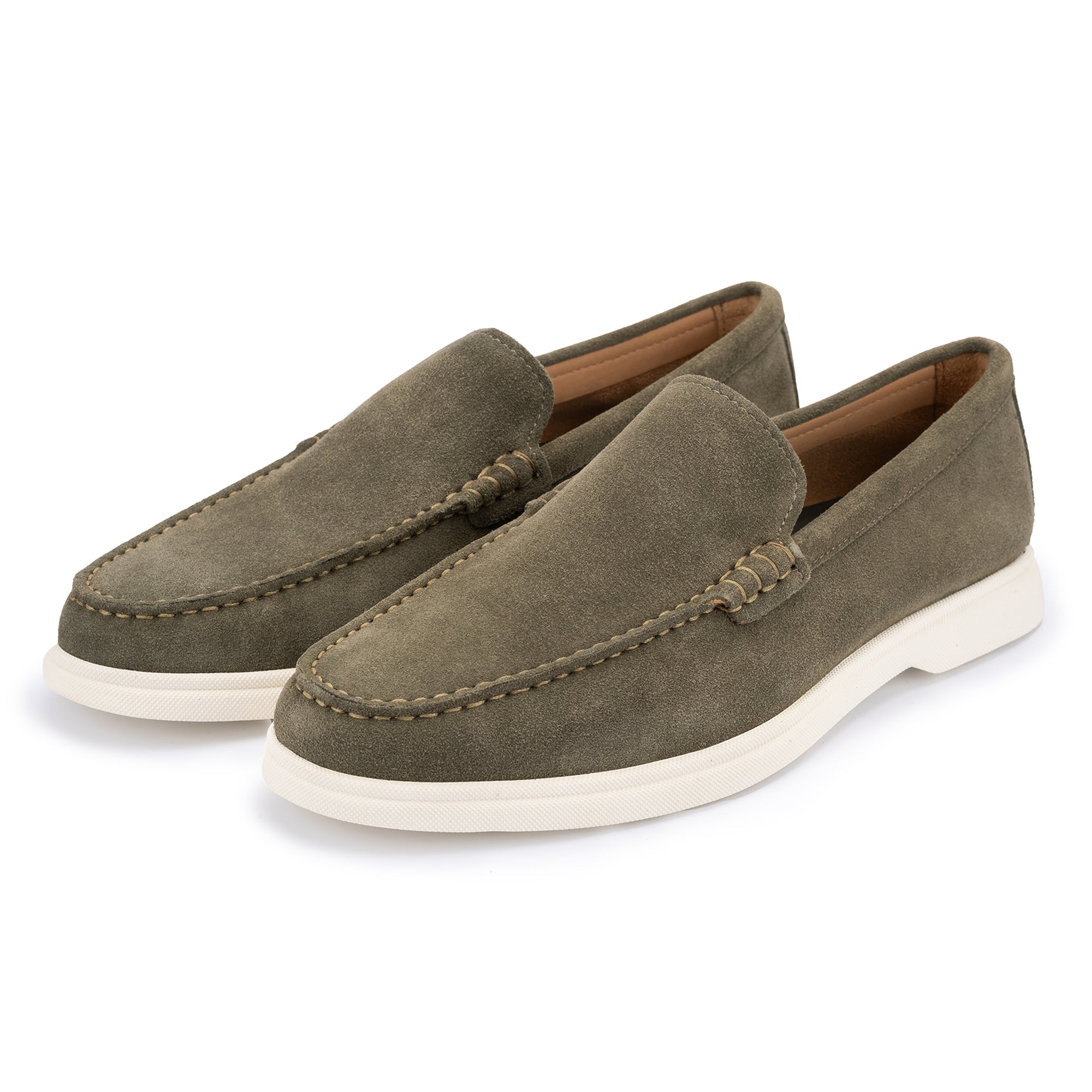
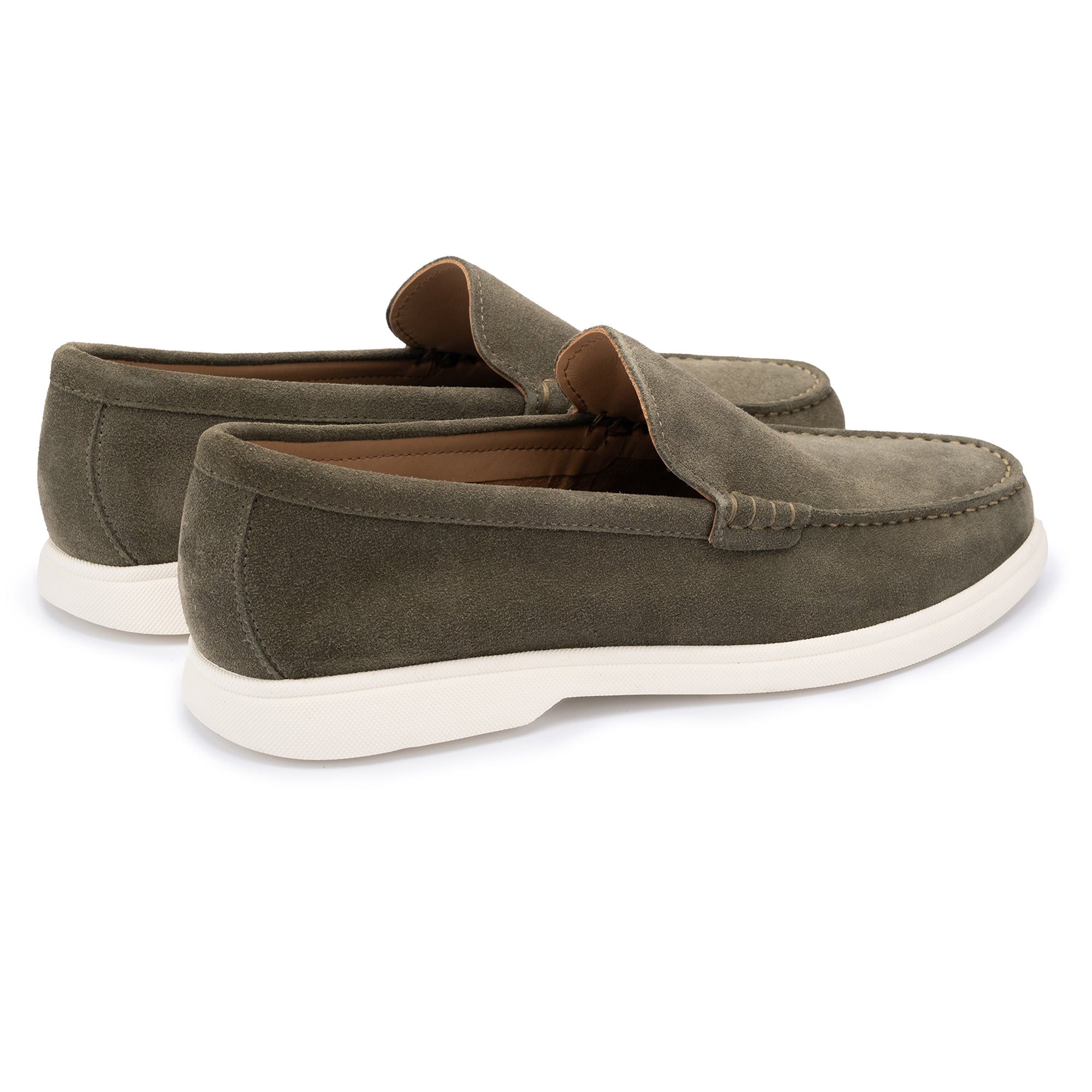
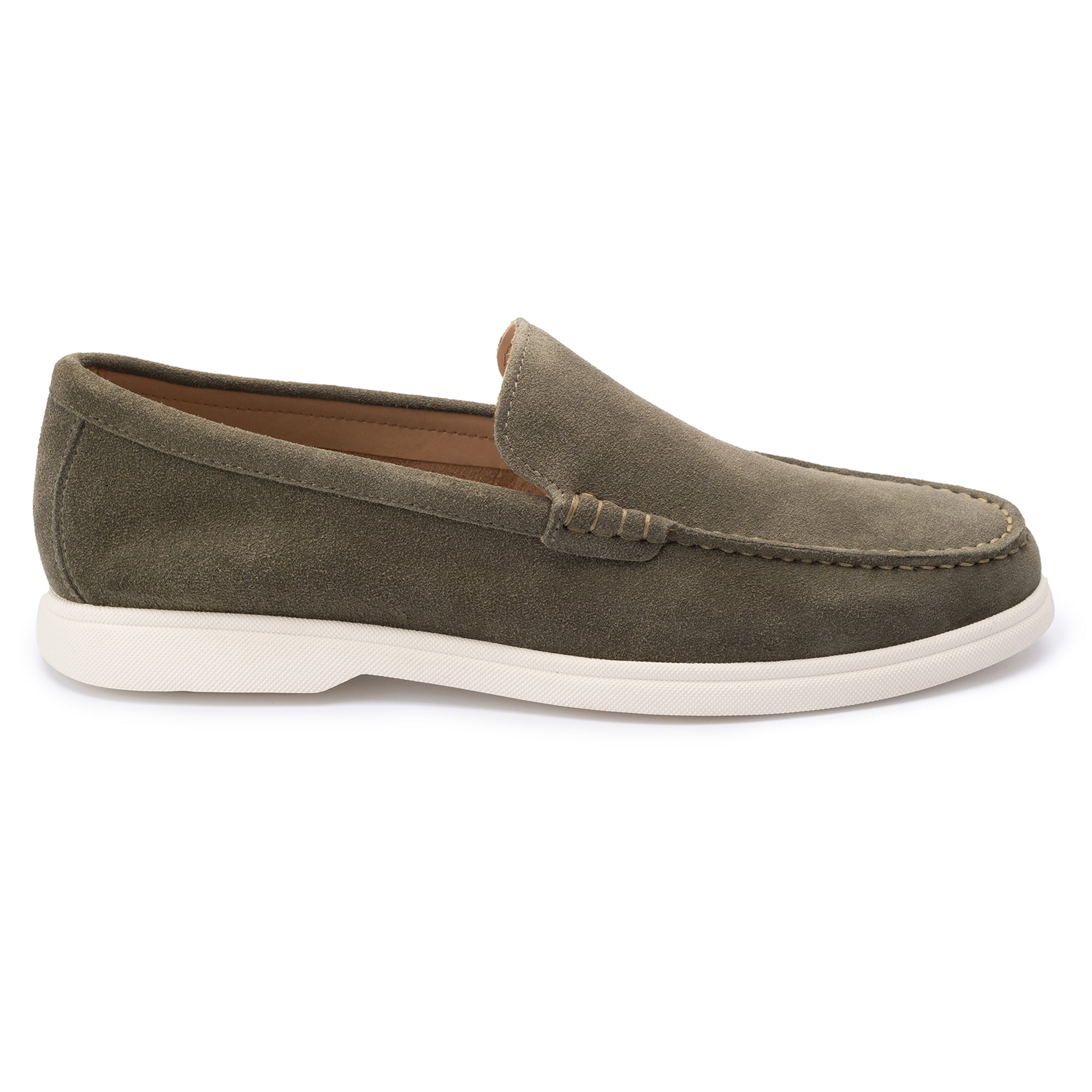
A shoe last is a rigid, foot-shaped form — traditionally carved from beech wood, now more often made from high-density plastic — around which a shoe's upper is constructed. Its three-dimensional profile sets the finished shoe's internal volume, toe silhouette, heel pitch, and overall stance. Change the last, and you change the shoe entirely, even if the leather, construction, and detailing are identical.
The Worshipful Company of Cordwainers — the London guild that has regulated English shoemaking since the 12th century — recognises the last as the defining instrument of shoe design, the form from which all other craft decisions follow. Every measurement a shoemaker takes is ultimately translated into last dimensions.
In Northamptonshire's shoemaking tradition, last-making was its own distinct specialism — a separate trade from lasting, finishing, or clicking. That history is documented in depth in The Cobbler's Legacy: How British Shoe Lasts Are Still Made by Hand.
The last is where shoe design begins: every element of the finished shoe is built around the shape it sets, making it the most consequential decision in the entire design process.
How Does Shoe Last Shape Affect Fit and Comfort?
Last shape affects fit by determining three things simultaneously: internal toe box volume, forefoot width, and heel seat depth. When any one of these doesn't match your foot's geometry, the result is discomfort — and that discomfort won't resolve with wear. It's a shape problem, not a stiffness problem.
According to the College of Podiatry, ill-fitting footwear is among the leading causes of preventable foot conditions in UK adults, including bunions, hammertoes, and metatarsalgia. In the majority of cases, the problem isn't the shoe's length. It's the last's toe box geometry compressing the forefoot in ways that size alone can't capture.
SATRA Technology, the UK's footwear industry research centre, identifies last volume and toe box profile as the principal variables governing long-term wear comfort — ranking ahead of sole stiffness, insole material, and upper quality. A well-designed last makes a relatively simple shoe feel exceptional. A poorly matched one makes an expensive shoe feel punishing within the hour.
Width is a related but separate issue. A round-toe last can be cut narrow or wide; so can an almond or chisel toe. If you consistently find shoes uncomfortable across the ball of the foot, you may need both a wider last and a different toe profile — not simply a larger size. Our guide to choosing the right shoe width for a perfect fit covers width grading in detail.
If a shoe feels wrong on first proper wear, the last's shape is almost always the reason — not the construction, not the leather.
What Are the Main Toe Shapes — and Which Is Right for You?
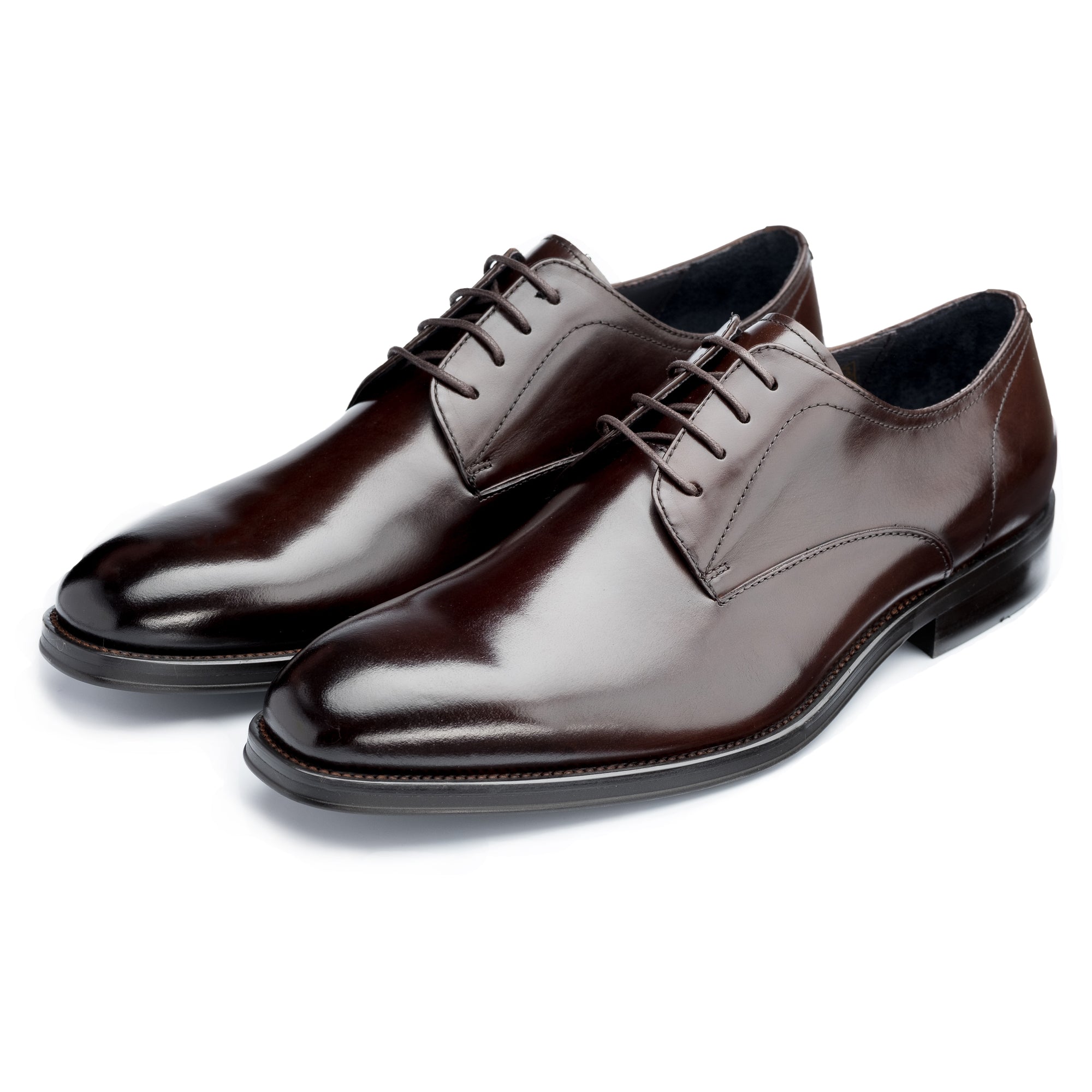
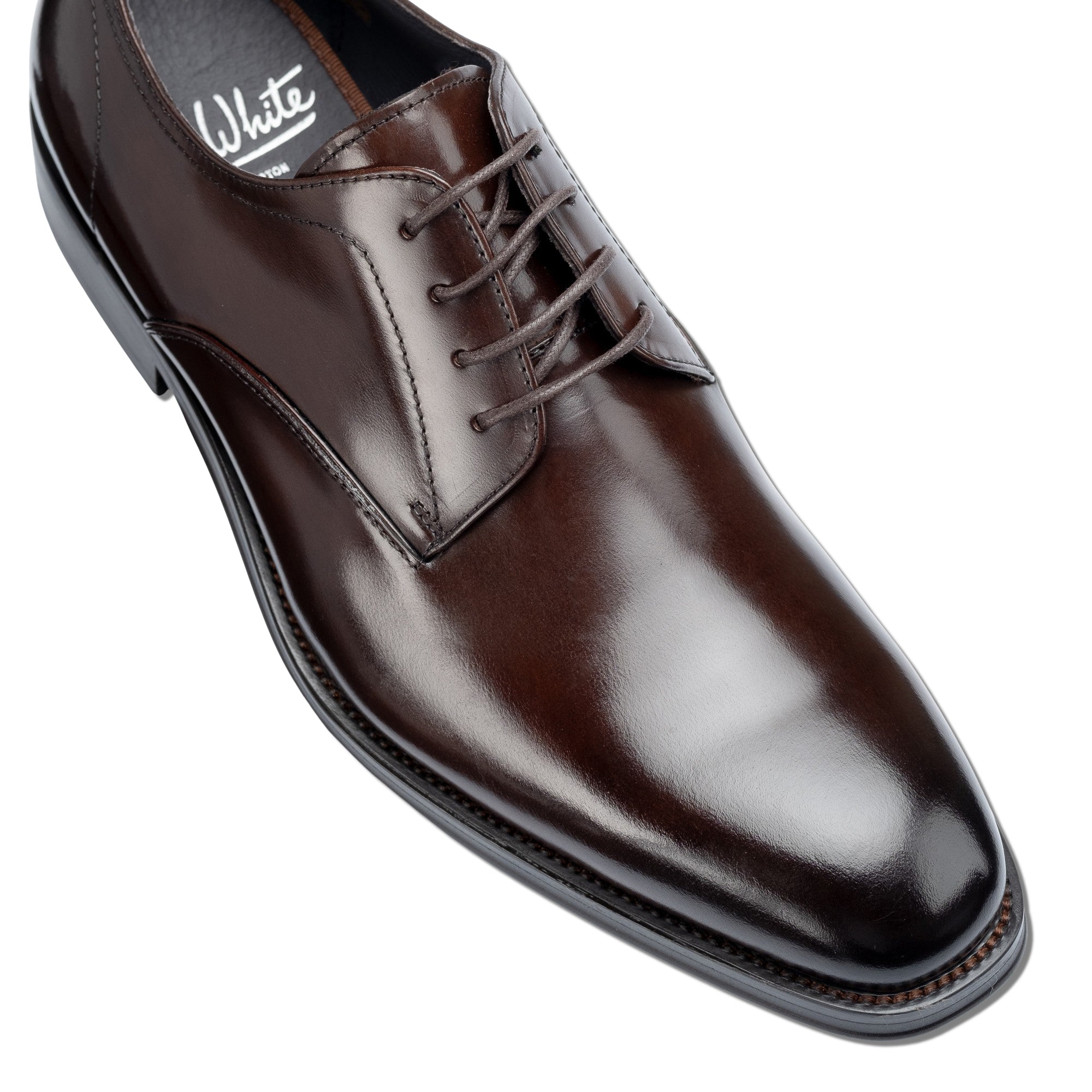
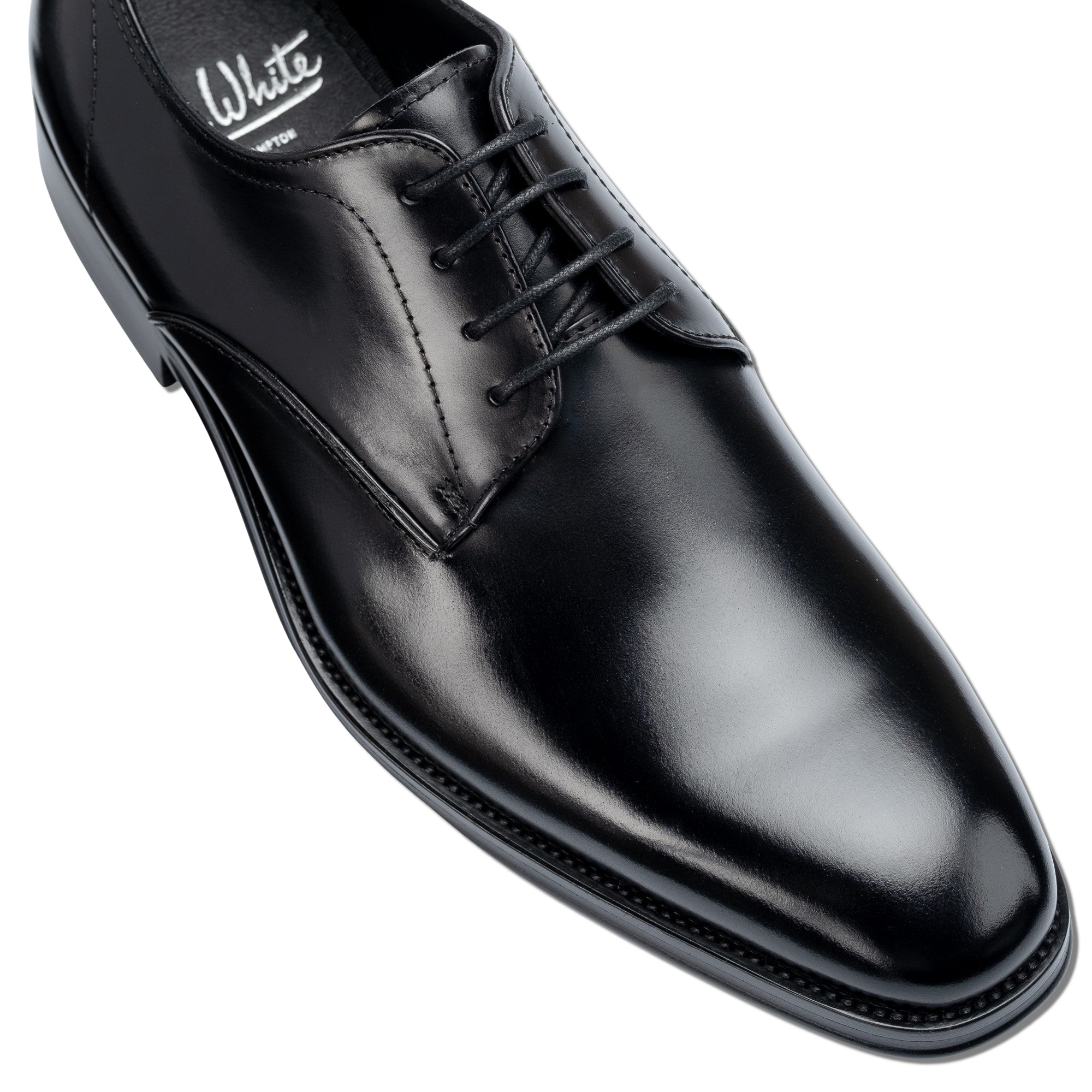
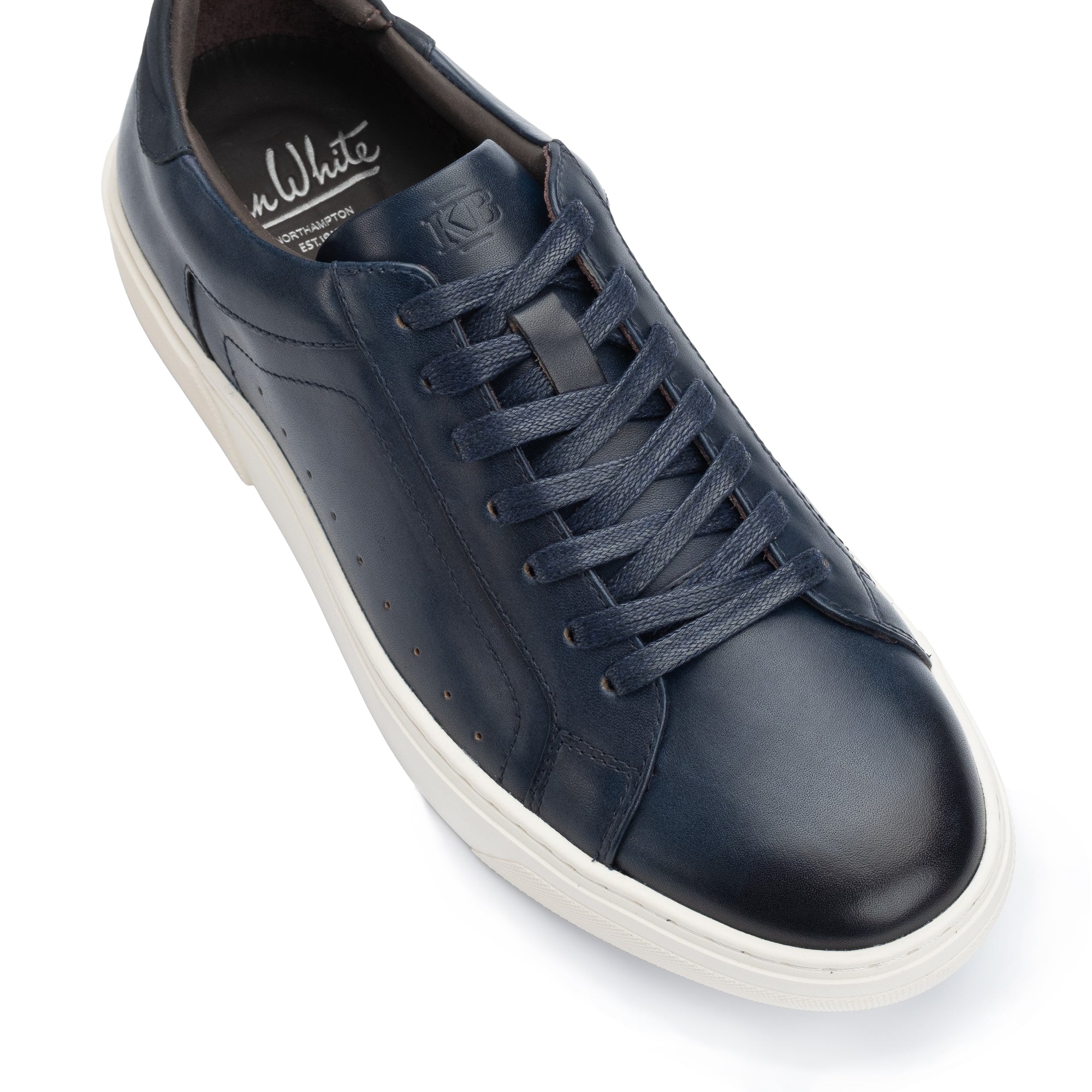
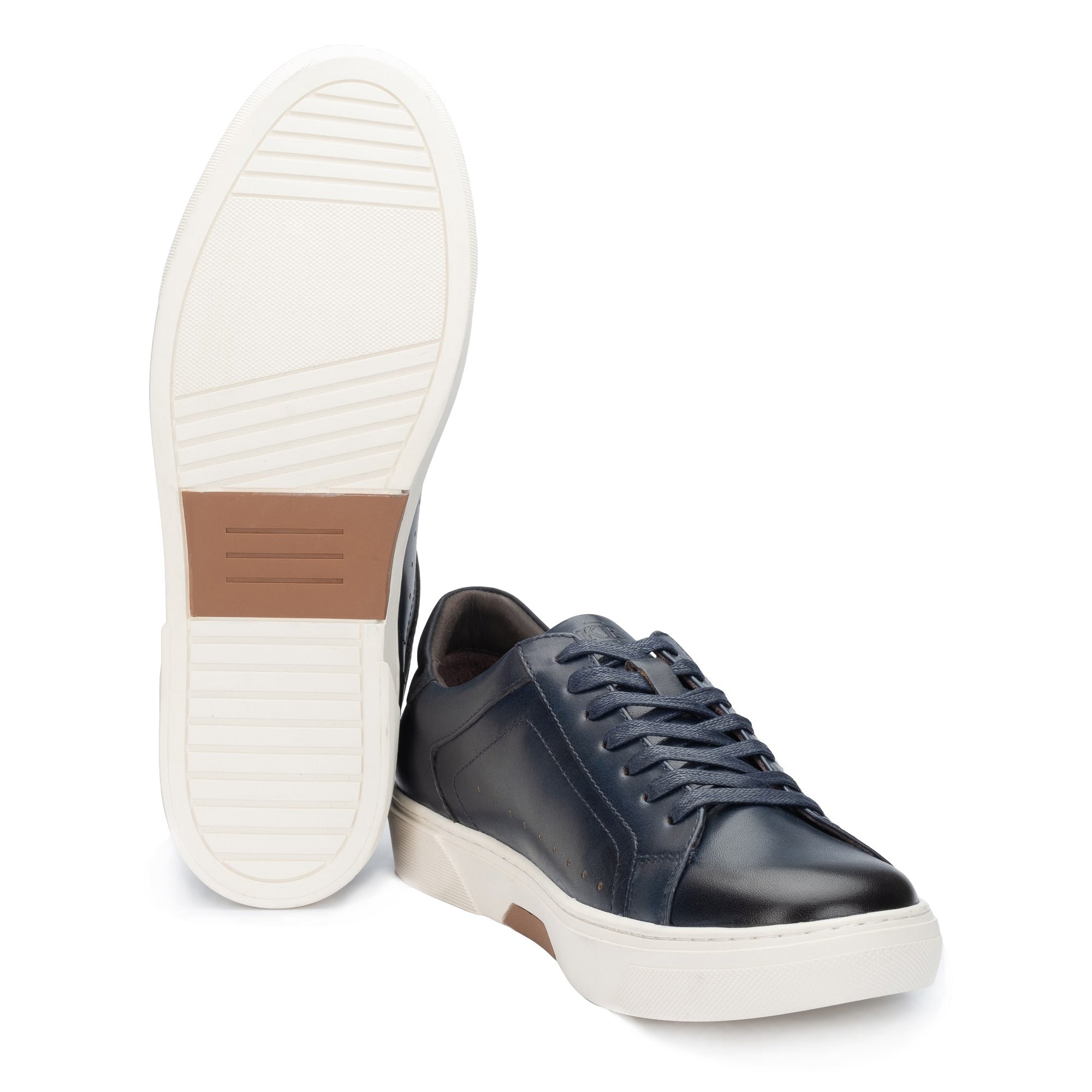
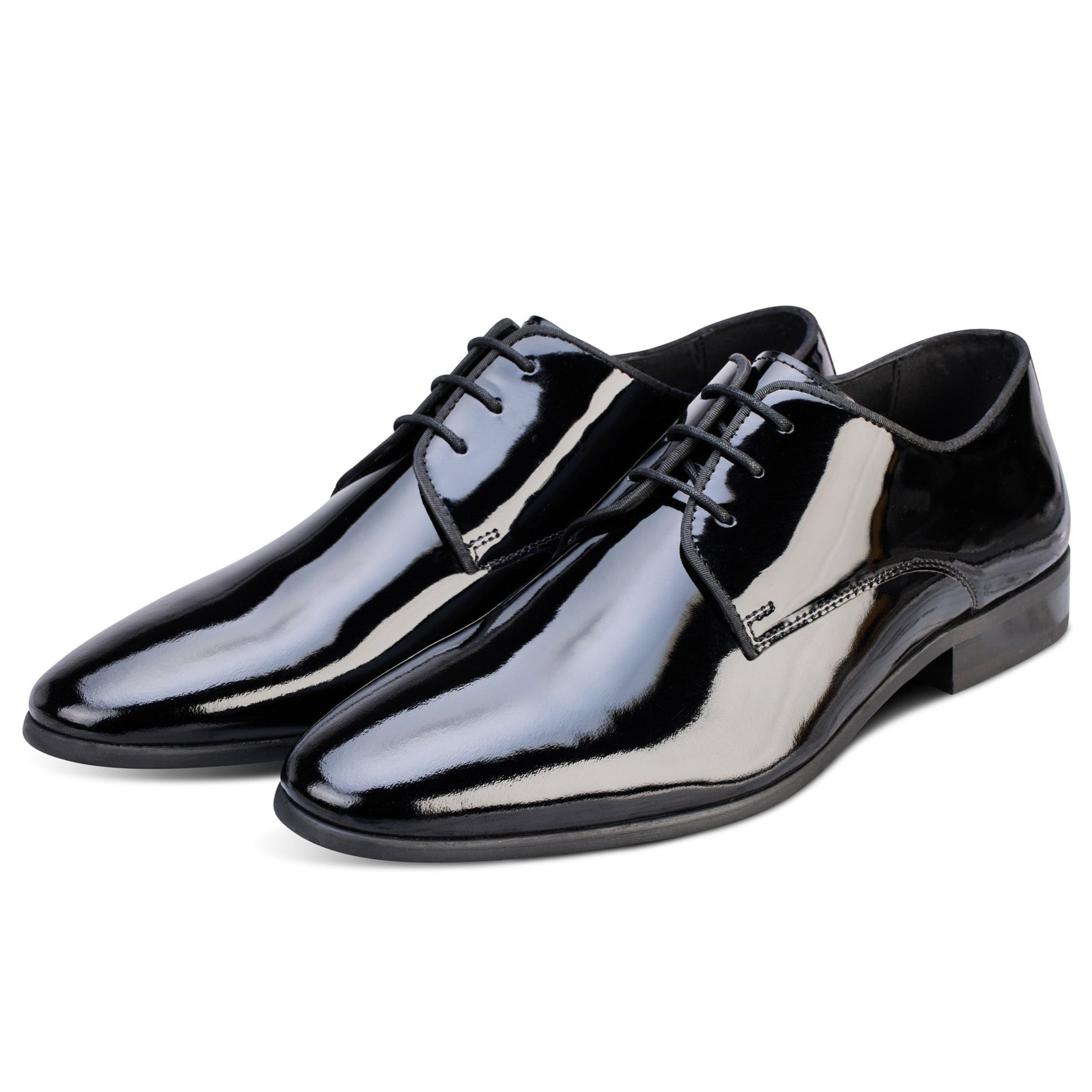
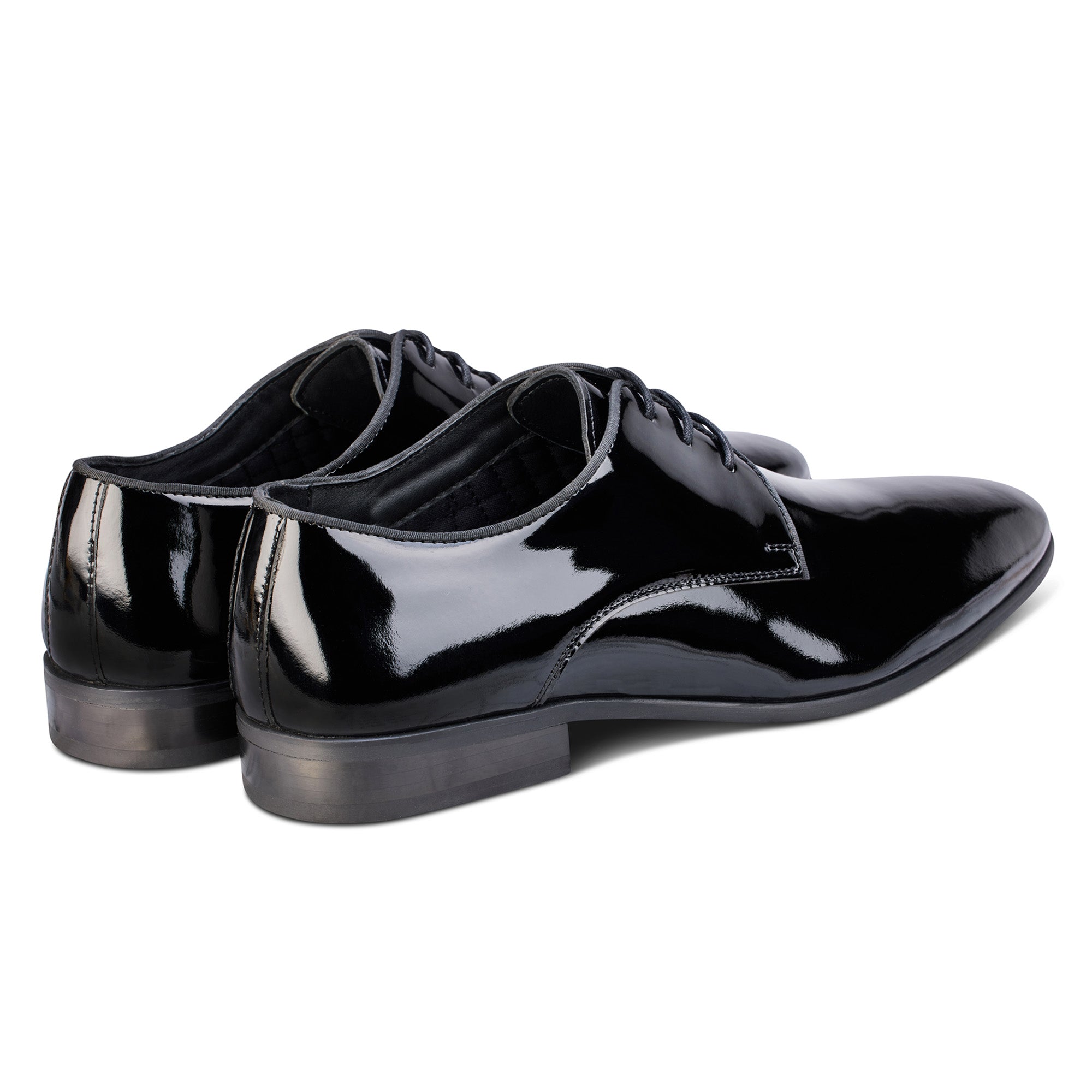
Toe shape is the most visible expression of the last's design intent. There are four dominant profiles in British men's dress footwear, each carrying distinct associations for formality, occasion, and body proportion.
| Toe Shape | Profile | Formality | Best Worn With |
|---|---|---|---|
| Round | Full, curved toe box | Casual to business | Chinos, jeans, classic suits |
| Almond / Oval | Slightly tapered, rounded tip | Business to formal | Suits, smart trousers — versatile across registers |
| Chisel / Square | Flat, straight across the toe | Smart-casual to contemporary formal | Slim-cut suits, tailored trousers |
| Pointed | Sharp, elongated tip | Fashion-forward formal | Slim suits, continental eveningwear |
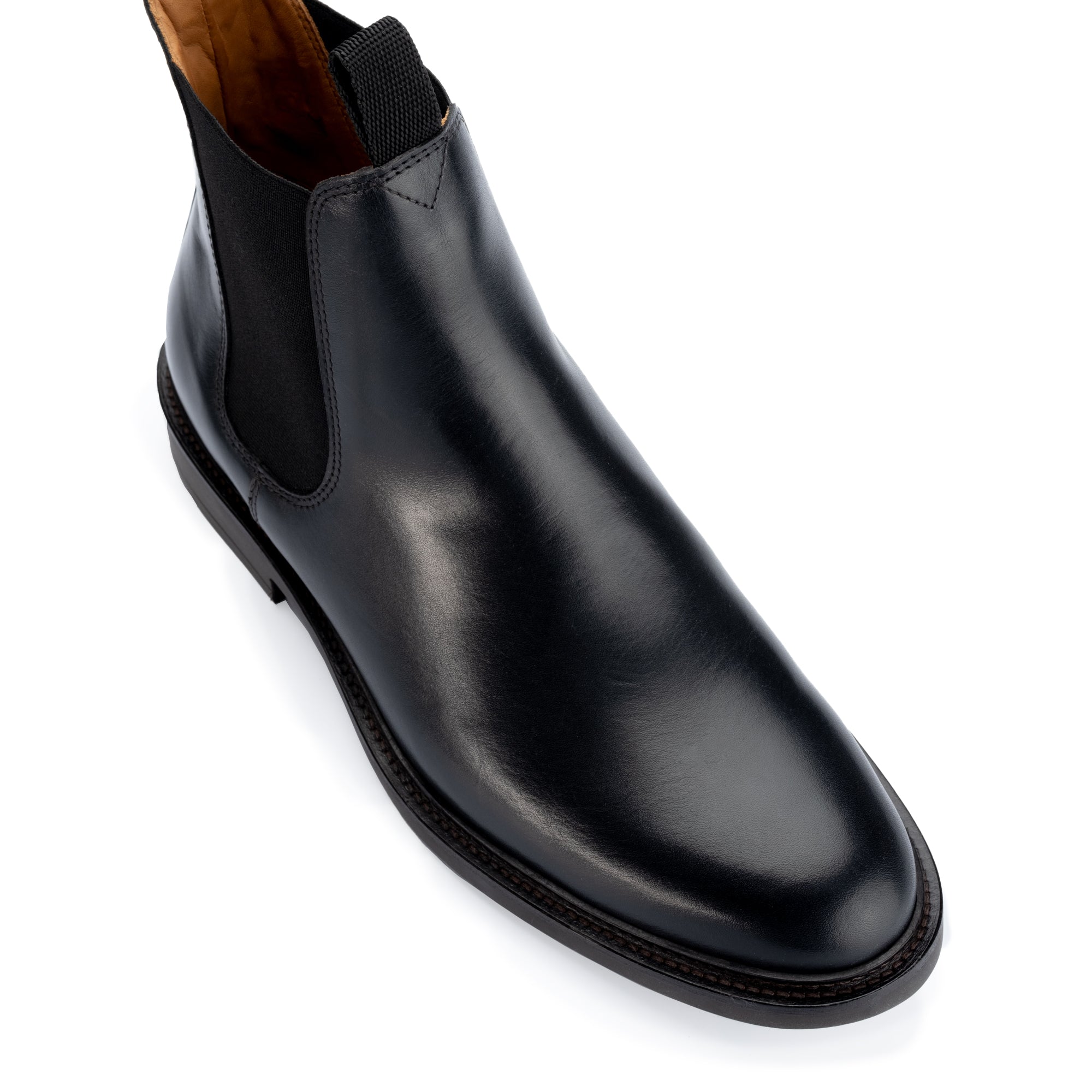
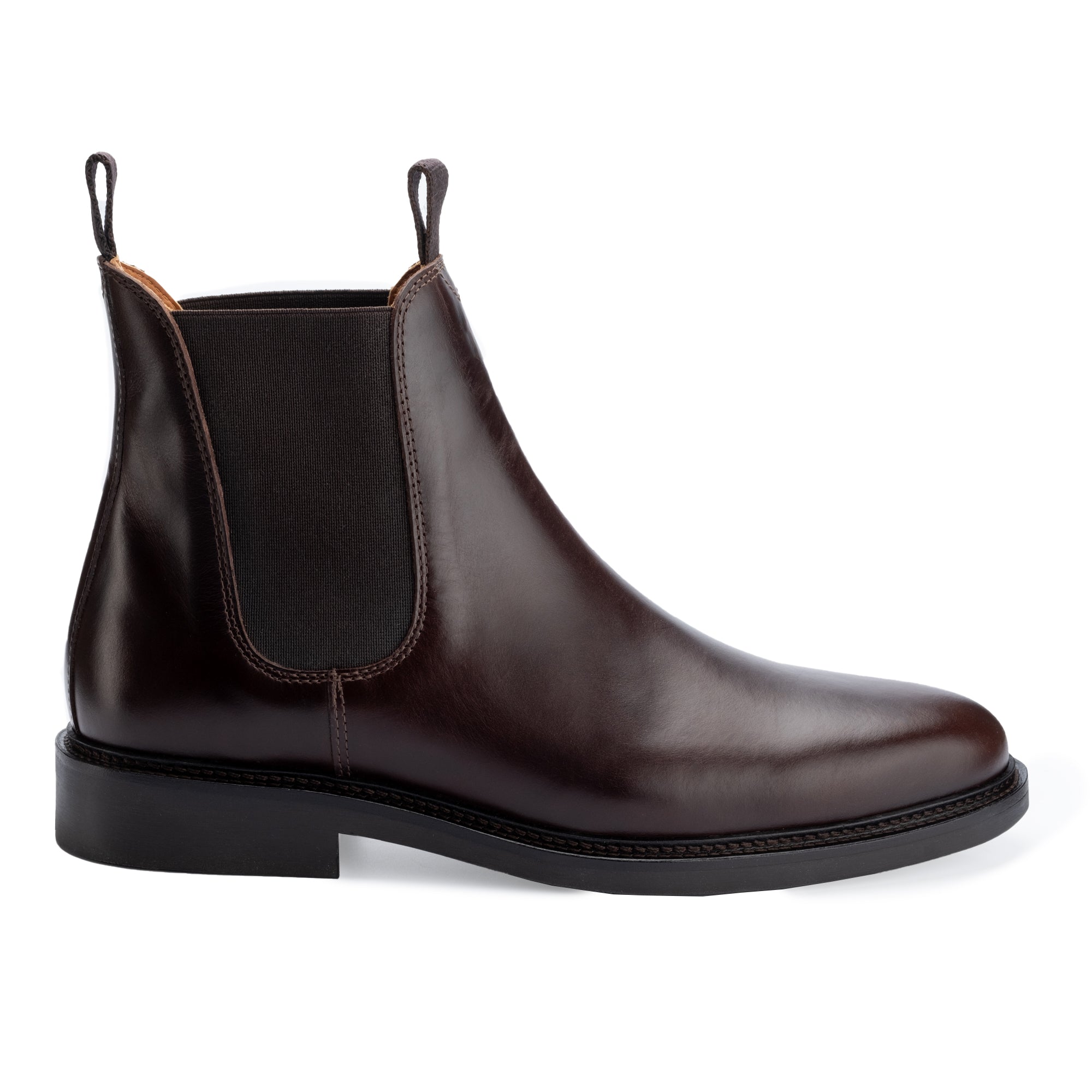
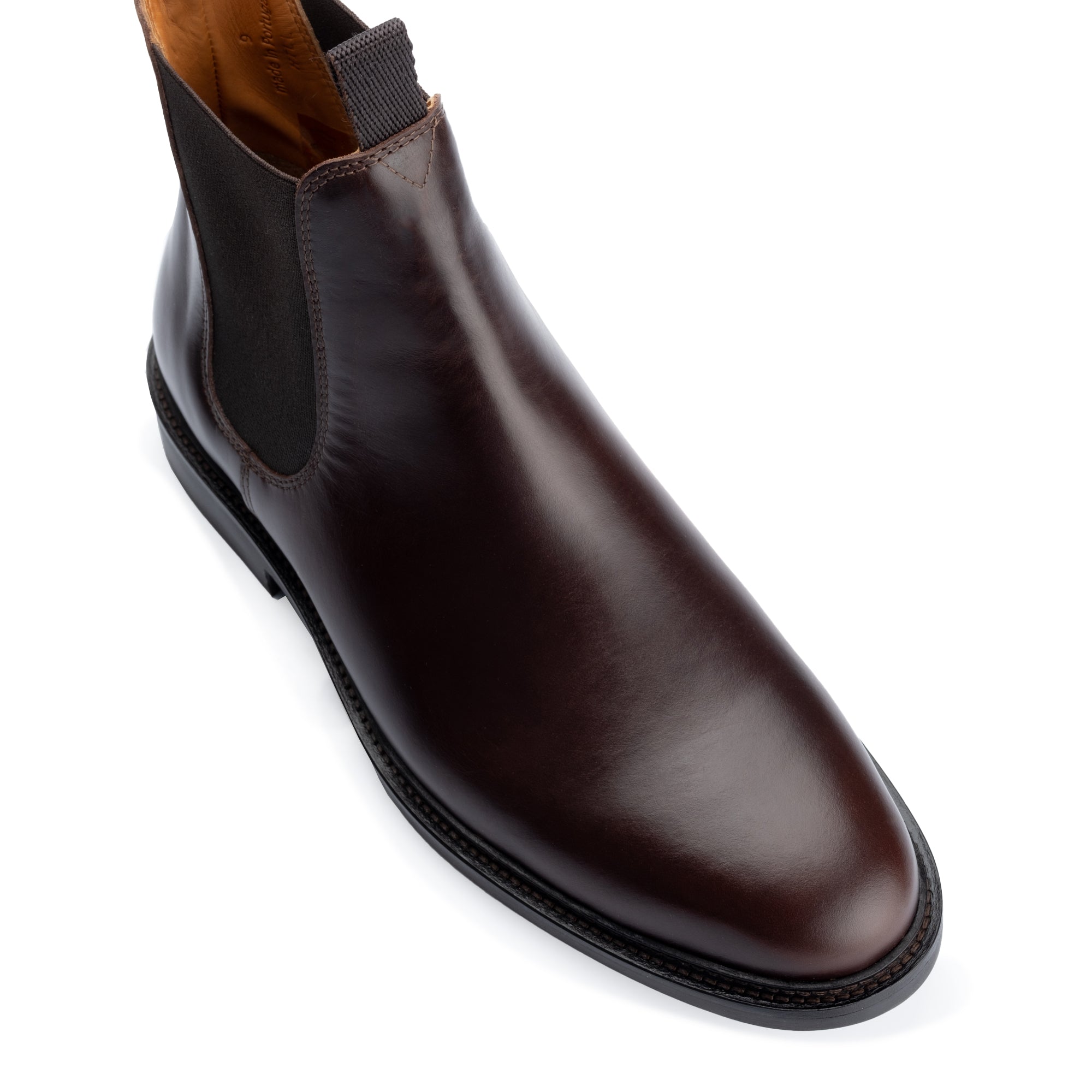
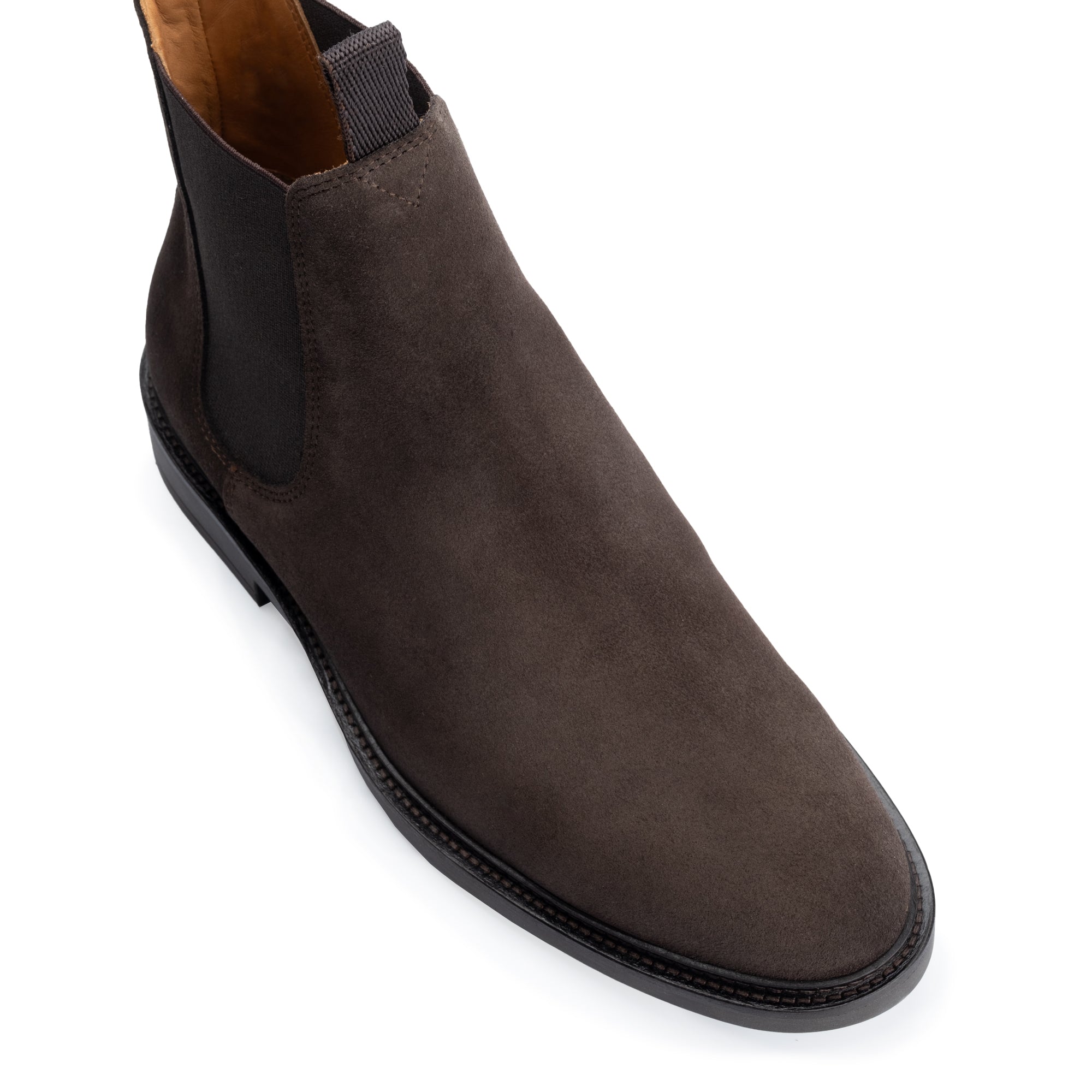
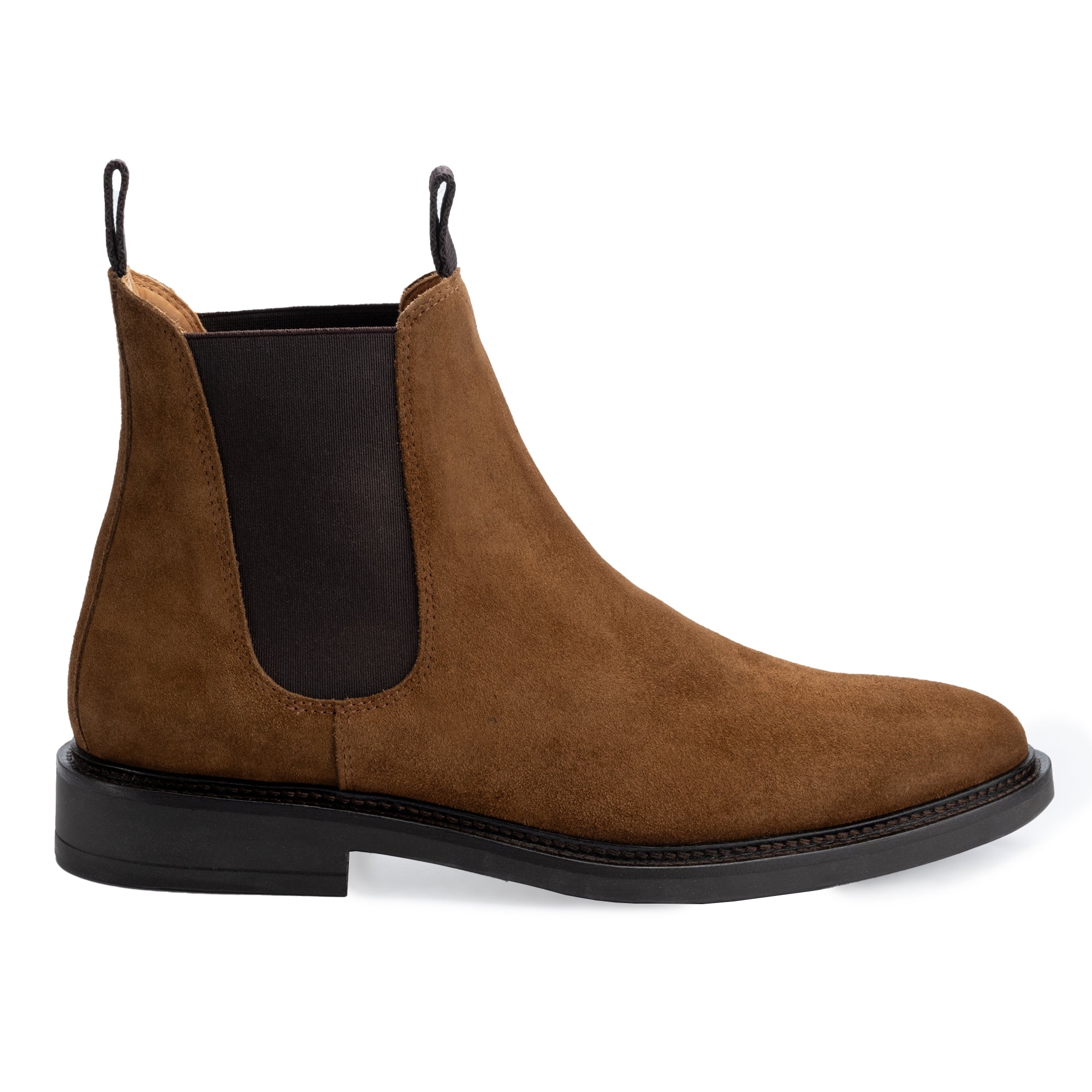
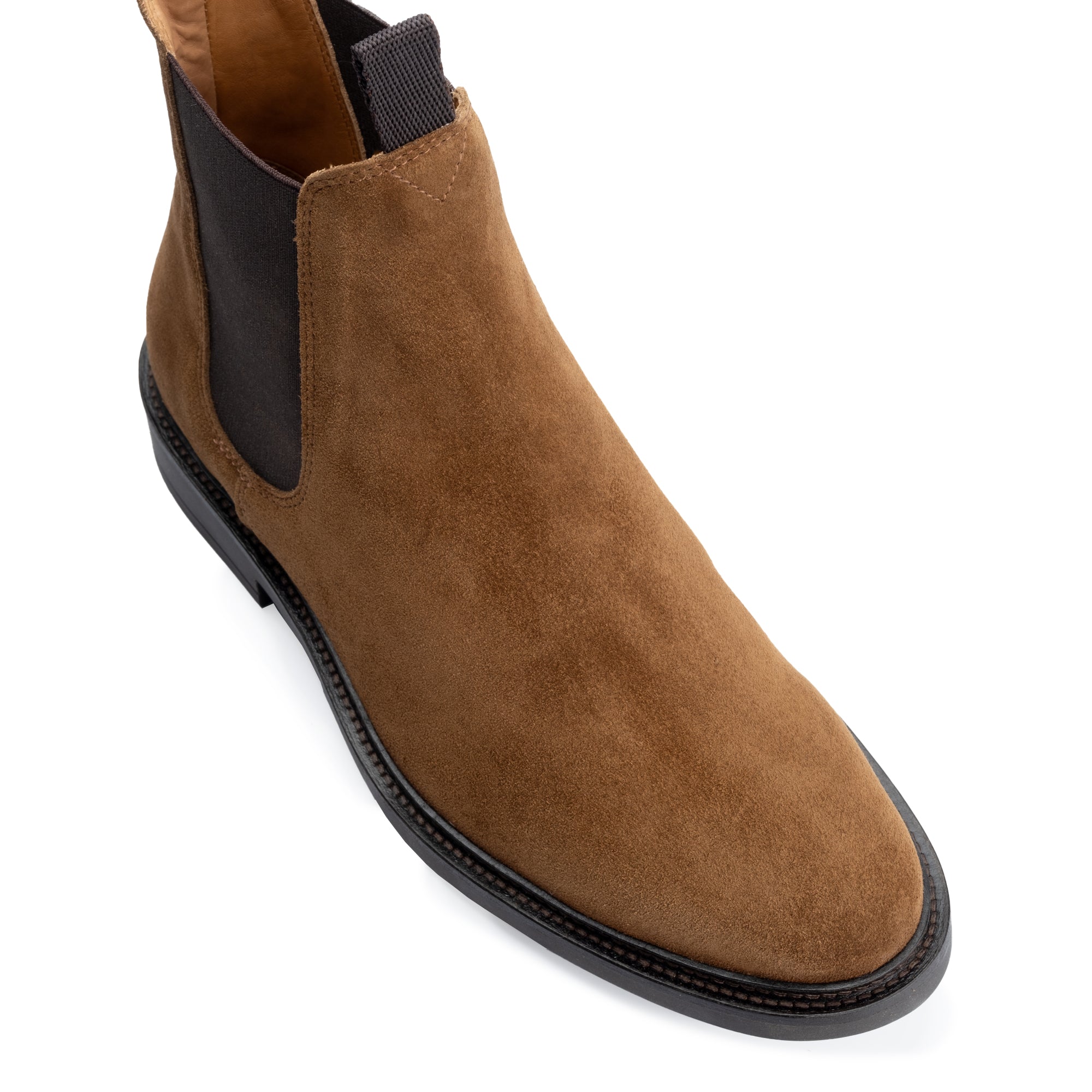
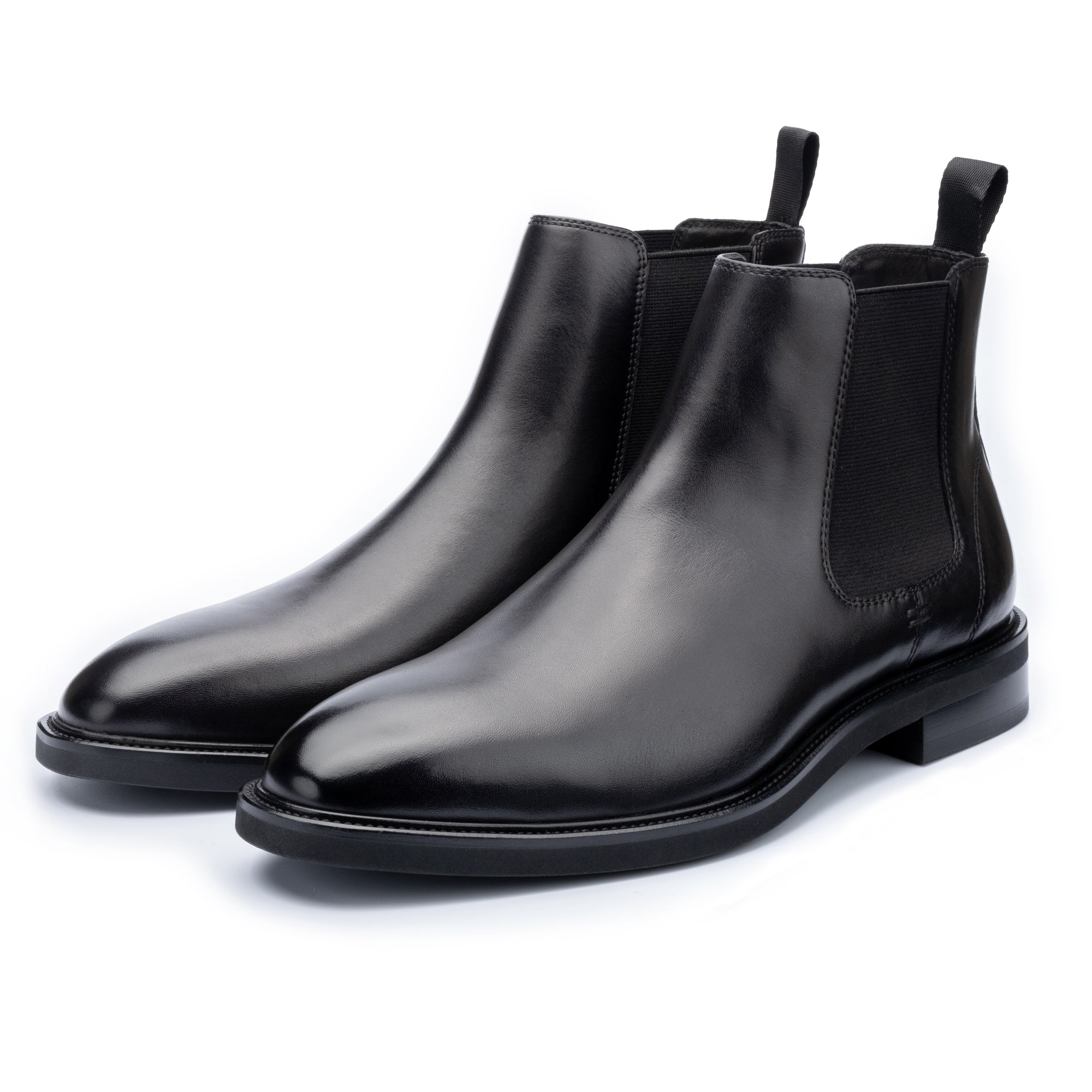
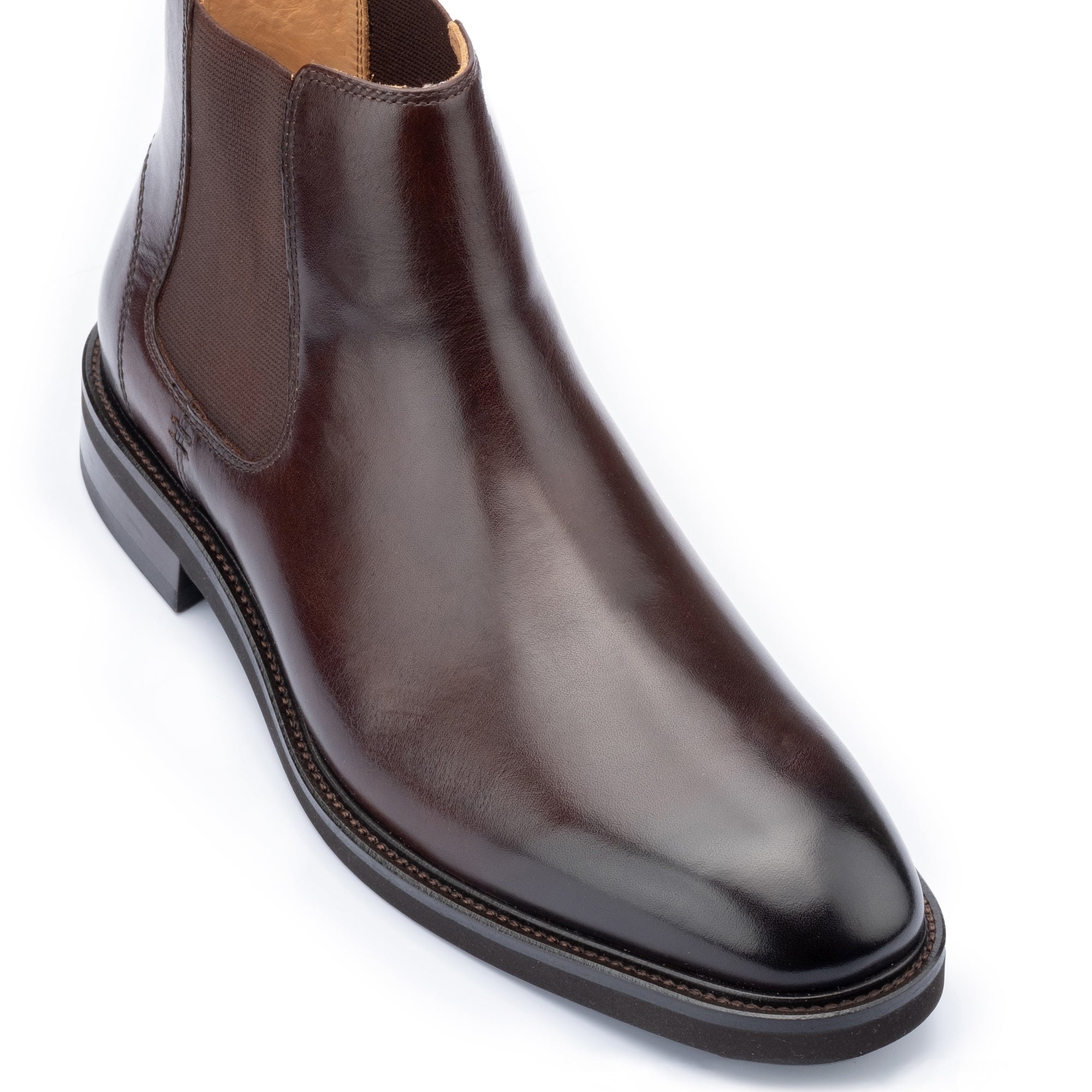
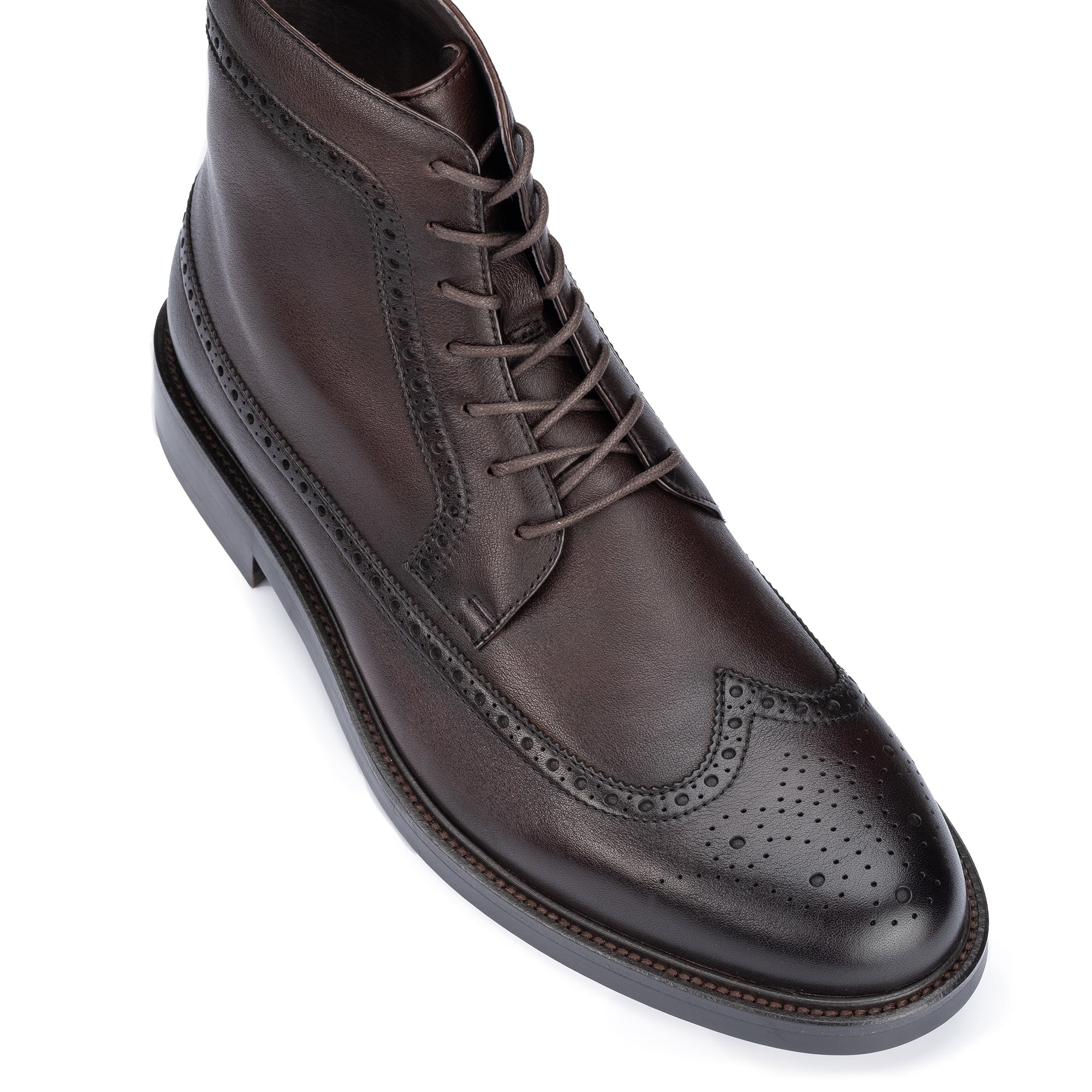
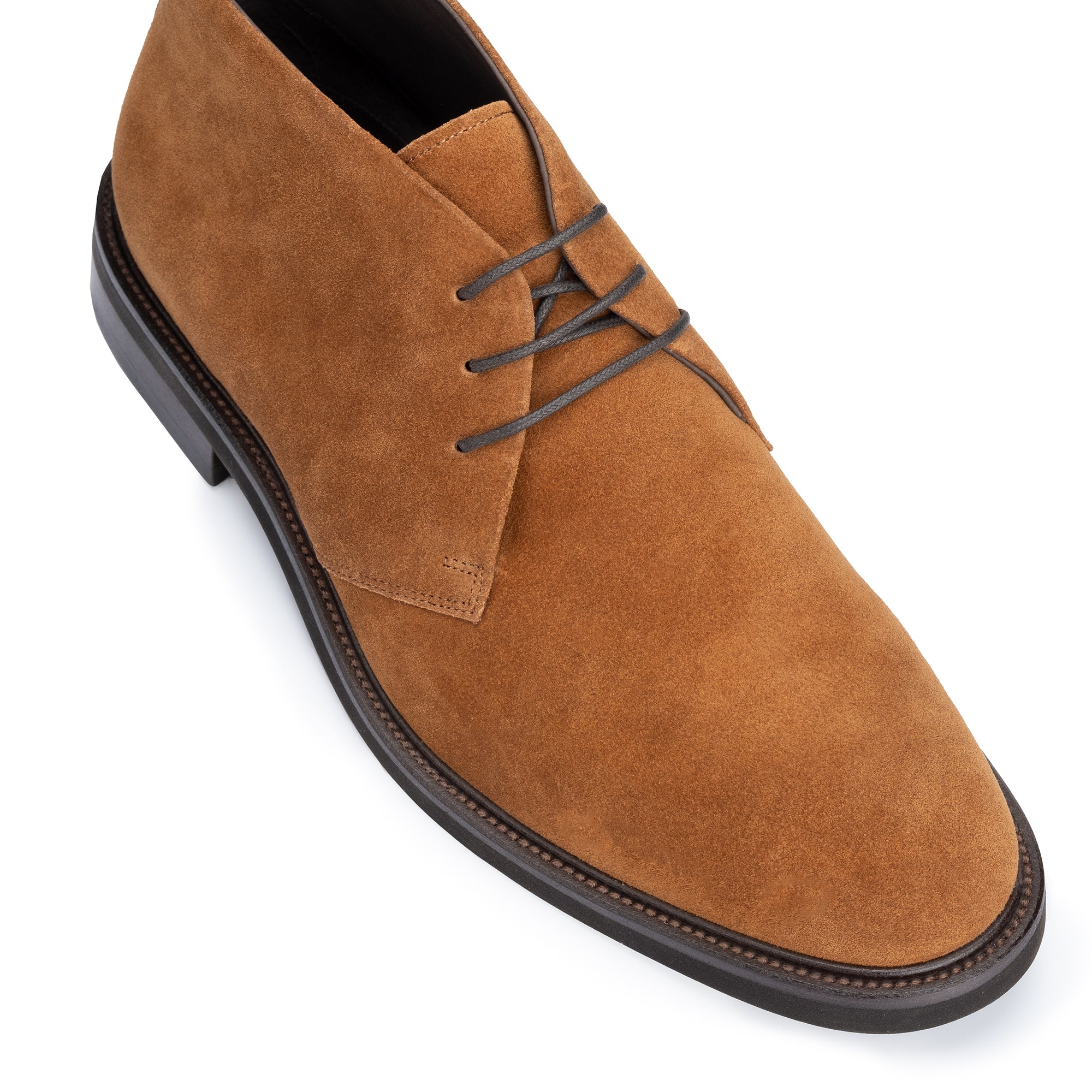
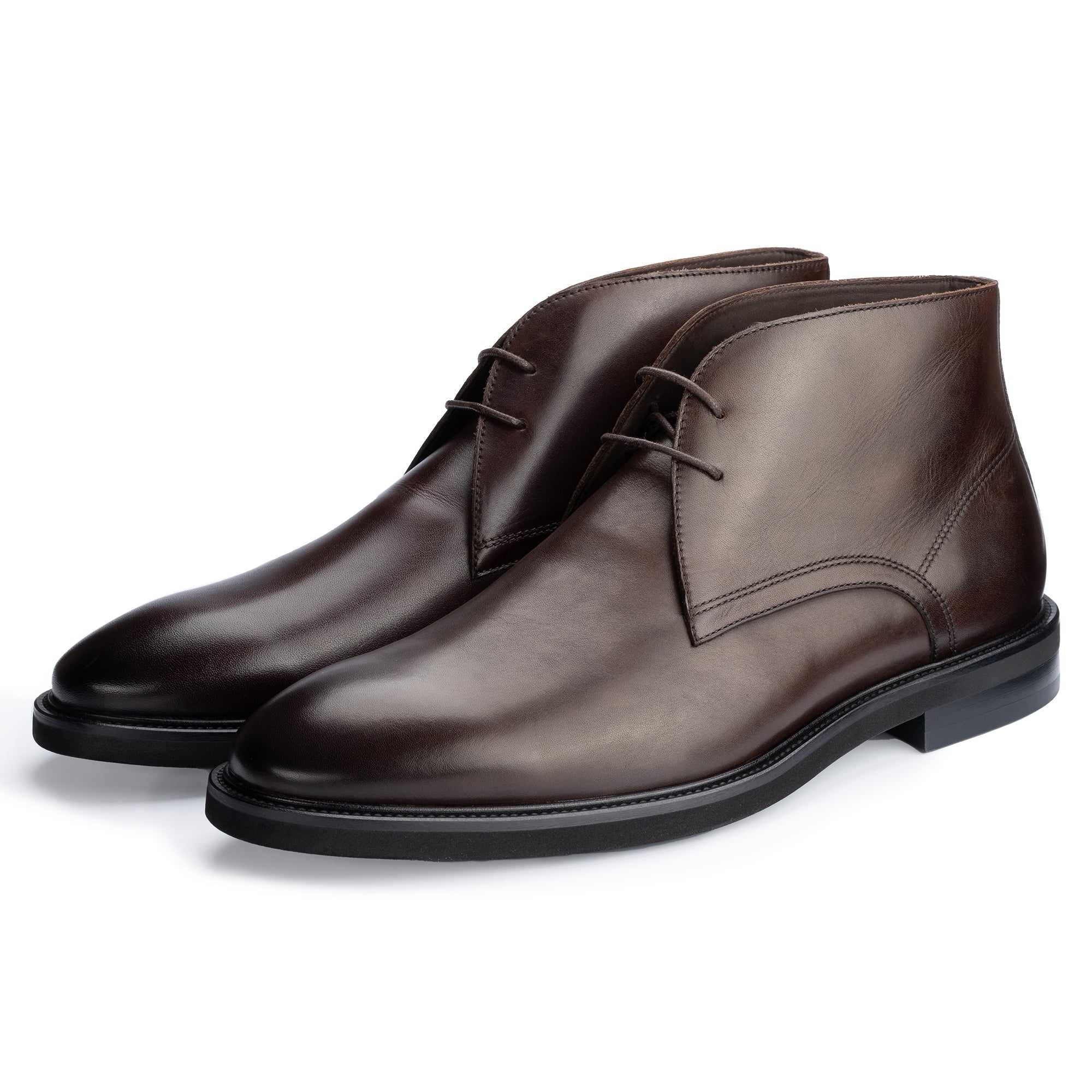
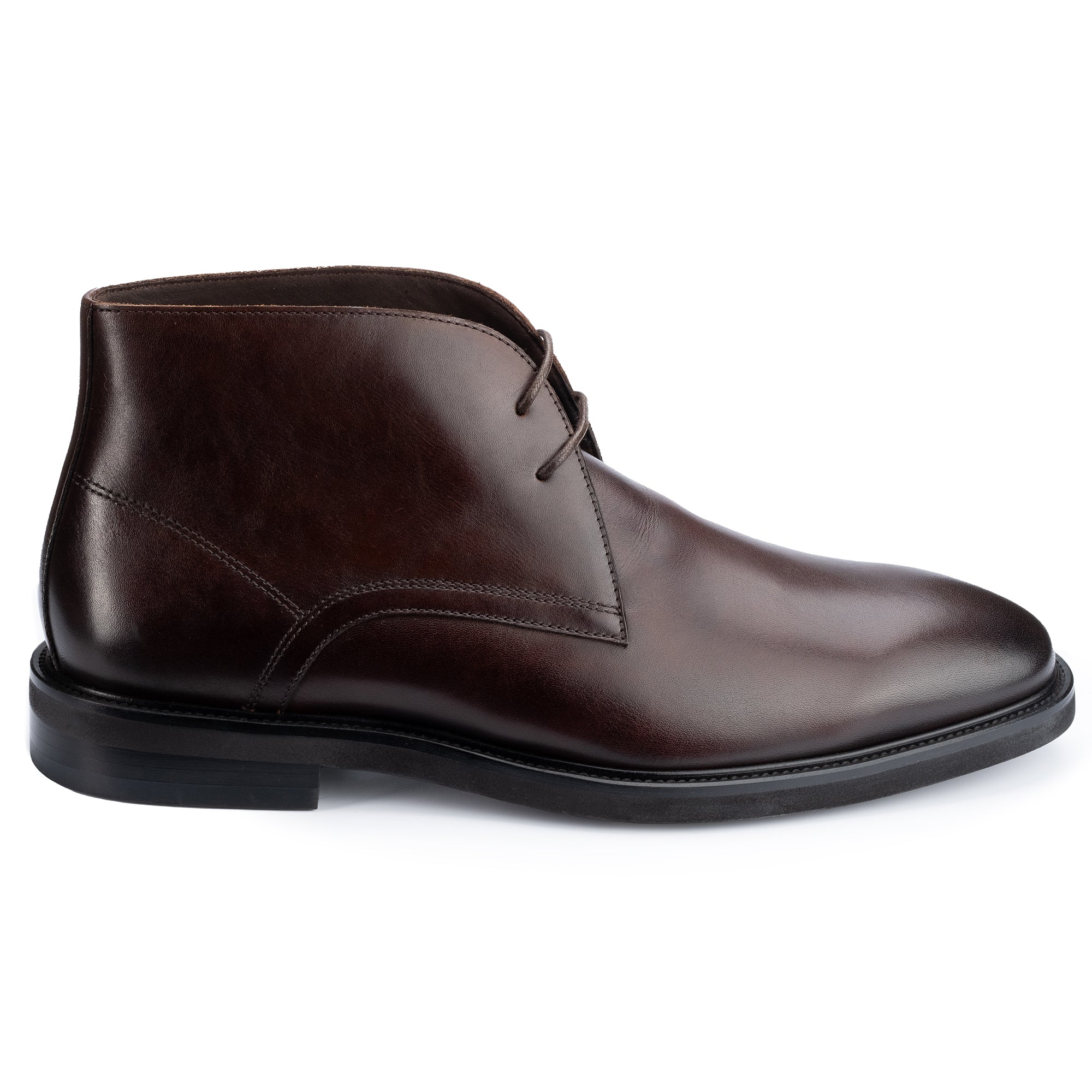
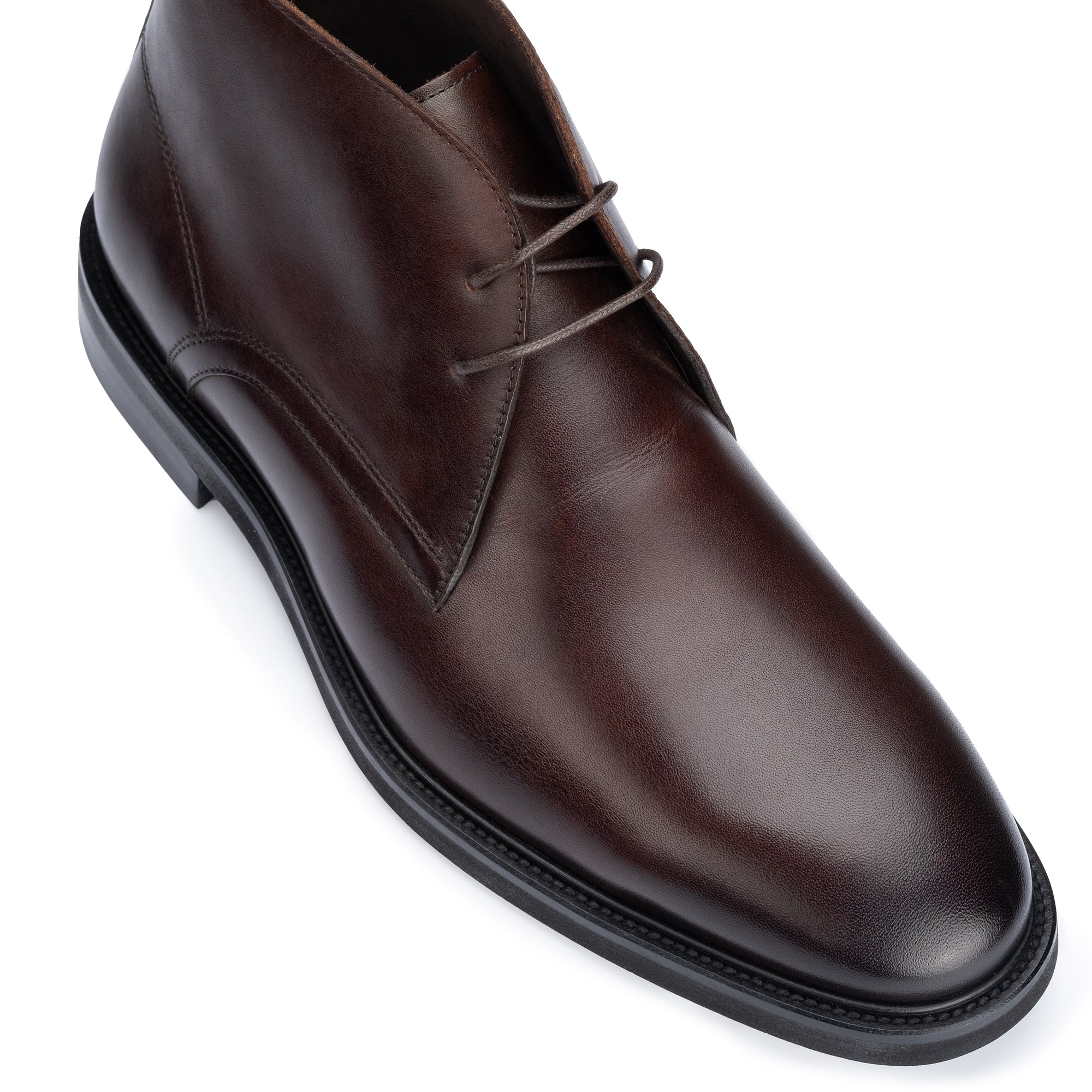
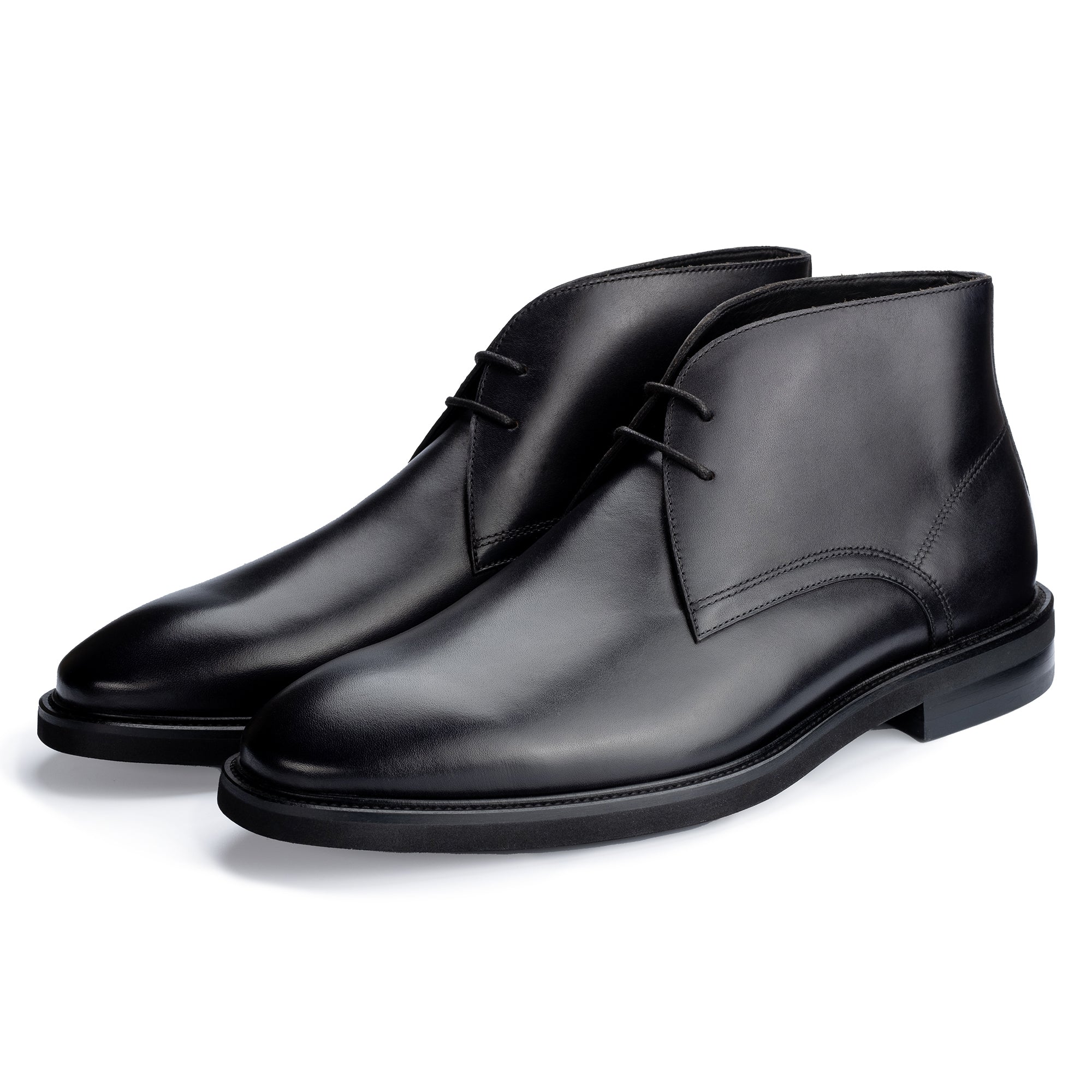
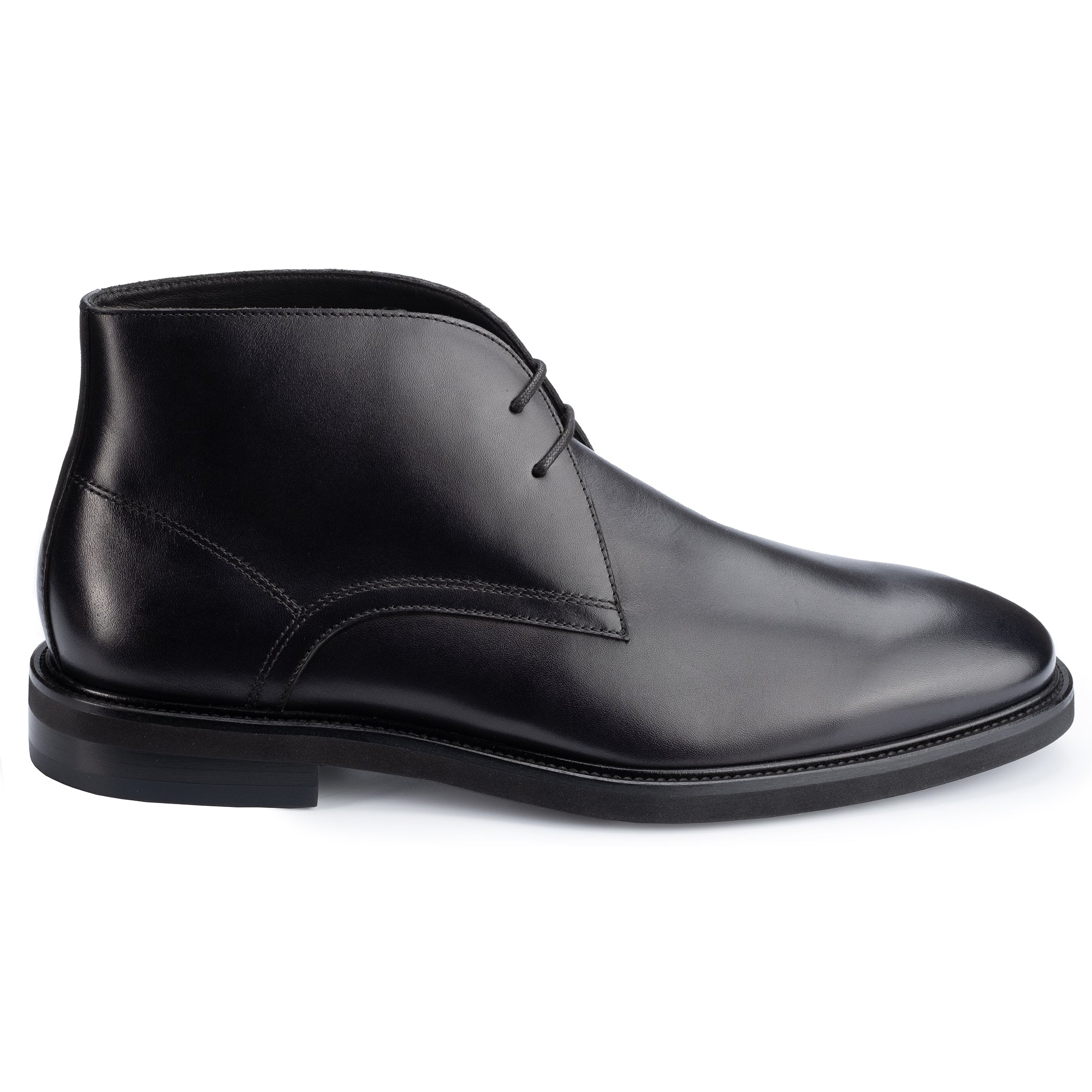
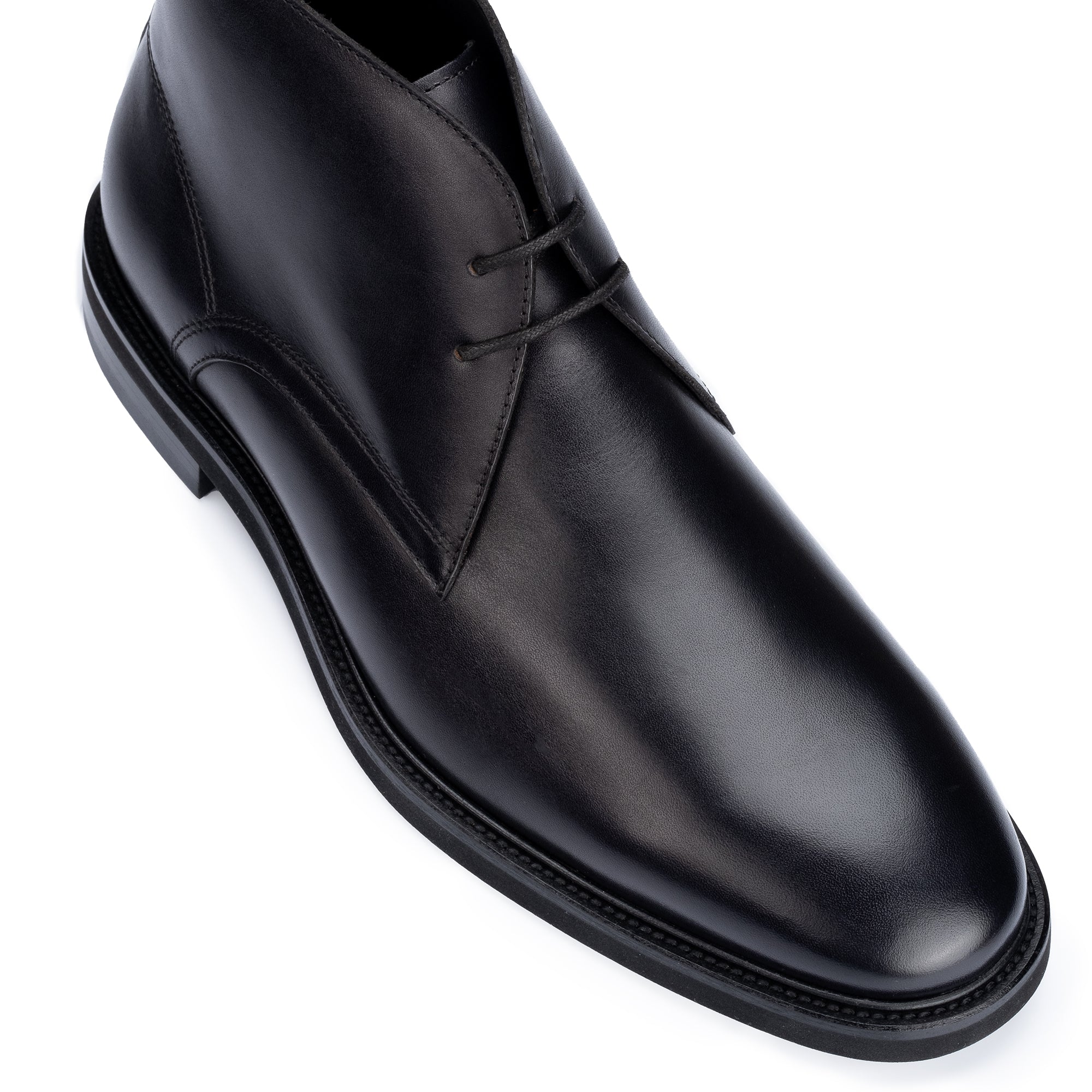
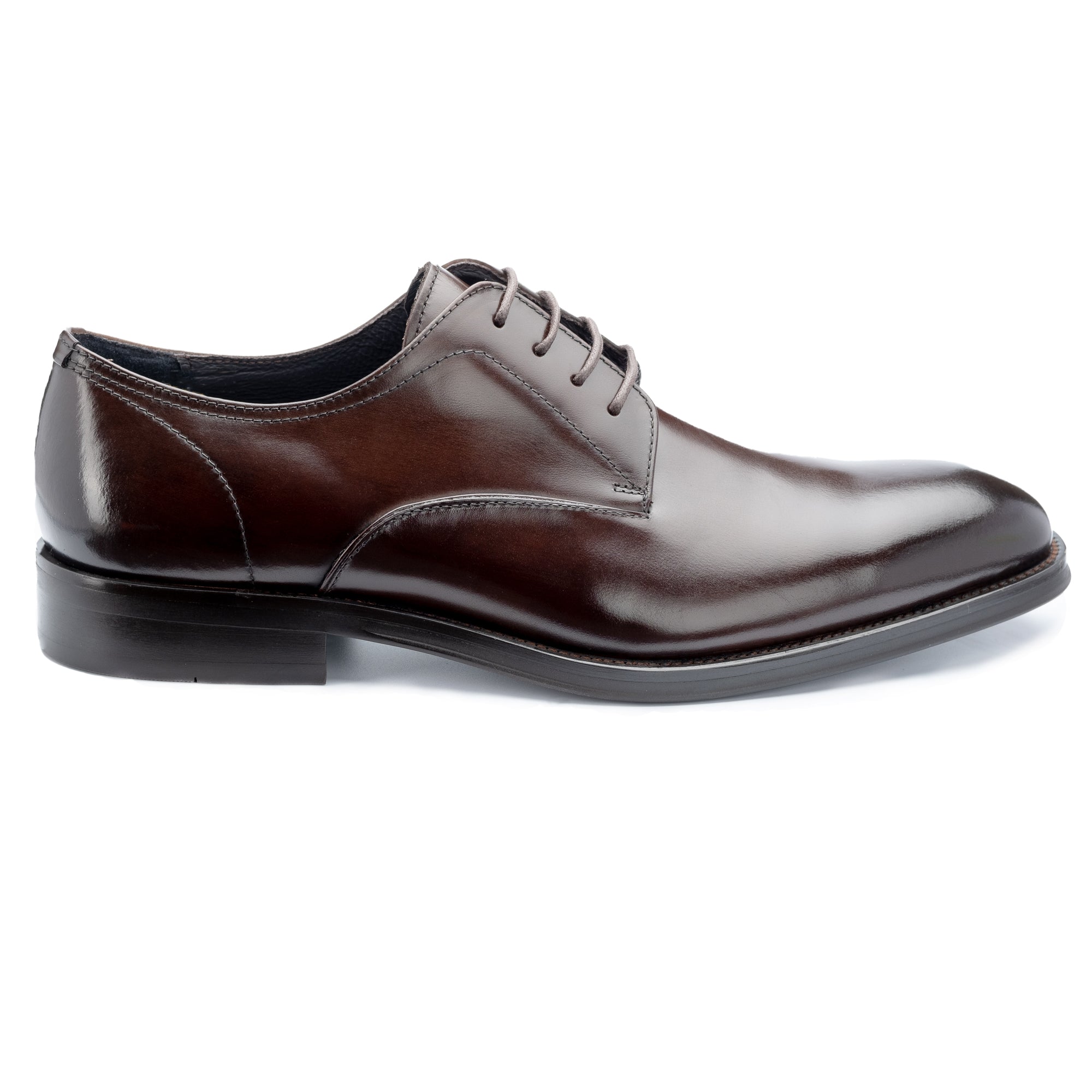
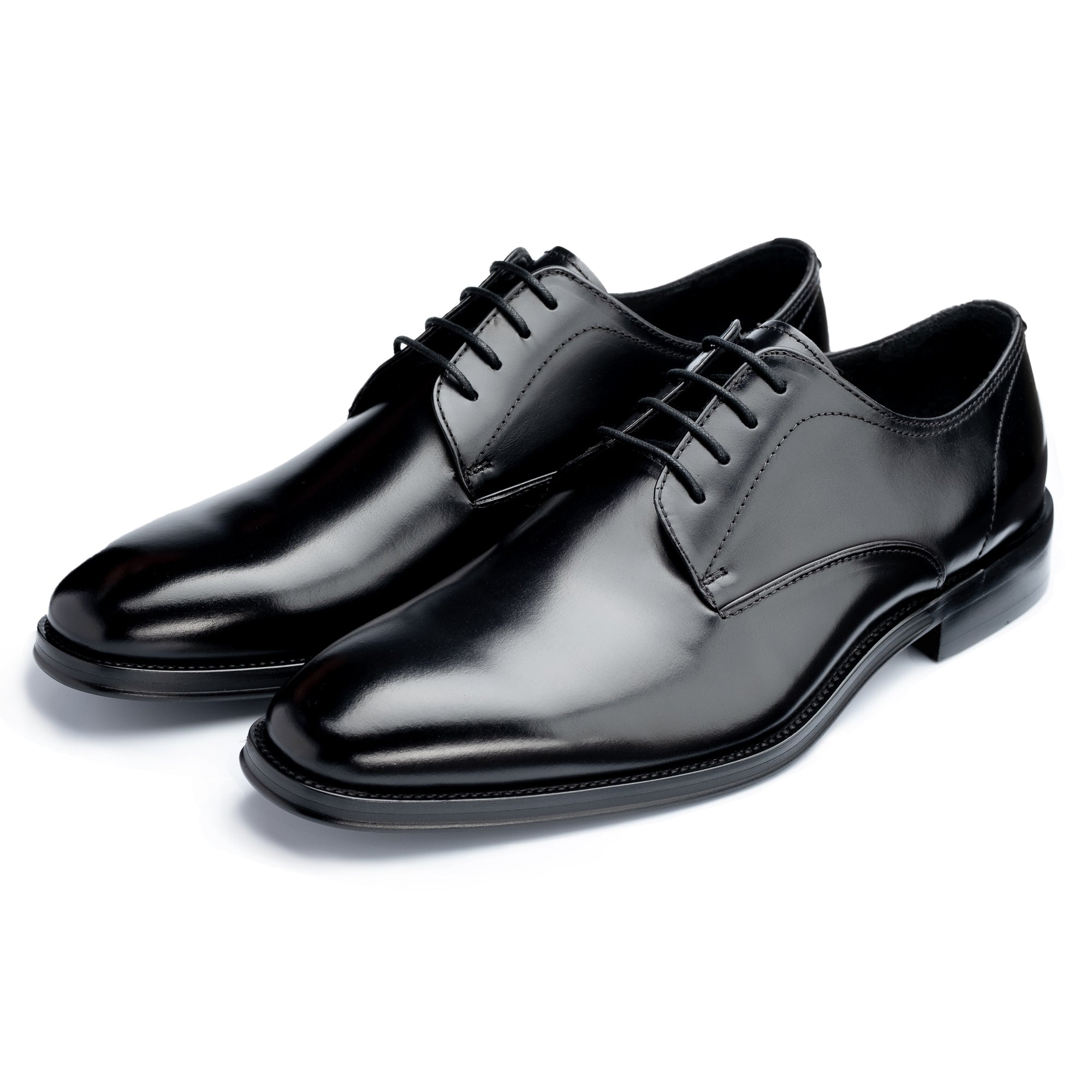
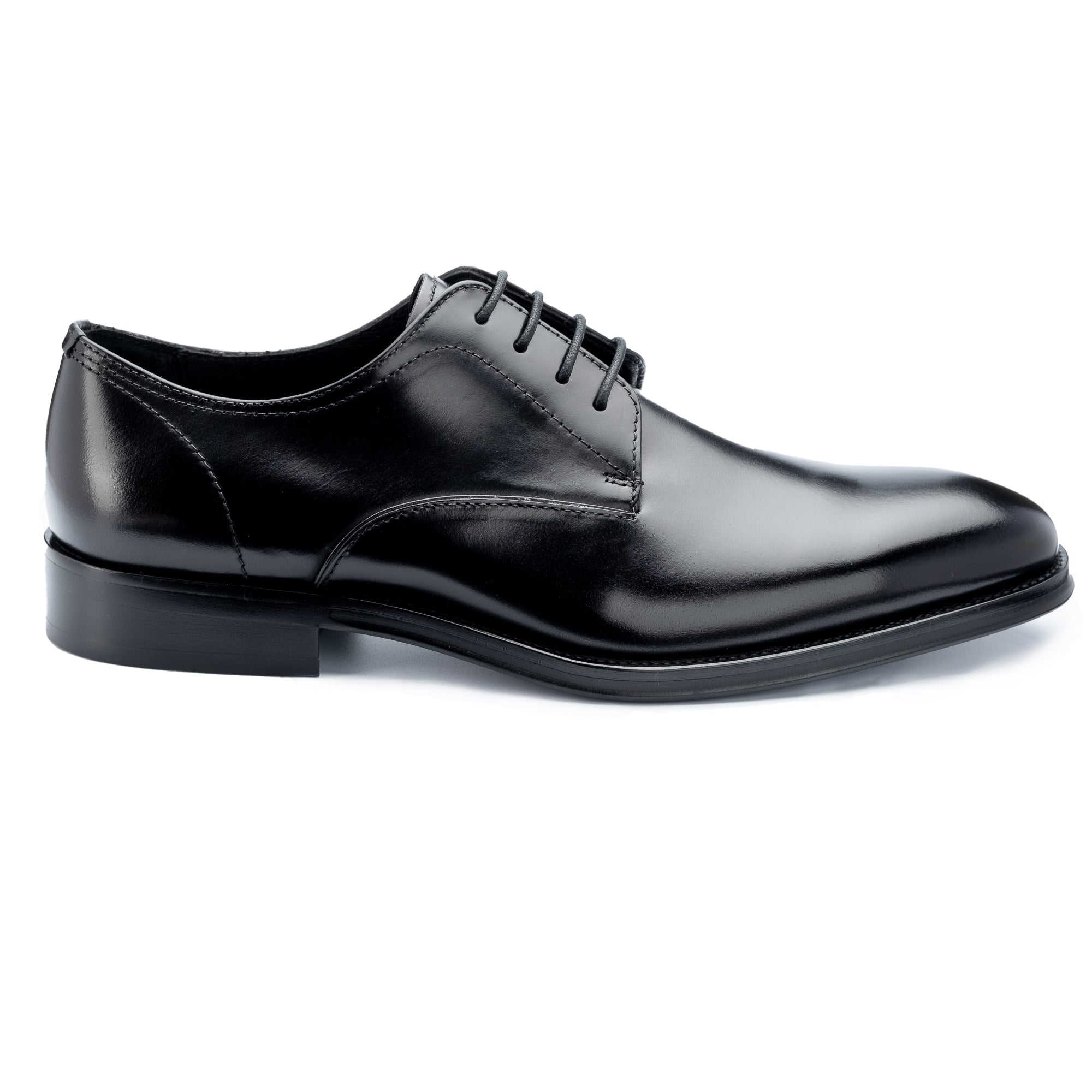
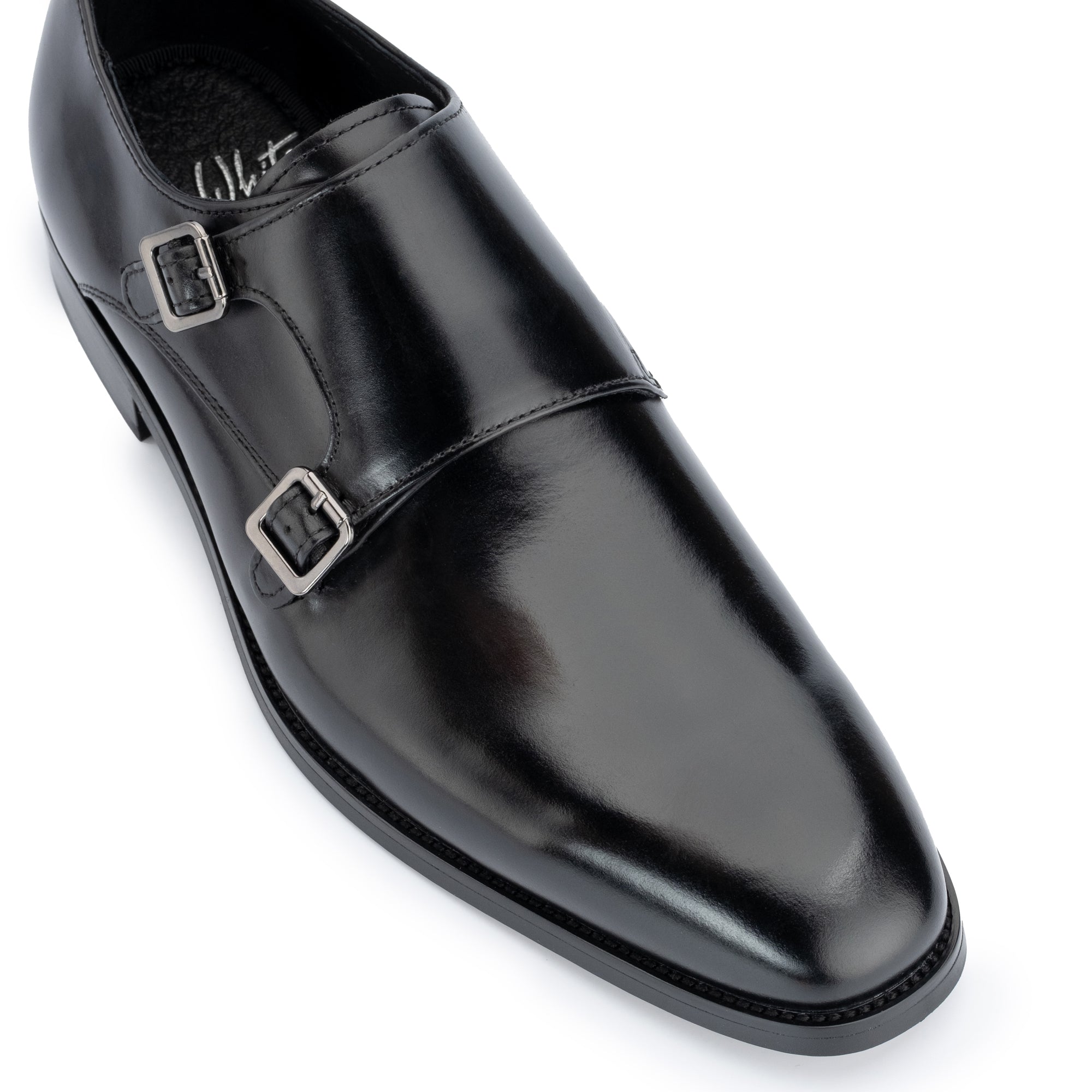
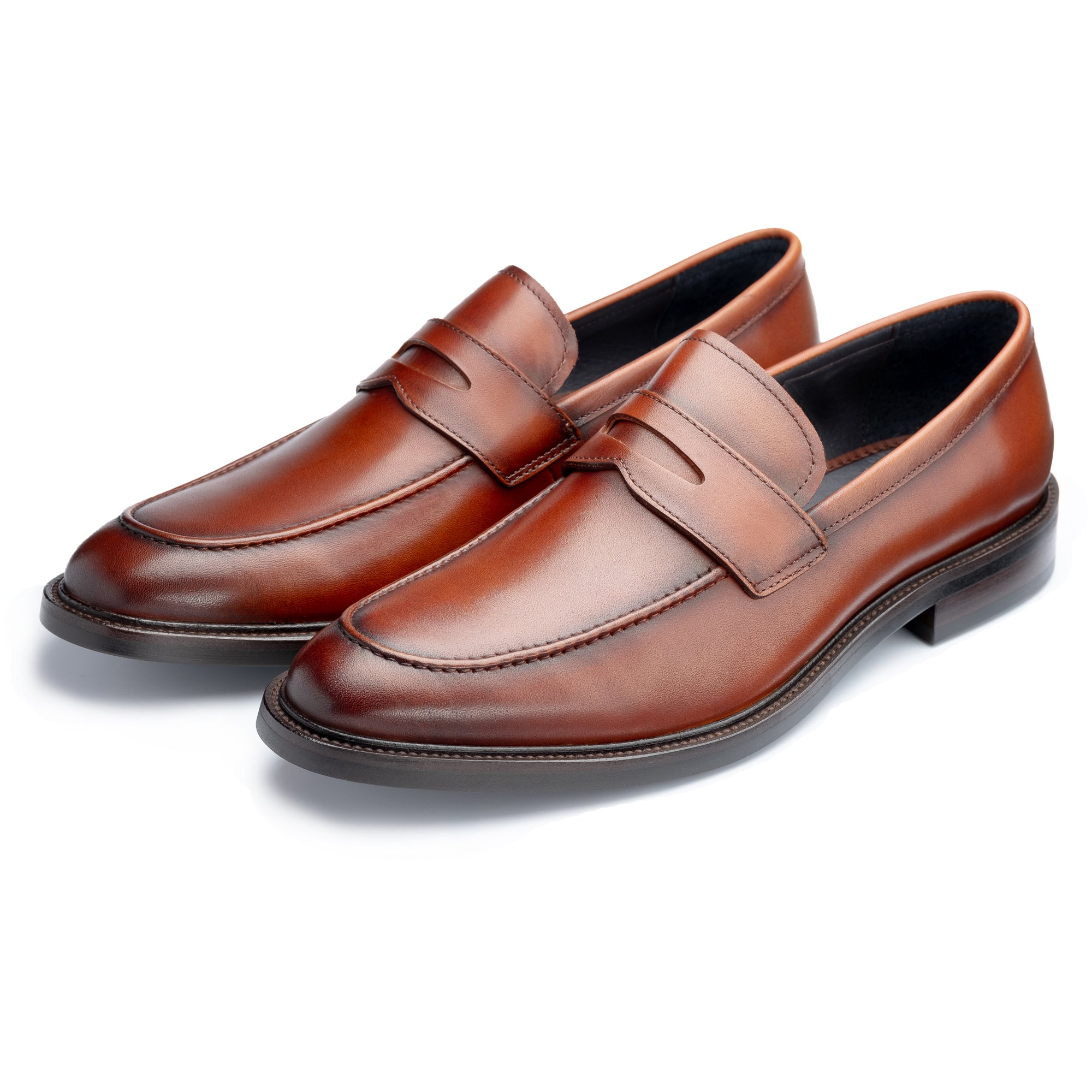
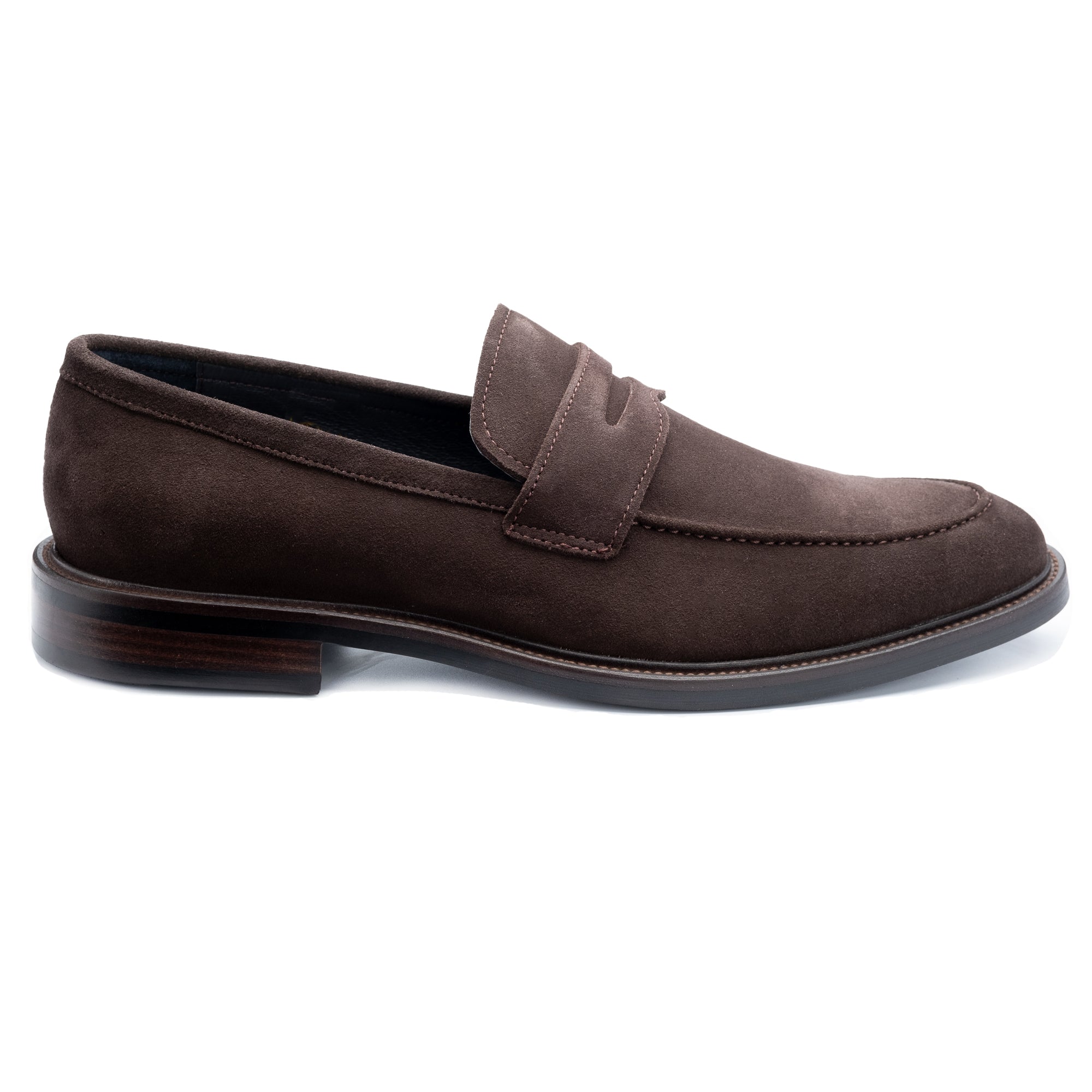
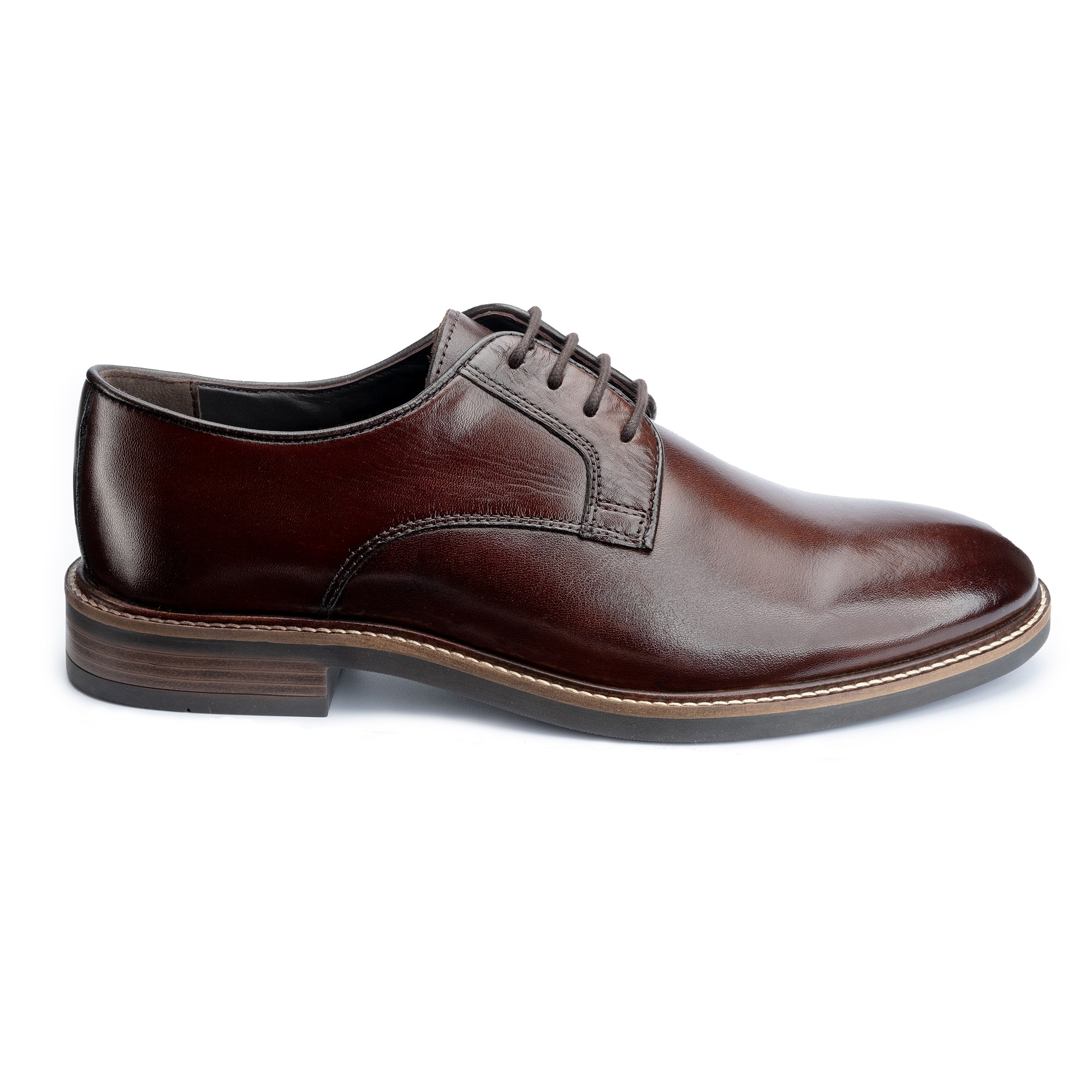
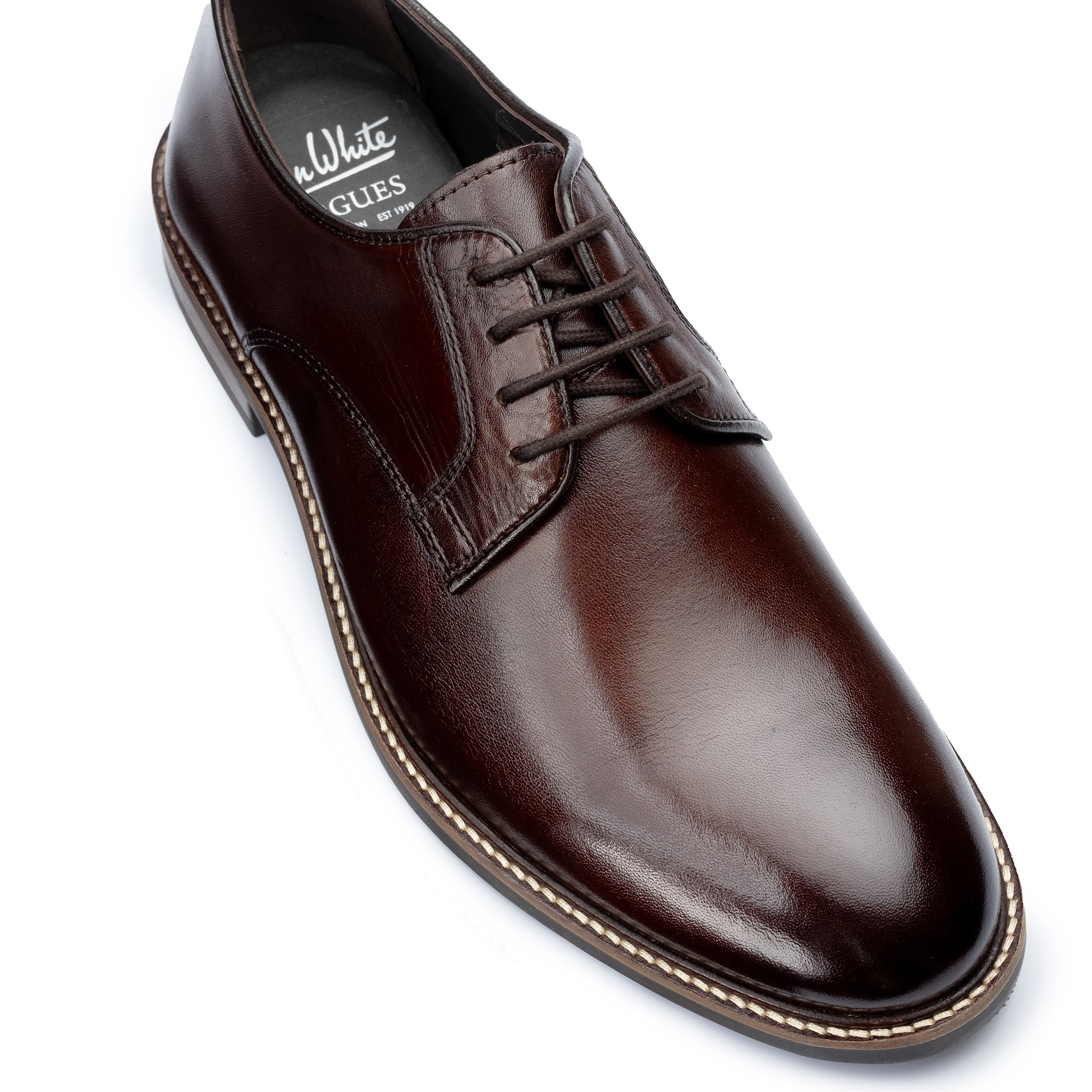
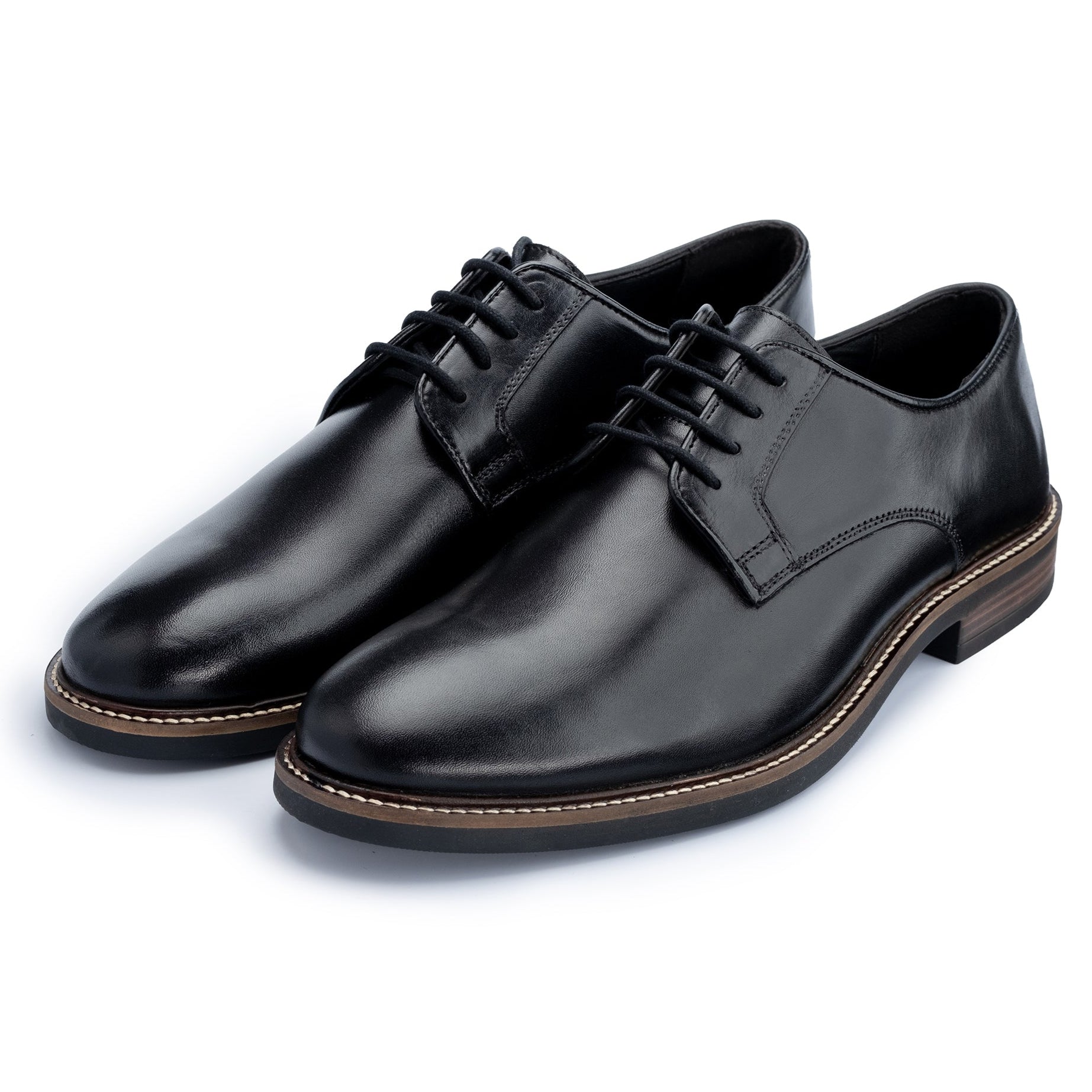
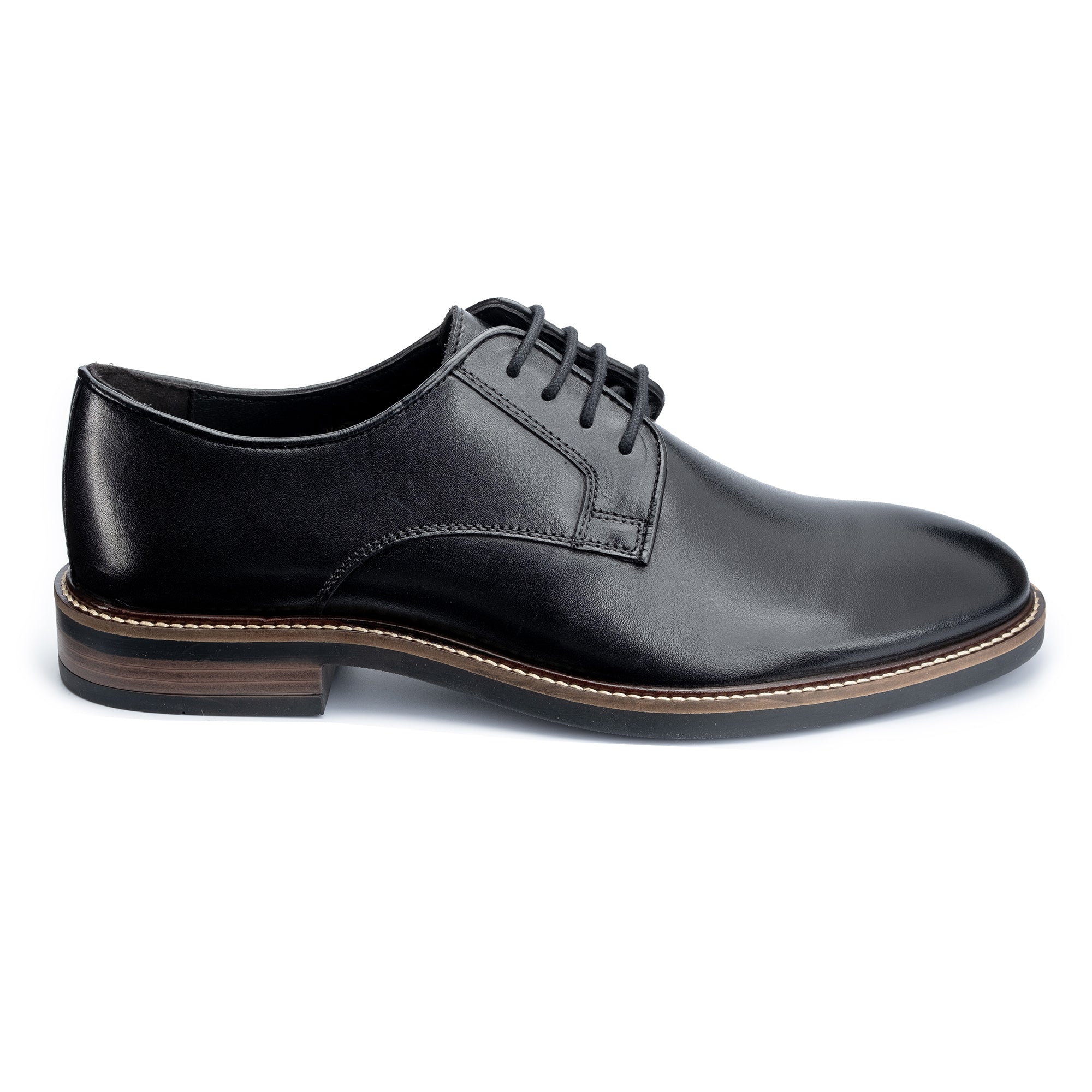
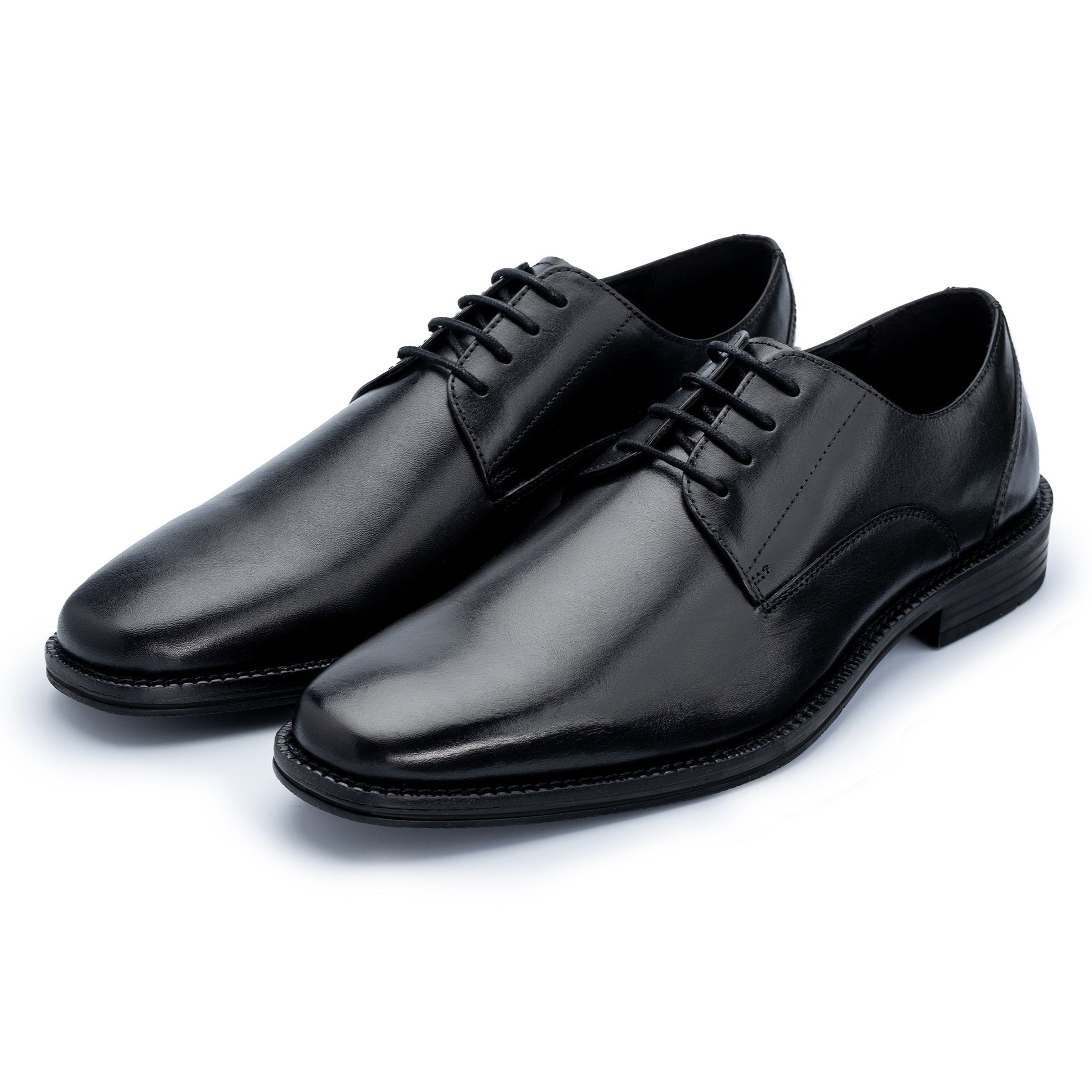
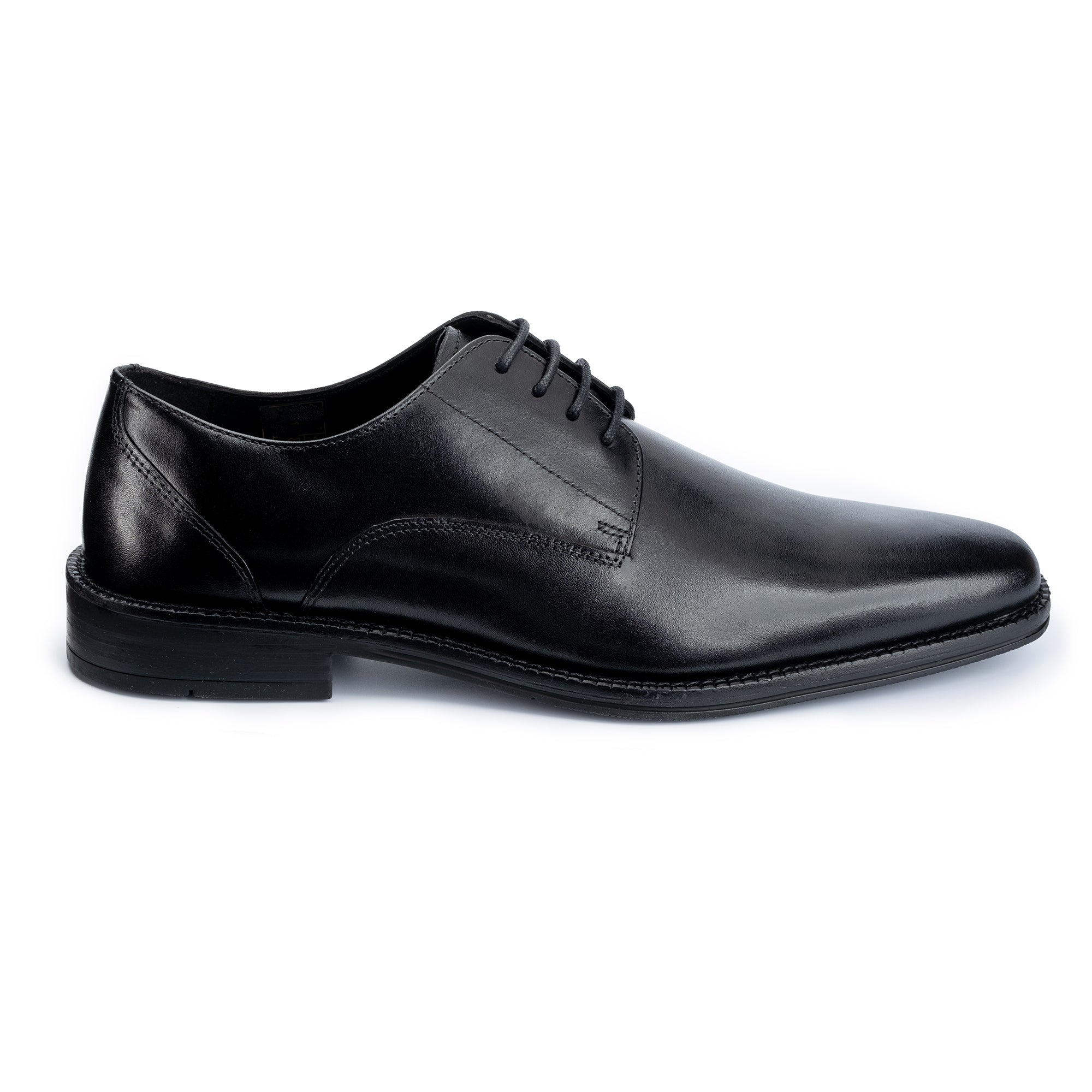
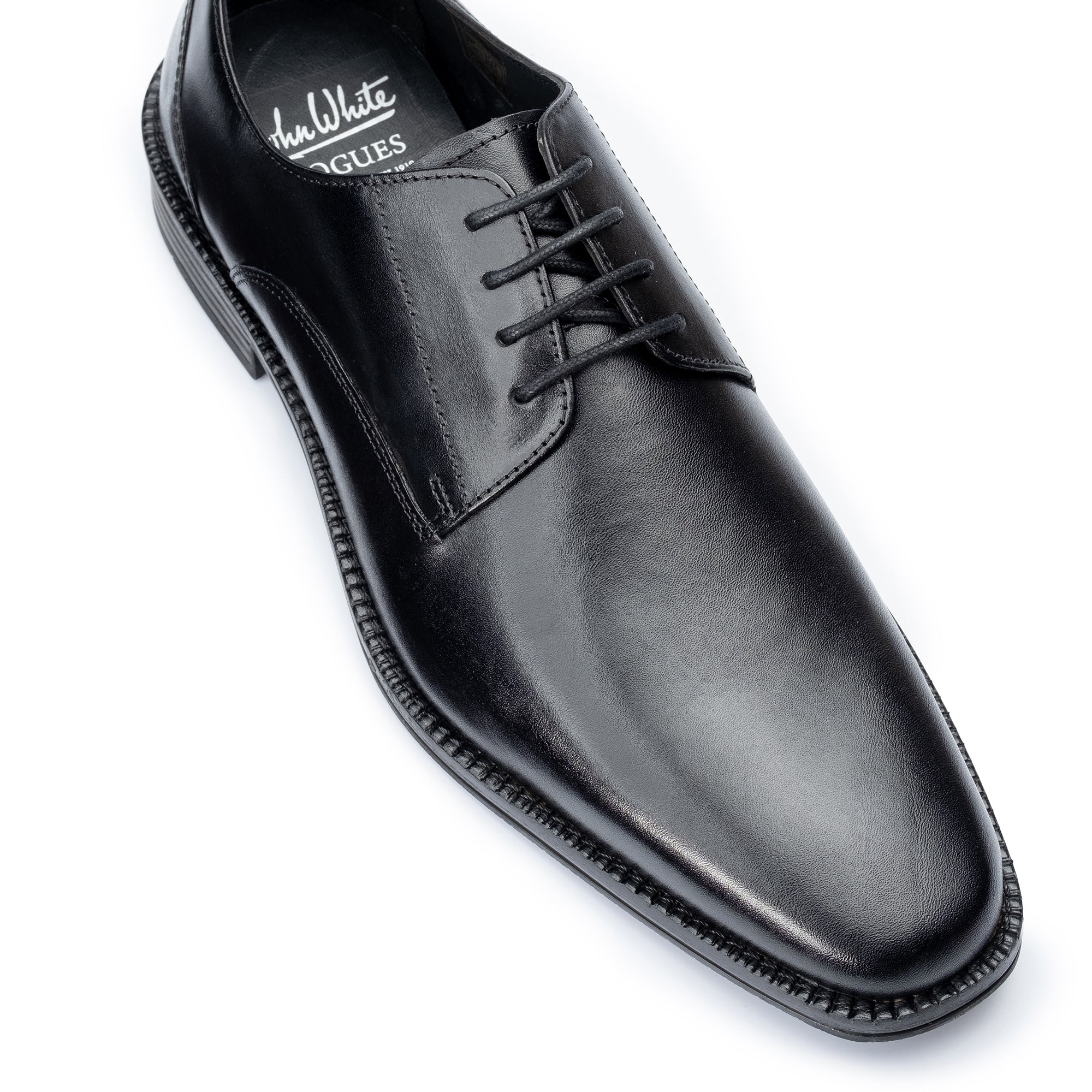
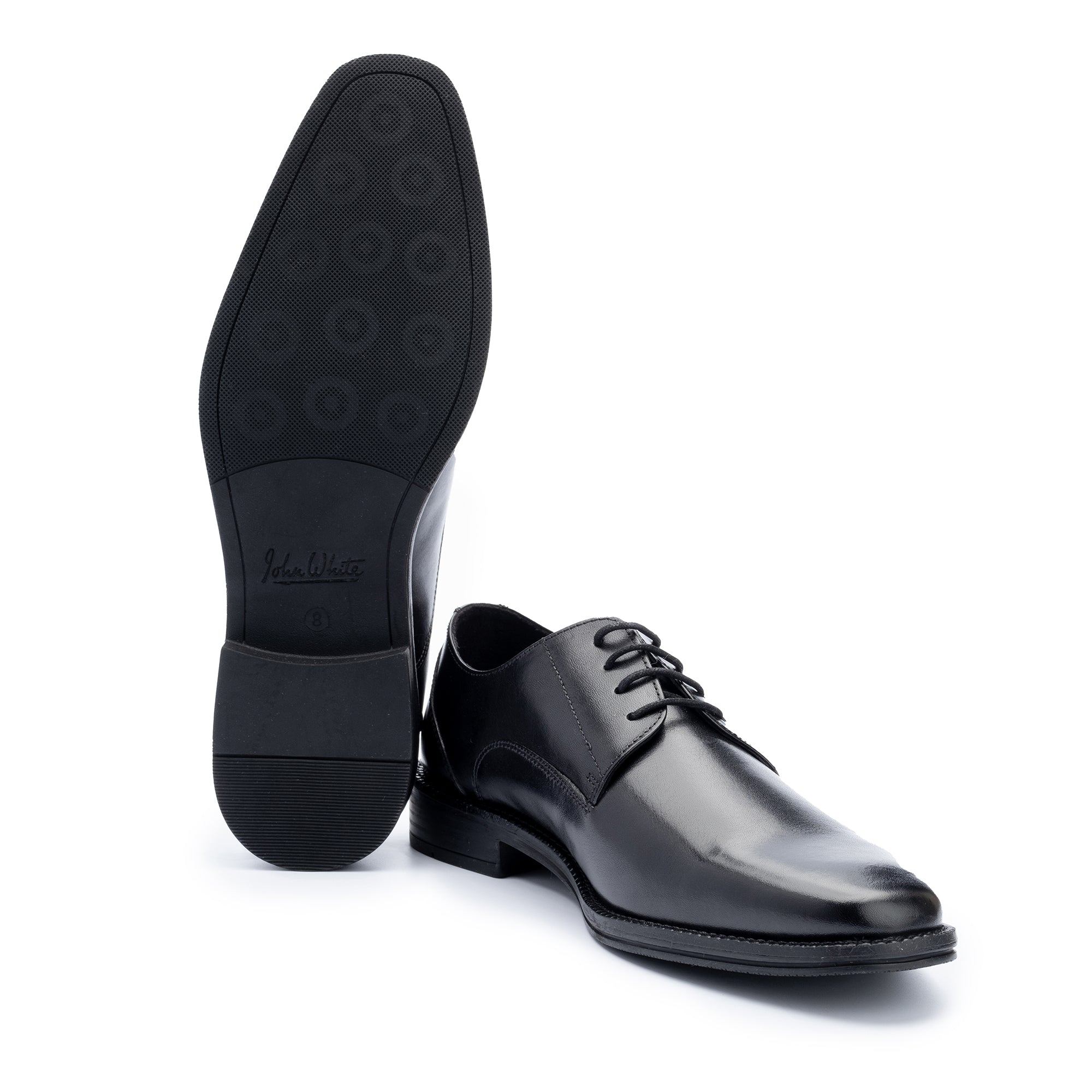
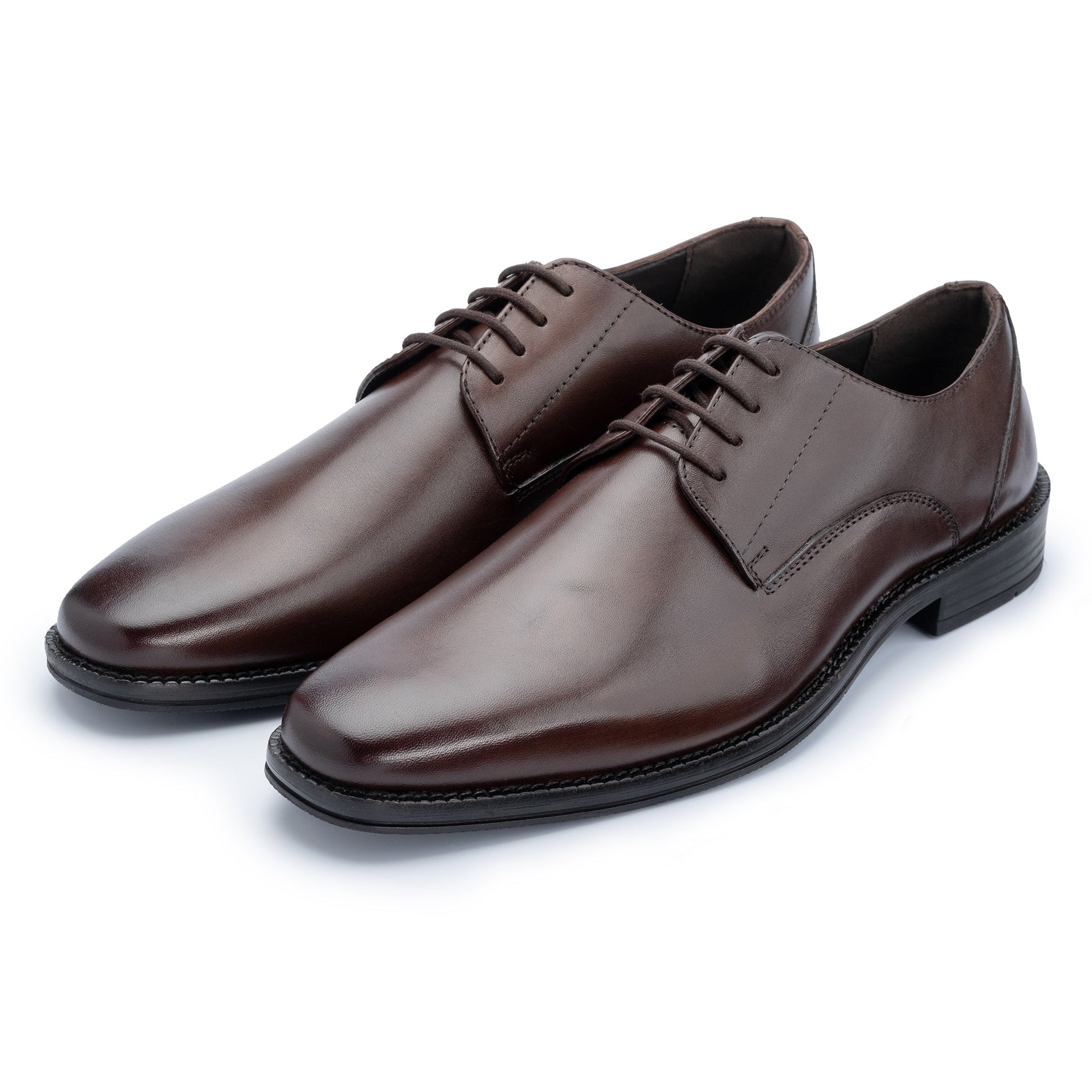
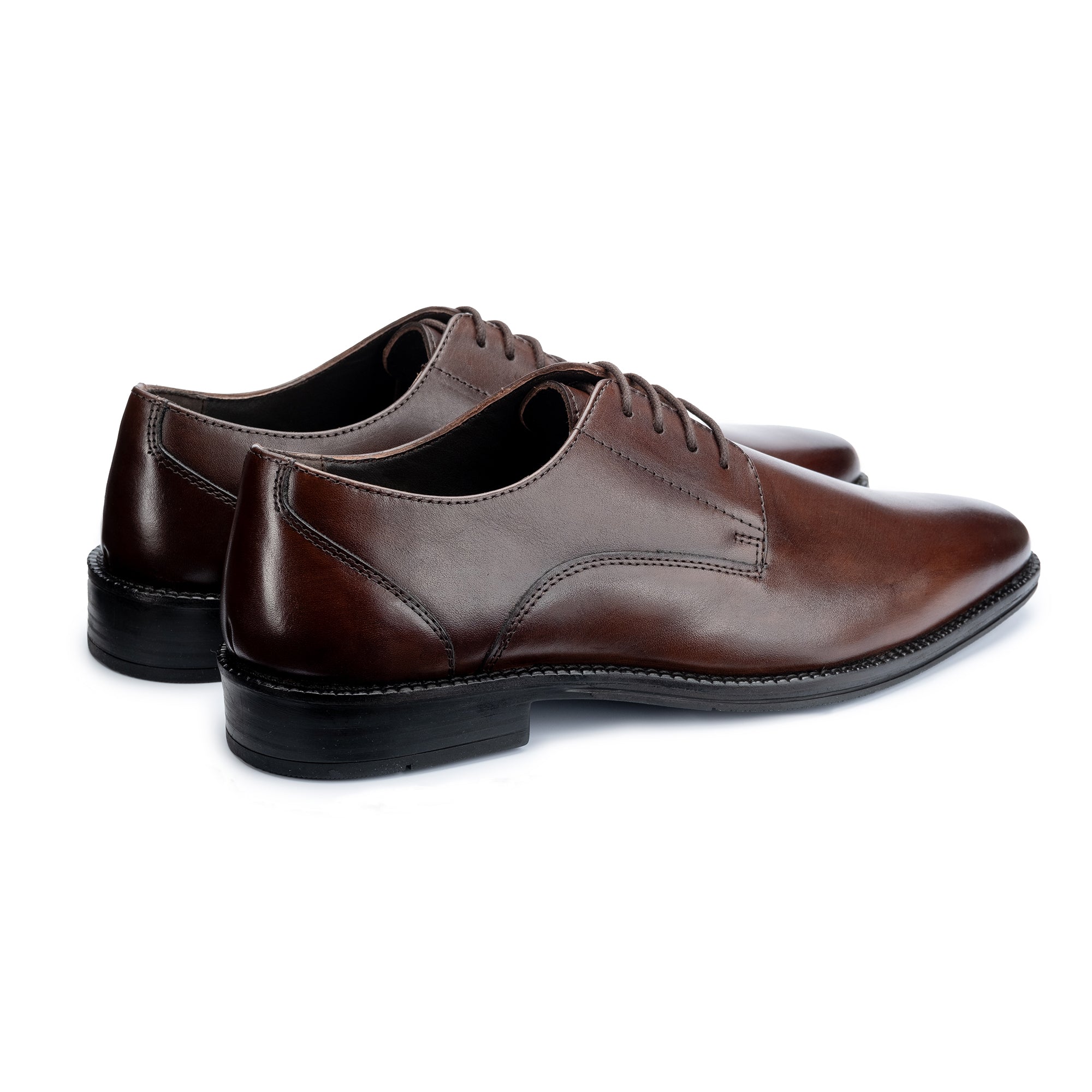
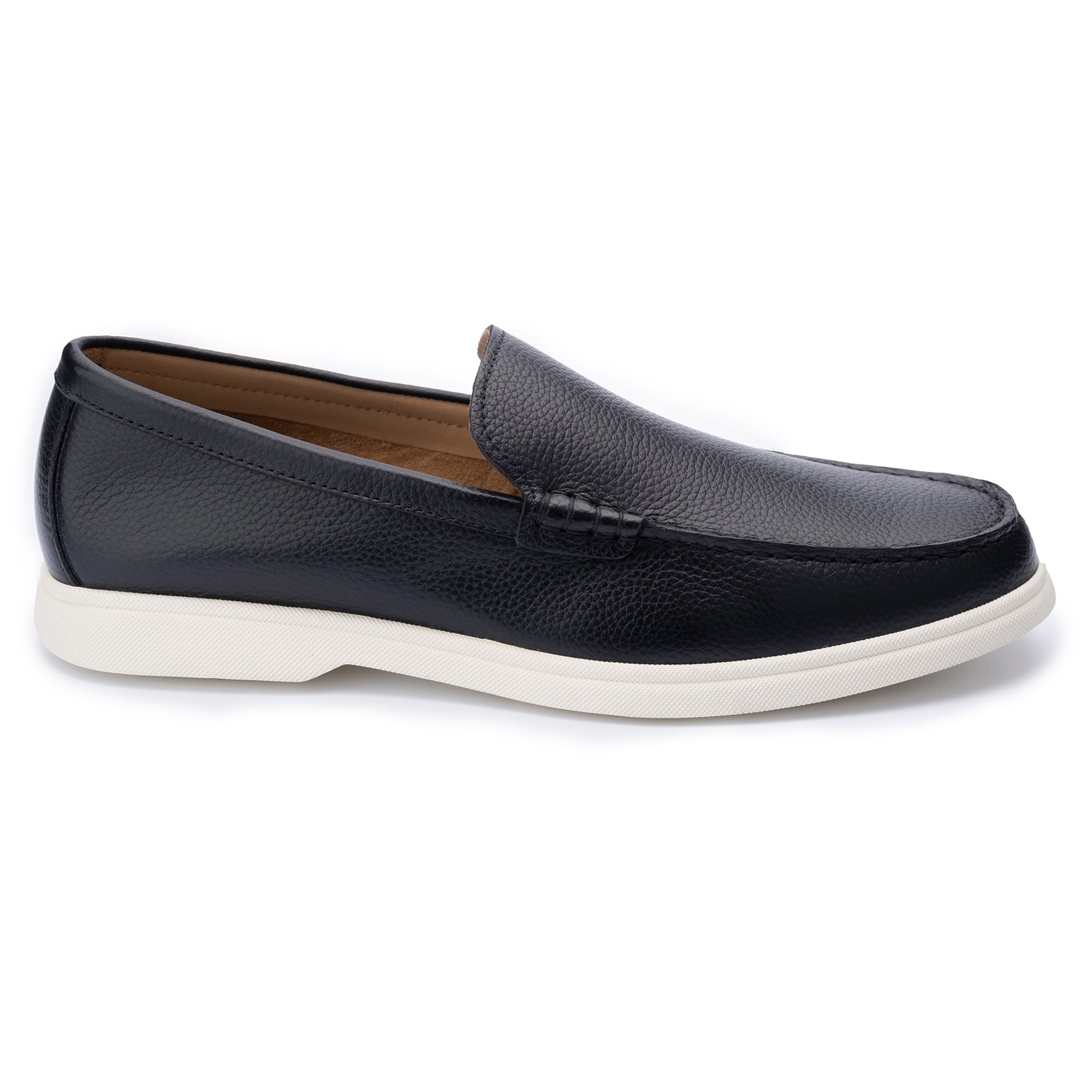
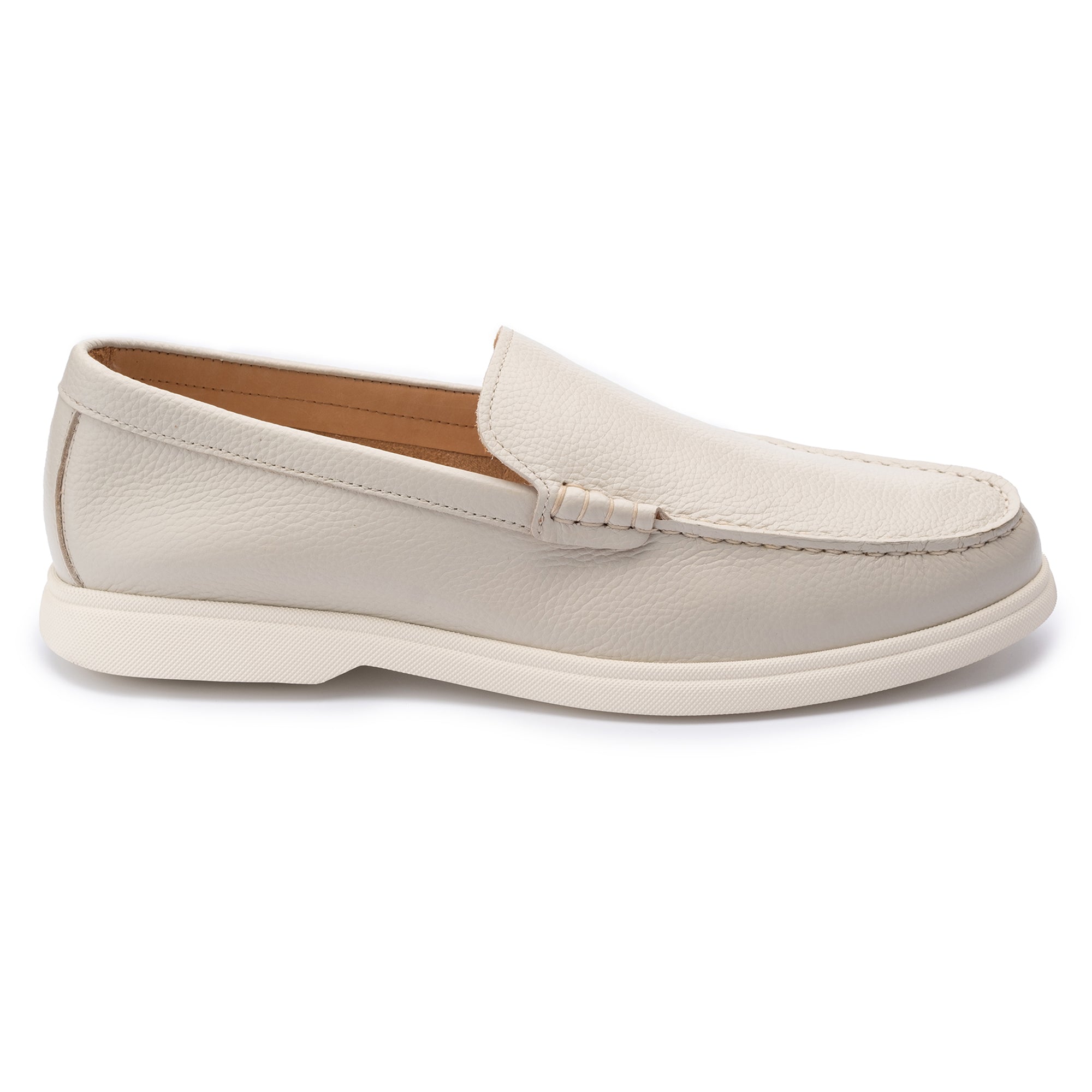
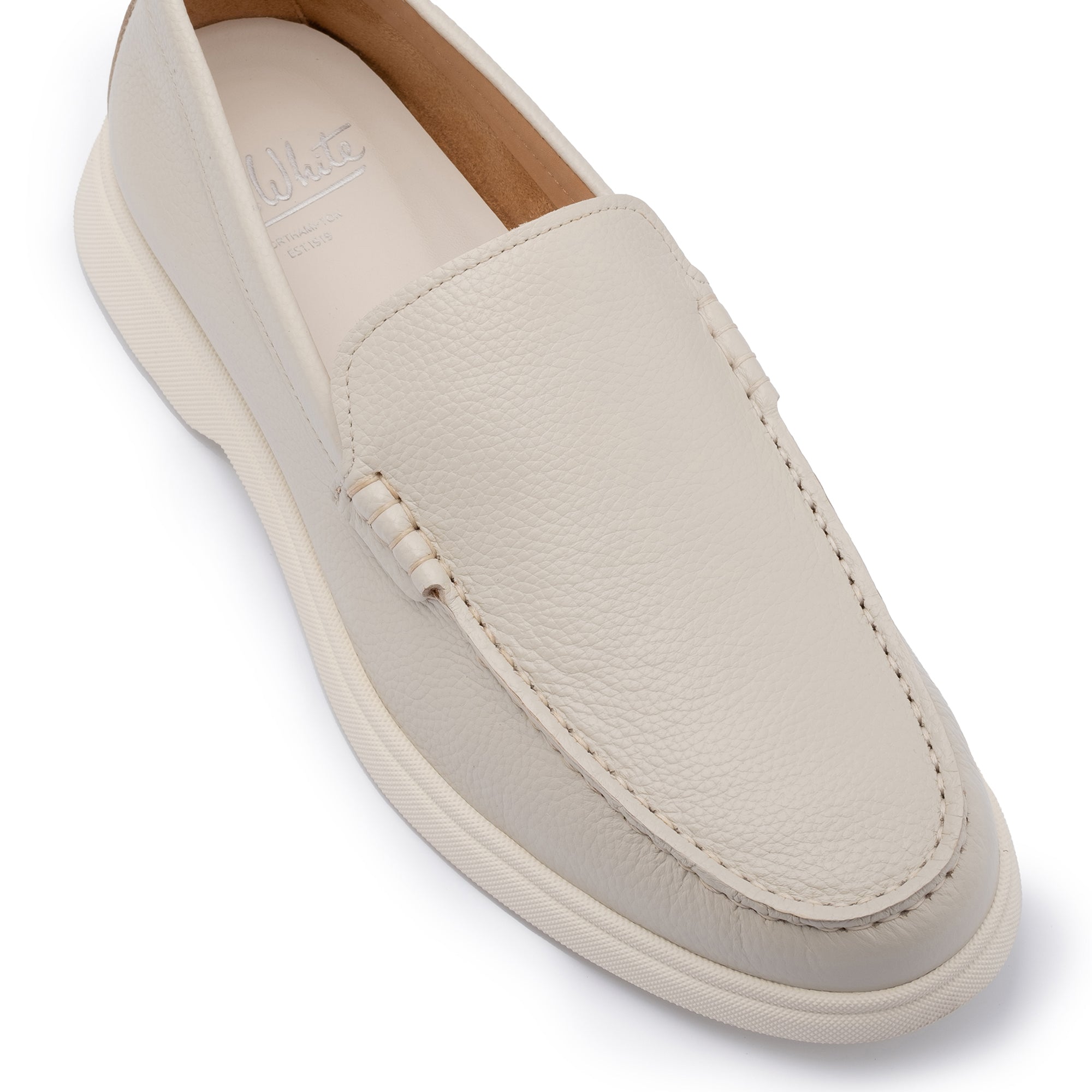
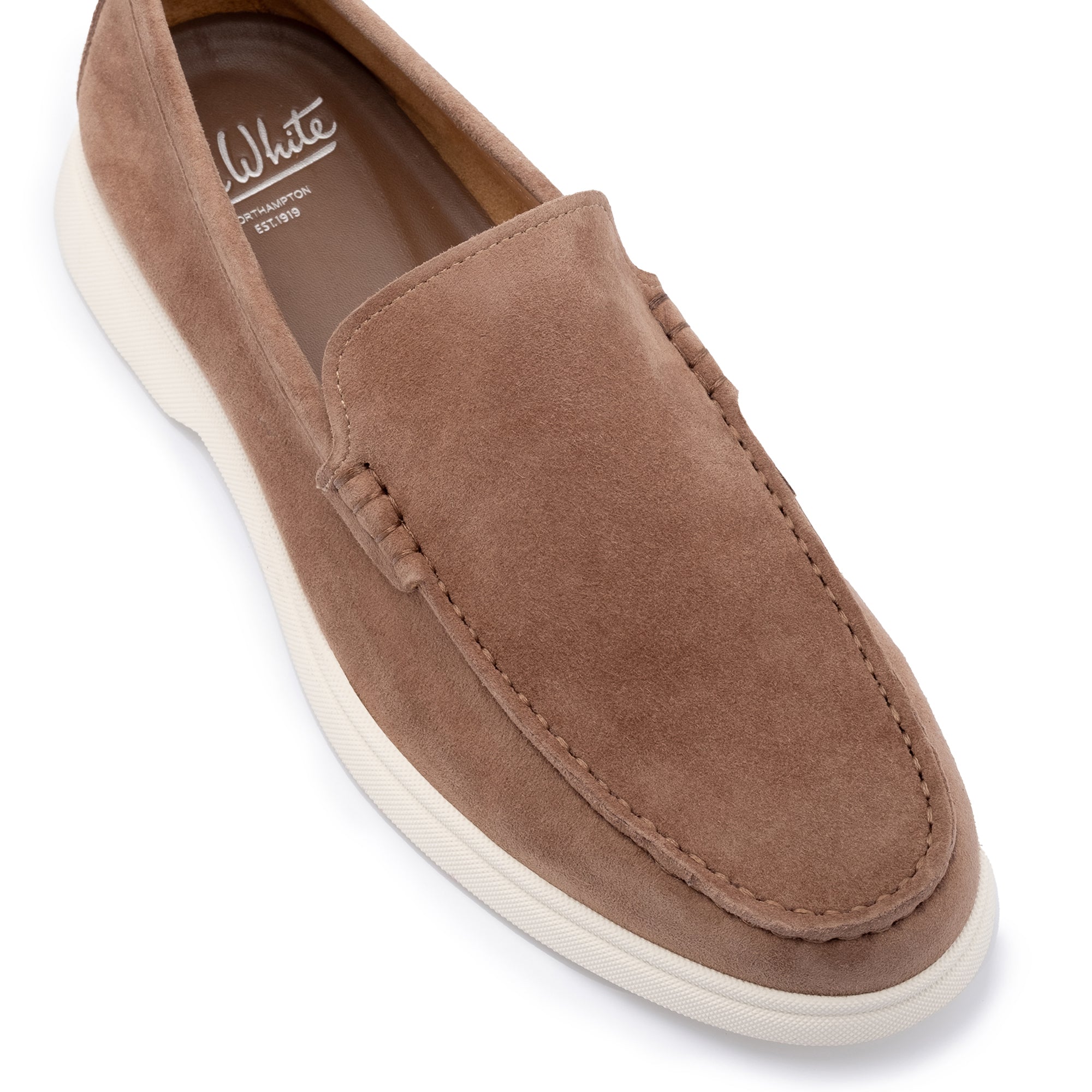
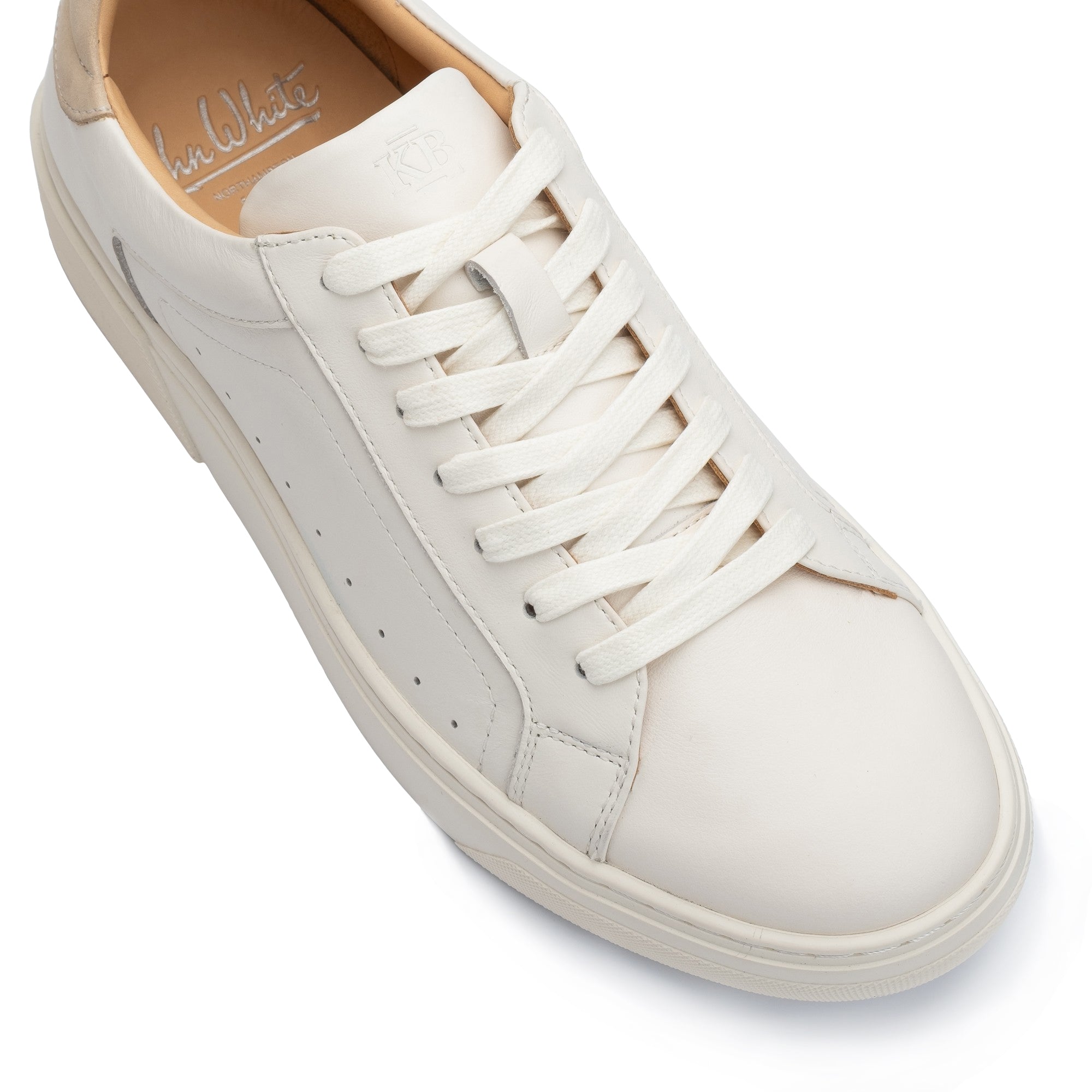
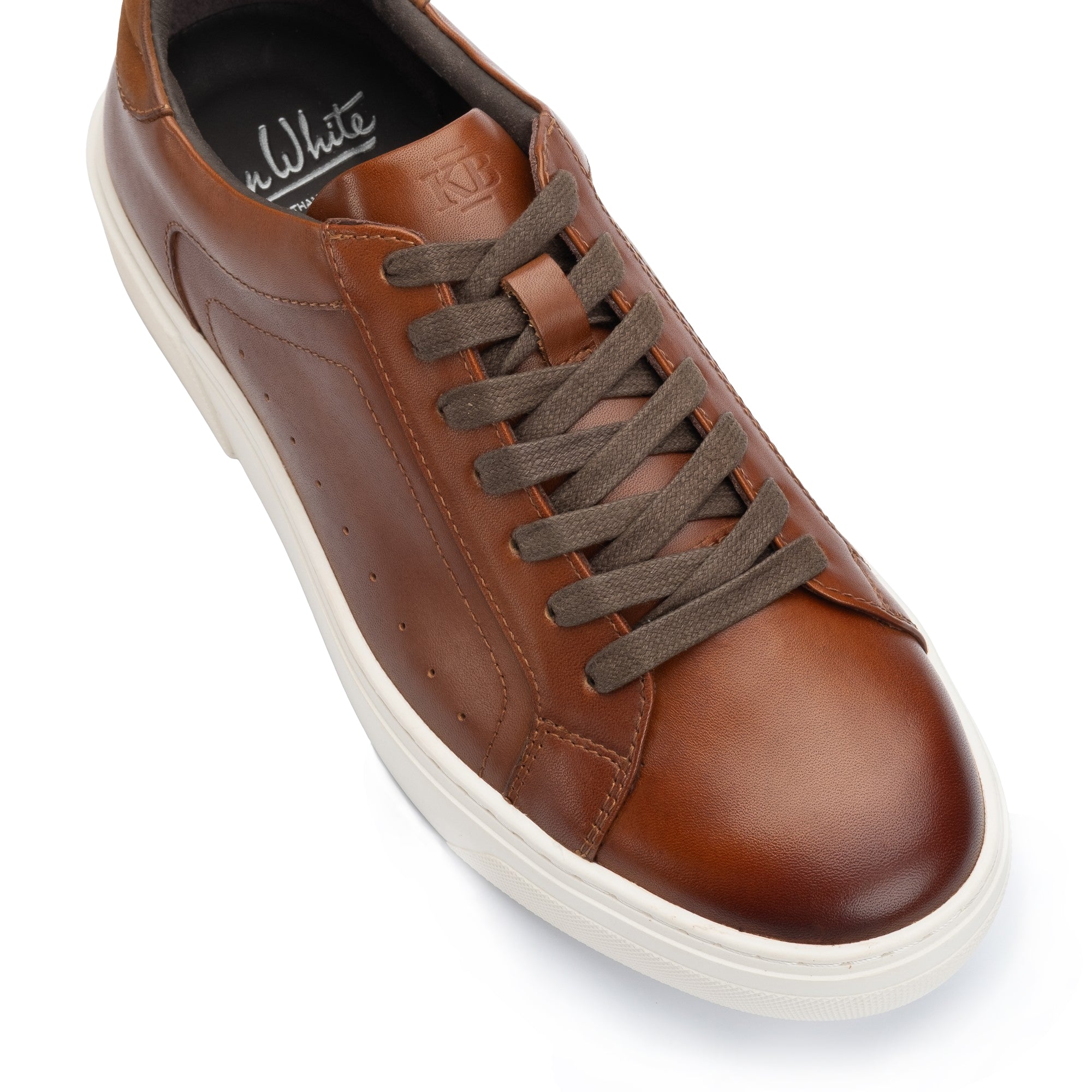
The round toe is the most forgiving shape for wider feet and the most versatile across casual and business contexts. The almond toe is the standard for British heritage dress shoes — it carries clean authority without dating. The chisel toe suits contemporary tailoring well. A very pointed toe is best reserved for narrow feet and deliberately fashion-led outfits.
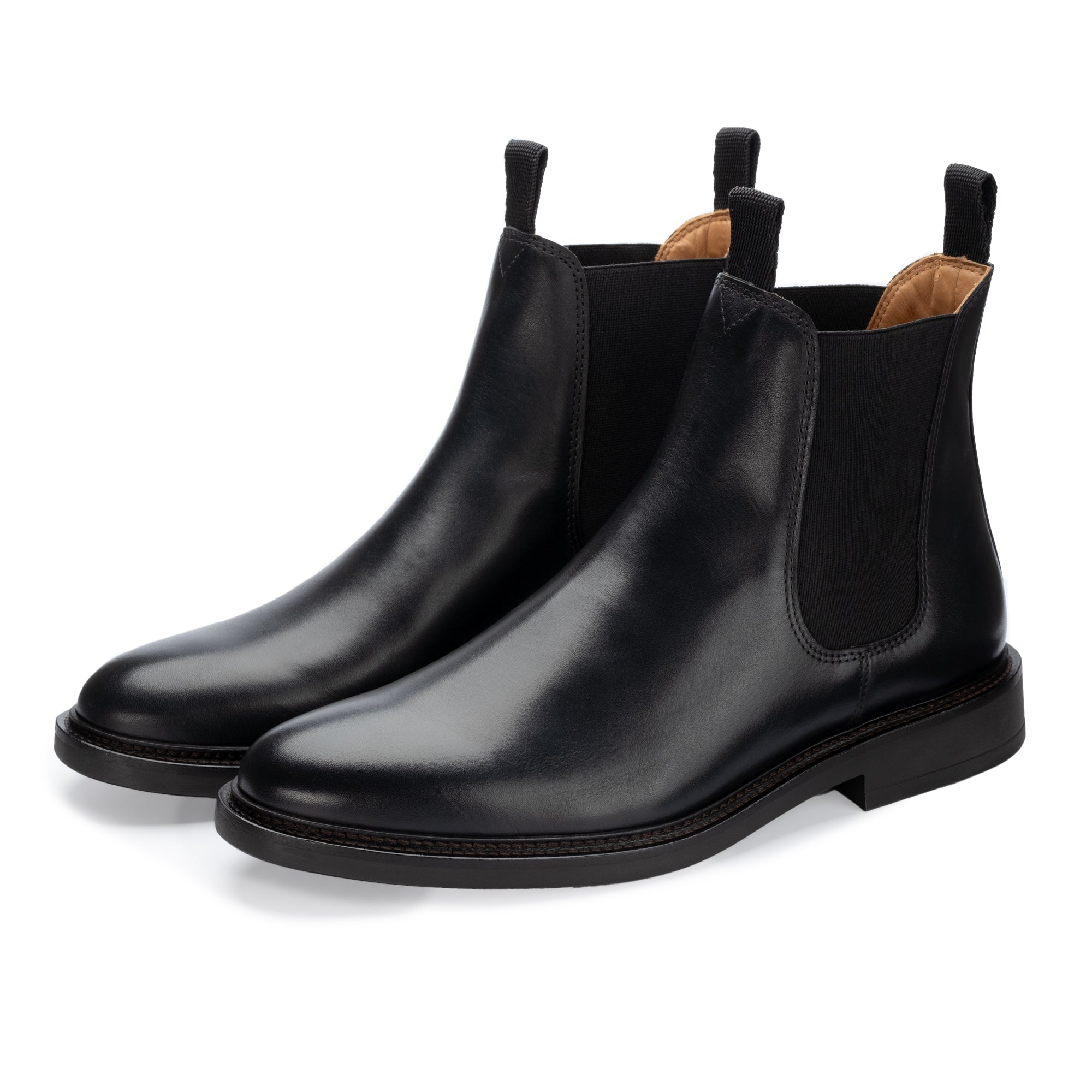
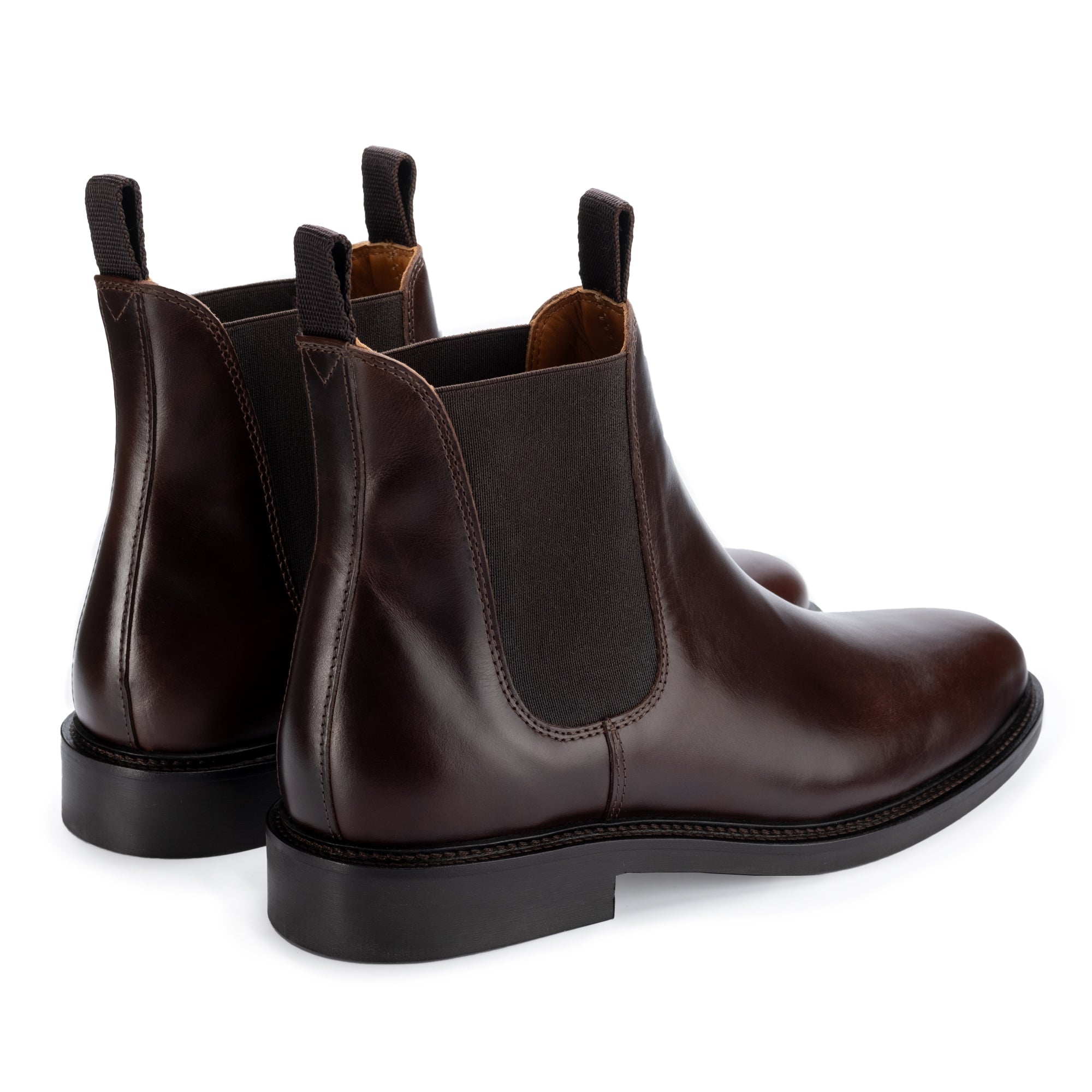
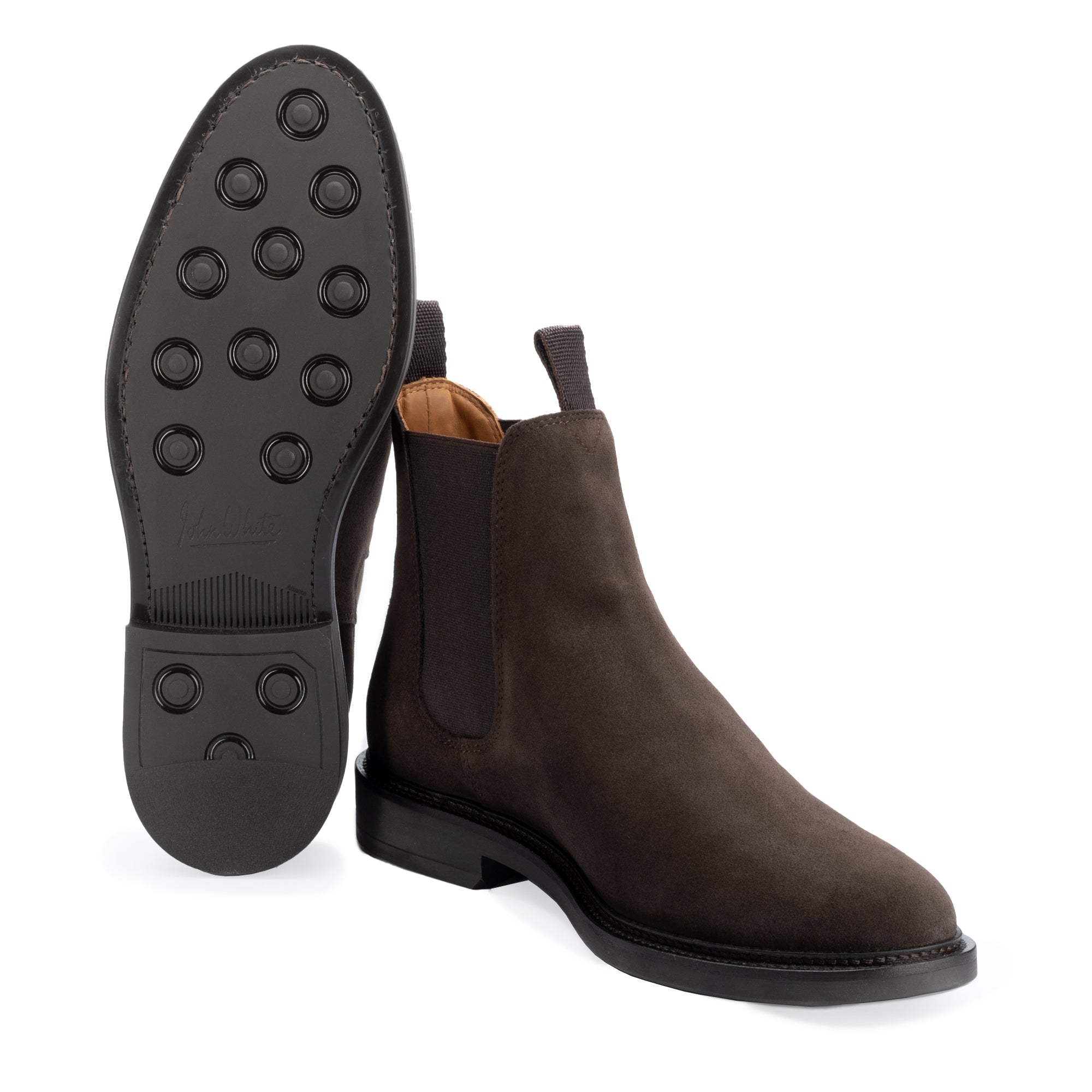
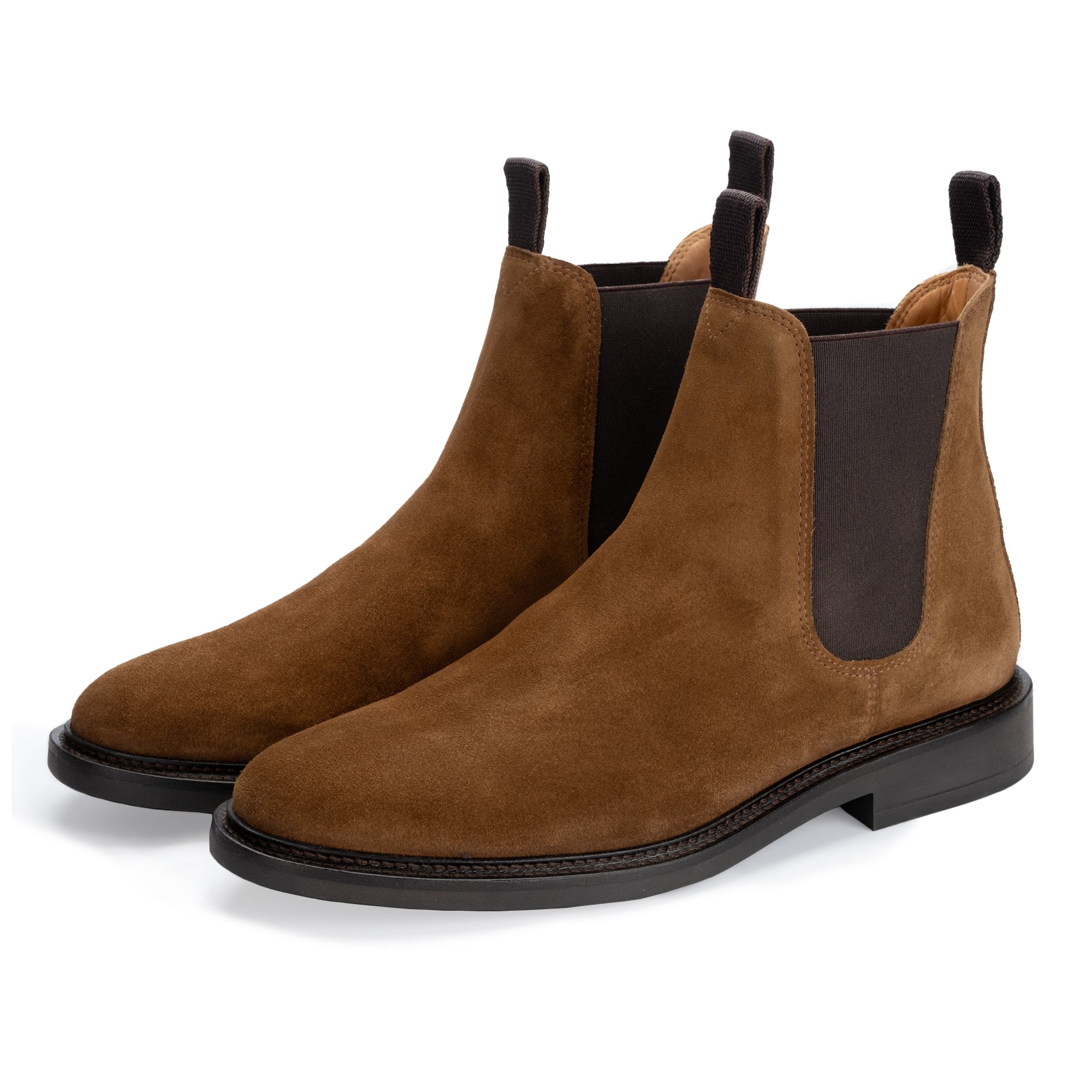
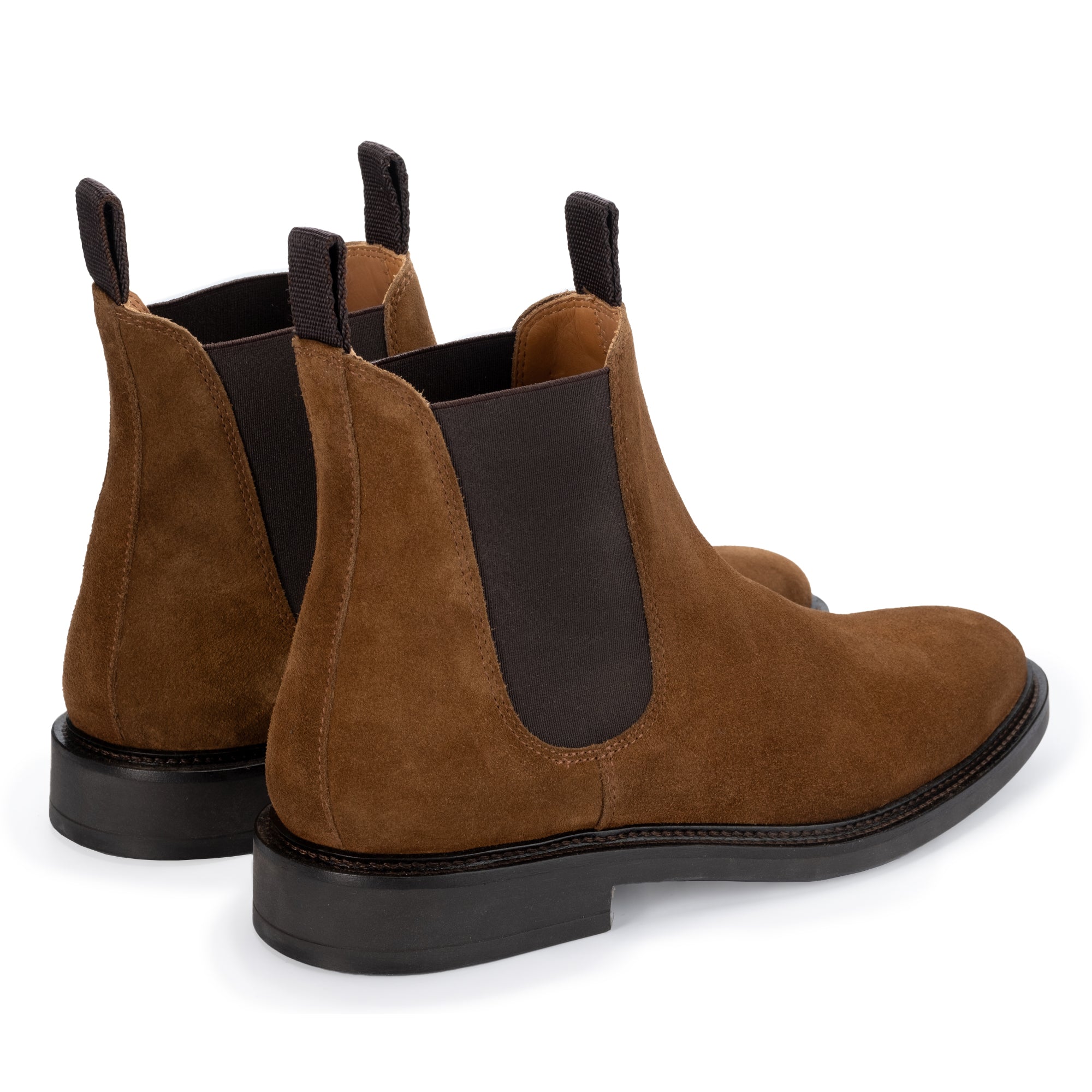
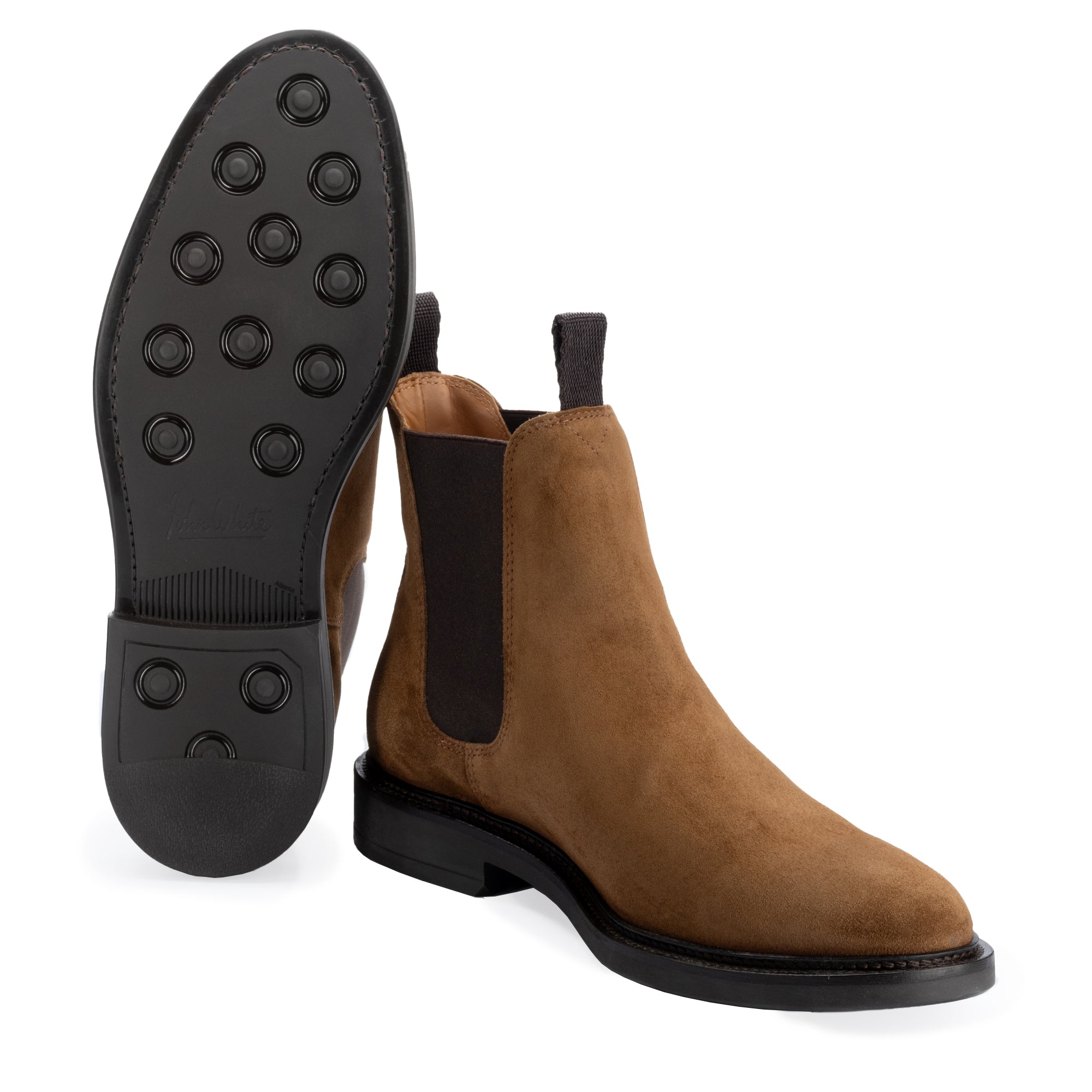
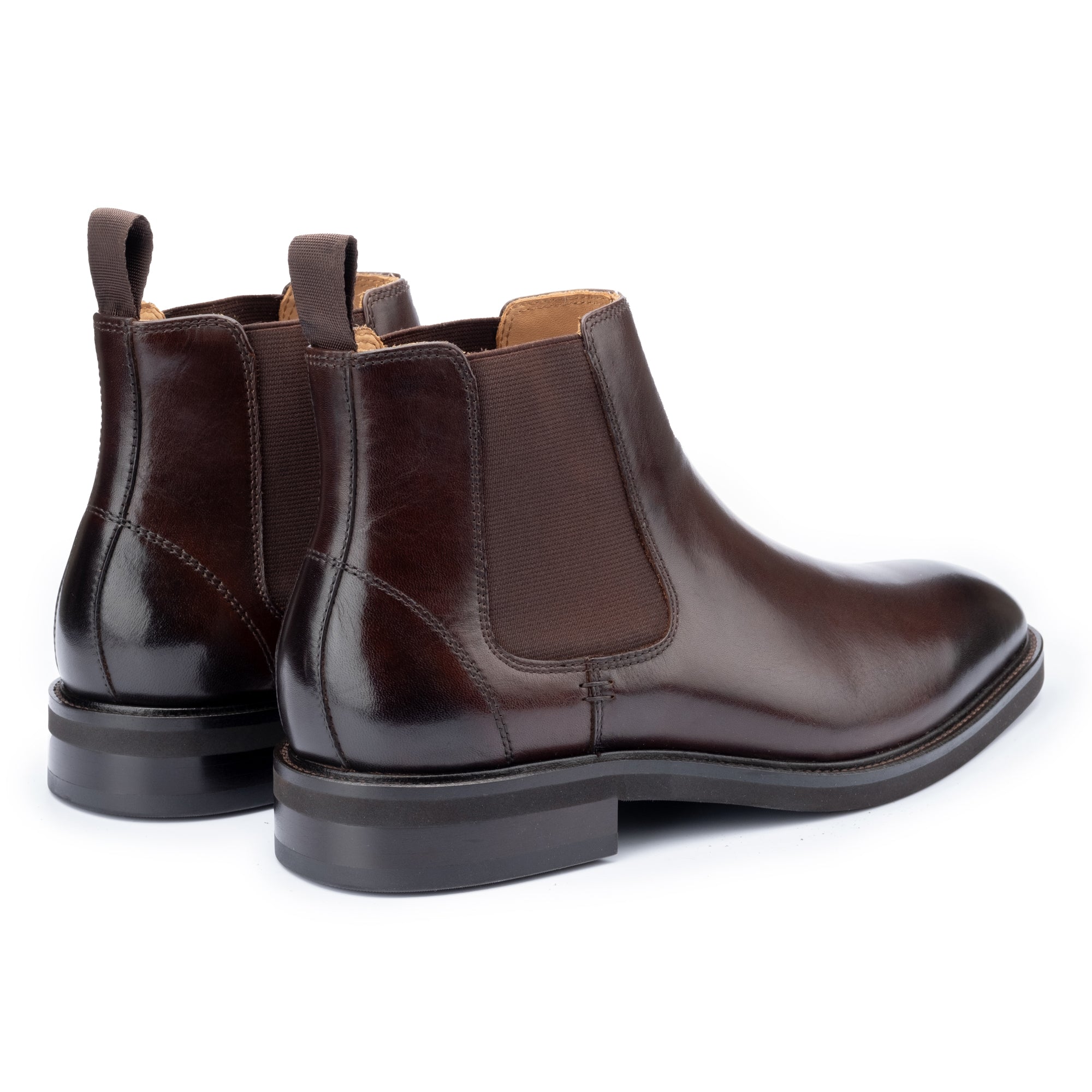
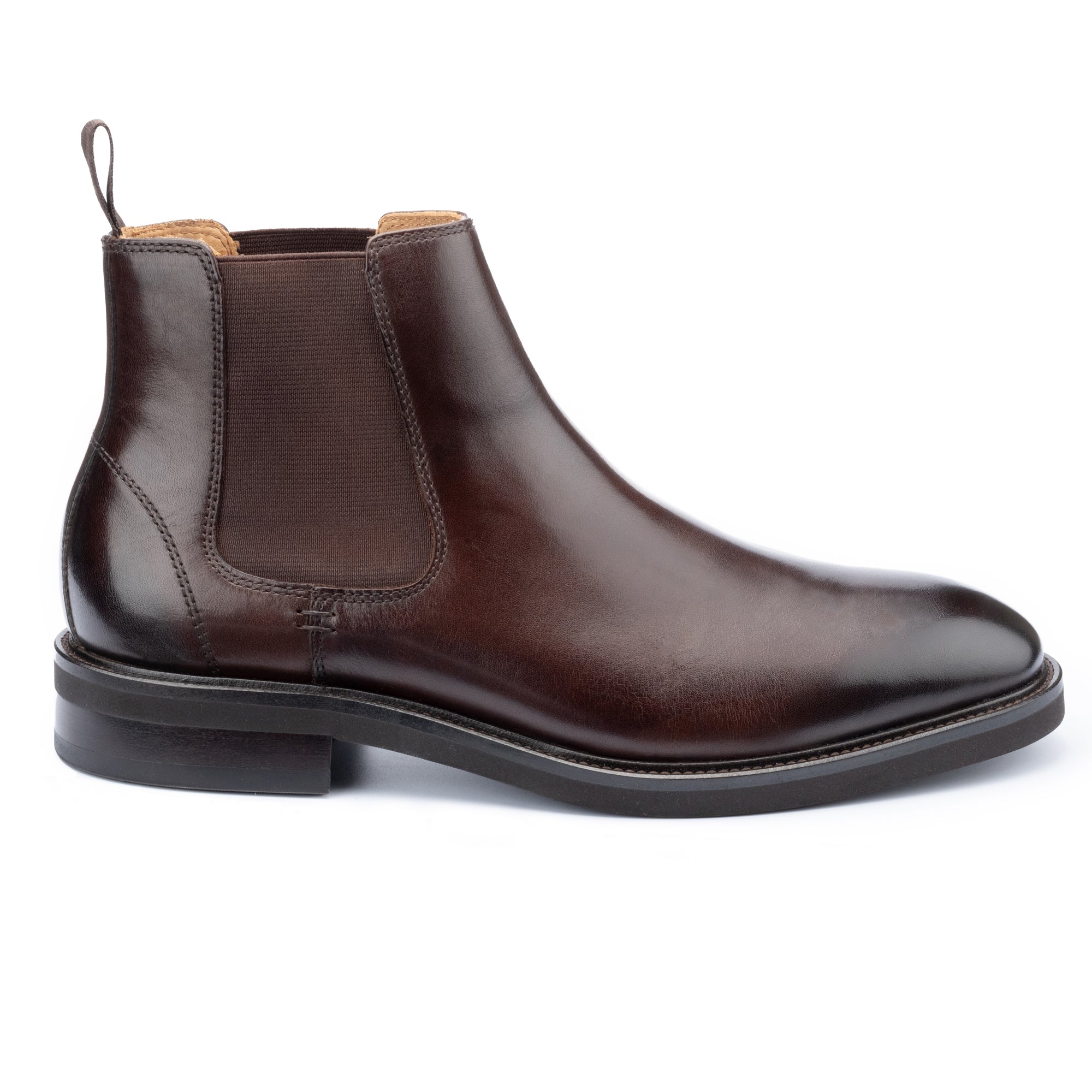
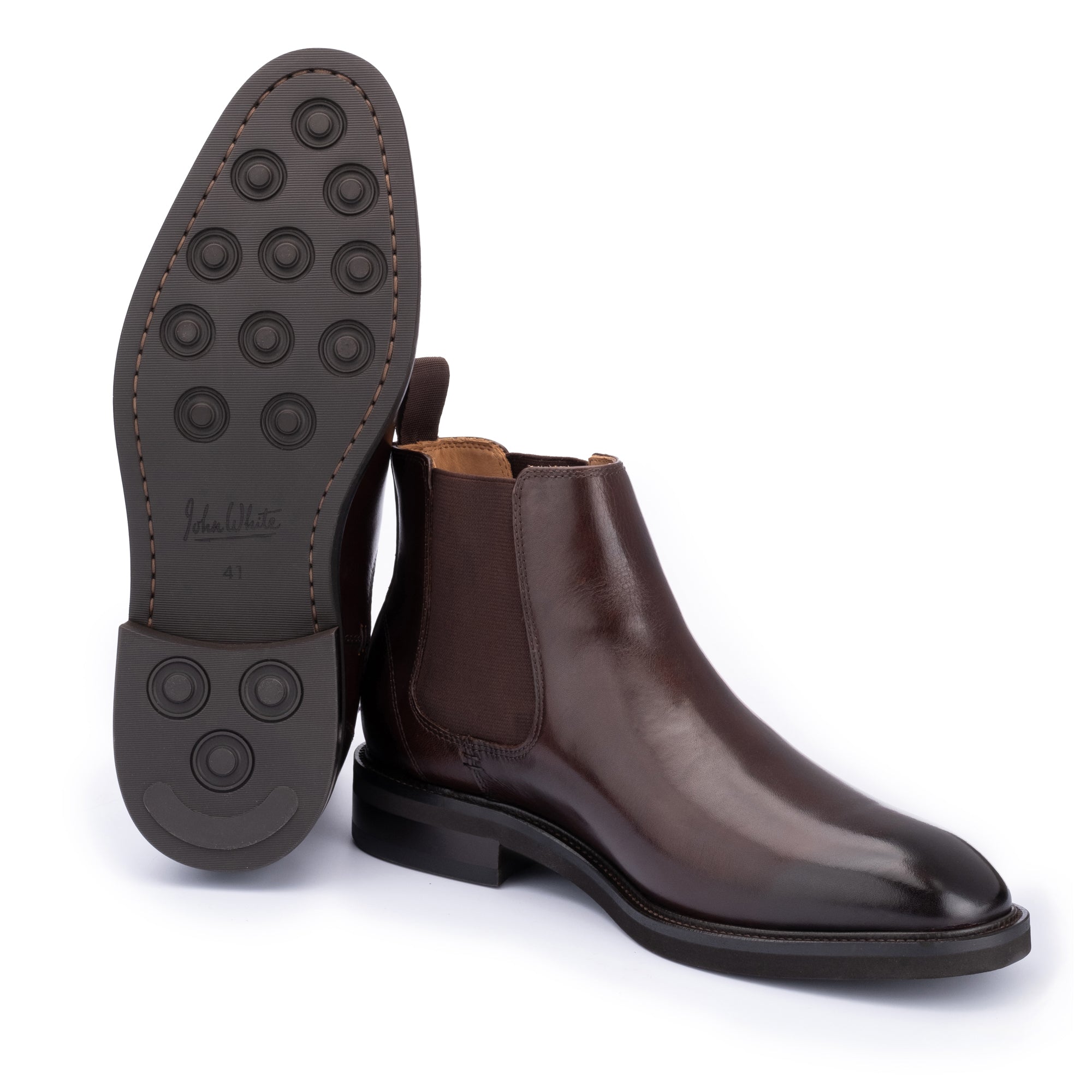
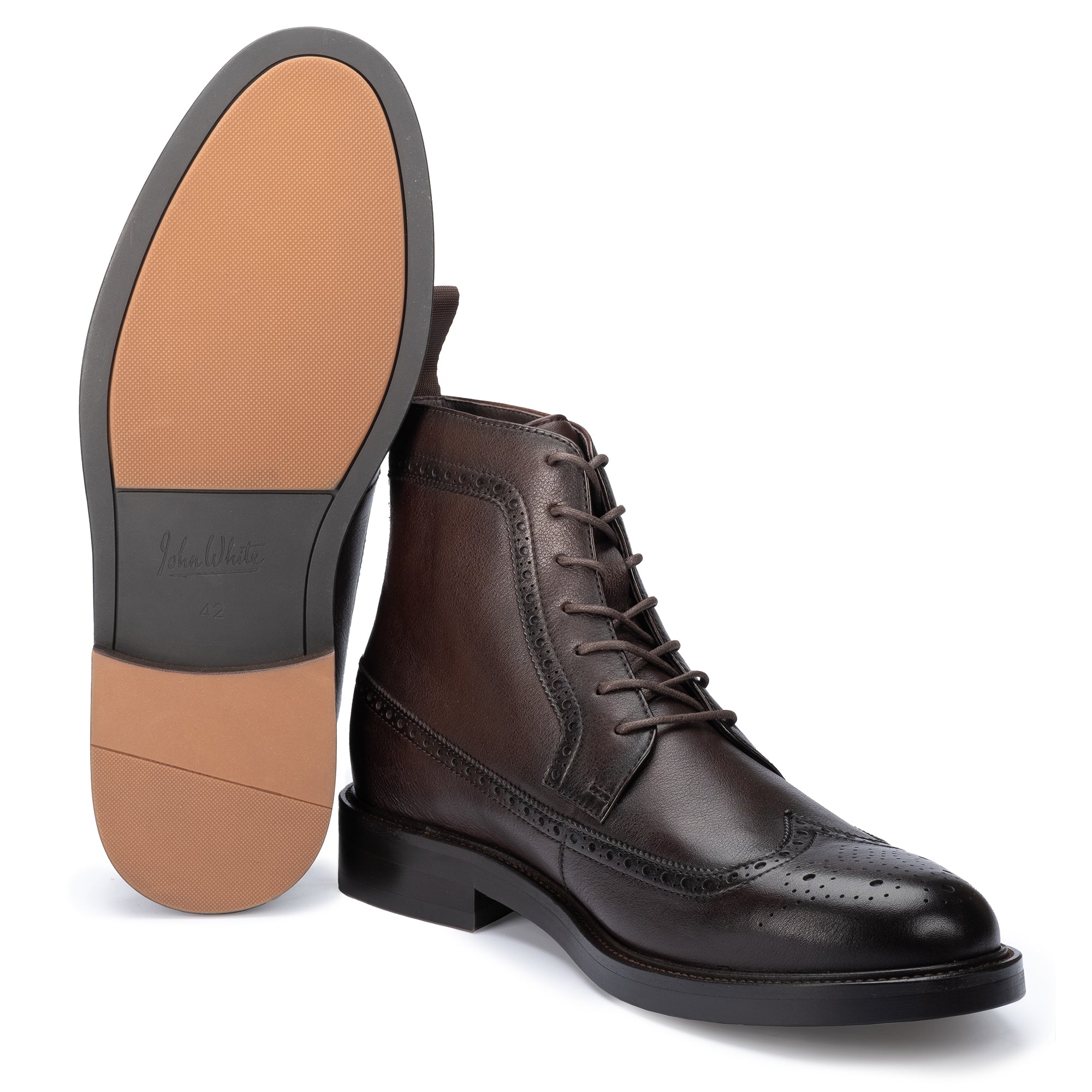
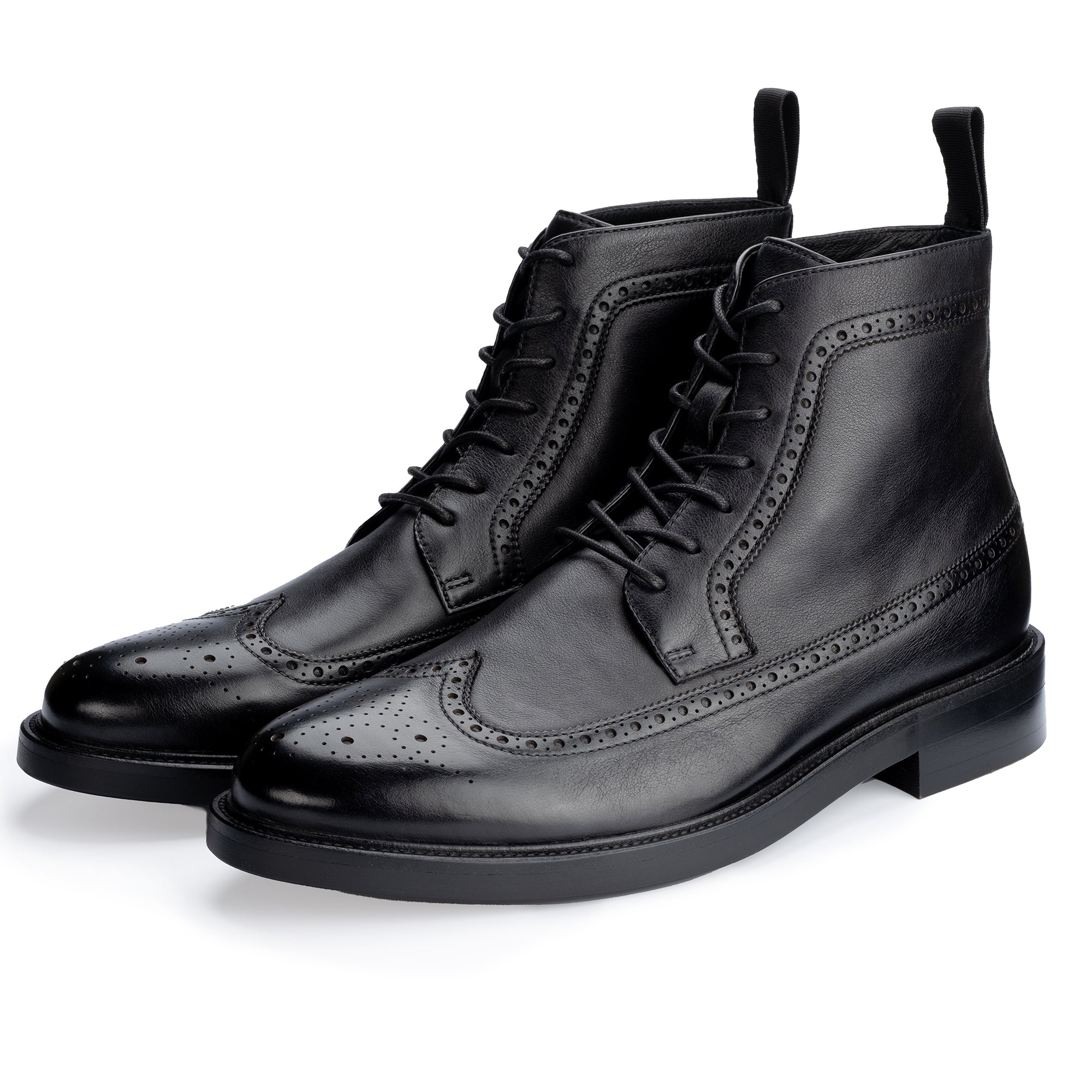
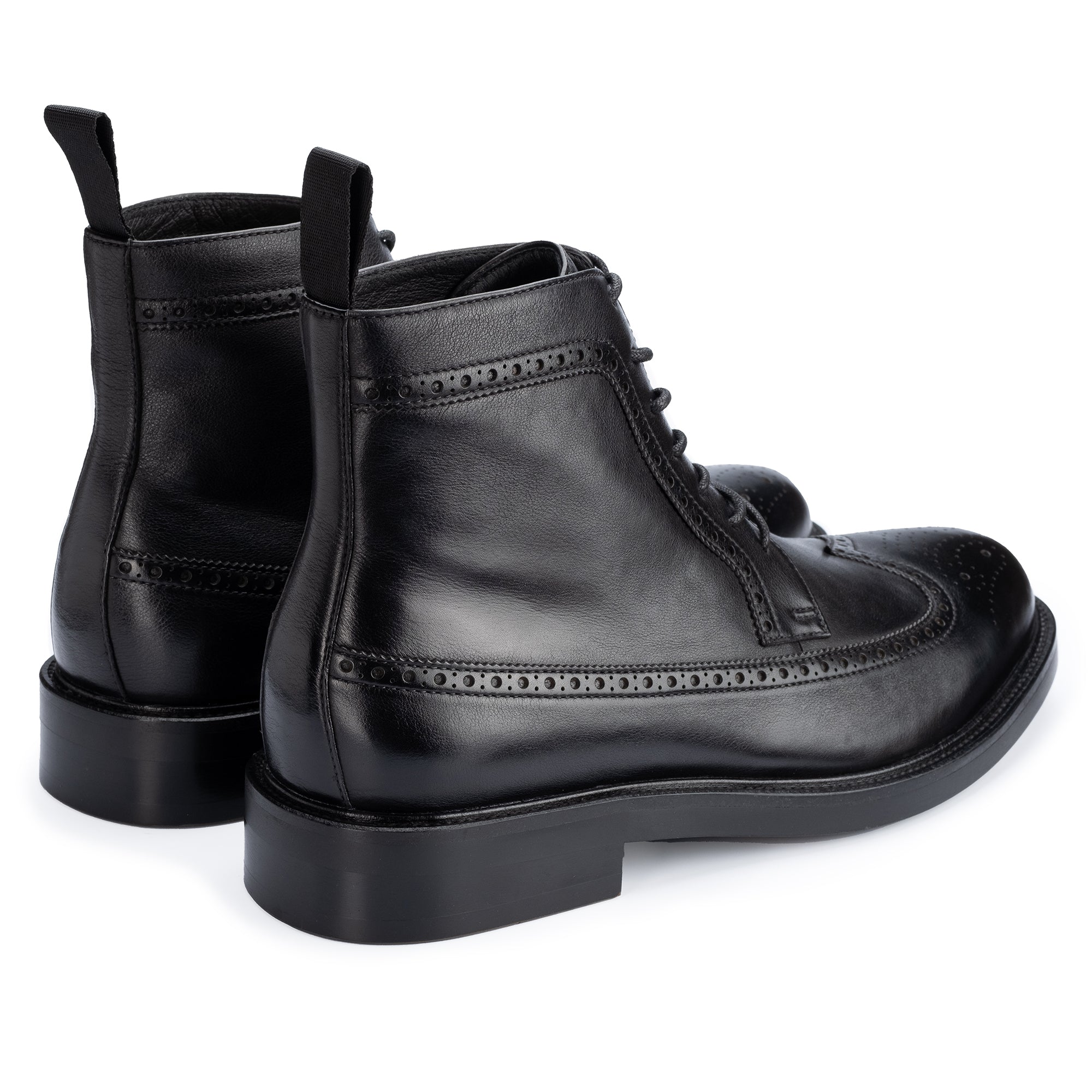
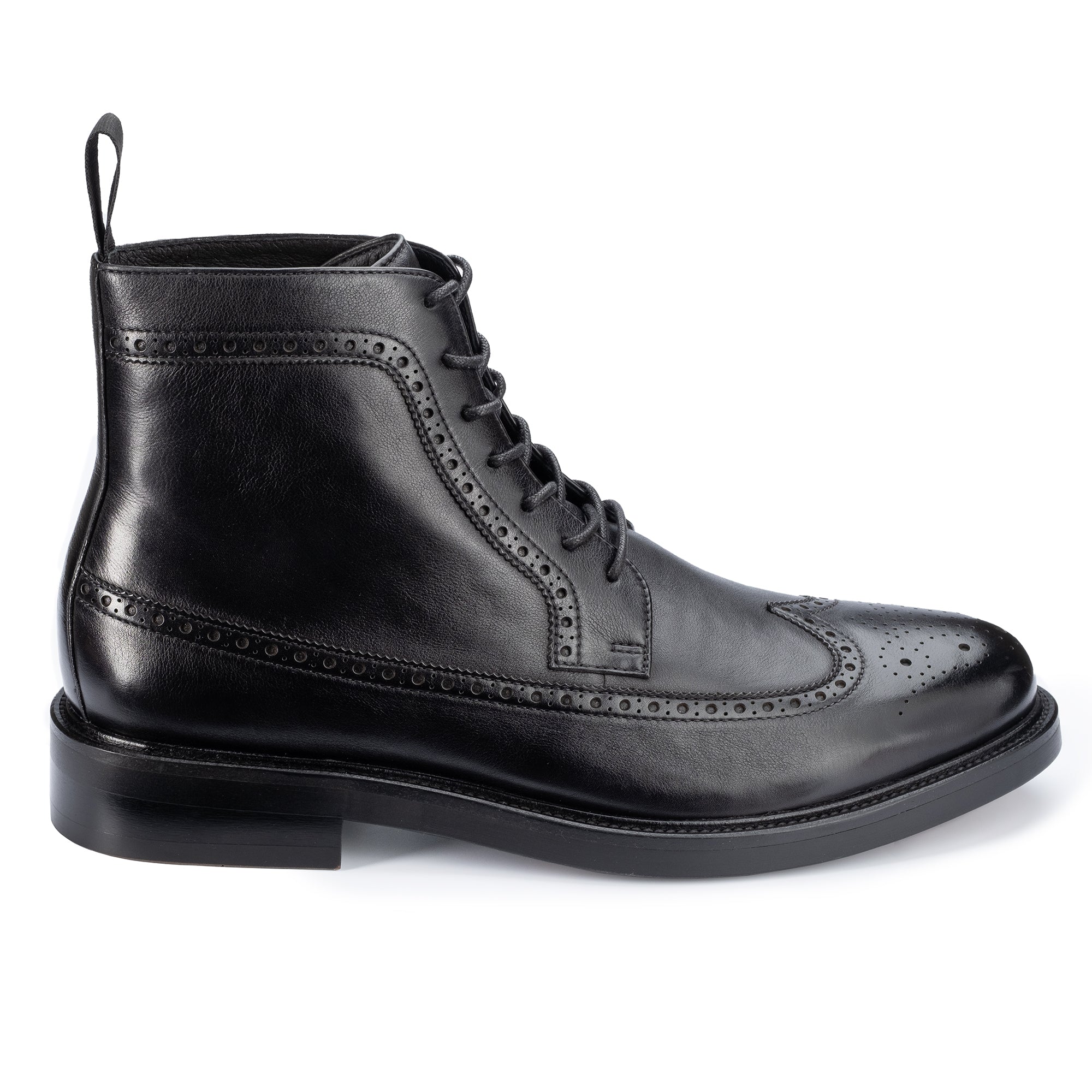
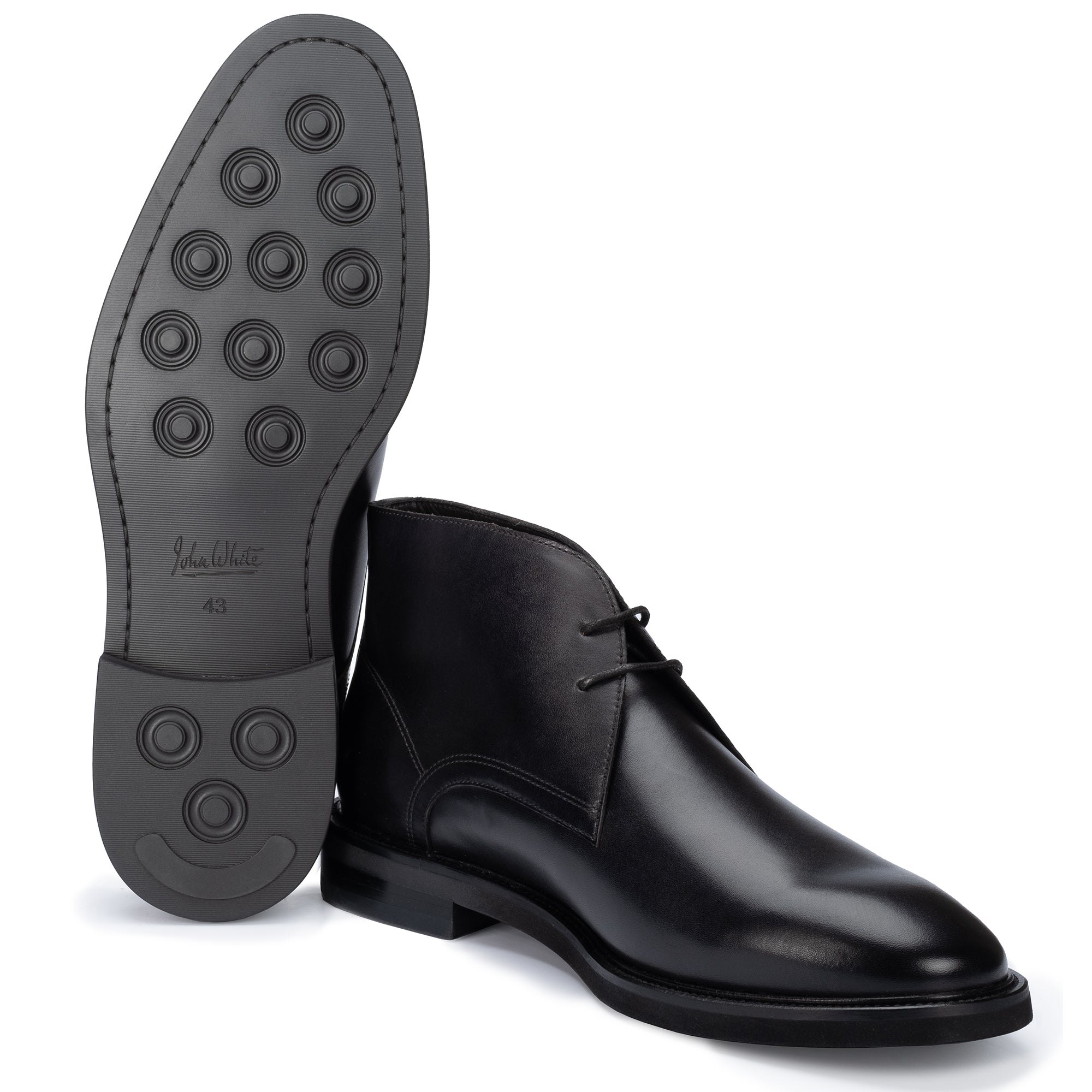
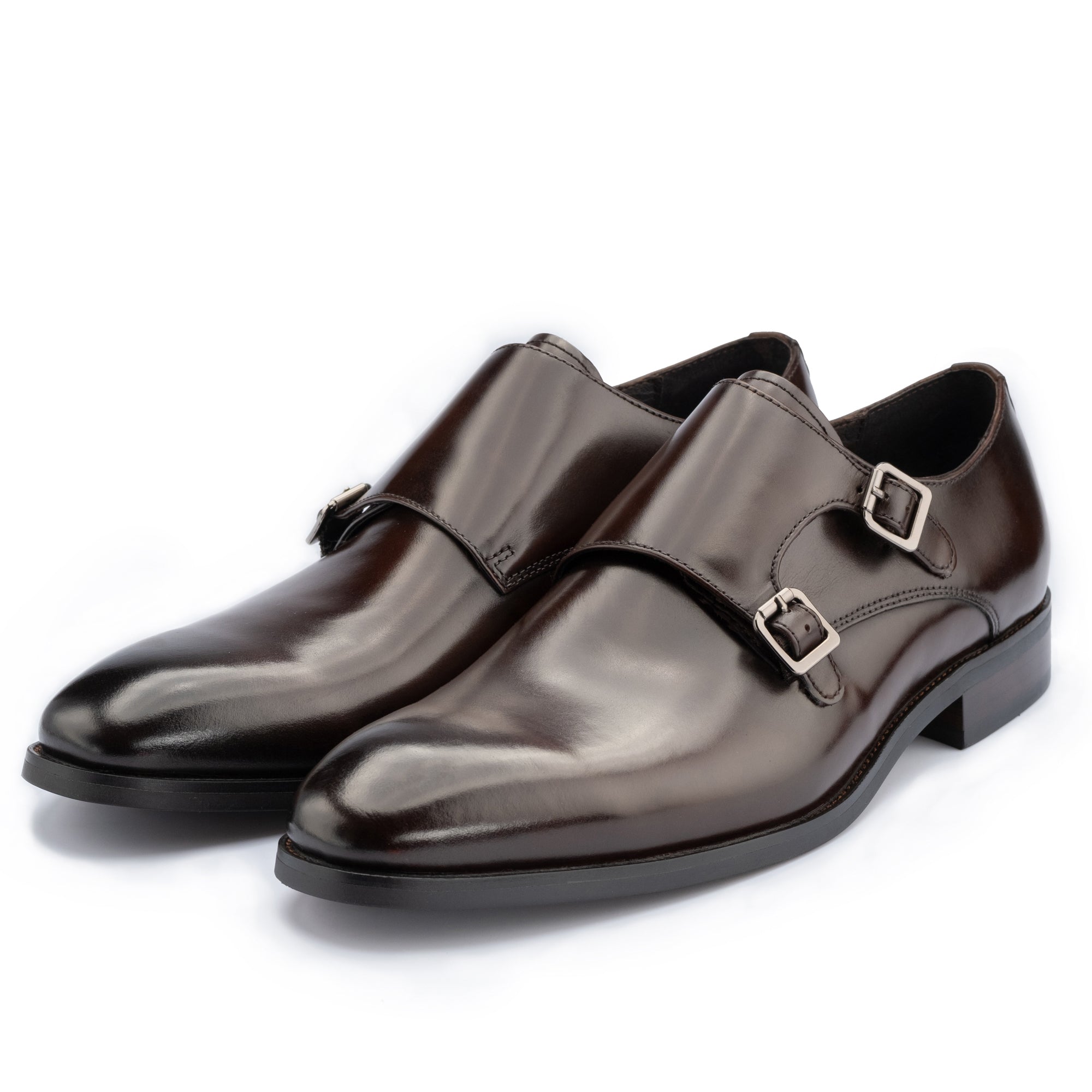
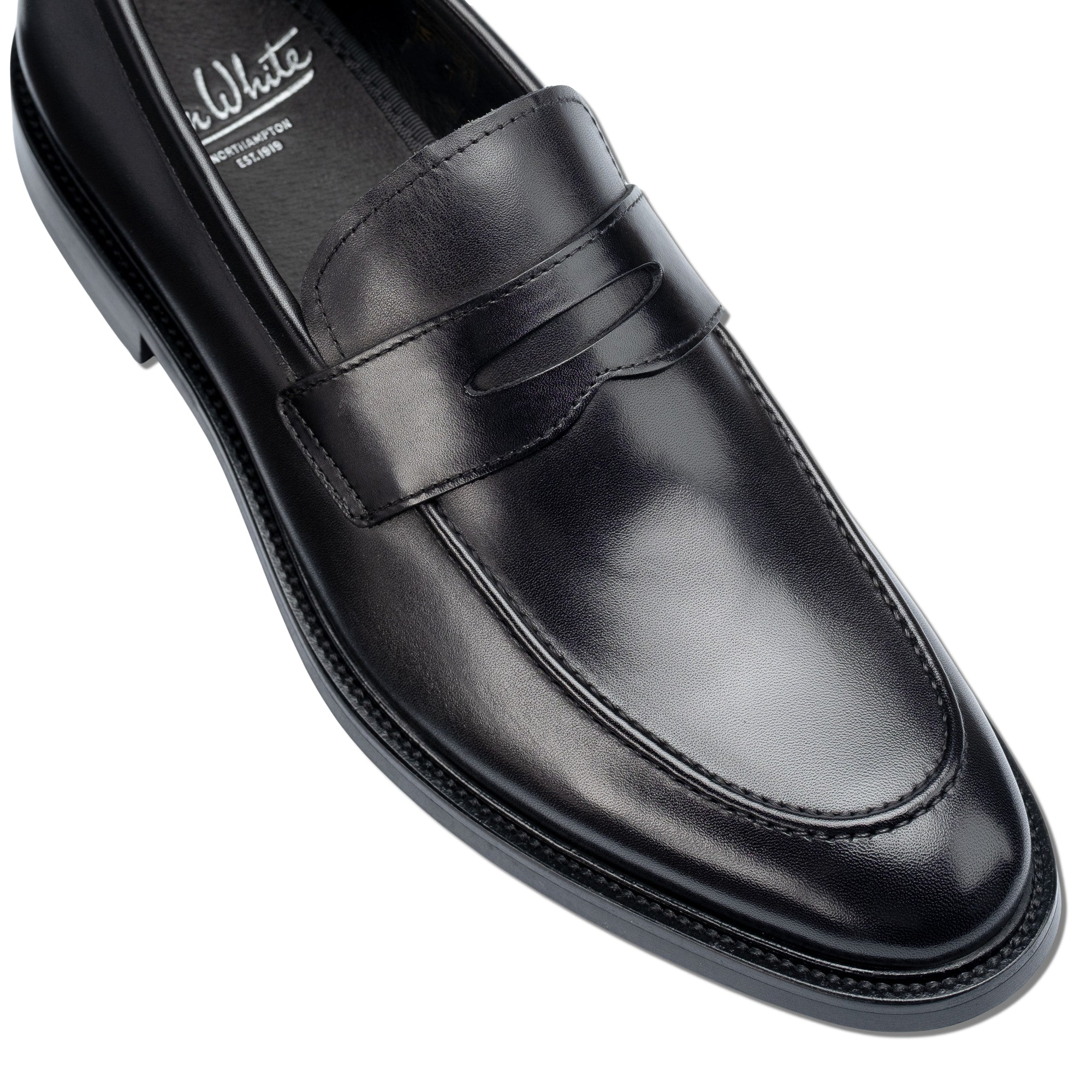
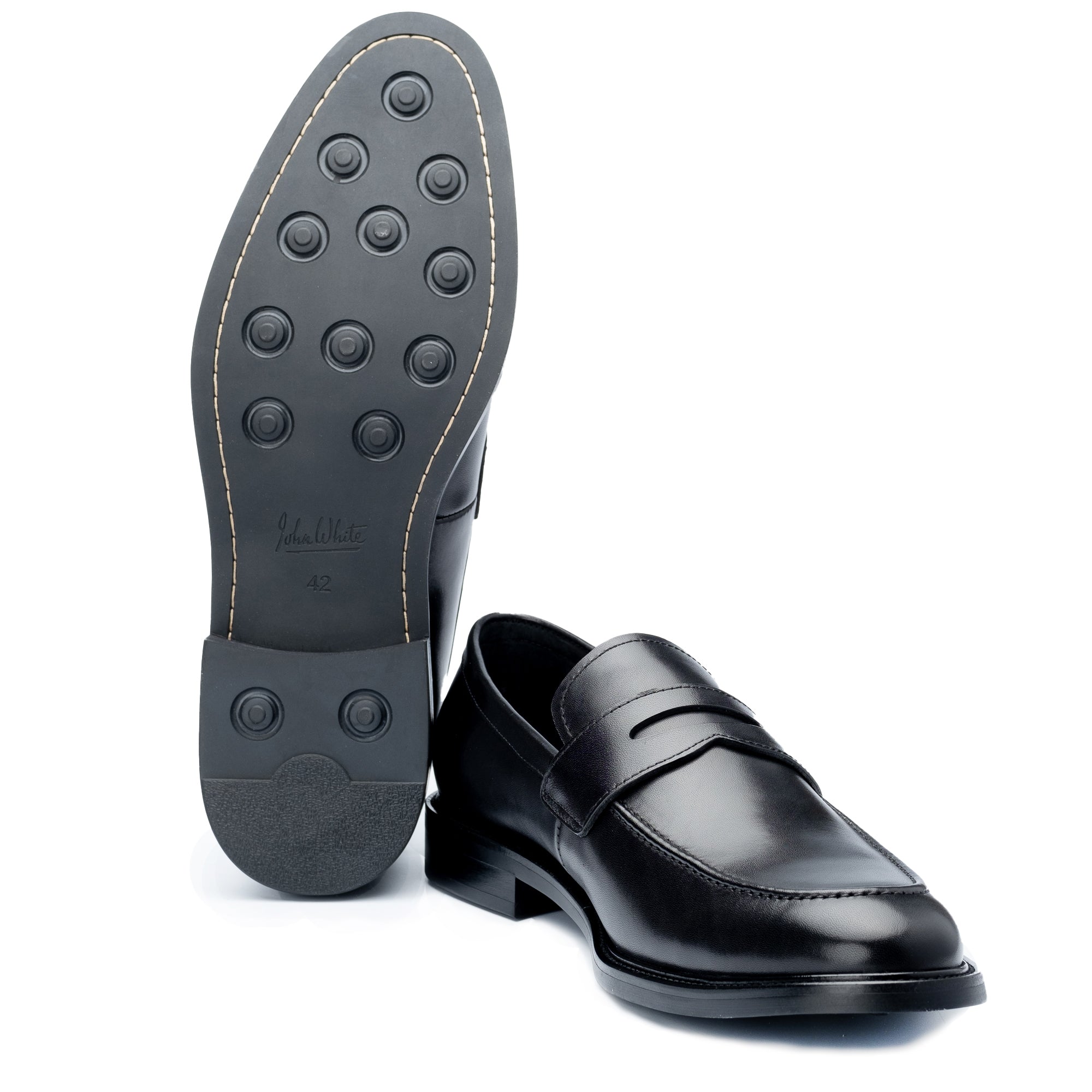
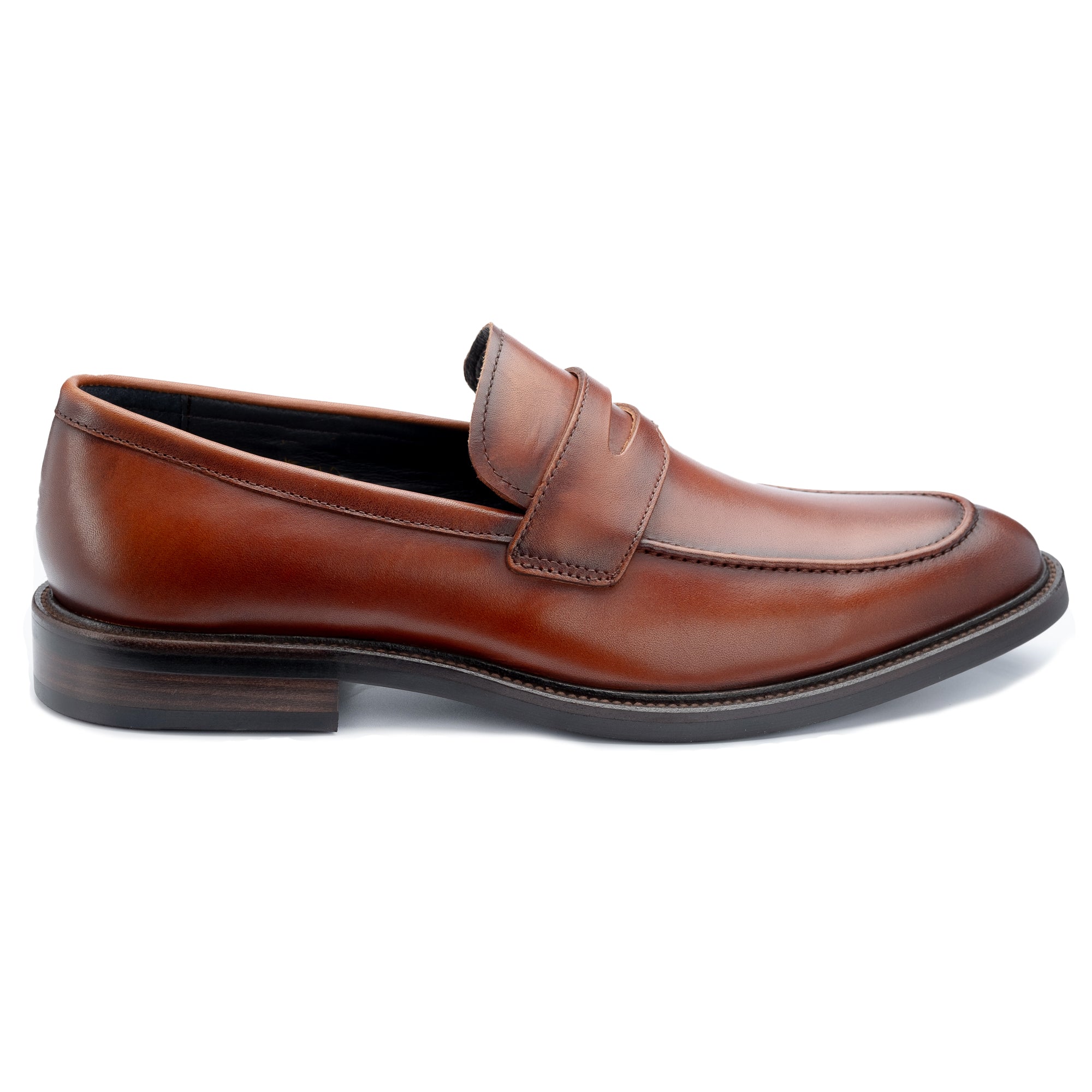
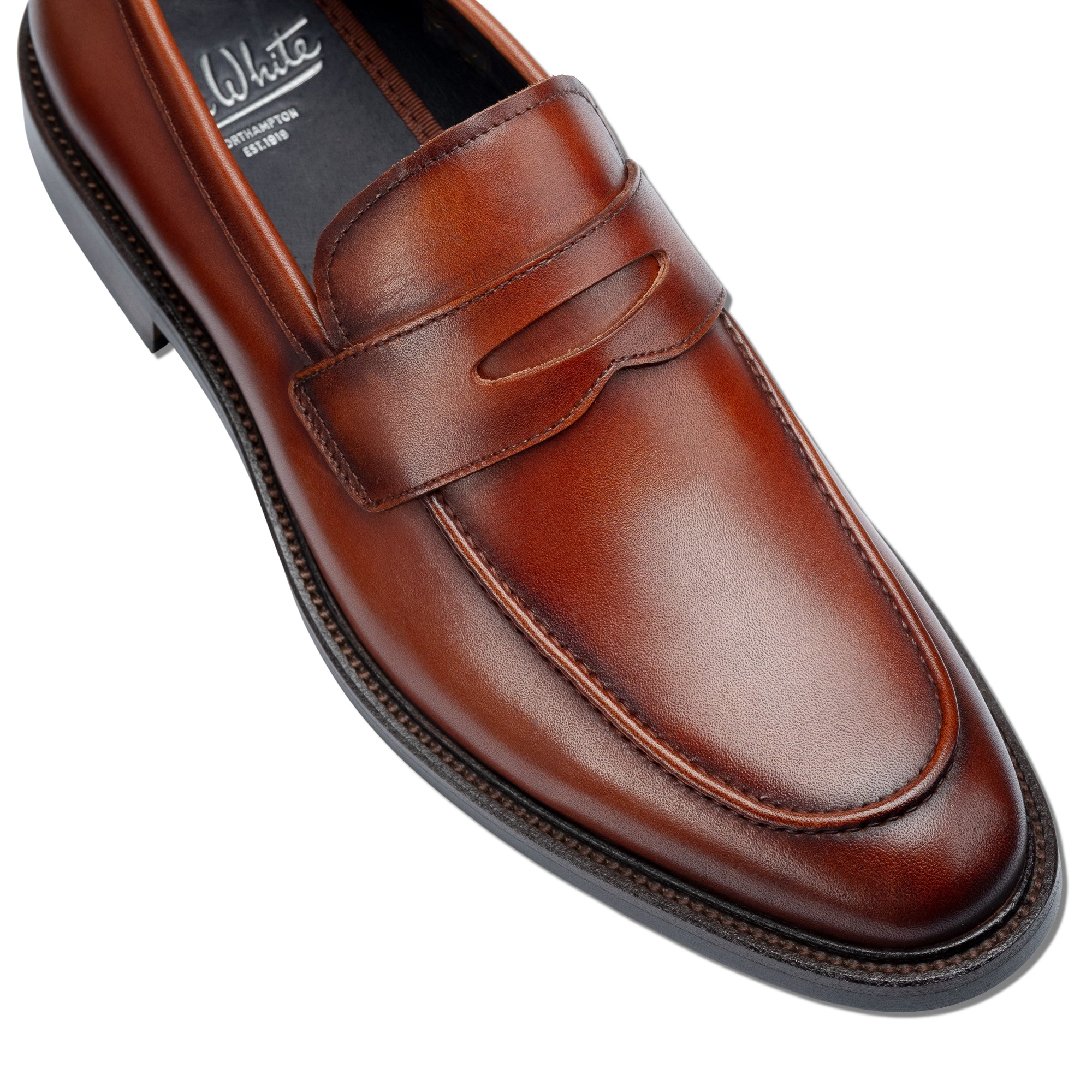
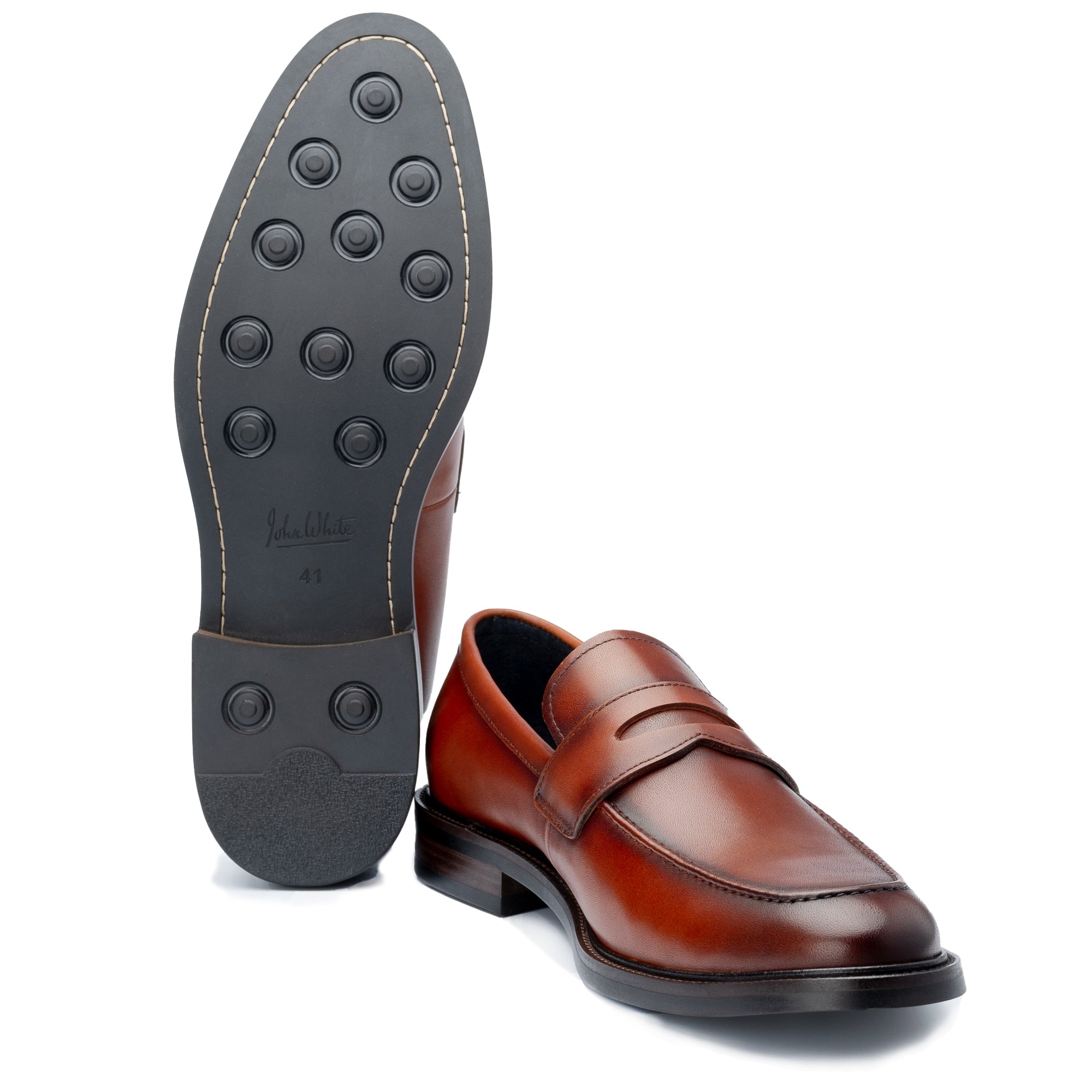
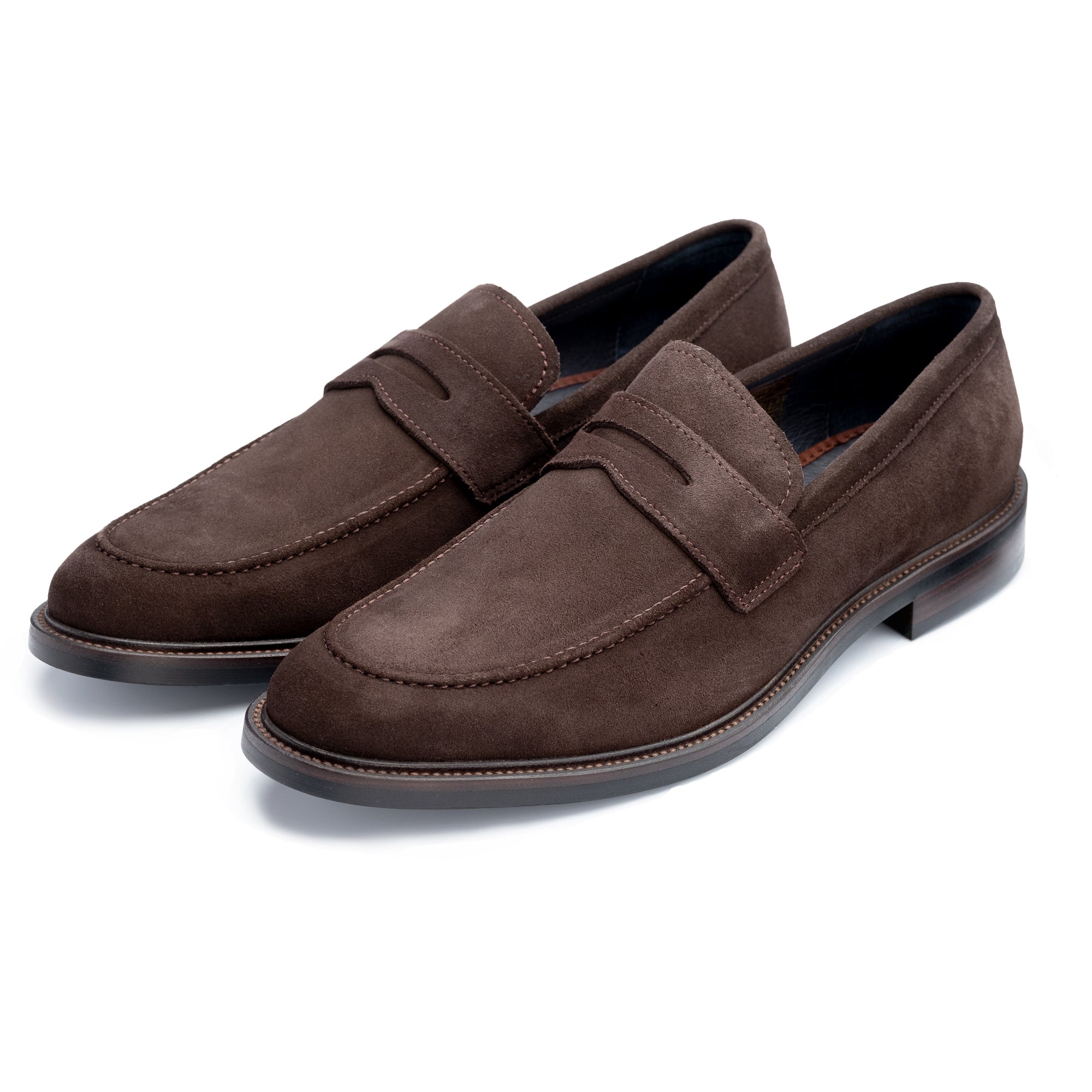
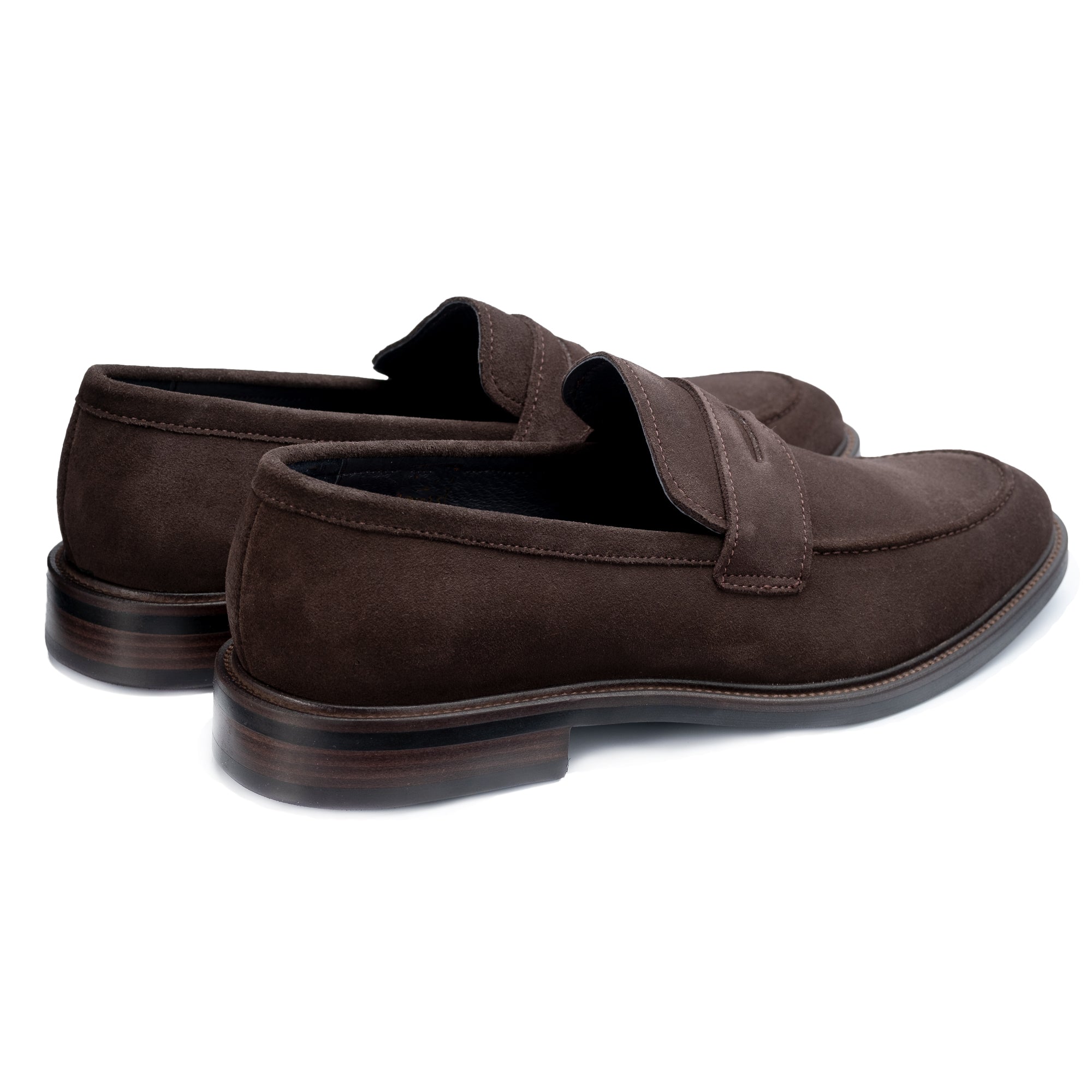
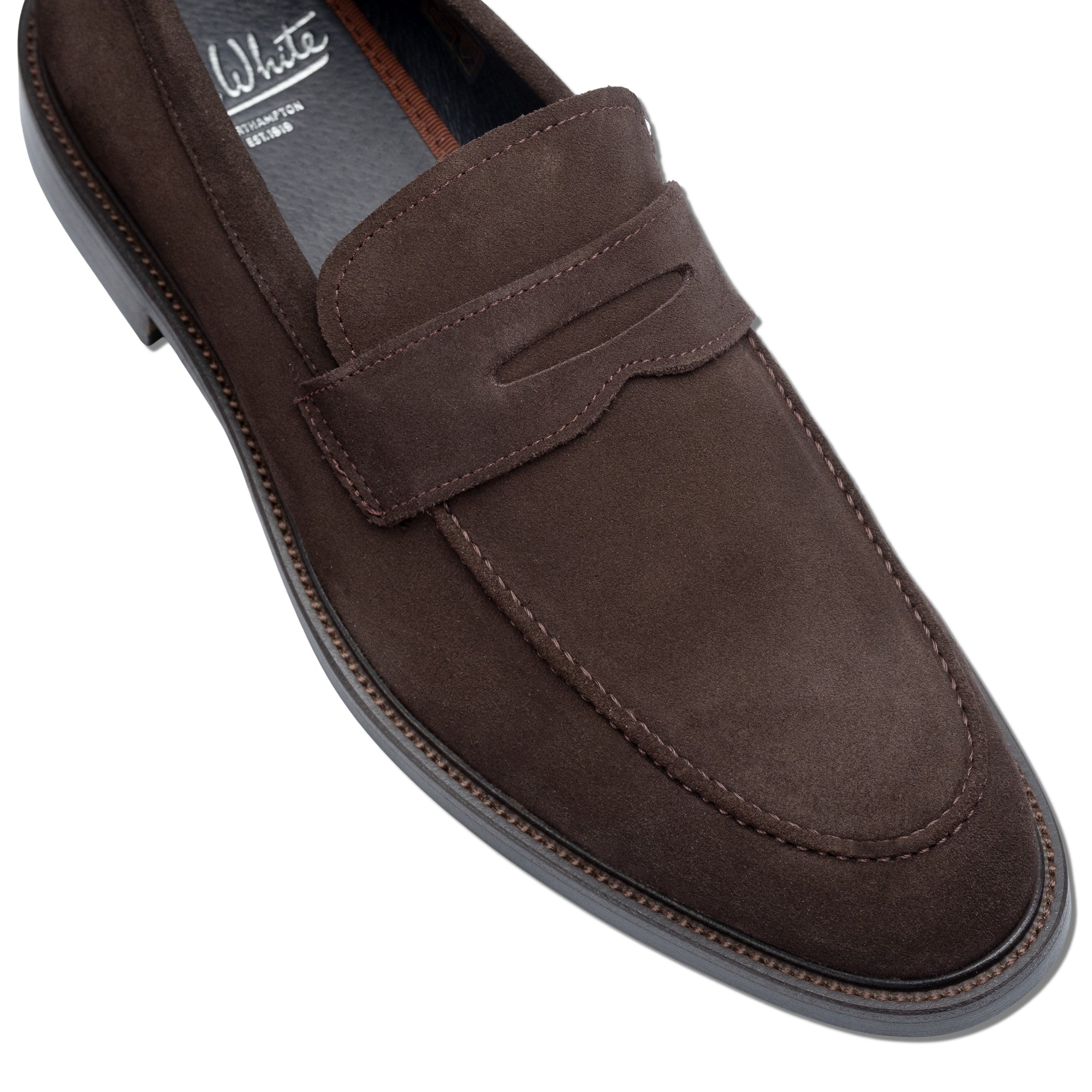
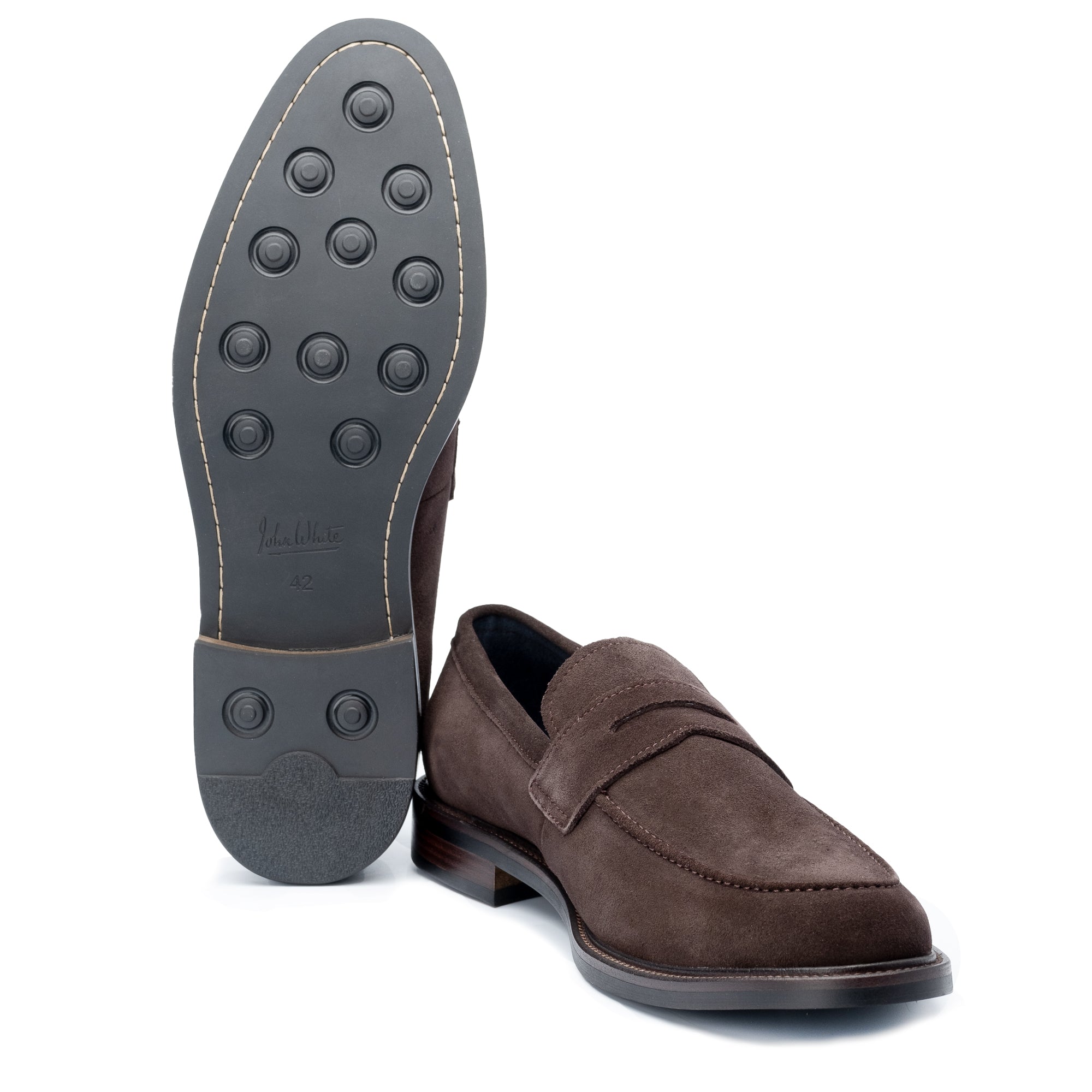
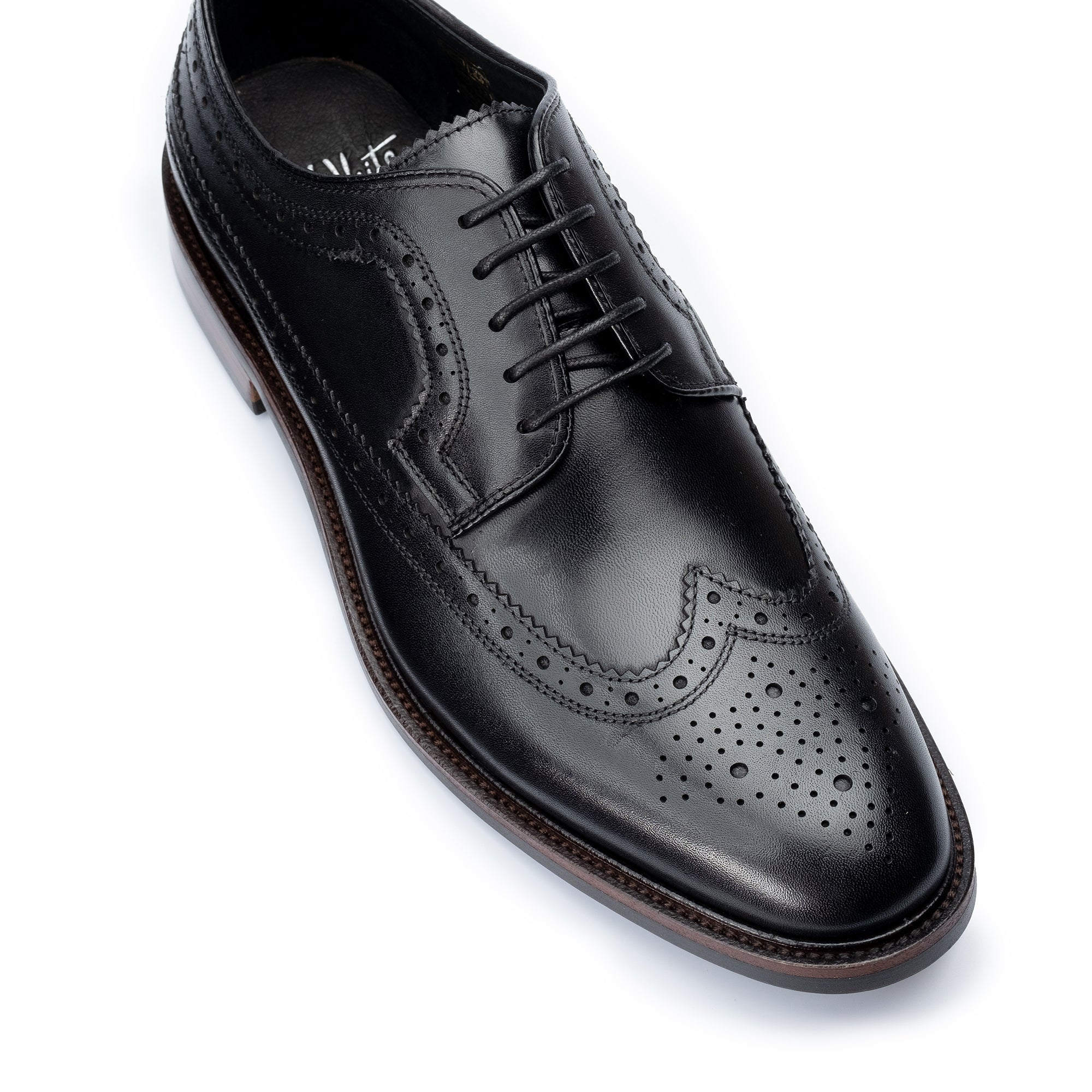
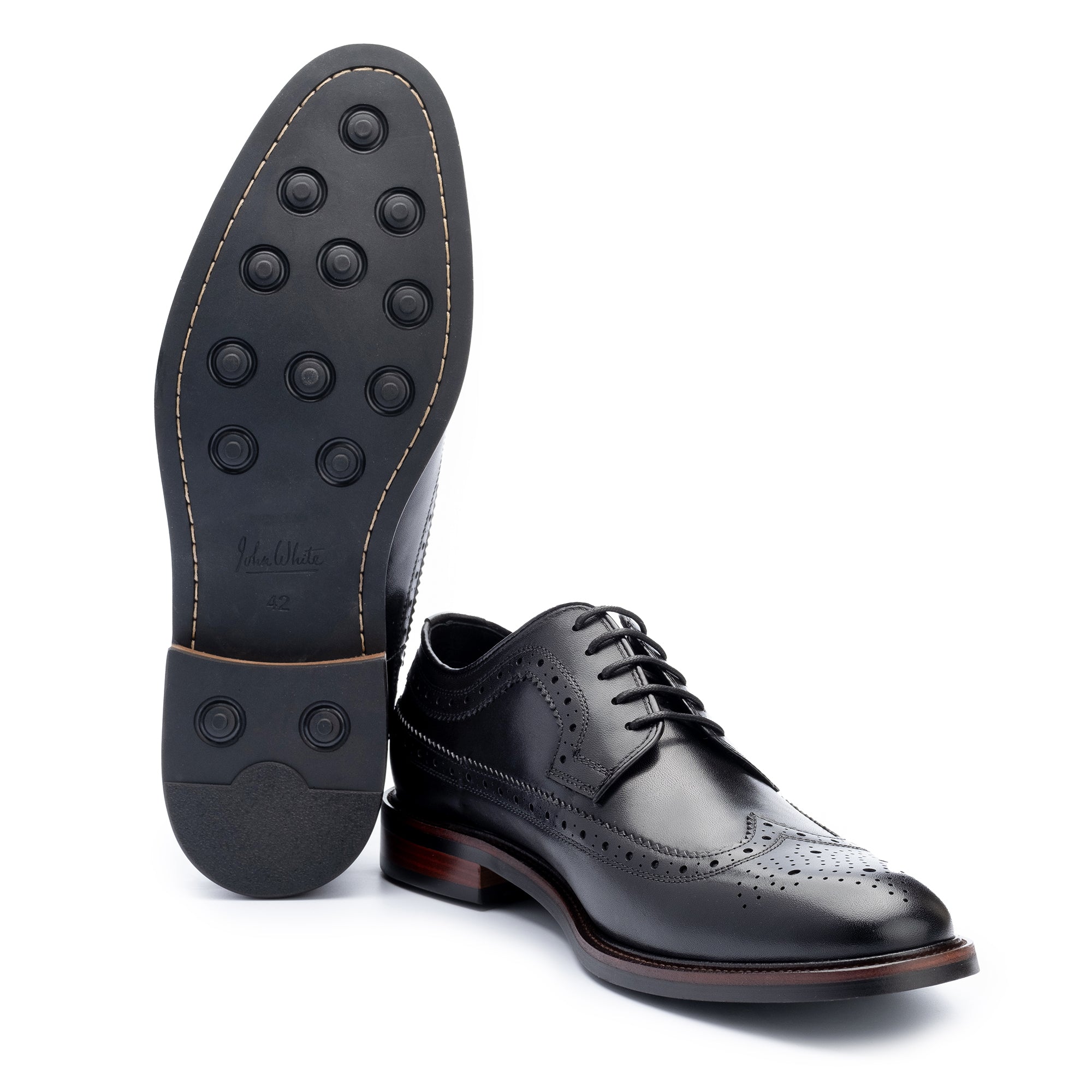
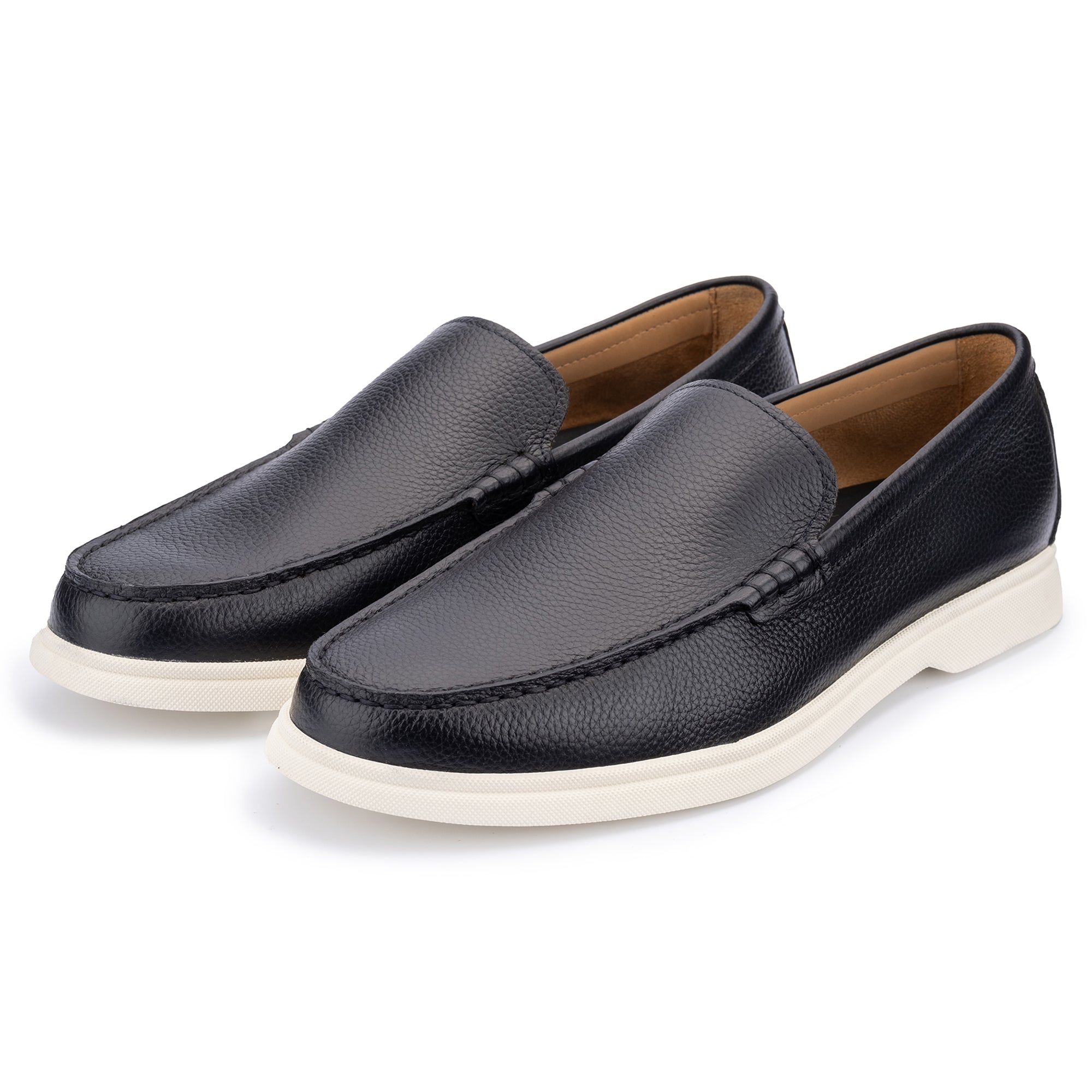
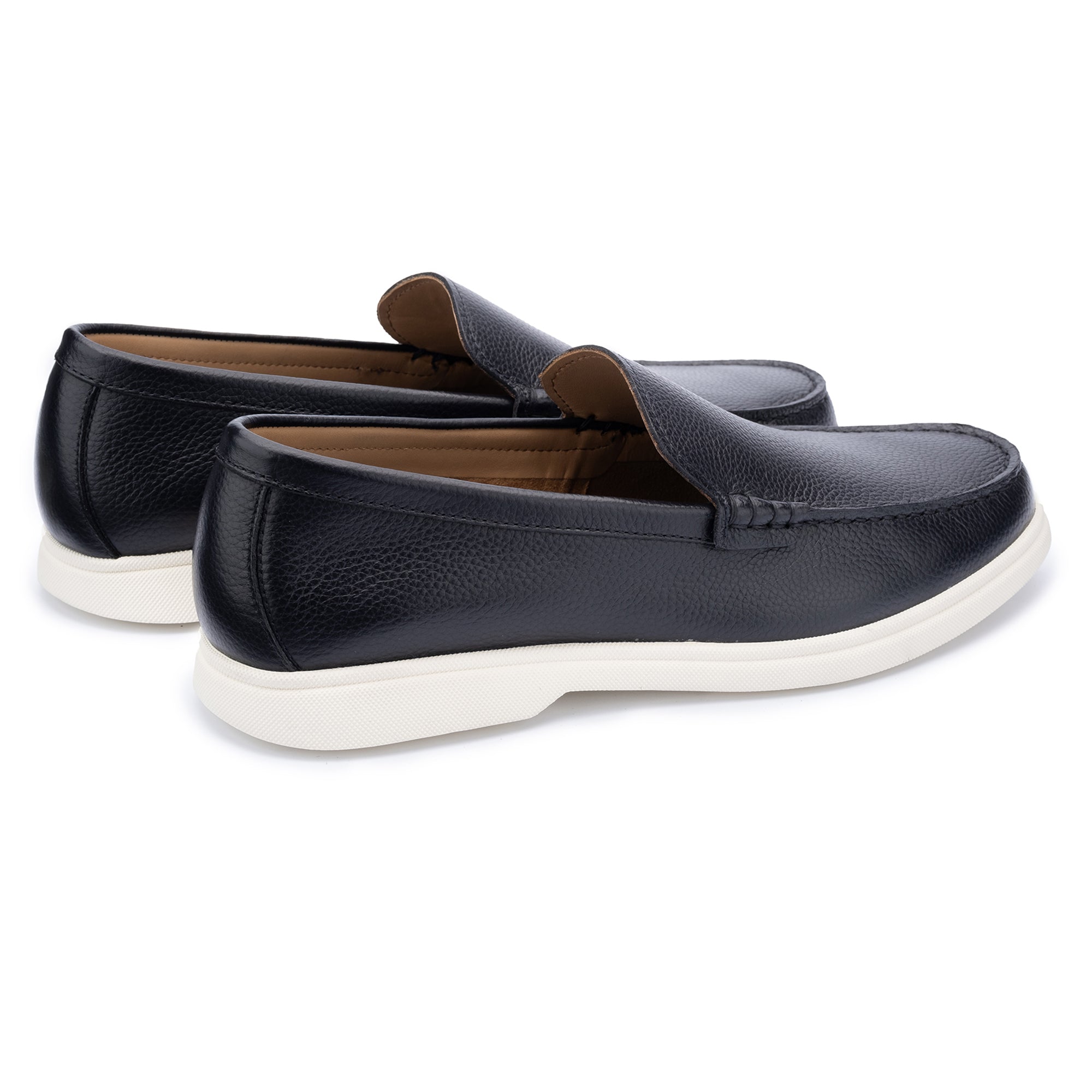
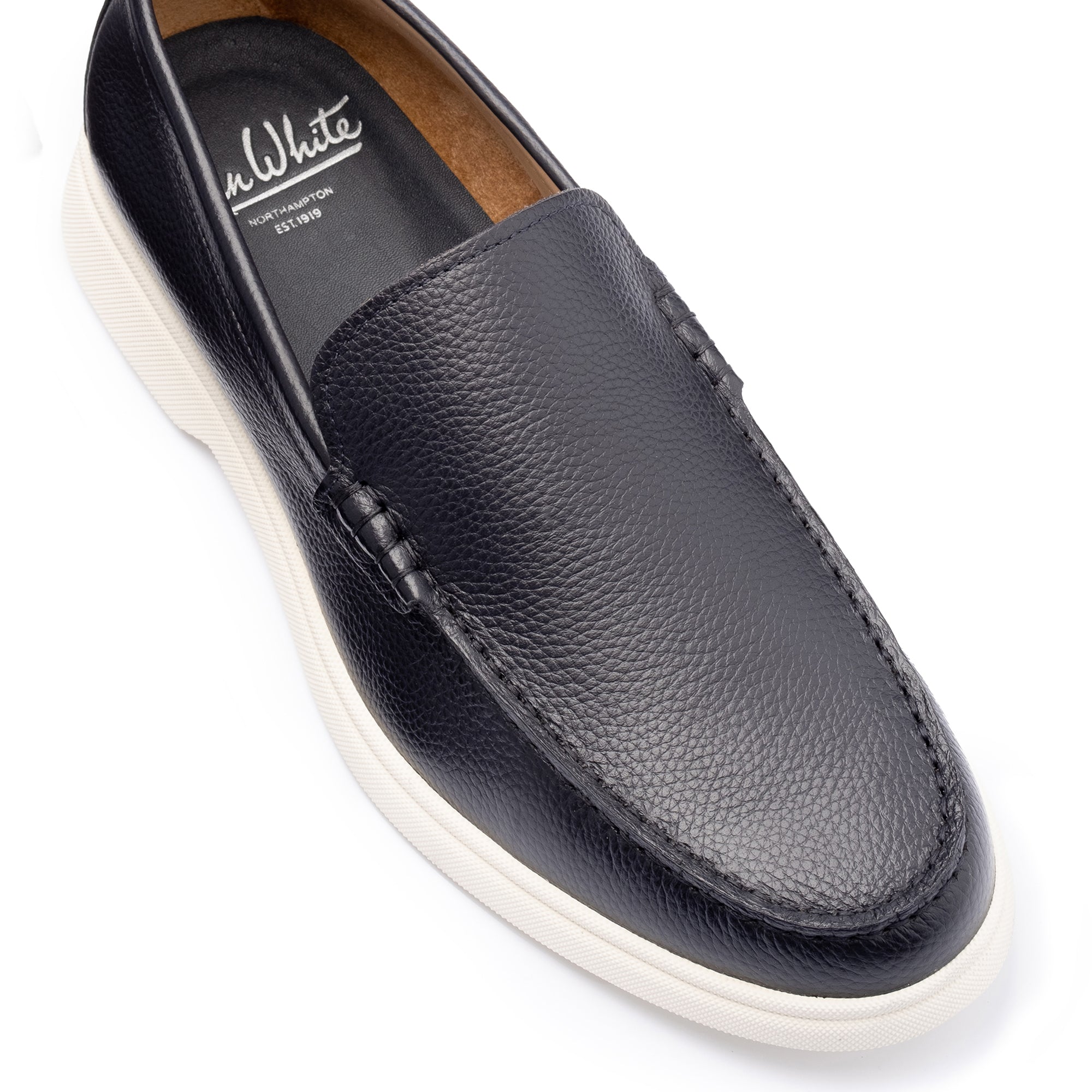
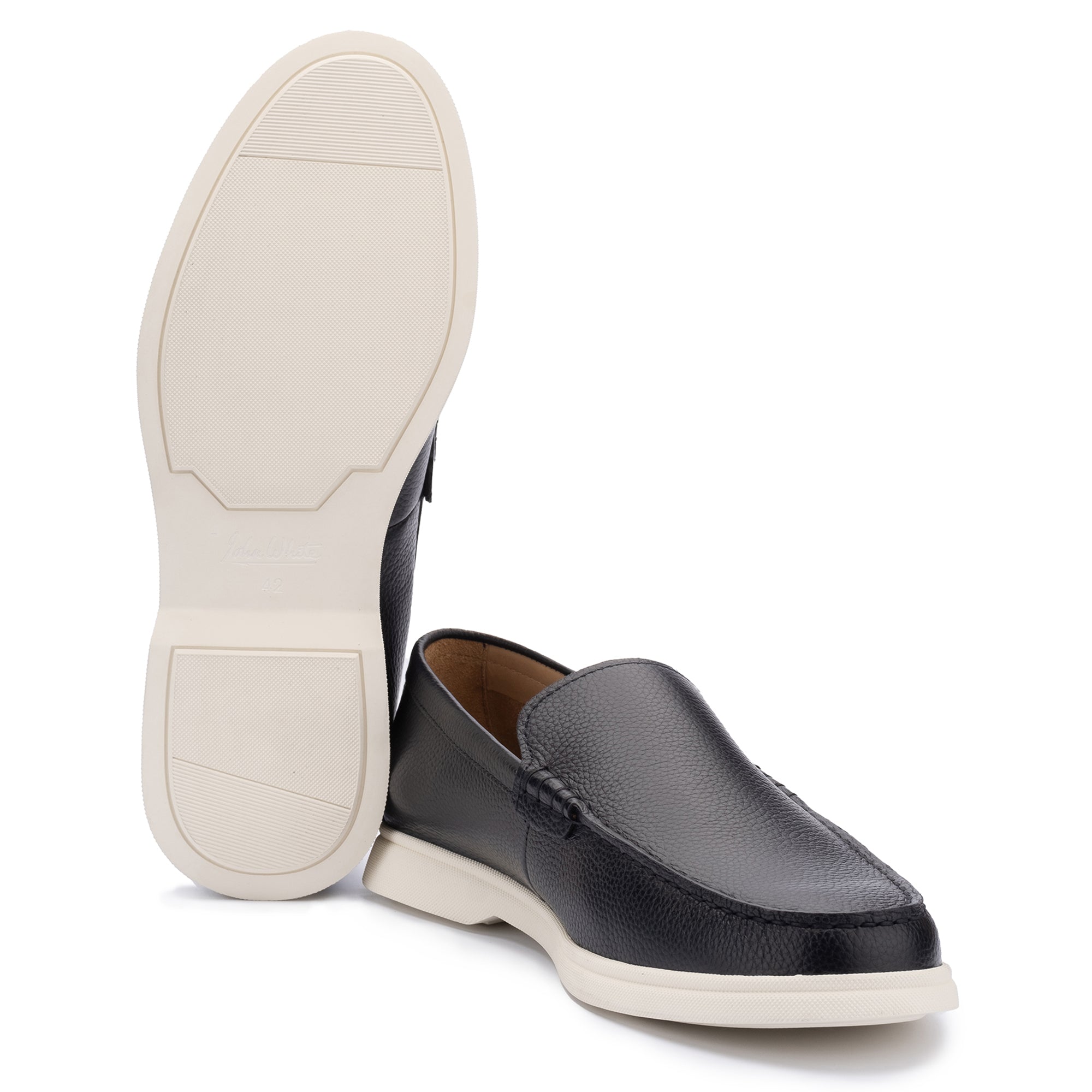
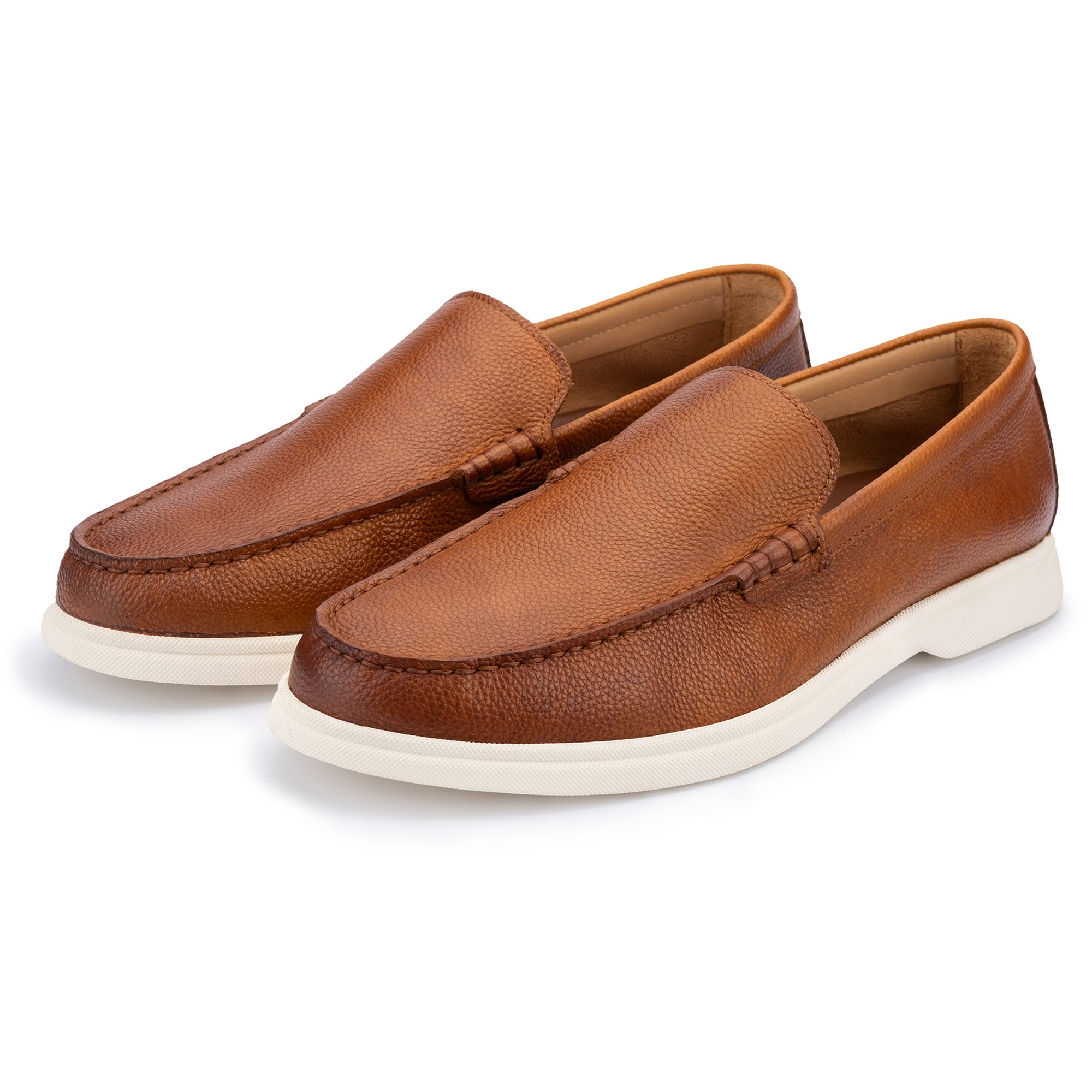
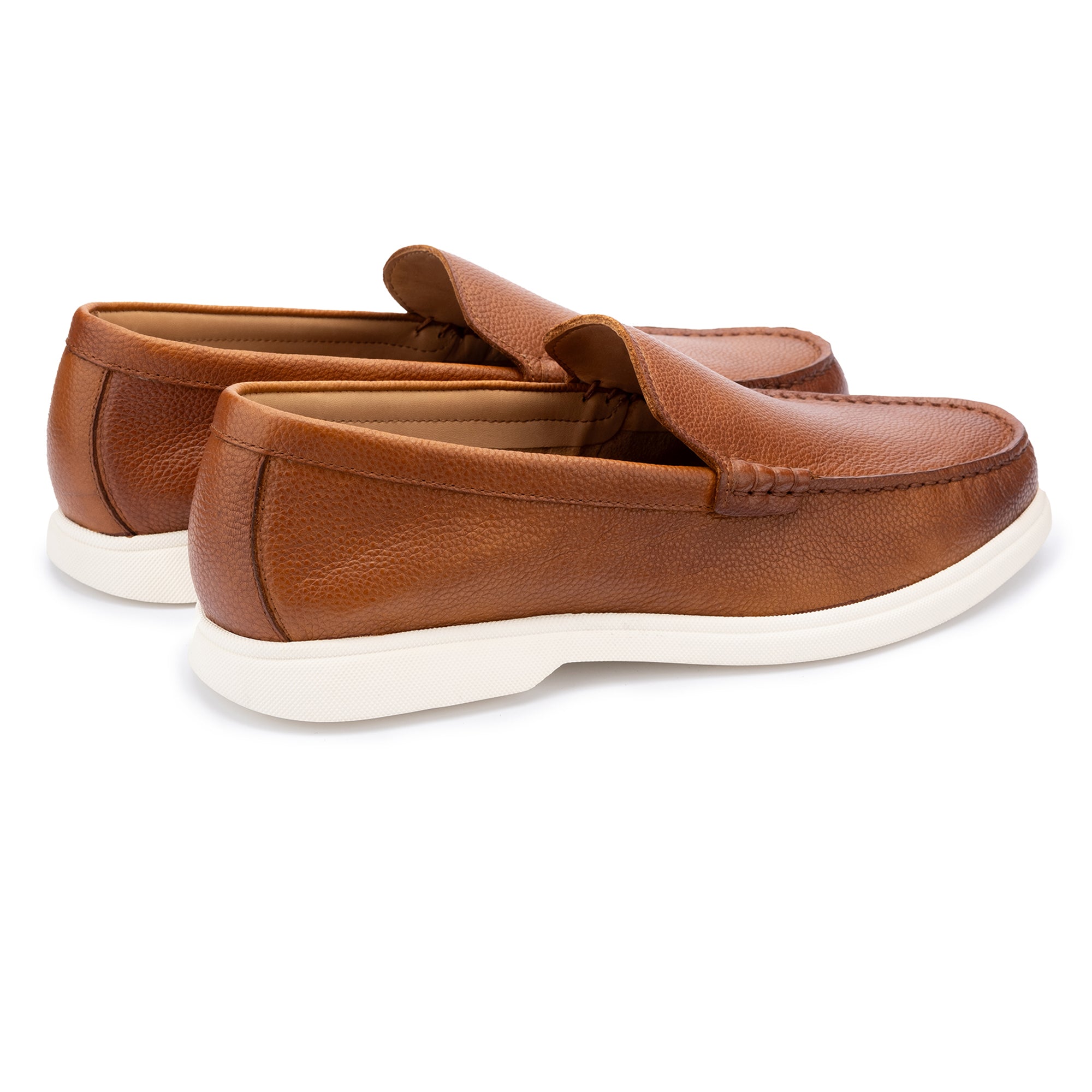
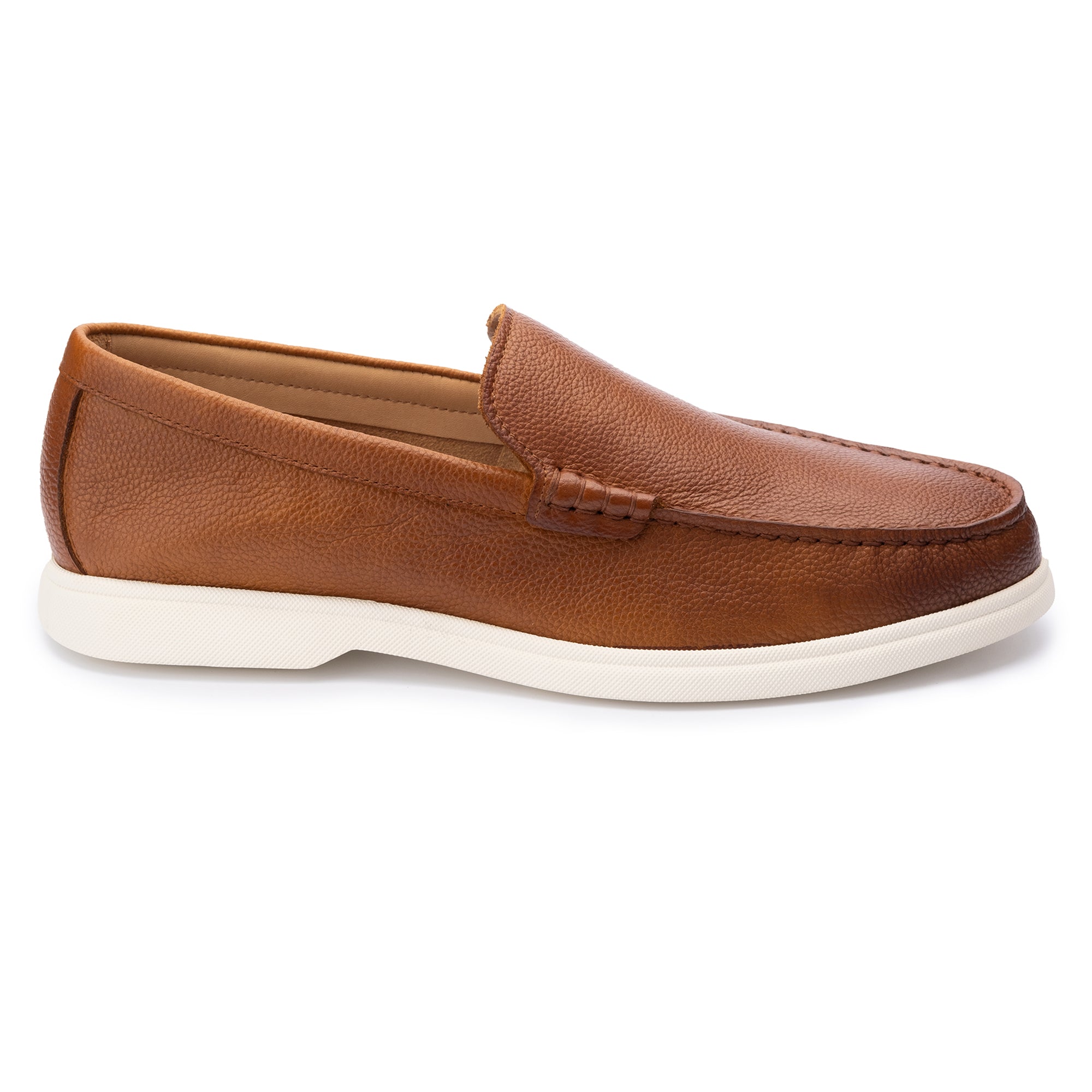
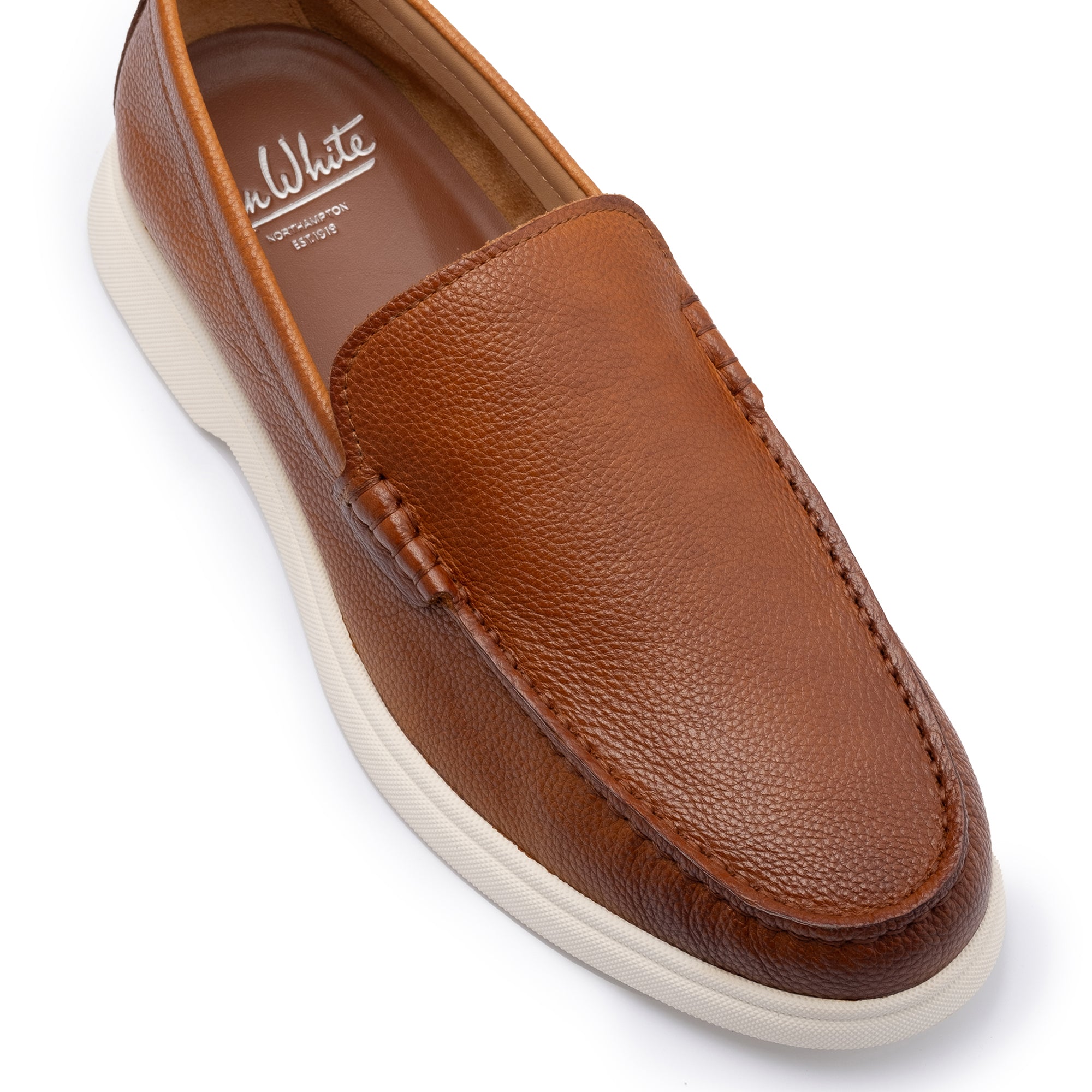
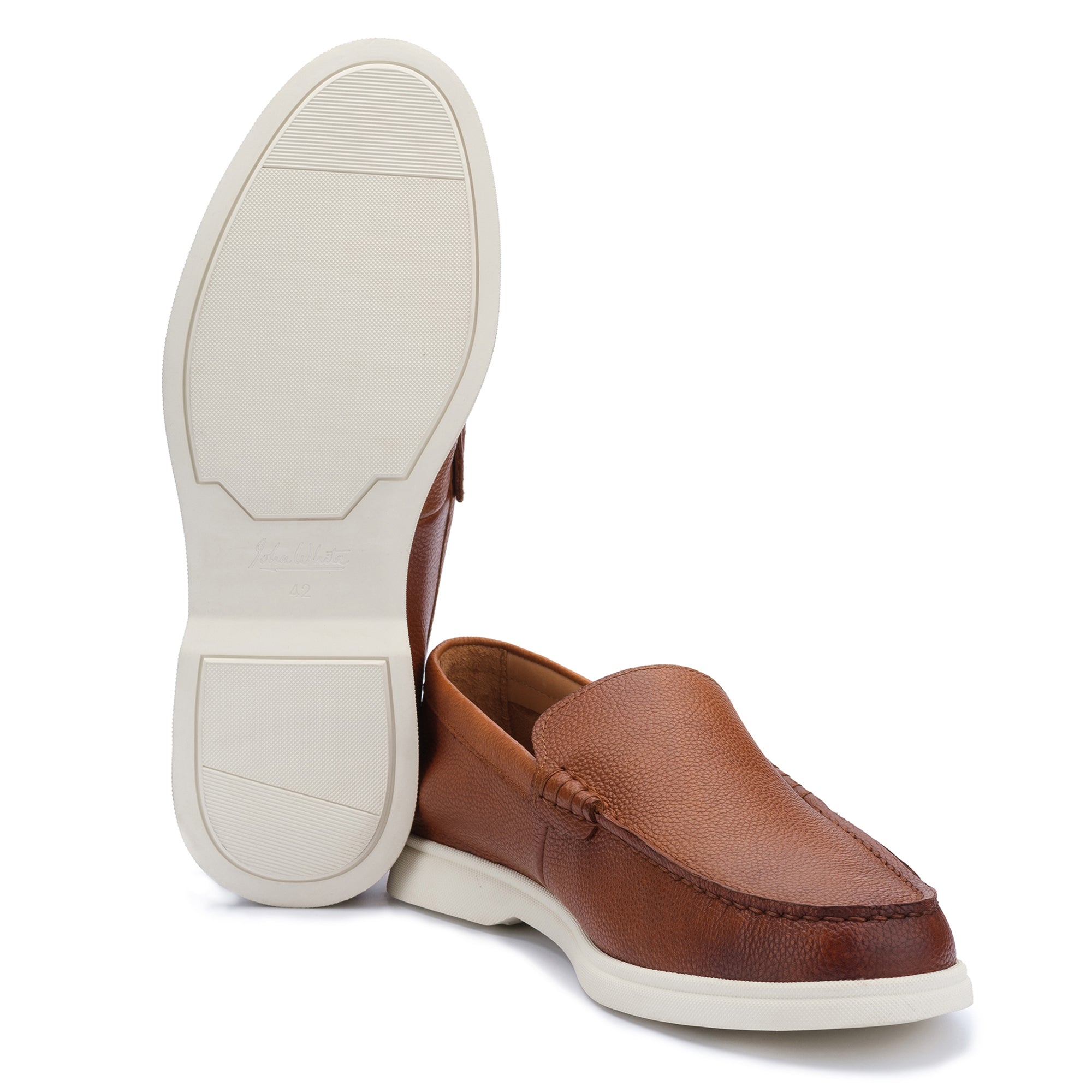
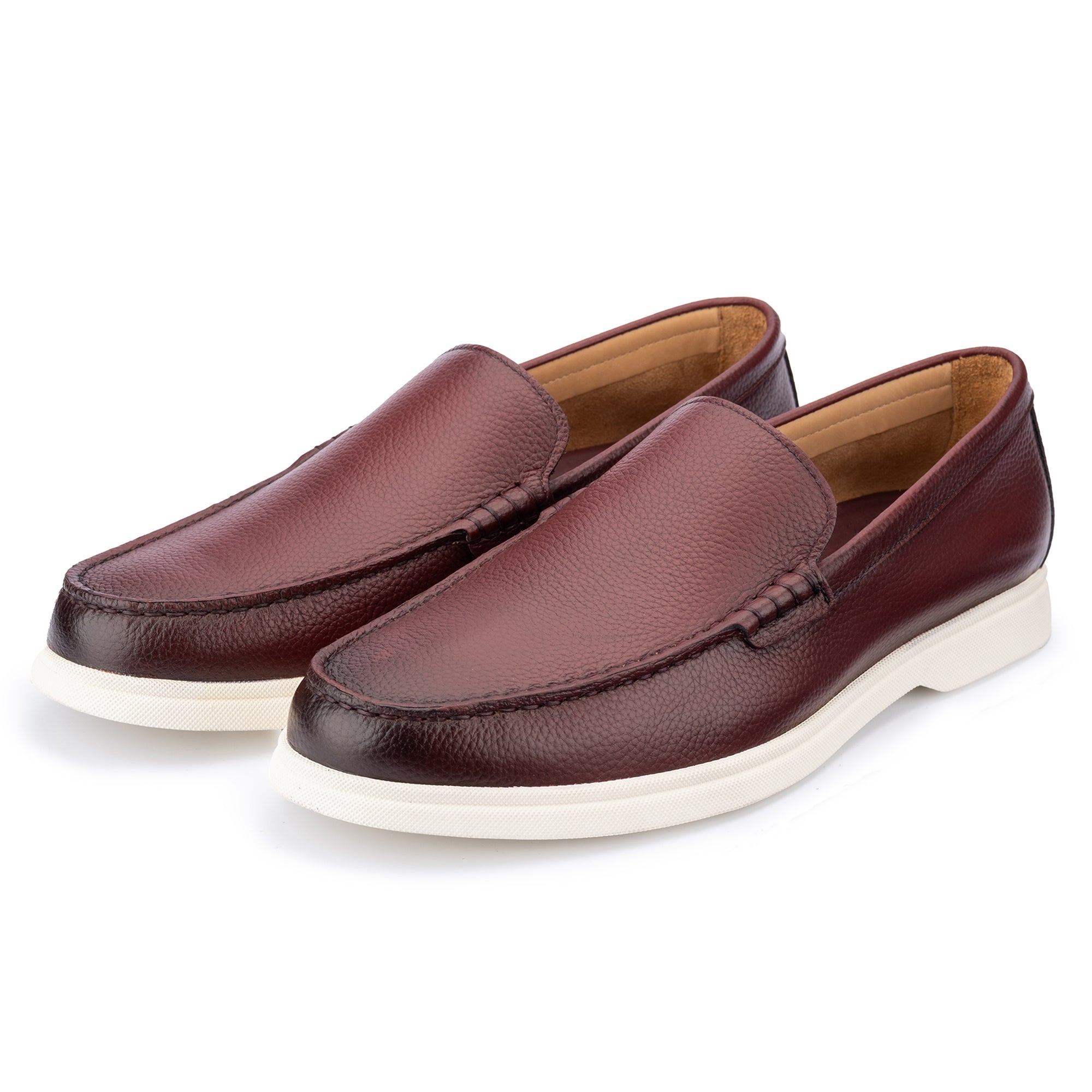
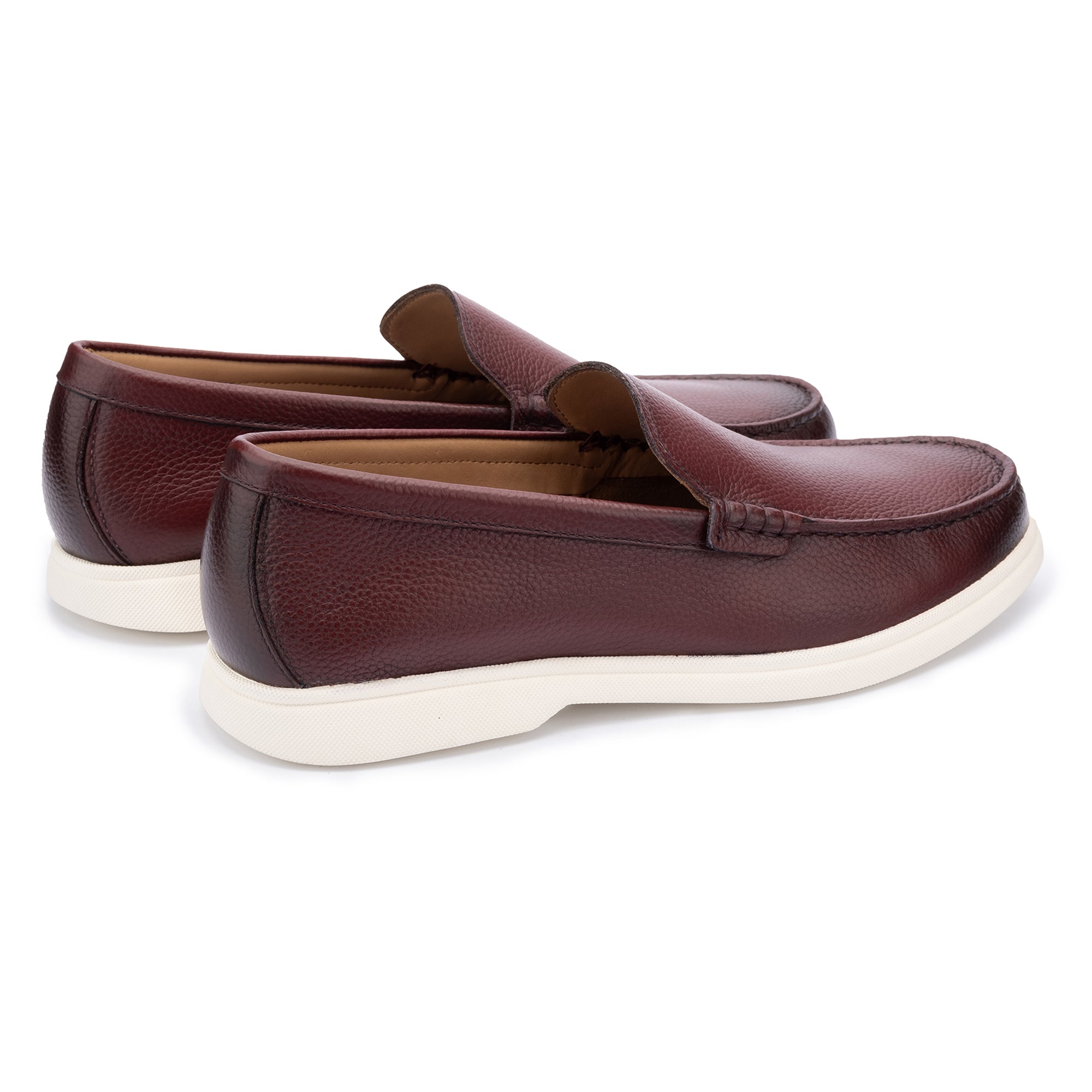
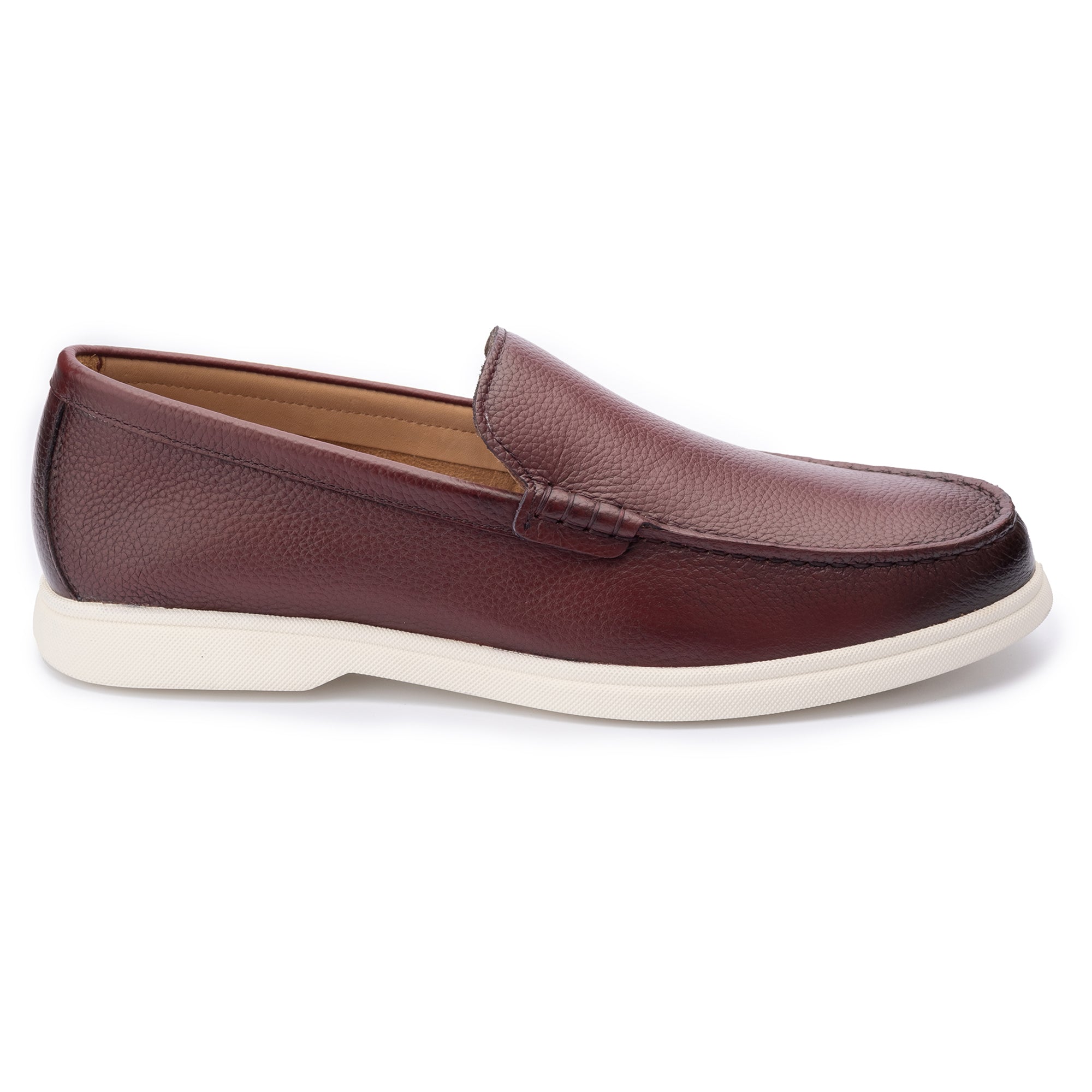
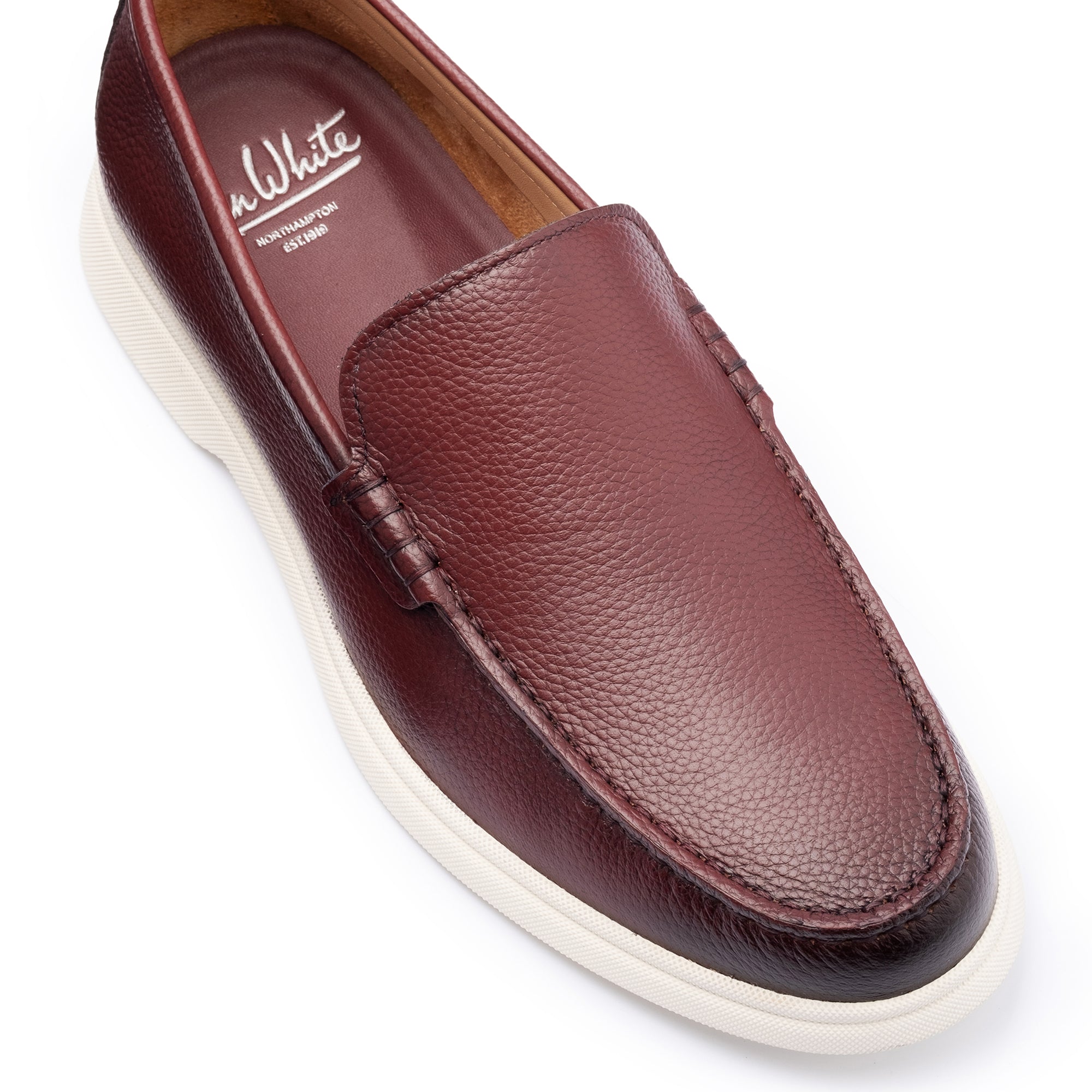
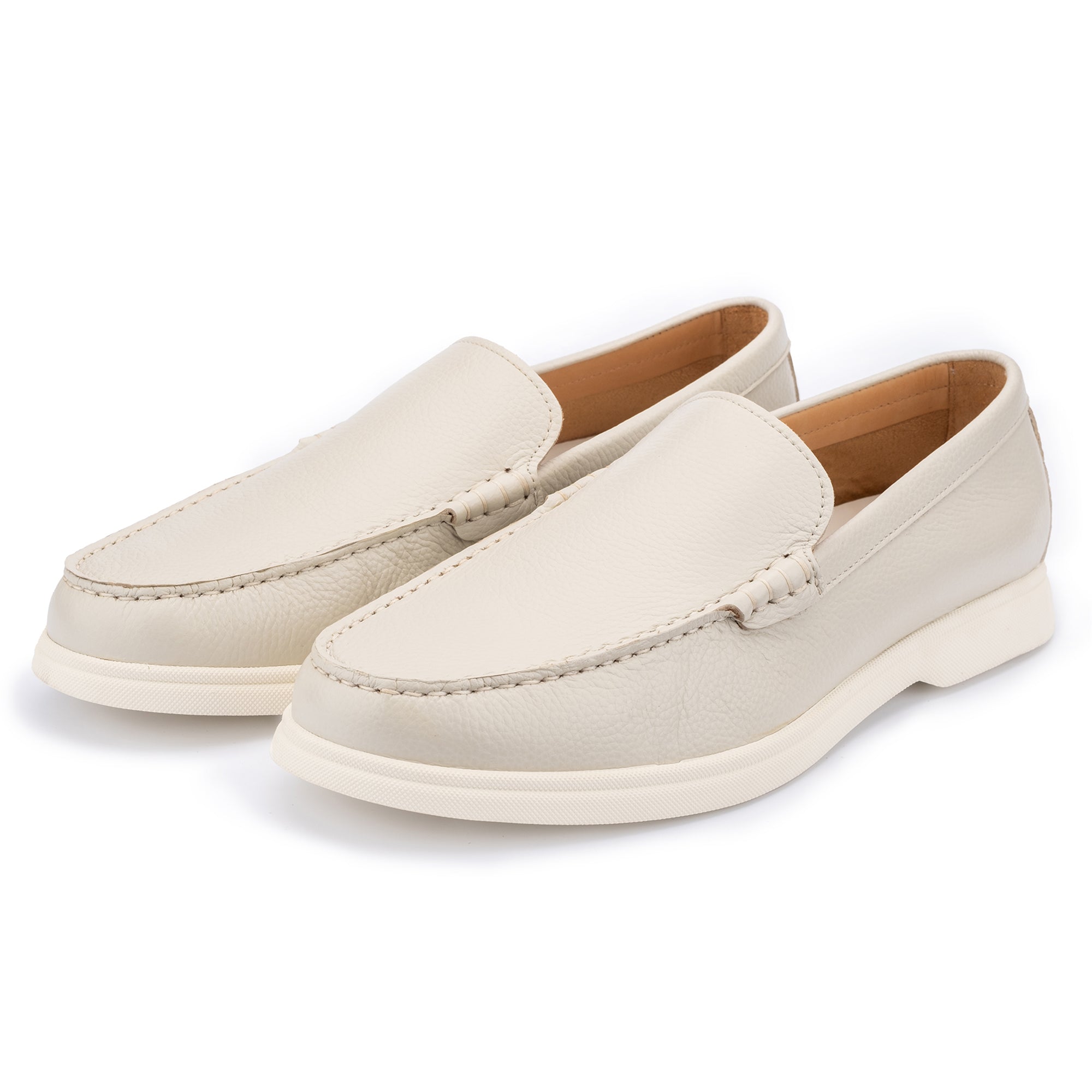
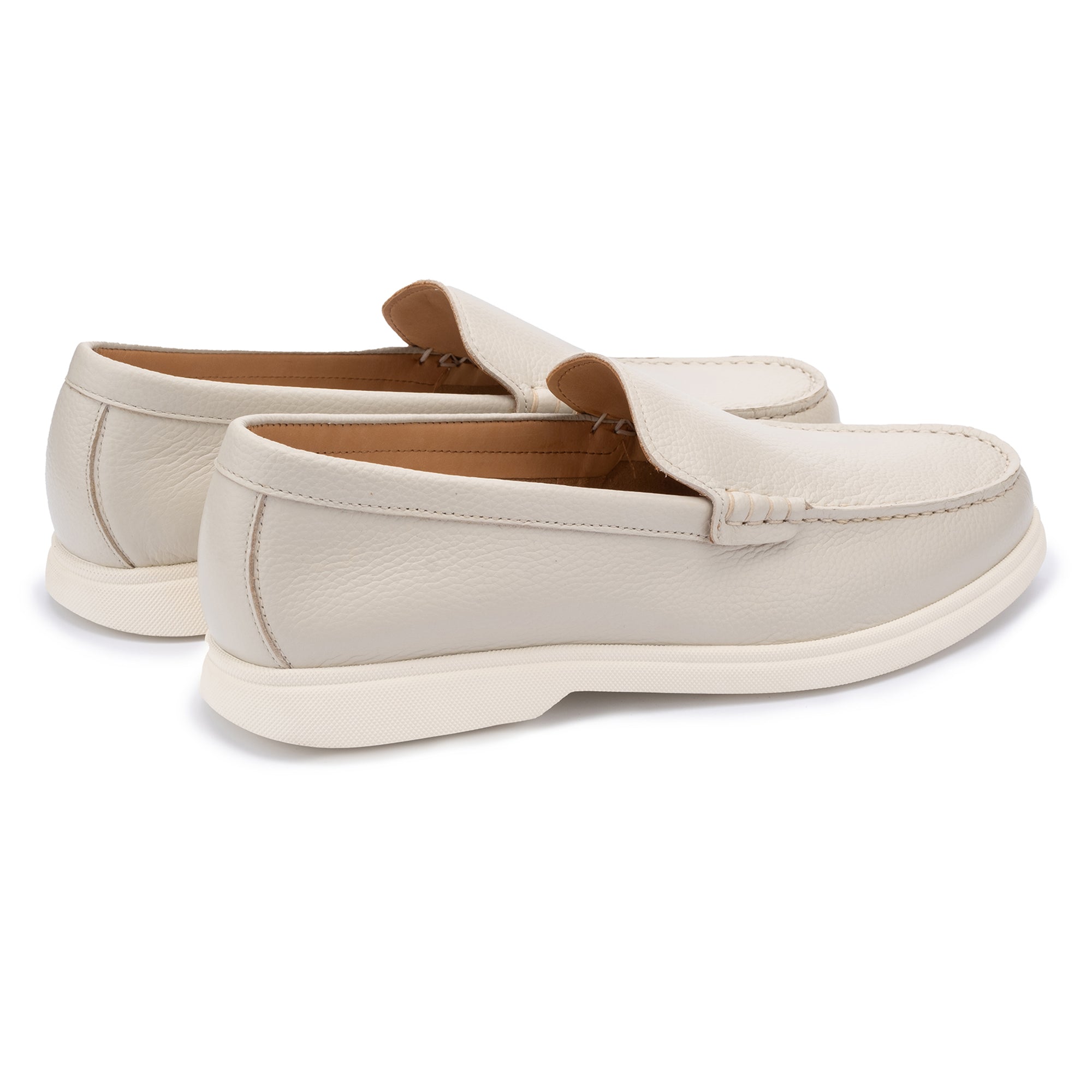
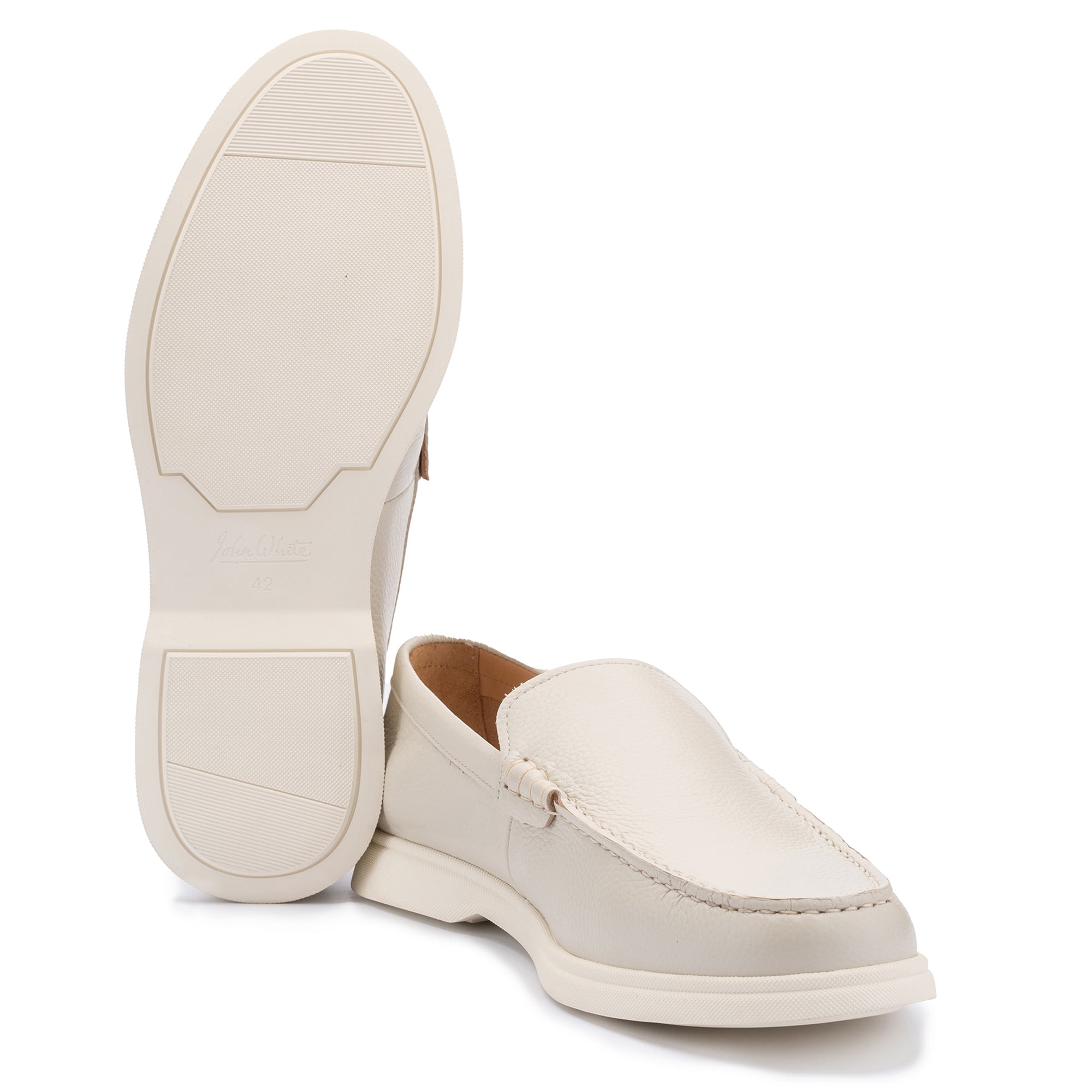
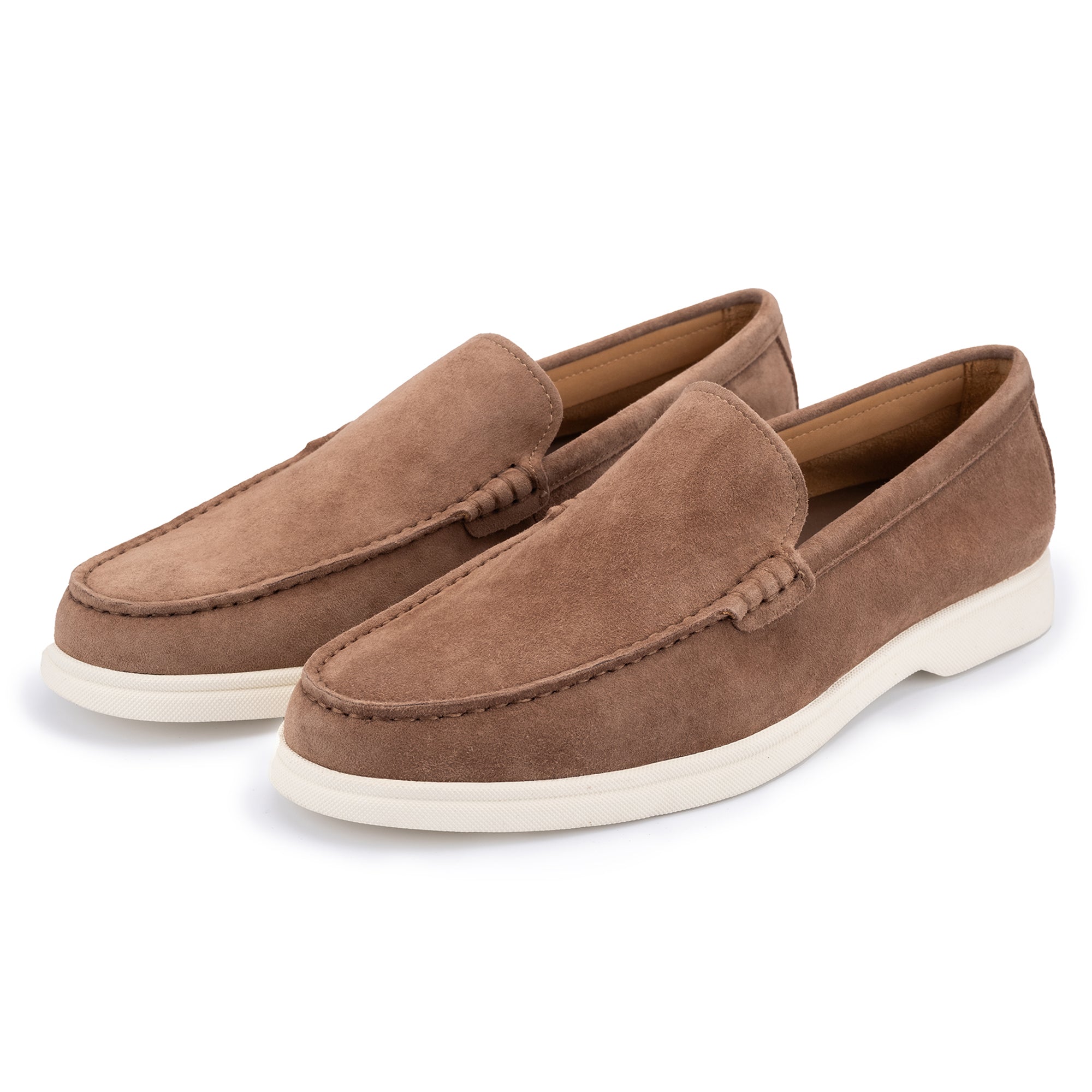
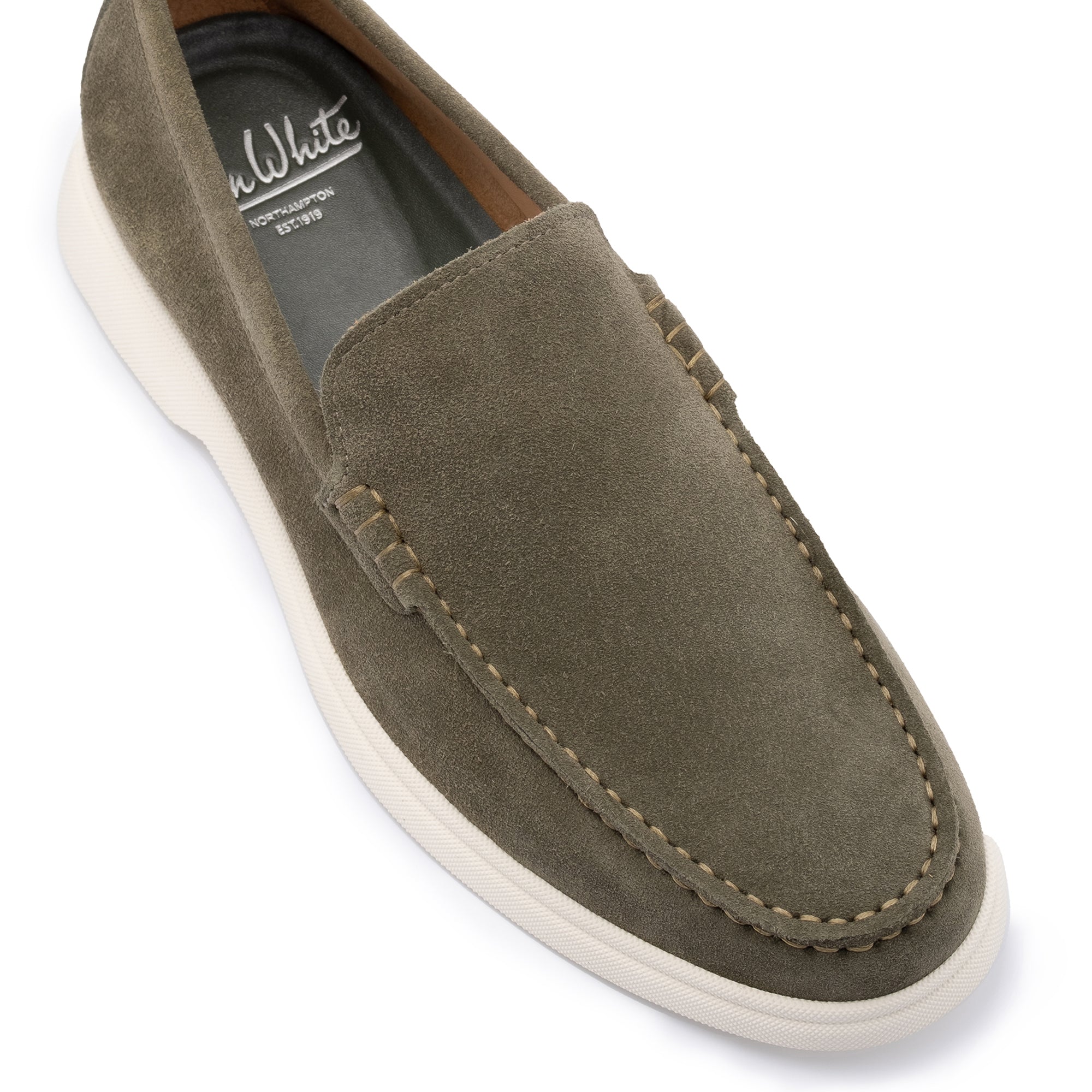
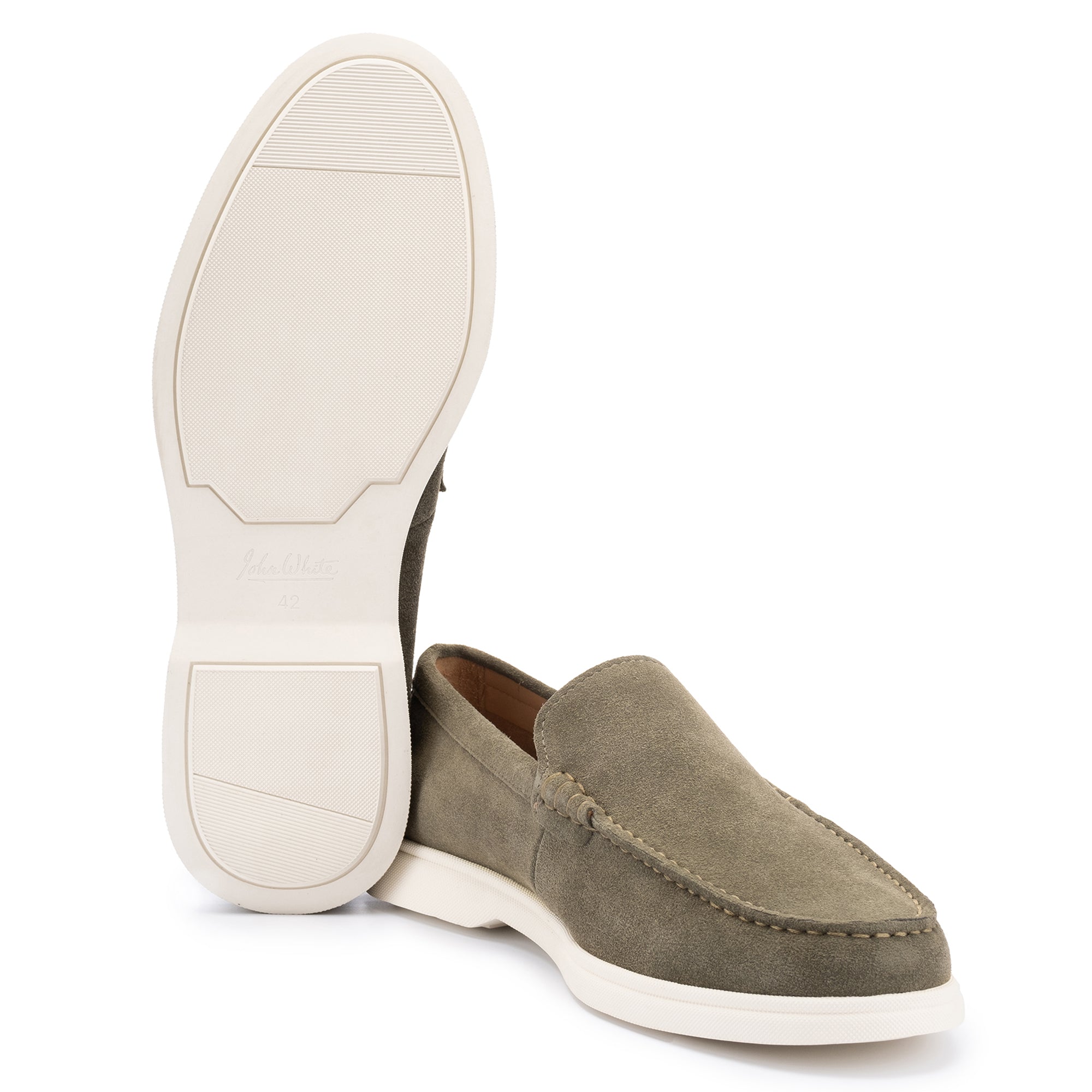
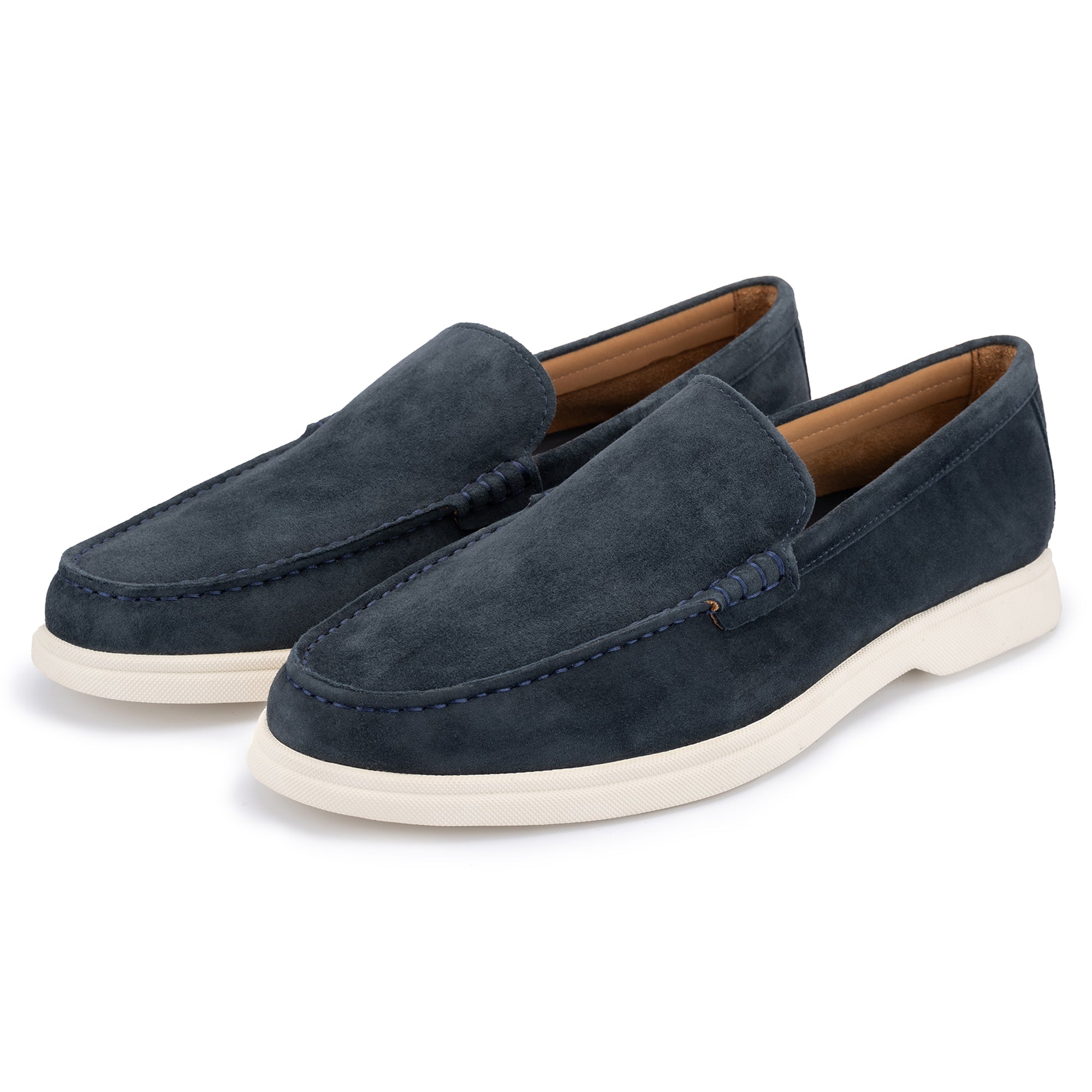
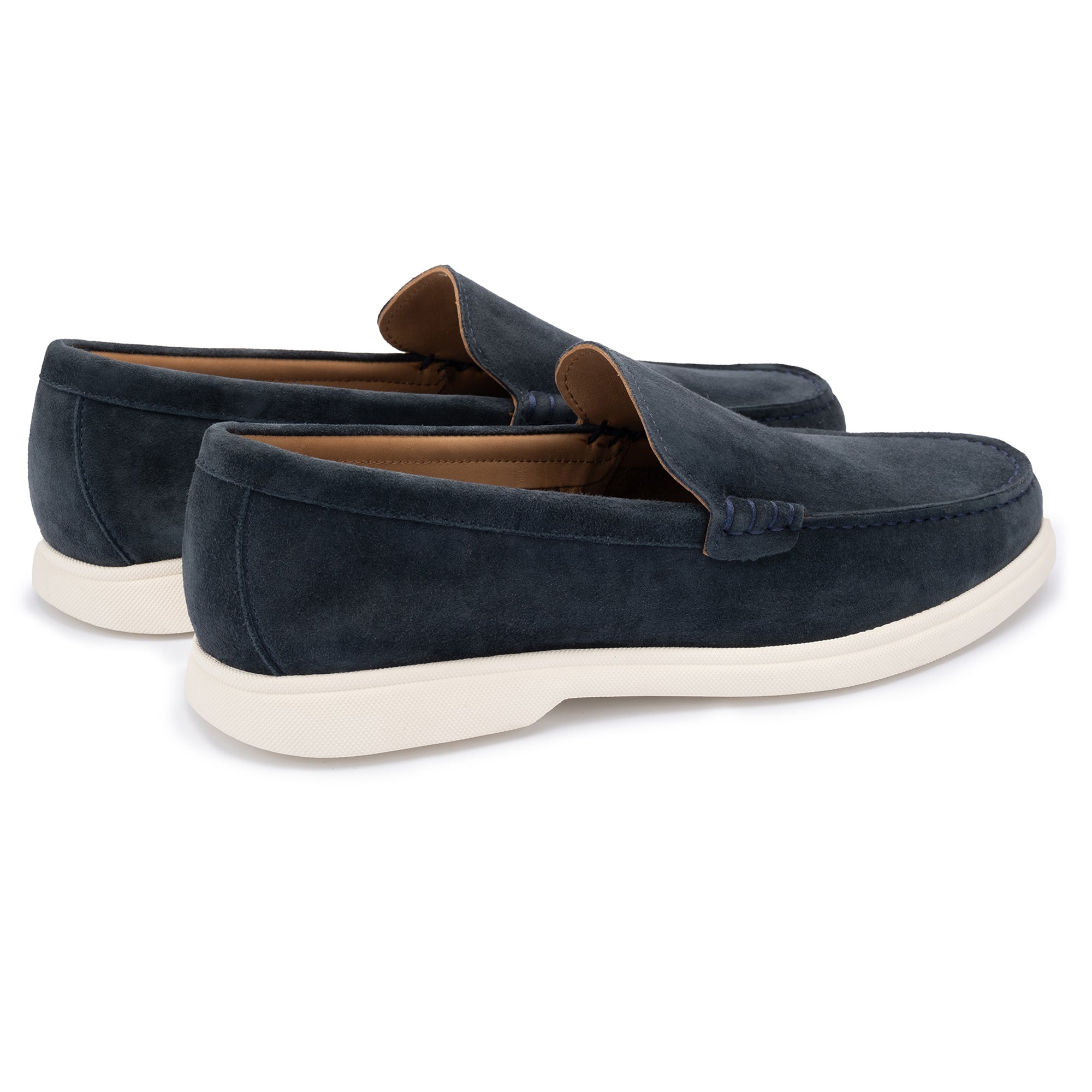
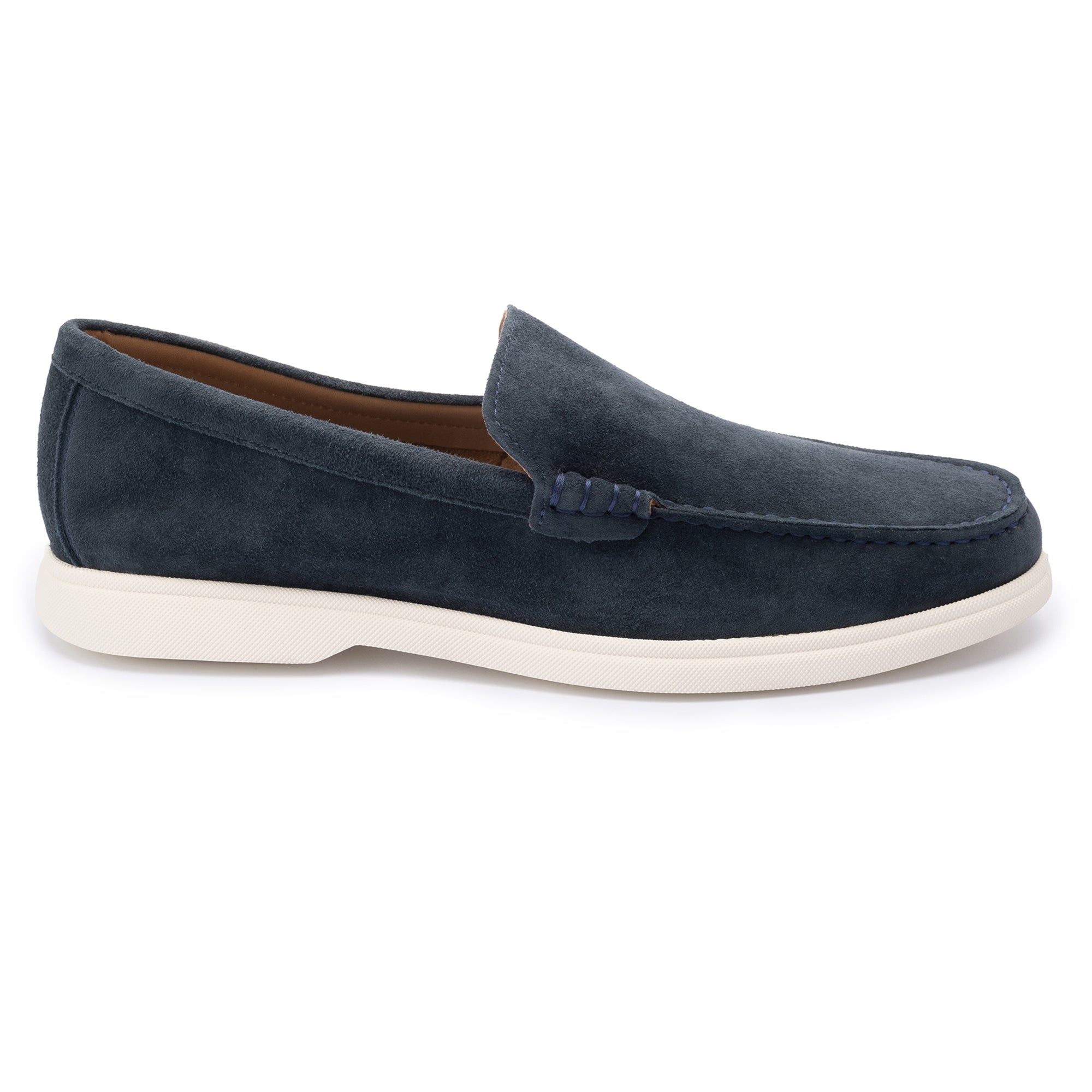
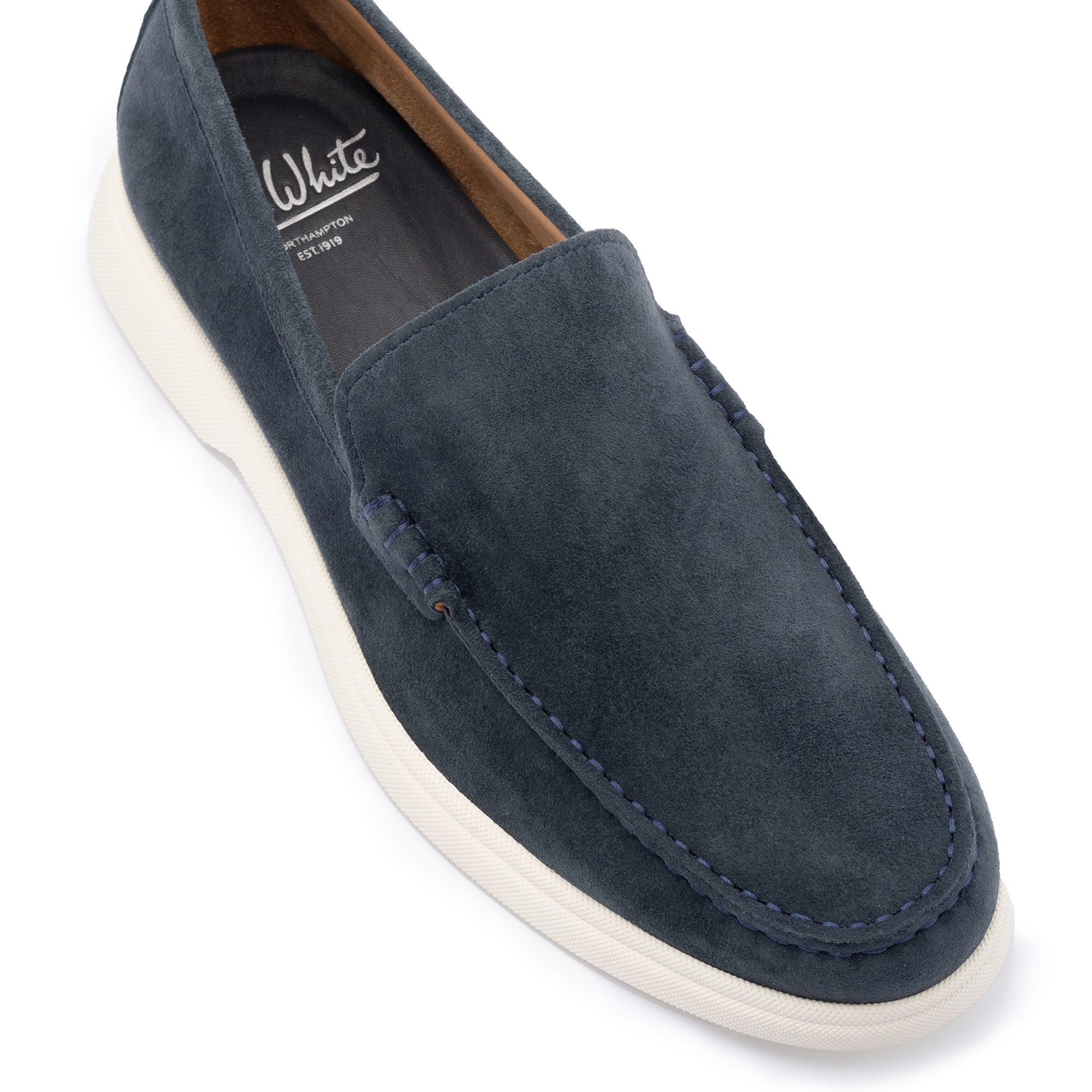
The great British houses — Church's, Crockett & Jones, Loake, Barker, Grenson — each built their identity around a signature last. John White Shoes, drawing from that same Northamptonshire design tradition, applies the same thinking to its curated range: each silhouette carries a deliberate, considered profile rather than a generic fit-everything form.
For most men, an almond or round toe gives the strongest foundation for a shoe wardrobe that works from business to smart-casual without adjustment.
How Does Last Shape Interact with Outfit Proportions?
Last shape directly affects how a shoe reads against different trouser cuts and outfit proportions — a dimension most style guides skip entirely. The toe profile and the last's heel pitch both shape the visual register of the finished look.
- Slim or tapered trousers — an almond toe extends the leg line cleanly. A very round or bulbous toe box cuts the line short and reads disproportionate.
- Classic suit trousers — a round or almond toe complements the traditional silhouette. A very square chisel toe can feel jarring against generous cloth.
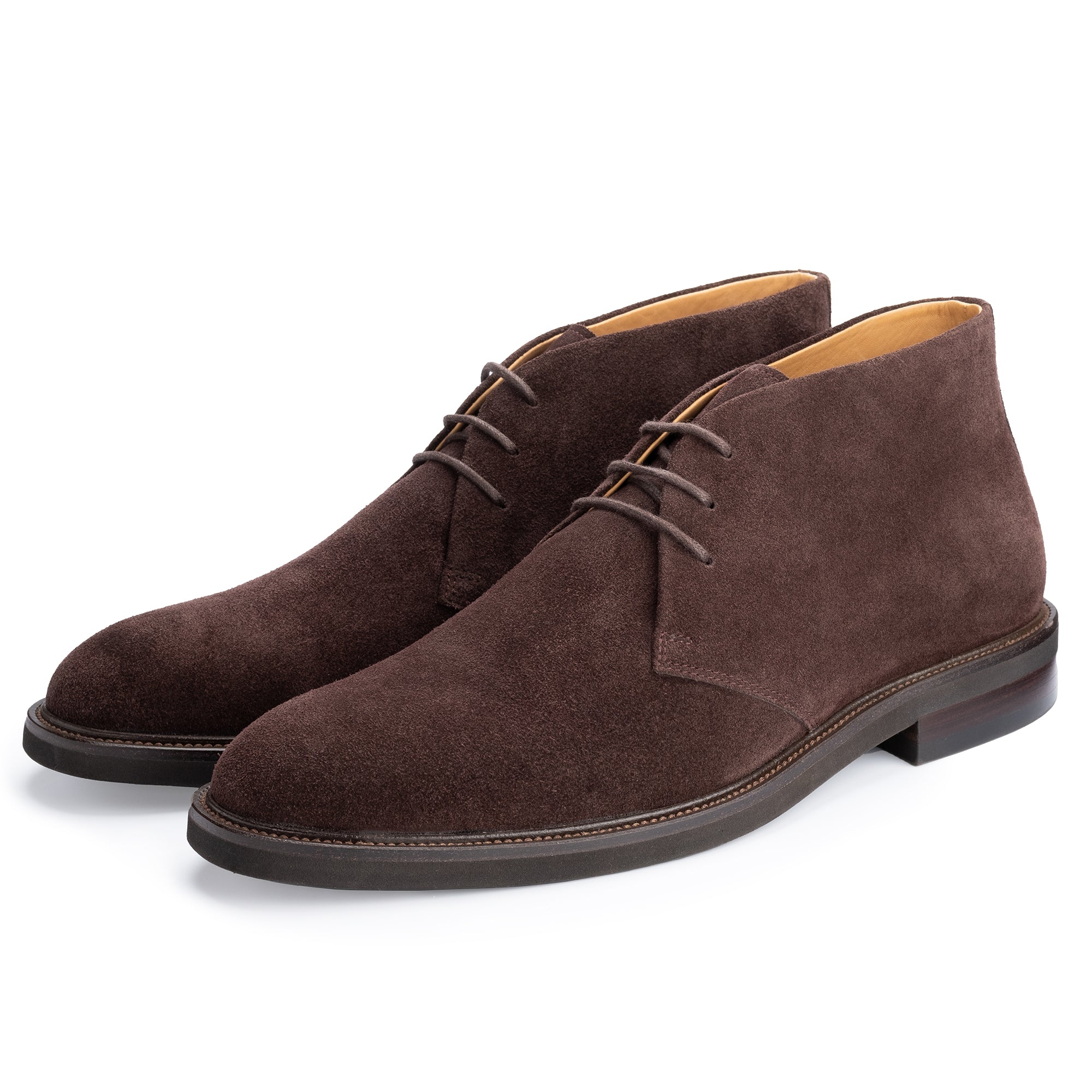
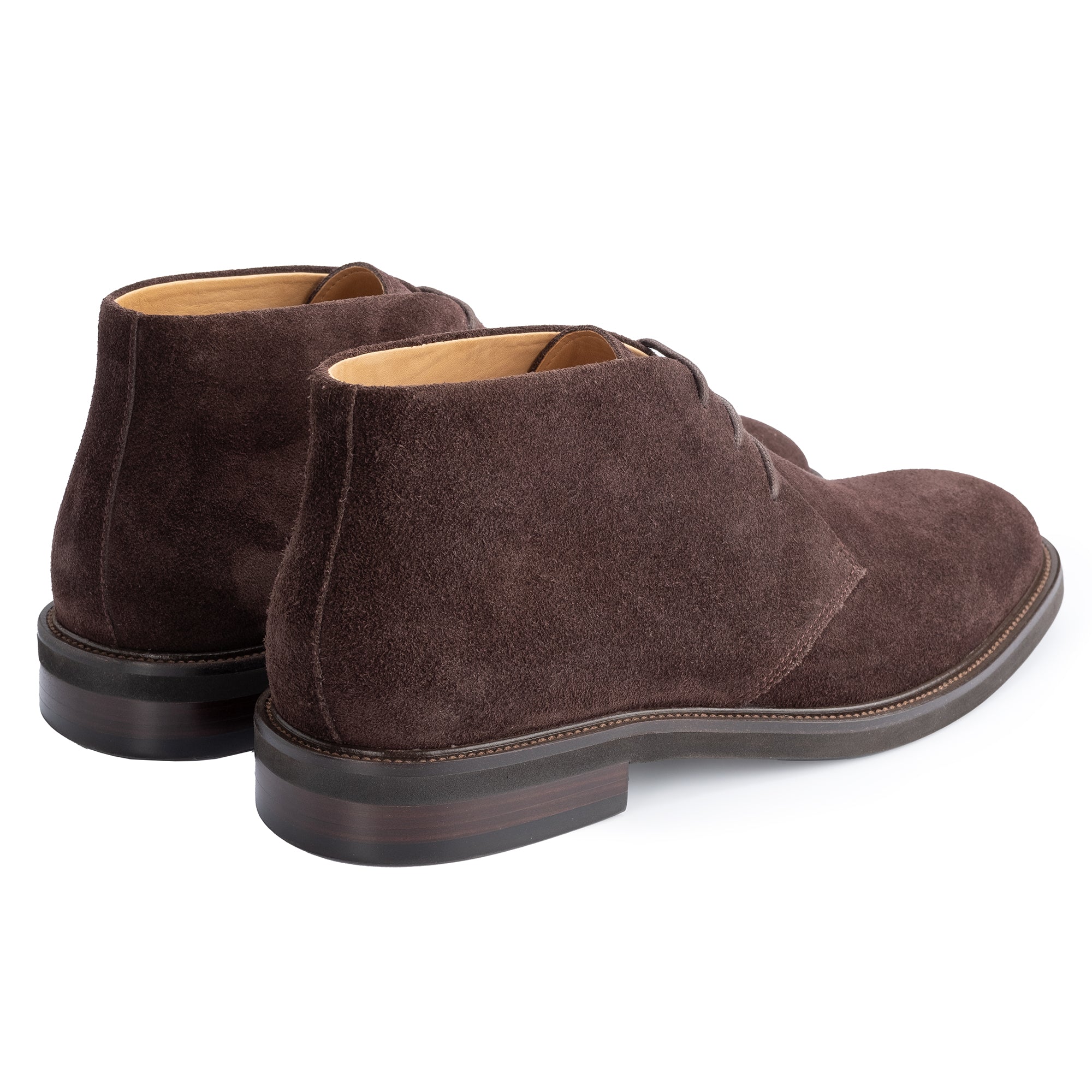
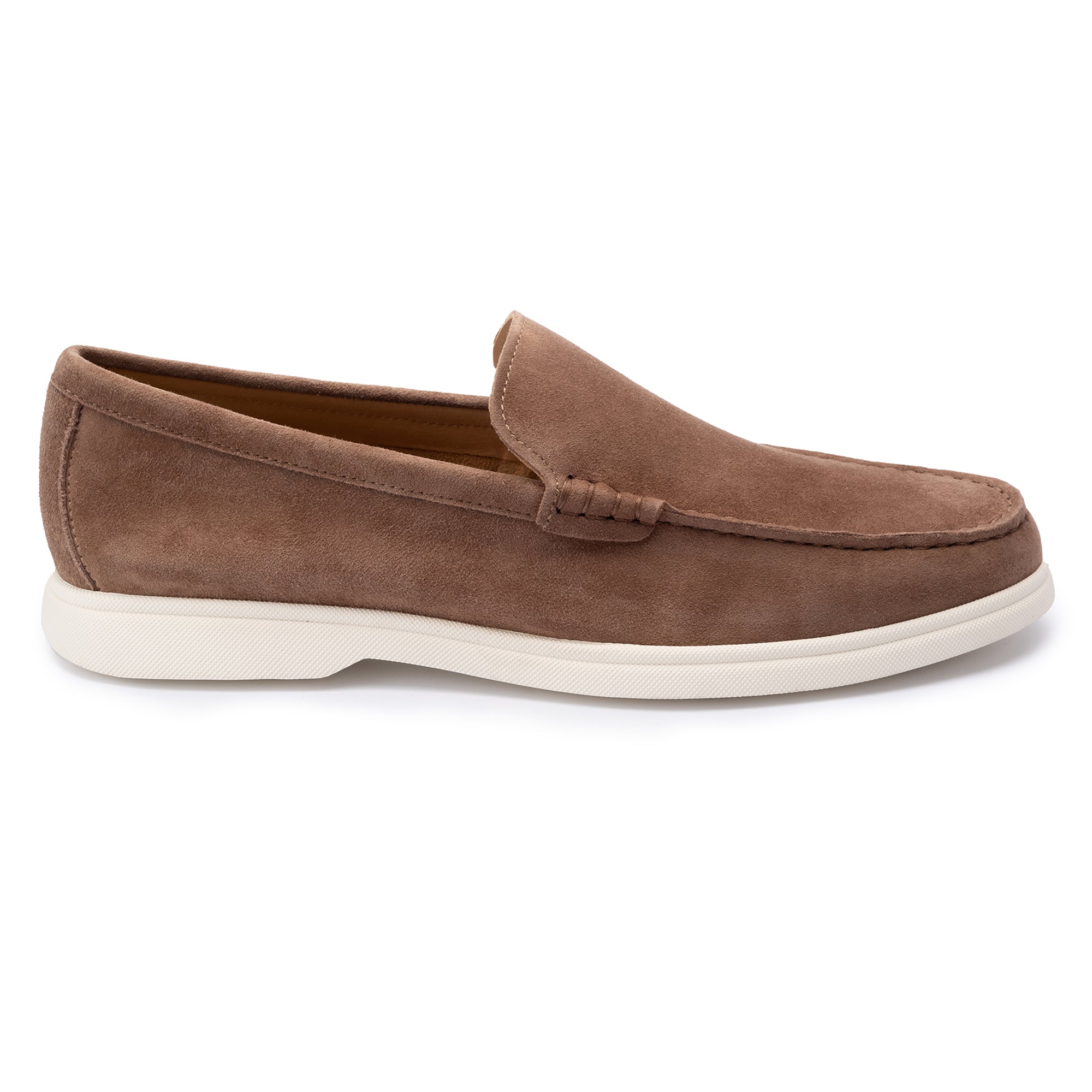
- Chinos or tailored jeans — a rounder, fuller toe box reads more relaxed, which suits the casual register. It works; it doesn't fight the outfit.
- Formal eveningwear — a clean, sharp toe with minimal decoration reads most authoritative. Avoid anything visually busy against a simple trouser break.
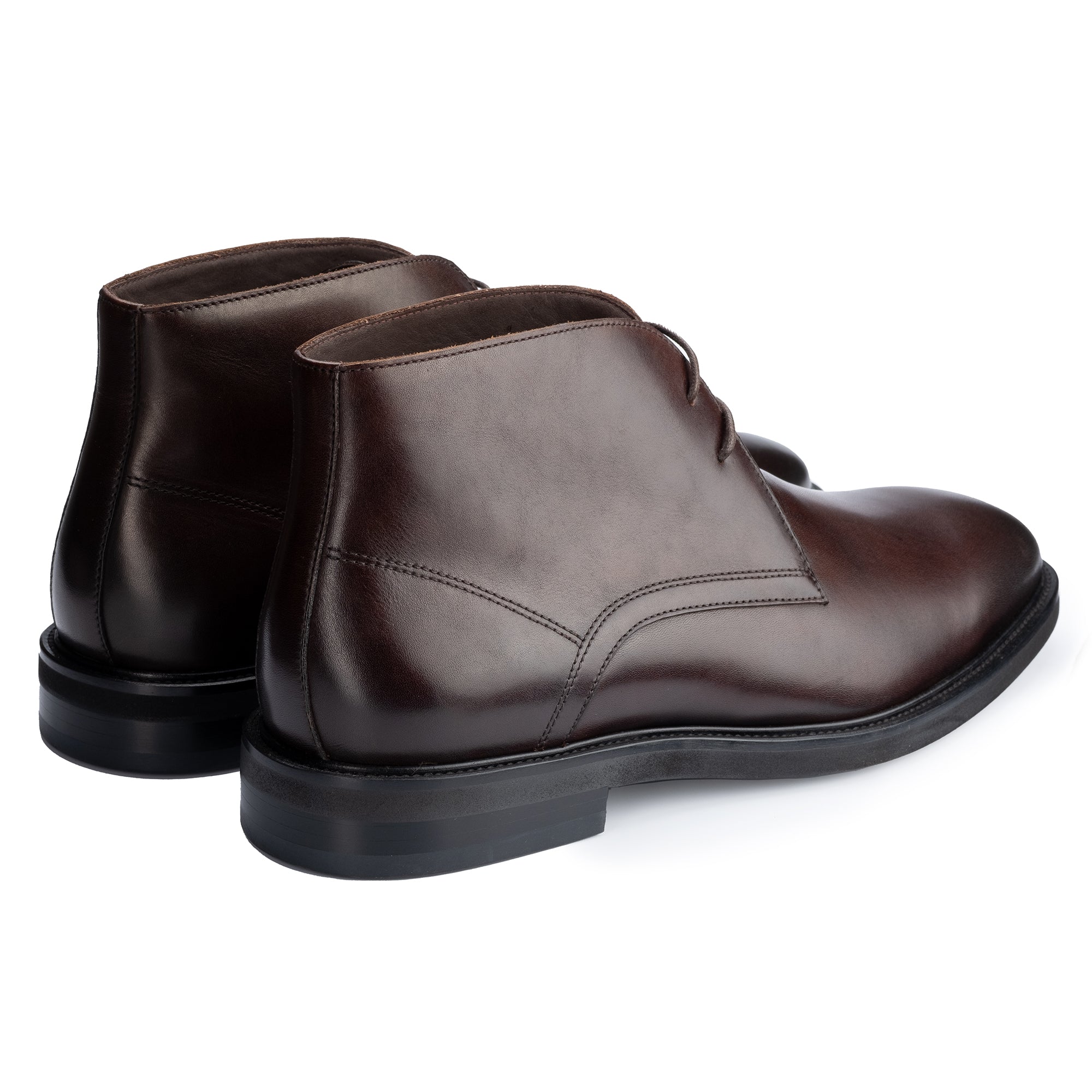
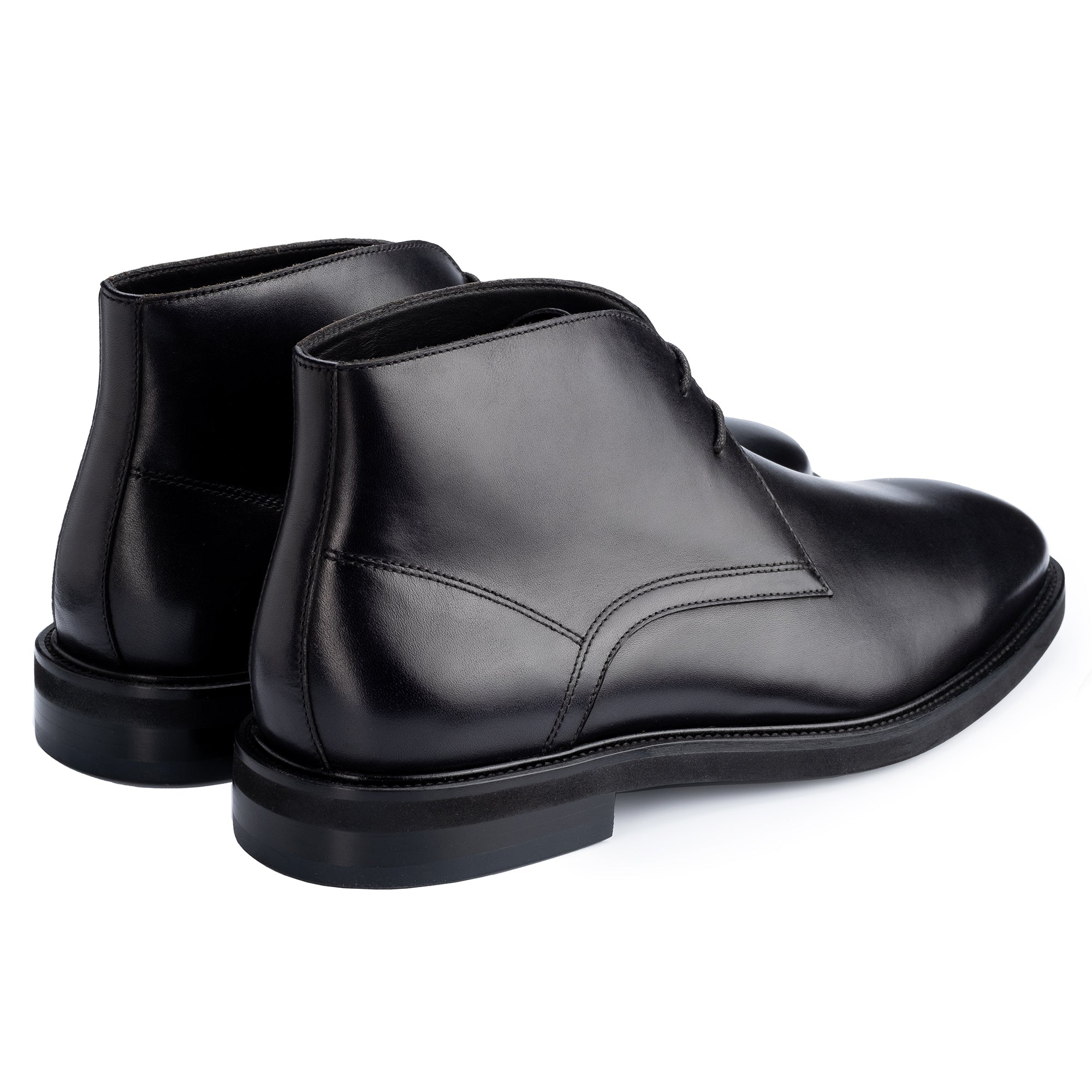
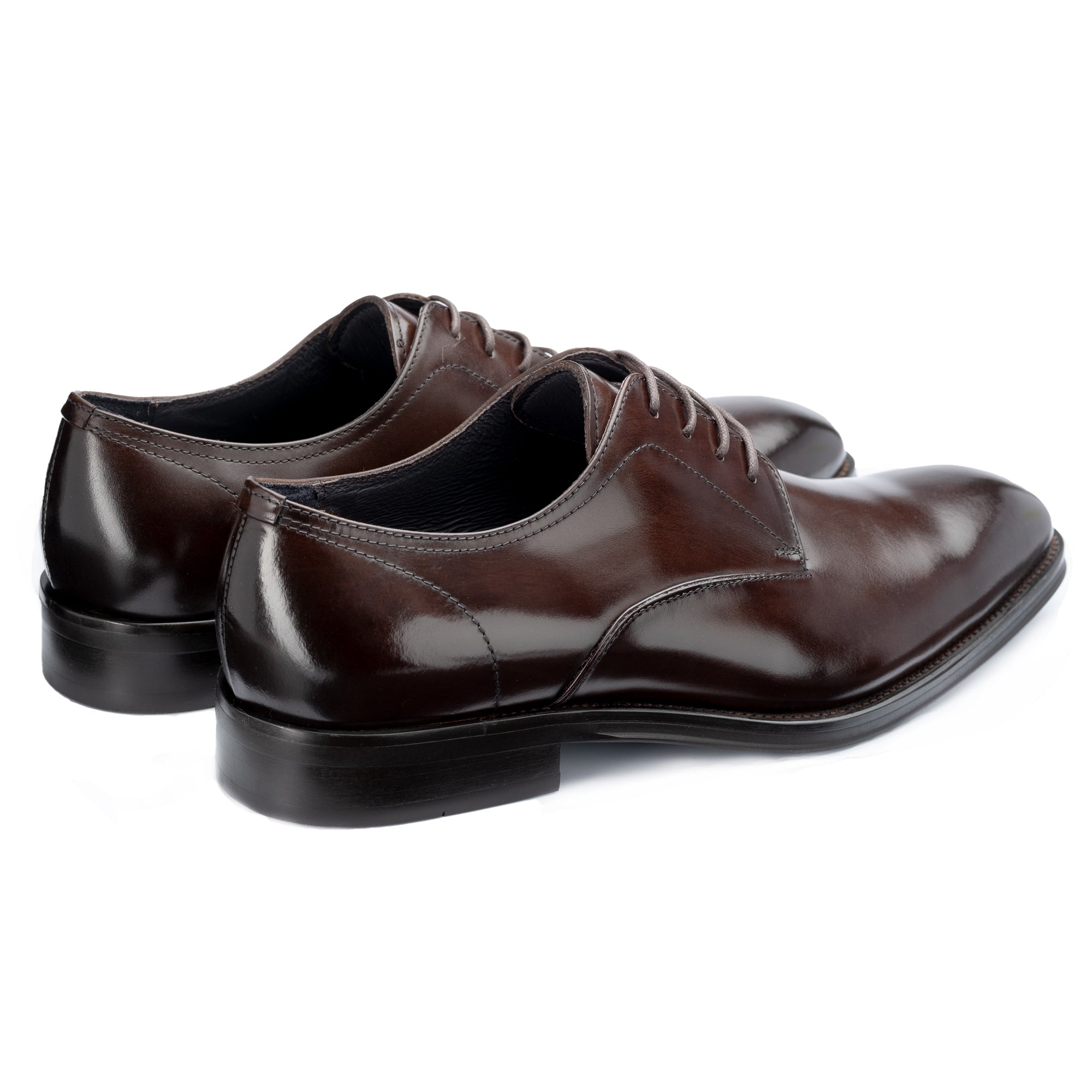
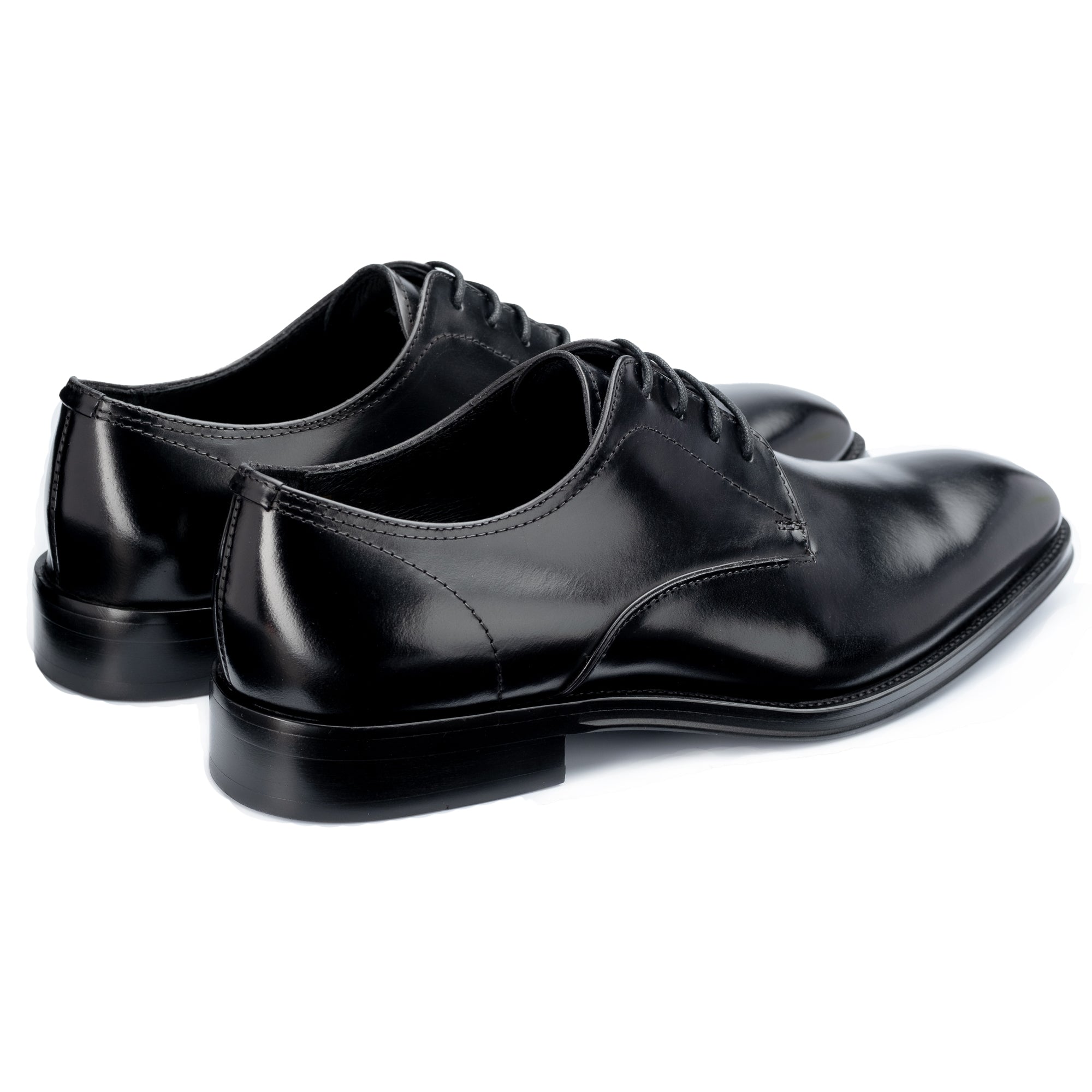
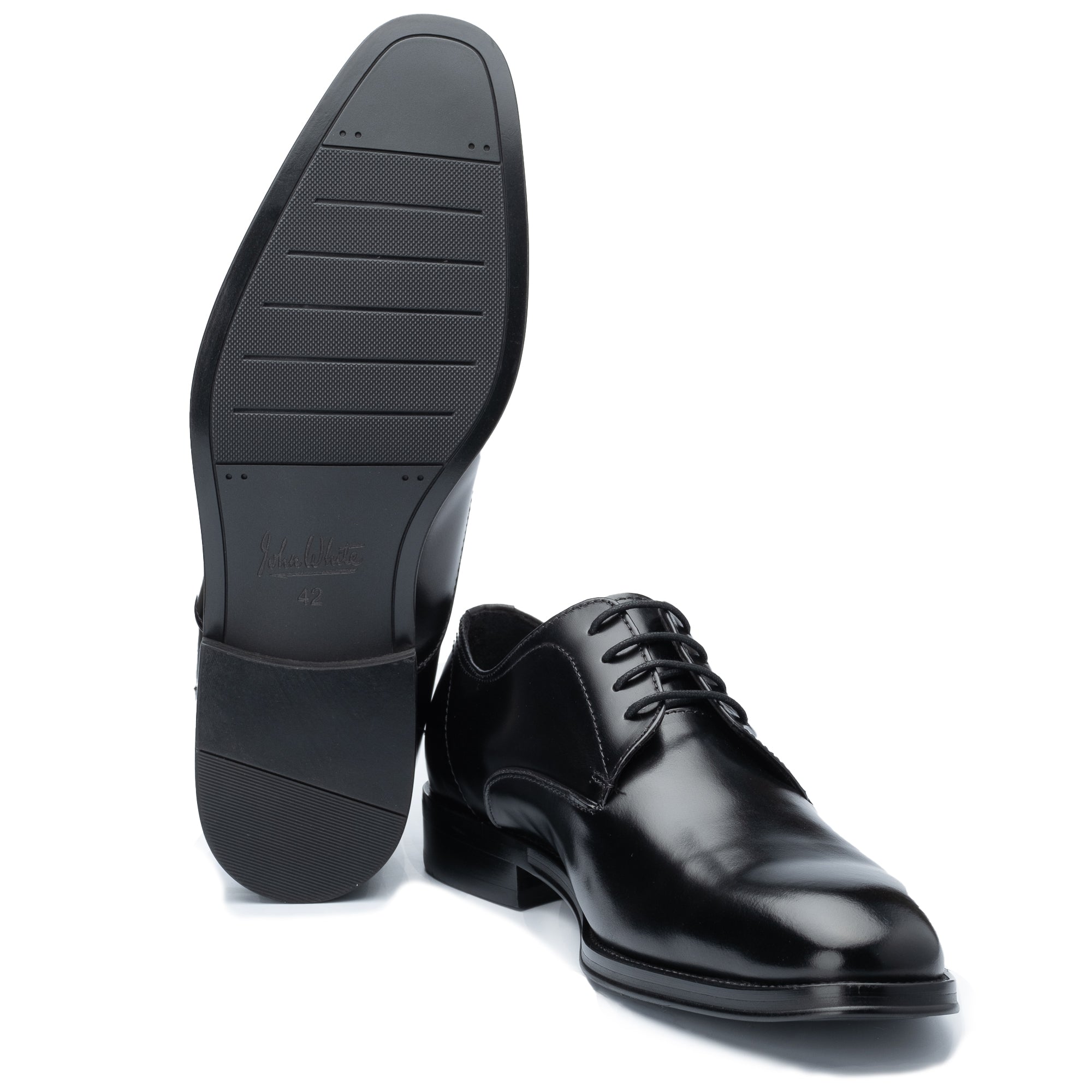
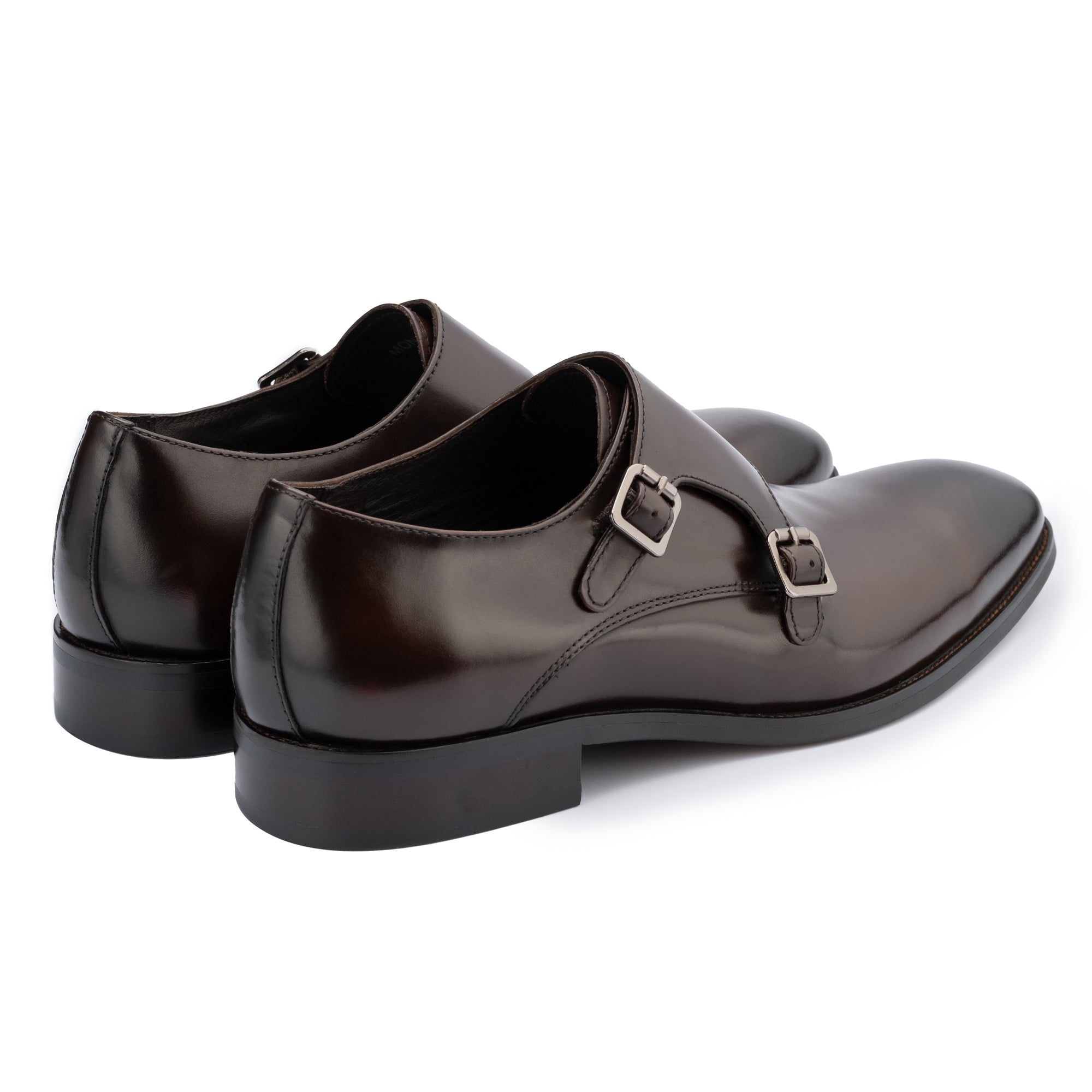
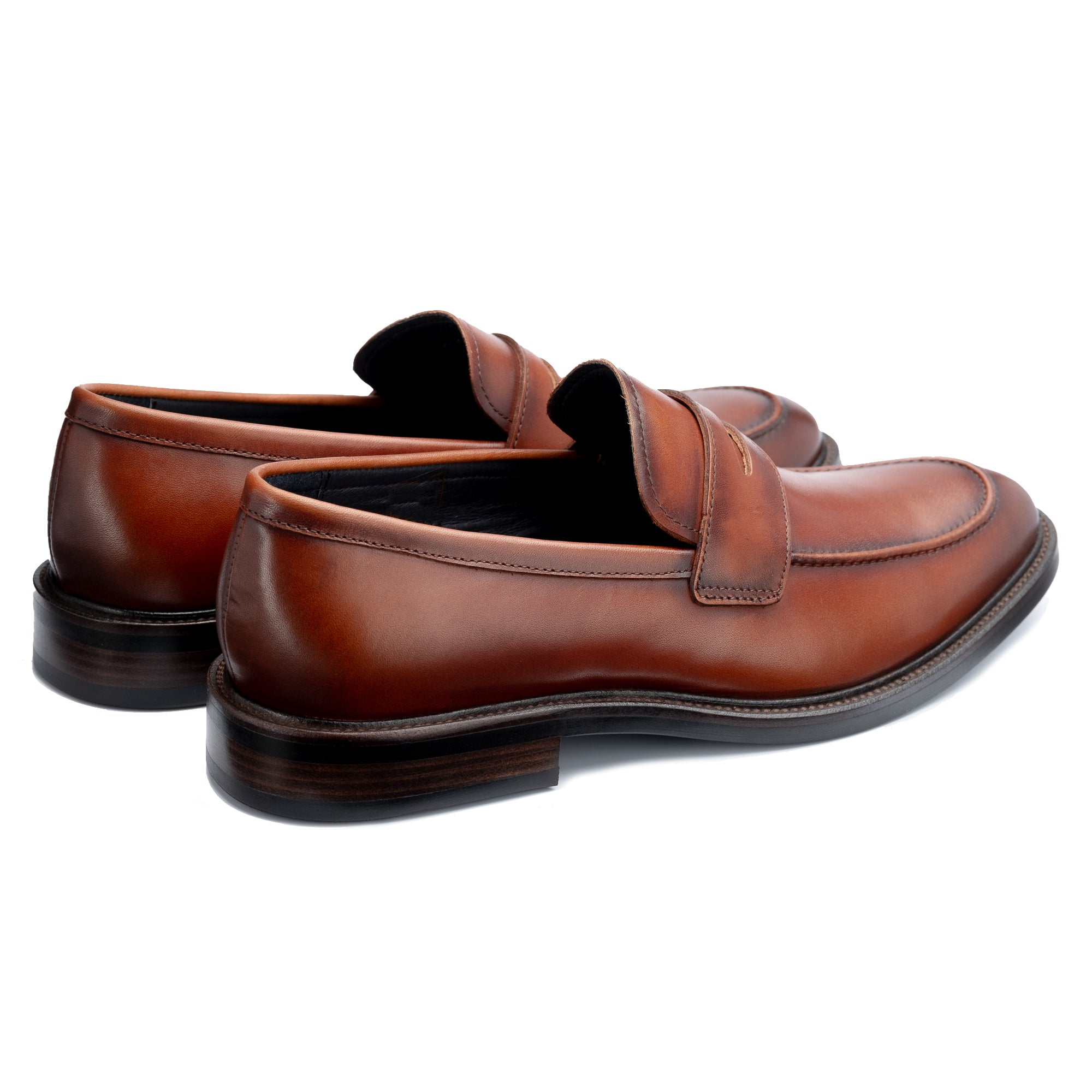
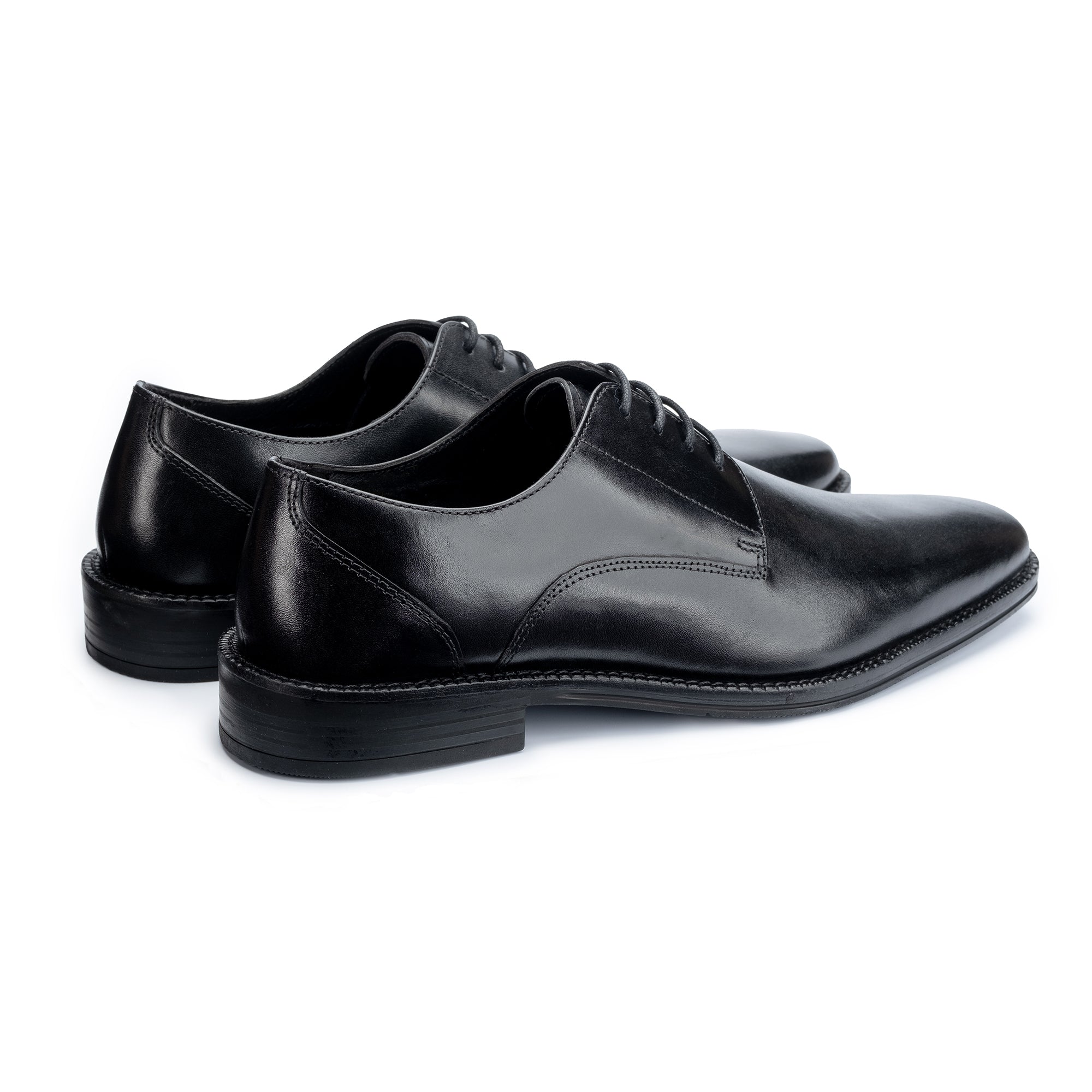
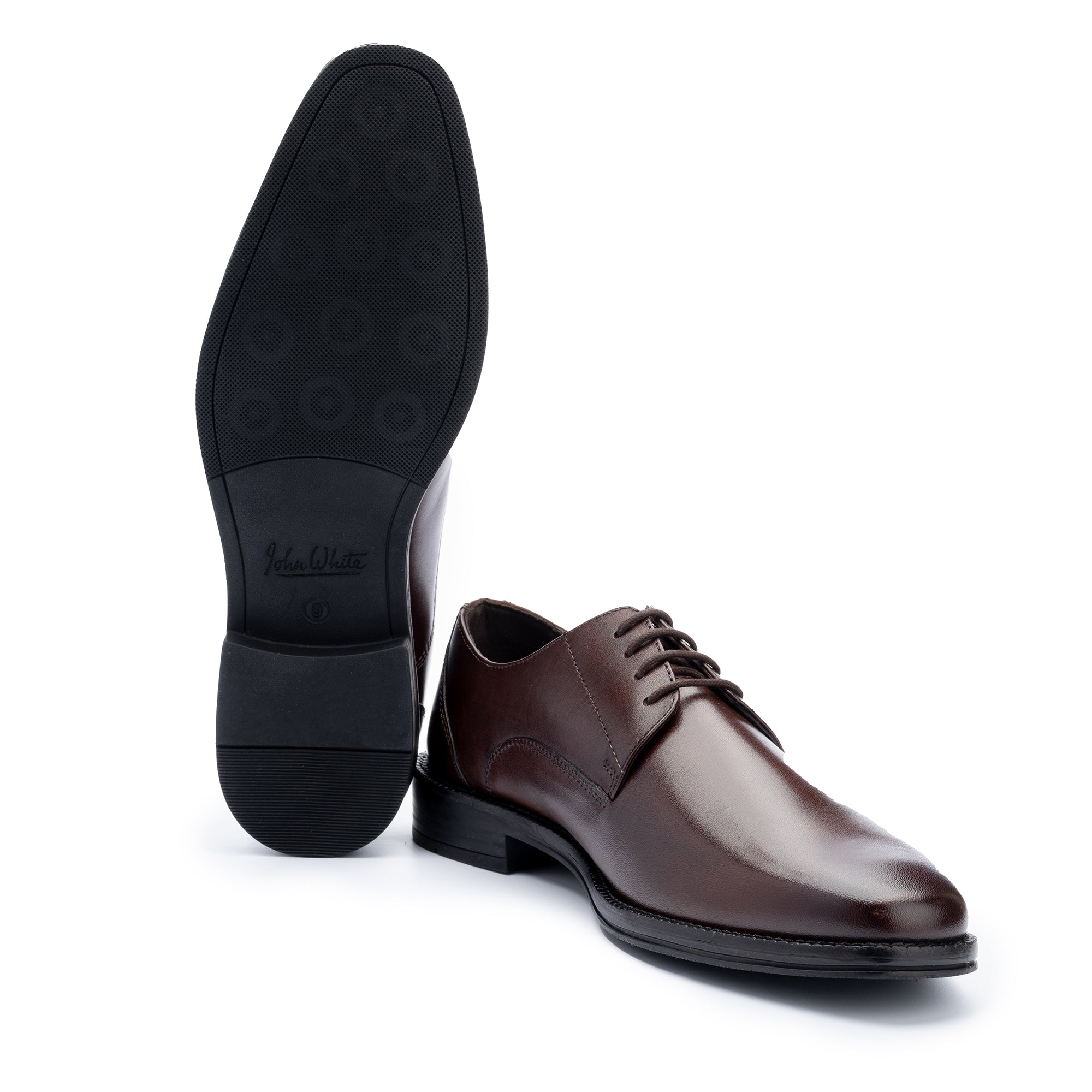
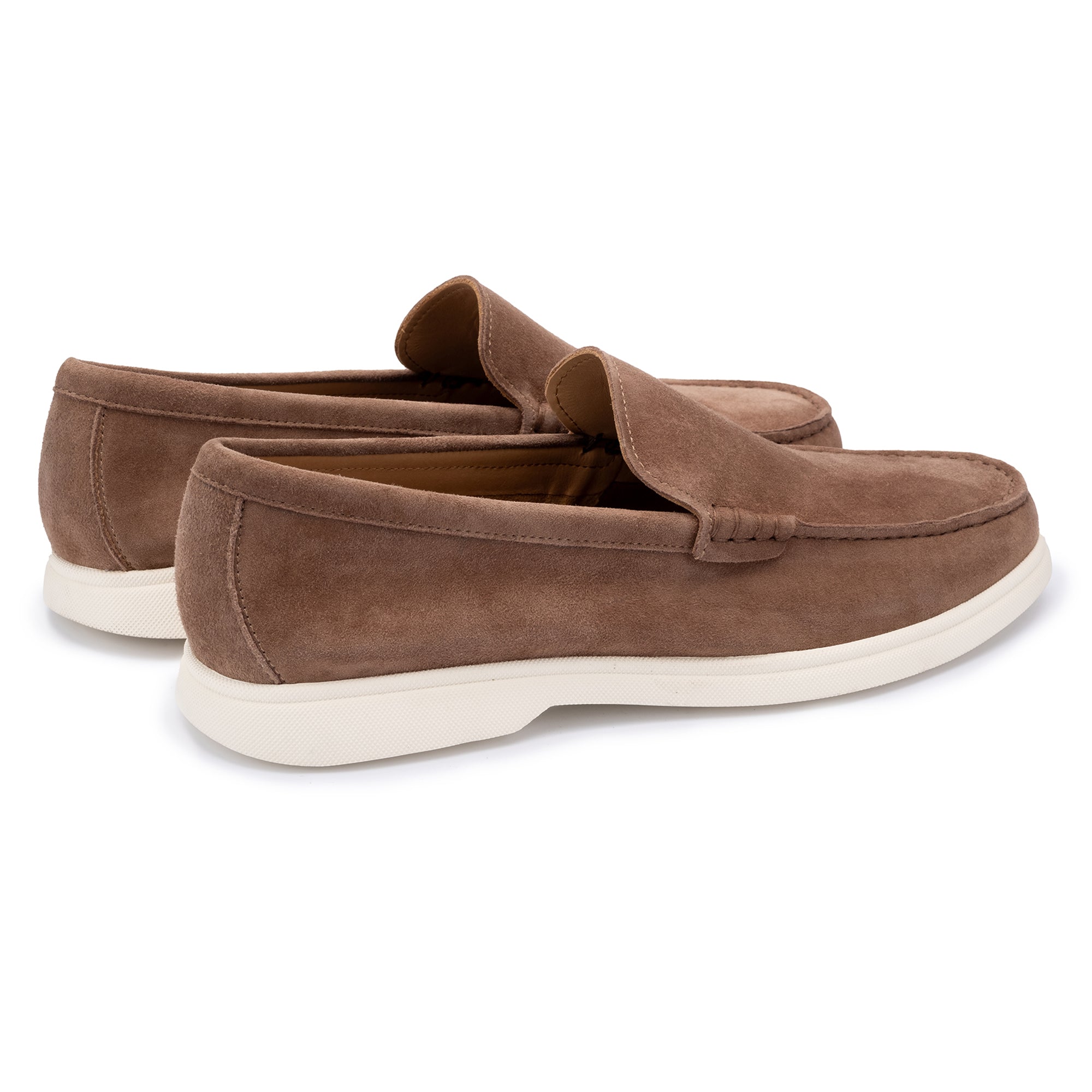
The last's heel pitch shapes how a shoe sits on the foot — and how it reads in a completed outfit. A dress shoe with a higher heel pitch draws the eye upward and elongates the leg. A flat-pitched casual shoe has a grounded, relaxed presence that's appropriate for weekends but not for formal occasions.
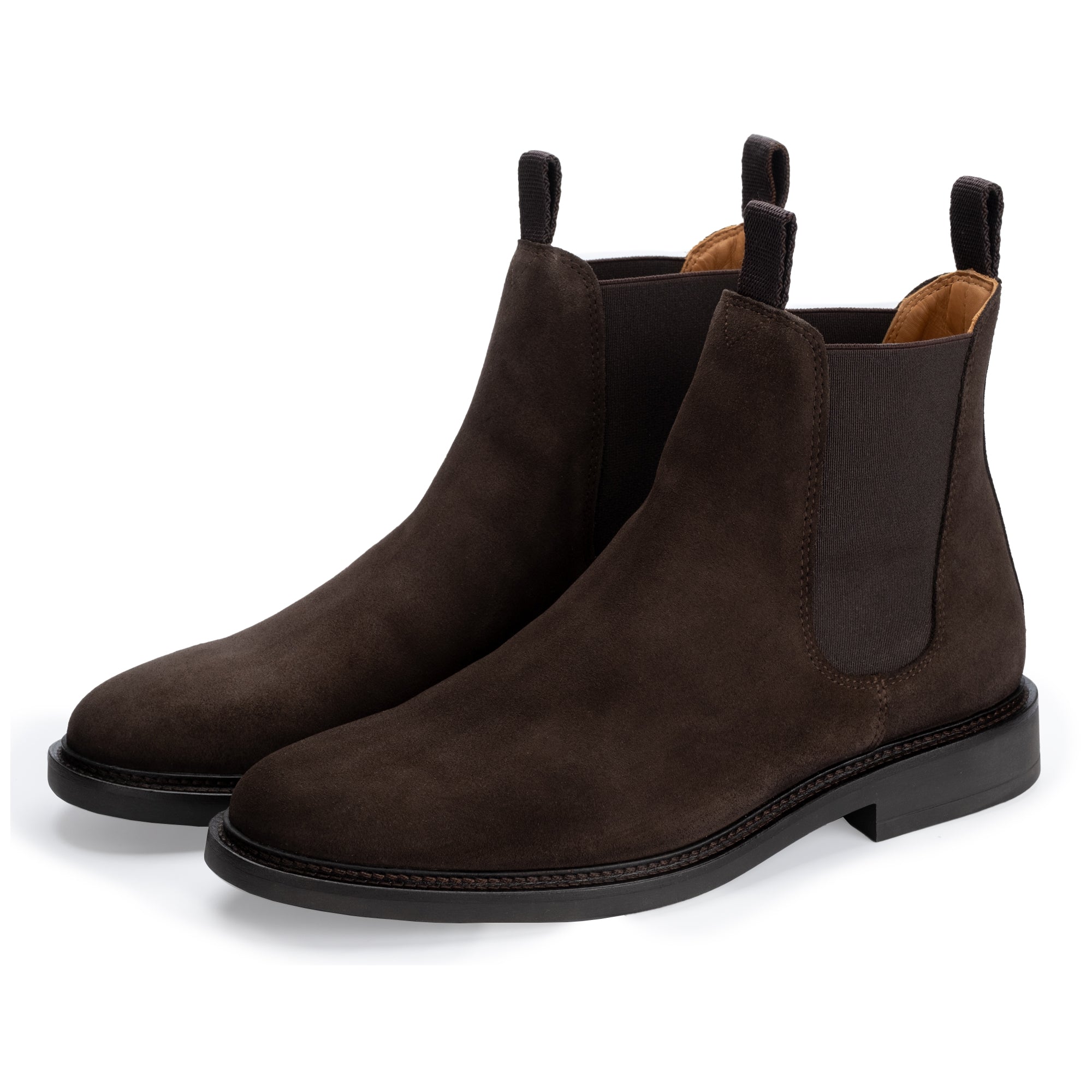
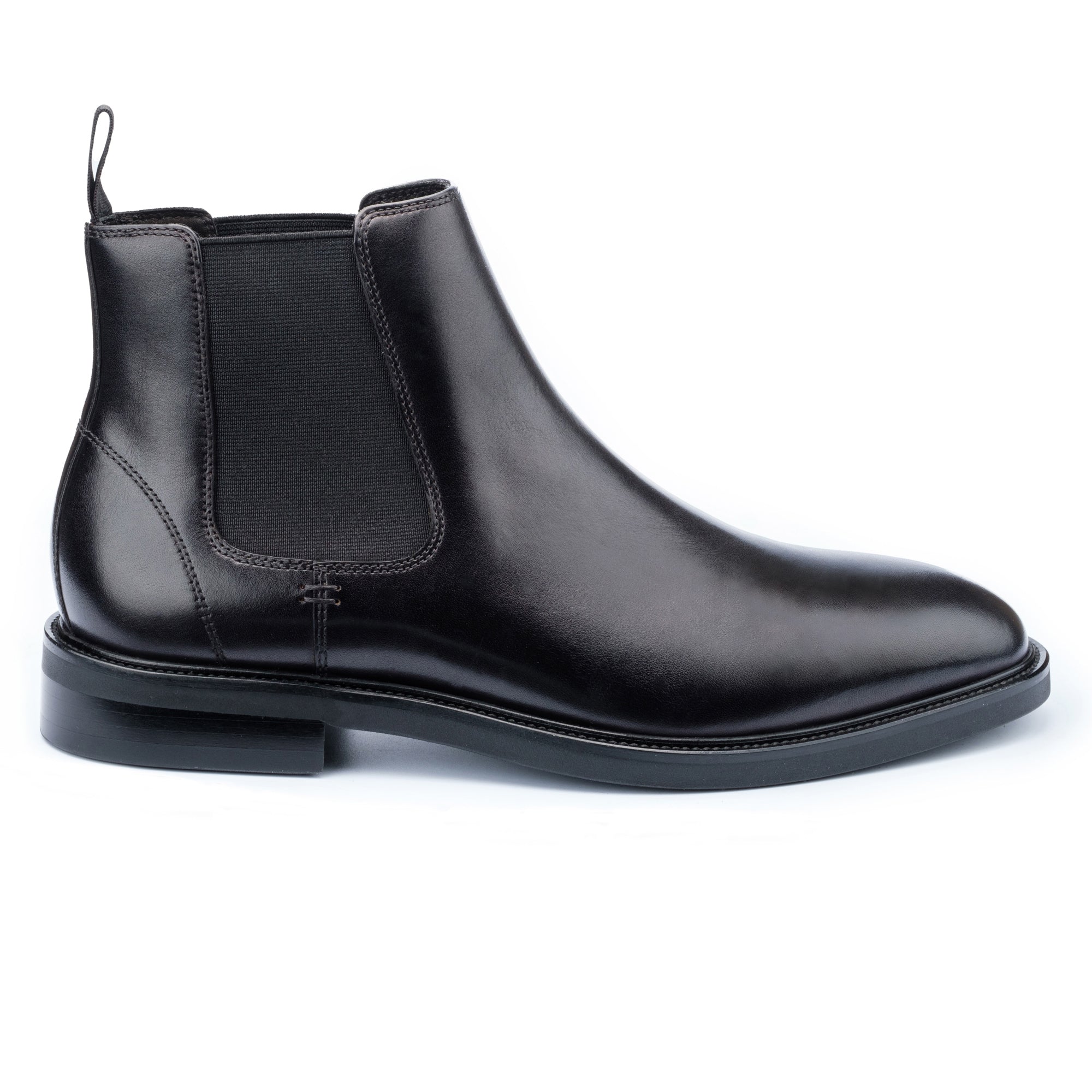
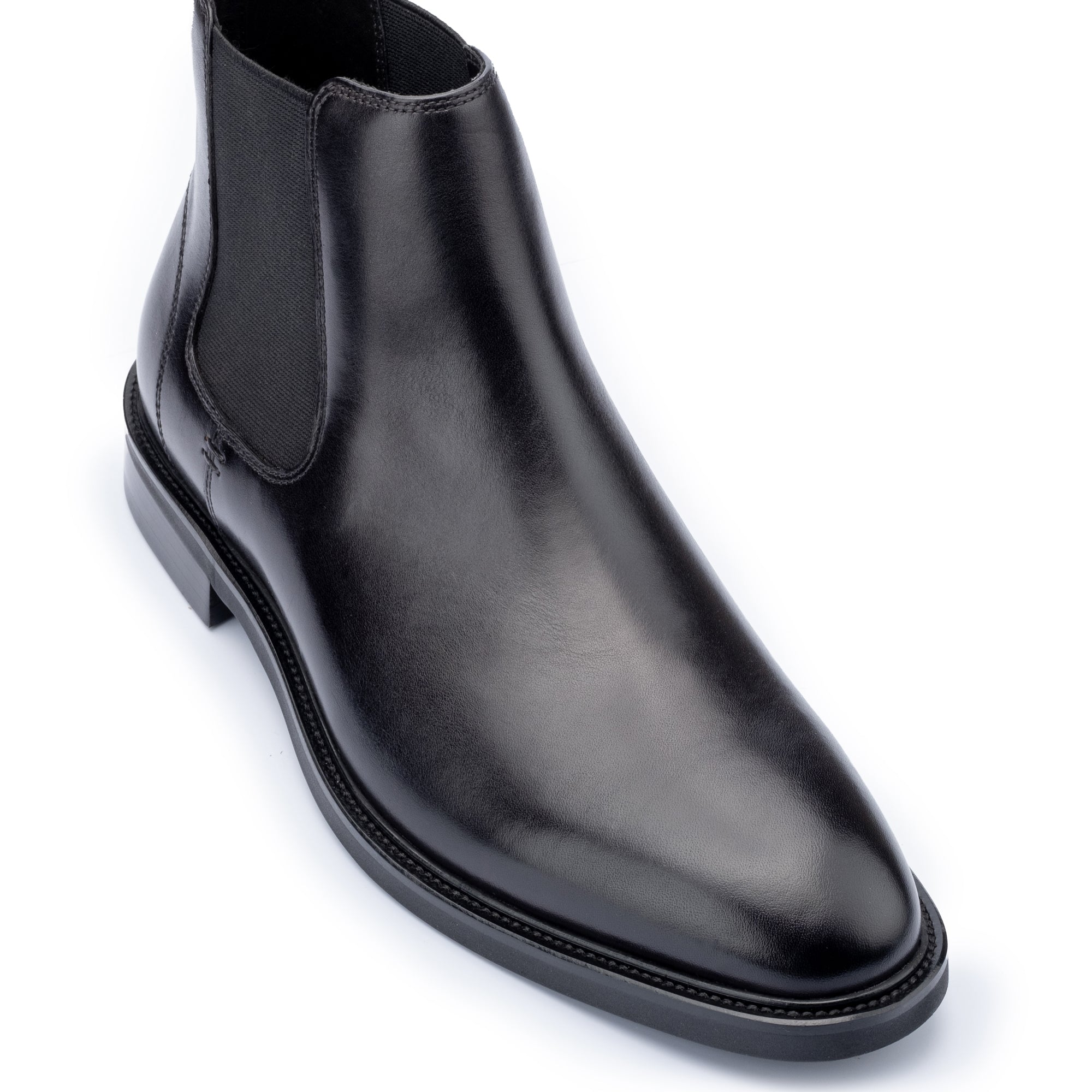
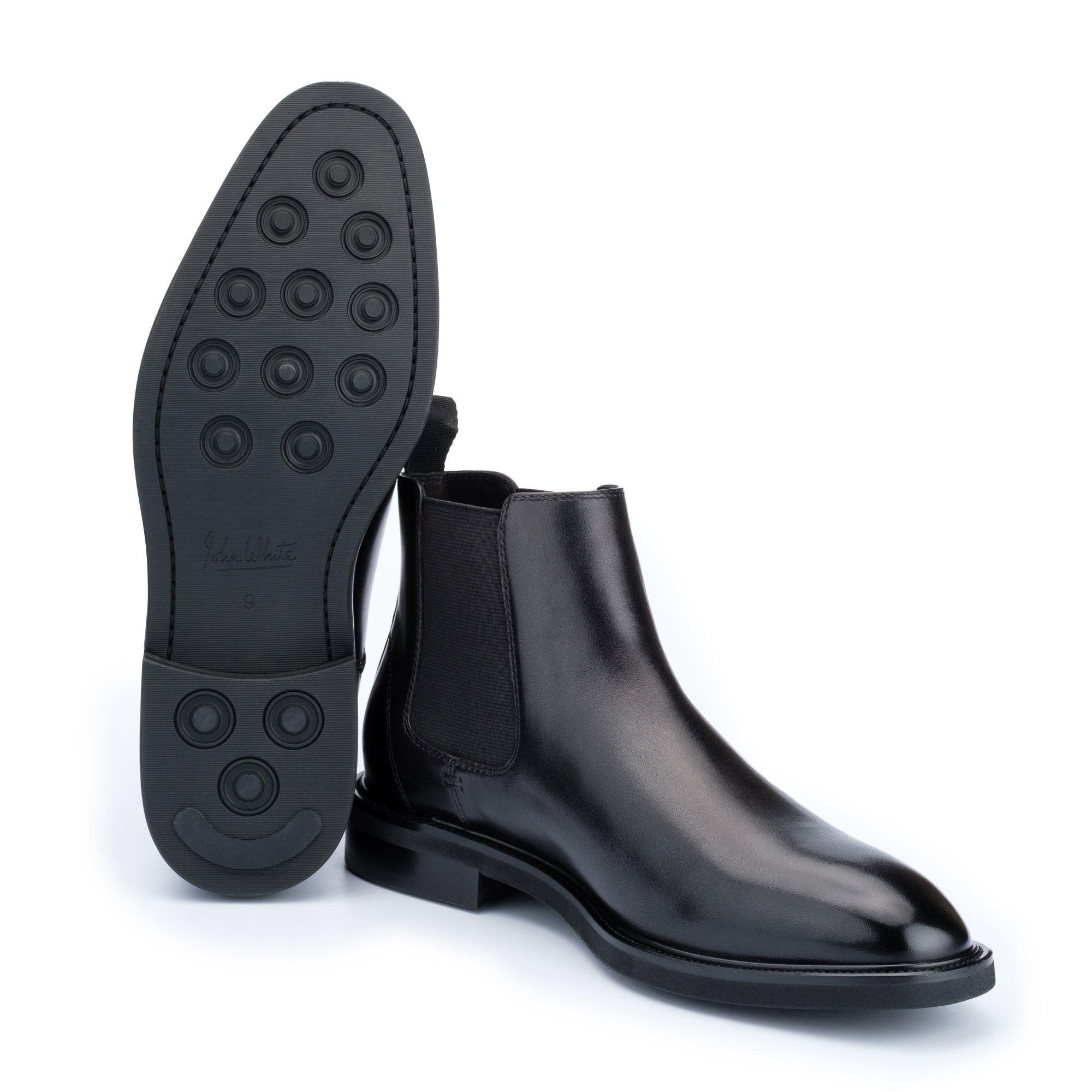
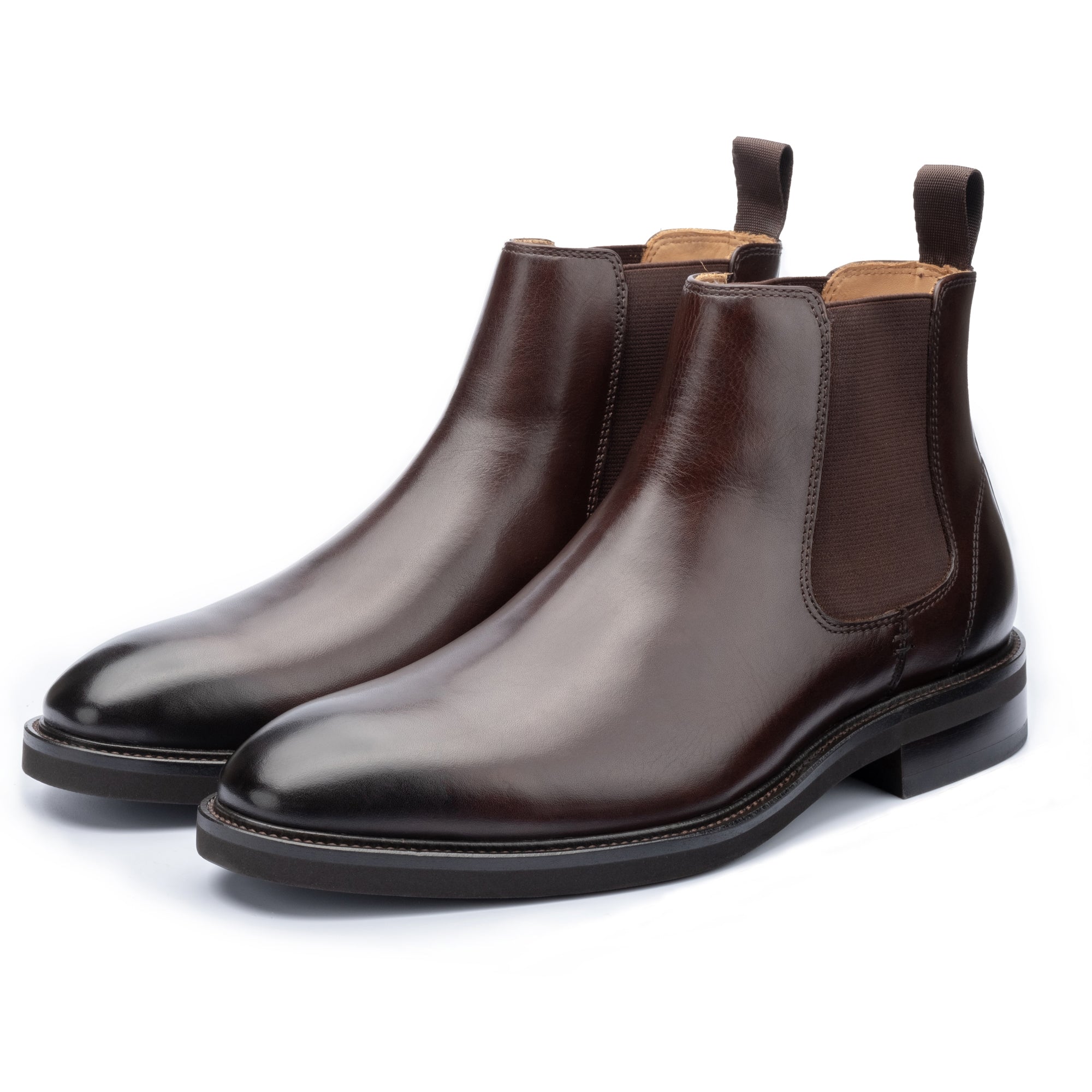
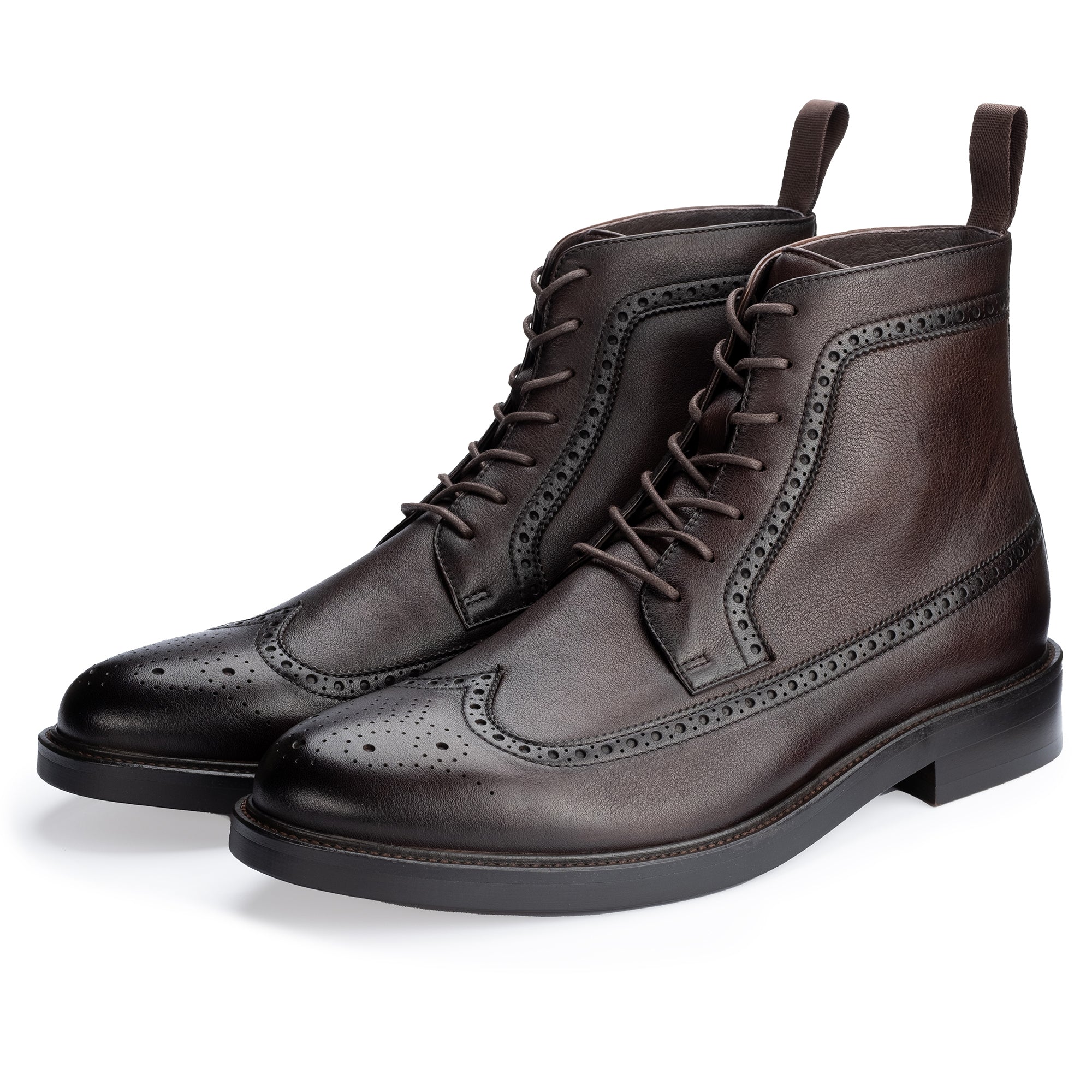
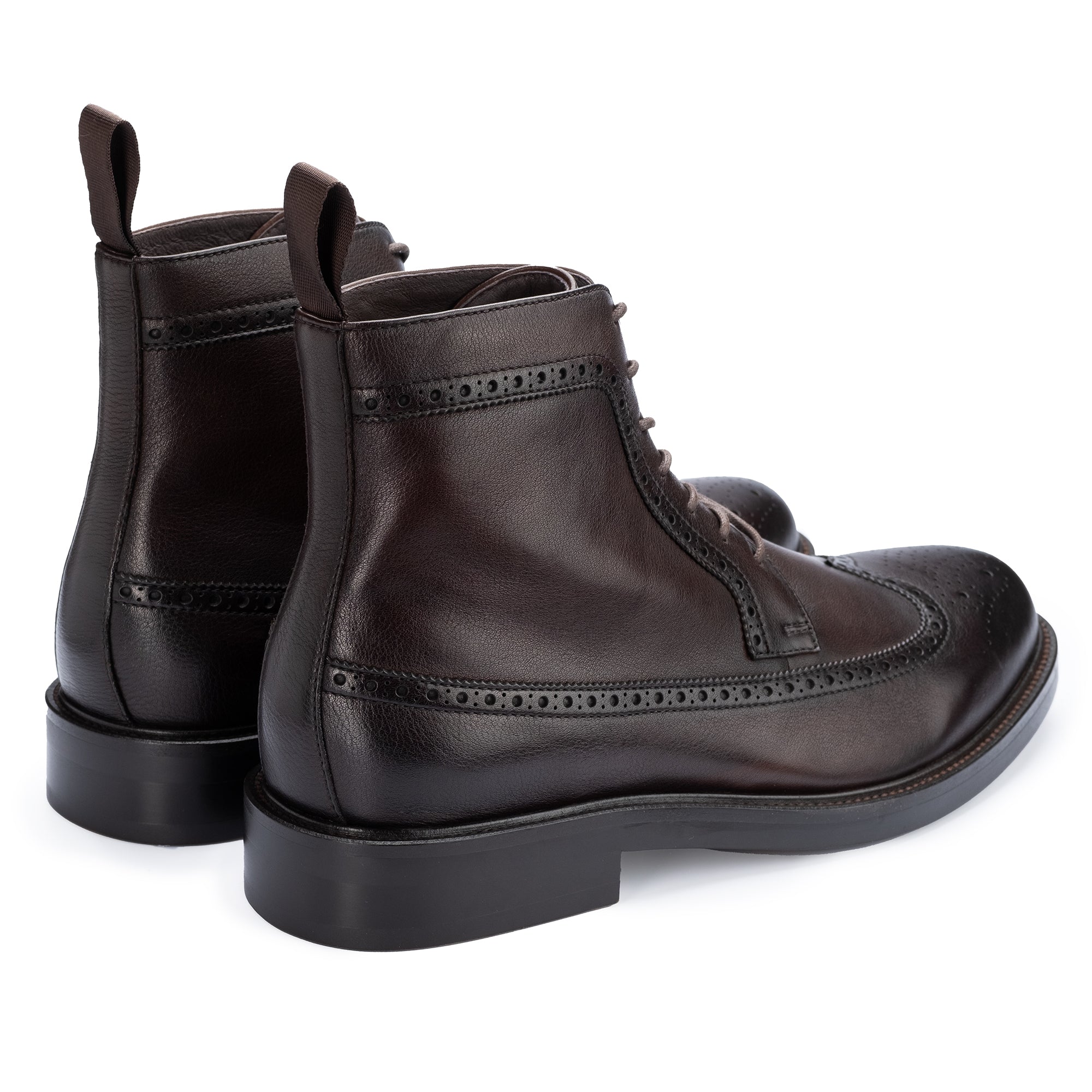
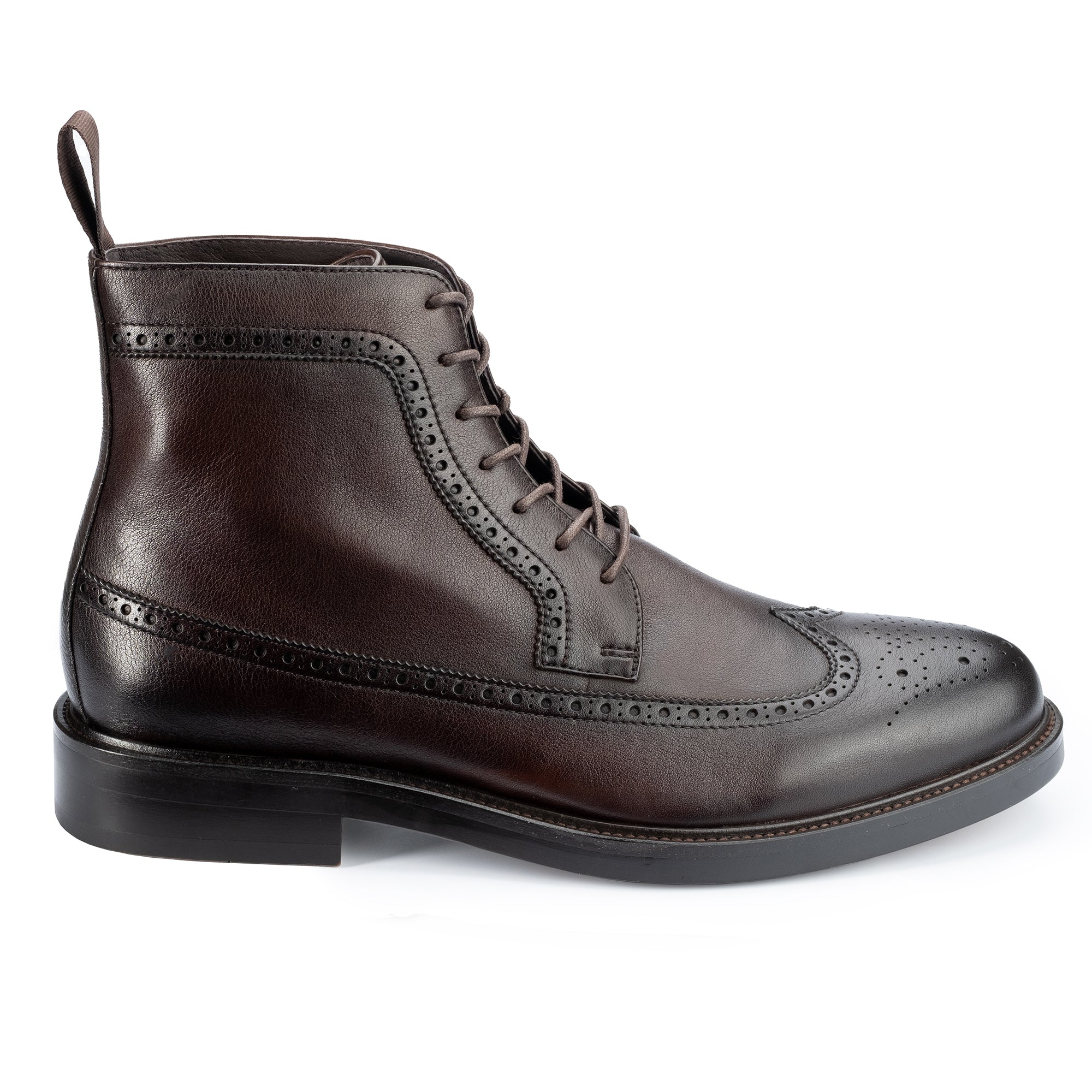
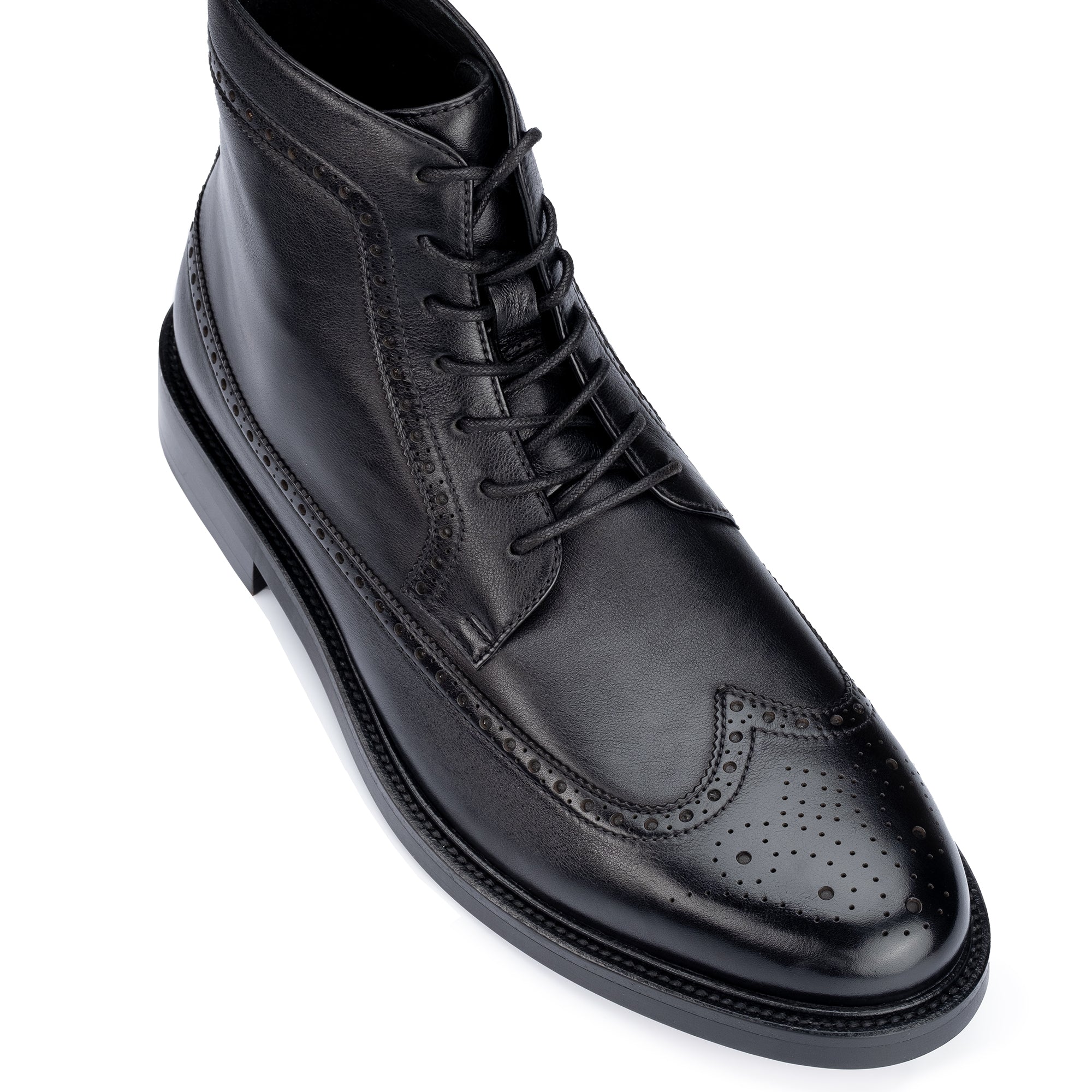
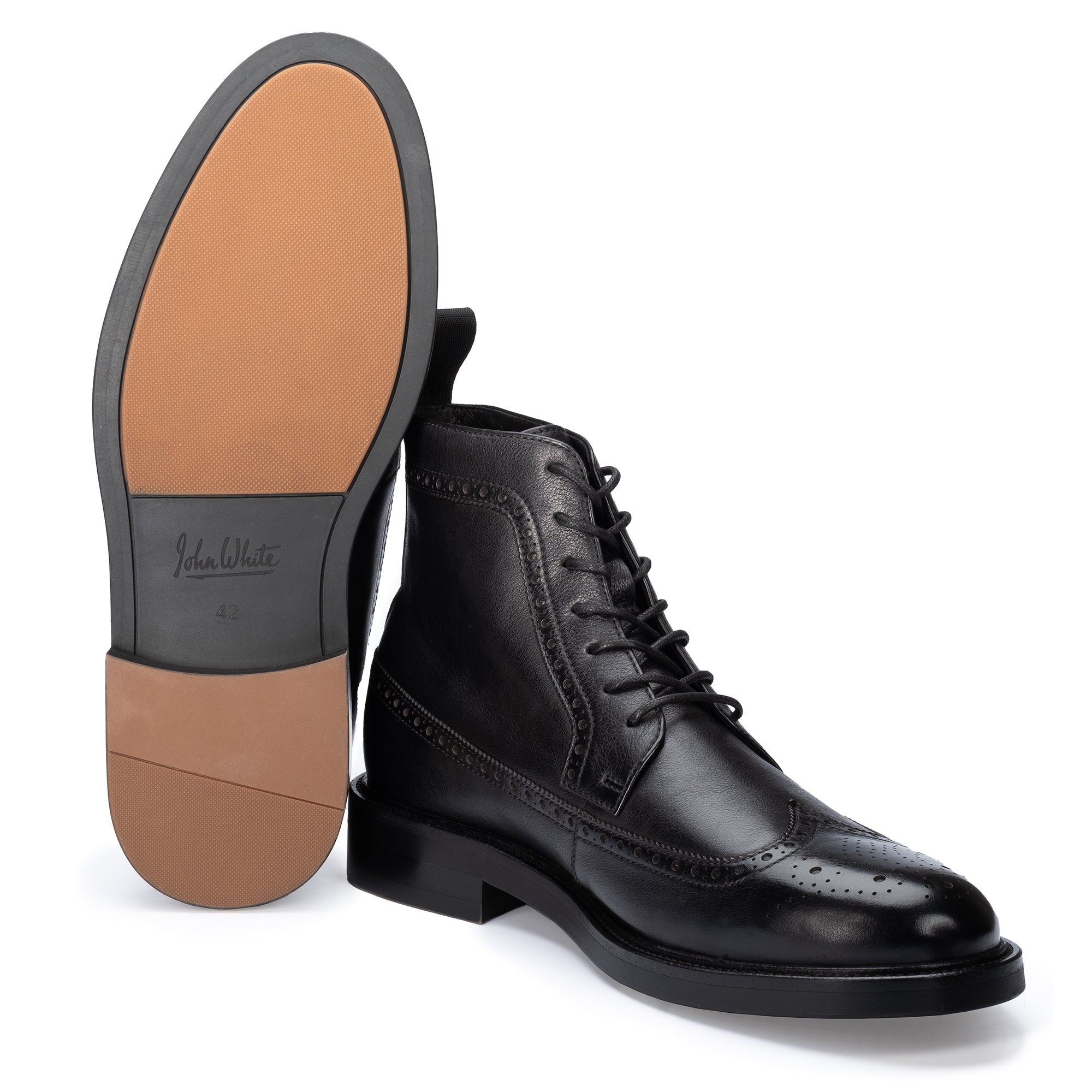
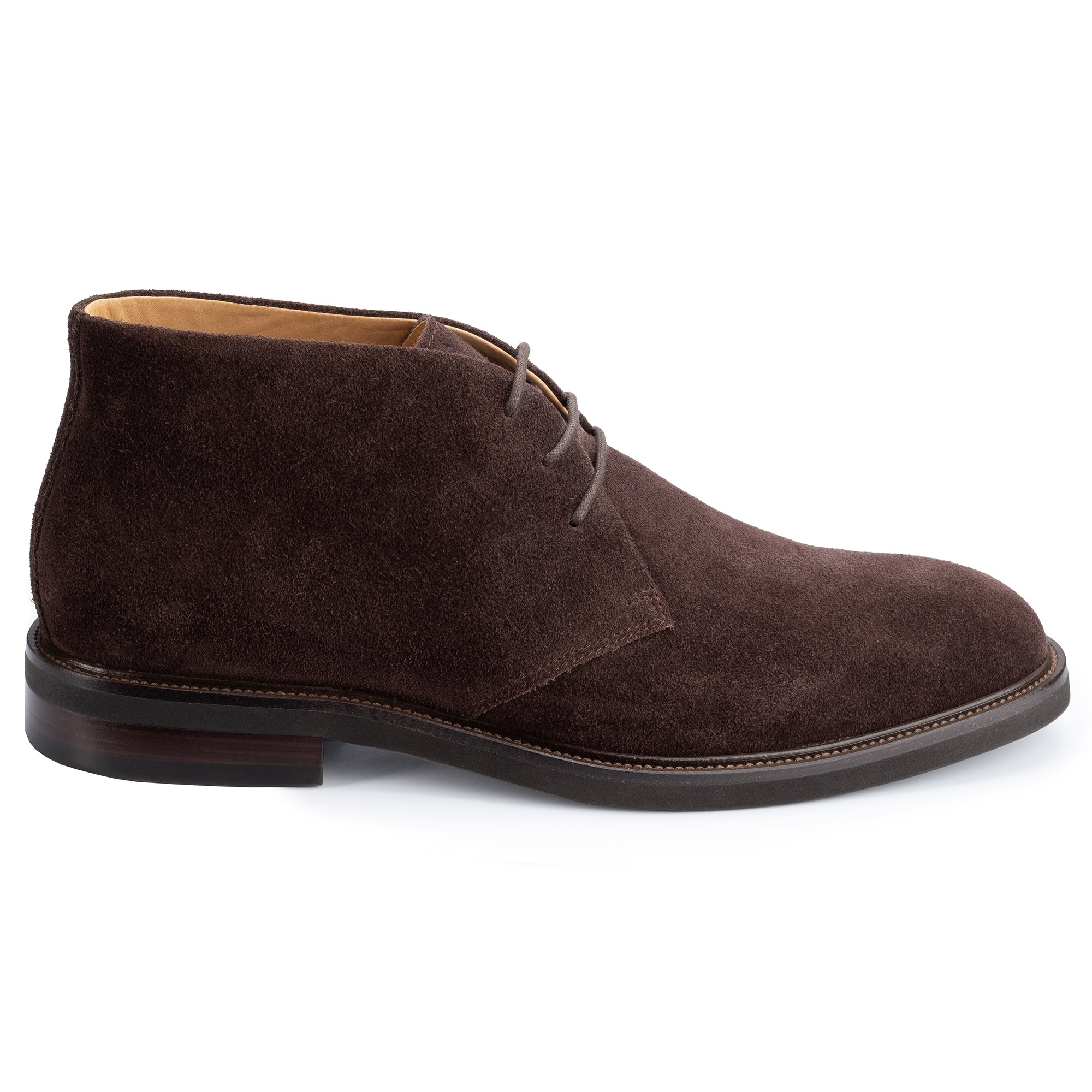
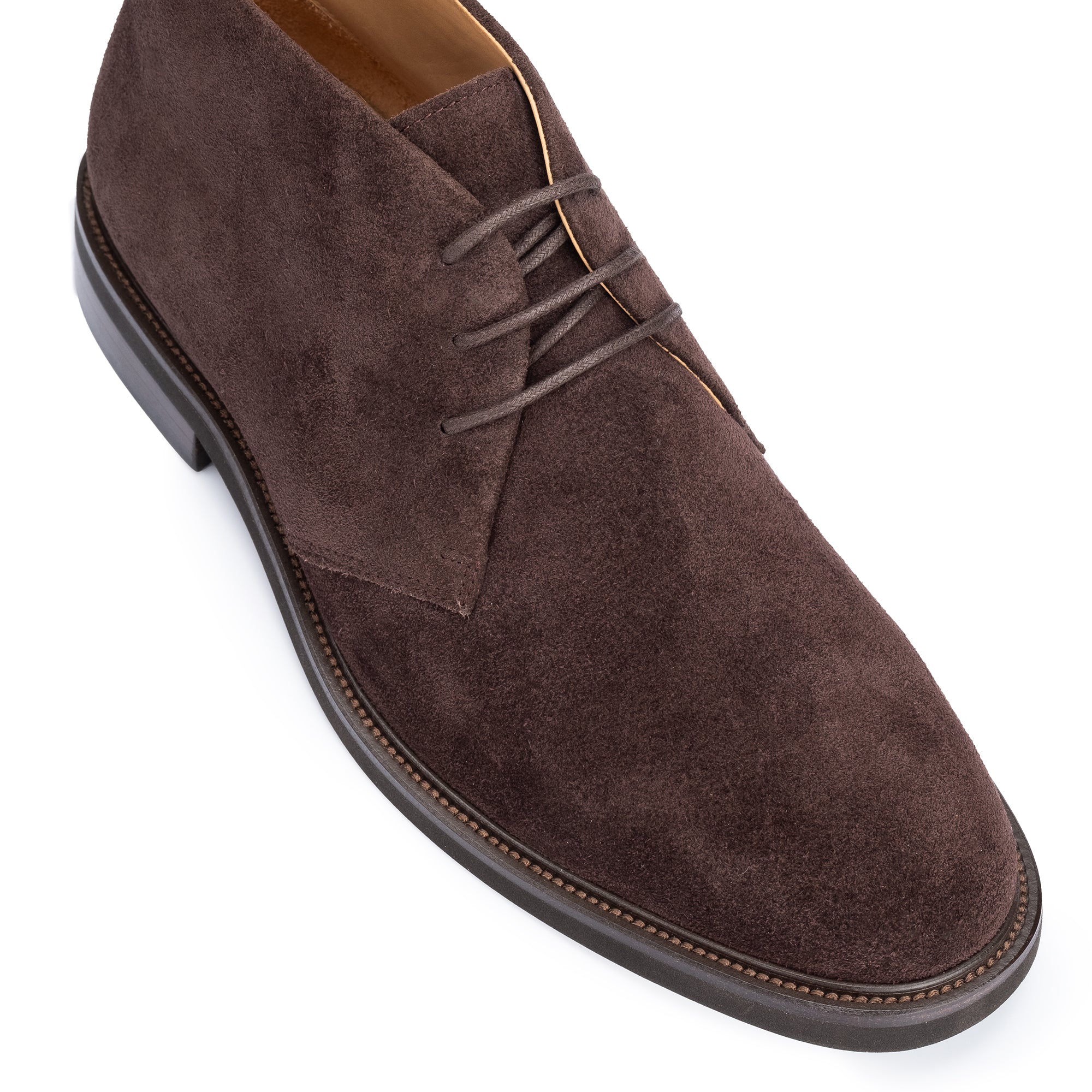
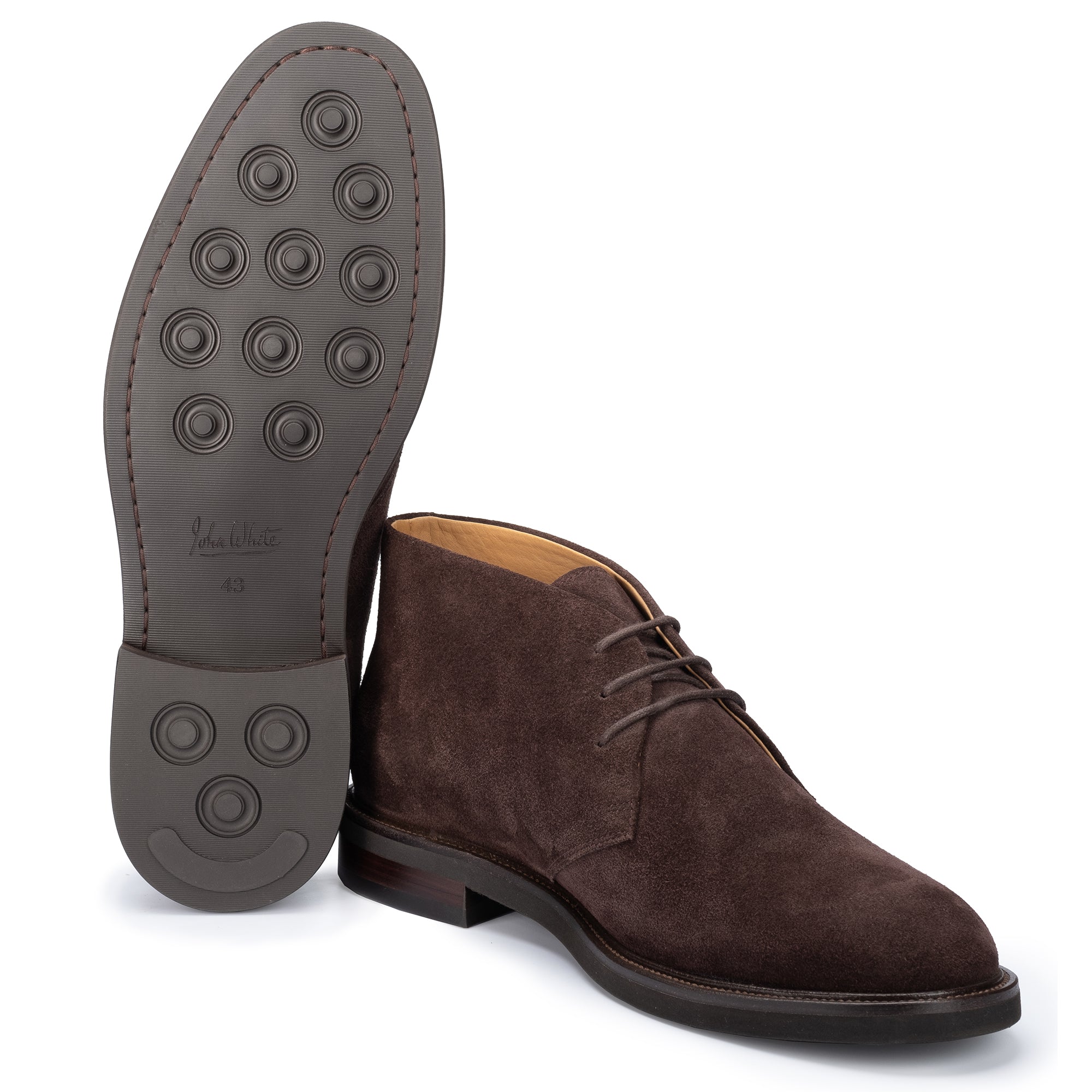
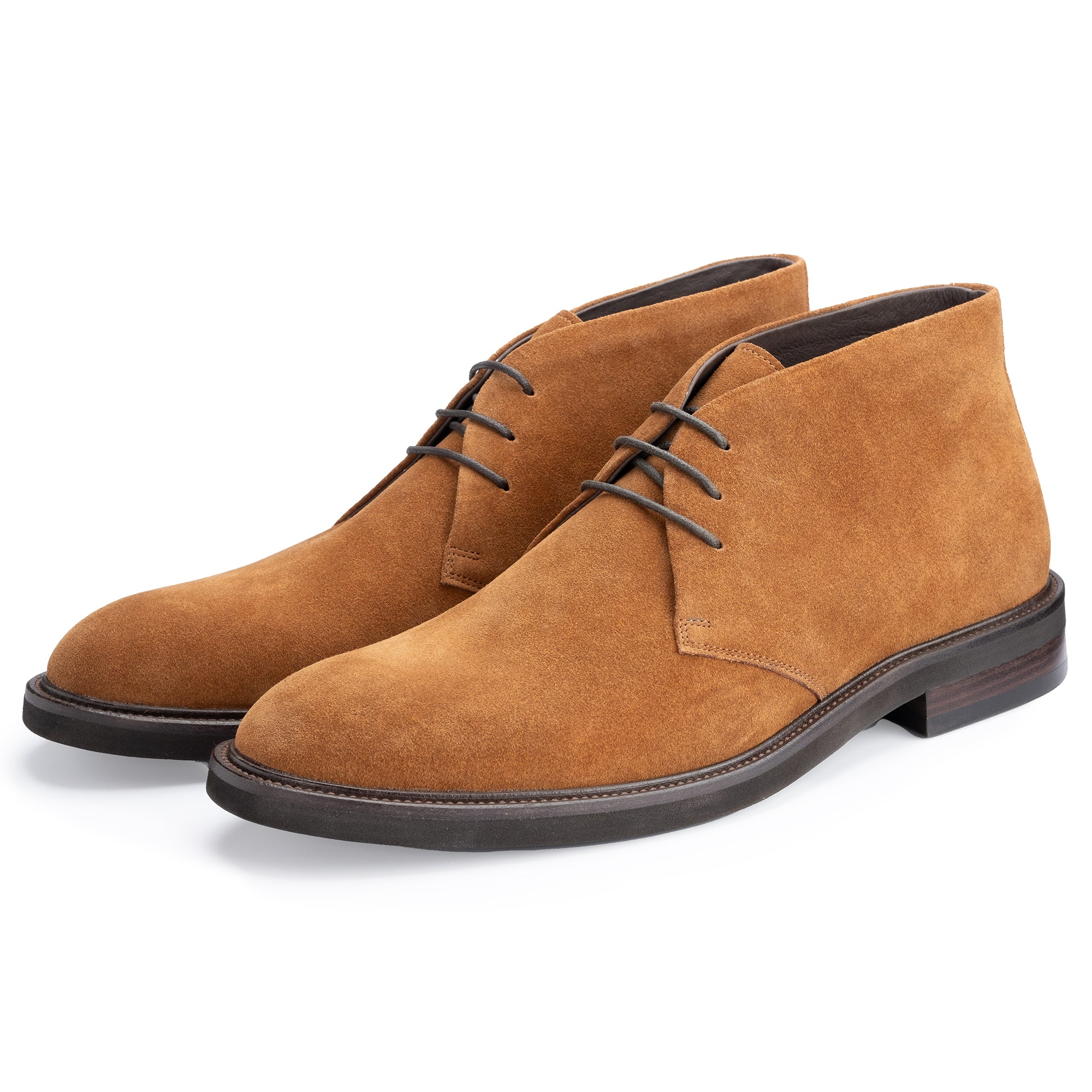
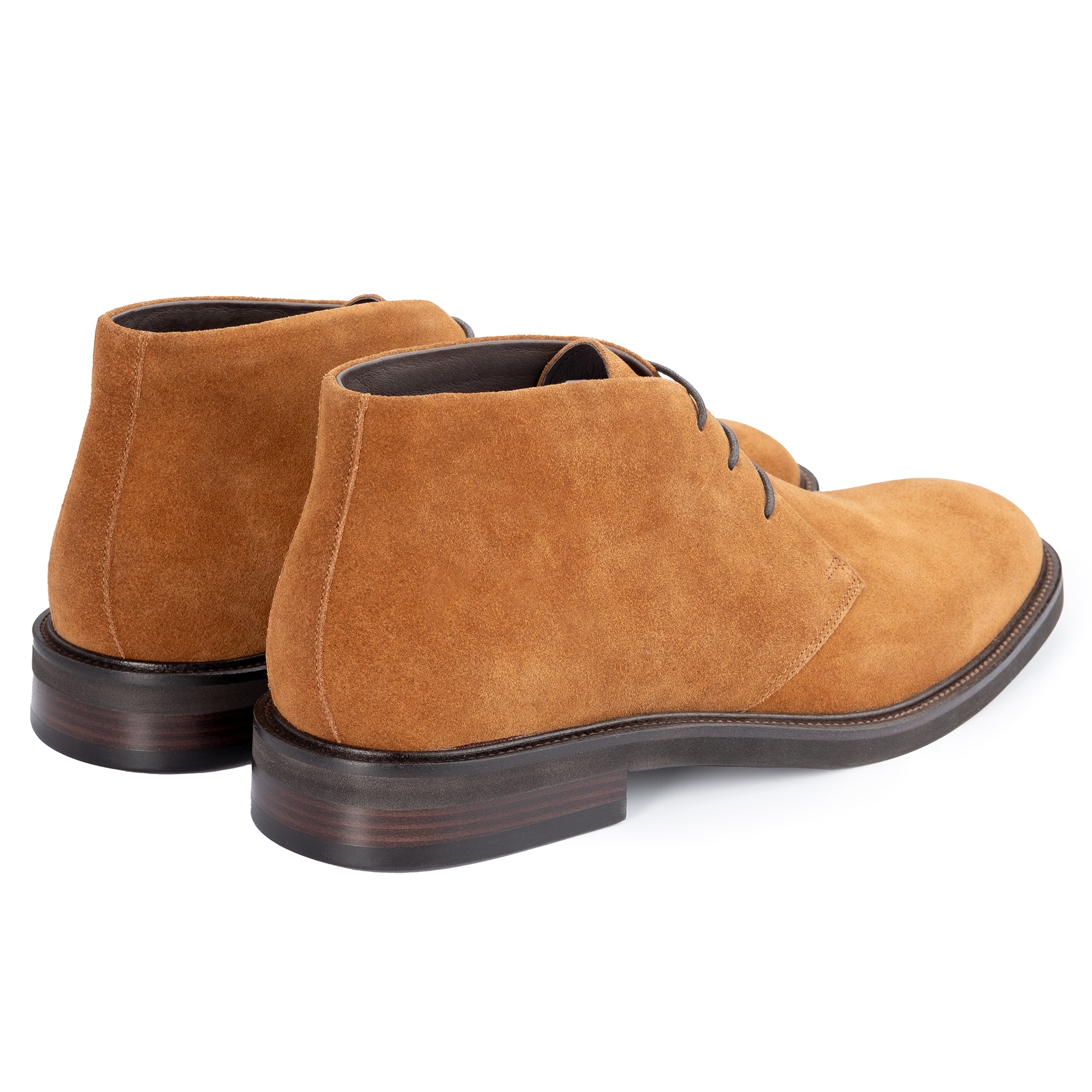
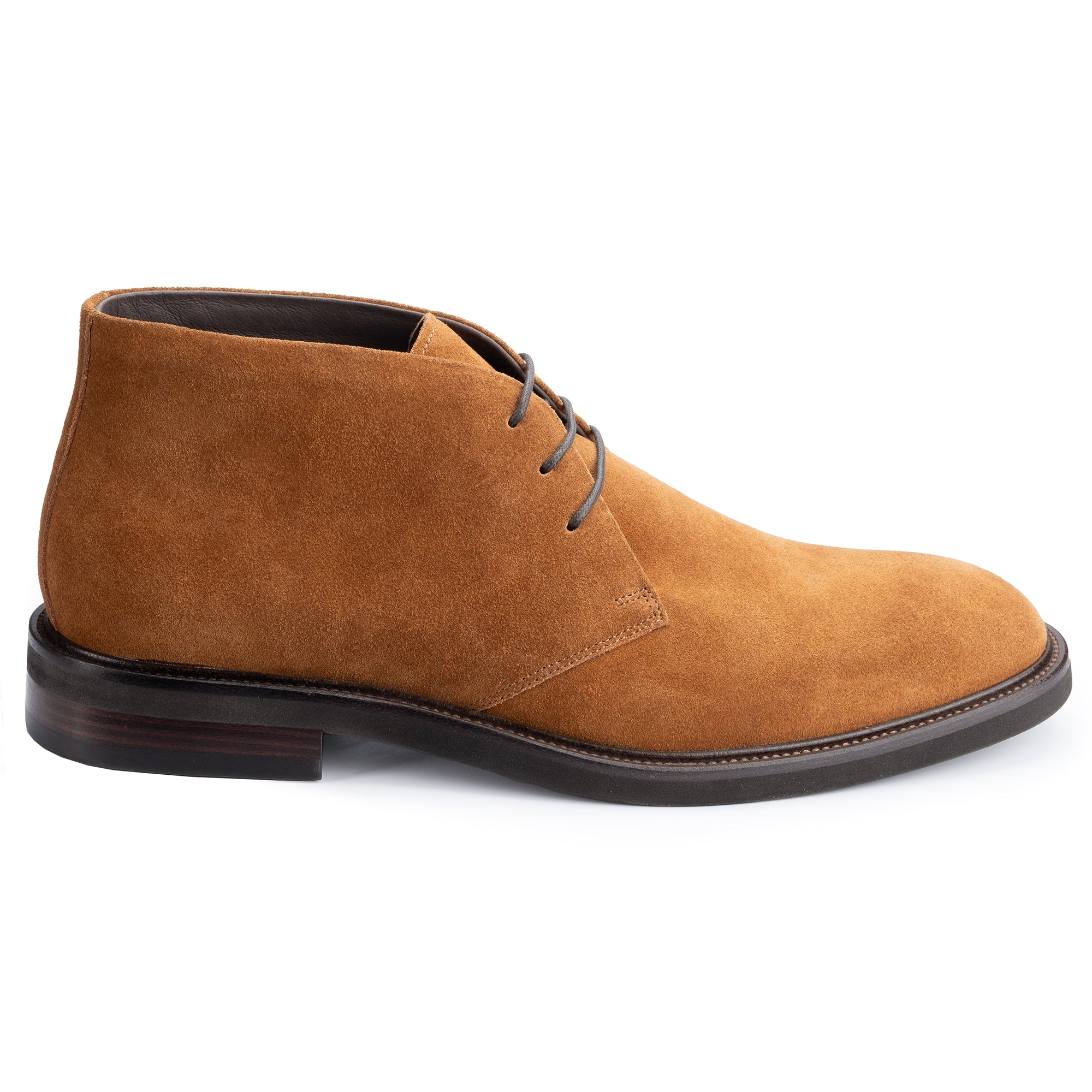
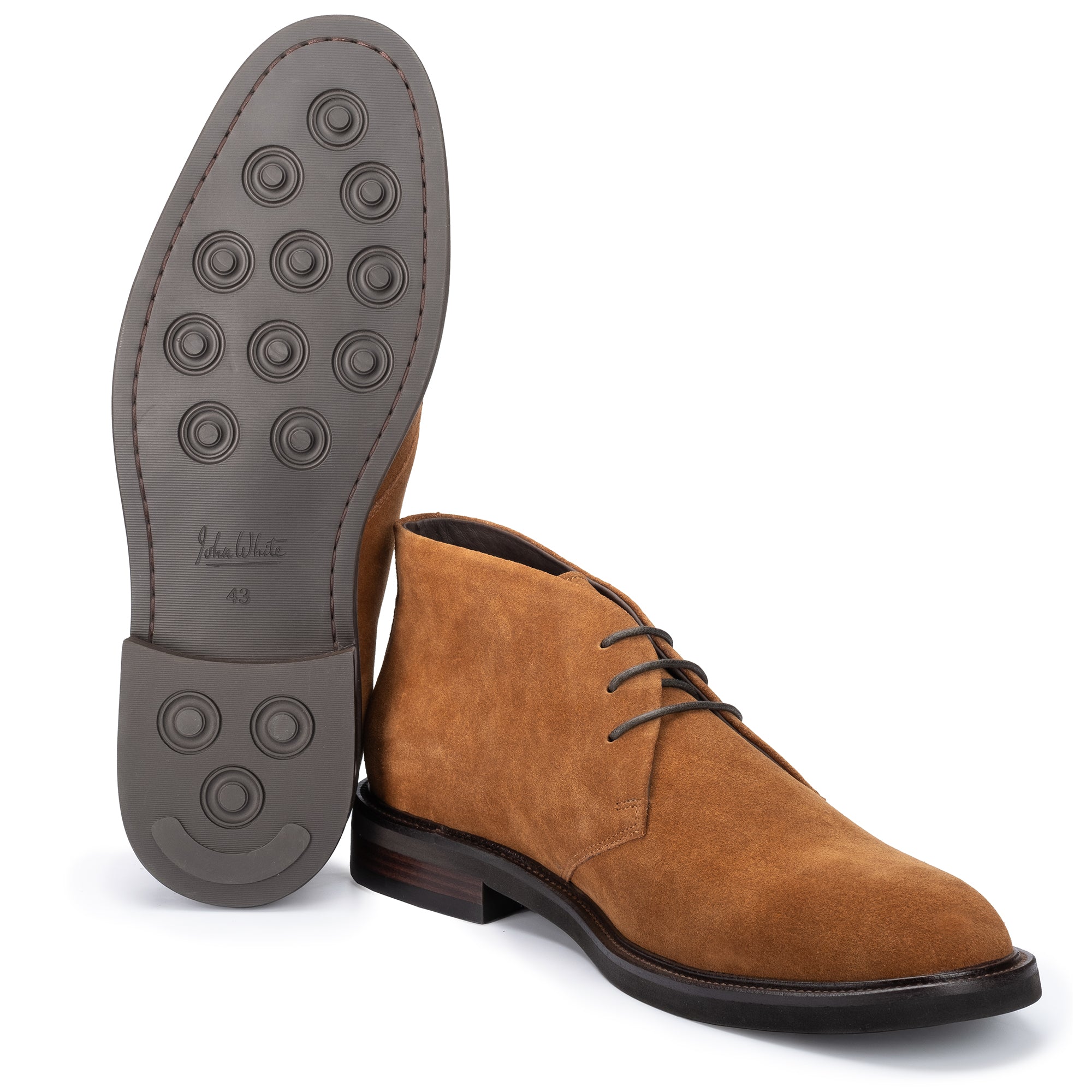
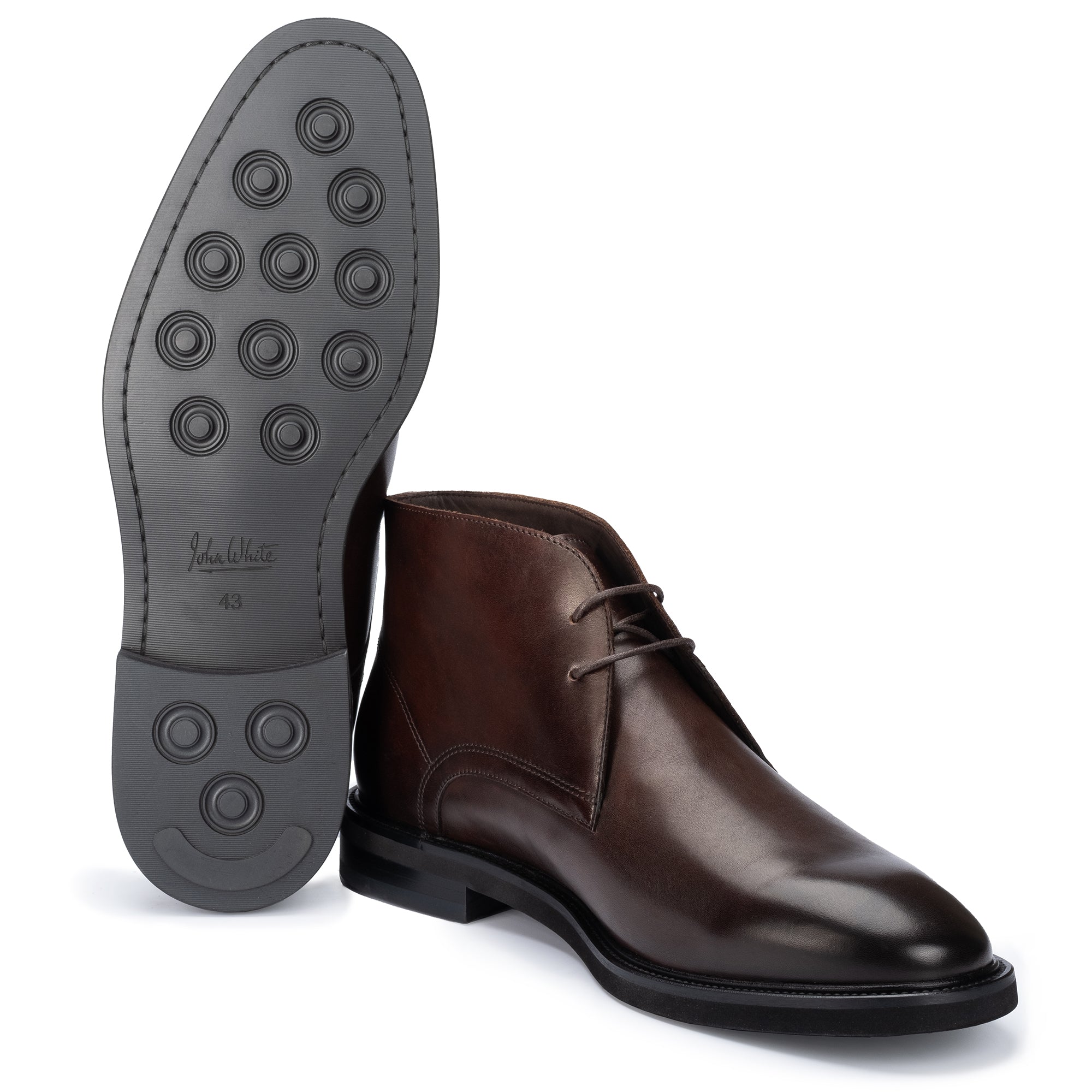
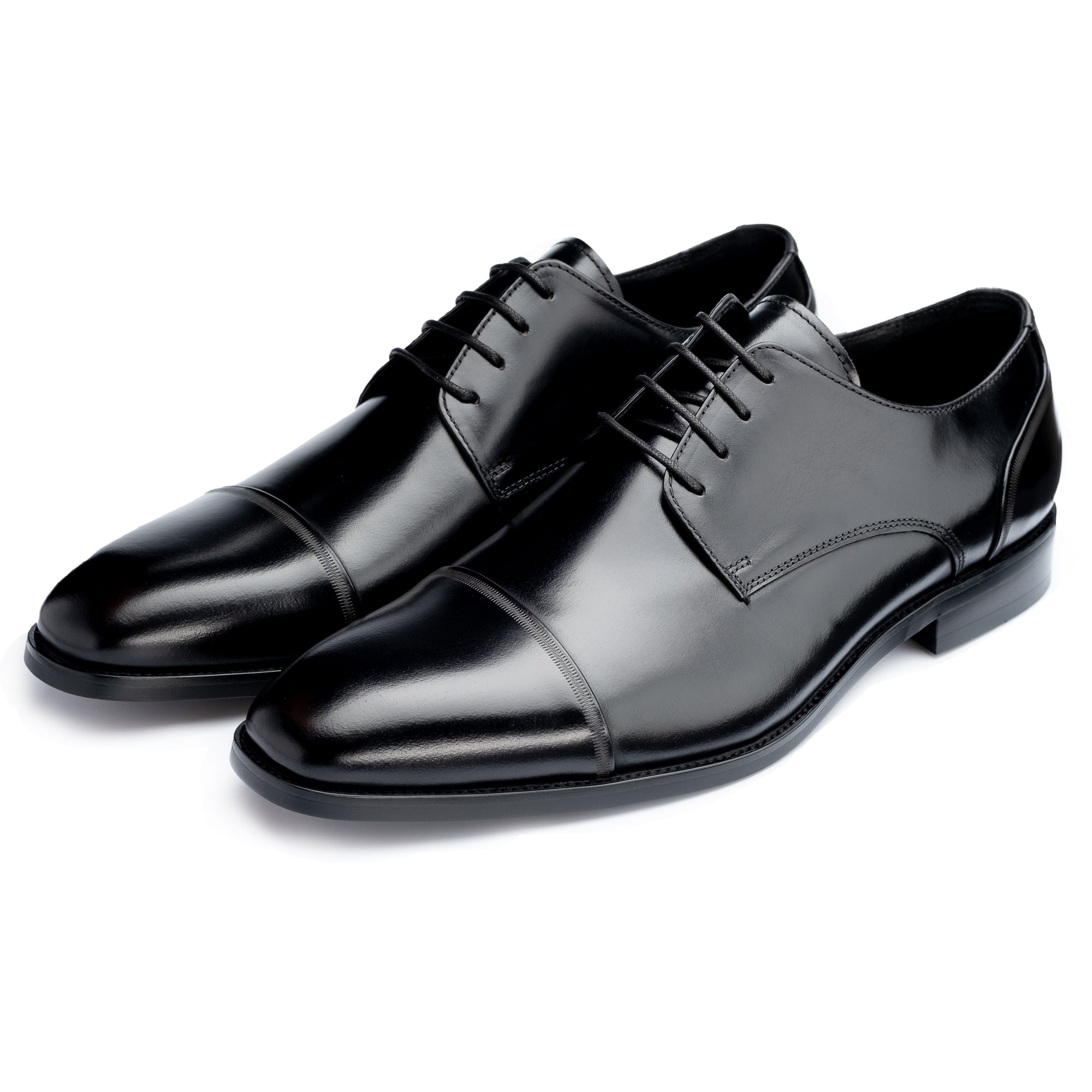
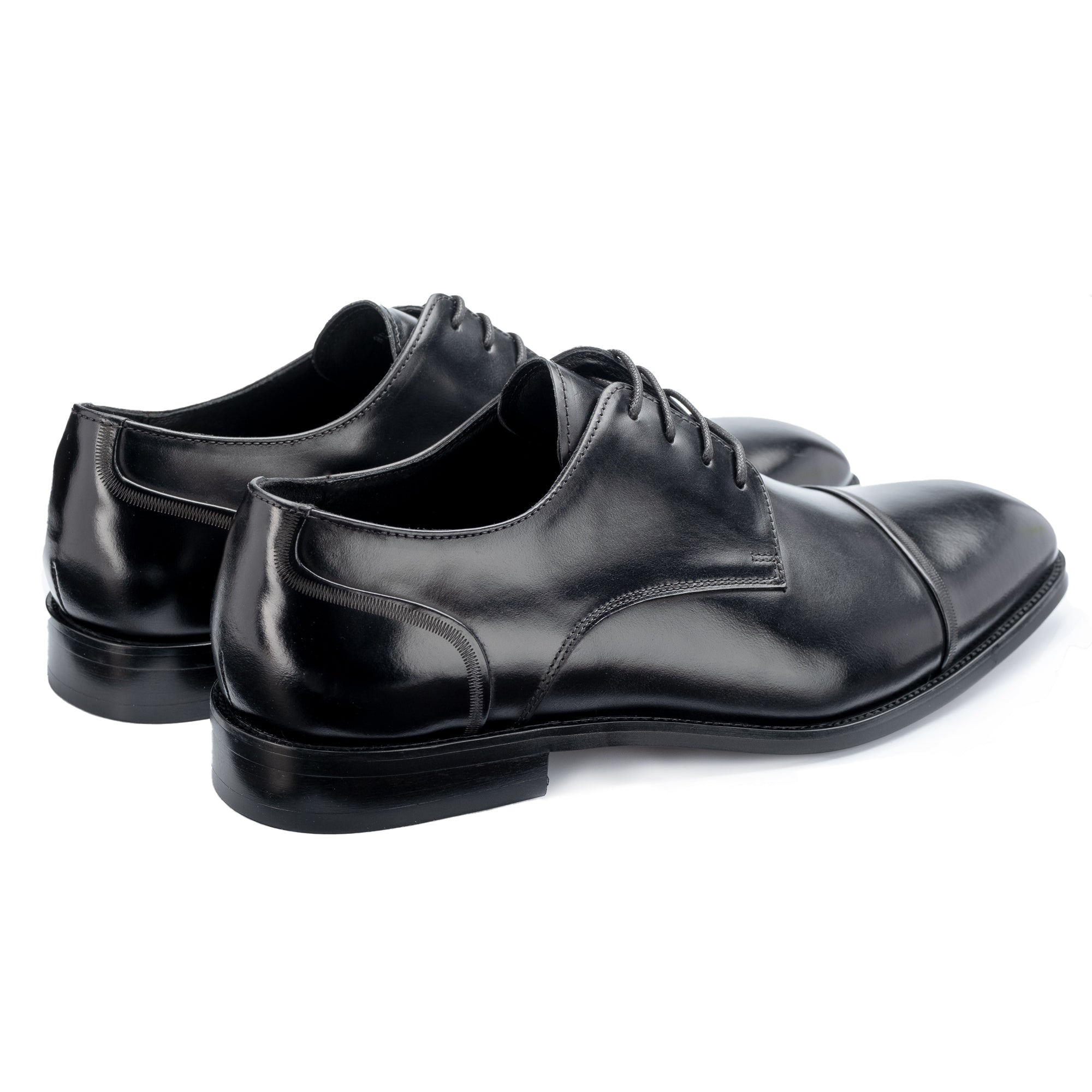
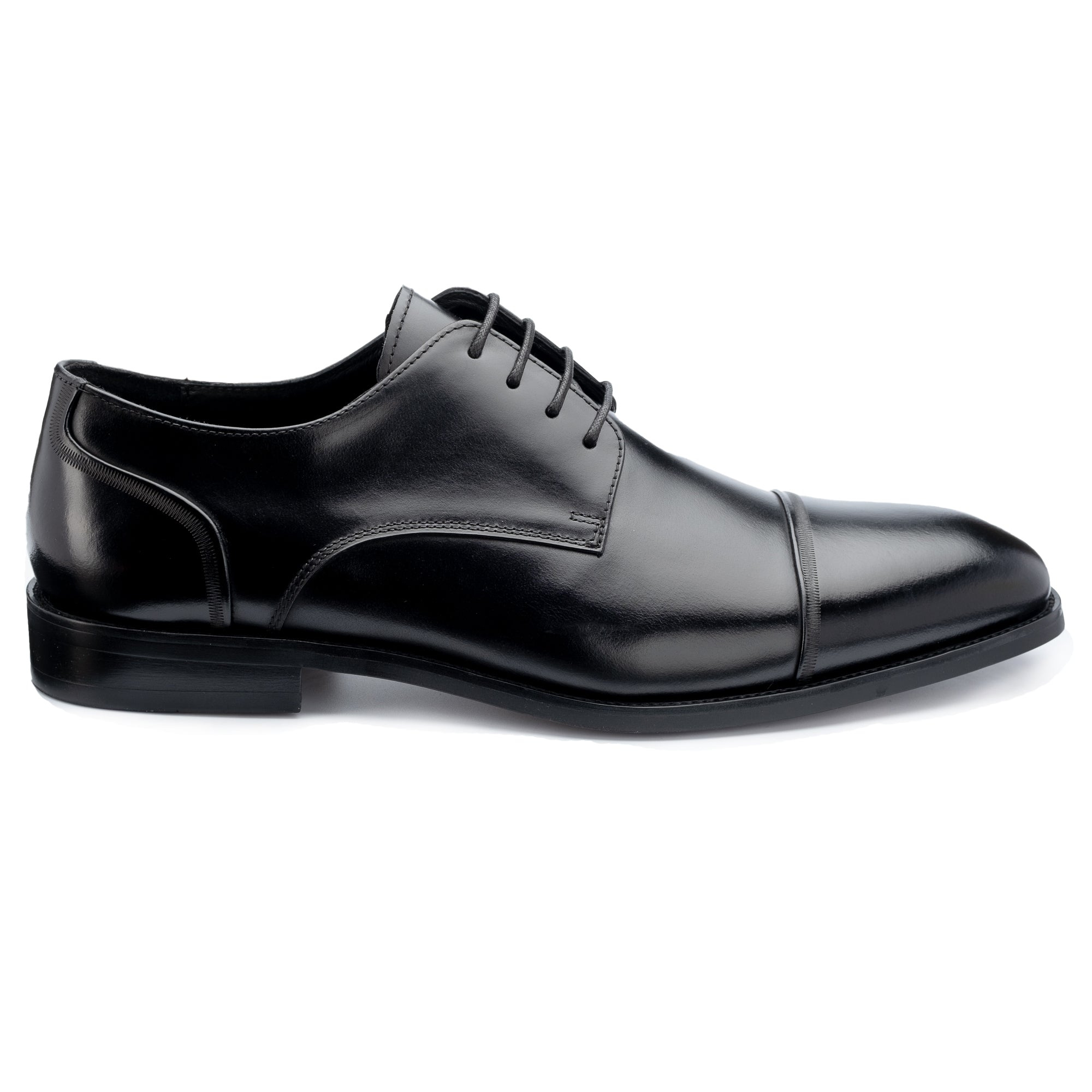
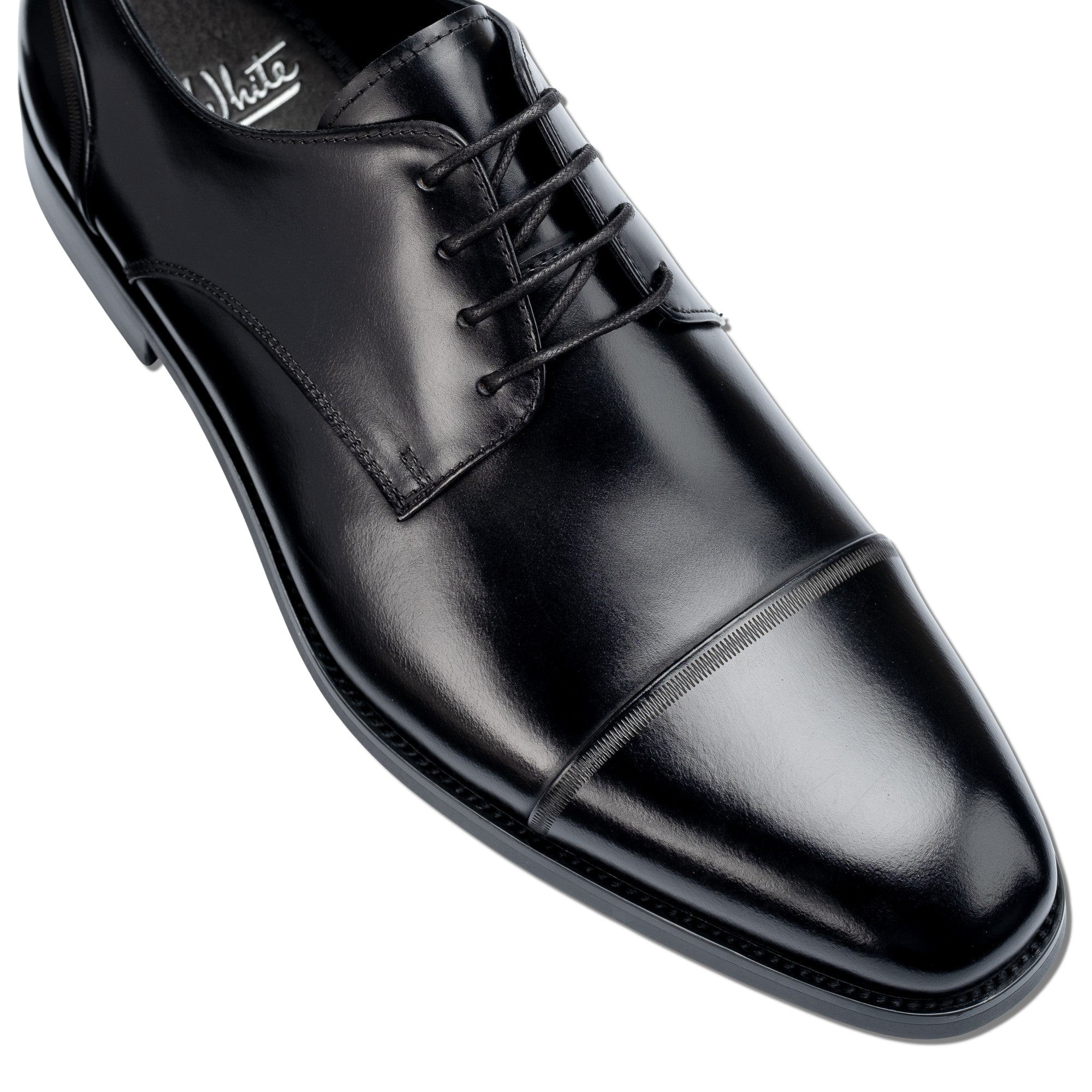
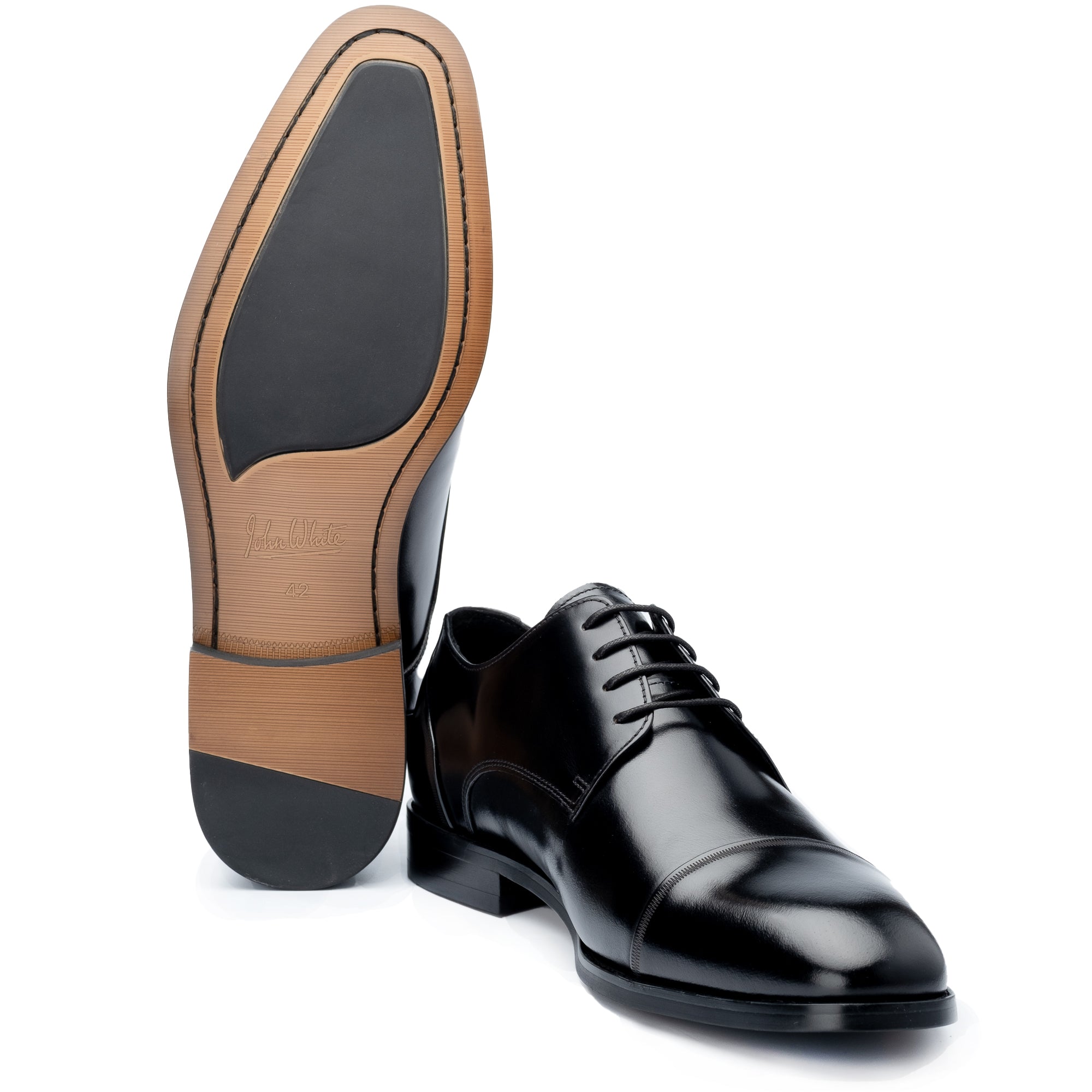
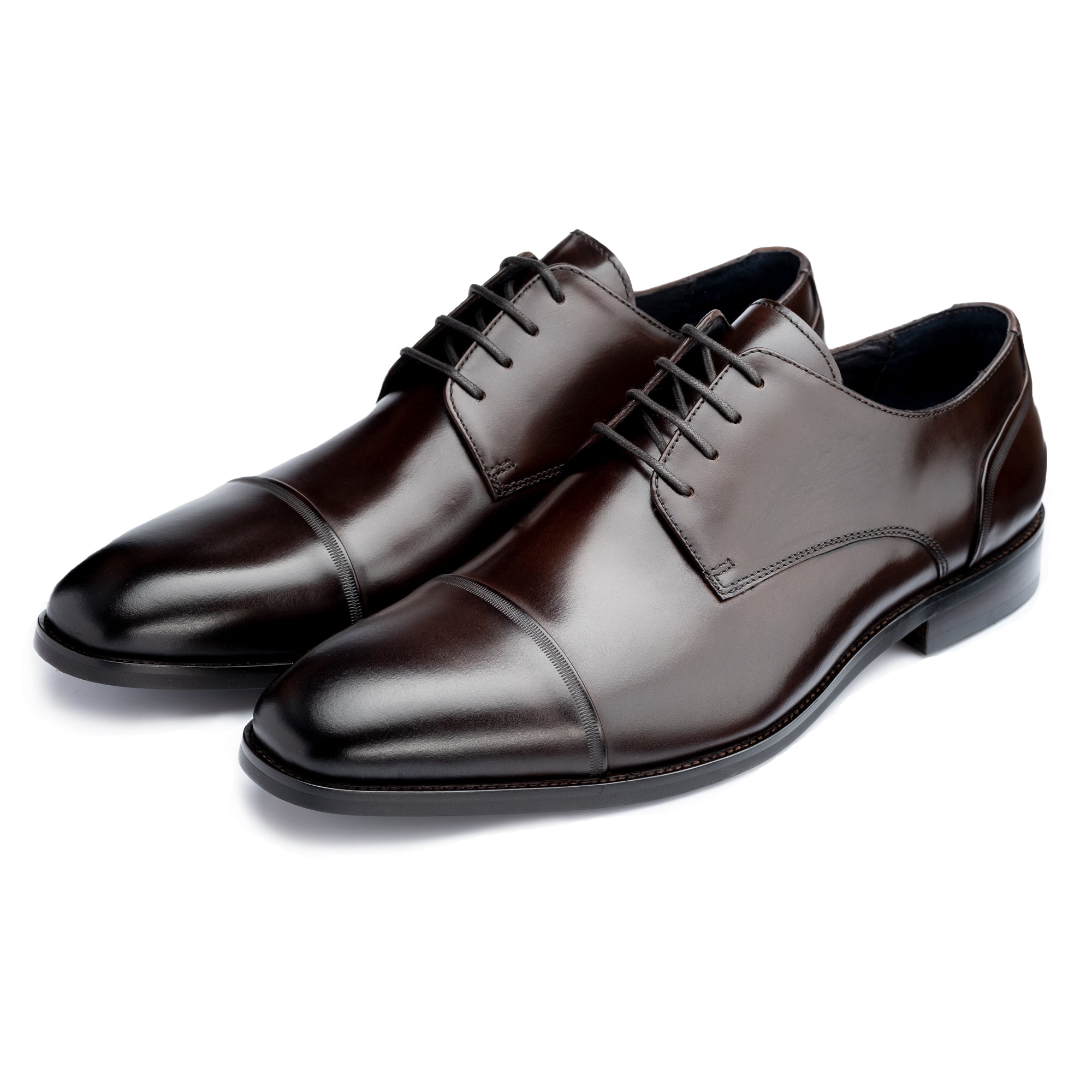
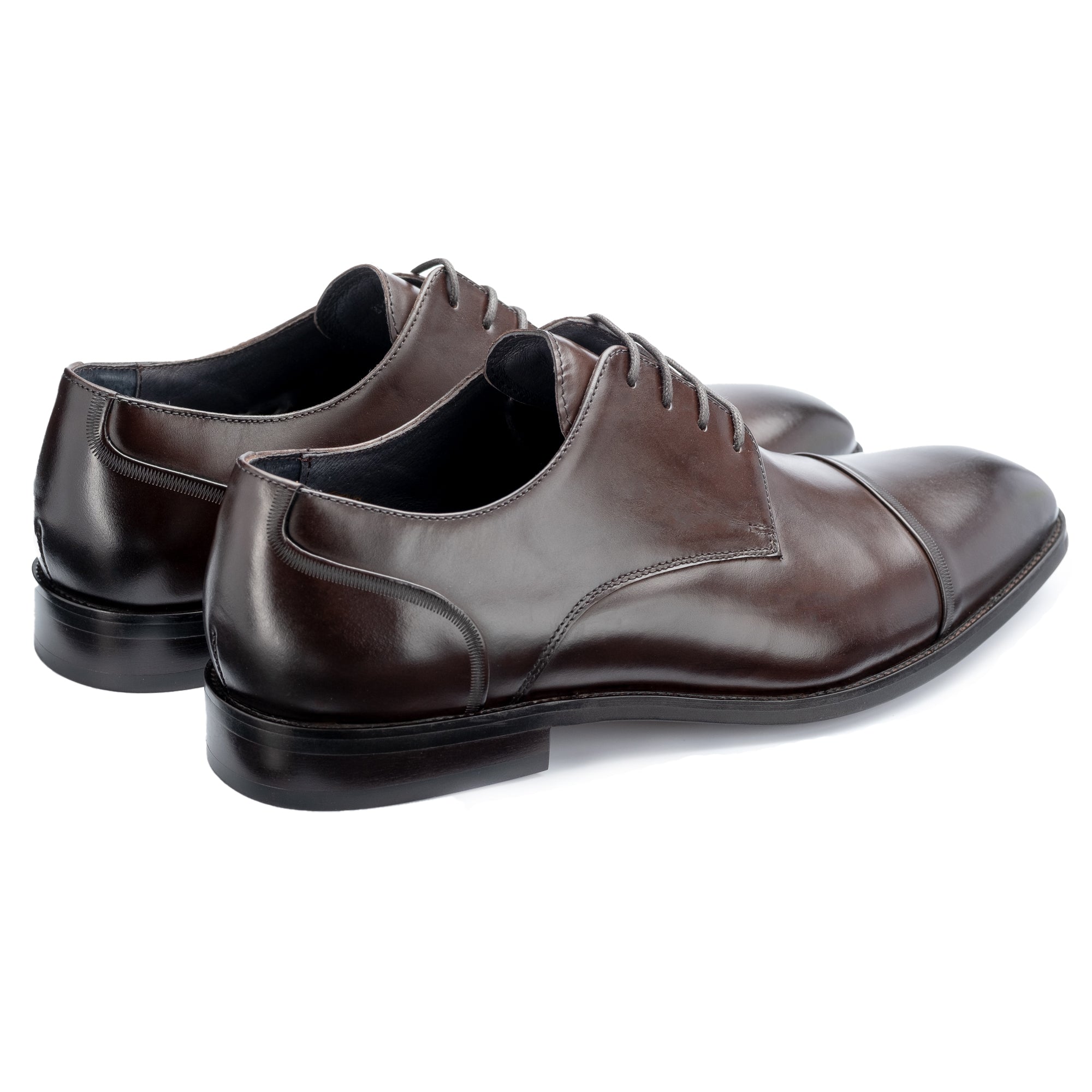
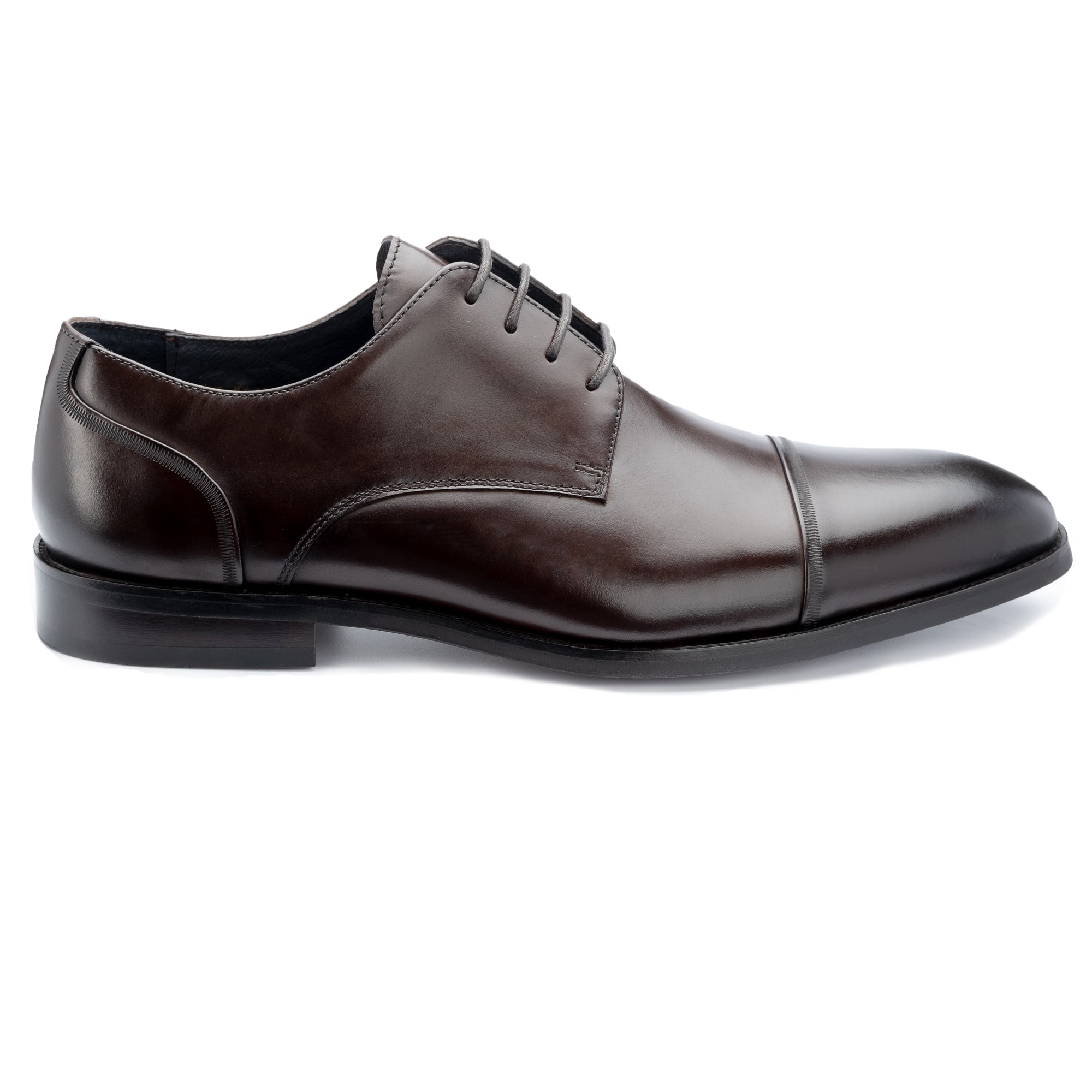
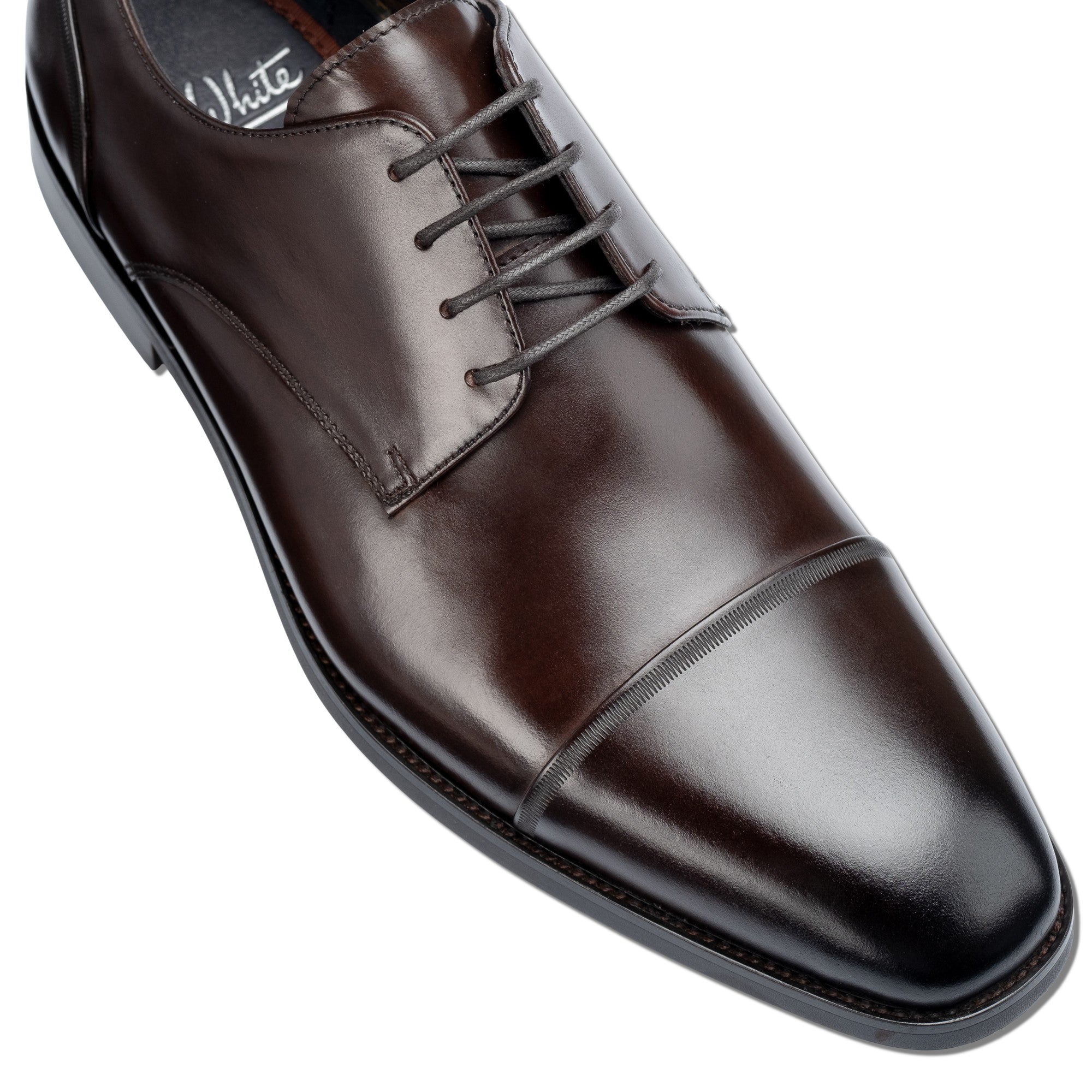
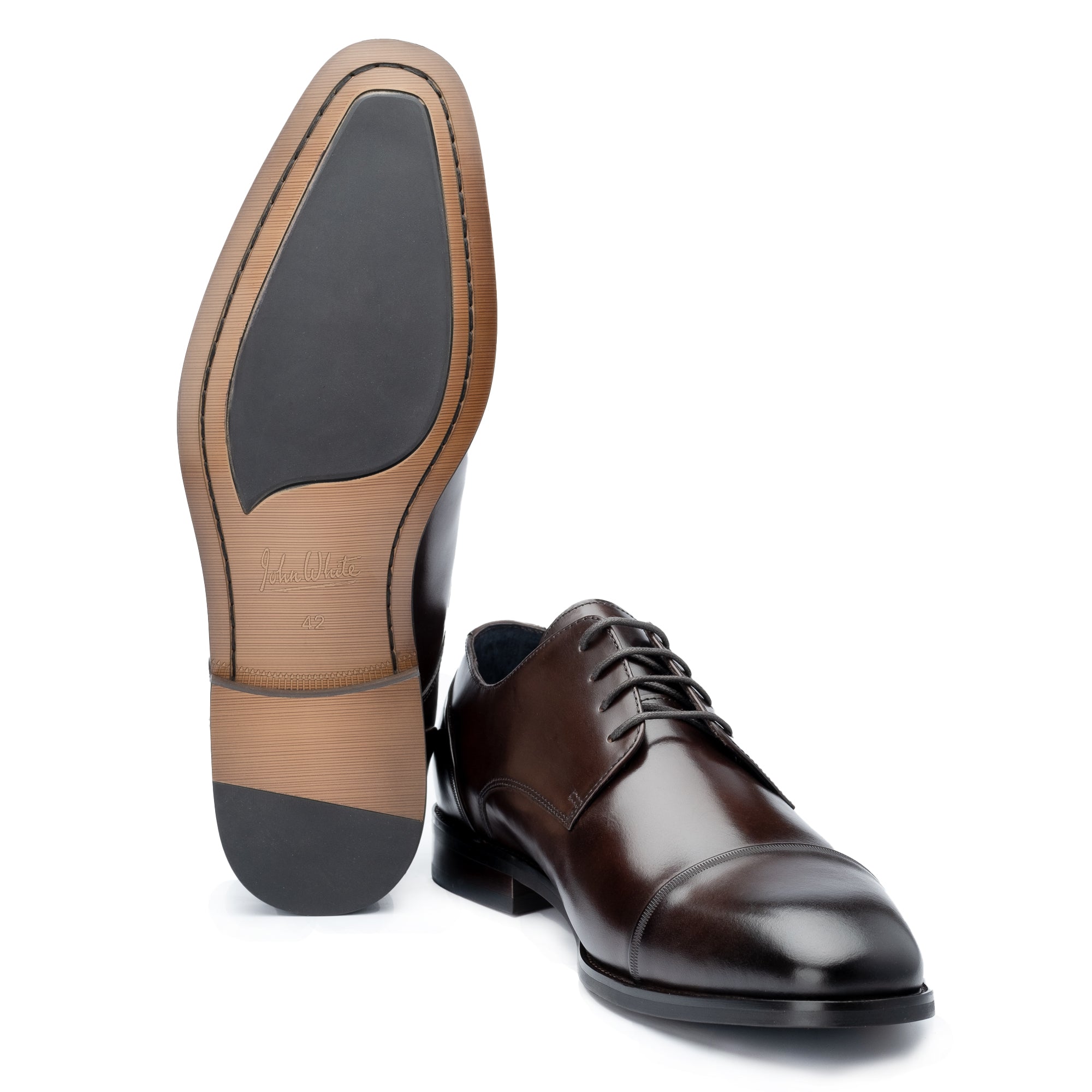
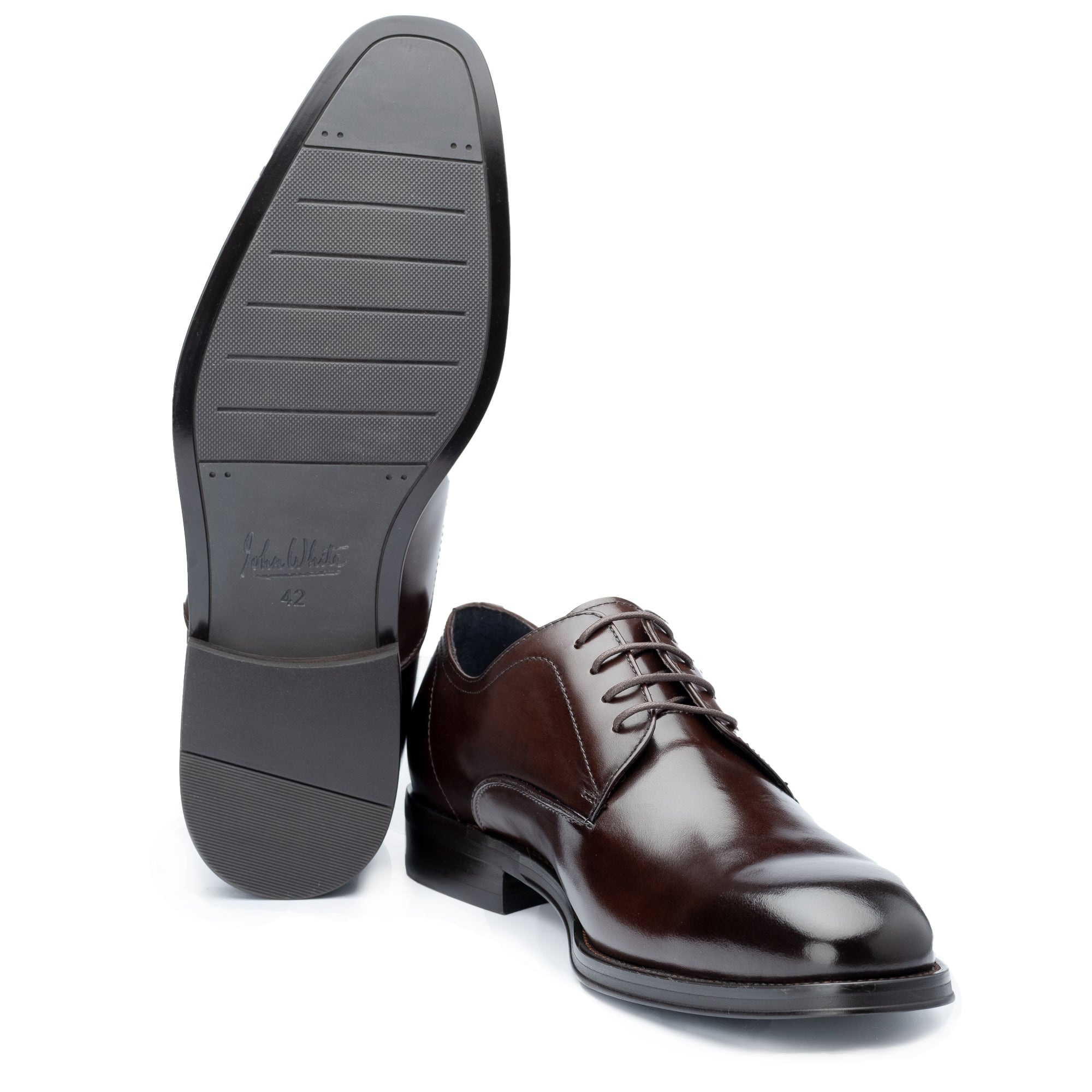
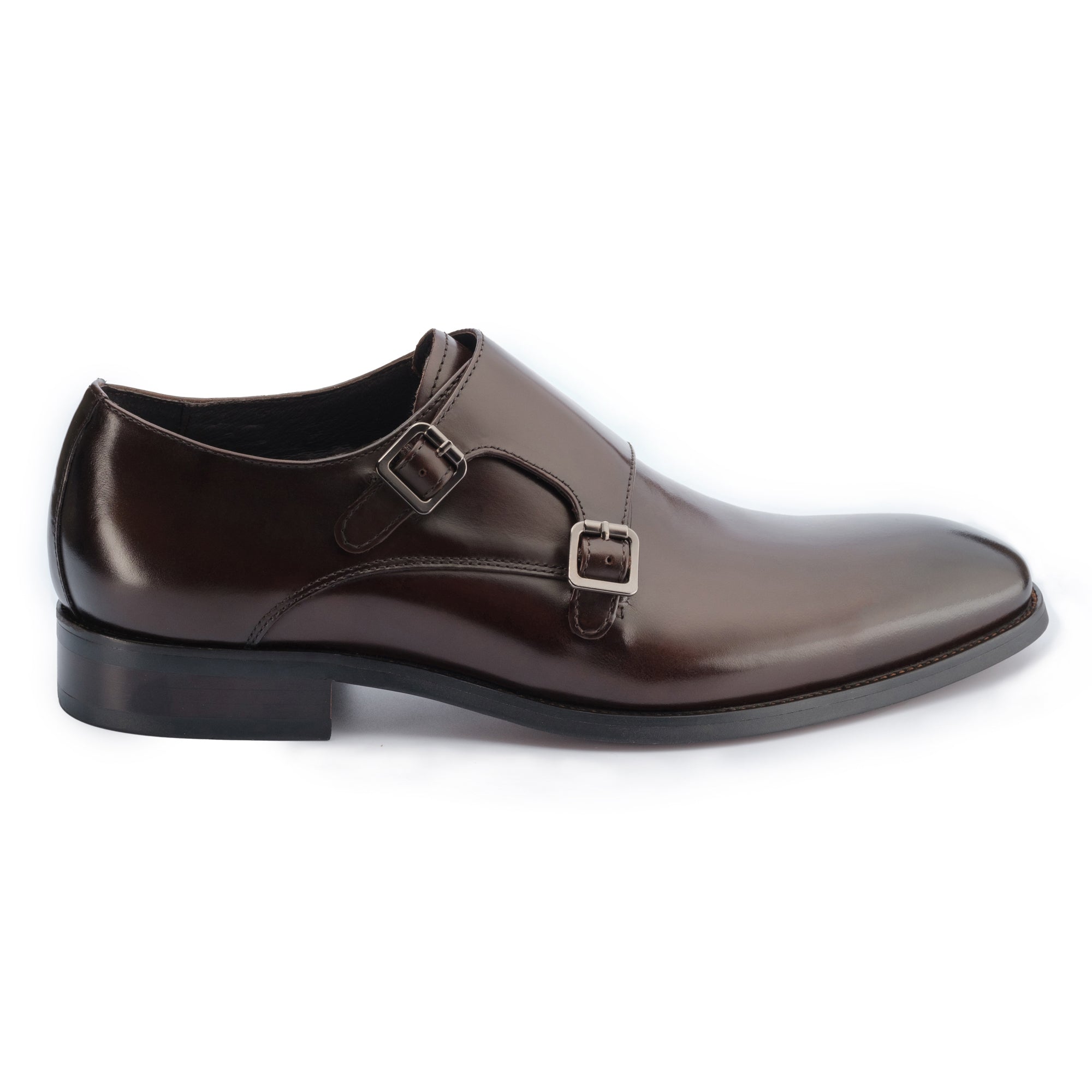
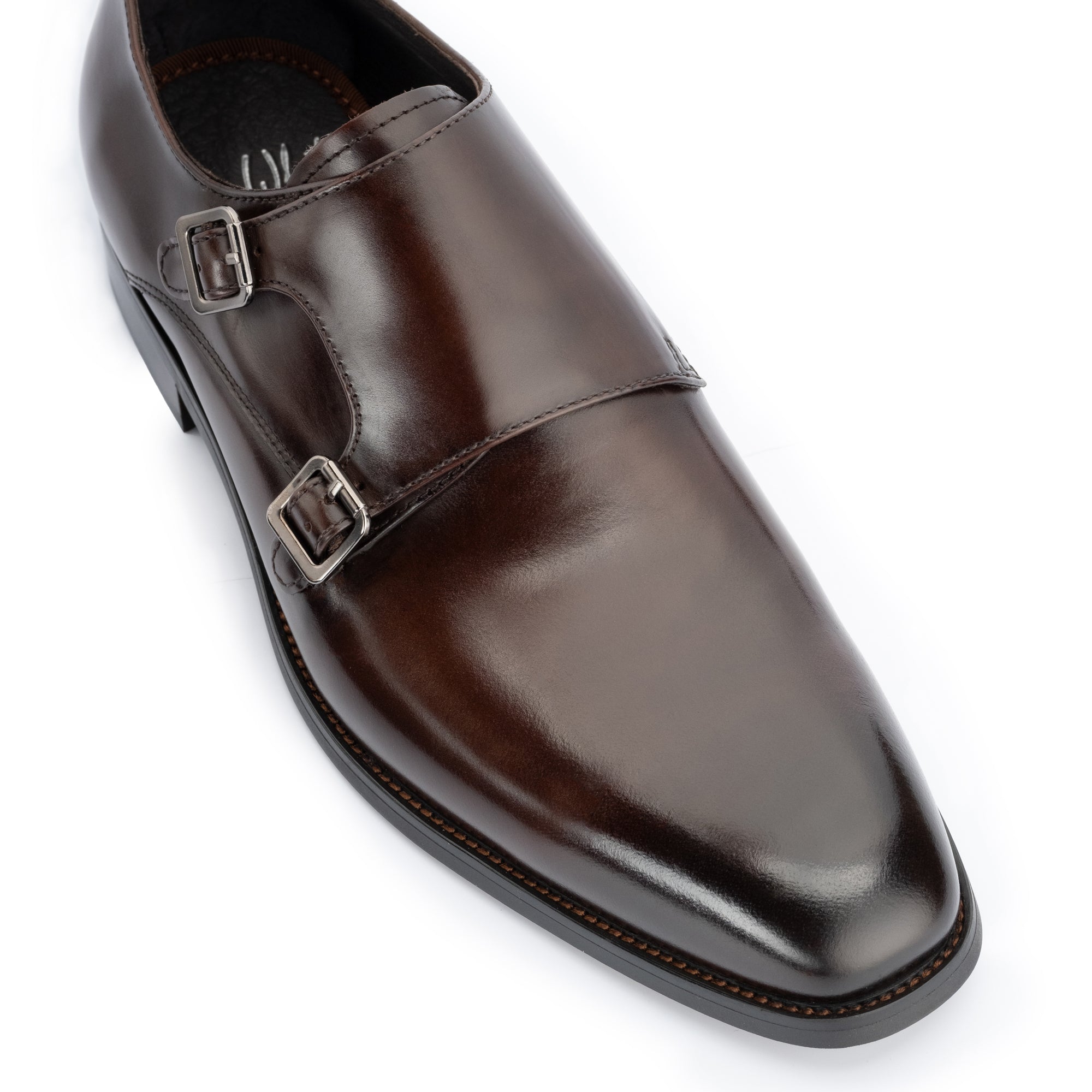
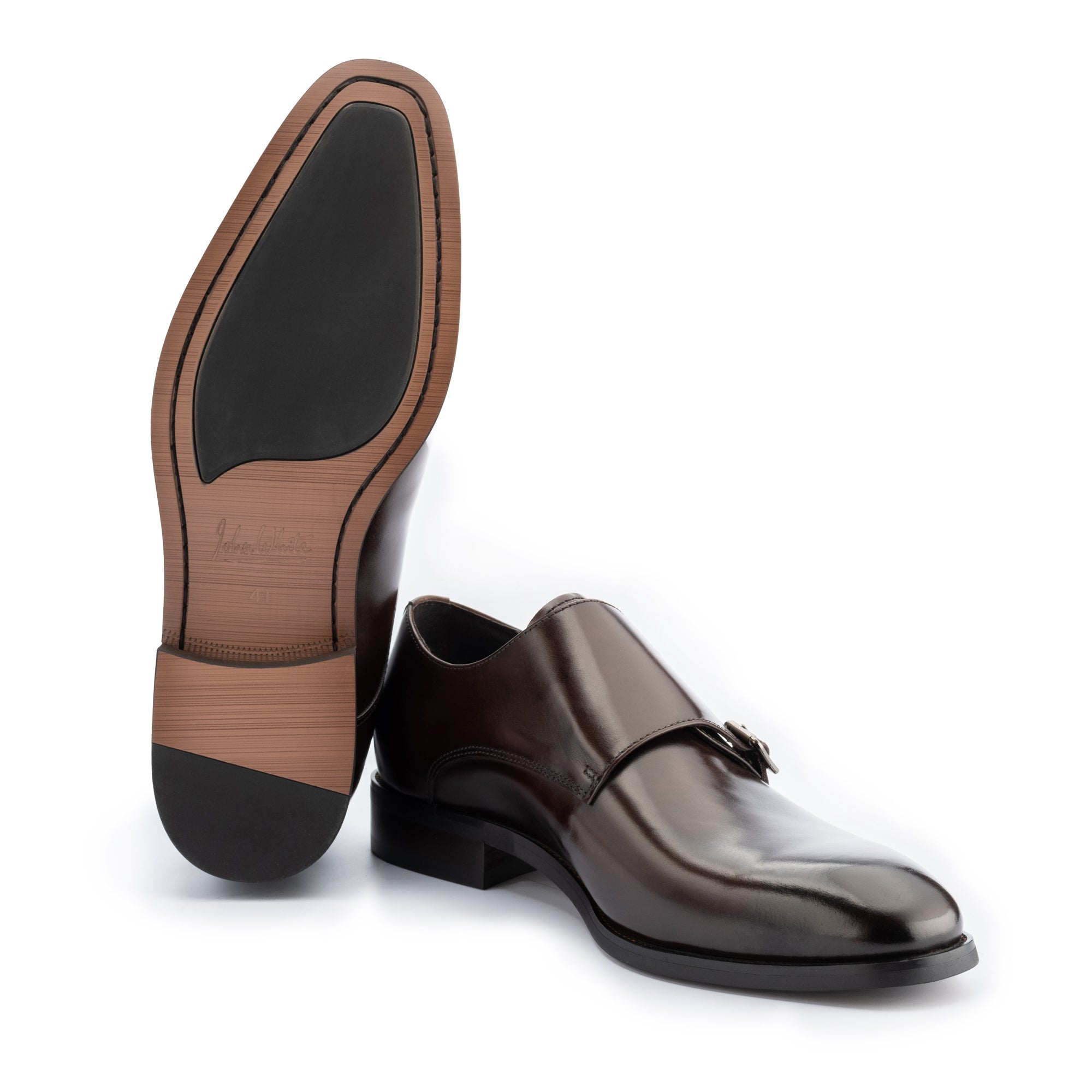
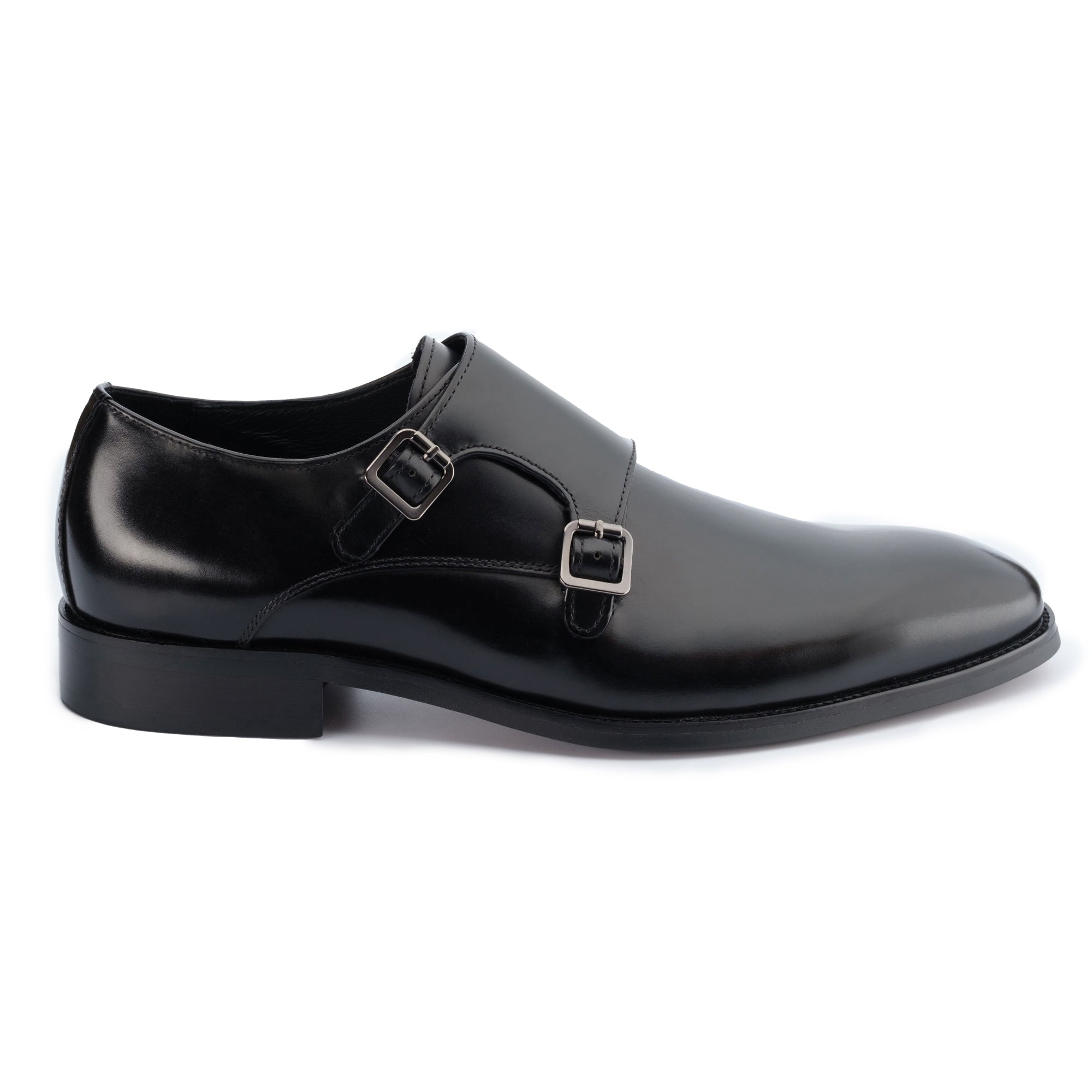
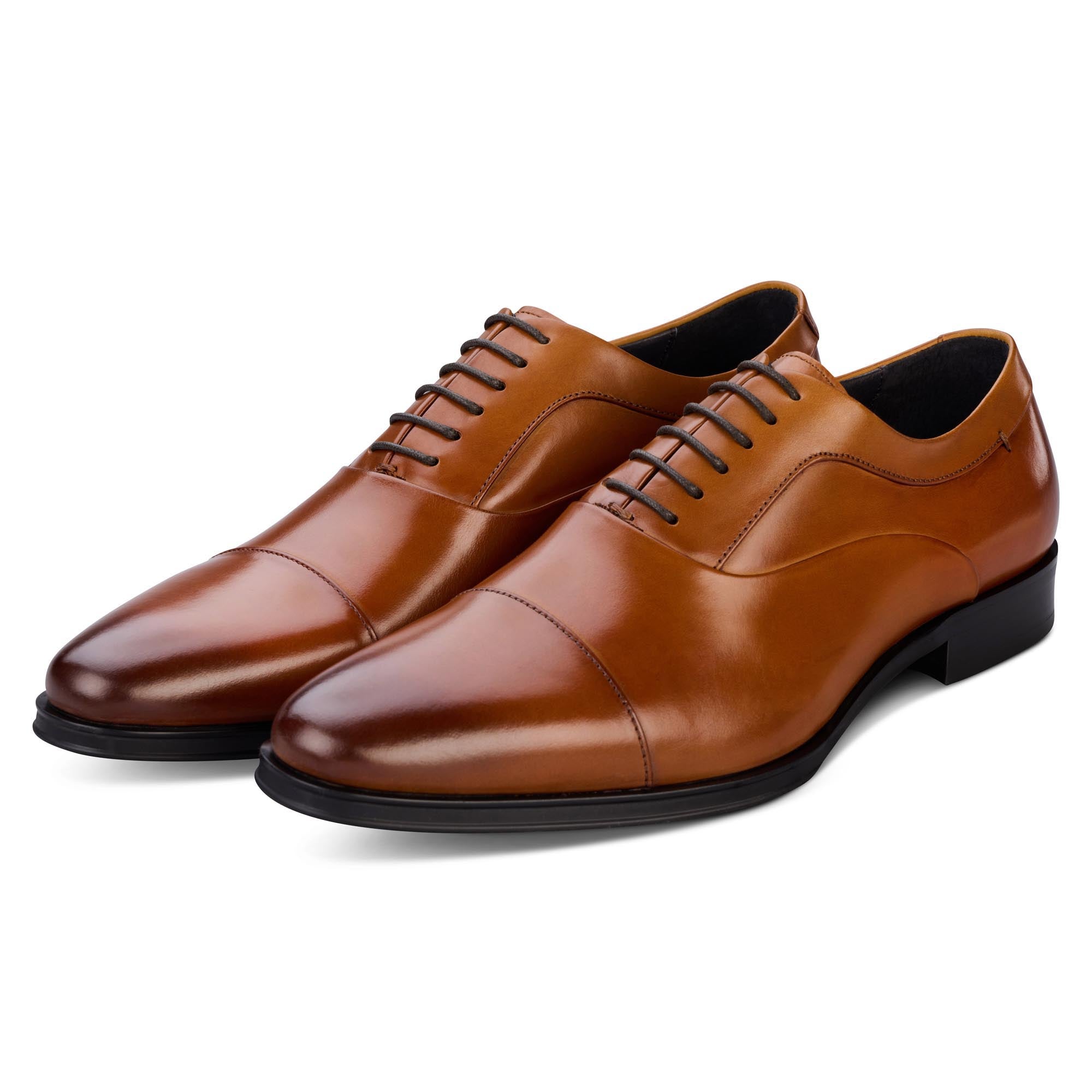
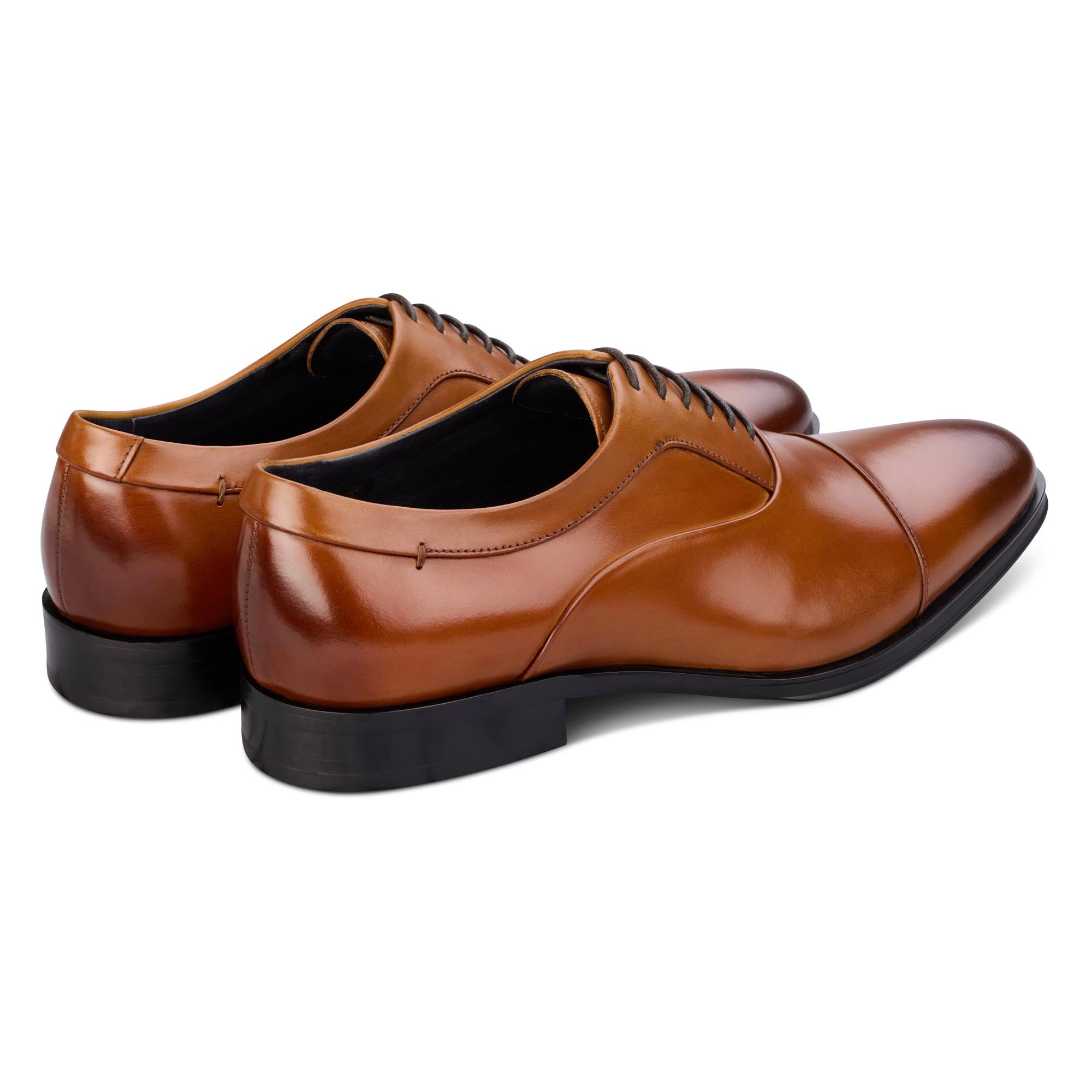
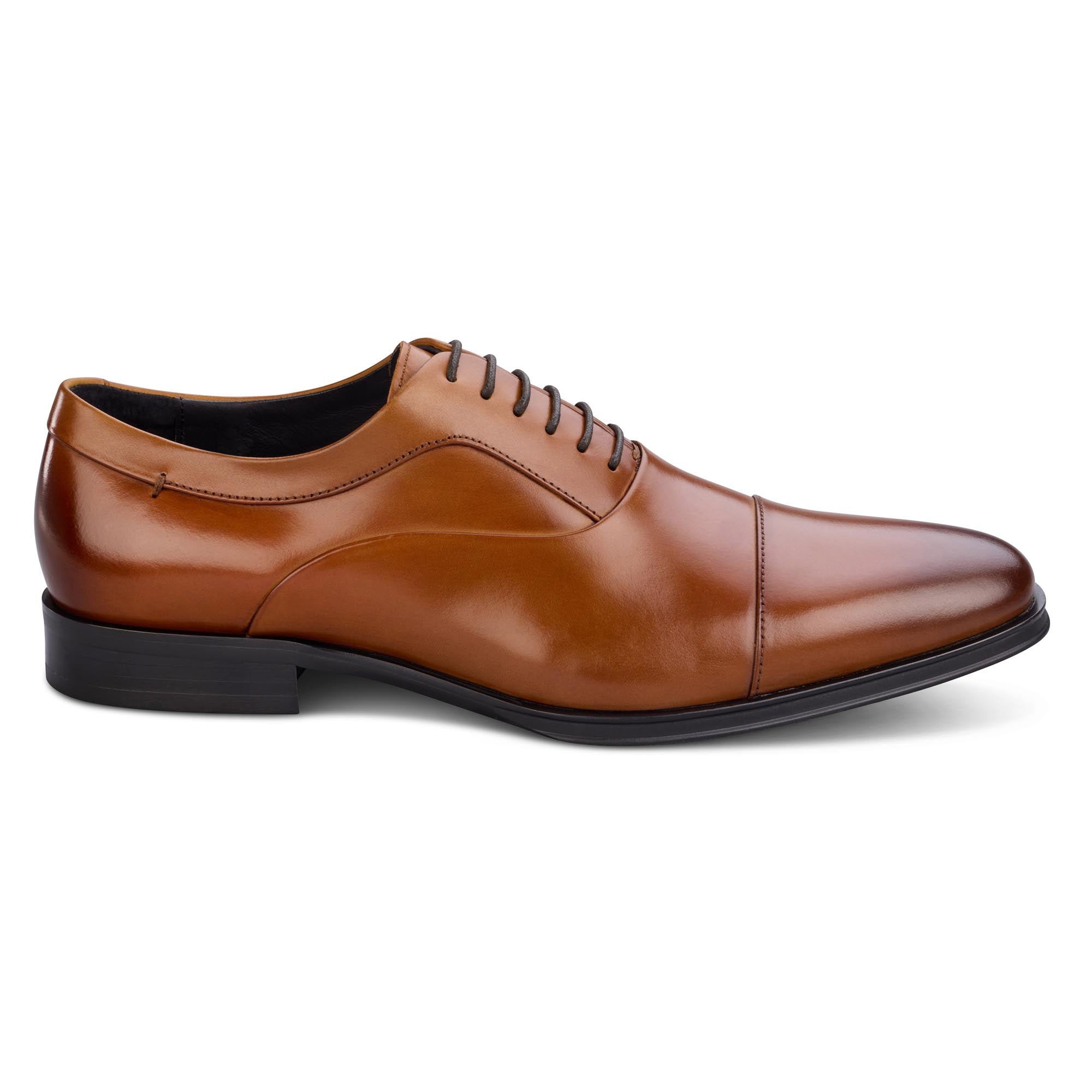
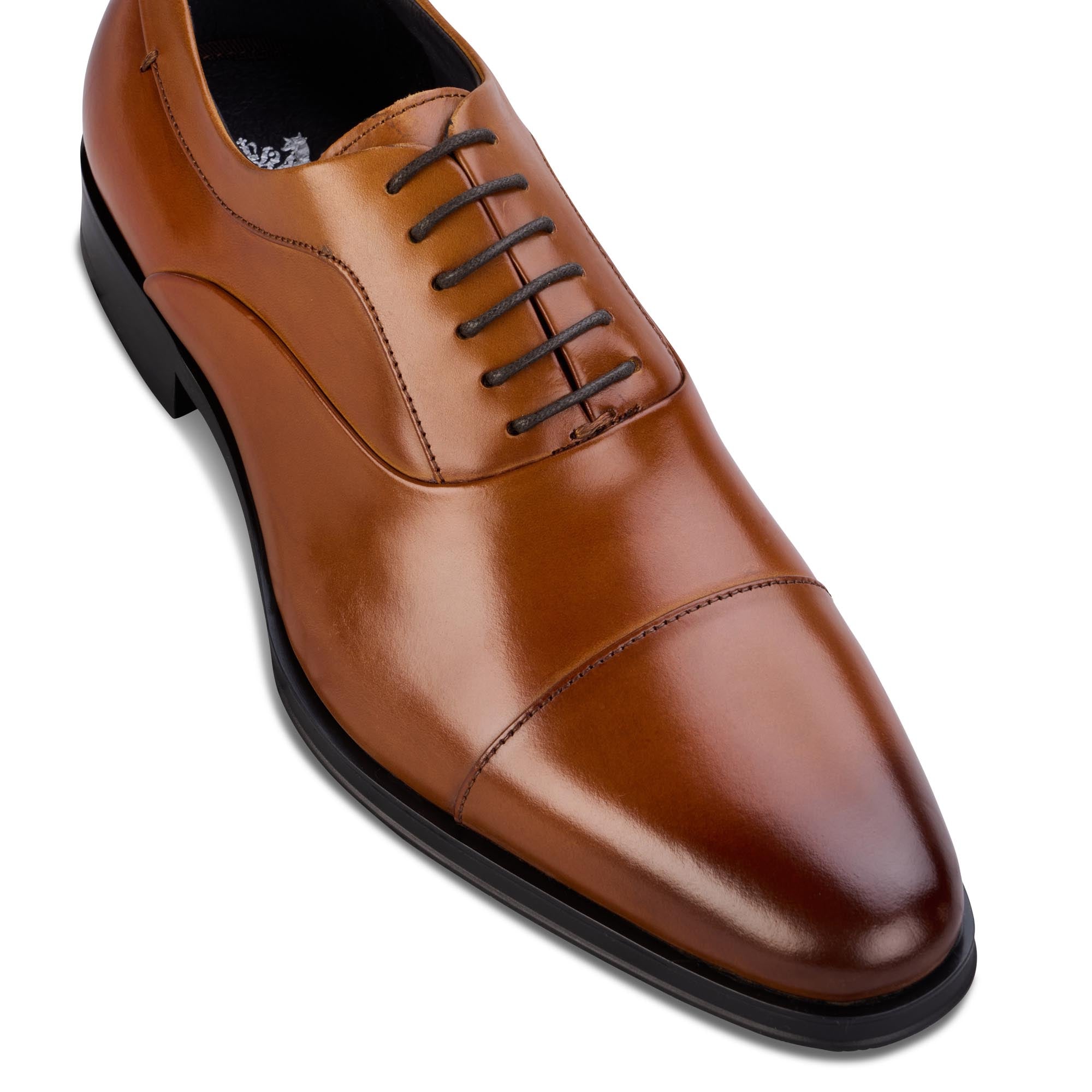
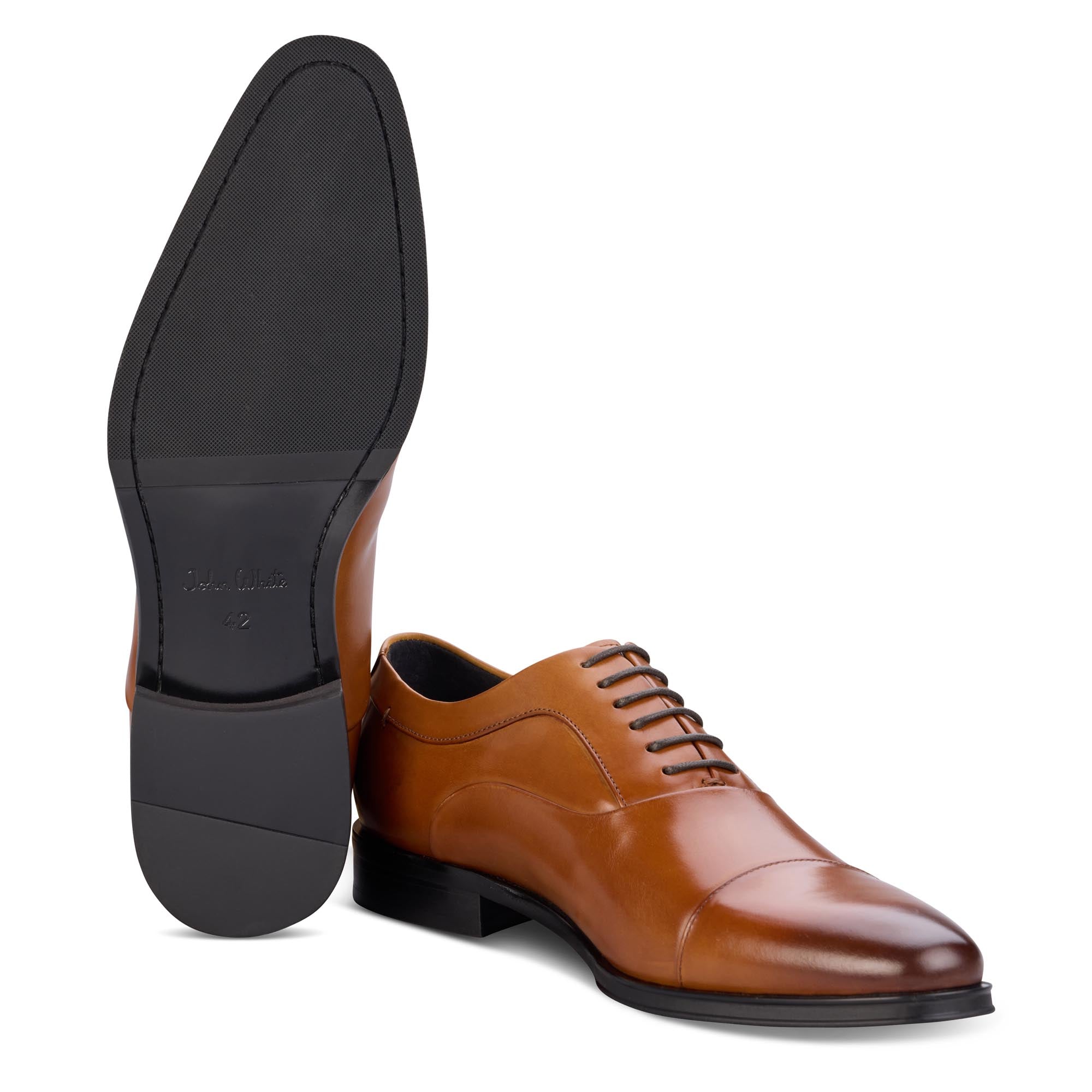
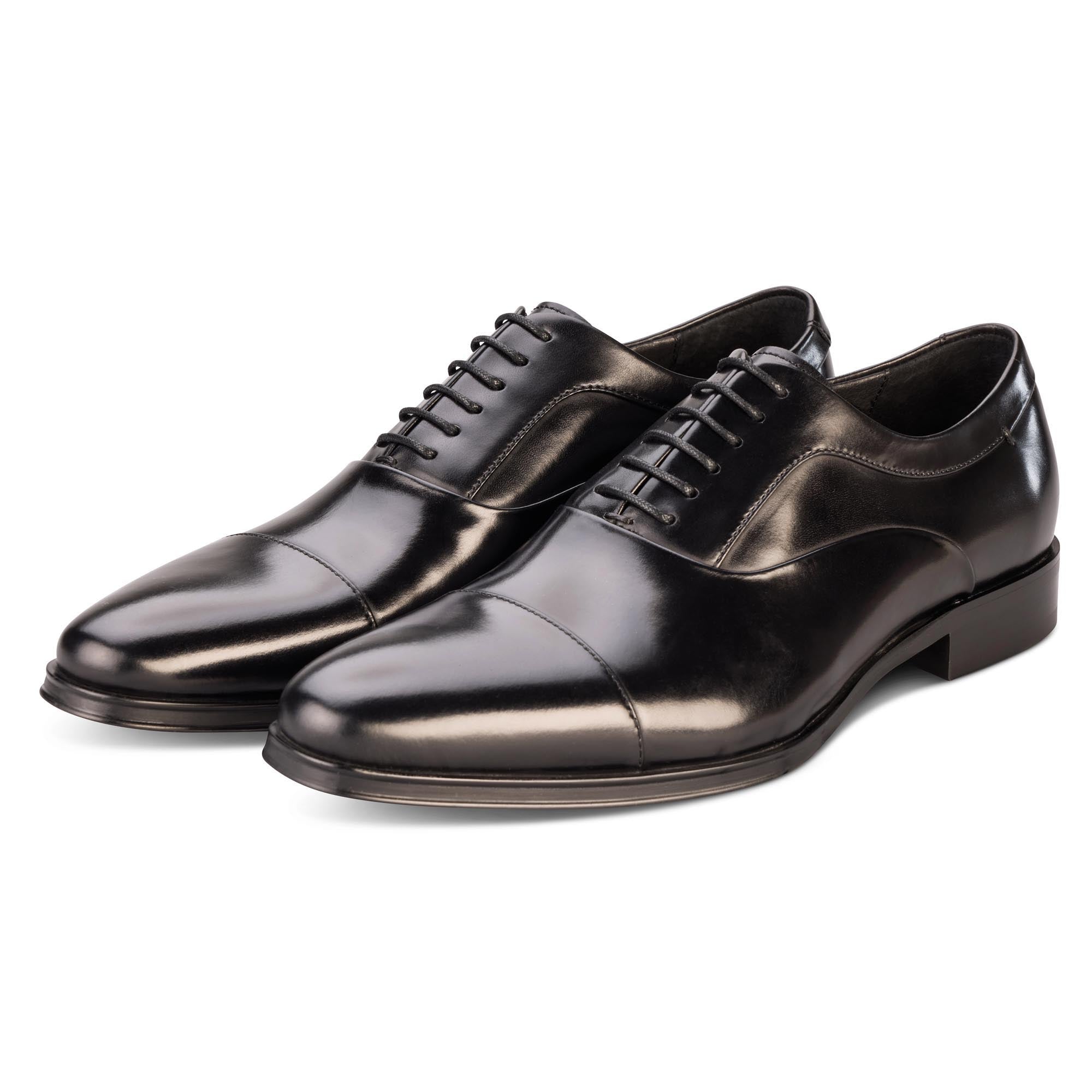
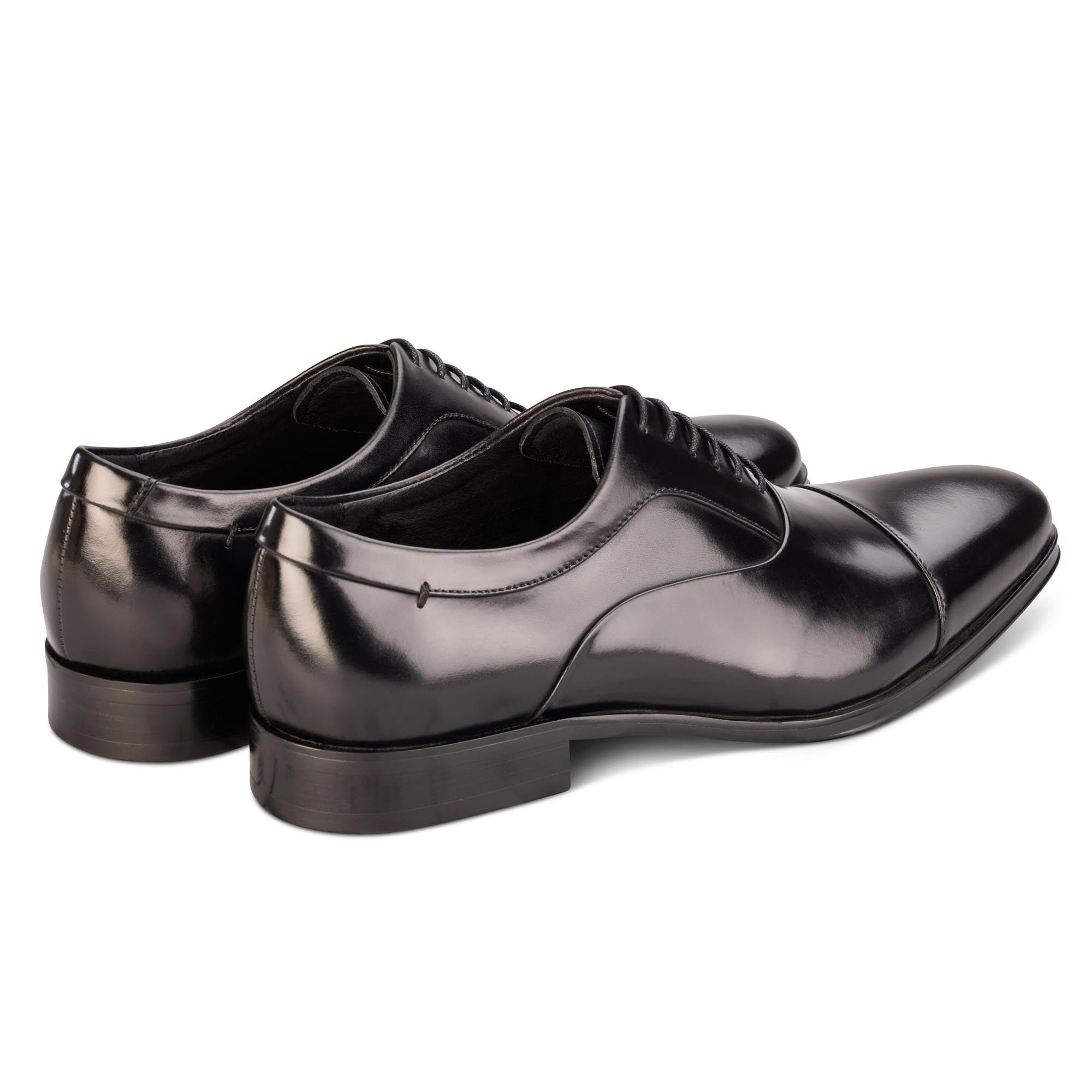
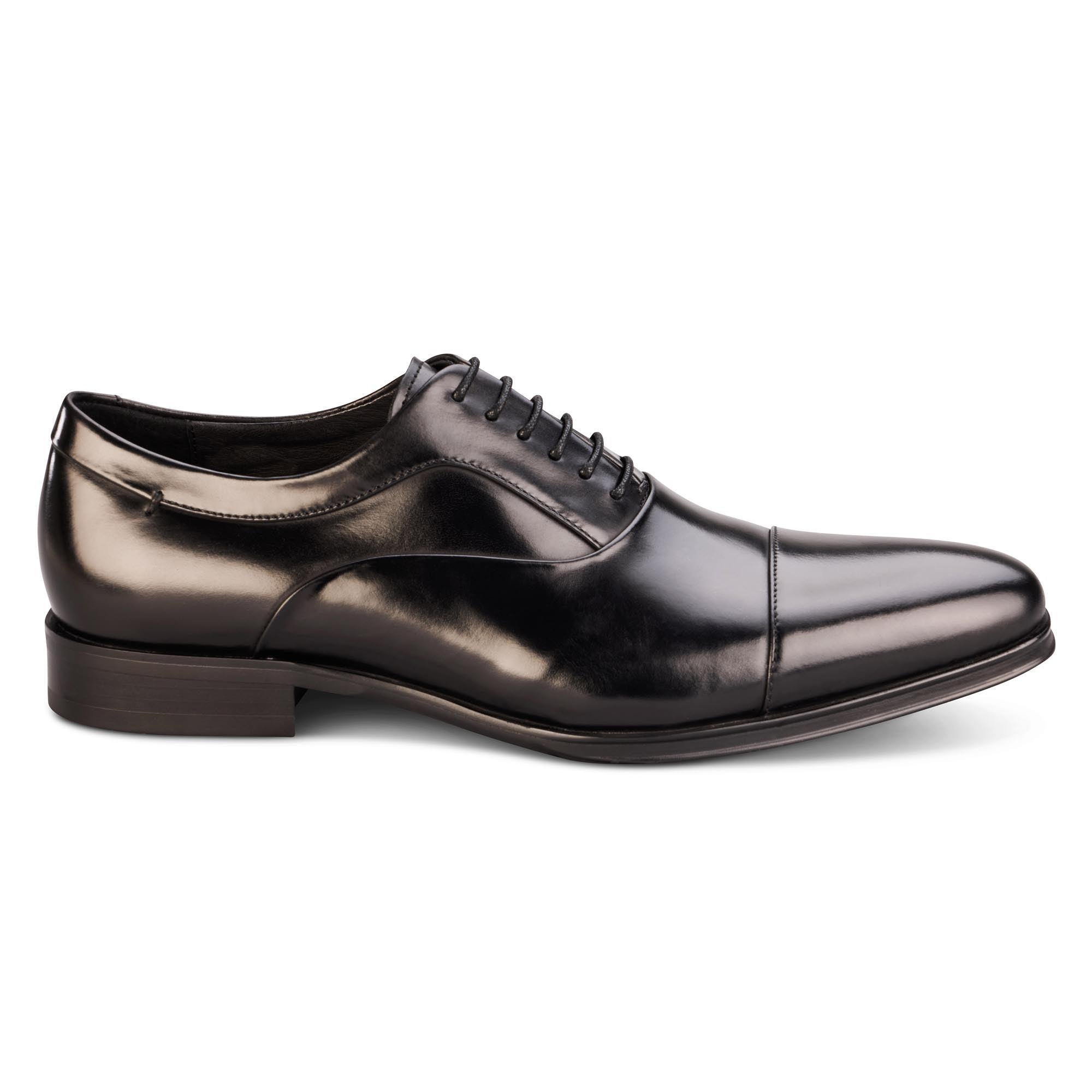
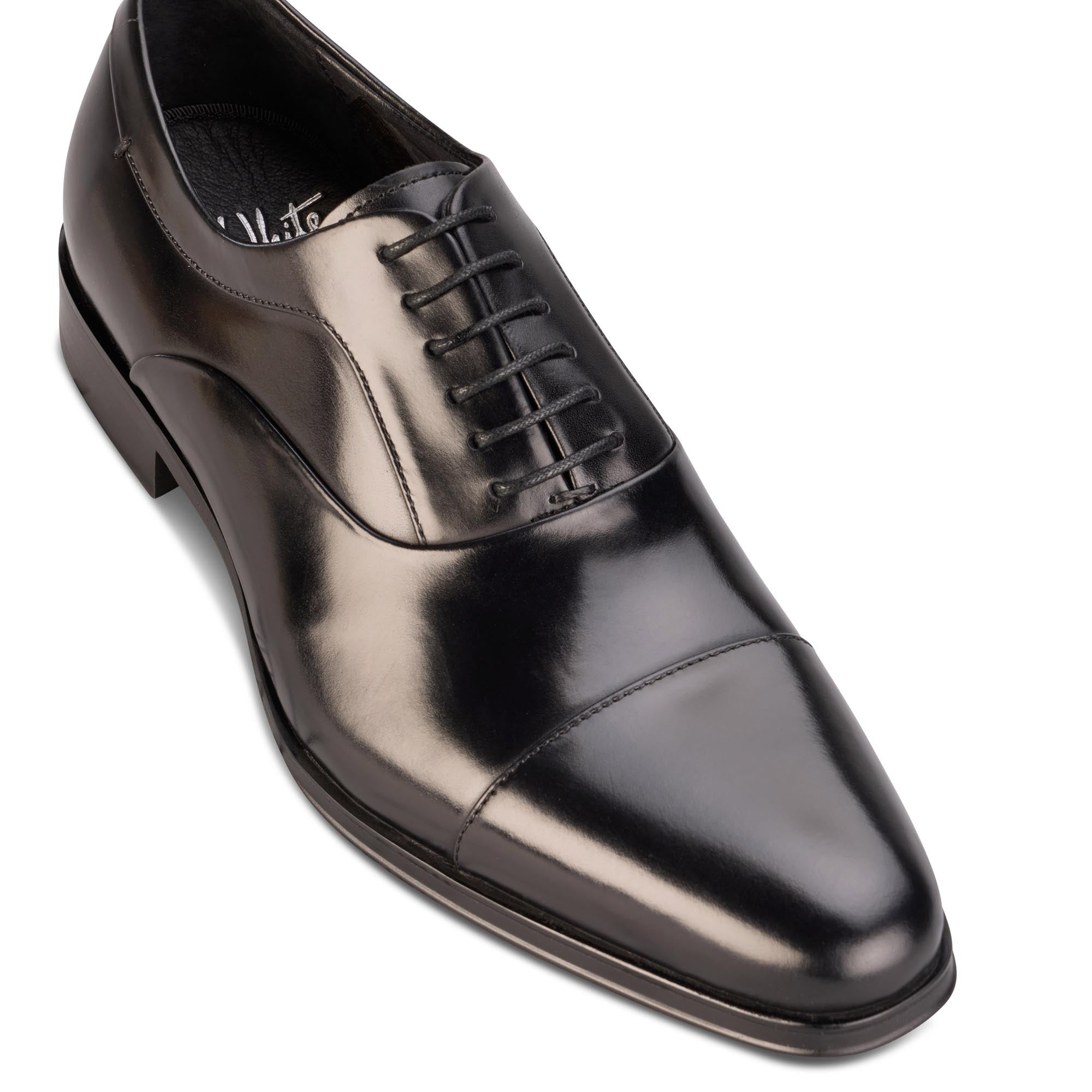
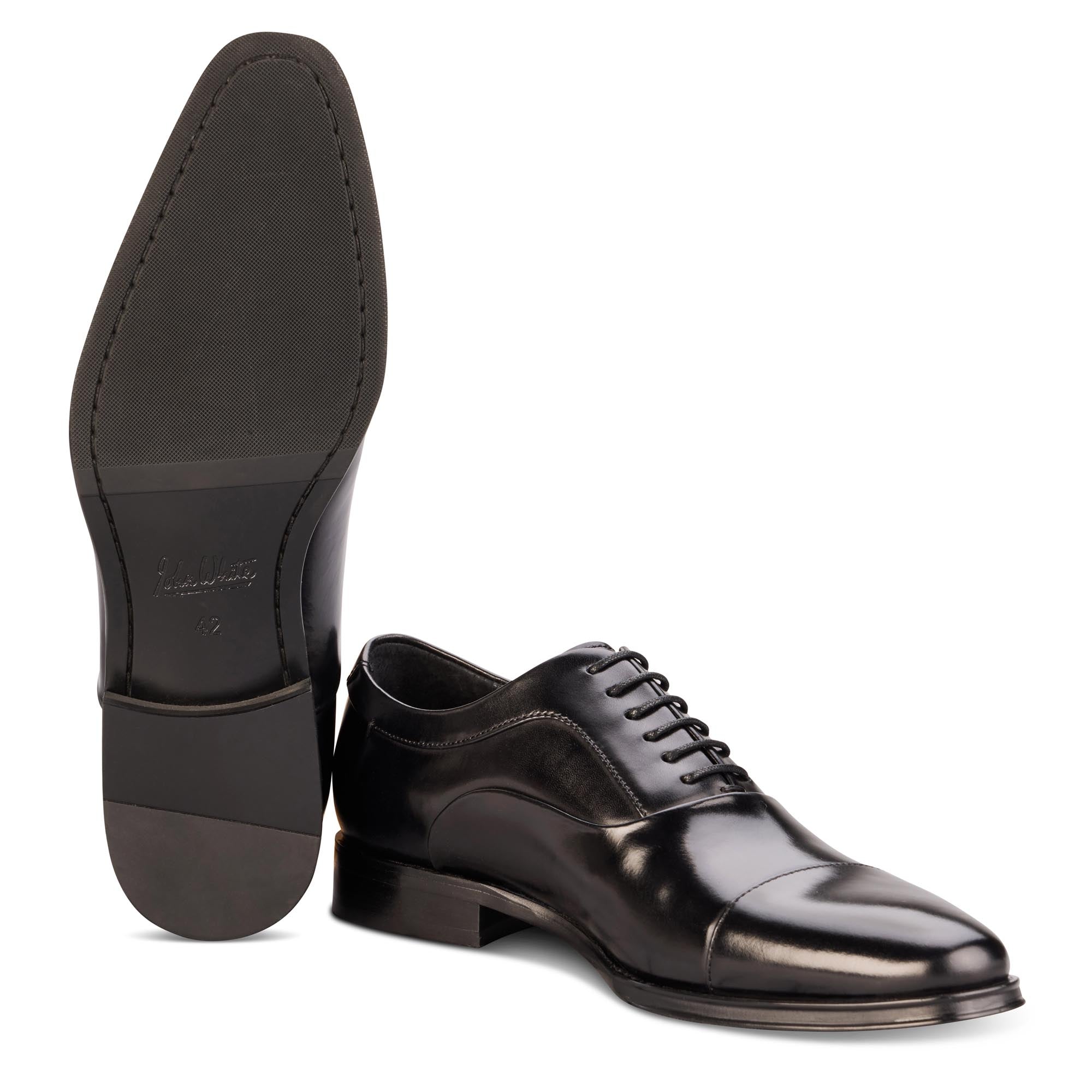
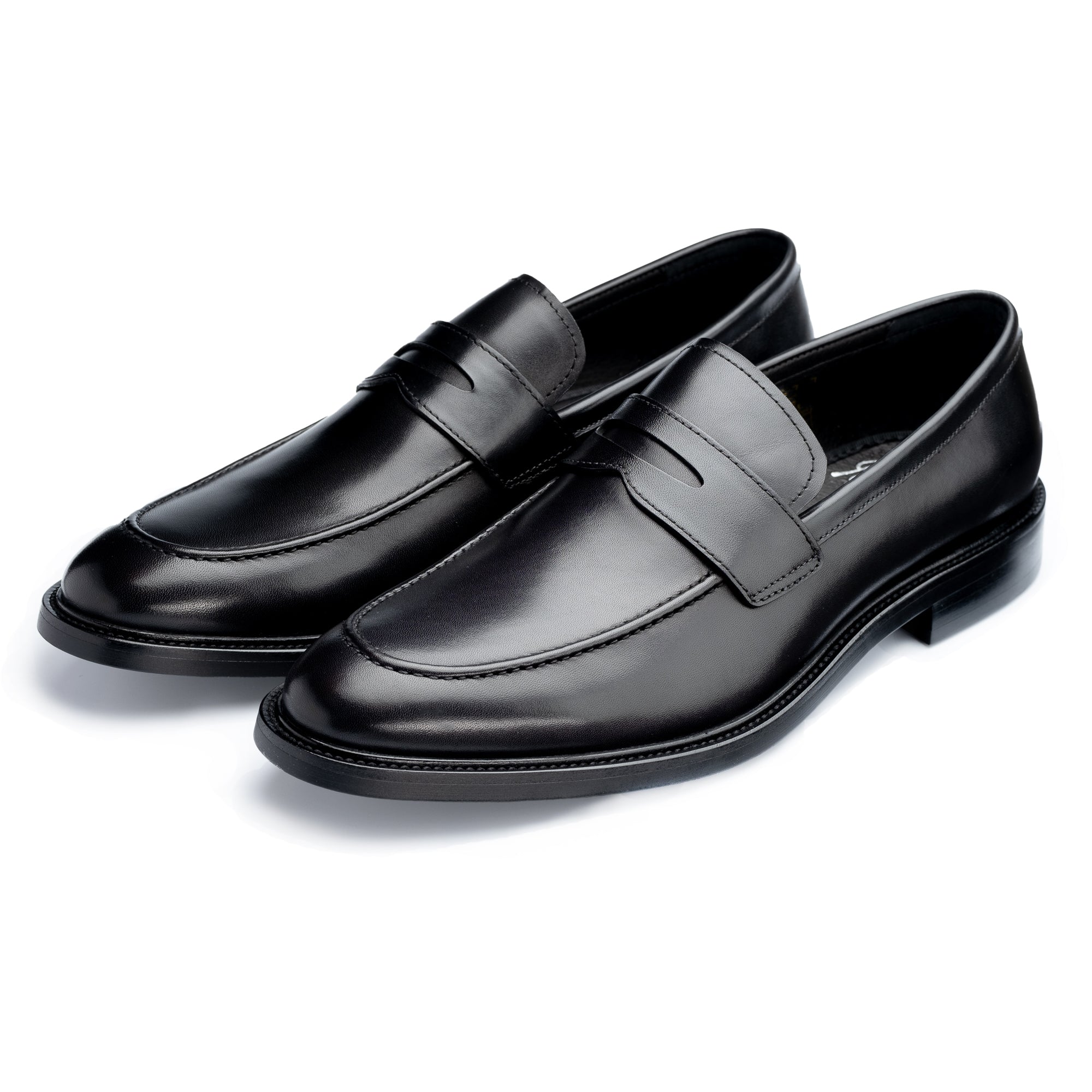
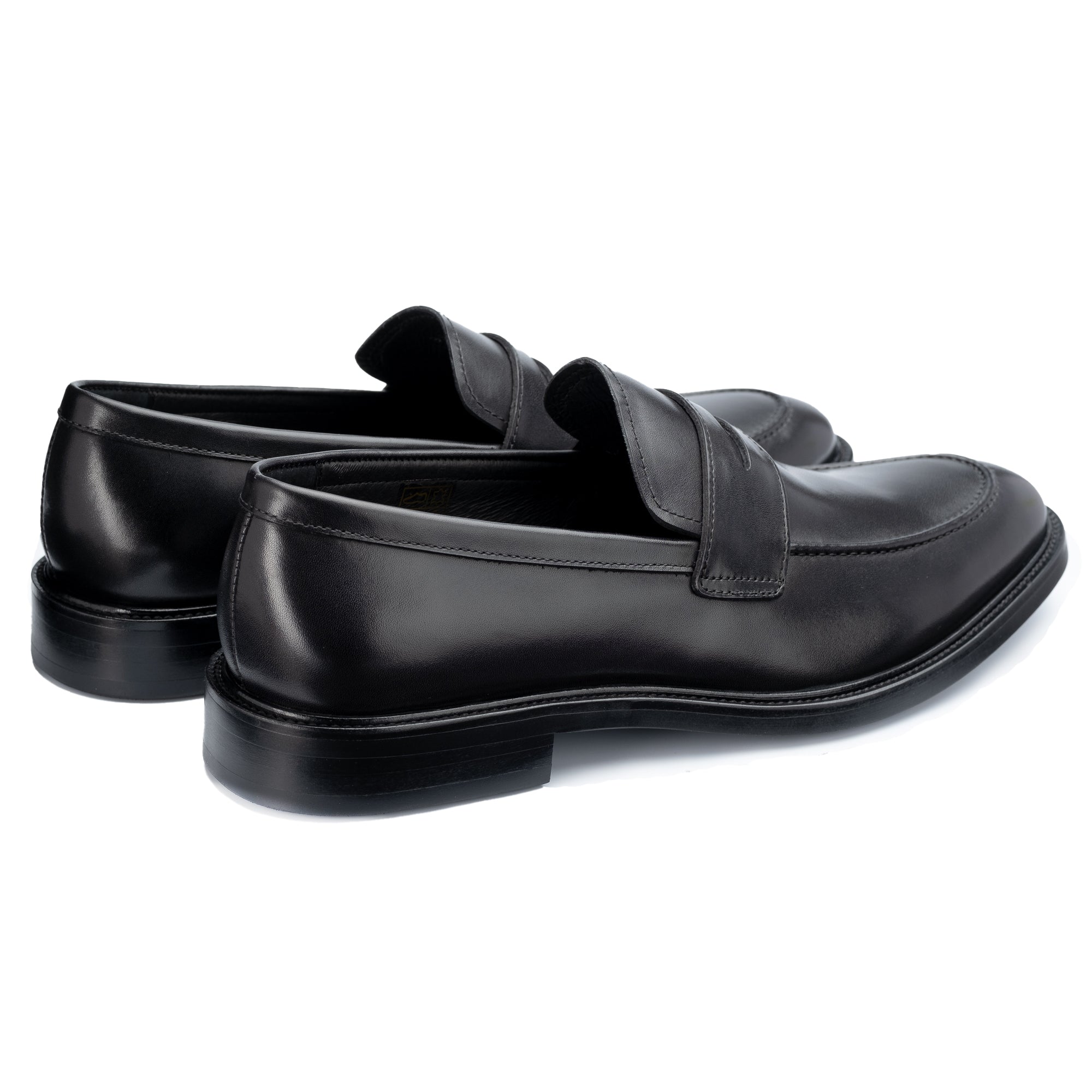
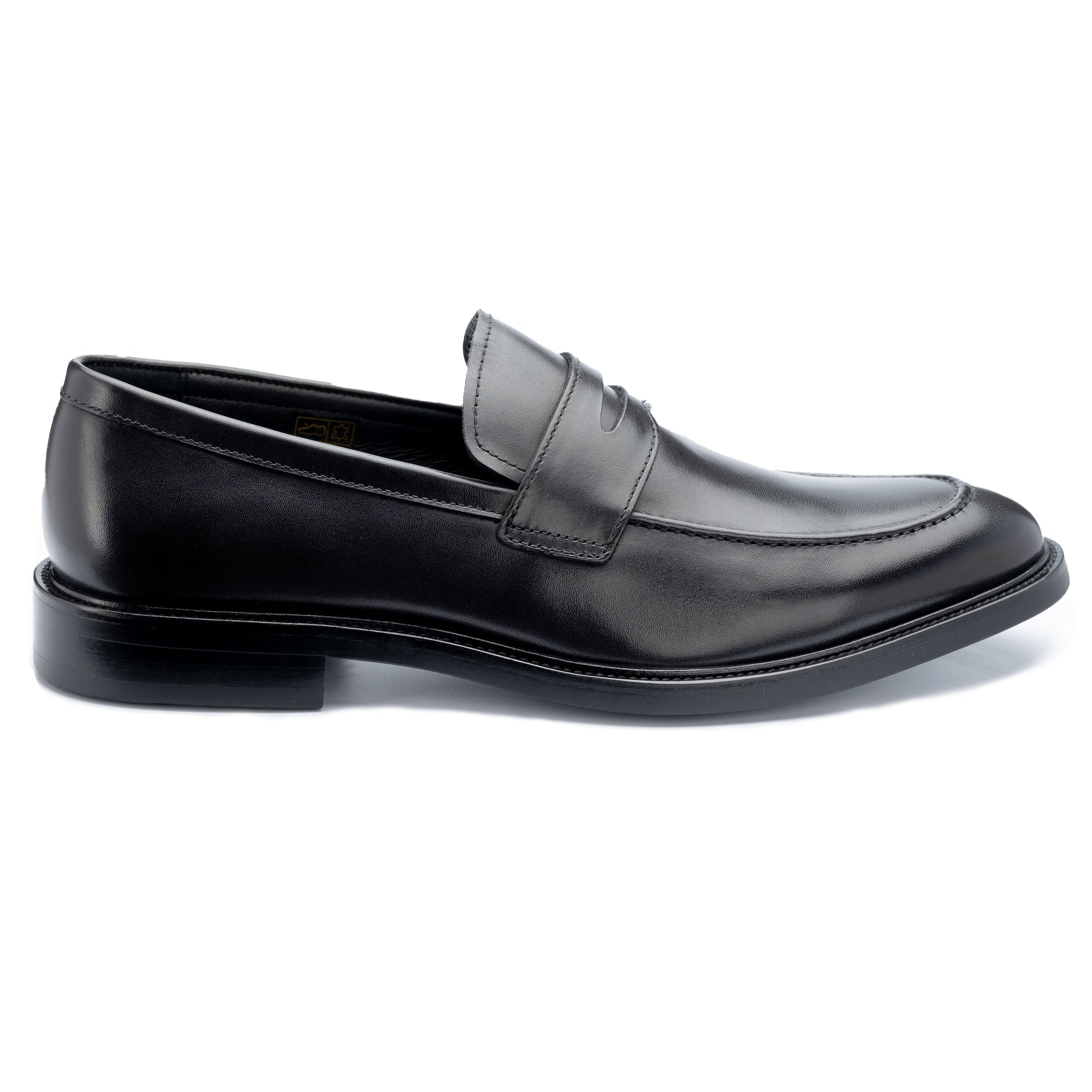
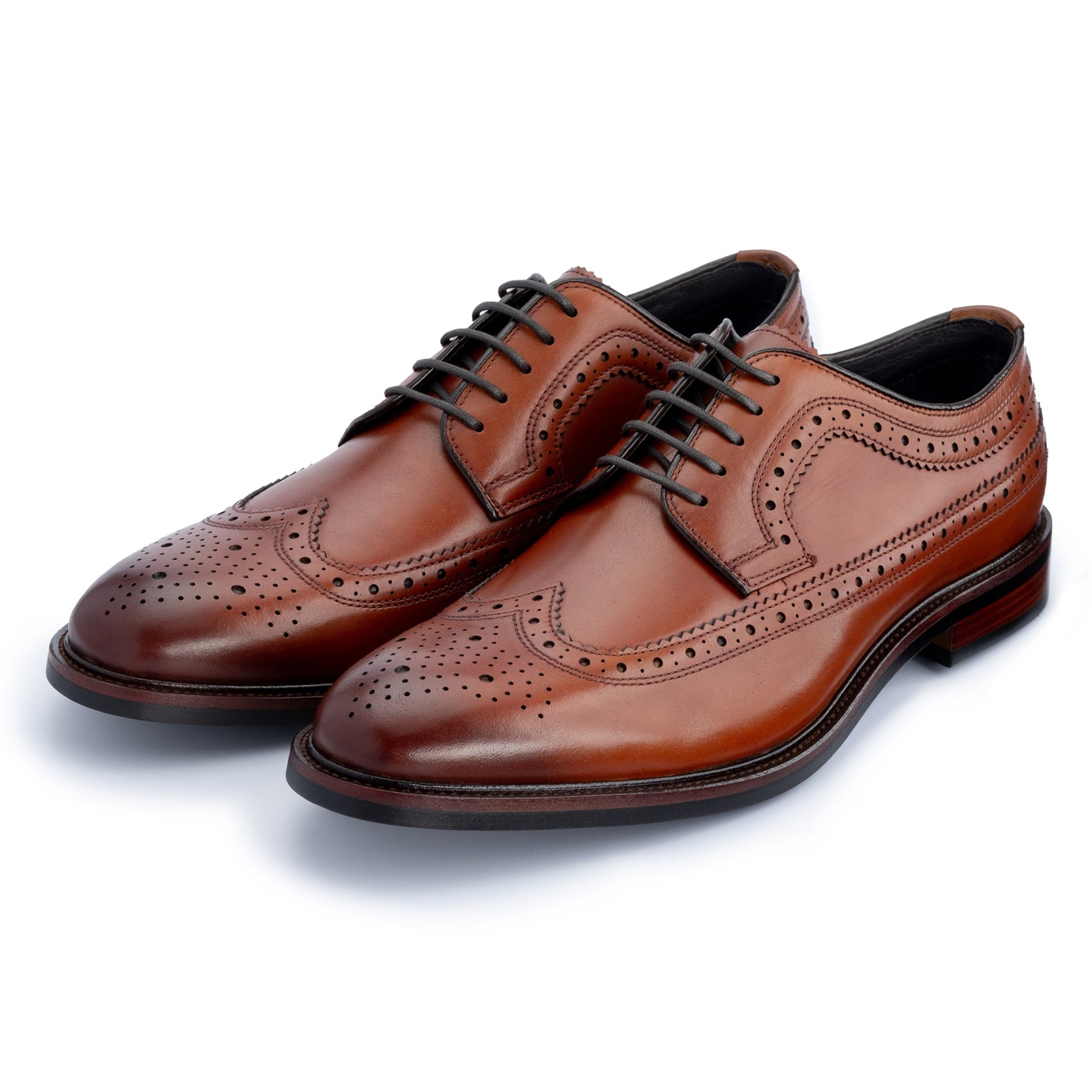
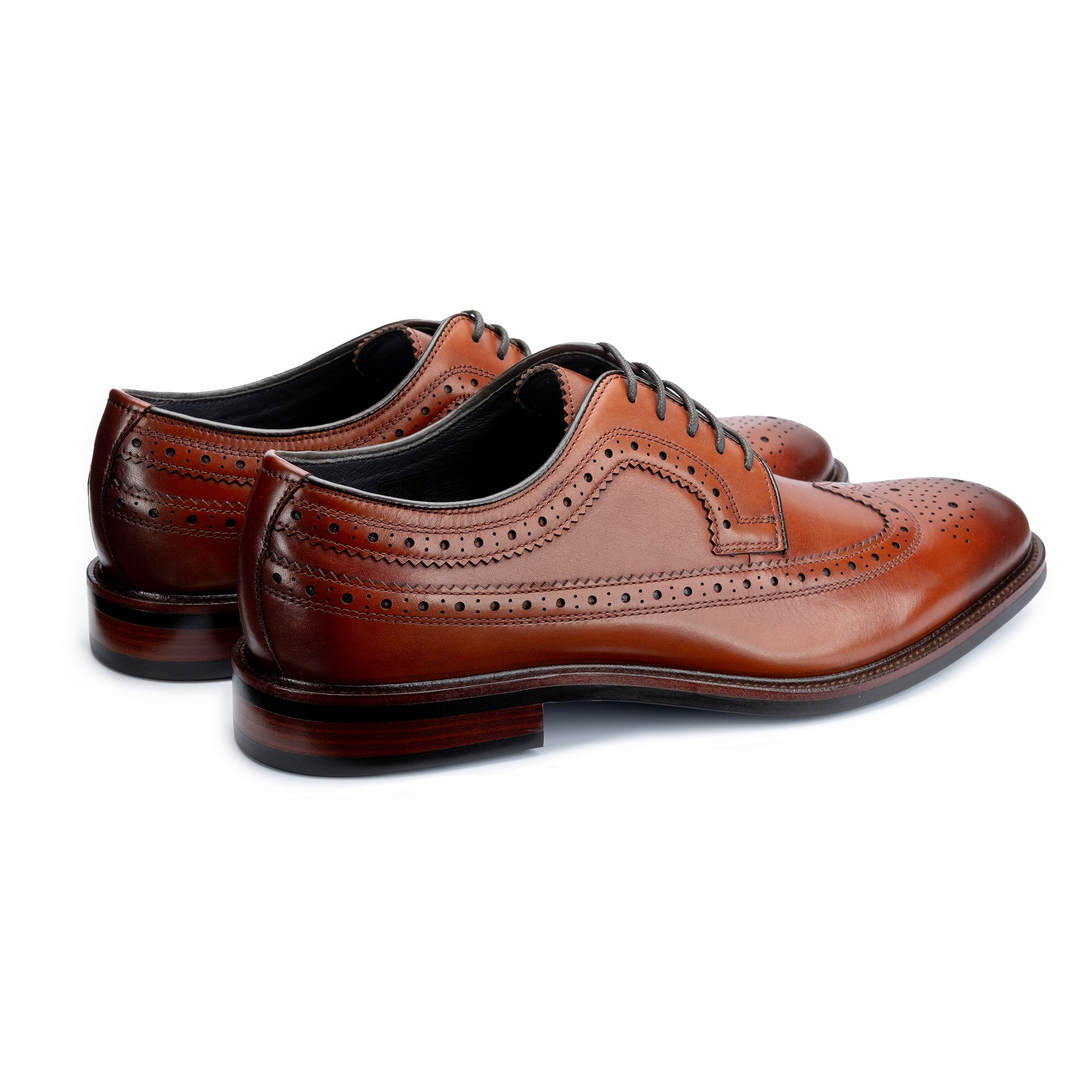
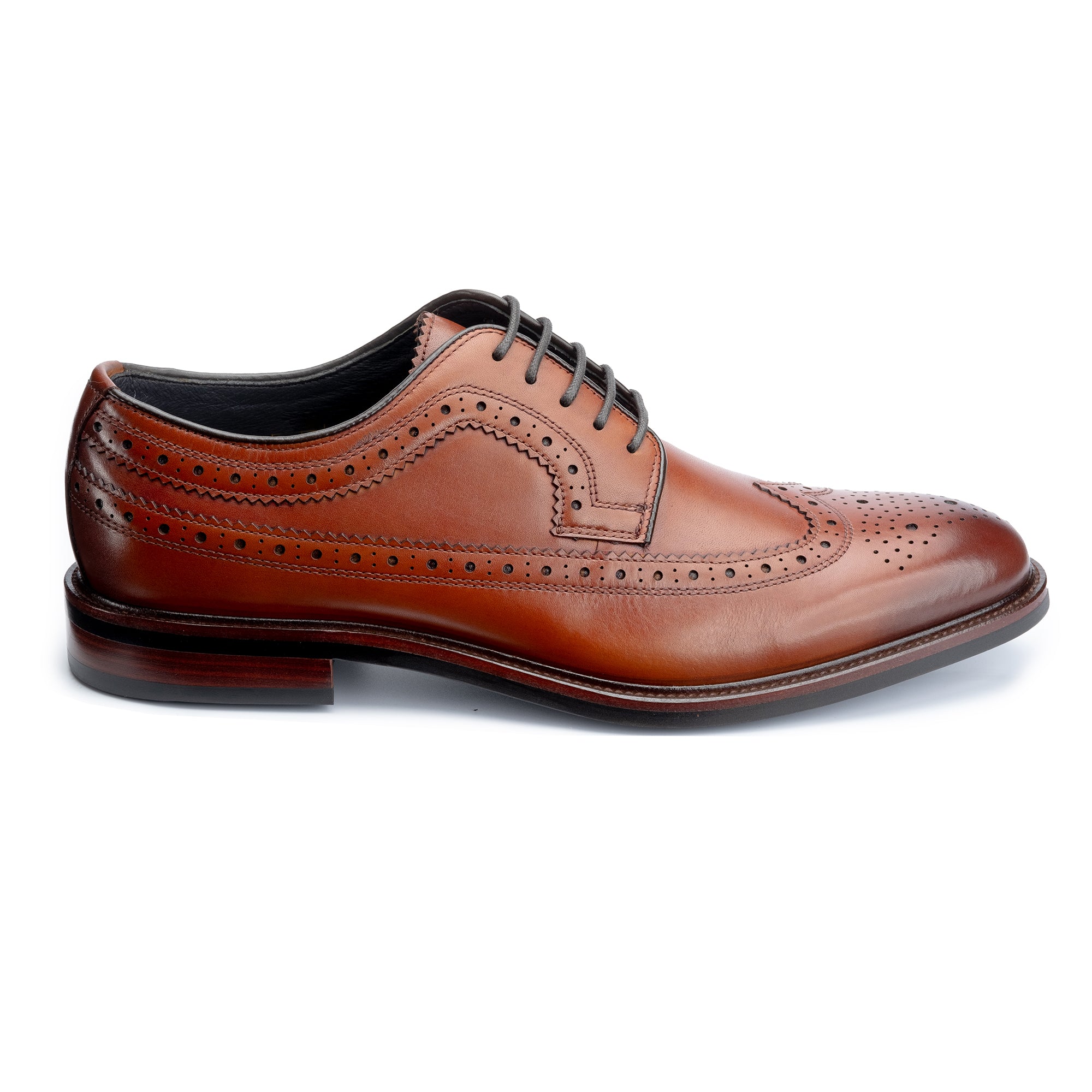
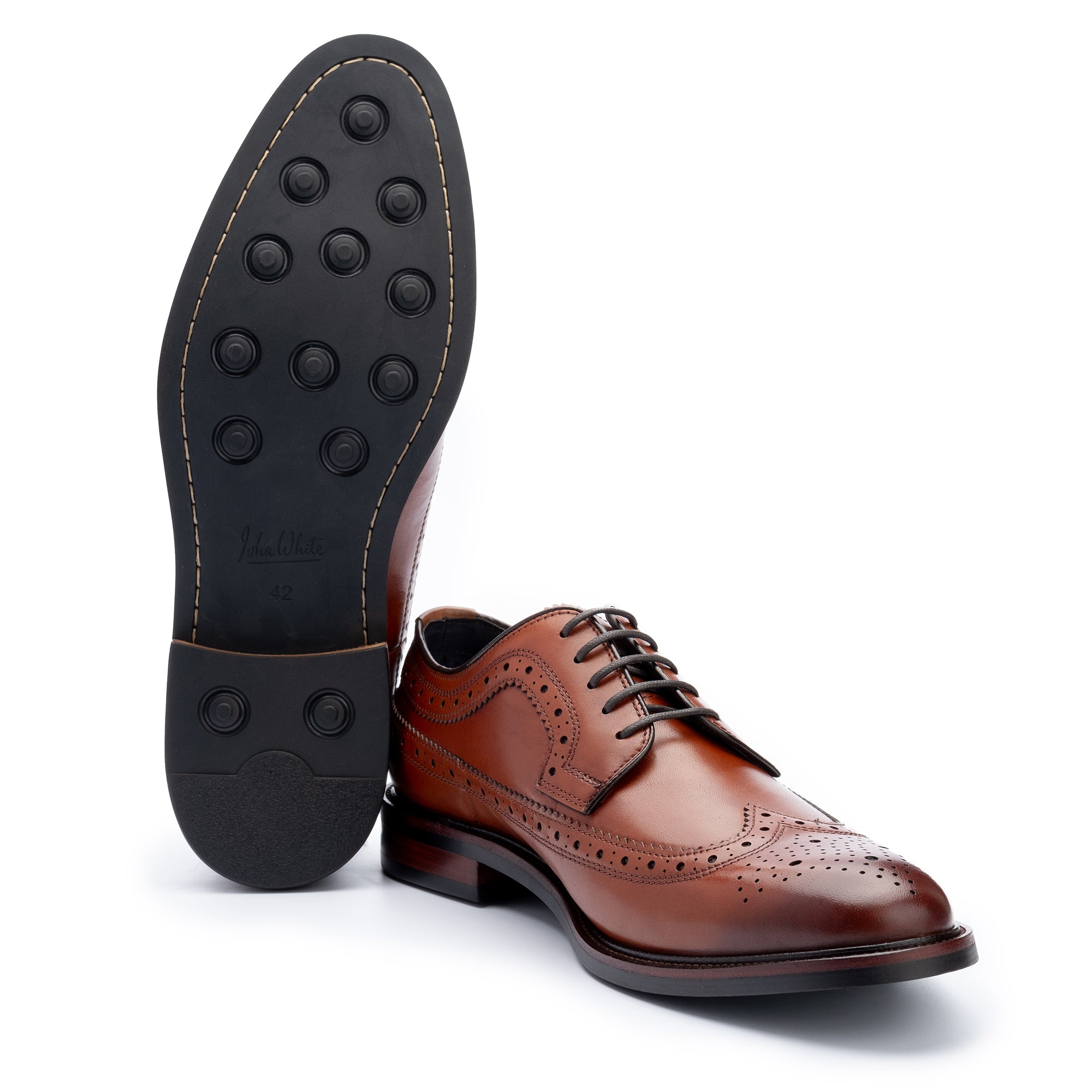
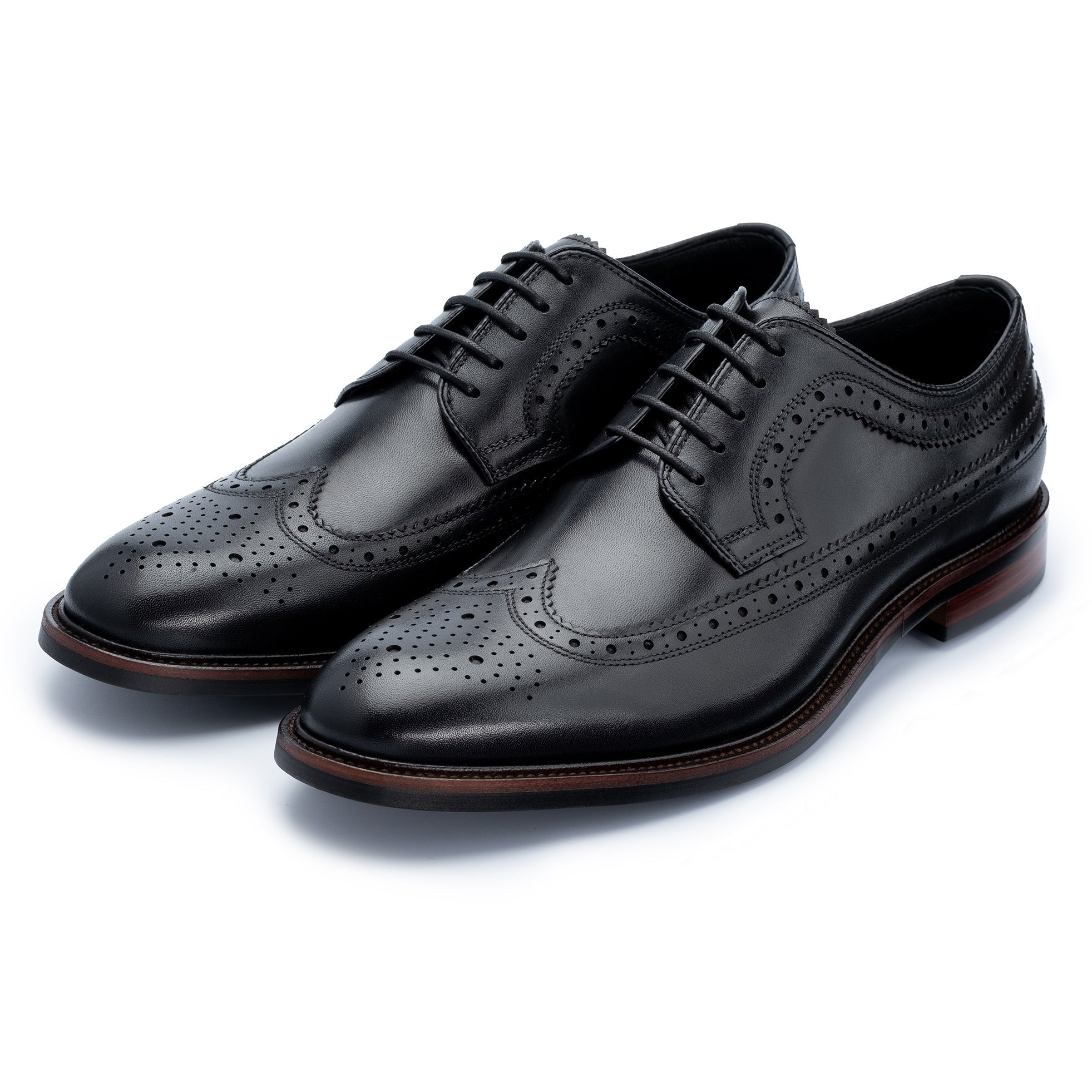
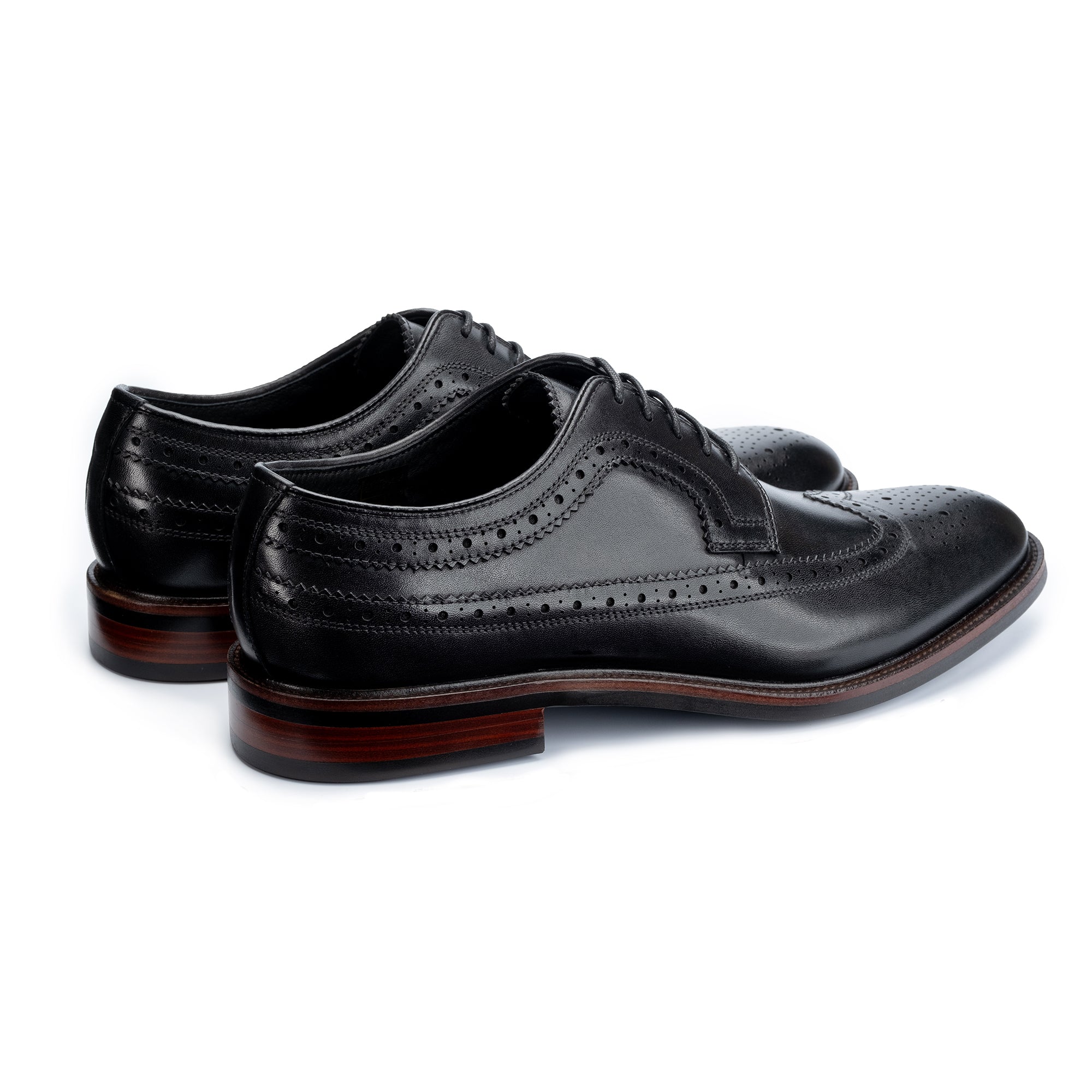
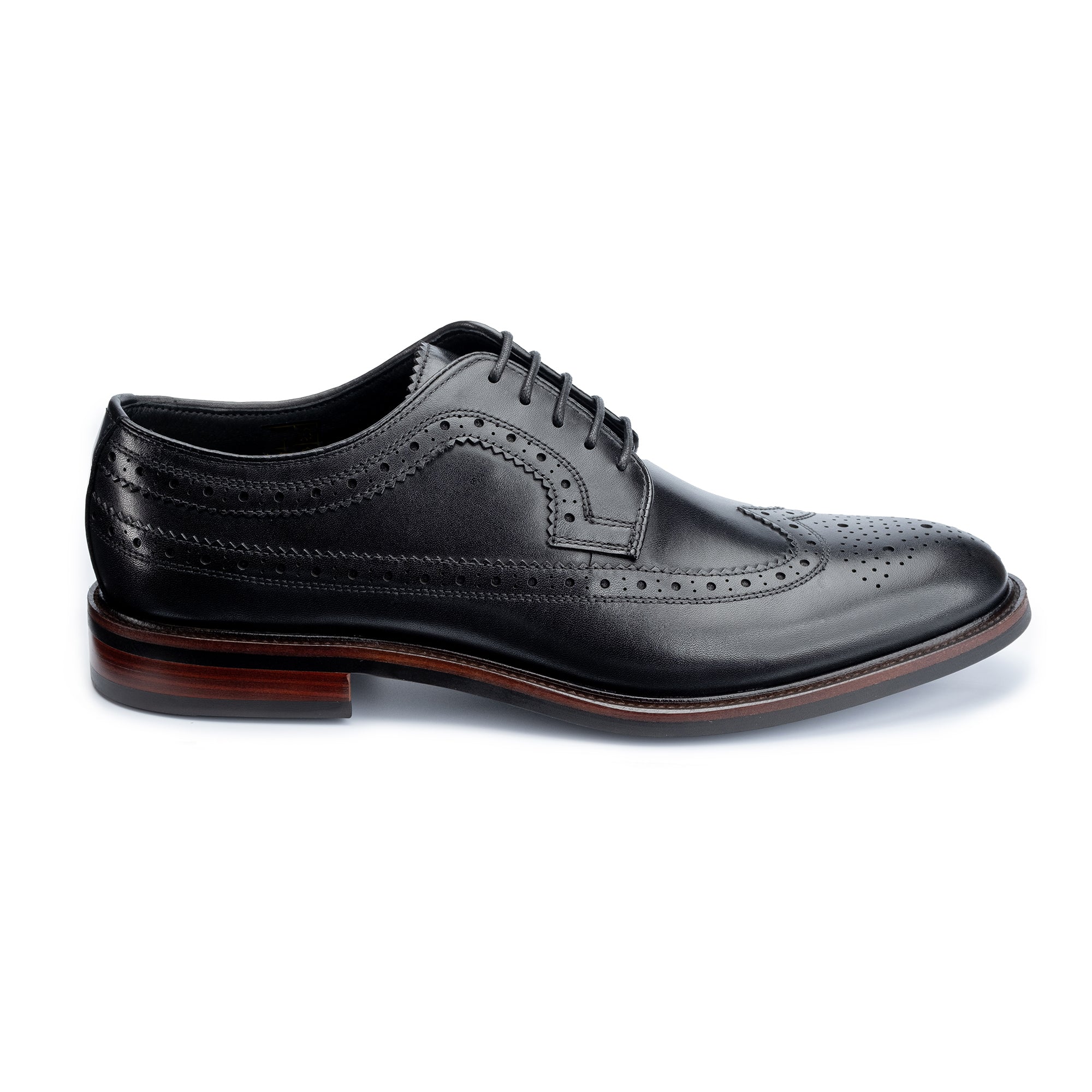
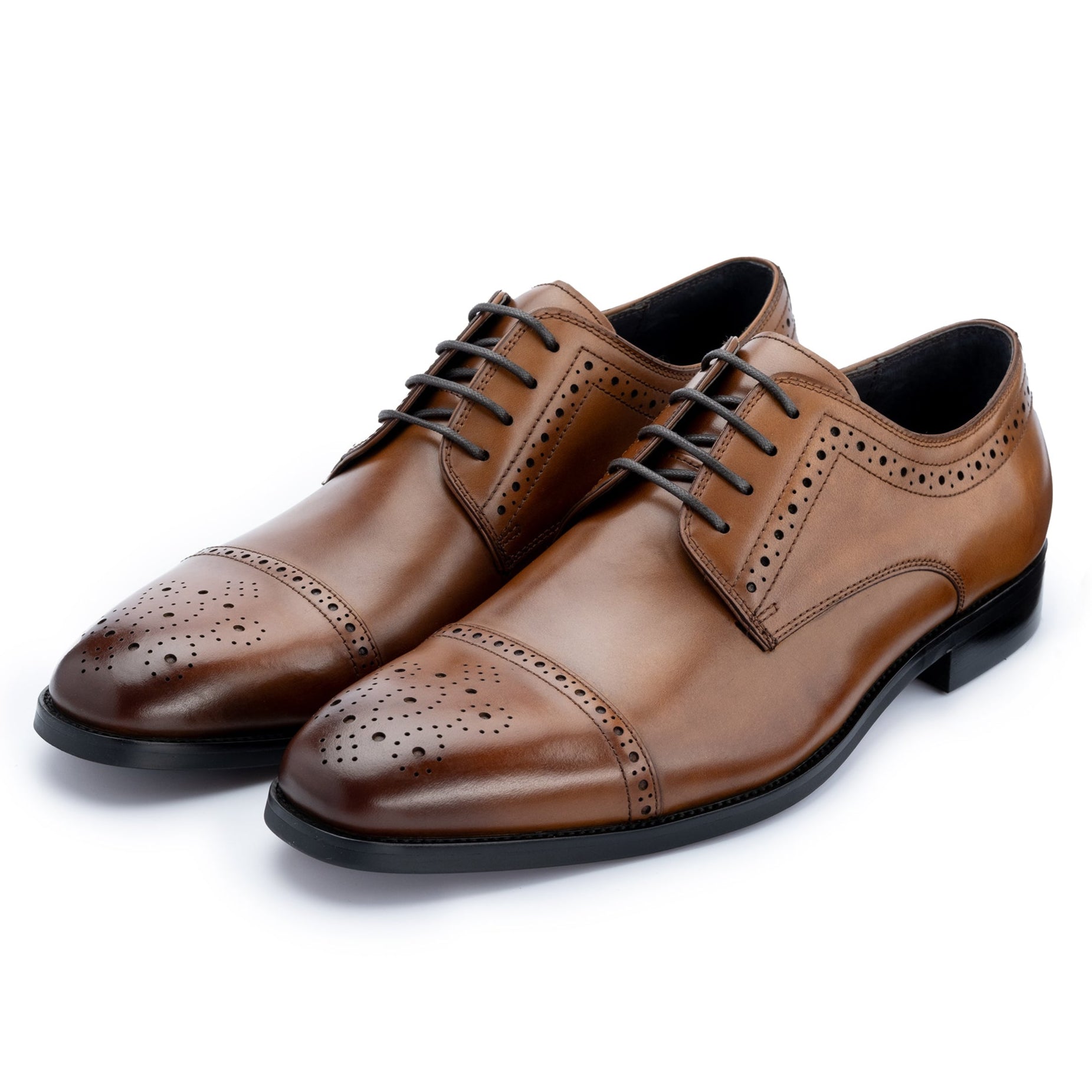
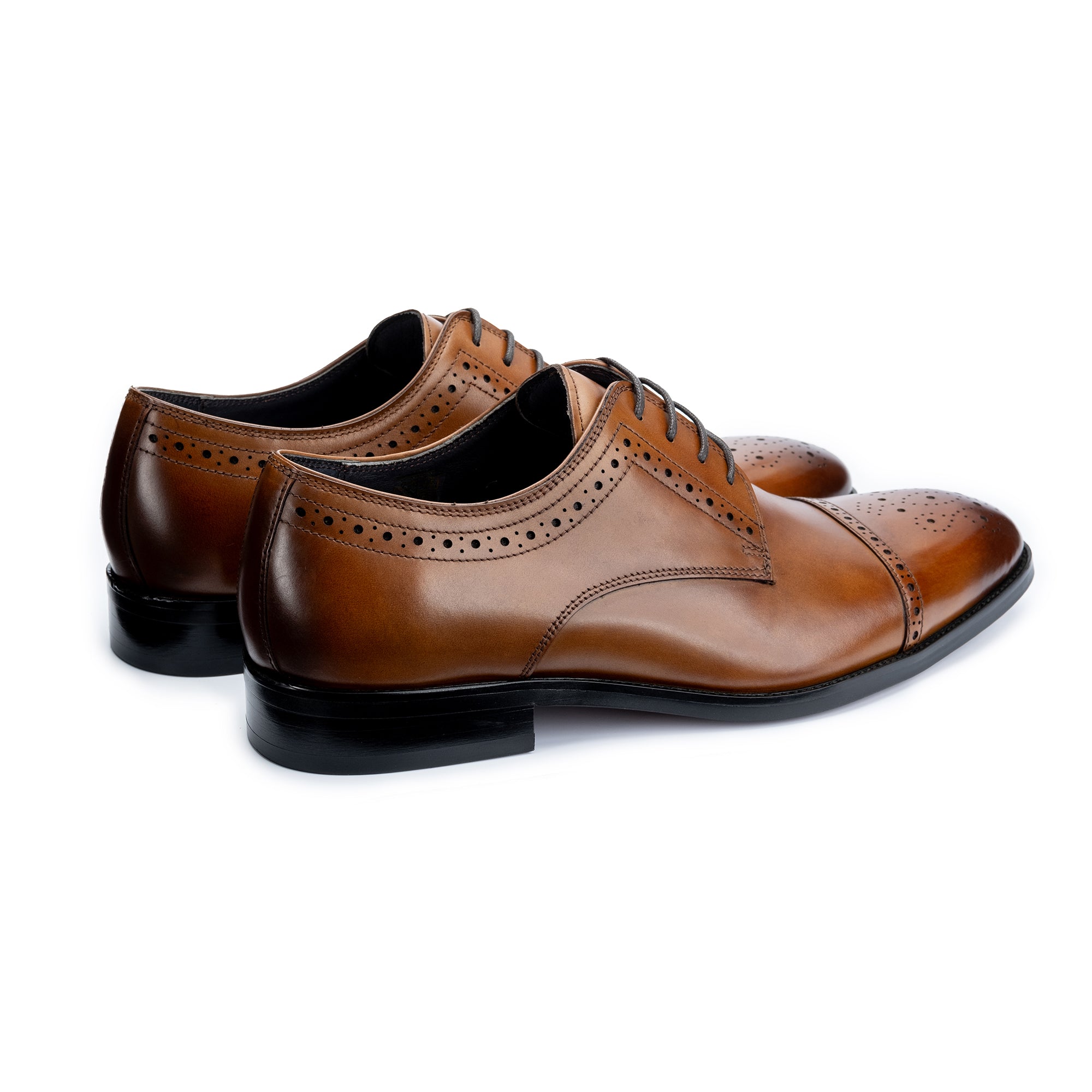
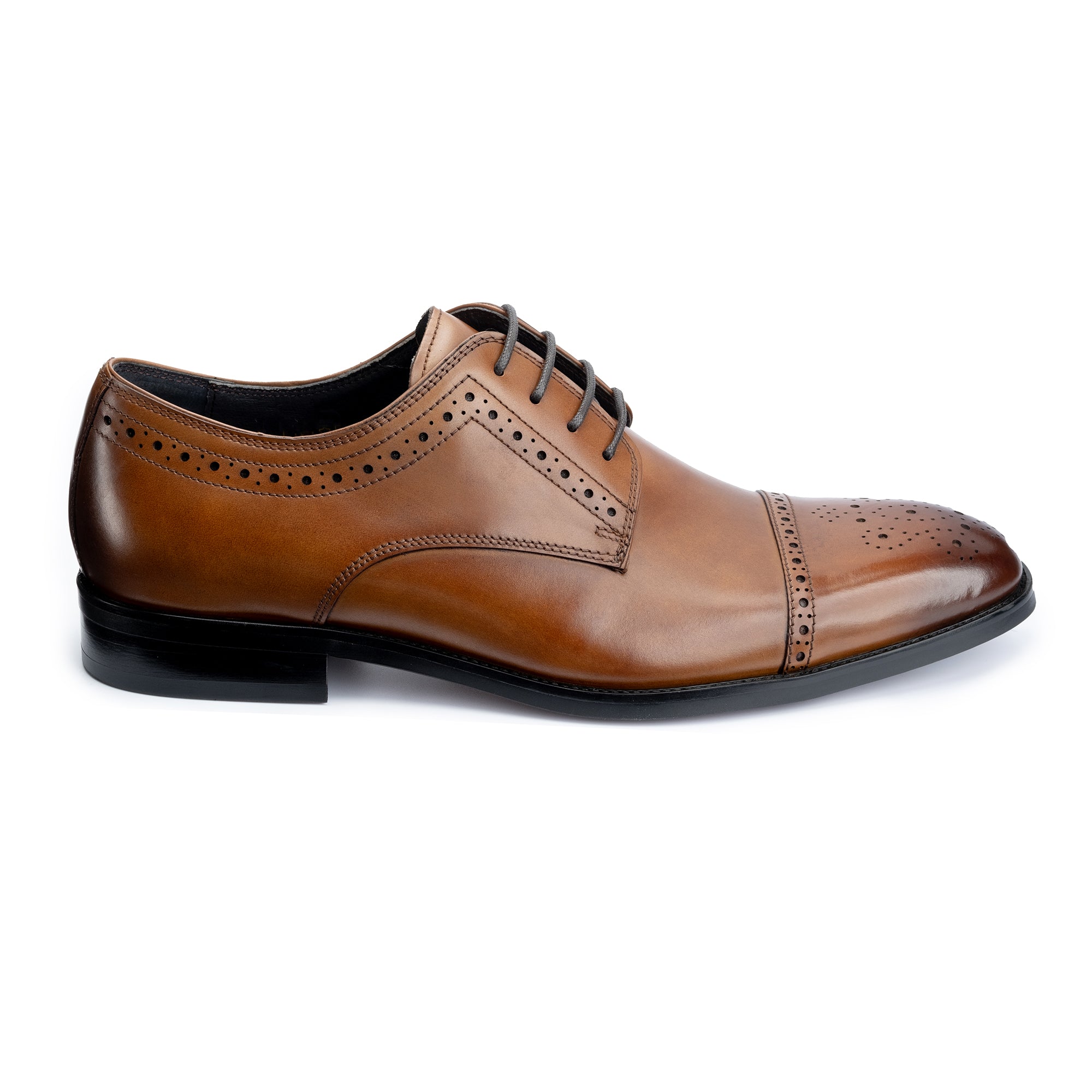
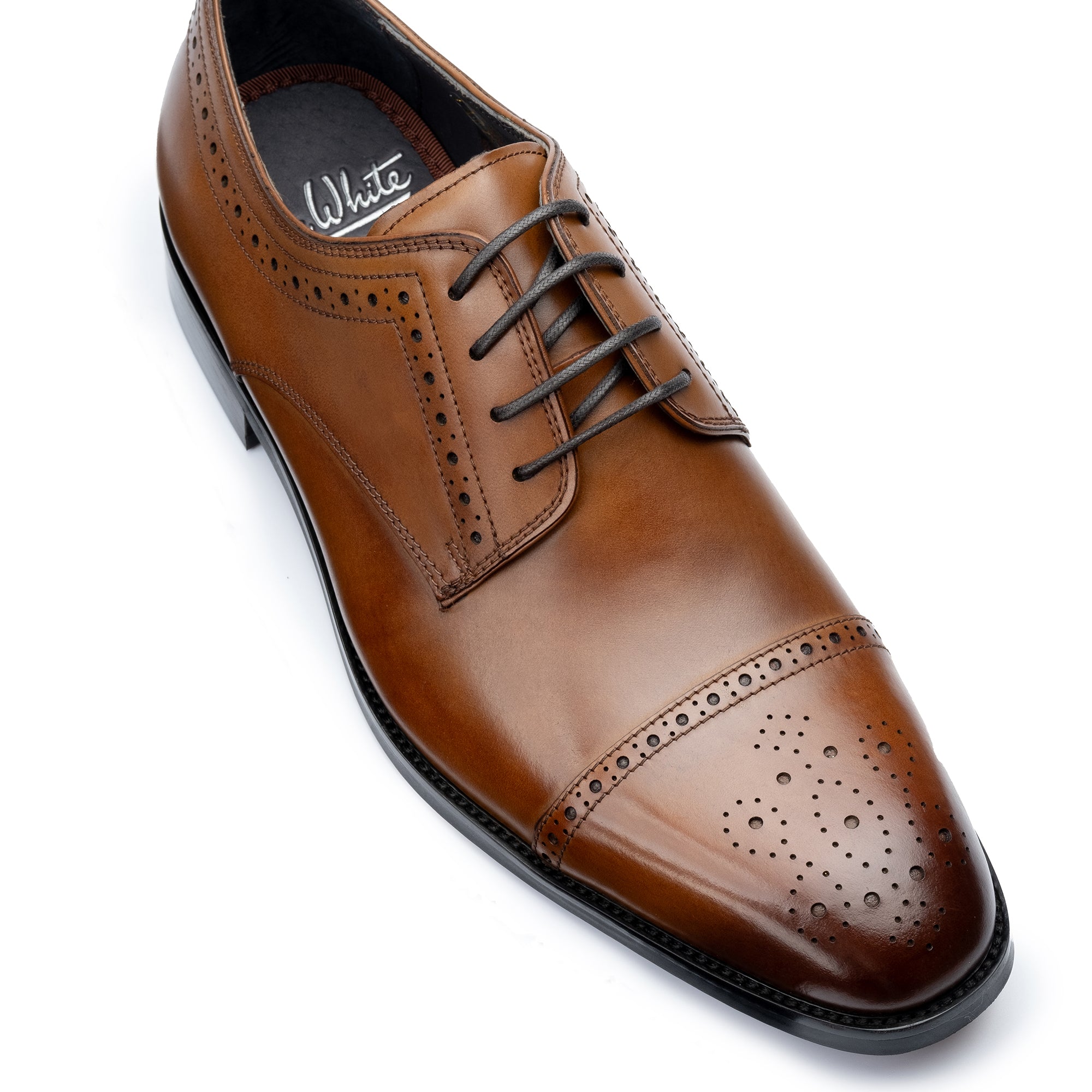
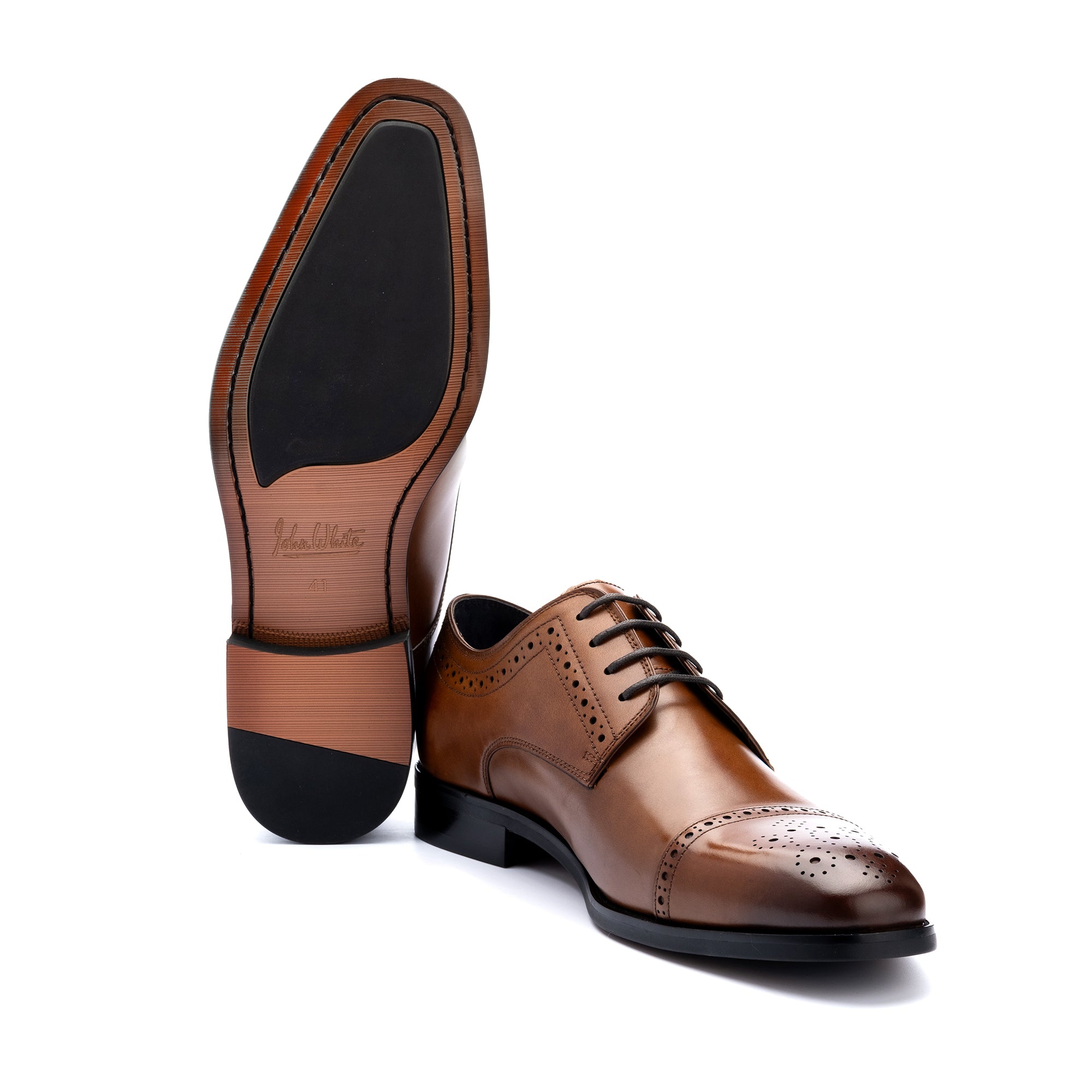
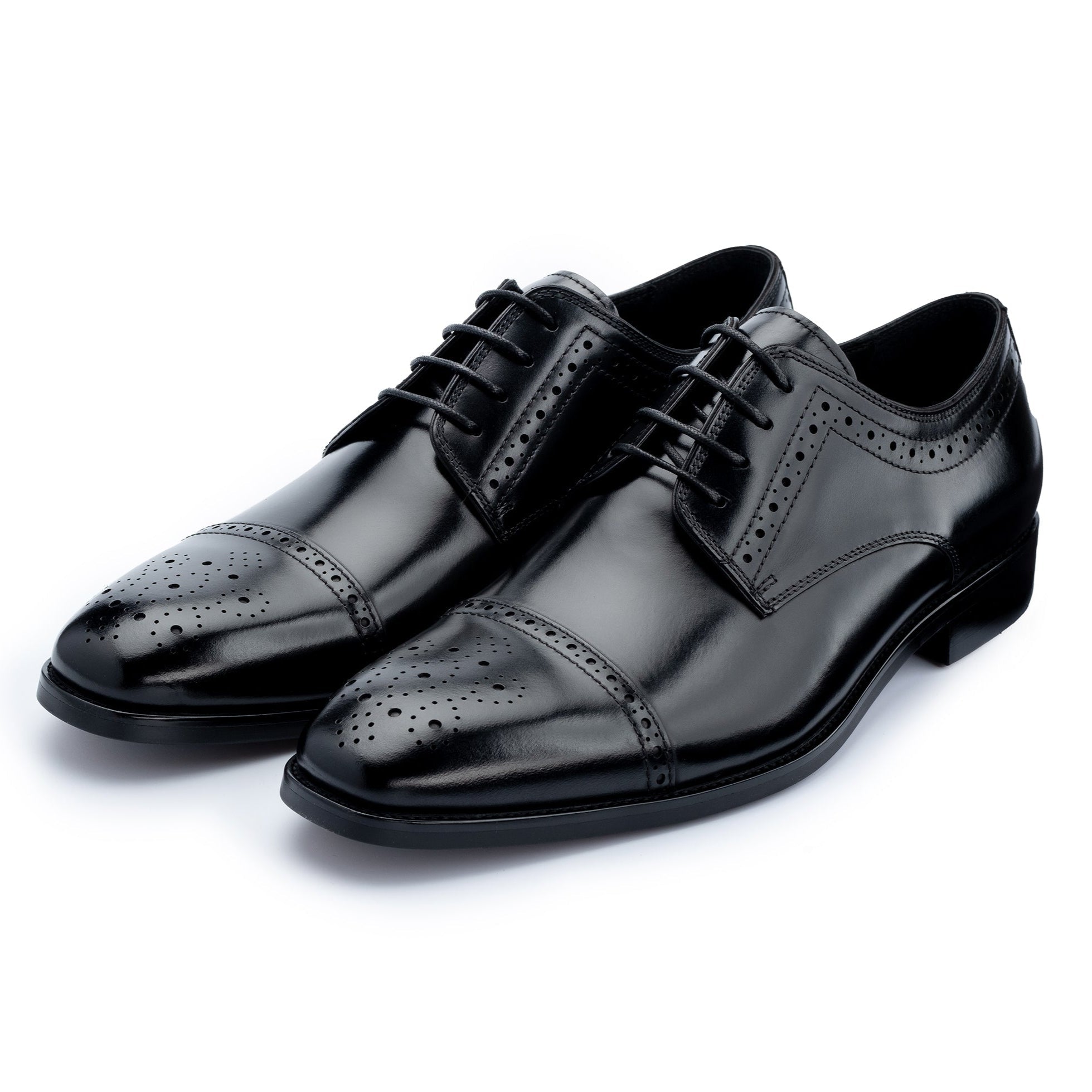
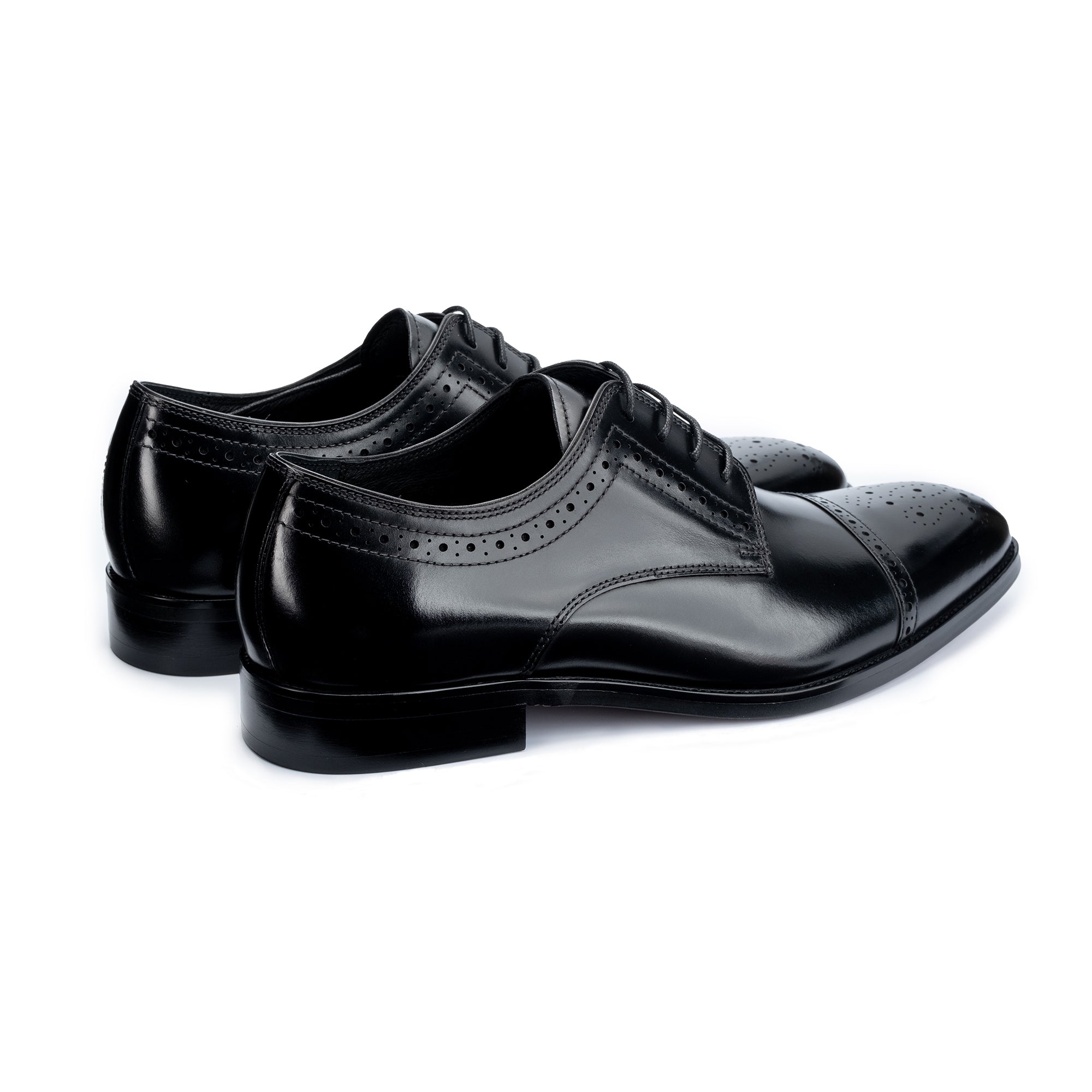
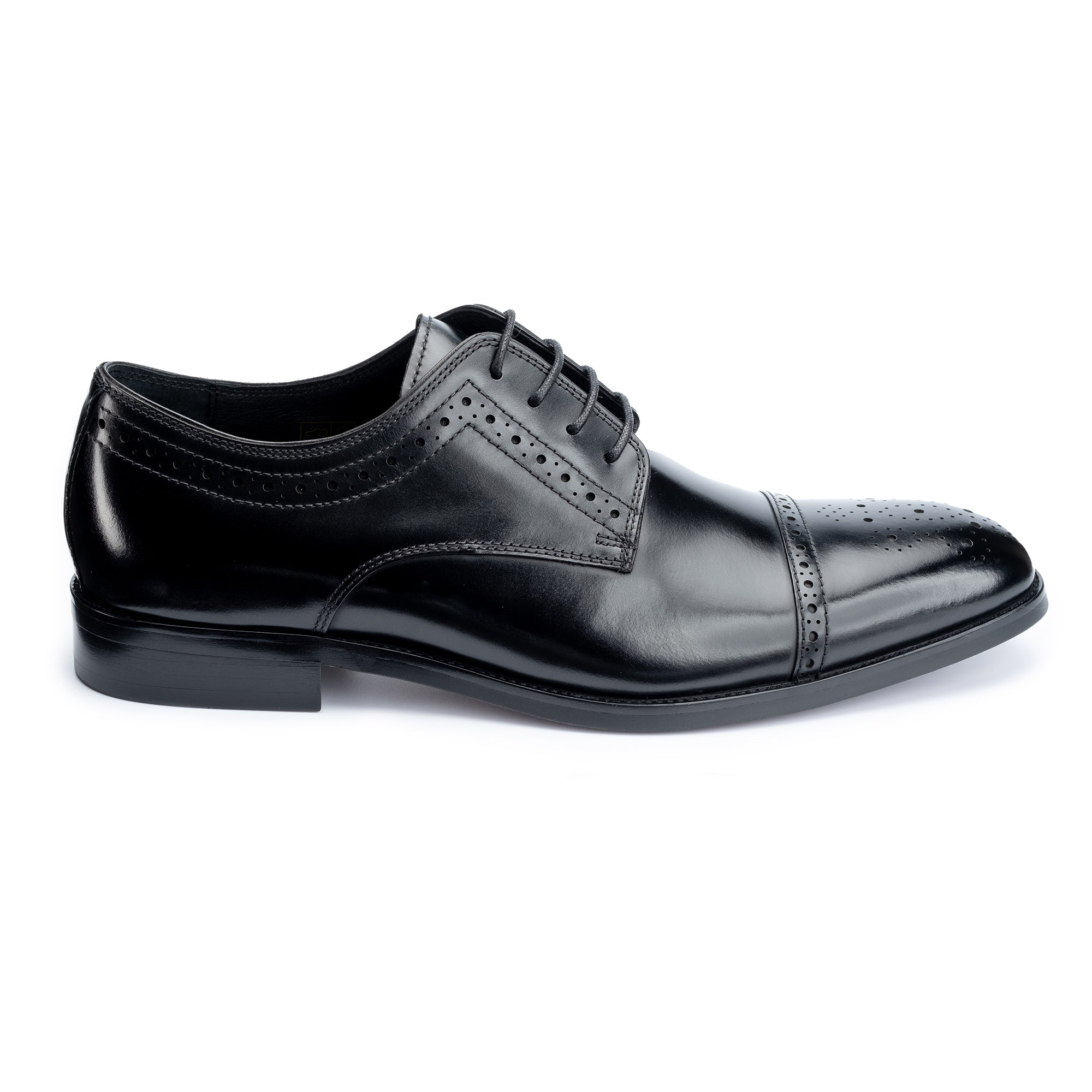
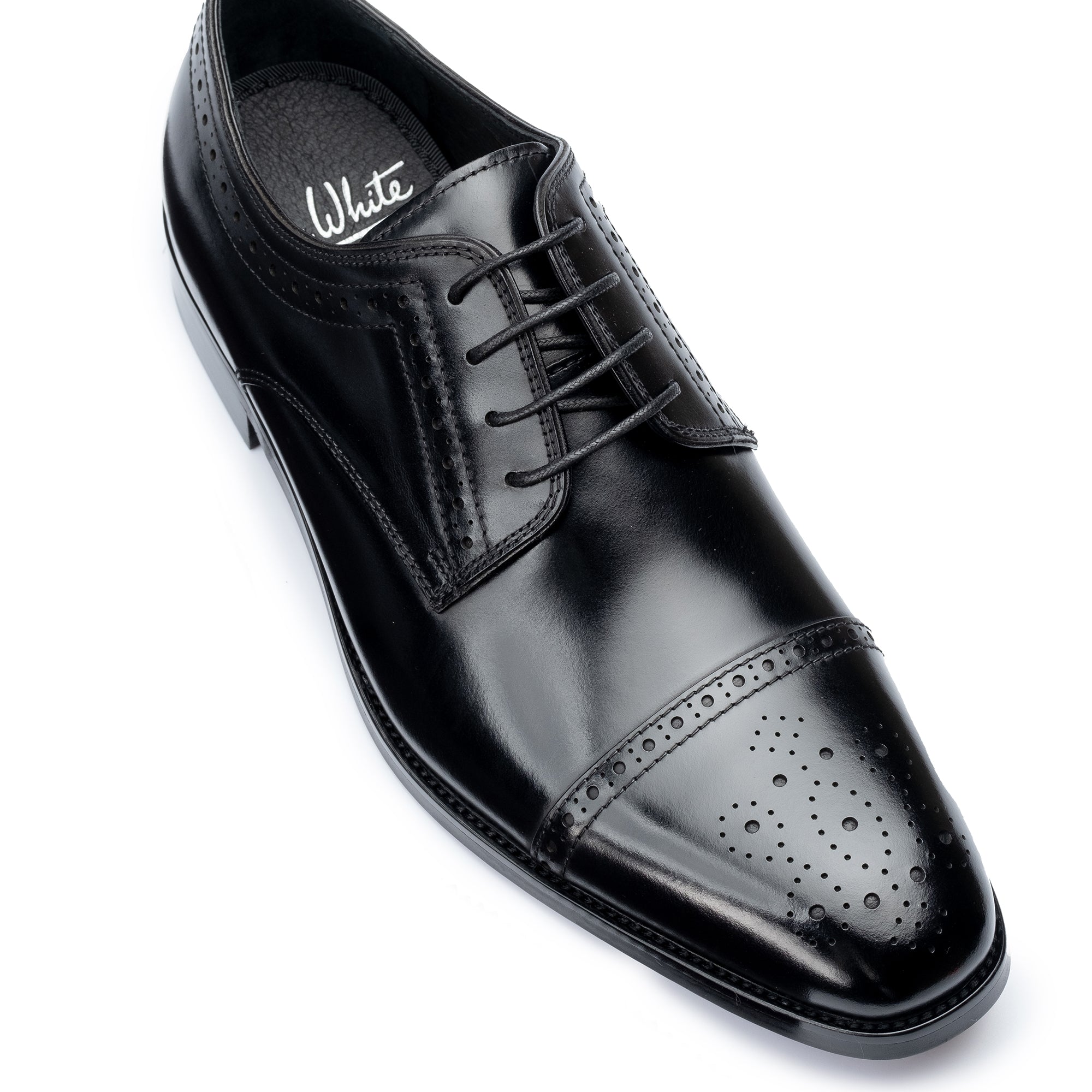
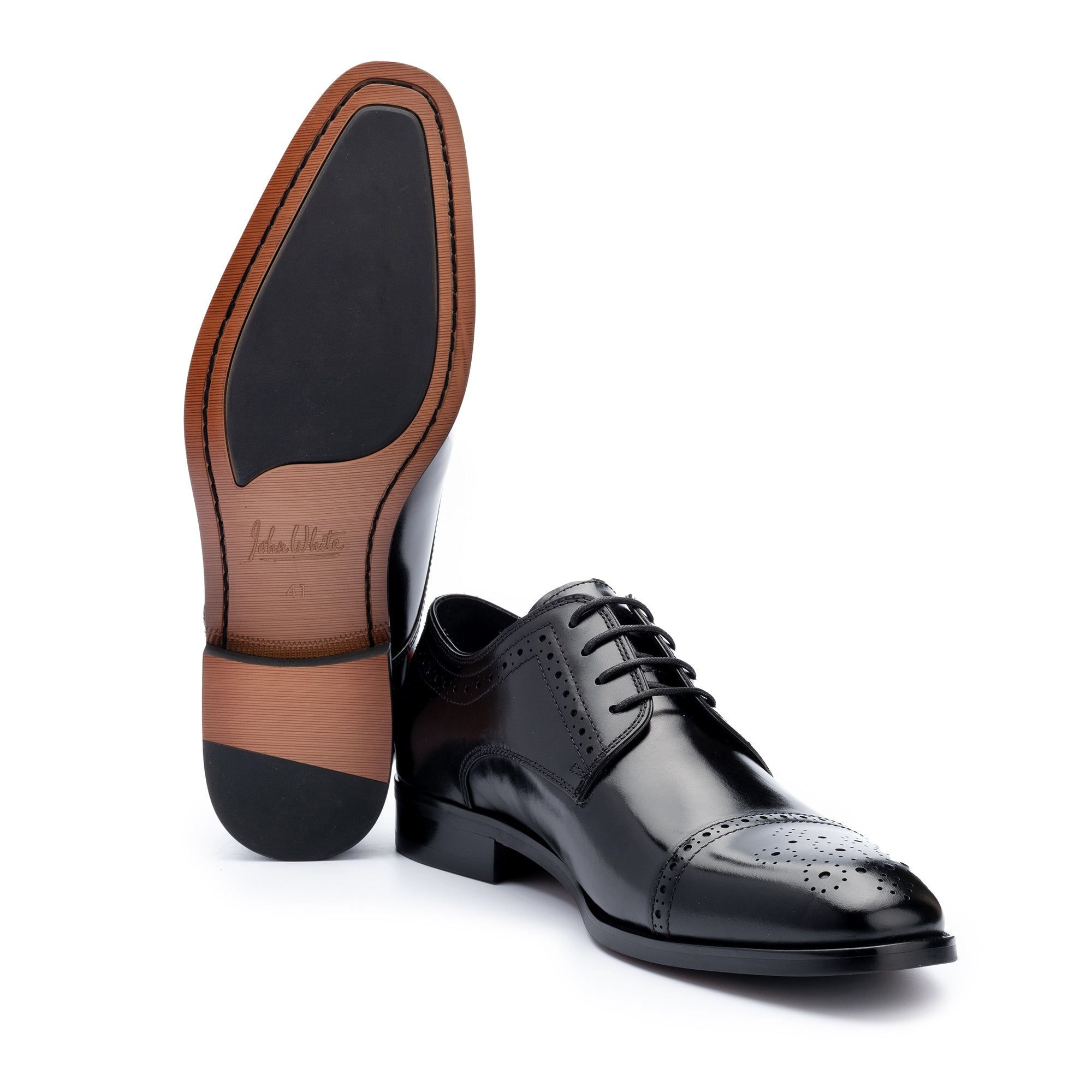
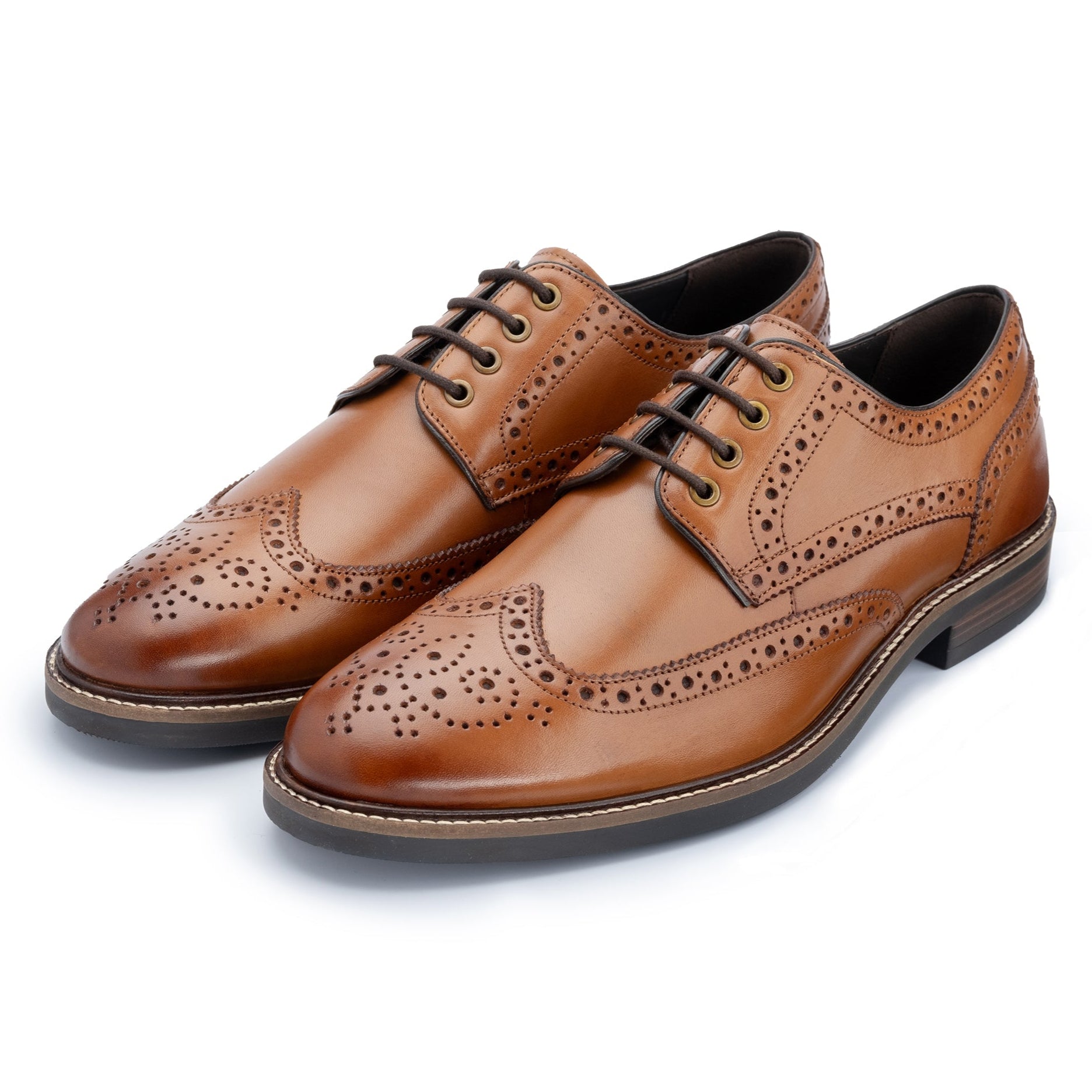
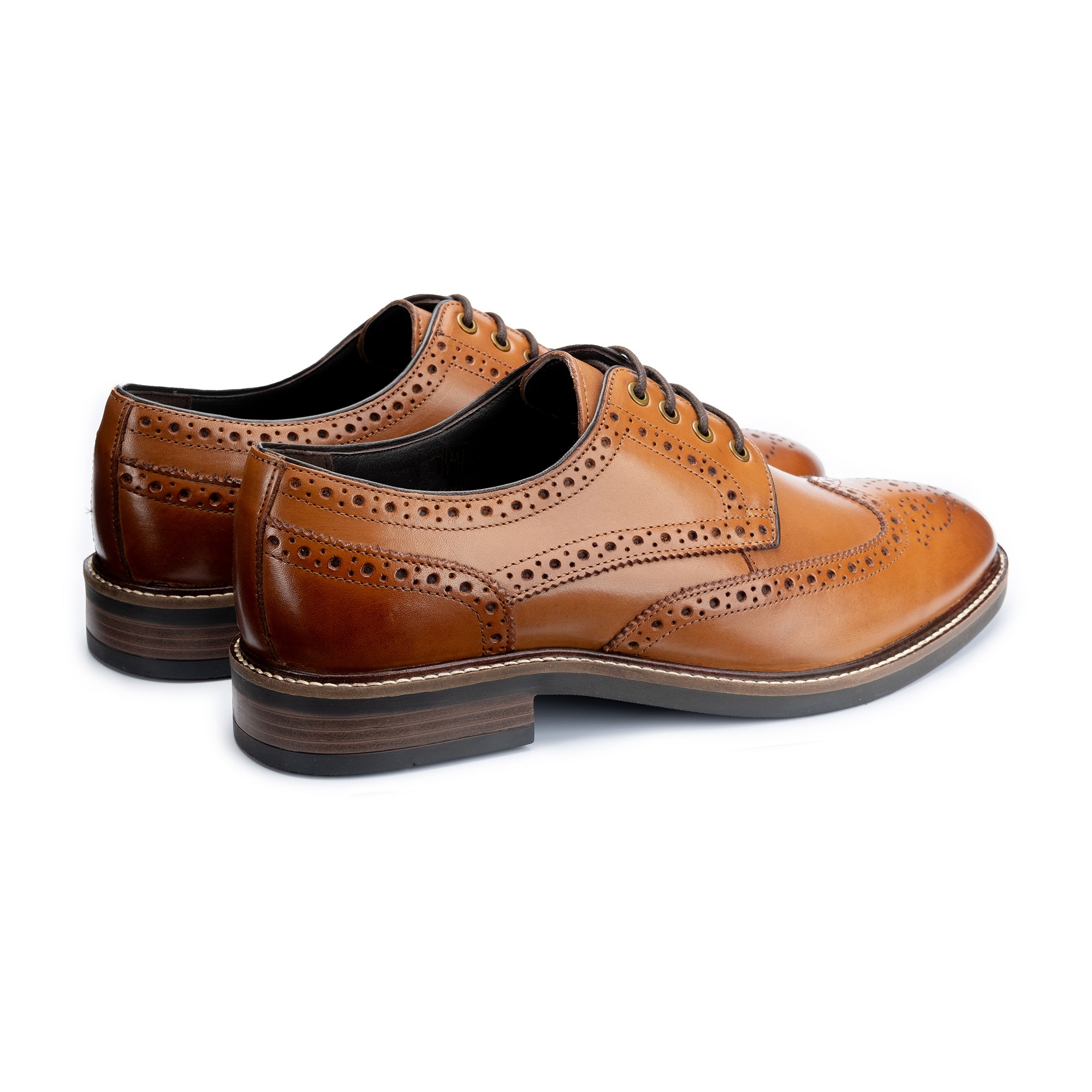
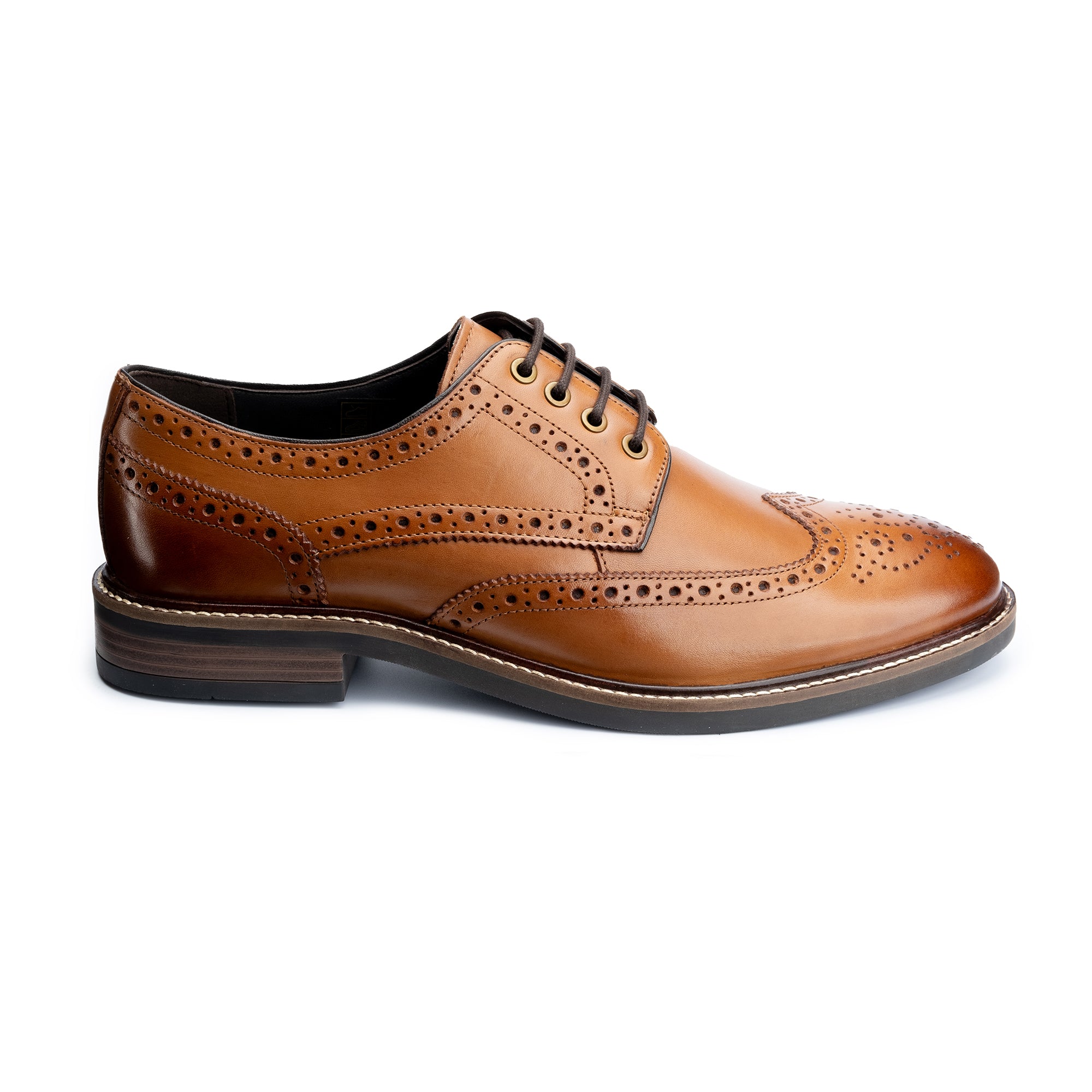
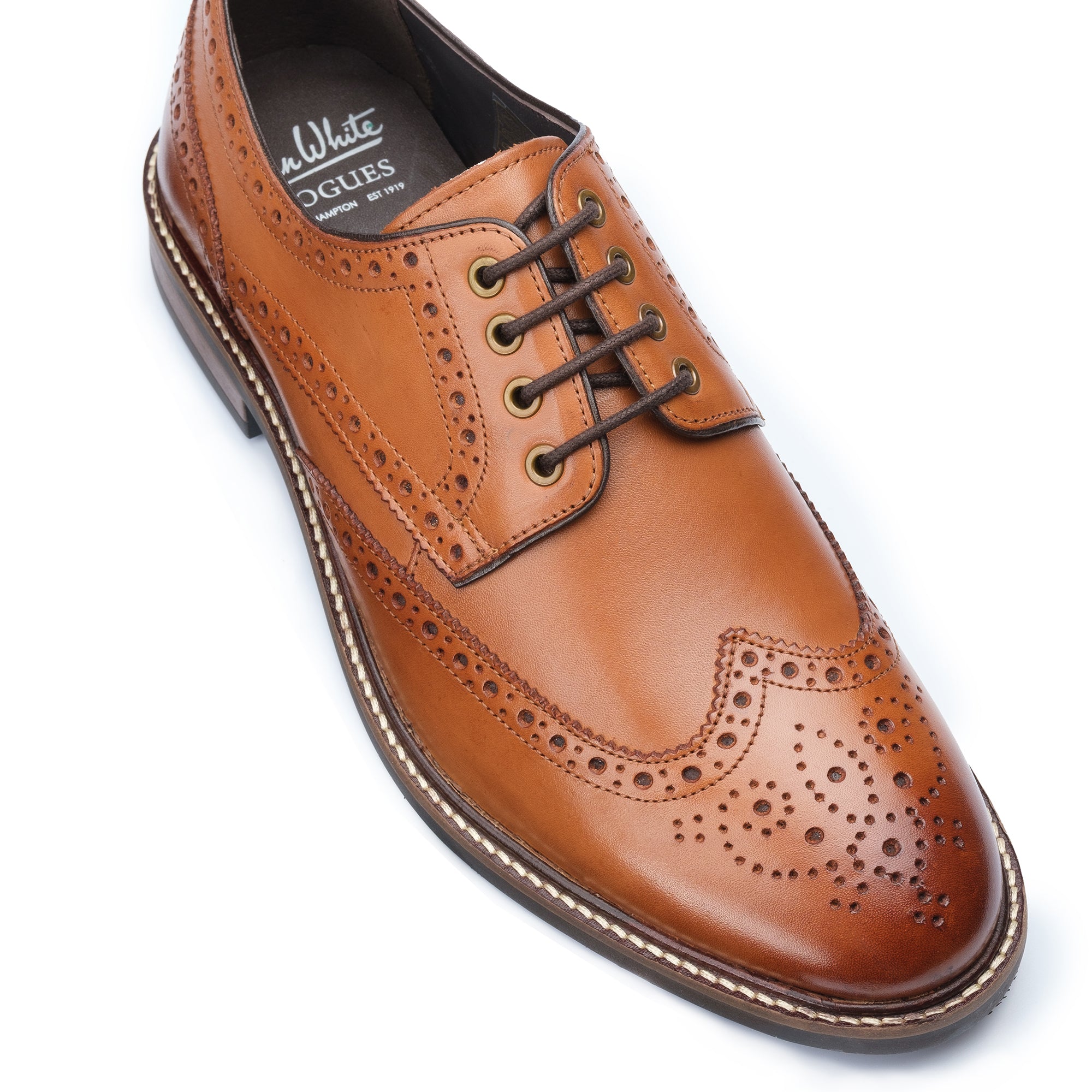
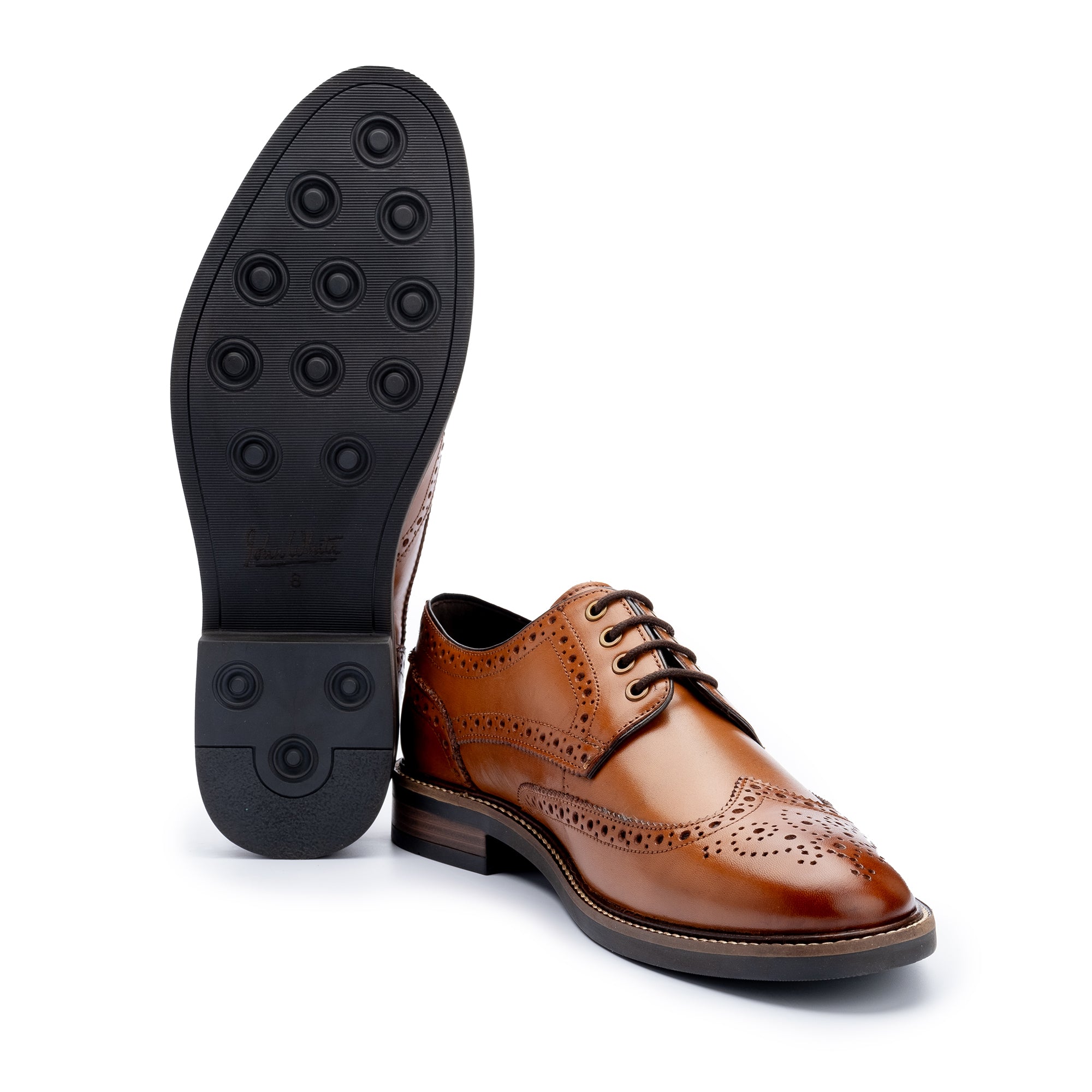
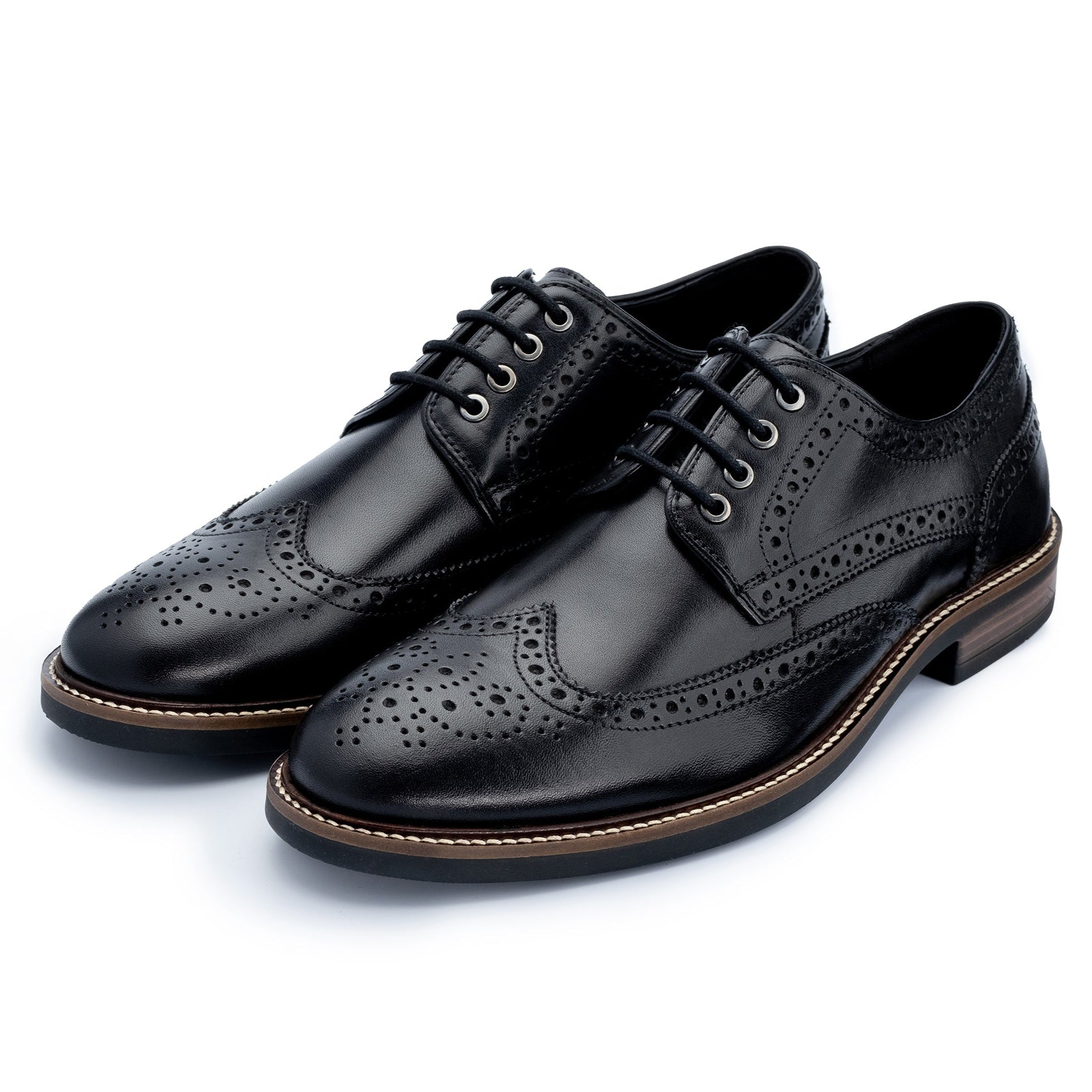
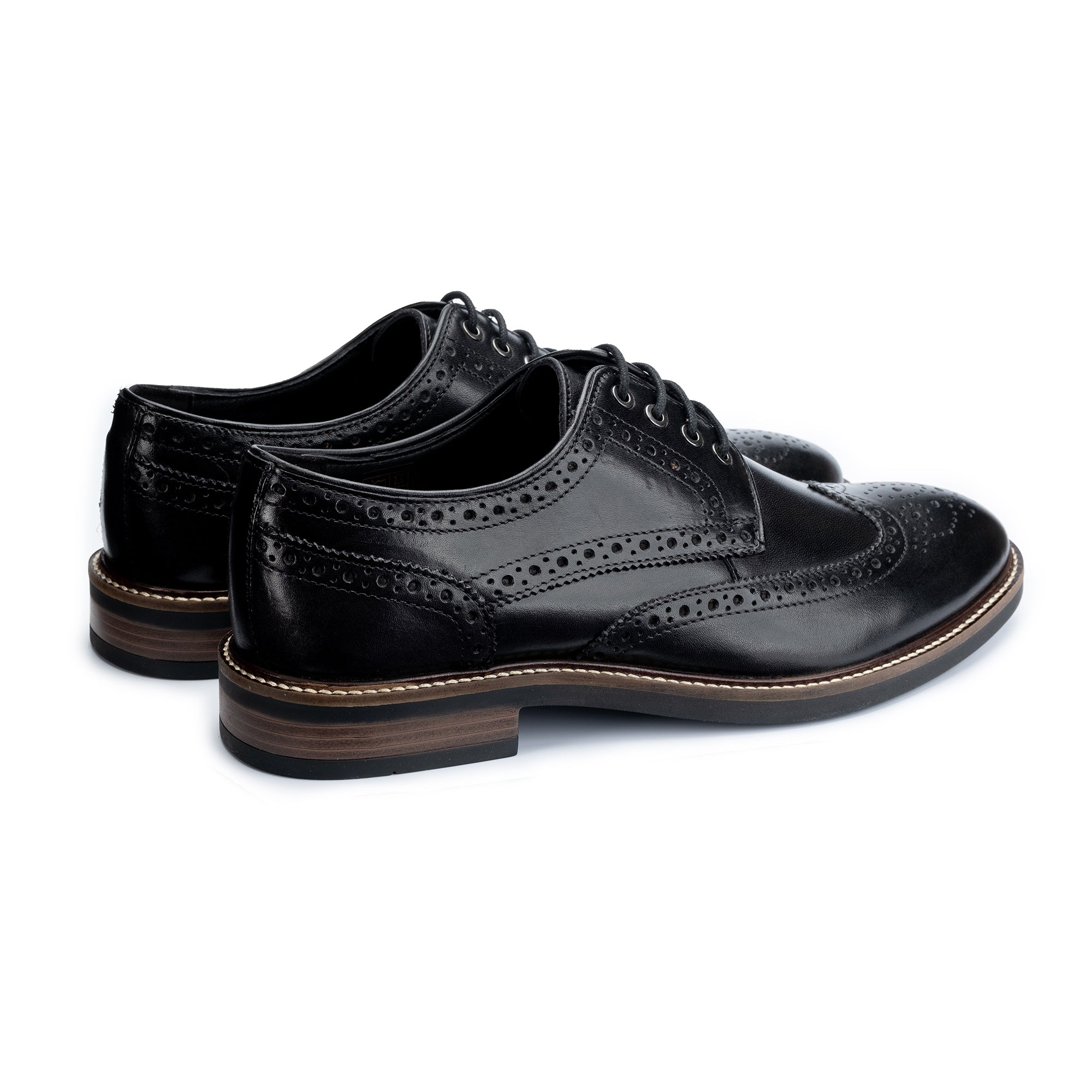
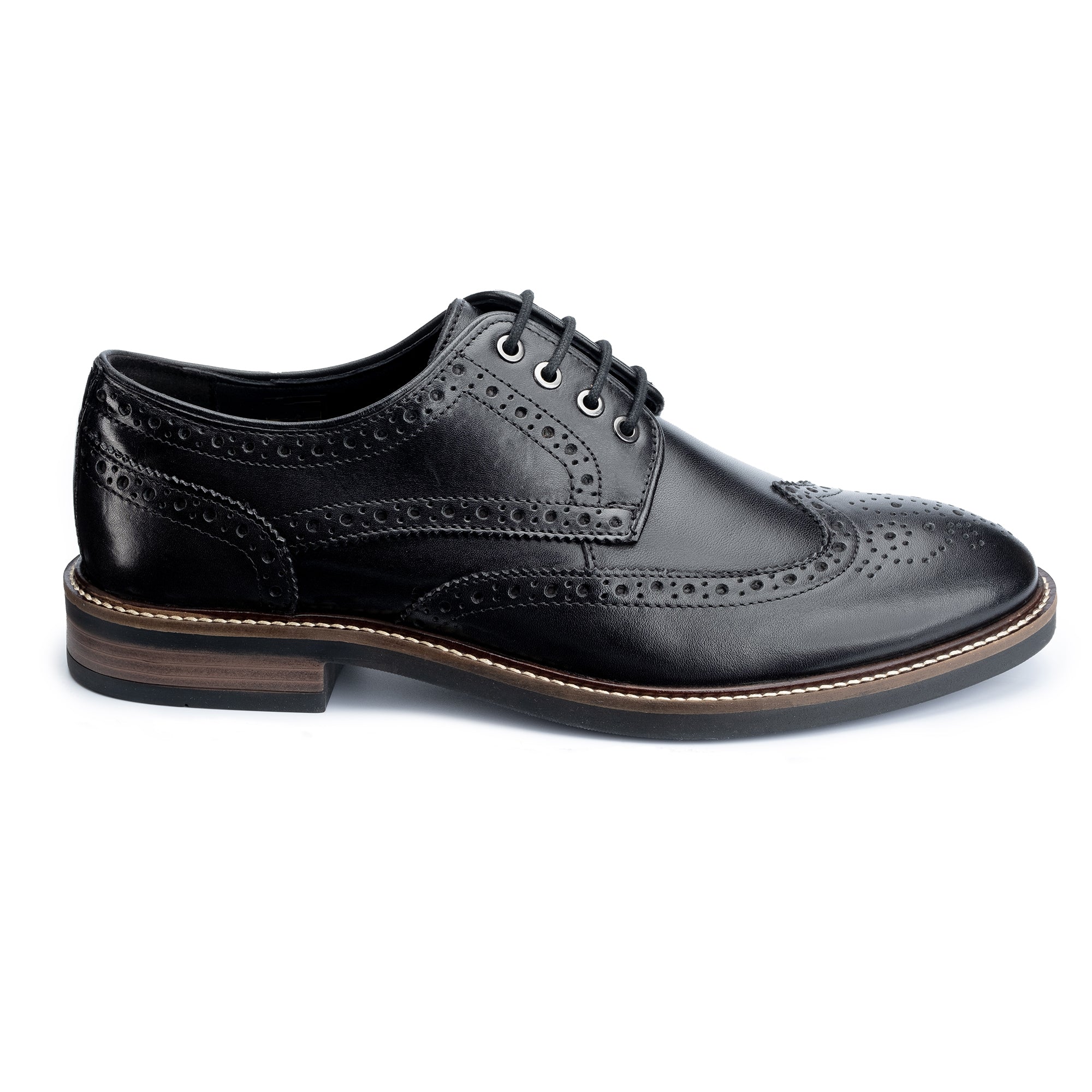
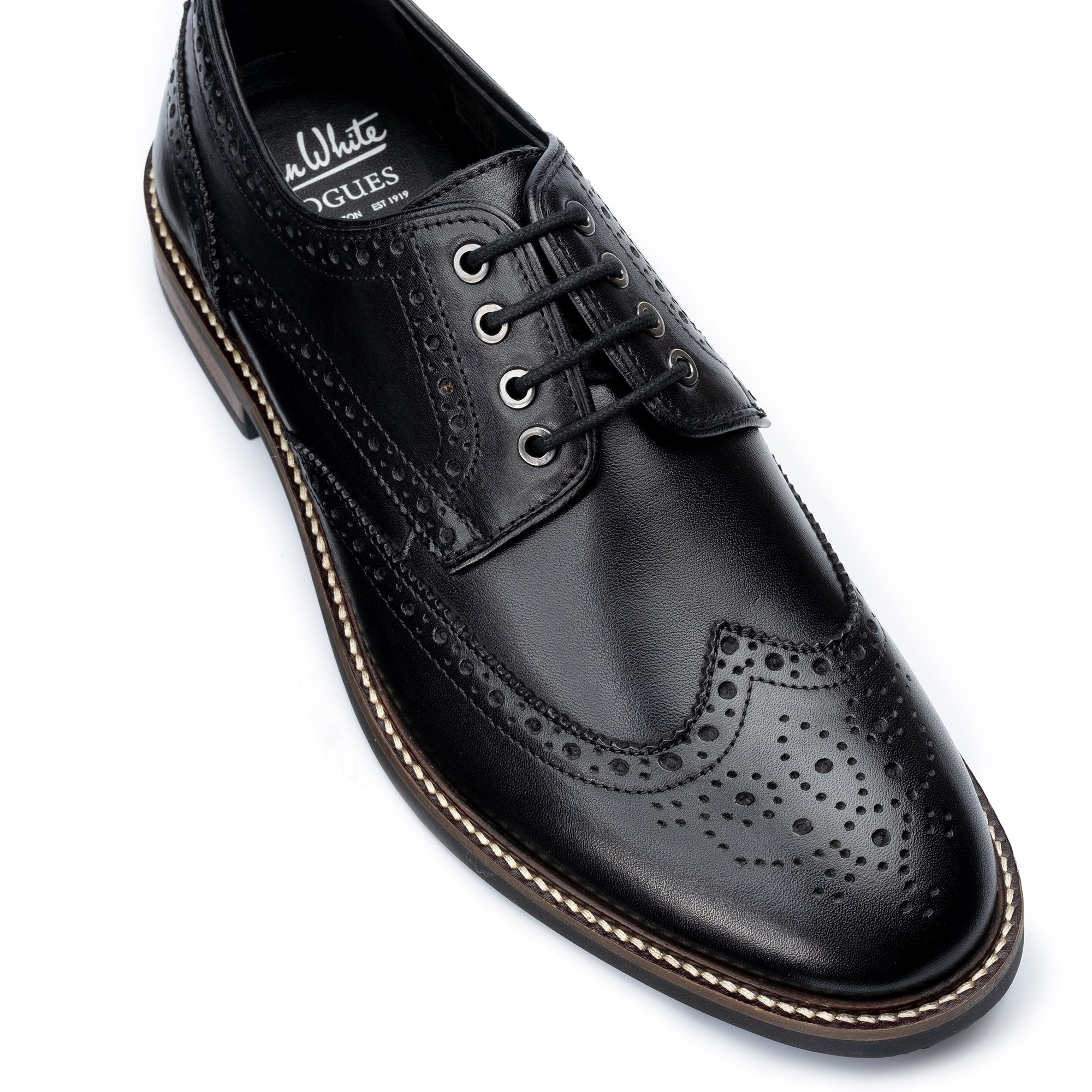
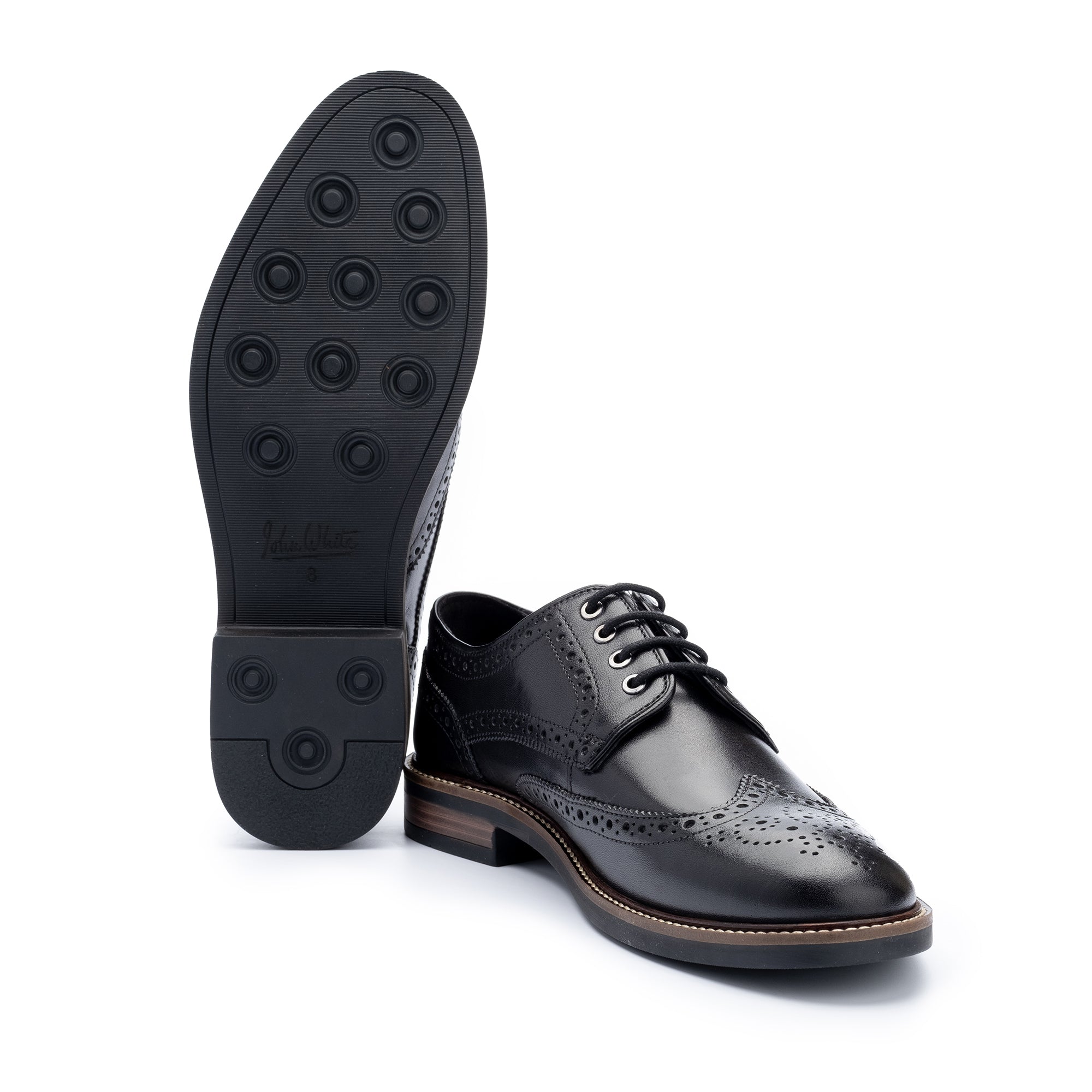
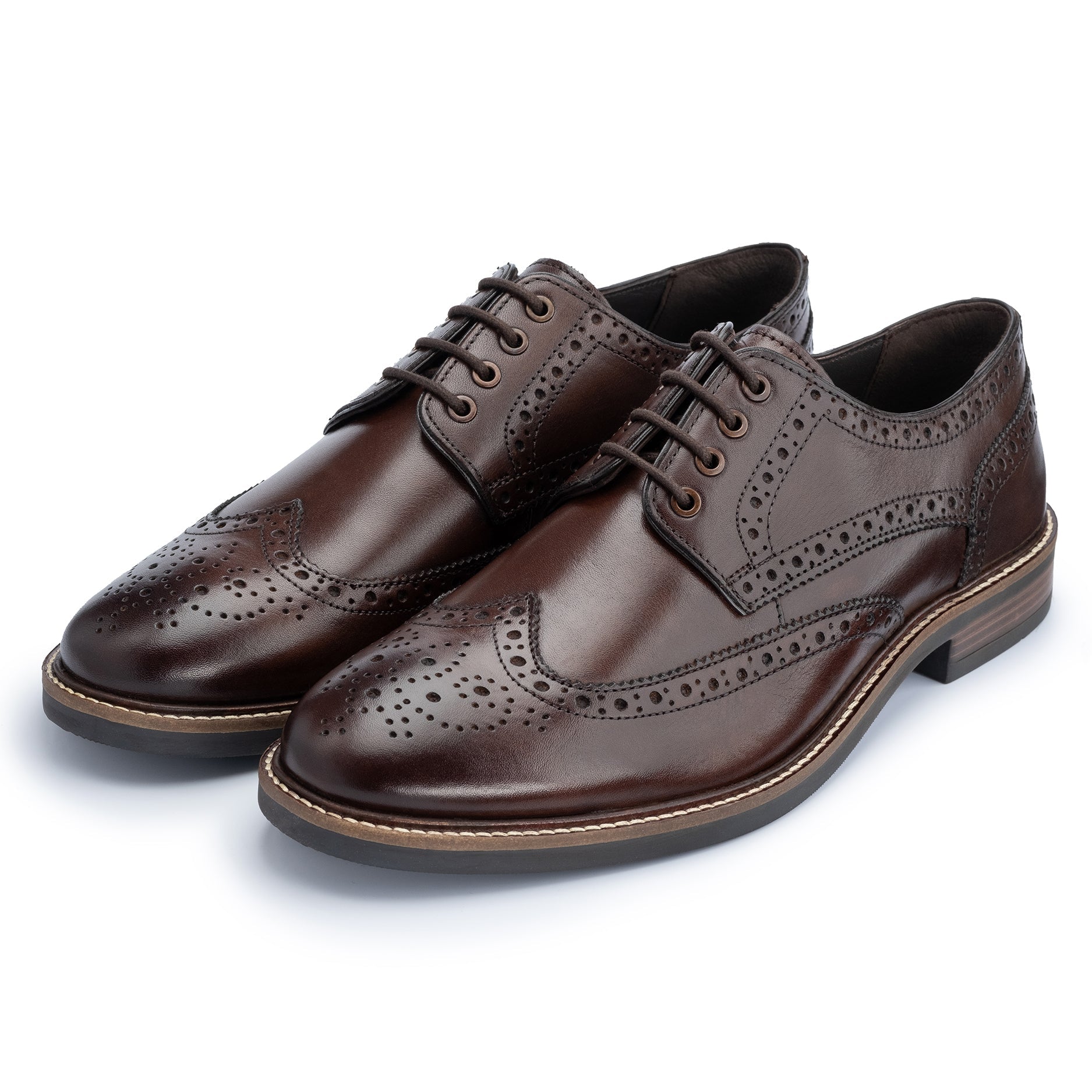
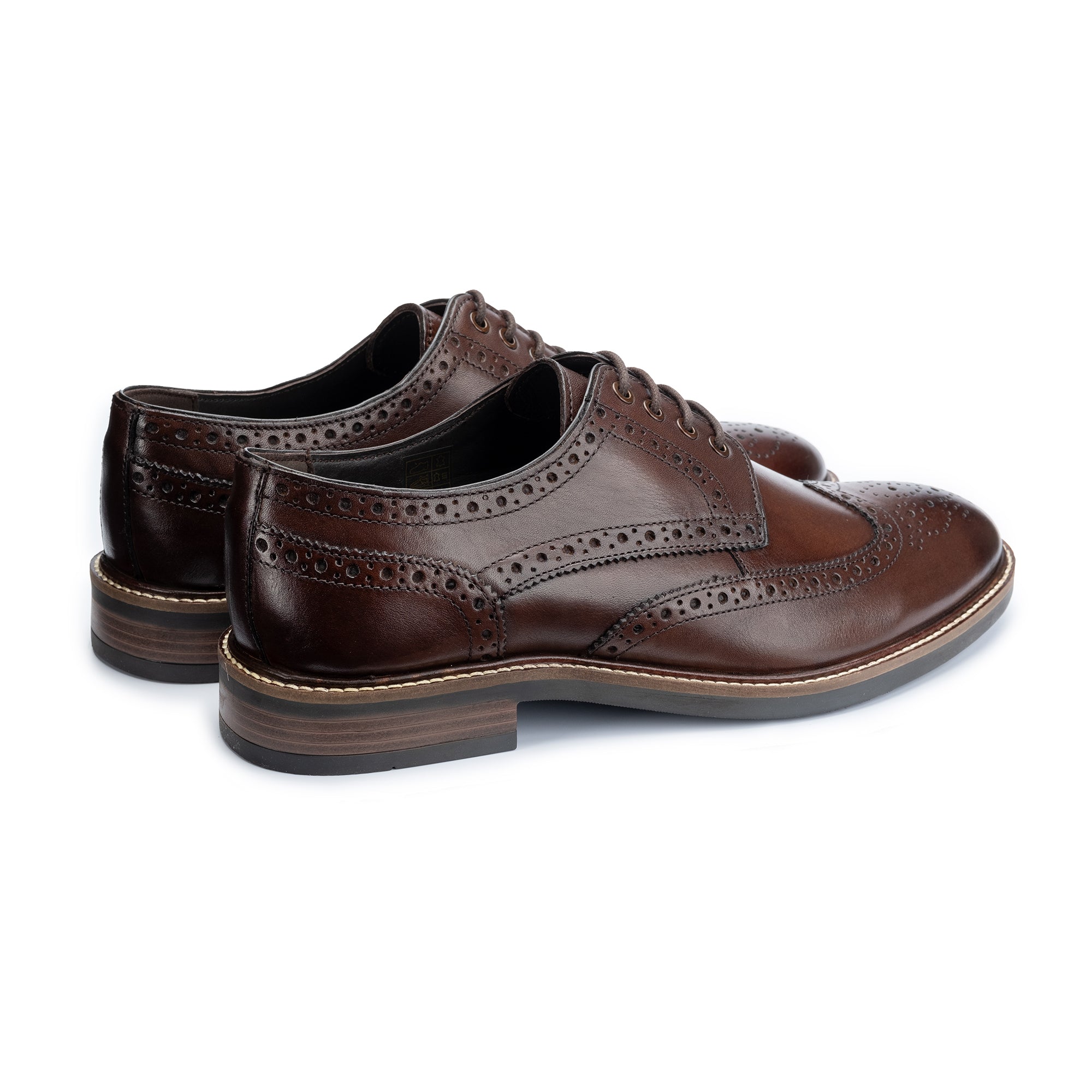
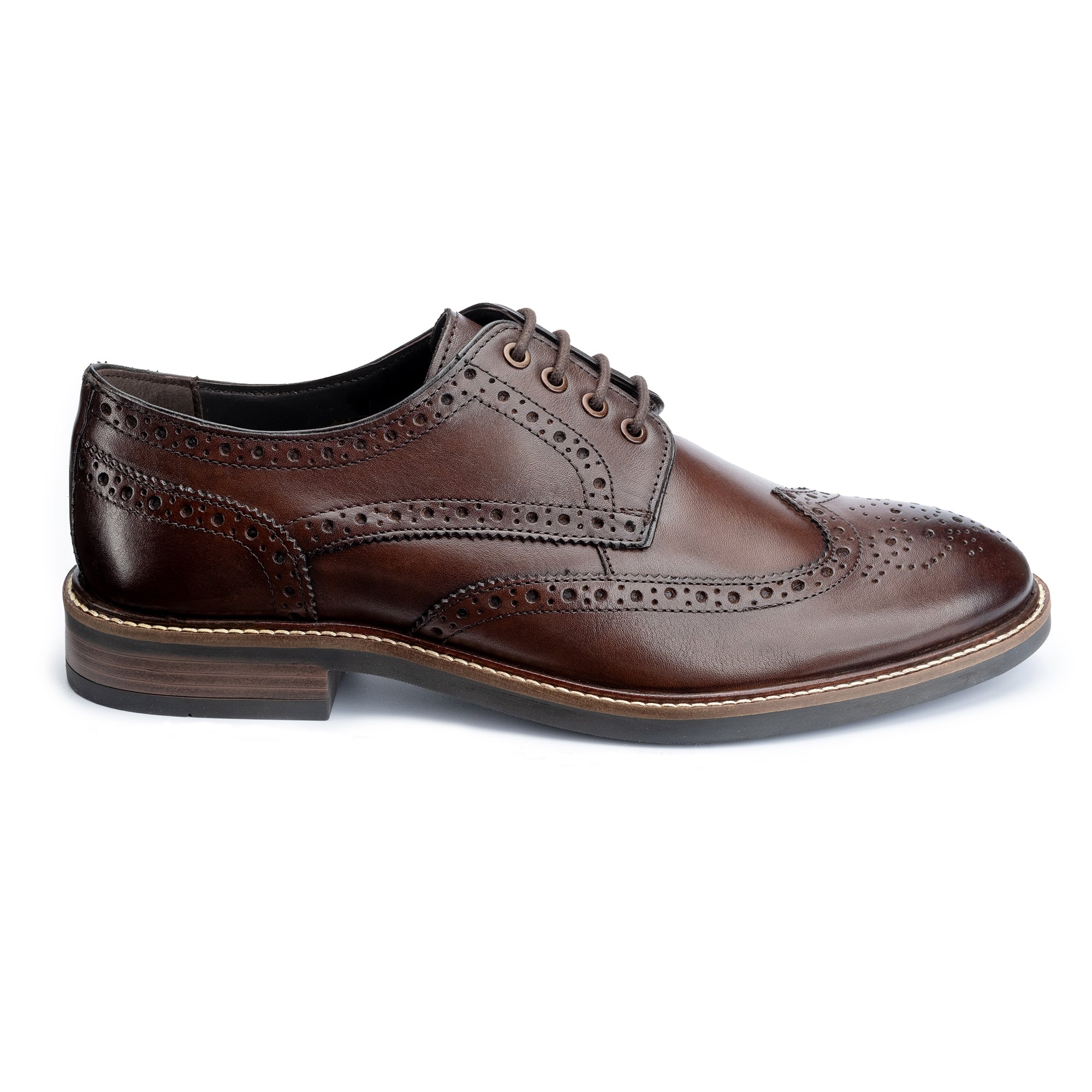
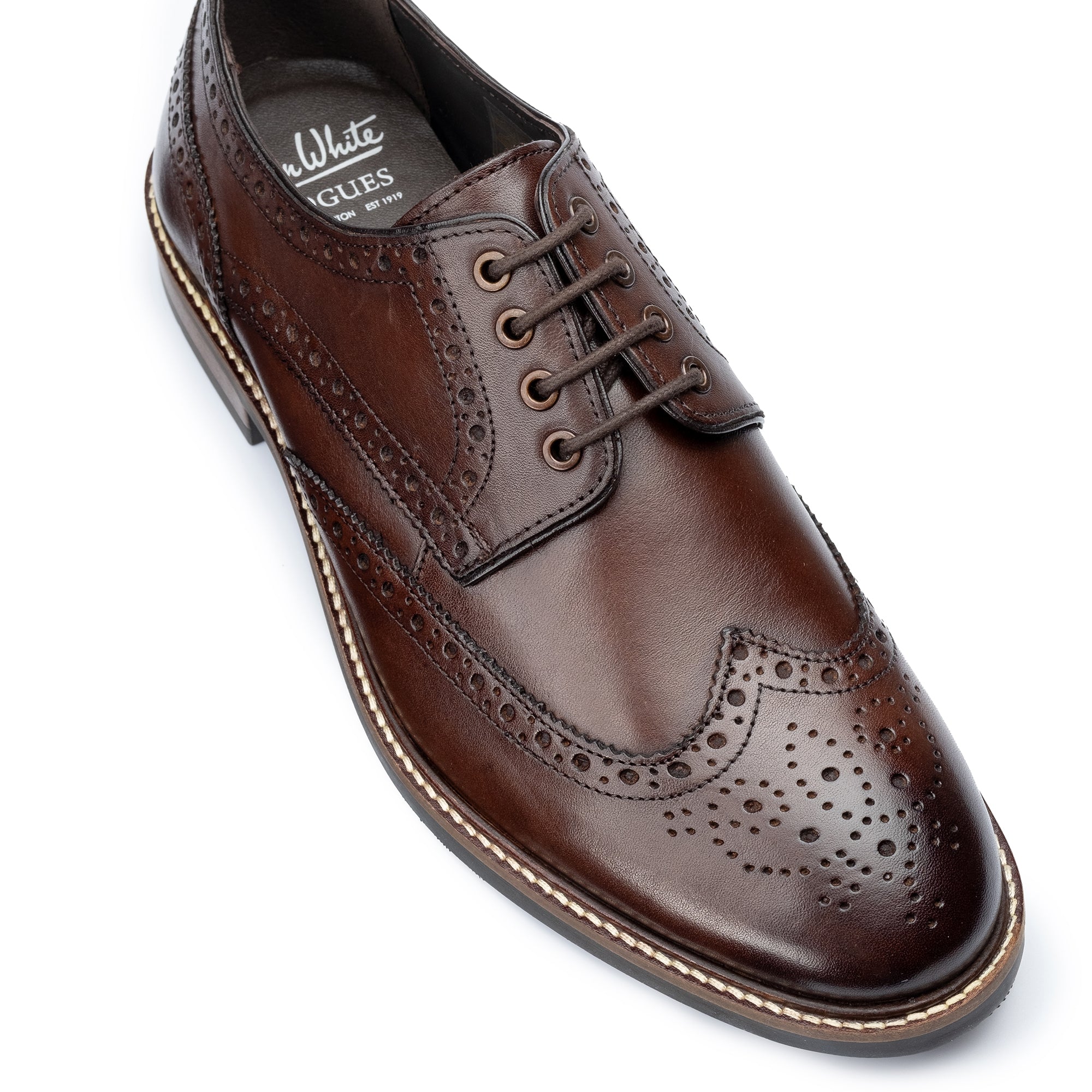
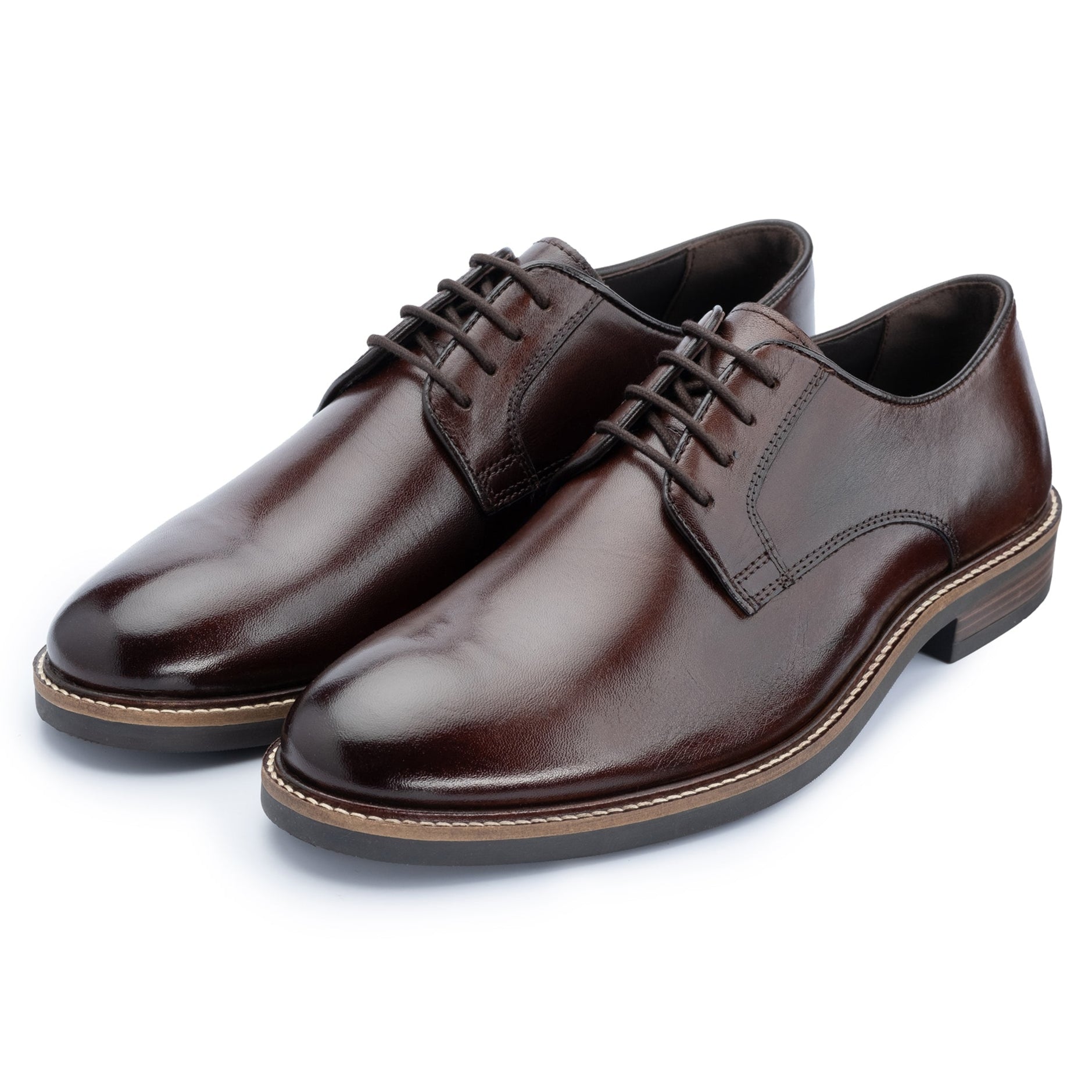
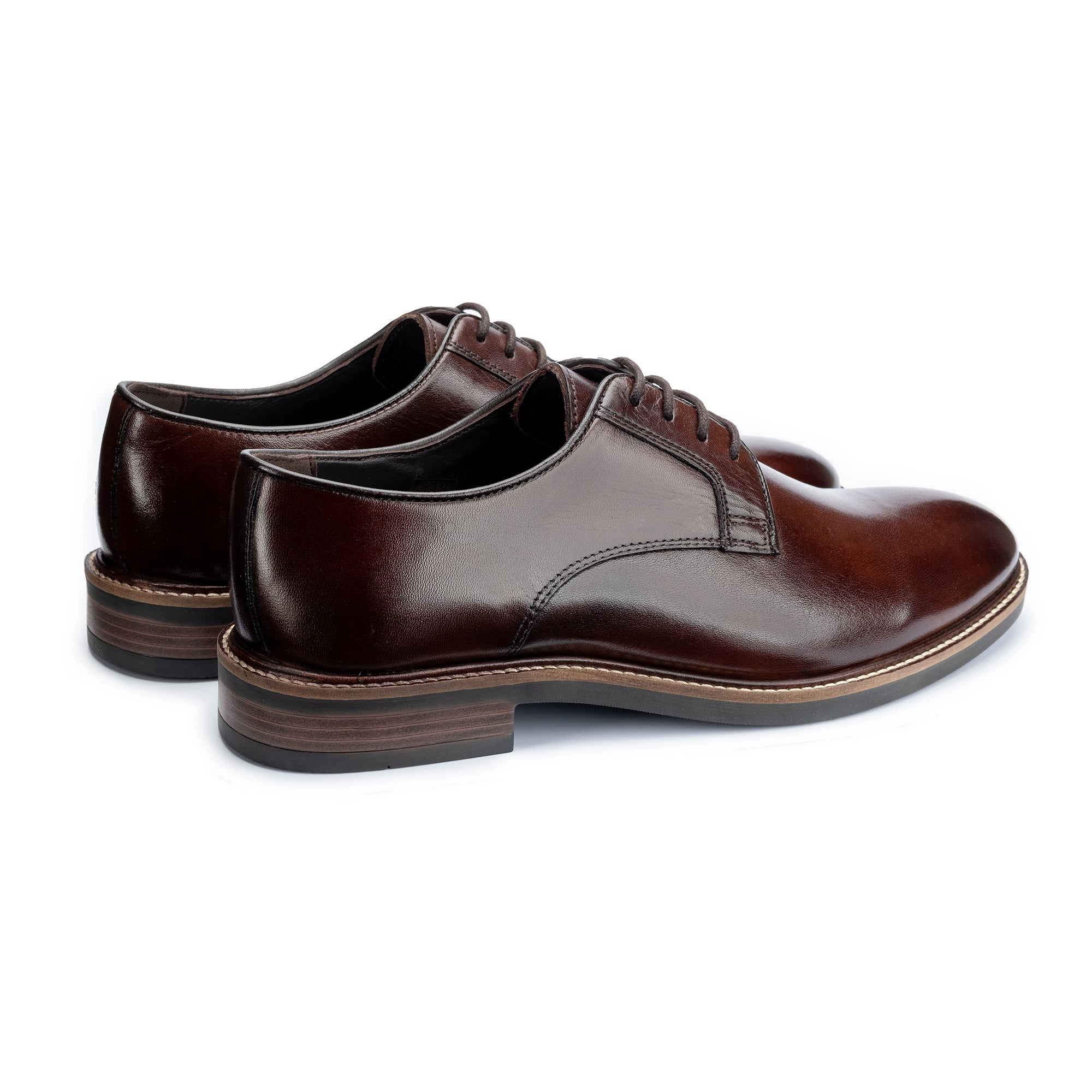
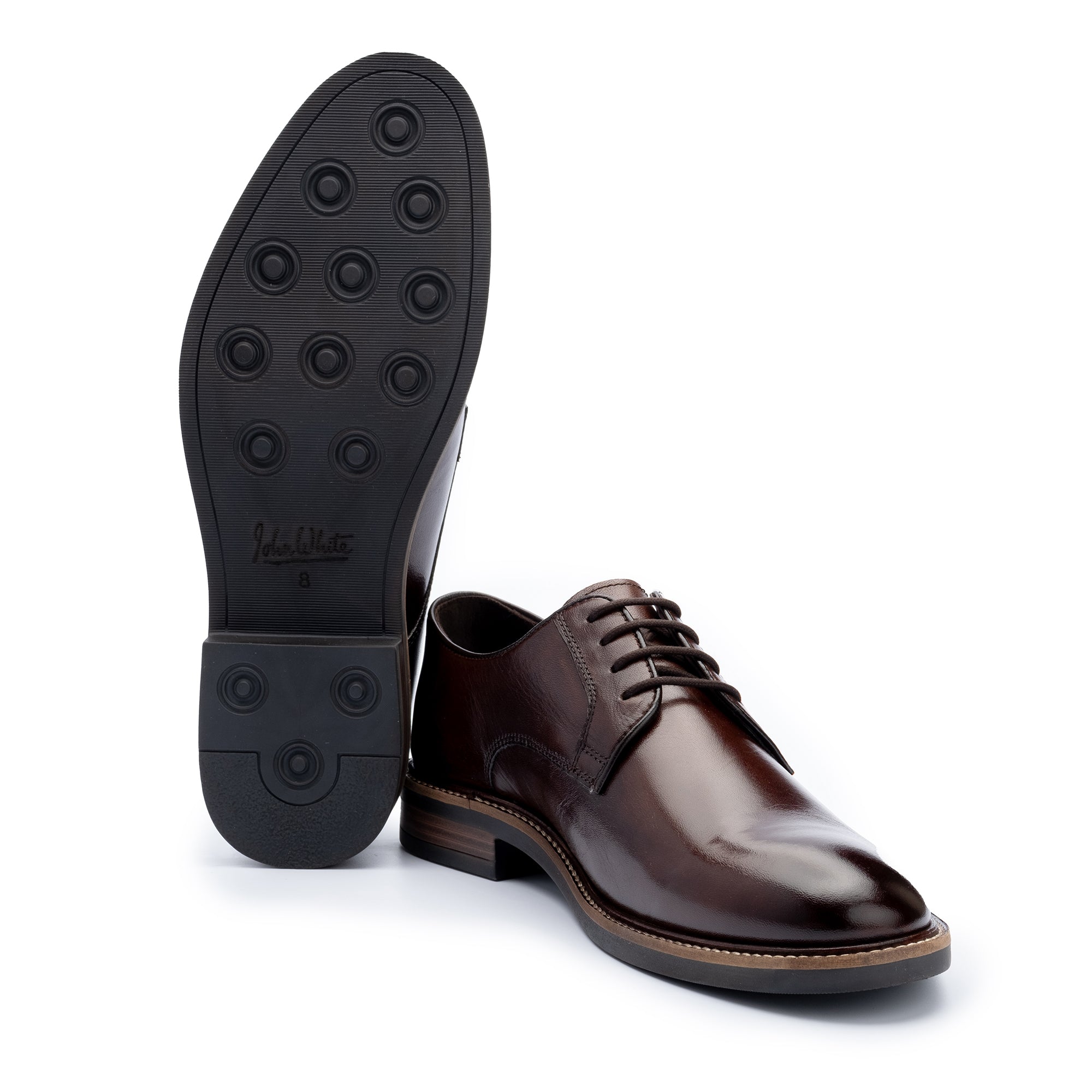
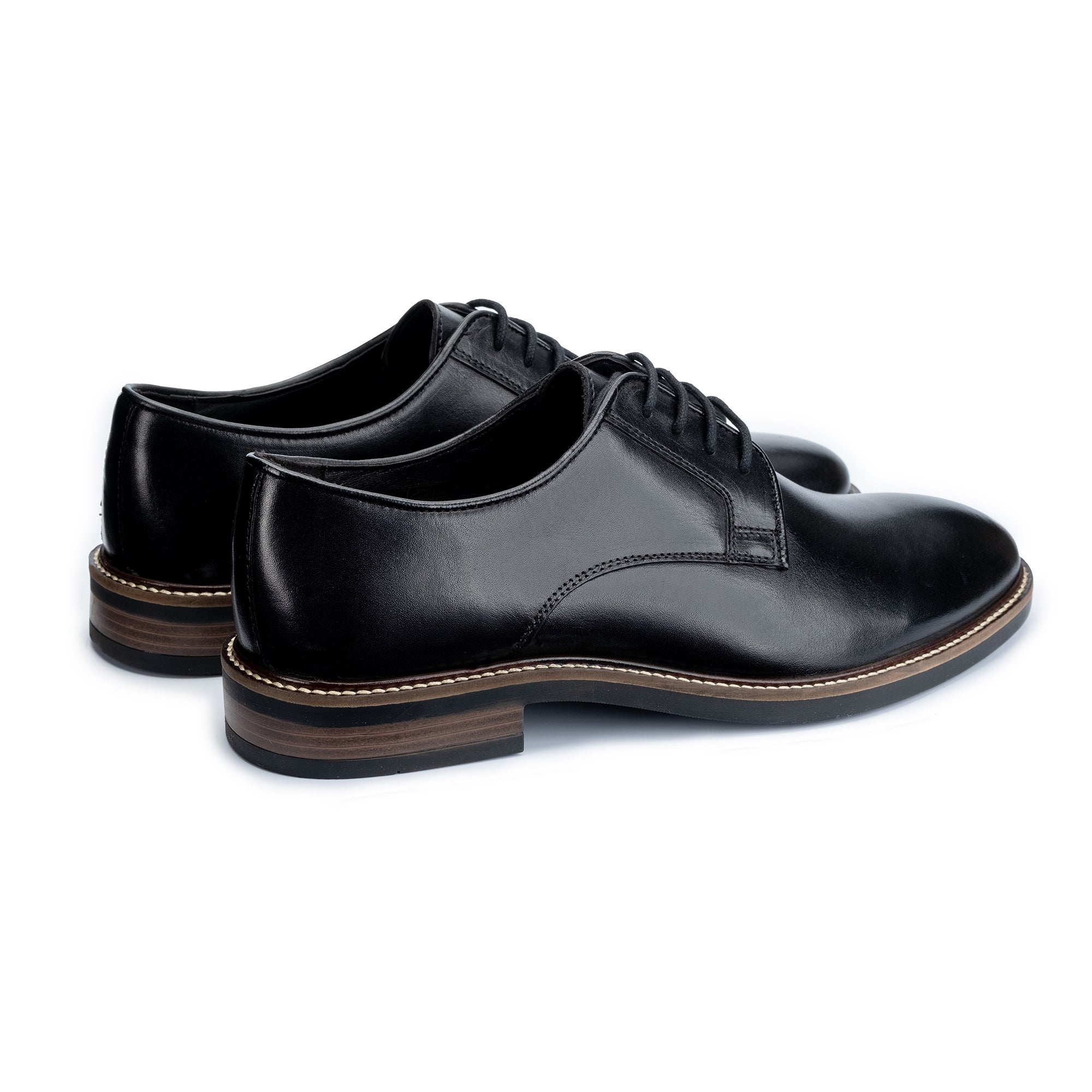
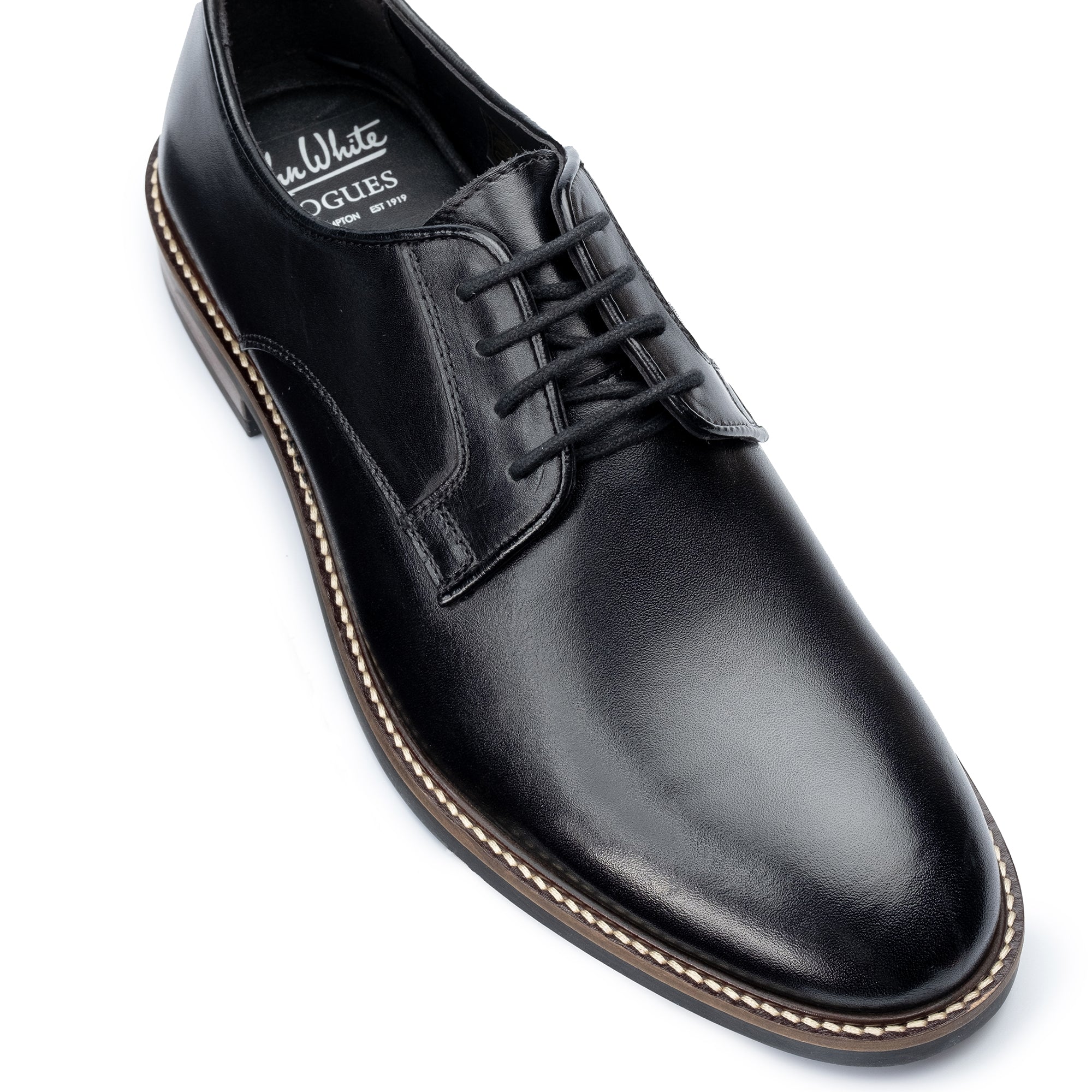
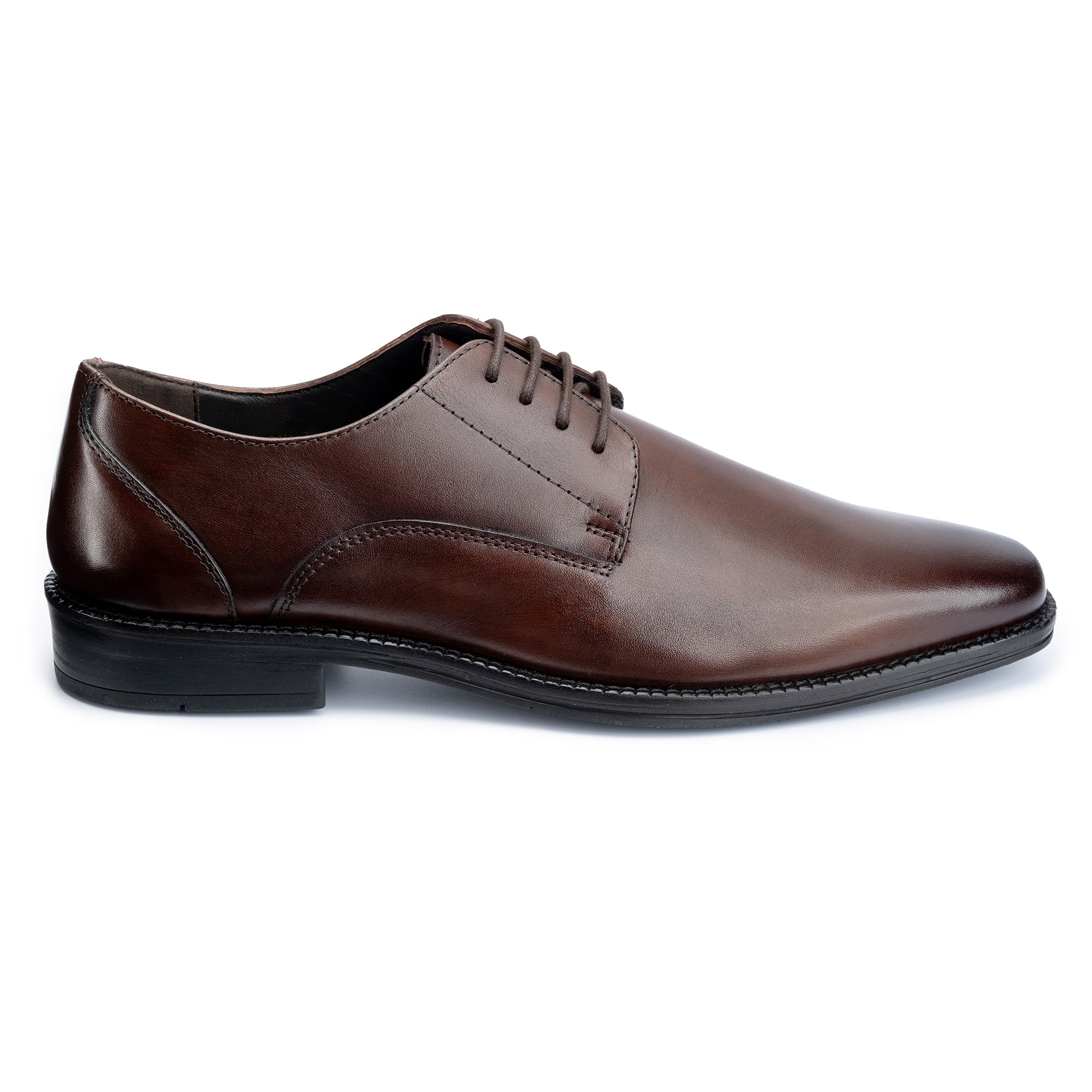
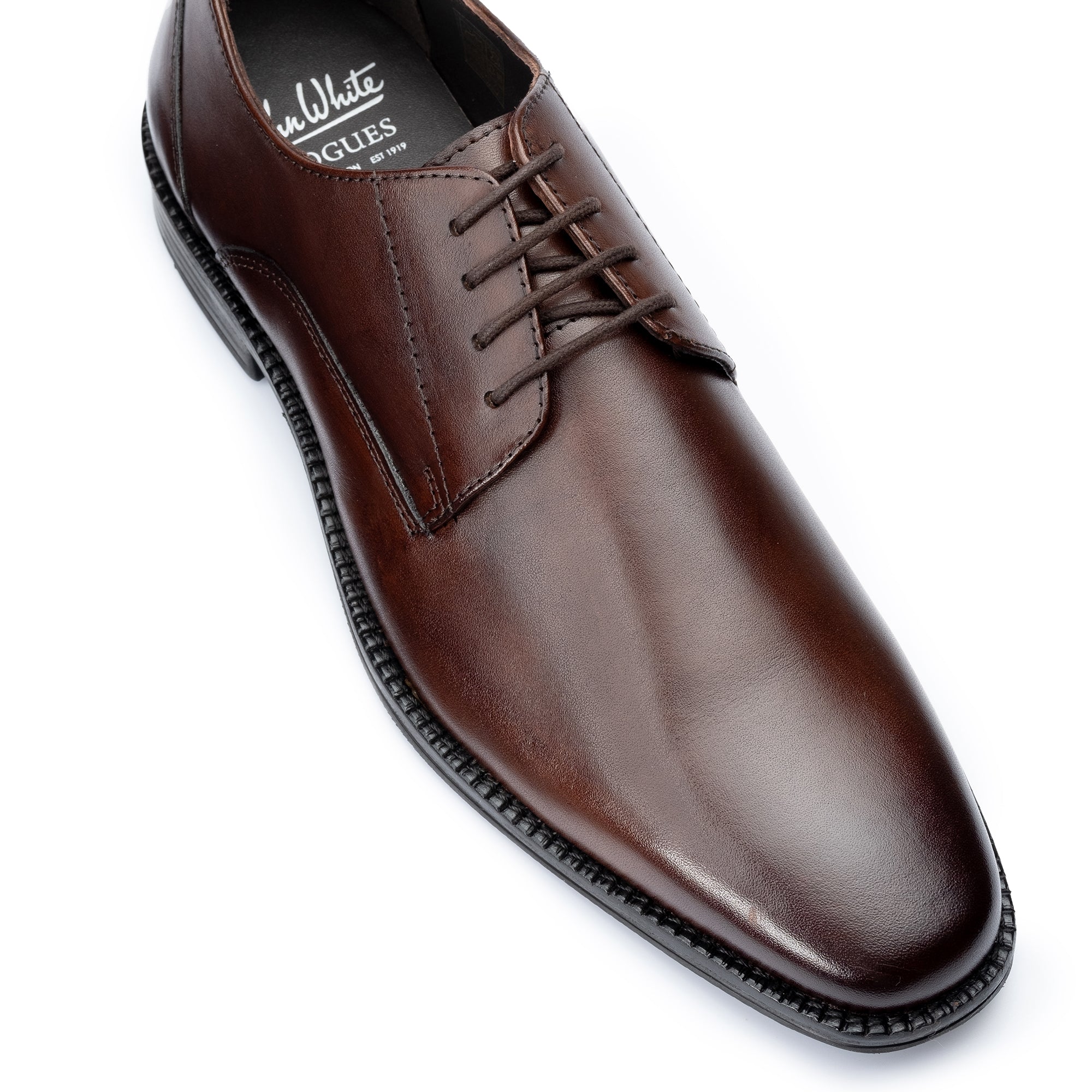
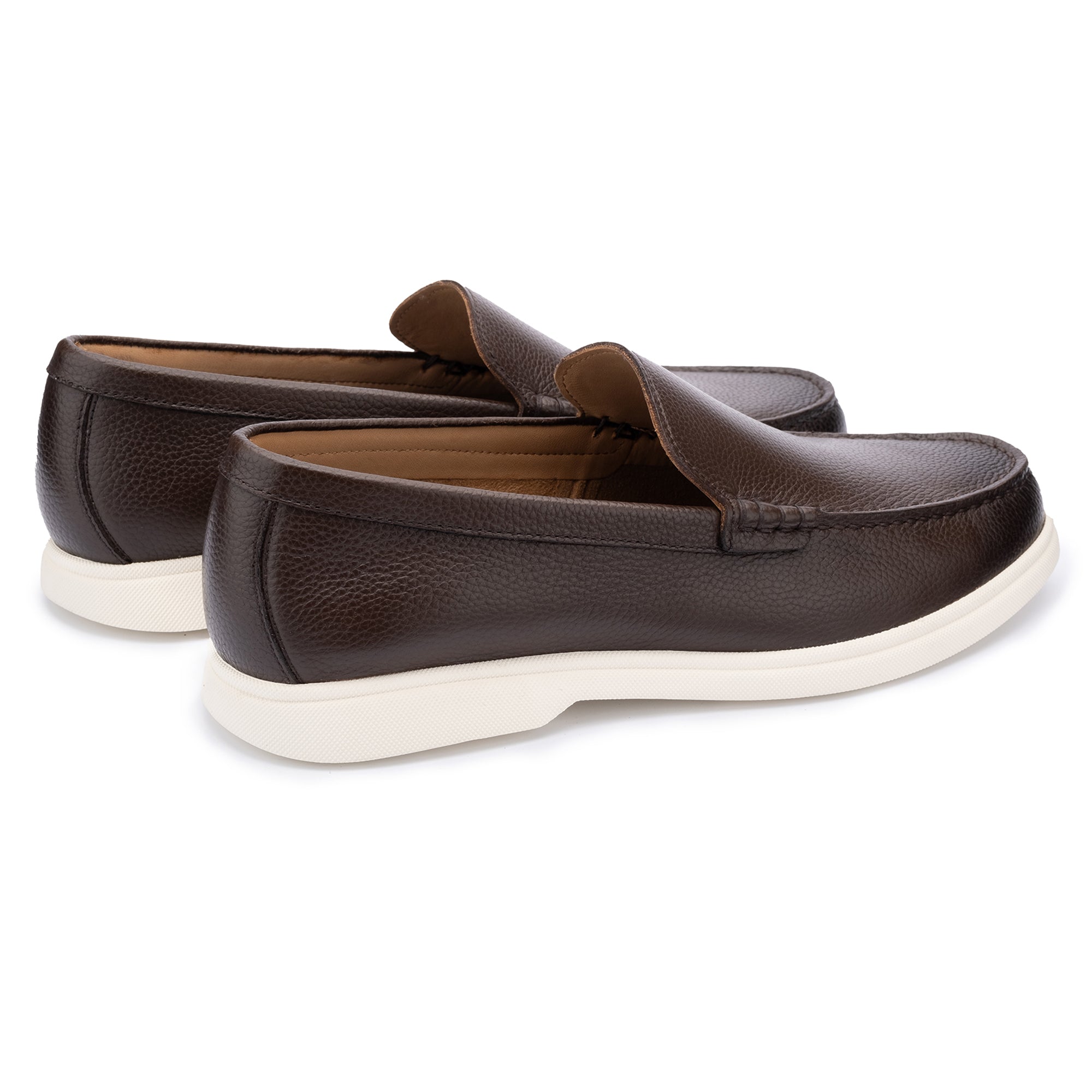
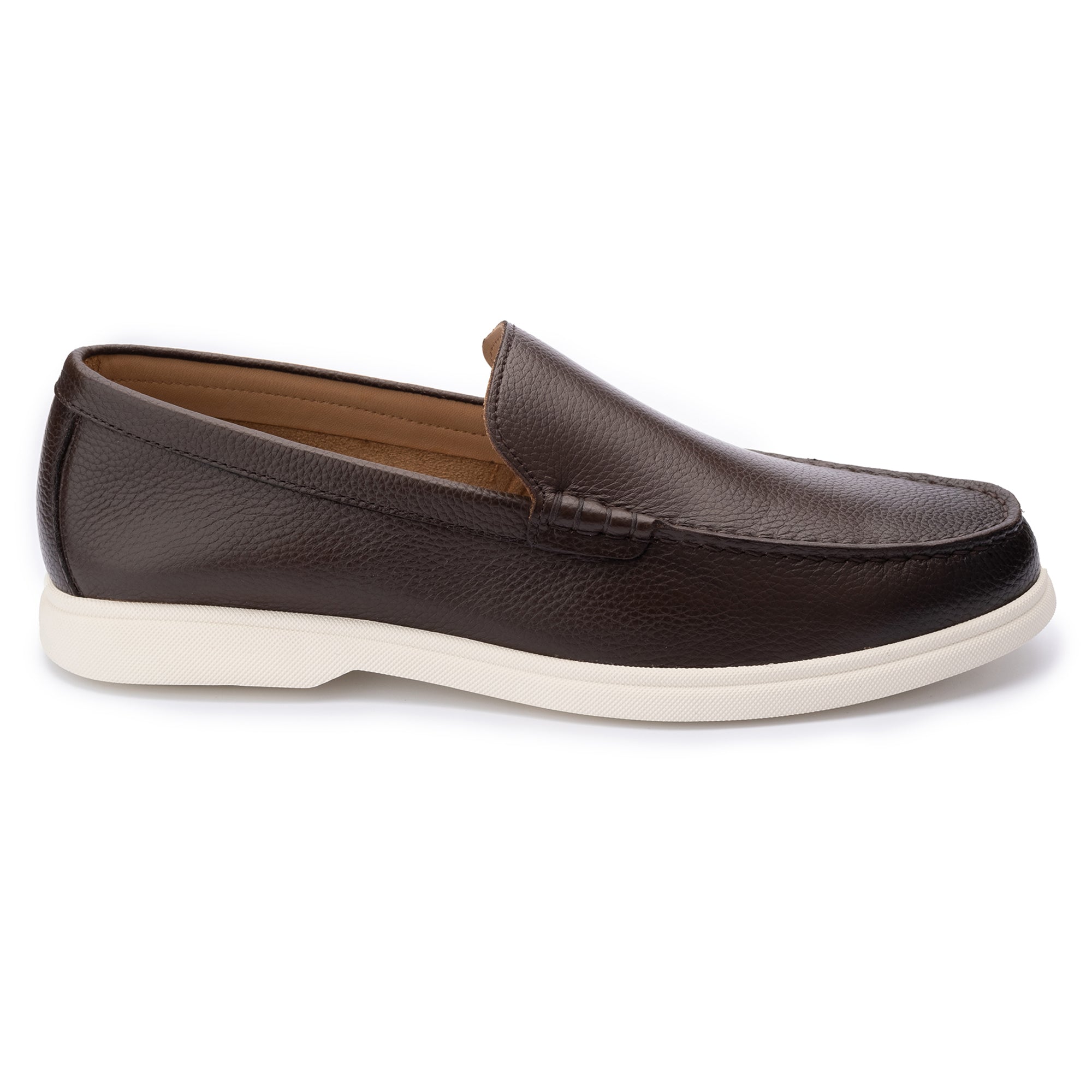
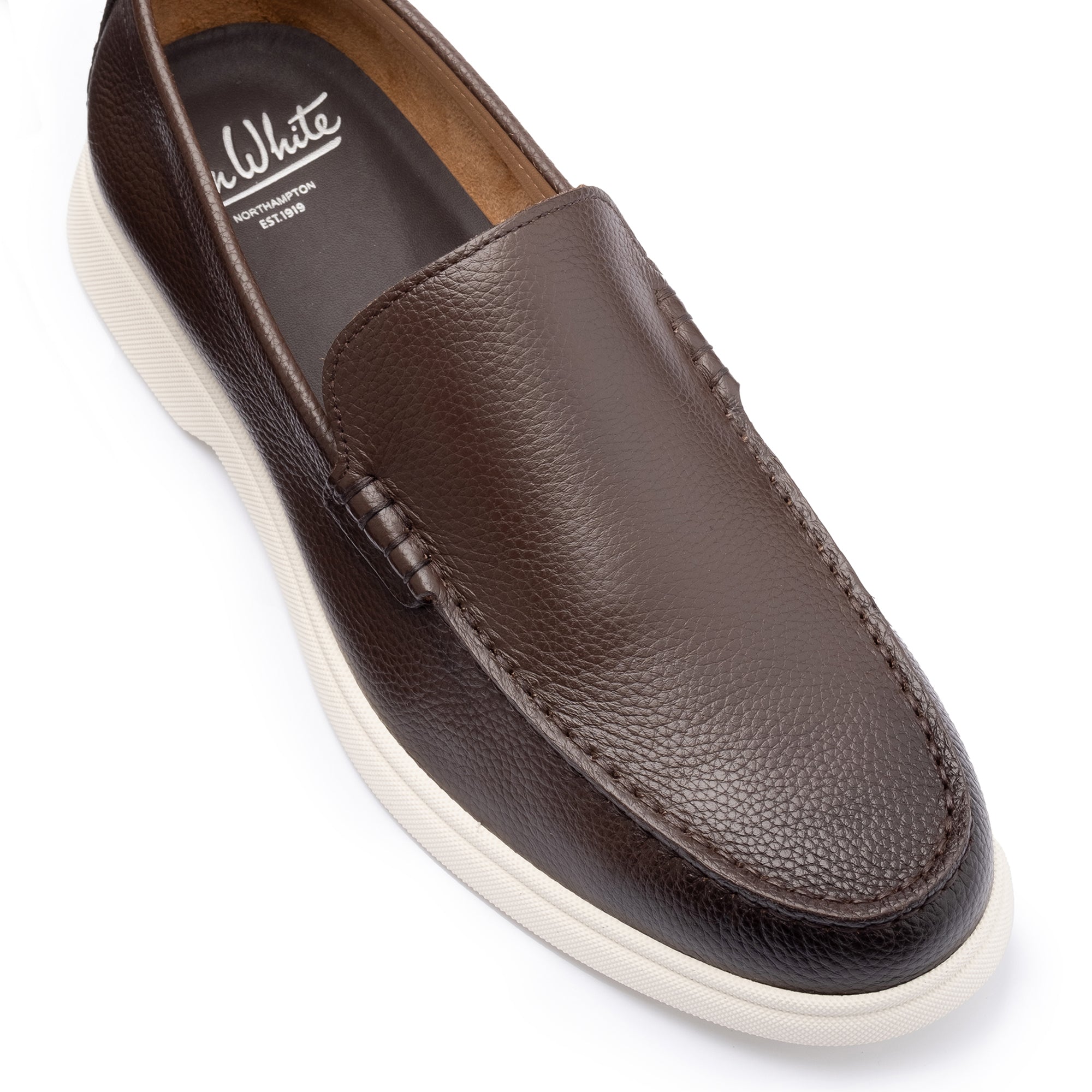
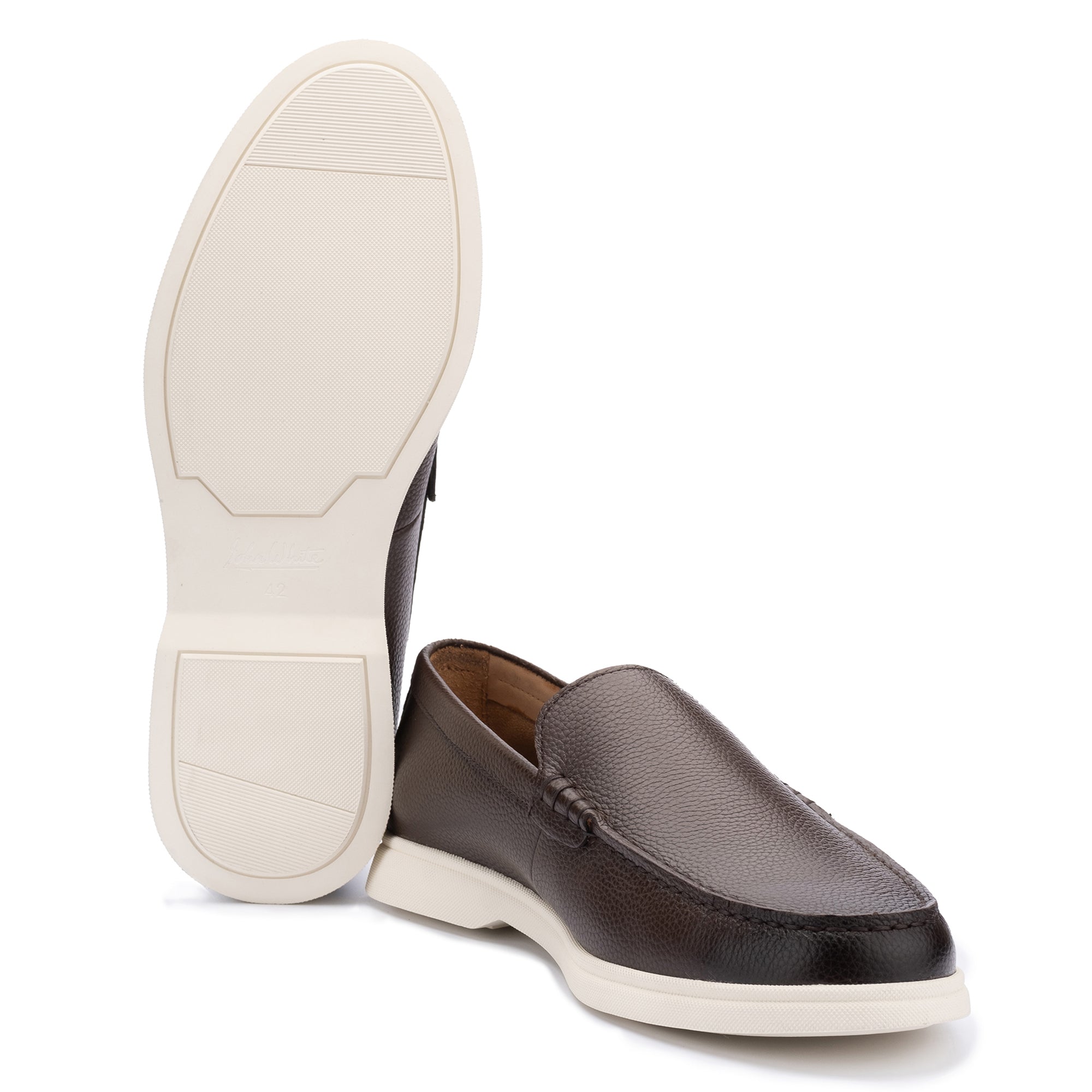
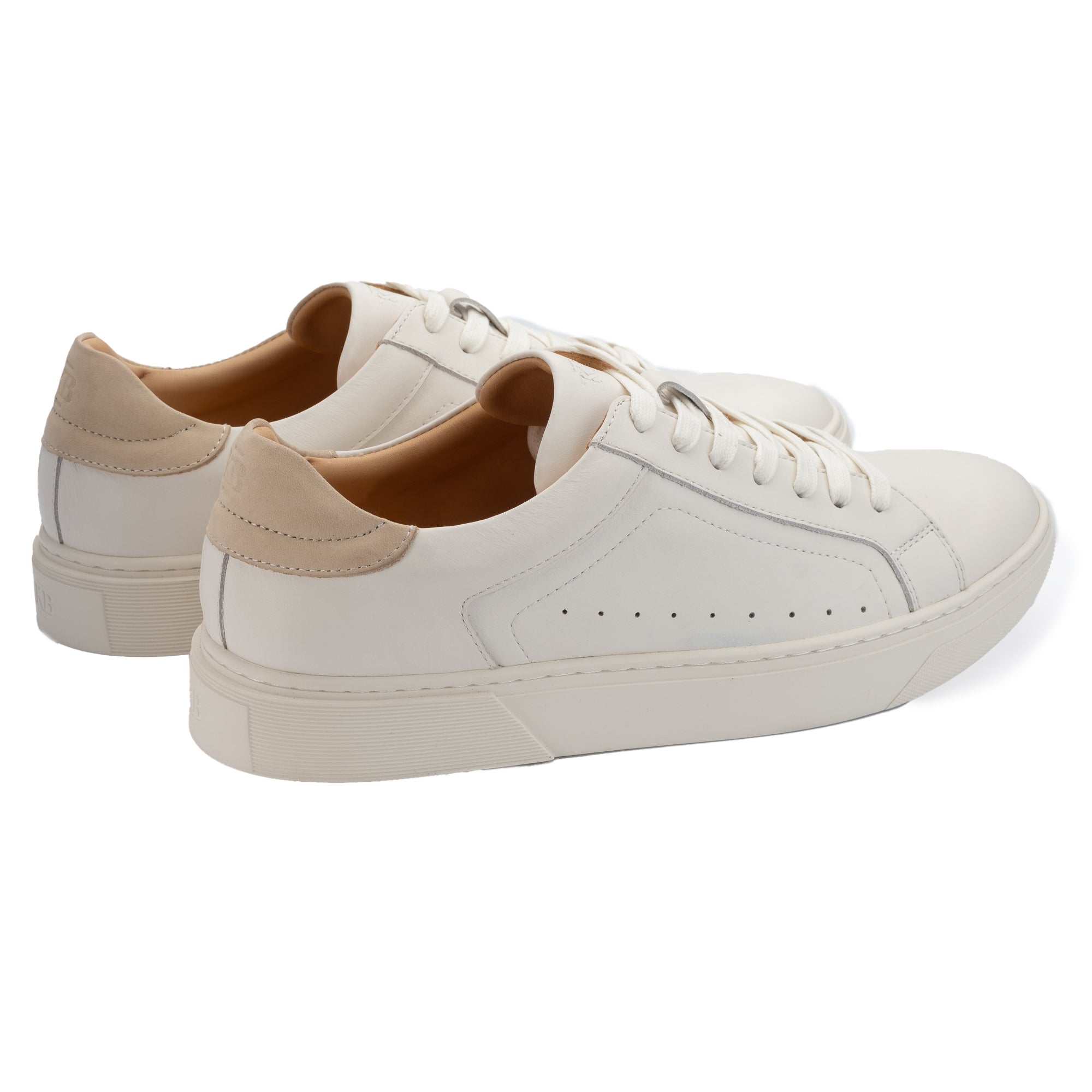
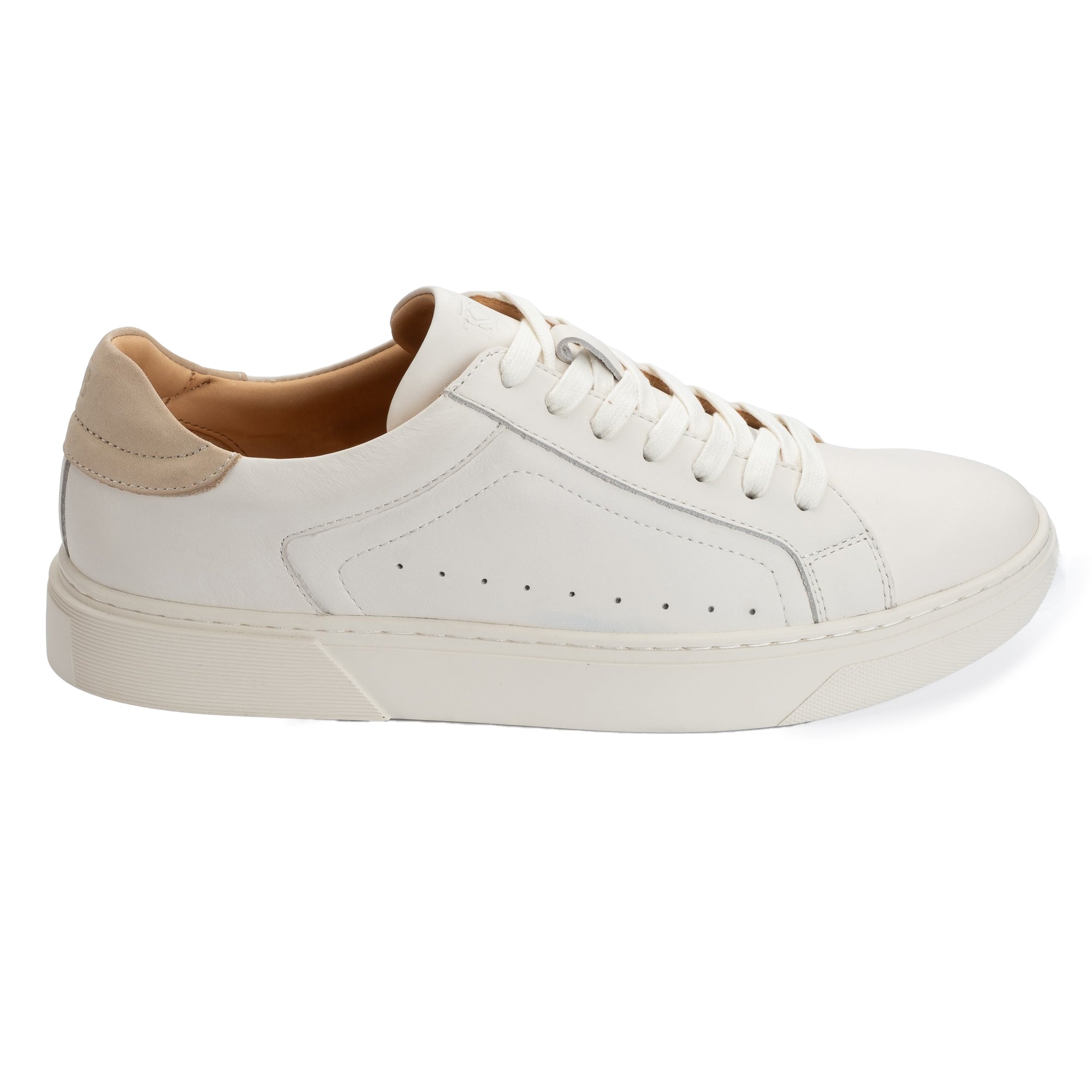
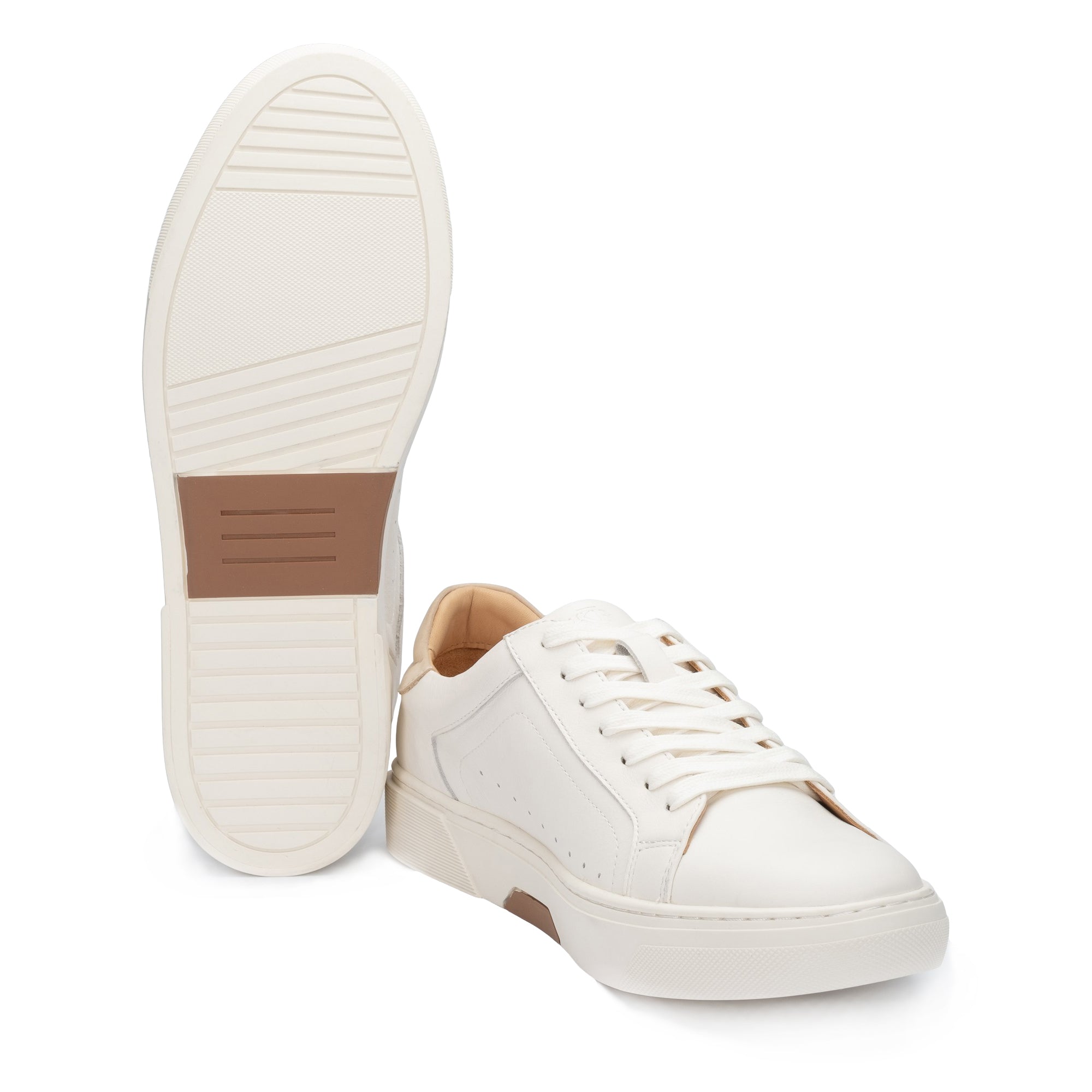
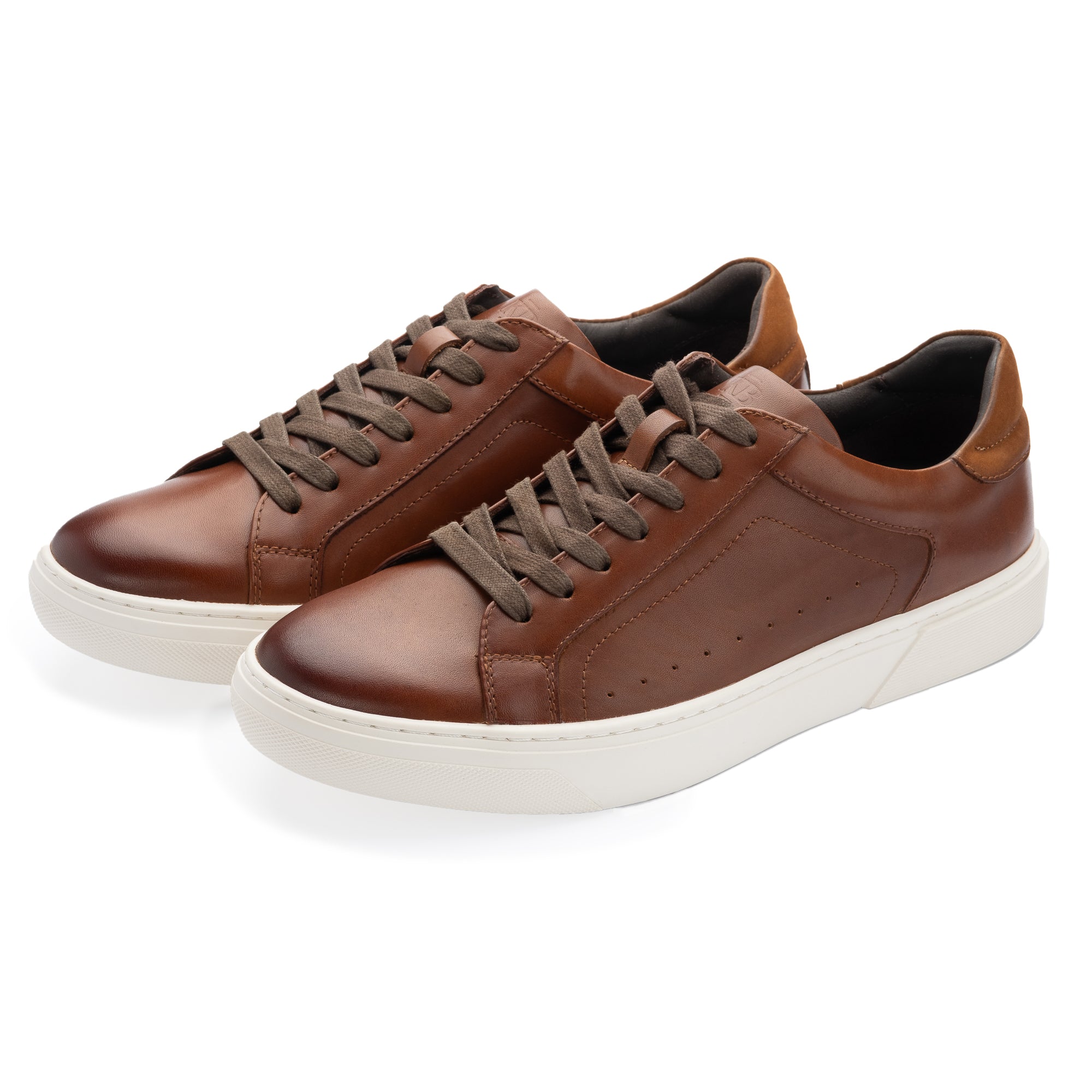
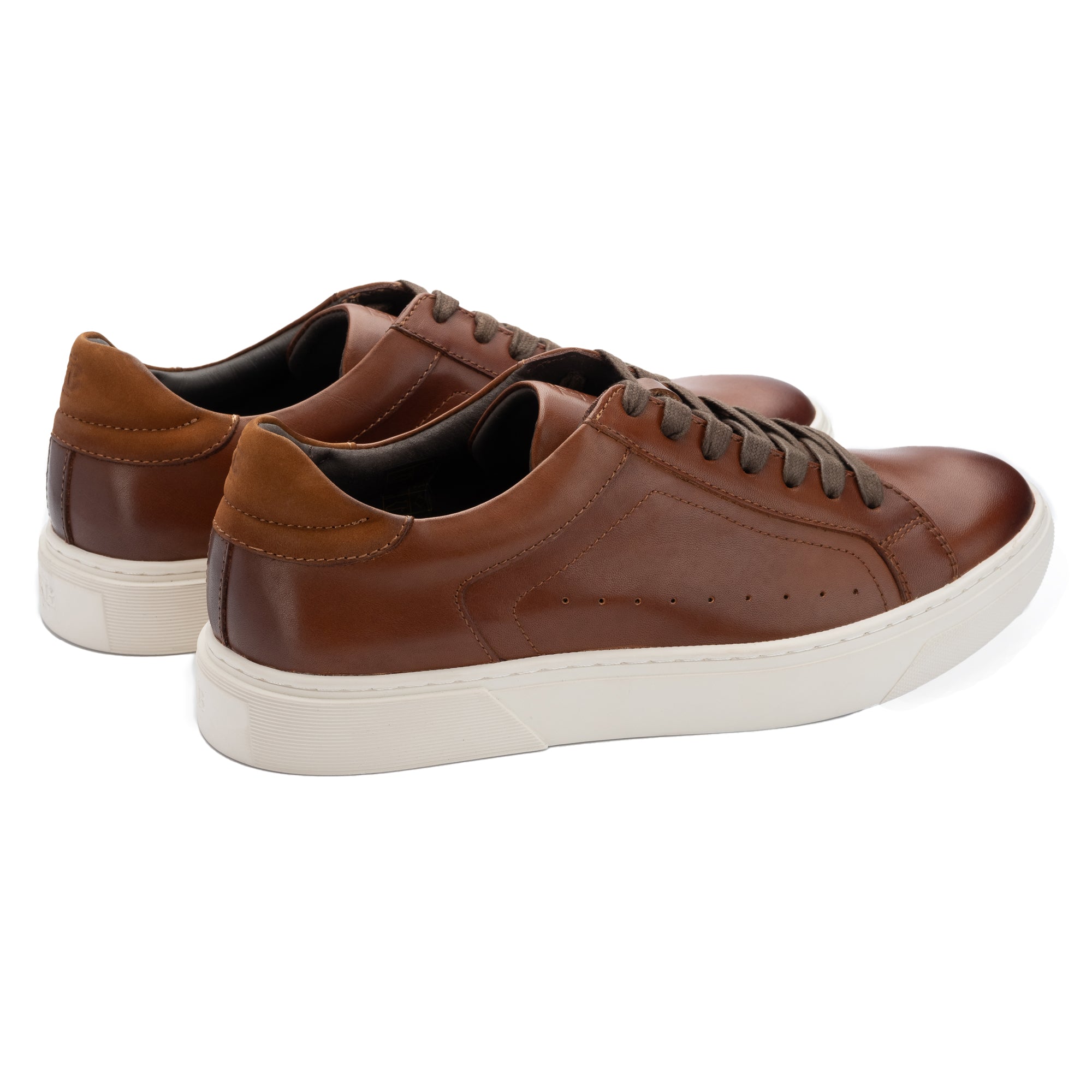
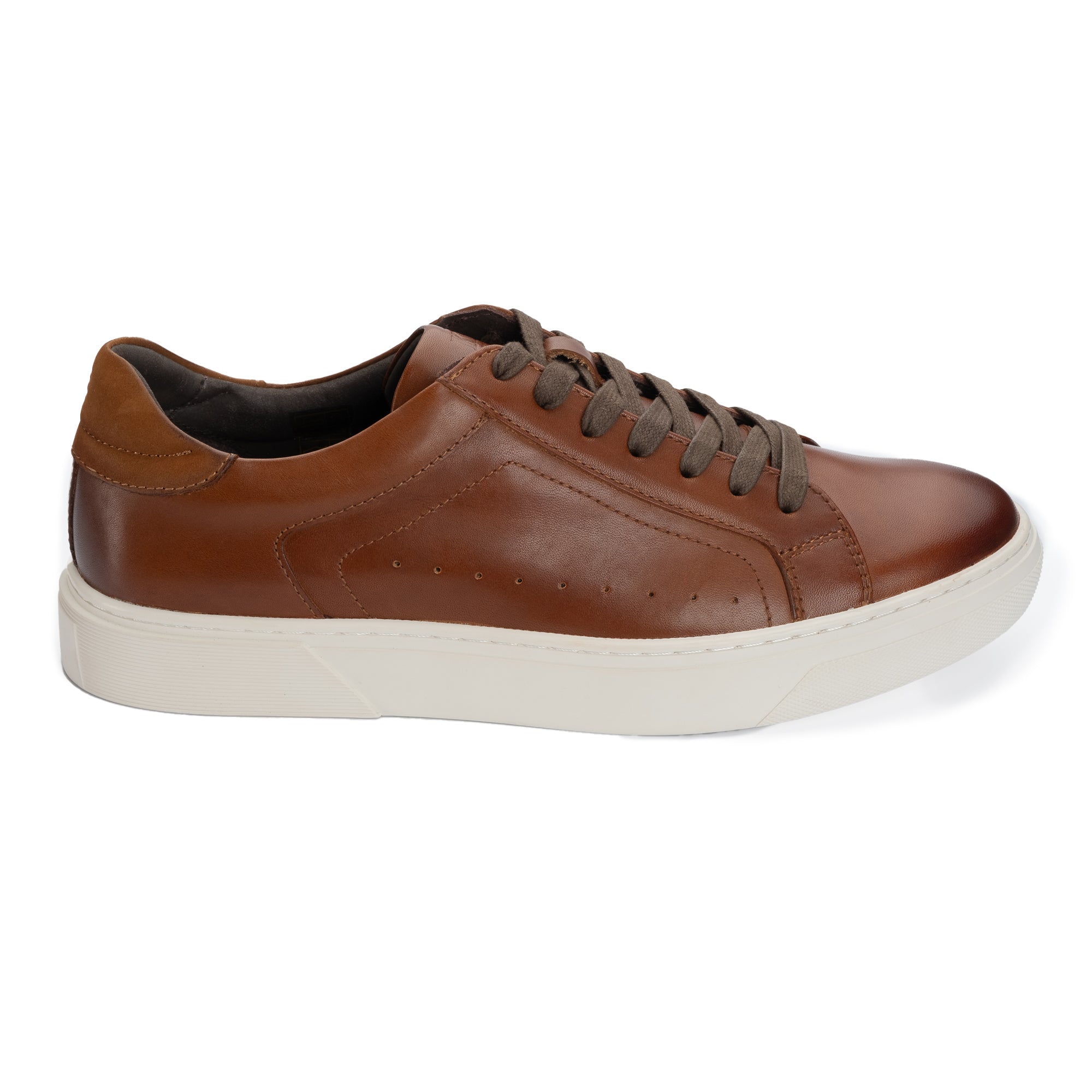
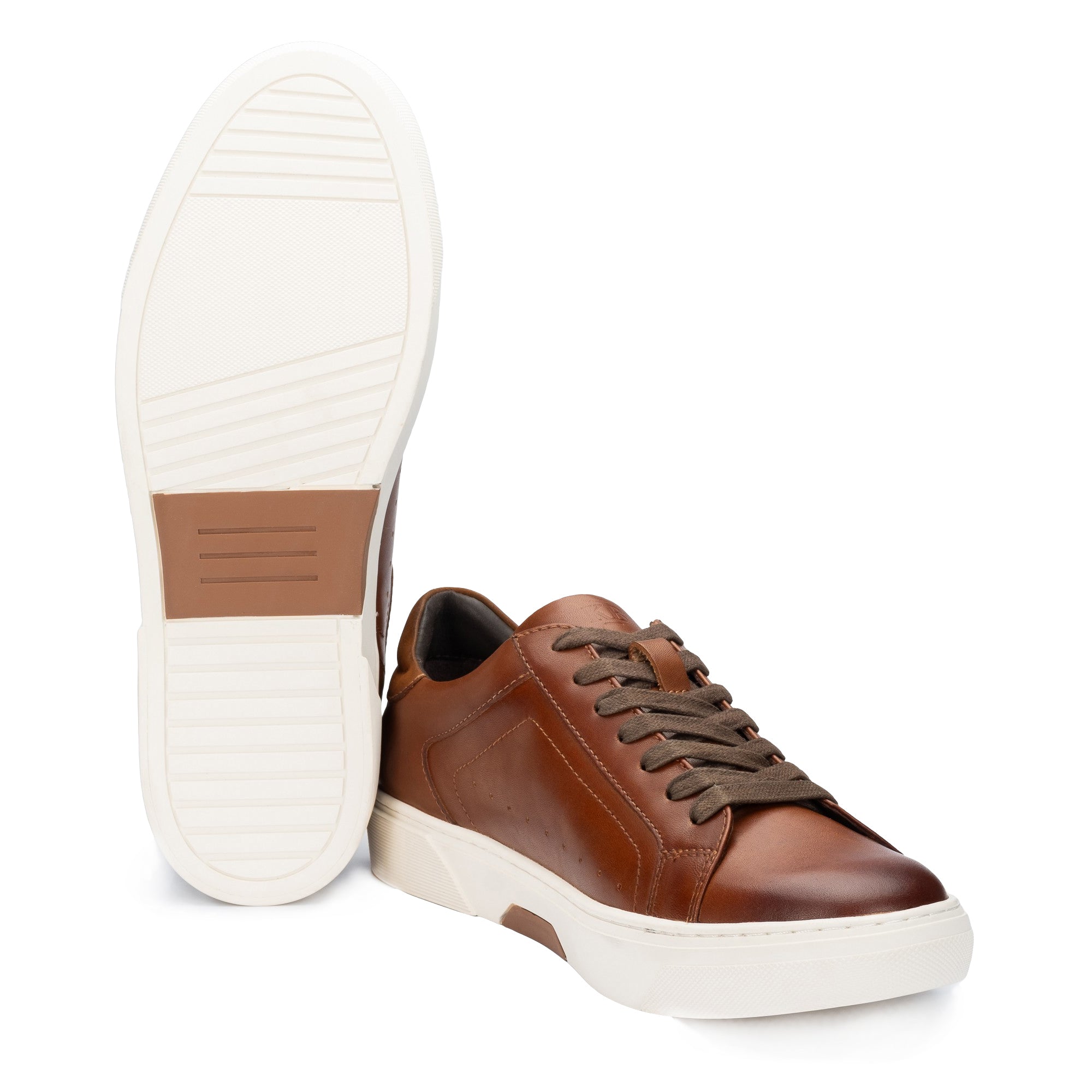
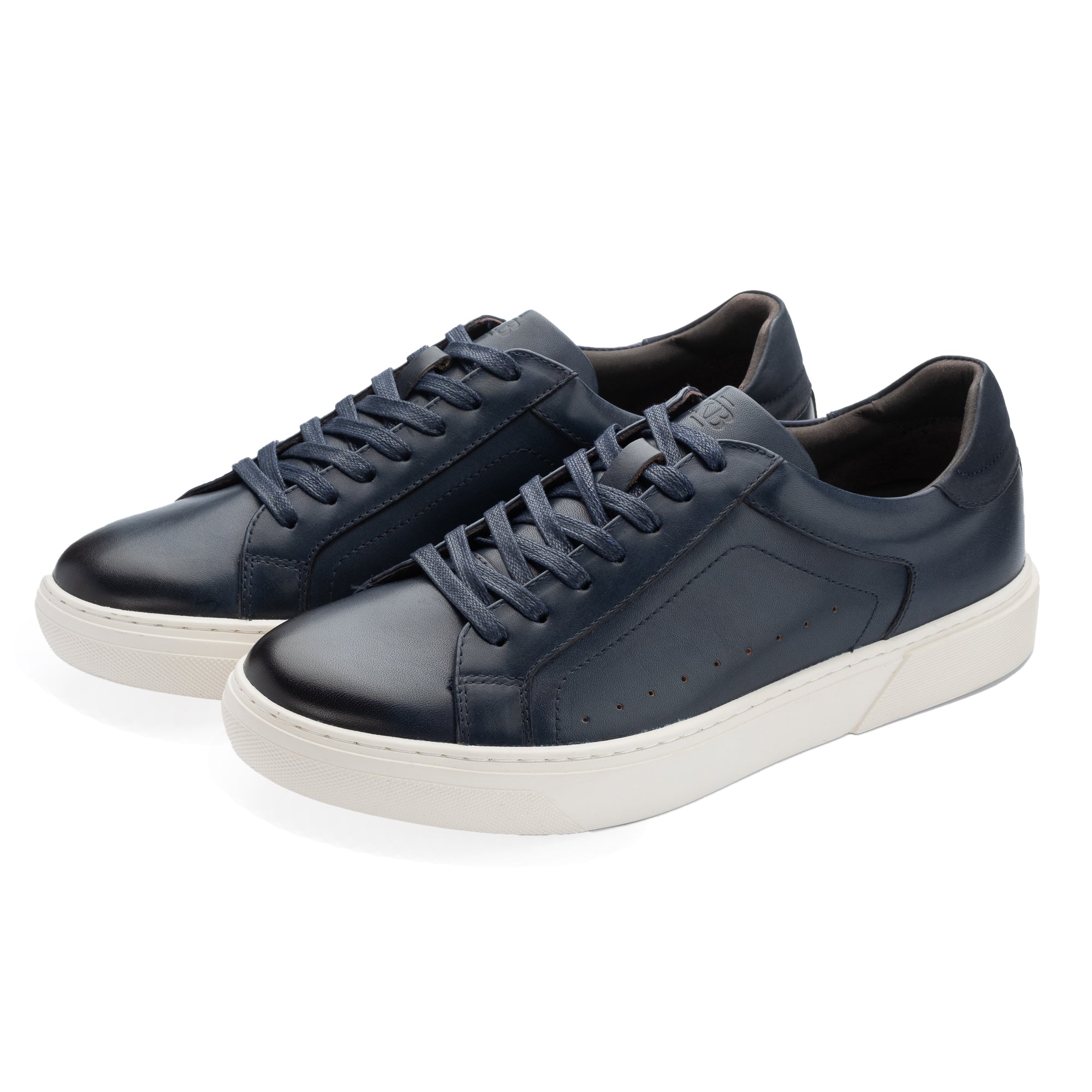
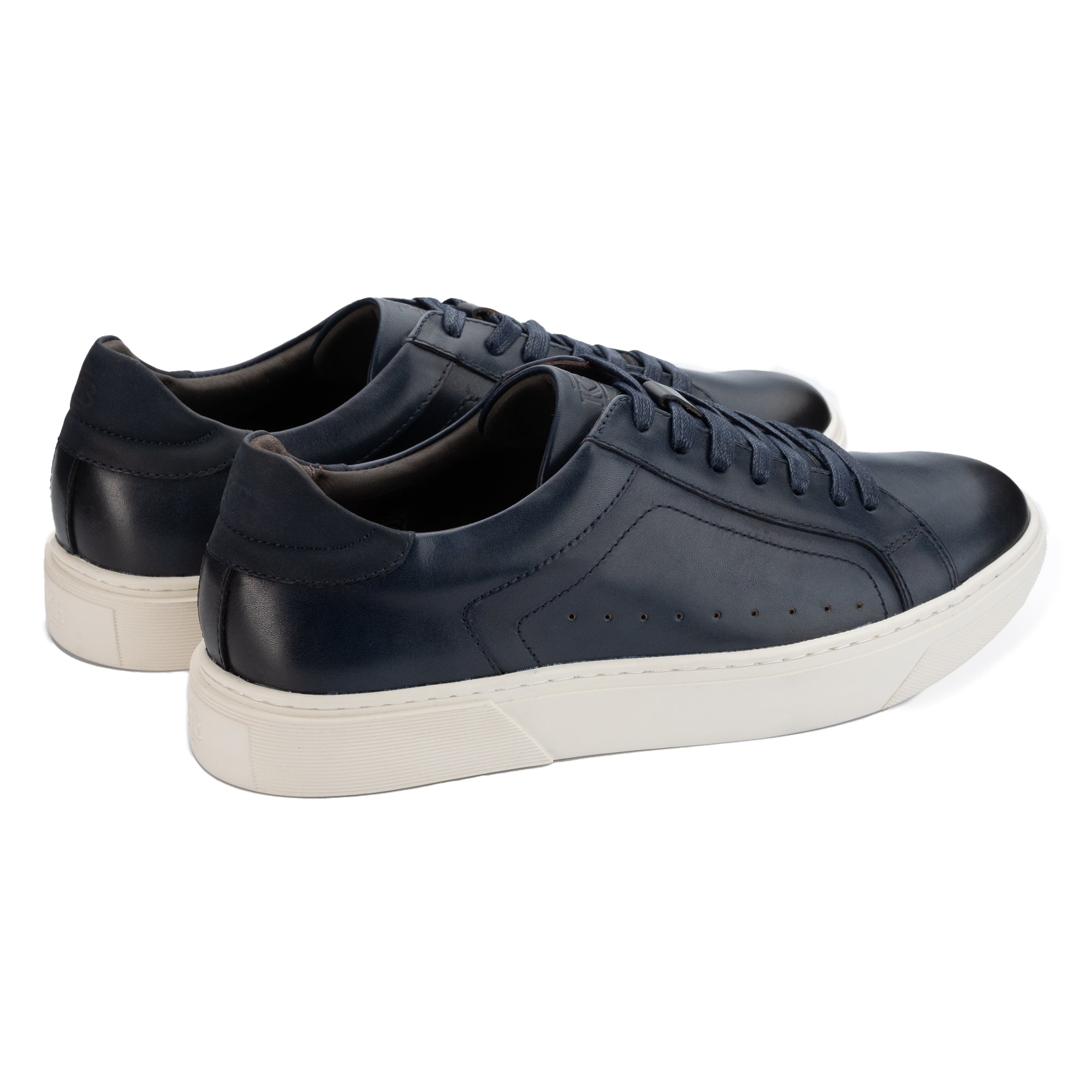
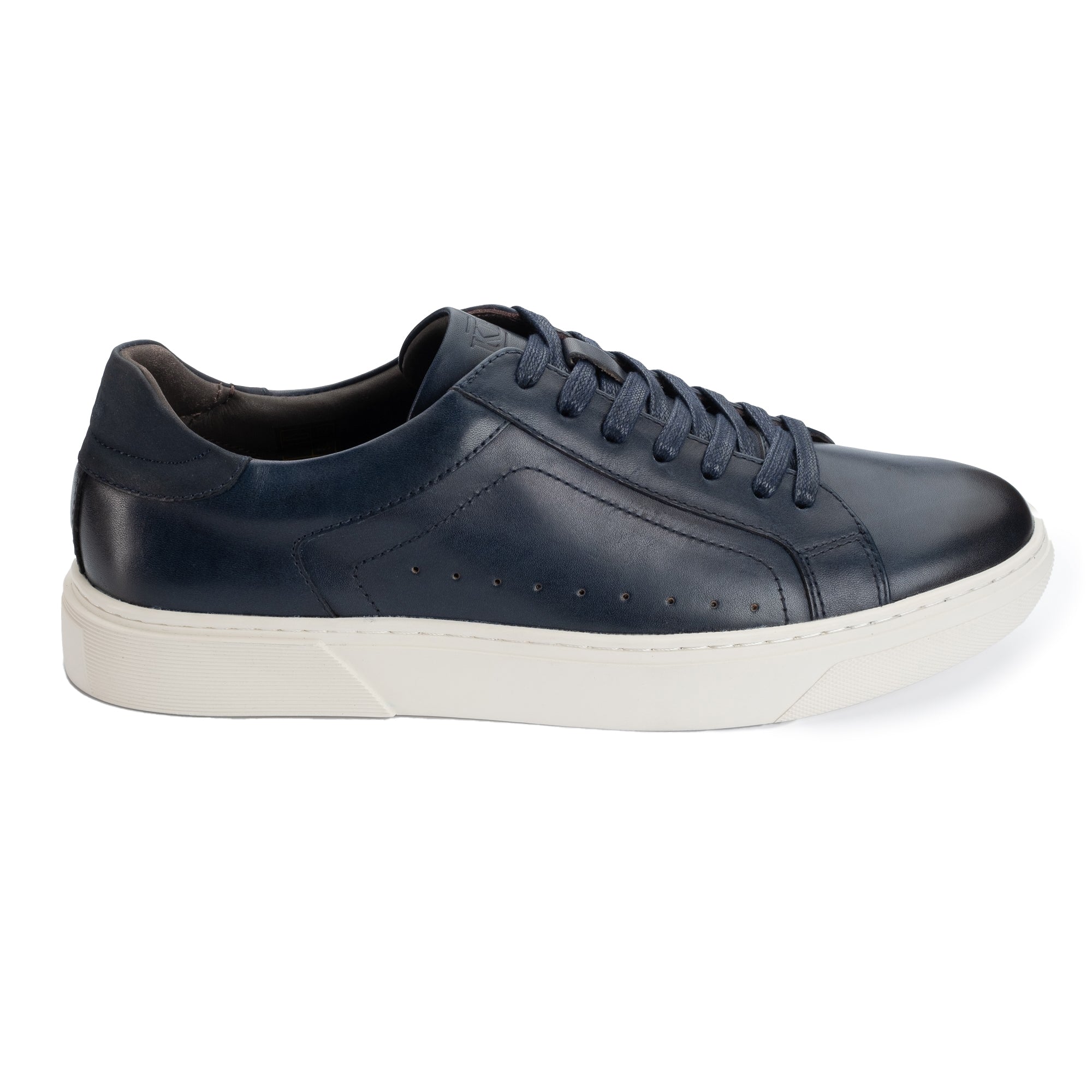
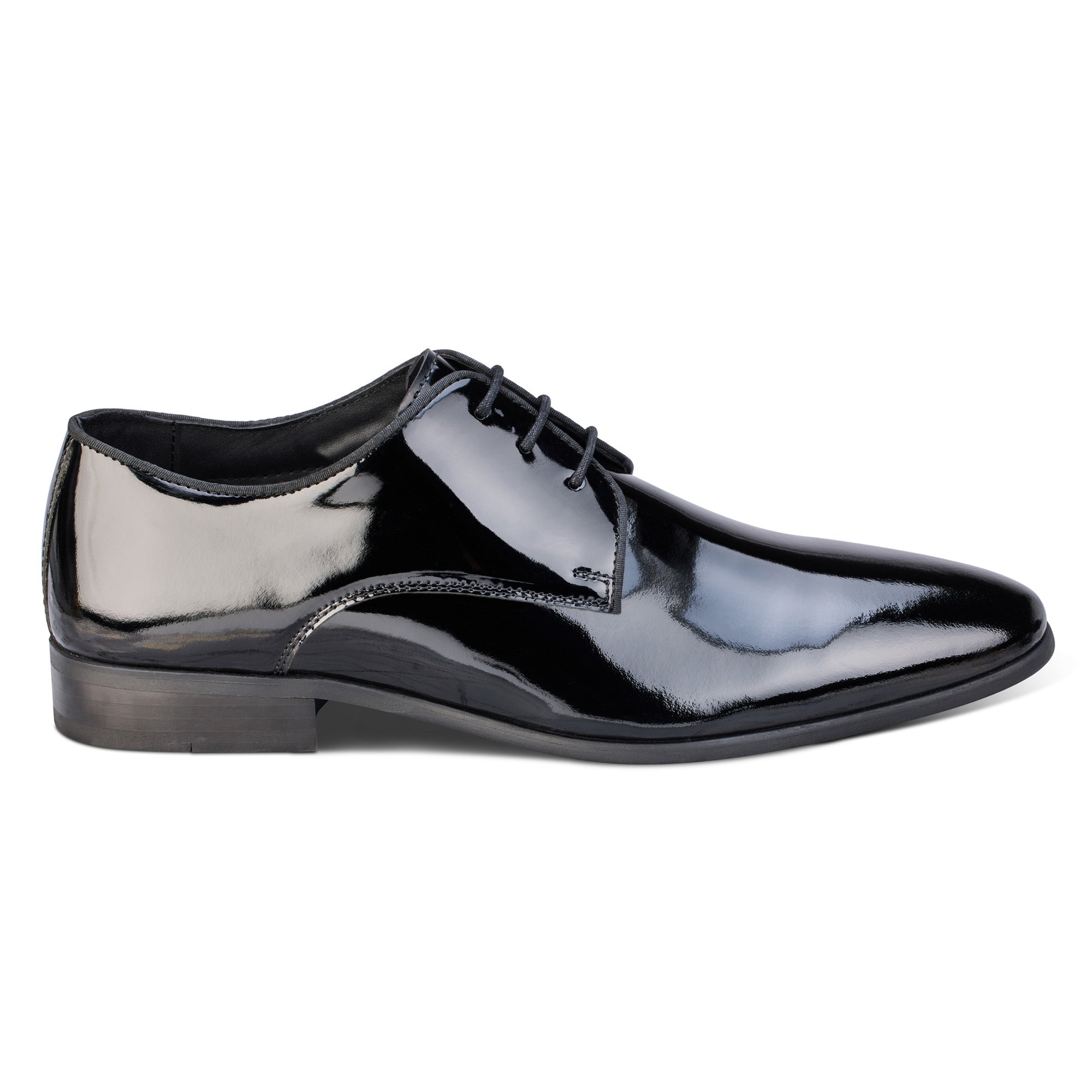
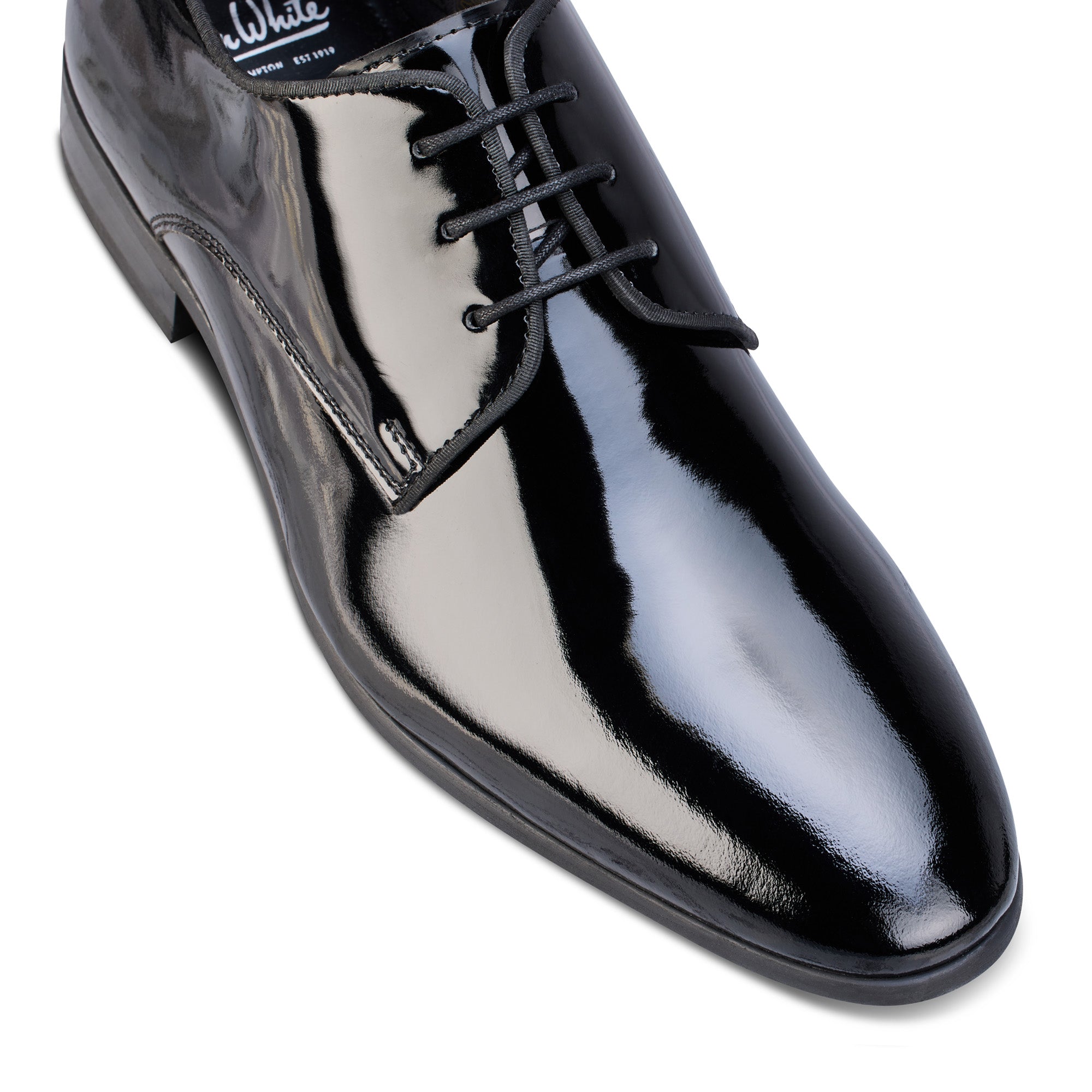
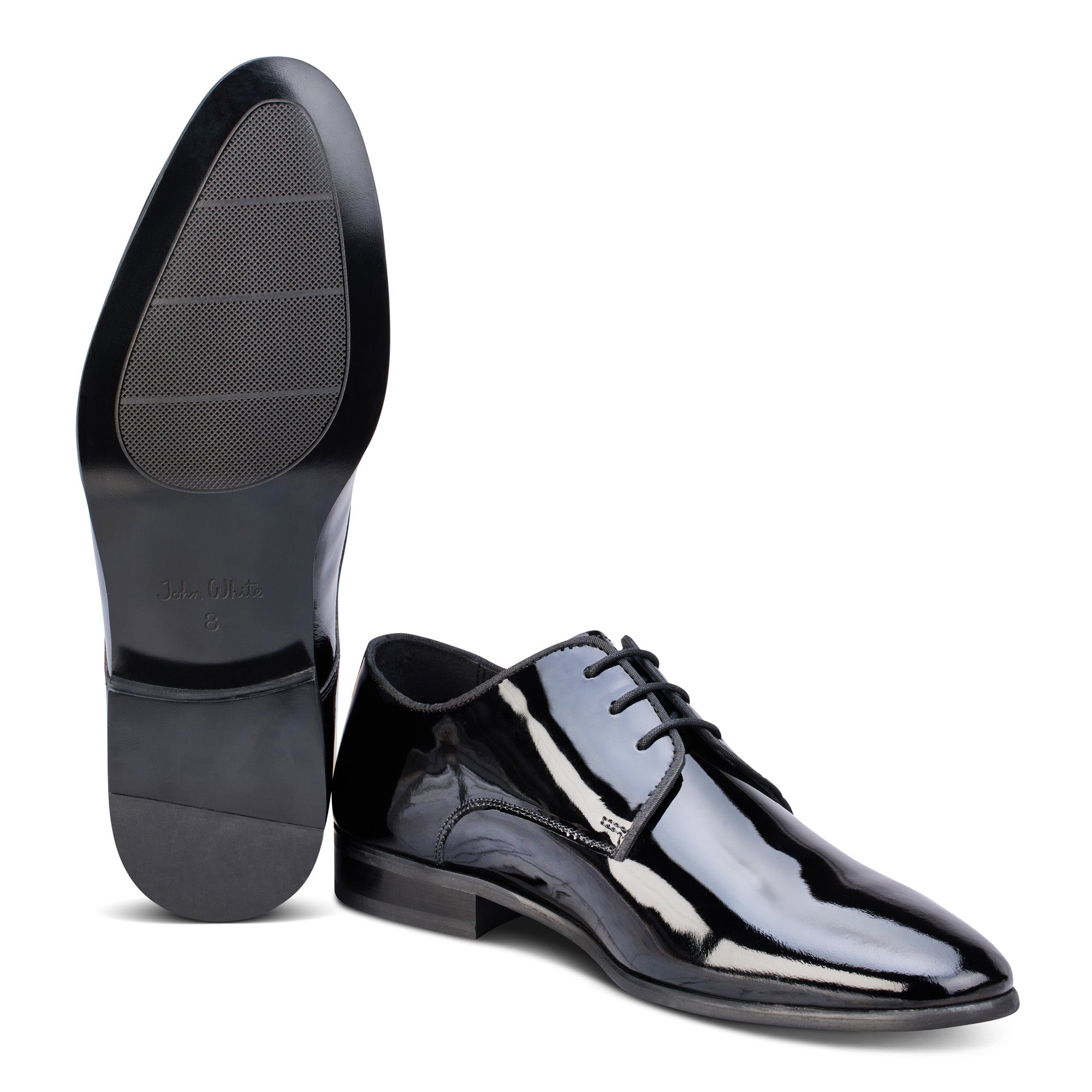
The Guildhall Capped Oxfords illustrate this well: the clean almond profile carries formal authority without stiffness, reading comfortably across lounge suits and business dress alike. For a shape that transitions more easily between registers, the Stokes Brogue Derby offers a rounded toe that moves from grey flannel to dark denim without effort.
How Should You Match Last Shape to Your Foot?
Matching last shape to your foot means considering three dimensions at once: toe box clearance, forefoot width at the ball, and instep volume. Most men address only length — and wonder why shoes still feel wrong after months of wear.
- Check toe box clearance standing up. There should be roughly a thumb's width of space between your longest toe and the end of the box when you're on your feet. Sitting clearance means nothing; it's the standing measurement that counts, when the foot expands under load.
- Walk for at least three minutes on a hard floor. Consistent pressure across the ball of the foot means you need a wider last or a different toe shape — not a larger size.
- Test instep volume. High-instep feet need more volume through the vamp. If the shoe presses down on your instep after moderate wear, the last's volume is too low — regardless of how the length fits.
- Consider your toe profile. If your second toe is longer than your big toe (Morton's foot), a very tapered last will compress the second digit regardless of overall length. You need a last with more clearance across the toe box.
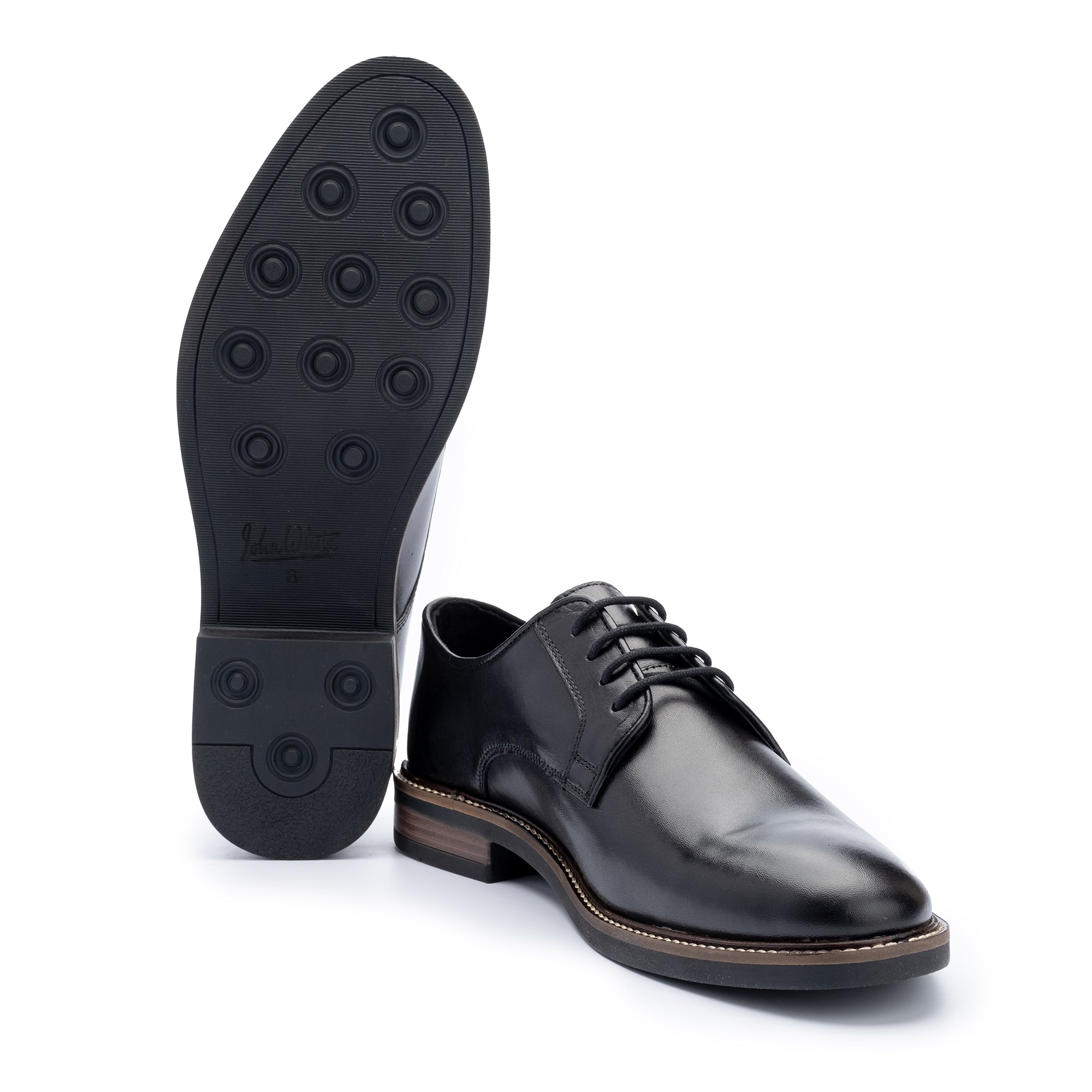
According to the Society of Master Shoe Repairers, premature sole wear concentrated at the ball of the foot is frequently a sign of last mismatch rather than a construction fault. When a shoe's toe spring — the angle at which the toe curves upward — doesn't align with your natural gait, the sole bears disproportionate load at the forefoot. The solution isn't a resole. It's a different last.
If you're buying online without knowing a brand's last, size up half a size rather than down. You can add an insole to correct excess length; you can't undo a toe box that's too narrow. Once you've found your shape, see our guide to breaking in new leather shoes for what proper break-in should and shouldn't feel like.
A correctly lasted shoe feels right immediately: any break-in discomfort should come from stiff new leather moulding to an already-correct form — never from a shape that doesn't match the foot.
How Do Heritage Shoemakers Use the Last as a Design Tool?
Heritage shoemakers treat the last as a proprietary design asset — a form that defines the character of their range as distinctly as the leather they select. Church's built the Consul and Shannon lasts across decades of refinement. Crockett & Jones' silhouettes are inseparable from the proportions of their house lasts. Barker's welted range carries the character of forms developed at its Earls Barton workshop over generations.
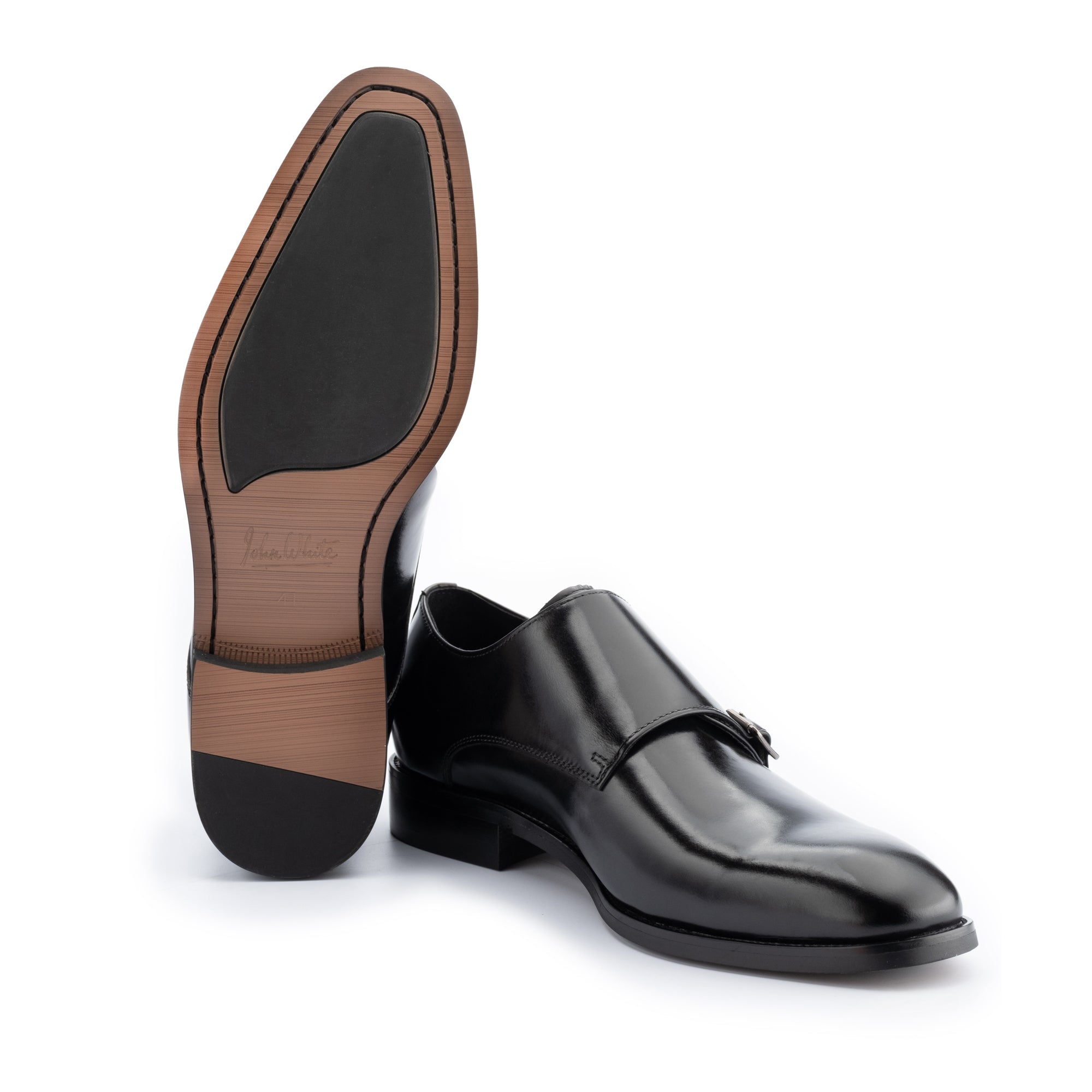
John White Shoes, established in Northamptonshire in 1919, applies the same principle at the design and curation level. When a silhouette is selected for the range, the last is central to the brief — determining whether a shoe reads as a clean formal Oxford, a relaxed Derby, or something that moves between those registers. The result is a range where each style has a considered, purposeful profile rather than an interchangeable one.
Browse the full John White Shoes range — each style is selected for a specific silhouette and occasion register.
A heritage brand's last is its design fingerprint: it's what makes two entirely different styles from the same house feel unmistakably related, even when they share no visible detailing.
Related Guides
- The History of British Shoemaking — our comprehensive guide
- The Cobbler's Legacy: How British Shoe Lasts Are Still Made by Hand
- How to Choose the Right Shoe Width for a Perfect Fit
- How to Break In New Leather Shoes
TL;DR: A shoe last is the three-dimensional form that determines a shoe's shape, fit, and silhouette. Toe profile — round, almond, chisel, or pointed — affects both comfort and how a shoe reads with different outfits. Matching the last's geometry to your foot's actual dimensions is the most important fit decision you'll make; a wrong last shape won't be corrected by breaking the leather in.
Frequently Asked Questions
What is a shoe last?
A shoe last is a solid, foot-shaped form — traditionally beech wood, now more commonly high-density plastic — around which a shoe's upper is built. It determines the shoe's internal dimensions, toe shape, heel pitch, and overall silhouette. Every fit characteristic of the finished shoe flows from the last's design.
Does toe shape affect how a shoe fits?
Yes, significantly. A toe box that doesn't match your foot's width and natural toe profile creates compression even if the length is correct. The round toe is the most forgiving for wider feet; the almond toe suits most foot shapes and occasions. A very pointed toe should be reserved for narrow feet and deliberate style choices.
How do I know if a shoe's last shape suits my foot?
Check three things: toe box clearance when standing (not sitting), no forefoot pressure when walking, and the heel sitting firm without slipping. If any of these fail on first proper wear, the last shape is the likely cause — not the construction or the leather. You need a different last, not simply a different size.
Is last shape the same as shoe width?
Related but distinct. The last sets the toe profile and overall three-dimensional geometry; width grading adjusts forefoot room at a given length. A round-toe last can be cut narrow or wide; the same applies to an almond or chisel toe. If shoes are consistently uncomfortable, check both variables — our guide to choosing the right shoe width explains how width grading works.