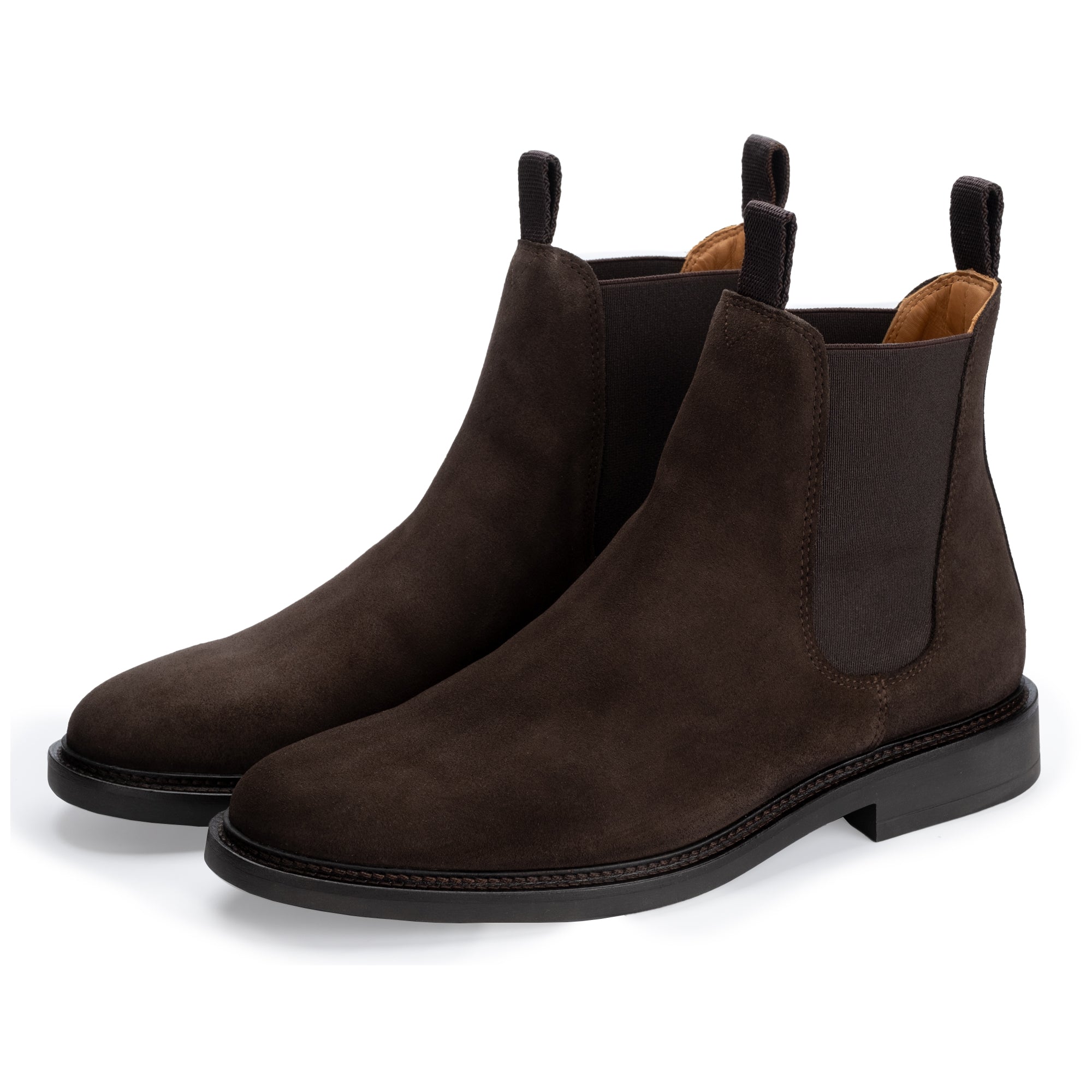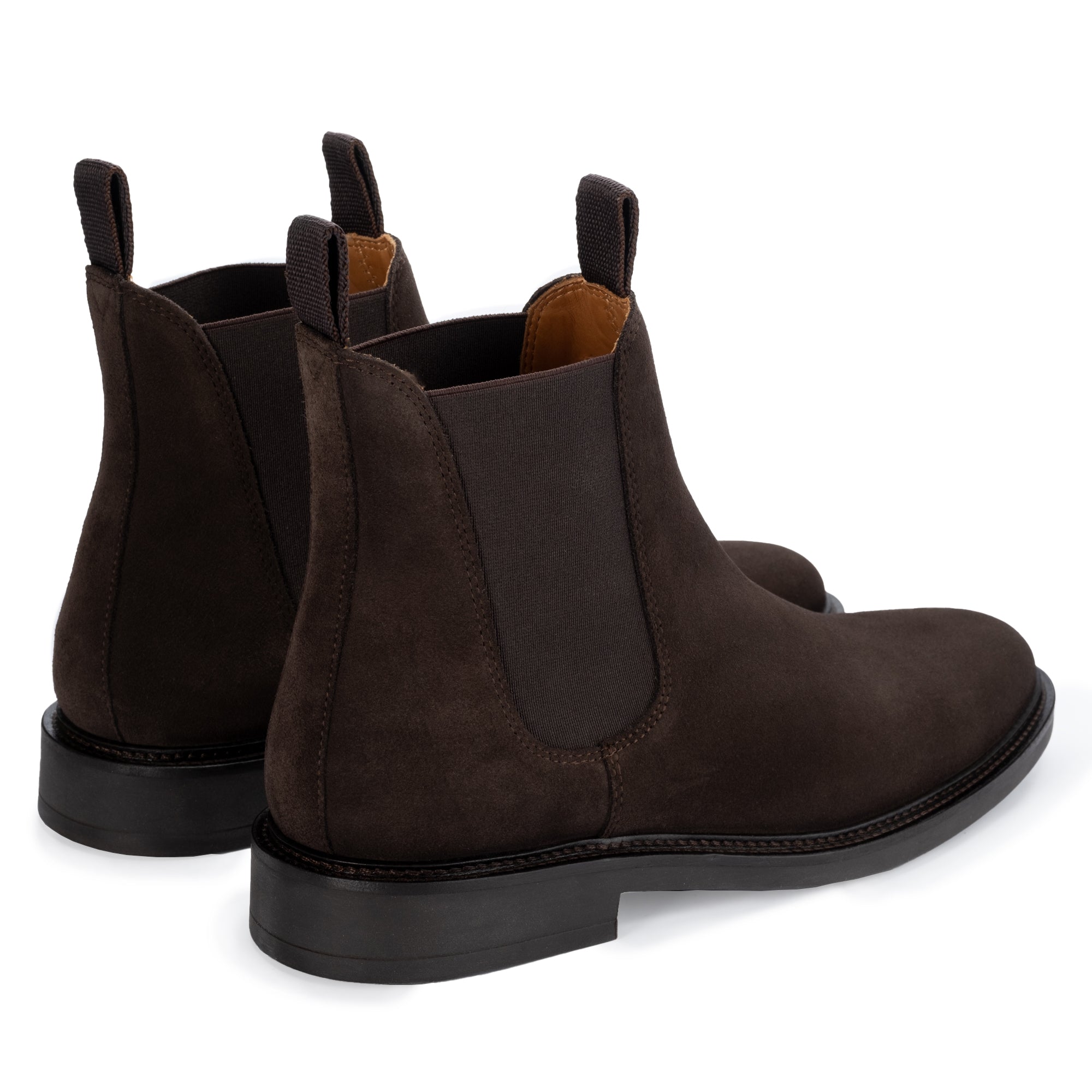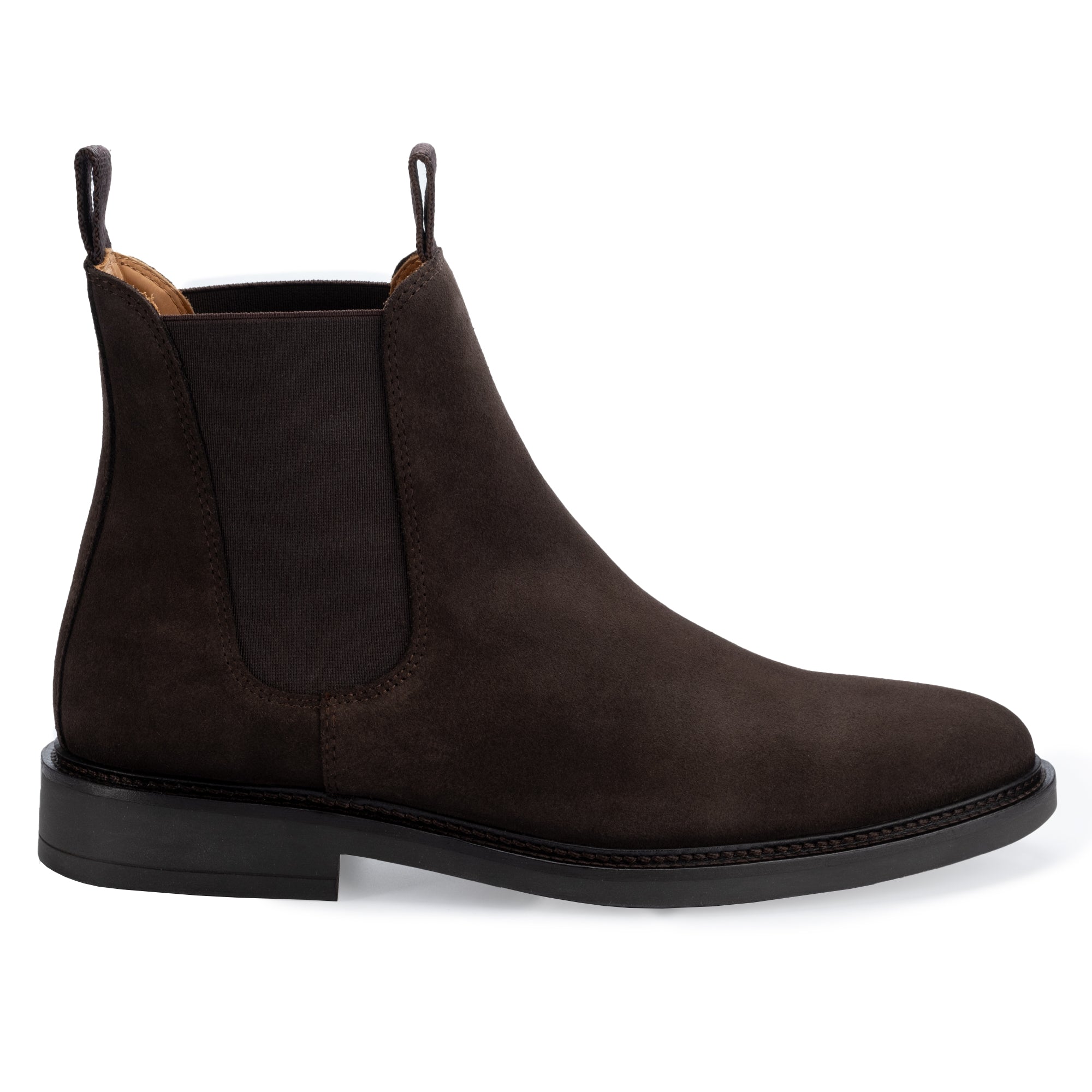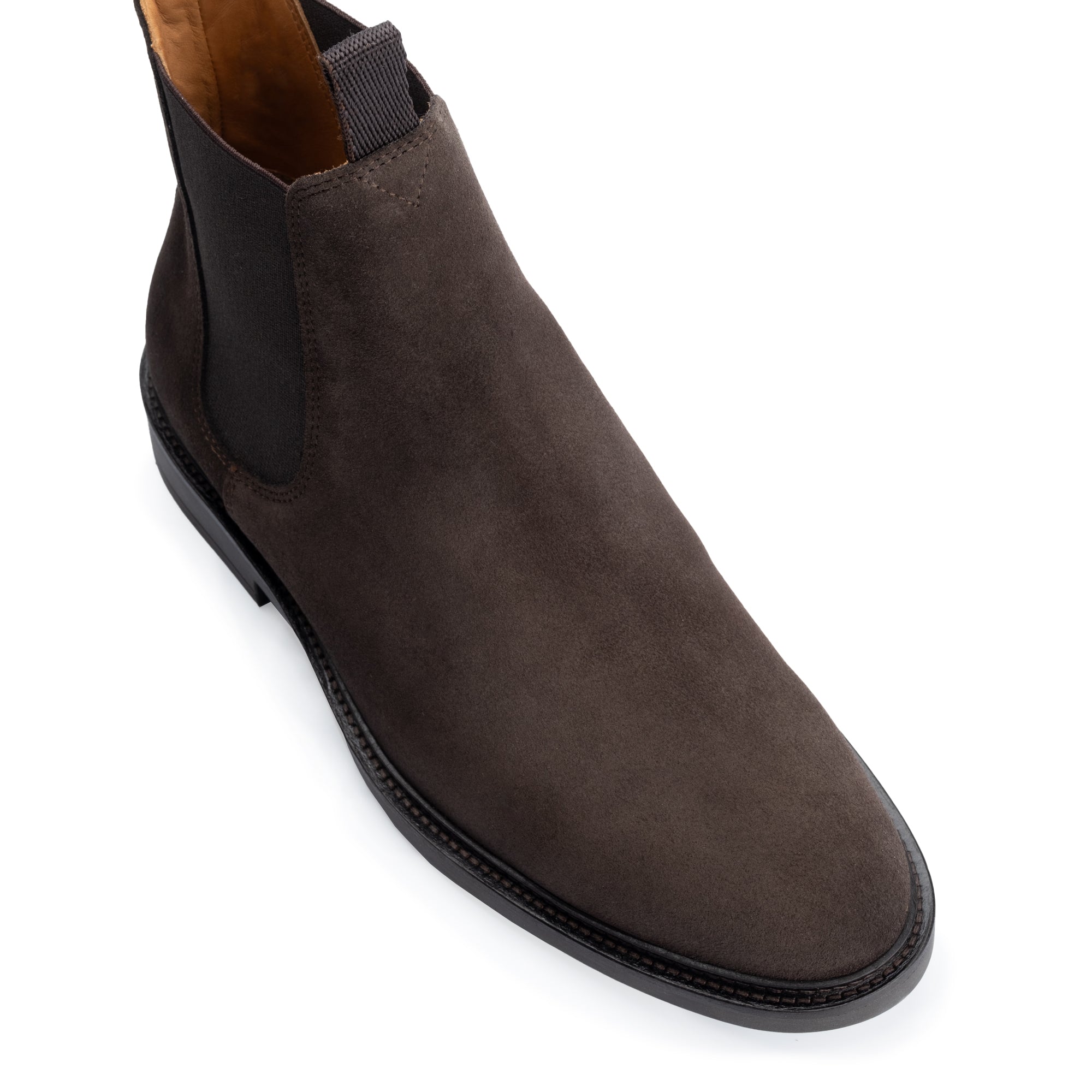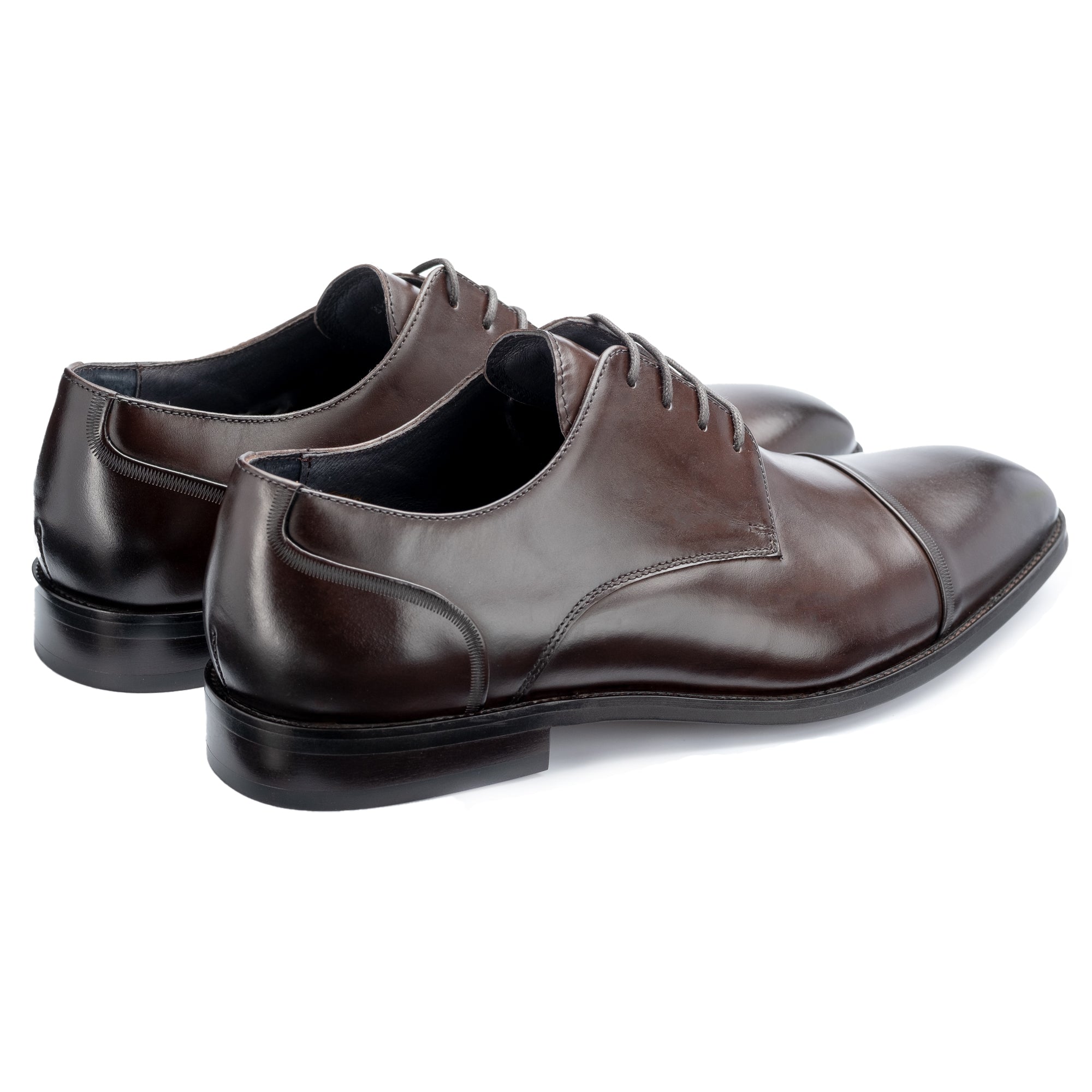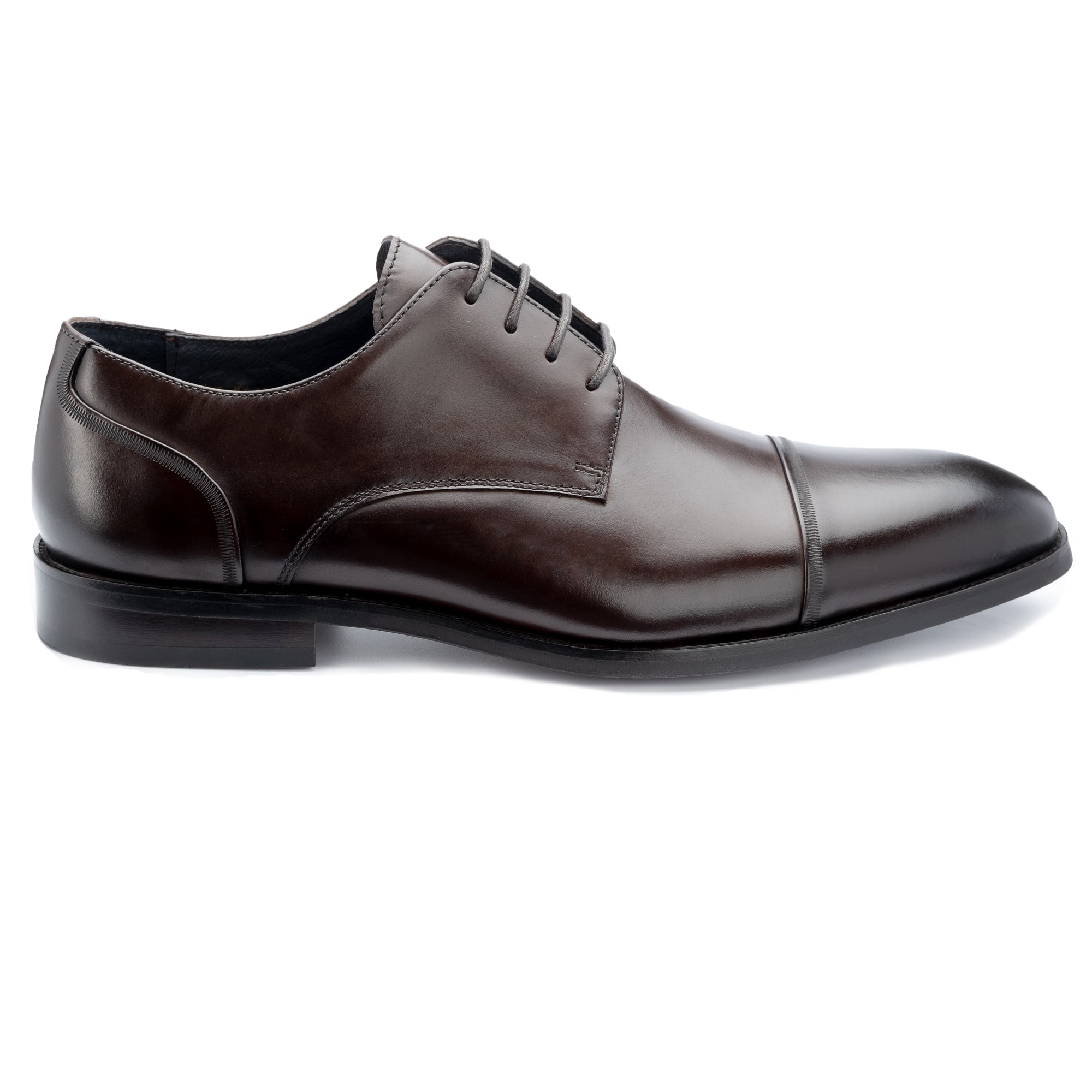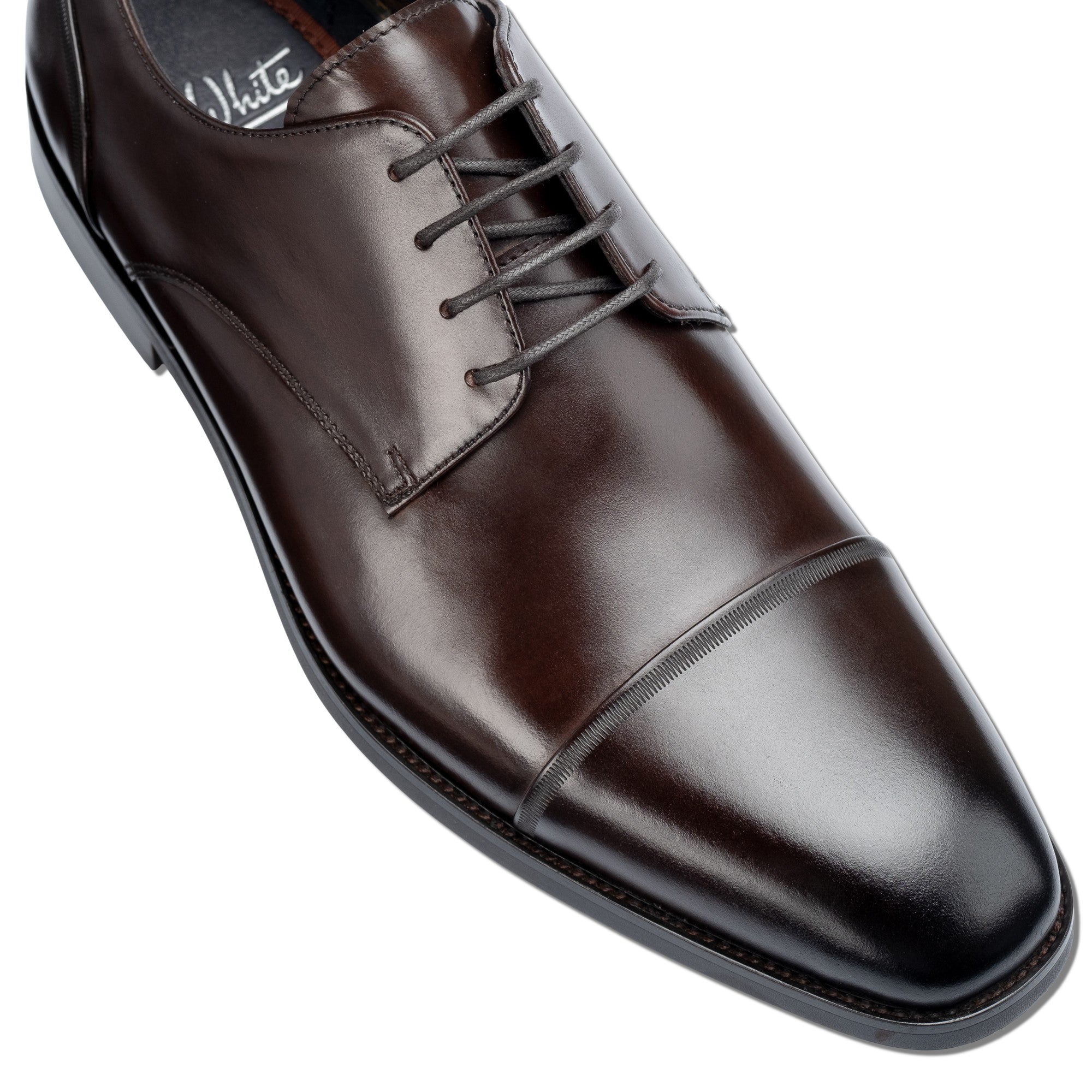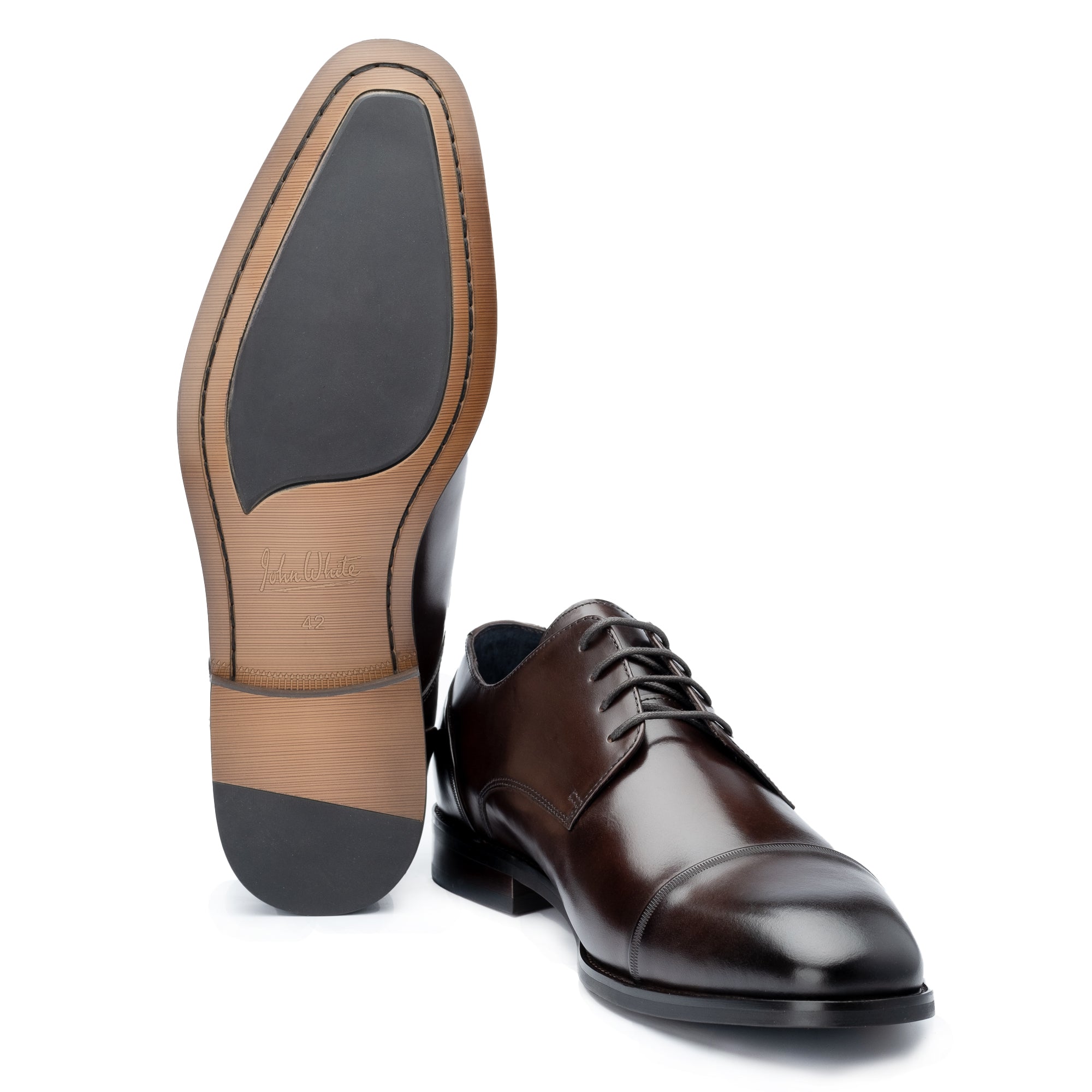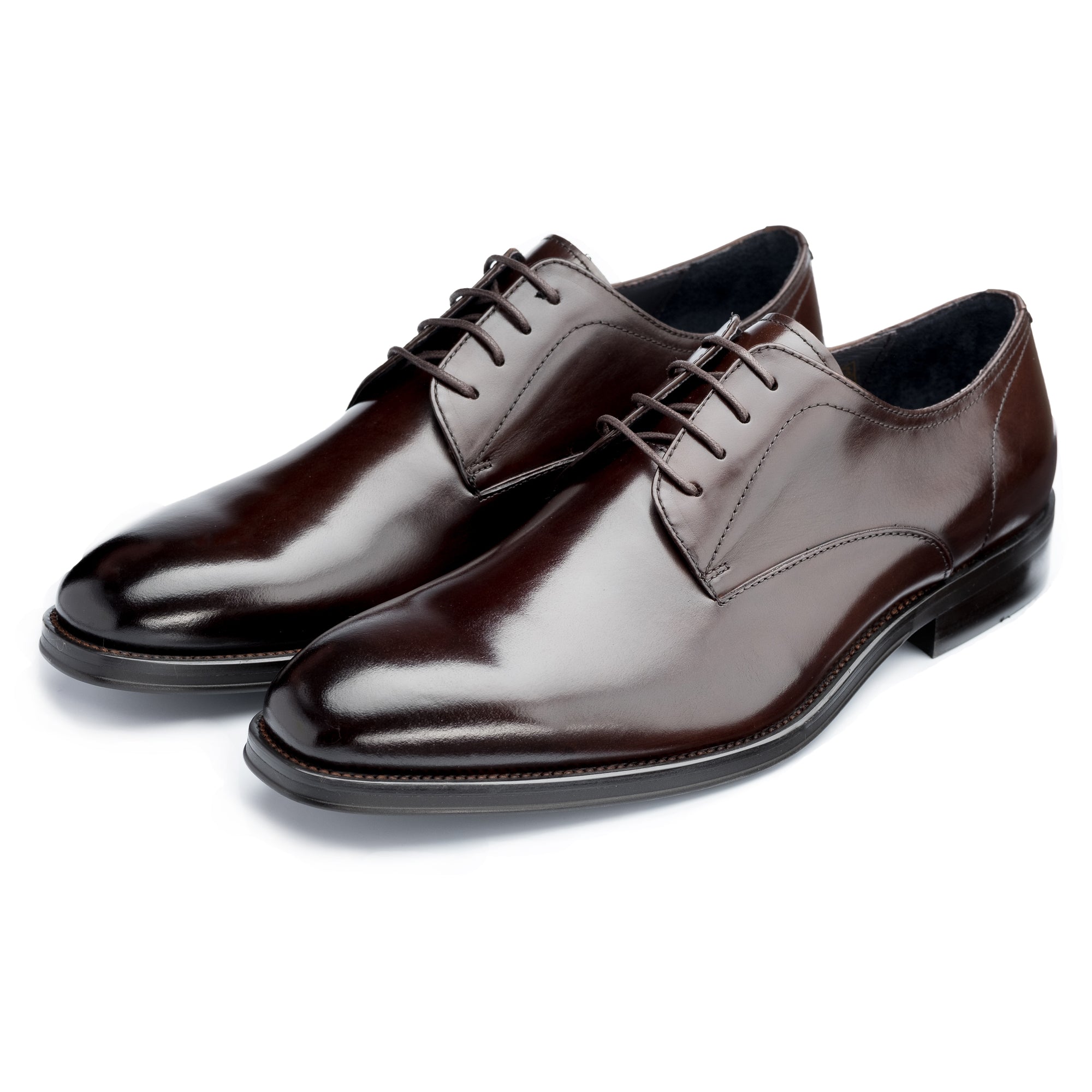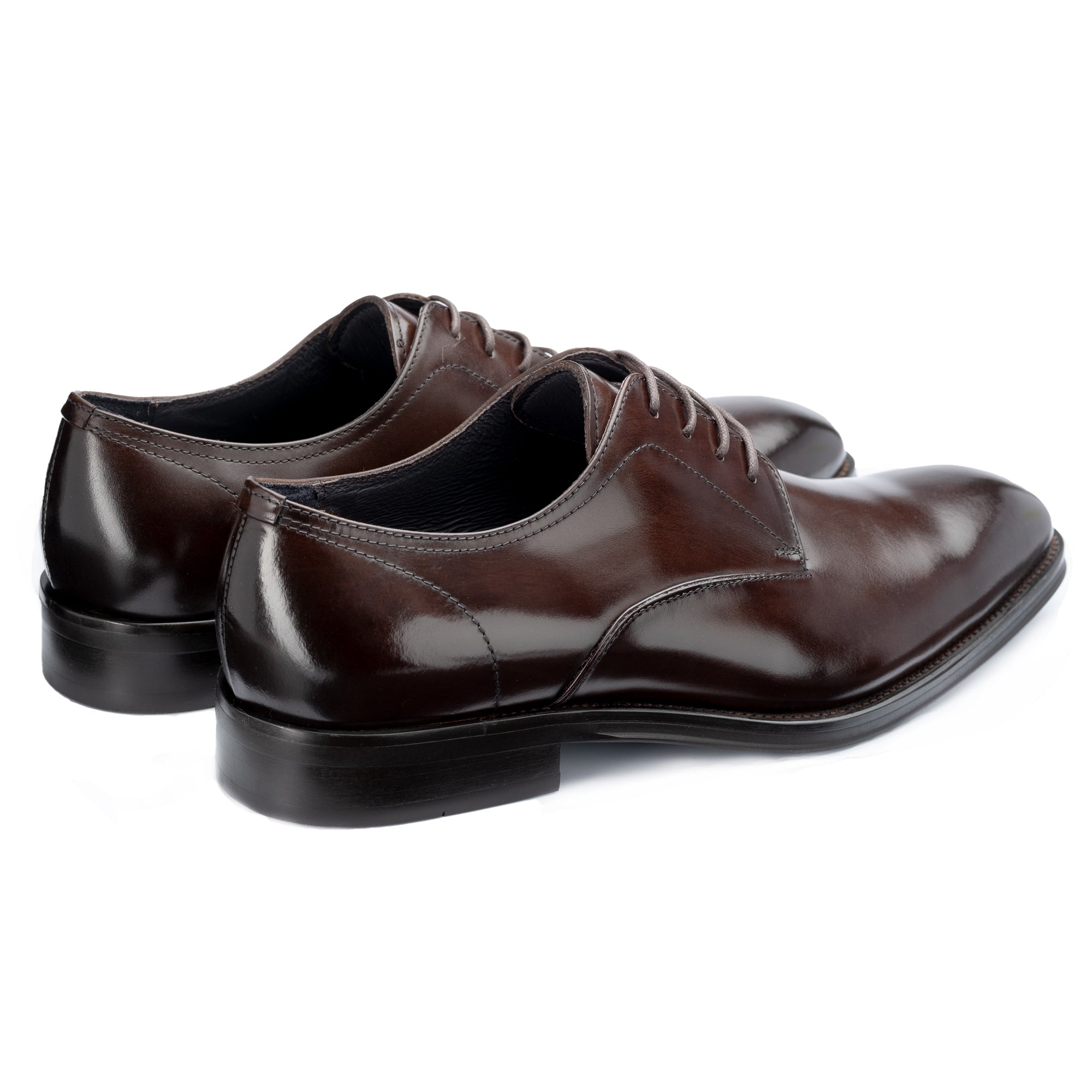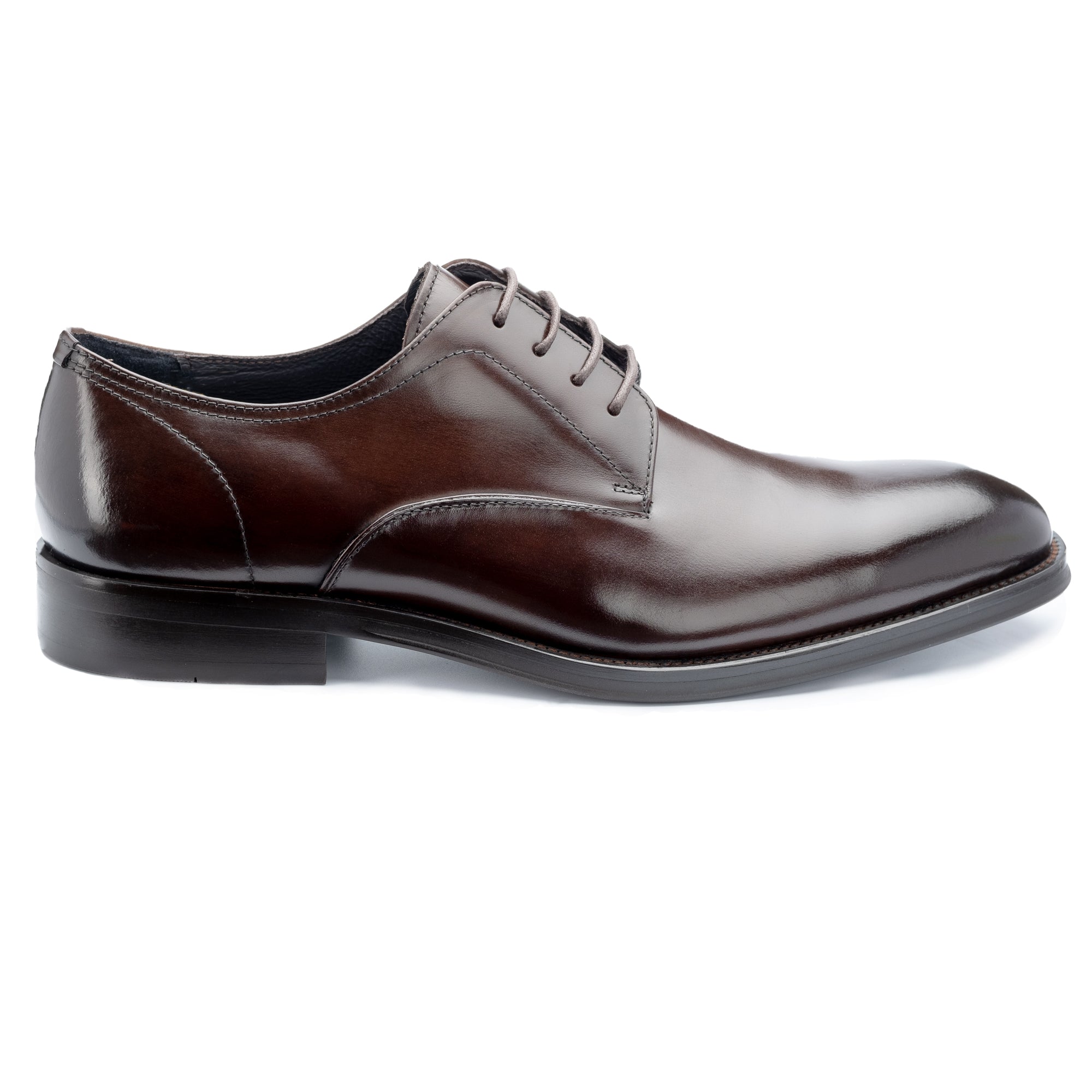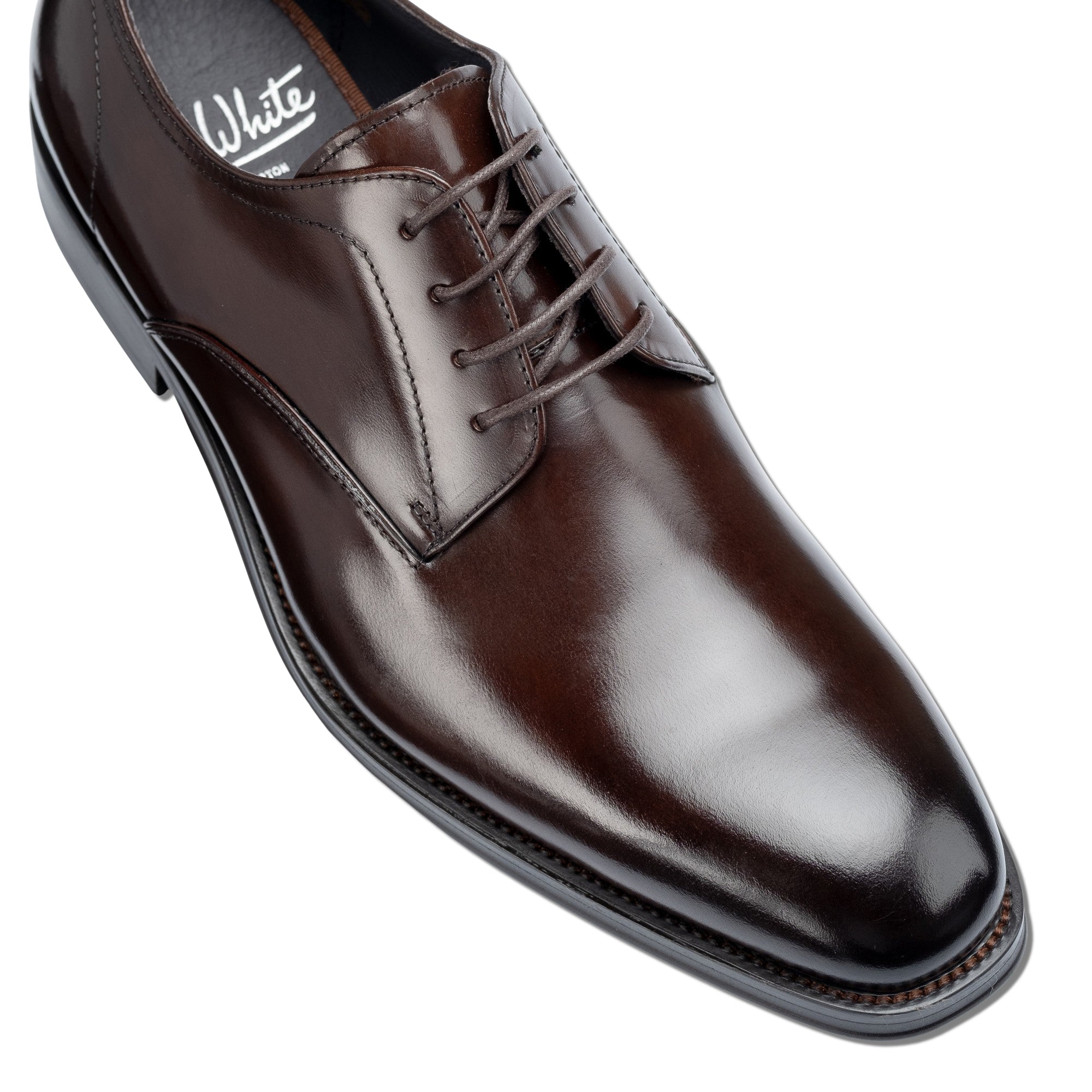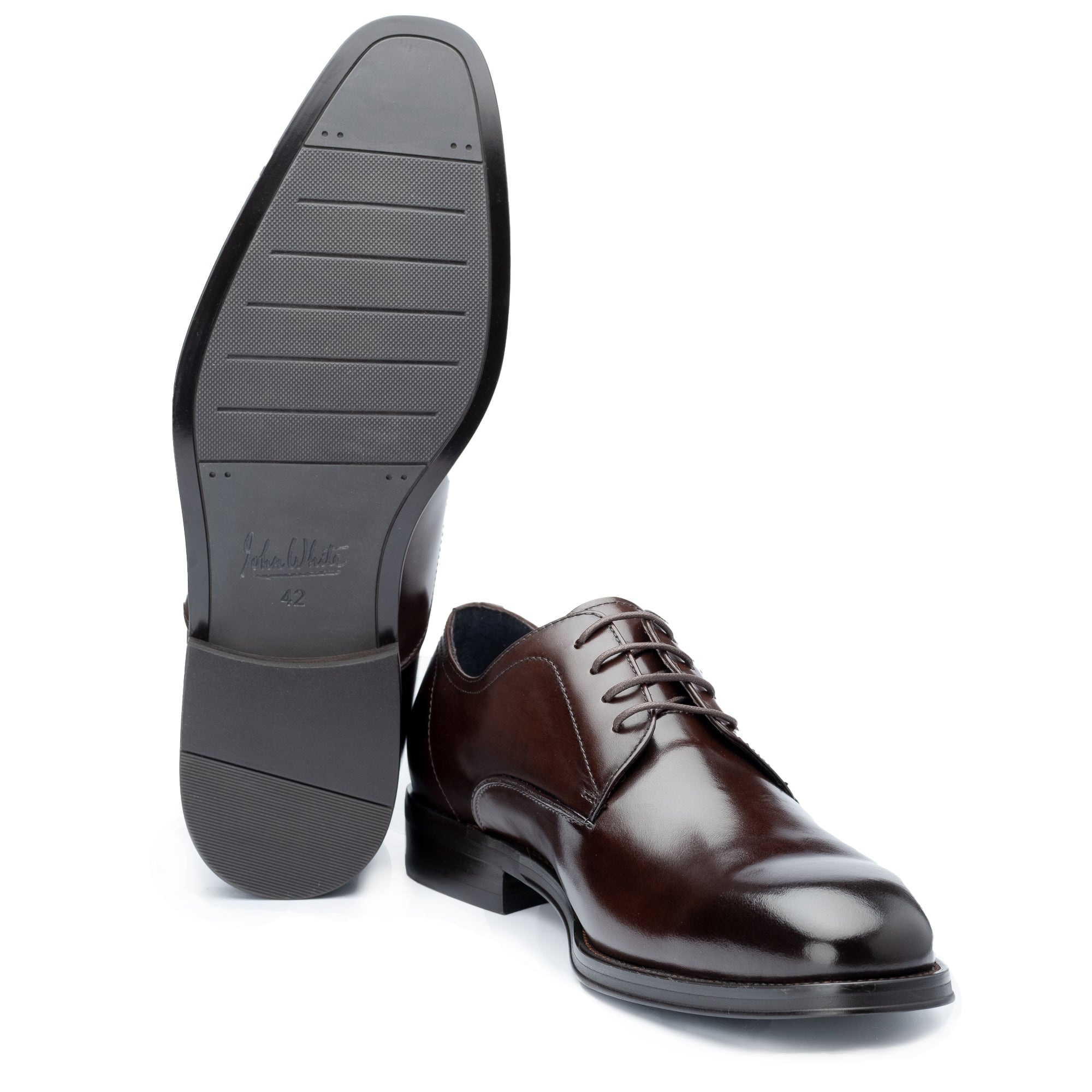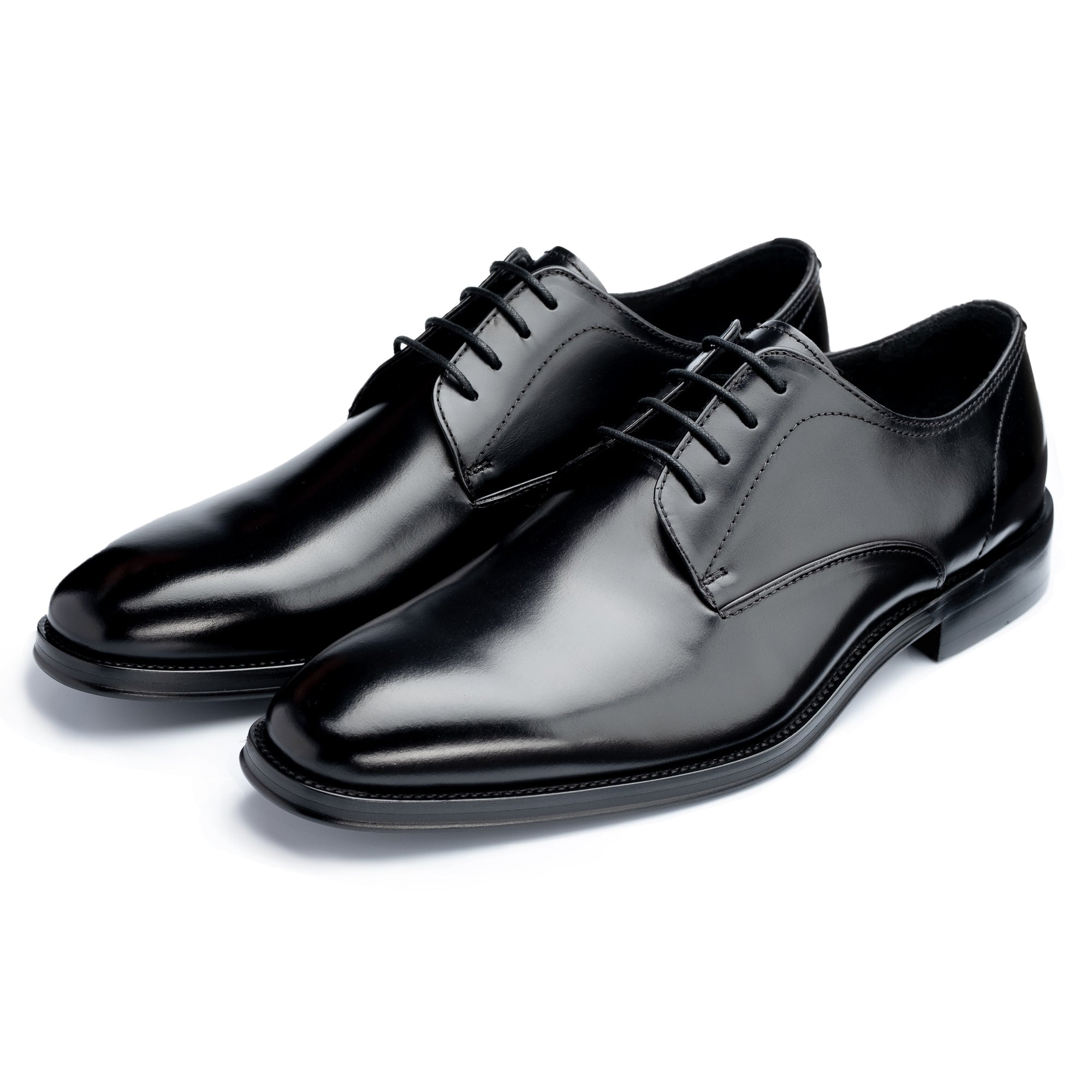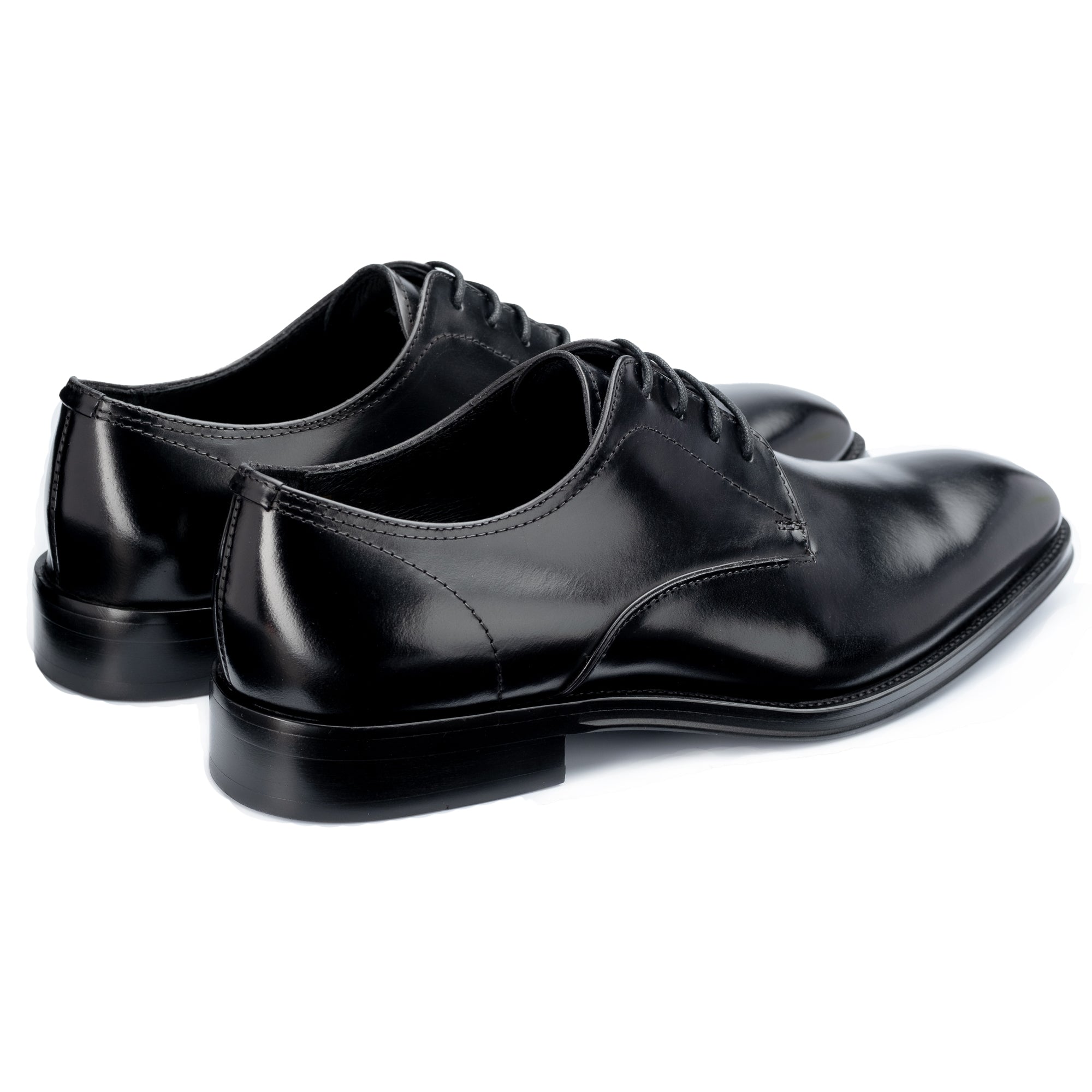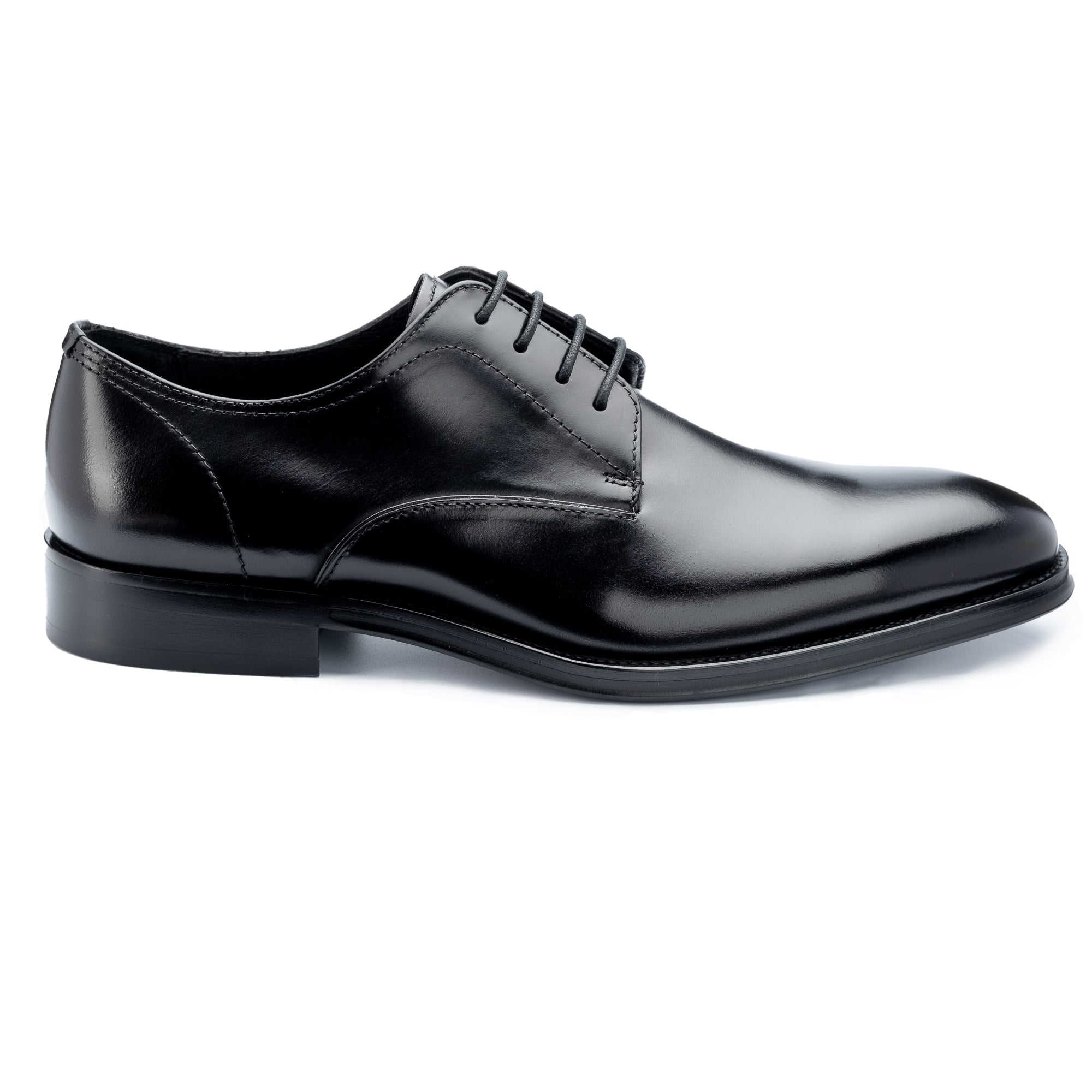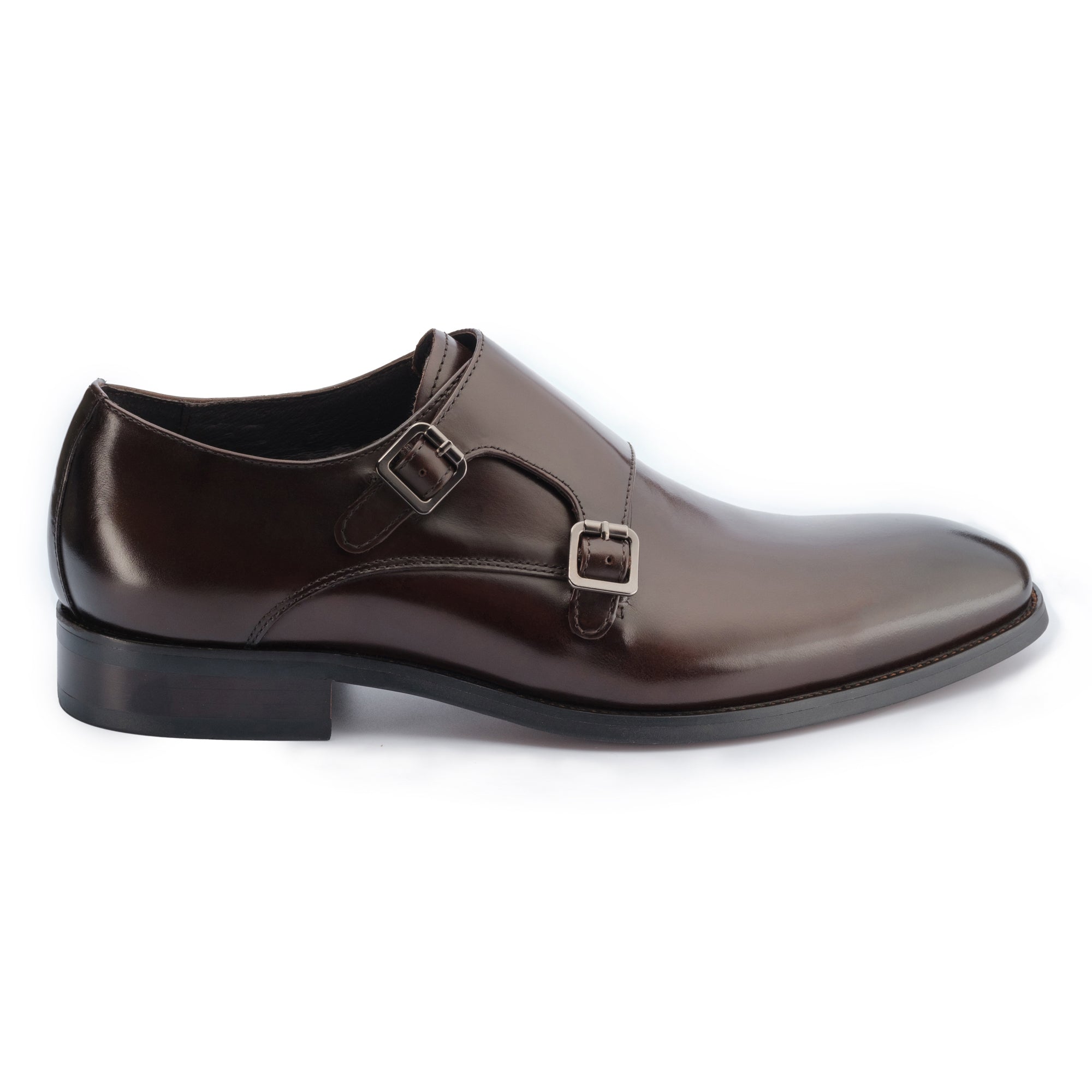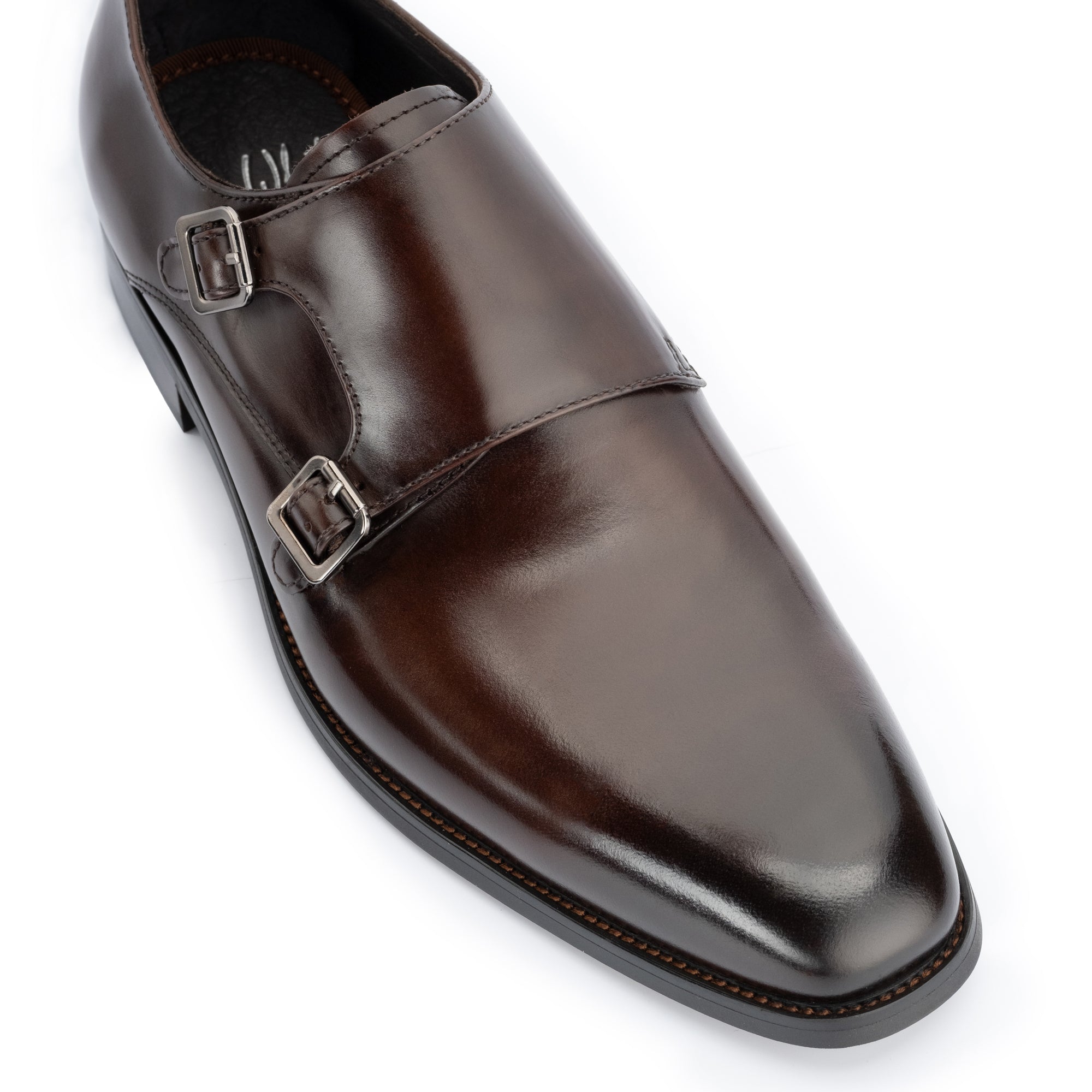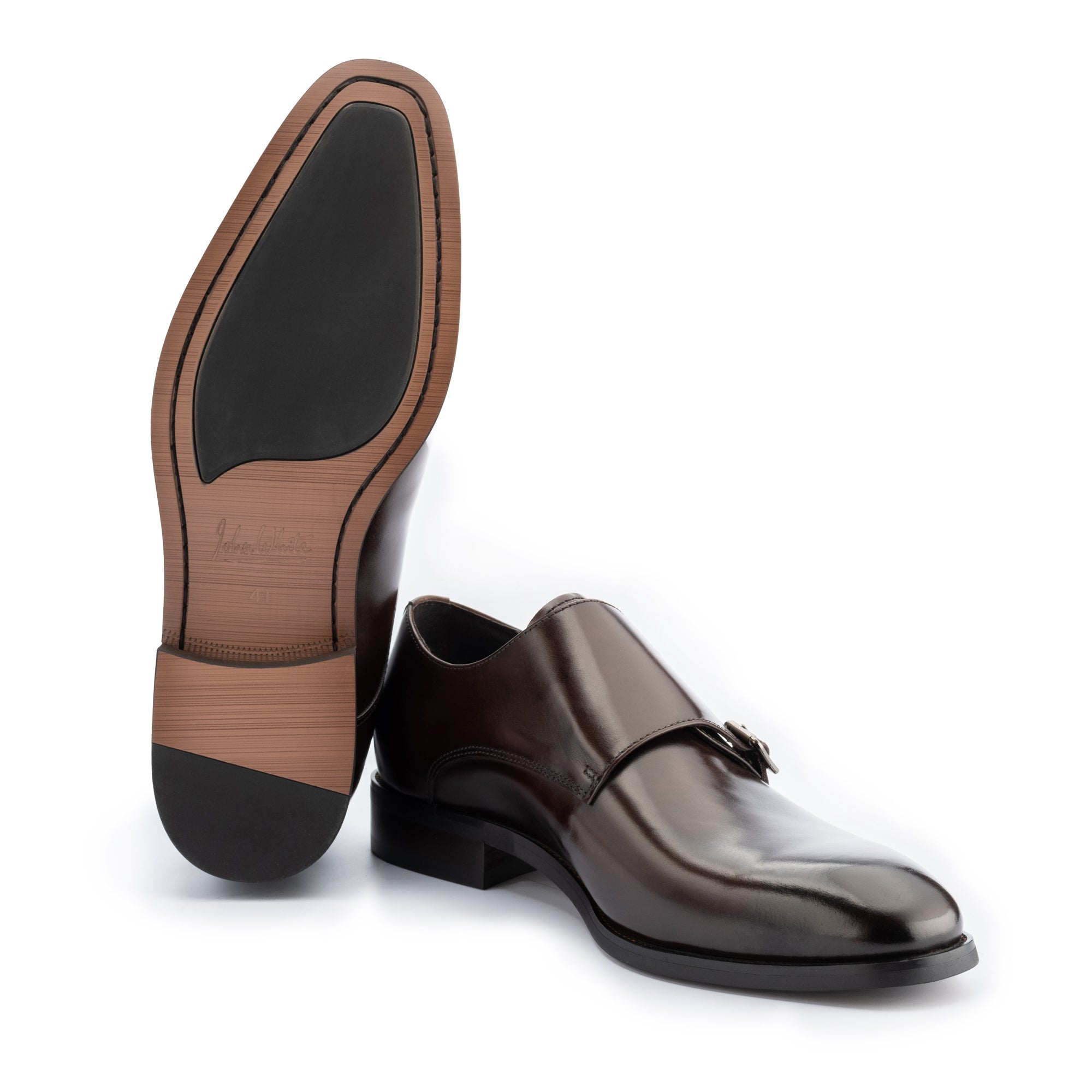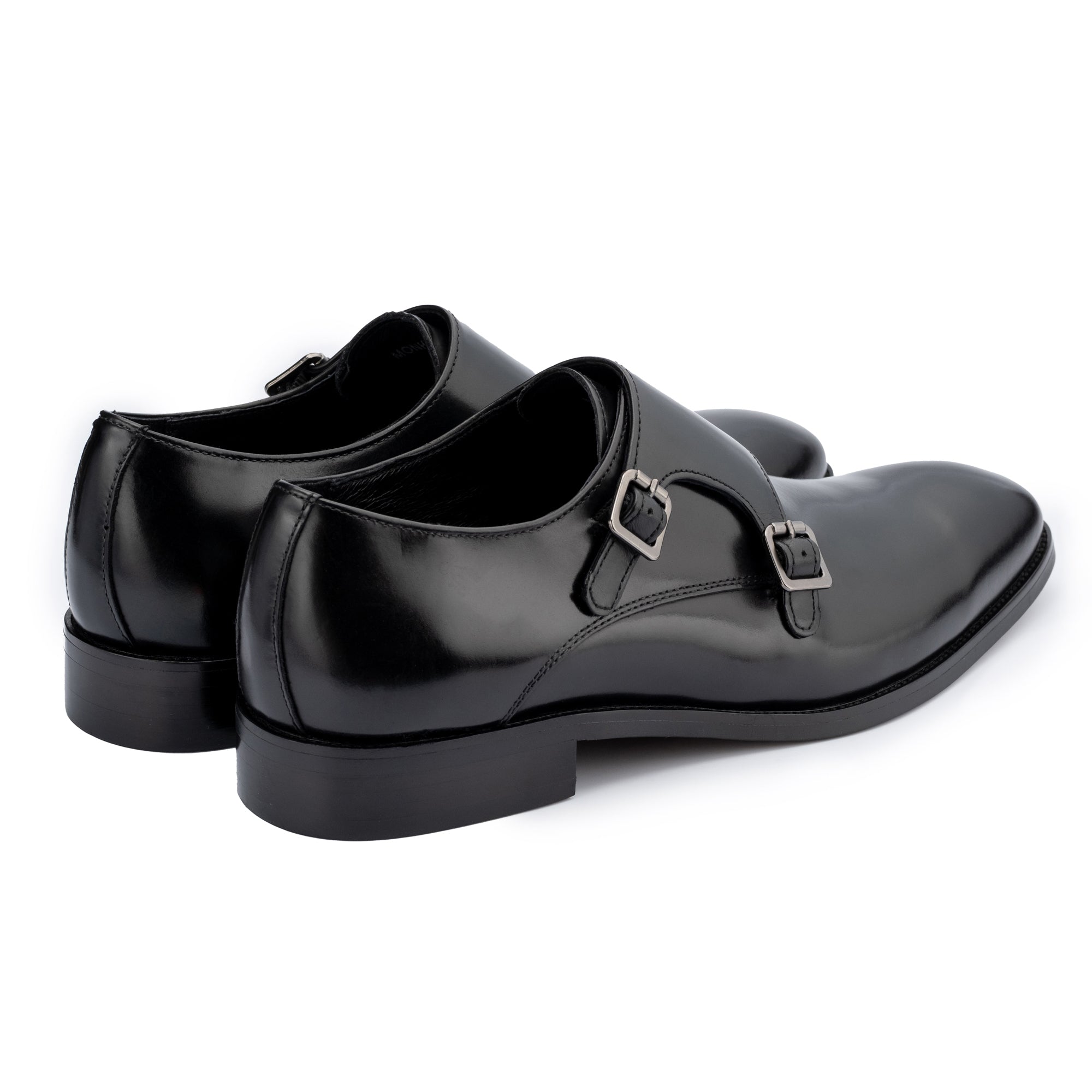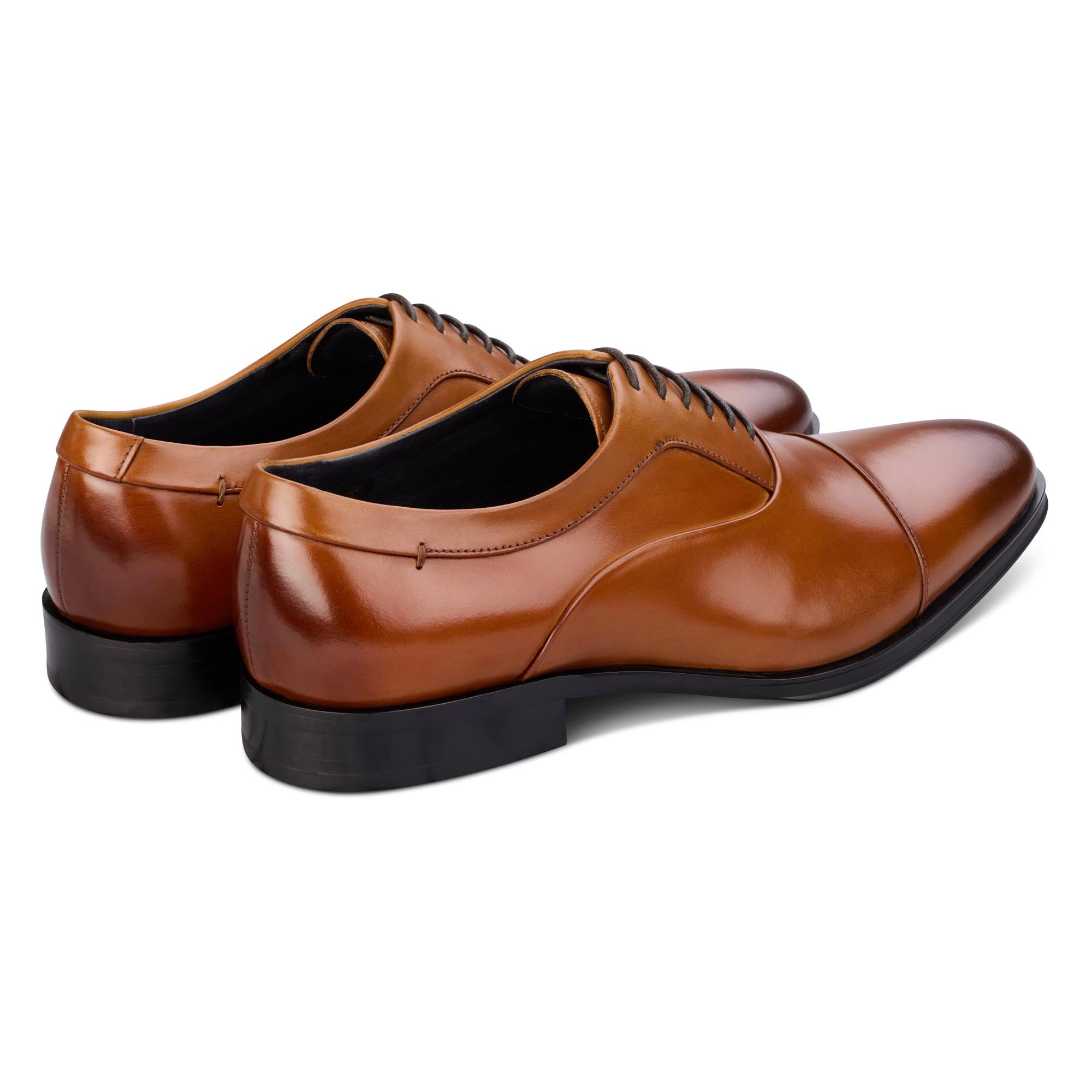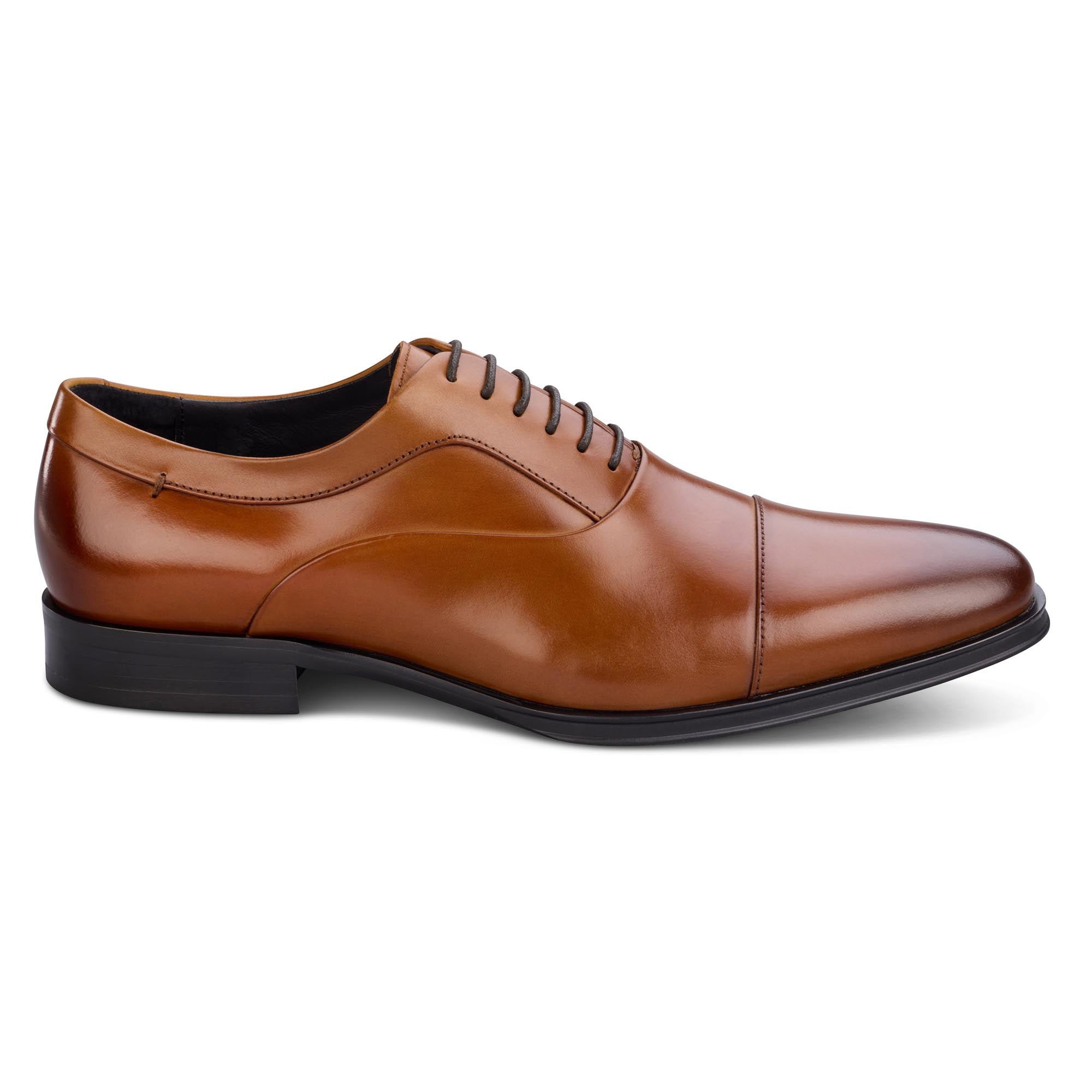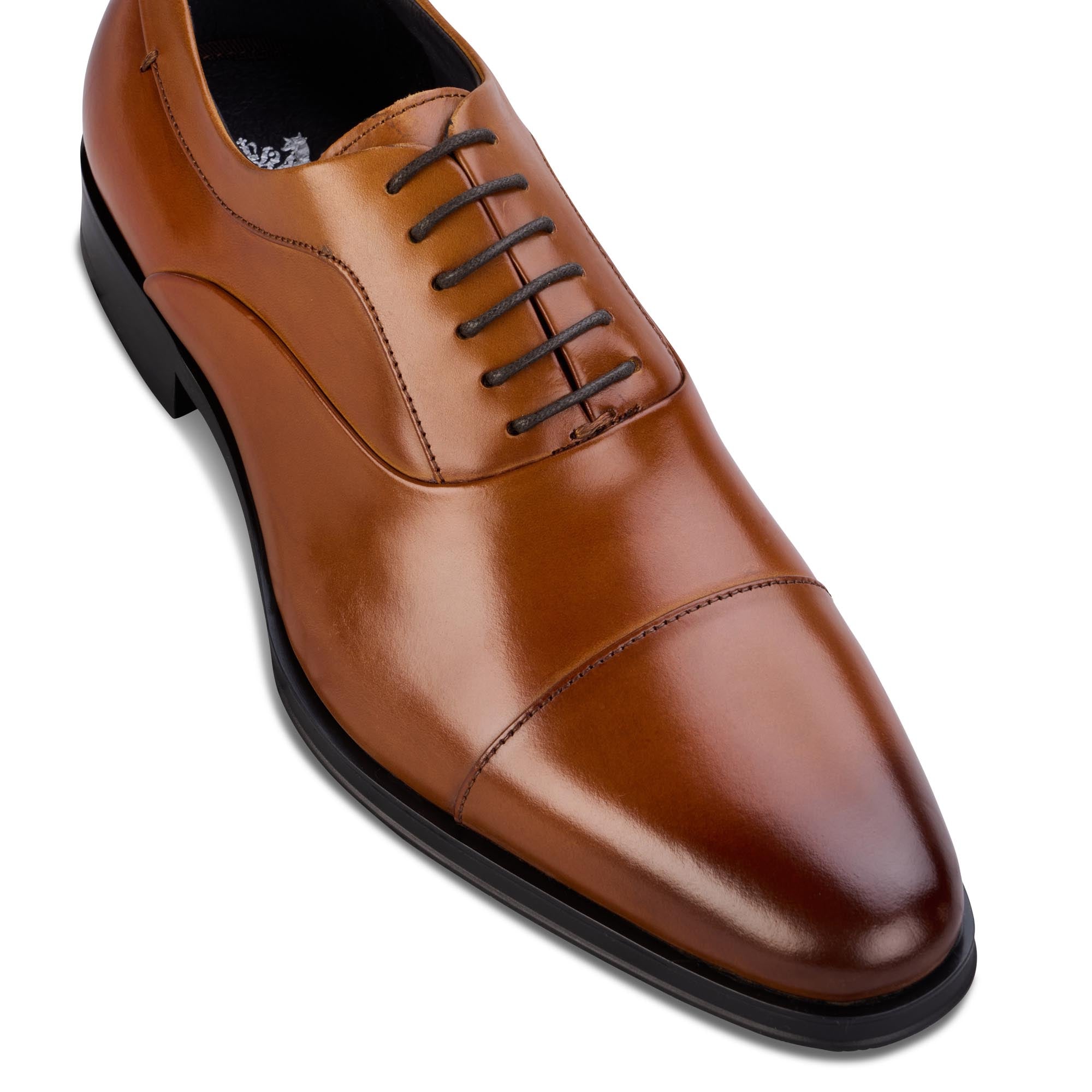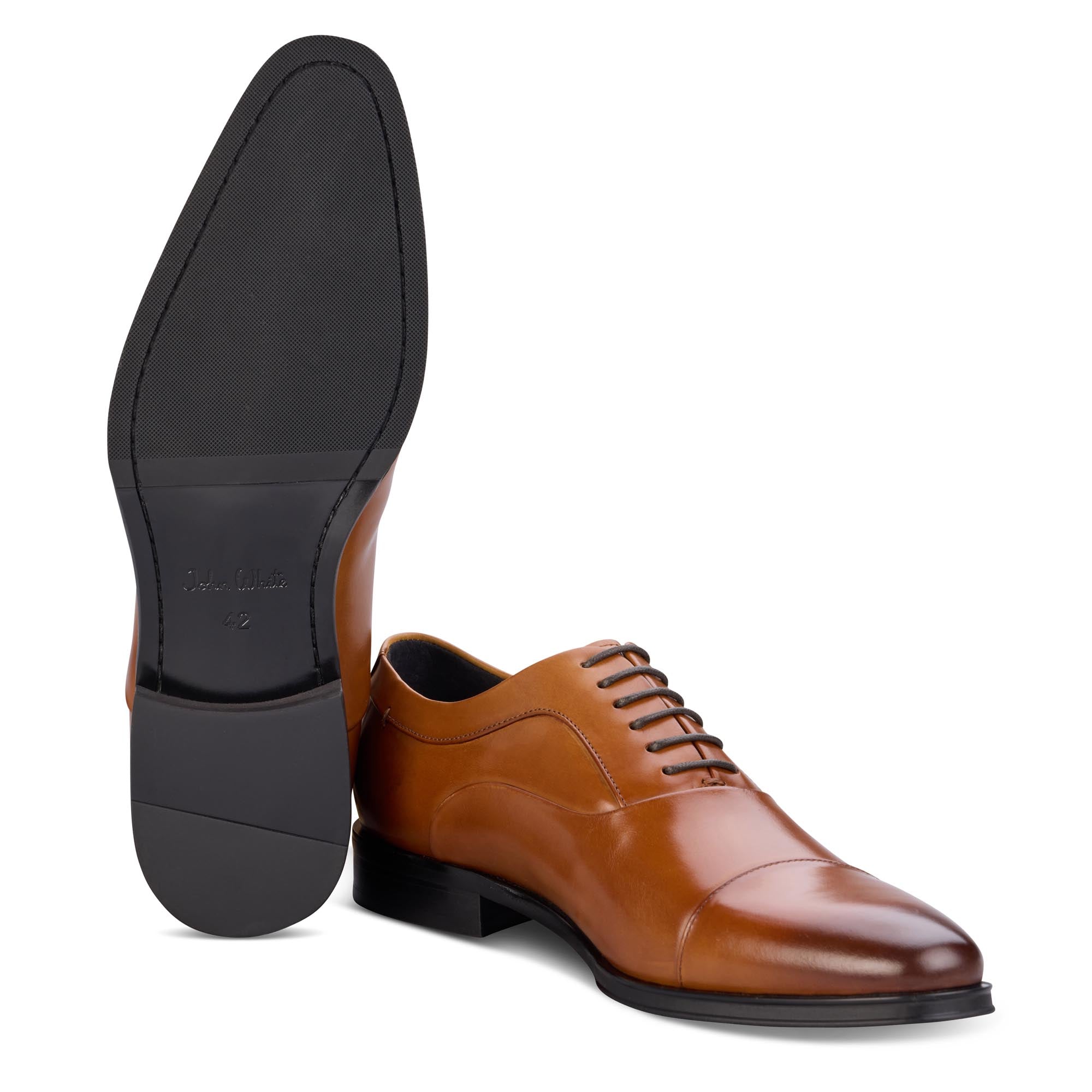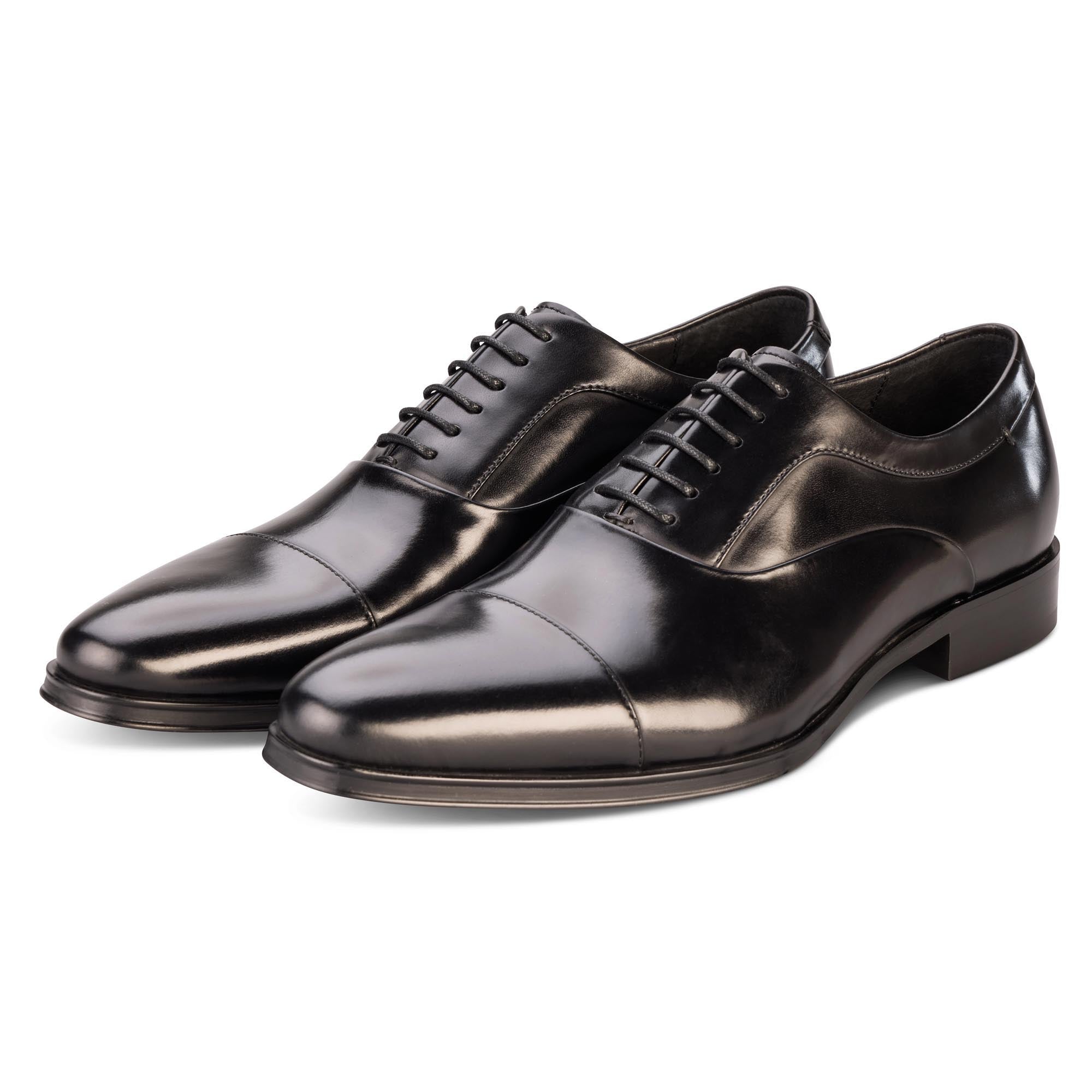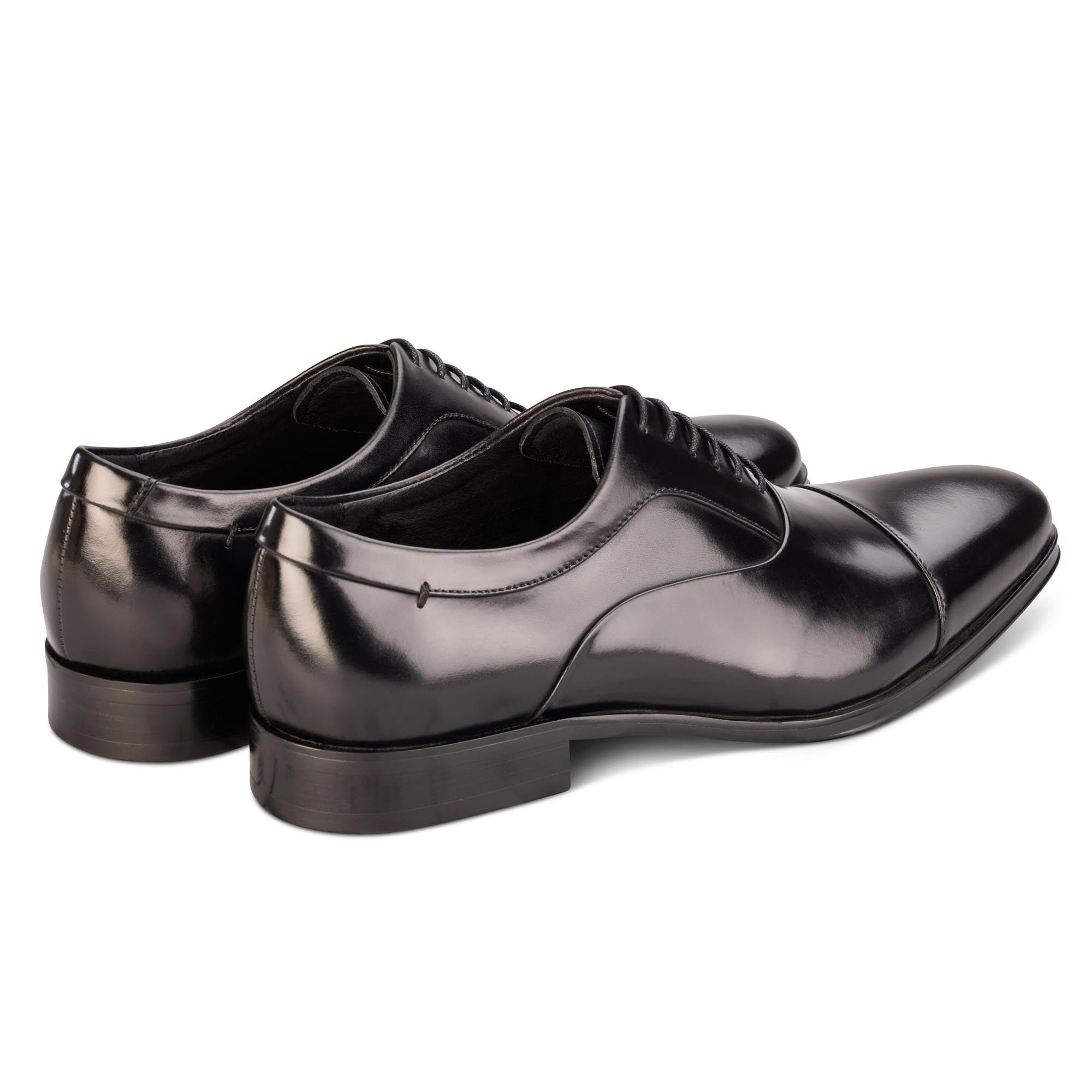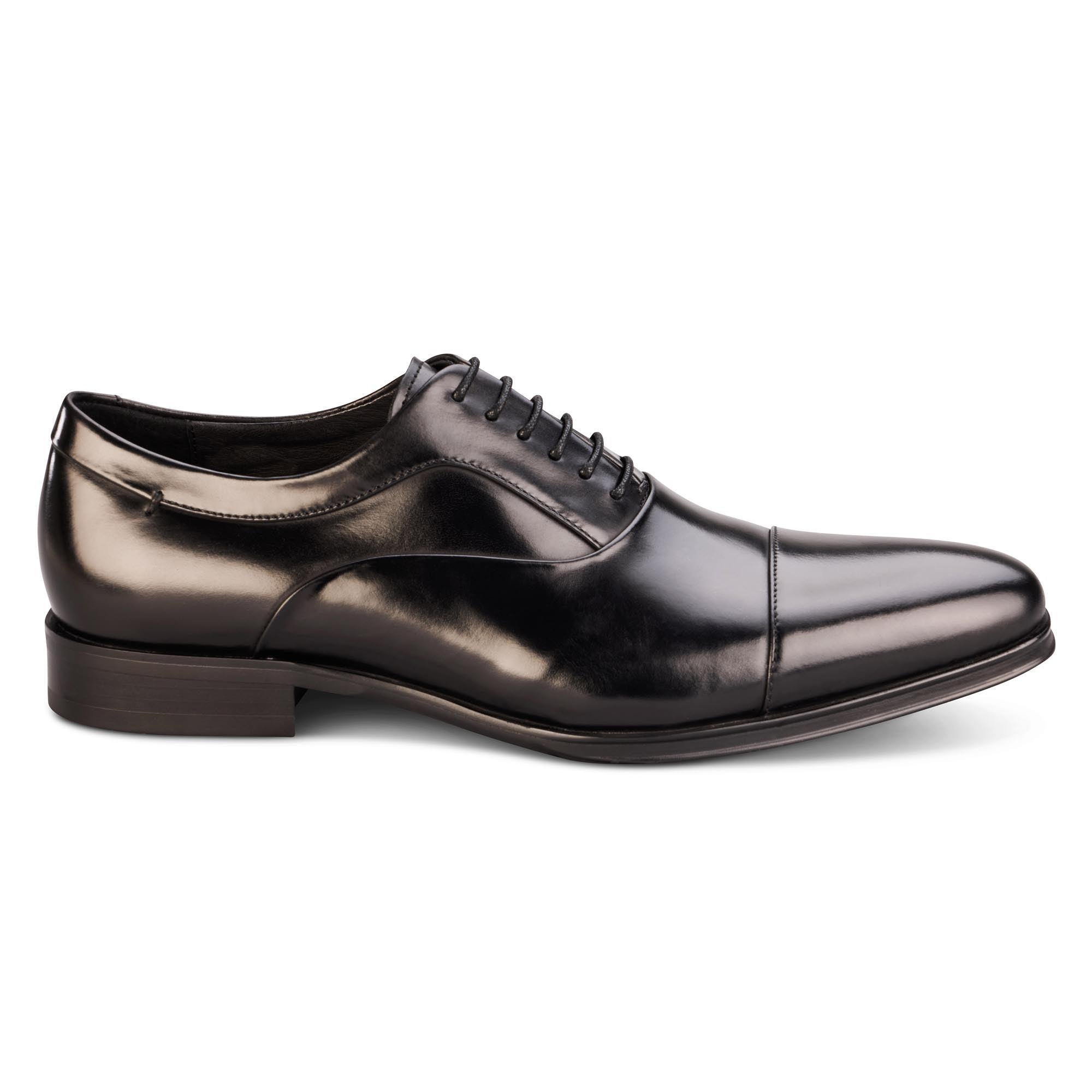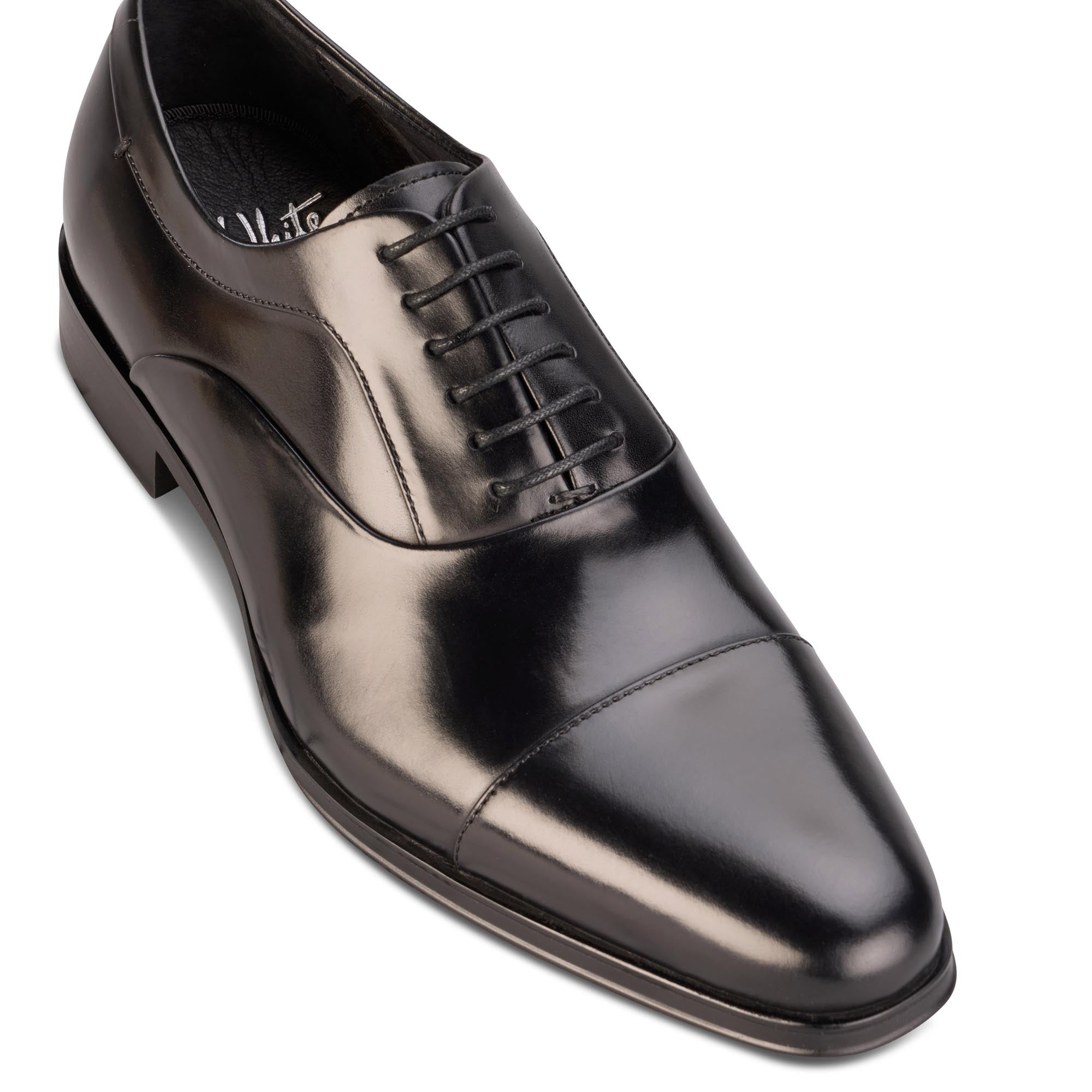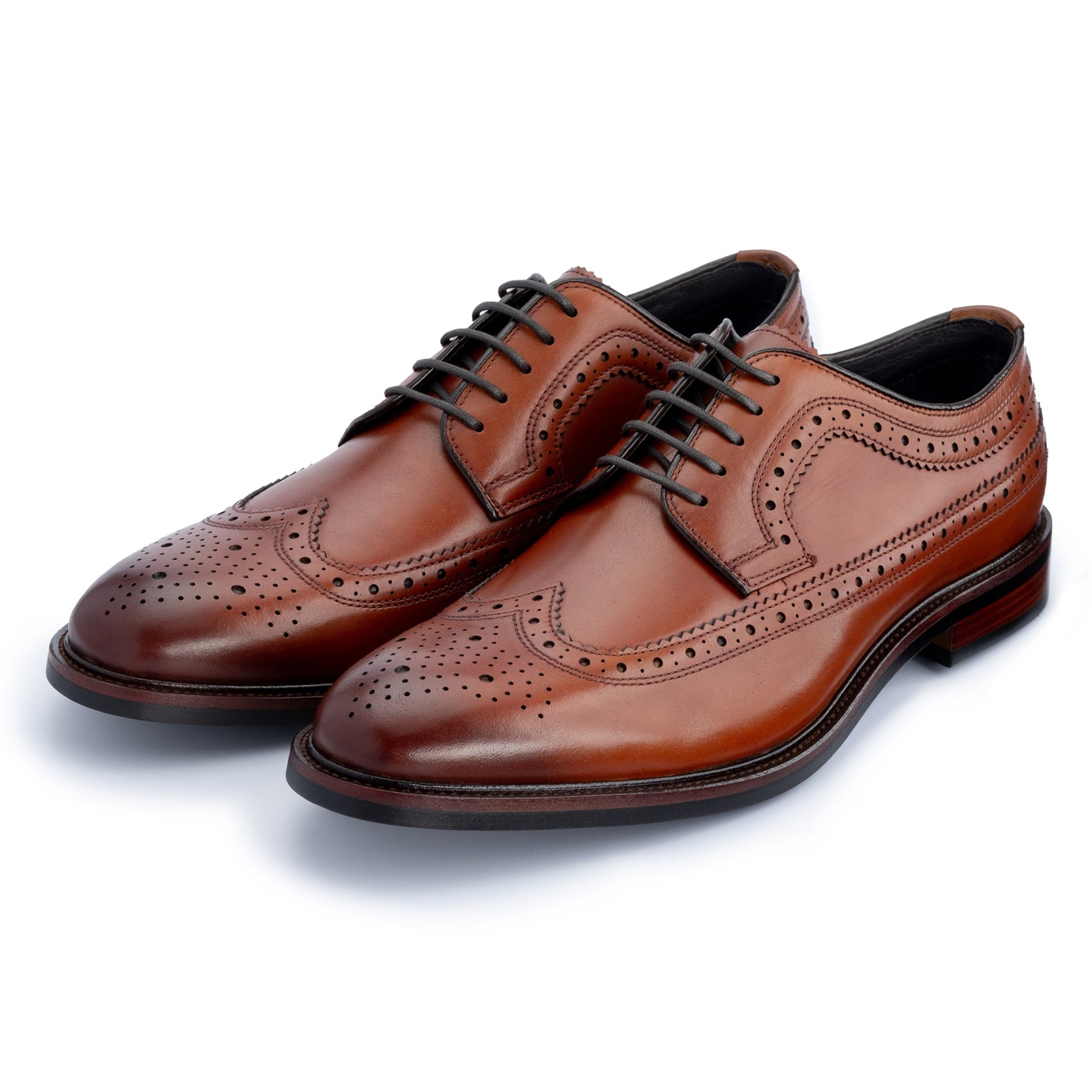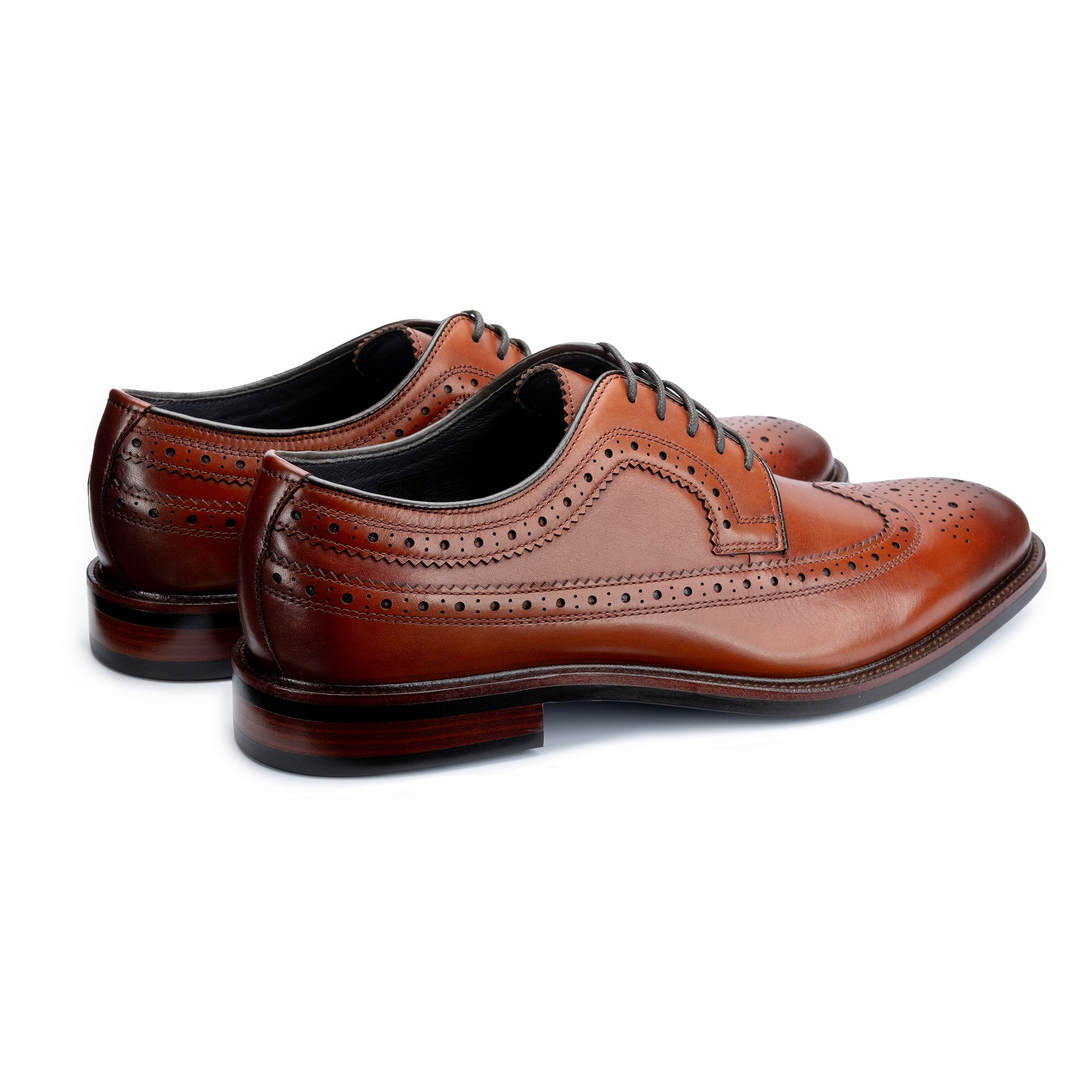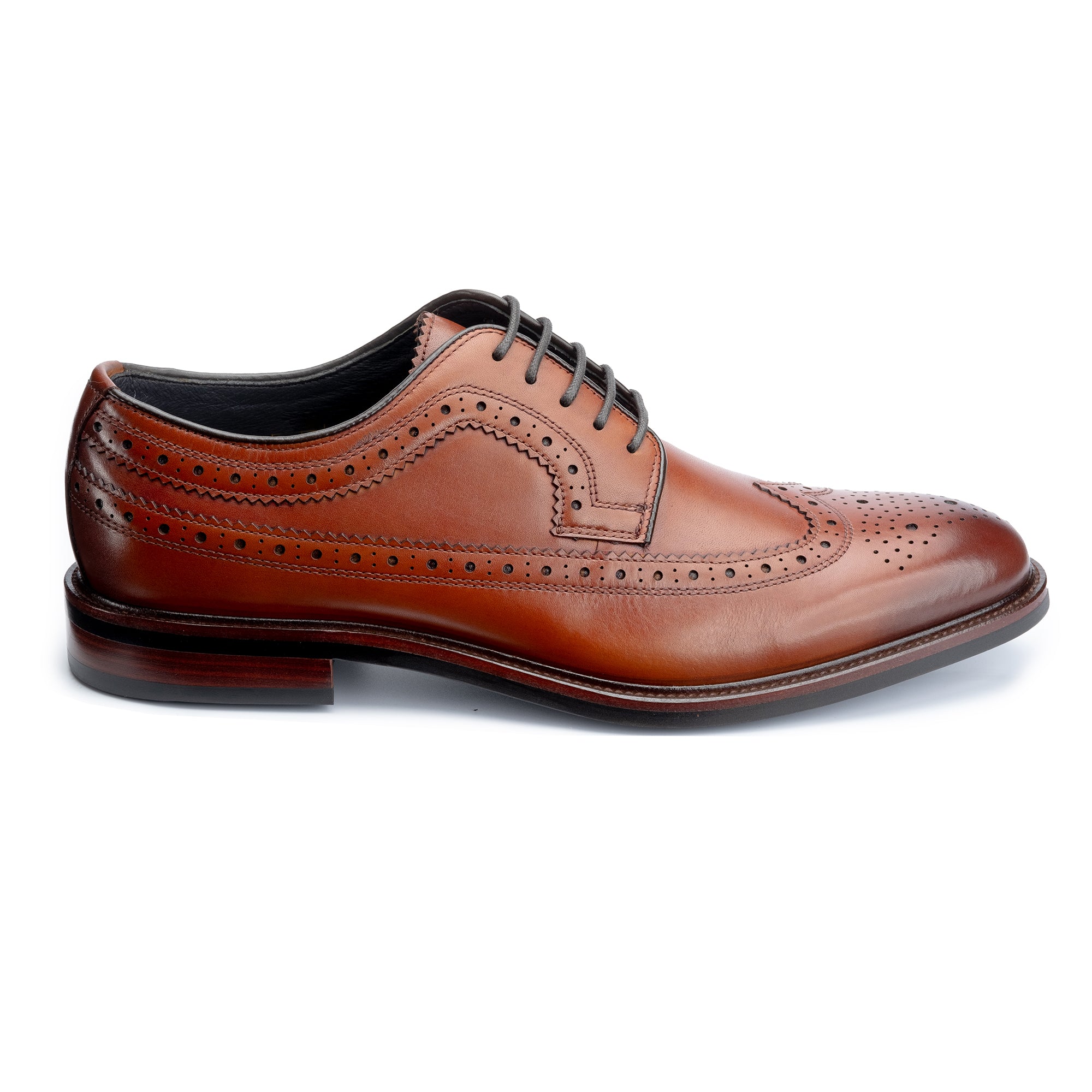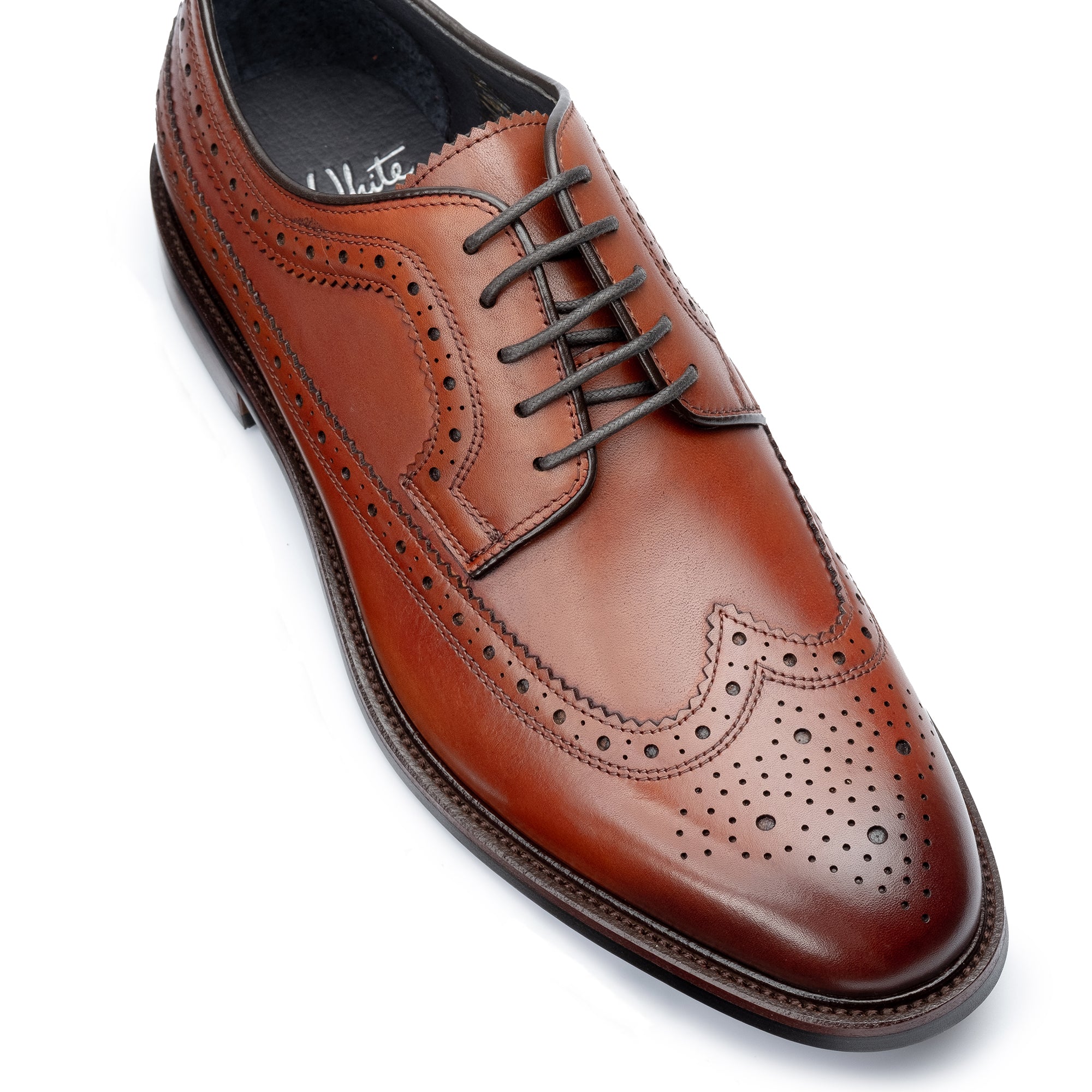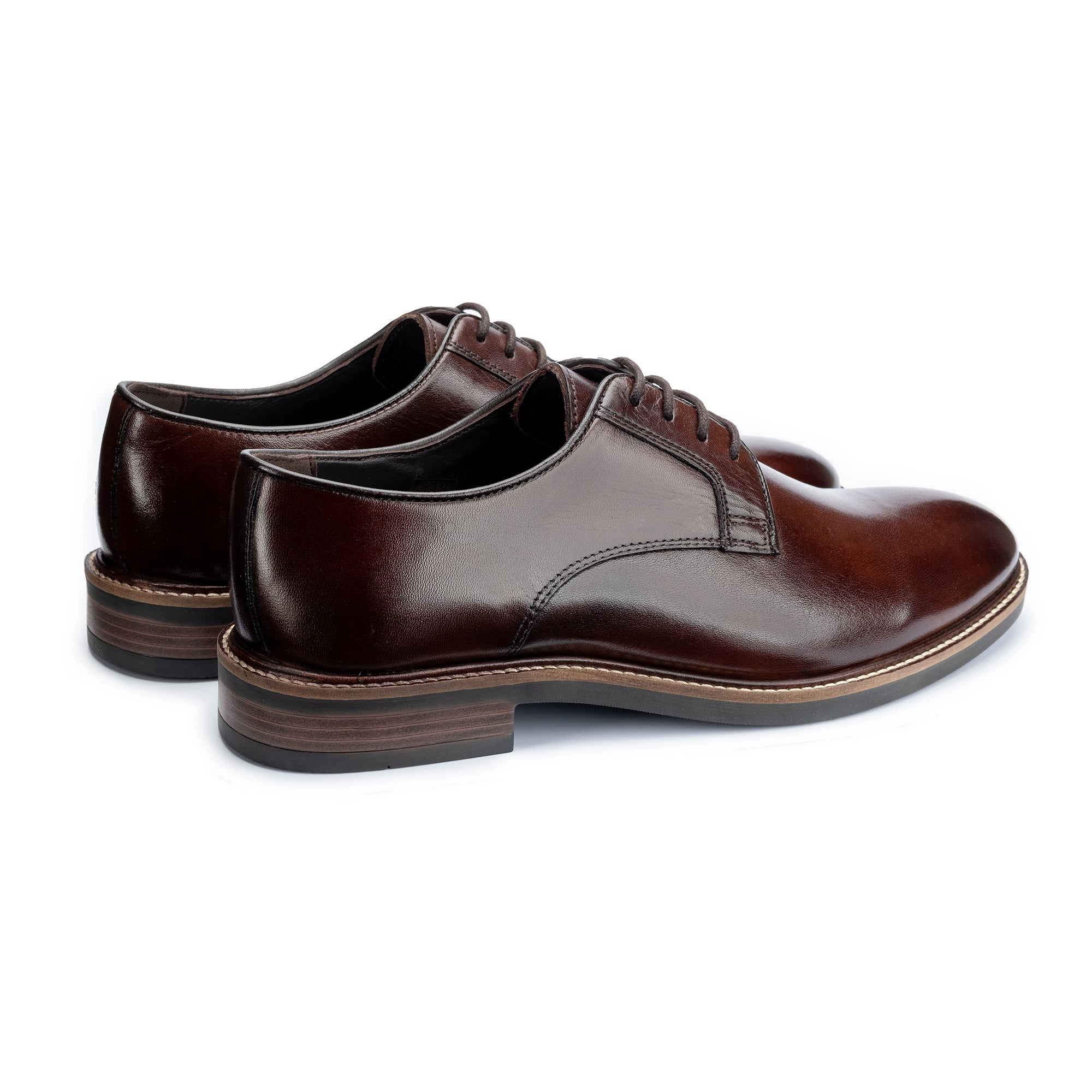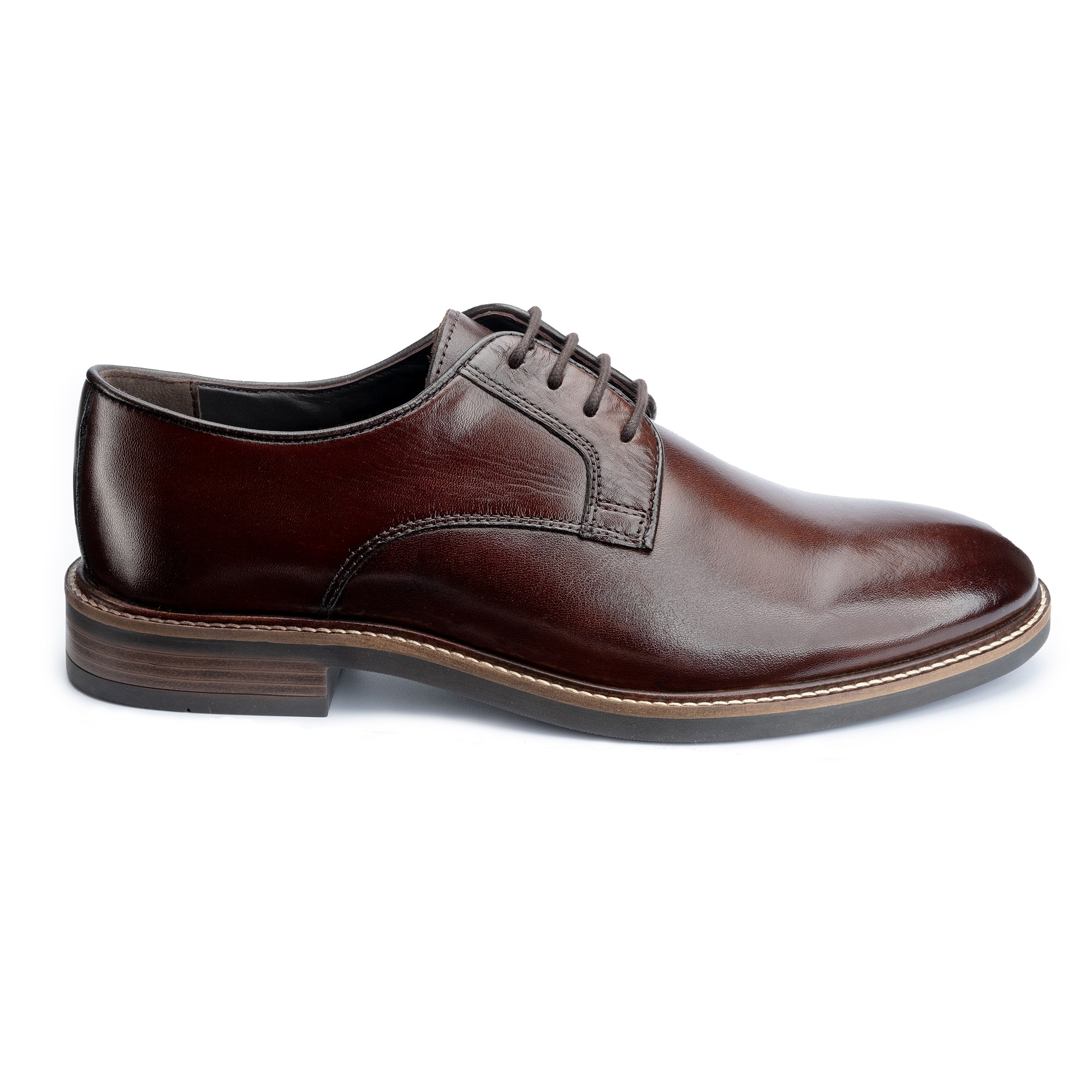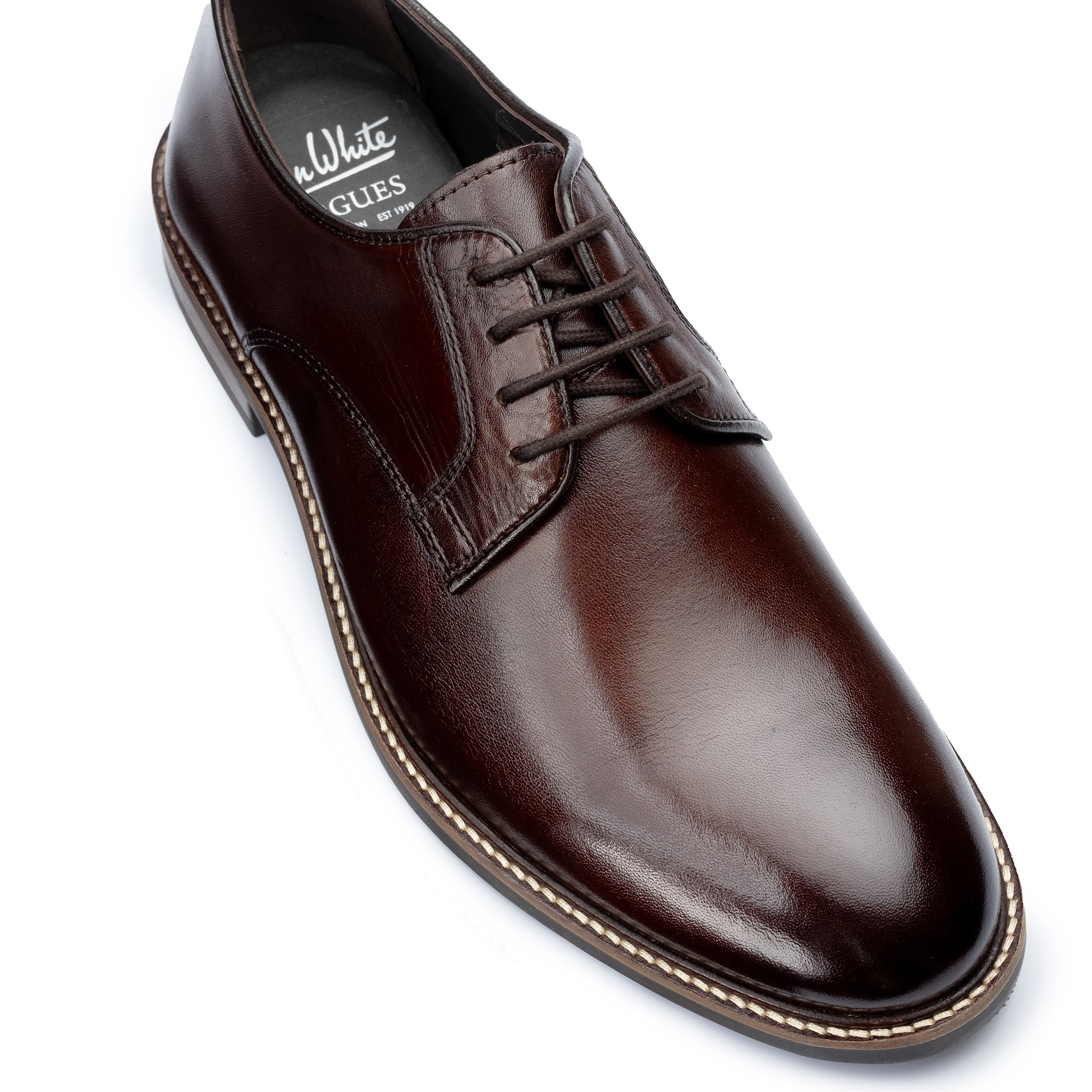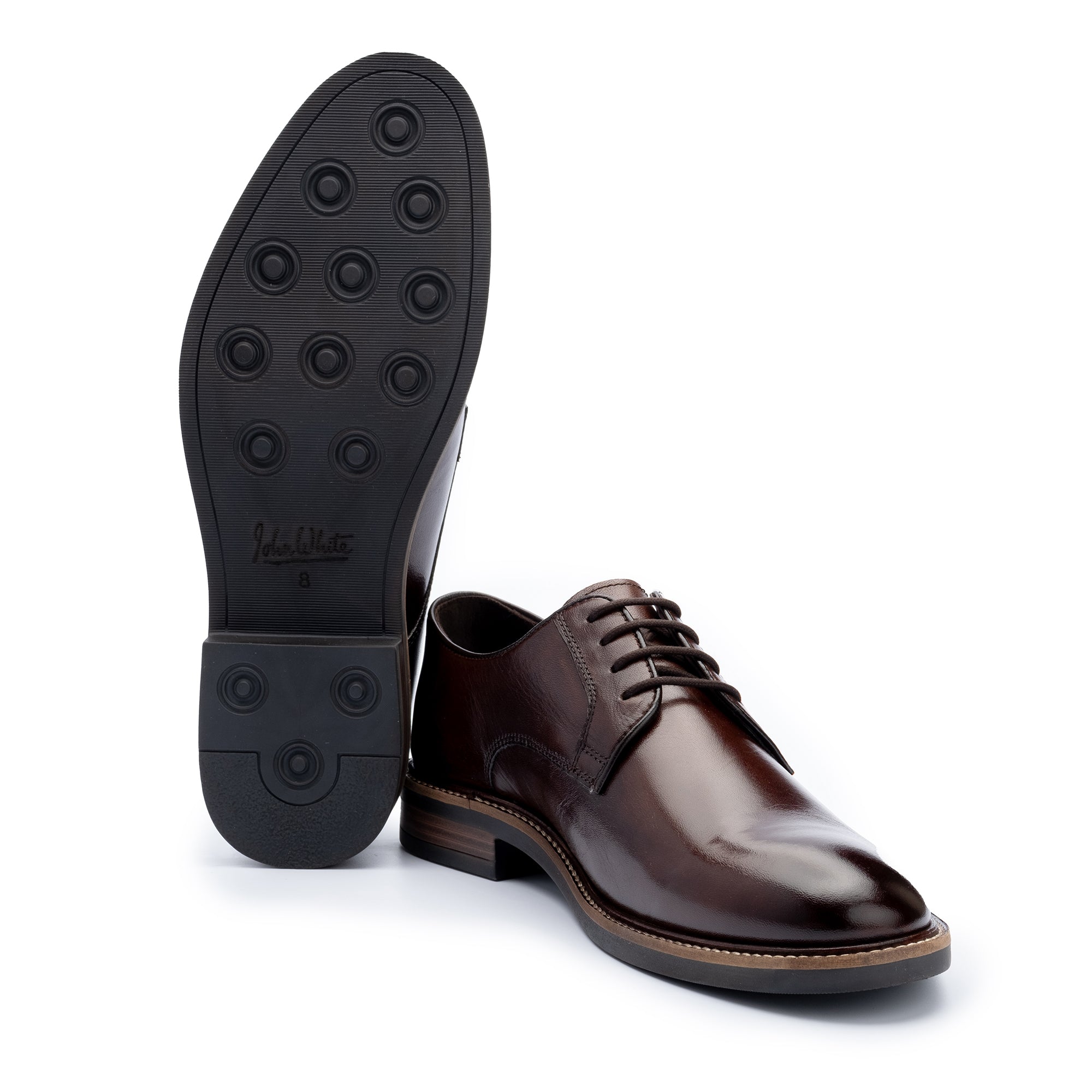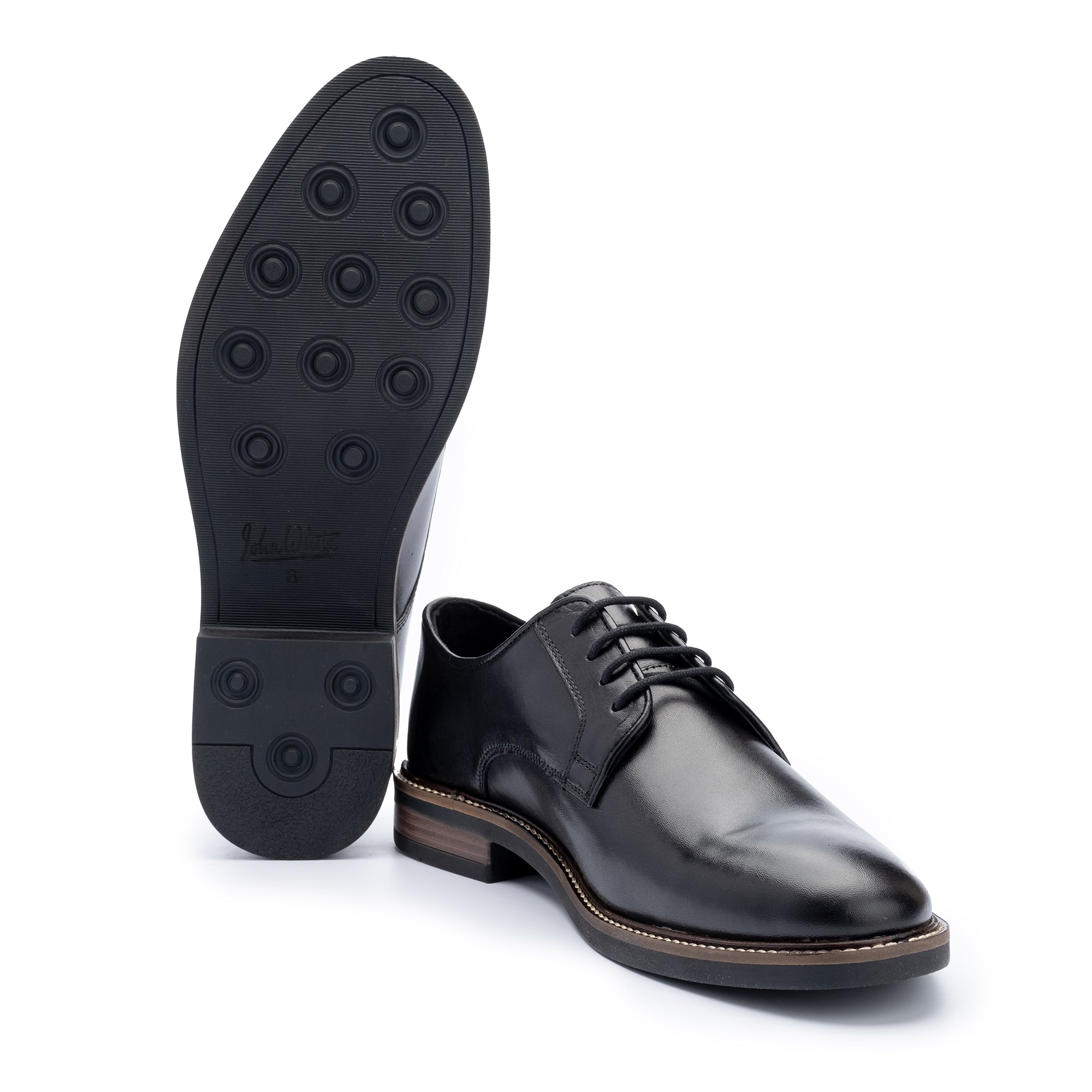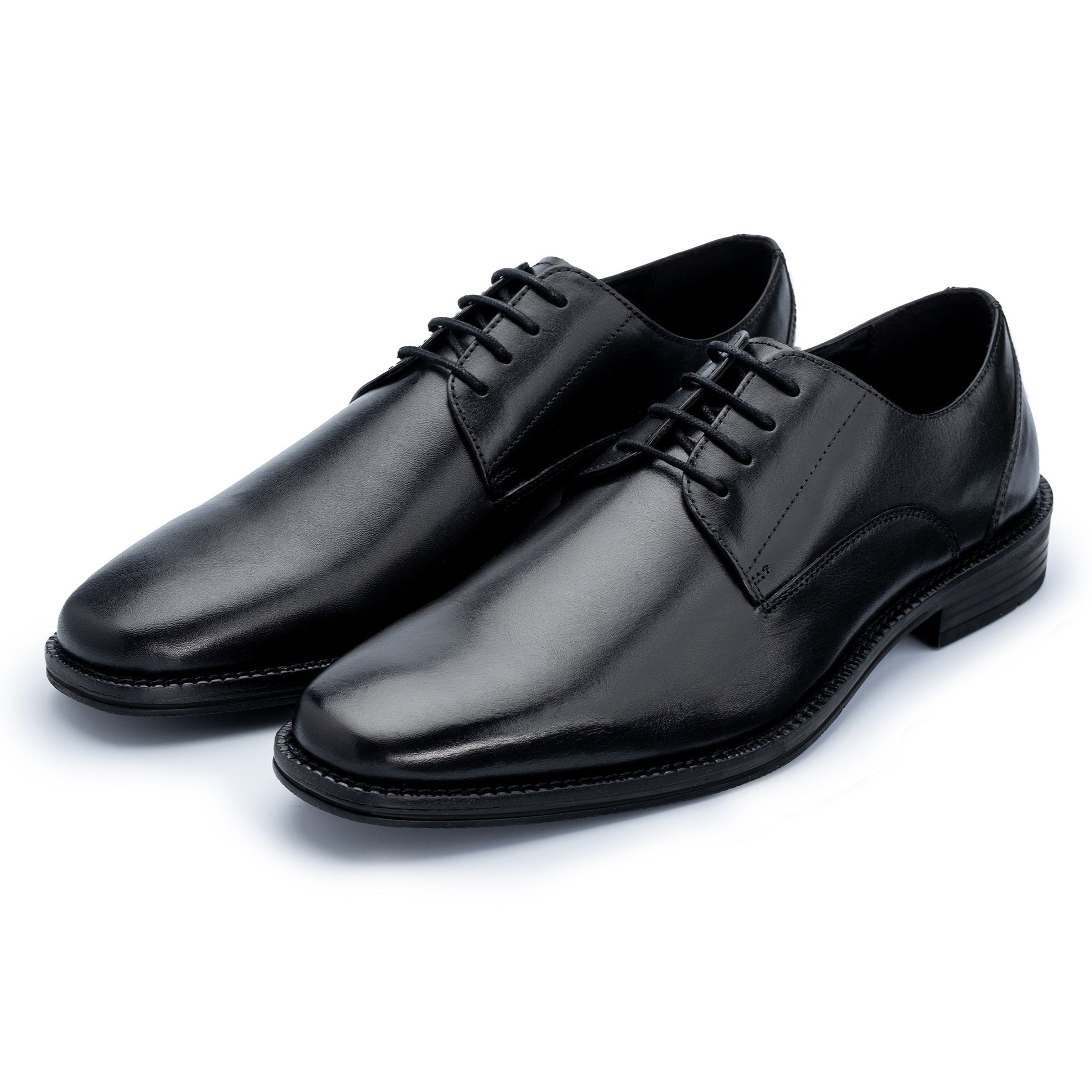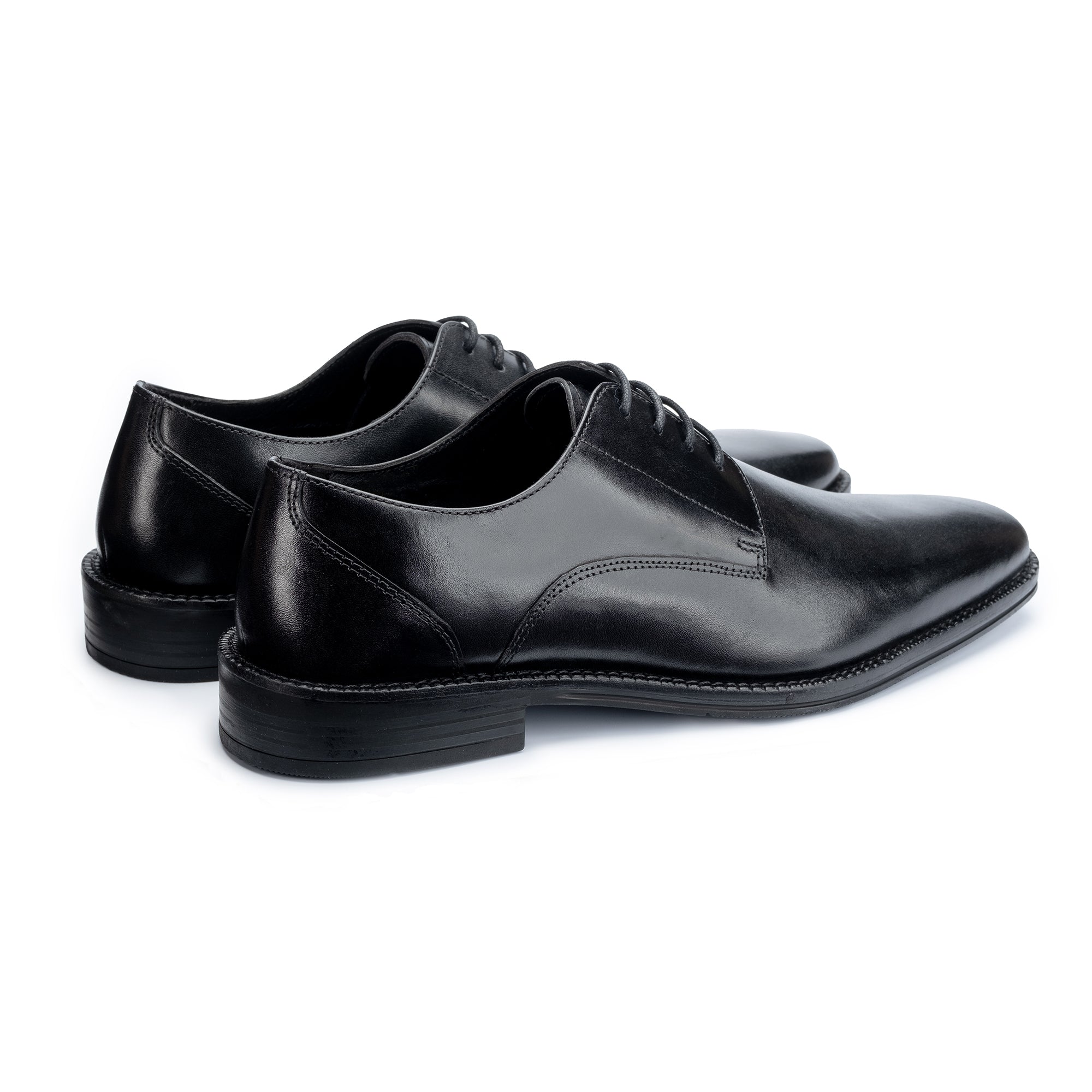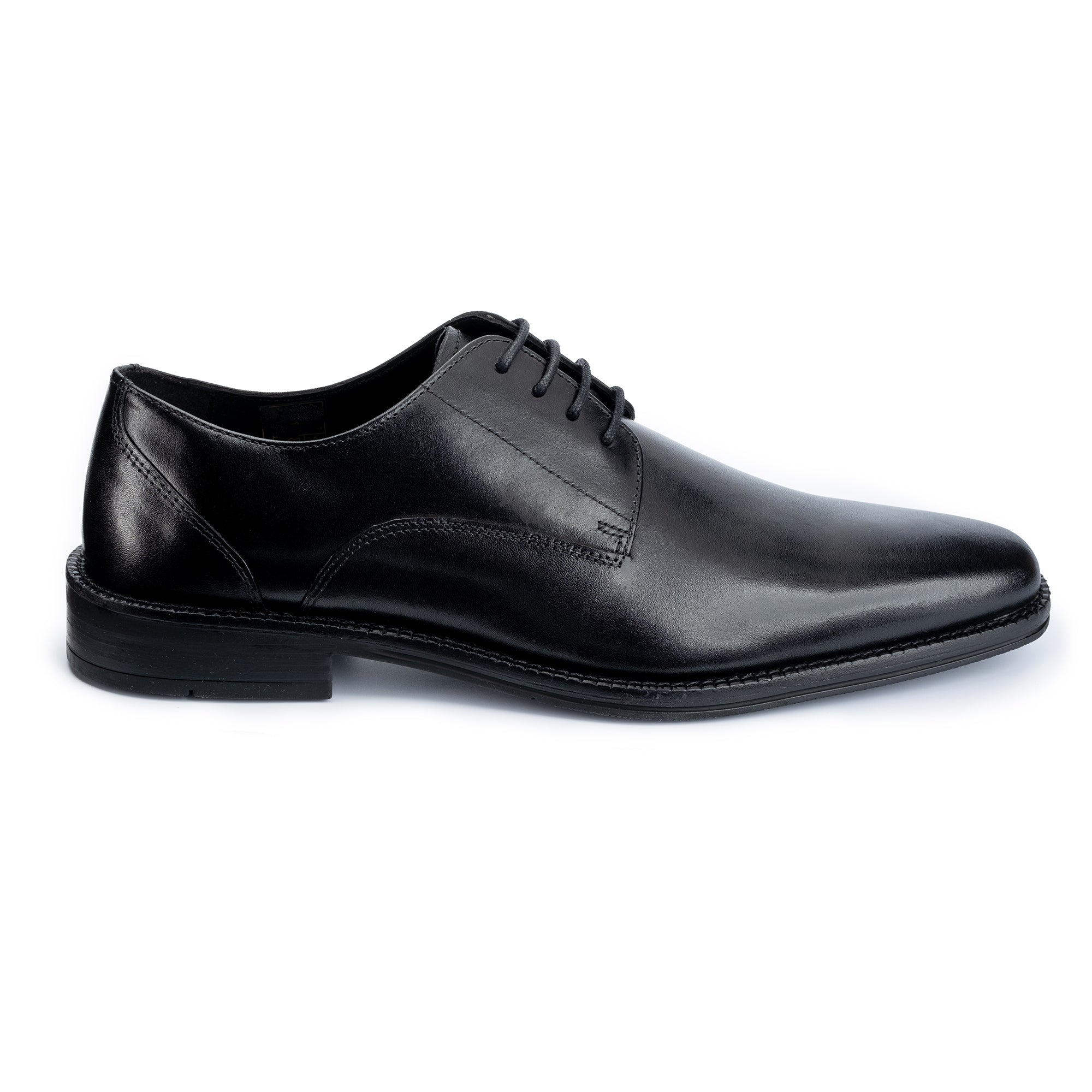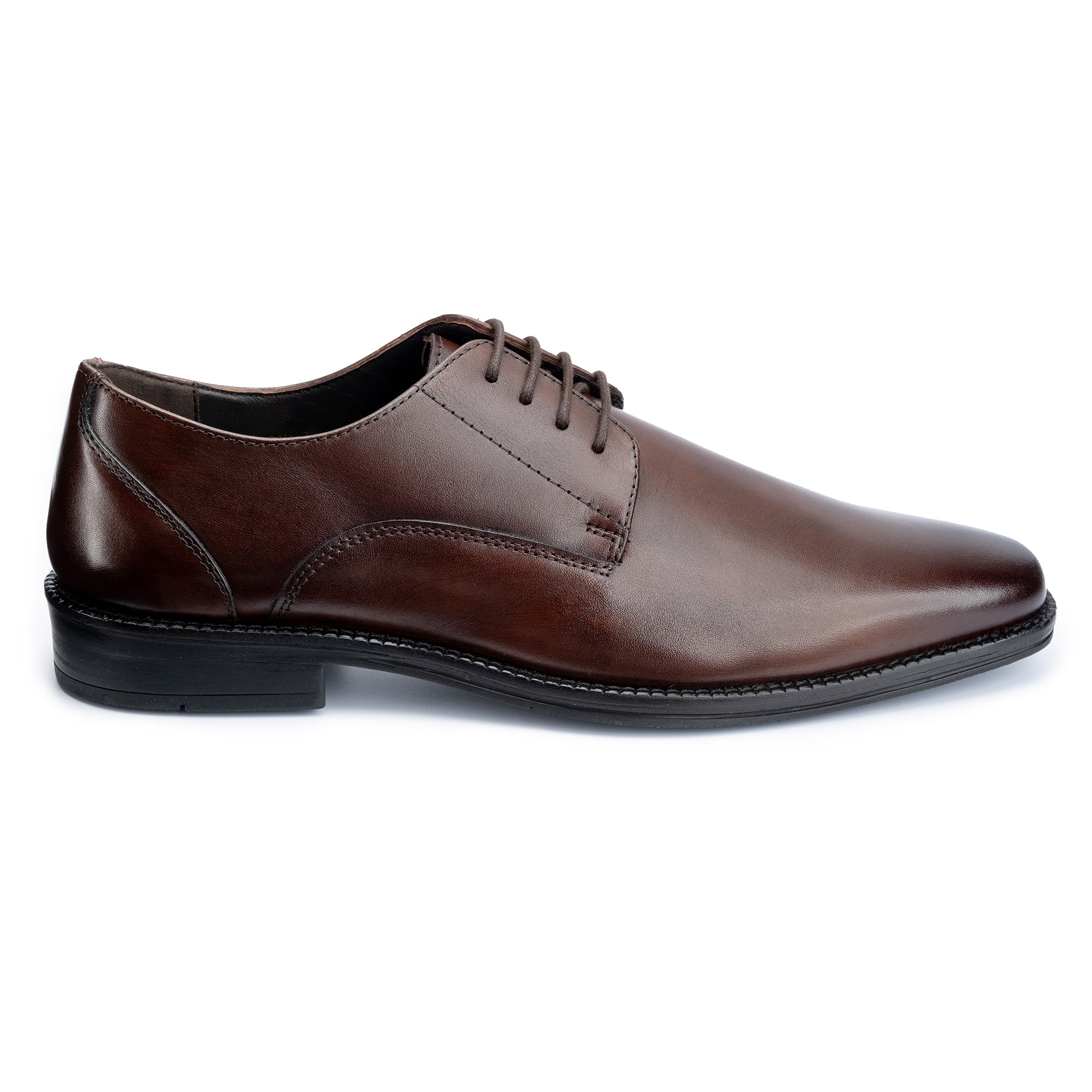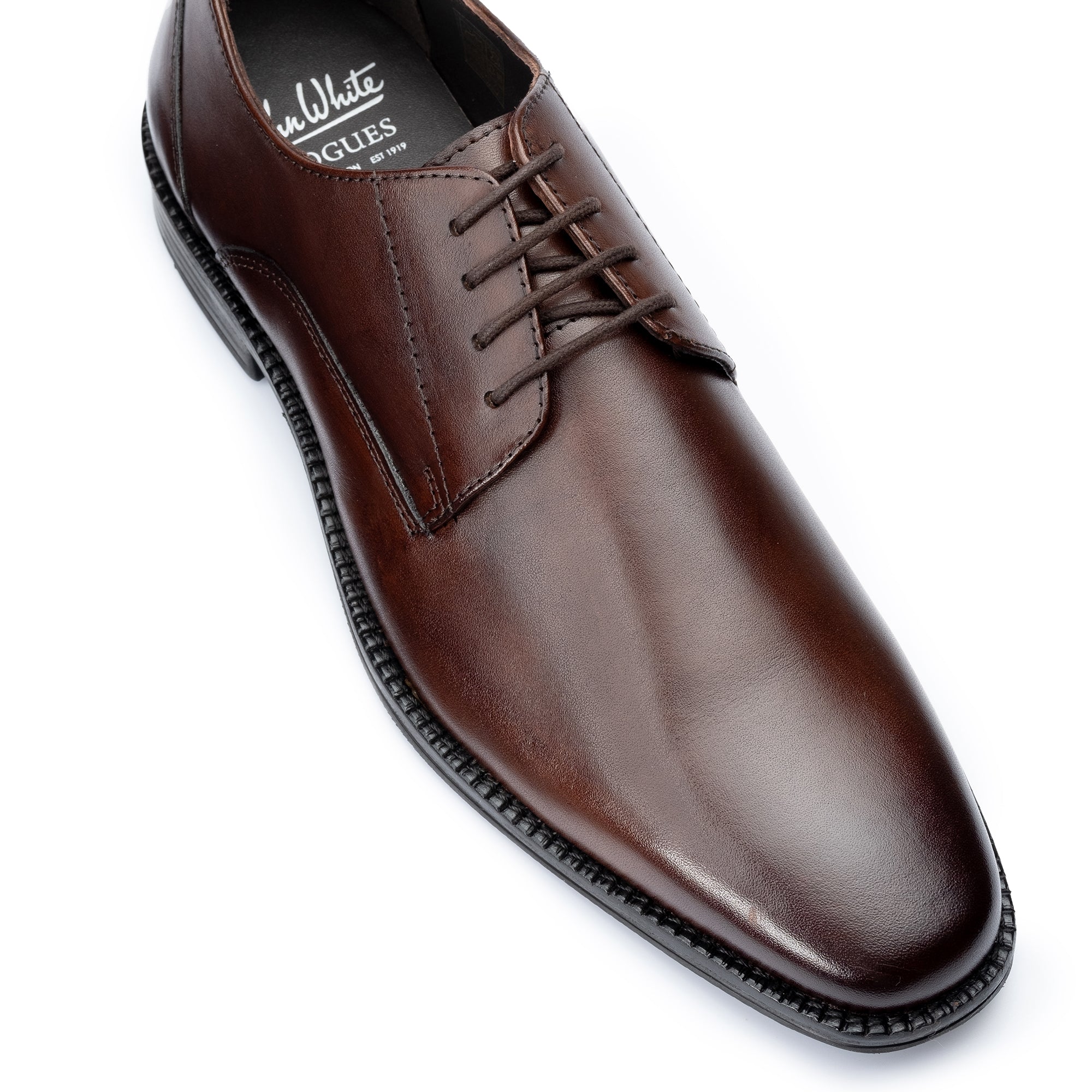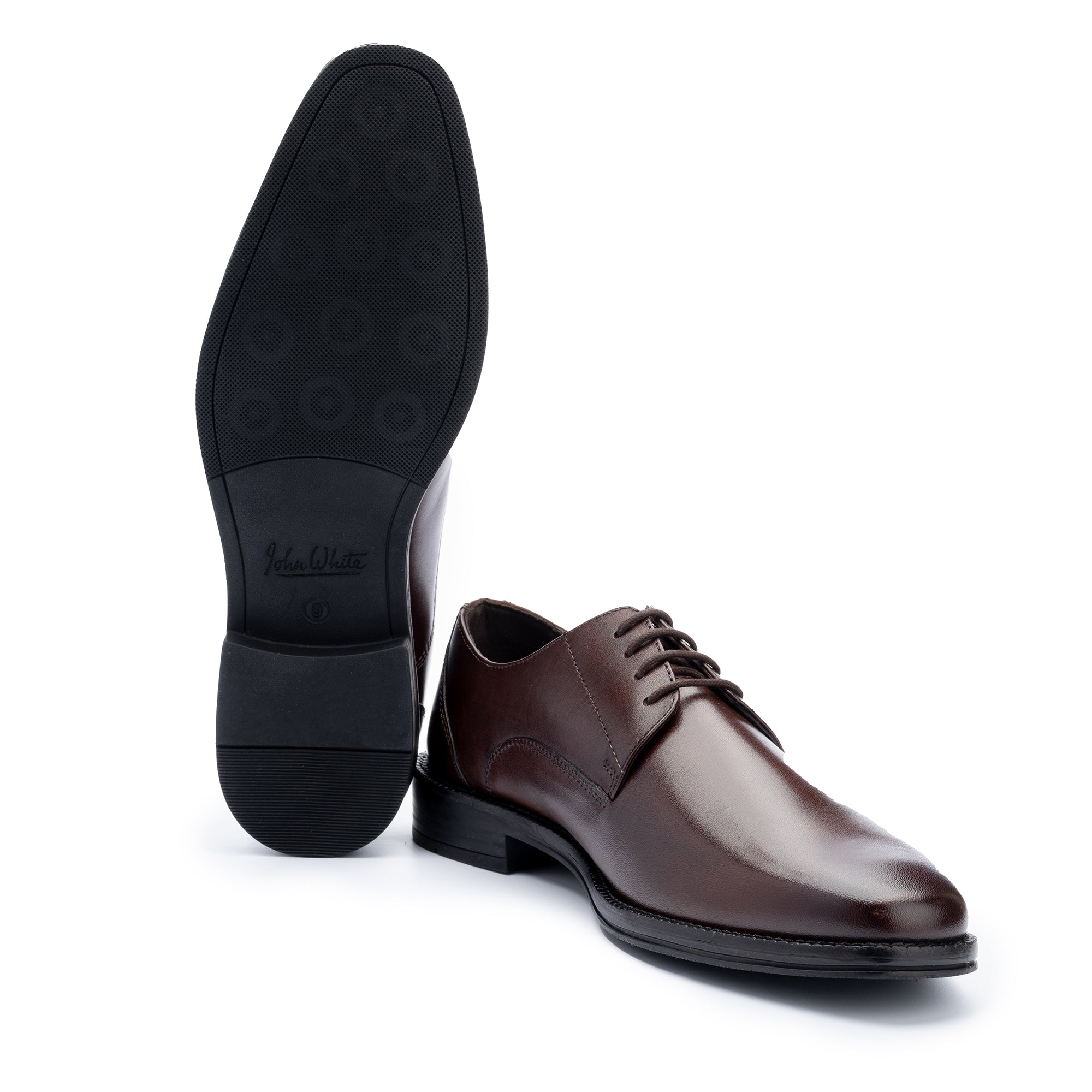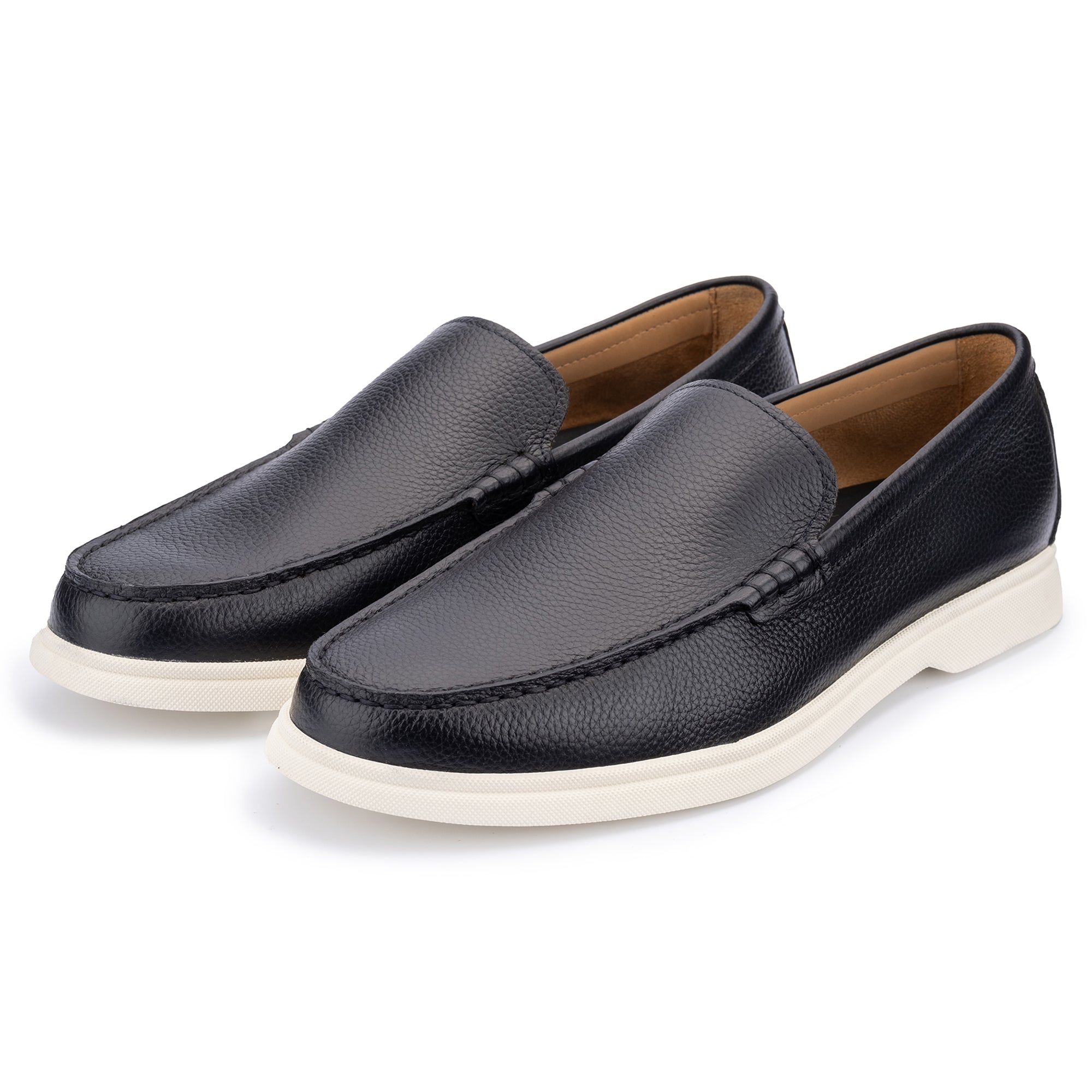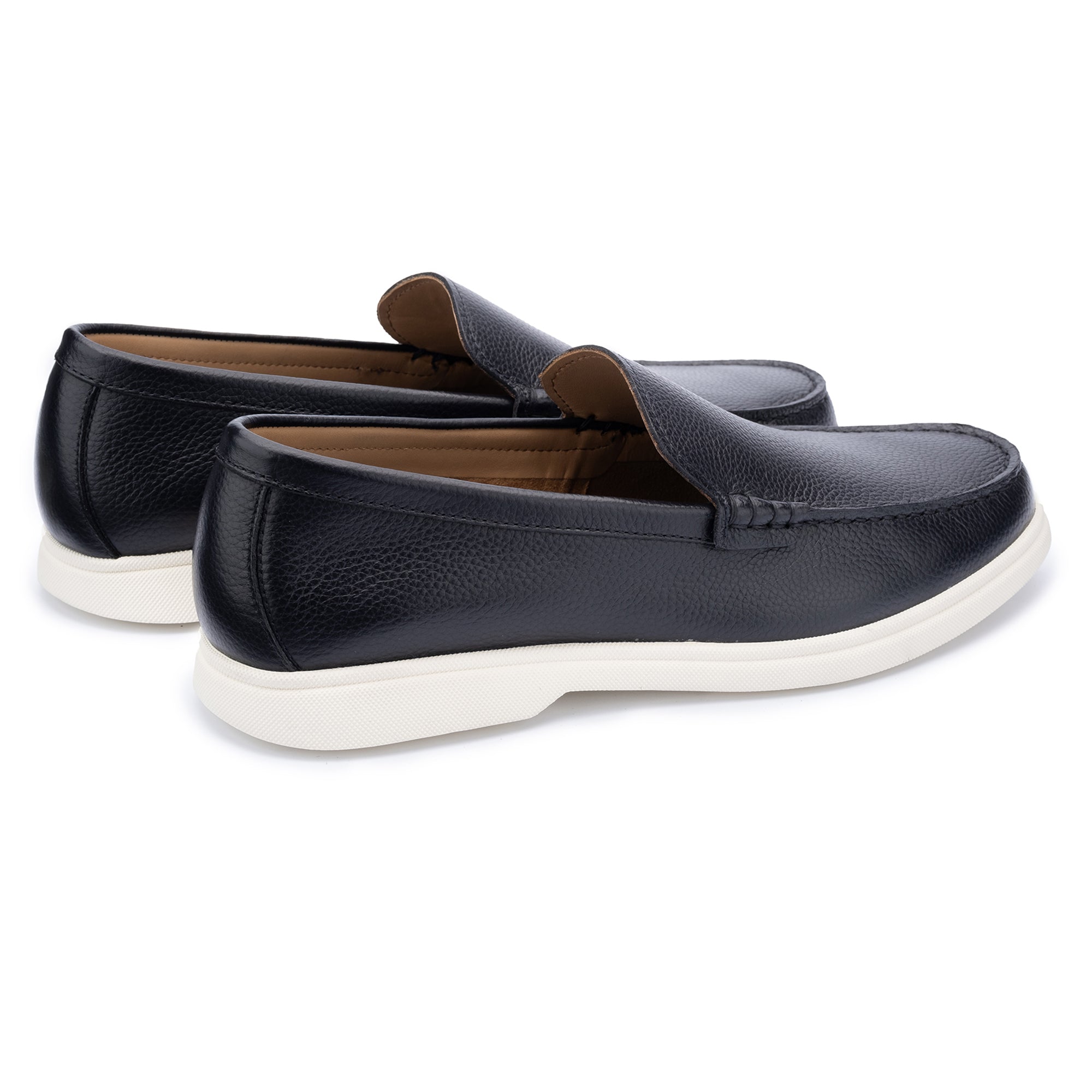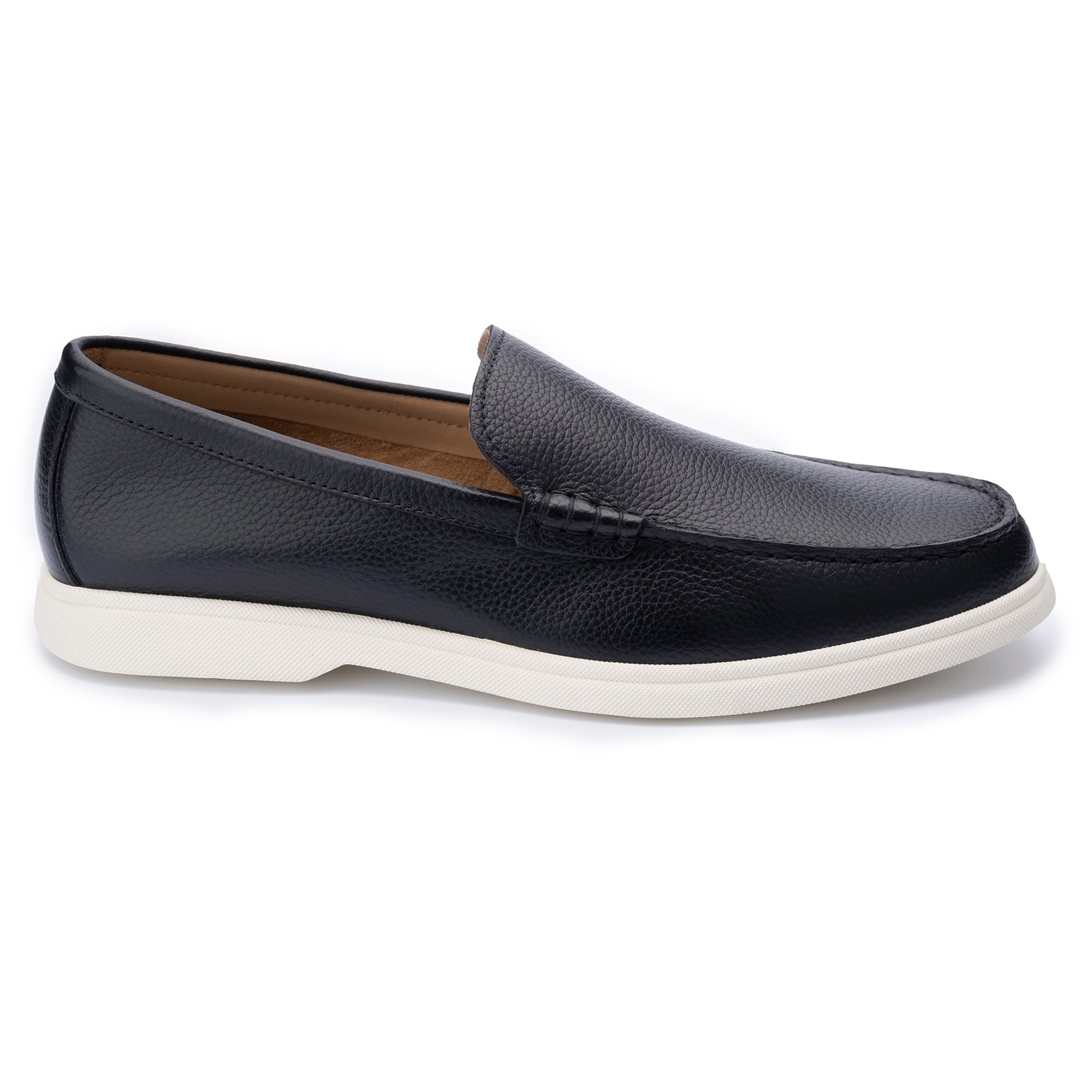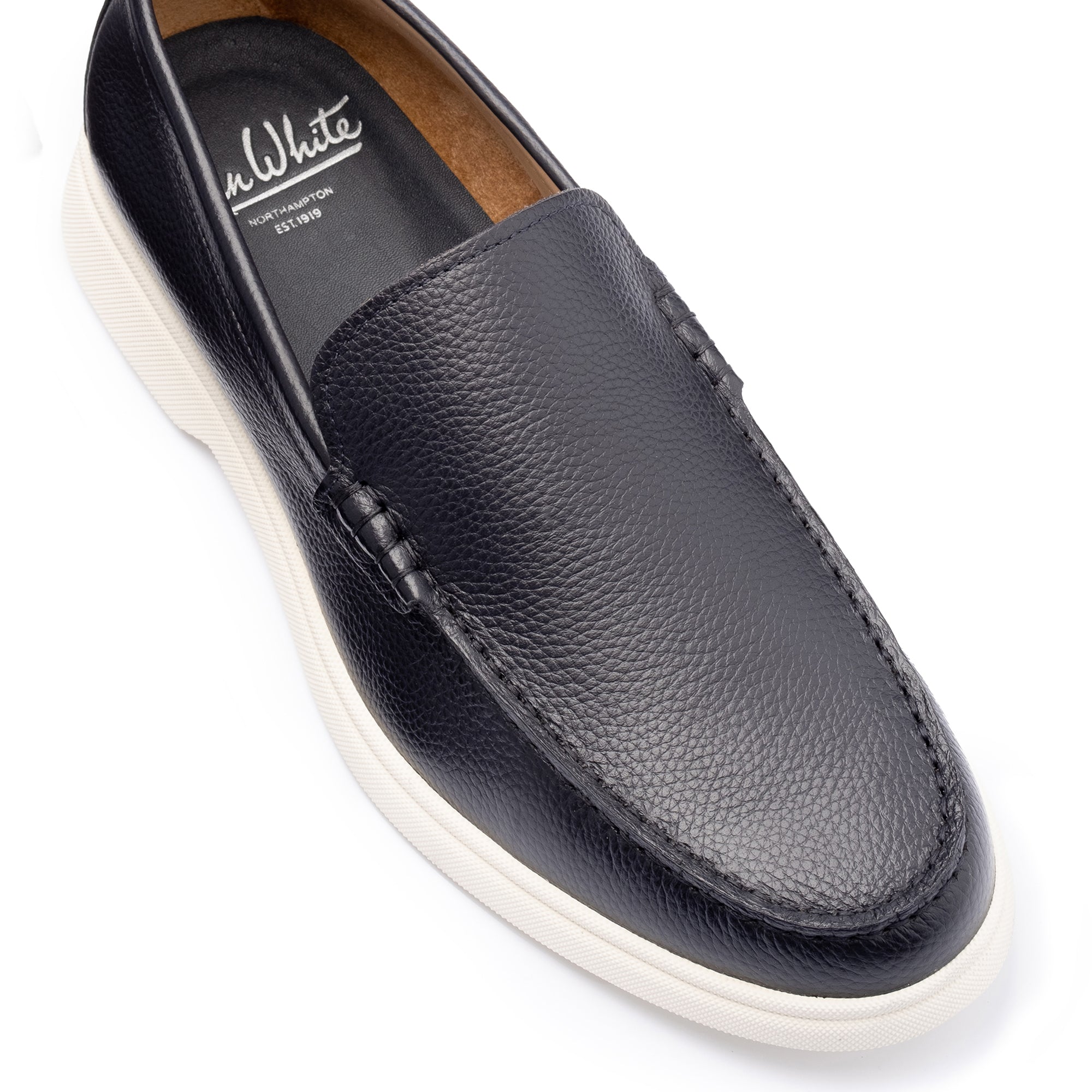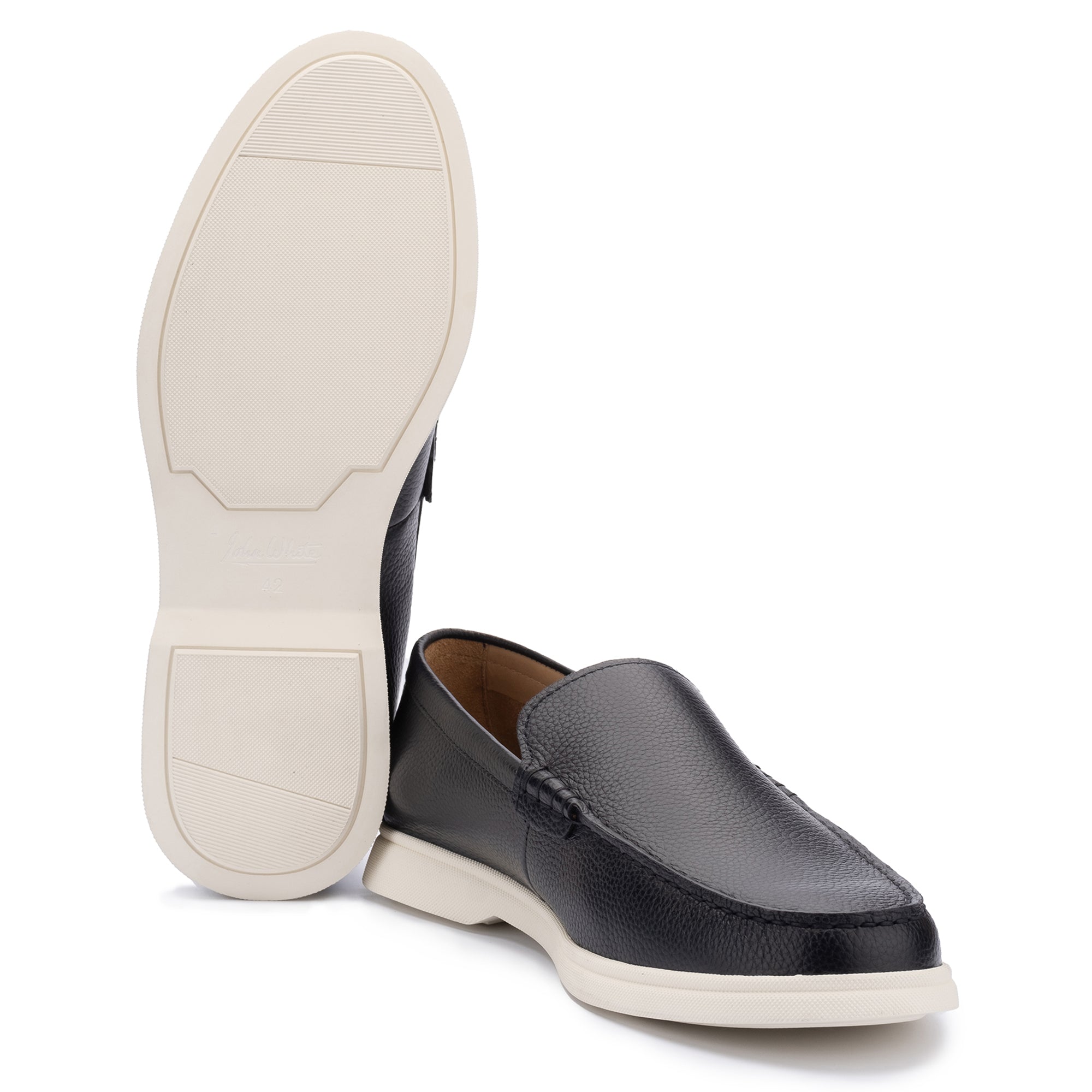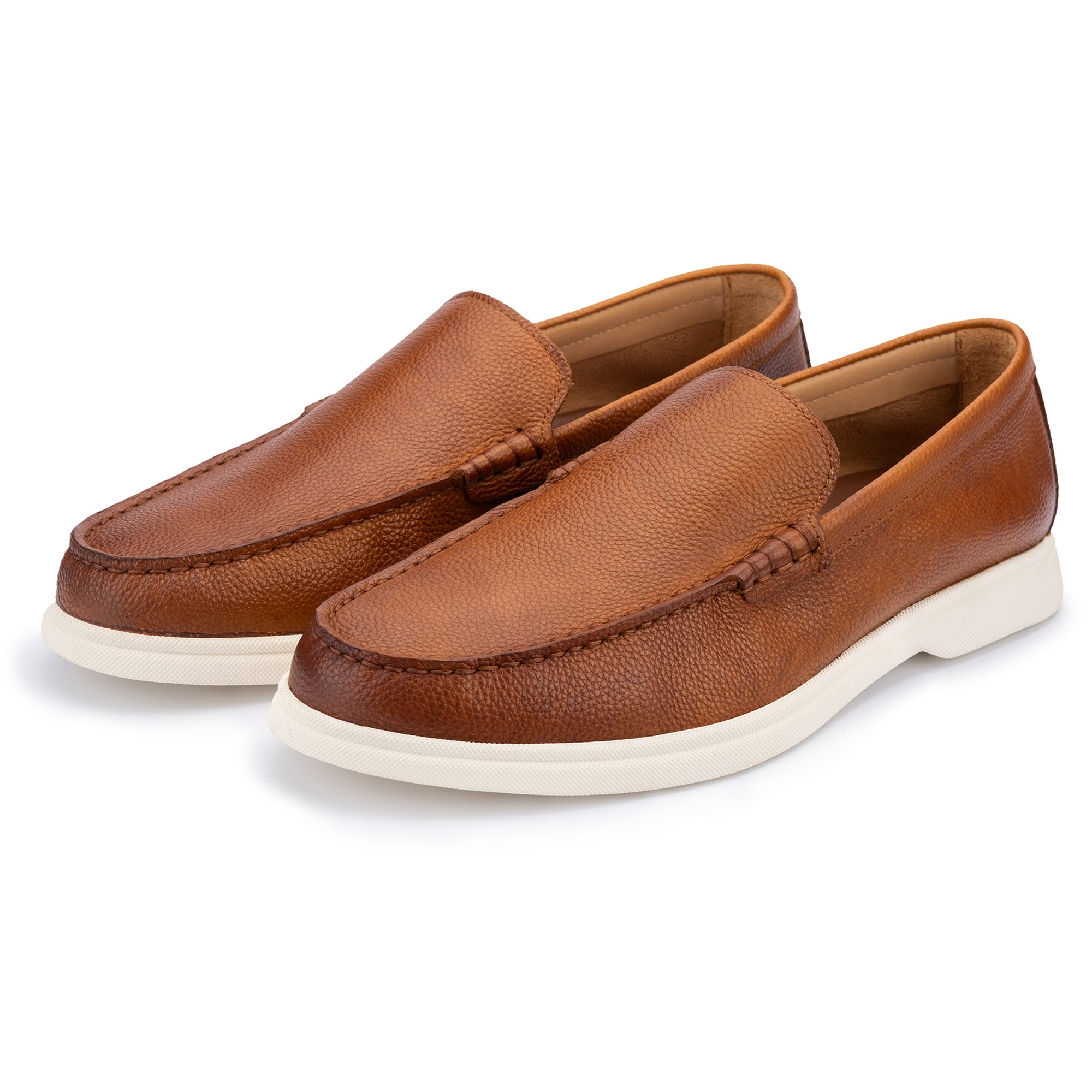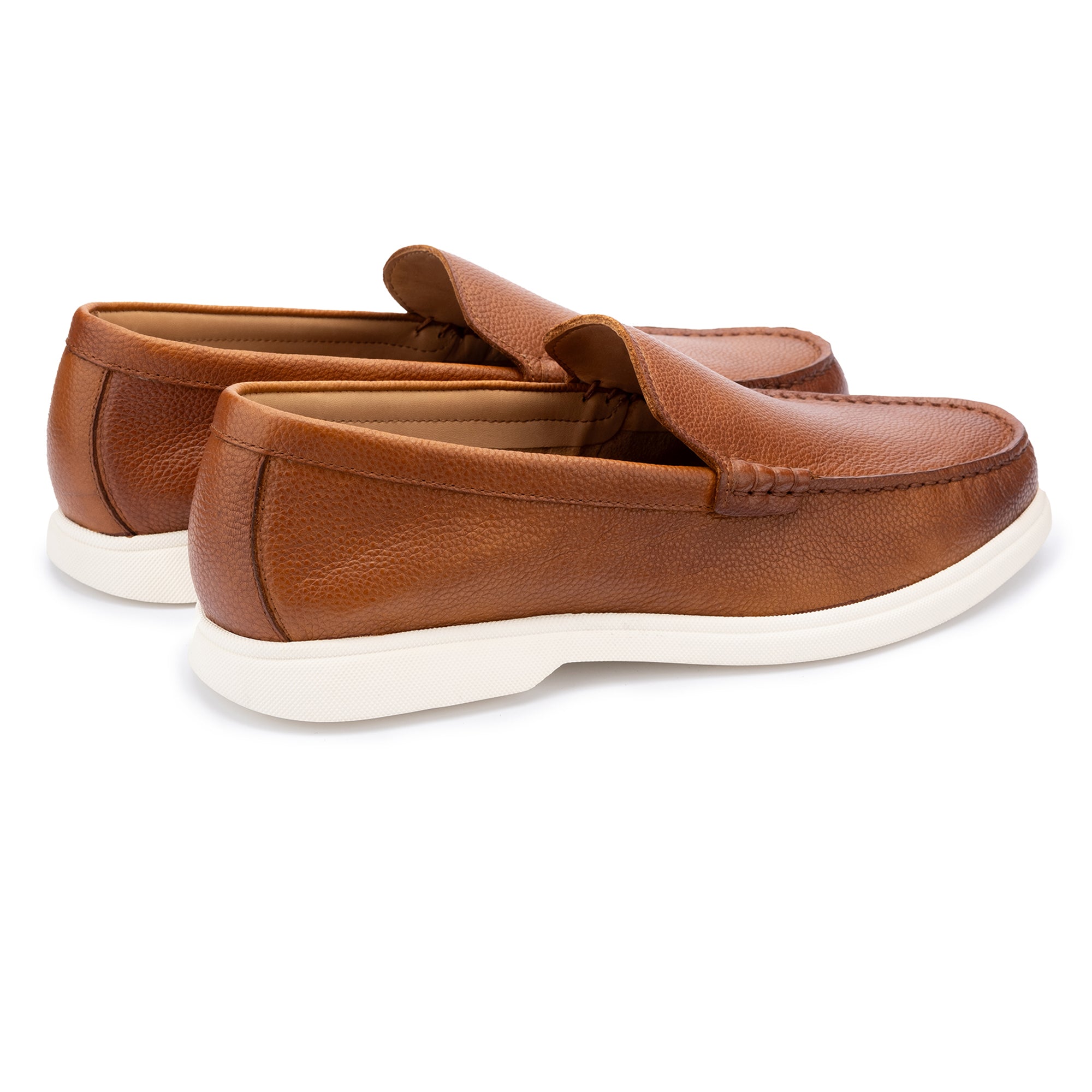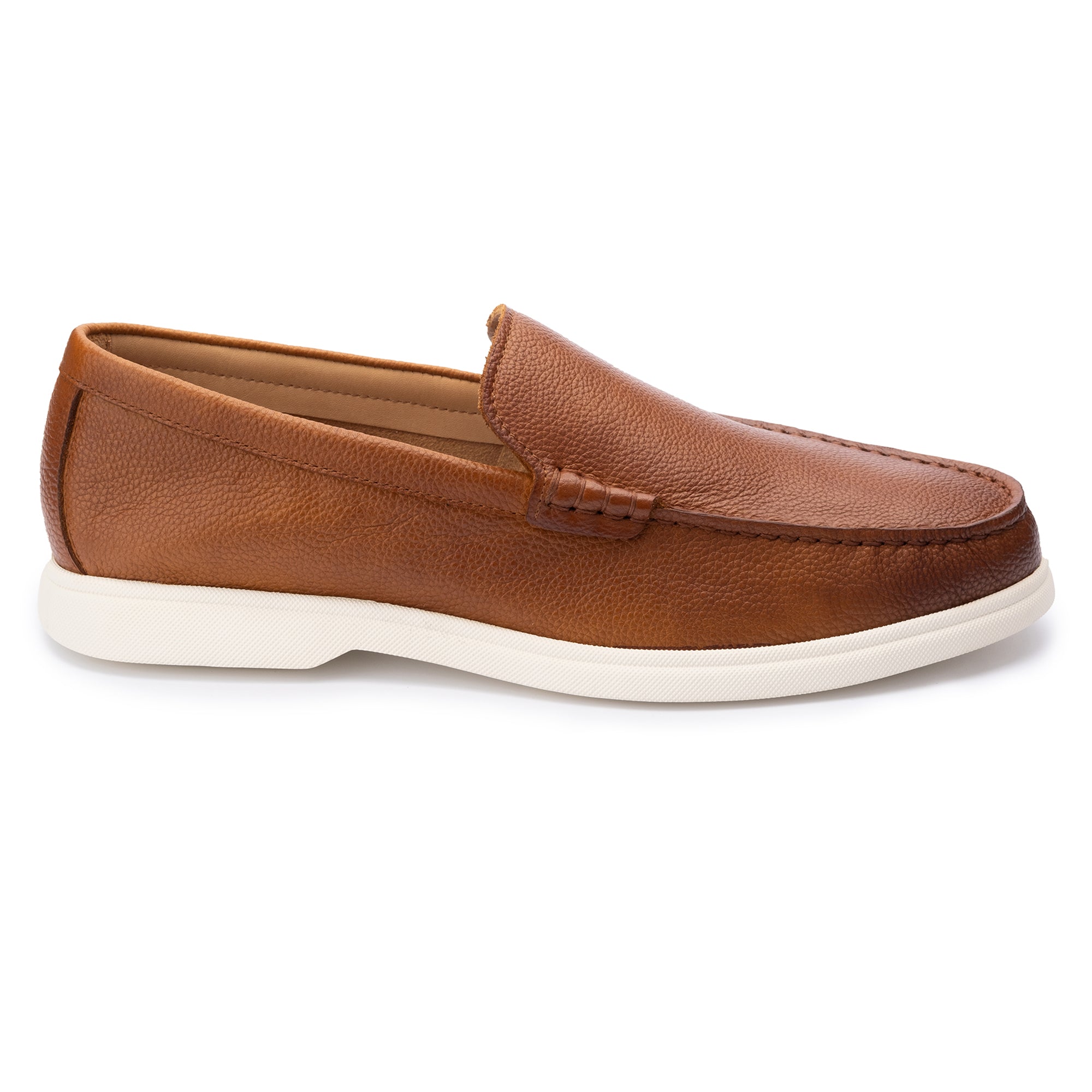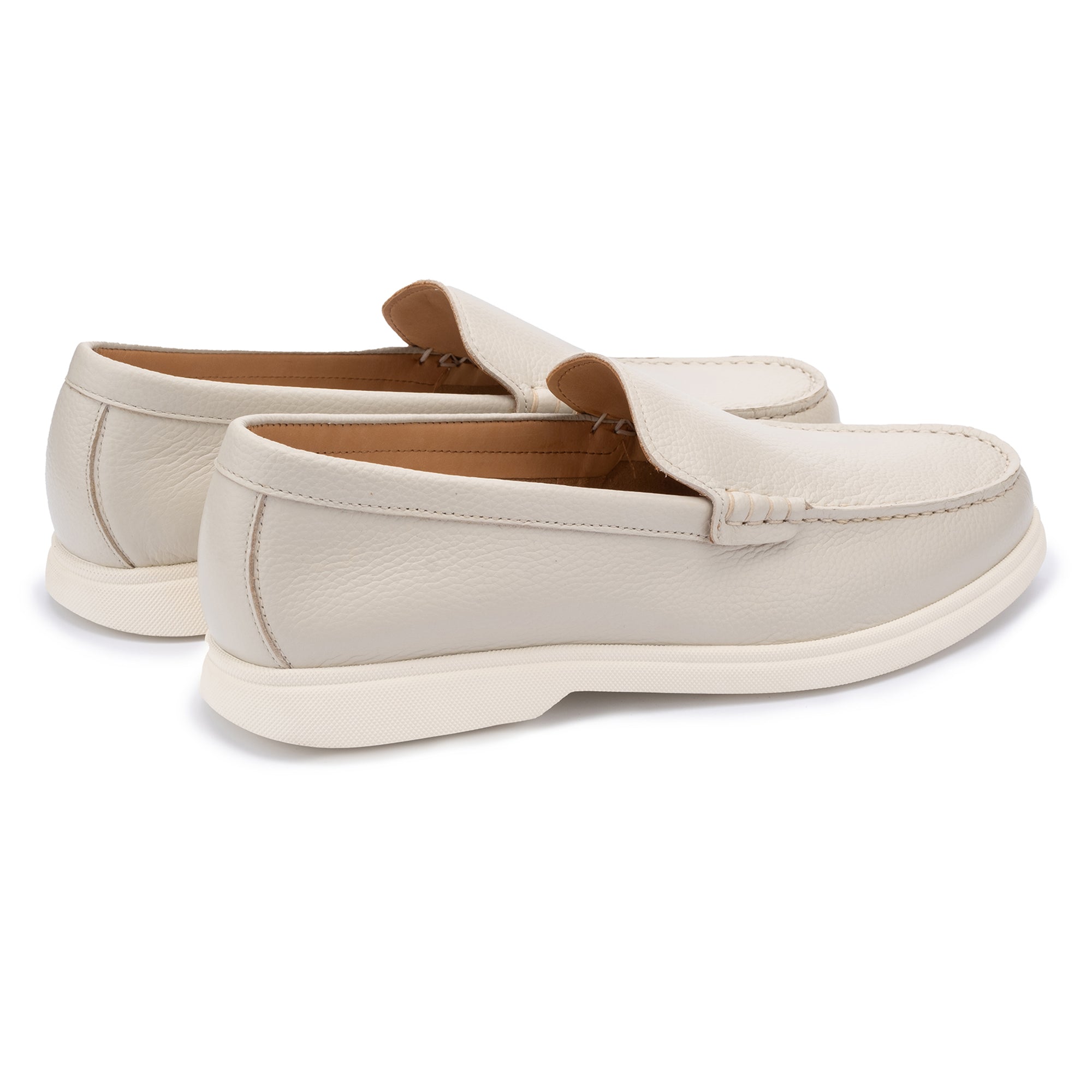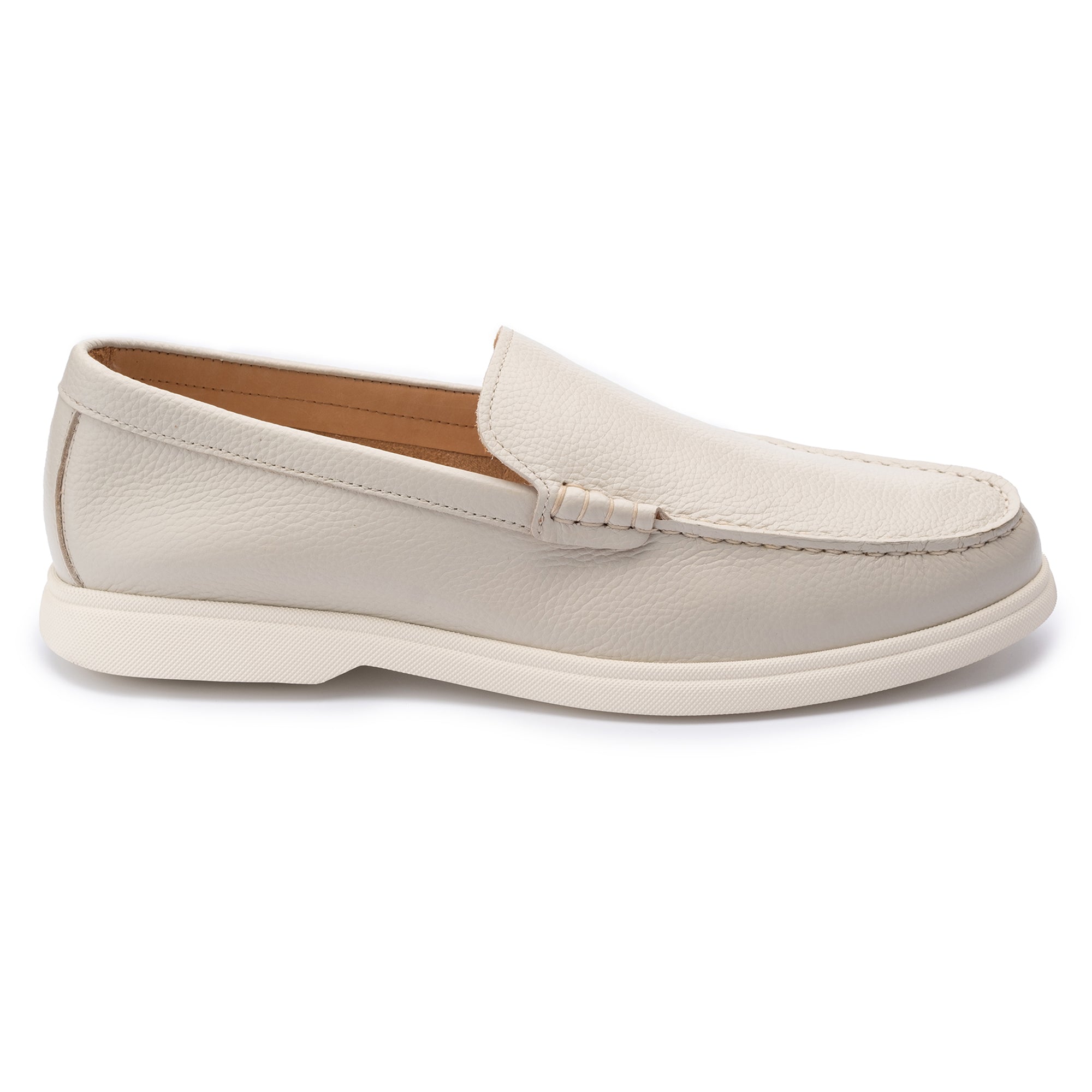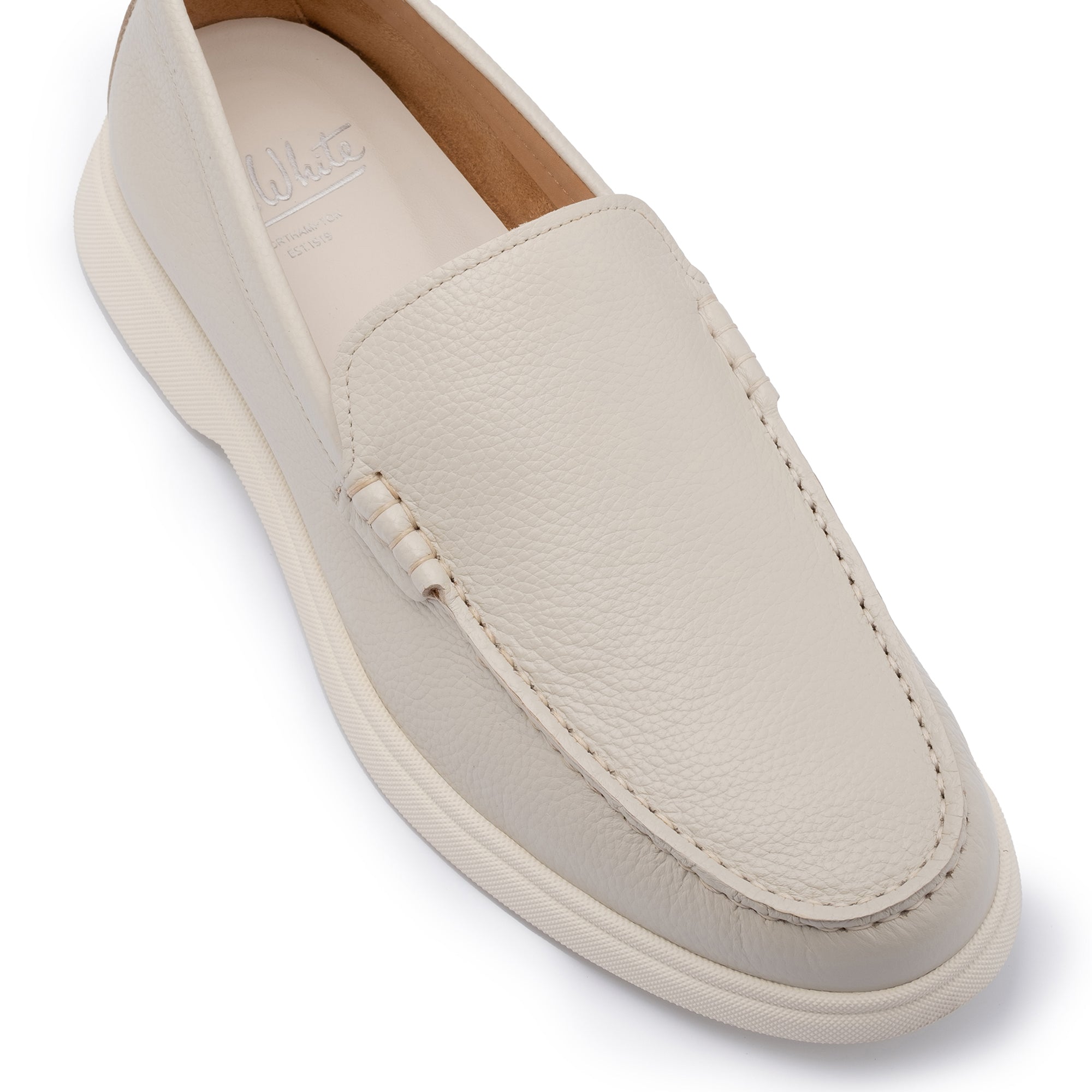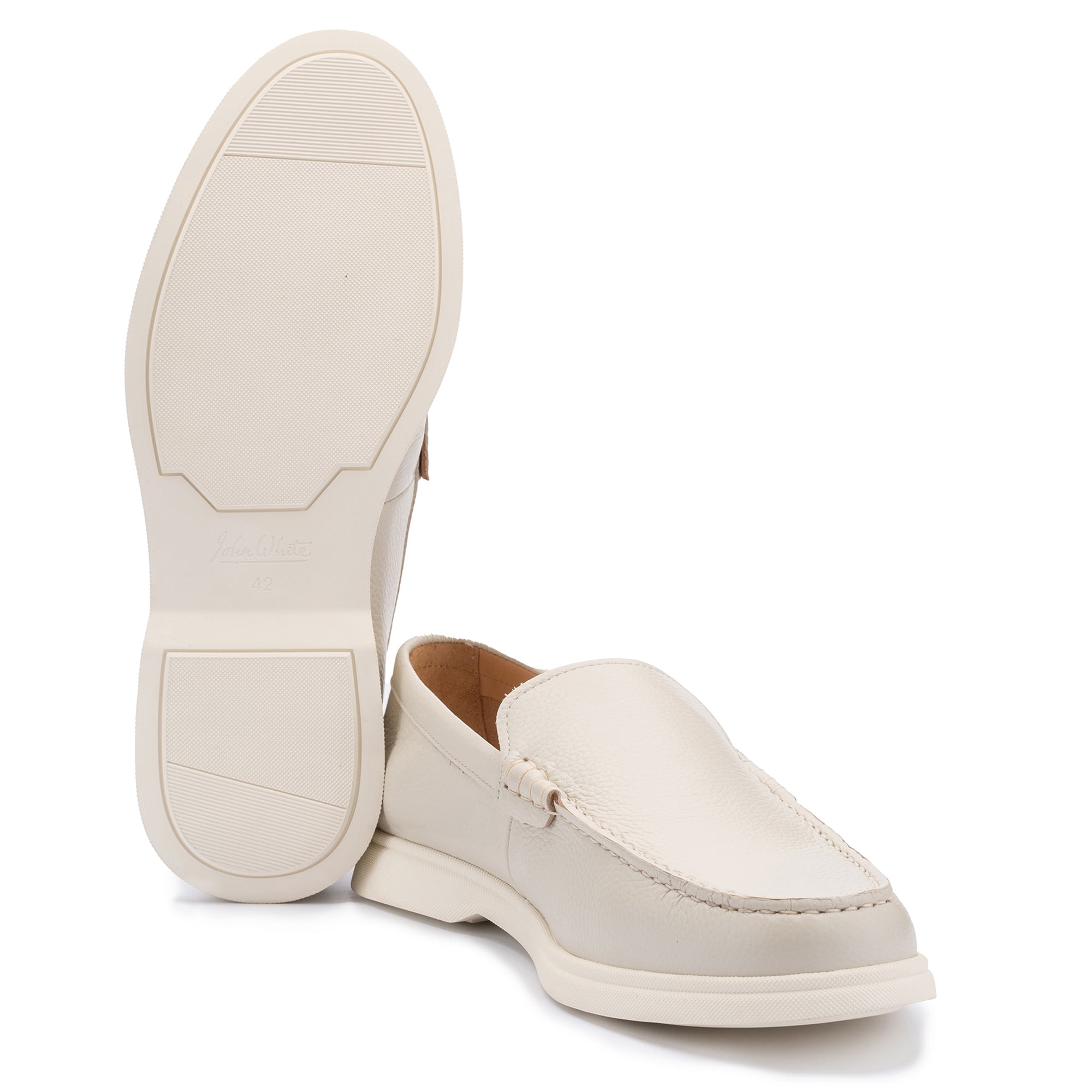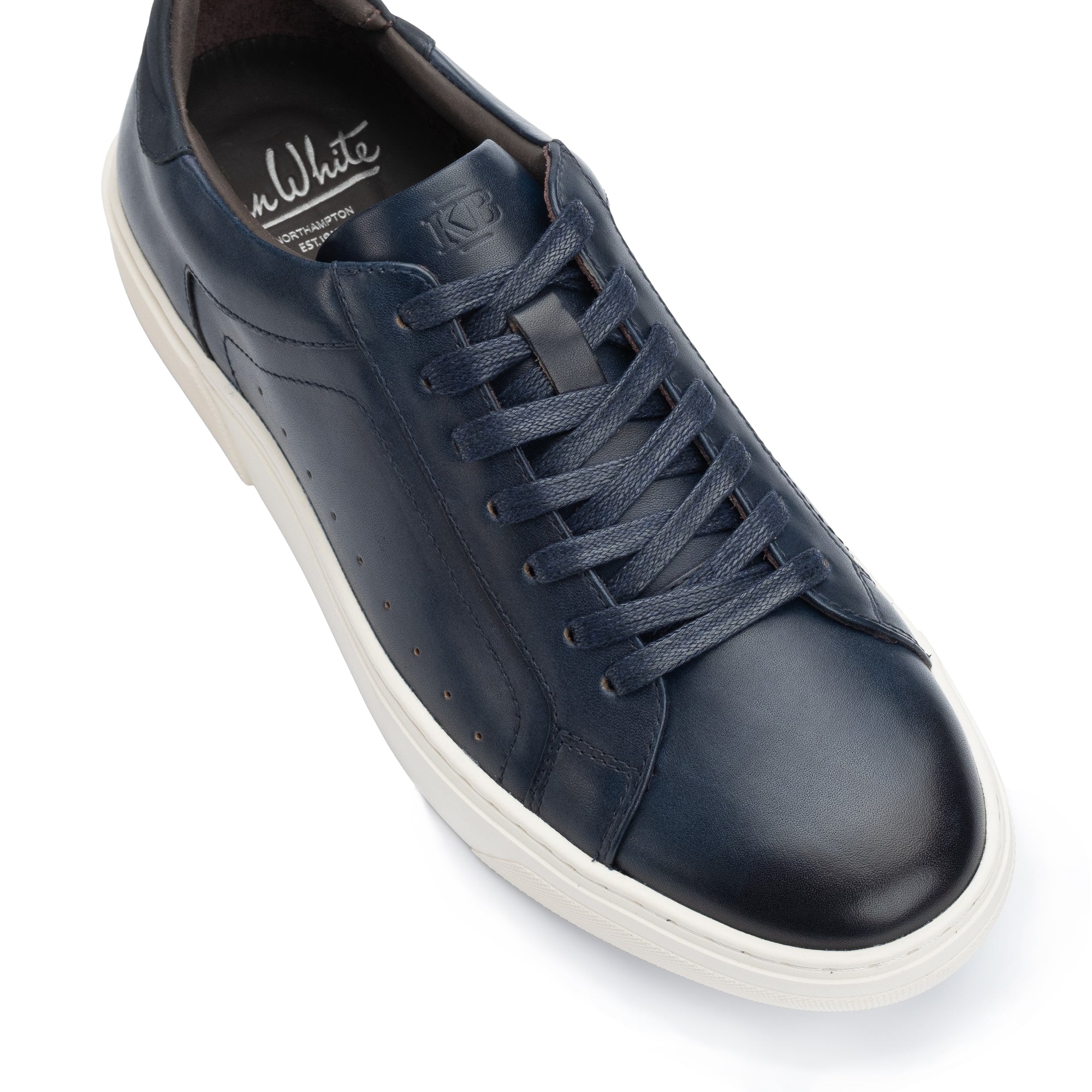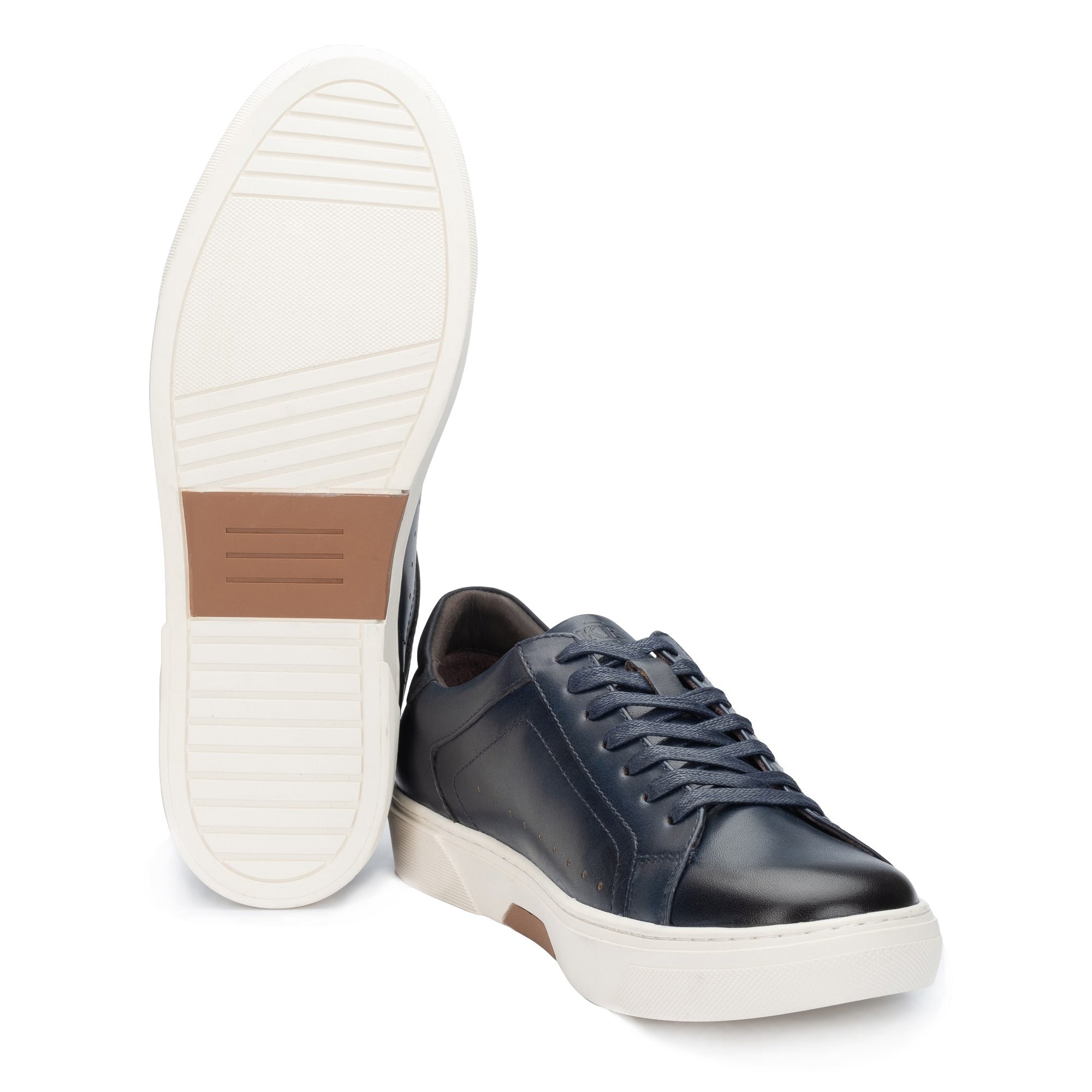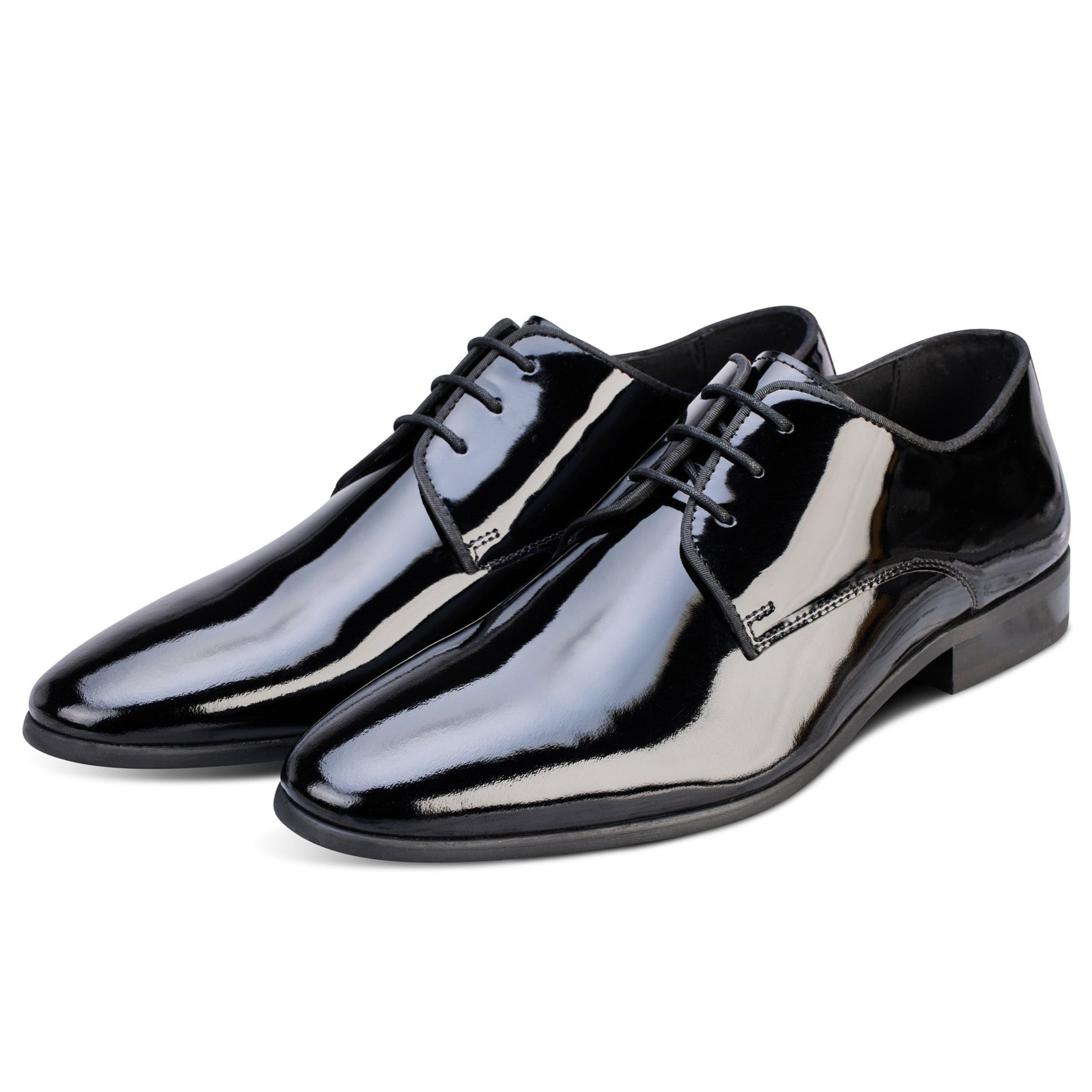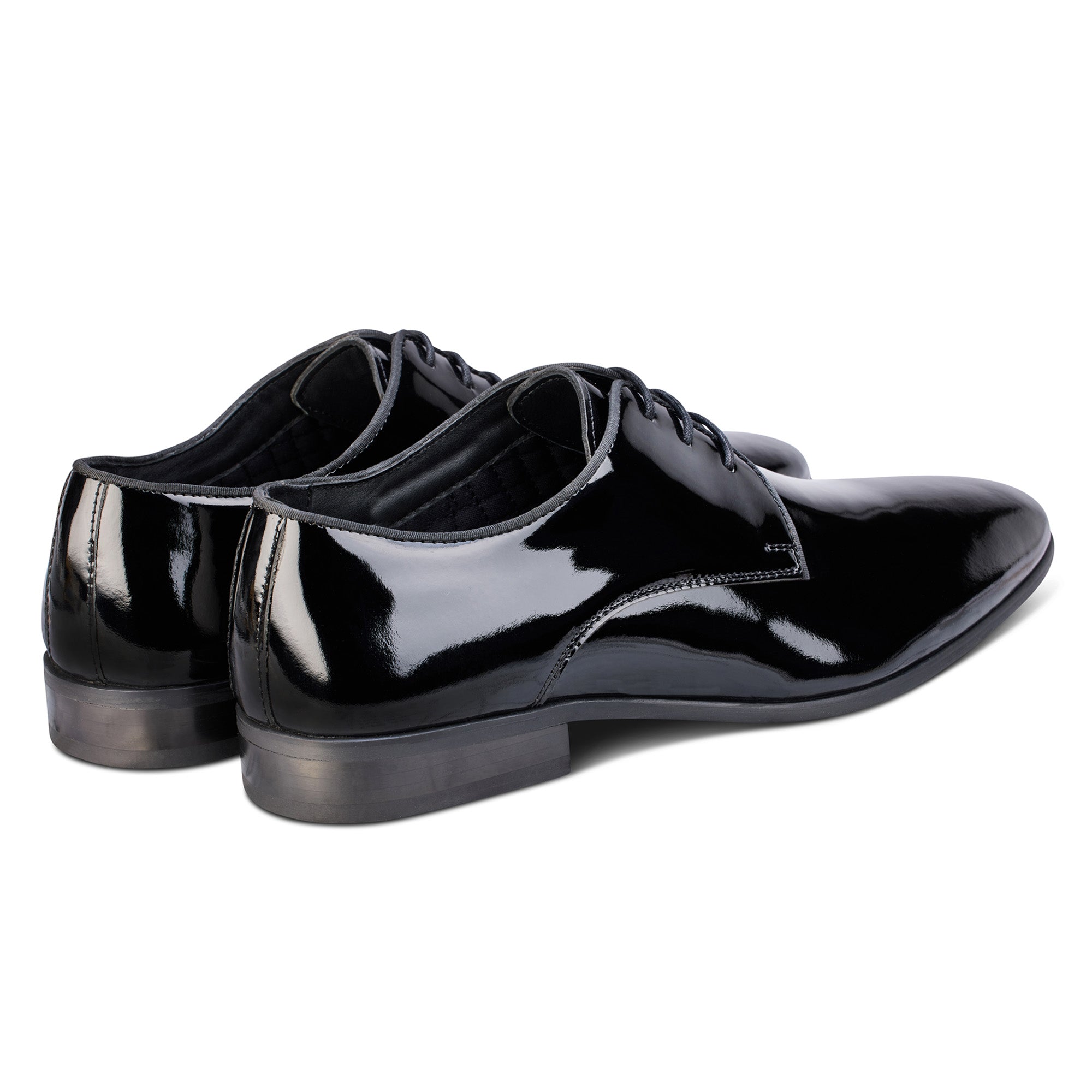

Storing Leather Shoes Long-Term: The Definitive Preparation and Preservation Guide
To store leather shoes long-term without damage, clean and condition them thoroughly before storage, insert split-toe cedar shoe trees, and place them in breathable cotton or muslin bags inside their original cardboard boxes. Maintain storage conditions between 15–20°C and 40–60% relative humidity. Inspect every two to three months and re-condition if the leather surface shows any dryness.
In This Guide
- Why Is Long-Term Leather Shoe Storage Different from Regular Shoe Care?
- How Should You Prepare Leather Shoes Before Long-Term Storage?
- What Are the Ideal Environmental Conditions for Storing Leather Shoes Long-Term?
- Which Storage Container Is Best for Storing Leather Shoes Long-Term?
- Should You Use Shoe Trees When Storing Leather Shoes Long-Term?
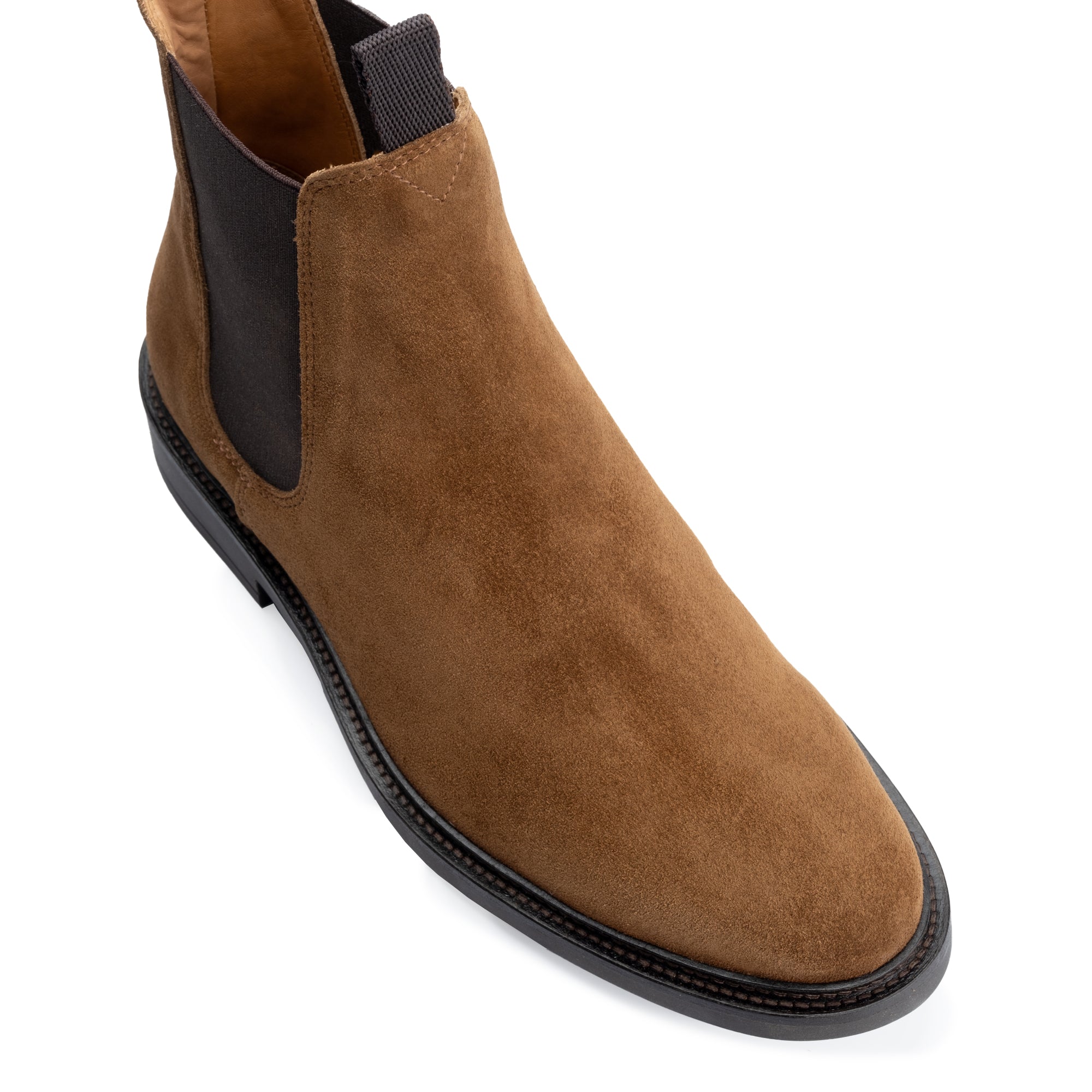
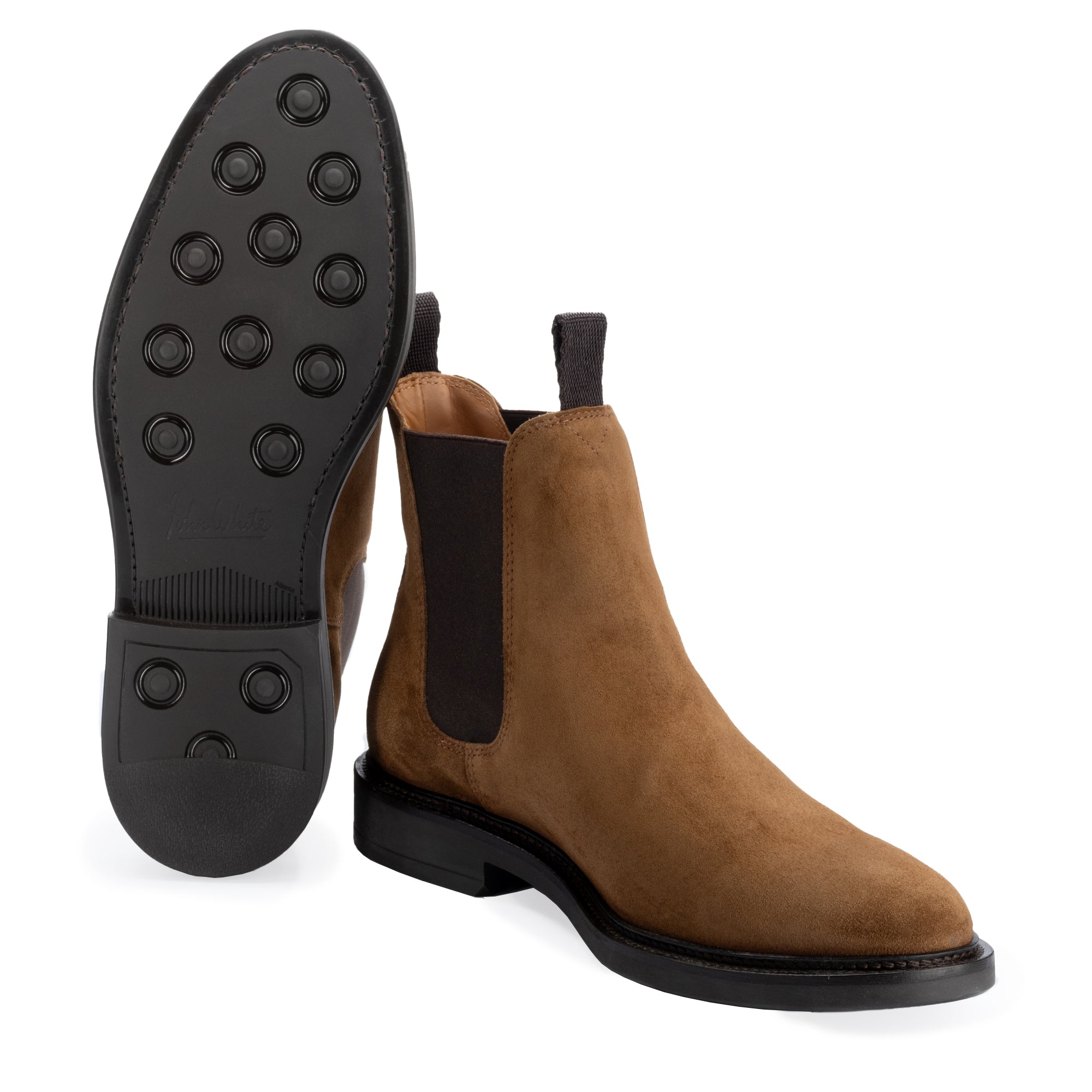
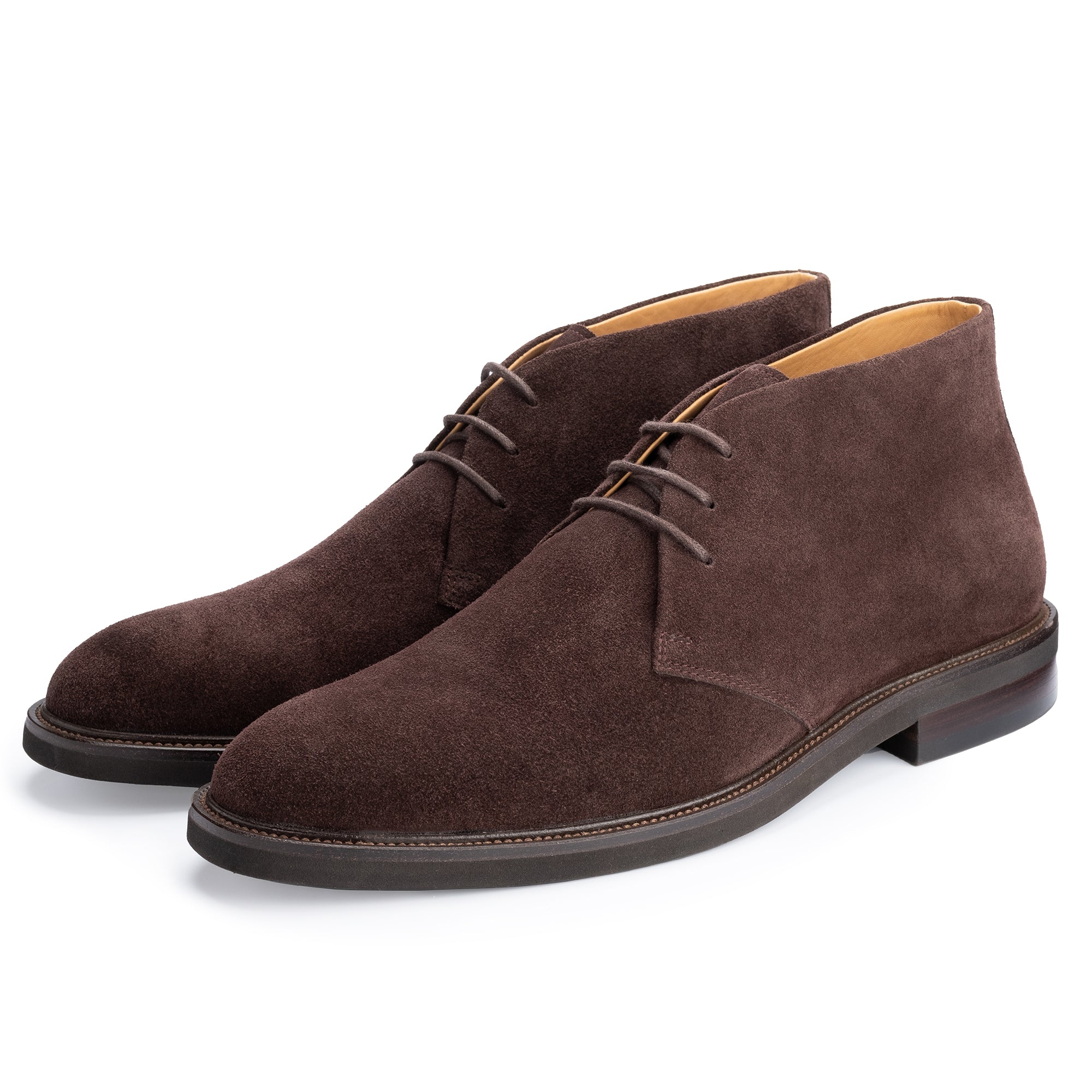
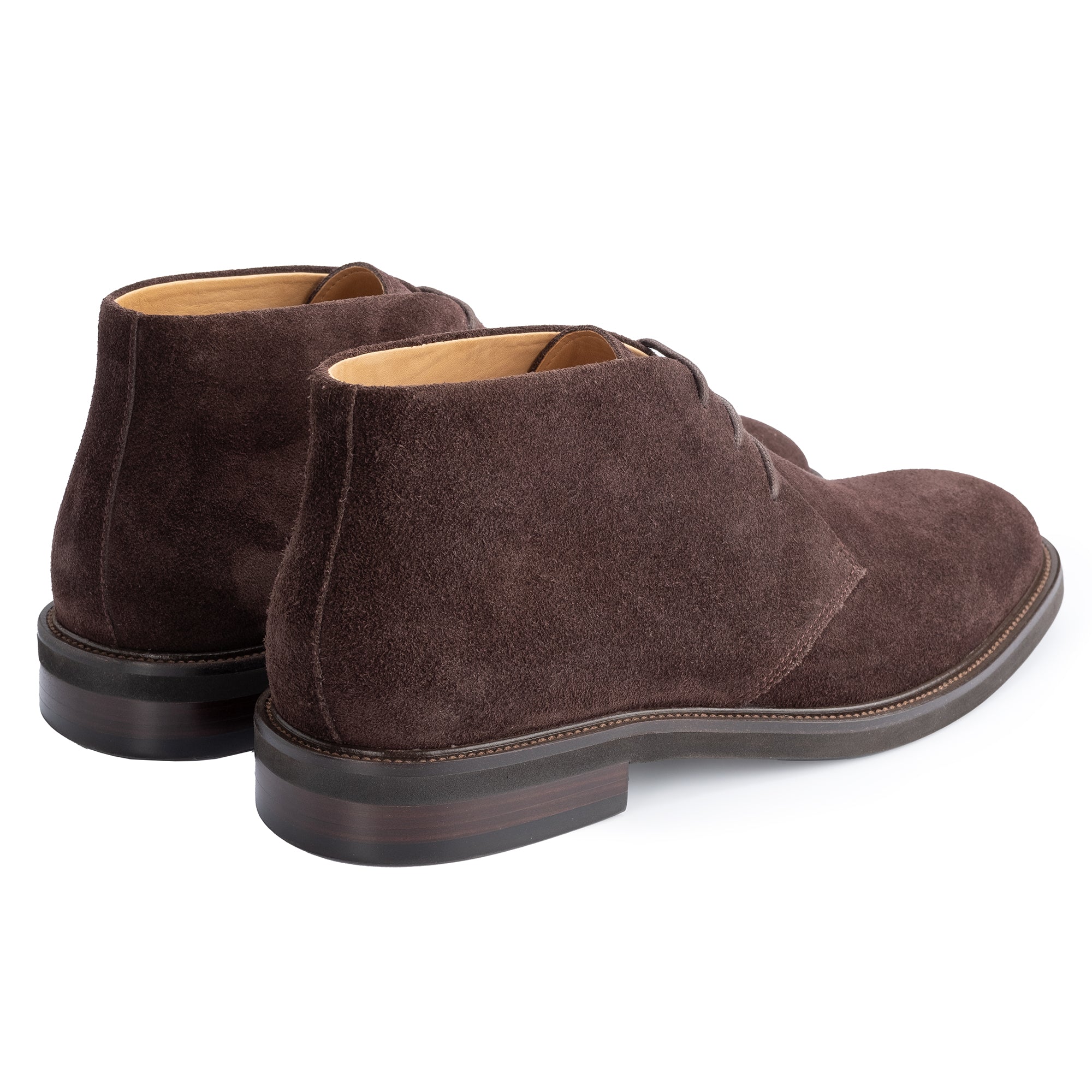
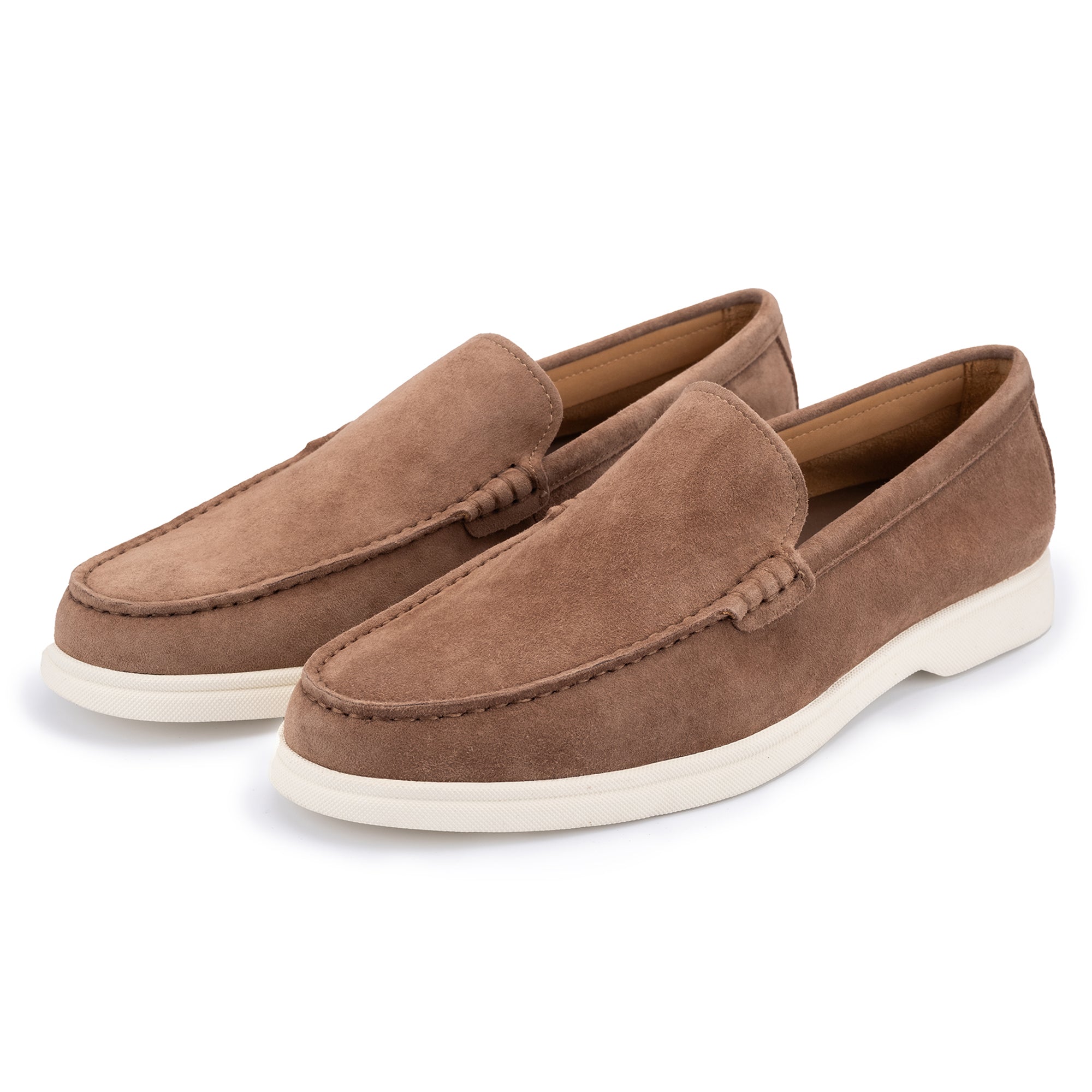
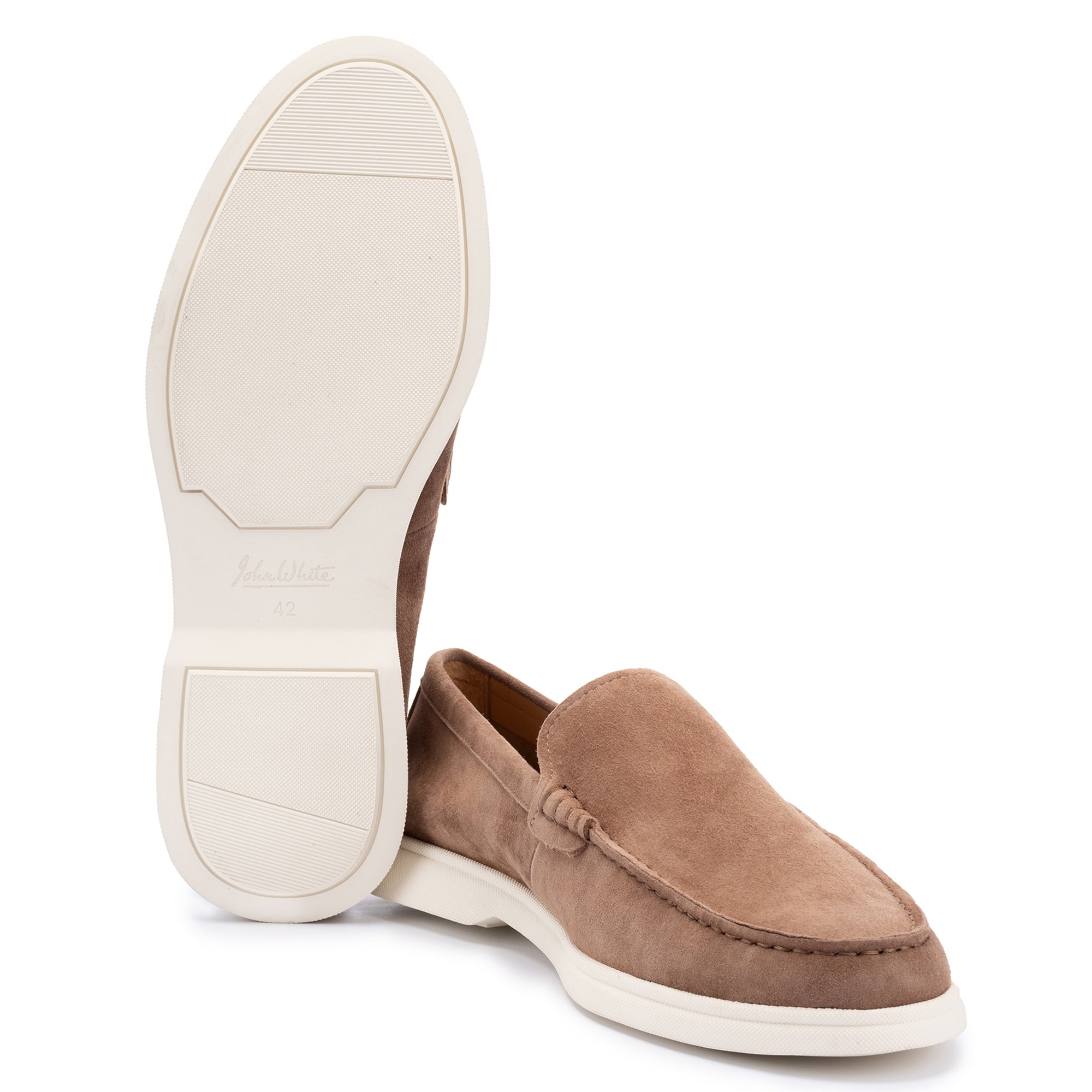
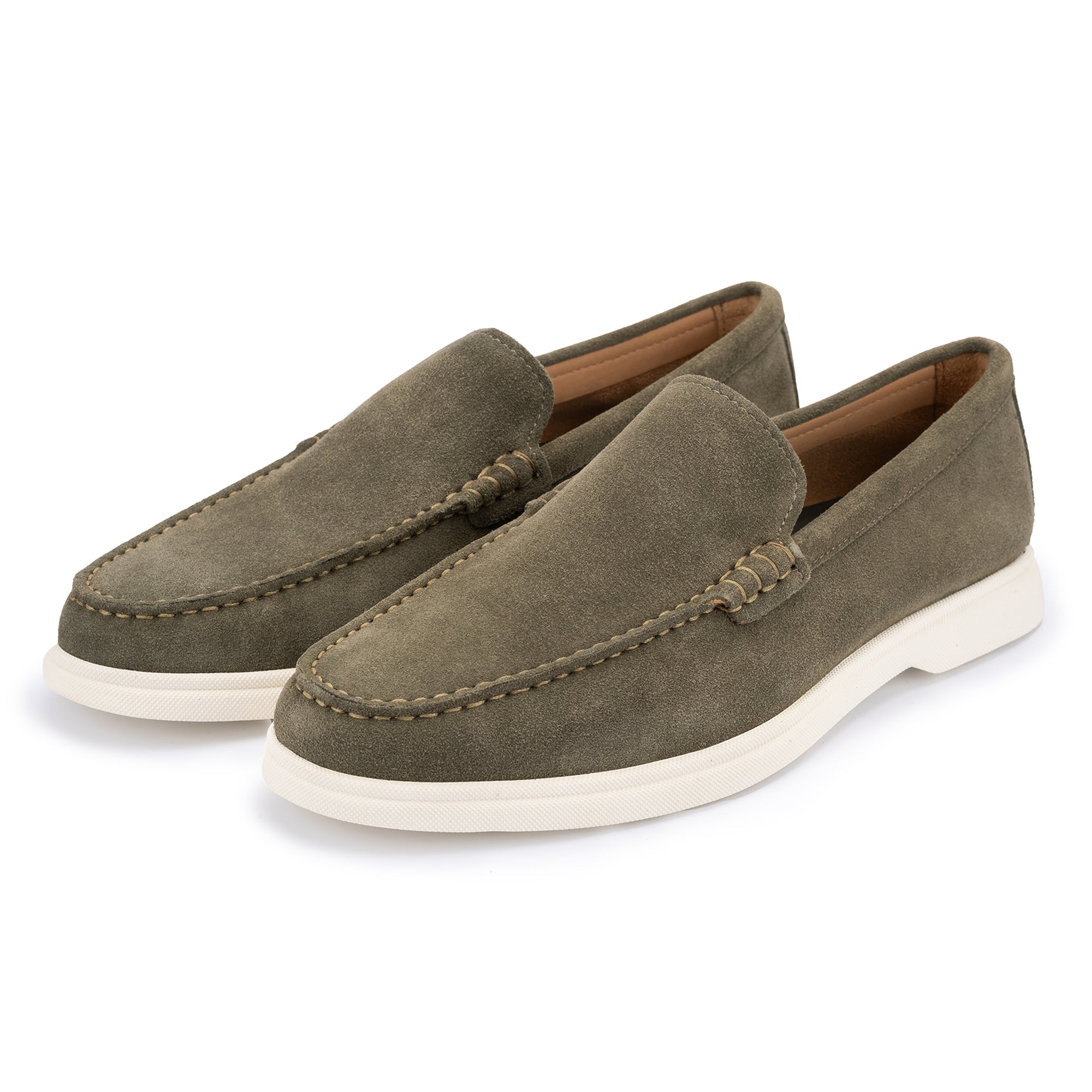
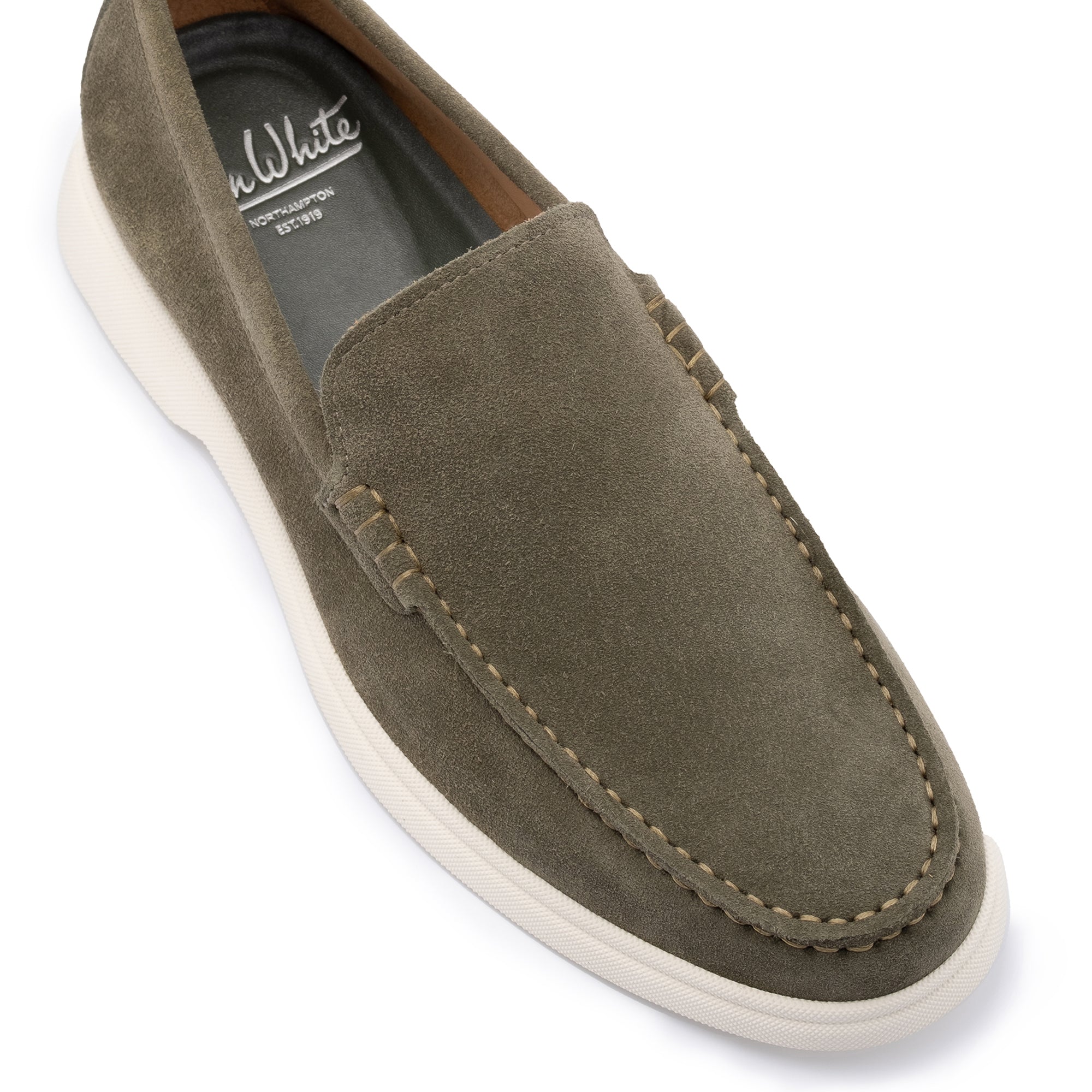
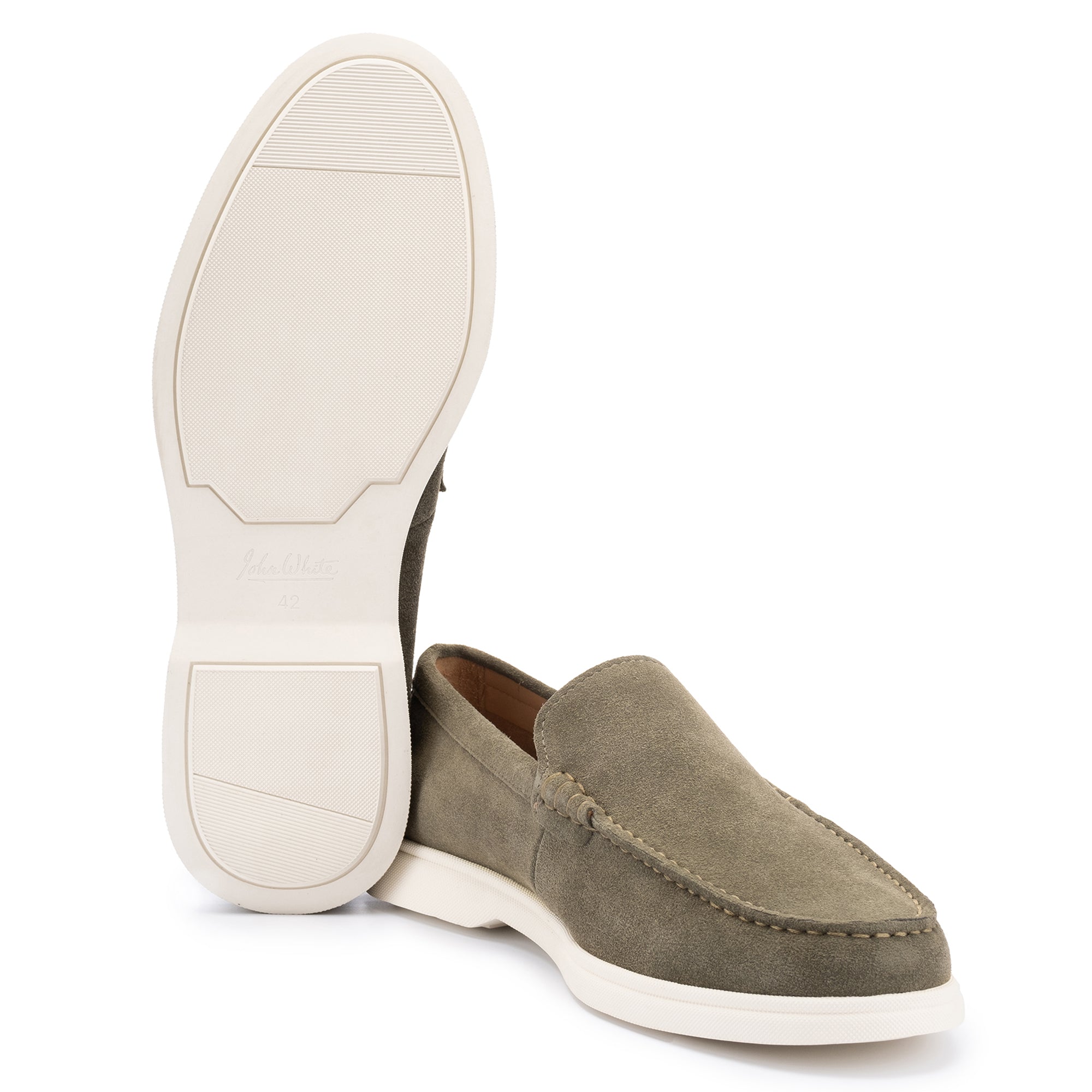
- How Should You Store Suede Shoes Differently from Smooth Leather?
- How Often Should You Check Leather Shoes During Long-Term Storage?
- What Should You Do When Retrieving Leather Shoes from Long-Term Storage?
- Related Guides
- Frequently Asked Questions
Storing leather shoes long-term is a matter of controlled environment and deliberate preparation. Get it right and a pair retrieved after six months will look as pristine as the day it was put away. Get it wrong — sealed plastic bags, a damp basement, a sun-baked loft — and you risk mould growth, cracking, and irreversible finish damage that no amount of polish will correct.
This guide covers every step: pre-storage preparation, container selection, environmental conditions, the inspection cycle, and the retrieval protocol that protects a genuine leather investment.
Why Is Long-Term Leather Shoe Storage Different from Regular Shoe Care?
Long-term storage is a distinct discipline from routine maintenance. During regular wear, shoes breathe naturally and dry out between rotations. In storage, that cycle stops entirely.
Without airflow, moisture from the leather itself can accumulate inside an enclosed container. Without movement, leather fibres that have never been stretched by foot pressure dry and stiffen in whatever shape the shoe settles. Without periodic attention, mould colonies can establish before you notice them.
Long-term storage of leather shoes requires active preparation beforehand and scheduled intervention during — not simply placing them in a box and forgetting them.
How Should You Prepare Leather Shoes Before Long-Term Storage?
Preparation is the most critical stage. Shoes stored with residual dirt, salt deposits, or insufficient conditioning will deteriorate faster in storage than they would through regular wear.
- Remove surface dirt and dust with a soft horsehair brush. Pay particular attention to welt seams and tongue folds where grit accumulates and holds moisture.
- Clean with a leather cleaner or saddle soap to remove salt marks, grease, and body oils. These compounds accelerate degradation when sealed inside a container.
- Allow the leather to dry naturally for at least 24 hours at room temperature. Never condition damp leather — the product cannot penetrate effectively and moisture becomes trapped.
- Apply a quality leather conditioner generously. For long-term storage, use a slightly heavier application than usual — the leather will receive no further nourishment for months. As we covered in our guide to leather conditioner vs shoe polish, conditioner feeds the fibres; polish only protects the surface. Both are required here.
- Polish and buff to a final finish. A coat of wax-based cream polish creates a protective surface barrier that resists moisture and dust during storage.
- Insert cedar shoe trees. This step is non-negotiable — see the section below and our full guide to the essential role of shoe trees in preserving leather footwear.
A thorough preparation protocol before storage protects leather from mould, cracking, and surface degradation more effectively than any intervention after damage has begun.
What Are the Ideal Environmental Conditions for Storing Leather Shoes Long-Term?
Environmental control is the single most important variable in long-term leather shoe storage. The Leather Conservation Centre recommends storing leather goods at between 15–20°C and 40–60% relative humidity — conditions cool and stable enough to prevent both mould growth, which accelerates above 65% humidity, and desiccation cracking, which accelerates below 30%.
"The greatest single cause of leather deterioration in domestic storage is fluctuating humidity. Stable, moderate conditions matter more than any product applied after the fact." — Leather Conservation Centre
According to the Society of Master Shoe Repairers, the majority of long-term leather damage they encounter — mould, cracking, sole delamination — is attributable to poor storage conditions rather than structural wear.
| Environmental Factor | Ideal Range | Risk if Outside Range |
|---|---|---|
| Temperature | 15–20°C | Heat dries fibres; frost causes brittleness |
| Relative Humidity | 40–60% | Above 65%: mould. Below 30%: cracking |
| Light Exposure | No direct sunlight or UV | UV fades dyes and desiccates the surface |
| Airflow | Indirect, gentle ventilation | Stagnant air accelerates mould growth |
Suitable locations include a bedroom wardrobe, a ground-floor cupboard, or a climate-controlled utility room. Locations to avoid: the loft (temperature extremes and low humidity in summer), the garage (damp and frost risk), and any shelf positioned near a radiator.
A cool, dry, dark interior cupboard is the optimal long-term storage environment — the loft and basement are the two most common causes of preventable storage damage.
Which Storage Container Is Best for Storing Leather Shoes Long-Term?
The choice of container has an outsized effect on long-term outcomes. The most important principle: leather must breathe. Any airtight enclosure — sealed plastic boxes, resealable bags — creates a microclimate that traps humidity and encourages mould.
- Original cardboard boxes with a cotton or muslin bag — the definitive choice. Cardboard allows gentle airflow; the bag protects the finish from dust and surface contact marks. The original box also provides the correct internal proportions.
- Breathable cotton shoe bags — excellent where space is limited. Place on a well-ventilated shelf with adequate clearance between pairs.
- Plastic shoe boxes with genuine ventilation holes — acceptable only if ventilation is real rather than cosmetic, and the storage environment is demonstrably dry.
- Sealed plastic bags or airtight containers — avoid entirely for long-term storage. They seal in moisture and replicate the conditions mould requires to establish.
Include a small cedar block or silica gel sachet inside each box to manage residual moisture. Replace silica gel sachets every six months — they become saturated and lose efficacy.
Breathable cardboard boxes with cotton bags are the correct choice; airtight plastic seals in humidity and creates precisely the conditions that damage leather over extended periods.
Should You Use Shoe Trees When Storing Leather Shoes Long-Term?
Cedar shoe trees are essential during long-term storage, without qualification. They serve two critical functions: maintaining the three-dimensional shape of the upper so leather does not crease and permanently set in an unnatural form, and actively absorbing residual moisture from within the shoe.
Split-toe cedar trees are preferable to solid wooden or plastic alternatives. The split-toe design allows the cedar to expand laterally, tensioning the vamp and preventing toe-box collapse during extended static periods. Plastic trees do not absorb moisture — they provide only half the benefit of cedar.
Cedar shoe trees are the single most impactful item for long-term leather shoe storage — they simultaneously preserve shape and actively manage the moisture that enables mould growth.
How Should You Store Suede Shoes Differently from Smooth Leather?
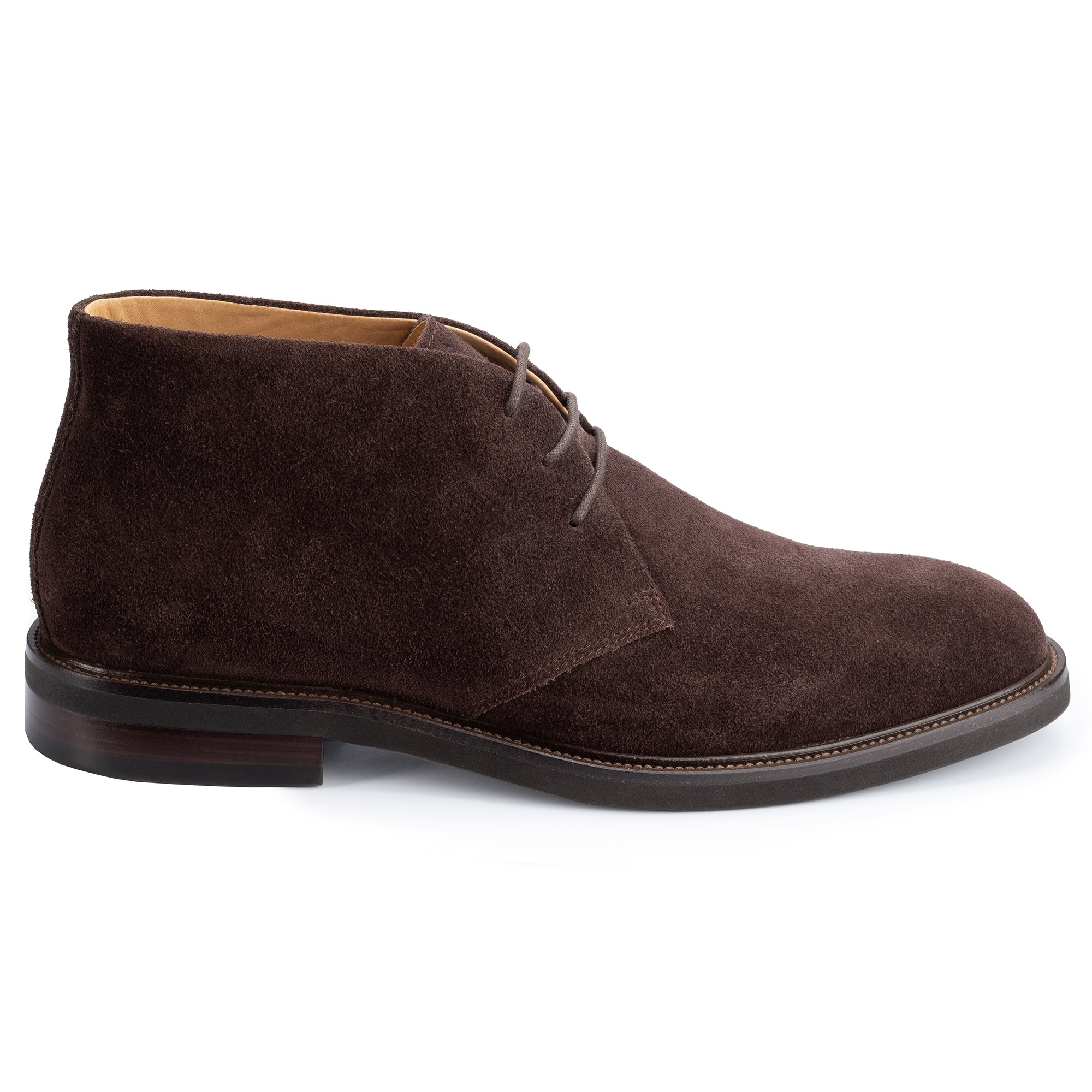
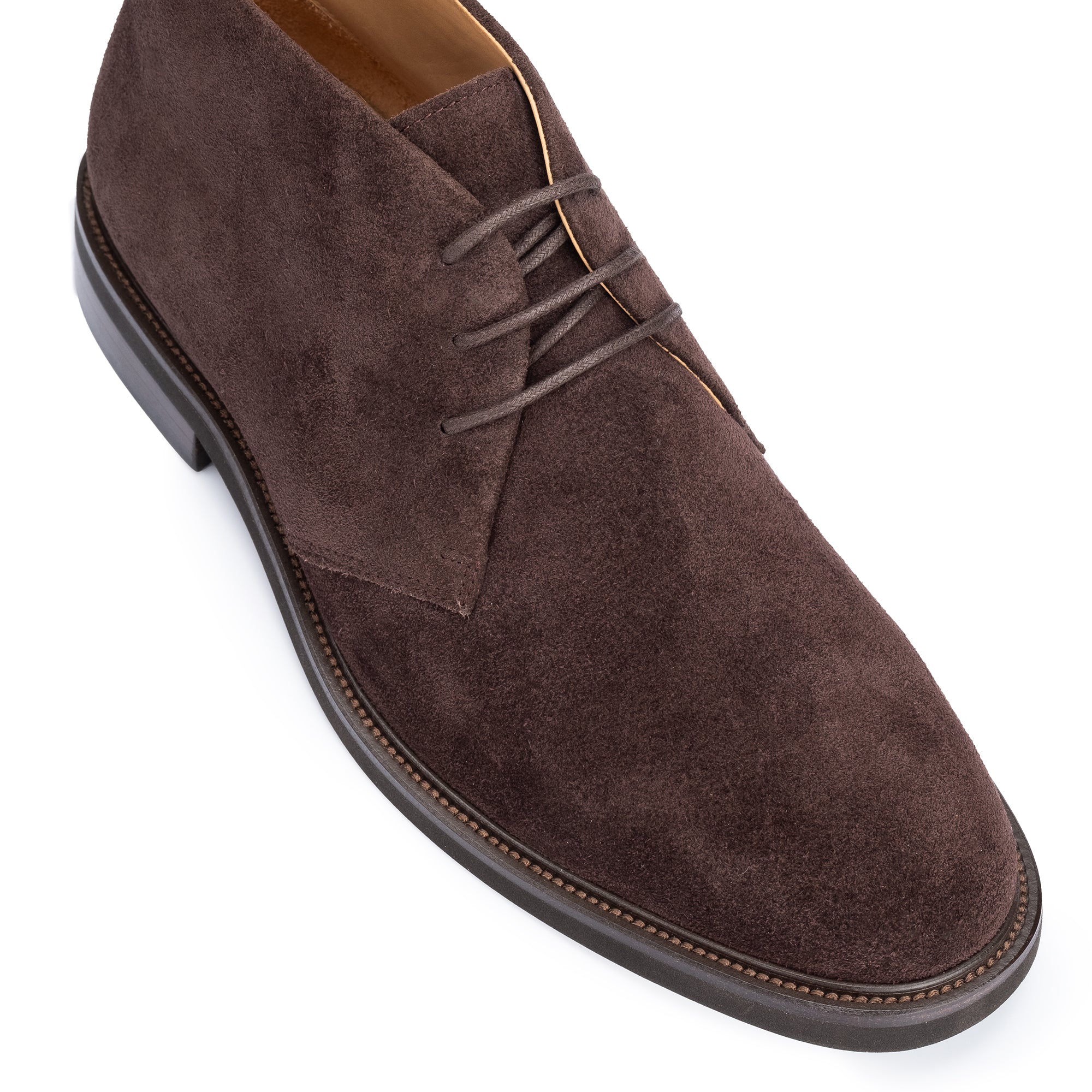
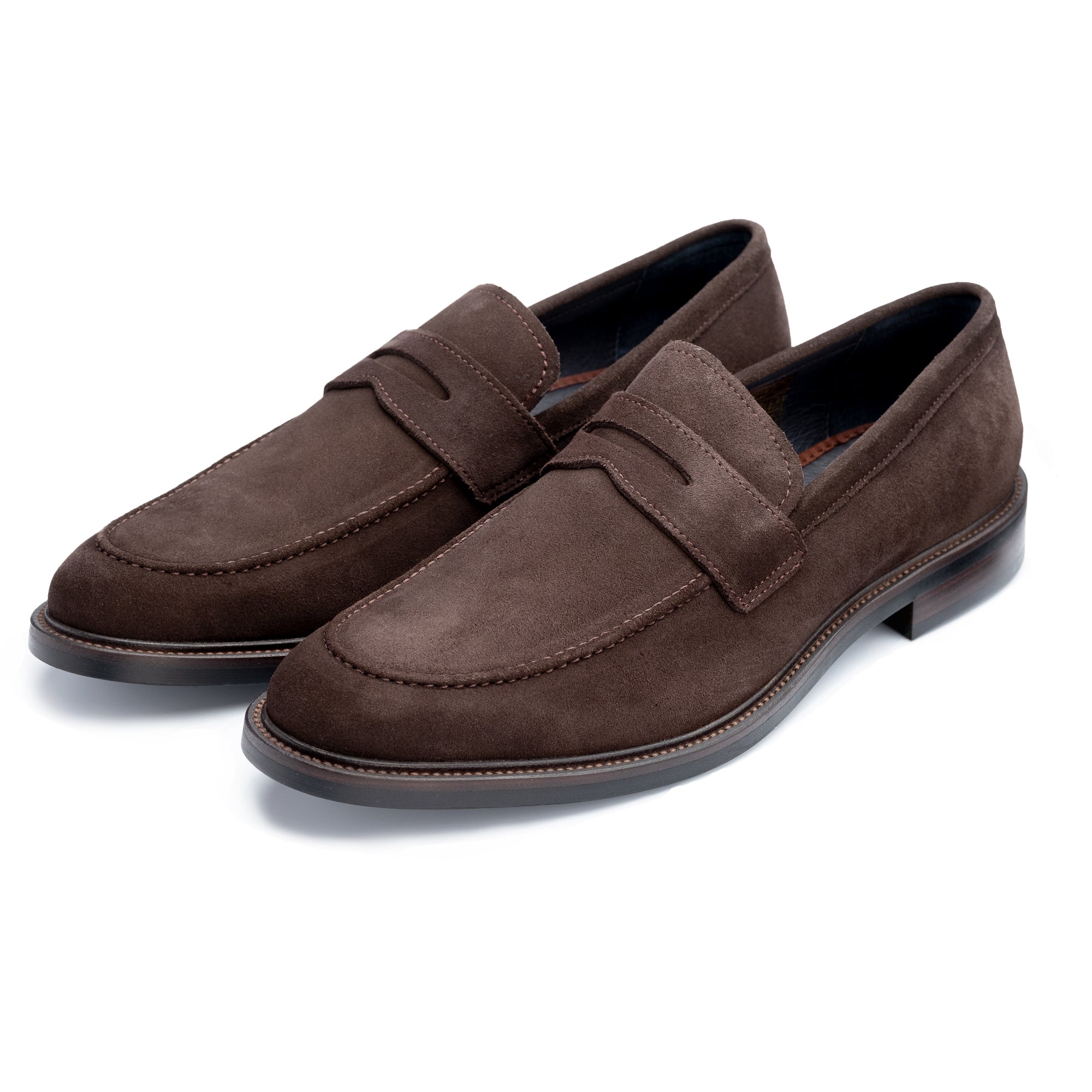
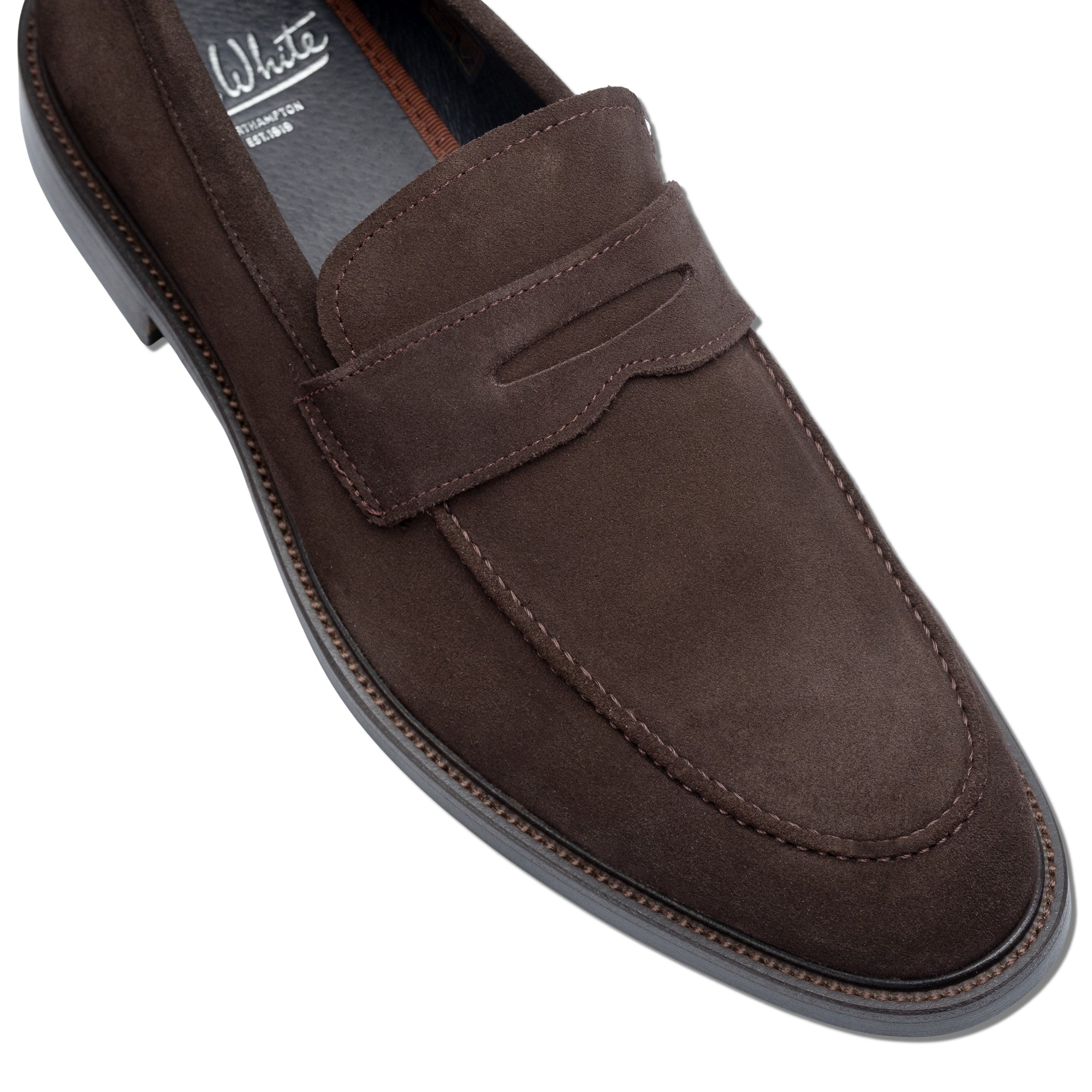
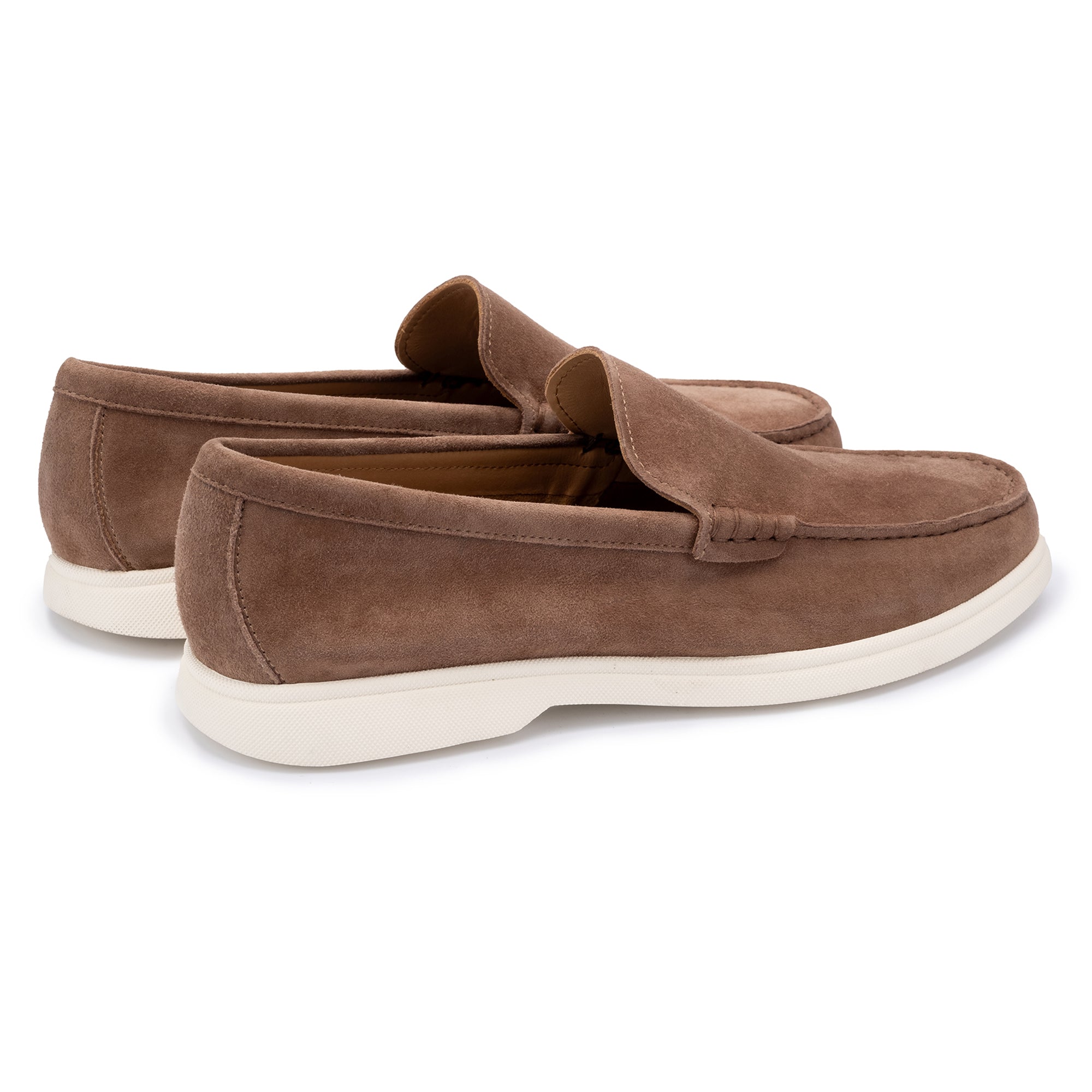
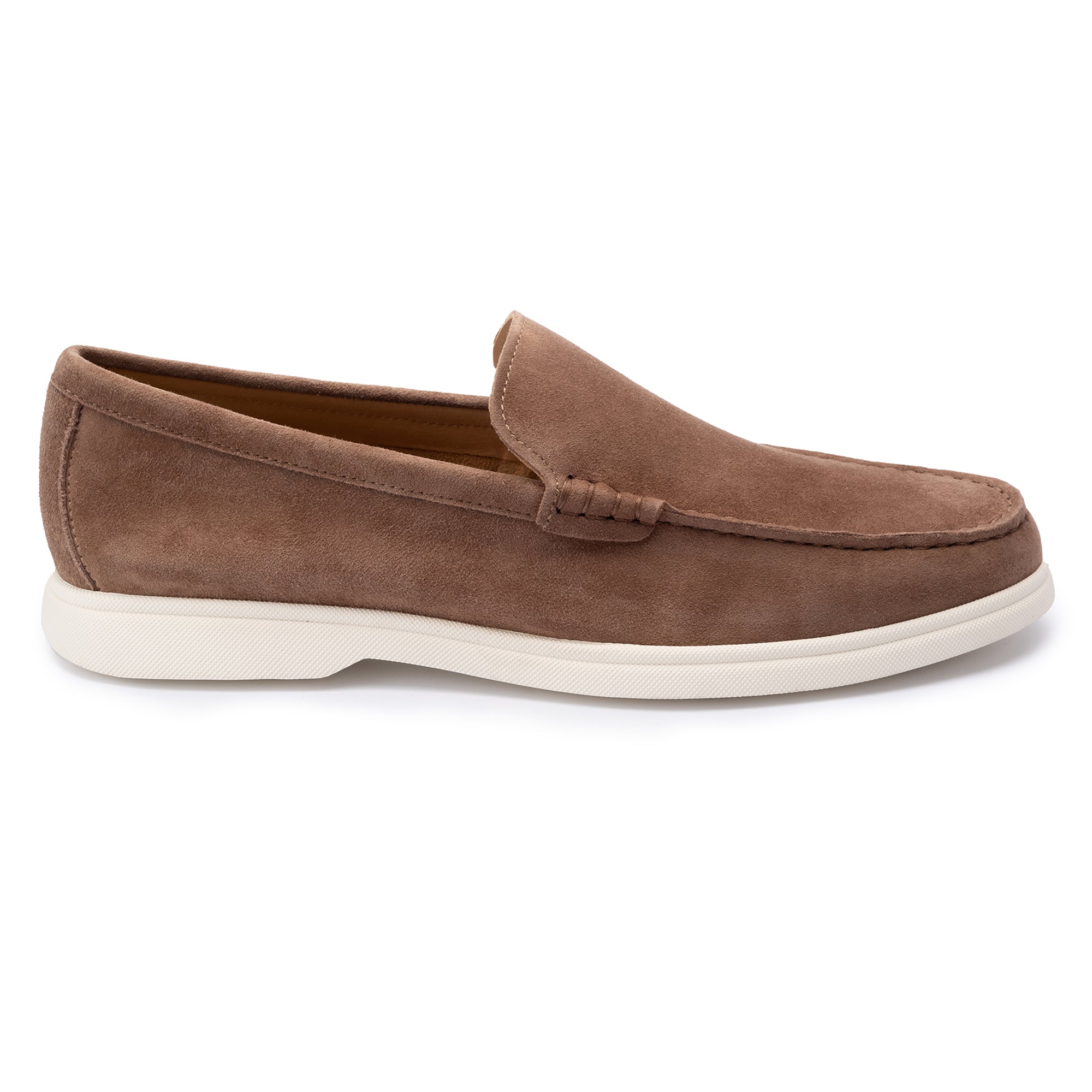
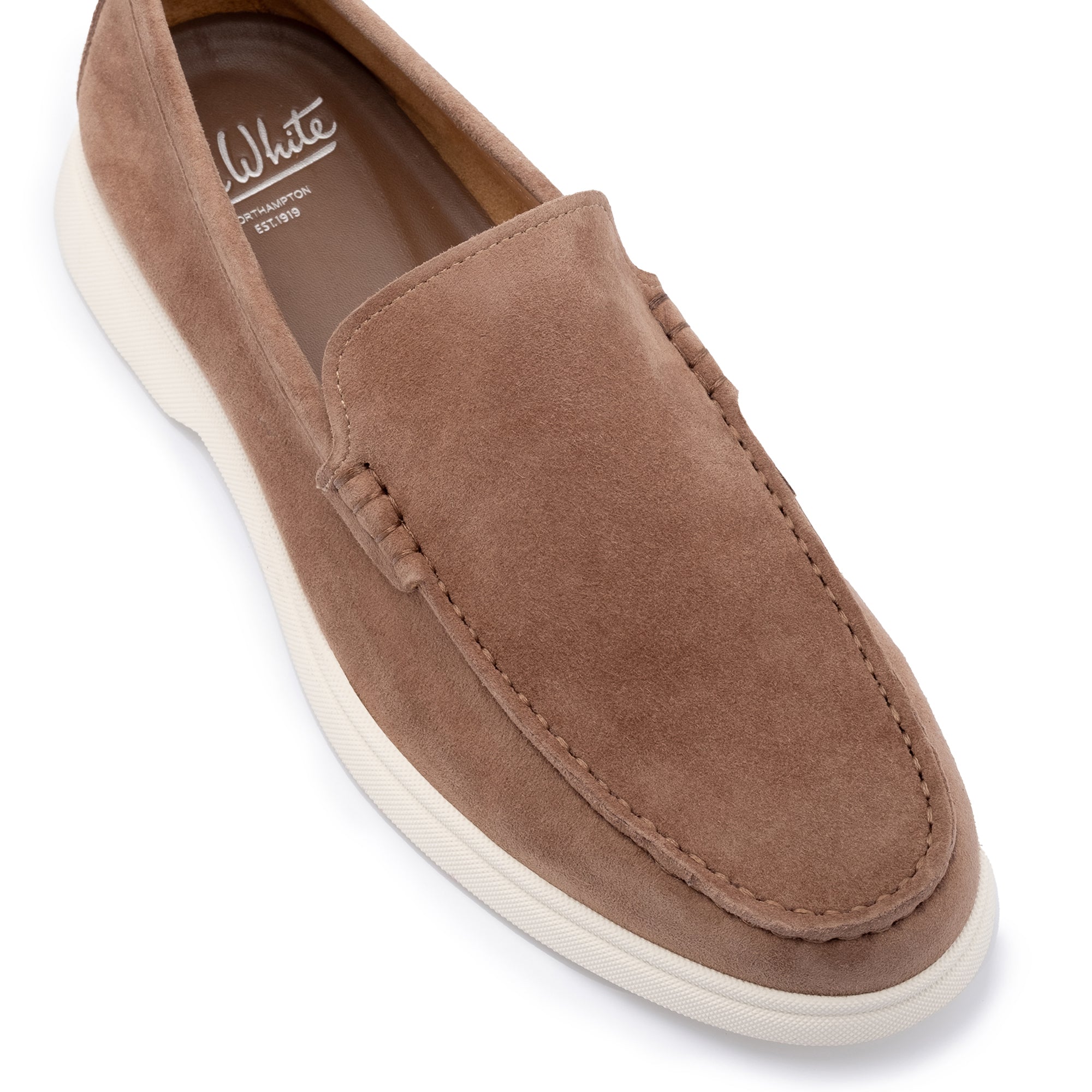
Suede requires the same environmental conditions as smooth leather but demands additional surface preparation. The open, fibrous nap is more vulnerable to compression marks and dust contamination than a polished calf surface.
Before storing suede:
- Brush the nap thoroughly with a suede brush to lift and align the fibres.
- Apply a suede protector spray and allow it to cure for 24 hours before storage.
- Wrap in cotton muslin to prevent dust from settling into the nap during storage.
- Never store suede in proximity to polished leather without separation — wax-based polishes transfer readily to suede nap and are difficult to remove cleanly.
How Often Should You Check Leather Shoes During Long-Term Storage?
A quarterly inspection is the minimum for shoes stored six months or longer. Every two to three months, remove each pair, inspect the leather surface, and assess the condition.
During each inspection:
- Check for mould growth — white or grey powdery deposits, typically appearing first at the welt seam. Address immediately with a cloth dampened with diluted white vinegar, then re-condition once dry.
- Assess the leather for dryness or a faded, chalky appearance. If the surface looks dull or feels tight, apply a thin coat of conditioner and allow it to absorb before returning to storage.
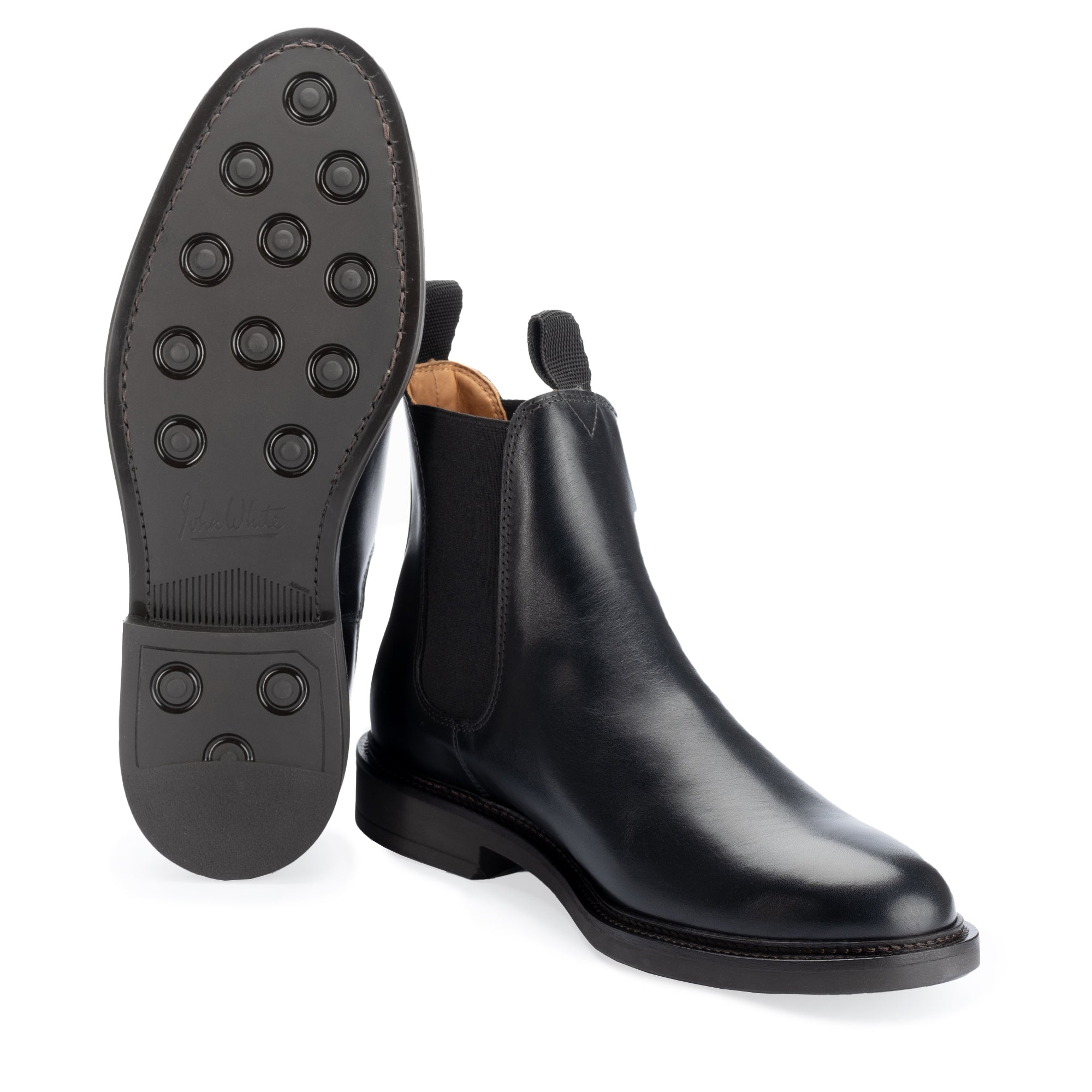
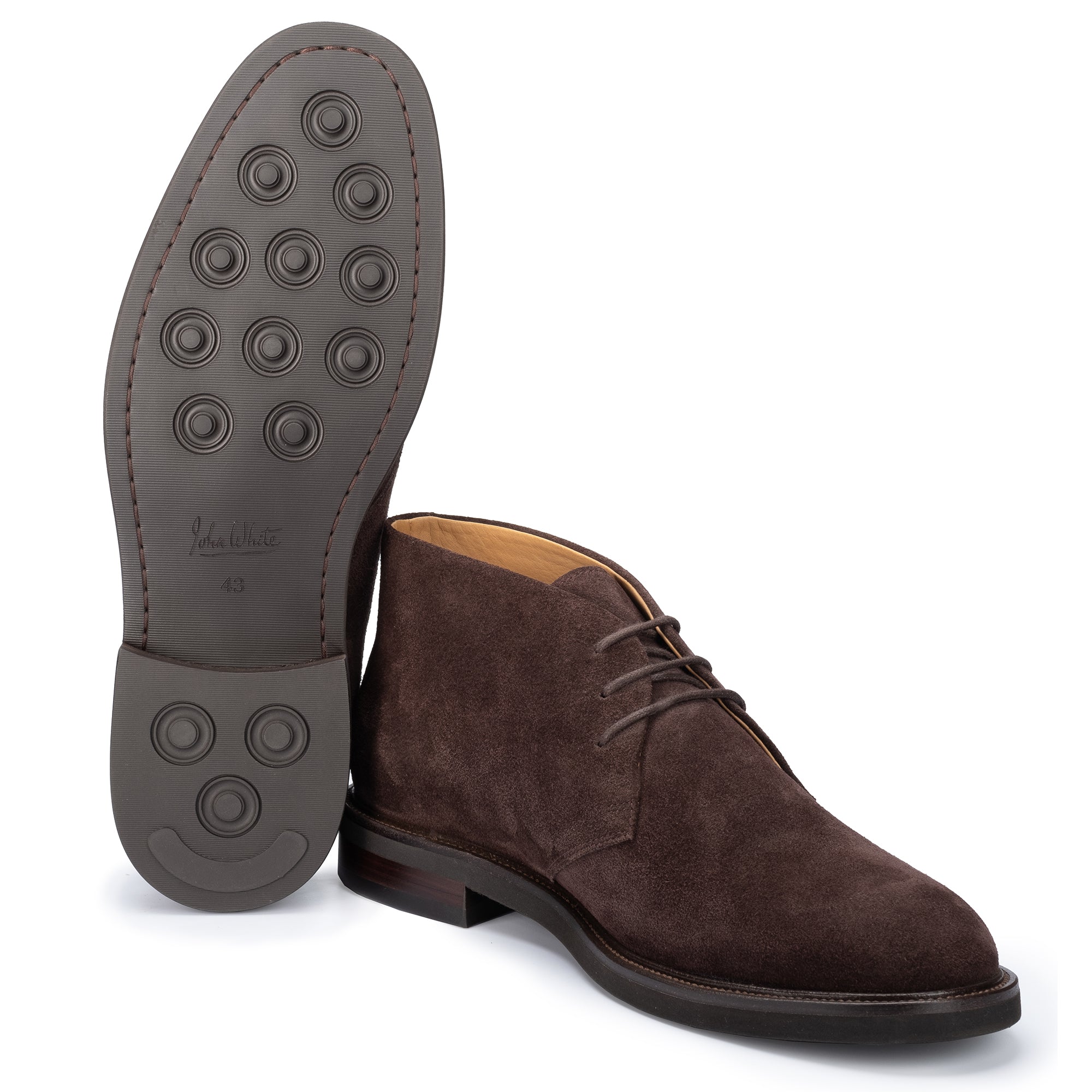
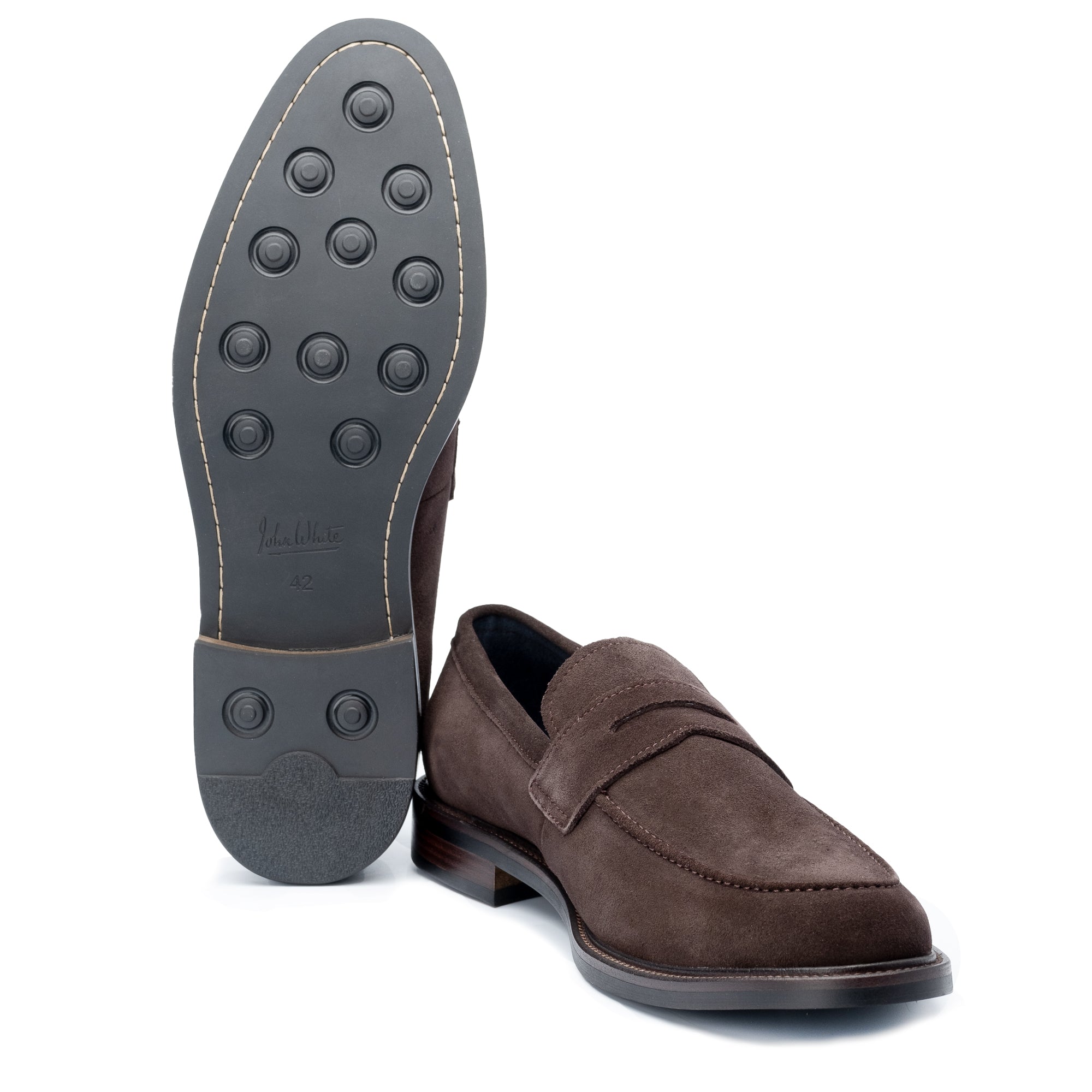
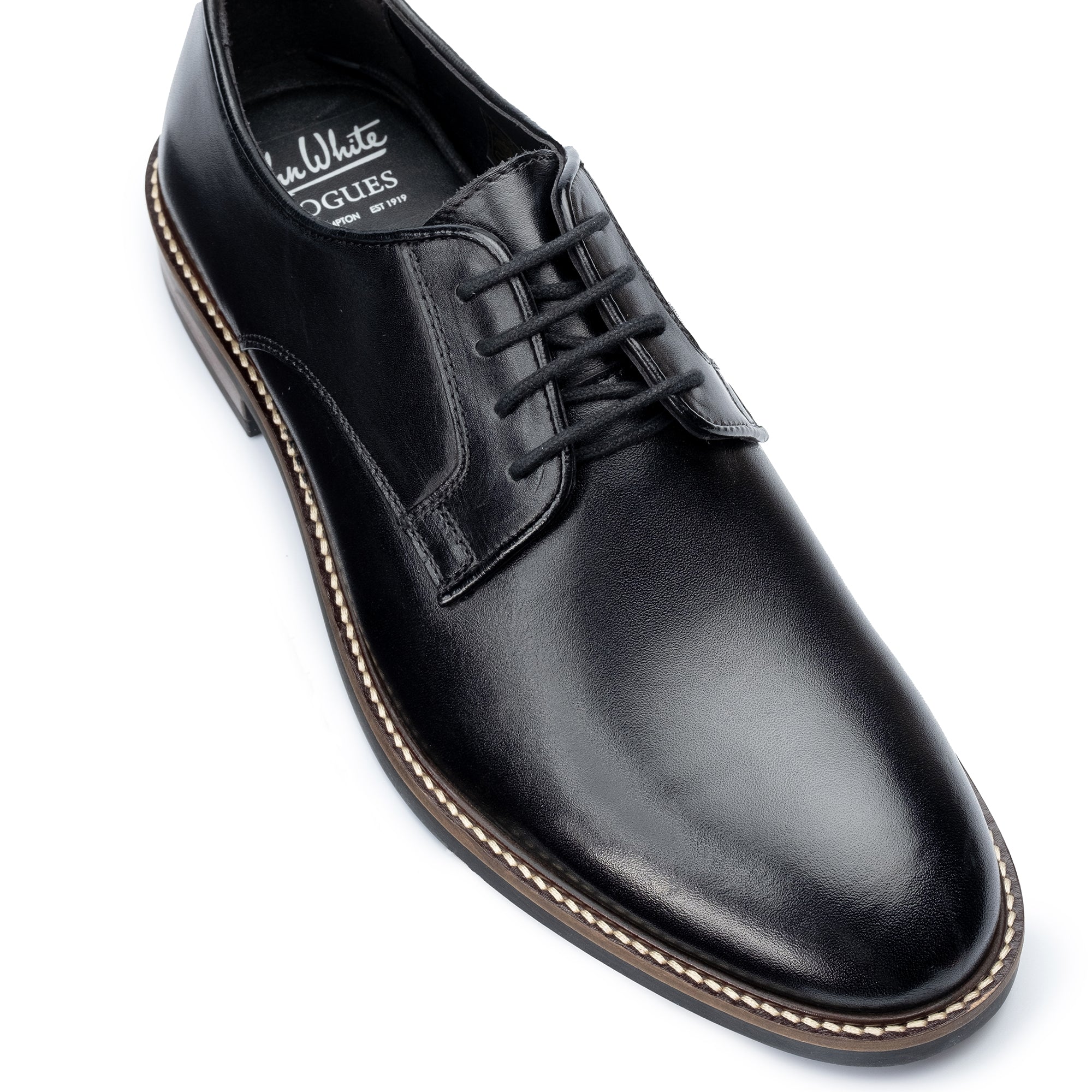
- Inspect the sole for any delamination at the welt, particularly on Goodyear welted construction where adhesive may soften over extended static periods.
This inspection discipline is central to the broader seasonal routine covered in The Annual Ritual: A Complete Maintenance Checklist for Your Leather Shoe Collection — a useful companion guide for those managing a collection across seasons.
A two-minute quarterly inspection allows minor issues — early mould, surface dryness — to be corrected before they become irreversible damage.
What Should You Do When Retrieving Leather Shoes from Long-Term Storage?
Retrieval is as deliberate a process as preparation. Do not remove shoes from storage and wear them immediately — leather that has been static for months needs to be reintroduced to wear gradually.
- Remove from the box and allow to breathe at room temperature for 12–24 hours.
- Inspect the surface and apply a conditioning treatment if the leather appears dry or lacks lustre.
- Polish and buff to restore the surface finish to full working condition.
- Flex the sole gently by hand before wearing — leather soles stiffen during extended inactivity and benefit from gentle manipulation before use.
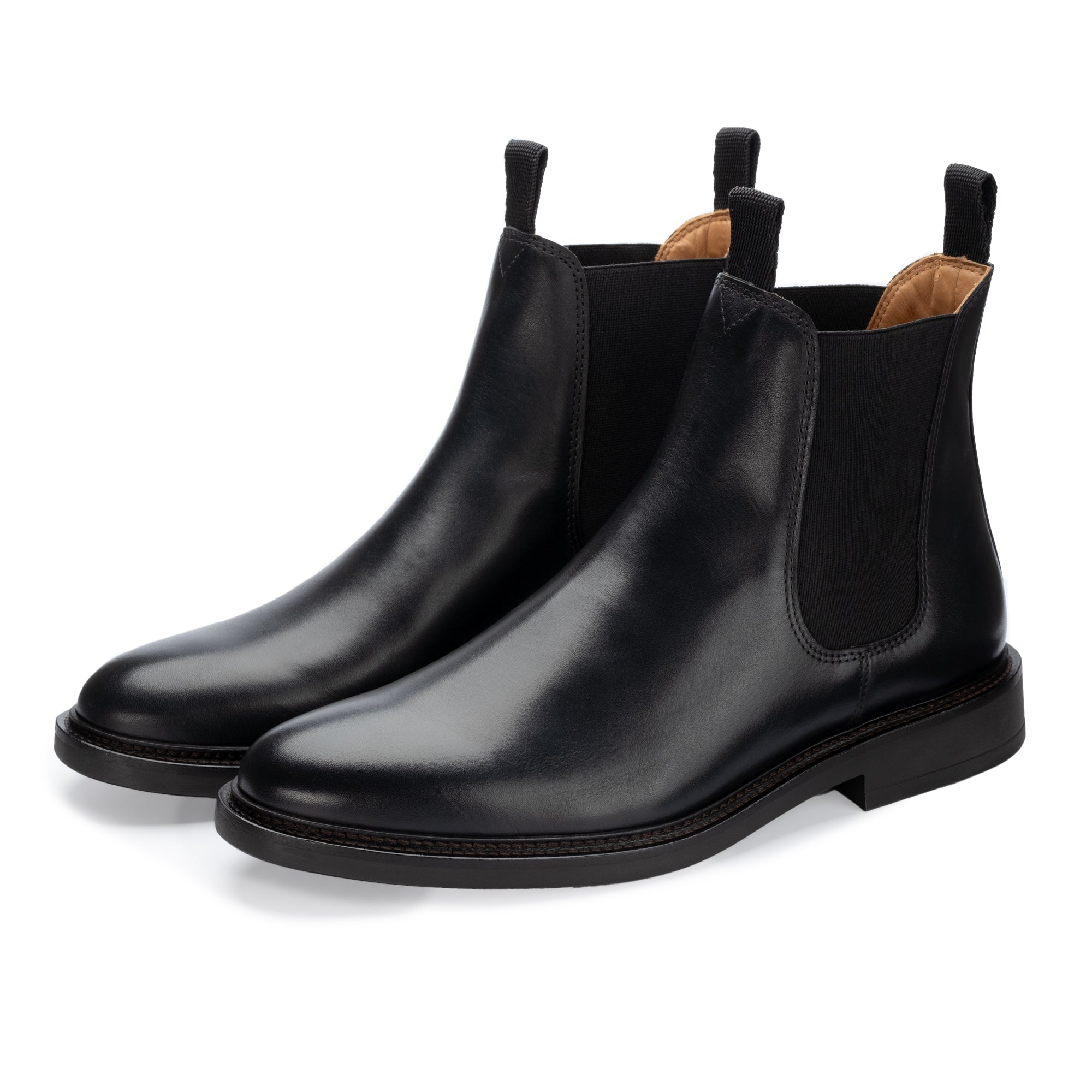
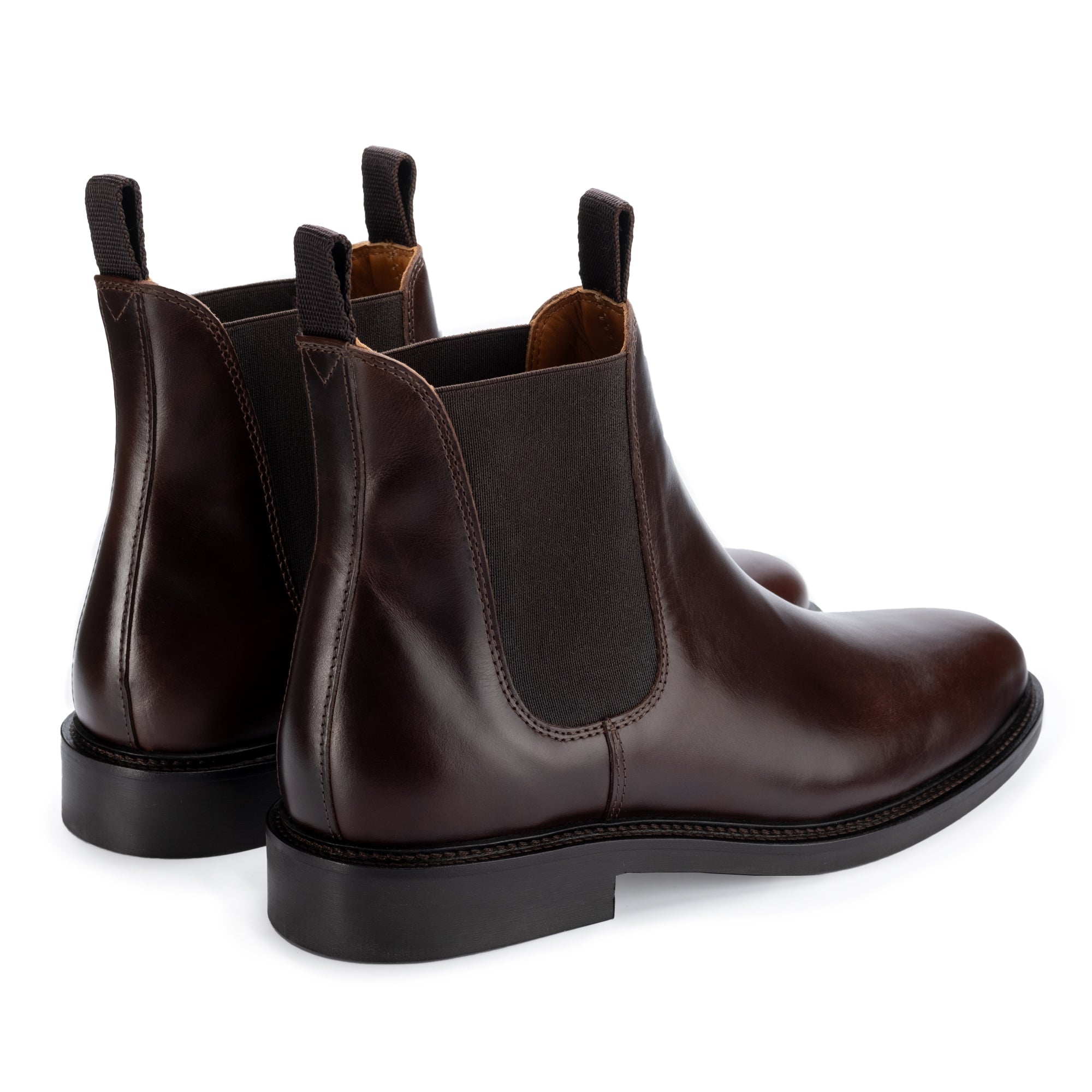
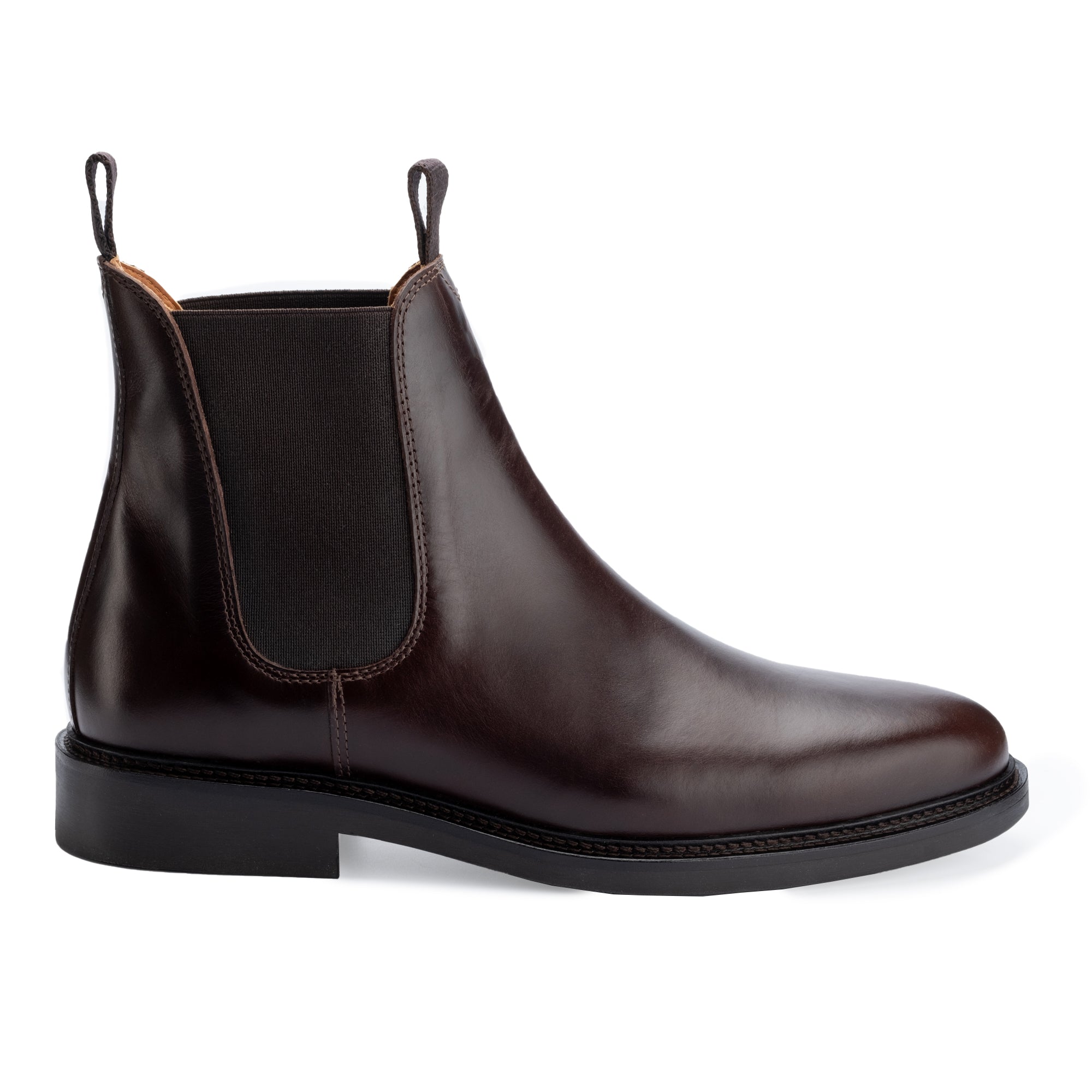
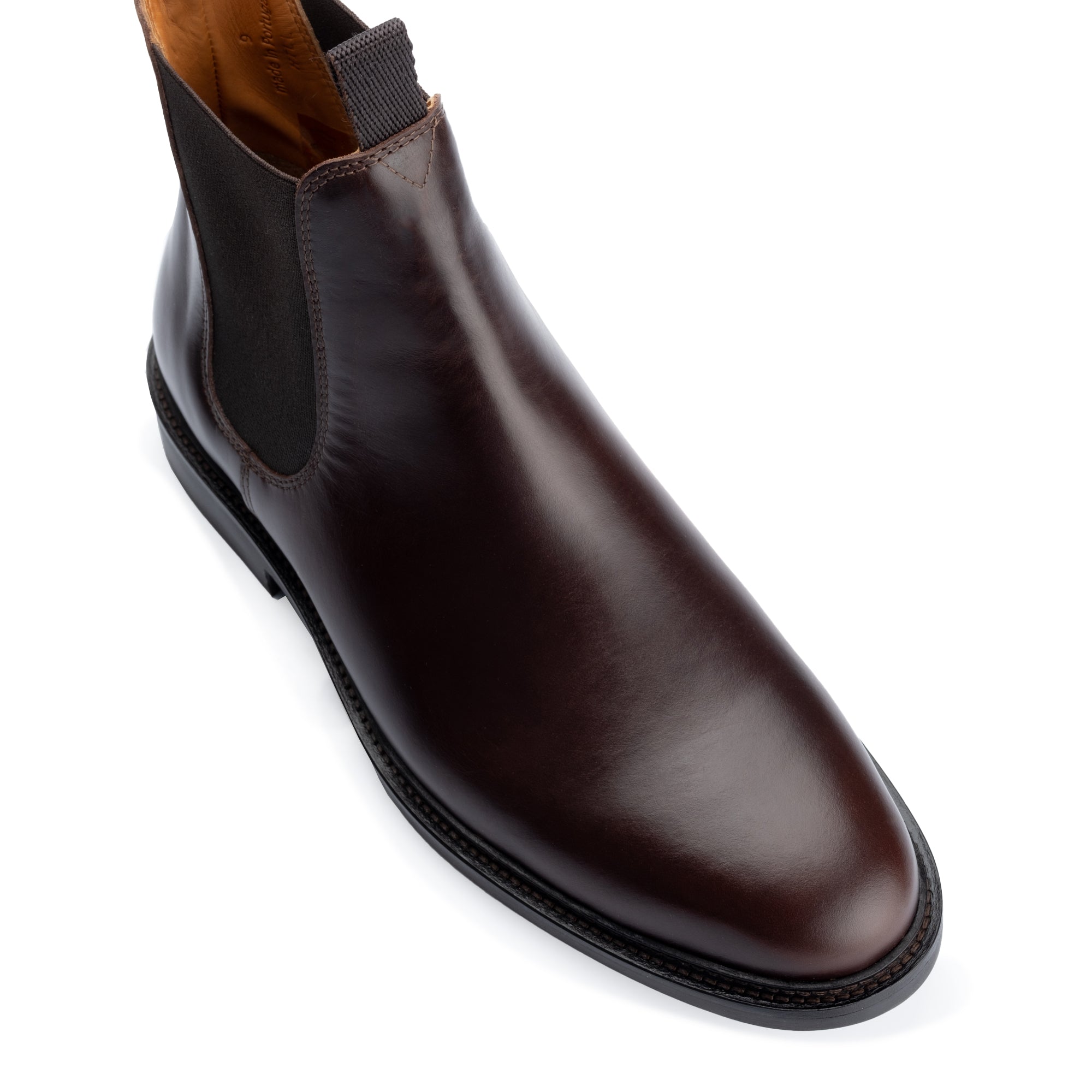
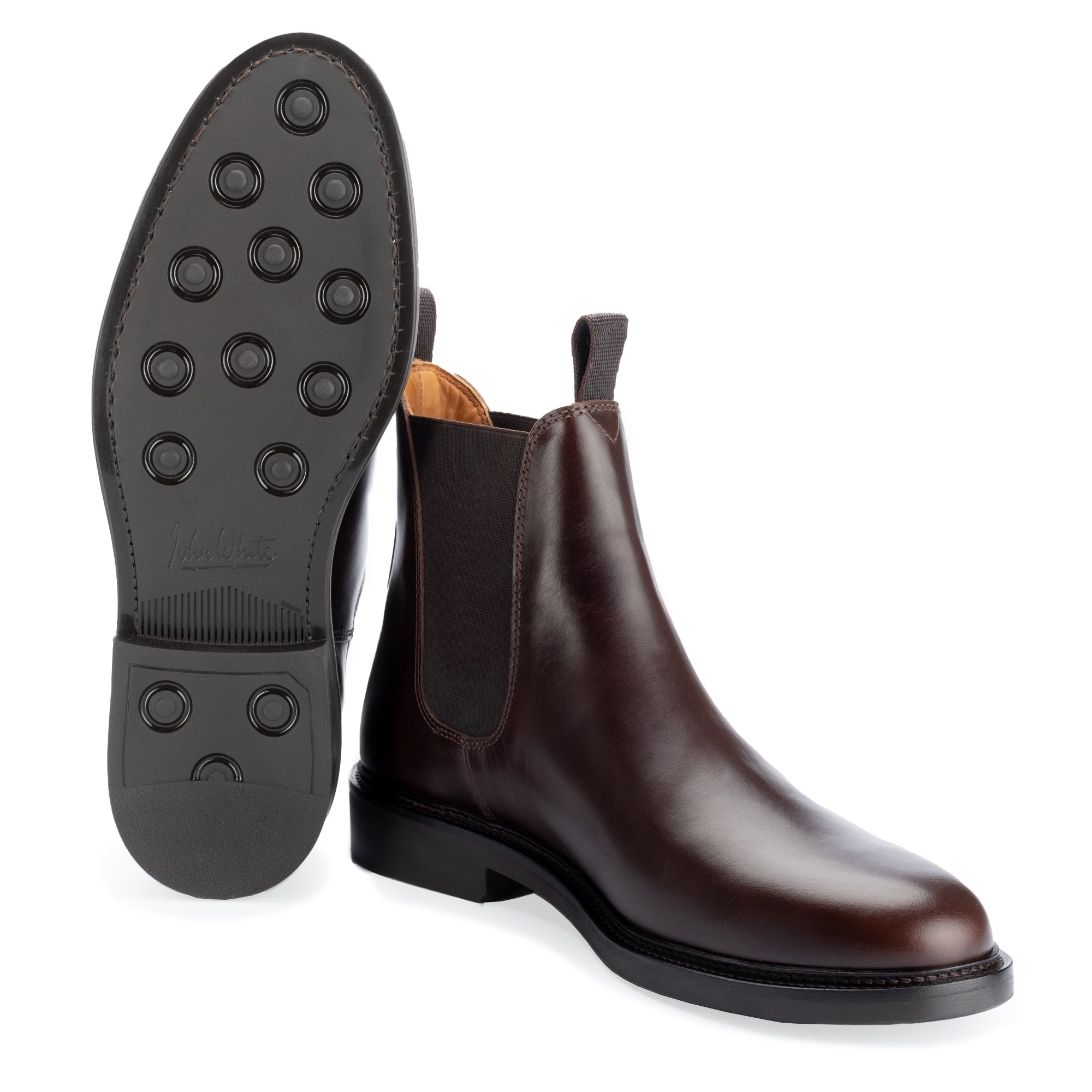
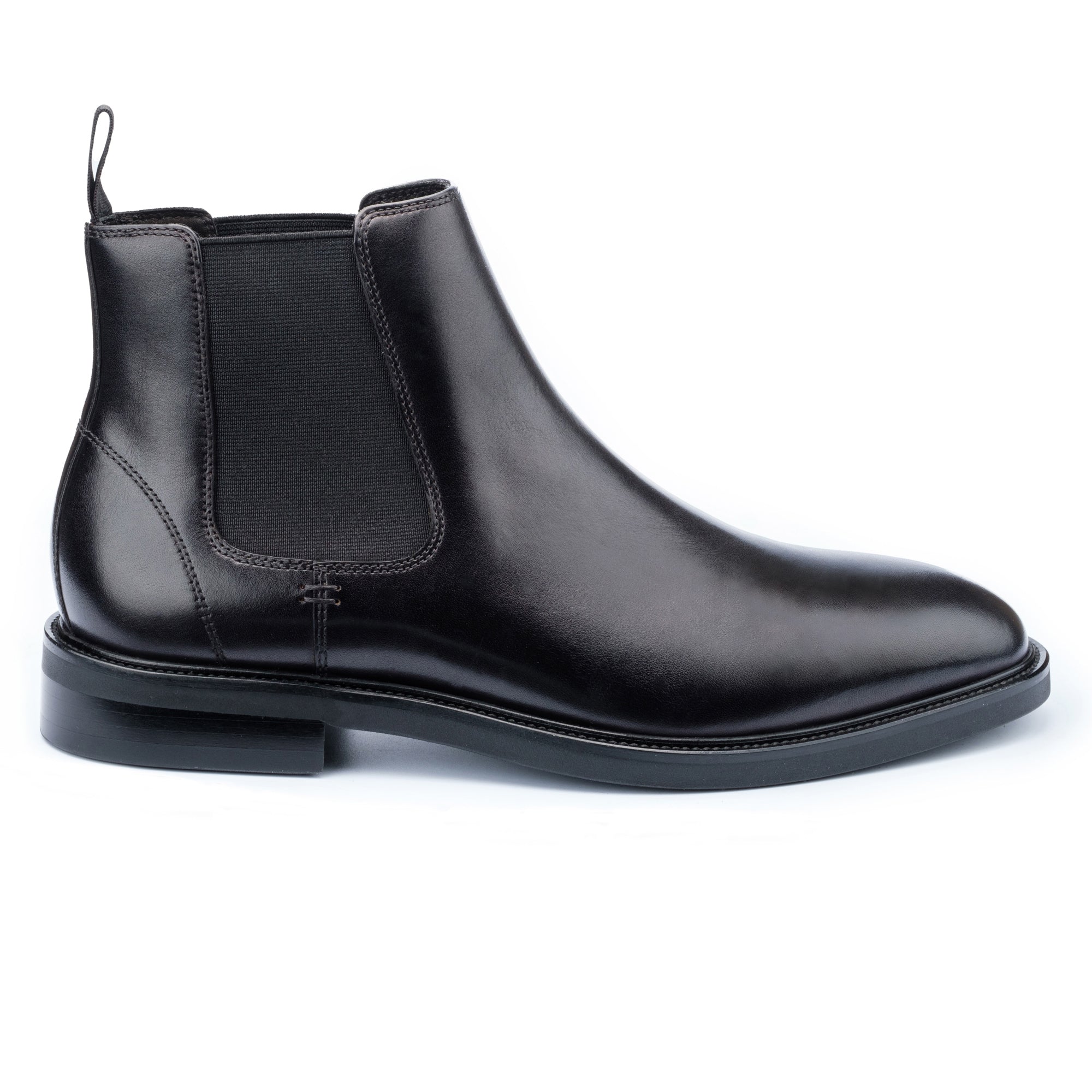
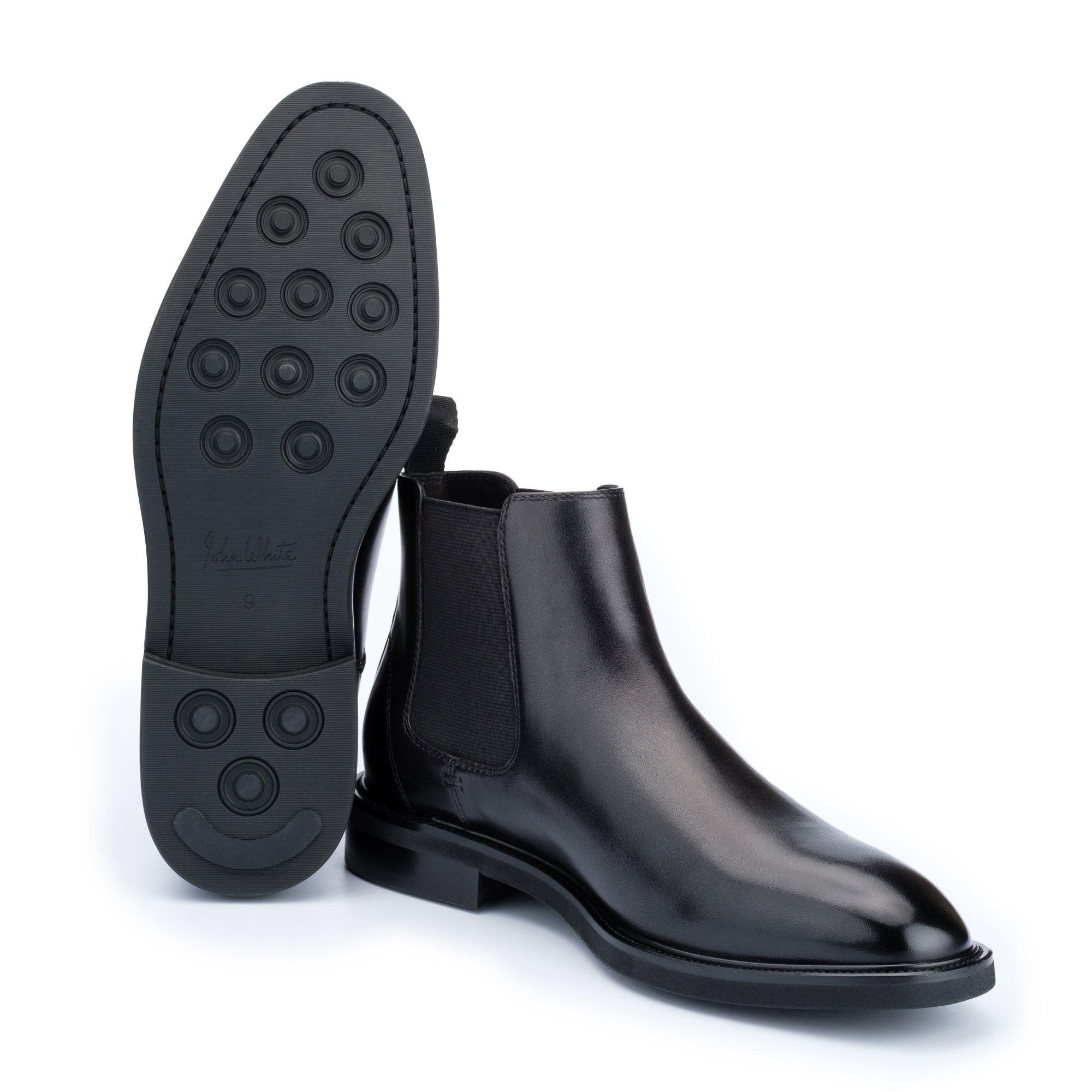
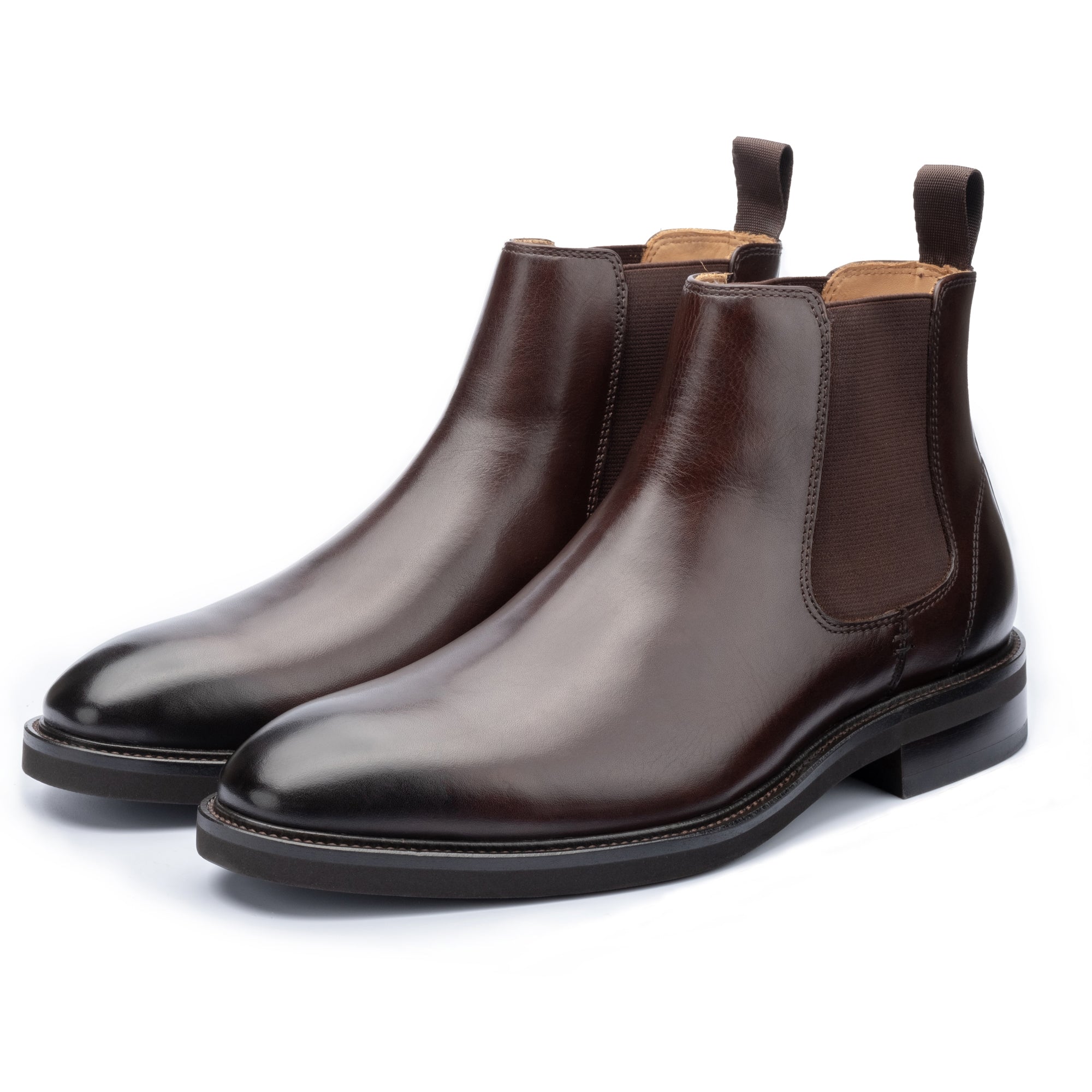
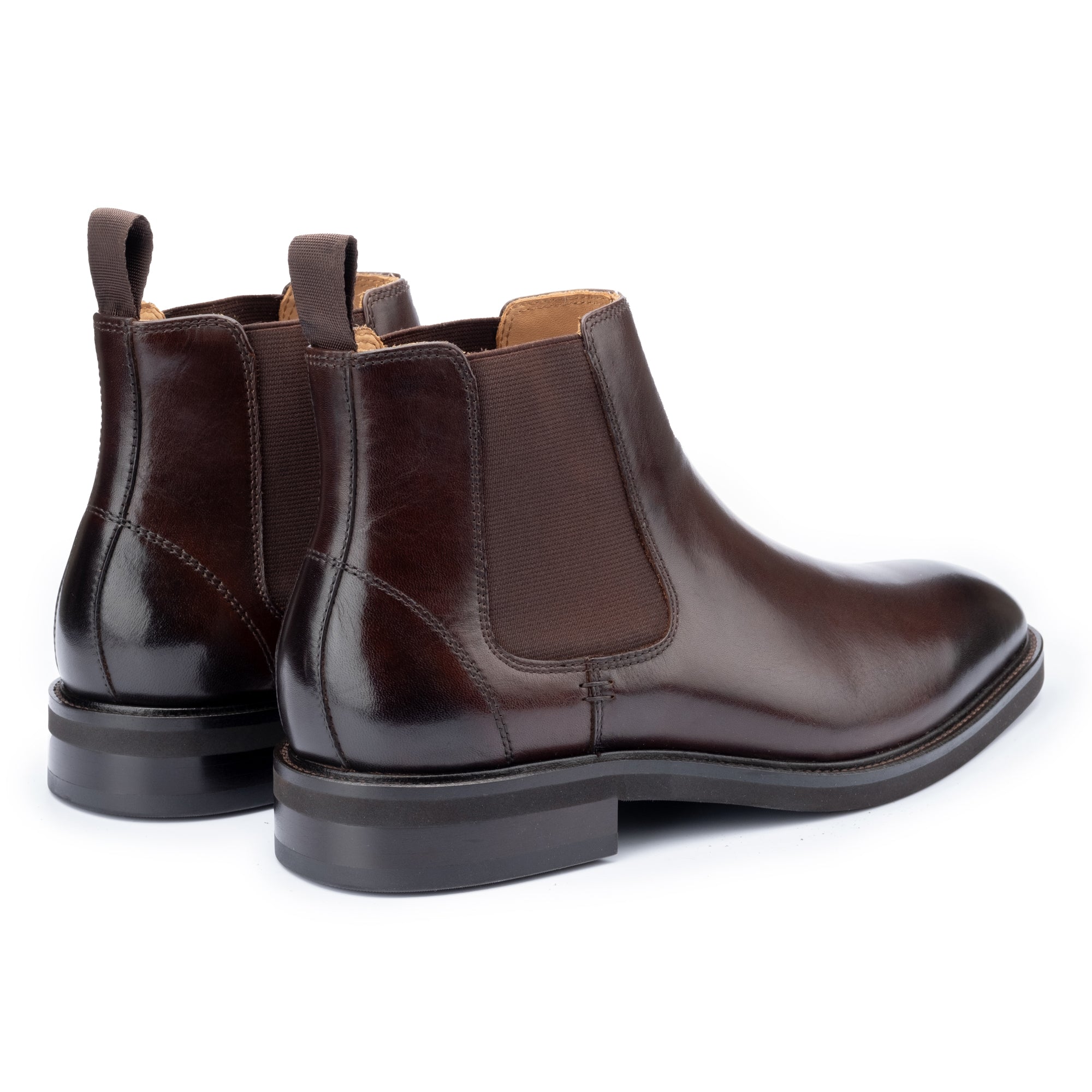
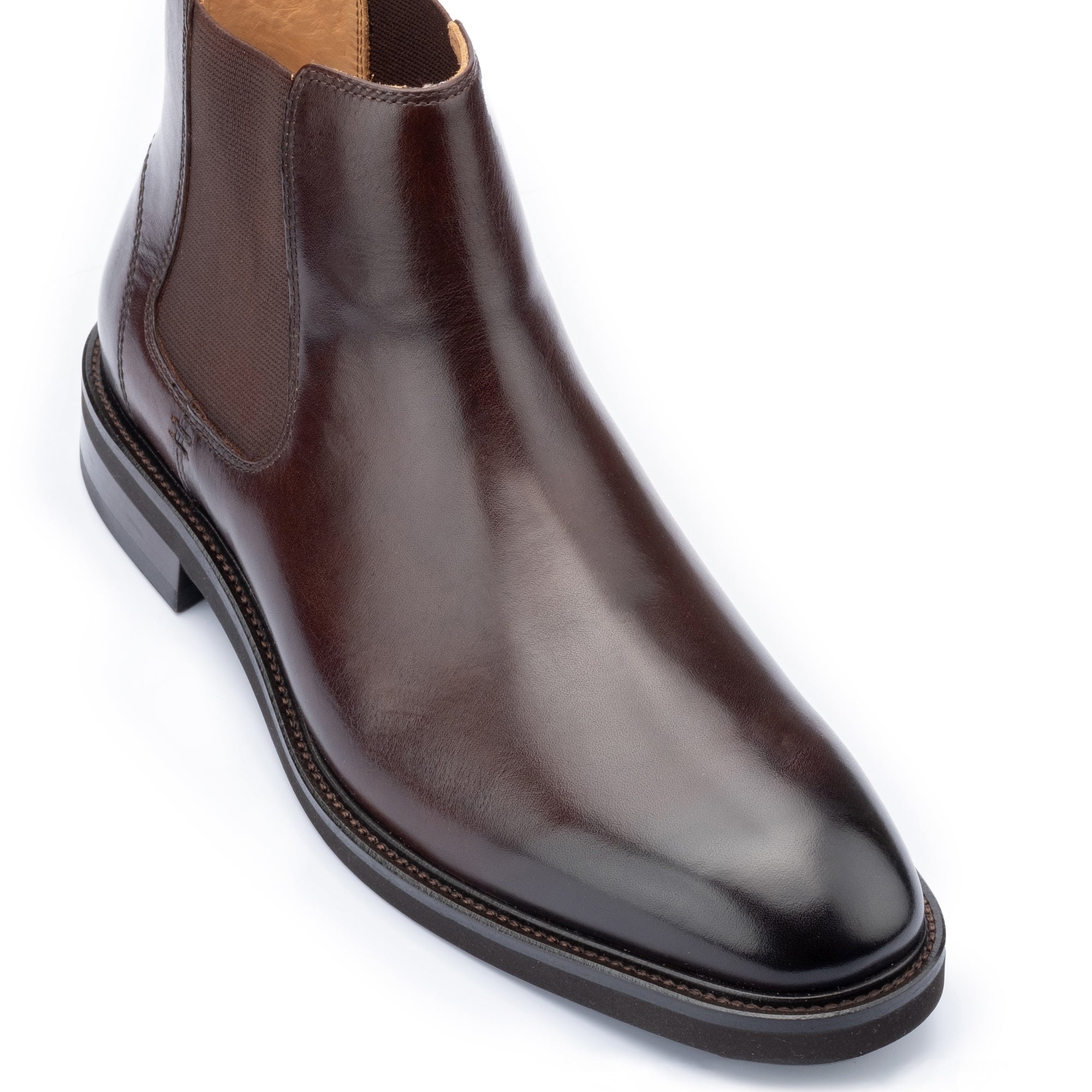
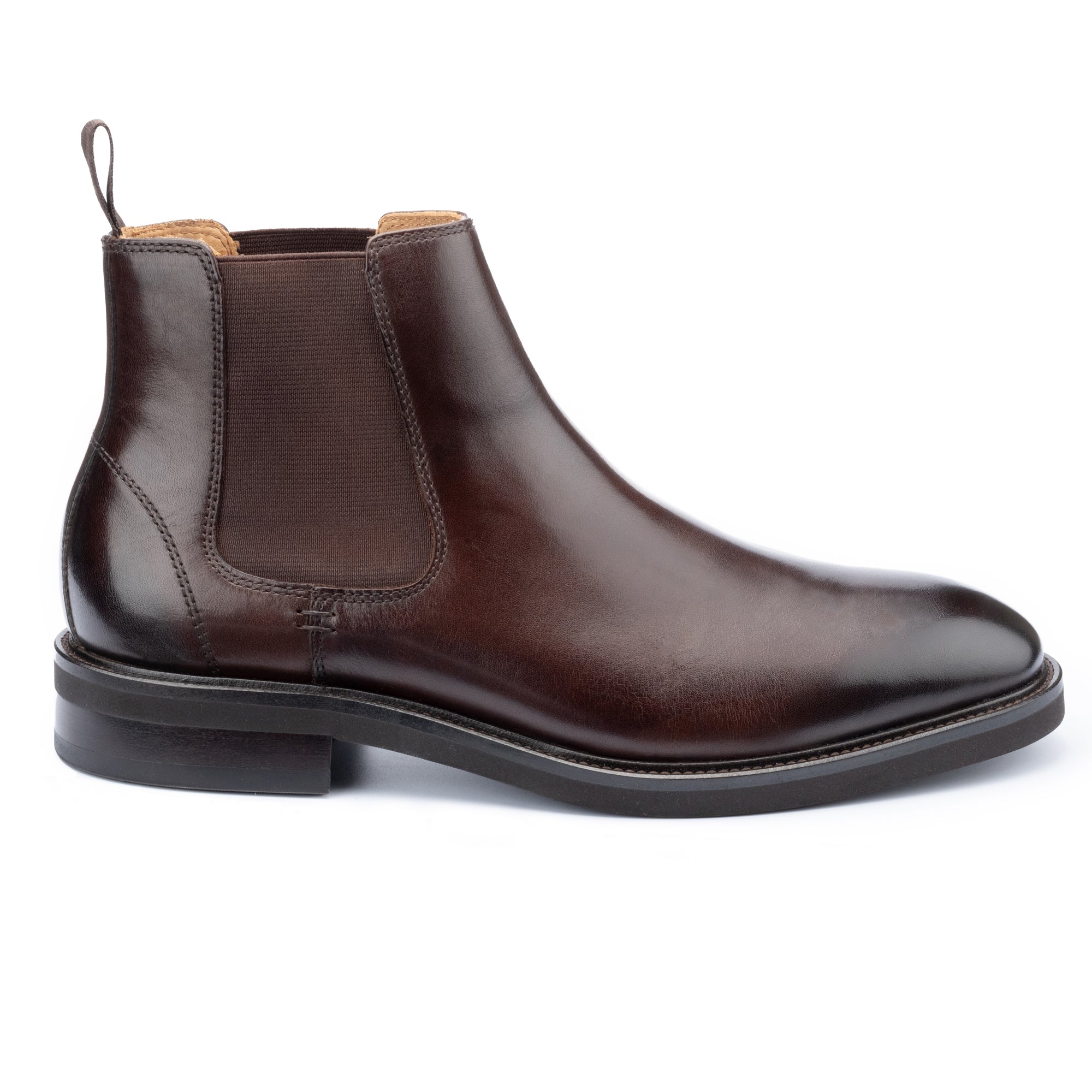
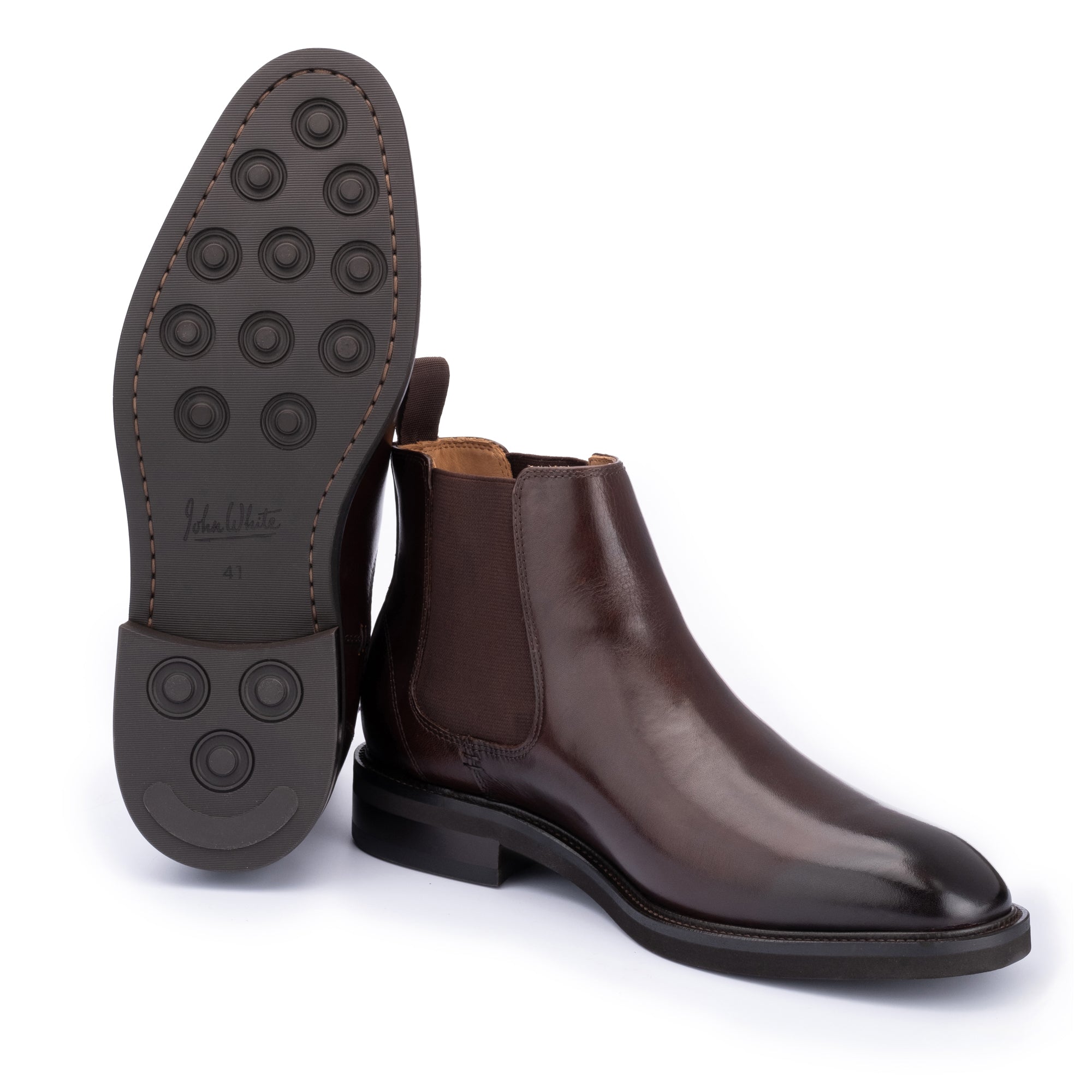
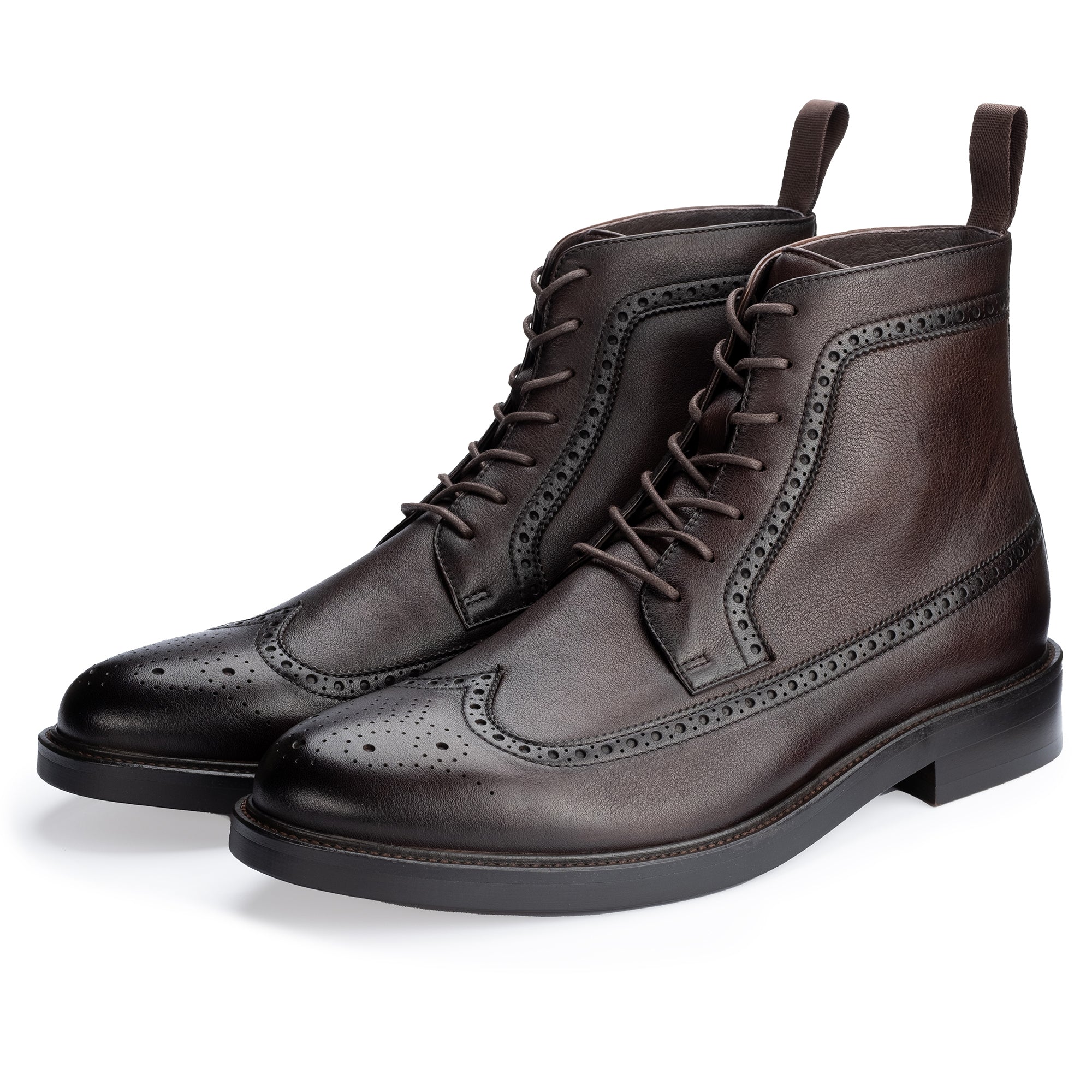
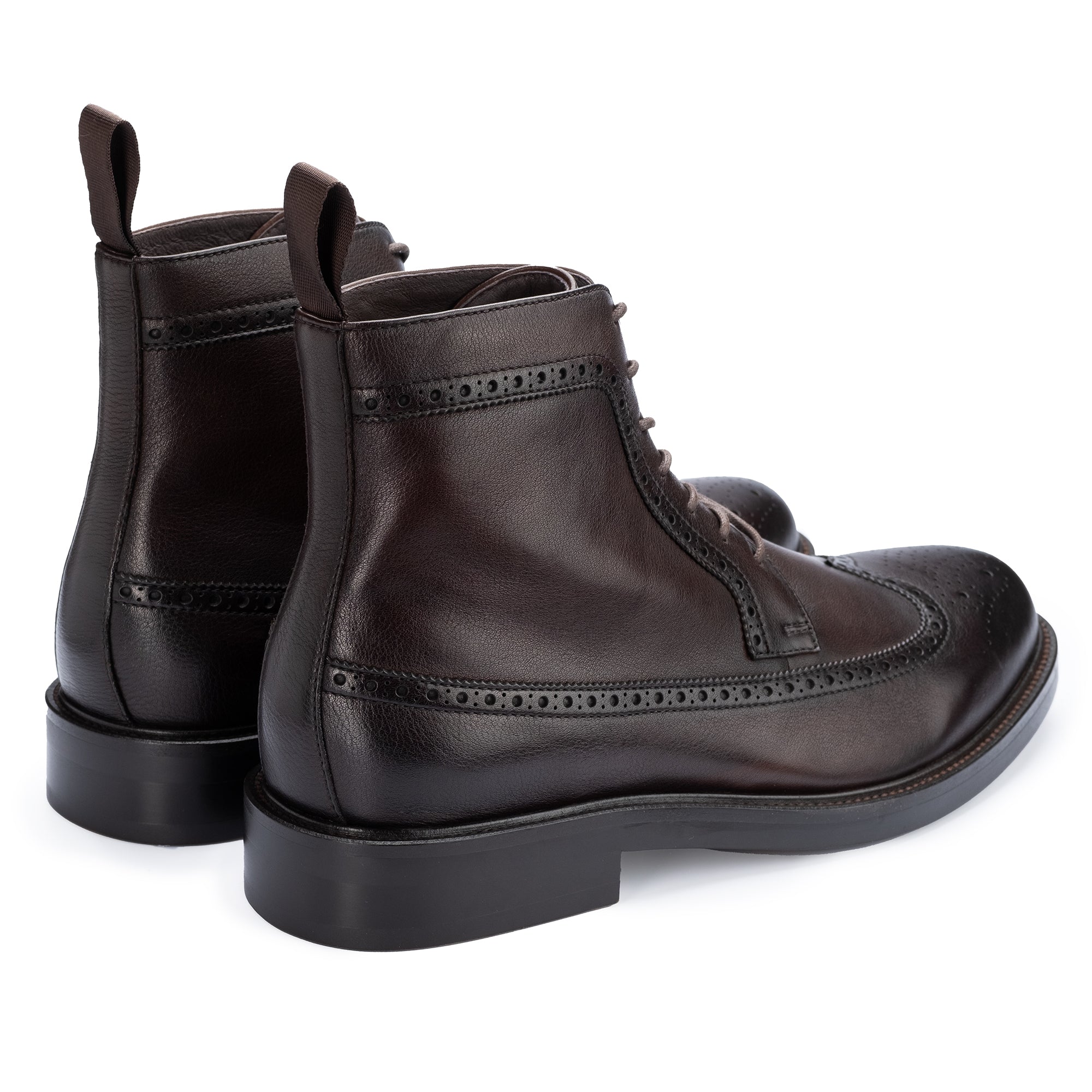
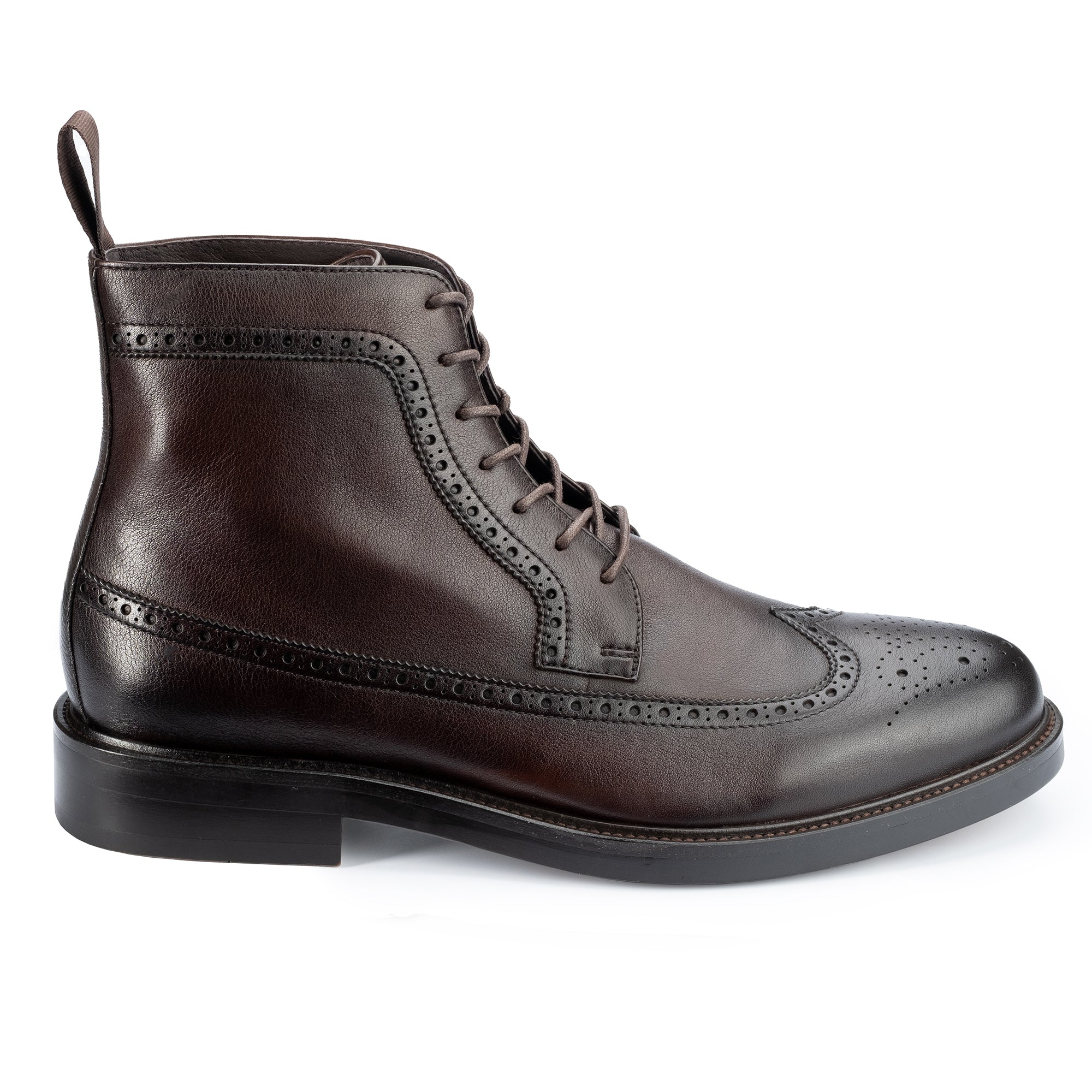
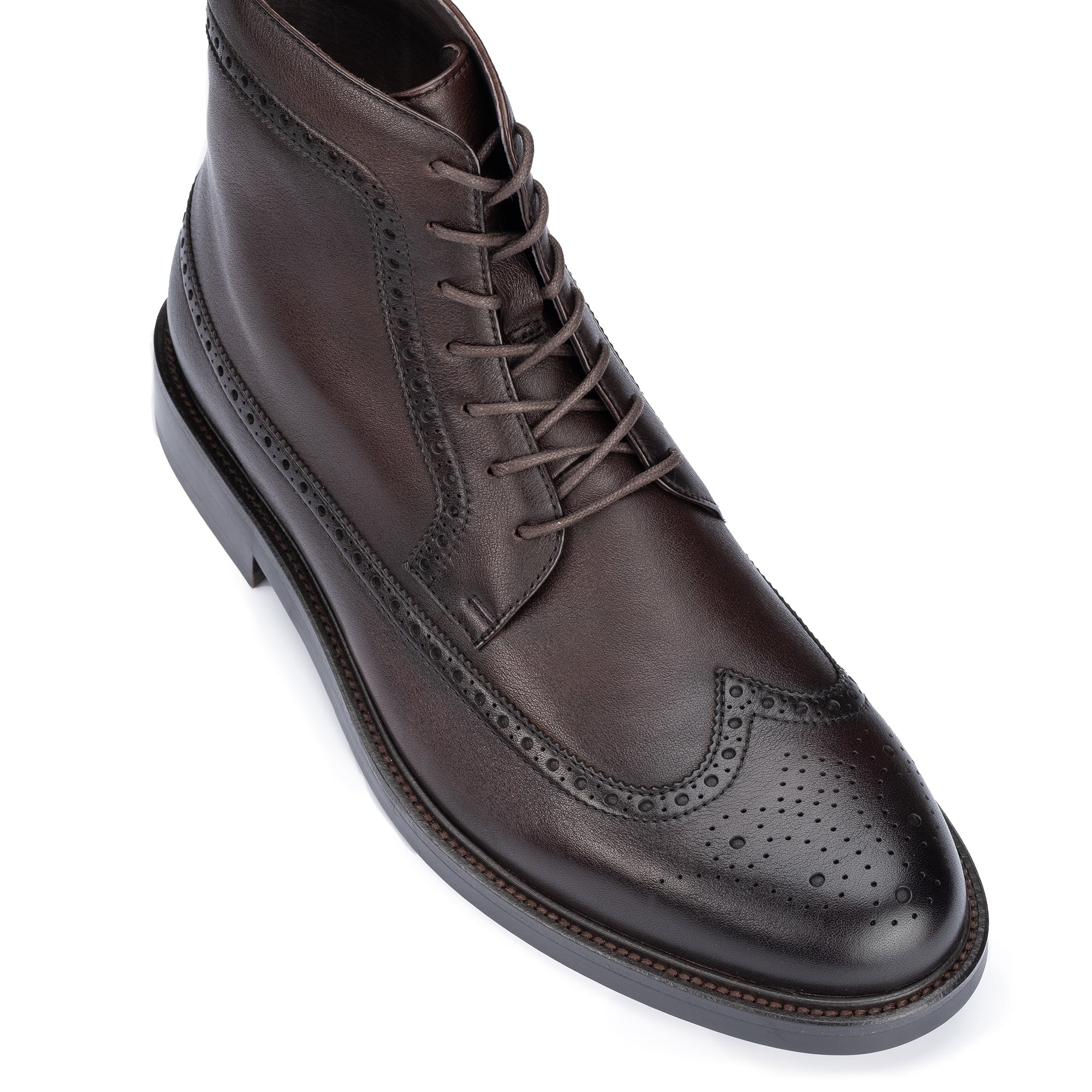
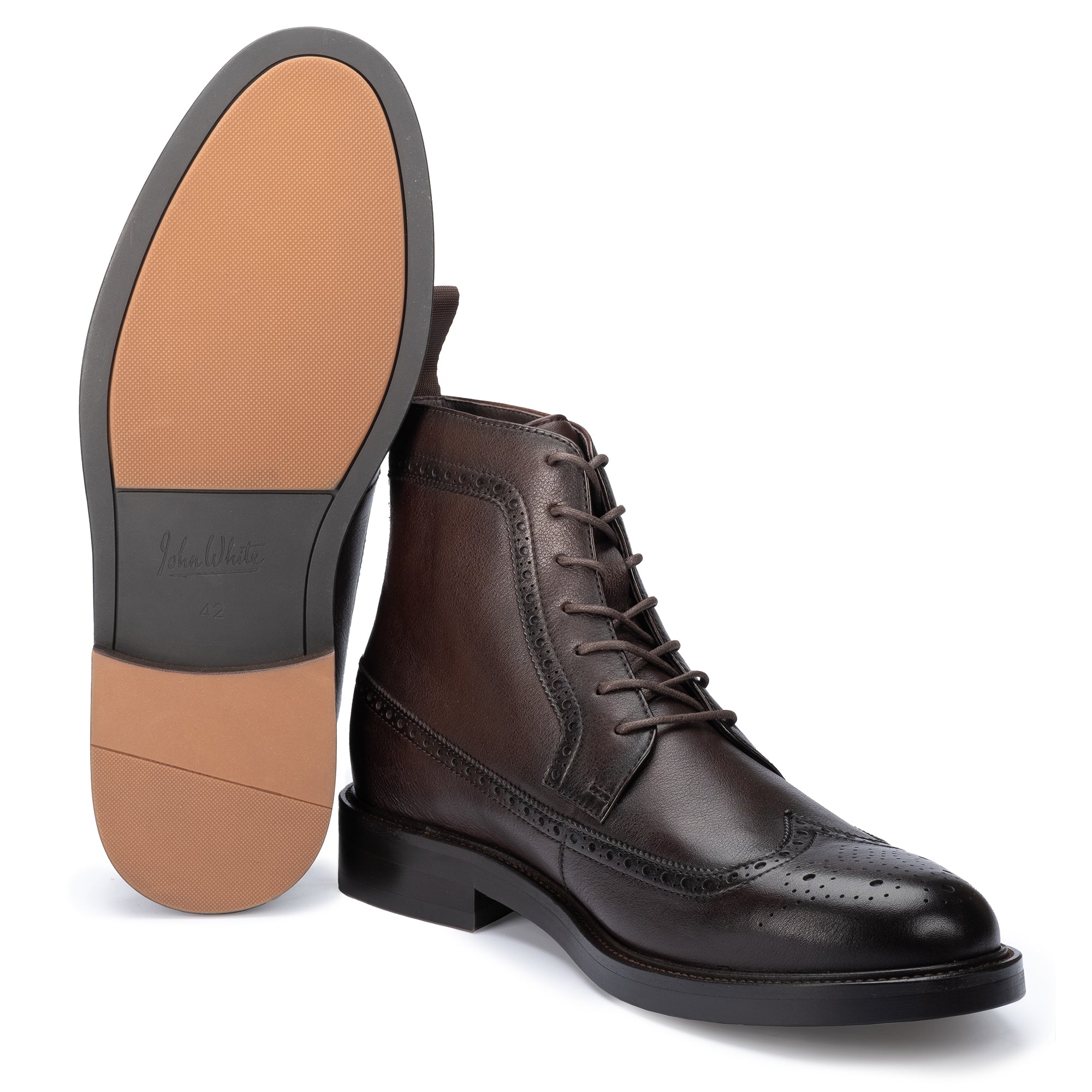
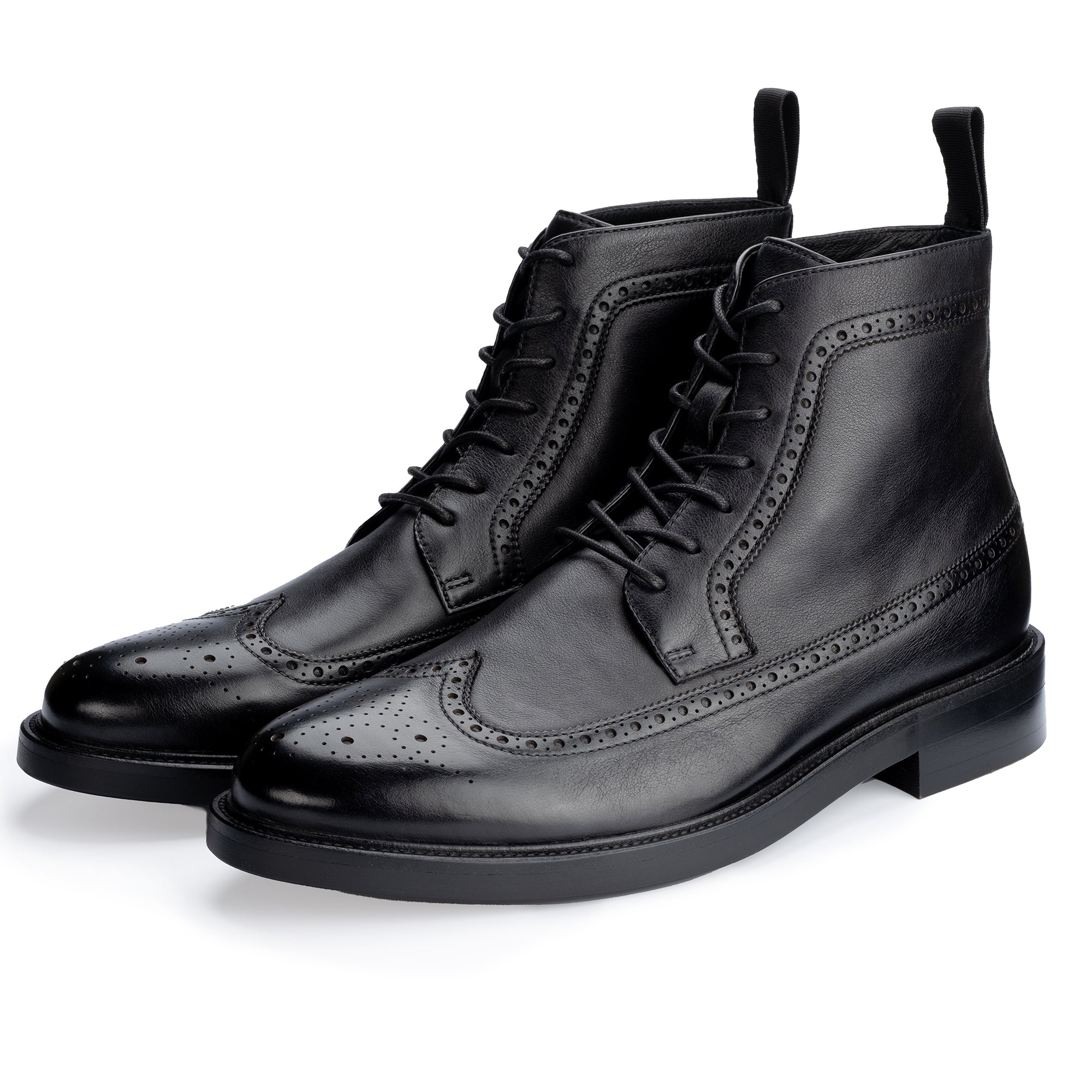
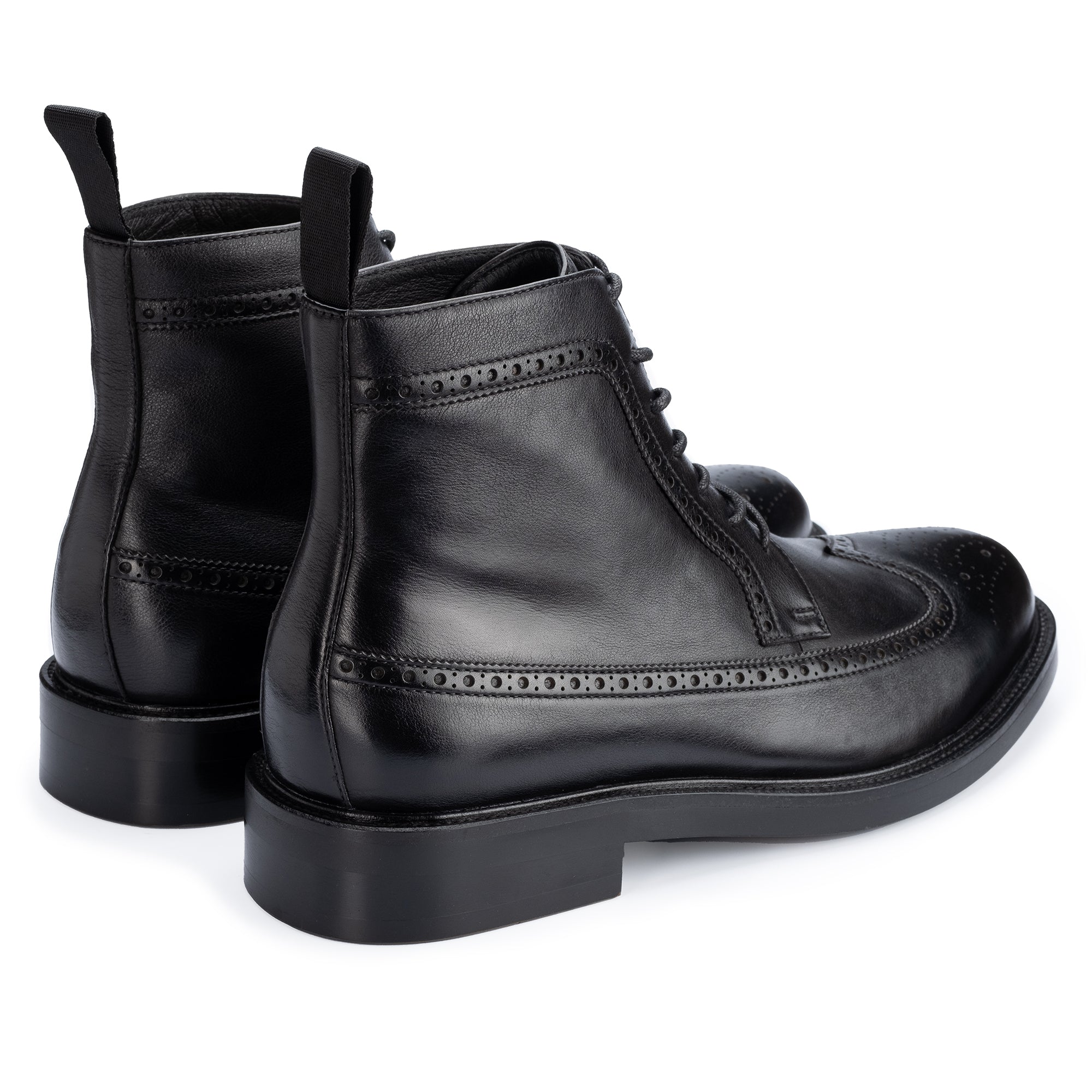
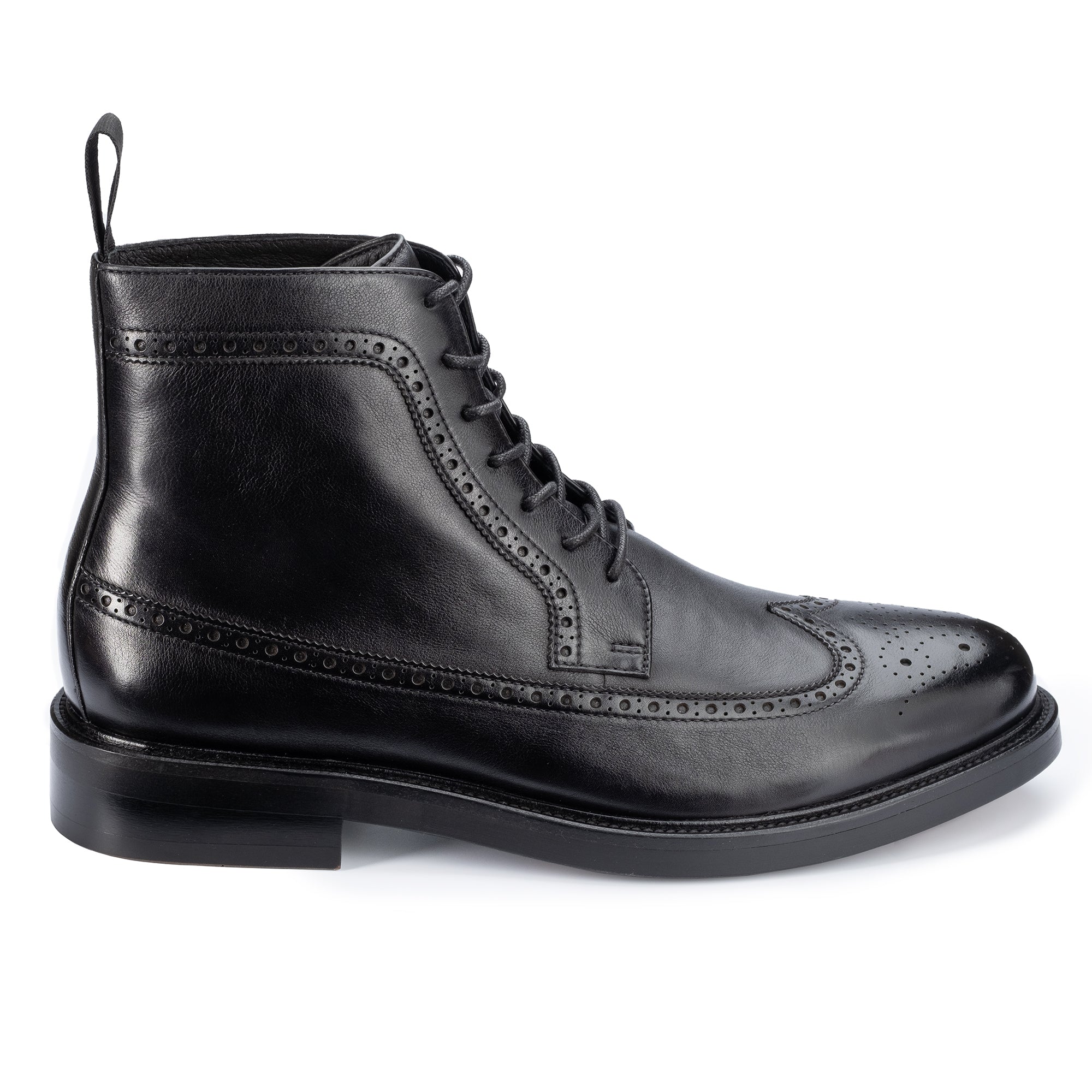
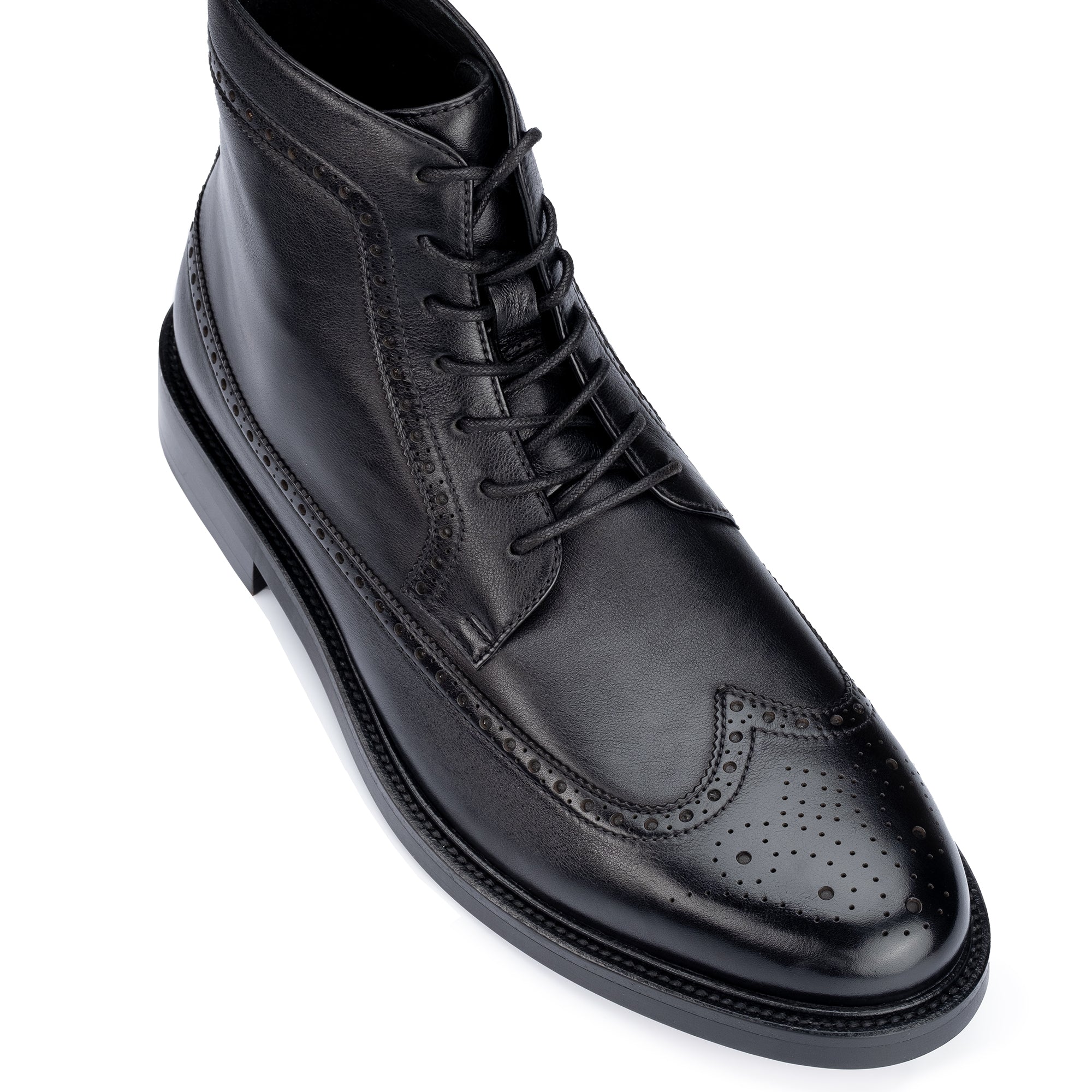
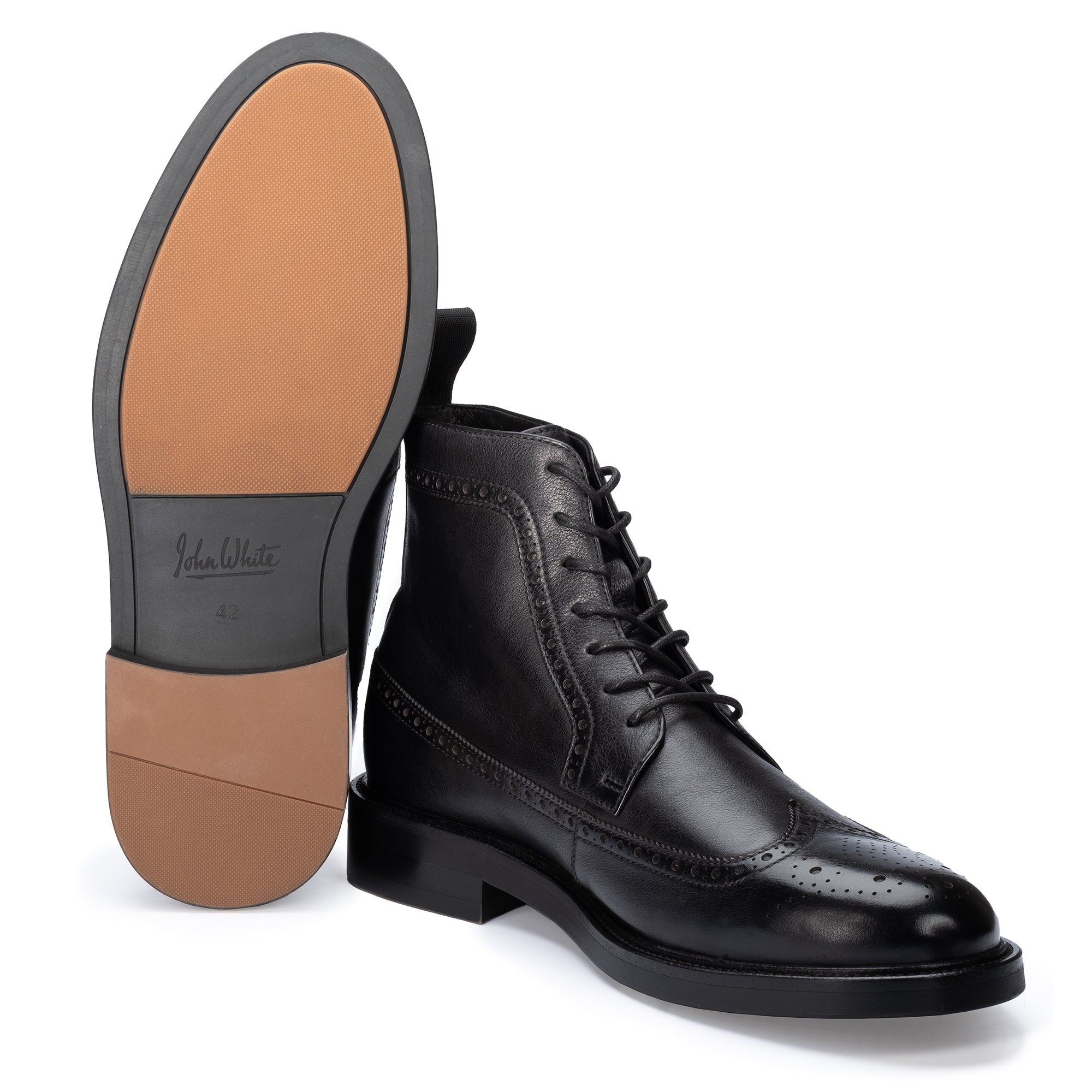
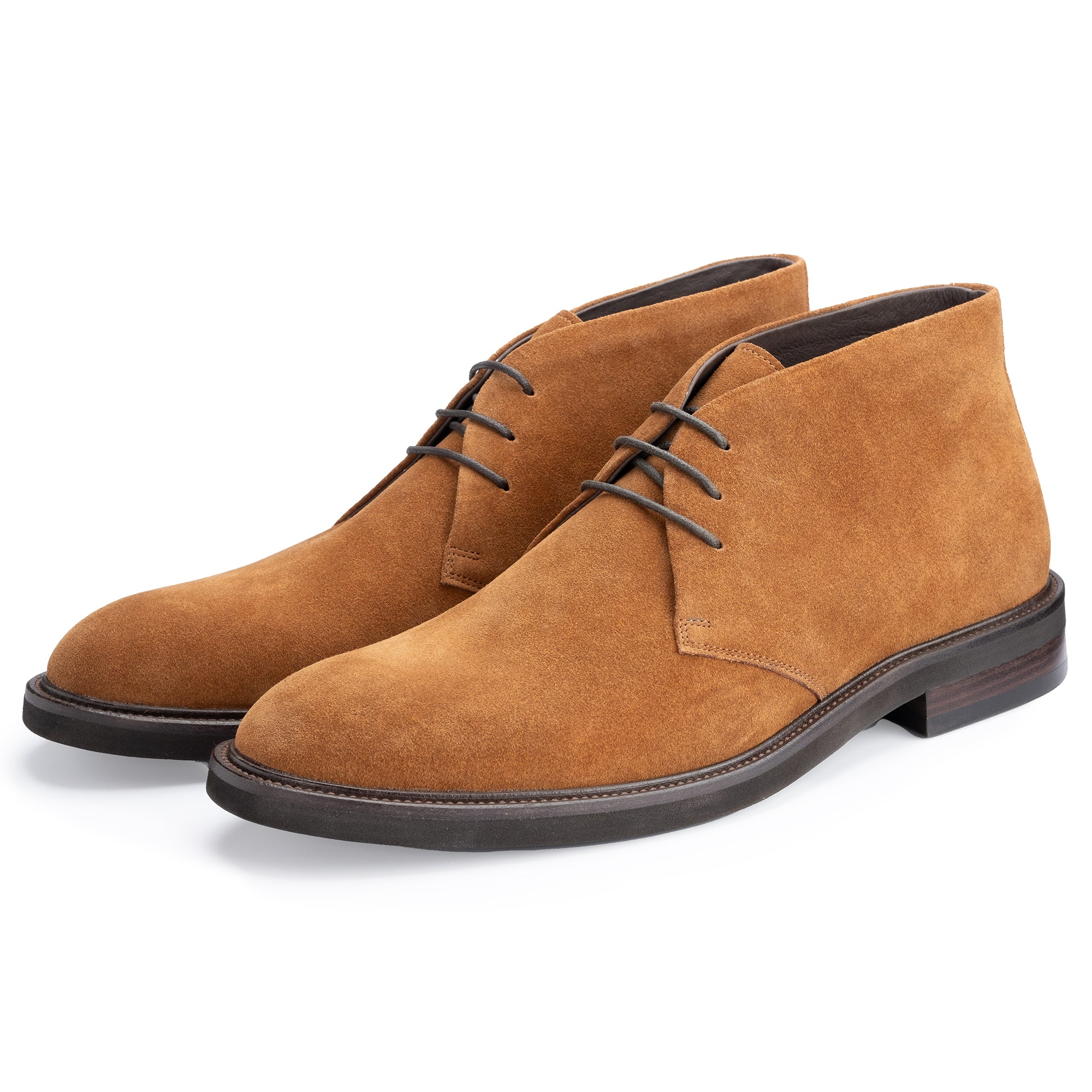
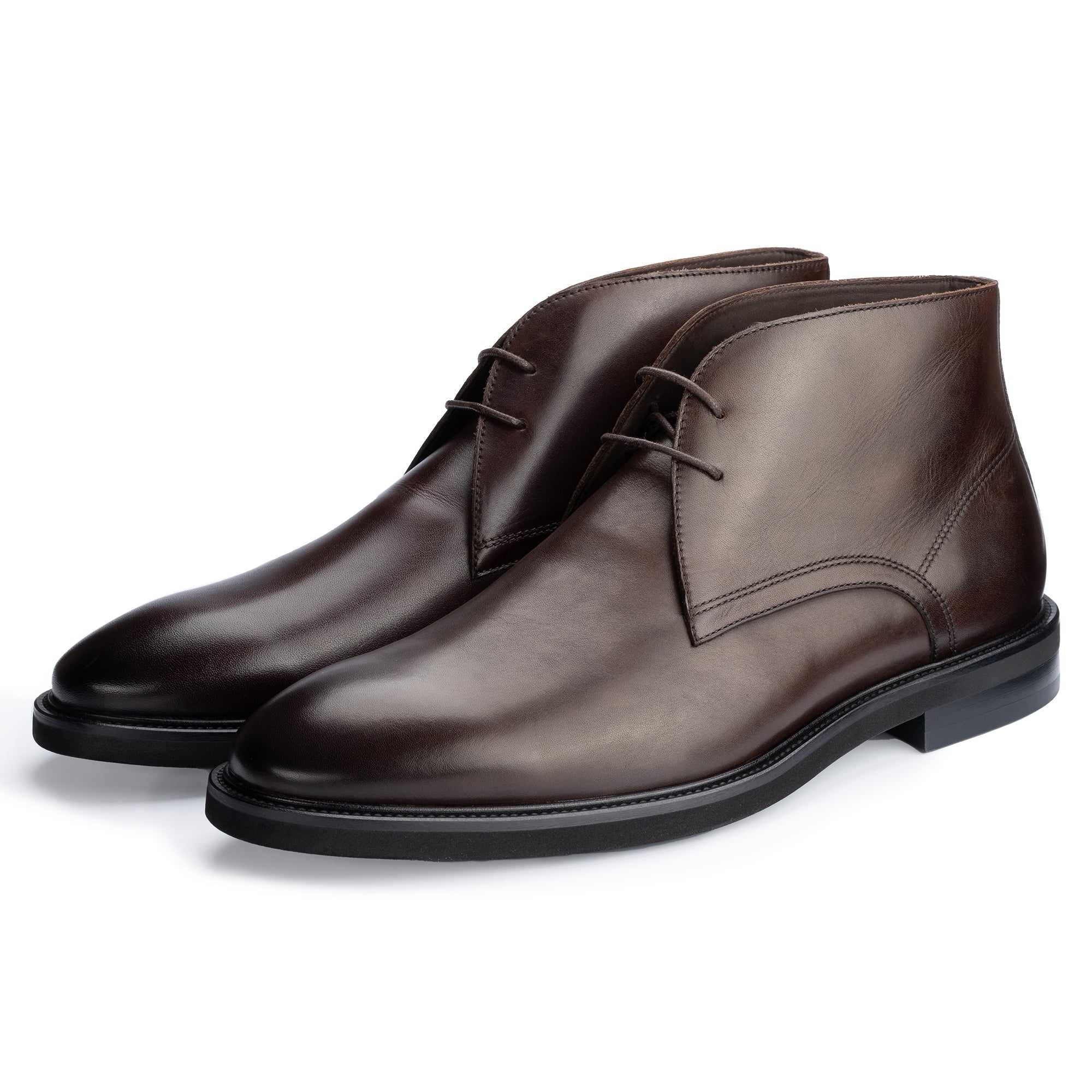
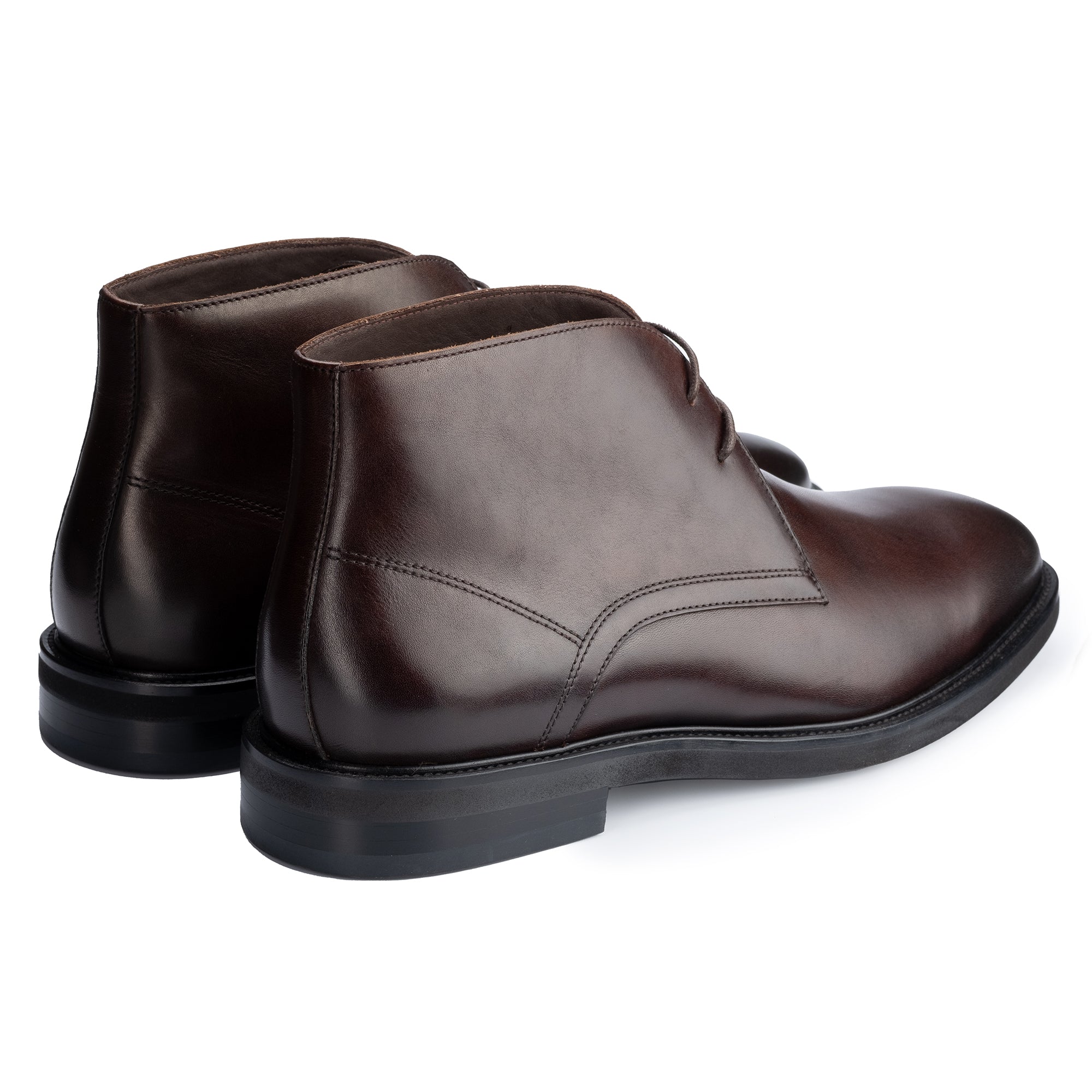
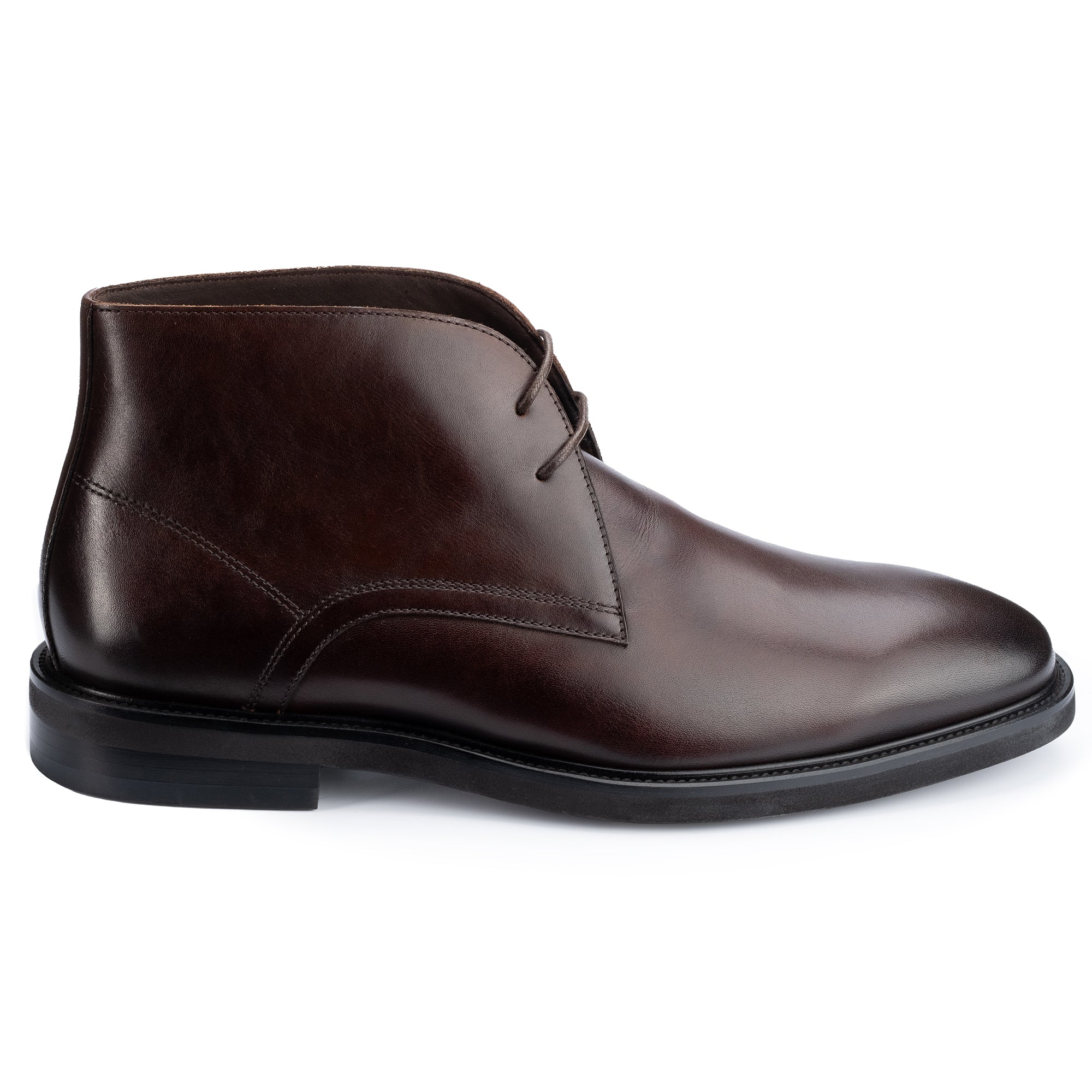
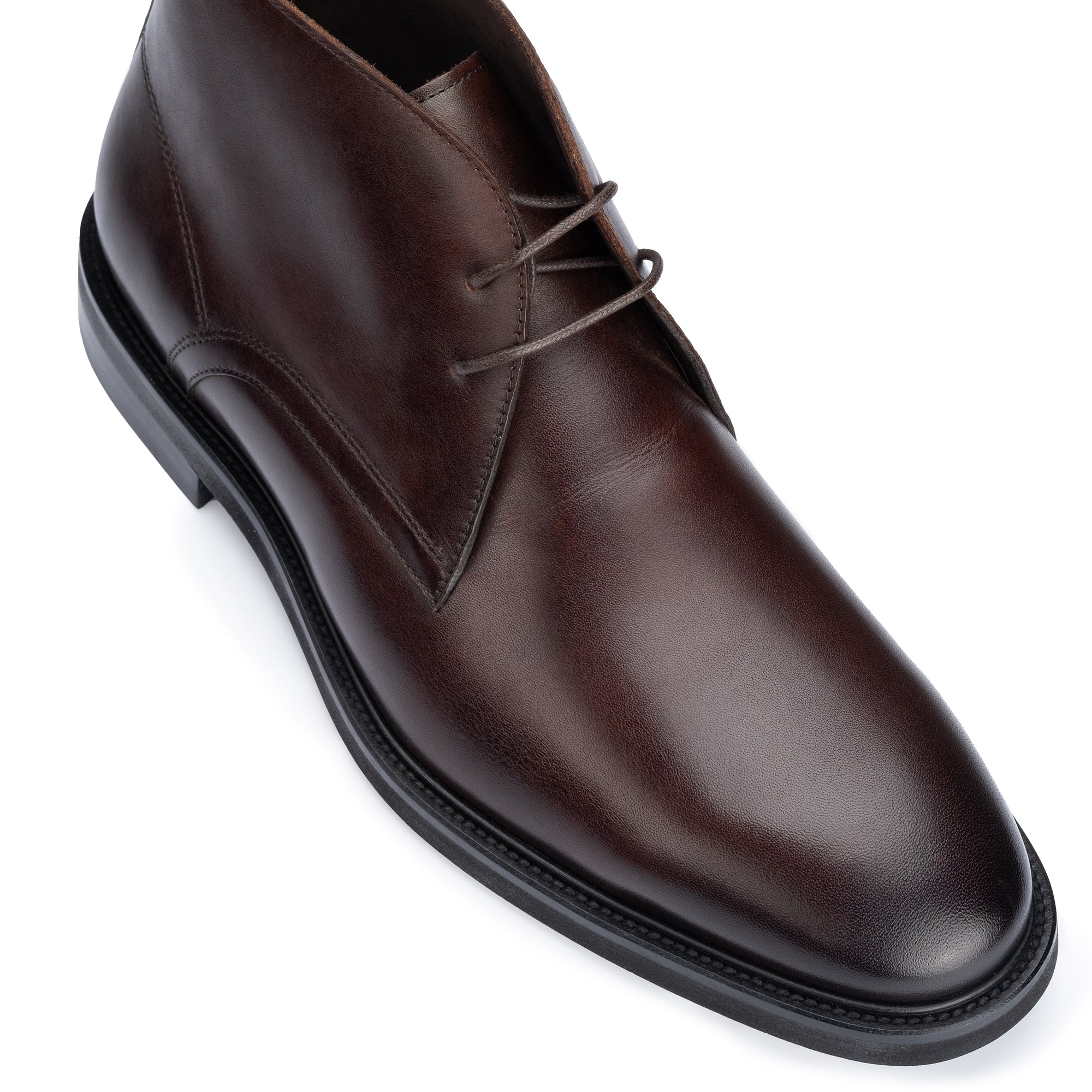
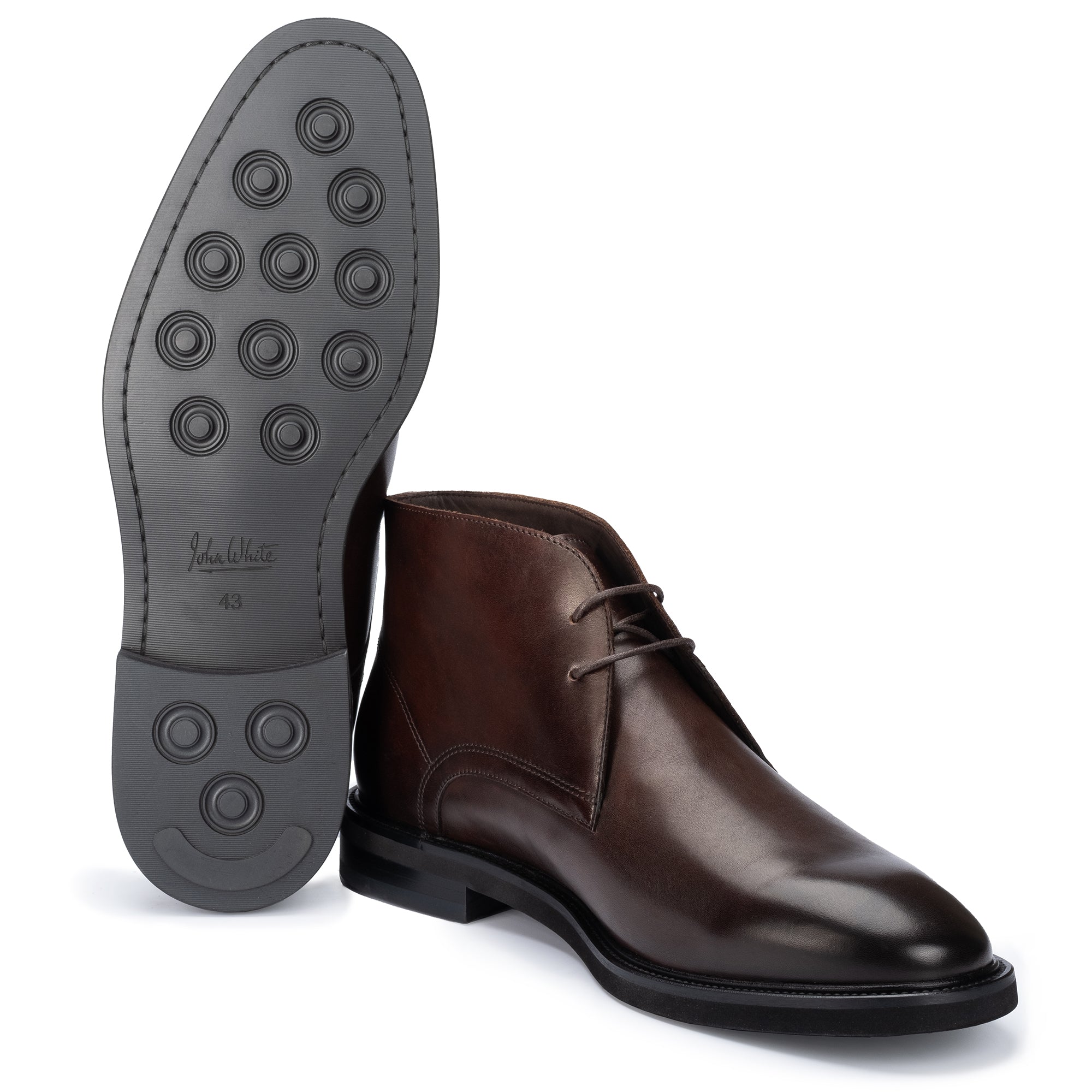
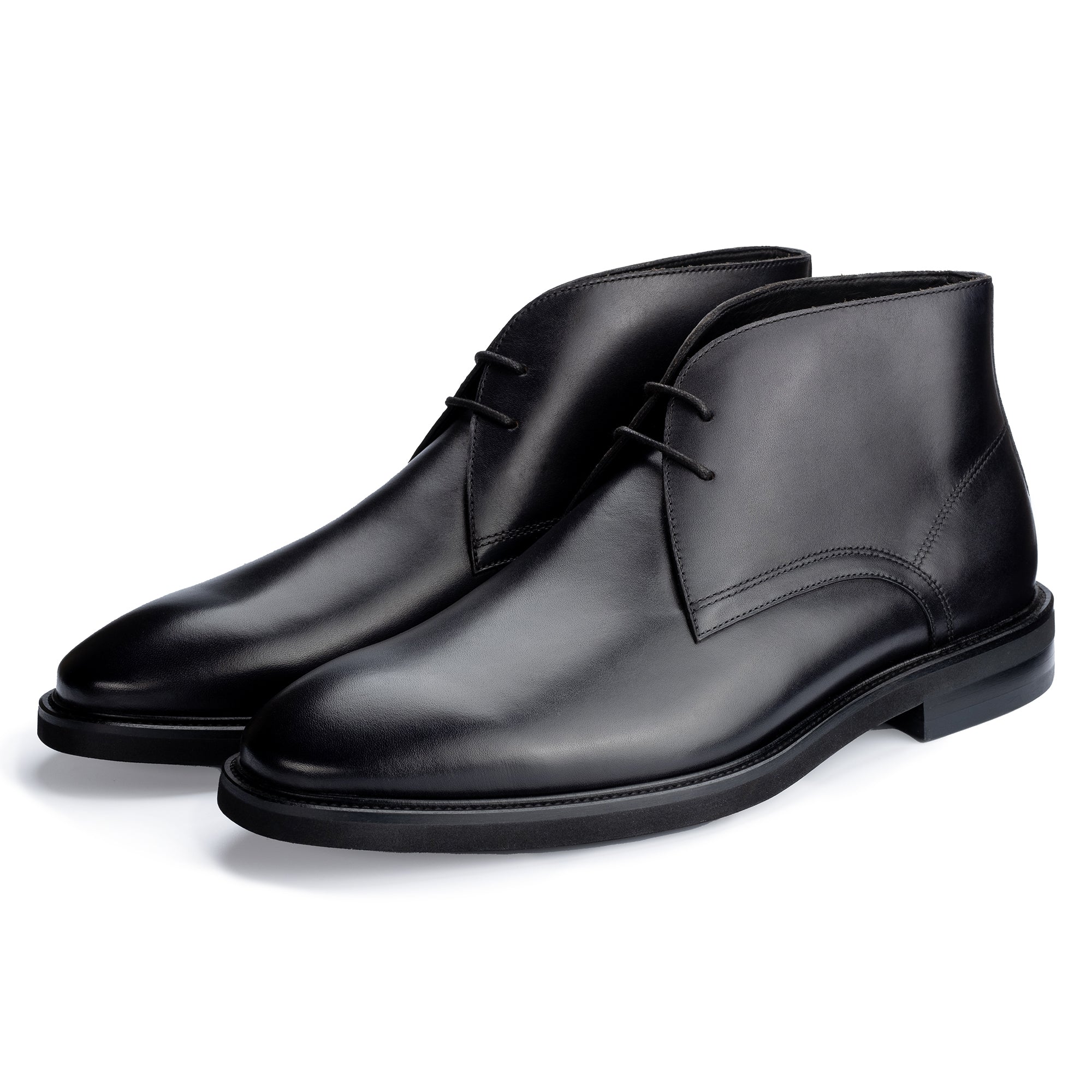
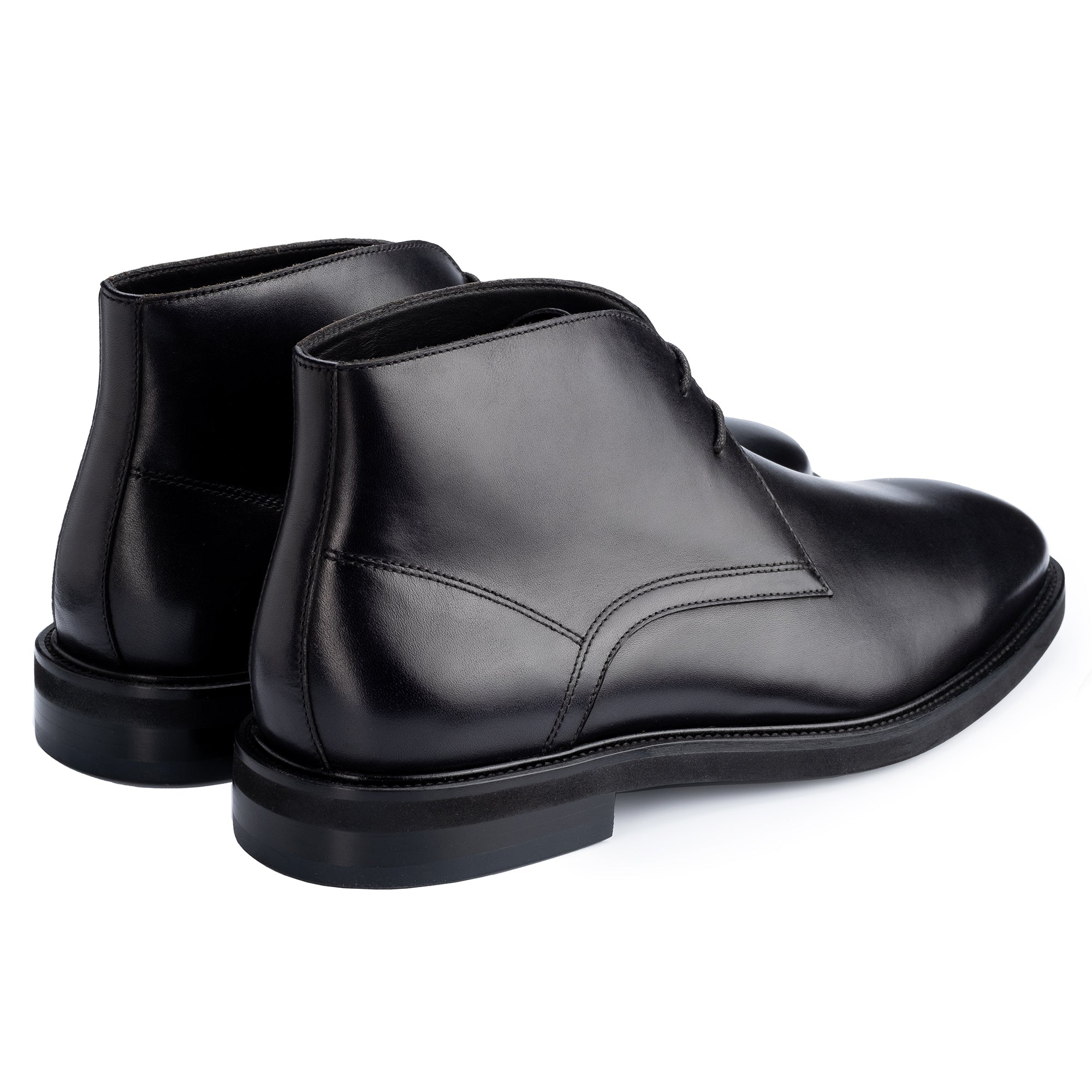
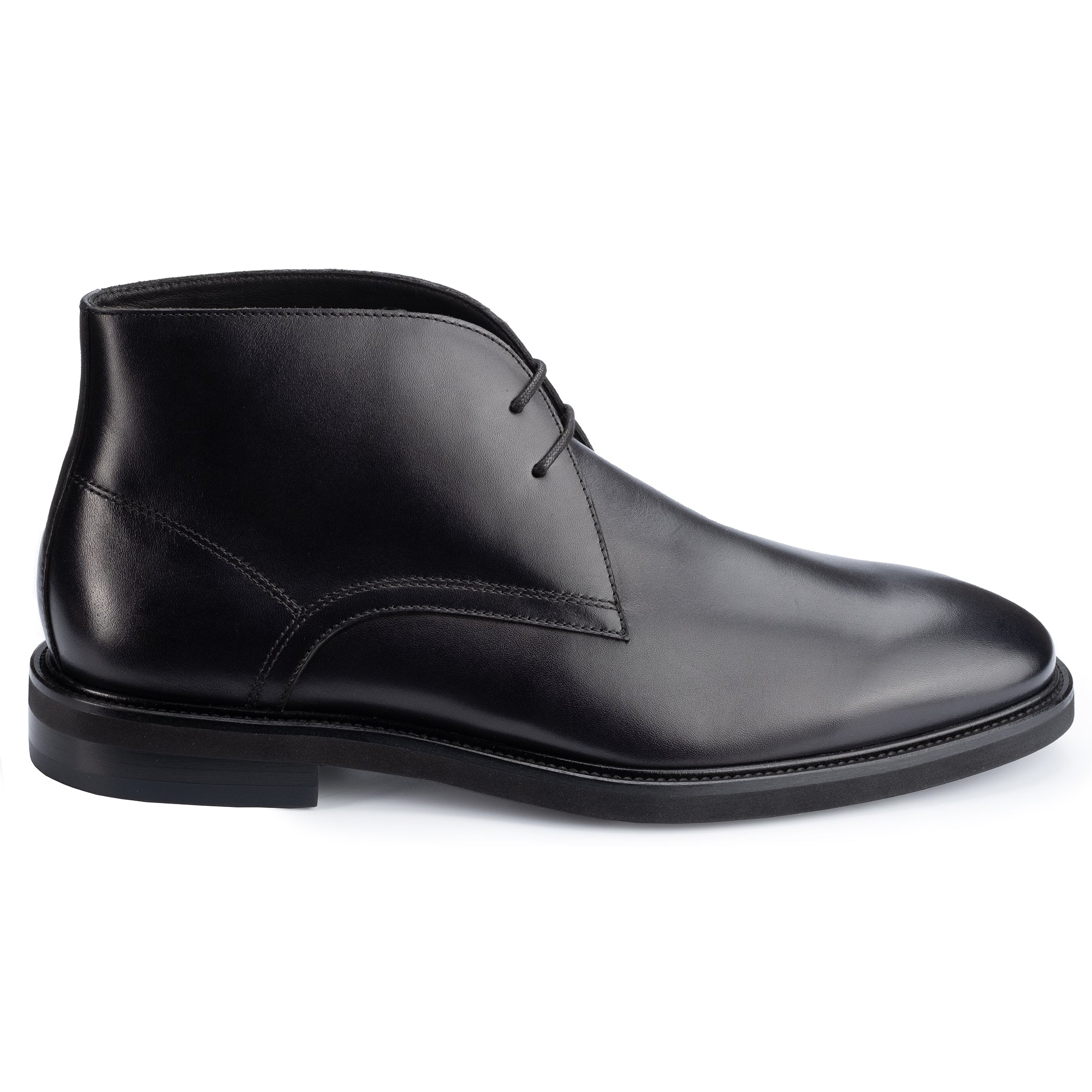
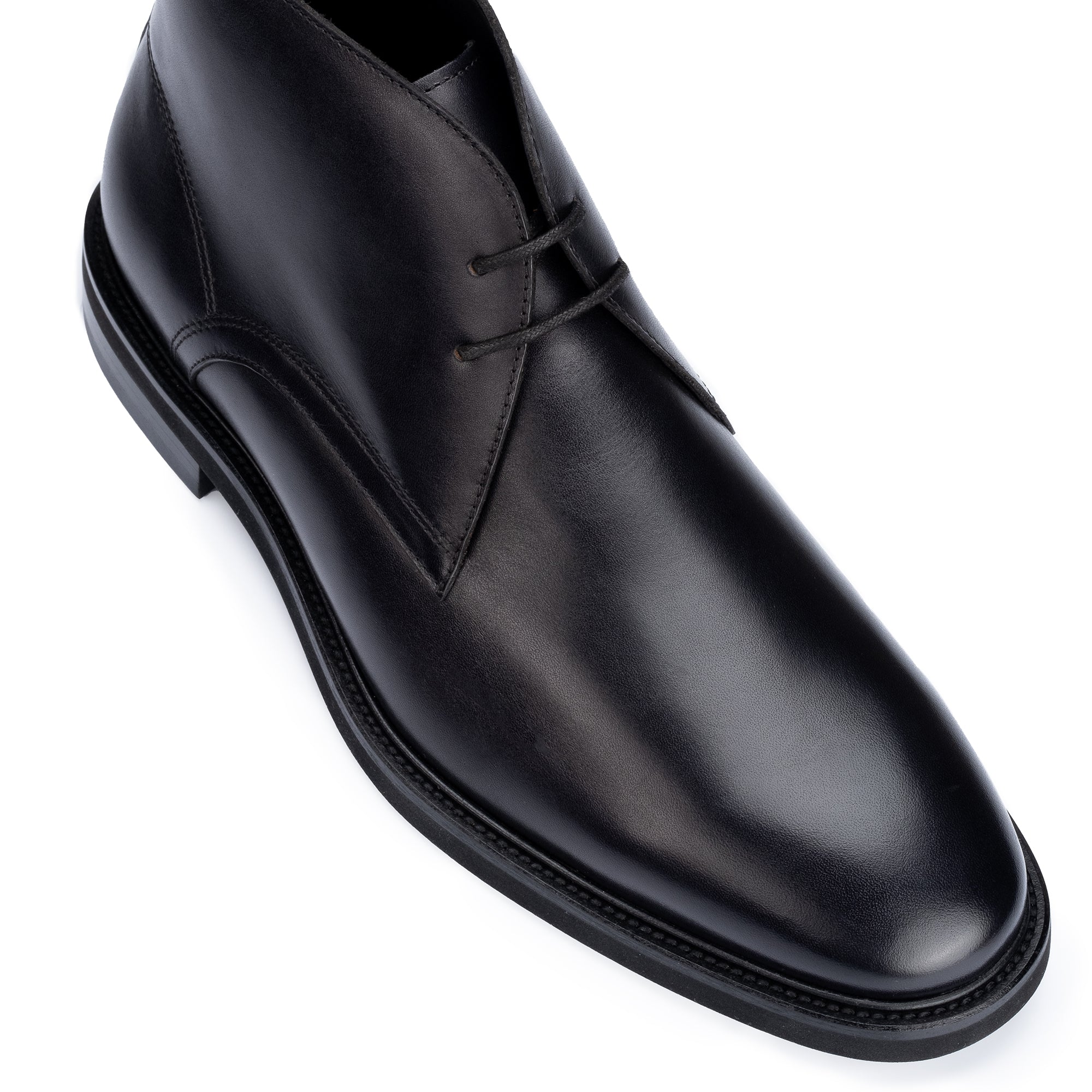
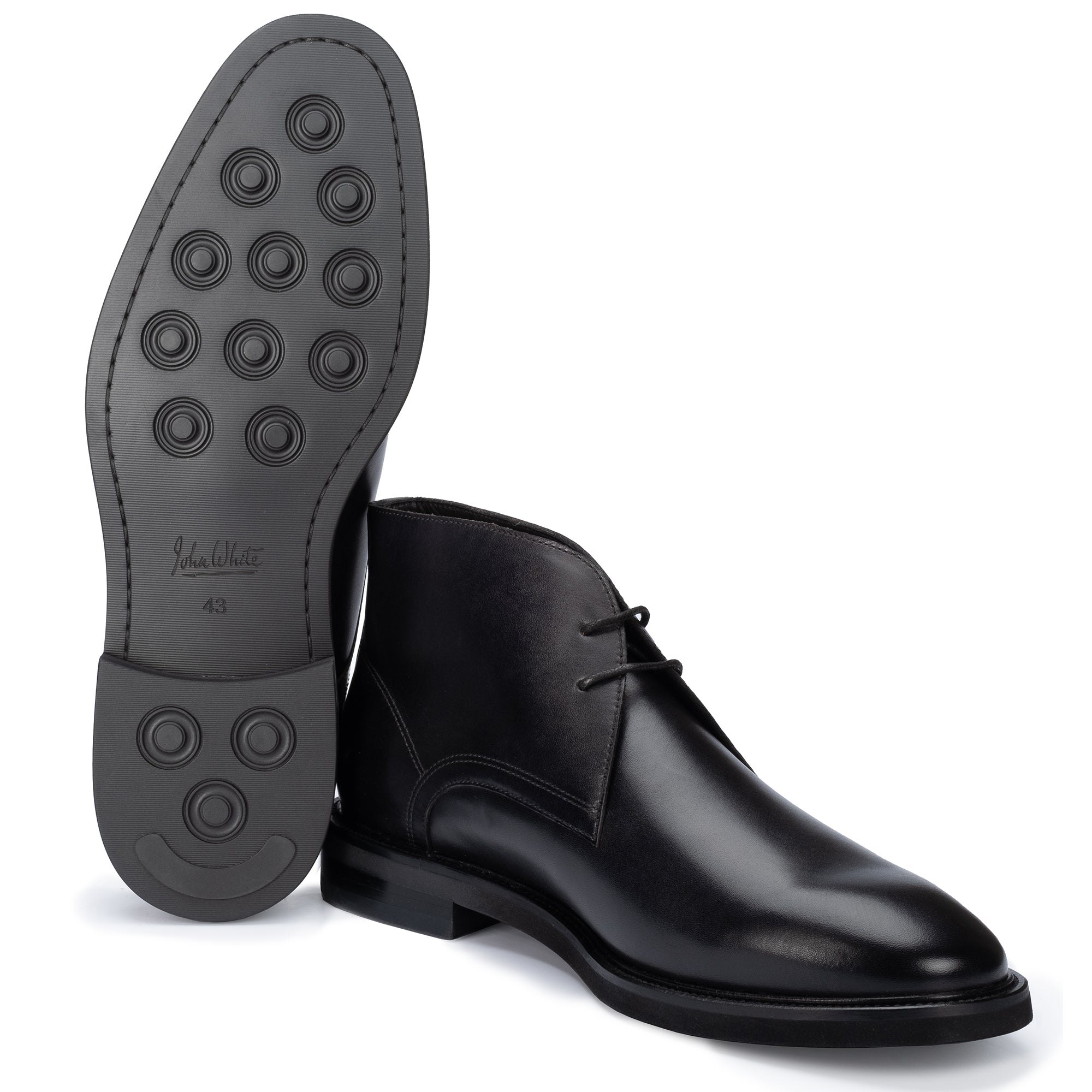
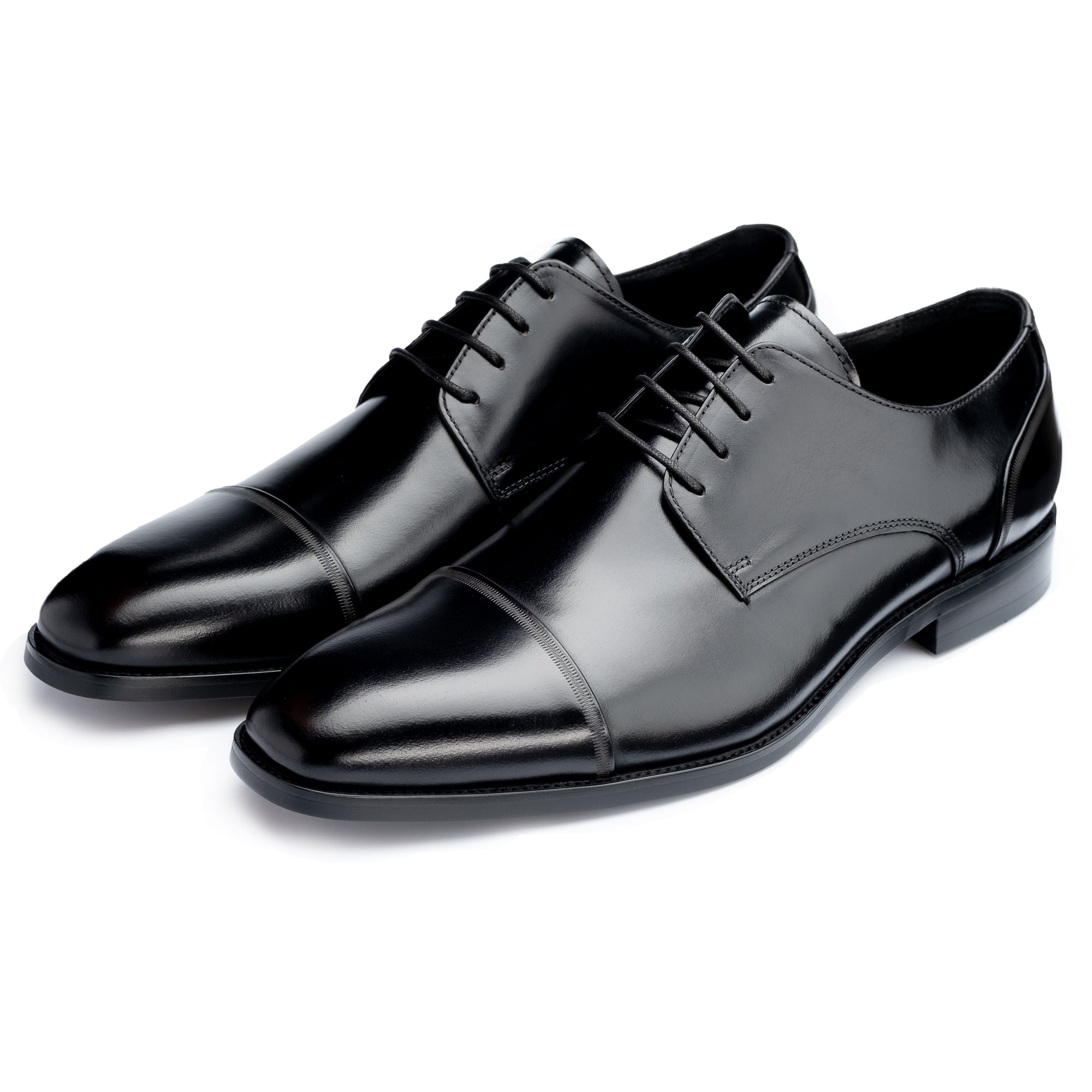
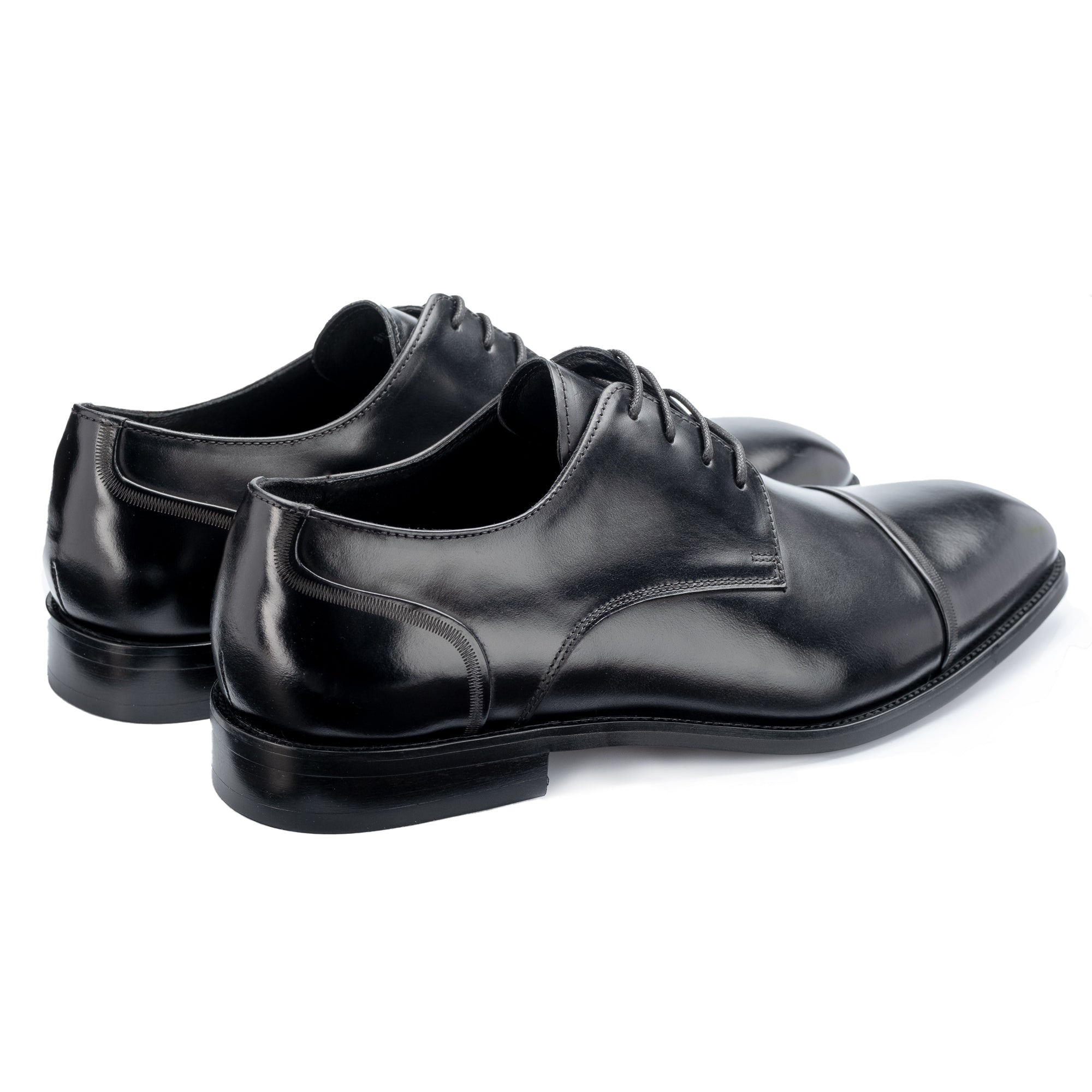
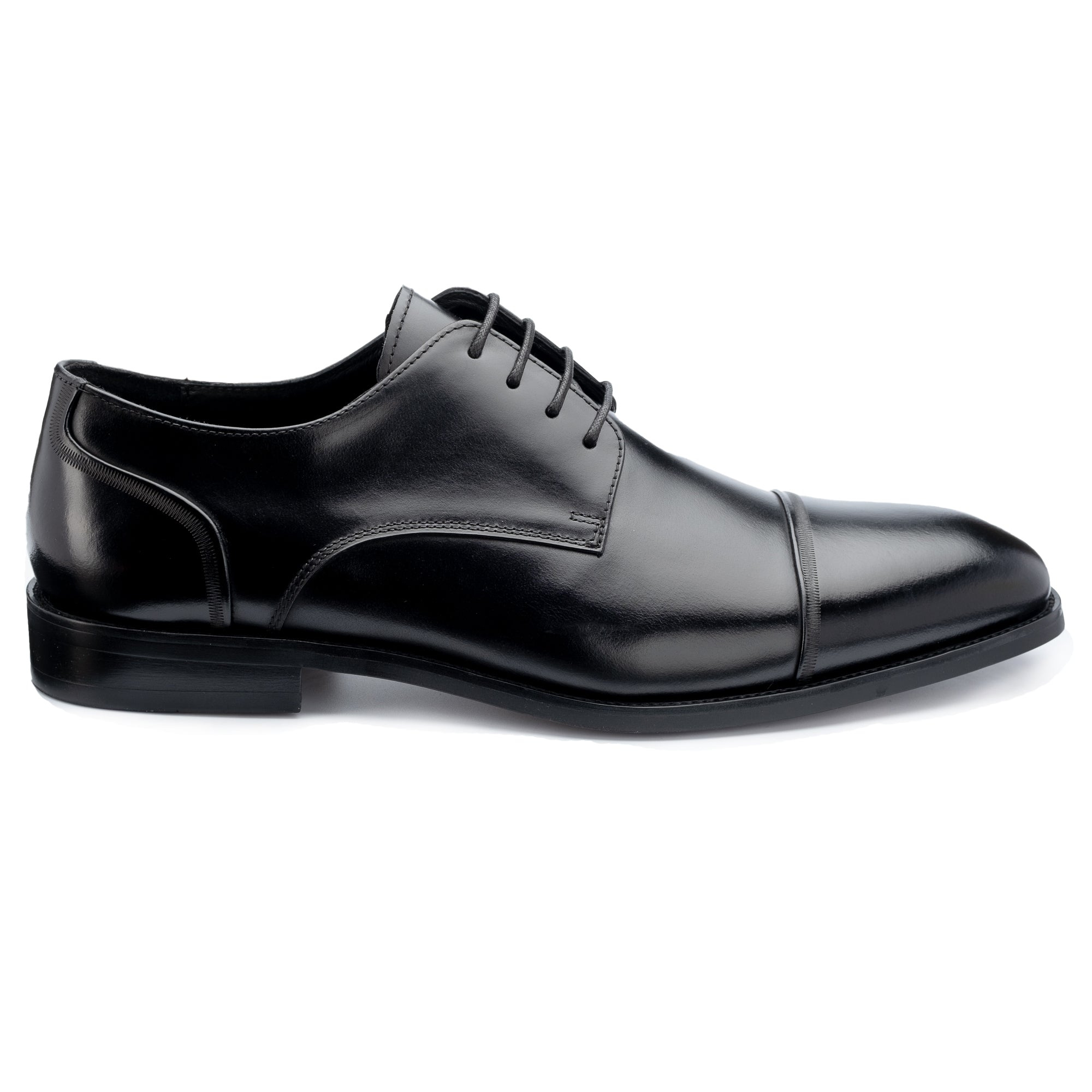
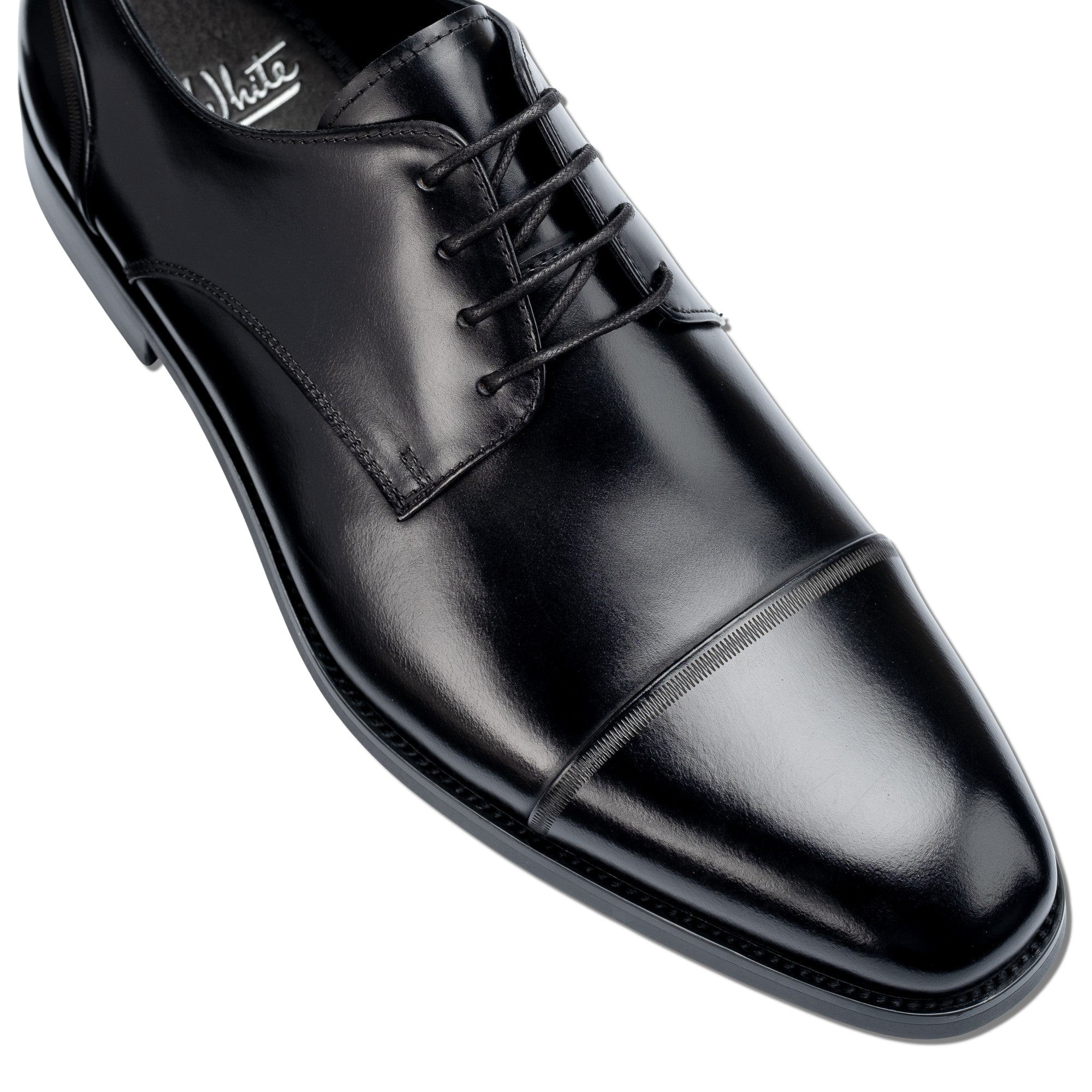
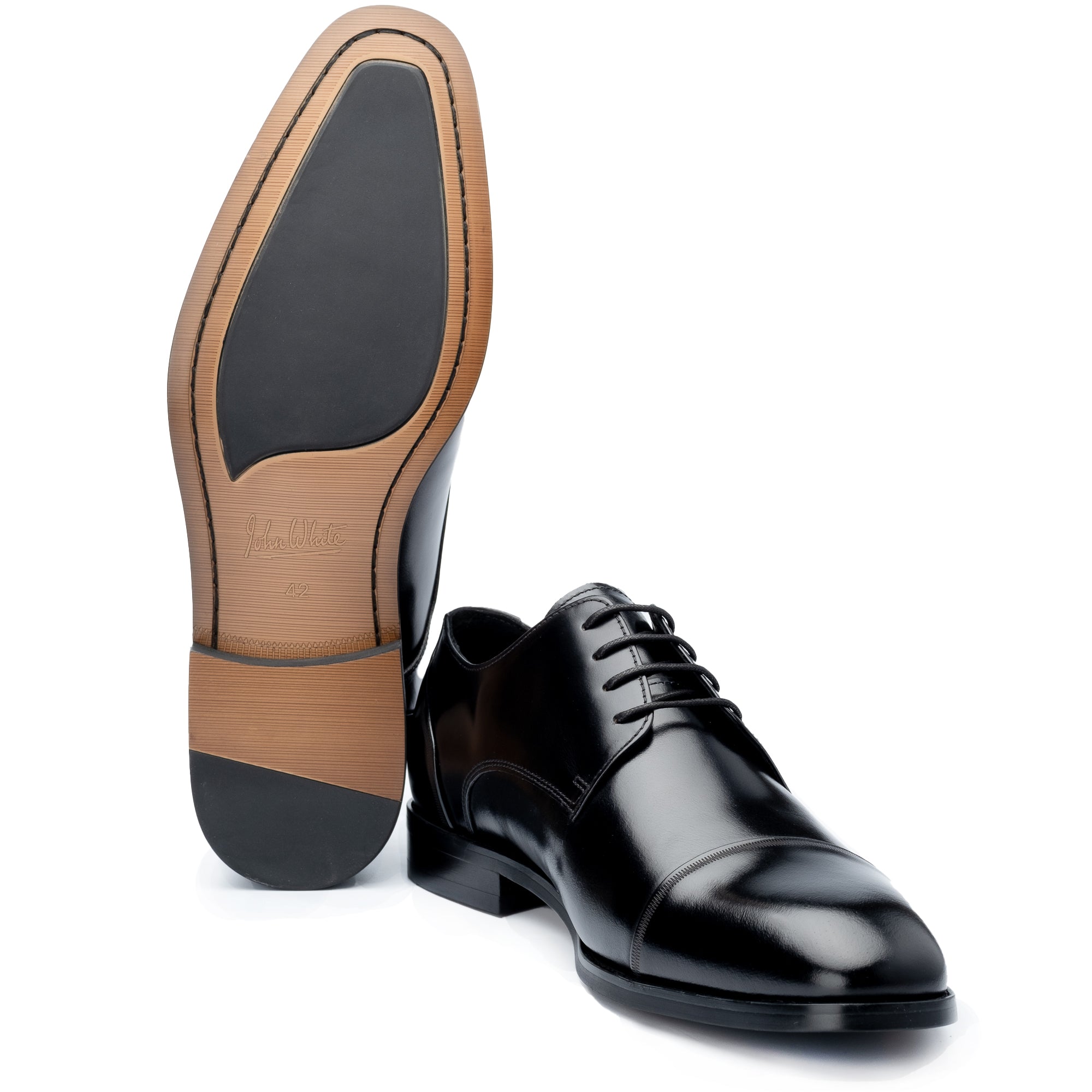
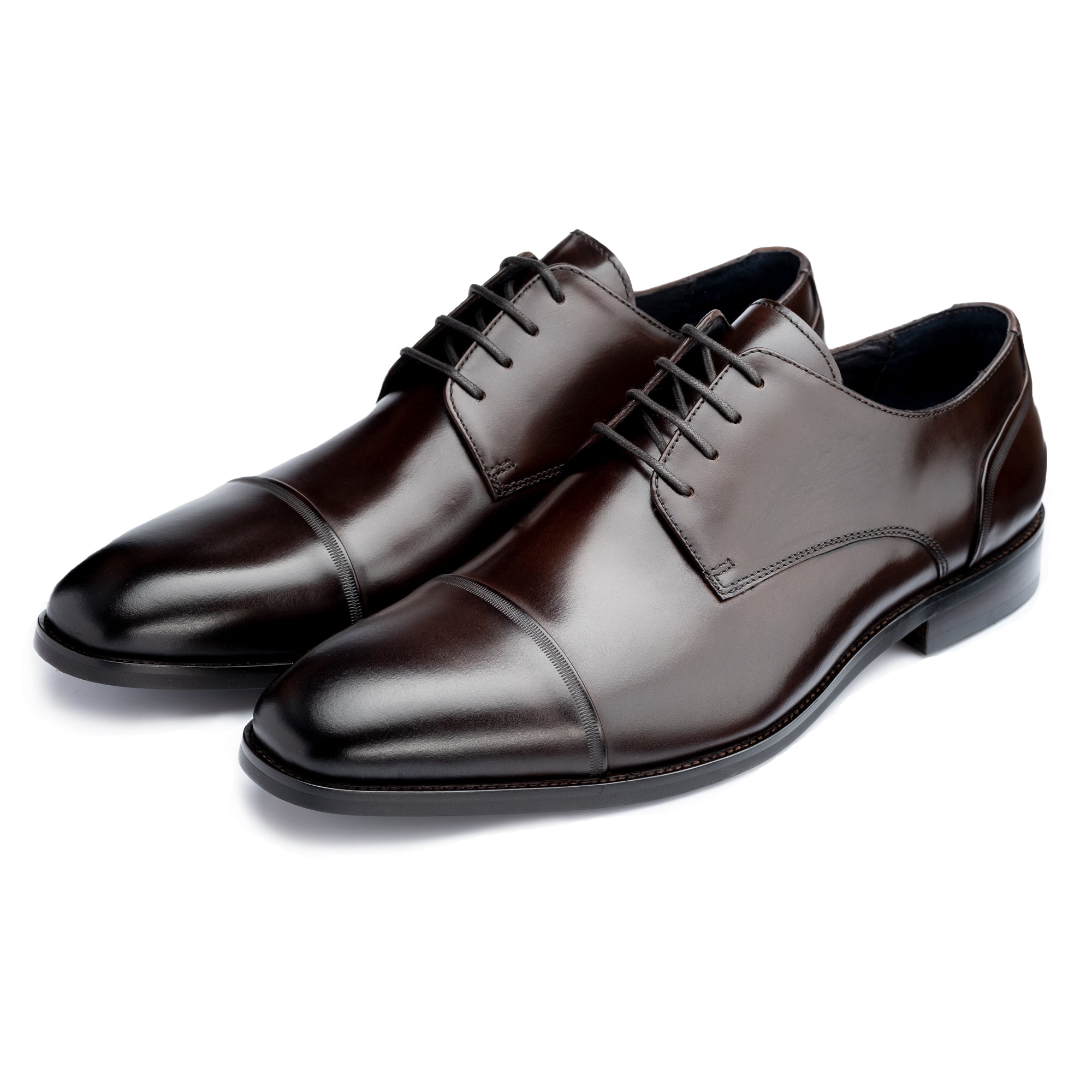
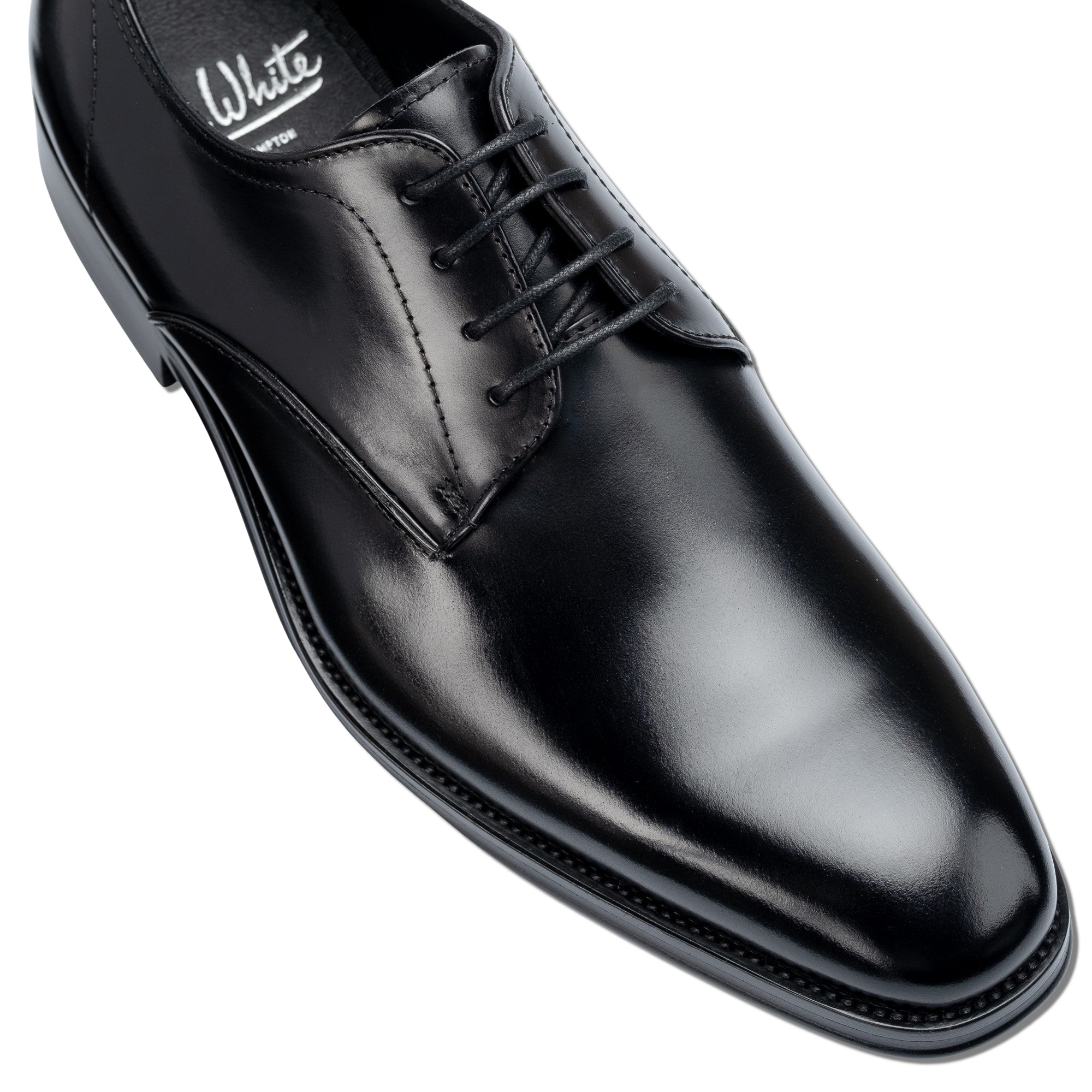
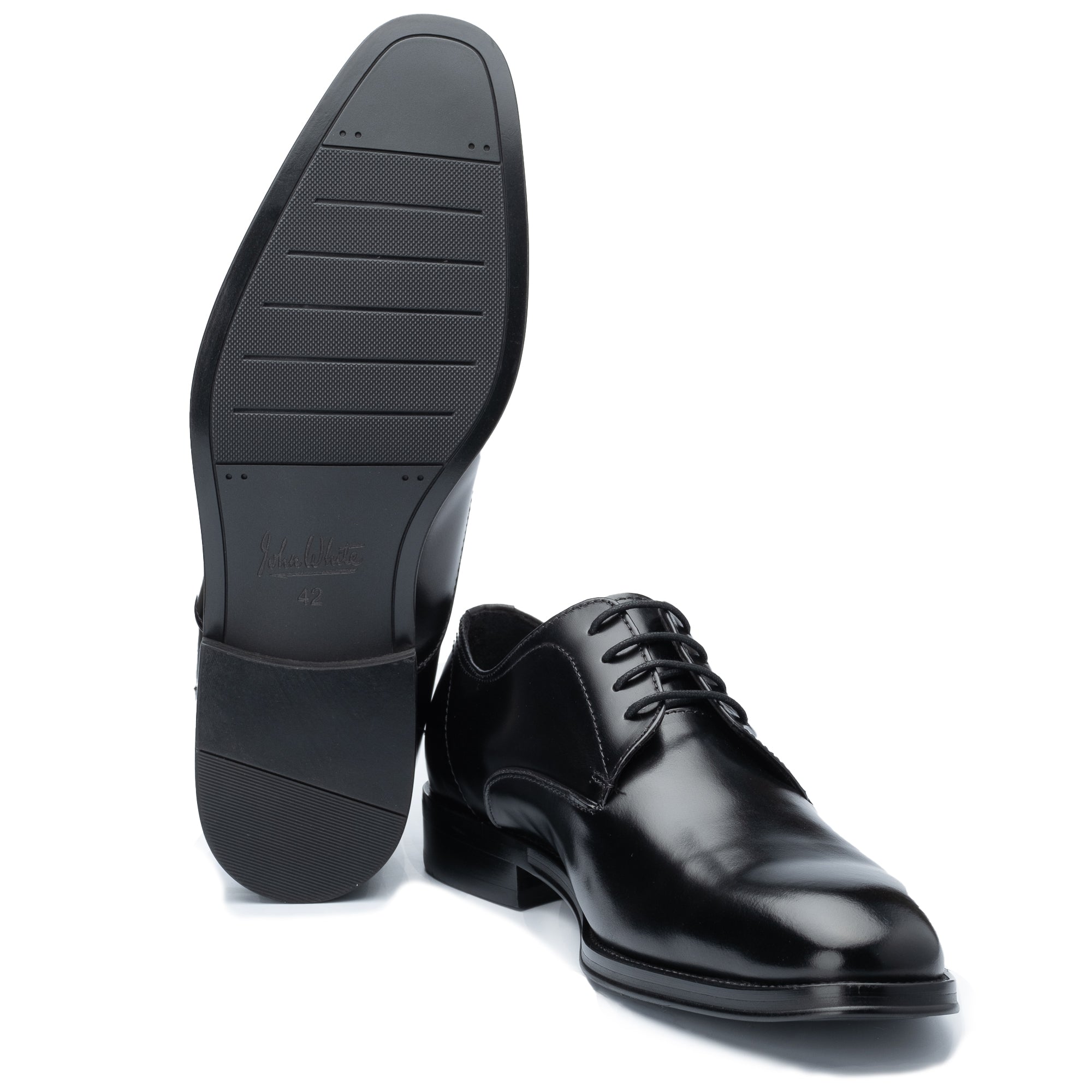
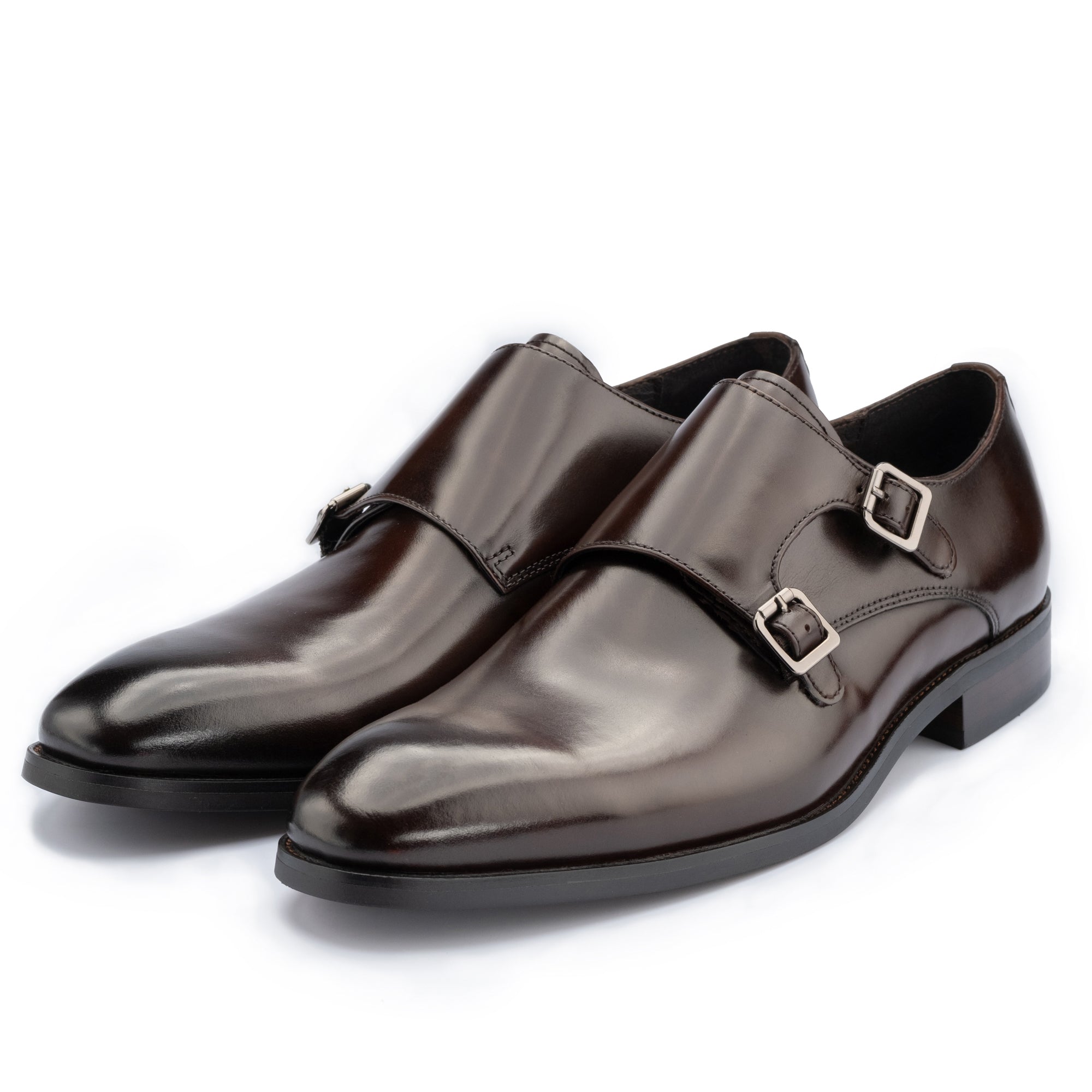
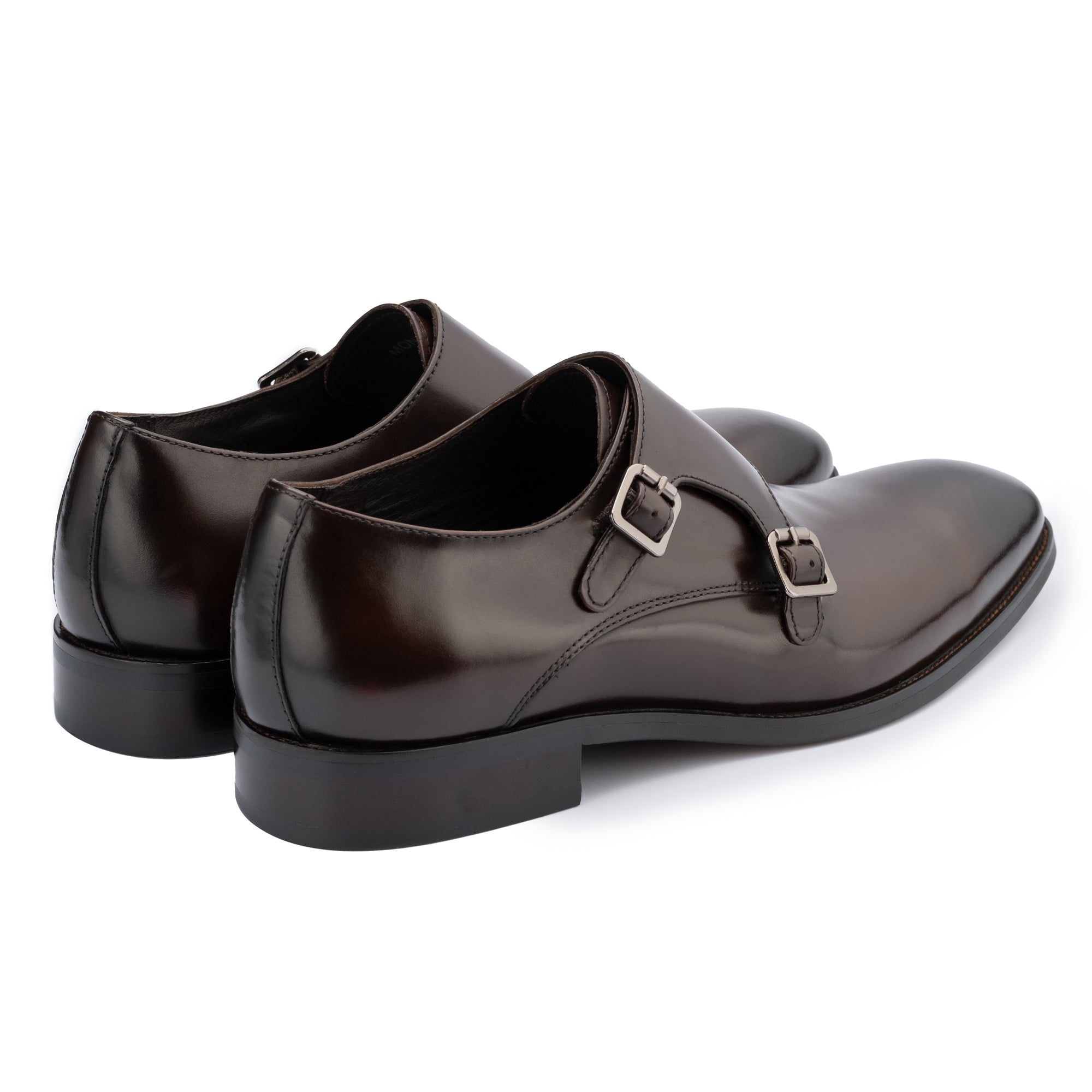
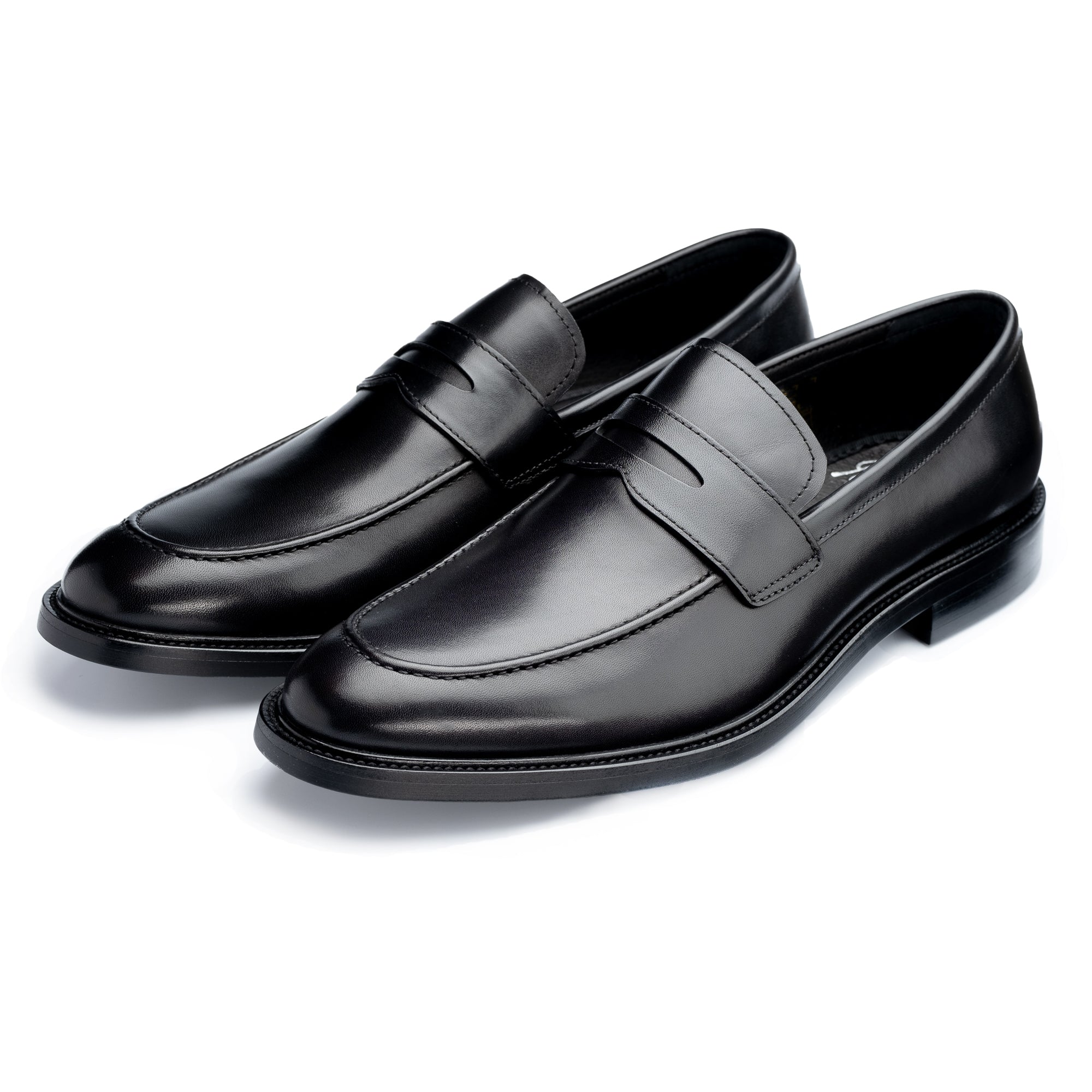
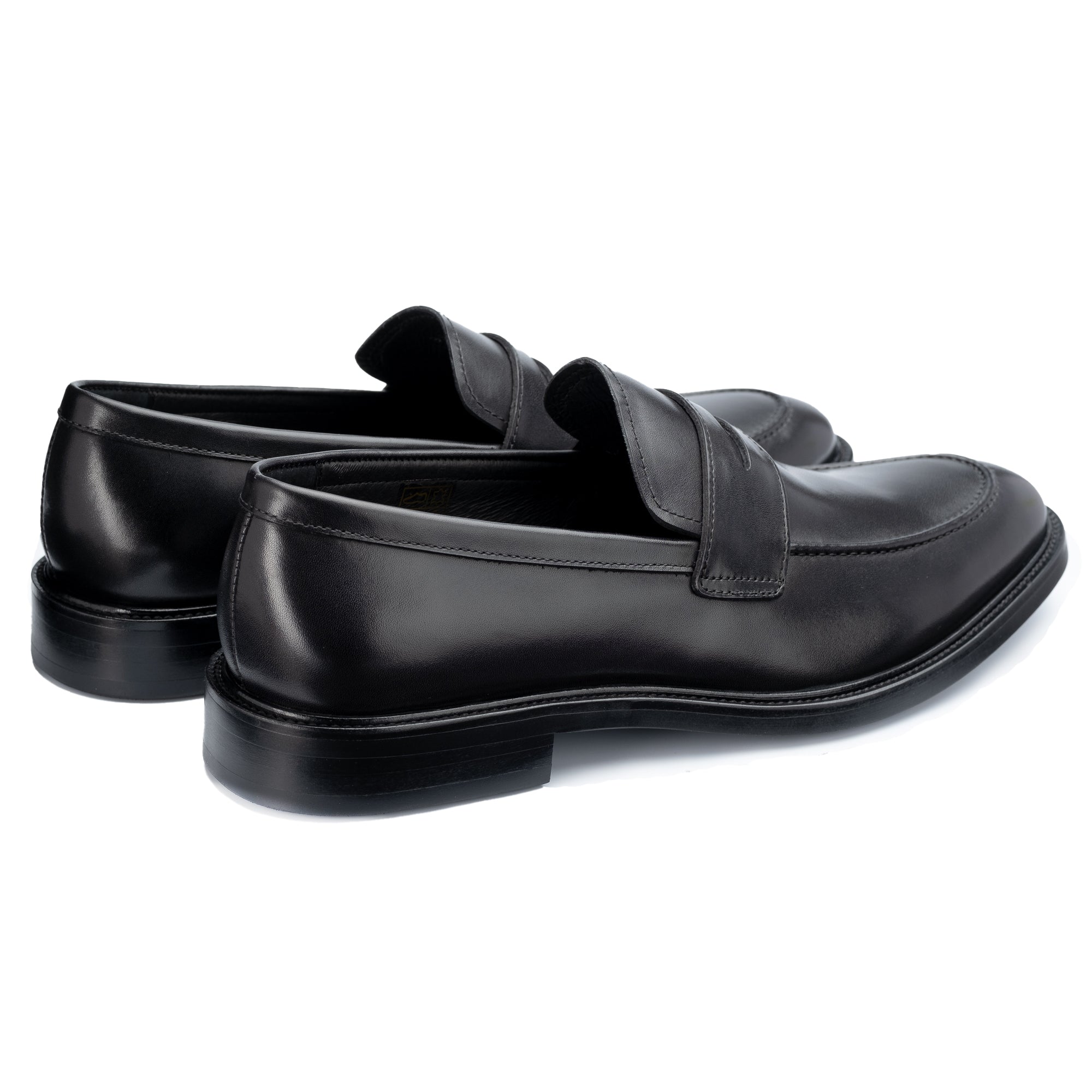
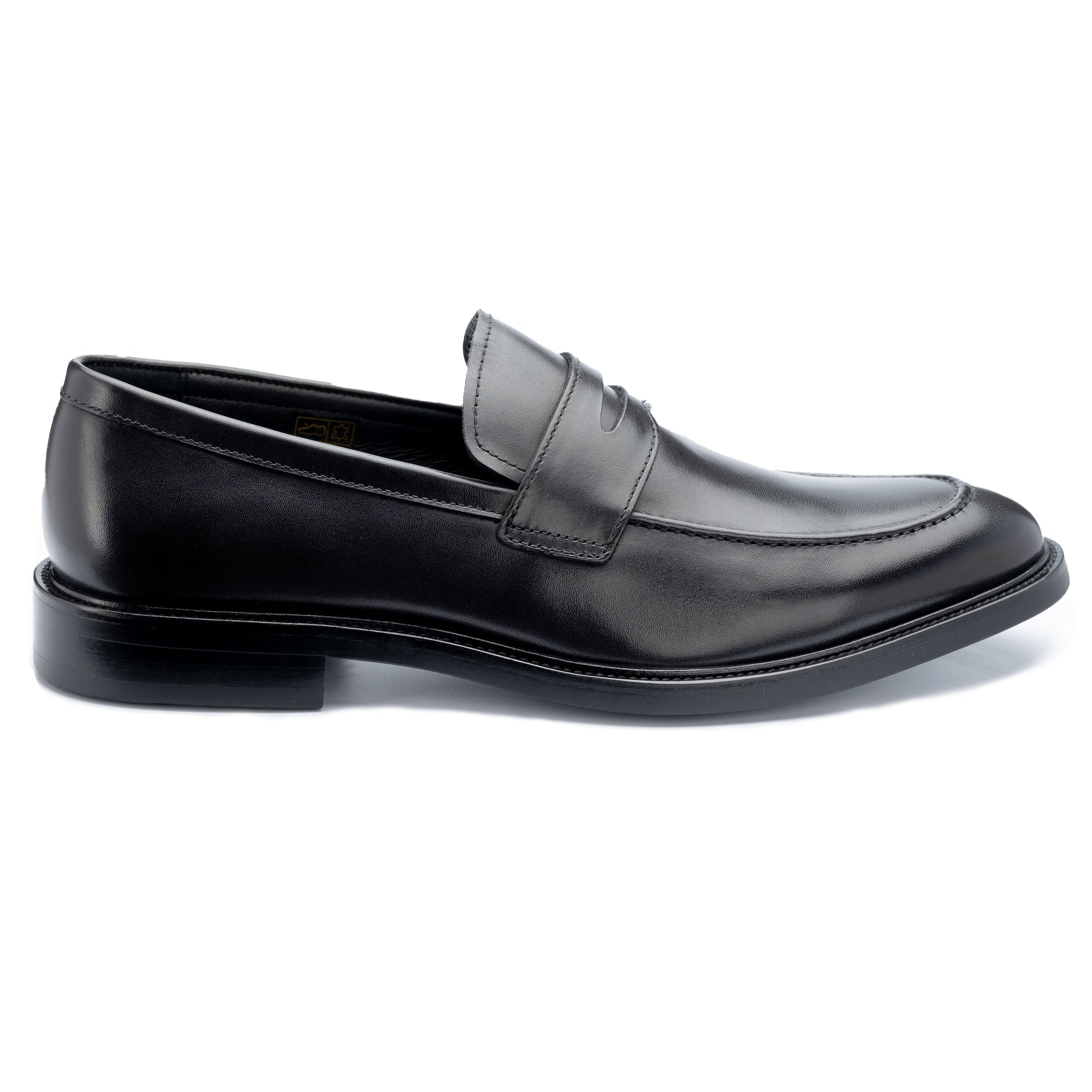
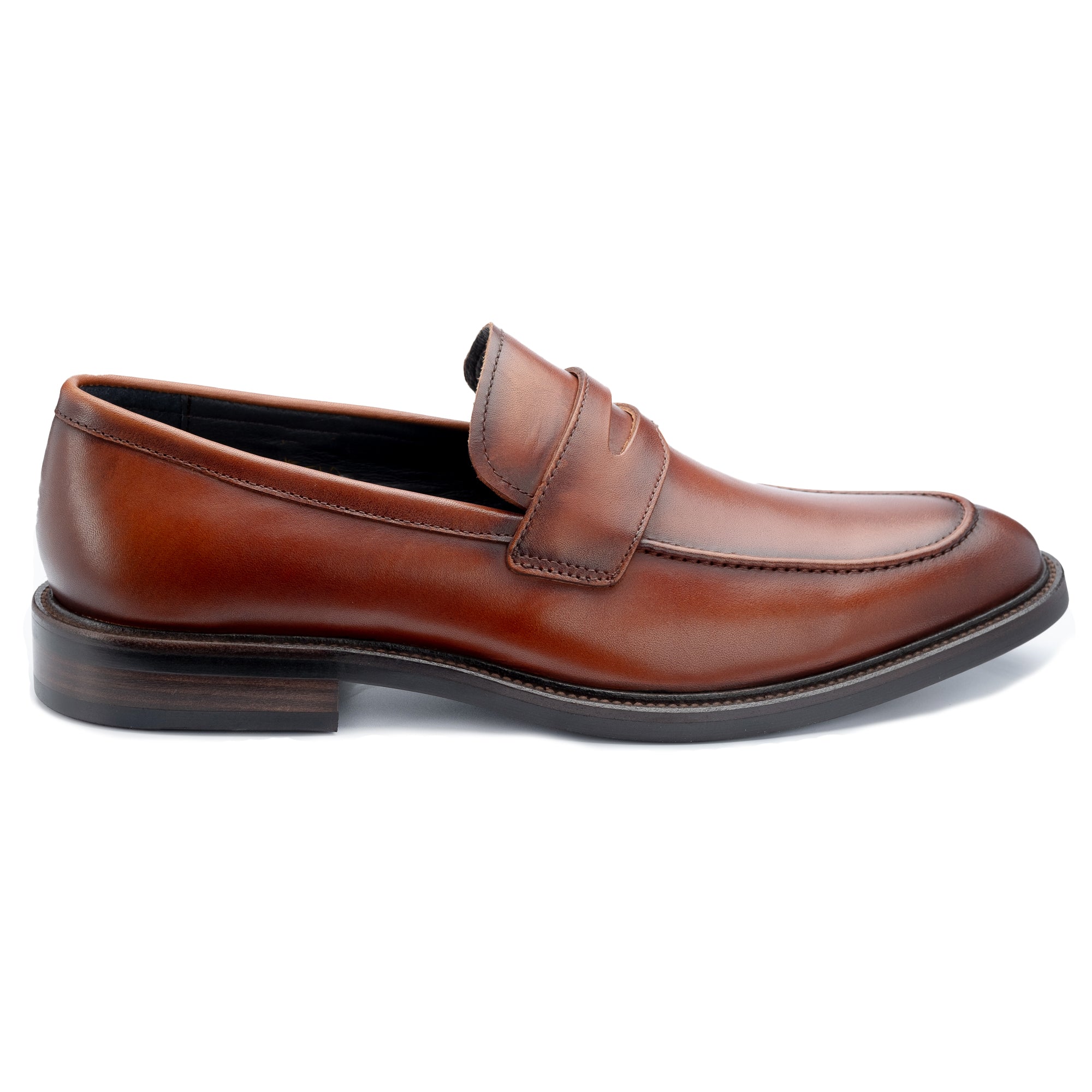
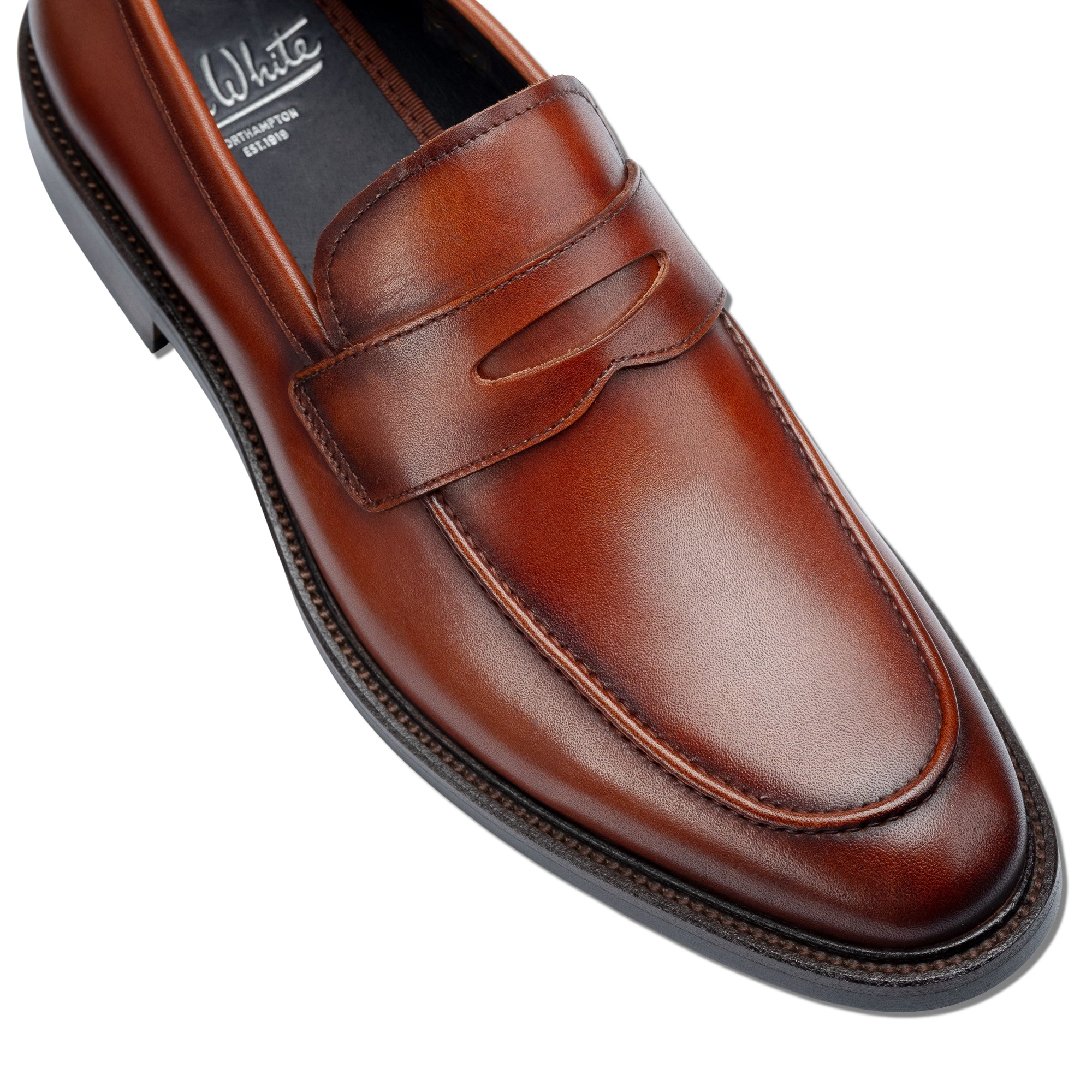
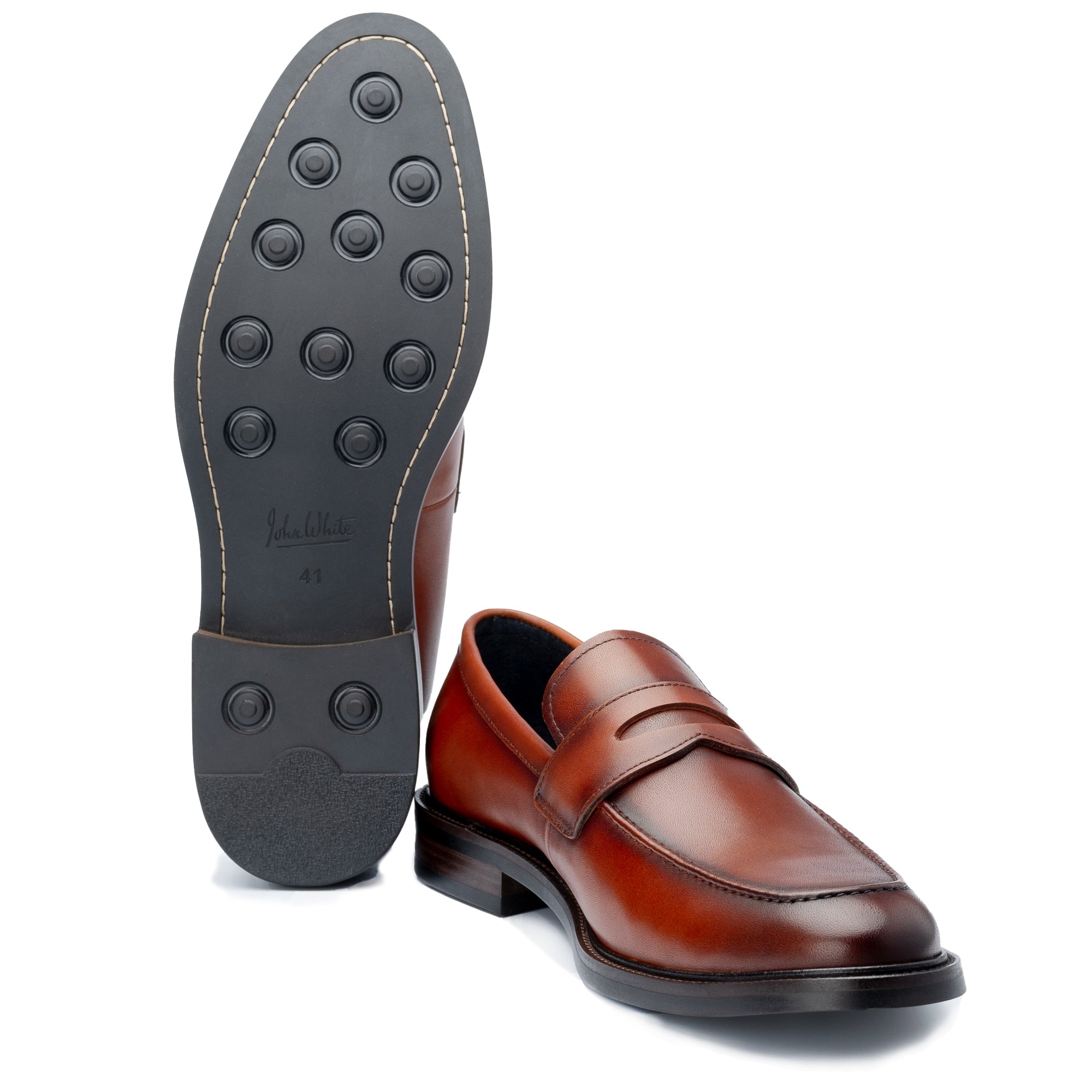
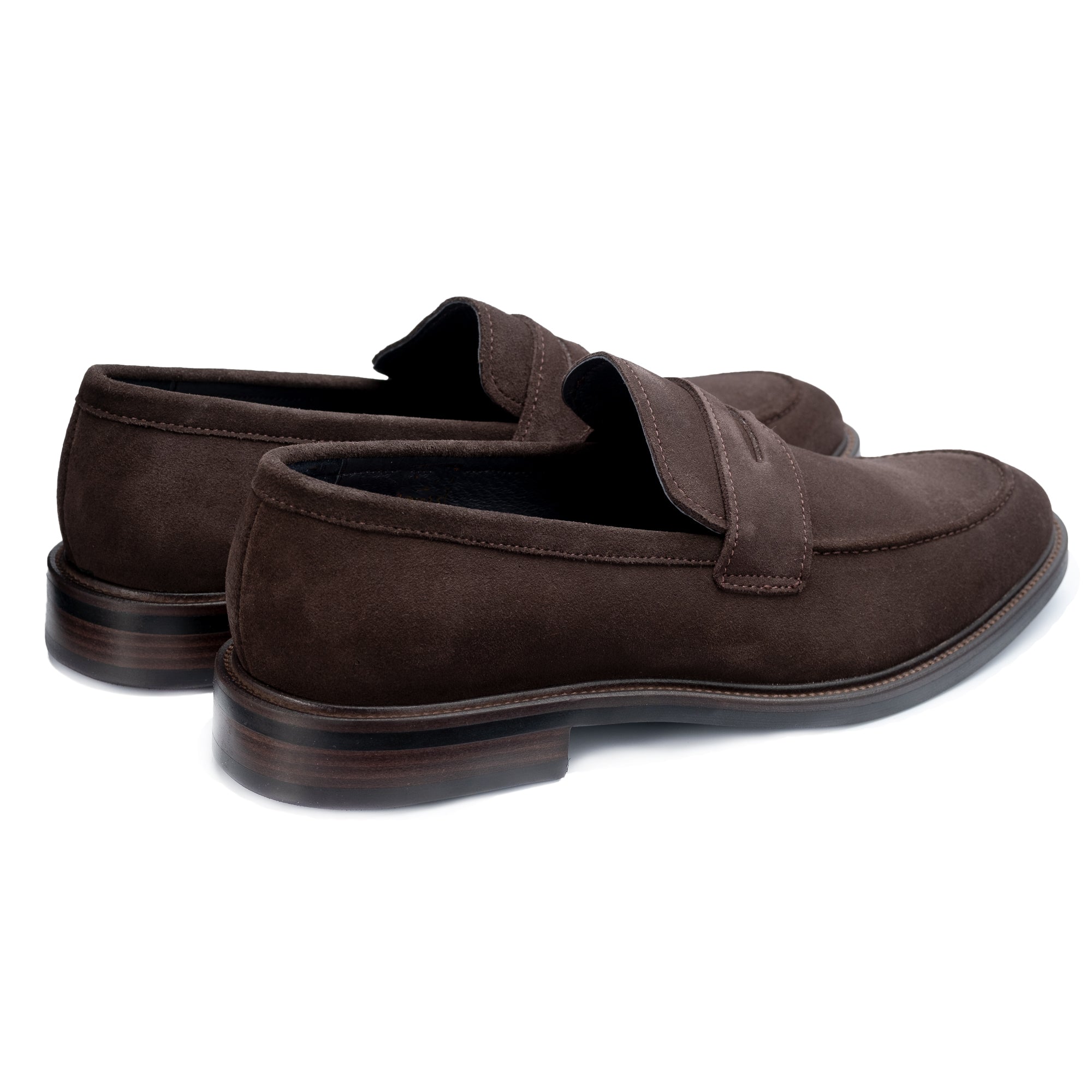
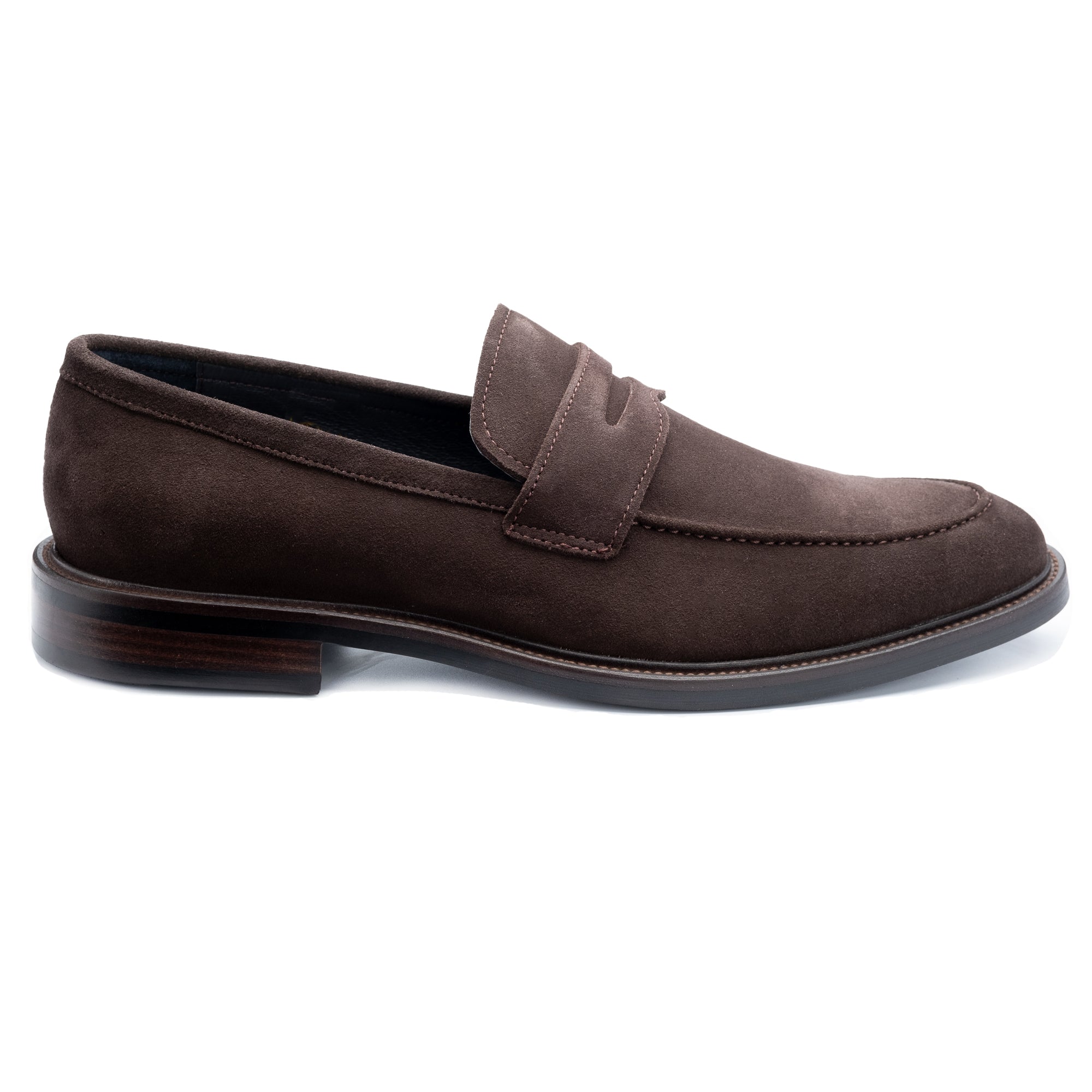
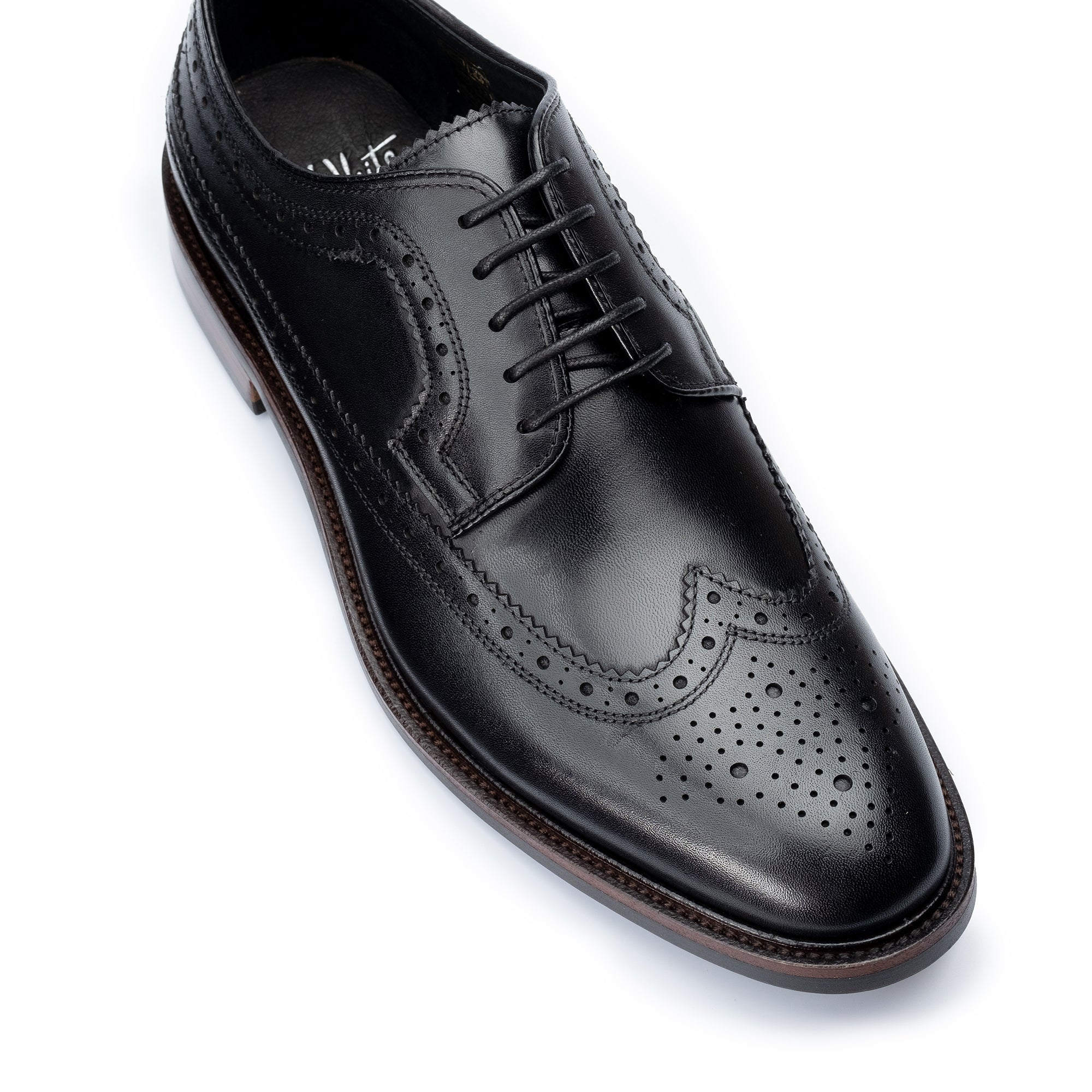
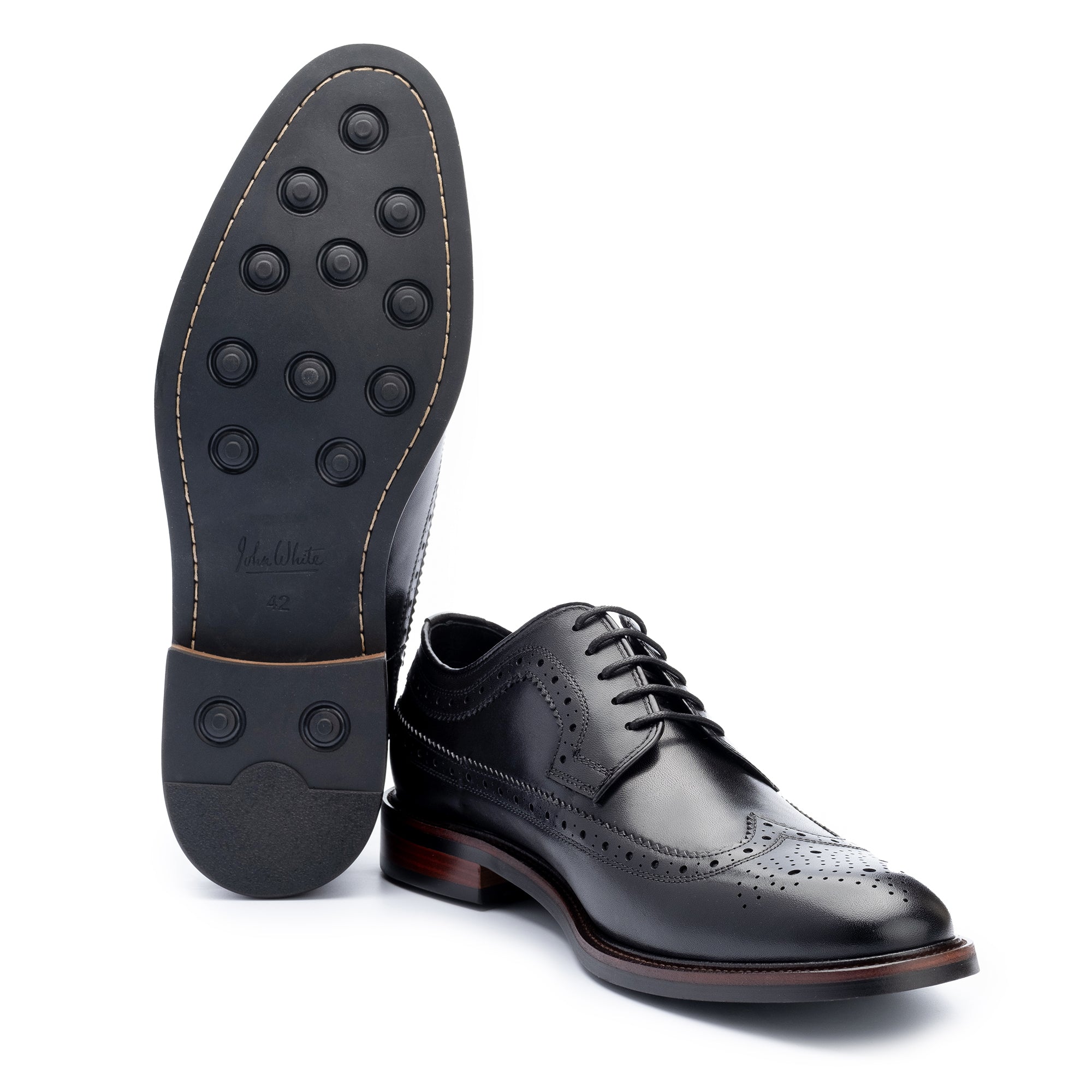
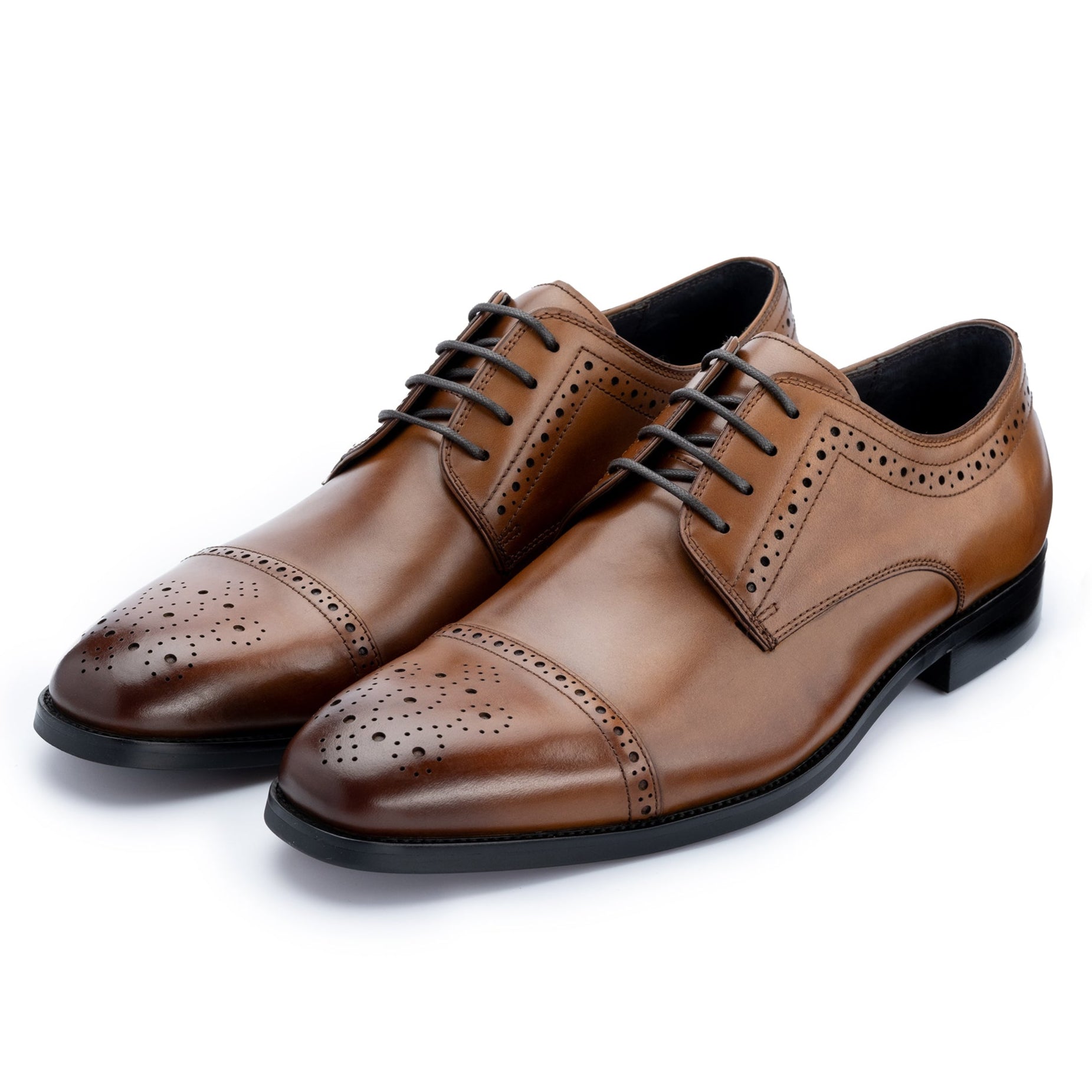
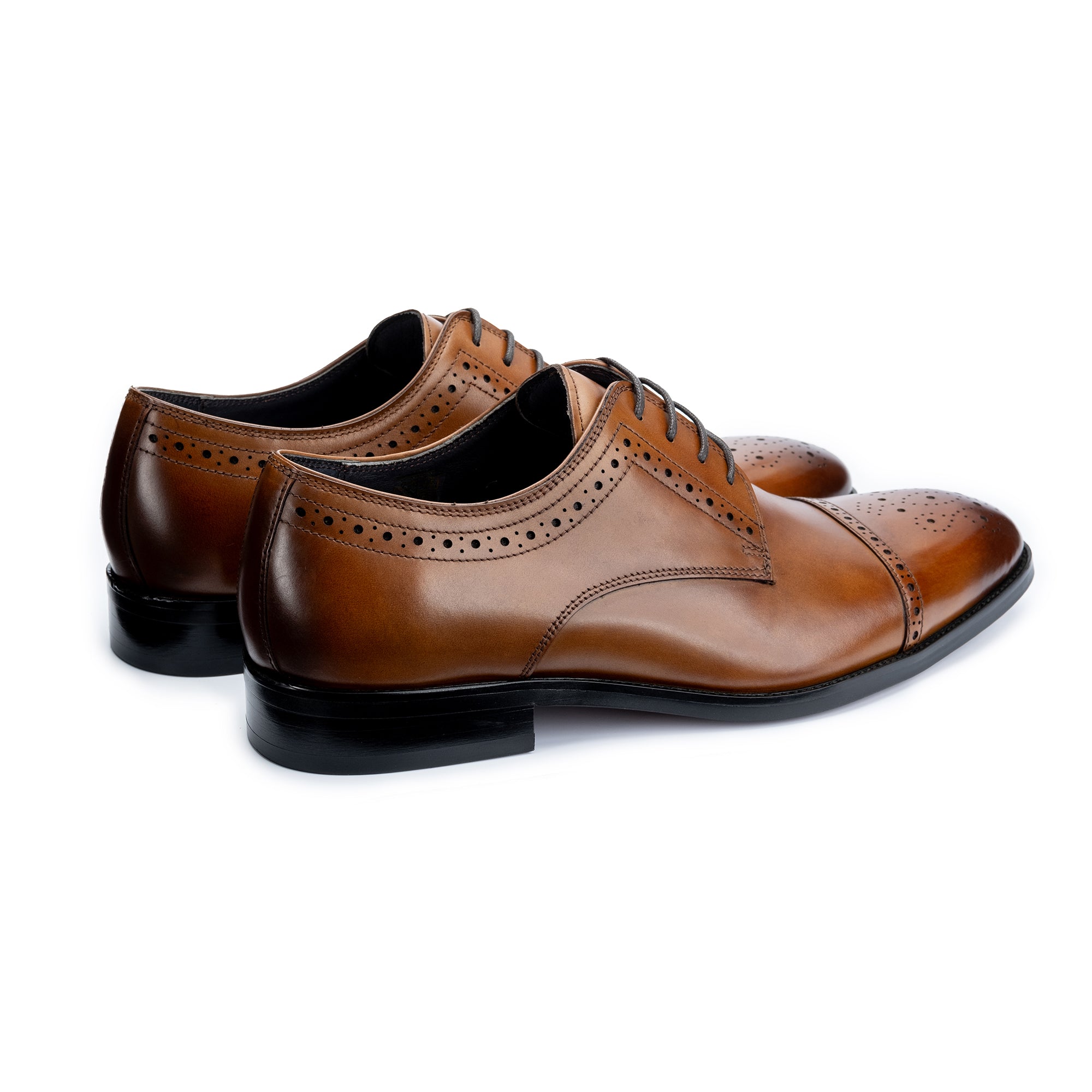
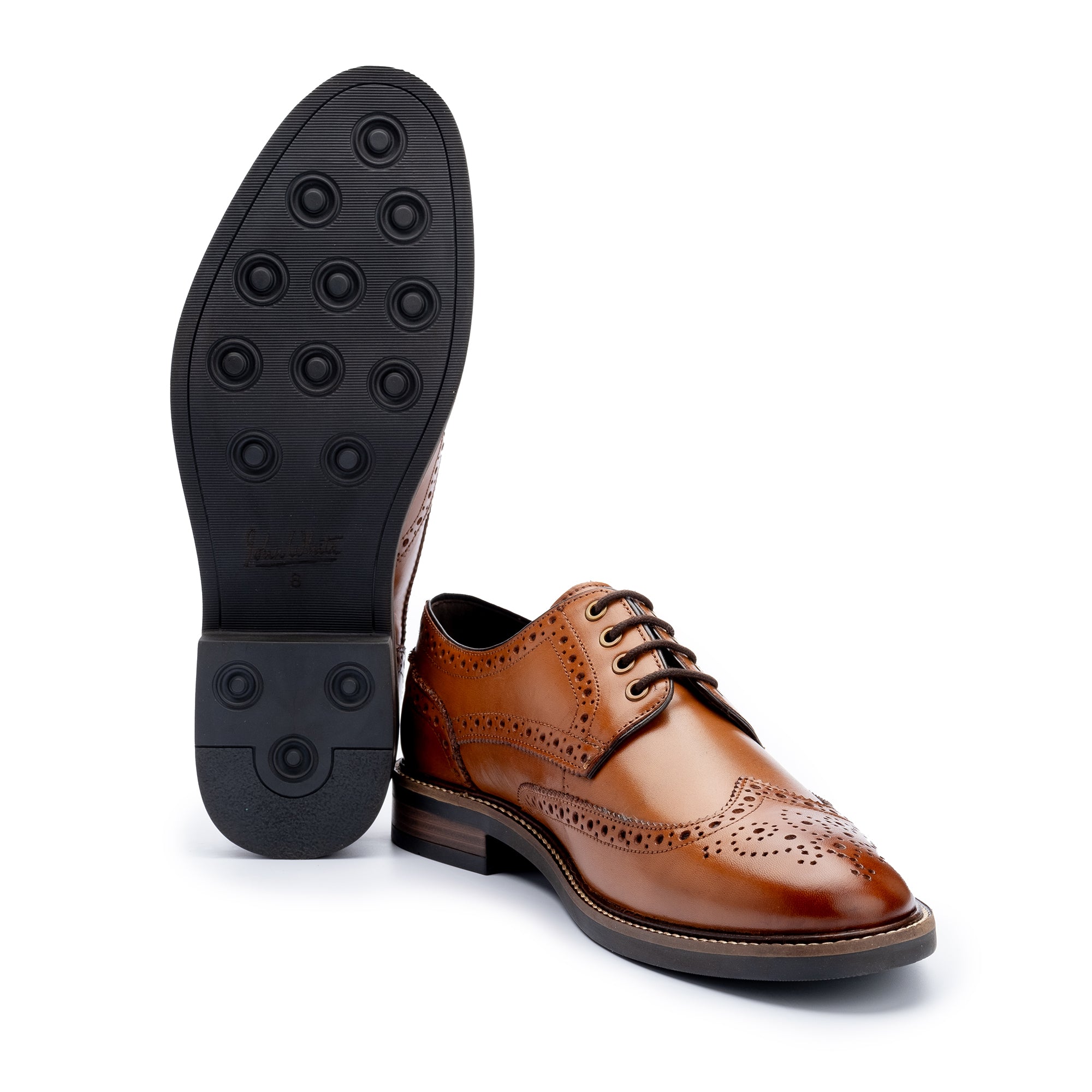
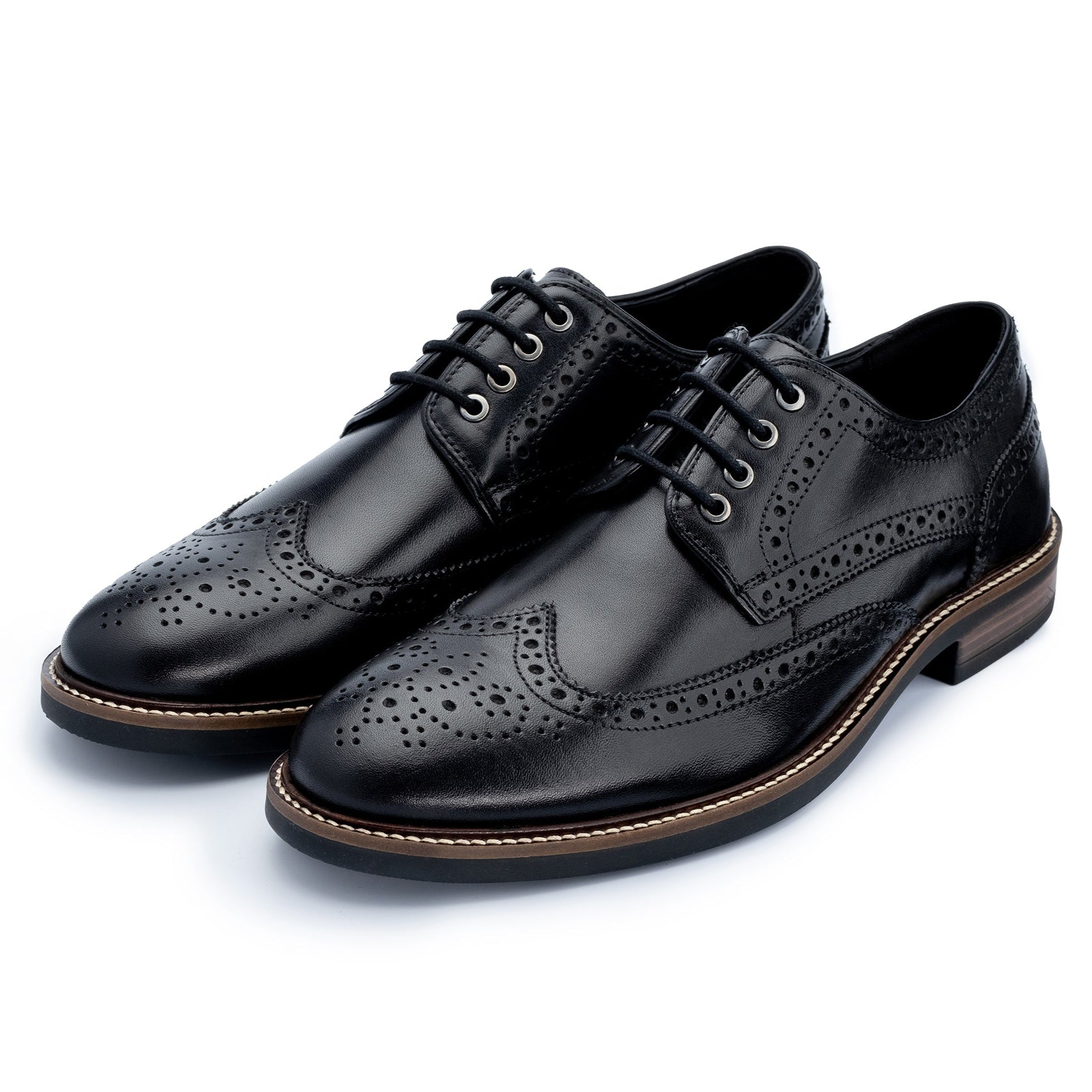
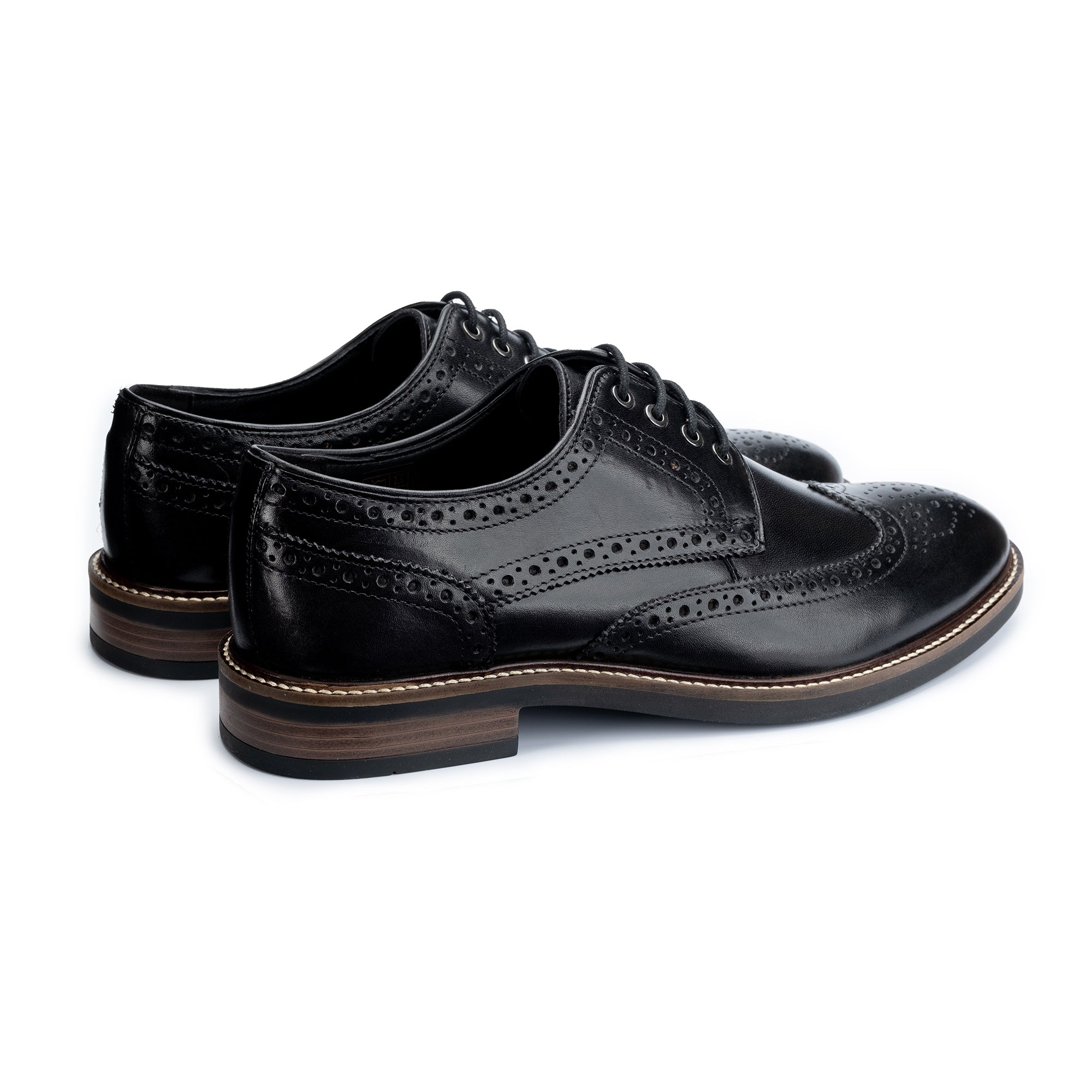
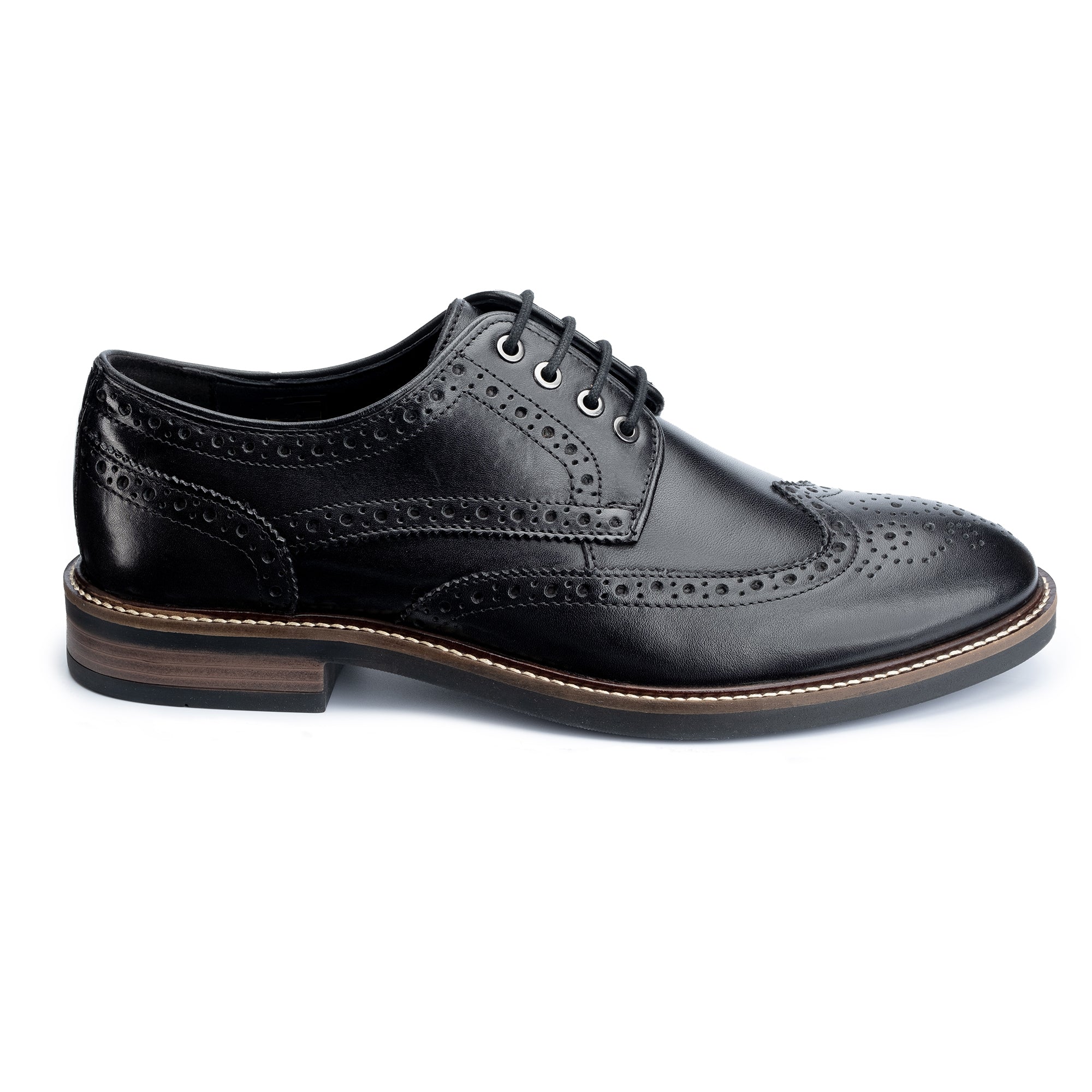
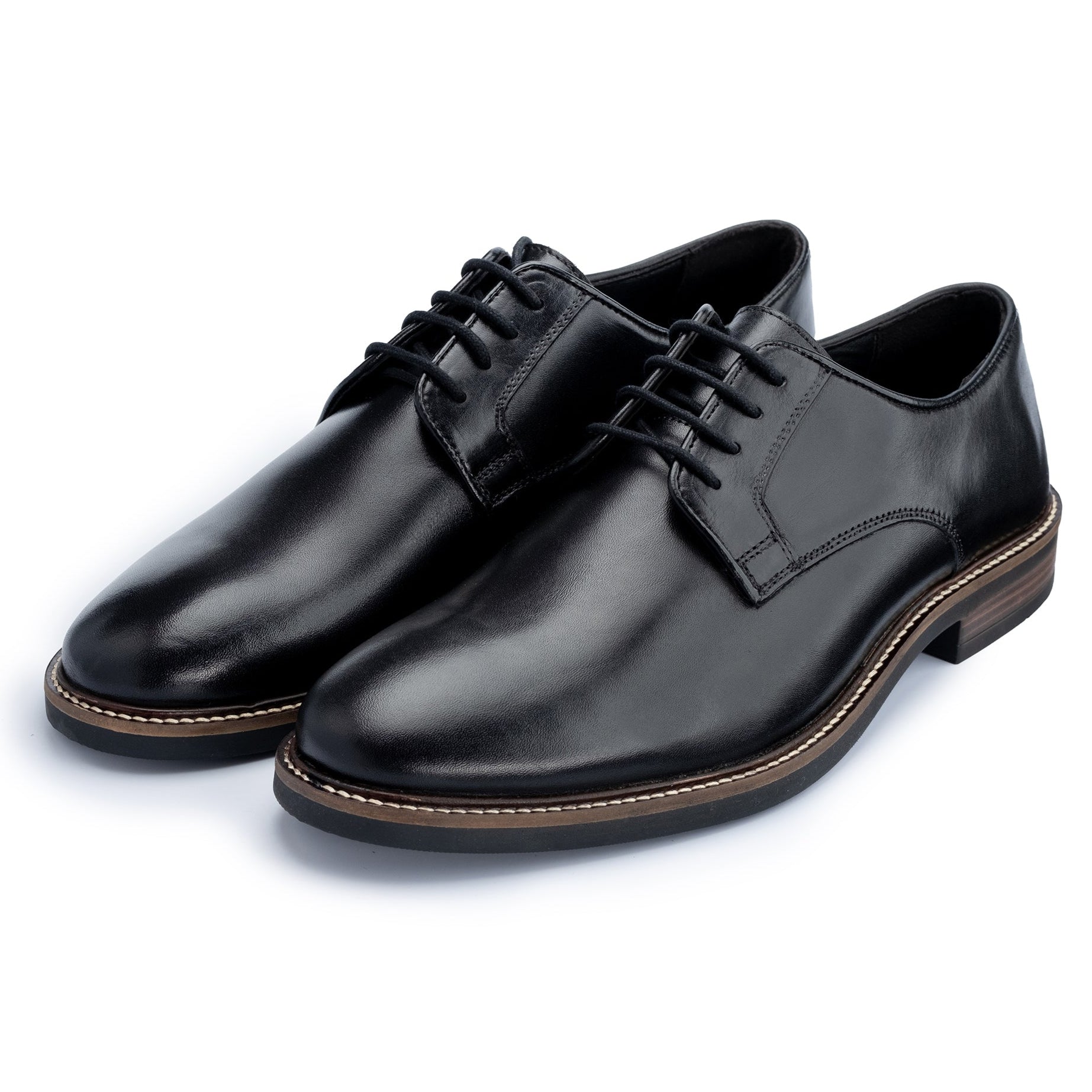
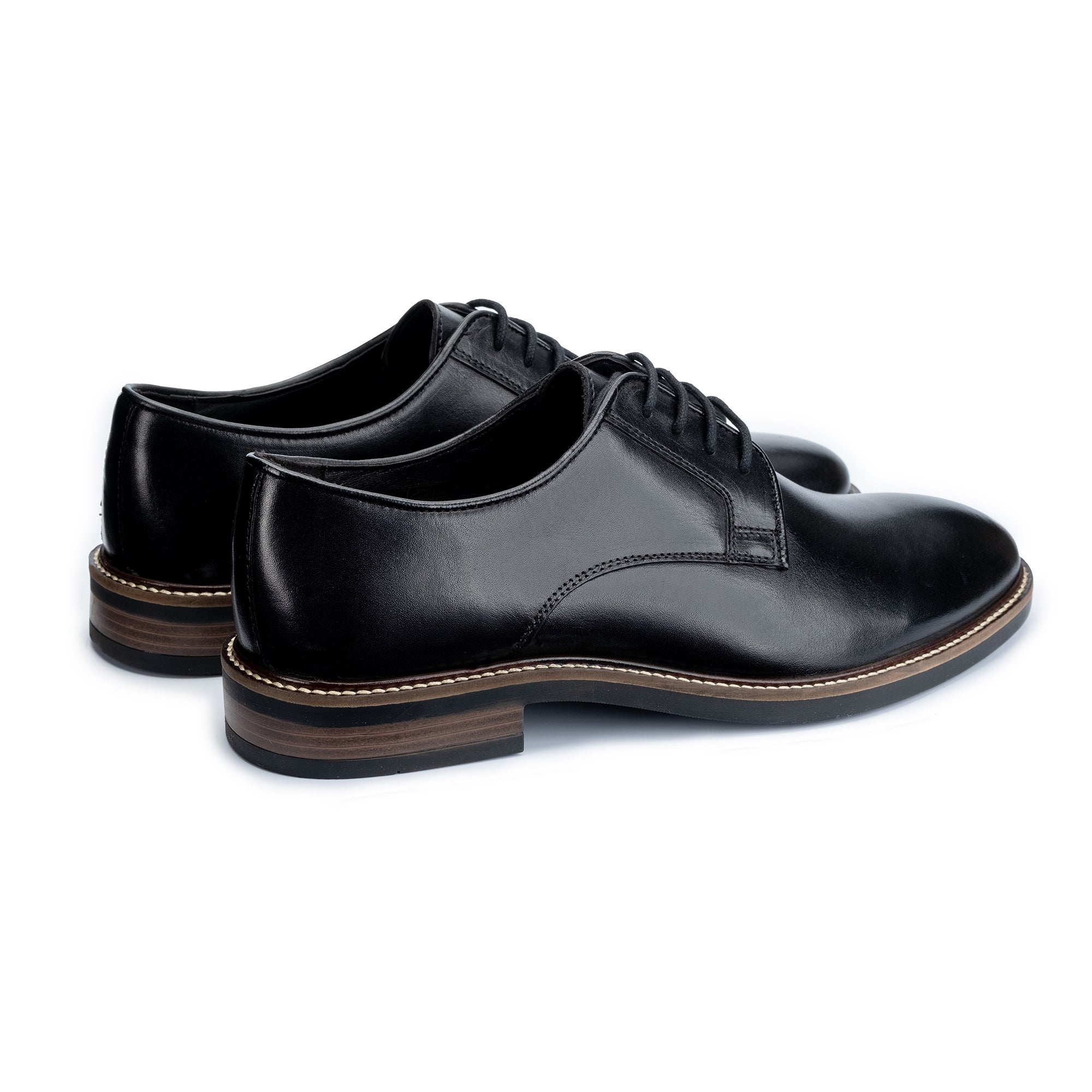
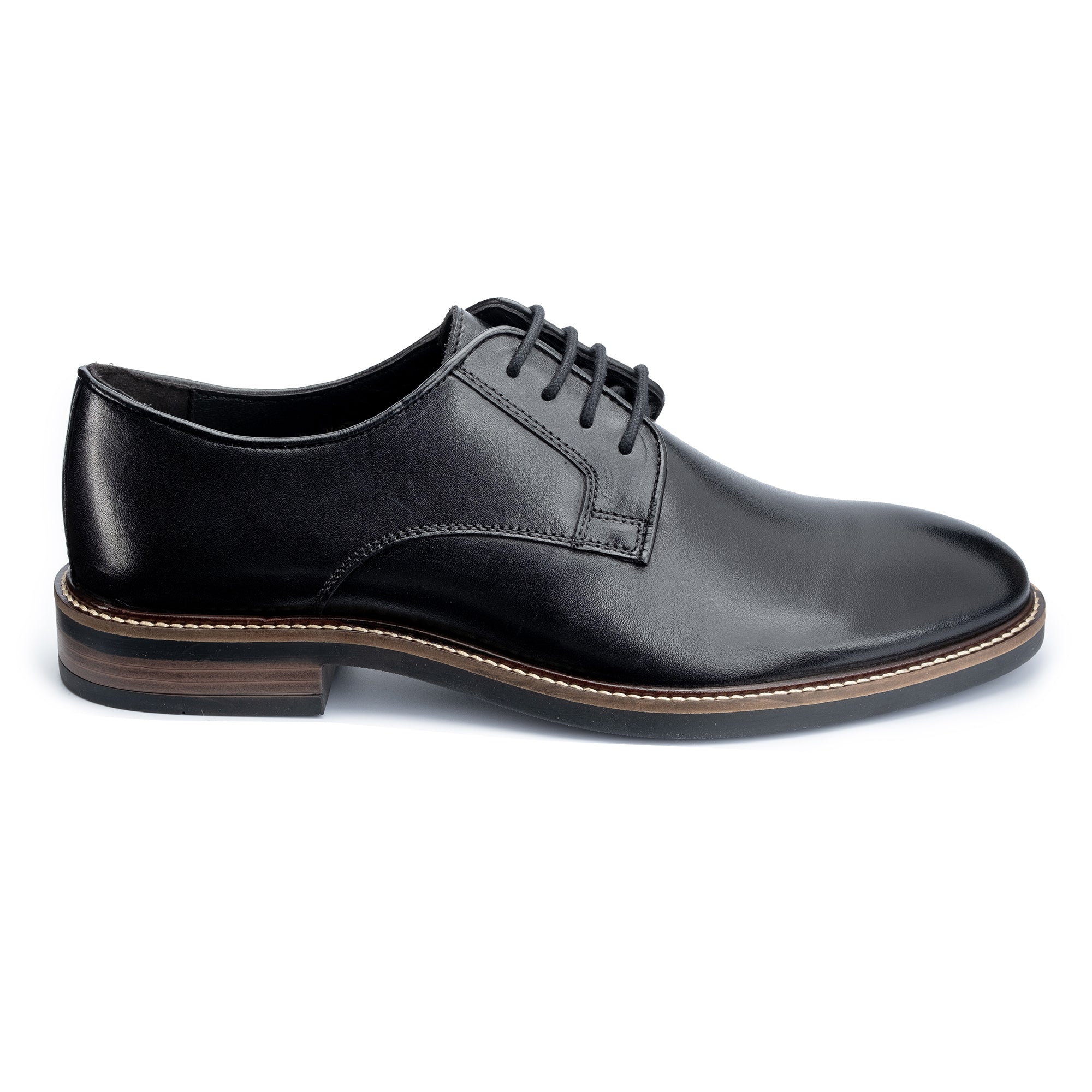
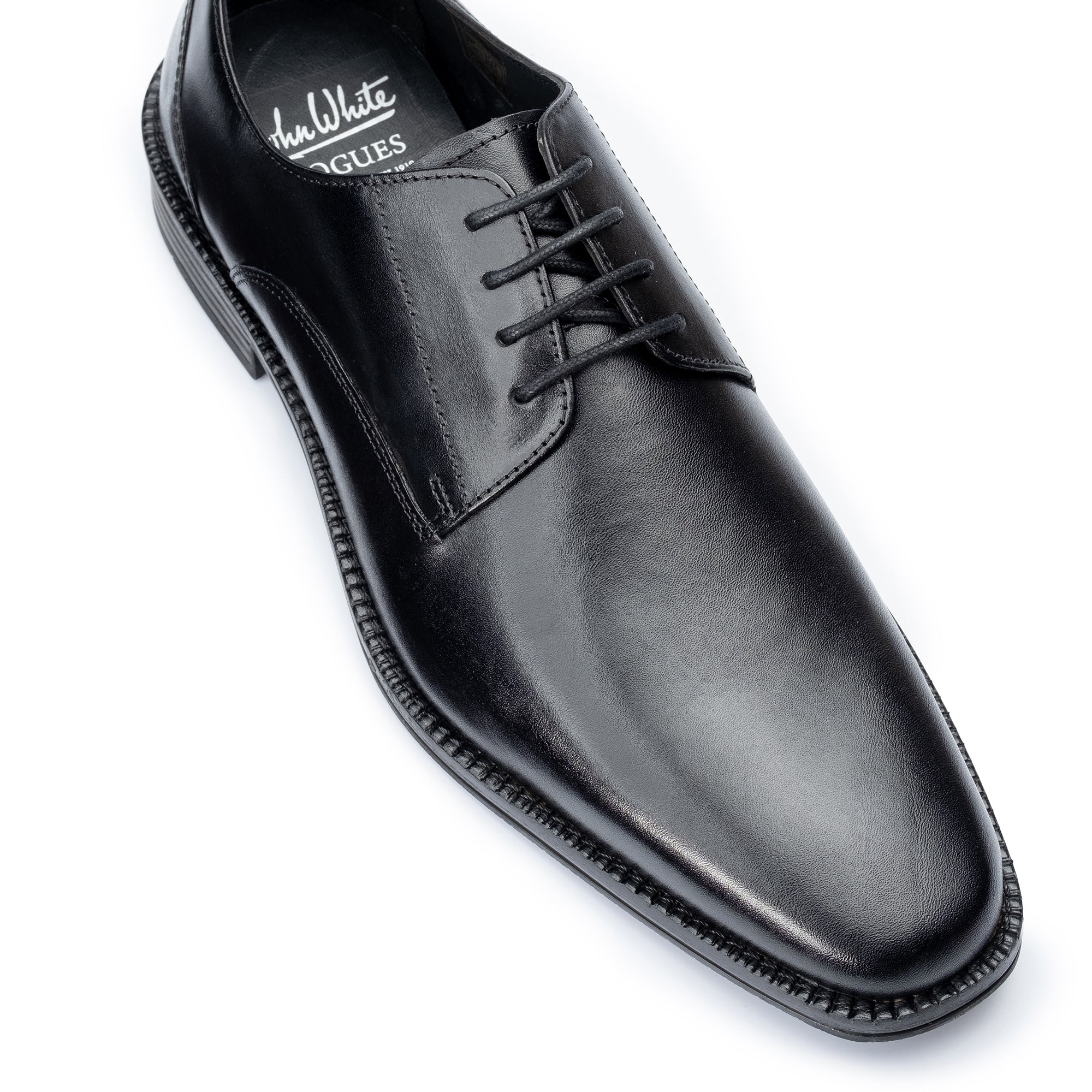
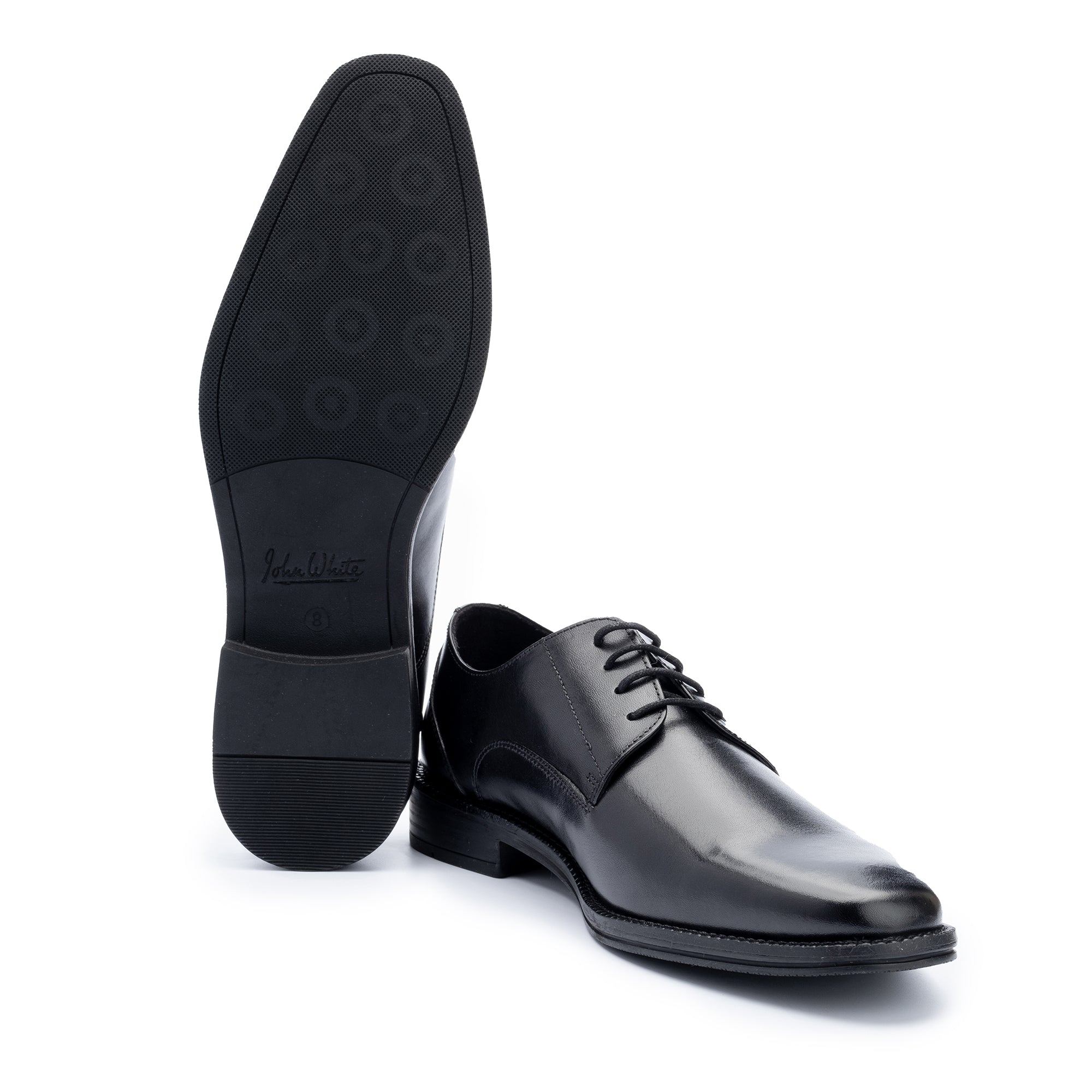
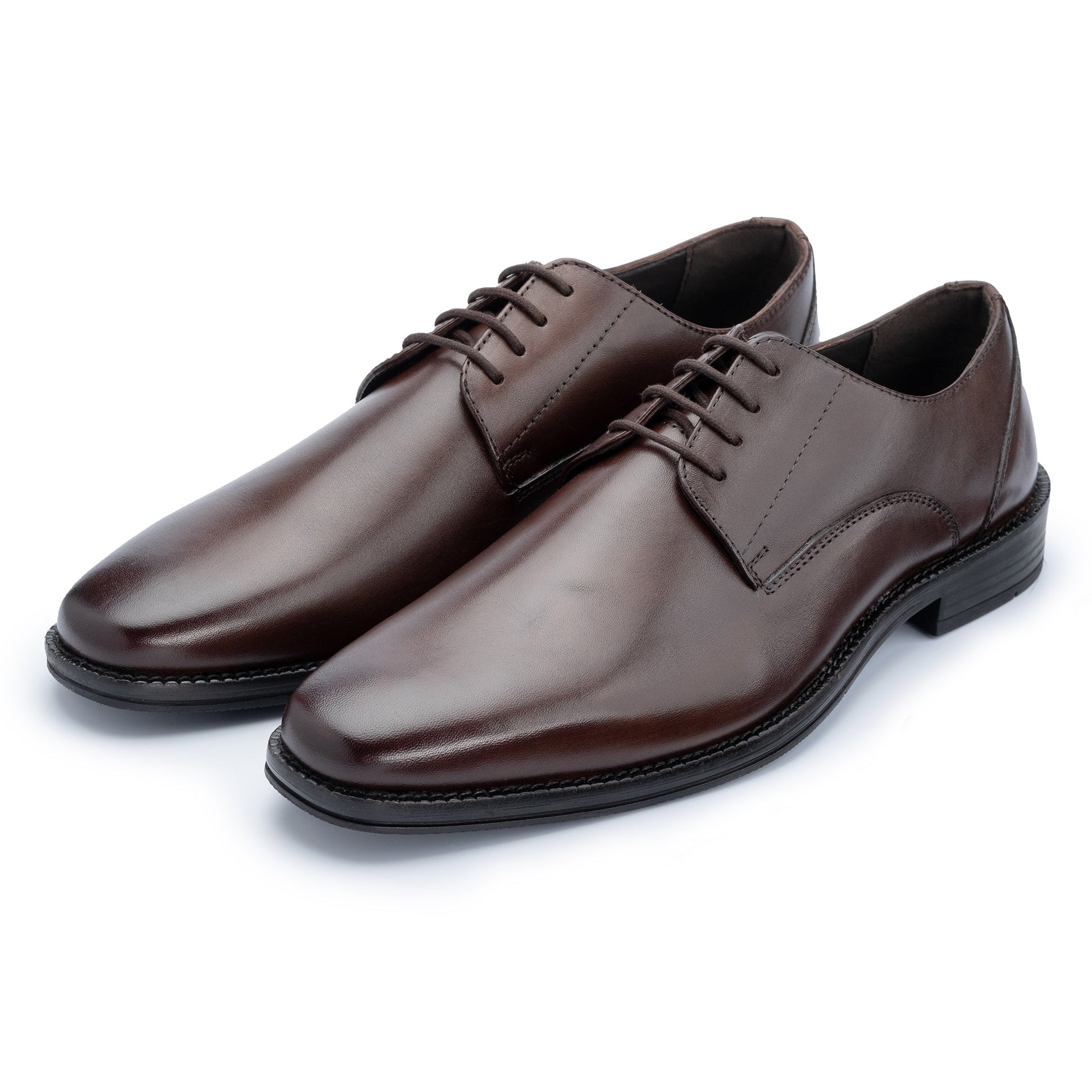
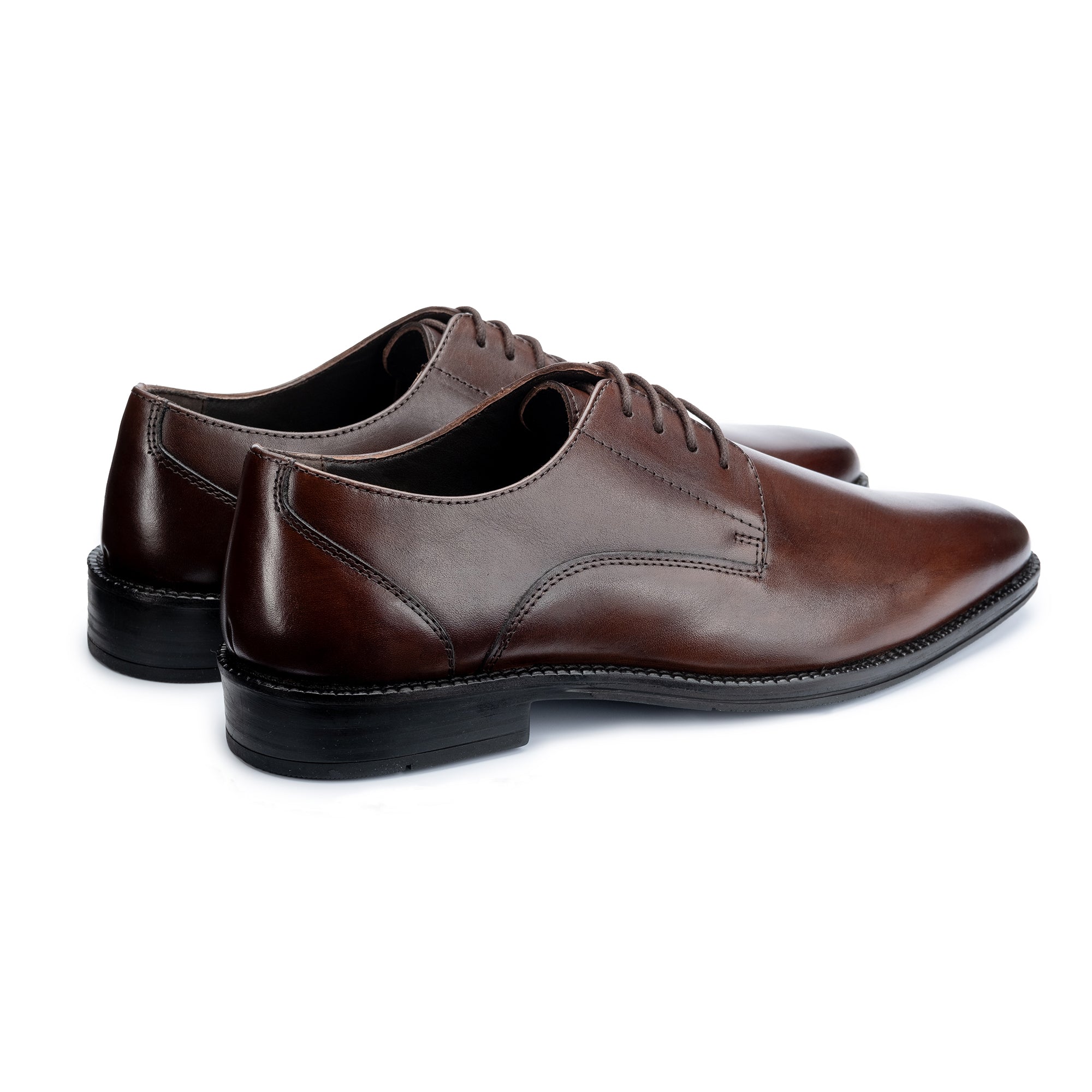
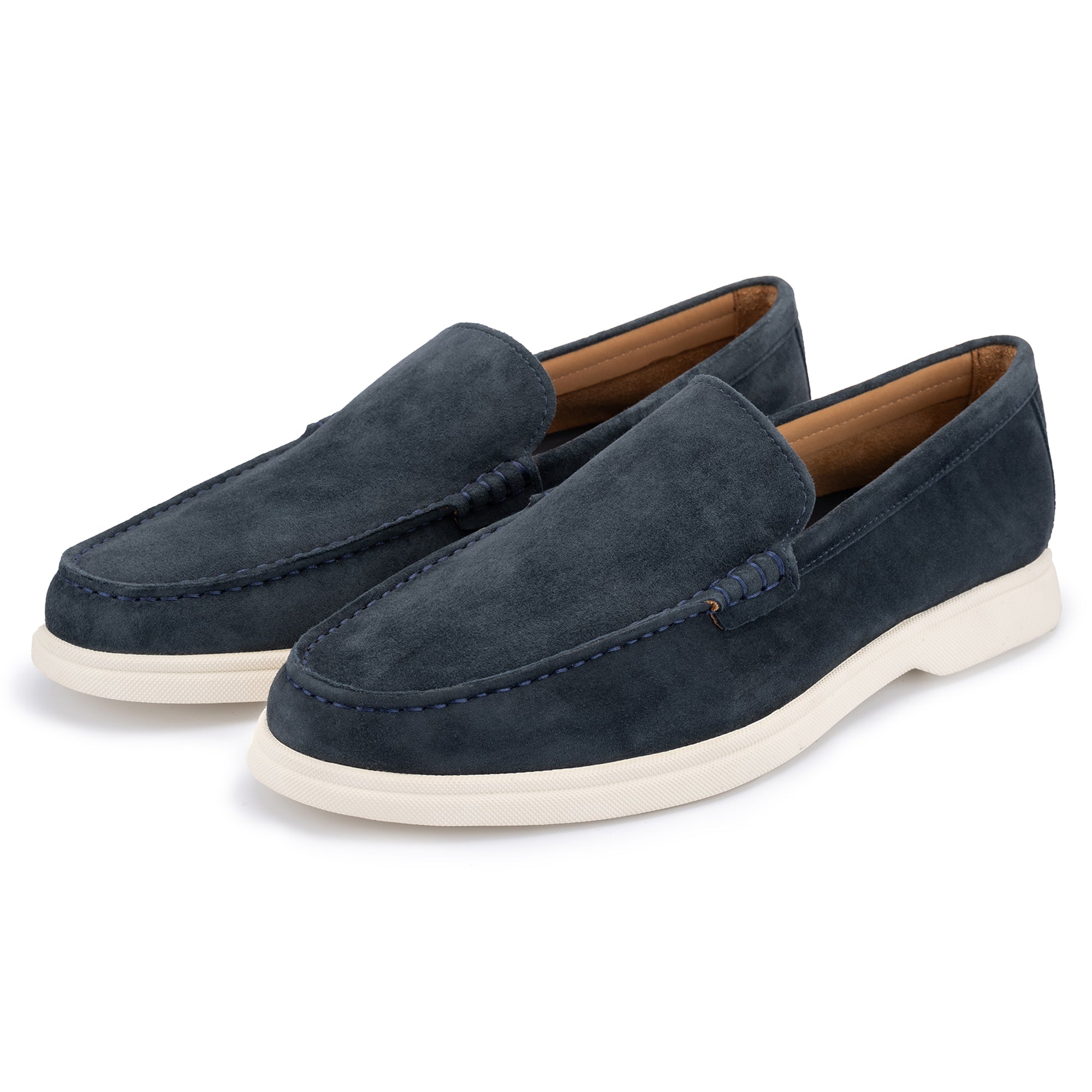
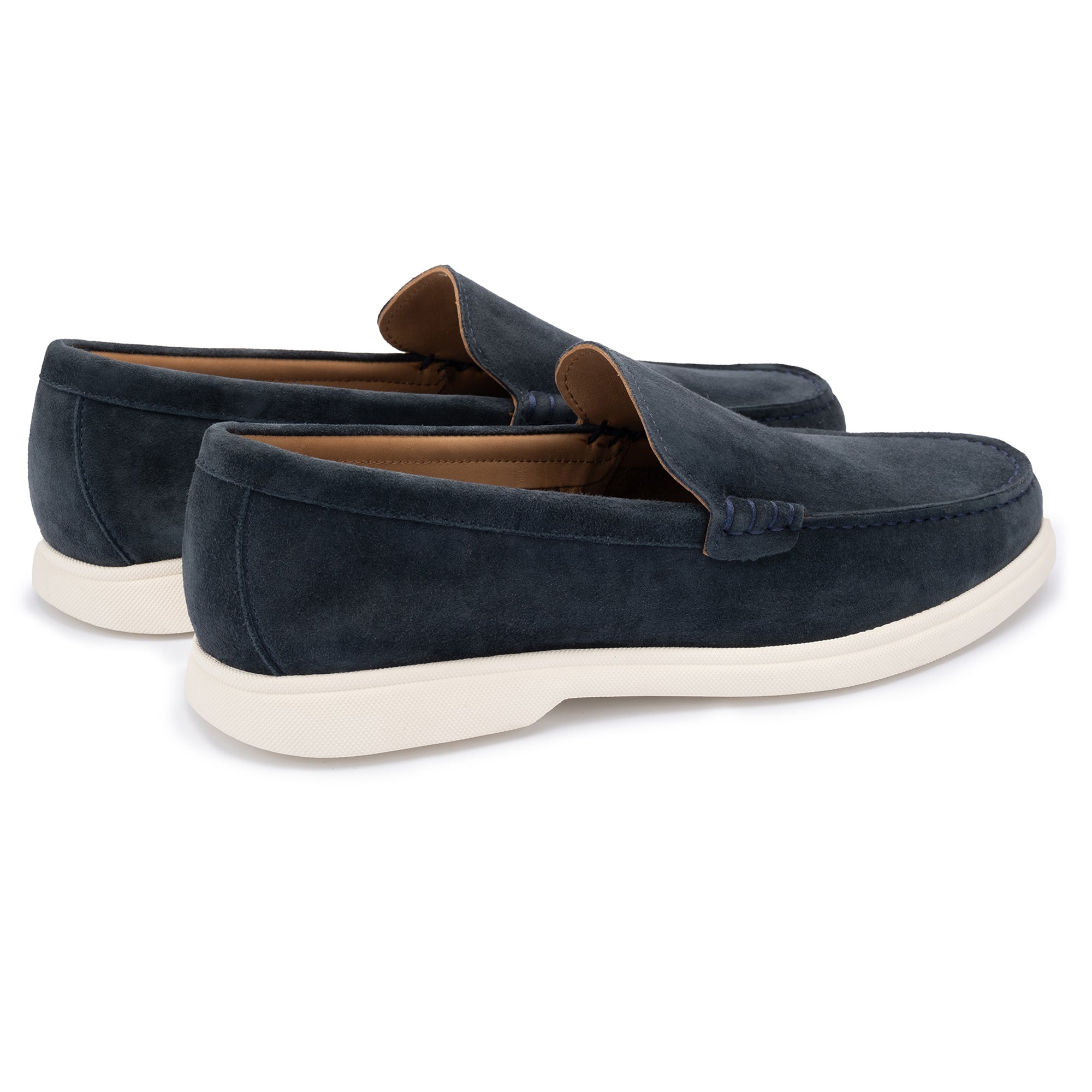
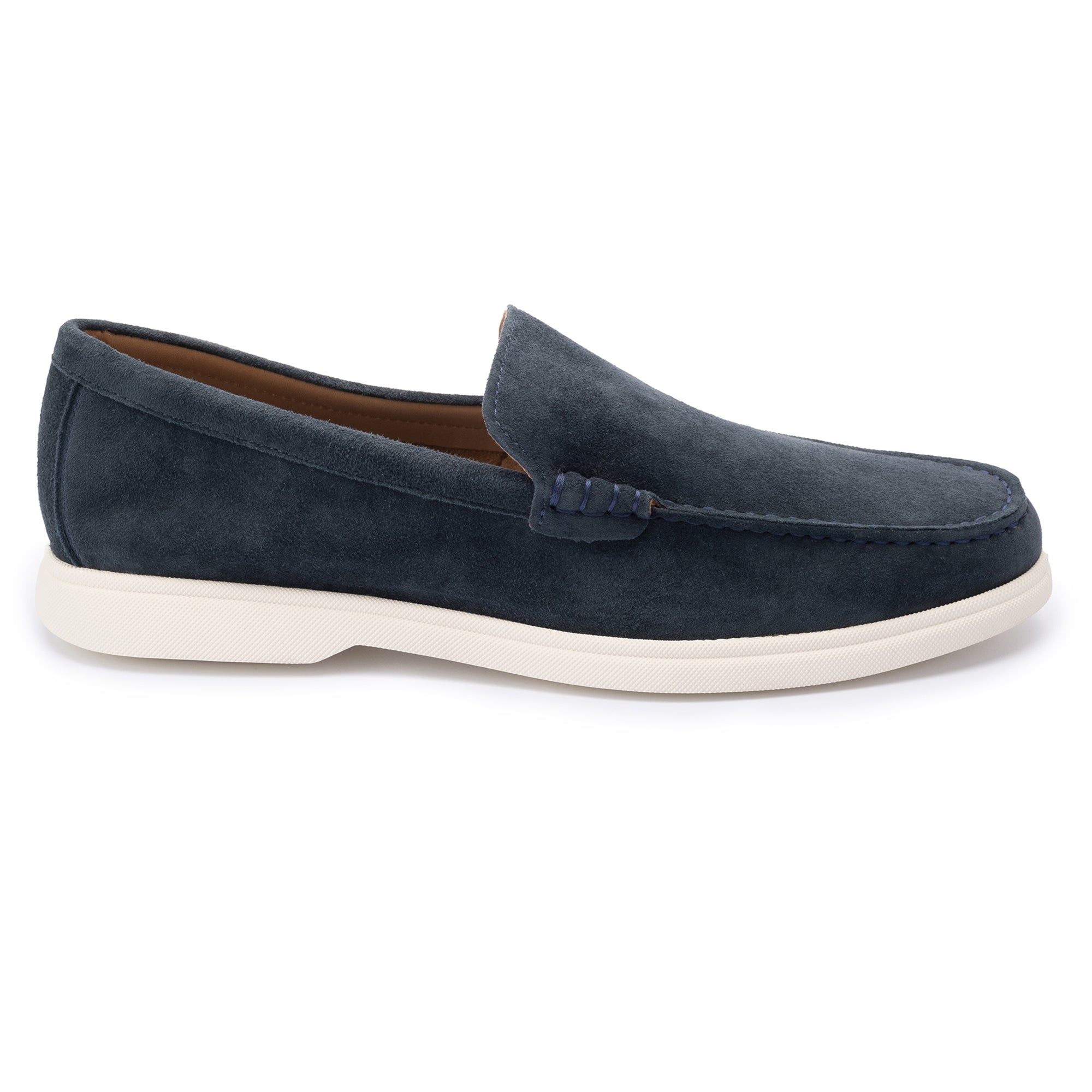
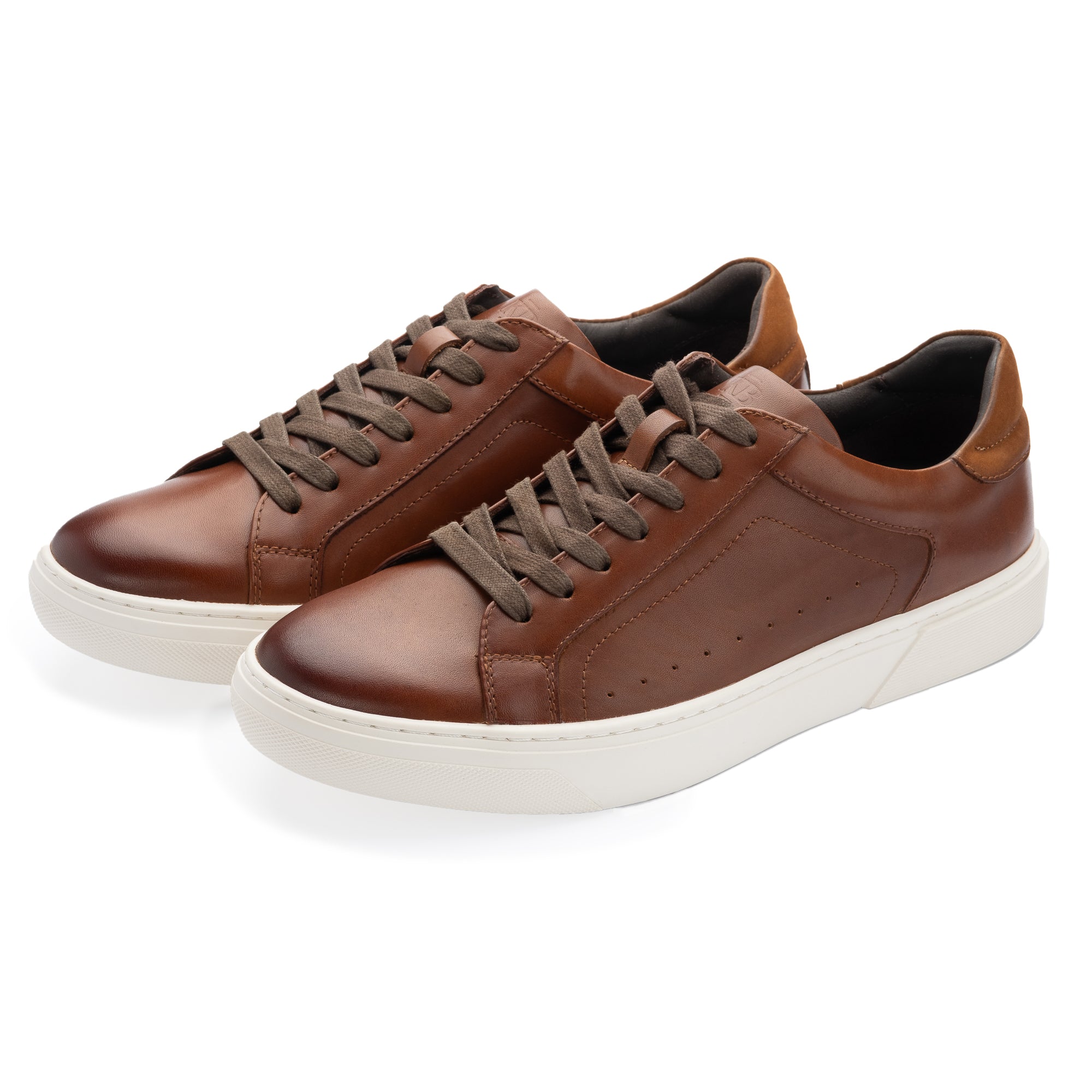
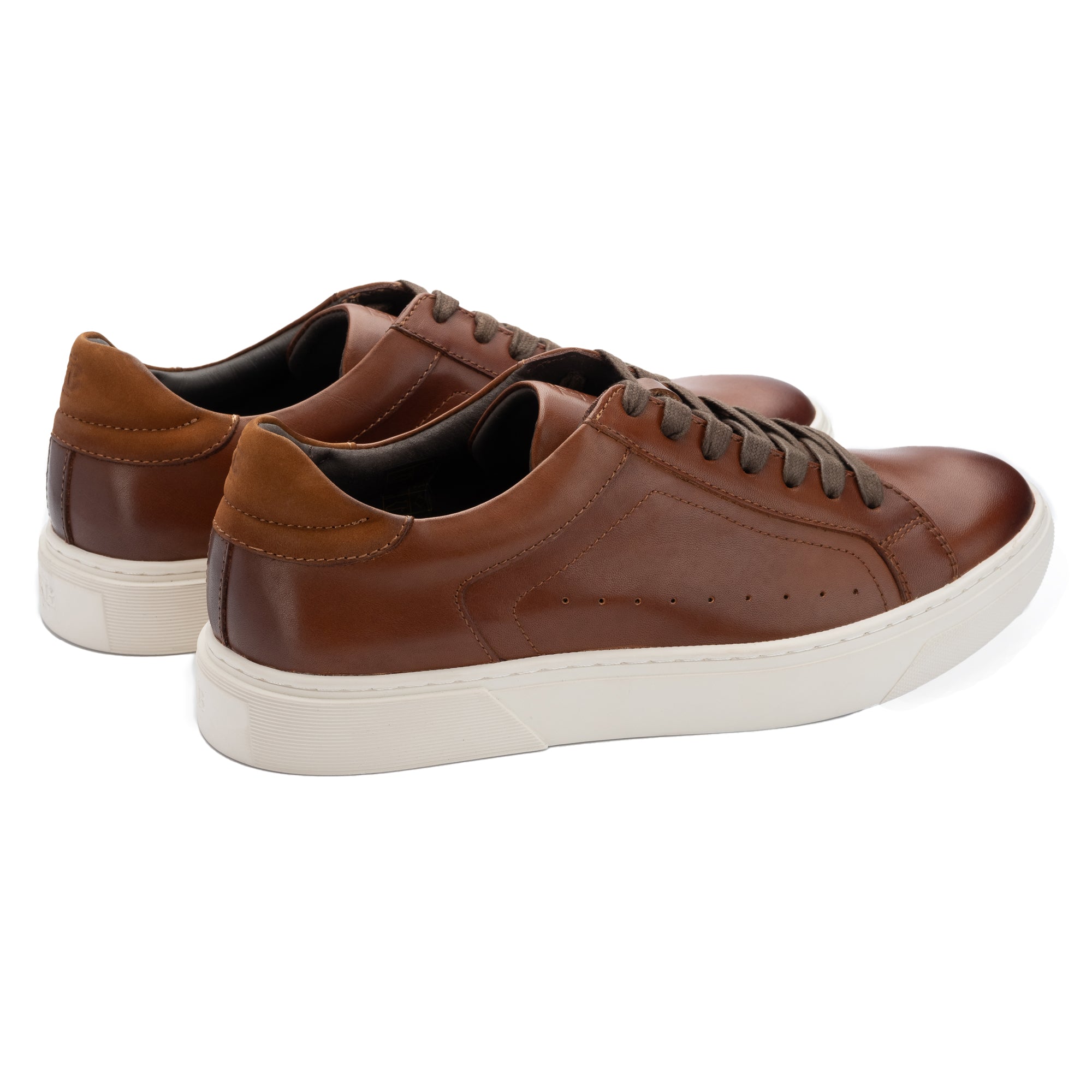
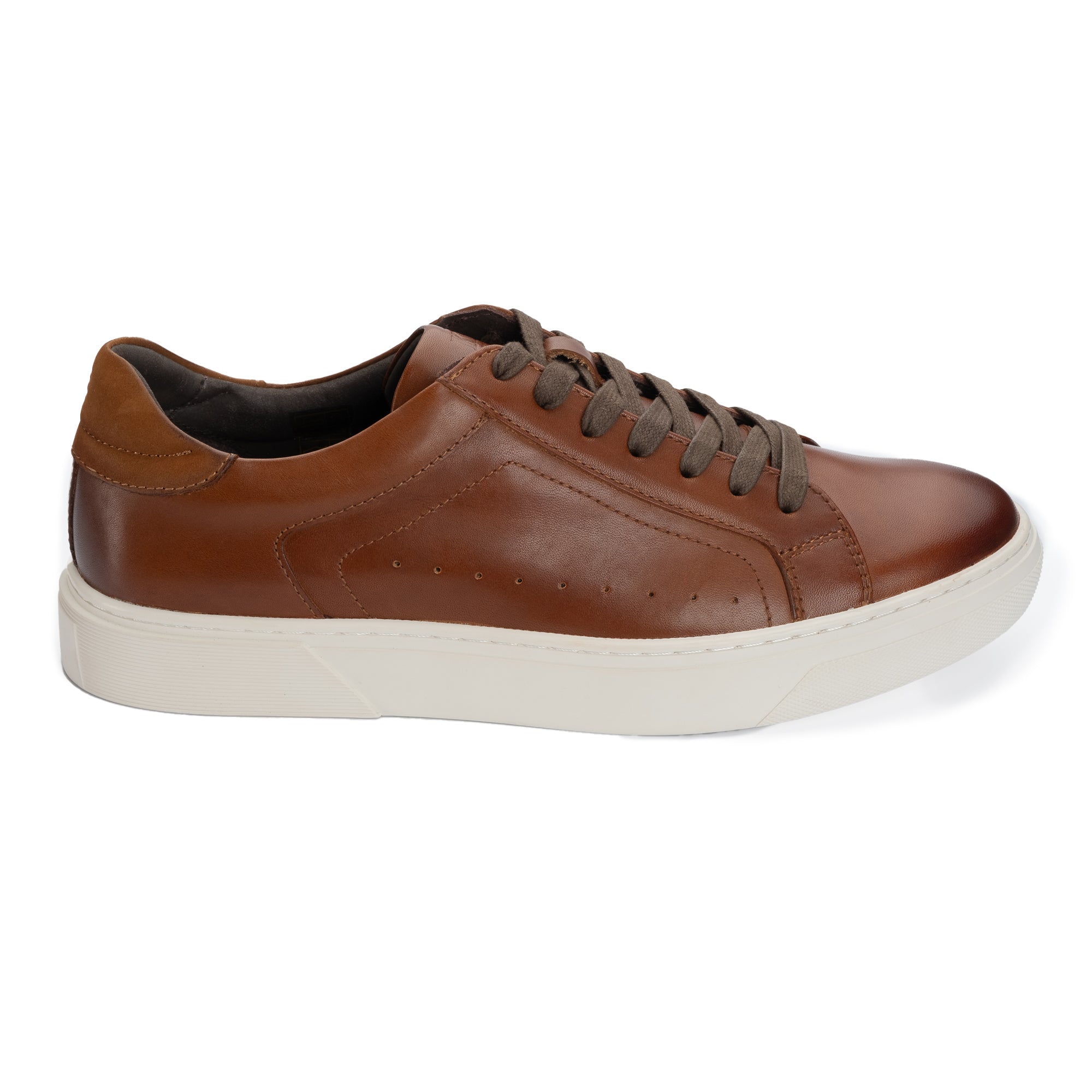
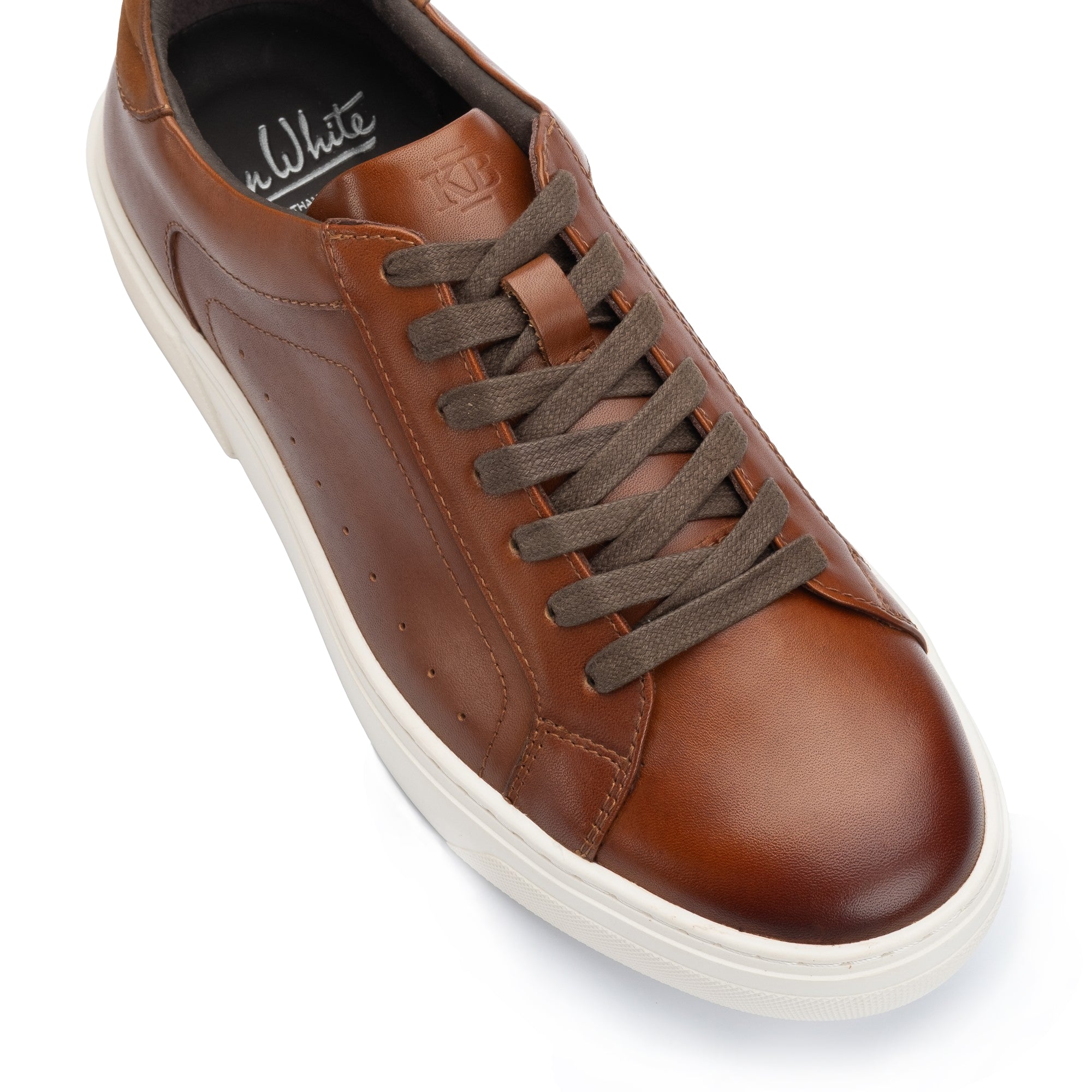
Explore our full range of premium men's leather shoes and men's leather boots — each pair worth preserving with the care this guide describes.
Related Guides
- Leather Shoe Care: The Definitive Guide — our comprehensive guide
- Leather Conditioner vs Shoe Polish: What to Use, When, and Why It Matters
- Maximizing Shoe Life: The Essential Role of Shoe Trees
- The Annual Ritual: A Complete Maintenance Checklist for Your Leather Shoe Collection
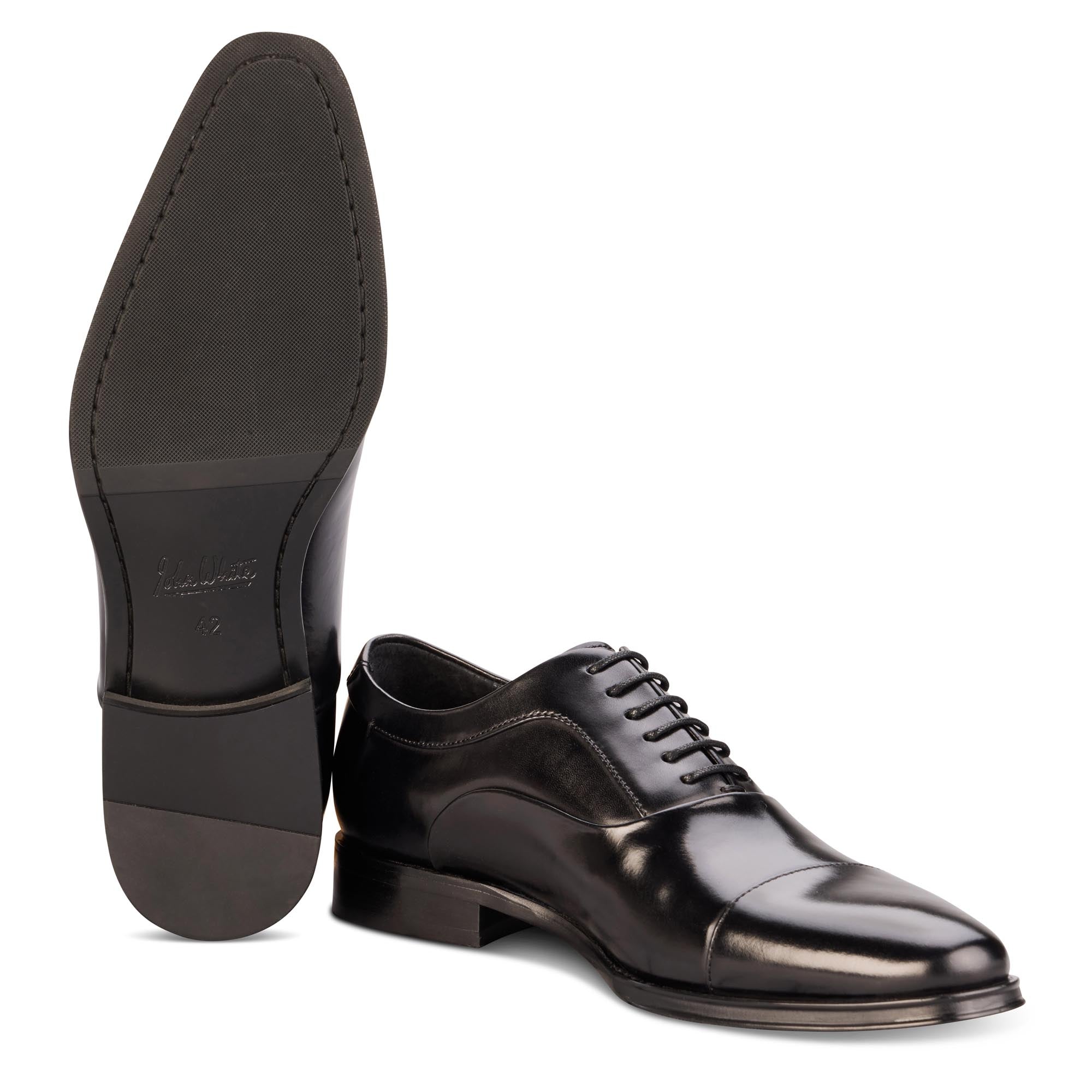
TL;DR: To store leather shoes long-term without deterioration: clean, condition, and polish thoroughly before storage; insert split-toe cedar shoe trees; use breathable cotton bags inside cardboard boxes; maintain 15–20°C and 40–60% relative humidity; inspect and re-condition quarterly. Premium Goodyear welted footwear from makers such as John White Shoes, Loake, Barker, Grenson, Church's, and Crockett & Jones is built to last decades — correct storage ensures it does.
Frequently Asked Questions
How long can leather shoes be stored without damage?
With thorough preparation — cleaning, conditioning, cedar shoe trees, and breathable containers — leather shoes can be stored for several years without significant deterioration. The critical variables are environmental: consistent temperature (15–20°C), controlled humidity (40–60%), and absence of direct light. Quarterly inspections and periodic re-conditioning extend this timeframe further.
Is it safe to store leather shoes in plastic boxes?
Sealed plastic boxes are not suitable for long-term leather shoe storage. They trap humidity and create the stagnant, moist conditions in which mould thrives. If a plastic box is the only option, ensure it has genuine ventilation holes and include silica gel sachets to absorb excess moisture. Original cardboard boxes with cotton bags remain the superior choice.
Should I stuff leather shoes with newspaper for storage?
Newspaper should be avoided for long-term storage. The ink can transfer to light-coloured leathers, and newspaper provides none of the moisture-absorption properties of cedar. Use split-toe cedar shoe trees as the primary shape retainer. Acid-free tissue is an acceptable secondary measure when shoe trees are unavailable — standard tissue paper can transfer dyes.
Can mould on stored leather shoes be reversed?
Surface mould — white or grey powder at the welt or uppers — can generally be removed if caught early. Wipe the affected area with a cloth lightly dampened with a solution of equal parts white vinegar and water, allow the leather to dry fully, then apply a quality conditioner. Deep or widespread mould that has penetrated the leather grain may require professional restoration. Prevention through correct storage conditions is always preferable to remediation.