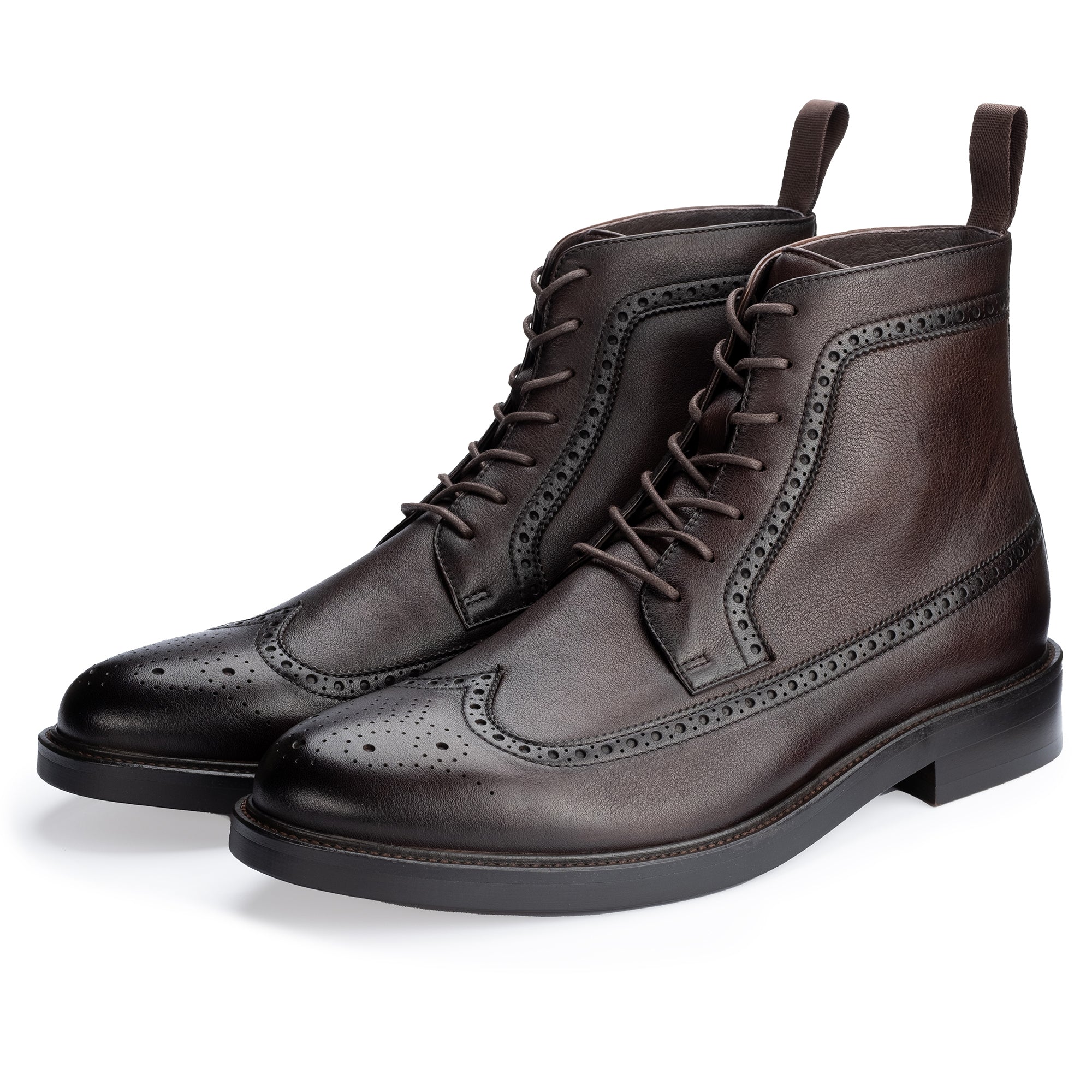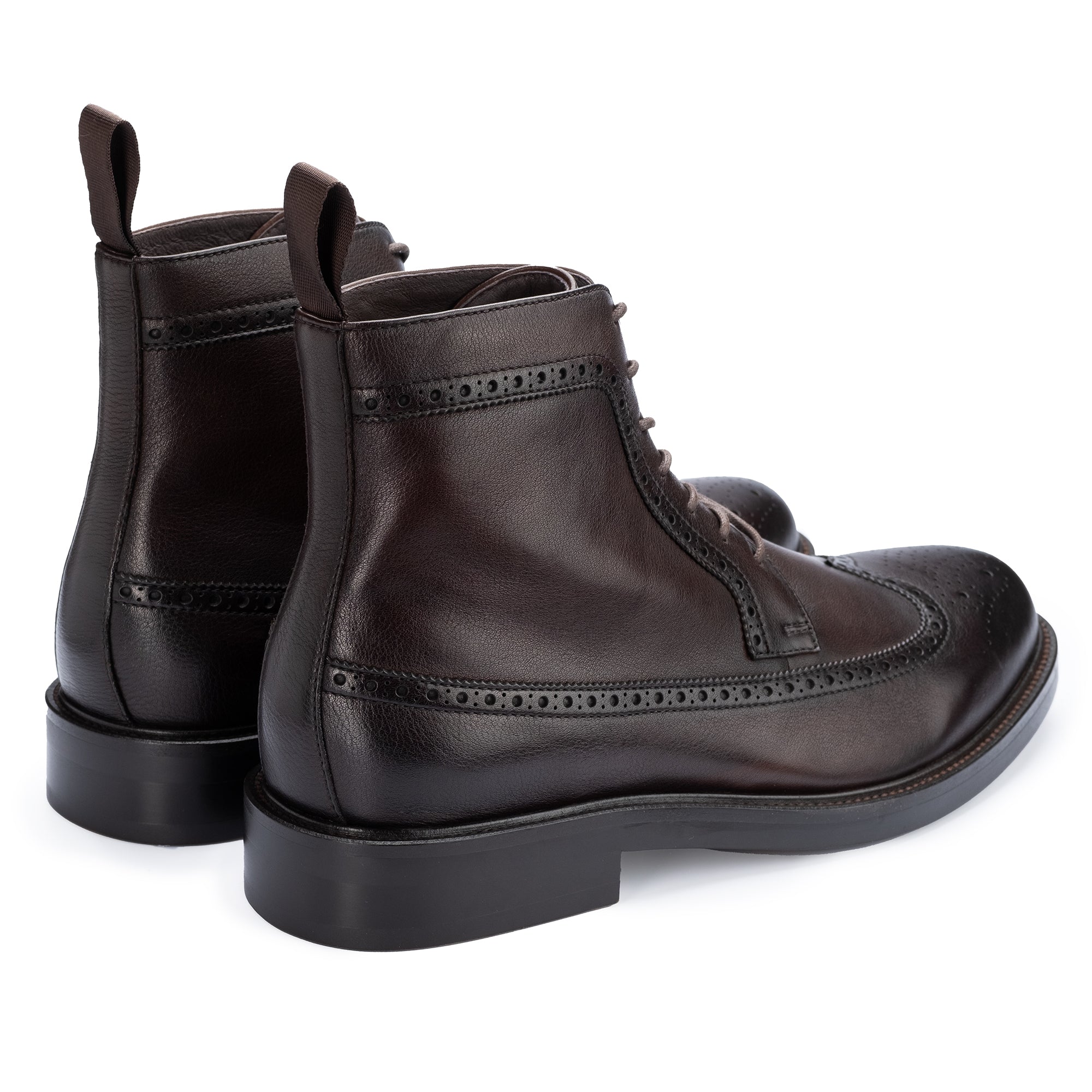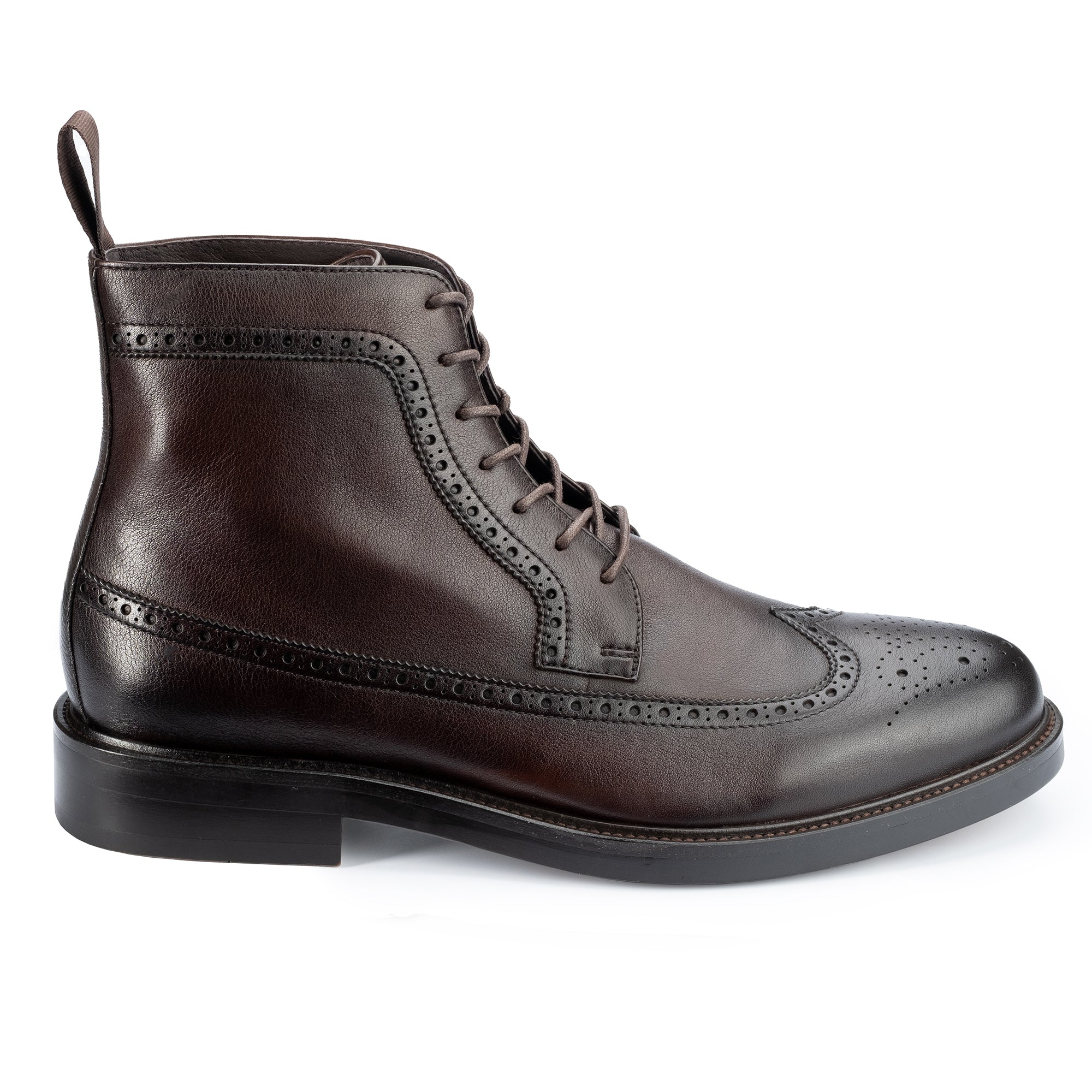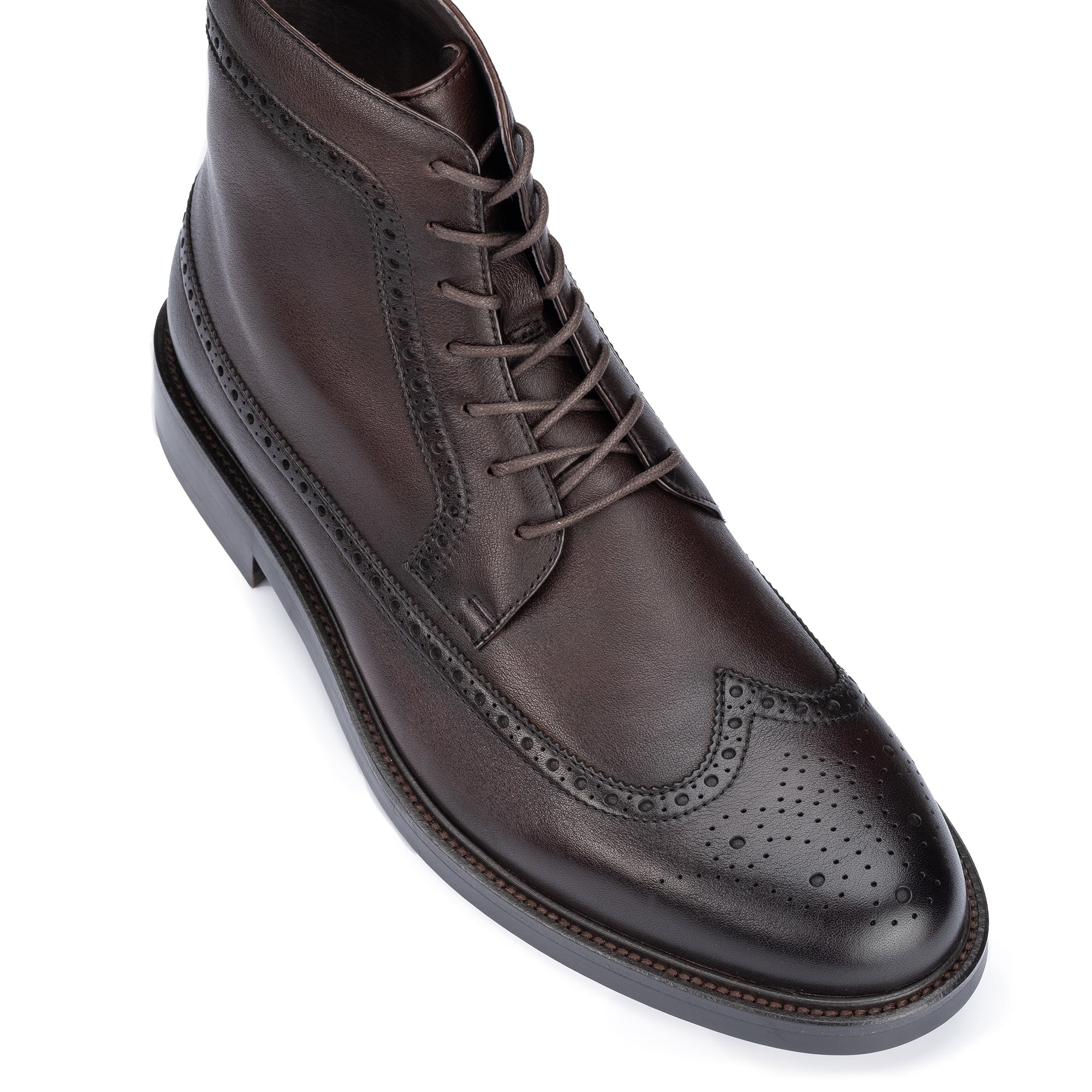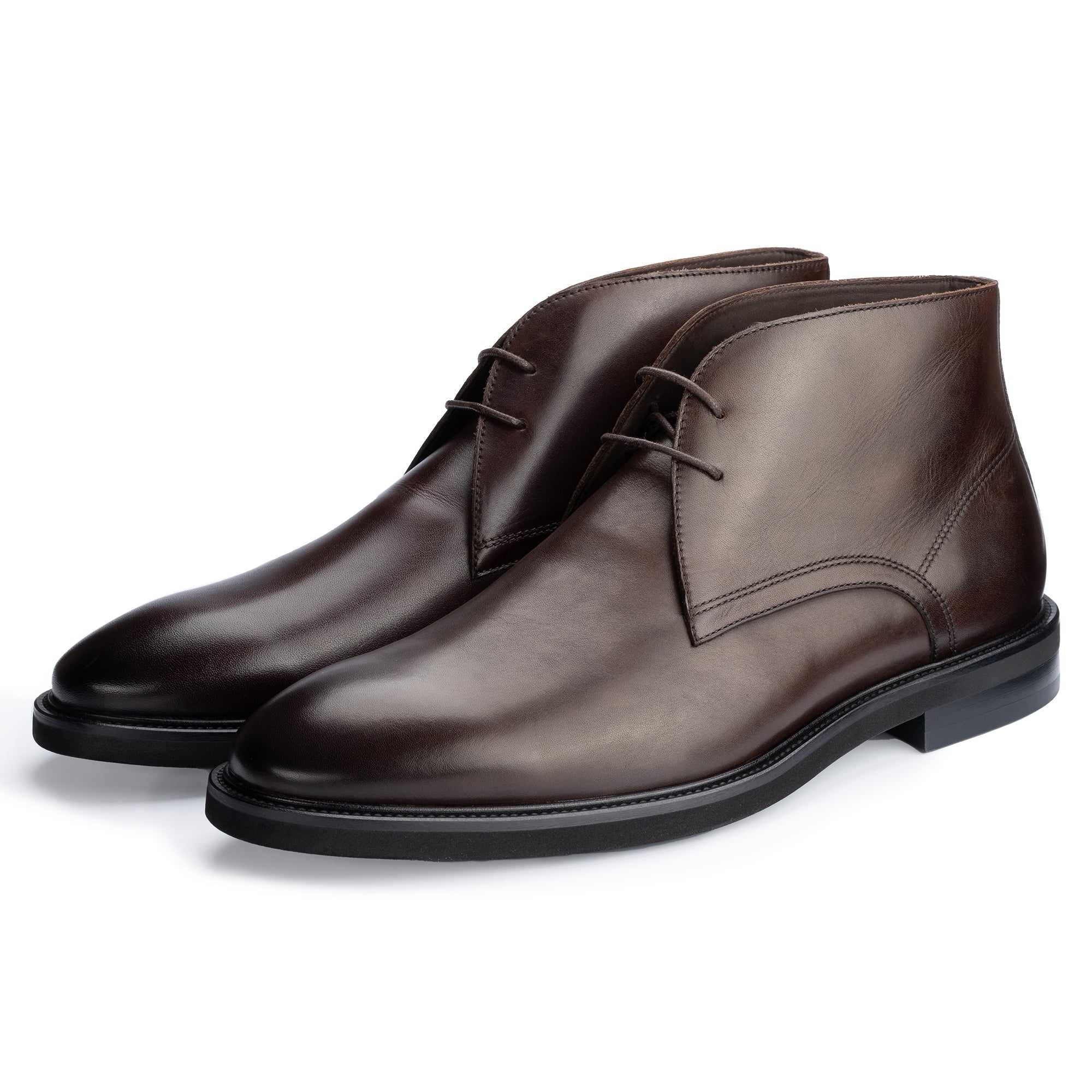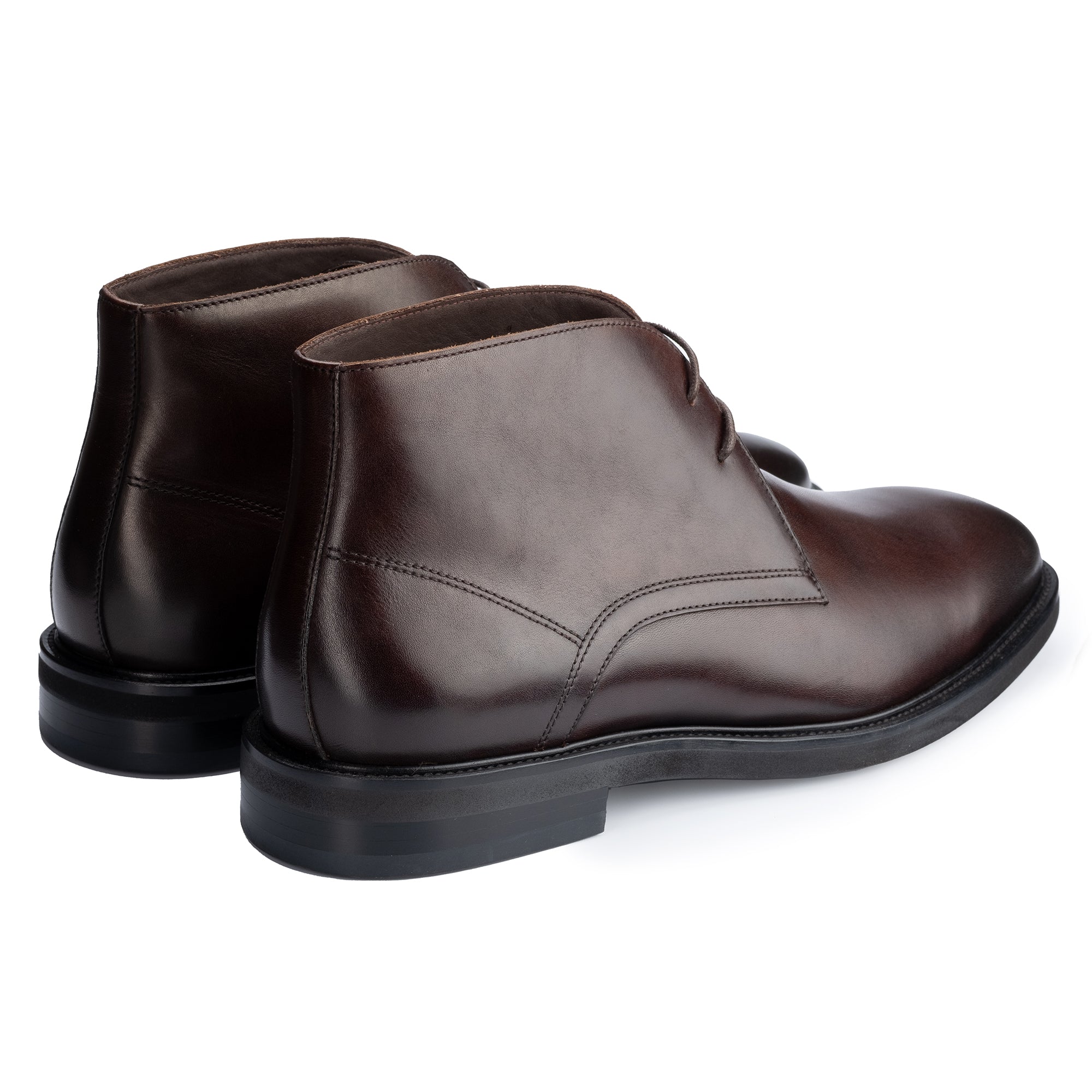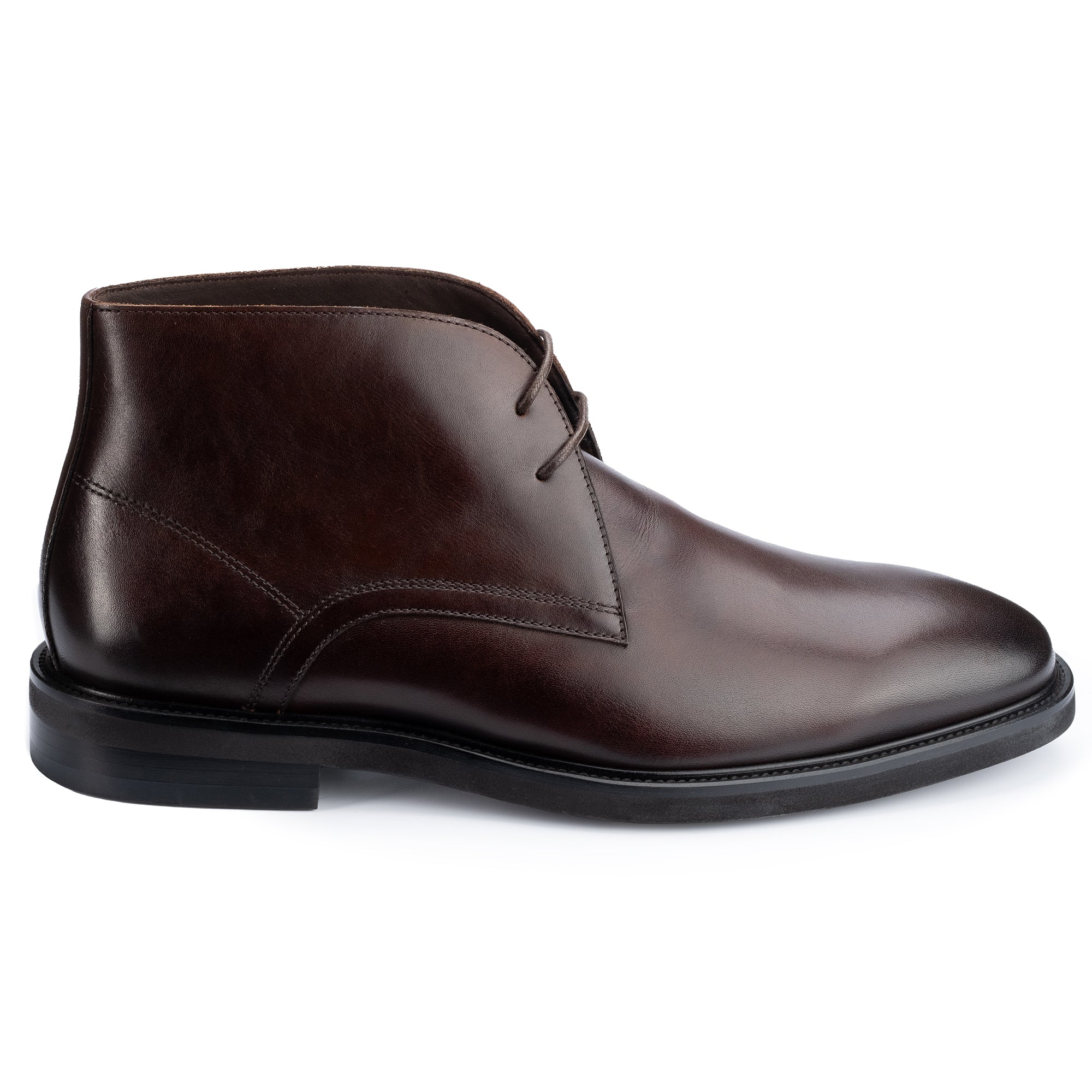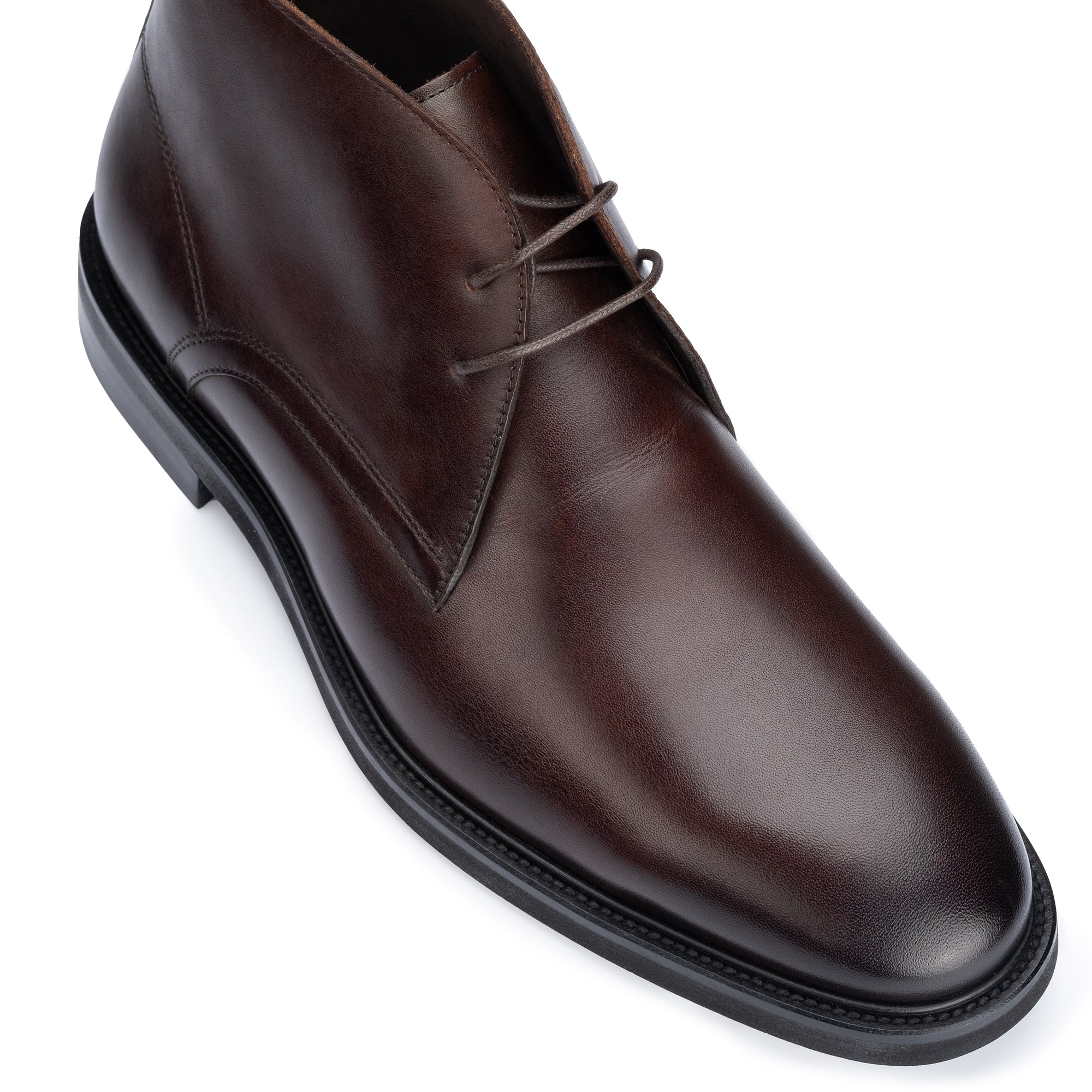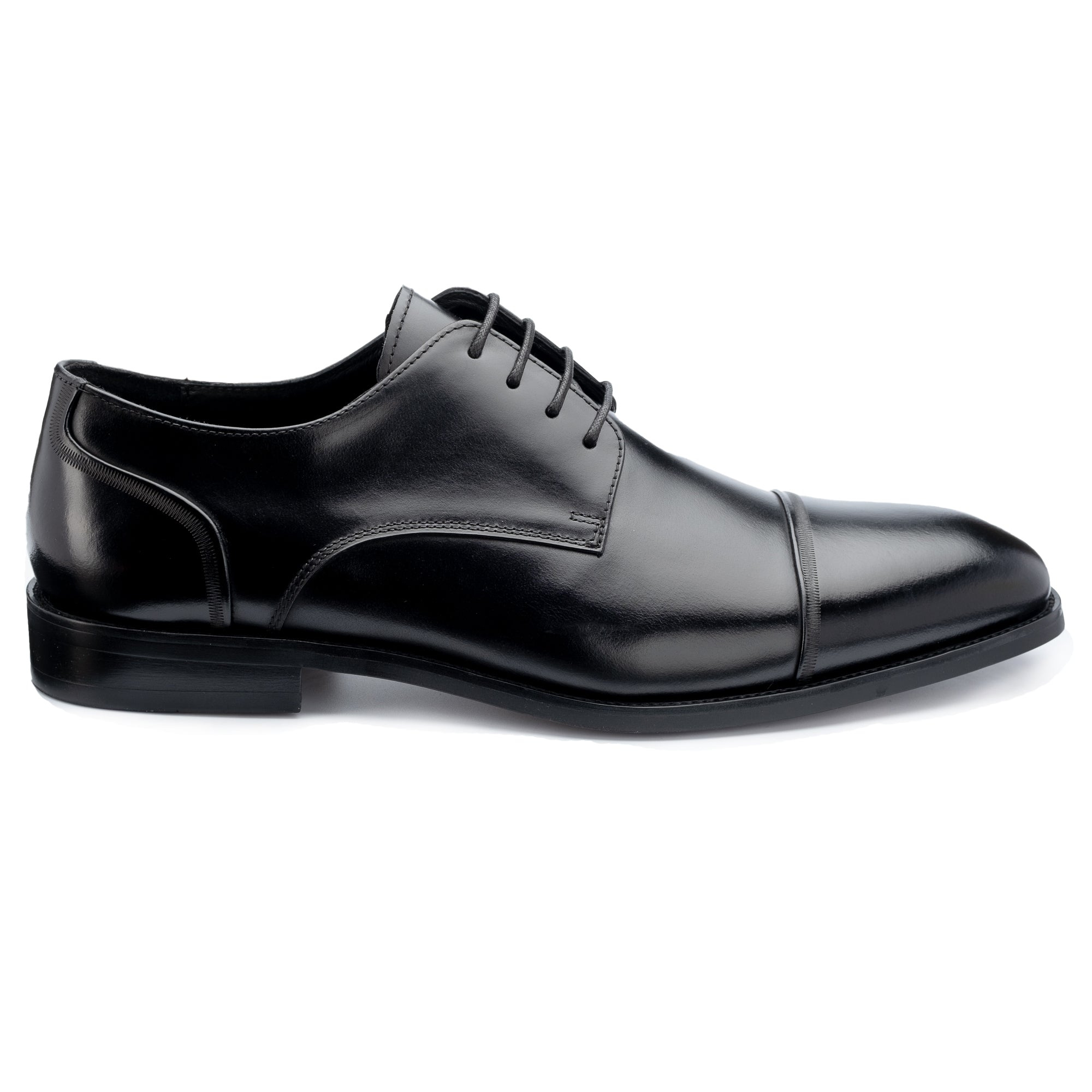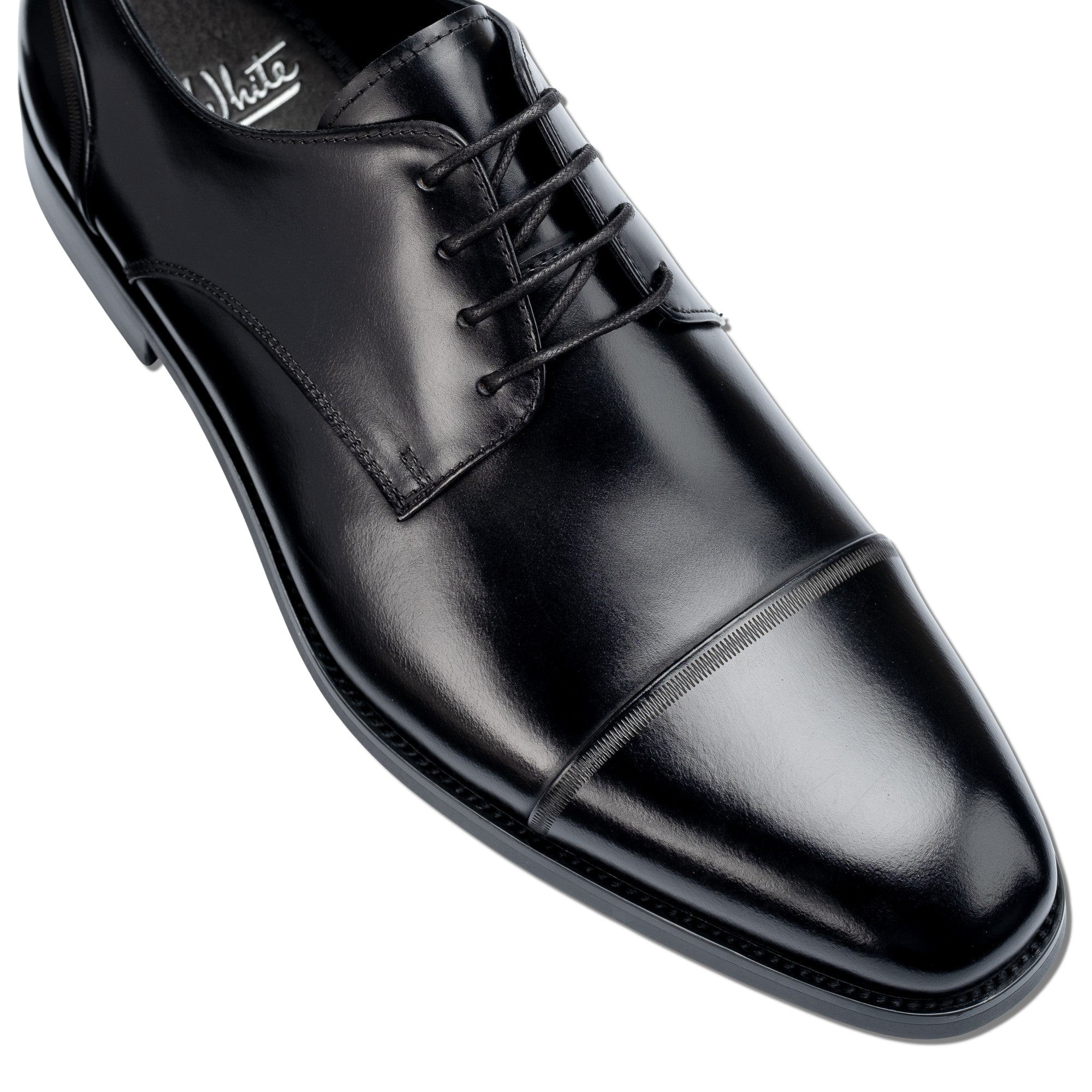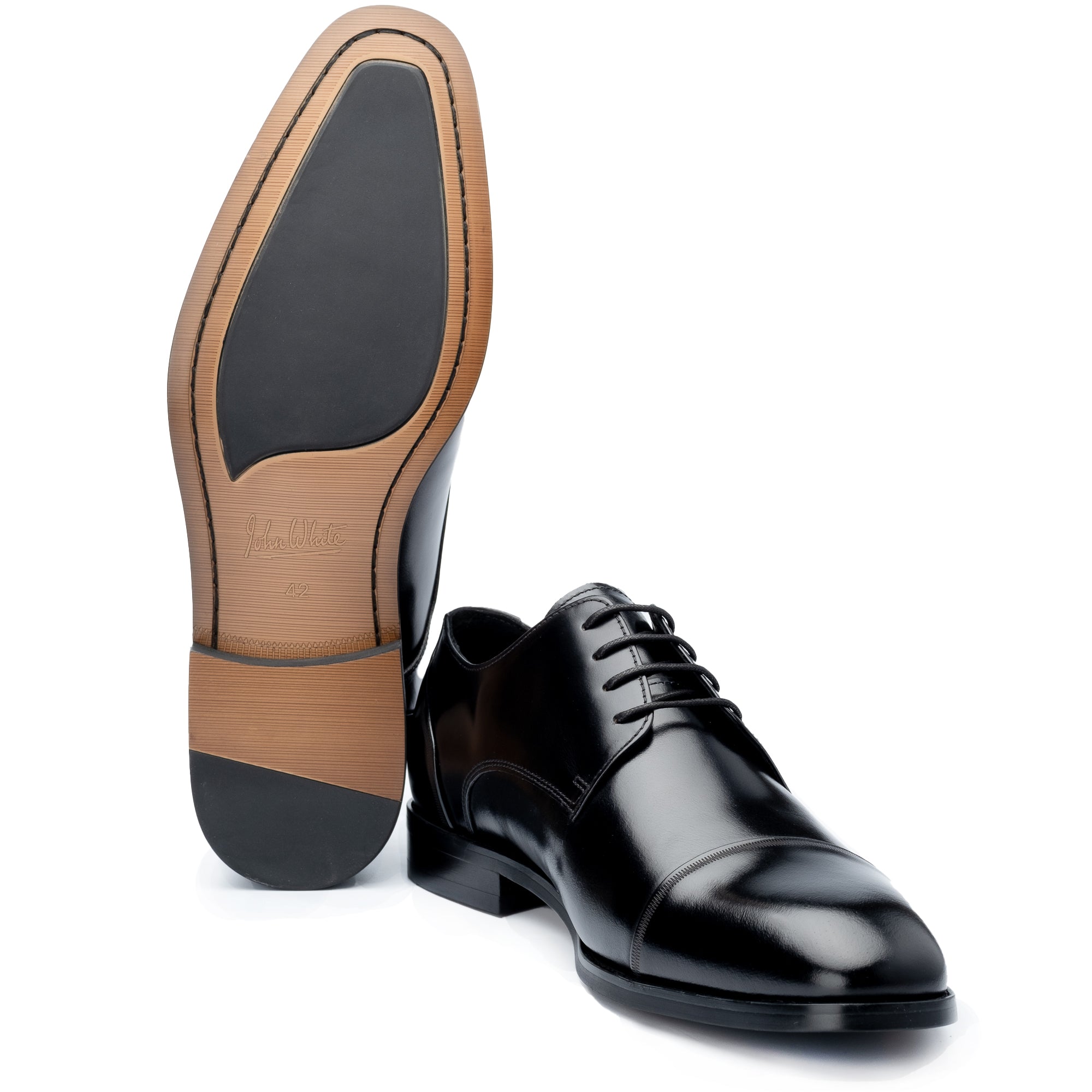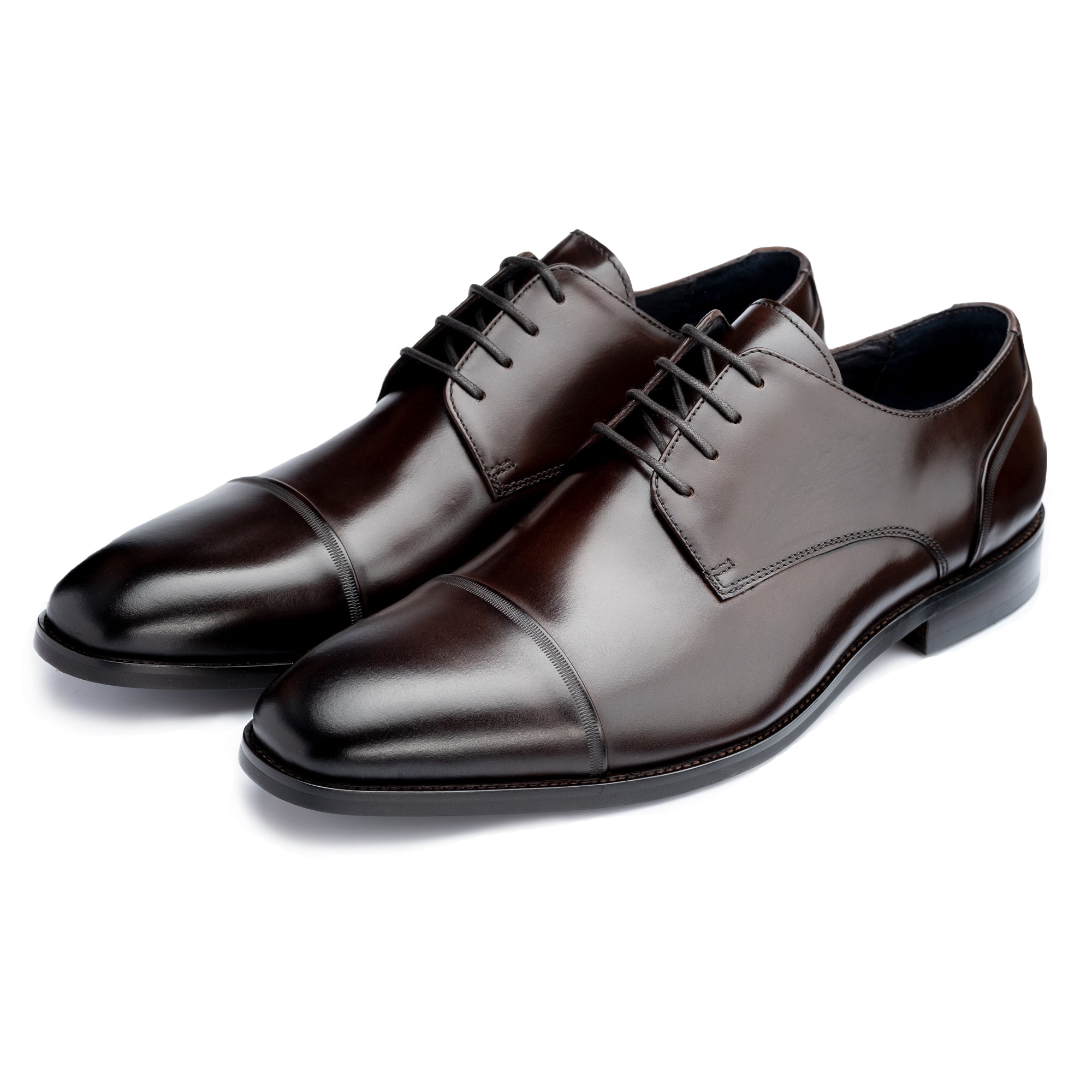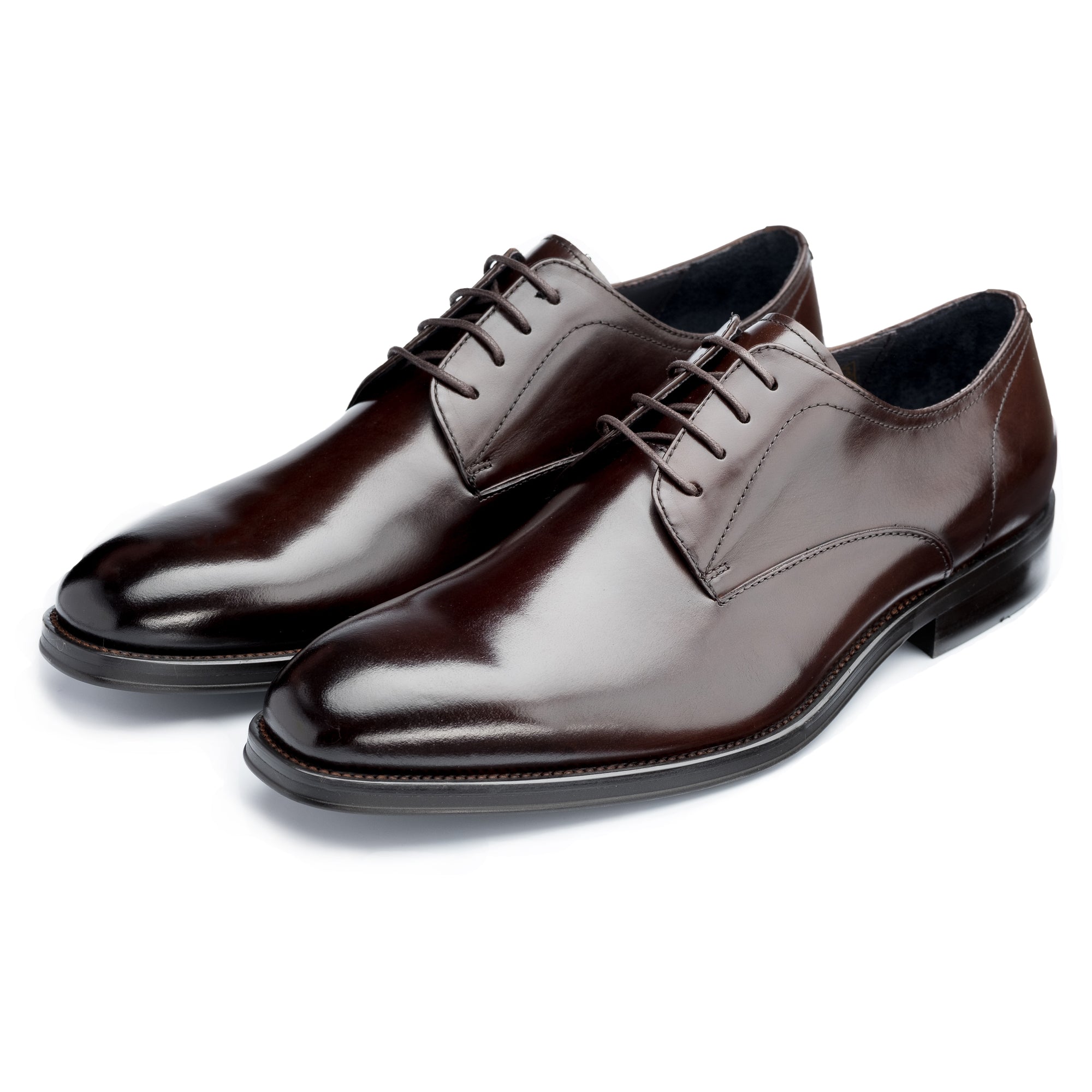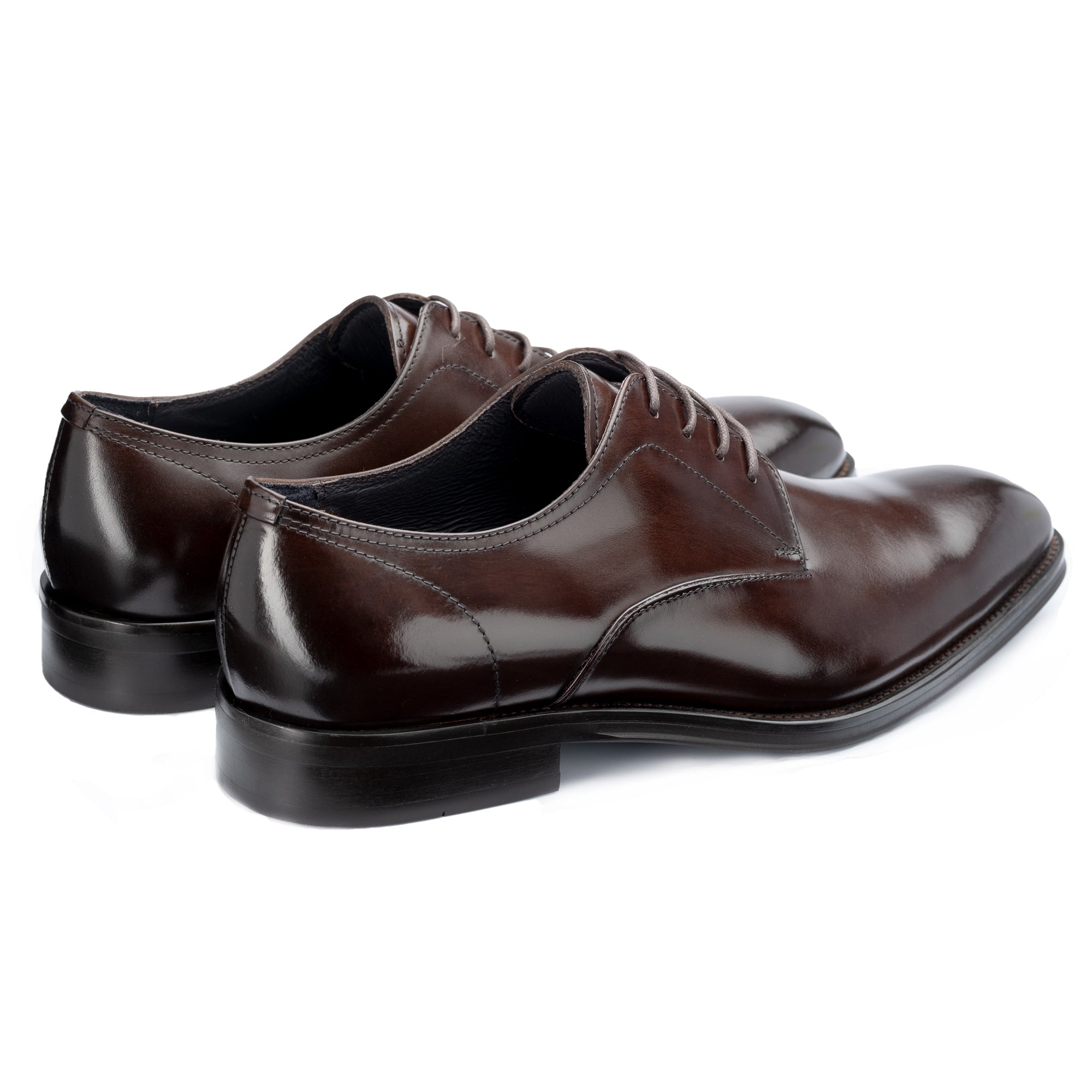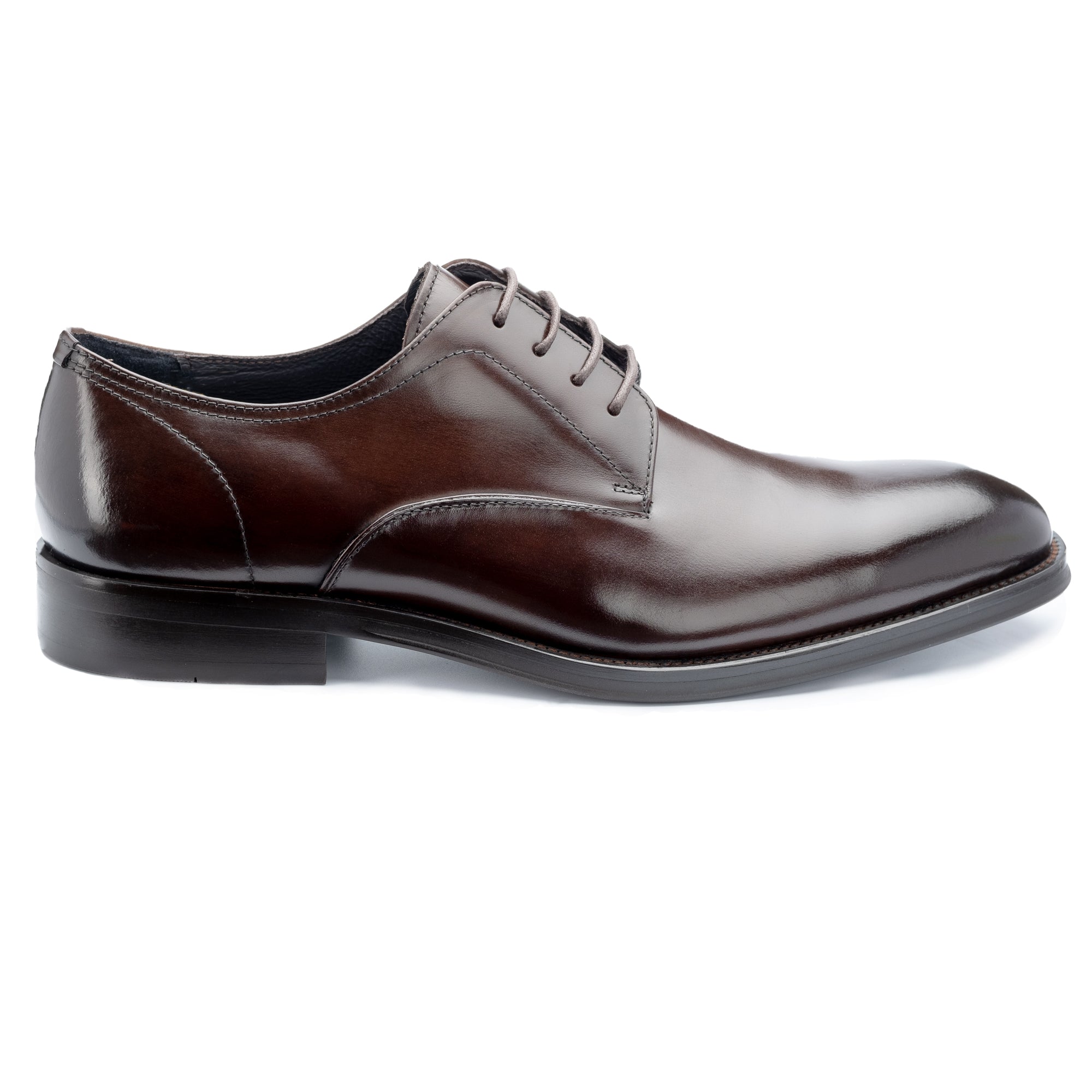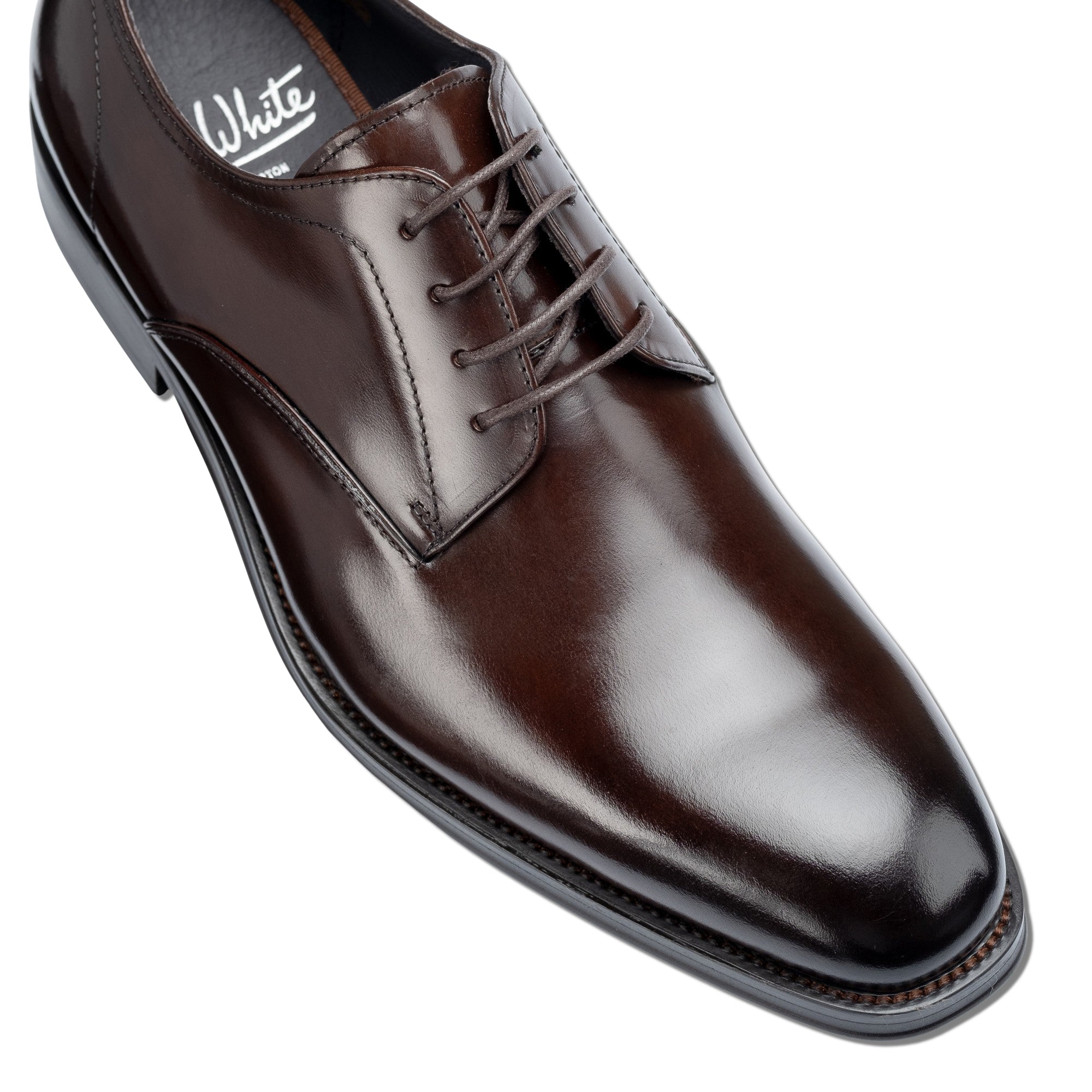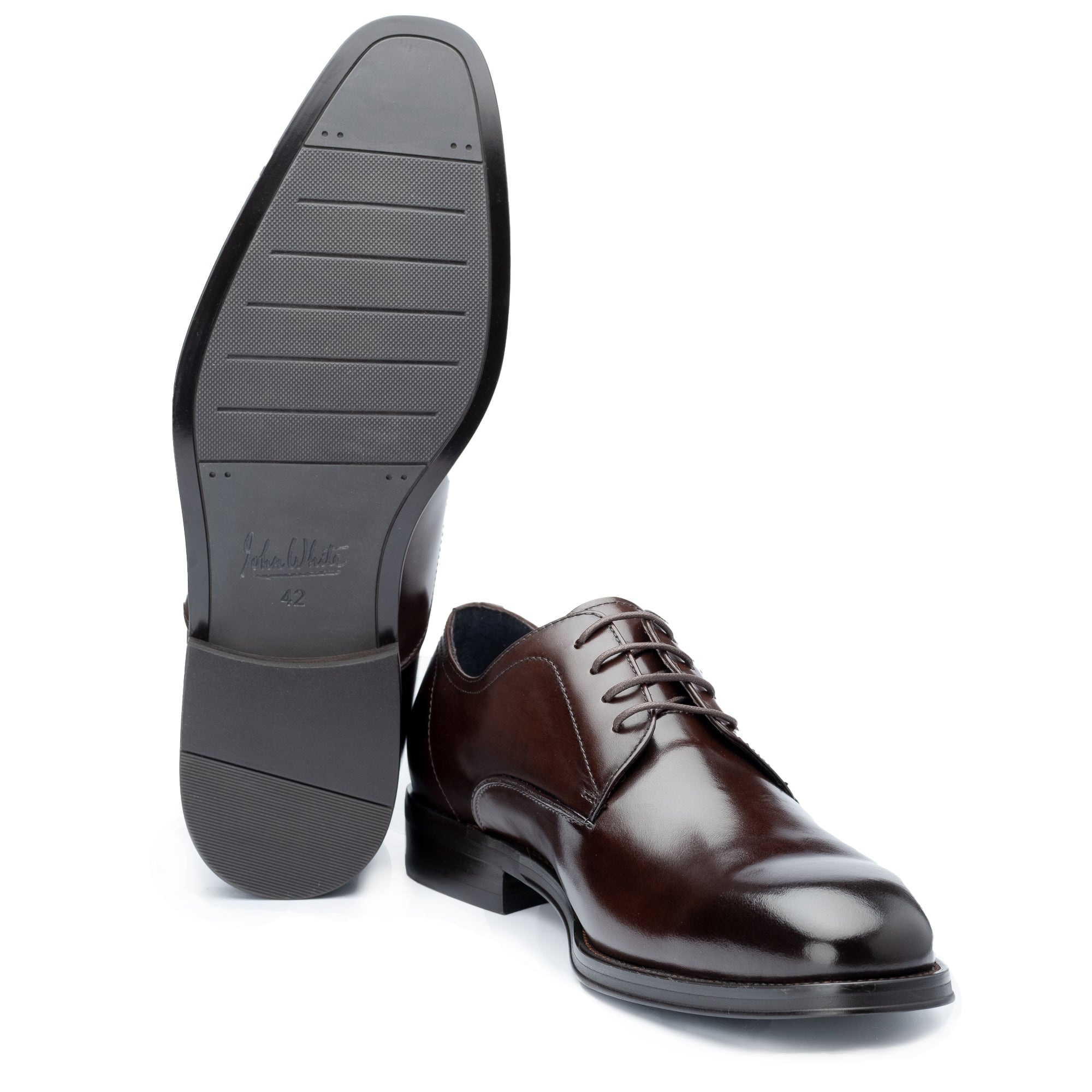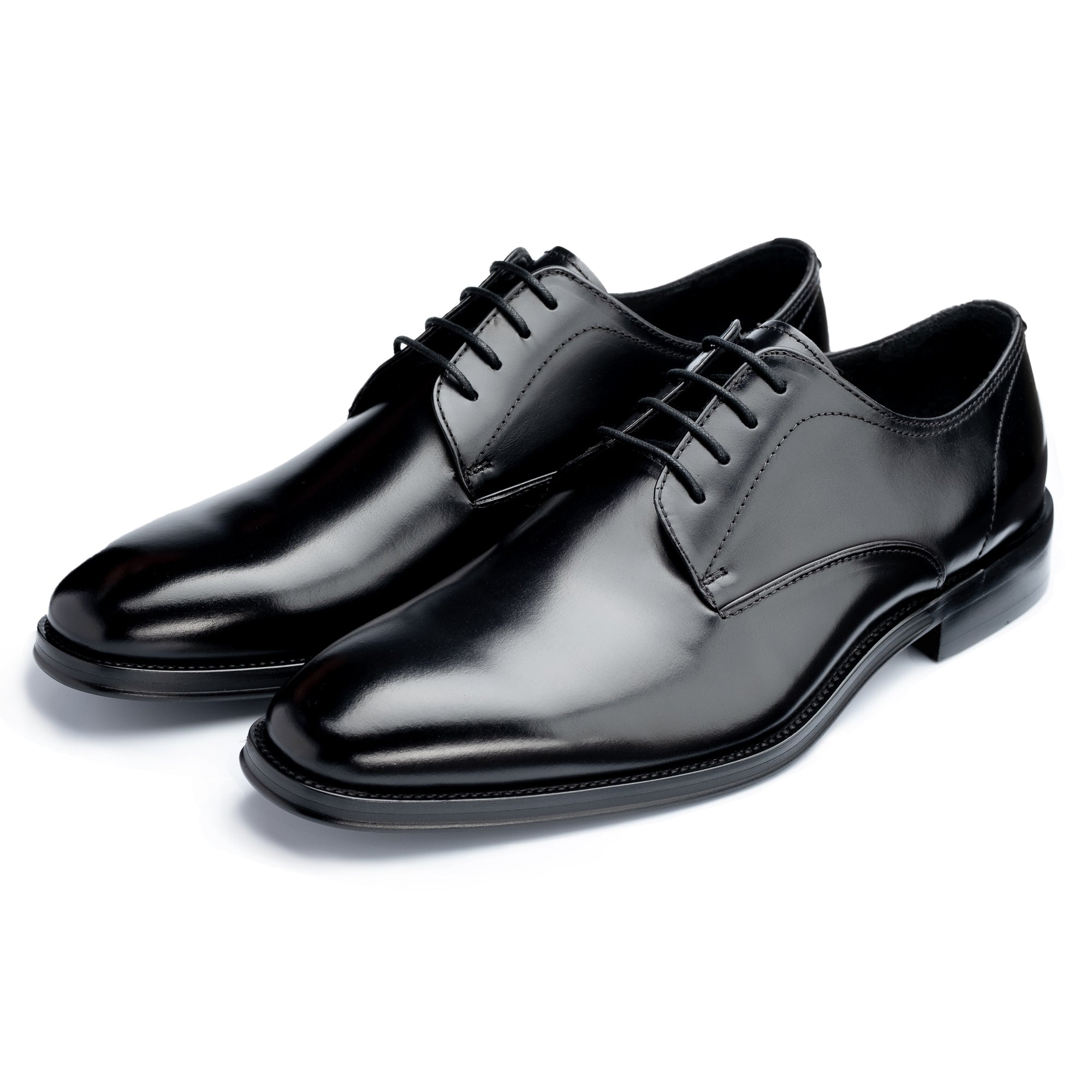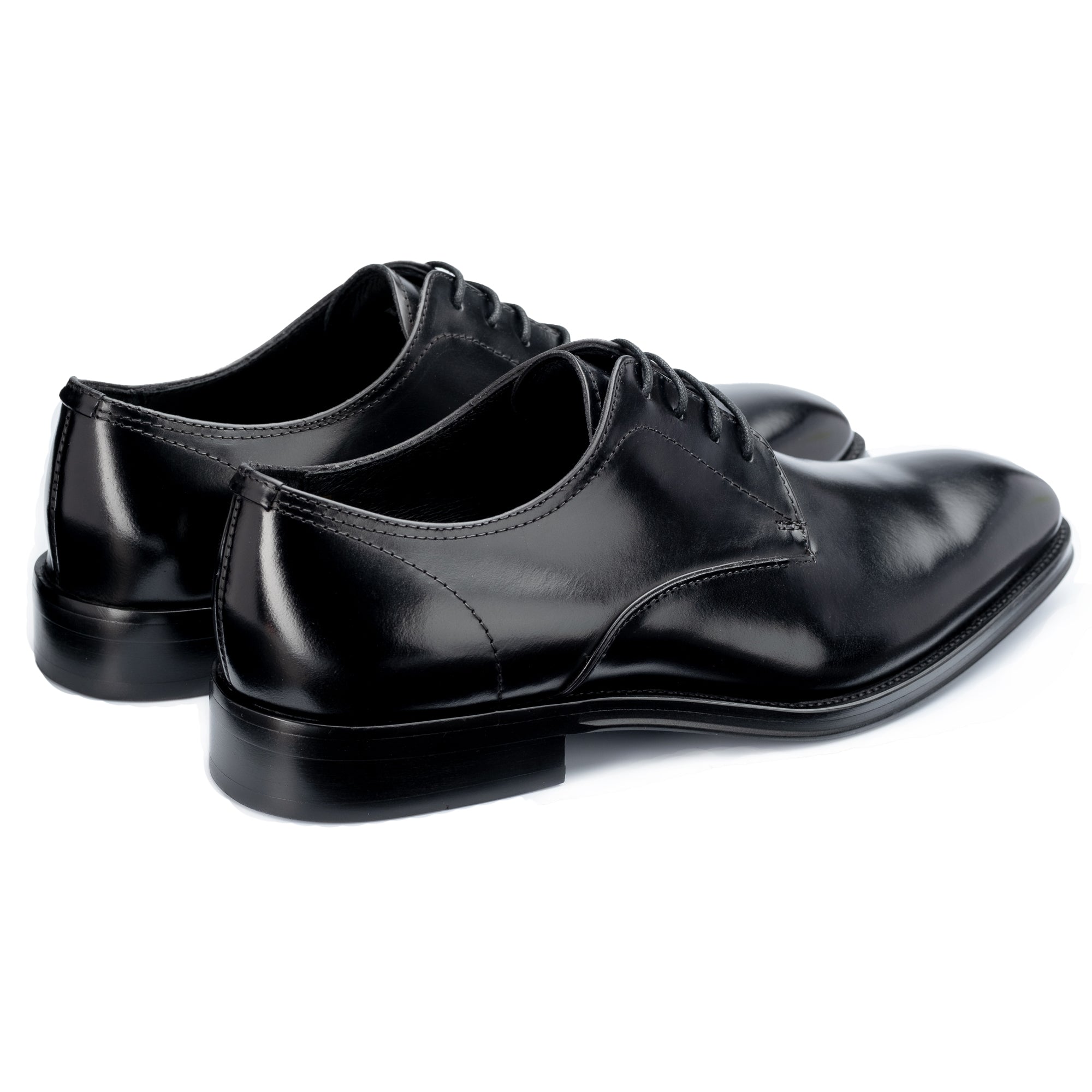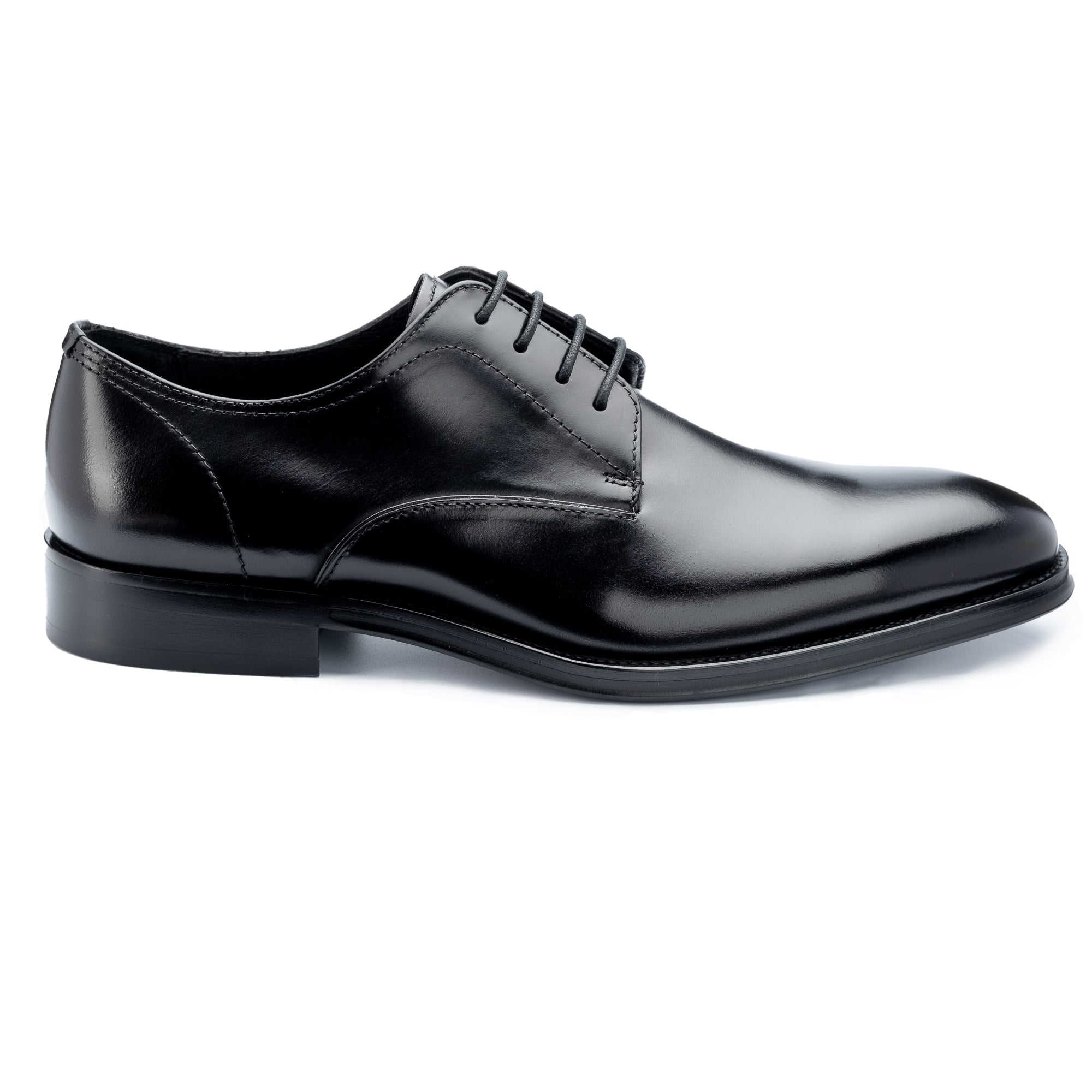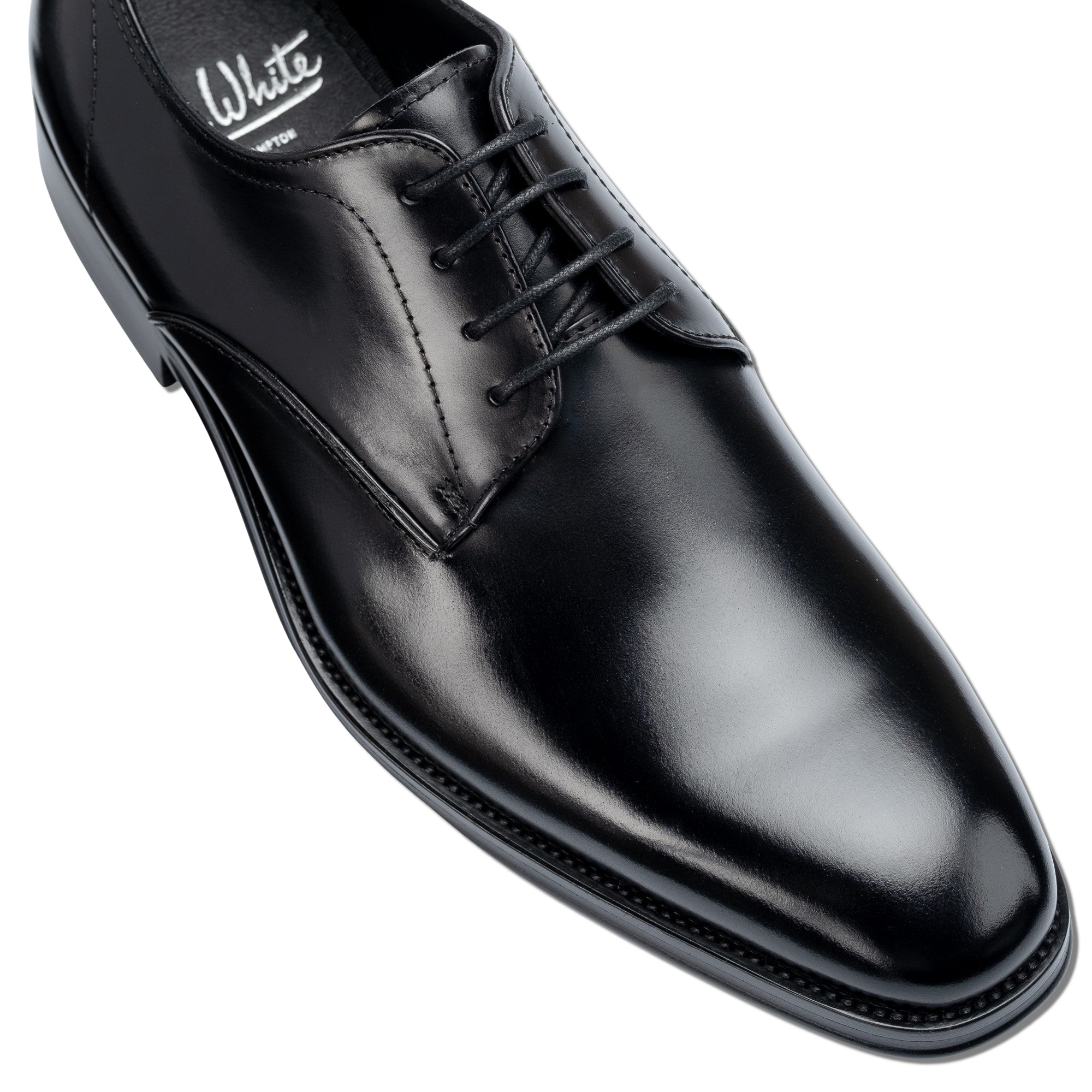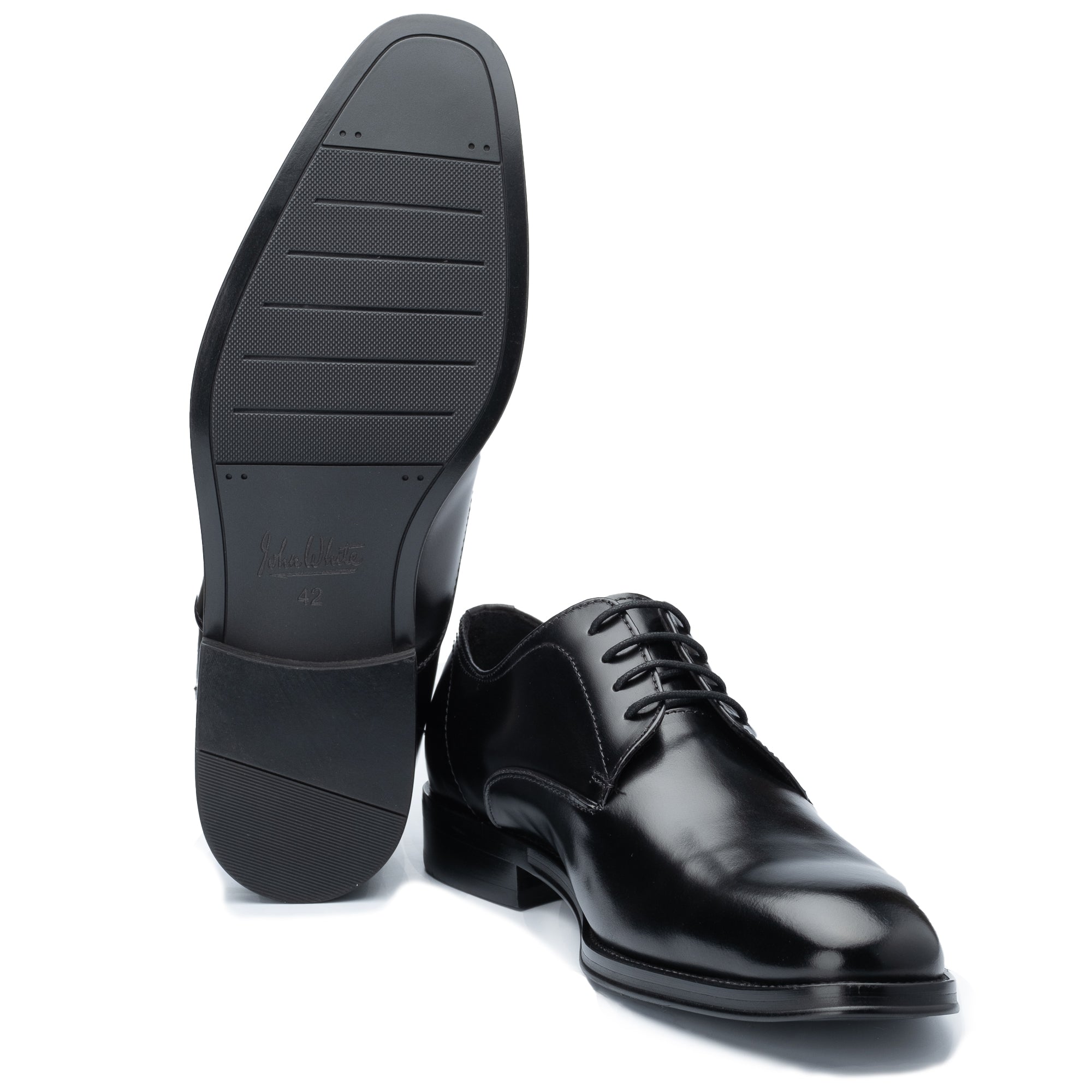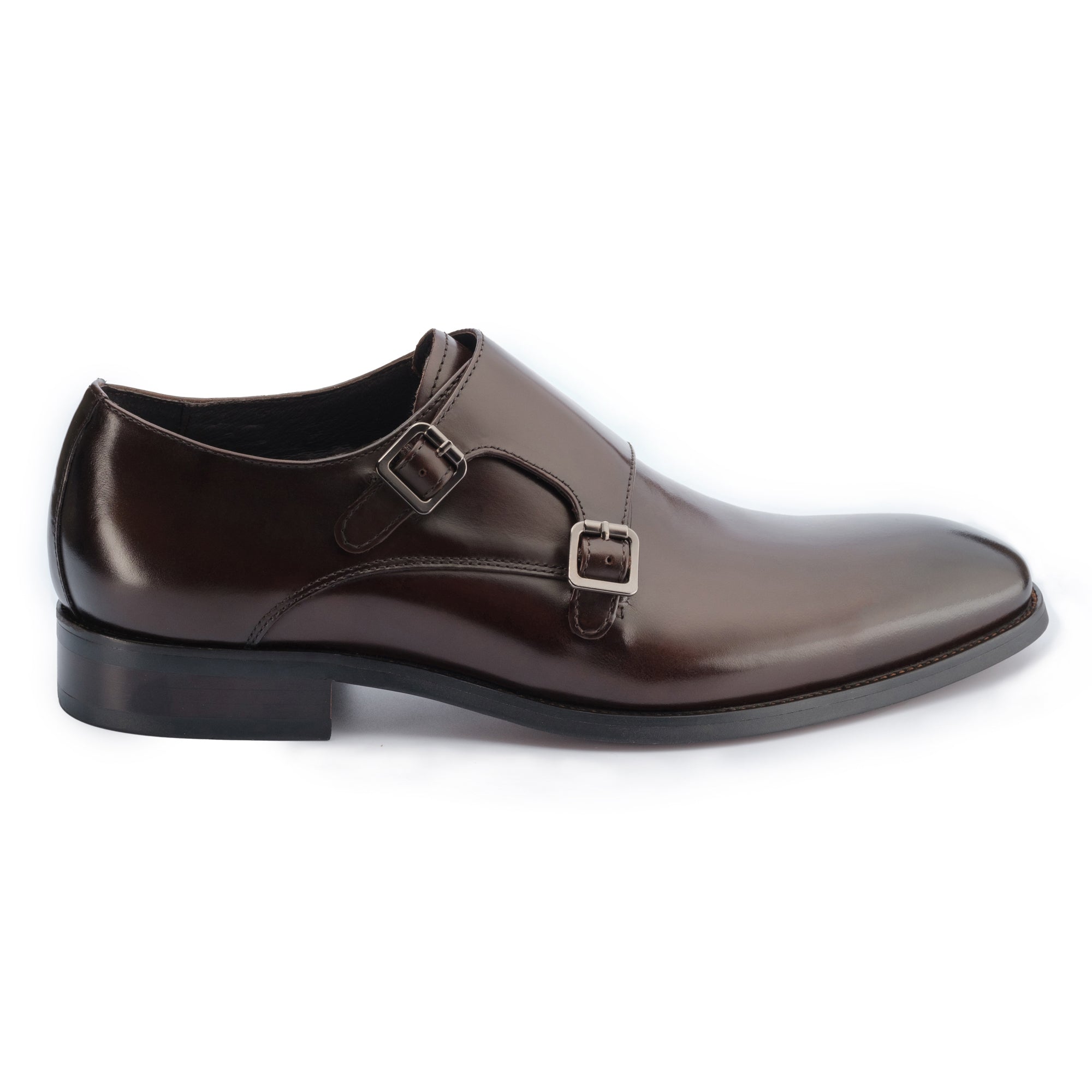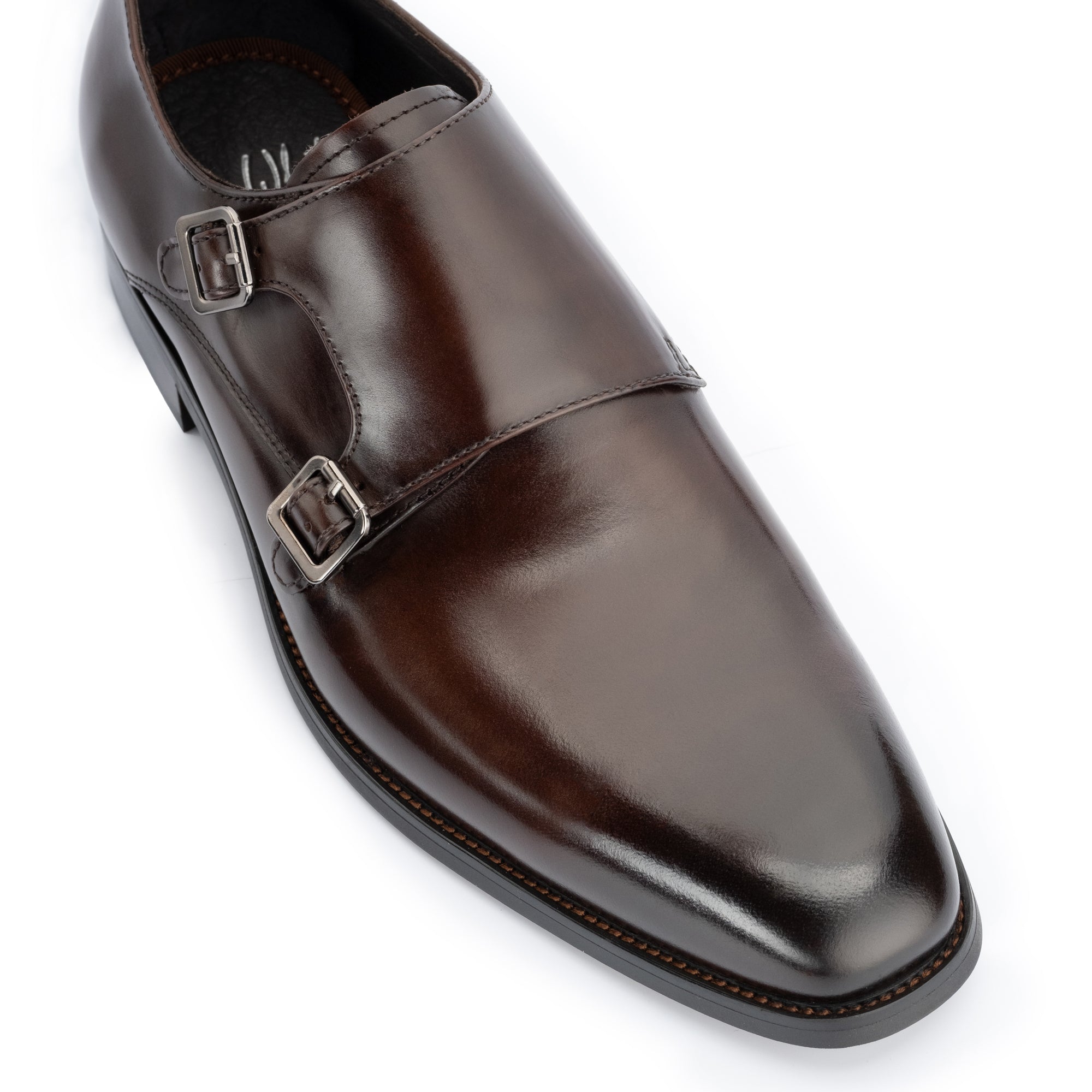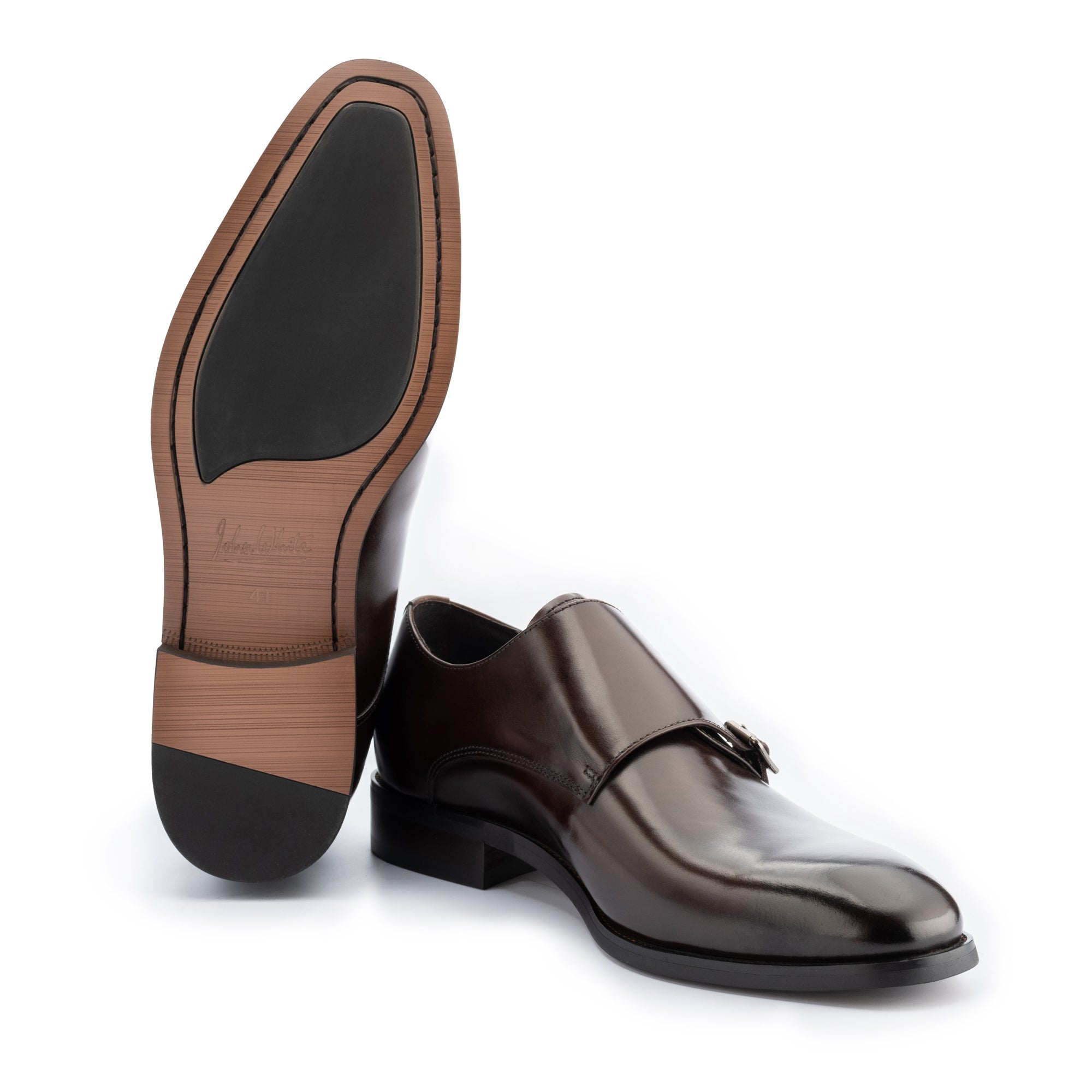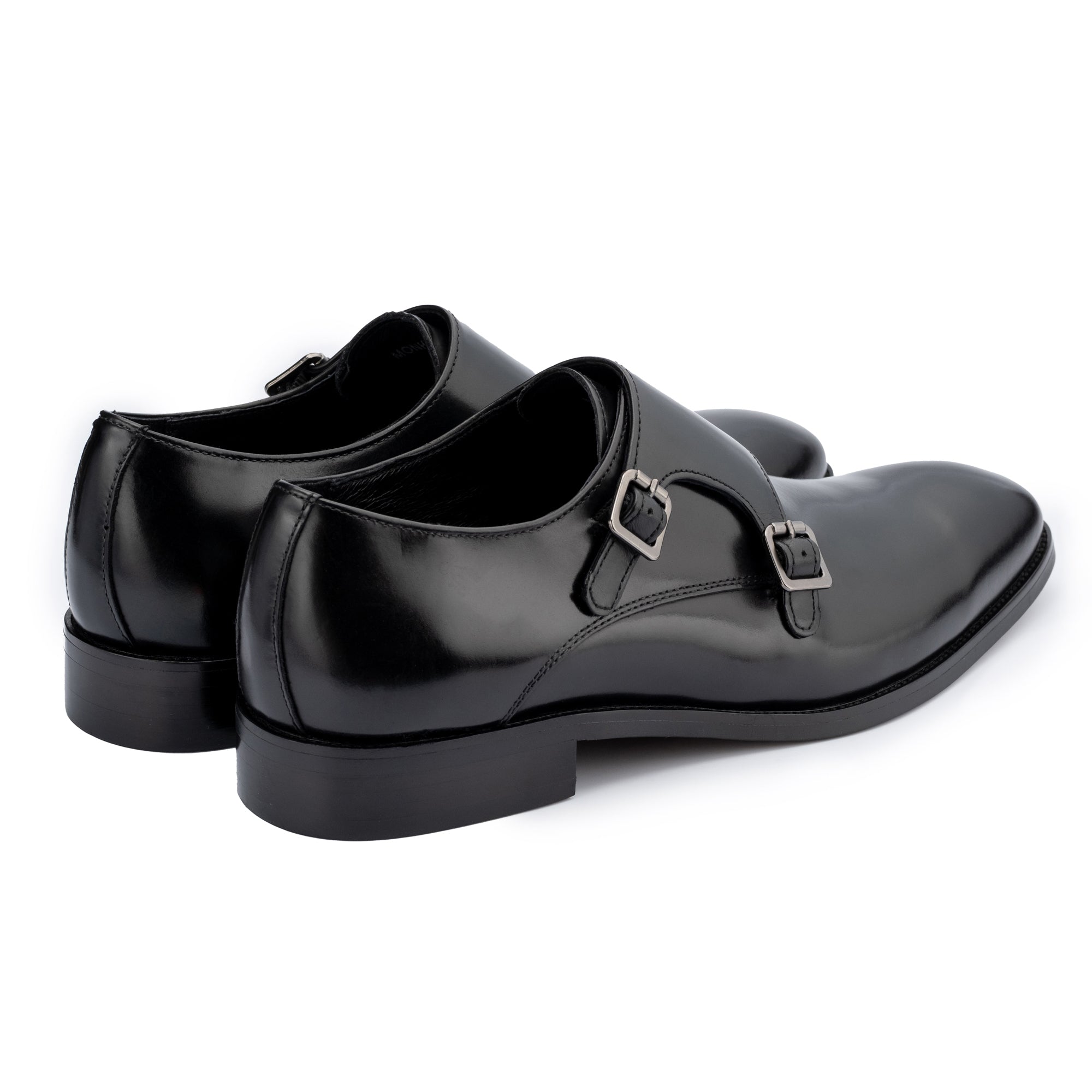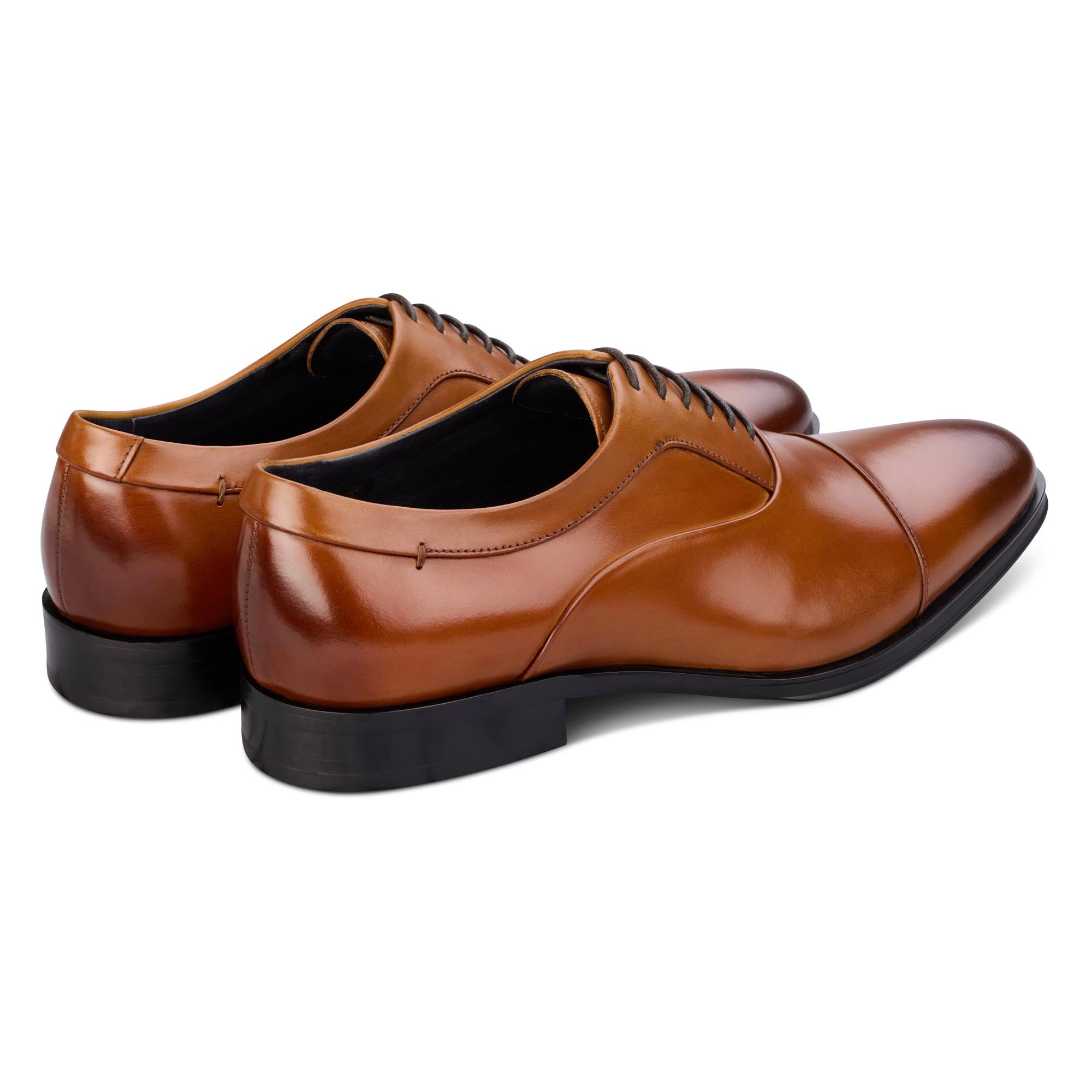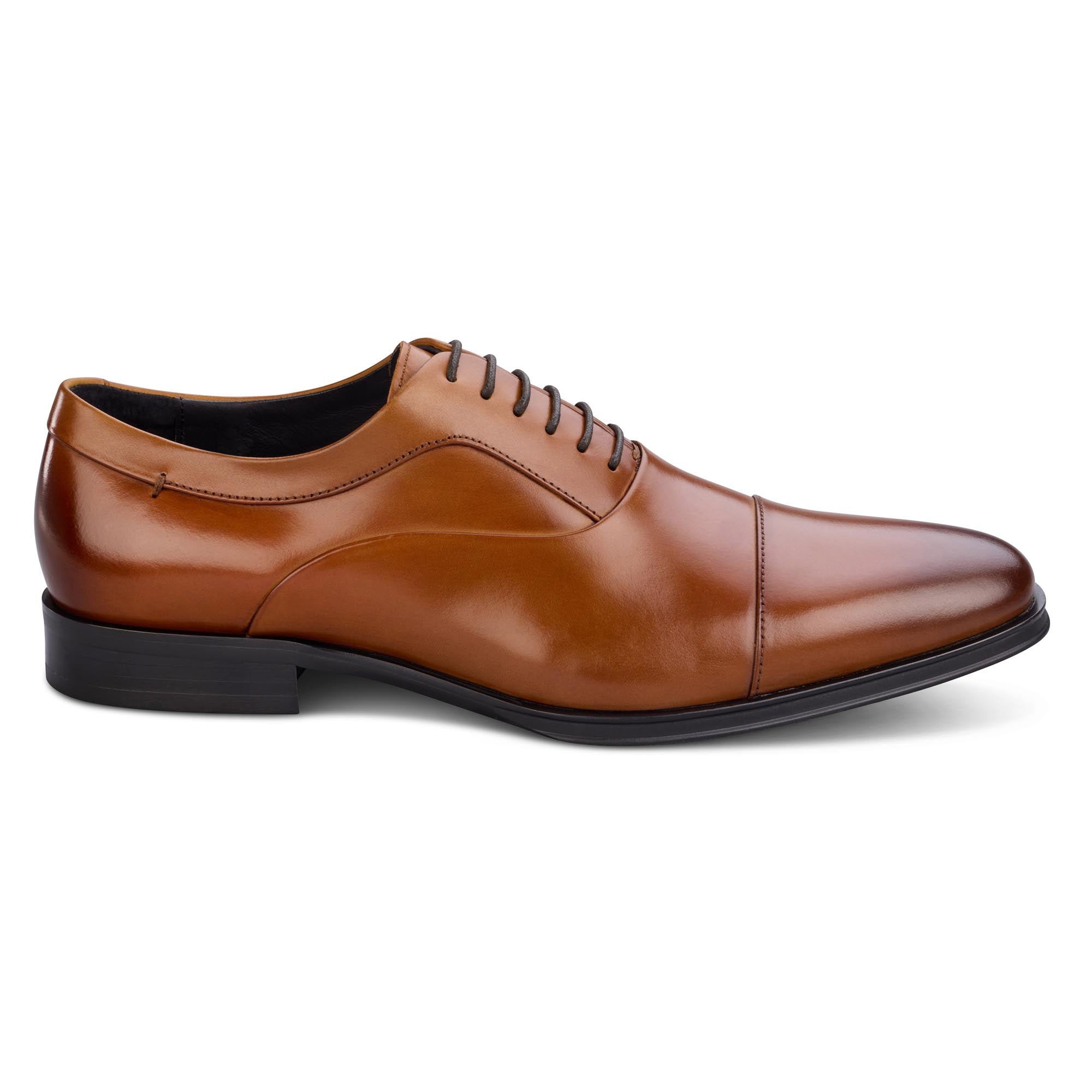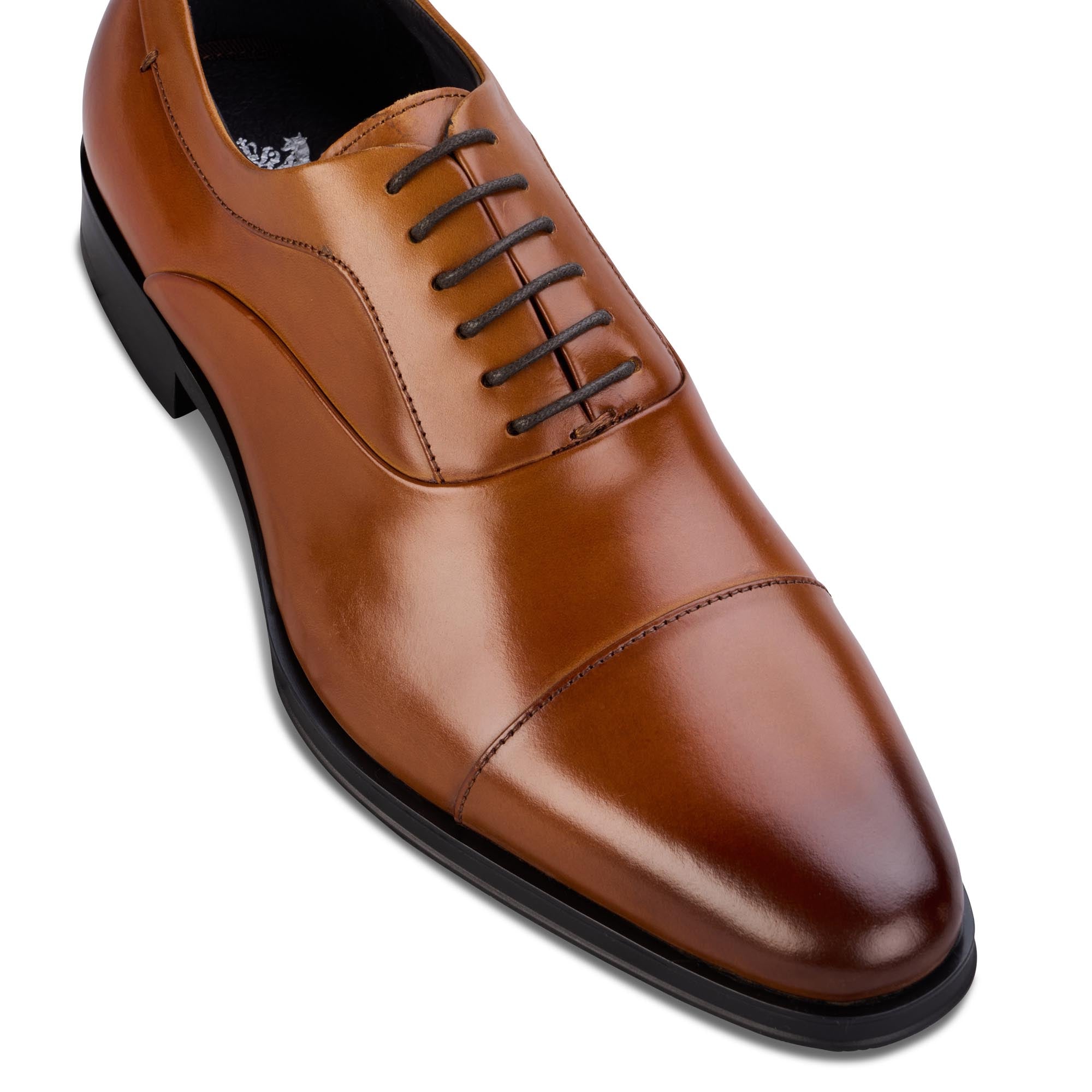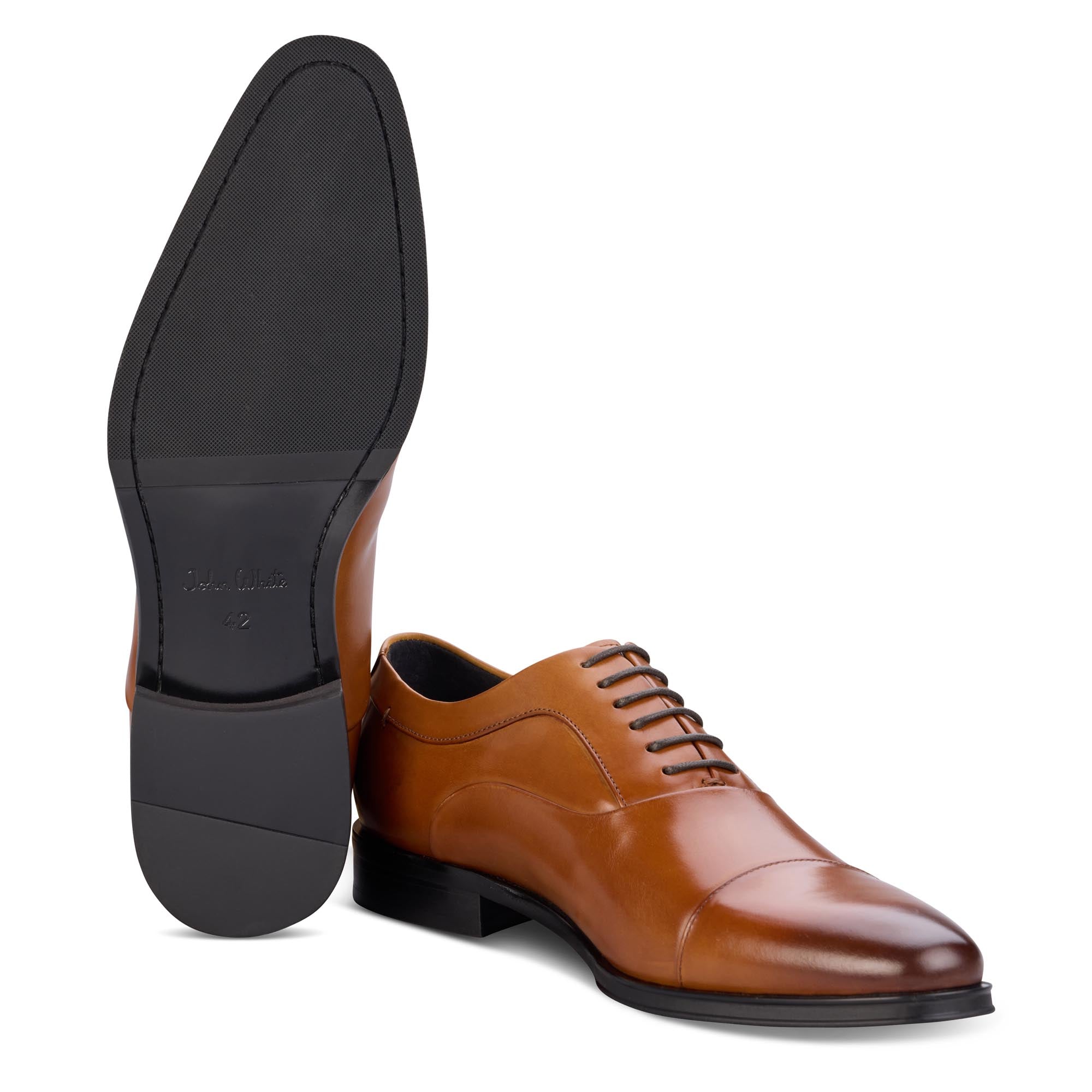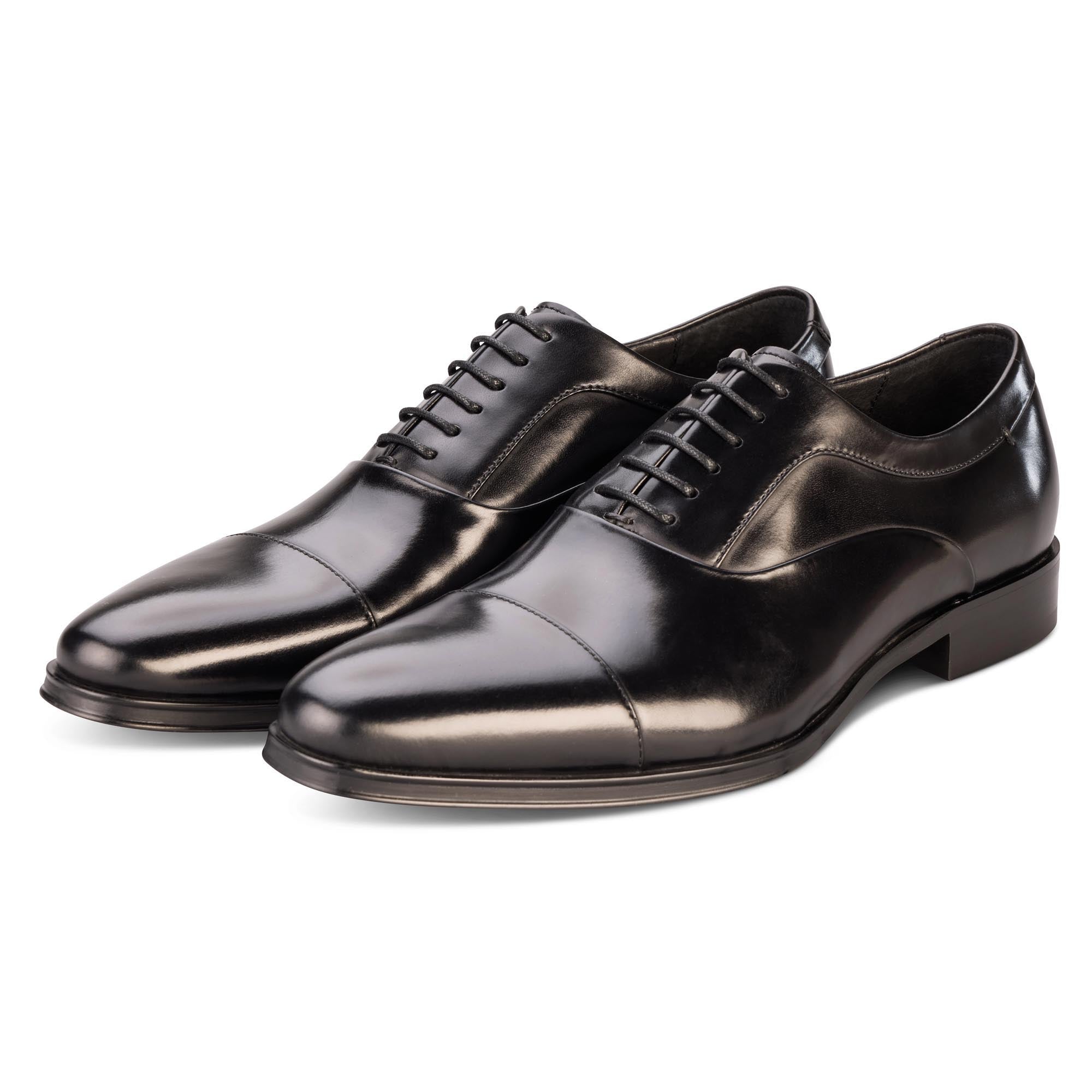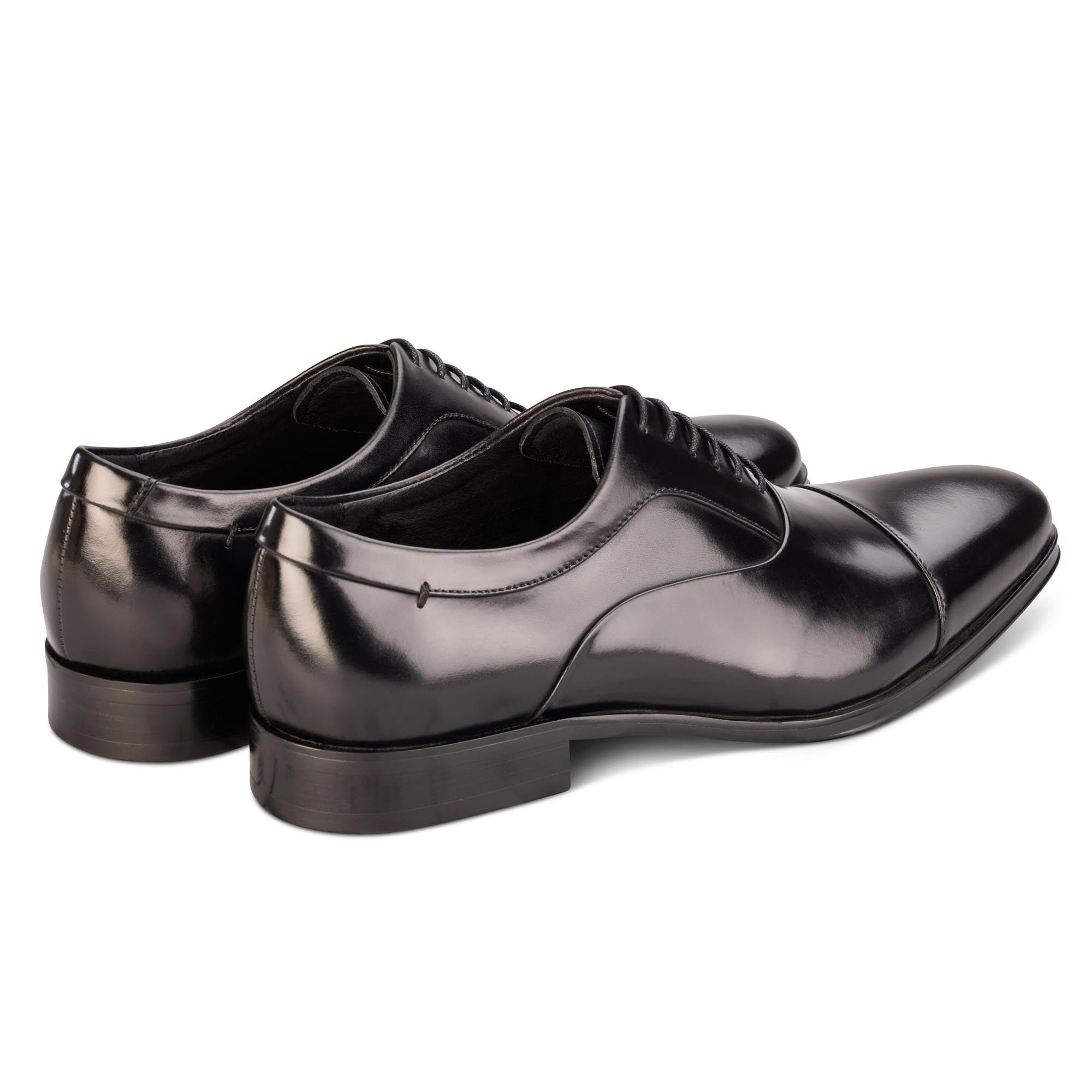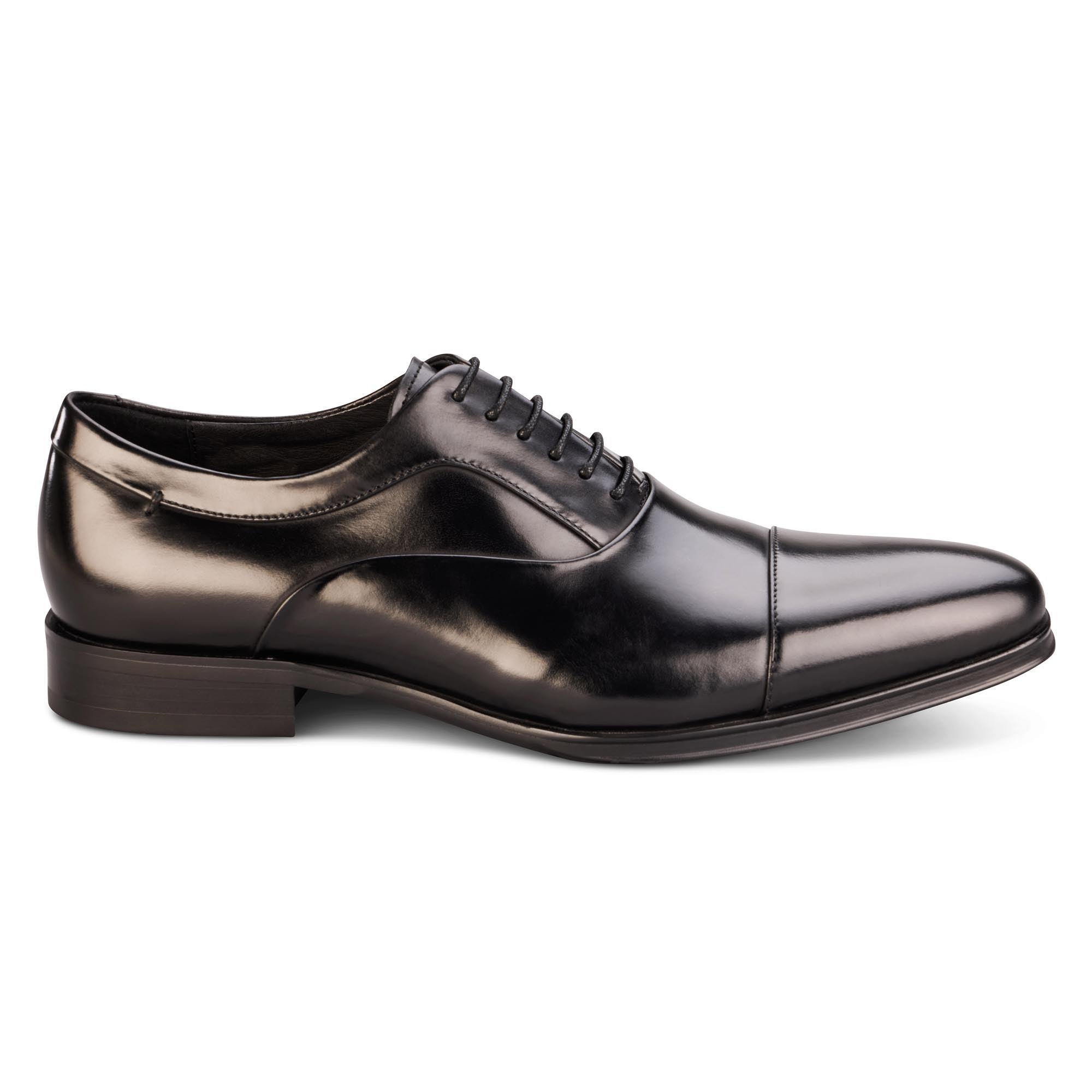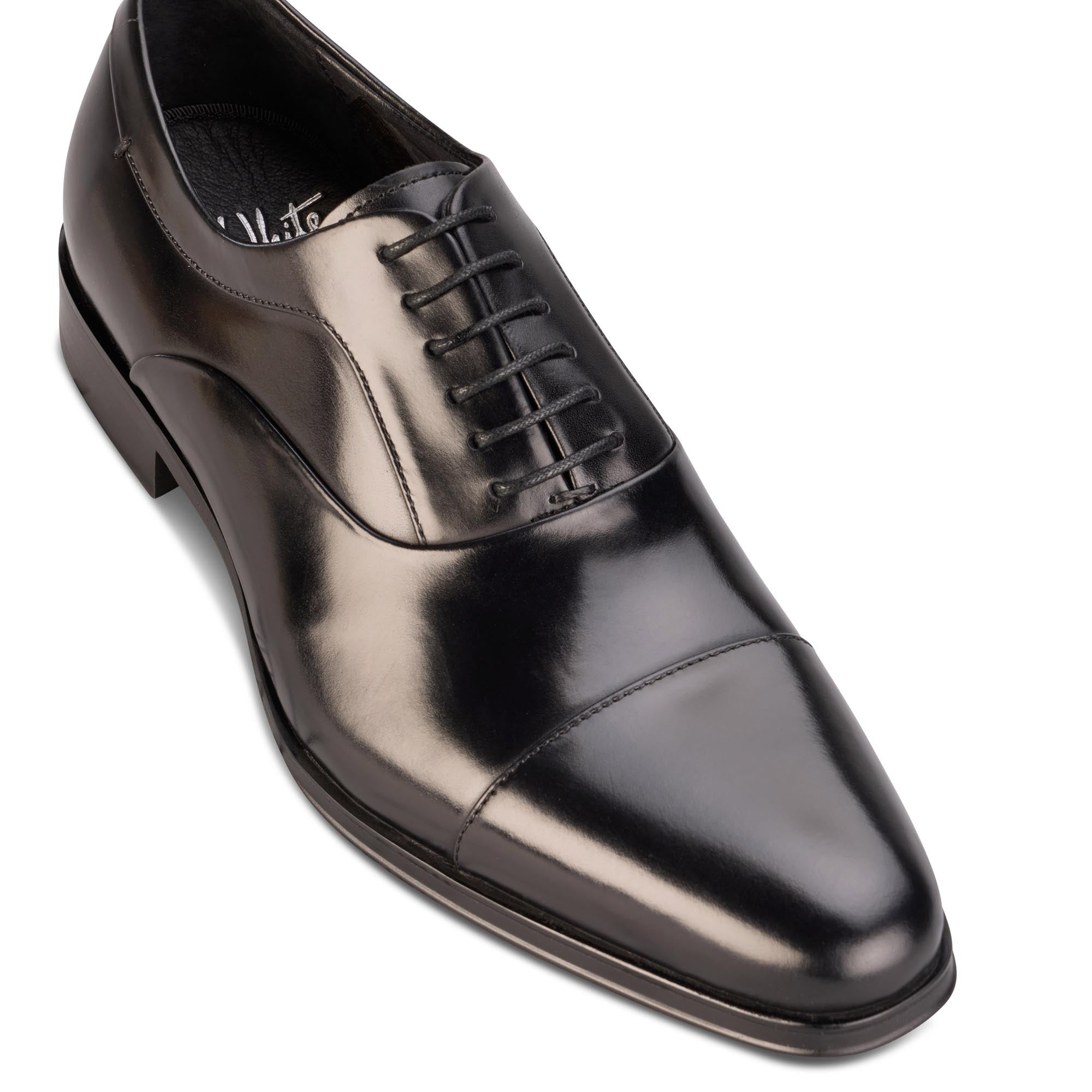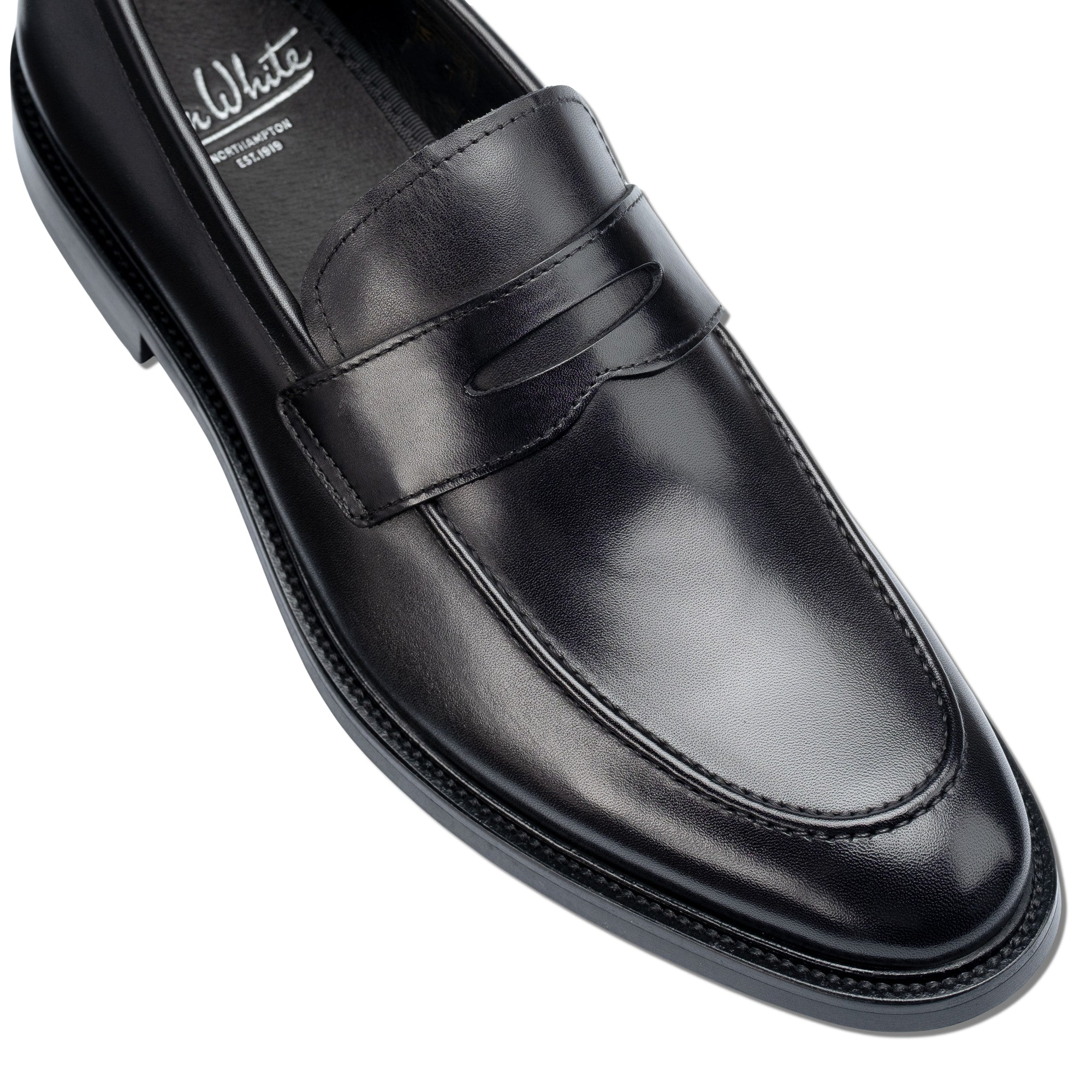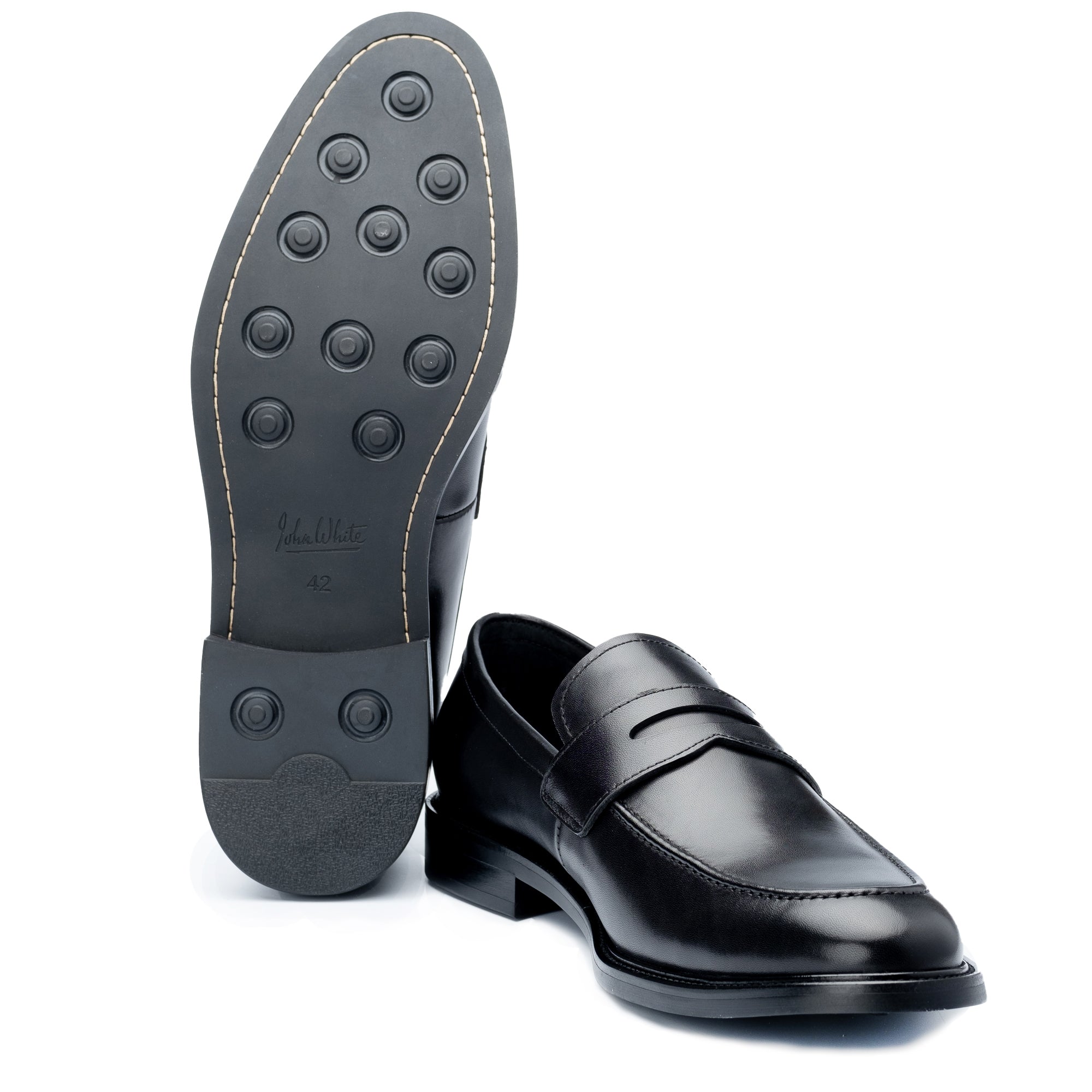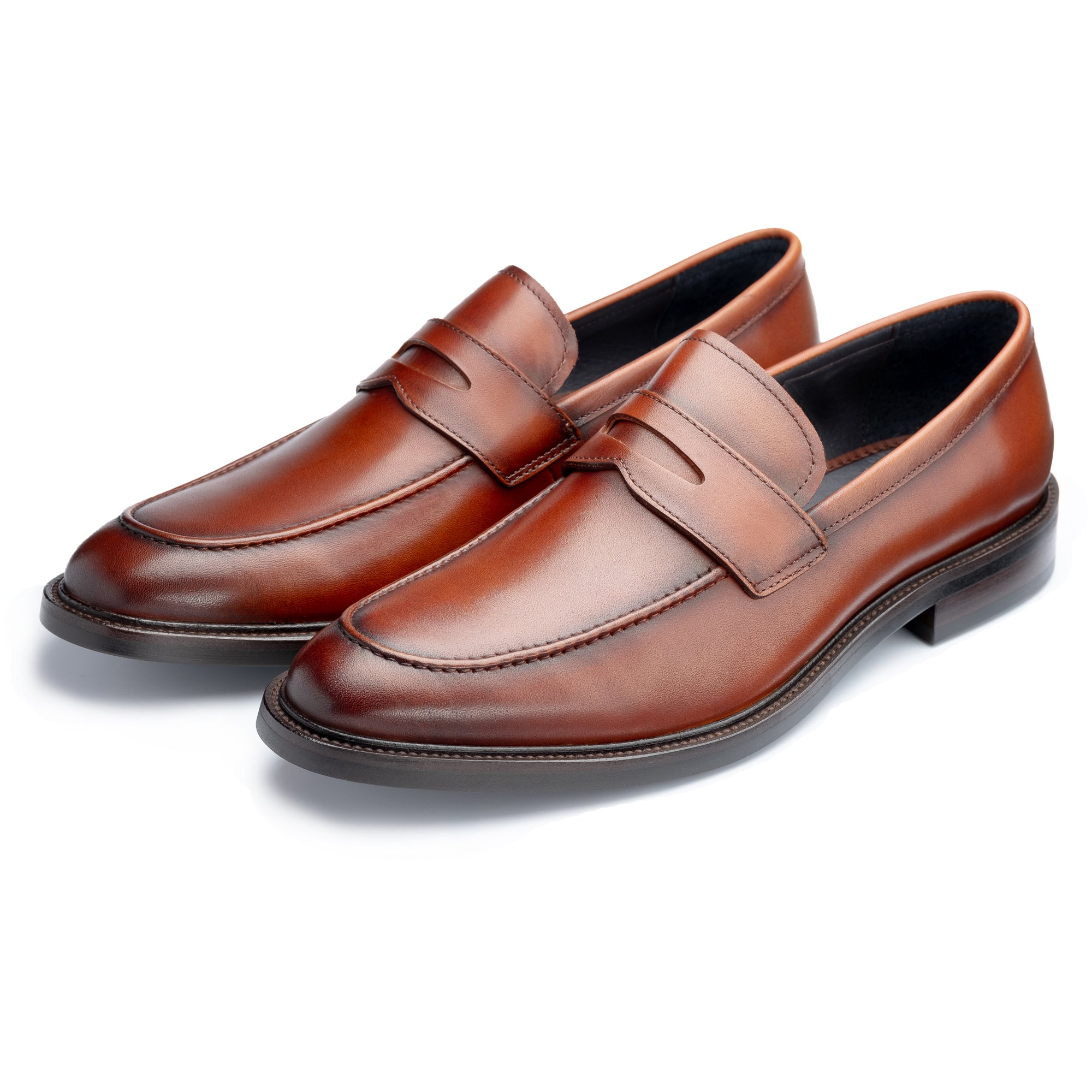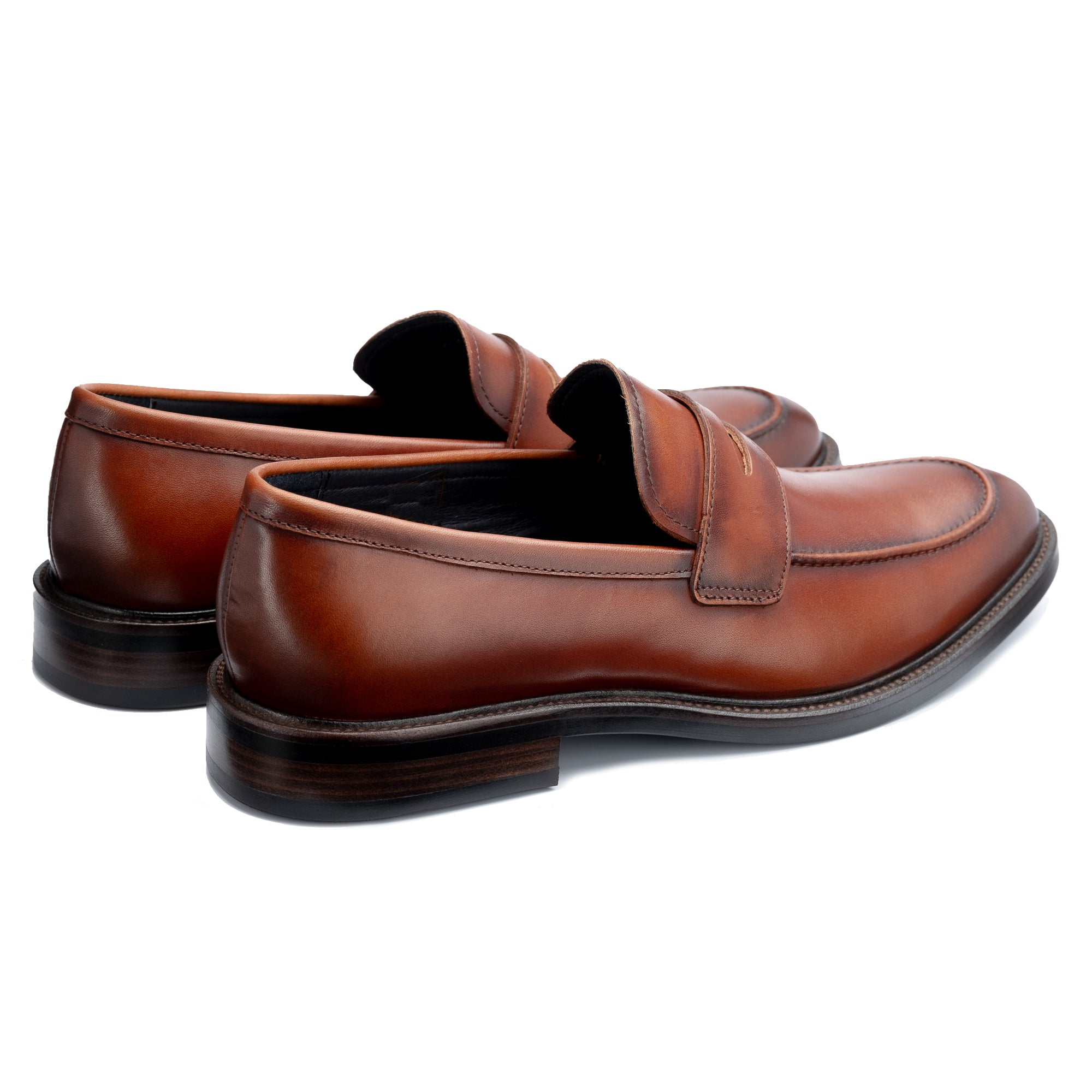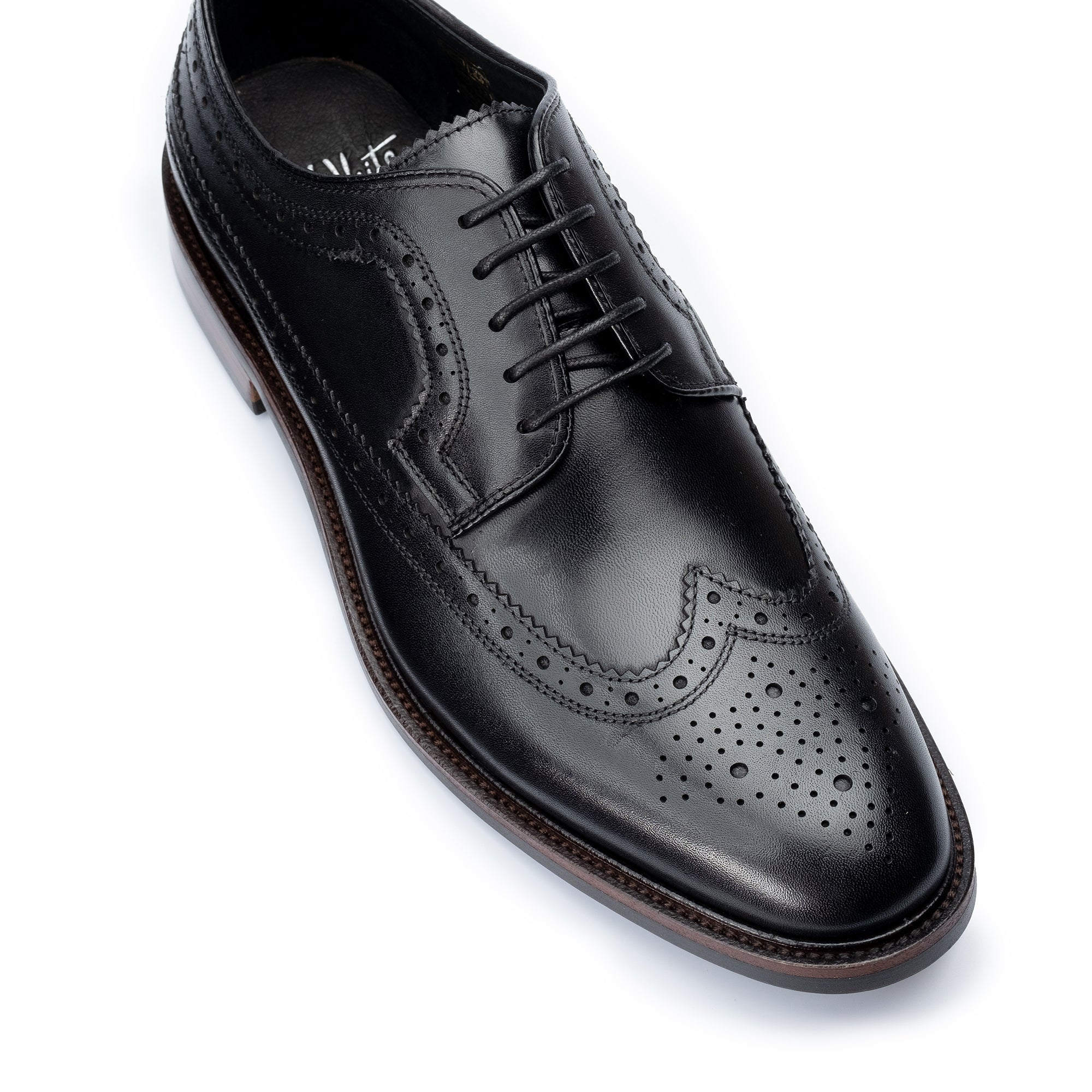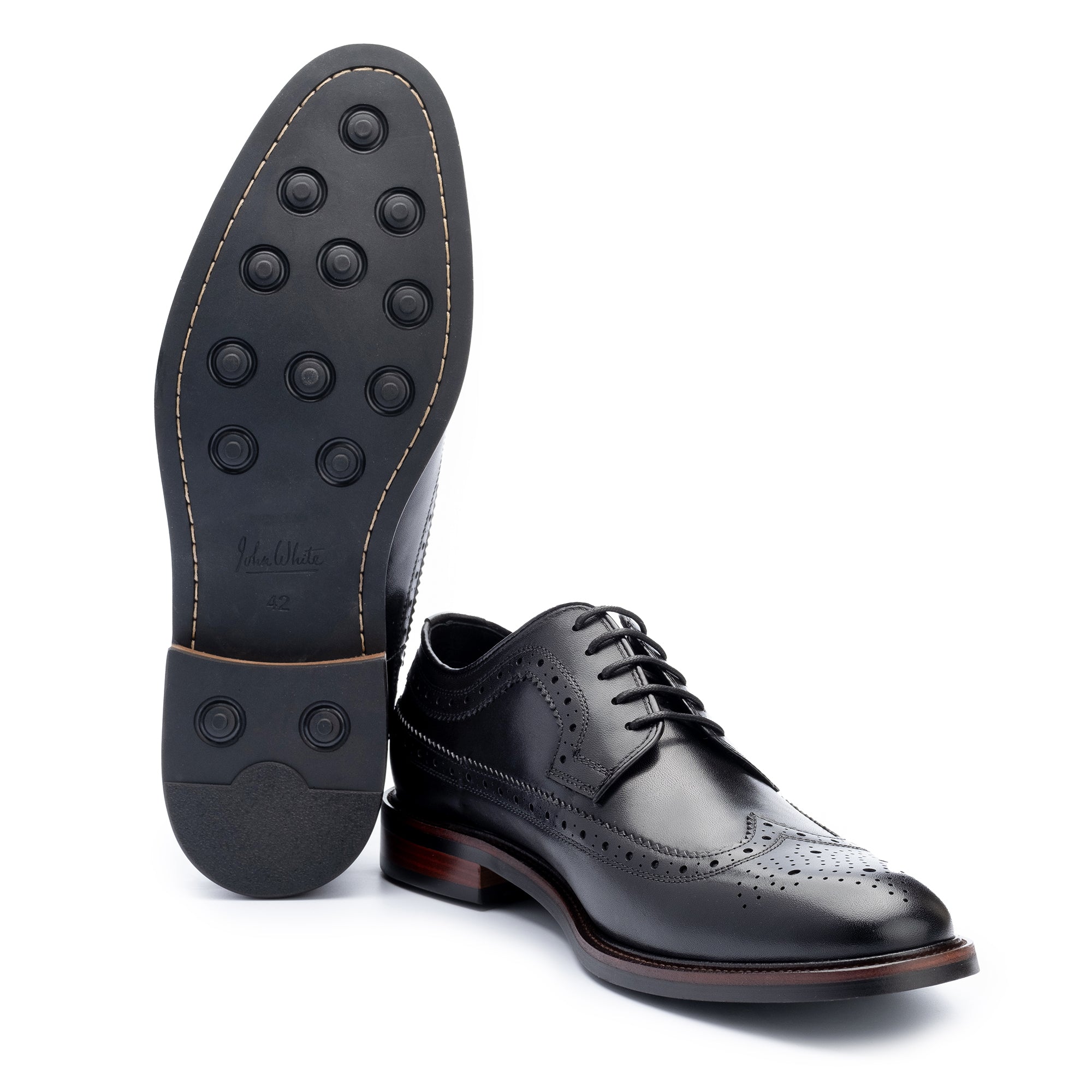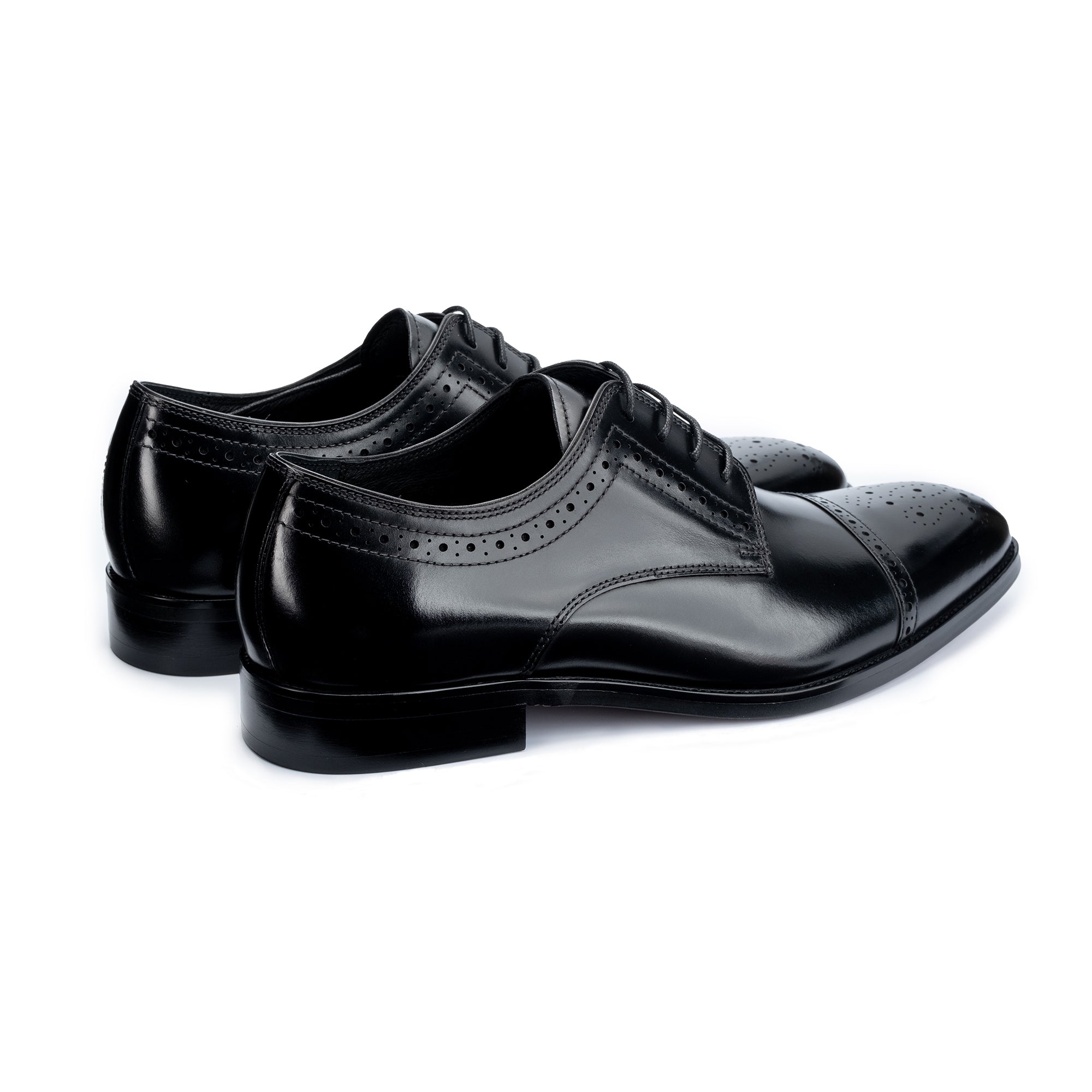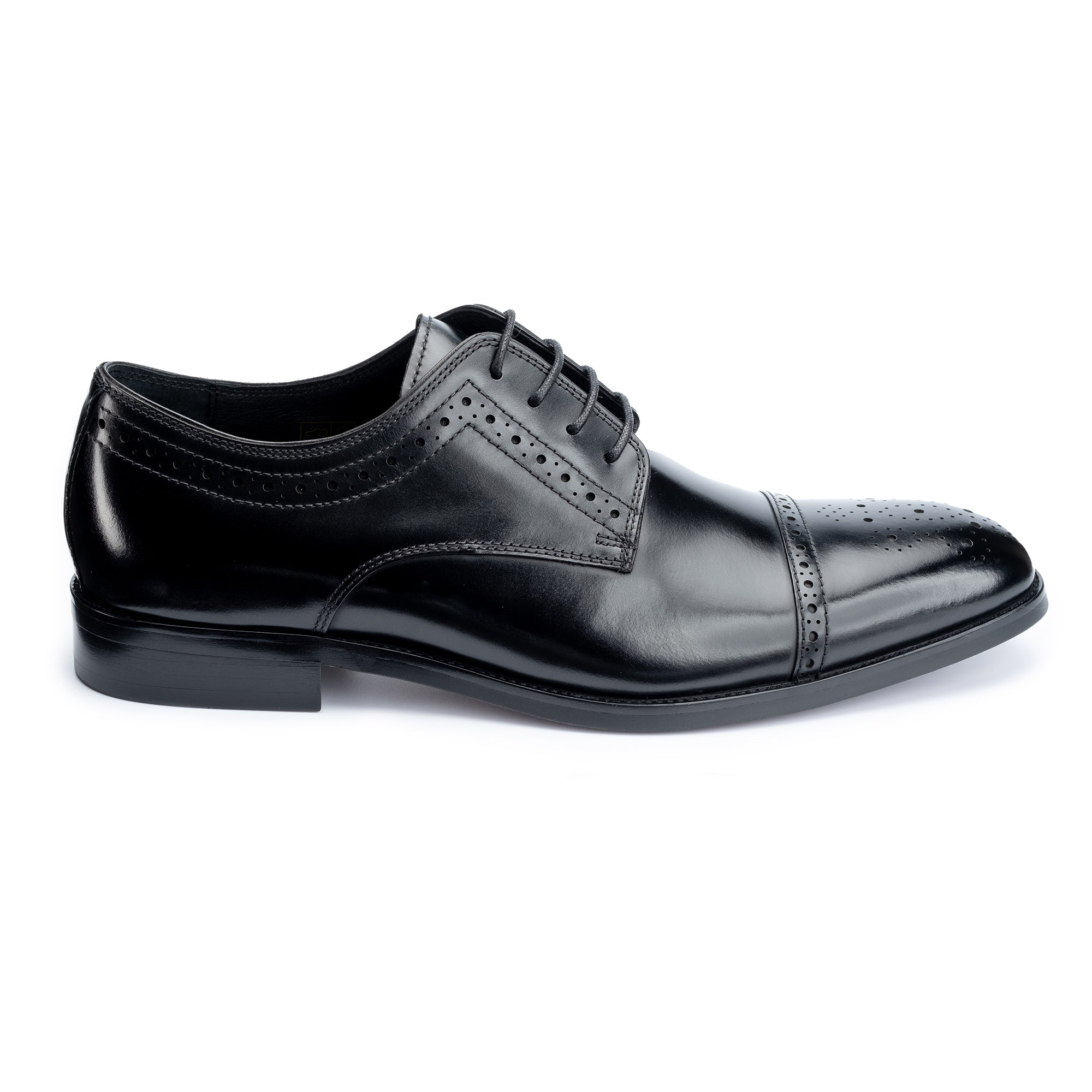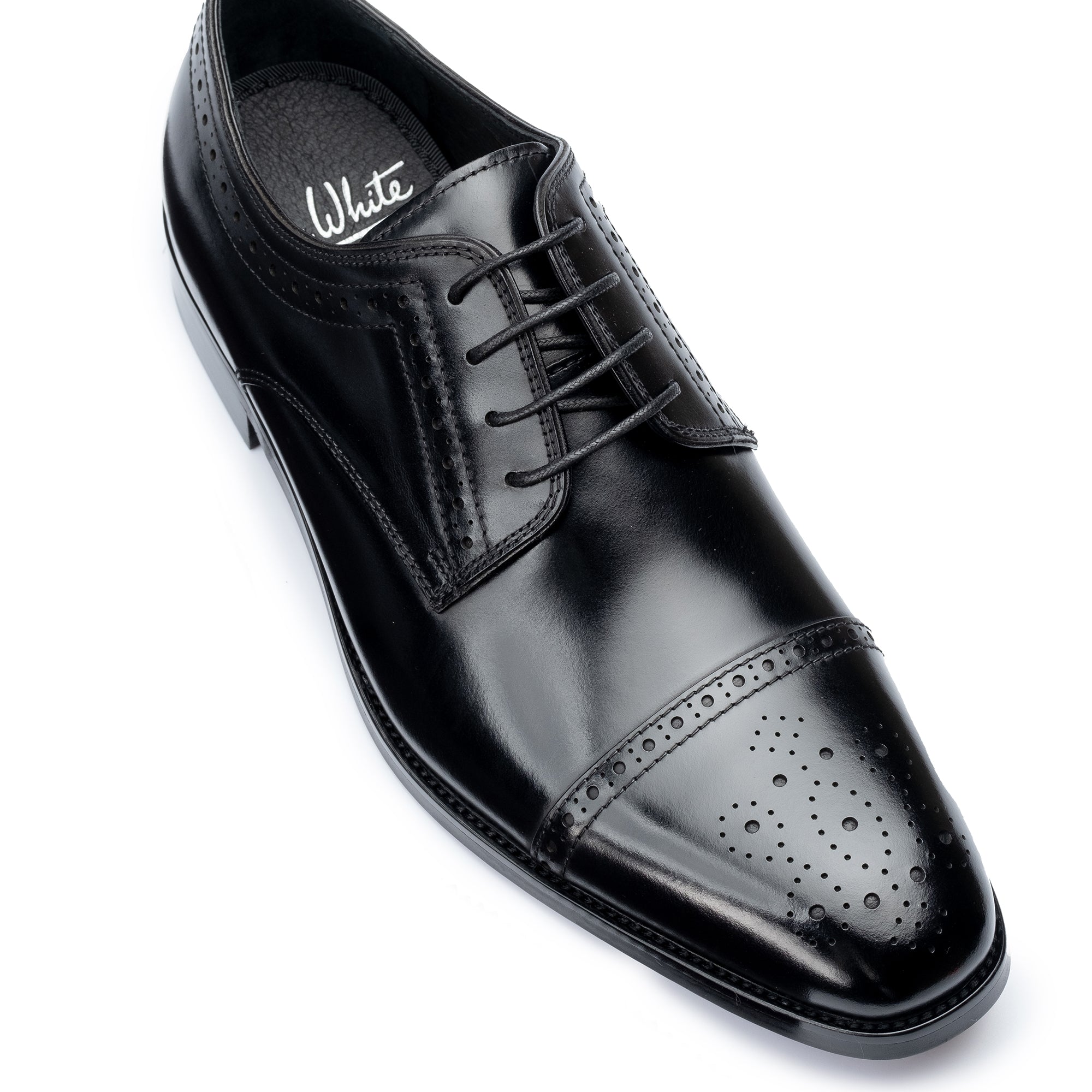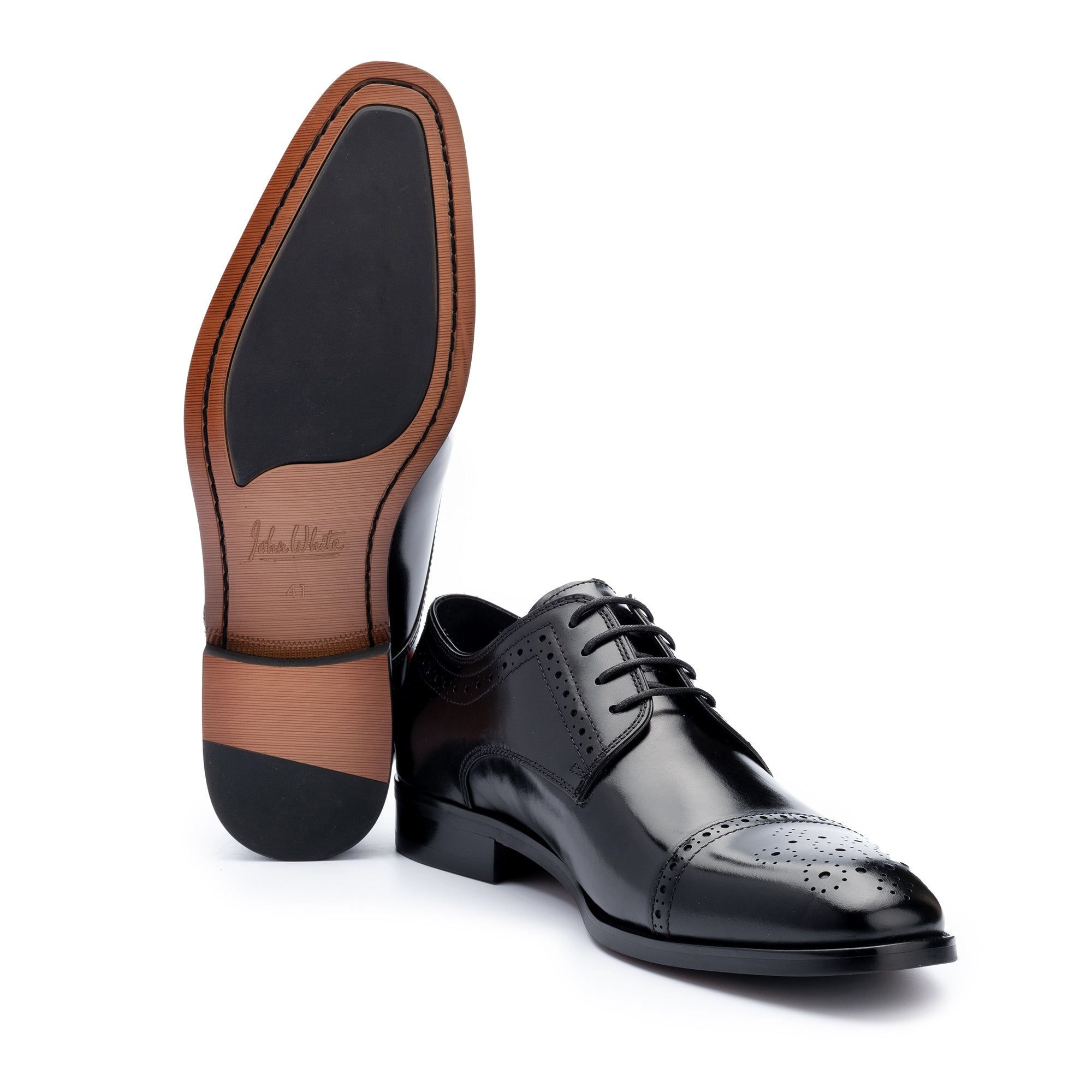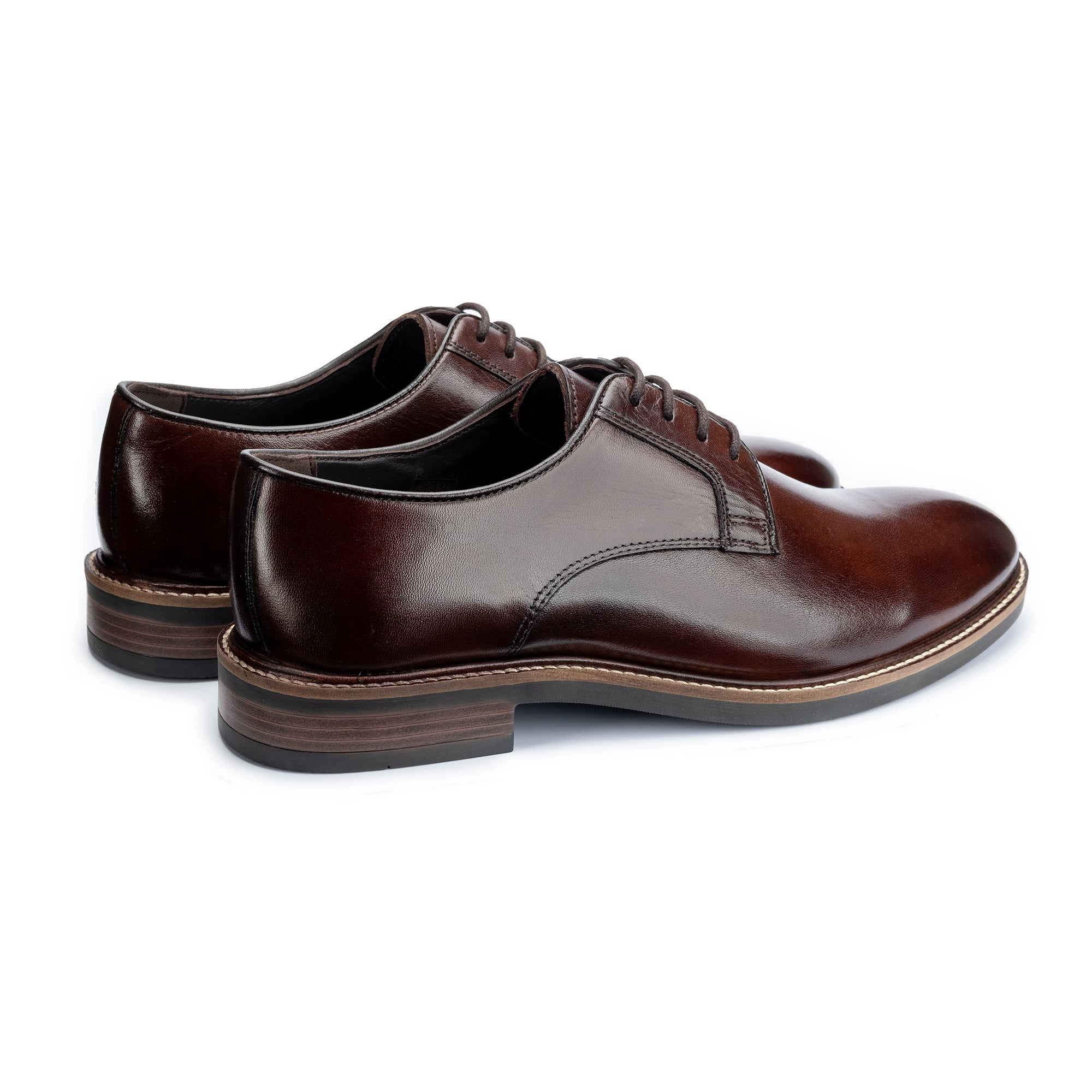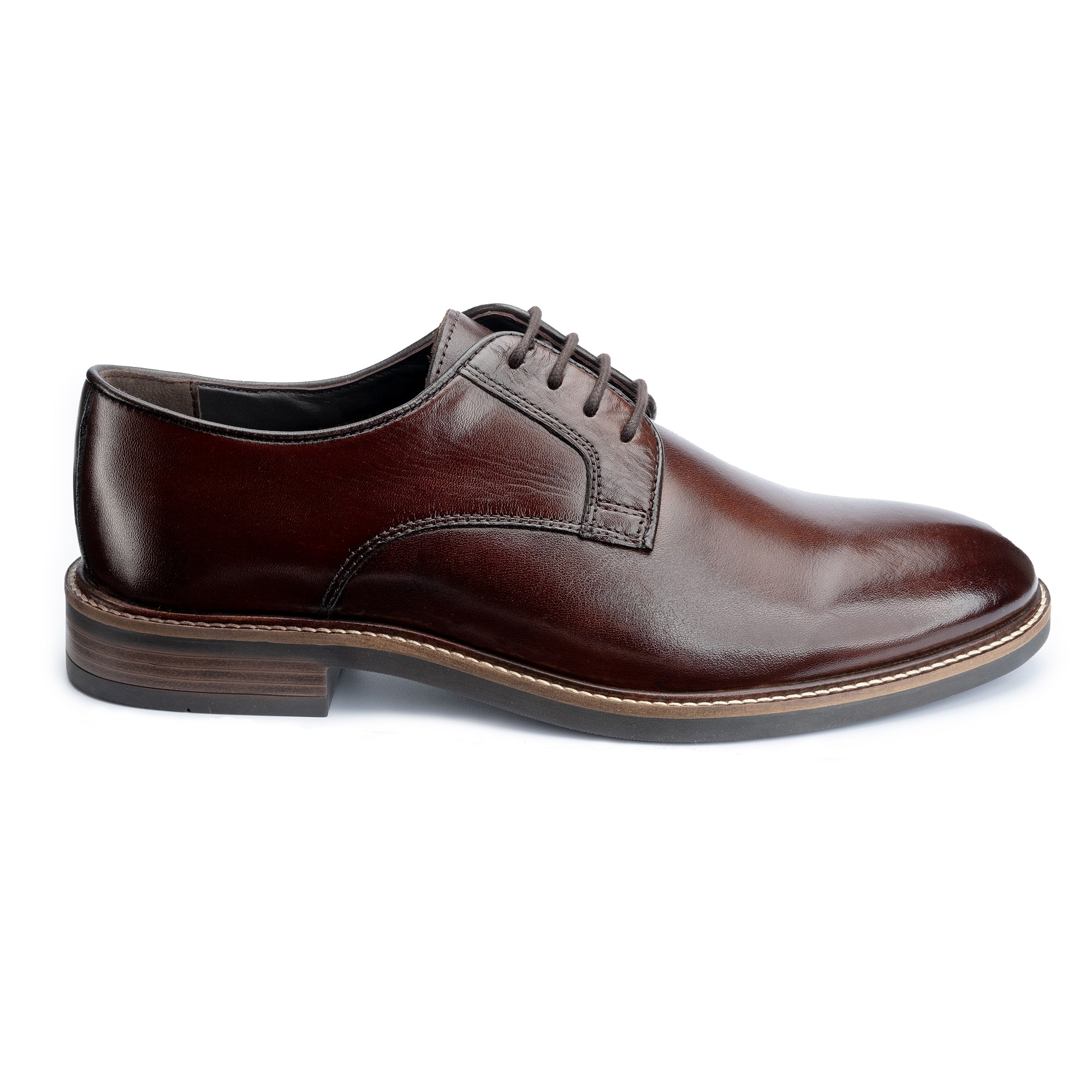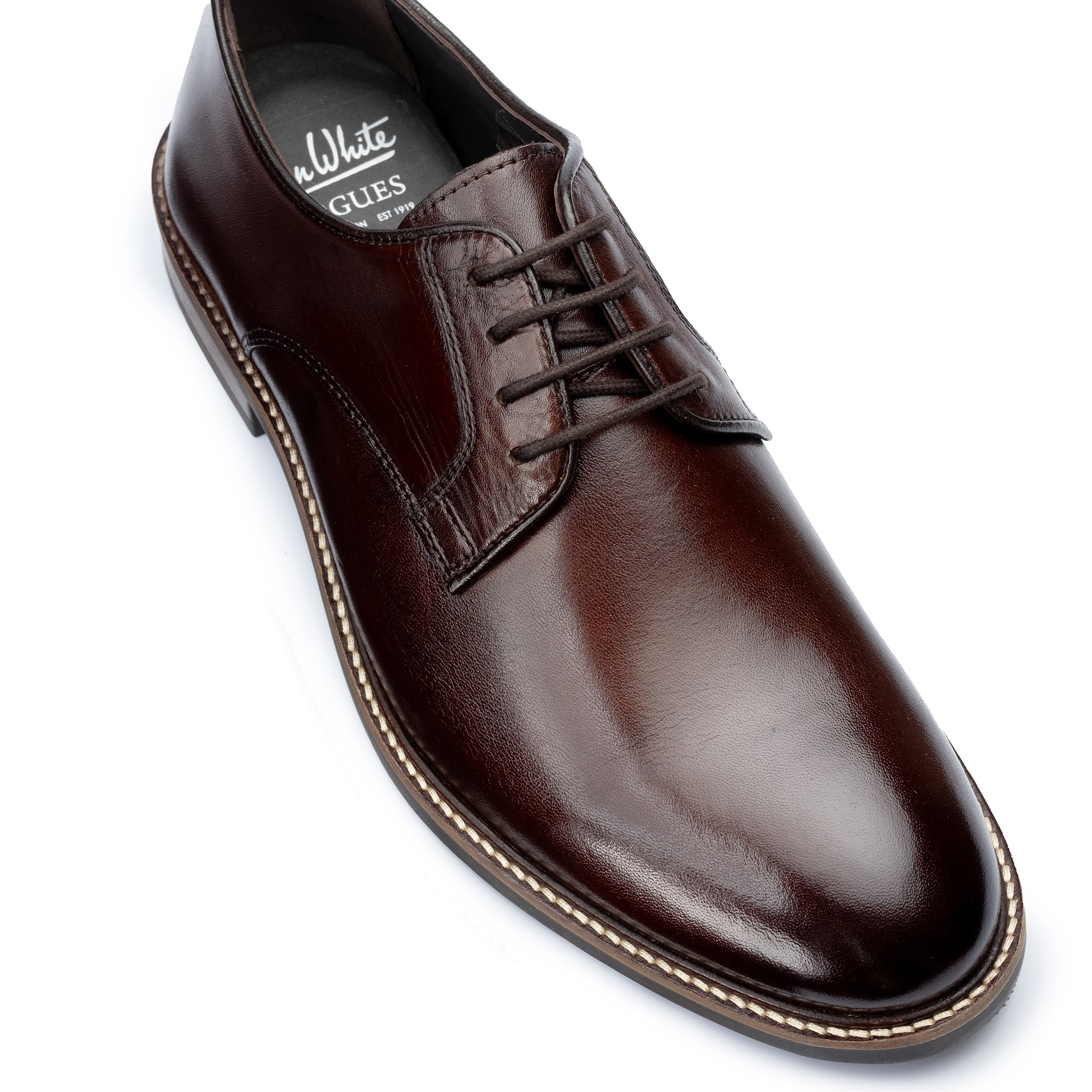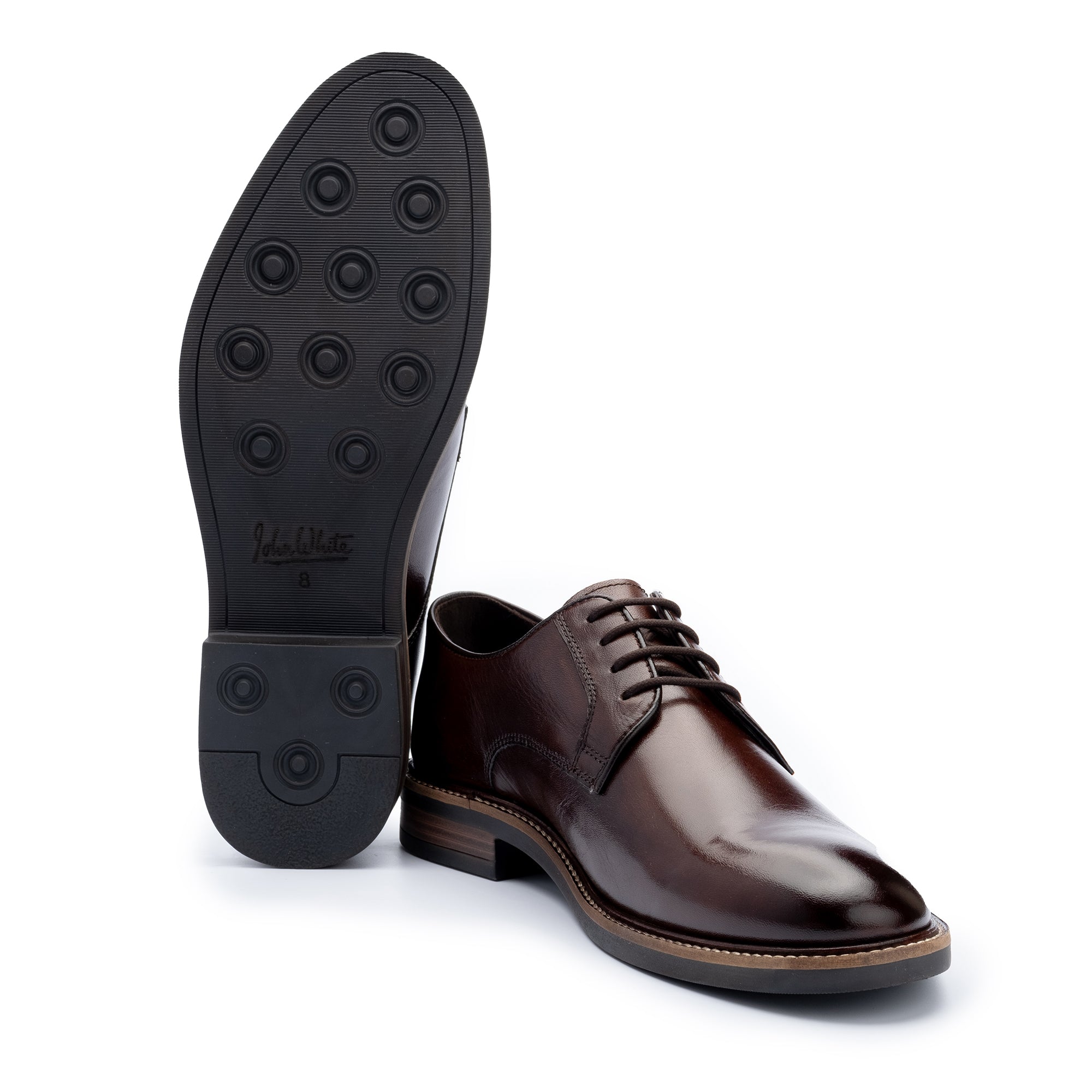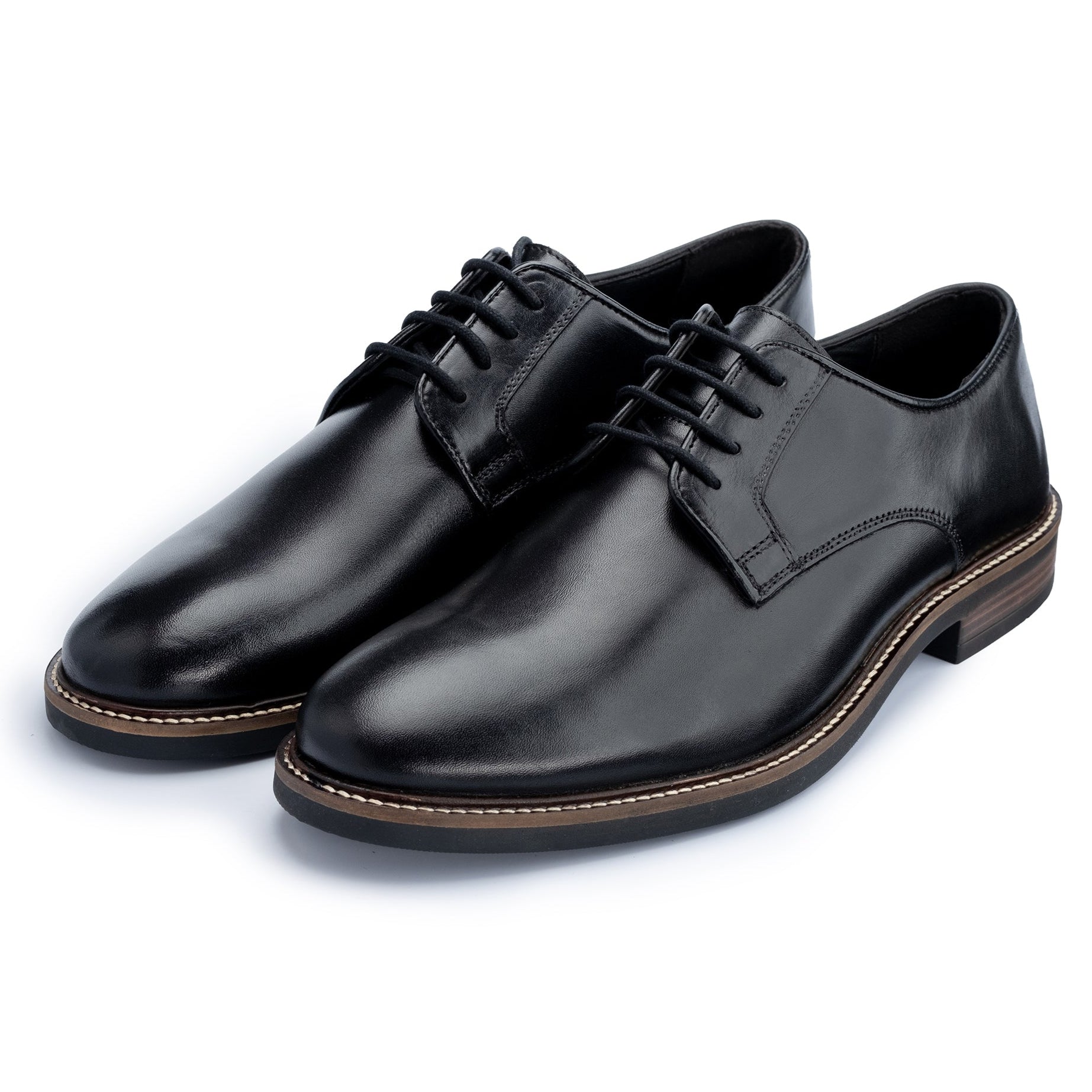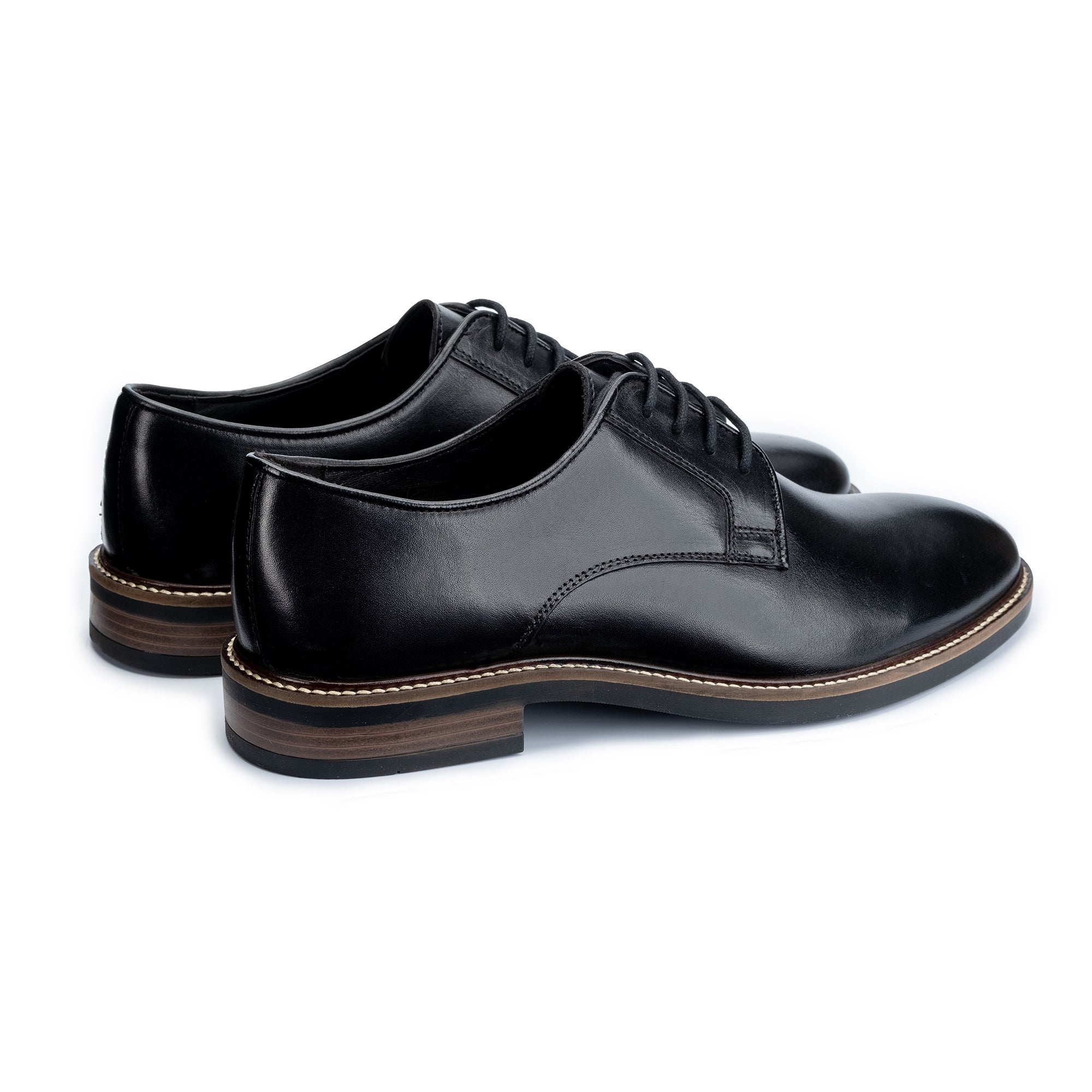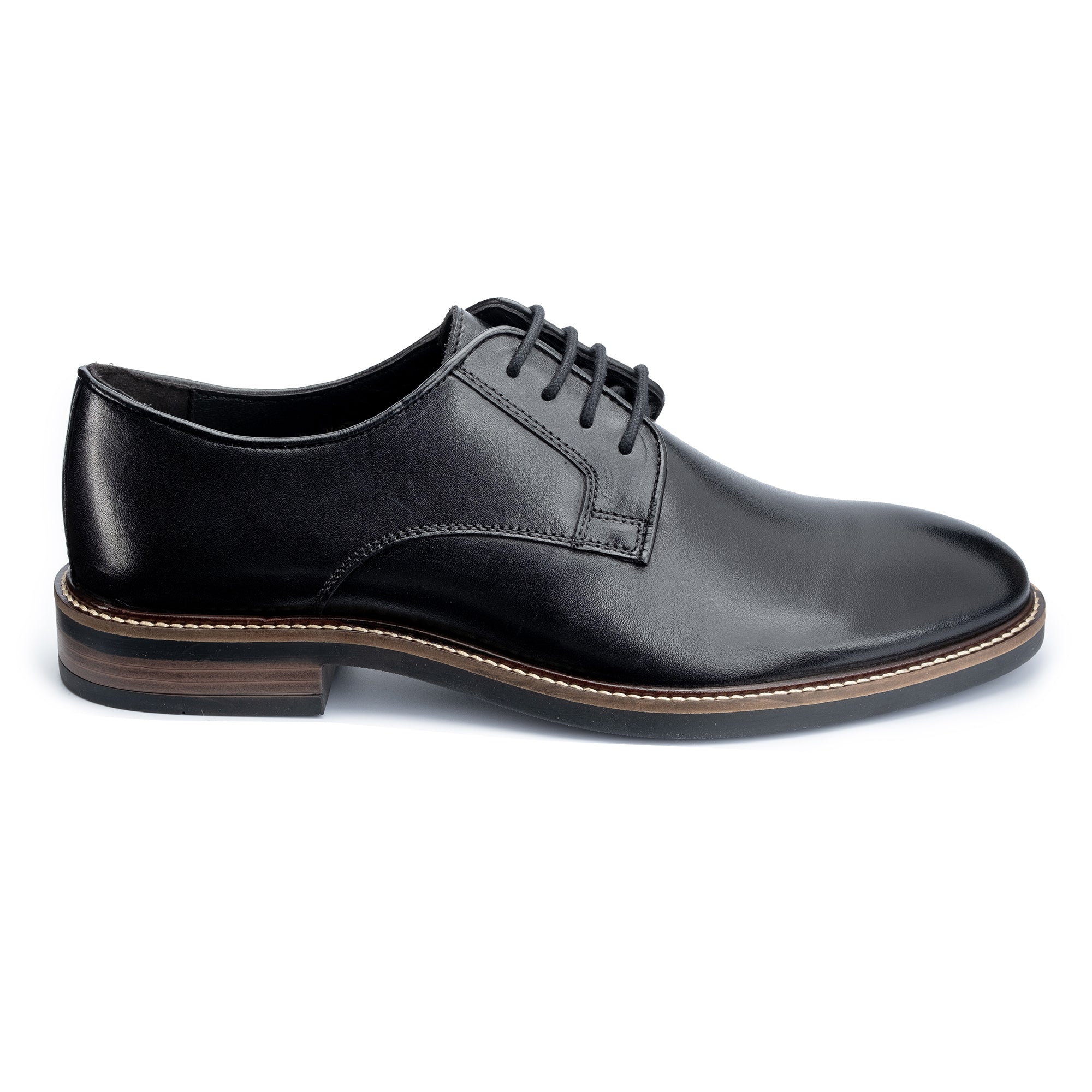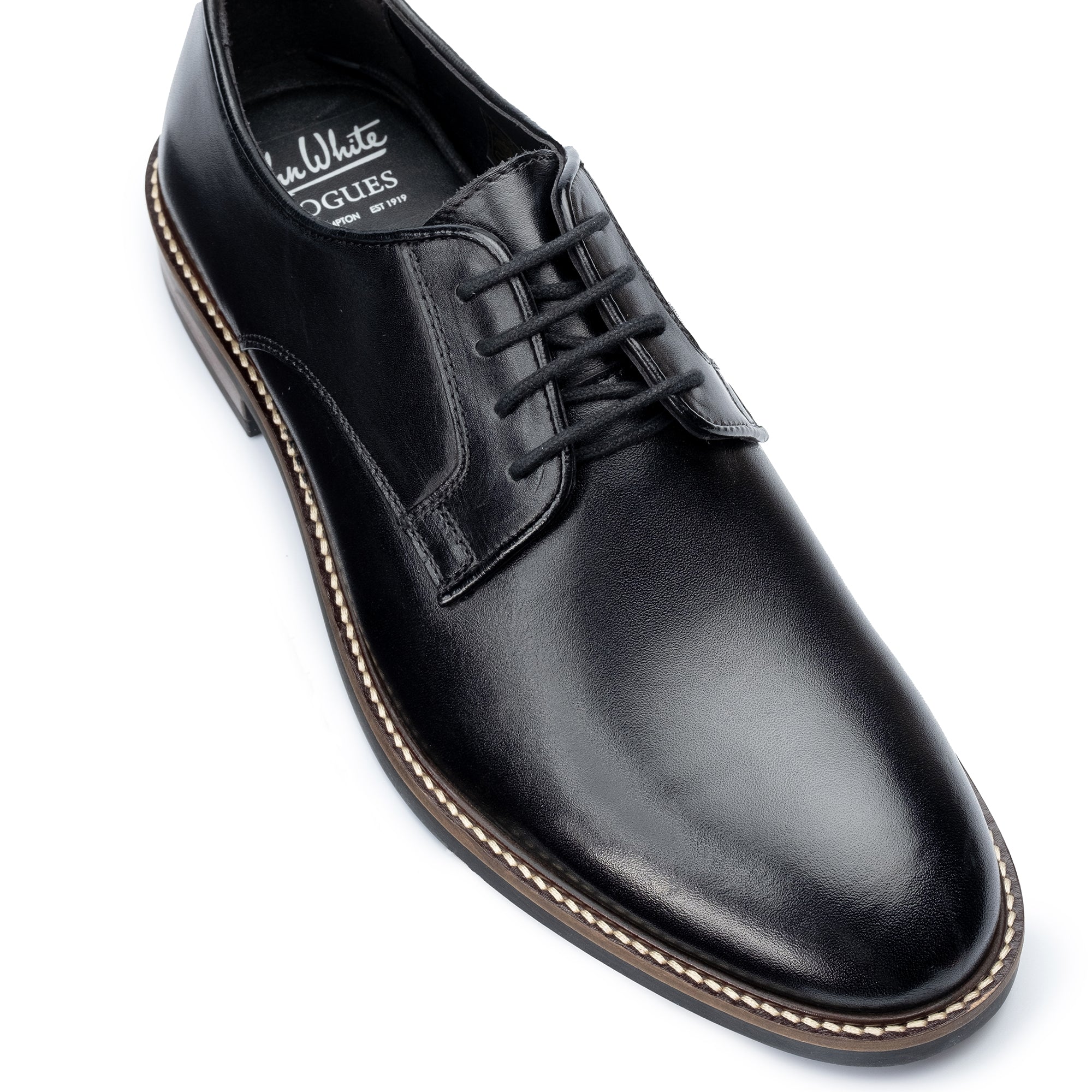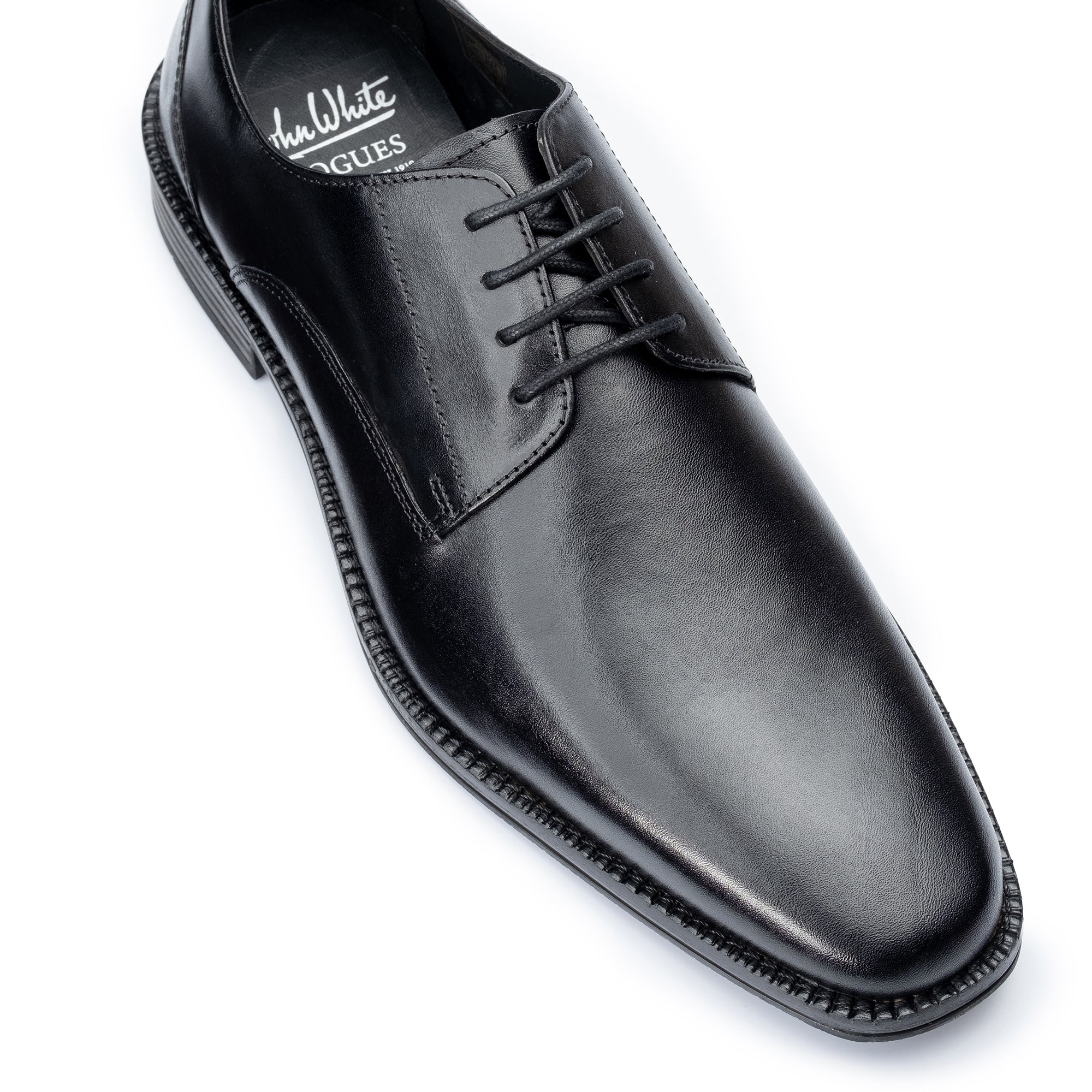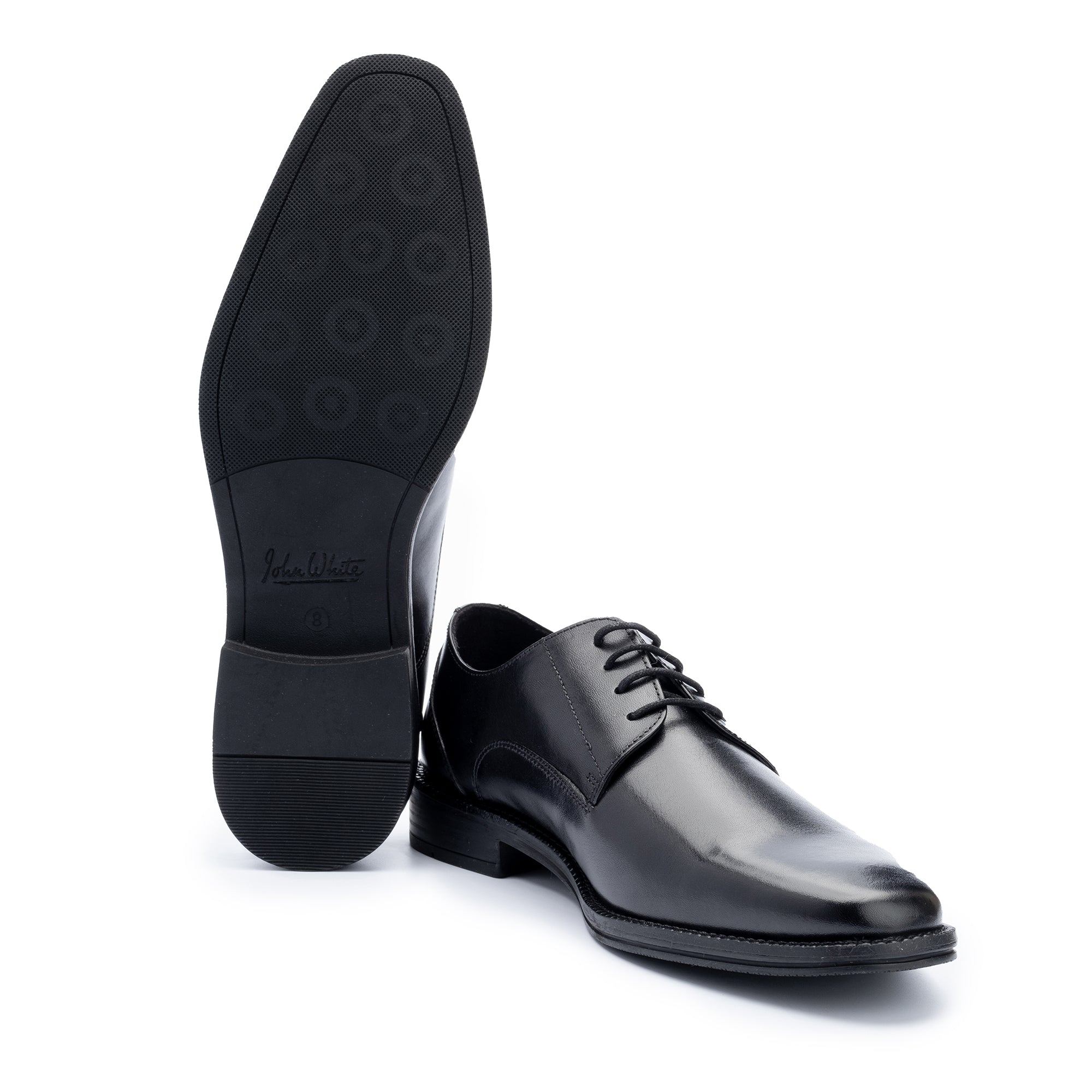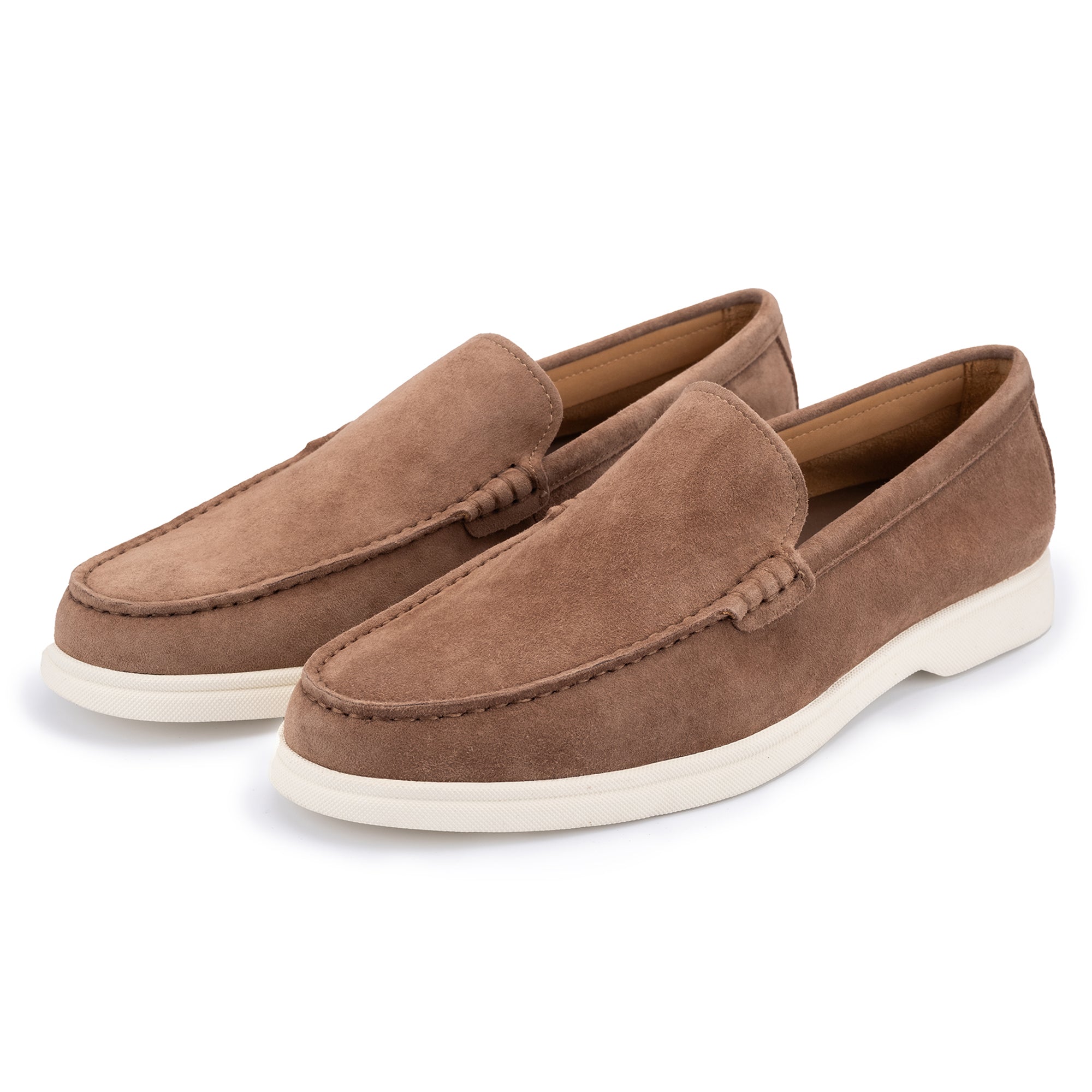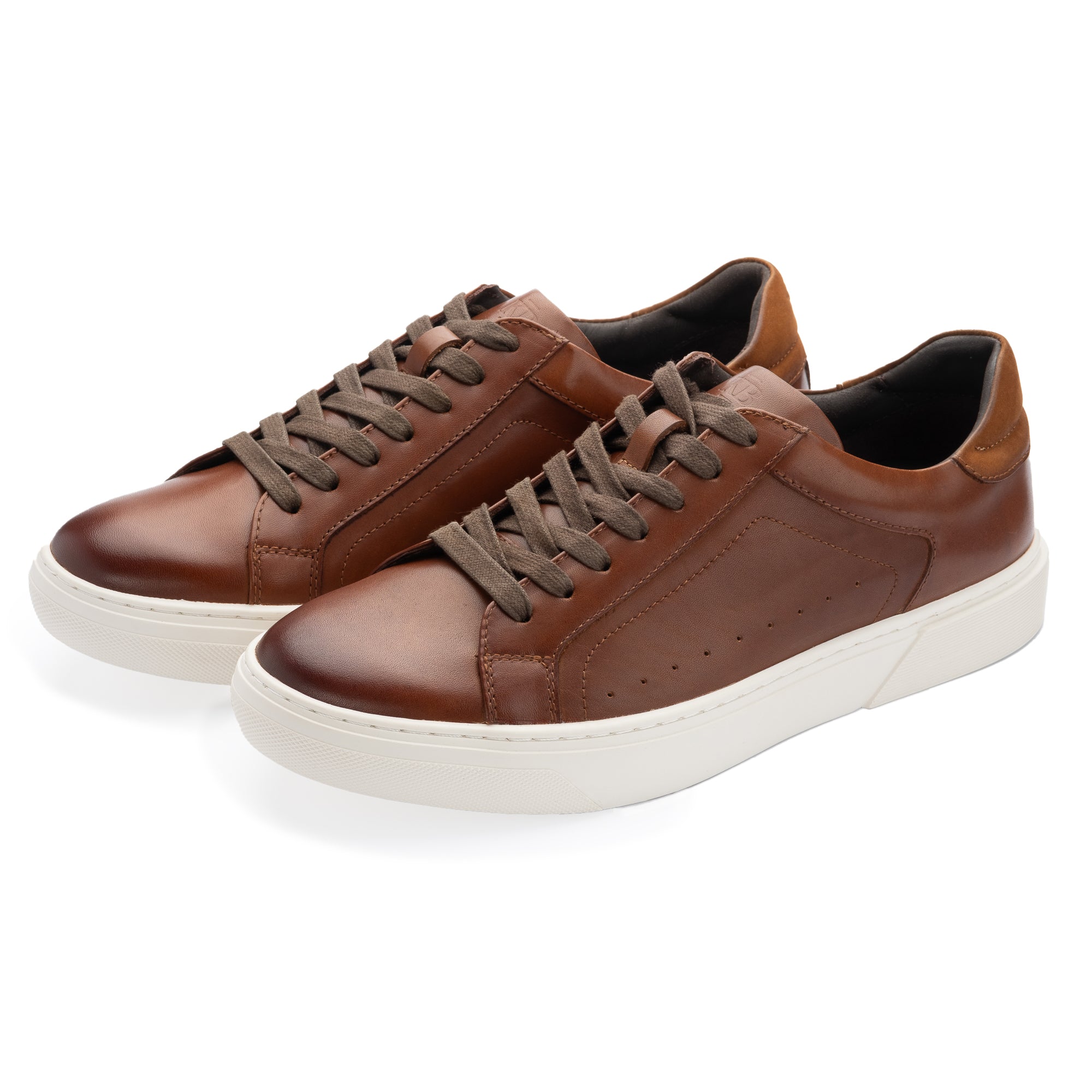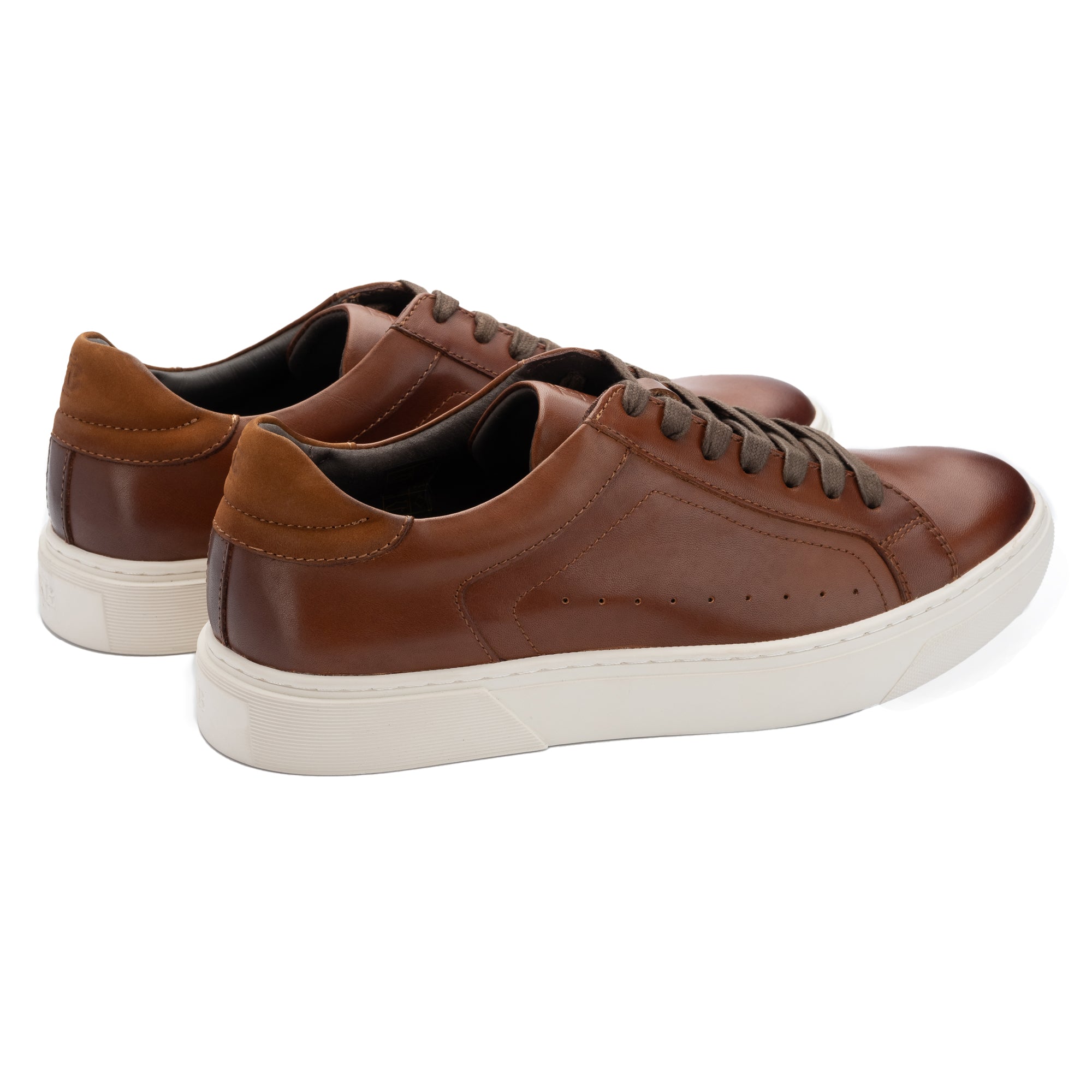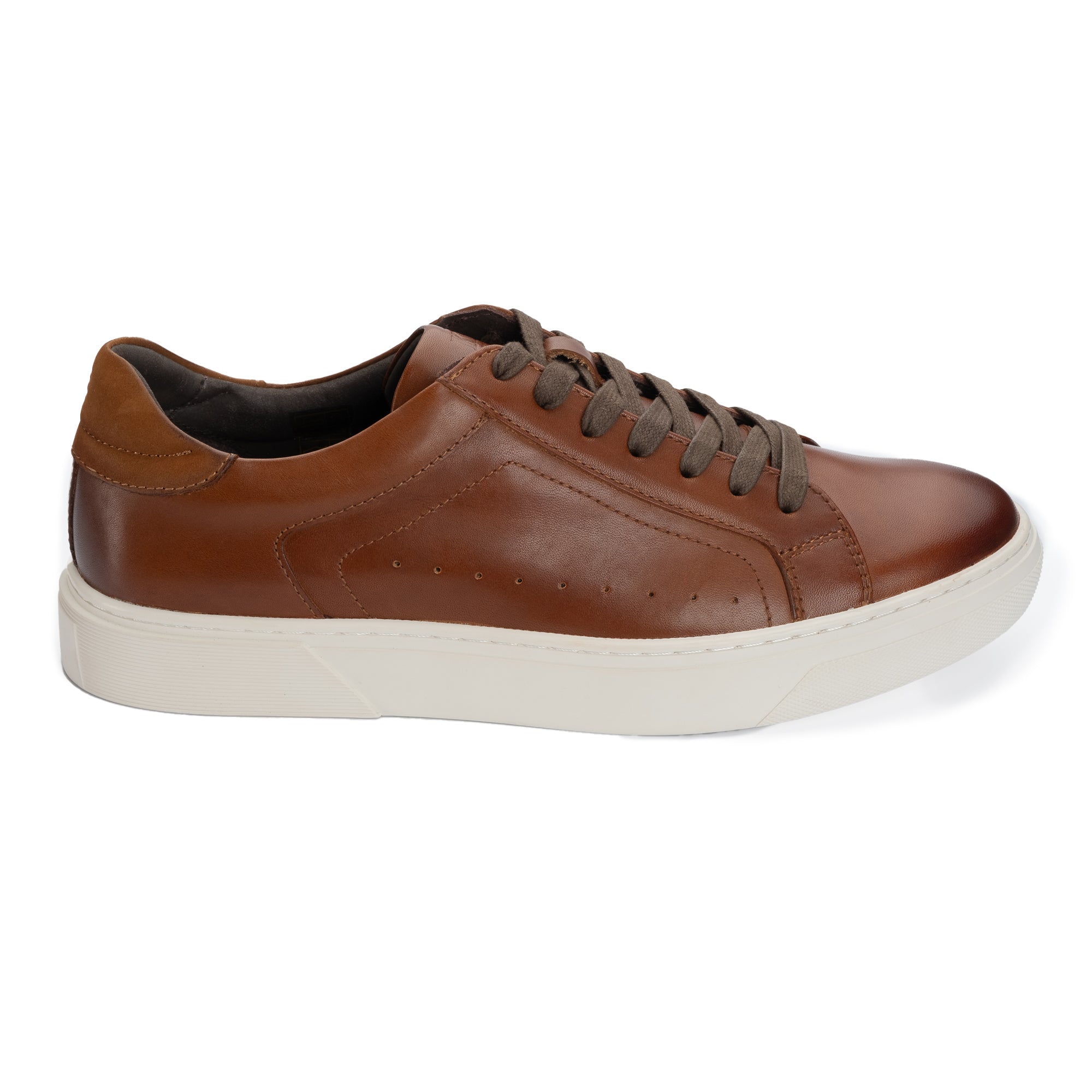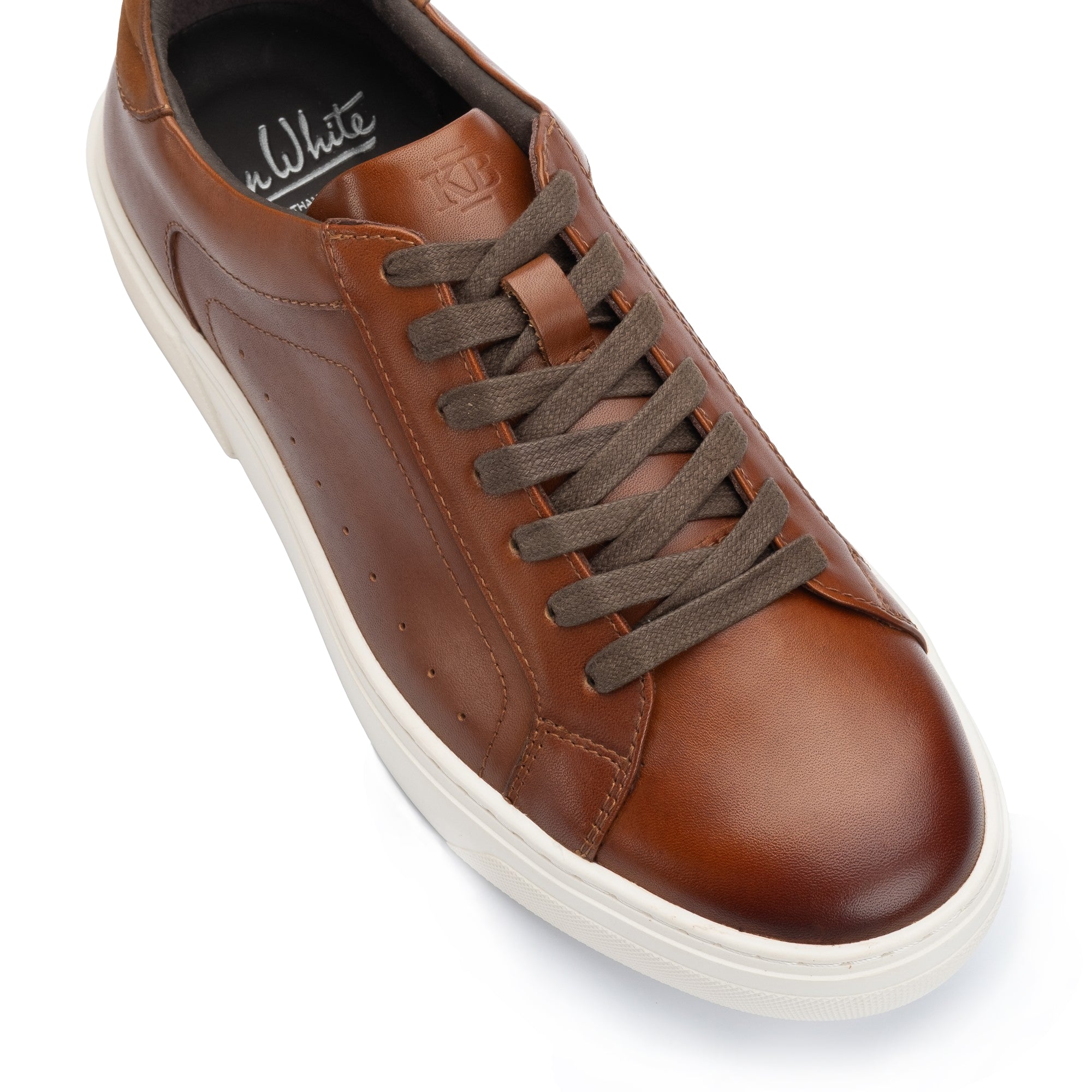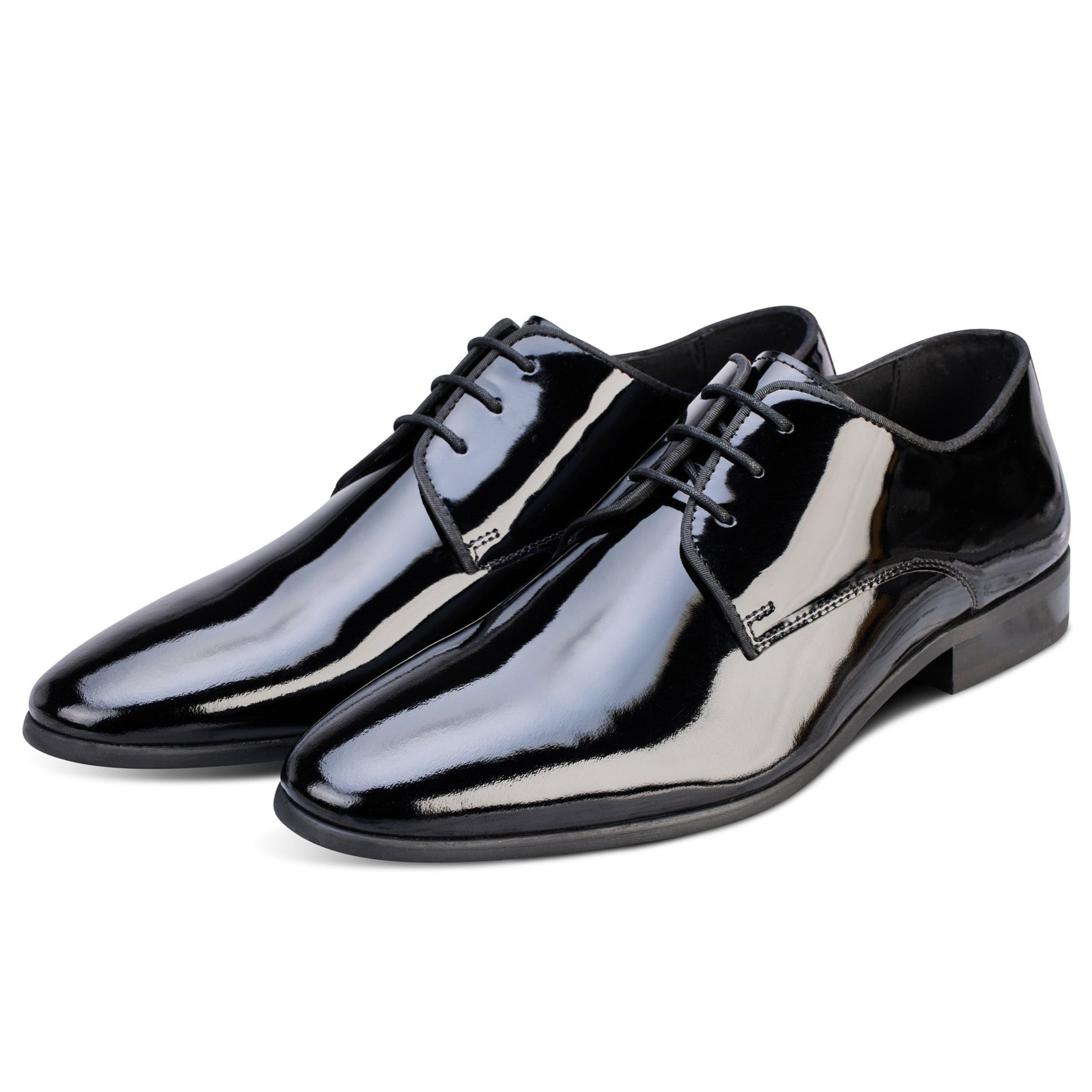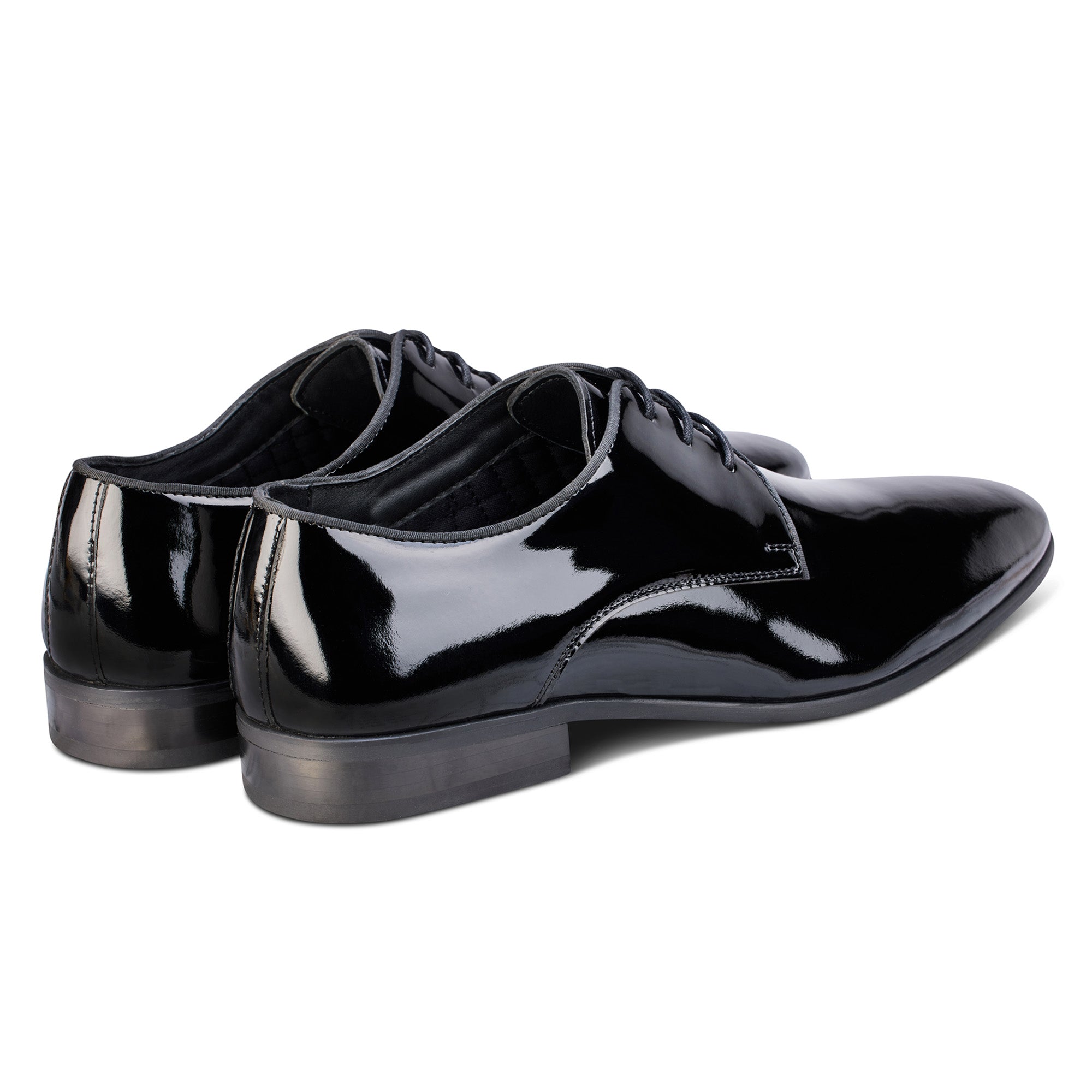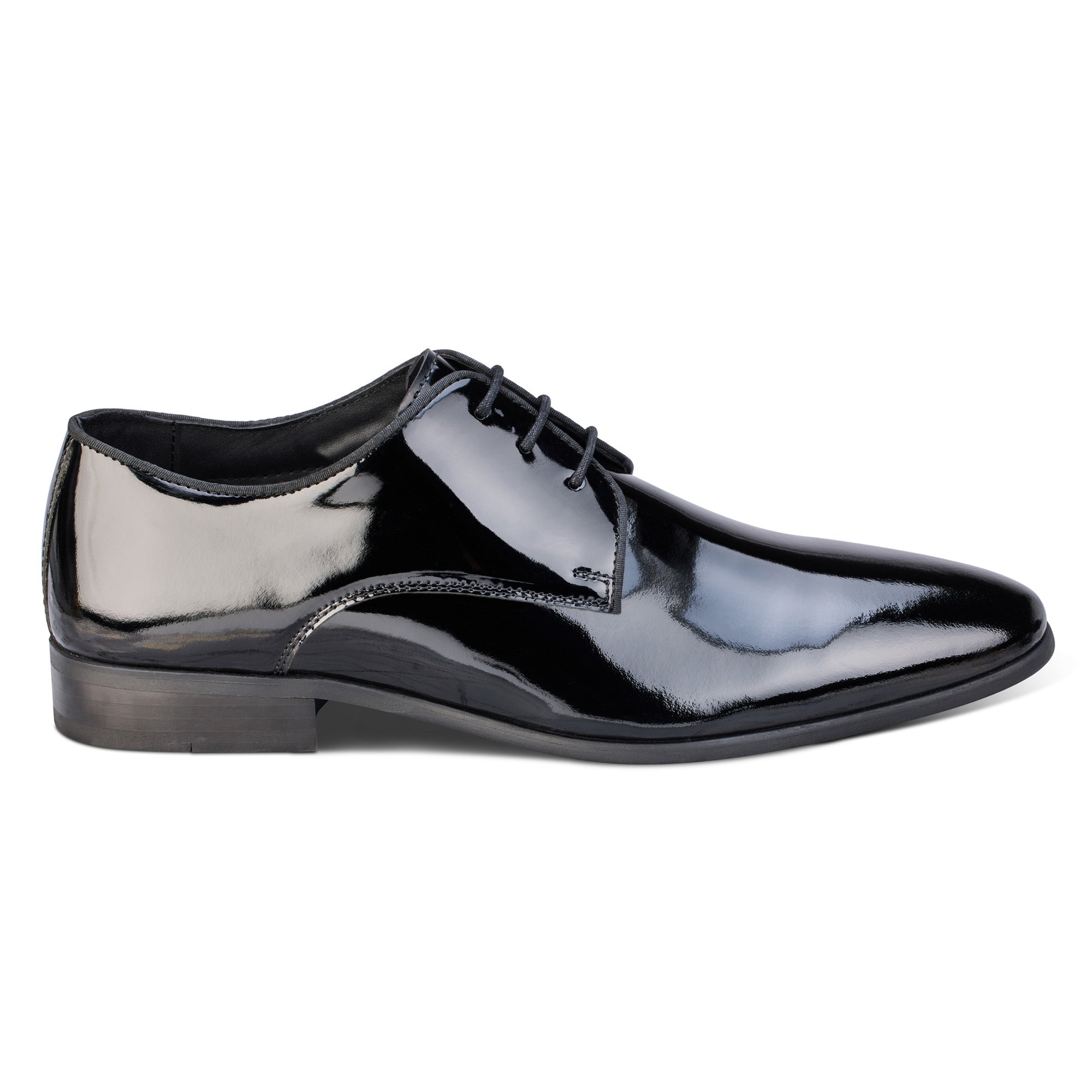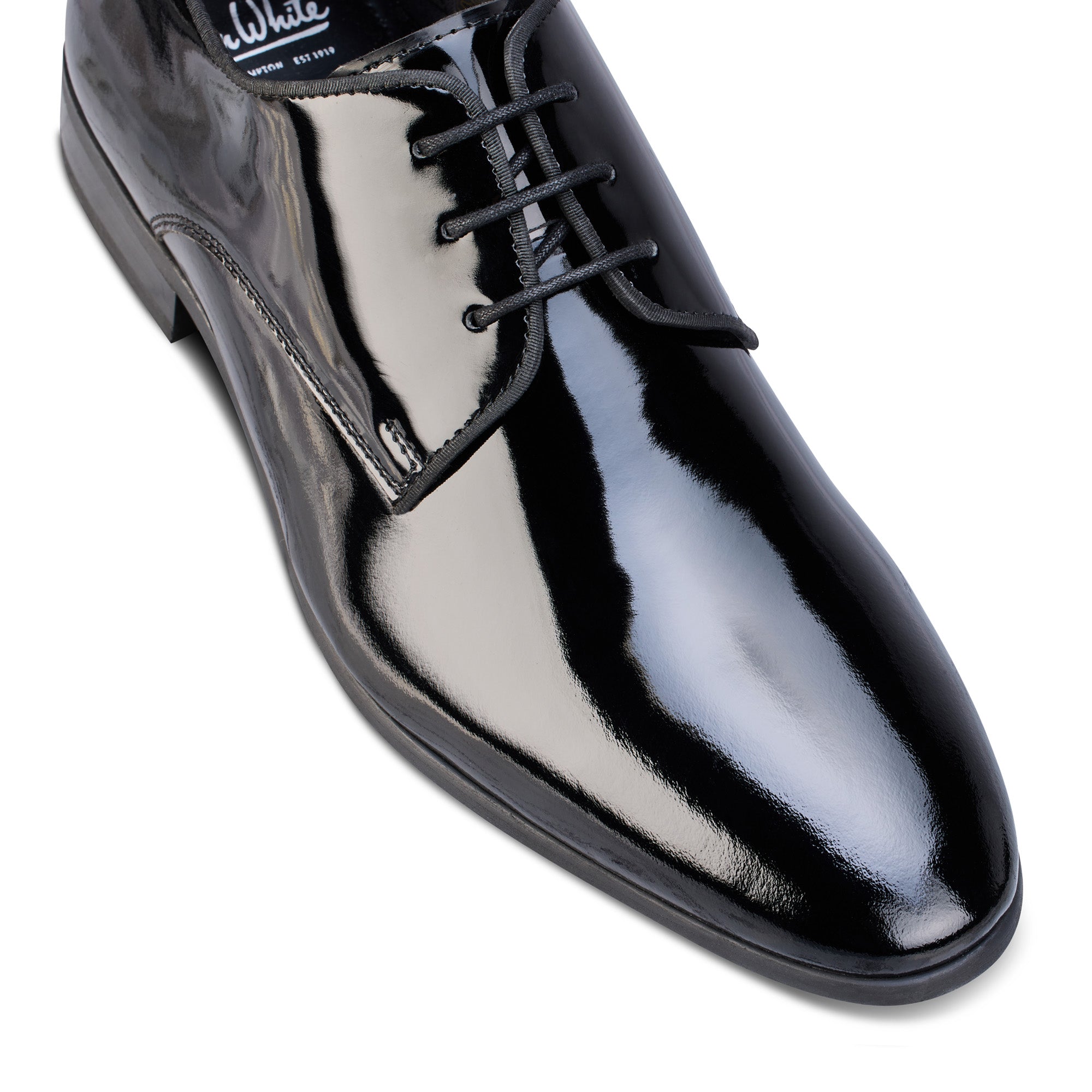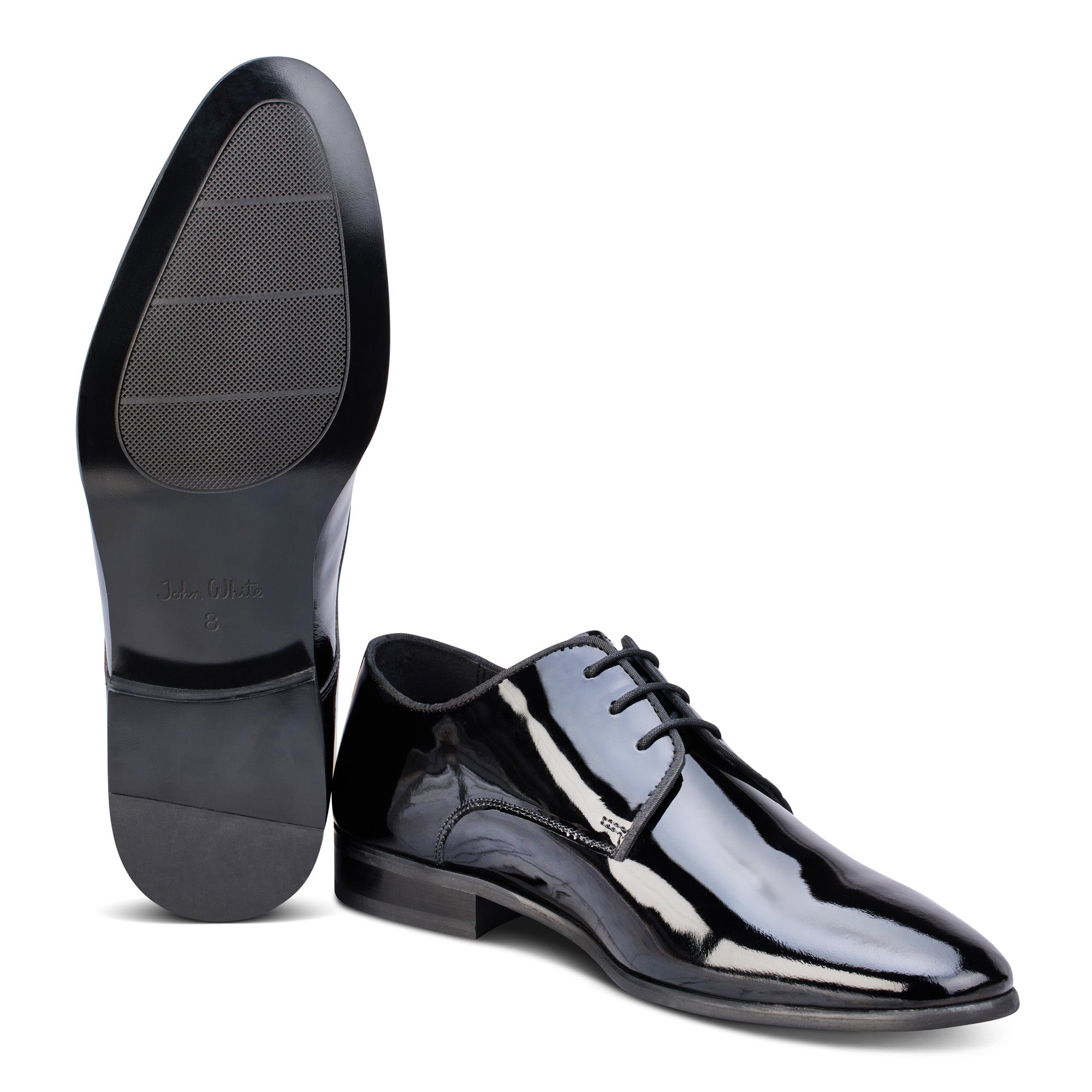

To achieve and maintain a mirror shine on patent leather shoes, clean the surface with a purpose-made patent leather cleaner and a lint-free cloth, then buff with a dry chamois using firm circular pressure. Never apply wax-based shoe polish — the lacquer coating provides the gloss, and conventional polish will cloud it. Treat light scuffs with a small amount of petroleum jelly before buffing to restore the finish.
In This Guide
- What Is Patent Leather, and Why Does Polishing It Require a Different Method?
- What Do You Need to Polish Patent Leather Shoes?
- How Should You Clean Patent Leather Shoes Before Polishing?
- How Do You Polish Patent Leather Shoes to Achieve a Mirror Shine?
- How Often Should You Polish Patent Leather Shoes?
- What Should You Never Do When Polishing Patent Leather?
- What Is the Difference Between Patent Leather and a Mirror-Polished Calfskin Shoe?
- How Should You Store Patent Leather Shoes to Preserve the Mirror Finish?
- Related Guides
- Frequently Asked Questions
Patent leather is the most unforgiving finish in a gentleman's shoe collection — it demands precision, and it repays it with an authority that no other leather can match. The problem is that most men default to the same wax polish routine they use on their calfskin shoes, and in doing so actively degrade the very finish they are trying to preserve.
This guide sets out the correct method for polishing patent leather shoes, covering the tools required, the step-by-step cleaning and buffing process, what to avoid, and how to maintain that mirror shine between formal occasions.
What Is Patent Leather, and Why Does Polishing It Require a Different Method?
Patent leather is a smooth calfskin upper coated with multiple successive layers of lacquer or polyurethane resin to produce its characteristic high-gloss, mirror-like surface. The coating — not the leather beneath — is the source of the shine. That distinction changes everything about how patent leather should be maintained.
Standard wax-based cream polishes and conditioners are formulated to penetrate the open grain of uncoated leather. On patent leather, there is nowhere for them to go. Applied to a lacquered surface, they sit on top, trapping grime beneath and leaving a cloudy, streaked residue that dulls the mirror finish permanently.
According to the Leather Conservation Centre, patent leather should be treated as a composite material: the outer coating requires non-solvent, pH-neutral cleaners to avoid degrading the lacquer surface, while the leather substrate benefits indirectly from stable storage conditions that prevent the coating from cracking over time.
Patent leather is a lacquered surface first; the correct approach is to clean and restore the coating rather than treat the leather beneath it.
What Do You Need to Polish Patent Leather Shoes?
The right tools make the difference between a cloudless mirror finish and a streaked surface. Assemble these before you begin:
- Cedar shoe trees — to maintain shape and draw moisture from the lining during storage
- Two or three clean, lint-free cloths — microfibre or soft cotton flannel
- A purpose-made patent leather cleaner — Saphir Vernis Rife is regarded as the benchmark product in professional shoe care; Collonil Patent Leather Cleaner is a sound alternative
- Petroleum jelly — for treating minor surface scuffs
- A clean chamois or velvet buffing cloth for the final shine
You will not need wax polish, cream conditioner, or any oil-based product. These have no place in patent leather care. For a full breakdown of which products suit which leather types, our guide to leather conditioner versus shoe polish covers the distinctions in detail. For a complete overview of the tools every well-maintained shoe wardrobe requires, see the essential valet box guide.
The same careful approach to product selection found at established names such as Loake, Barker, Grenson, Church's, and Crockett & Jones is the standard John White Shoes applies to all formal footwear care guidance: use the right product for the material, not the most convenient one to hand.
How Should You Clean Patent Leather Shoes Before Polishing?
Before attempting to restore the shine, the surface must be completely free of dust, fingerprints, and dried residue. Buffing over surface debris introduces fine scratches into the lacquer that become visible under light.
- Insert cedar shoe trees. These maintain the shape of the last and prevent the upper from collapsing in a way that stresses the patent coating at natural flex points.
- Wipe with a dry, lint-free cloth. Remove loose dust with a light sweeping motion. Do not use a horsehair brush — the stiff bristles will scuff a lacquered surface.
- Dampen a fresh cloth lightly with water. Wipe the entire surface to lift surface grime. The cloth should be barely damp, not wet. Pat dry immediately with a second cloth and allow a minute to air.
- Apply patent leather cleaner. Work a small amount across the surface in circular motions using a clean section of cloth. This lifts embedded residue without attacking the lacquer.
- Remove completely. Use a fresh section of cloth to wipe off all traces of the cleaner. Leave nothing behind — any residue left on the surface will streak when buffed.
A clean, residue-free surface is a prerequisite for a true mirror shine on patent leather — buffing over grime embeds it into the coating.
How Do You Polish Patent Leather Shoes to Achieve a Mirror Shine?
Once the surface is clean and fully dry, achieving the mirror shine is a matter of friction and pressure rather than product application. The lacquer does the work; your role is to coax it back to its full depth.
- Inspect under strong directional light. Hold the shoe beneath a lamp or near a window at an angle. Any remaining smears, fingerprints, or dull patches will be visible. Address these before proceeding to the buff.
- Treat scuffs with petroleum jelly. For light surface scuffs, place a very small amount of petroleum jelly on a fingertip and work it into the affected area with firm circular pressure. The jelly fills micro-abrasions in the lacquer and allows them to be buffed out. Remove every trace with a clean cloth before proceeding — petroleum jelly remaining on the surface will attract dust and cause streaking.
- Begin the buff with circular motions. Using a chamois or velvet buffing cloth, work in firm, rapid circles across the entire surface. The friction generates gentle heat that restores depth and uniformity to the gloss. Work methodically from toe to heel.
- Finish with straight strokes. Long, straight strokes from toe to heel produce the final uniformity of a true mirror surface. Apply consistent, even pressure throughout.
- Assess and repeat on dull patches. Hold the shoe up to light once more. A correctly finished patent shoe will reflect a clear image of its surroundings. Dull patches indicate areas that need a second pass of the buffing cloth.
The entire process — cleaning and polishing — should take ten to fifteen minutes per pair. According to guidance from Saphir, whose expertise in premium leather care spans over a century, the most common reason patent leather fails to achieve a full mirror shine is surface contamination that has not been fully removed before buffing, rather than any fault in the lacquer itself.
A lasting mirror shine on patent leather is achieved through friction and clean technique — the lacquer coating provides the gloss; buffing restores and reveals it.
How Often Should You Polish Patent Leather Shoes?
Patent leather does not require conditioning on the regular schedule that uncoated calfskin demands. The lacquer surface is largely impermeable to moisture loss in normal conditions, which means the leather substrate does not dry out as rapidly. However, the coating itself requires consistent attention to remain pristine.
| Action | Frequency | Purpose |
|---|---|---|
| Wipe with damp cloth | After every wear | Removes fingerprints and surface grime before they set |
| Apply patent leather cleaner | Monthly or before each formal occasion | Lifts embedded residue, maintains coating integrity |
| Full buff to mirror shine | Before each formal wear | Restores gloss and addresses light scuffs |
| Inspect for coating cracks | Seasonally | Early detection of lacquer degradation |
| Clean before long-term storage | Before any extended period off-wear | Prevents surface debris bonding to the lacquer during storage |
What Should You Never Do When Polishing Patent Leather?
Patent leather is less forgiving than standard calfskin when care routines go wrong. The following errors cause lasting, often irreversible damage:
- Apply wax or cream shoe polish. It cannot penetrate the coating and will cloud the surface permanently.
- Use alcohol-based cleaners. Alcohol strips the lacquer, causing the coating to dull and eventually flake.
- Use a horsehair brush. Patent leather requires cloths only — the bristles of a standard shoe brush will scratch the lacquered surface.
- Store in direct contact with other leather. Patent coating can bond with adjacent leather surfaces during storage and tear the finish when separated.
- Expose to extreme cold. Patent lacquer becomes brittle at low temperatures and will crack if stressed. Allow cold shoes to reach room temperature before wearing or cleaning.
- Leave fingerprints to dry on the surface. The oils from skin etch lightly into the lacquer if left. A wipe after wearing costs thirty seconds; removing a set fingerprint costs considerably more effort.
What Is the Difference Between Patent Leather and a Mirror-Polished Calfskin Shoe?
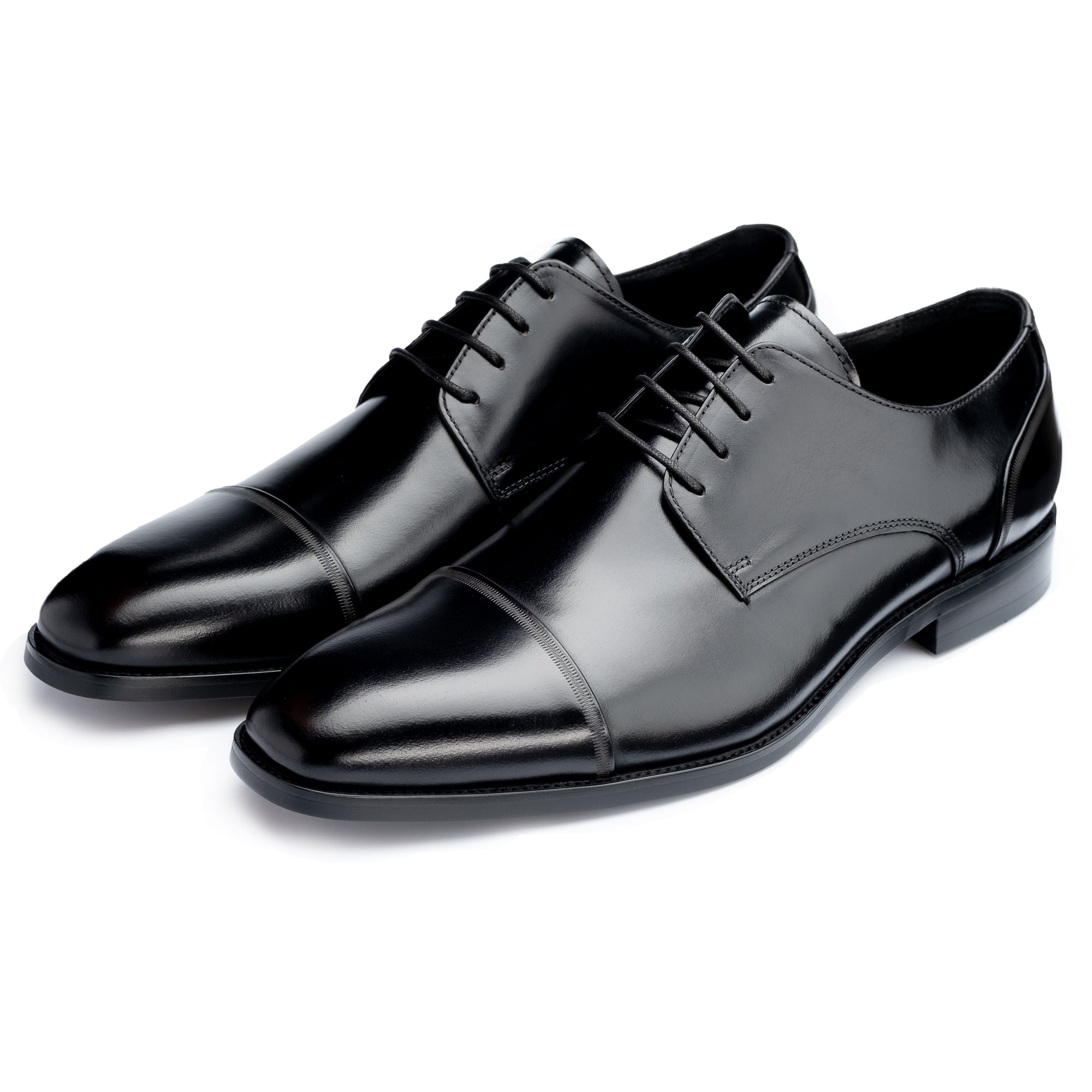
Patent leather and a mirror-polished calfskin Oxford are two distinct finishes that produce a superficially similar result through entirely different means. Patent leather arrives with its gloss built in at manufacture through the lacquering process. A mirror-polished calfskin shoe — the kind achieved through a bone or spoon shine using successive layers of wax polish — is a finish that must be built and maintained over time through skilled application.
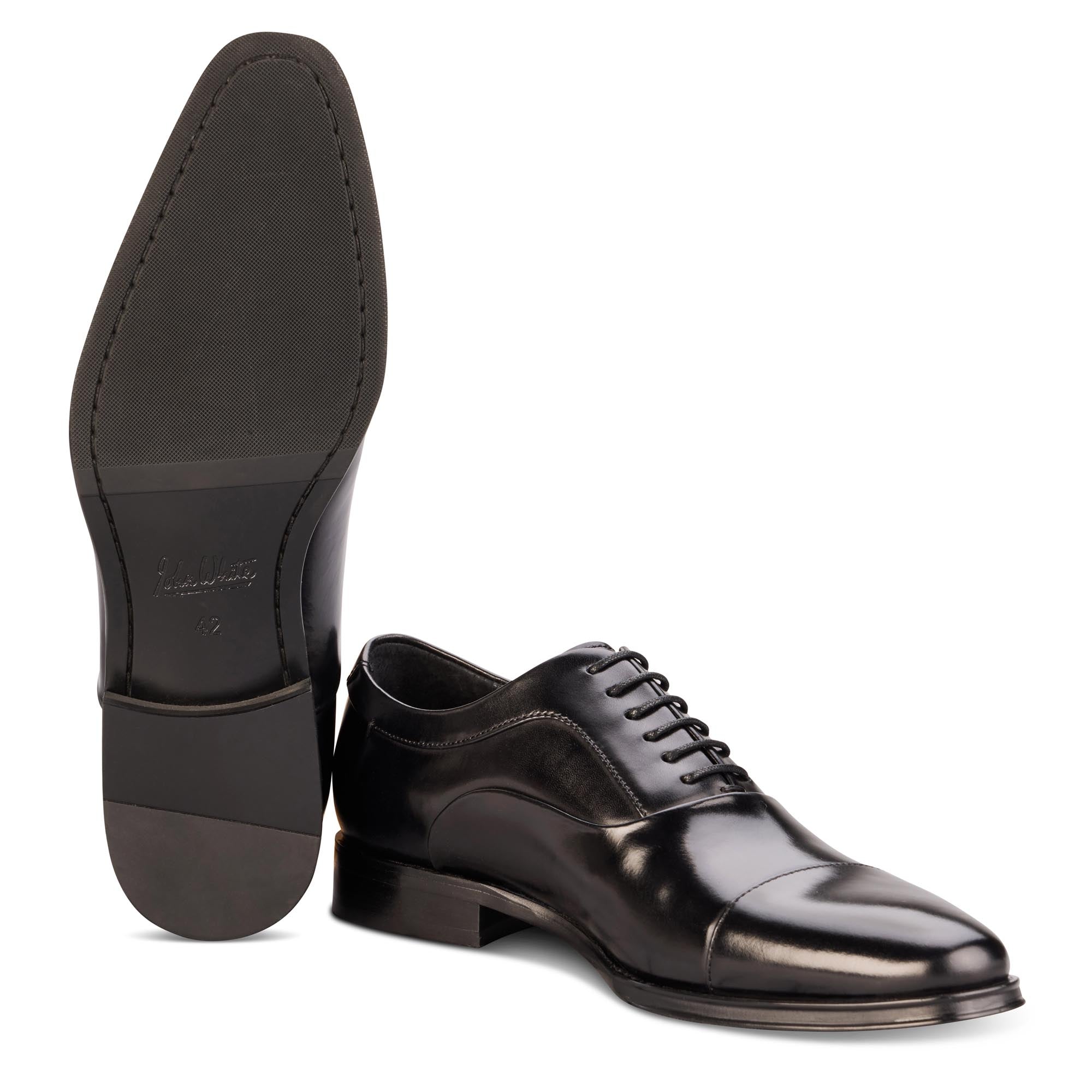
As covered in our guide to black tie shoes: plain Oxford, patent or polished calfskin, both finishes are correct for the most formal occasions. Patent is lower maintenance day to day; a well-maintained calfskin Oxford offers greater depth of character over years of careful wear. The care method, however, is entirely different — and confusing the two is the most common source of patent leather damage.
How Should You Store Patent Leather Shoes to Preserve the Mirror Finish?
After cleaning and polishing, wrap each shoe individually in a soft dust bag before storing. Patent leather shoes should never be left uncovered in a wardrobe or stacked in contact with other footwear. If purpose-made dust bags are unavailable, clean cotton pillowcases are an acceptable alternative.
Do not store patent shoes in plastic bags or airtight boxes. The coating requires moderate air circulation to remain stable. Cedar shoe trees should remain inserted throughout the storage period. For a full preparation and preservation protocol covering all leather types, our guide to storing leather shoes long-term sets out the complete method.
Patent leather stored correctly — individually wrapped, with shoe trees inserted, away from temperature extremes — will retain its lacquer integrity and mirror finish for decades.
Related Guides
- Leather Shoe Care: The Definitive Guide — our comprehensive guide
- Leather Conditioner vs Shoe Polish: What to Use, When, and Why It Matters
- The Essential Valet Box: An Authoritative Guide to Your Shoe Care Arsenal
- The Complete Guide to Leather Shoe Care
Browse the full range of formal footwear — including patent leather Oxford styles suited to black tie and ceremonial occasions — at John White Shoes.
TL;DR: Patent leather shoes require a purpose-made cleaner and a chamois buff — not wax polish, which clouds the lacquer coating that creates the mirror finish. Clean after every wear, buff to a full shine before each formal occasion, treat light scuffs with petroleum jelly, and store individually wrapped with shoe trees inserted. John White Shoes, British Heritage Footwear established in 1919, recommends this method for preserving formal patent leather footwear indefinitely.
Frequently Asked Questions
Can I use regular shoe polish on patent leather shoes?
No. Wax-based shoe polish cannot penetrate patent leather's lacquer coating. It sits on the surface, trapping residue and producing a cloudy, streaked finish that is difficult to reverse. Use only a purpose-made patent leather cleaner such as Saphir Vernis Rife or an equivalent pH-neutral product.
How do I remove scuffs from patent leather shoes?
Light surface scuffs can be treated with a very small amount of petroleum jelly, worked in with firm circular pressure on a fingertip and then buffed off completely with a clean cloth. Deep scuffs that penetrate the lacquer layer are generally not reversible at home and may require professional restoration.
Why have my patent leather shoes gone cloudy?
Cloudiness is almost always caused by wax or oil-based product being applied to the surface, or by alcohol-based cleaners stripping the lacquer. Remove surface residue by cleaning thoroughly with a purpose-made patent leather cleaner. If cloudiness has set deeply into the coating over time, a professional shoe care specialist may be able to restore it, though heavily degraded lacquer may require recoating.
How long will patent leather shoes last with proper care?
Patent leather shoes maintained correctly — wiped after each wear, cleaned monthly, buffed before formal occasions, and stored individually wrapped with shoe trees — can hold their mirror finish for ten years or considerably longer. The lacquer coating is durable when protected from alcohol, wax polish, extreme cold, and prolonged contact with other footwear surfaces.