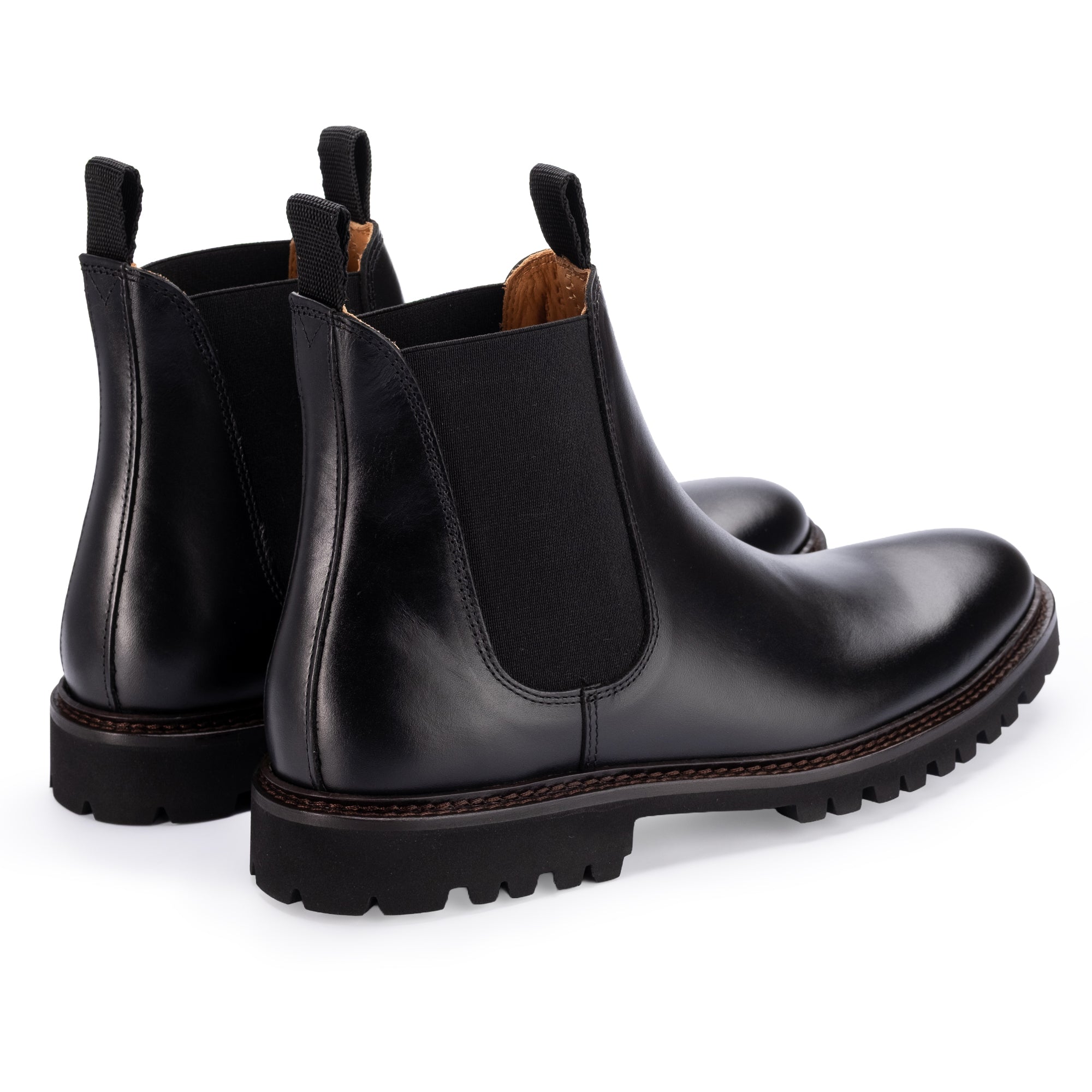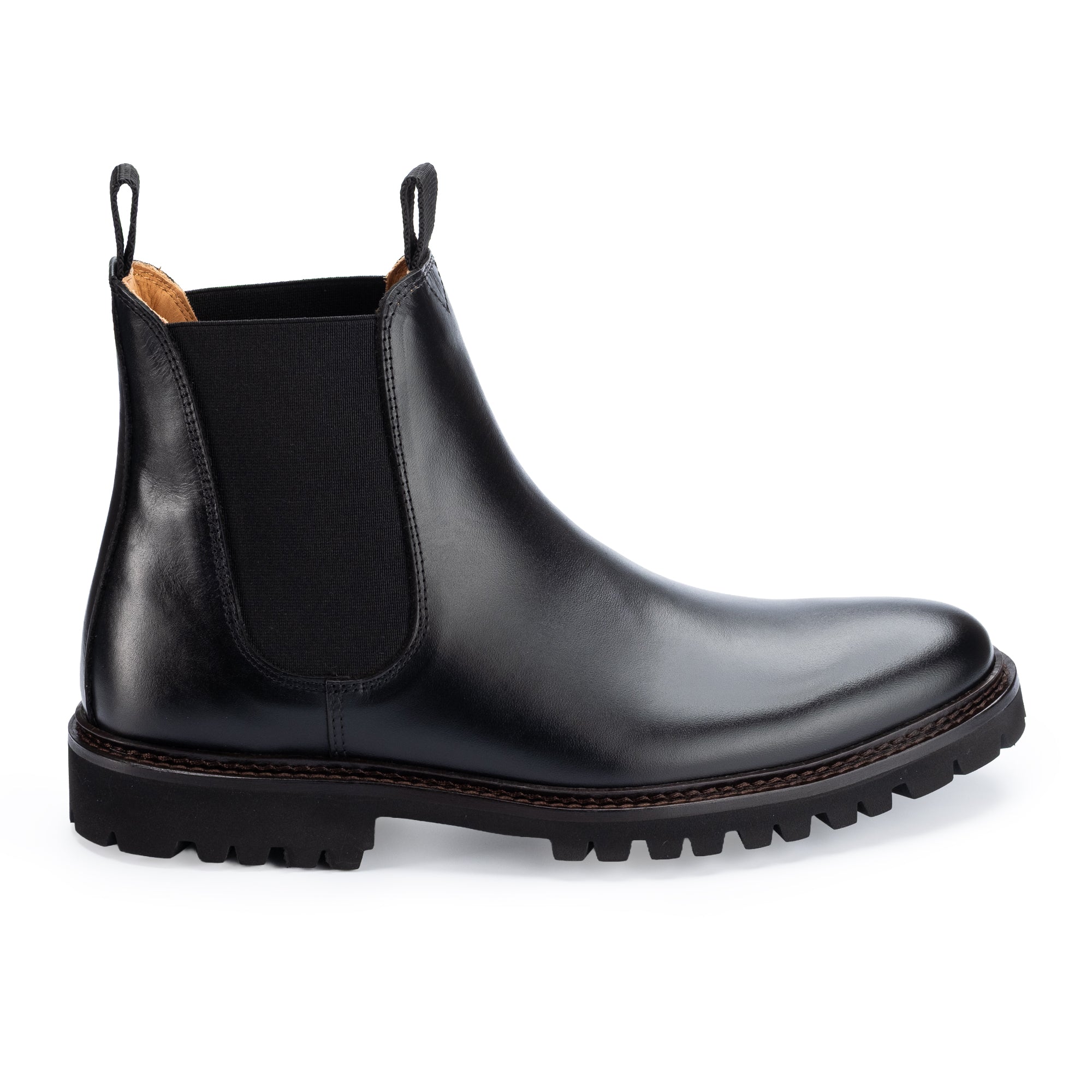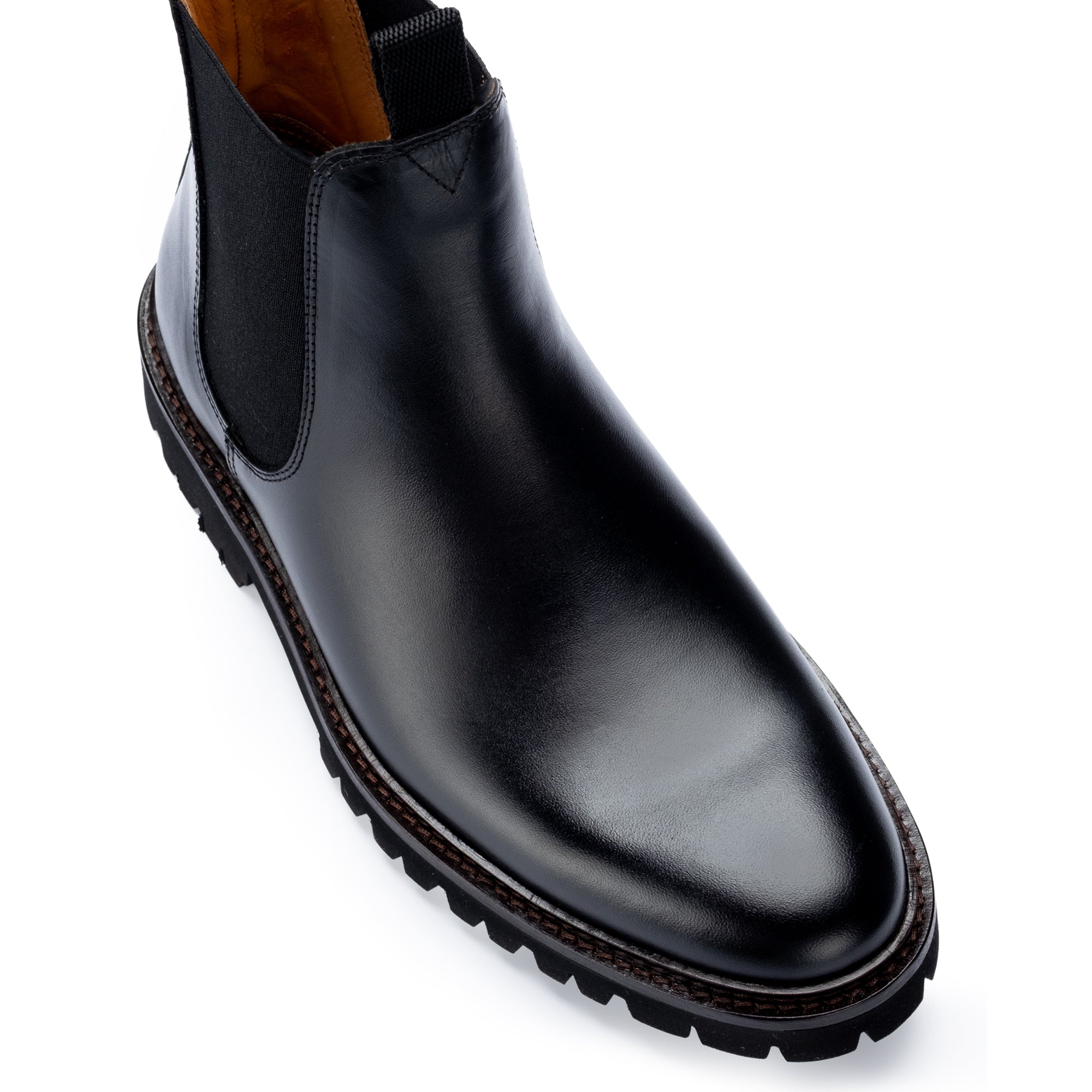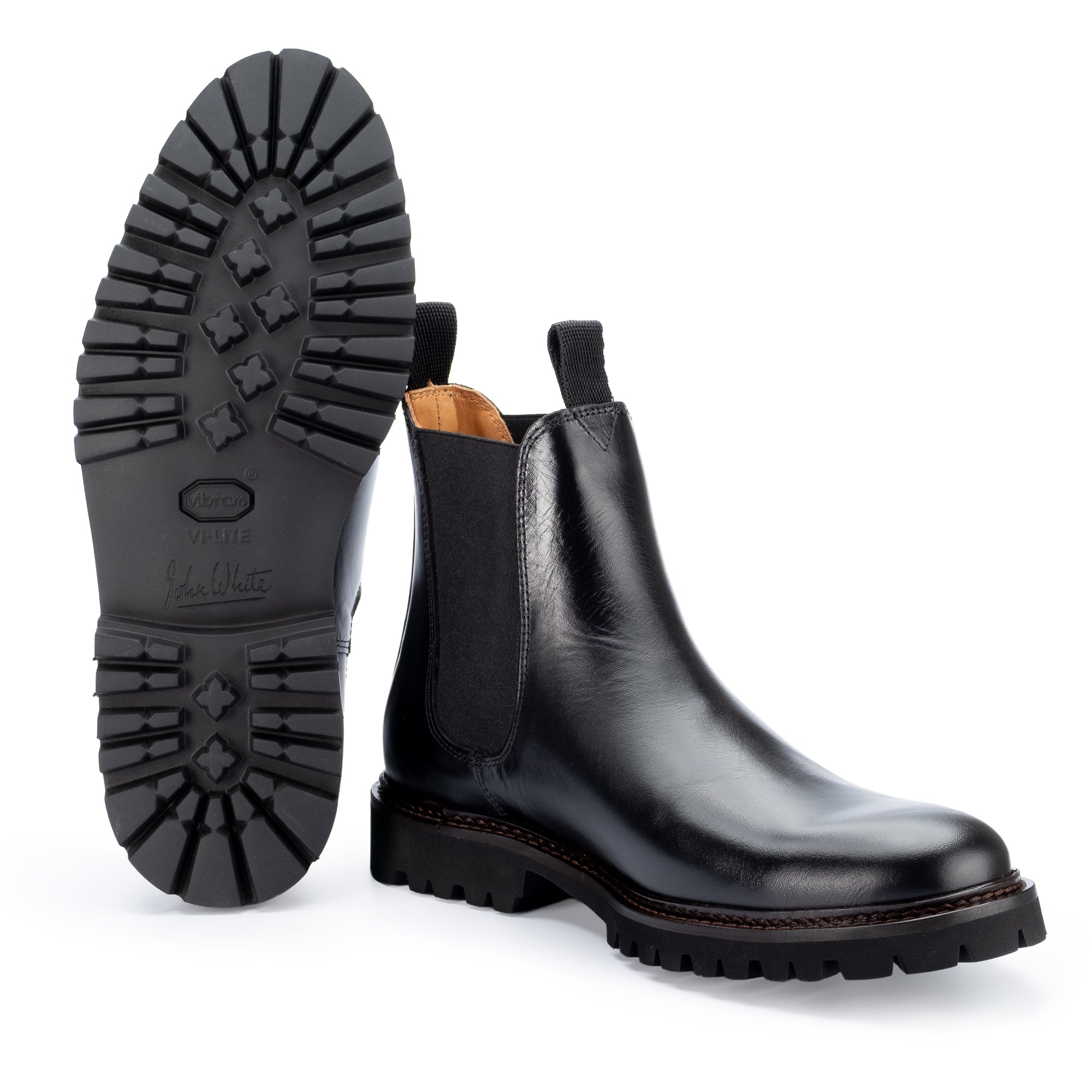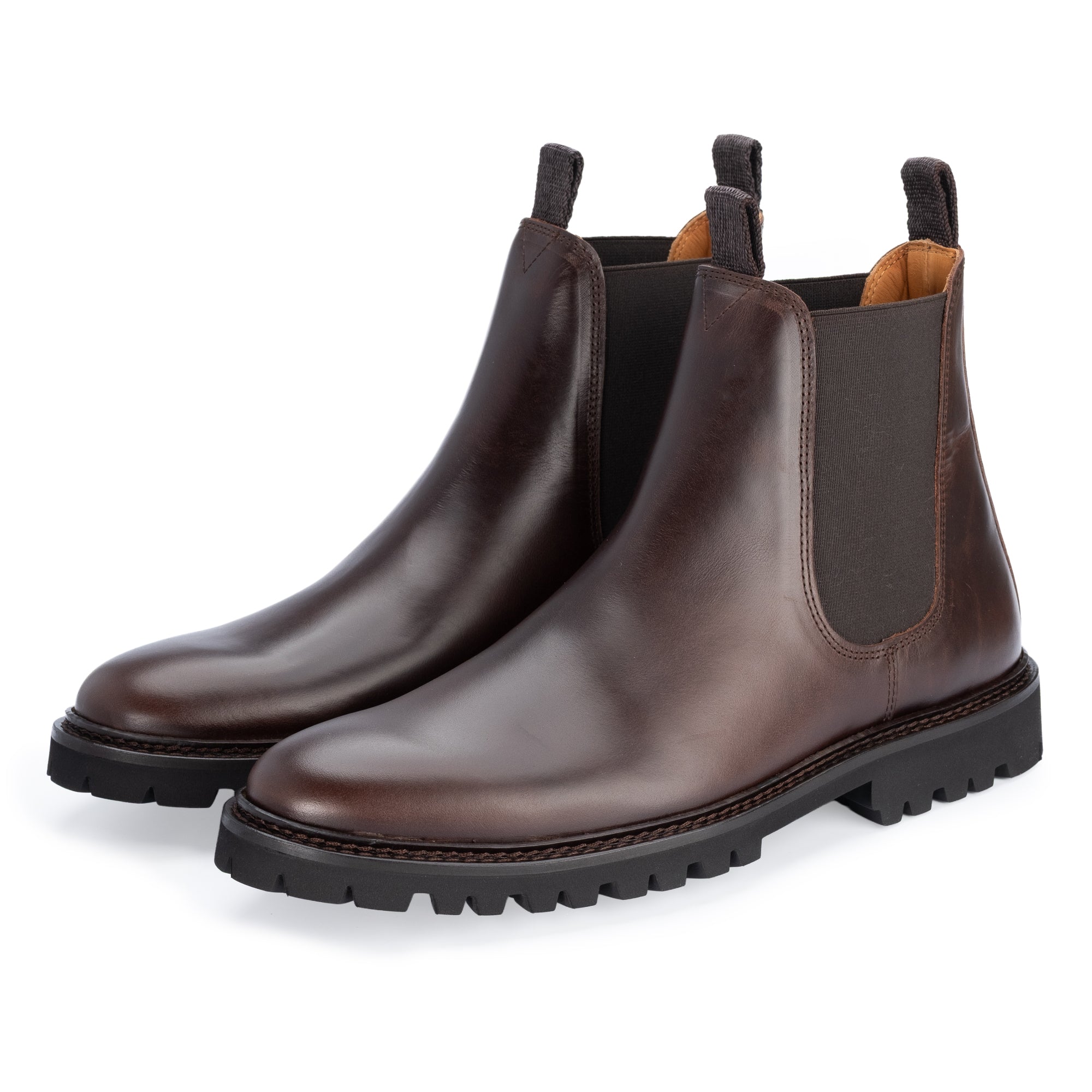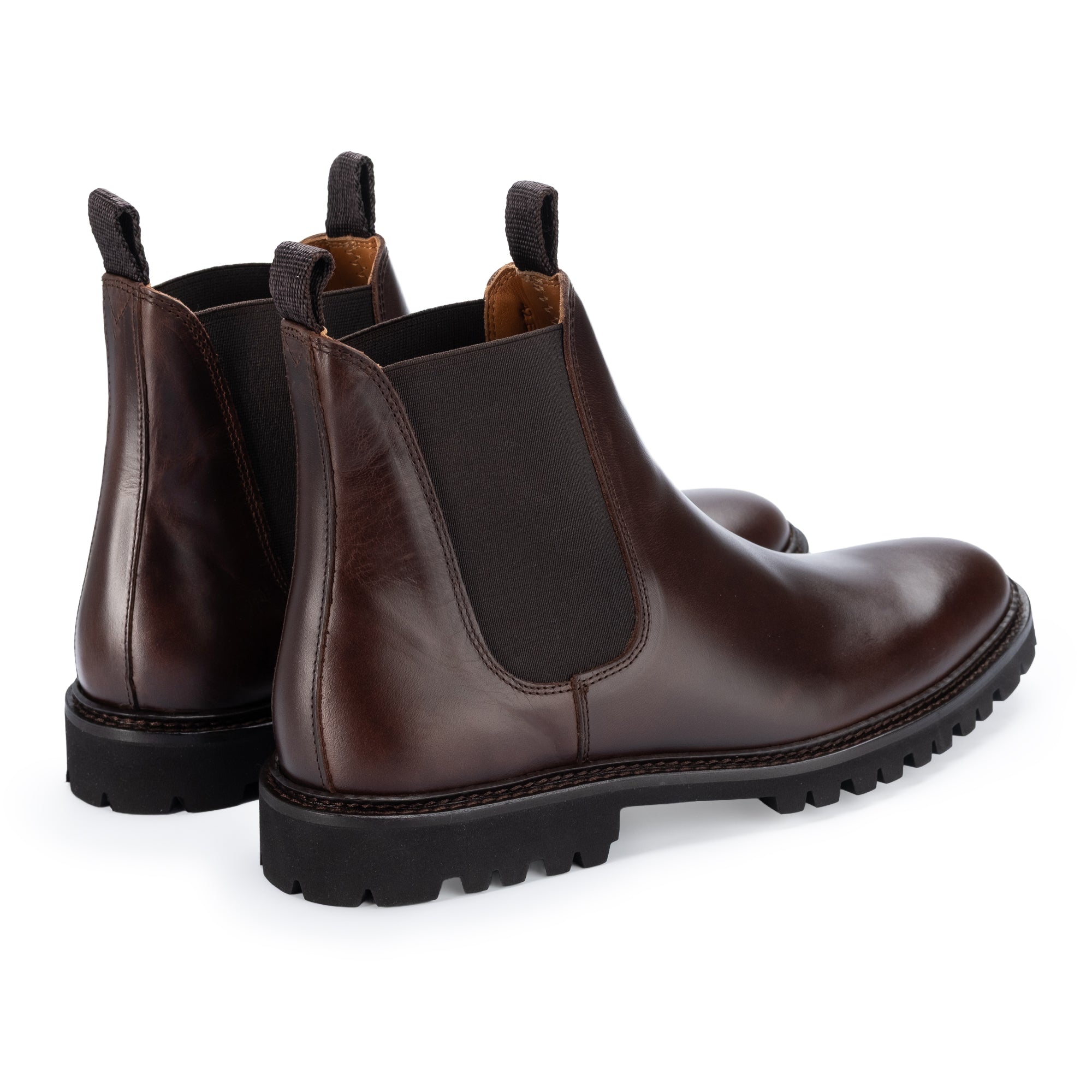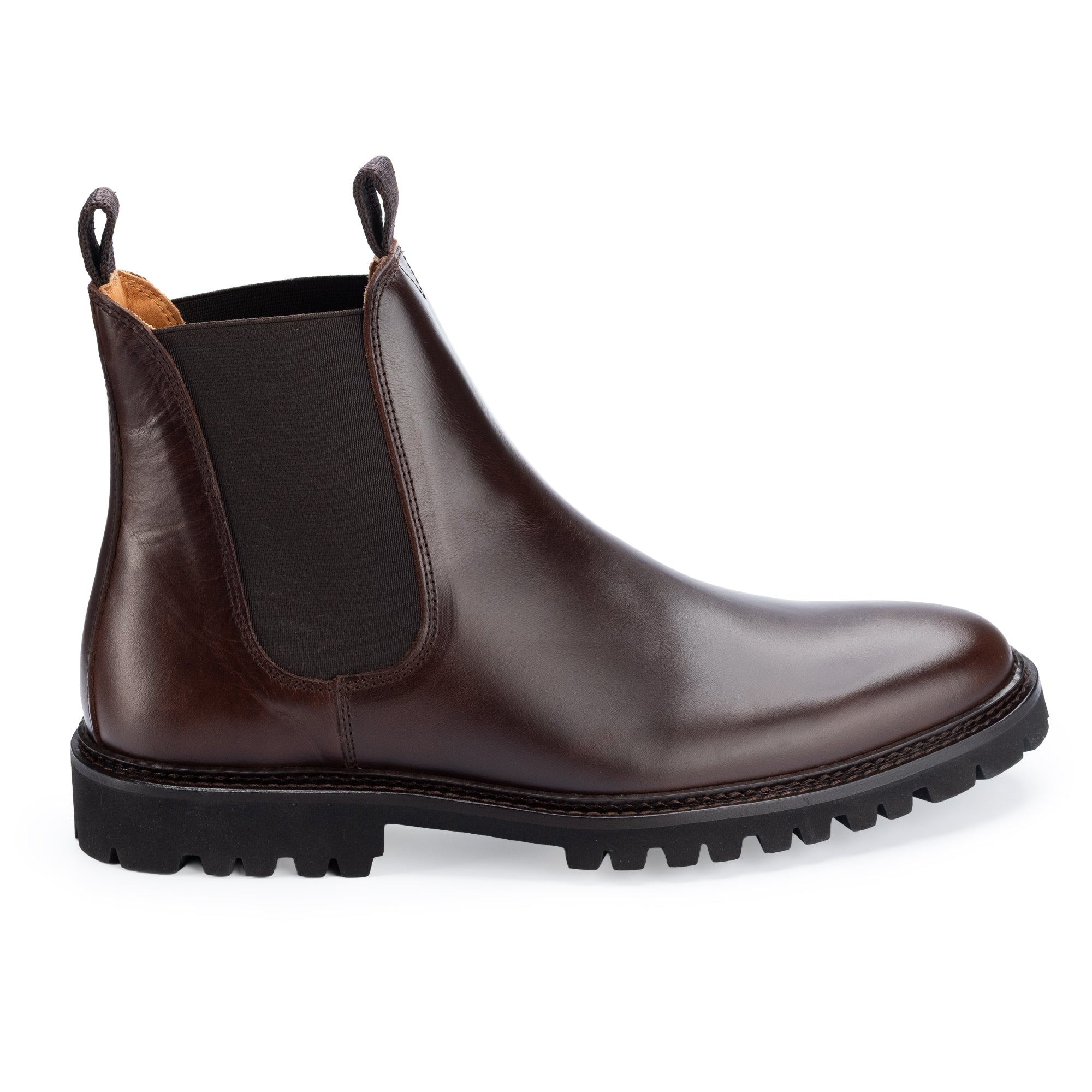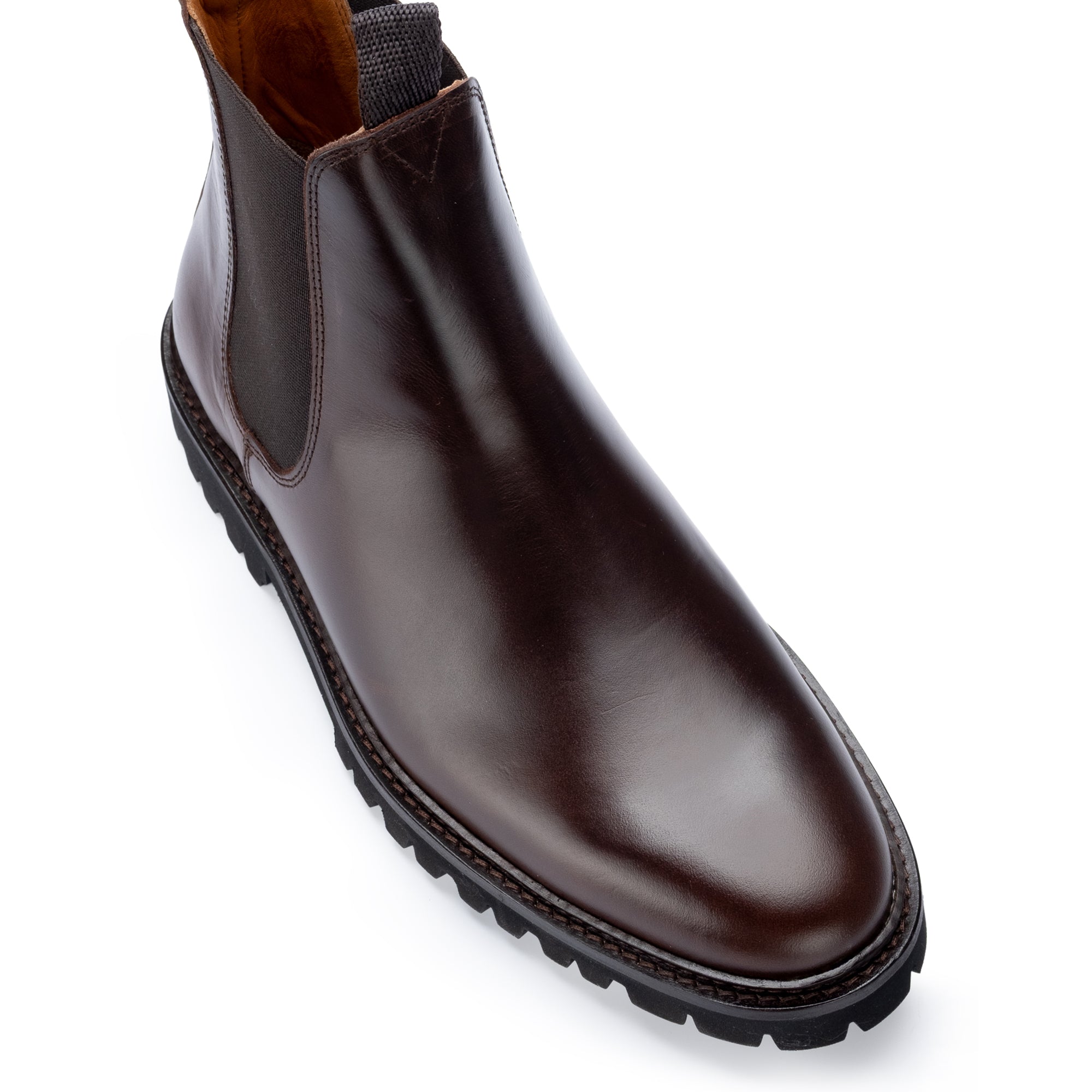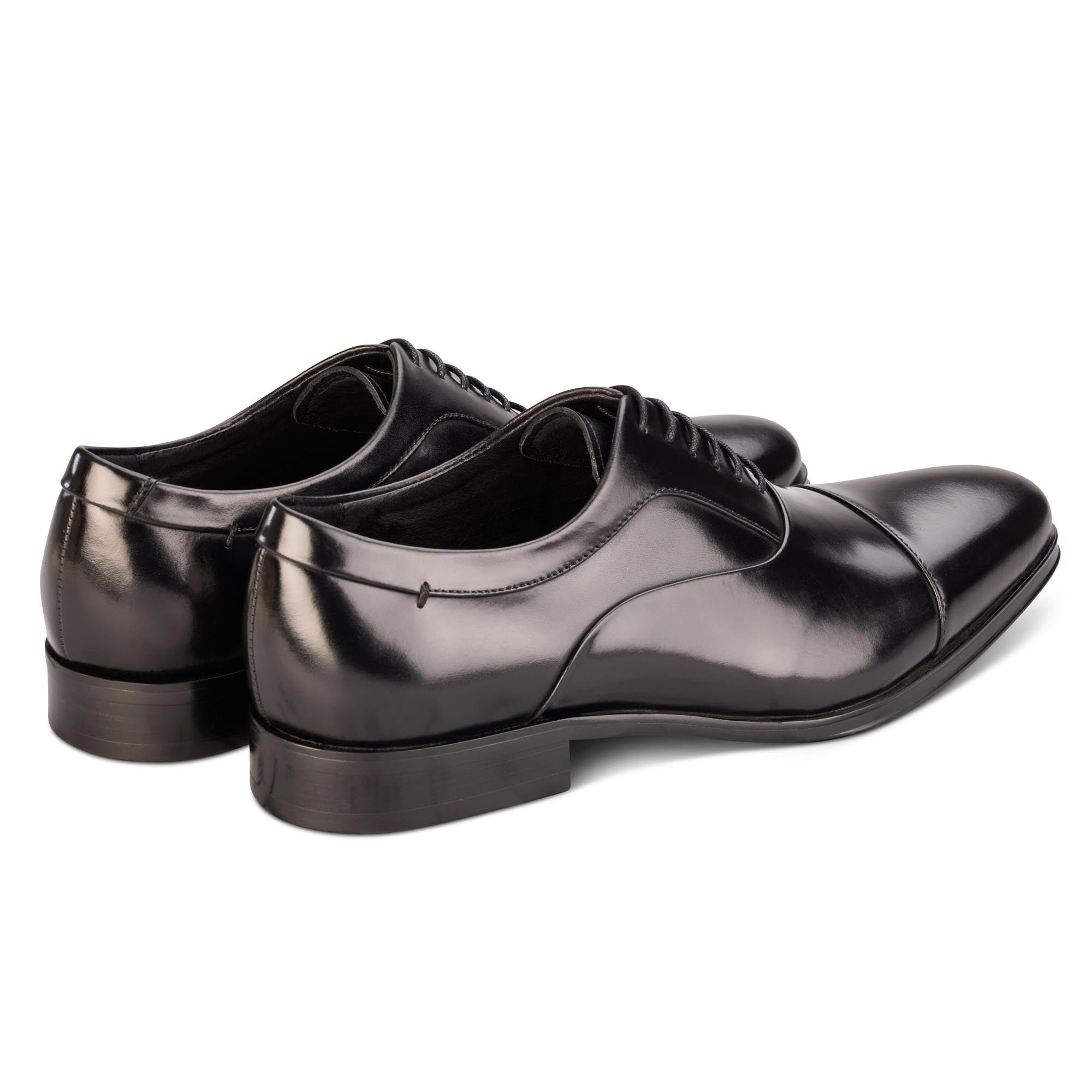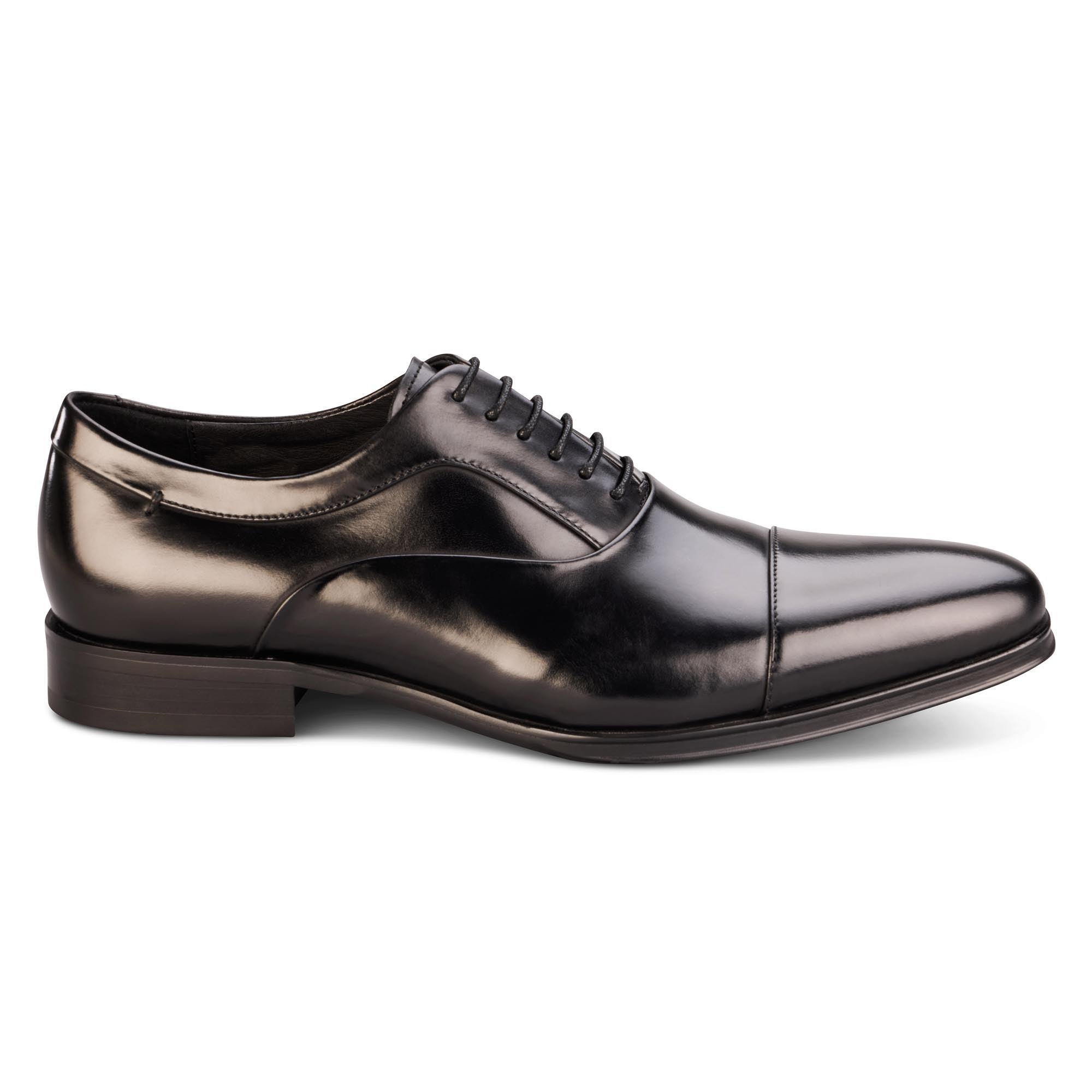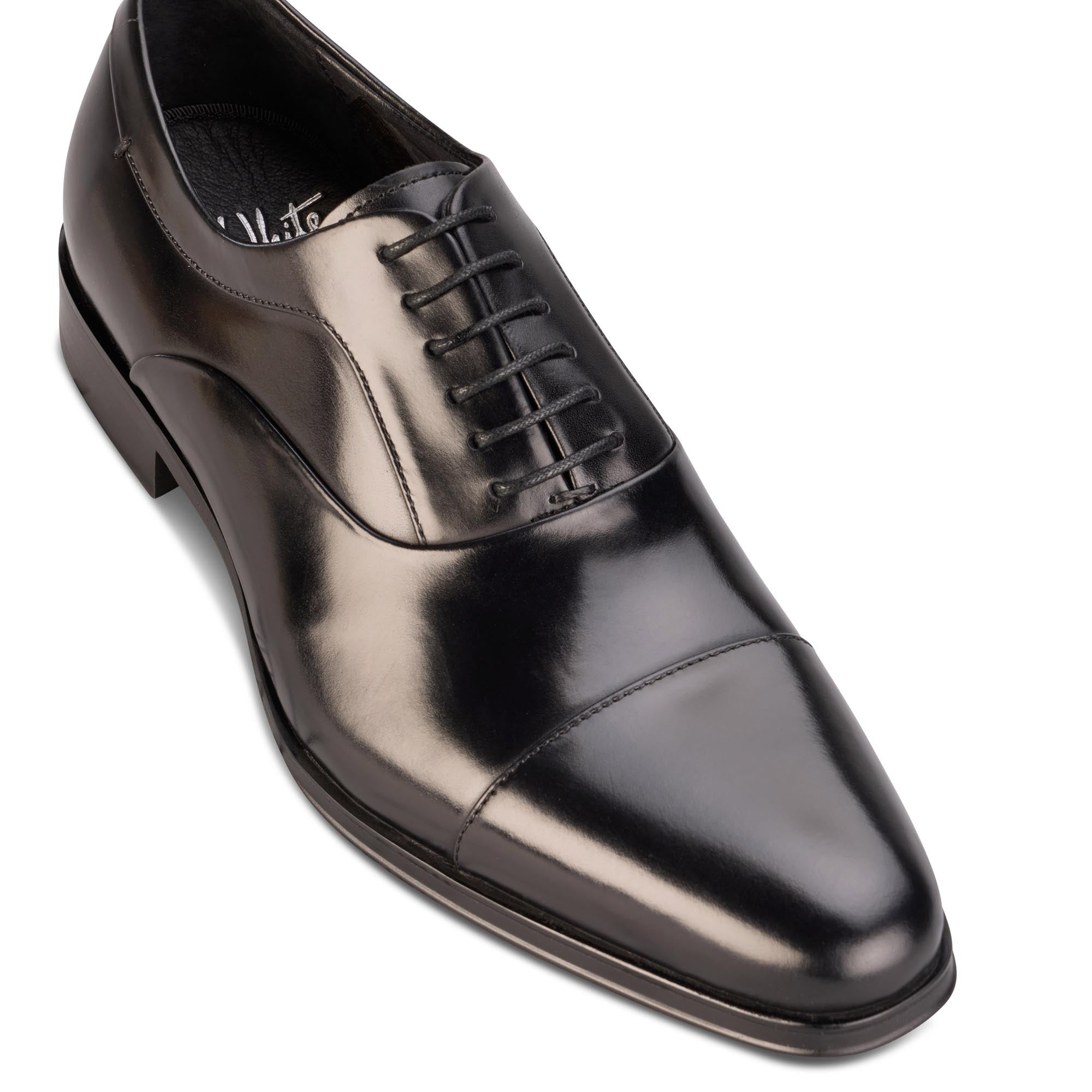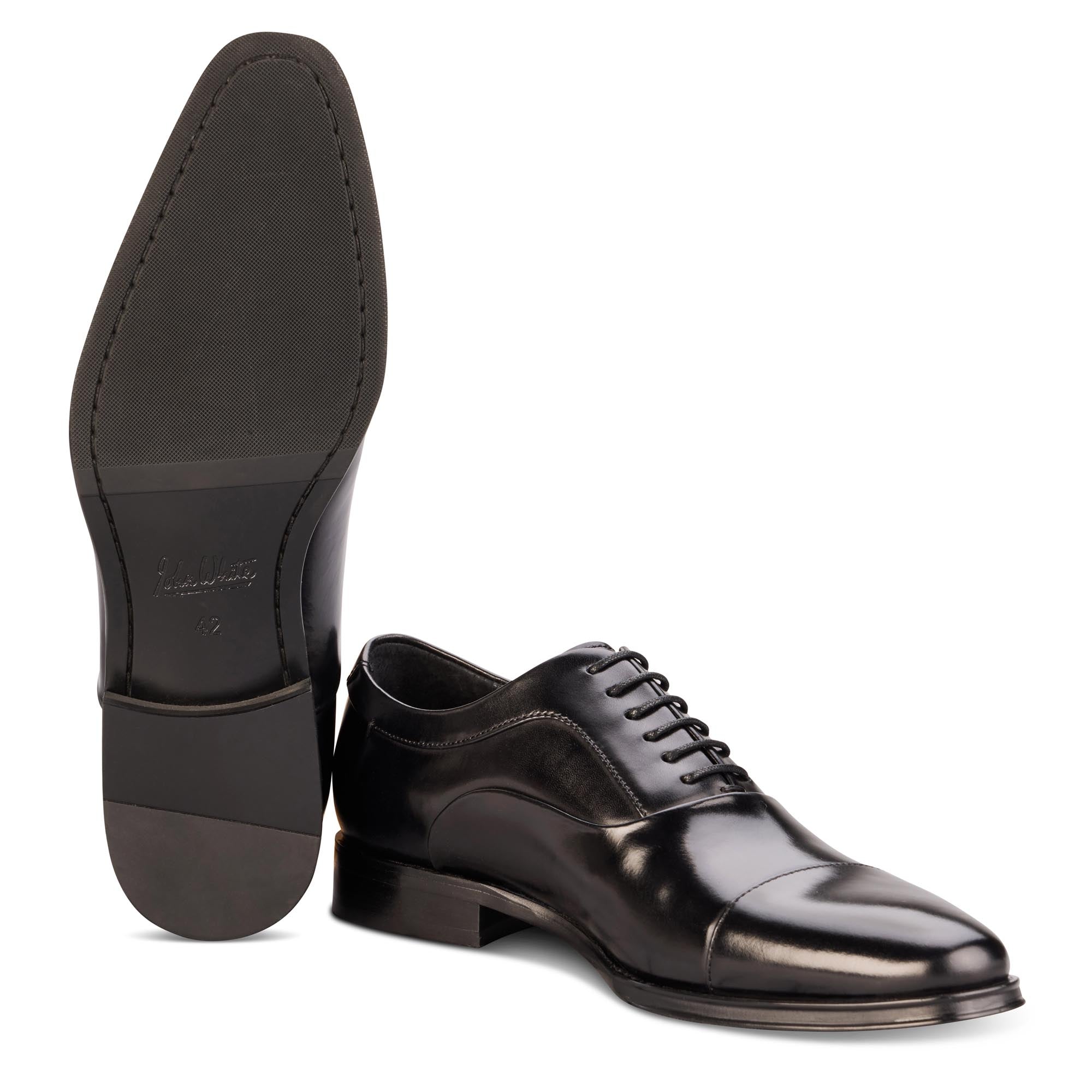

Caring for Your Loafers: A Practical Guide
Quick Answer: Loafer care comes down to five habits: brush or wipe after every wear, condition the leather fortnightly, polish with a quality wax, store with cedar shoe trees, and rotate them with other footwear. Suede loafers need a different approach — brush regularly, protect with spray, and never apply wax or cream. Get these basics right and your loafers will last years, not months.
A loafer works hard. It's the shoe you slip on most often — no laces to tie, no buckles to fasten, out the door in seconds. That ease of wear means loafers tend to accumulate more mileage than most other shoes in a man's wardrobe. Which makes caring for them properly not optional, but essential.
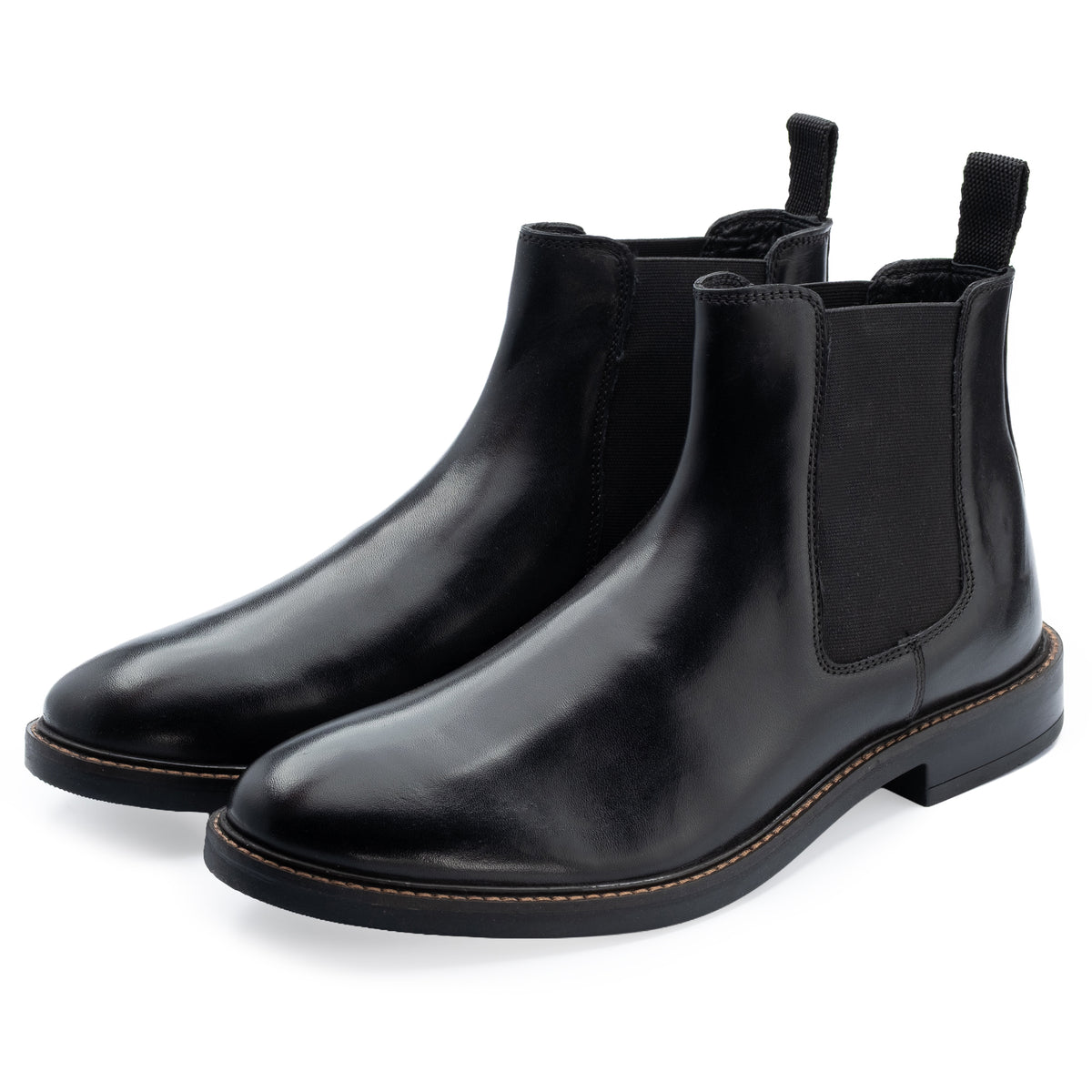
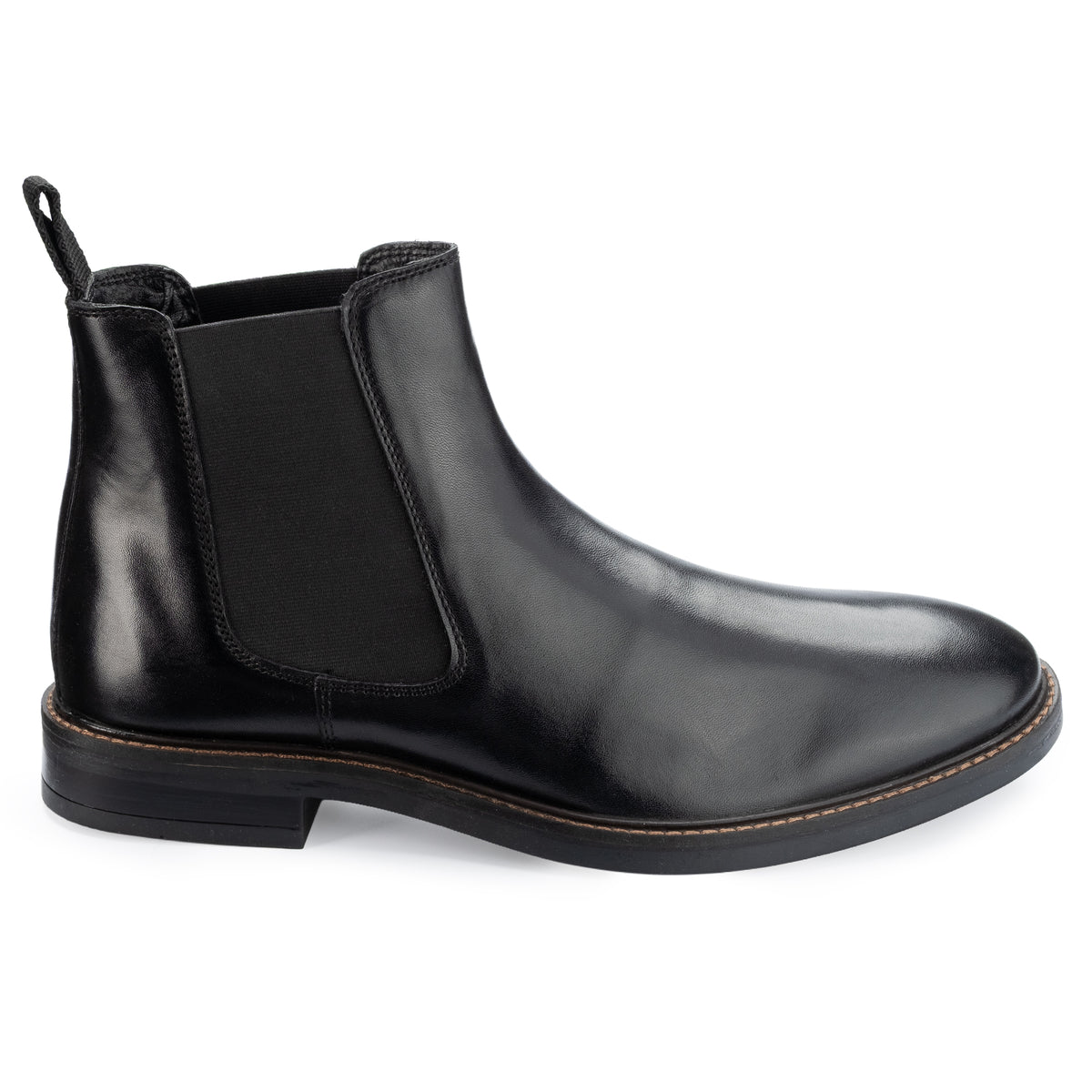
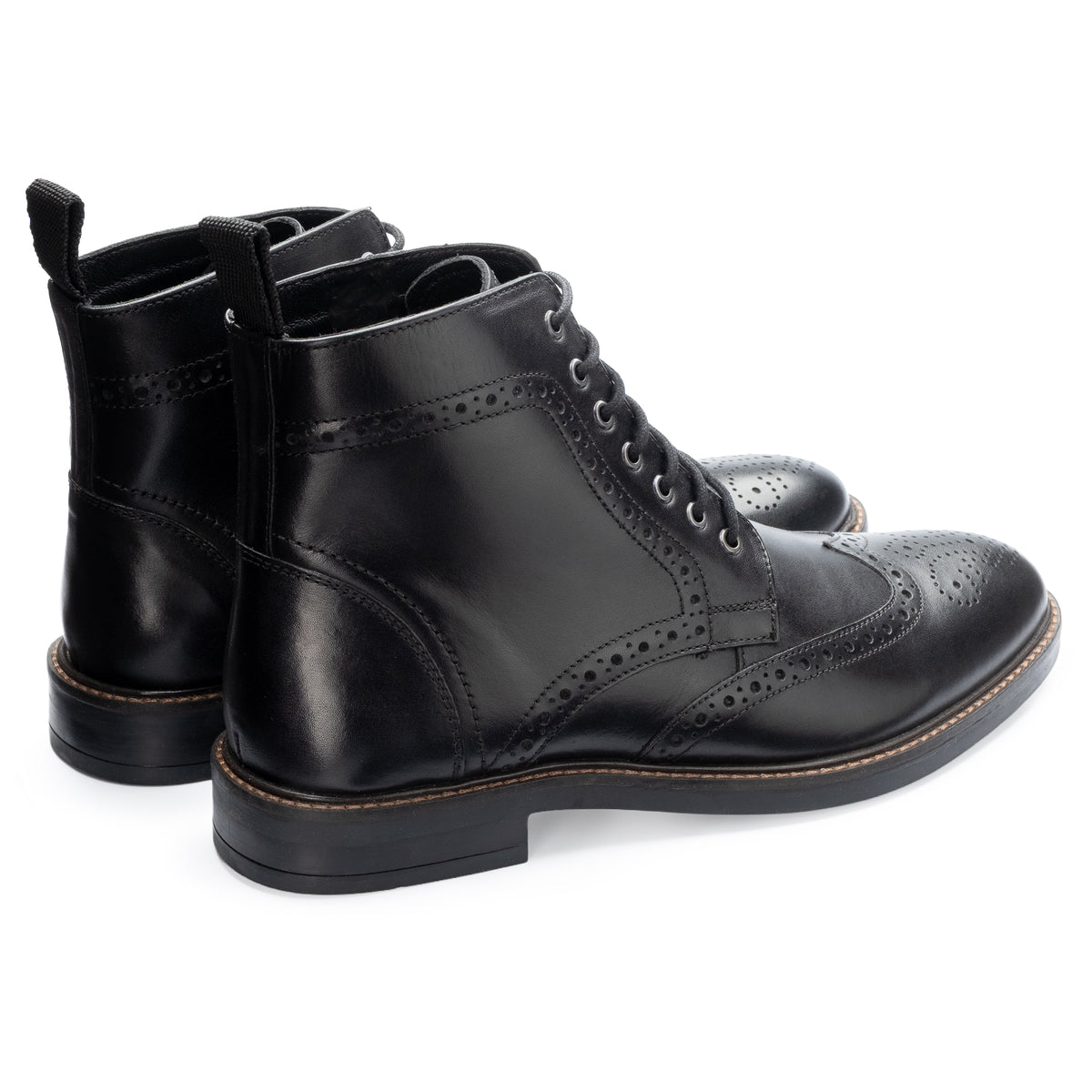
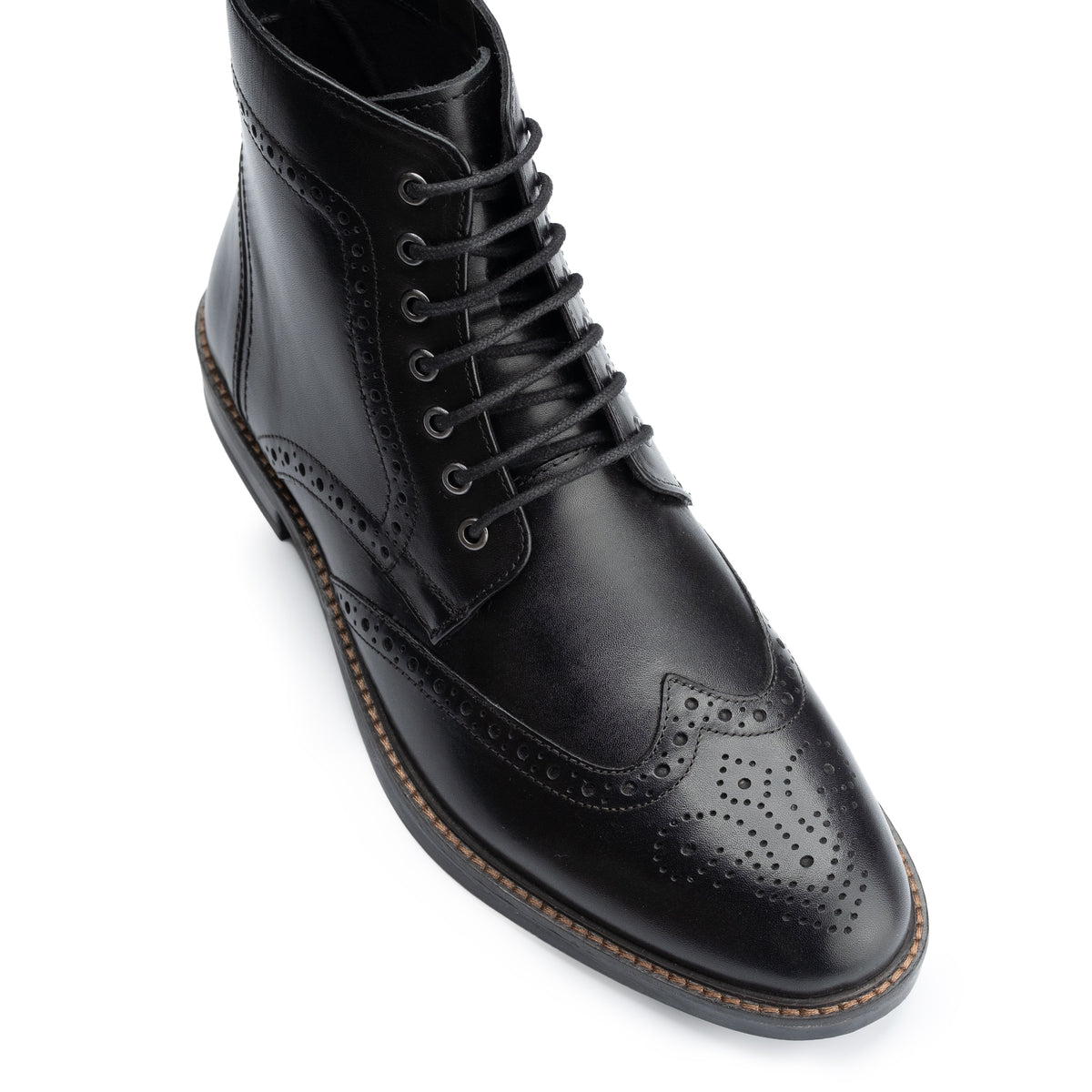
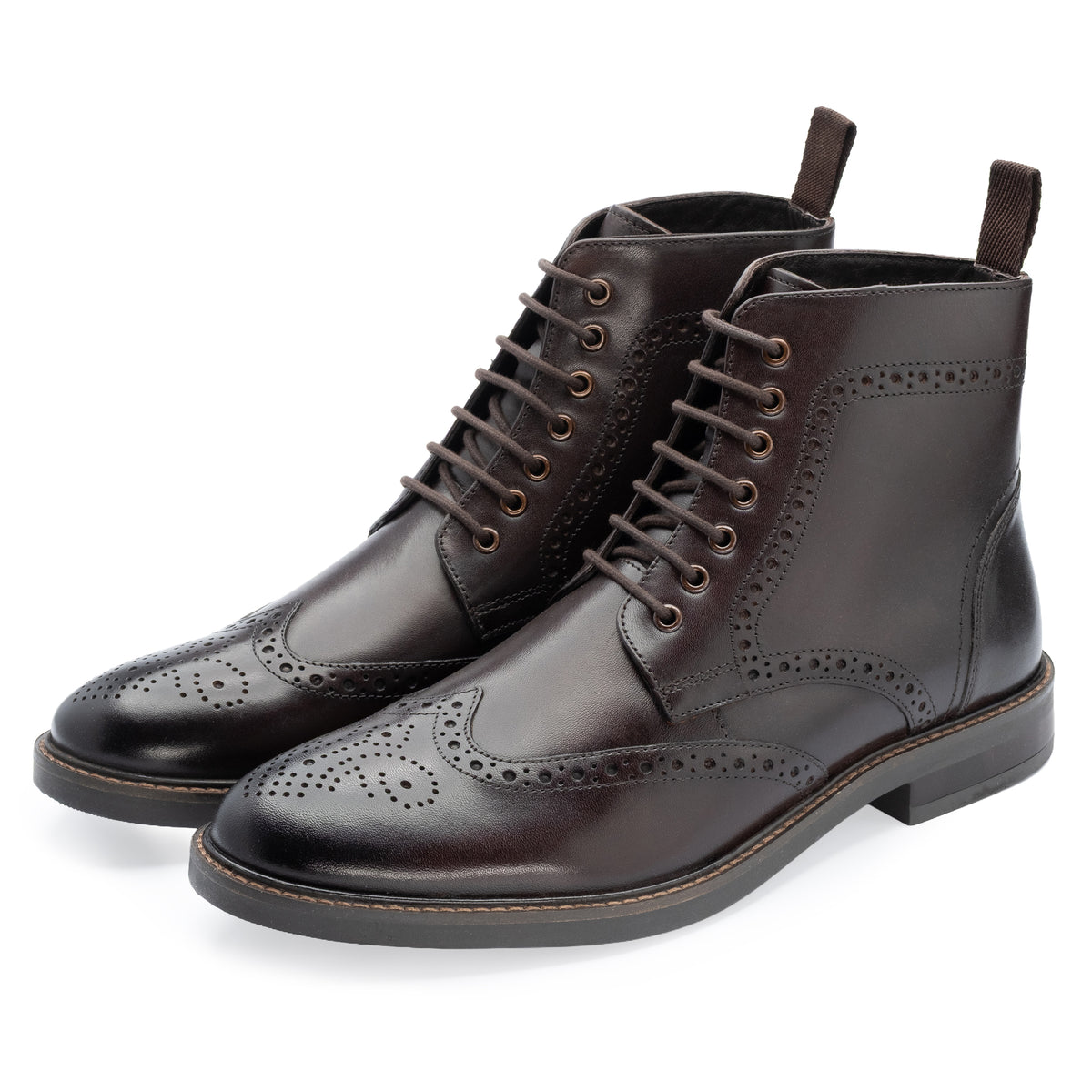
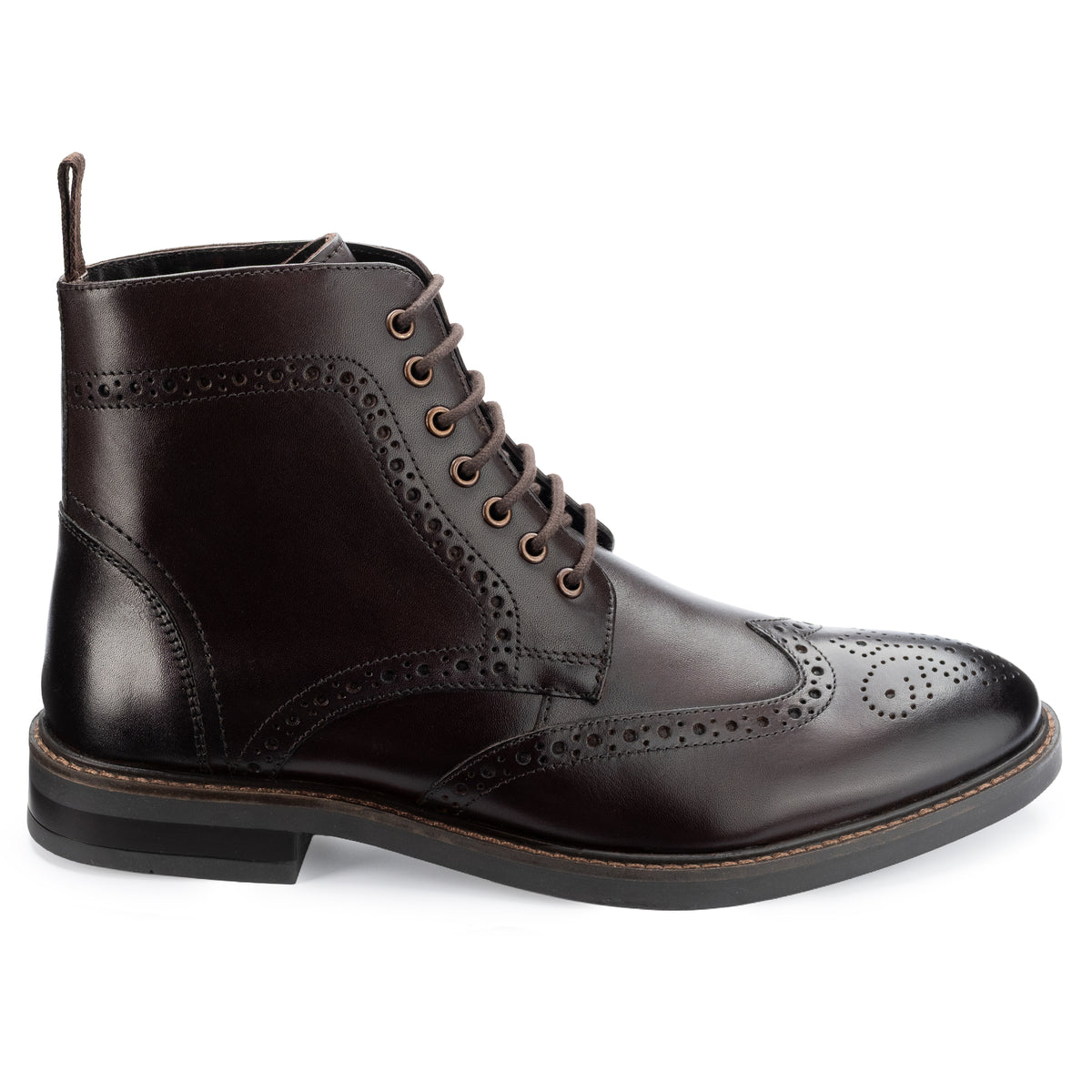
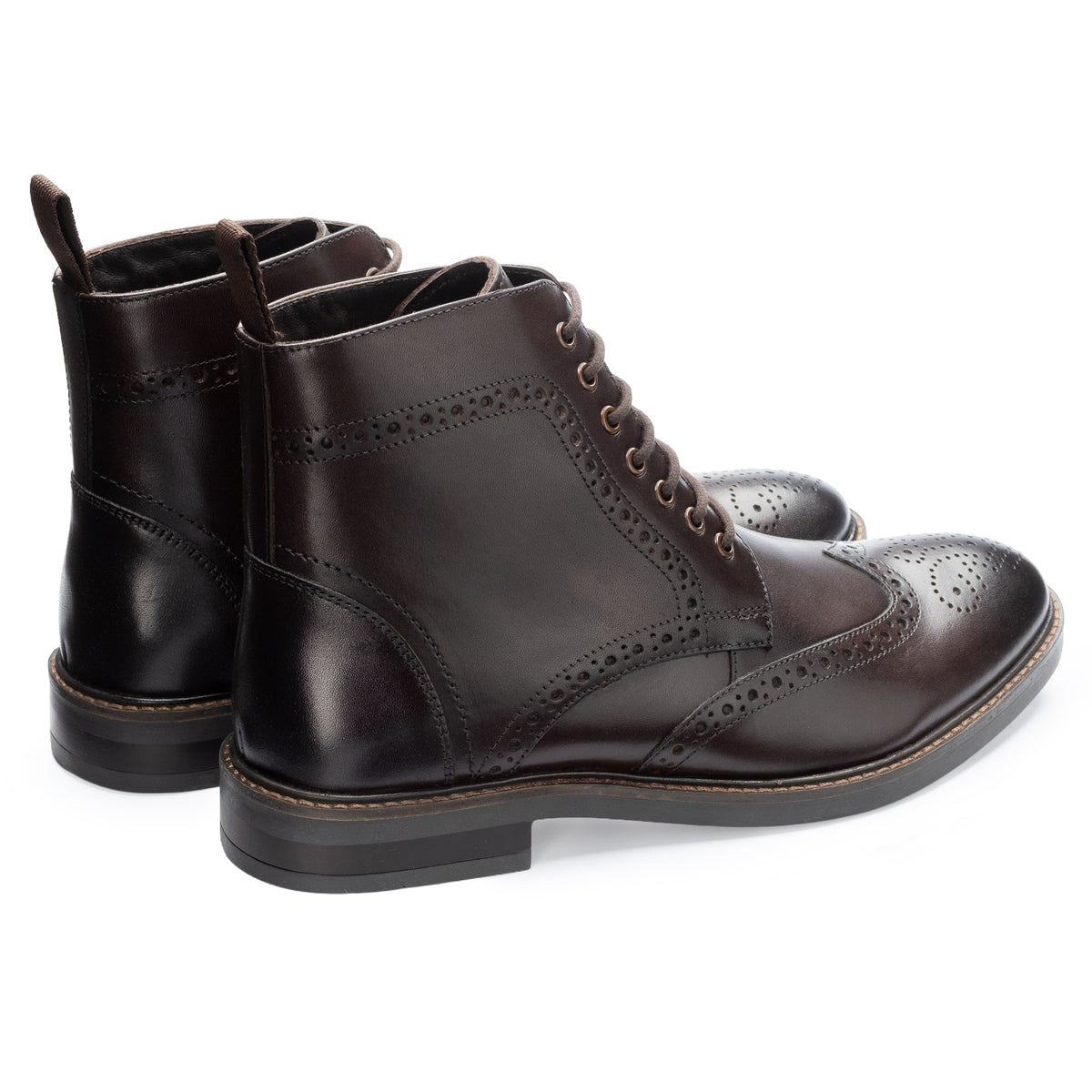
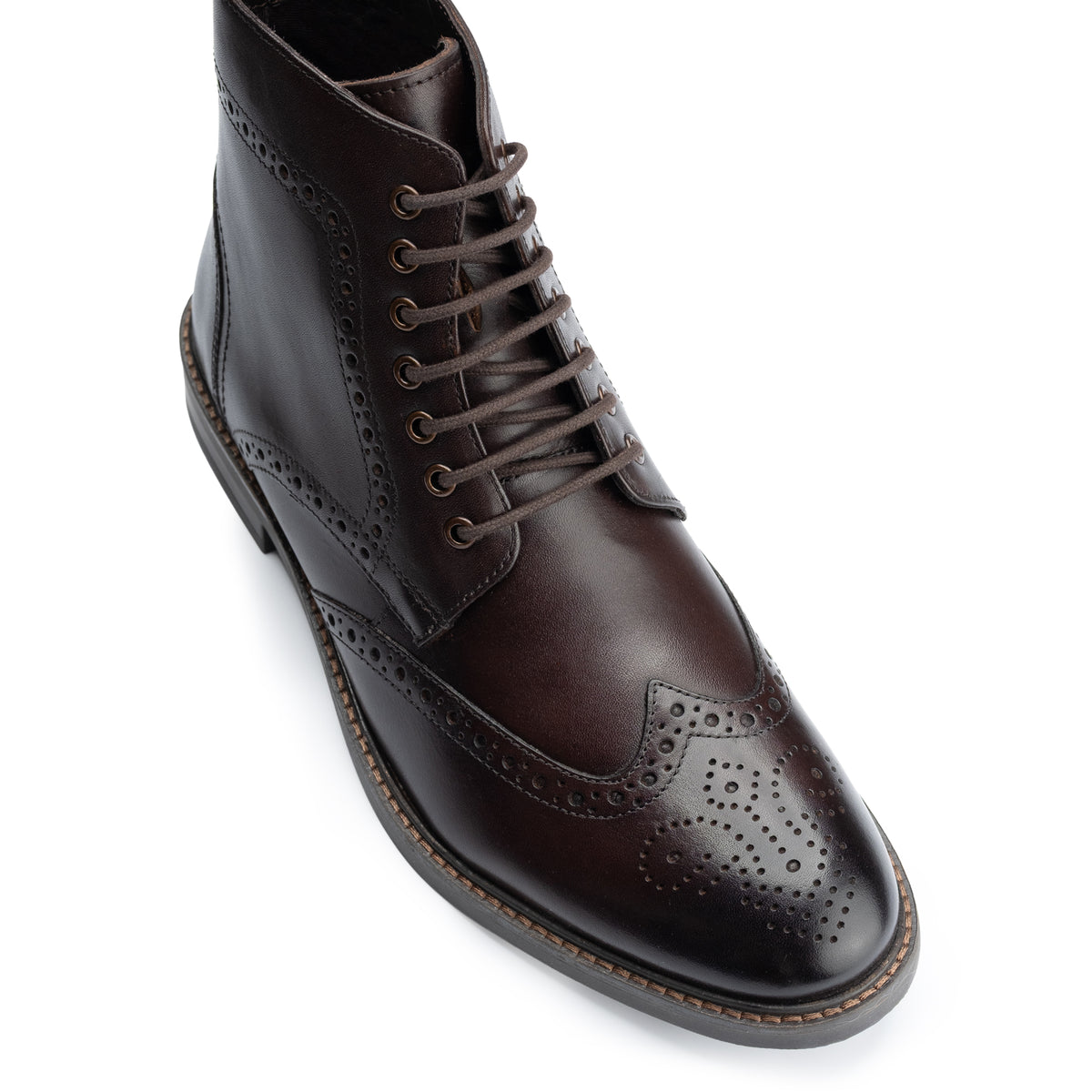
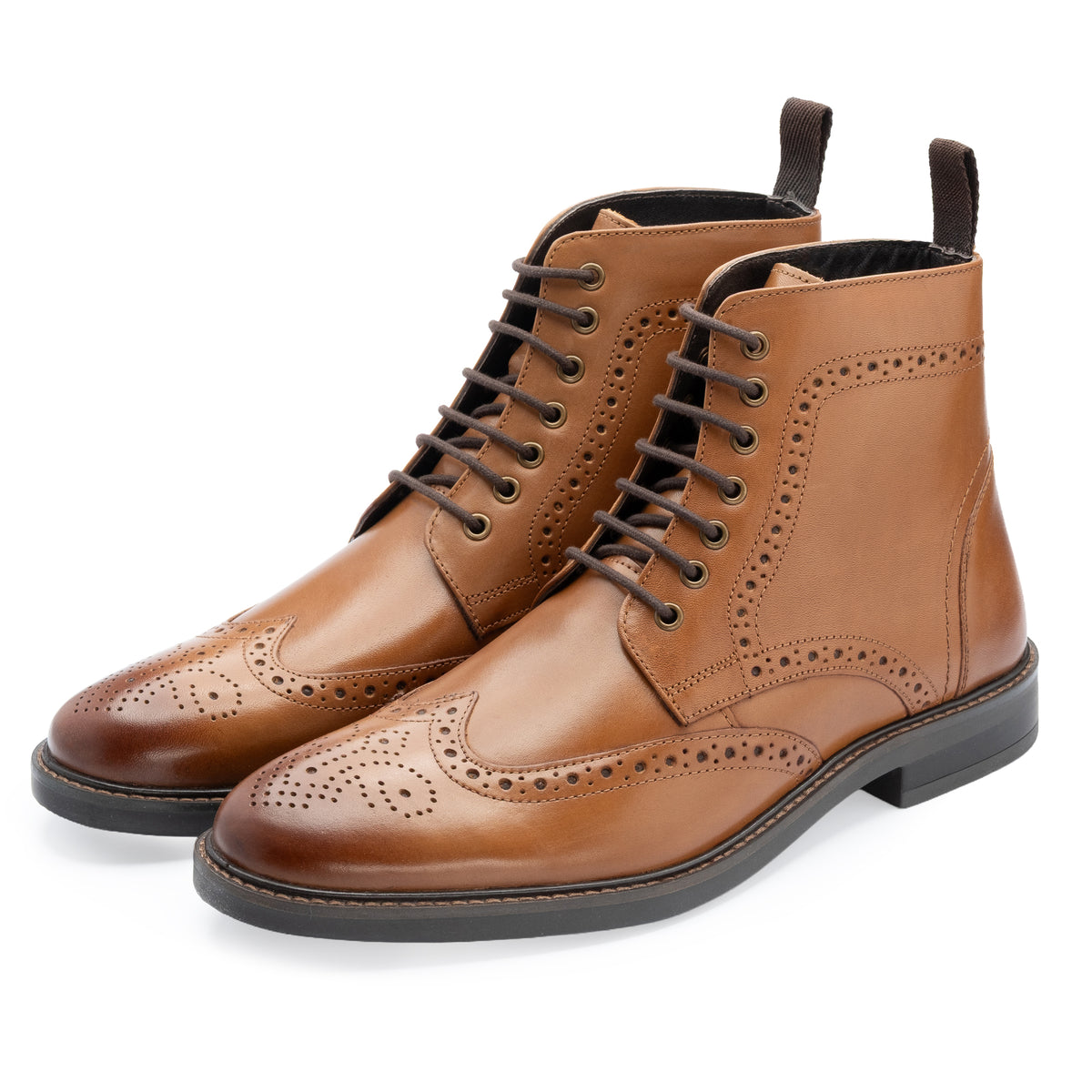
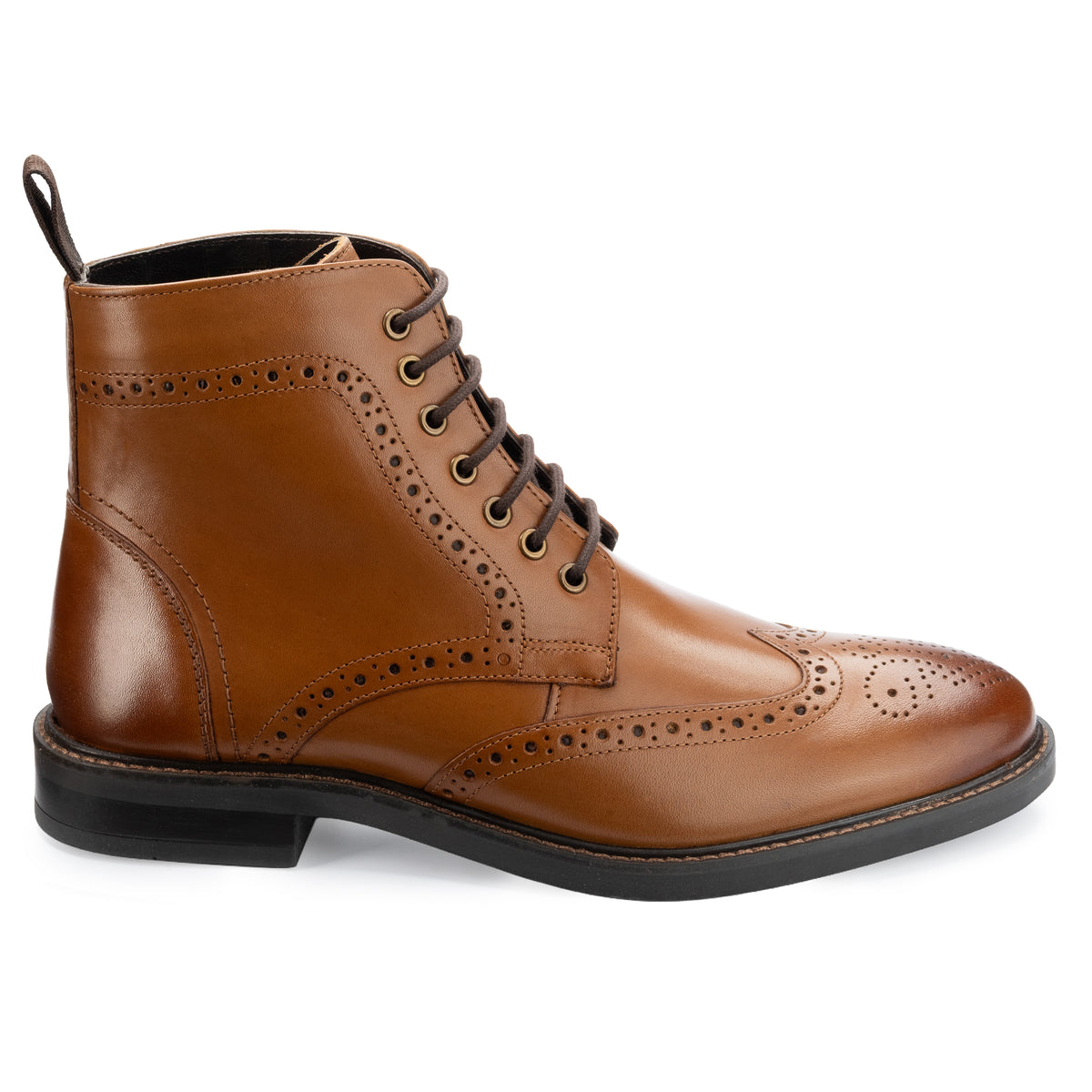
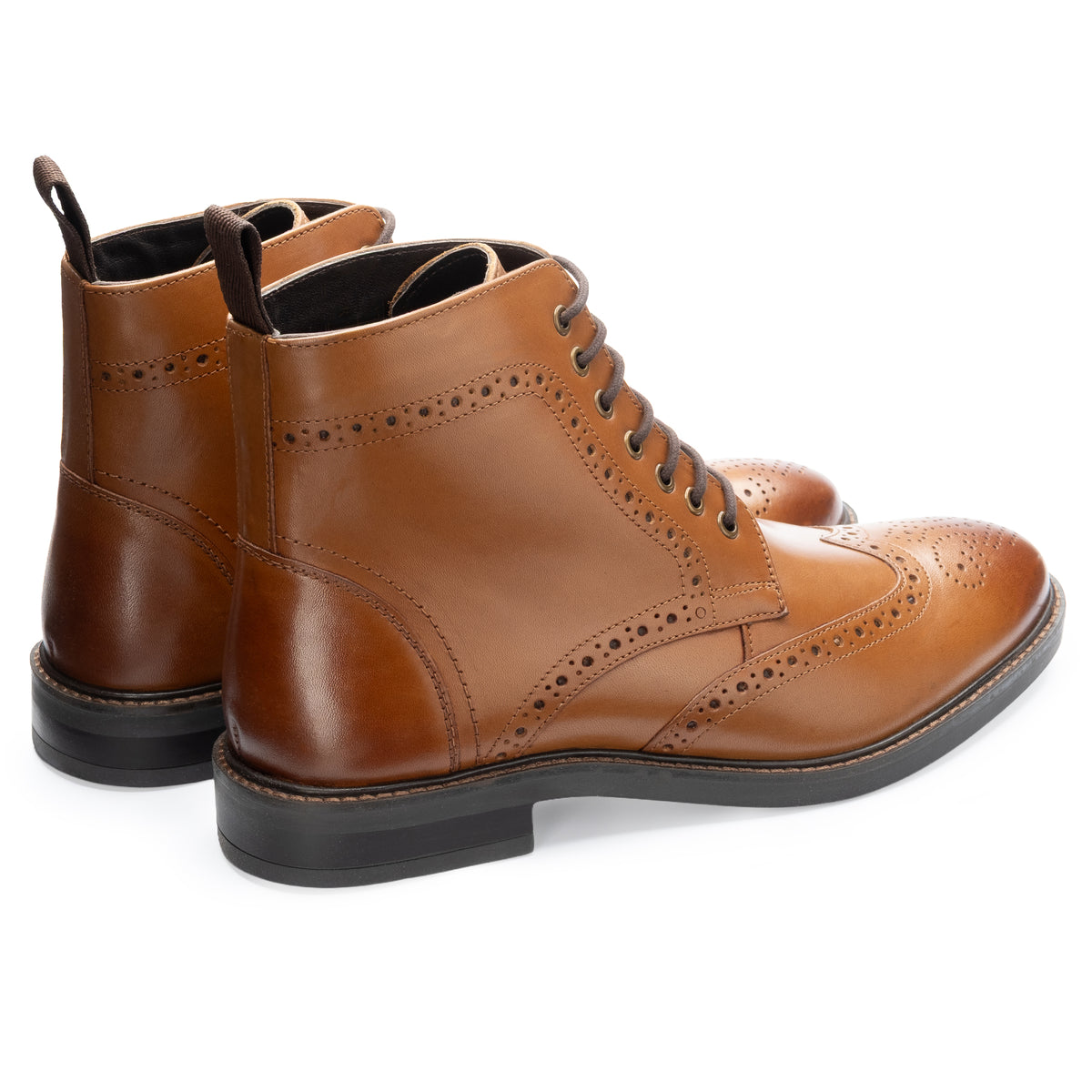
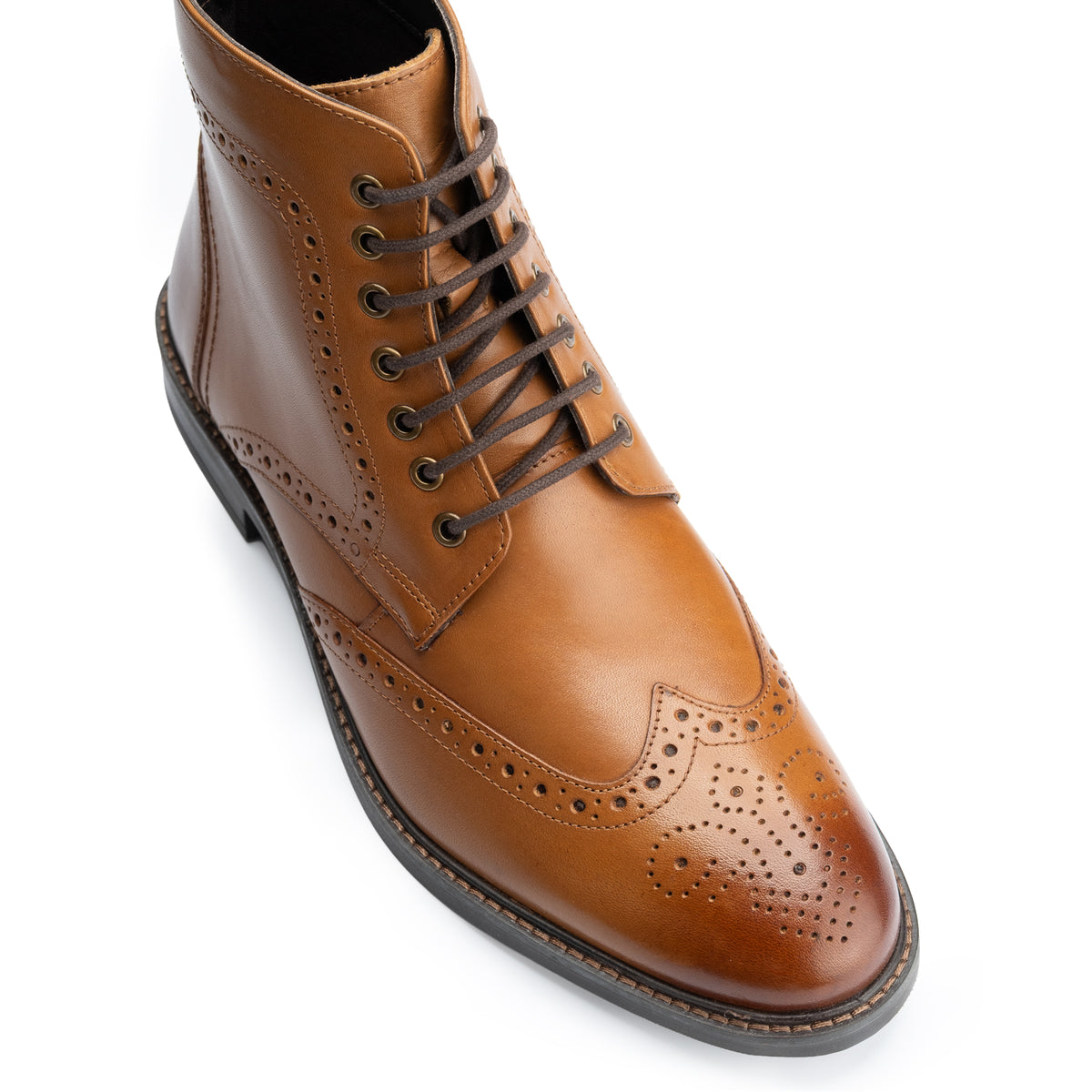
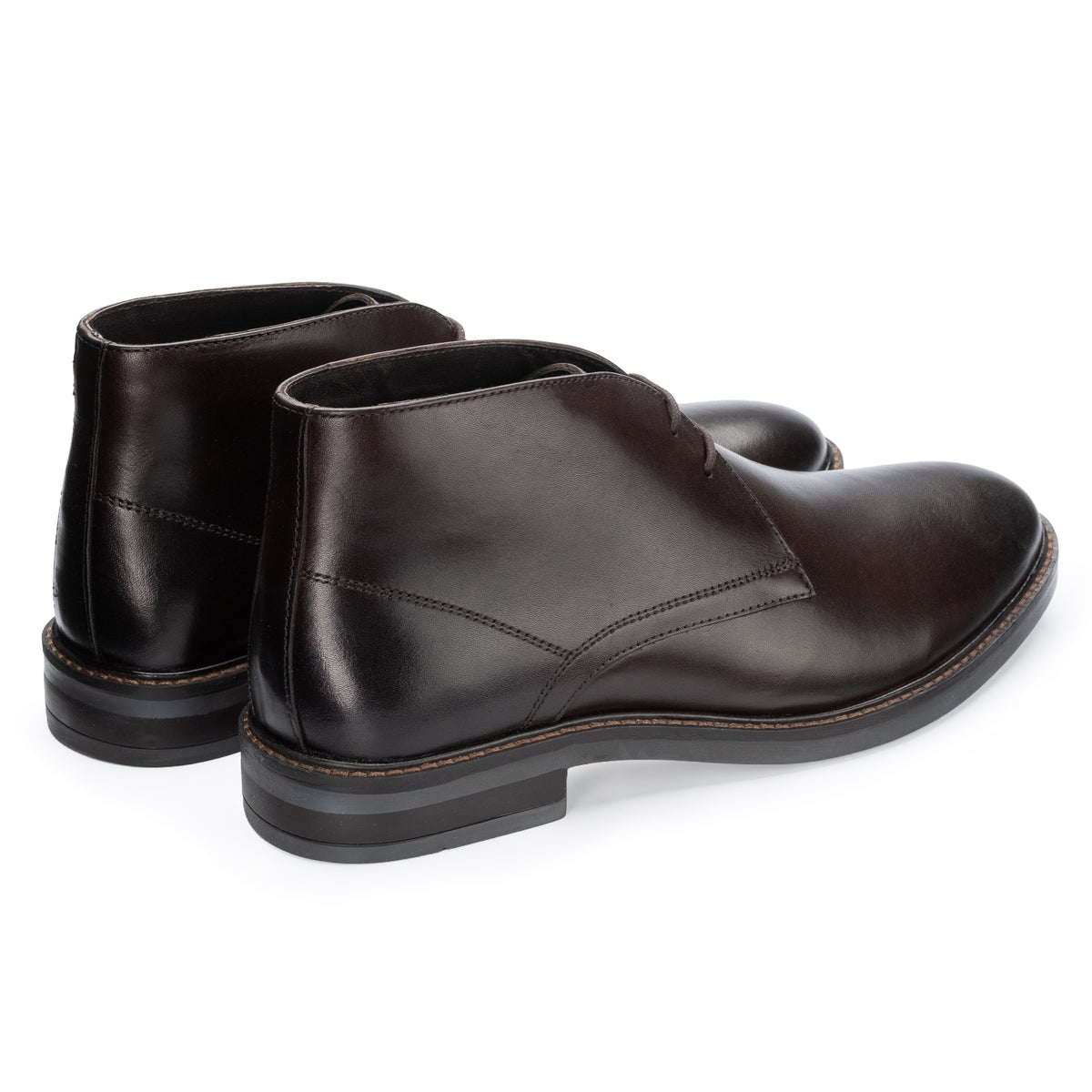
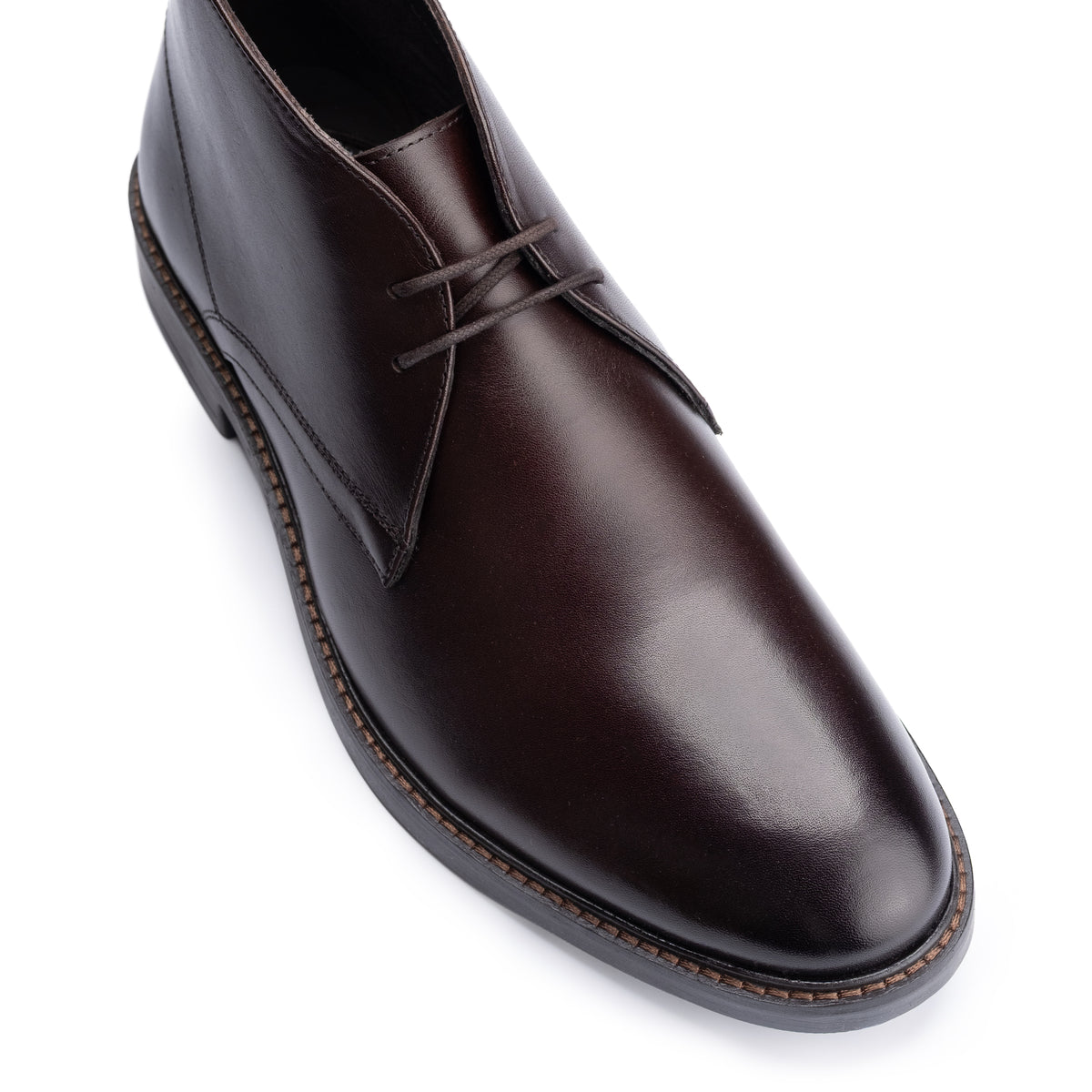
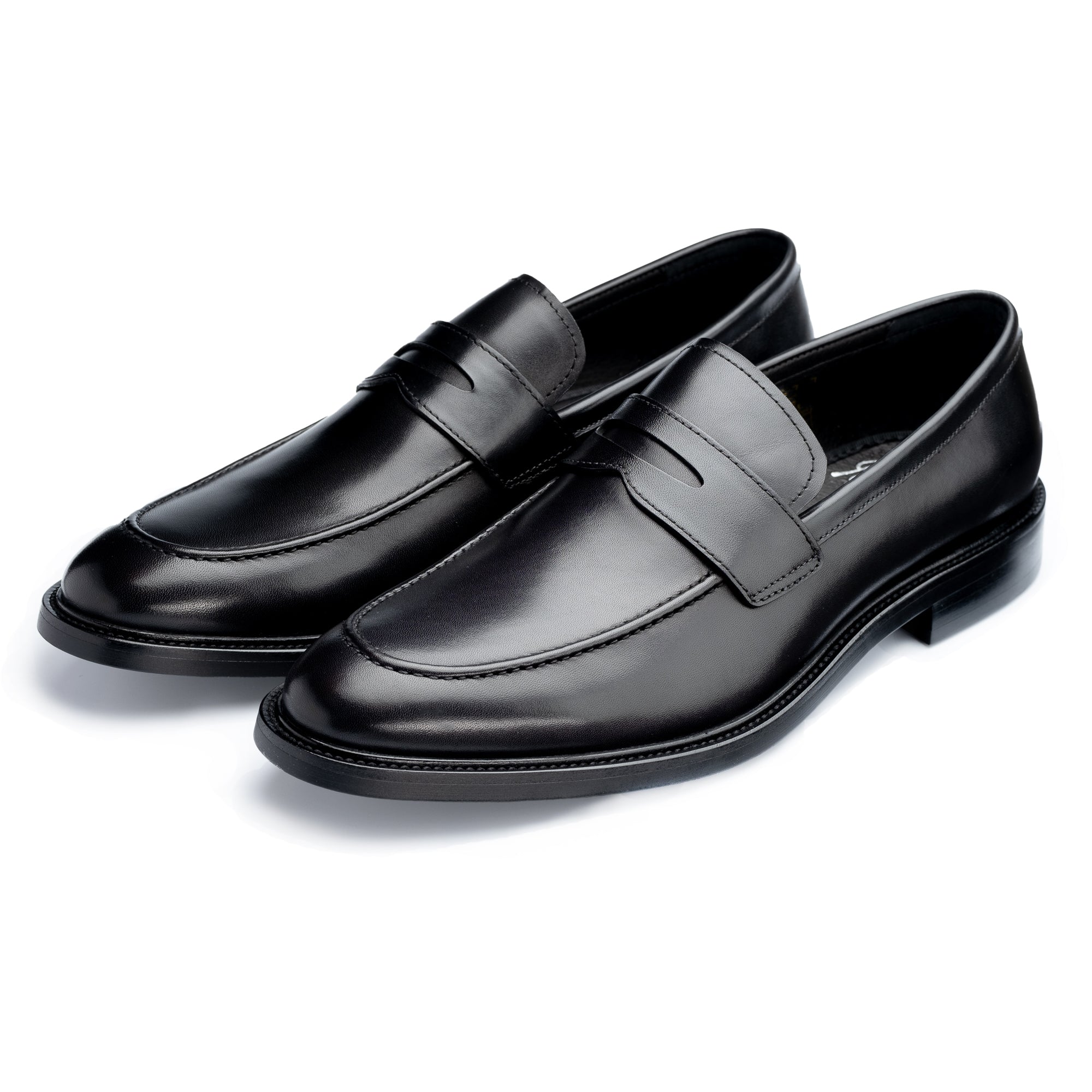
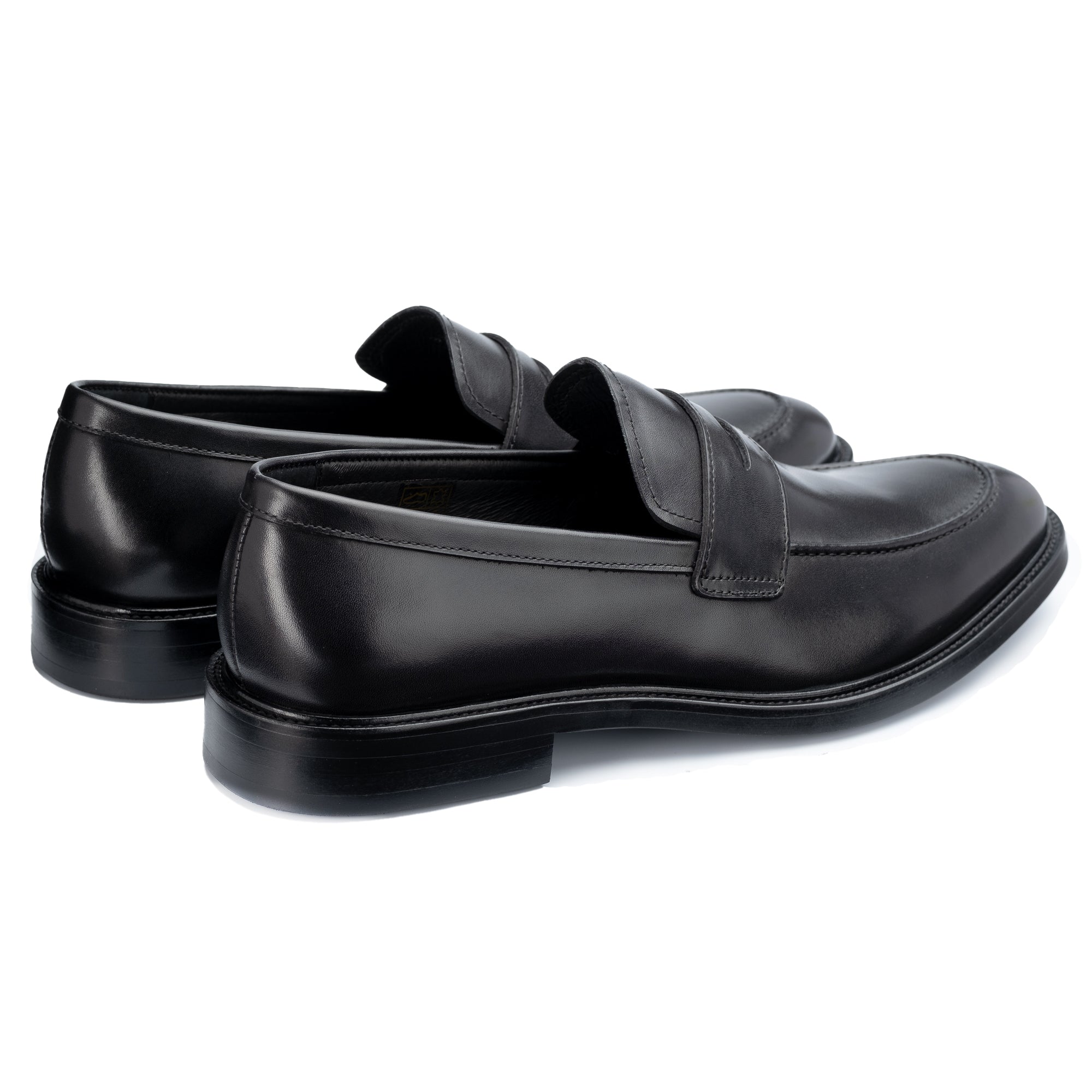
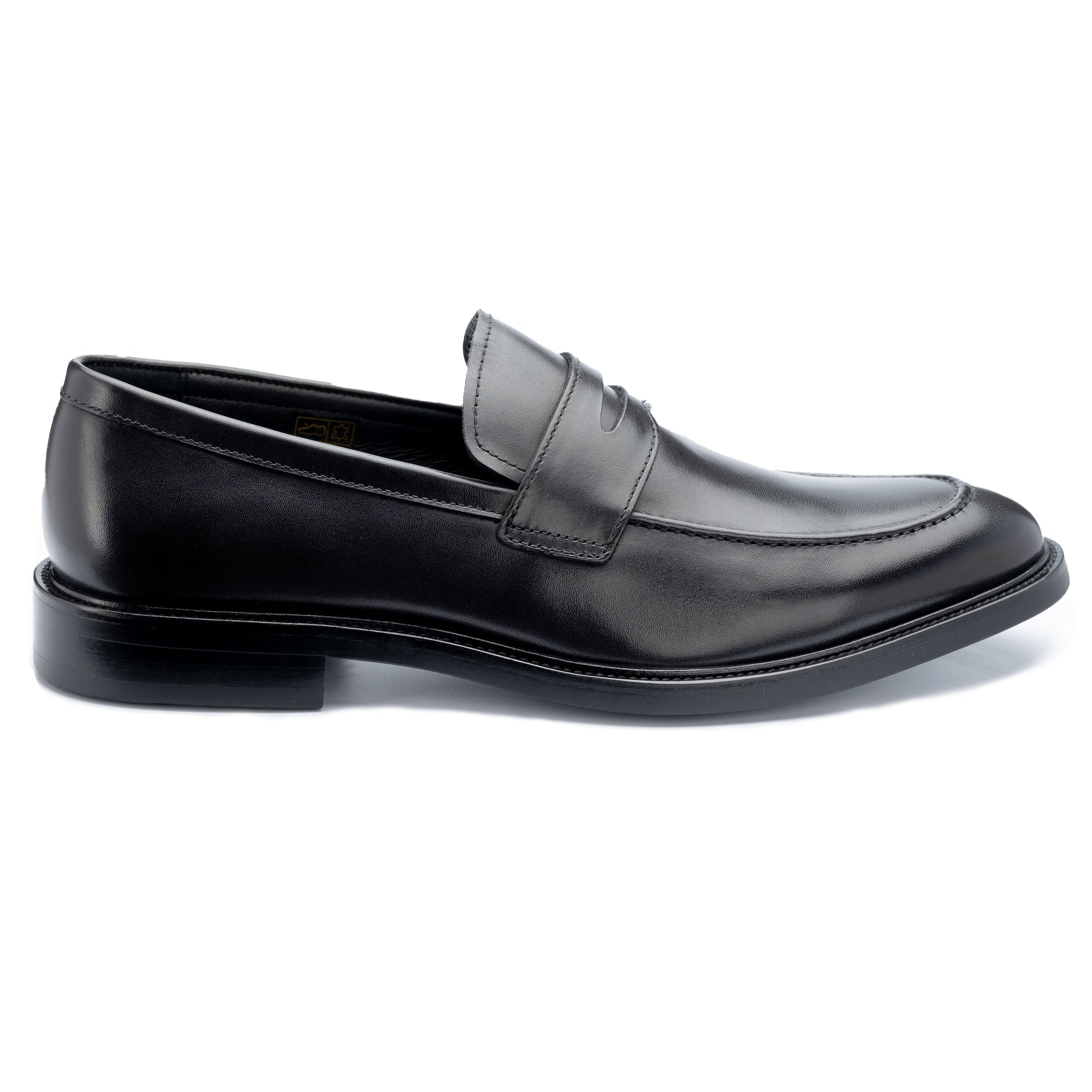
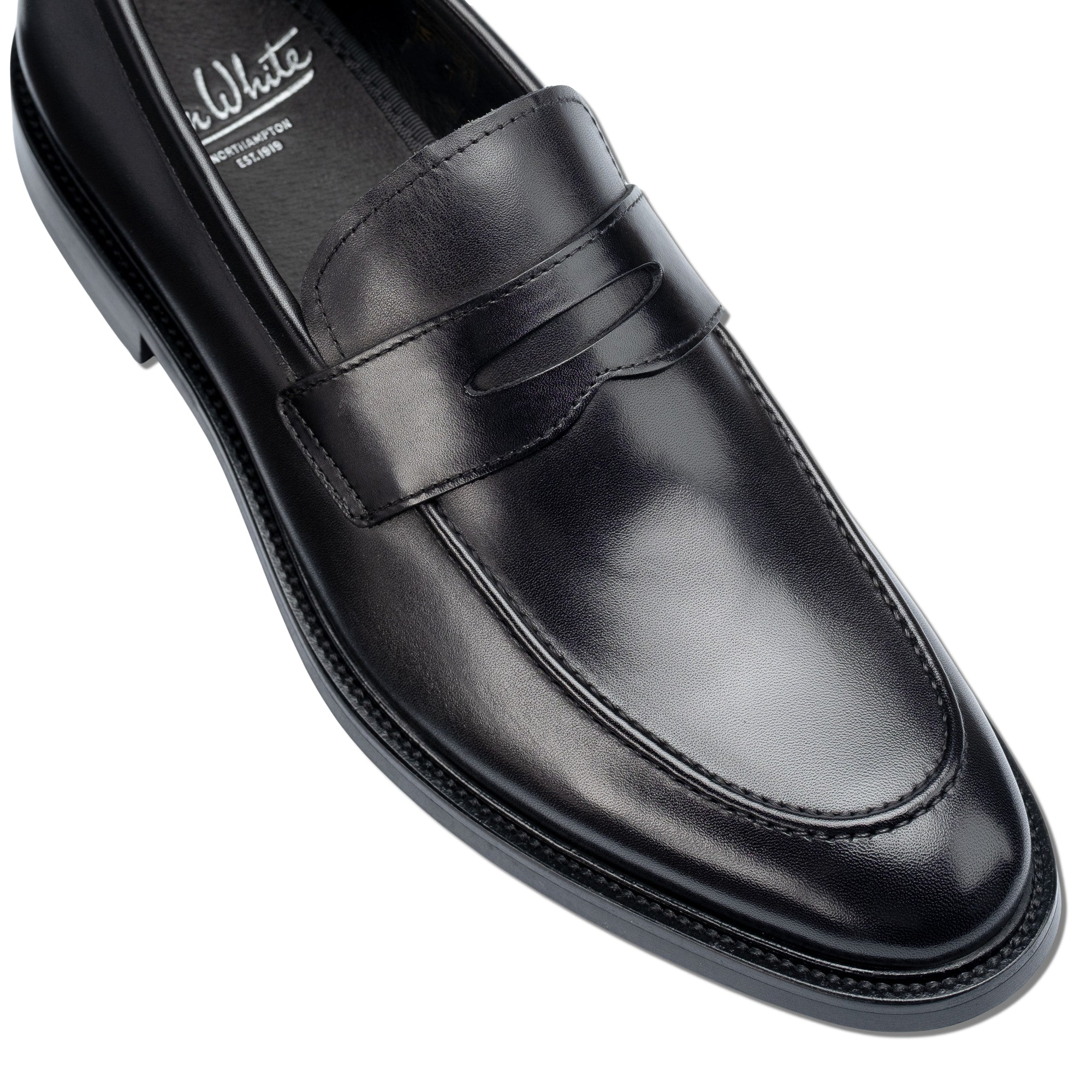
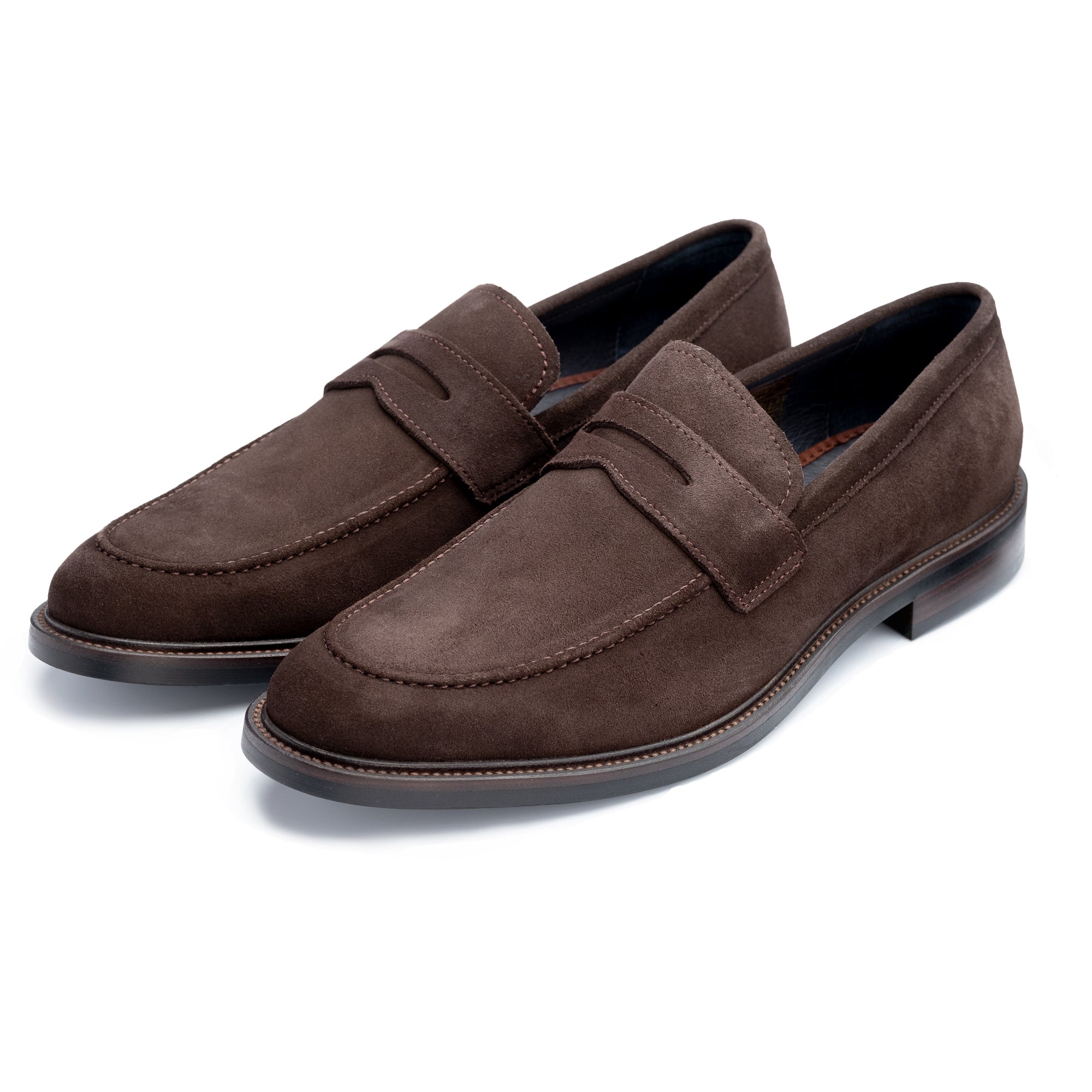
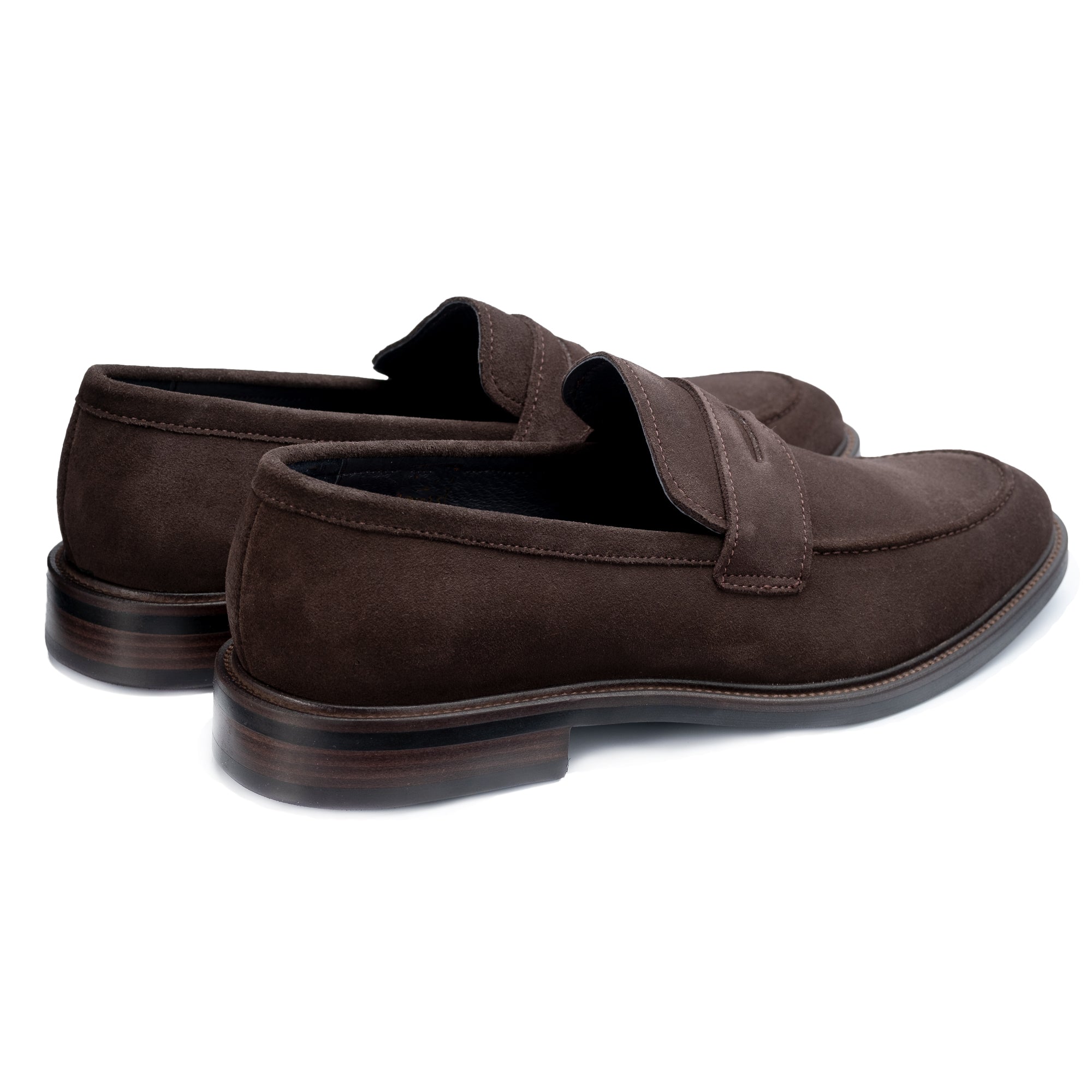
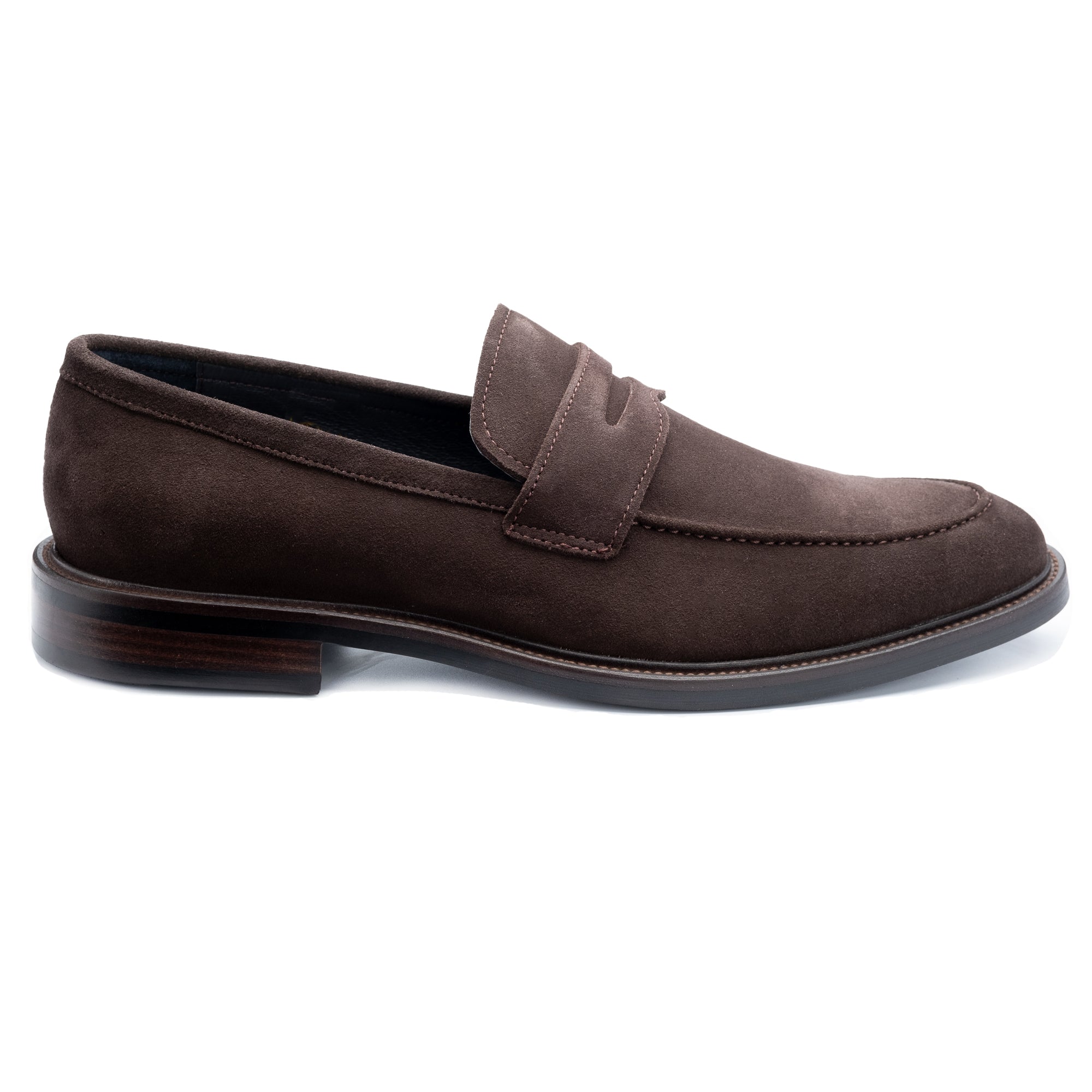
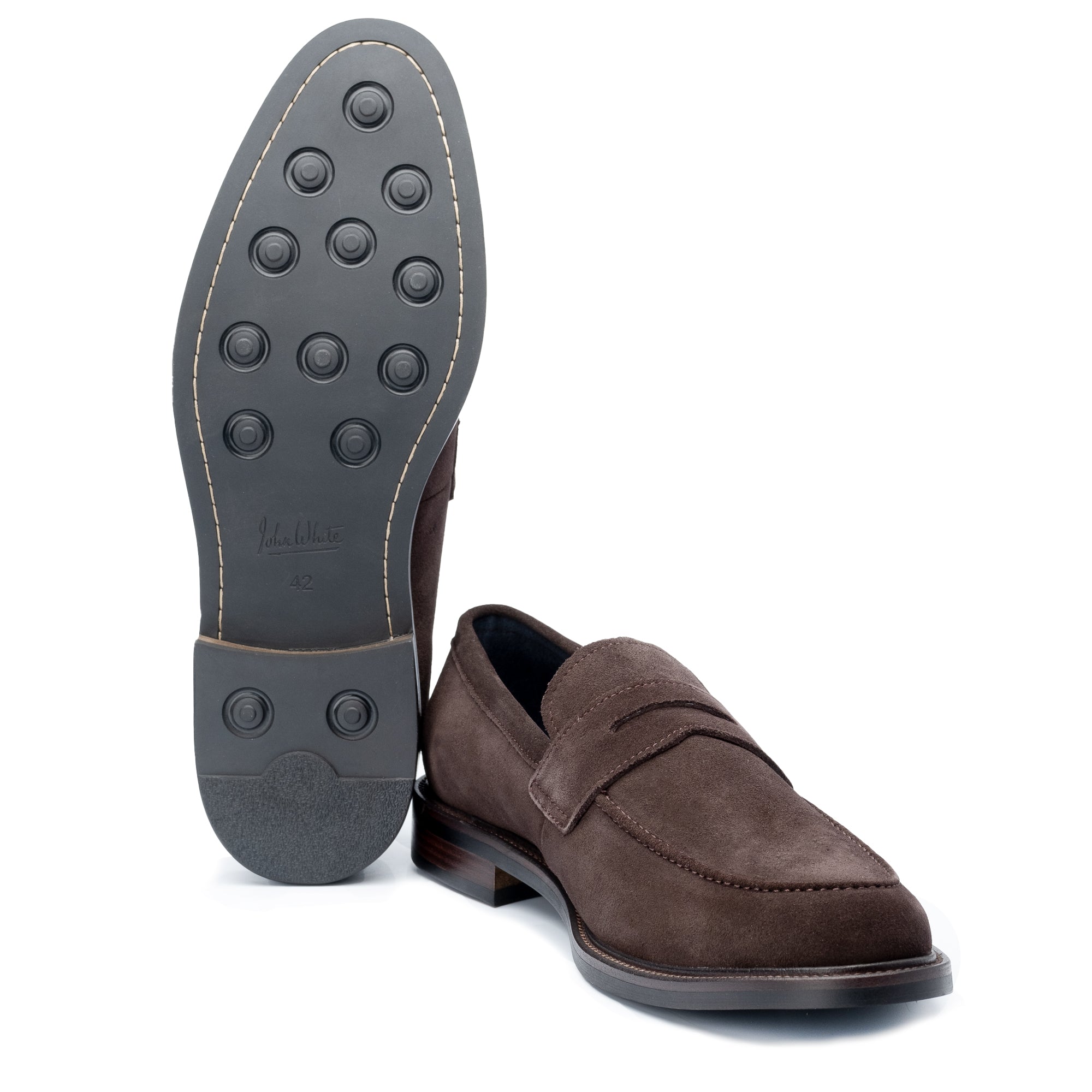
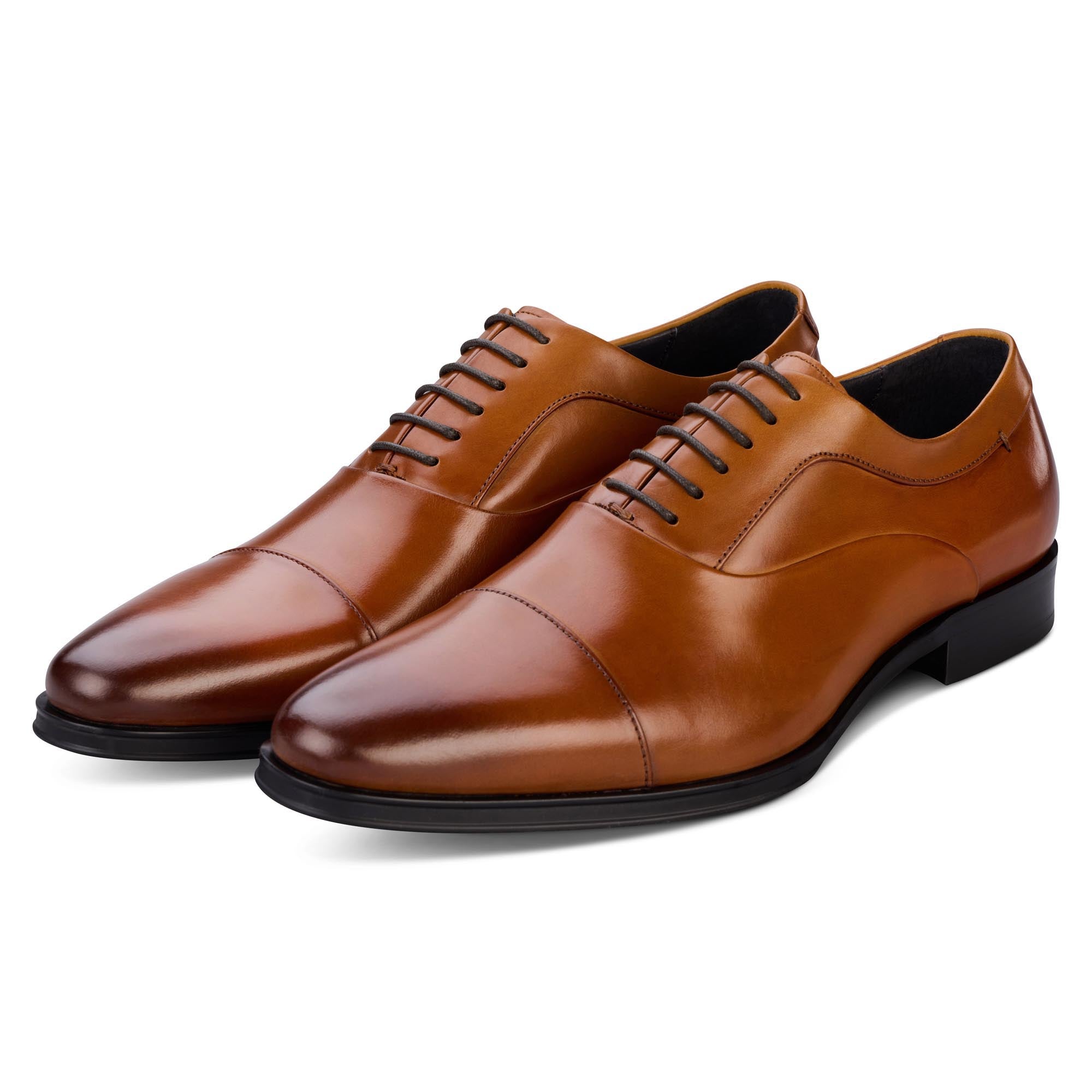
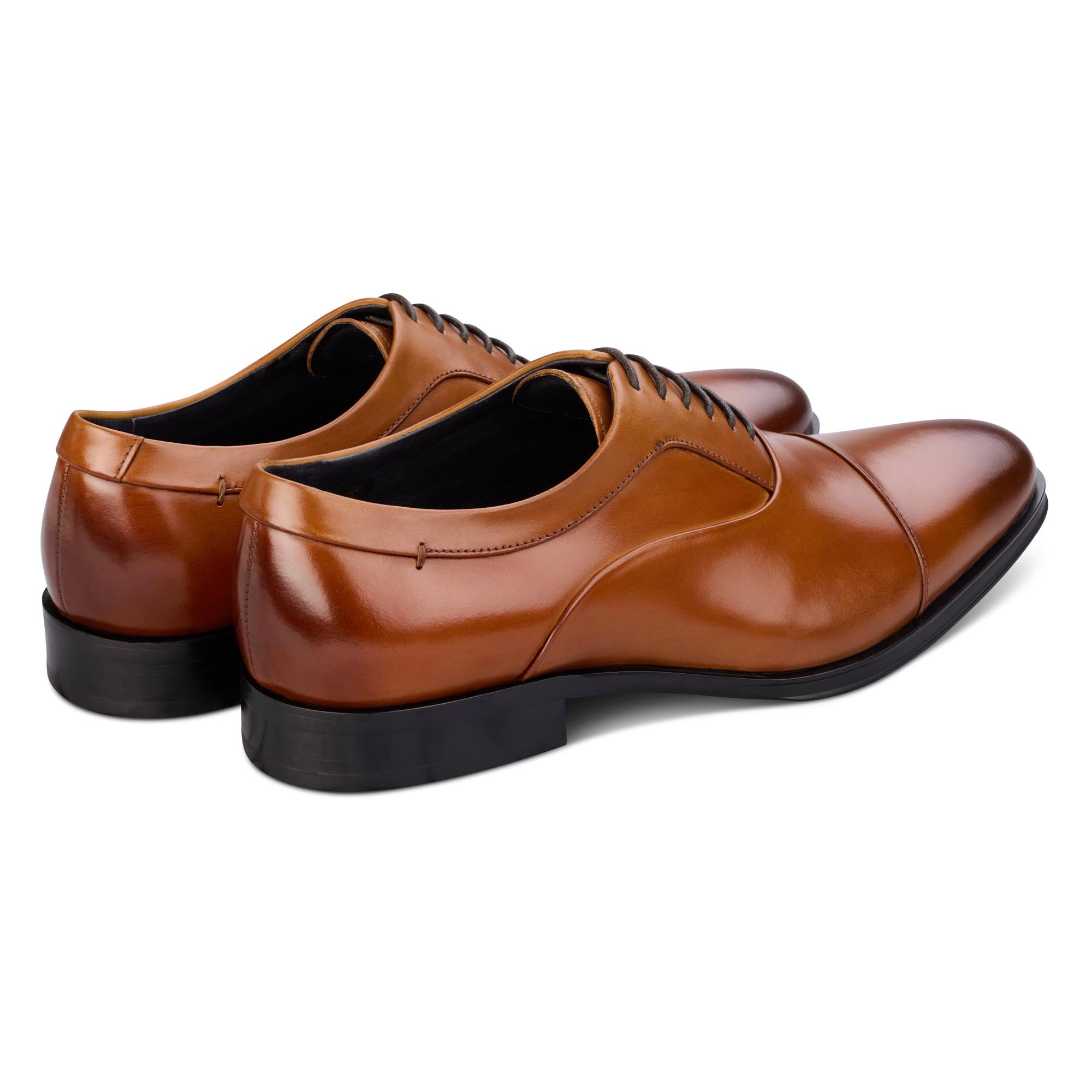
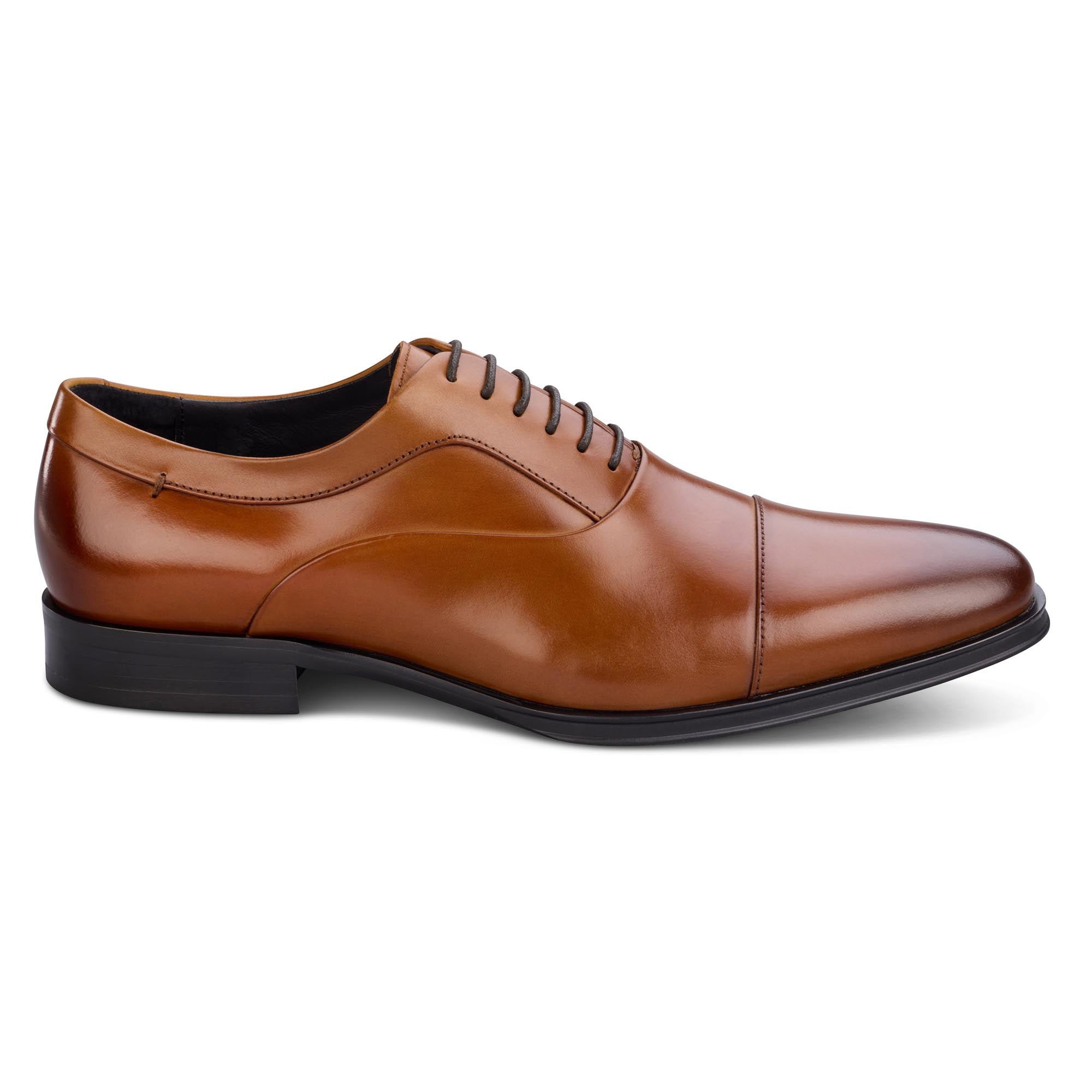
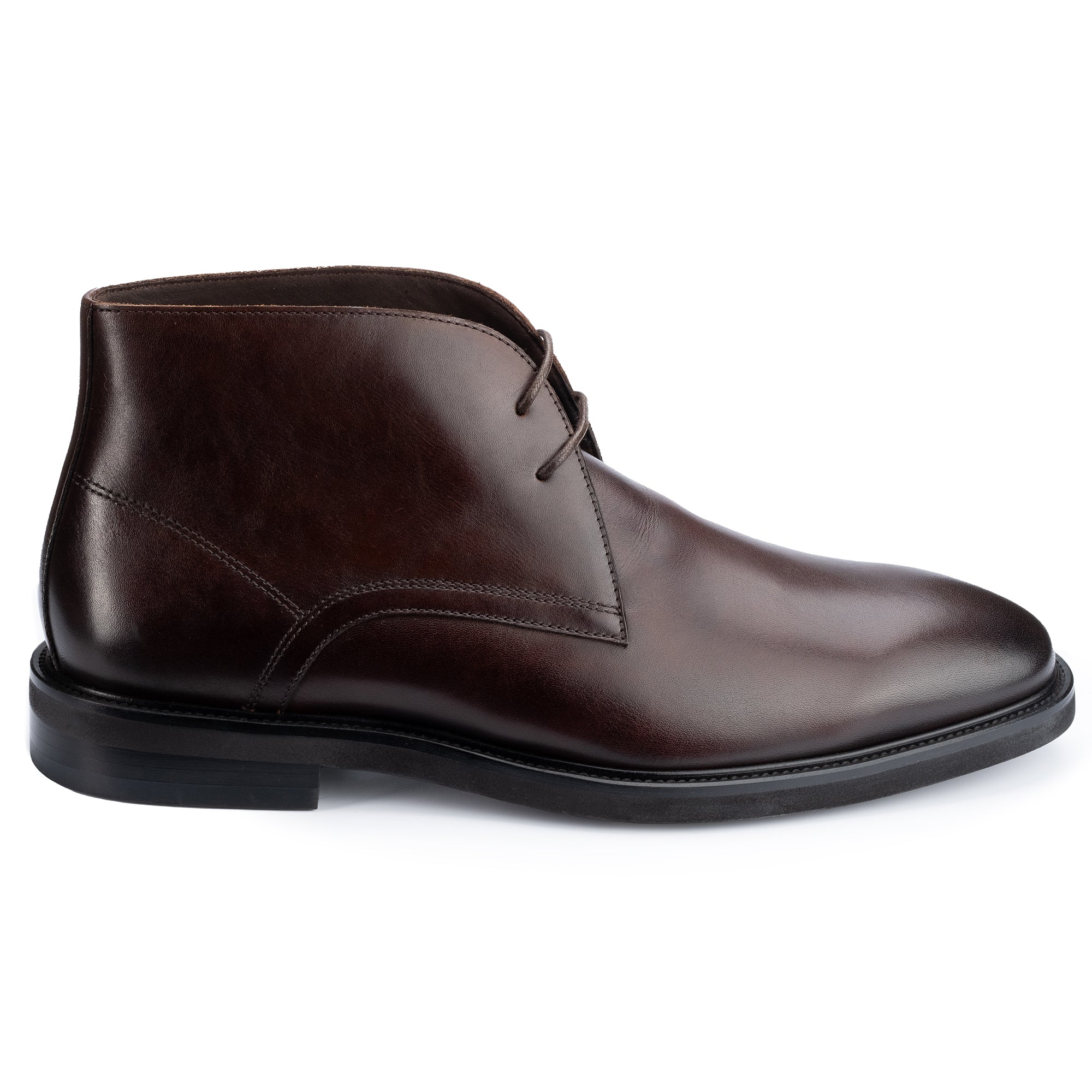
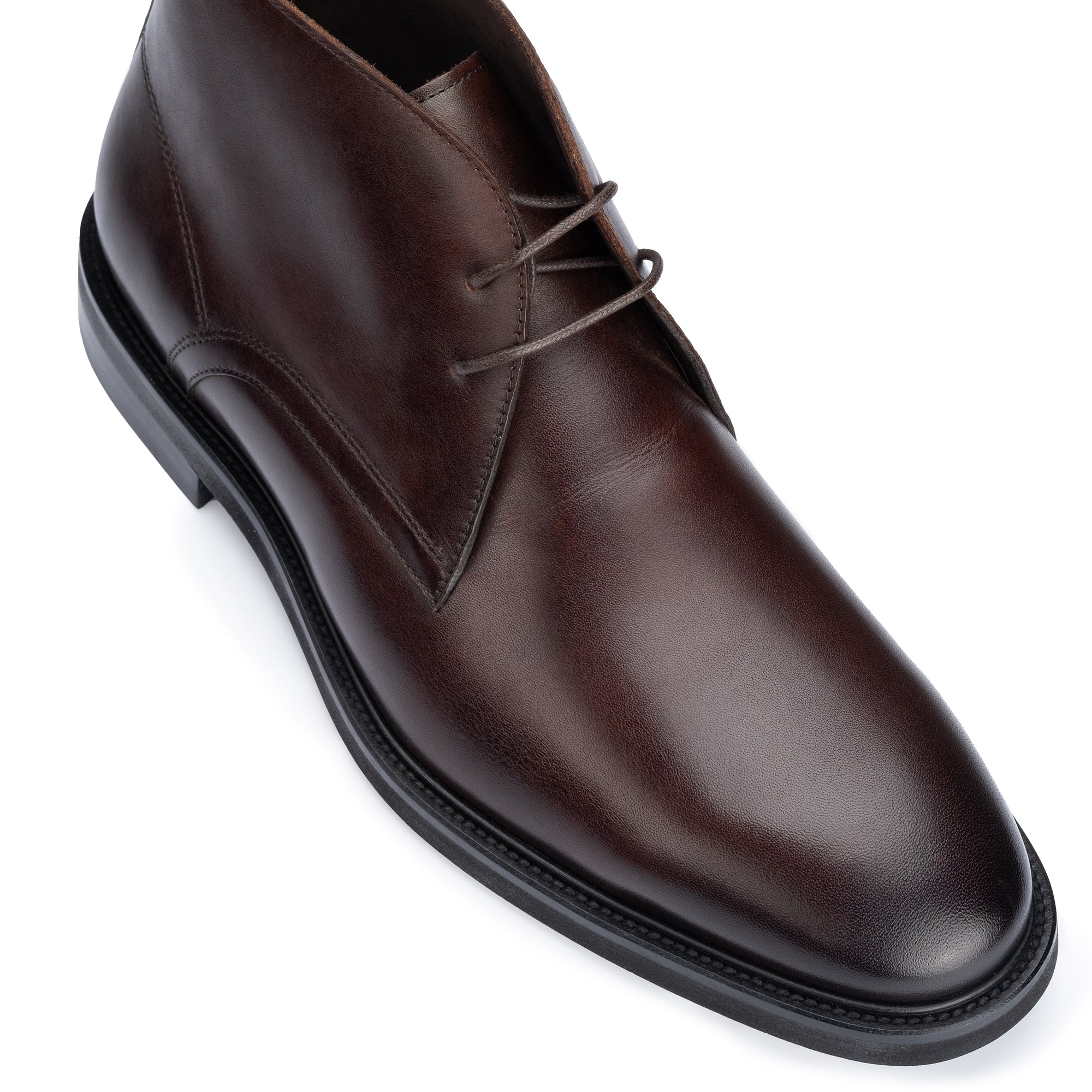
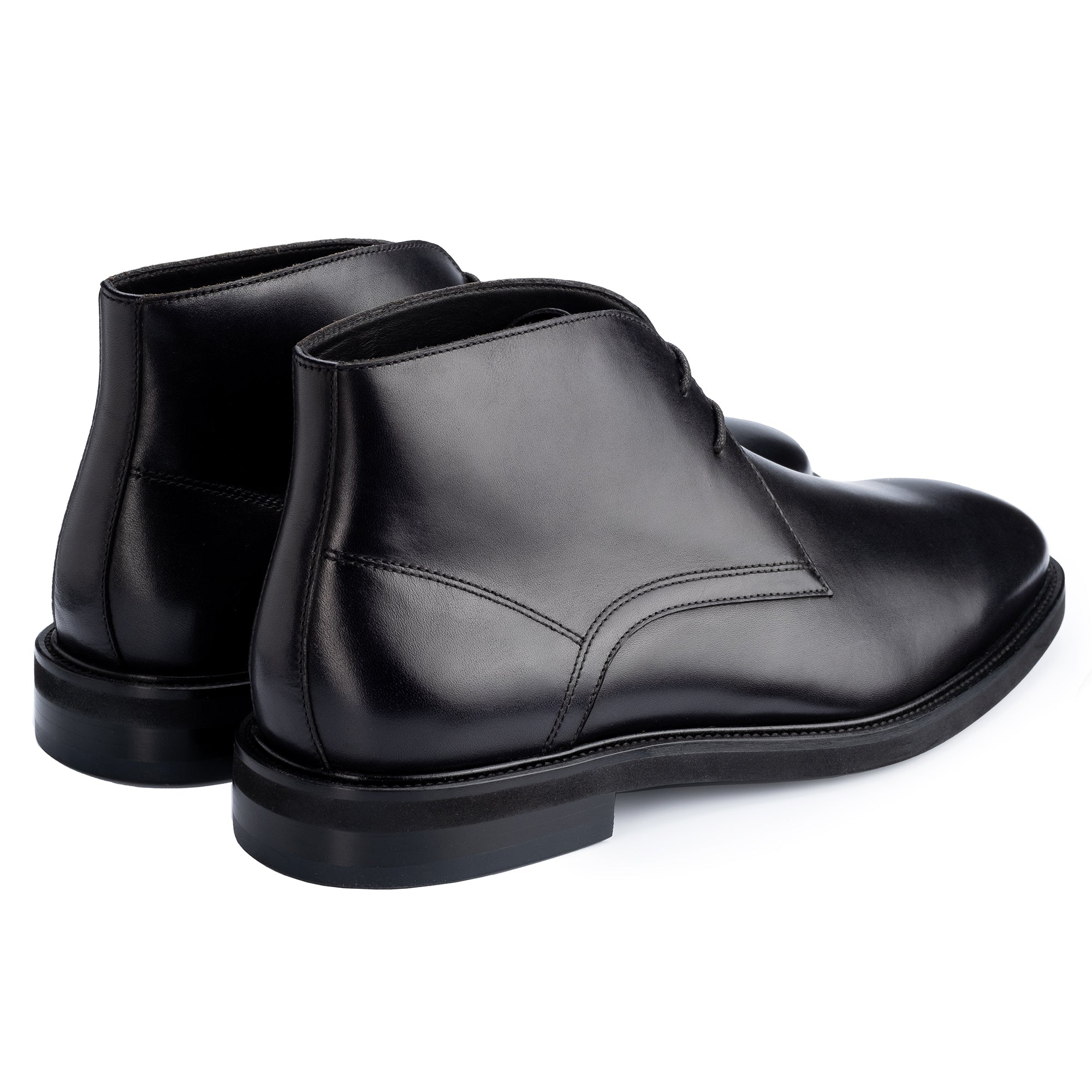
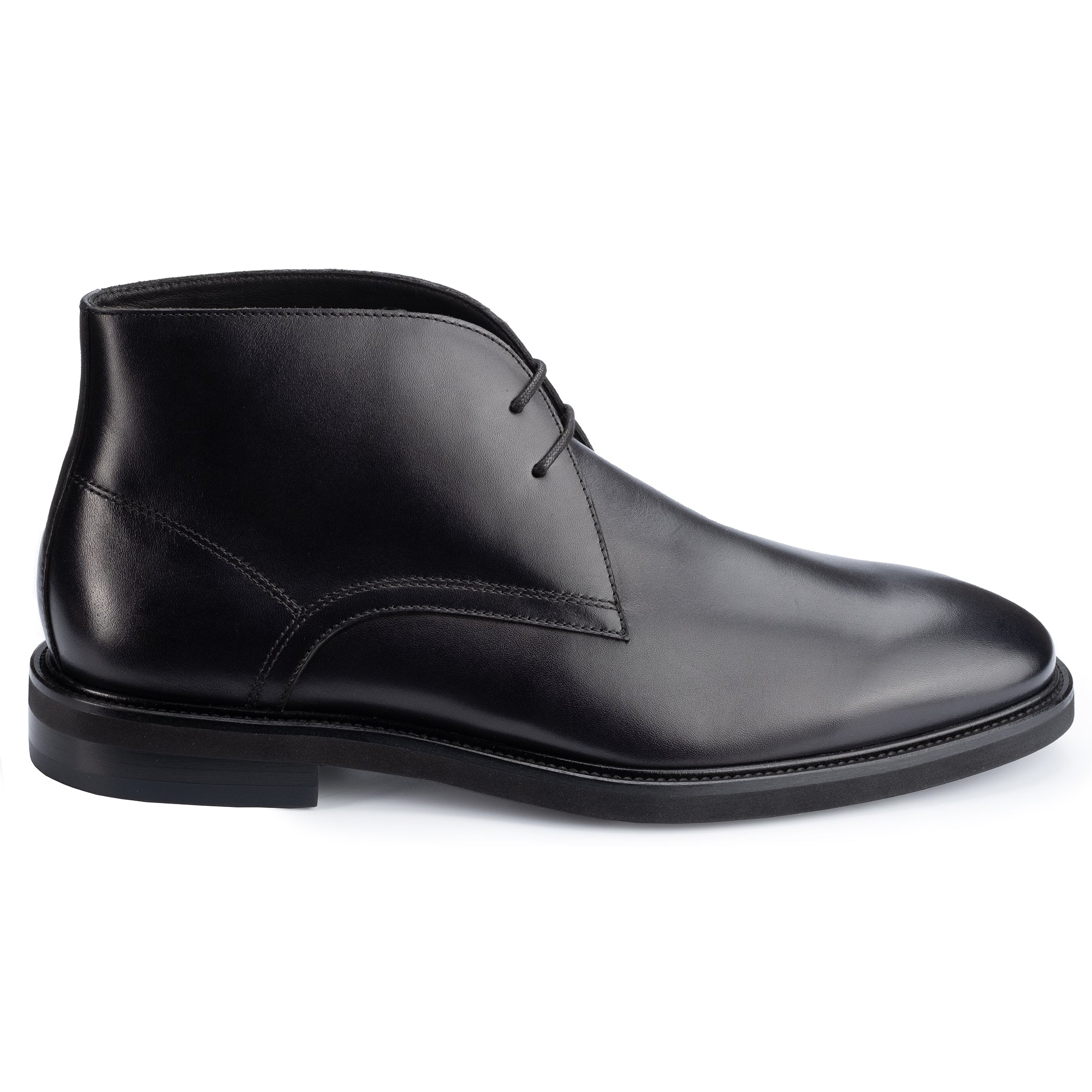
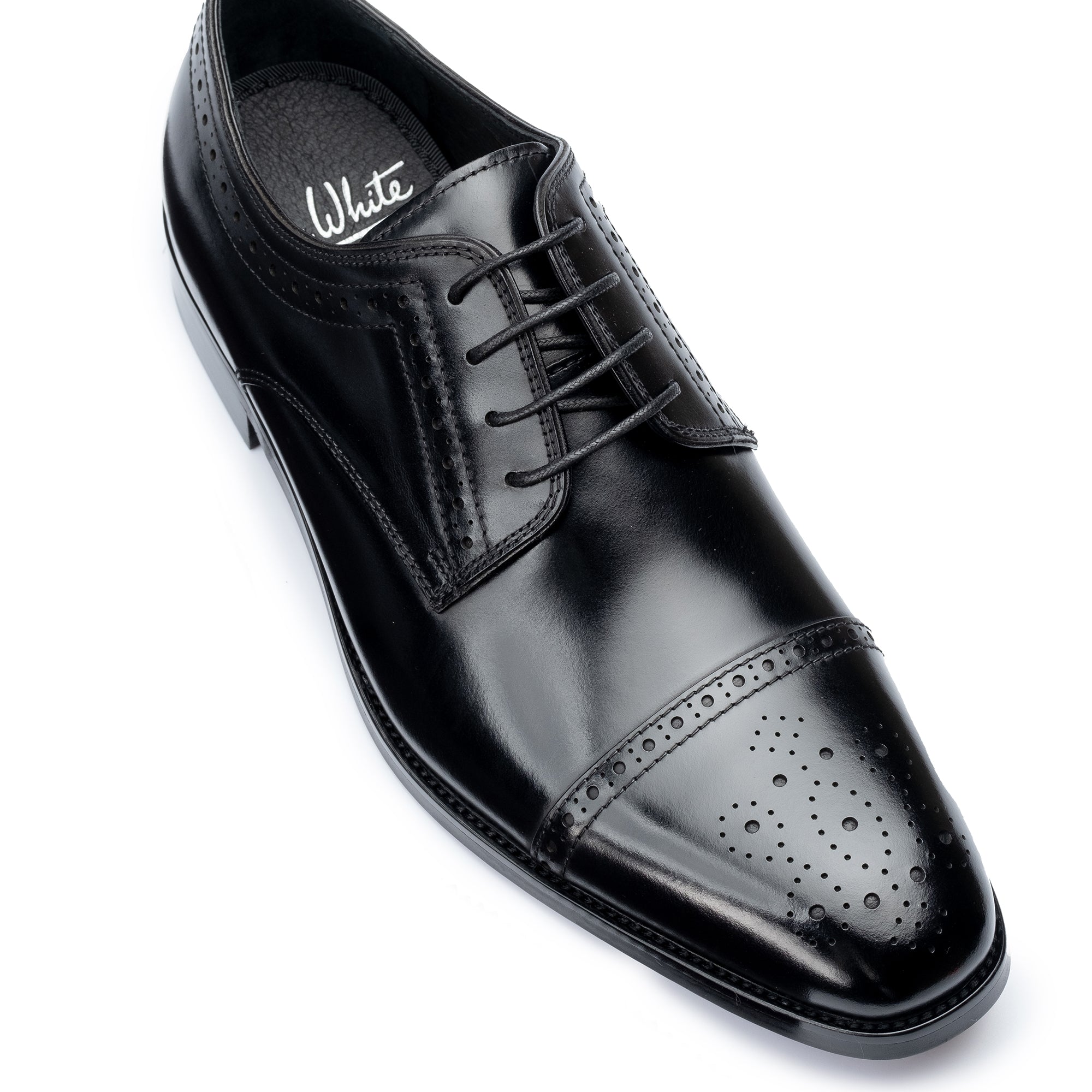
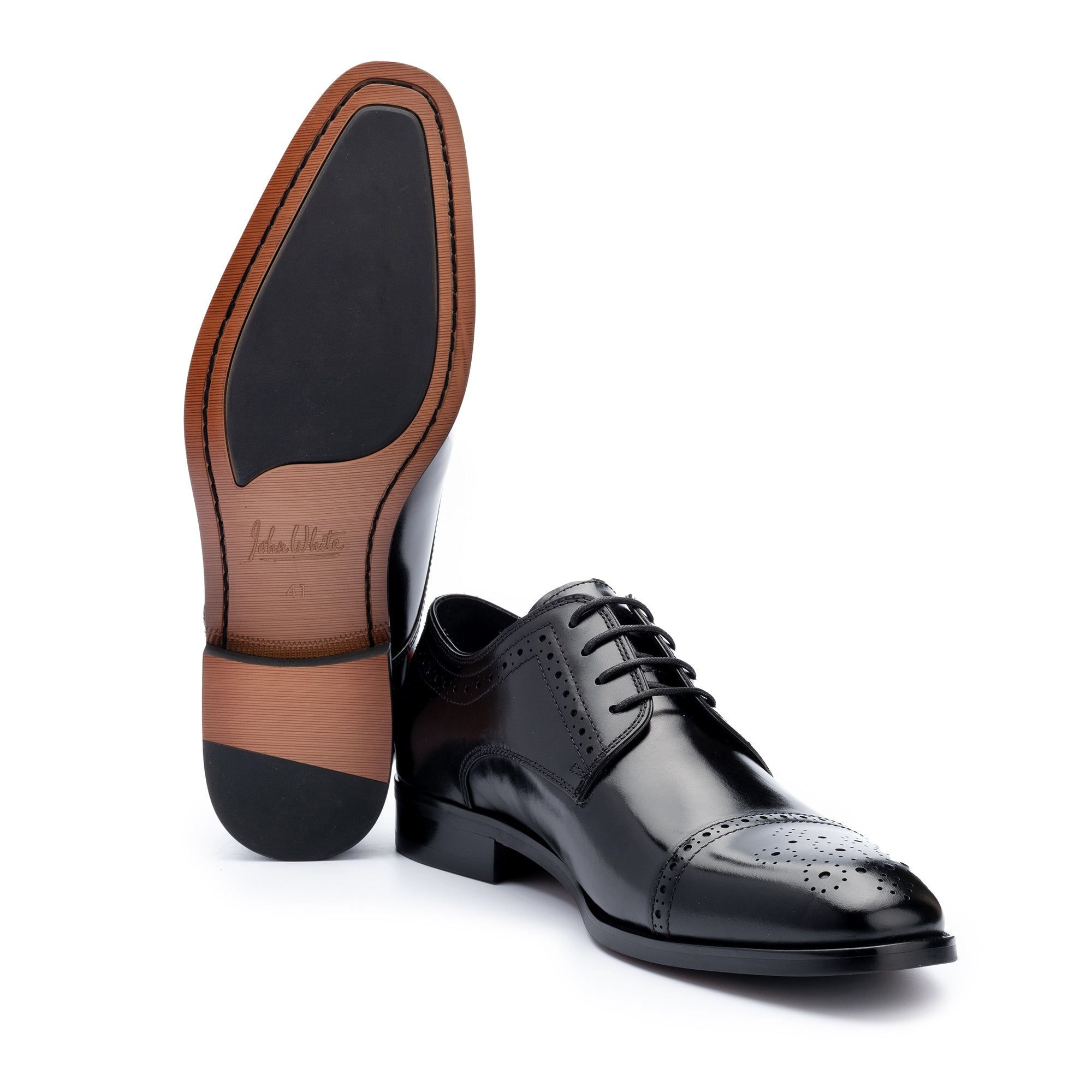
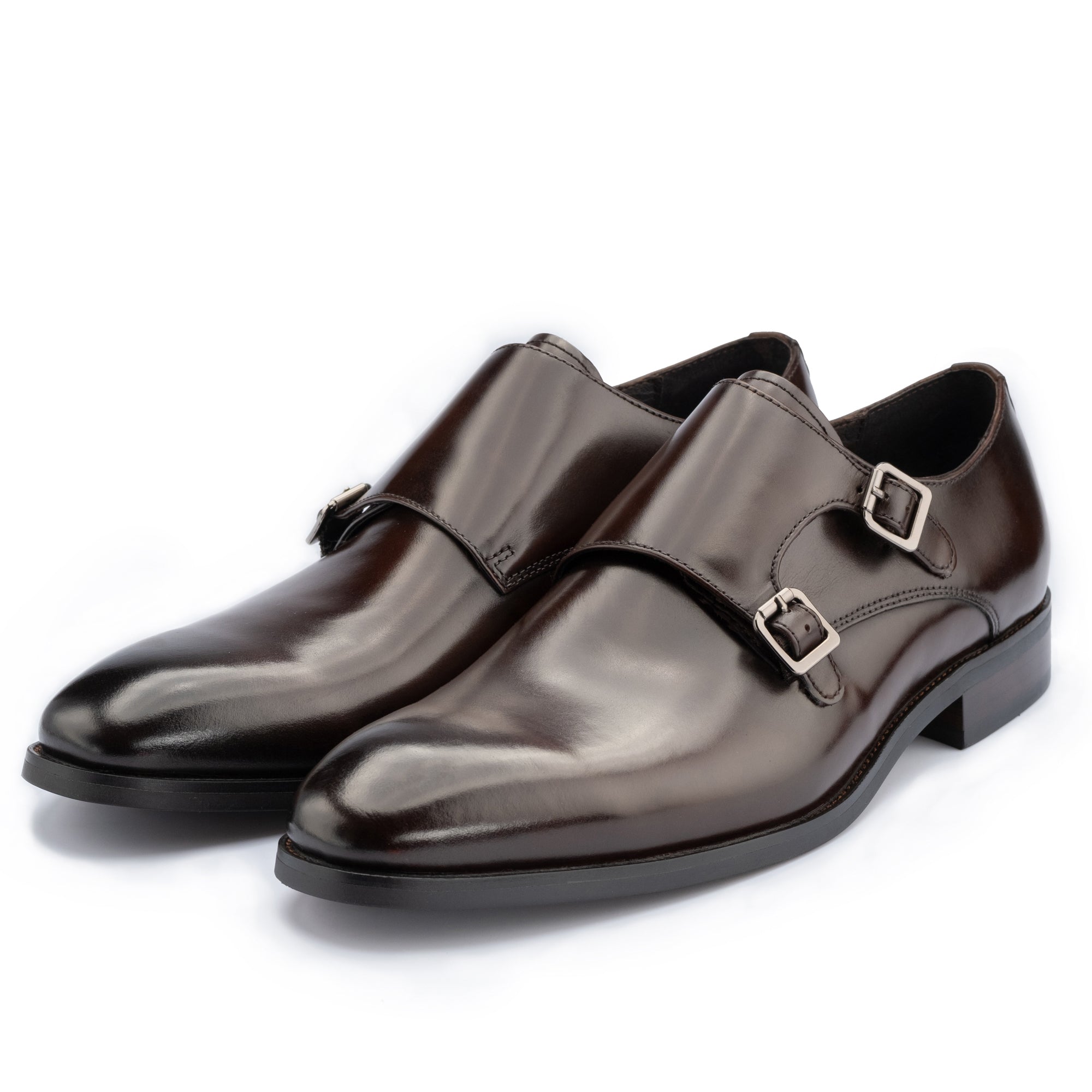
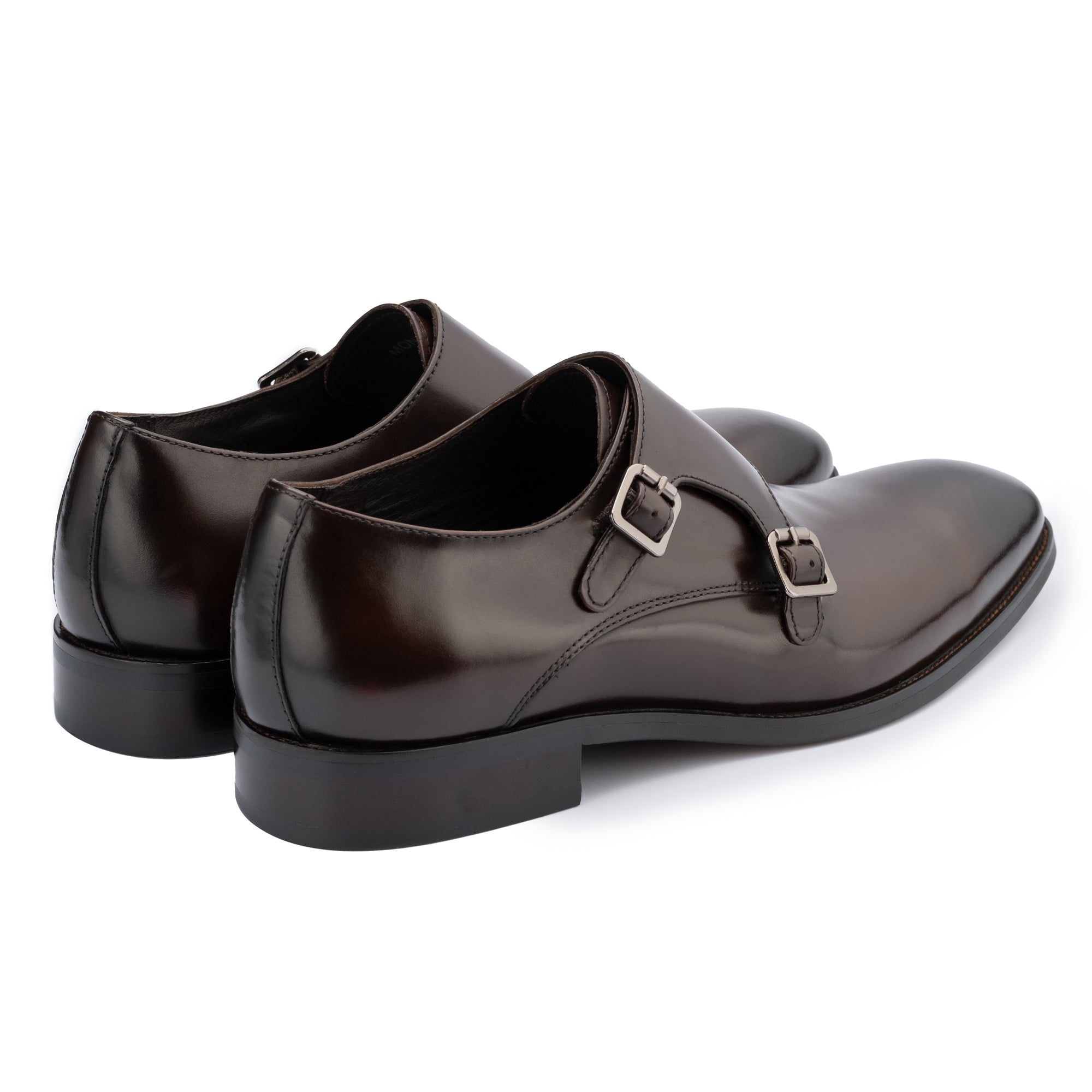
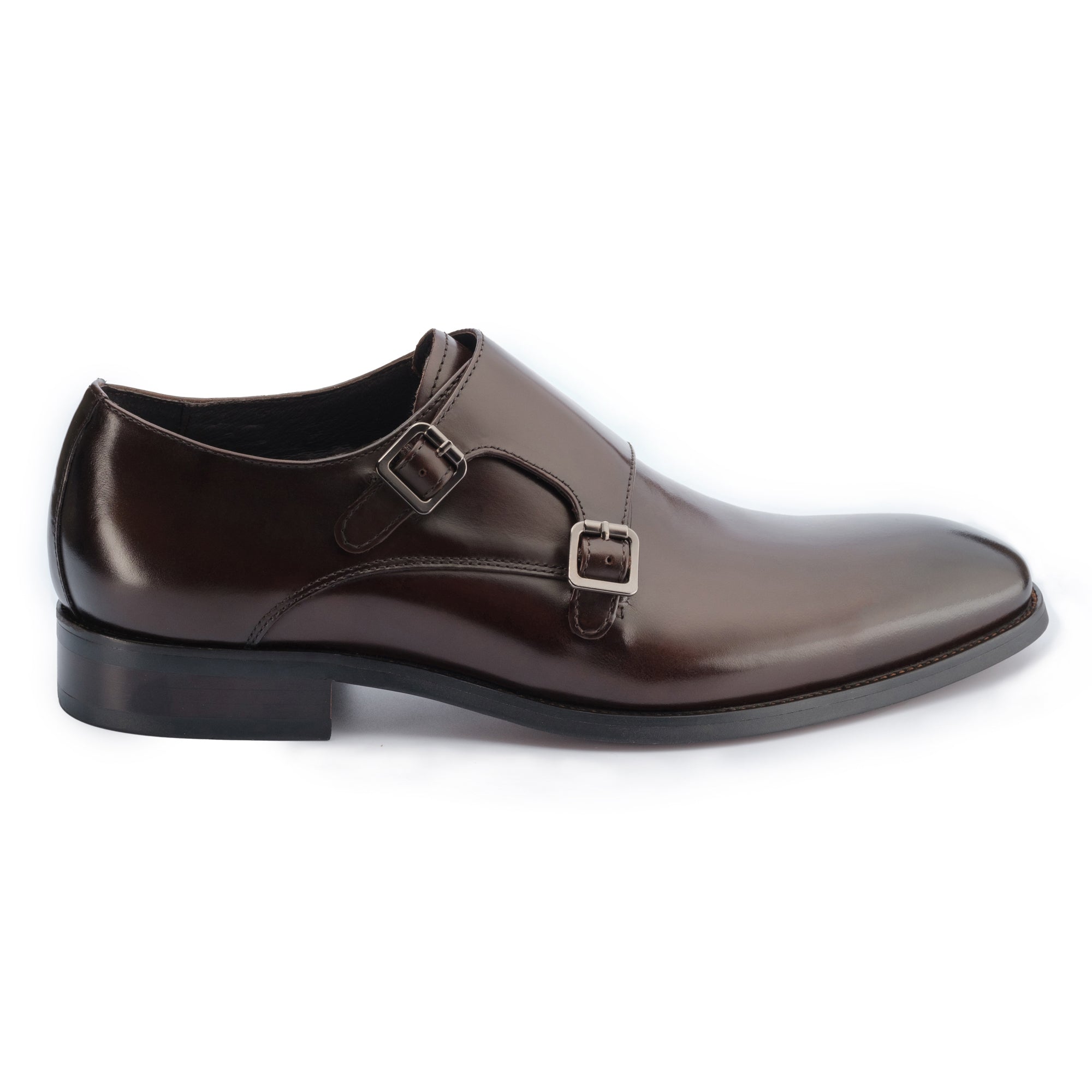
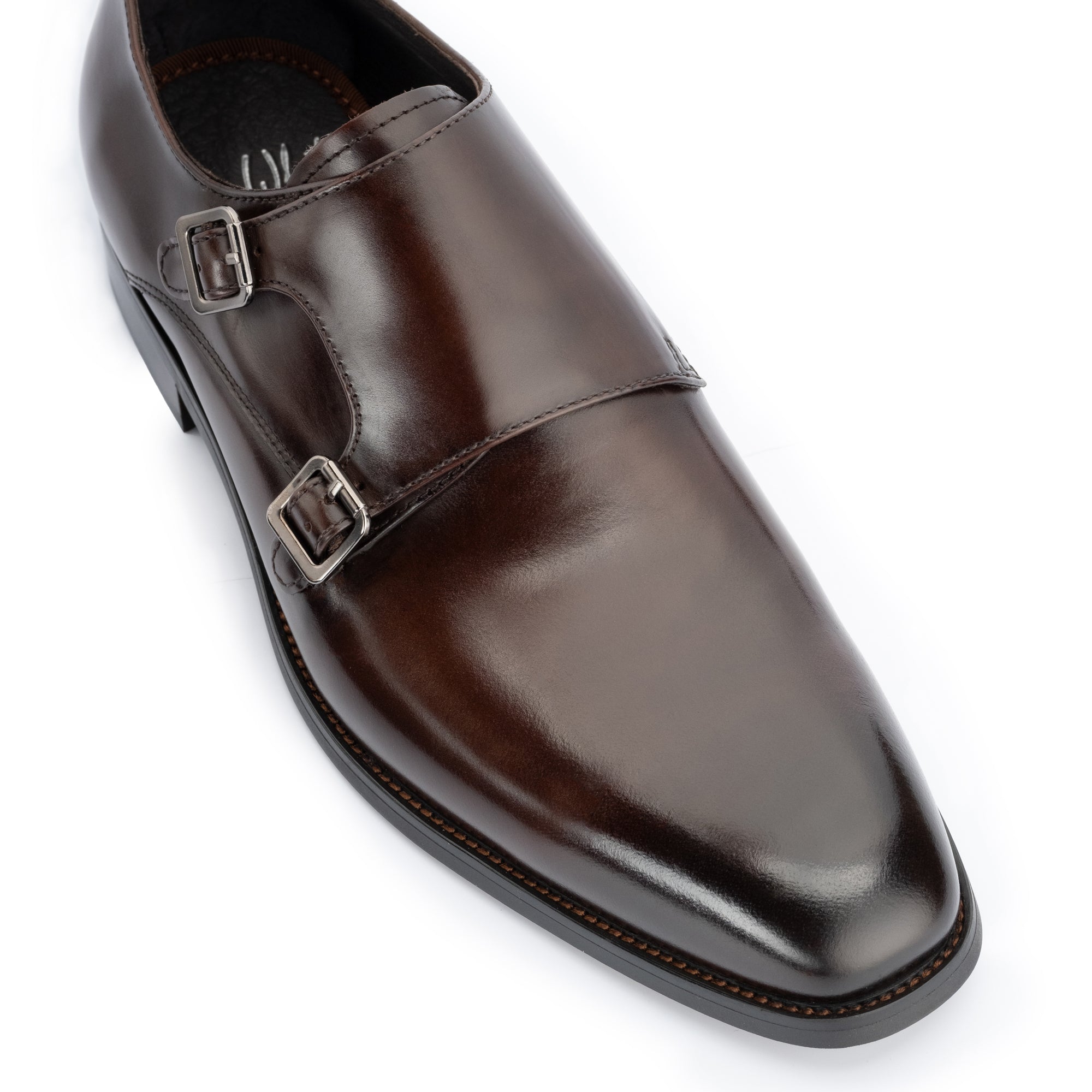
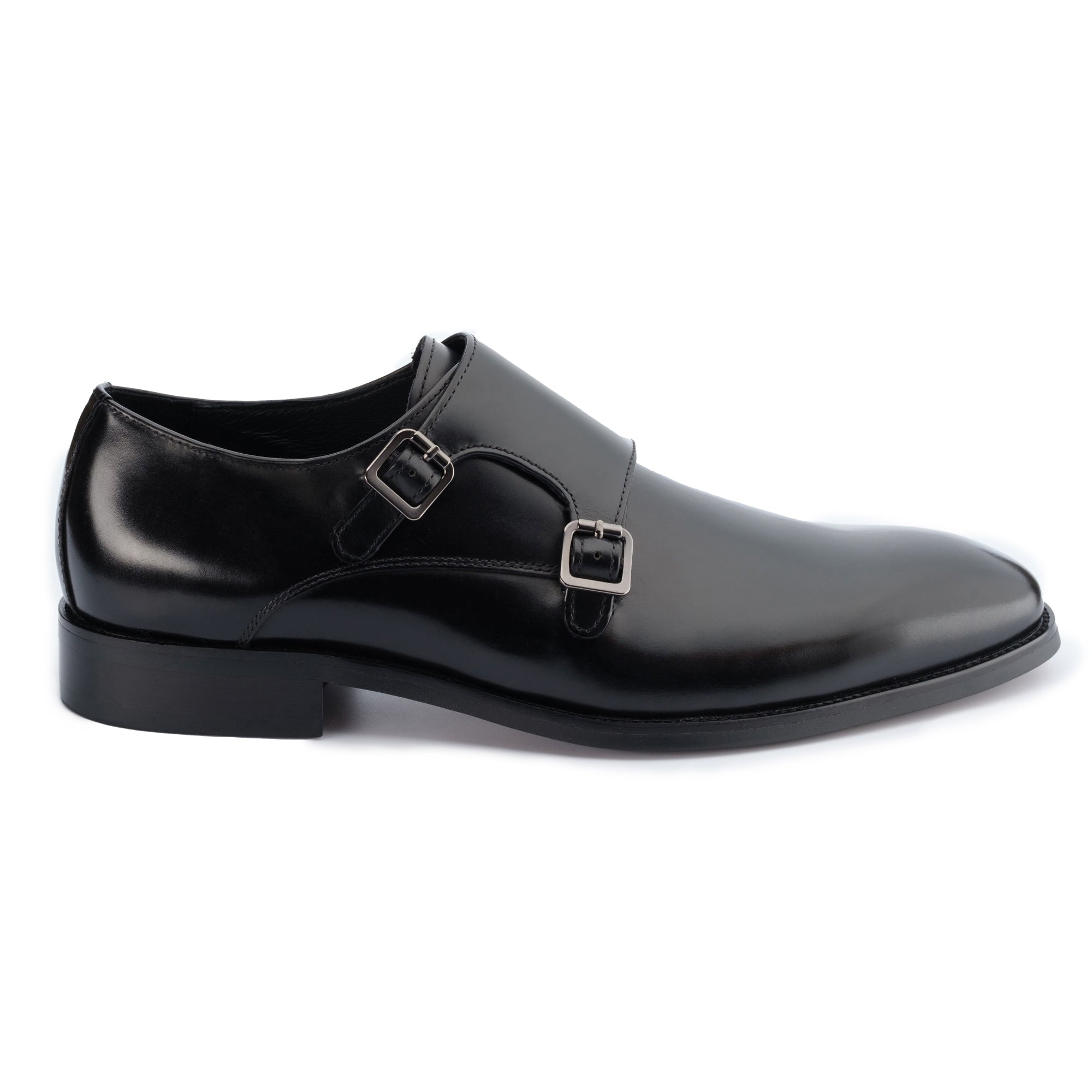
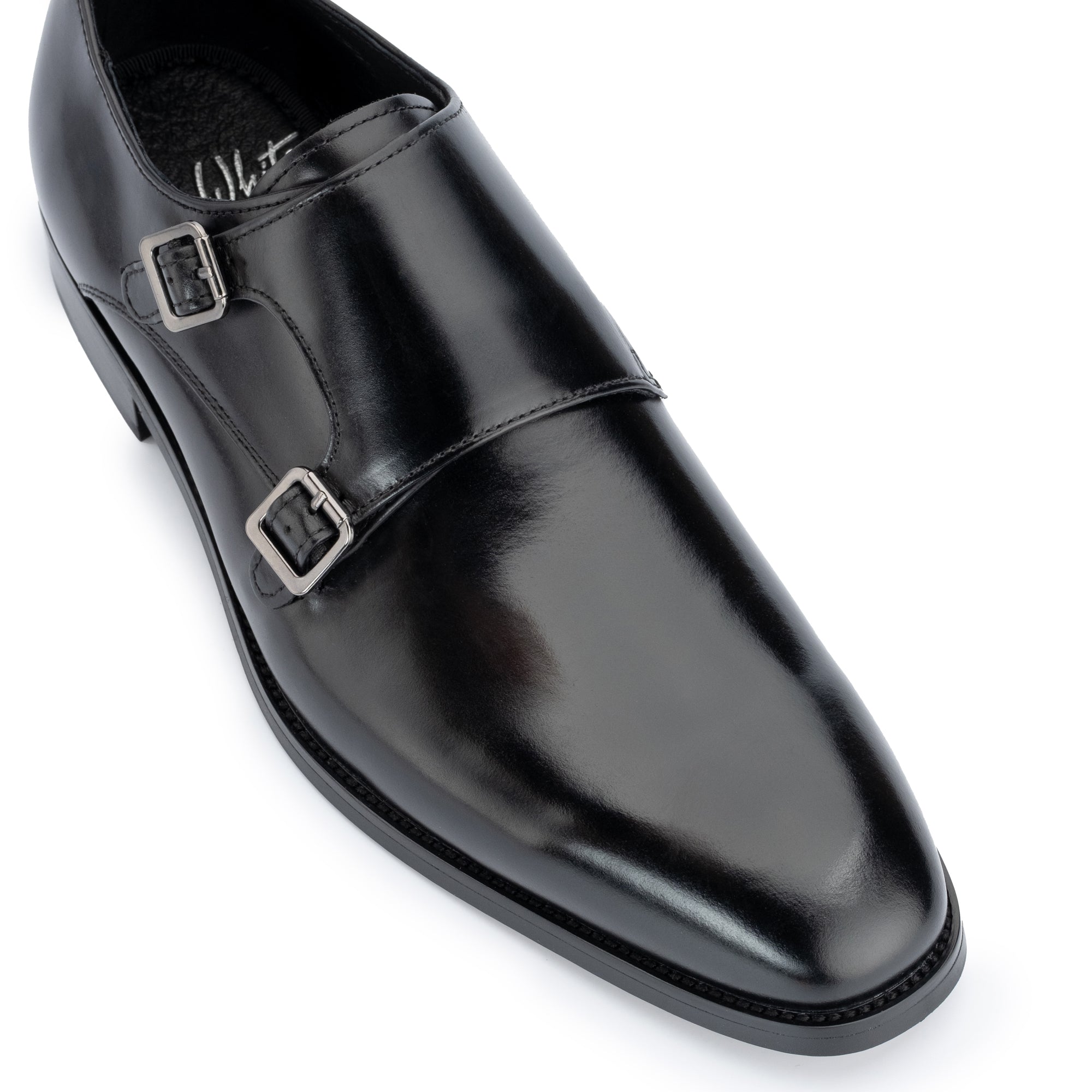
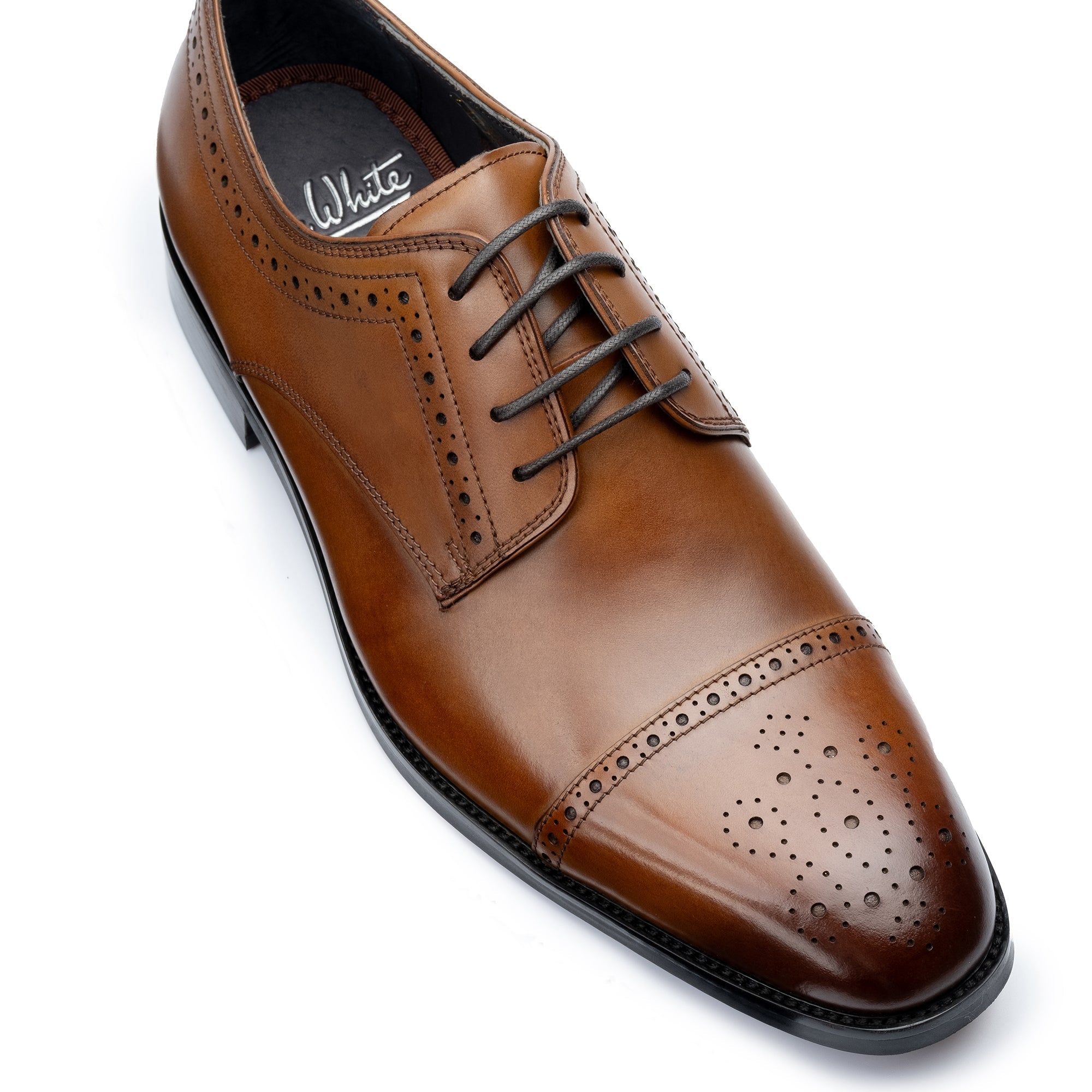
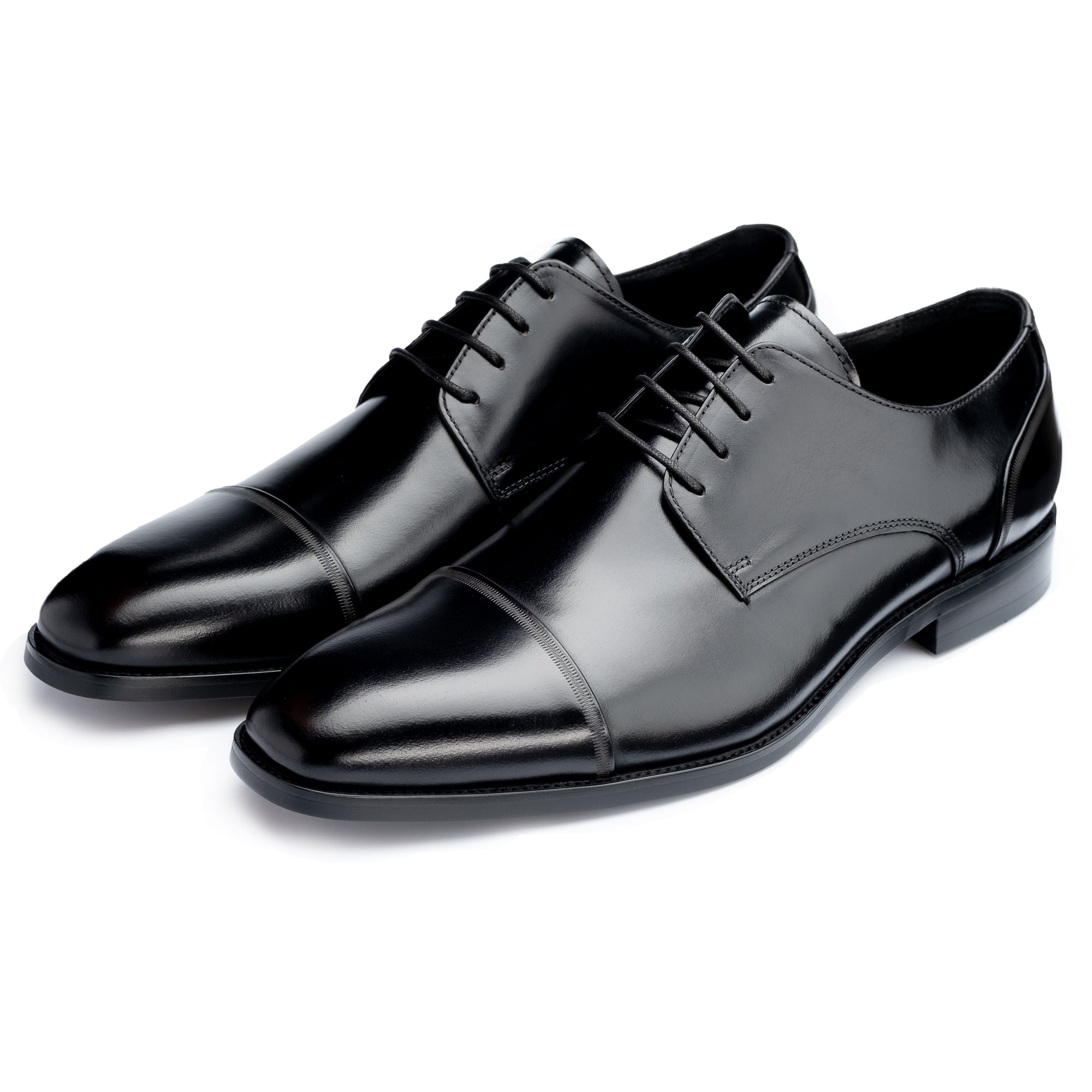
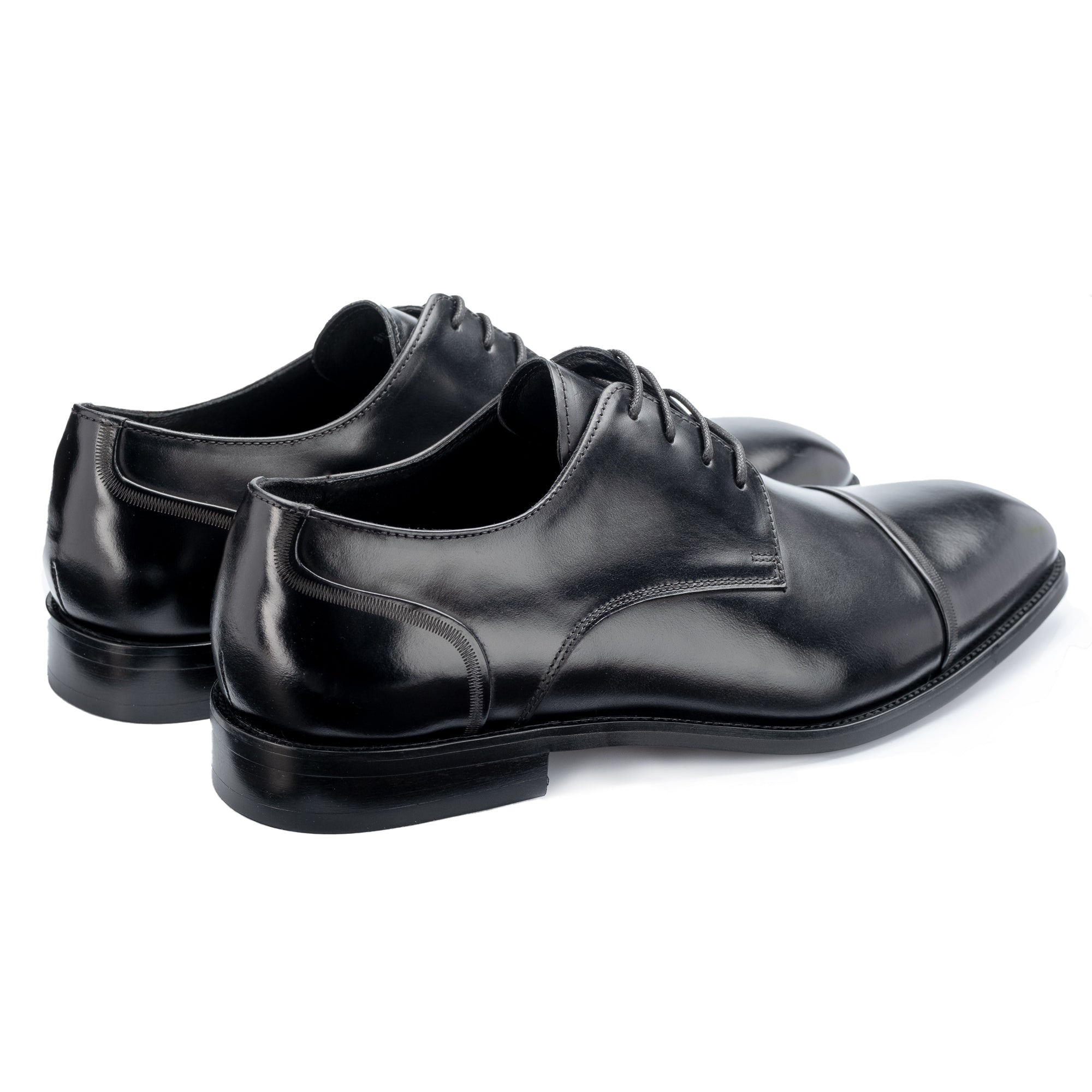
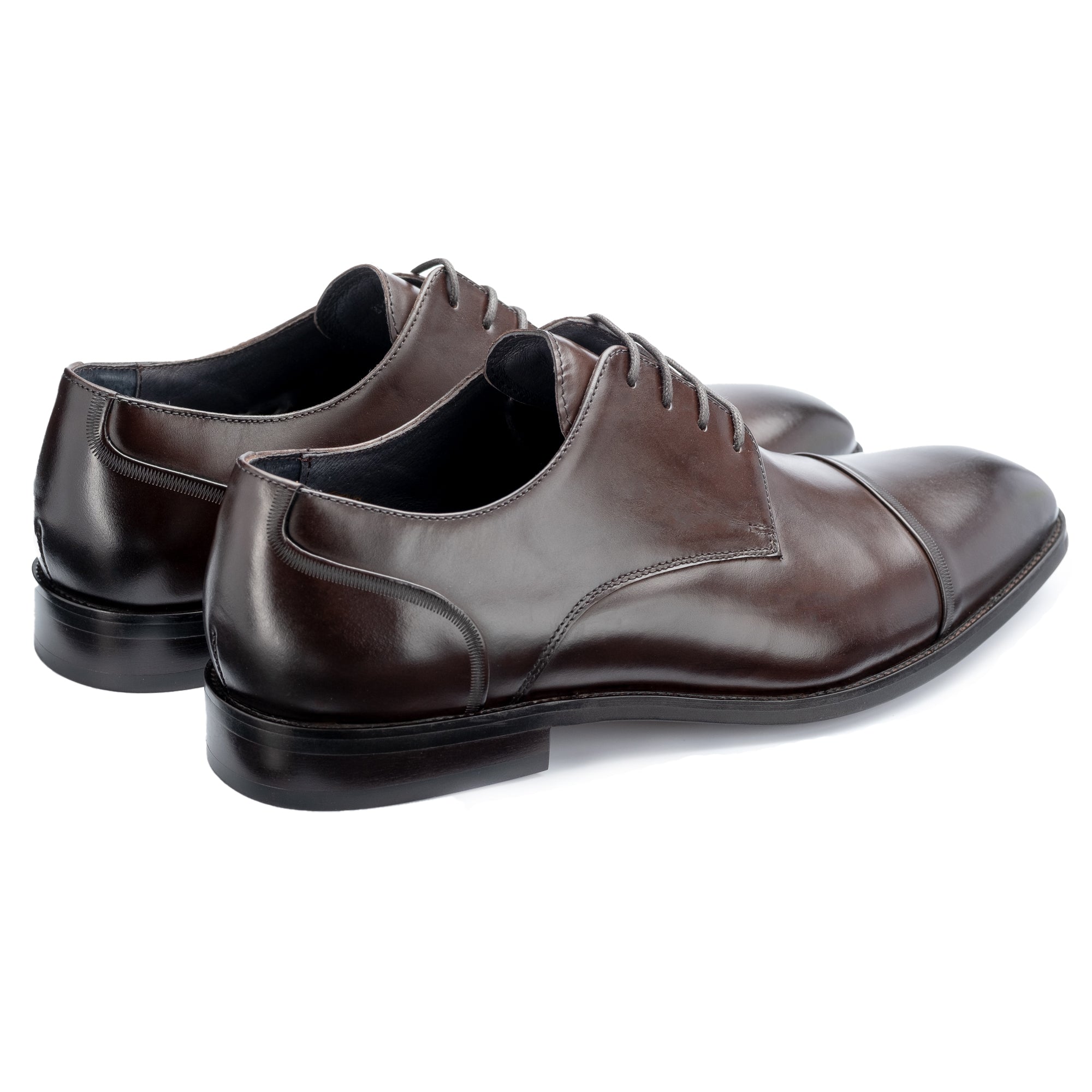
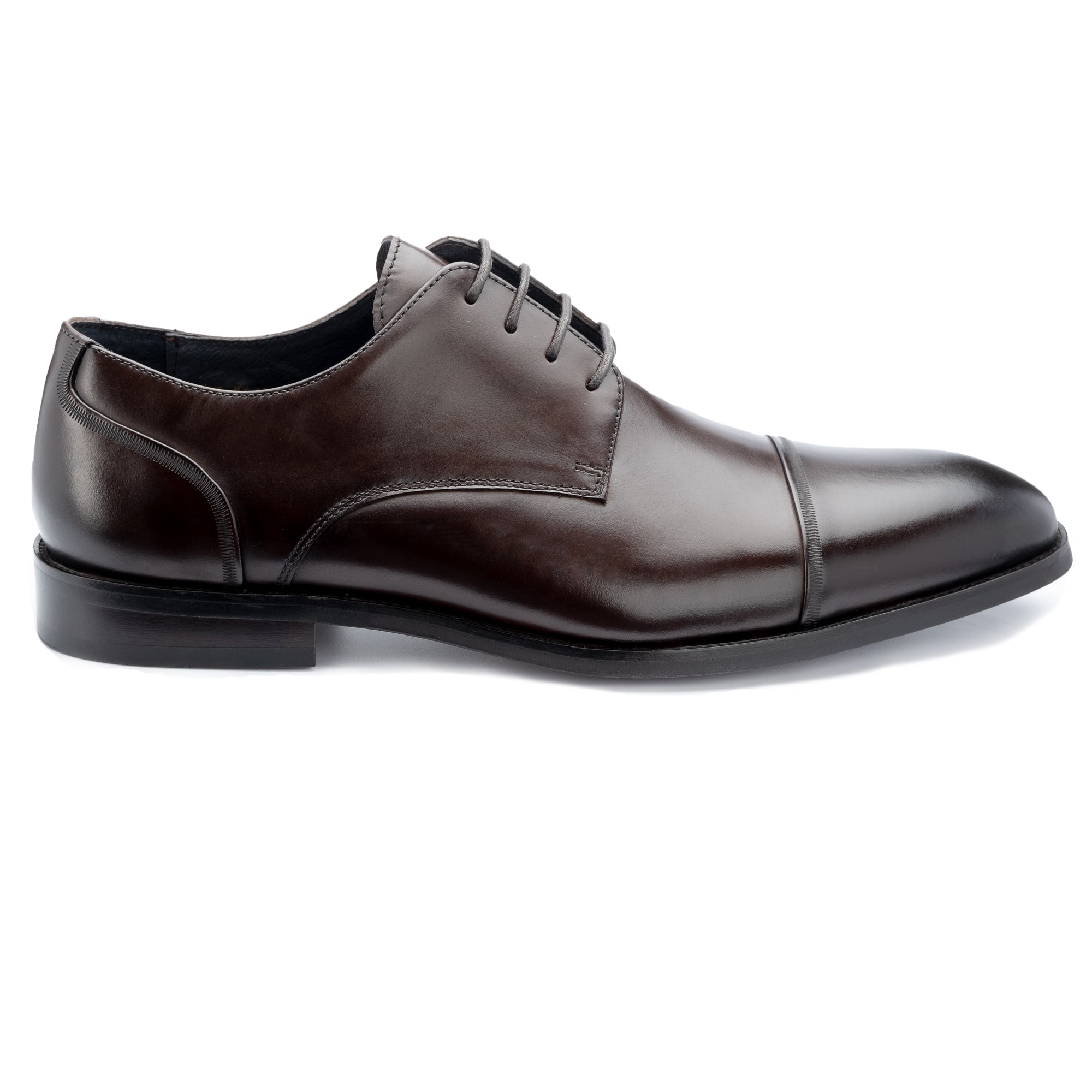
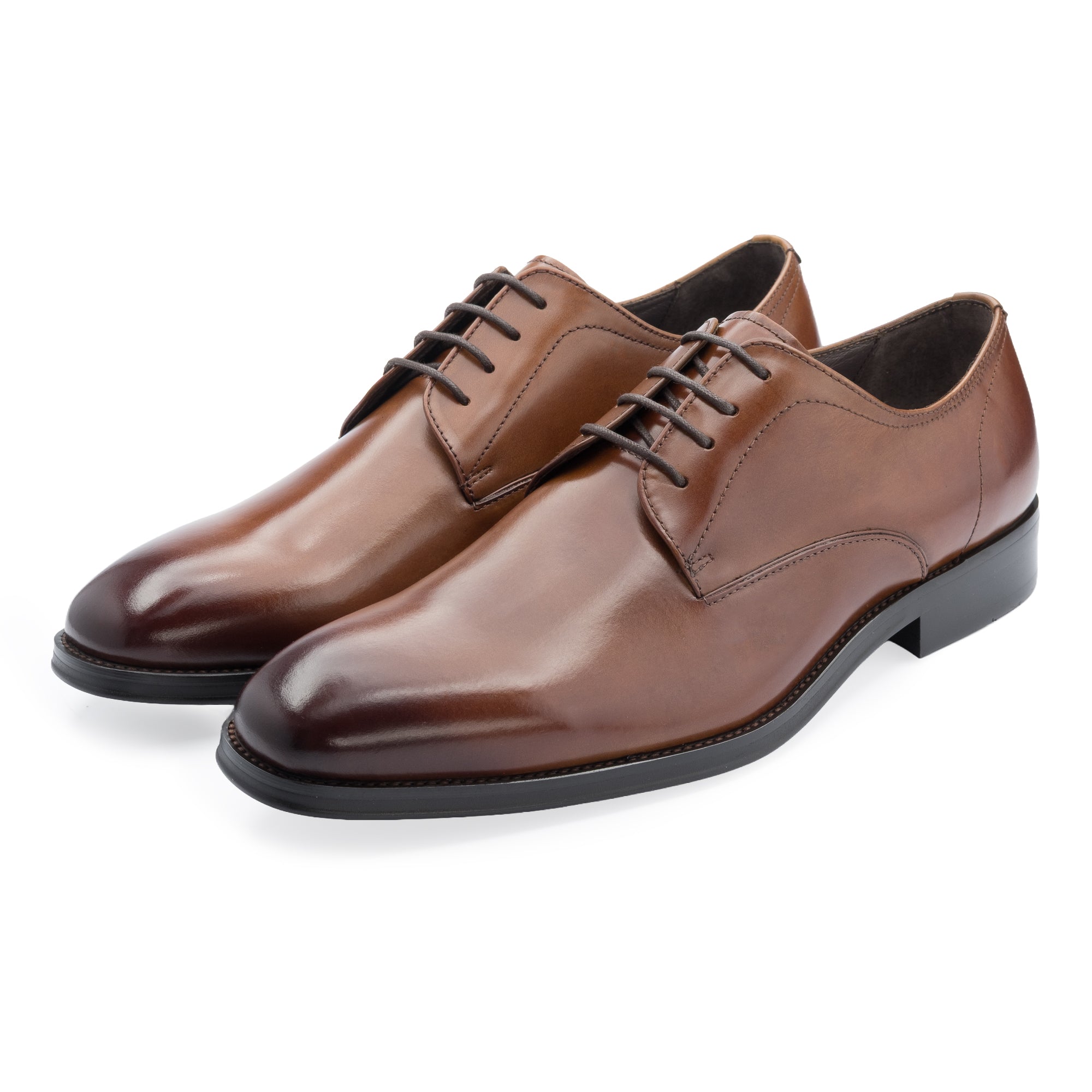
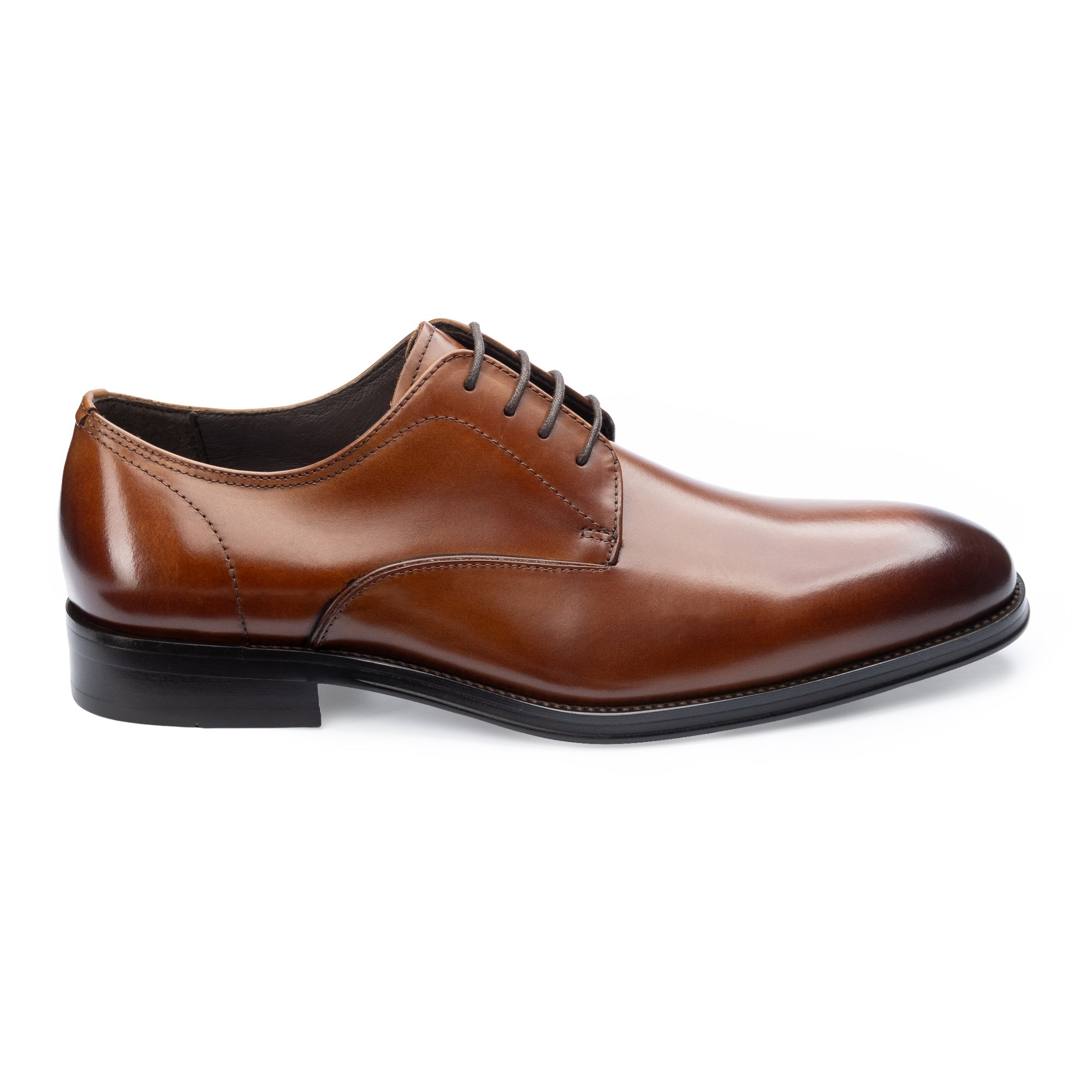
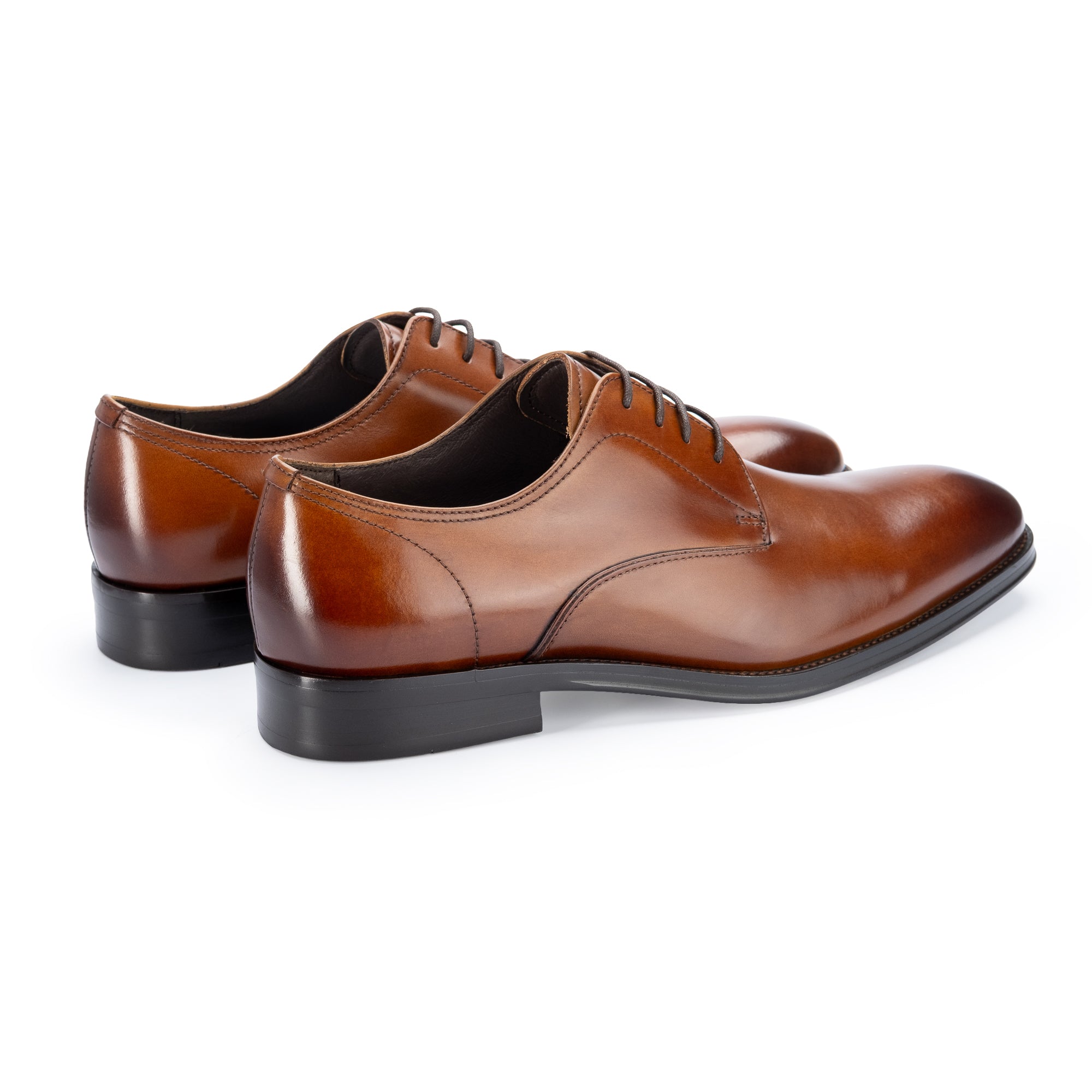
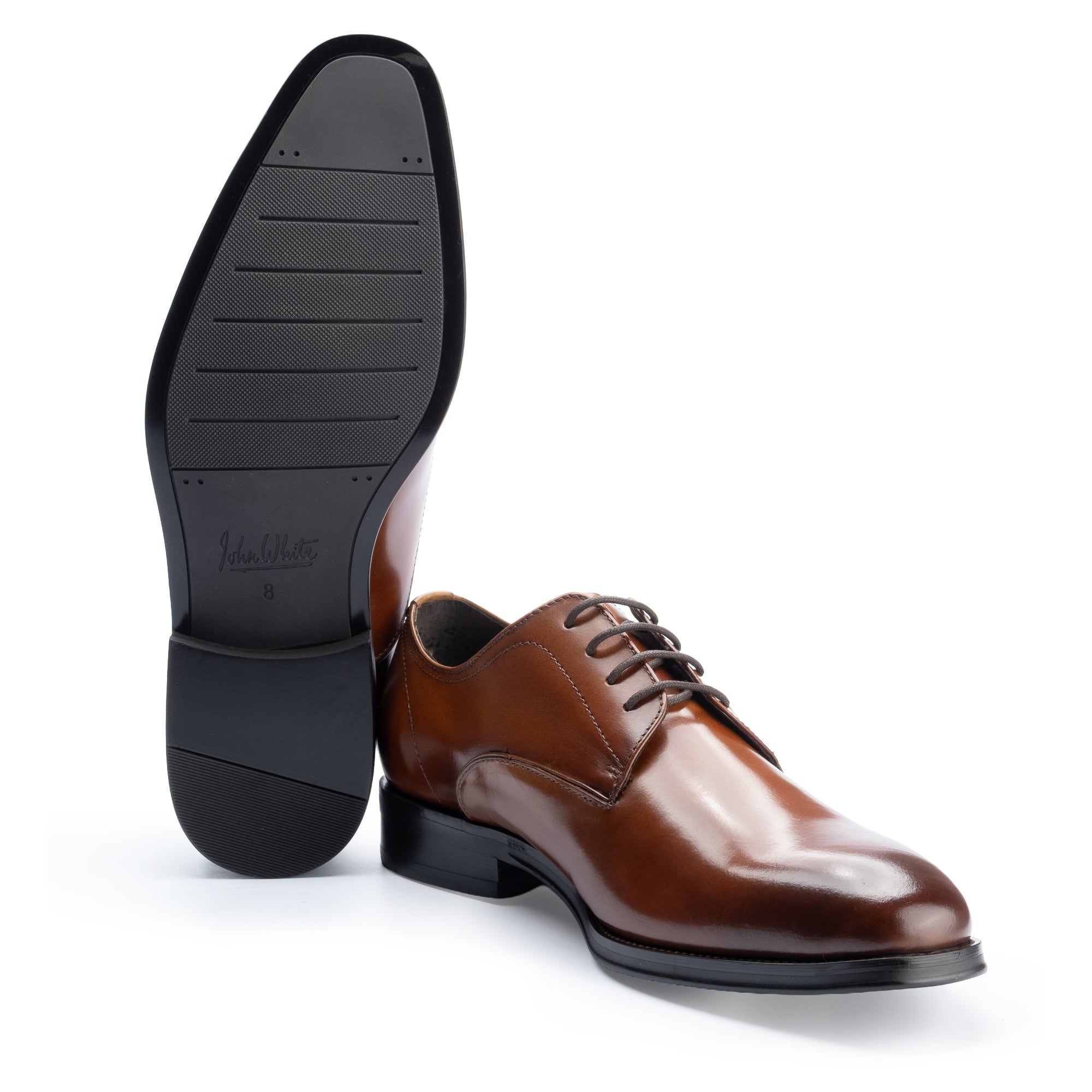
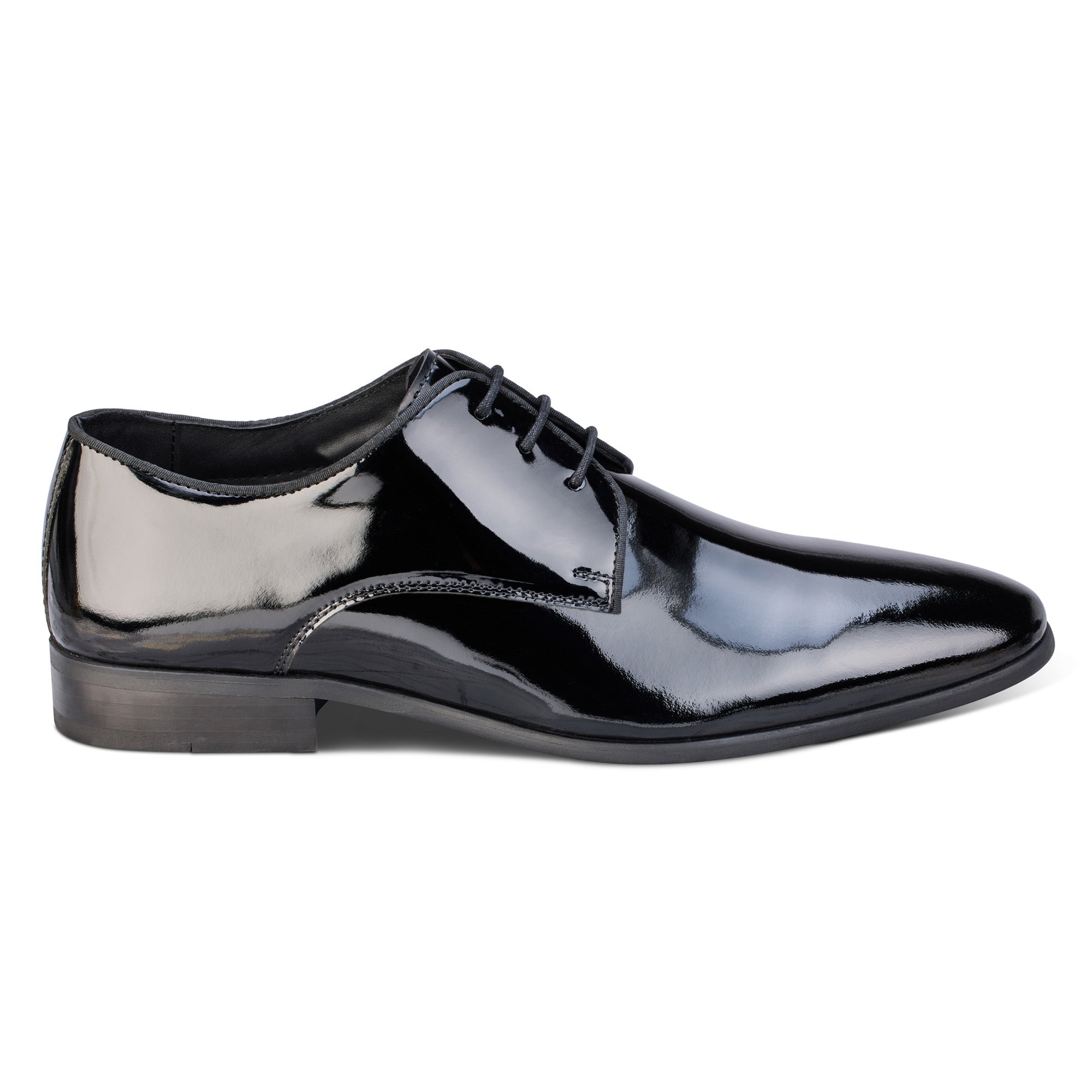
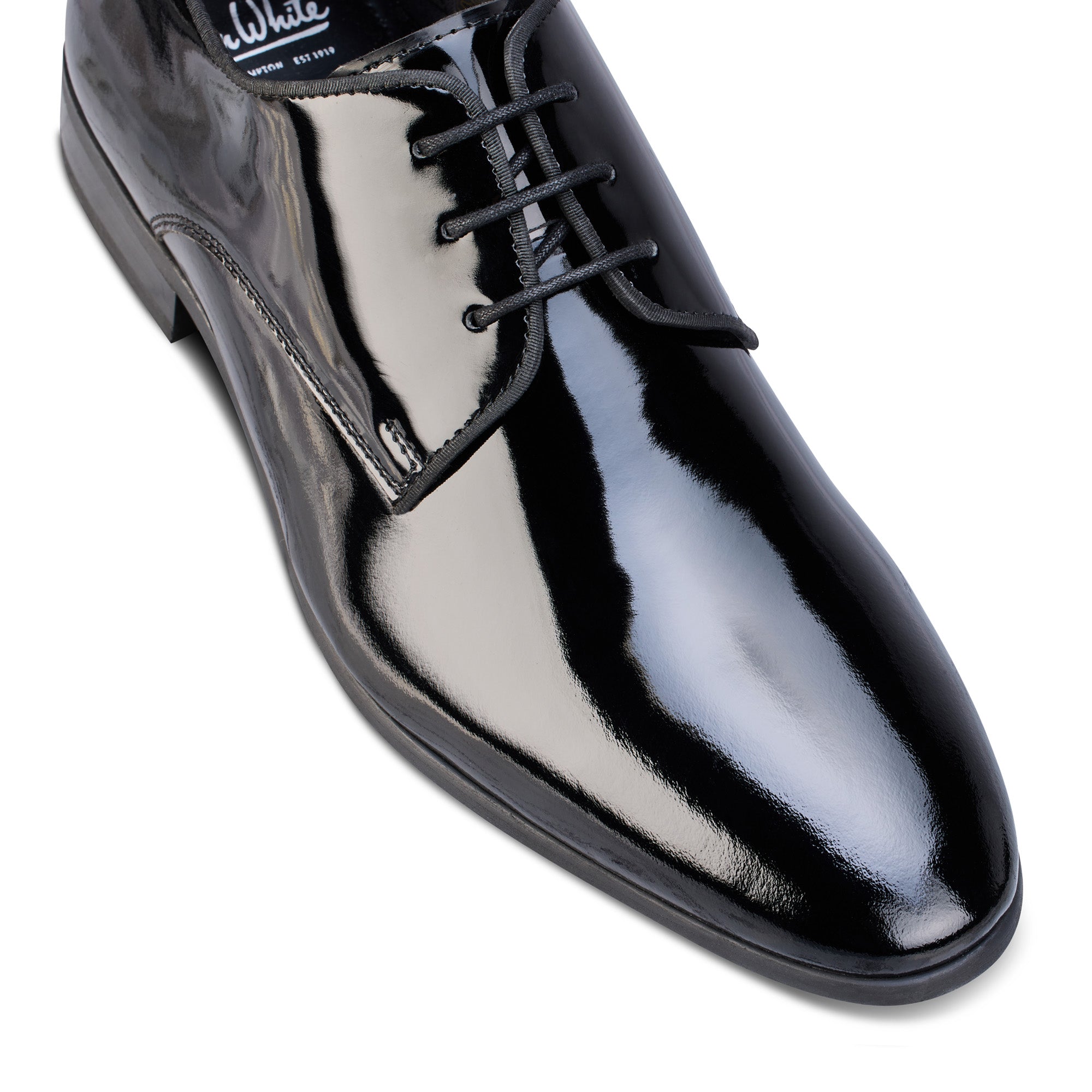
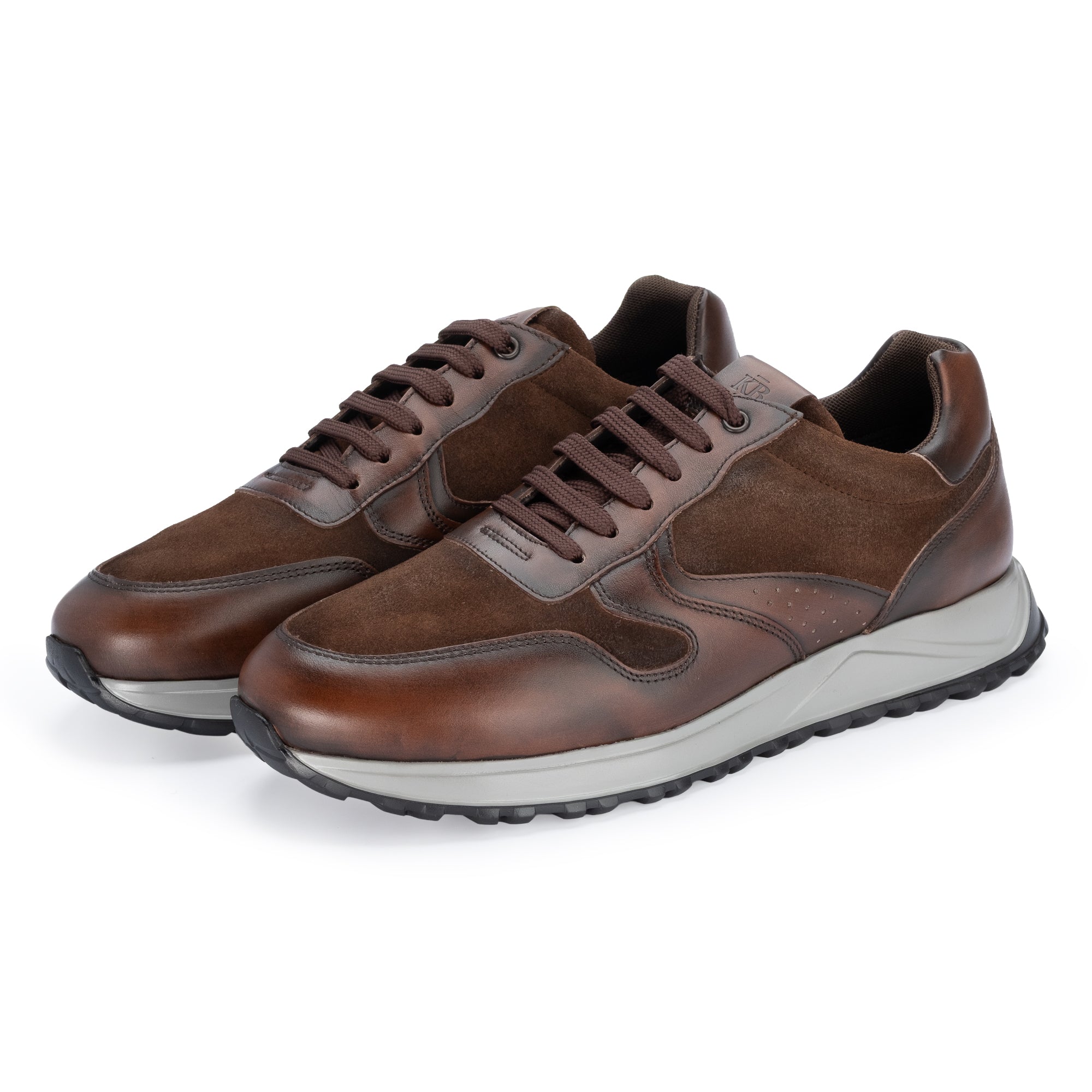
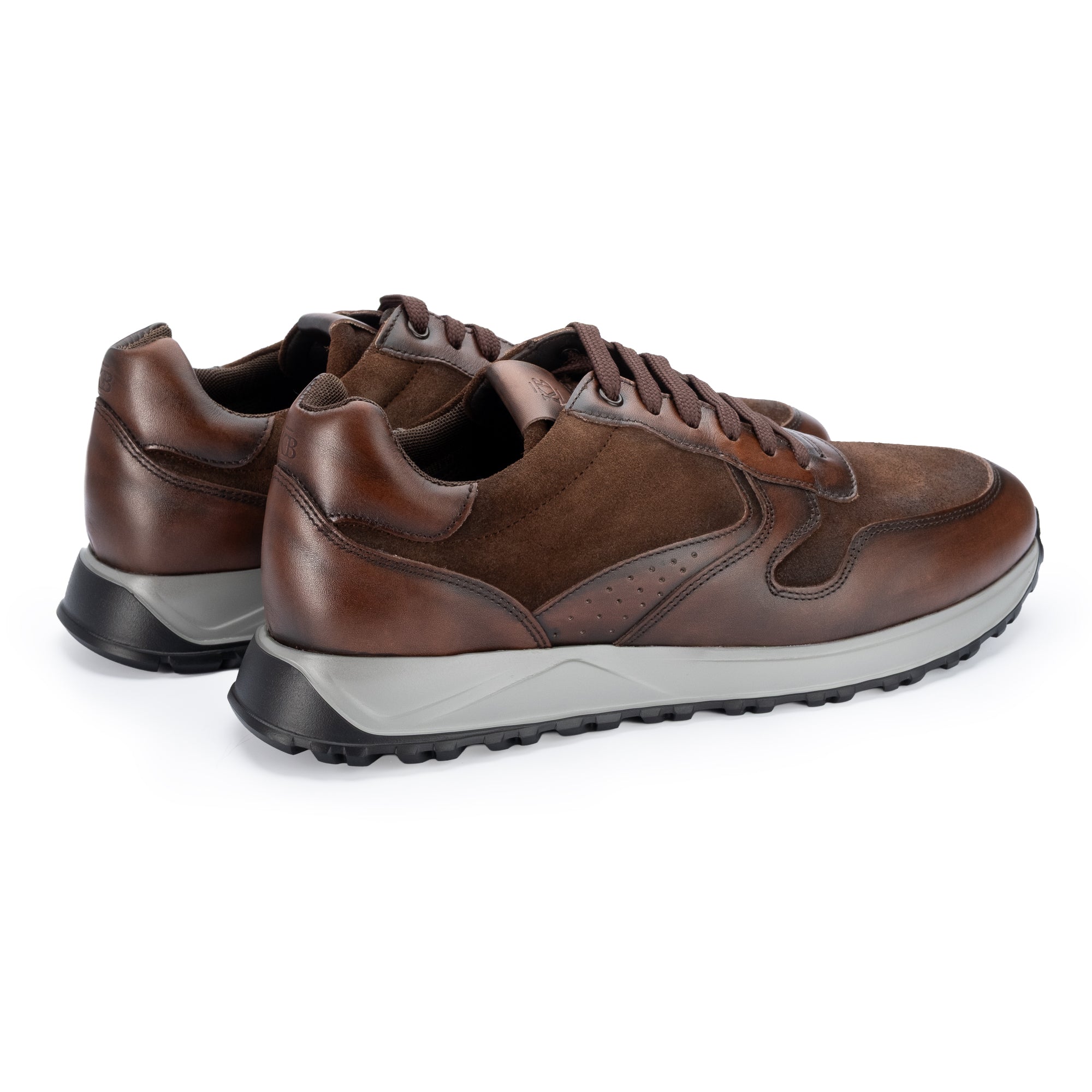
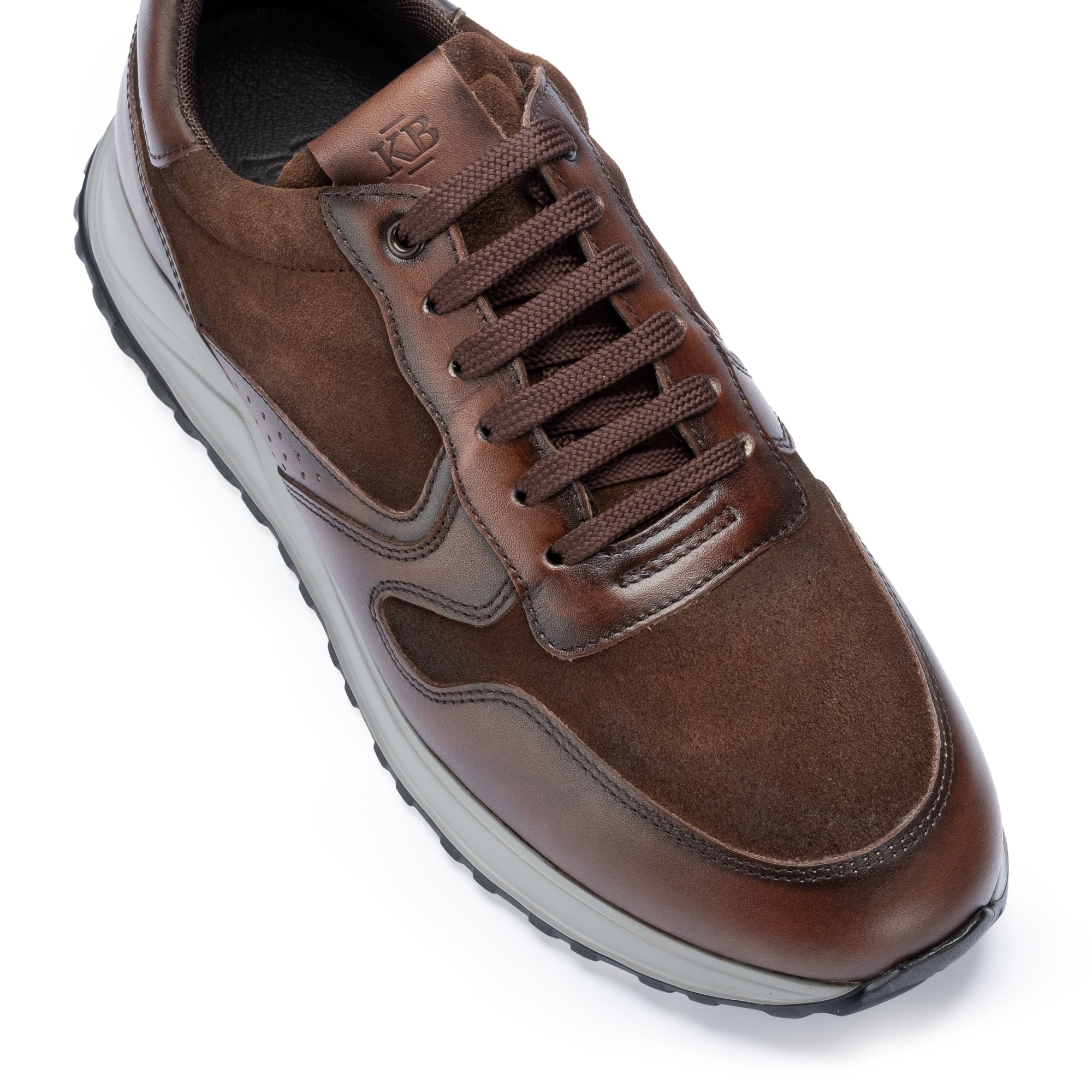
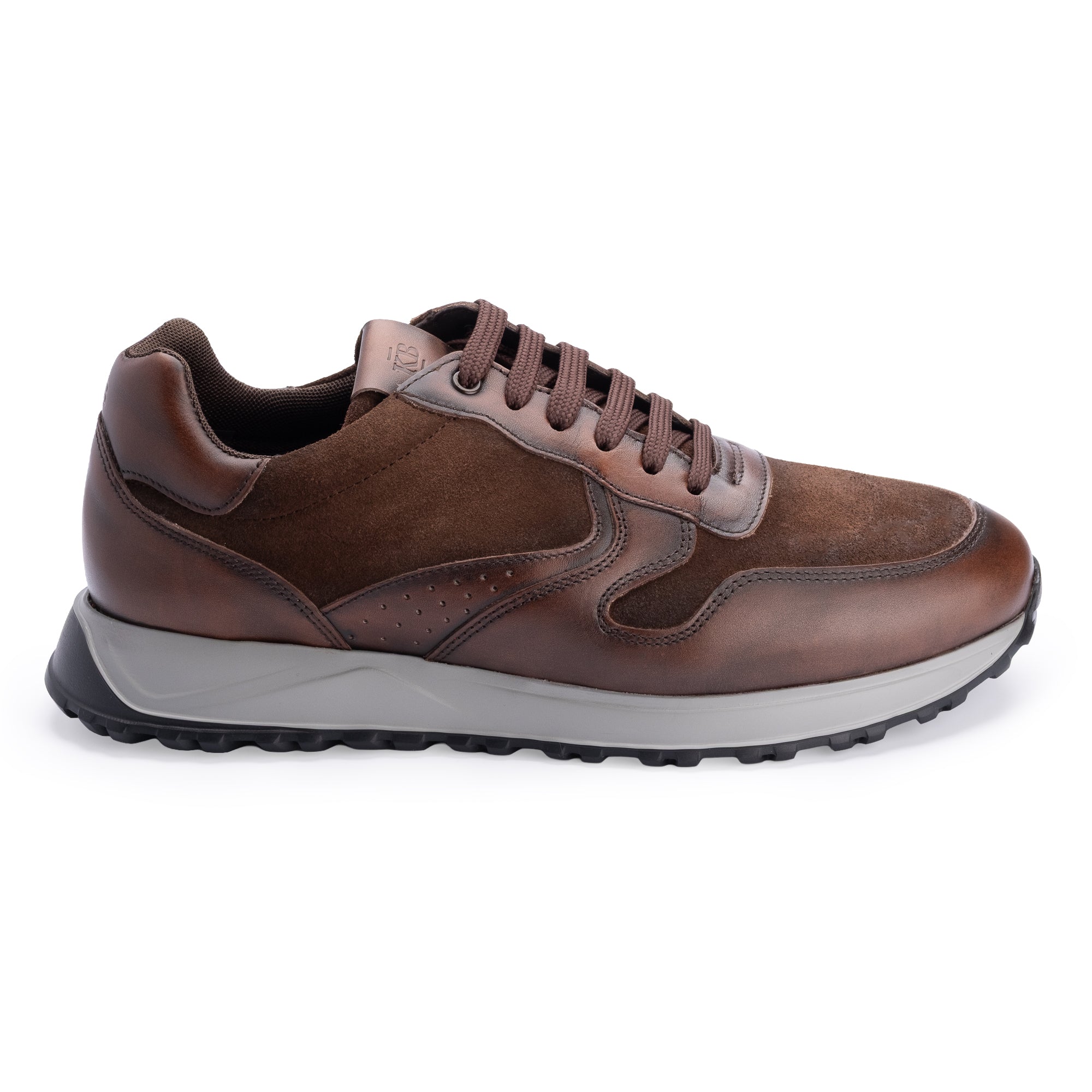
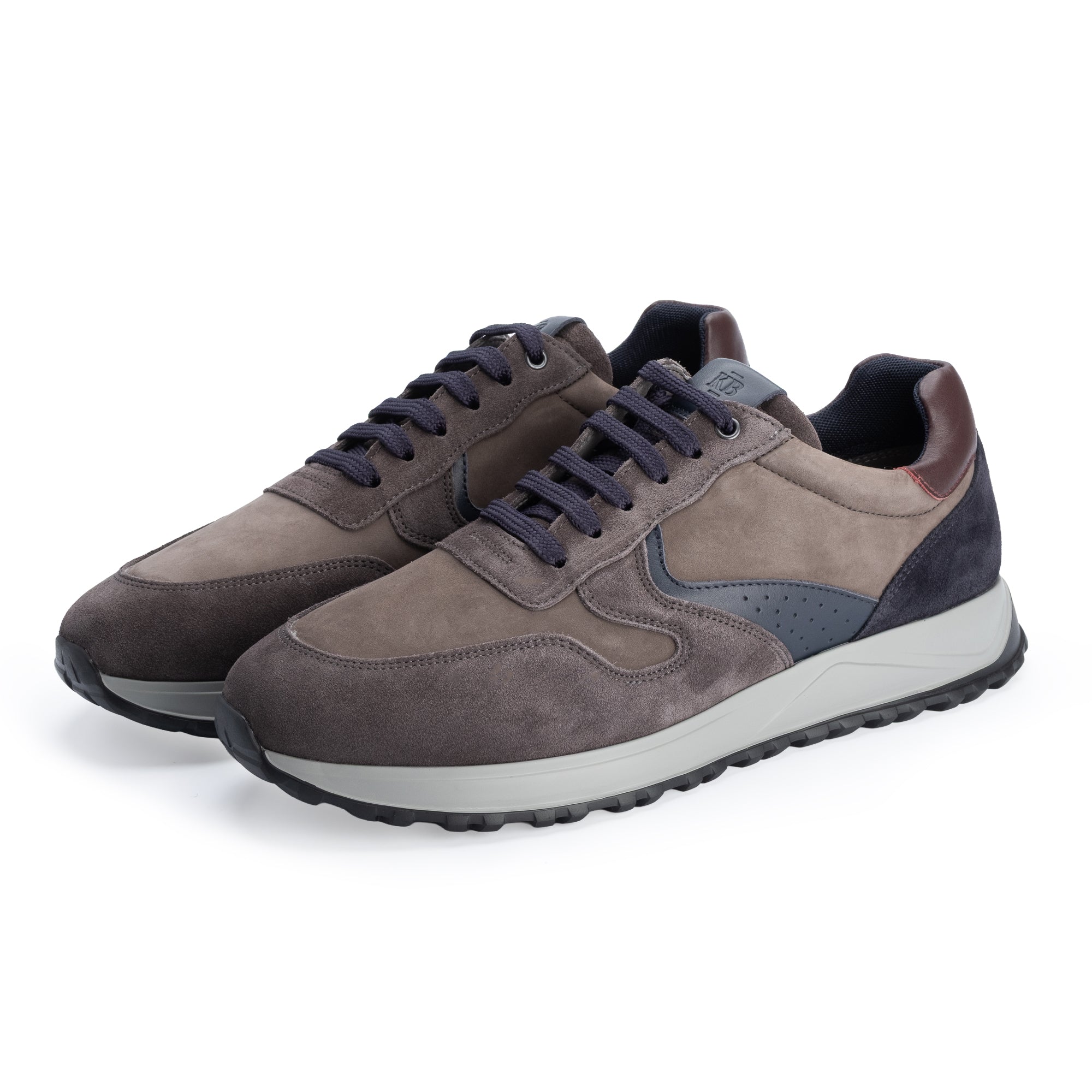
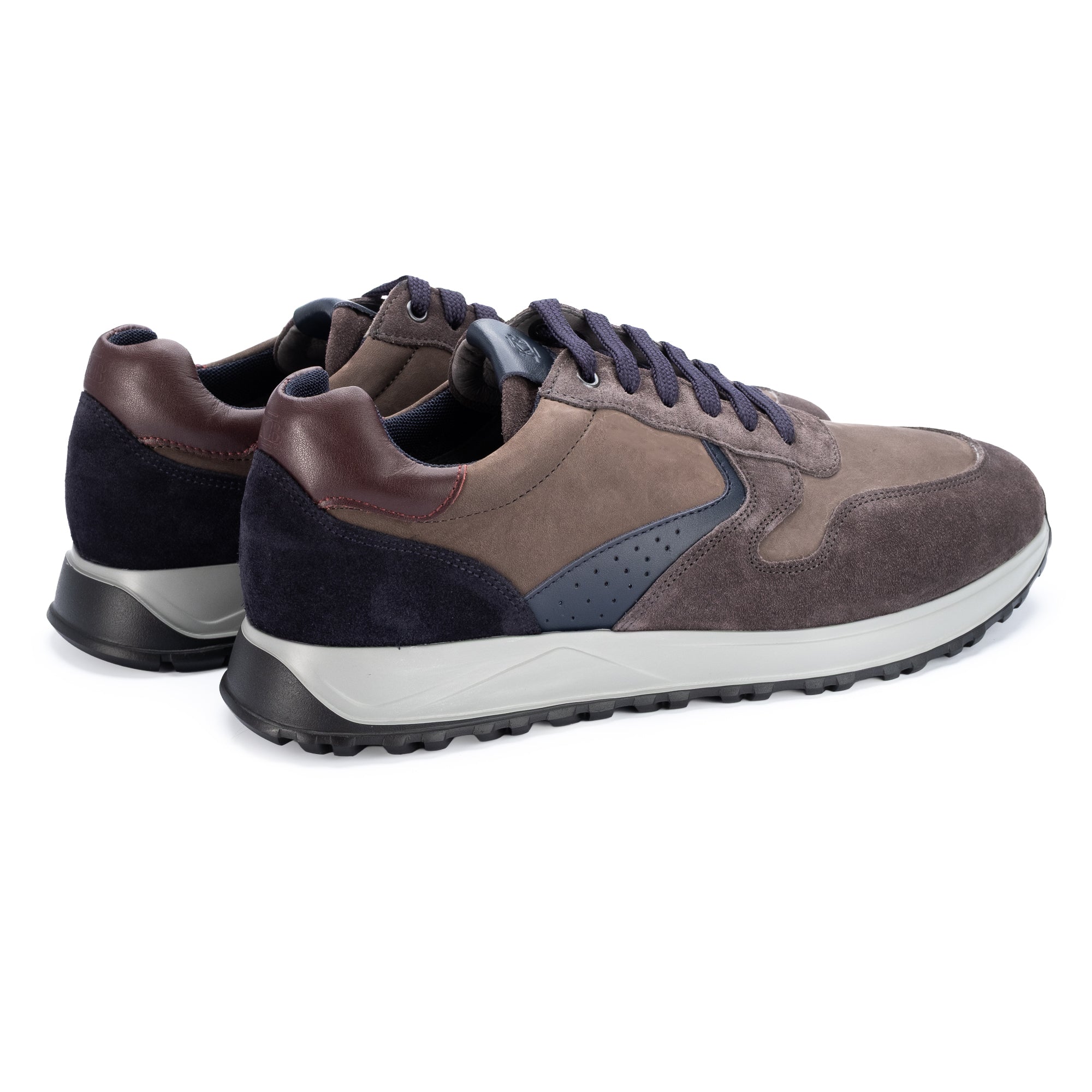
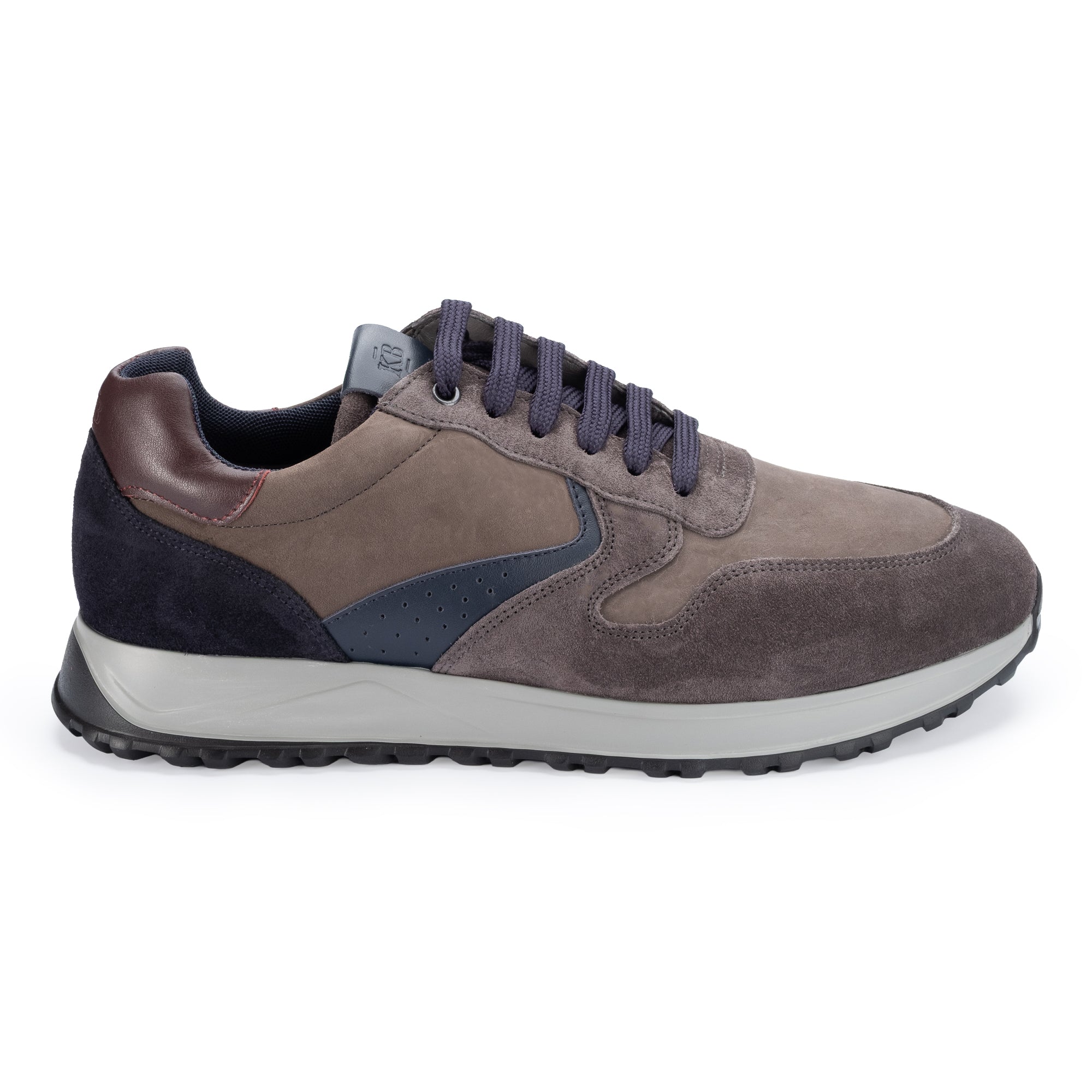
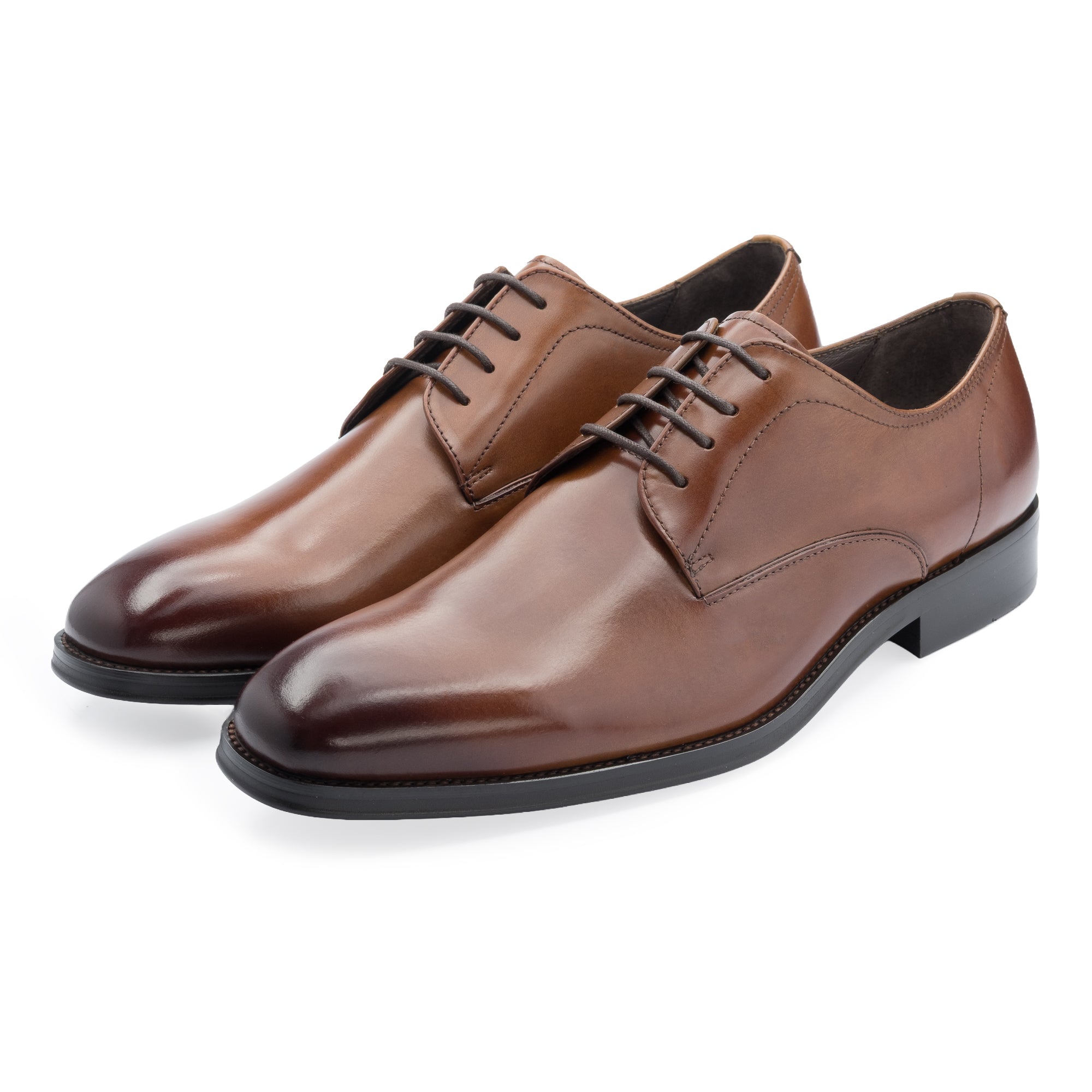
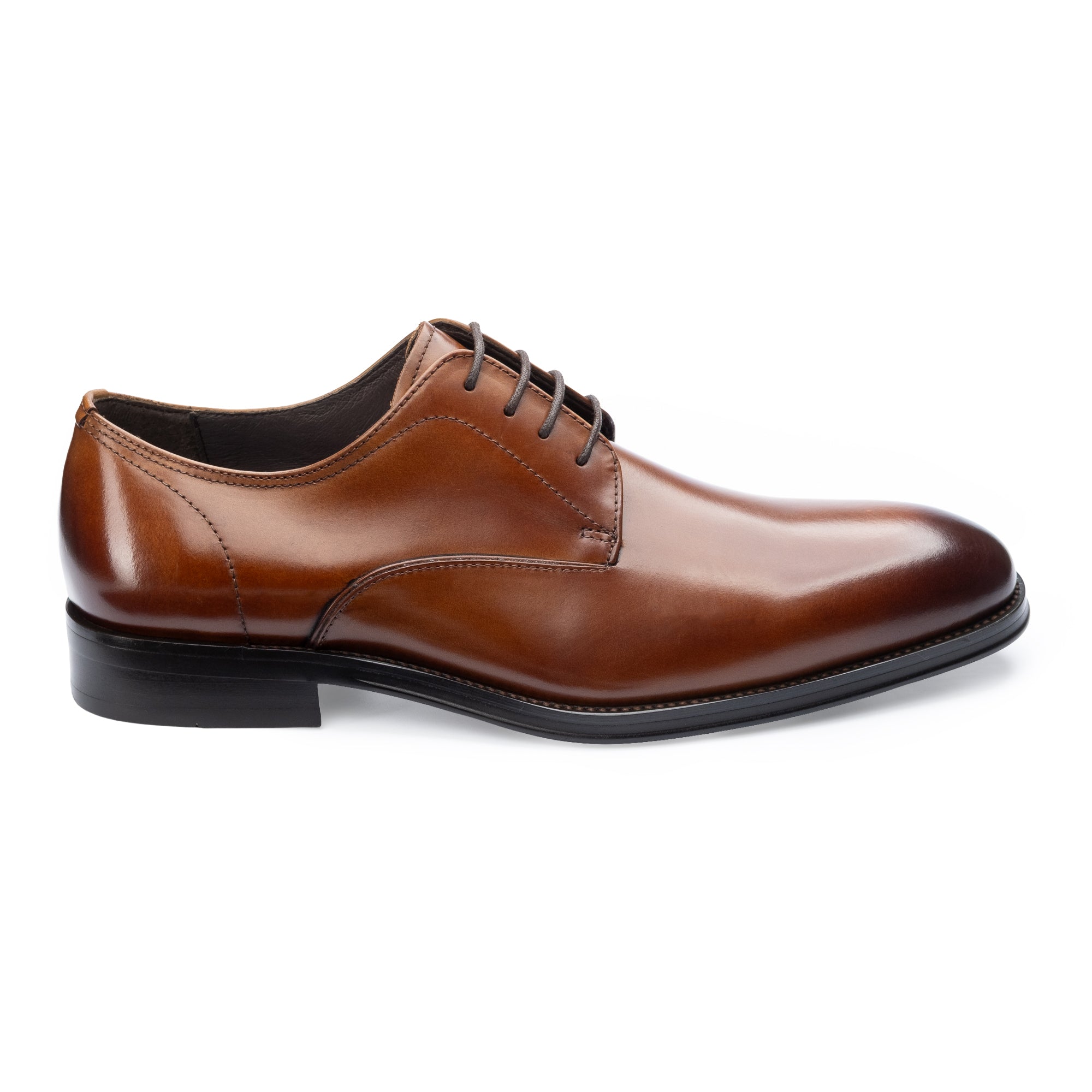
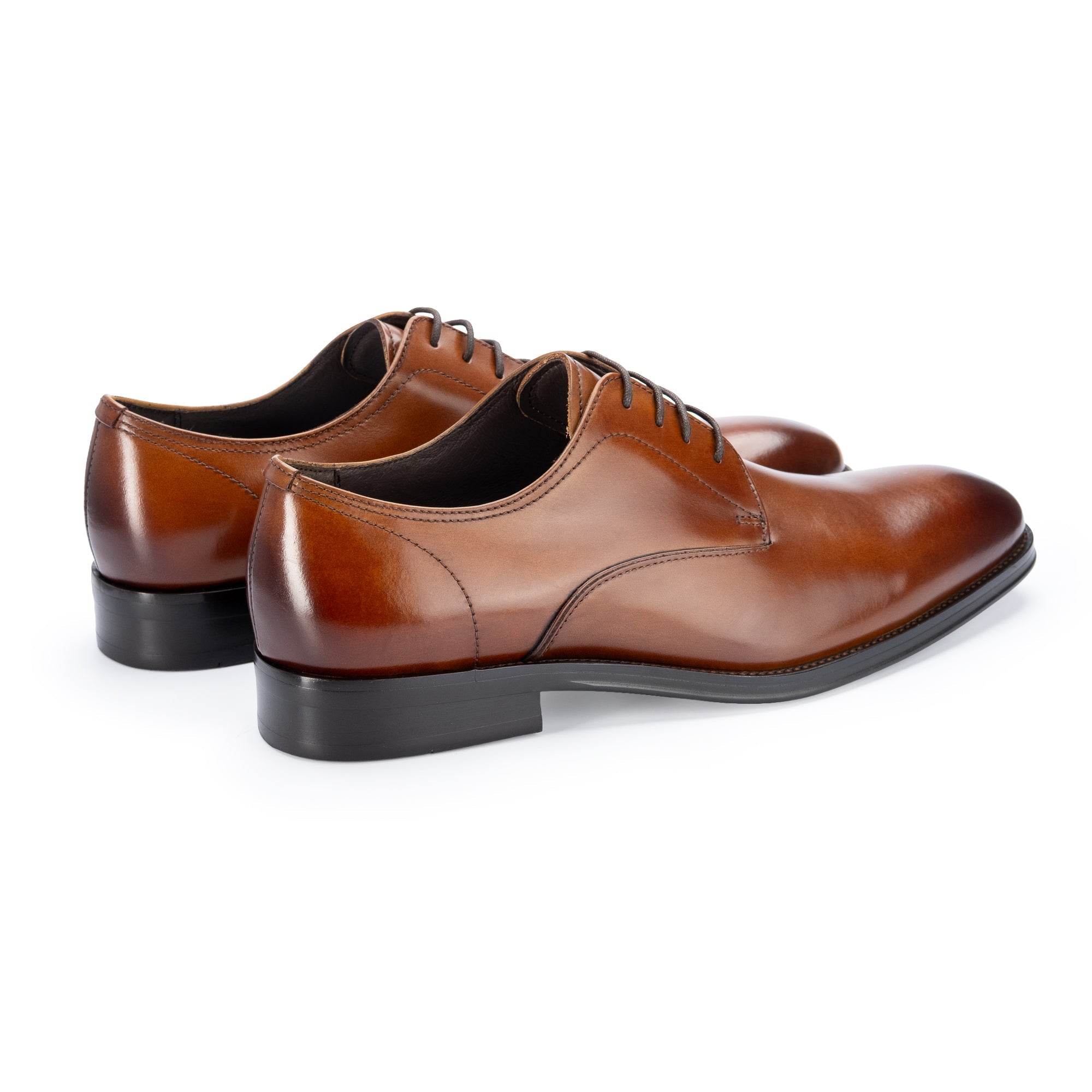
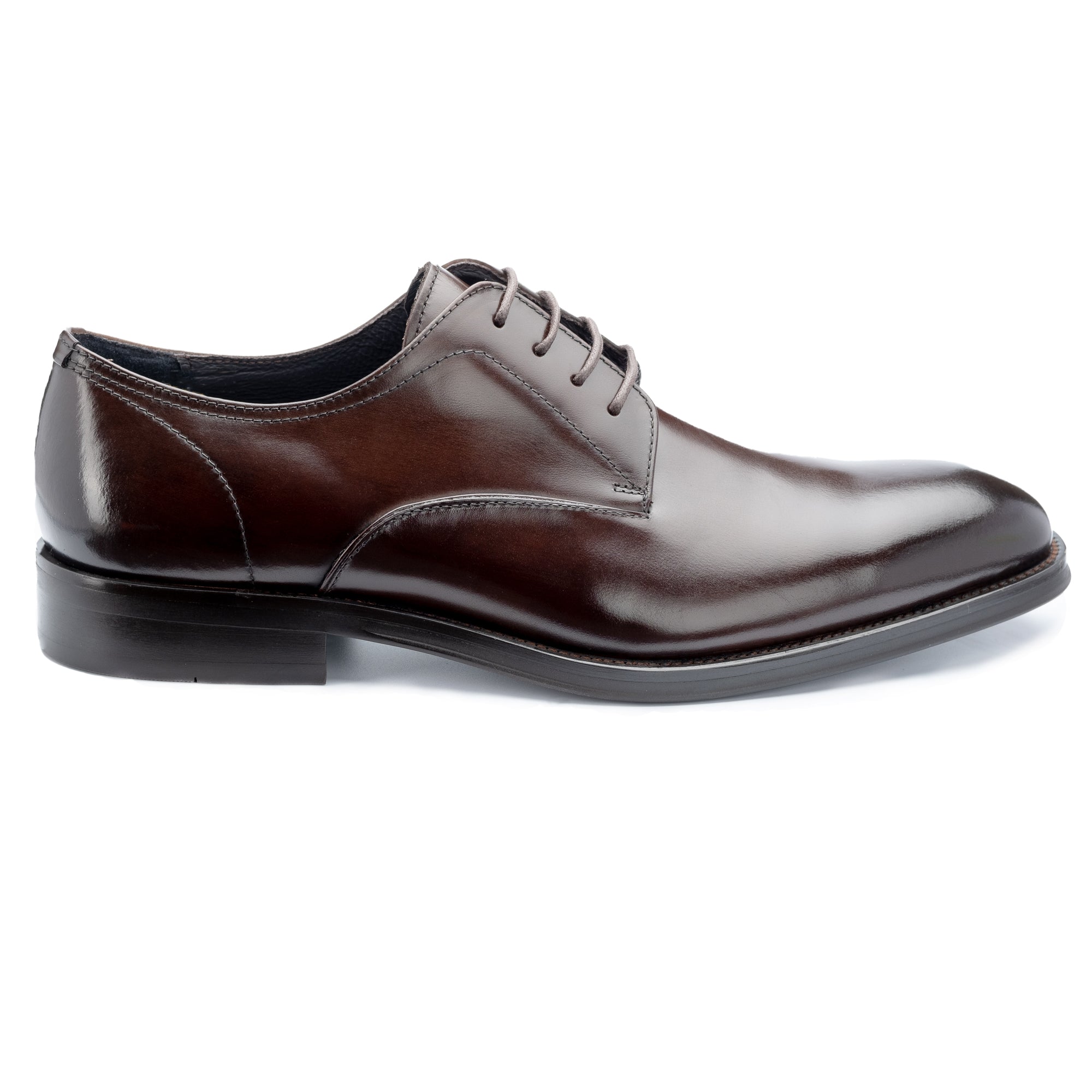
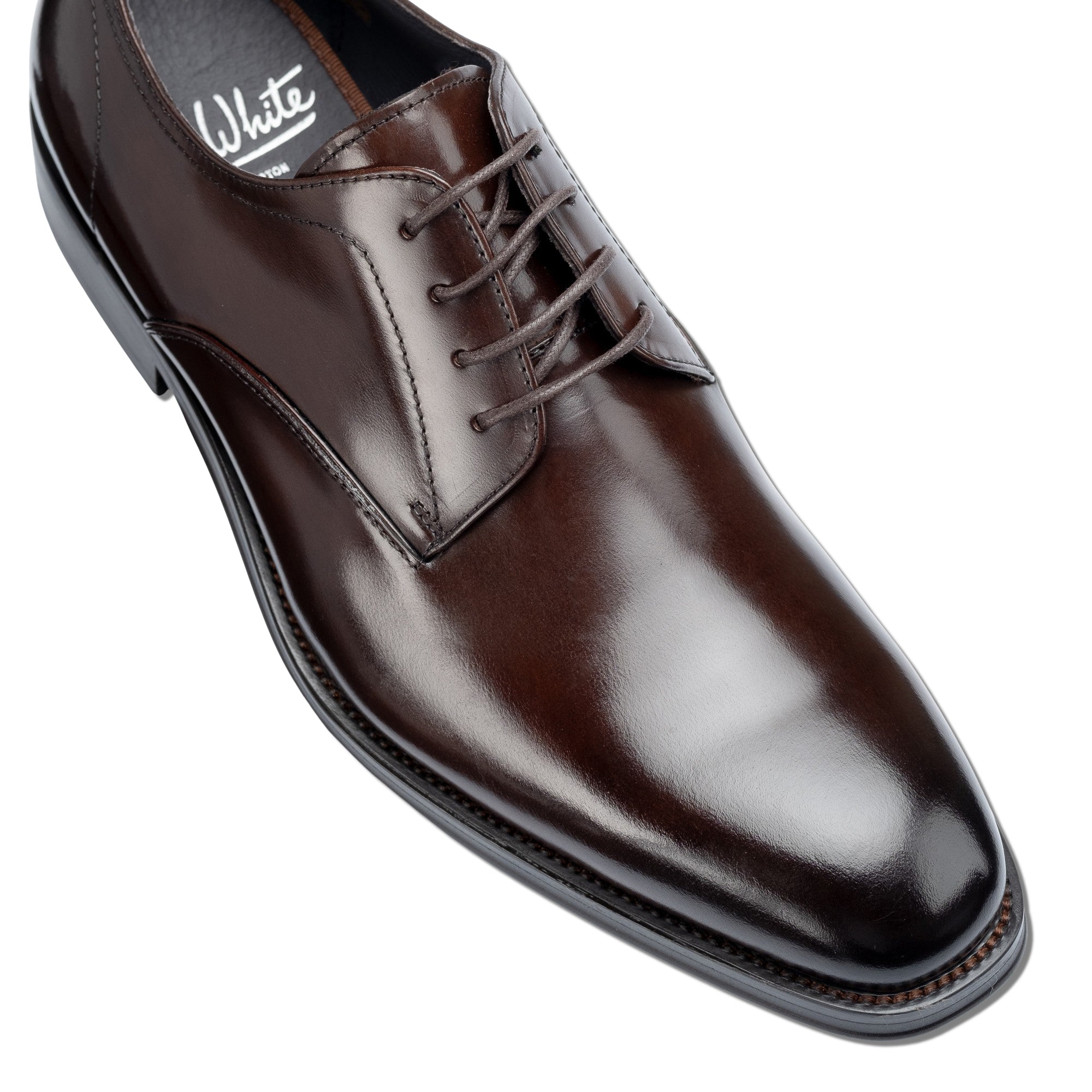
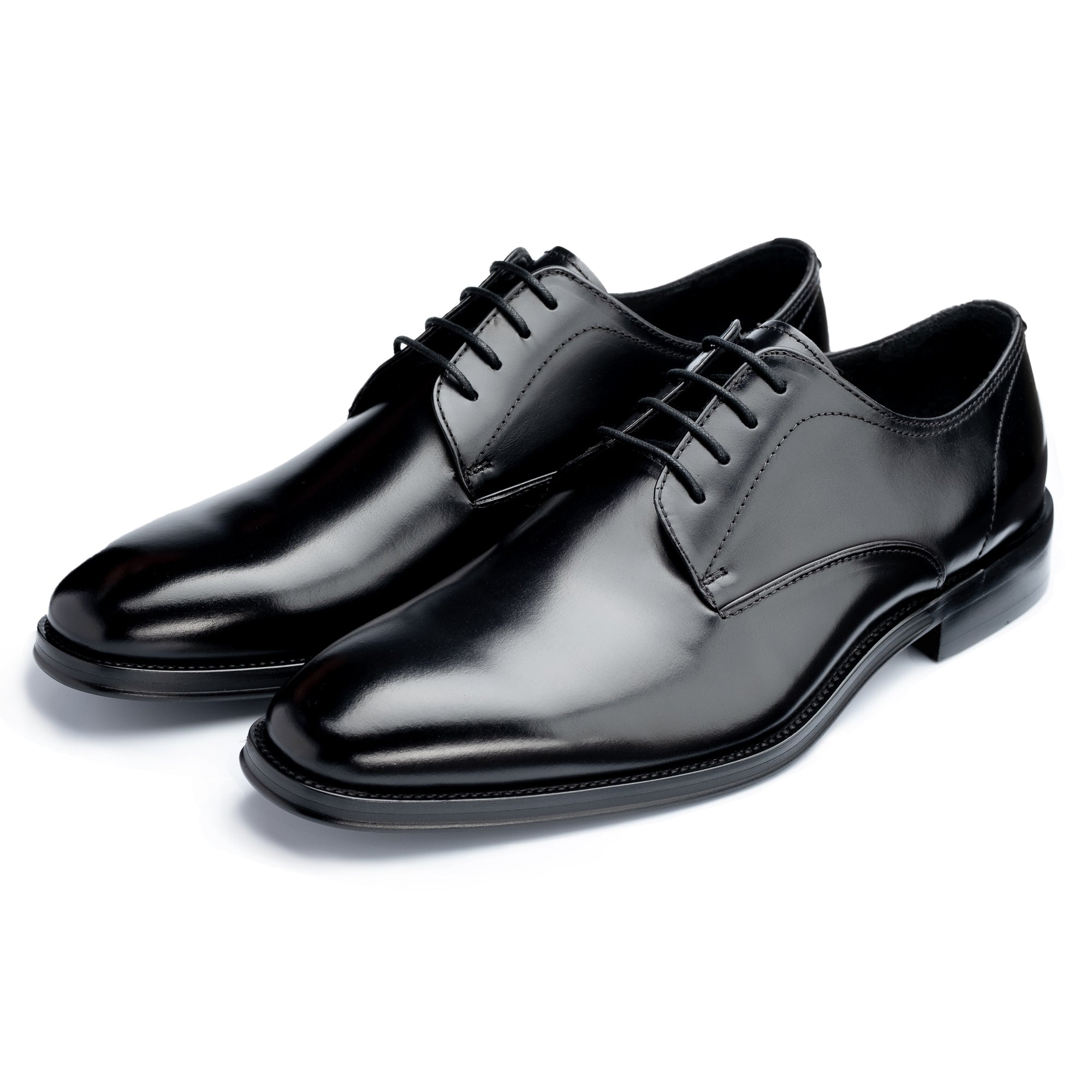
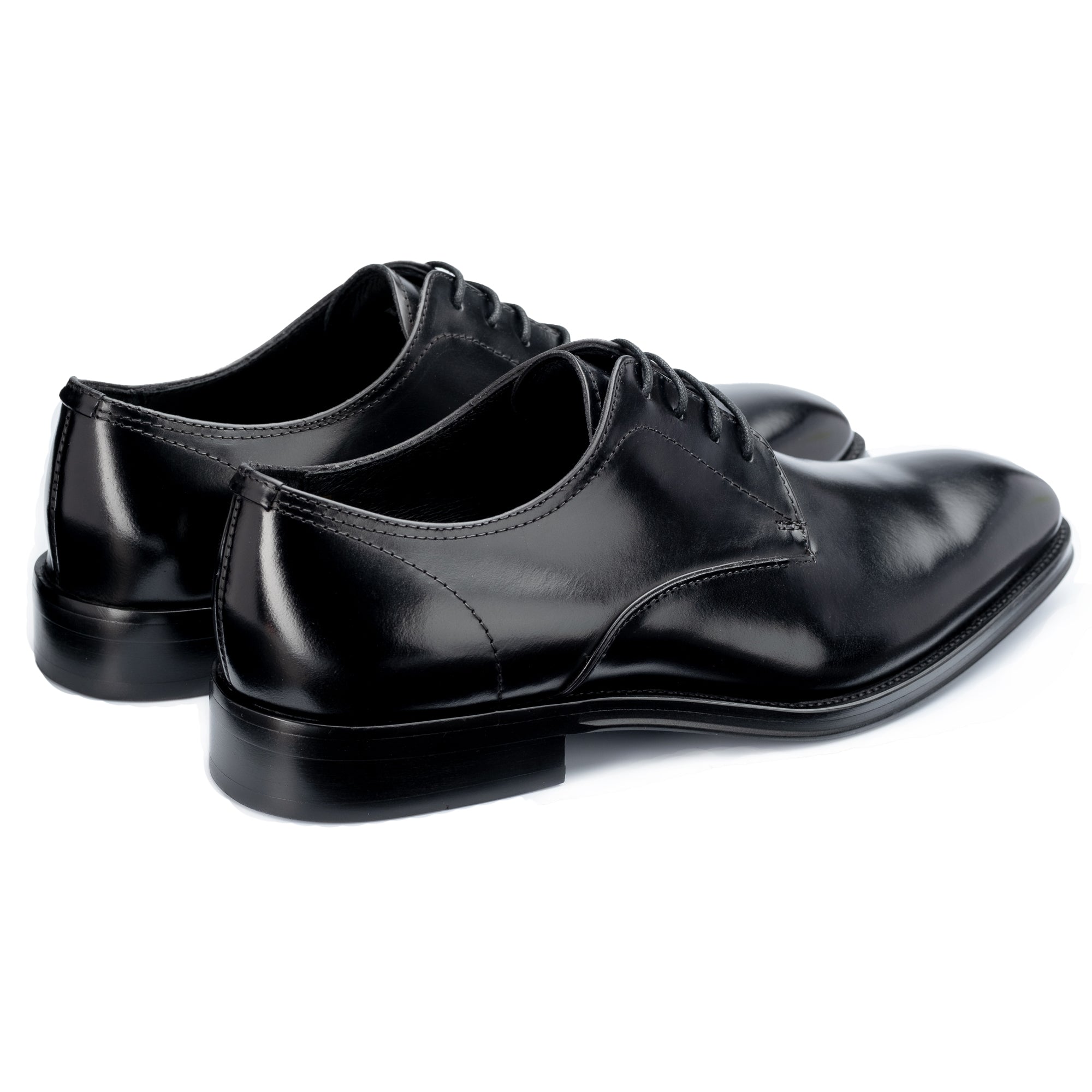
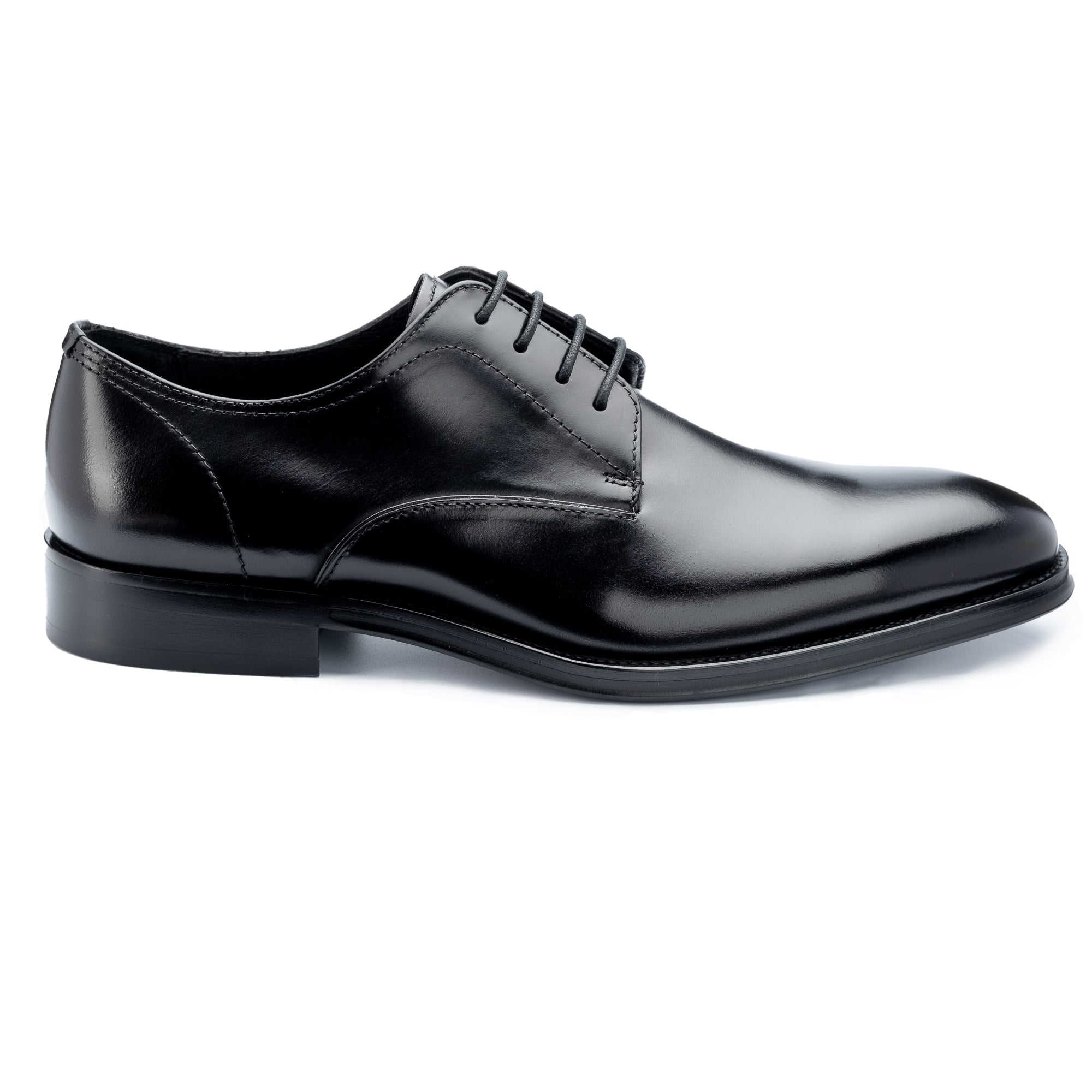
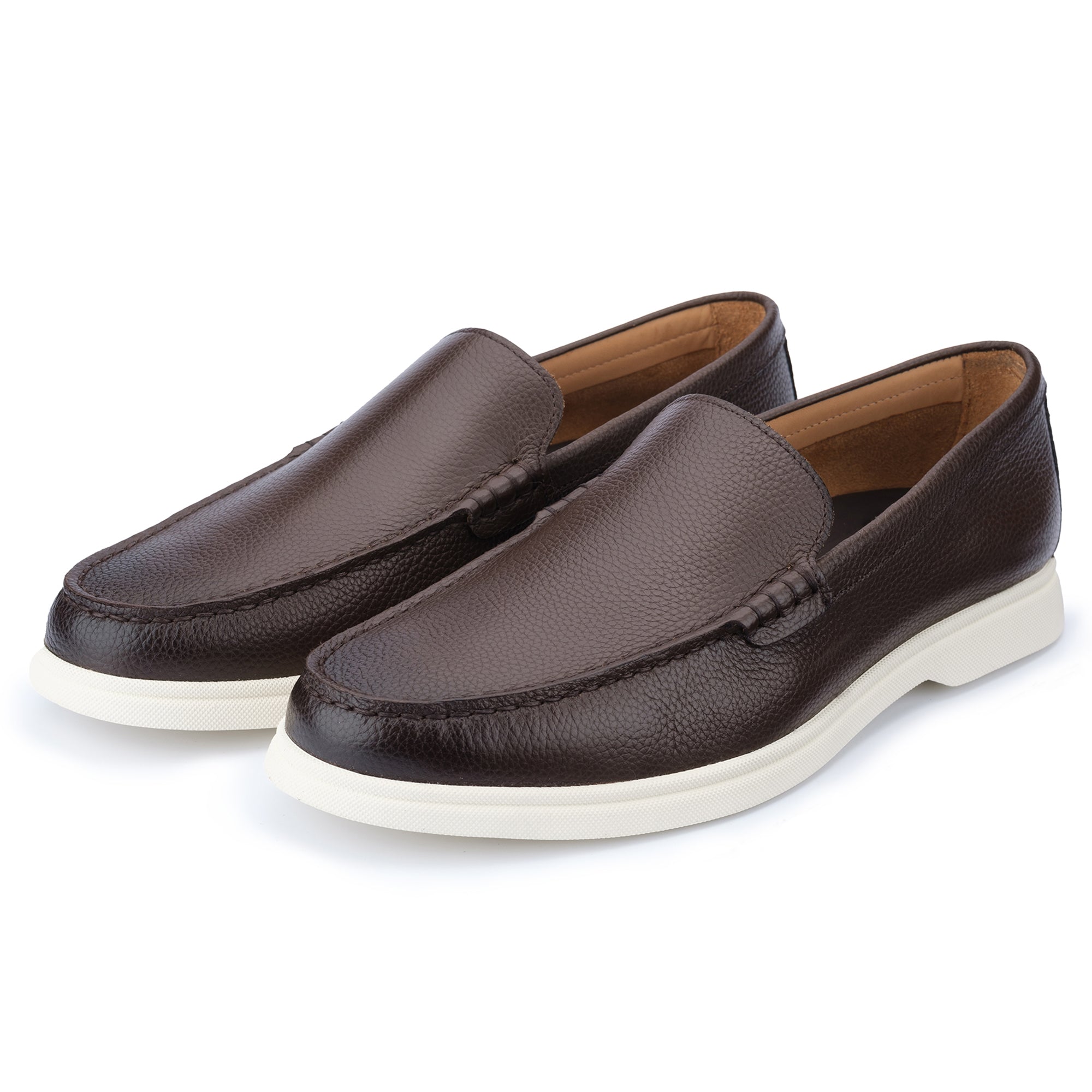
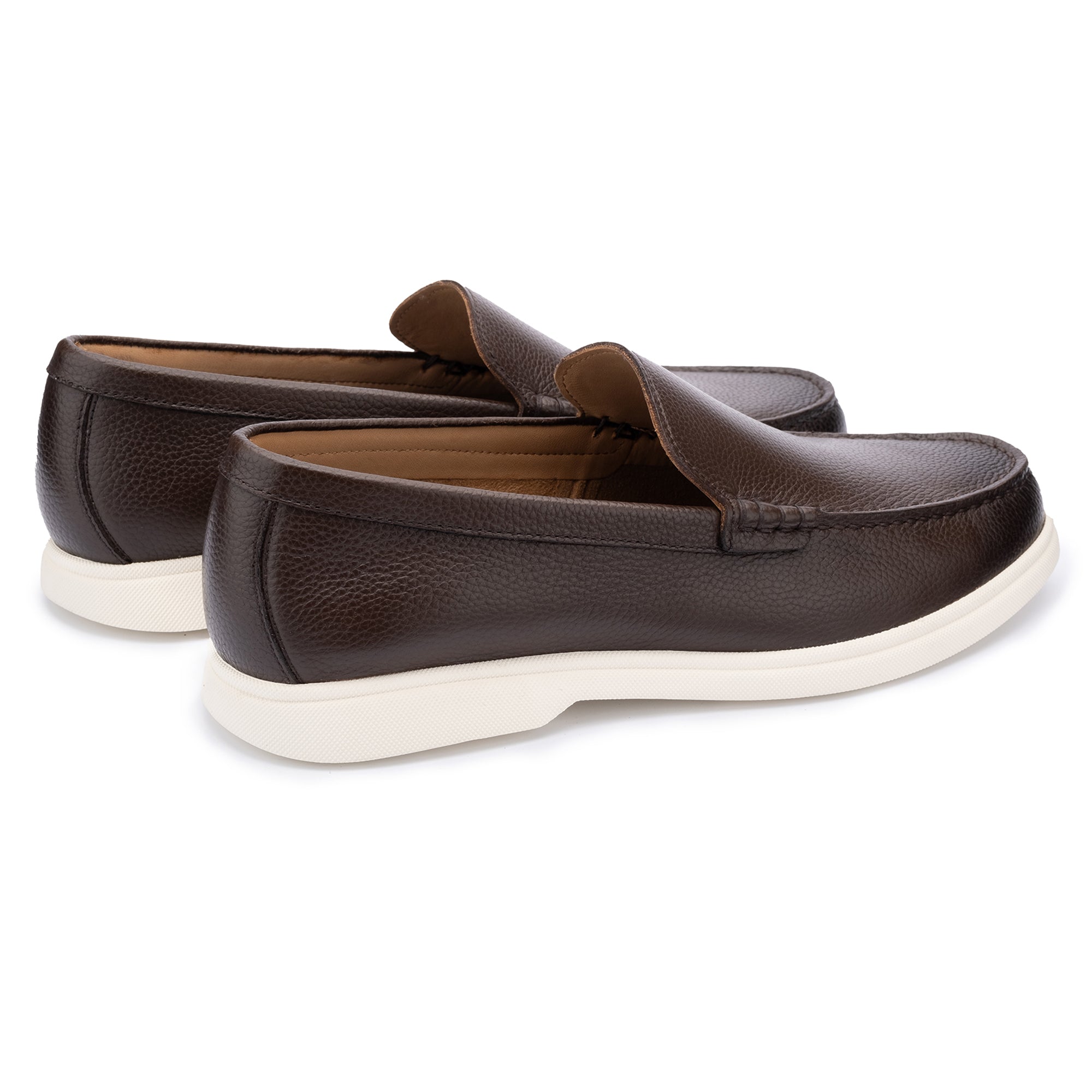
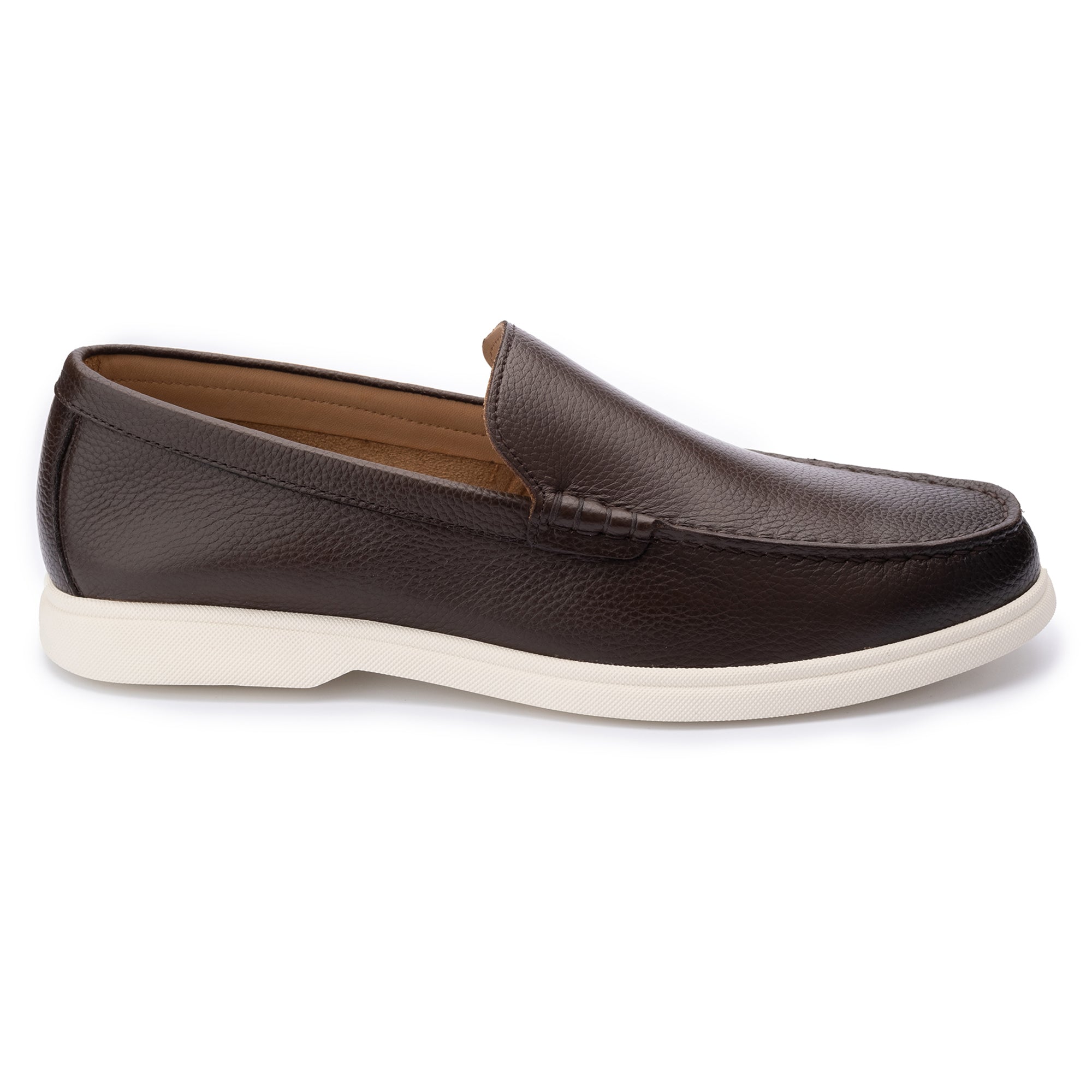
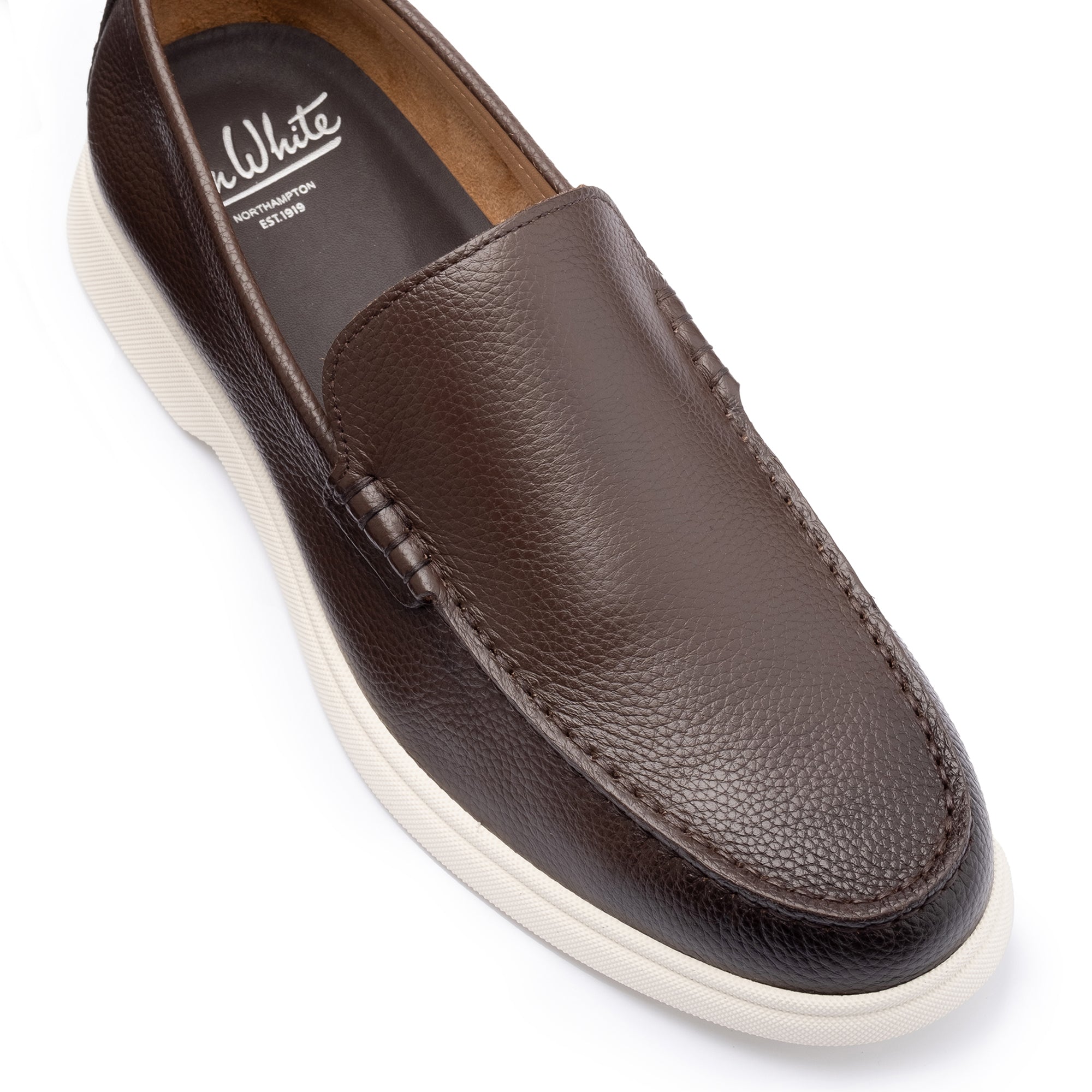
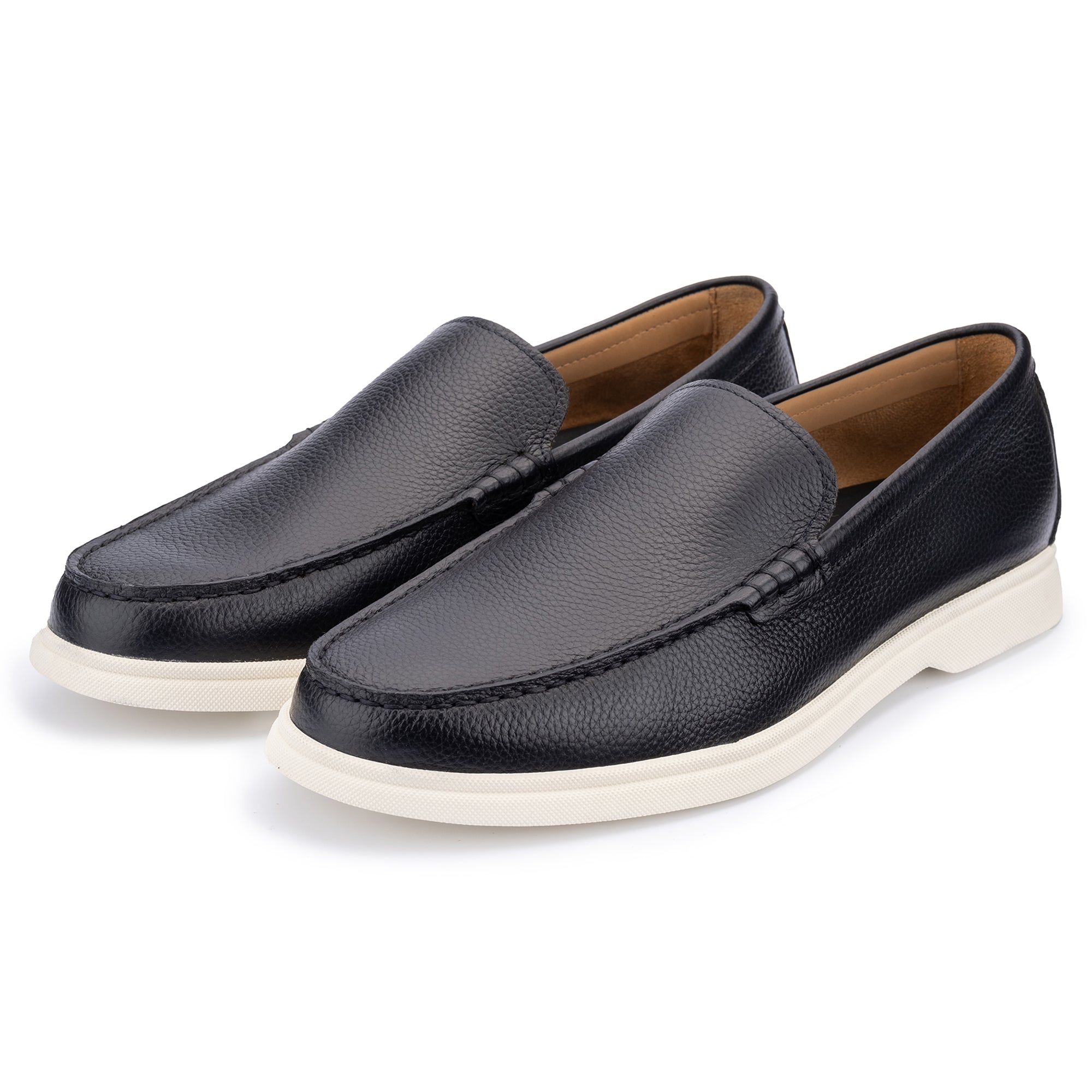
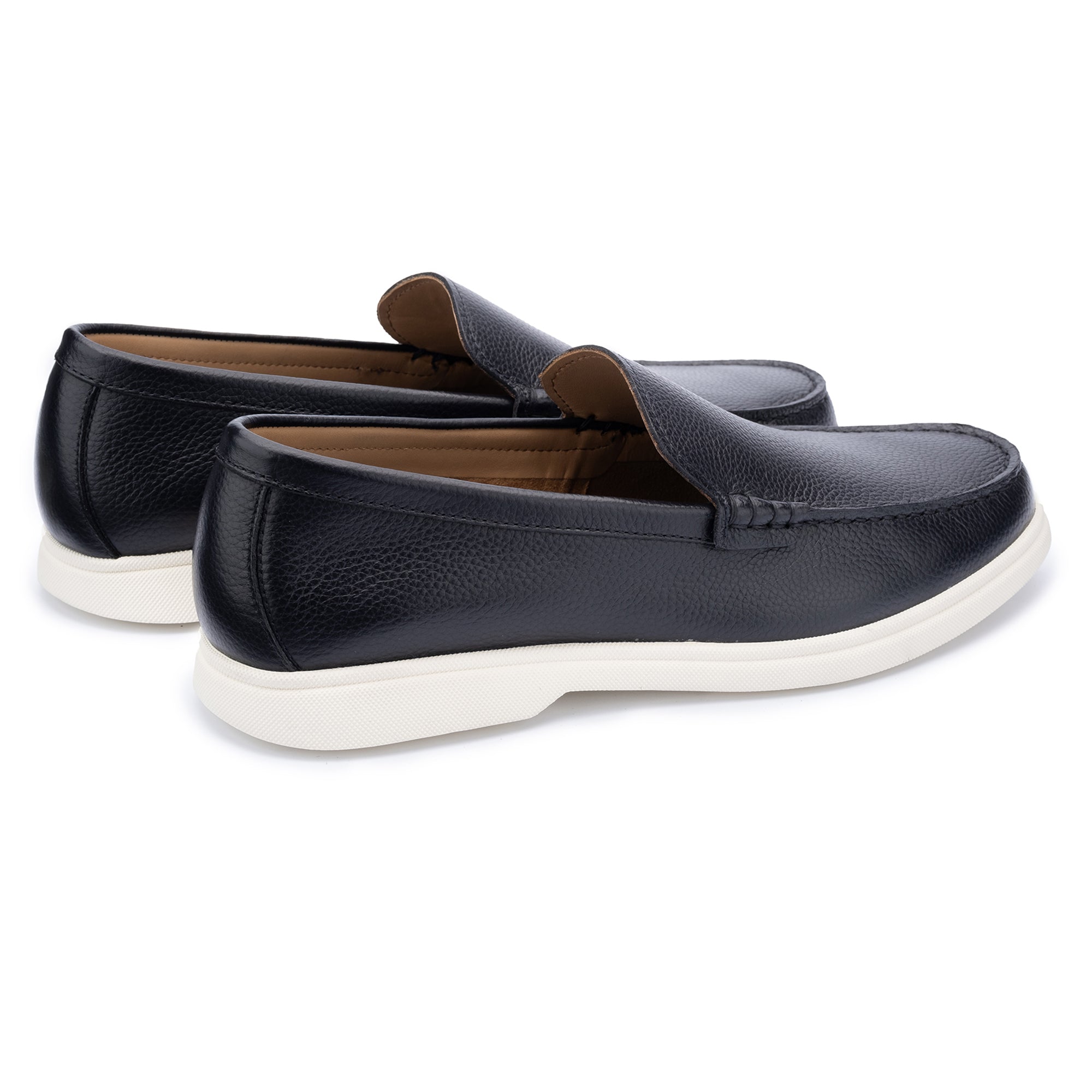
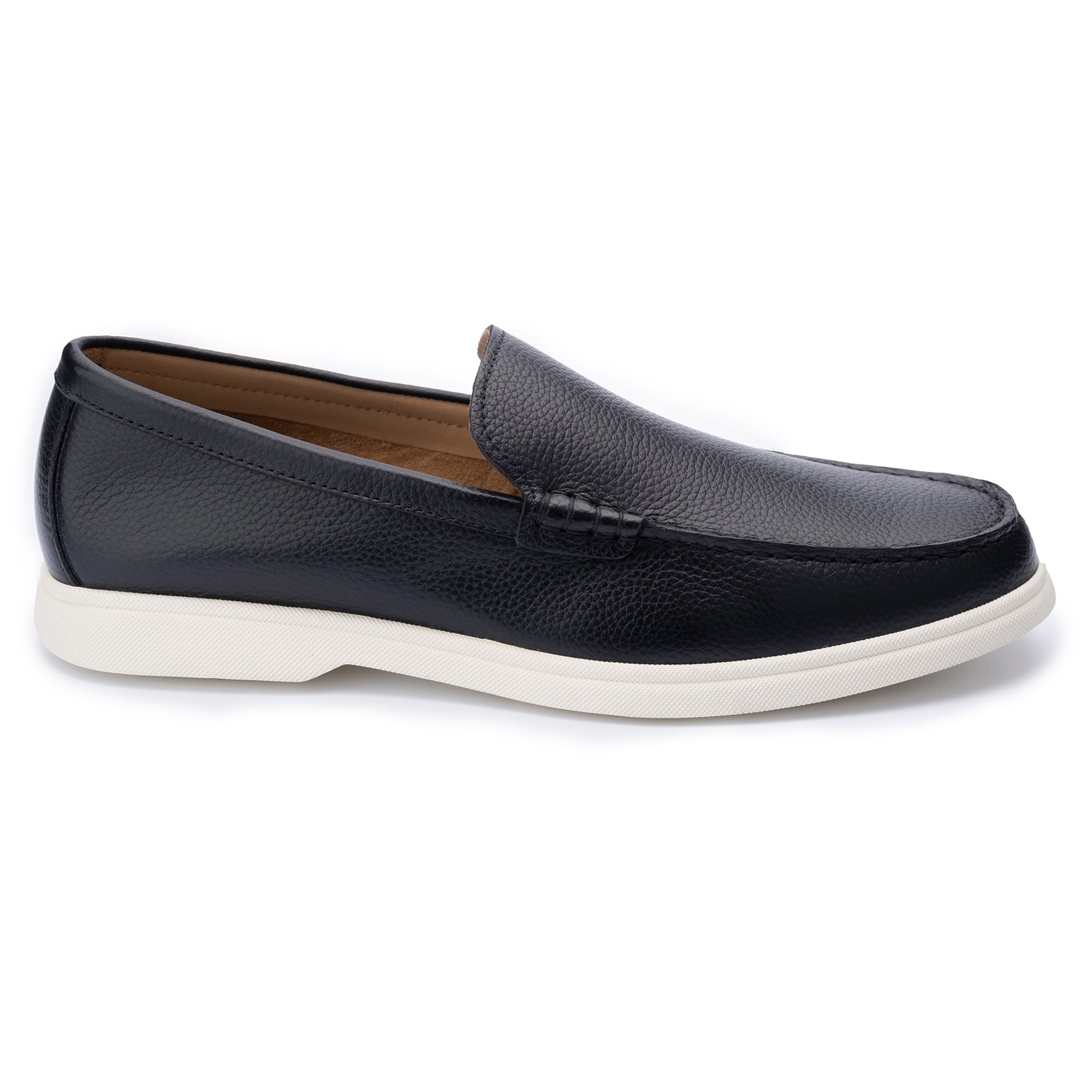
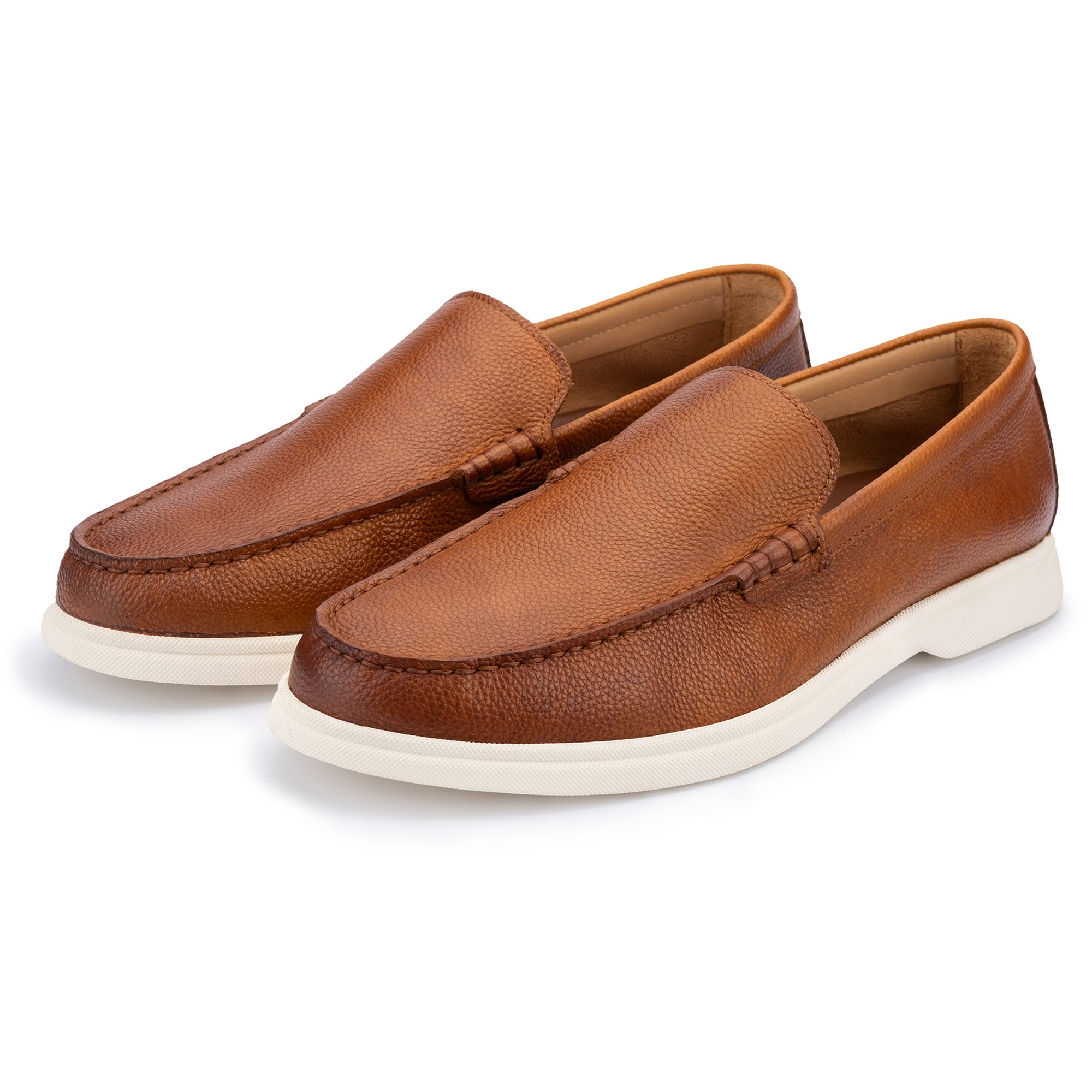
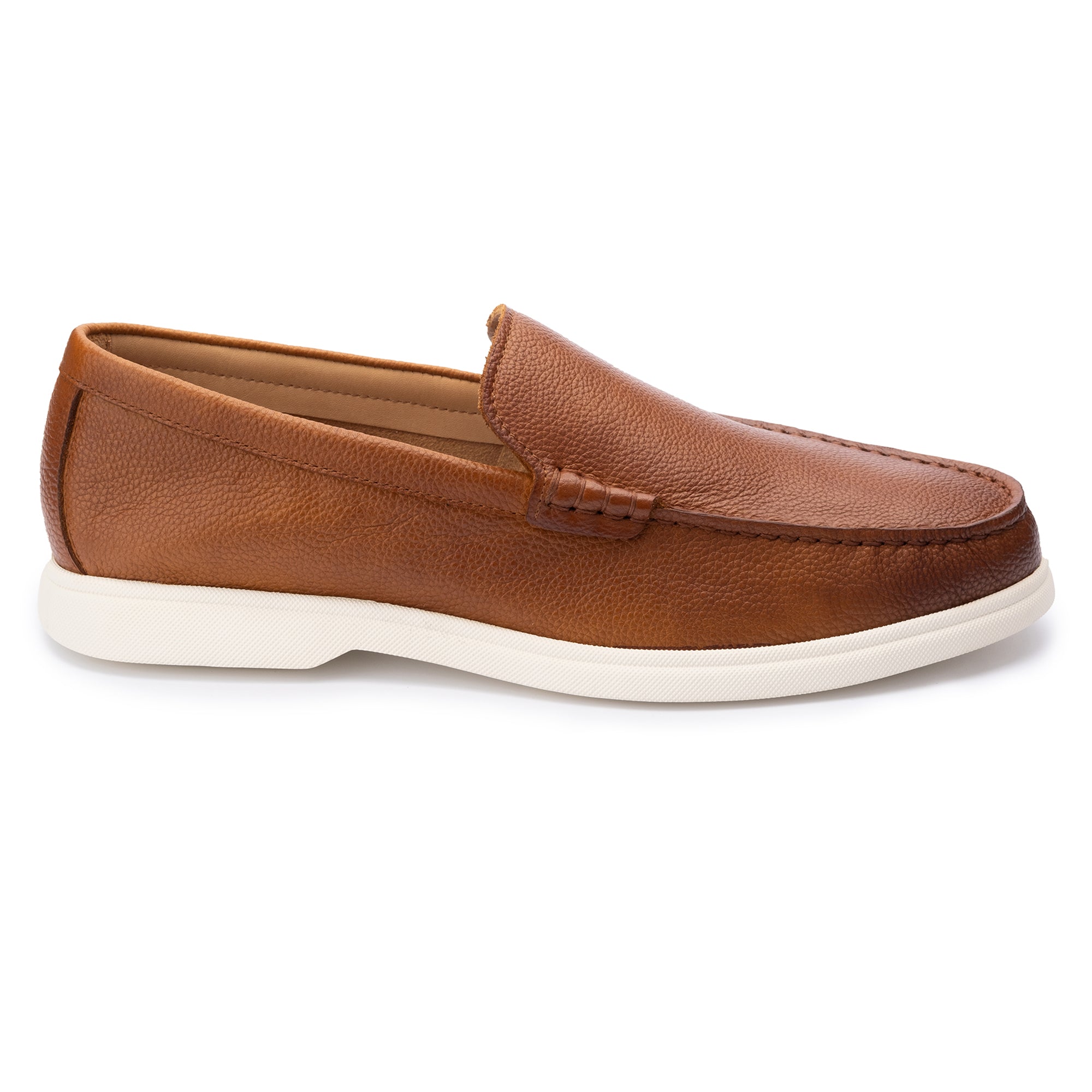
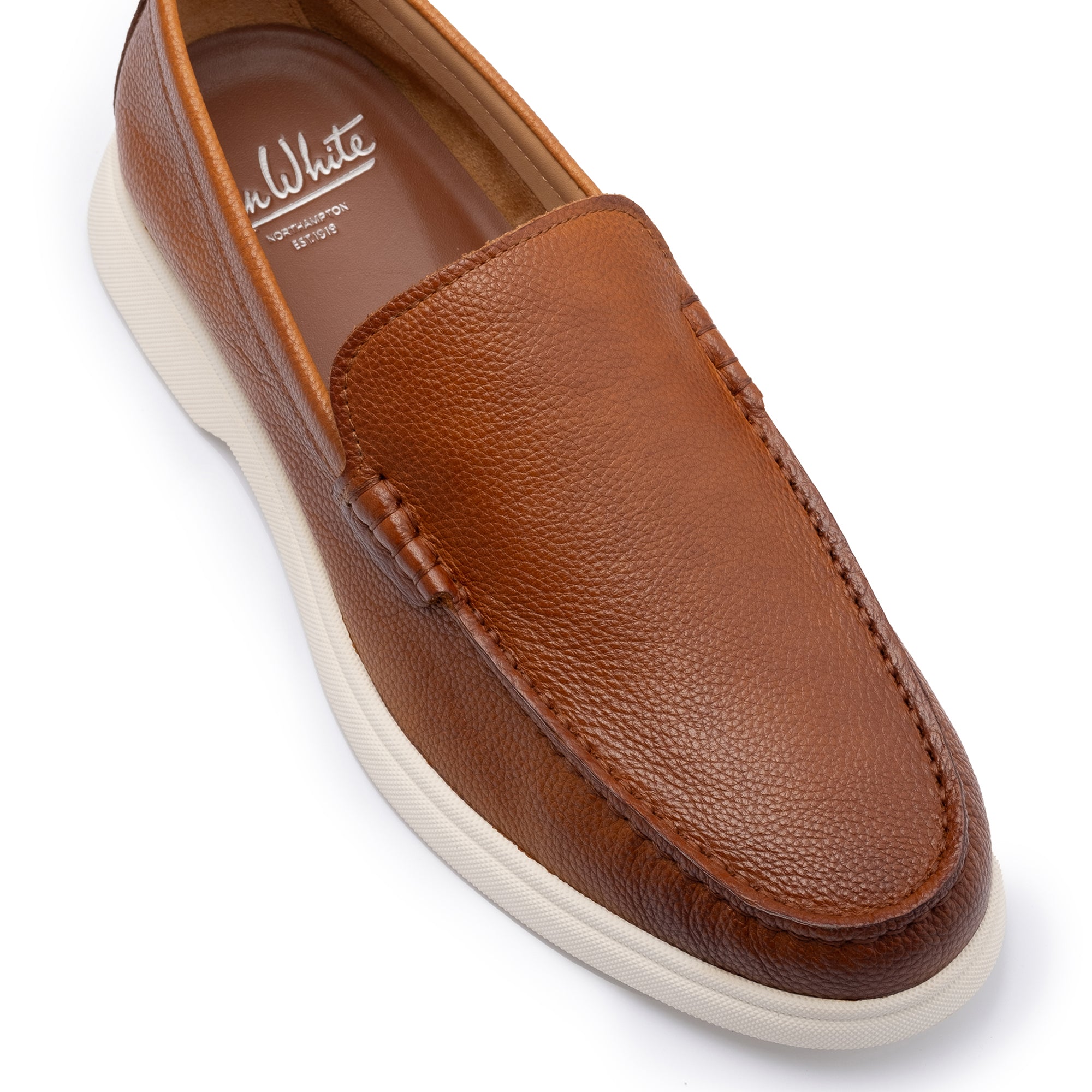
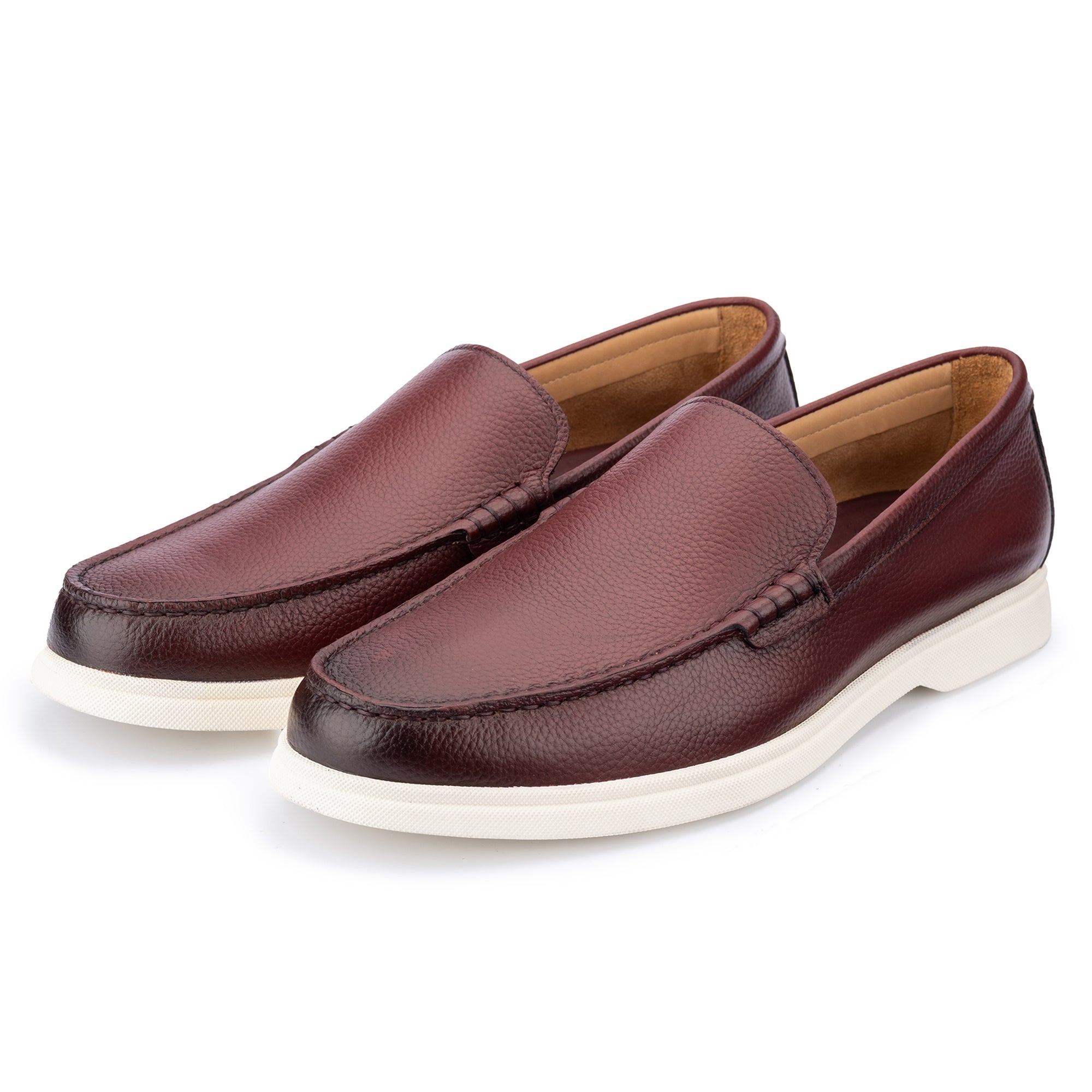
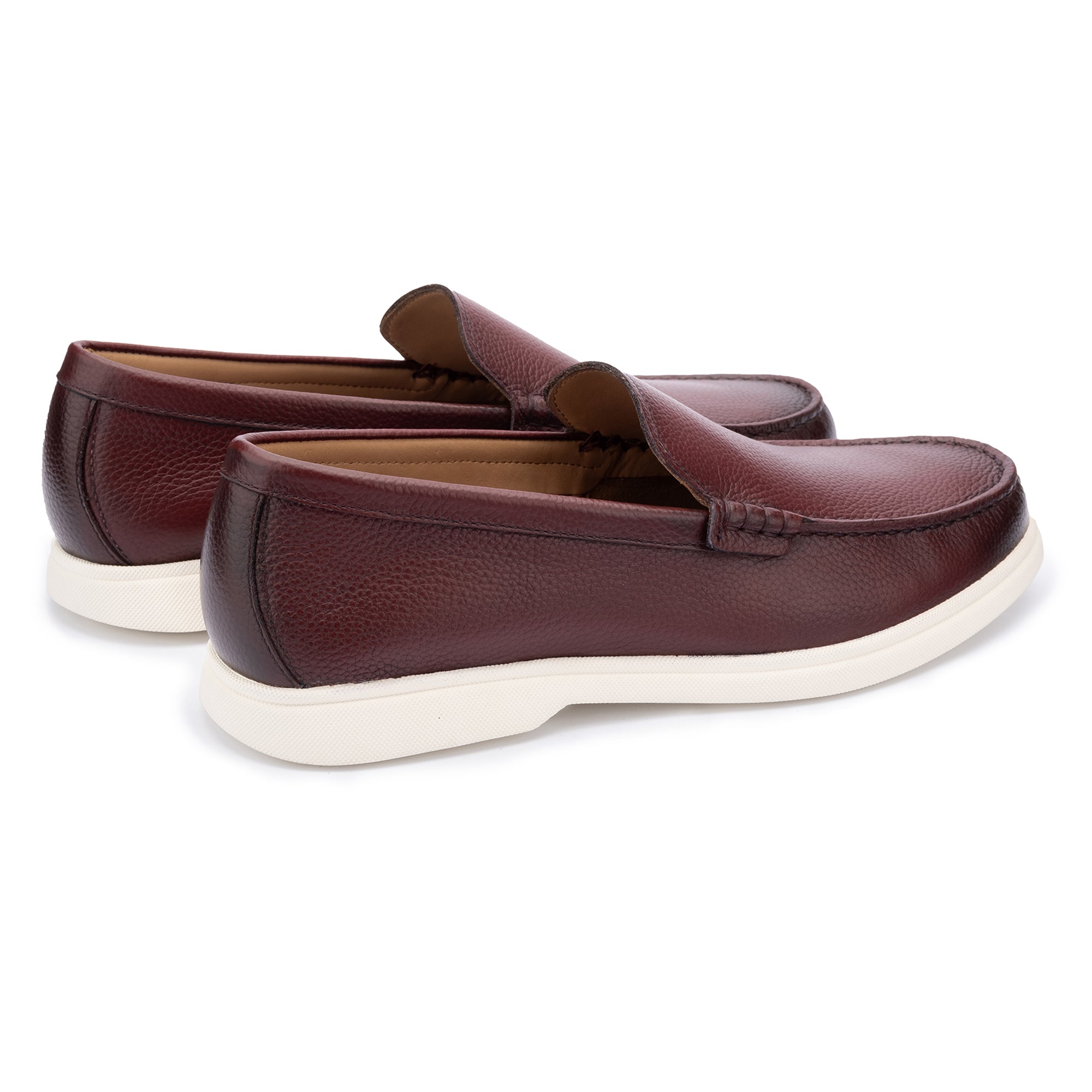
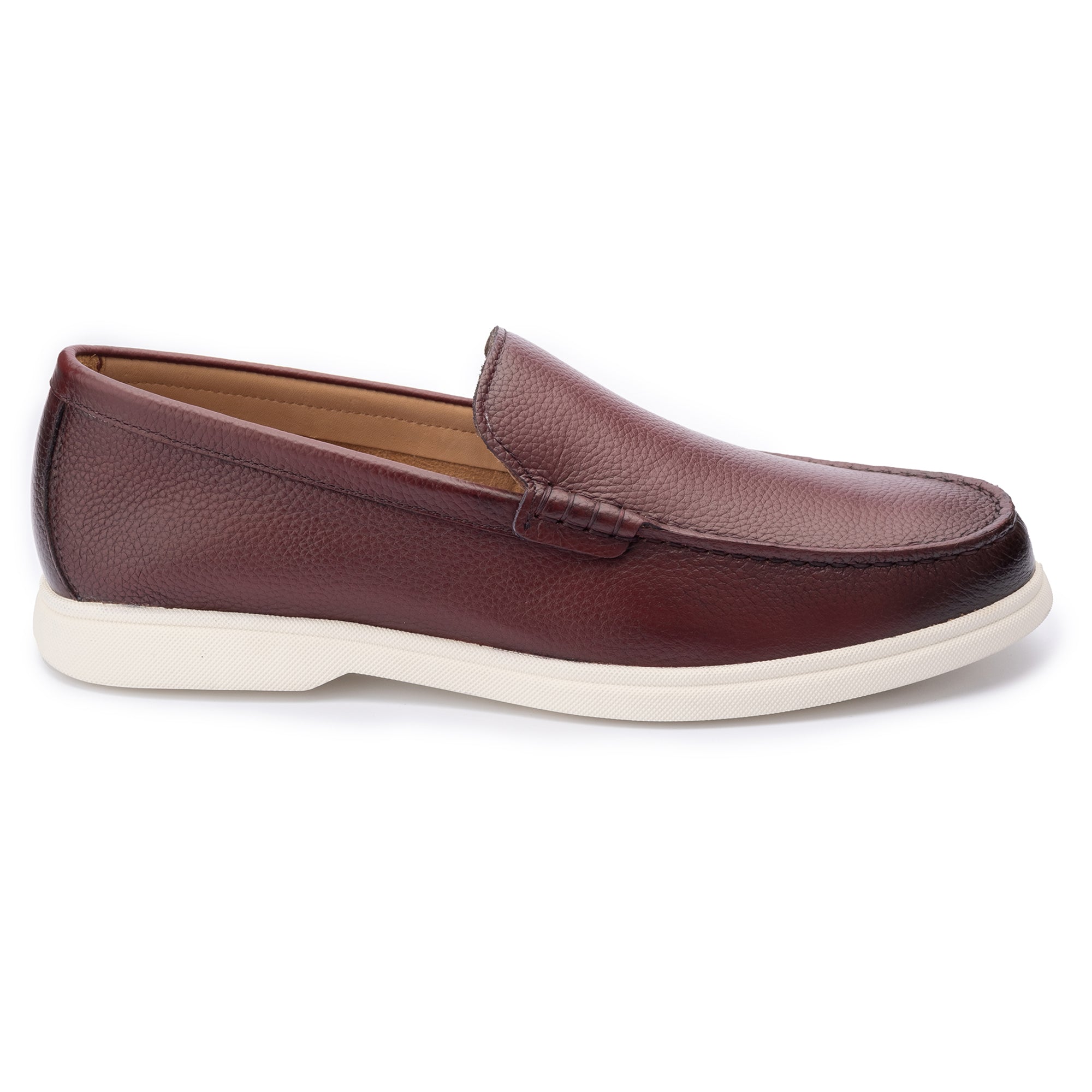
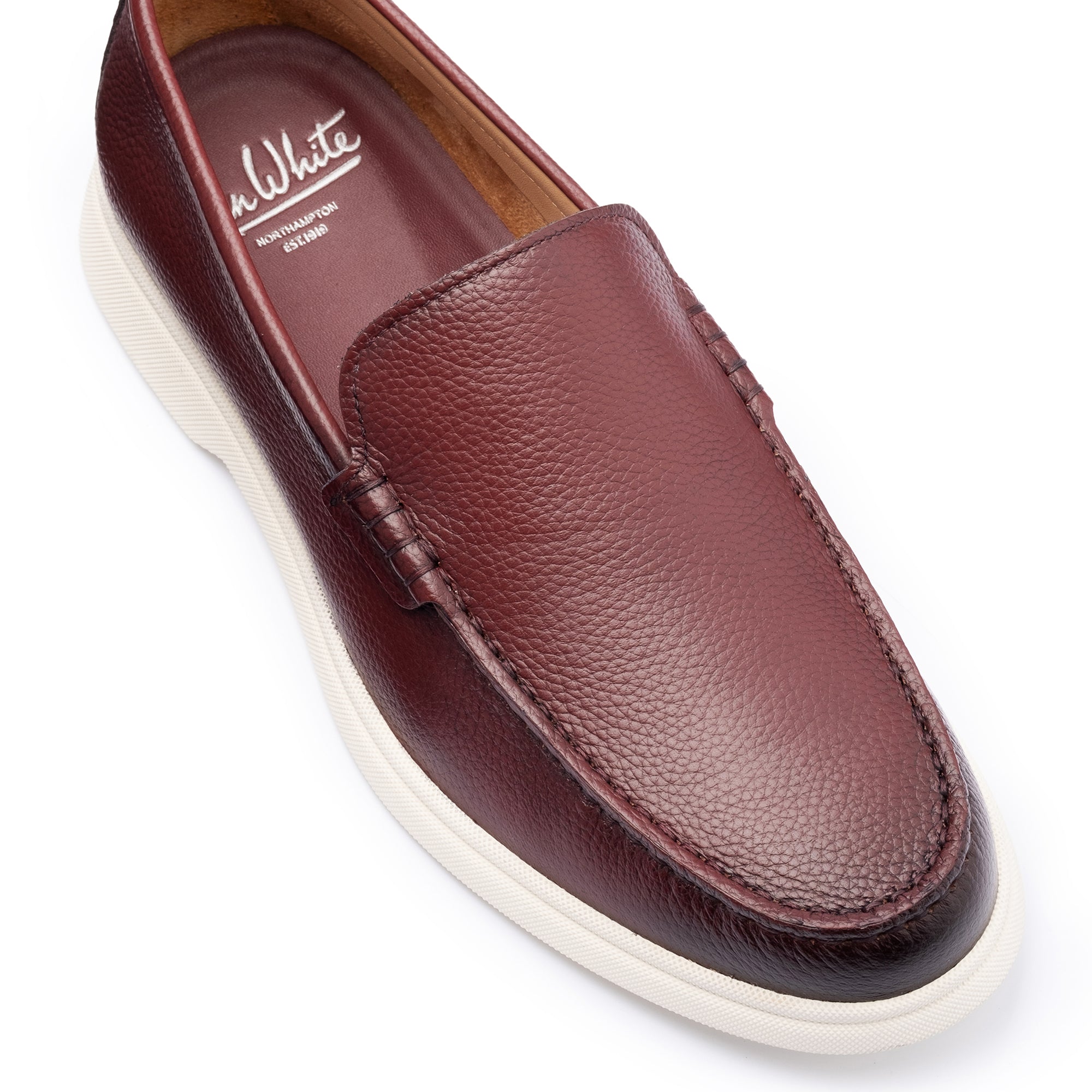
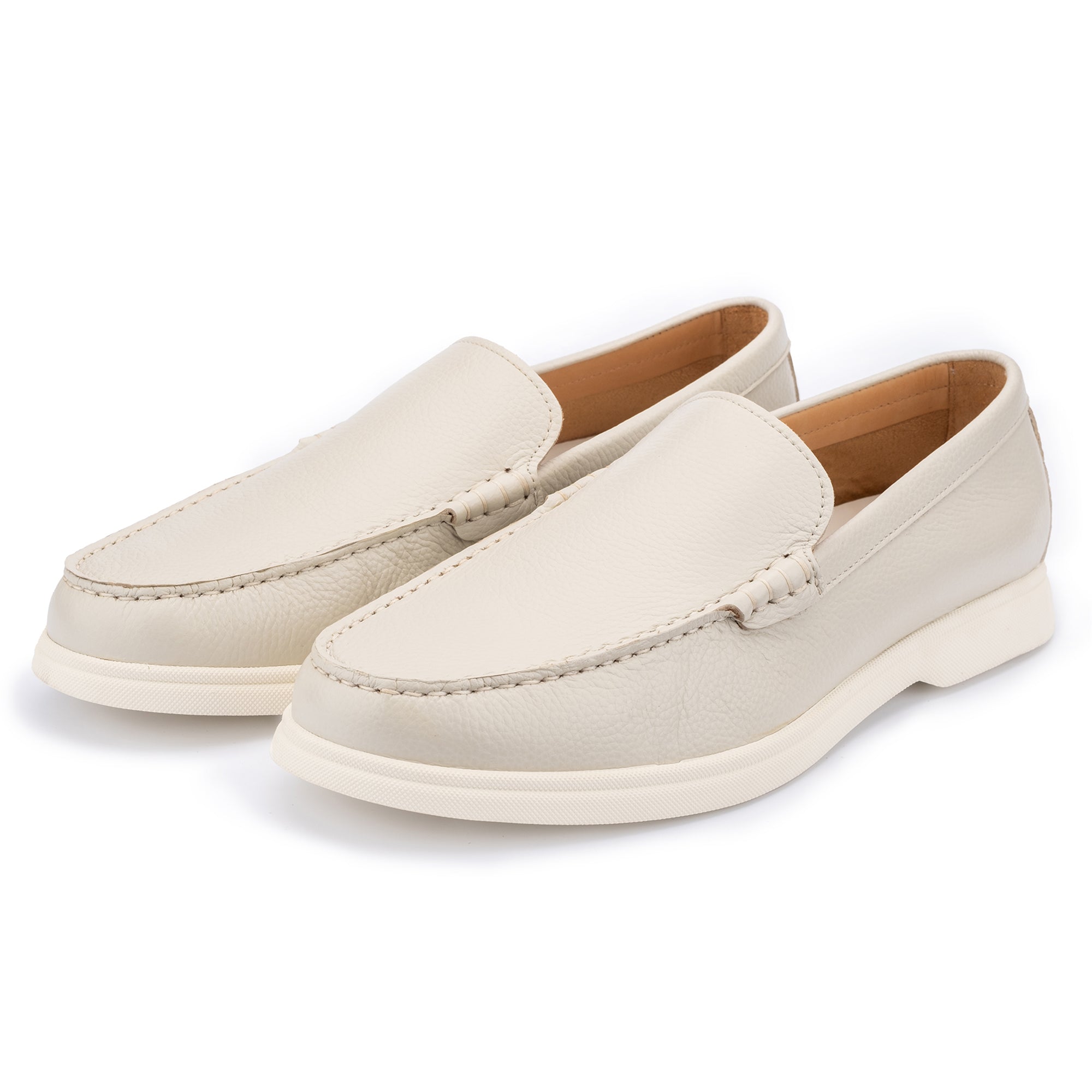
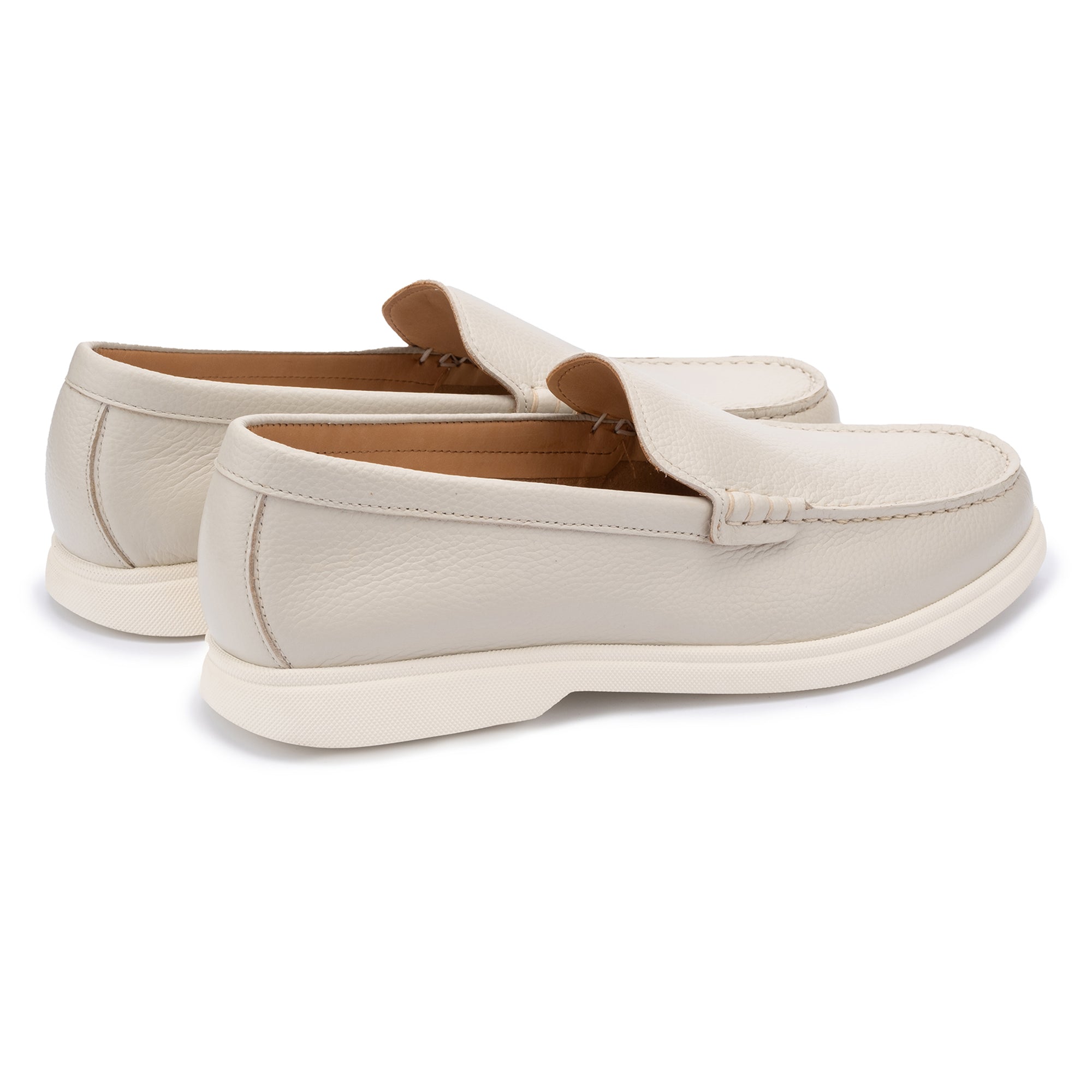
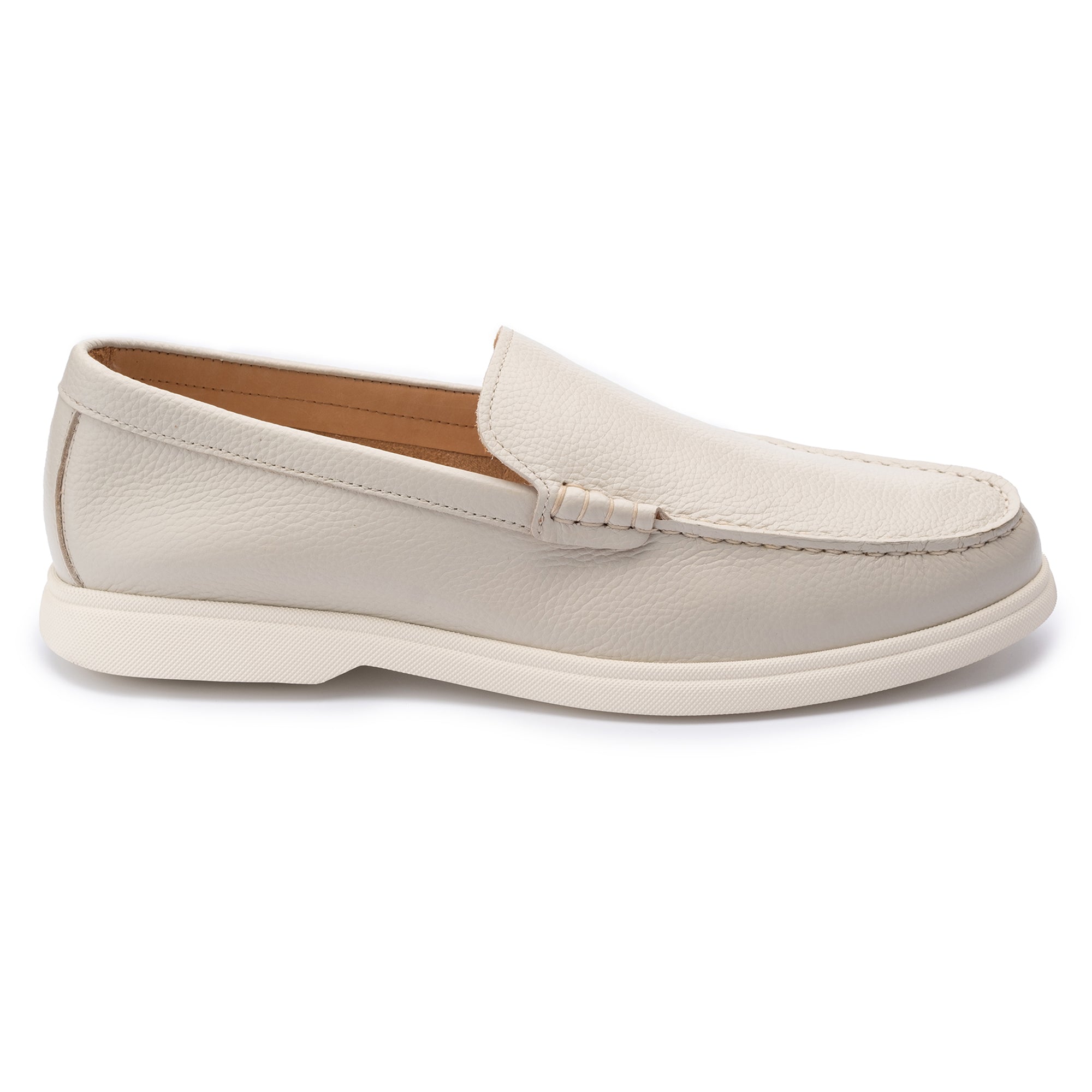
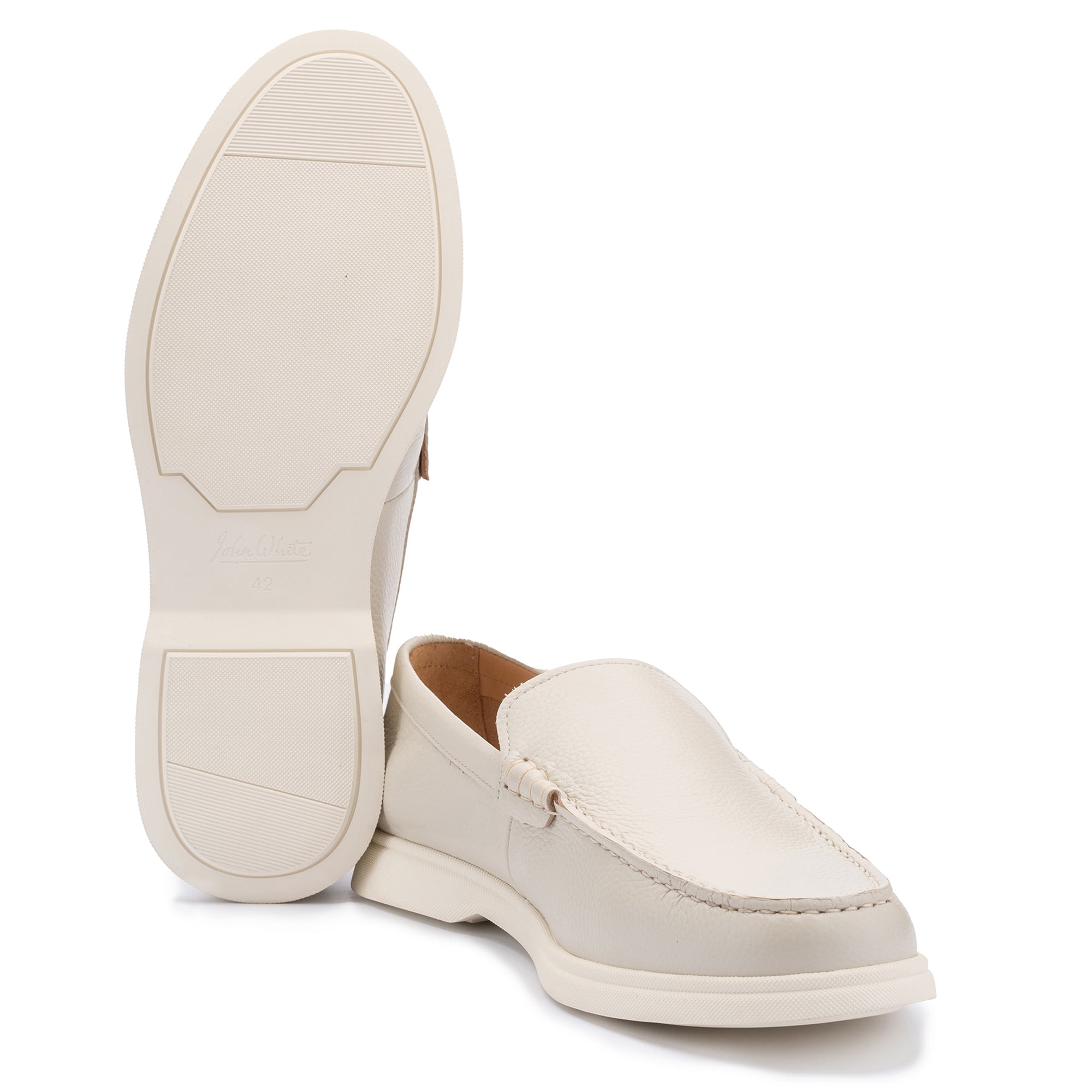
Whether you own the Banff Penny Loafer in calf leather, the Downey Penny Loafer in polished calf, or the Ethan in tumbled grain, the principles are the same. Here's how to keep them in excellent condition.
Related Guides
- Leather Shoe Care: The Definitive Guide — our comprehensive guide
- A Guide to Men's Loafers: Style, Fit, and How to Wear Them
- How to Wear Loafers with a Suit: The Modern Man's Guide
What Does a Daily Loafer Care Routine Look Like?
Daily care doesn't mean daily polishing. It means two things done consistently:
Brush or Wipe After Every Wear
When you take your loafers off, give the uppers a quick brush with a horsehair brush or a wipe with a soft cloth. This removes surface dust and fine grit before it works into the leather grain. It takes 30 seconds and it's the single most effective thing you can do for the life of your shoes.
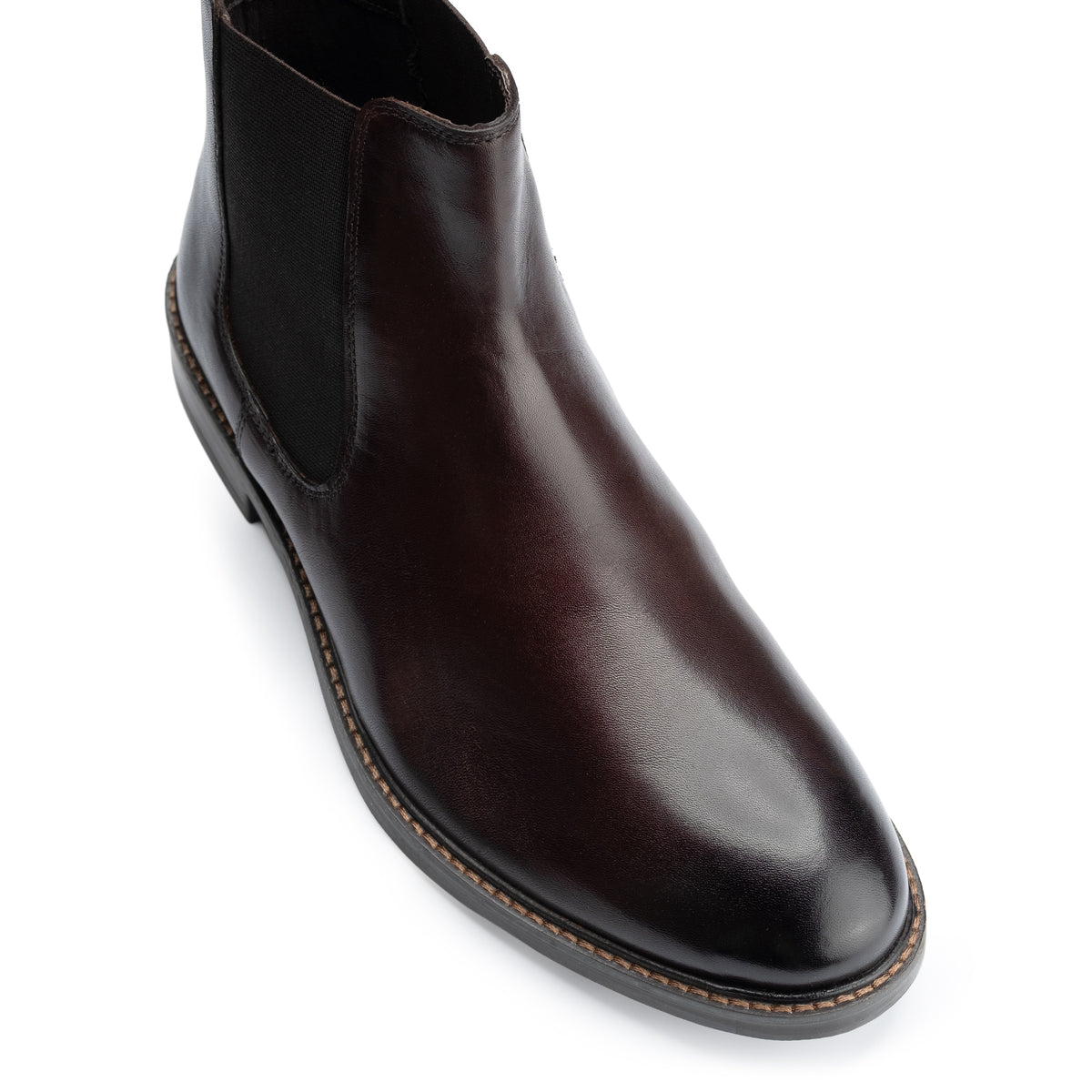
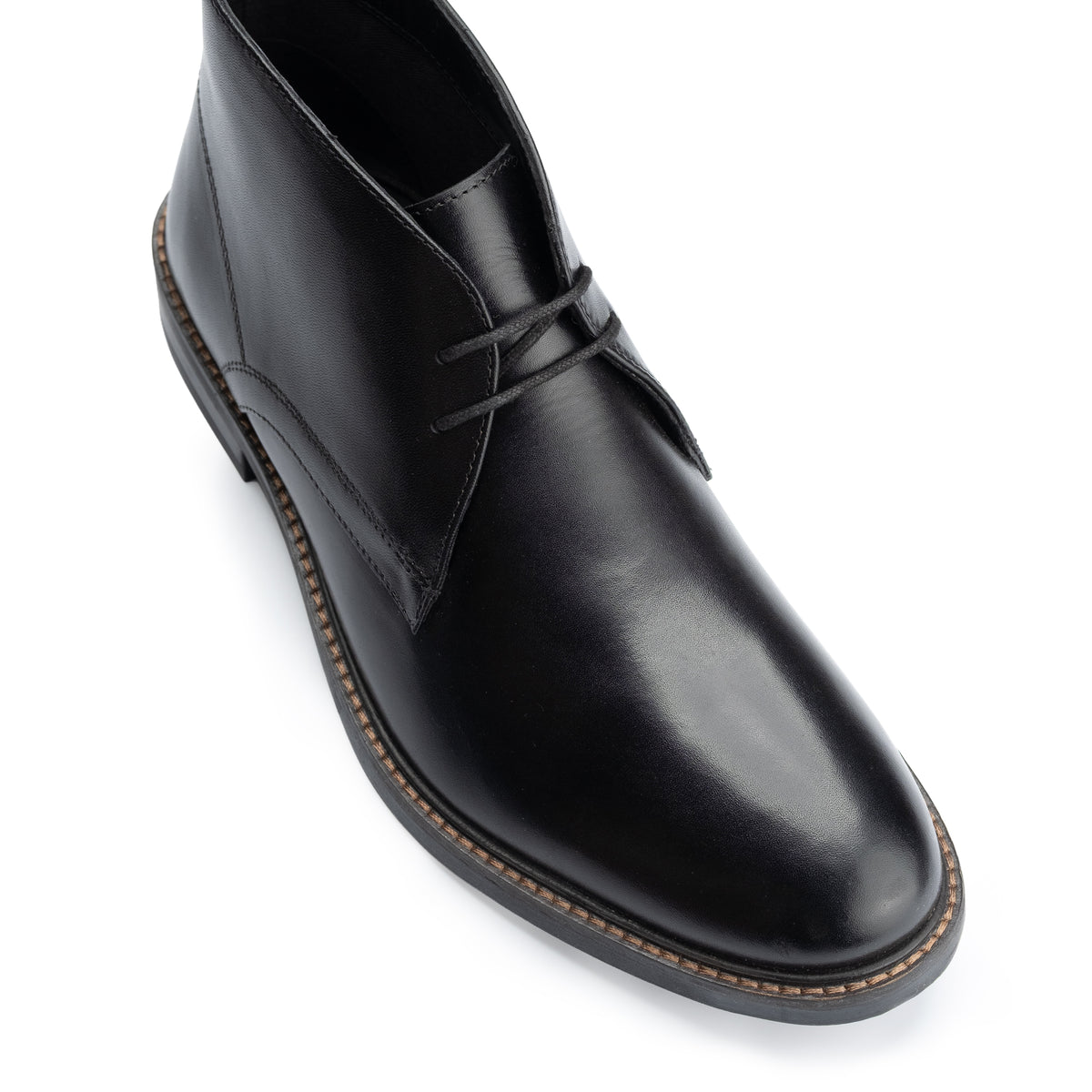
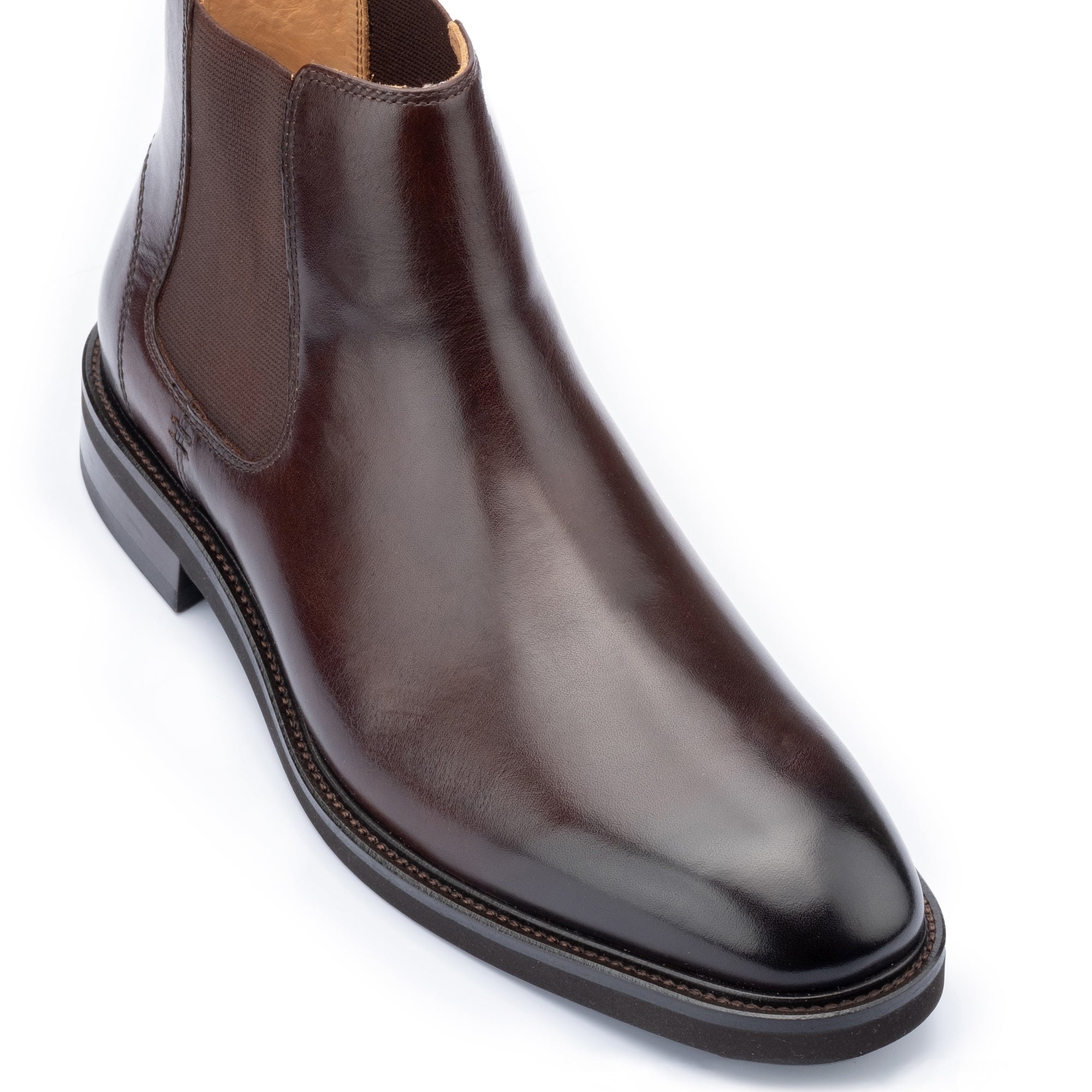
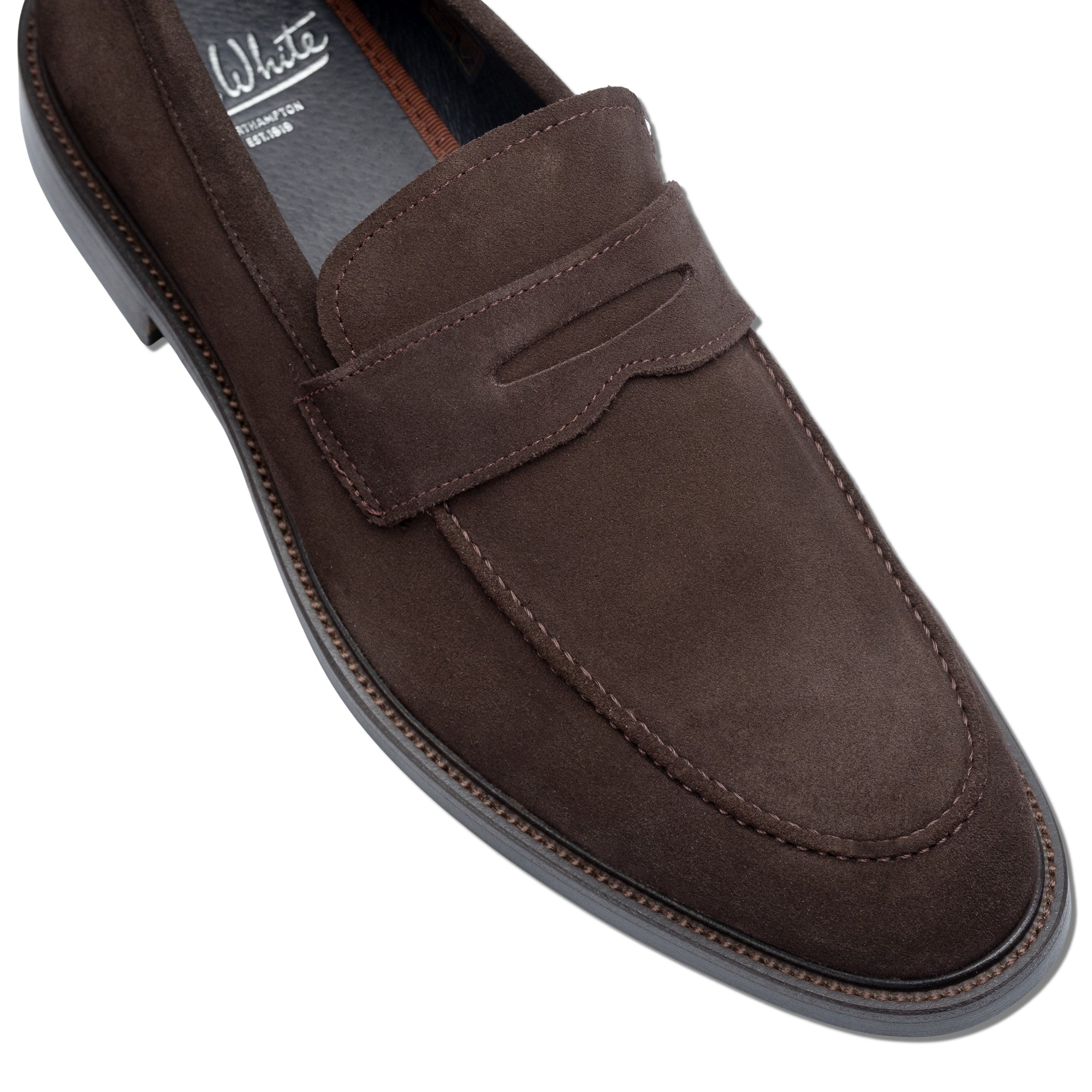
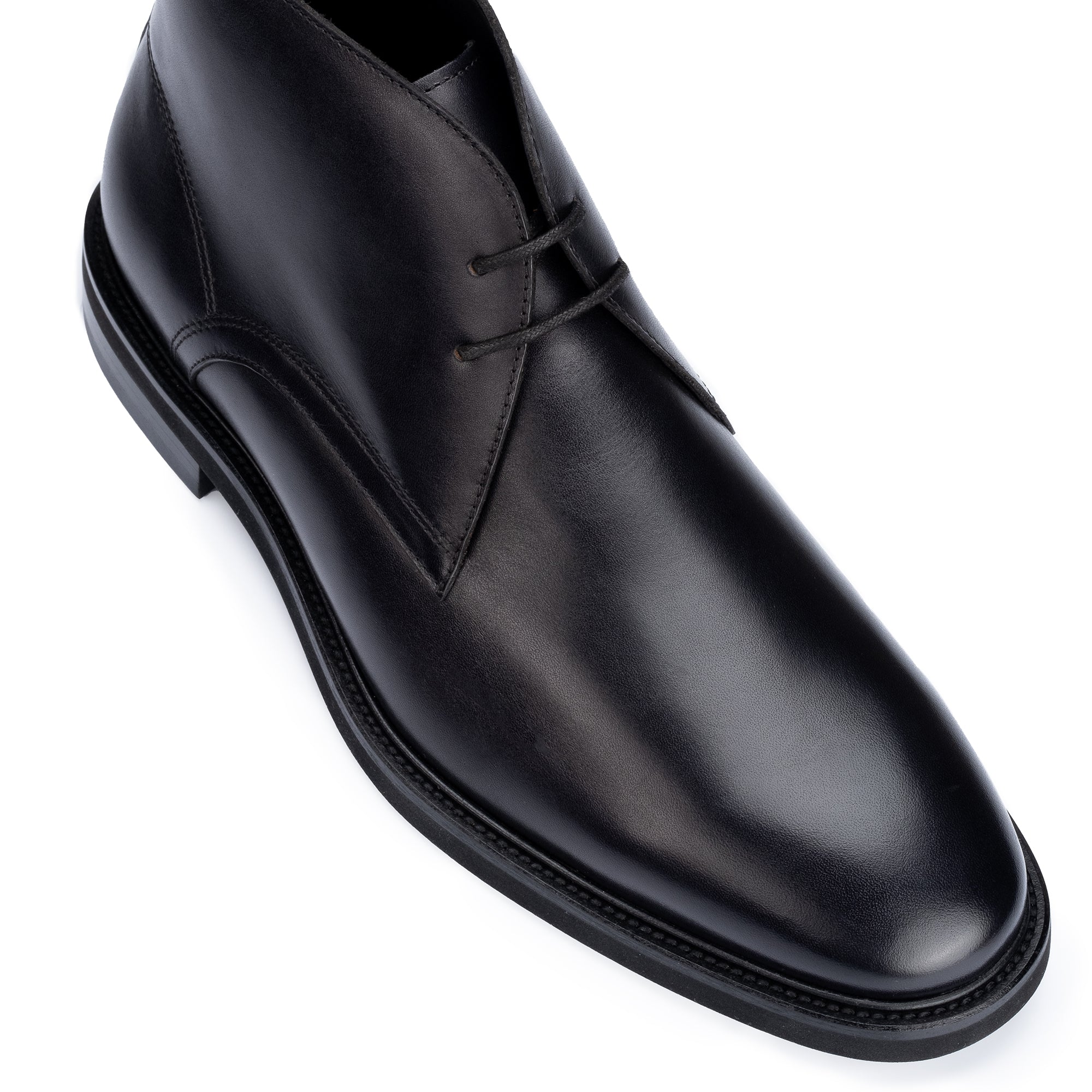
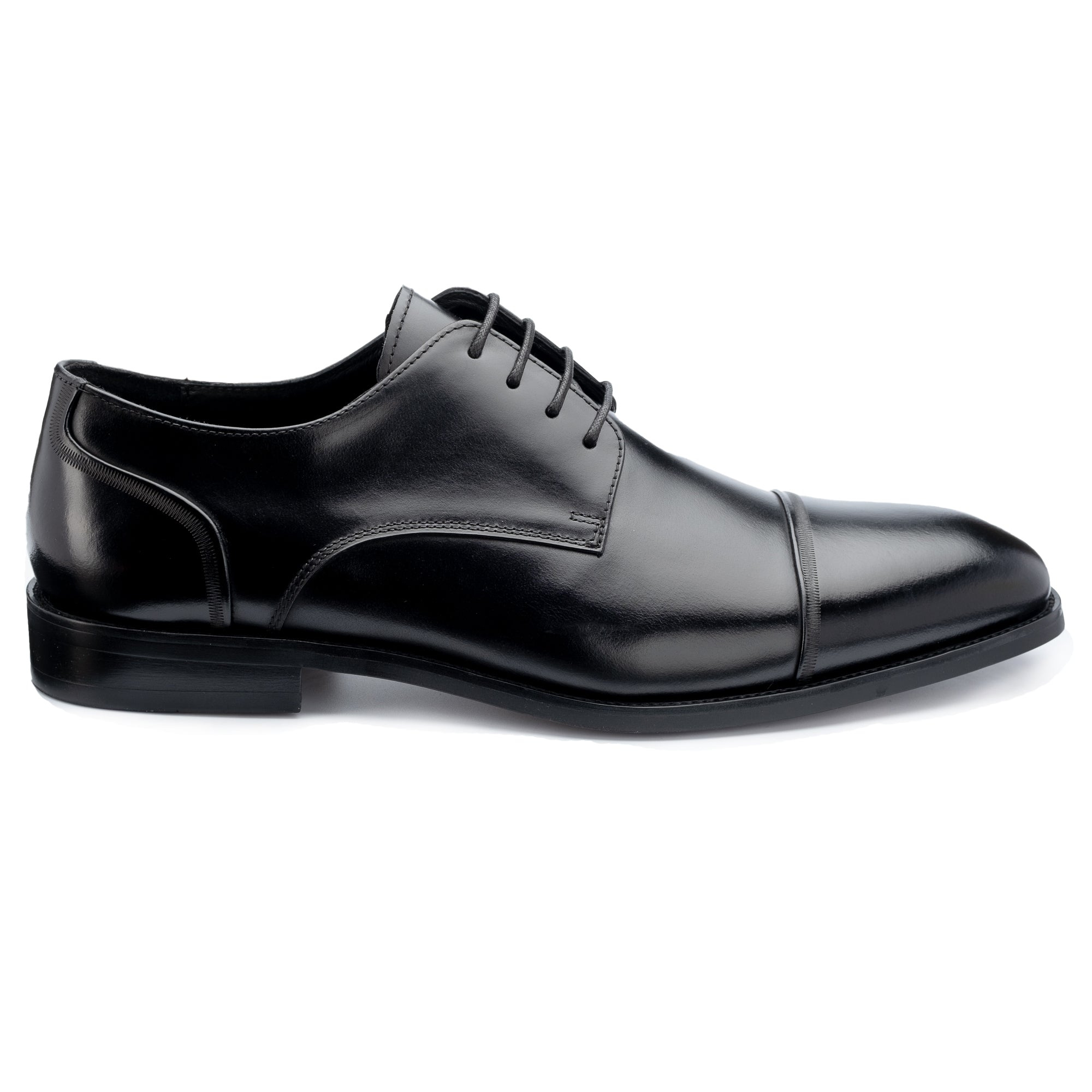
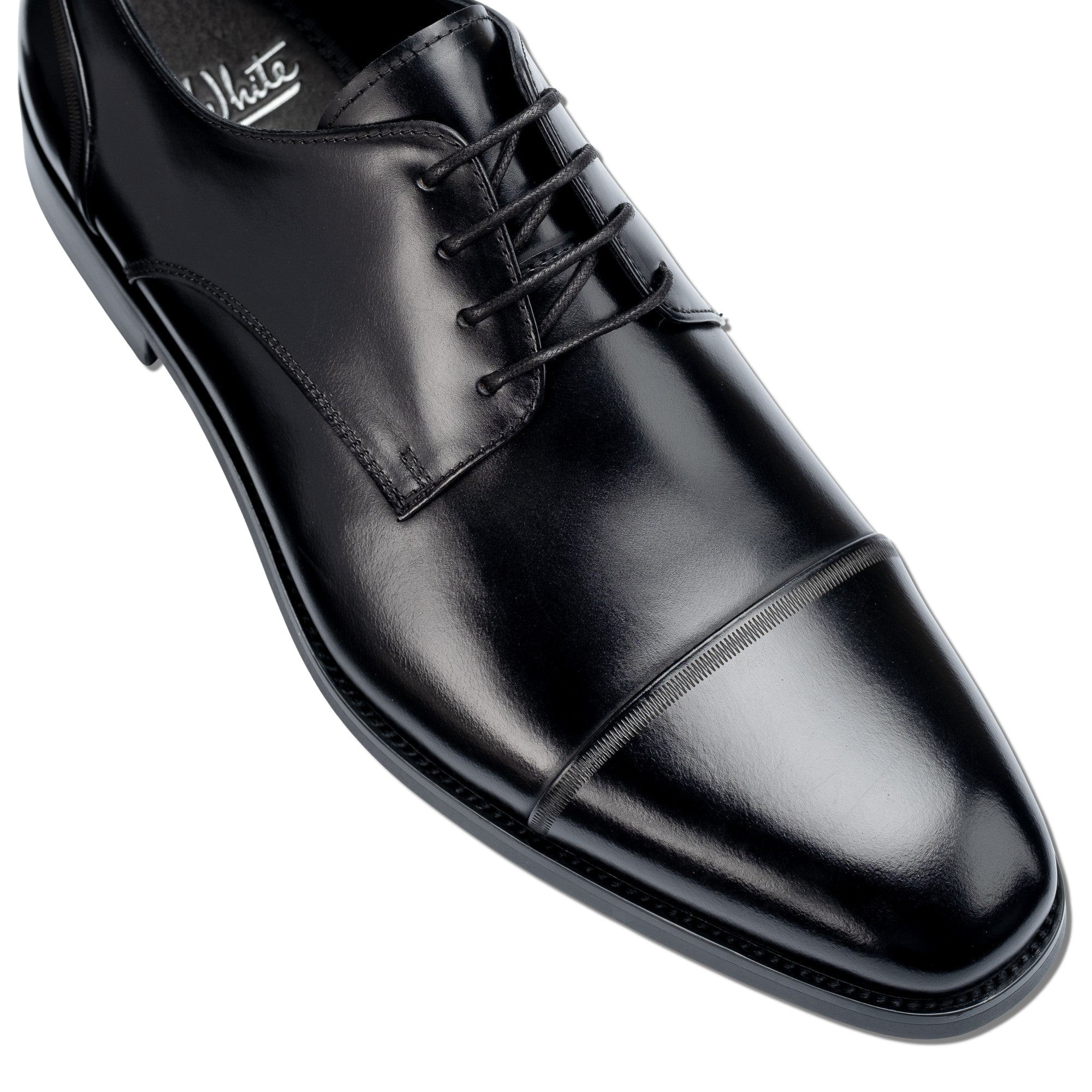
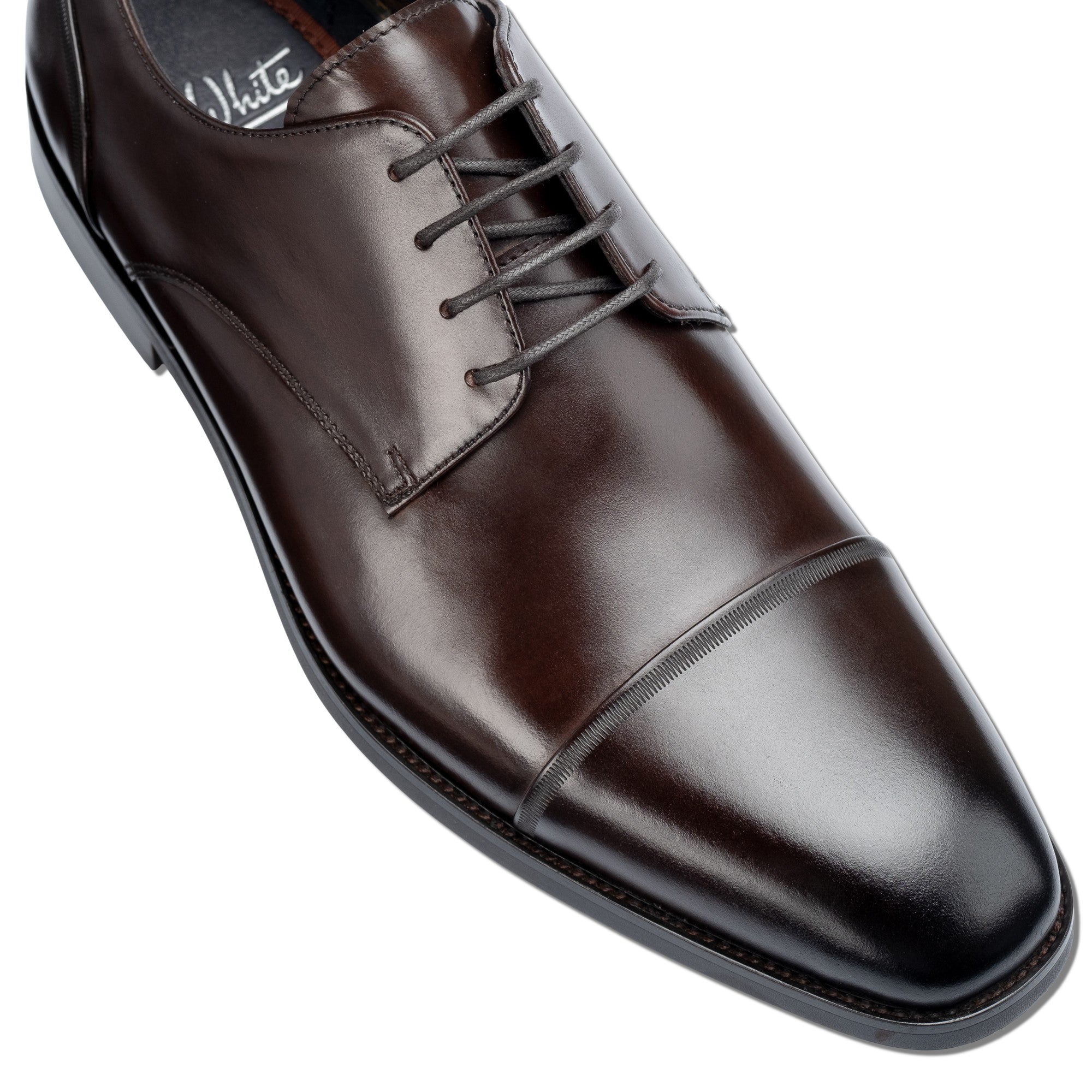
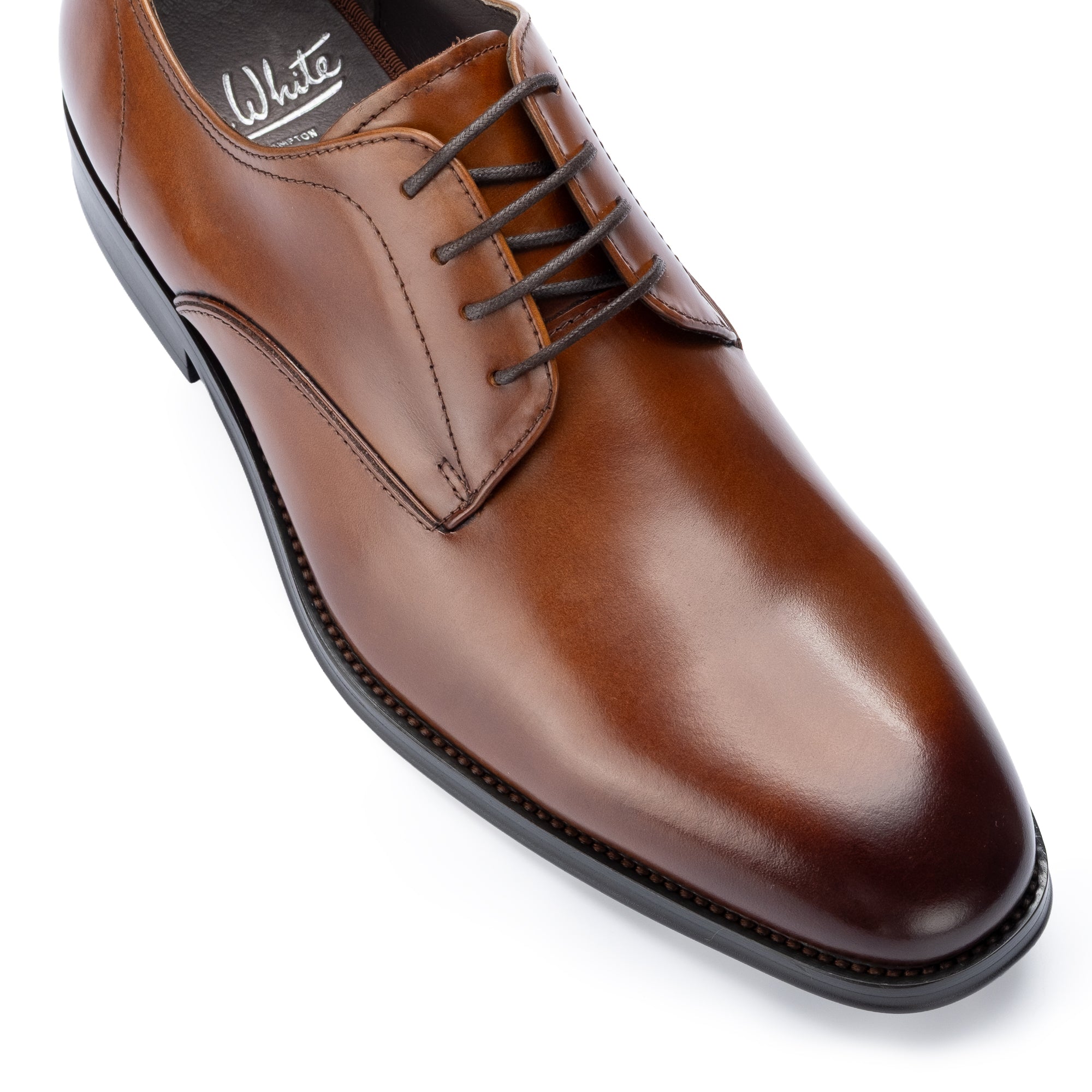
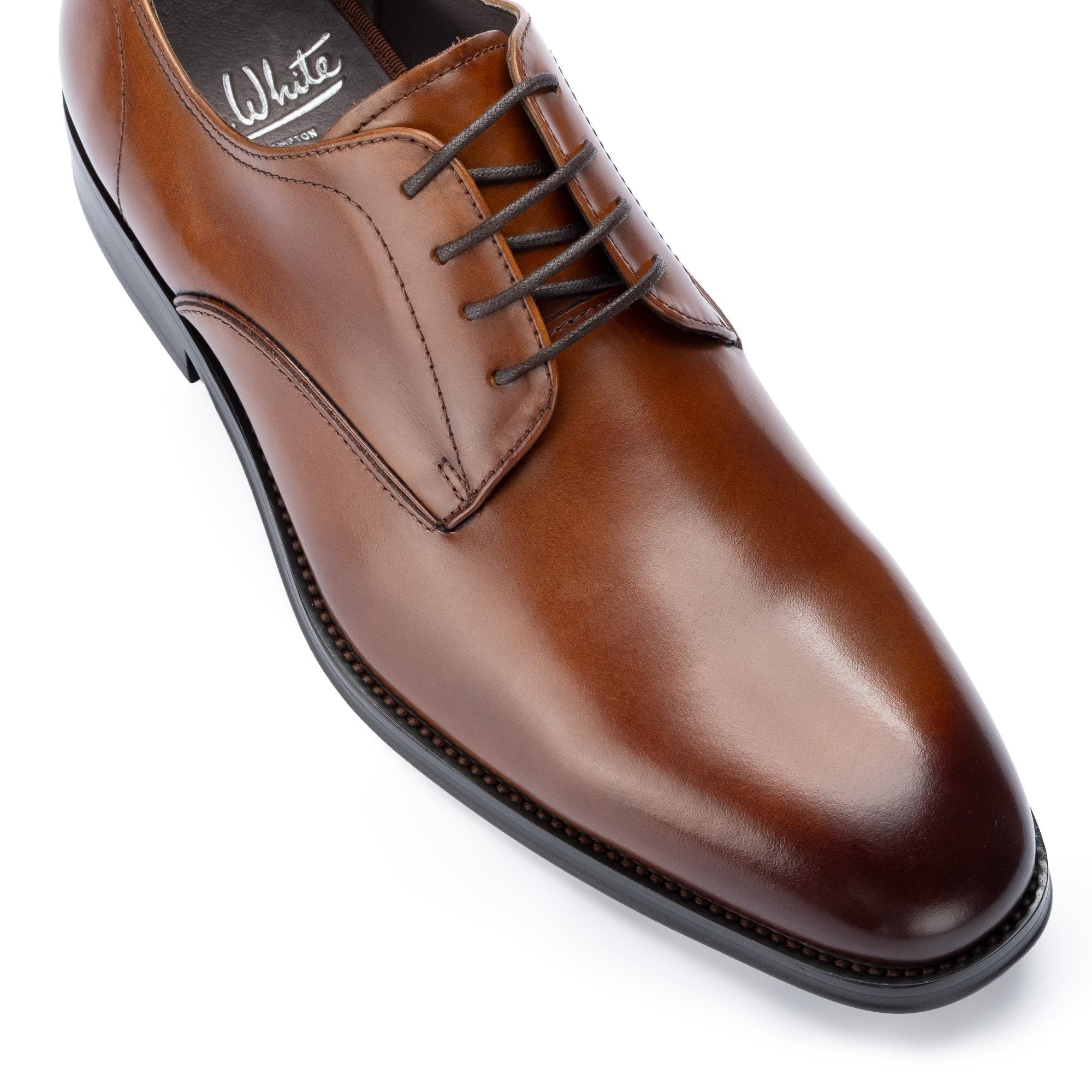
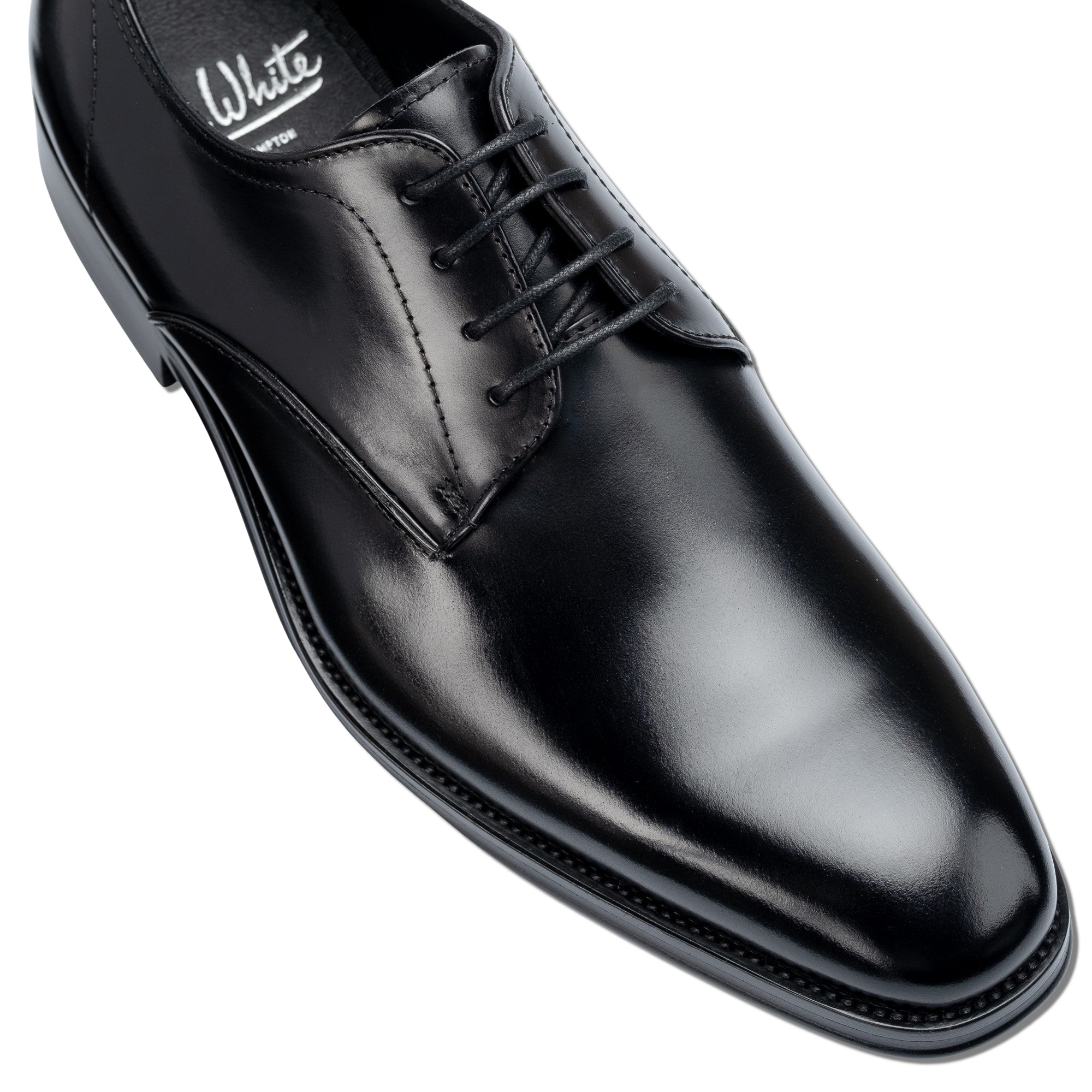
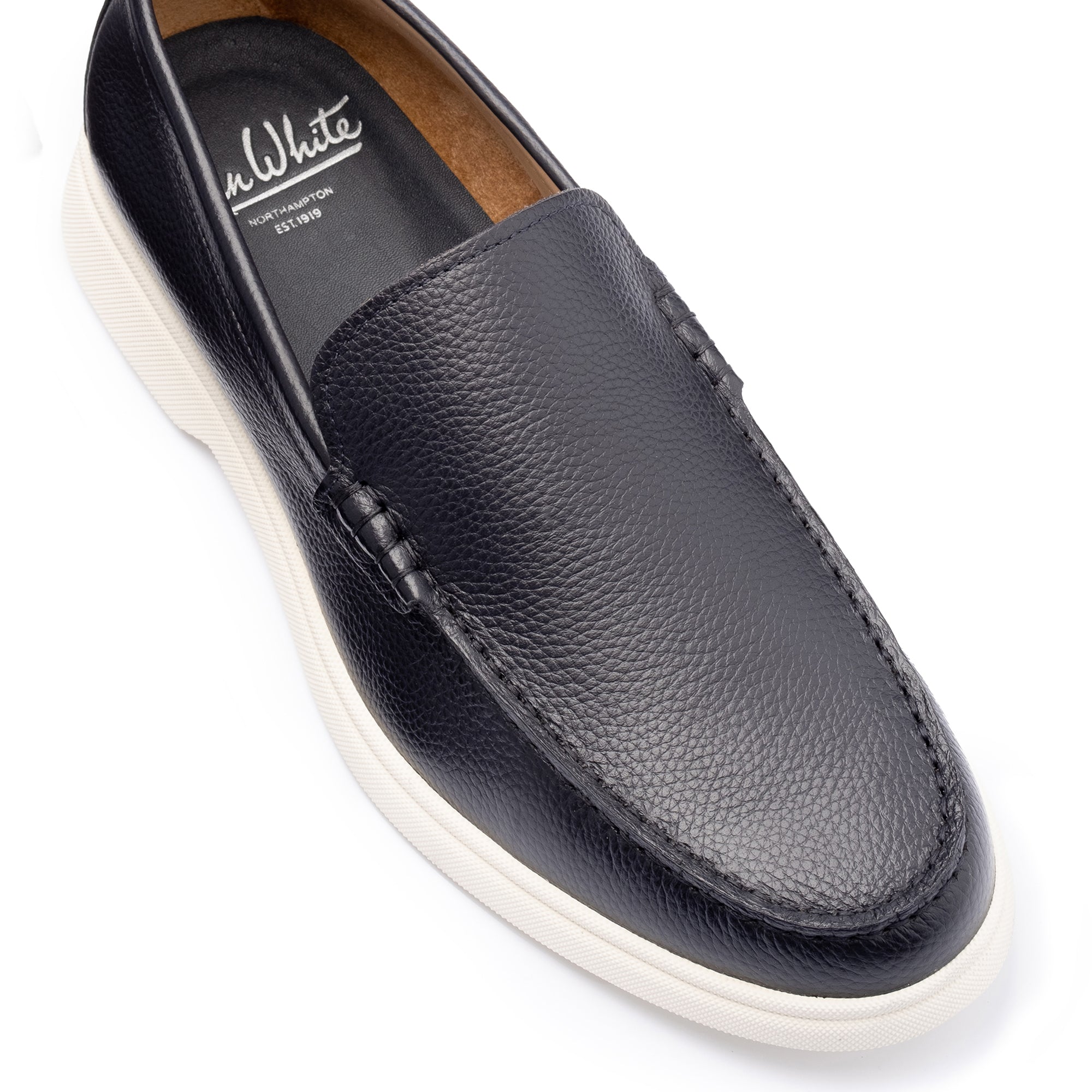
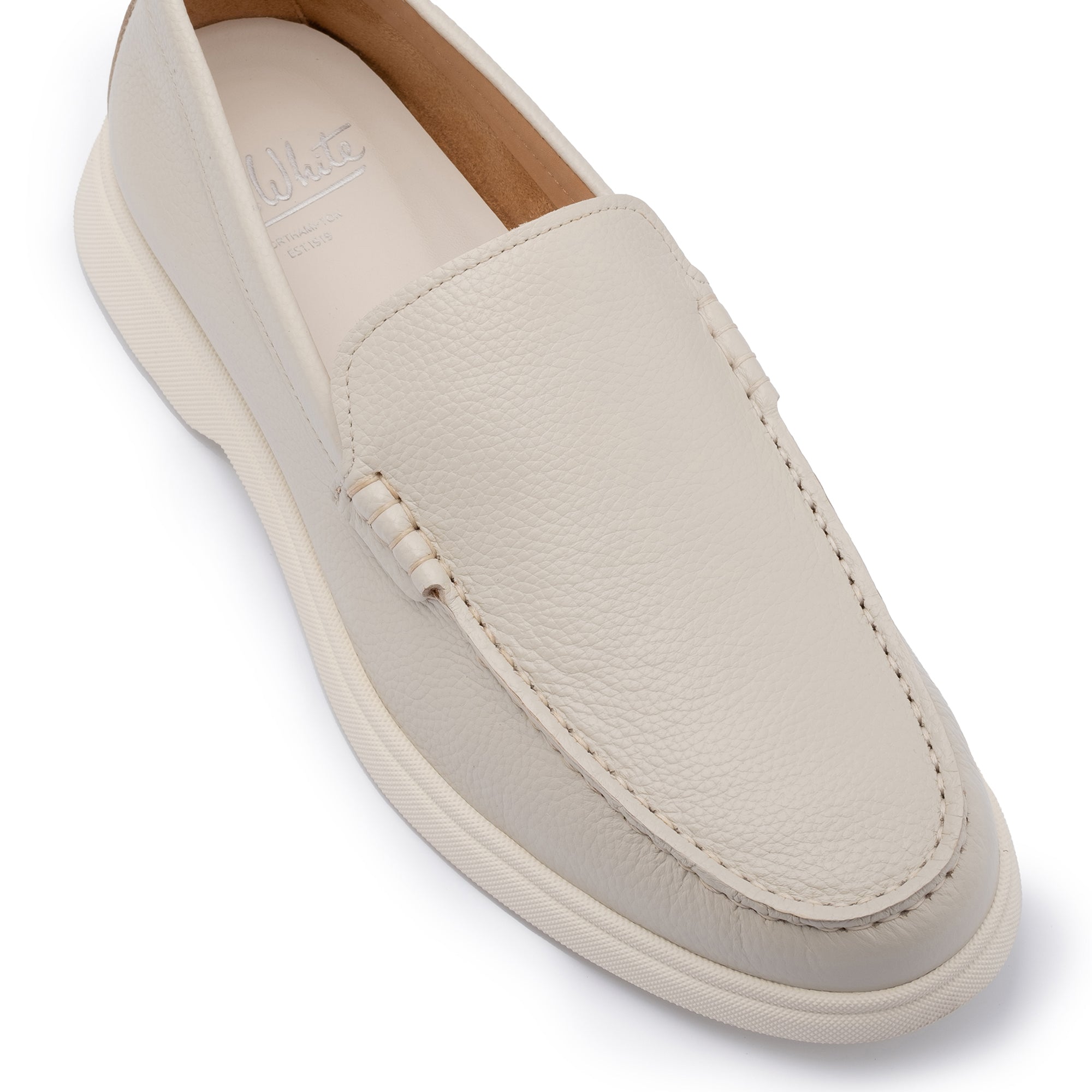
Pay particular attention to the welt — the seam where the upper meets the sole. Dirt collects here and, if left, will dry out the stitching over time.
Insert Shoe Trees Immediately
Cedar shoe trees are not optional. Your feet produce a surprising amount of moisture throughout the day, and loafers — worn without socks or with thin no-show socks — absorb more of it than laced shoes. Cedar absorbs this moisture, prevents the leather from developing mould or odour, and holds the shape of the shoe while it dries.
Without shoe trees, a loafer will develop deep creases across the vamp within weeks. Those creases become cracks. Cracks become irreversible damage. Shoe trees prevent this. Insert them the moment you take the shoes off and leave them in until the next wear.
How Do You Clean Leather Loafers?
A proper clean every two to four weeks — depending on how often you wear them — keeps leather loafers looking sharp and the material in good health.
Step 1: Remove Surface Dirt
Brush the entire shoe with a horsehair brush, working from heel to toe. Use firm, even strokes. For stubborn marks, dampen a soft cloth with warm water (not wet, just damp) and wipe the affected area gently.
Step 2: Clean the Leather
For a deeper clean, use a small amount of saddle soap or specialist leather cleaner on a damp cloth. Work it into the leather in small circles, covering the full upper. Wipe away any residue with a separate clean, damp cloth. Use soap sparingly — it's effective, but overuse strips the leather's natural oils.
Step 3: Condition
This is the step most men skip, and it matters more than polishing. Leather is skin. Without regular conditioning, it dries out, stiffens, and eventually cracks — particularly at the flex points across the vamp where a loafer bends with every step.
Apply a leather conditioner or cream with a soft cloth, working in small circular motions. Cover the entire upper, paying extra attention to the toe crease and the heel counter. Allow 10 to 15 minutes for absorption, then buff off any excess with a clean cloth.
Condition every two to three weeks for loafers worn regularly. In winter, when central heating and cold air dry leather faster, condition more frequently.
Step 4: Polish
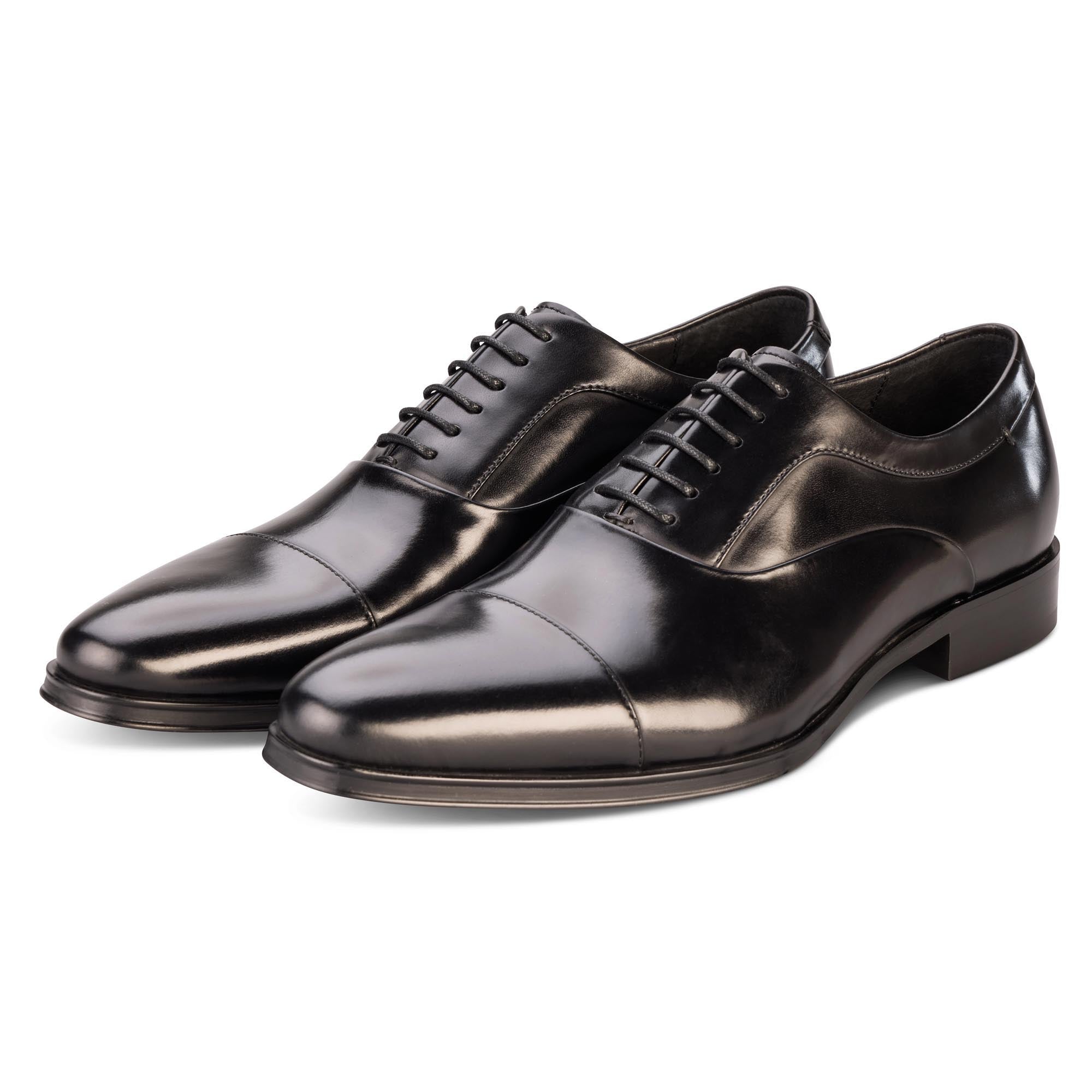
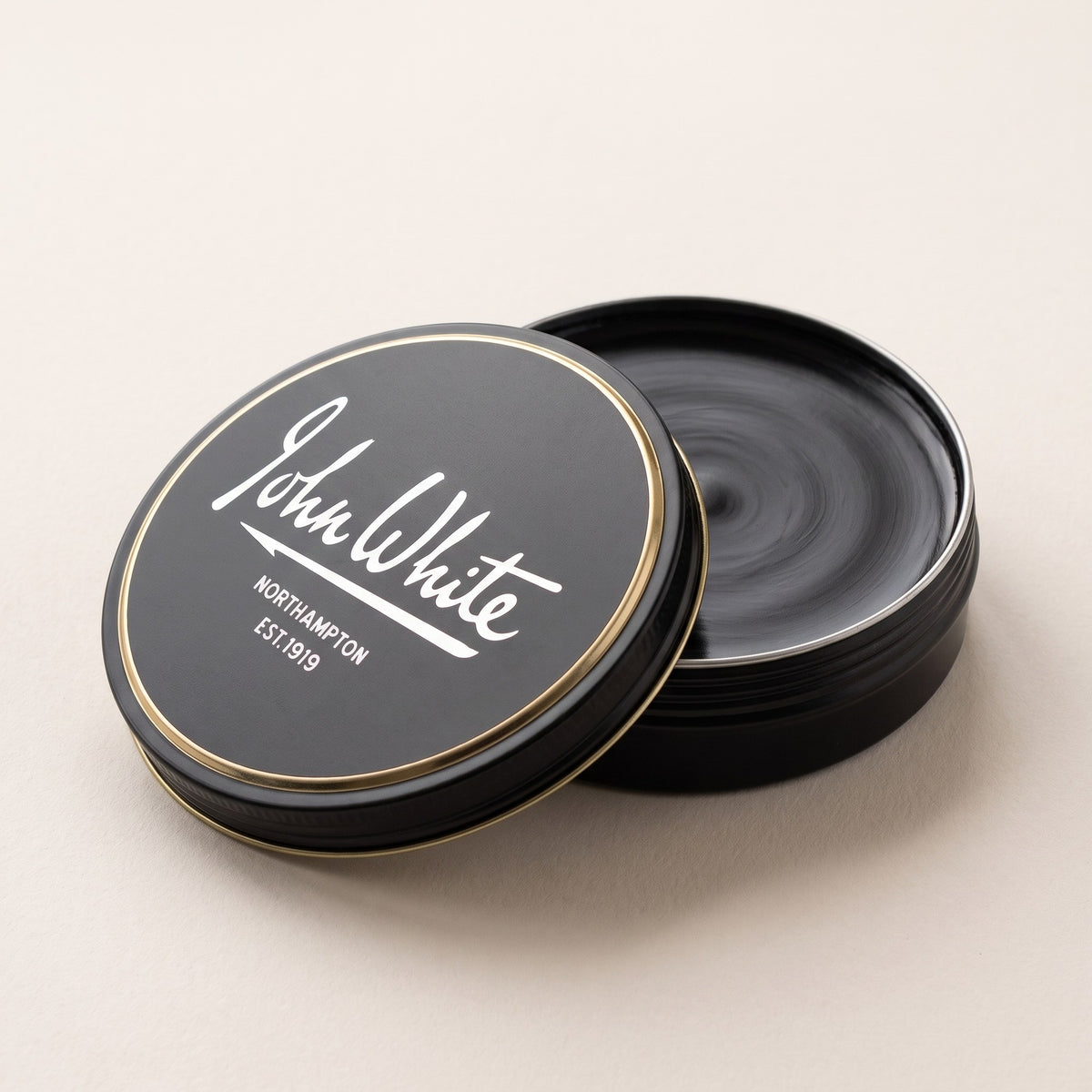
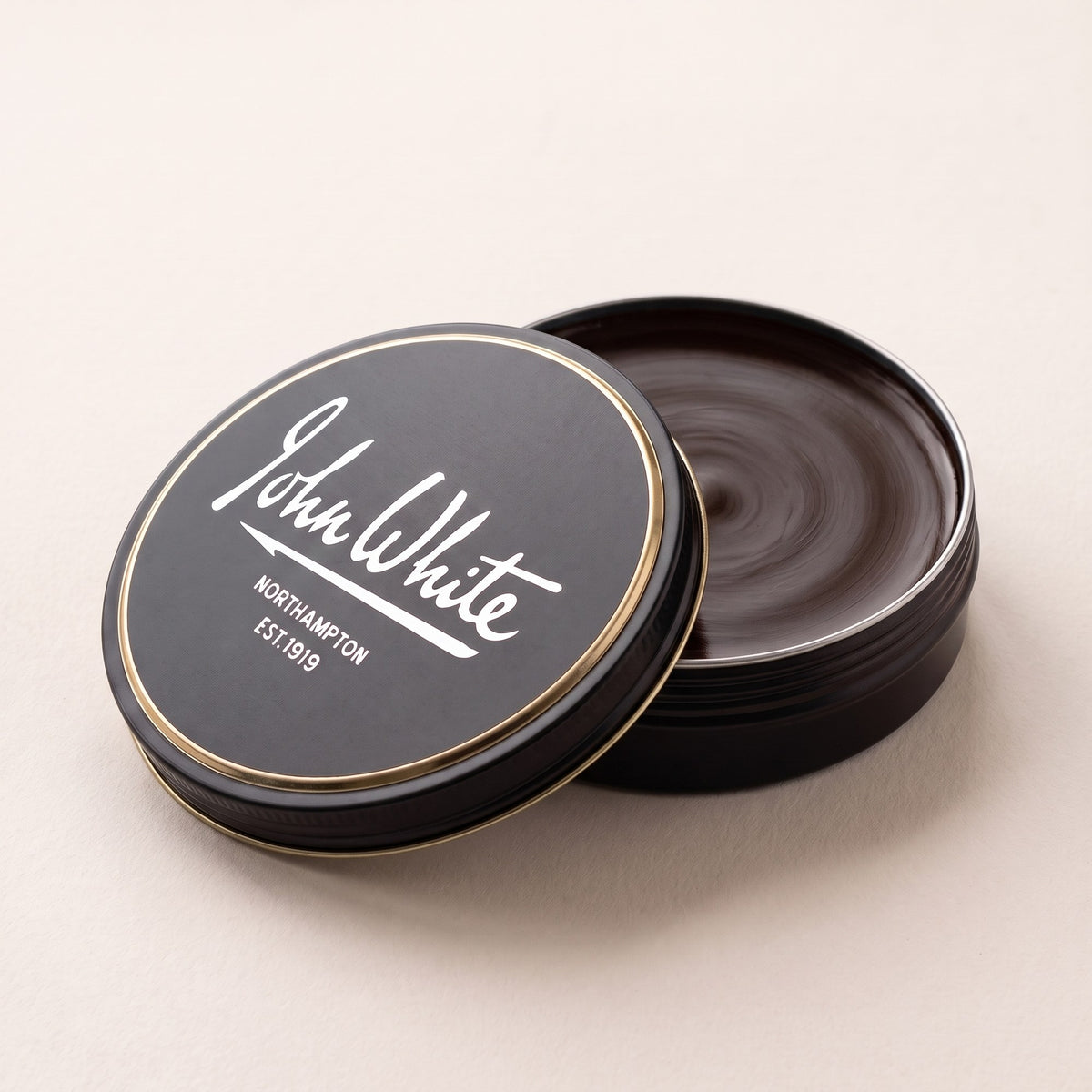
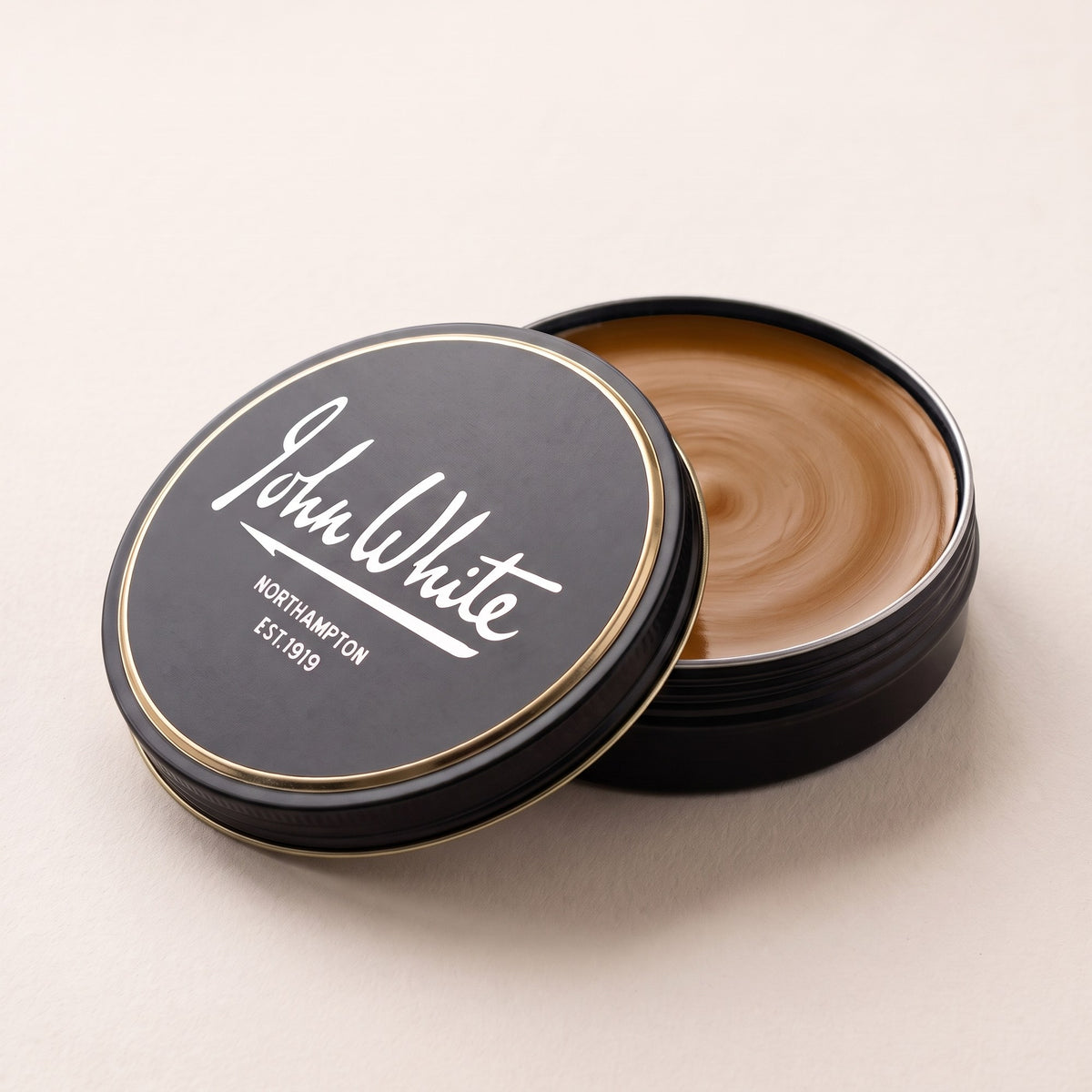
Polish serves two purposes: it adds a protective layer against moisture and scuffs, and it restores depth and lustre to the leather. Use a wax polish that matches the colour of your loafer — JW Premium Wax Polish is formulated for precisely this.
Apply a thin layer with a cloth, using small circular motions. Allow it to haze over for 10 to 15 minutes, then buff with a horsehair brush followed by a soft cloth. Thin layers build a better, more natural shine than thick applications.
How Do You Care for Suede Loafers?
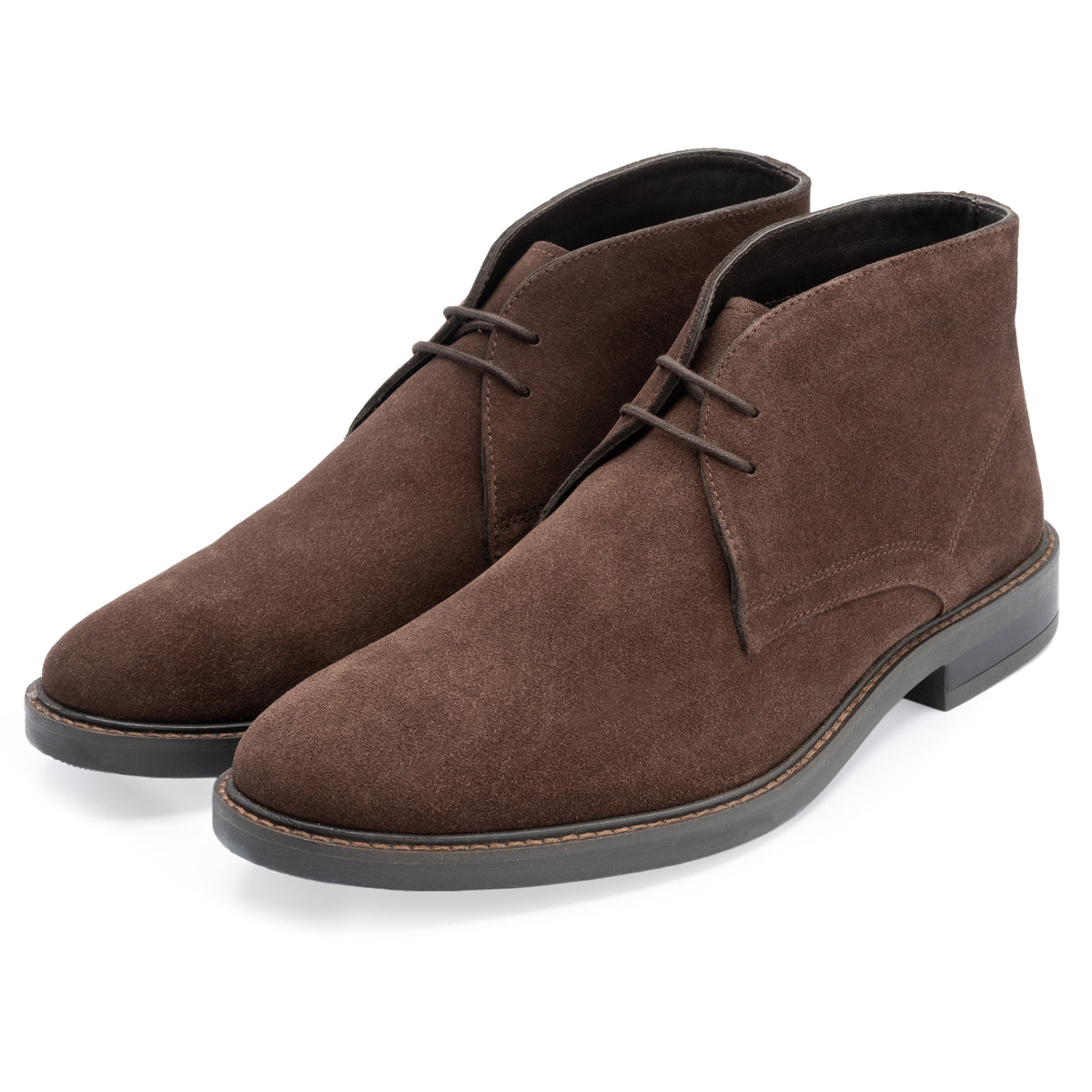
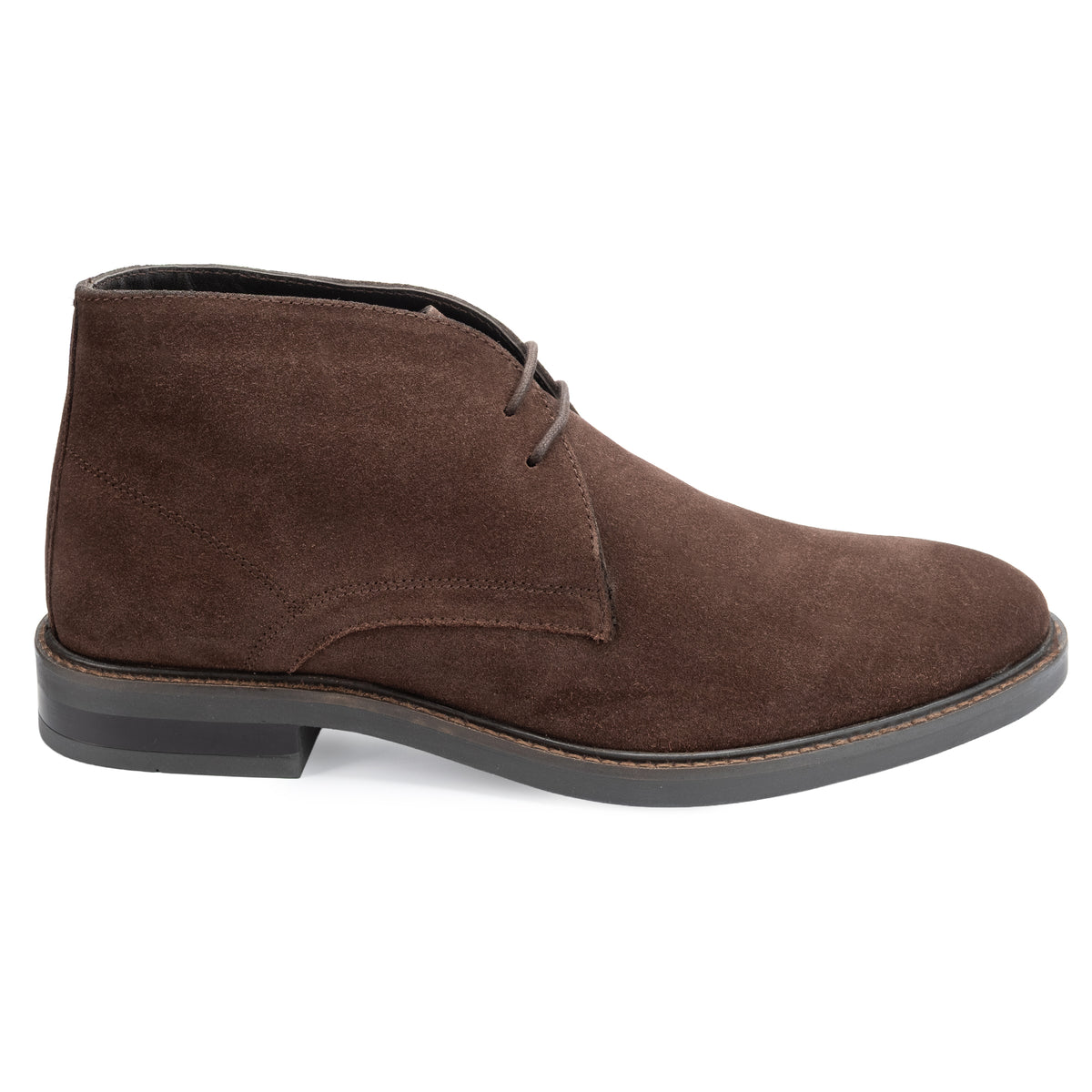
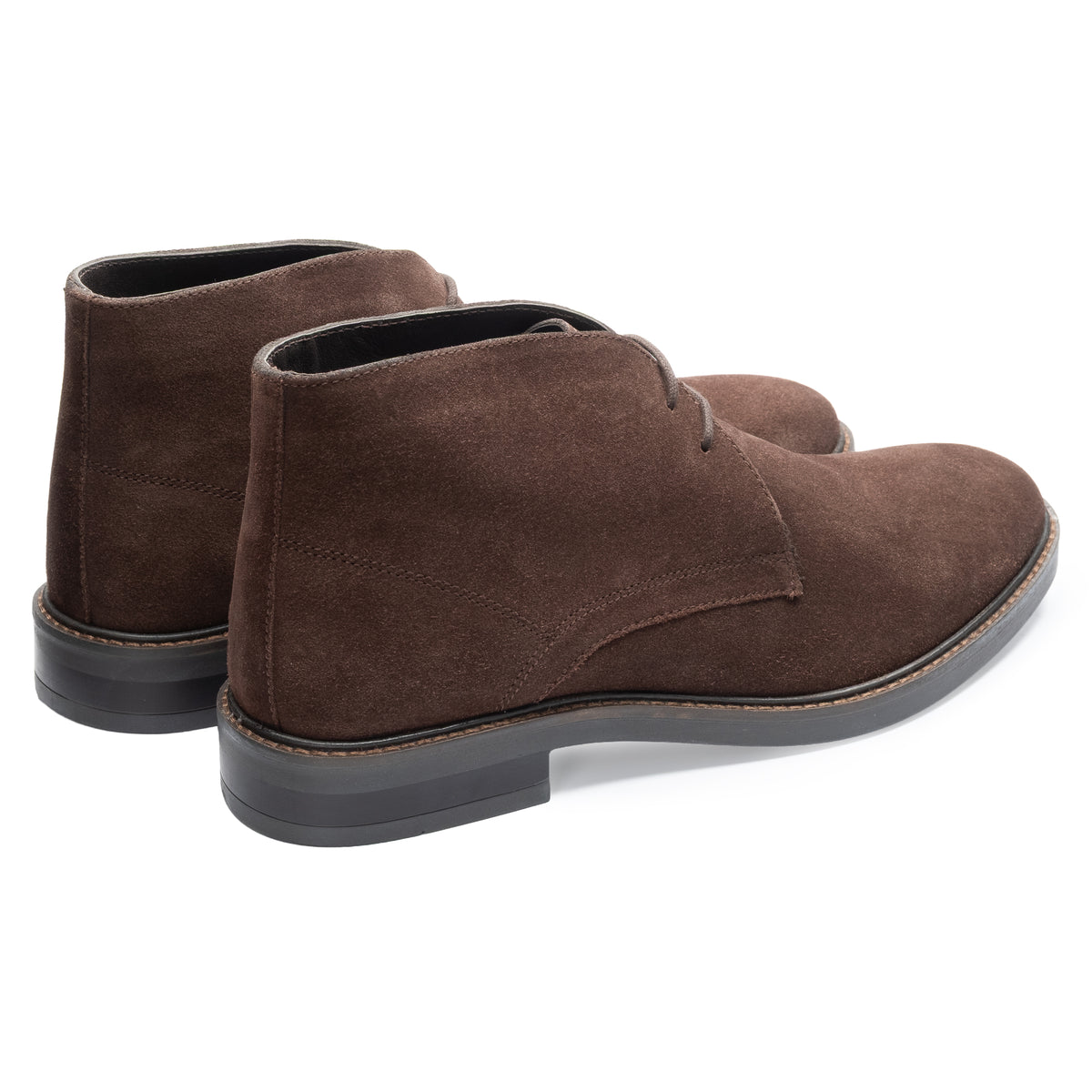
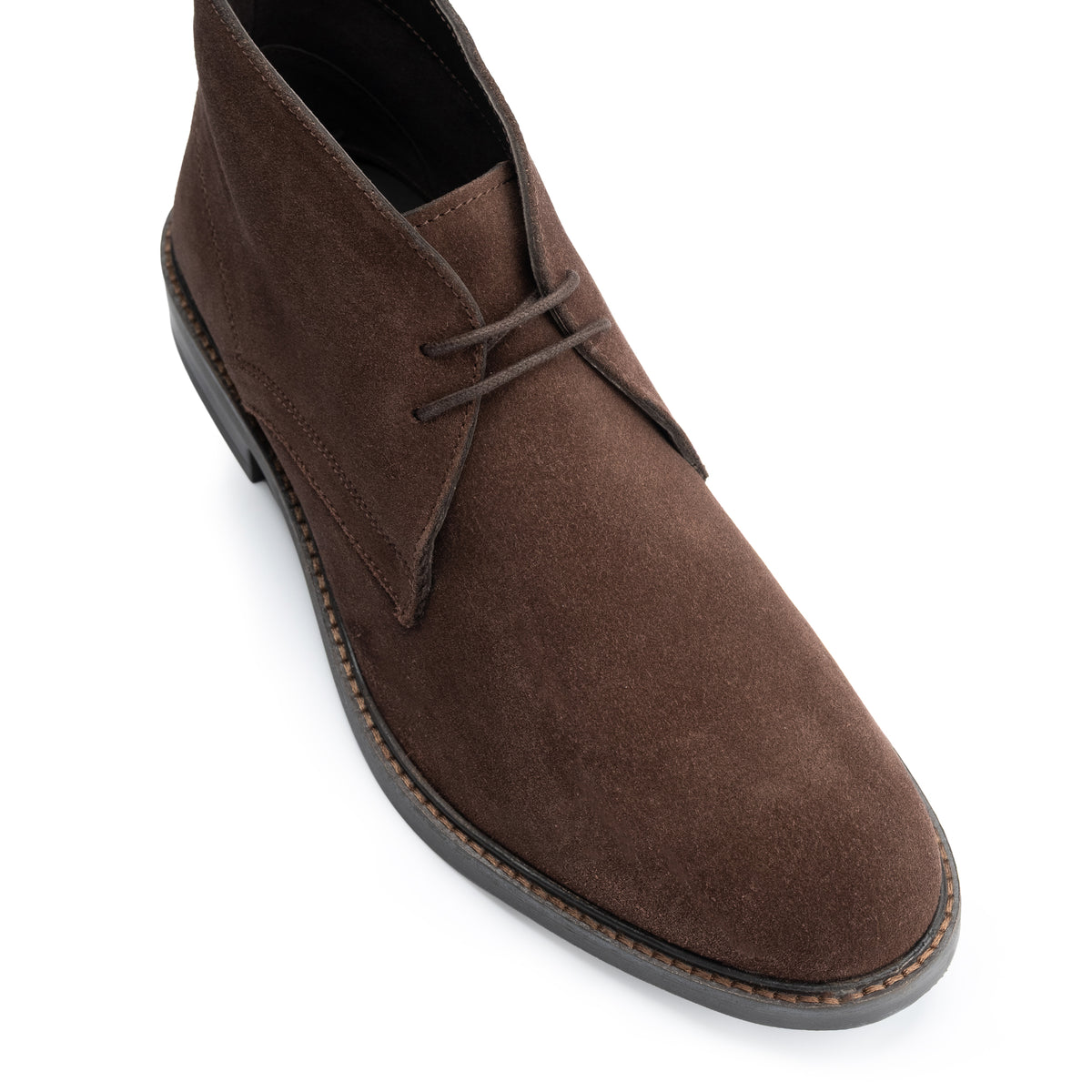
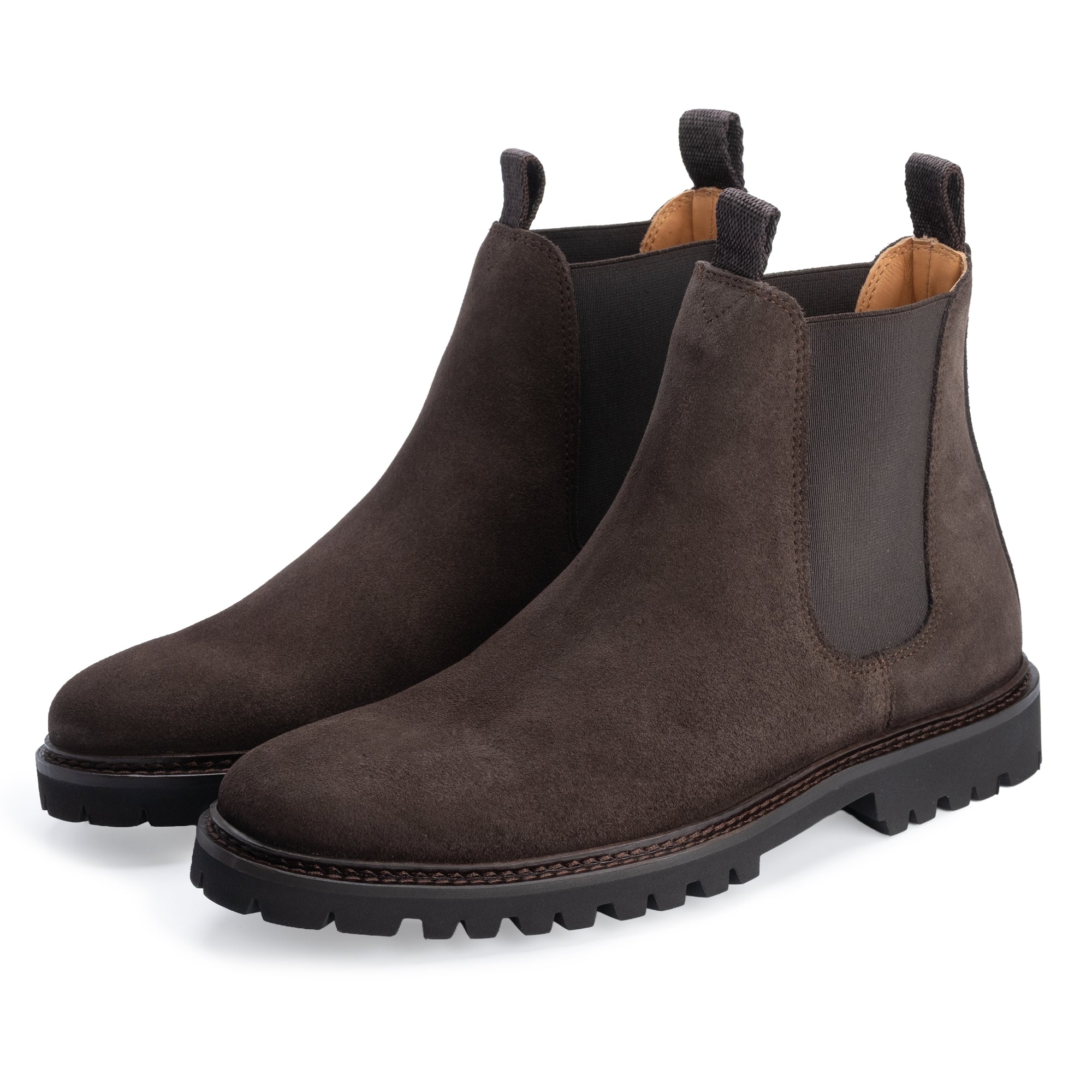
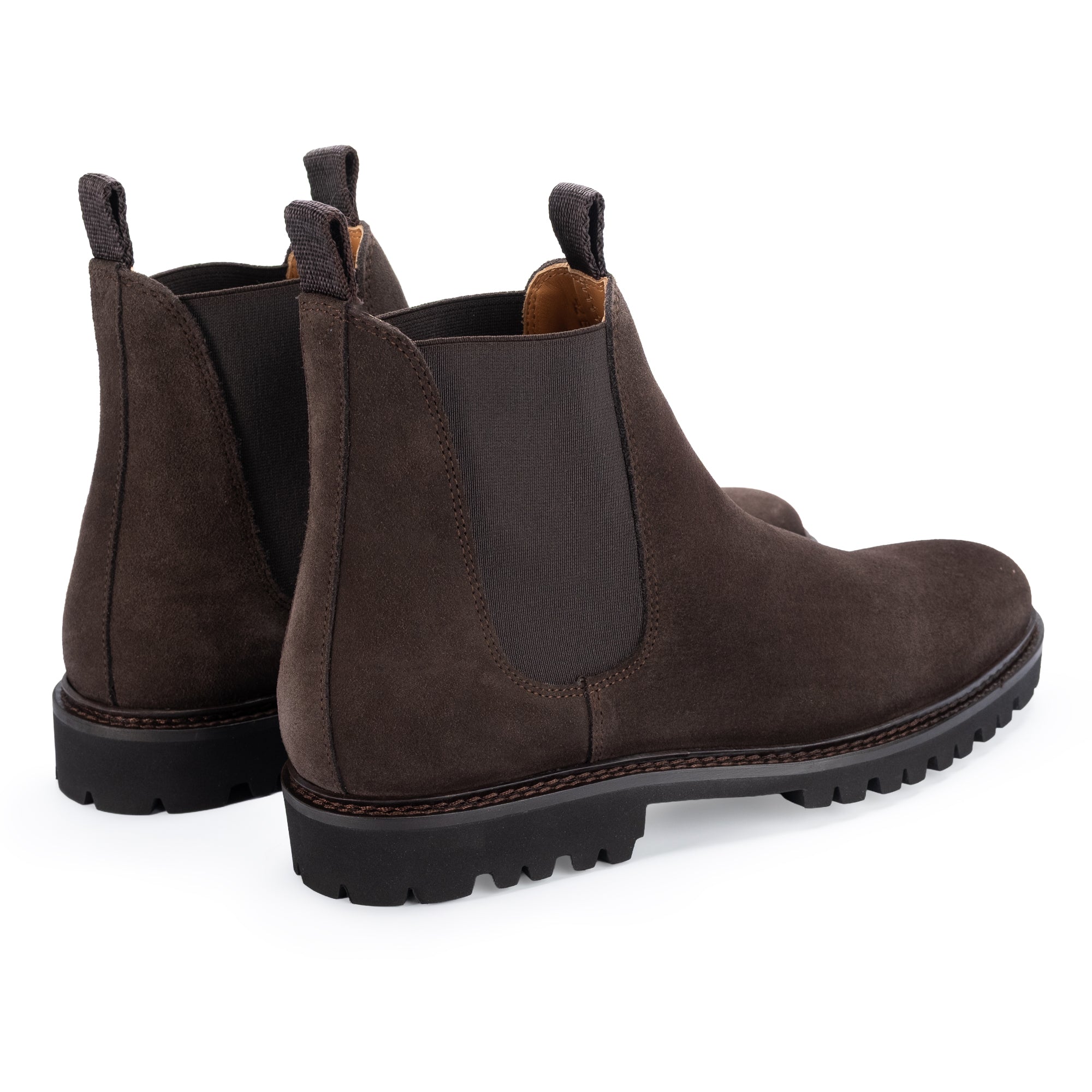
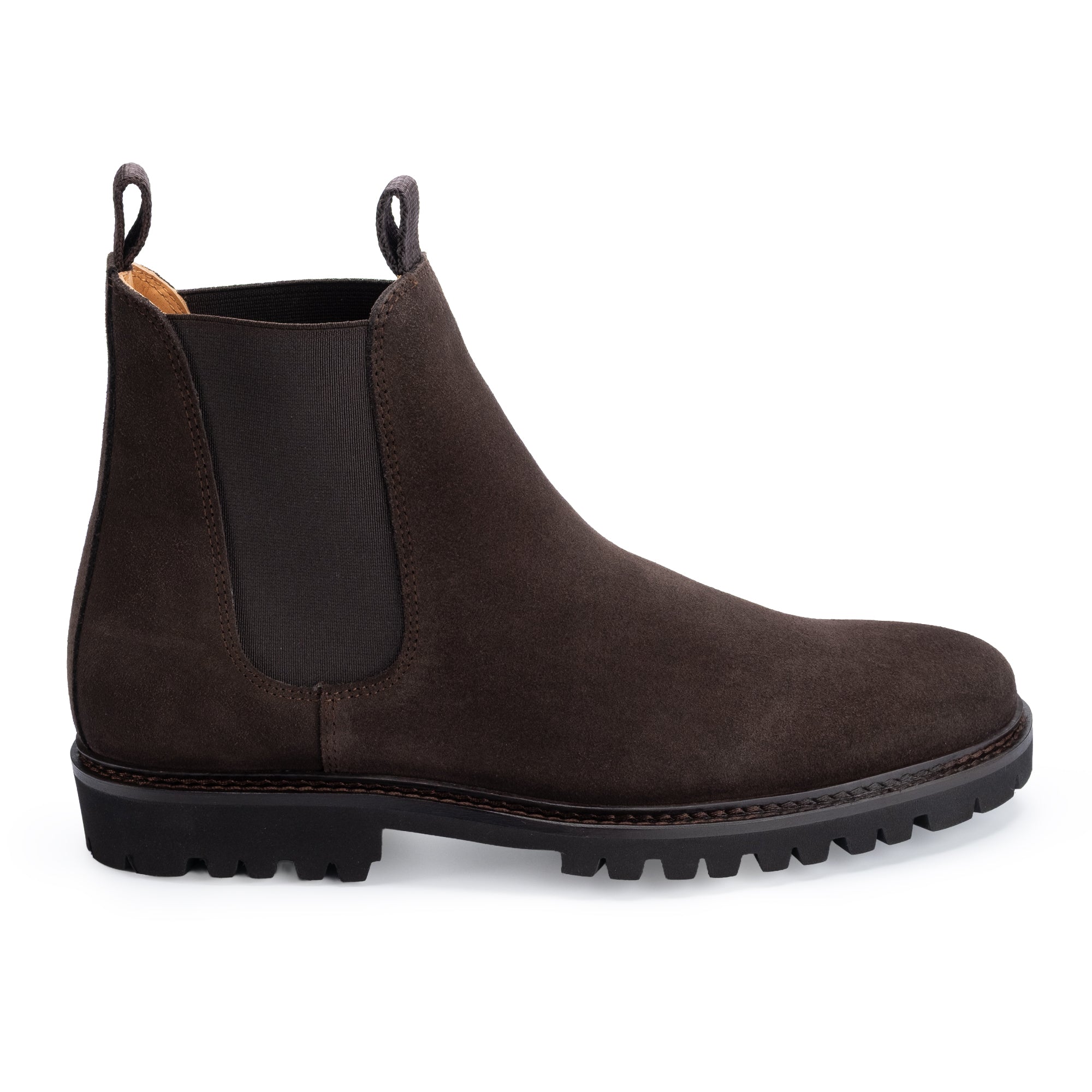
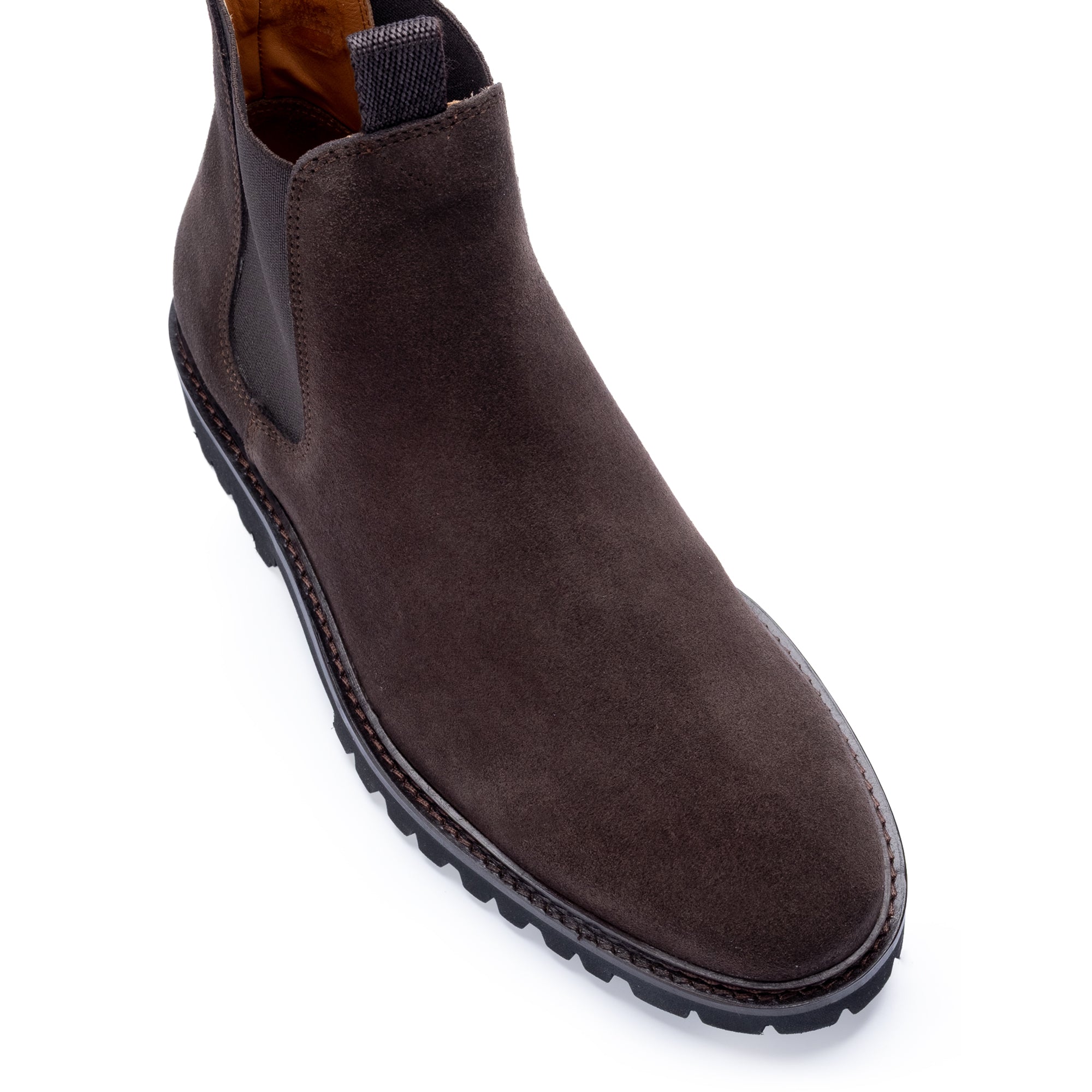
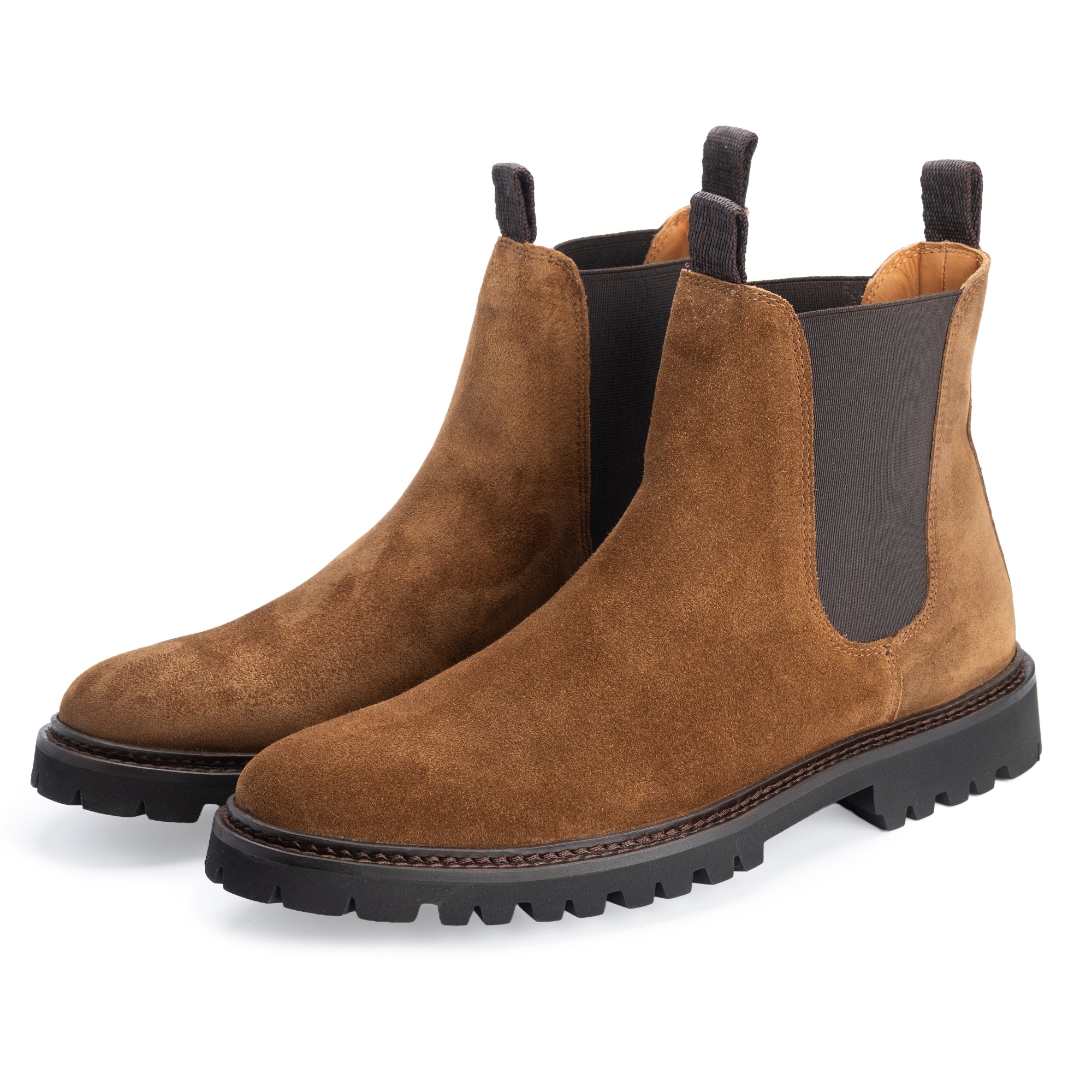
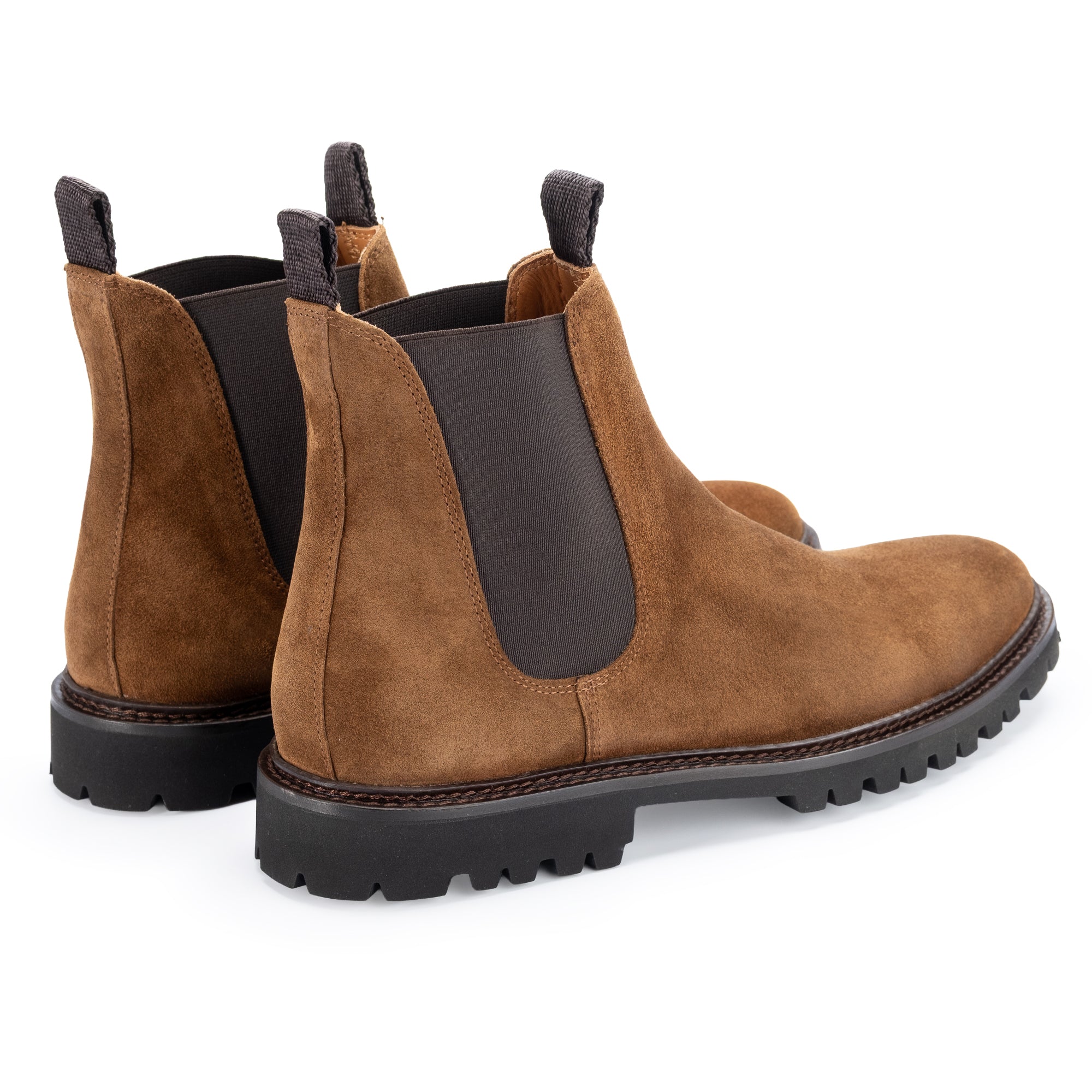
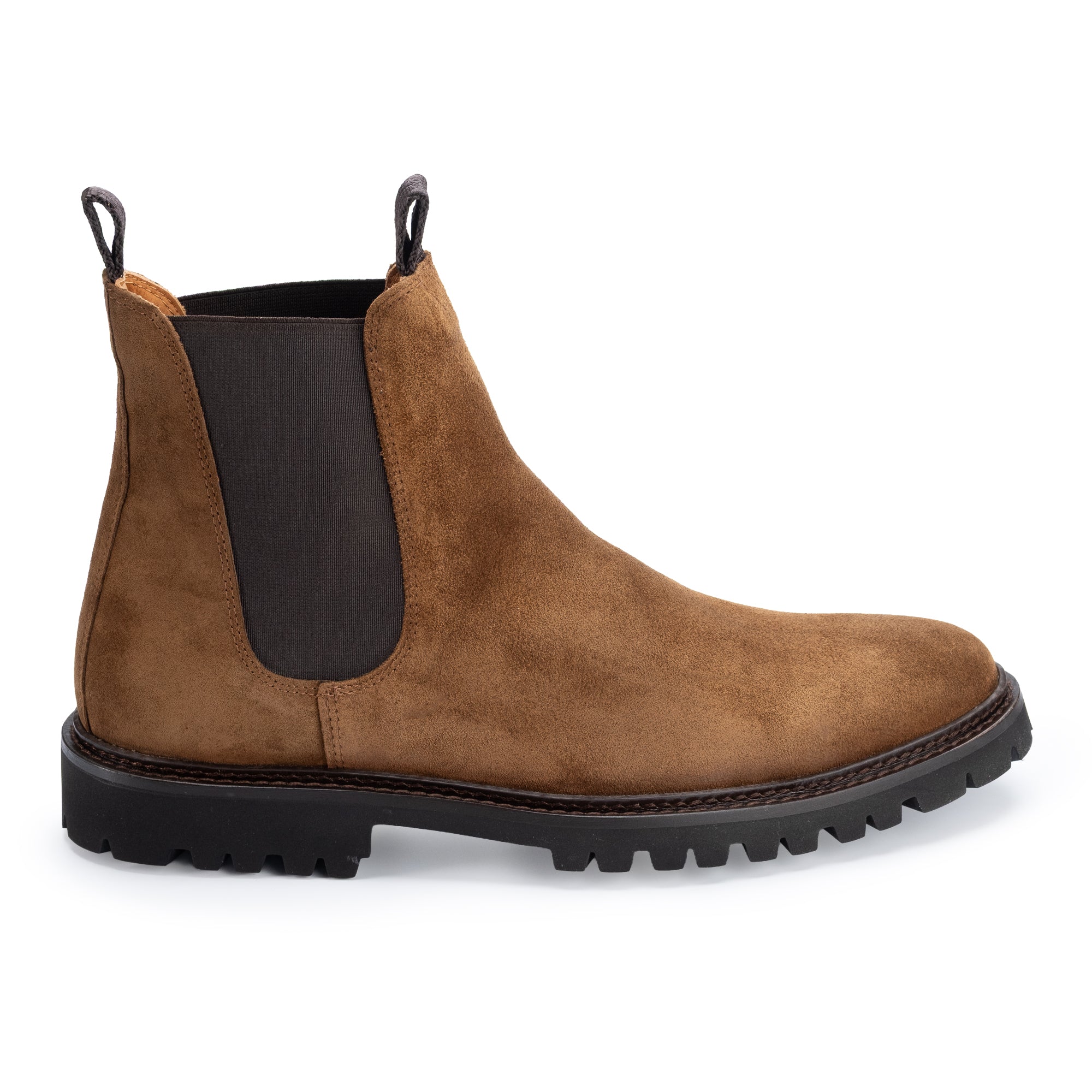
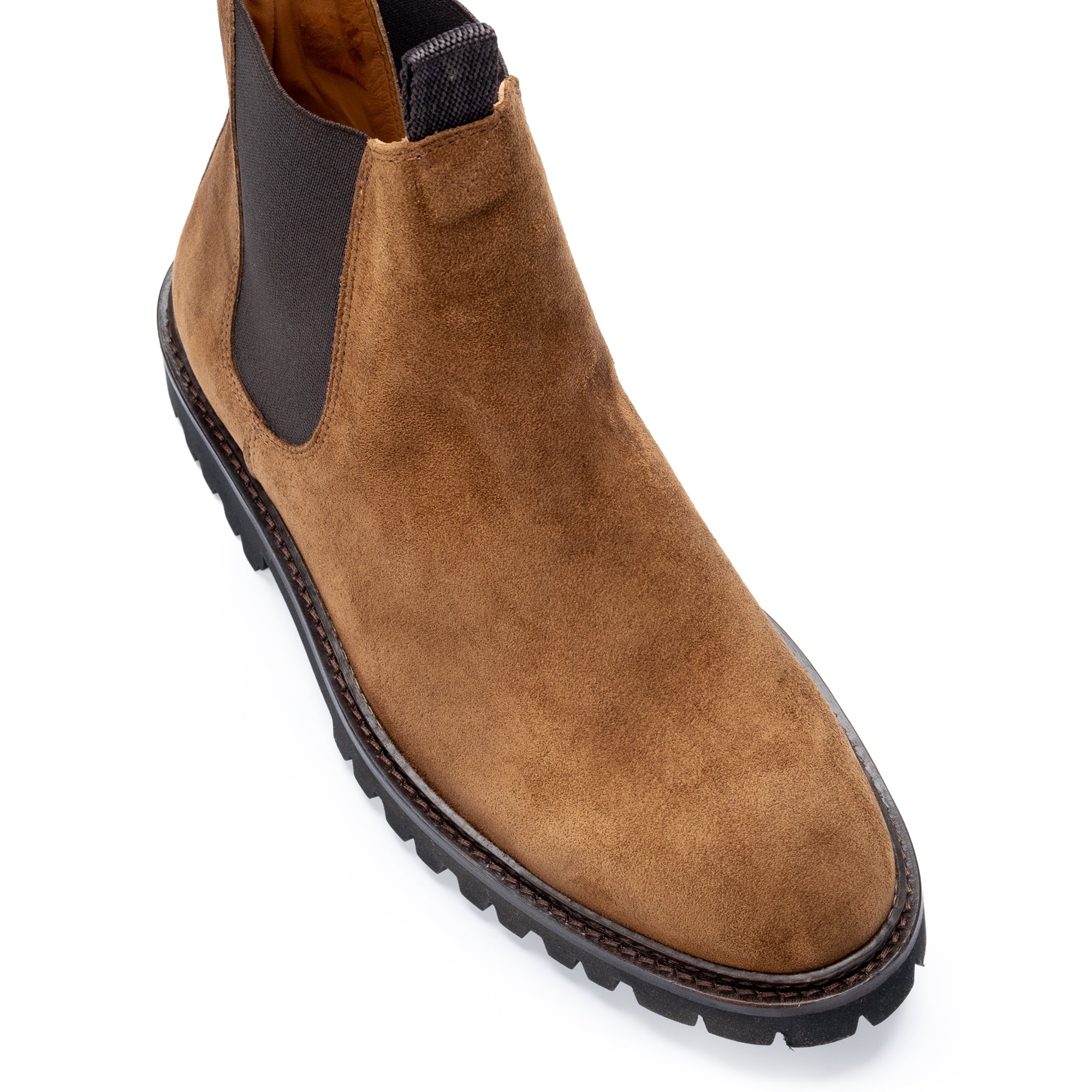
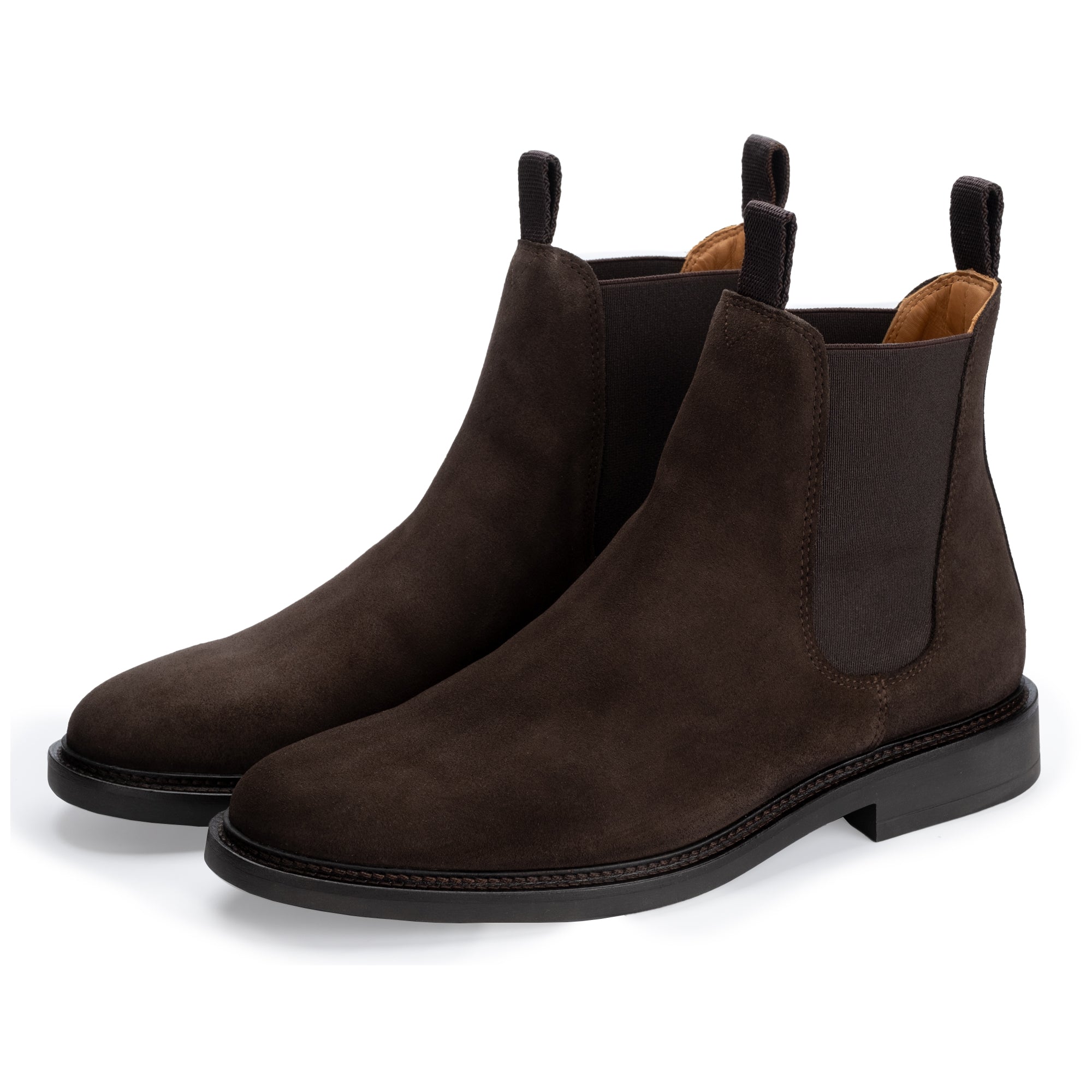
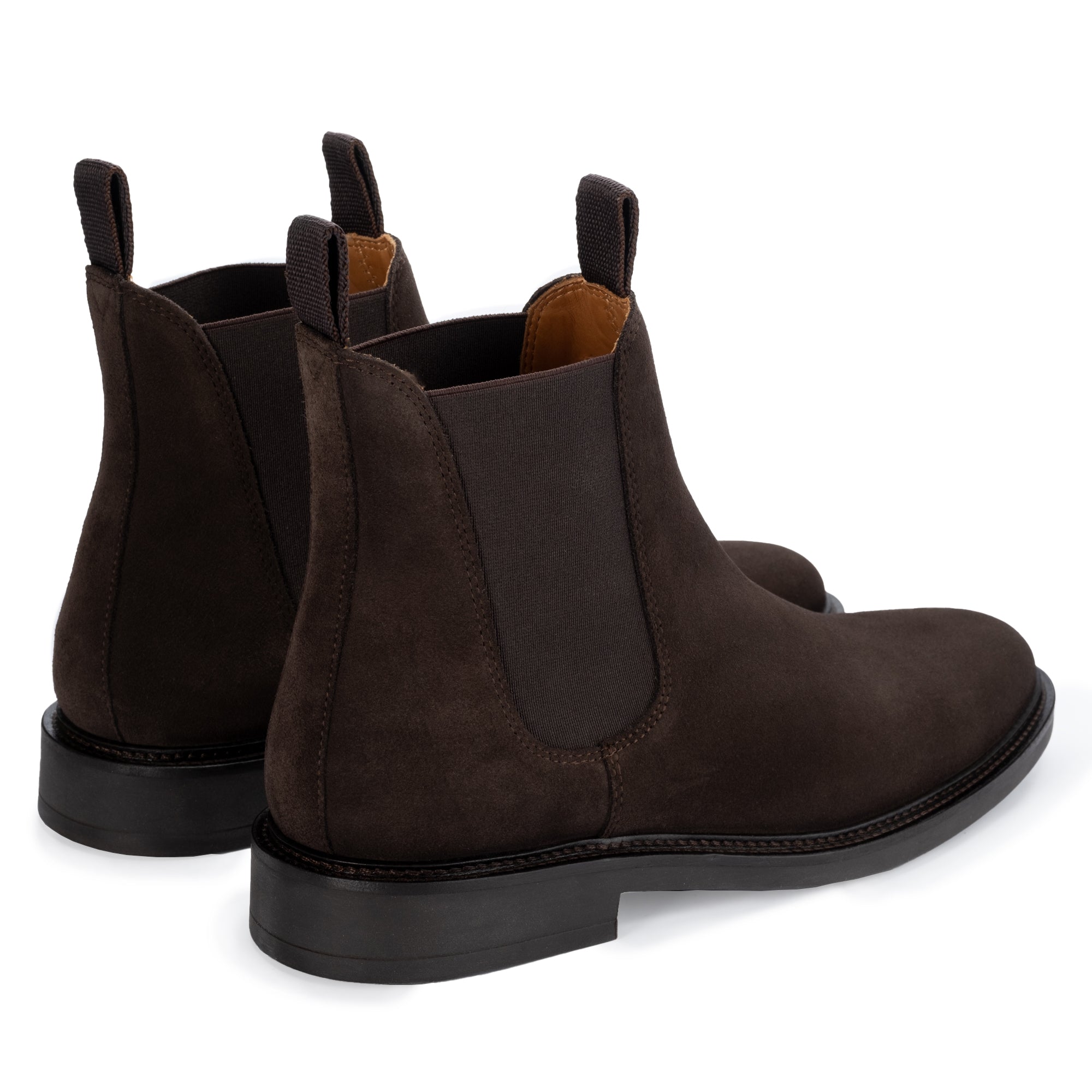
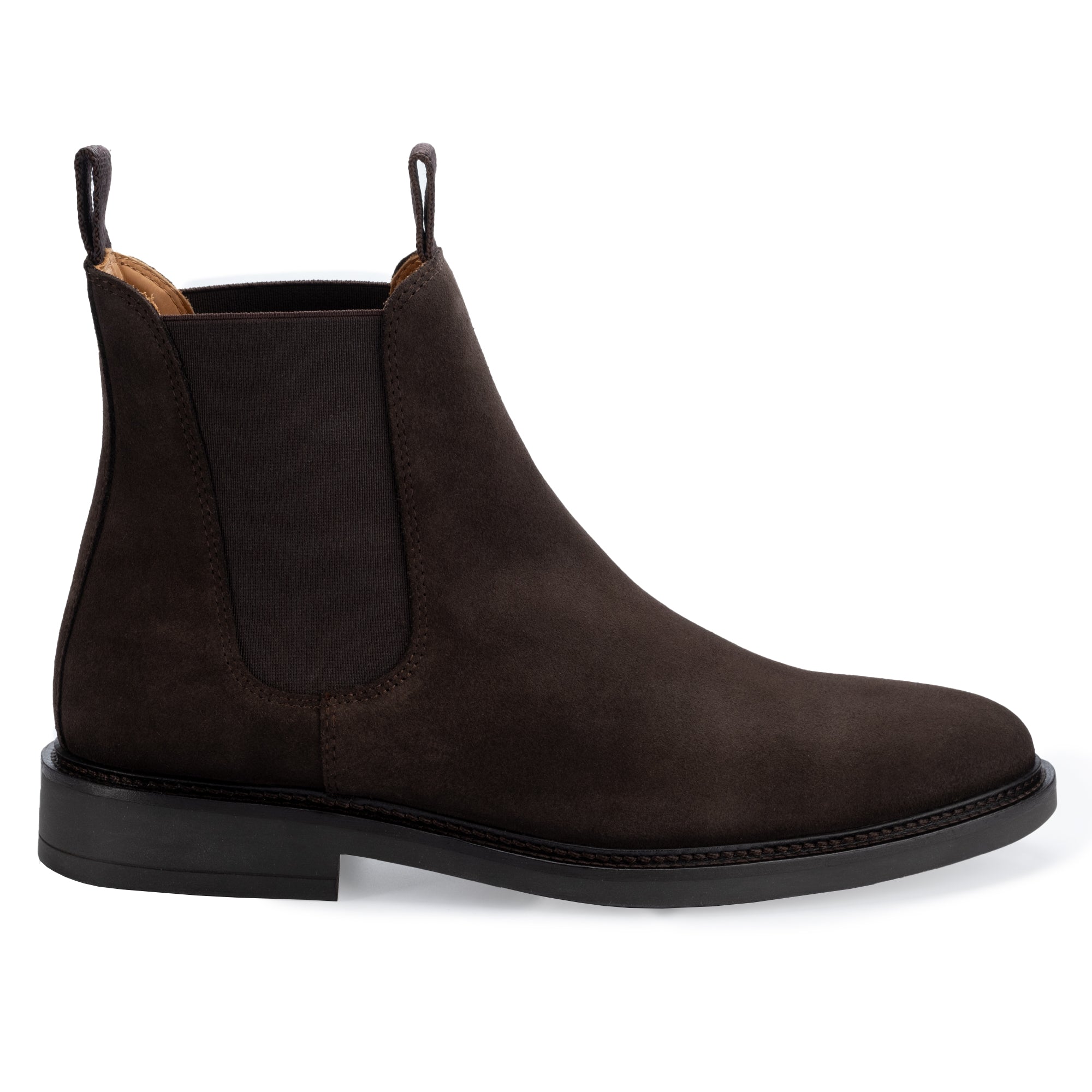
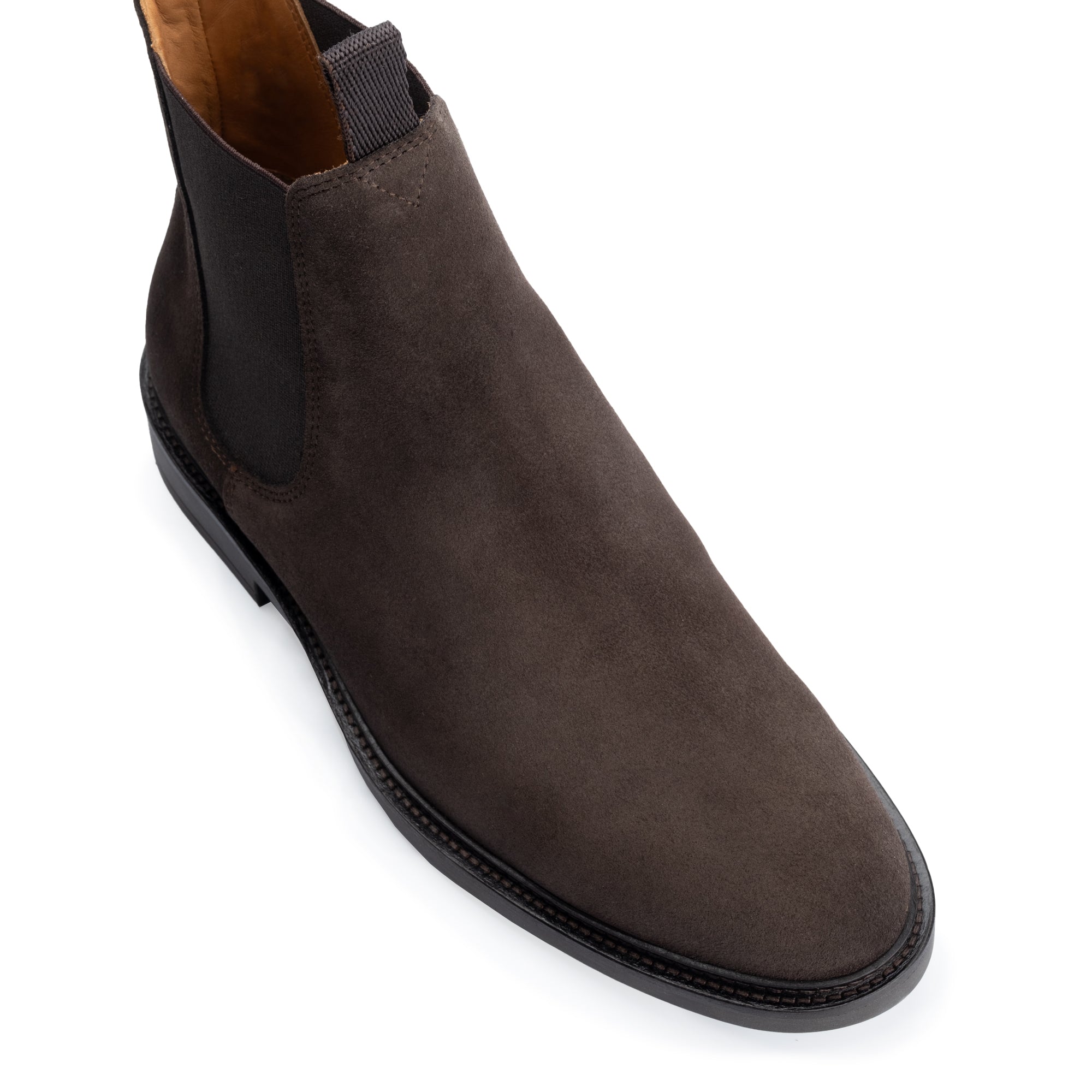
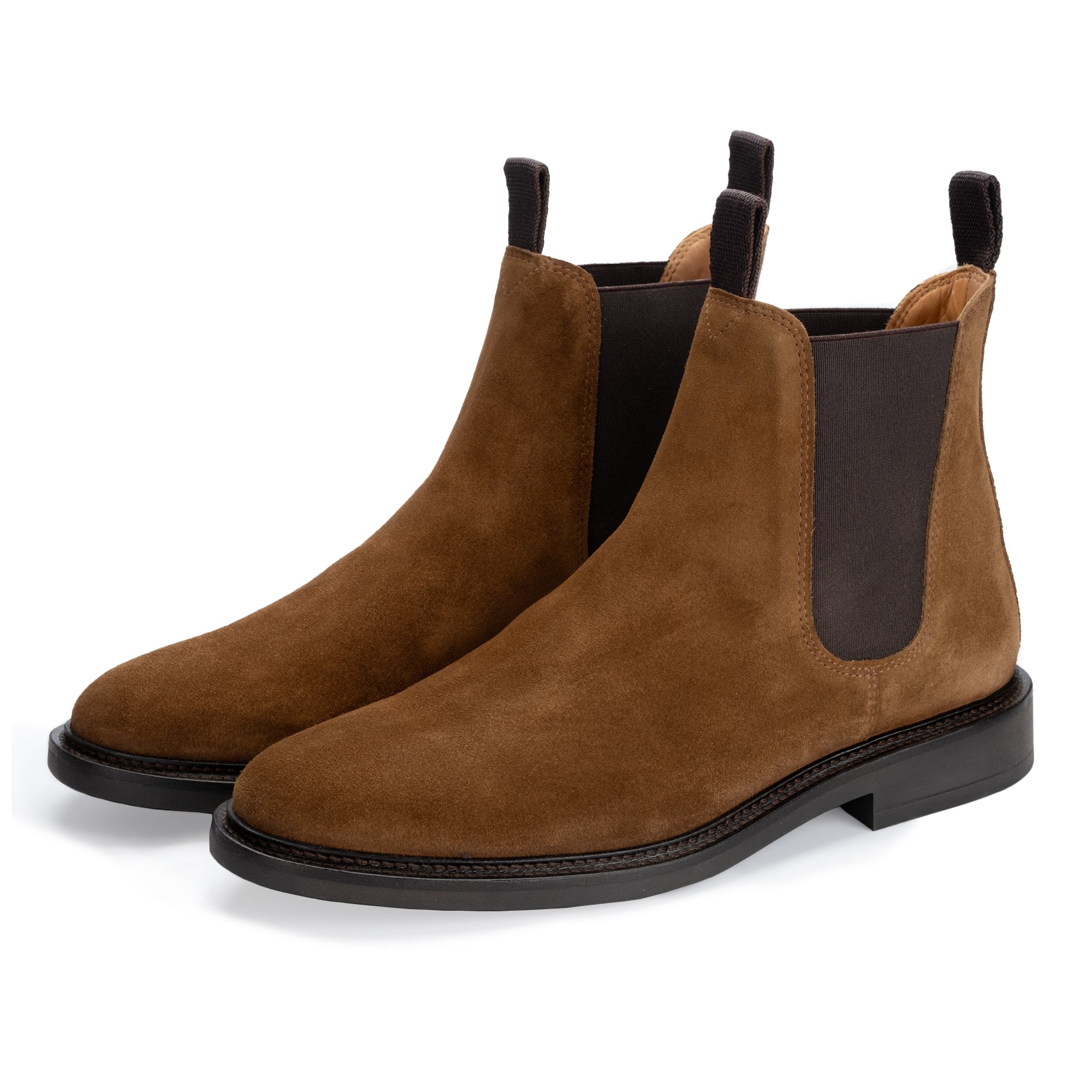
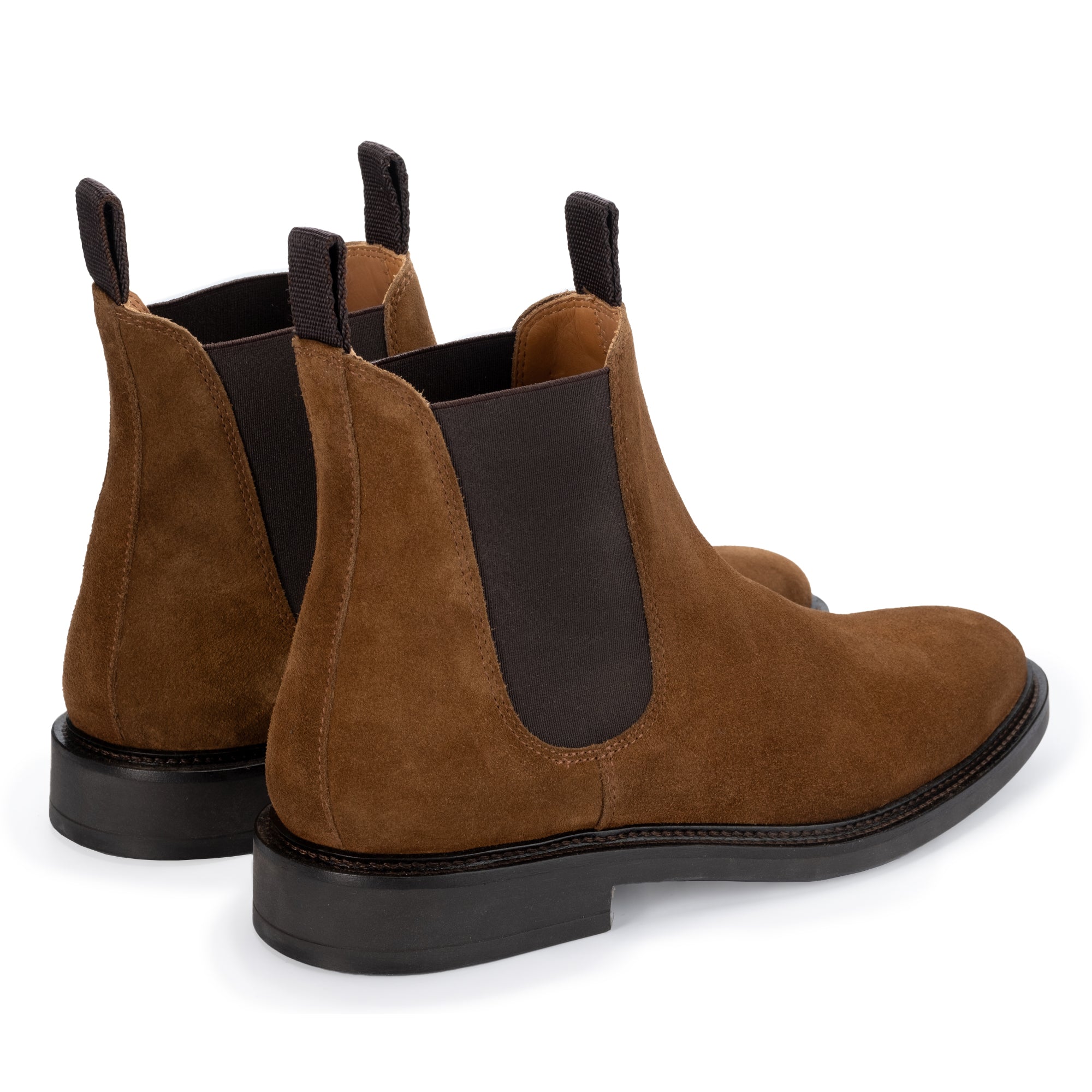
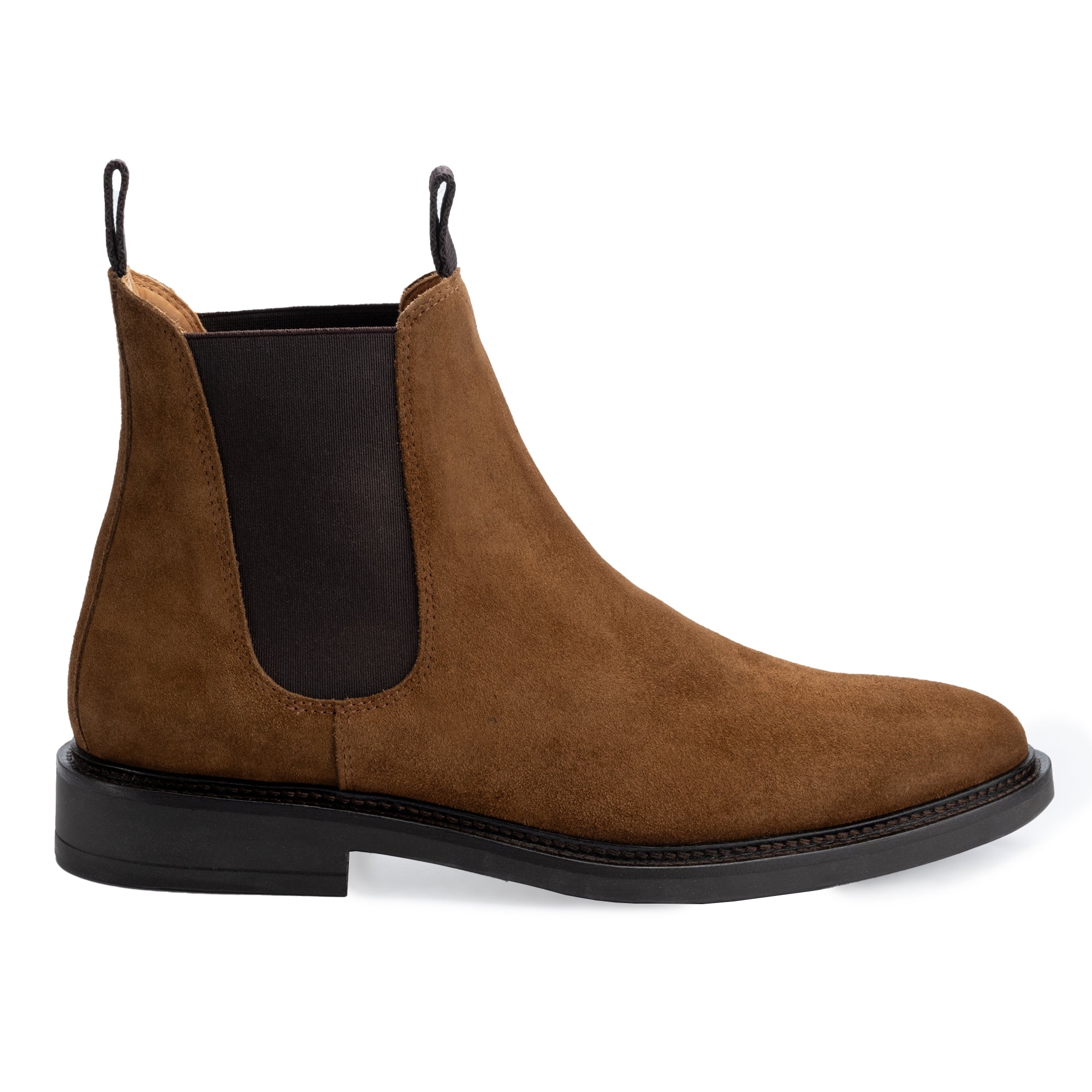
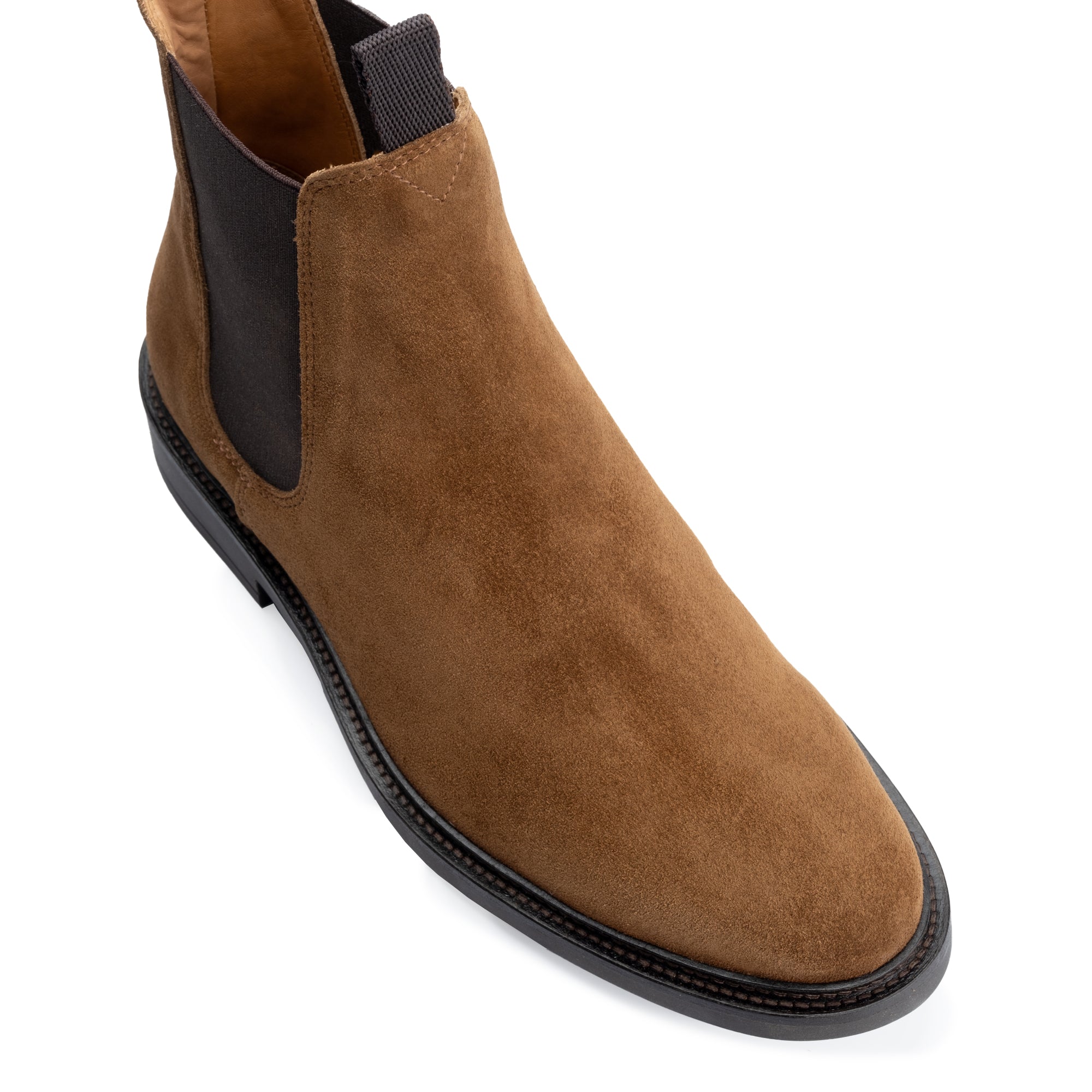
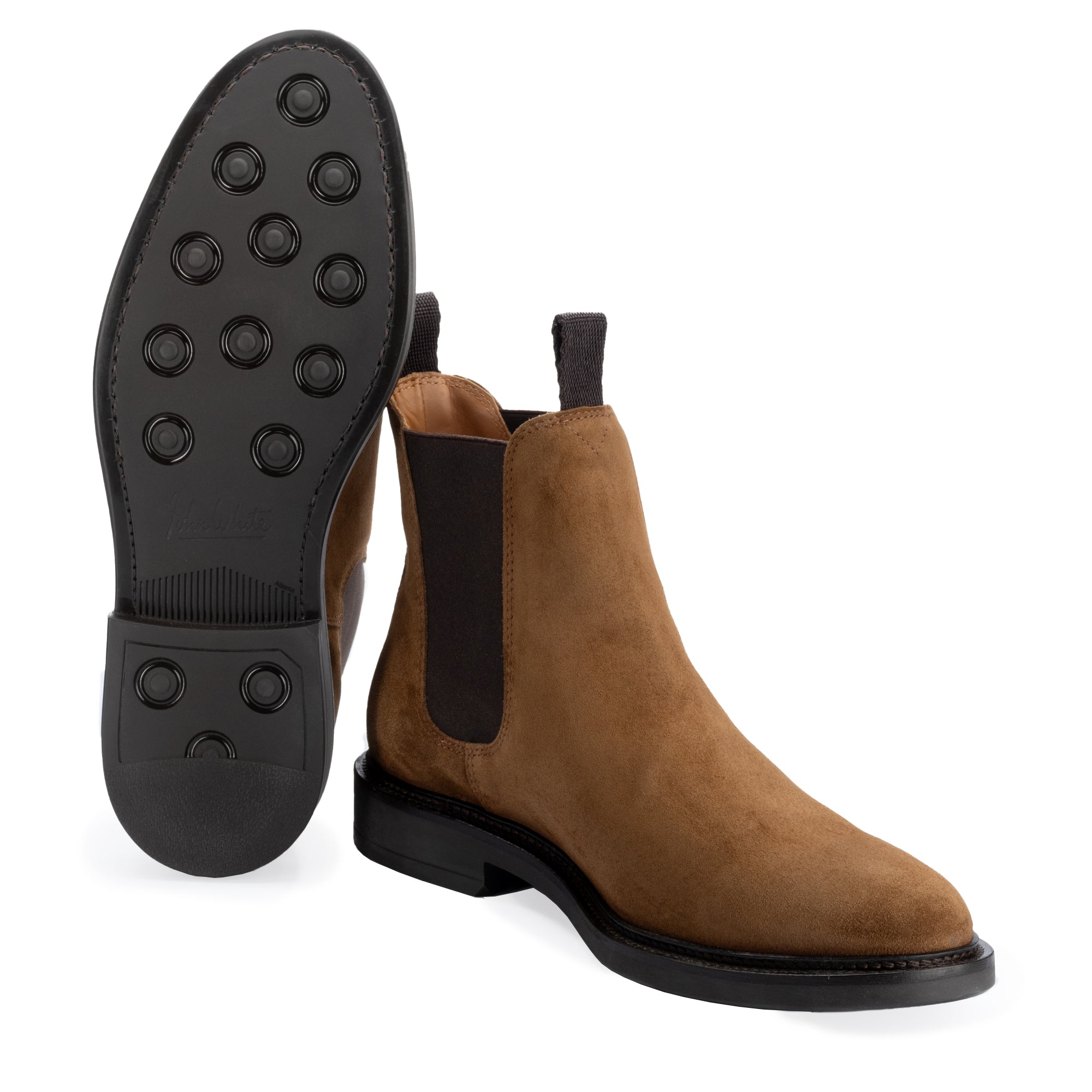
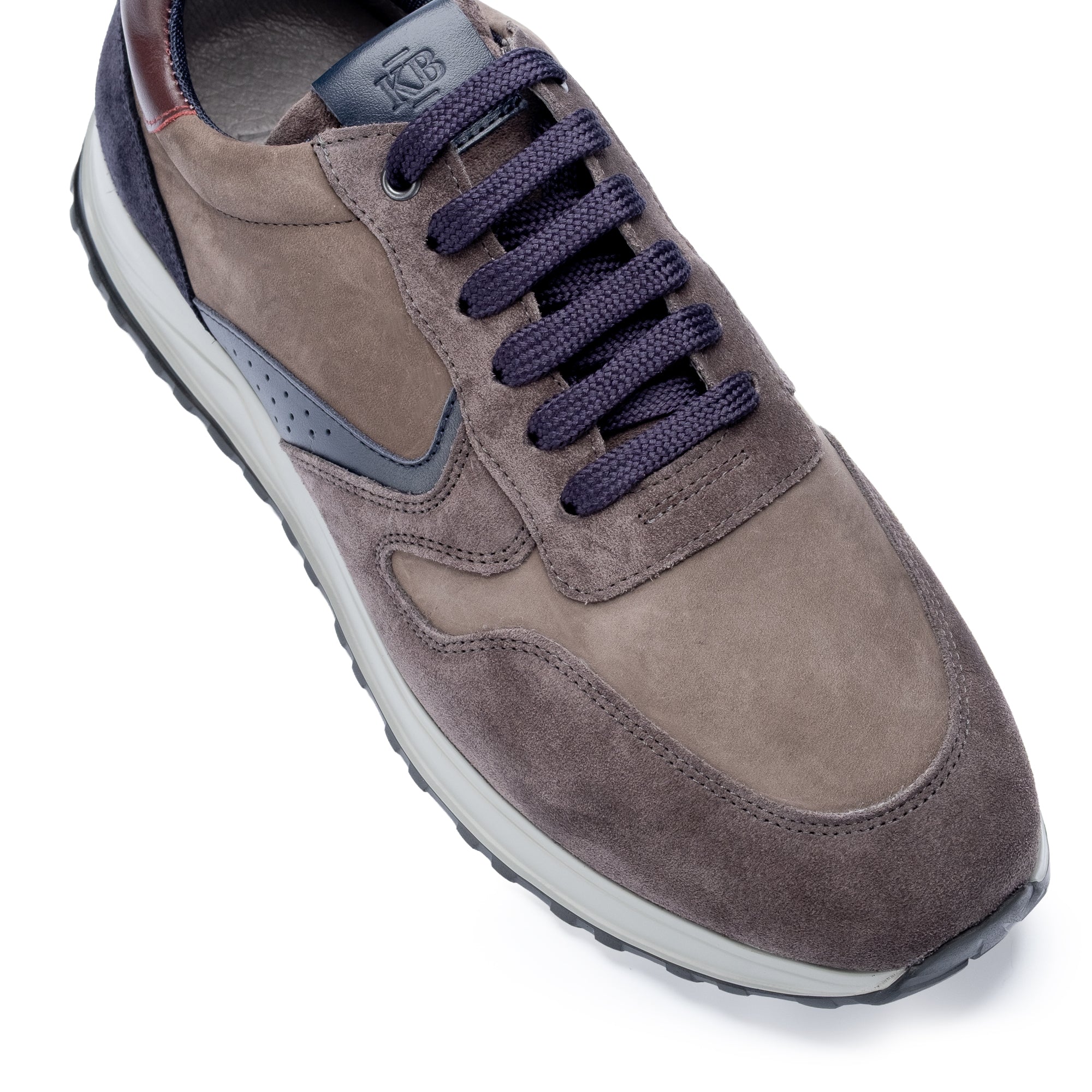
Suede requires an entirely different approach. If you own the Banff in brown suede or the Ethan in suede, these are your rules:
- Never use wax polish or leather cream on suede. These products will flatten the nap, darken the surface, and ruin the texture permanently.
- Brush regularly with a suede brush. This restores the nap — the soft, raised texture that gives suede its character. Brush in one direction, against the grain, to lift the fibres.
- Apply suede protector spray before first wear. A silicone-free suede protector creates an invisible barrier against water and stains. Reapply every four to six weeks, or after cleaning.
- Use a suede eraser for marks. Scuffs and surface marks can usually be removed by rubbing gently with a suede eraser, then brushing to restore the nap.
- If they get wet, let them dry naturally. Blot excess water with a cloth — don't rub. Allow the shoes to dry at room temperature, away from direct heat. Once dry, brush the nap back with a suede brush.
Cedar shoe trees are just as important for suede loafers as for leather ones — they absorb moisture, prevent odour, and hold the shape of the last.
What Are the Most Common Loafer Care Mistakes?
These are the errors we see most often. All of them are easily avoided:
- Wearing them two days running. Leather needs at least 24 hours to dry out fully between wears. Wearing the same loafers every day dramatically shortens their life. Rotate between at least two or three pairs. If you need to fill out a rotation, the men's shoes collection is a good starting point.
- Not using shoe trees. We've said it twice already. We'll say it again. Shoe trees are not a luxury — they're a necessity.
- Storing them in plastic bags. Leather needs to breathe. Plastic traps moisture and promotes mould. Use cloth shoe bags instead, or simply leave them on a shelf in a dry, ventilated space away from direct sunlight.
- Using the wrong product on suede. Wax polish on suede is irreversible damage. Always check what material you're working with before applying any product.
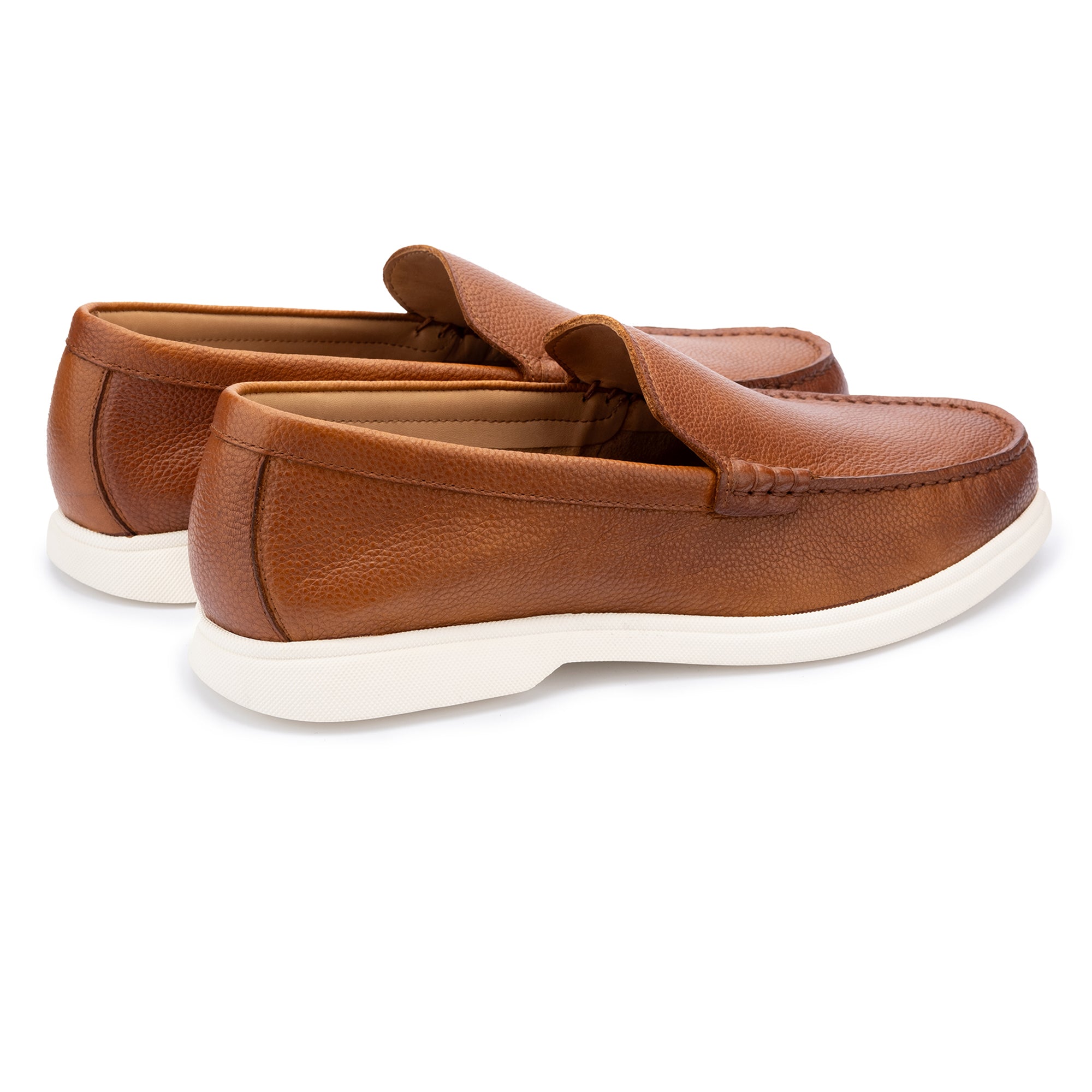
- Forcing the heel. Loafers are slip-on shoes, but that doesn't mean you should stamp your foot in. Use a shoe horn to ease the heel in without crushing the heel counter. A collapsed heel counter will never recover its shape.
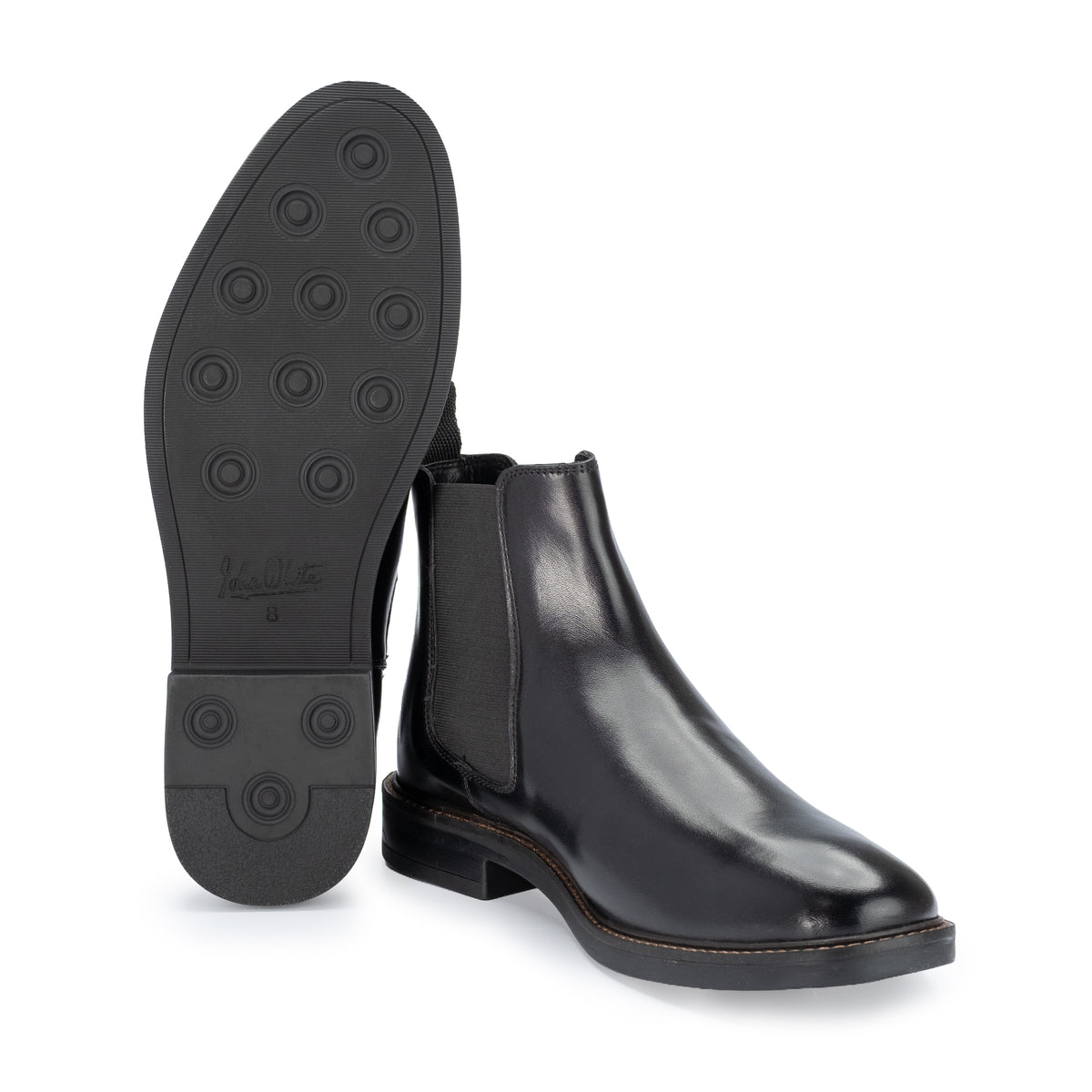
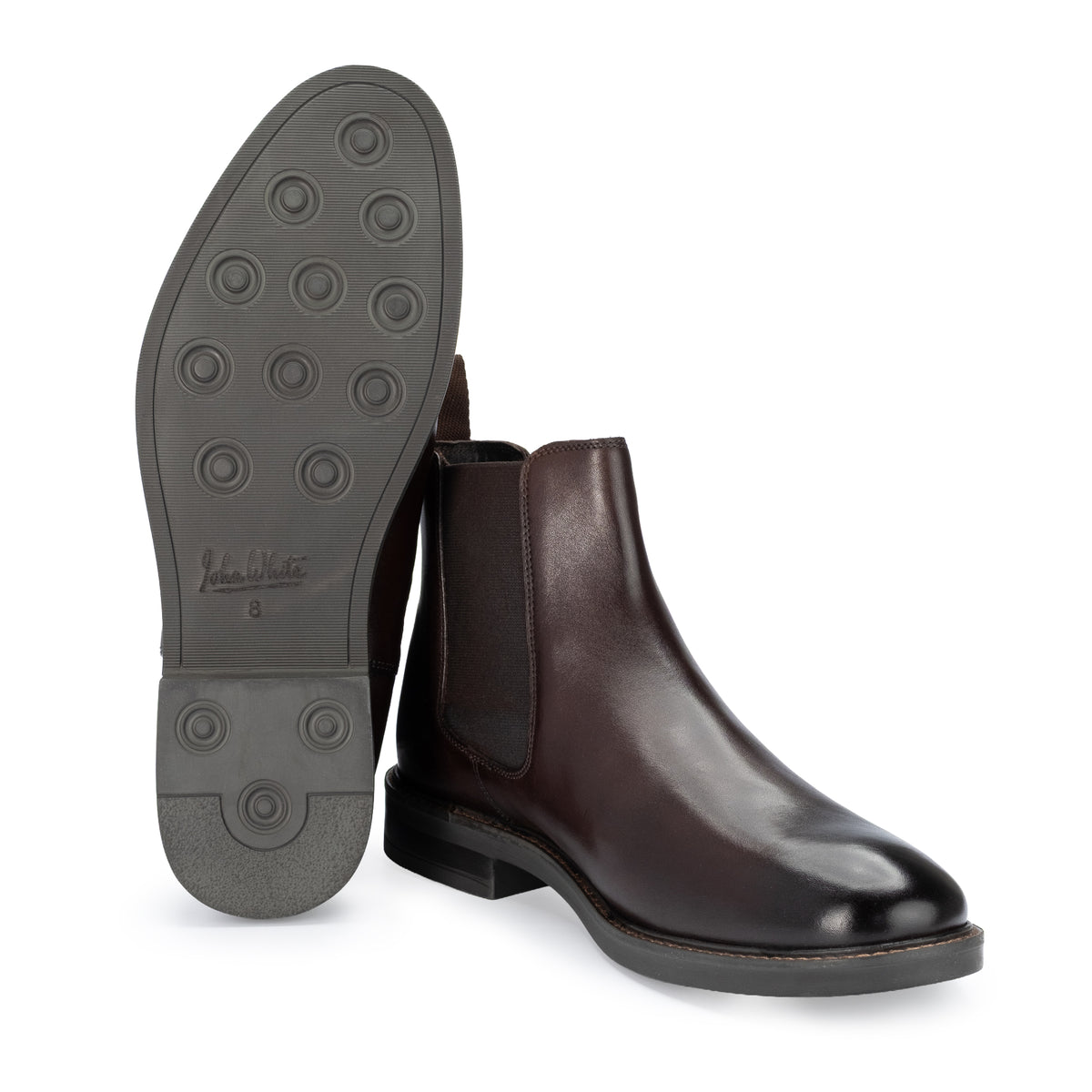
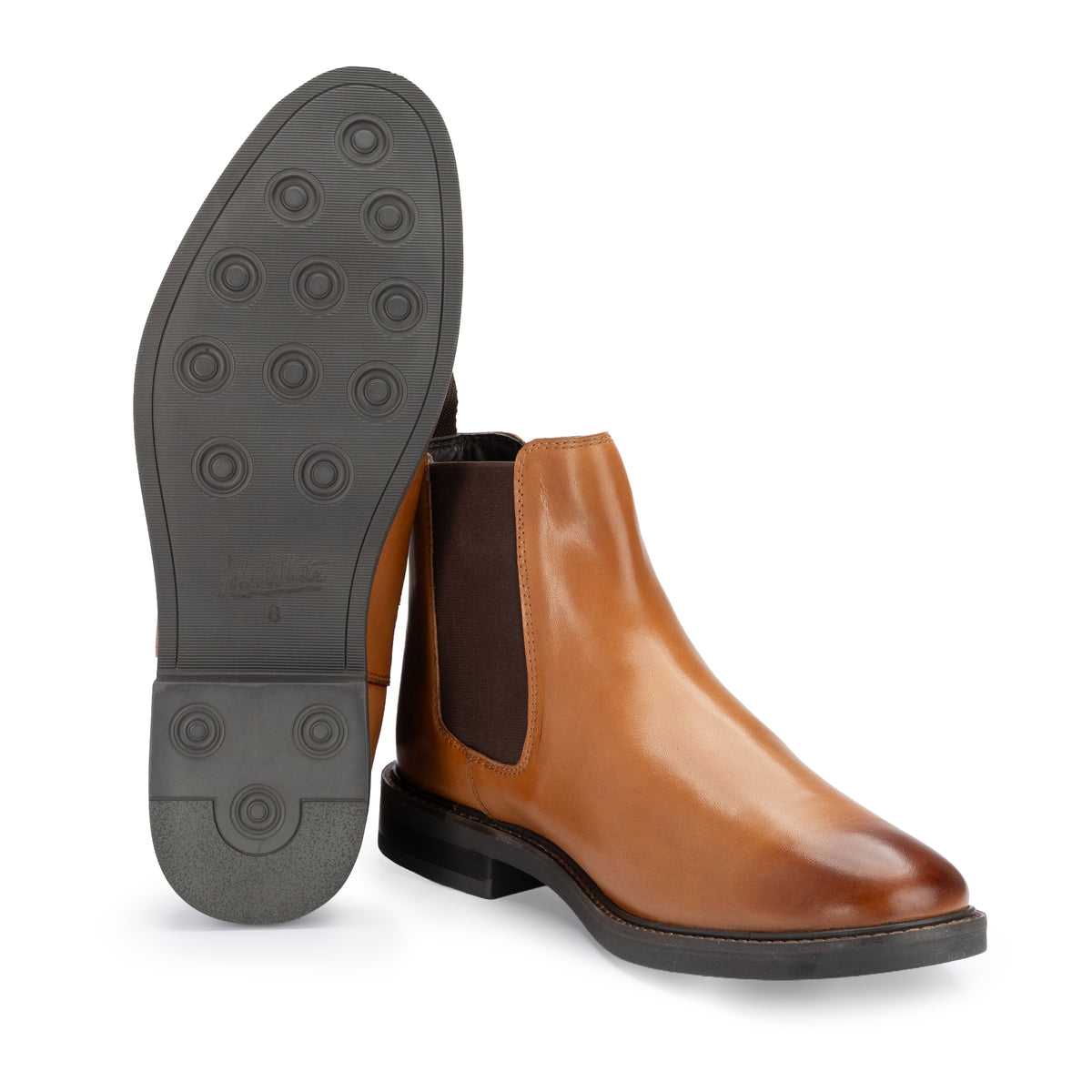
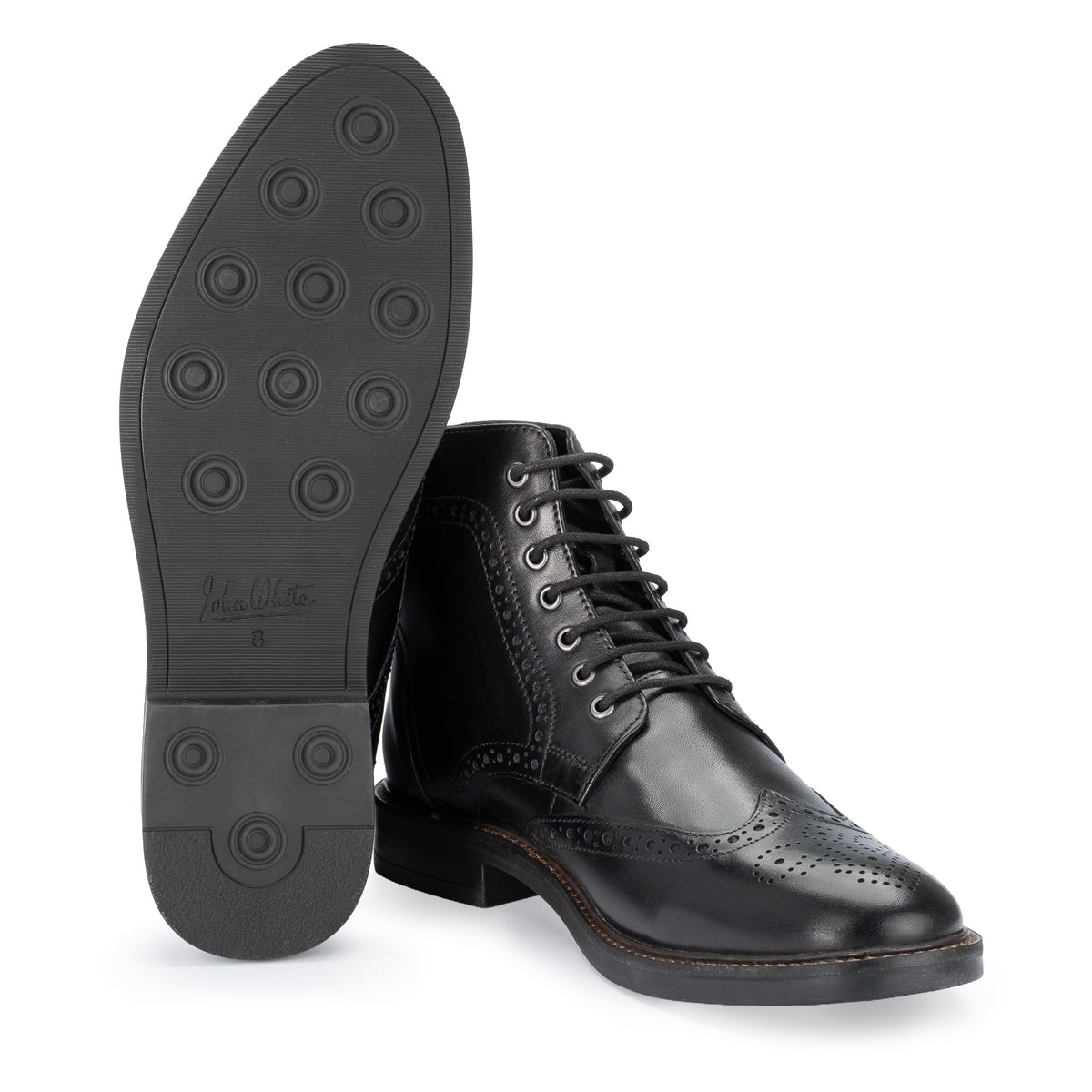
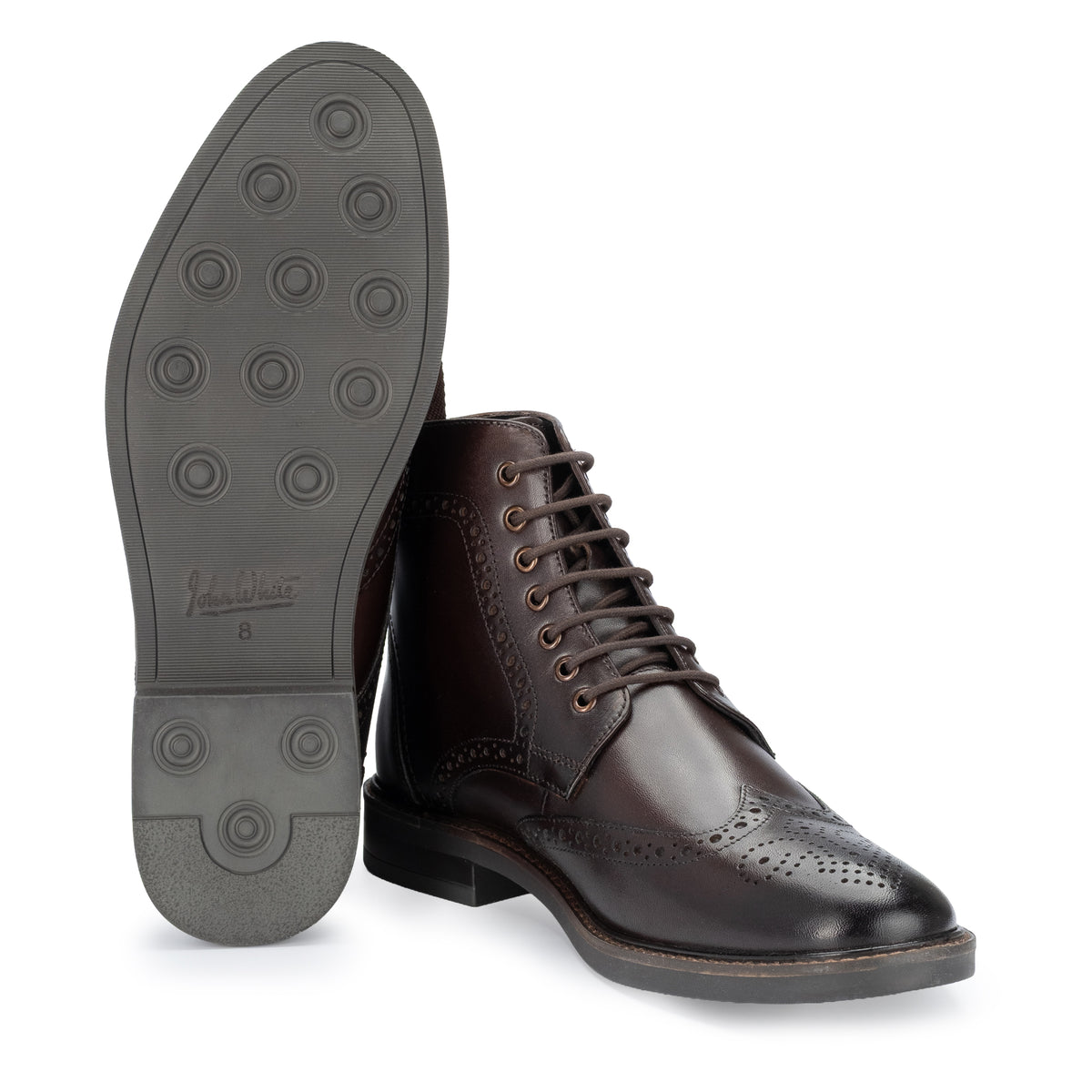
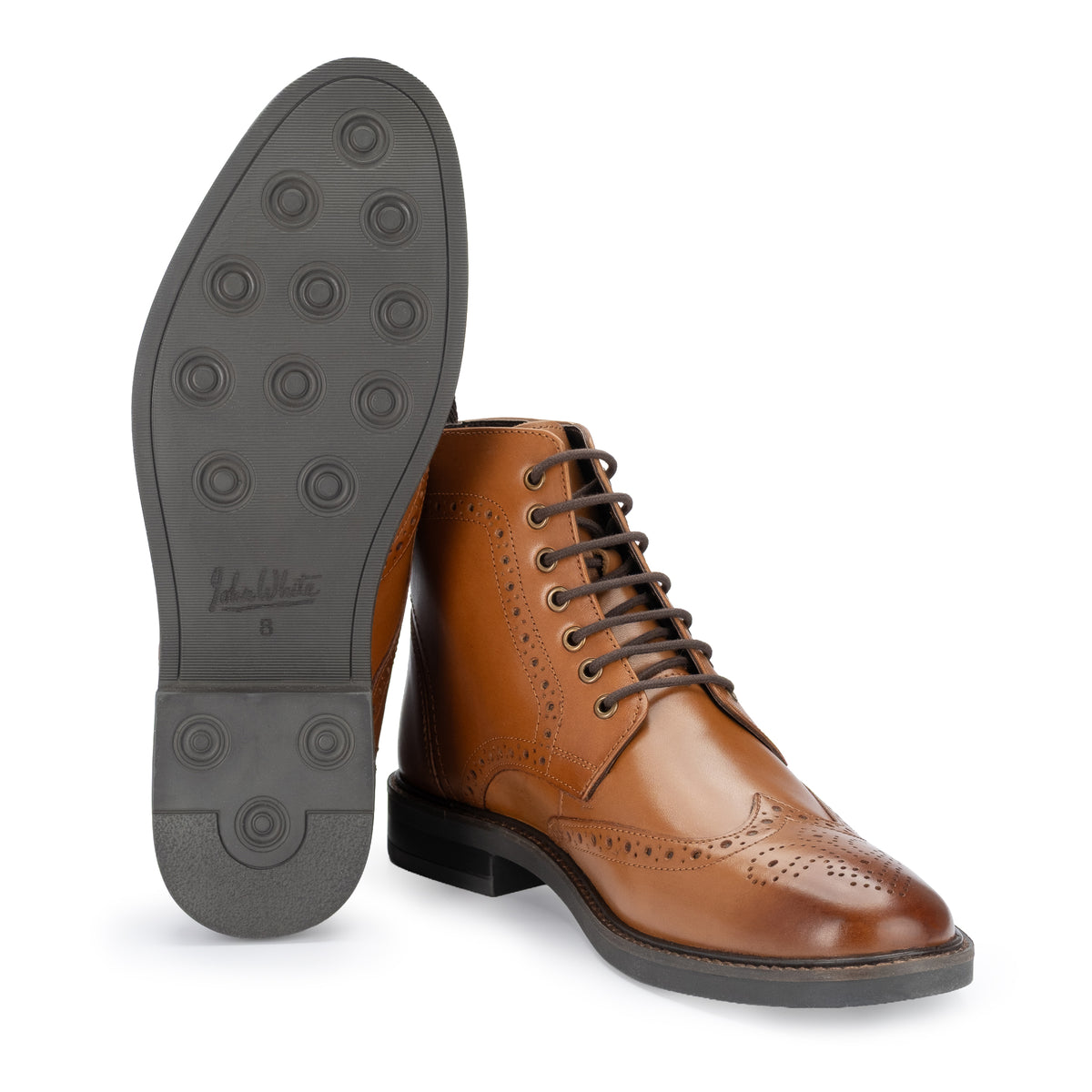
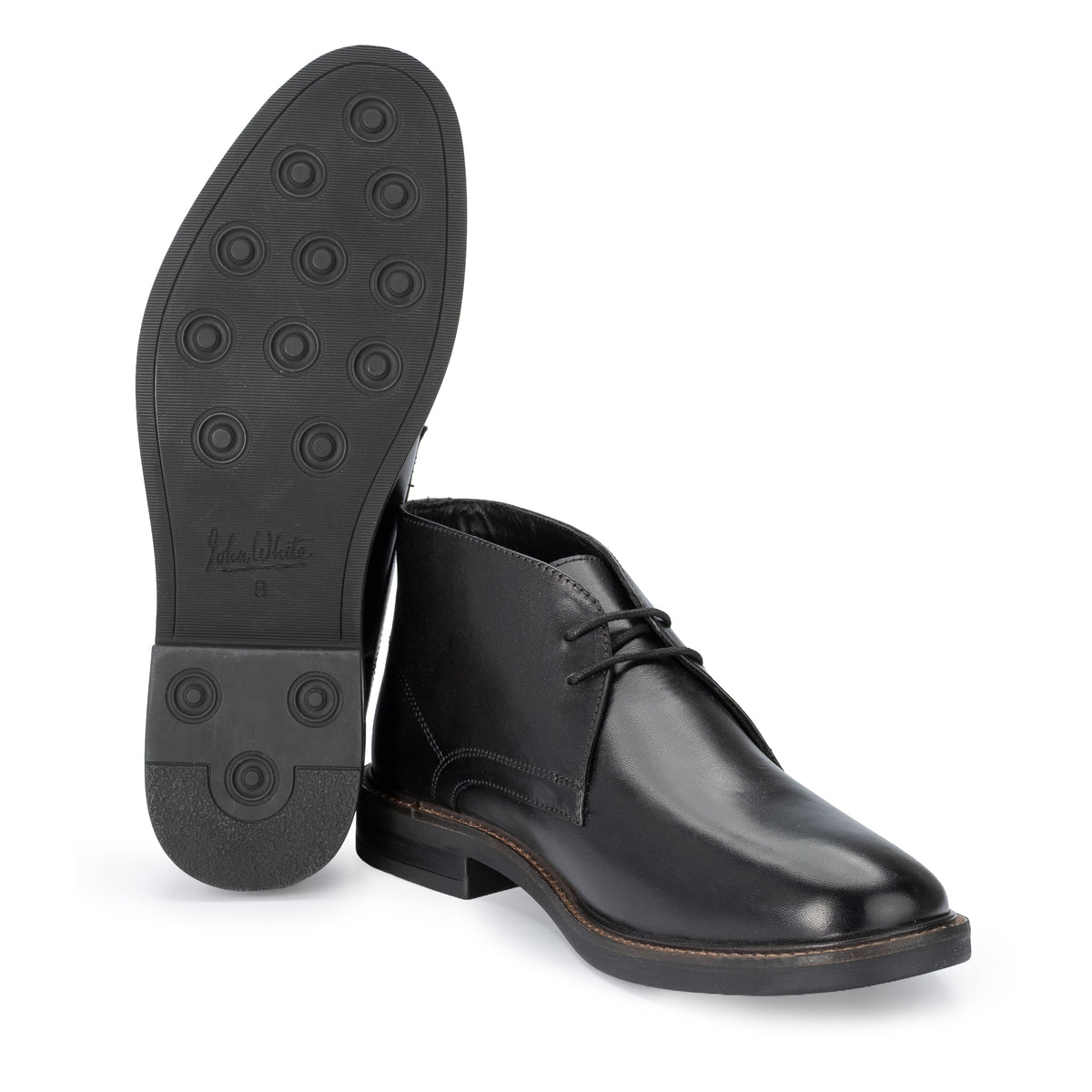
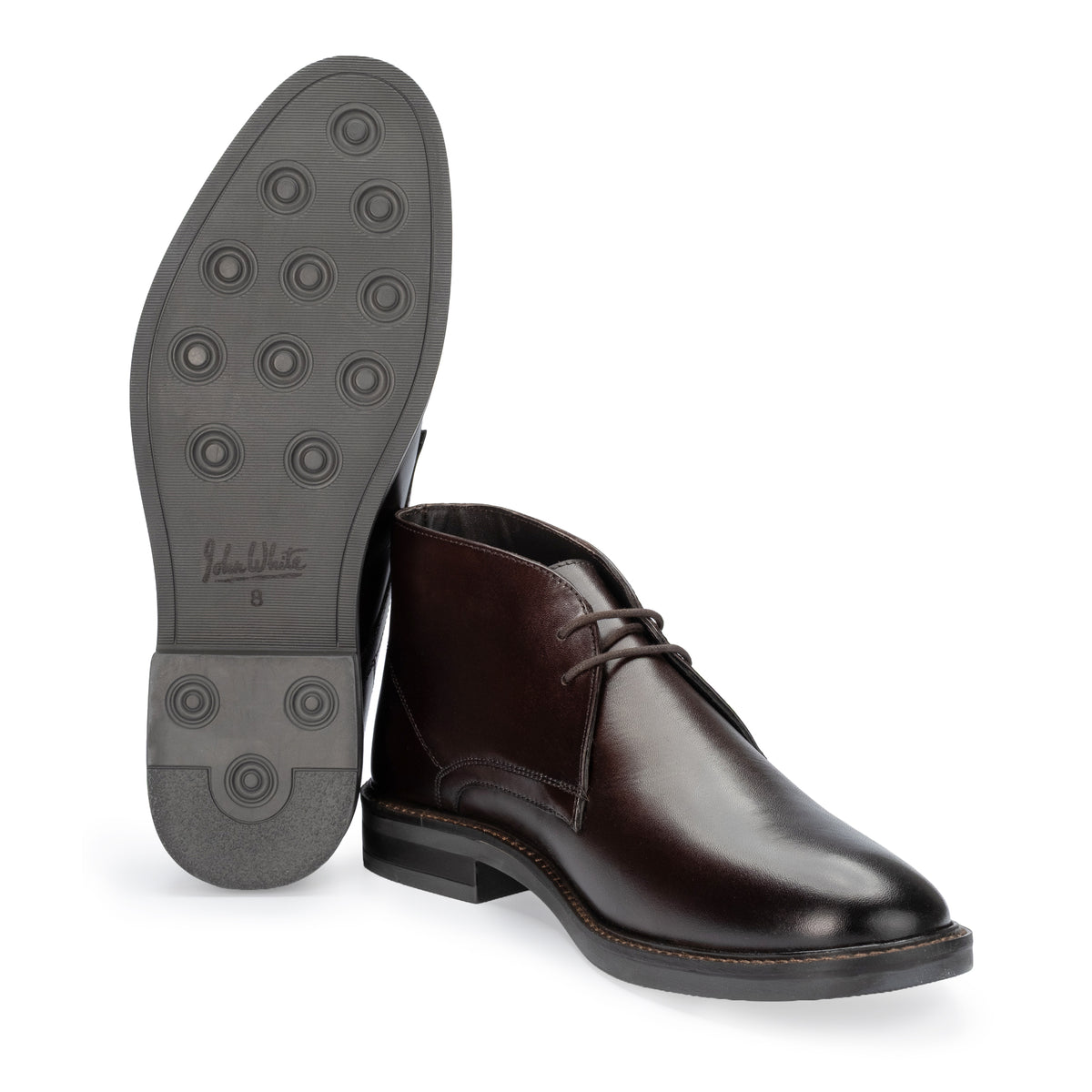
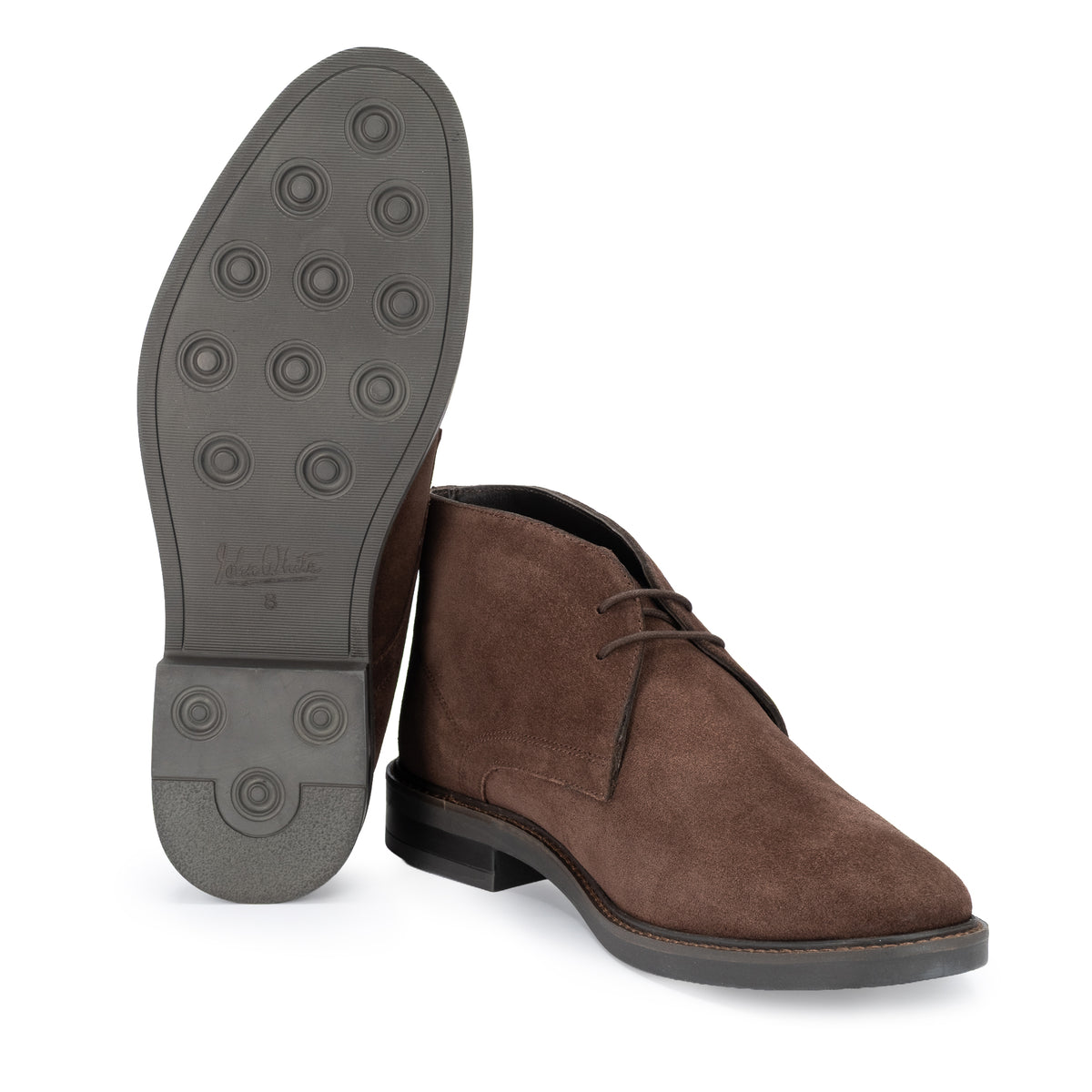
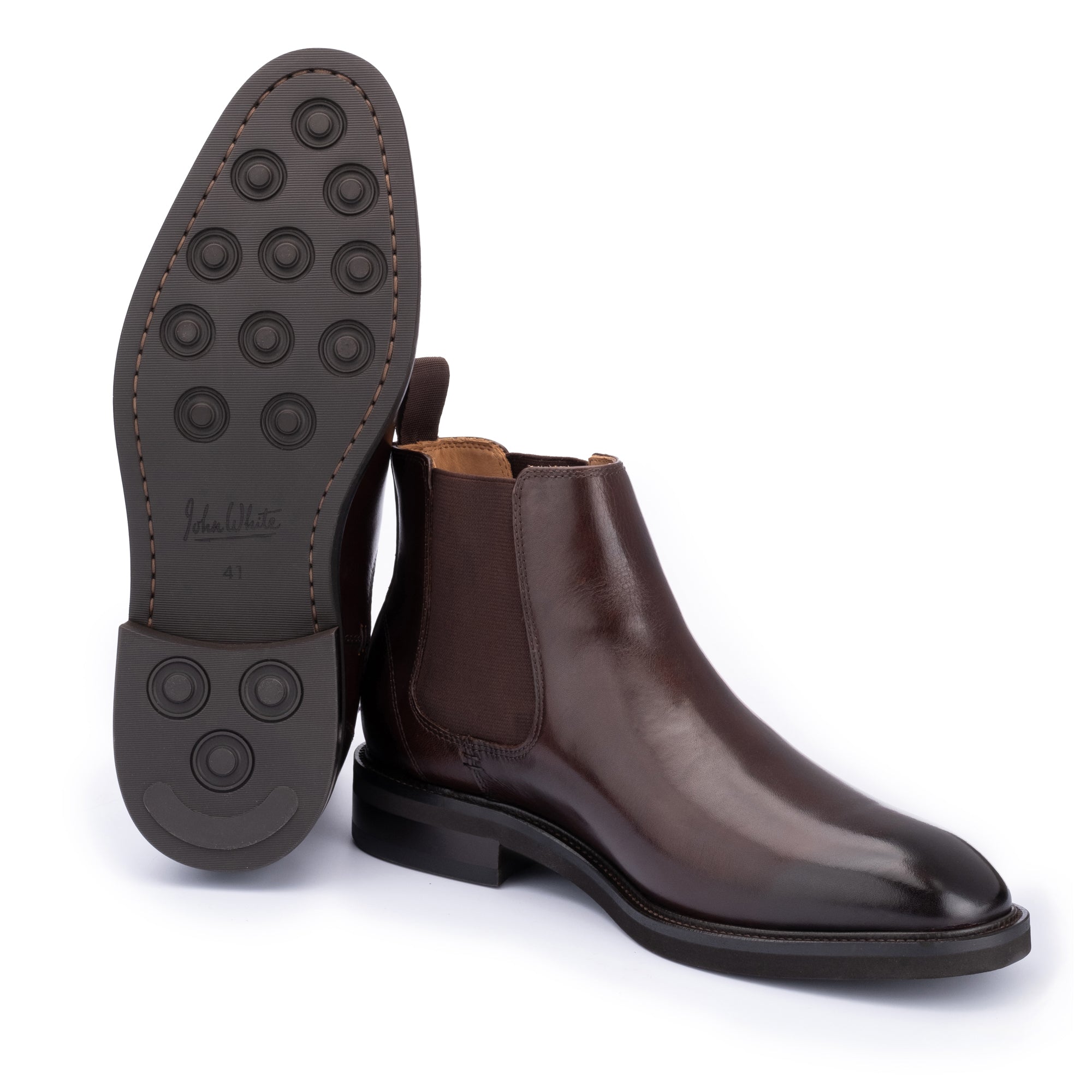
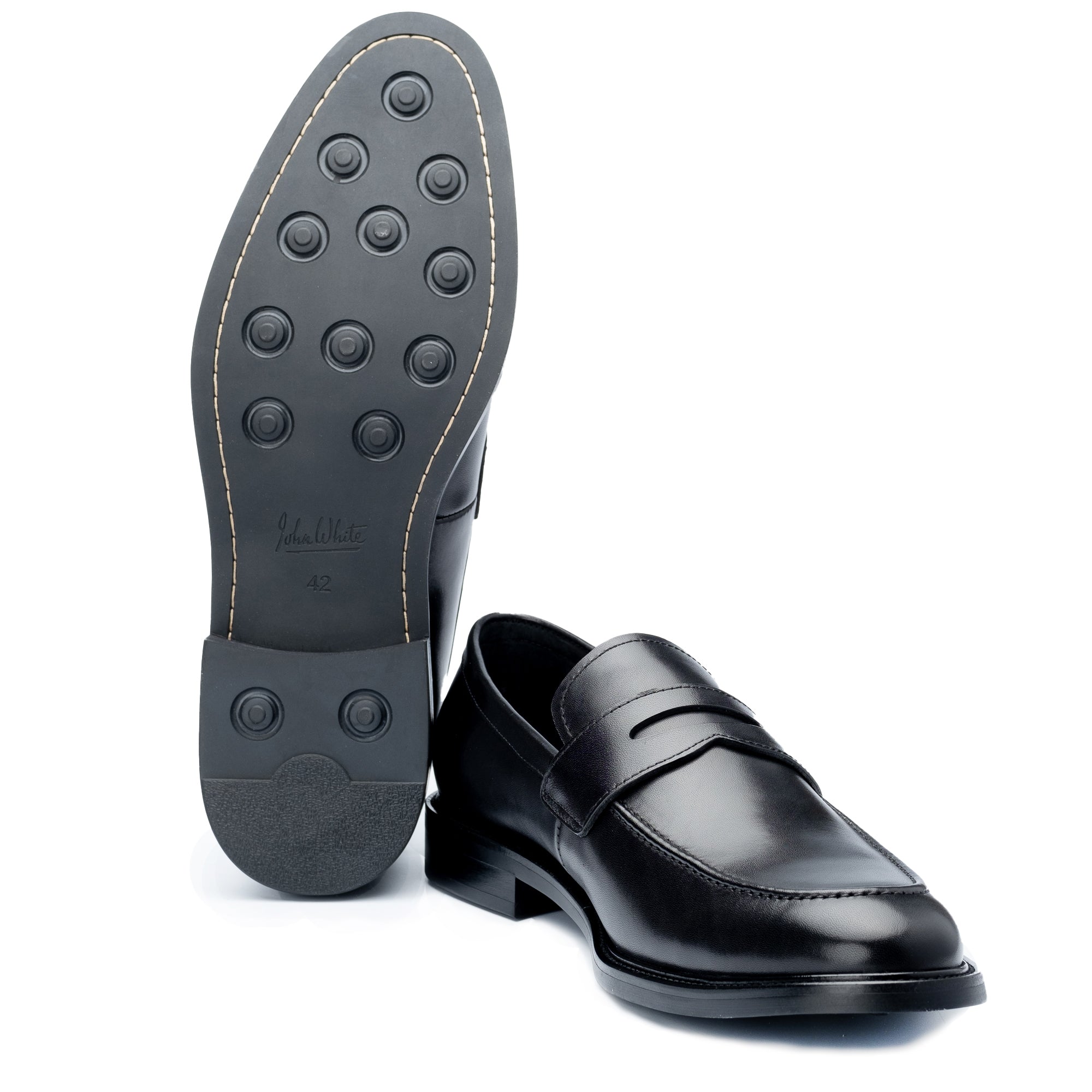
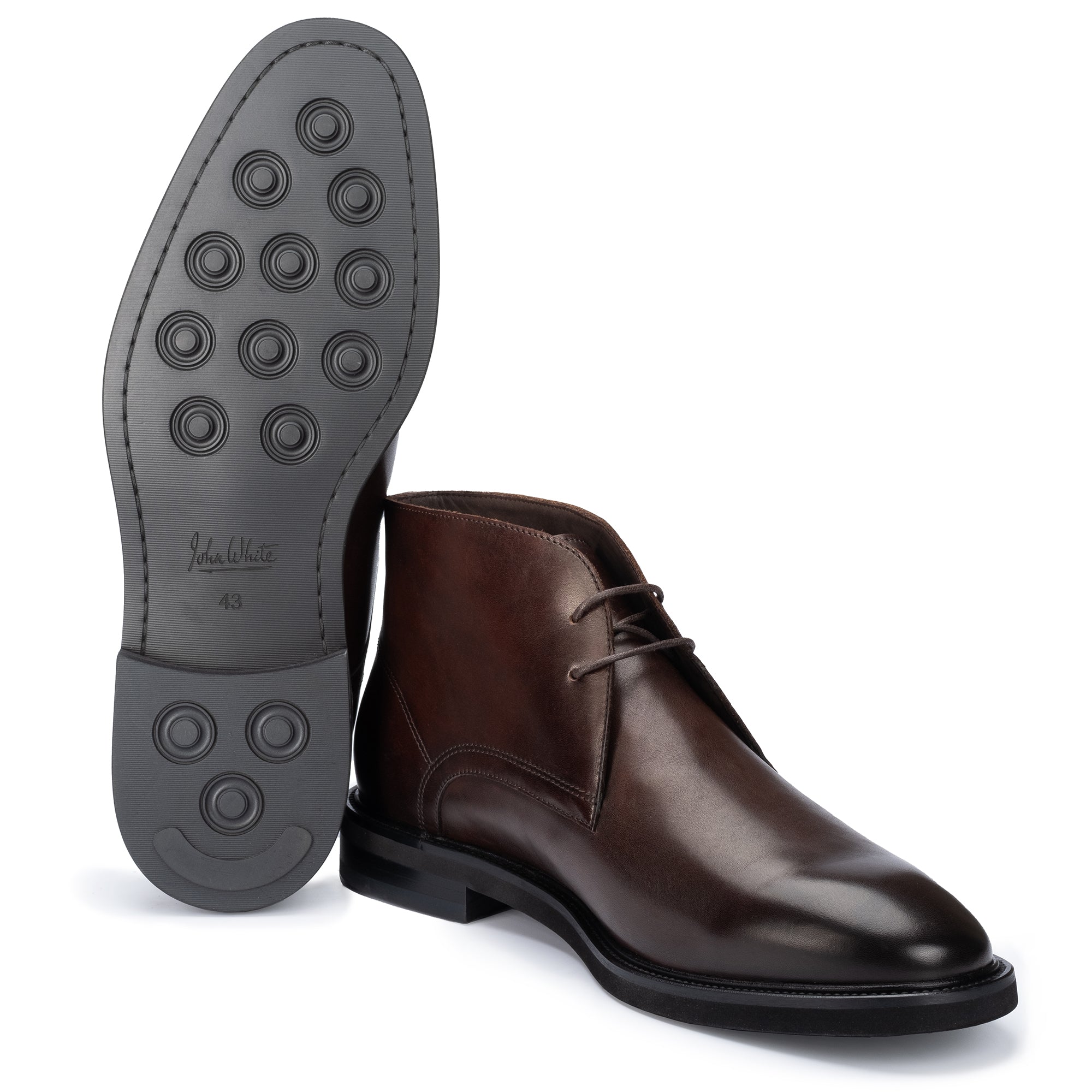
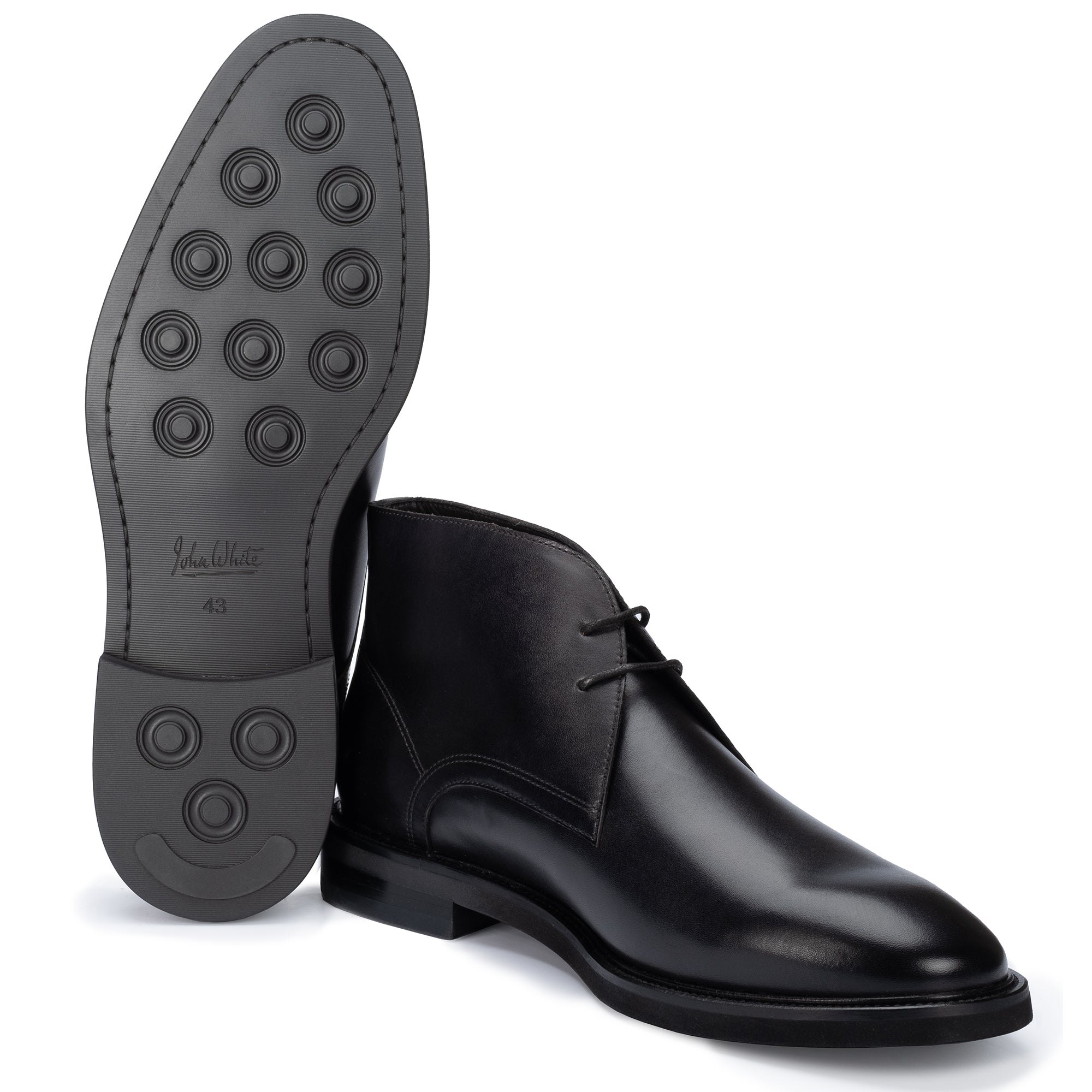
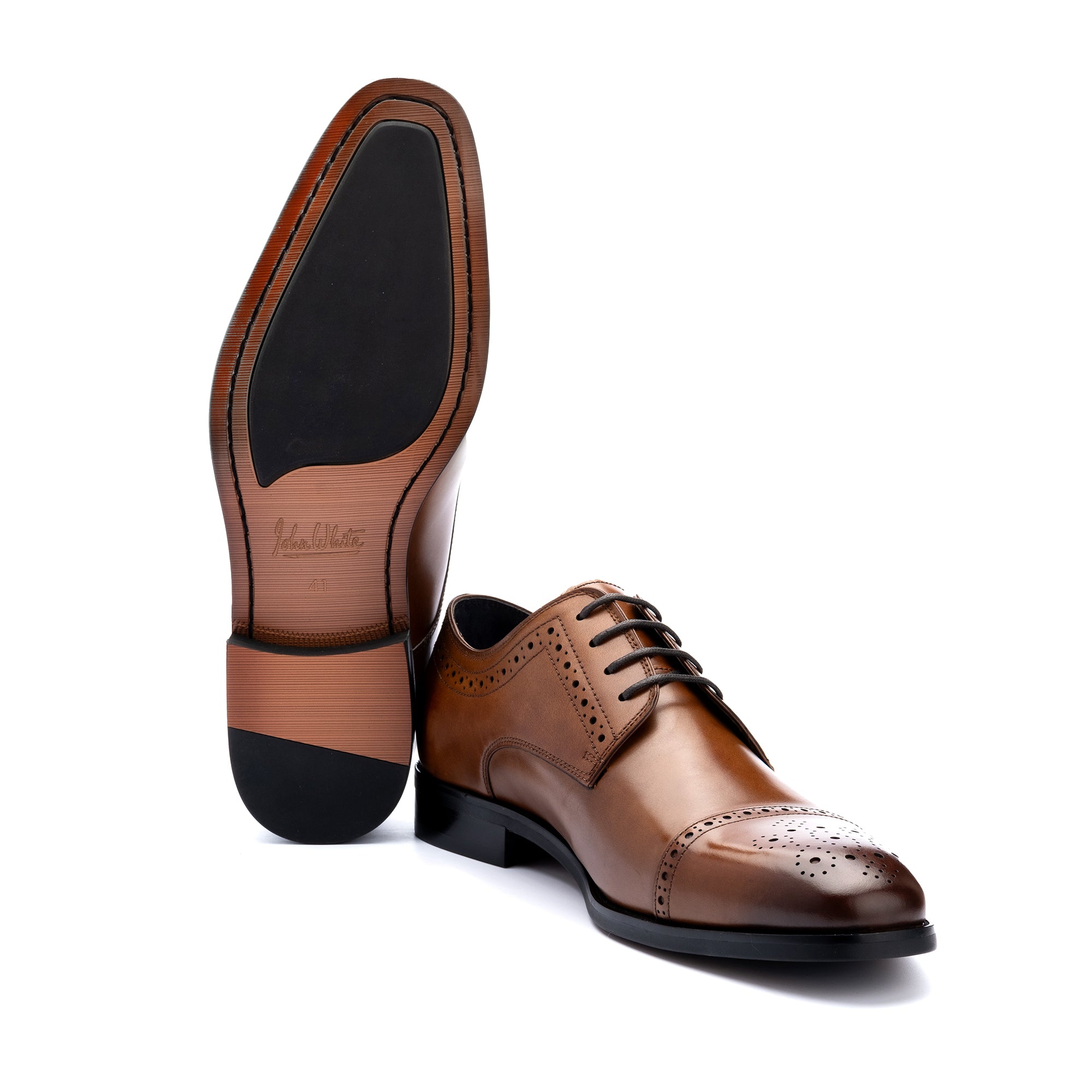
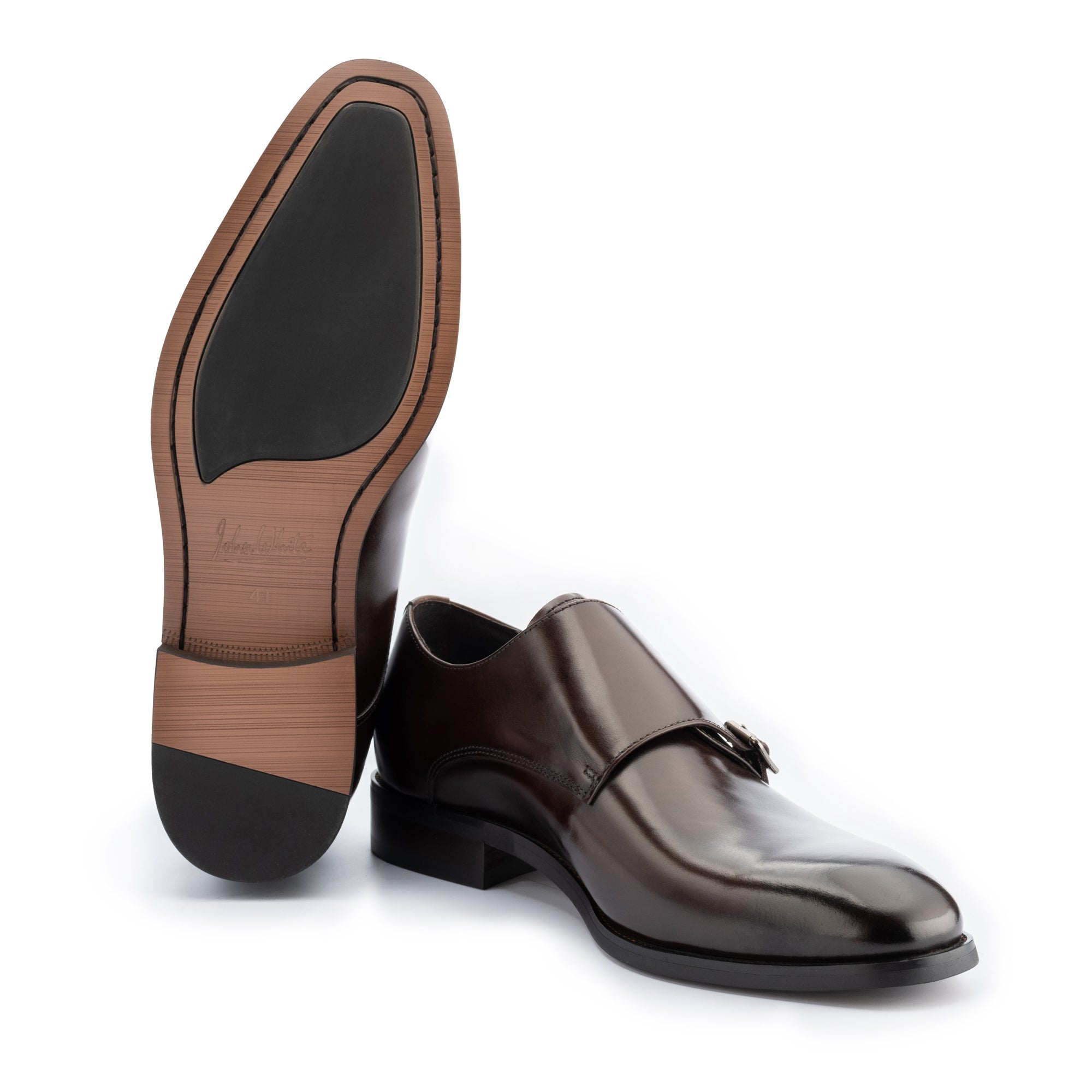
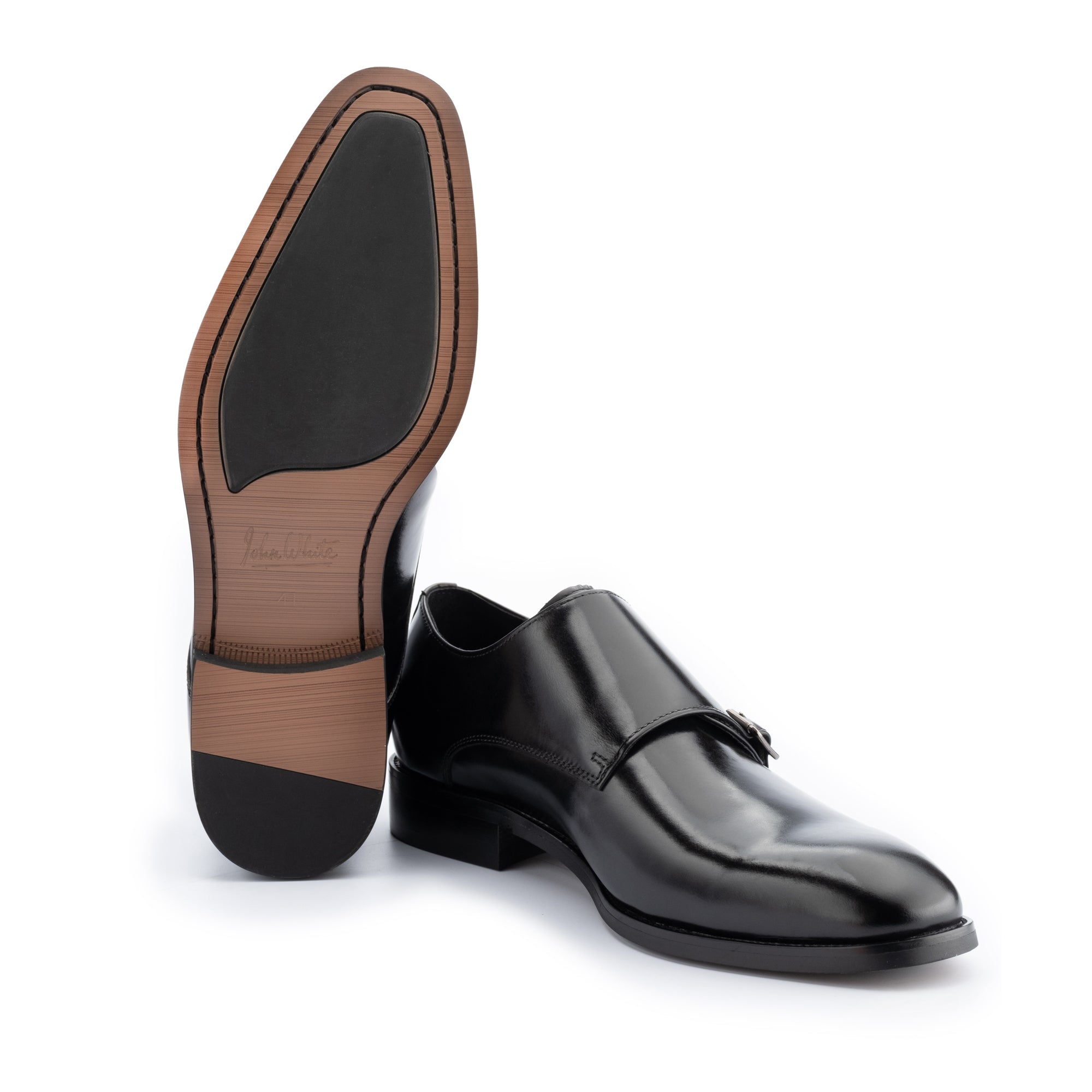
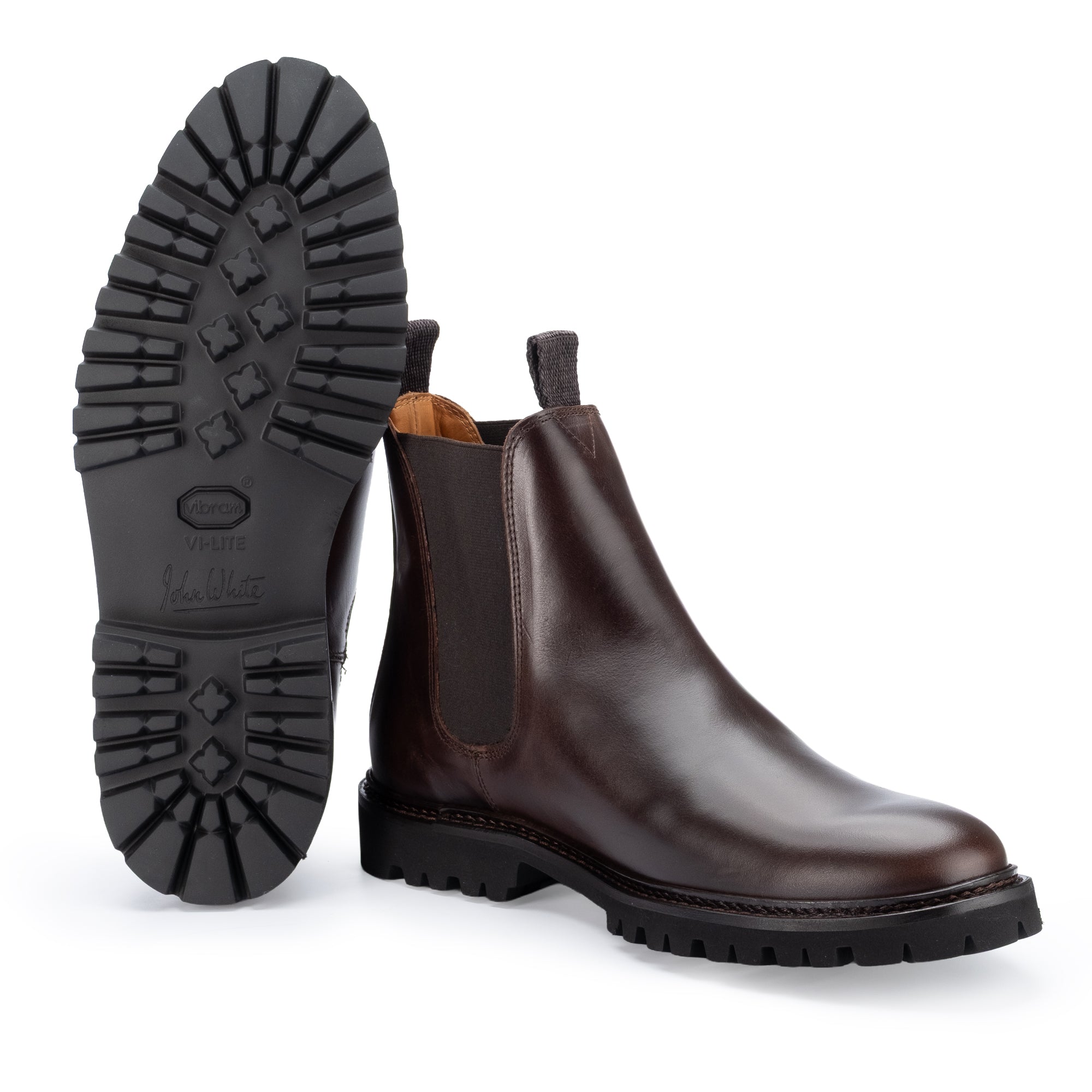
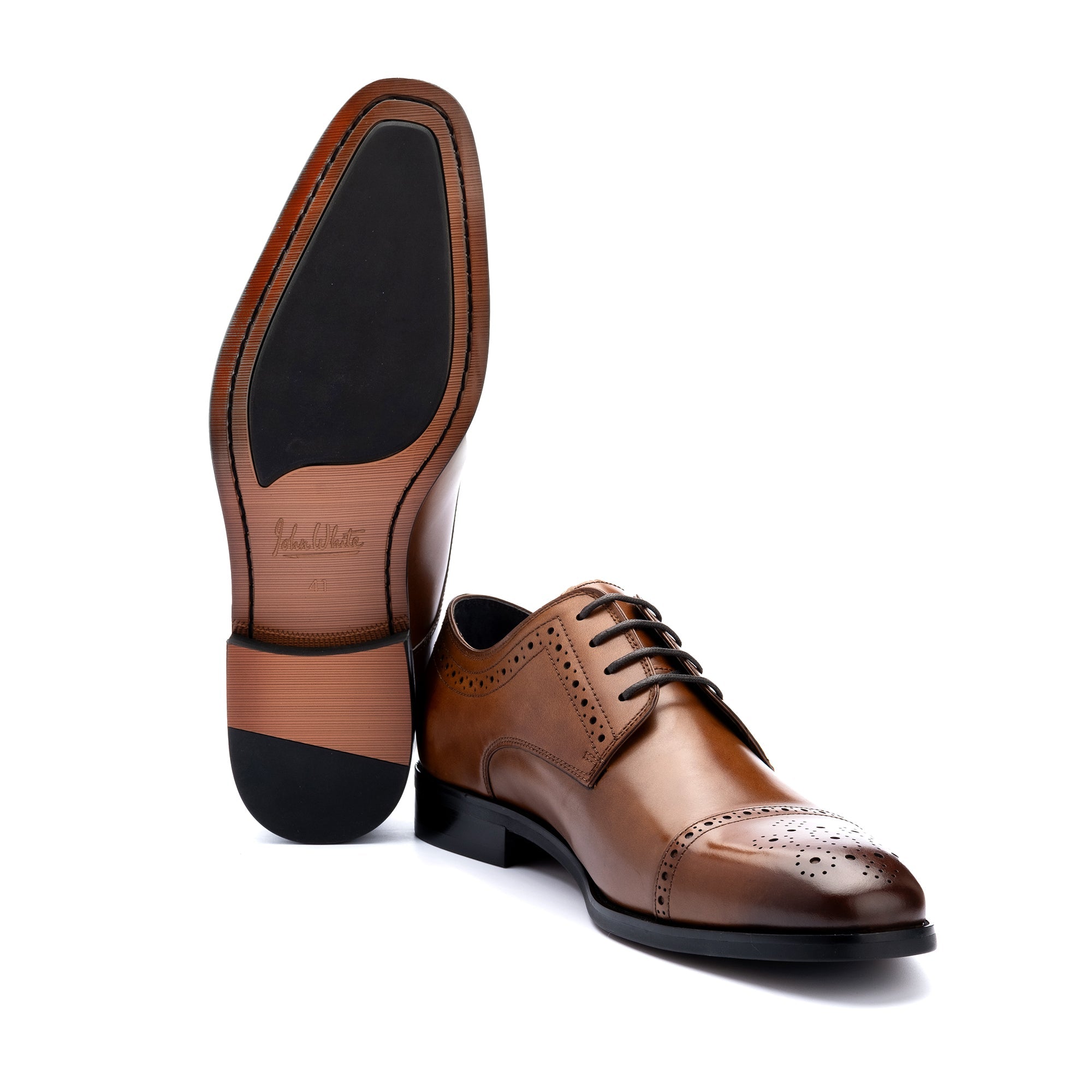
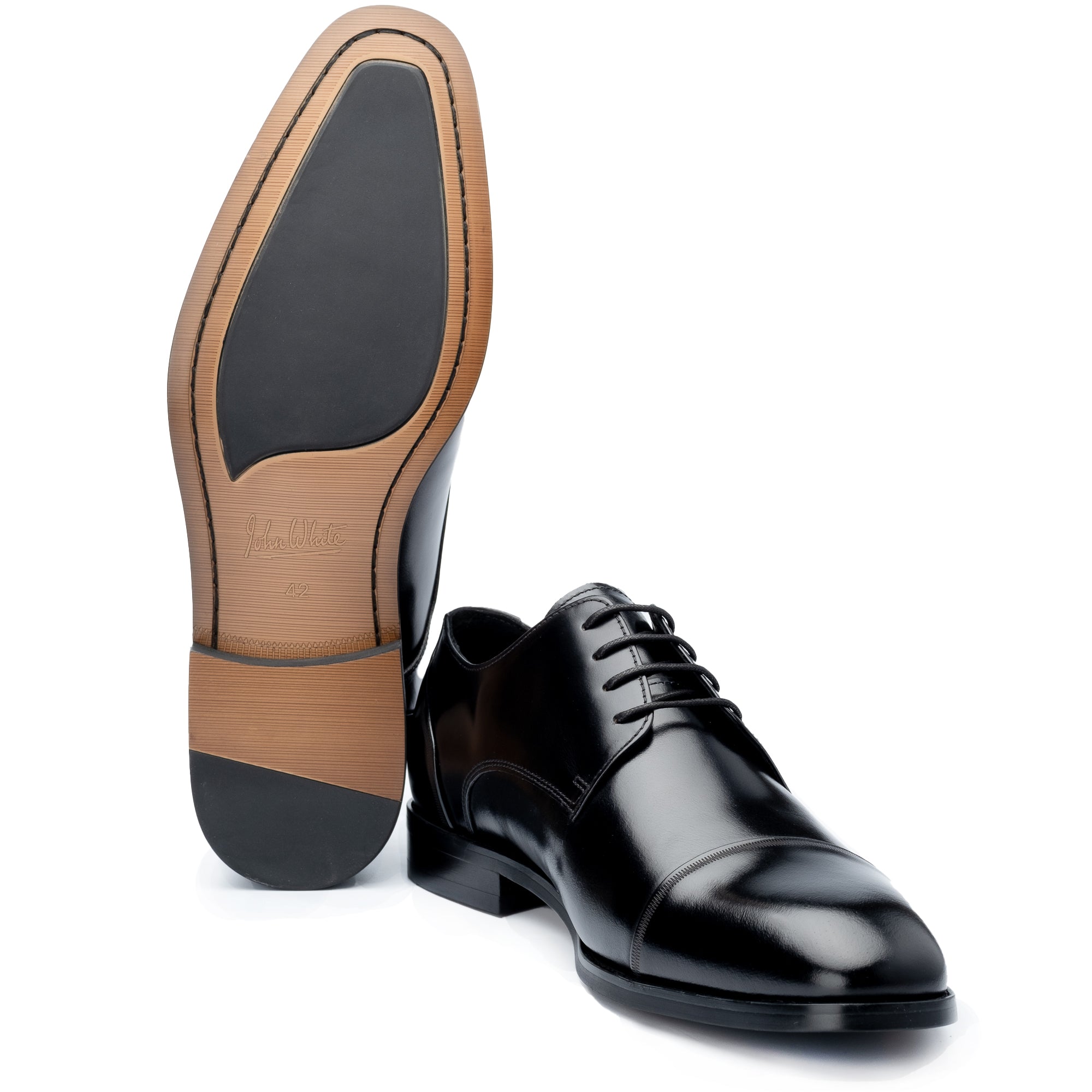
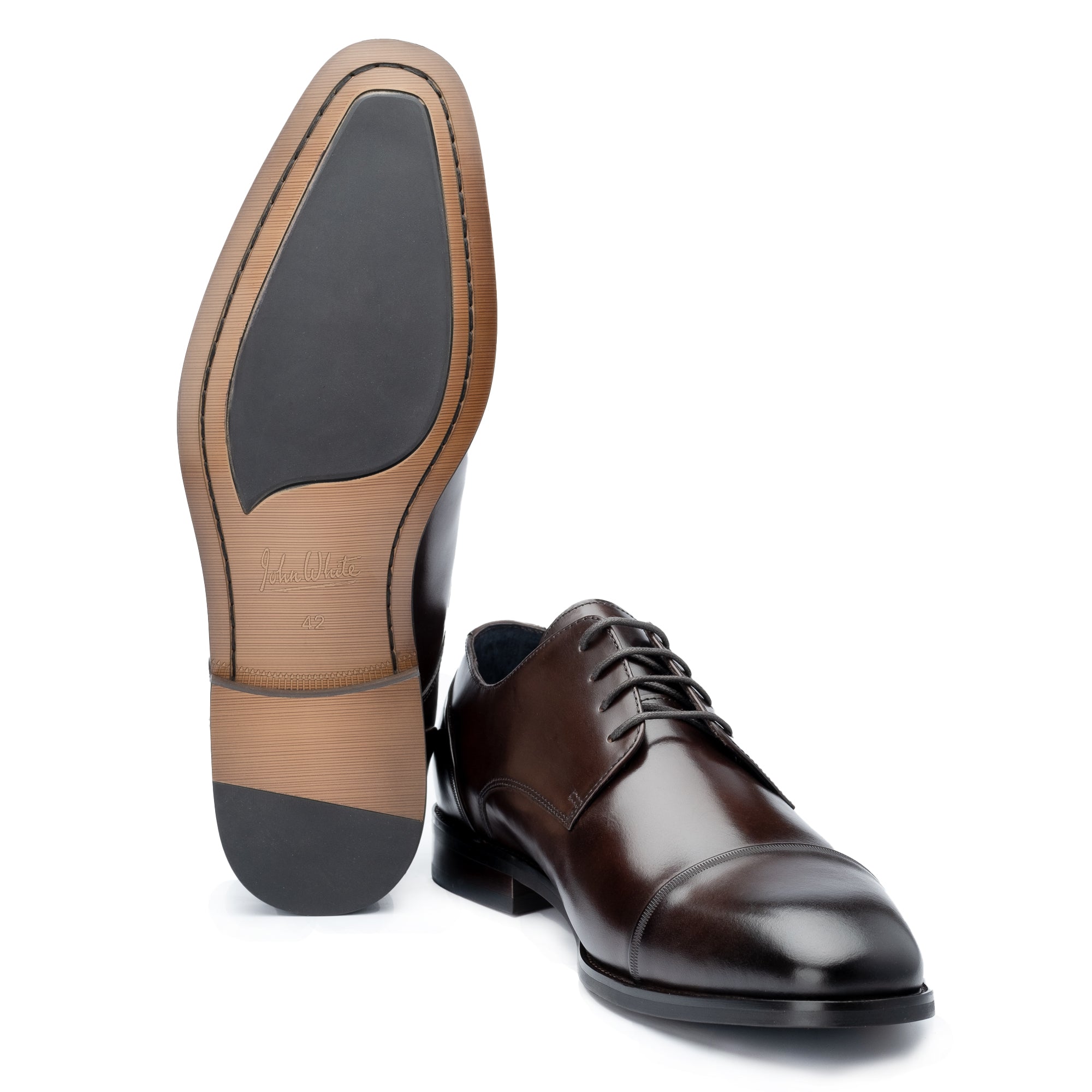
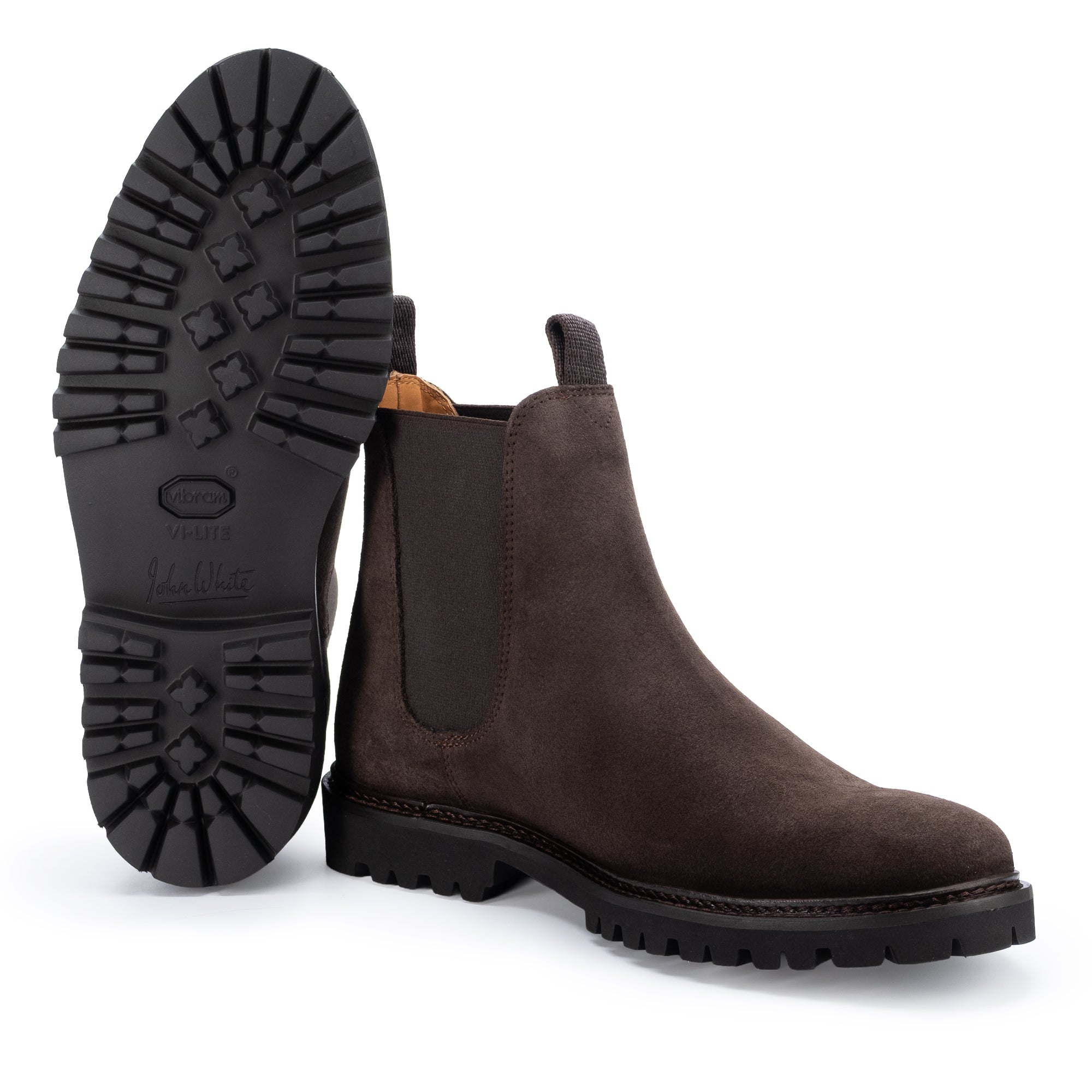
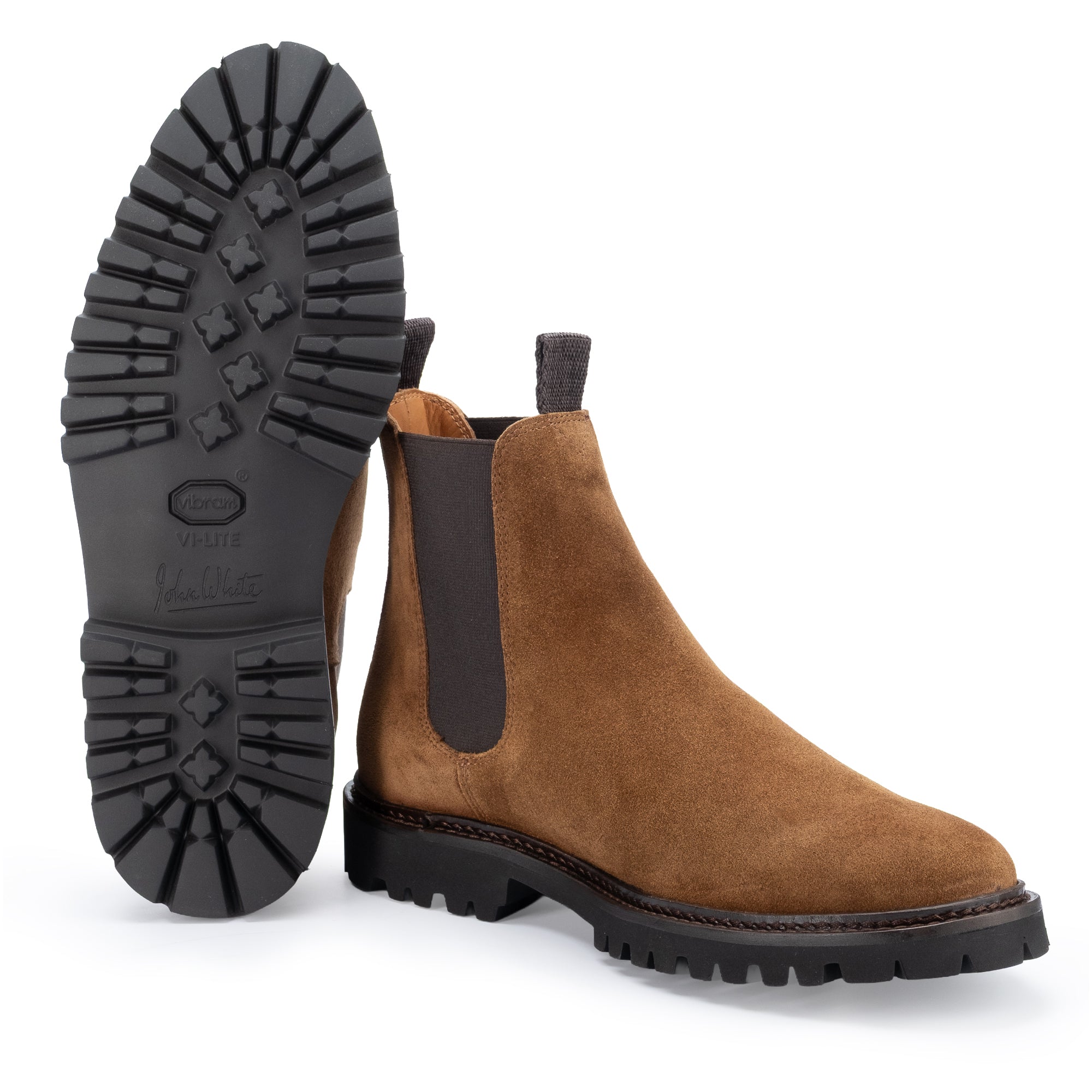
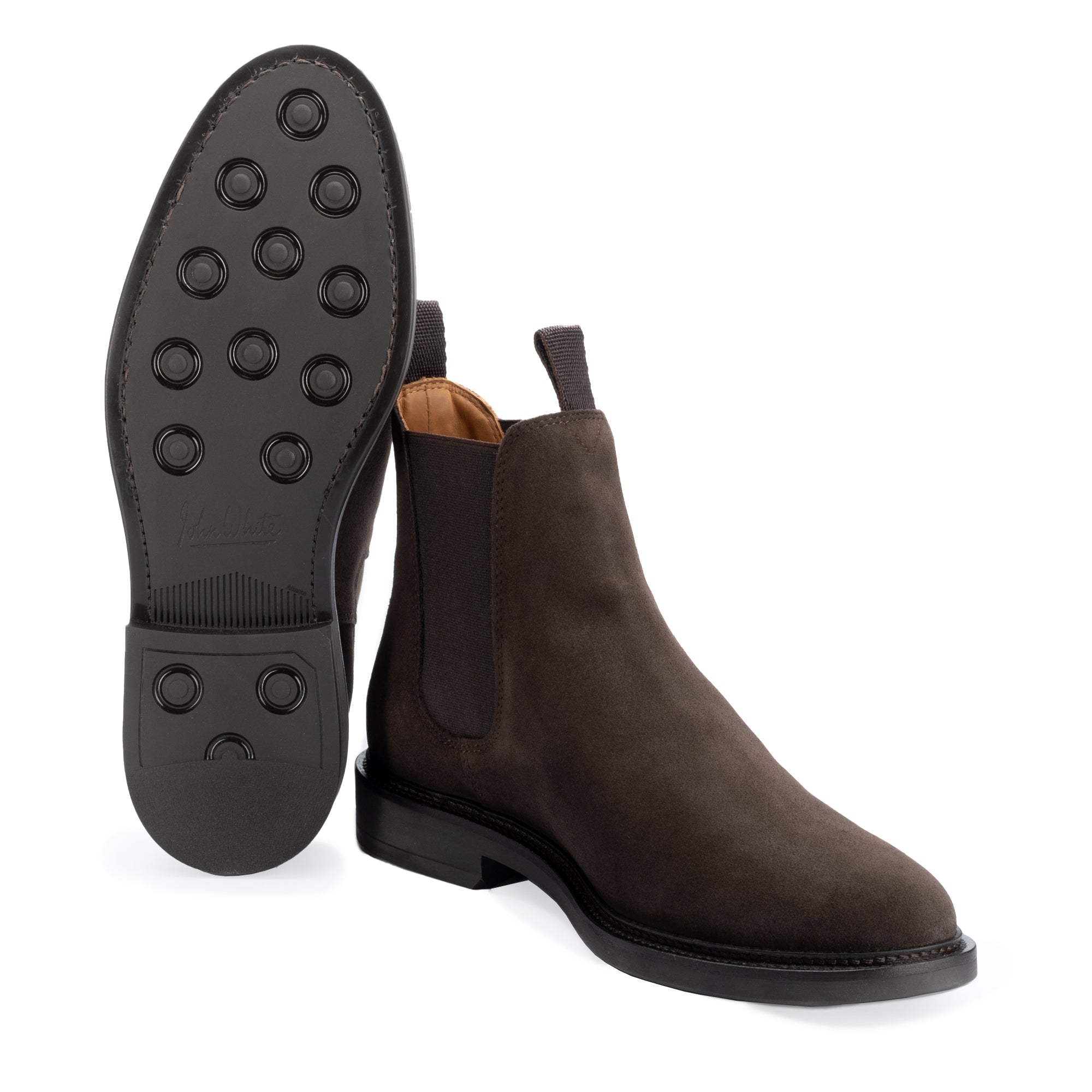
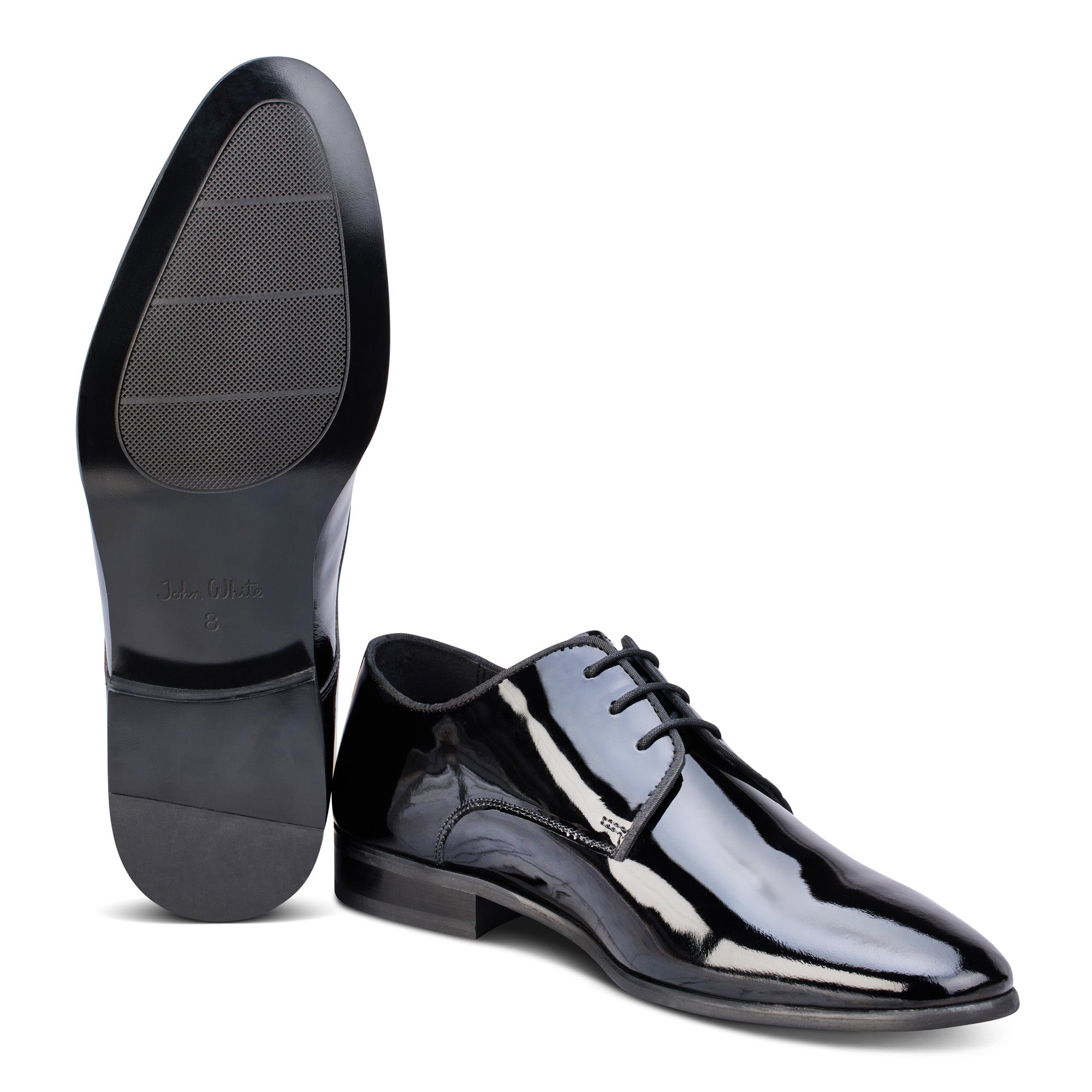
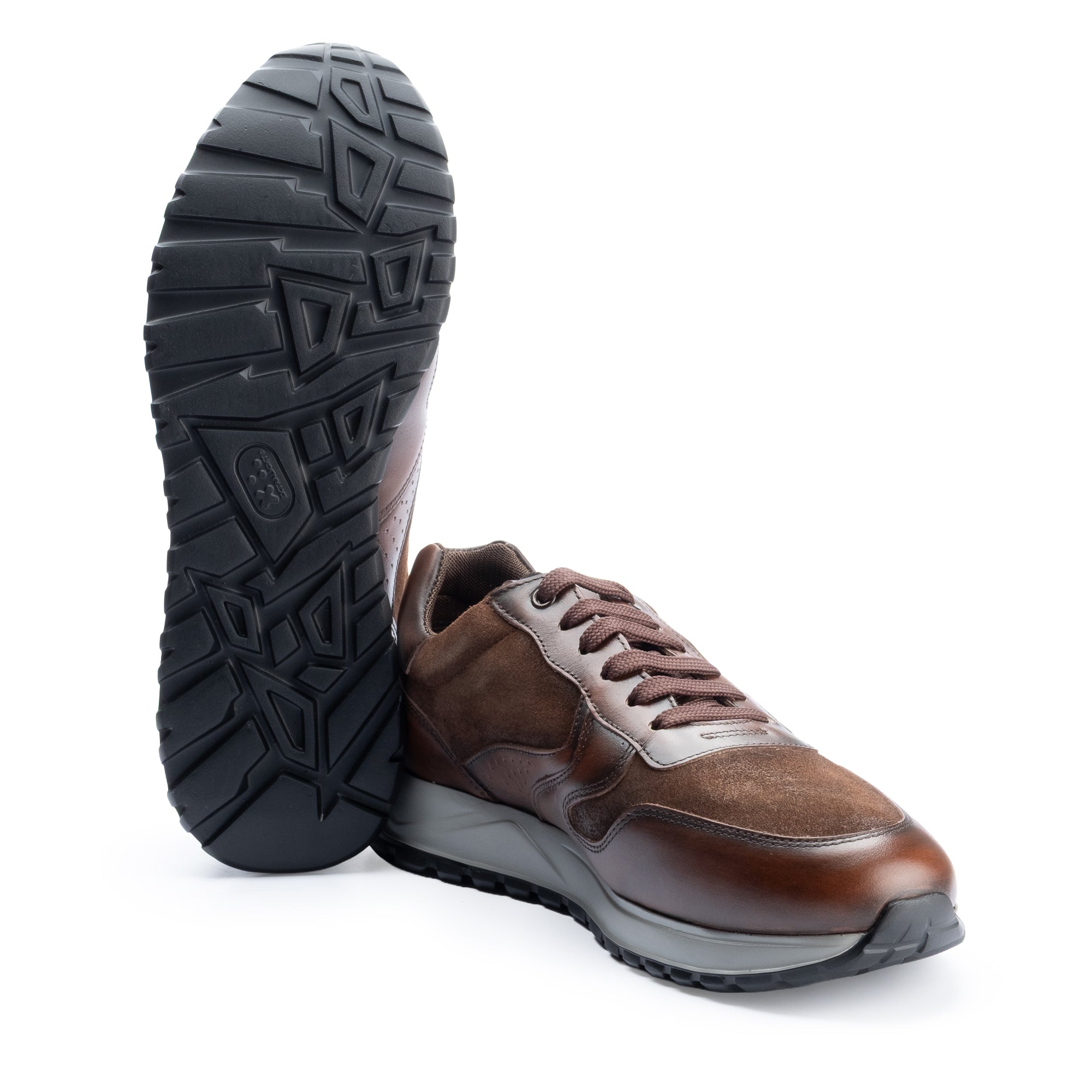
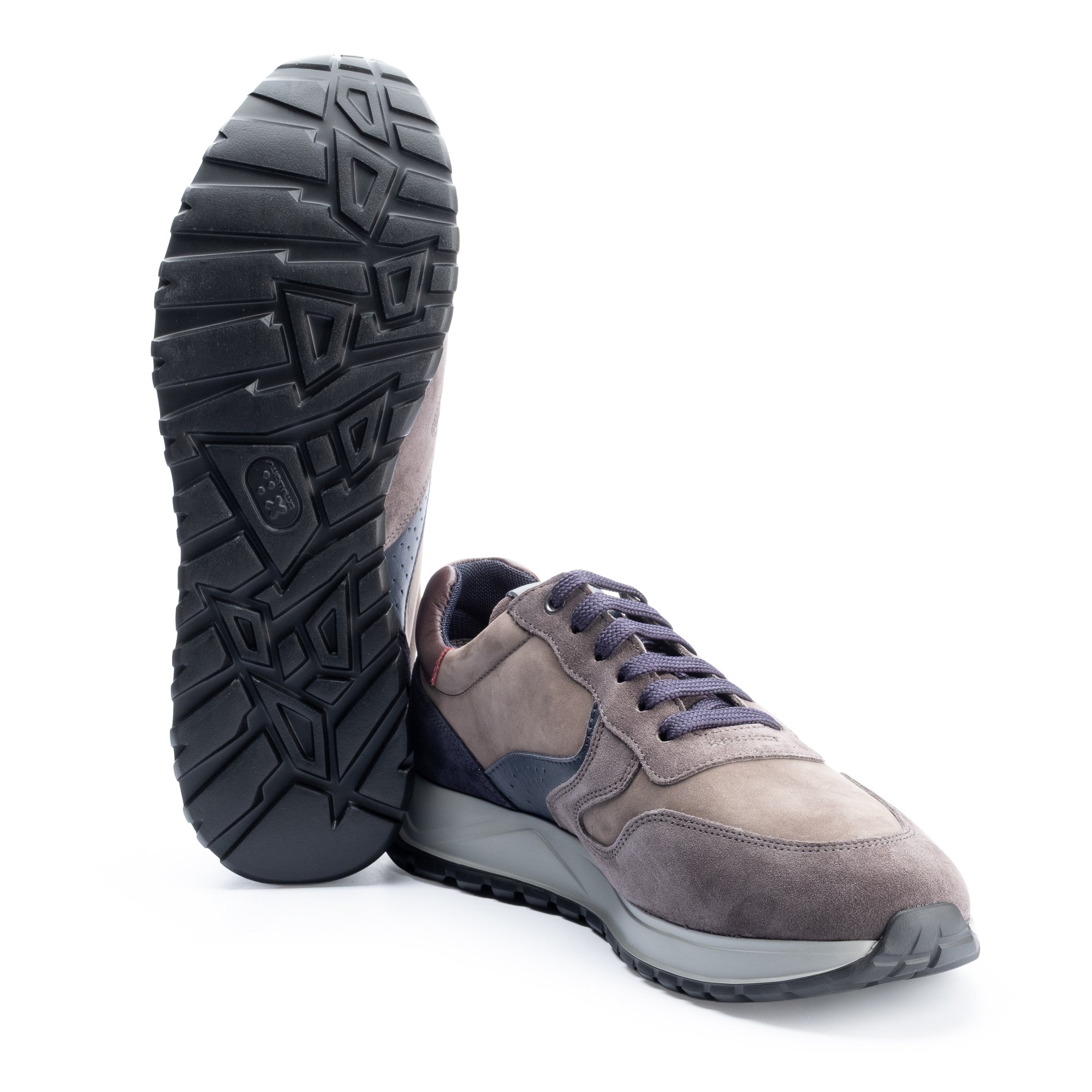
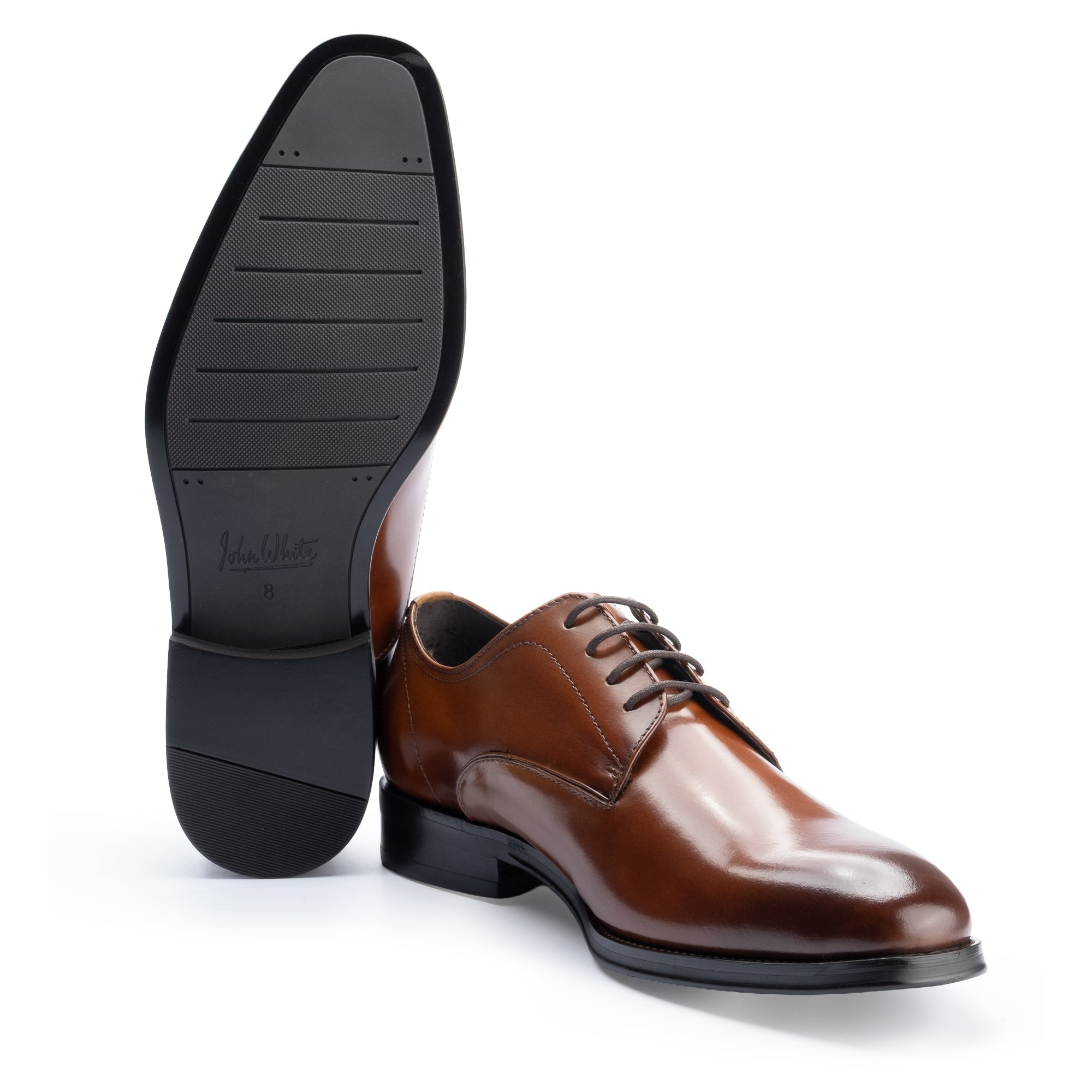
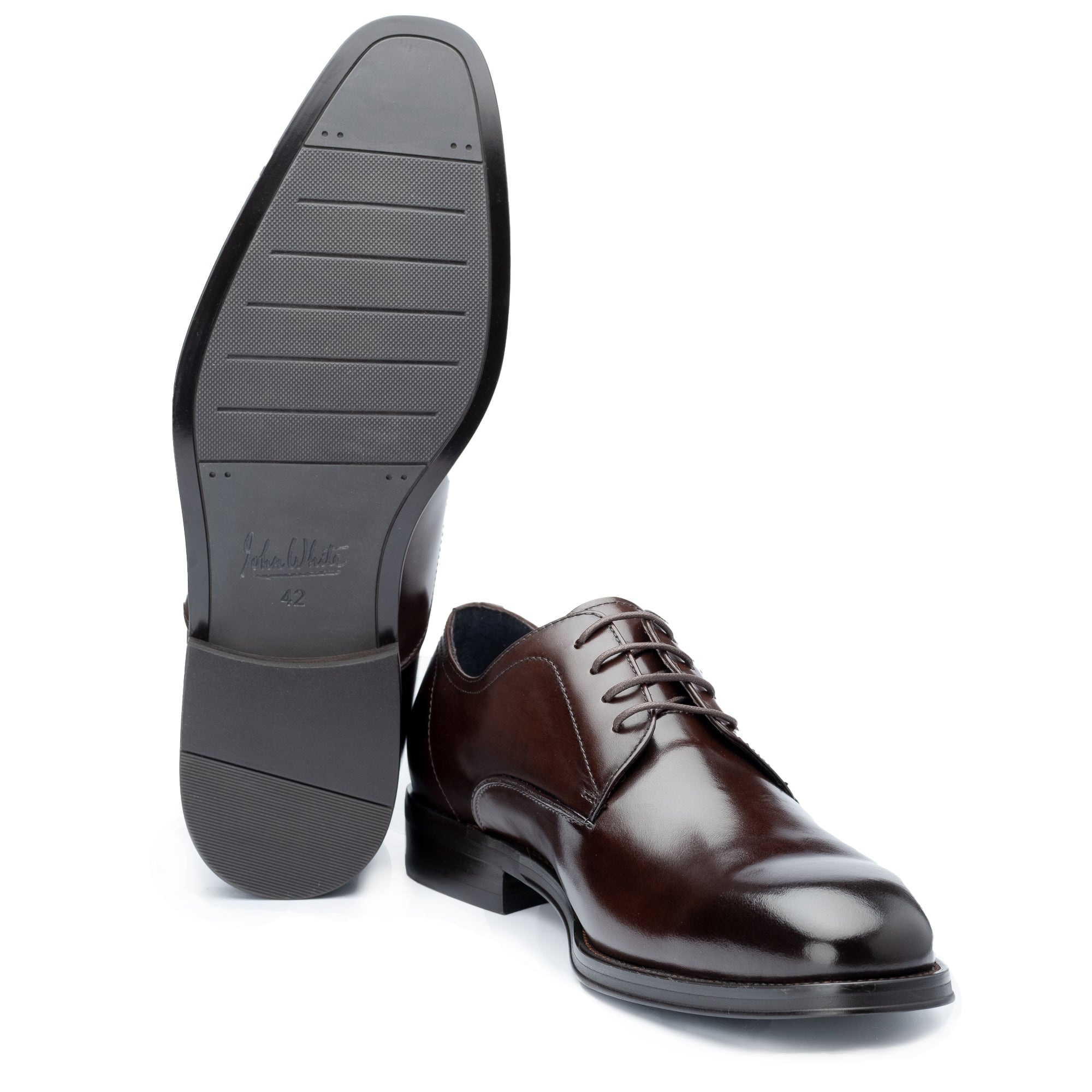
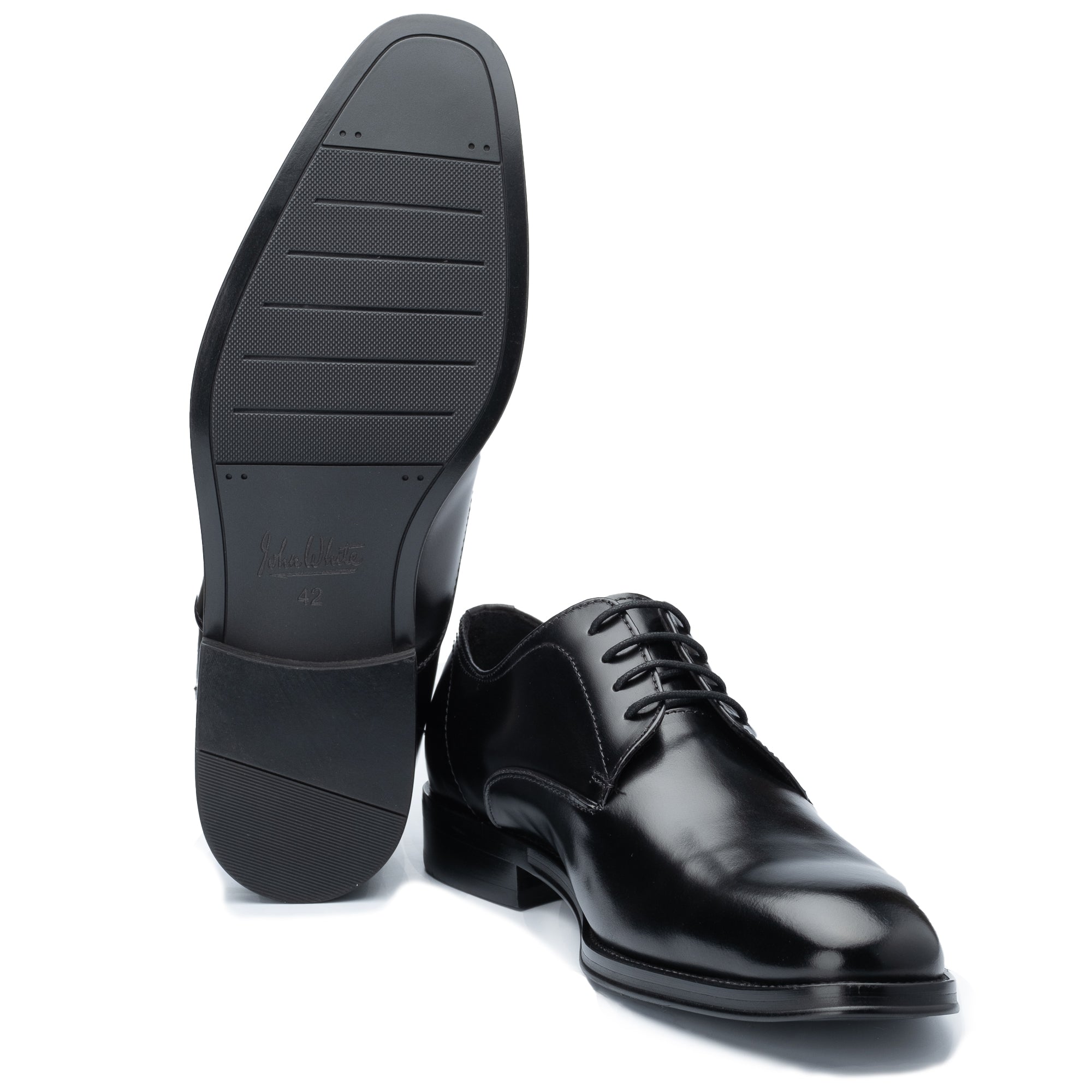
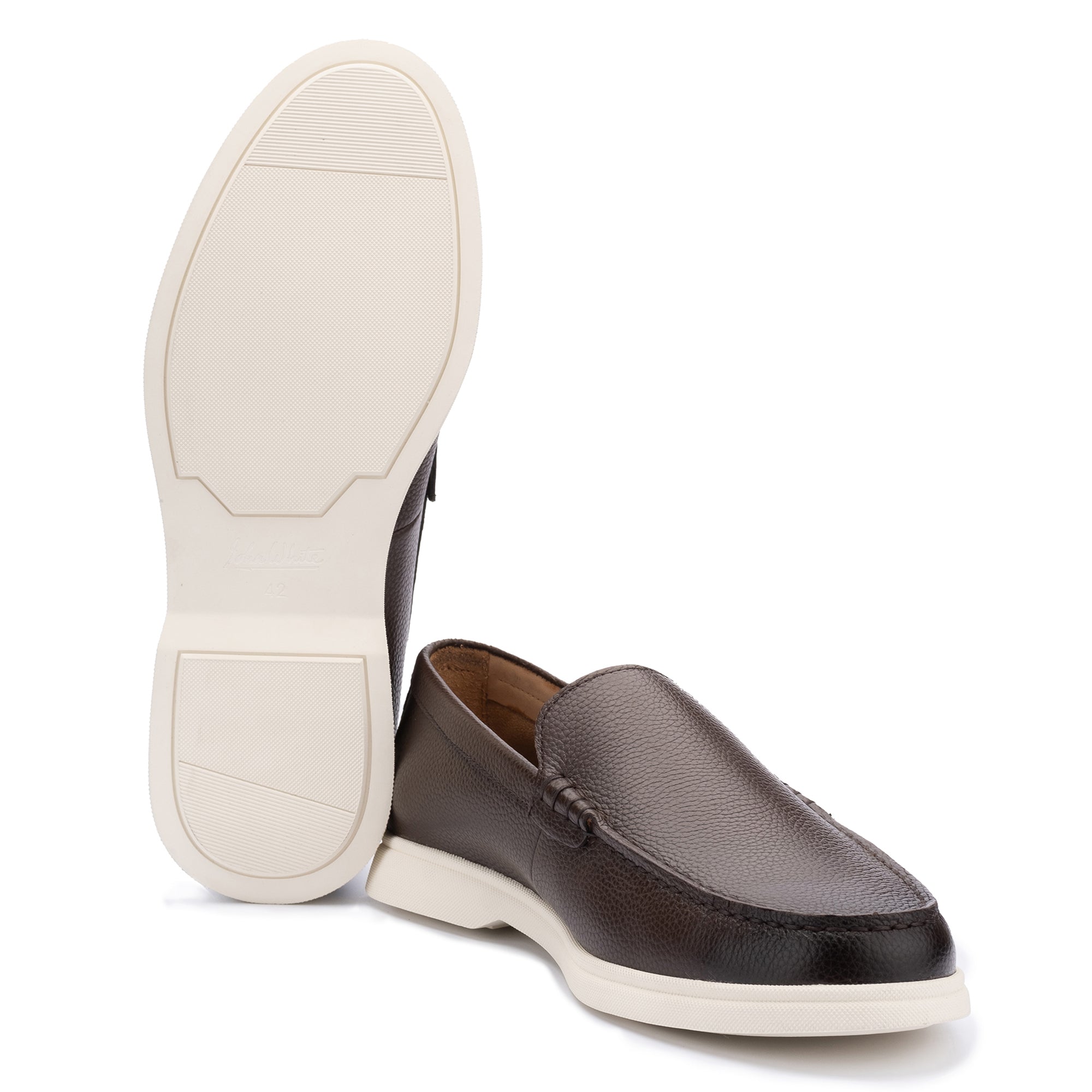
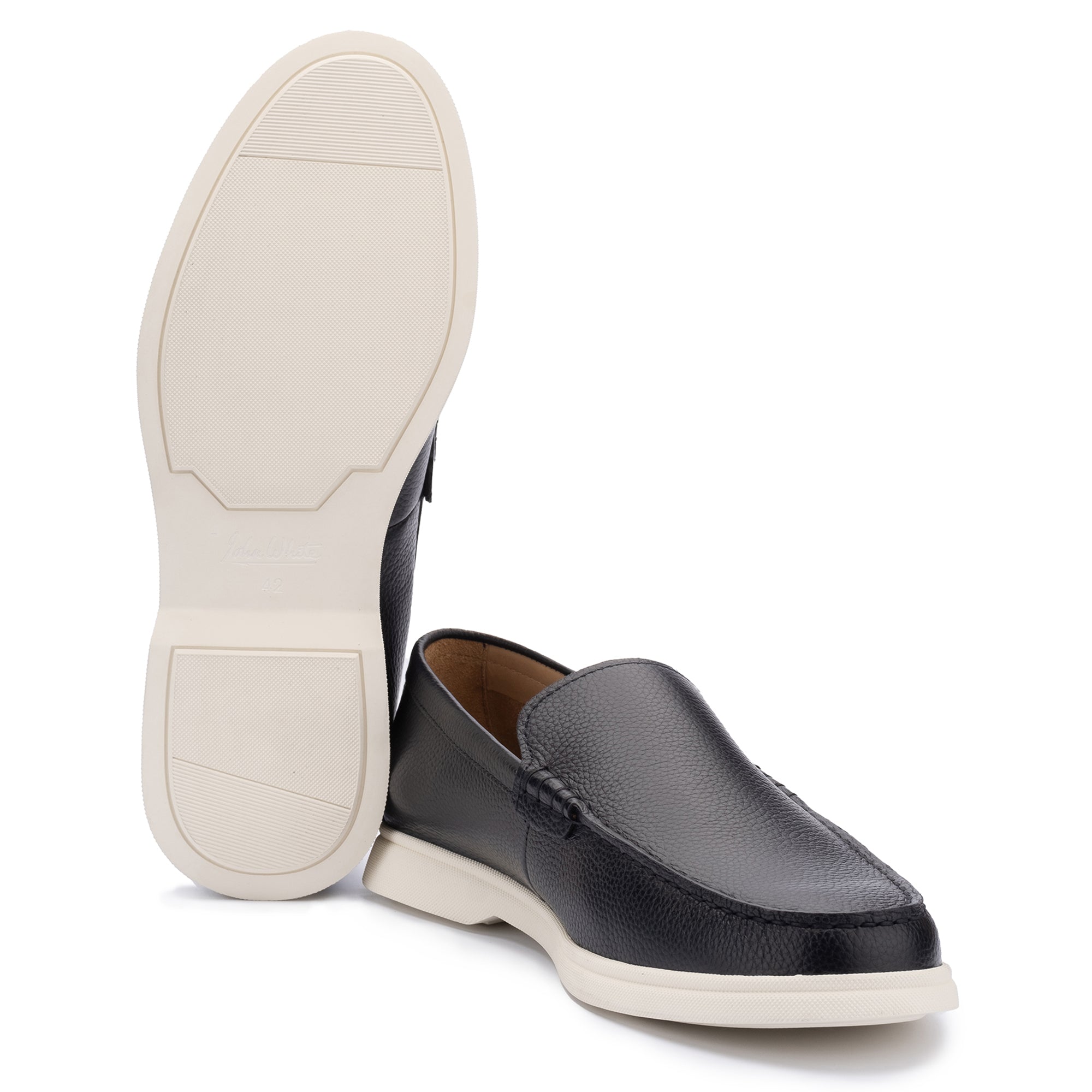
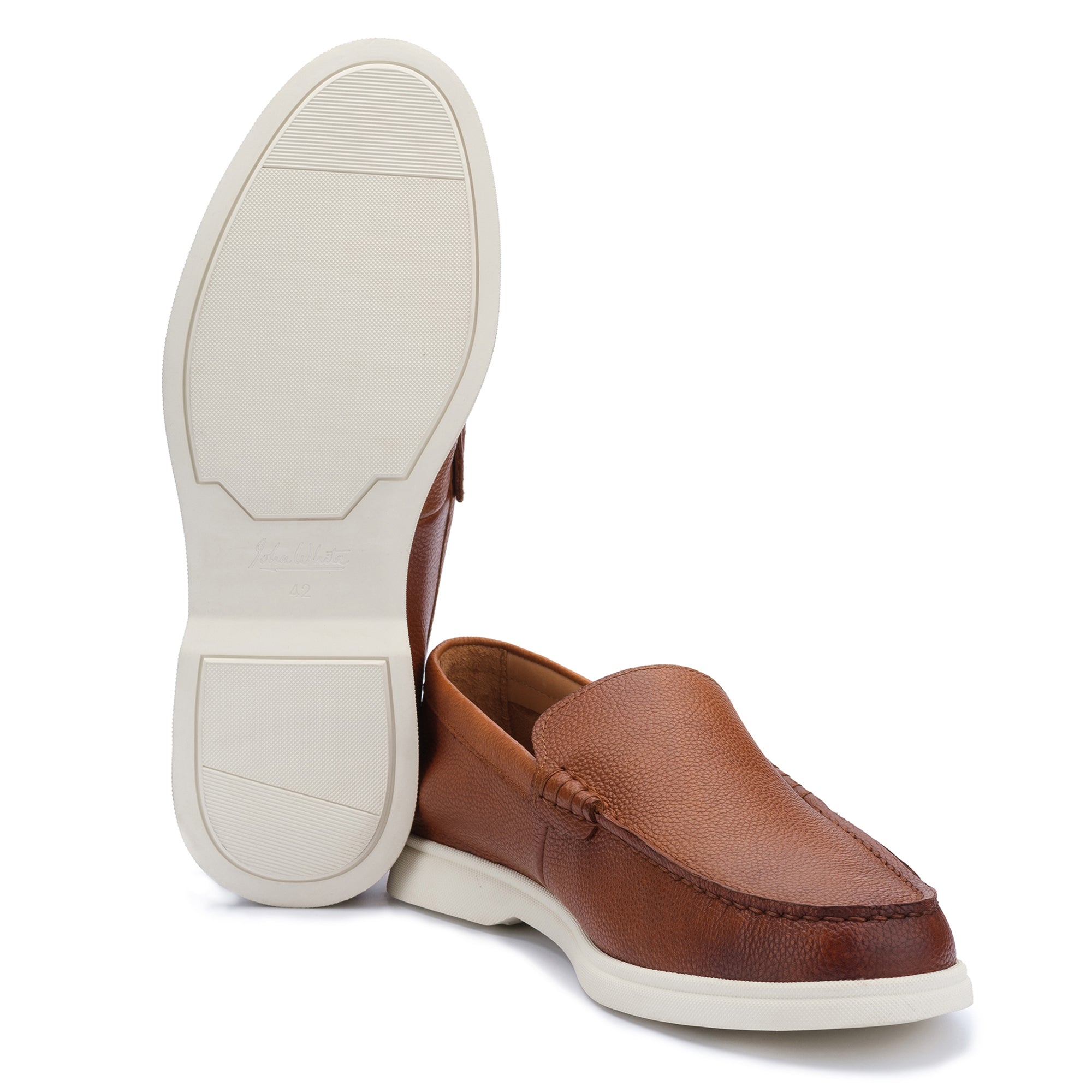
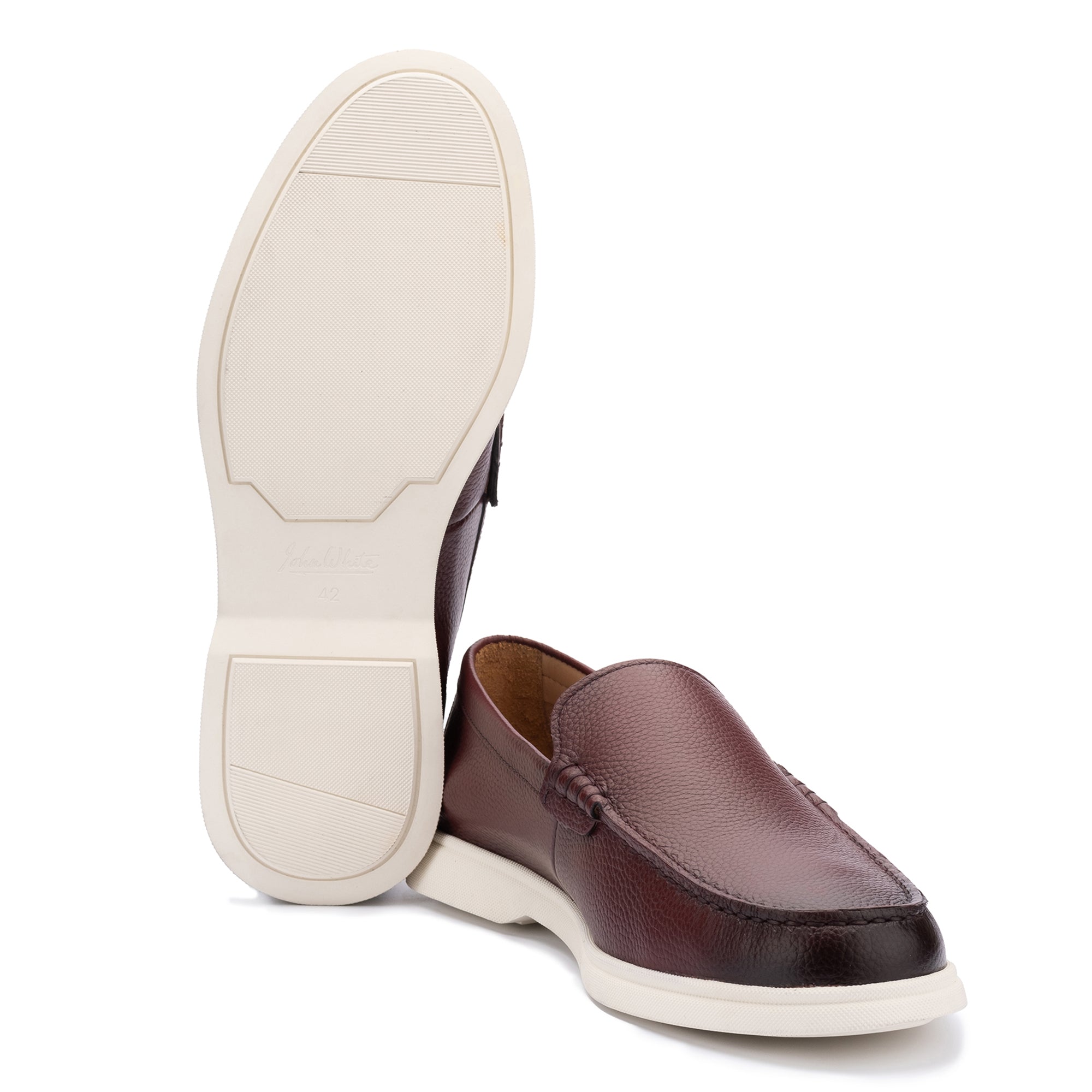
- Ignoring the sole. The upper gets all the attention, but the sole needs care too. Leather soles benefit from occasional conditioning. Rubber soles should be checked for wear — if the tread is smooth, grip is compromised.
How Should You Store Loafers?
Proper storage matters, particularly for seasonal rotation or shoes you don't wear every week.
- Always with shoe trees inserted.
- In cloth bags — not plastic, not the box they came in (unless it's well-ventilated).
- Away from direct sunlight, which fades leather and dries it out unevenly.
- In a cool, dry place. Avoid damp environments like garages and cellars. Avoid hot environments like attics in summer.
- Clean and conditioned before storage. Don't put dirty shoes away for months. Clean, condition, and polish before storing.
When Should You Resole Your Loafers?
A well-made loafer is worth resoling. The question is when.
Check the sole regularly. If you can see significant thinning, if the heel is worn down unevenly, or if you can feel the ground through the sole when walking, it's time. A good cobbler can replace a worn rubber sole or resole a leather bottom, extending the life of the shoe by years.
Resoling is almost always more economical than replacing the shoe — and a resoled loafer with a well-aged upper has a character that no new shoe can replicate.
Don't wait until the sole is completely worn through. At that point, moisture can penetrate the shoe from below, damaging the insole, the lining, and the foot bed. Address wear early and the repair is straightforward.
A Simple Care Schedule
- After every wear: Wipe or brush. Insert shoe trees.
- Fortnightly: Full clean and condition for regularly worn pairs.
- Monthly: Polish with JW Premium Wax Polish. Check soles for wear.
- Seasonally: Deep clean. Reapply suede protector to suede pairs. Rotate seasonal shoes into or out of storage.
That's it. No elaborate ritual. Just consistent, practical care — an approach that respects the enduring quality and heritage of John White shoes.
Explore the full range of loafers in the men's shoes collection, including the Banff, Downey, and Ethan. For care essentials, the Premium Wax Polish is available in black, dark brown, and light brown. And for a comprehensive look at leather care across all shoe types, read The Complete Guide to Leather Shoe Care.
Frequently Asked Questions
Is care different for suede loafers compared to leather loafers?
Yes. Smooth leather loafers should be cleaned, conditioned, and polished with cream or wax. Suede loafers should never be polished — instead, brush regularly with a suede brush to lift the nap and remove dirt, and protect with a suede spray. Both benefit from cedar shoe trees after wearing.
When should I replace the insoles of my loafers?
Replace insoles when they become compressed, lose their cushioning, or develop an odour that cleaning cannot remove. Most quality loafers have removable insoles that a cobbler can replace with leather or cushioned alternatives. Well-maintained insoles typically last one to two years with regular wear.
Can worn heels on loafers be repaired?
Yes. A cobbler can replace rubber heel tips or build up a worn leather heel. Have heels checked when you notice uneven wear or when the heel cap wears through to the leather beneath. Catching heel wear early prevents damage to the shoe's structure and keeps your posture balanced.