
The Six Classic Men's Shoe Styles: When to Wear Each
Classic men's footwear divides into six core styles — Oxfords, Derbies, Brogues, Loafers, Monk Straps, and Boots. Each occupies a distinct place on the formality spectrum, from the closed-laced precision of a black Oxford to the relaxed ease of a suede loafer. Knowing which to wear, and when, is the foundation of a properly dressed wardrobe.
In This Guide
Six styles. That's all it takes to cover every occasion a well-dressed man is likely to face — from black tie to weekend walks. If you can identify each style by sight, understand what distinguishes it structurally, and match it to the right outfit and setting, the rest is detail. This compendium maps all six, explains the formality hierarchy, and shows how to build a wardrobe that leaves nothing uncovered.
What Are the Six Classic Men's Shoe Styles?
Classic footwear is a set of designs that have remained in continuous production — and continuous use — since the mid-nineteenth century. What keeps them relevant isn't nostalgia. It's that they're functionally resolved: they work, they last, and they look right across a wide range of social contexts.
Oxford Shoes — The Formal Standard
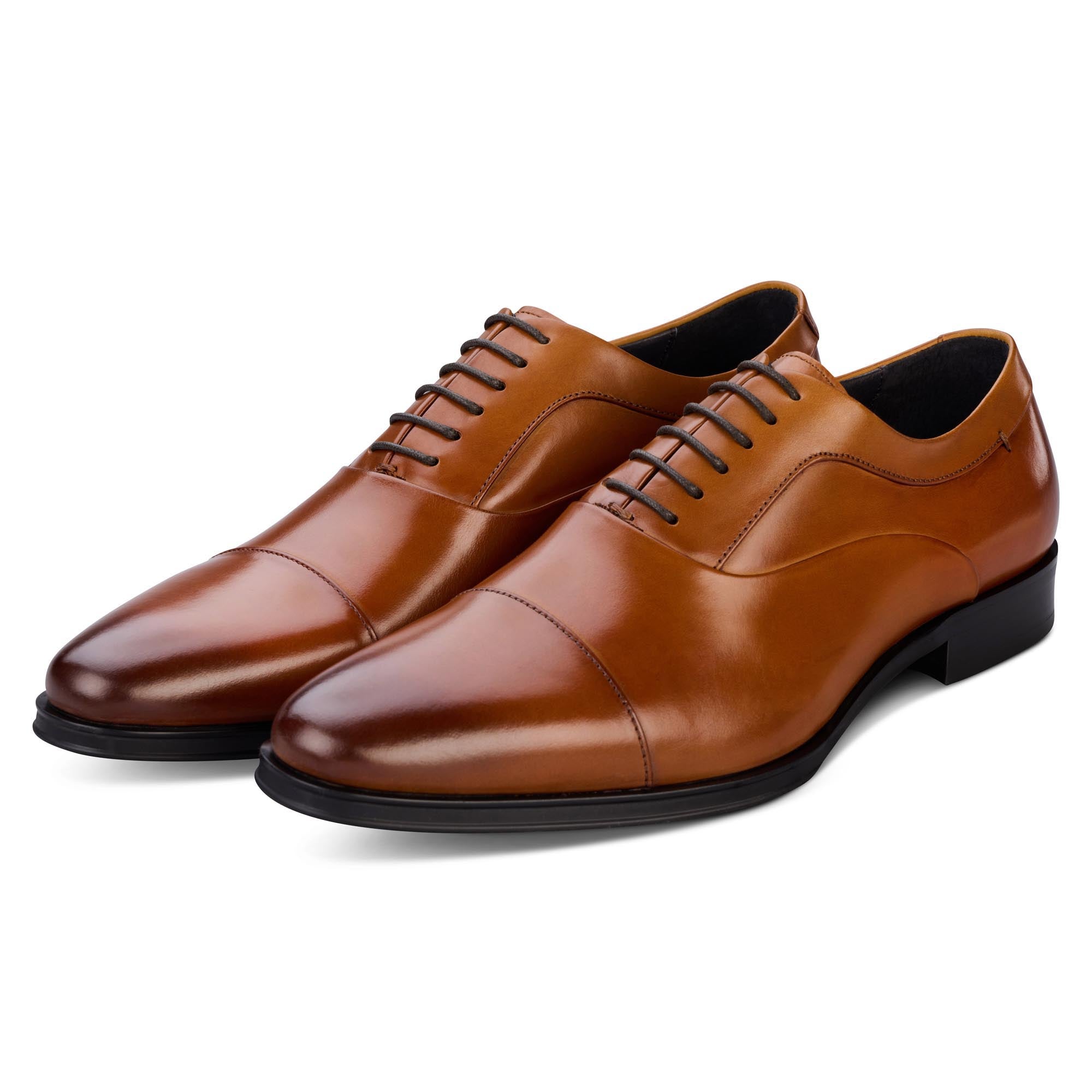
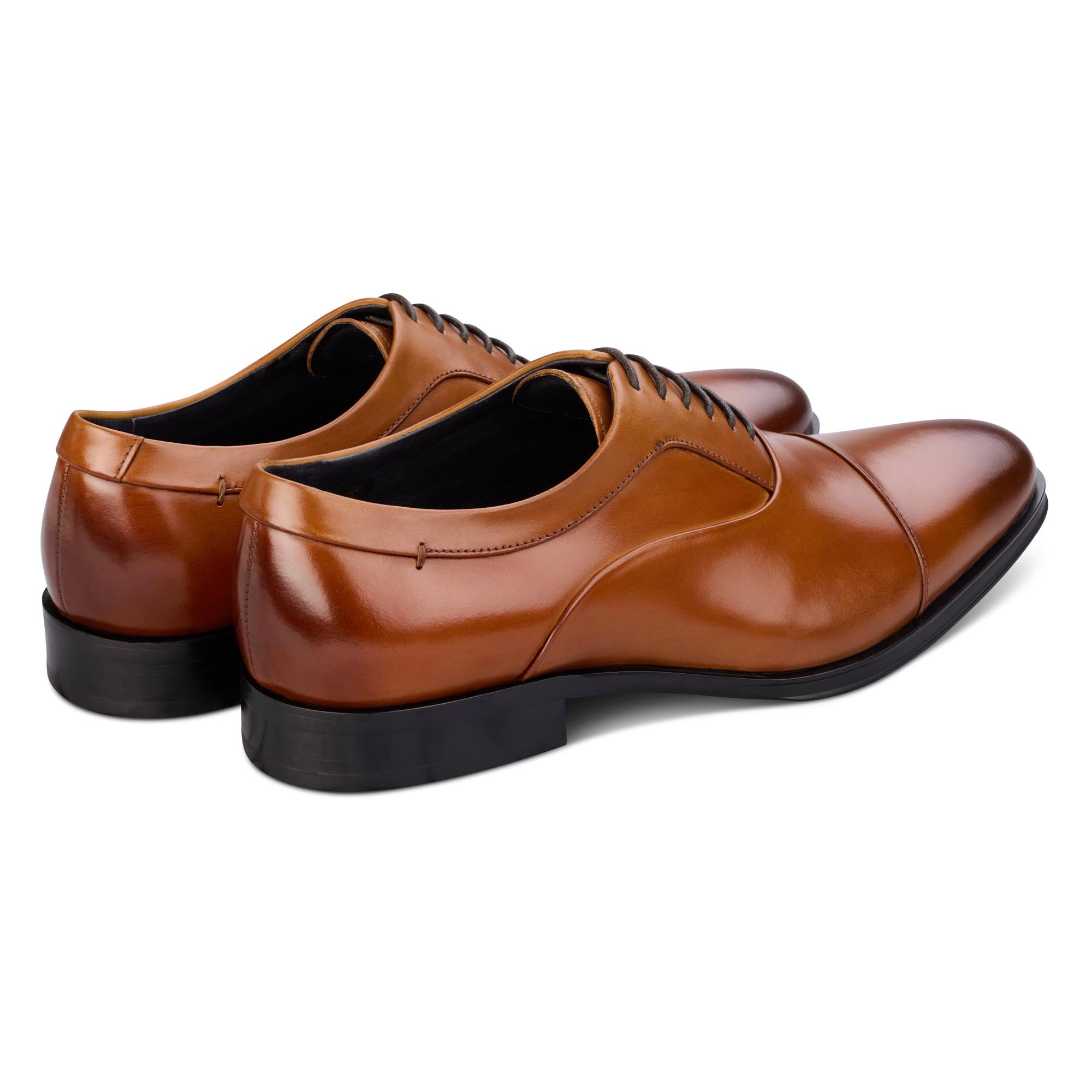
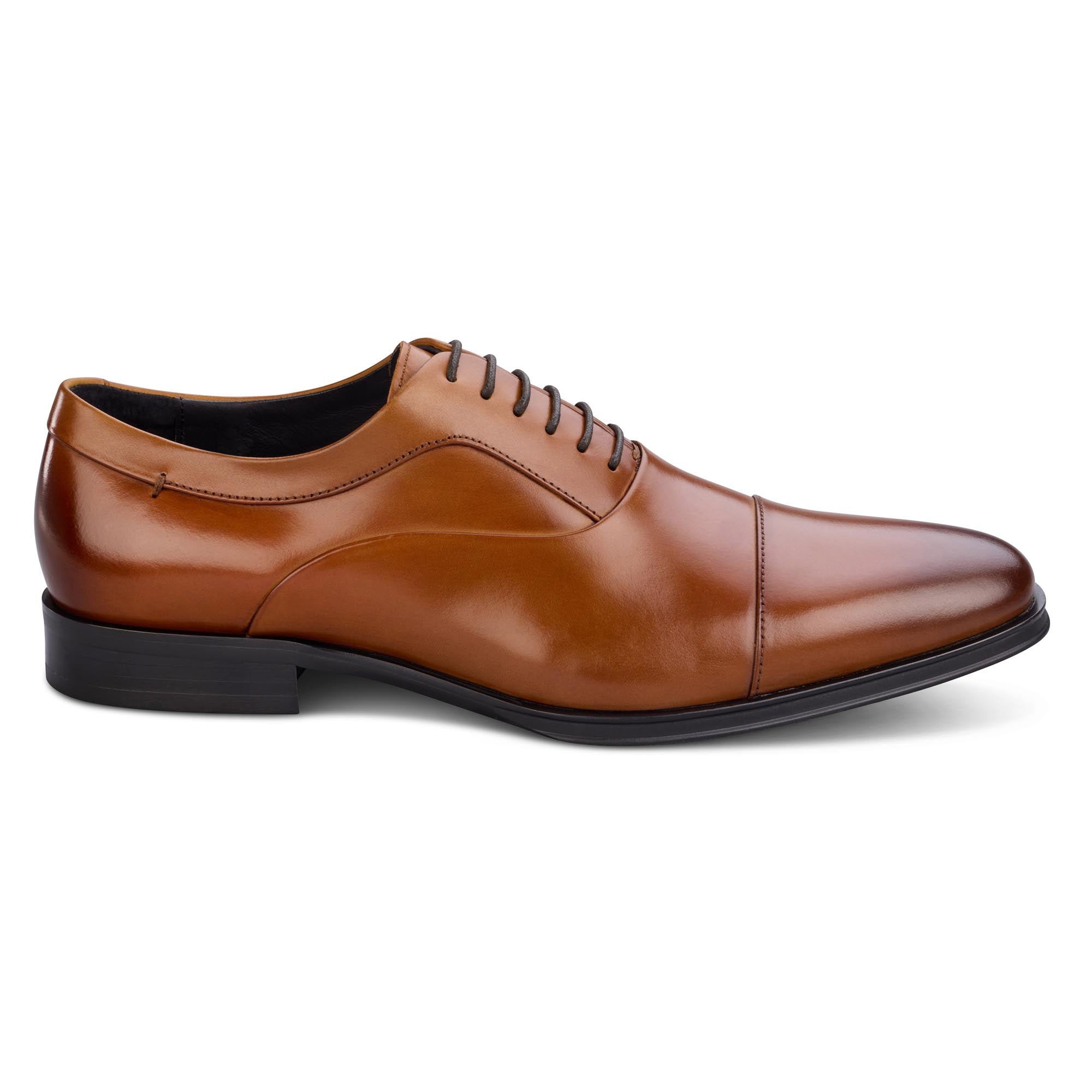
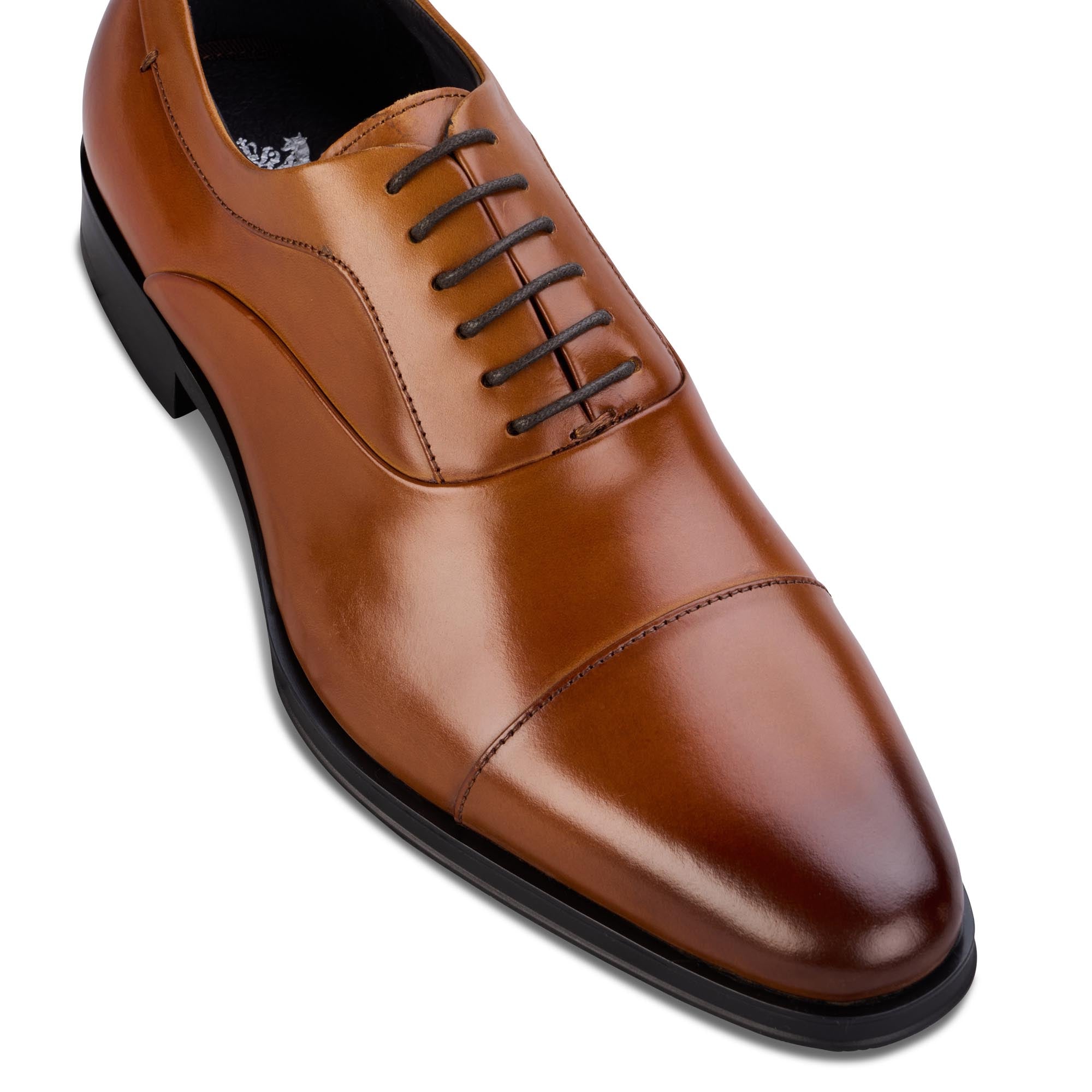
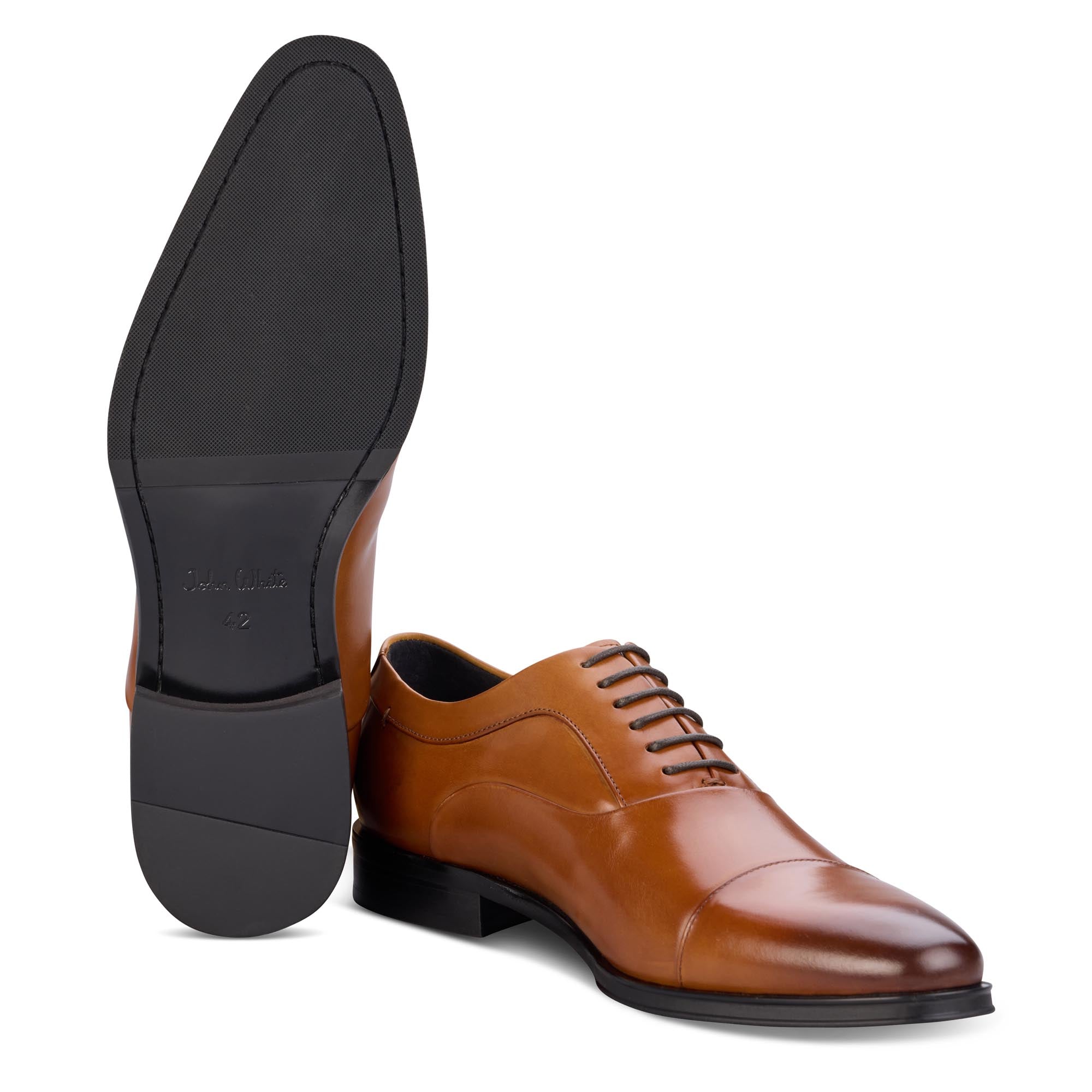
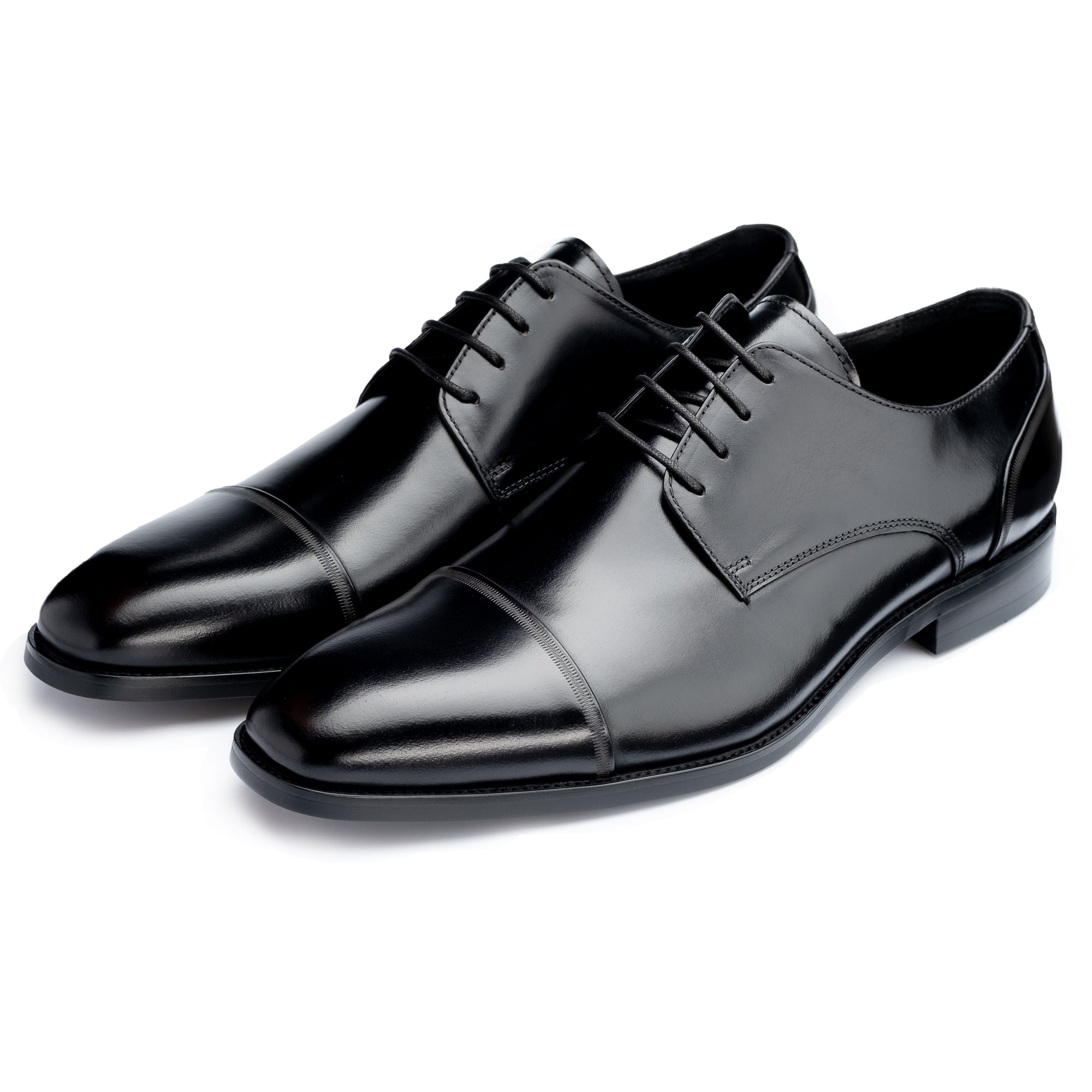
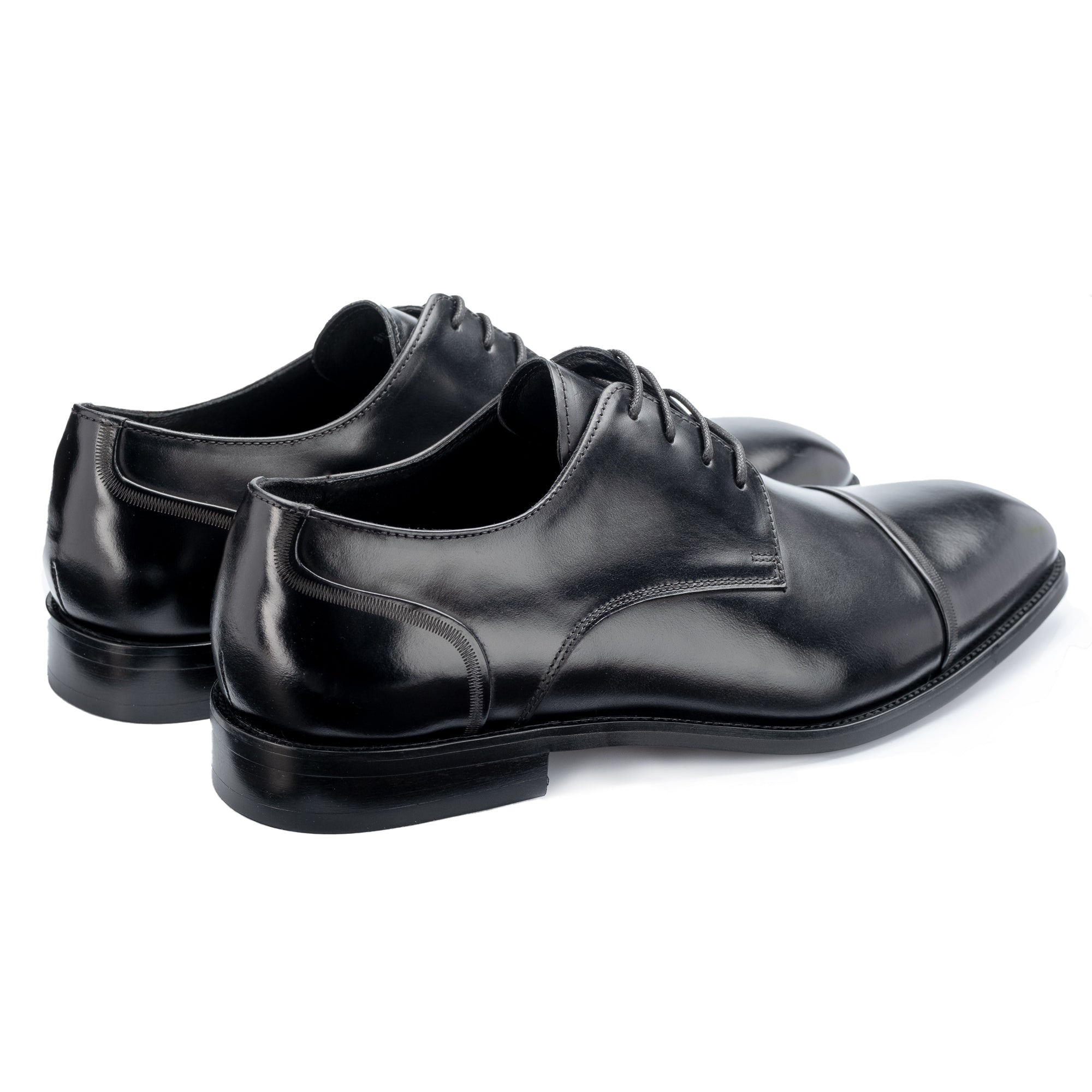
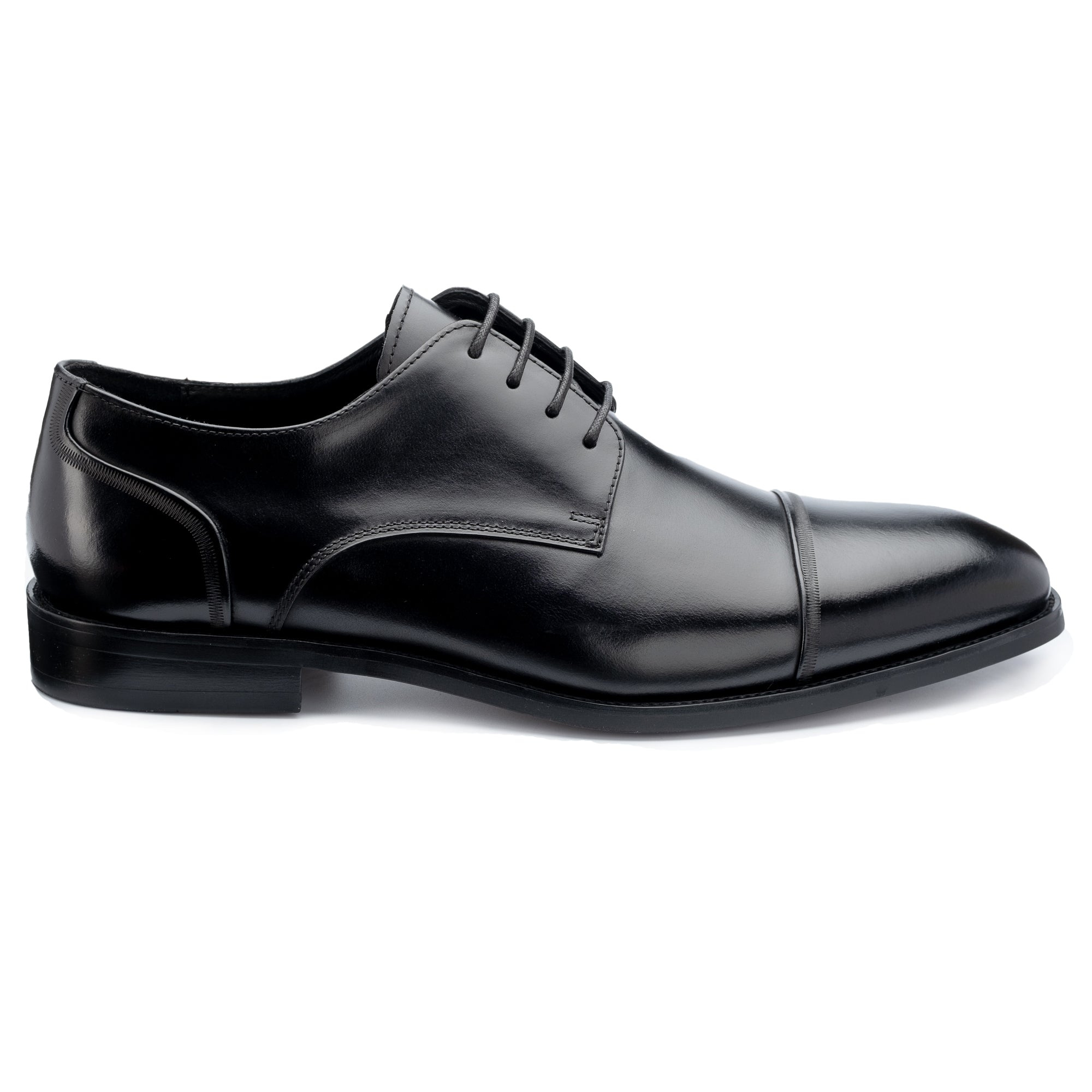
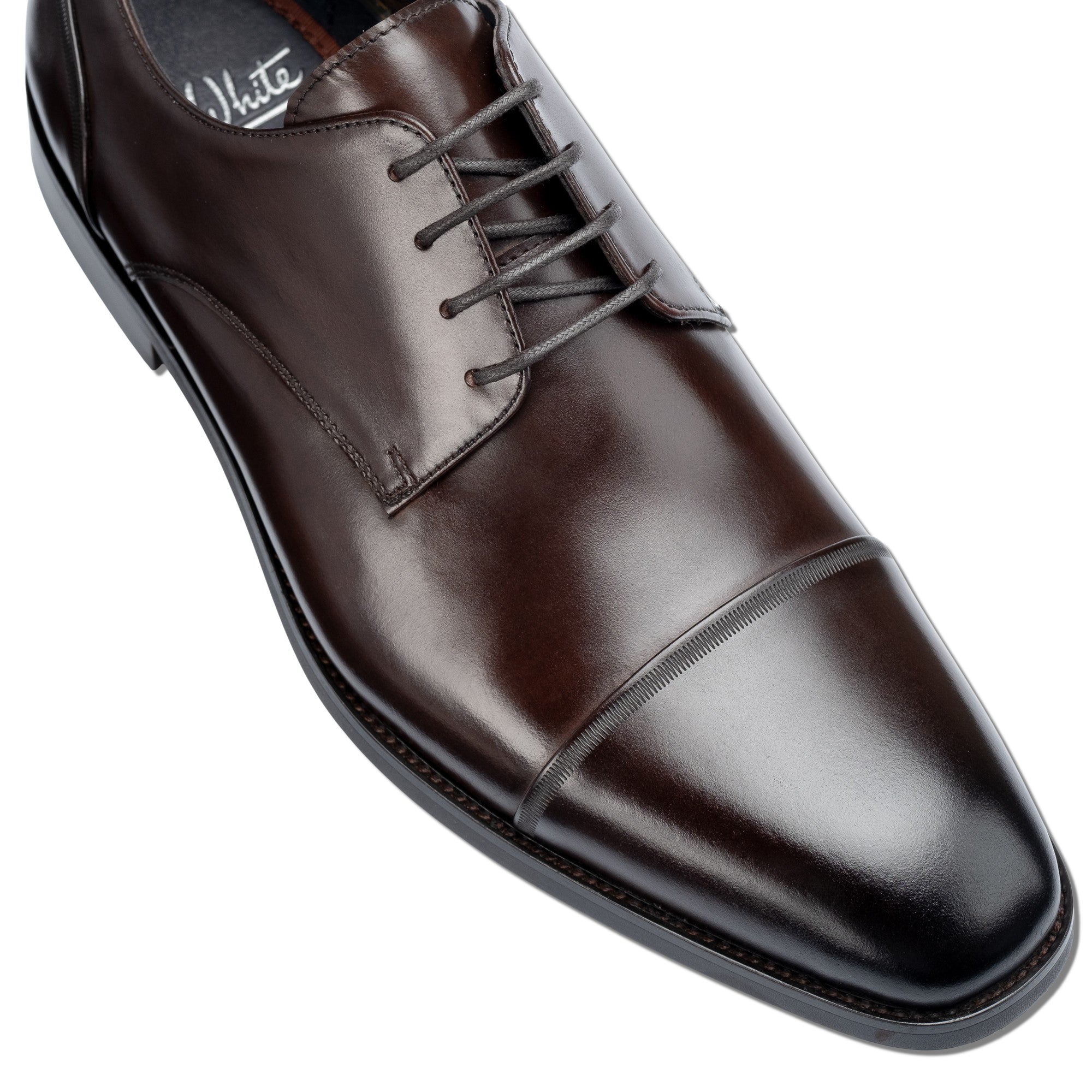
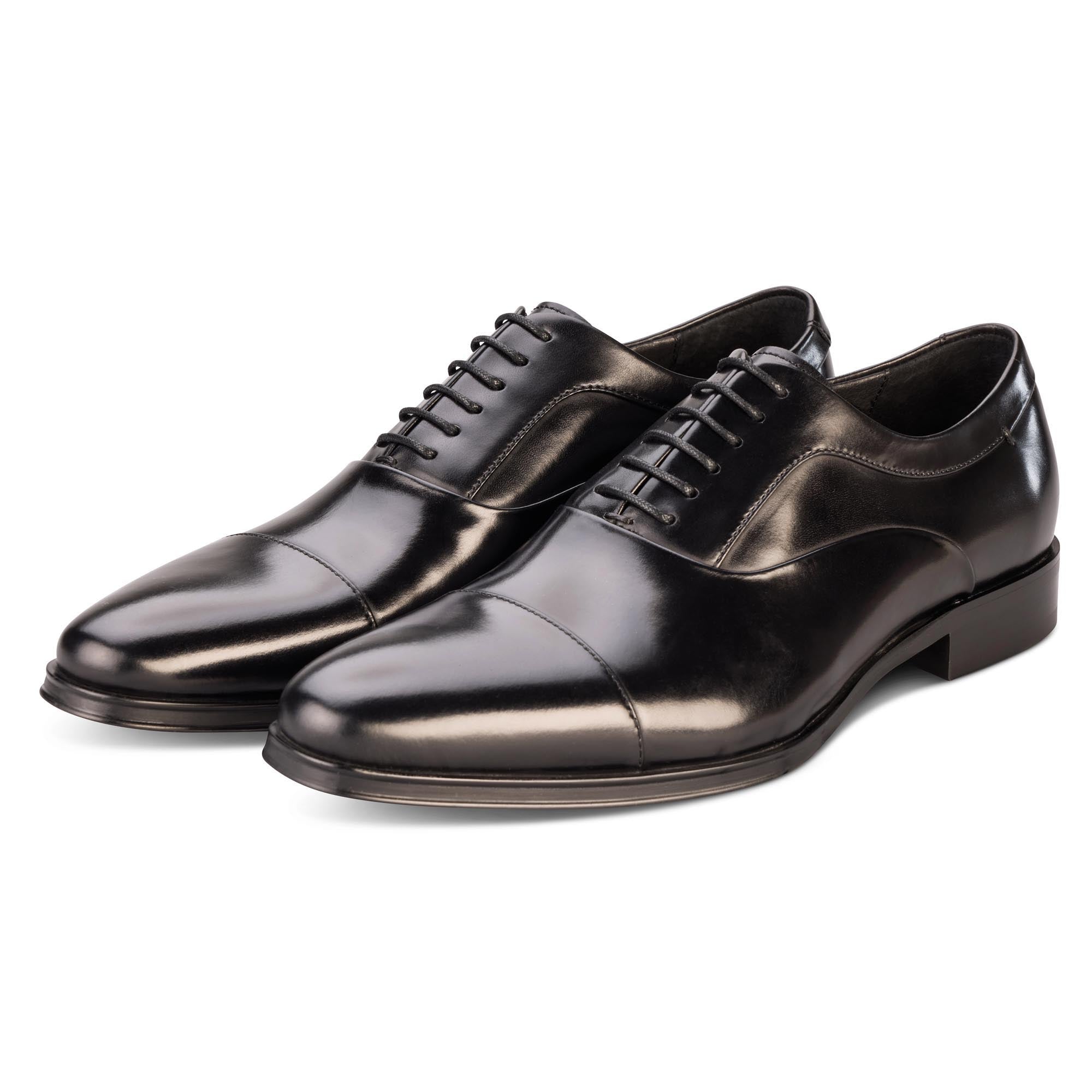
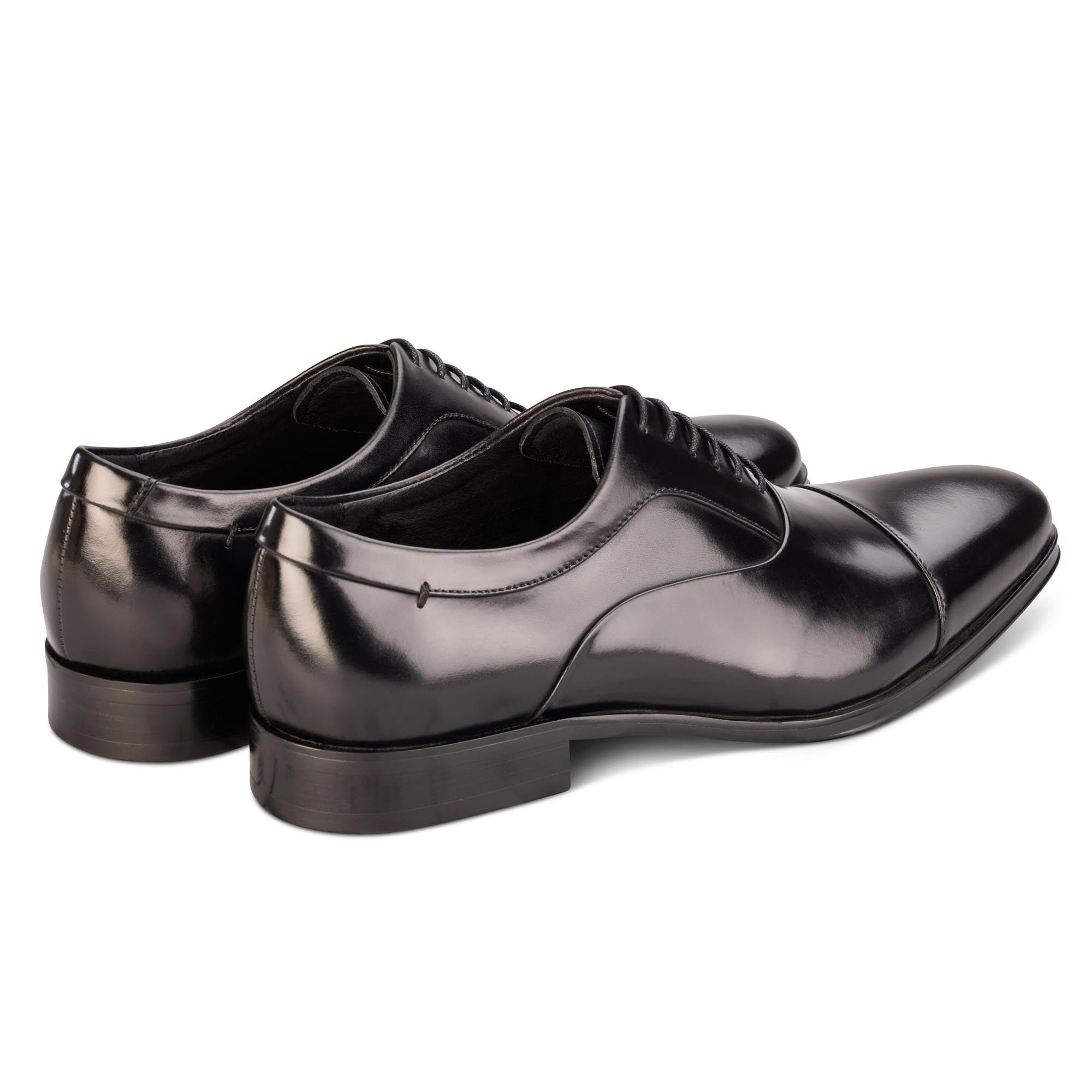
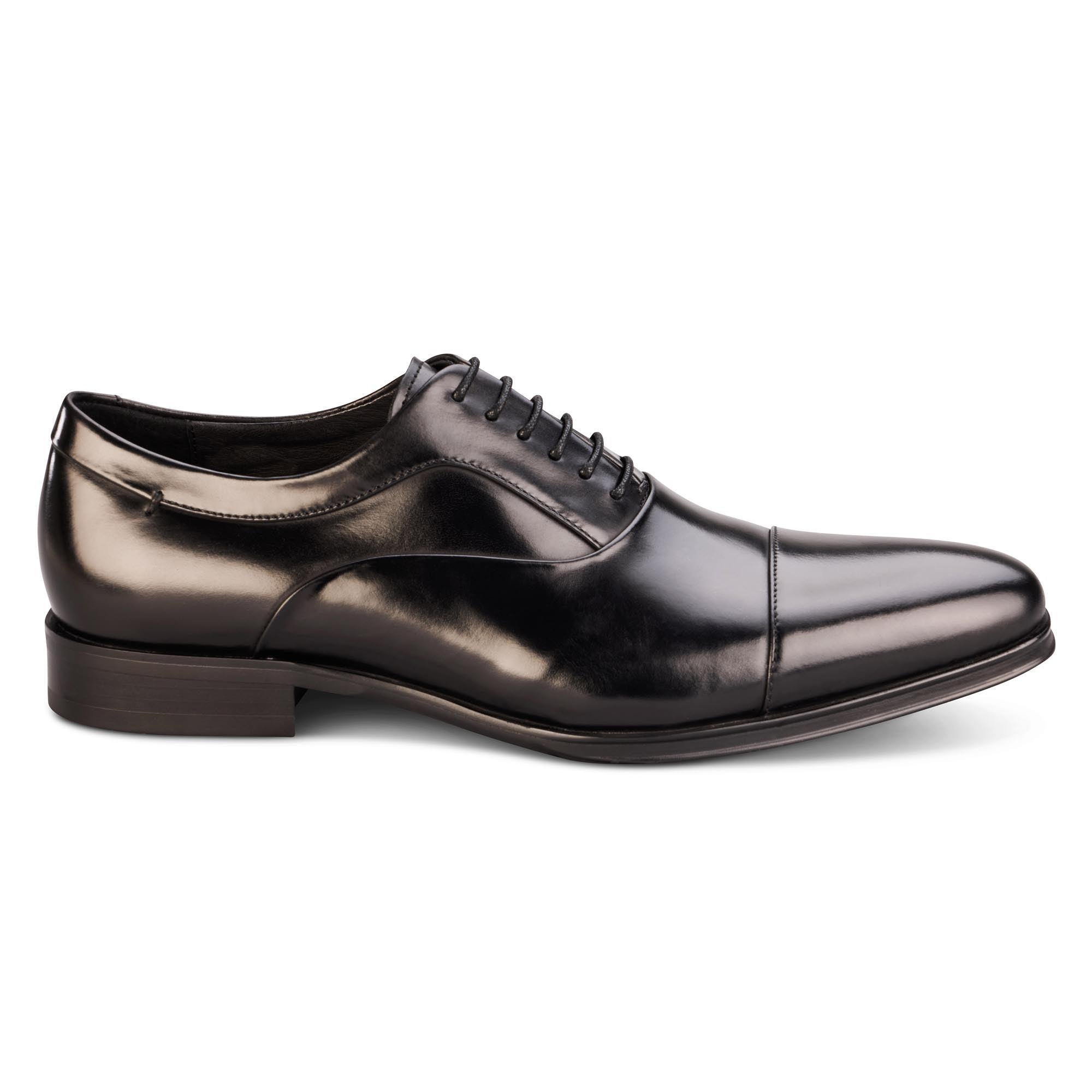
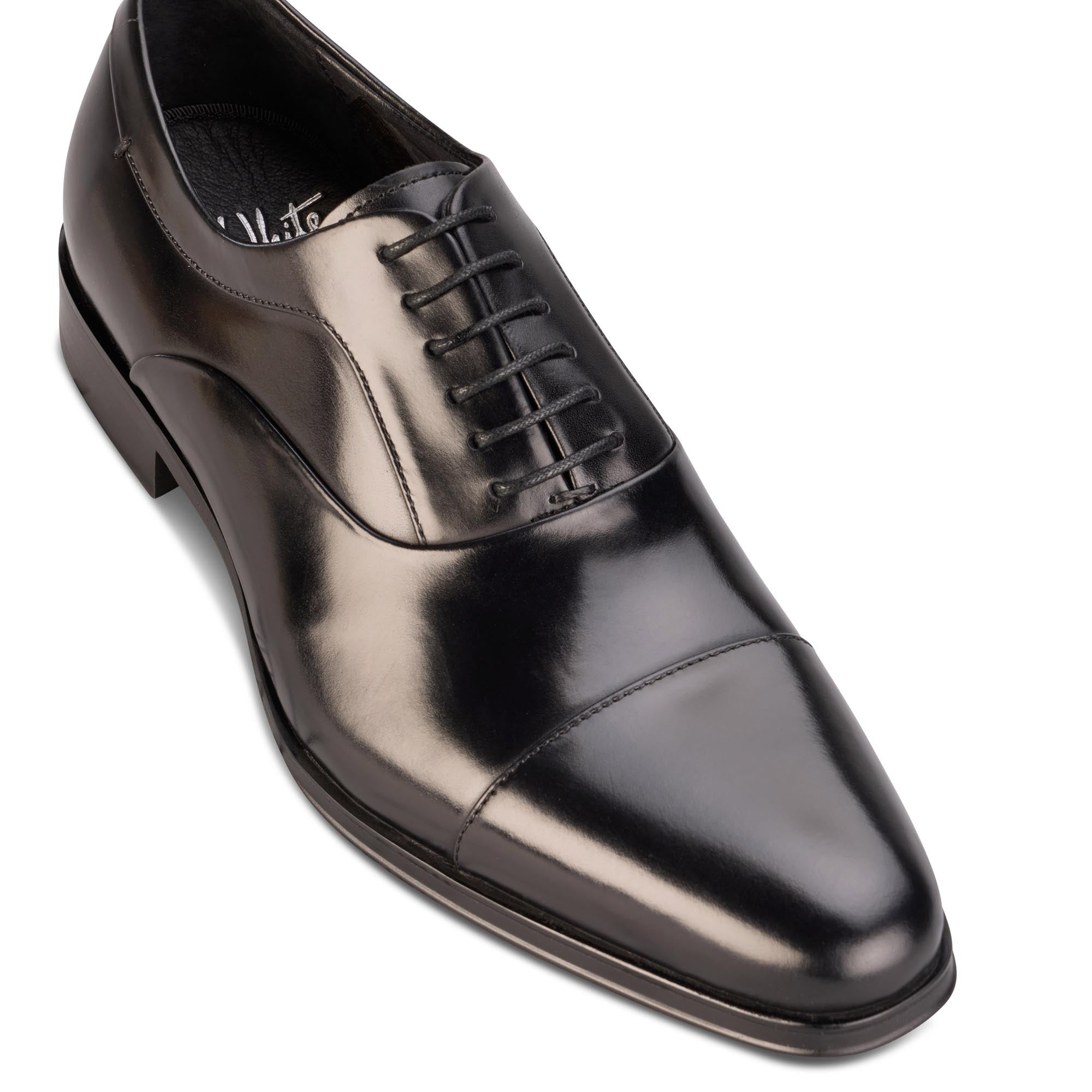
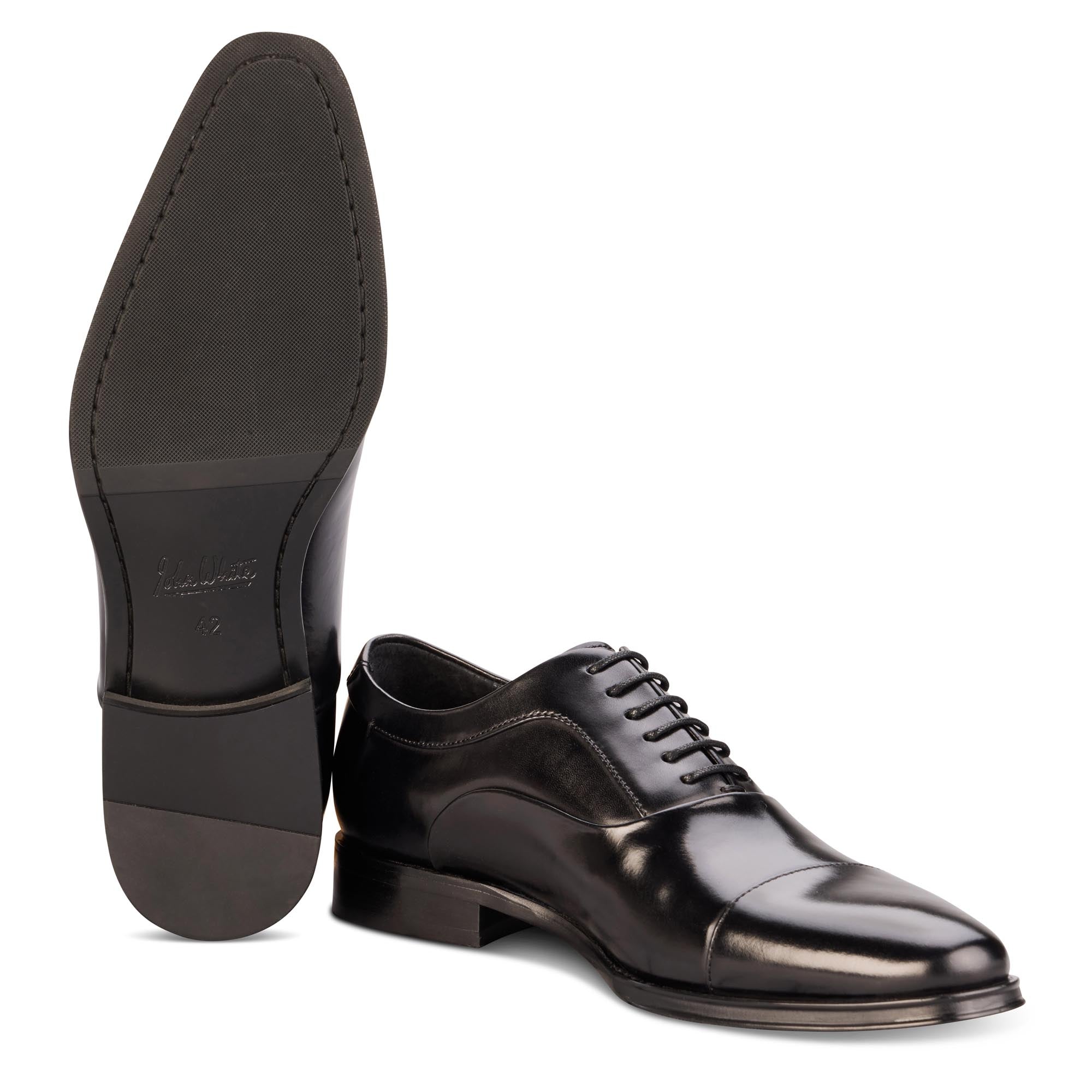
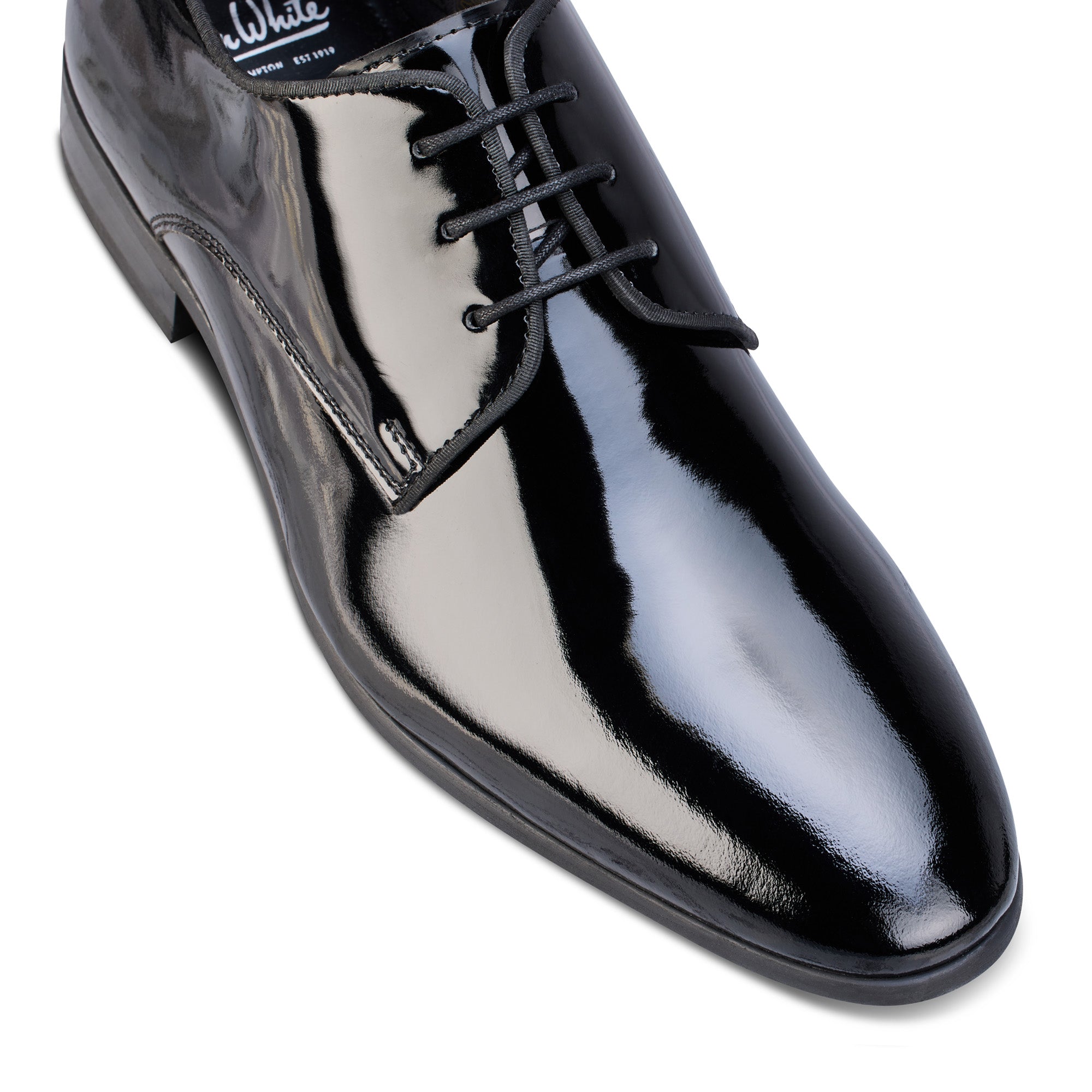
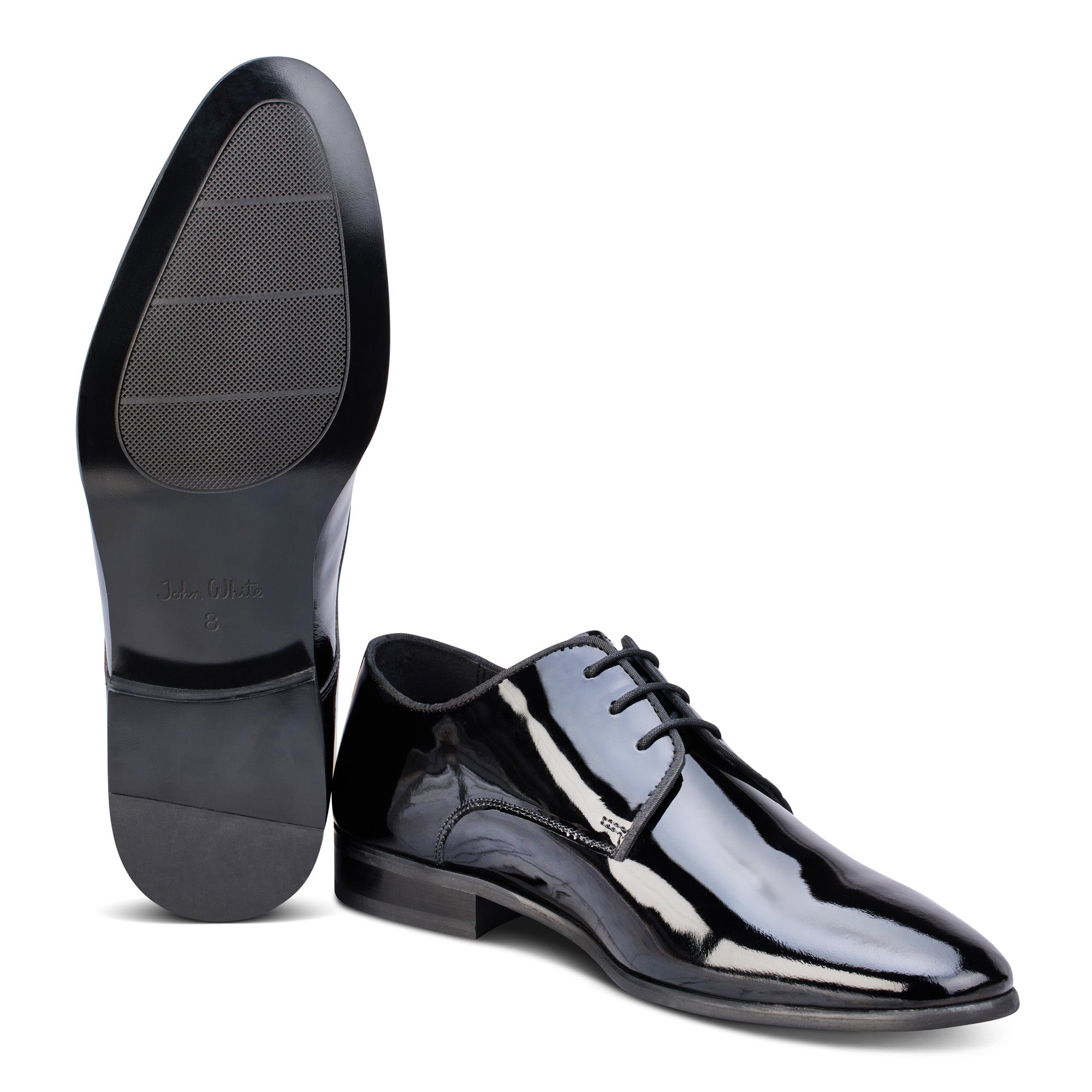
An Oxford is a closed-lace shoe in which the quarters — the side panels — are stitched beneath the vamp, the front panel. This creates a tight, close throat and a noticeably slim silhouette. It's the most formal shoe in a man's wardrobe and the natural choice for business formal, black-tie occasions, and weddings where the dress code demands precision.
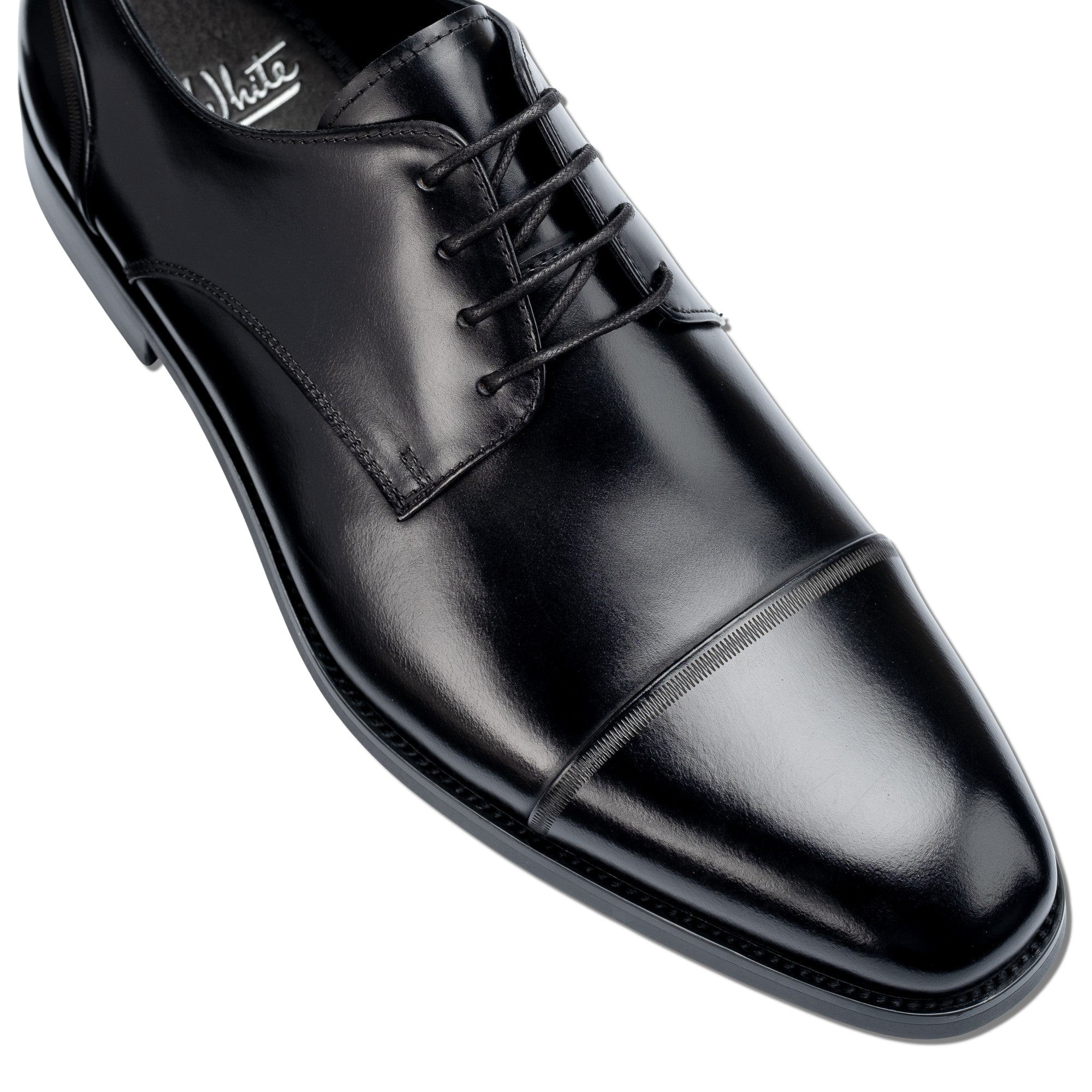
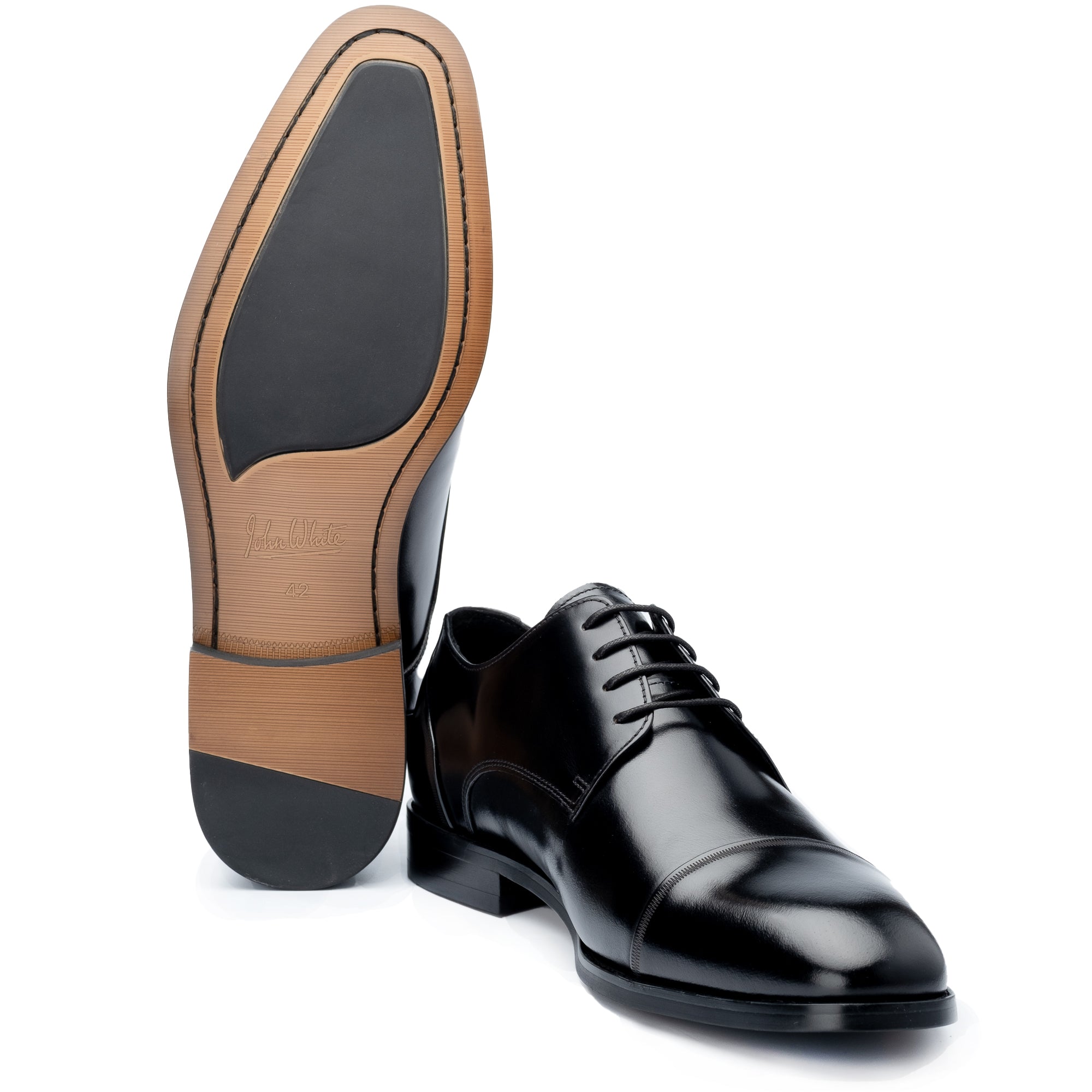
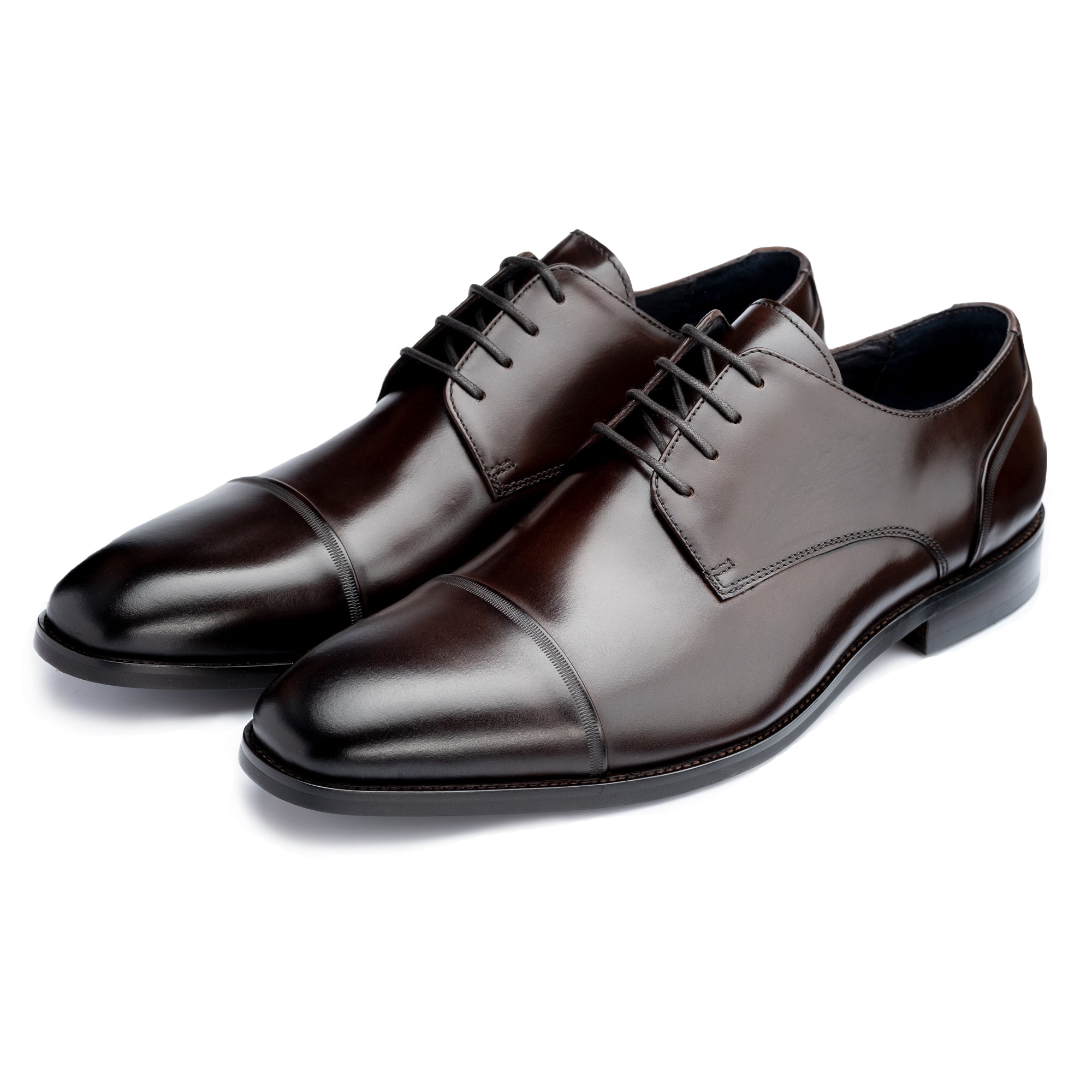
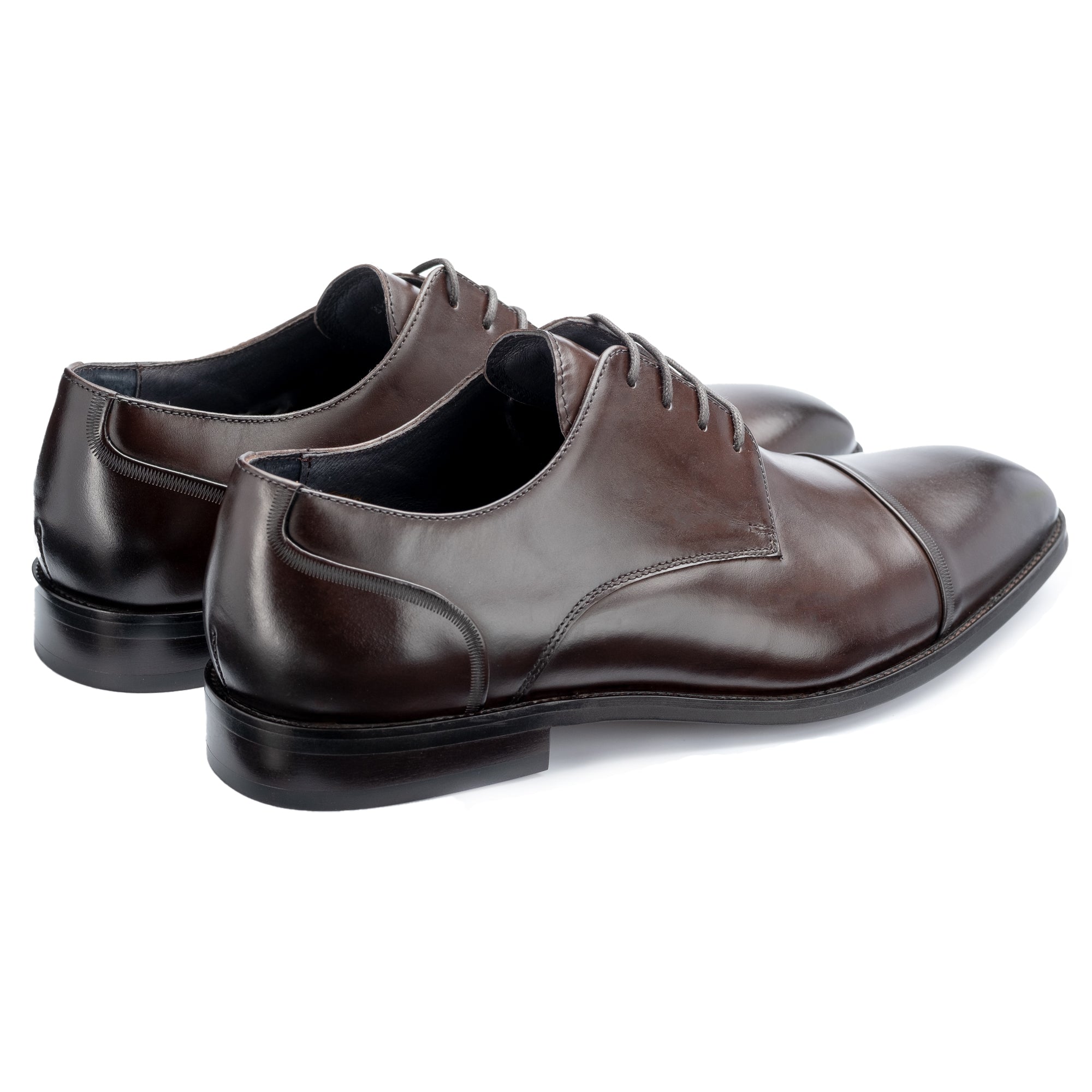
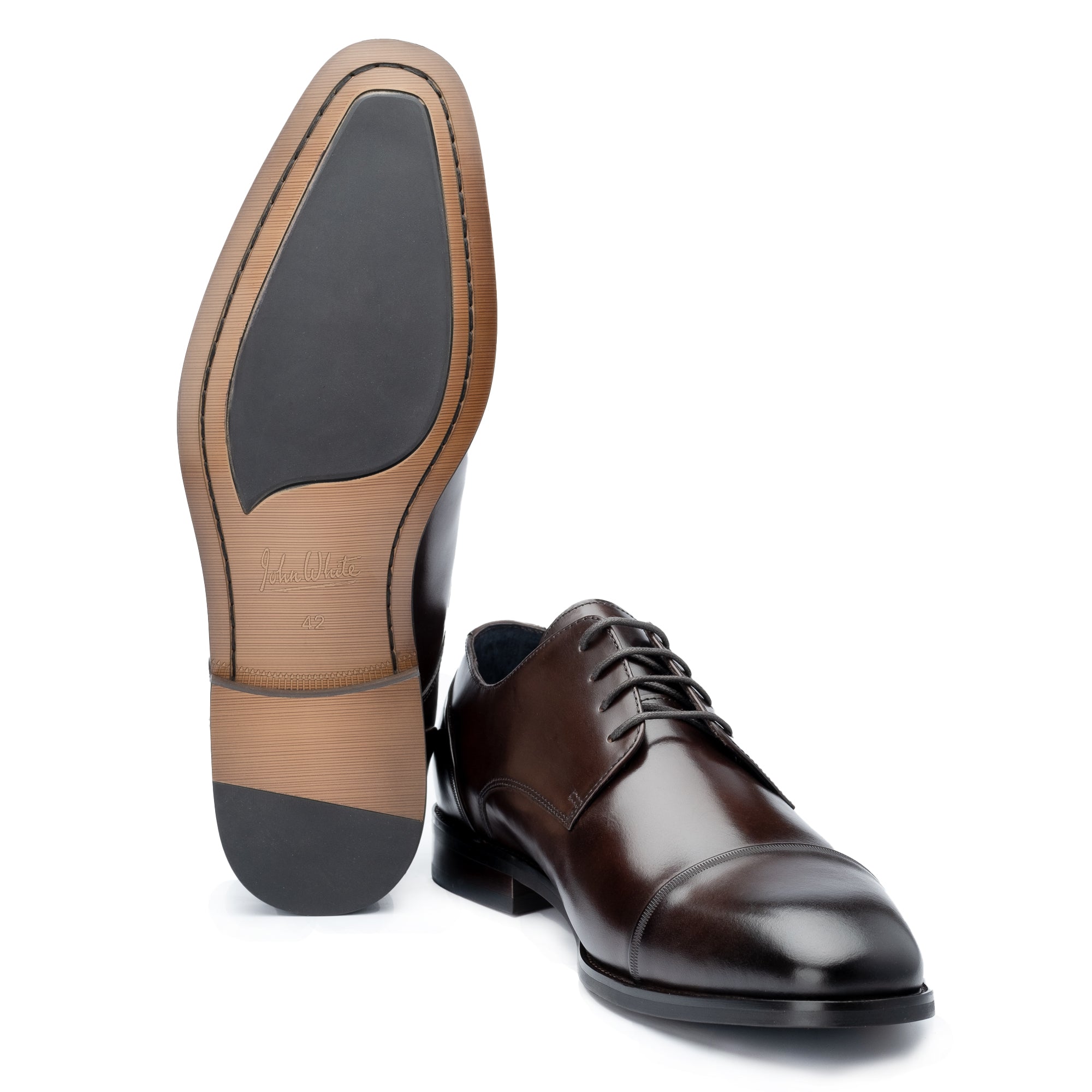
The Guildhall Capped Oxfords embody the style in its cleanest form: a defined toe cap, a refined last, and a profile that carries authority without seeking attention. Our guide to wearing Oxford shoes covers every dress code from formal suiting to smart separates.
Derby Shoes — The Versatile Workhorse
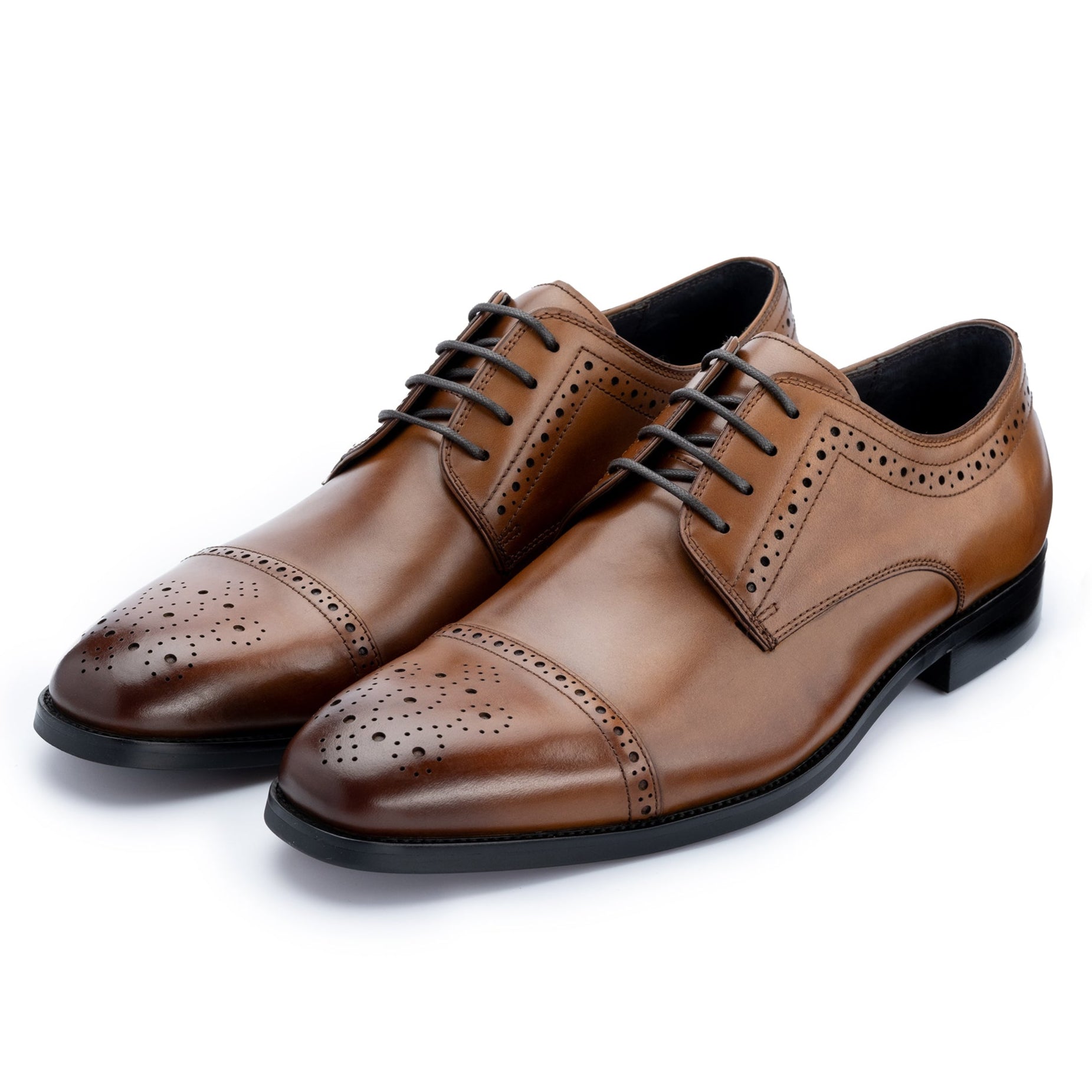
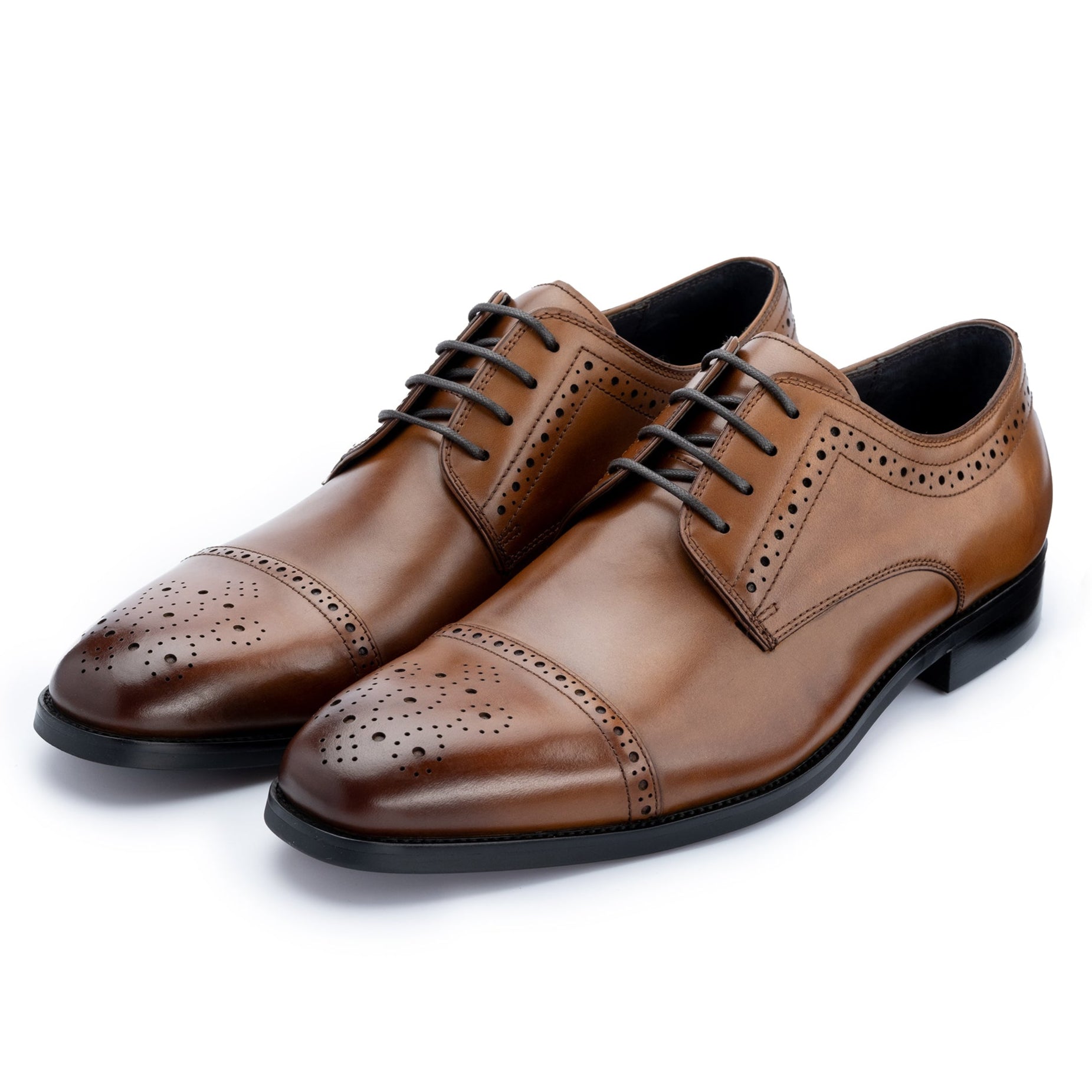
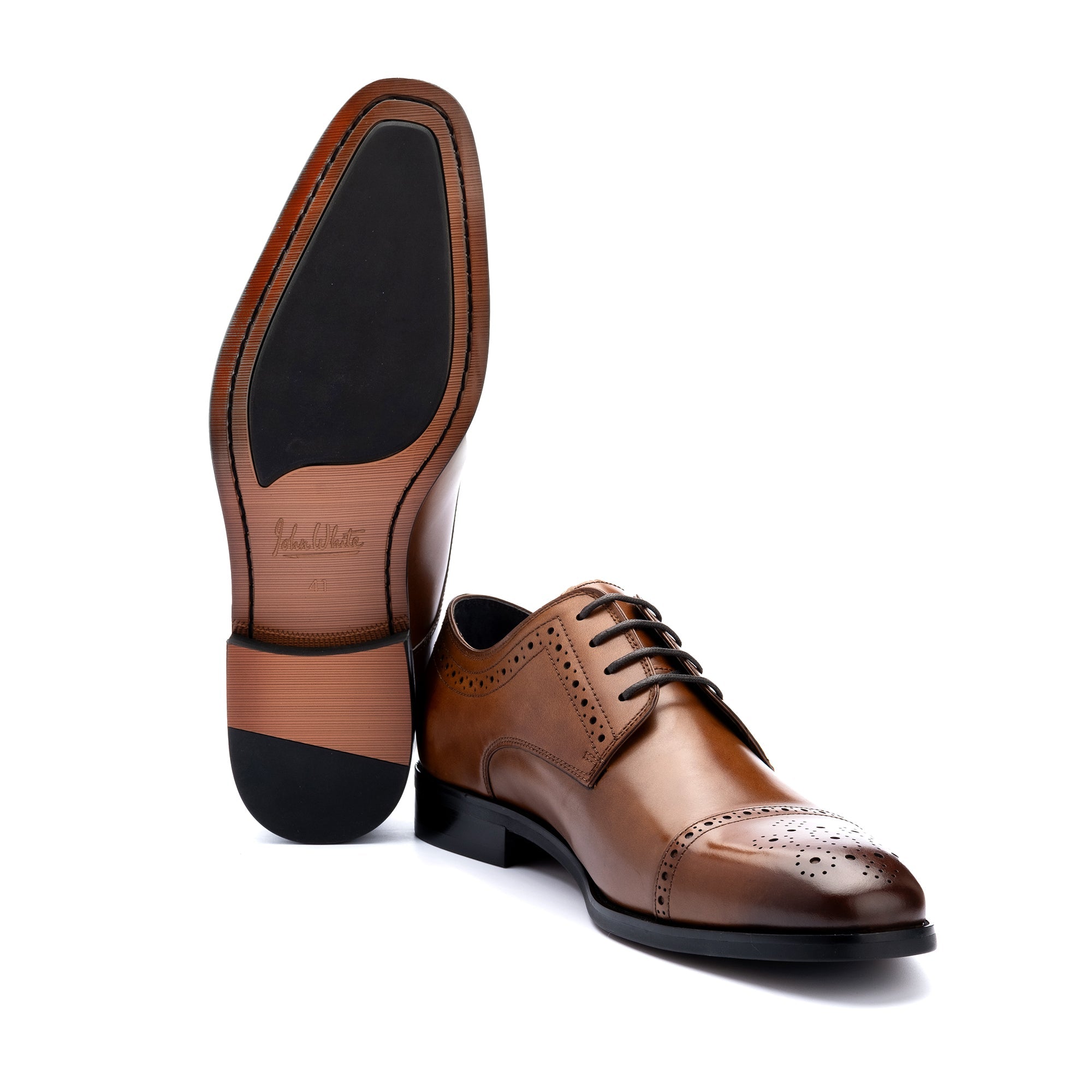
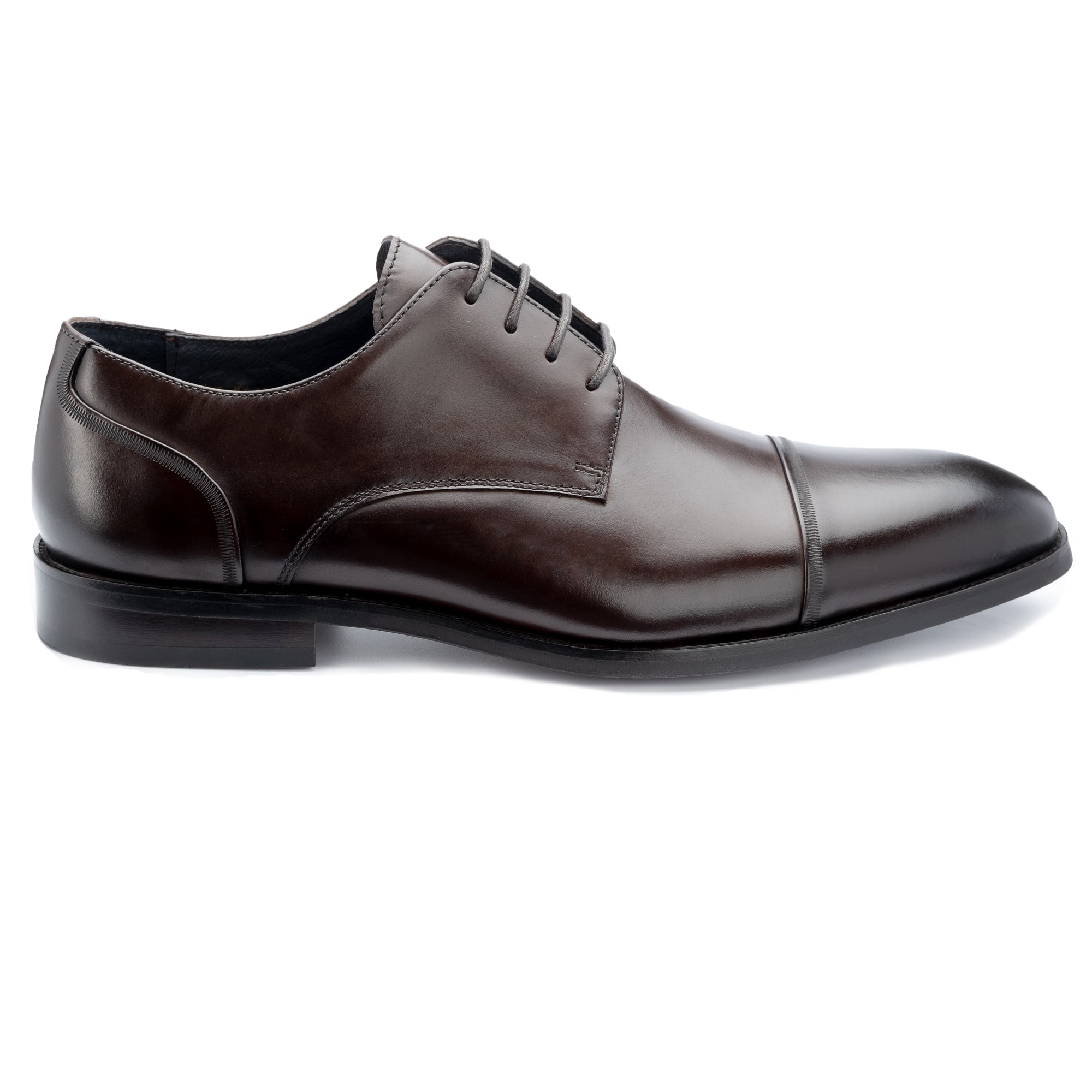
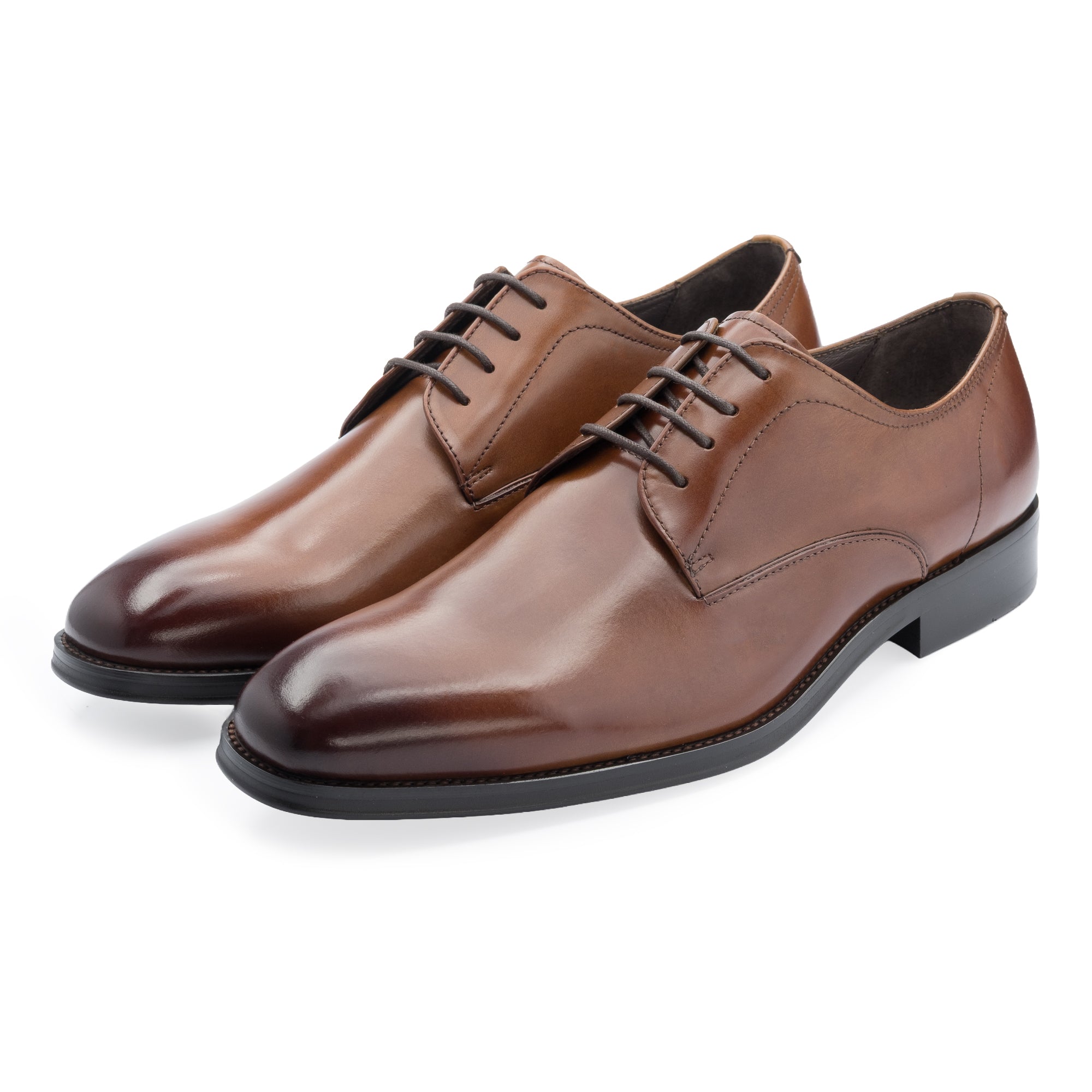
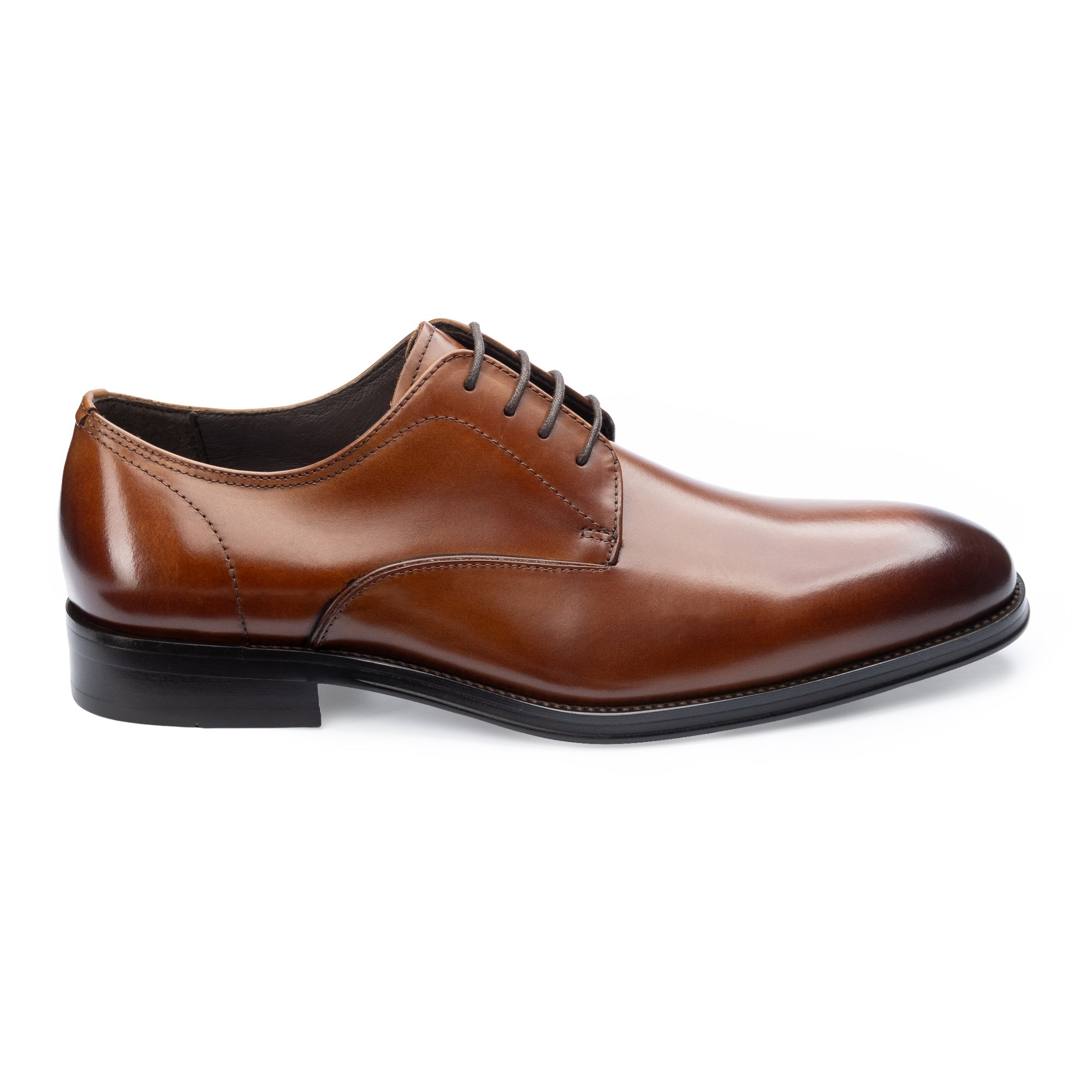
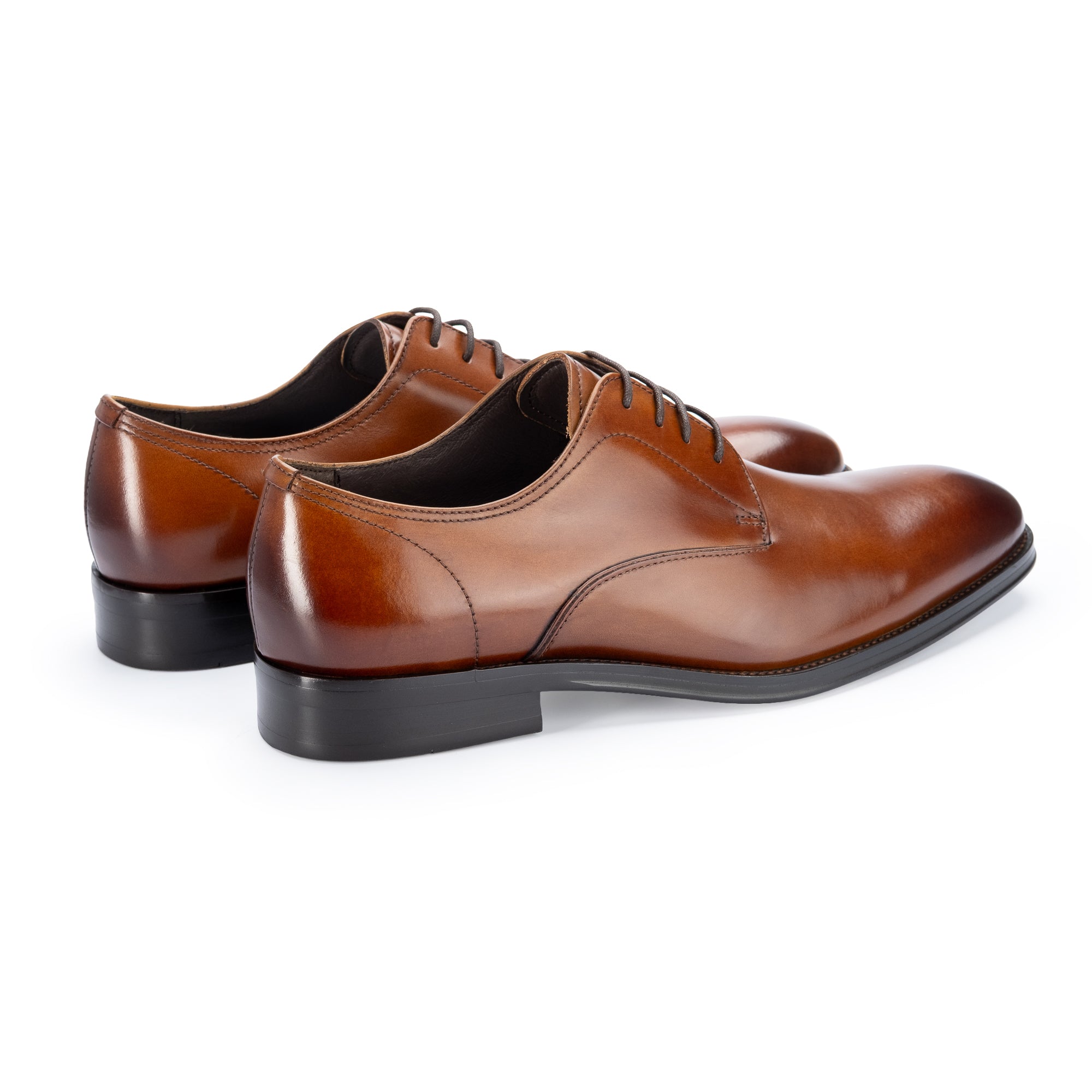
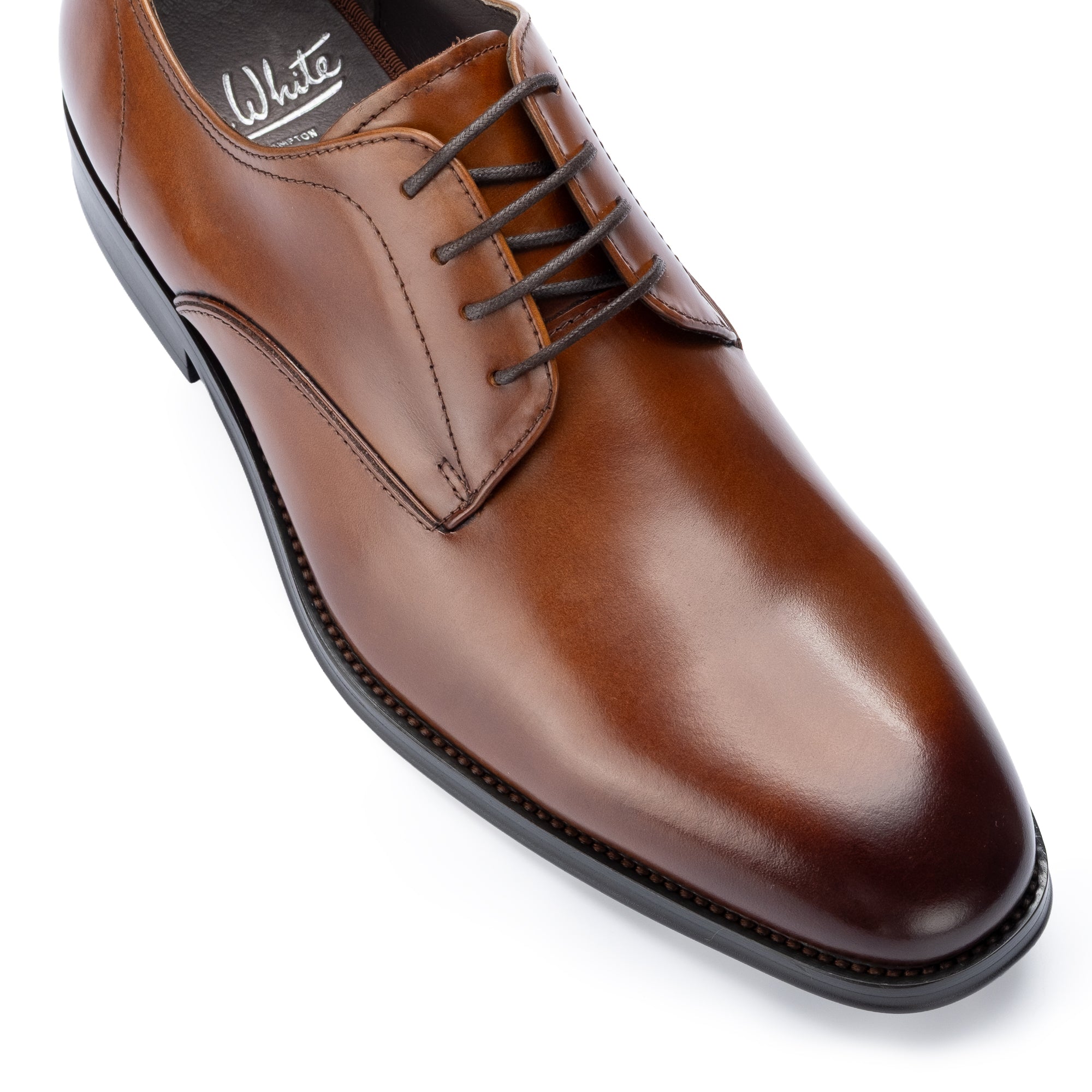
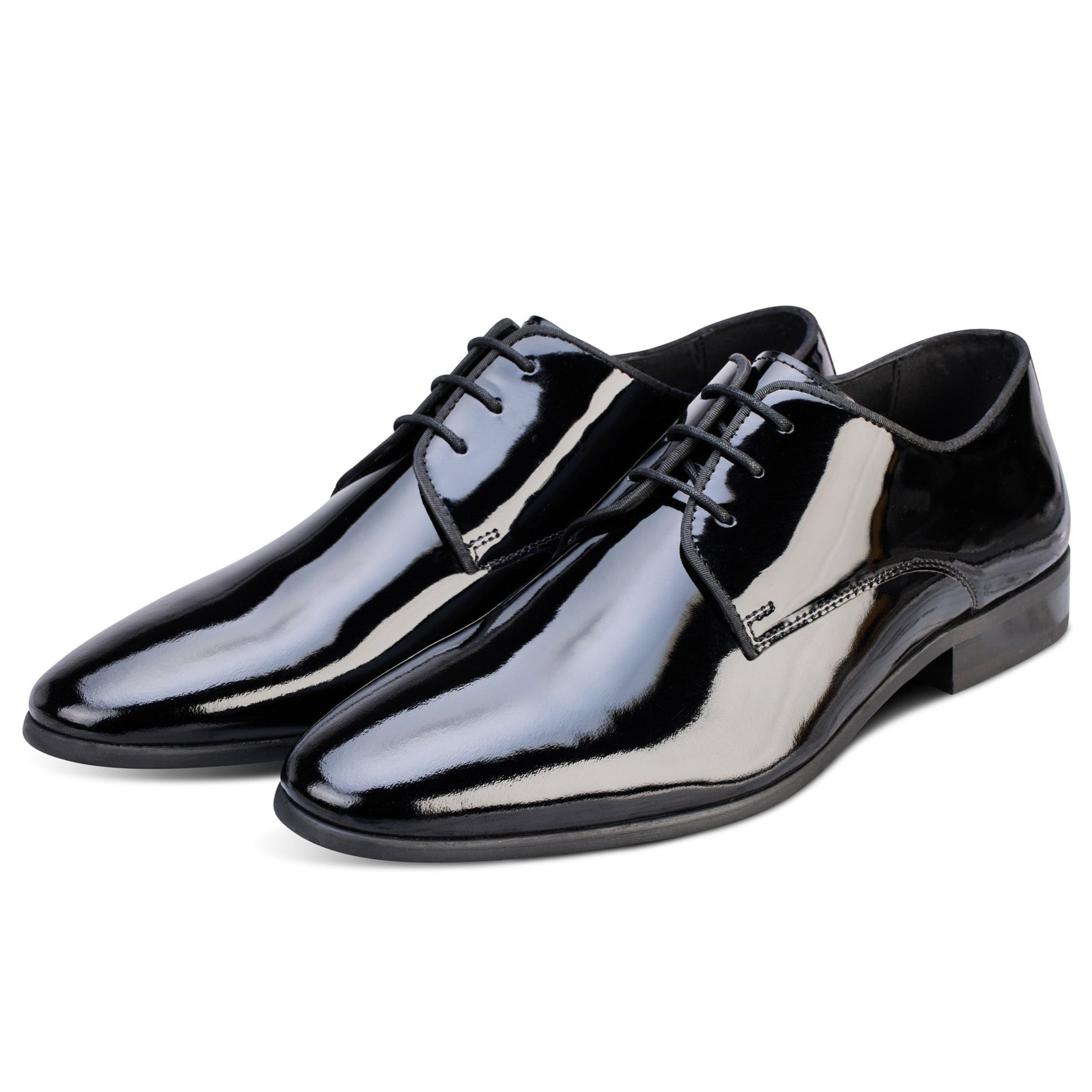
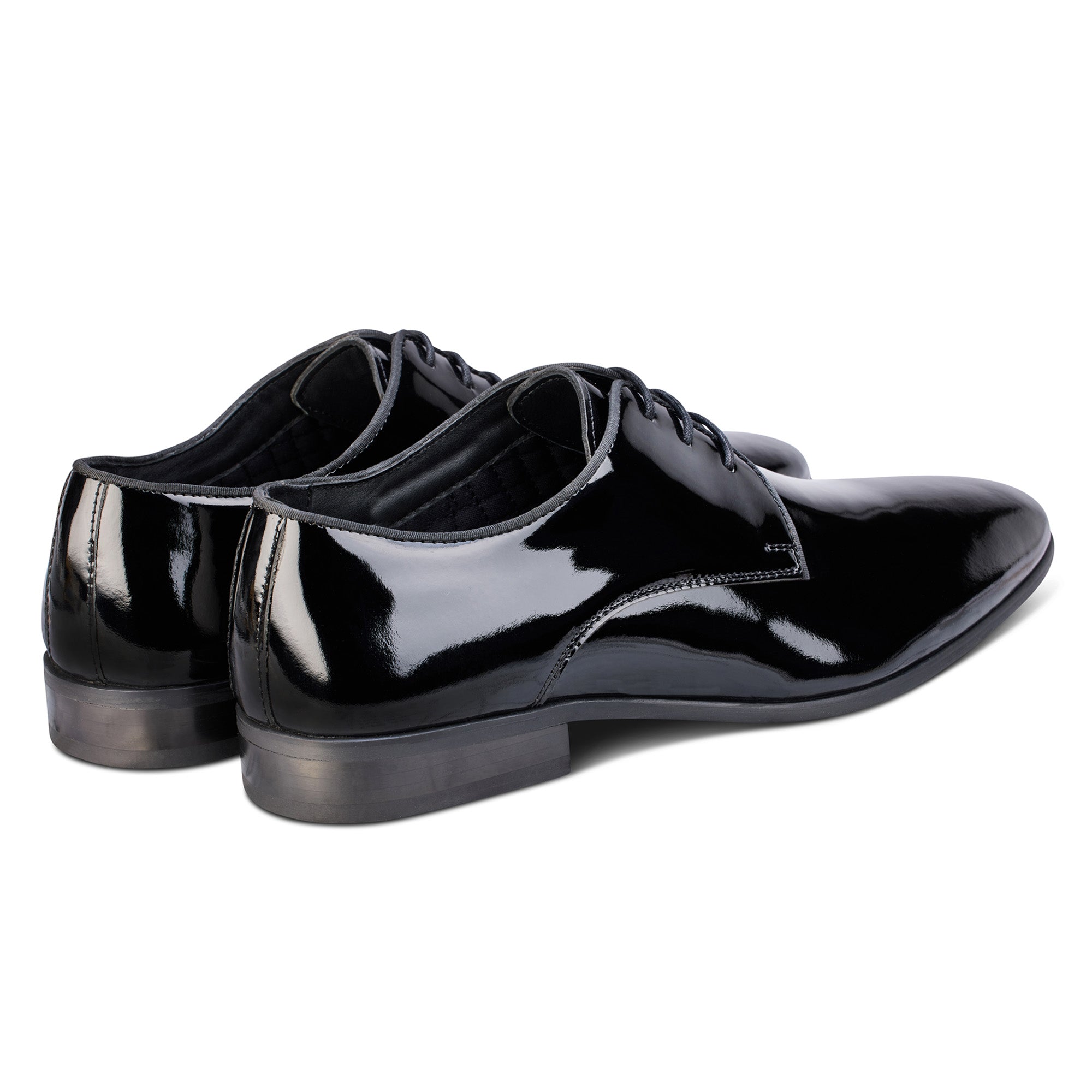
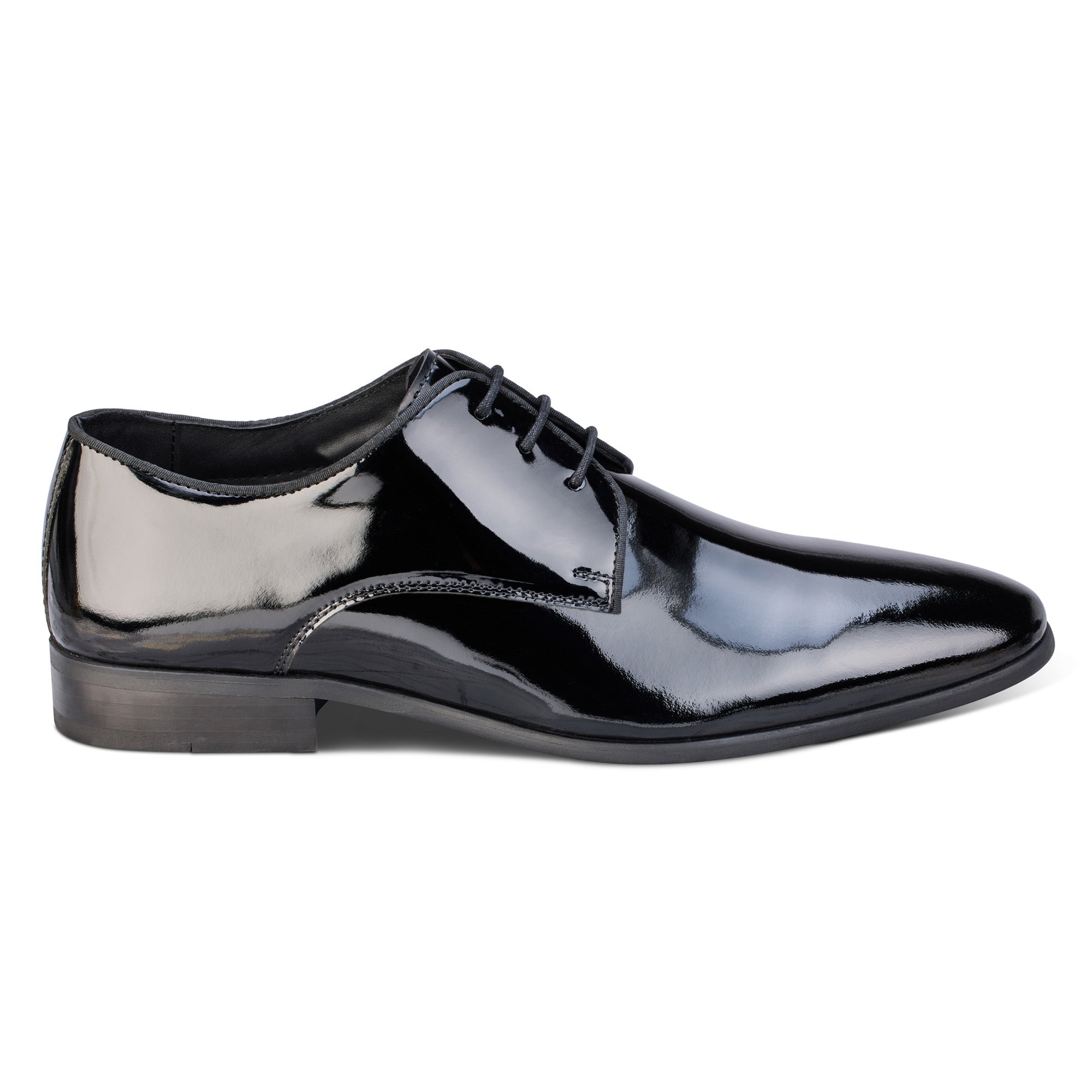
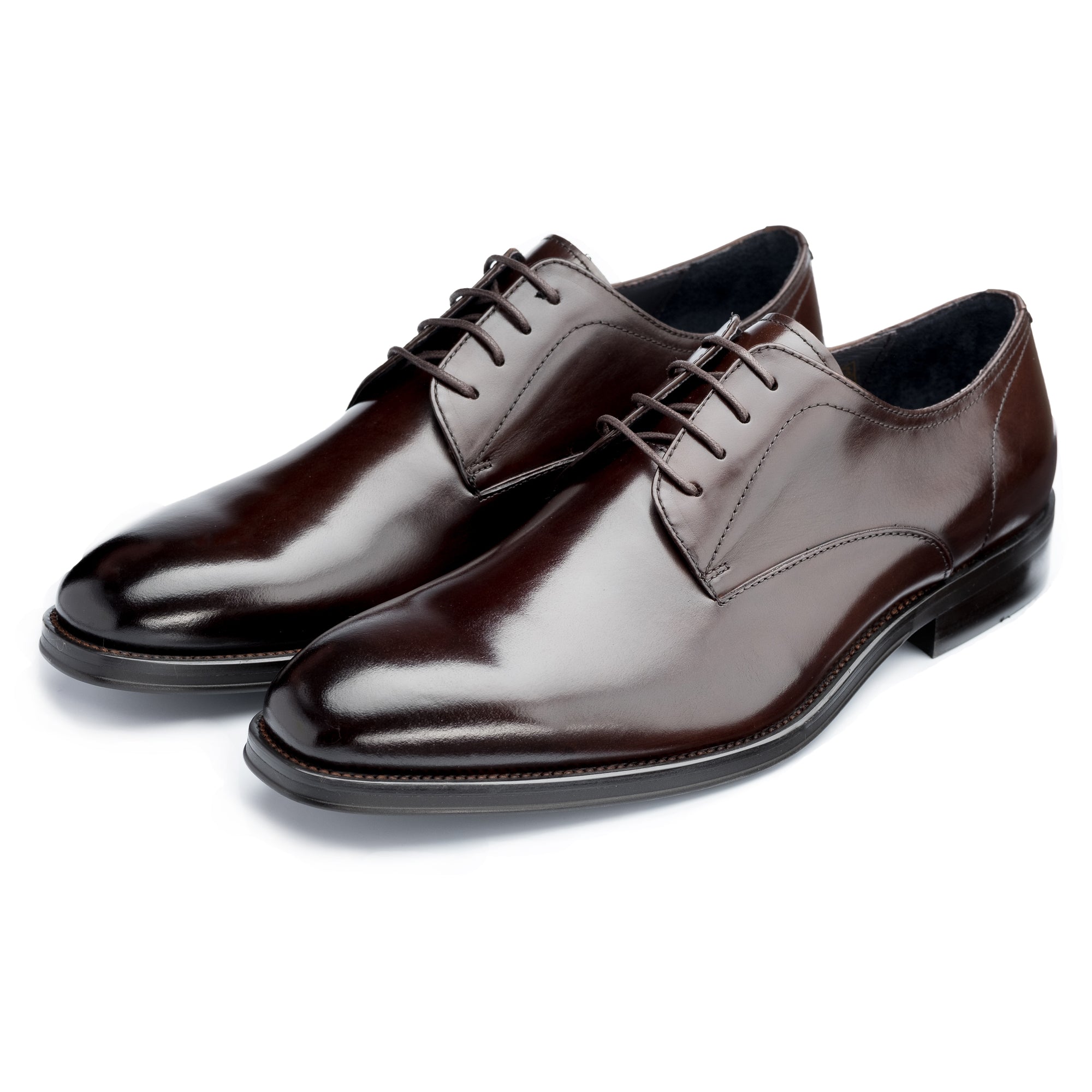
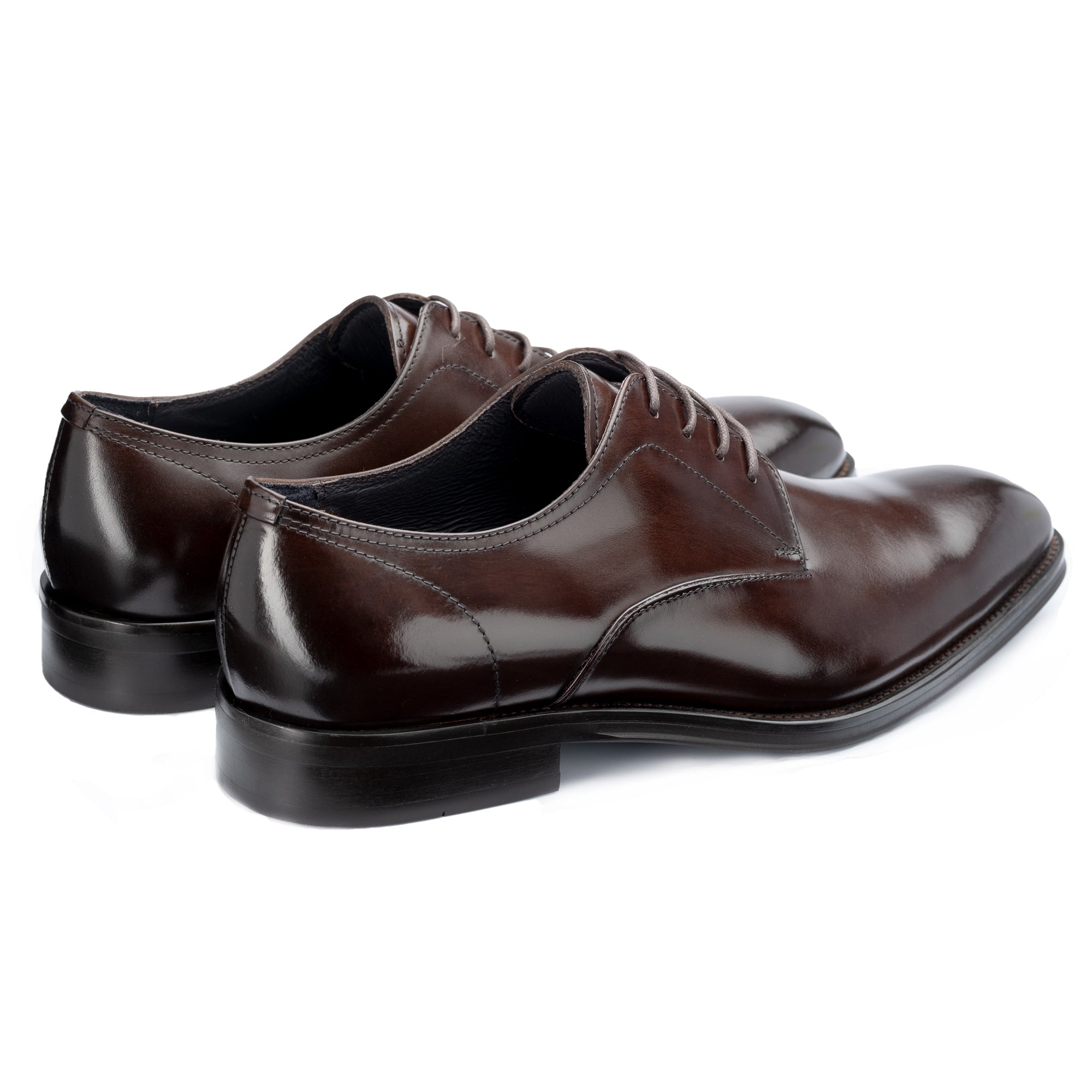
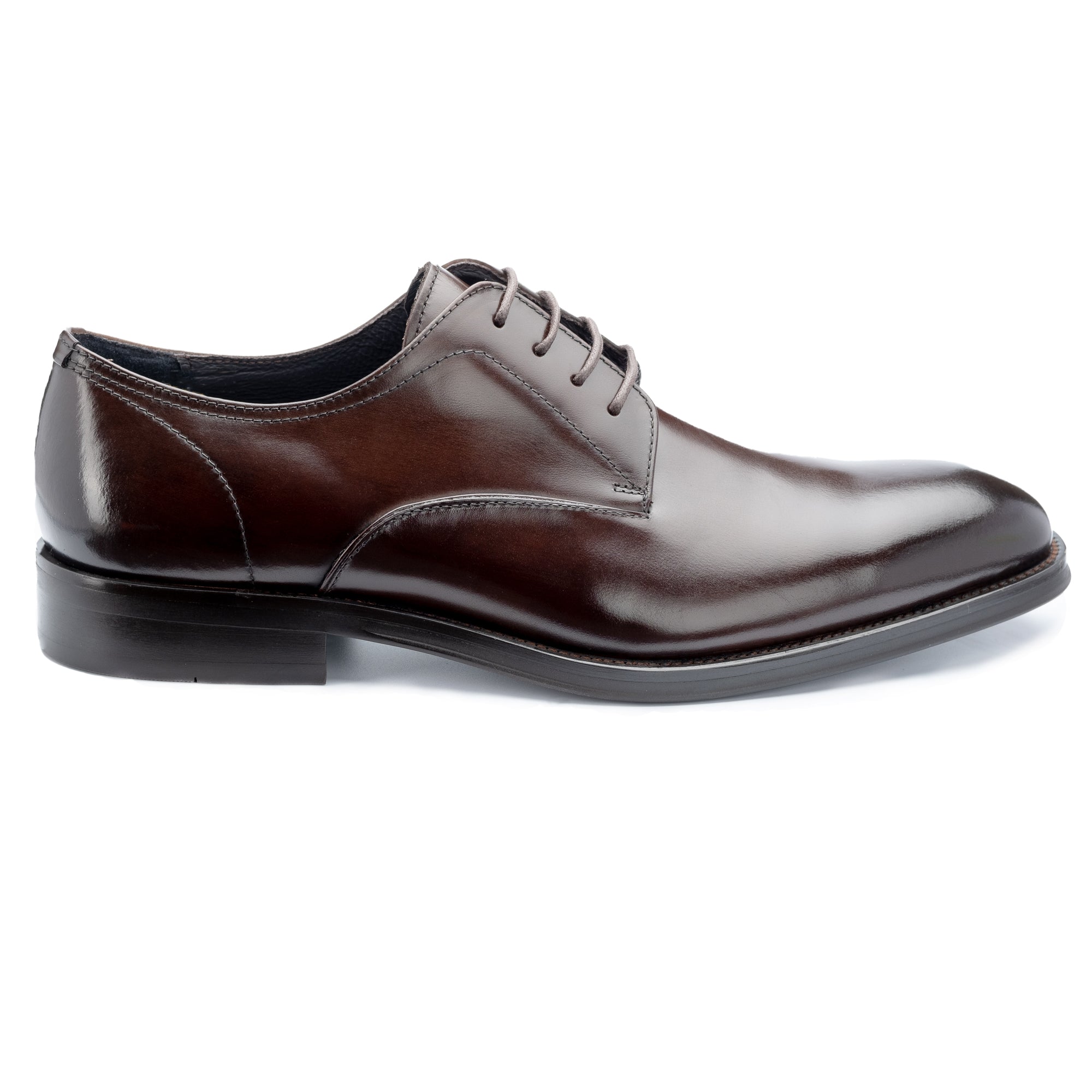
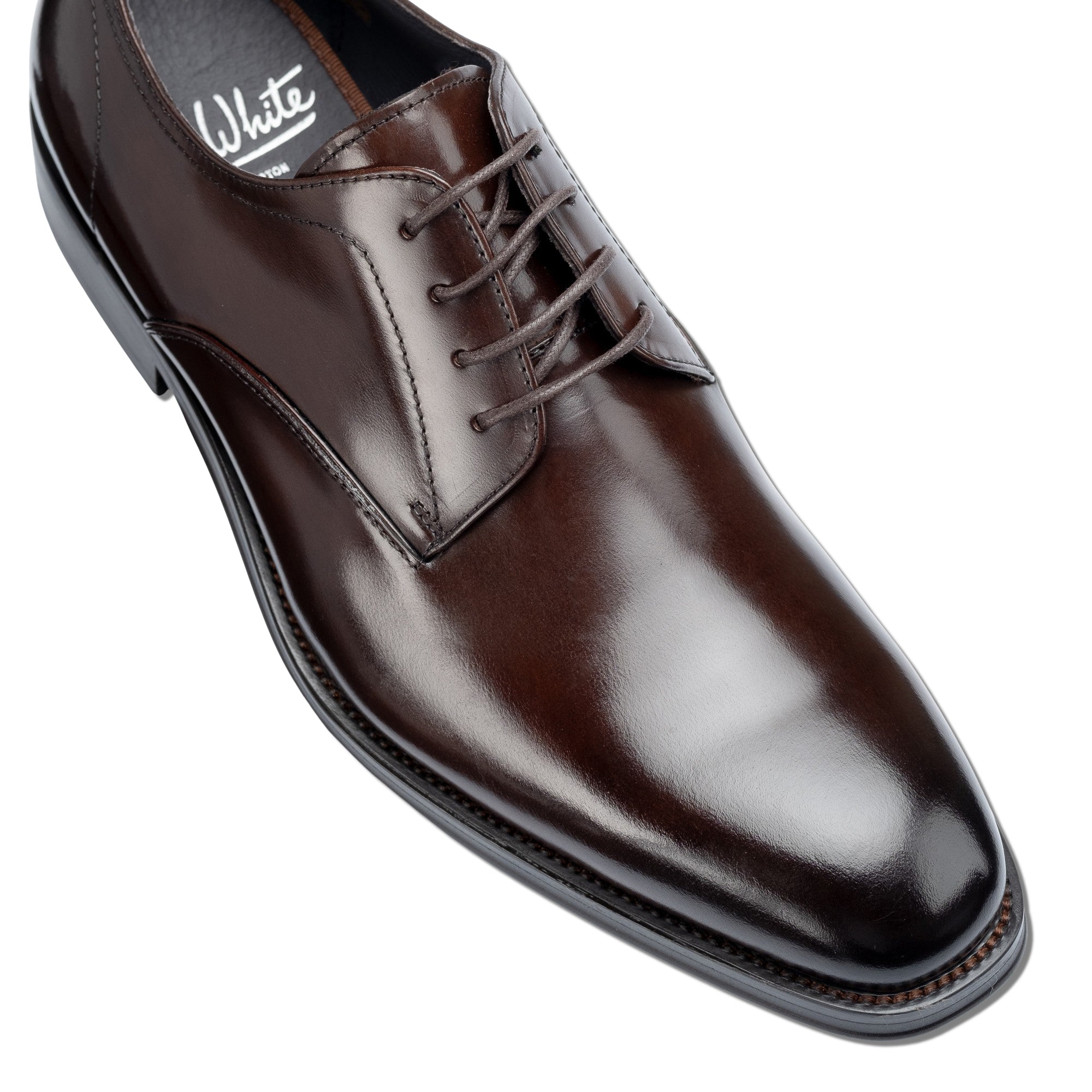
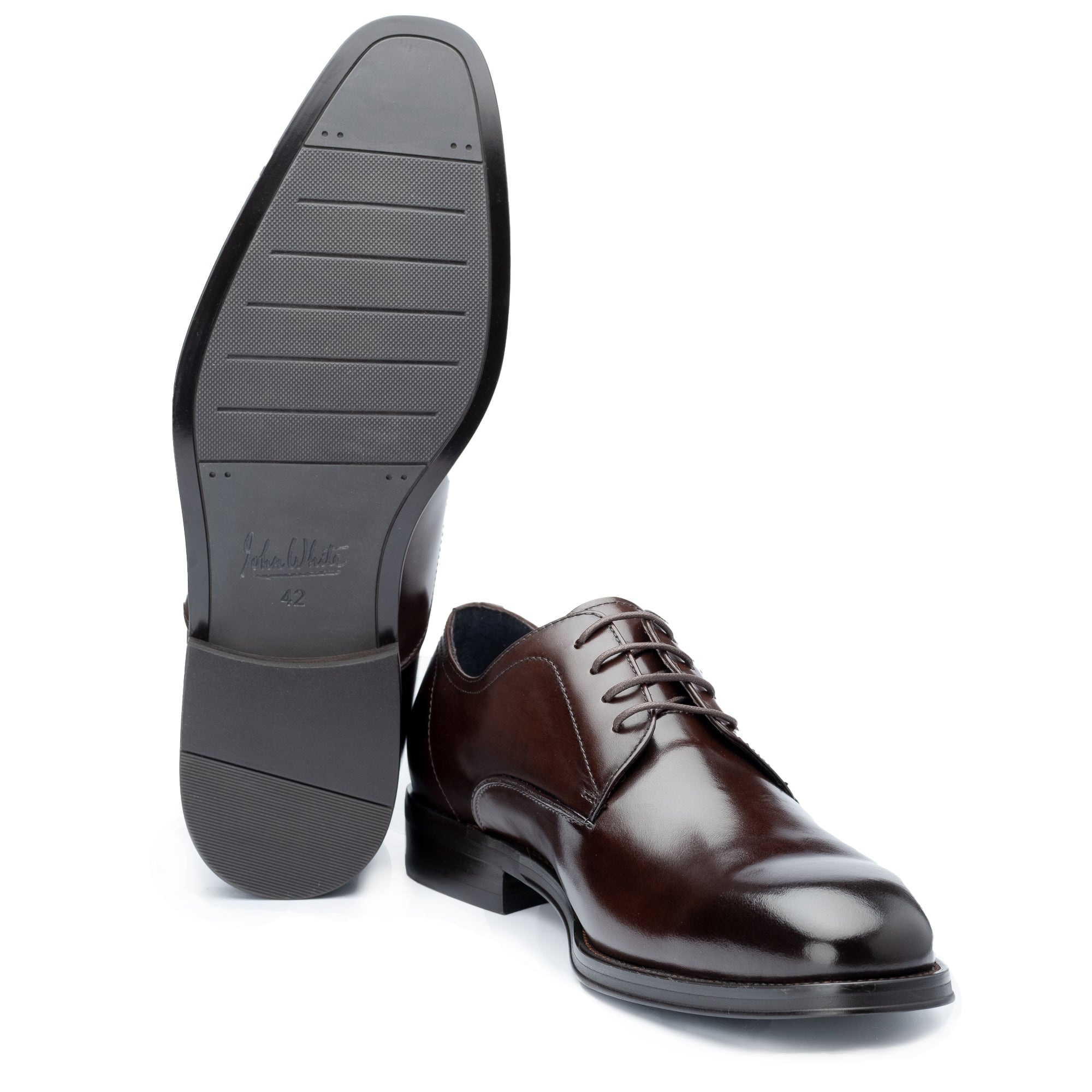
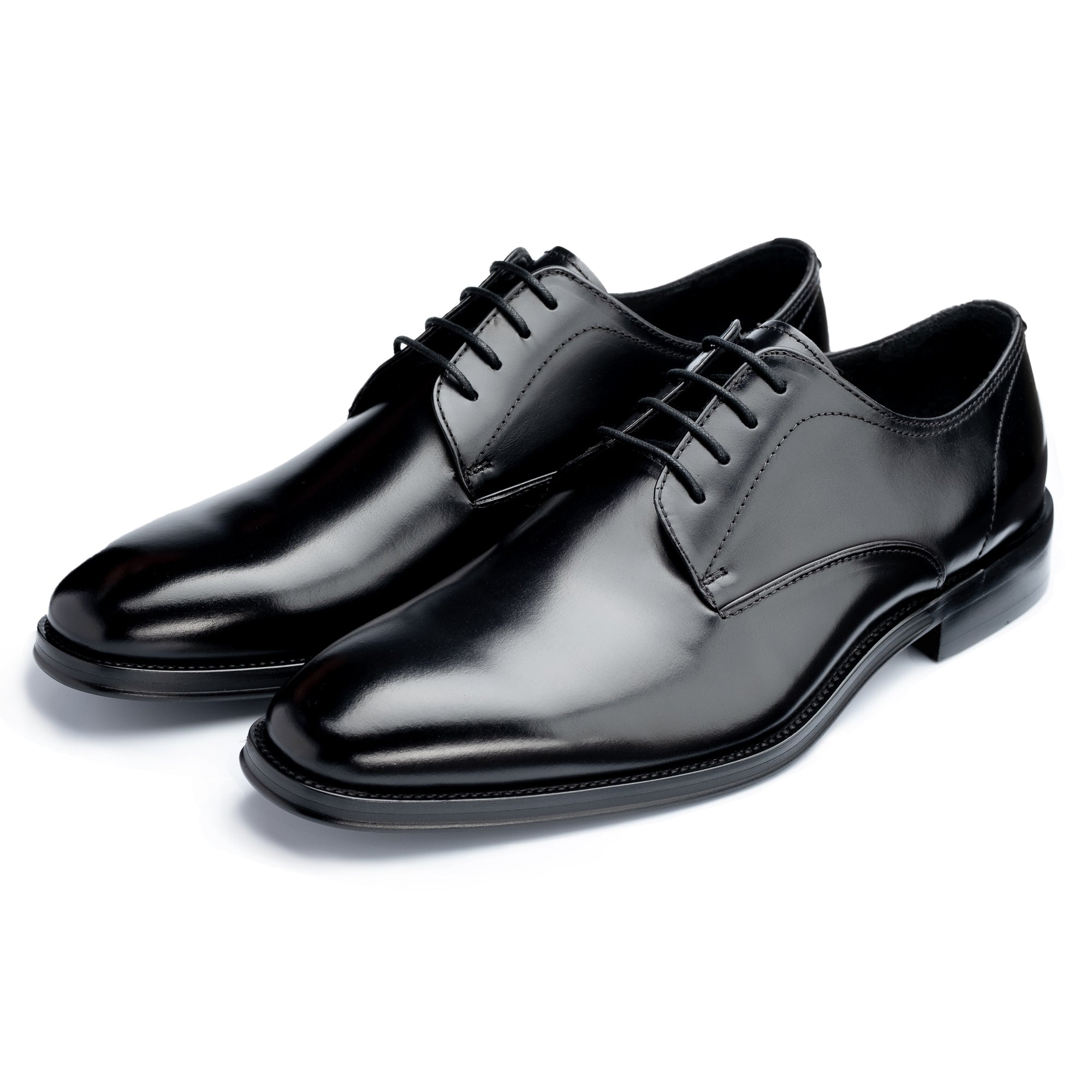
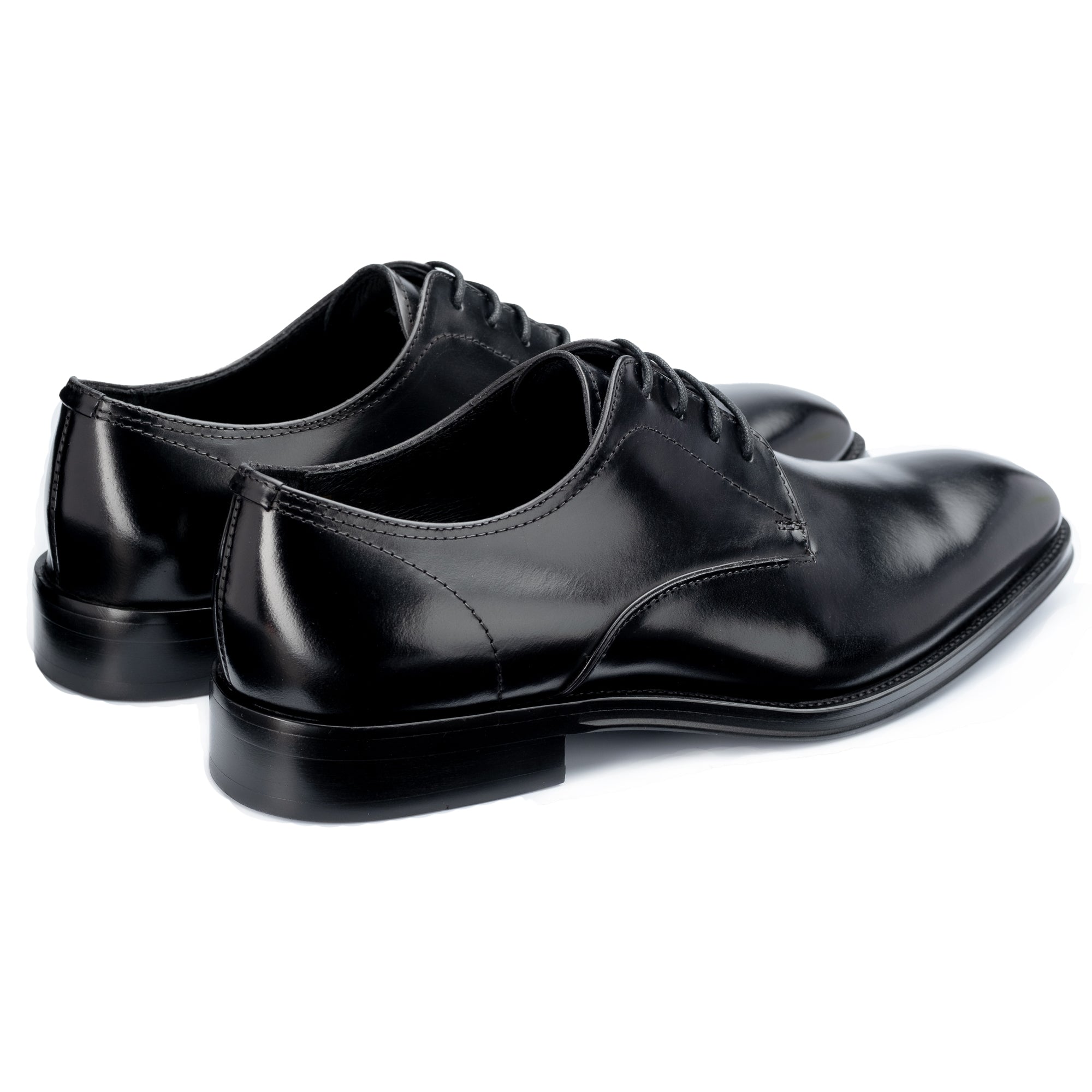
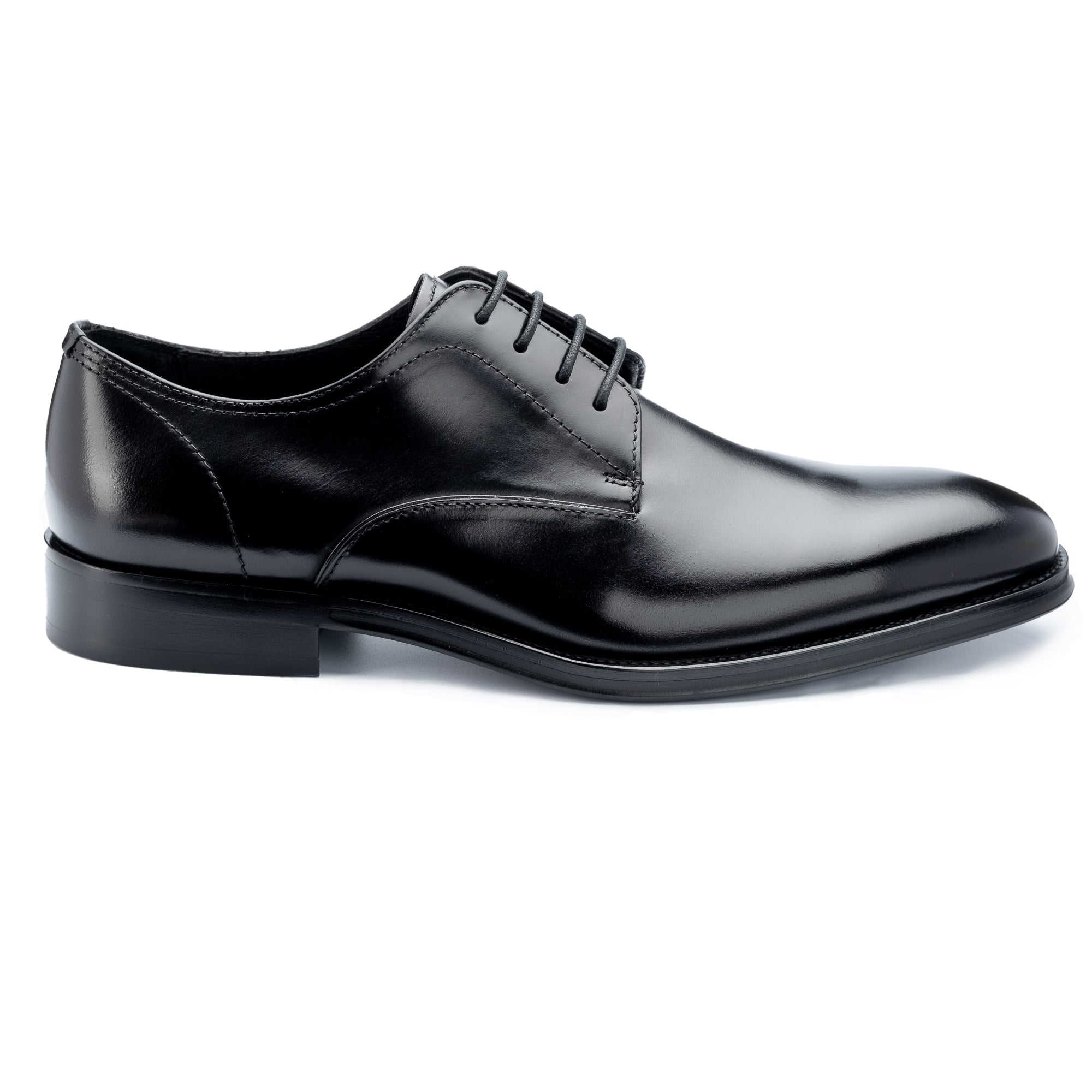
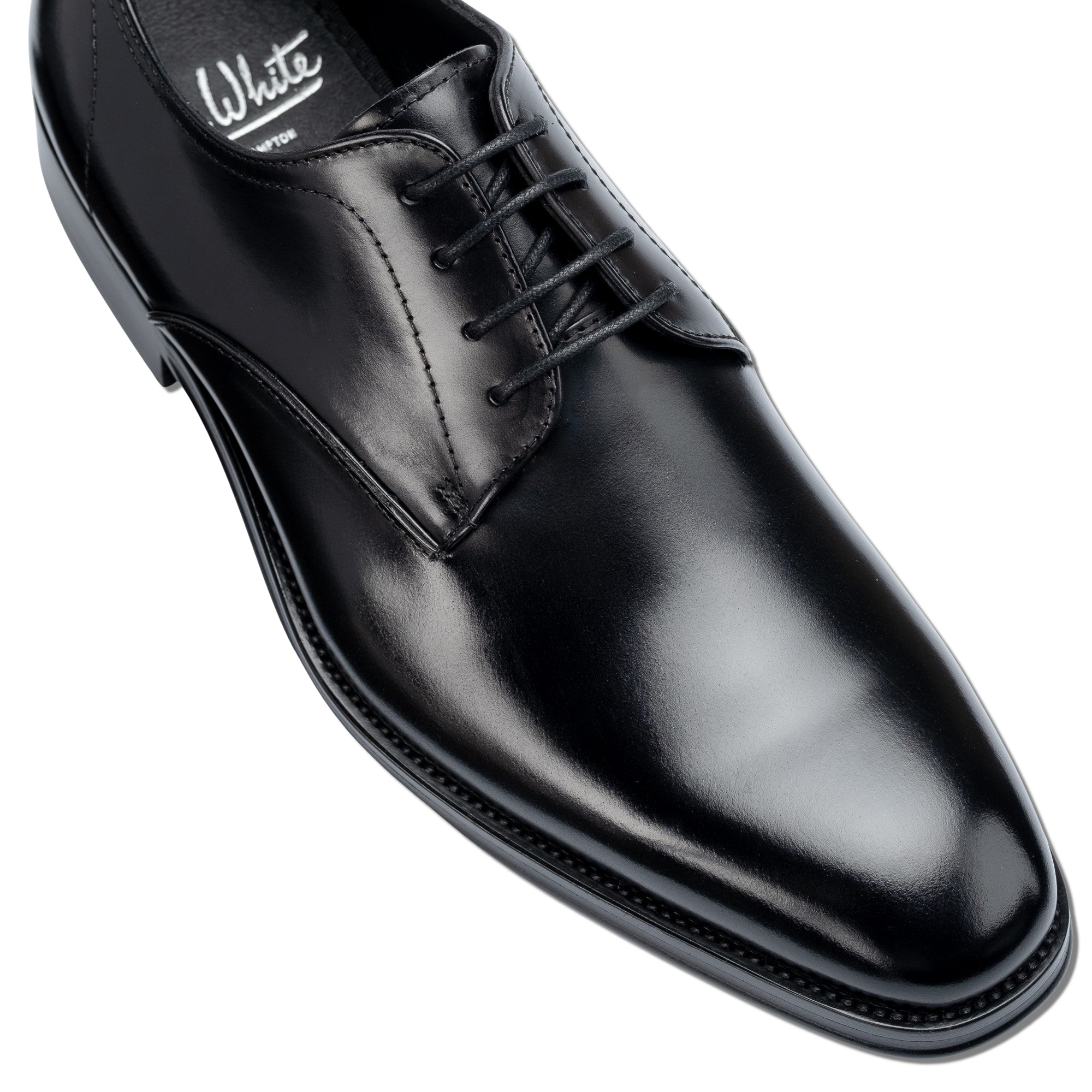
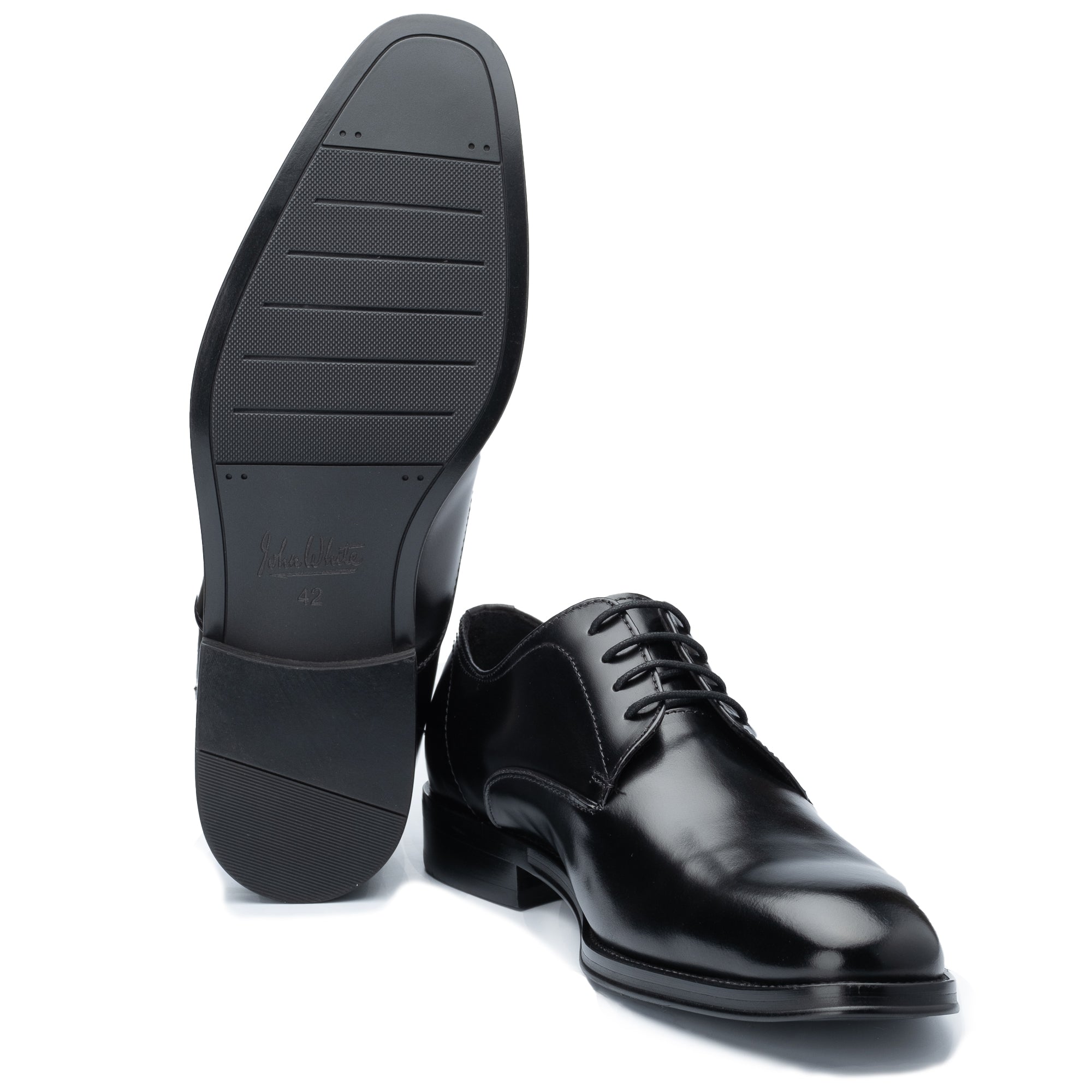
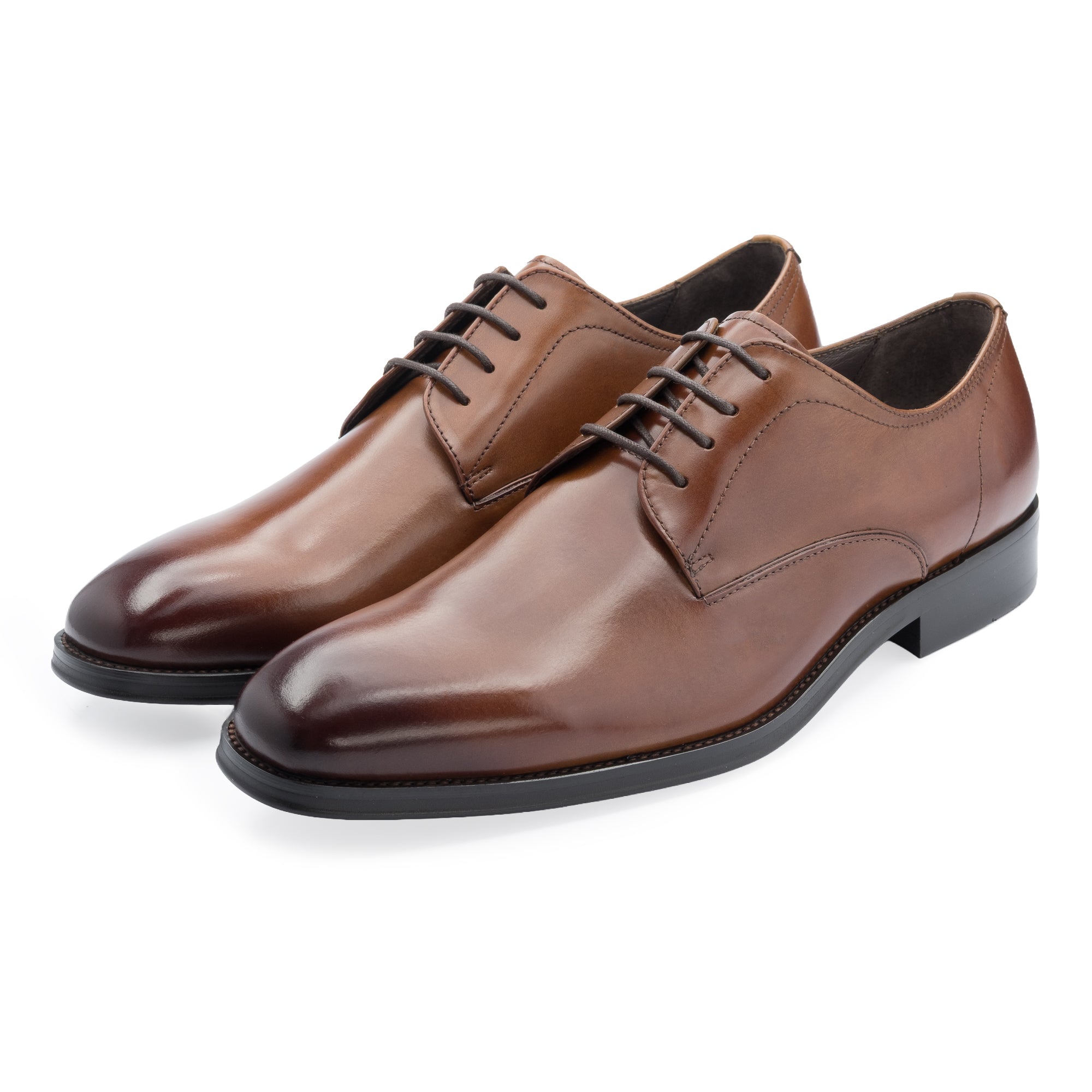
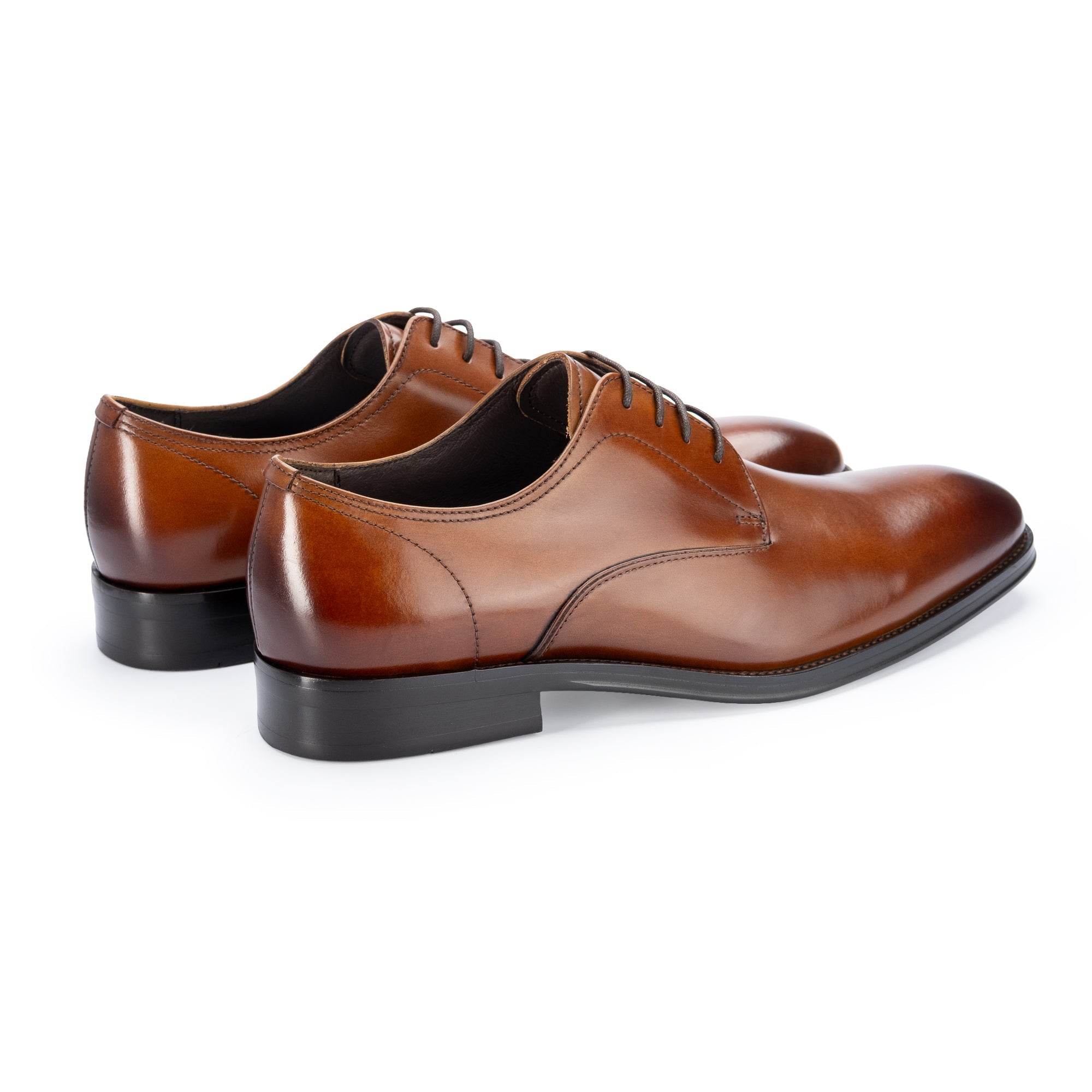
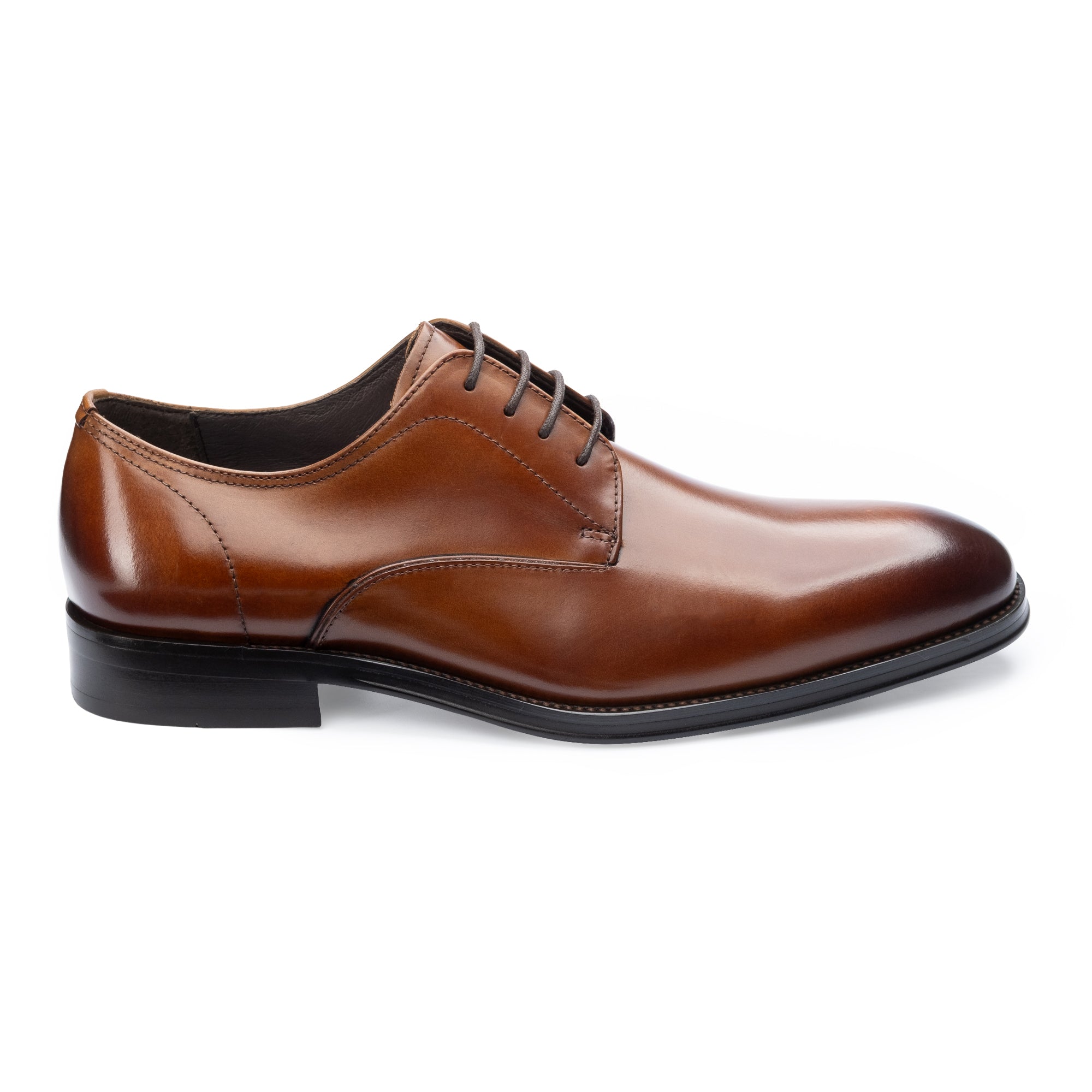
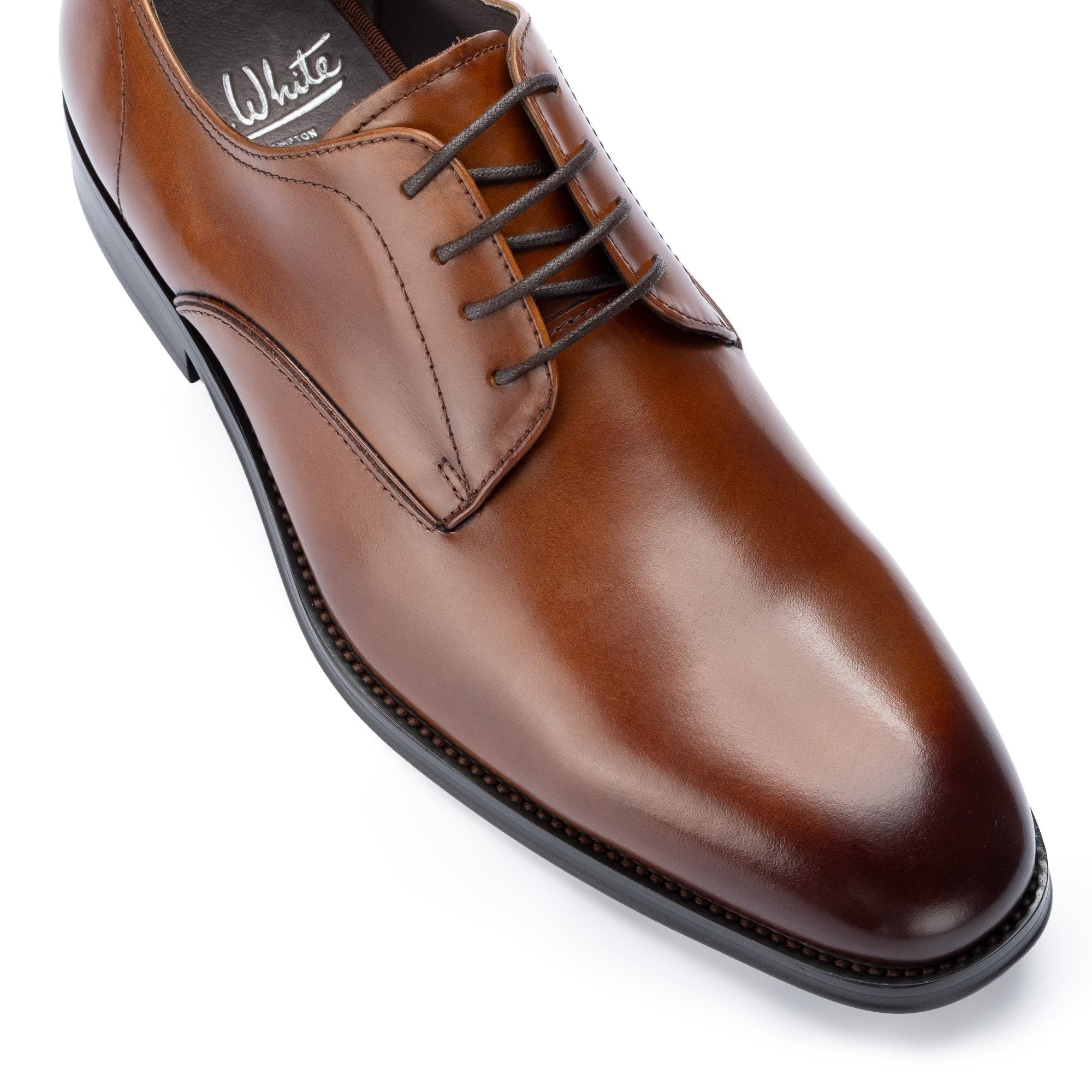
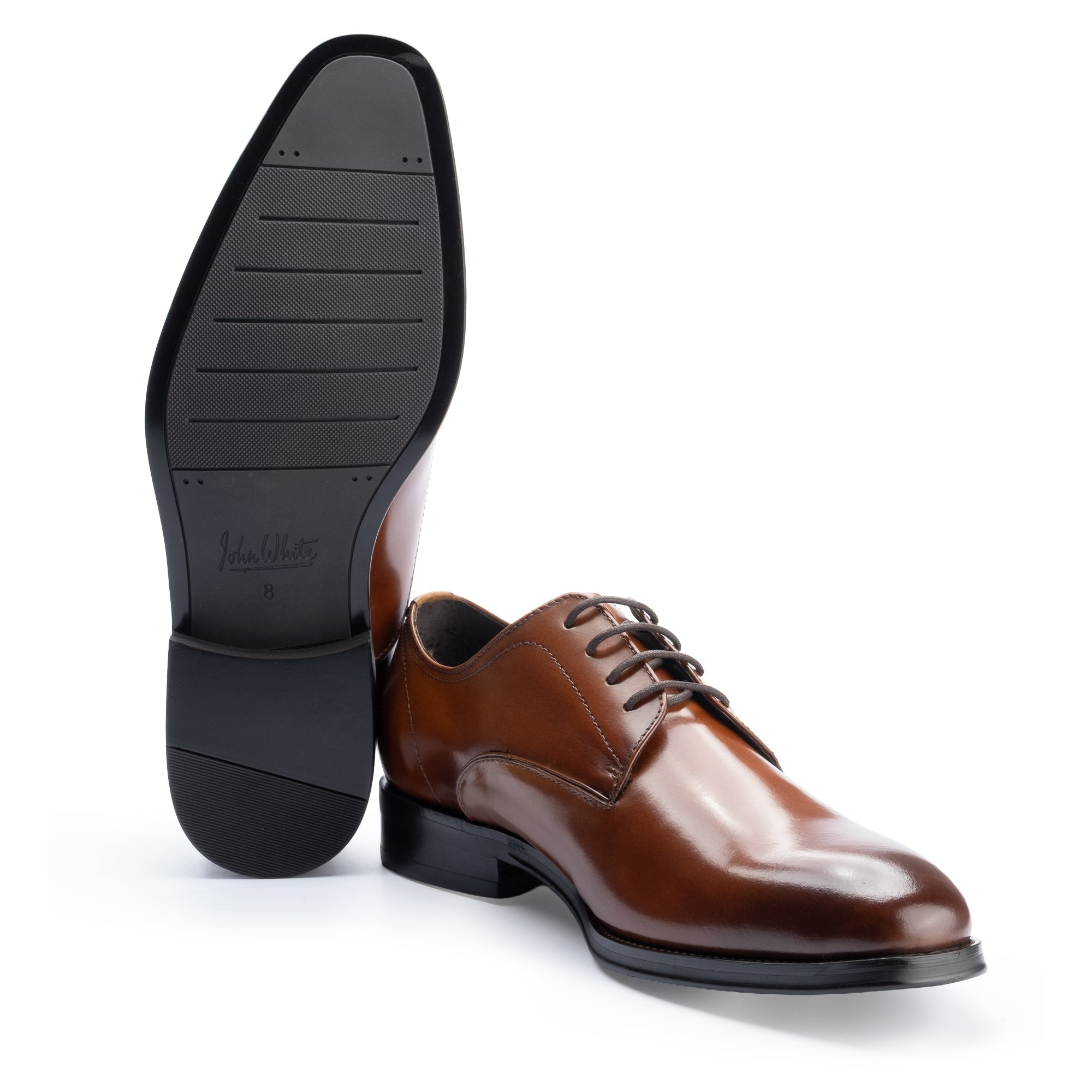
A Derby shares the Oxford's laced construction but with one structural distinction: the quarters are stitched on top of the vamp rather than beneath it. This produces a more open throat, a marginally roomier instep, and a slightly less formal register — which is precisely what makes it the most adaptable dress shoe available.
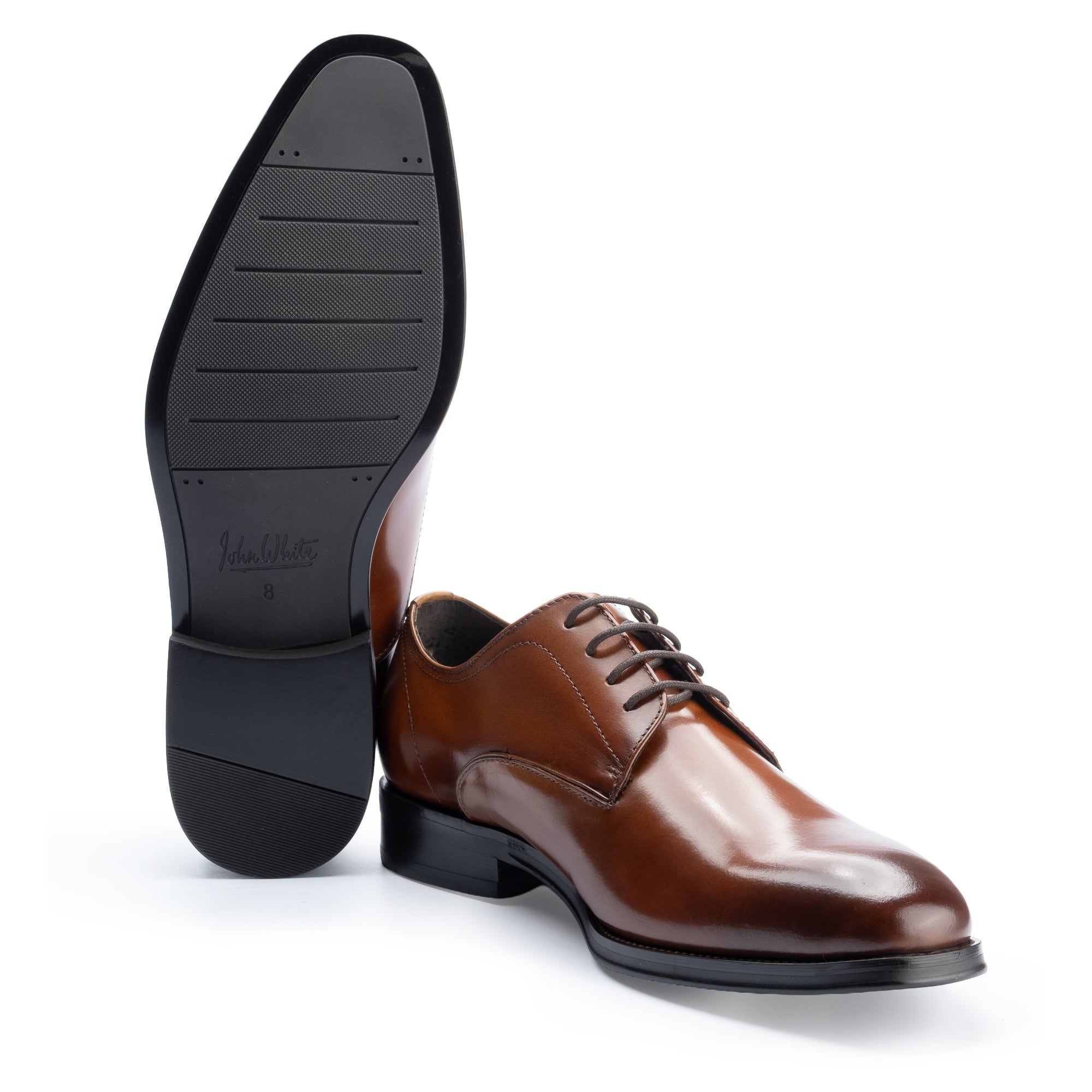
The men's shoes collection includes the Broad Derby in black and brown and the dressier Jermyn Derby in black and tan. The Derby is the single most versatile classic shoe — it covers board meetings, weddings, smart dinners, and relaxed Fridays without hesitation.
Brogues — Character Without Compromise
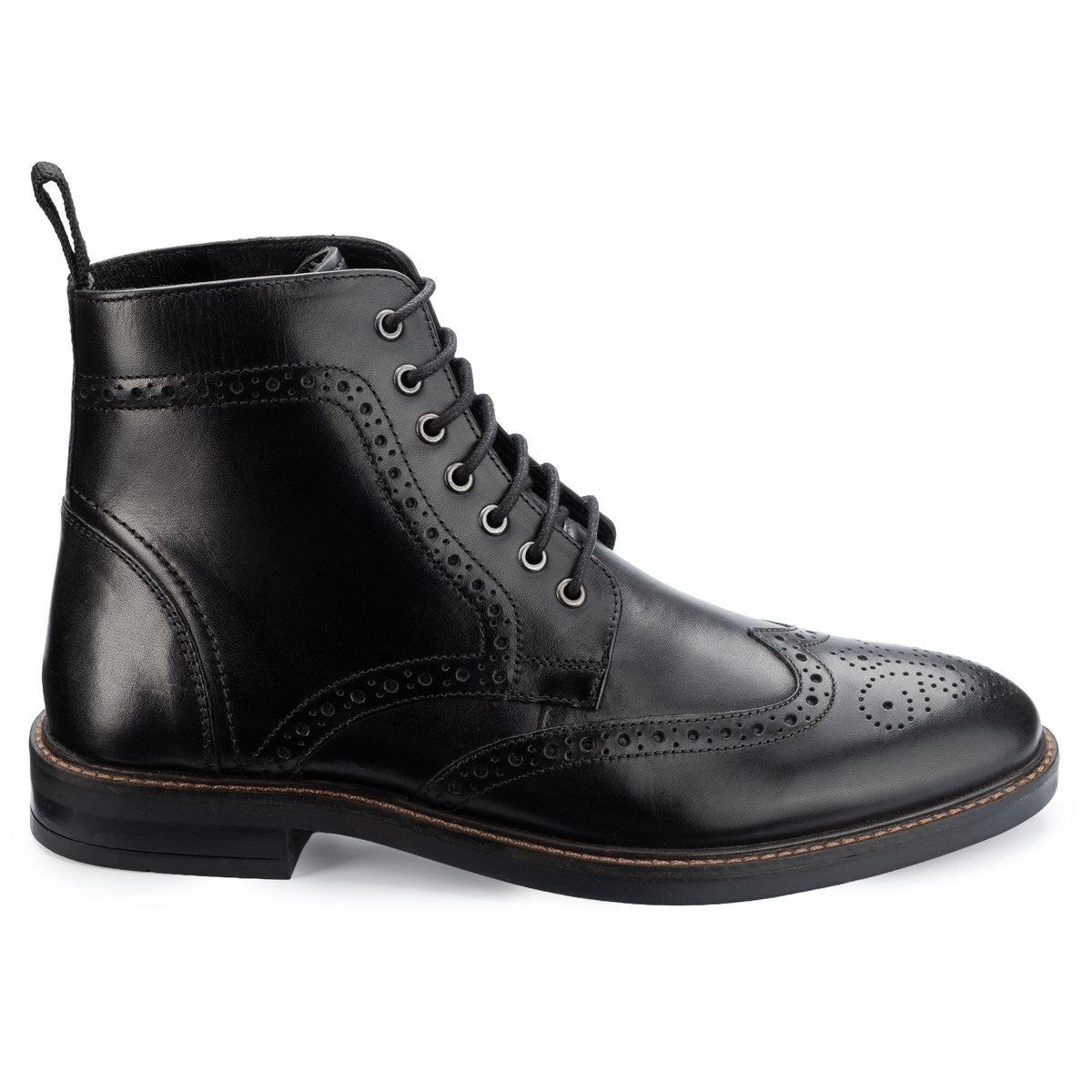
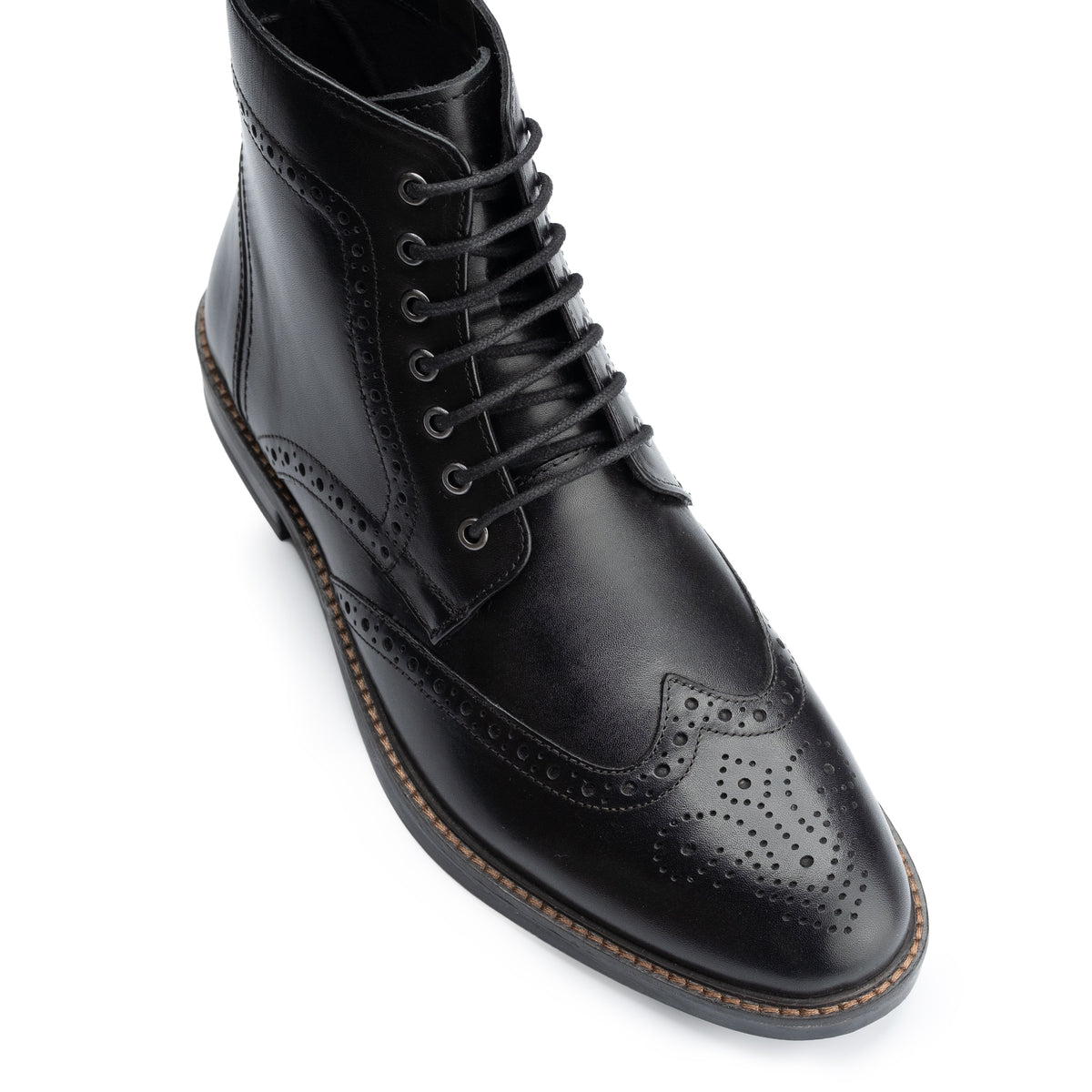
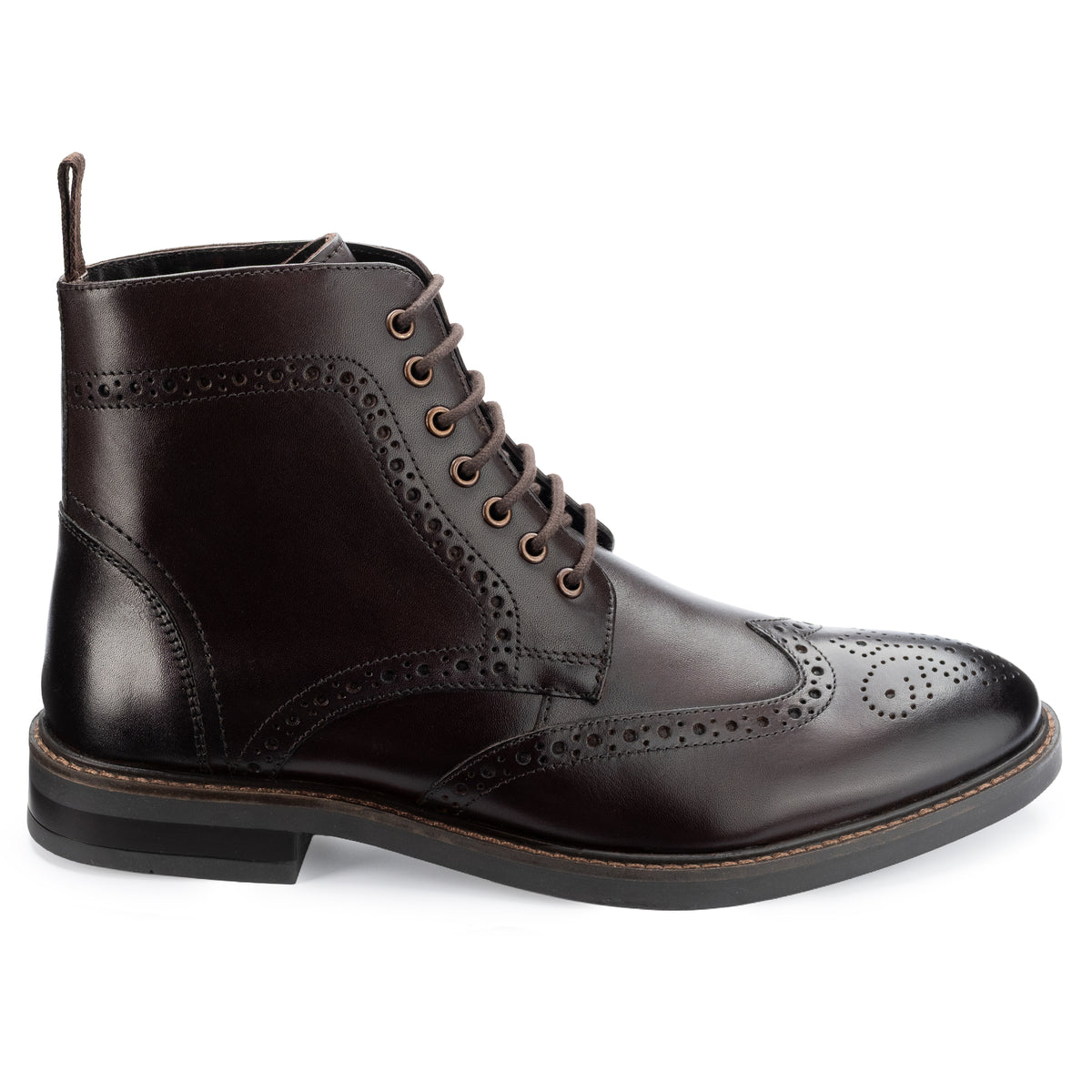
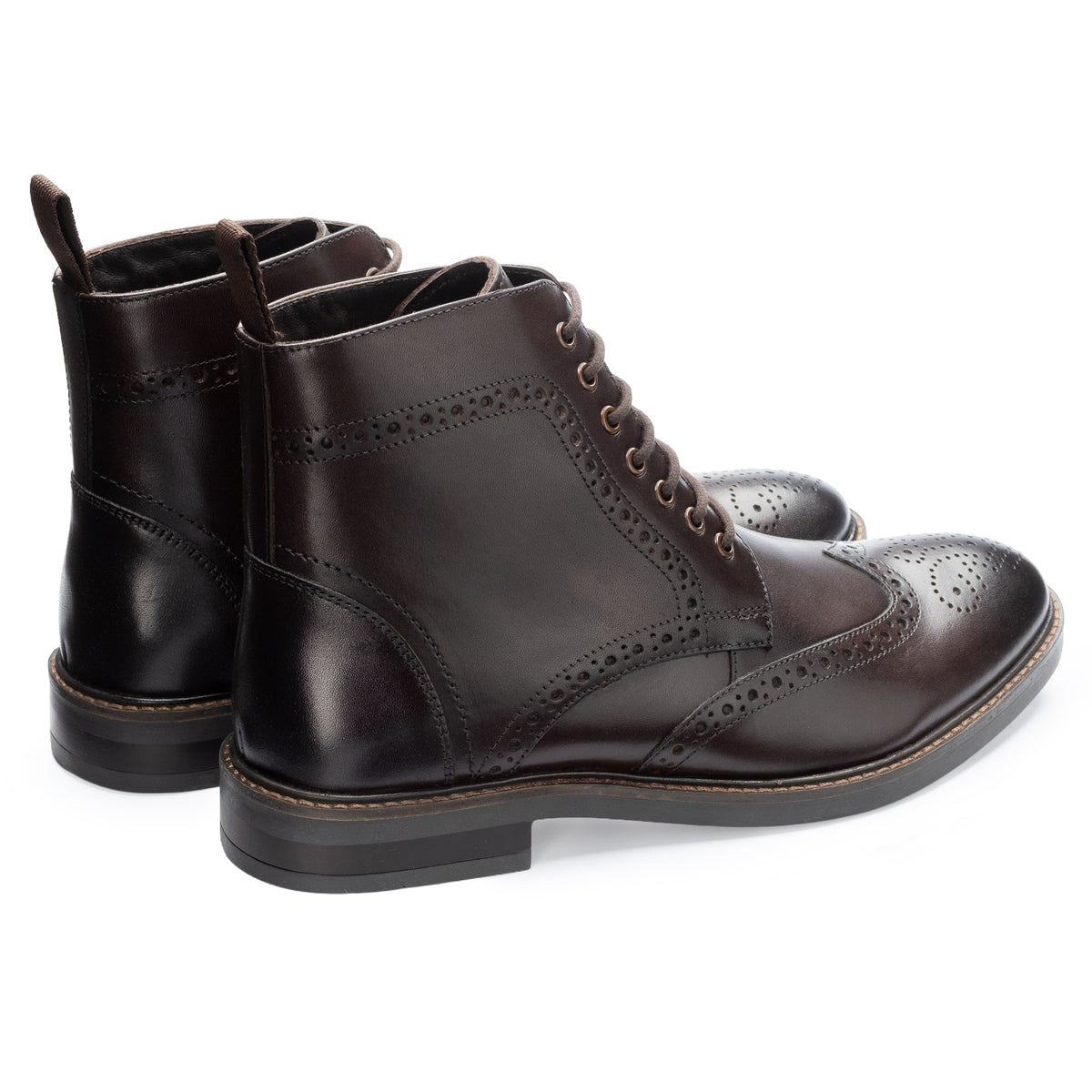
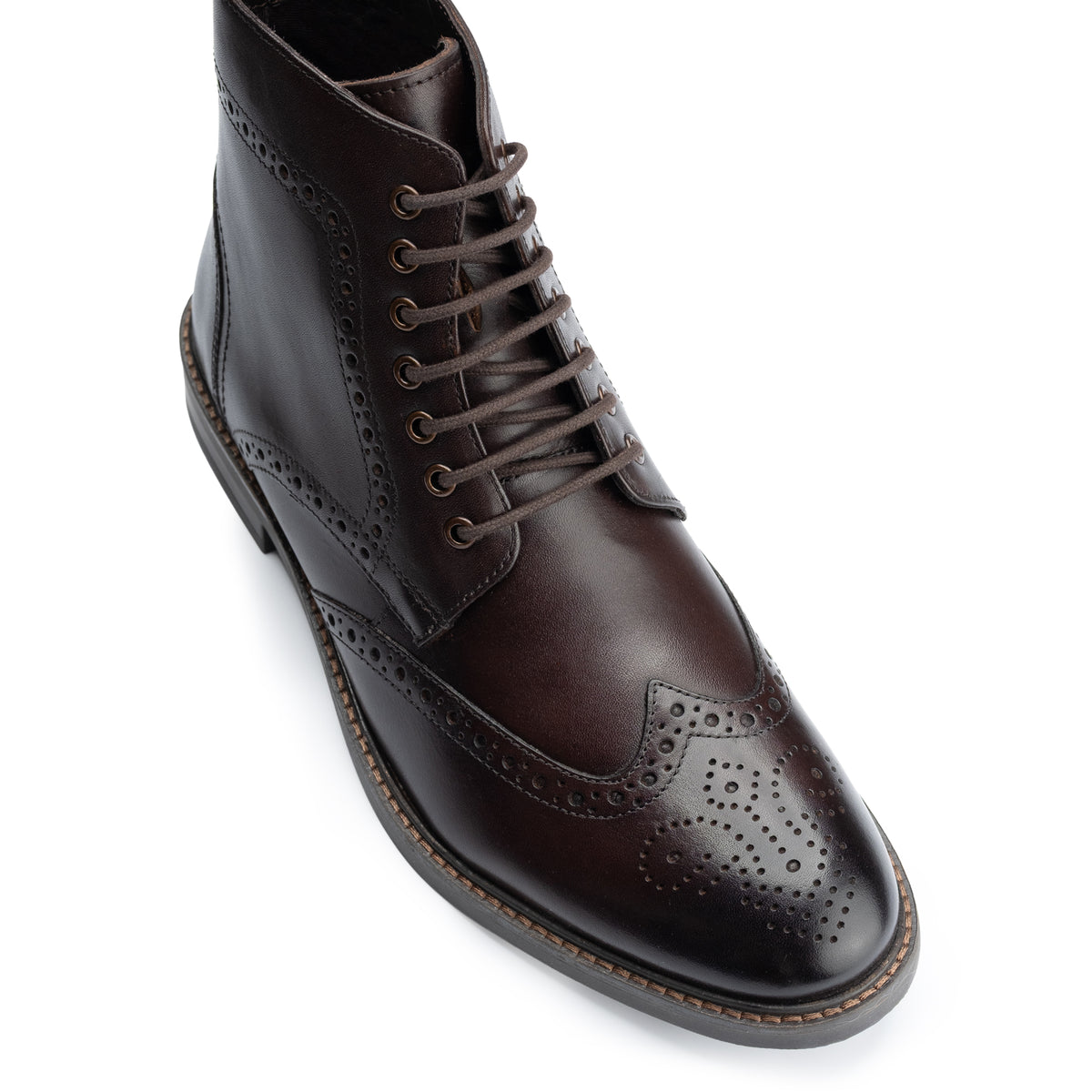
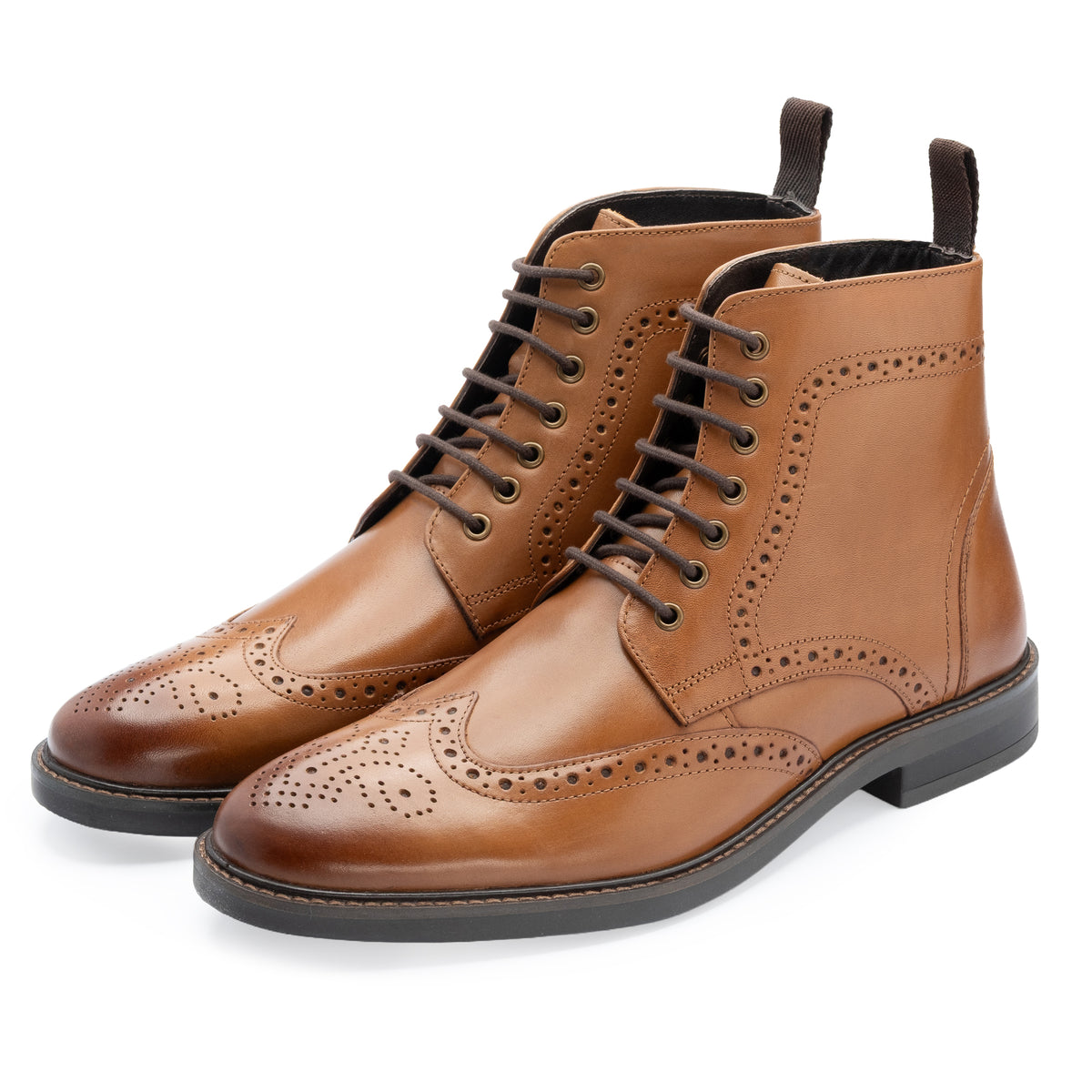
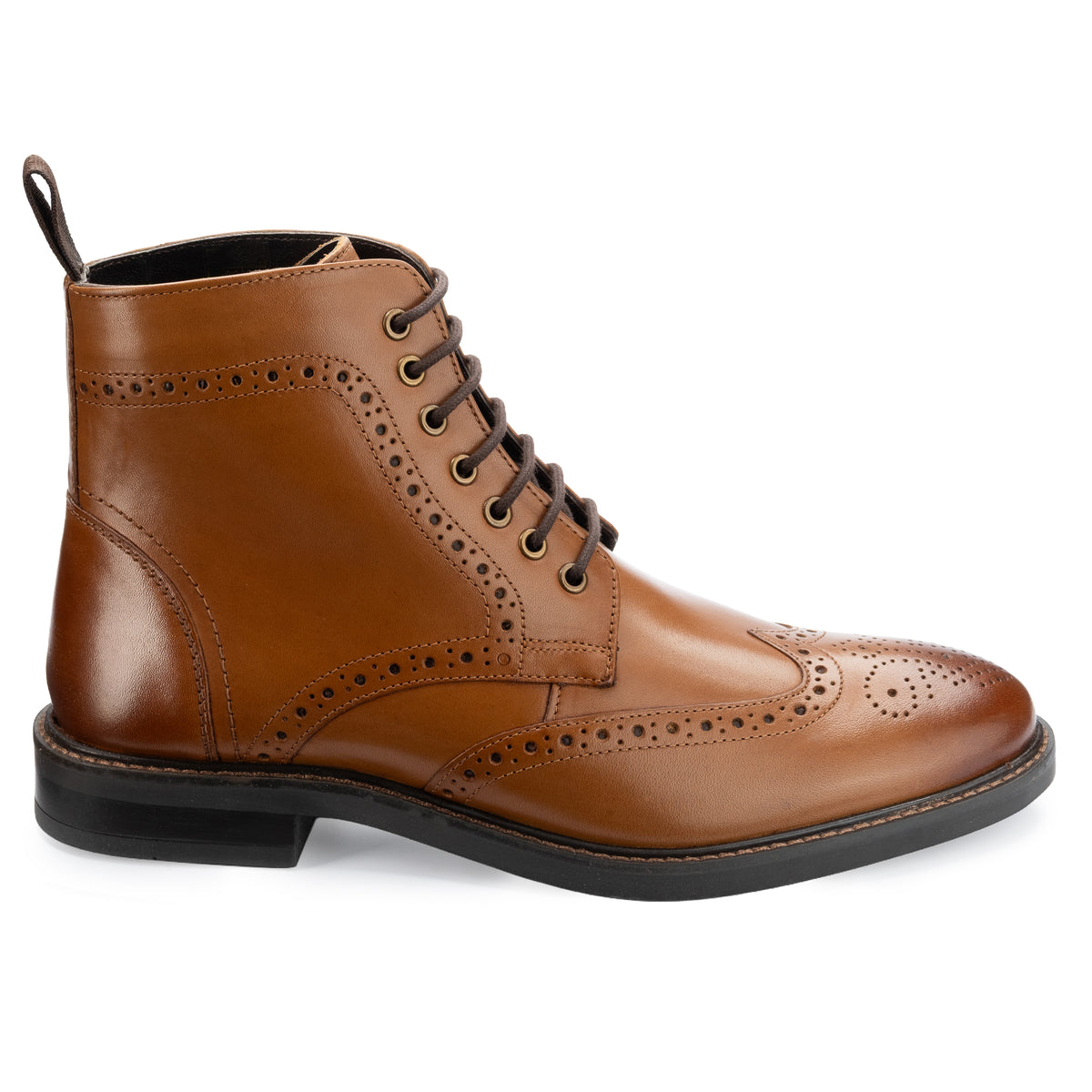
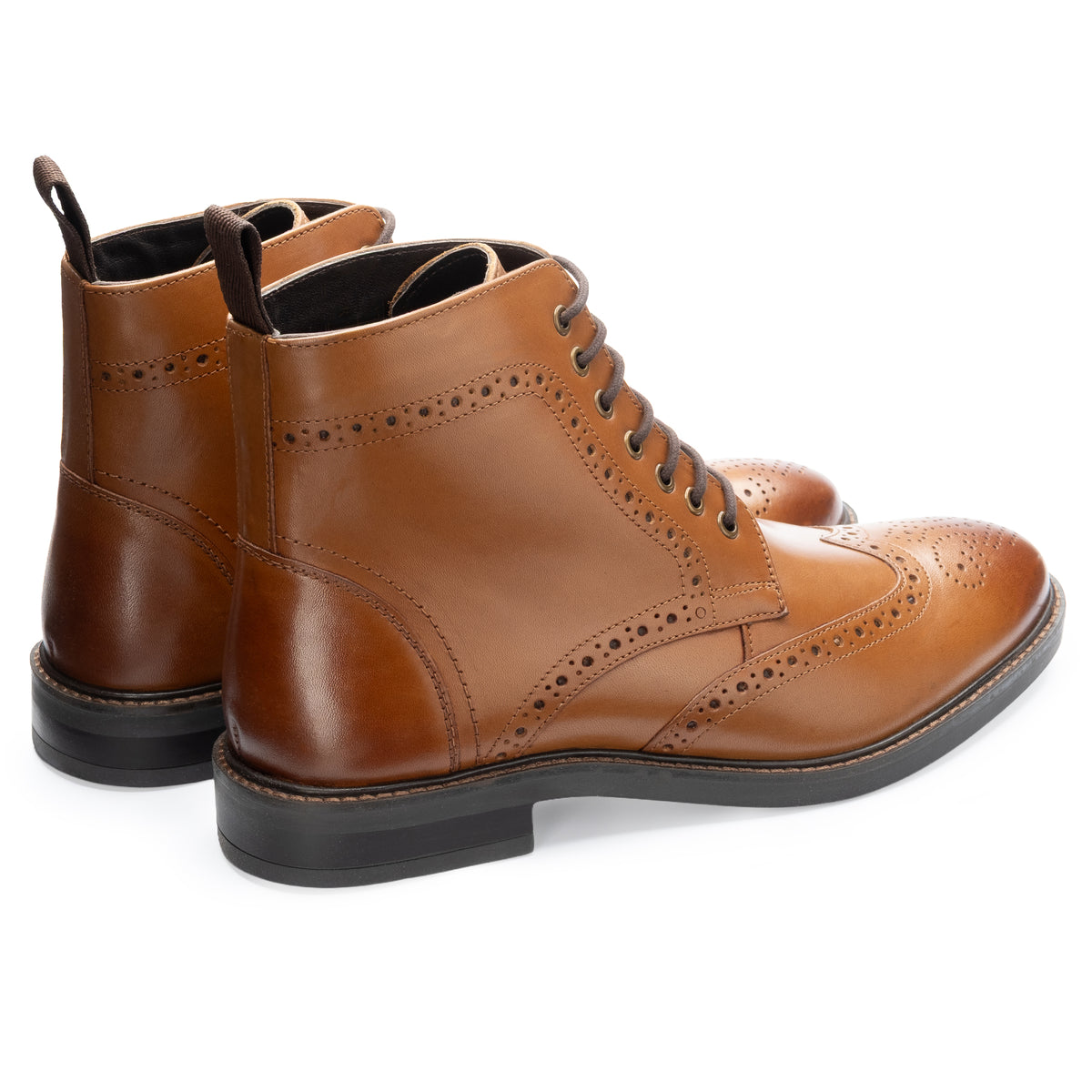
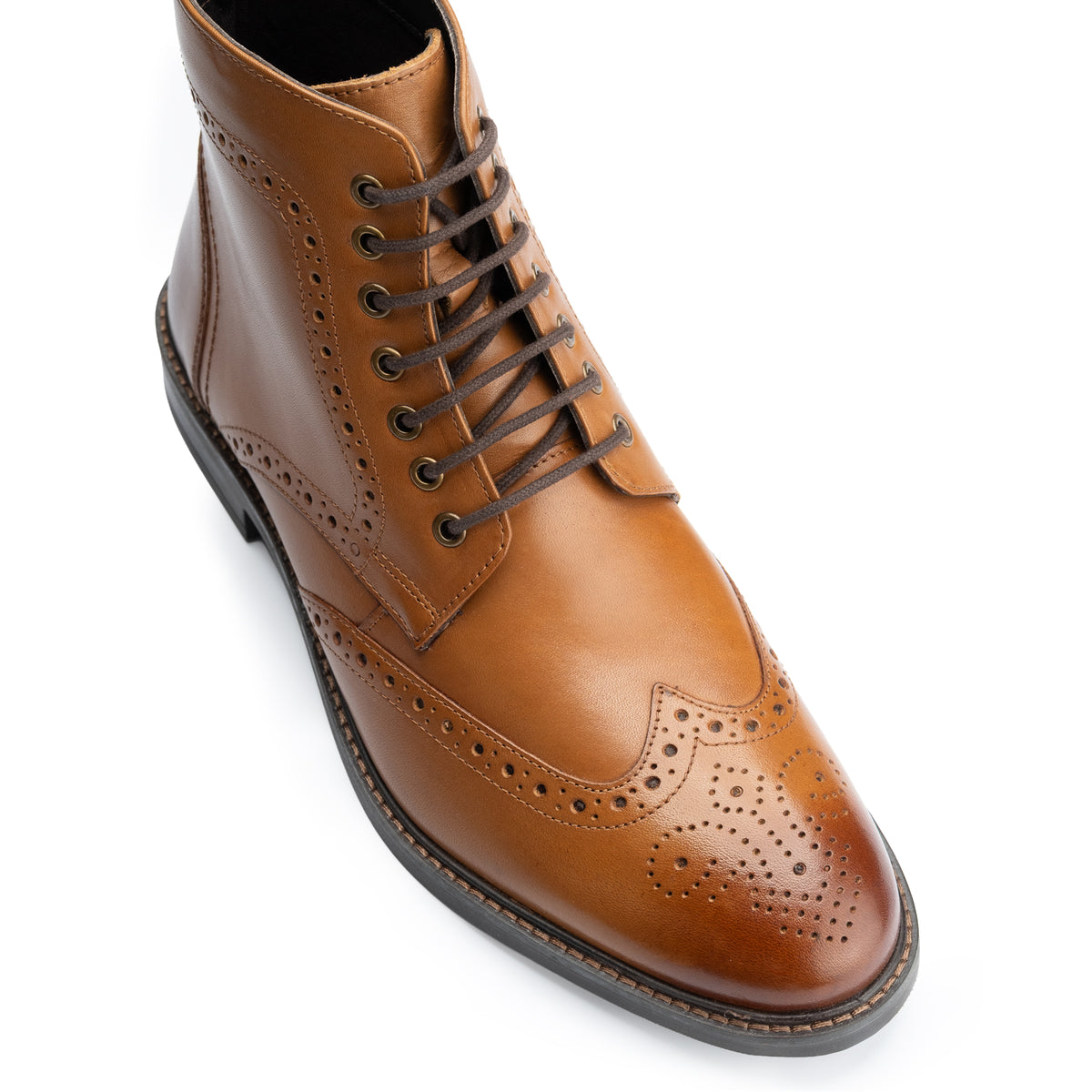
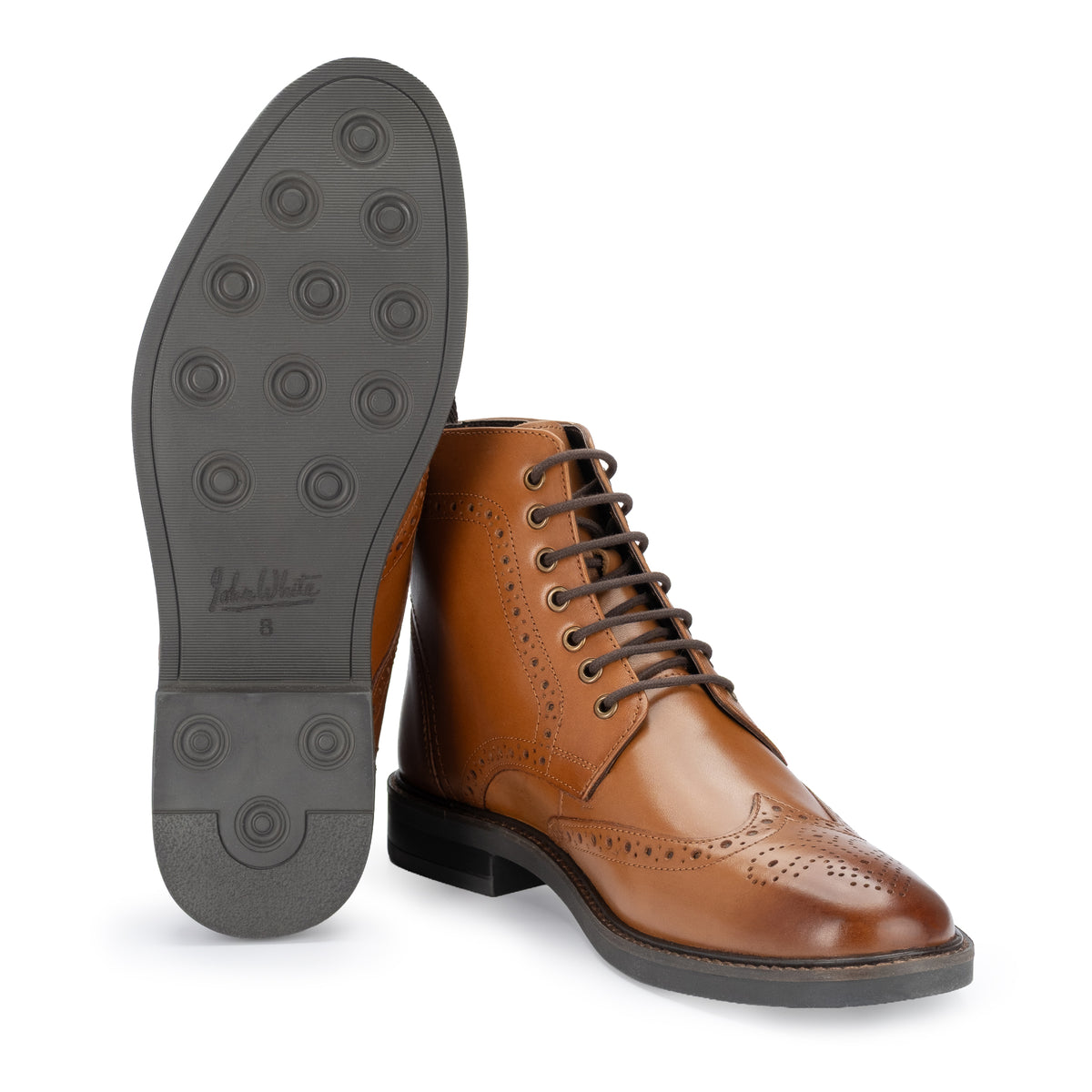
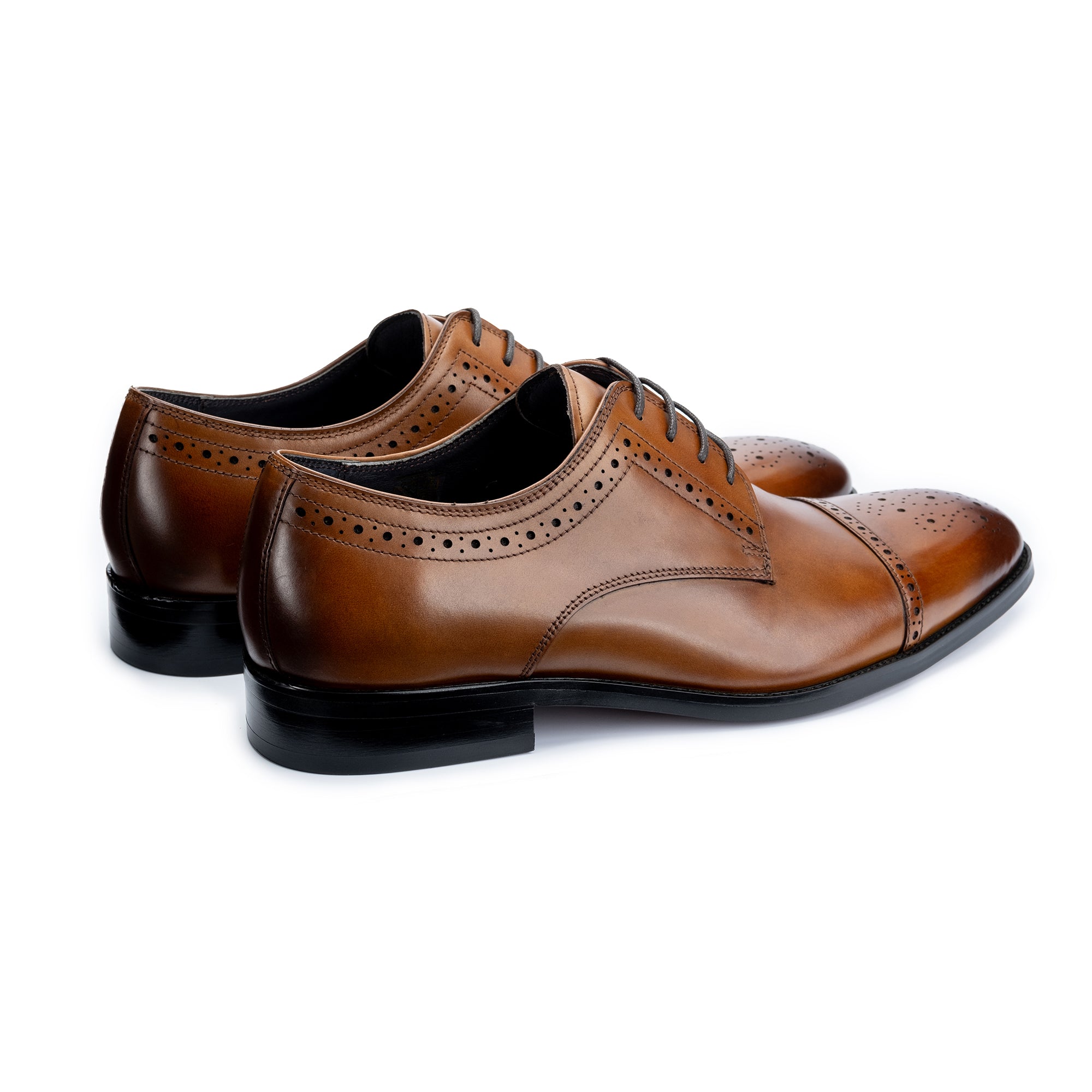
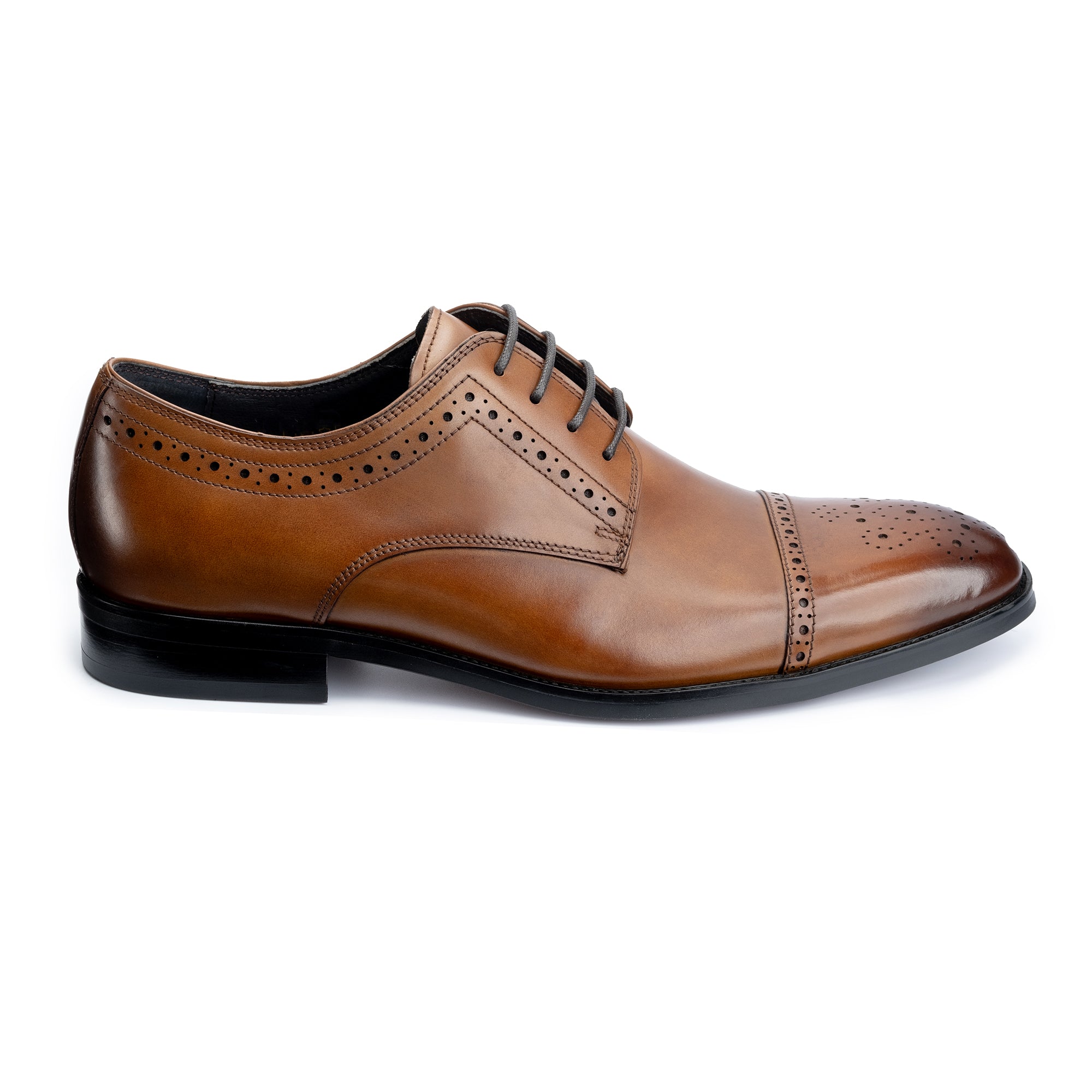
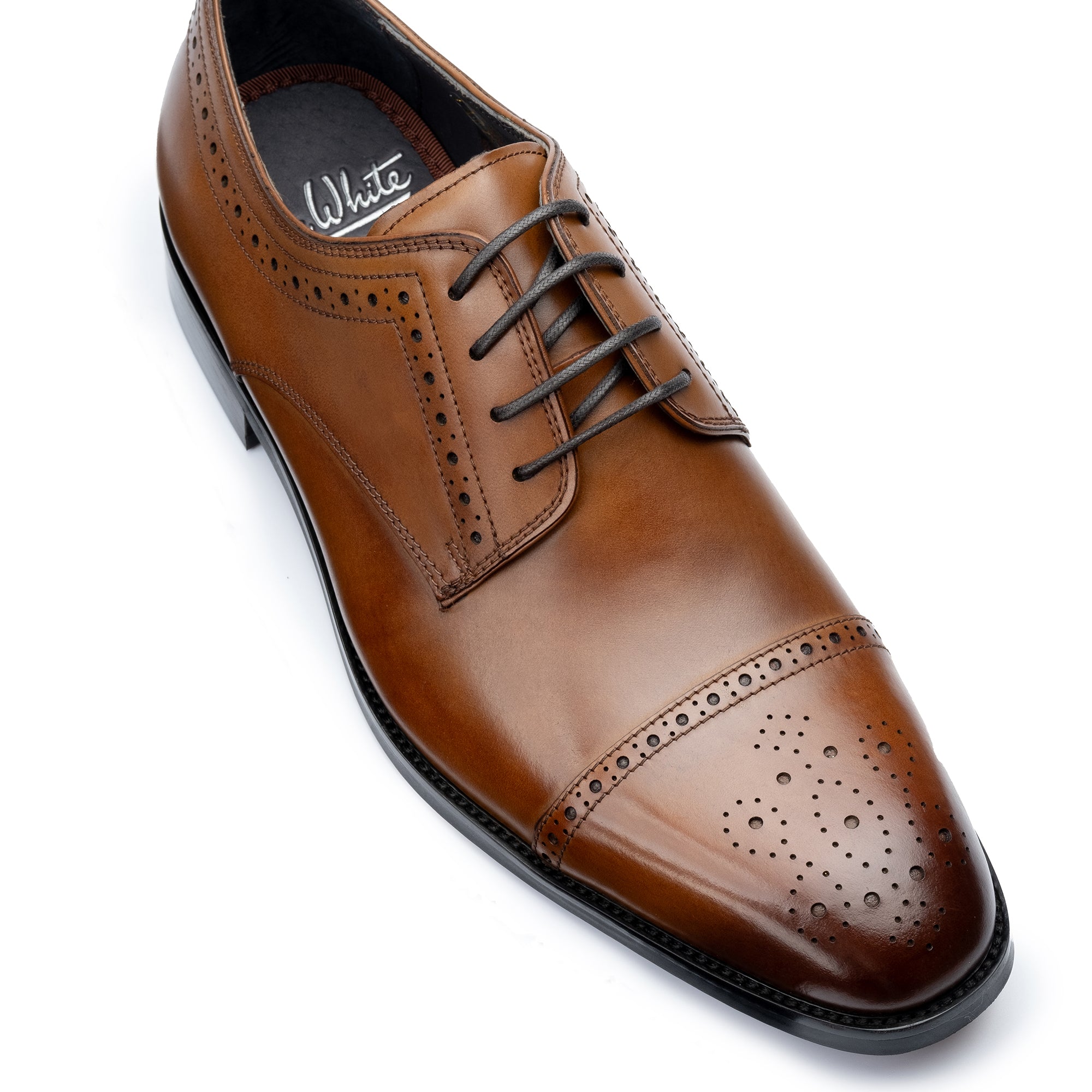
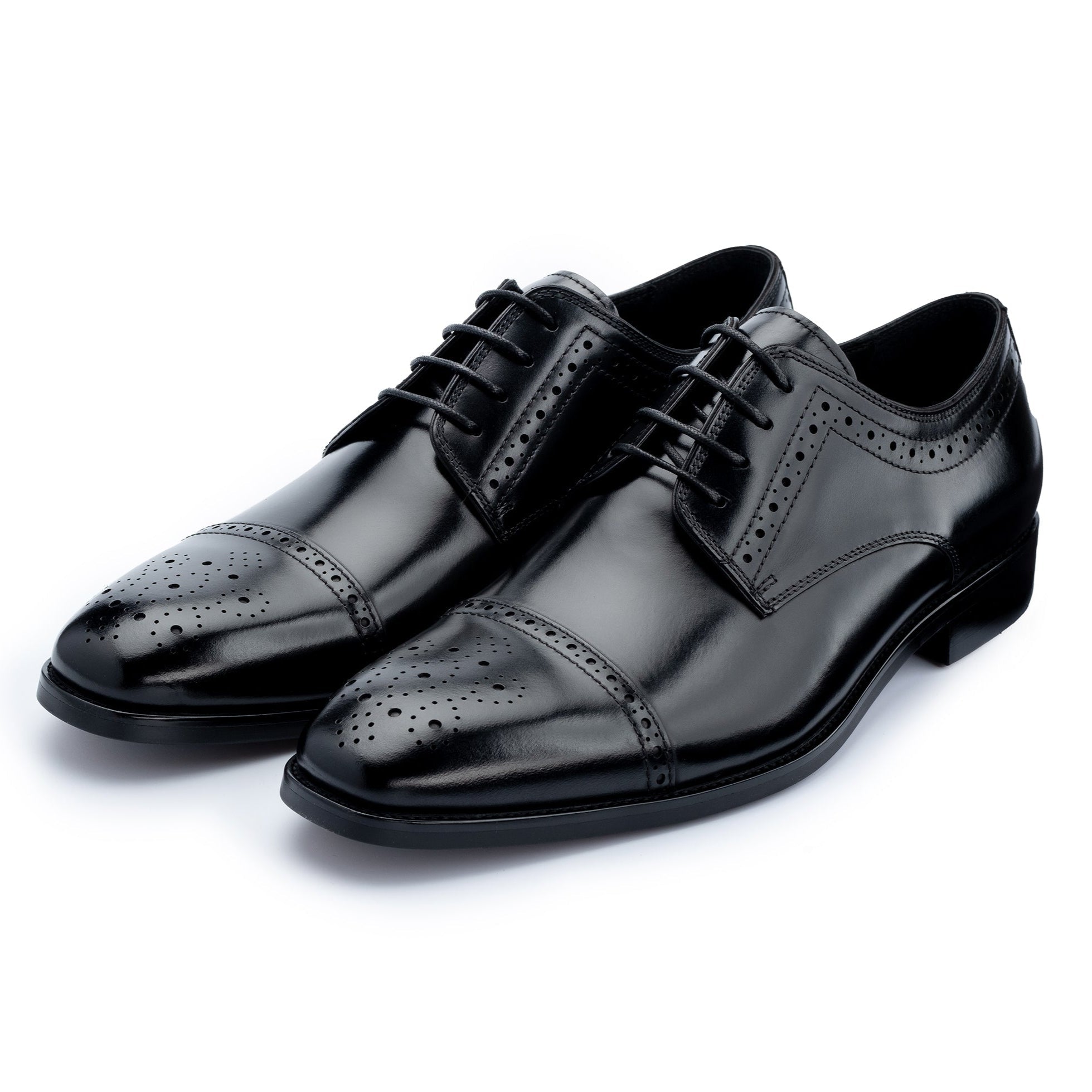
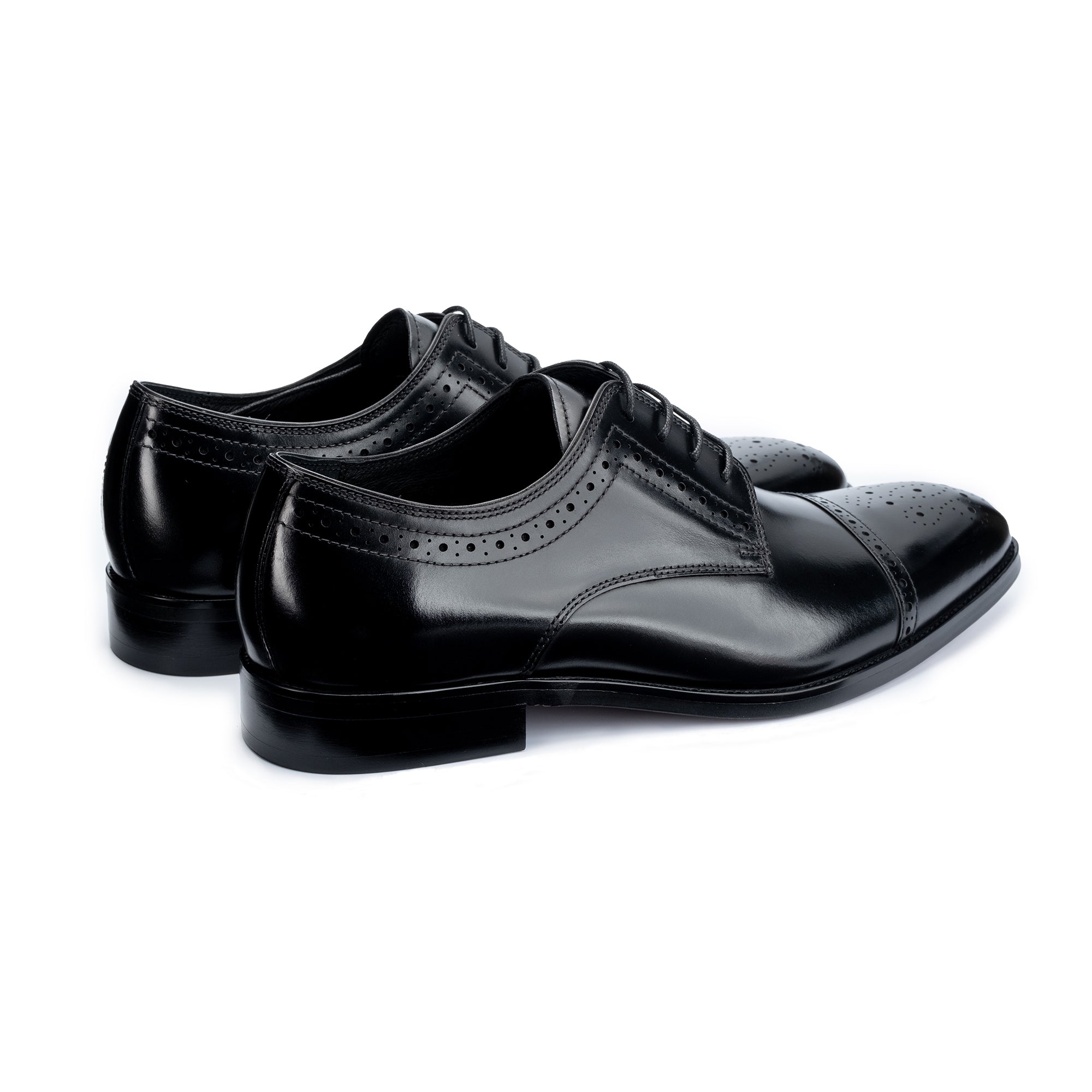
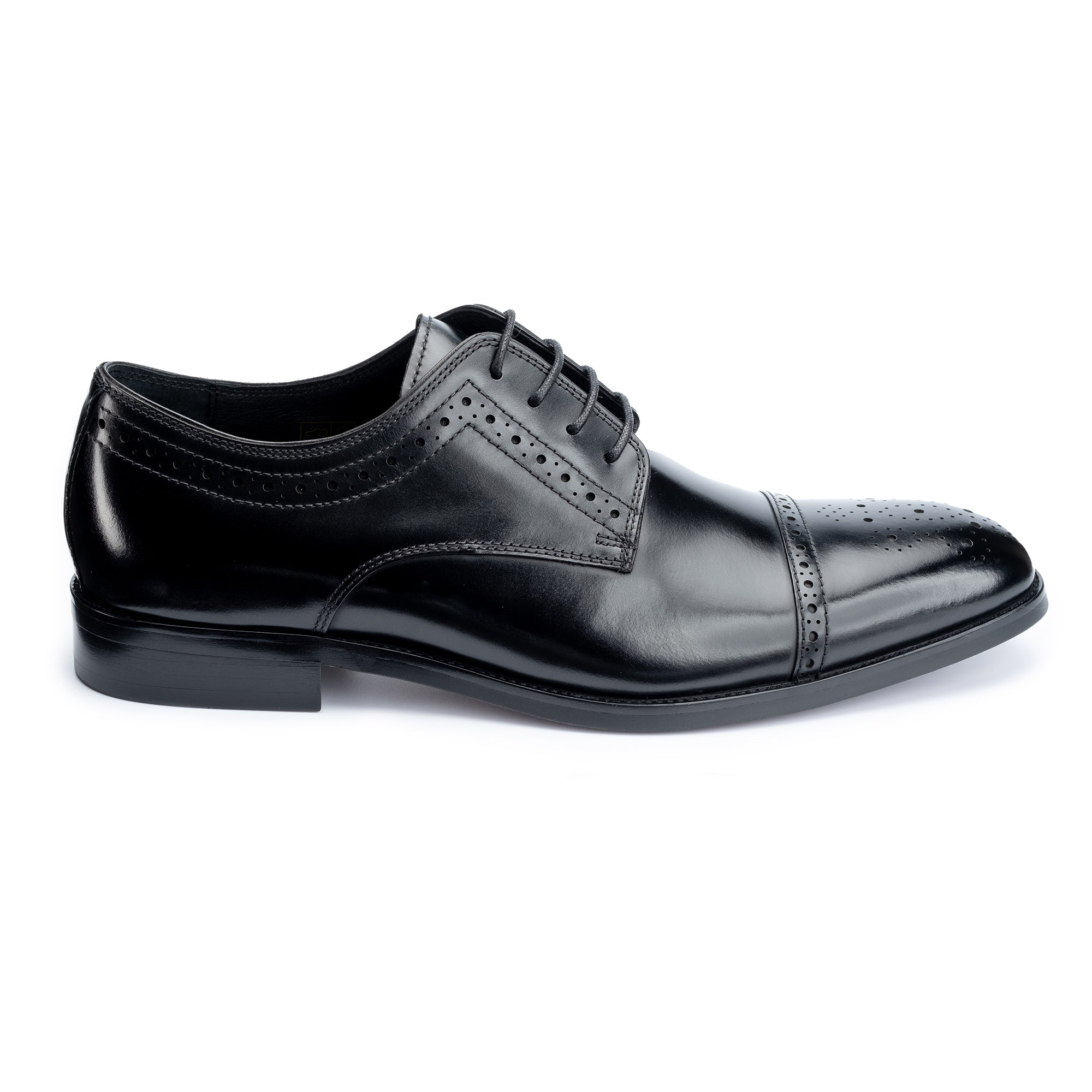
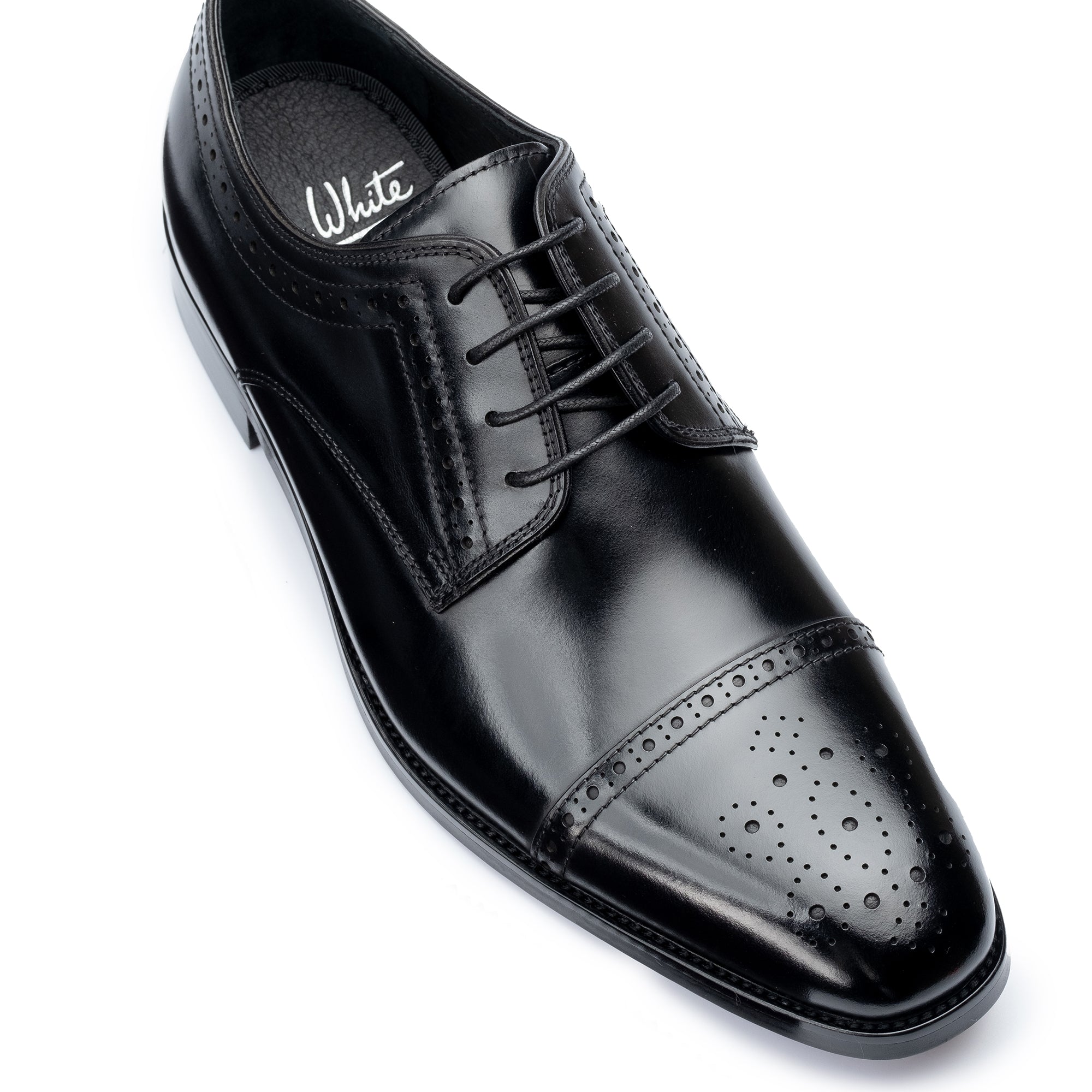
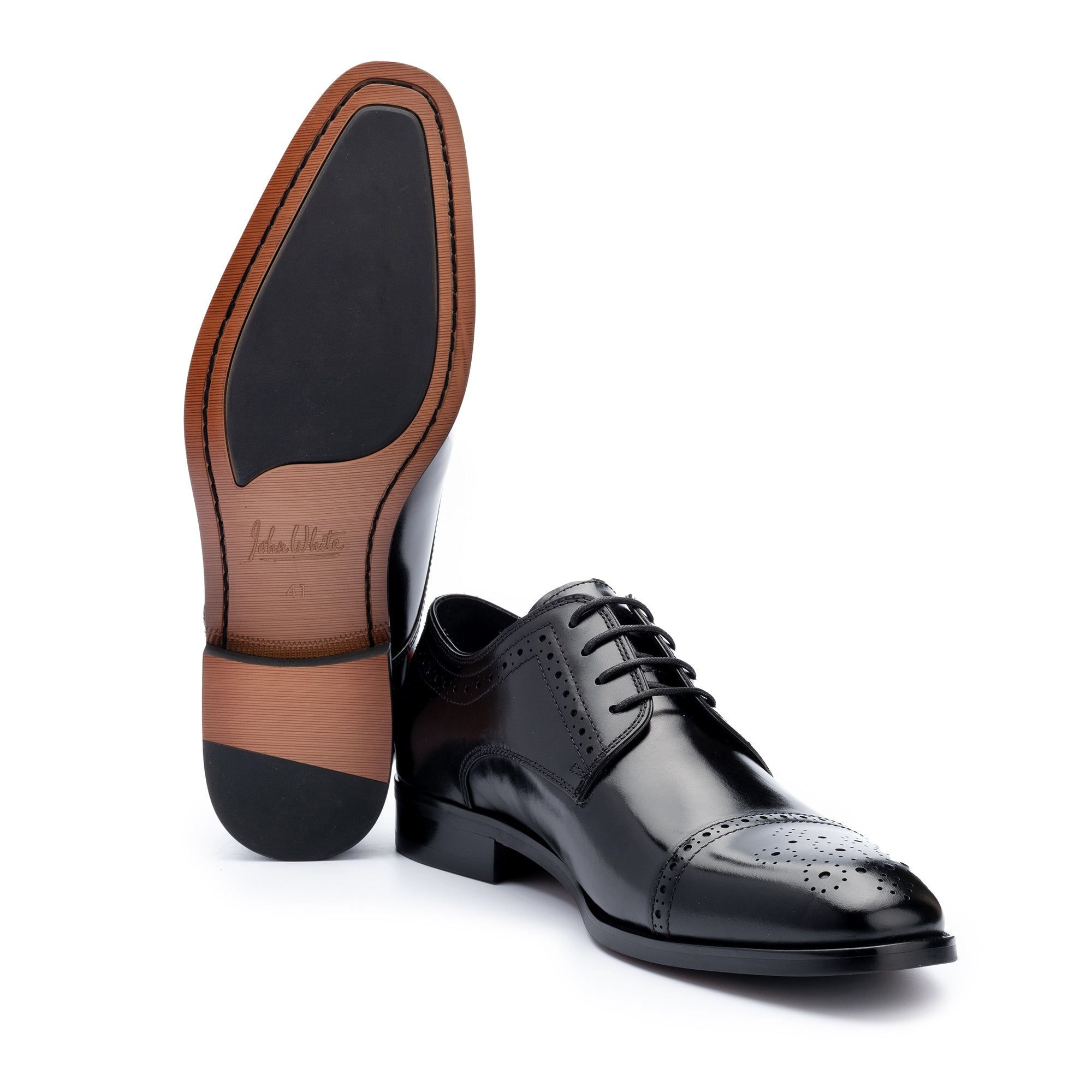
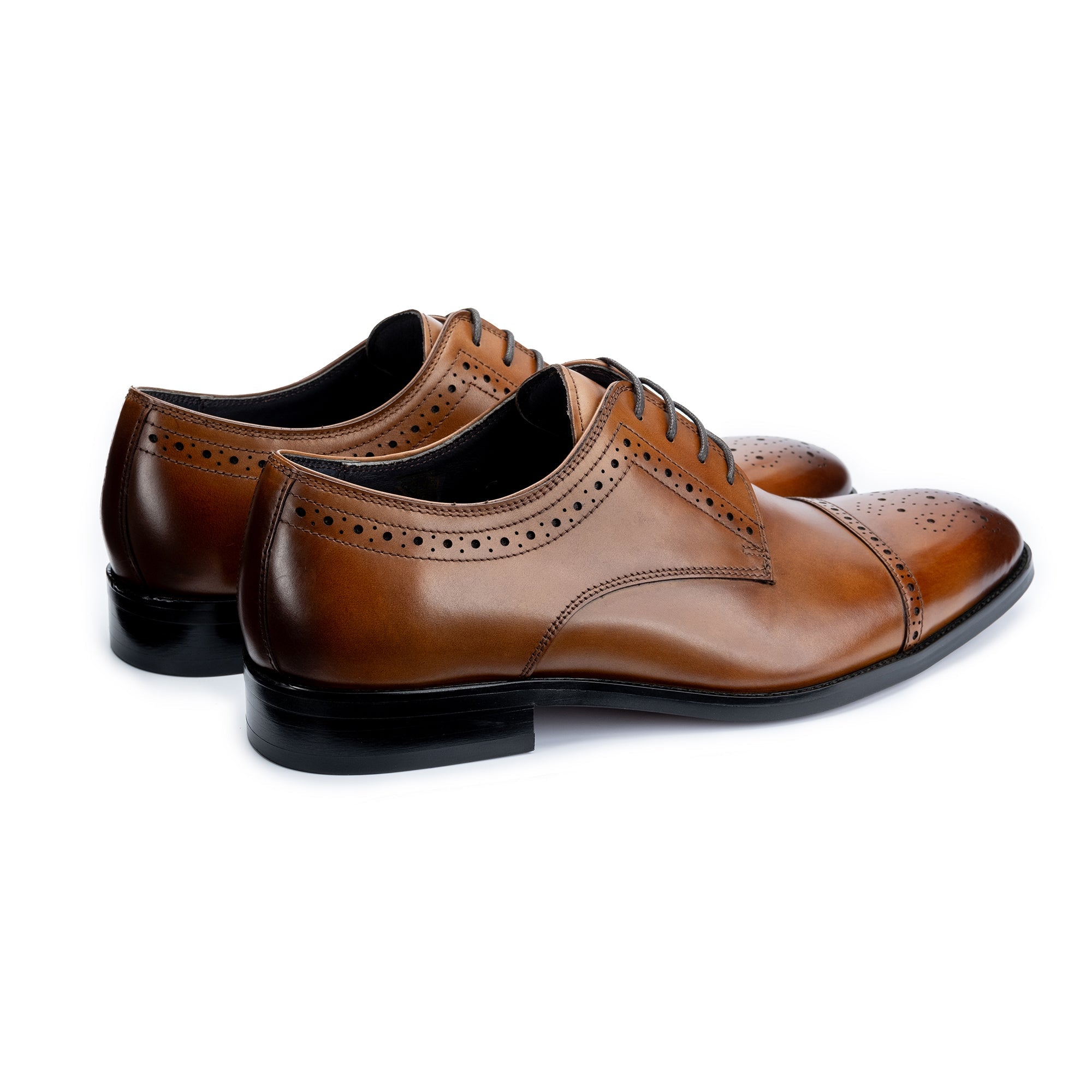
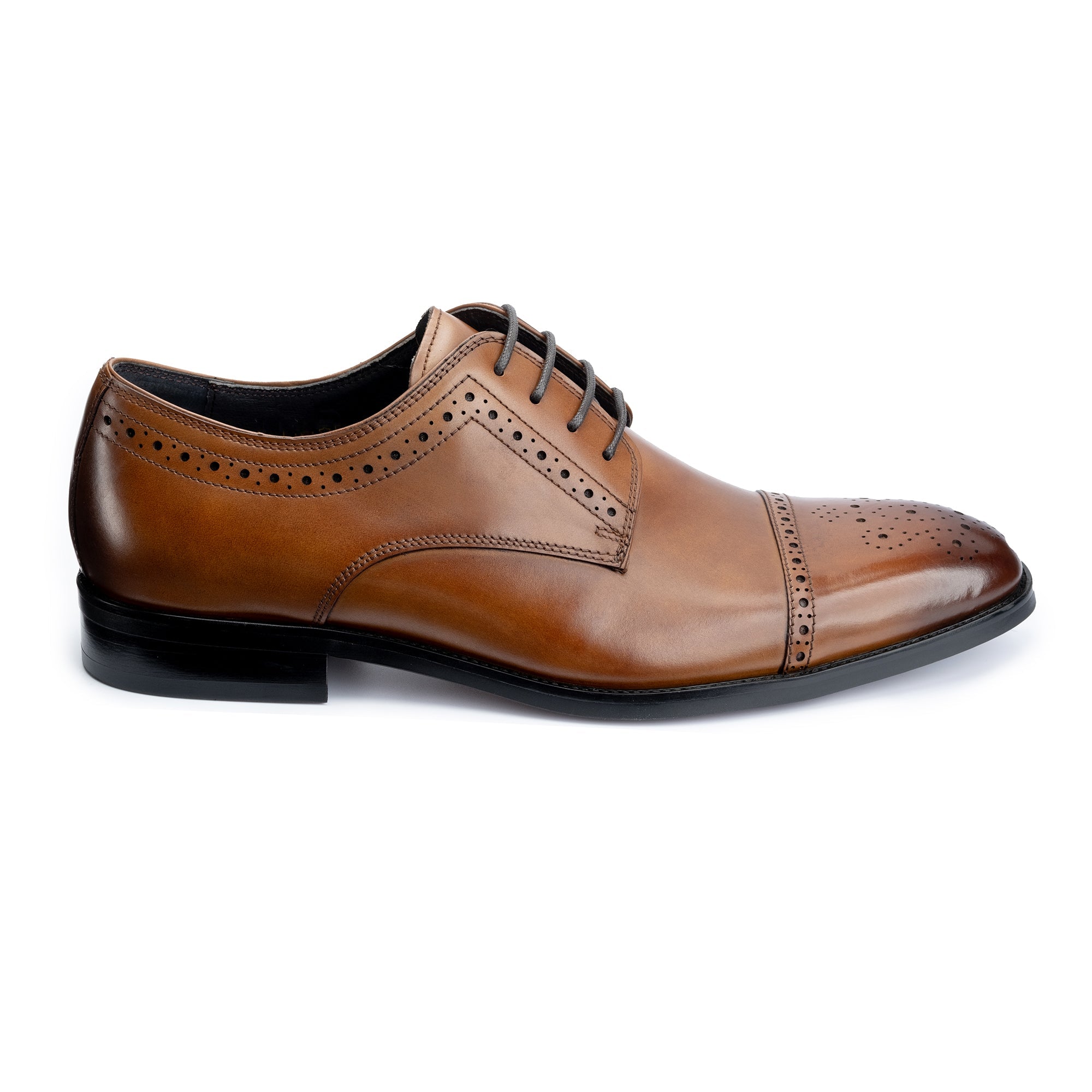
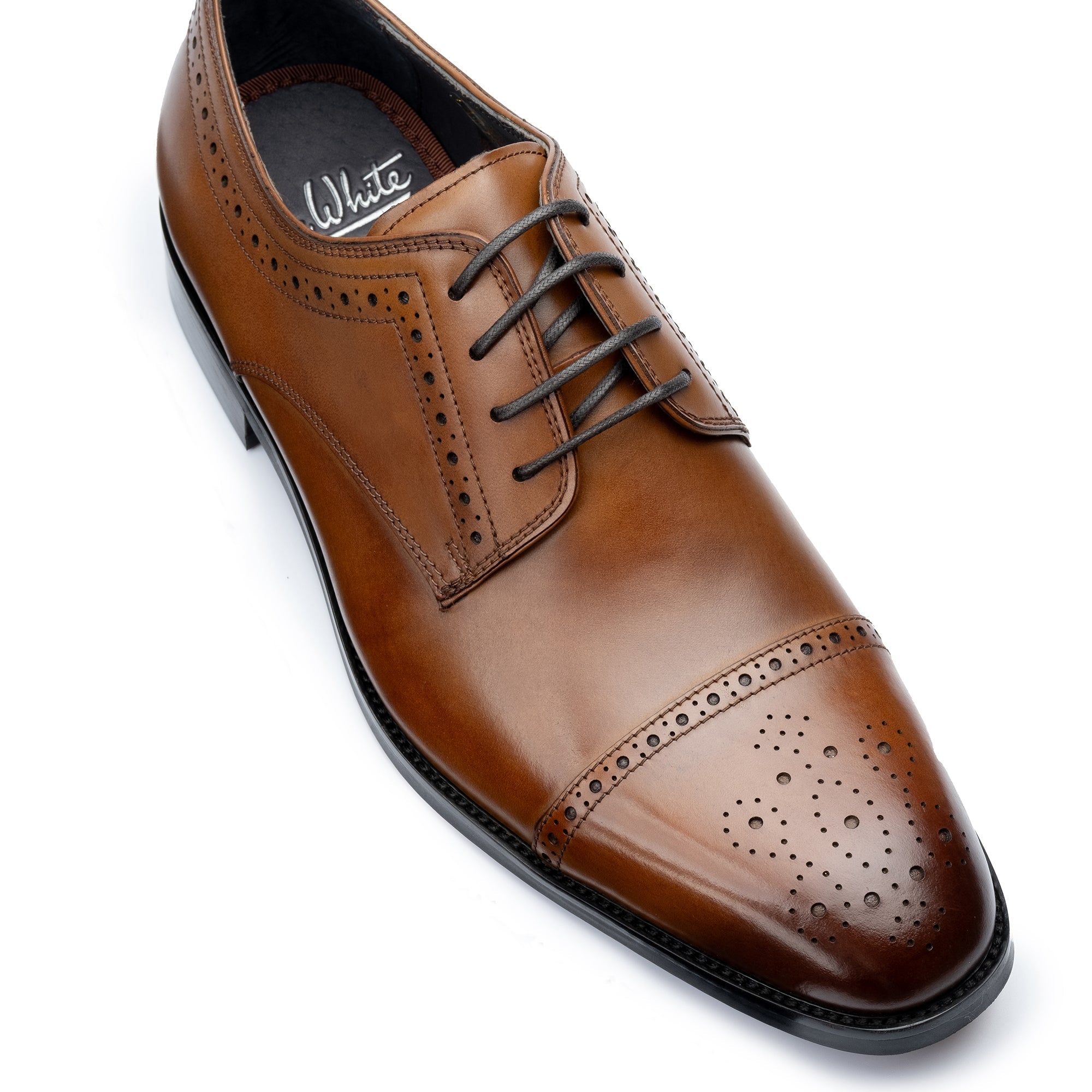
A brogue is defined by its decorative perforations, not its lacing construction. Broguing — the punched detailing along seams and on the toe cap — can be applied to an Oxford or Derby last. Full brogues carry perforations across the entire upper; semi-brogues restrict the detailing to a perforated strip and medallion at the toe alone.
Full brogues sit squarely in smart-casual territory; semi-brogues read slightly more formal. The Hogarth Brogue Shoes in Black or Reef and the Lucan Semi-Brogues in Black or Tan represent both ends of that range. Our full brogue vs. semi-brogue guide breaks down which suits which occasion.
Loafers — The Considered Slip-On
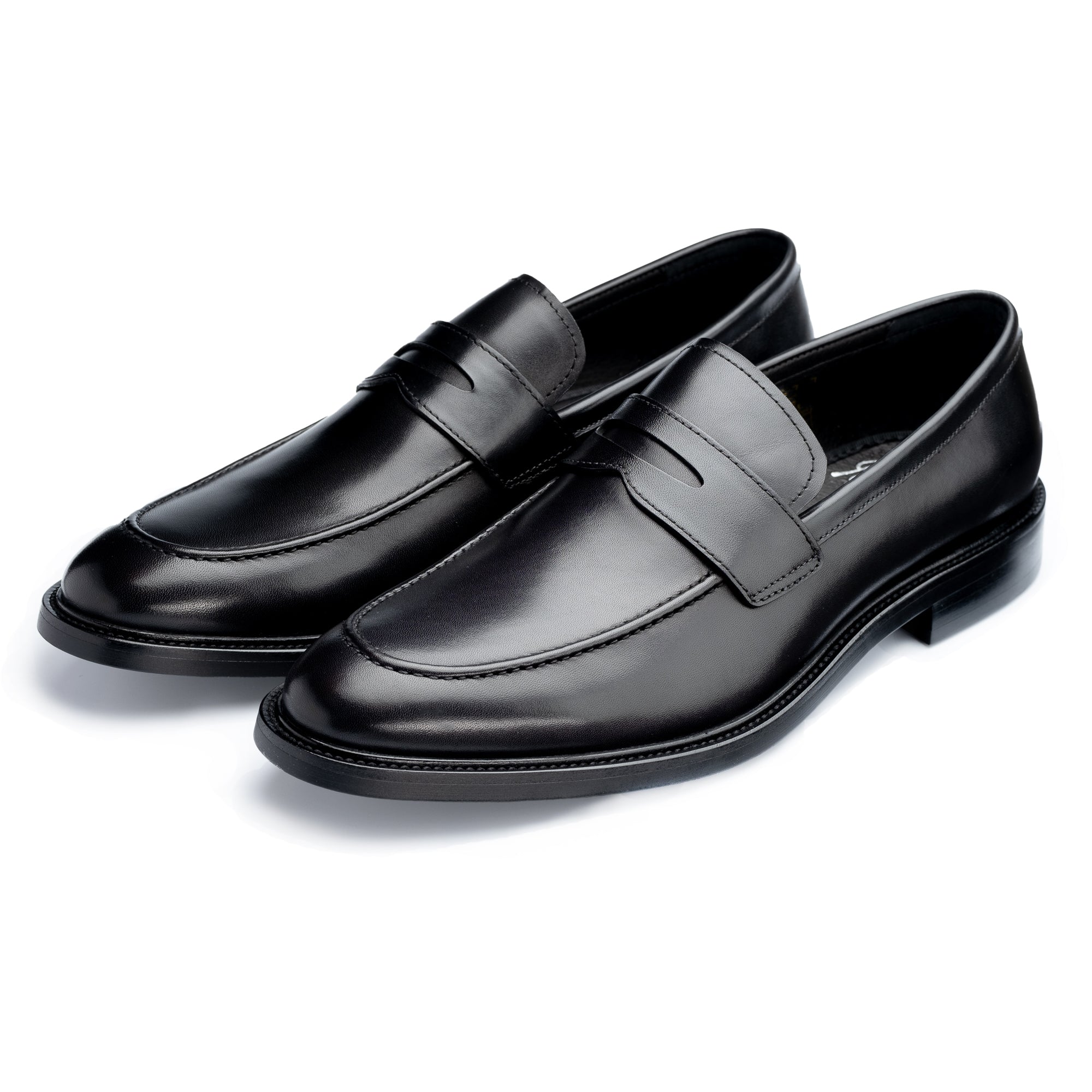
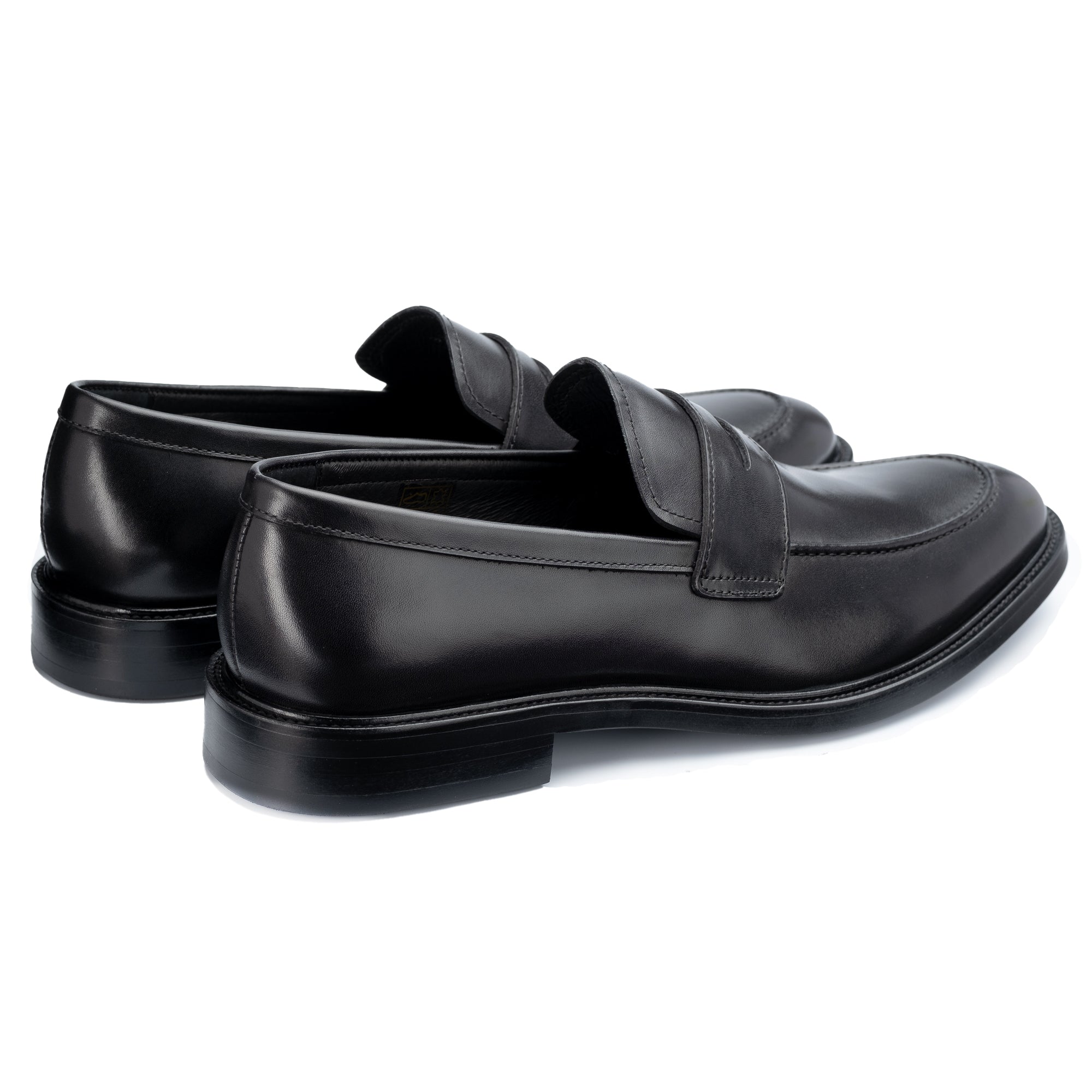
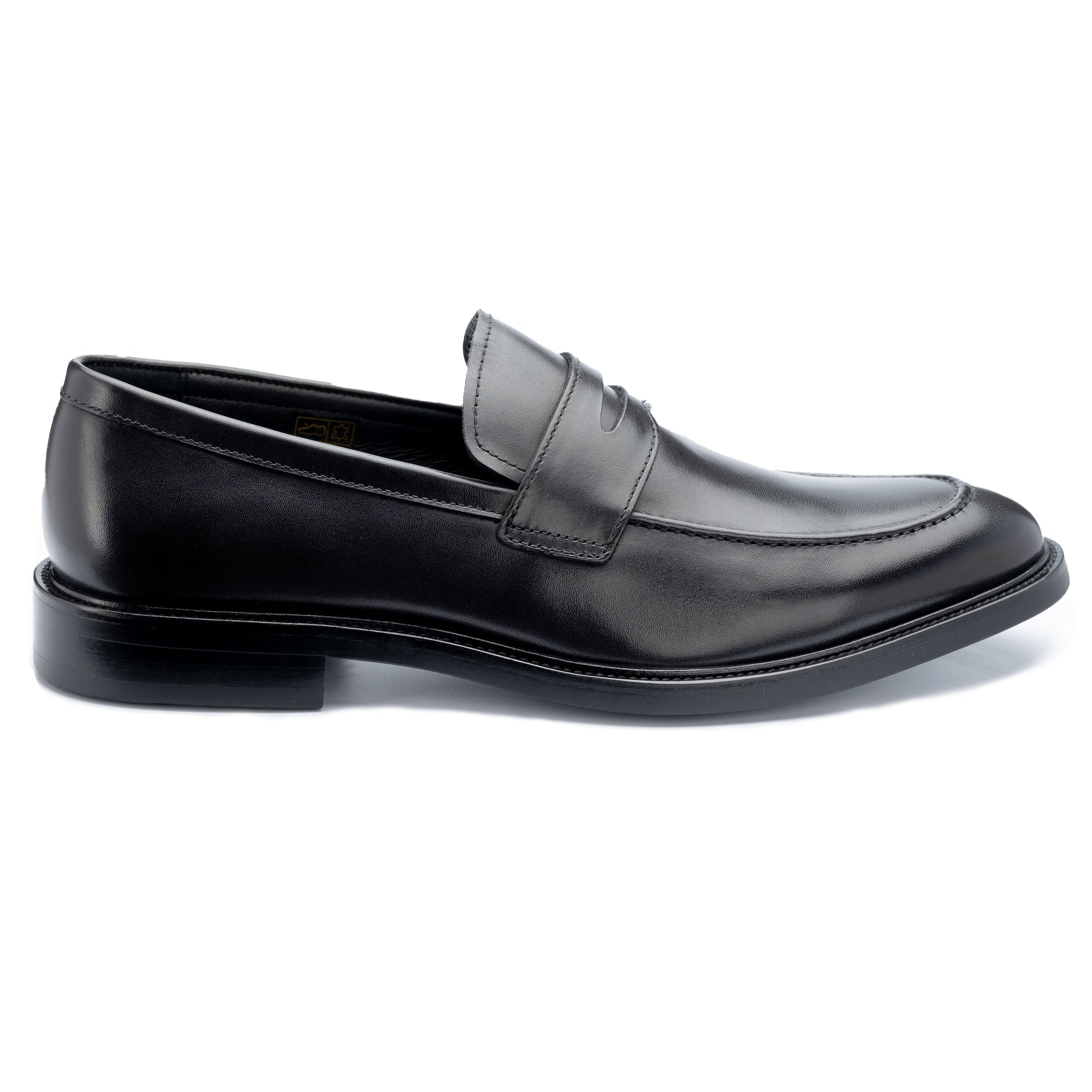
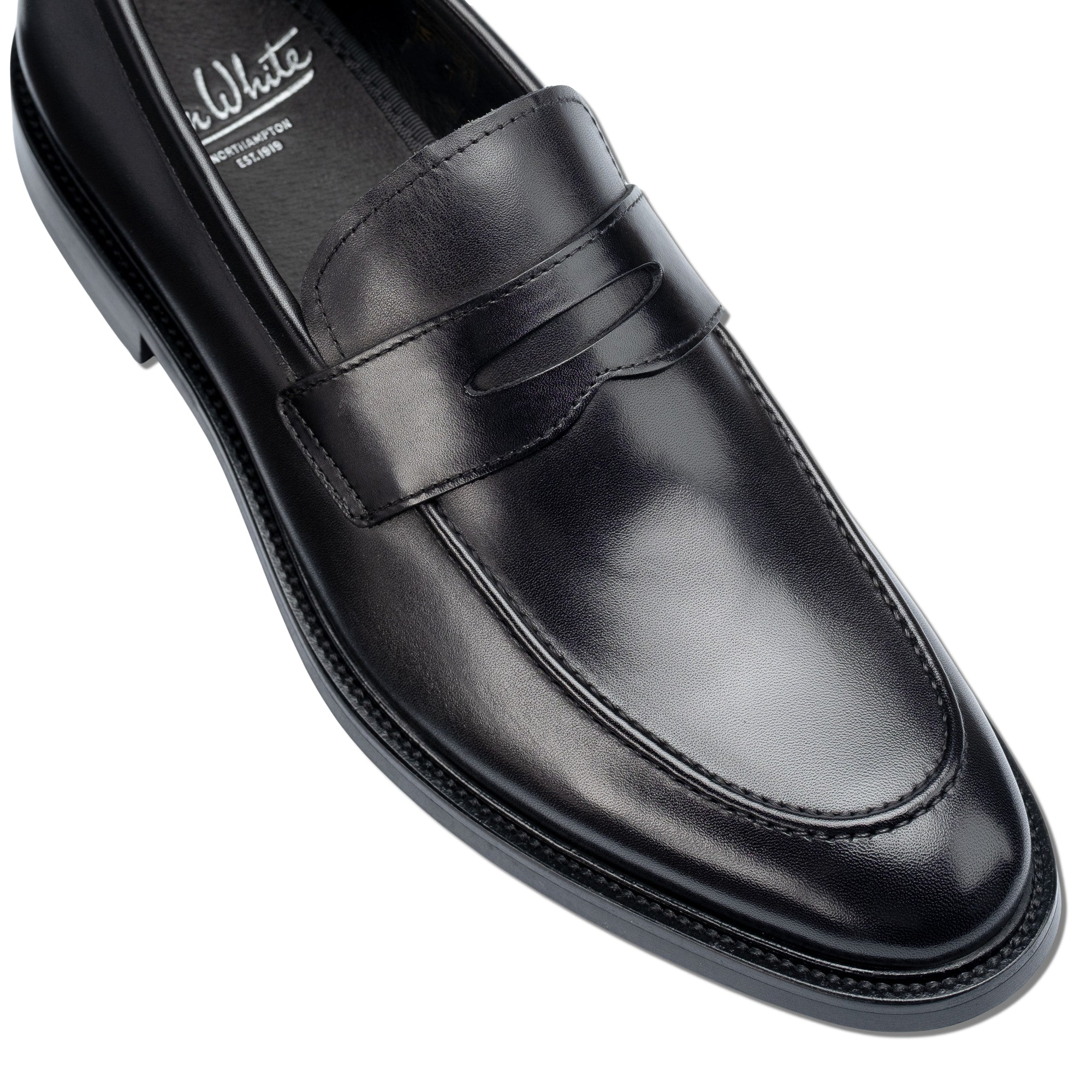
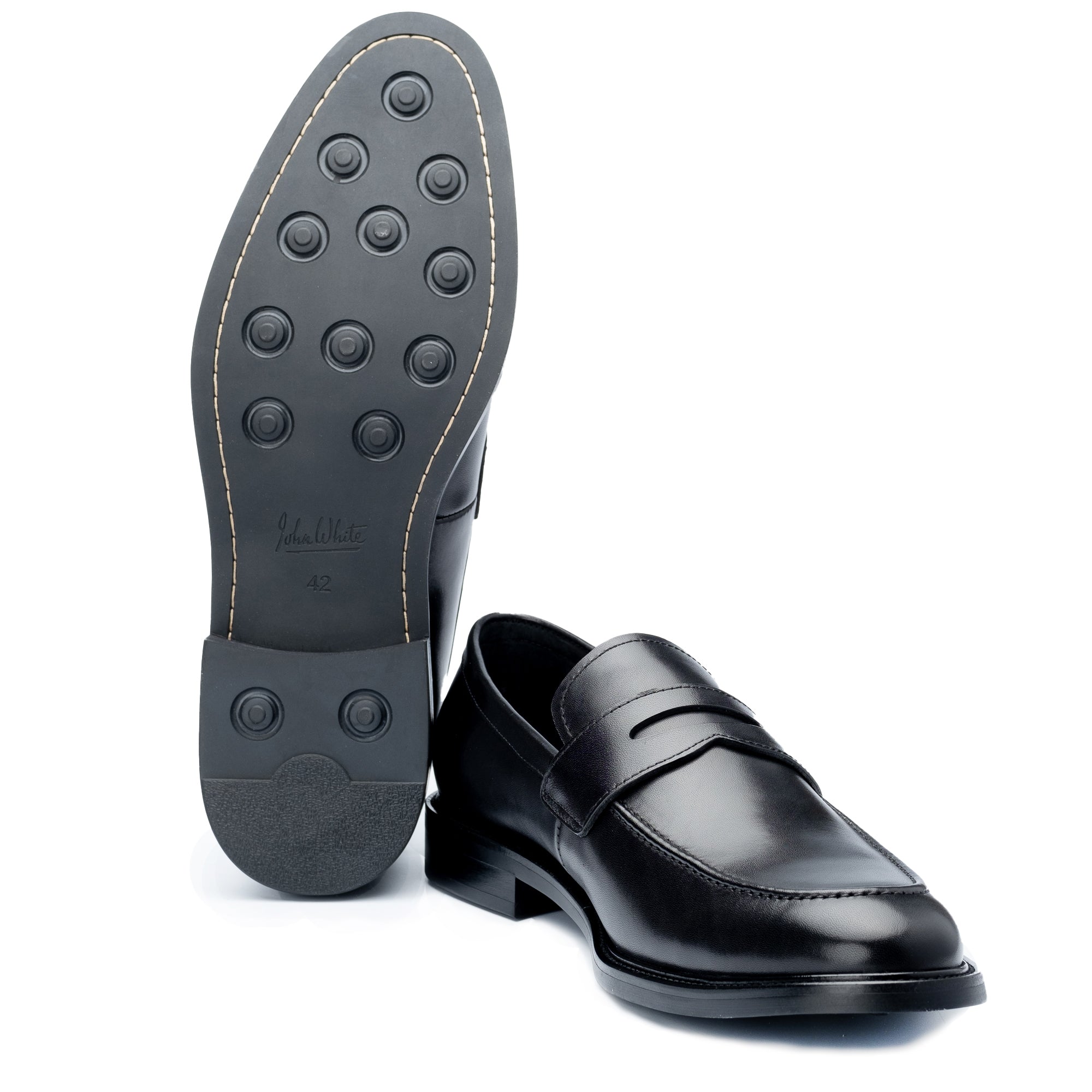
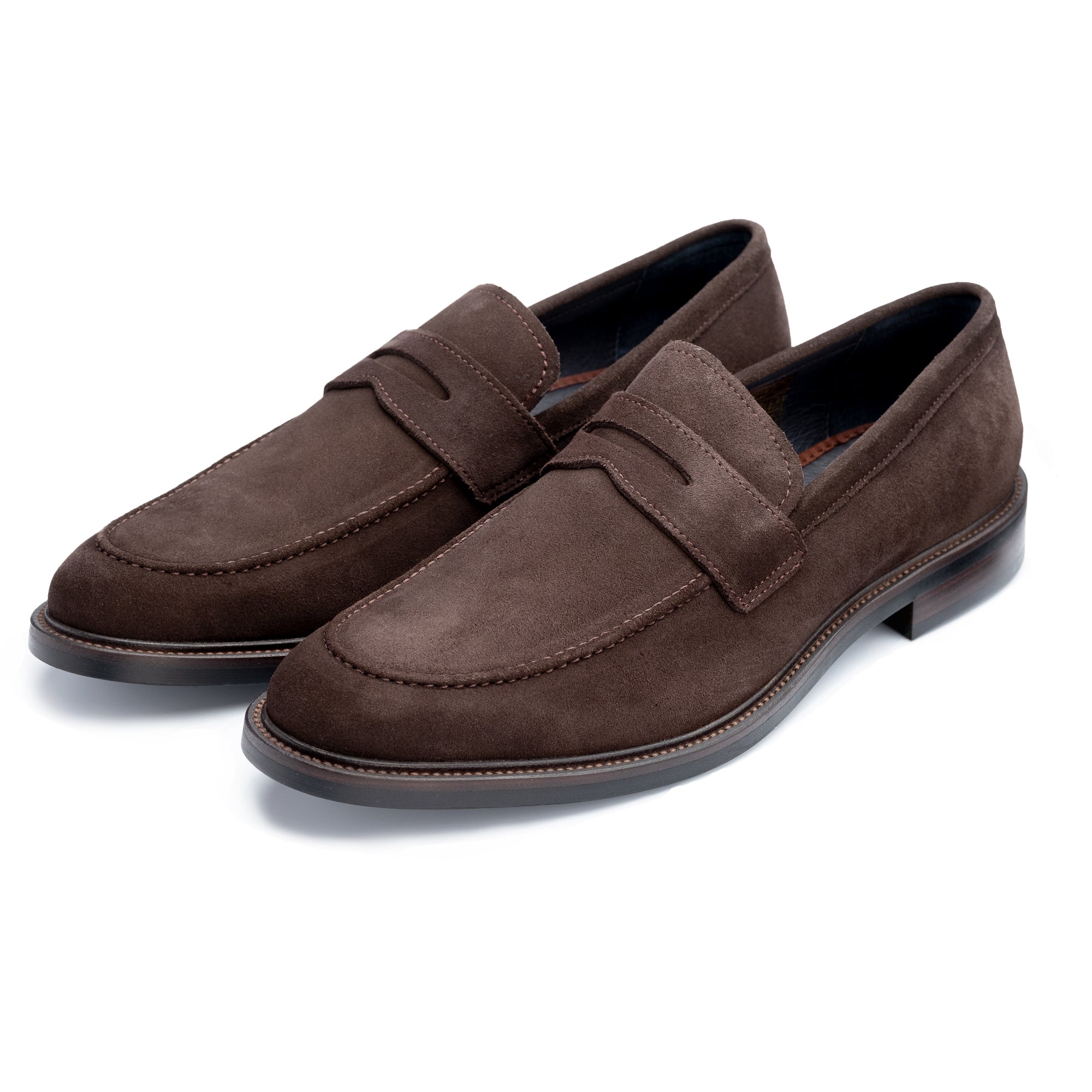
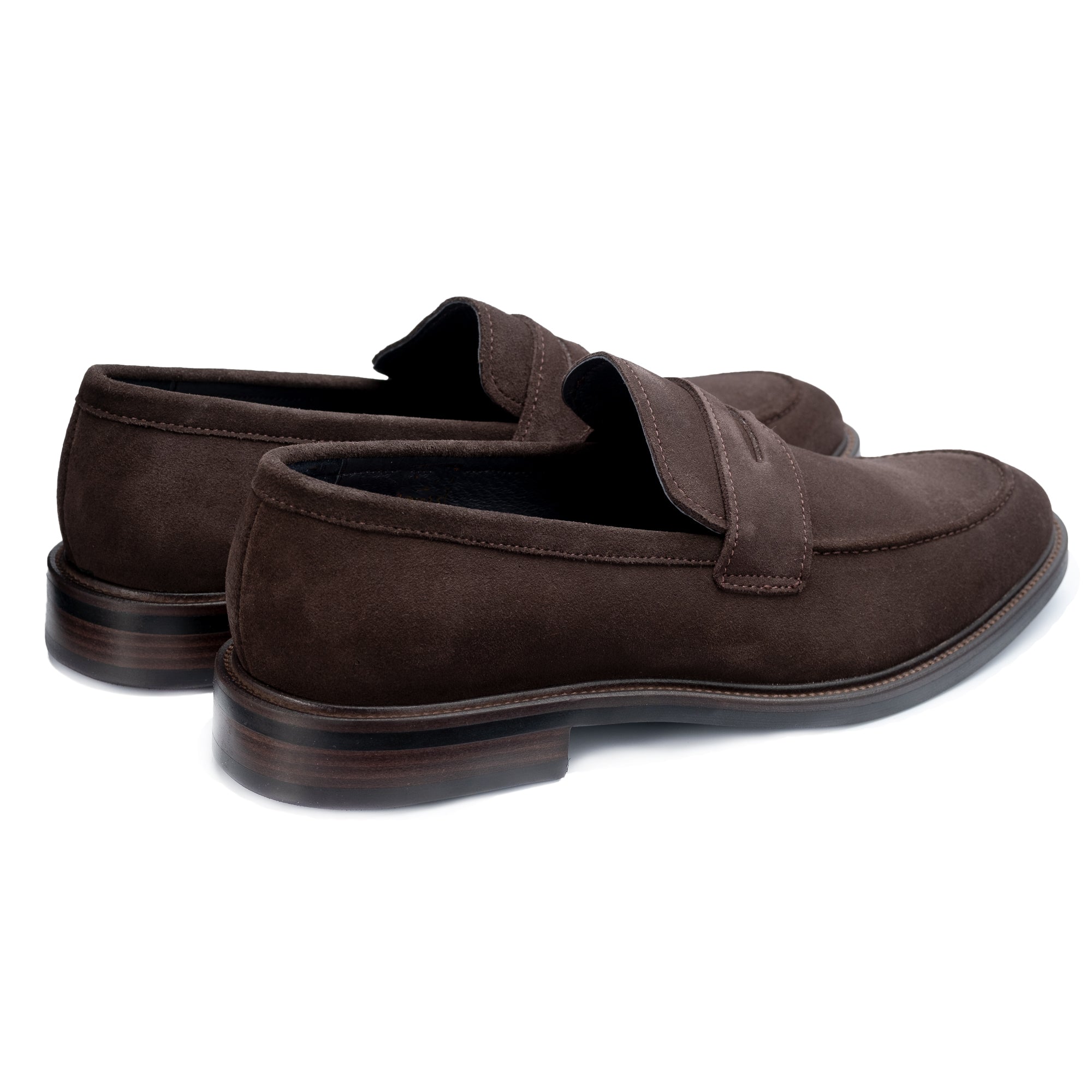
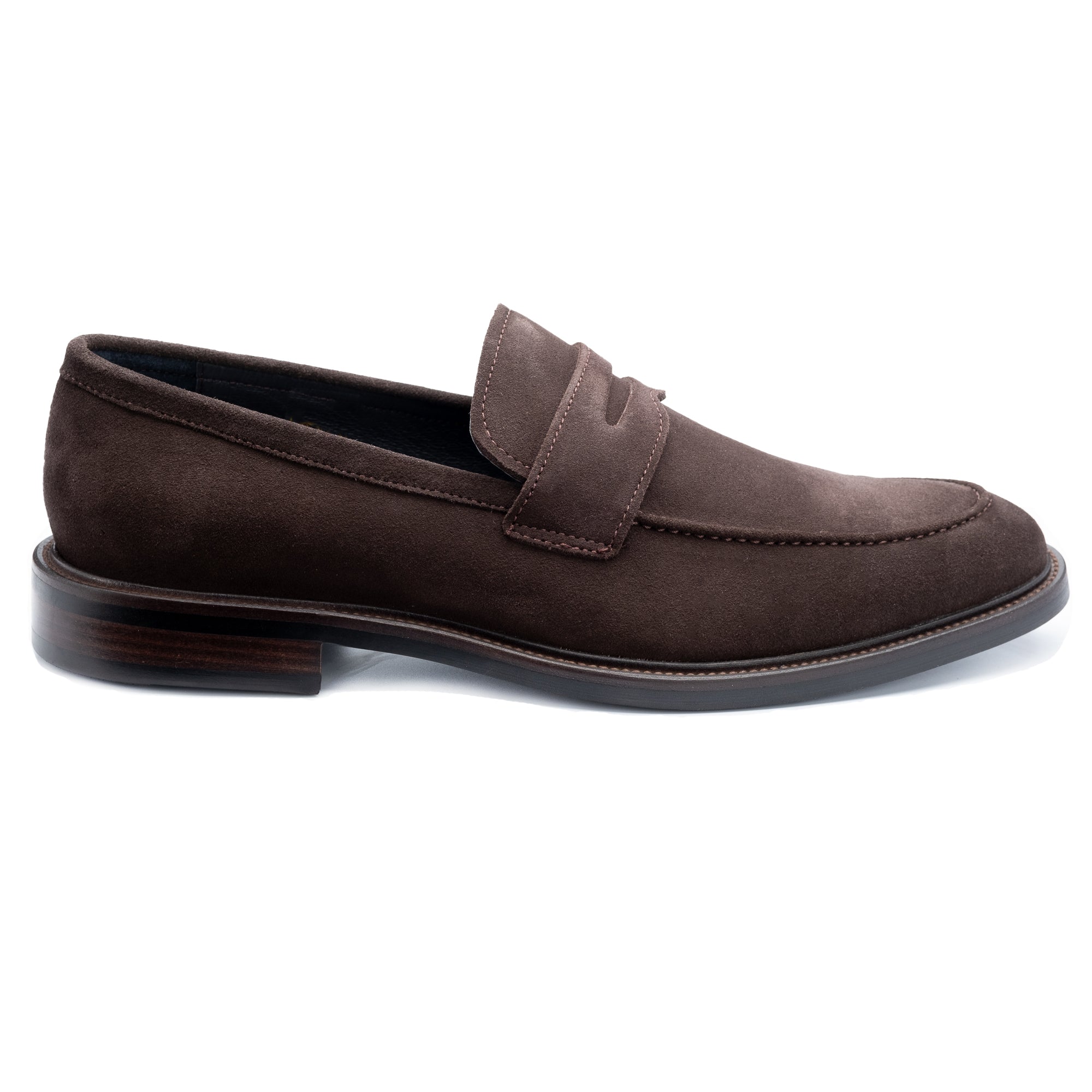
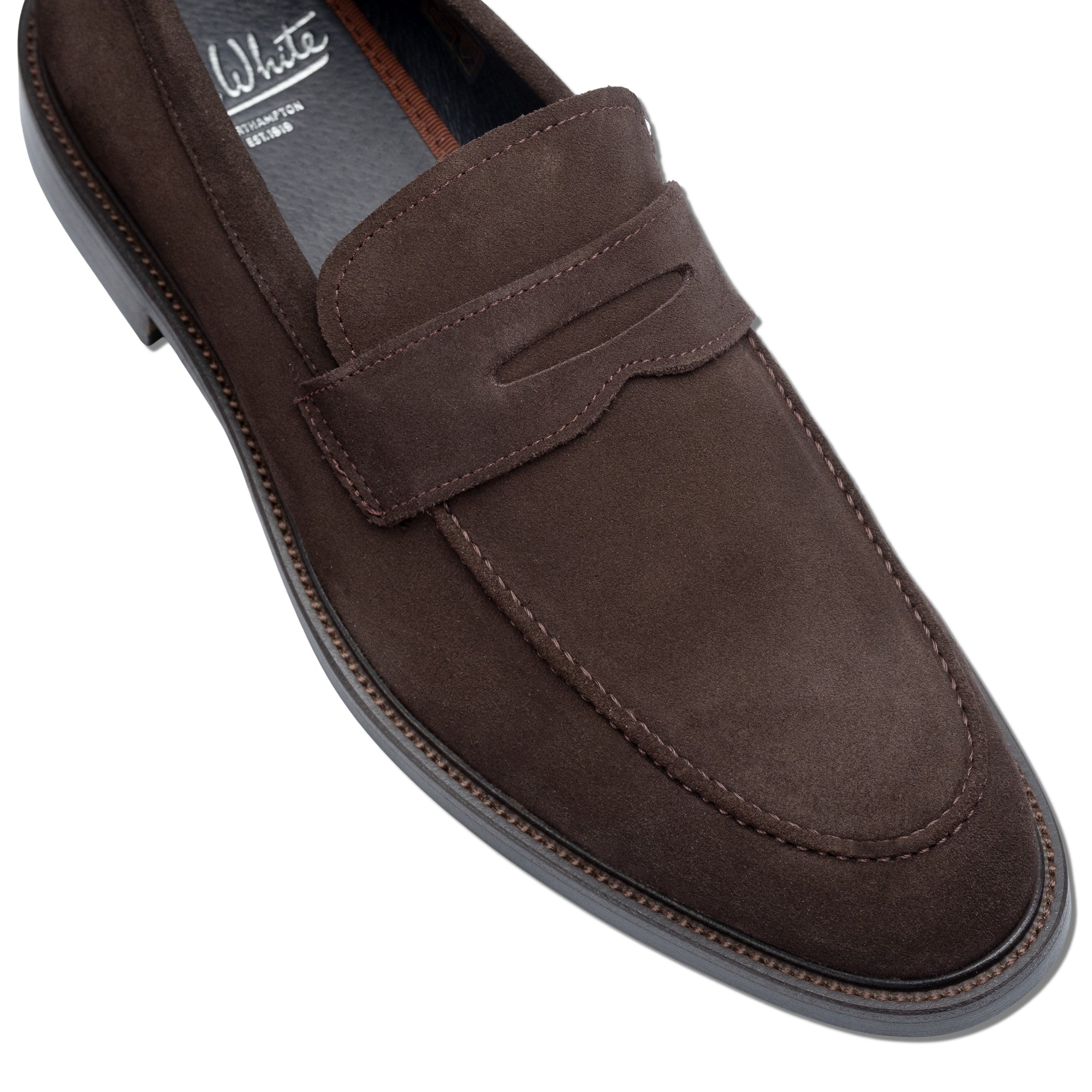
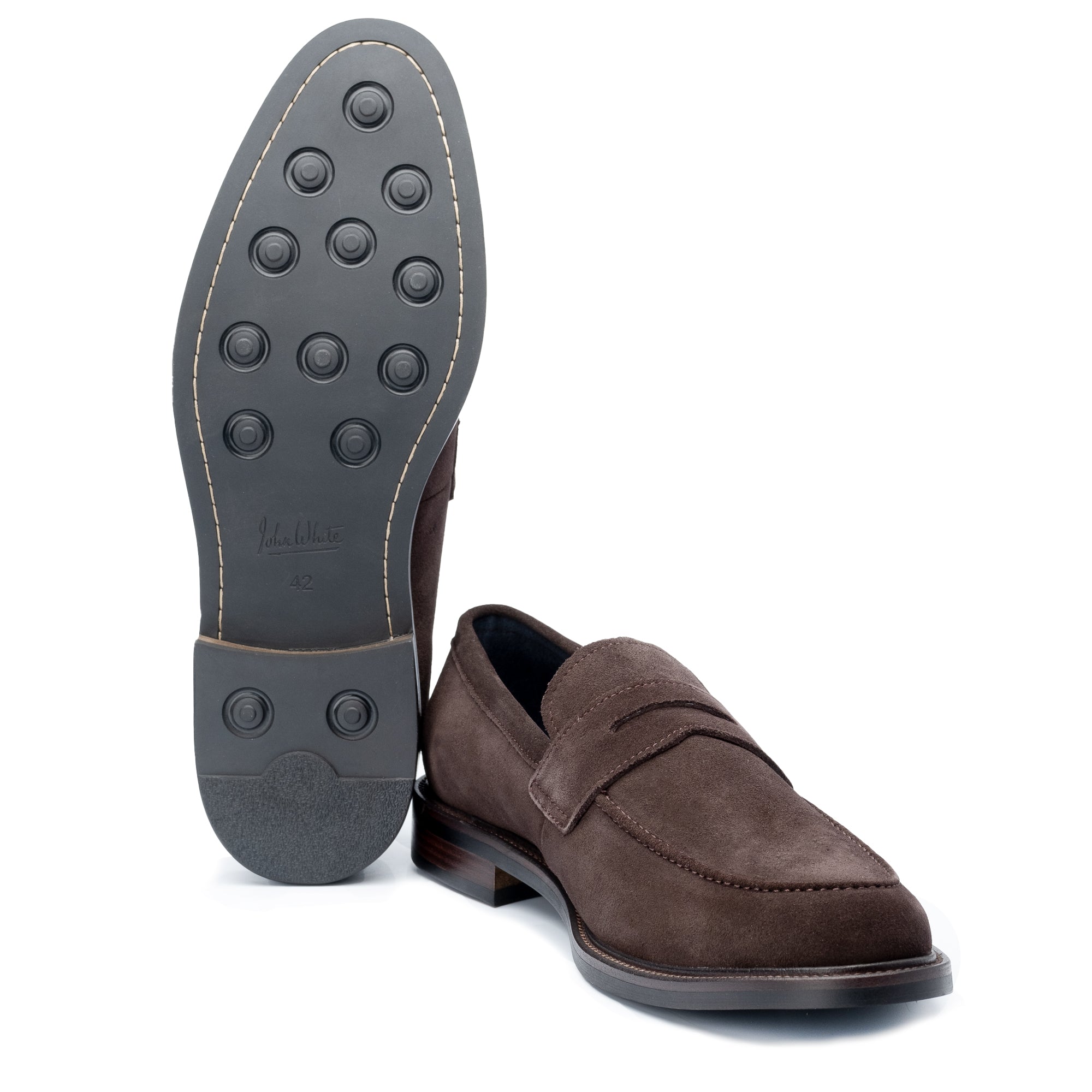
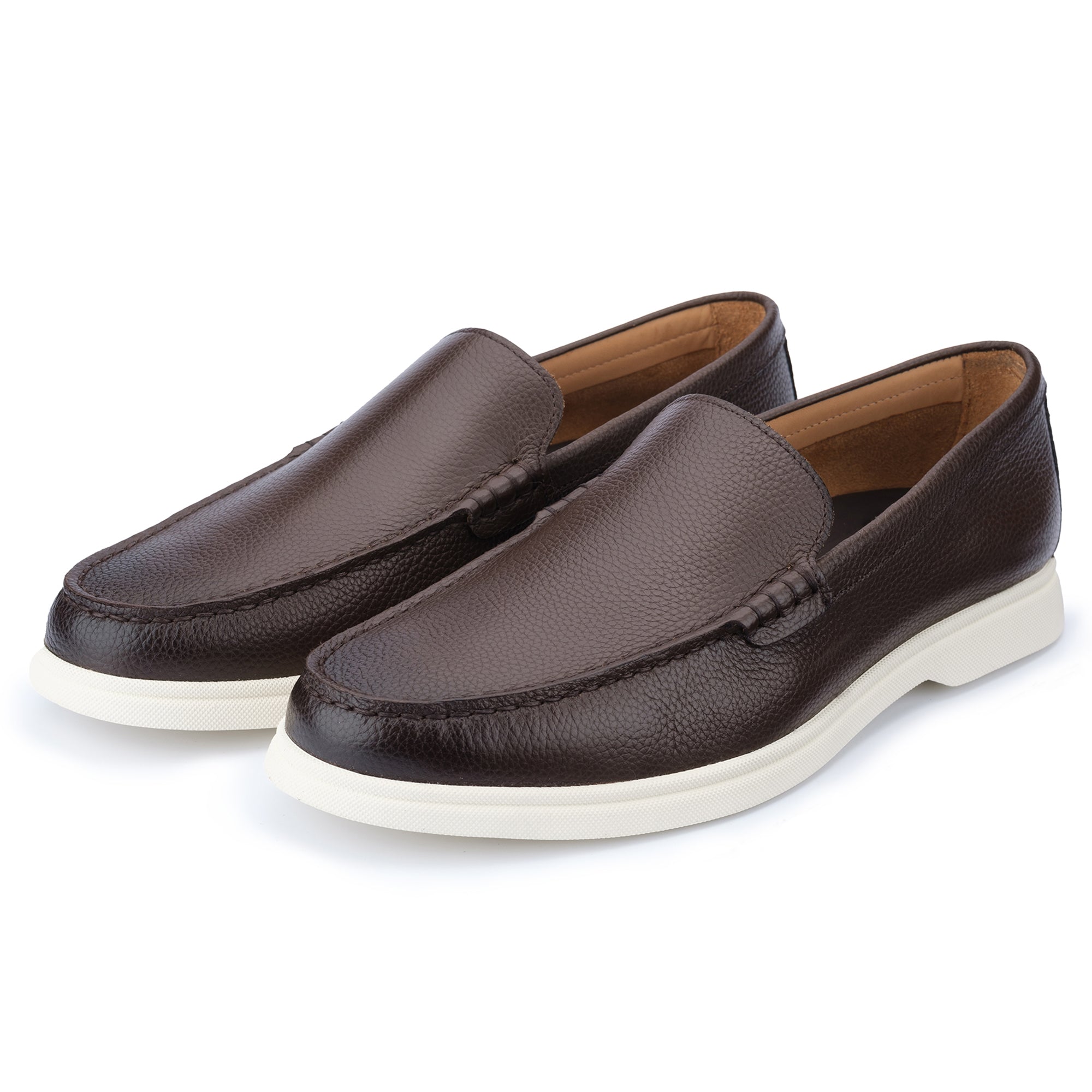
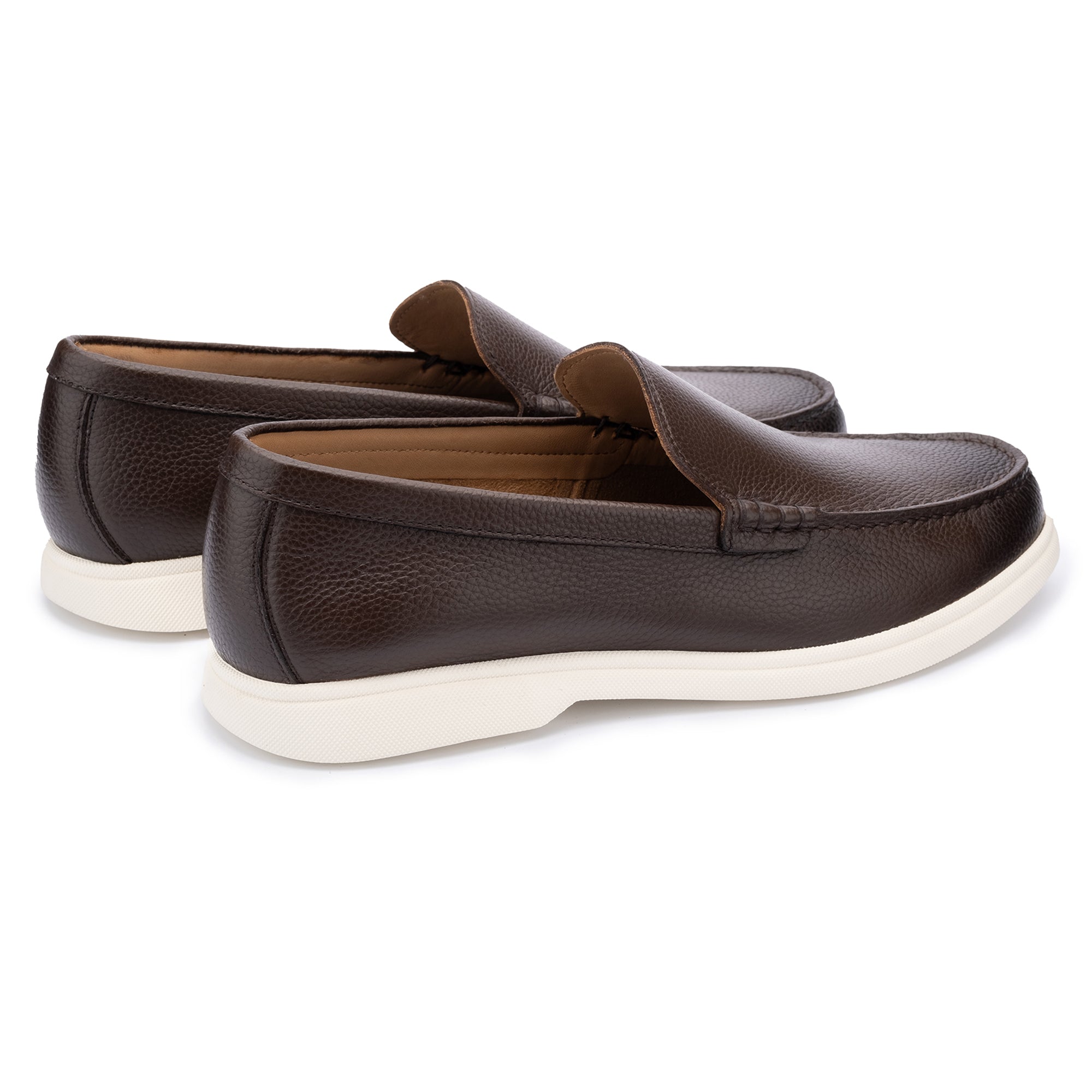
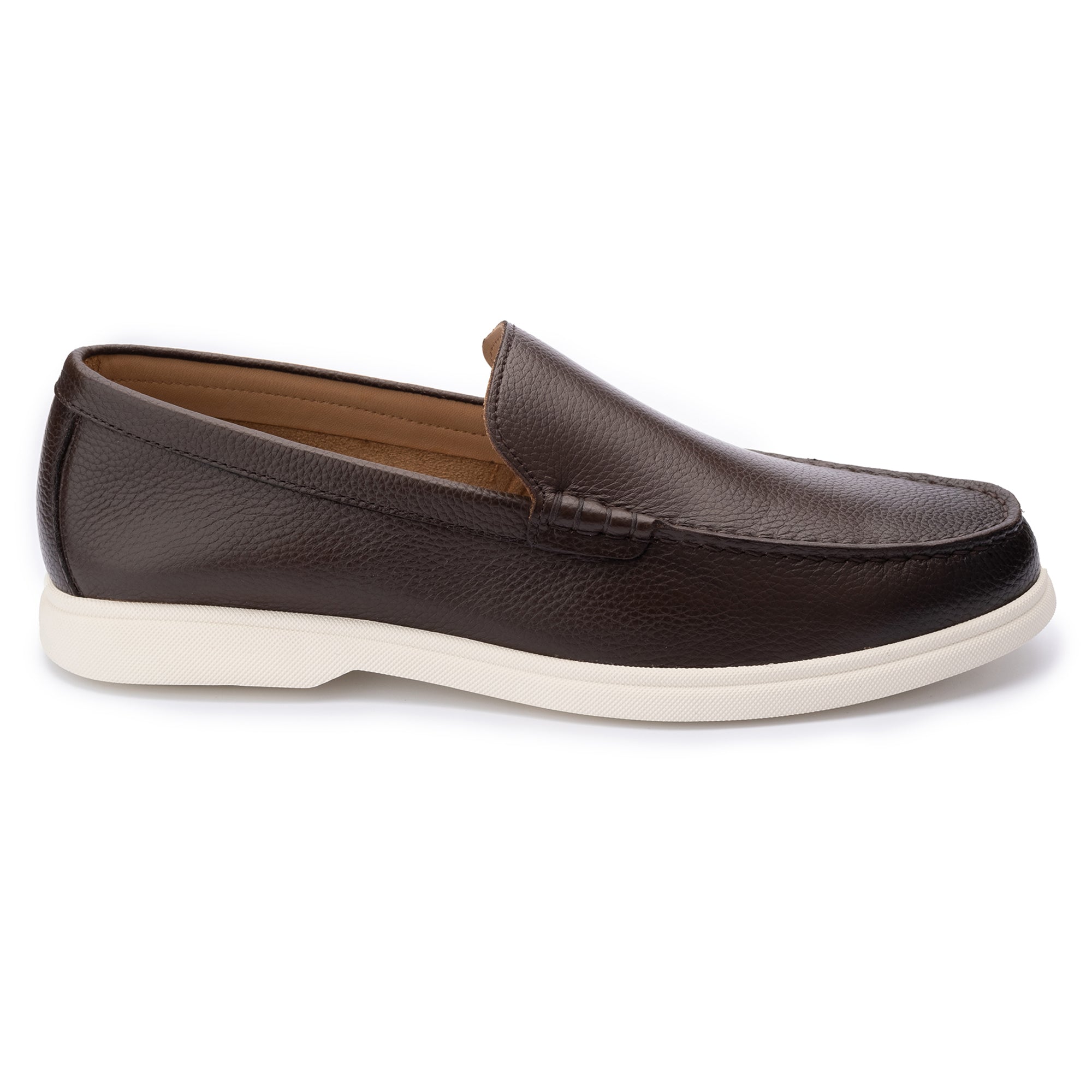
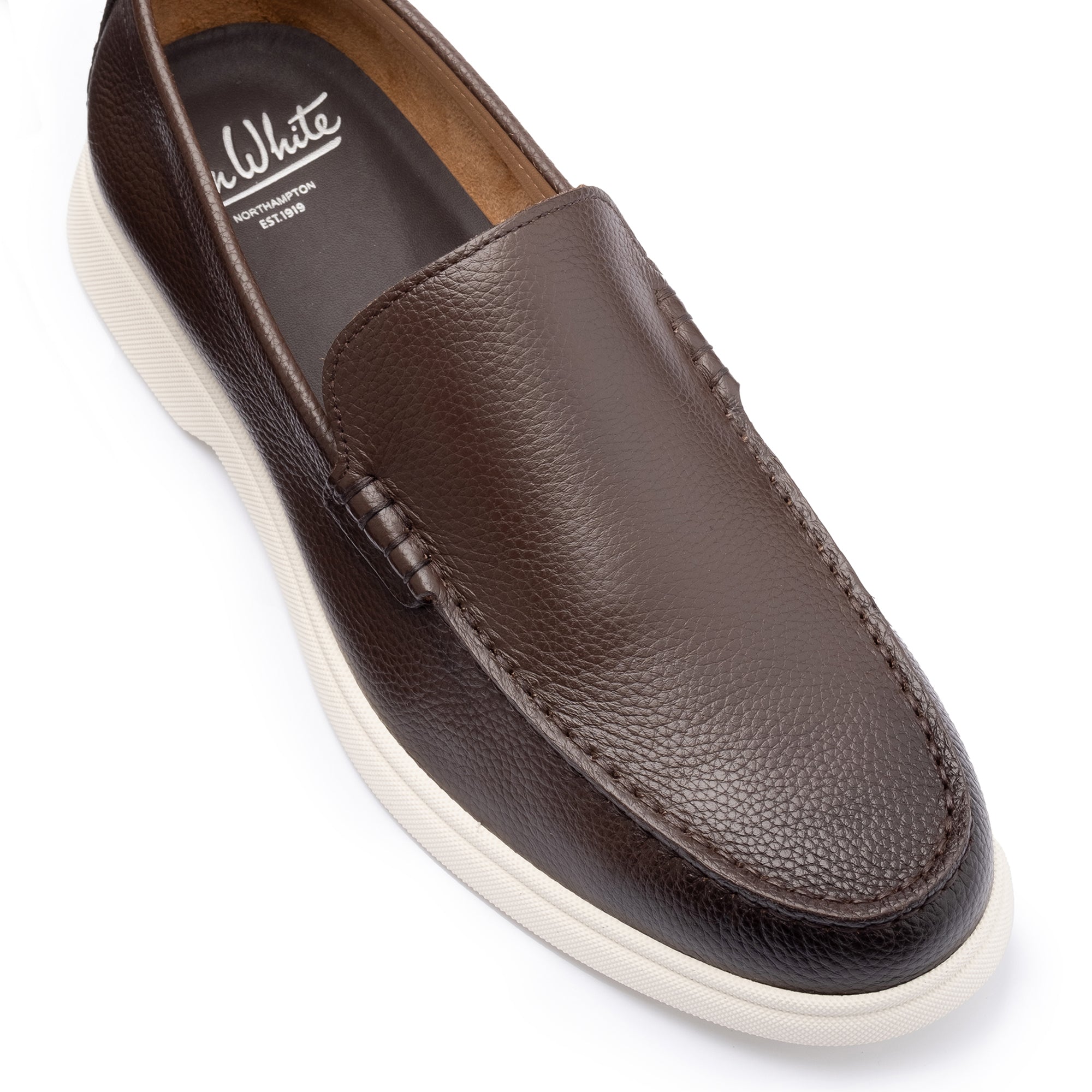
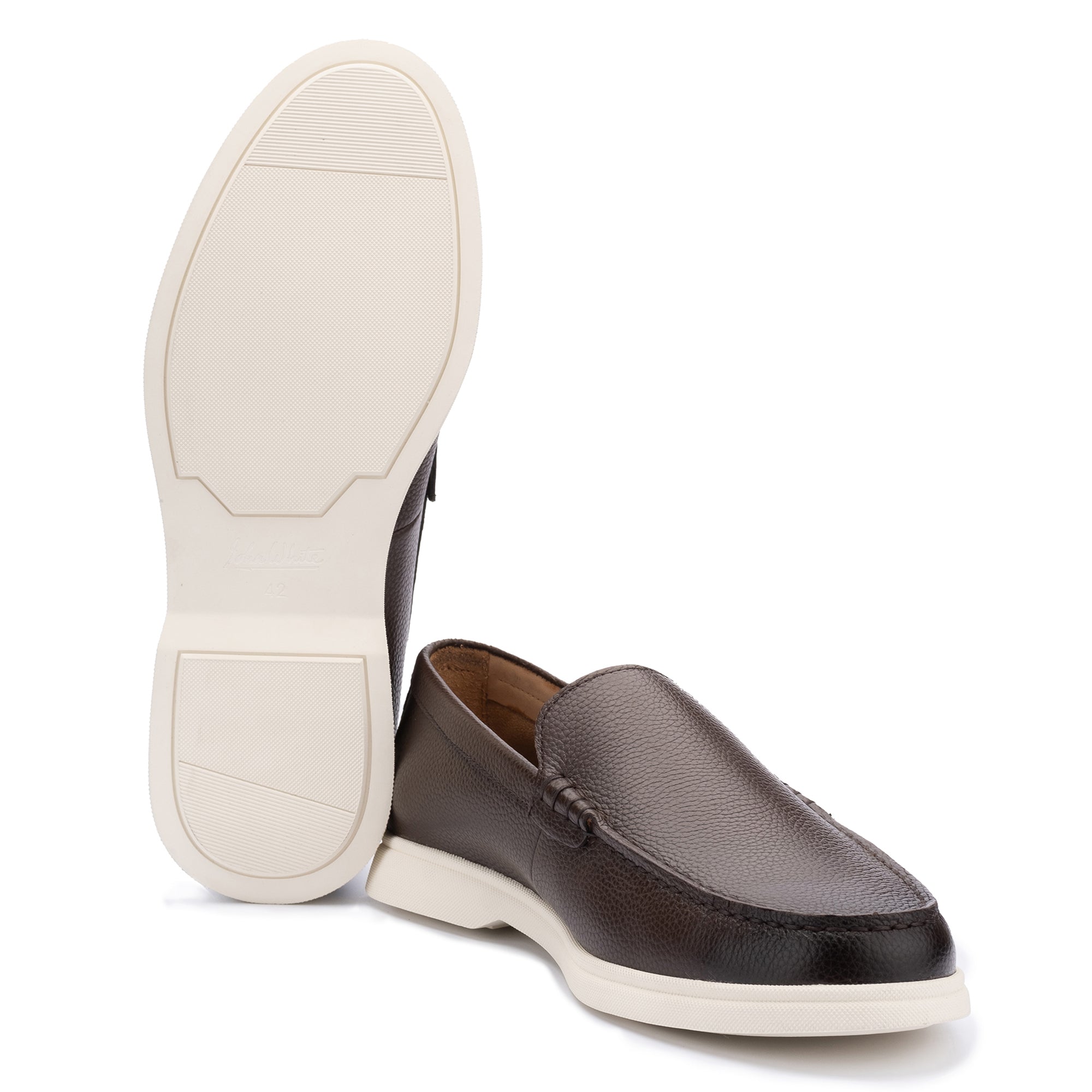
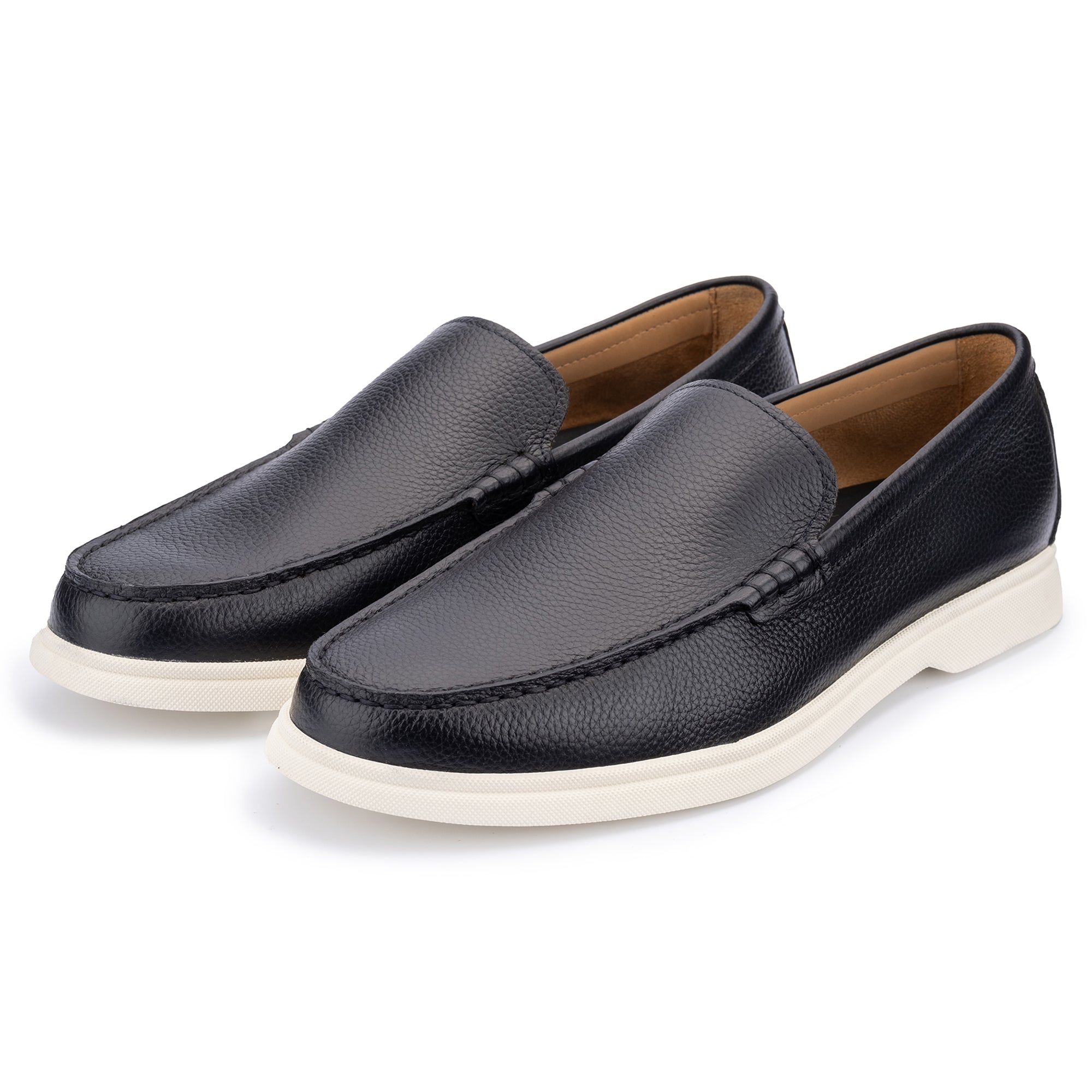
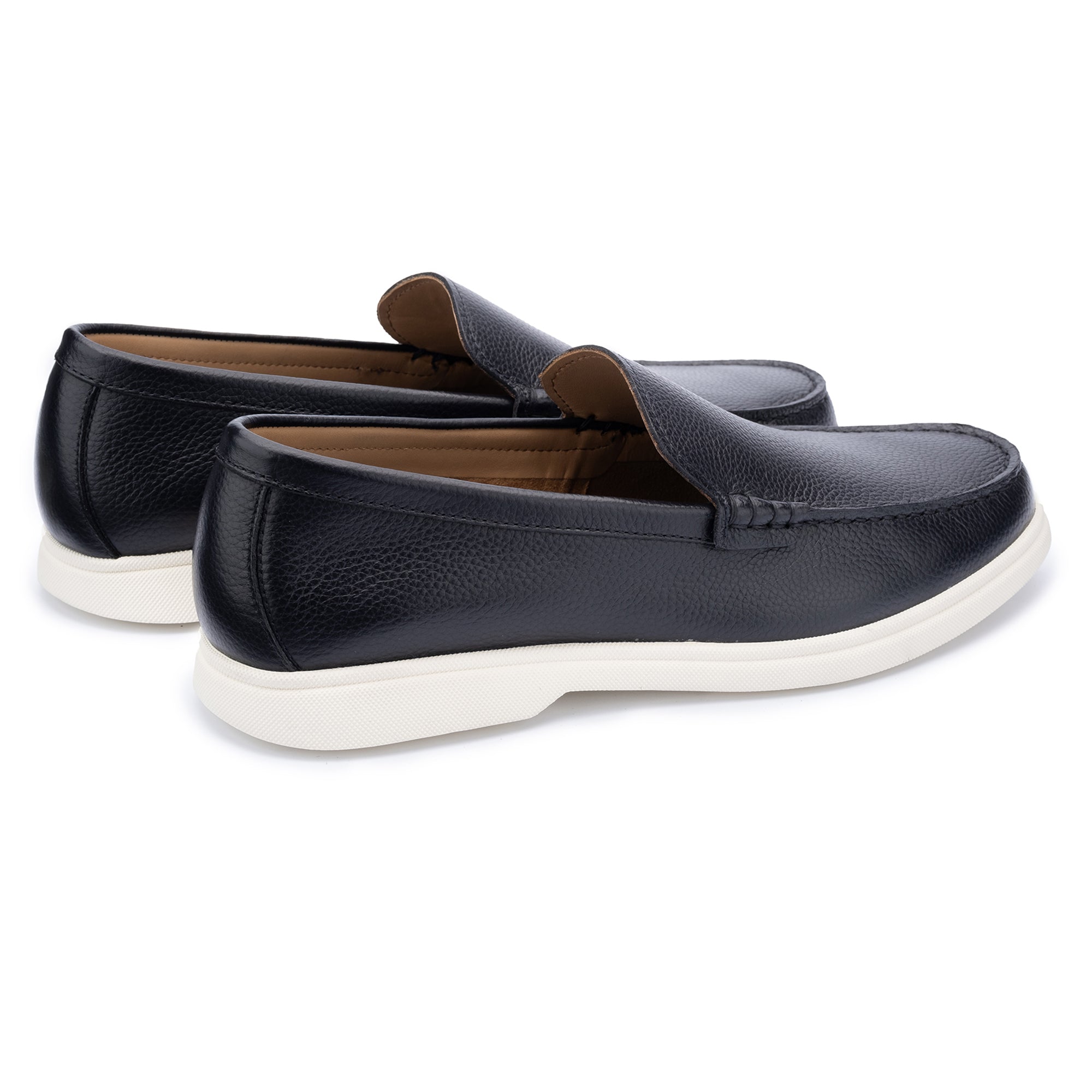
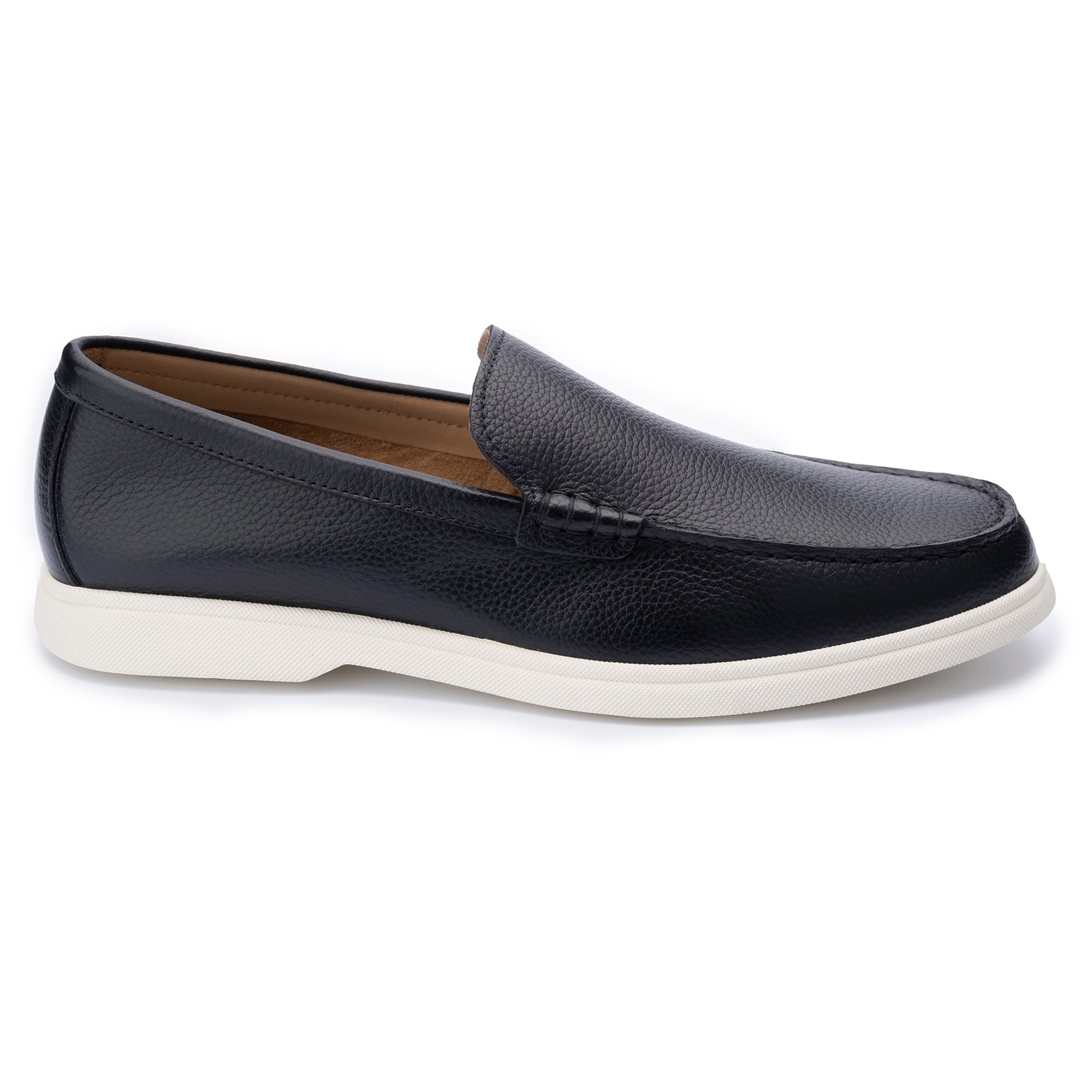
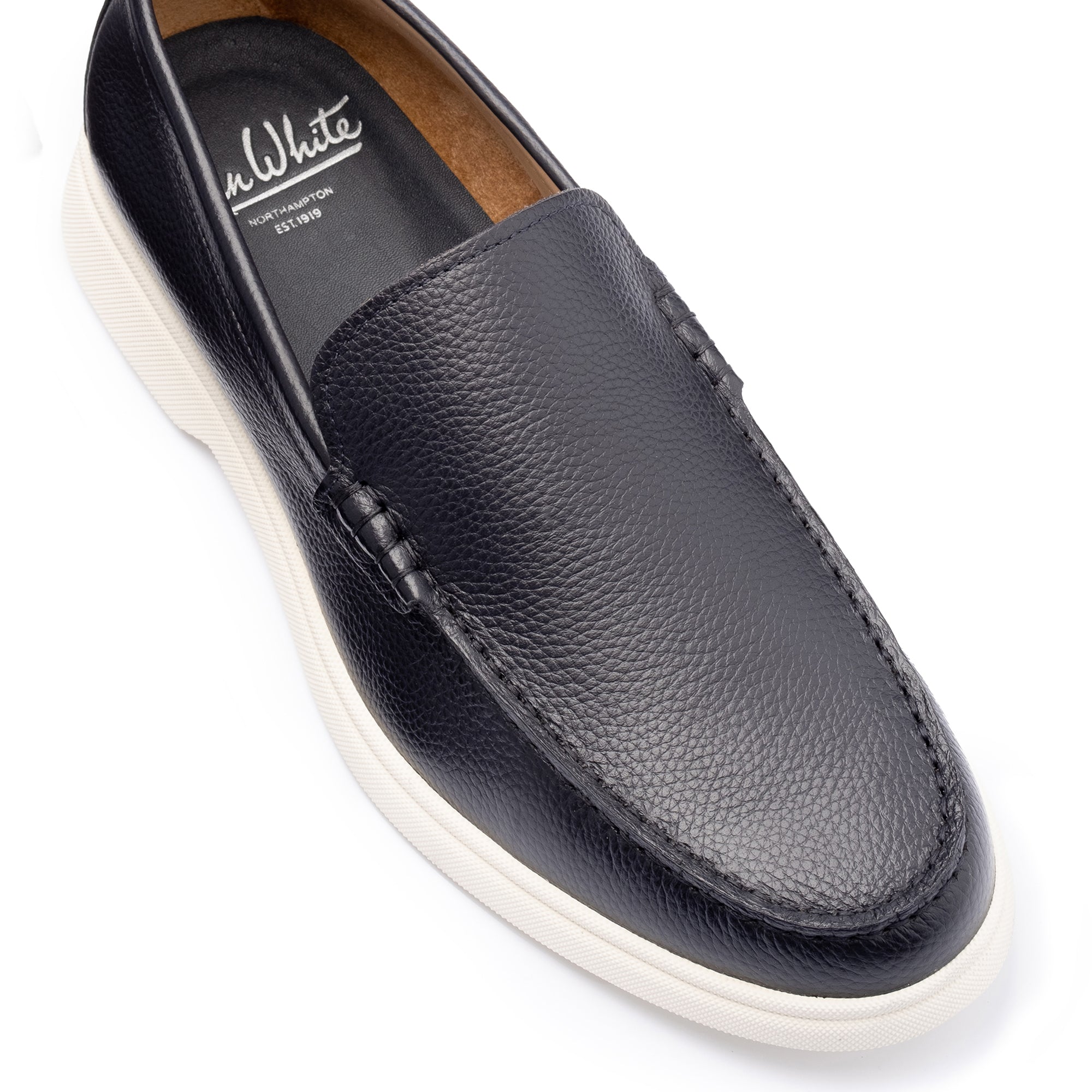
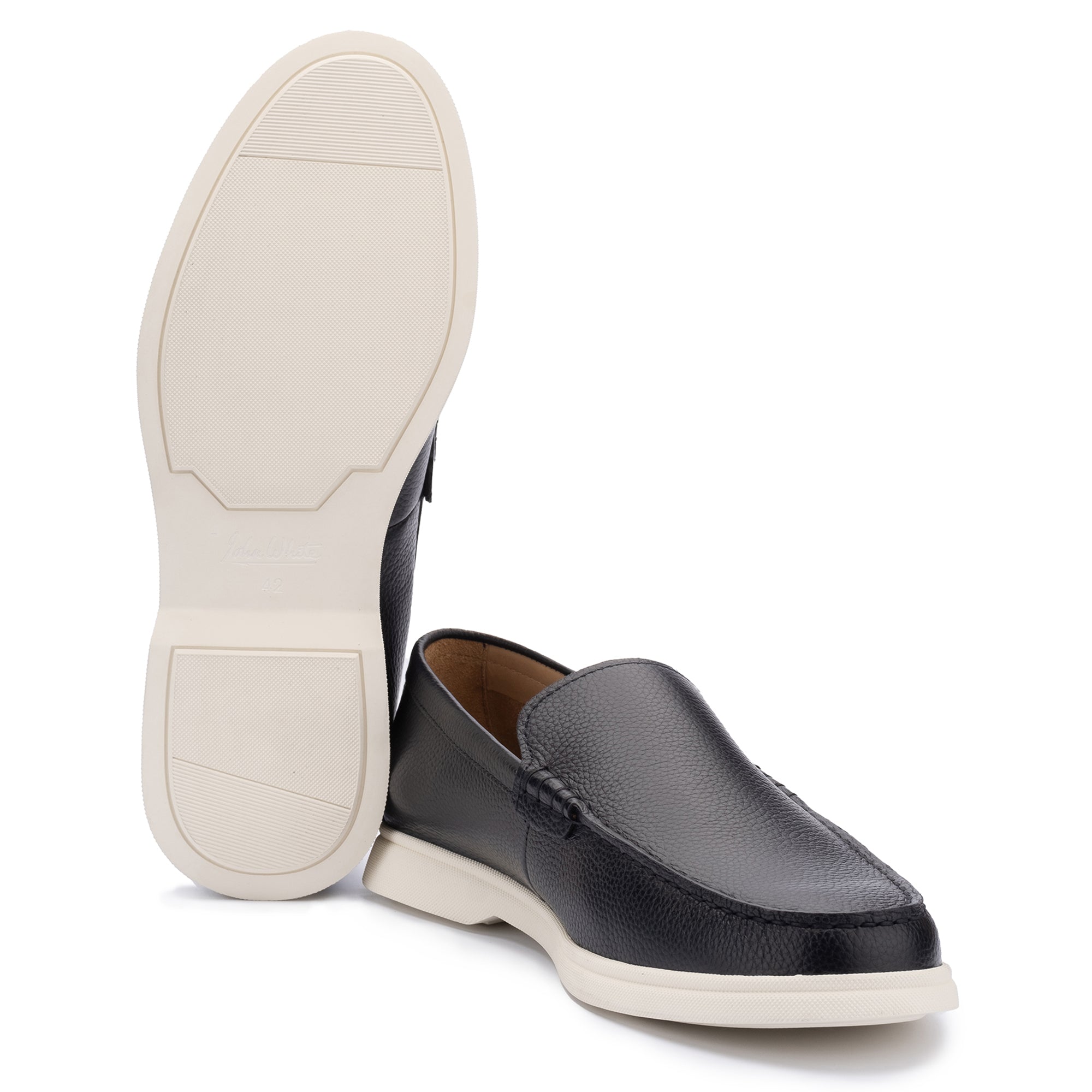
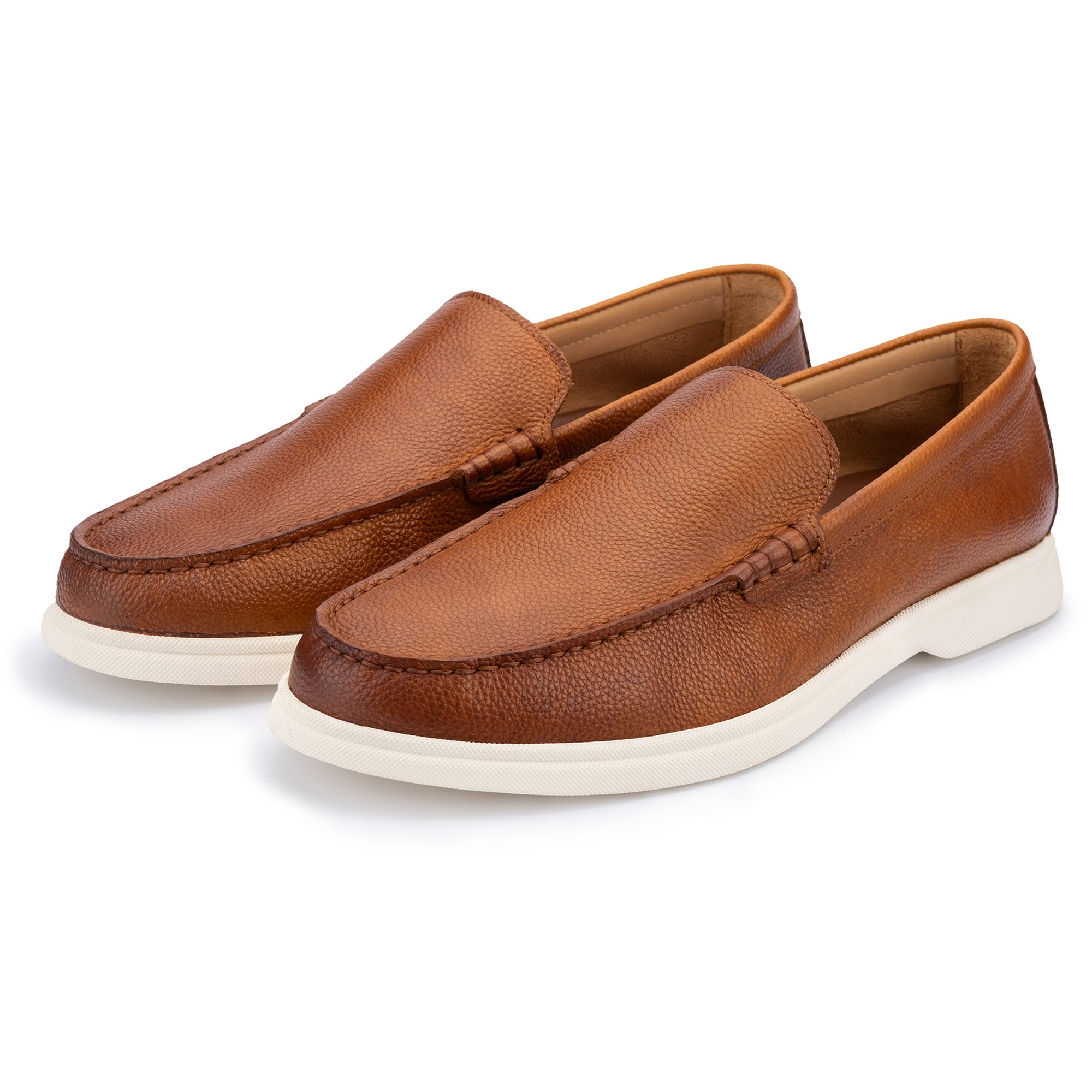
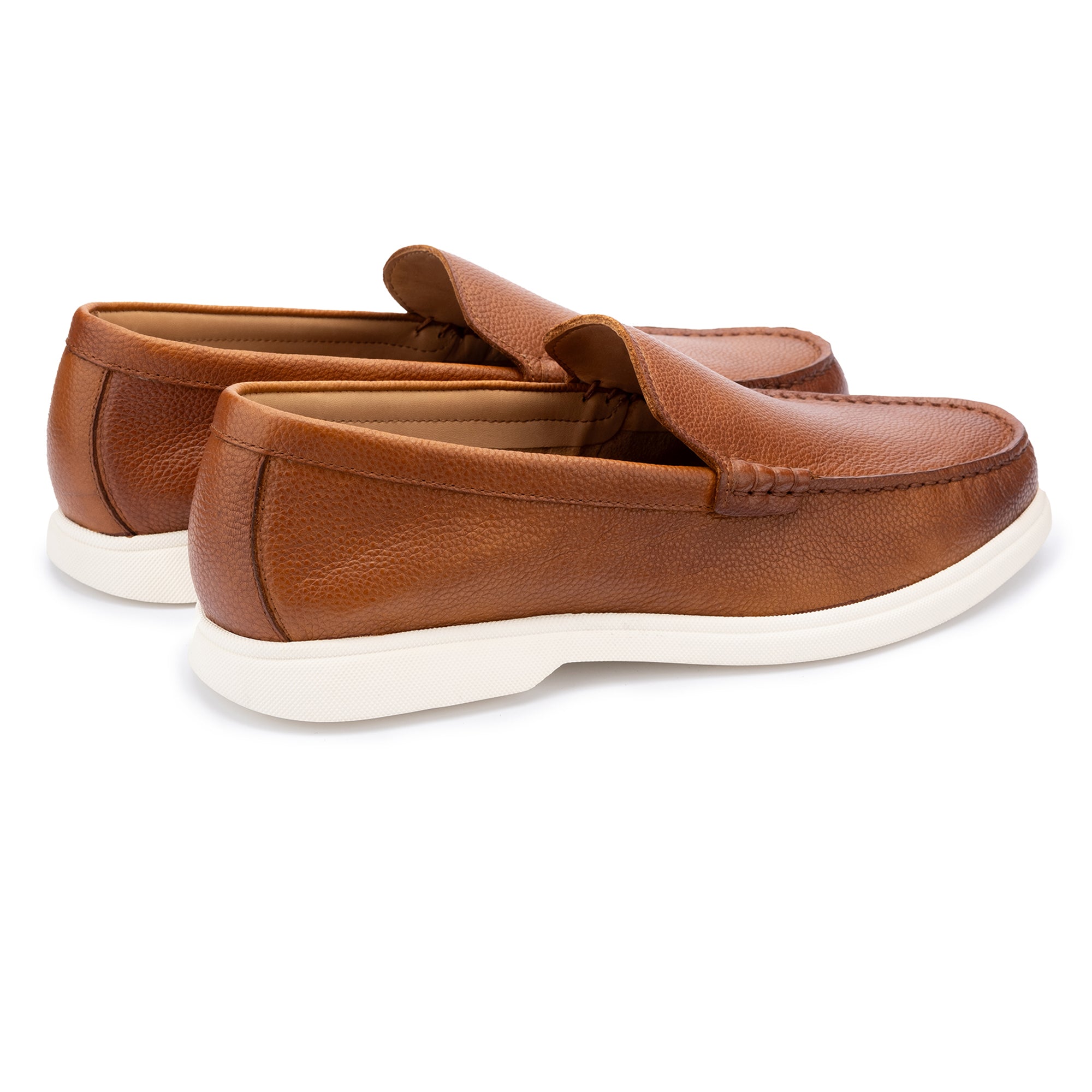
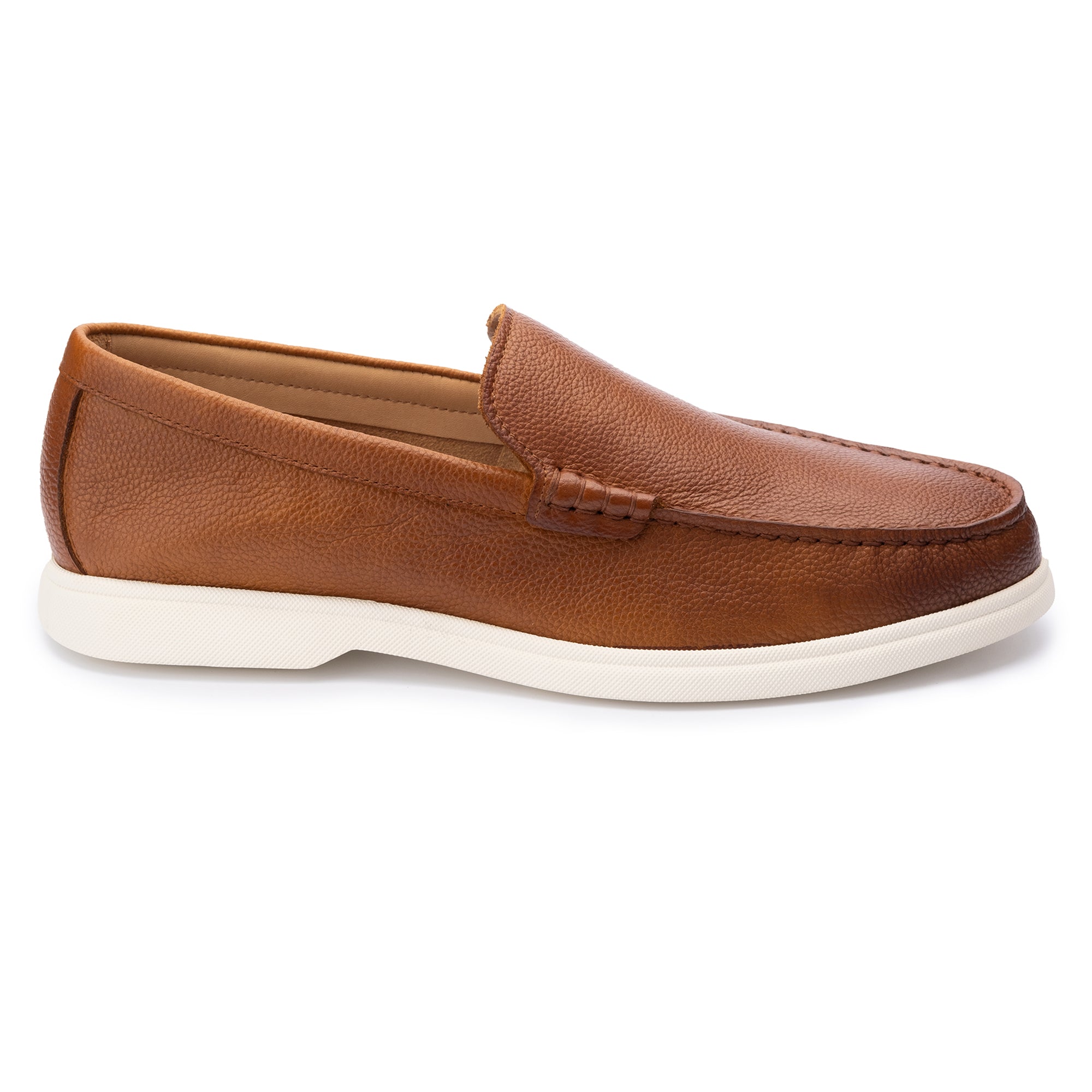
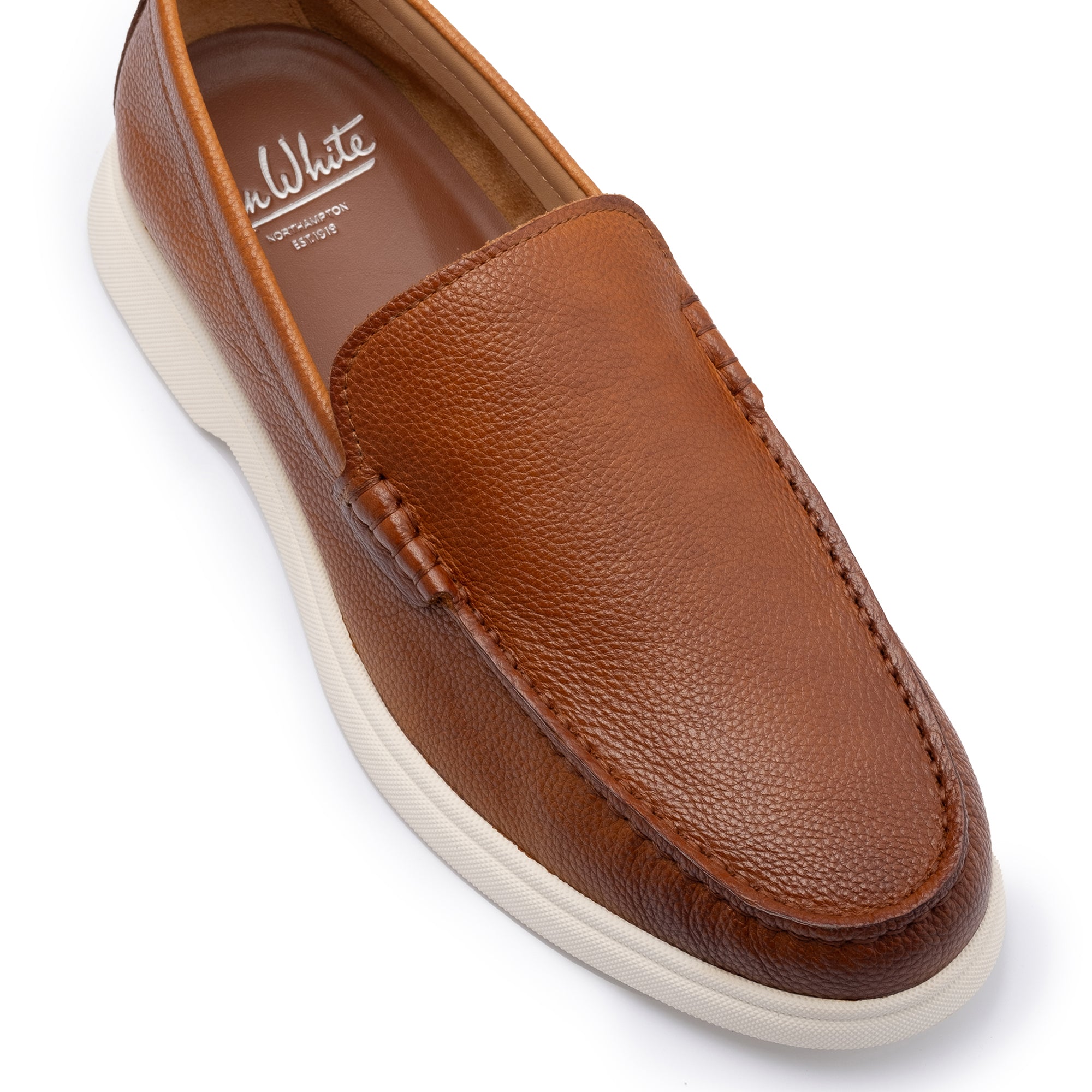
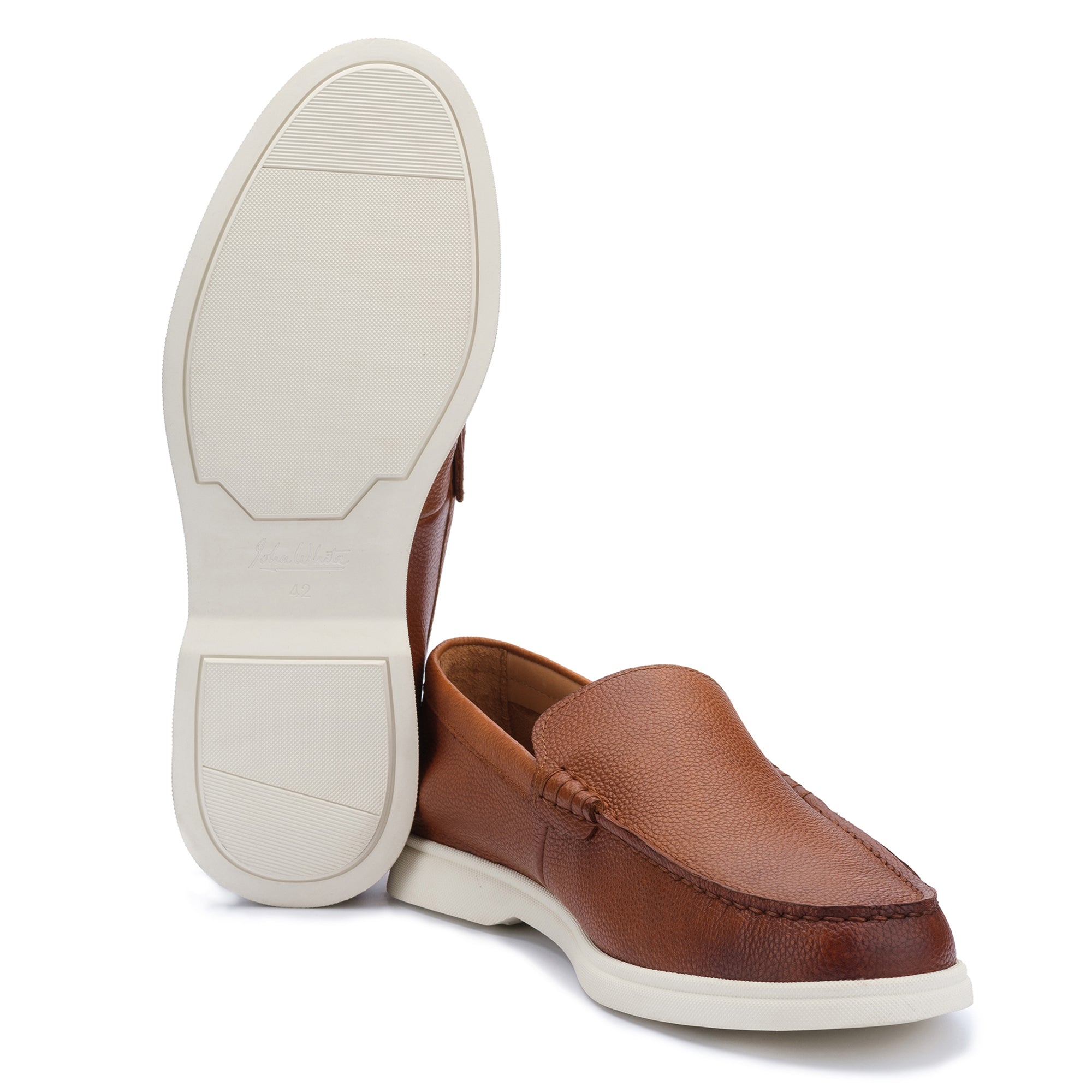
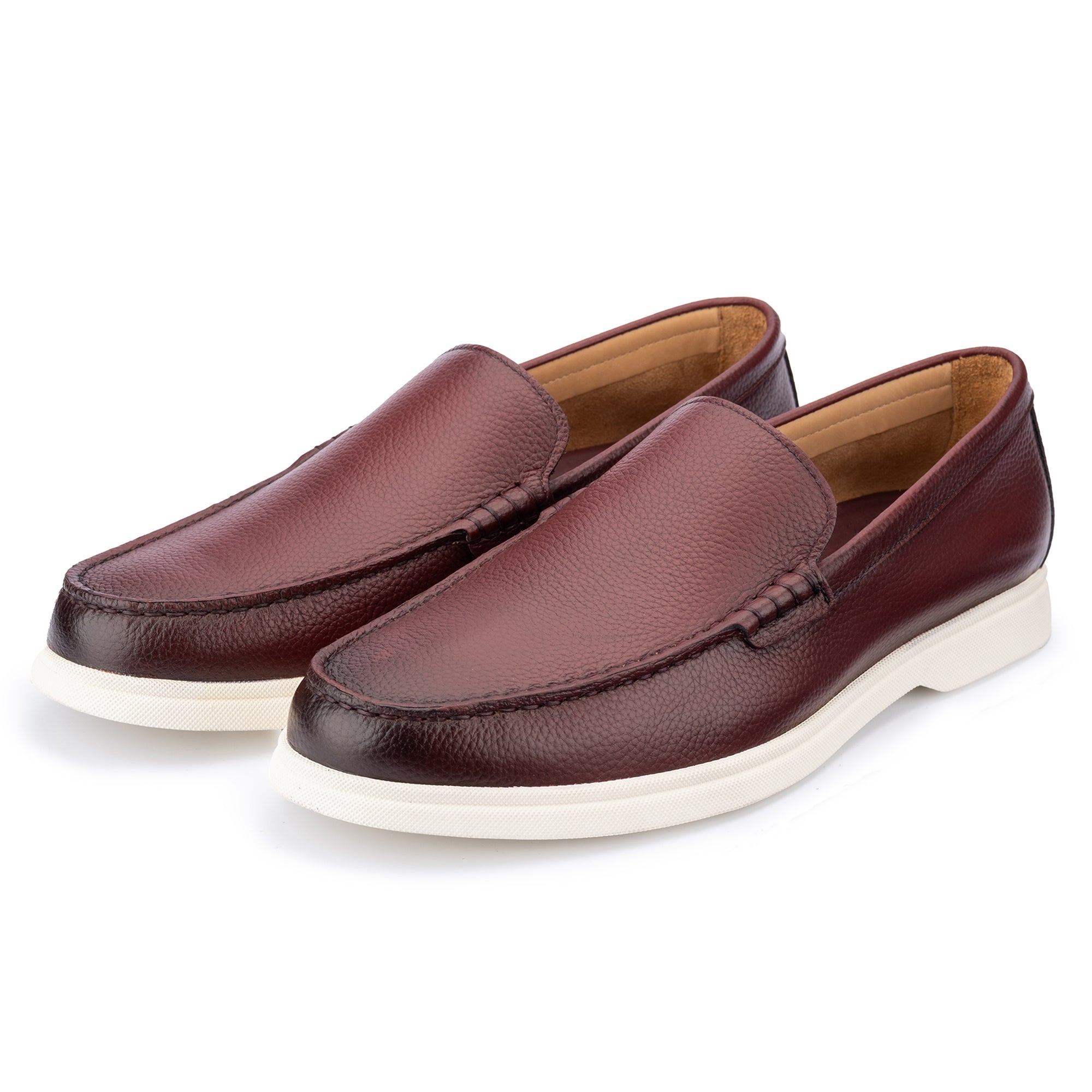
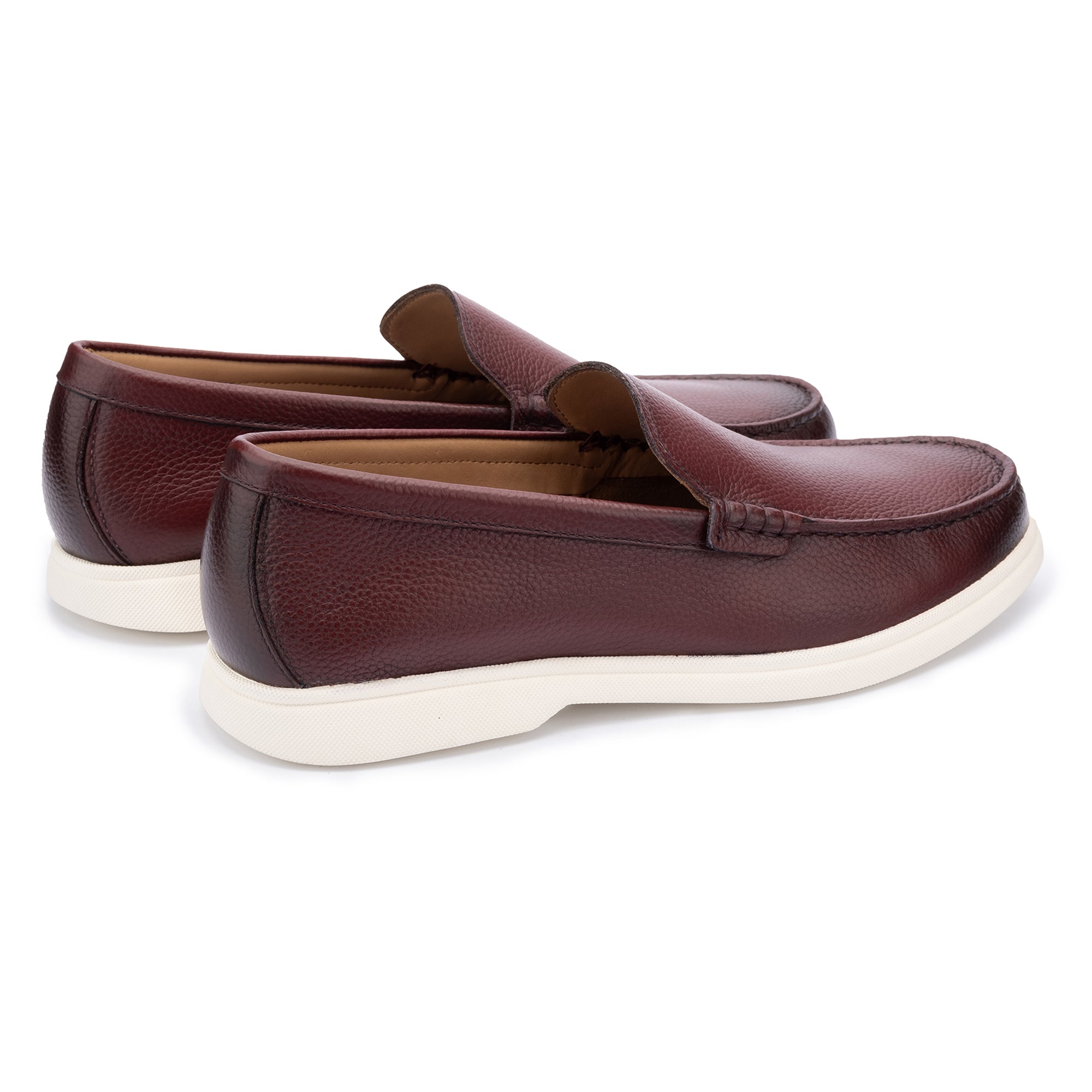
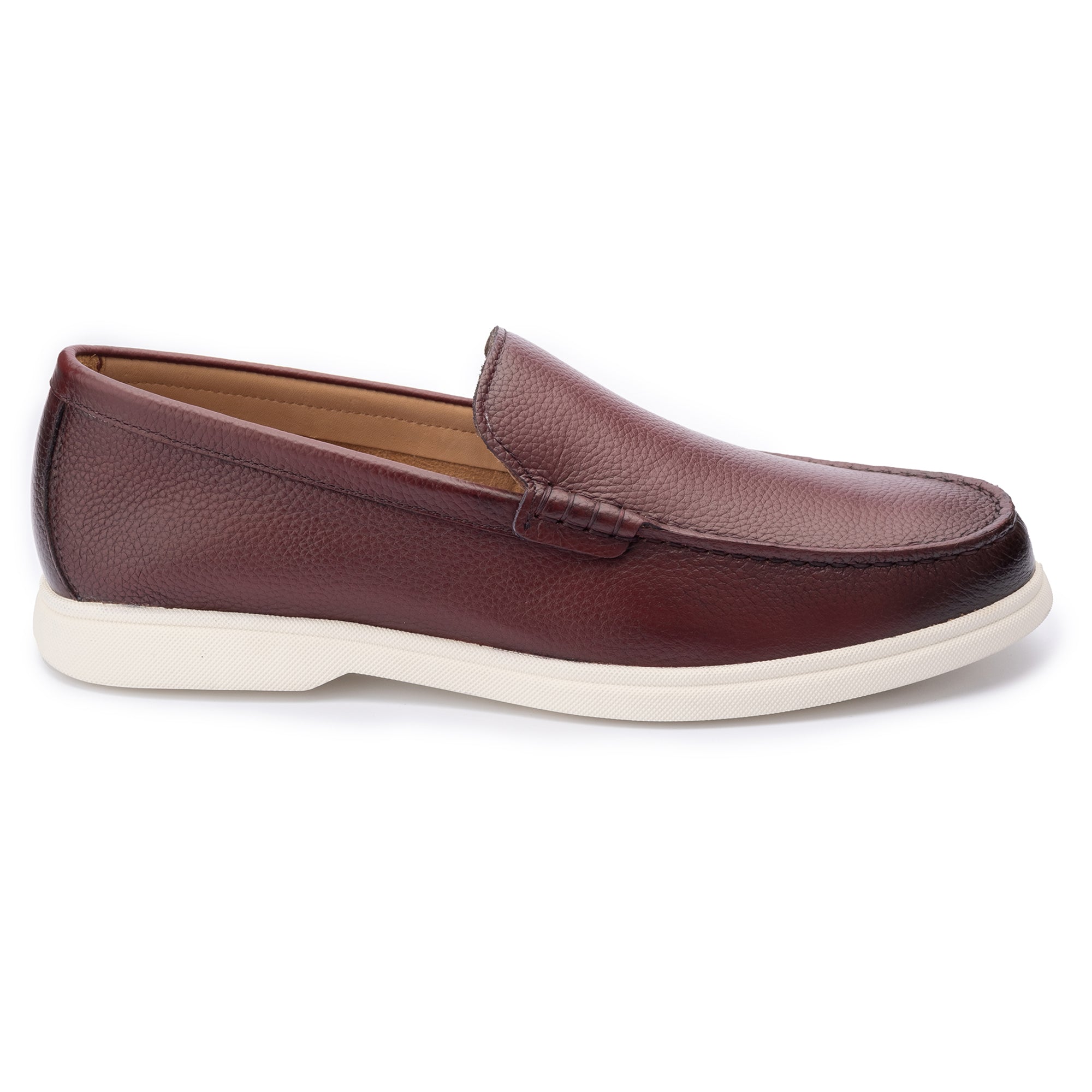
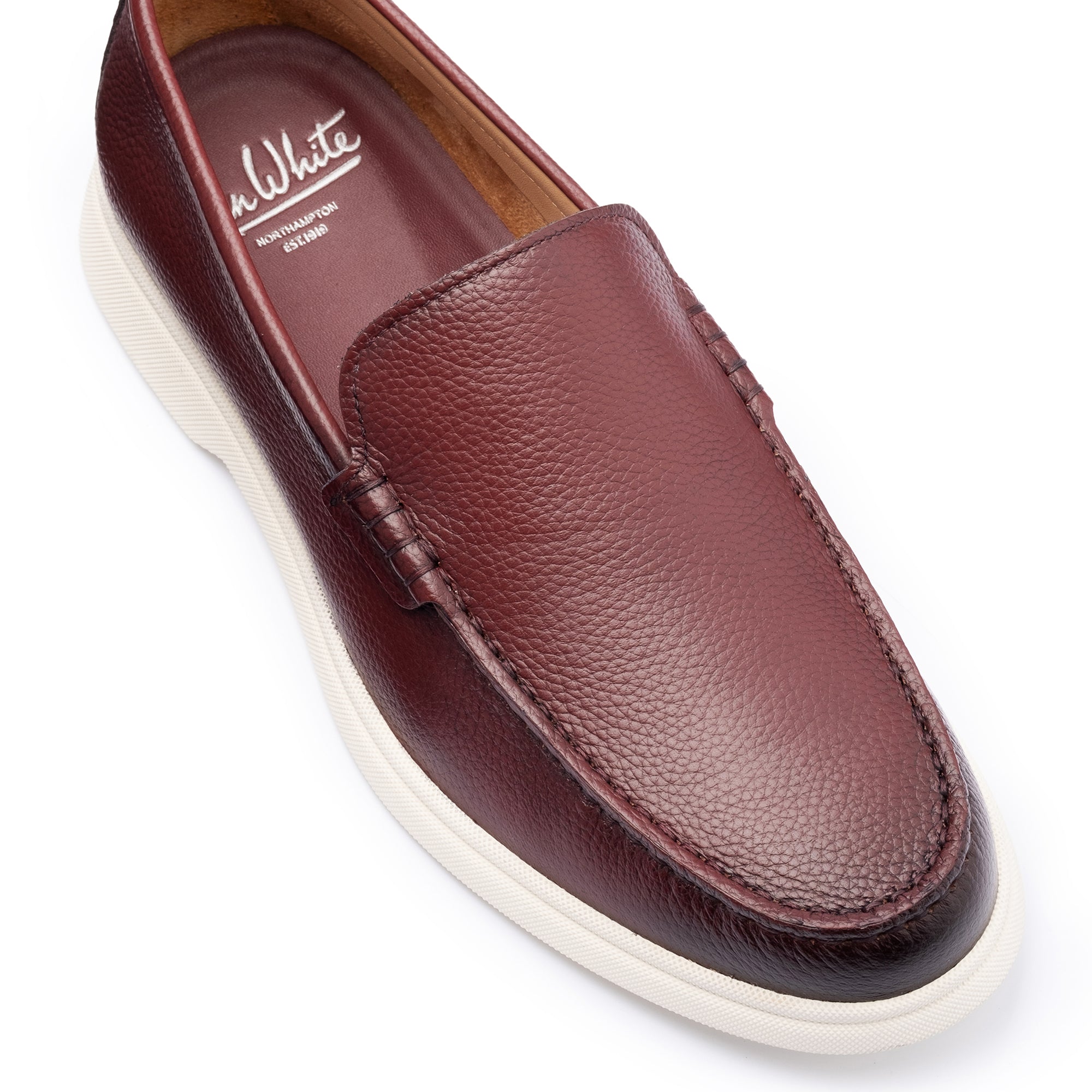
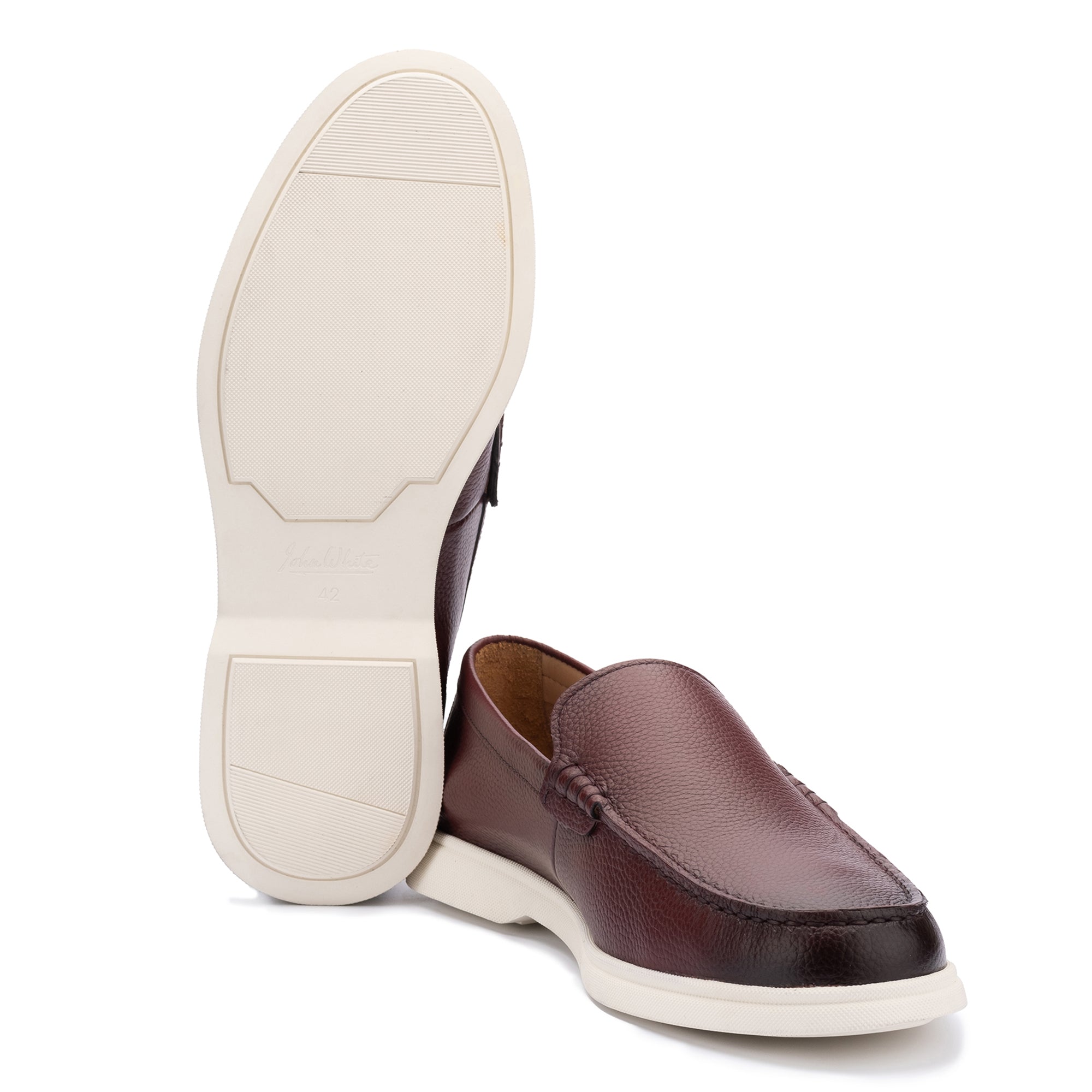
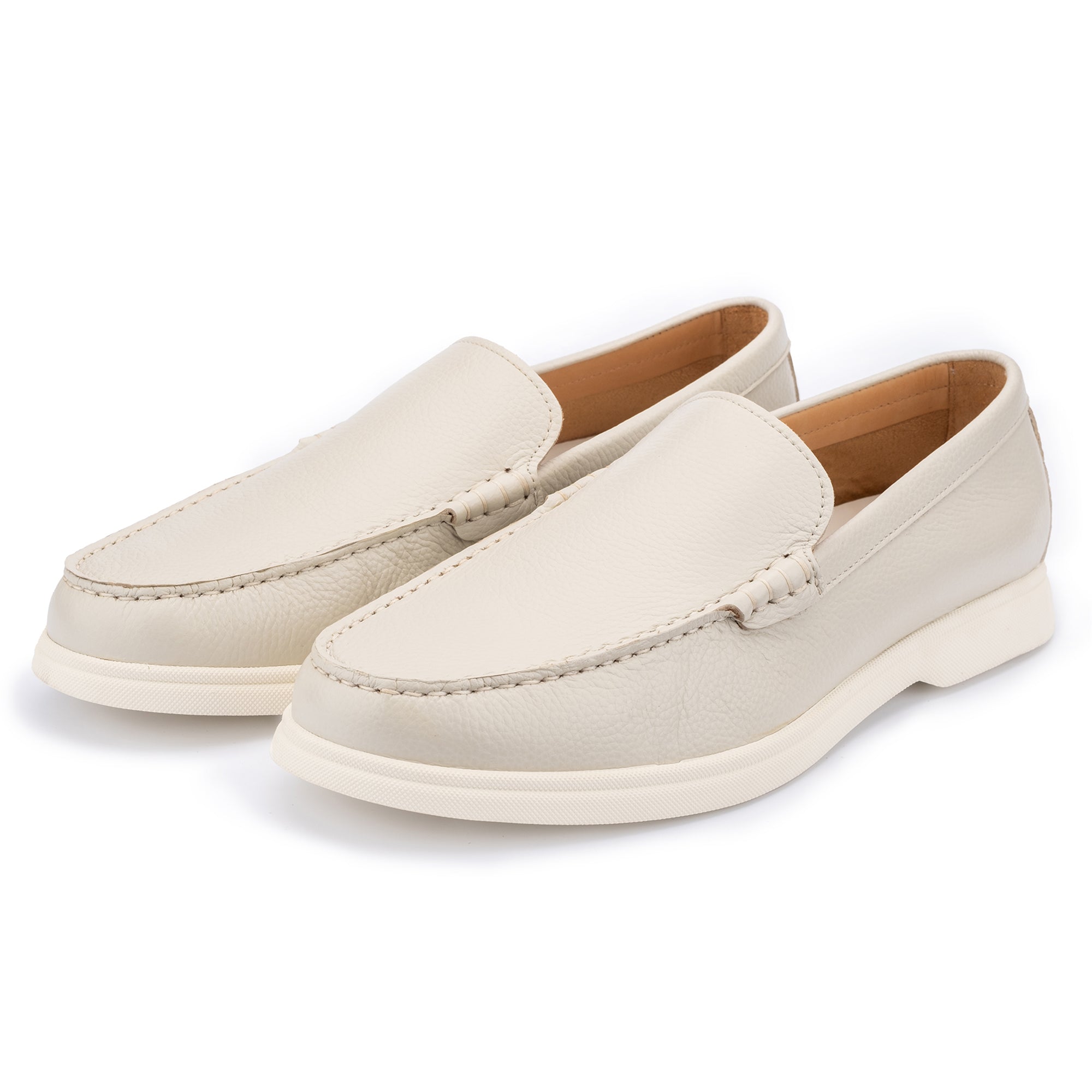
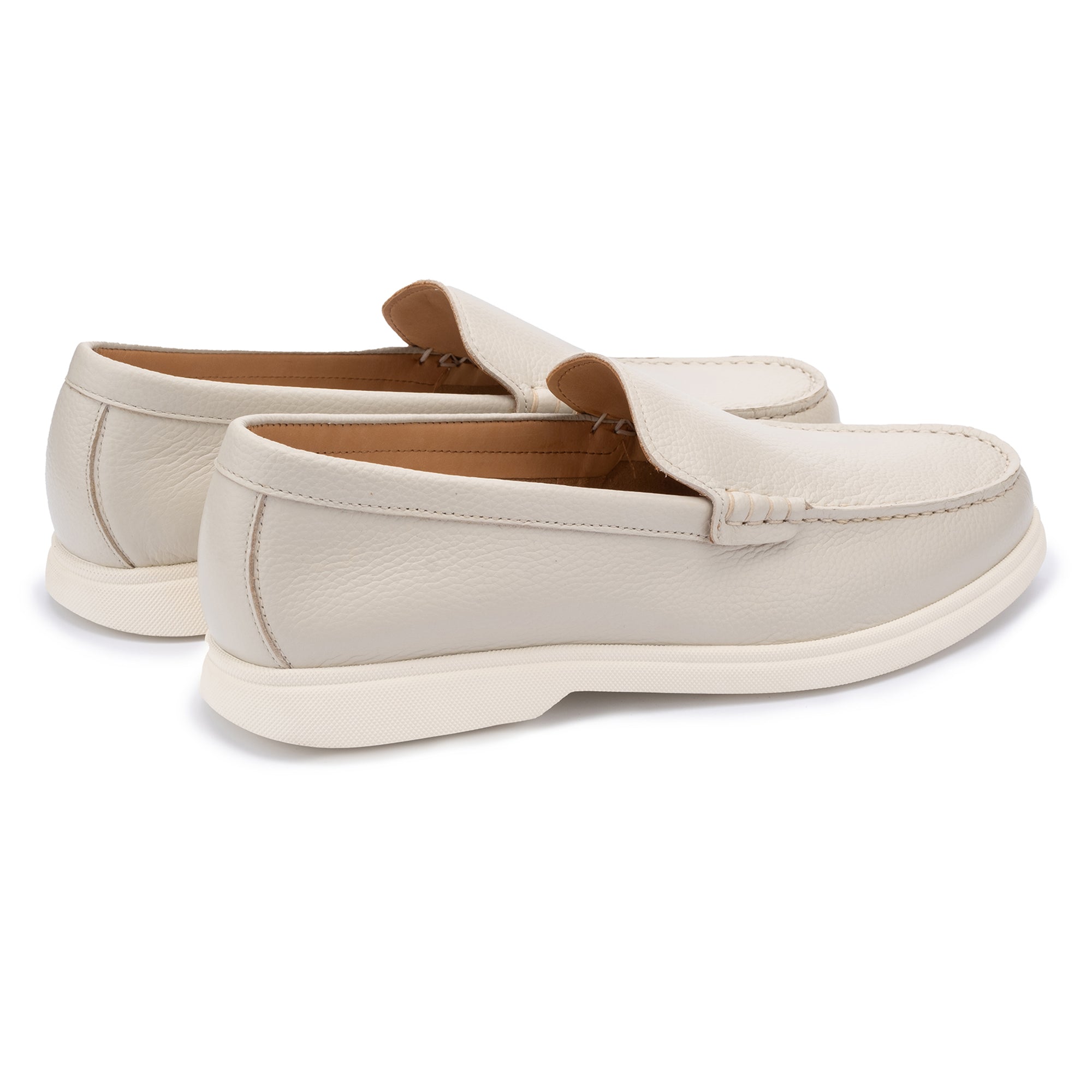
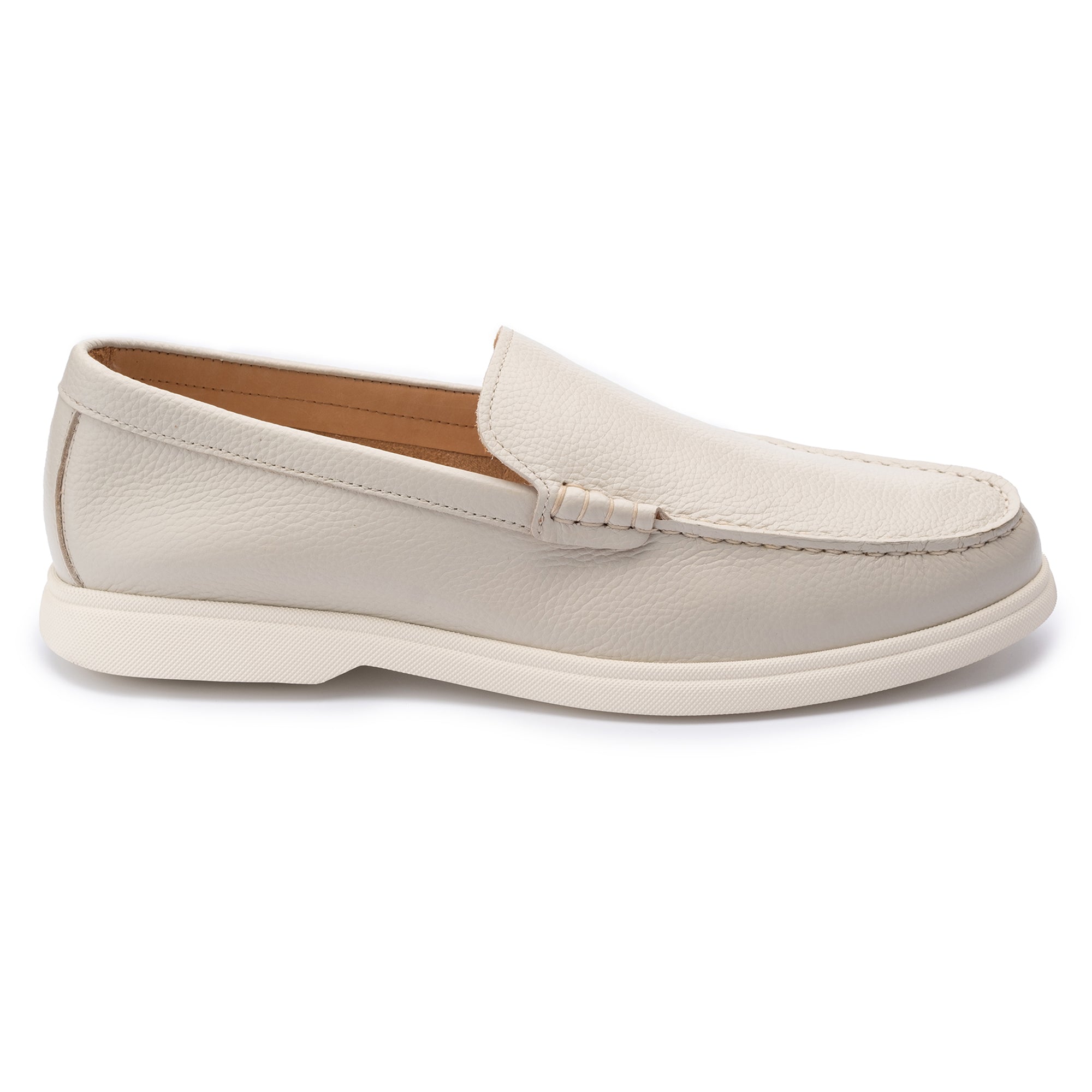
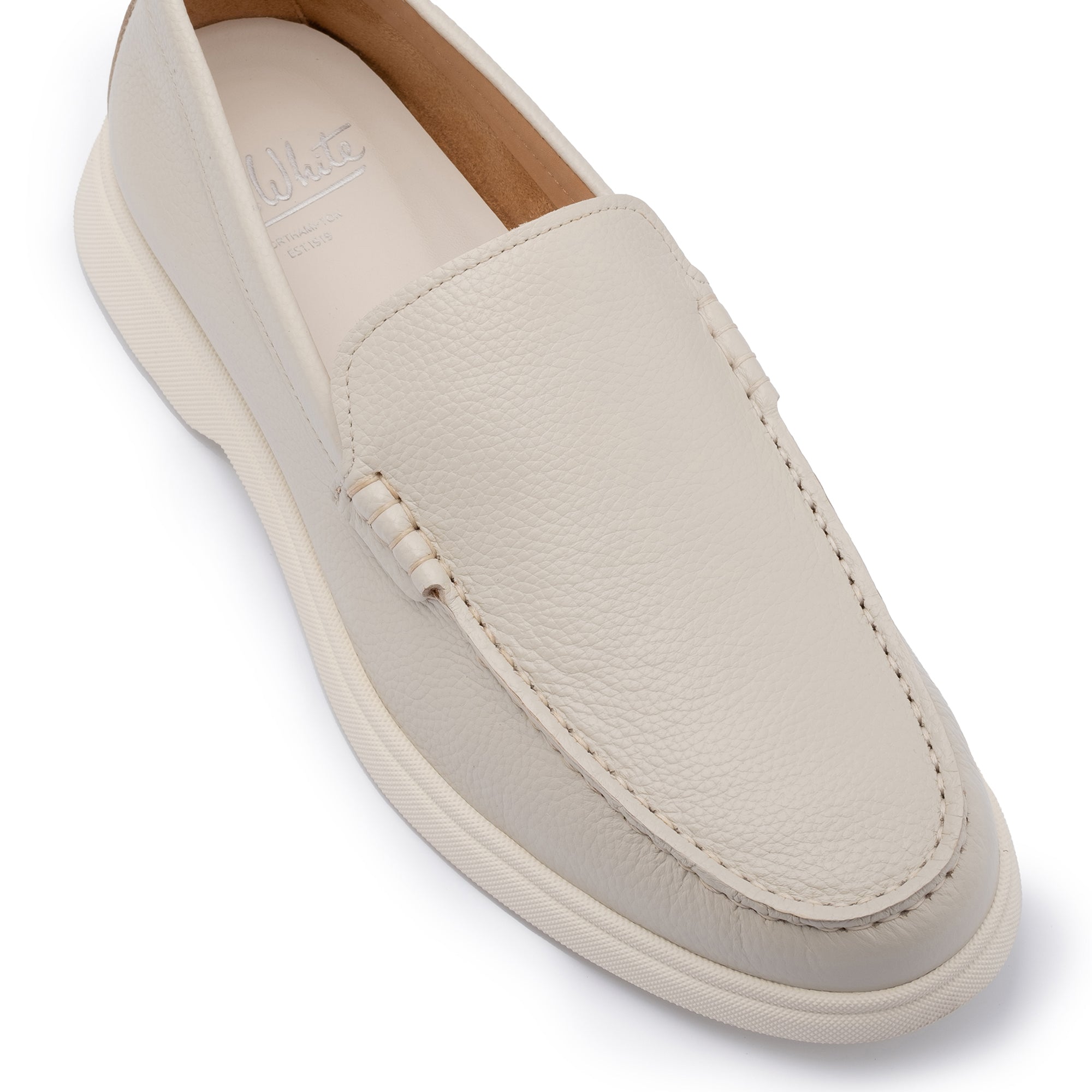
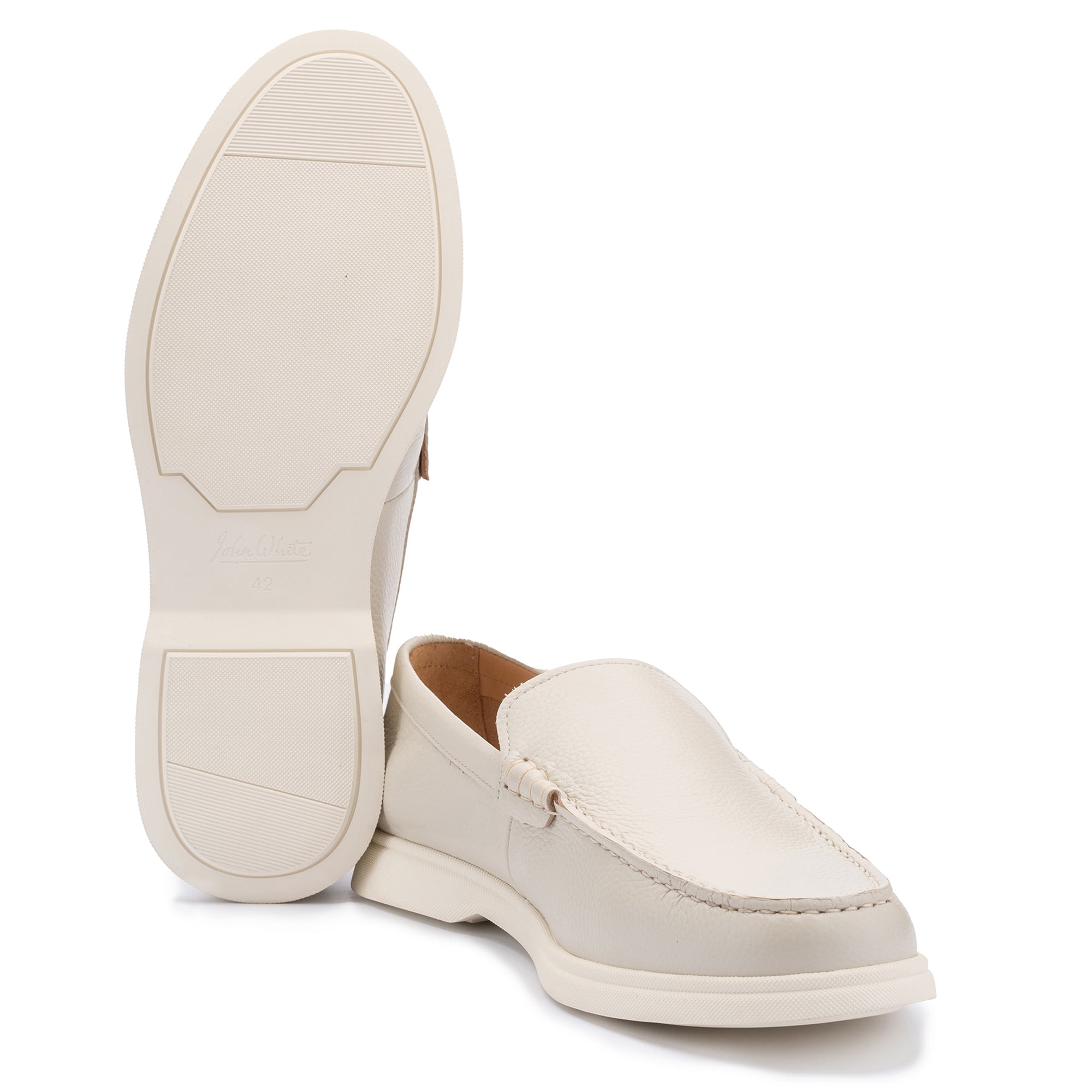
A loafer is a slip-on shoe with no lacing mechanism. Its absence of ceremony is both its appeal and its formality limit: loafers belong in smart-casual and relaxed business contexts, not at formal occasions. Material matters here — leather reads smarter than suede, and the cut of the vamp communicates different things depending on the style.
The Ethan Plain Tumbled Grain Loafer comes in five colours — Brown, Navy, Pearl, Tan, and Wine — which reflects just how broad the loafer's range has become in contemporary dressing.
Monk Strap Shoes — The Confident Choice
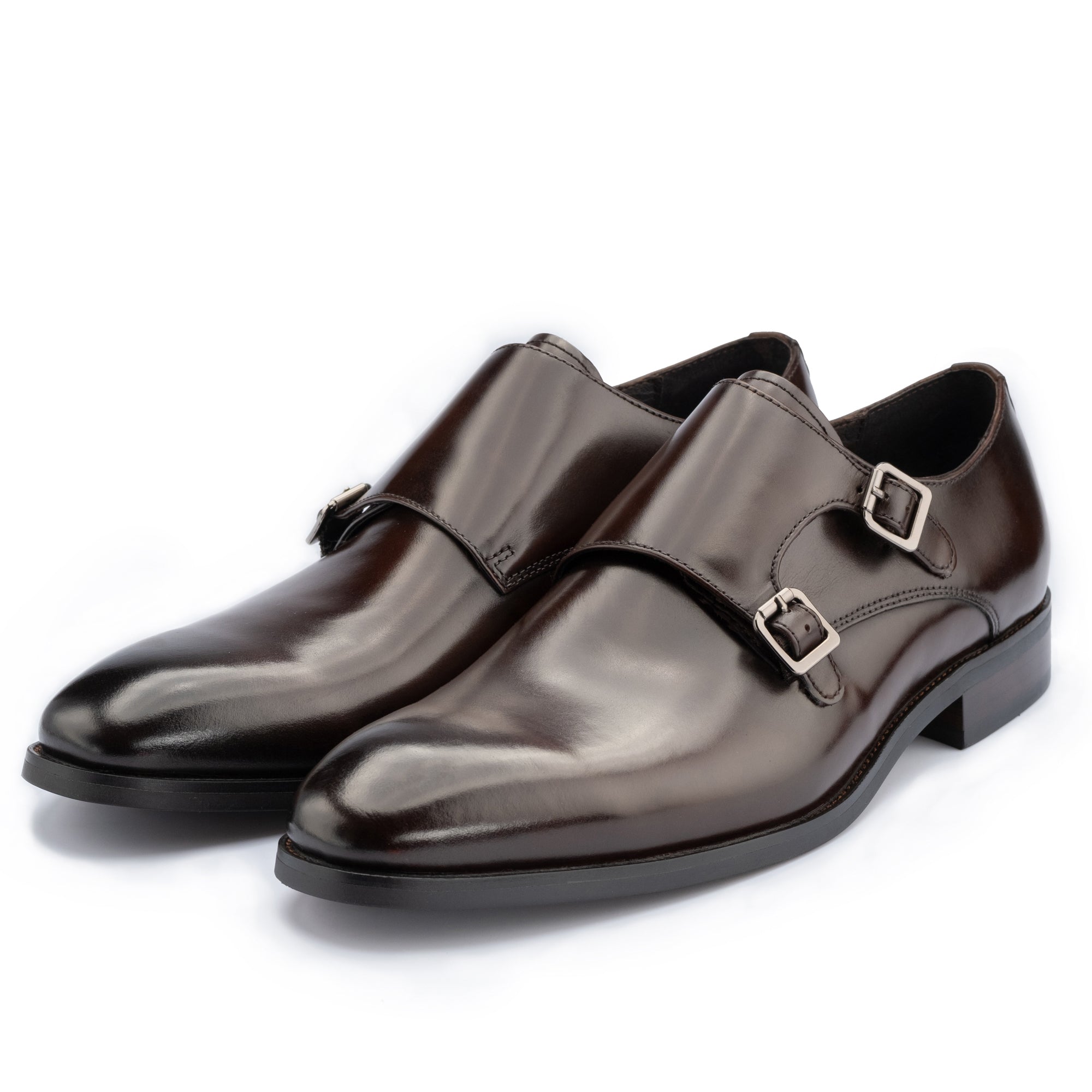
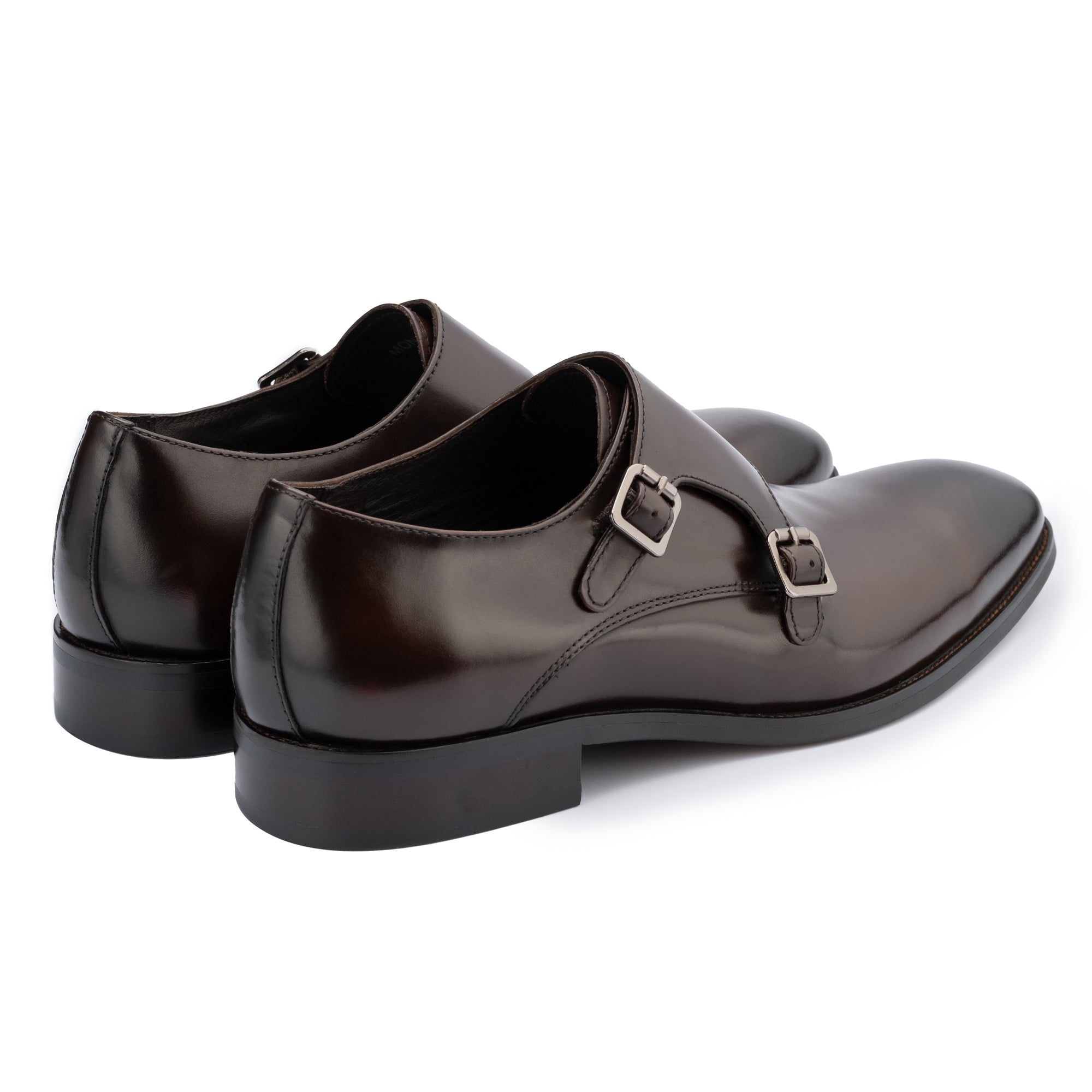
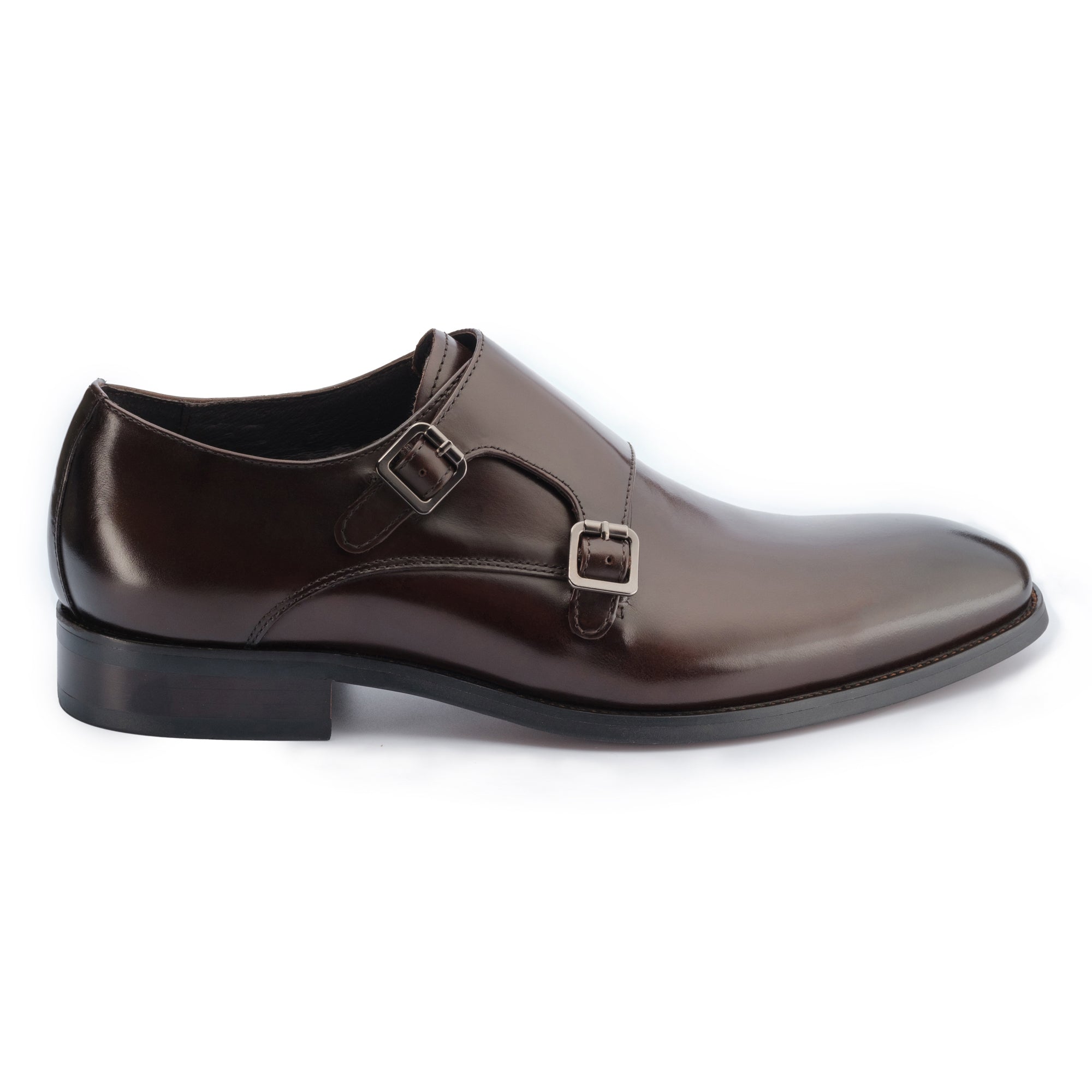
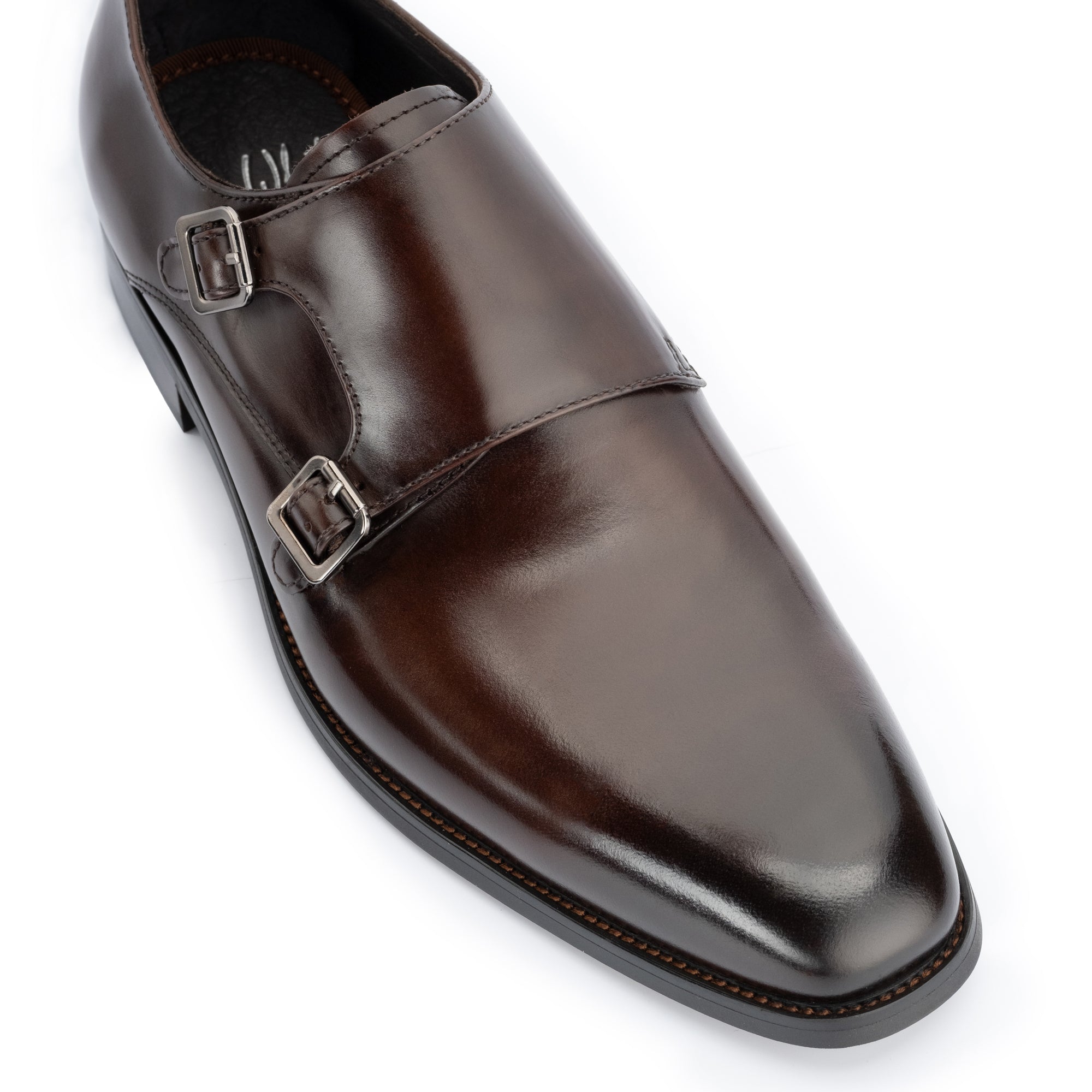
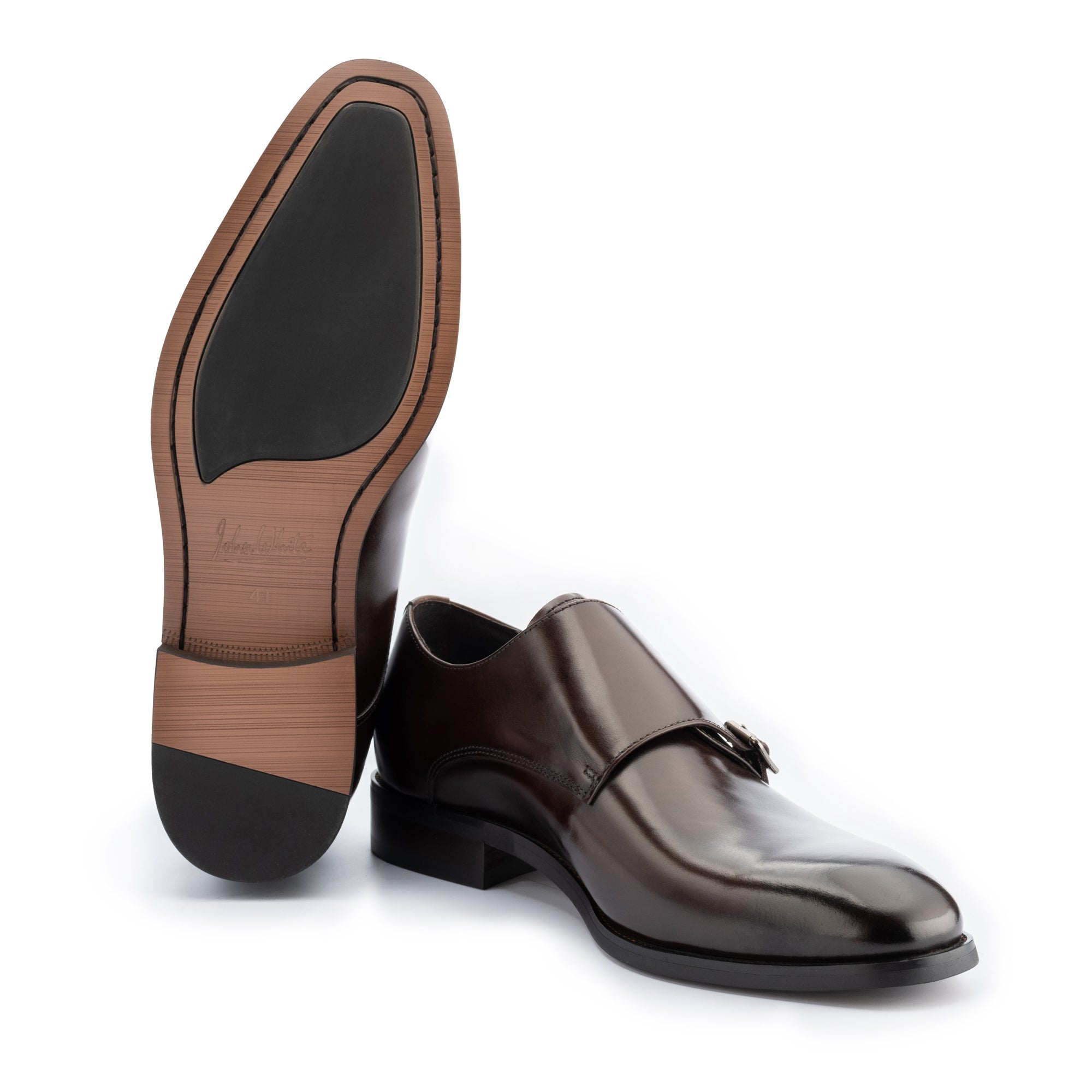
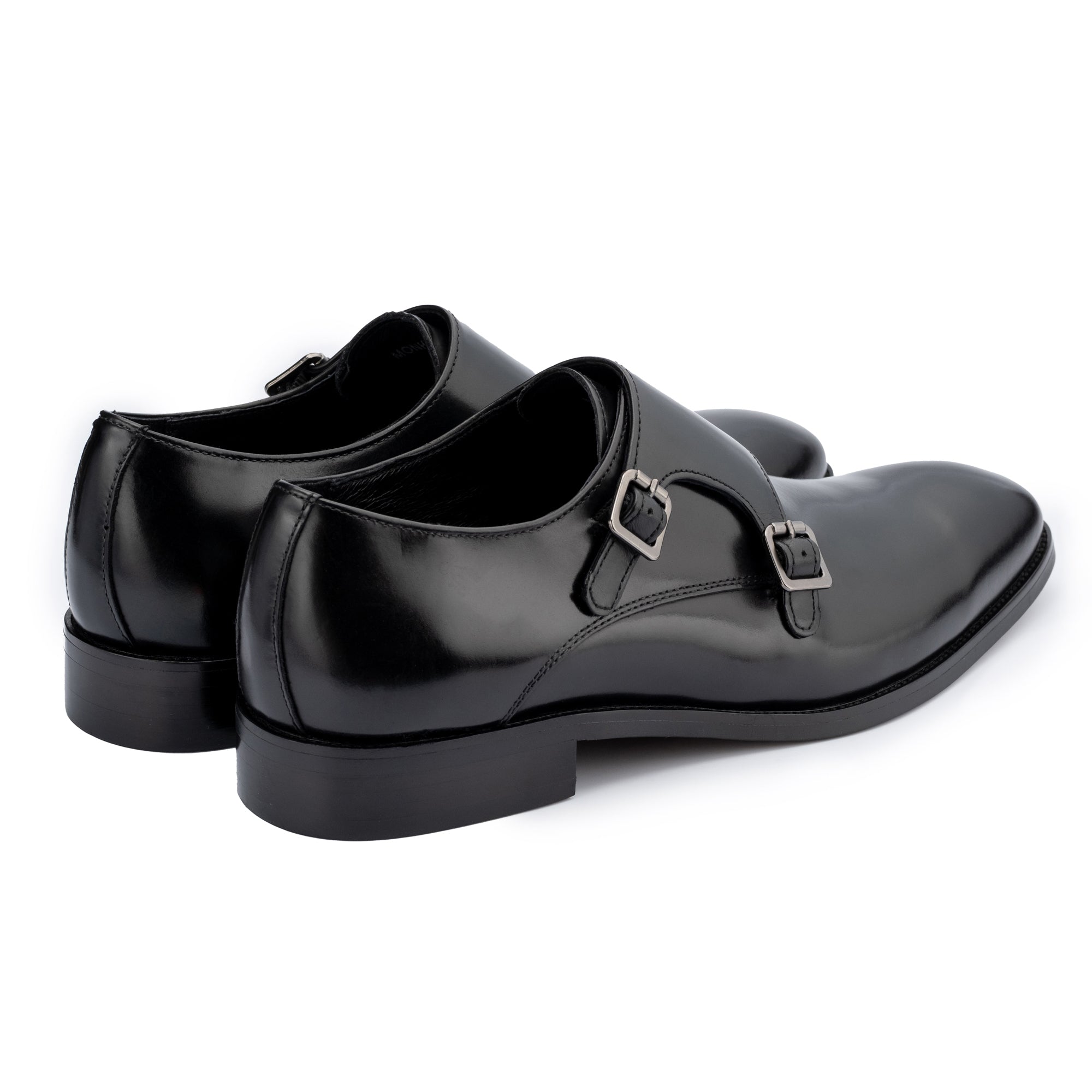
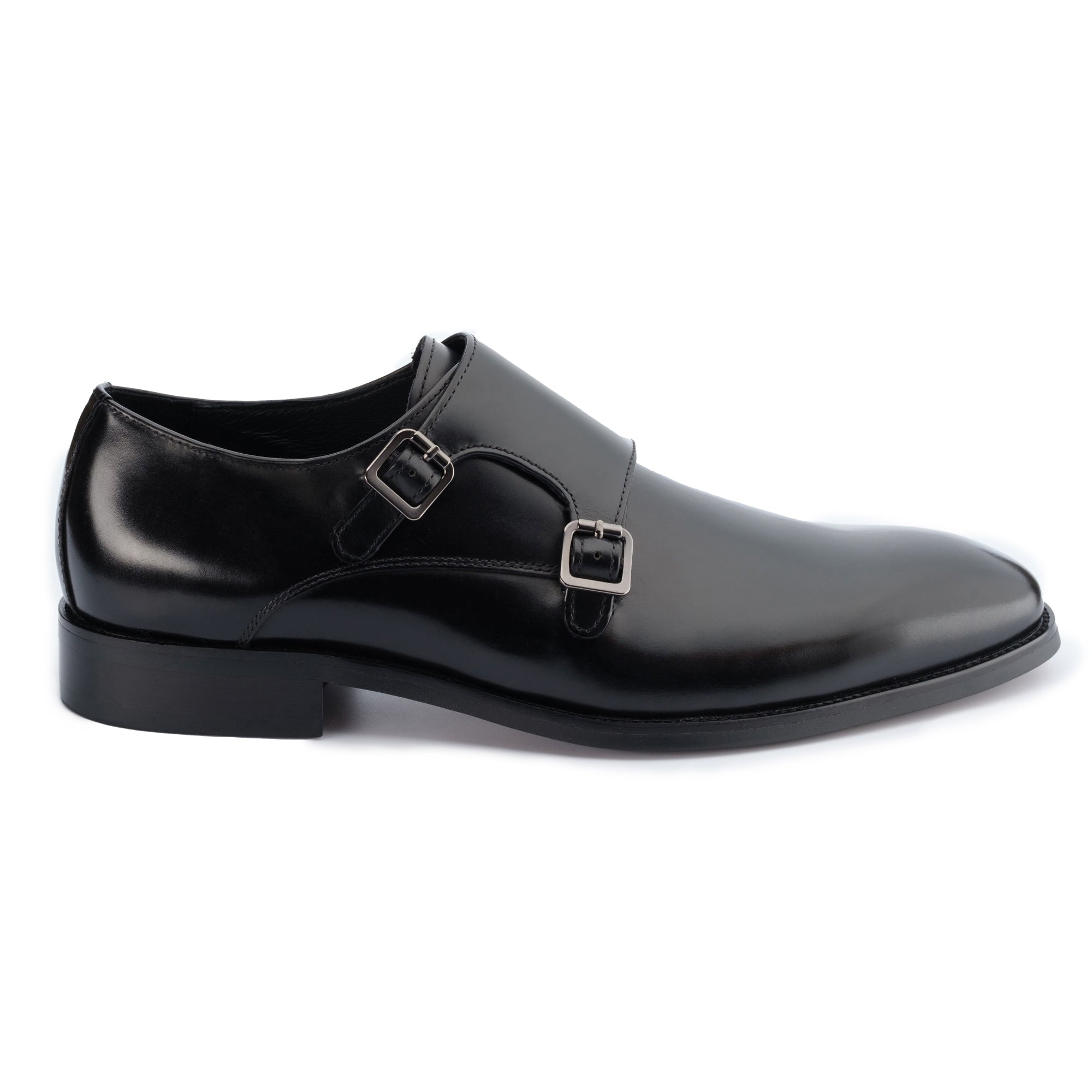
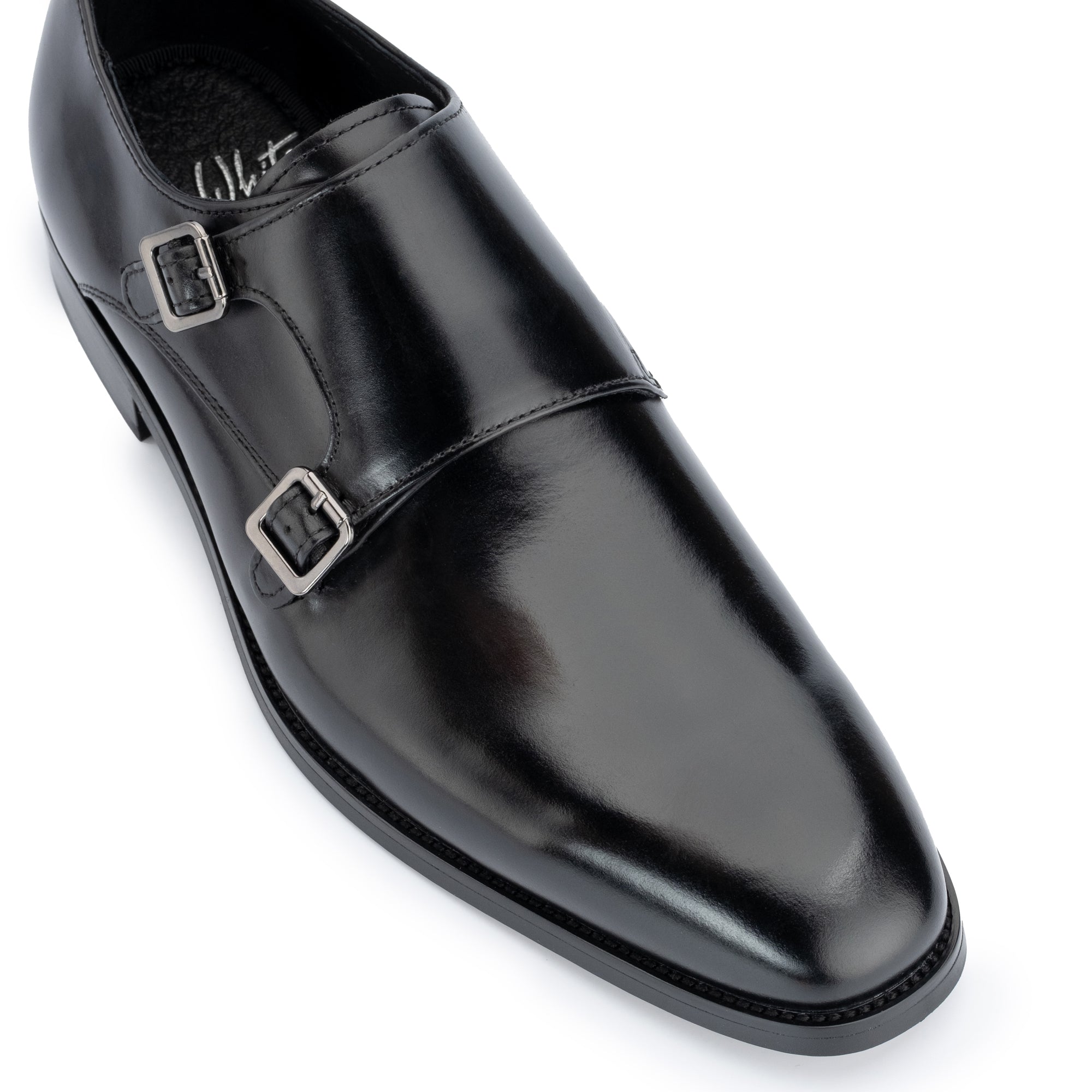
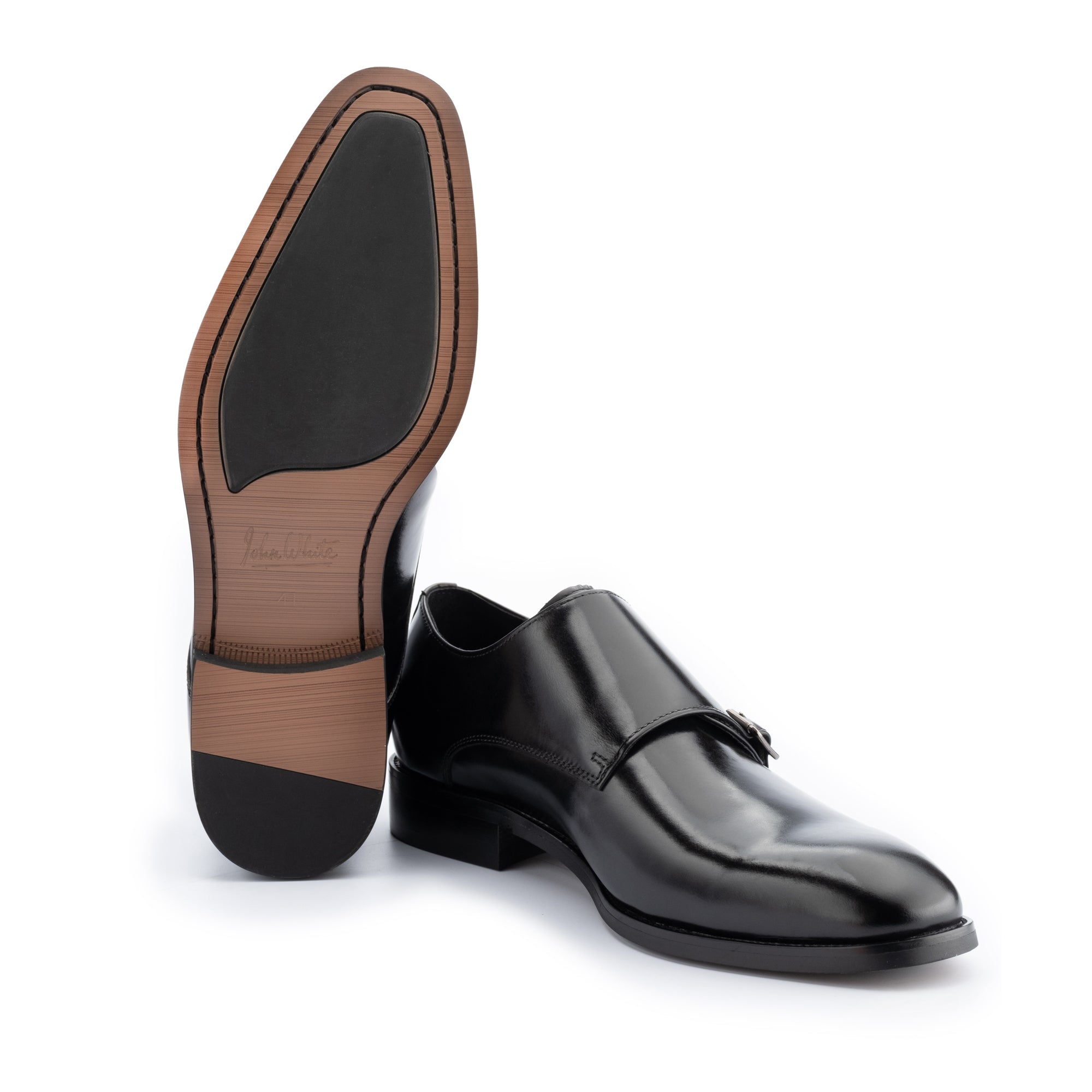
A monk strap replaces lacing with one or two buckled straps across the vamp. It's an assertive choice — less traditional than an Oxford, more formal than a loafer — and one that signals a considered, confident approach to dressing. The double monk strap in particular suits men who understand footwear without needing to declare it. The Monkton Double Monk in Black or Brown handles both formal business and smart social occasions with equal ease.
Boots — Versatility with Substance
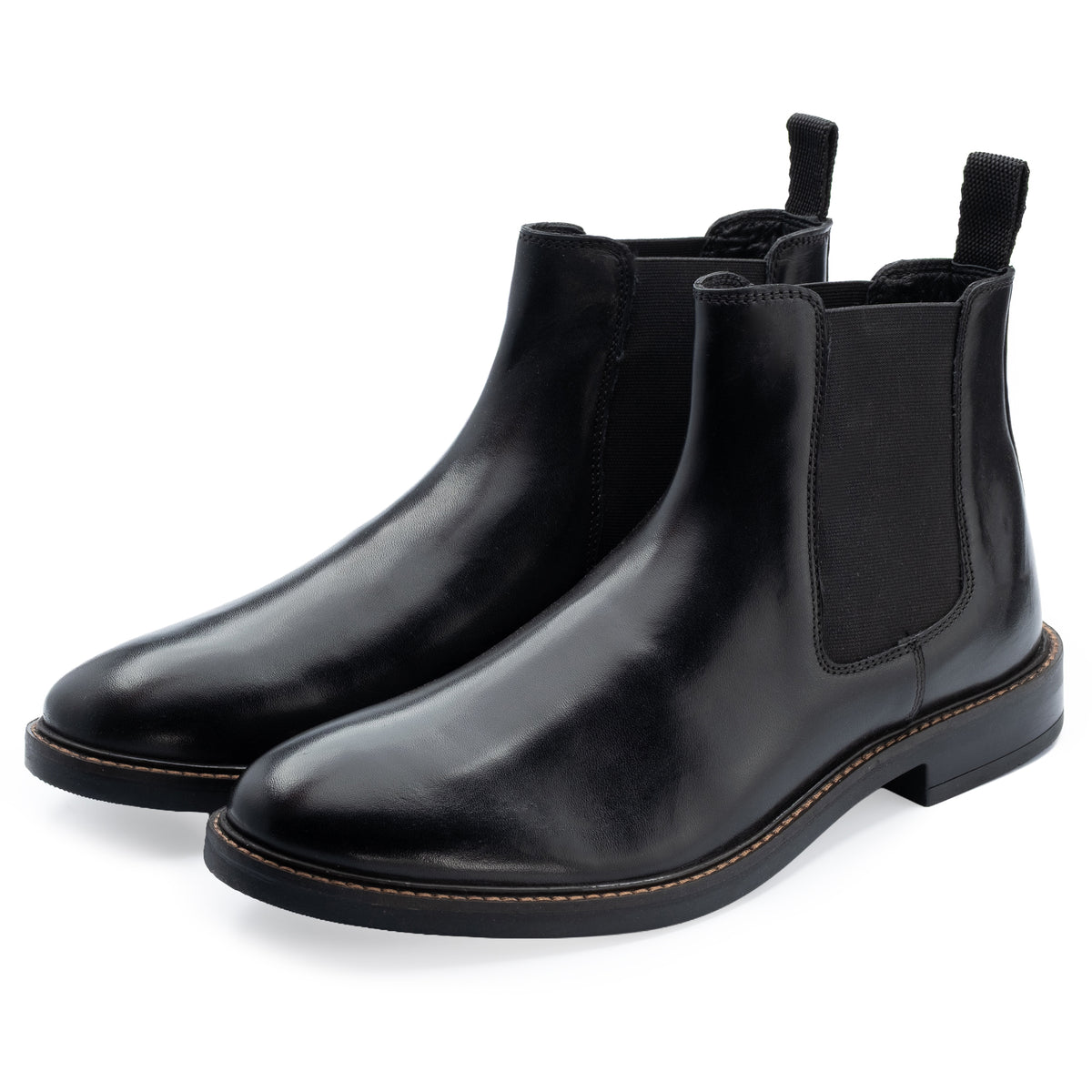
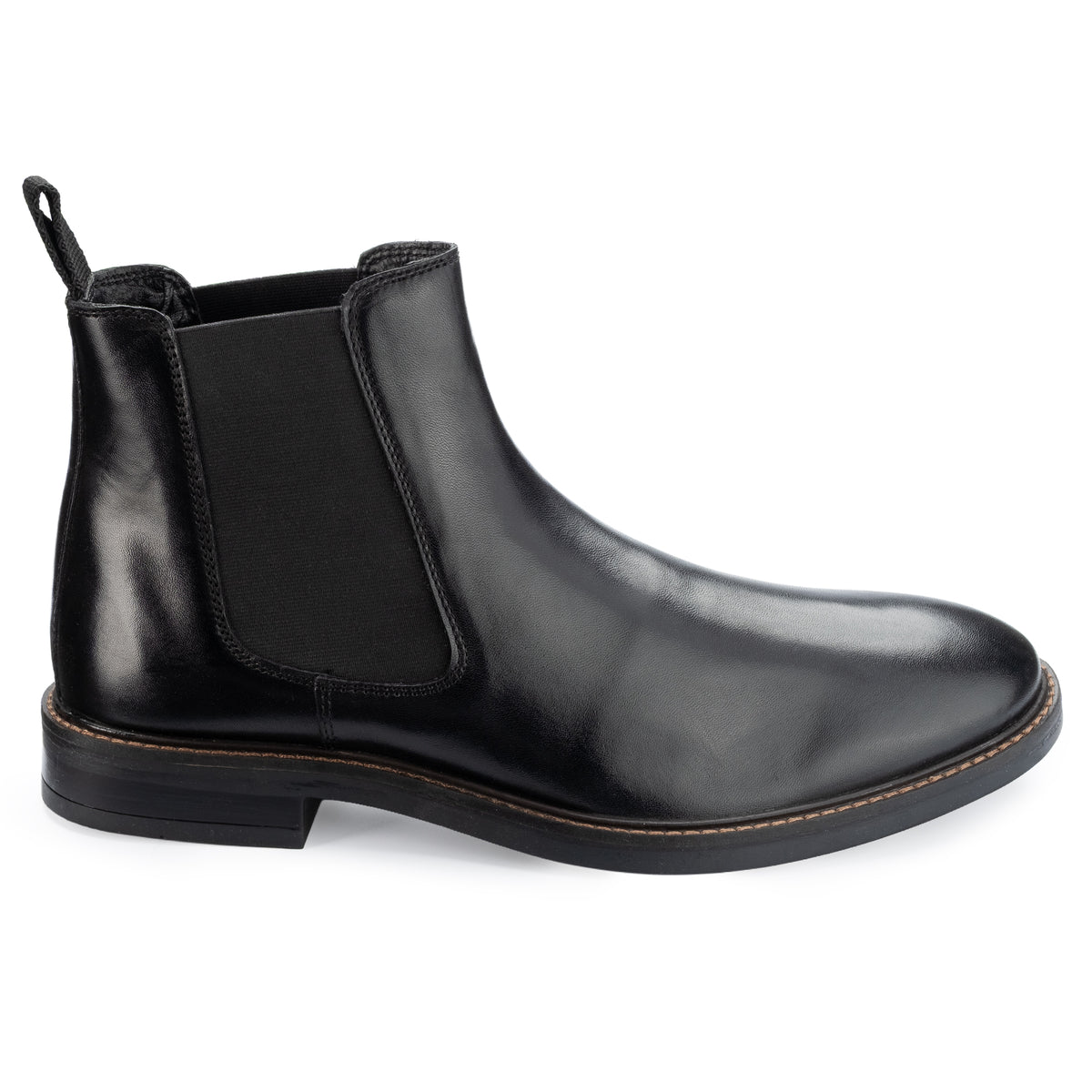
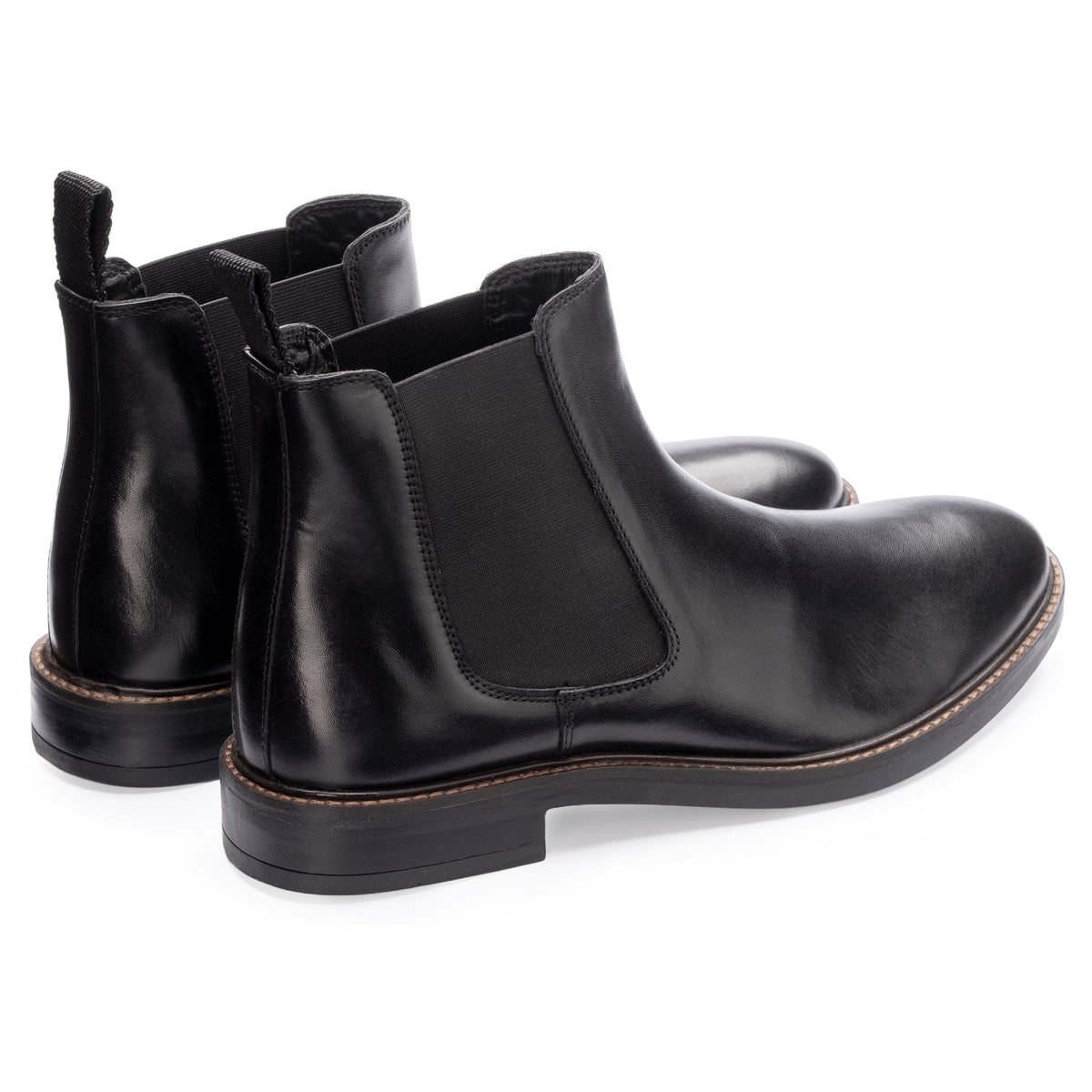
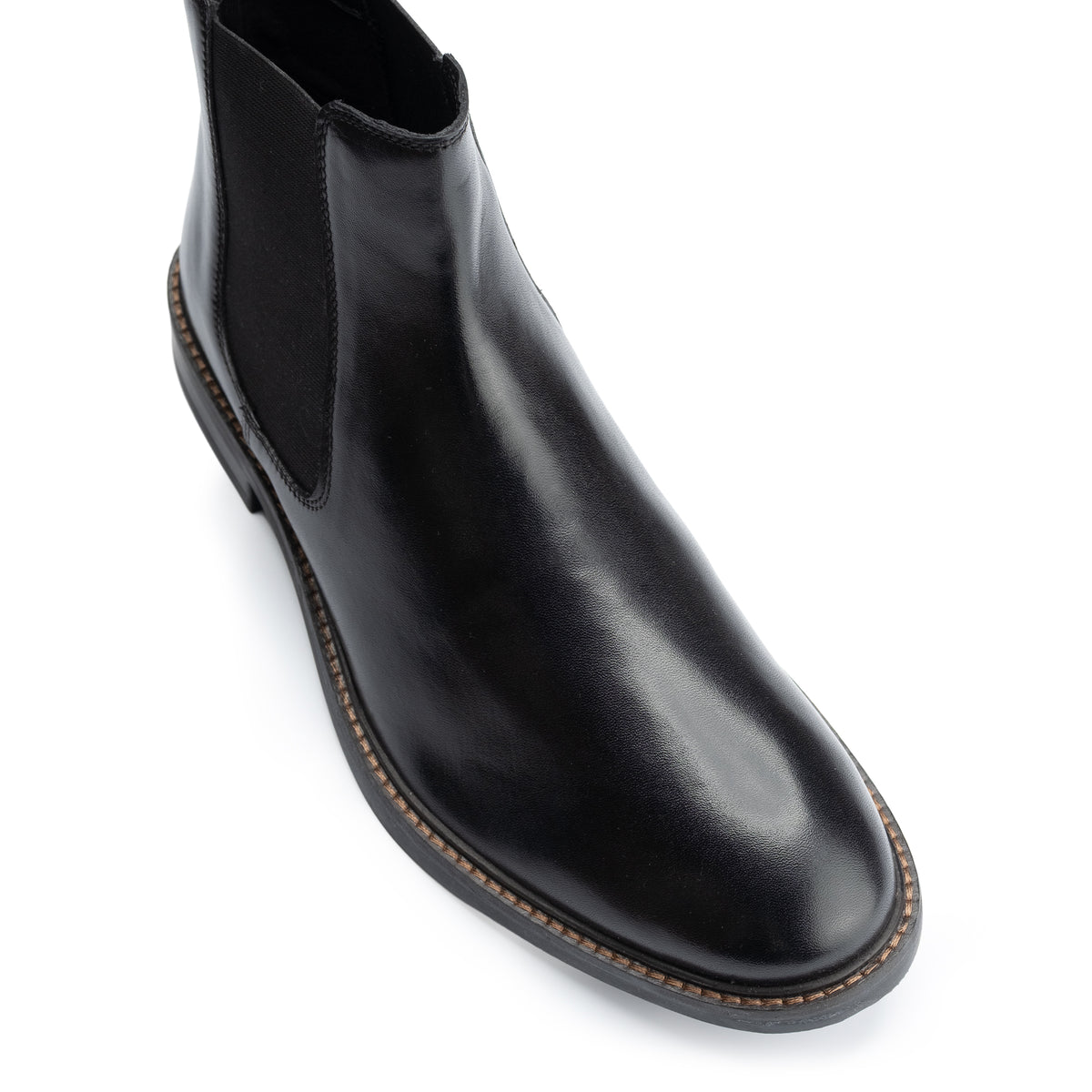
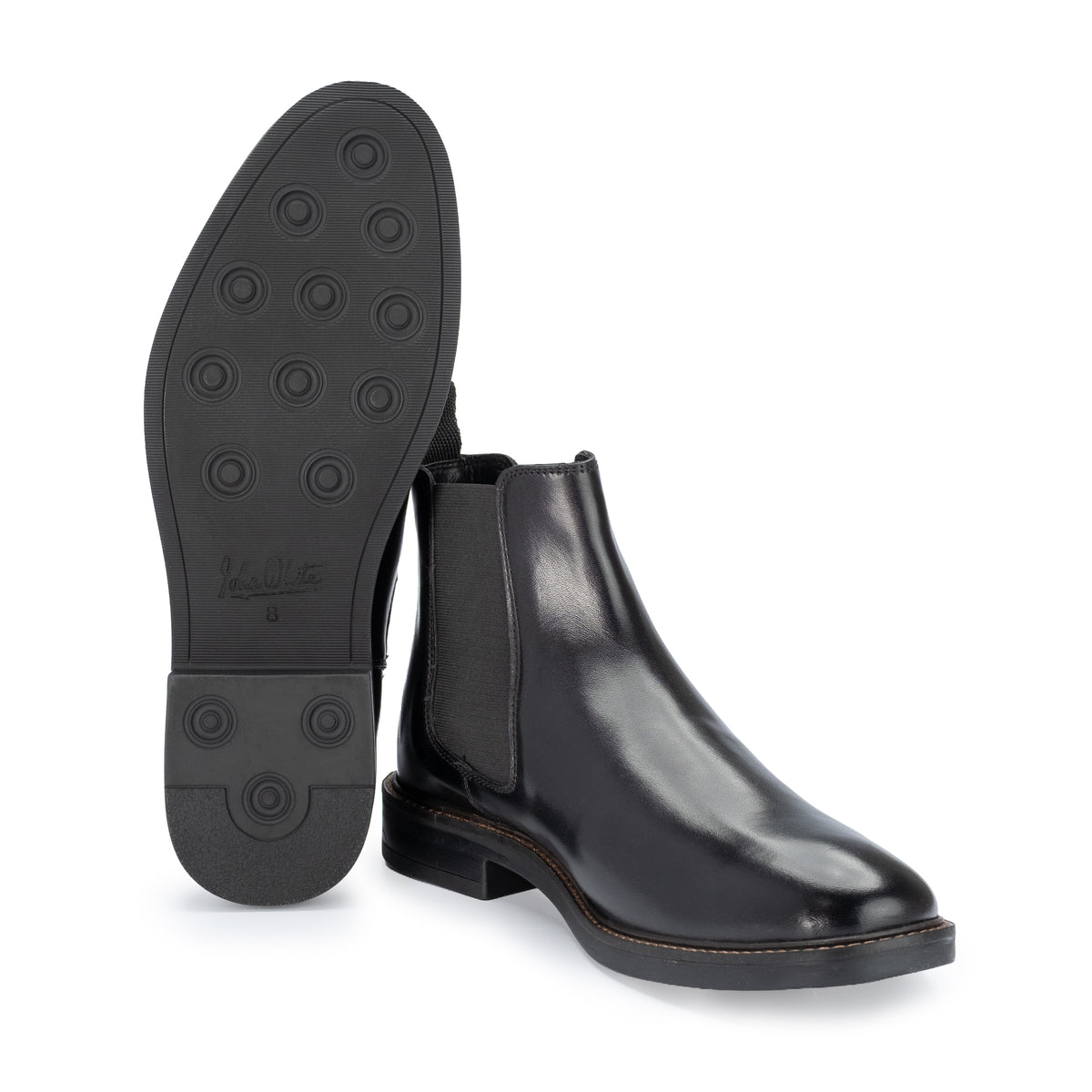
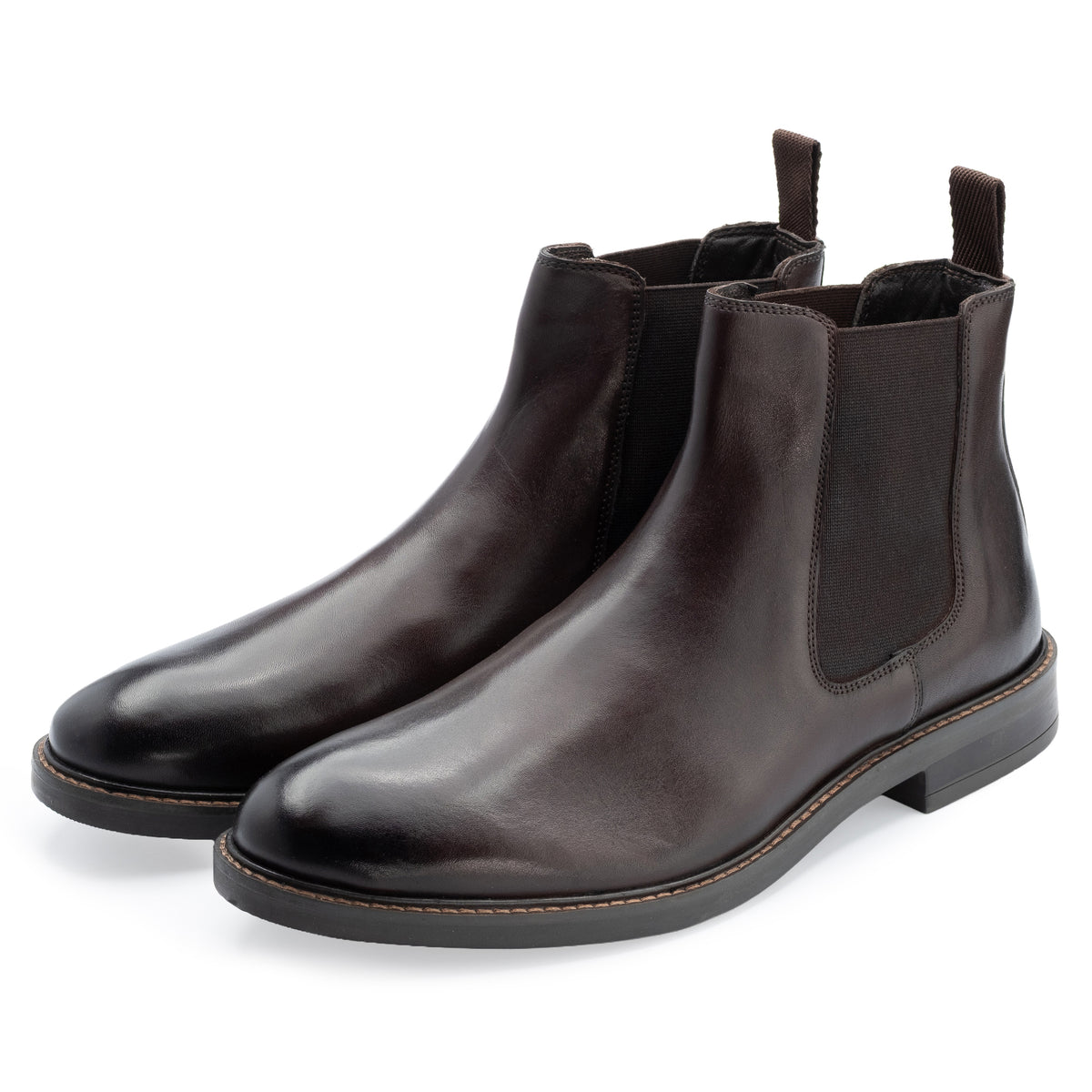
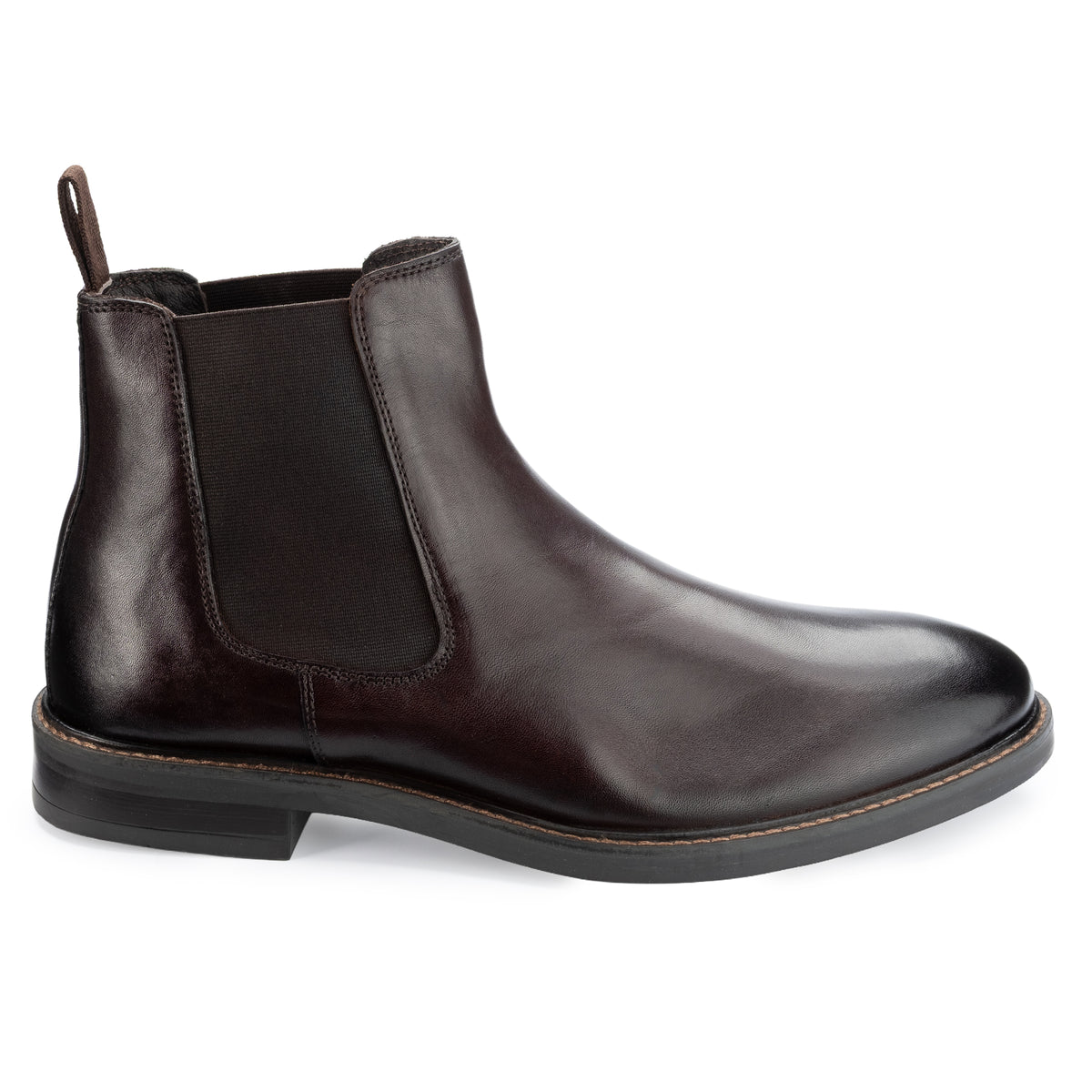
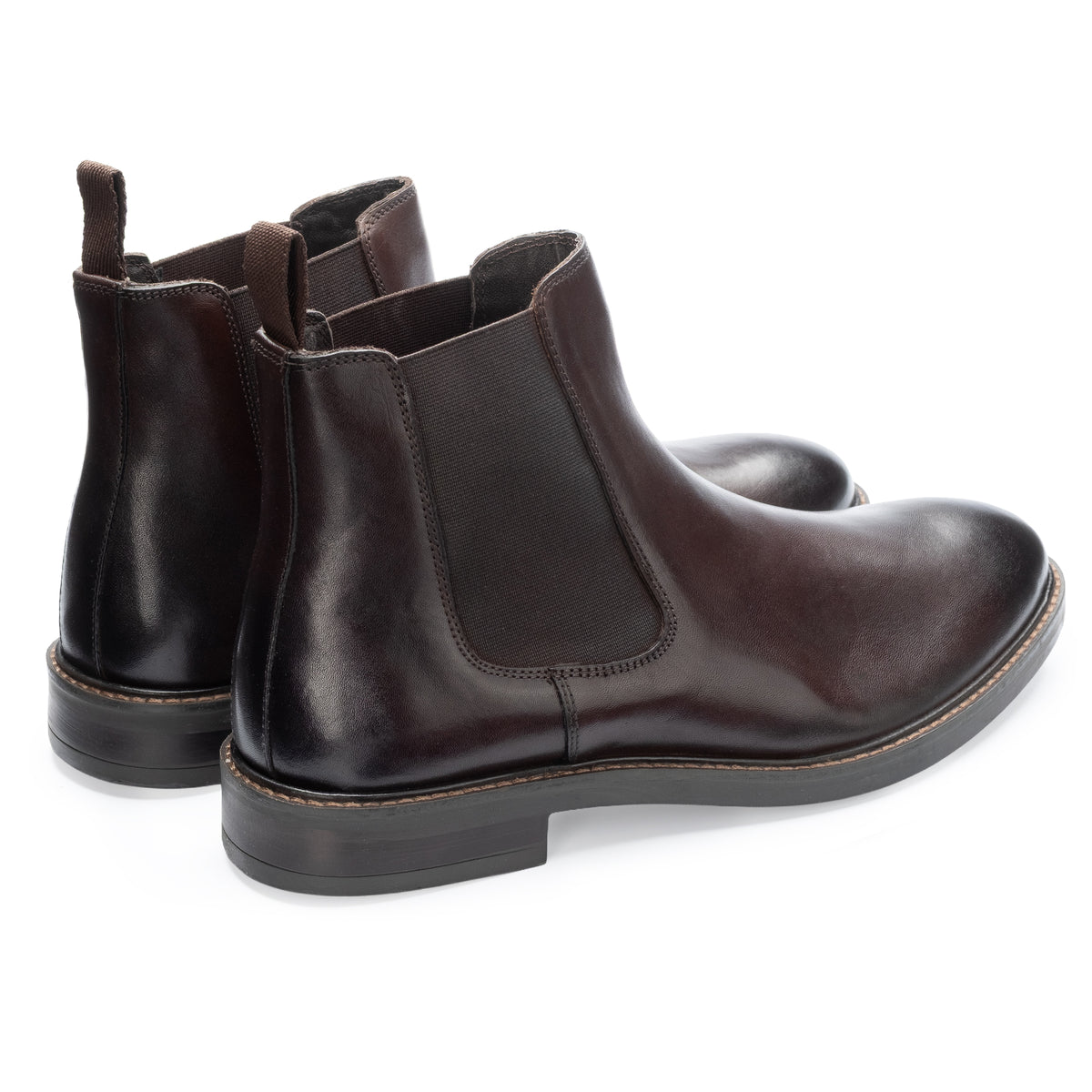
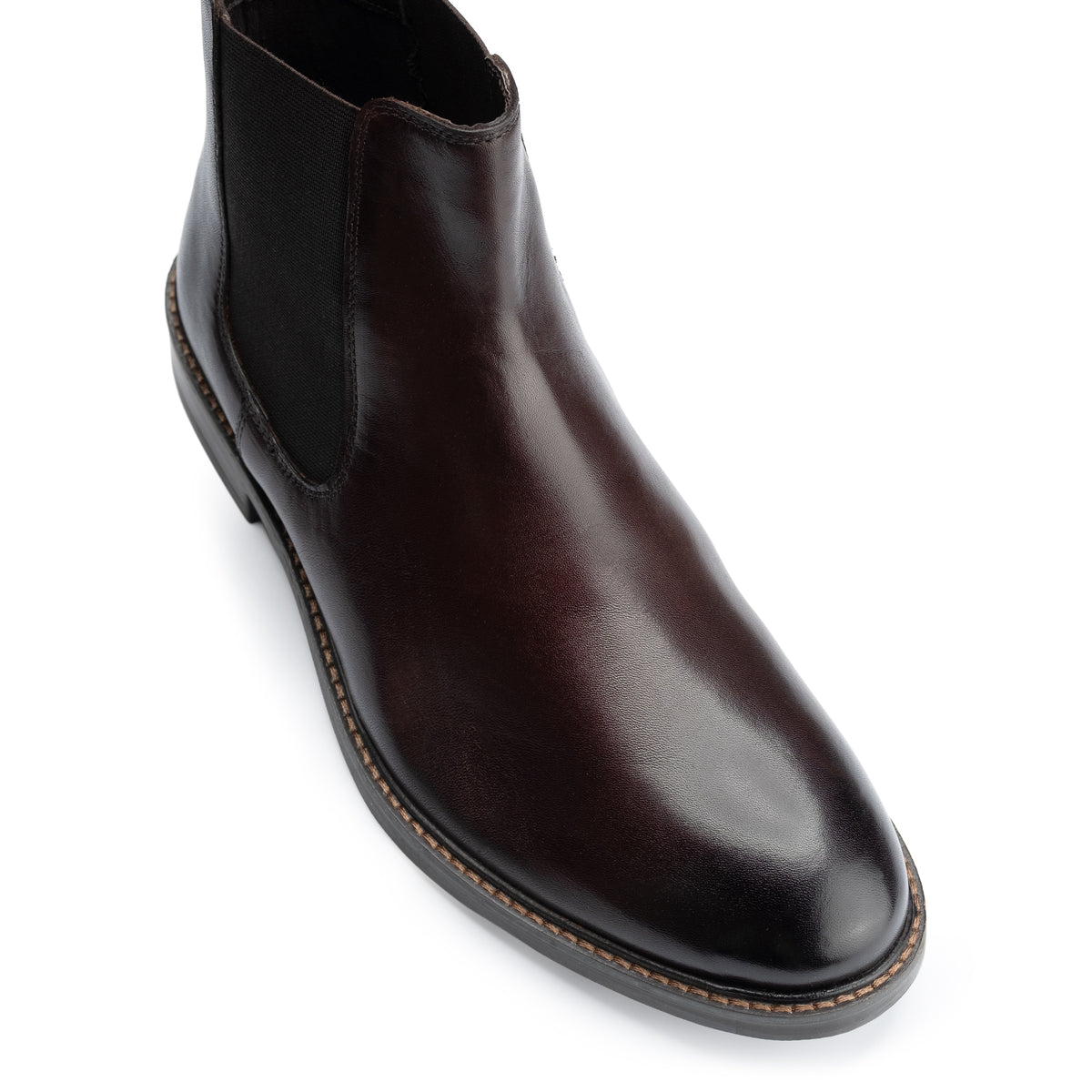
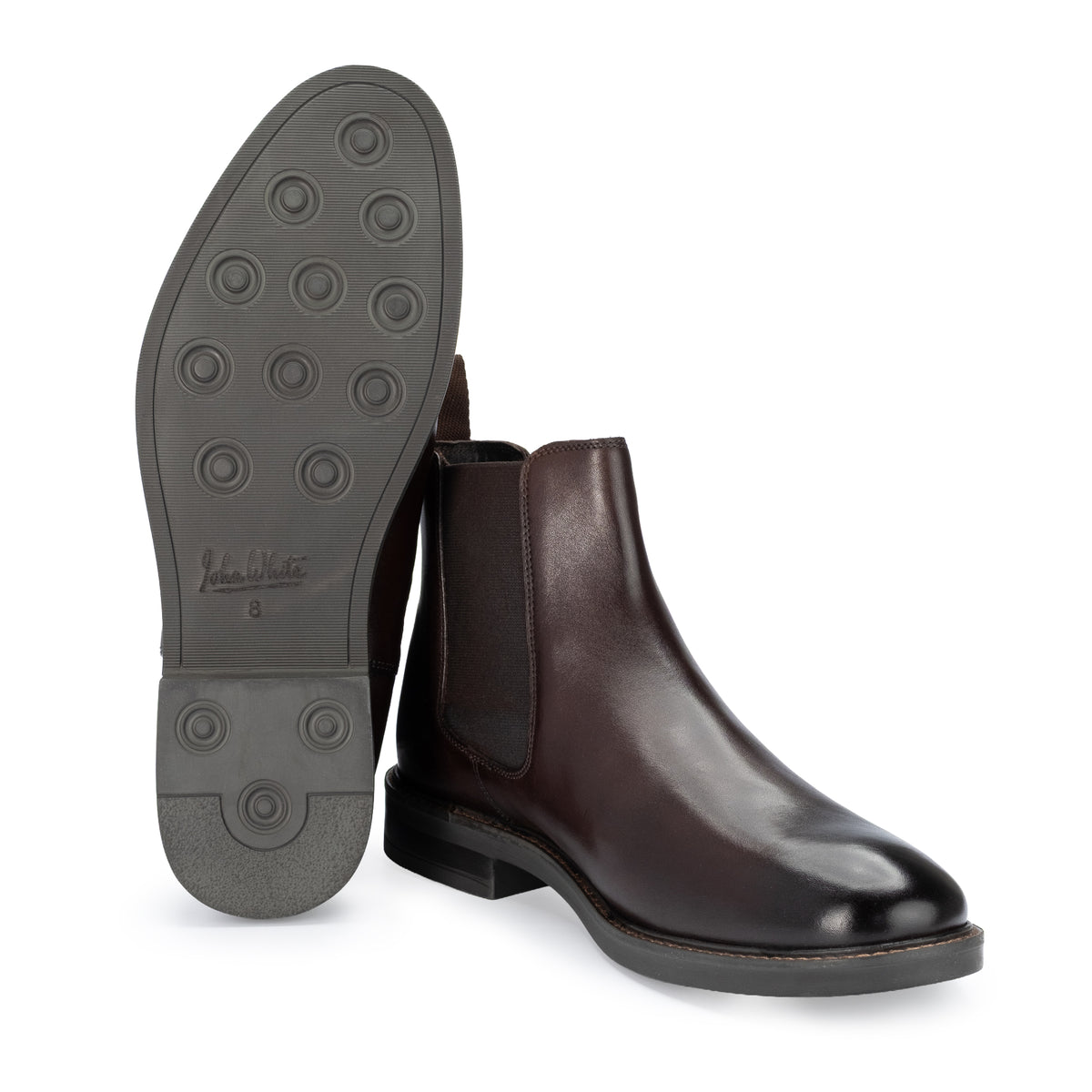
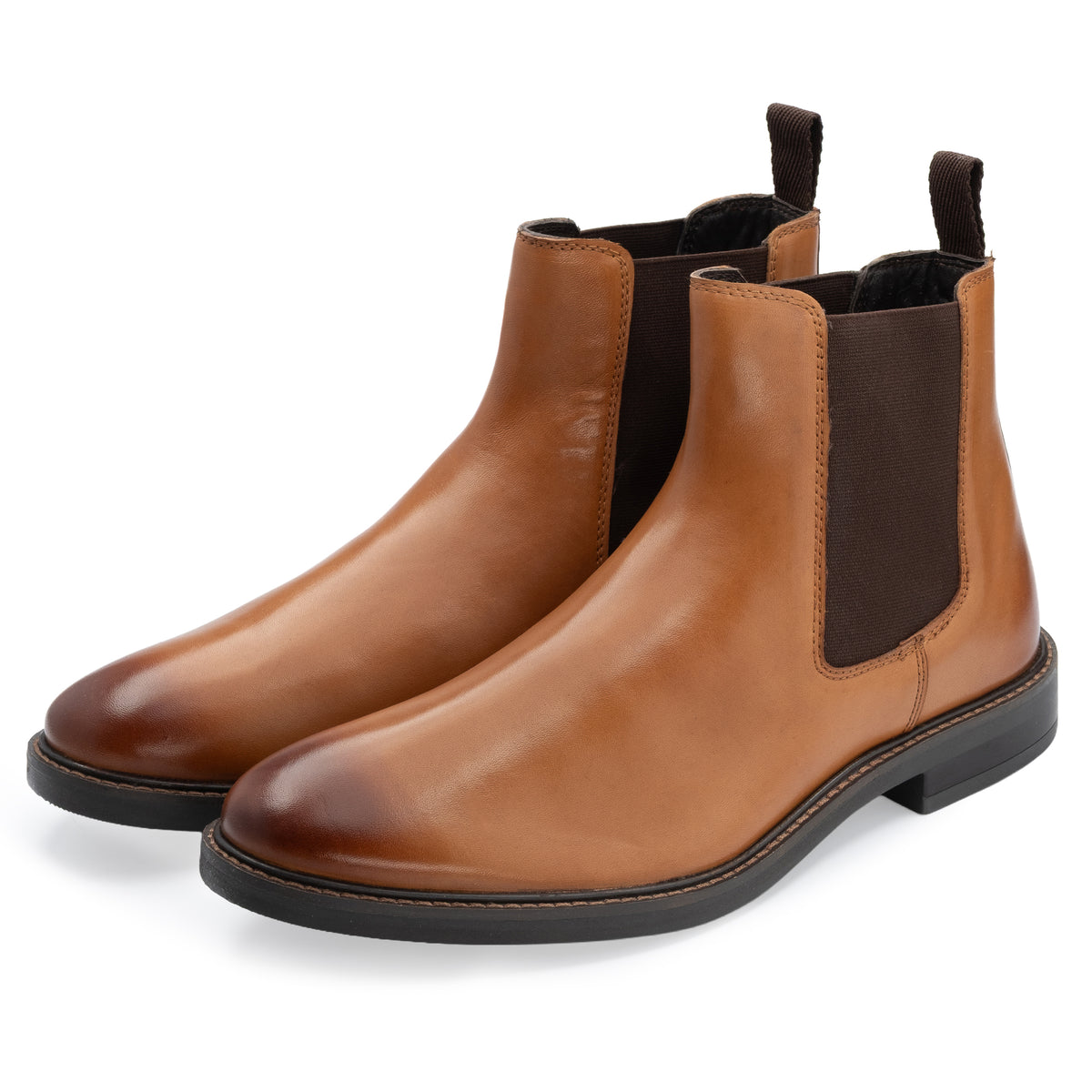
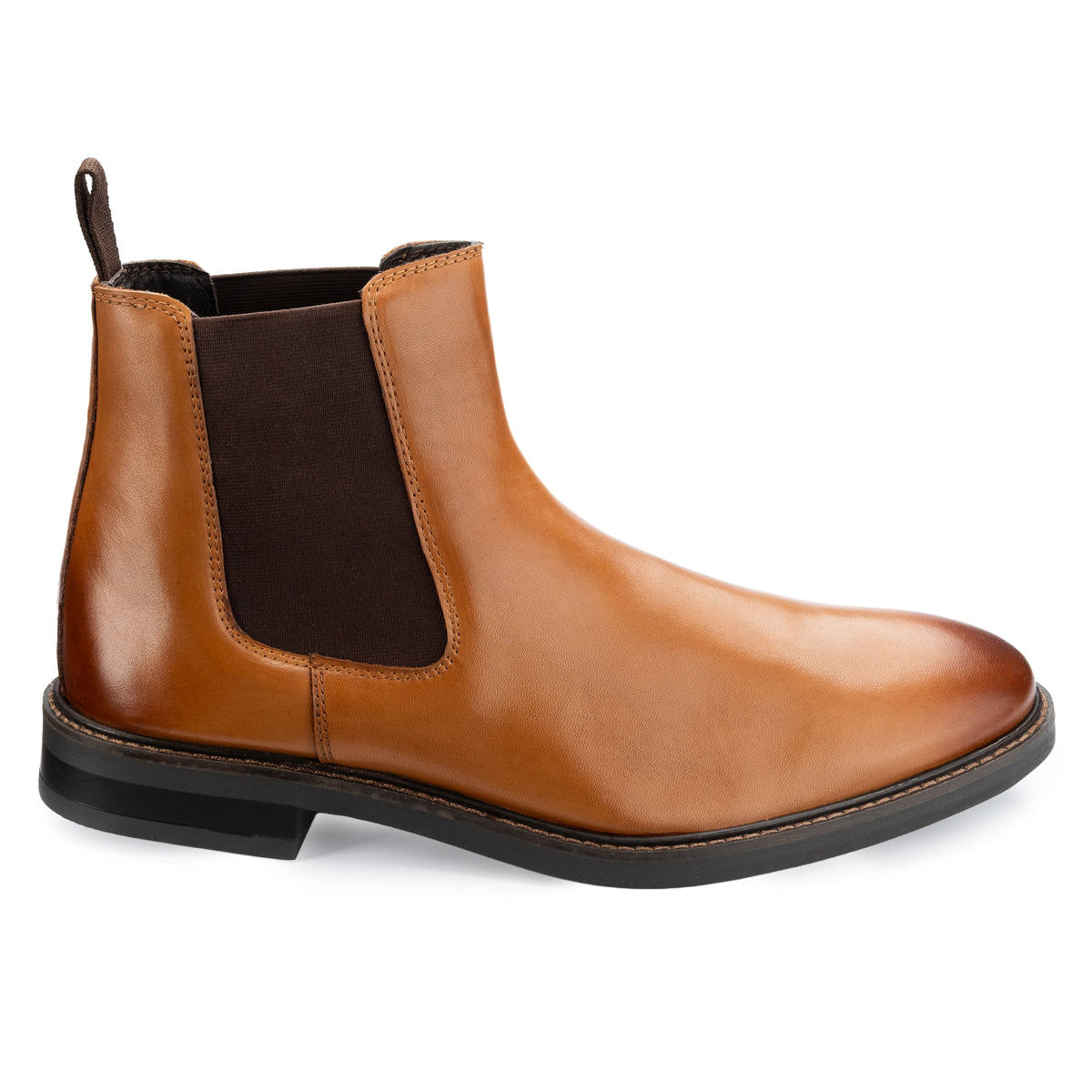
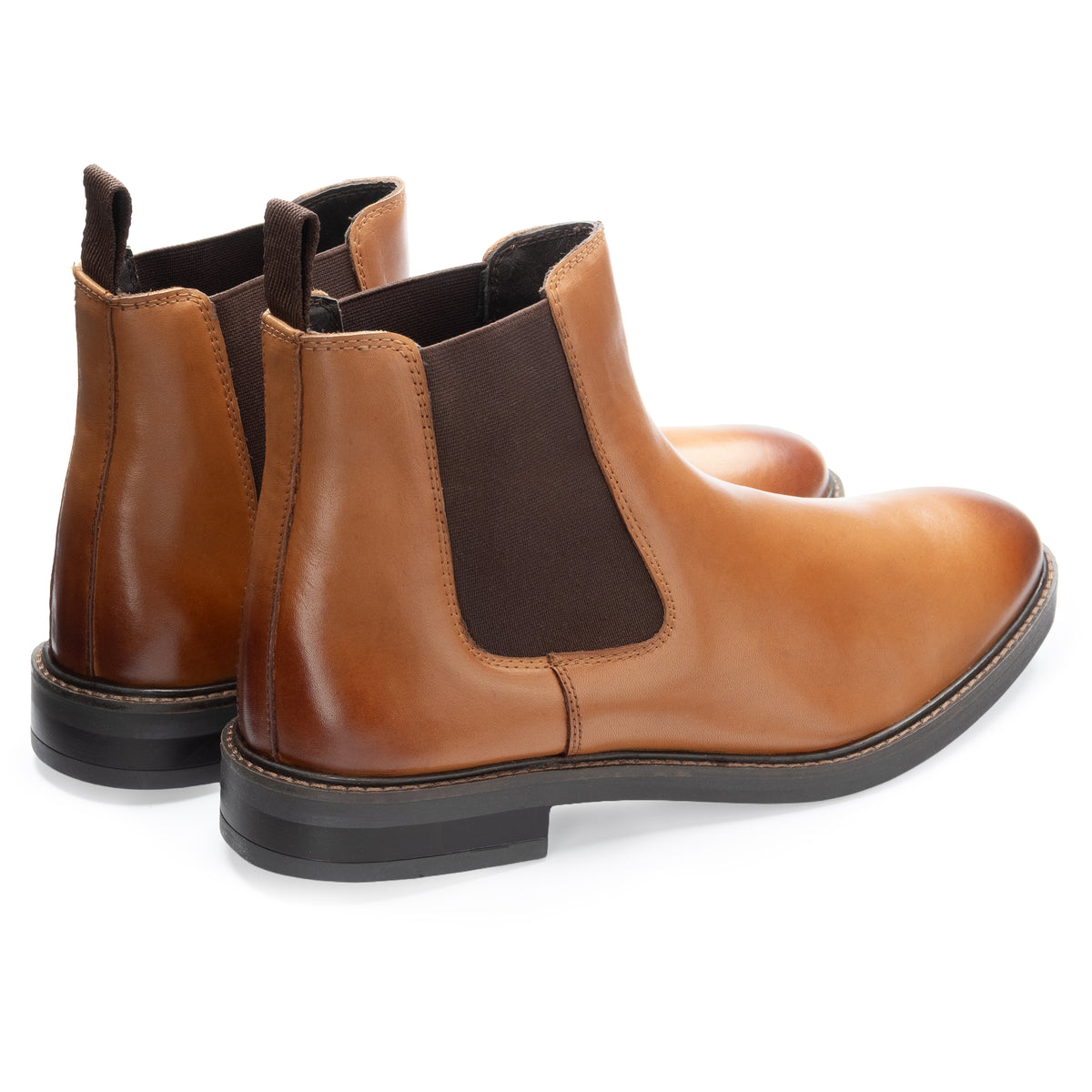
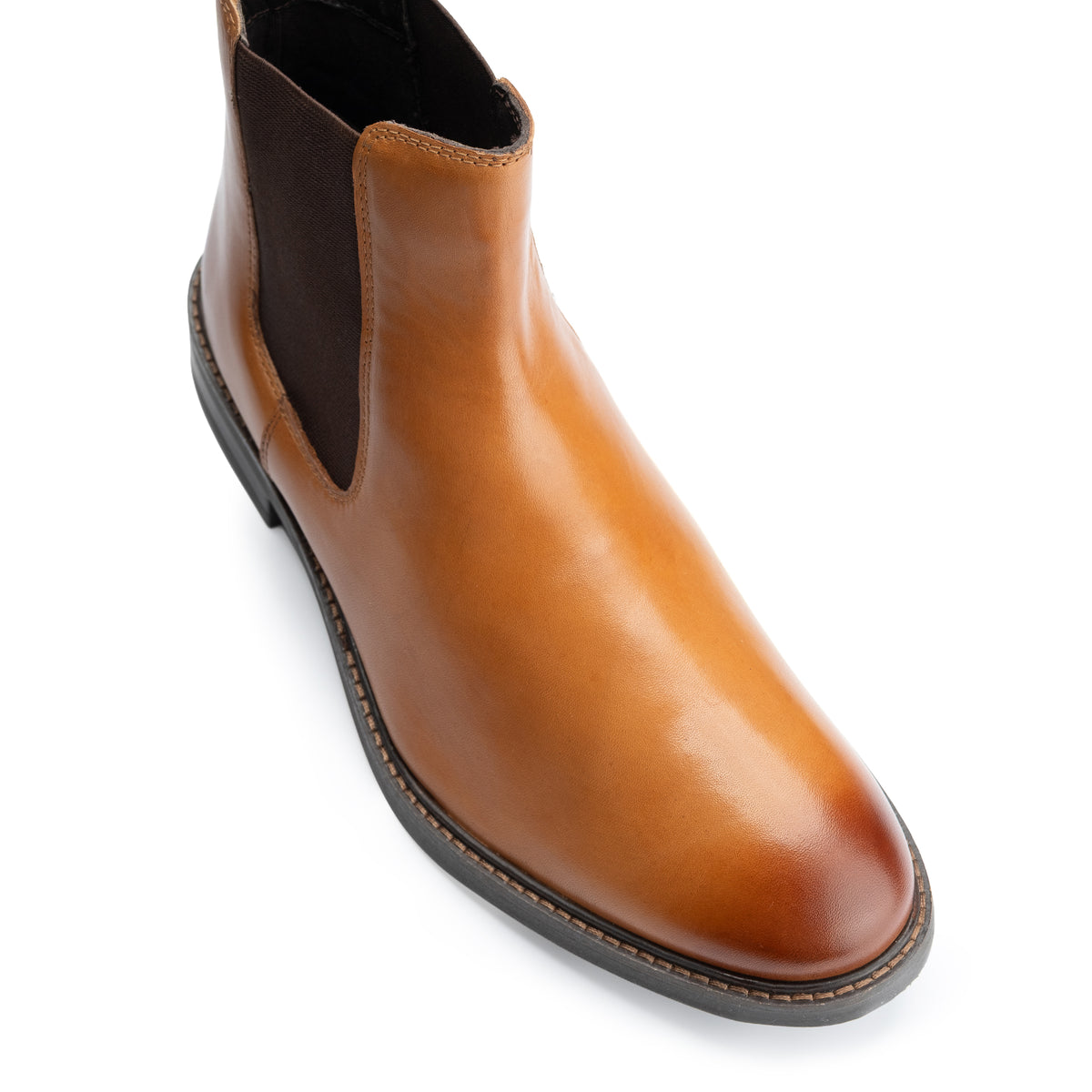
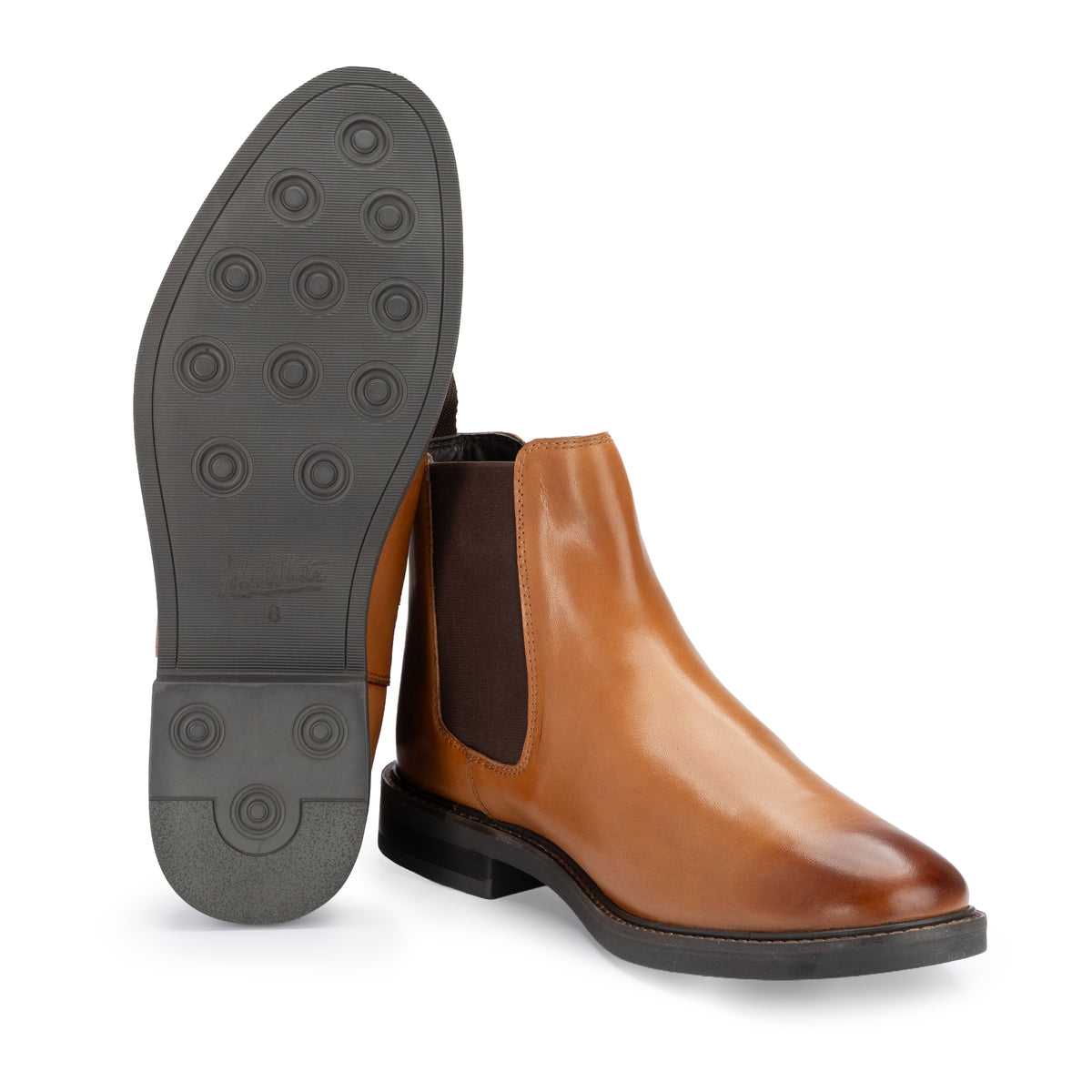
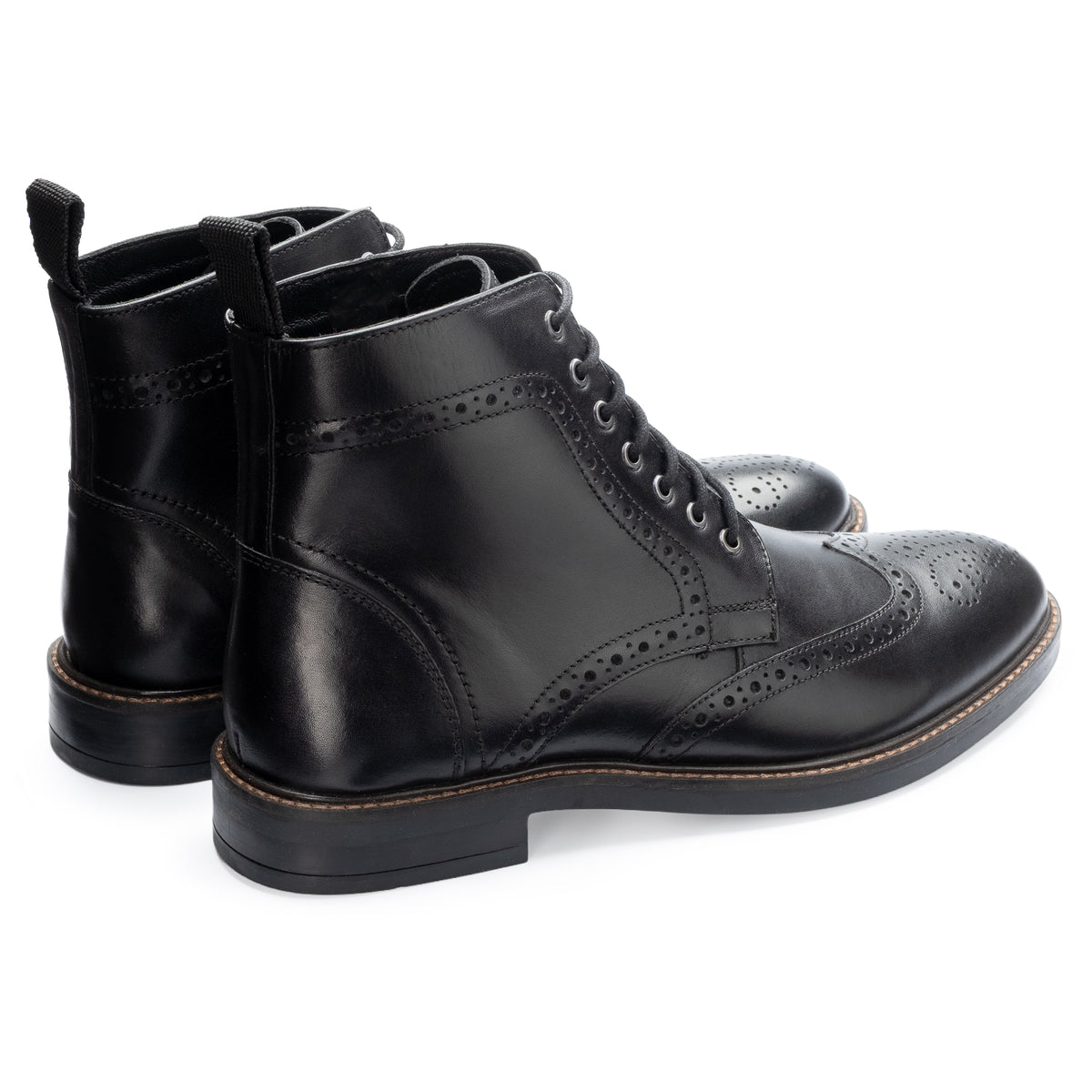
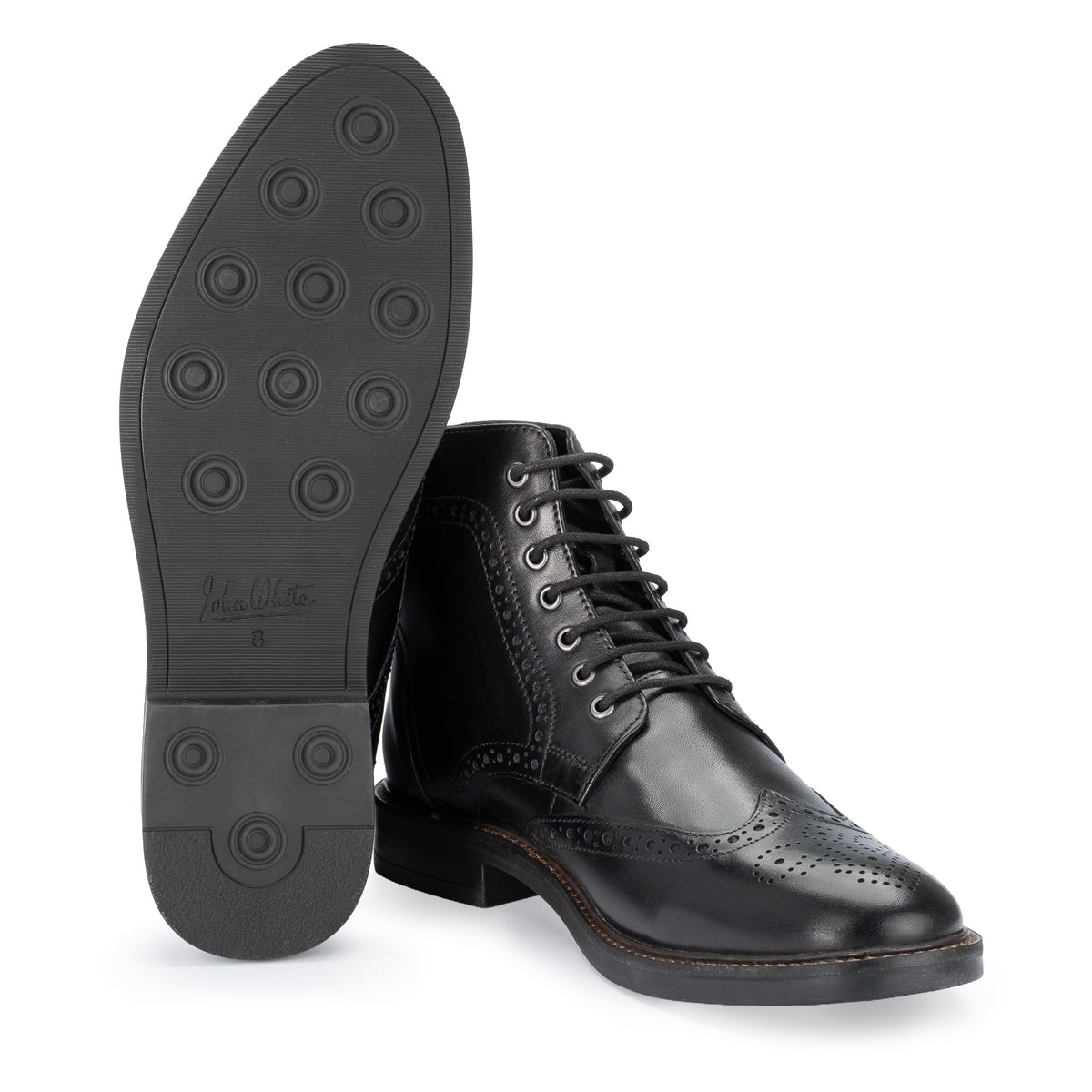
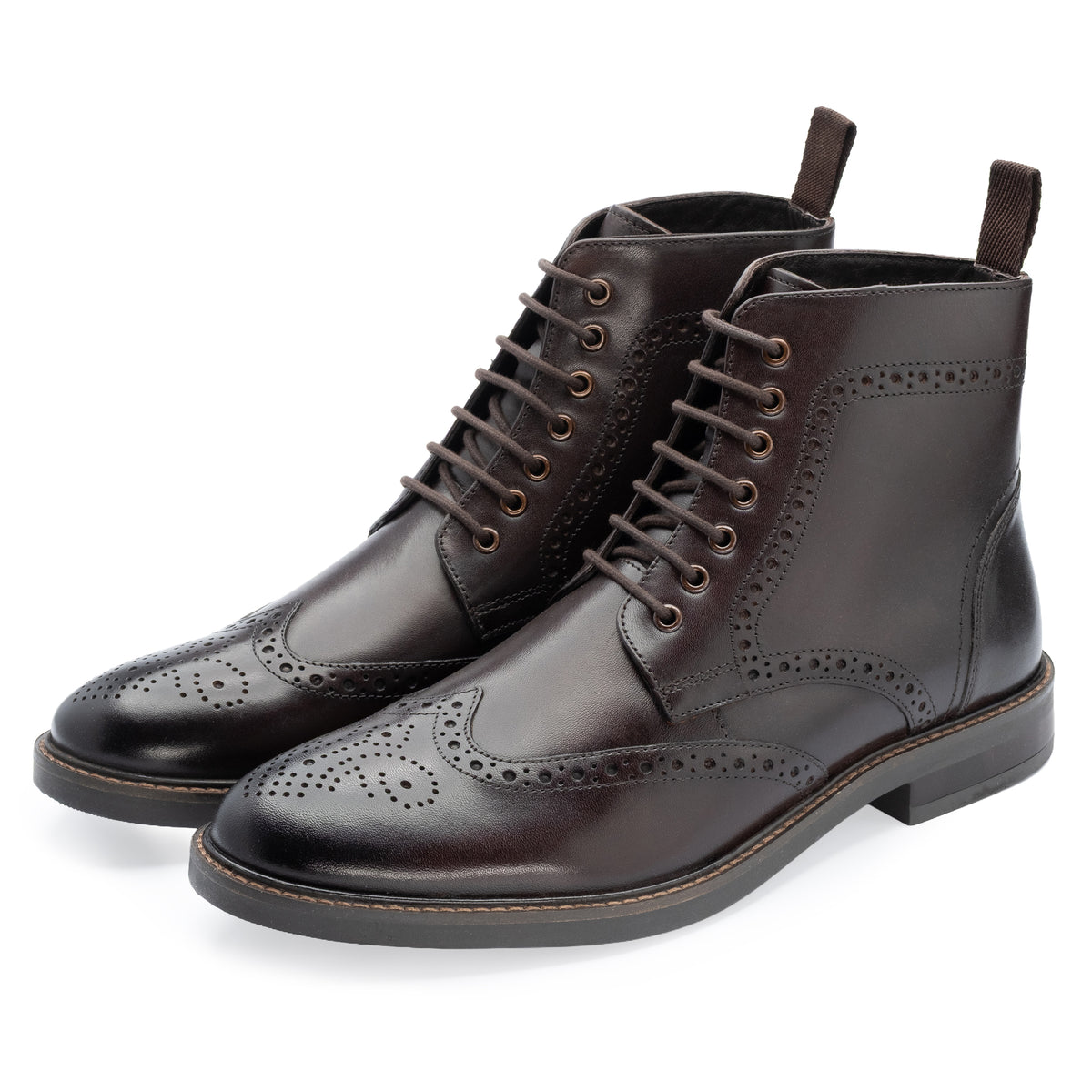
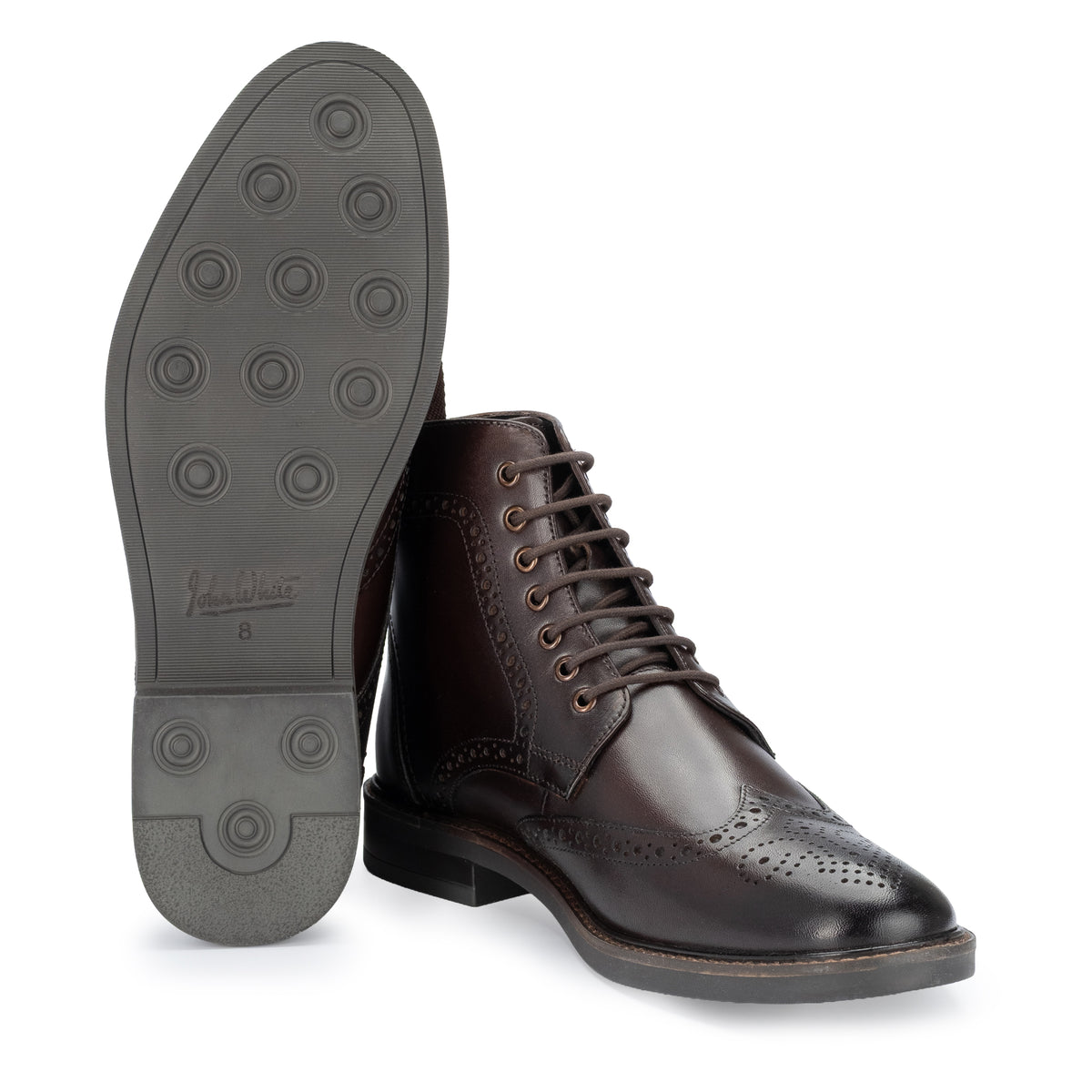
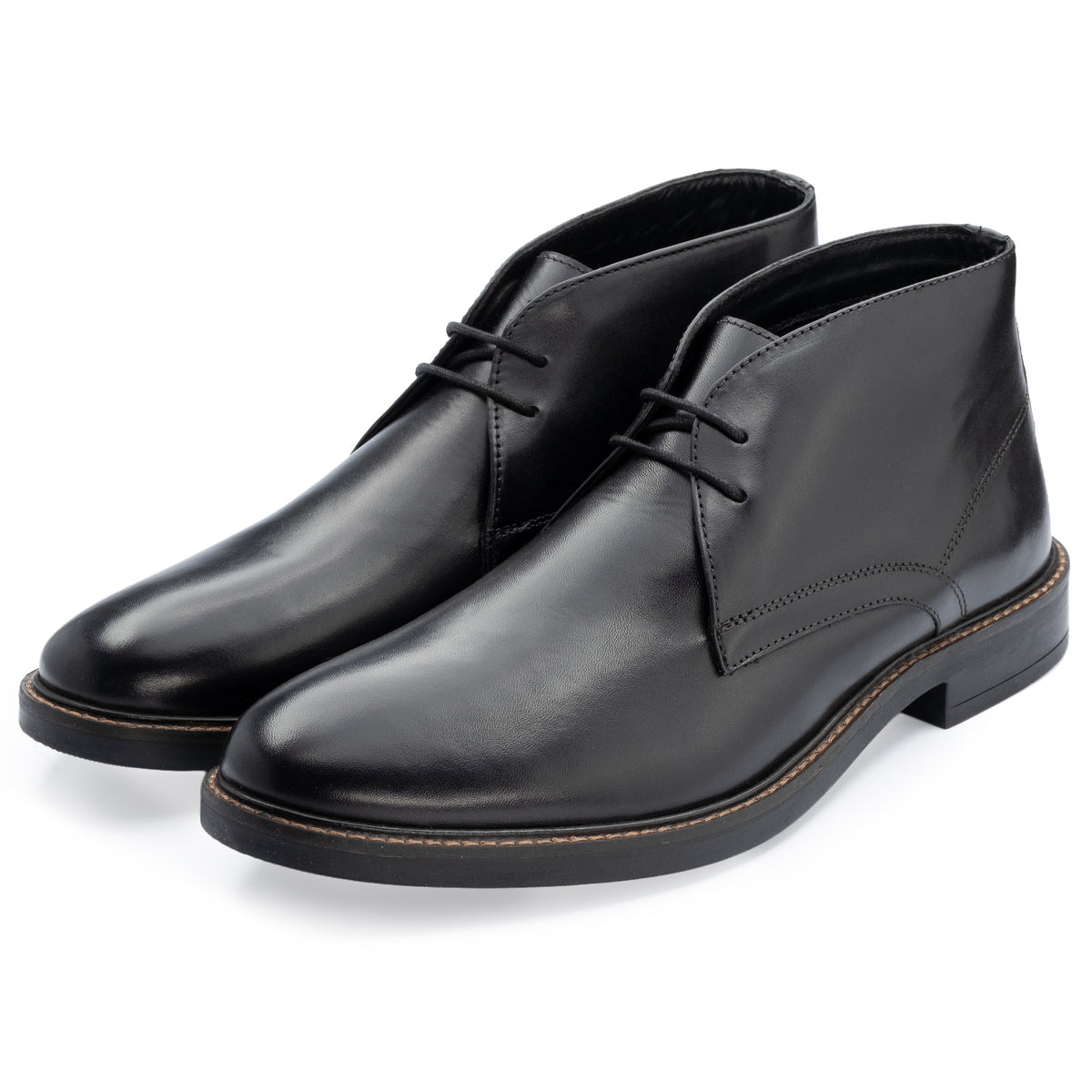
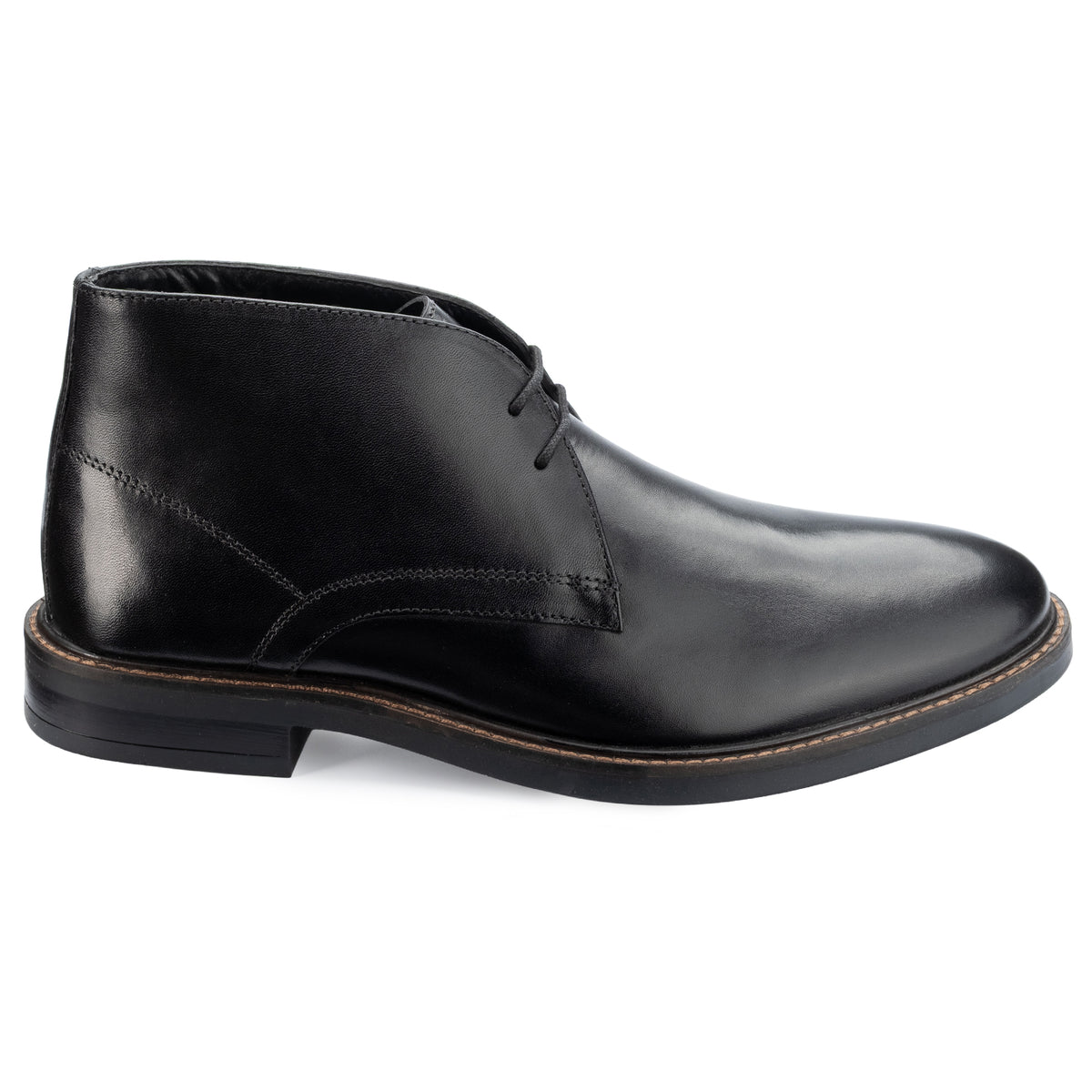
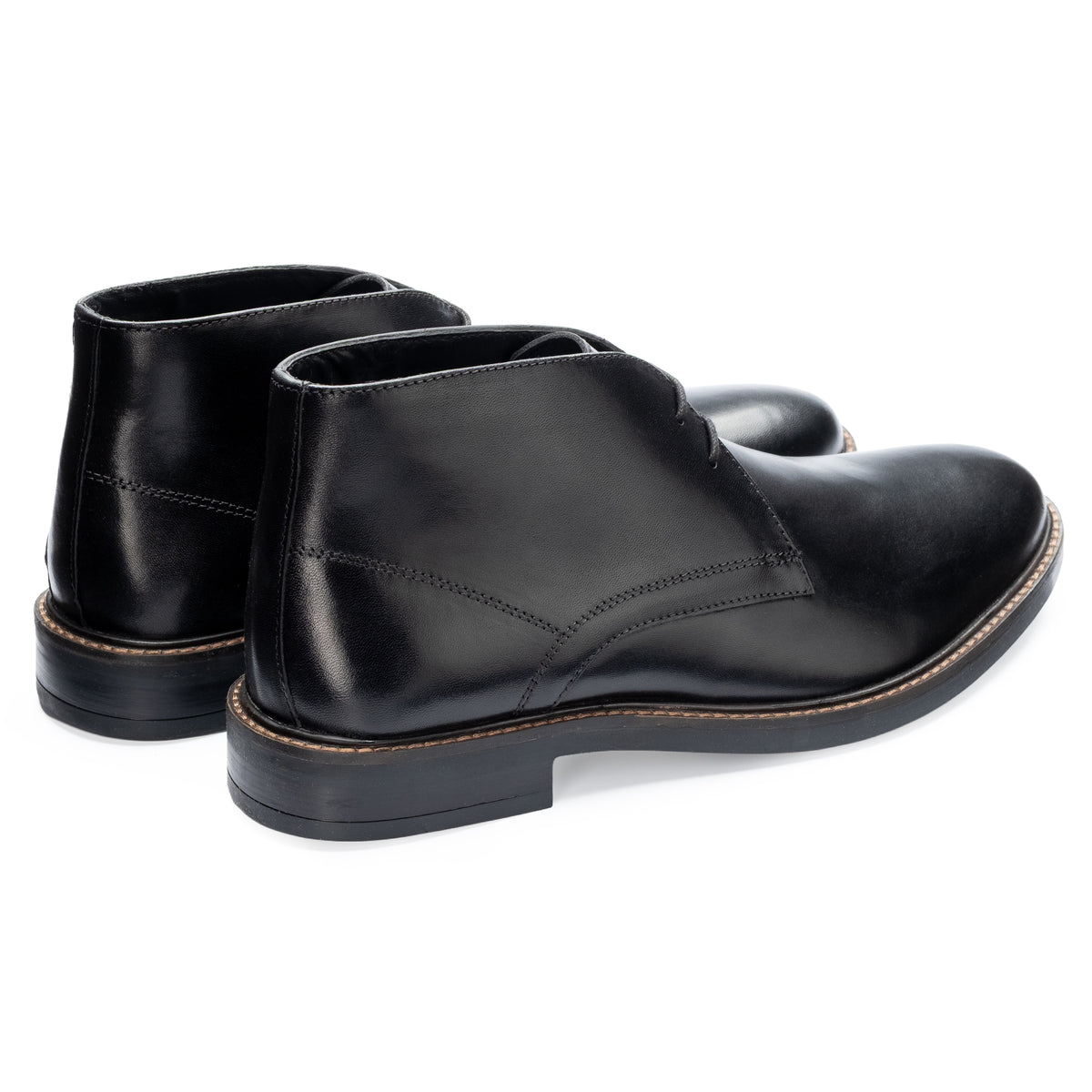
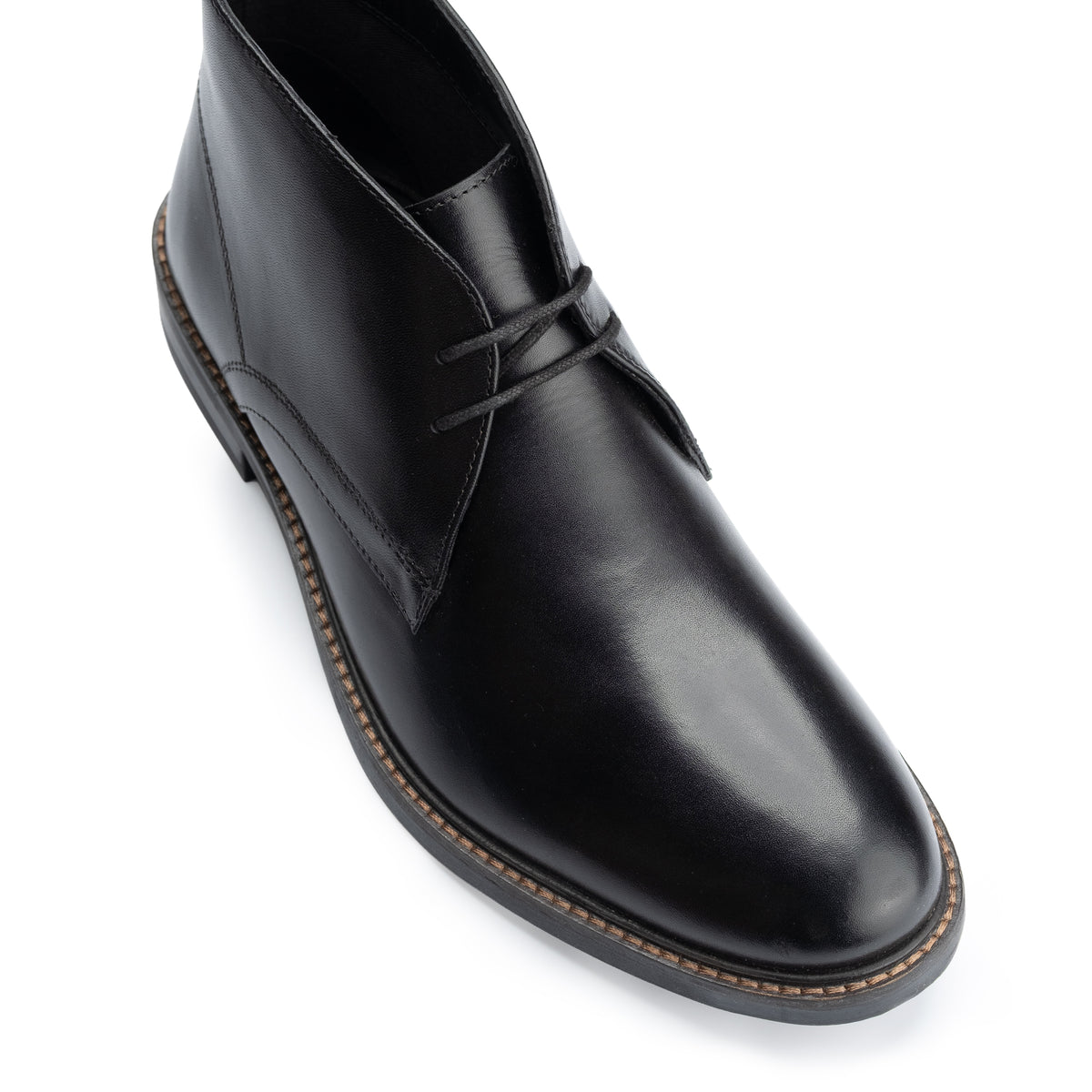
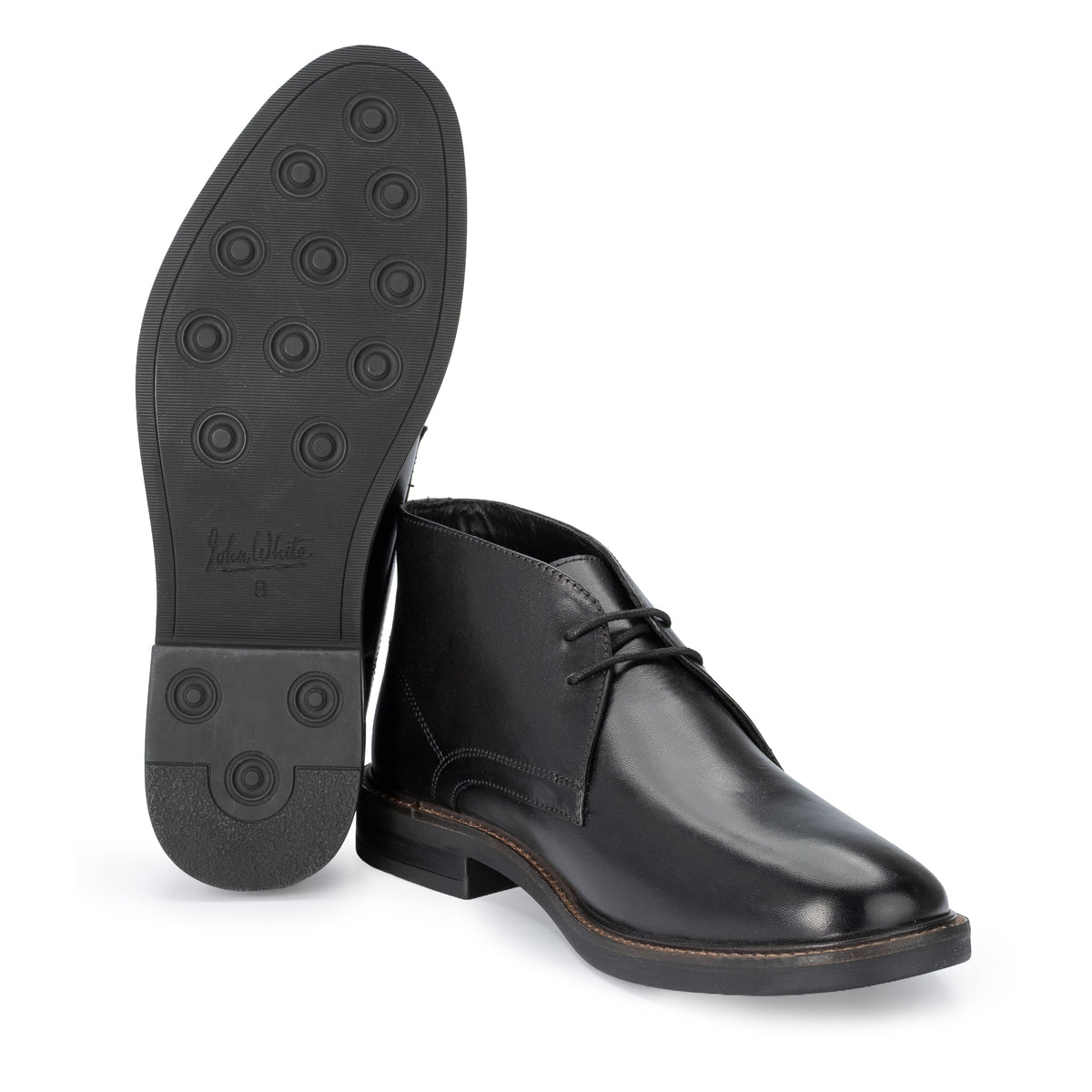
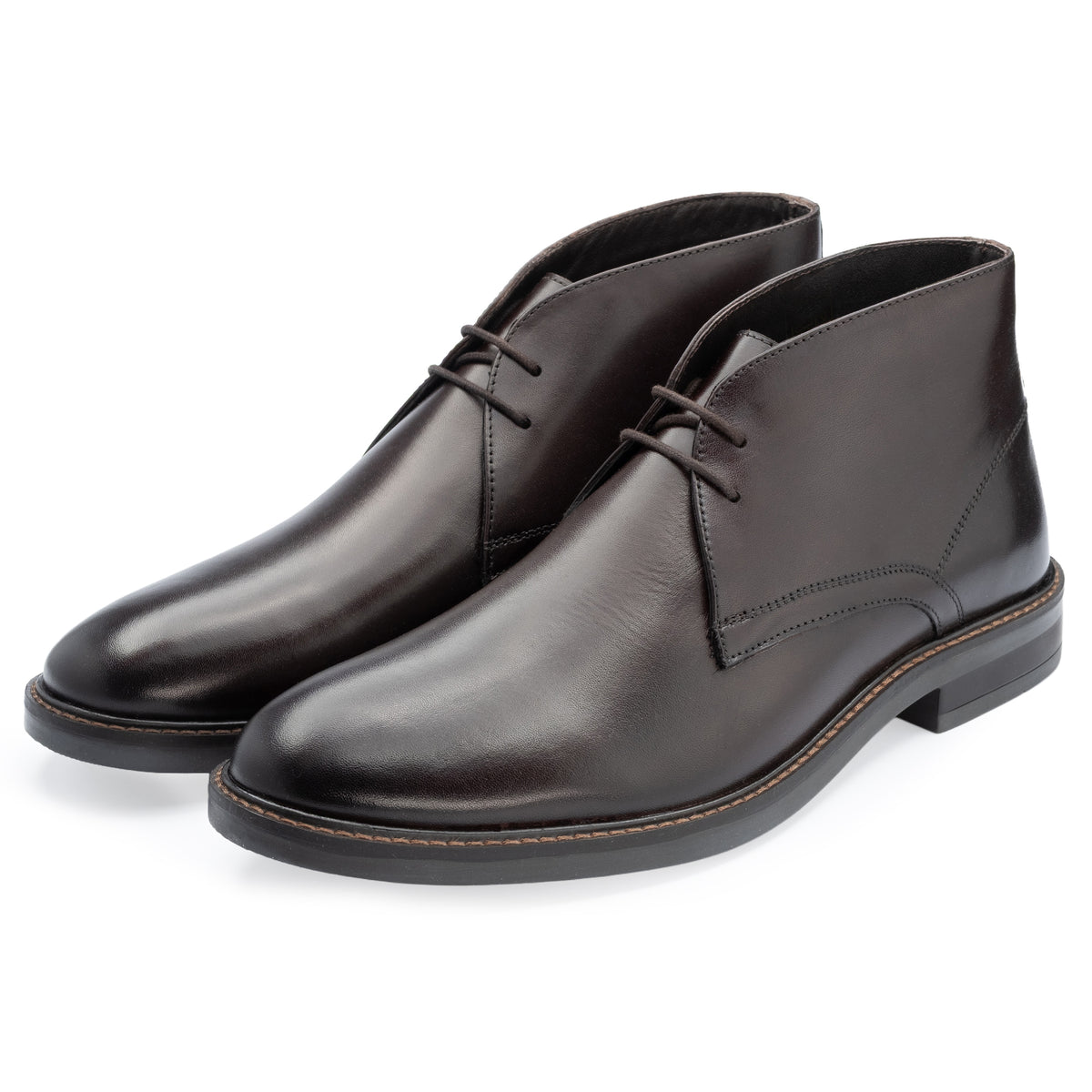
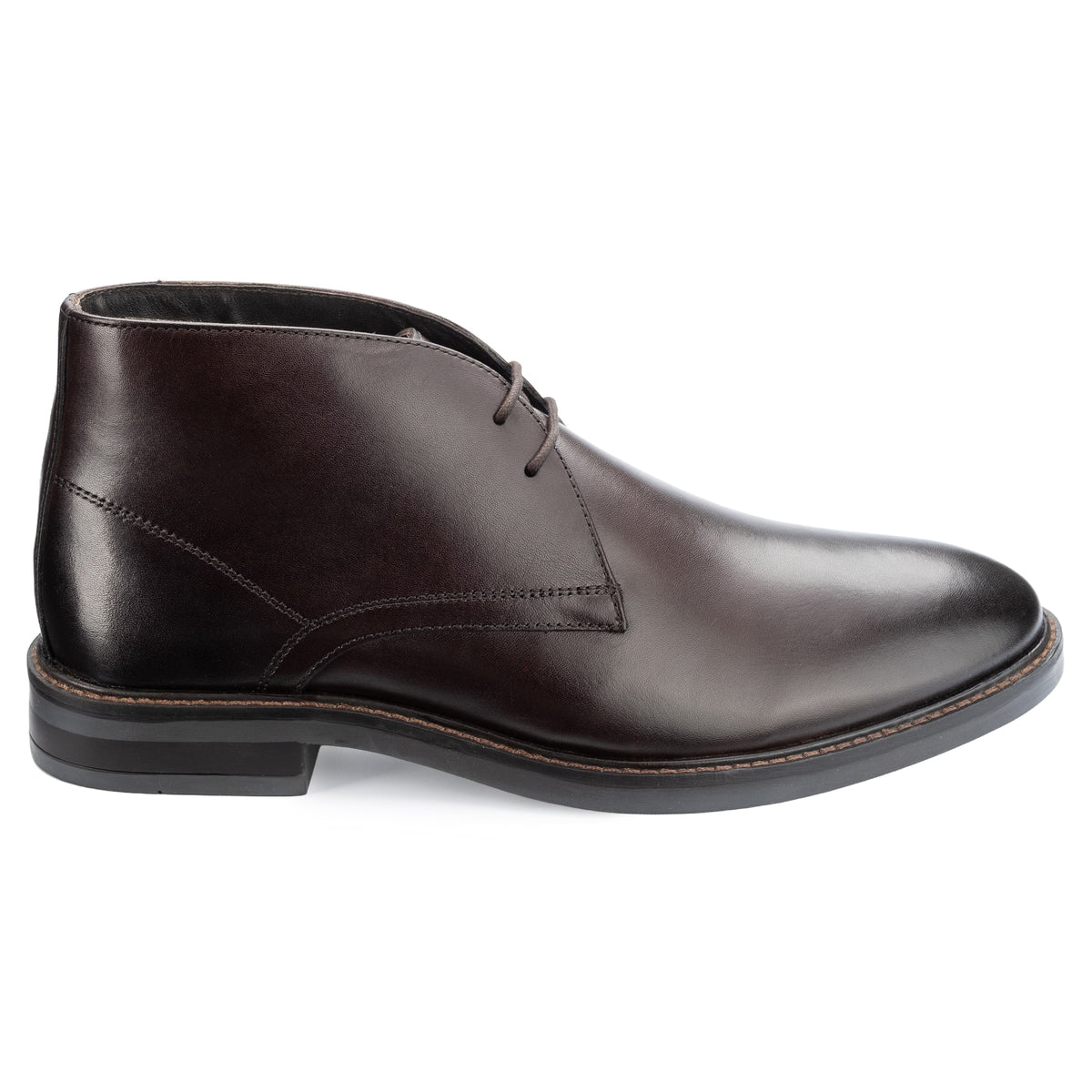
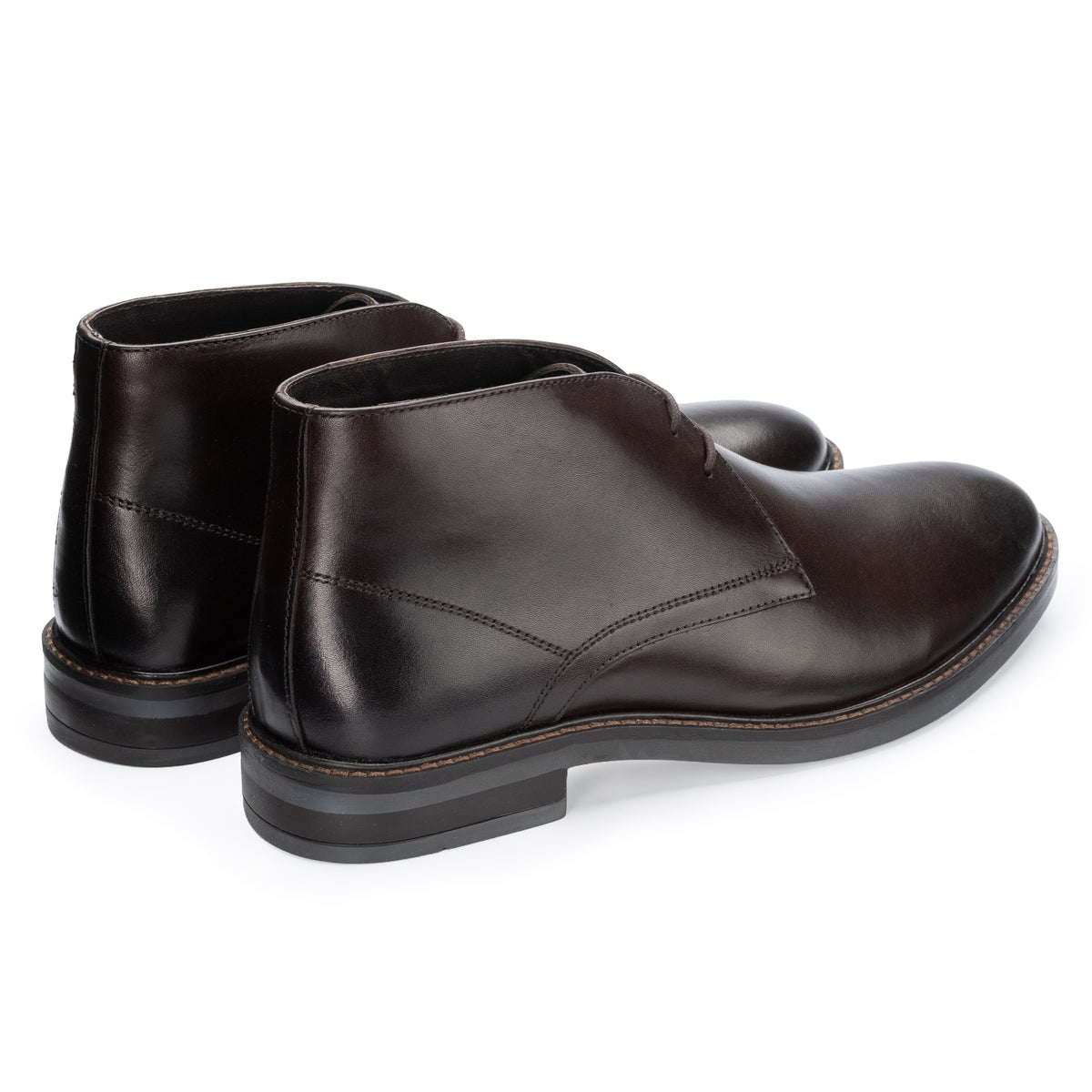
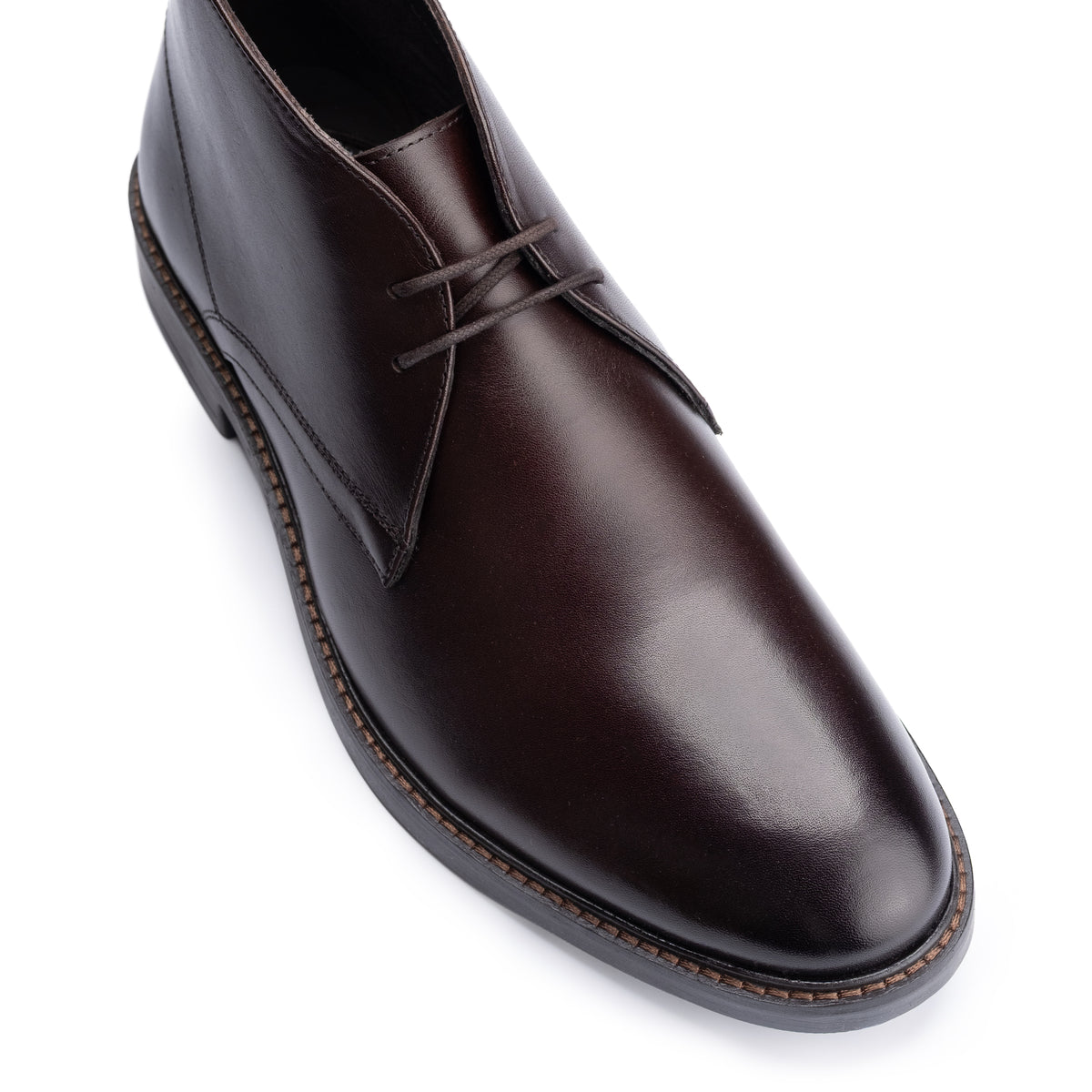
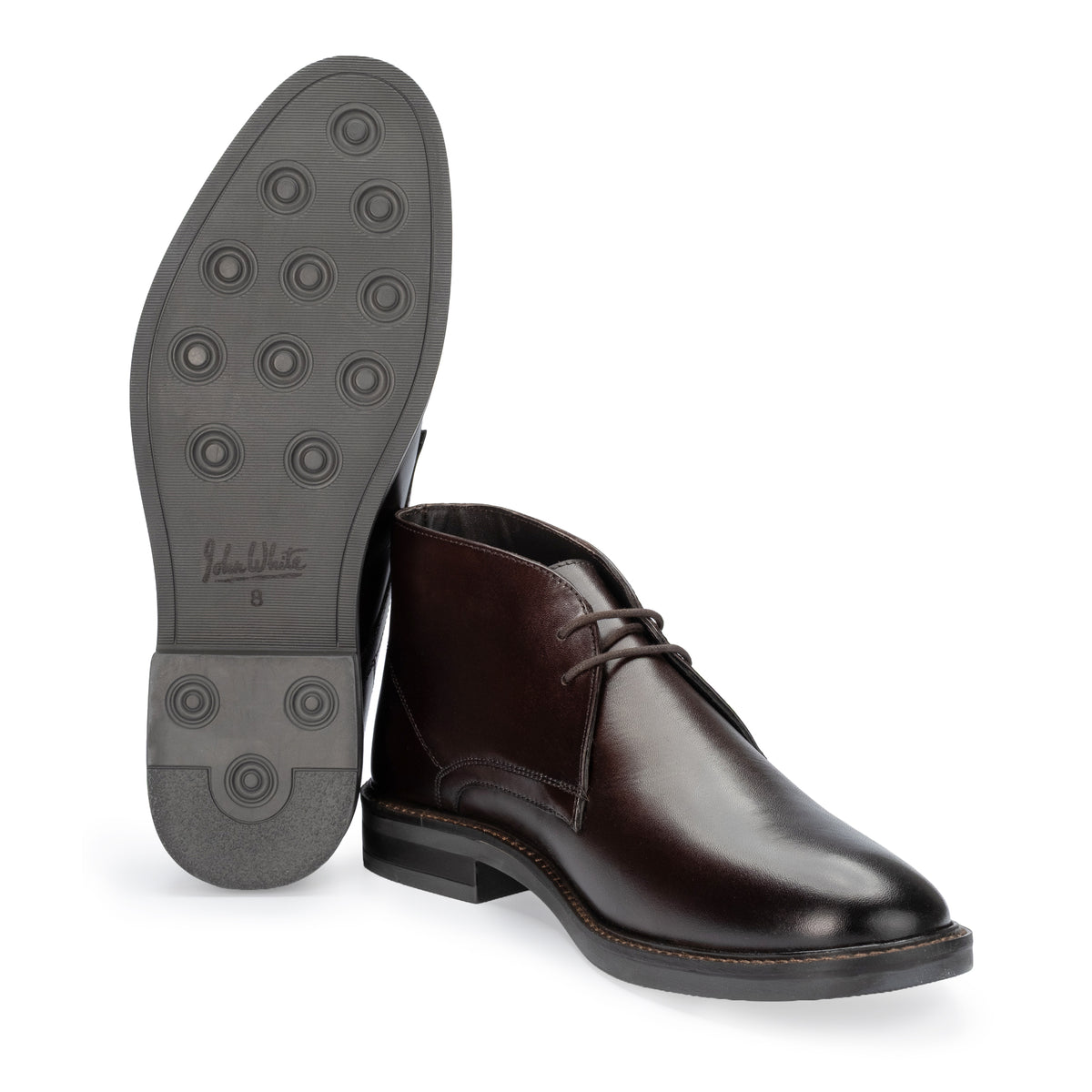
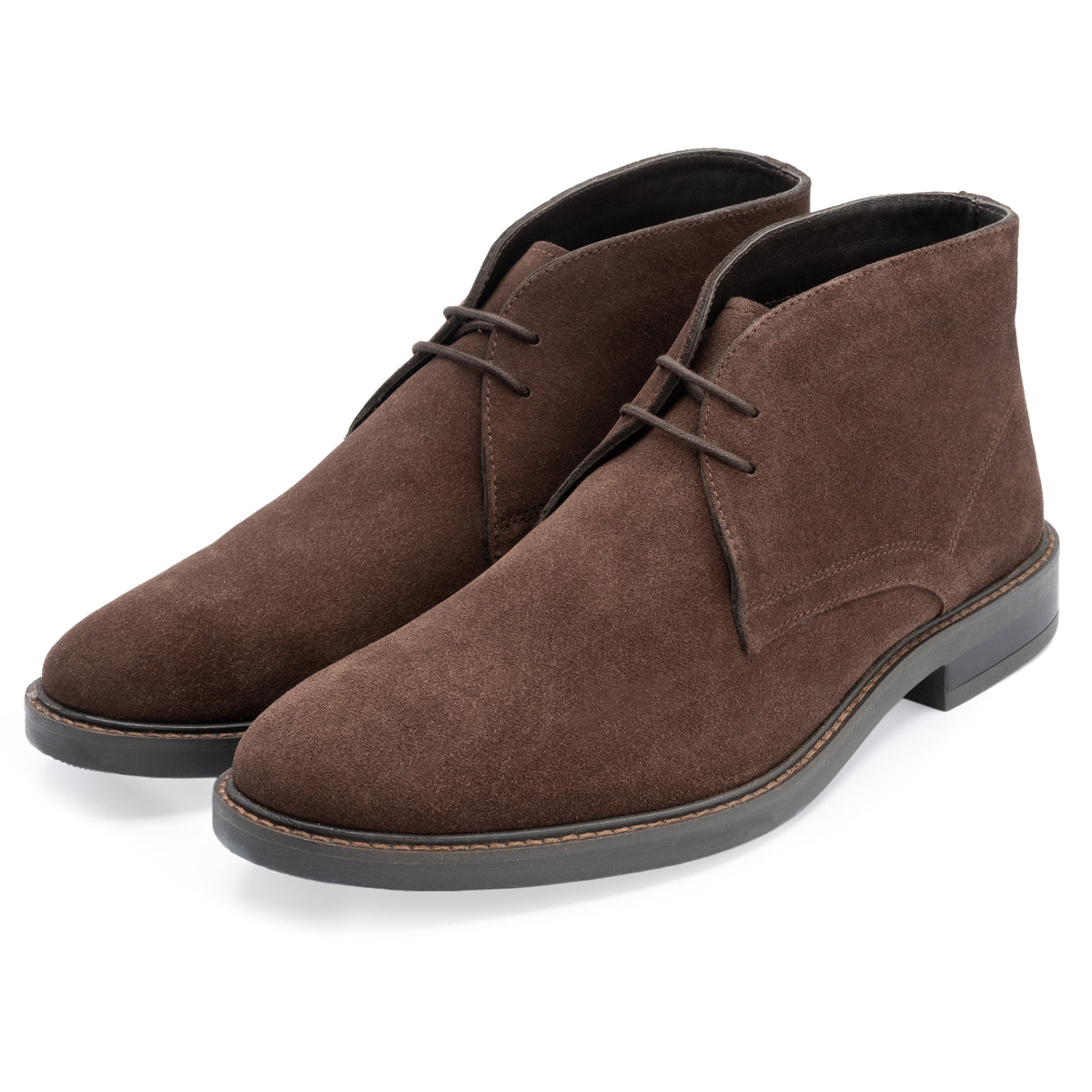
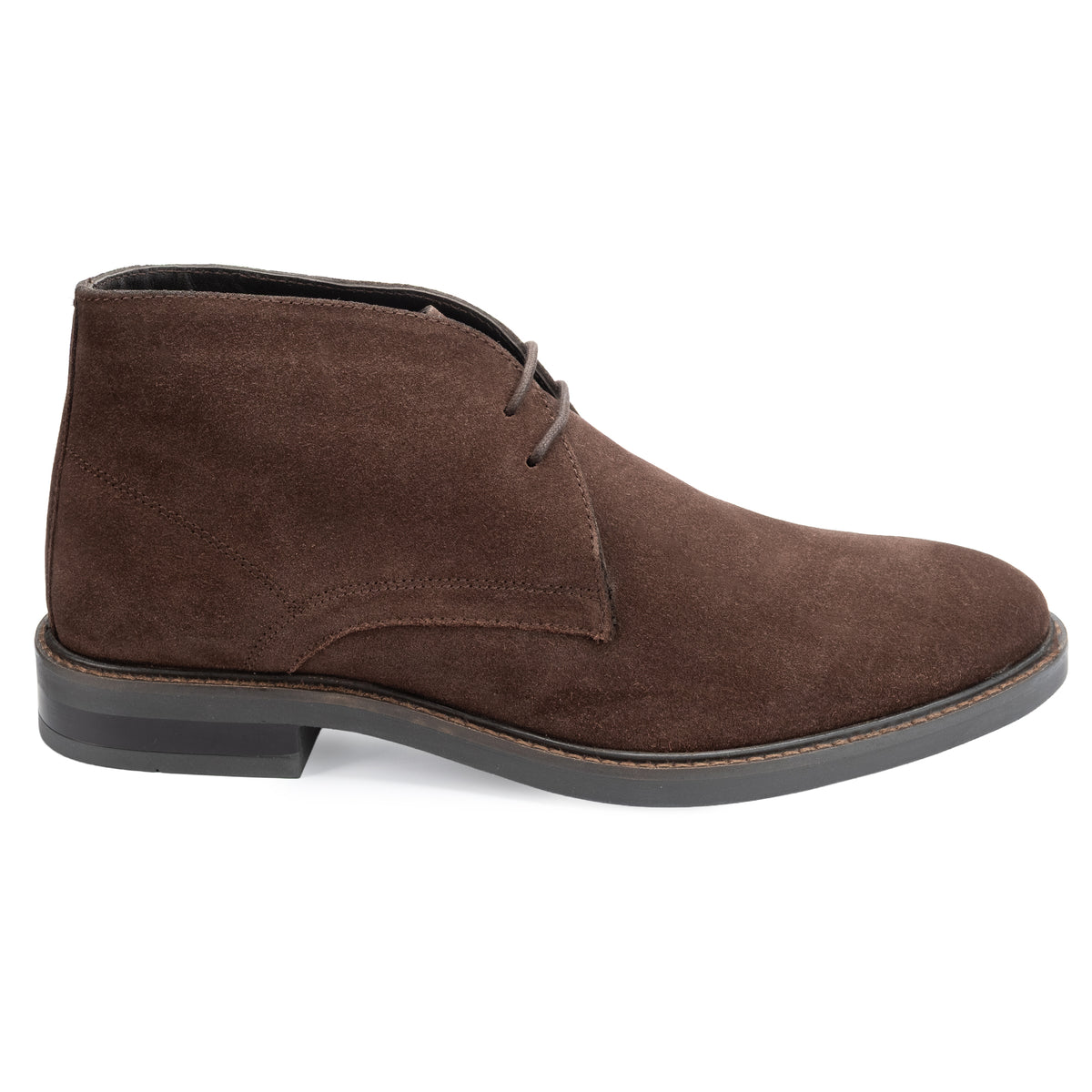
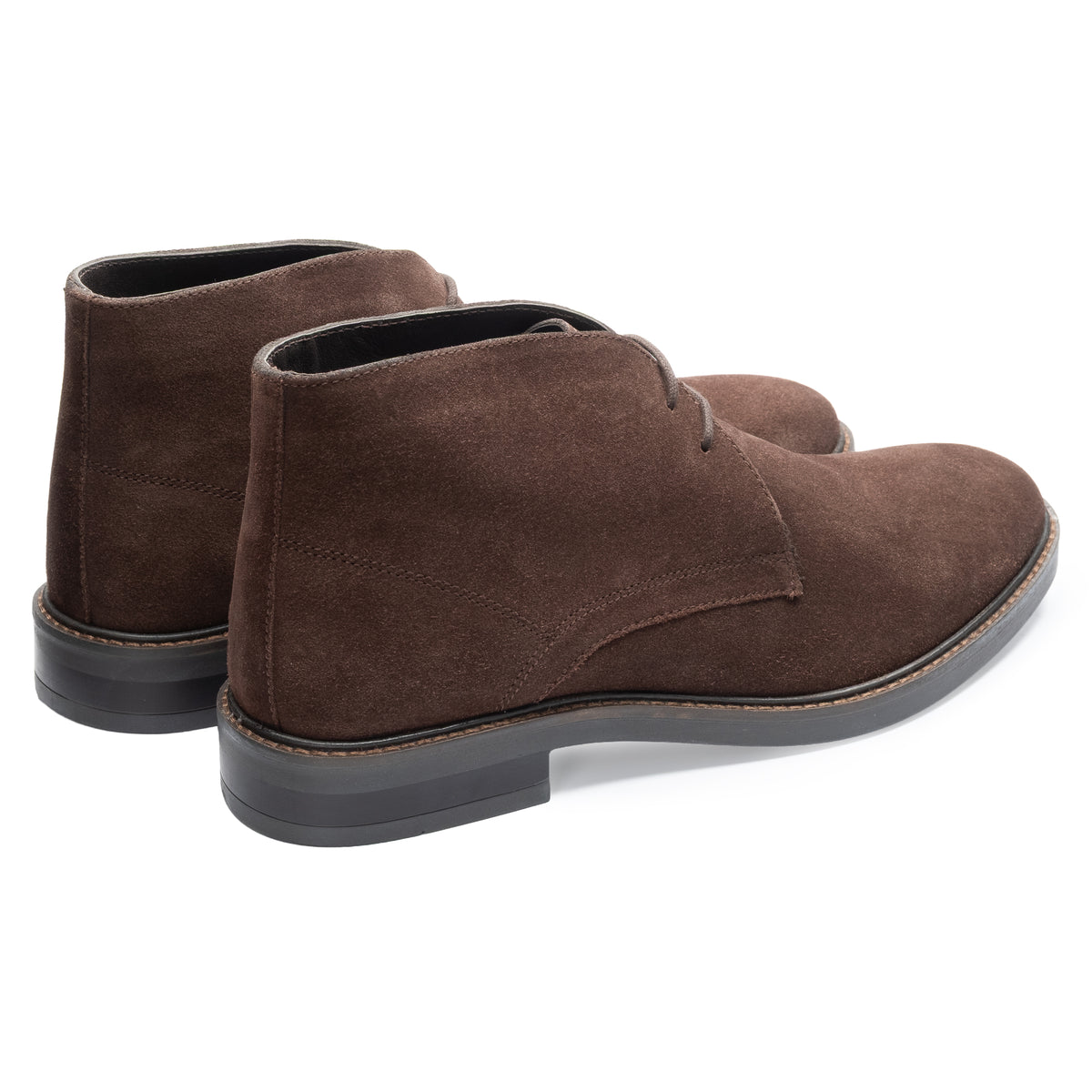
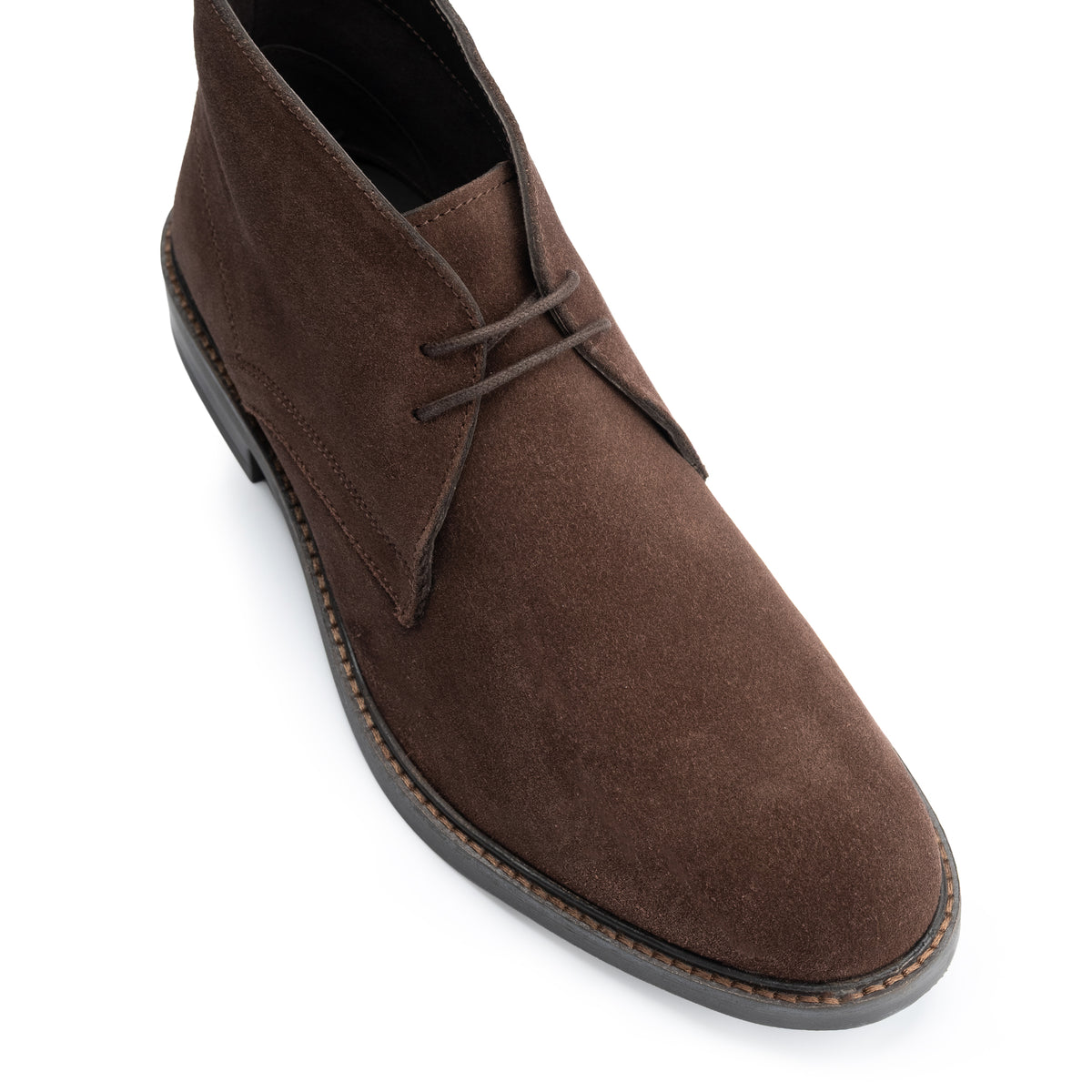
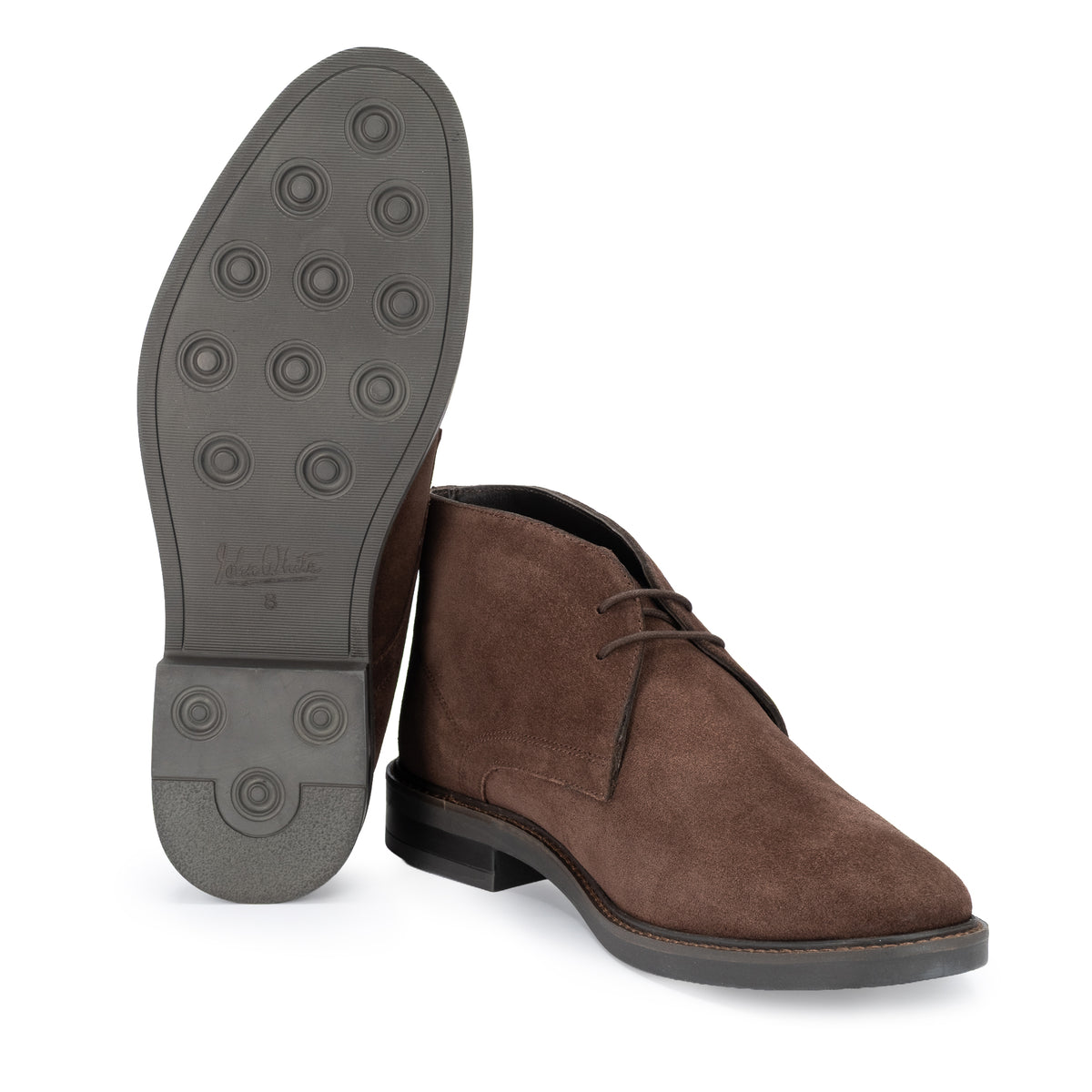
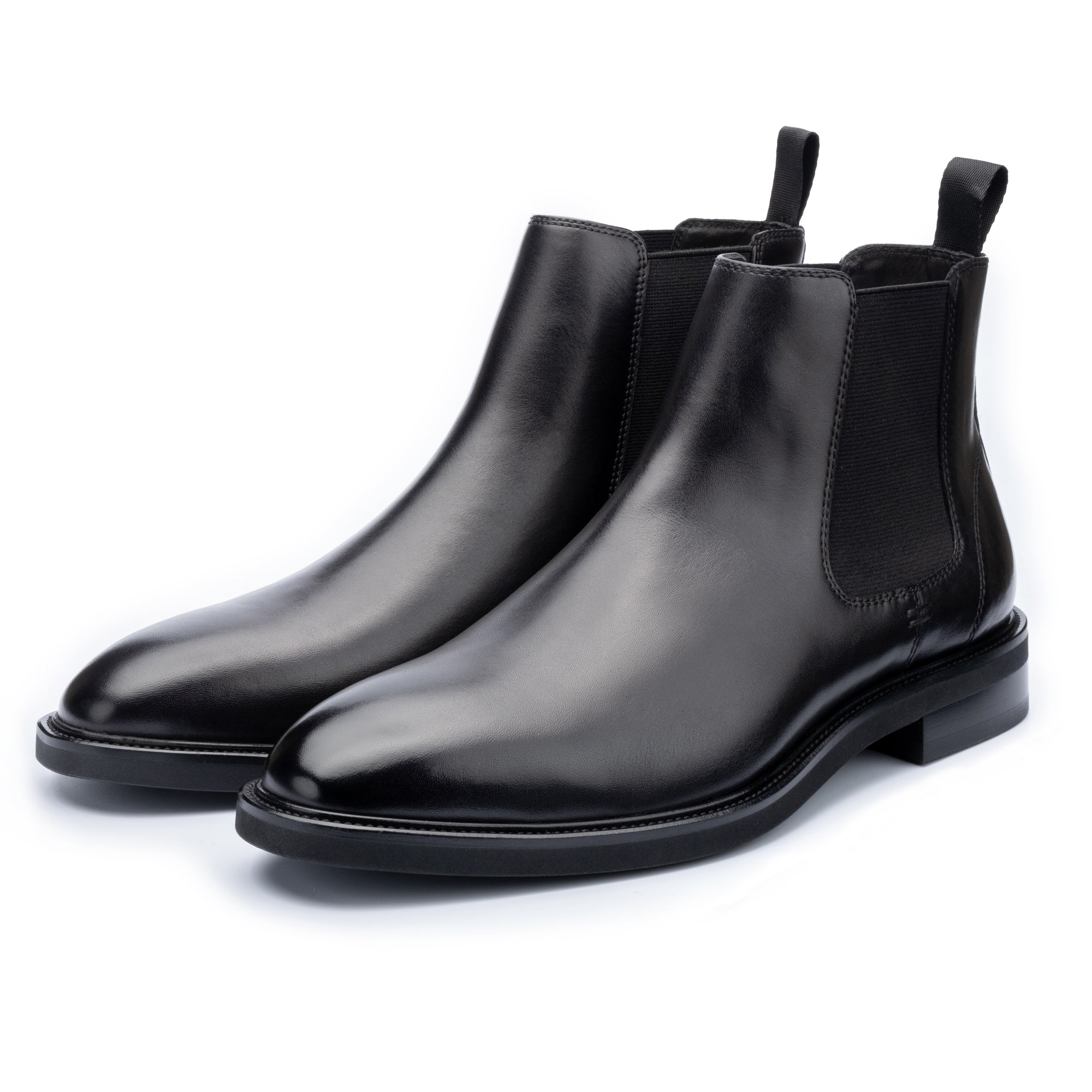
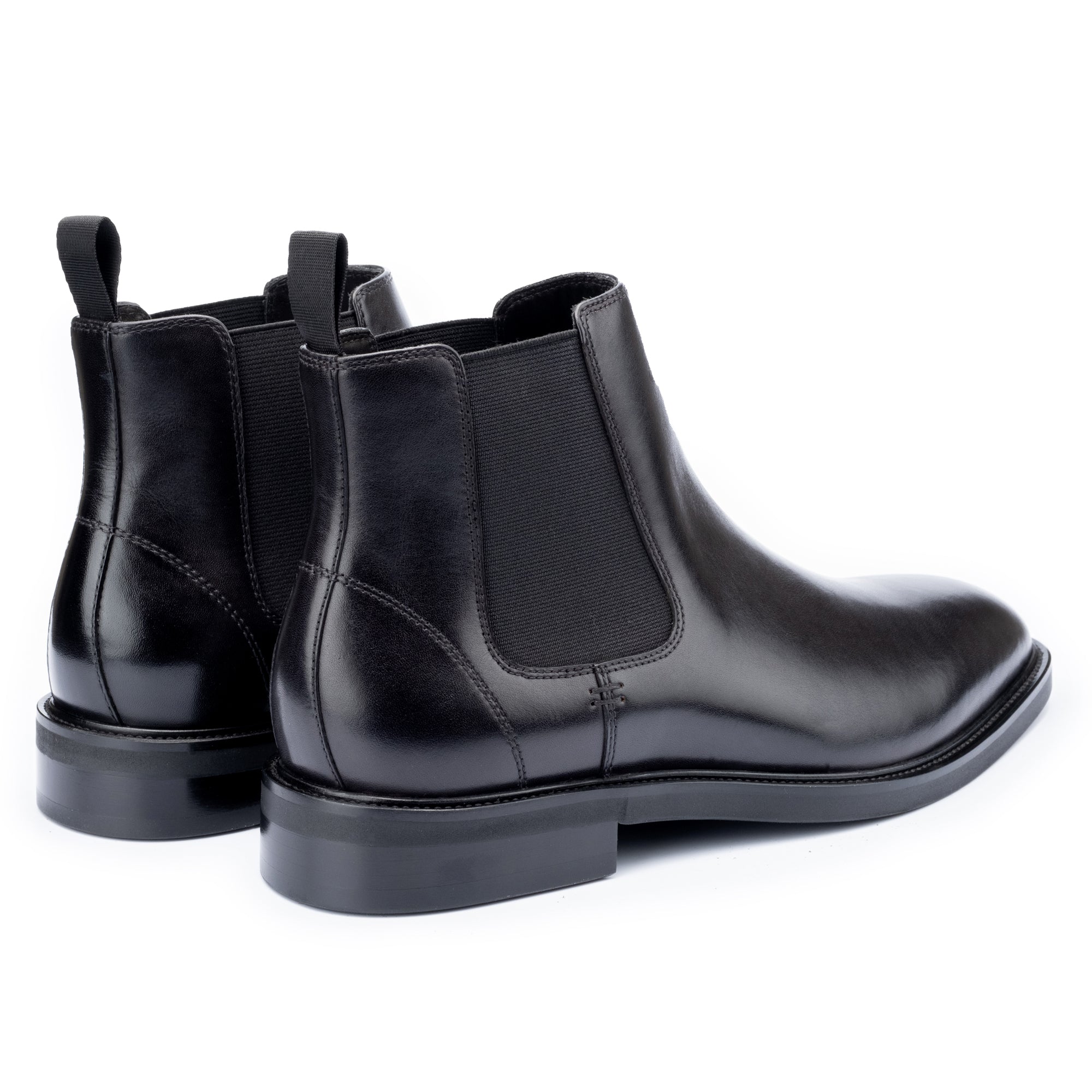
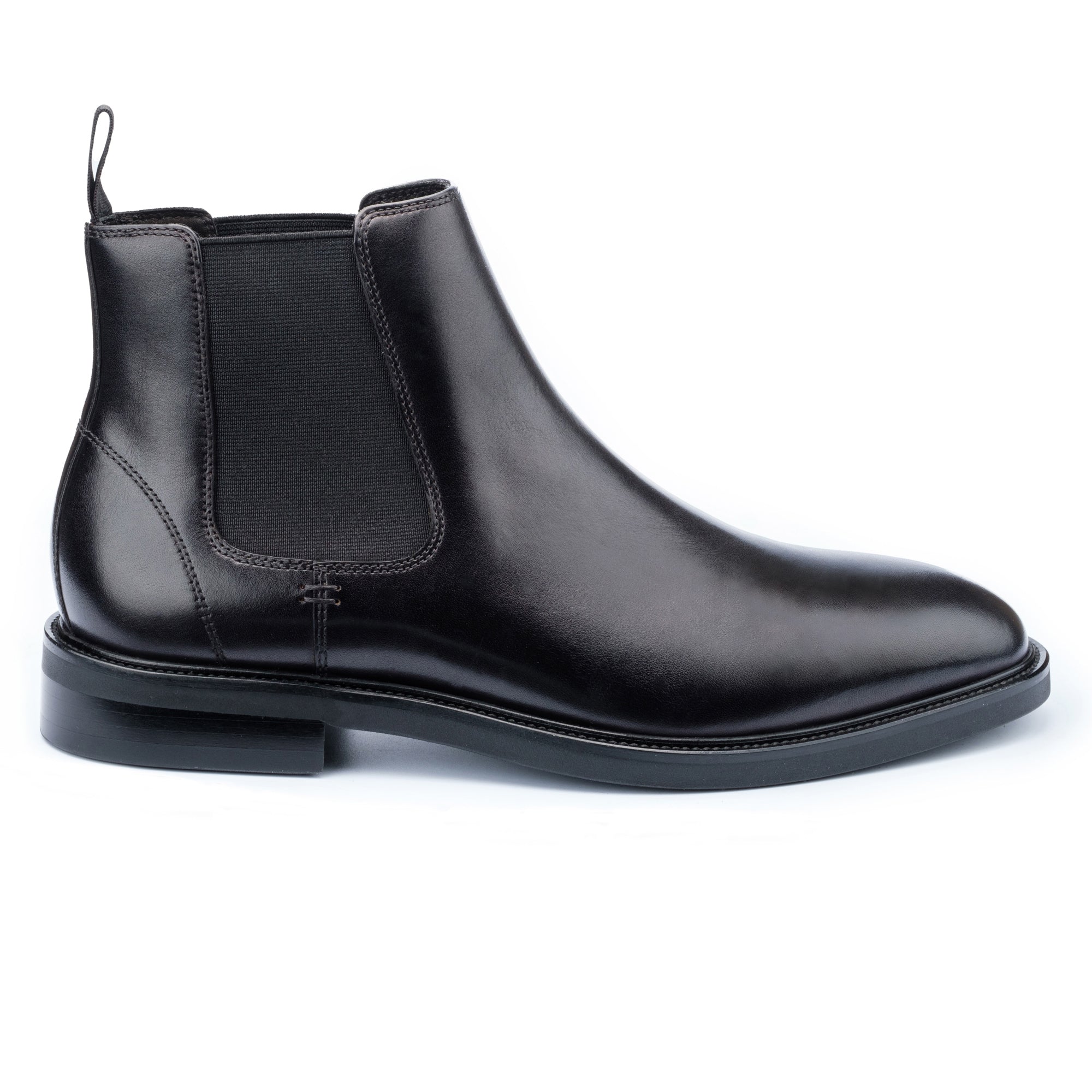
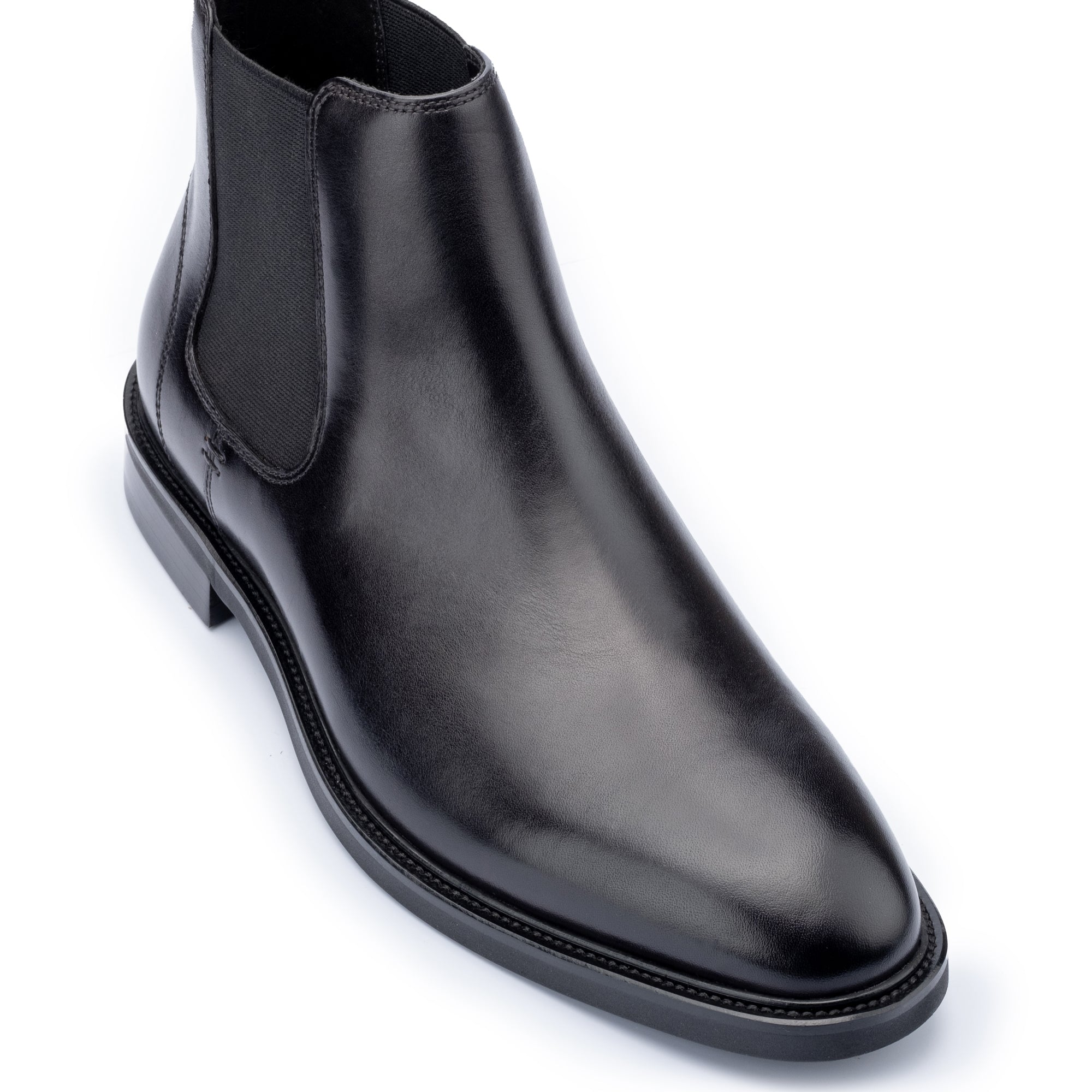
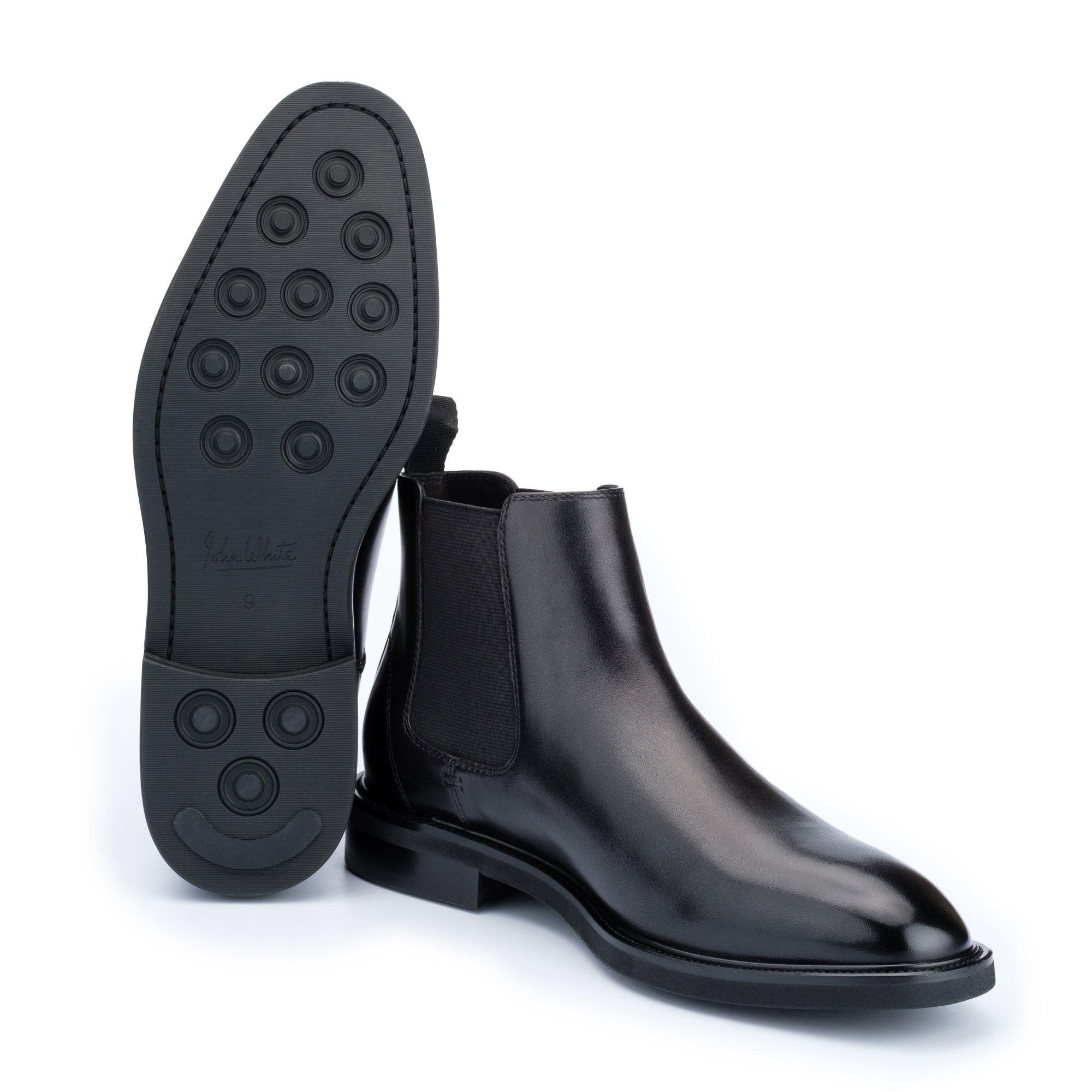
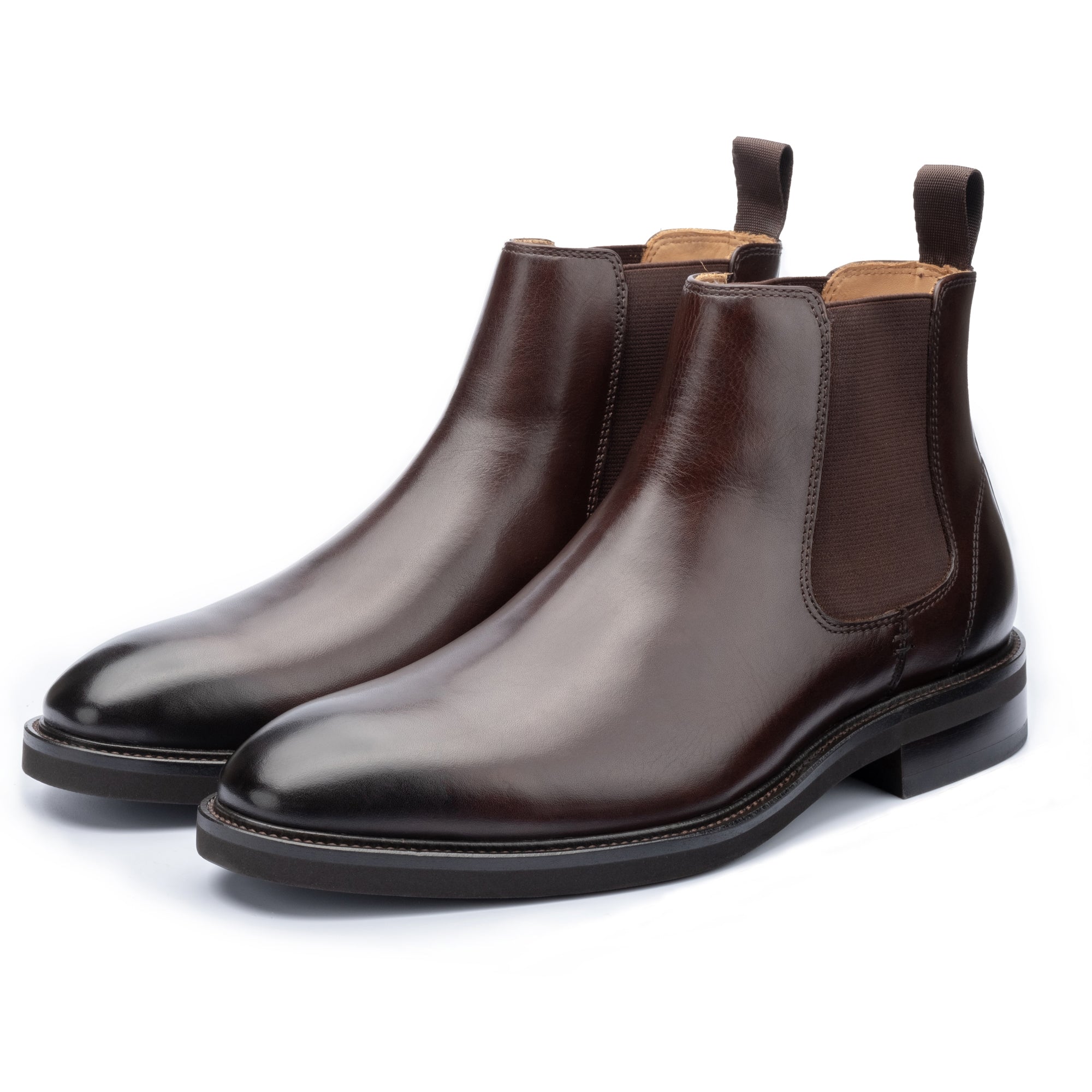
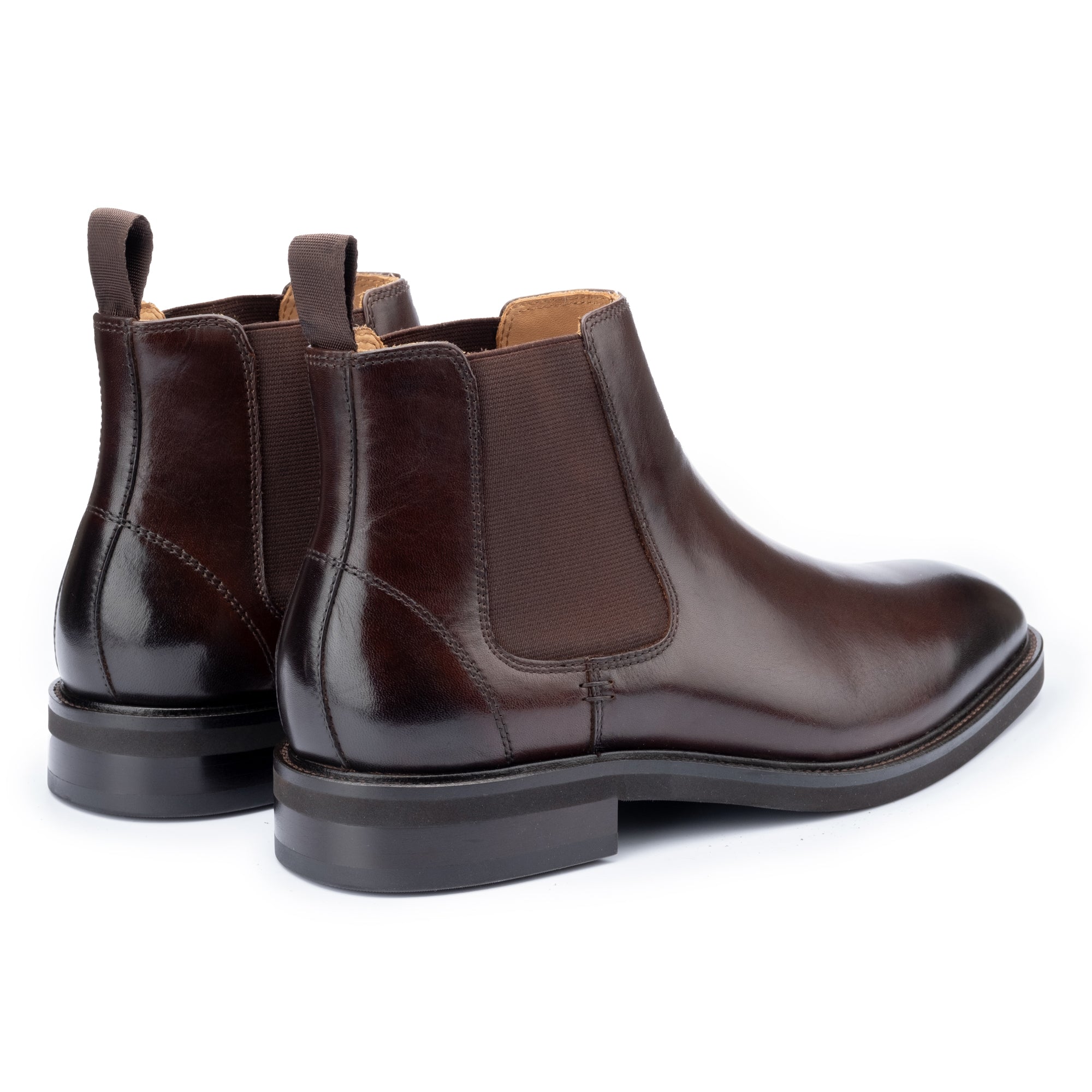
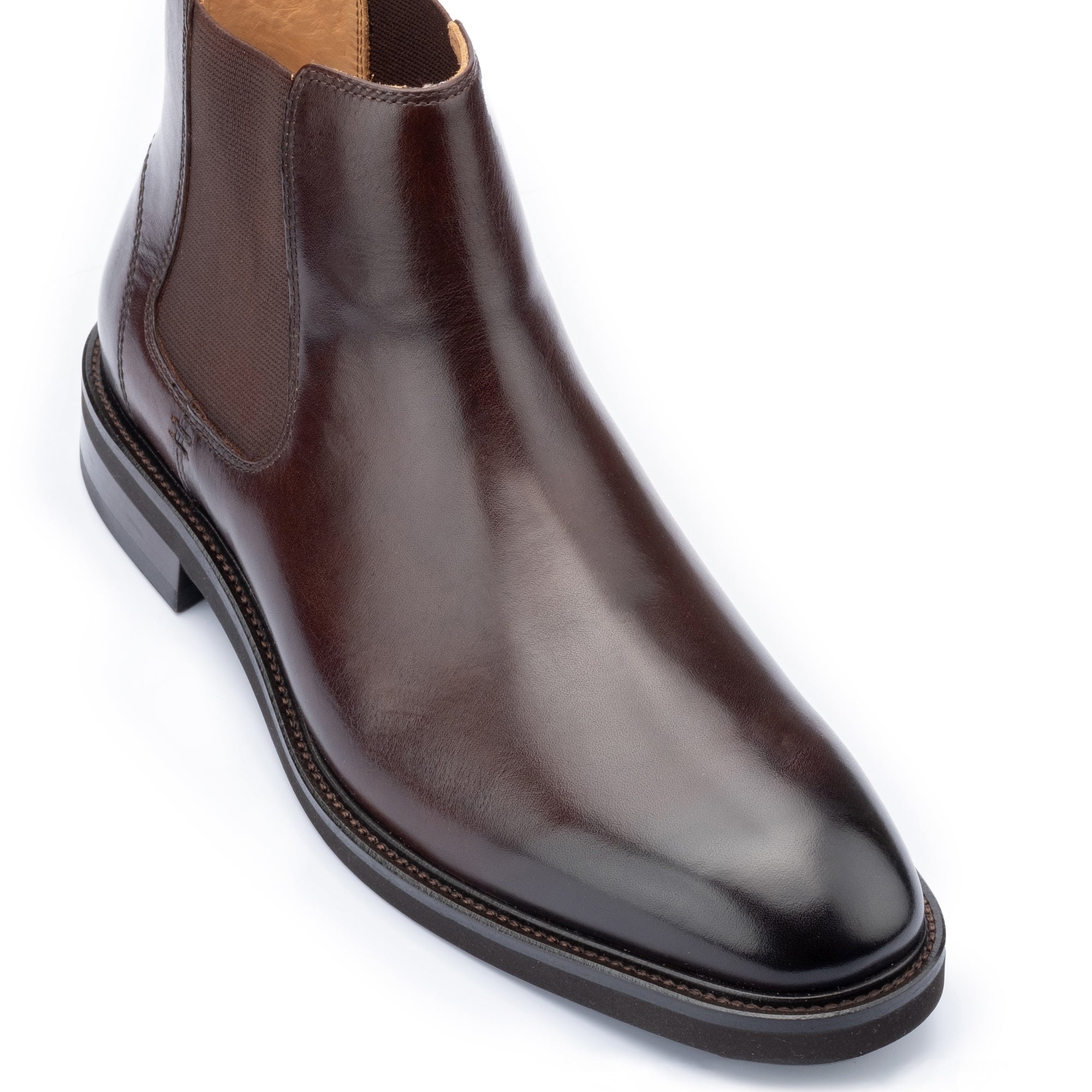
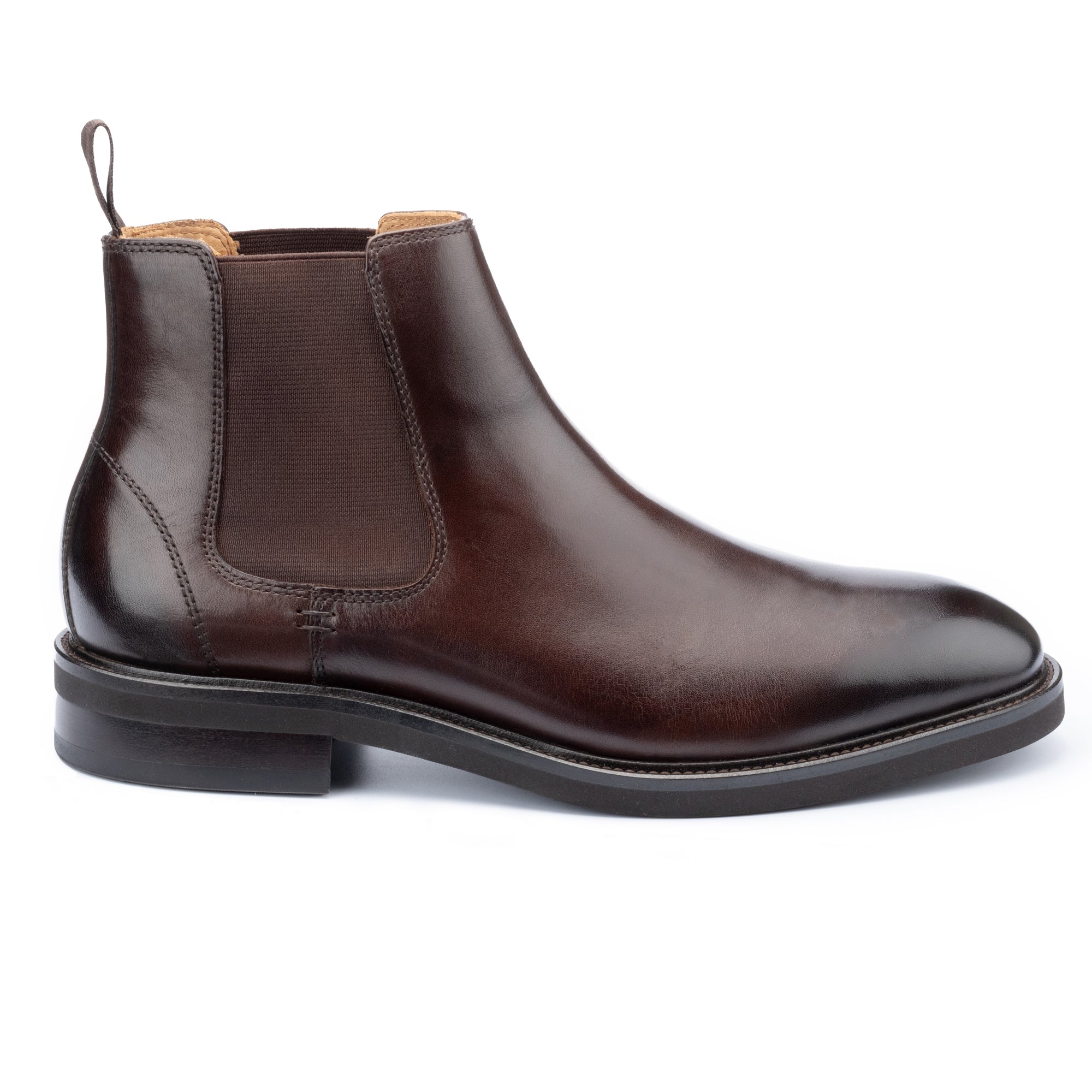
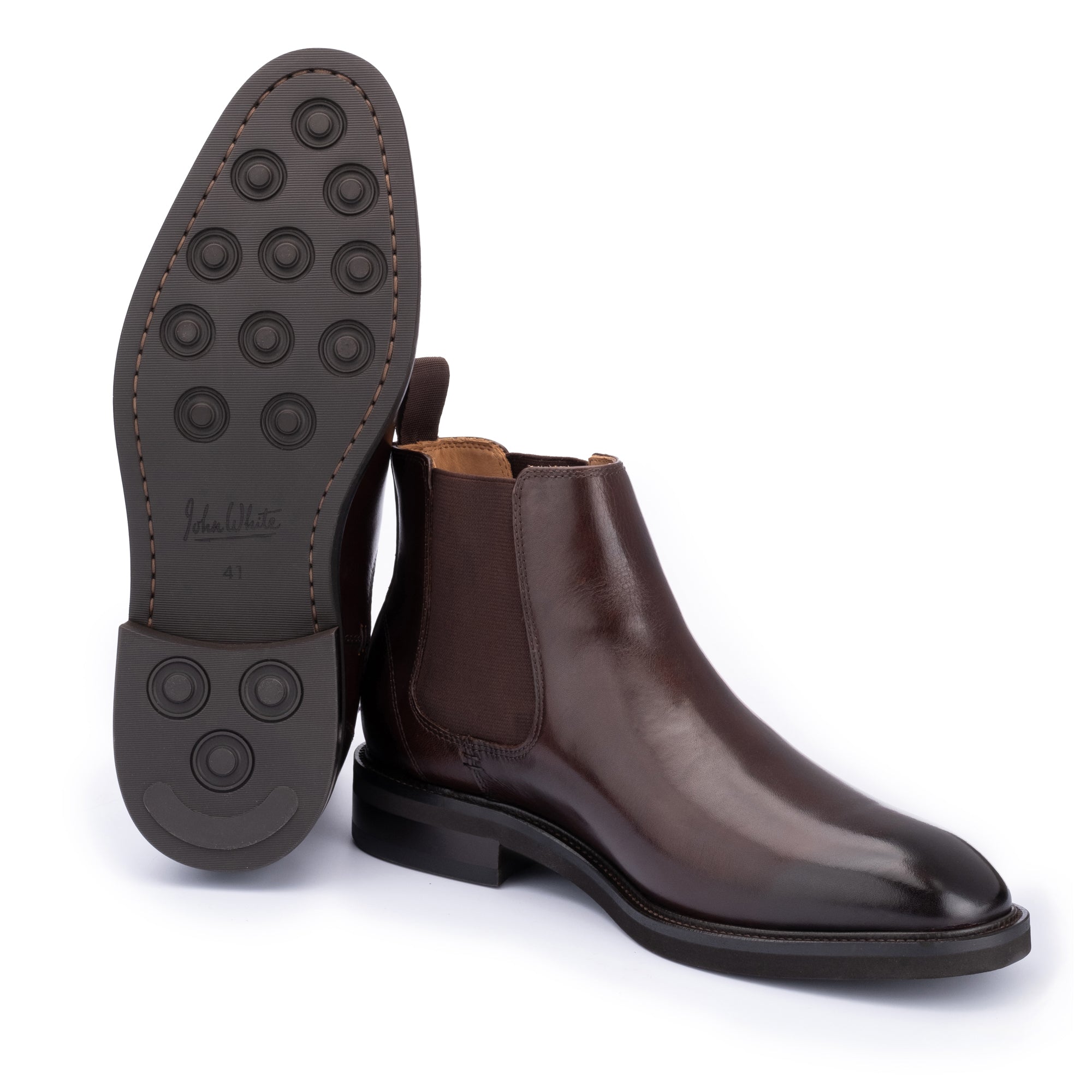
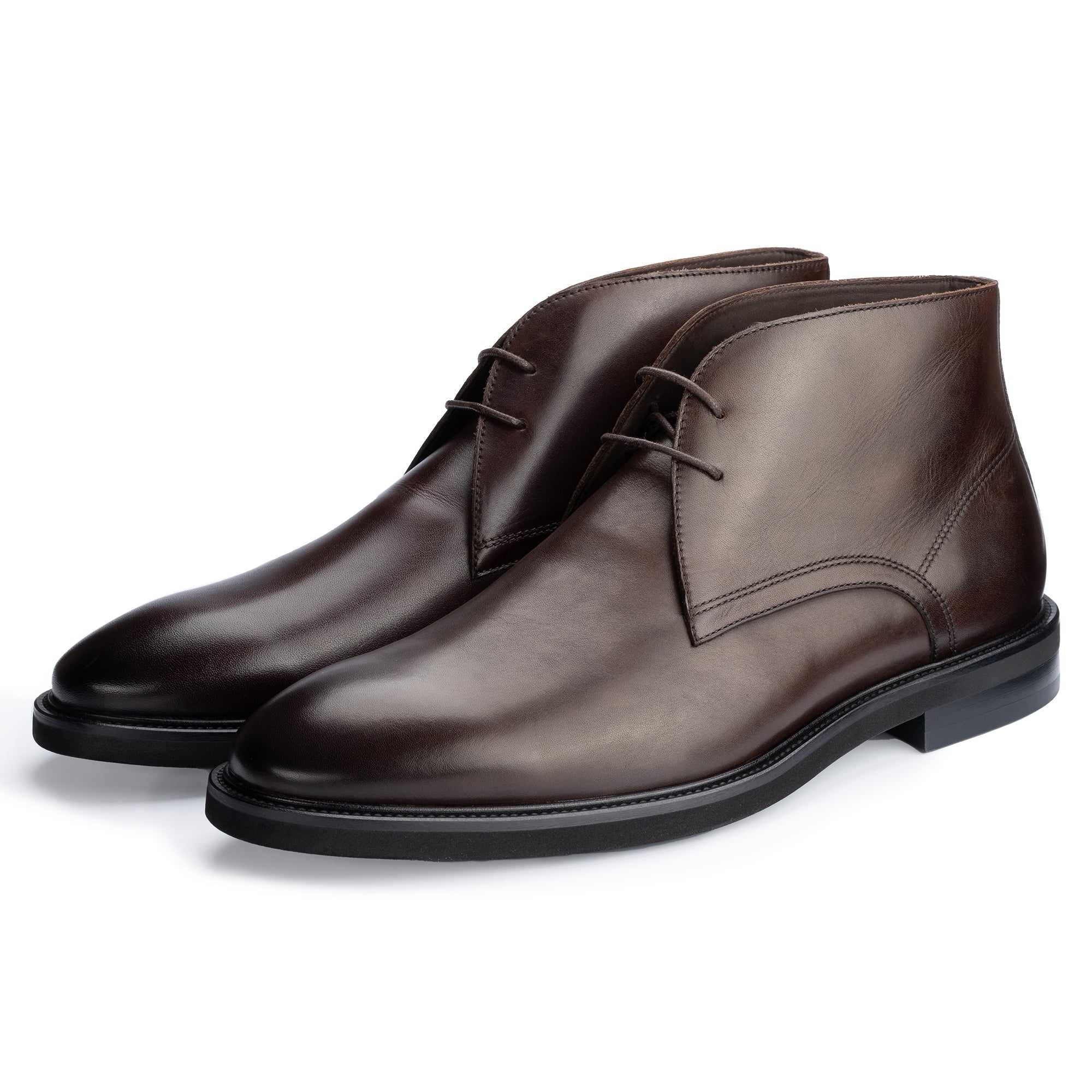
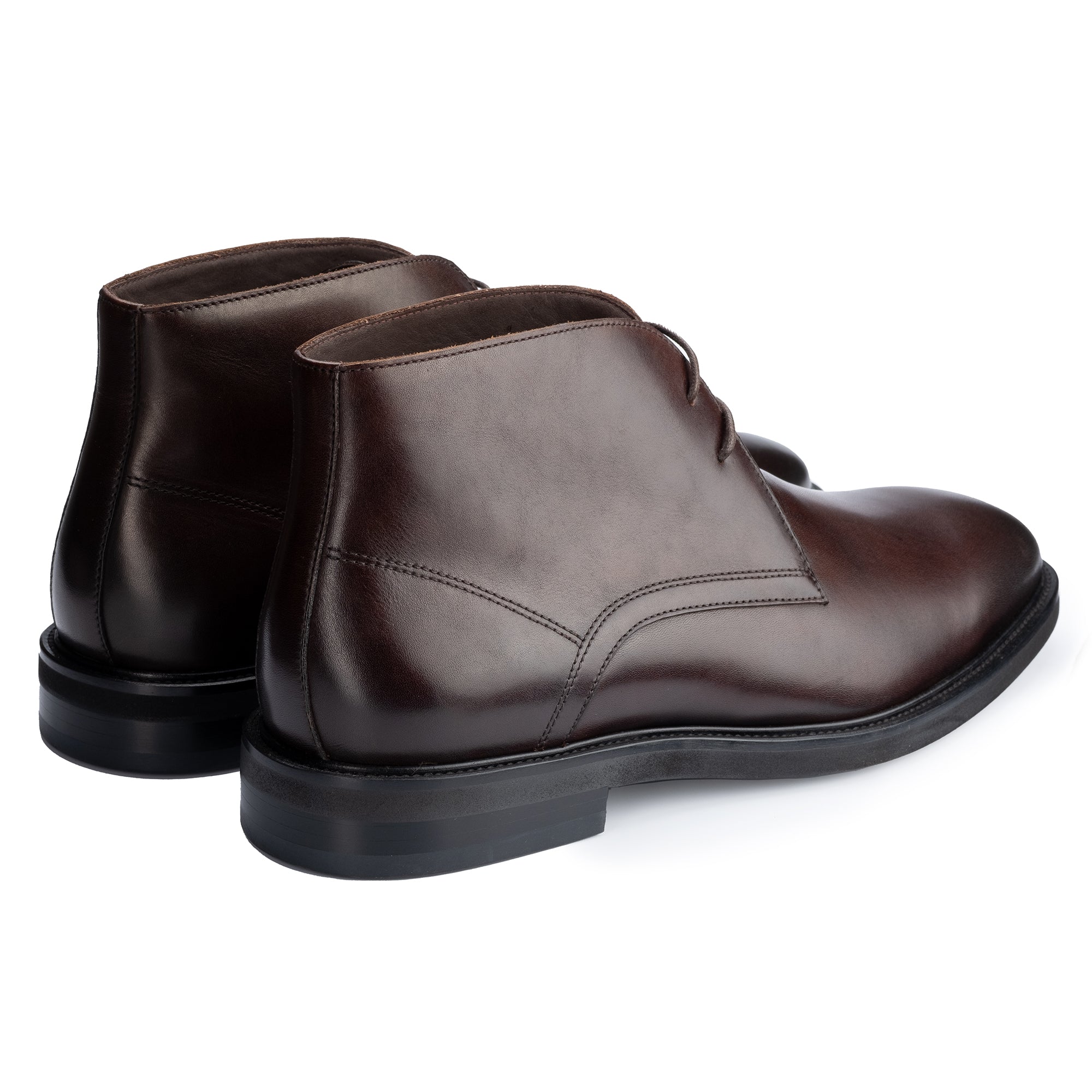
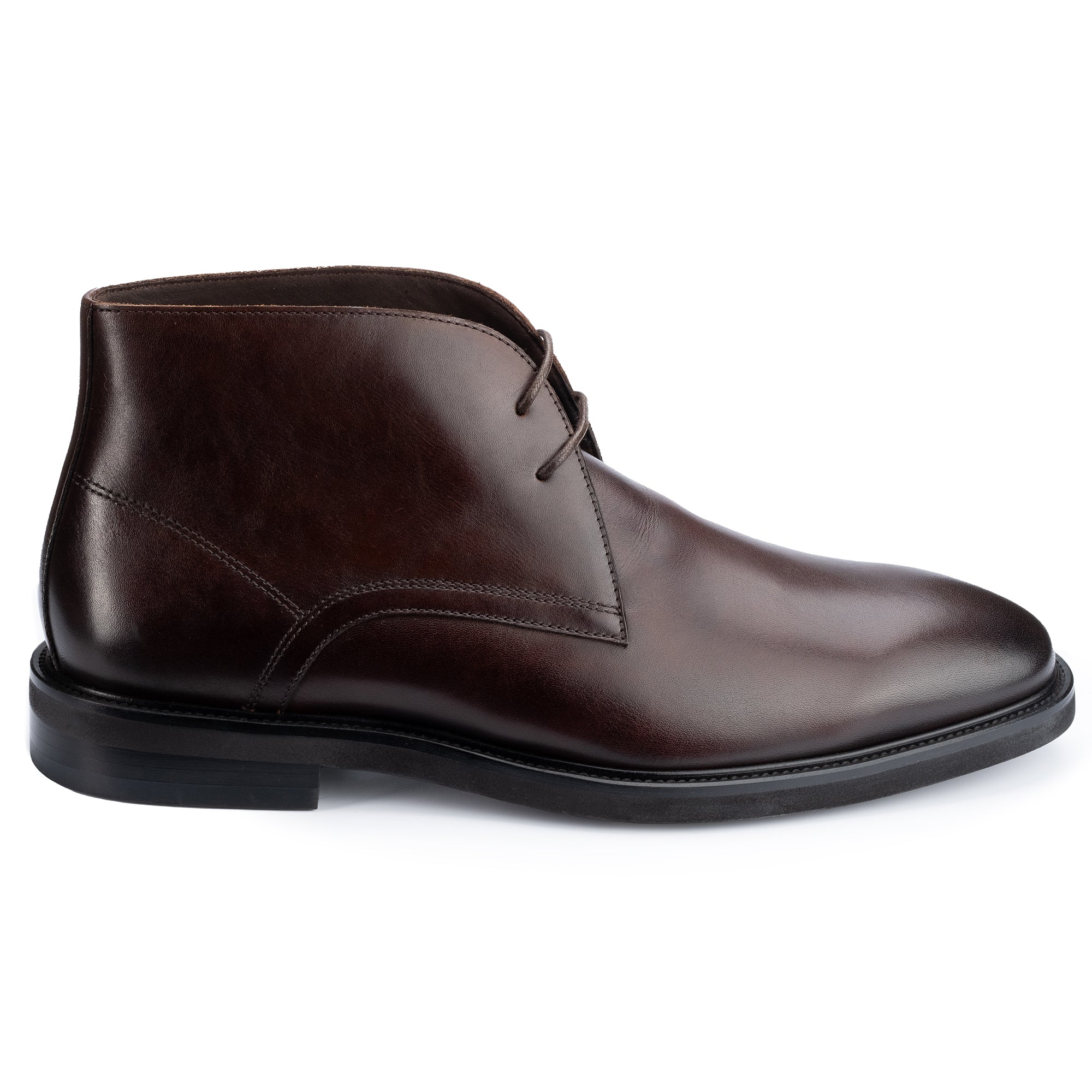
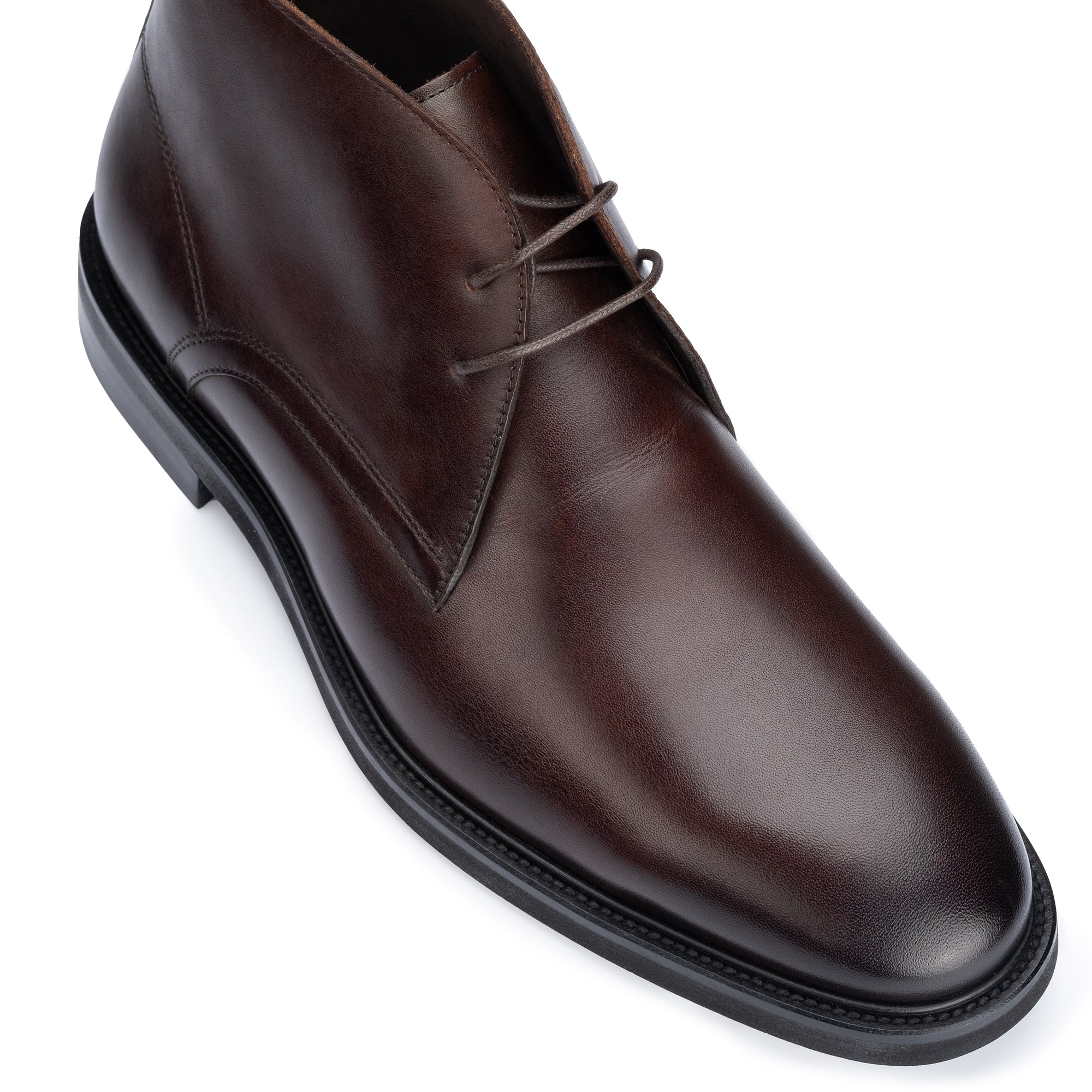
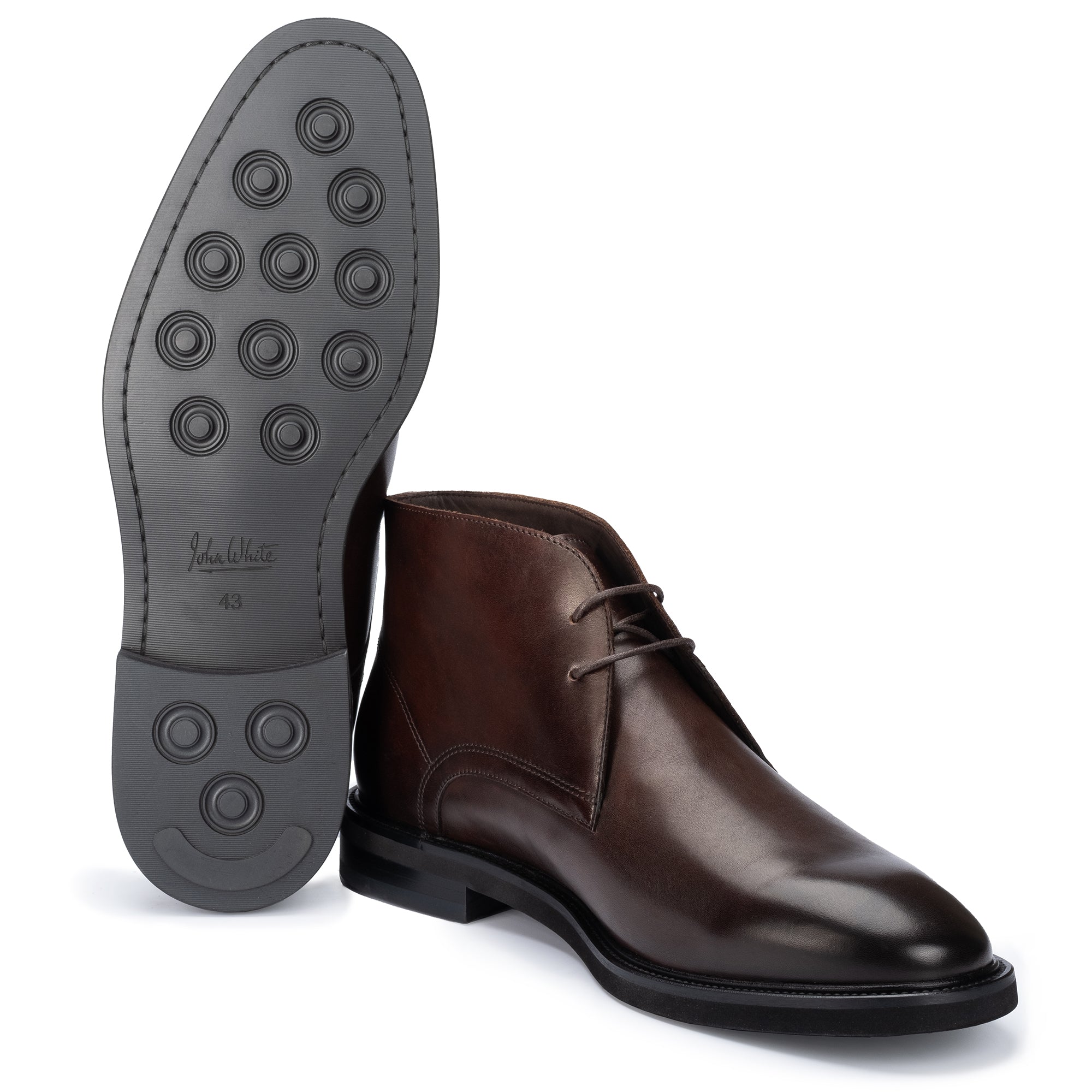
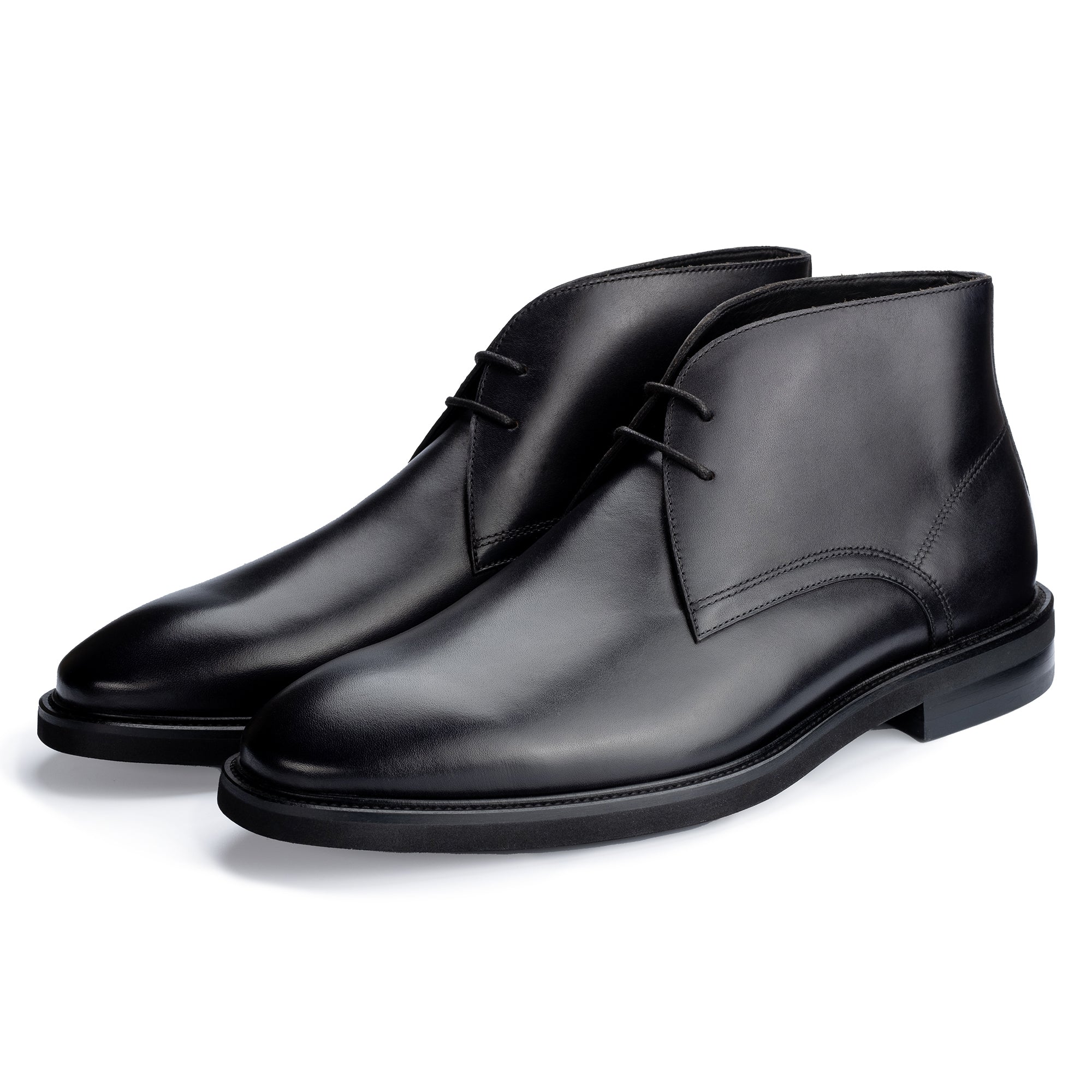
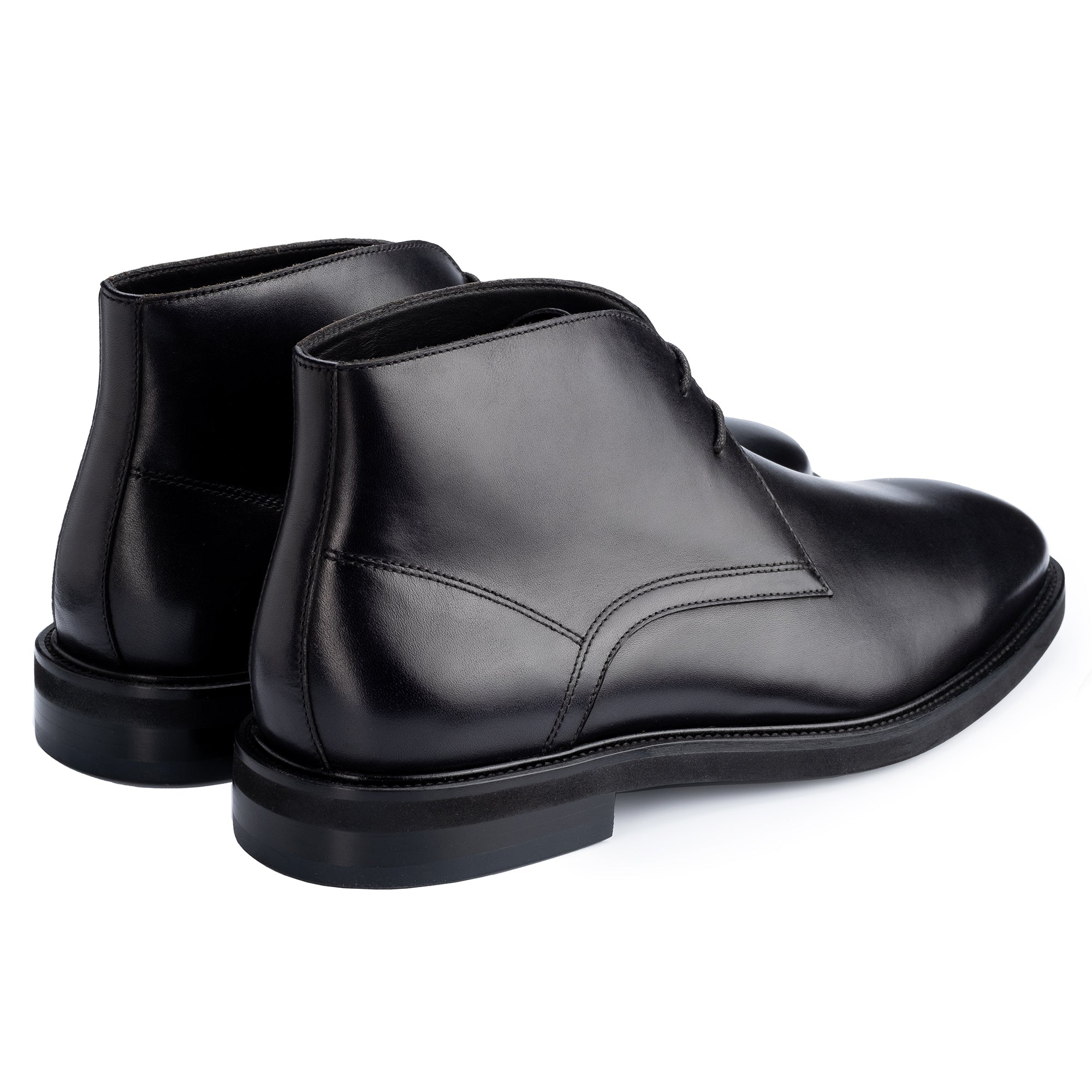
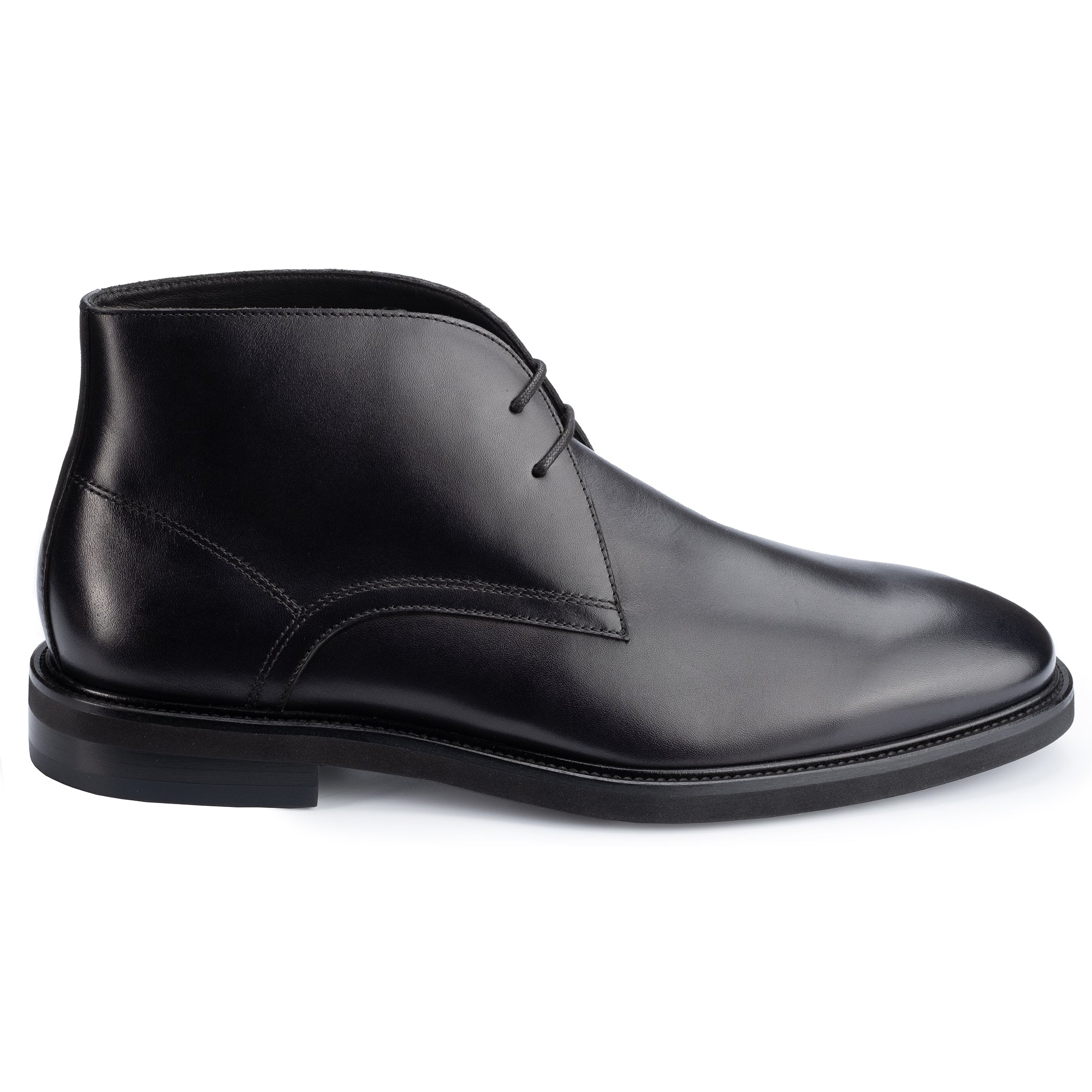
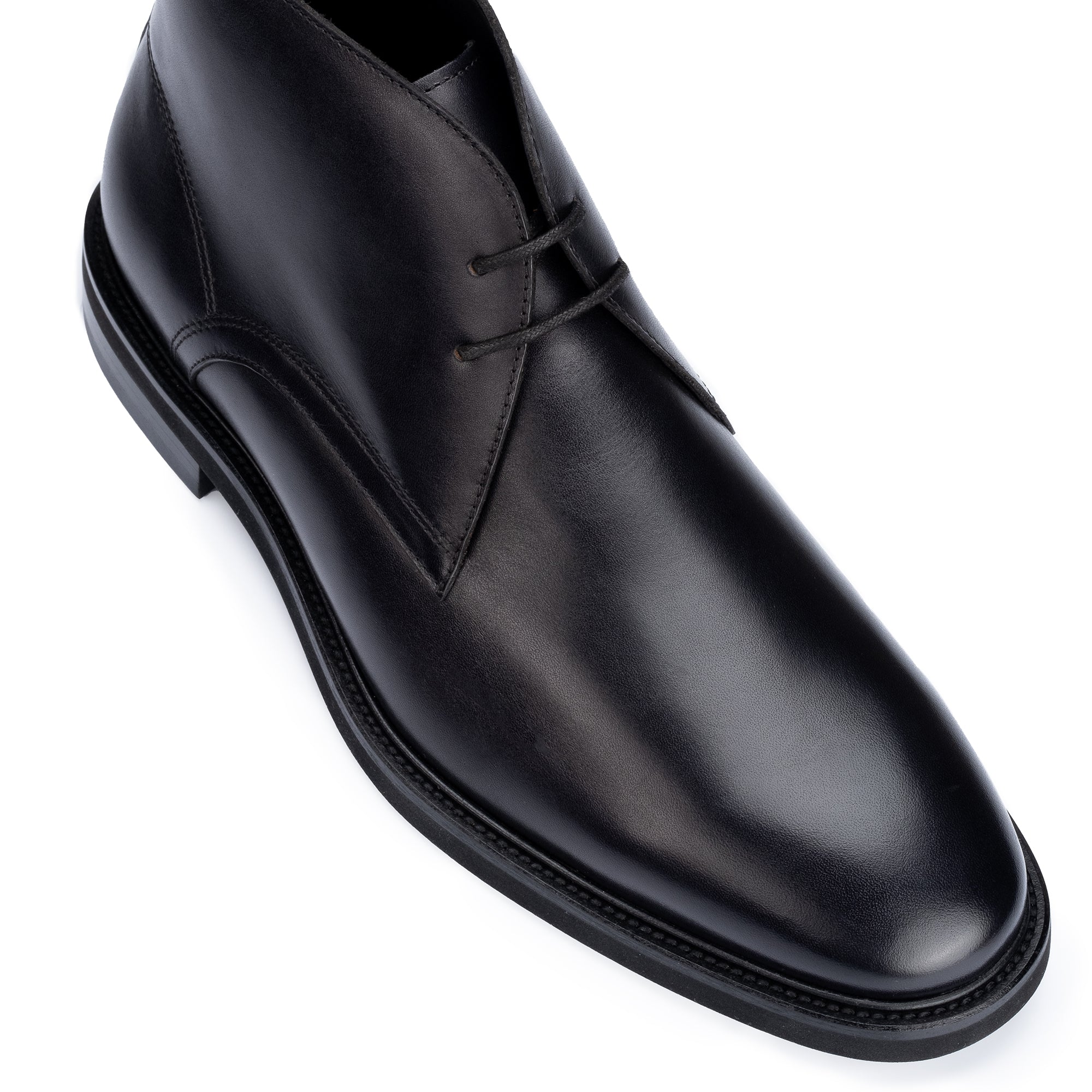
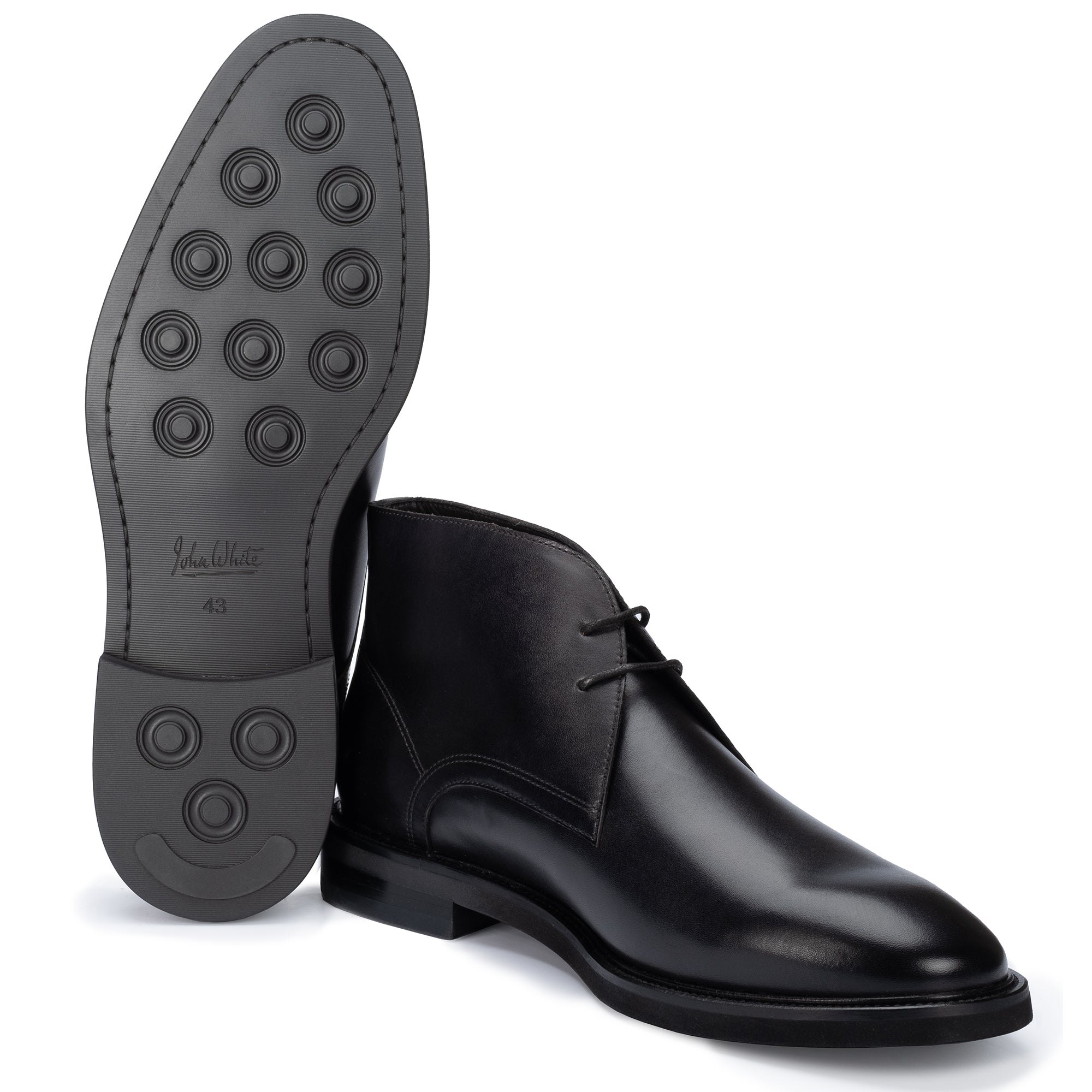
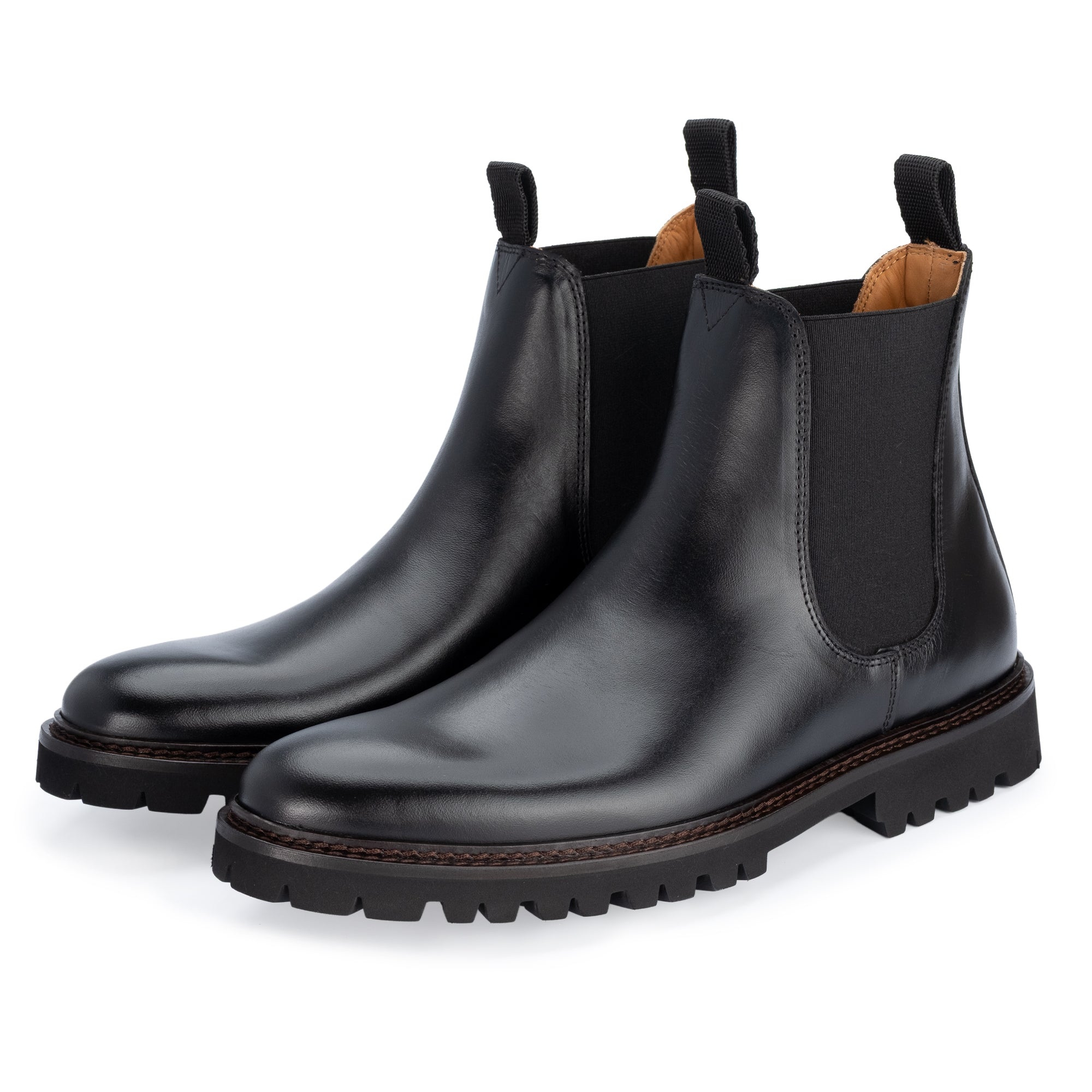
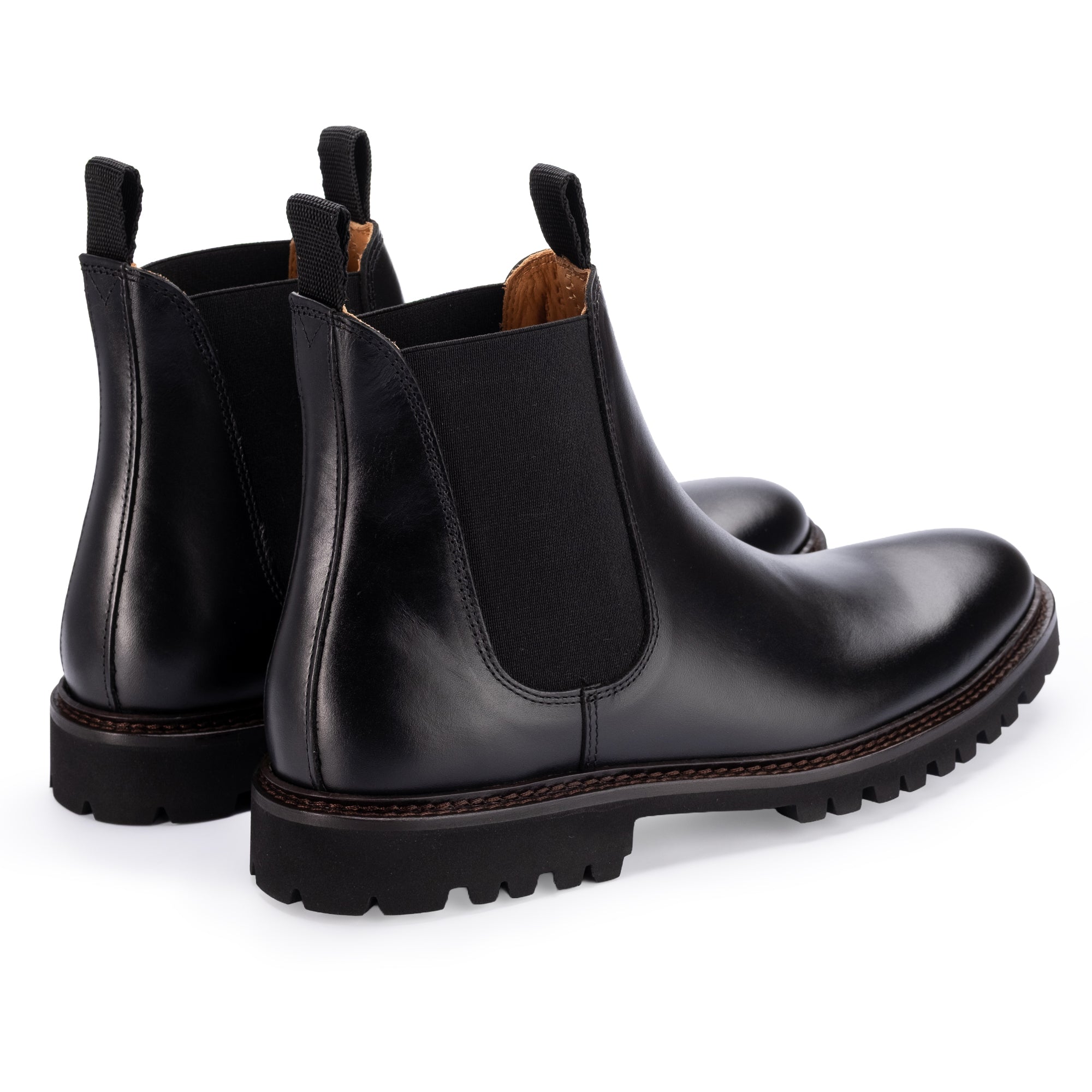
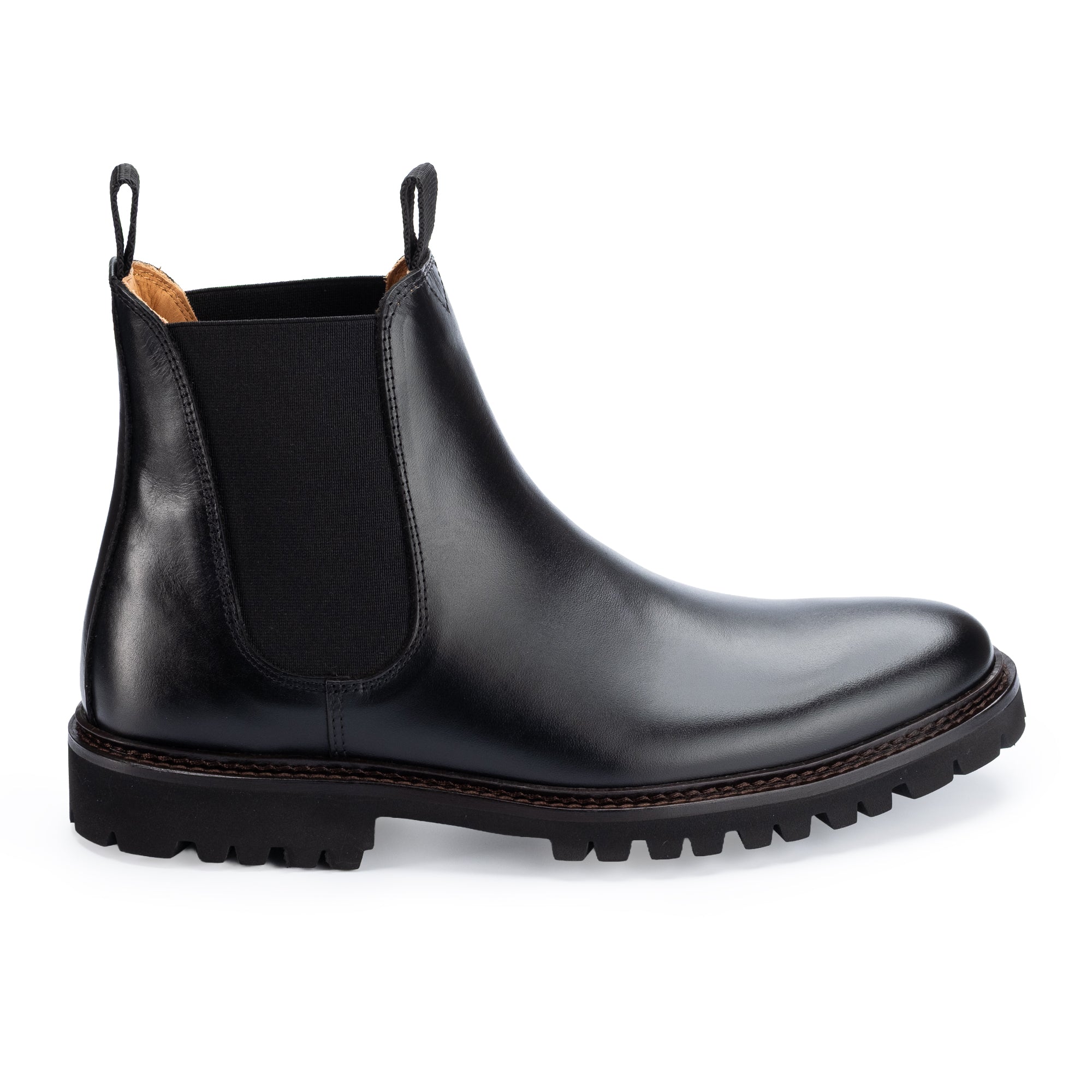
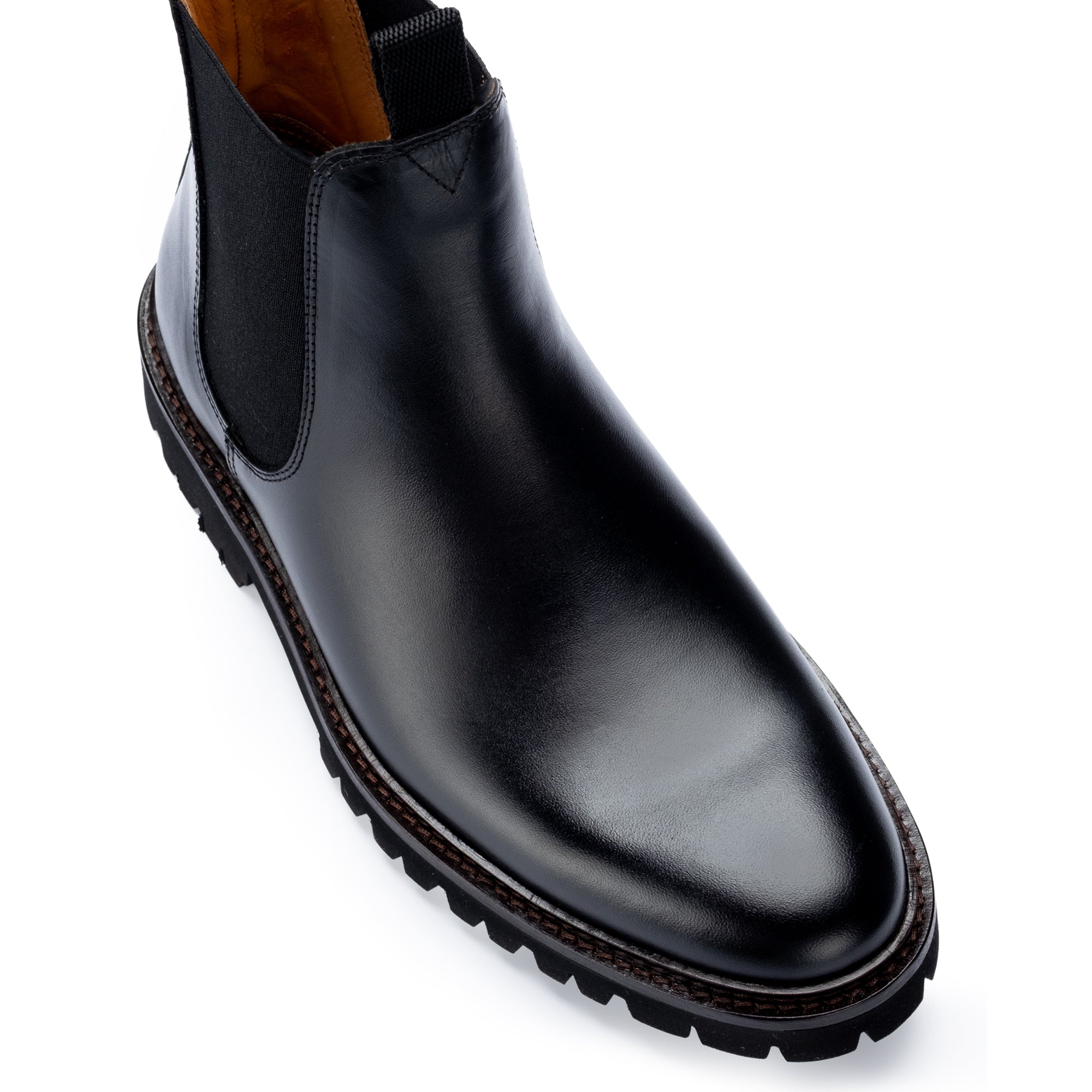
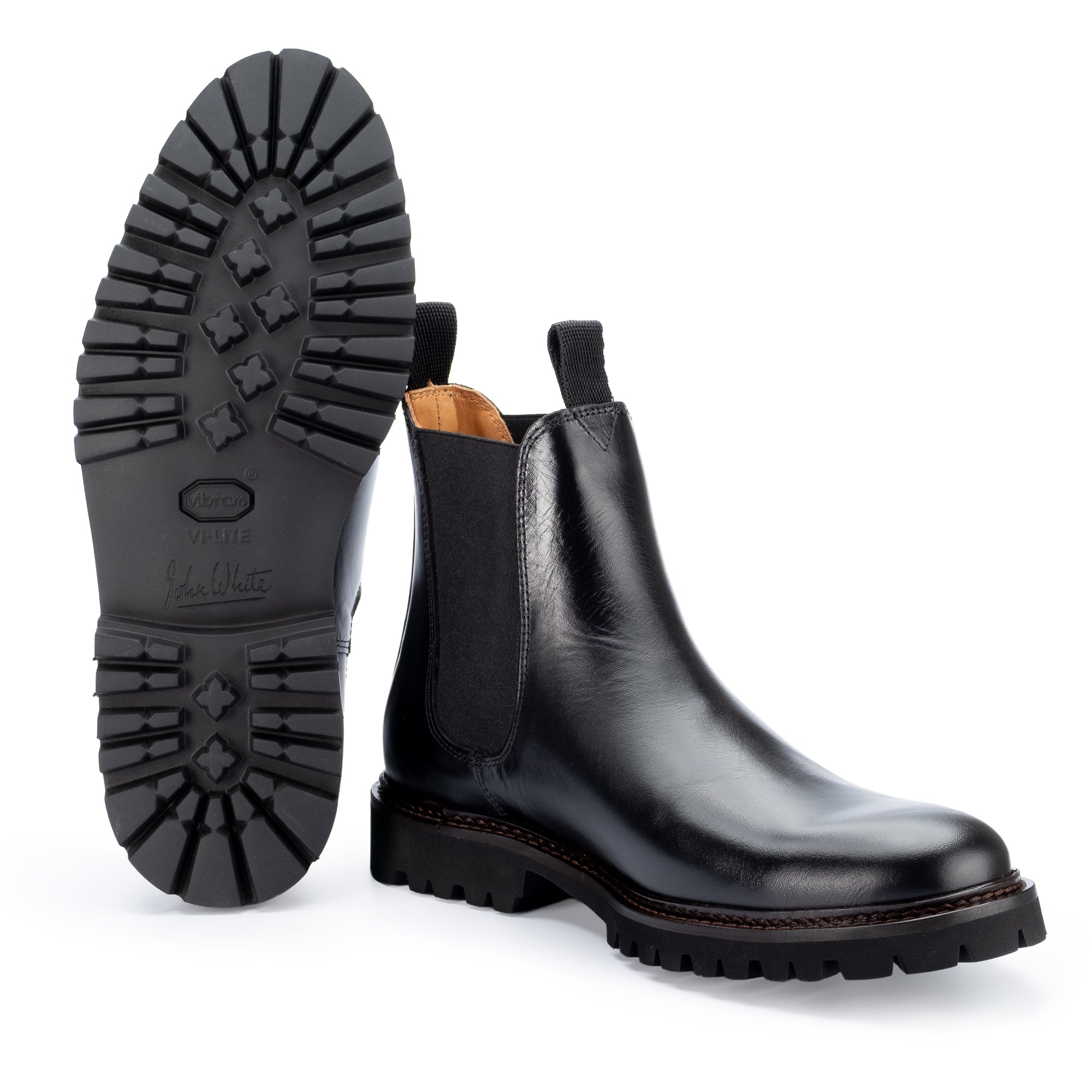
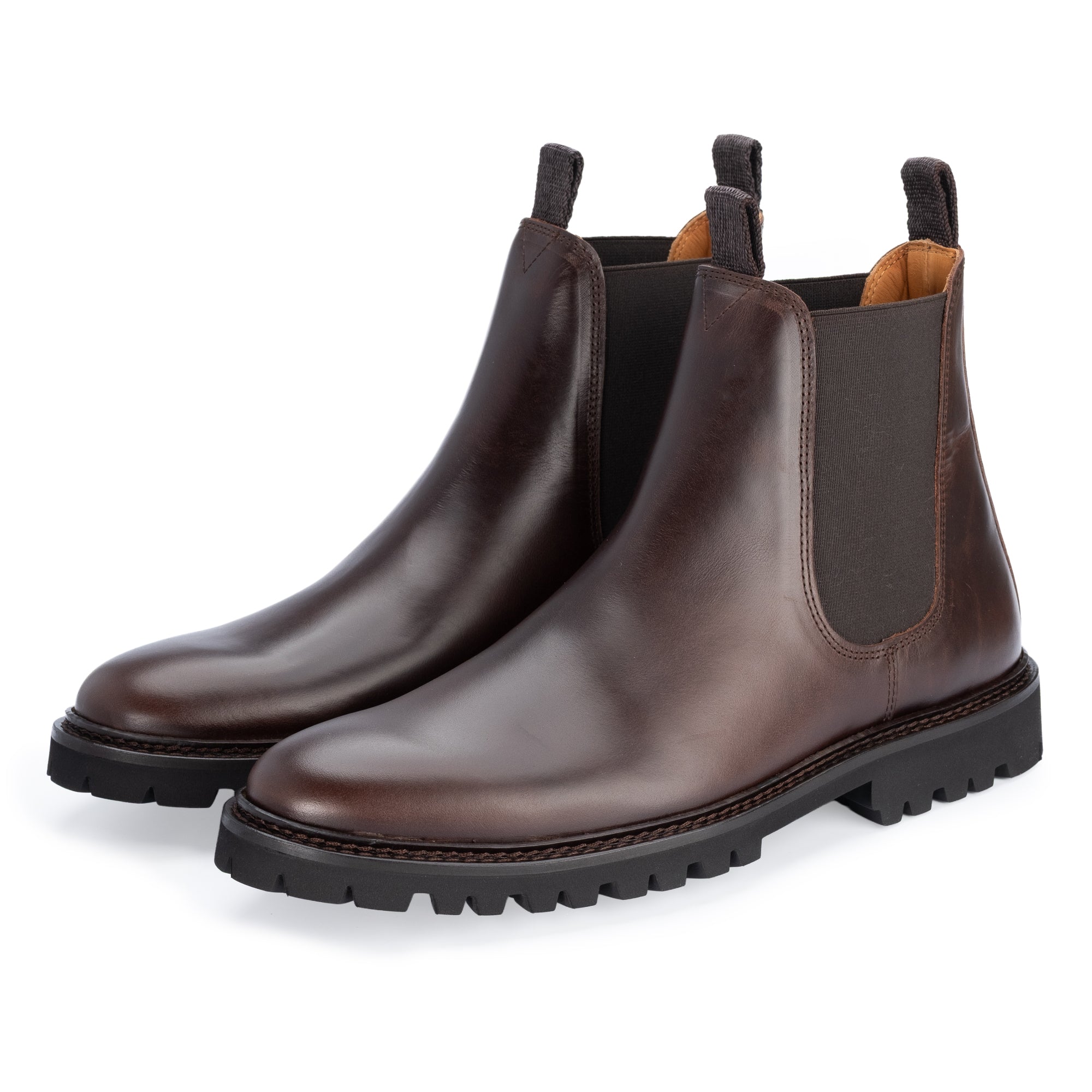
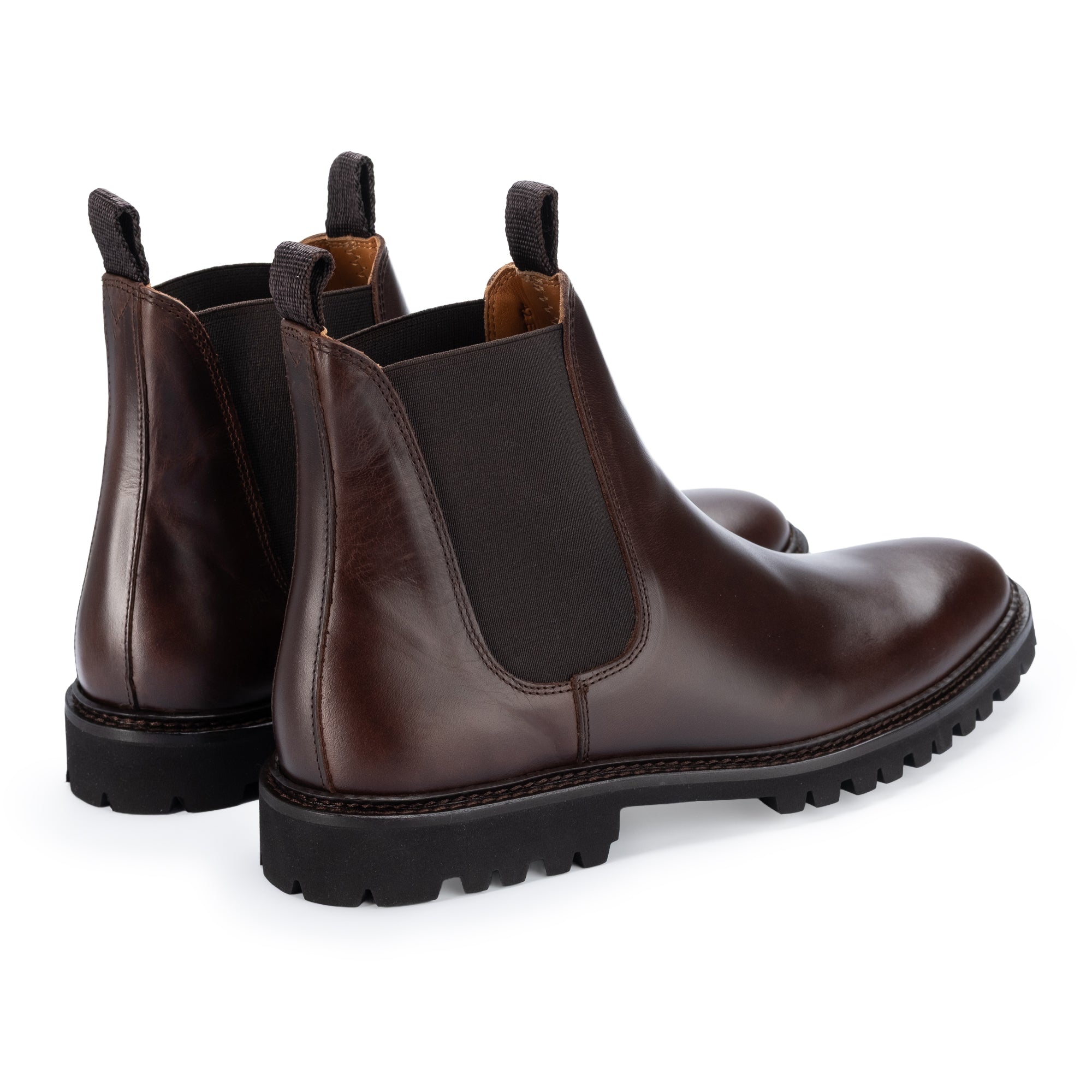
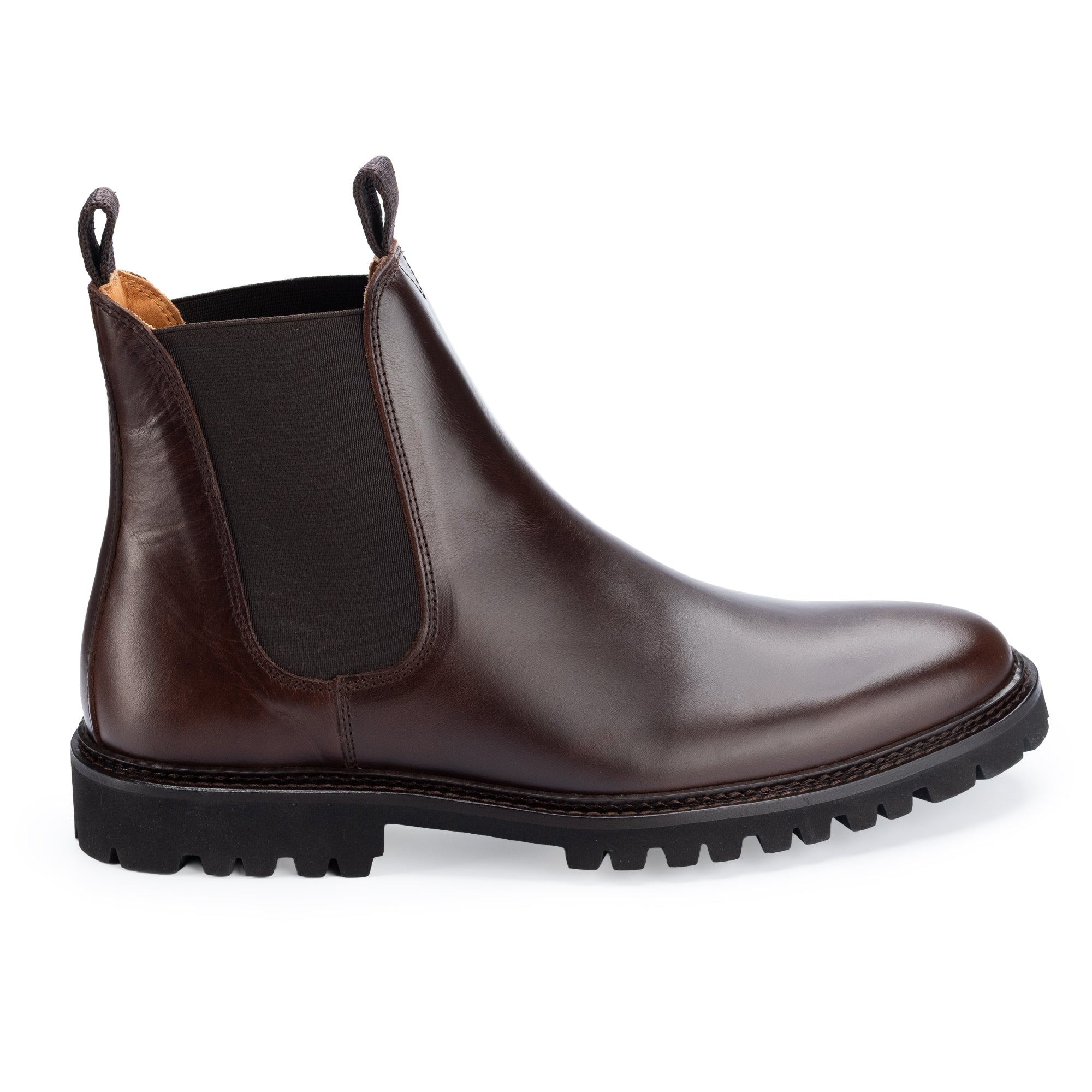
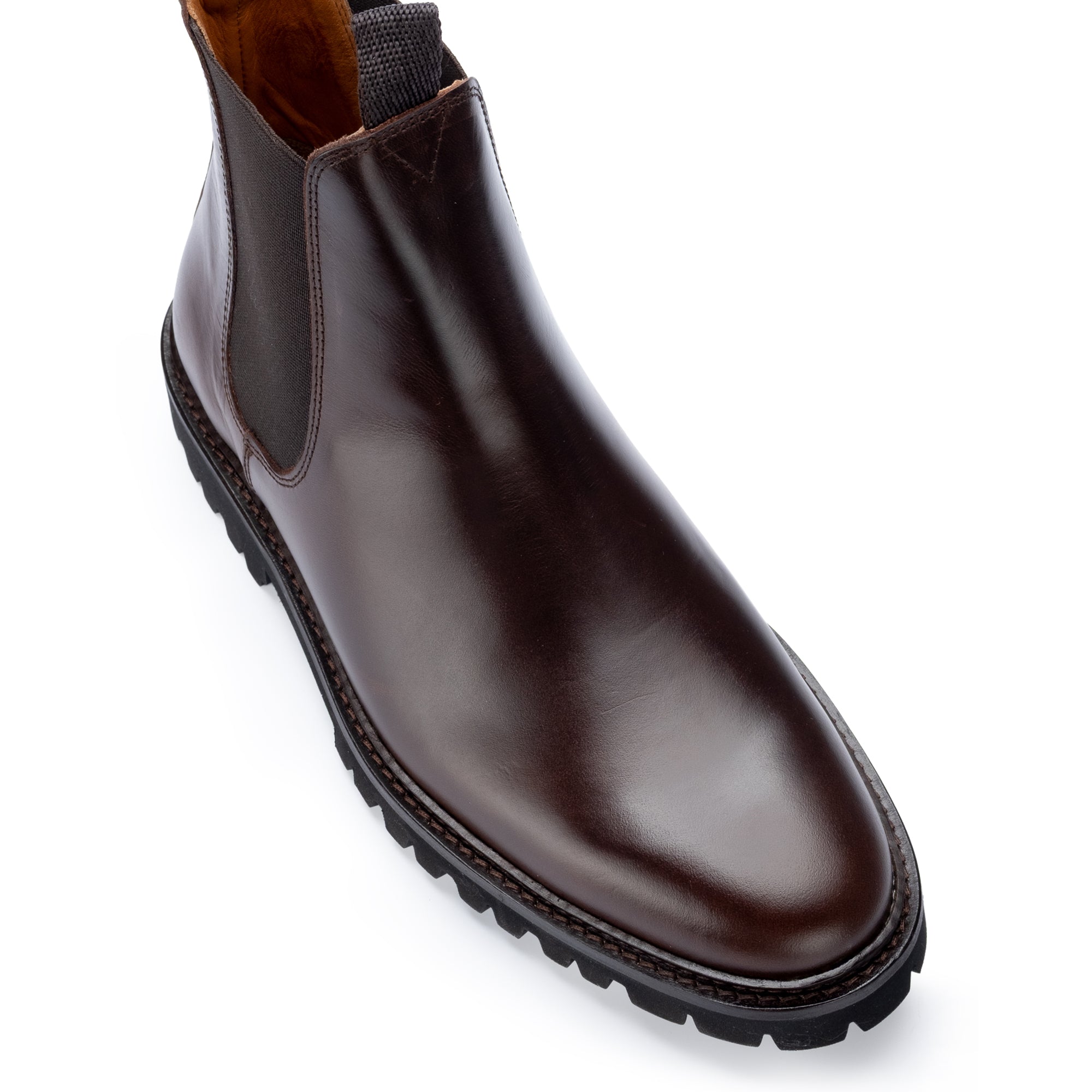
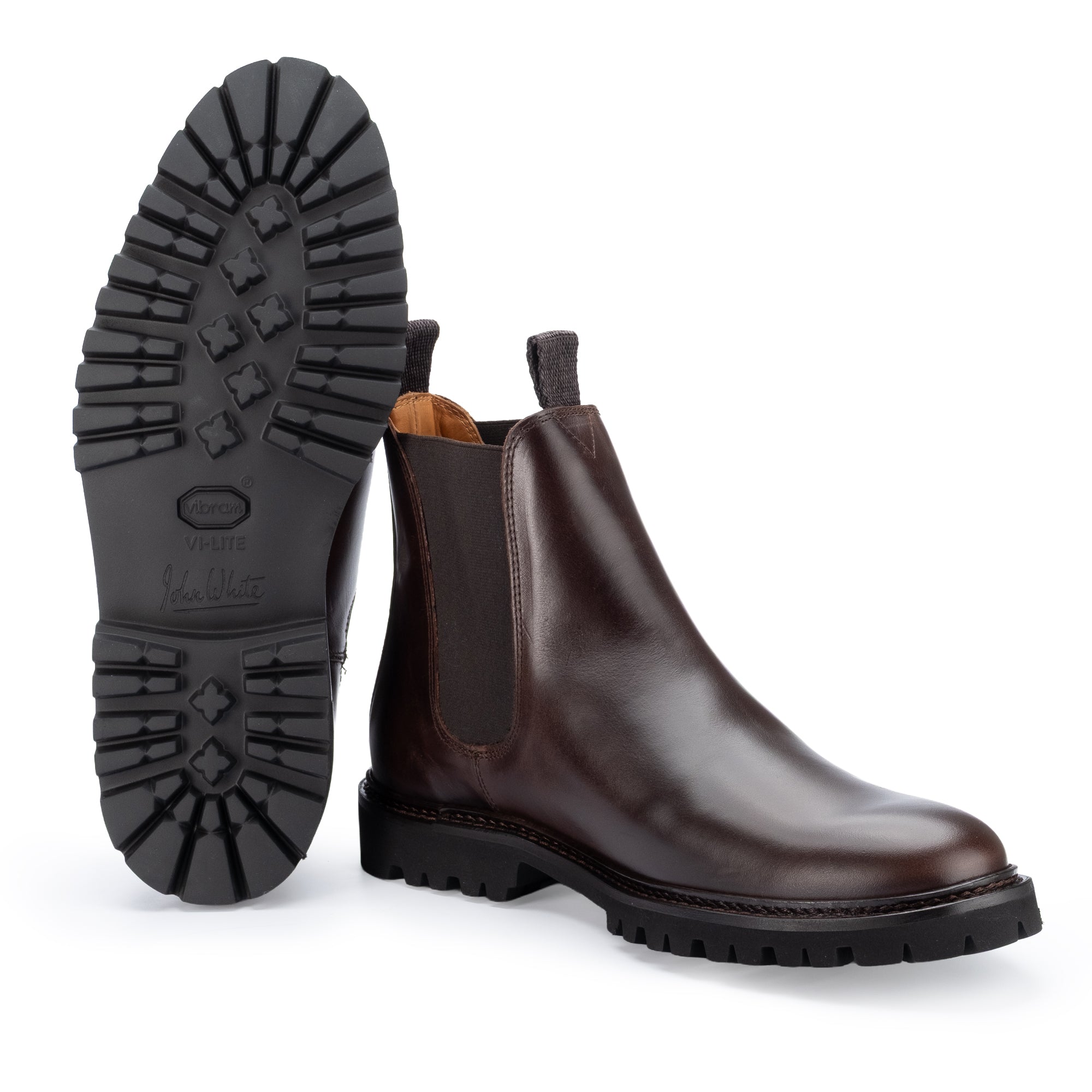
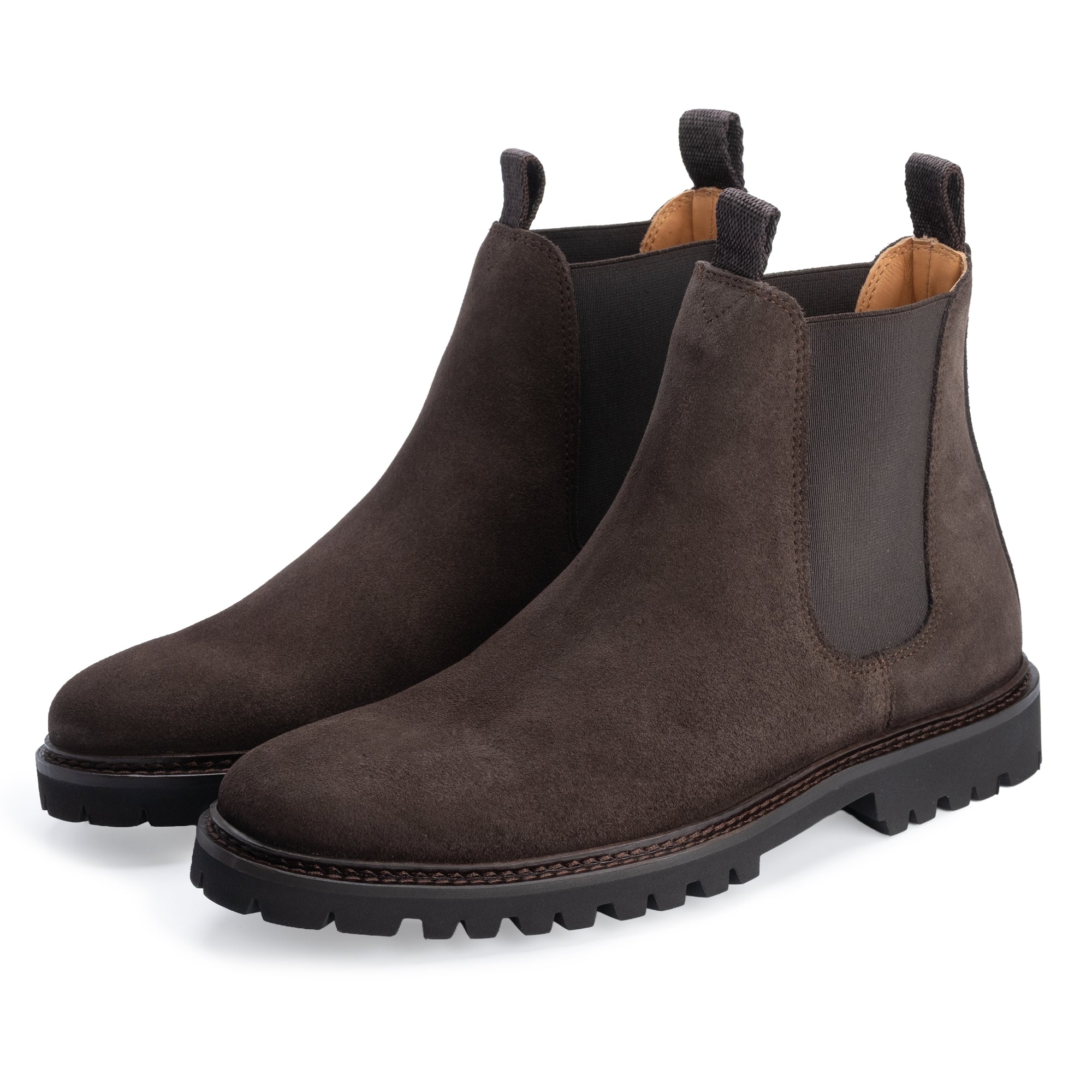
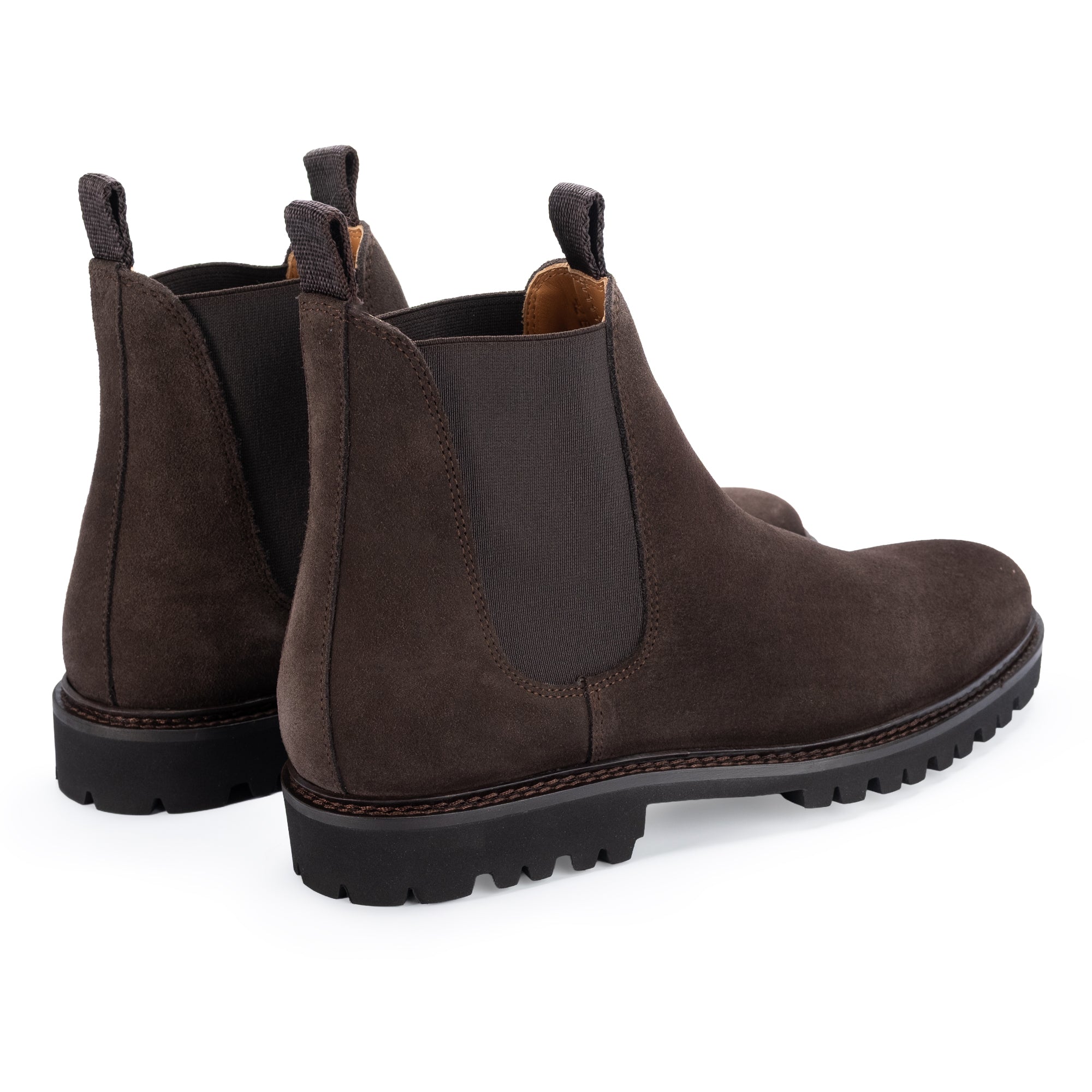
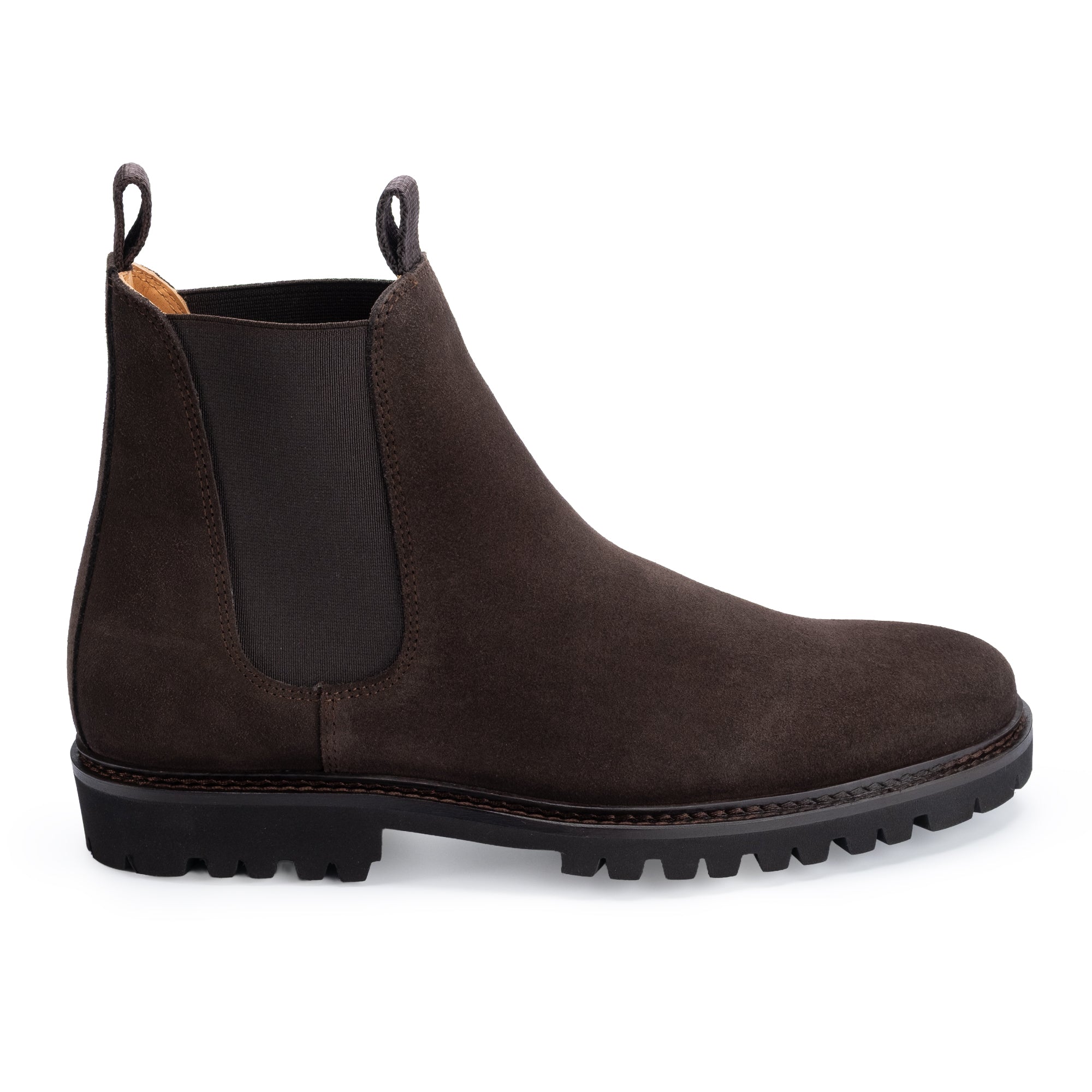
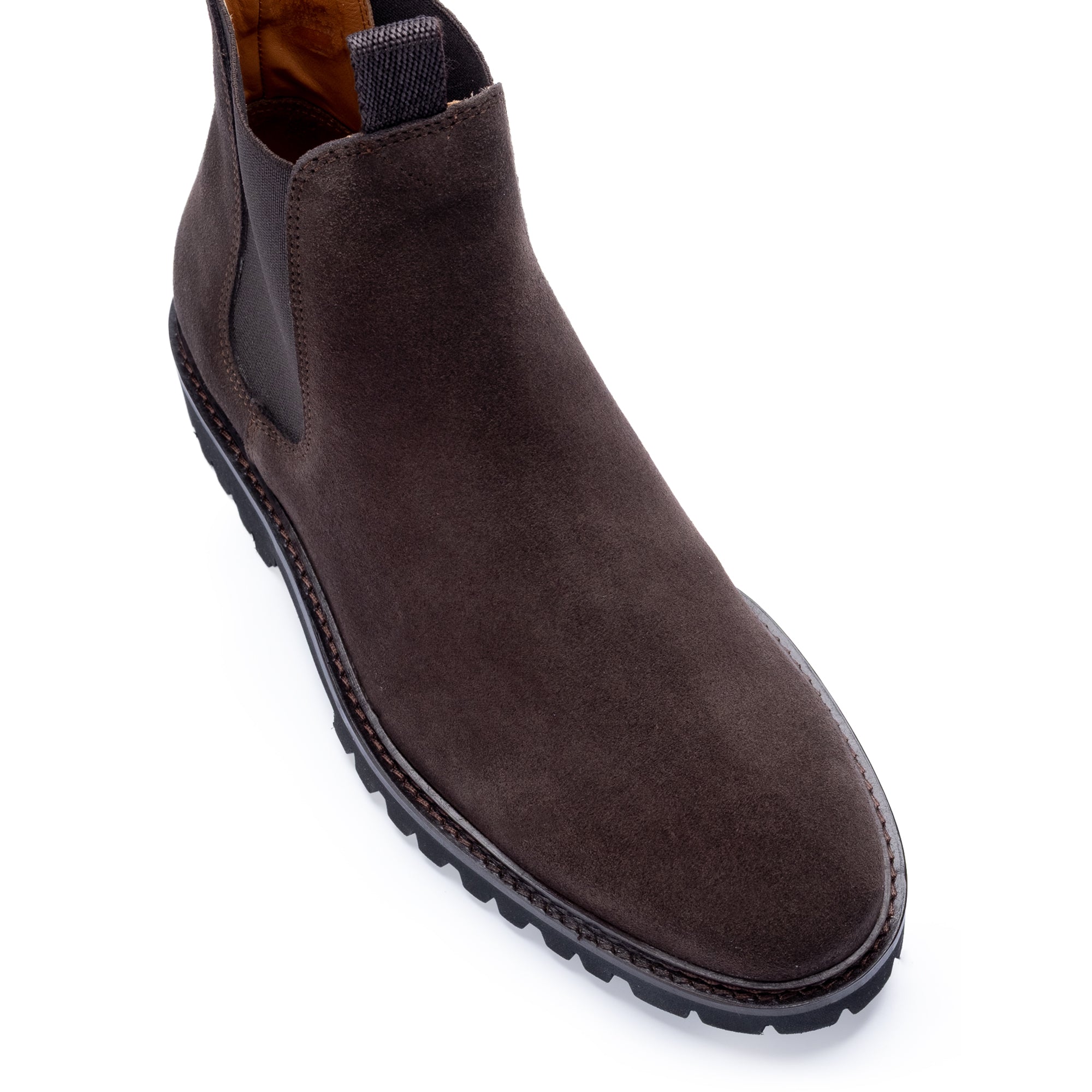
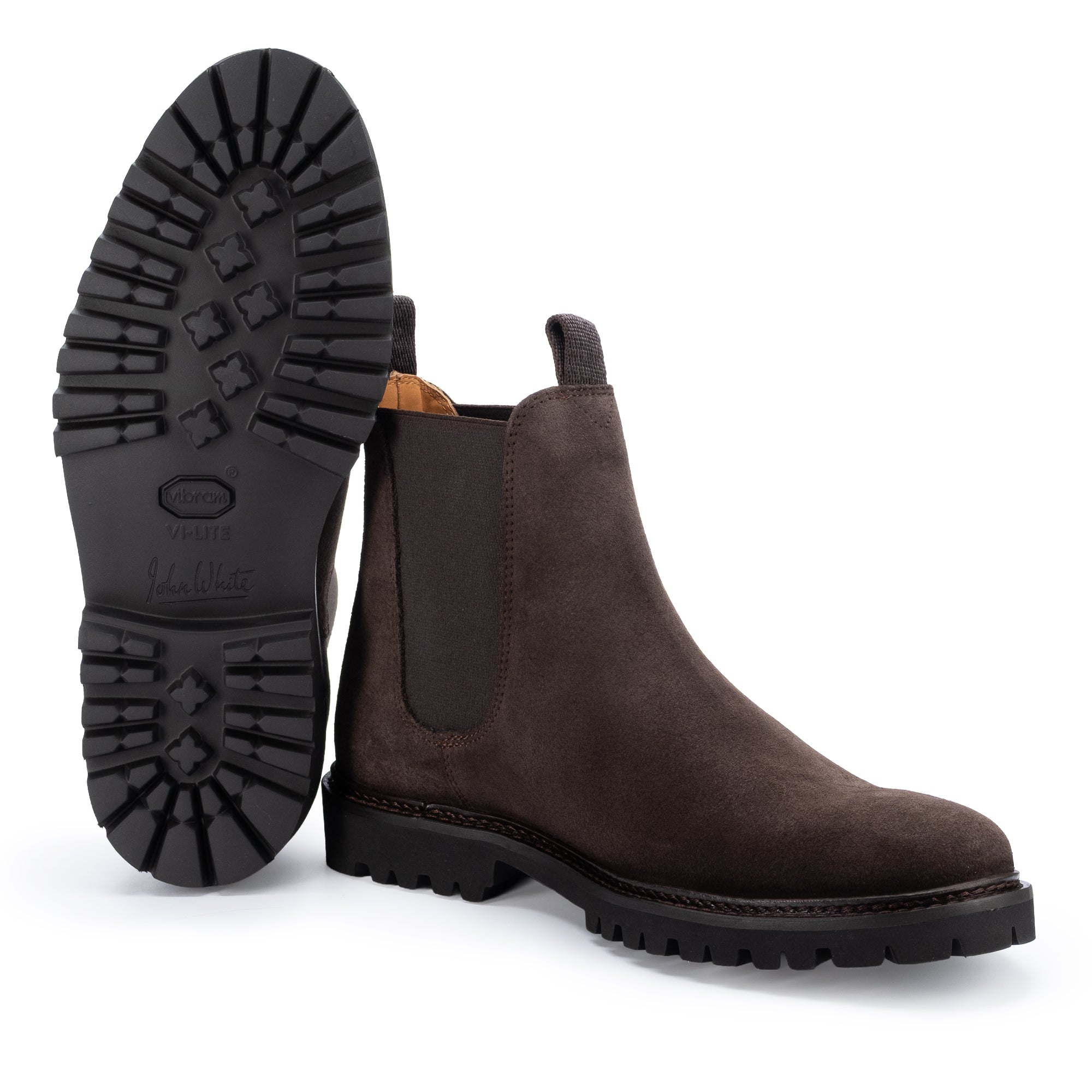
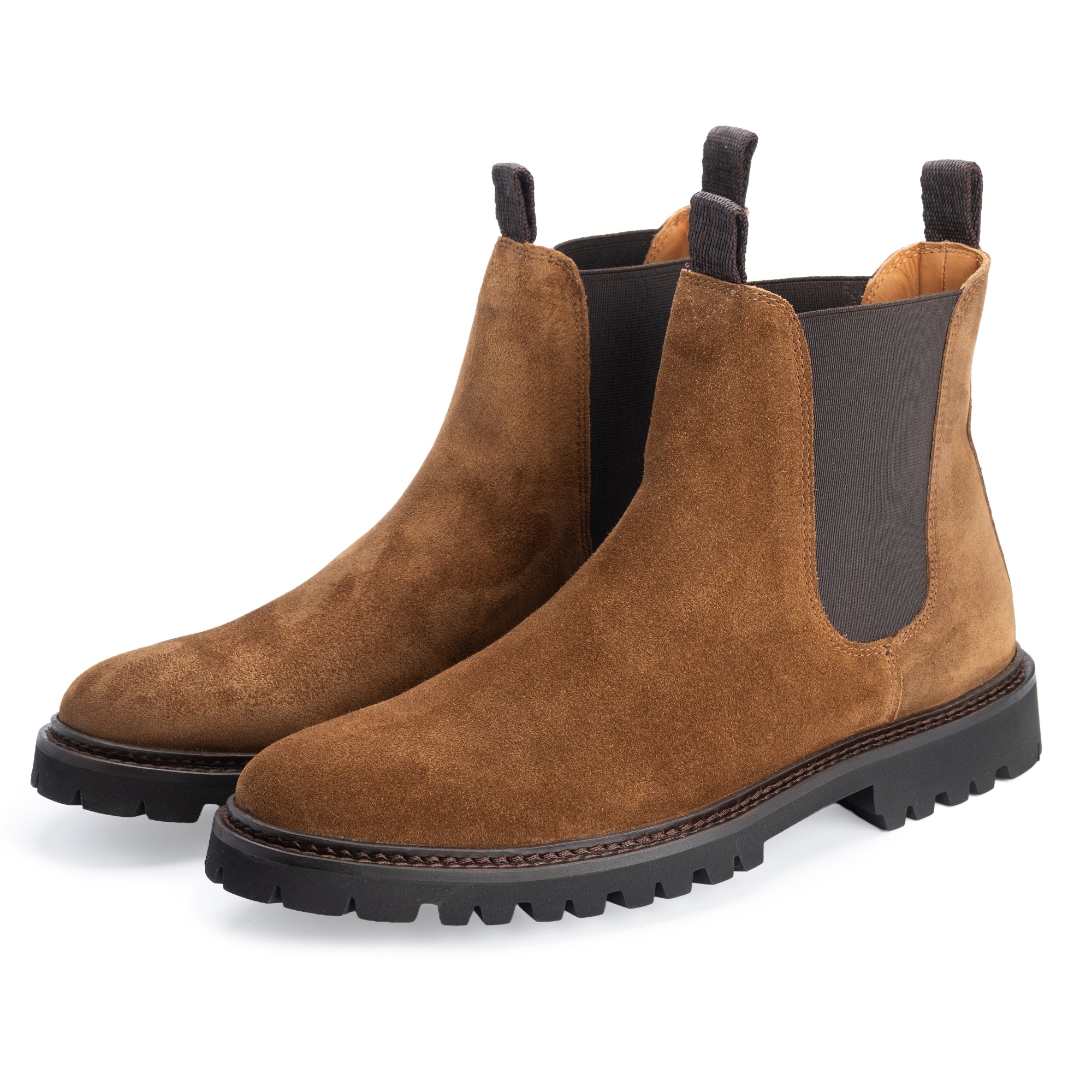
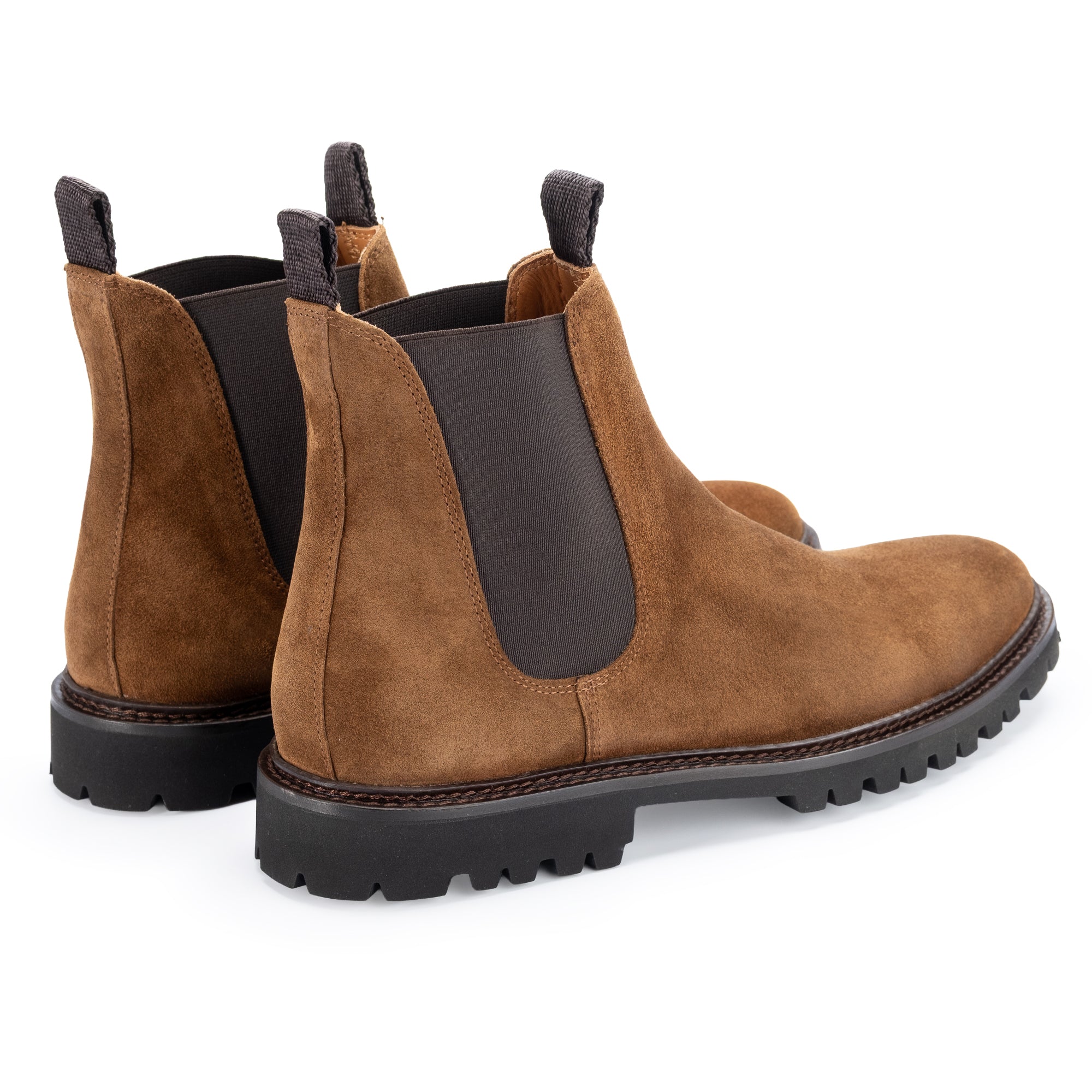
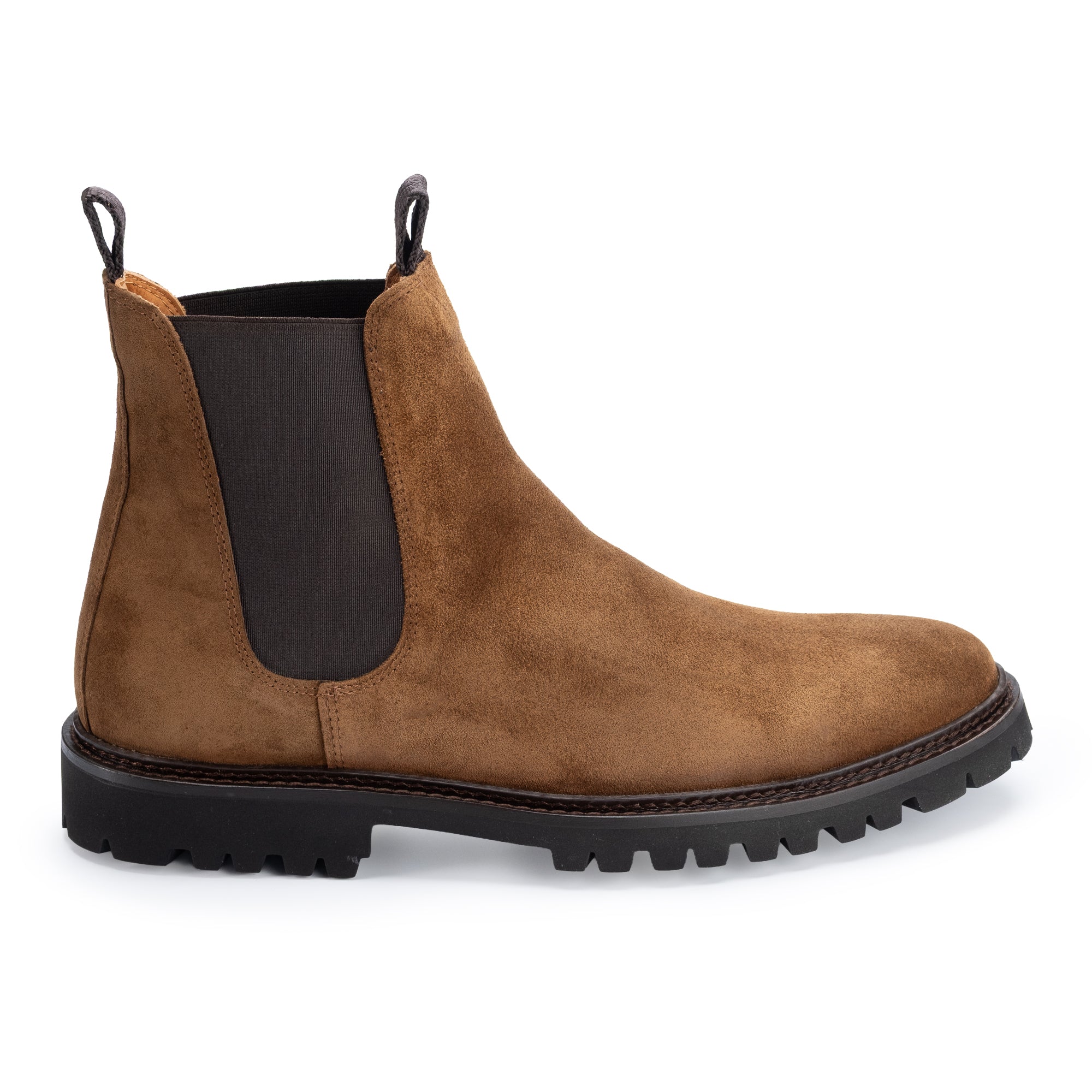
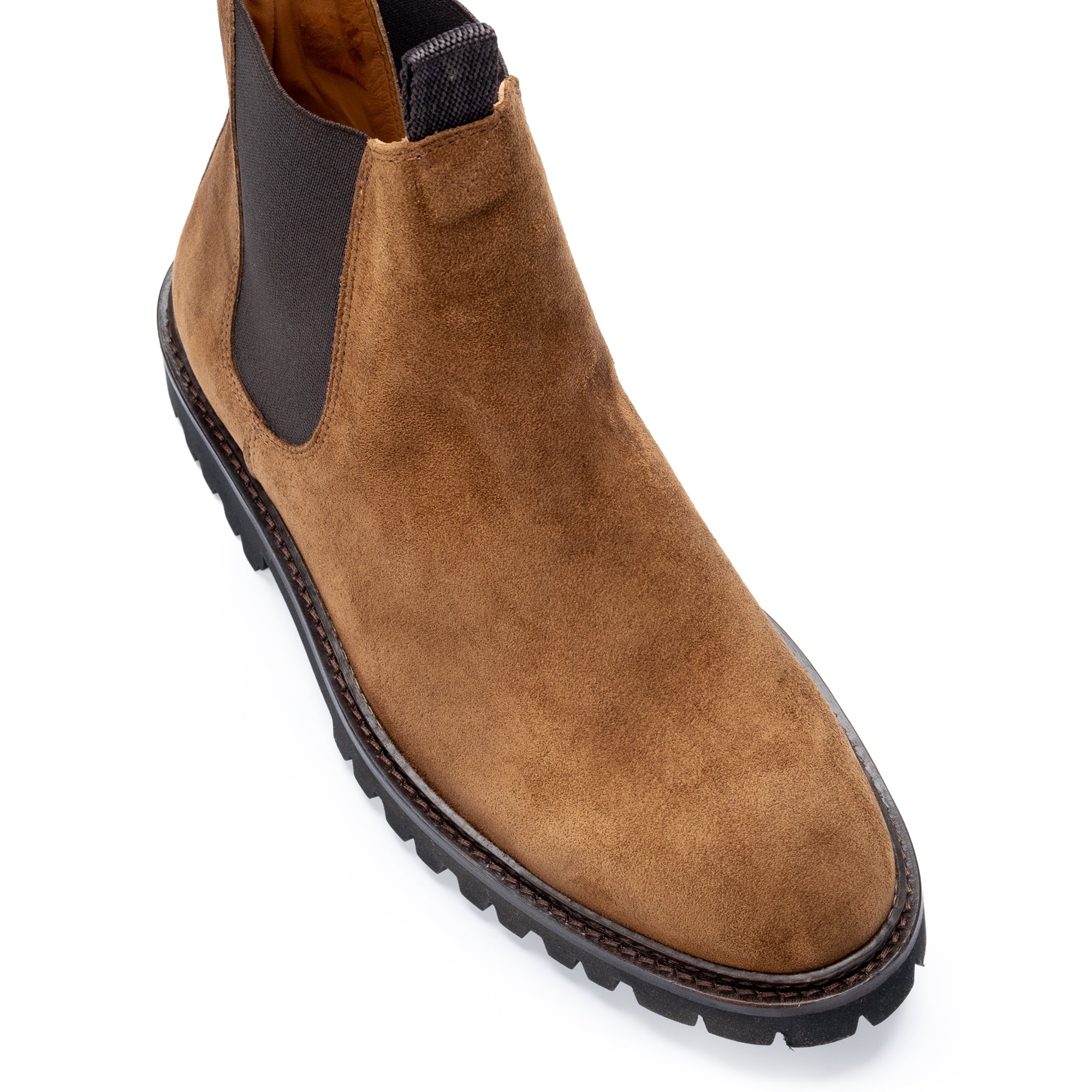
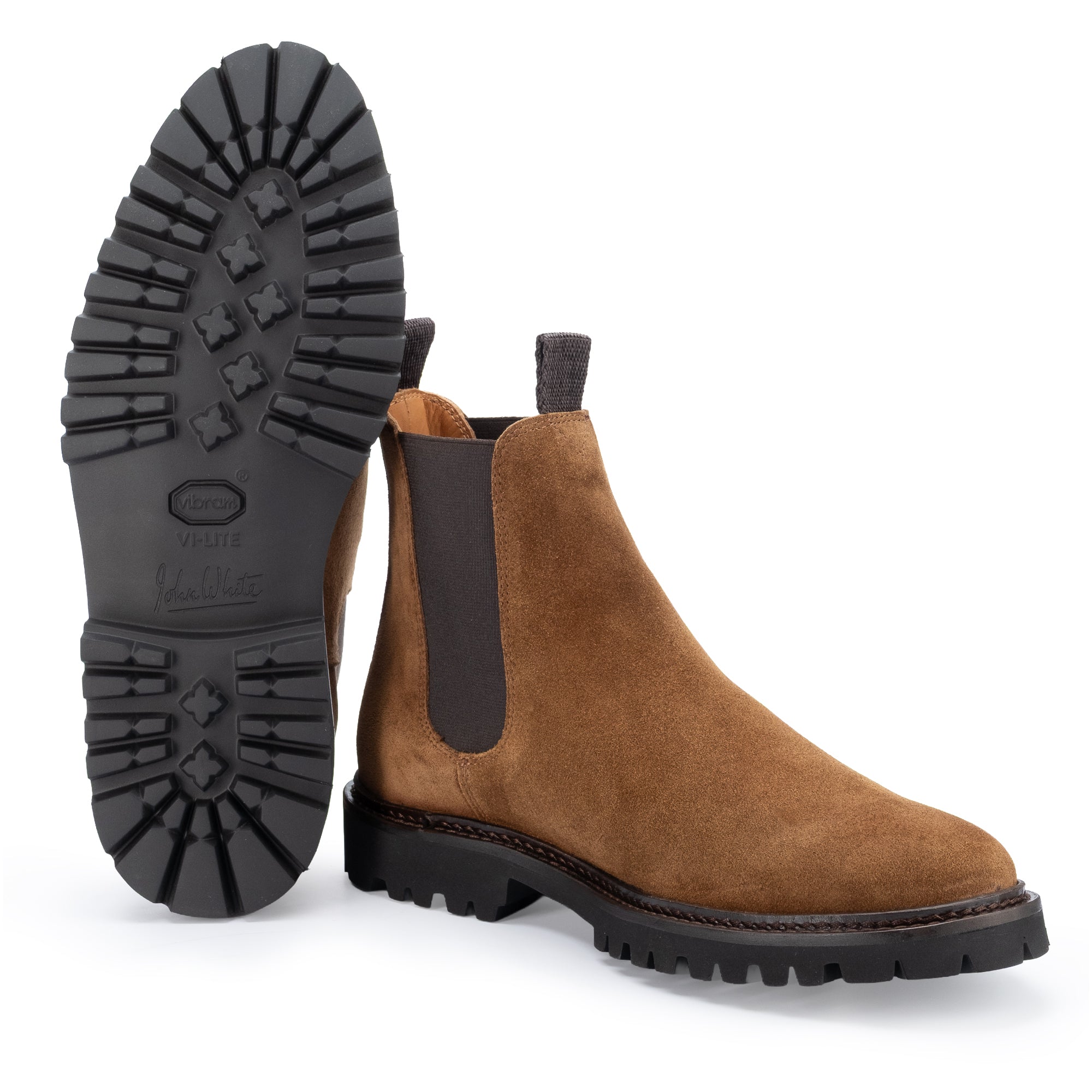
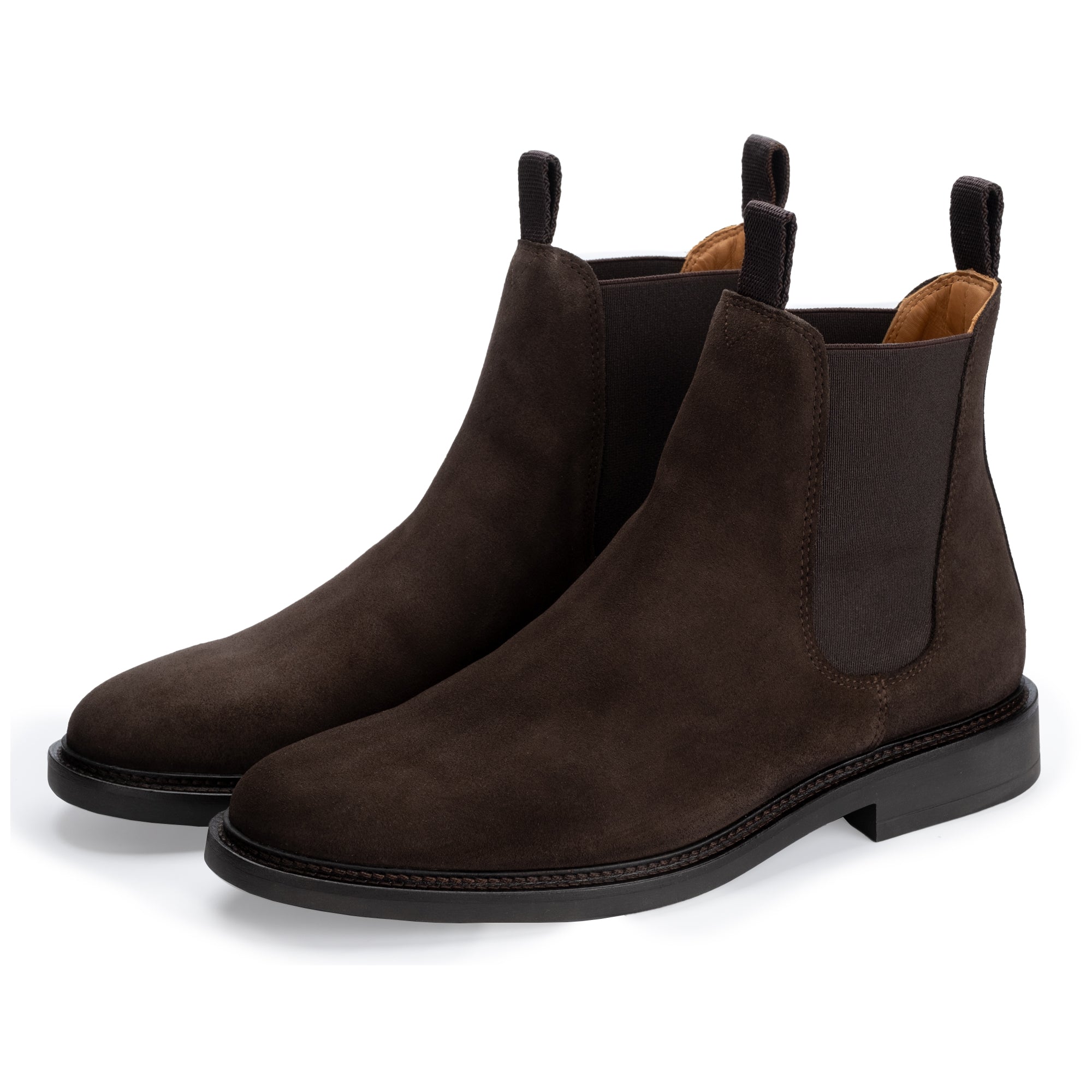
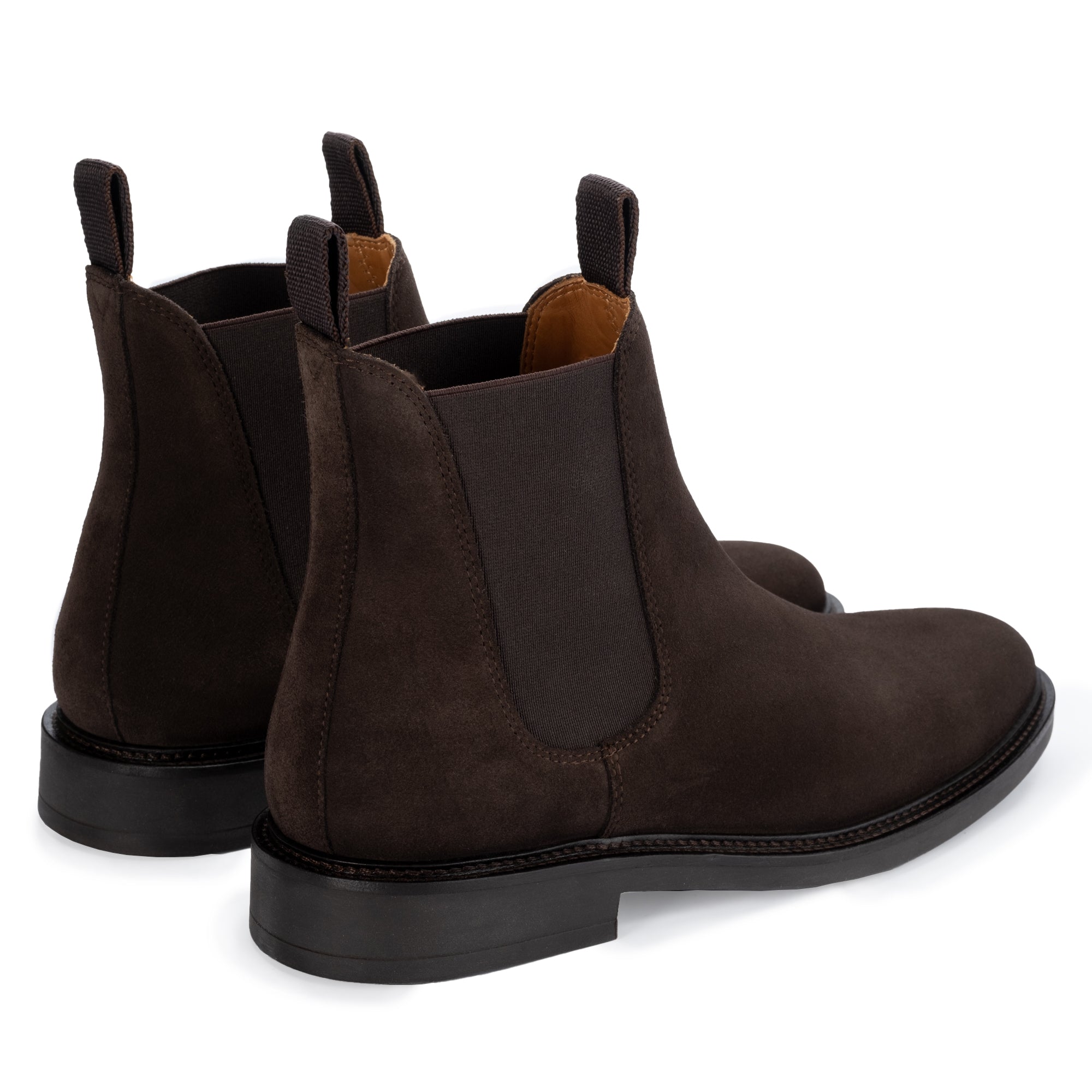
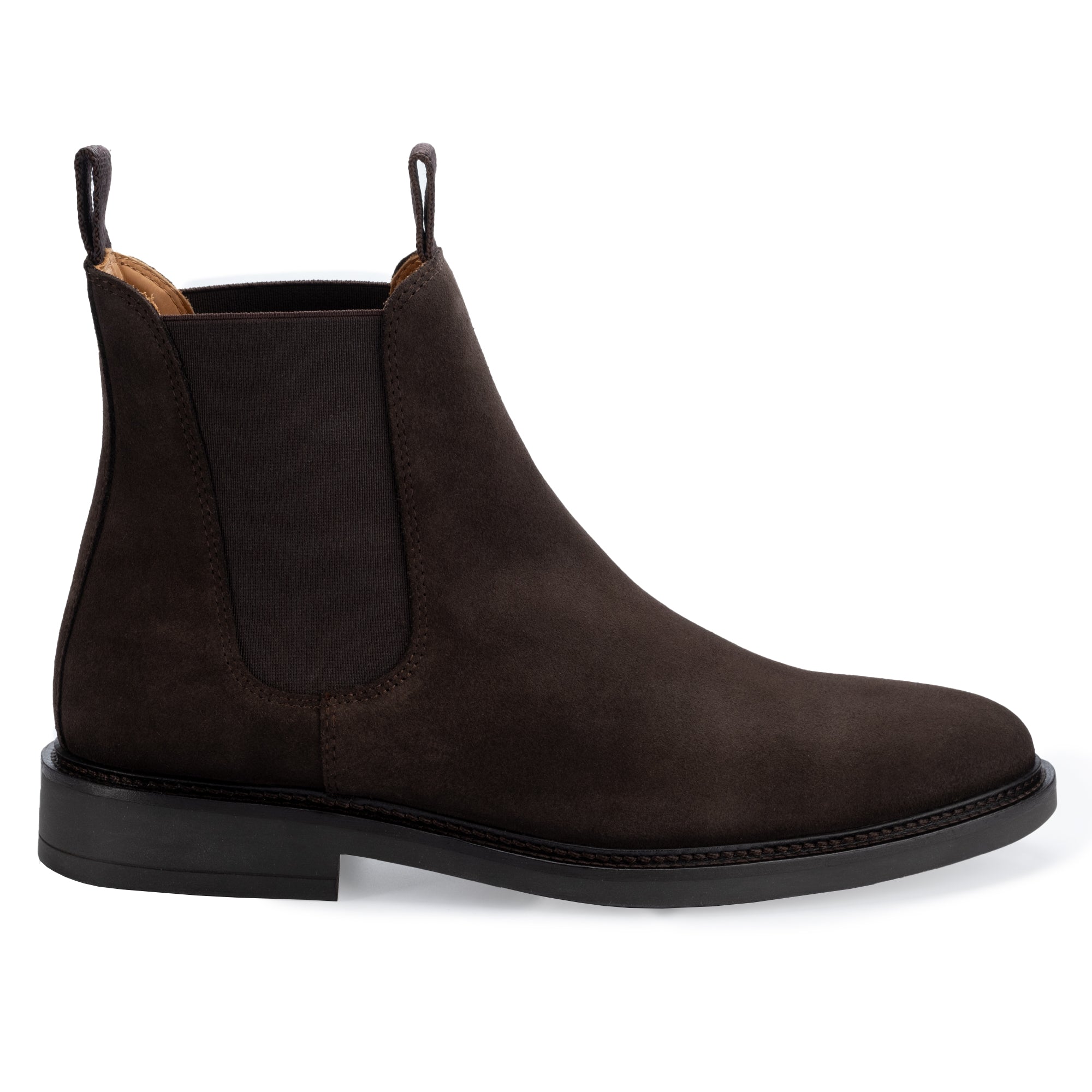
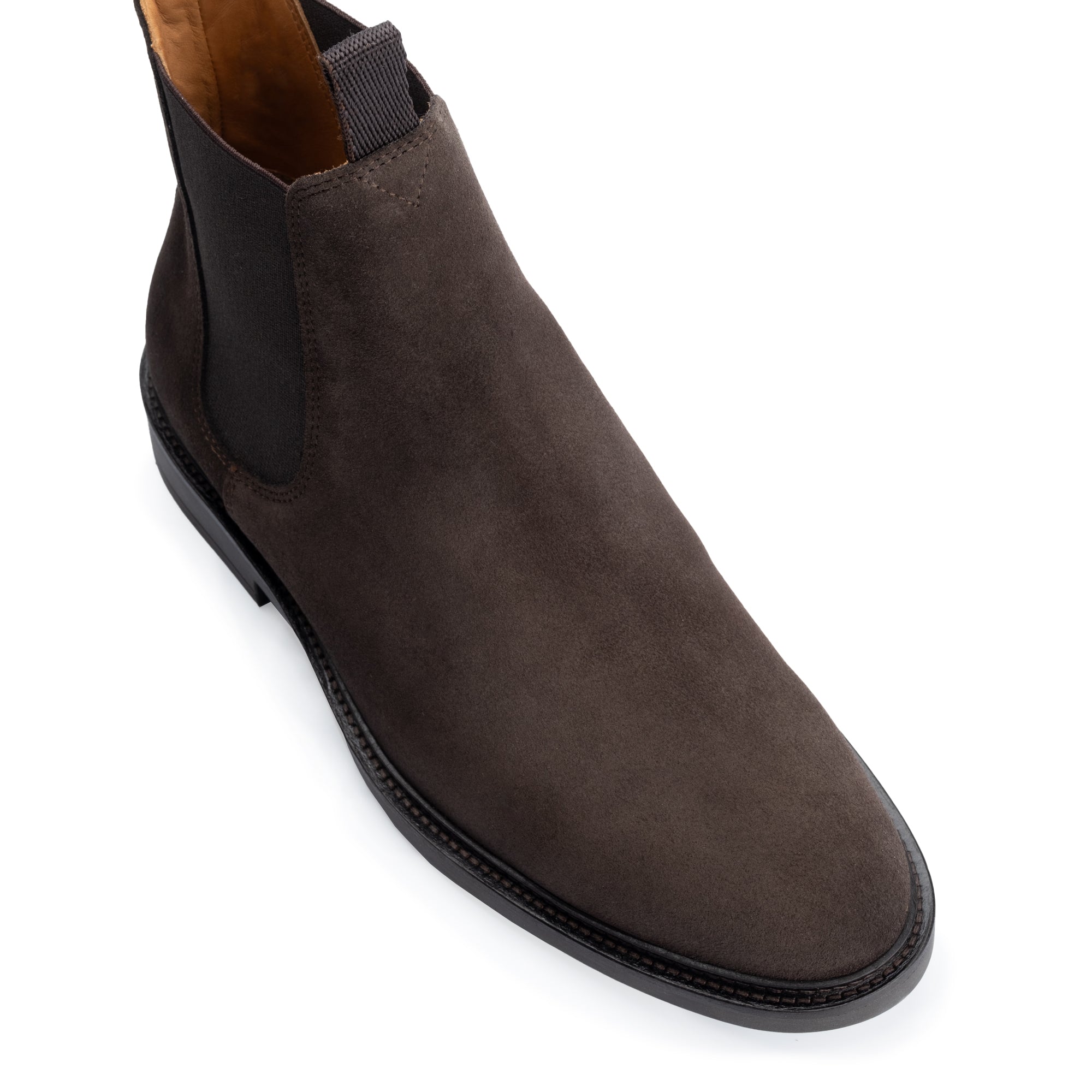
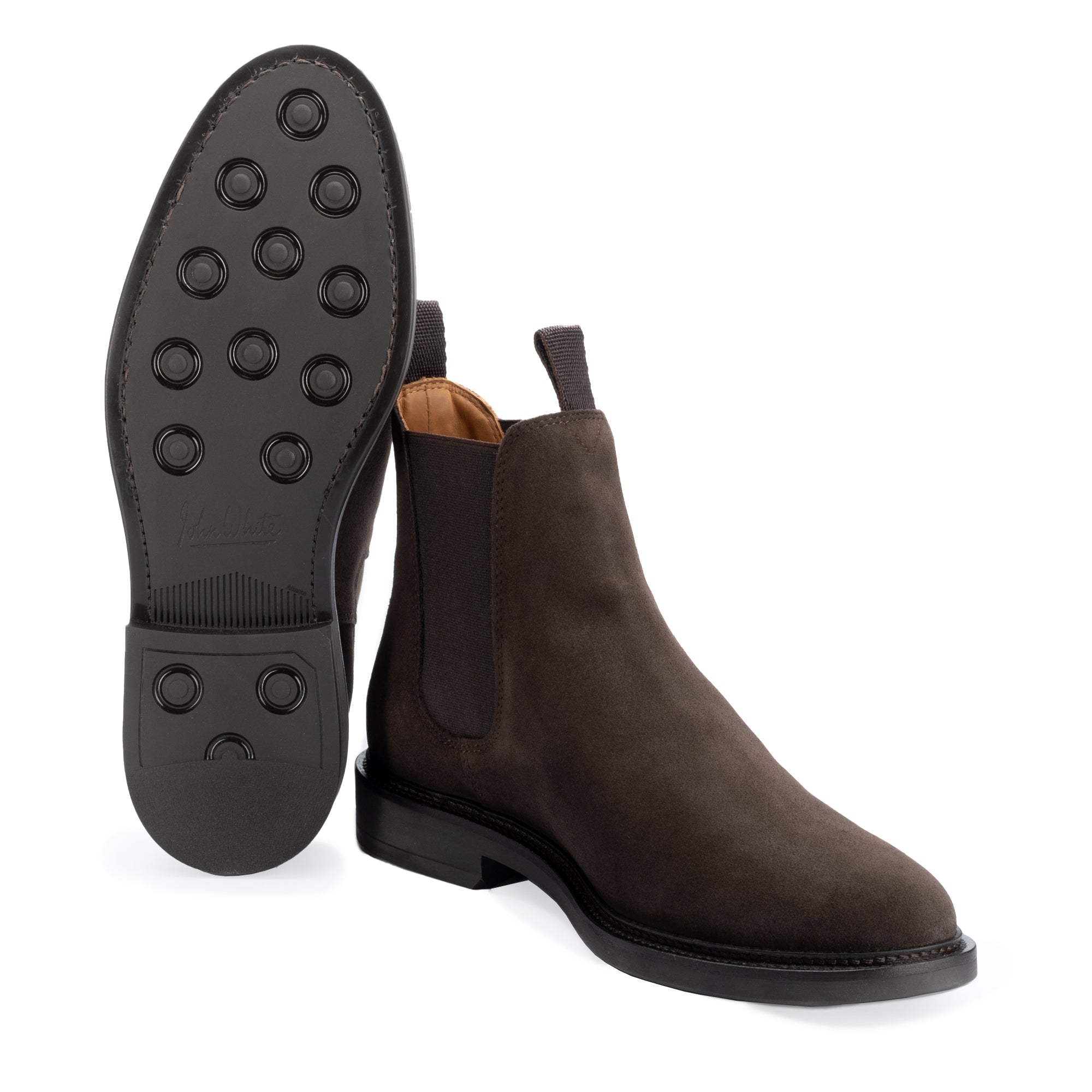
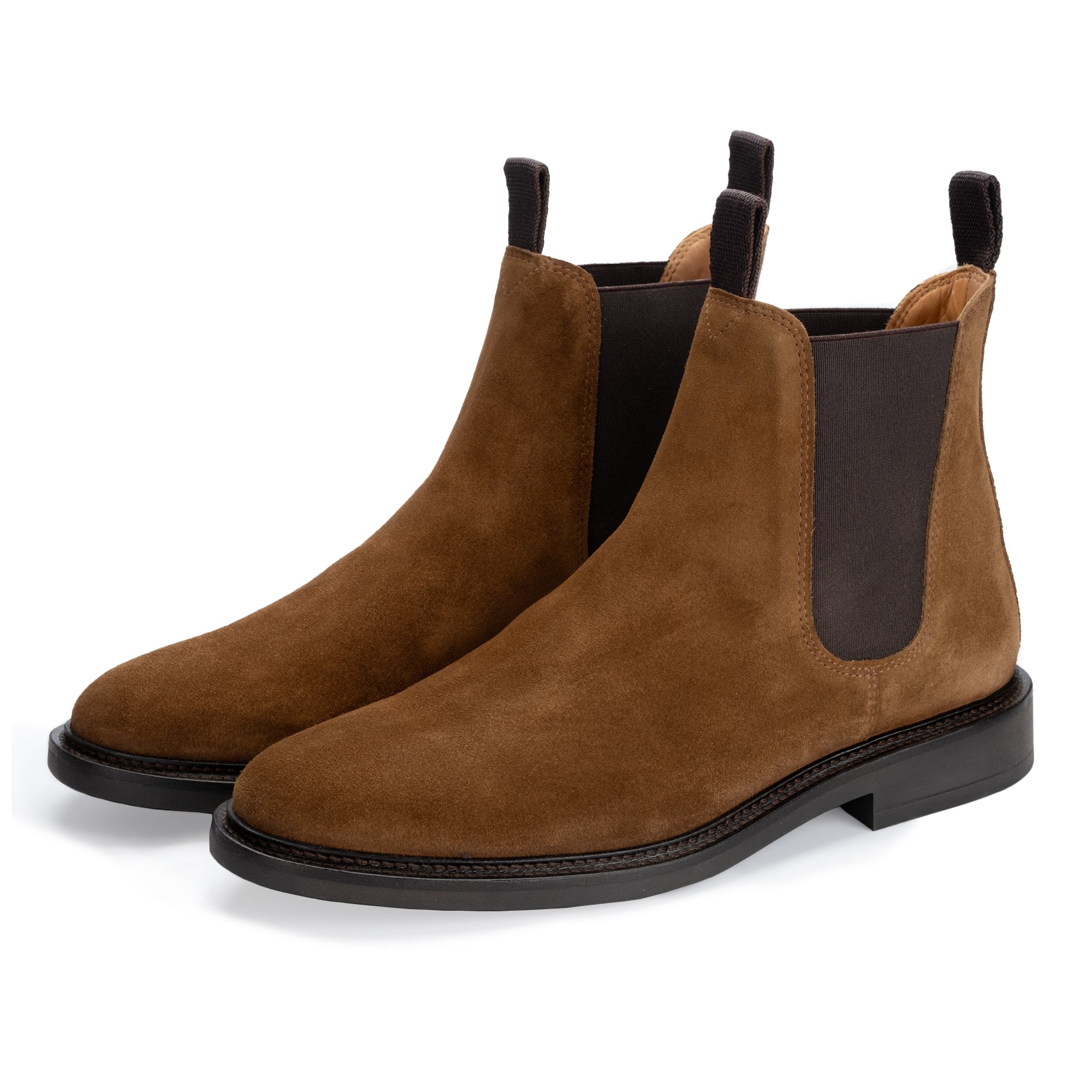
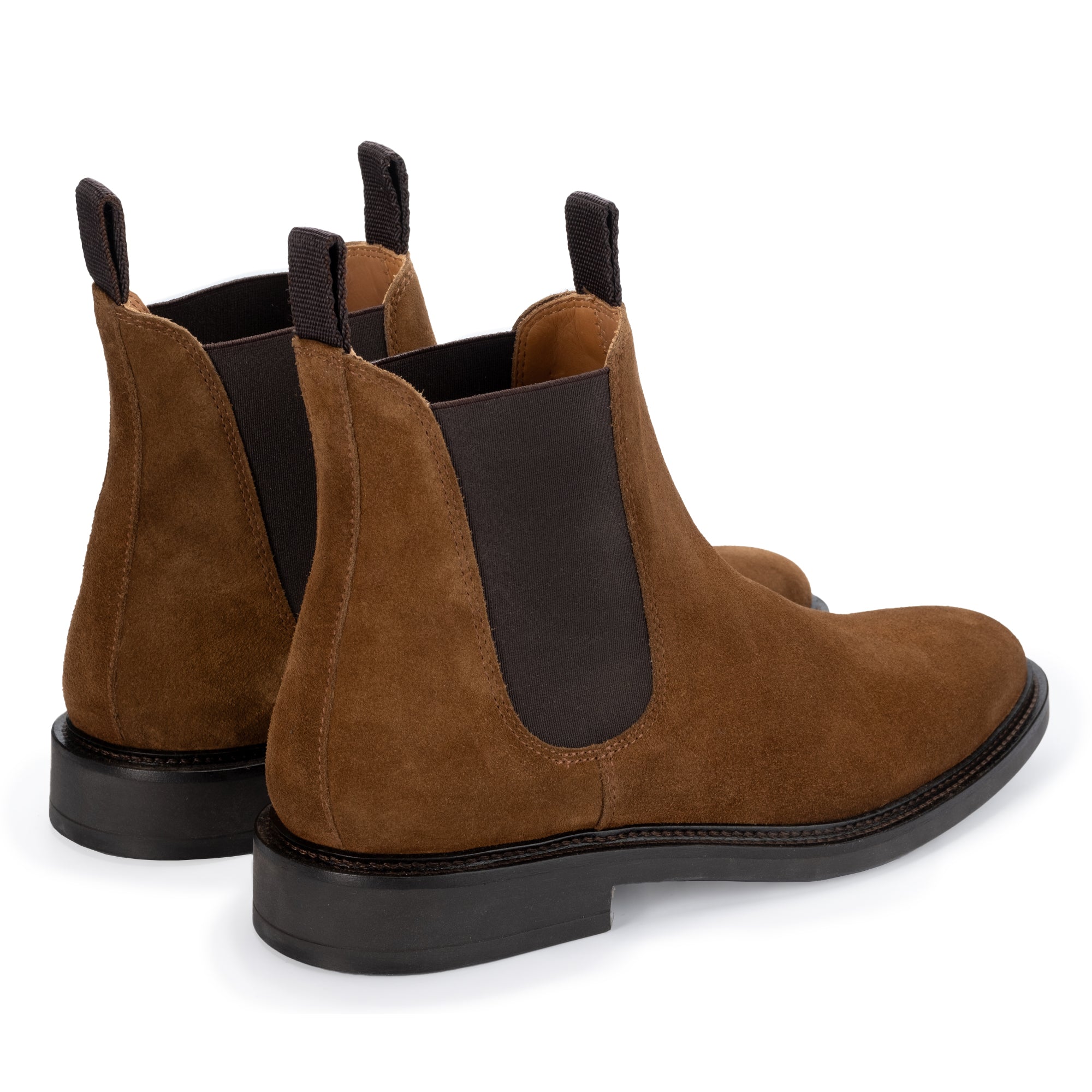
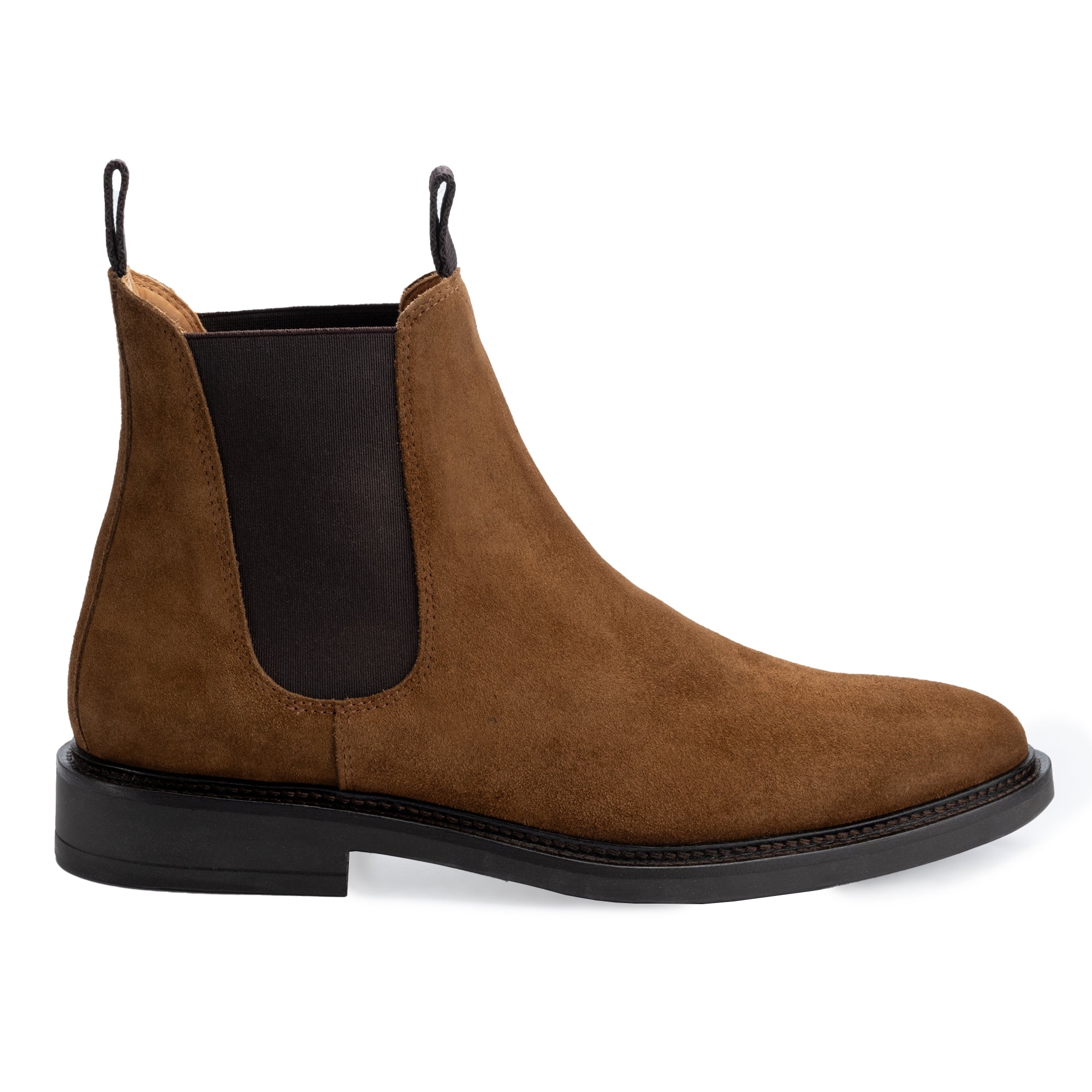
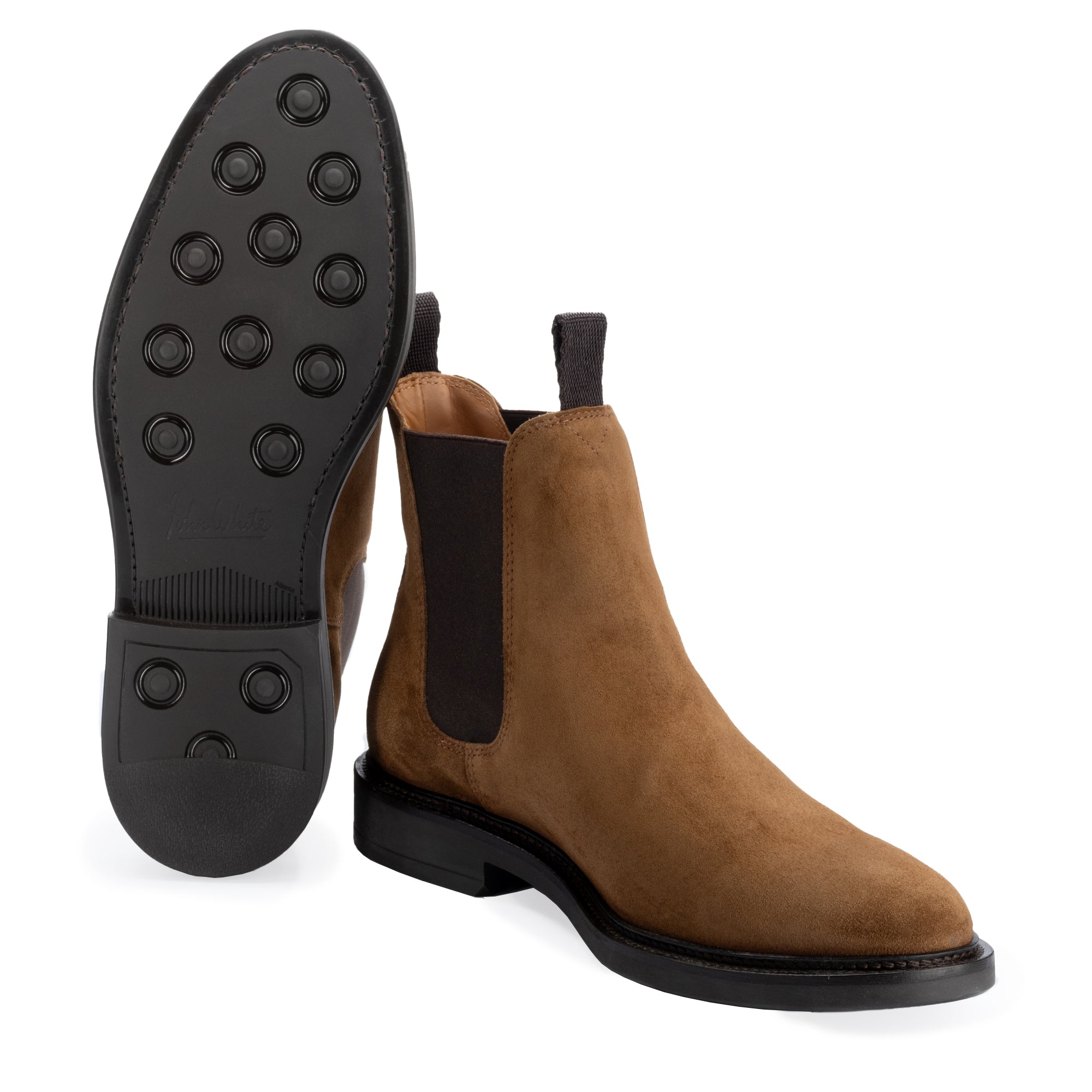
A boot is any footwear design with a shaft above the ankle. In classic menswear, three types lead: Chelsea boots with elasticated side panels, Chukka boots with two-hole open lacing, and Brogue boots carrying full broguing on a taller last. Each has different formality weight and different seasonal utility. The full range is in the men's boots collection.
How Does Formality Determine Which Shoe to Wear?
Formality in footwear is a hierarchy defined by construction detail, colour, and material. Black smooth leather sits at the top; suede in warm earth tones at the bottom. According to the British Footwear Association, the premium men's dress shoe segment in the UK has shifted substantially toward smart-casual styles over the past decade — which makes understanding where each style sits on that ladder practically essential.
| Style | Formality | Best Occasion |
|---|---|---|
| Black Oxford | Most formal | Black tie, formal business |
| Brown / Tan Oxford | Very formal | Weddings, formal business |
| Plain Derby | Formal to smart | Business, smart evenings |
| Semi-Brogue | Smart-formal | Business, social occasions |
| Full Brogue | Smart-casual | Business casual, weekends |
| Chelsea Boot | Smart-casual | Evenings, business casual |
| Leather Loafer | Smart-casual | Smart casual, travel |
| Chukka Boot | Casual to smart | Weekends, relaxed business |
| Suede Loafer | Relaxed smart | Weekends, summer occasions |
The black Oxford is the most formal everyday shoe a man can wear; the suede loafer is the most relaxed — every classic style sits somewhere between those two fixed points, and knowing your position on that scale is what separates dressing well from dressing.
How Do You Match Classic Footwear to an Outfit?
Outfit matching in classic footwear follows a direct principle: shoe formality should meet or marginally exceed the formality of the clothing it accompanies. A shoe that's noticeably less formal than your suit undermines the entire ensemble.
- Formal suits (charcoal, navy, black): Black Oxford or plain black Derby. Avoid broguing for the most formal contexts.
- Business suits (mid-grey, mid-navy): Brown Derby, semi-brogue, or double monk strap. Brown leather introduces warmth without sacrificing authority.
- Smart trousers with jacket: Full brogue, leather loafer, Chelsea boot. Match leather tone to the warmth of the jacket.
- Chinos: Suede loafer, chukka boot, tan brogue. A relaxed trouser cut invites smarter casual choices.
- Jeans: Chelsea boot, chukka boot, leather loafer. Our guide to shoes with jeans covers the full range of pairings.
Hardy Amies, couturier to Queen Elizabeth II, put it best: "A man should look as if he has bought his clothes with intelligence, put them on with care, and then forgotten all about them." That standard applies equally to footwear. You're not trying to look considered. You simply are.
Alongside John White Shoes, established 1919 in Northamptonshire, British heritage names including Loake, Barker, Grenson, Church's, and Crockett & Jones have collectively defined the vocabulary of classic English footwear — and the shared consensus across all of them holds: match leather tone to outfit warmth, and shoe formality to occasion formality. Those two rules cover most situations.
When Should You Choose Leather or Suede?
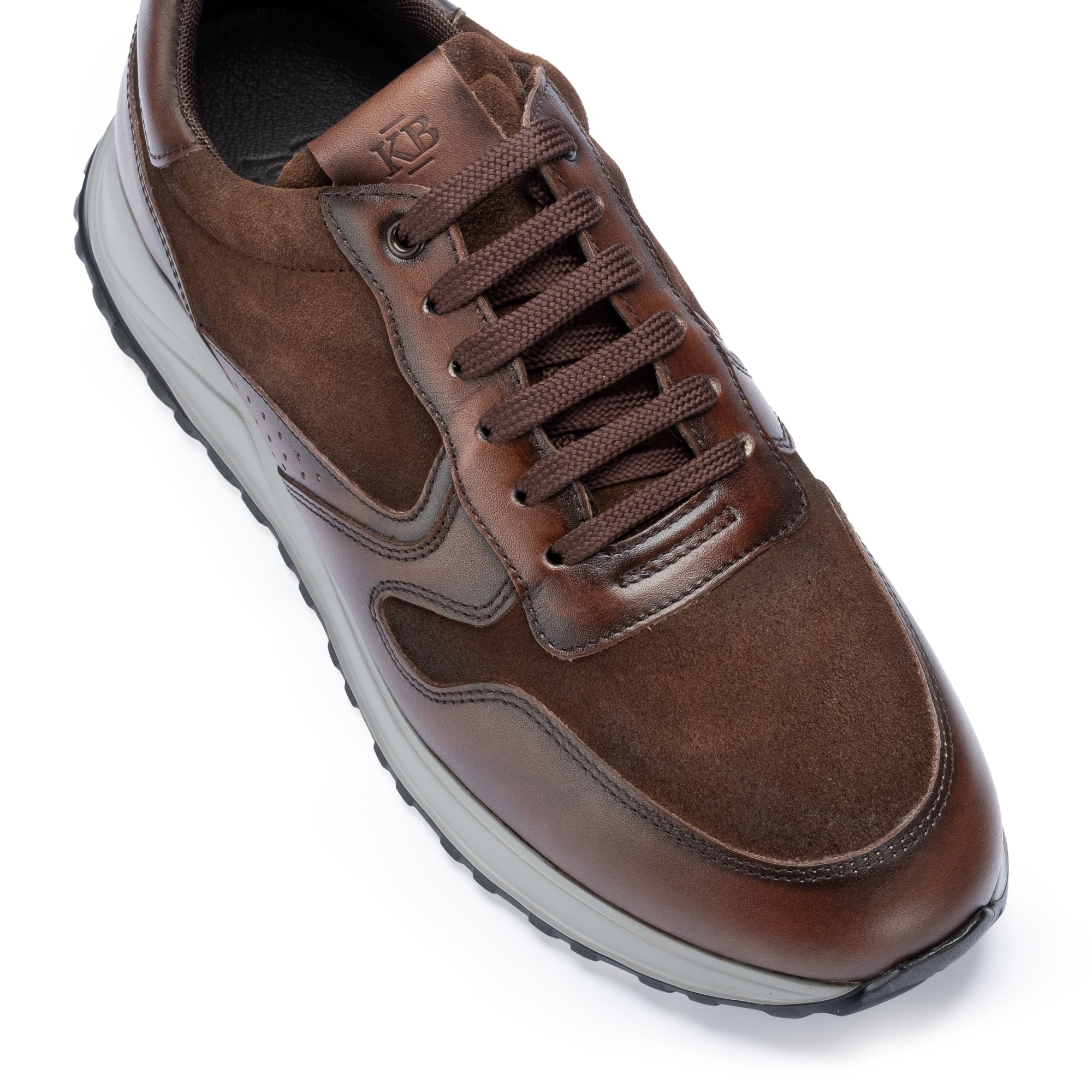
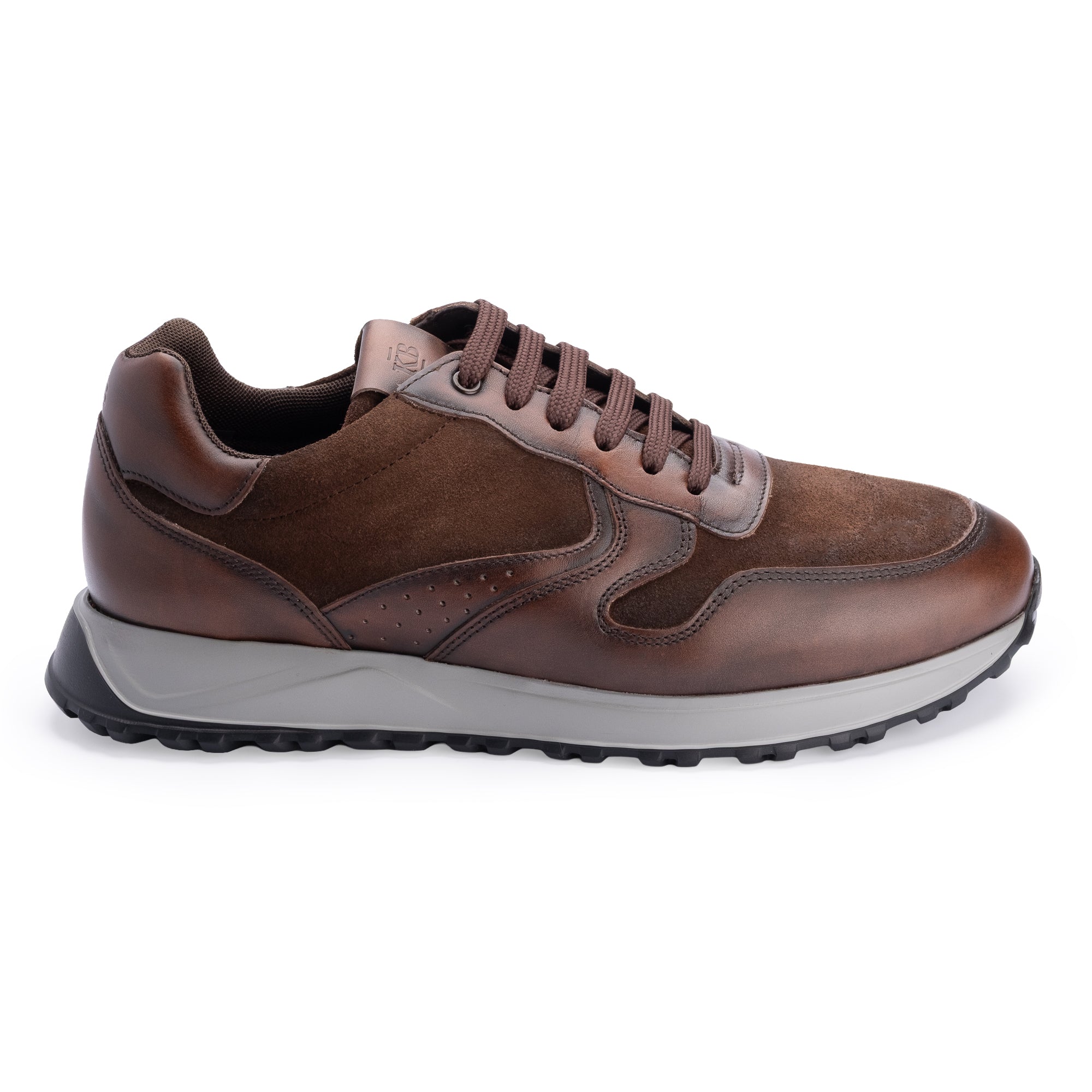
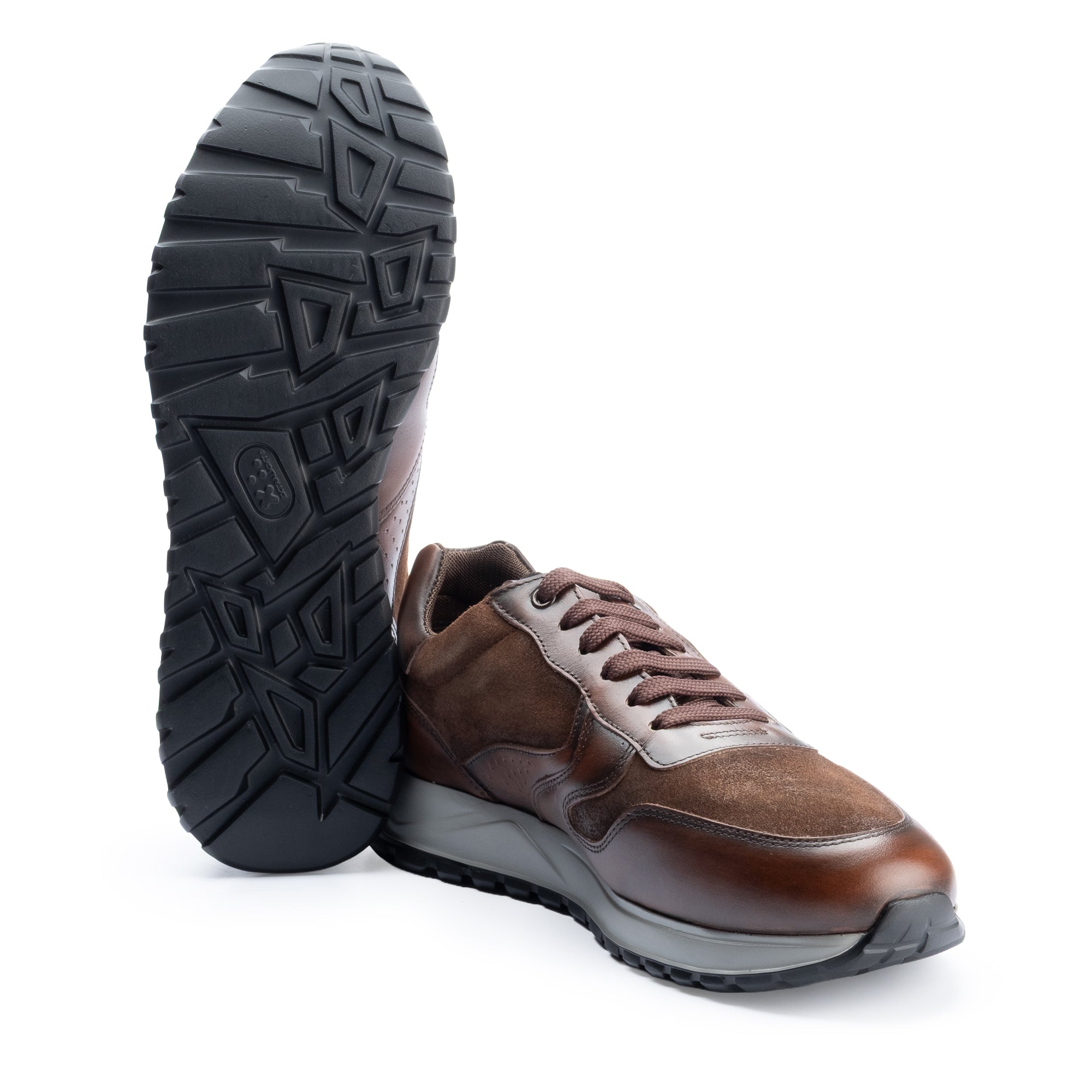
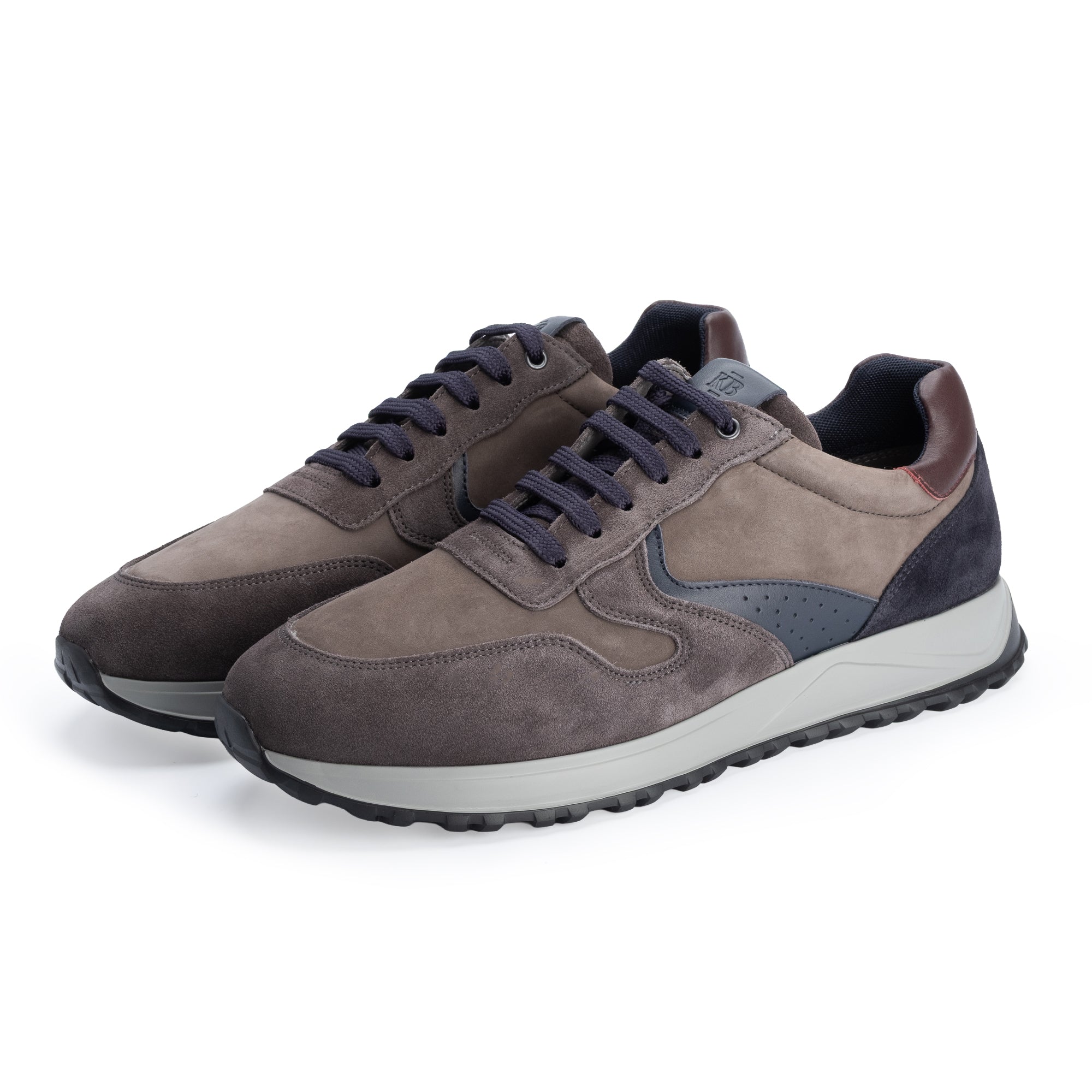
Leather and suede are distinct materials that serve different functions and communicate different registers. Smooth leather is more formal, more weather-resistant when properly maintained, and the right call for business and formal occasions. Suede is softer in visual weight, more relaxed in register, and better suited to smart-casual settings, warmer months, and social occasions where texture variation reads as deliberate rather than casual.
The Leather Conservation Centre recommends conditioning smooth leather footwear every six to eight weeks during regular wear. Suede requires an entirely different approach — consistent brushing with a suede brush and a protective spray applied before exposure to damp conditions. Our complete guide to caring for suede shoes covers that process in full detail.
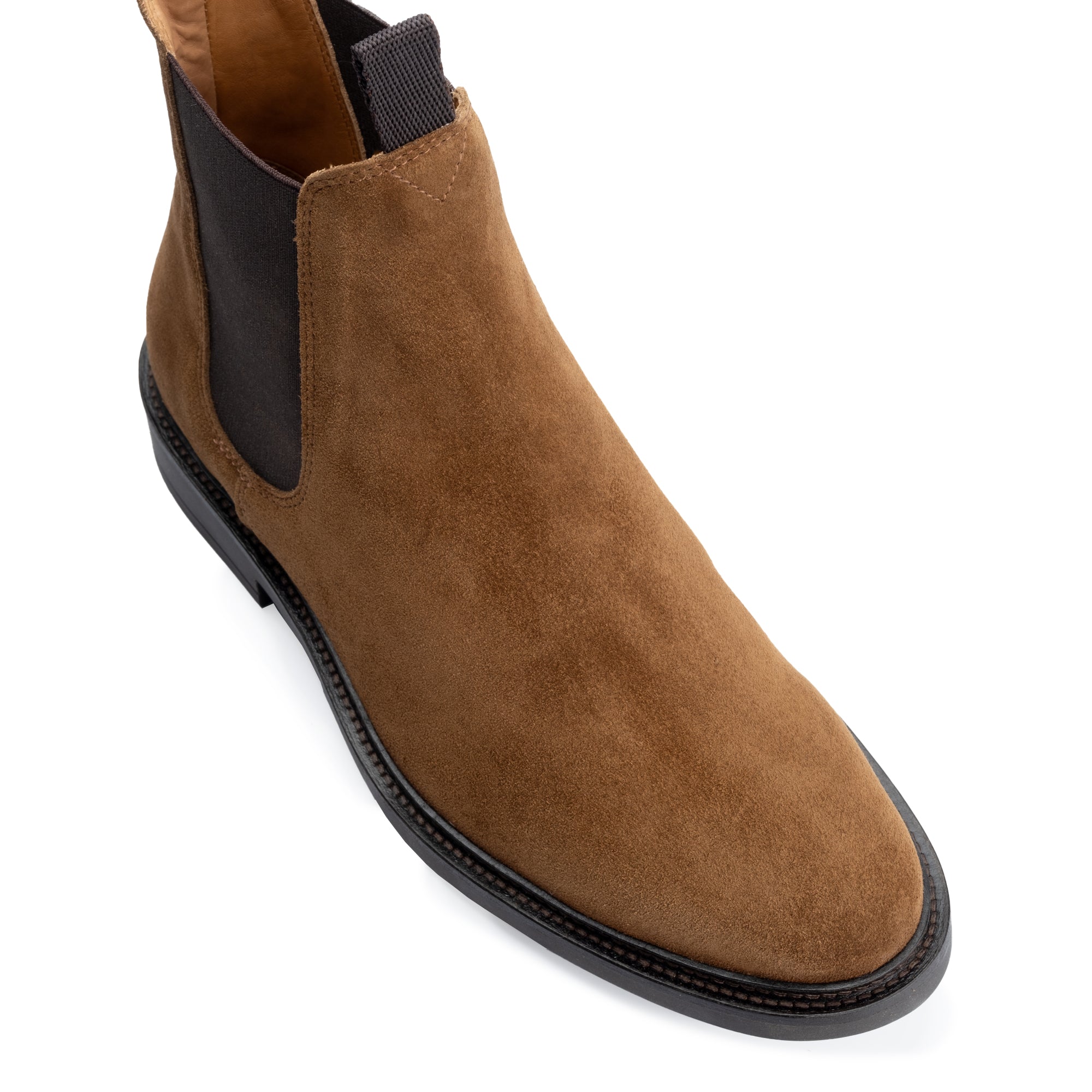
The Hill Chelsea Suede Boot in Brown Suede or Cognac Suede, and the Wessex Chukka Suede Boot in Brown or Cognac, show how suede transforms a classic silhouette into something with genuine character. Suede isn't a lesser choice — it's a different register, and wearing it with that understanding is a mark of real footwear knowledge.
How Do You Build a Classic Shoe Wardrobe from Scratch?
A classic shoe wardrobe is assembled in priority order — most formal first, working toward the most casual. Research cited by the Society of Master Shoe Repairers indicates that rotating between three or more pairs reduces daily wear on each shoe by approximately 40%, significantly extending the usable life of every pair in the rotation.
- A black Derby or Oxford. The formal anchor. Black covers black tie, formal business, and any occasion where the dress code offers no flexibility.
- A brown or tan brogue. The smart-casual workhorse — adaptable across business, social, and weekend contexts.
- A Chelsea boot. Slip-on versatility for evenings, smarter weekends, and unpredictable weather.
- A suede loafer. A different texture register for summer and relaxed smart-casual occasions.
- A chukka or brogue boot. Casual-to-smart range for autumn and winter use.
Five pairs covers the full scope of occasions most men navigate. It also provides enough rotation to keep every pair in condition — which is where longevity truly begins. For the maintenance side of that equation, the annual maintenance checklist for your leather shoe collection is the right starting point.
Related Guides
- The Complete Guide to Men's Dress Shoes — our comprehensive guide
- Oxford vs Derby Shoes: Key Differences Explained
- Full Brogue vs. Semi-Brogue: A Guide to Choosing Your Next Pair
- The Annual Ritual: A Complete Maintenance Checklist for Your Leather Shoe Collection
TL;DR: Classic men's footwear is built around six core styles — Oxford, Derby, Brogue, Loafer, Monk Strap, and Boot — each occupying a defined formality level. The practical skill is knowing which to wear when: black Oxford for formal occasions, Derby for business, brogue and loafer for smart-casual, boots for everything in between. Build a rotation of three to five pairs and maintain them consistently. John White Shoes, founded in 1919 in Northamptonshire, designs and sources footwear across all six categories.
Frequently Asked Questions
What is the most versatile classic men's shoe?
The Derby shoe is widely regarded as the most versatile classic style. Its open lacing accommodates a broader range of foot shapes than an Oxford, it spans business formal and smart-casual without effort, and it's available in plain, brogue, and captoe interpretations. A brown Derby in full-grain leather handles most occasions a working man encounters week to week.
What's the difference between an Oxford and a Derby?
The difference is in the lacing construction. An Oxford uses closed lacing — the quarters are stitched beneath the vamp — creating a formal, close-fitting silhouette. A Derby uses open lacing, with the quarters stitched on top, giving a roomier fit and a marginally less formal appearance. For a detailed comparison, see our Oxford vs Derby shoes guide.
How many pairs of classic shoes does a man actually need?
Three pairs is the functional minimum: one formal black shoe, one smart-casual brogue or Derby in tan or brown, and one boot. Five pairs provides comfortable coverage across all occasions and sufficient rotation to extend the life of each pair. According to the Society of Master Shoe Repairers, rotating between three or more pairs reduces wear per shoe by around 40%.
Are Chelsea boots appropriate for formal occasions?
Chelsea boots occupy the smart-casual range, not formal dress. They work well in business casual settings, smart evening contexts, and alongside tailored separates — but they're not the right choice for black tie or the most formal business occasions. For those, a black Oxford or Derby is correct. Our guide to the timeless appeal of Chelsea boots covers the full styling range.