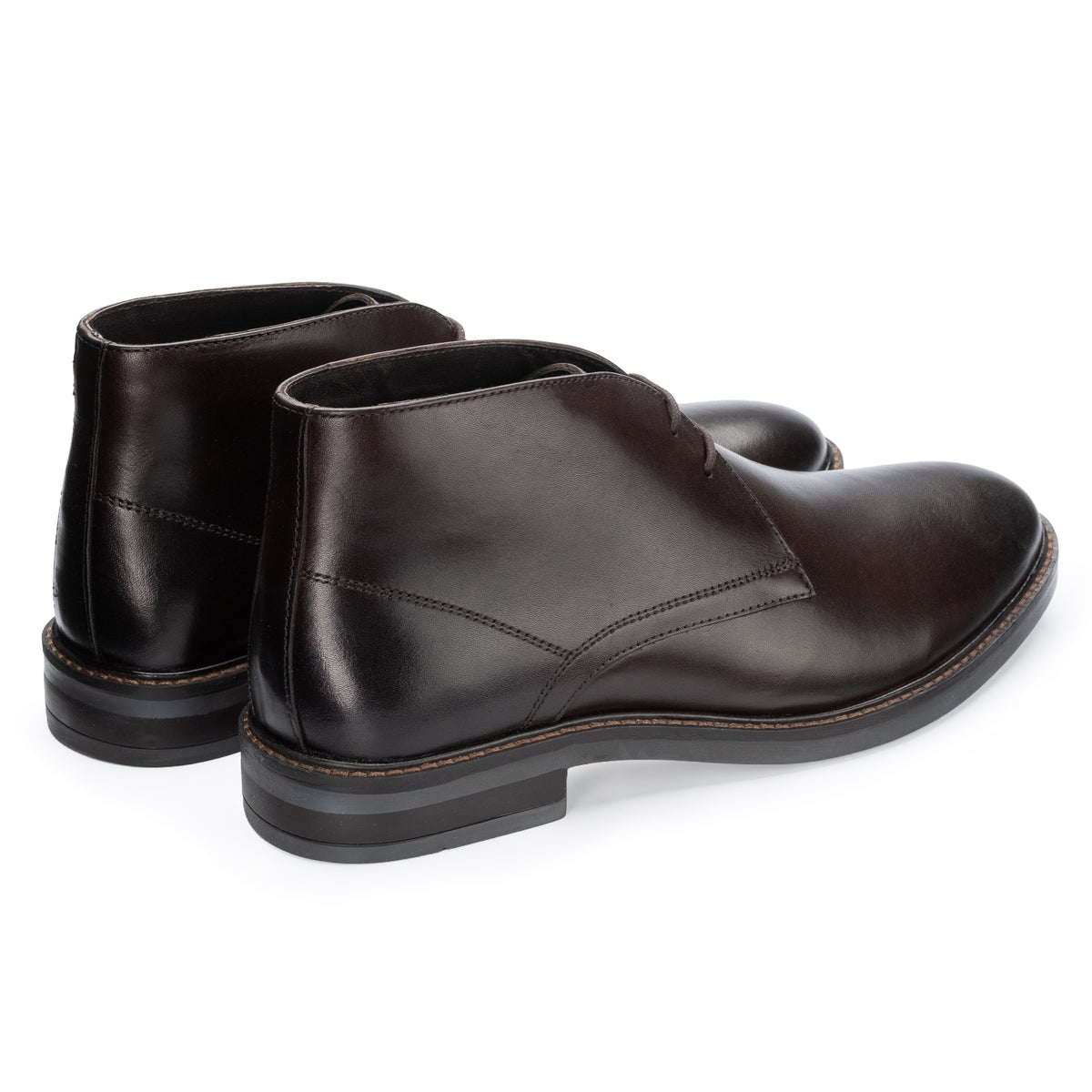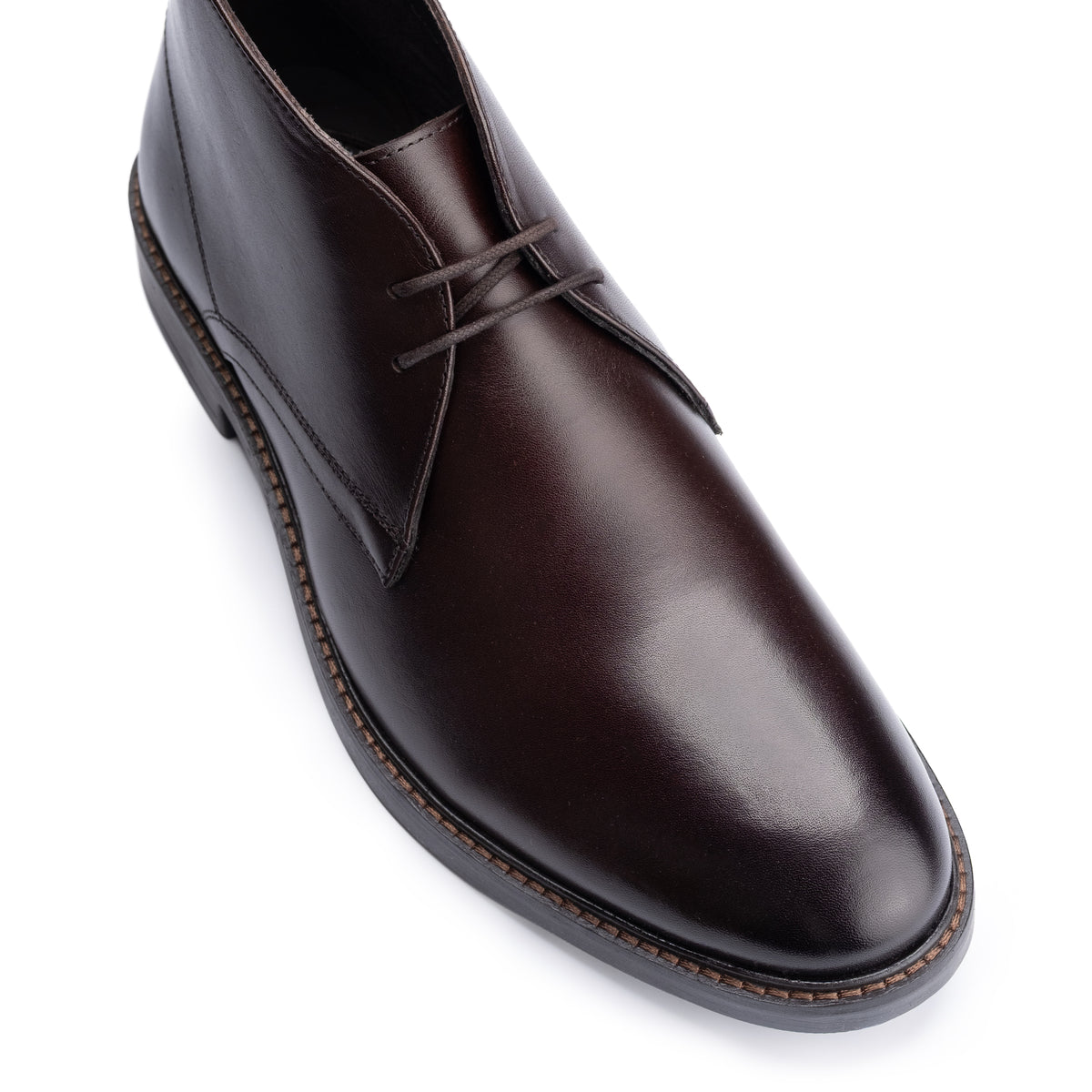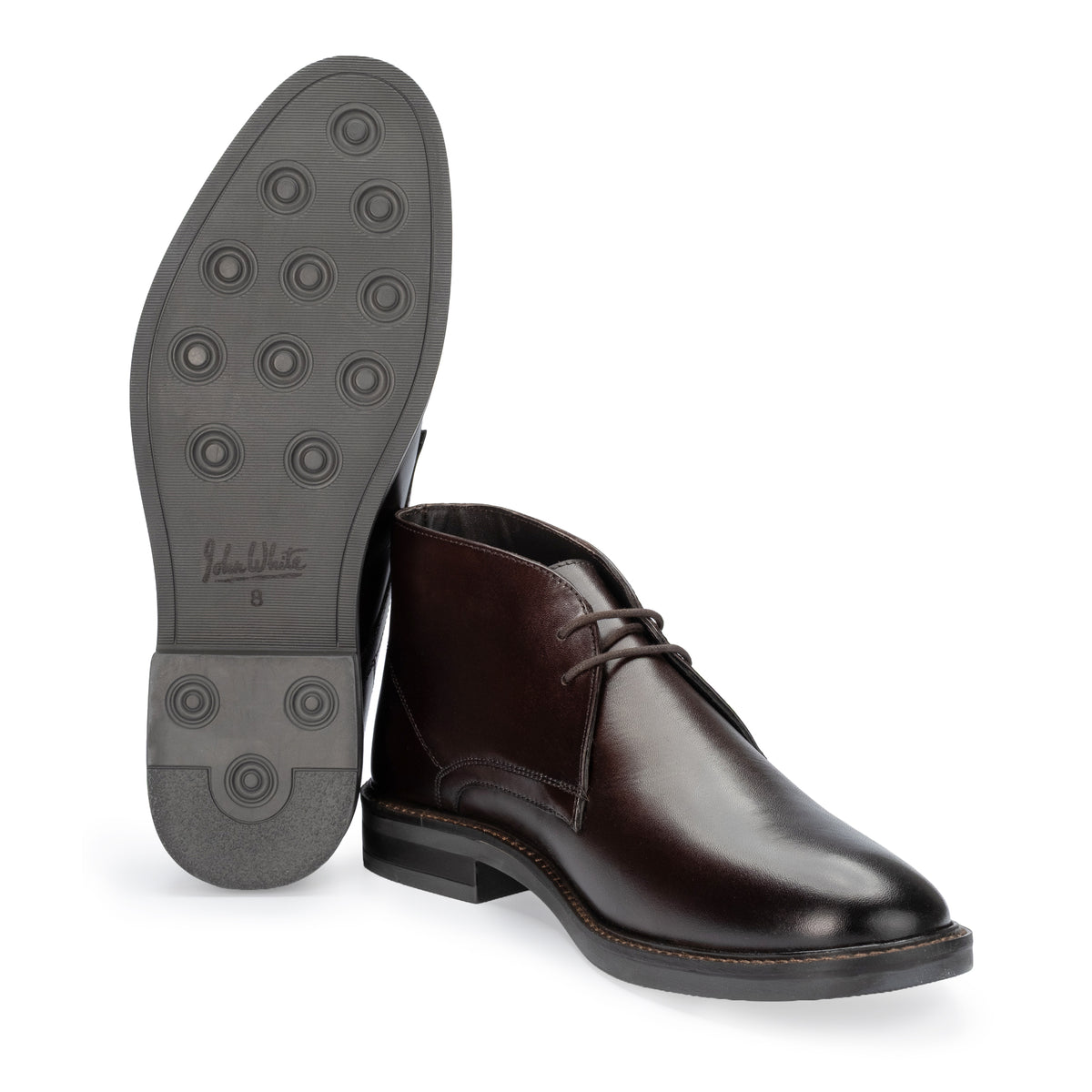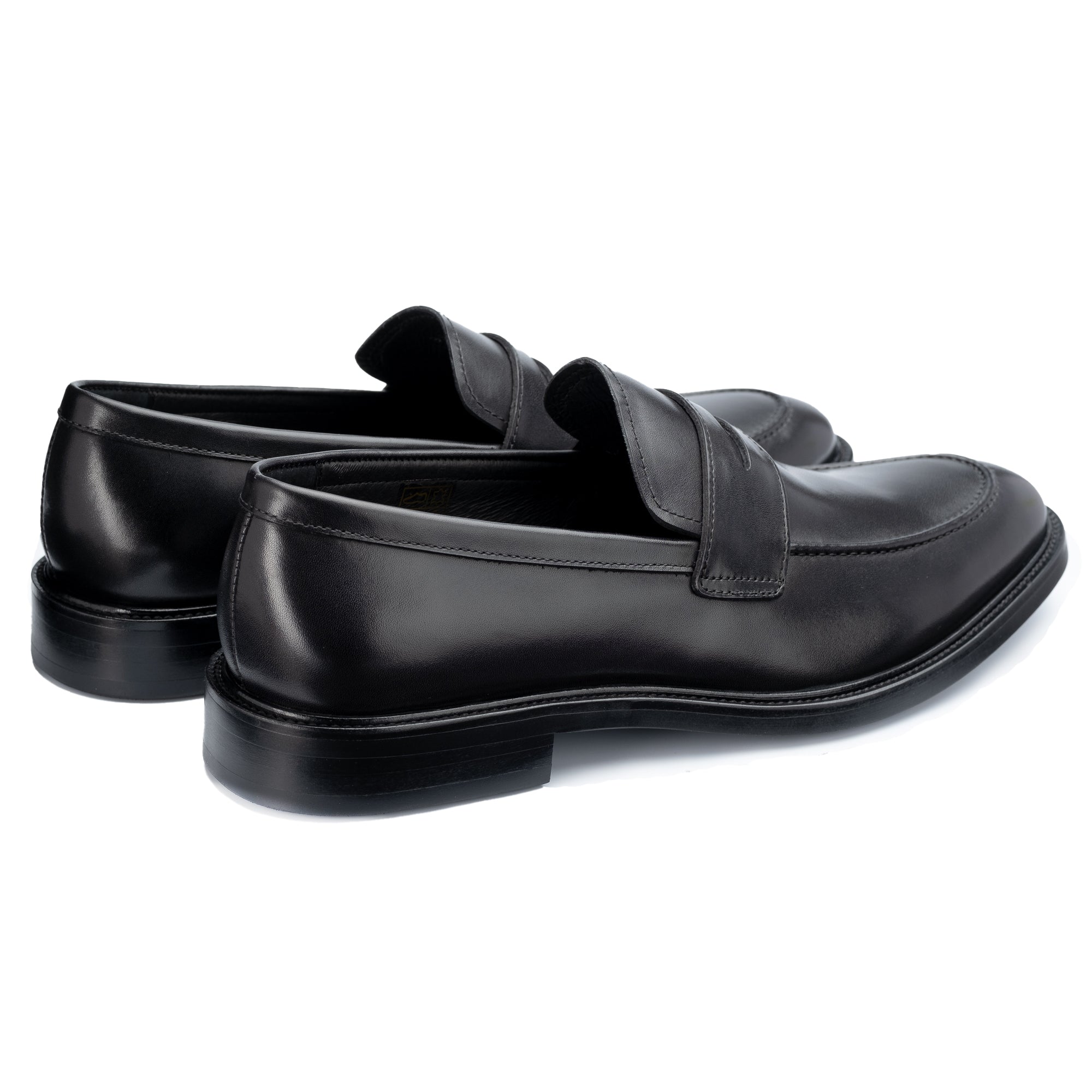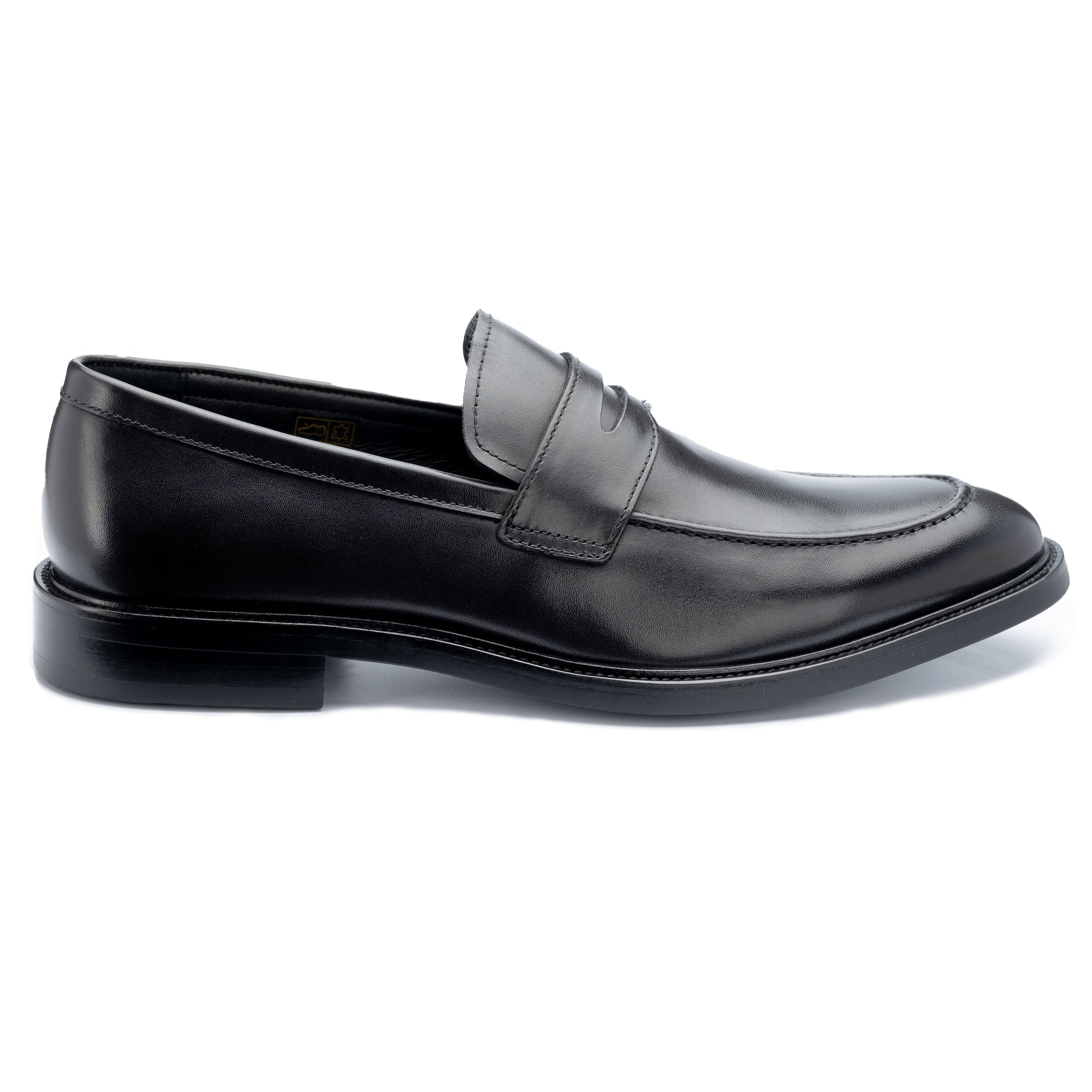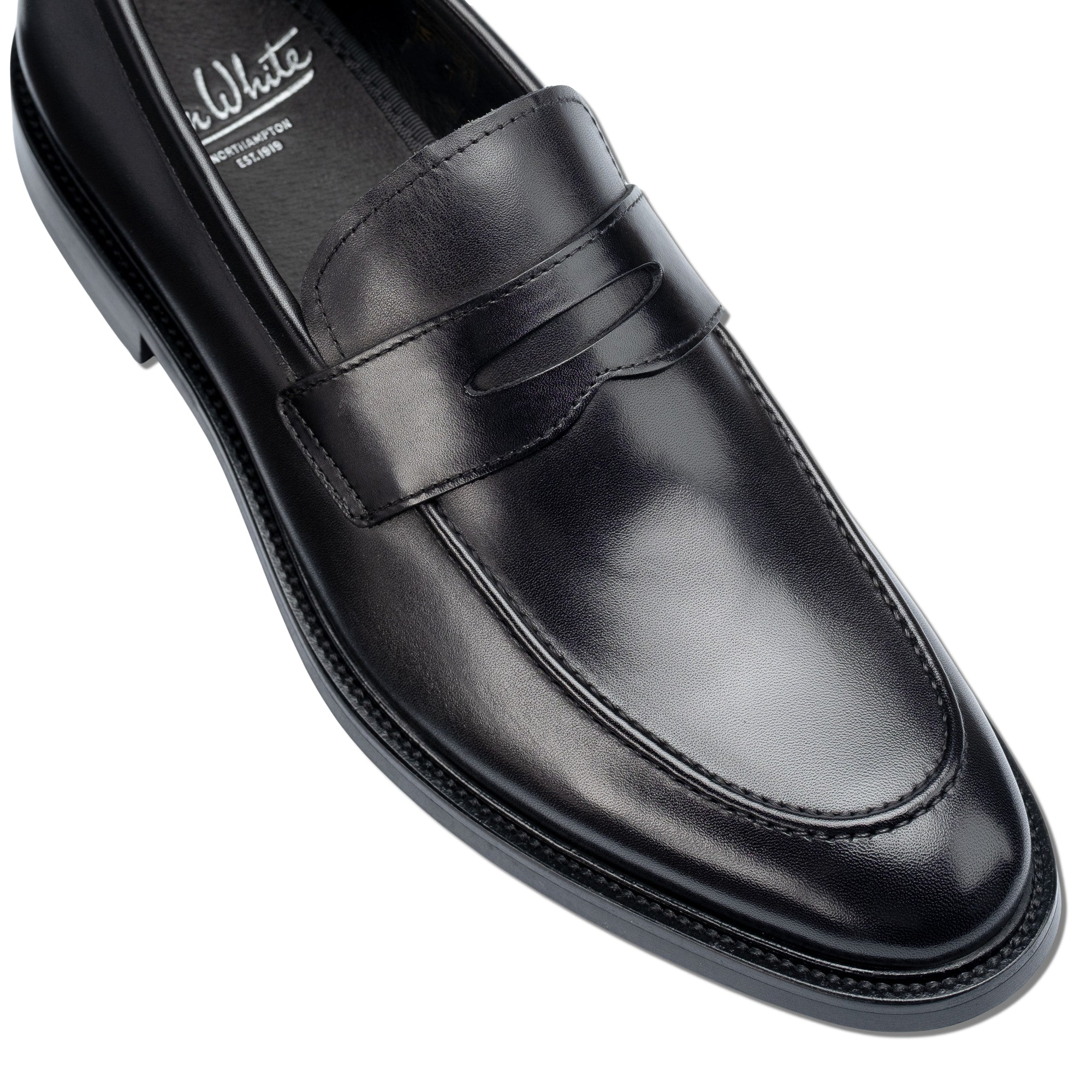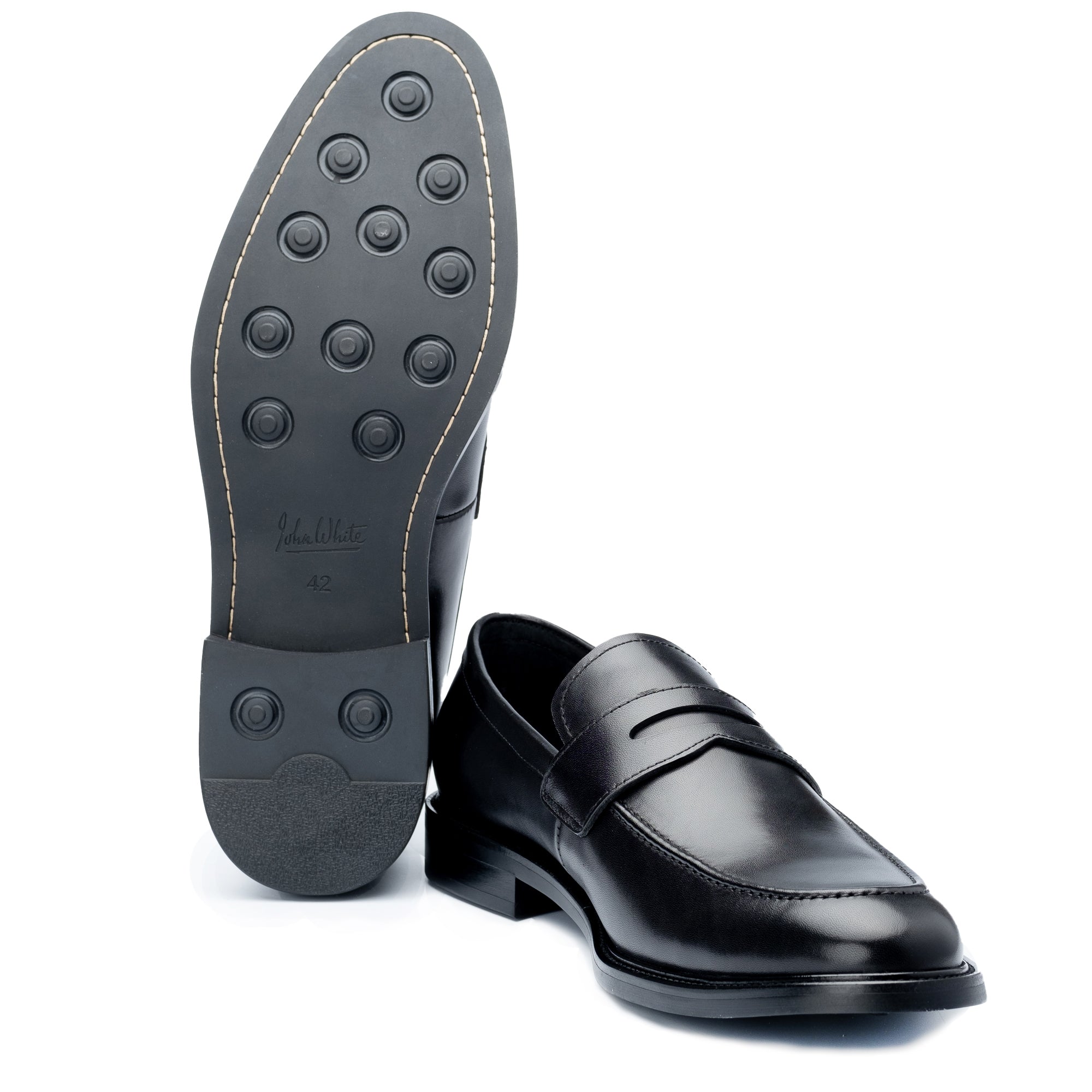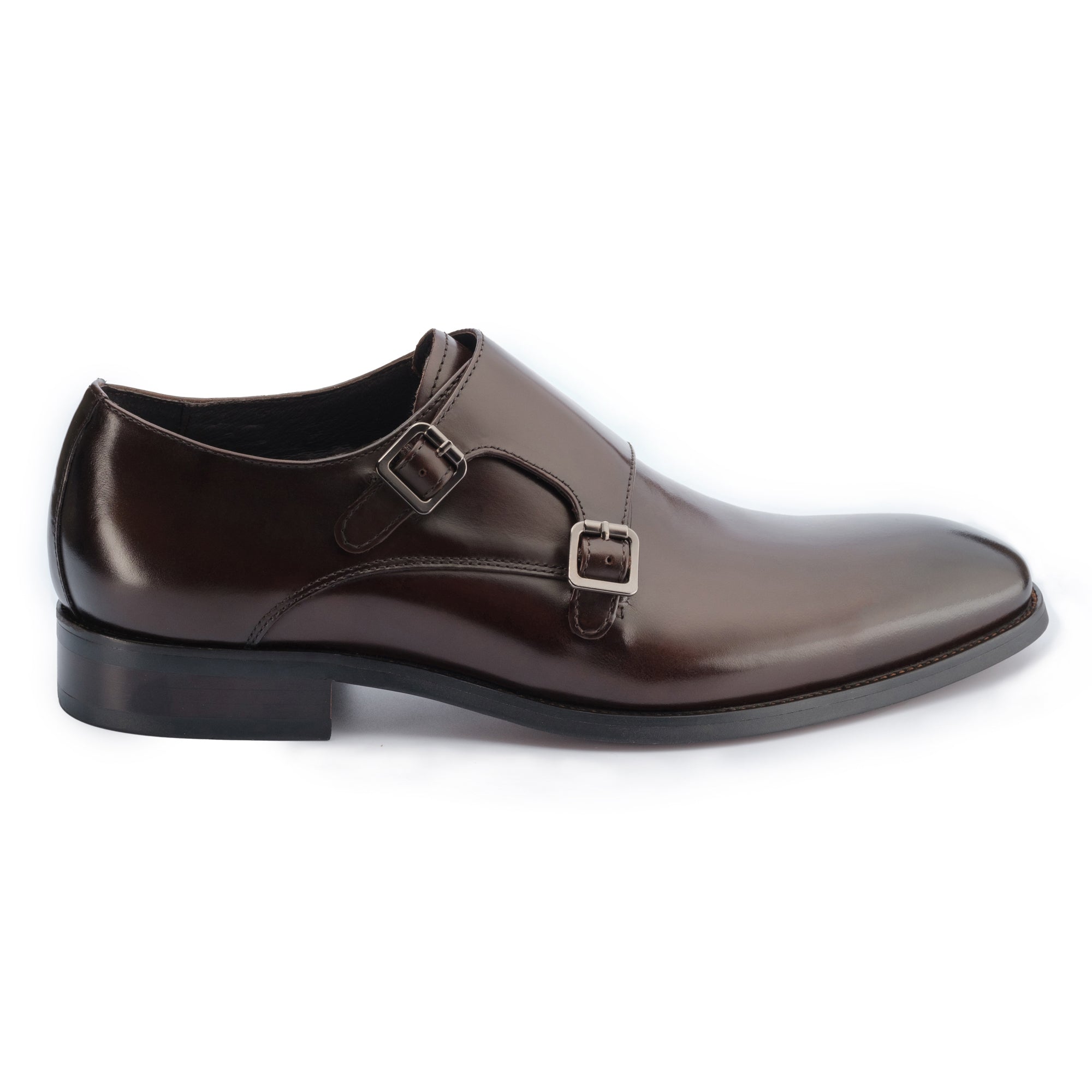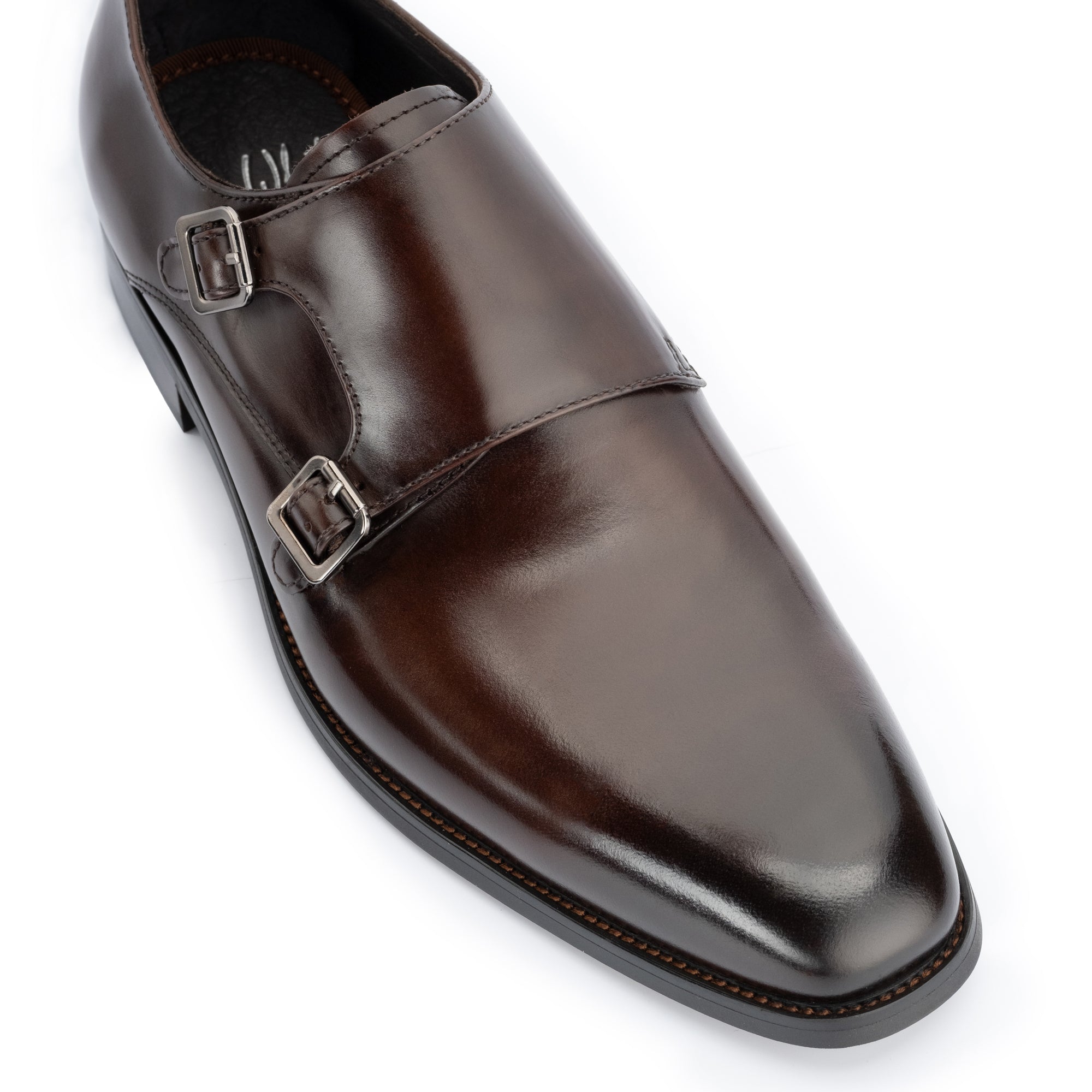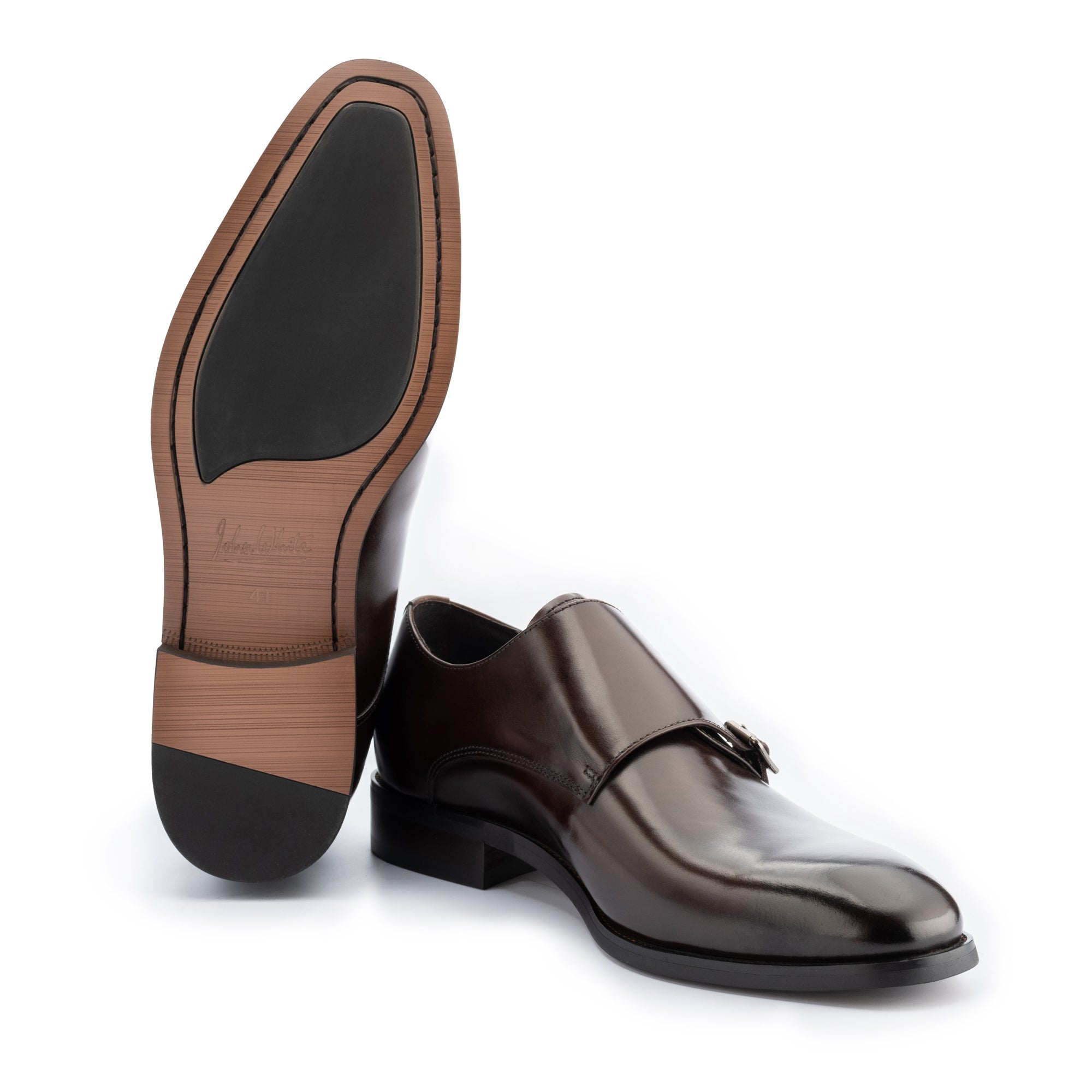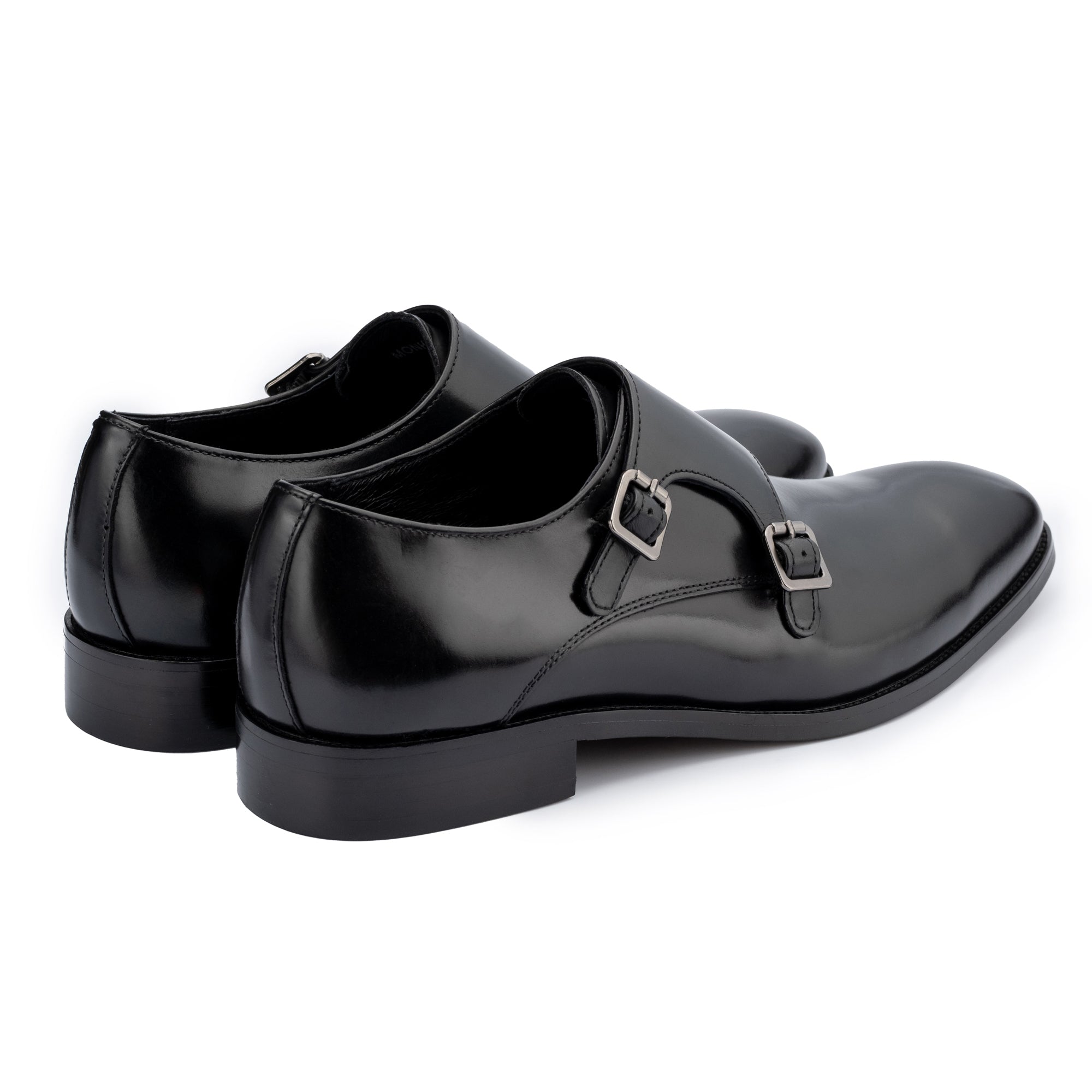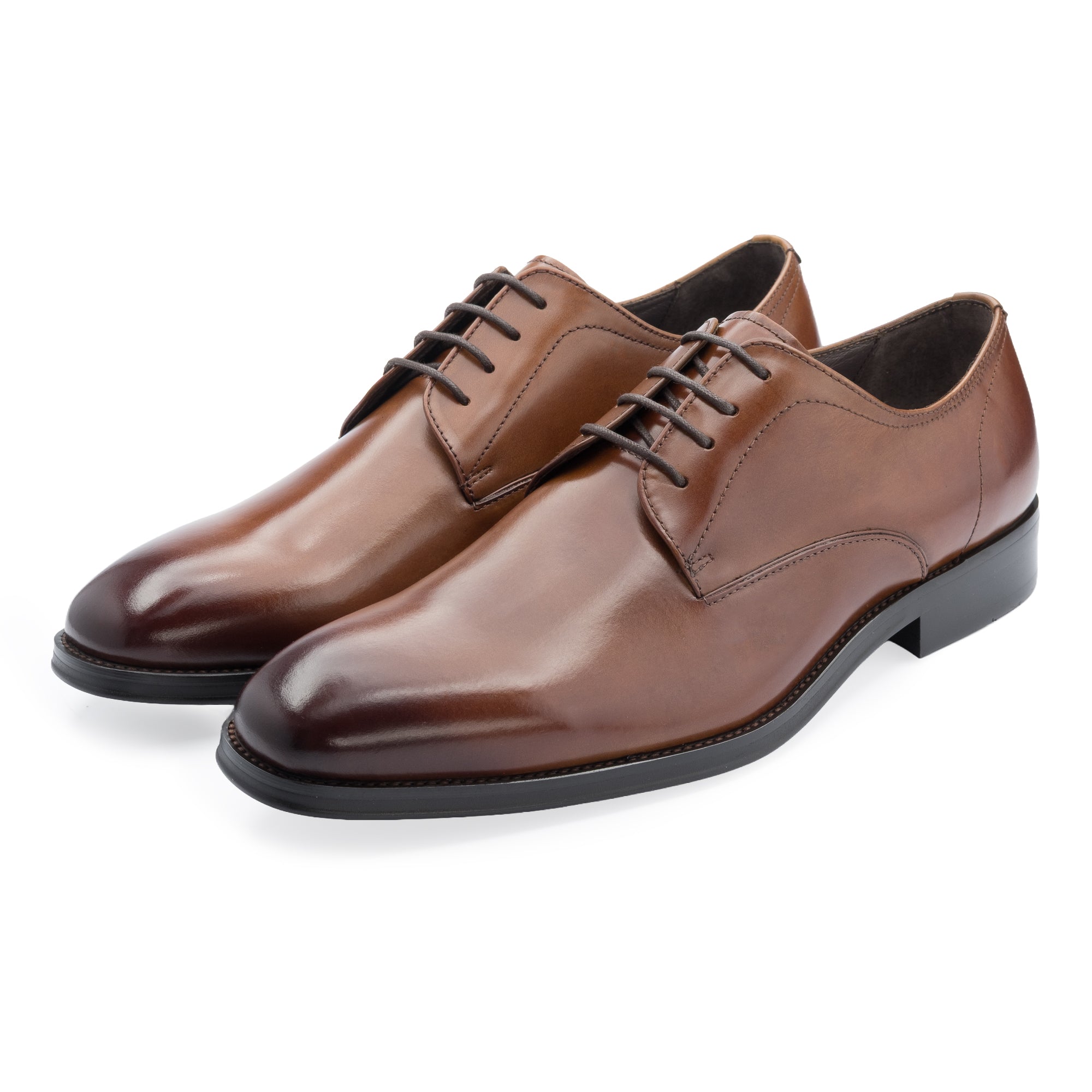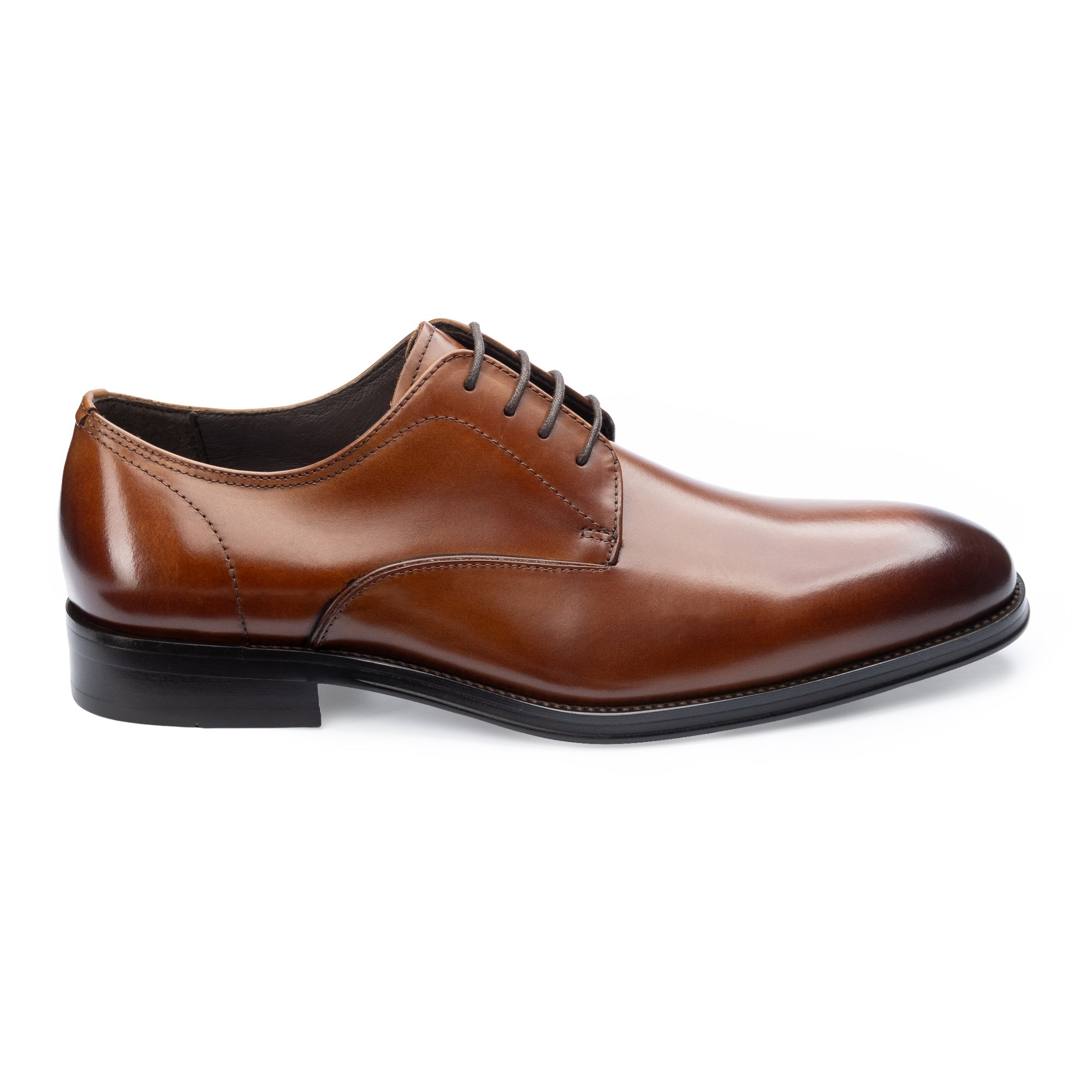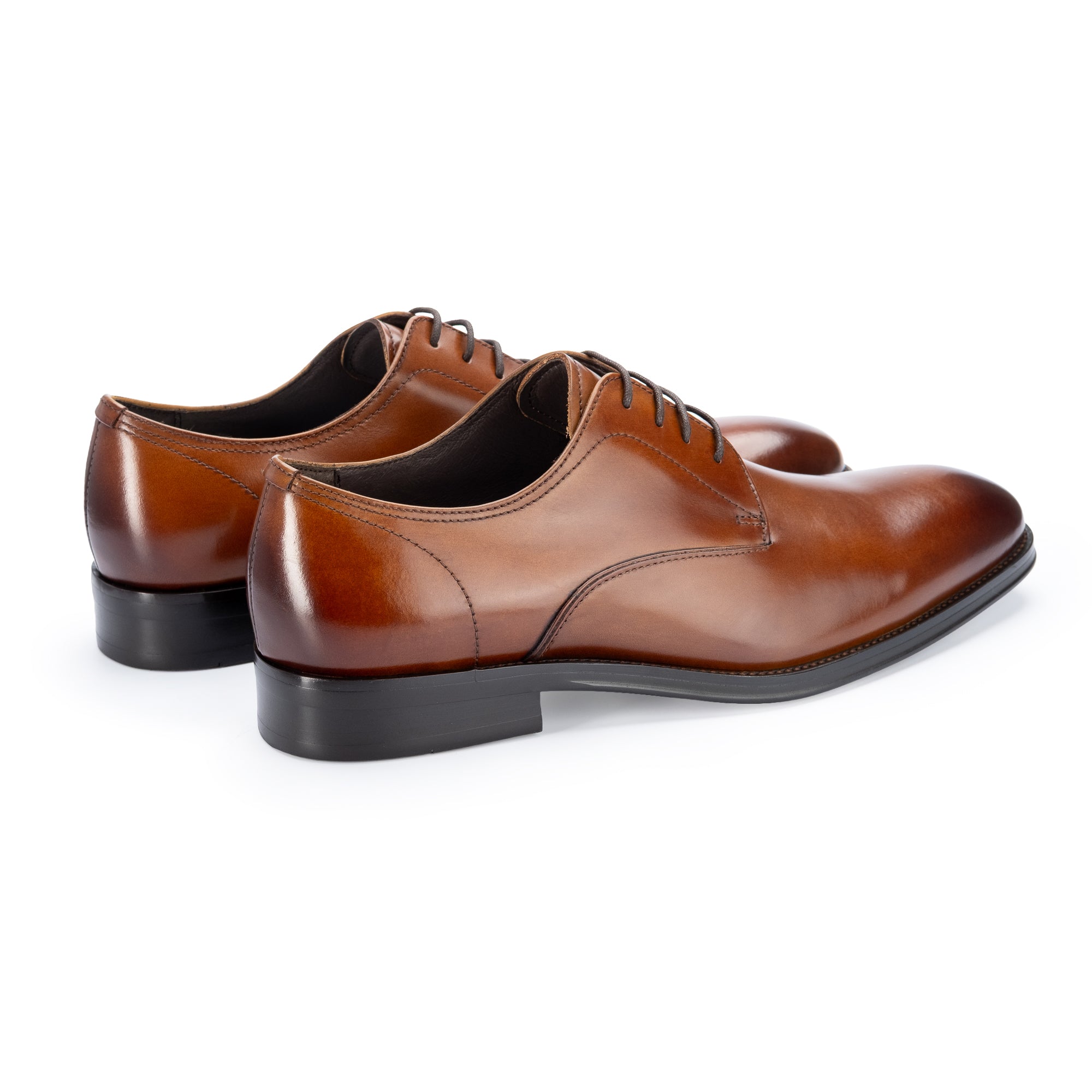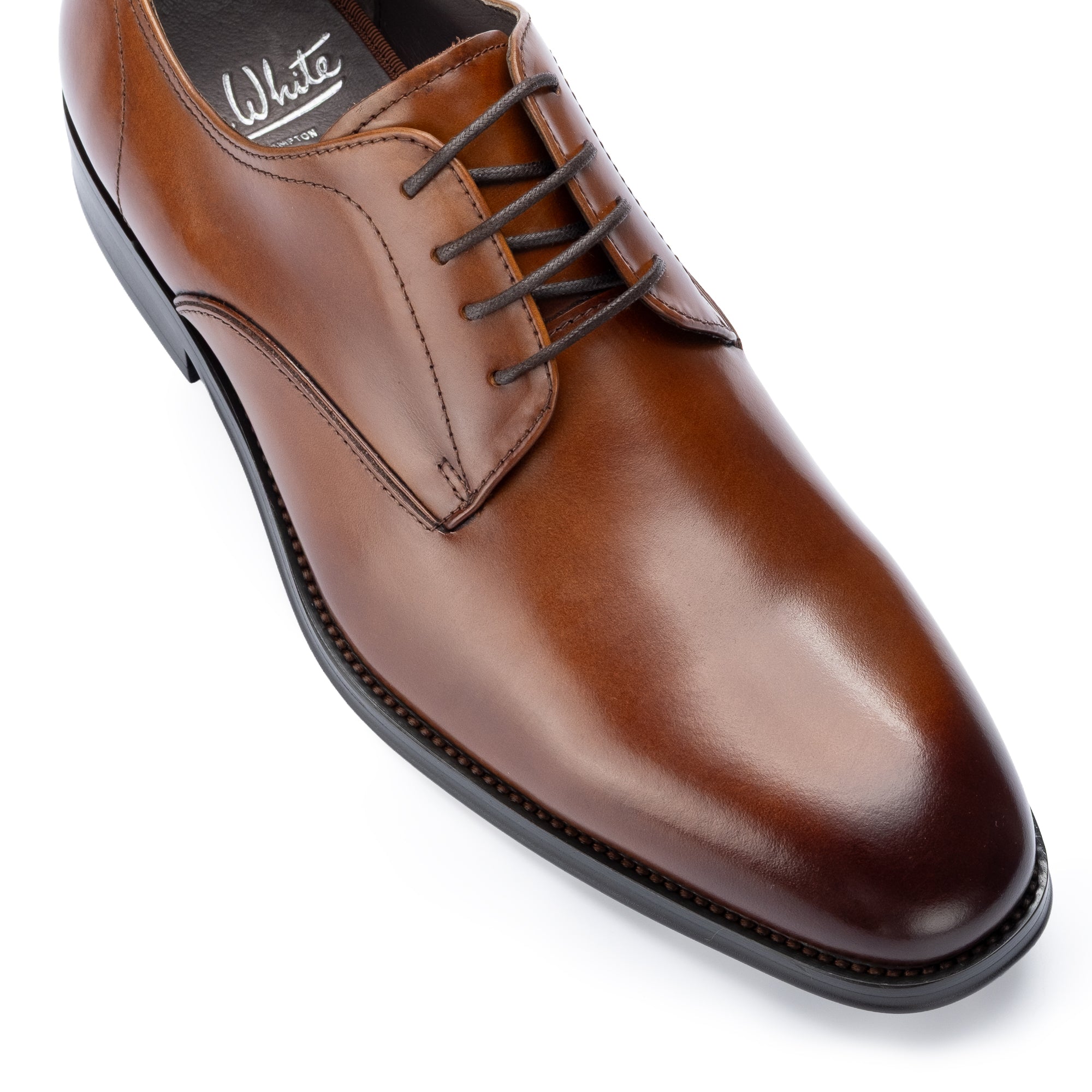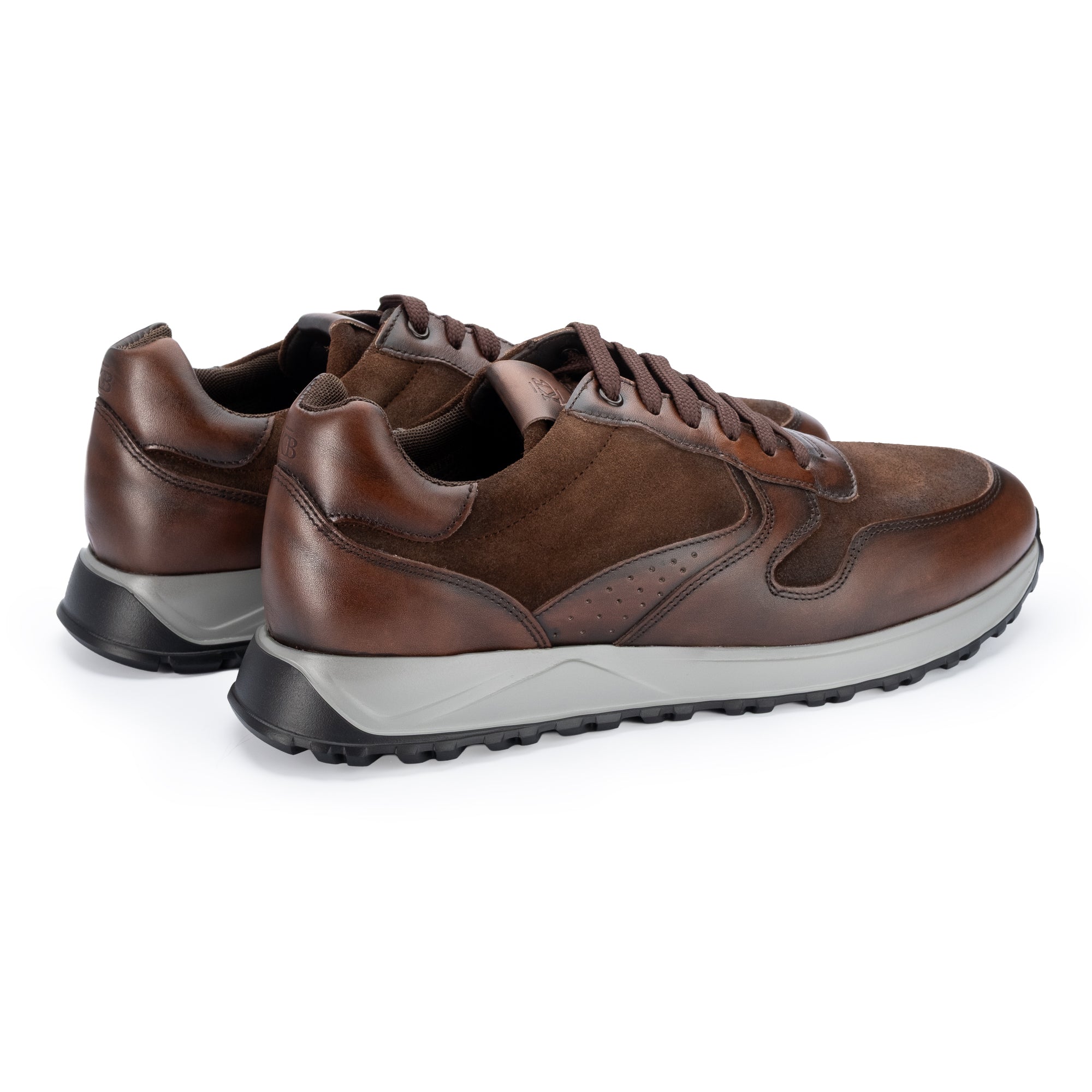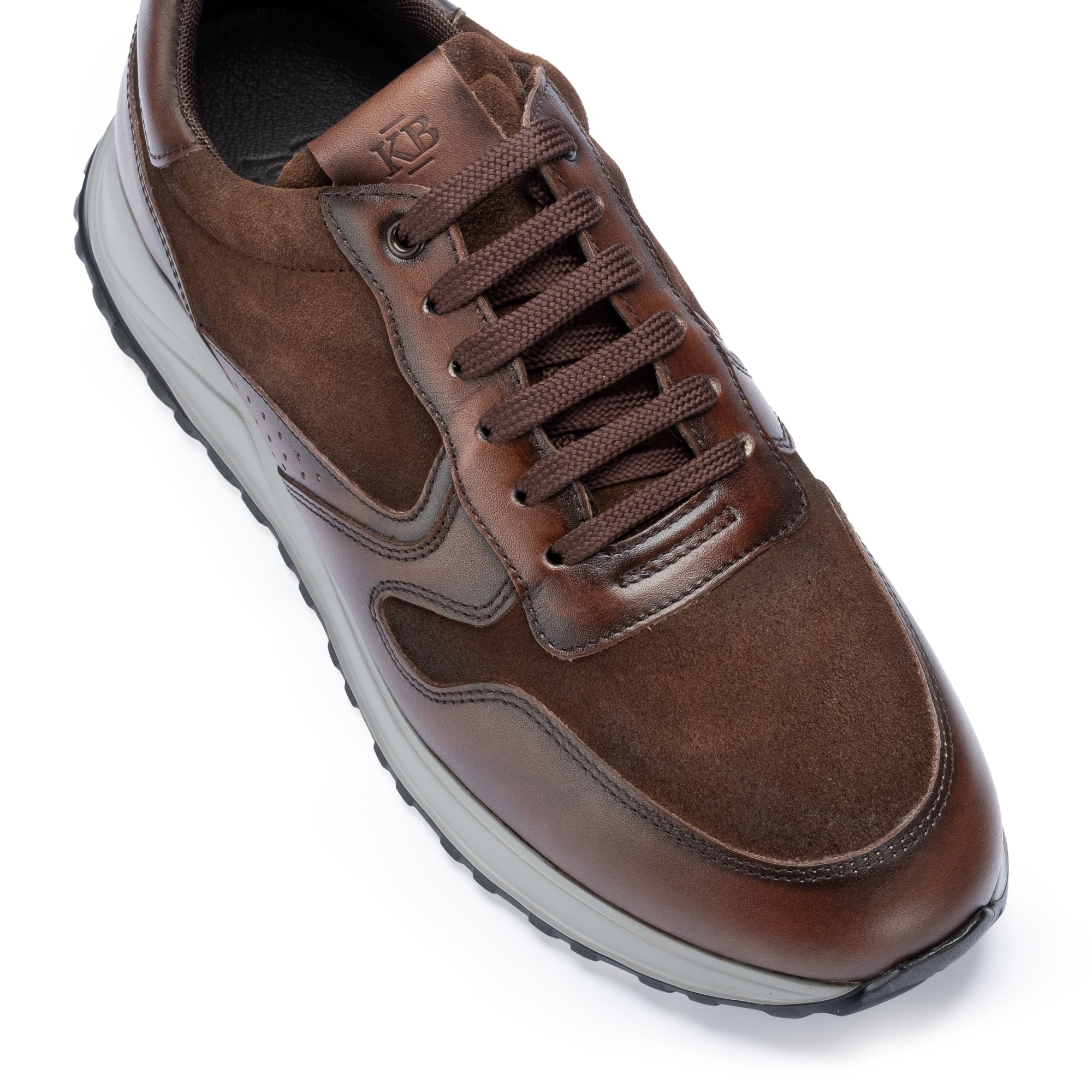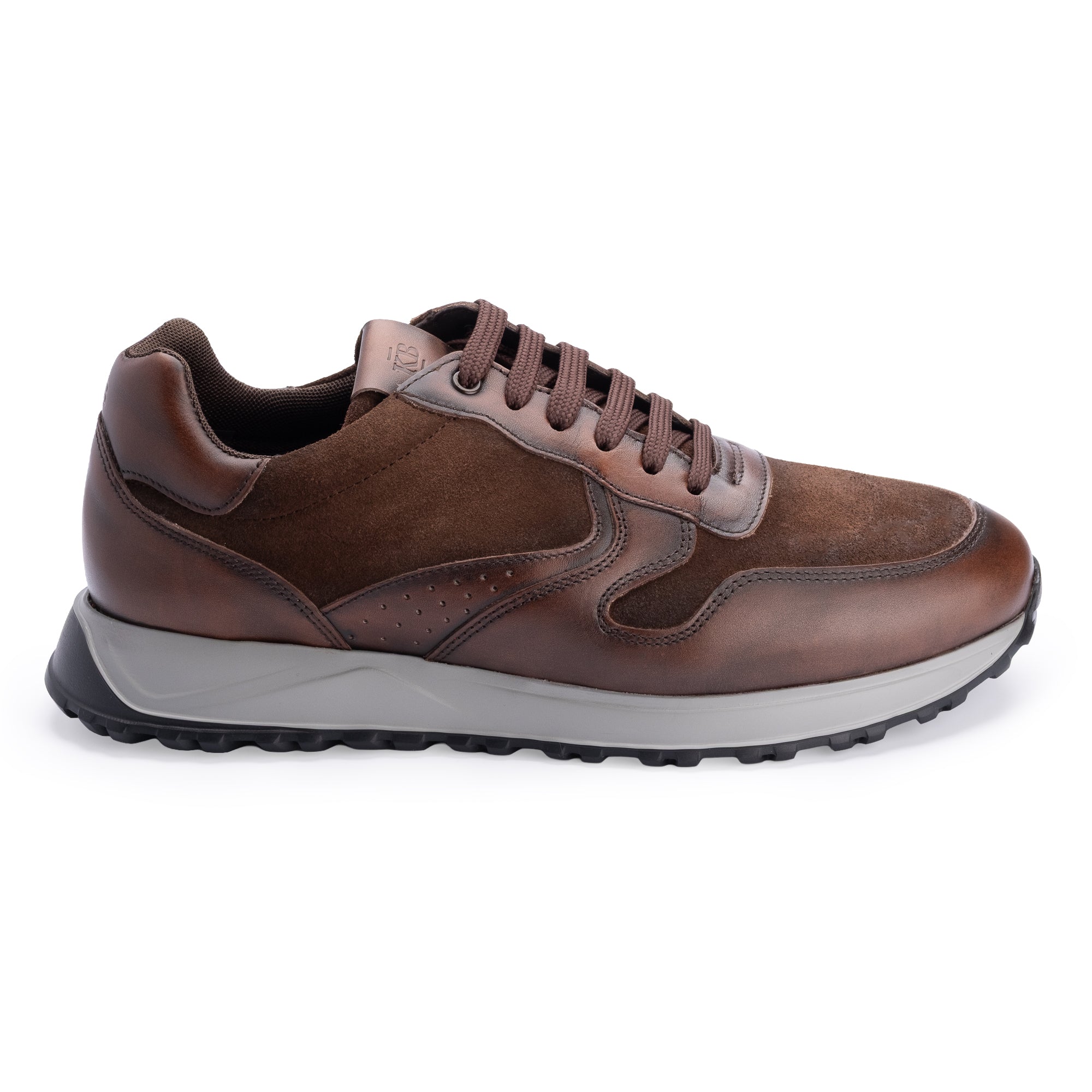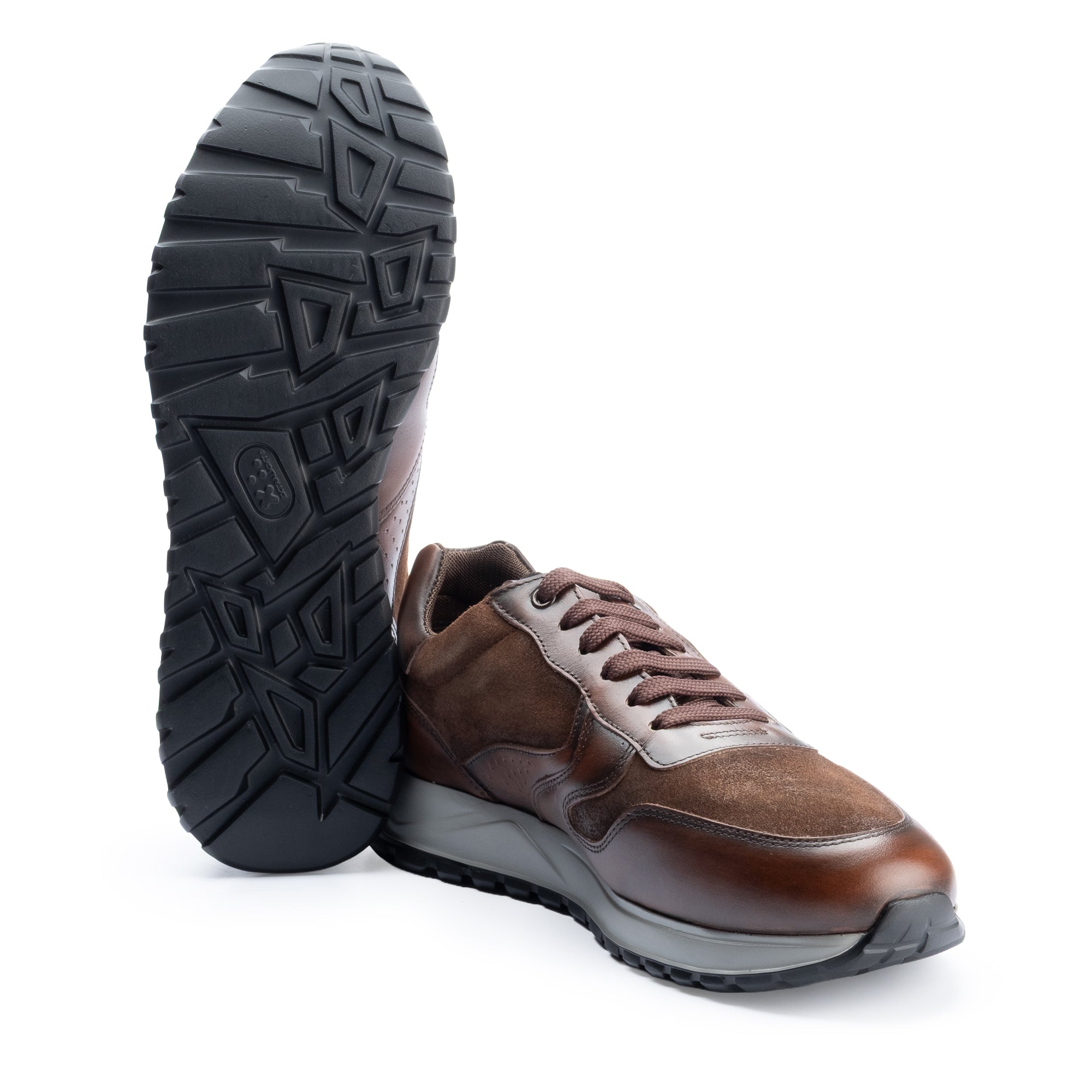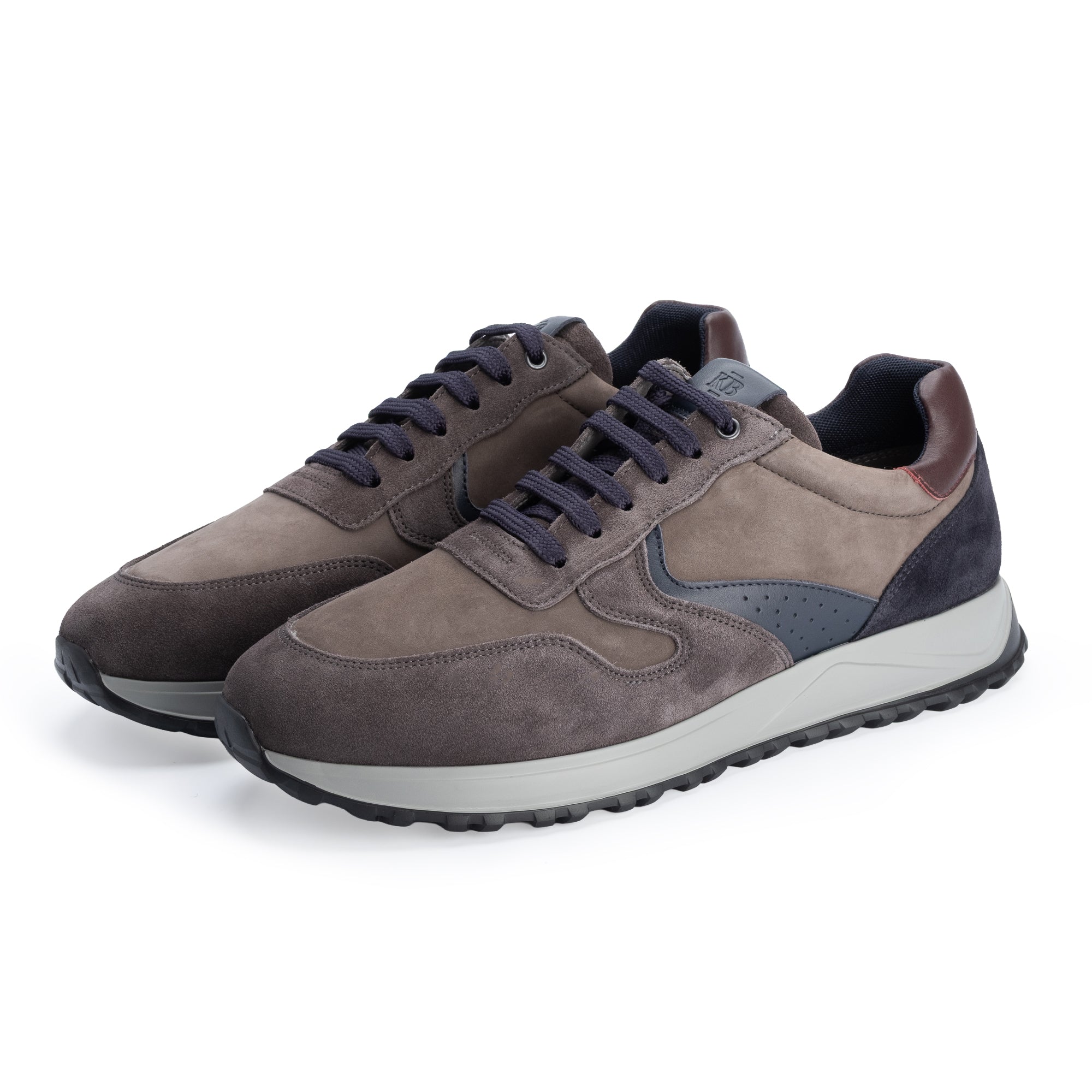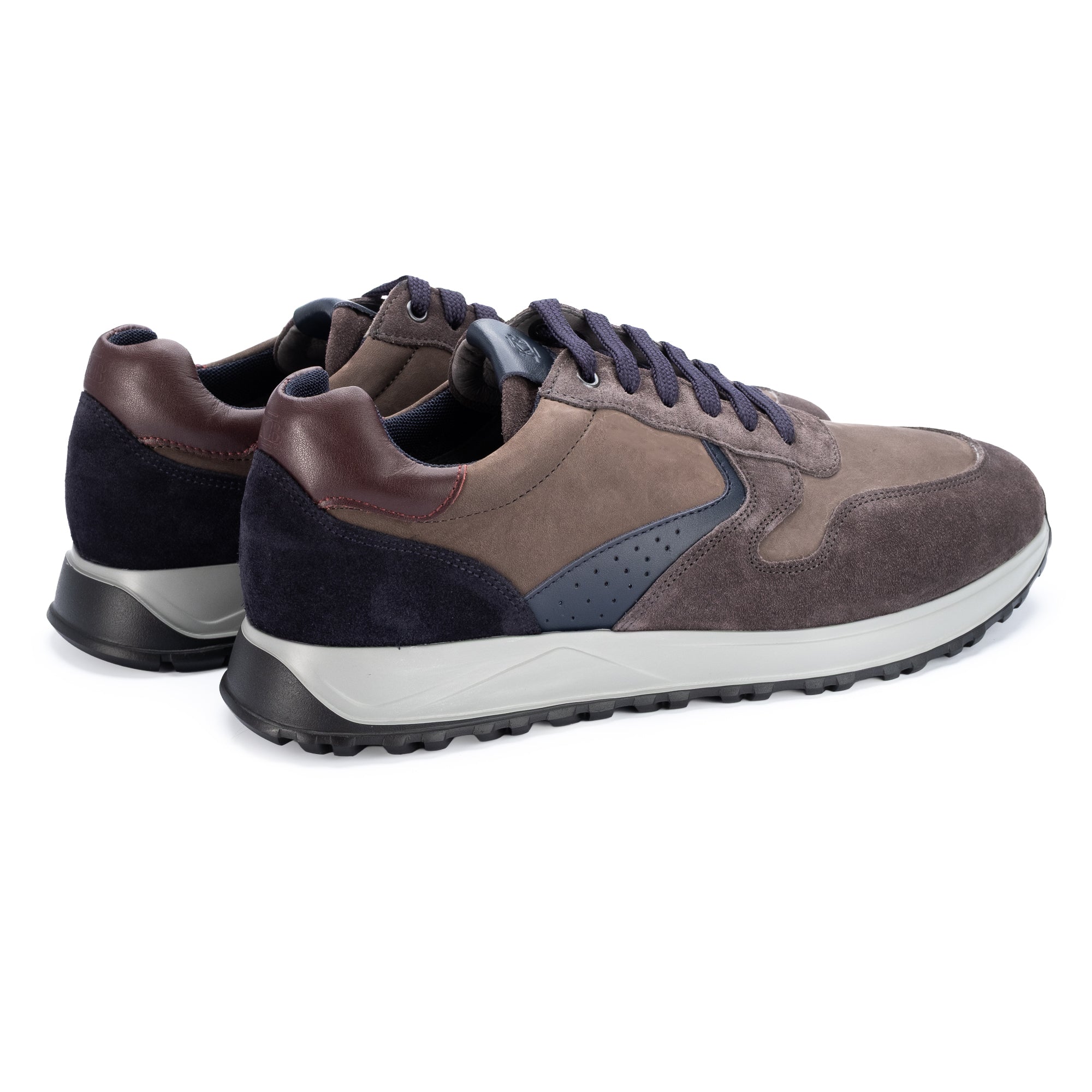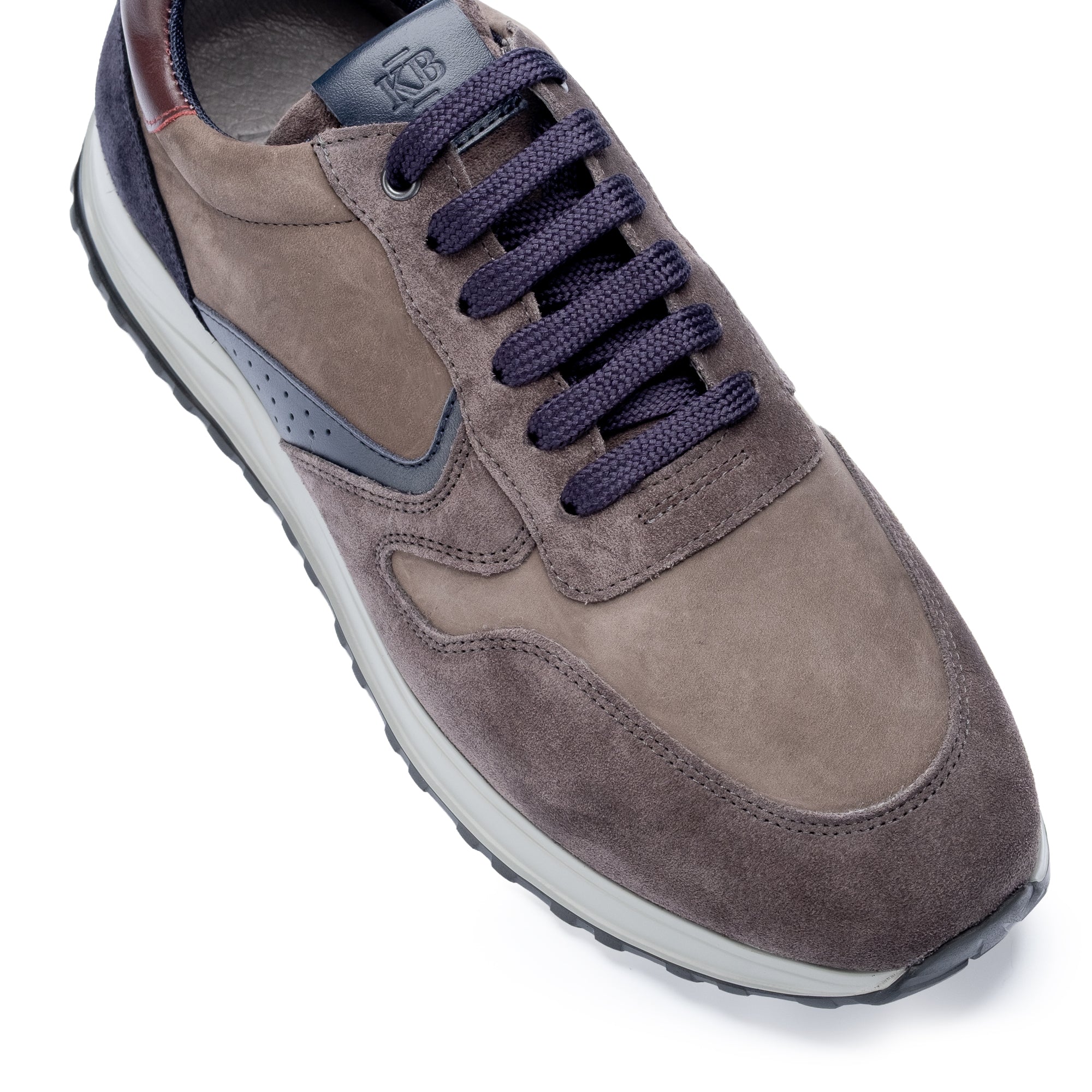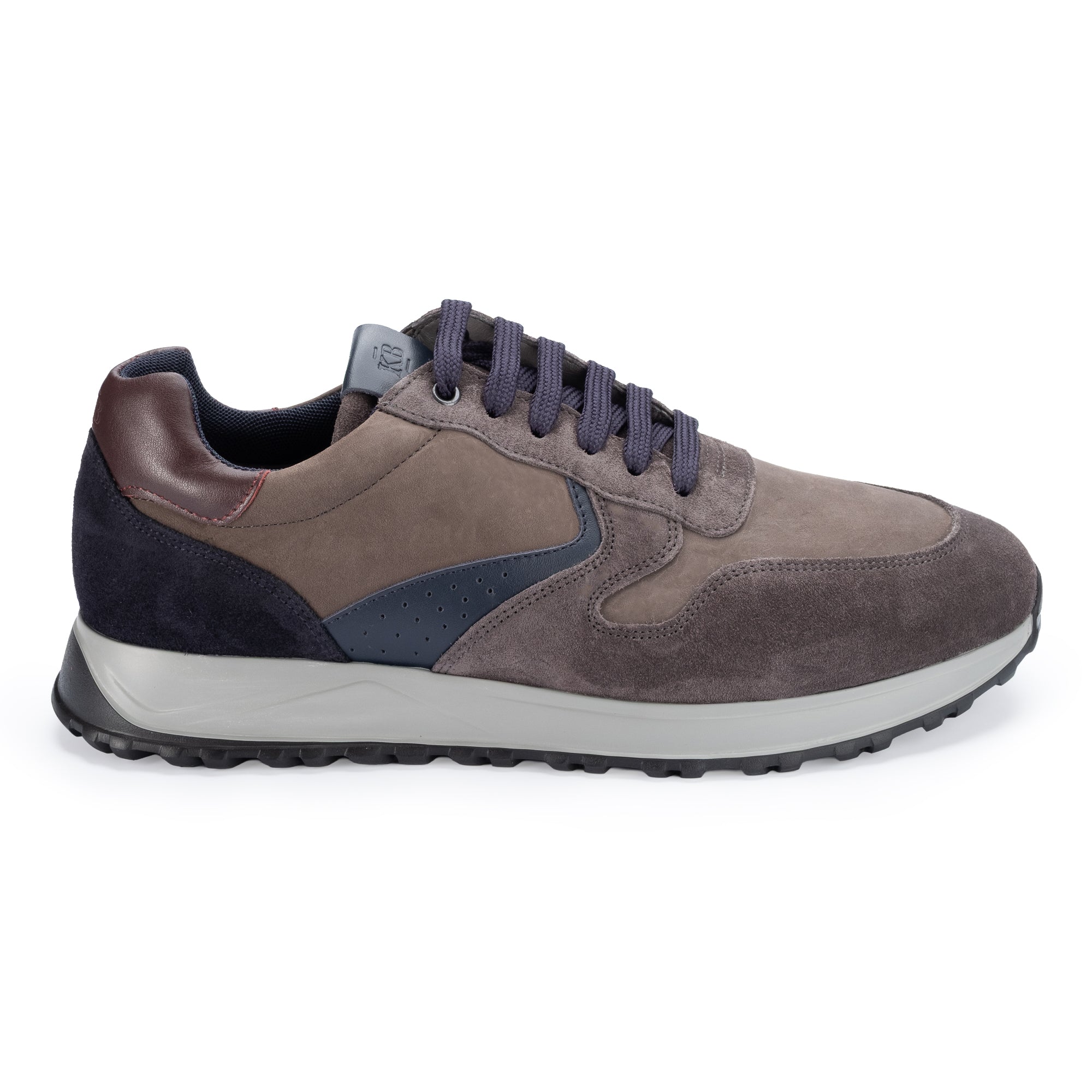

The loafer is summer's most useful shoe. Laceless, low-profile, and easy to dress up or down — it earns its place in a warm-weather wardrobe faster than almost anything else. But when you're standing in front of two versions of the same style and trying to decide between suede and grain leather, the question is less obvious than it looks.
In This Guide
This is not a question of better or worse. It is a question of where you are going, what you will be doing, and how much upkeep you want to commit to. Both materials have genuine strengths and genuine limits. The right answer depends on you — and on the JWS styles available in each.
What Is Grain Leather?
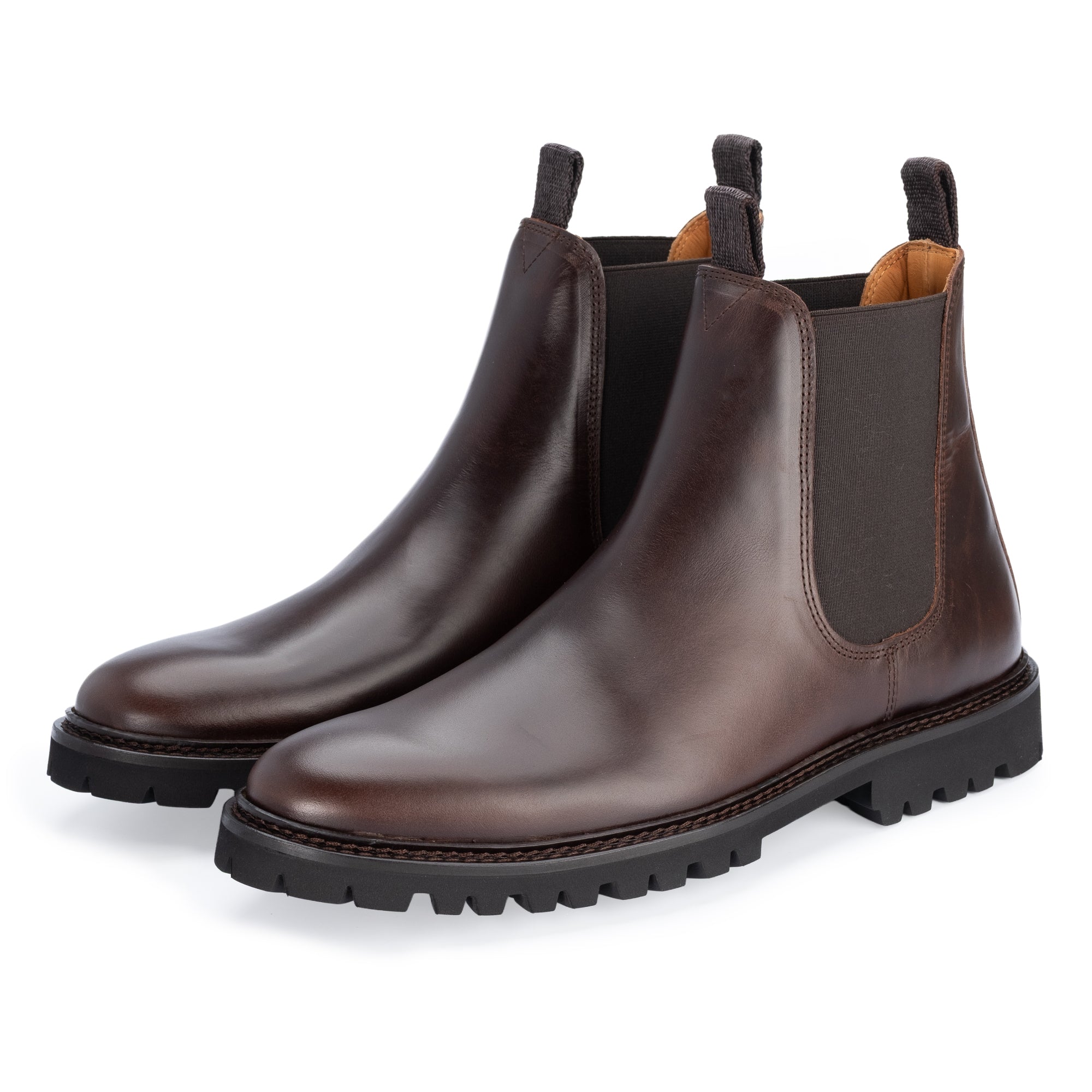
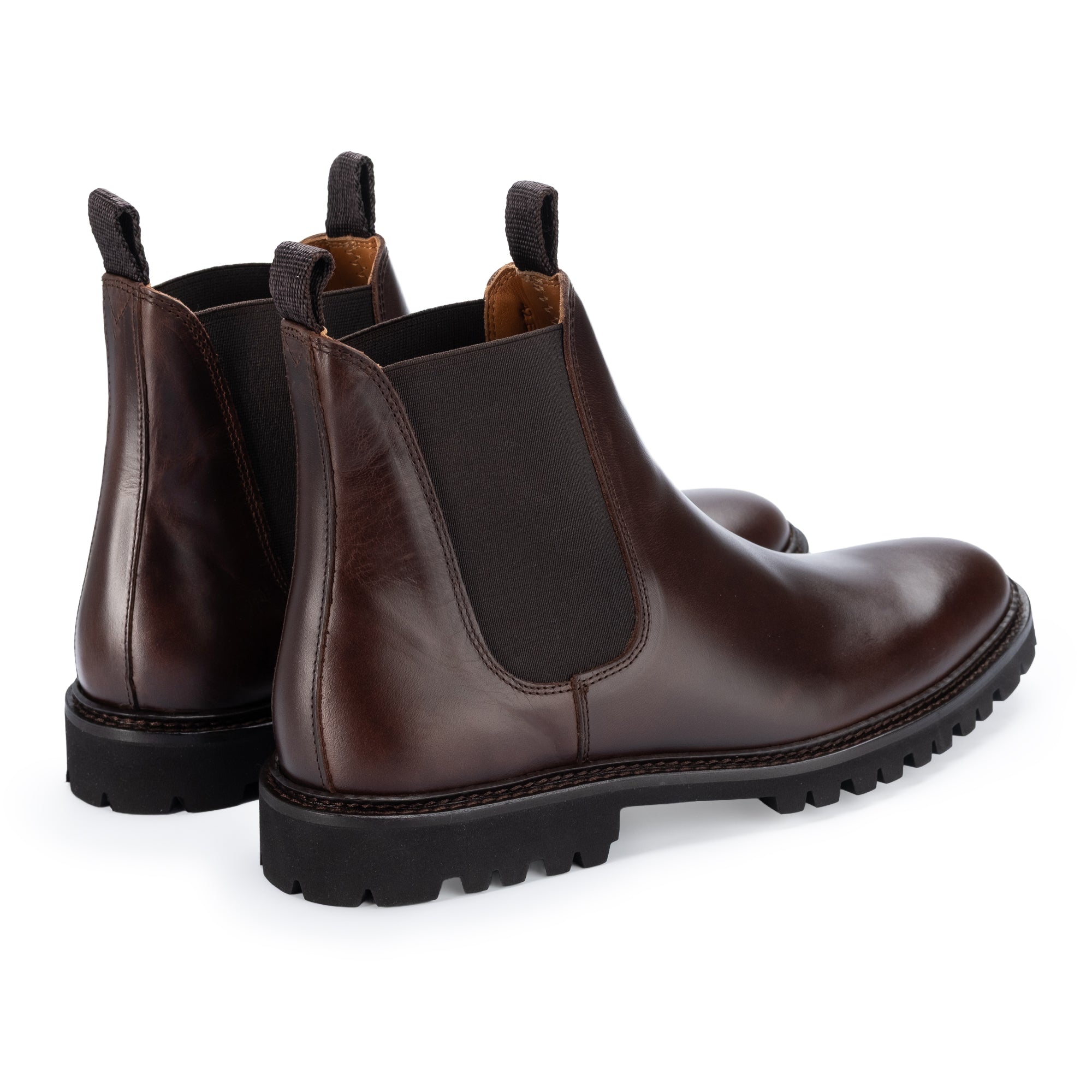
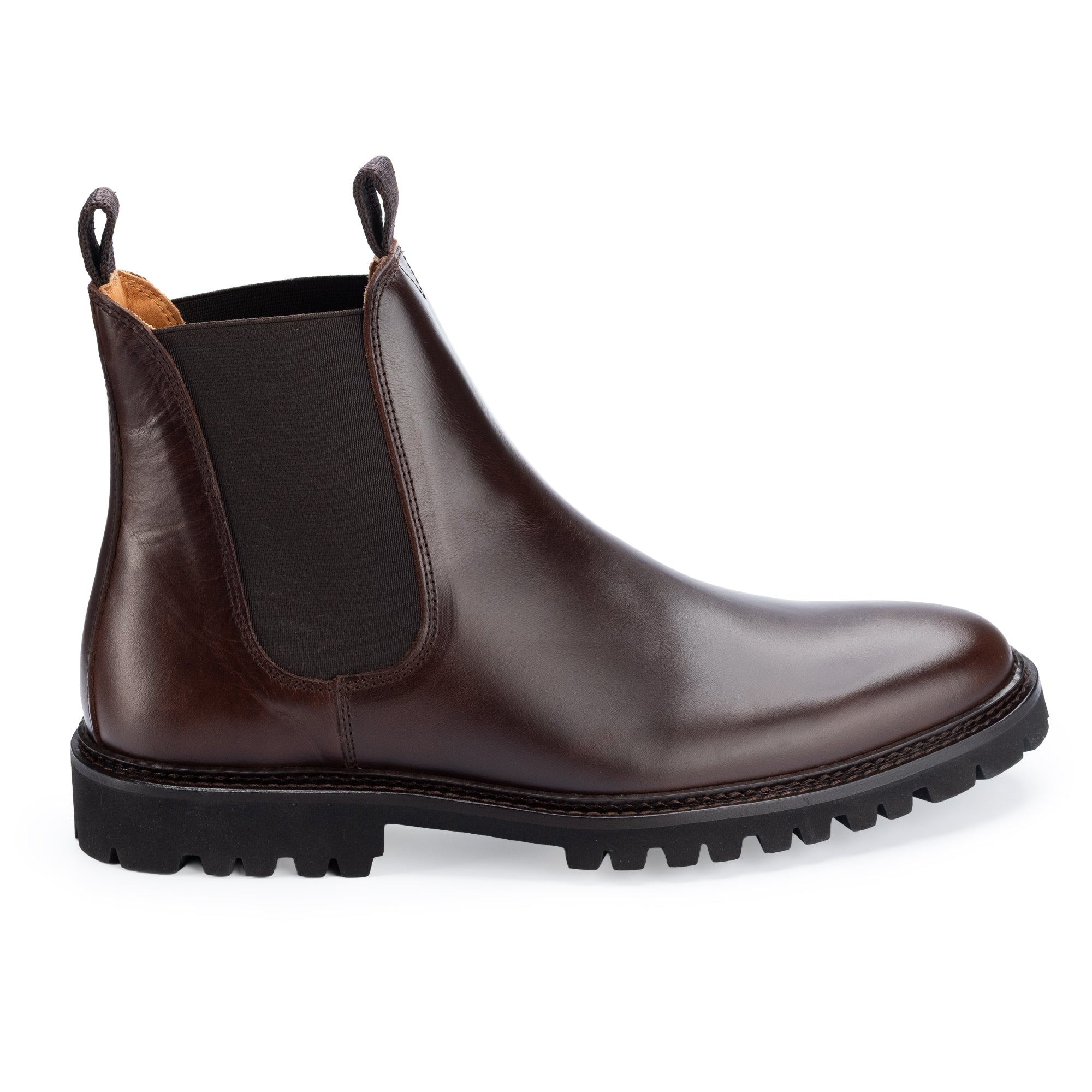
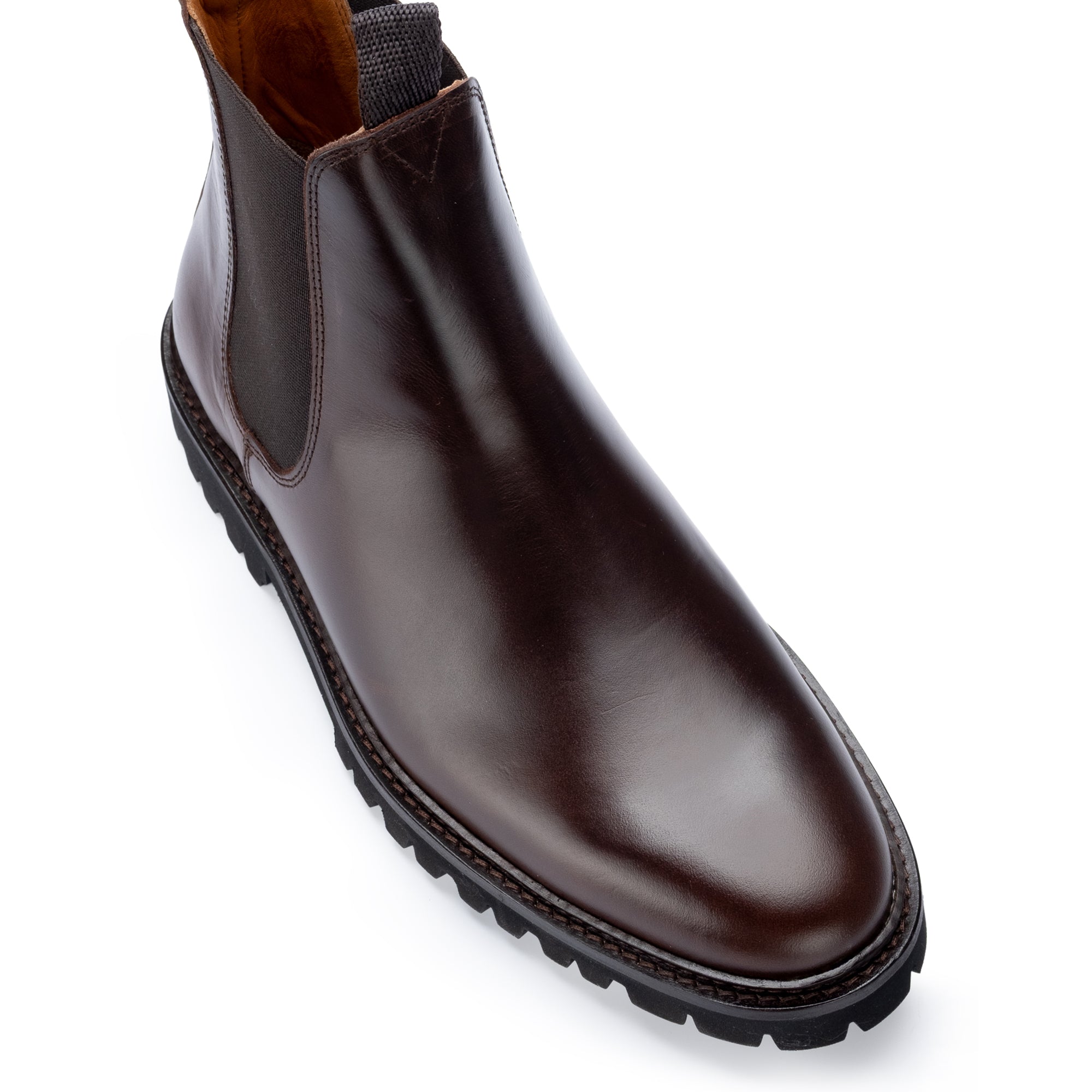
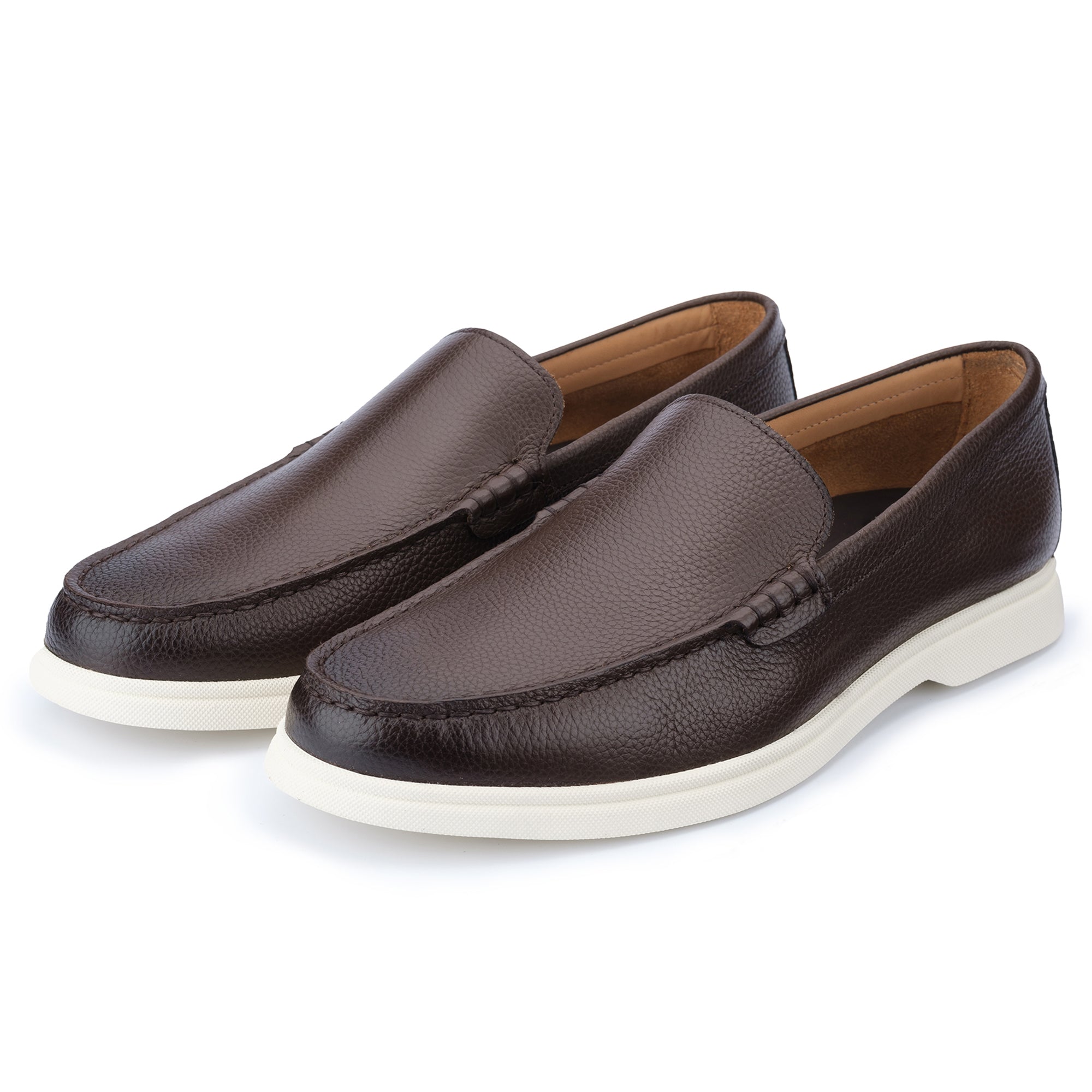
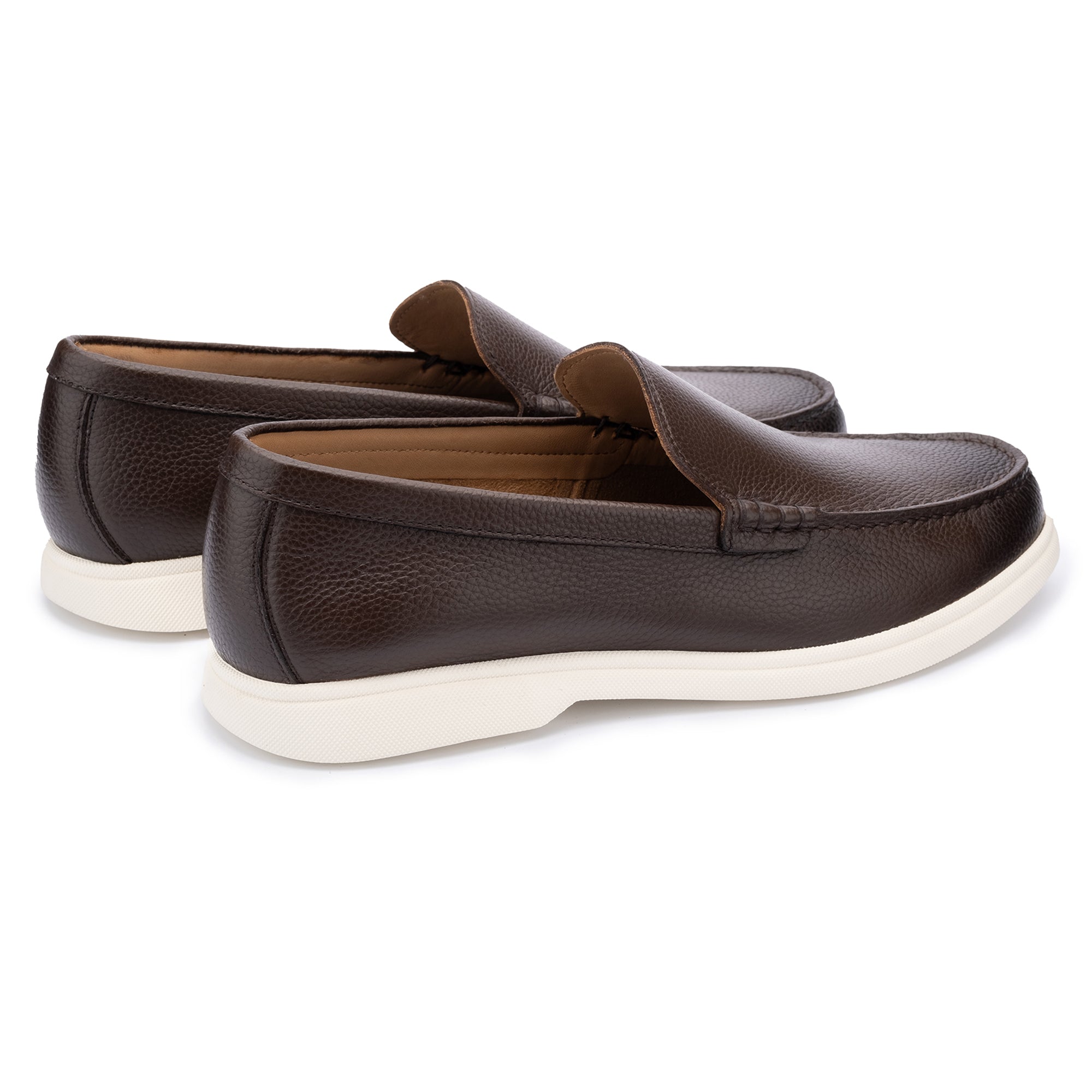
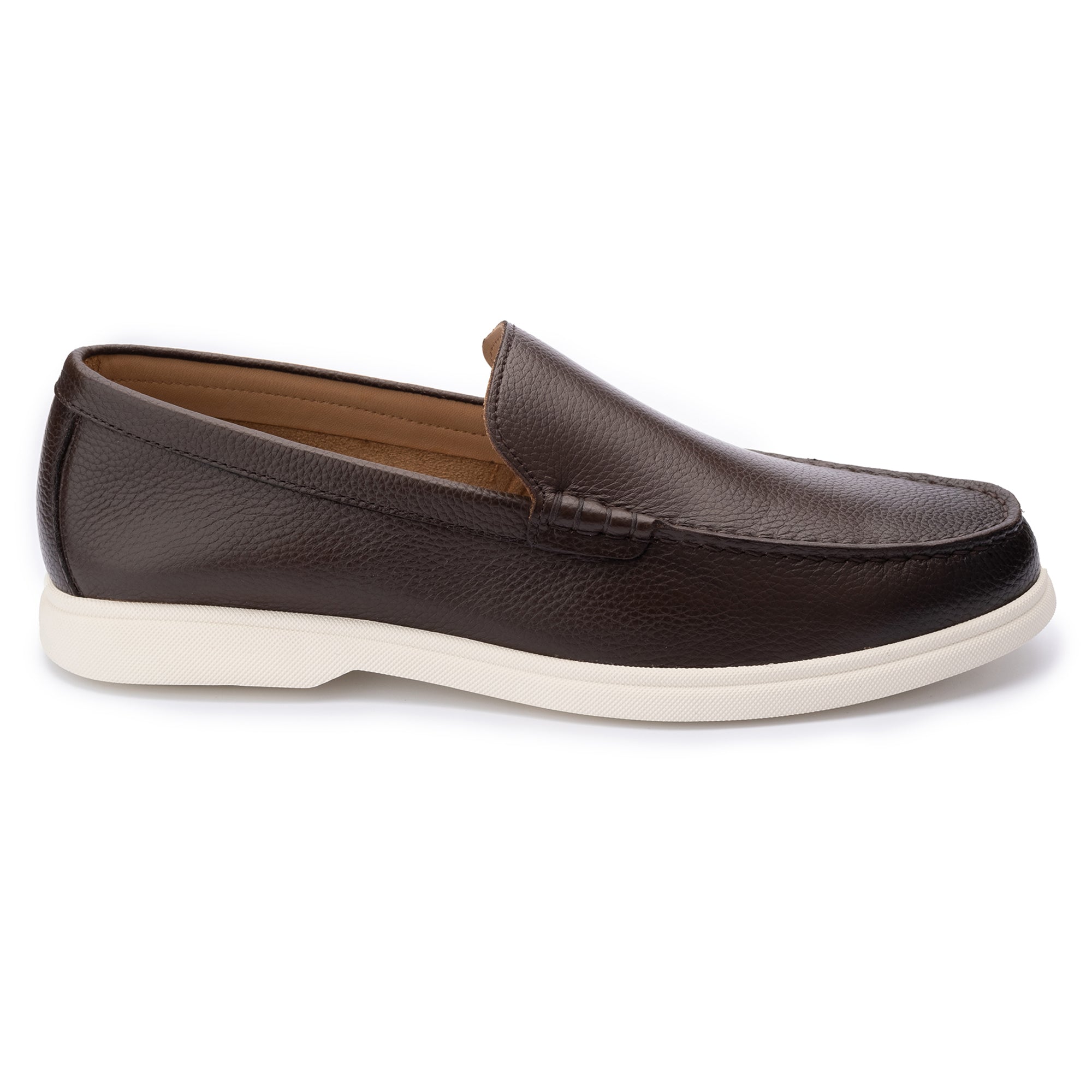
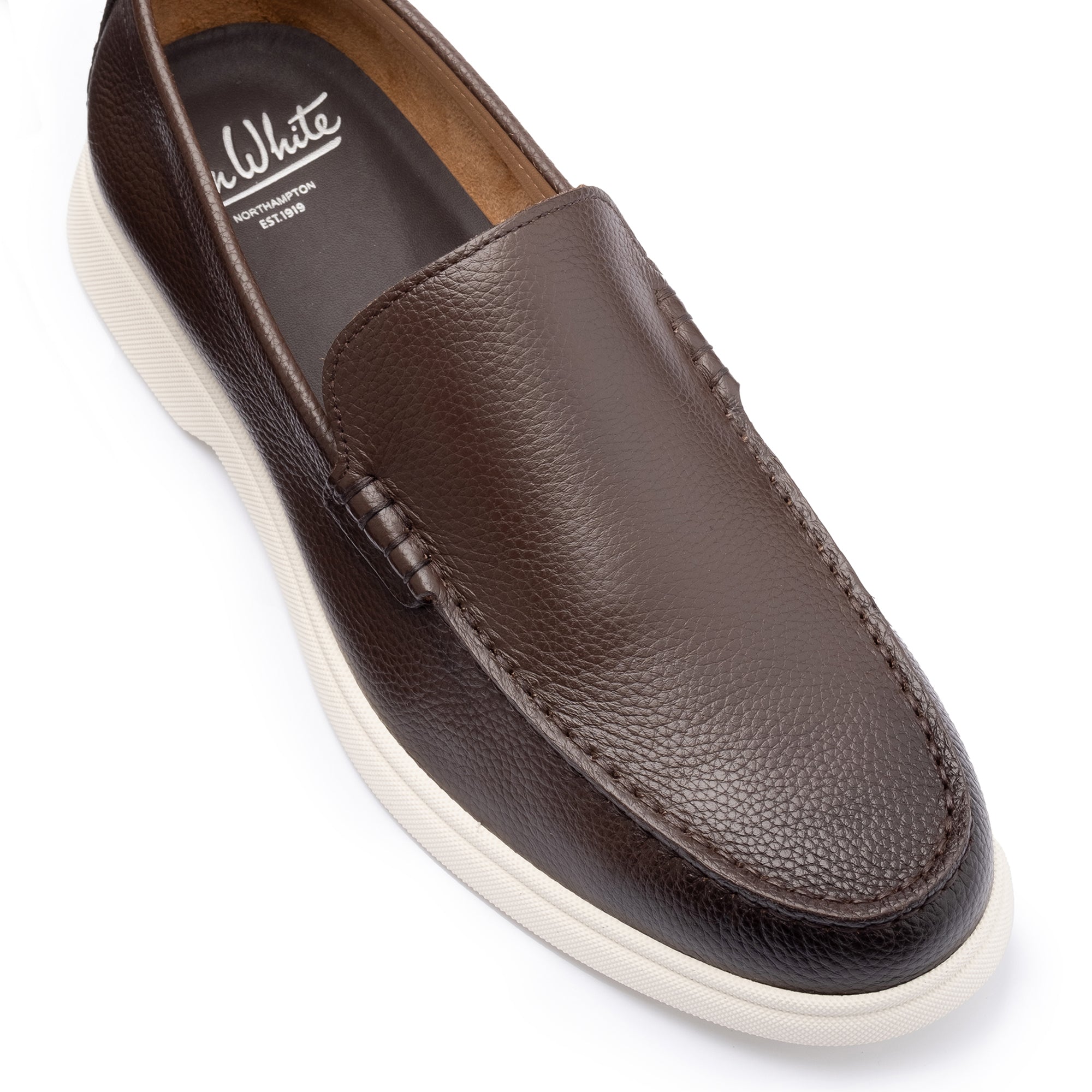
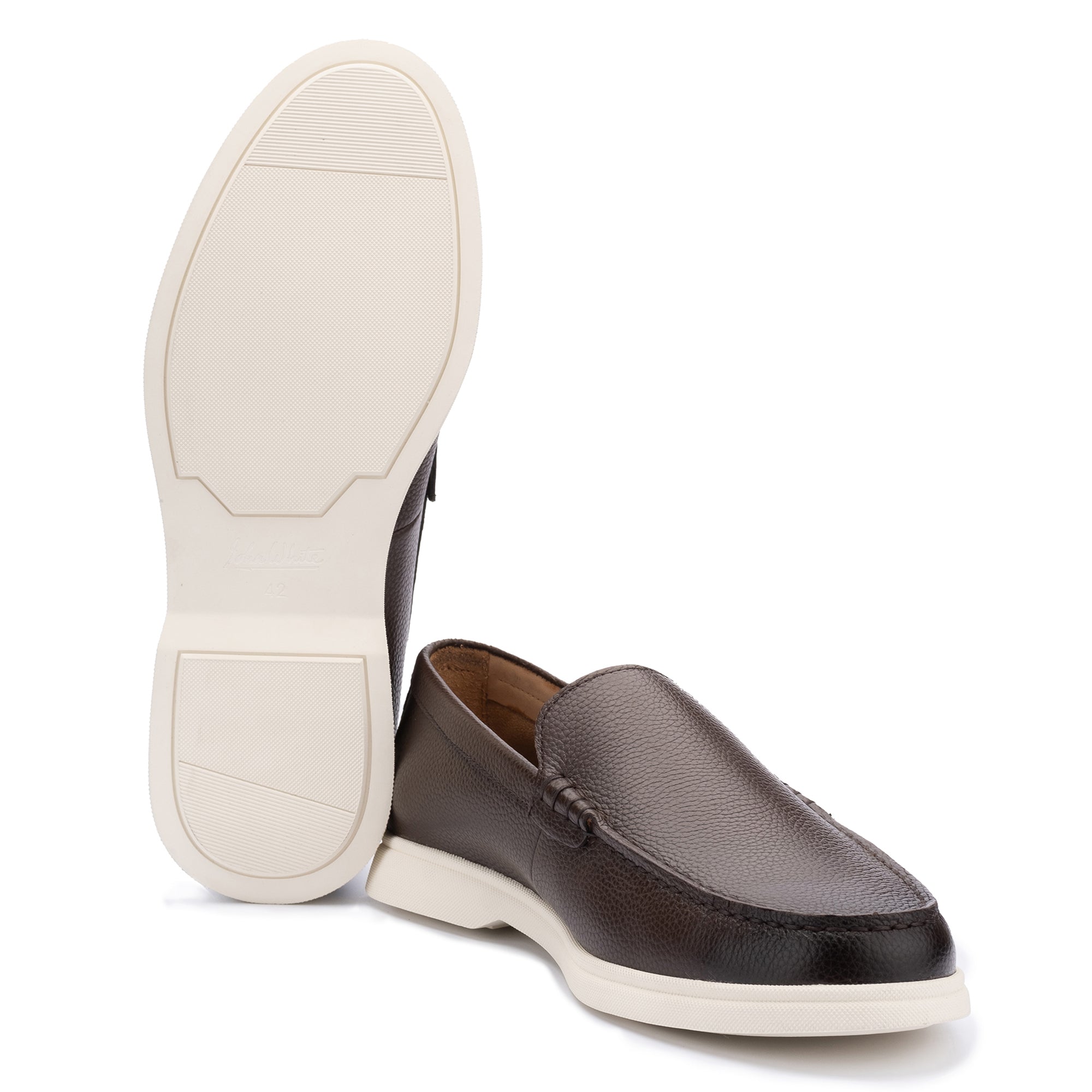
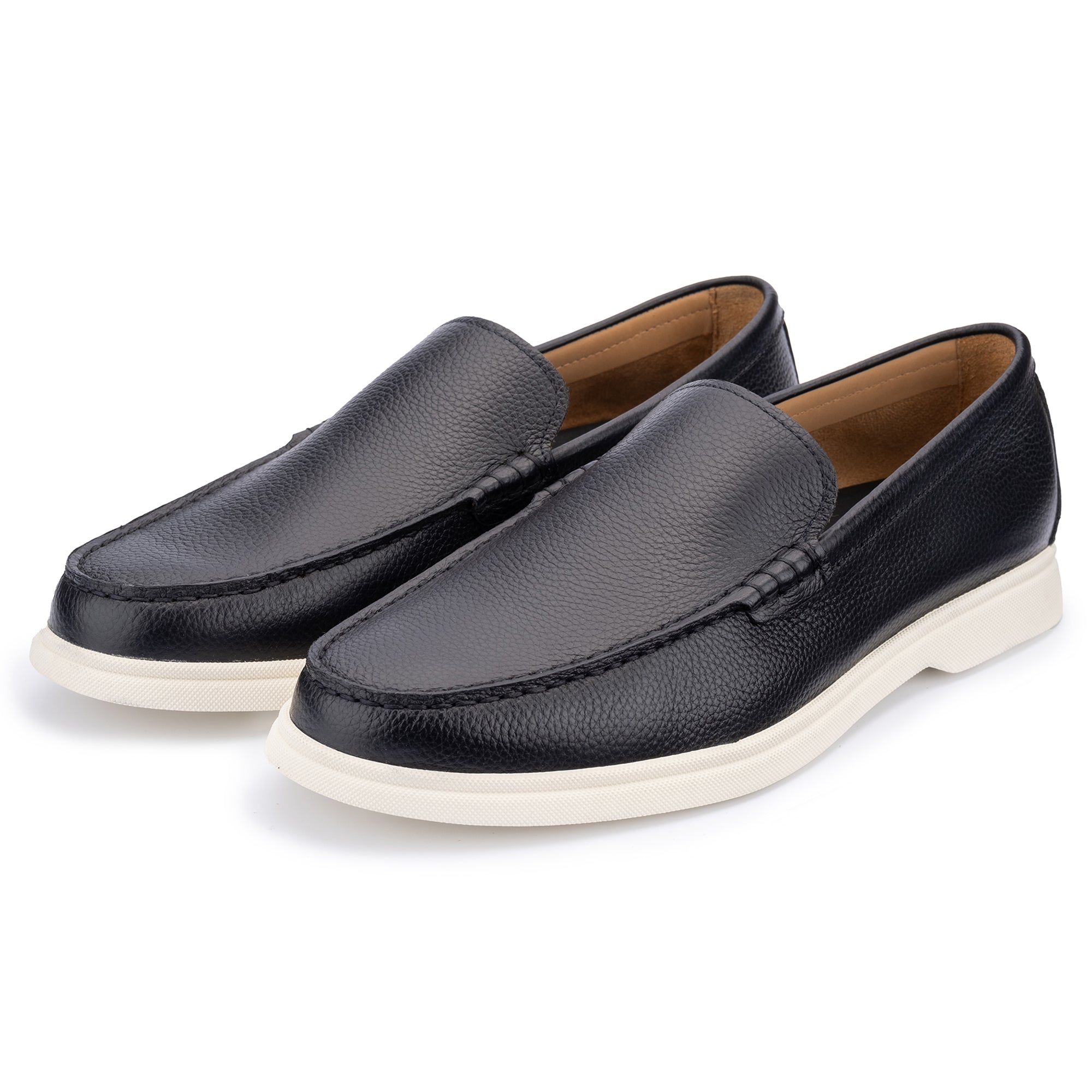
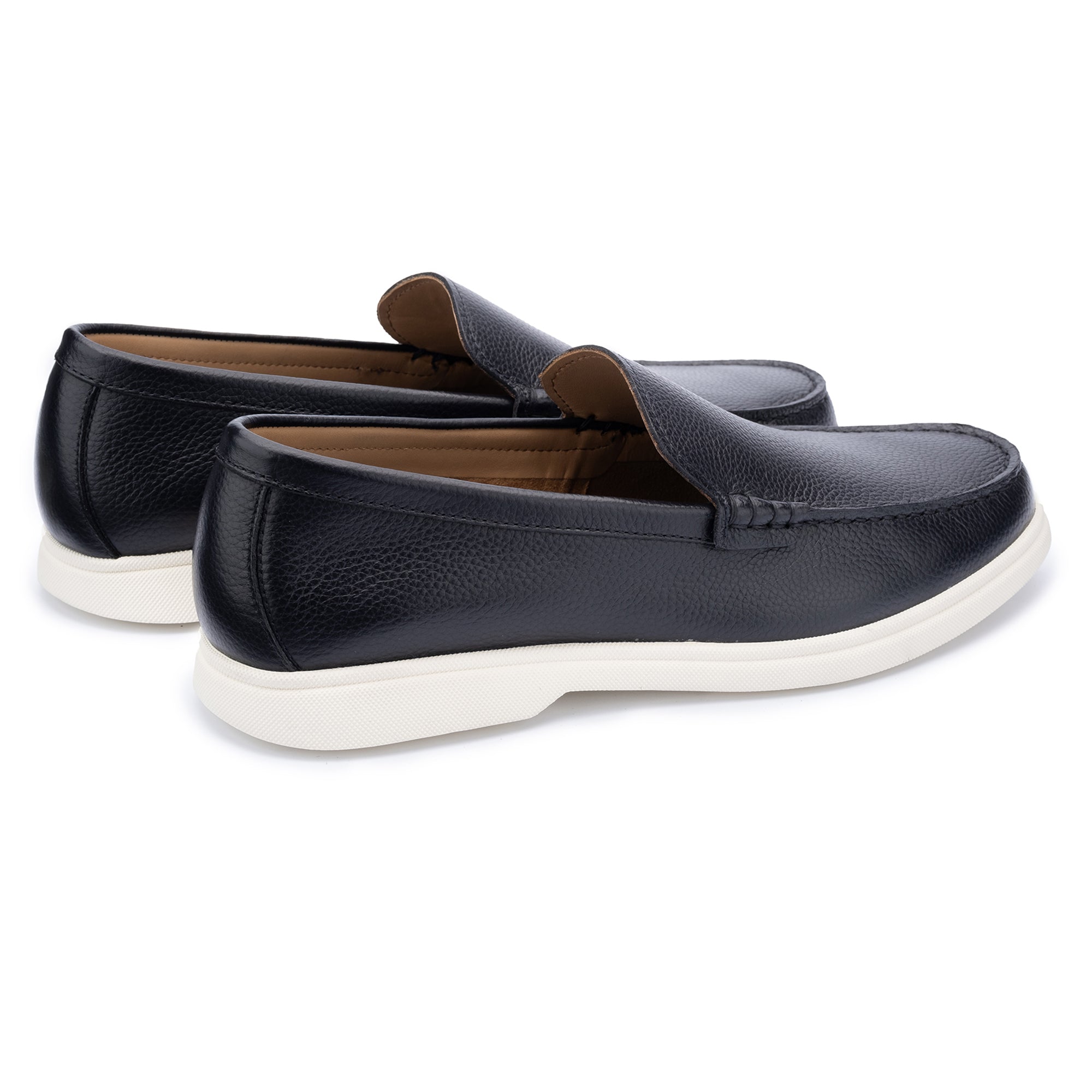
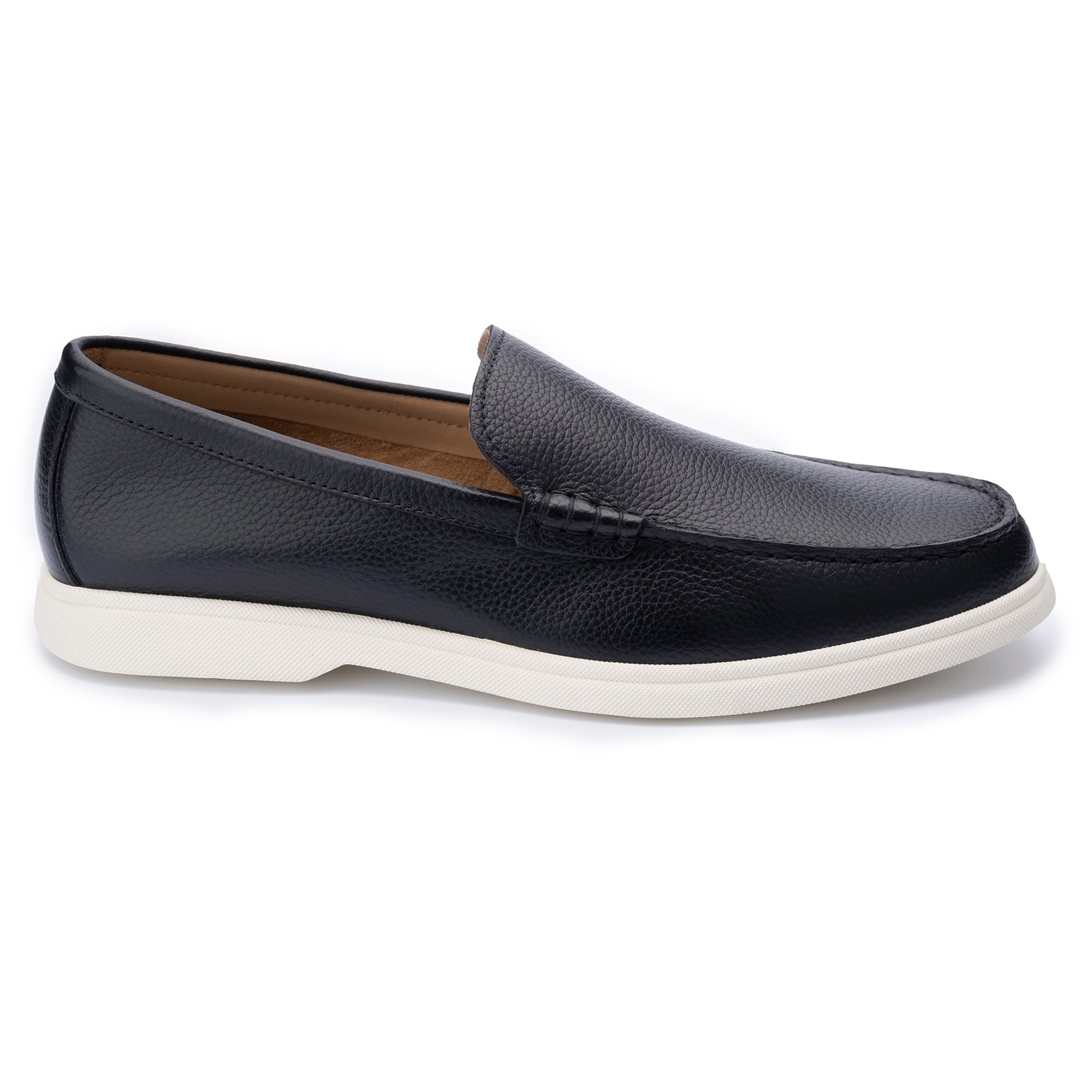
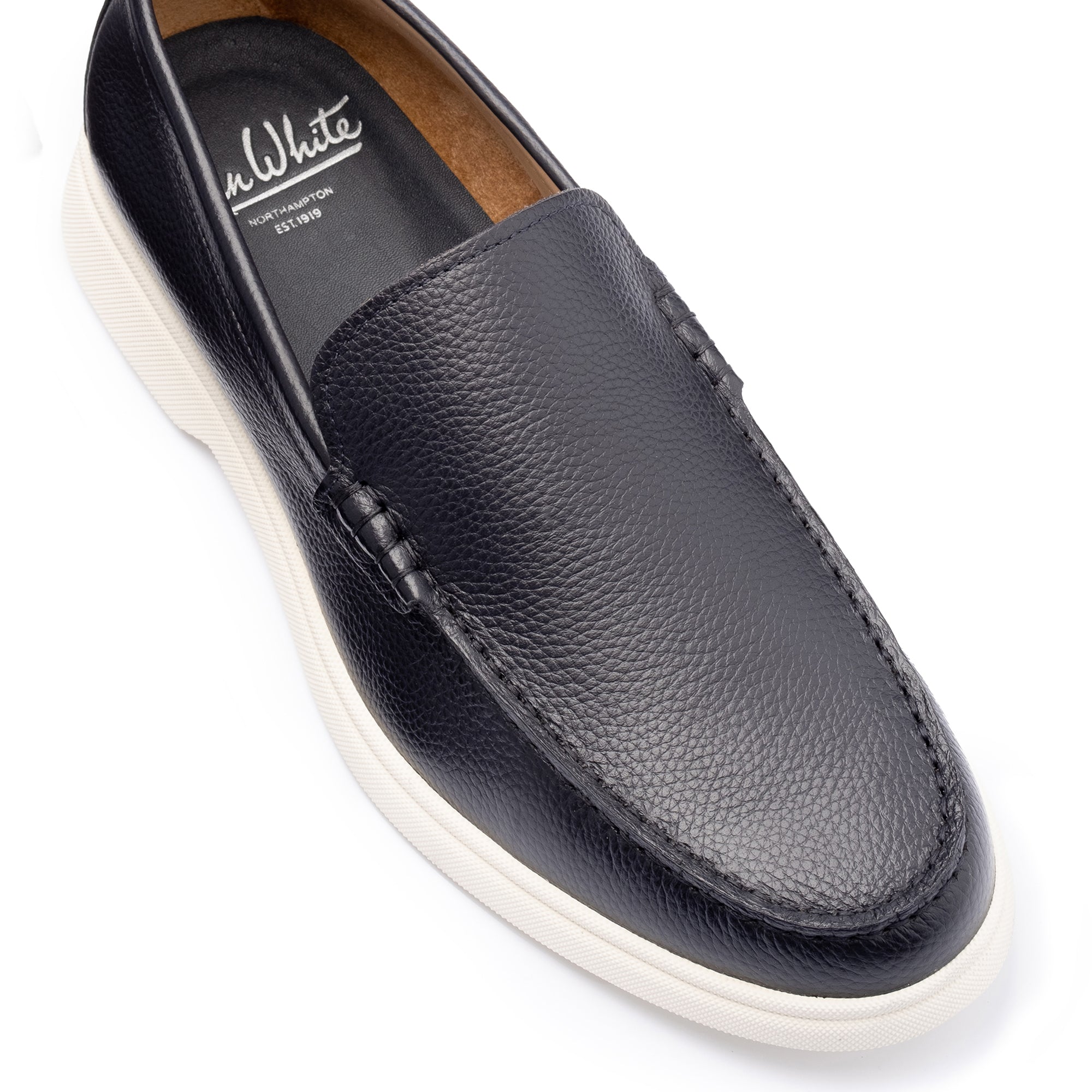
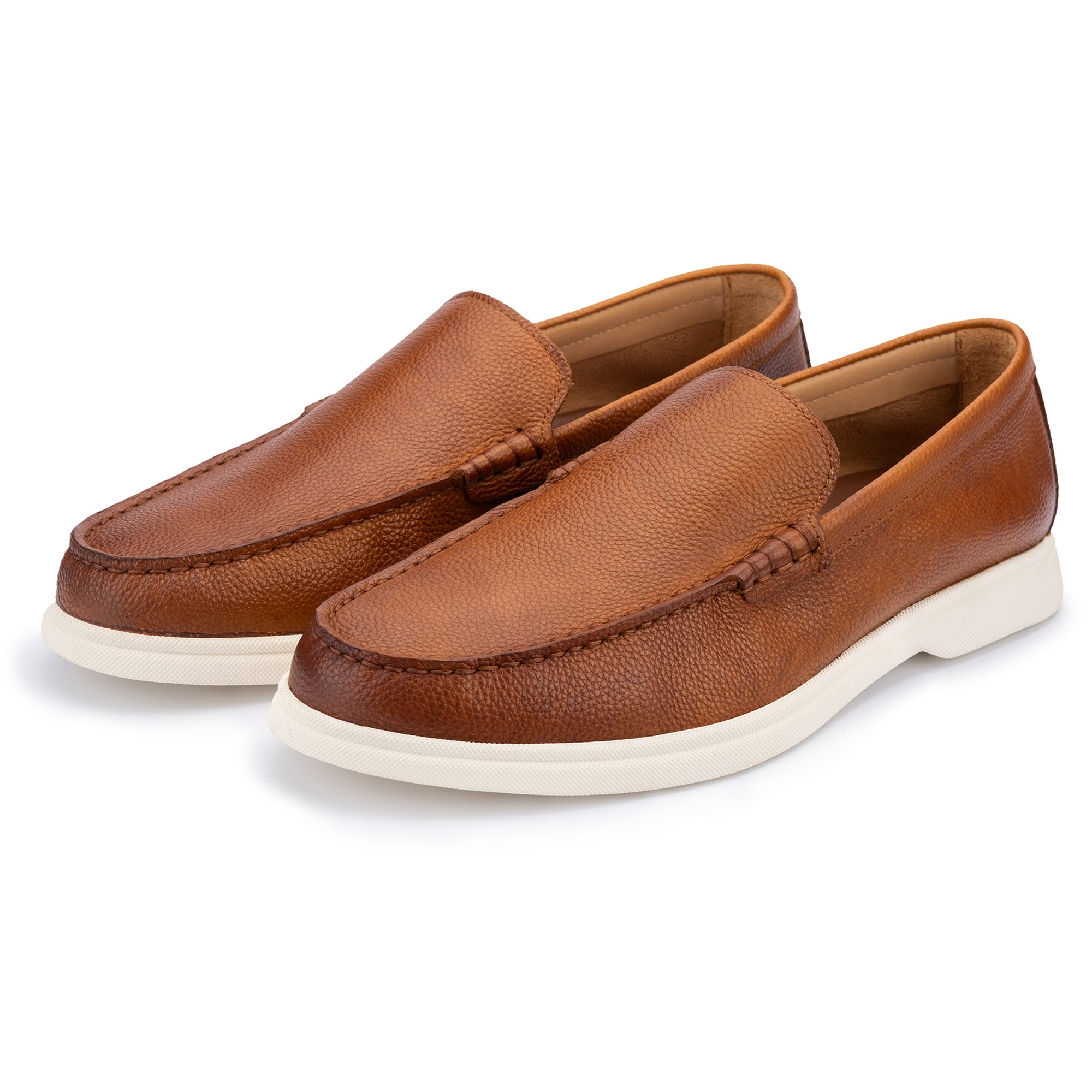
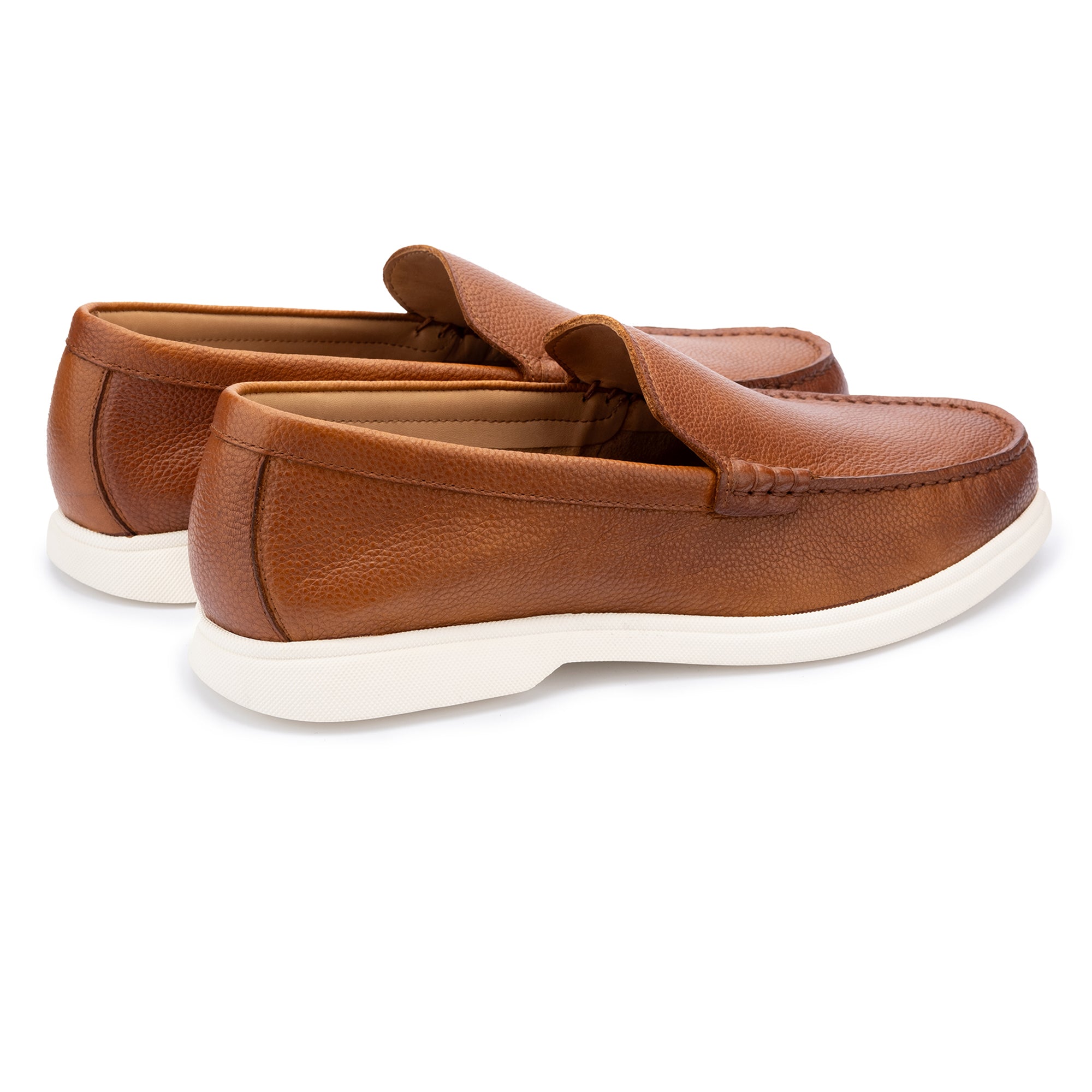
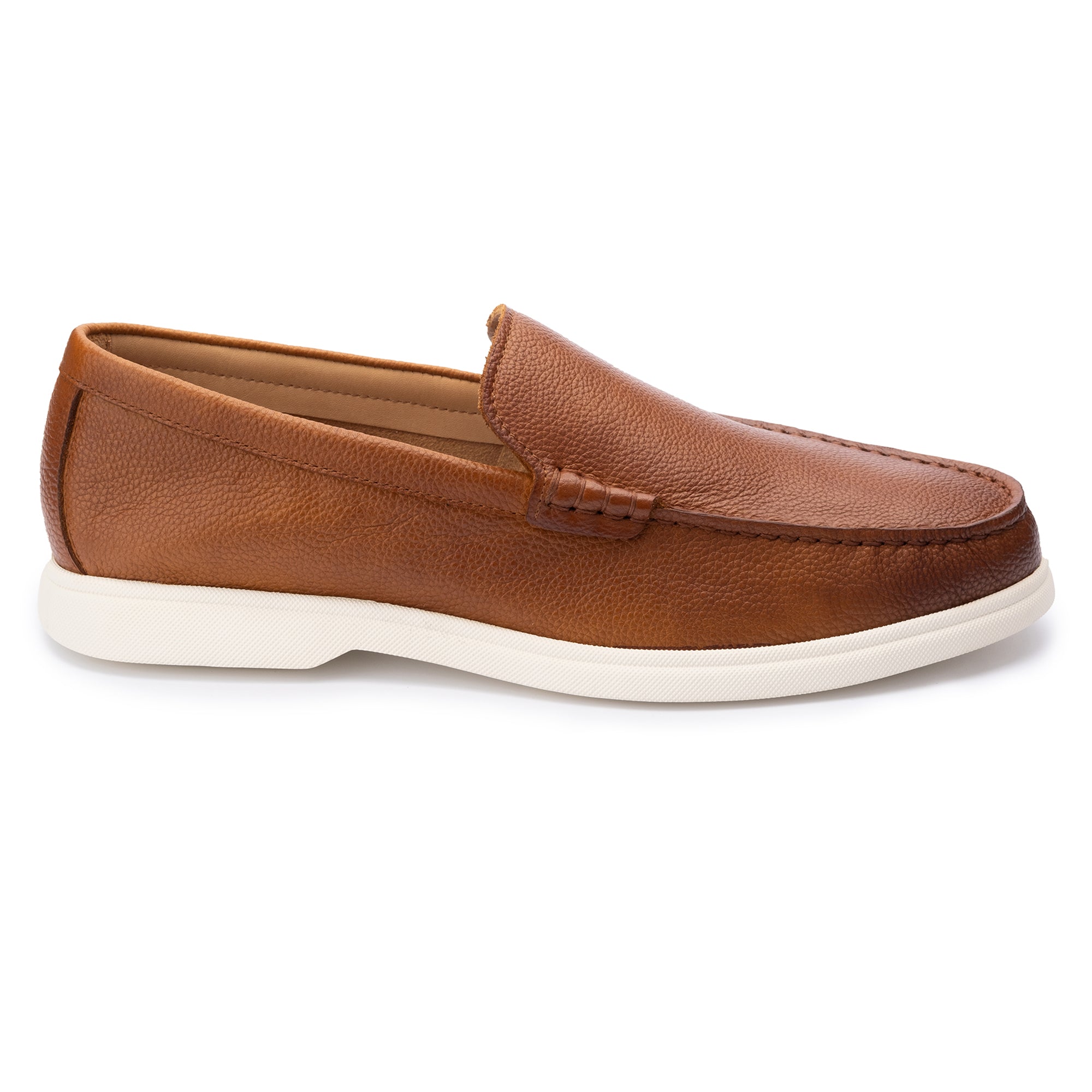
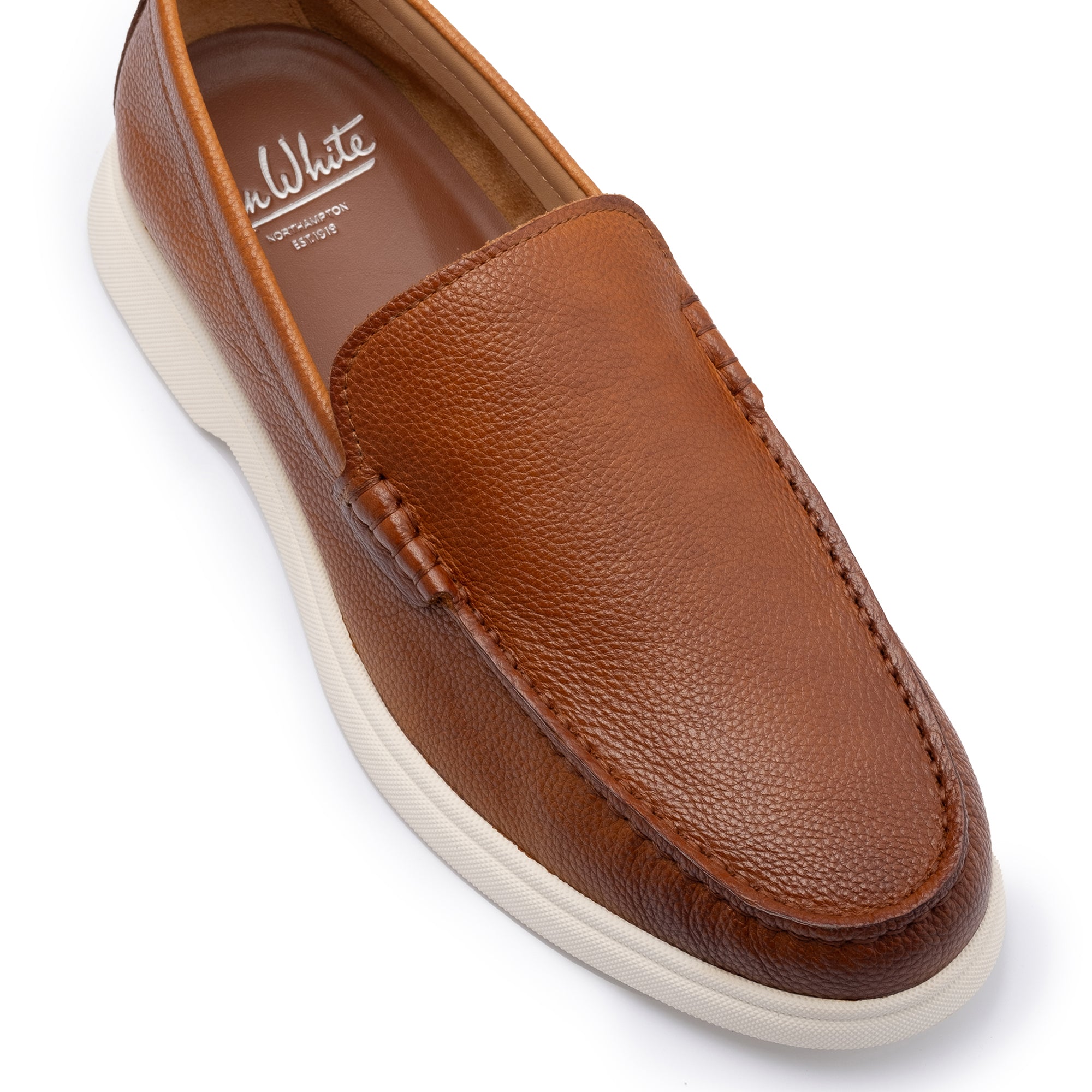
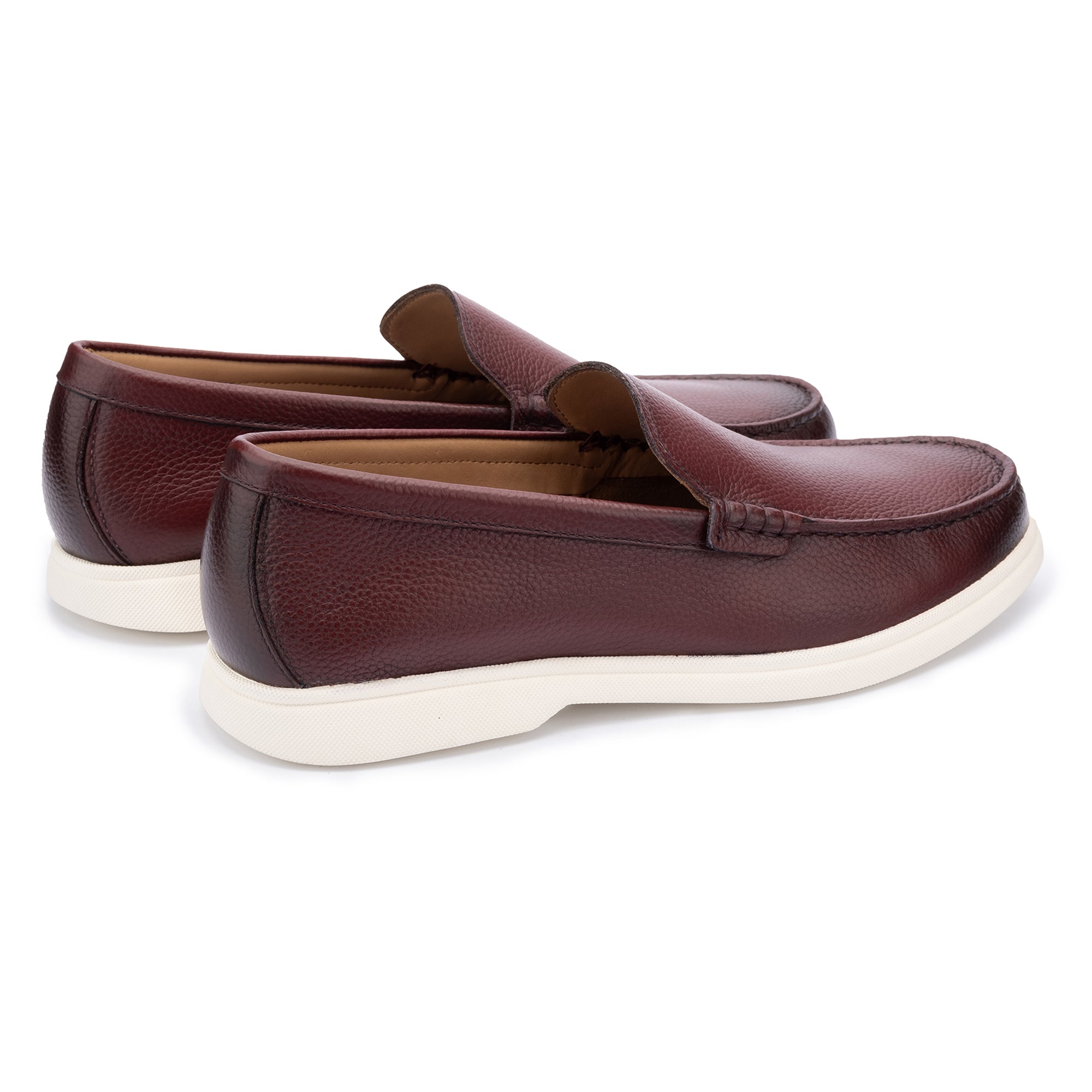
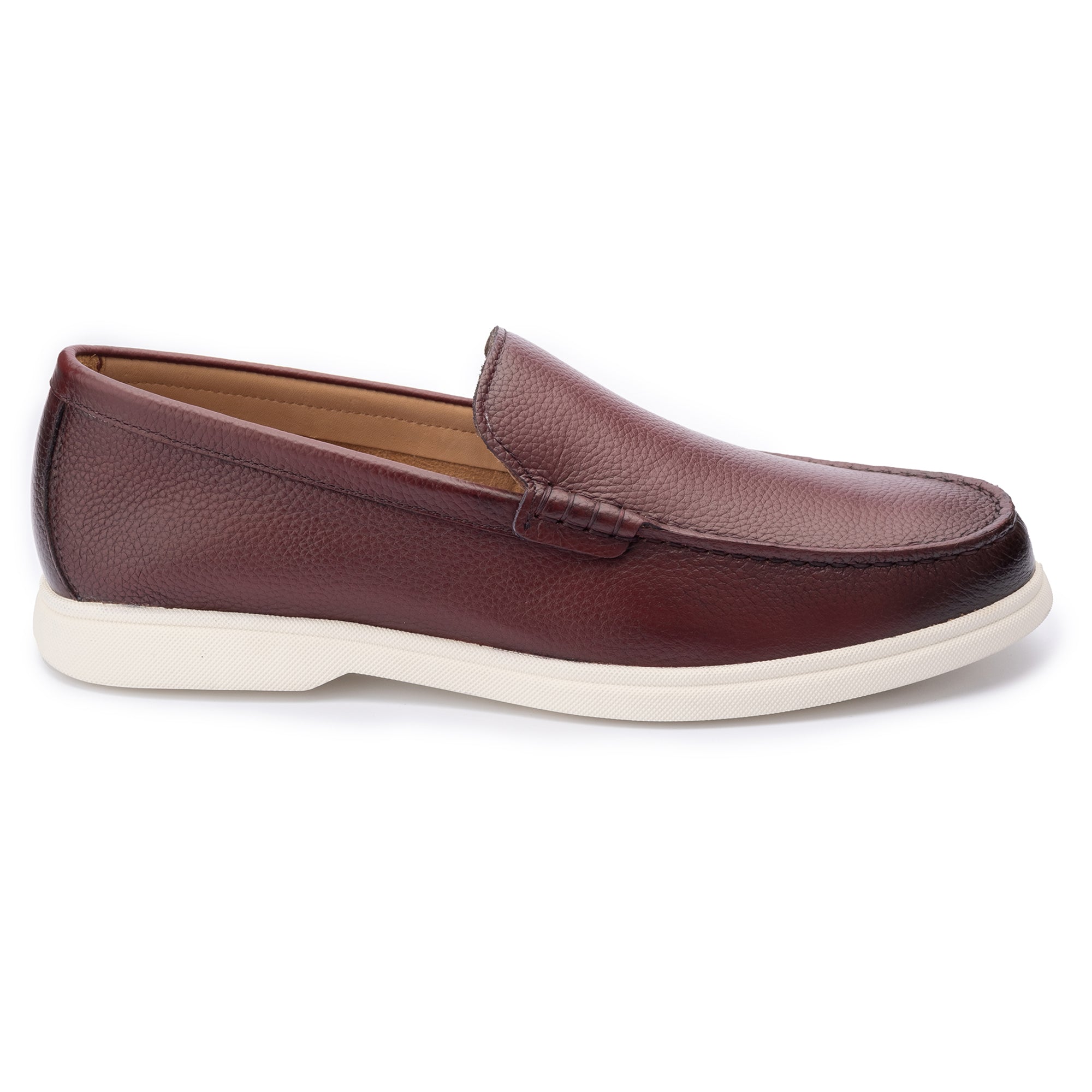
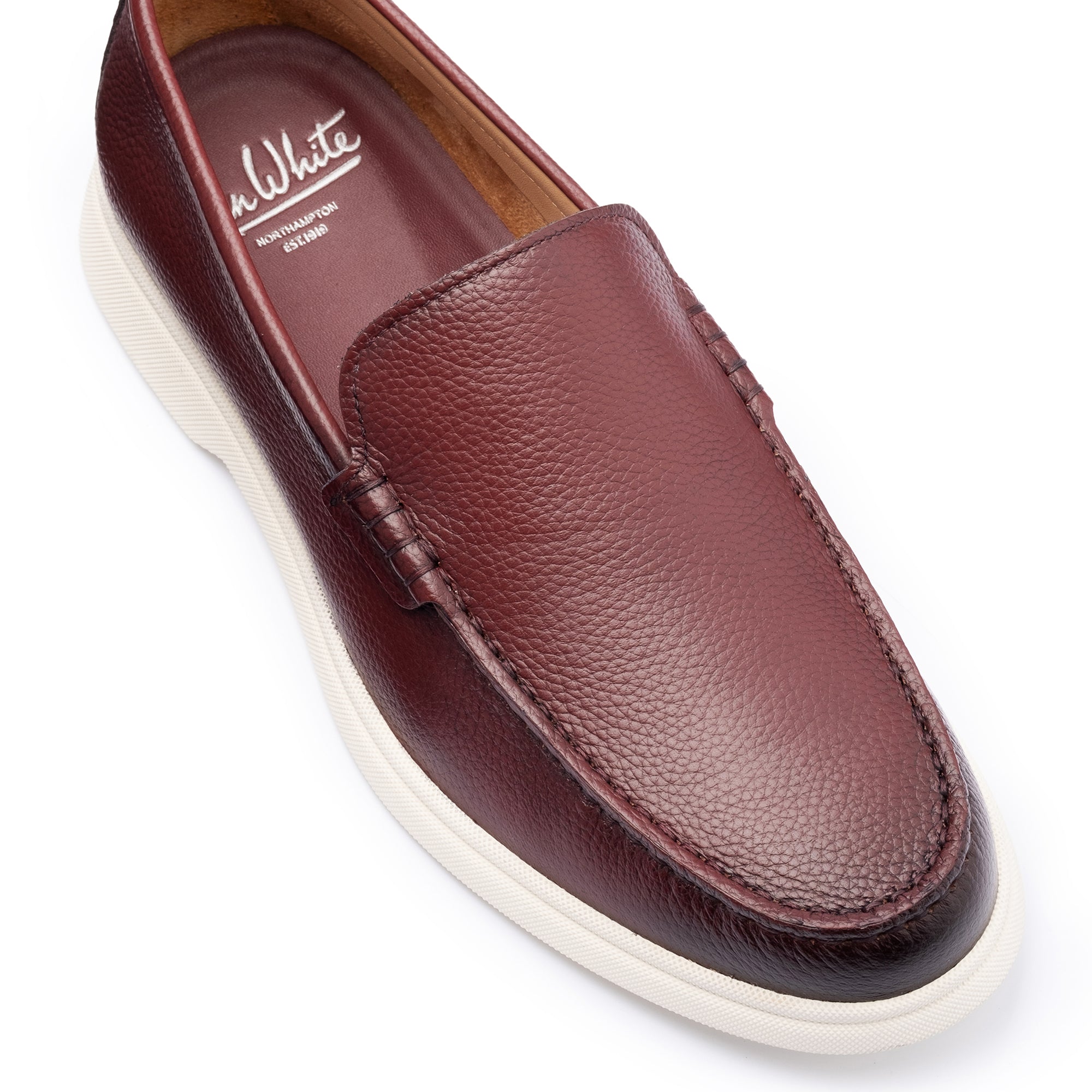
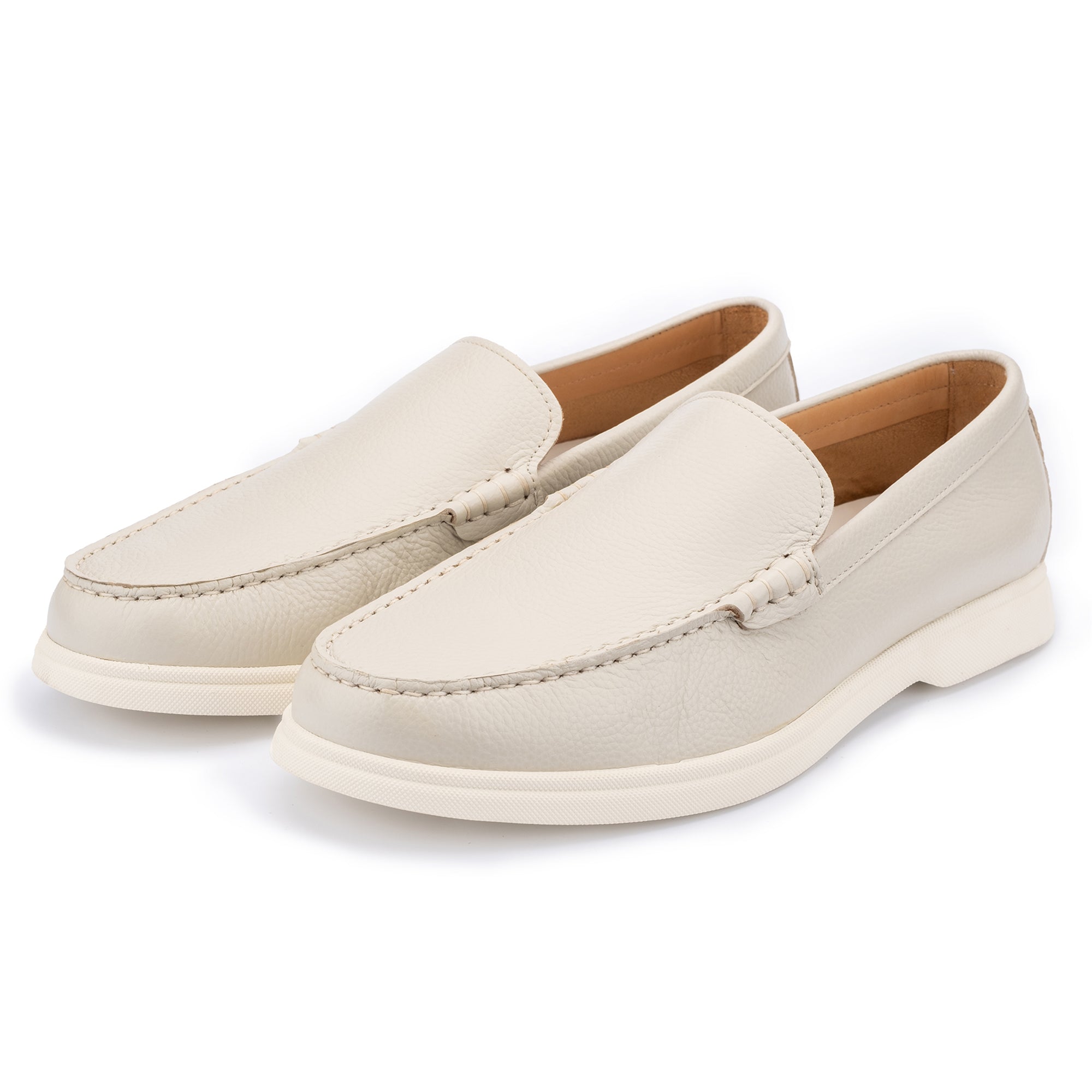
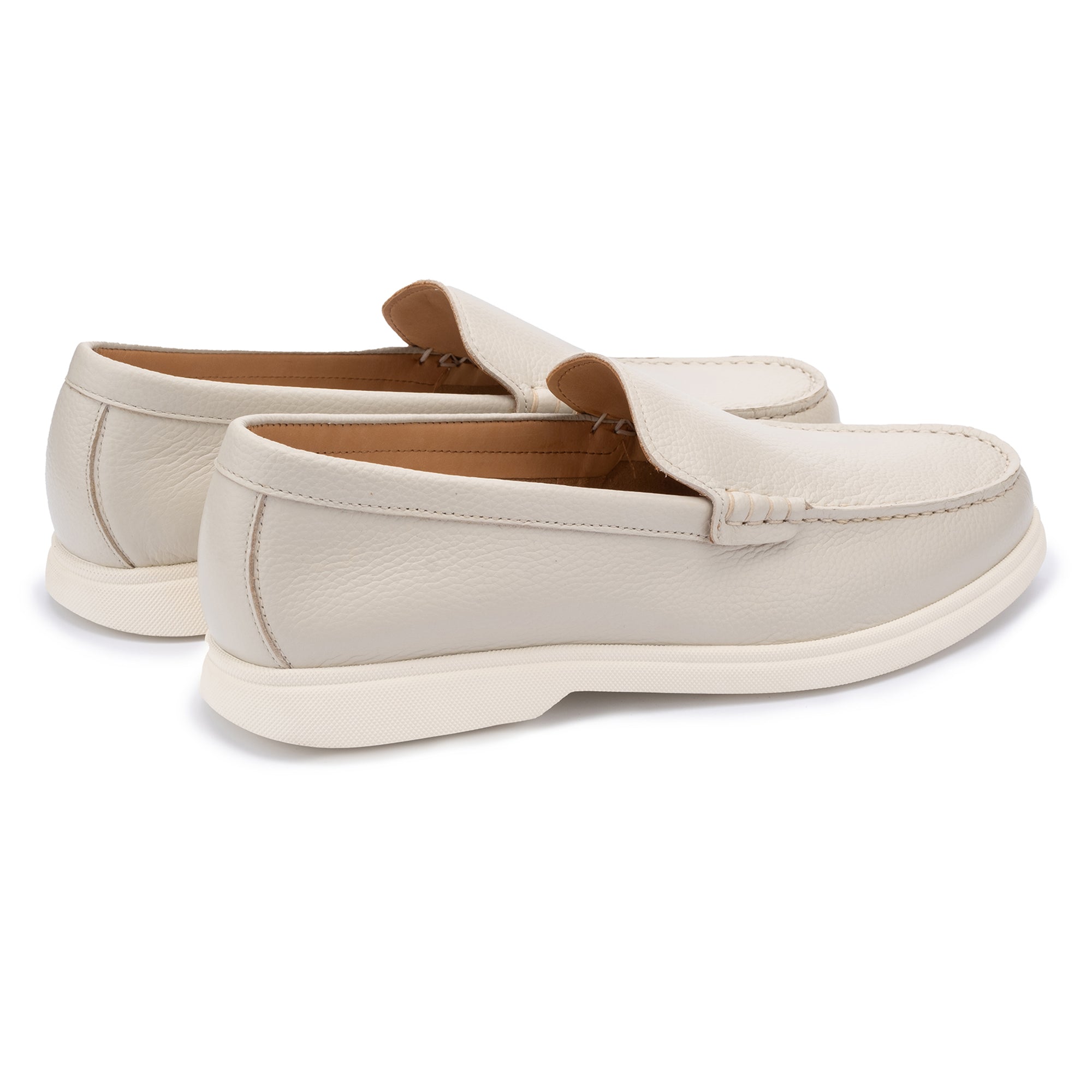
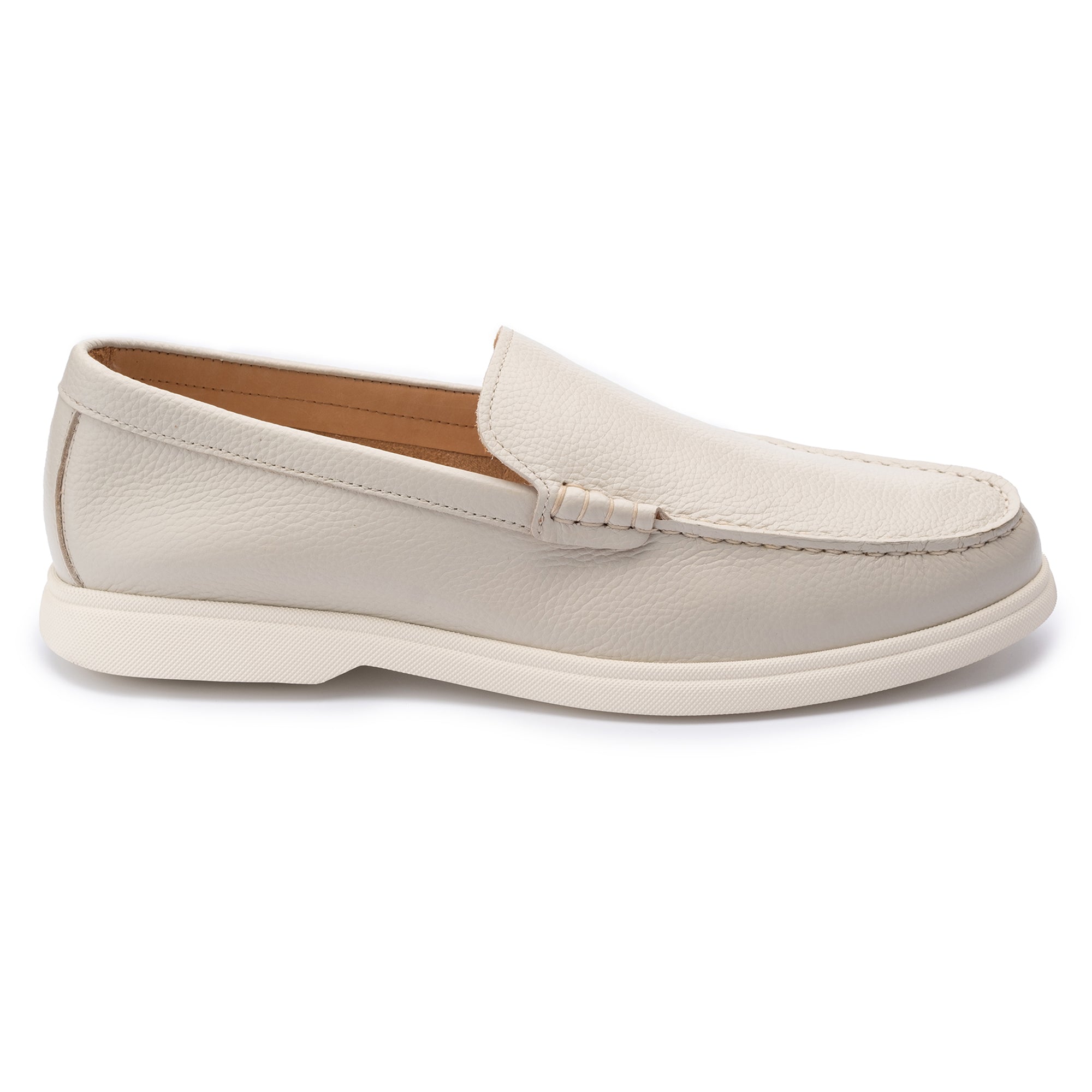
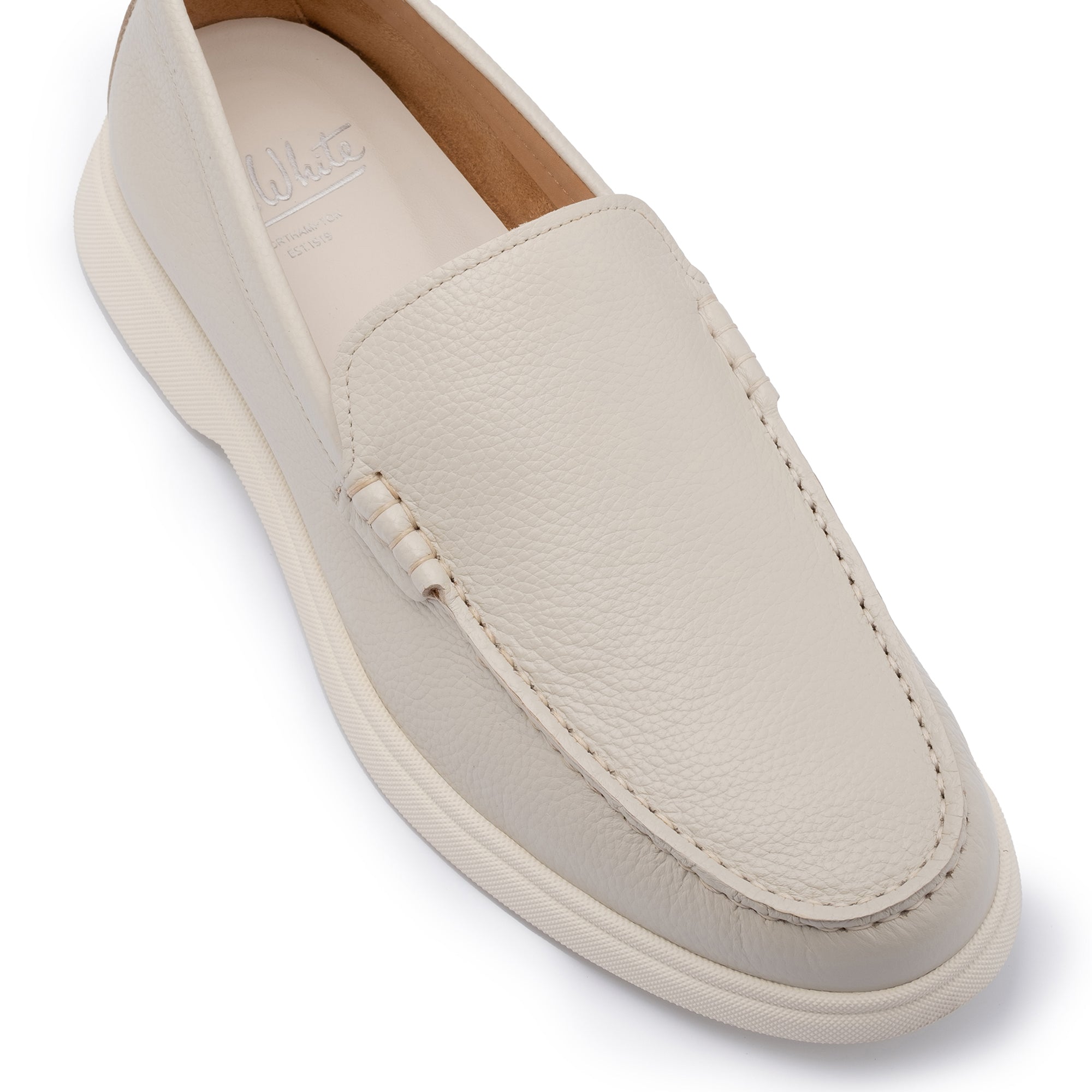
Grain leather is corrected or embossed calfskin with a visible, repeating texture pressed into its surface. It is hardier than smooth calf, more resistant to scuffs and moisture, and easier to clean. The texture — tight, slightly pebbly — gives it a casual authority that reads as relaxed rather than formal.
Grain leather holds its colour well across a season. It does not need the intensive conditioning regimen of smooth calf. A wipe with a damp cloth, occasional application of wax polish, and it stays presentable. In summer — particularly British summer, which will test any material with unexpected rain — that resilience is worth something.
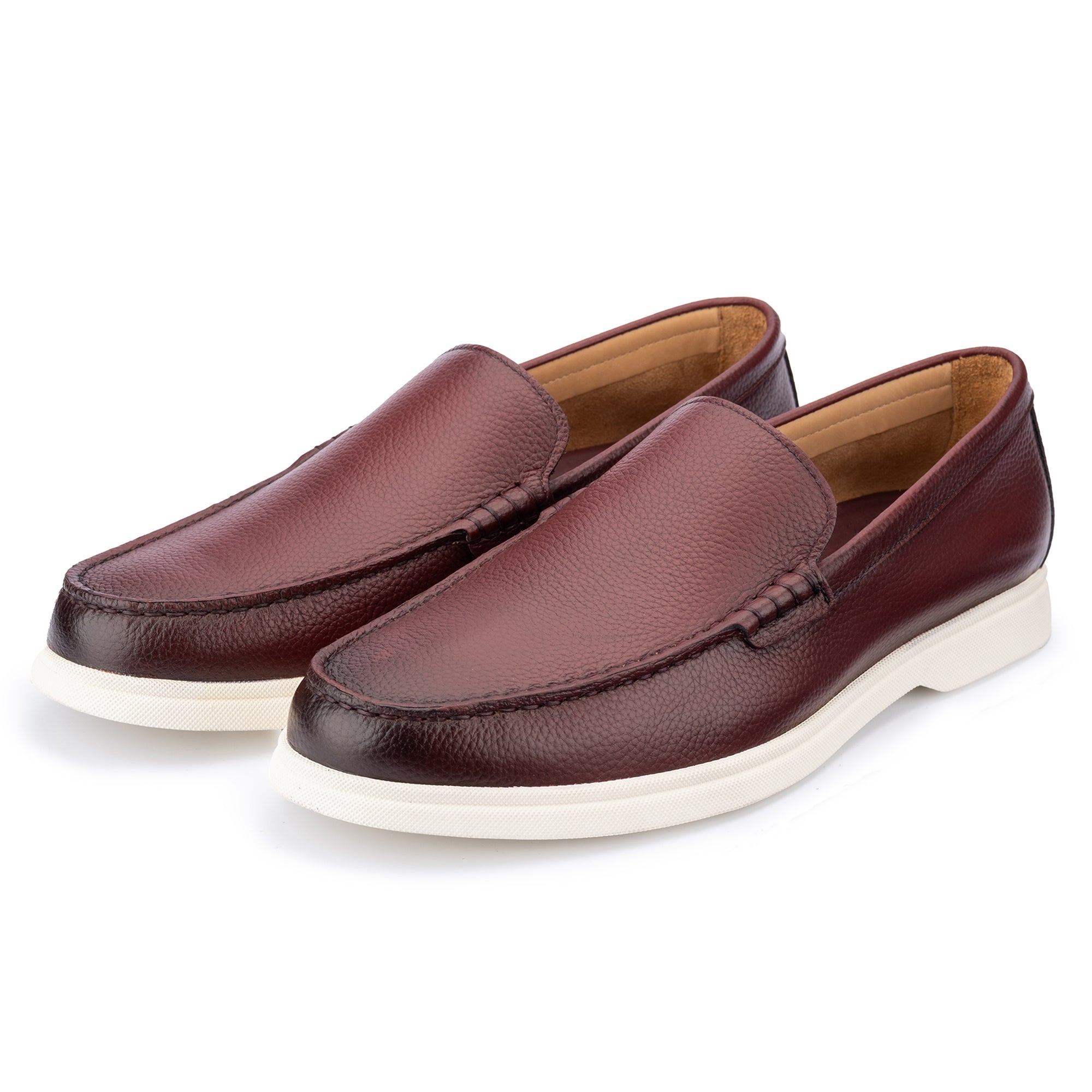
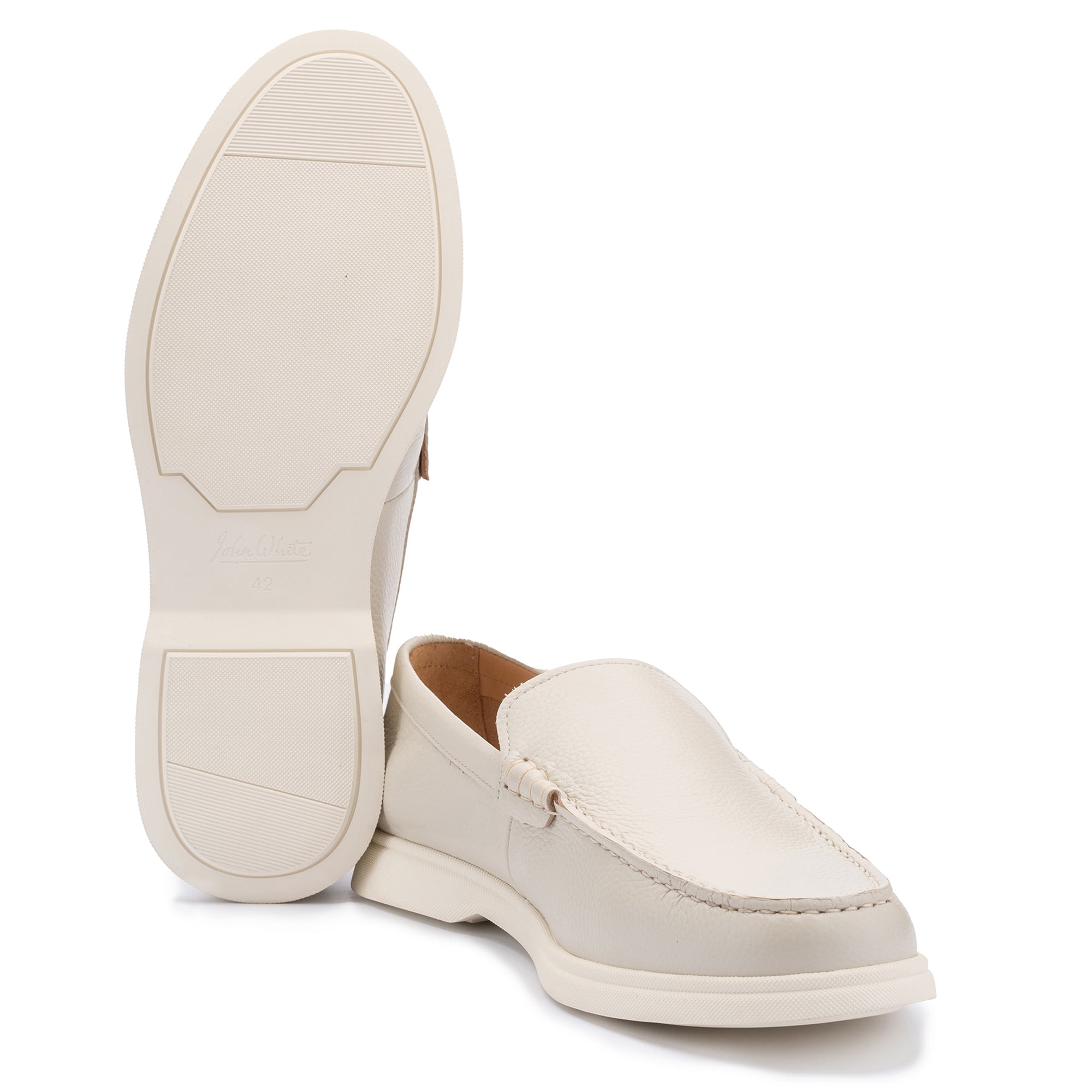
The Ethan Plain Tumbled Grain Loafer comes in Brown, Navy, Pearl, Tan, and Wine — an unusually wide range for a single style. The tumbled grain adds a slightly worn-in dimension that prevents it looking stiff or precious, even on first wear. The Pearl colourway in particular is a considered choice for summer: light without being white, easy against linen or cotton.
The Portus Loafer is also available in grain leather in Brown — a cleaner, more classic silhouette for those who prefer a less casual loafer form. Pair it with chinos, tailored shorts, or cotton trousers and it will not look out of place.
What Is Suede?
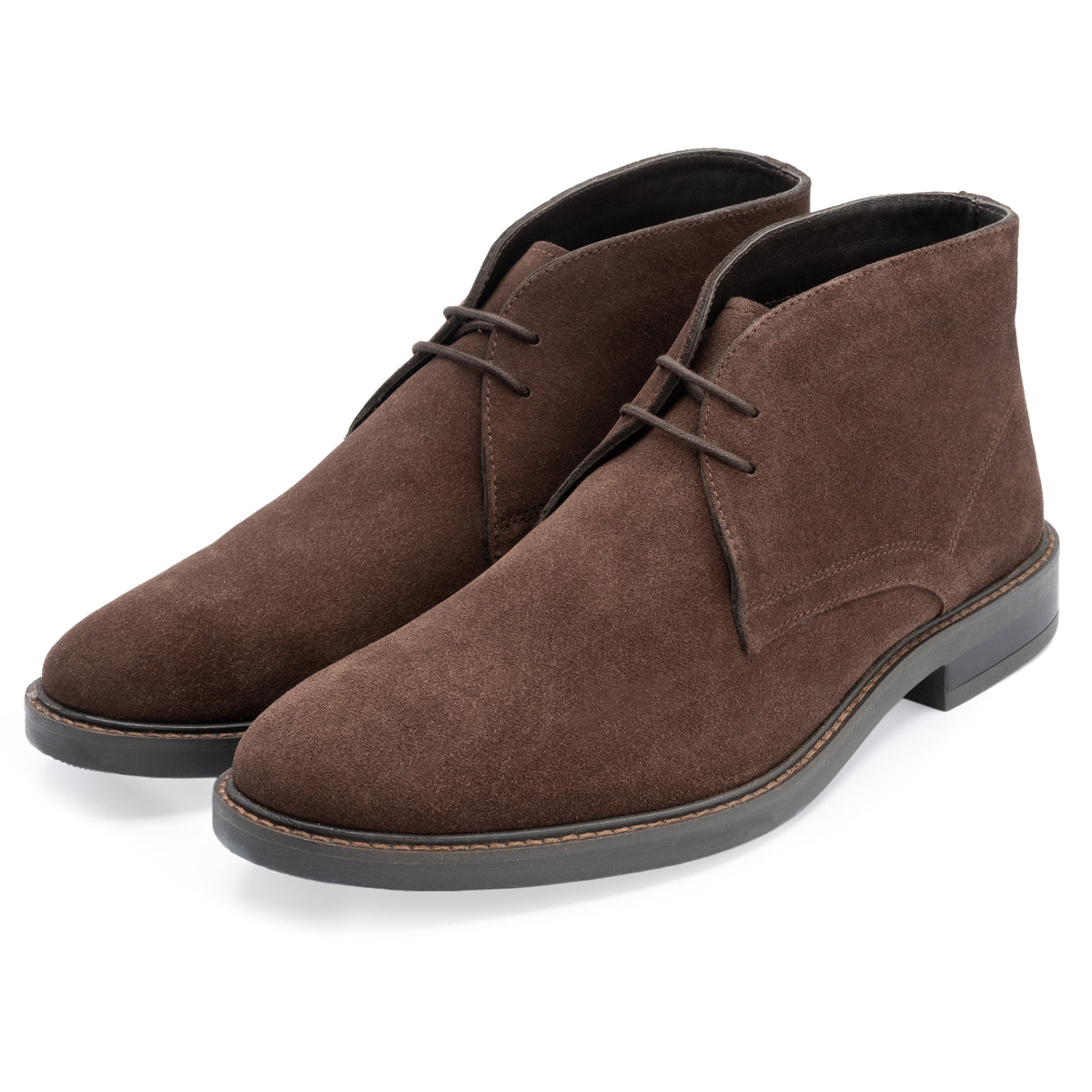
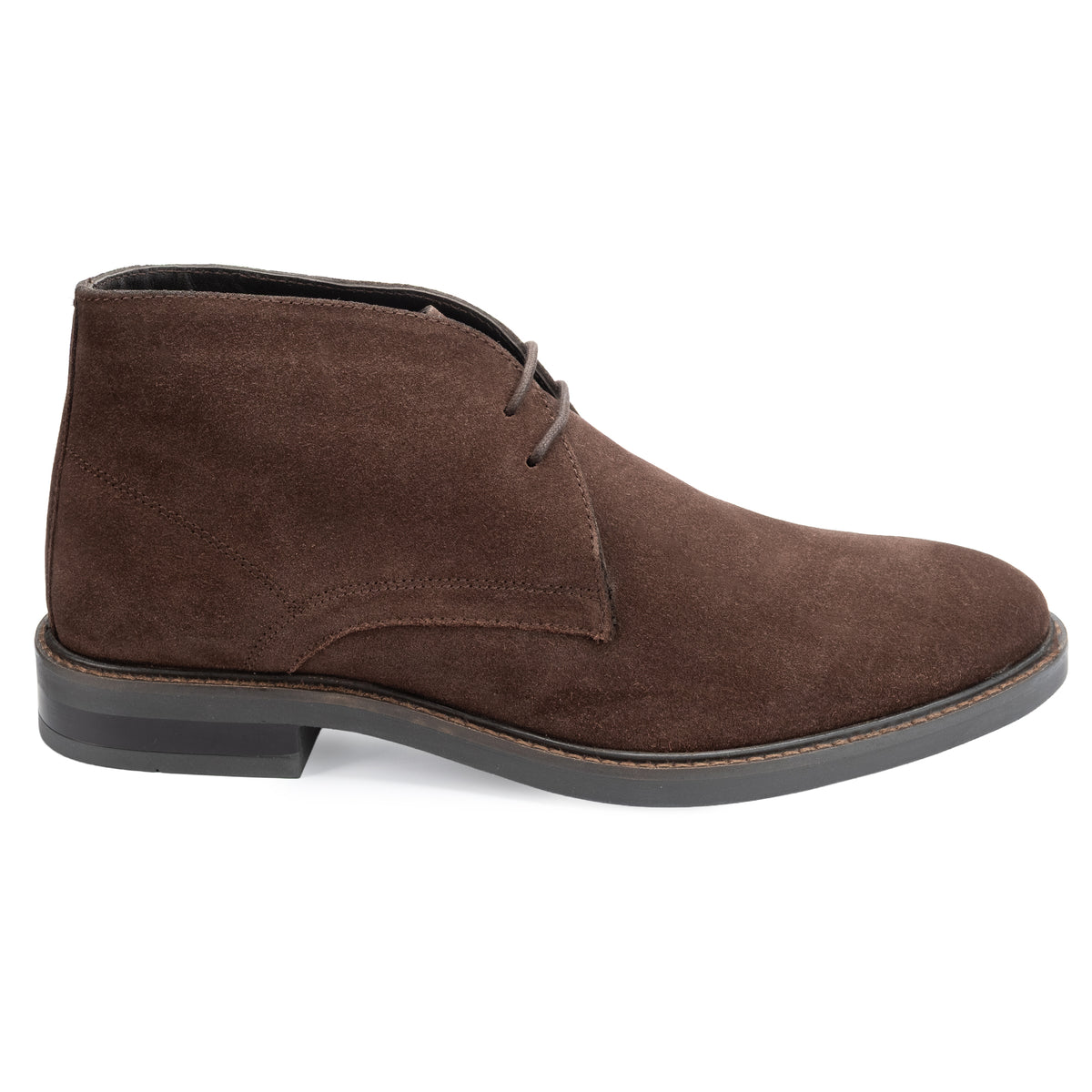
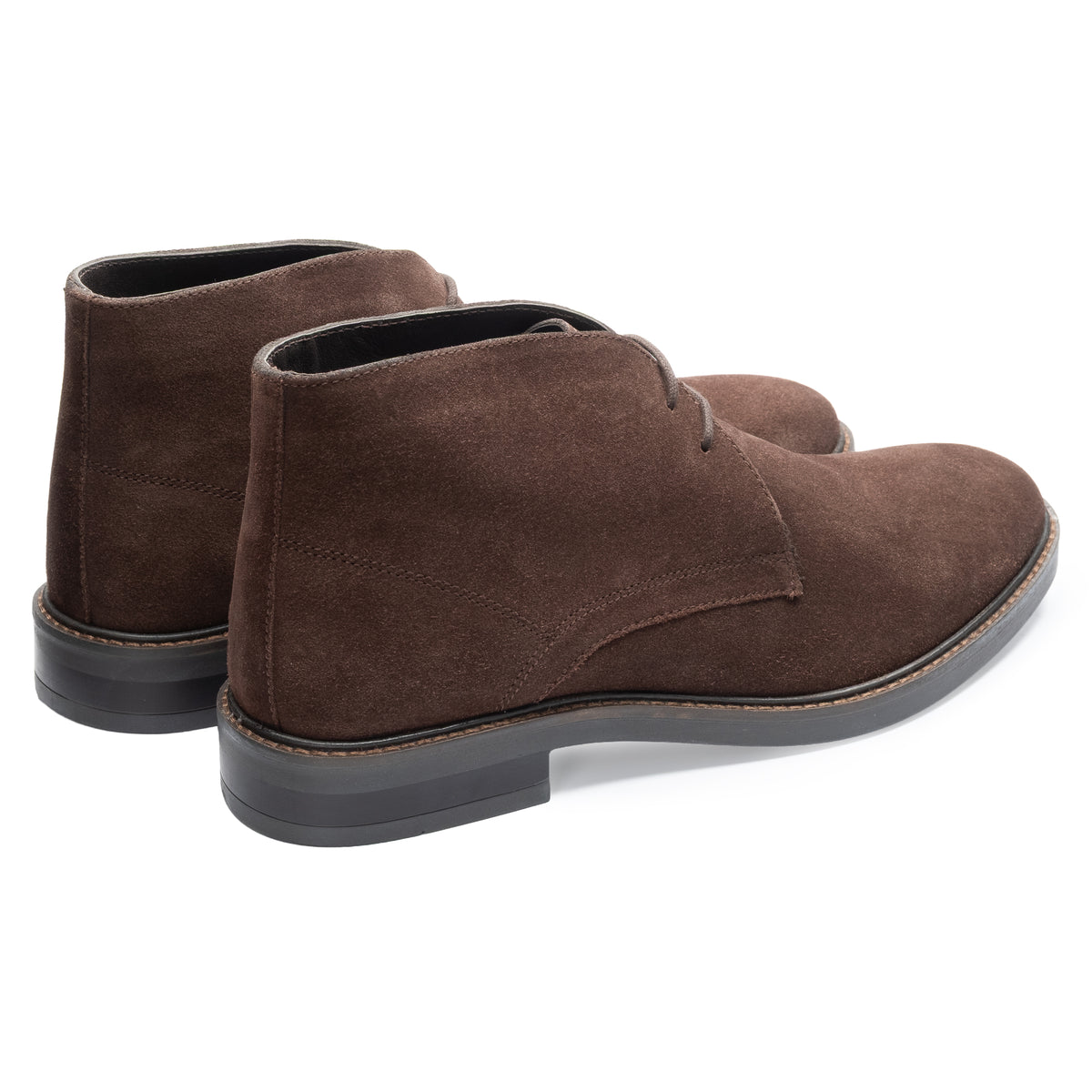
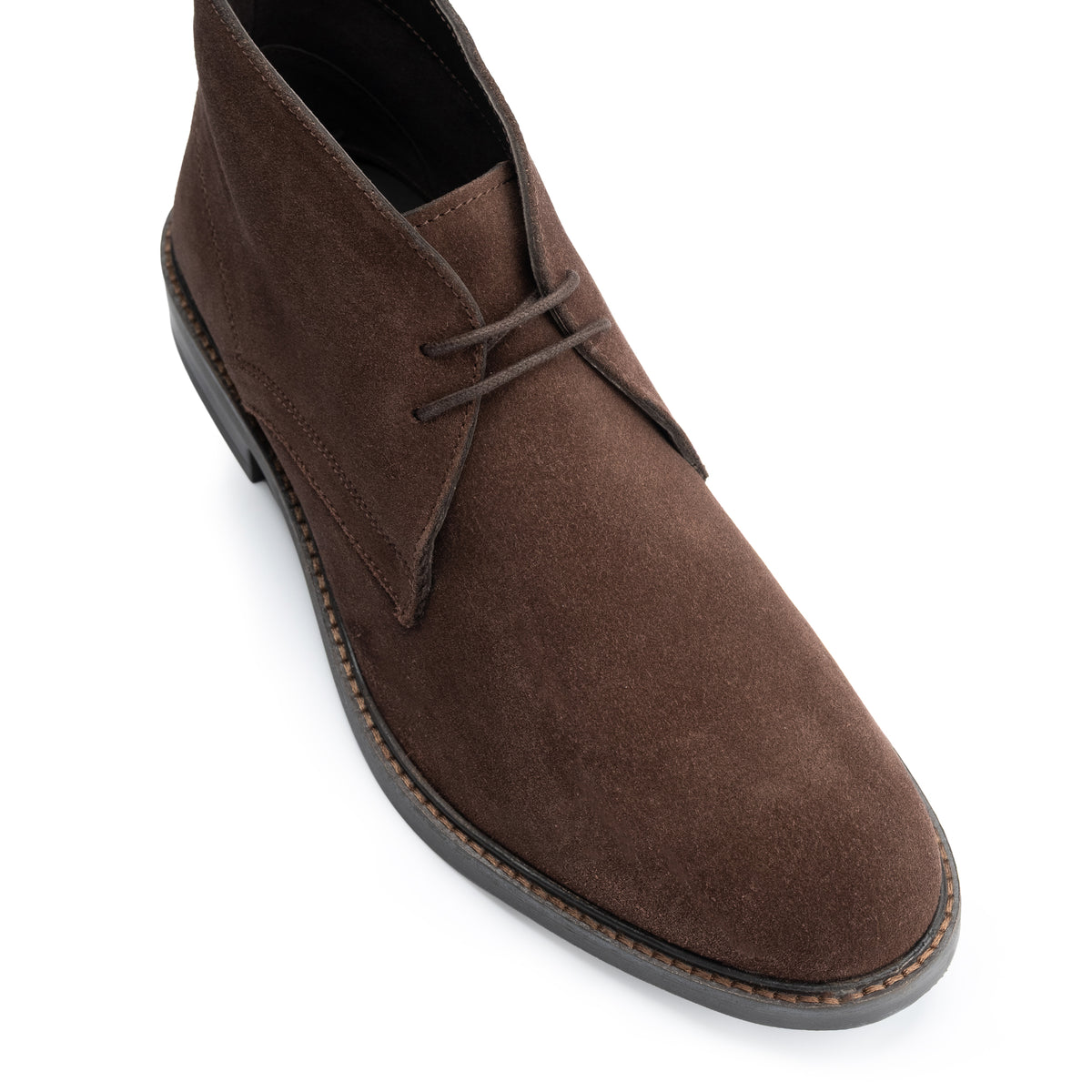
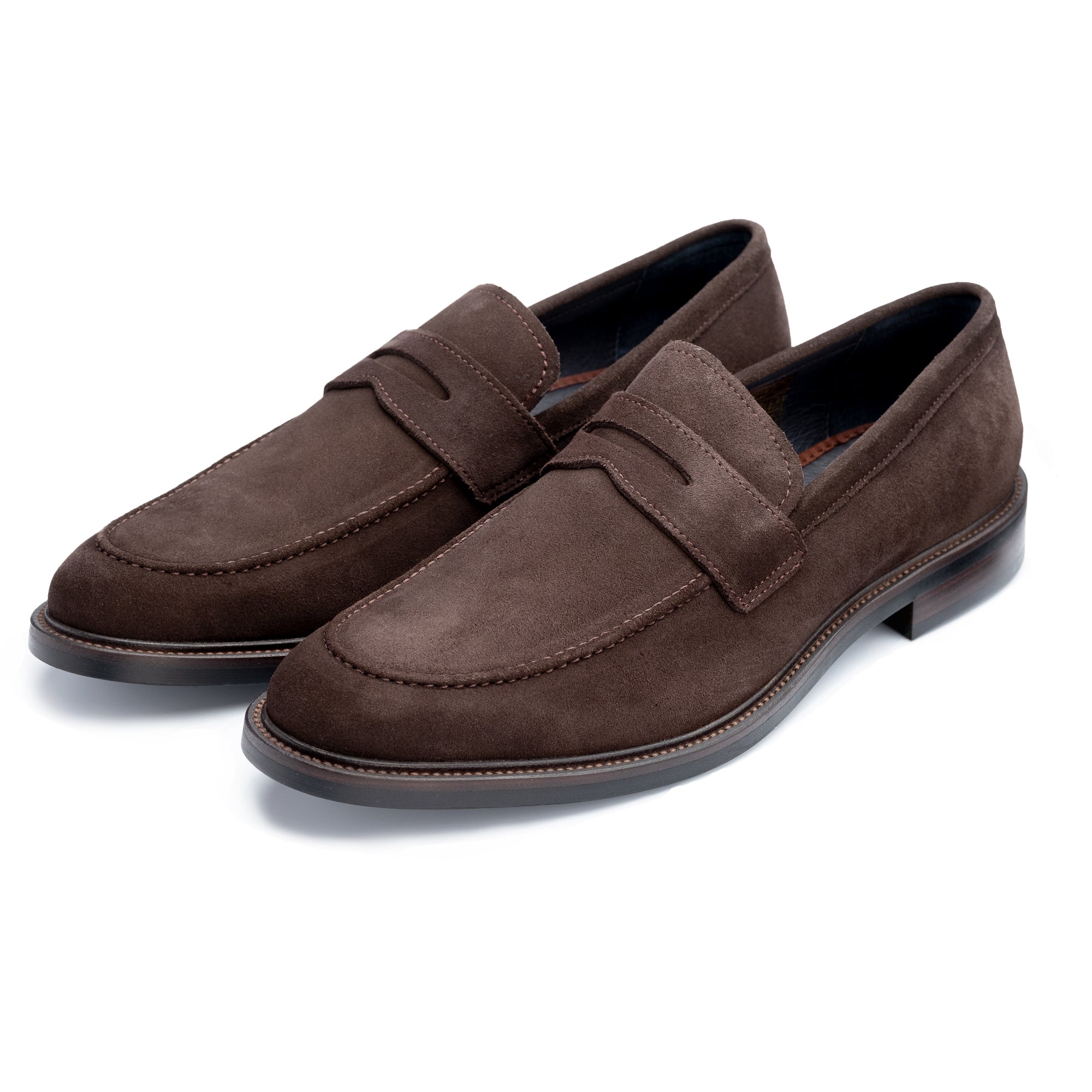
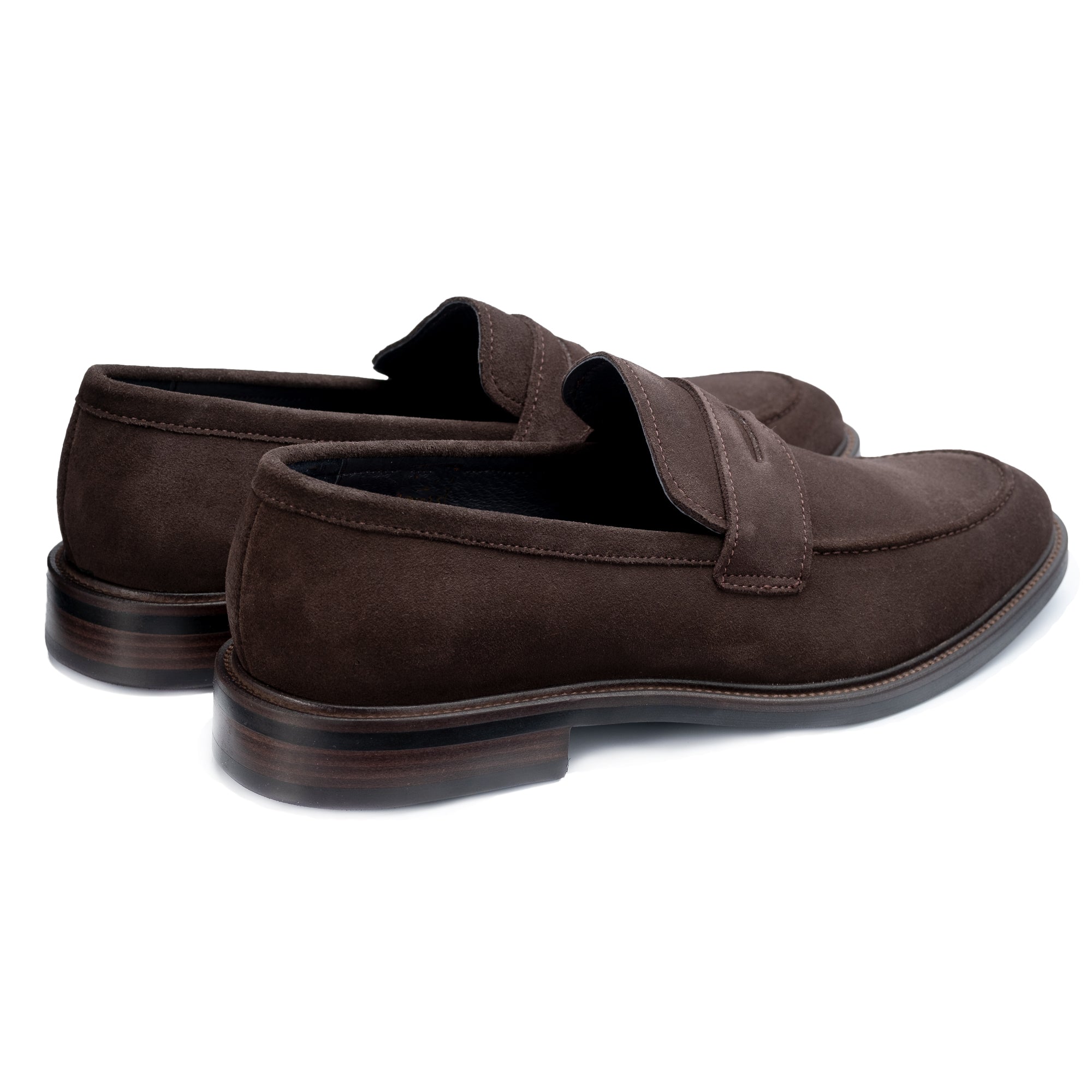
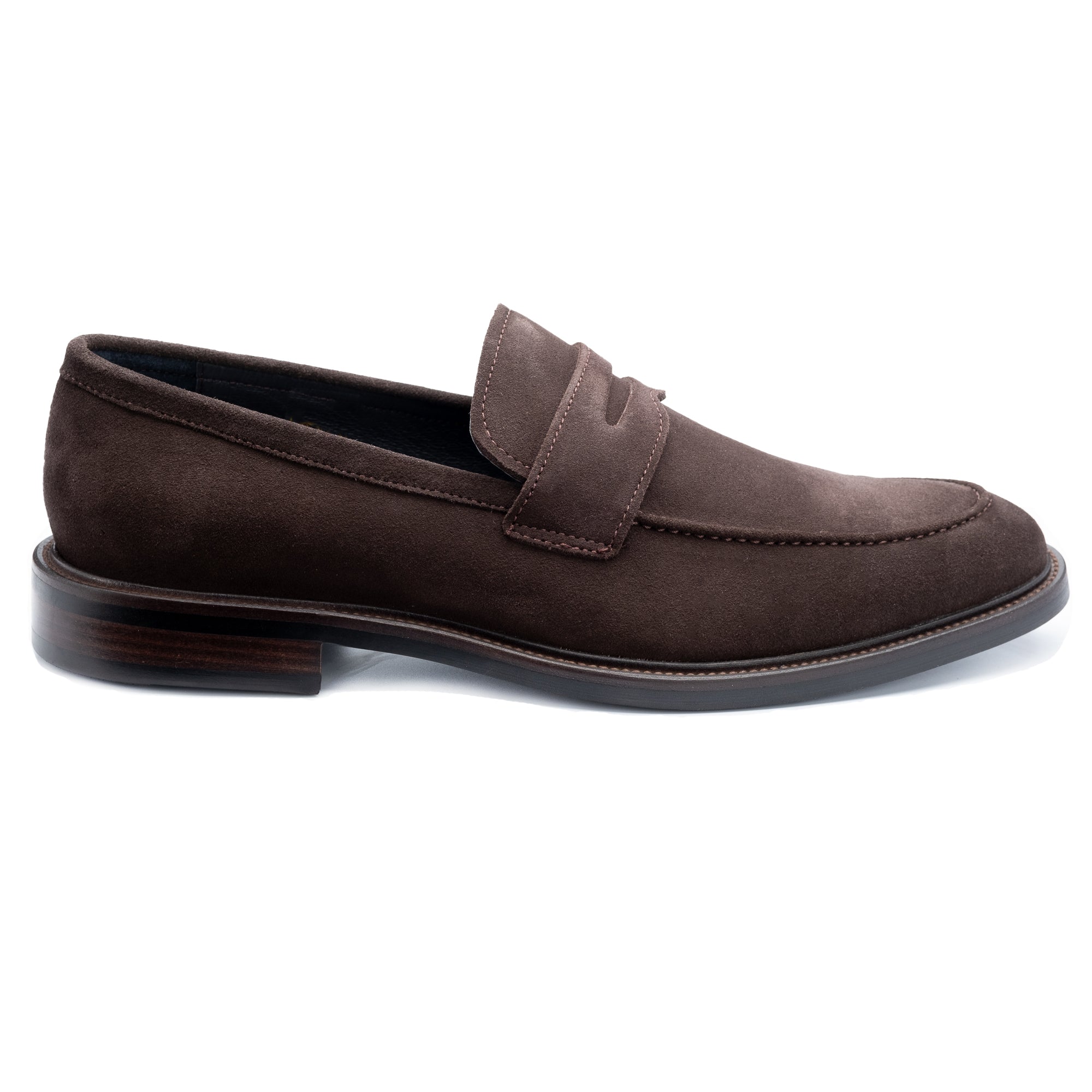
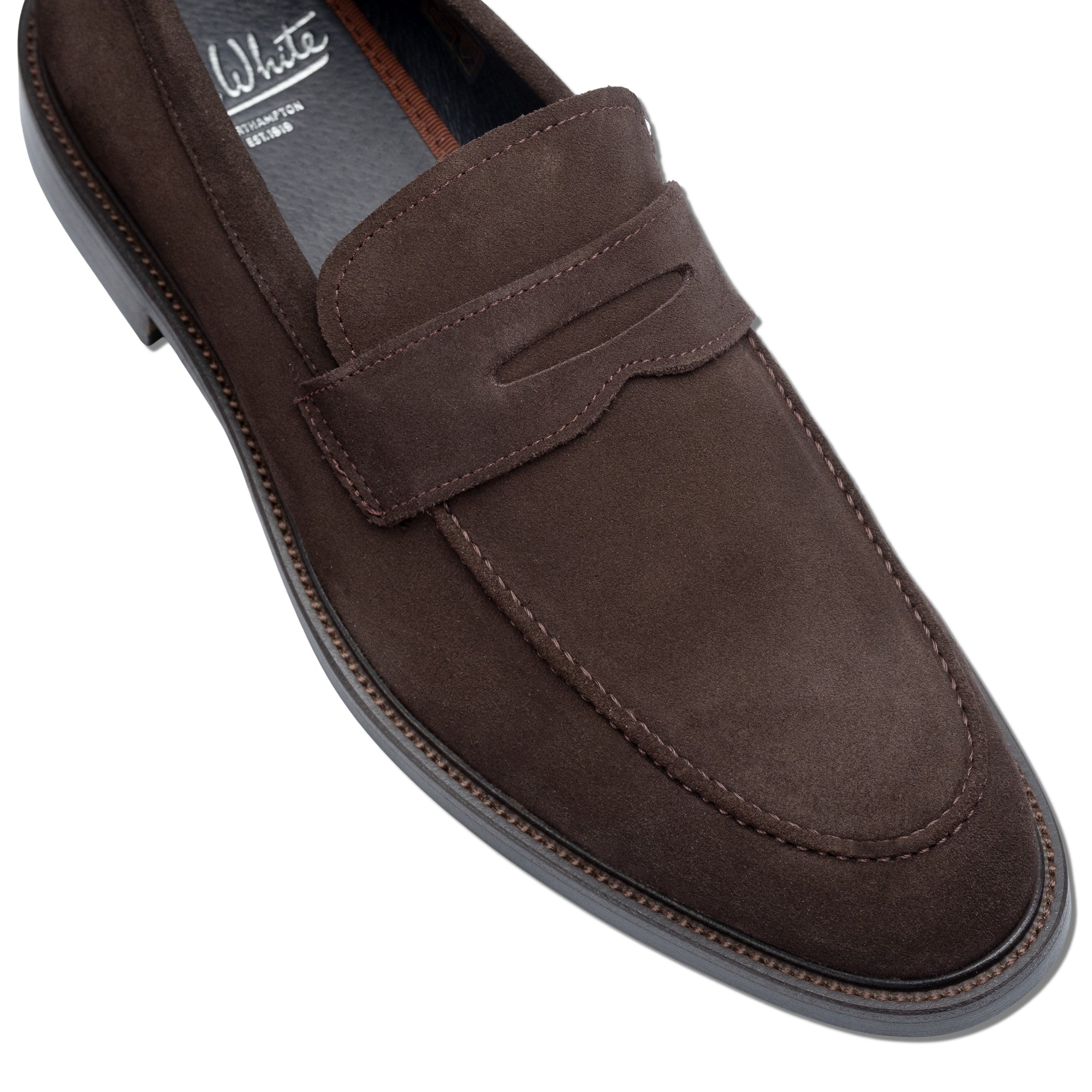
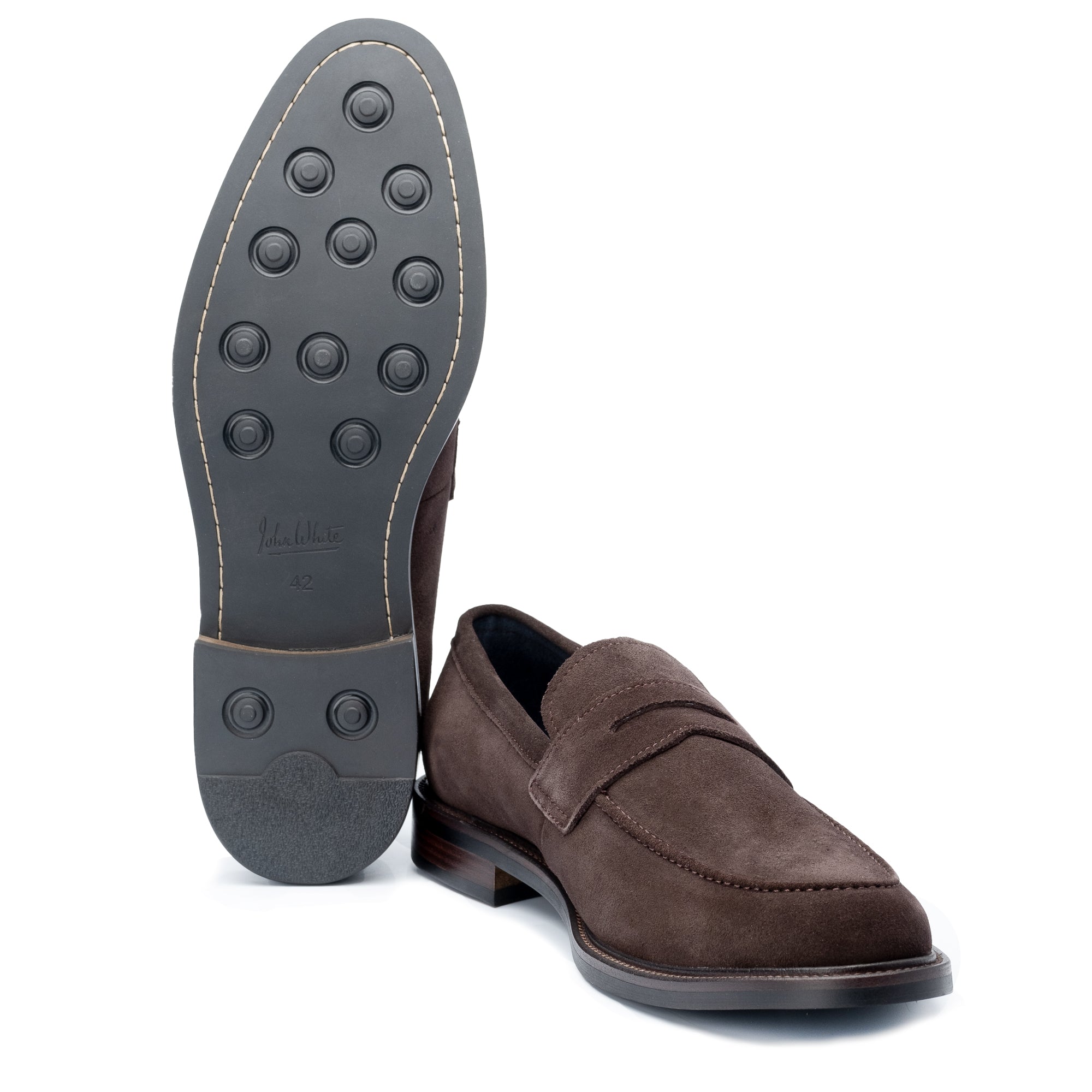
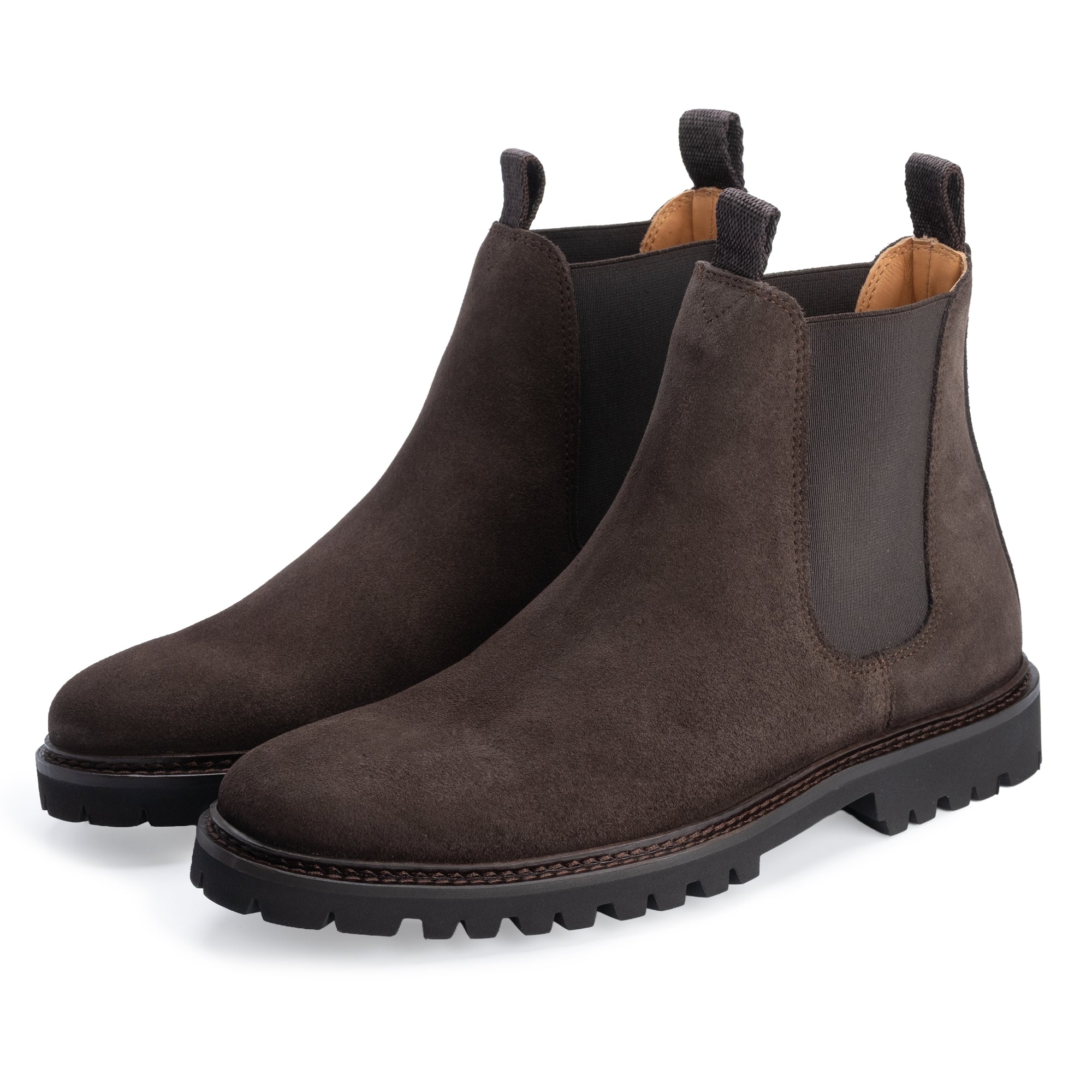
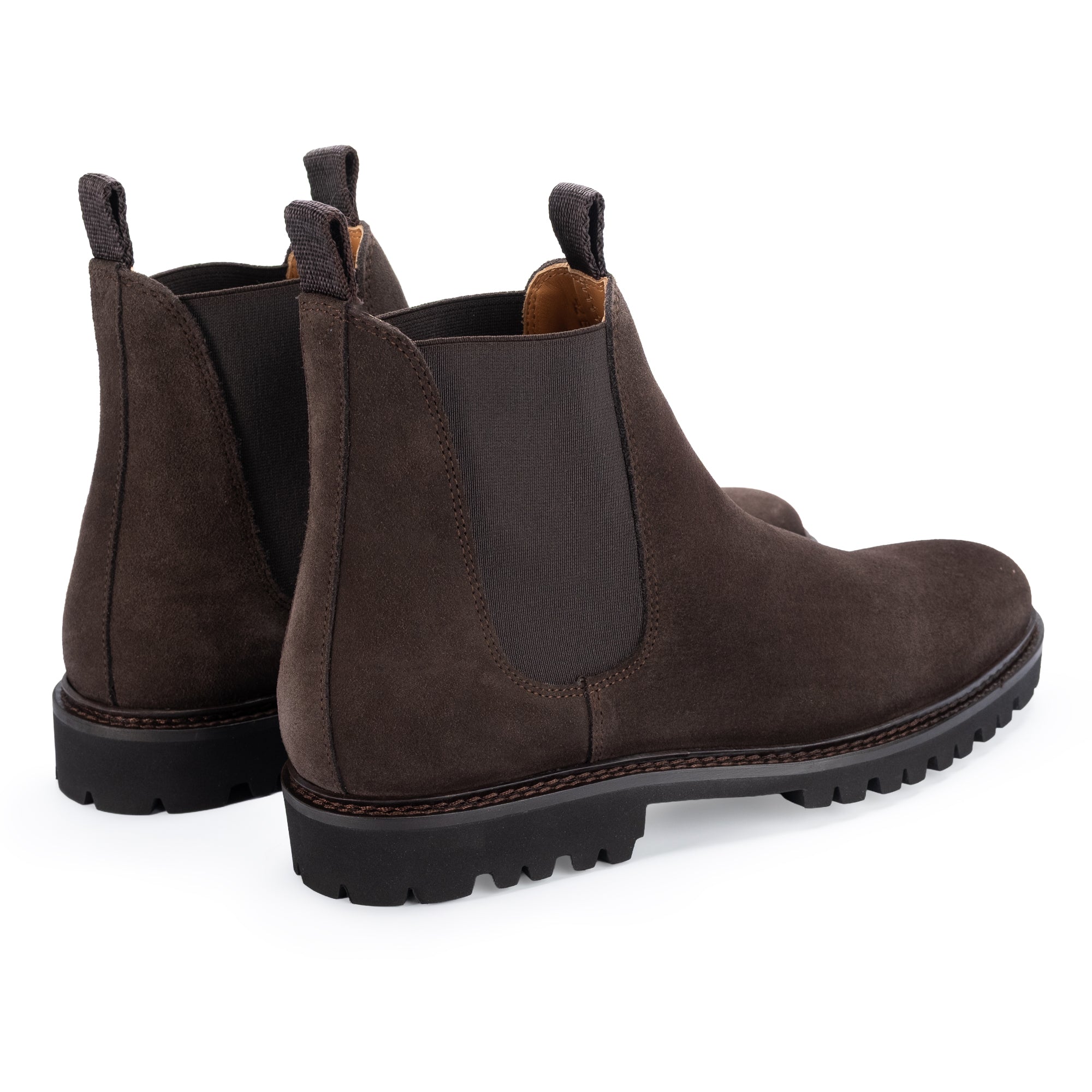
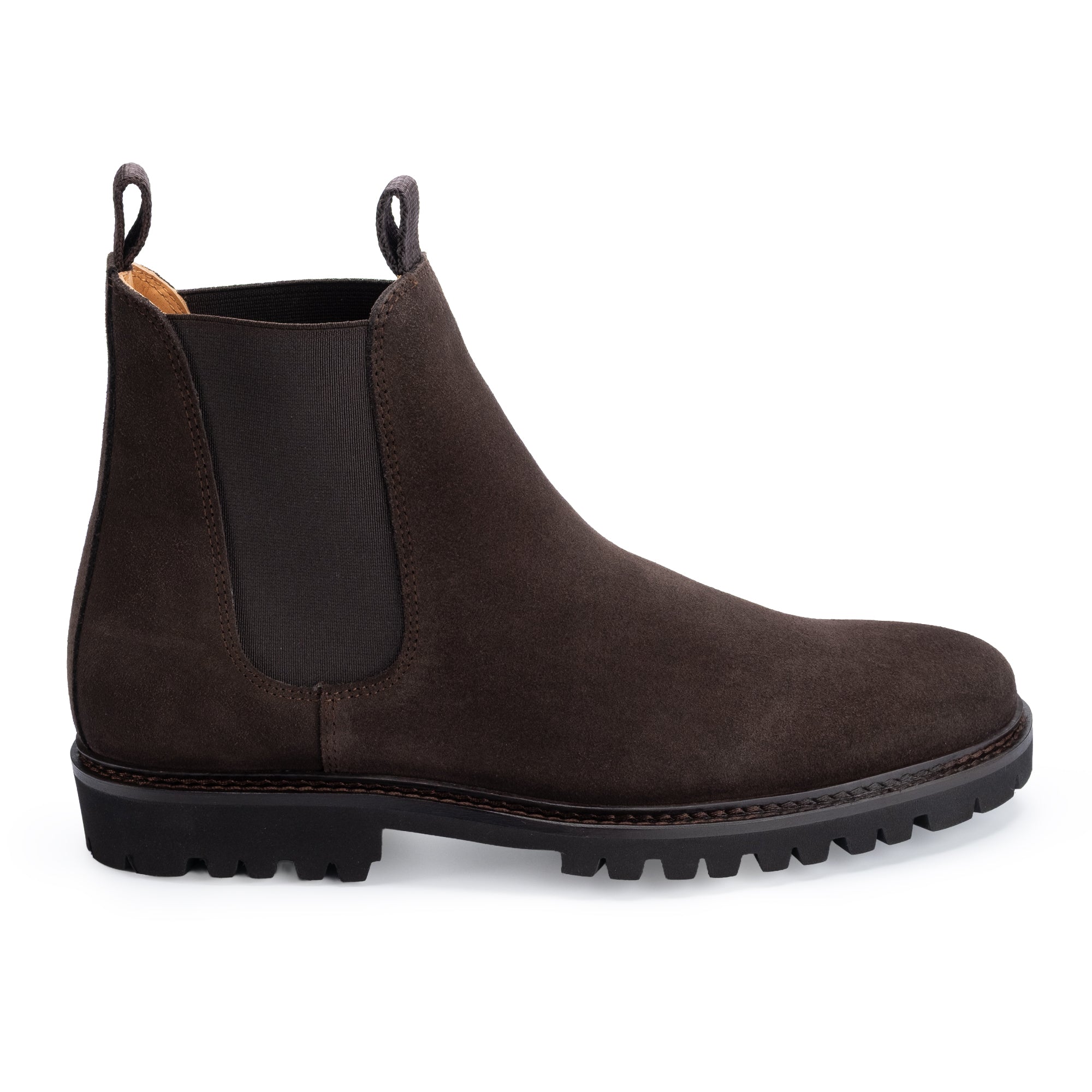
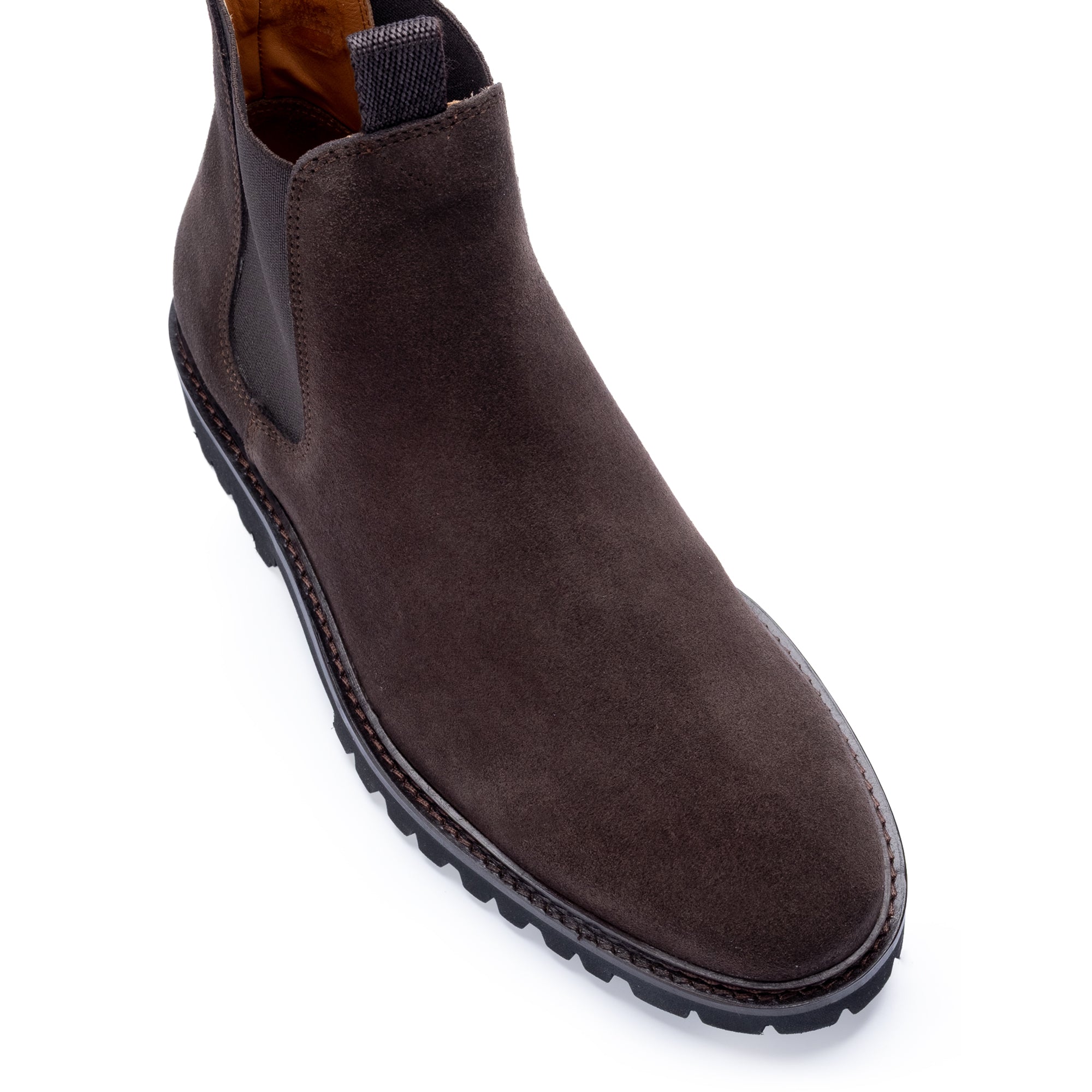
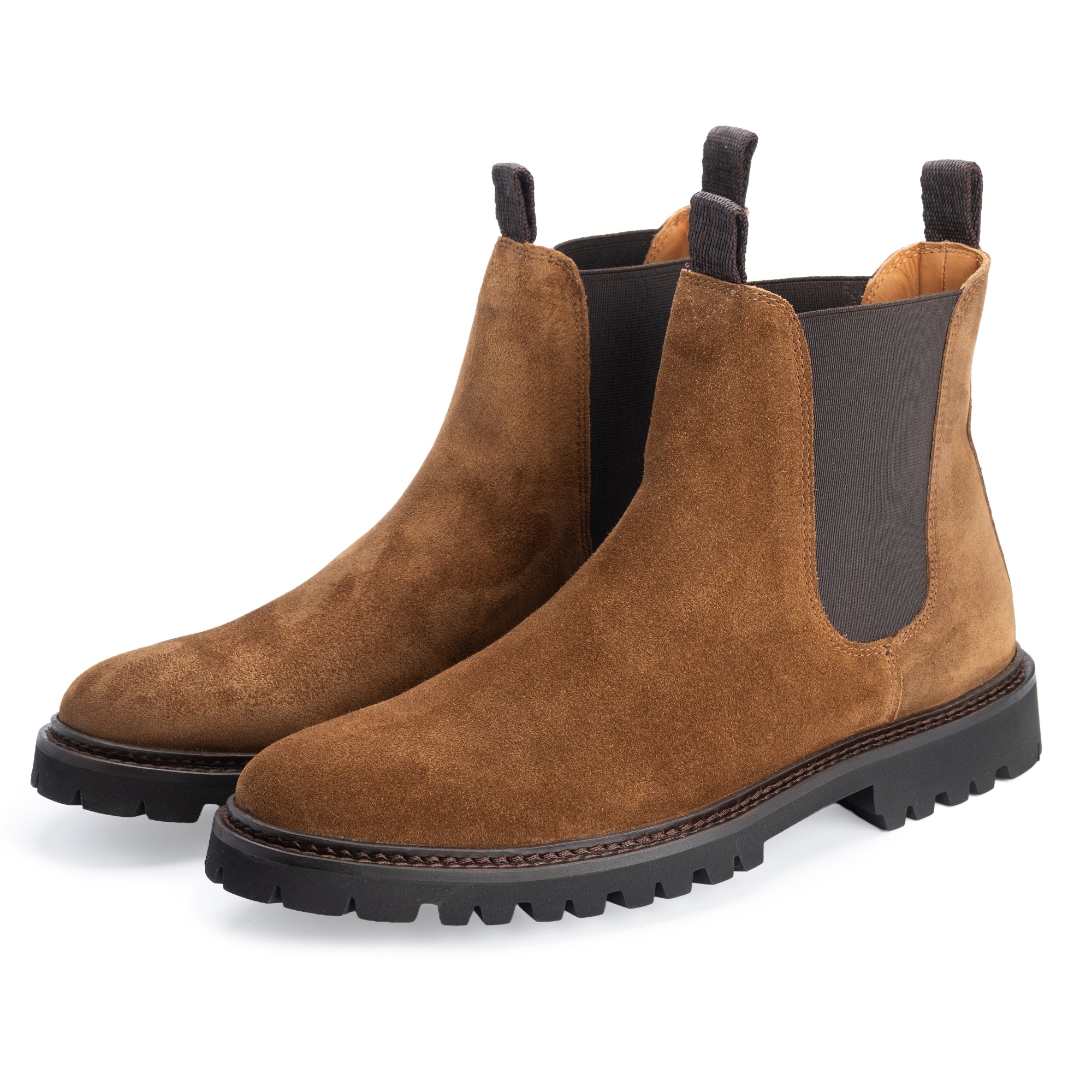
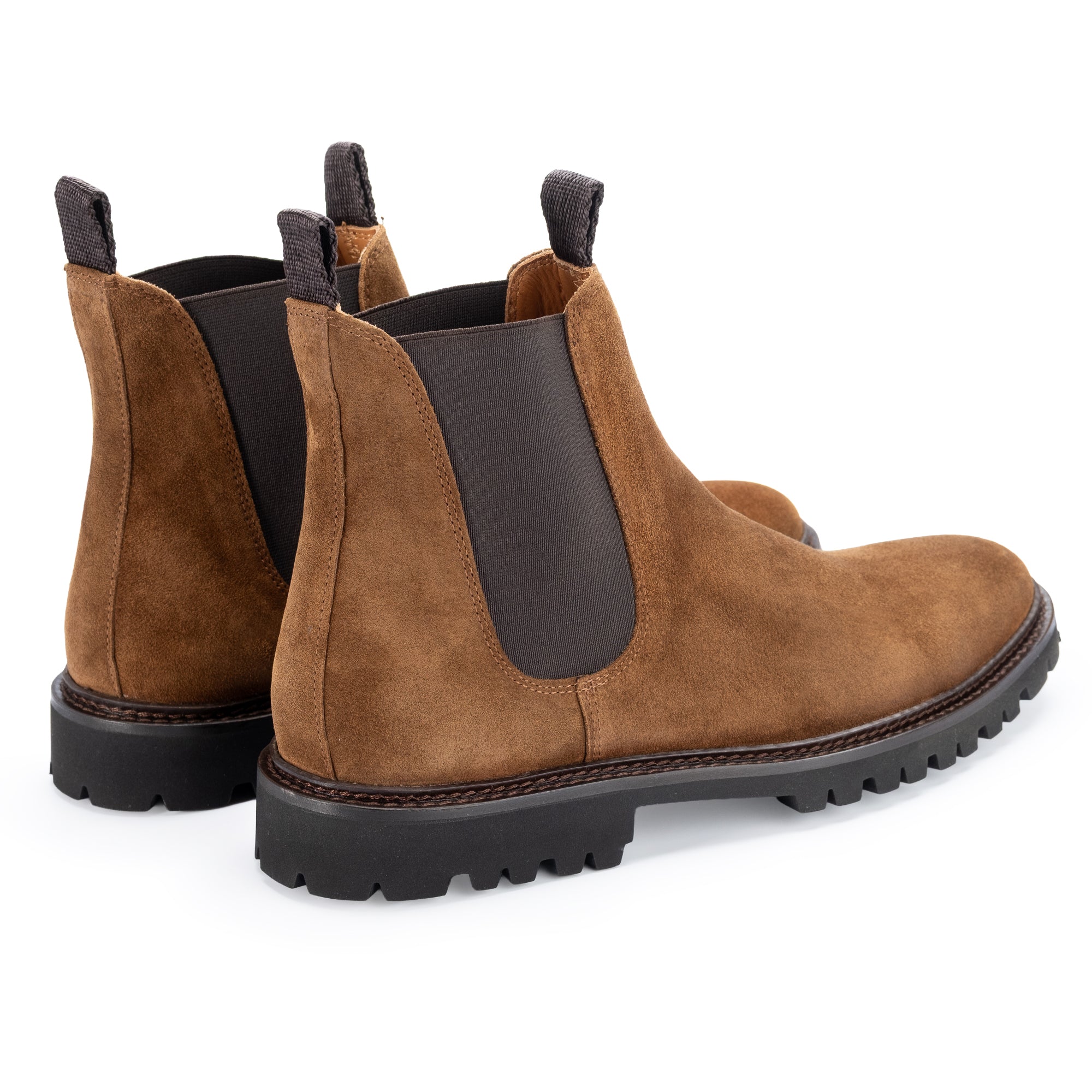
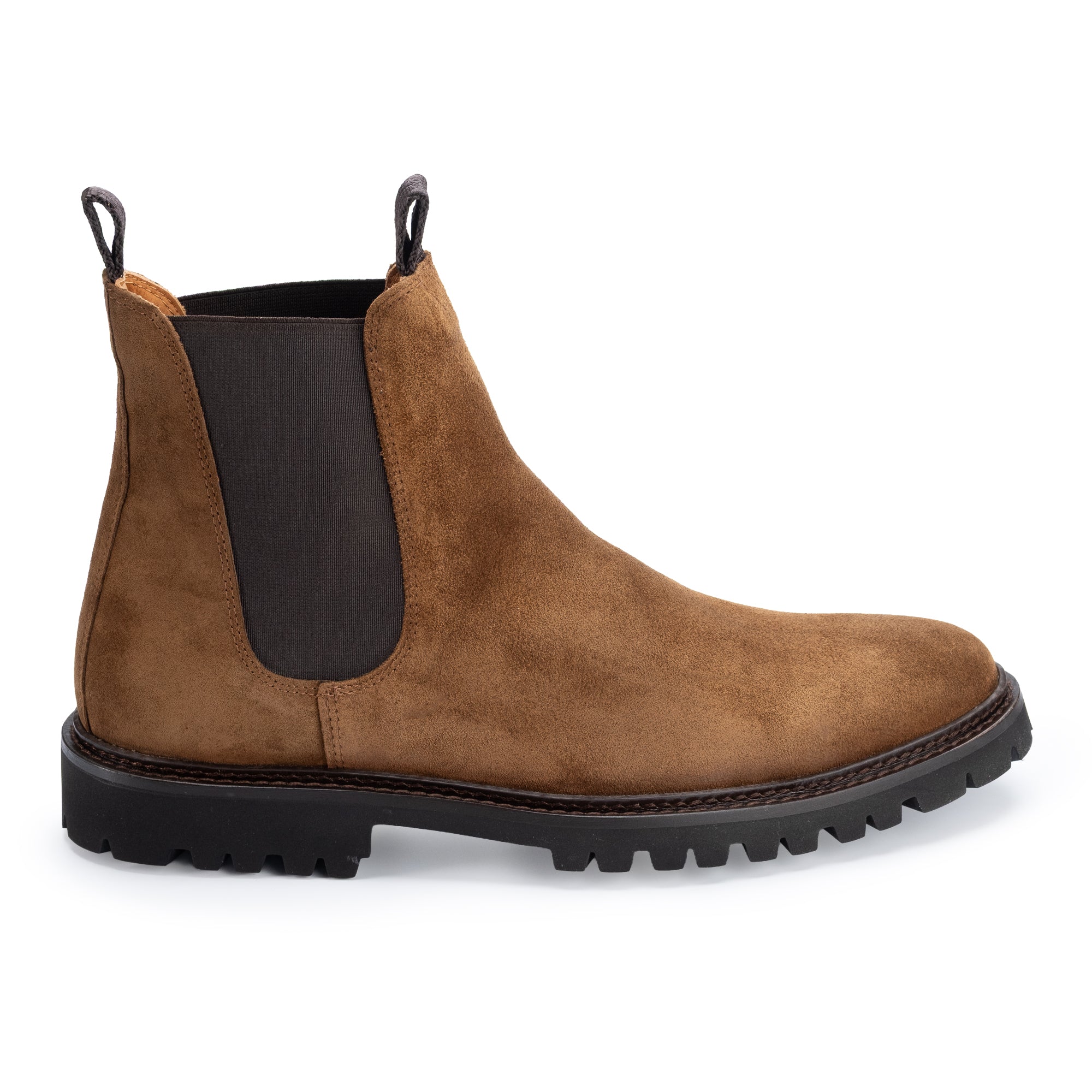
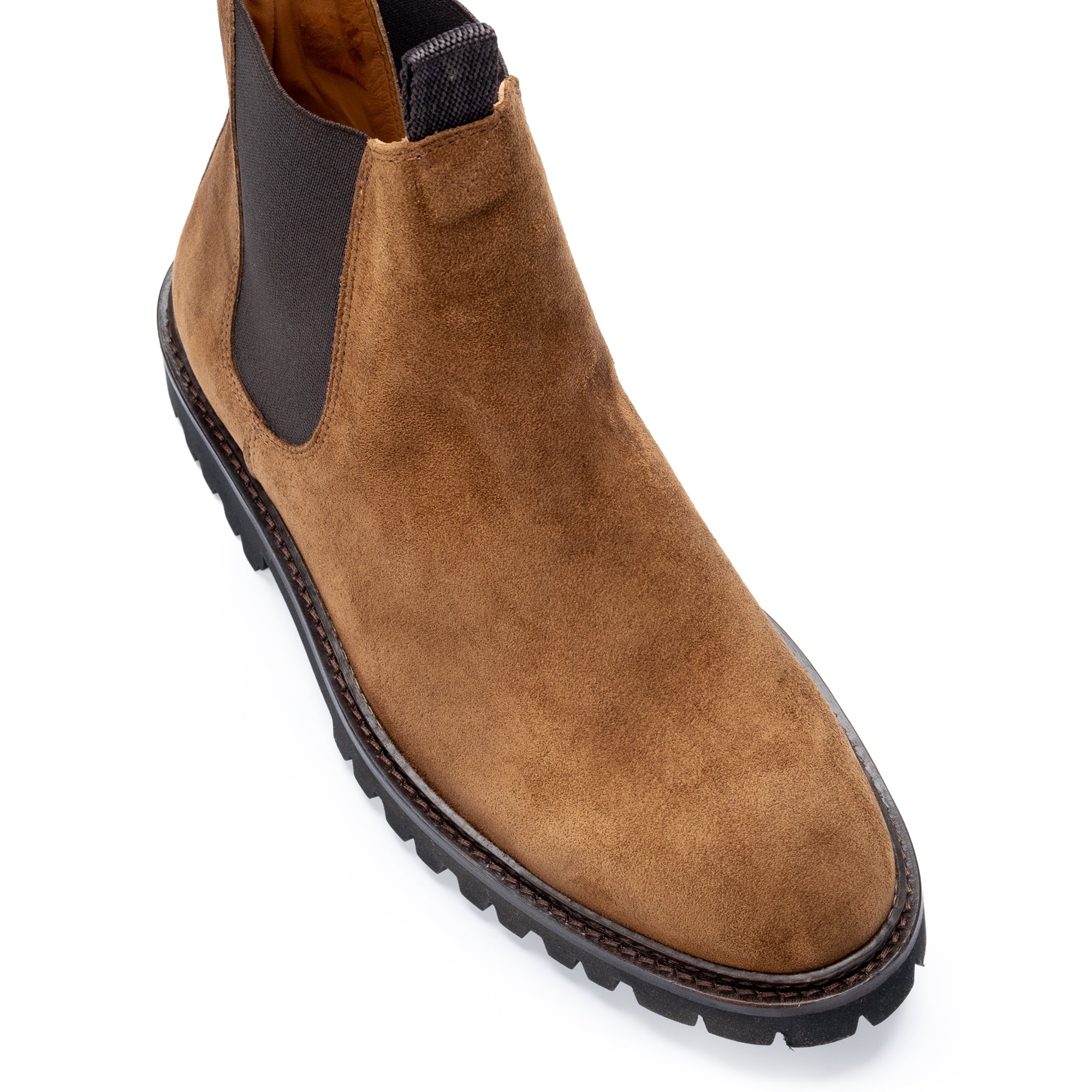
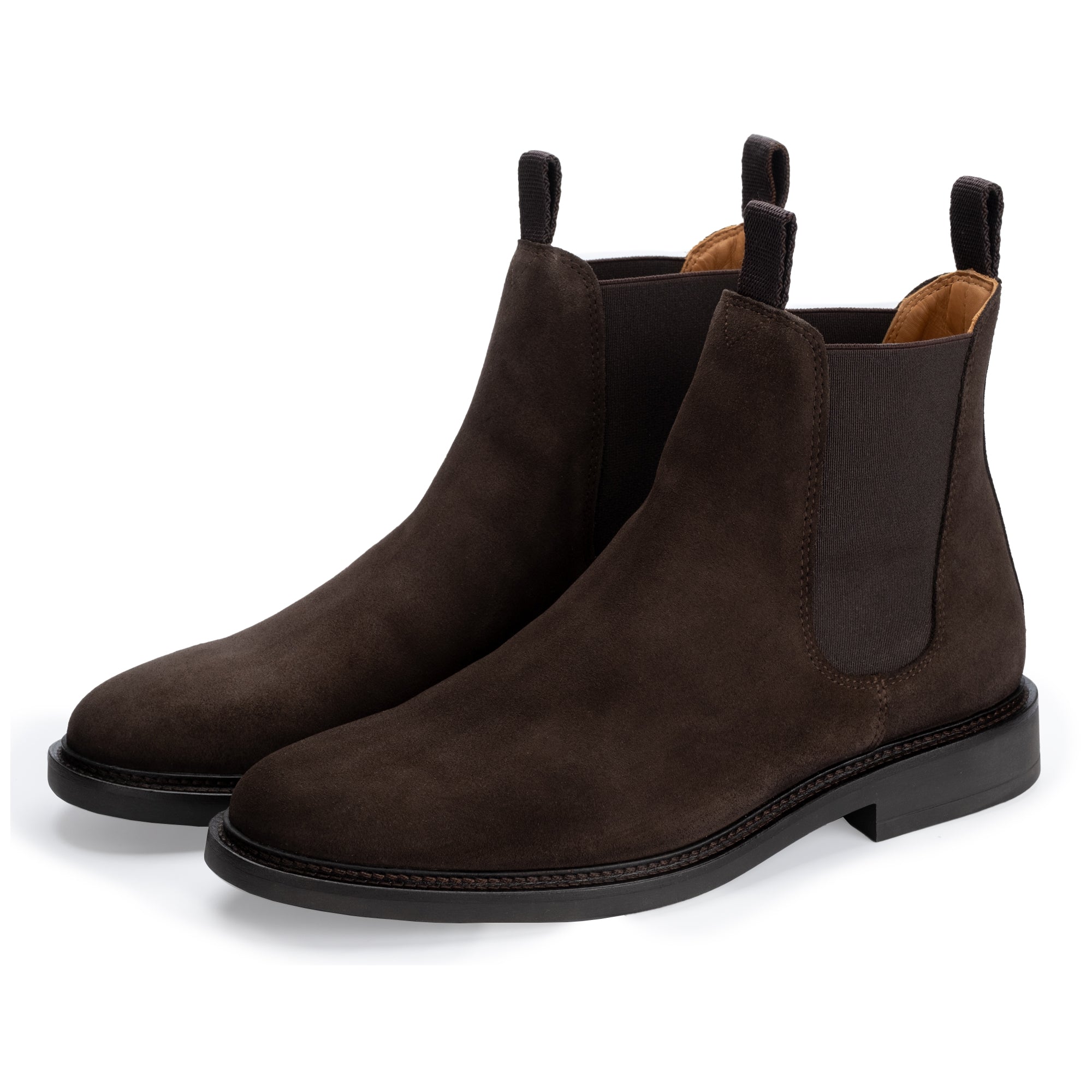
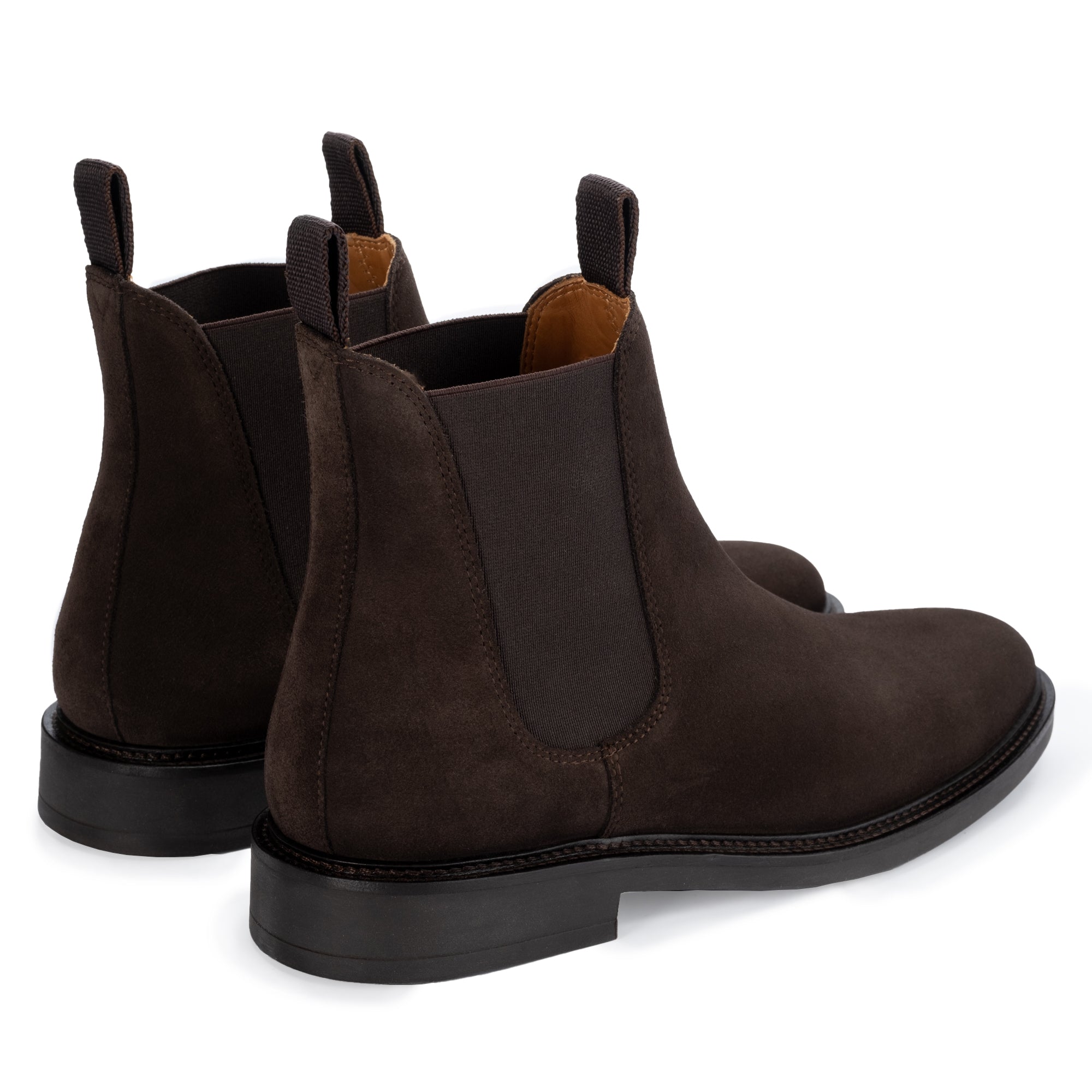
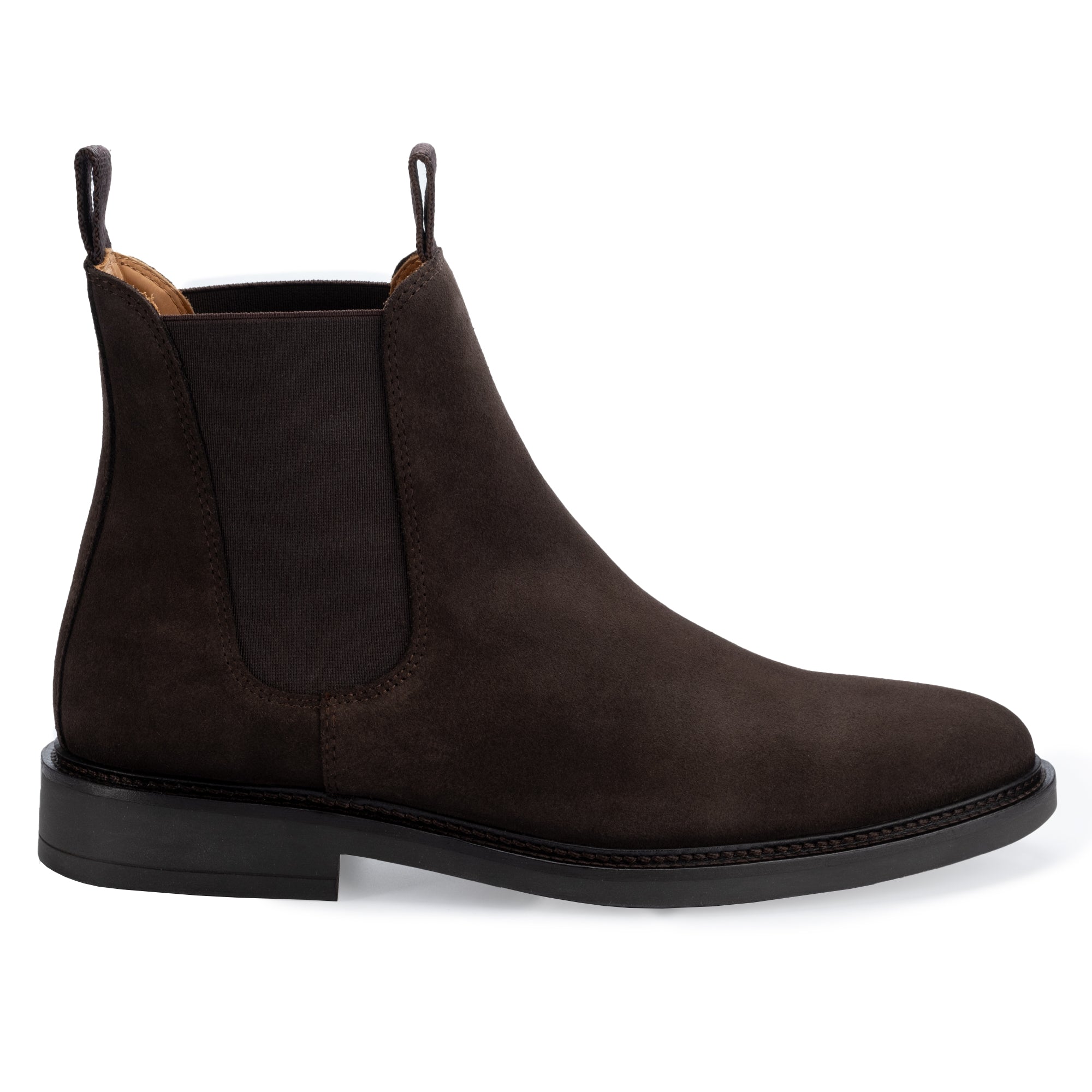
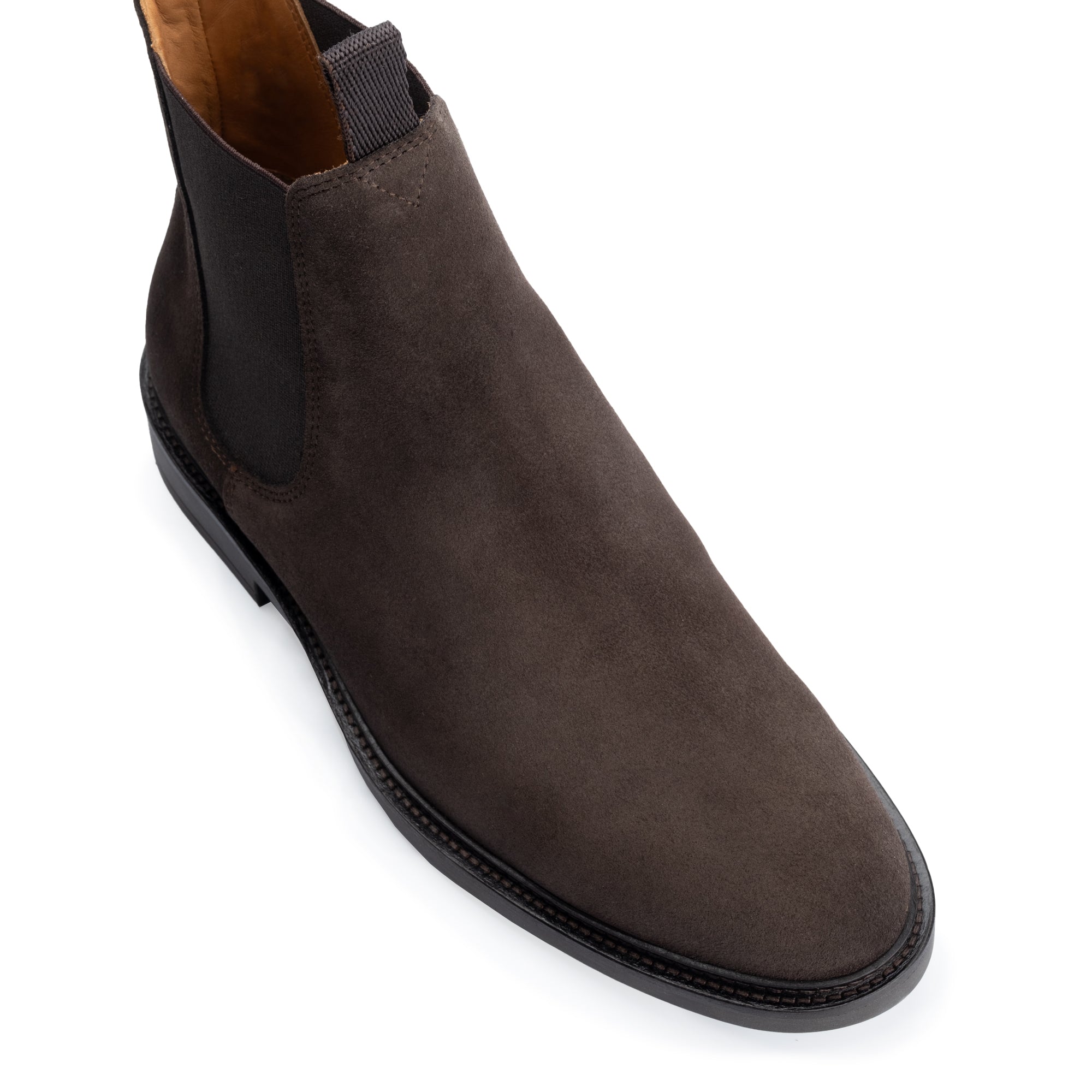
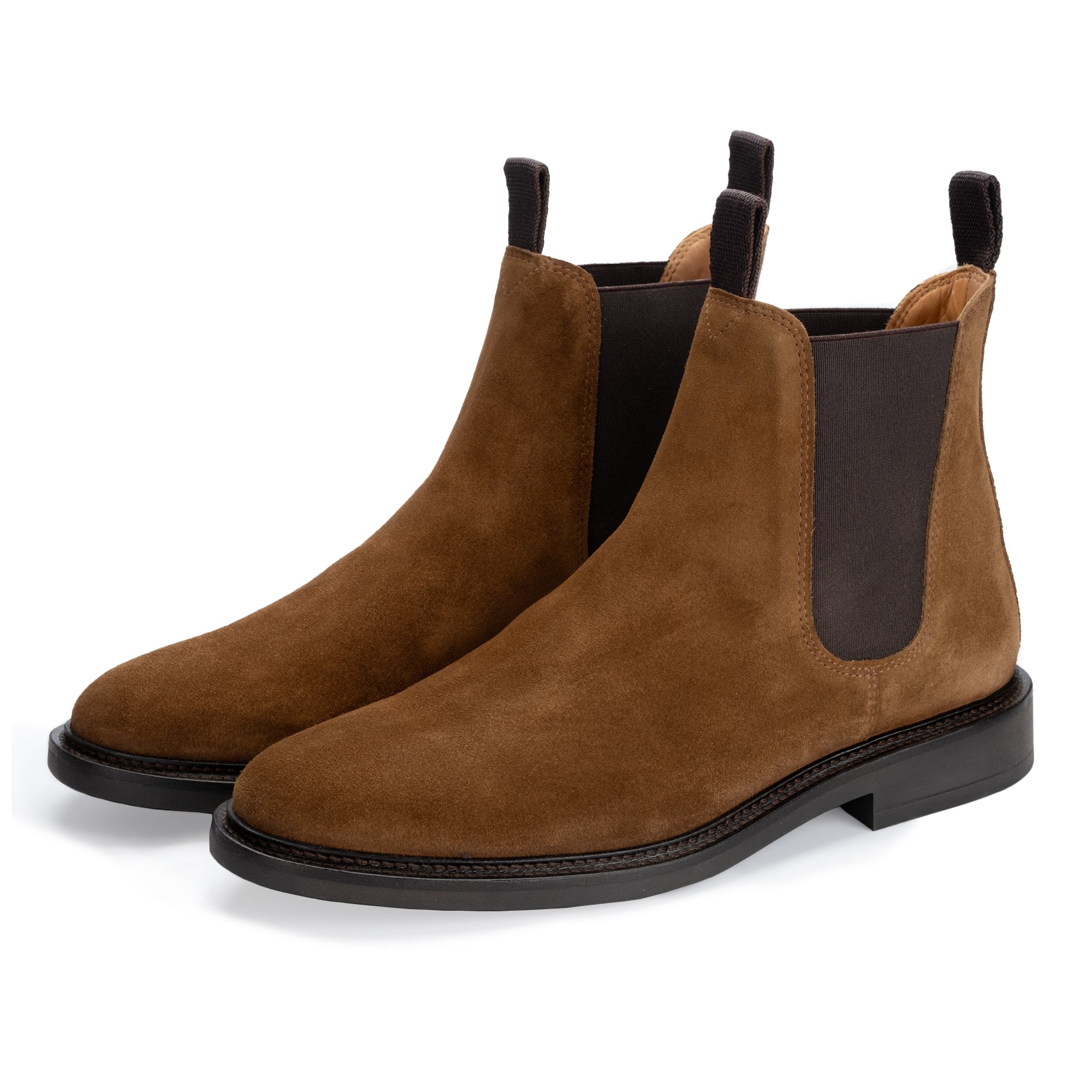
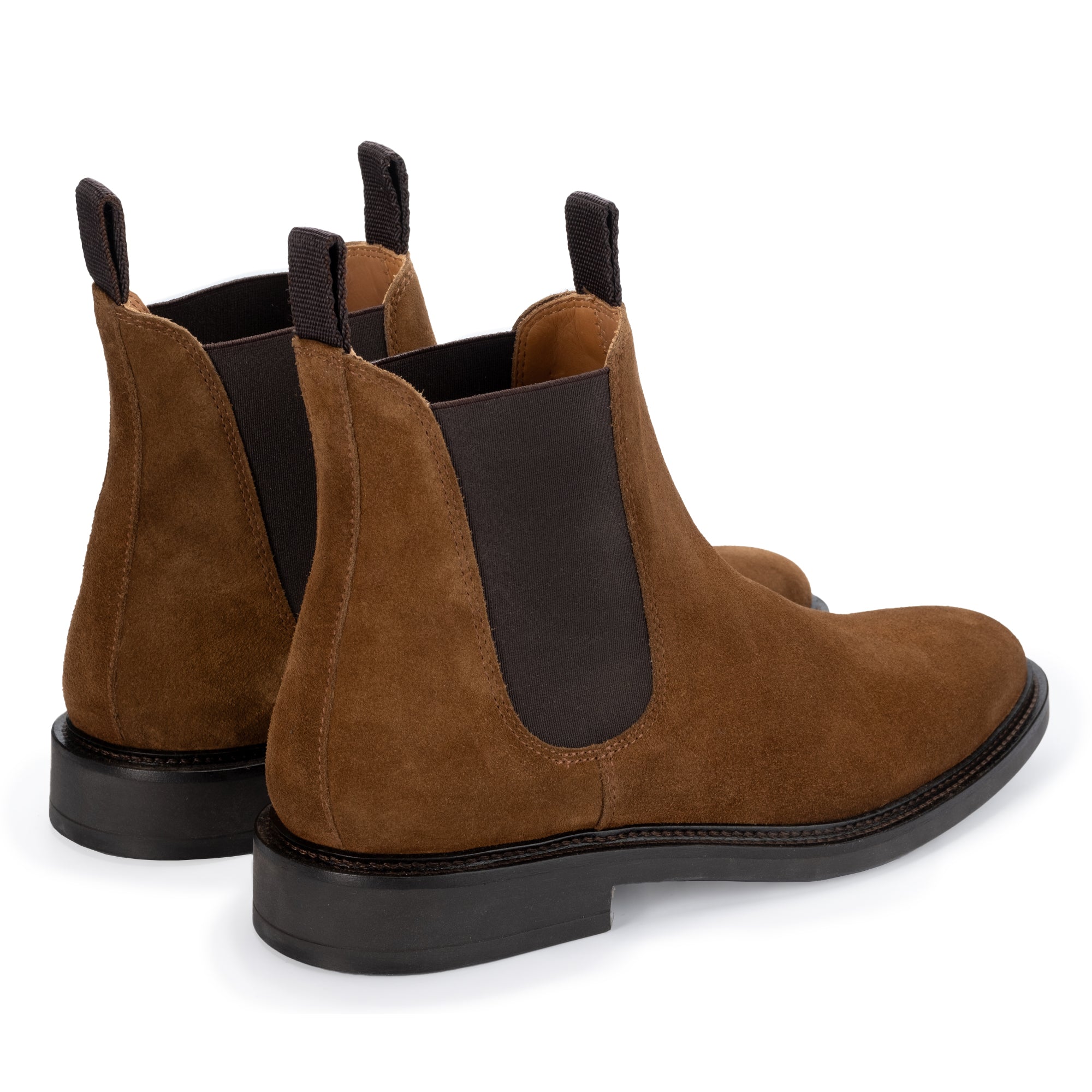
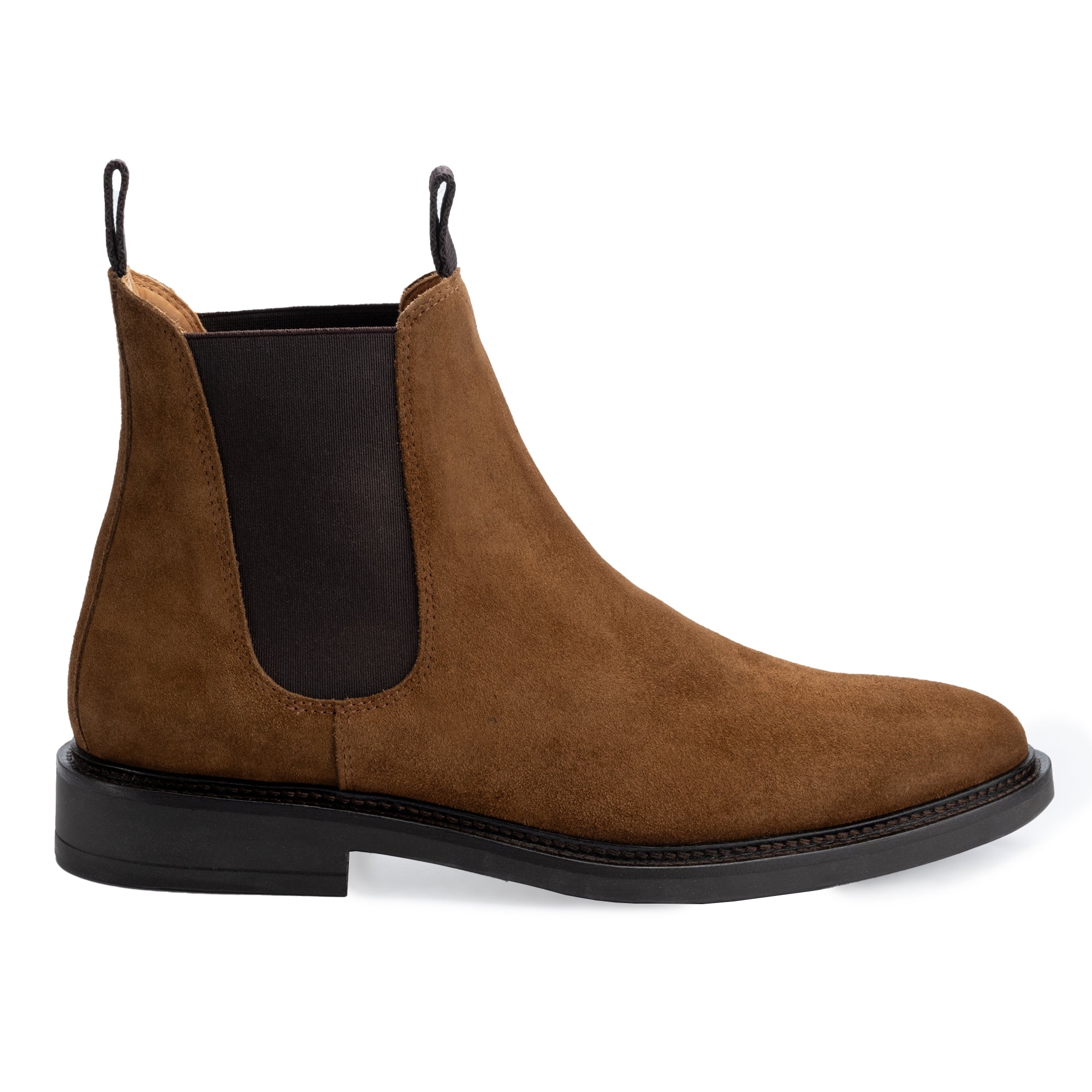
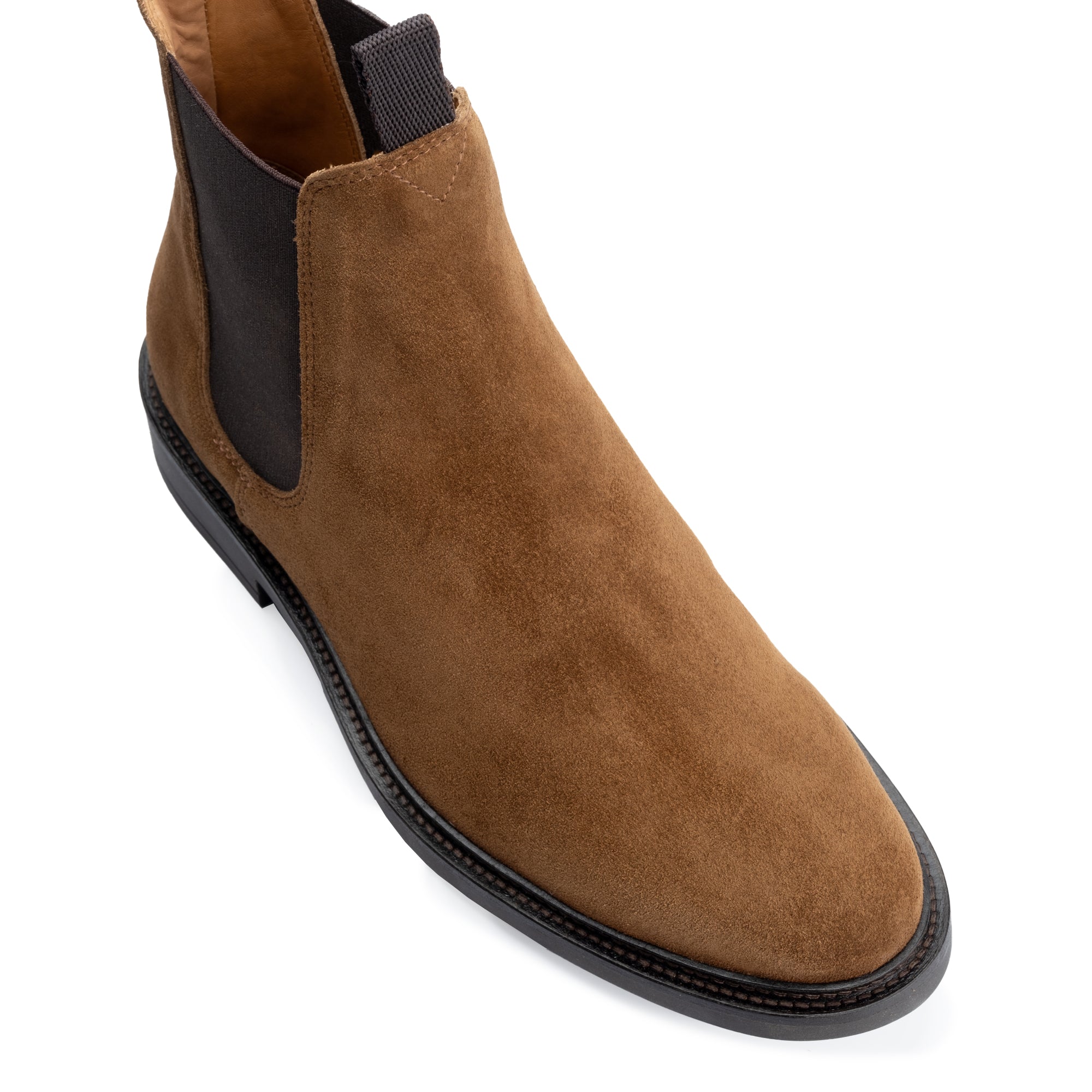
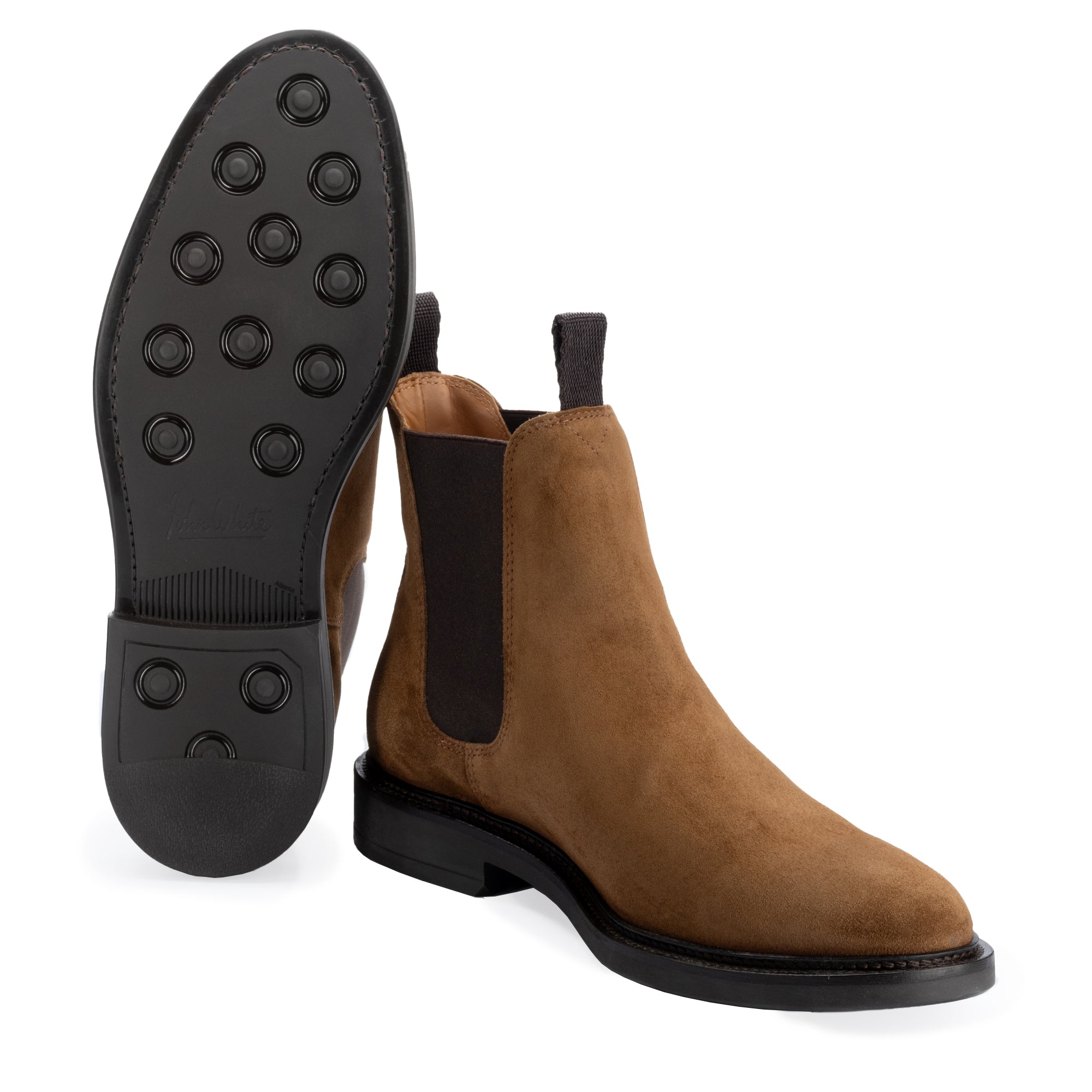
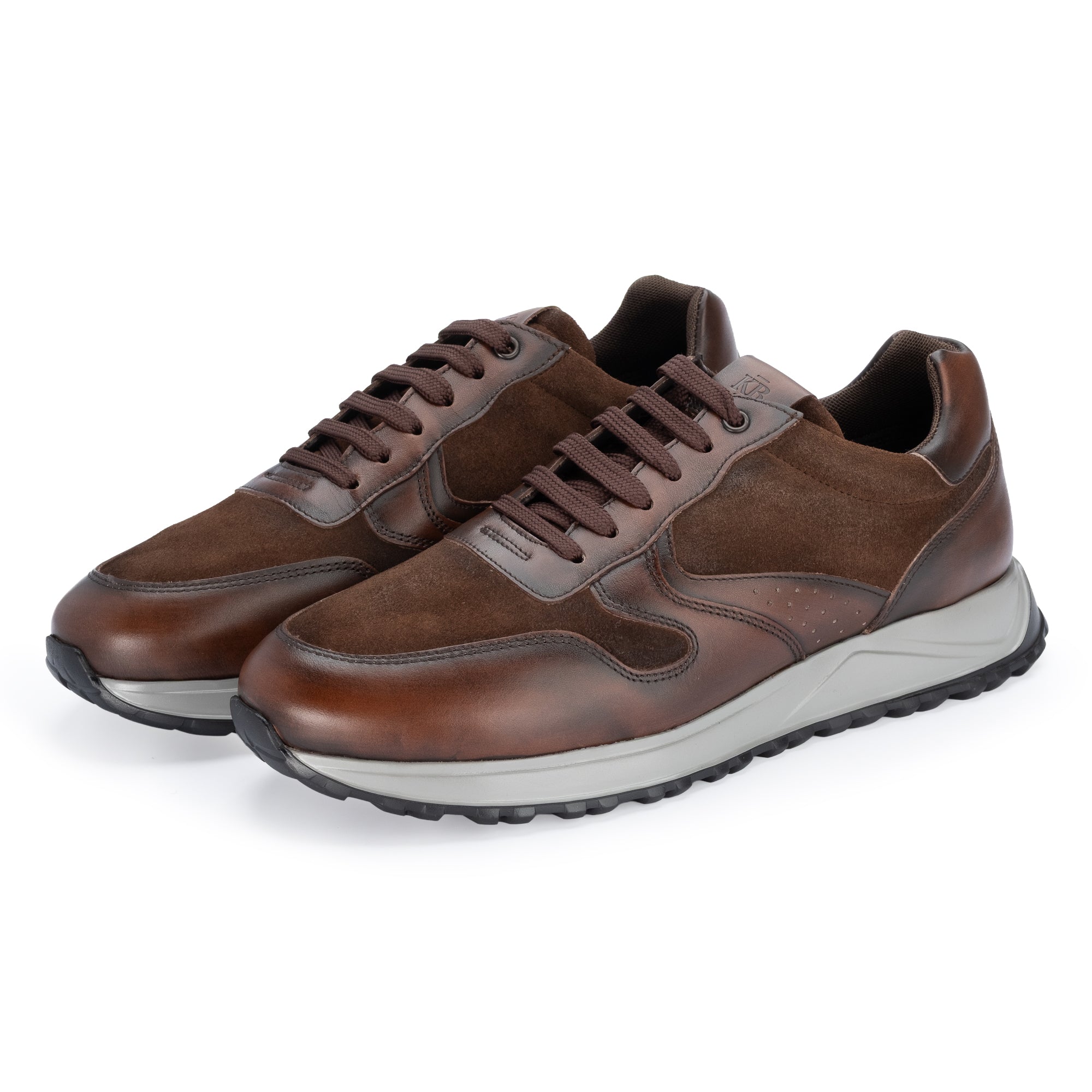
Suede is the underside of the hide, split and buffed to produce a soft, napped surface. Its texture is directional — the pile runs one way — and that characteristic diffusion of light gives it a visual warmth that smooth or grained leathers cannot replicate. It reads as both casual and refined, which is why it has been a summer and warm-weather shoe staple for most of the twentieth century.
But suede has a reputation. People say it marks easily, stains in the rain, and is difficult to restore. All of this is true — if you are cavalier about it. Managed properly, suede is a reliable warm-weather material. The critical interventions are simple: apply a suede protector spray before first wear, brush with a suede brush after wear, and treat stains before they set. For anything beyond surface dirt, our complete suede care guide covers every scenario.
The Ethan Plain Calf Suede Loafer is available in Brown Suede, Green Suede, and Navy Suede. Green suede is an unusual proposition for British menswear — a considered, quiet colour that looks entirely correct against sand, khaki, or stone-coloured trousers. Not loud; just interesting. The Brown Suede works against almost everything in a summer wardrobe. Navy Suede offers a navy shoe that does not read as formal — something smooth leather navies can struggle to avoid.
The Portus Suede Loafer in Brown Suede is a more structured take on the suede loafer. Where the Ethan is slim and contemporary, the Portus is a fuller, more traditional silhouette — it works particularly well with wider-cut summer trousers or tailored linen.
The Practical Comparison: Where Each Material Wins
Moisture and Weather Resilience
Grain leather wins this category. In genuine rain — the kind that follows you home from an outdoor lunch — grain leather will survive unscathed. Wipe it dry, condition it lightly, move on. Suede in heavy rain requires more intervention: immediate blotting (never rubbing), newspaper stuffing to hold the shape while drying, a suede brush when dry to restore the nap.
If you live in or travel frequently to Scotland, the north of England, or anywhere where a summer shower is a daily possibility, grain leather is the safer choice.
Formality Range
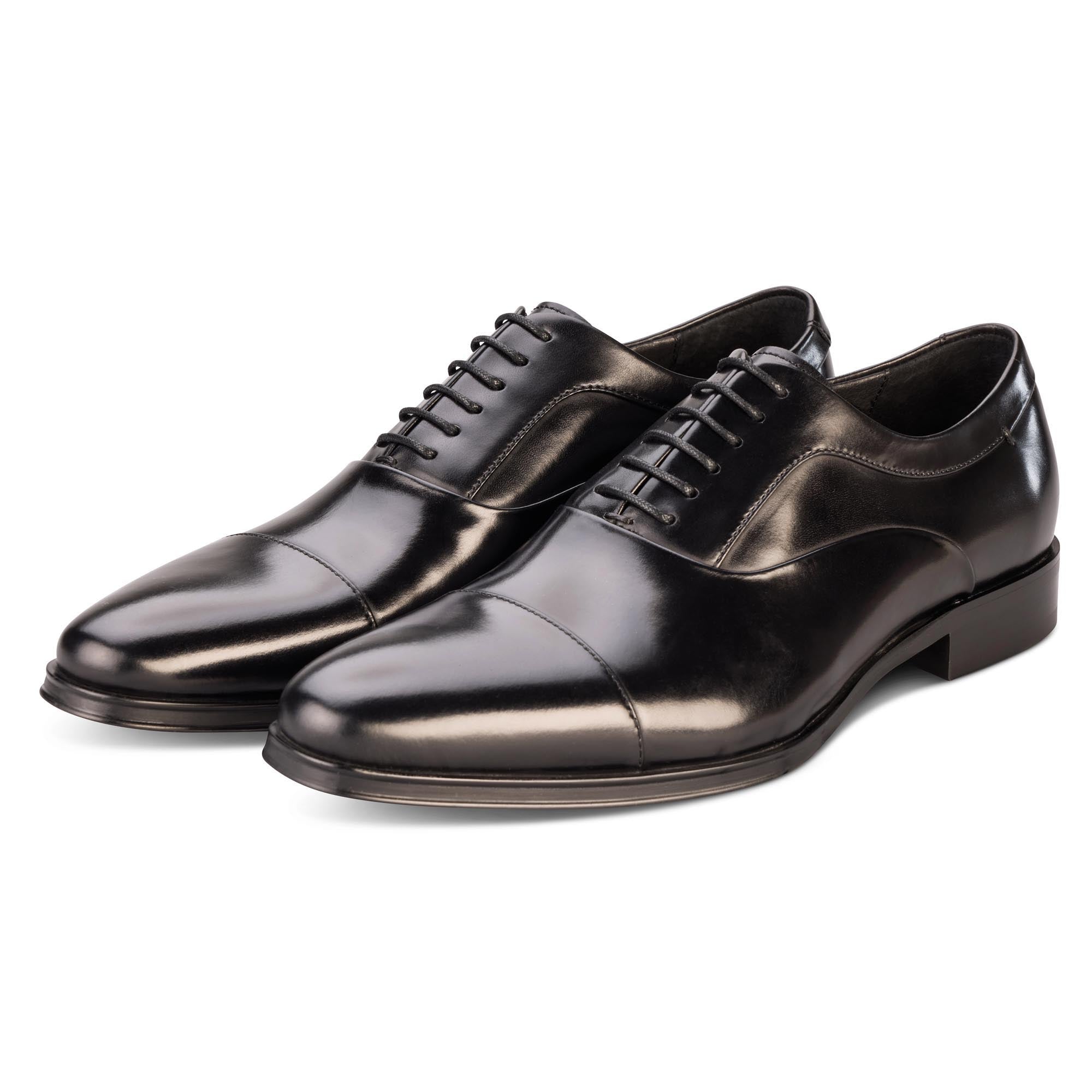
Suede reads softer and more casual than grain. That is a strength, not a limitation — but it means suede loafers will struggle in genuinely formal contexts. A funeral, a black-tie event, a very formal business meeting: smooth or grain leather is safer ground. For everything from smart-casual to summer weddings with a relaxed dress code, suede is entirely appropriate and often the better-looking choice.
Grain leather loafers — particularly in darker colours like Brown or Wine — can carry a smarter register than suede. The Pearl or Tan grain Ethan sits closer to the casual end; Brown or Wine with well-pressed chinos or tailored trousers reads significantly smarter.
Colour Depth and Ageing
Suede's pile gives colours a visual depth that grain leather cannot match. Brown suede absorbs light differently across the nap direction and looks genuinely luxurious. As grain leather ages, it may show scuffs and wear through the emboss if the underlying leather is softer — though wax polish buffs most marks away. Suede, aged well, develops a patina and softness that many find more characterful.
Seasonal Context
Both are summer-appropriate. Where suede has a specific advantage is in the highest temperatures — the open nap breathes slightly more freely than sealed grain leather. Where grain leather has an advantage is in the transitional months: early July, late August, September — when British weather offers no reliable warmth and an impromptu walk in the rain is never far off.
Maintenance Commitment
Grain leather demands less. Polish occasionally, wipe when dirty, condition at season's end. That is the full commitment. Suede requires more: protector spray before first wear and periodically throughout the season, brushing after each wear or at least after dirty outings, specific suede cleaners for stains, a suede rubber for tougher marks. Neither is burdensome — but if you want a loafer you can leave in the hall and forget about, grain leather gives you more forgiveness.
Which Colourways Work Hardest in Summer?
For grain leather: the Pearl Ethan is genuinely underused and has strong versatility against summer linen and cotton. Tan is the classic warm-weather option — works against navy, khaki, stone, and most summer suit colours. Brown travels further across the year and is the safe choice if you want one pair to cover summer through October.
For suede: Brown Suede is the most versatile and the entry point if you have not owned suede before. Green Suede rewards the buyer who already has a navy or tan loafer and wants something with more character. Navy Suede is the considered choice if your summer wardrobe runs to cream, stone, or white — the contrast against light trousers is cleaner than almost any other shoe colour.
The Buying Framework: Three Questions
Before deciding, answer these honestly:
1. Where will you primarily wear these? If the answer involves cobblestones, outdoor events in uncertain weather, or any setting where getting caught in rain is a real prospect — grain leather. If the answer is restaurant lunches, garden parties, office-to-dinner days in dry conditions — suede is completely viable and often the sharper choice.
2. How much do you enjoy shoe maintenance? Neither material requires anything excessive. But if the answer is genuinely as little as possible — grain leather. If you already own a suede brush and use it — suede is no additional complexity.
3. What is already in the wardrobe? If you have smooth calf oxfords, a pair of grain leather brogues, and darker leather boots — a suede loafer adds something grain leather would not. If you own nothing in grain leather and want a summer shoe that will work every day without thought — the Ethan or Portus in grain gives you a reliable, low-effort workhorse.
A Note on the Banff Penny Loafer
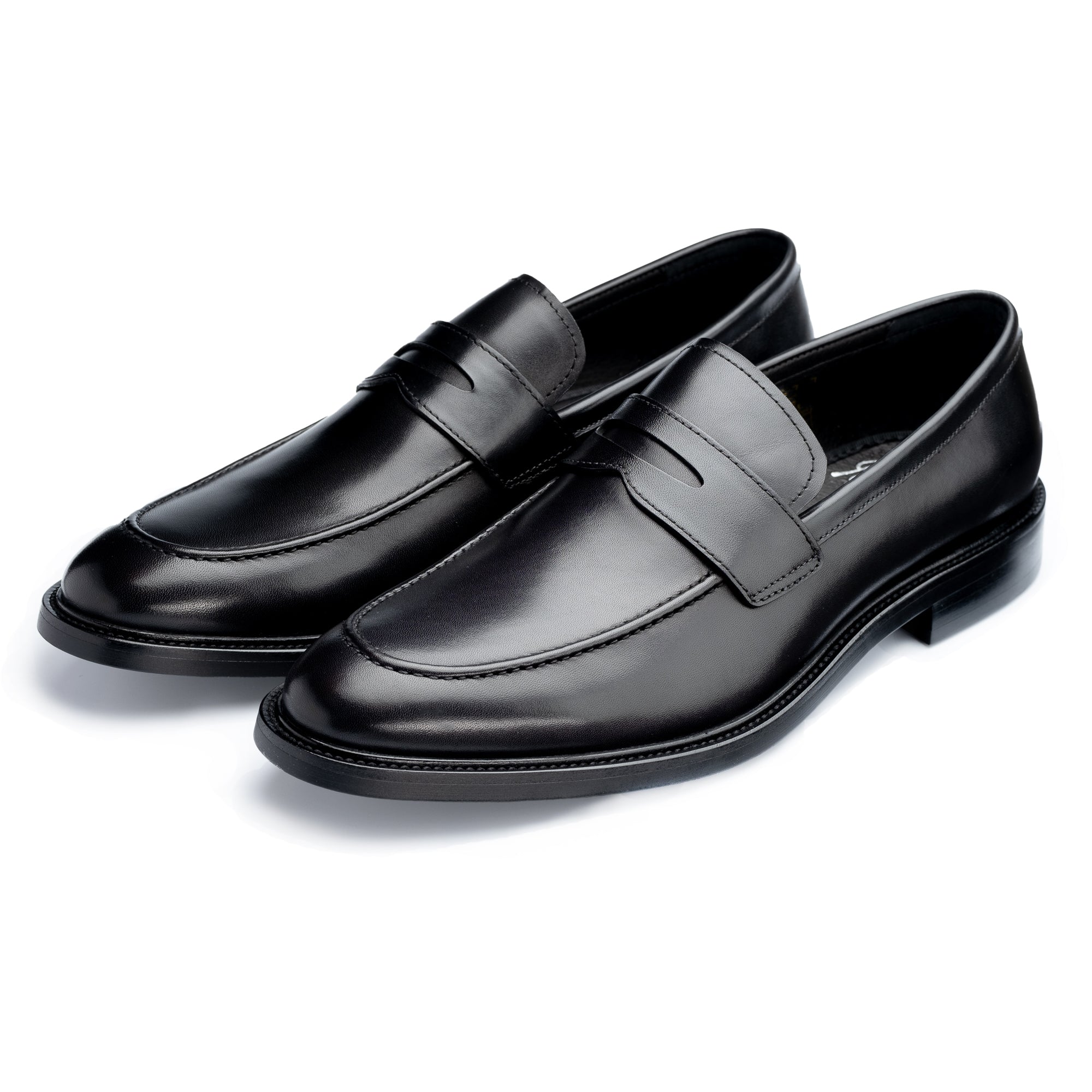
The Banff comes in Black and Brown Suede. It is not available in grain leather. The suede Banff is a considered buy for someone who wants something genuinely different without straying into novelty, and the black calf version takes the penny loafer comfortably into smarter territory.
Sole Construction and Comfort
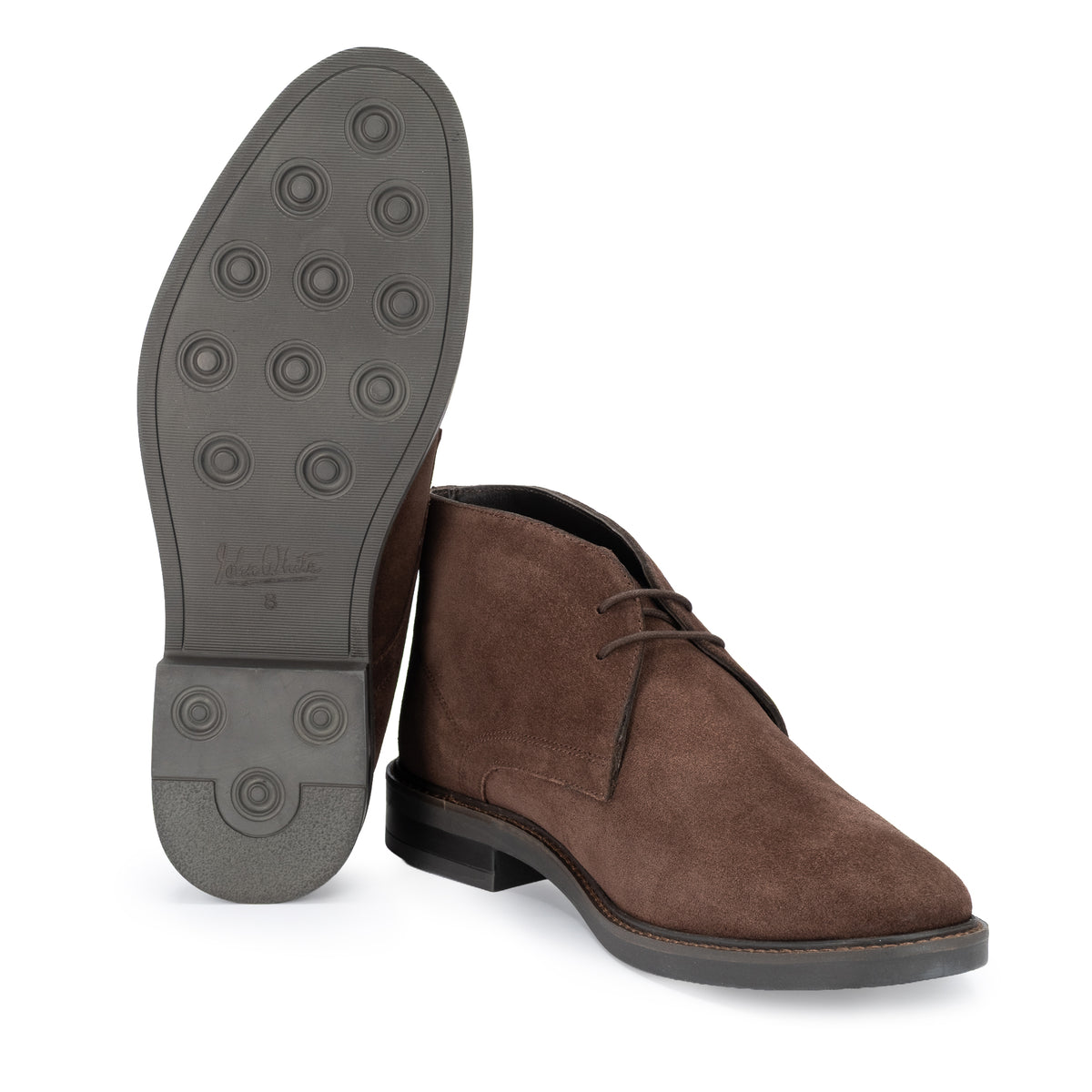
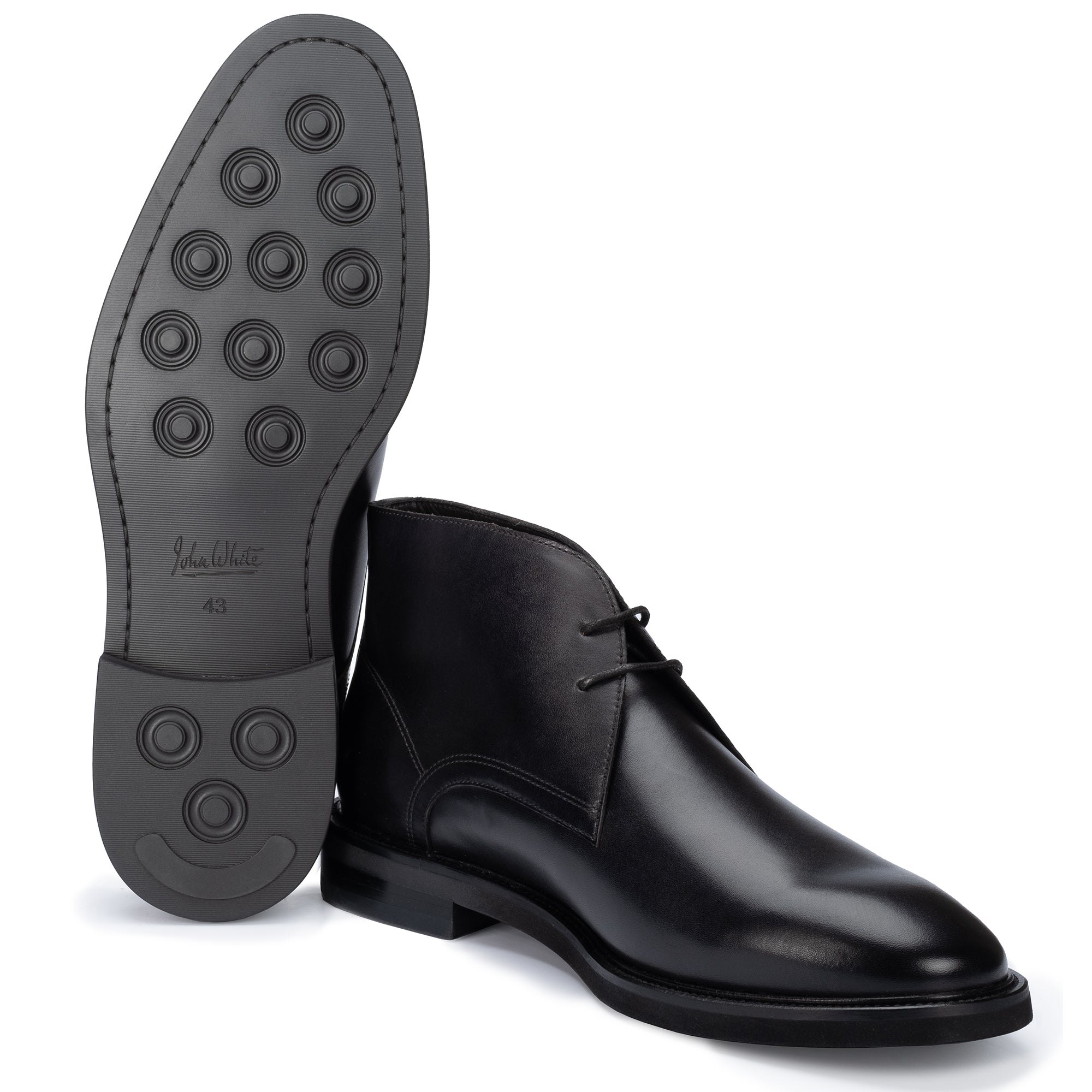
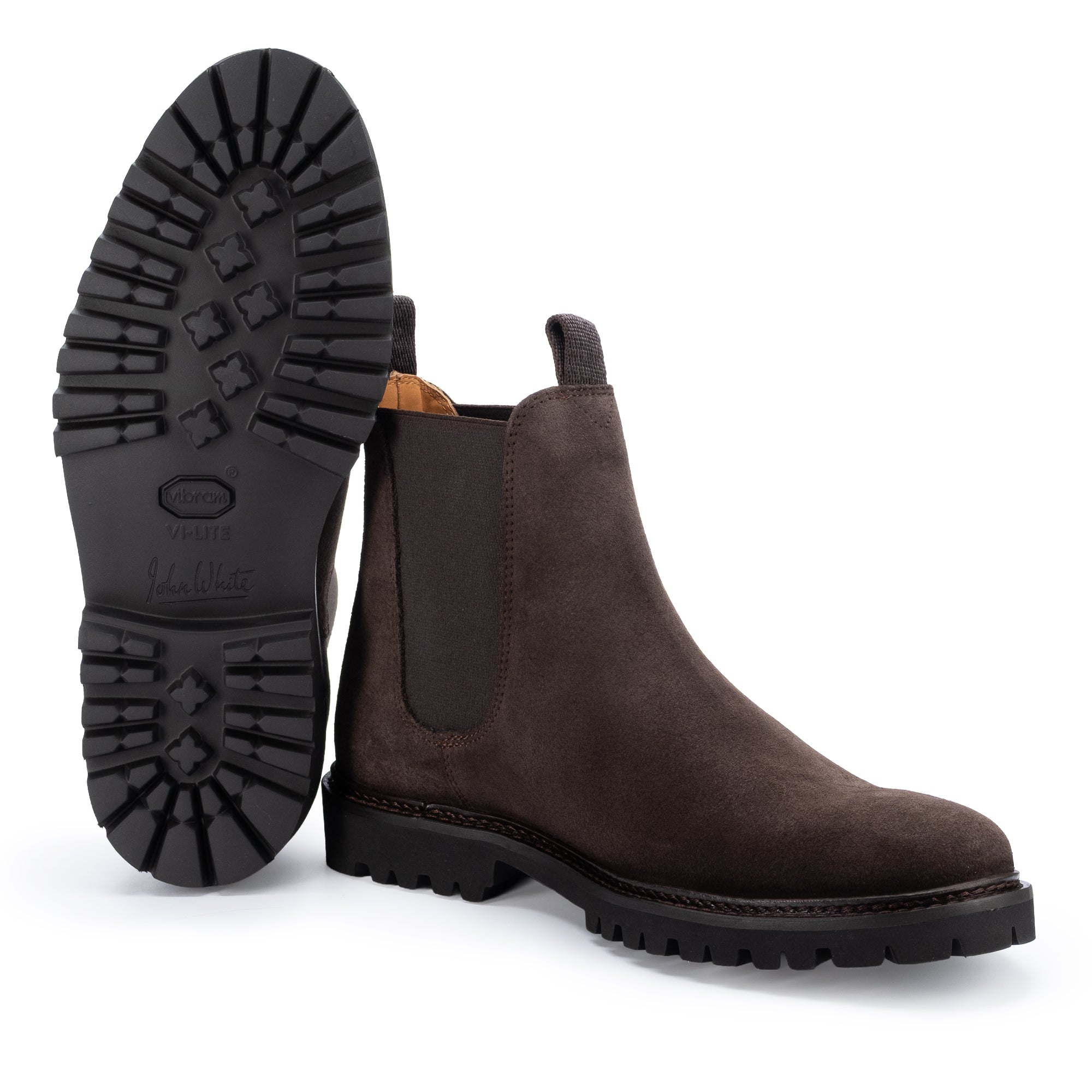
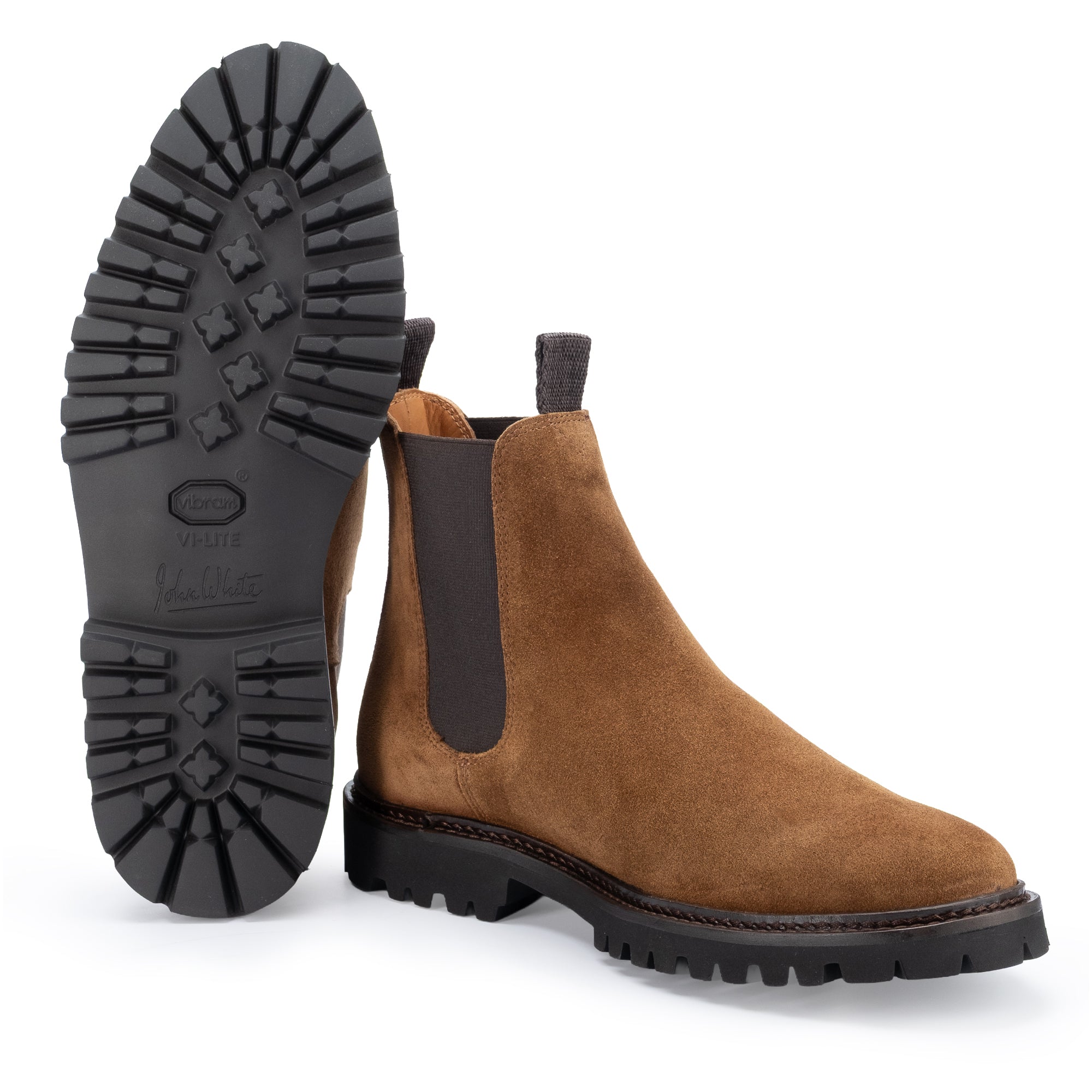
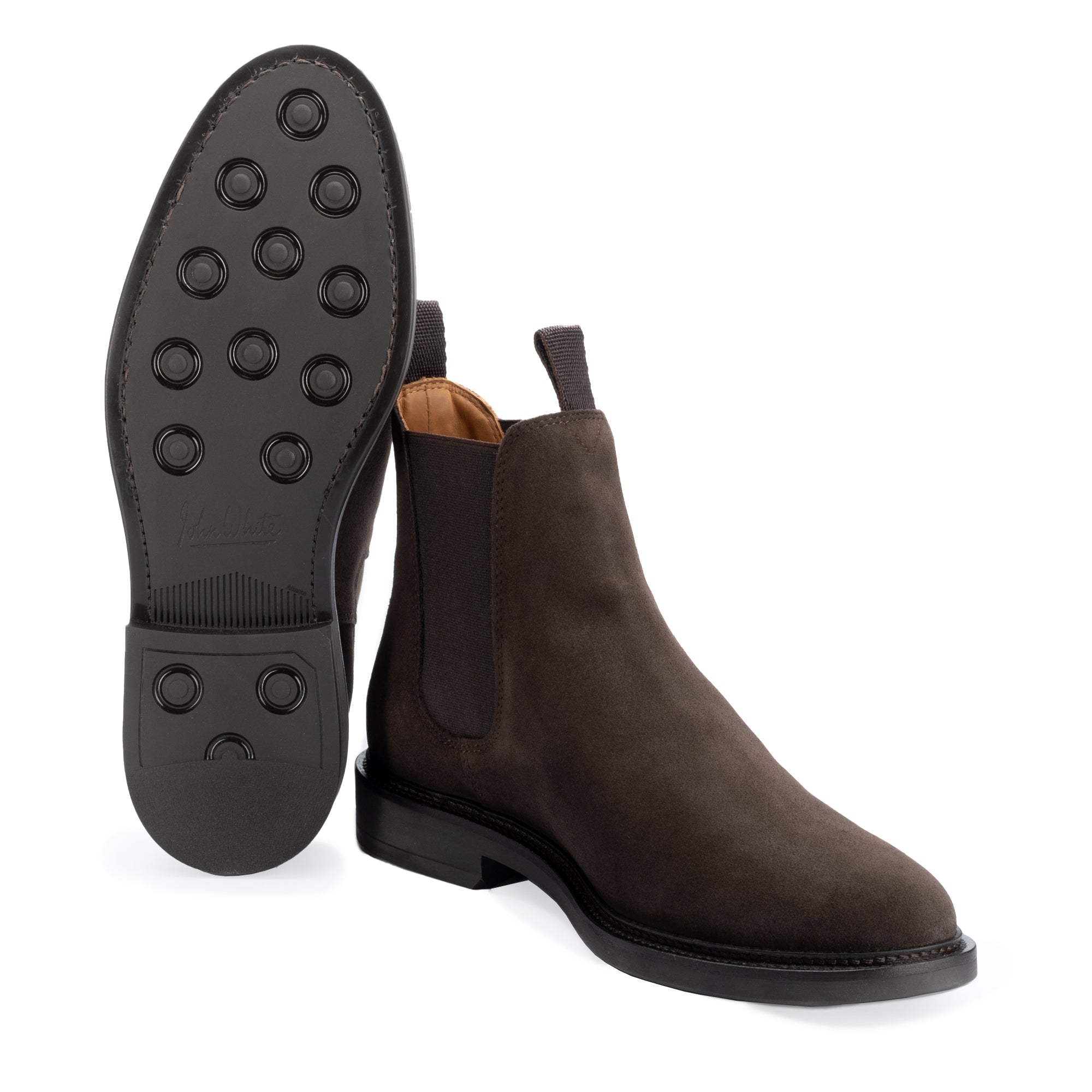
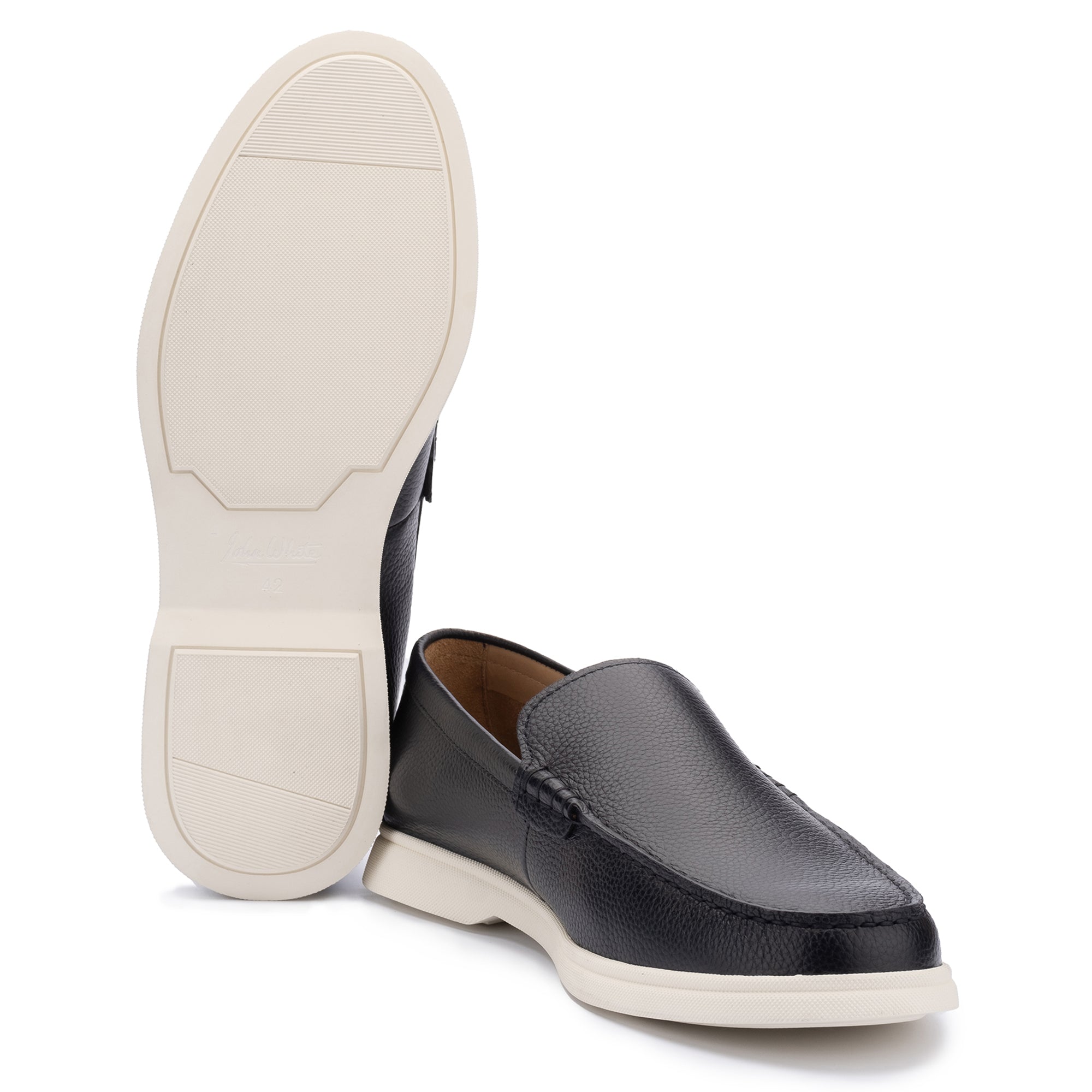
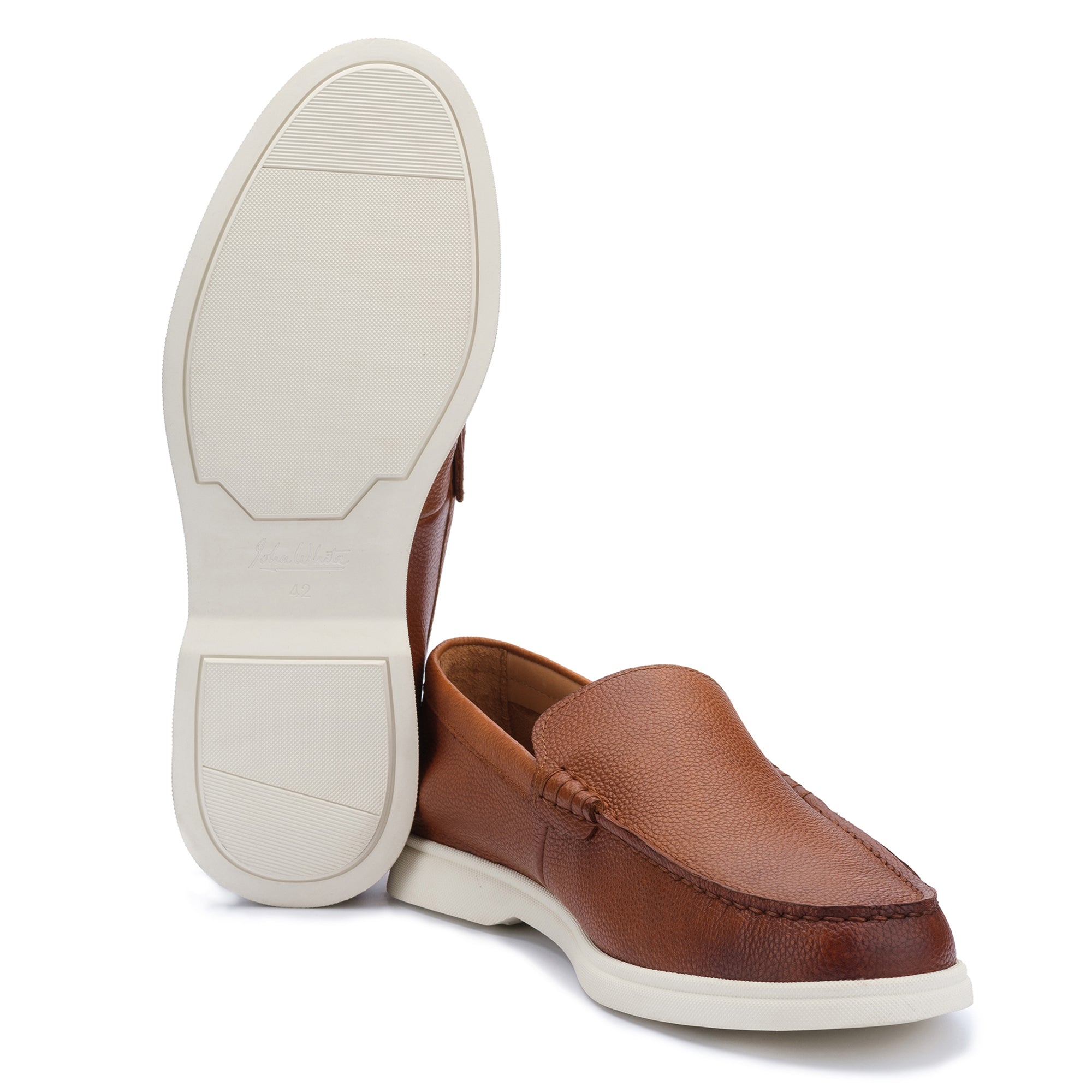
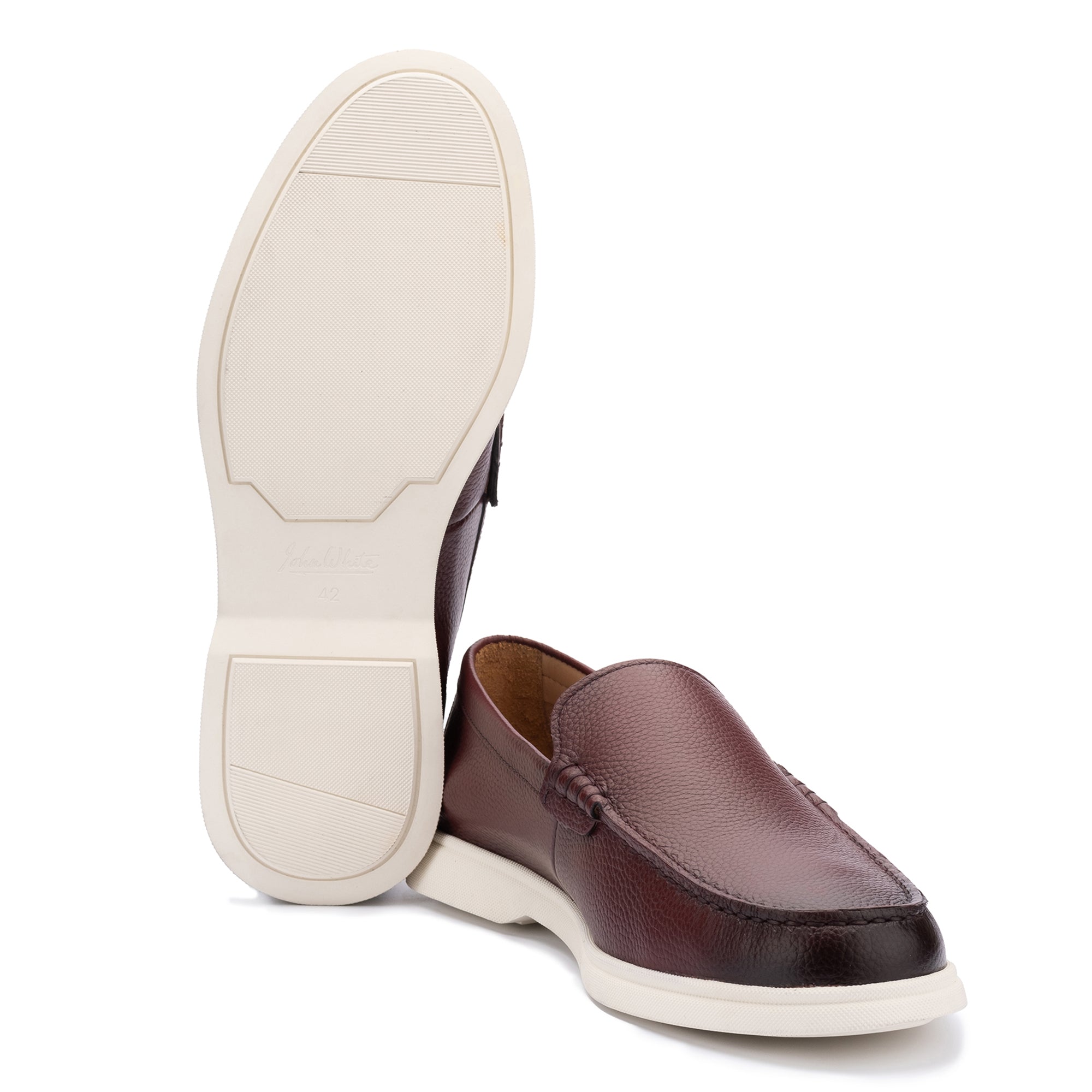
Both the suede and grain leather variants in the Ethan and Portus ranges share the same underlying construction. The outsole — rubber or leather — is worth considering independently of the upper material. For summer specifically, a lighter rubber sole tends to perform better across varied surfaces. For a more formal register, a leather sole gives a firmer, more precise feel underfoot. Our leather vs rubber sole guide covers this decision thoroughly if you are uncertain.
The Short Answer
Buy grain leather if you want a dependable, low-maintenance summer loafer that will handle British weather without complaint. Buy suede if you are buying for settled conditions, want a softer and more characterful look, and are prepared to give the material thirty seconds of attention after each wear.
Neither is wrong. Both are the right choice for different buyers and different summers. The full JWS loafer collection — suede and grain, penny and plain, multiple colourways — is designed precisely so that the choice is yours to make with confidence, not anxiety.