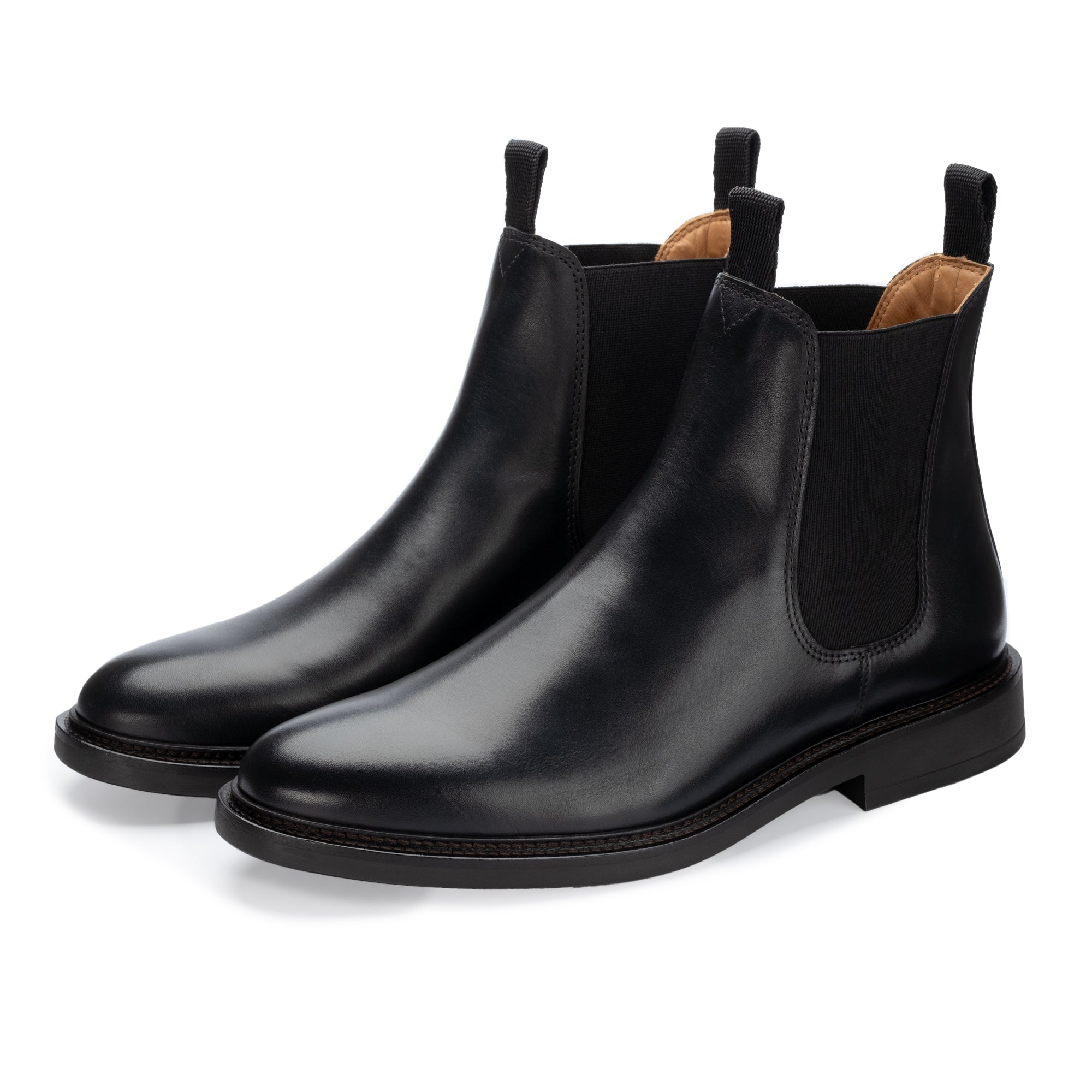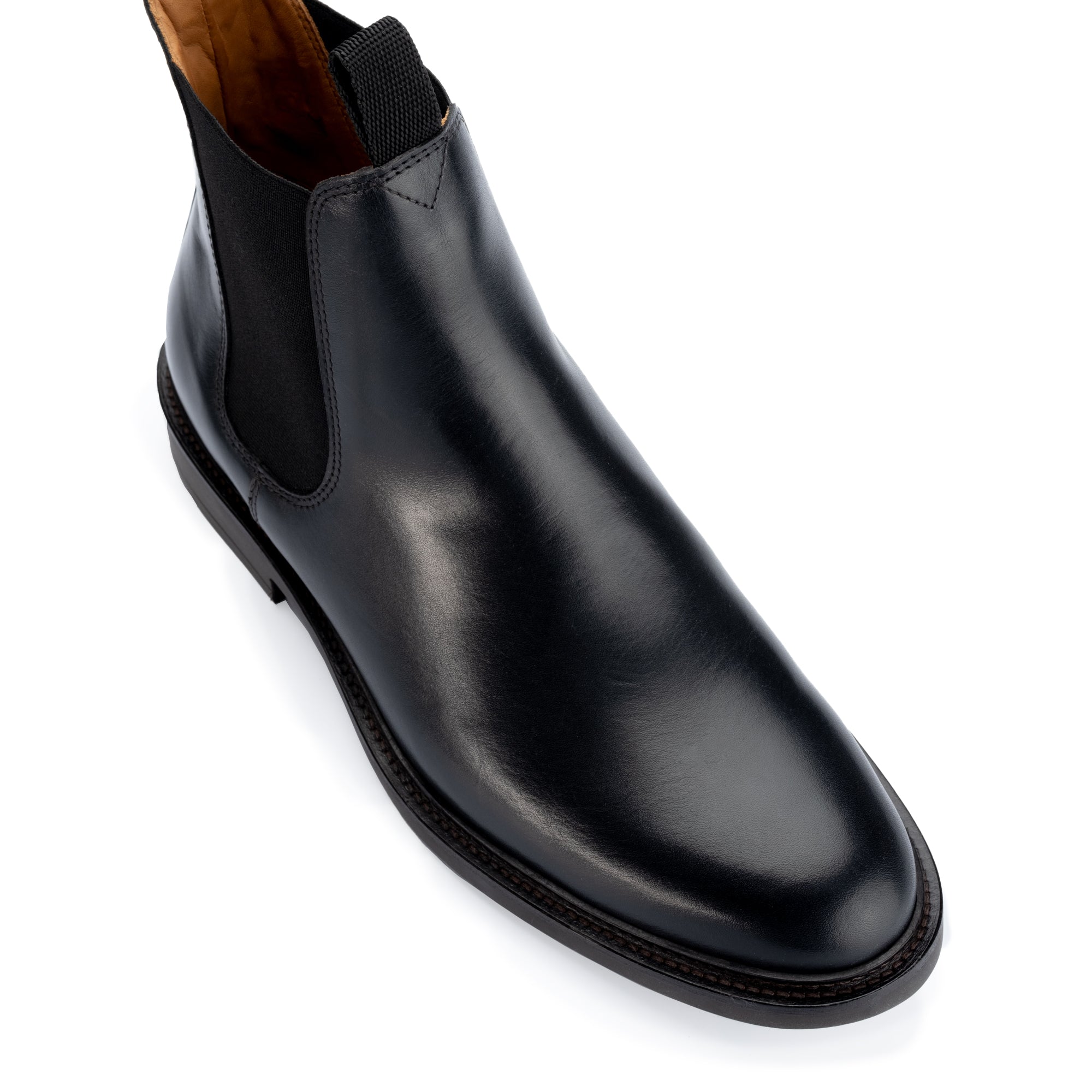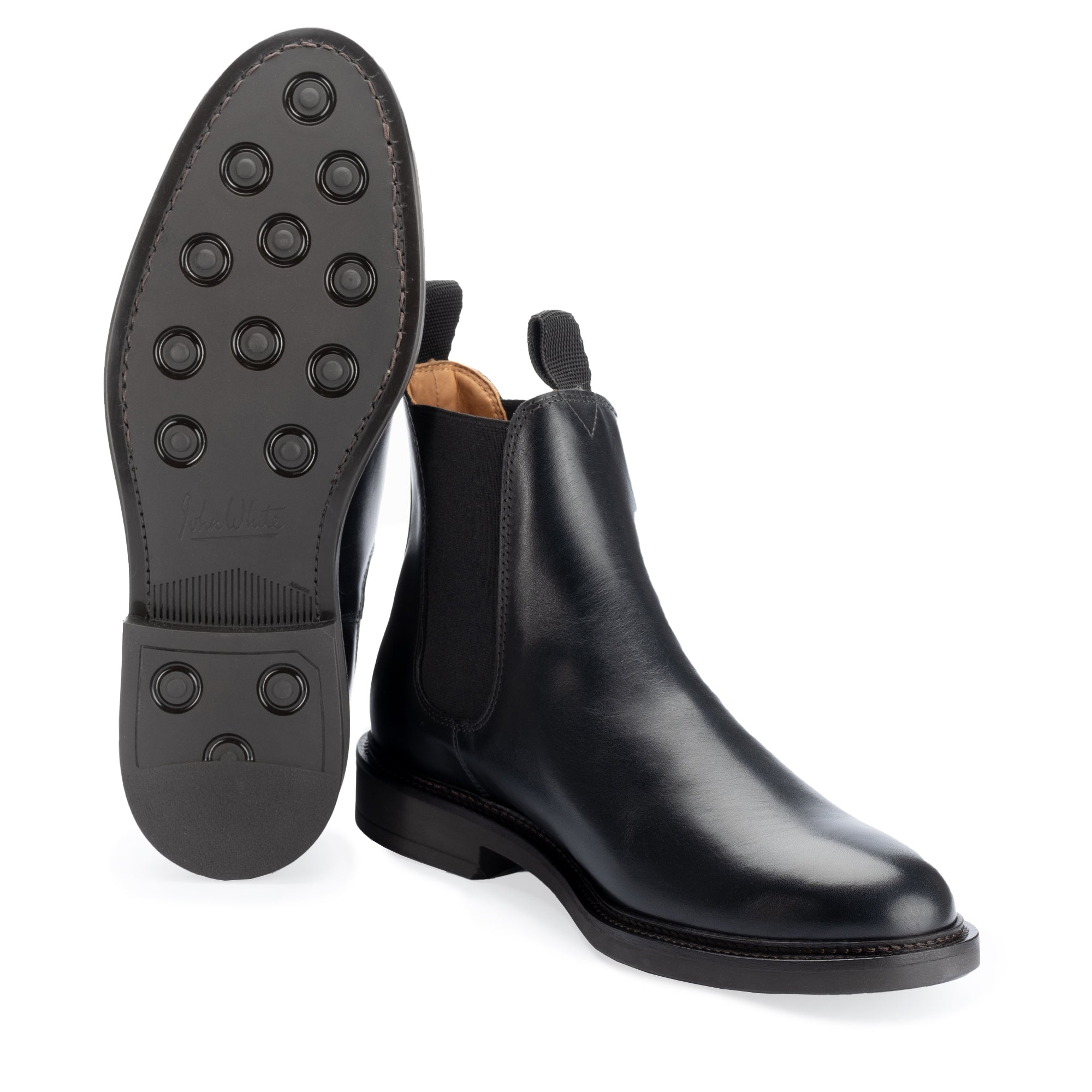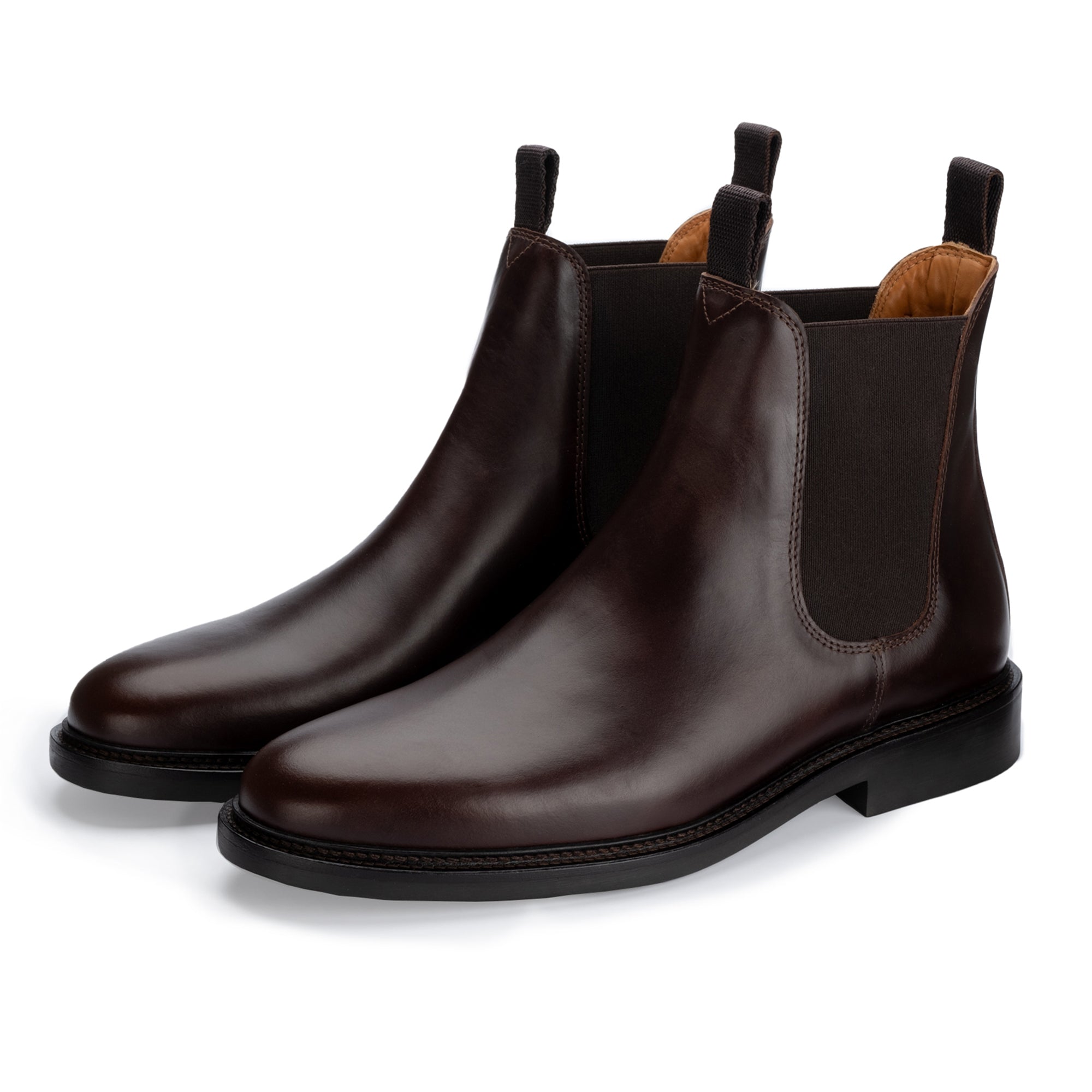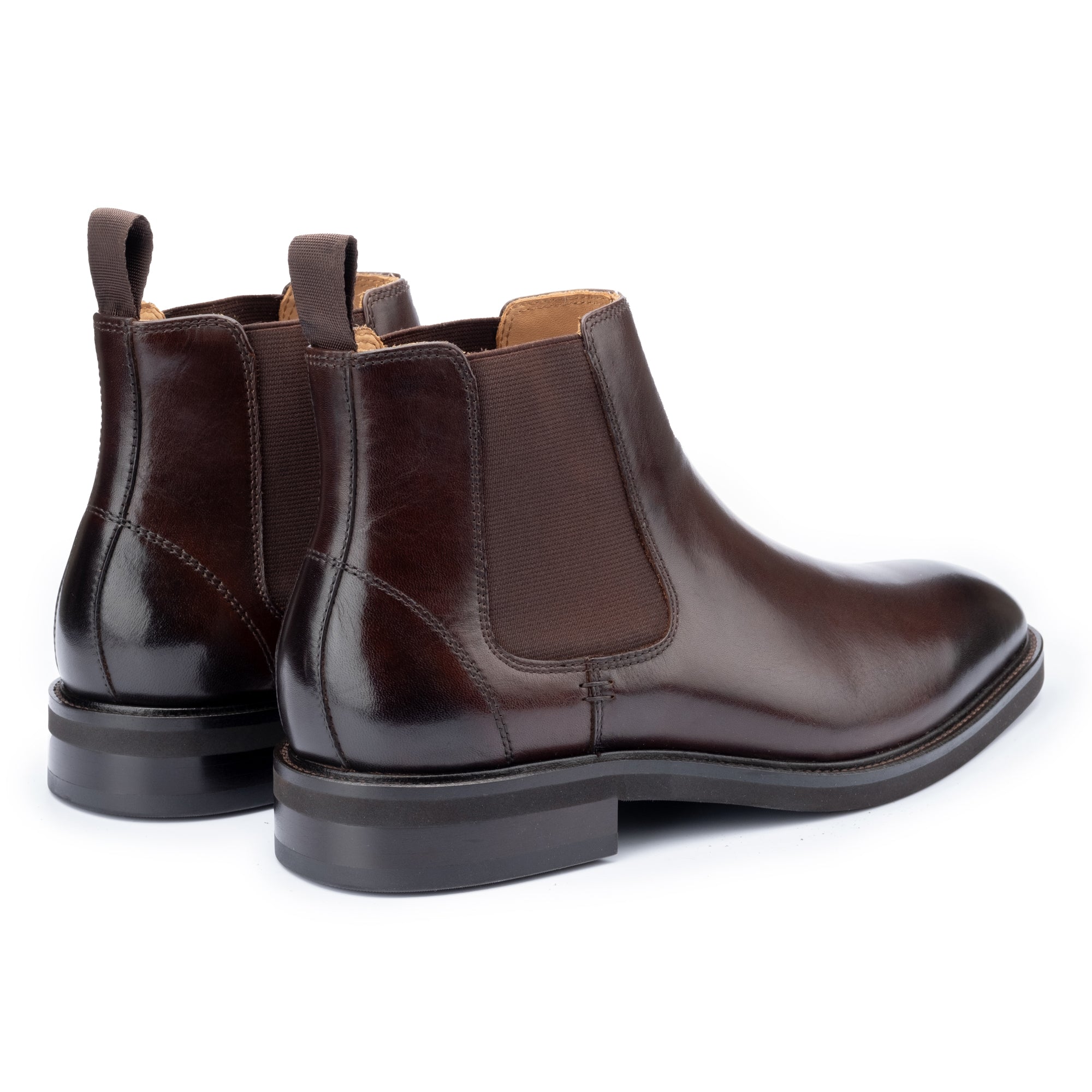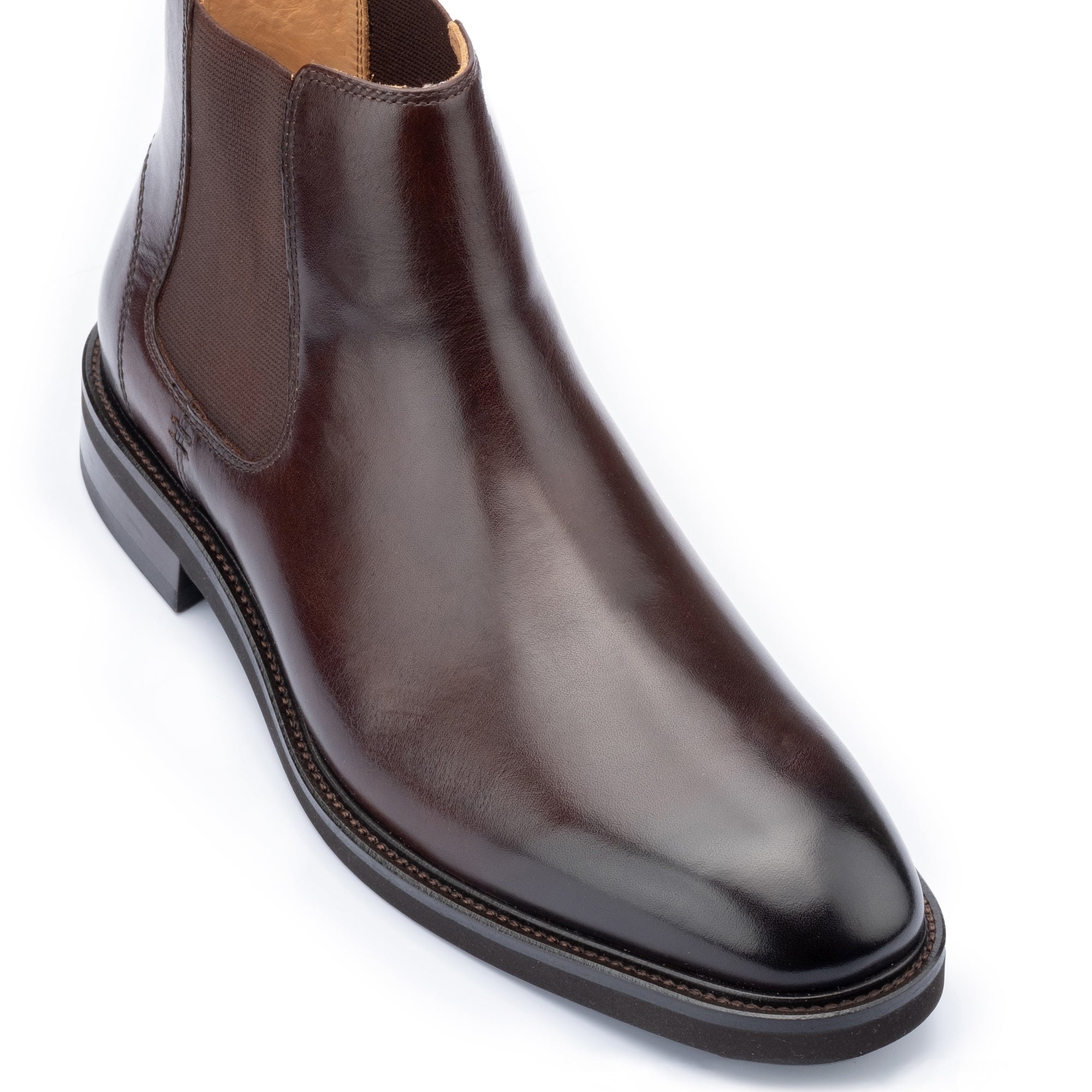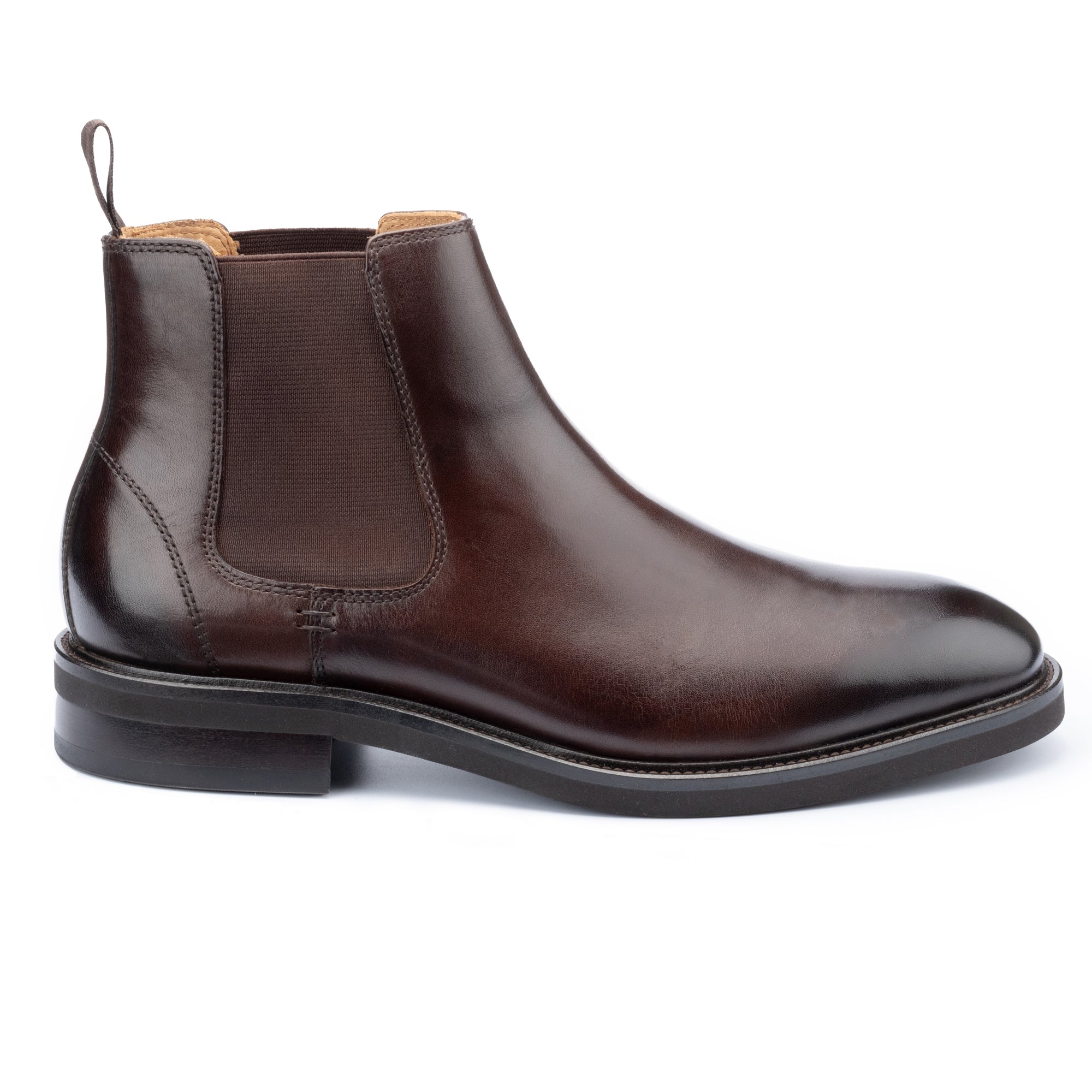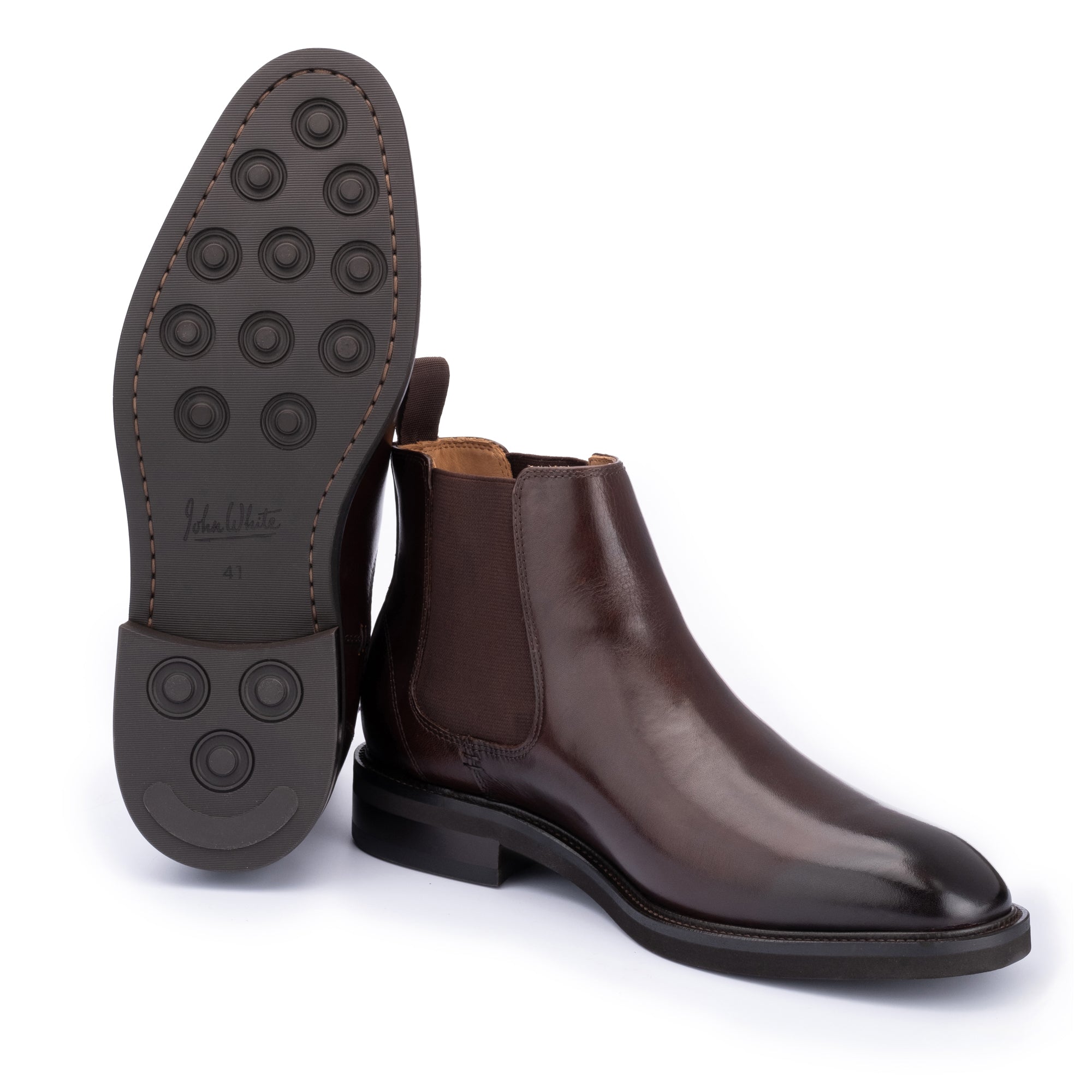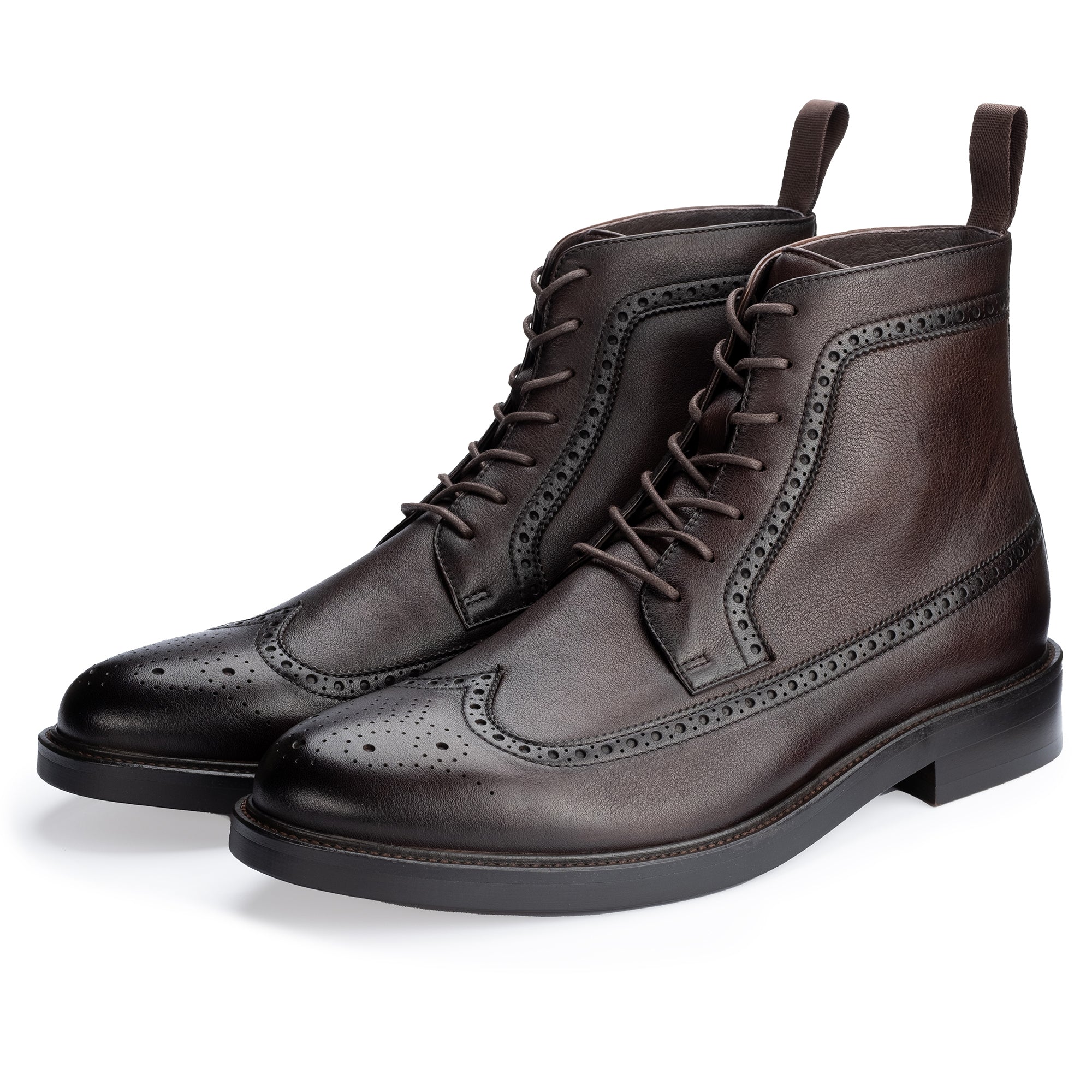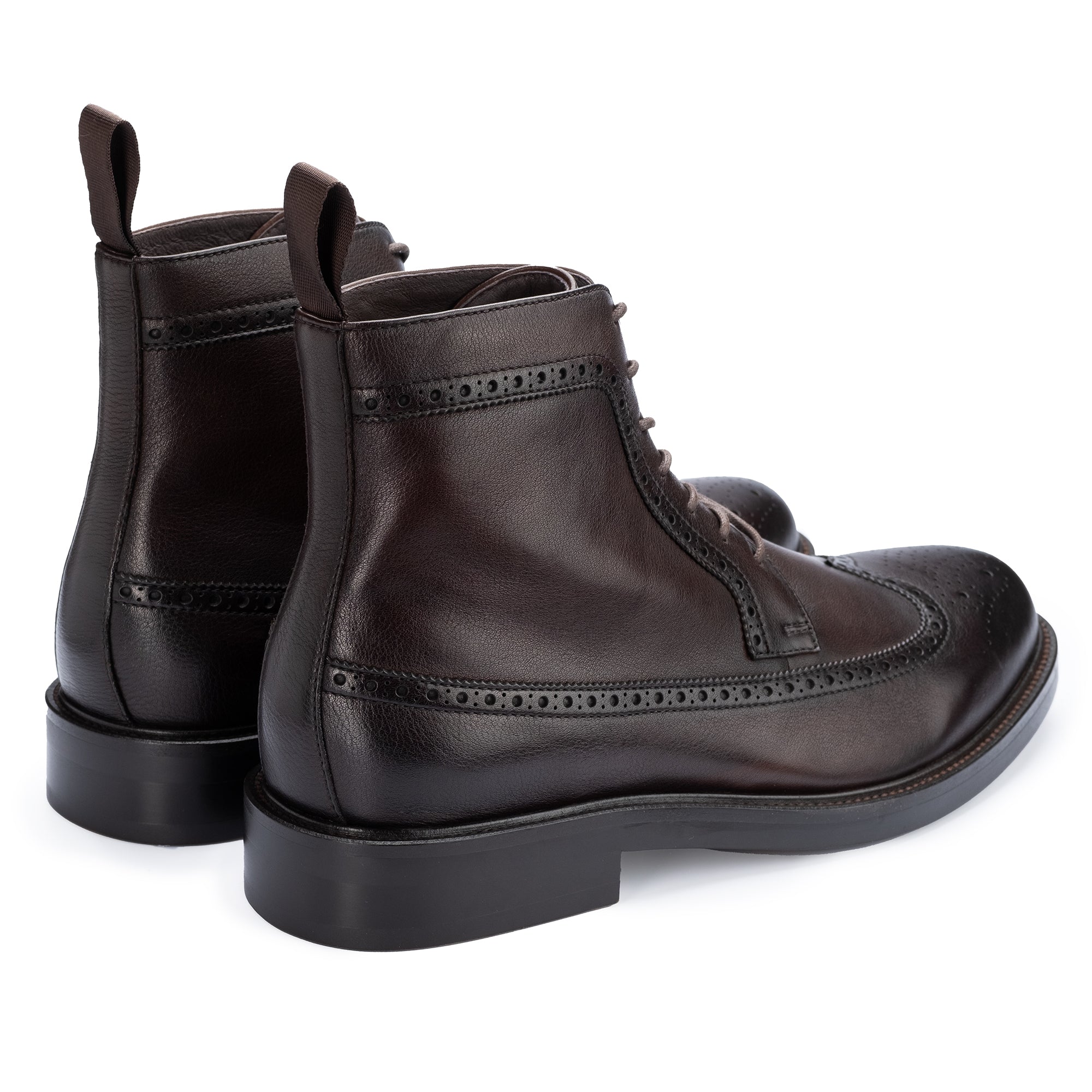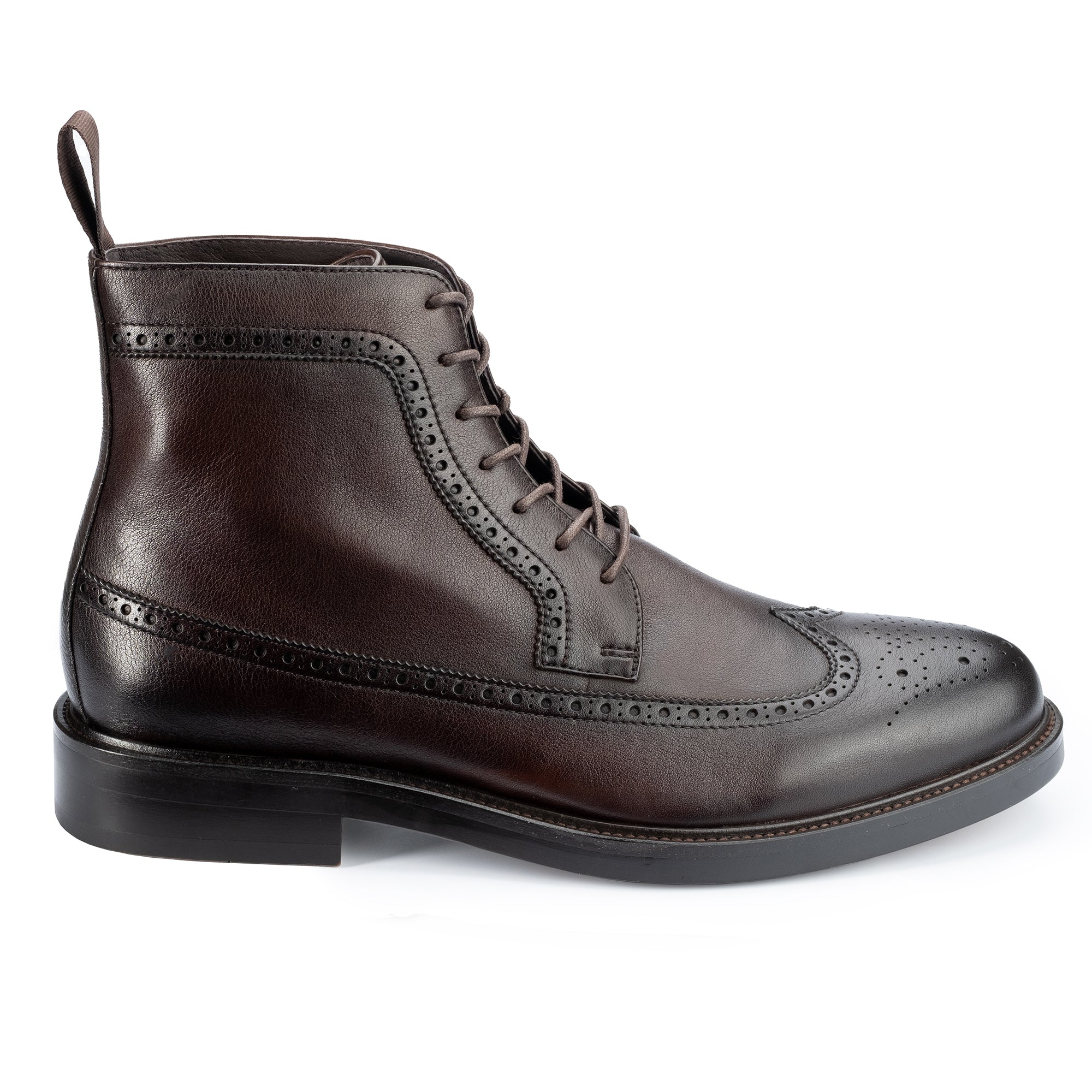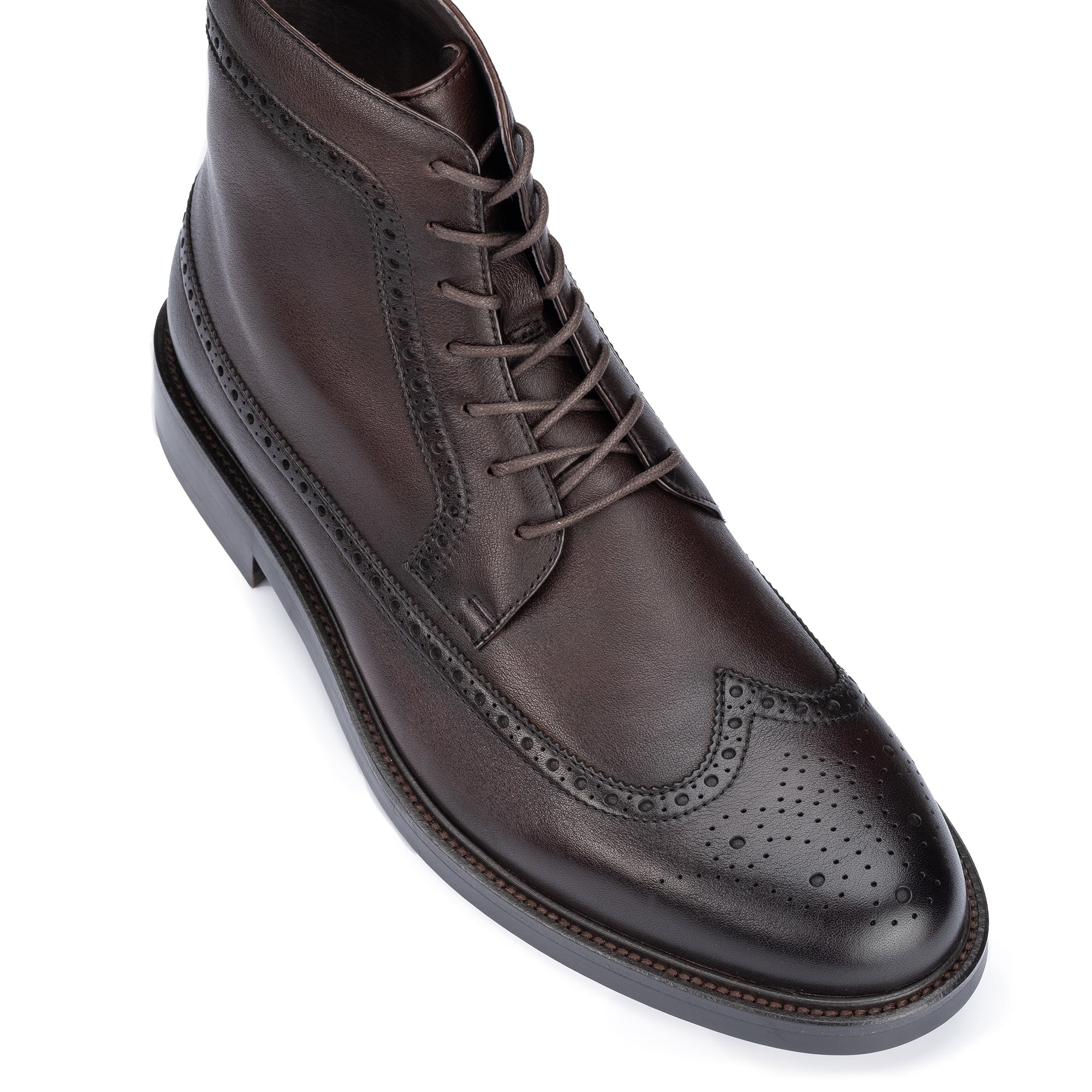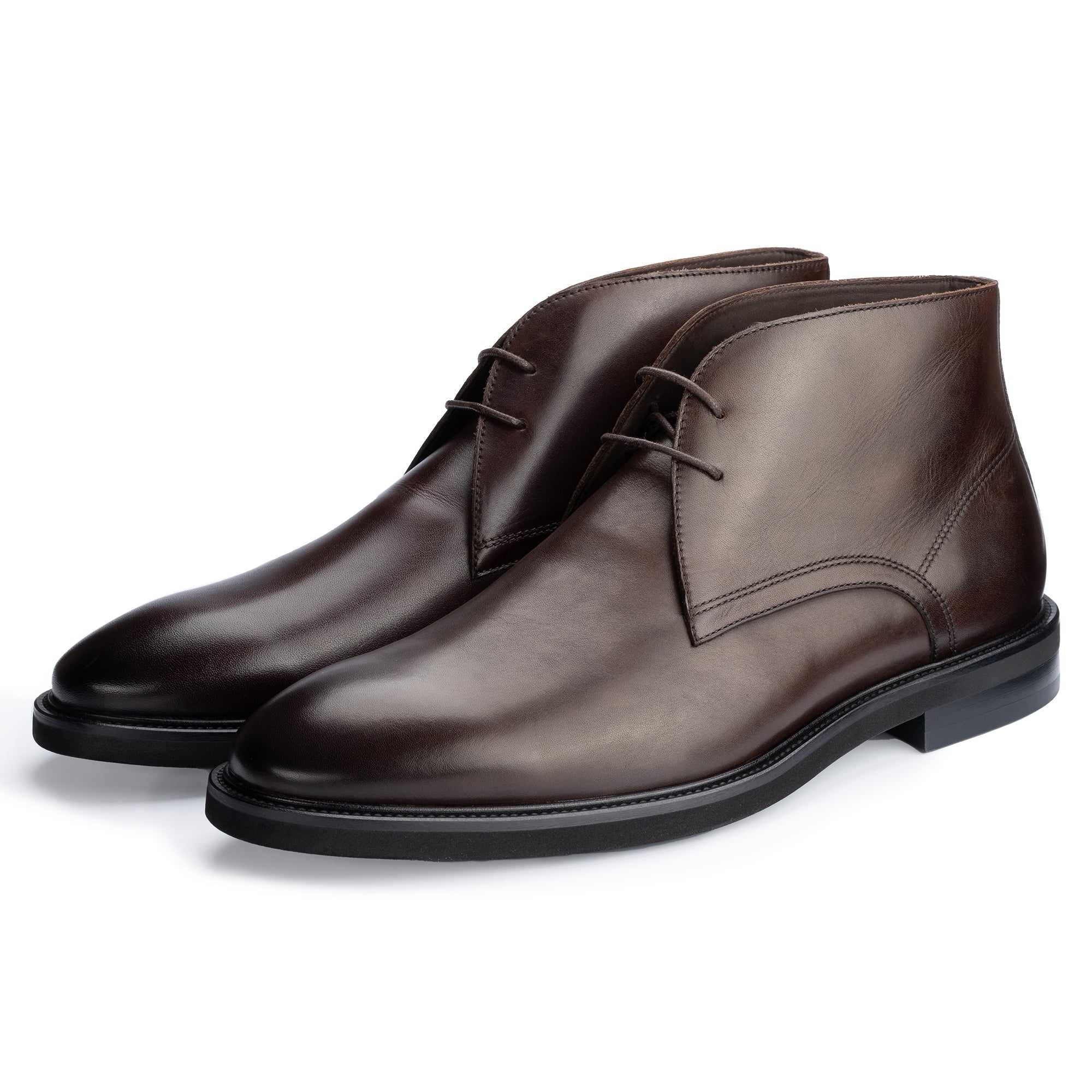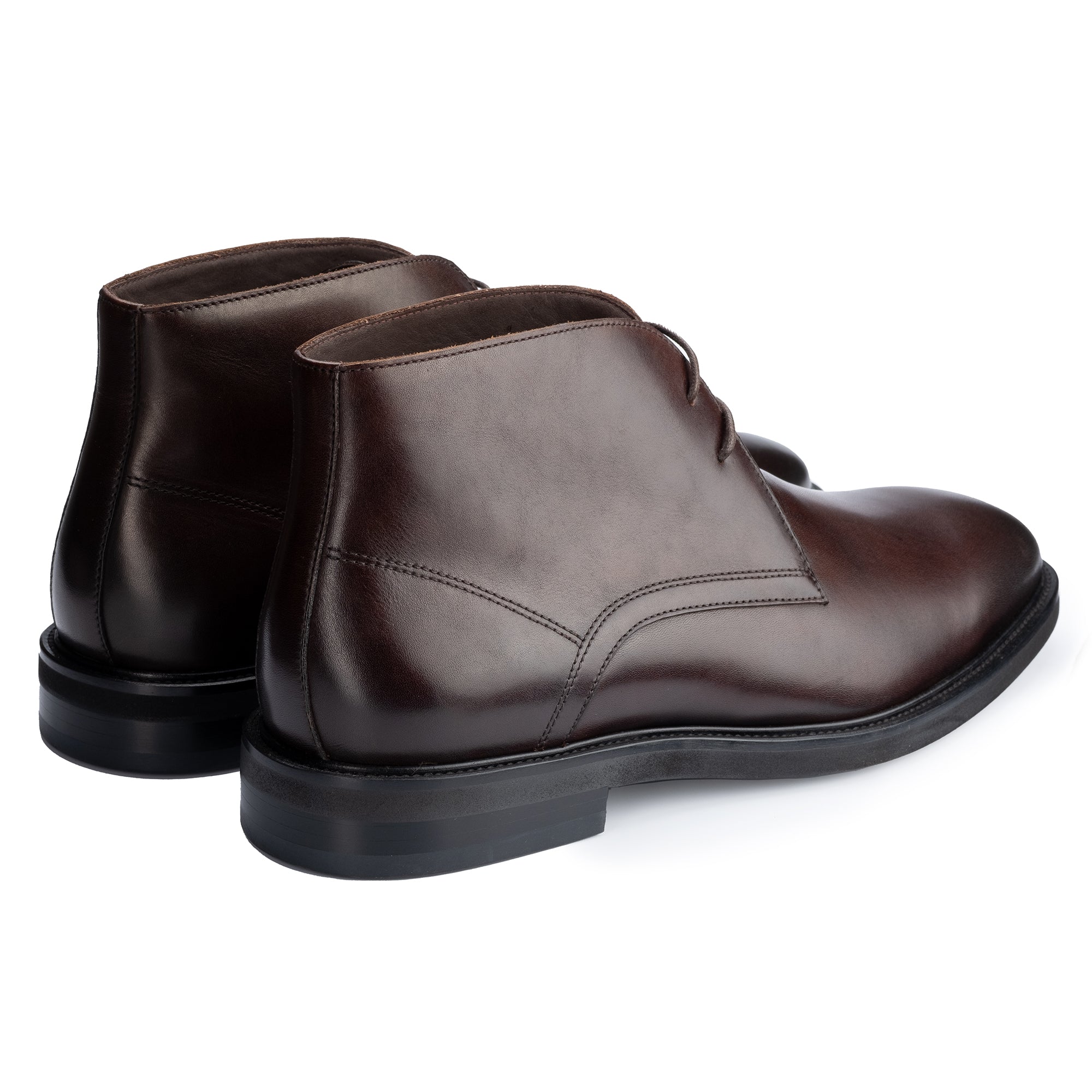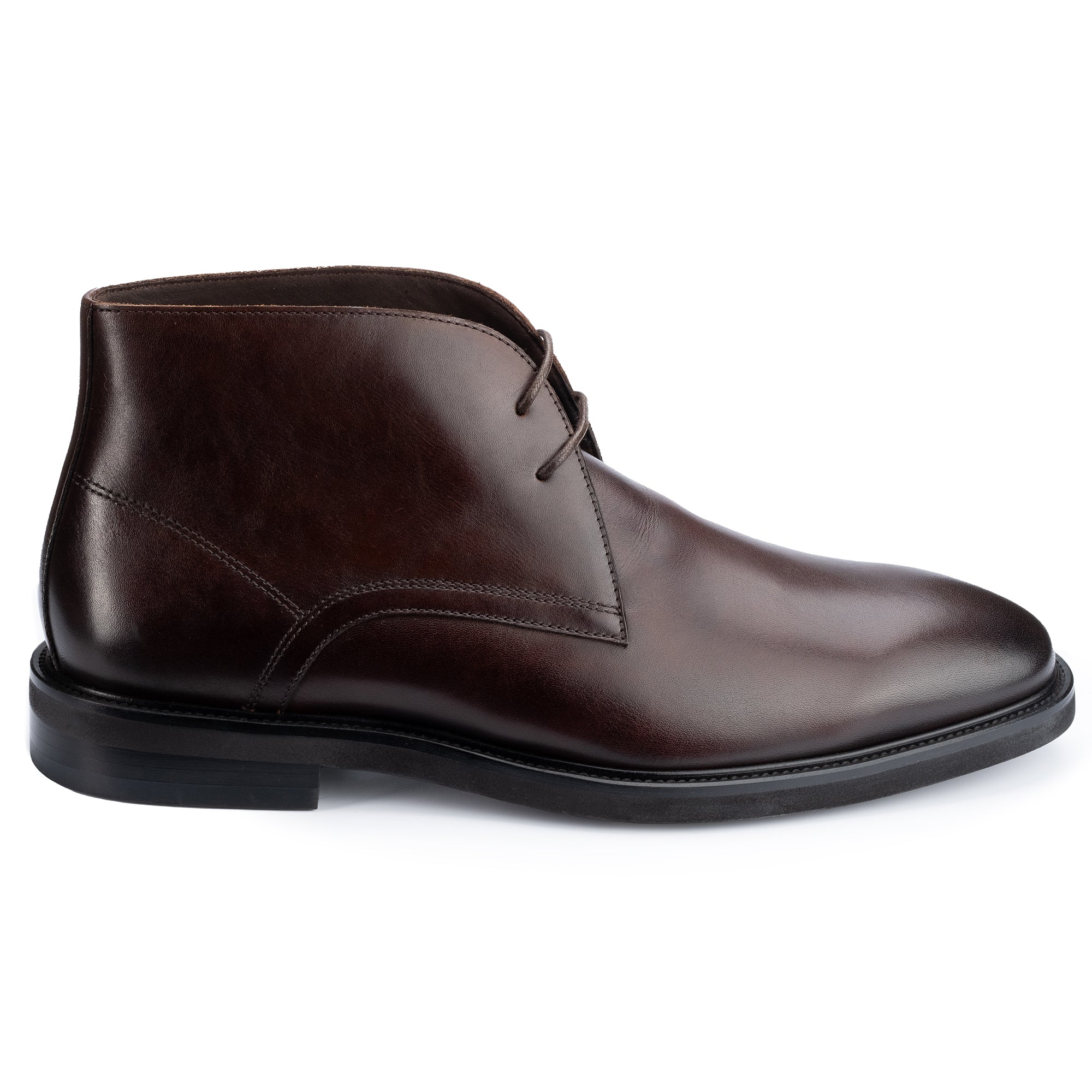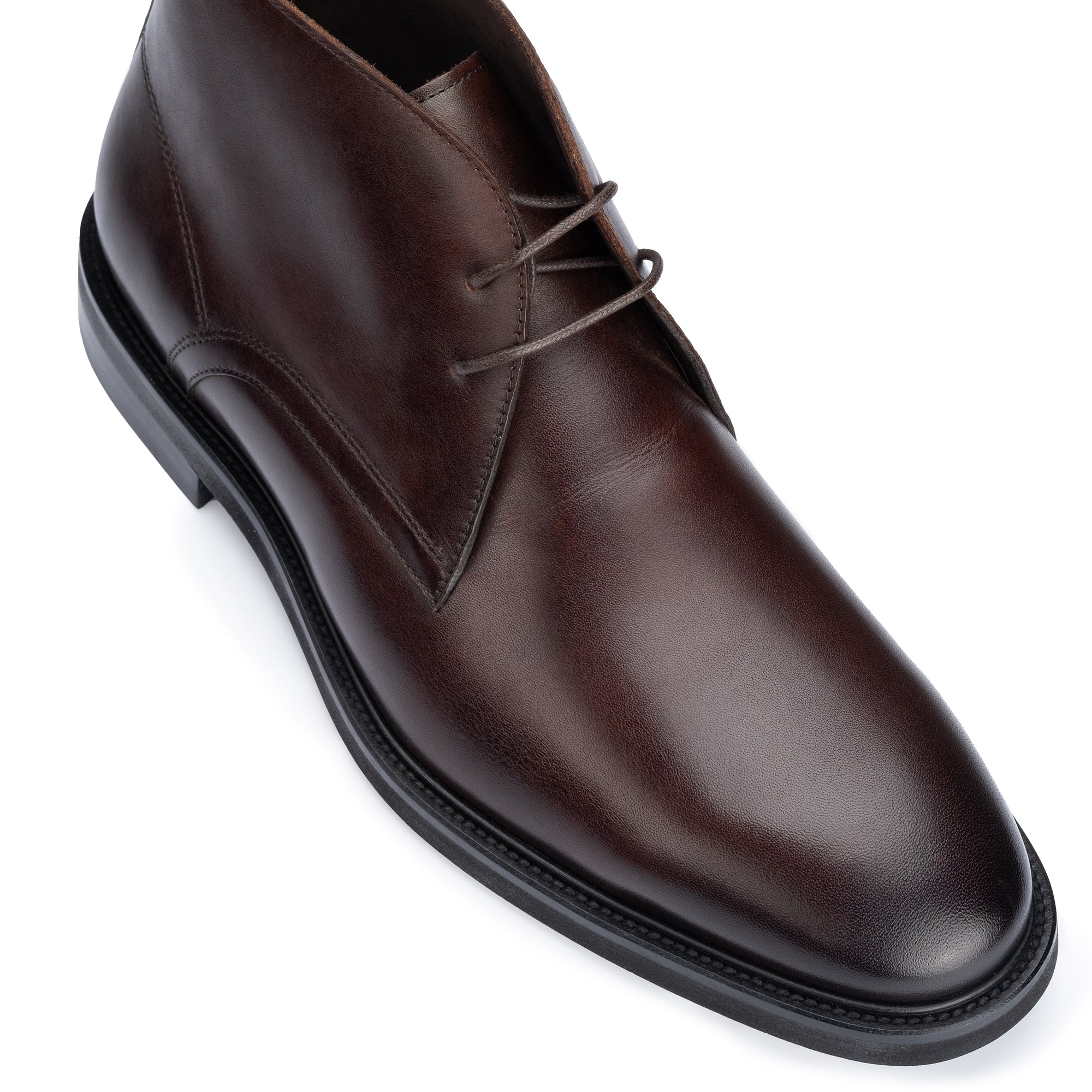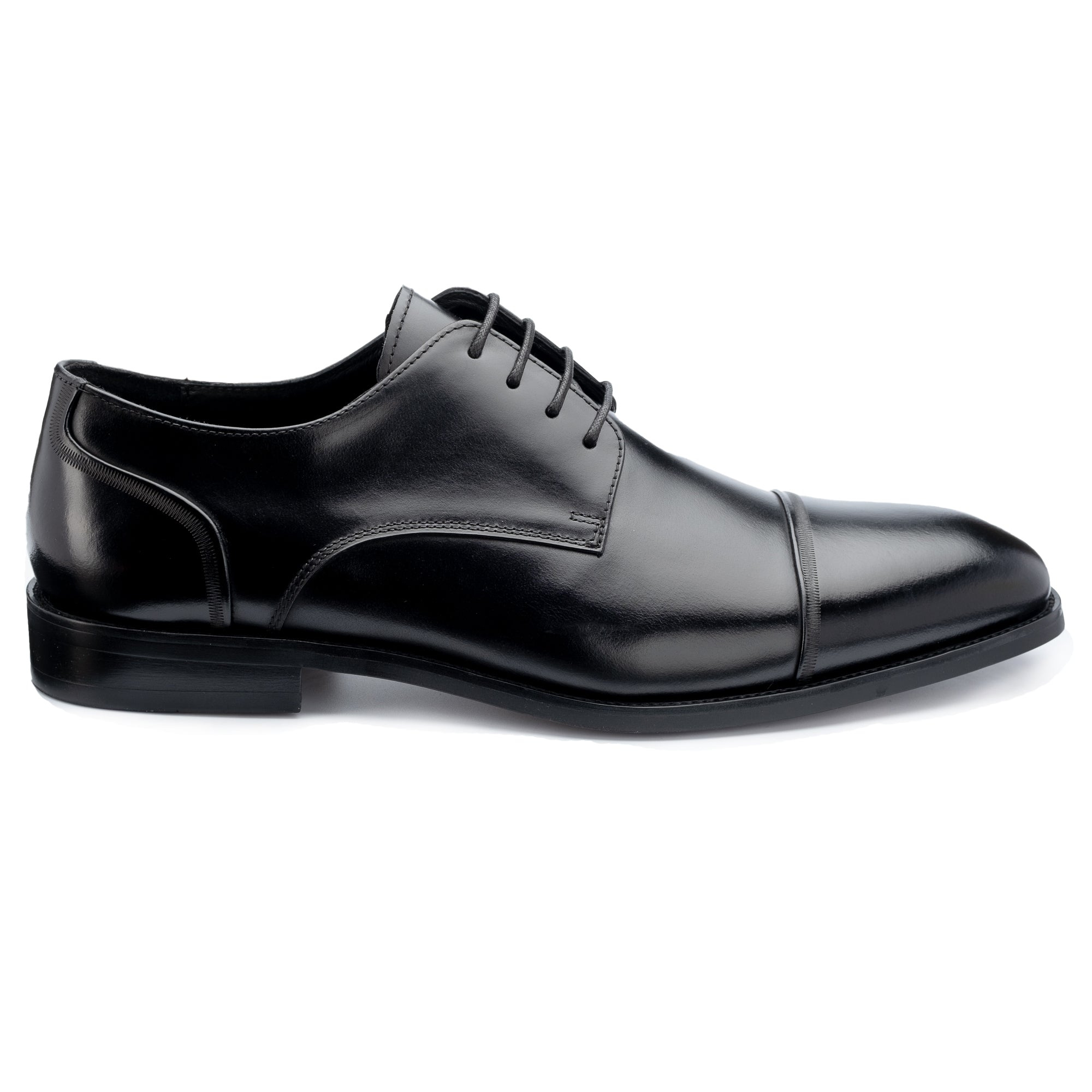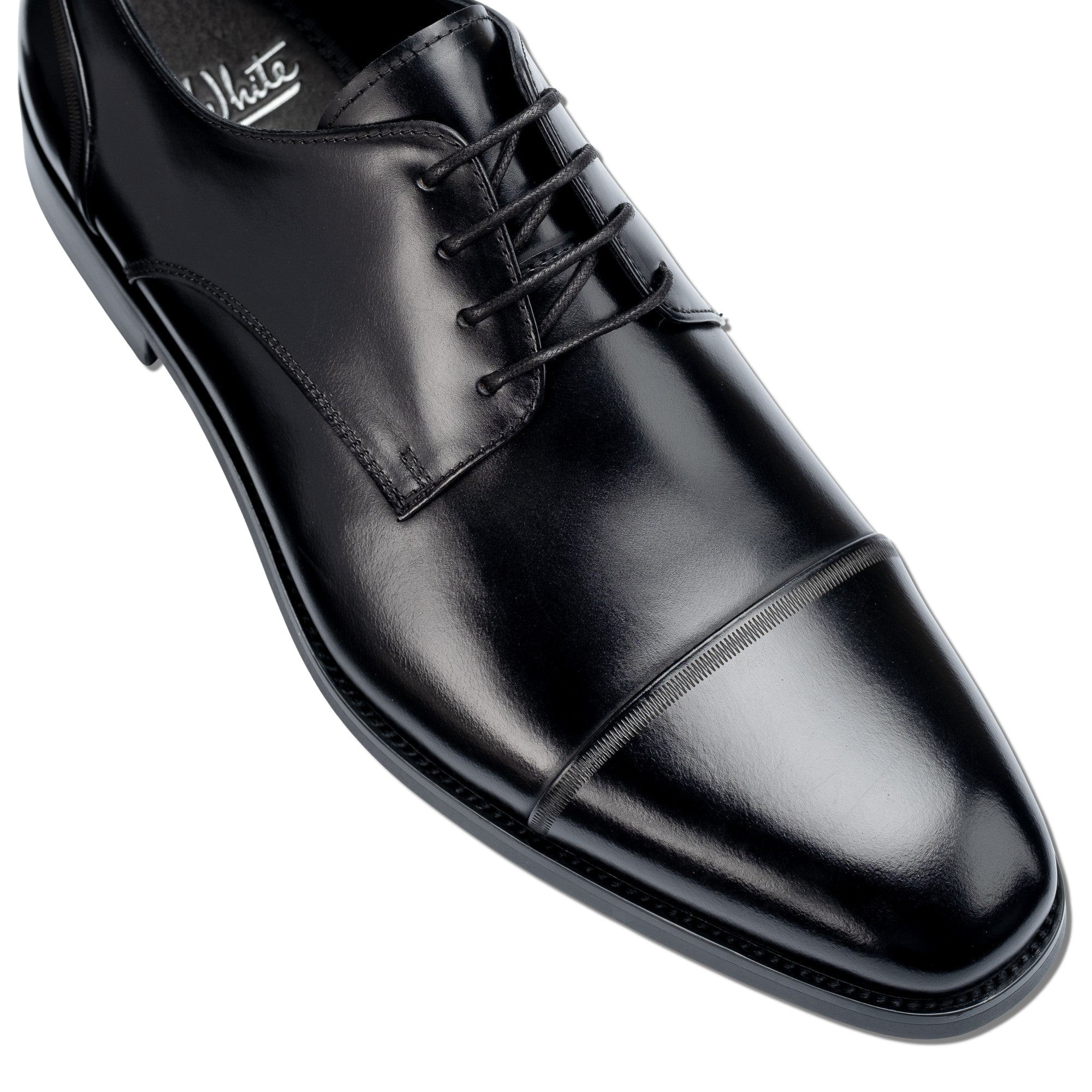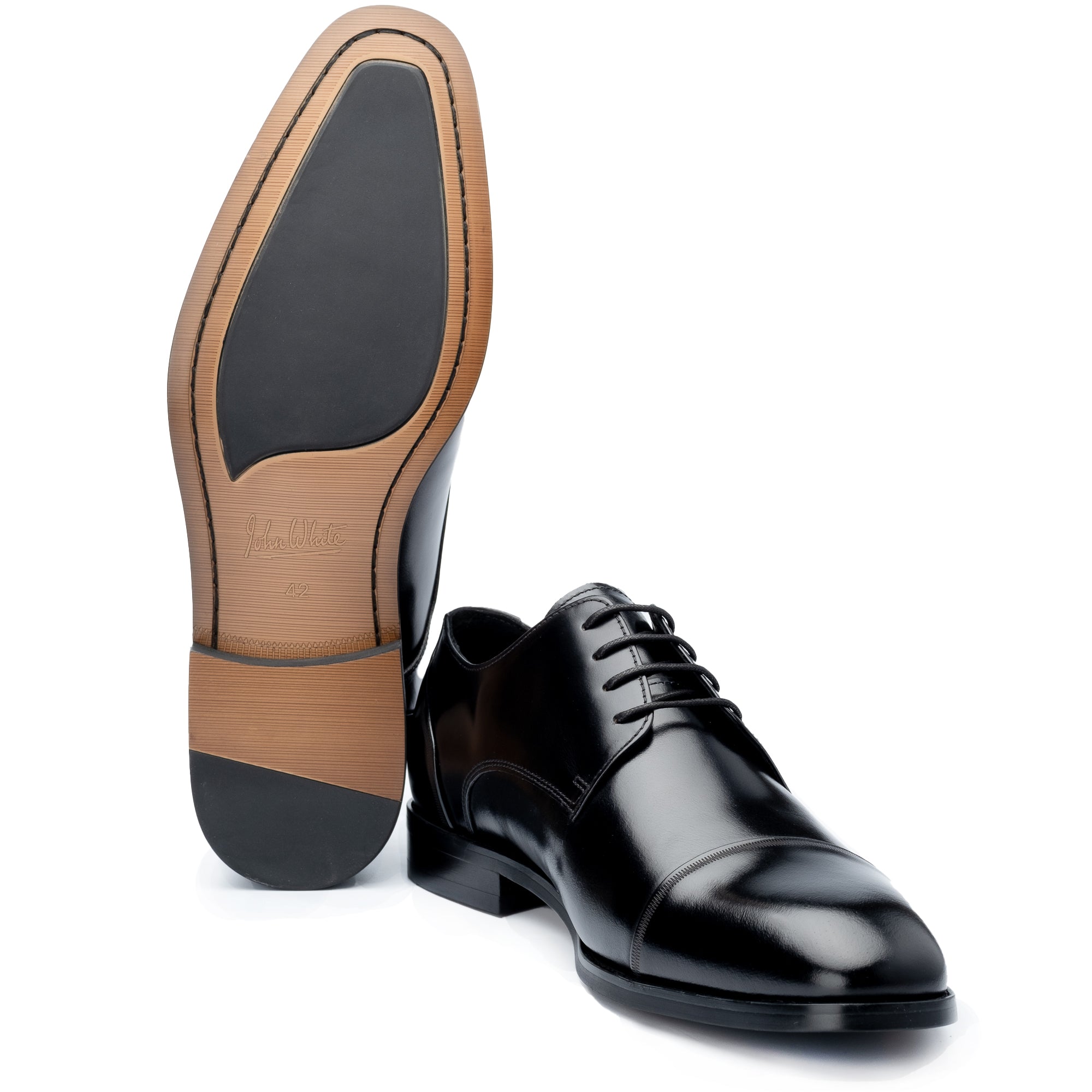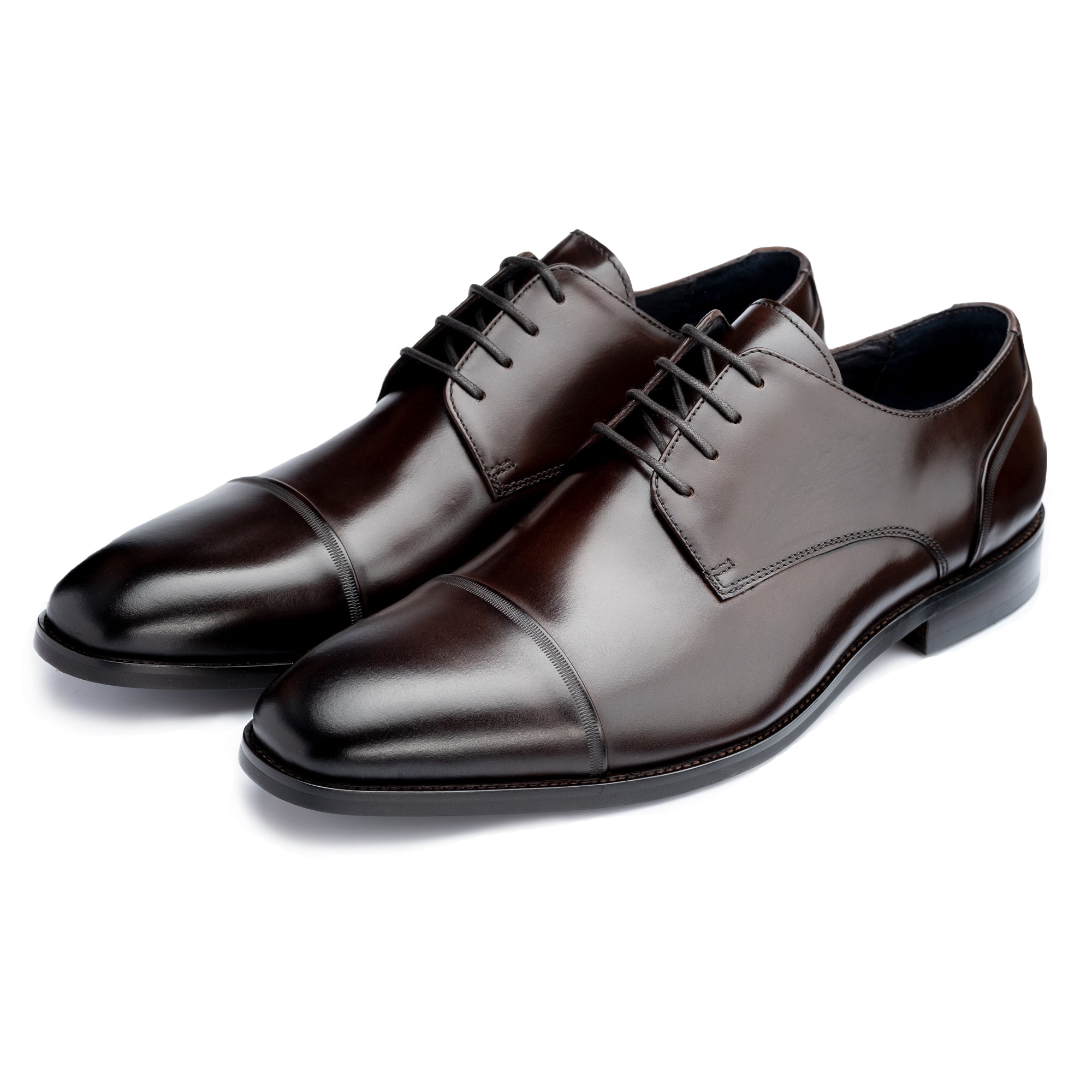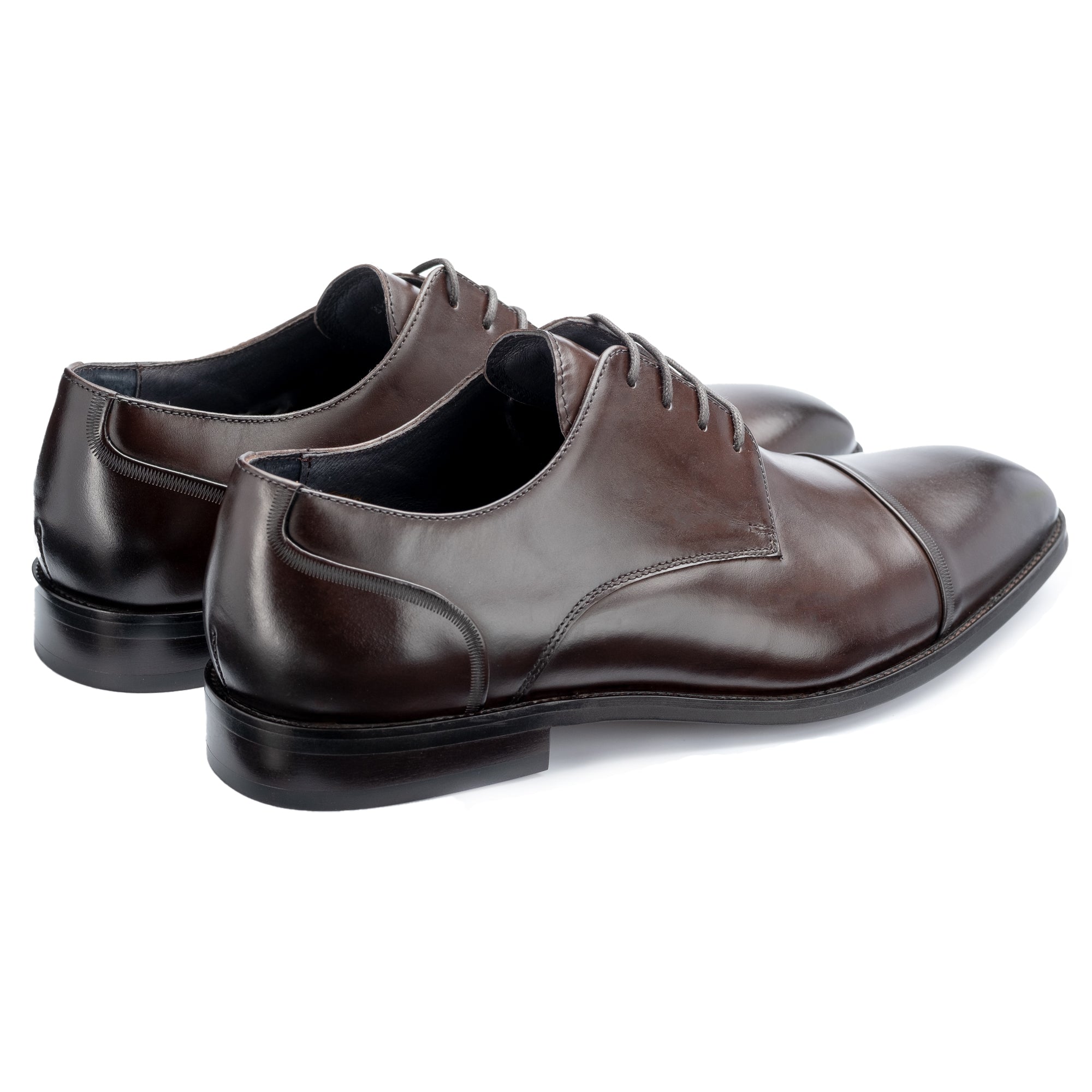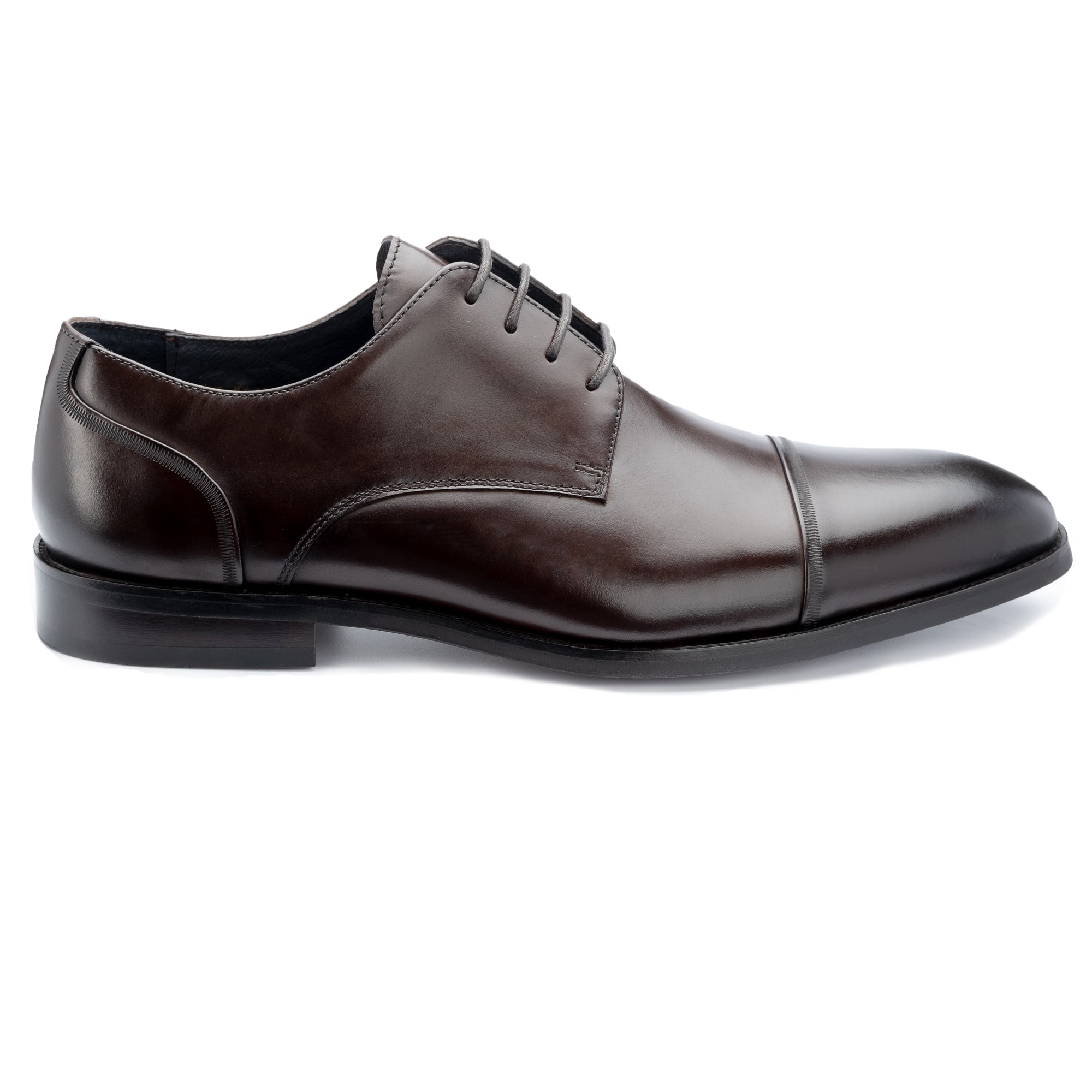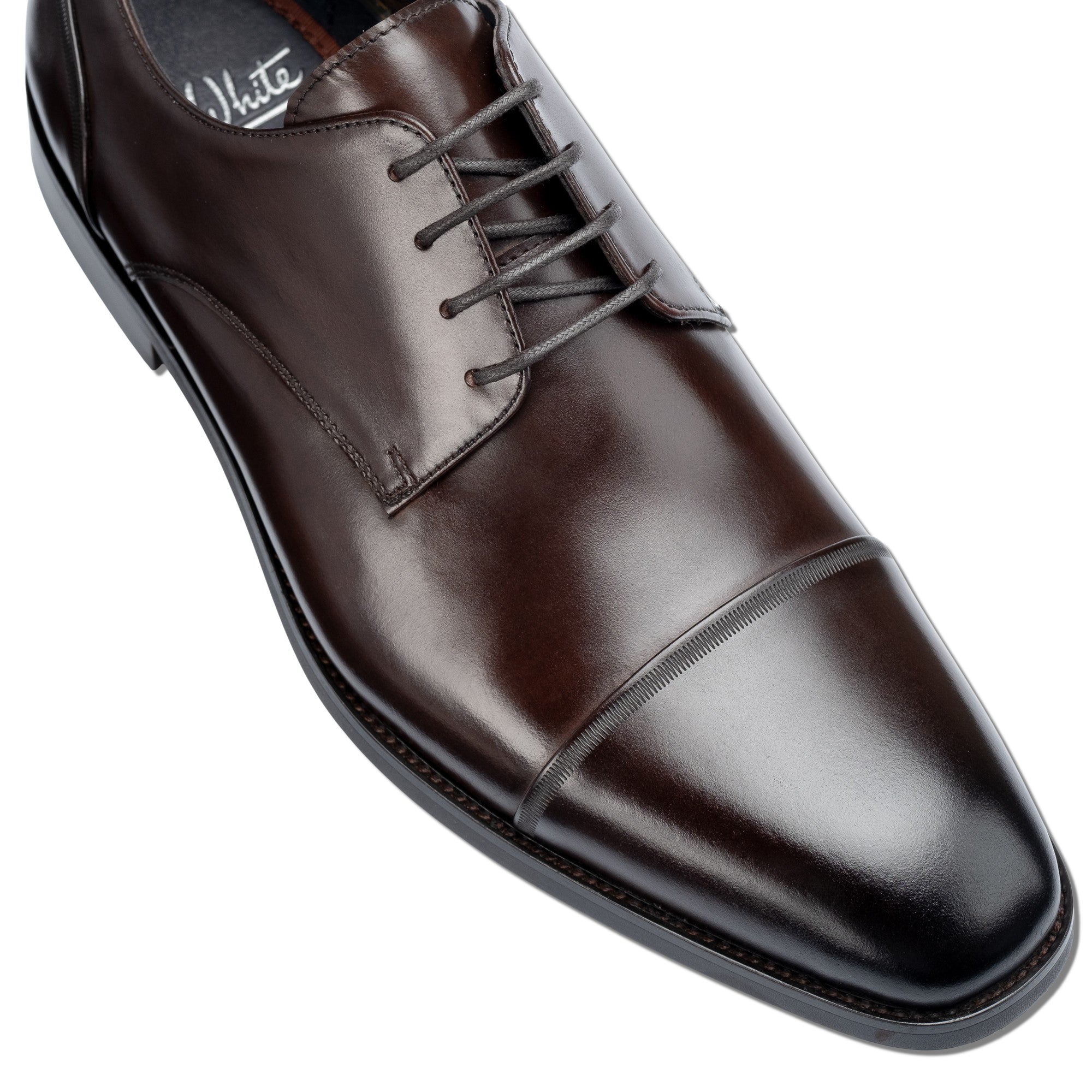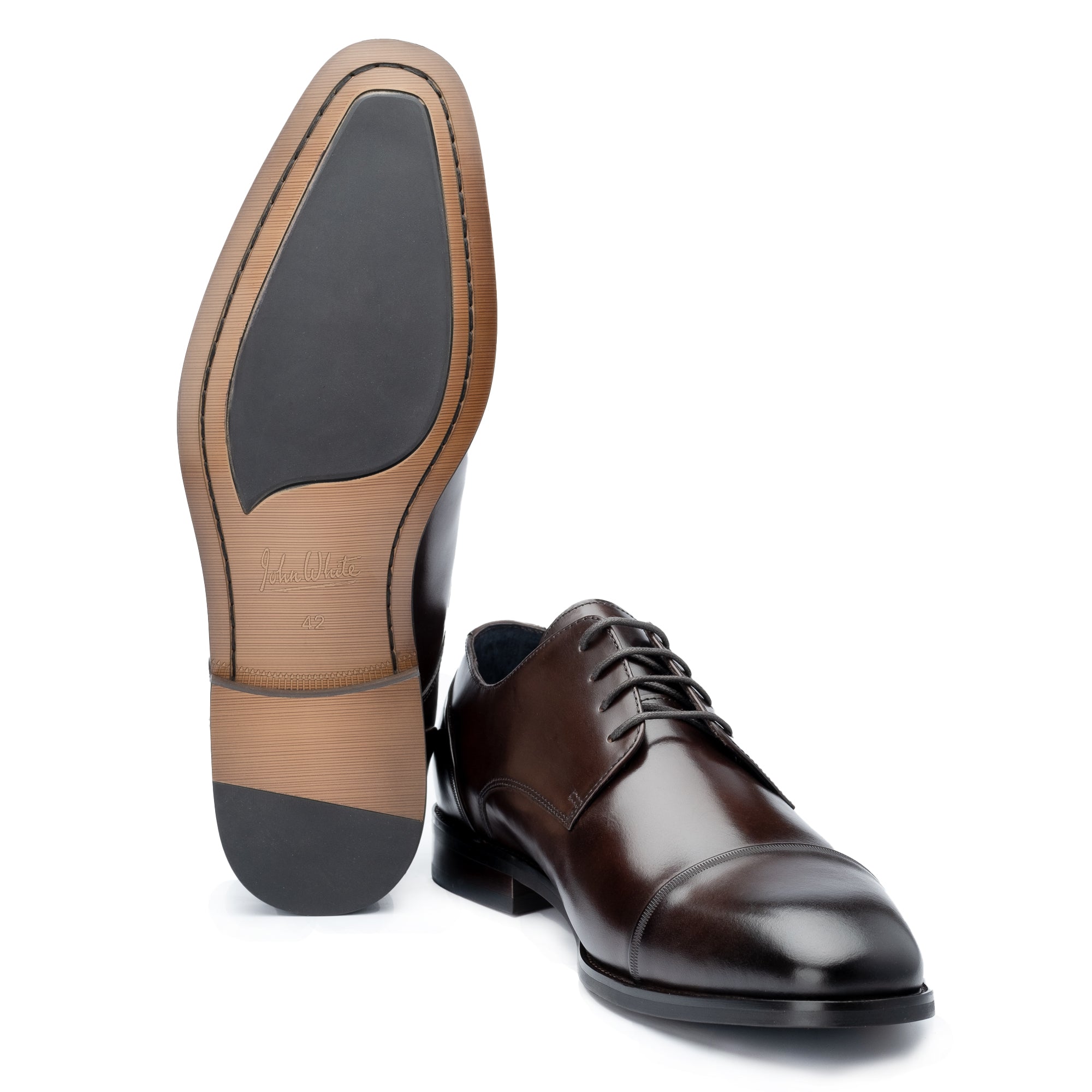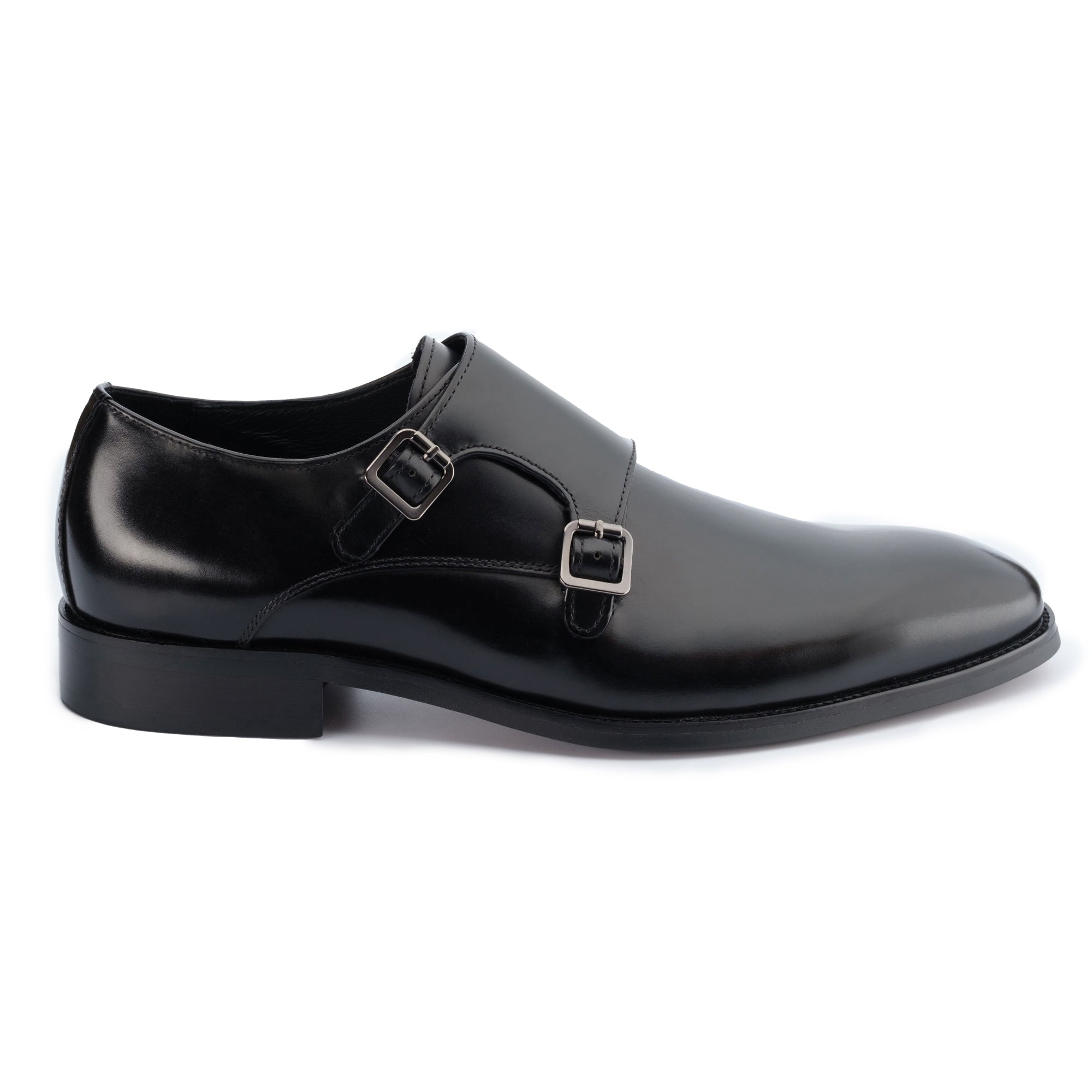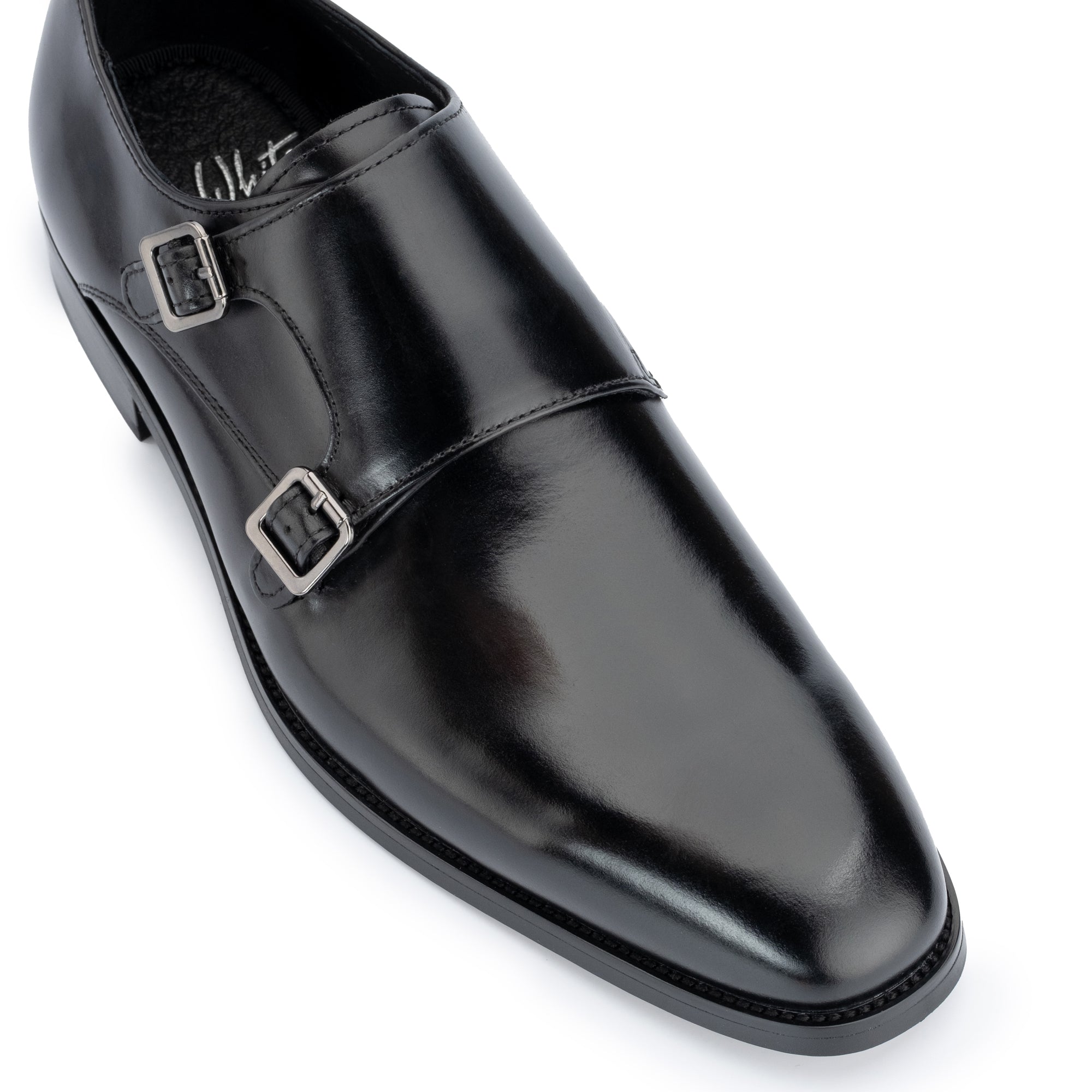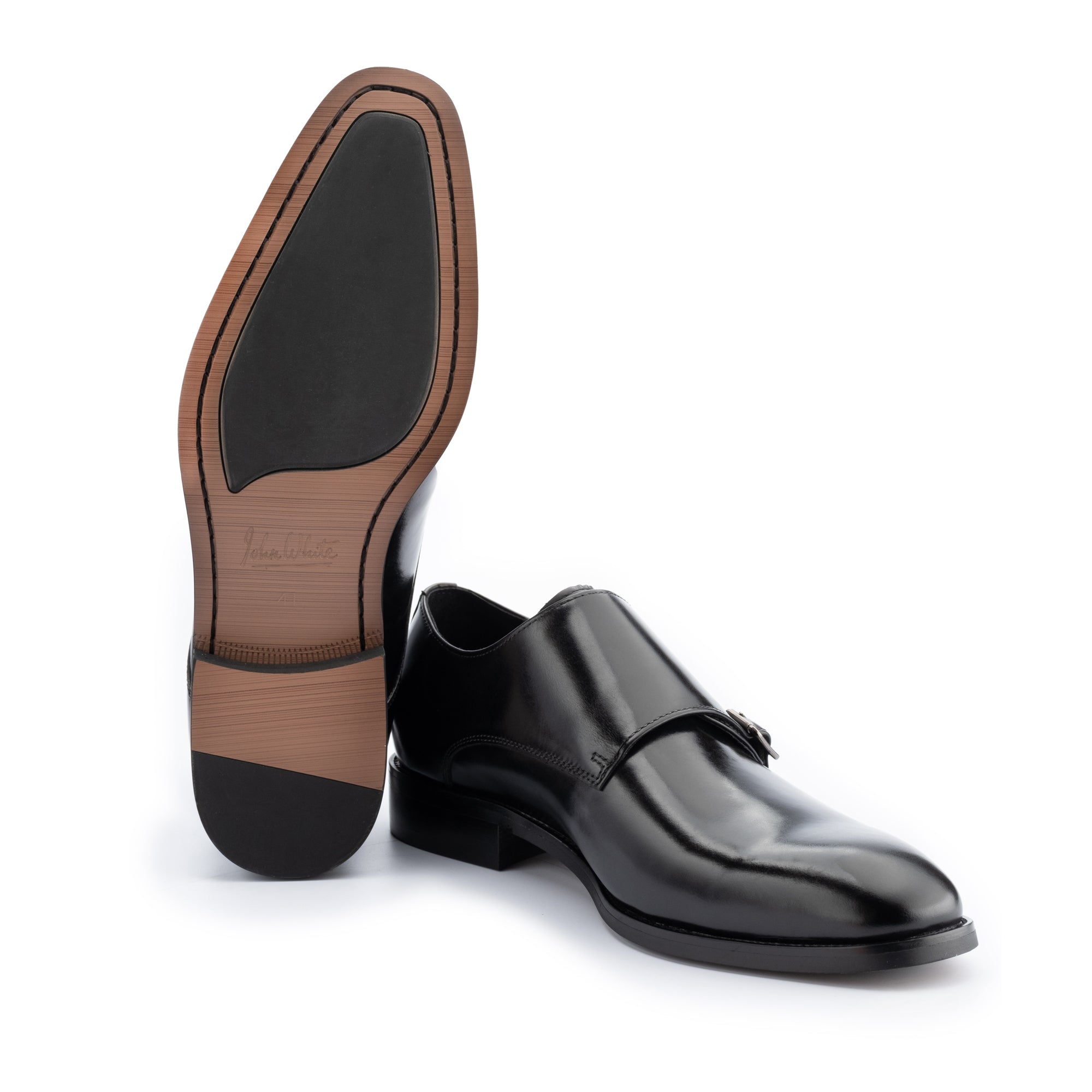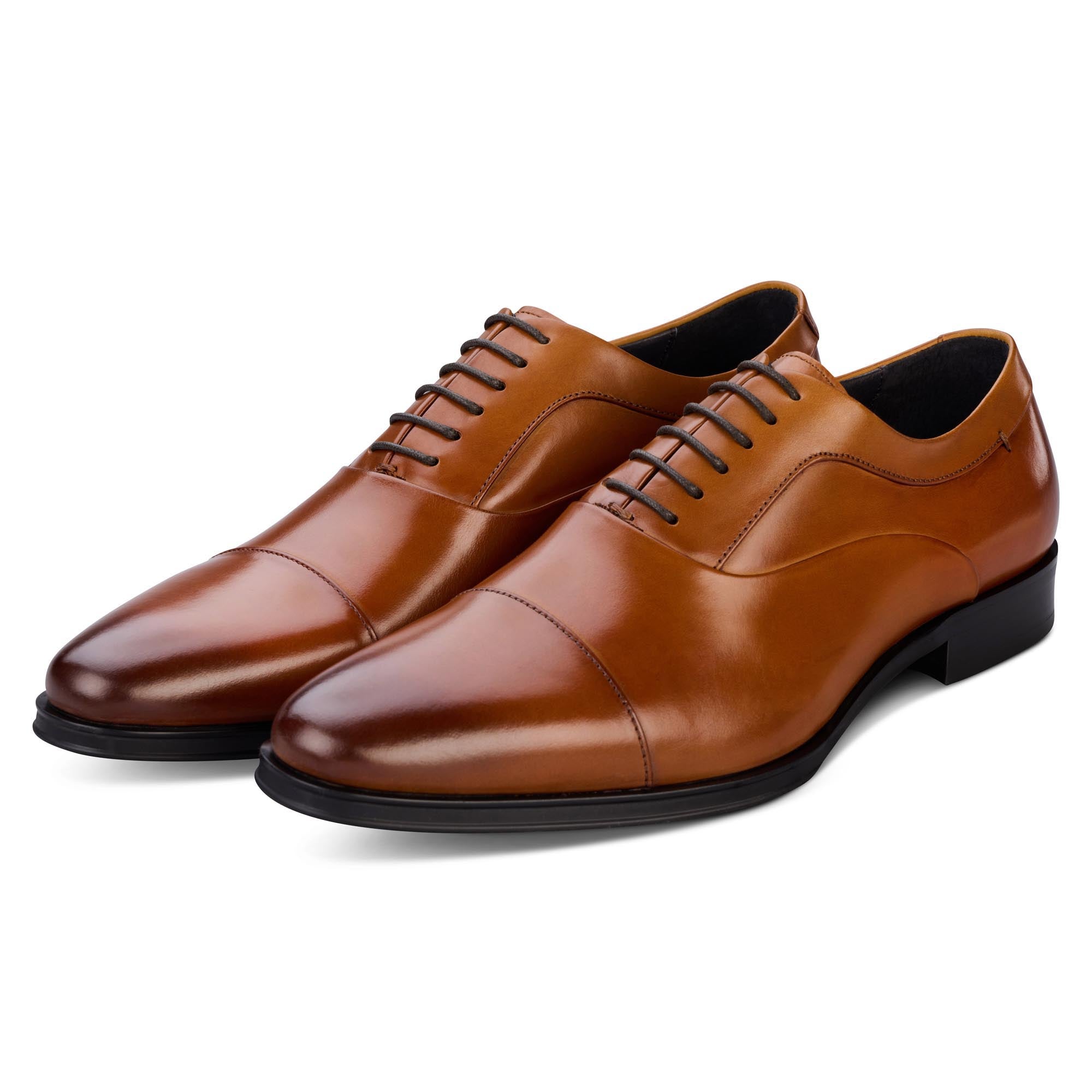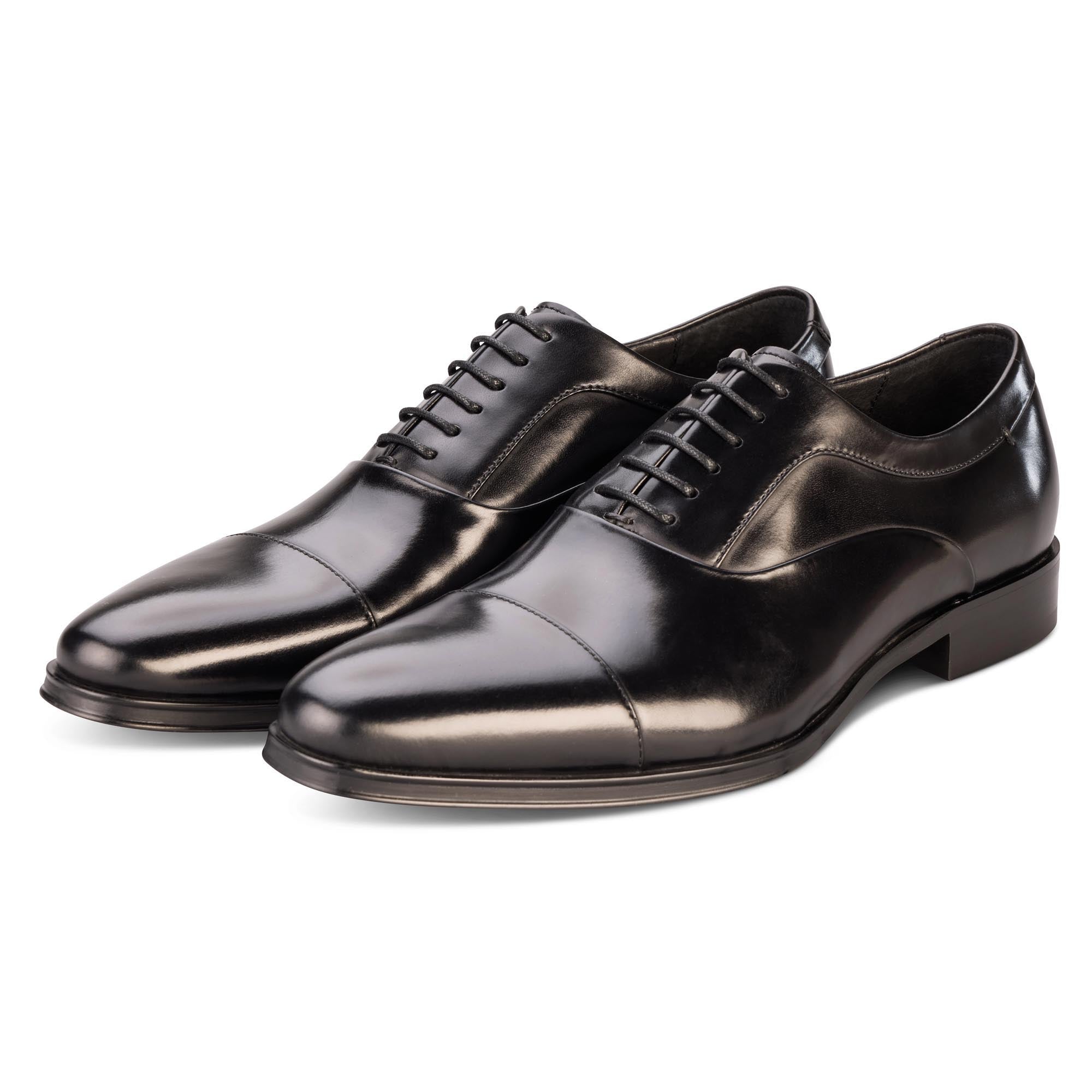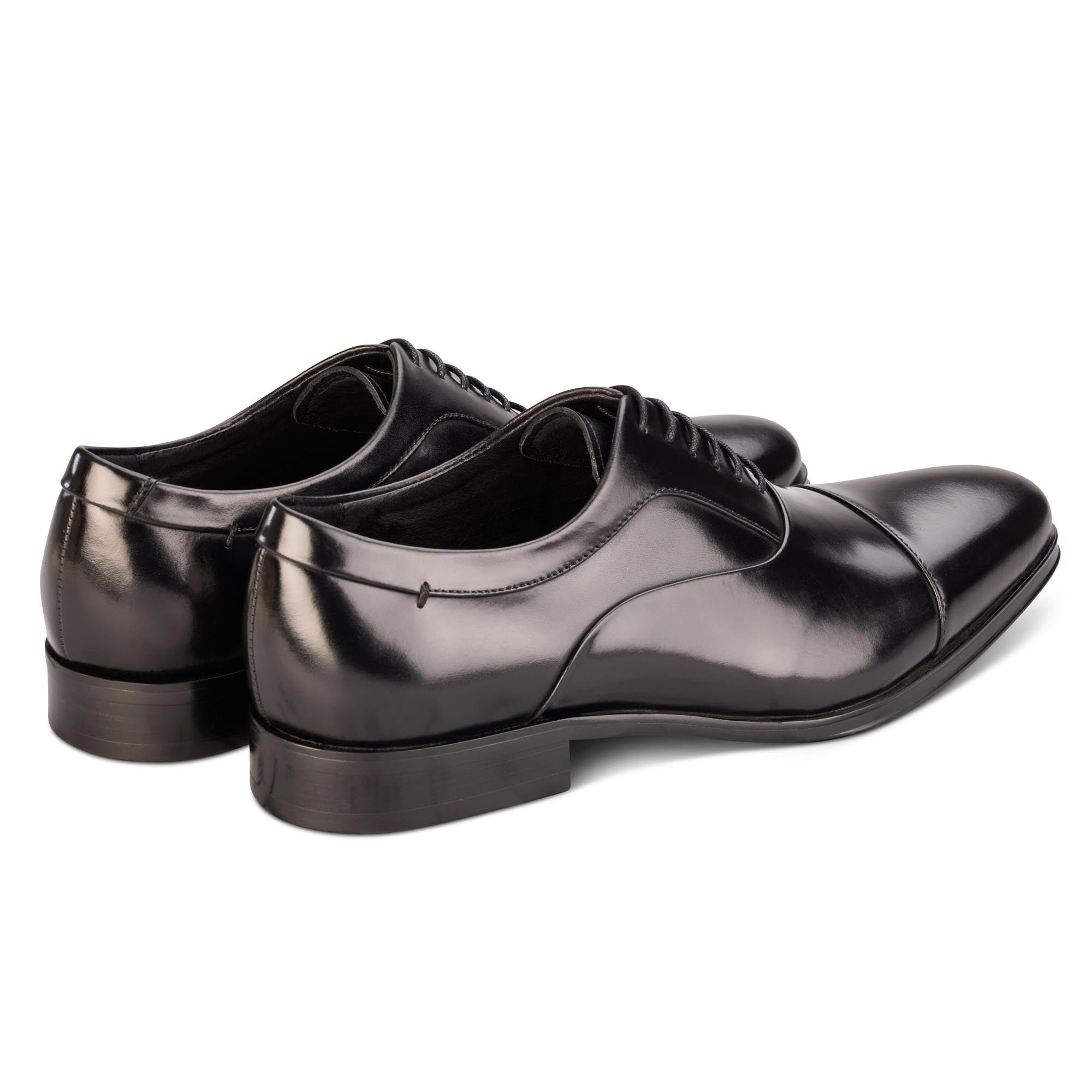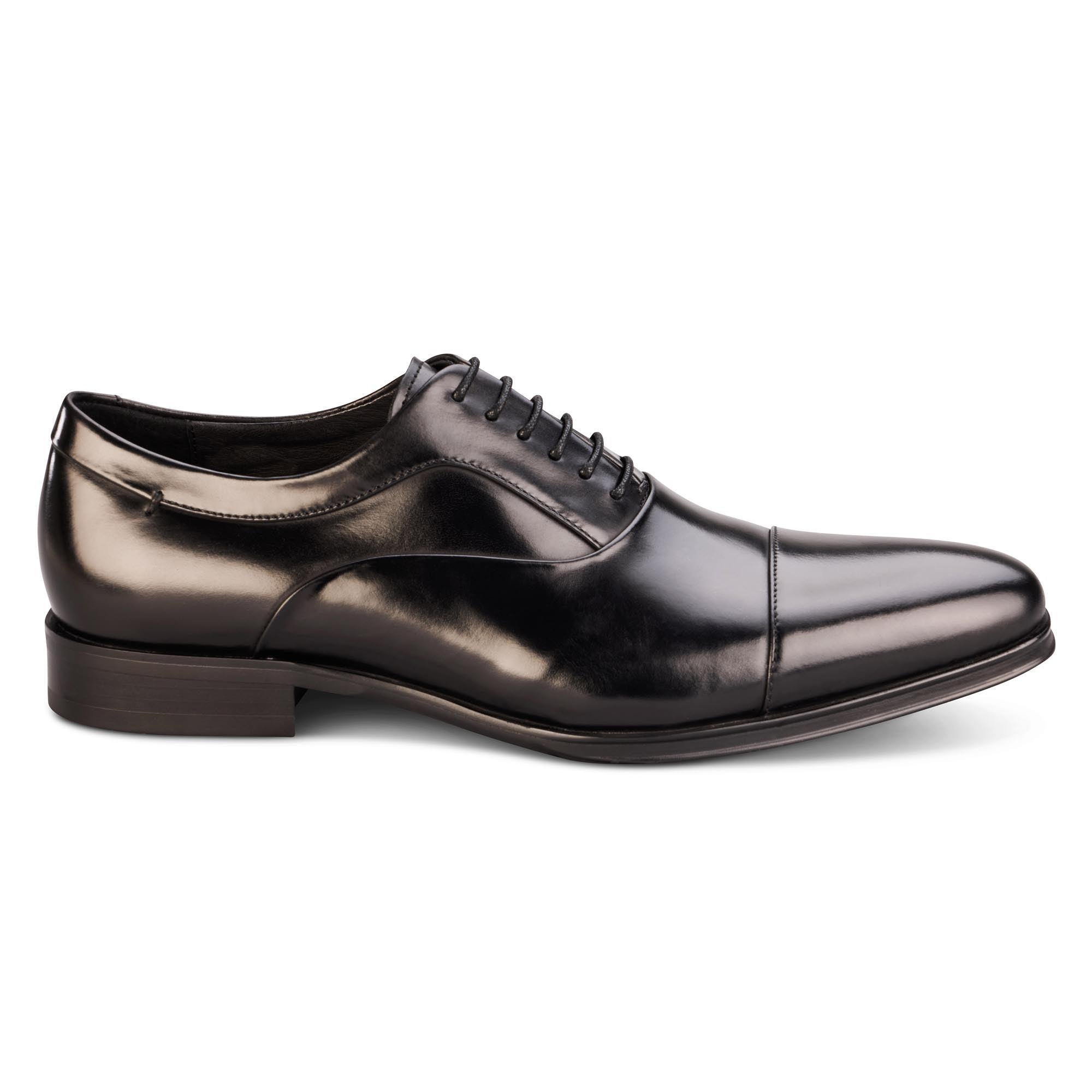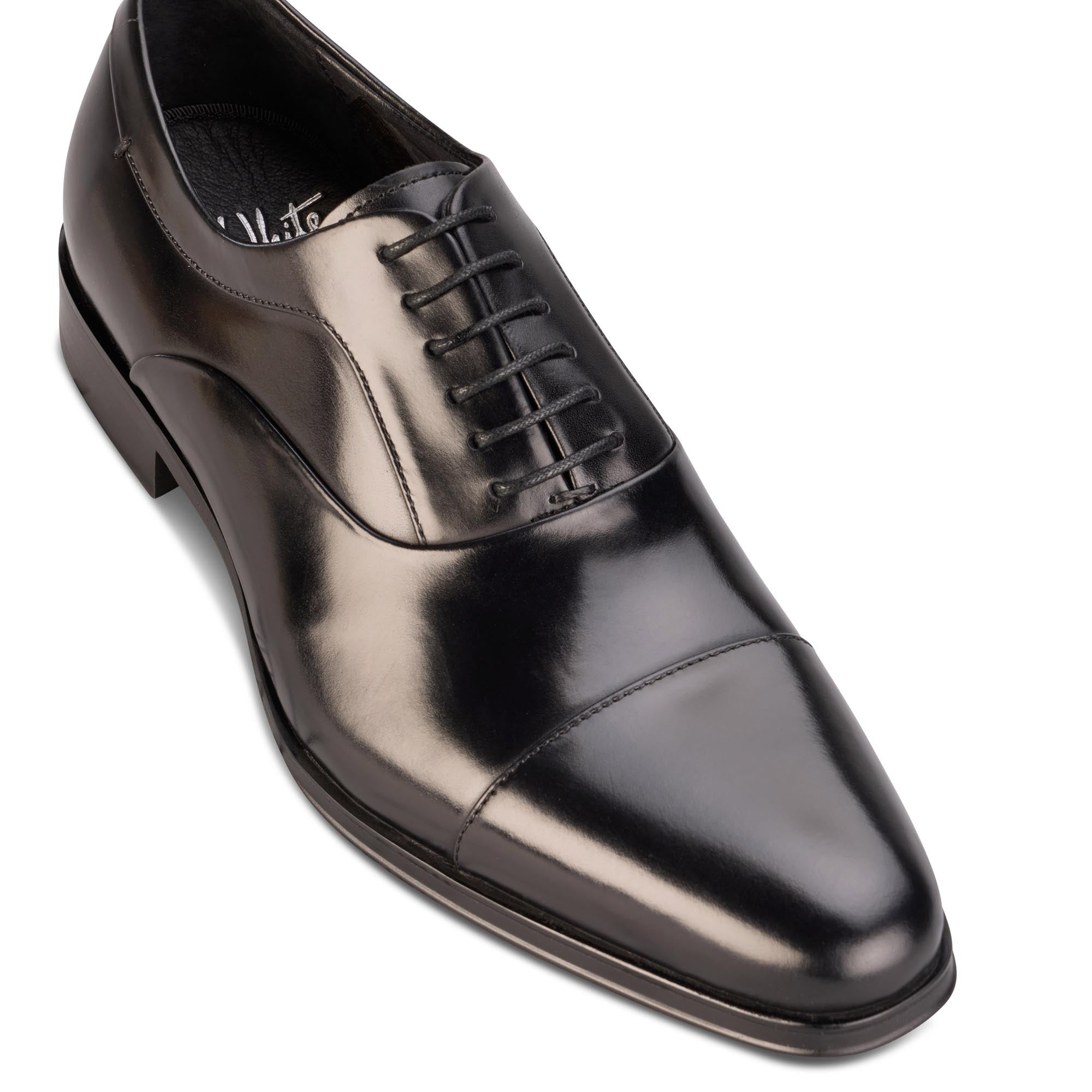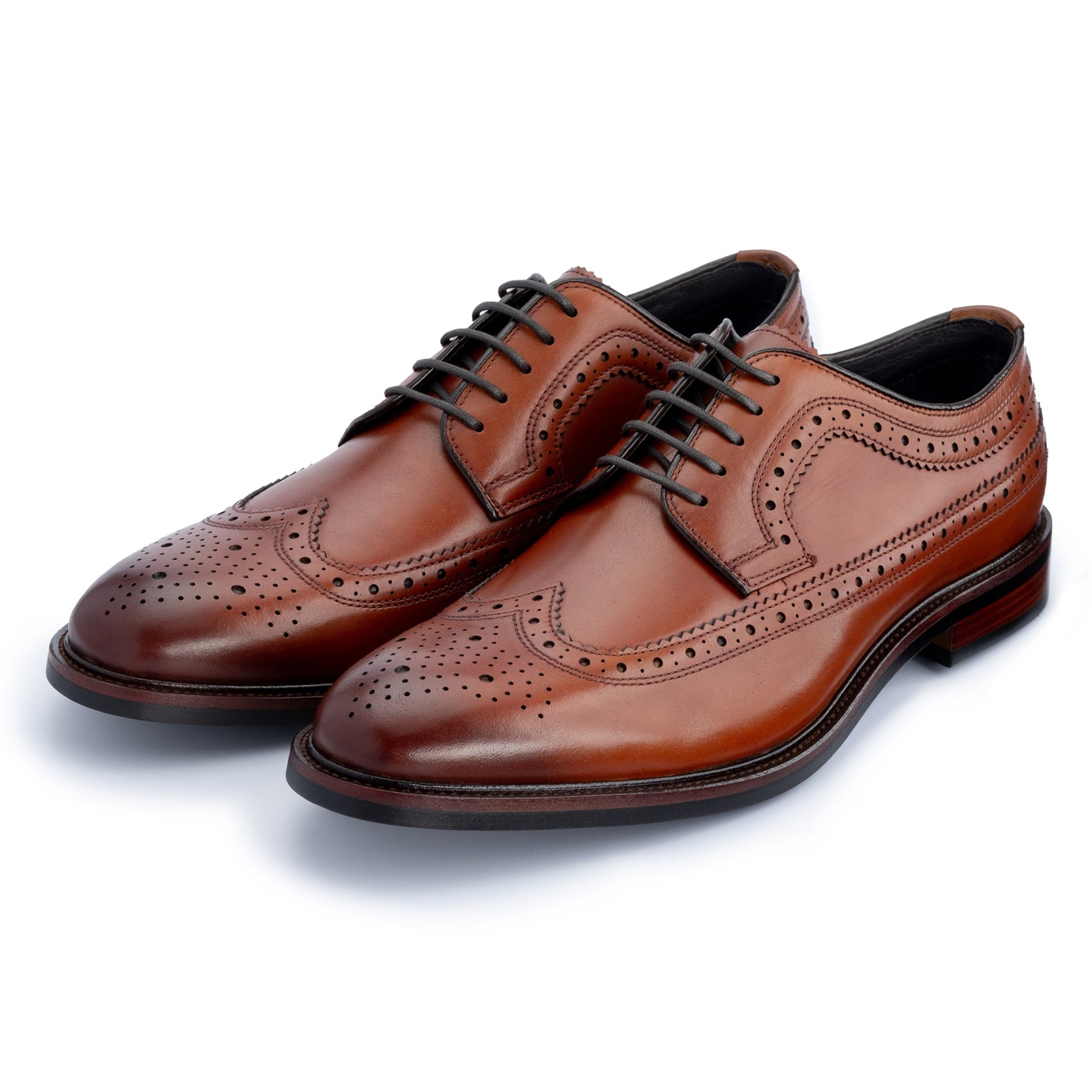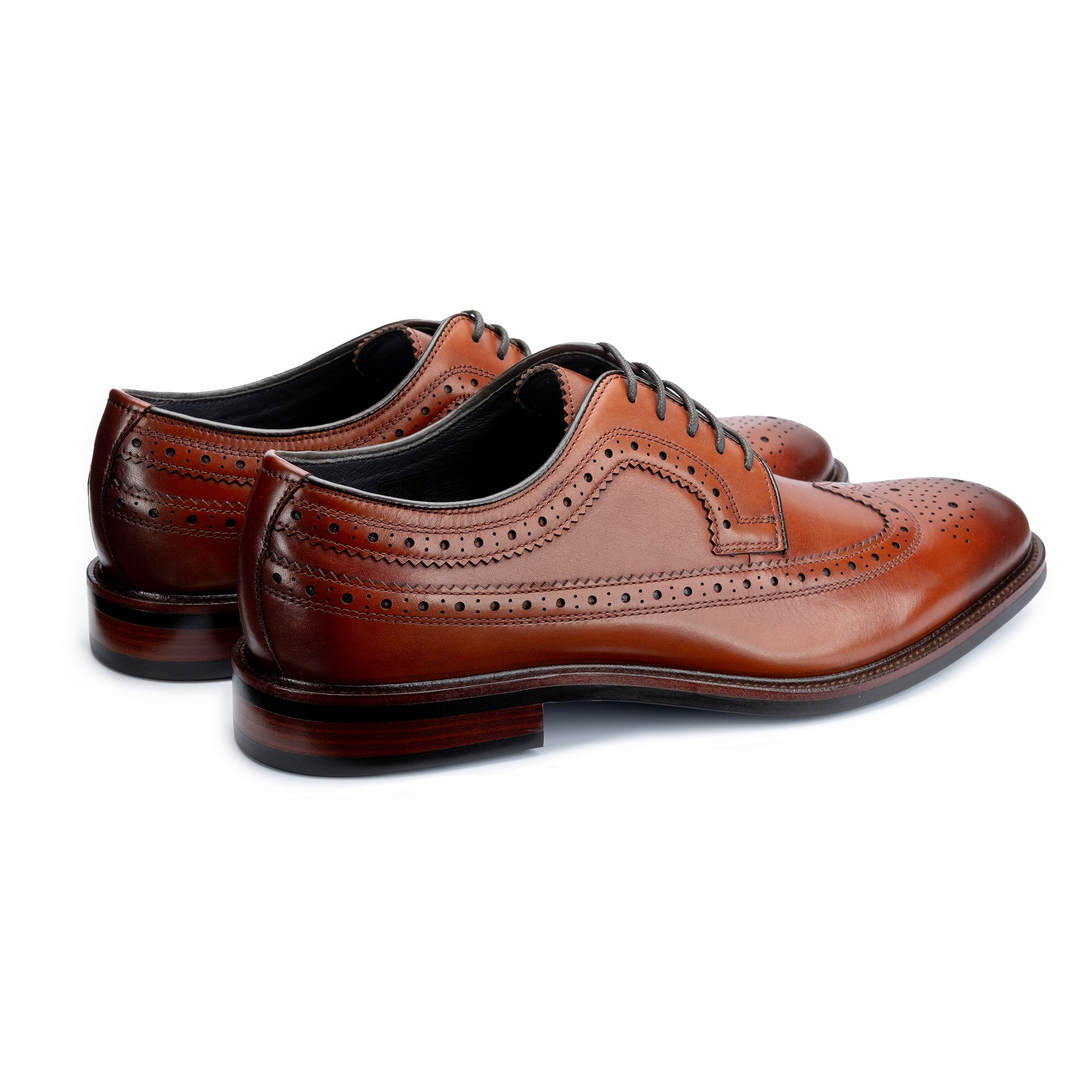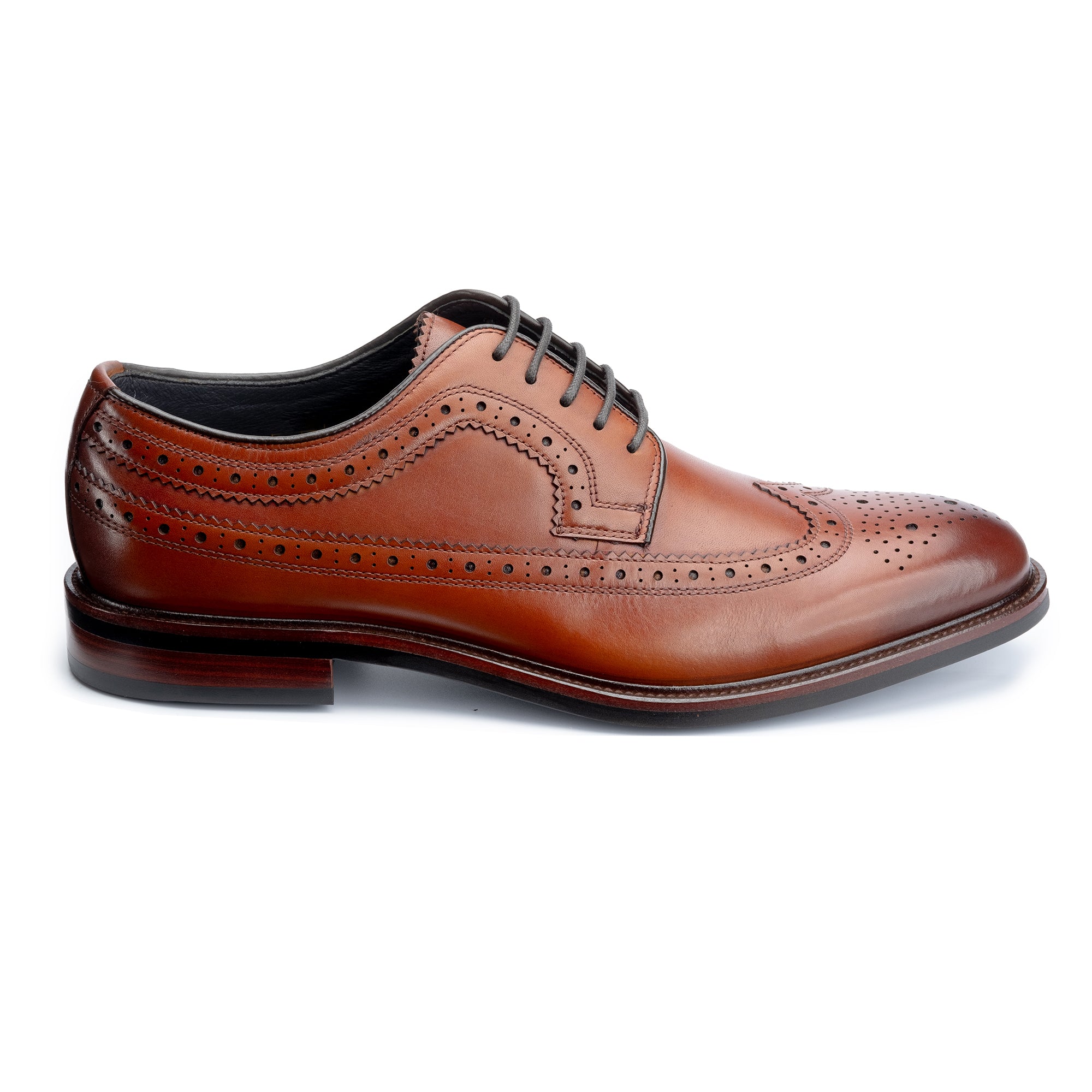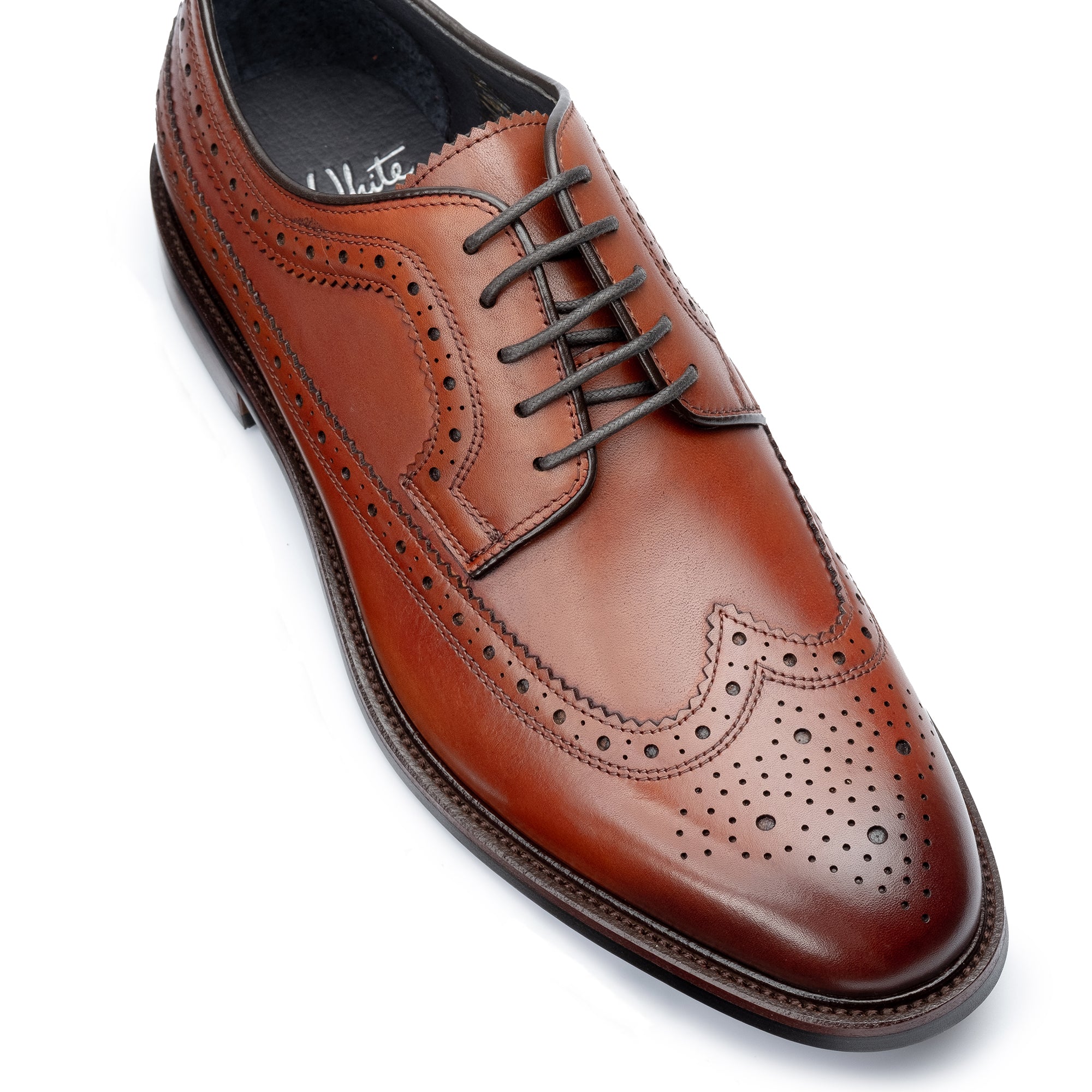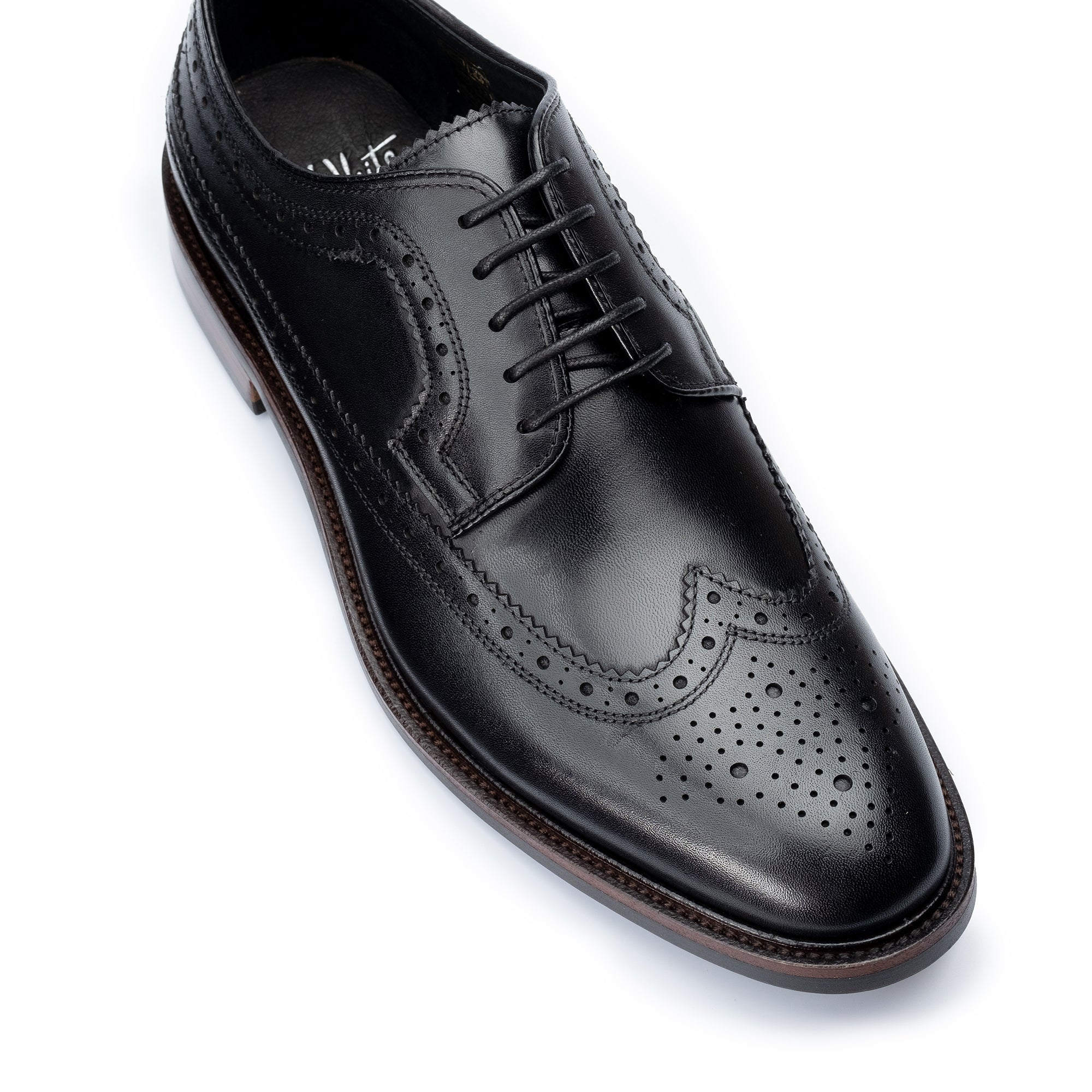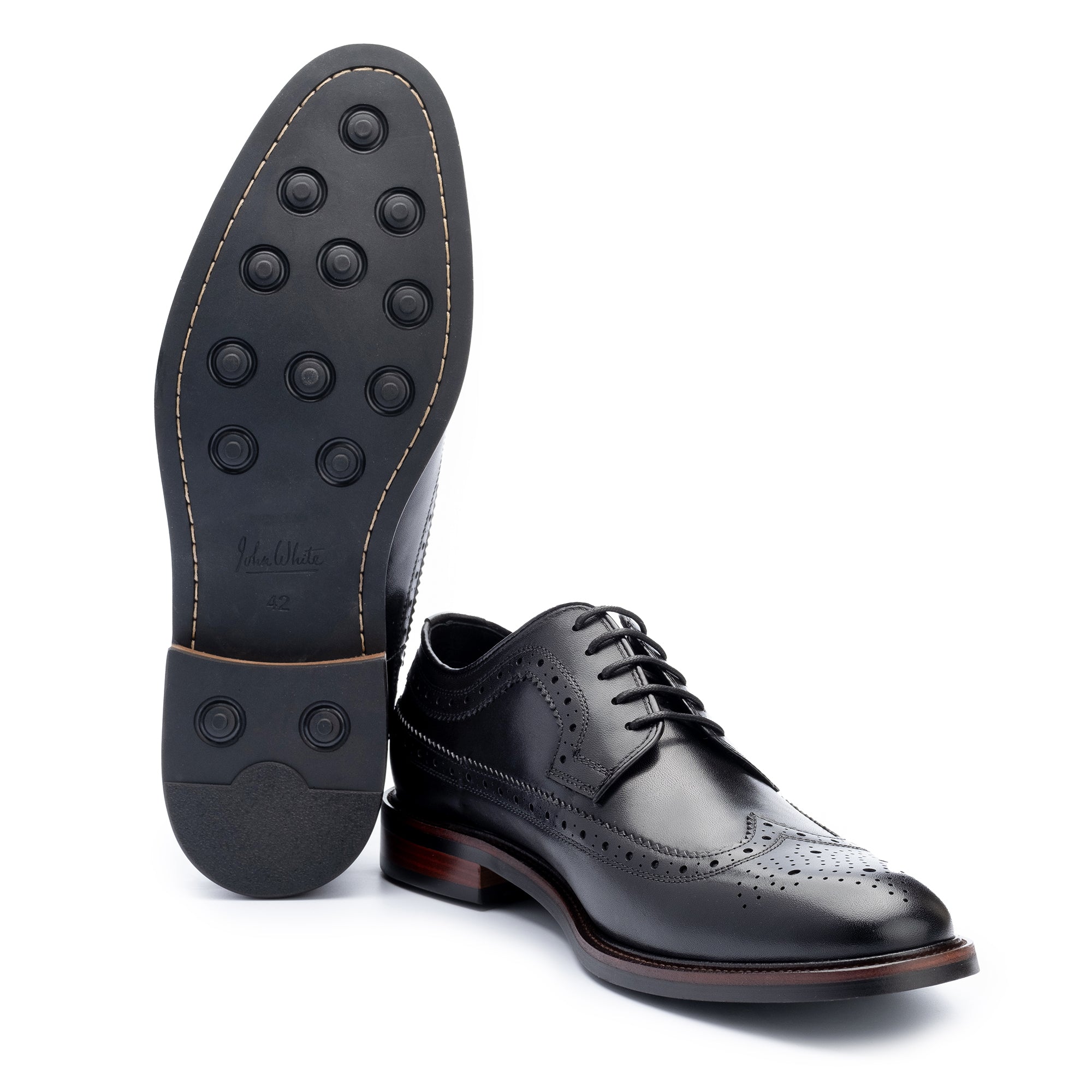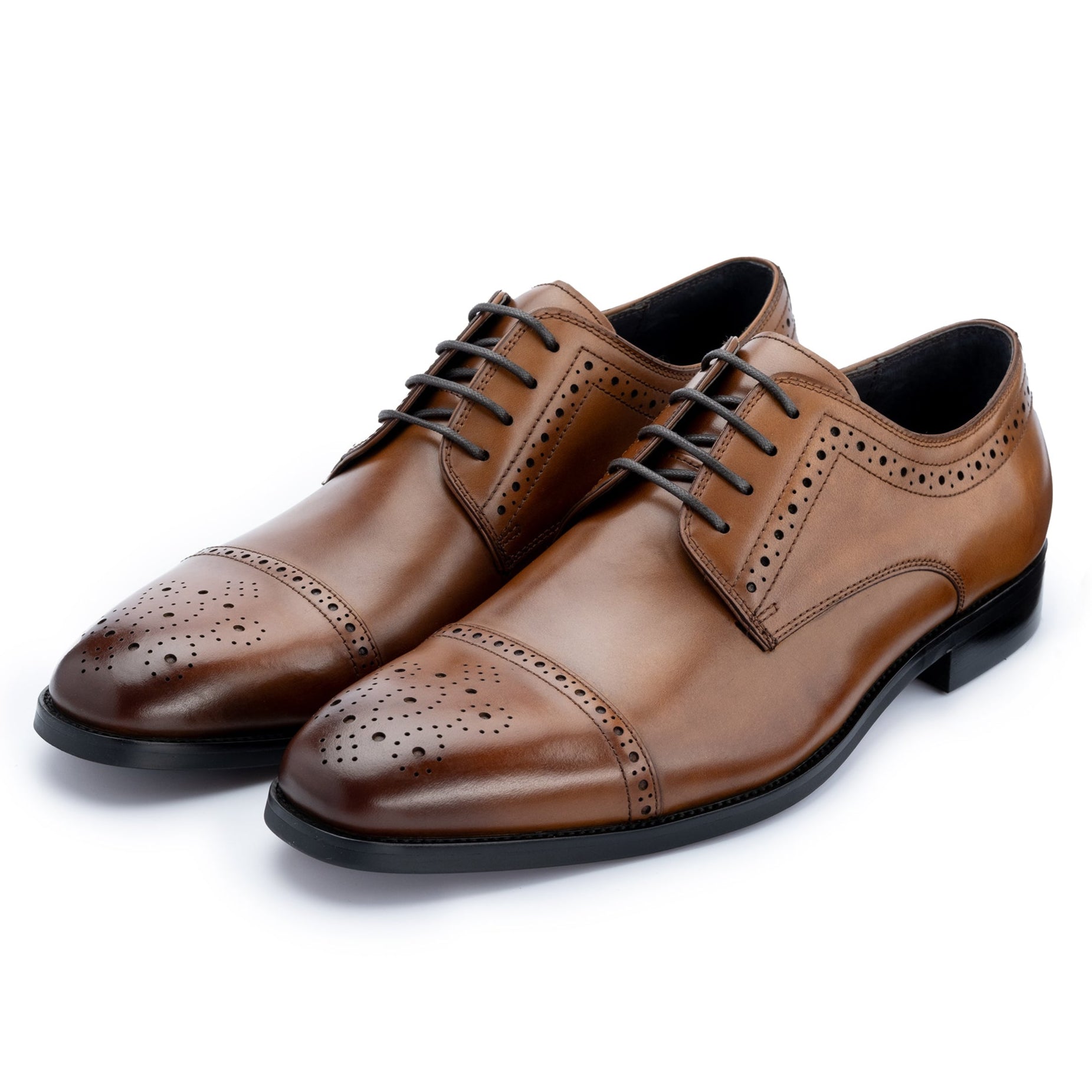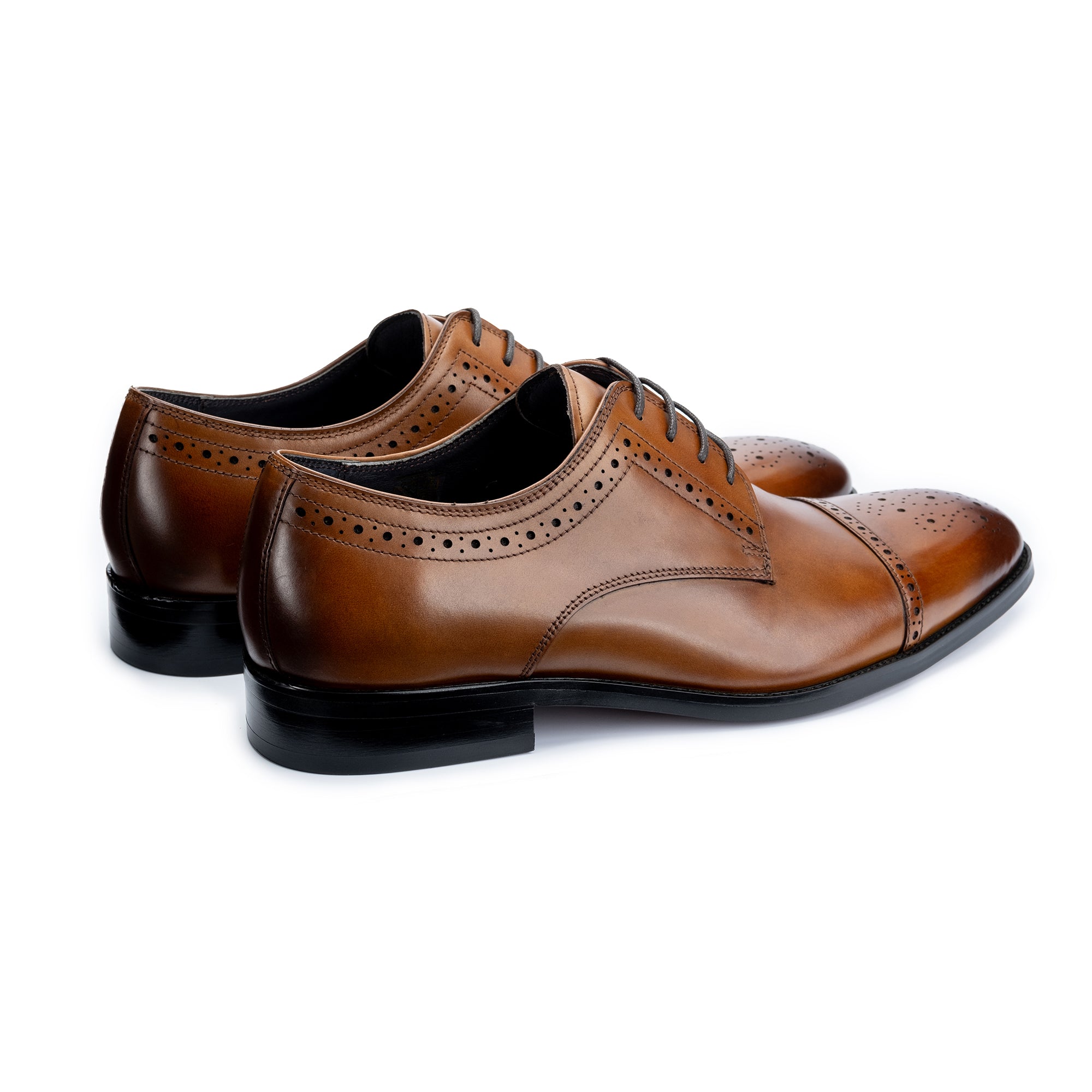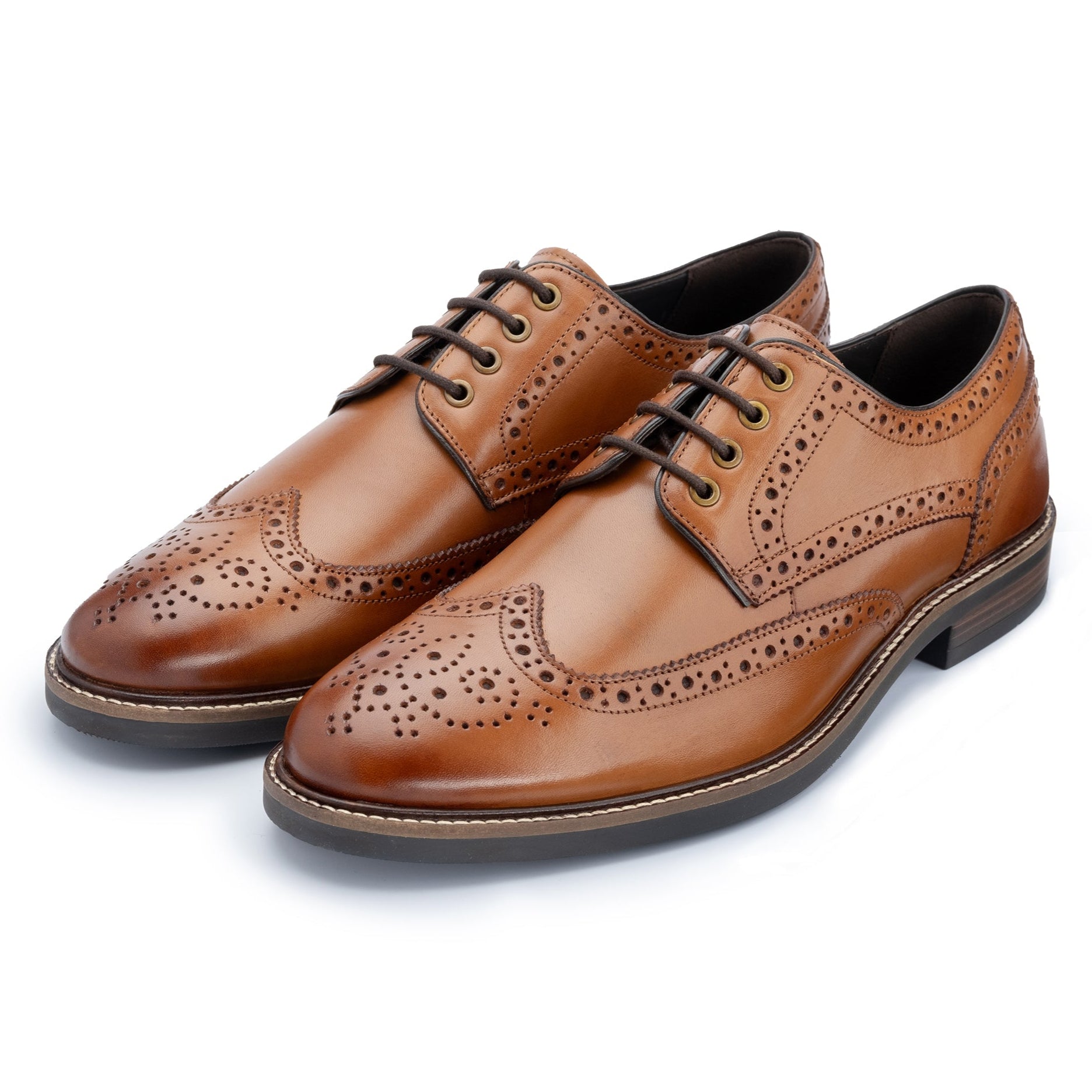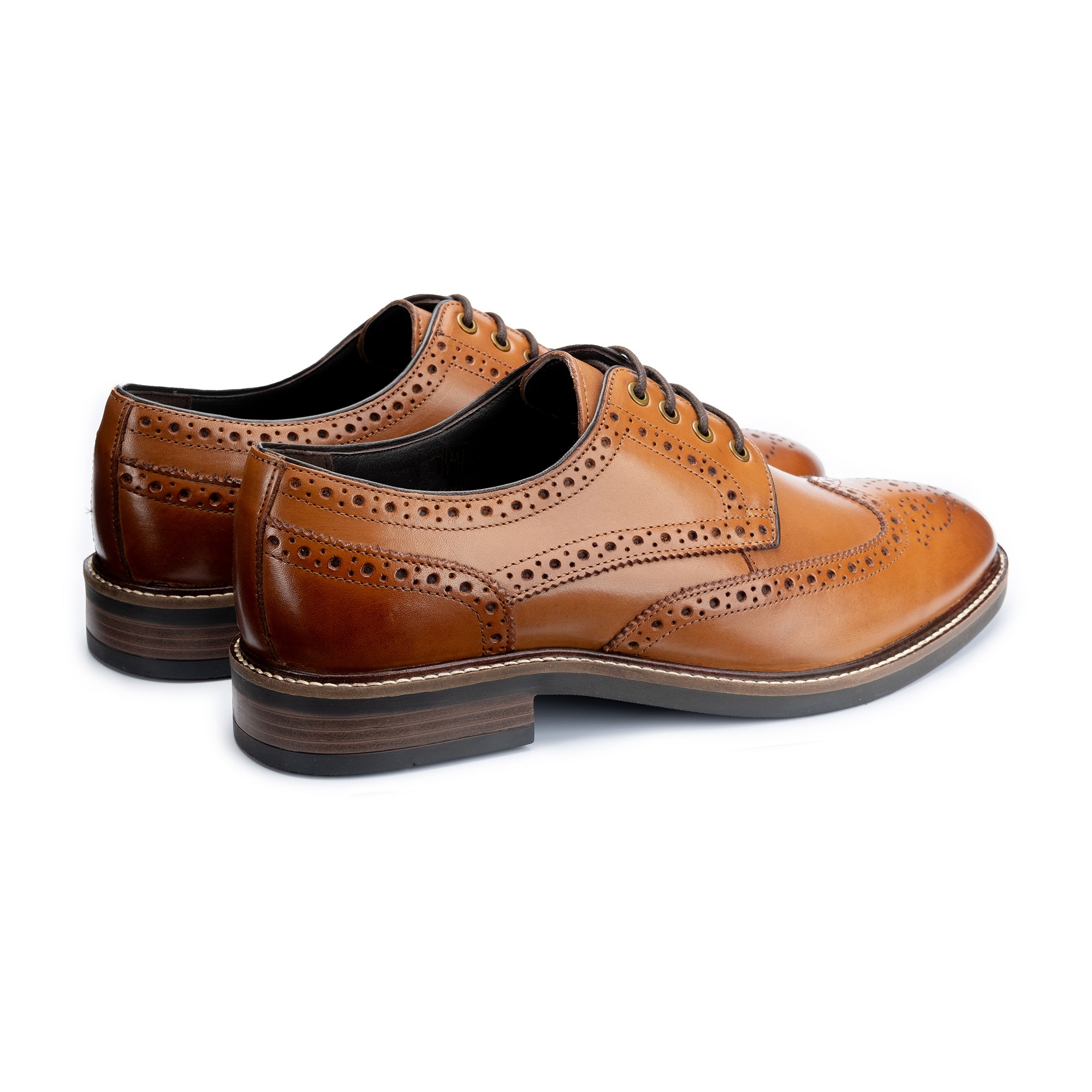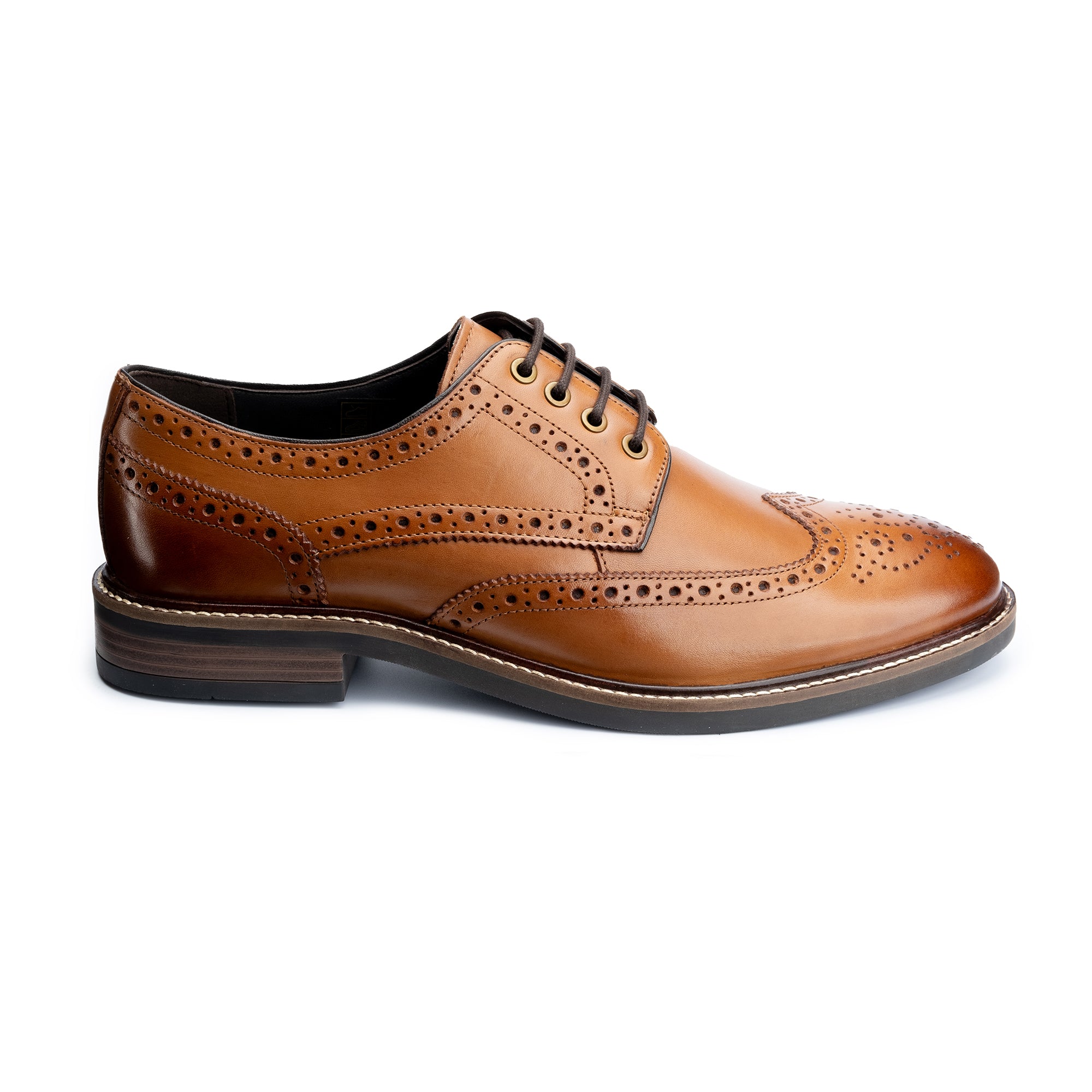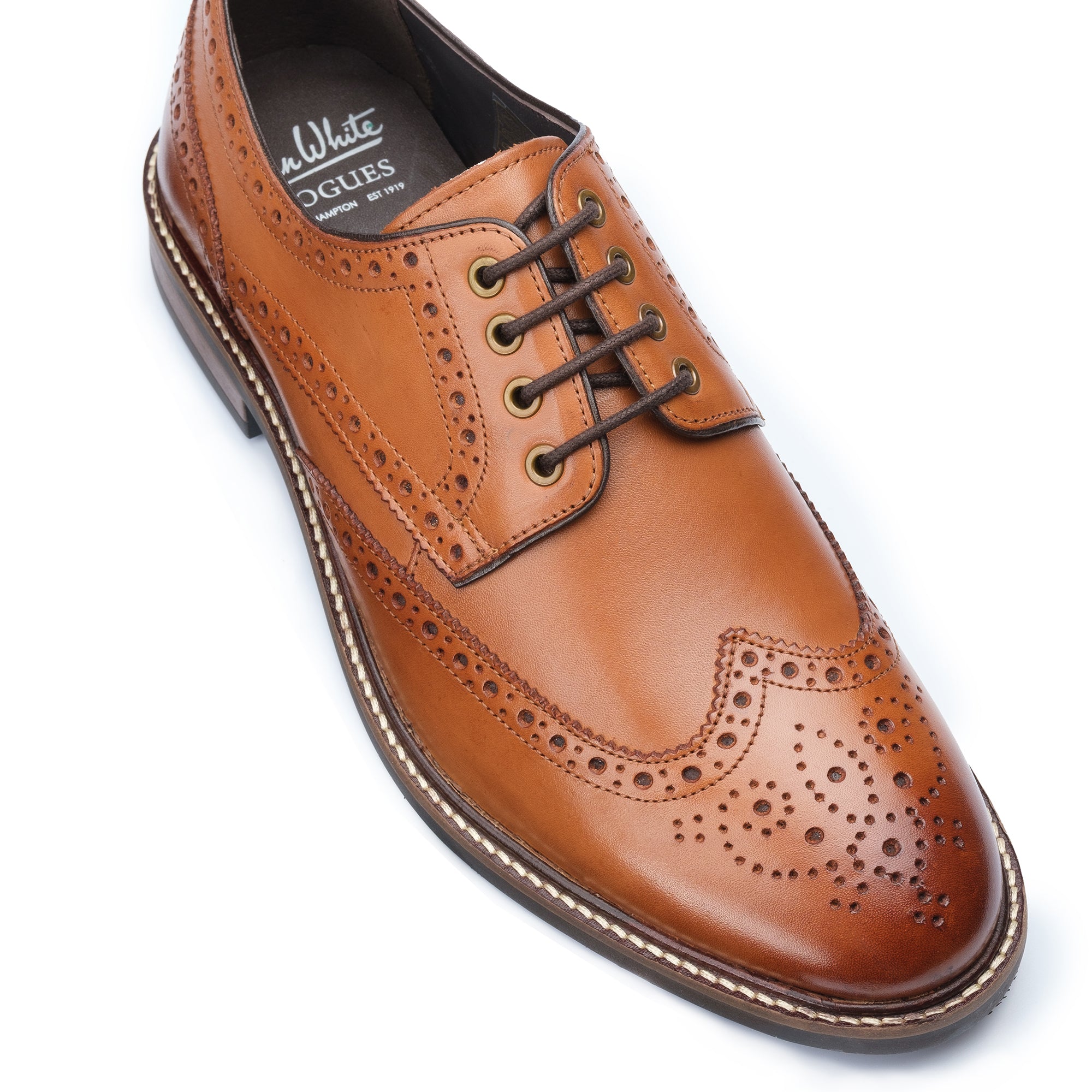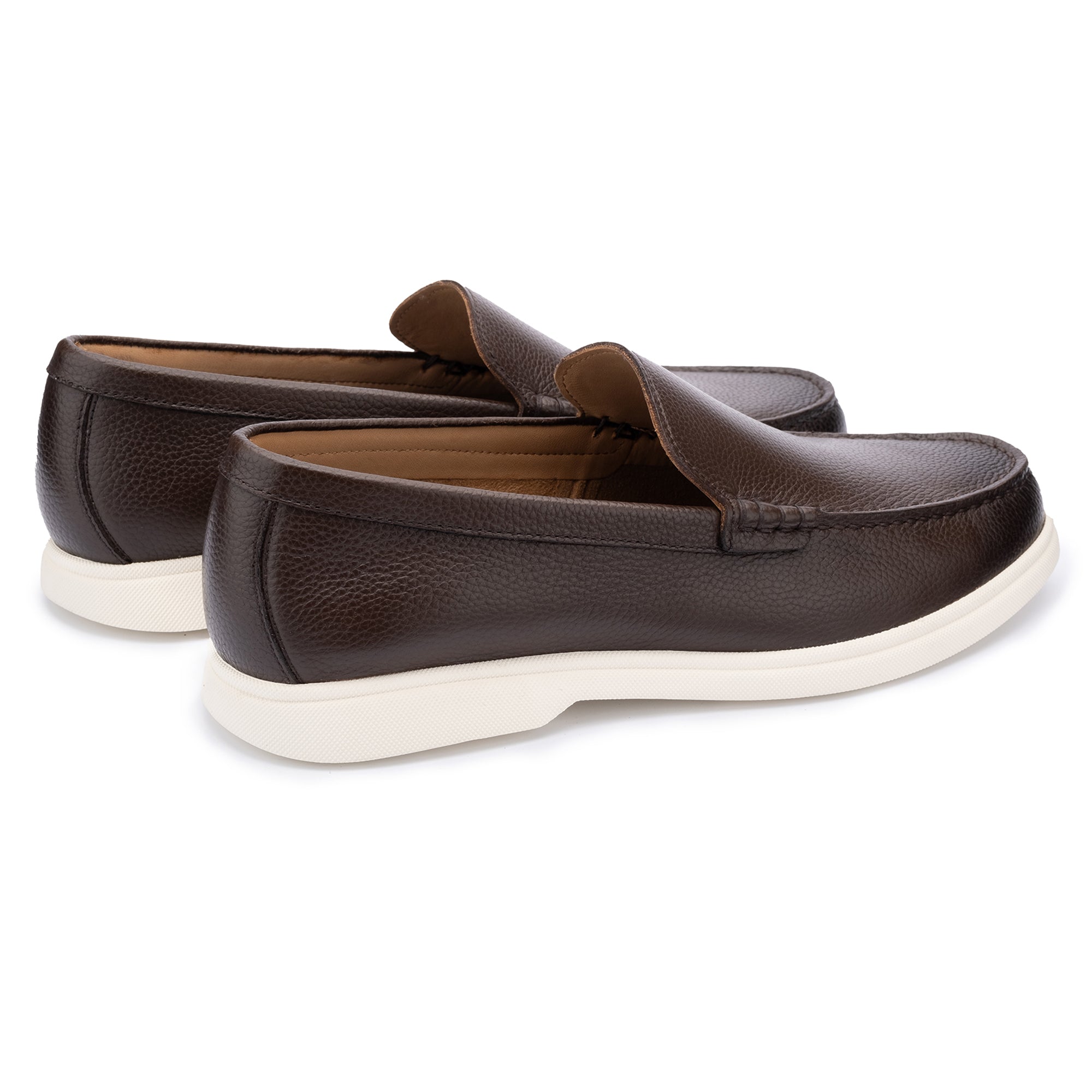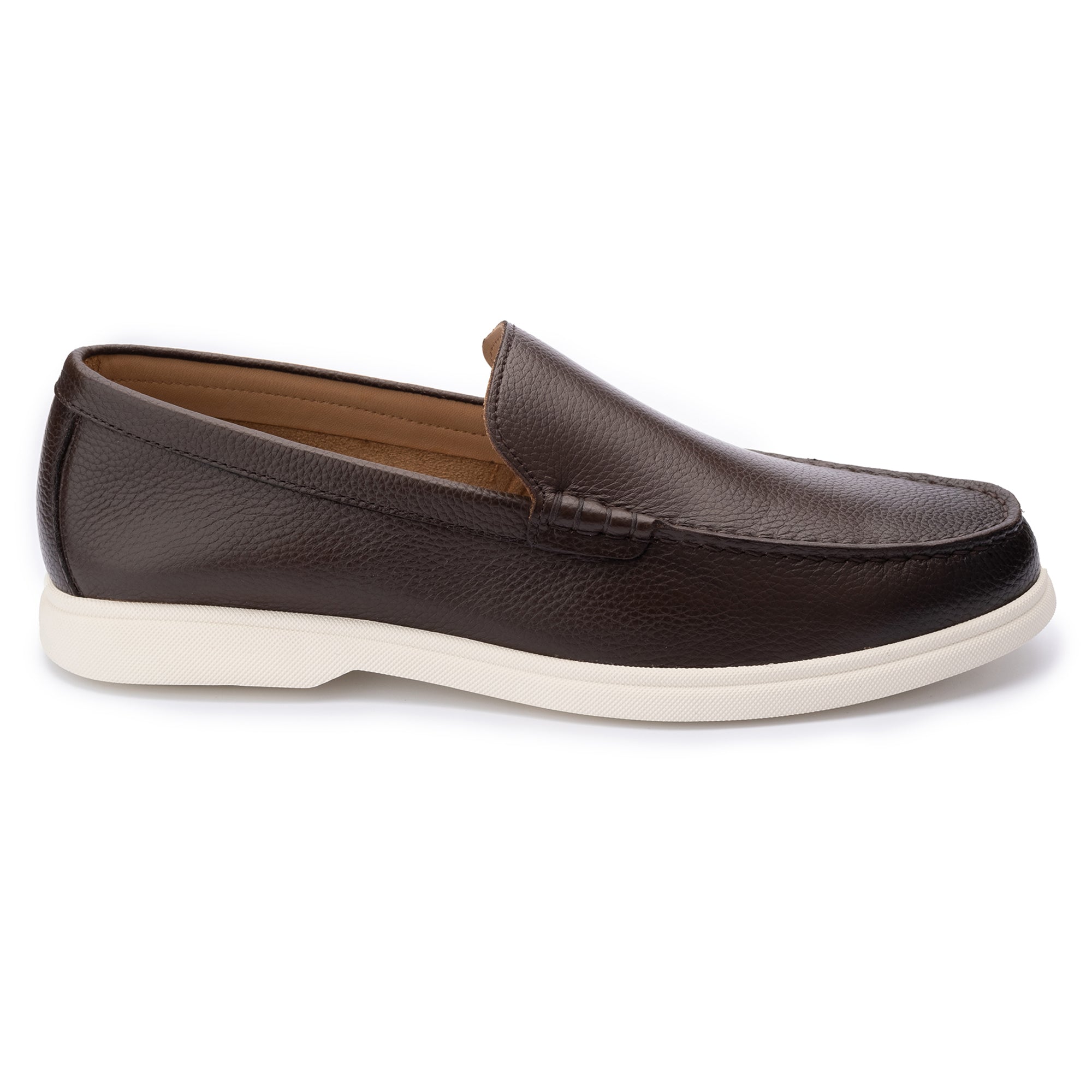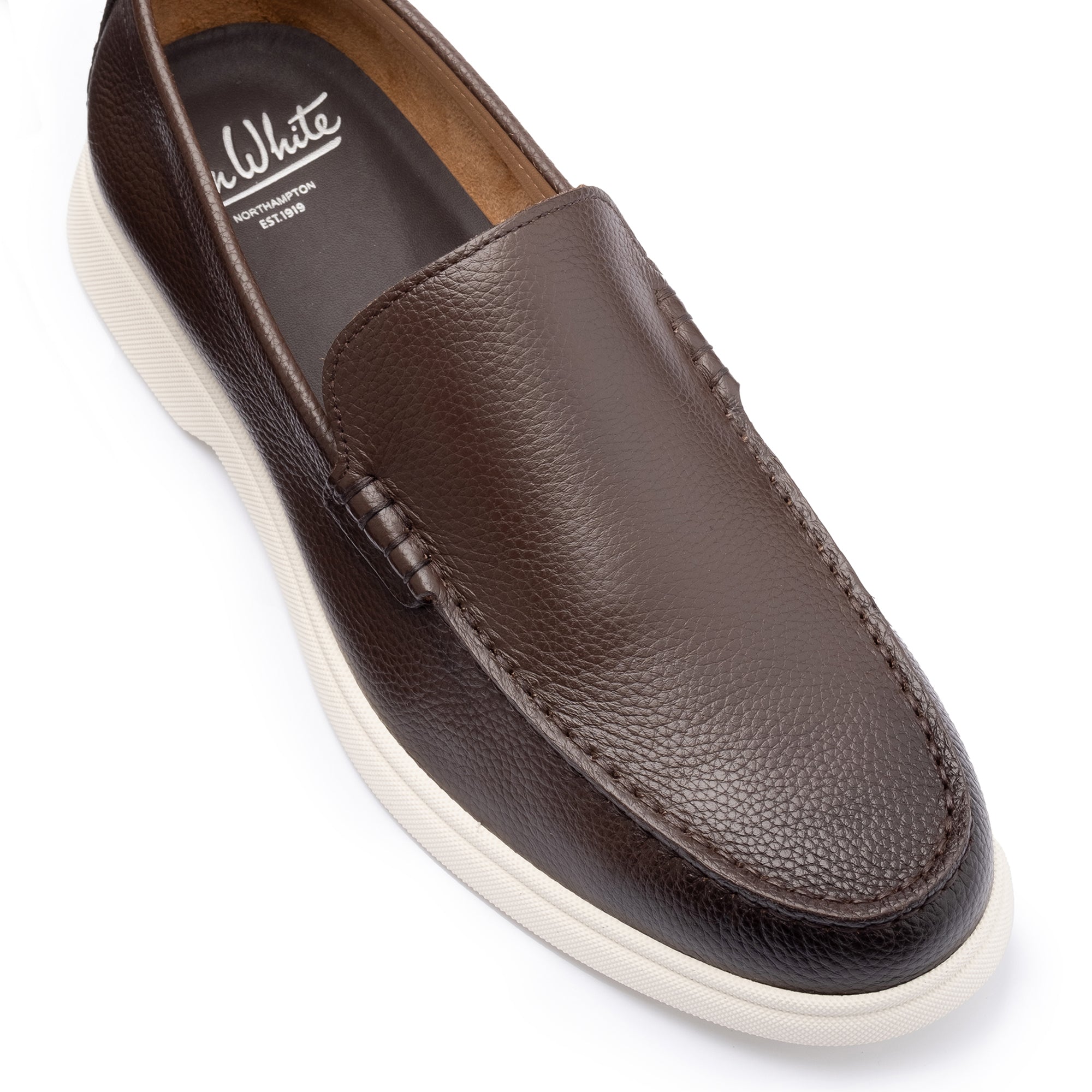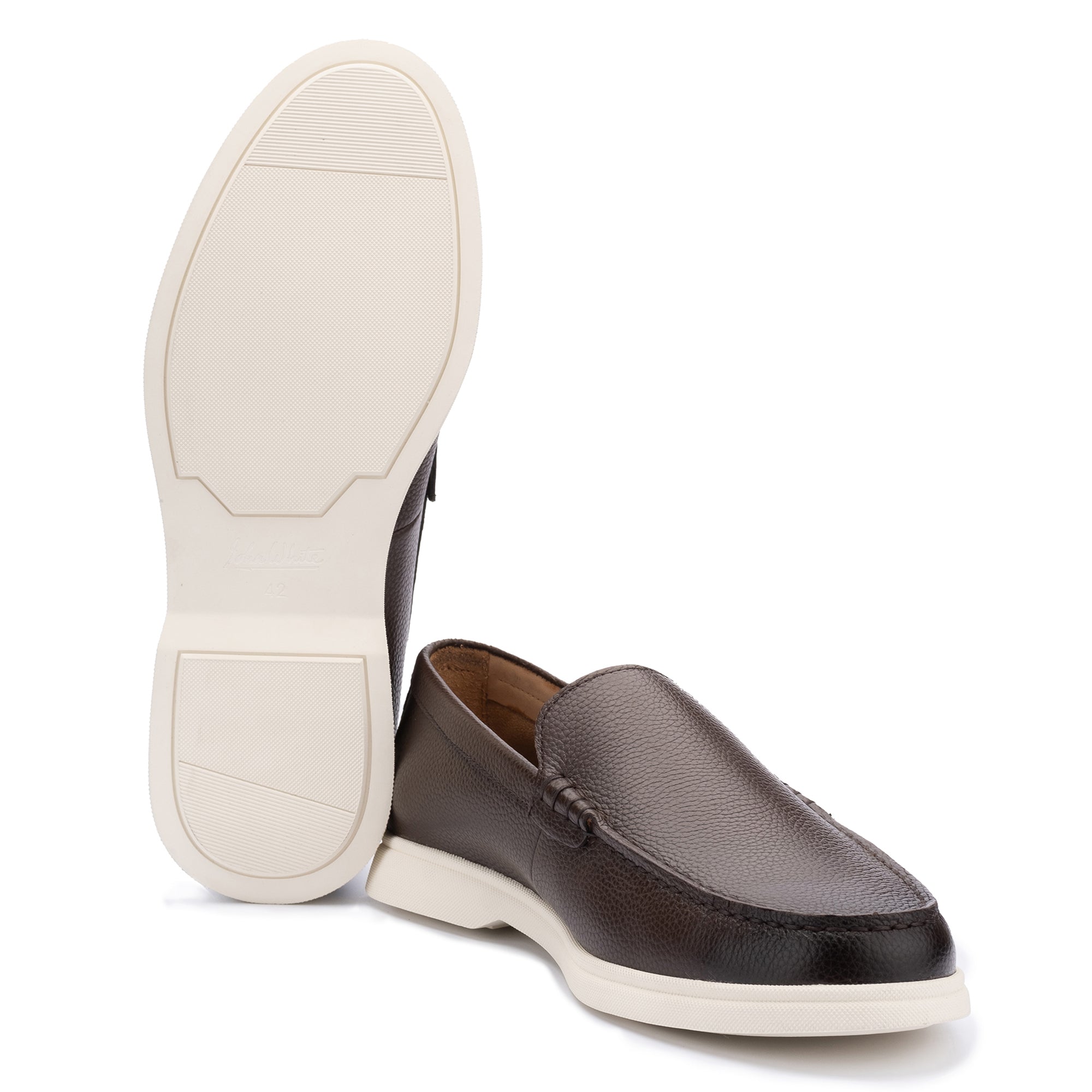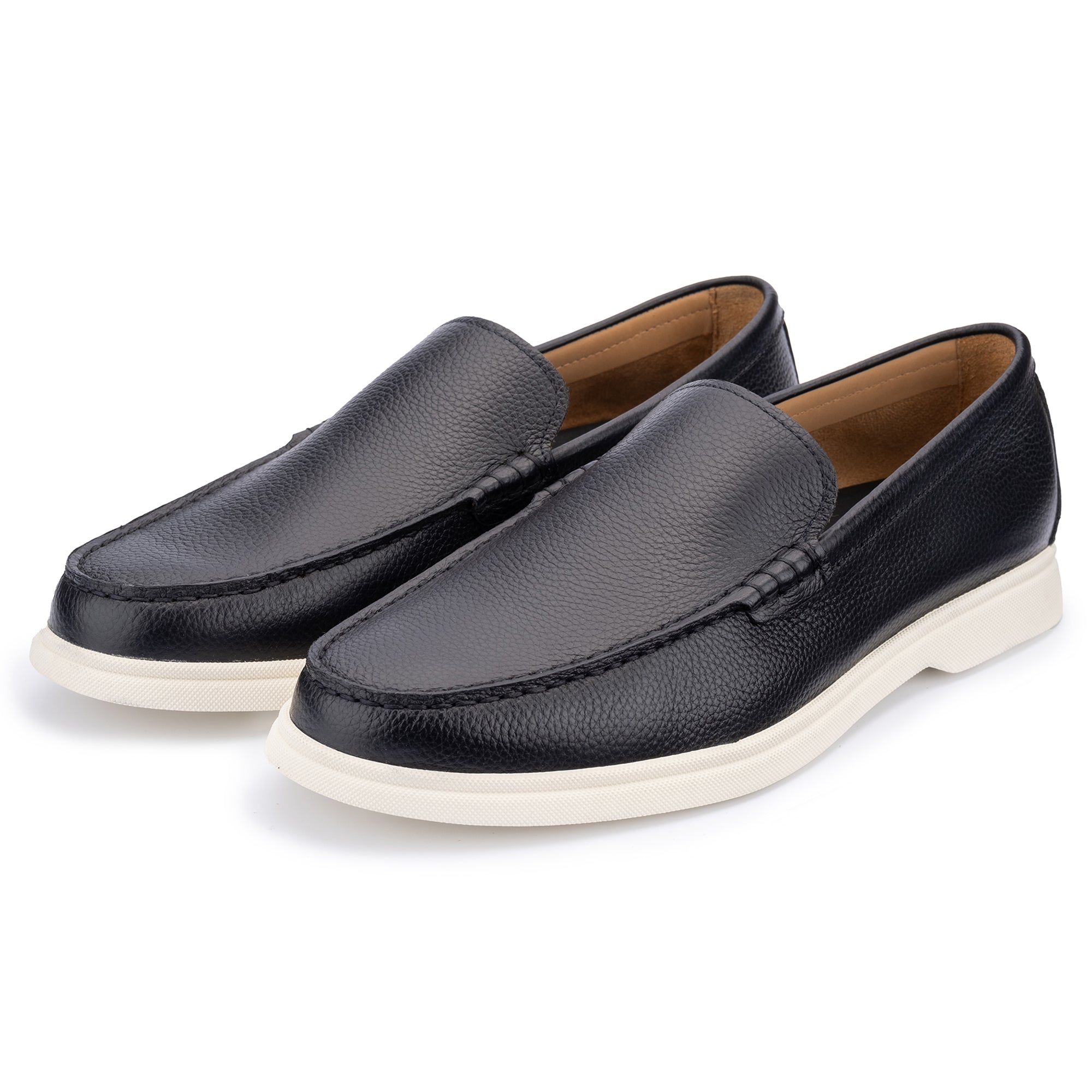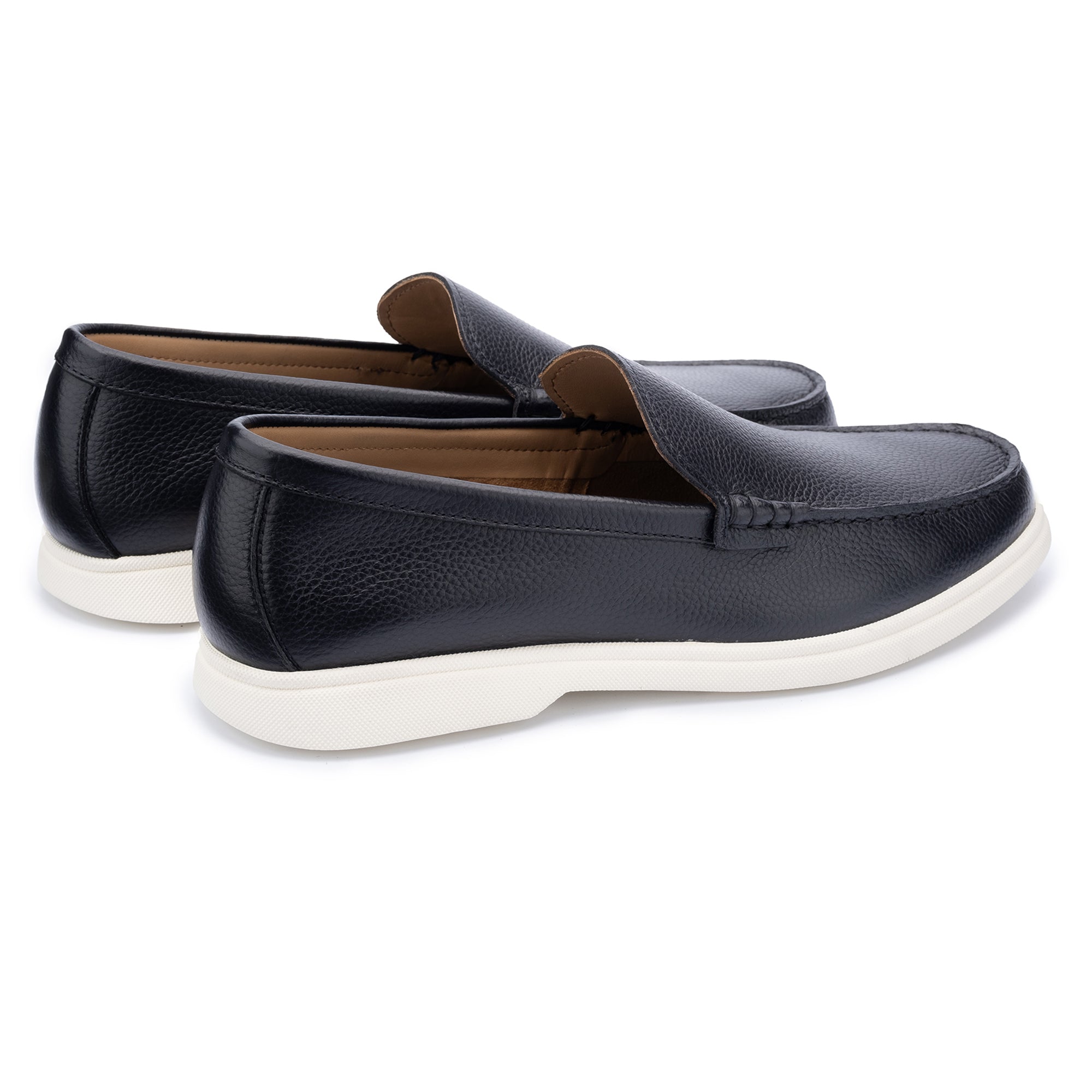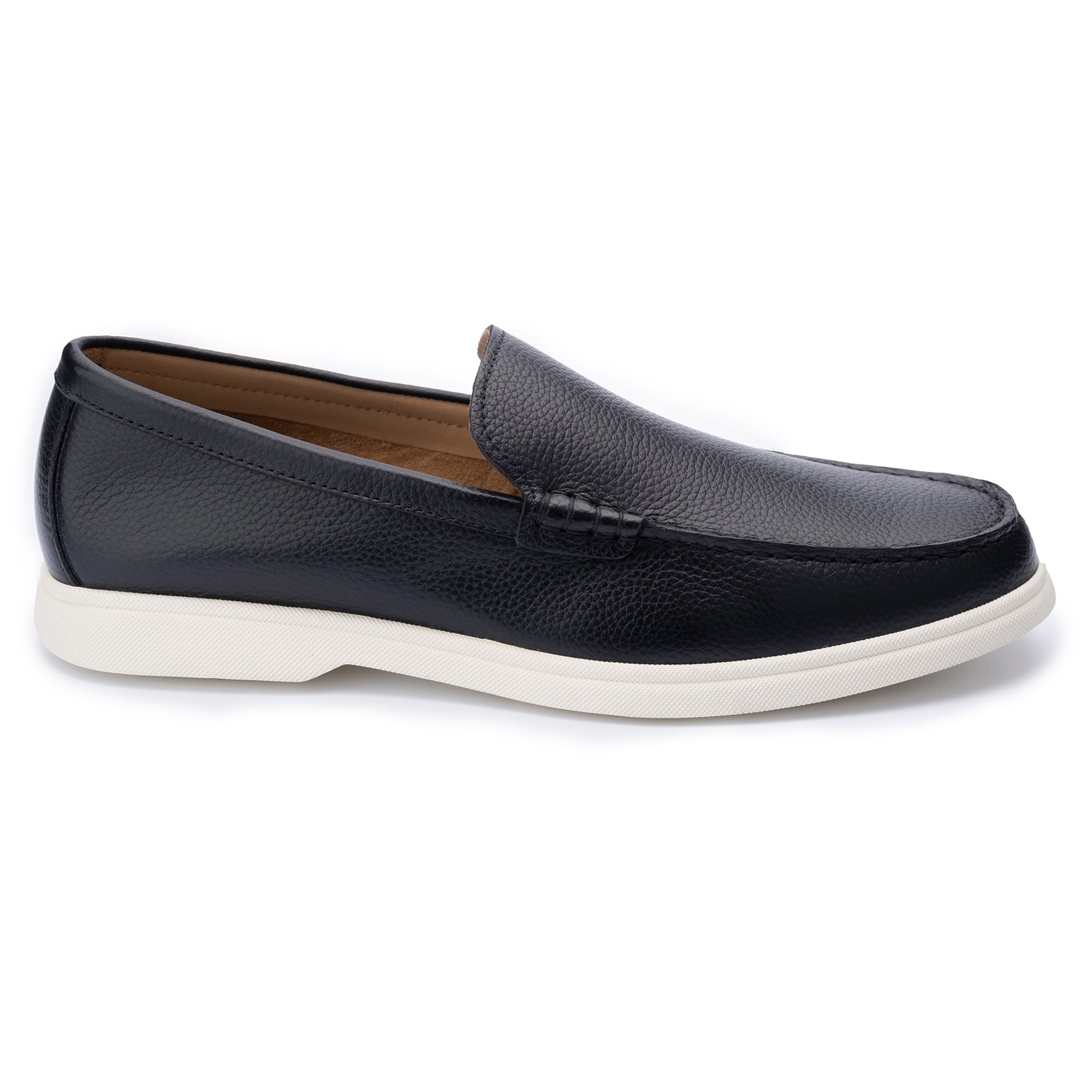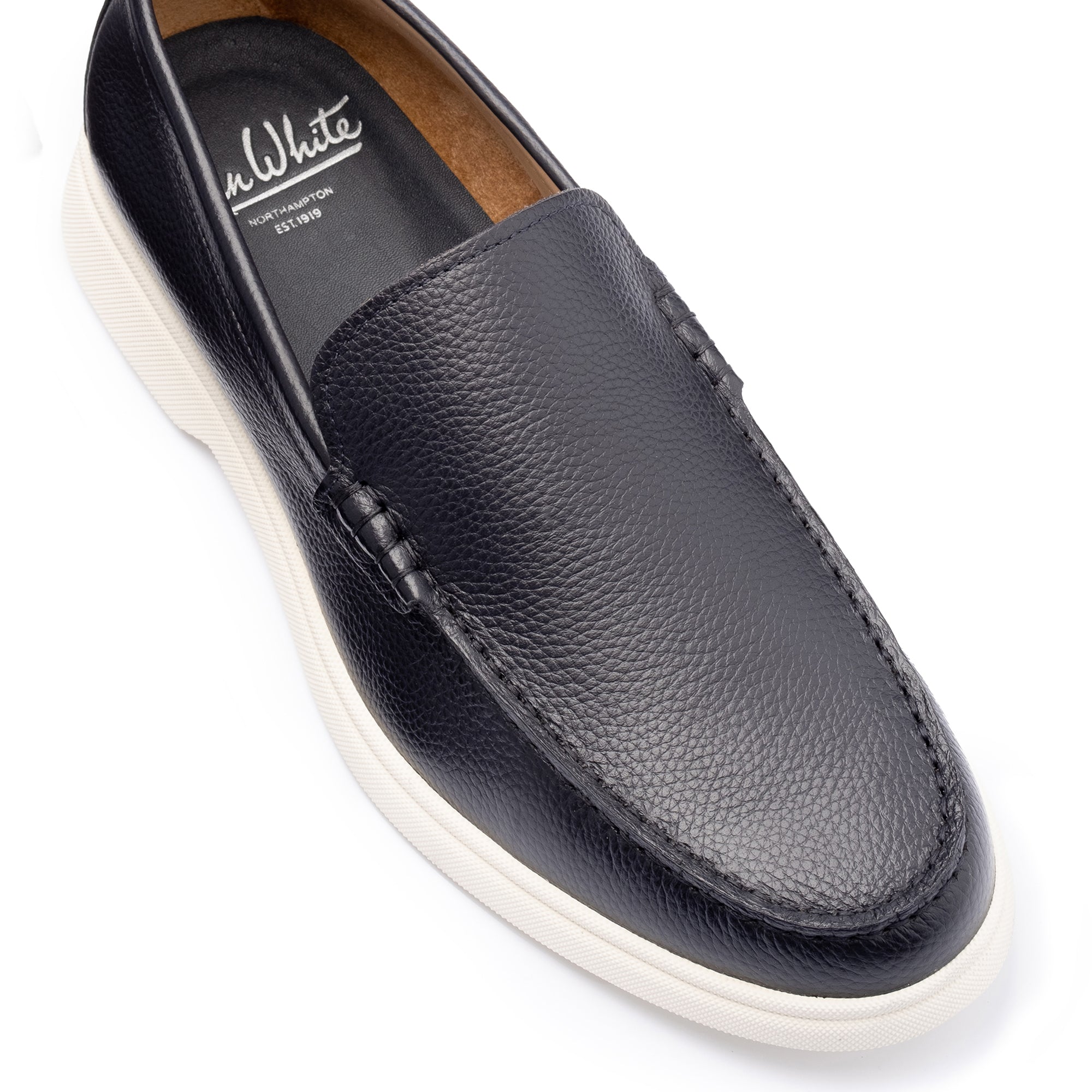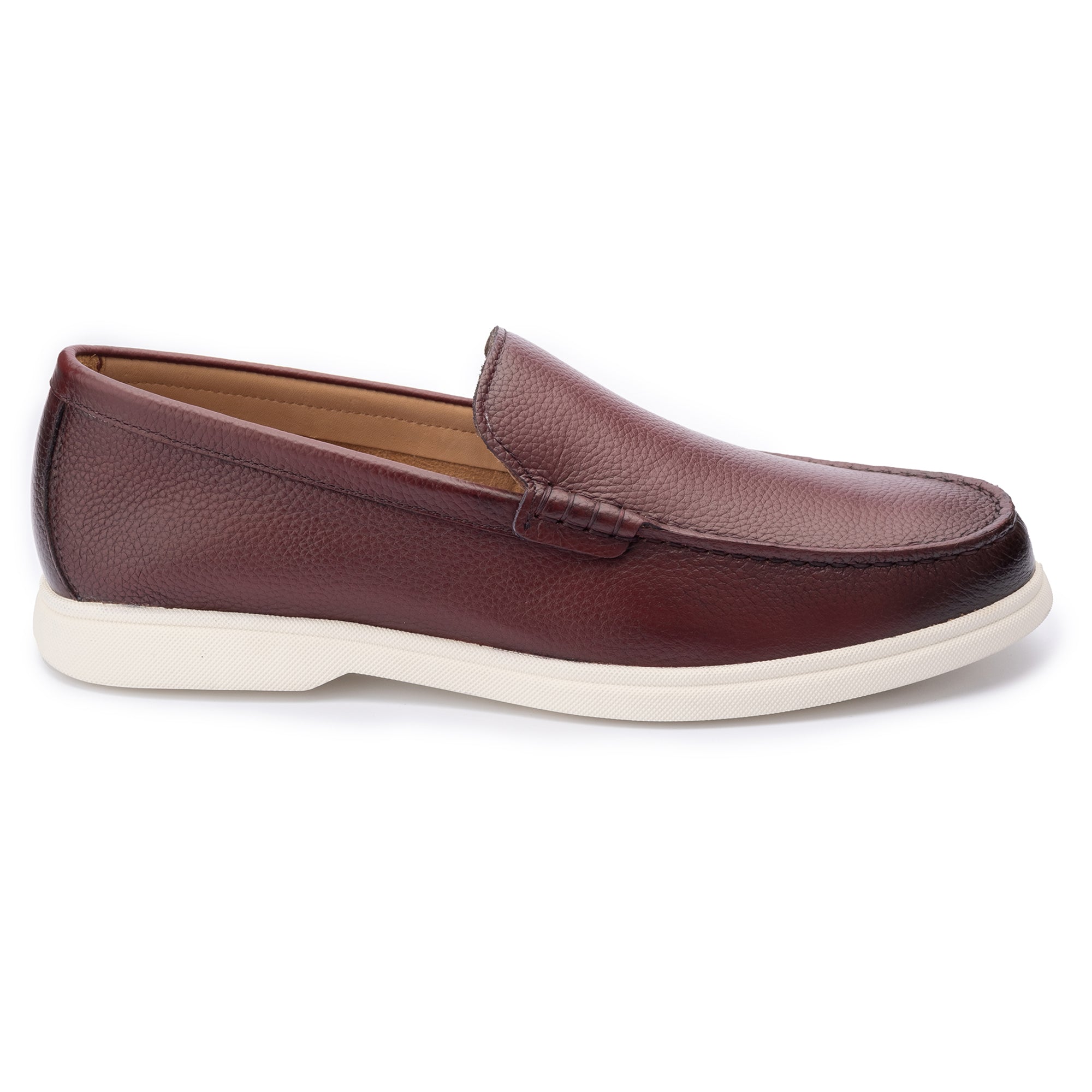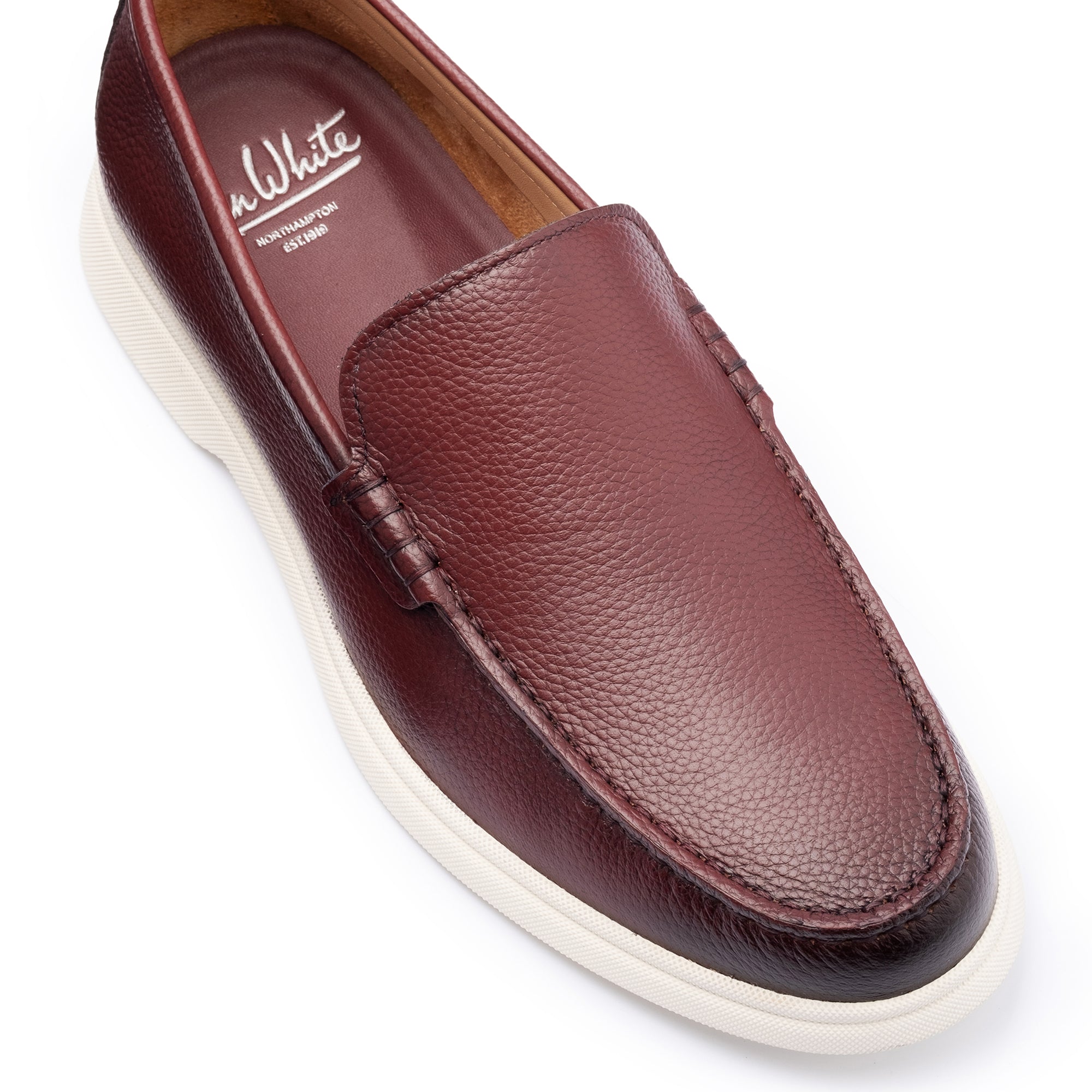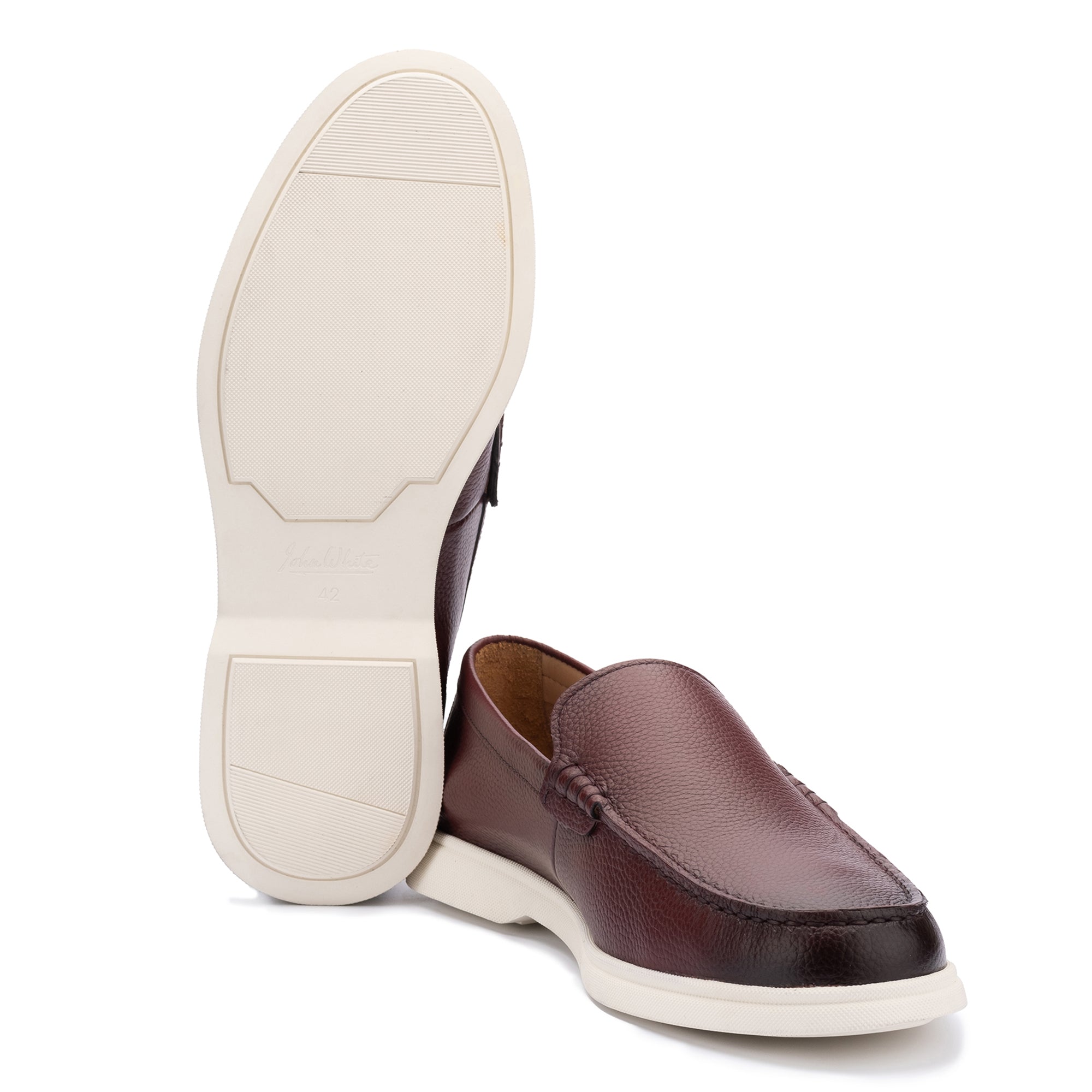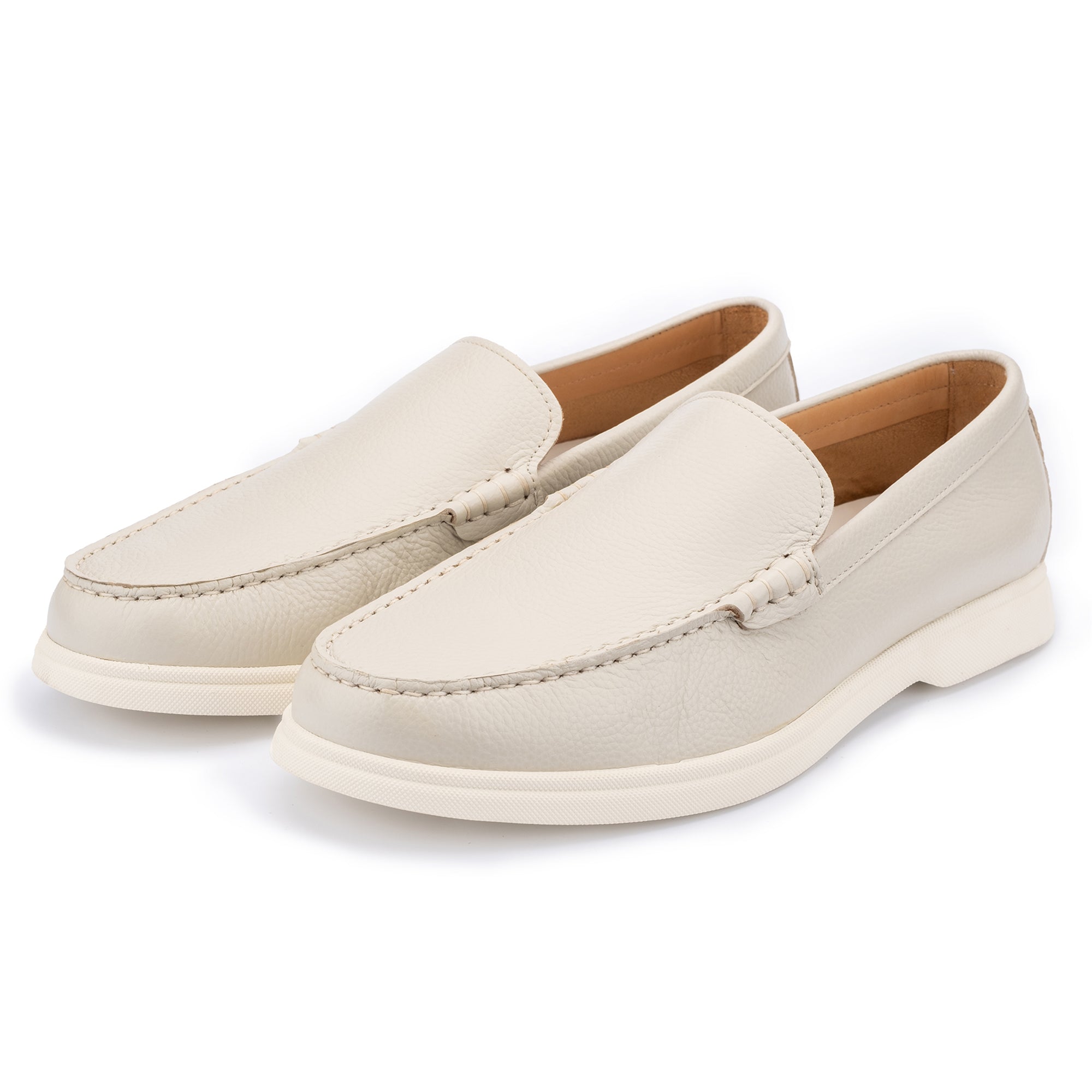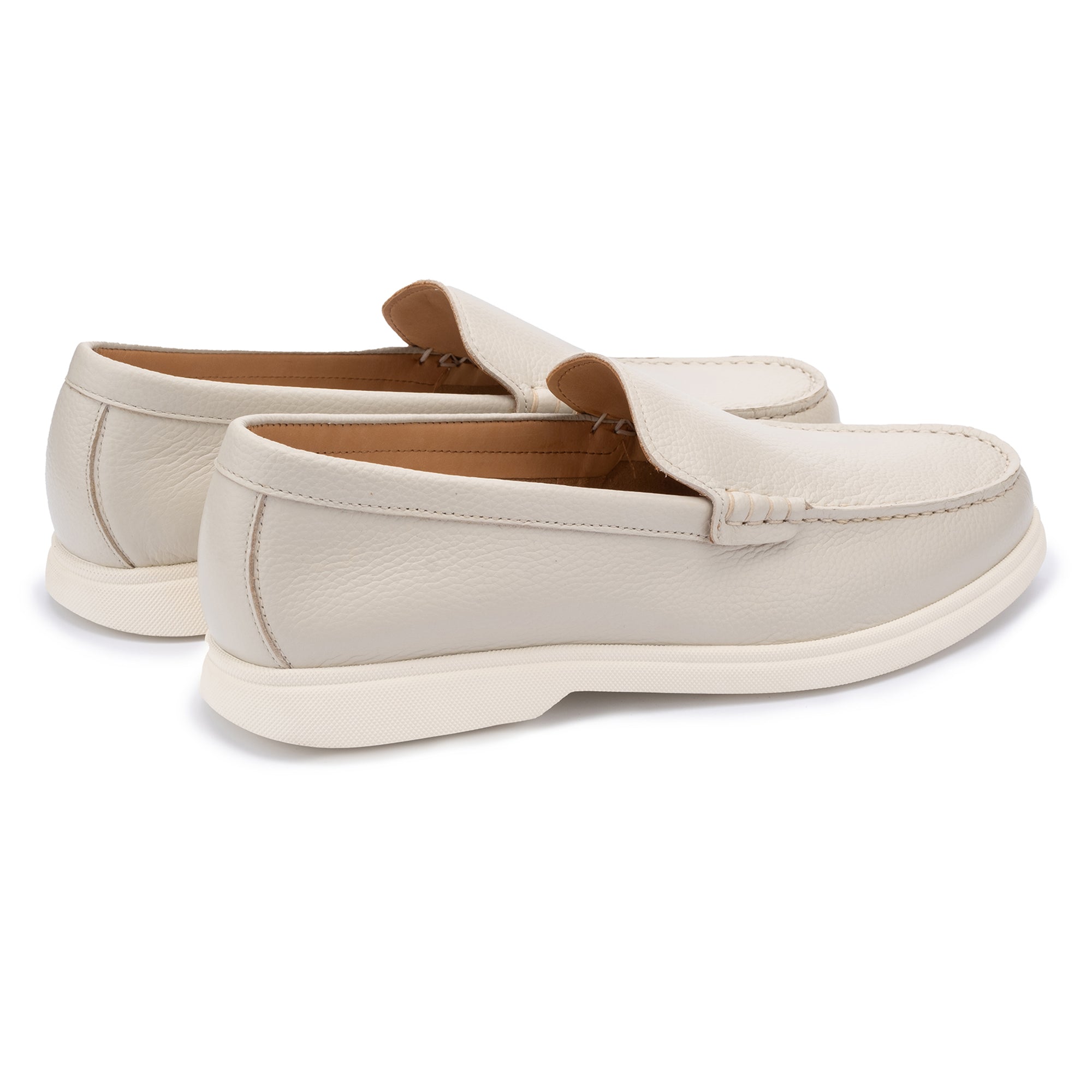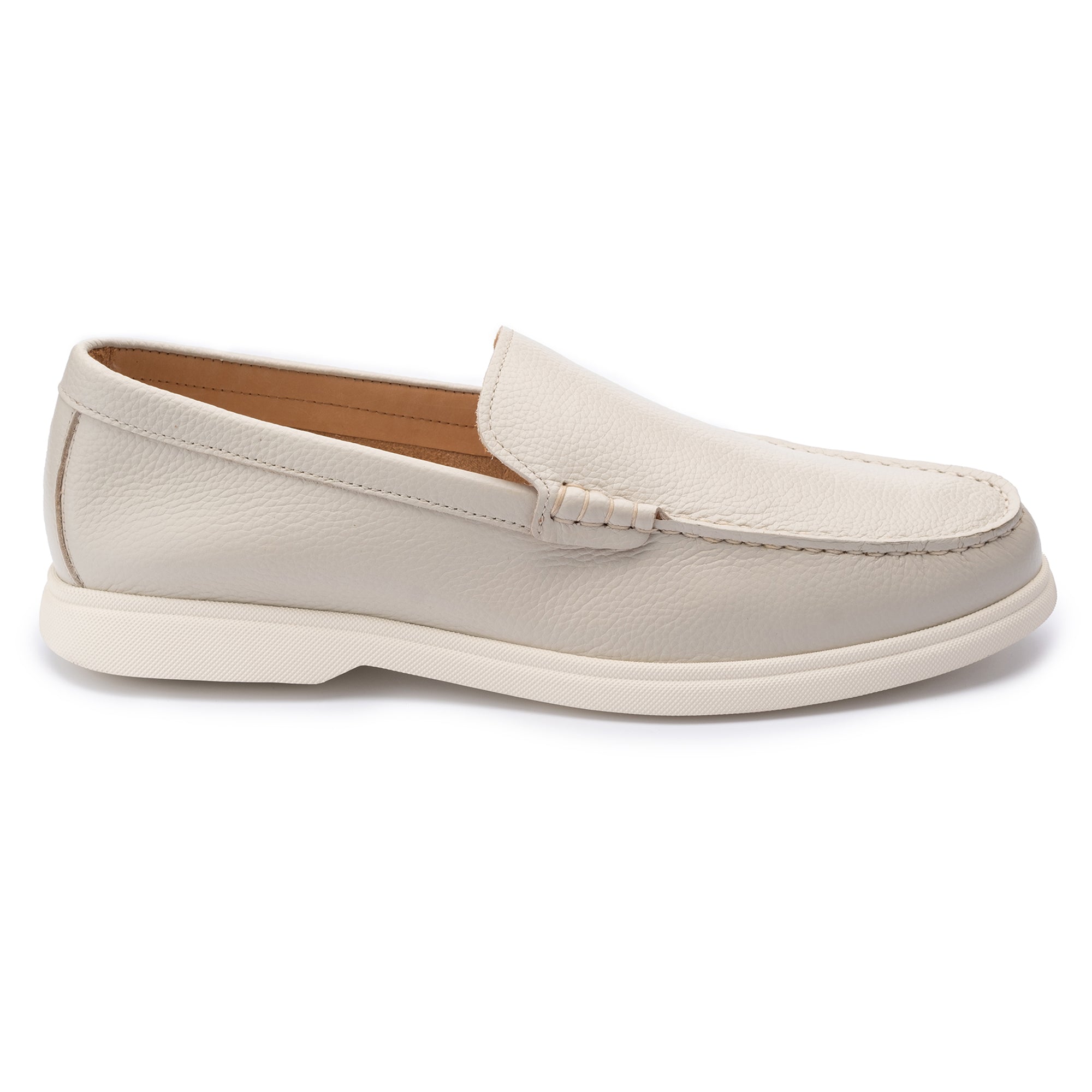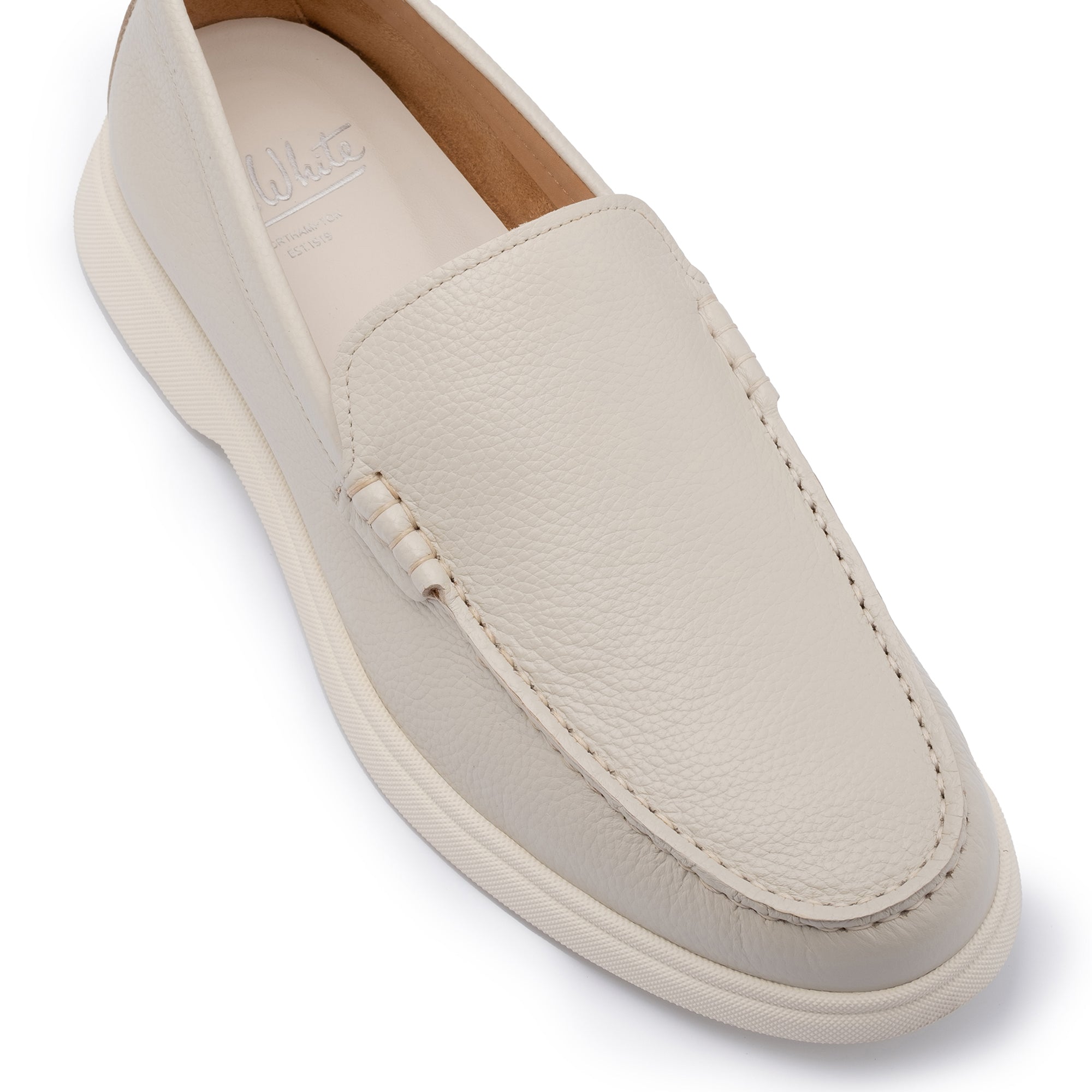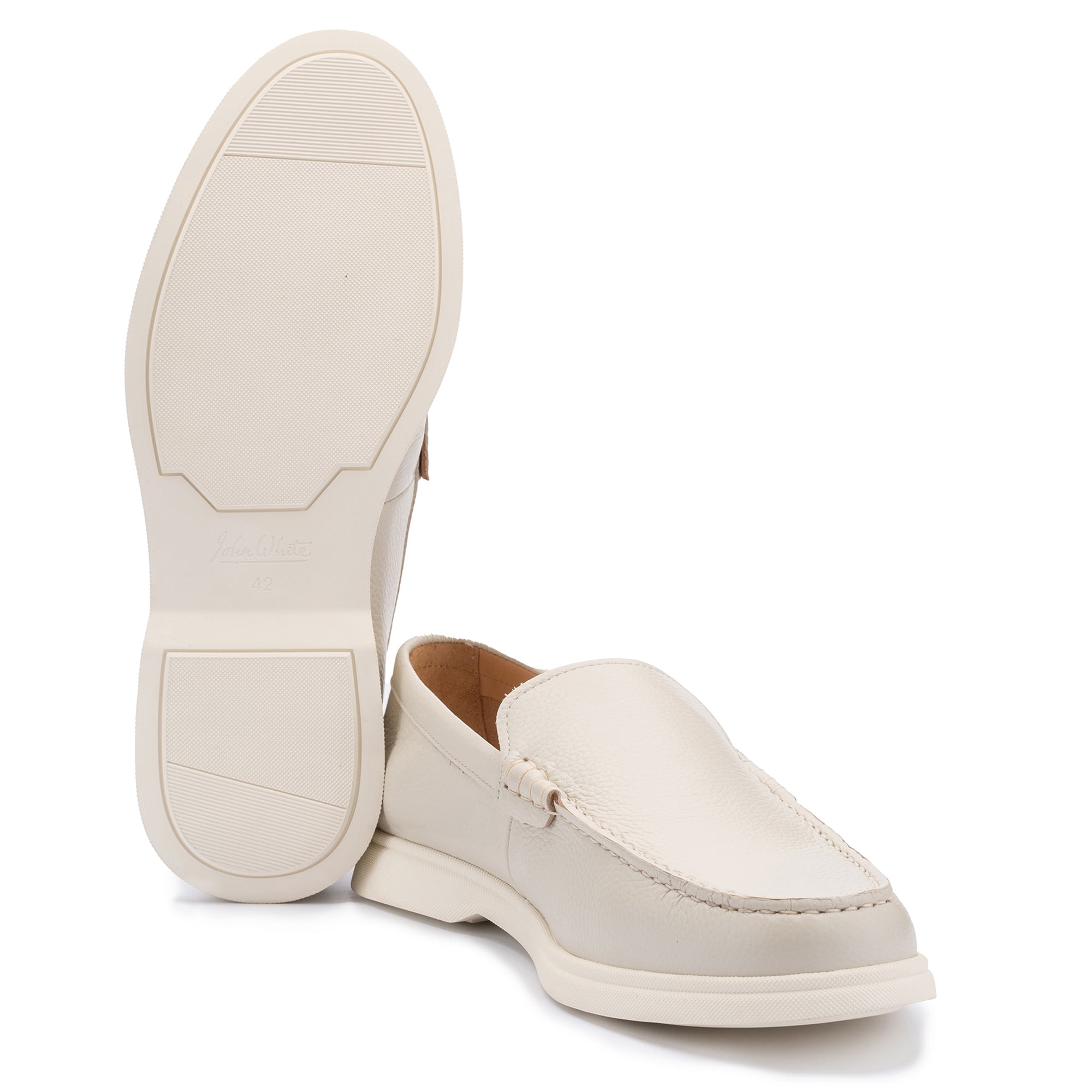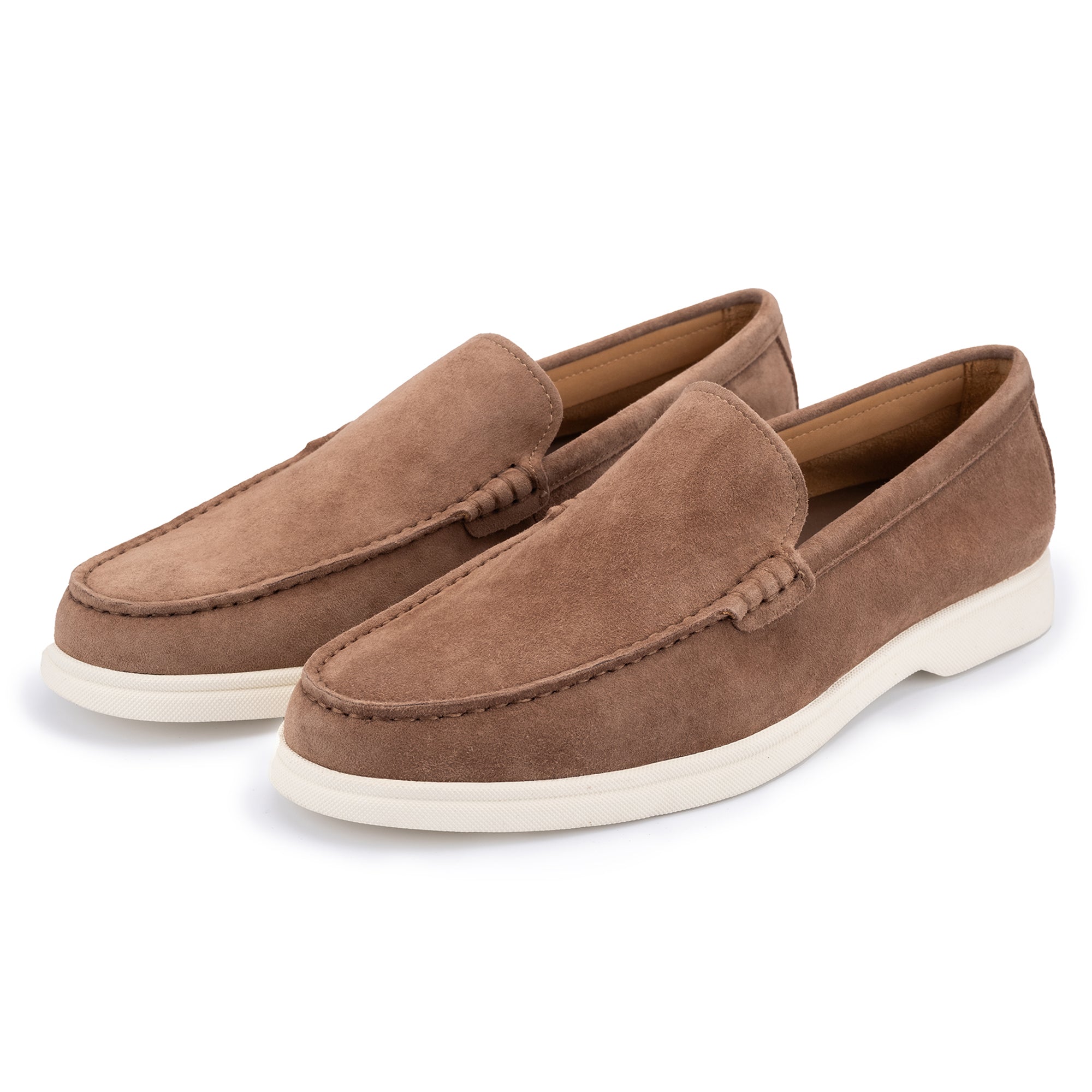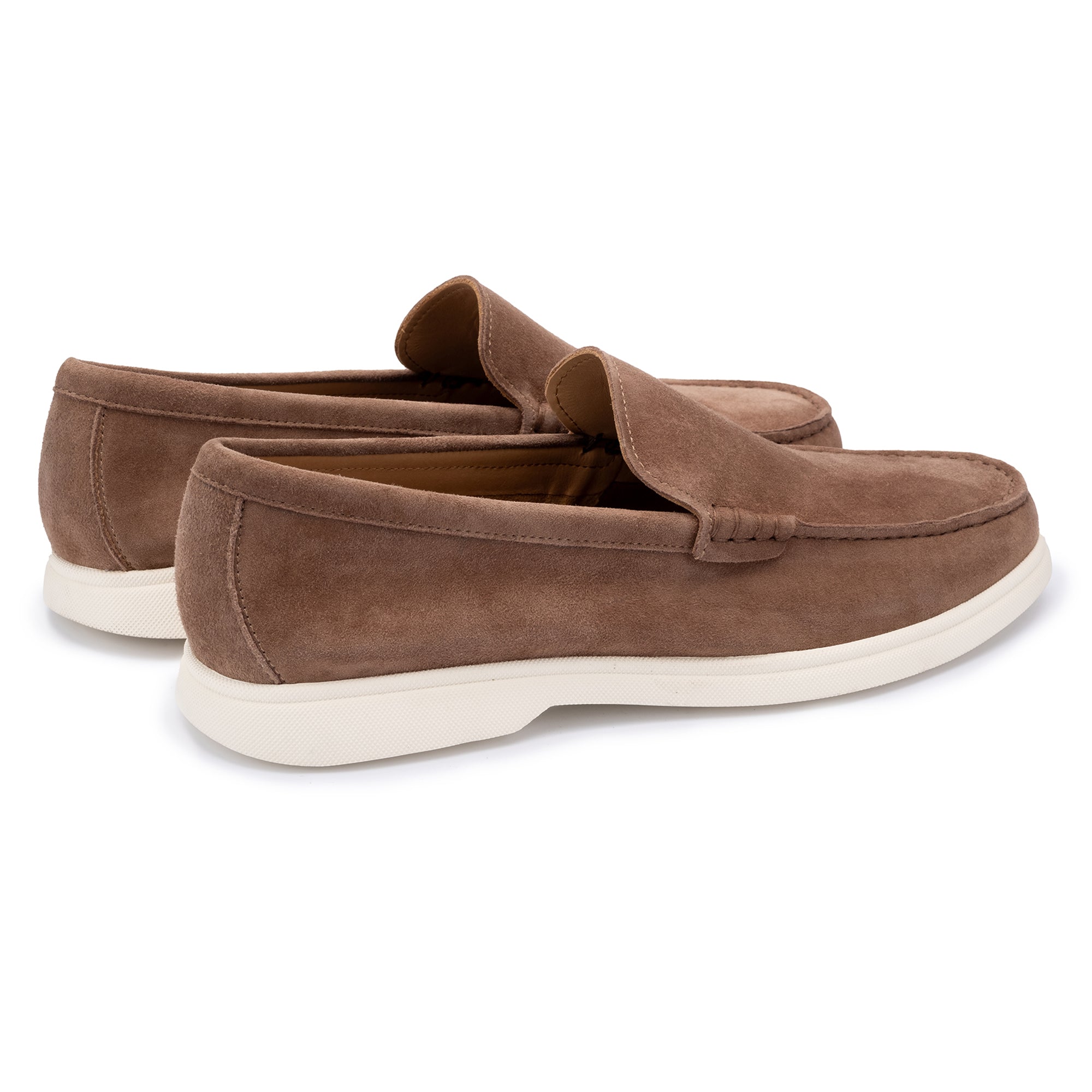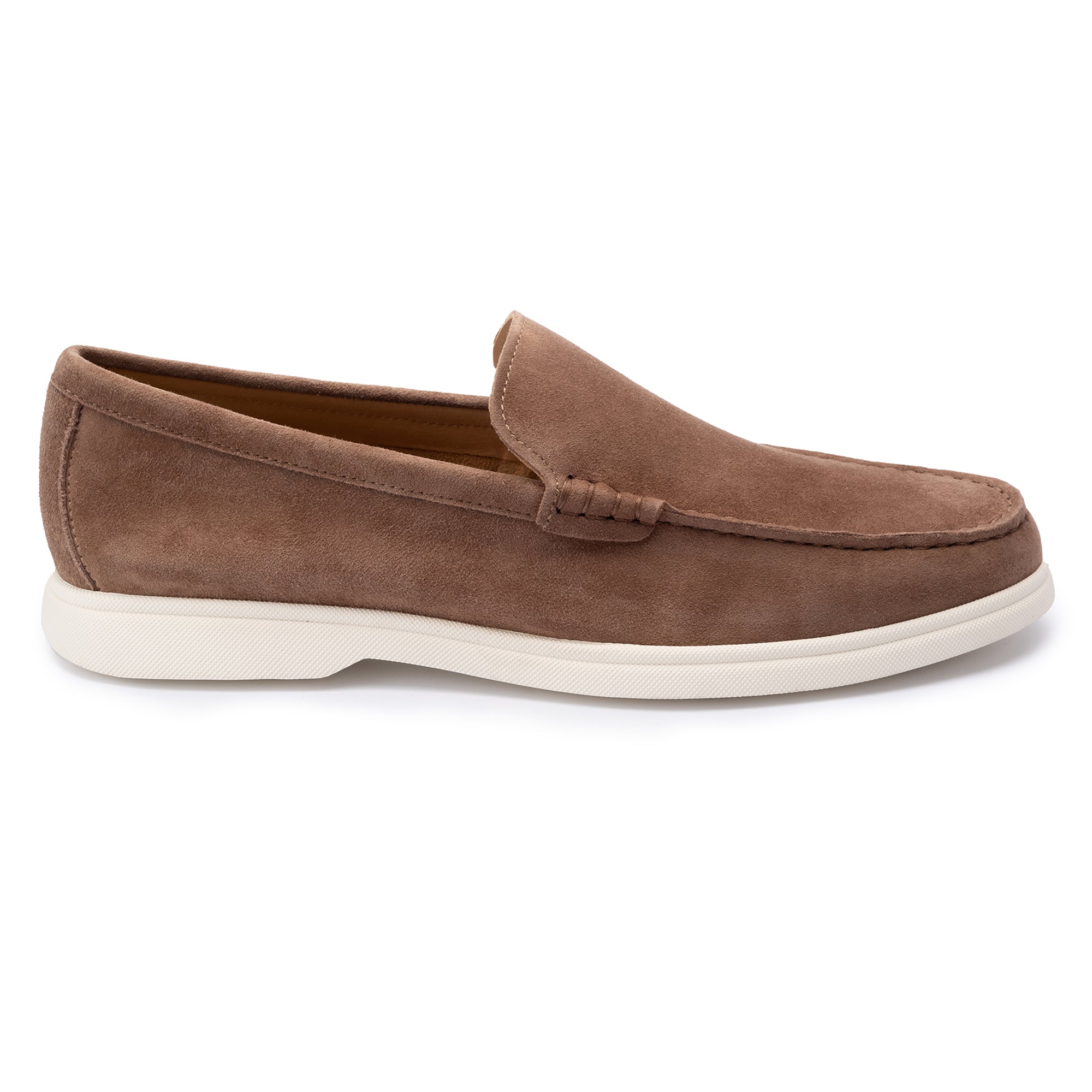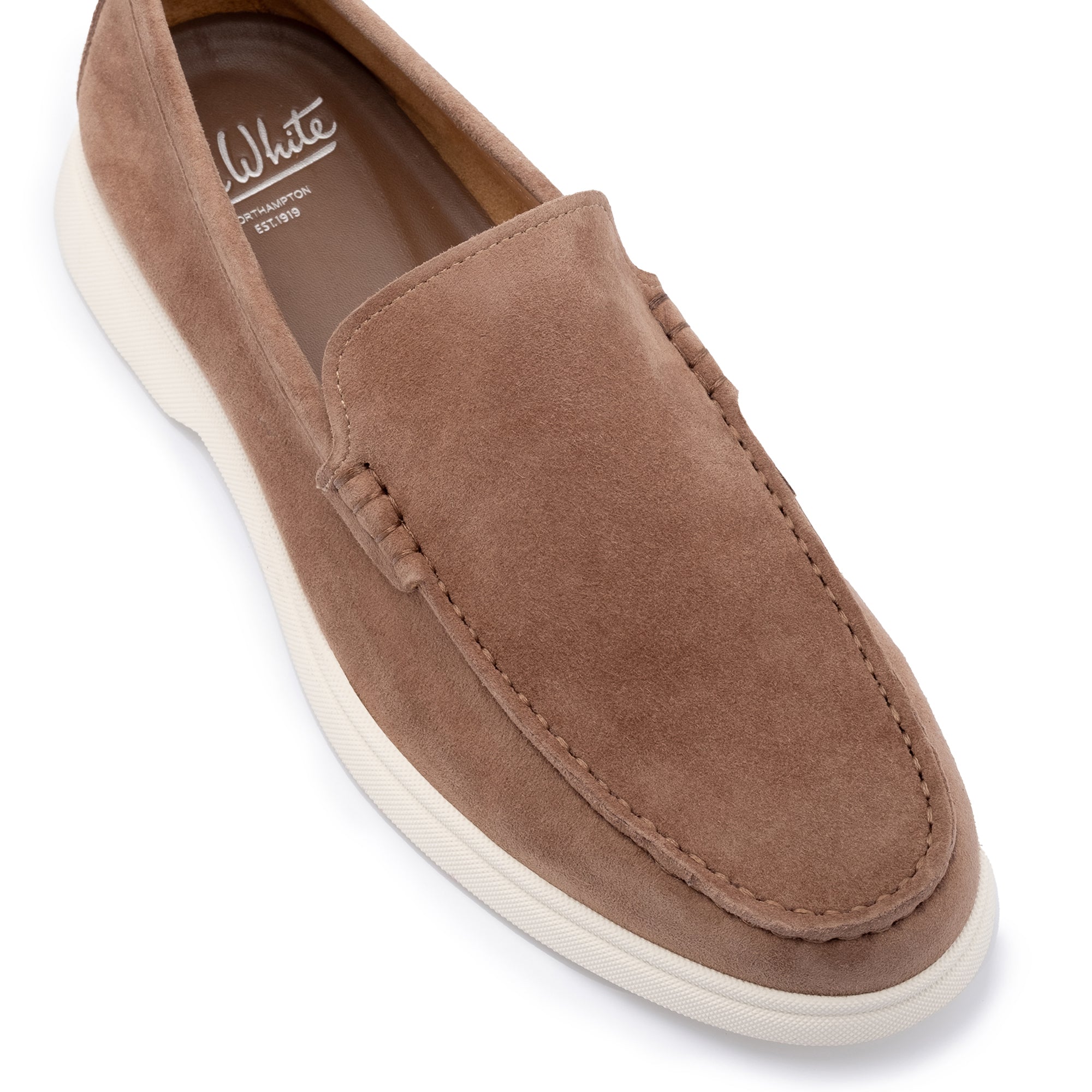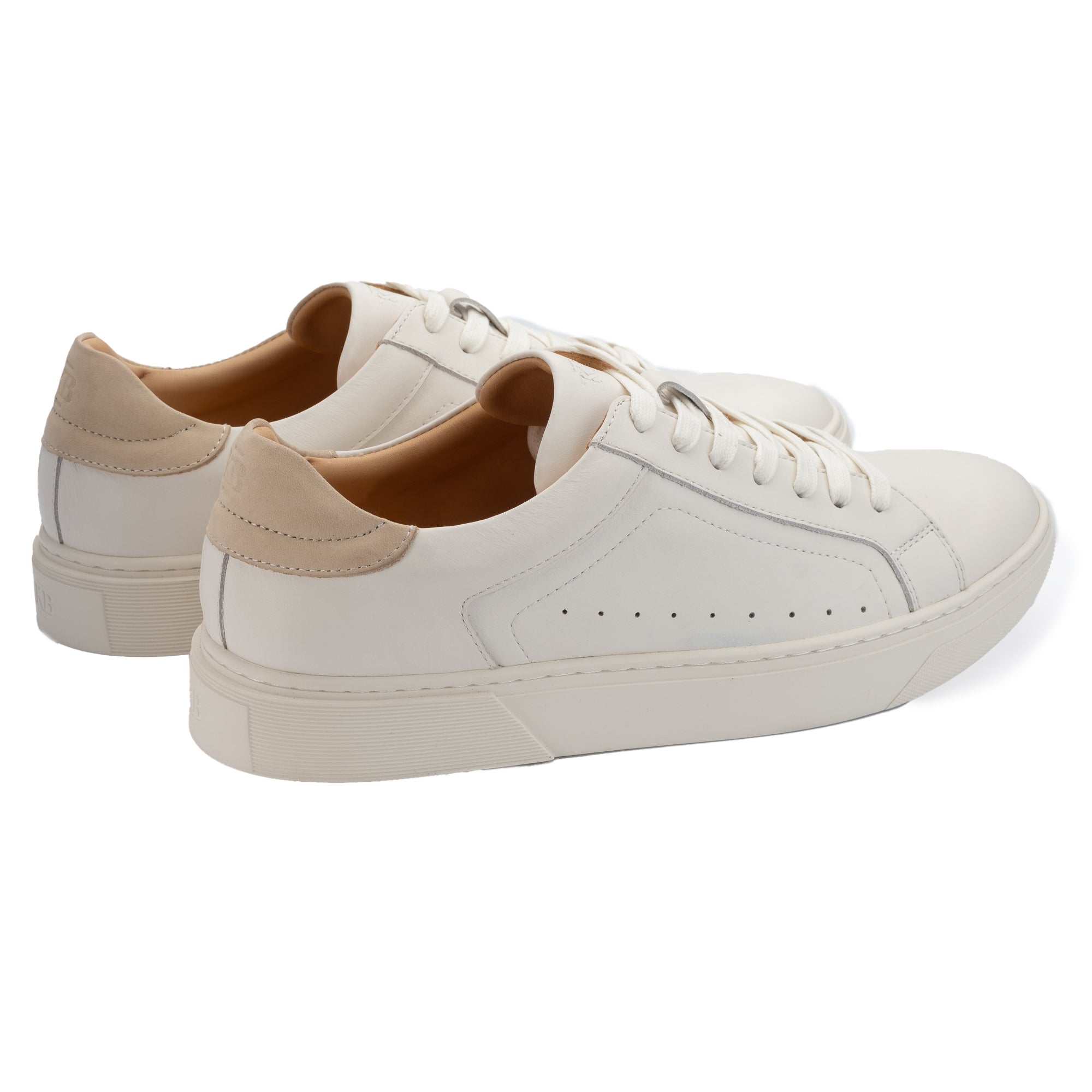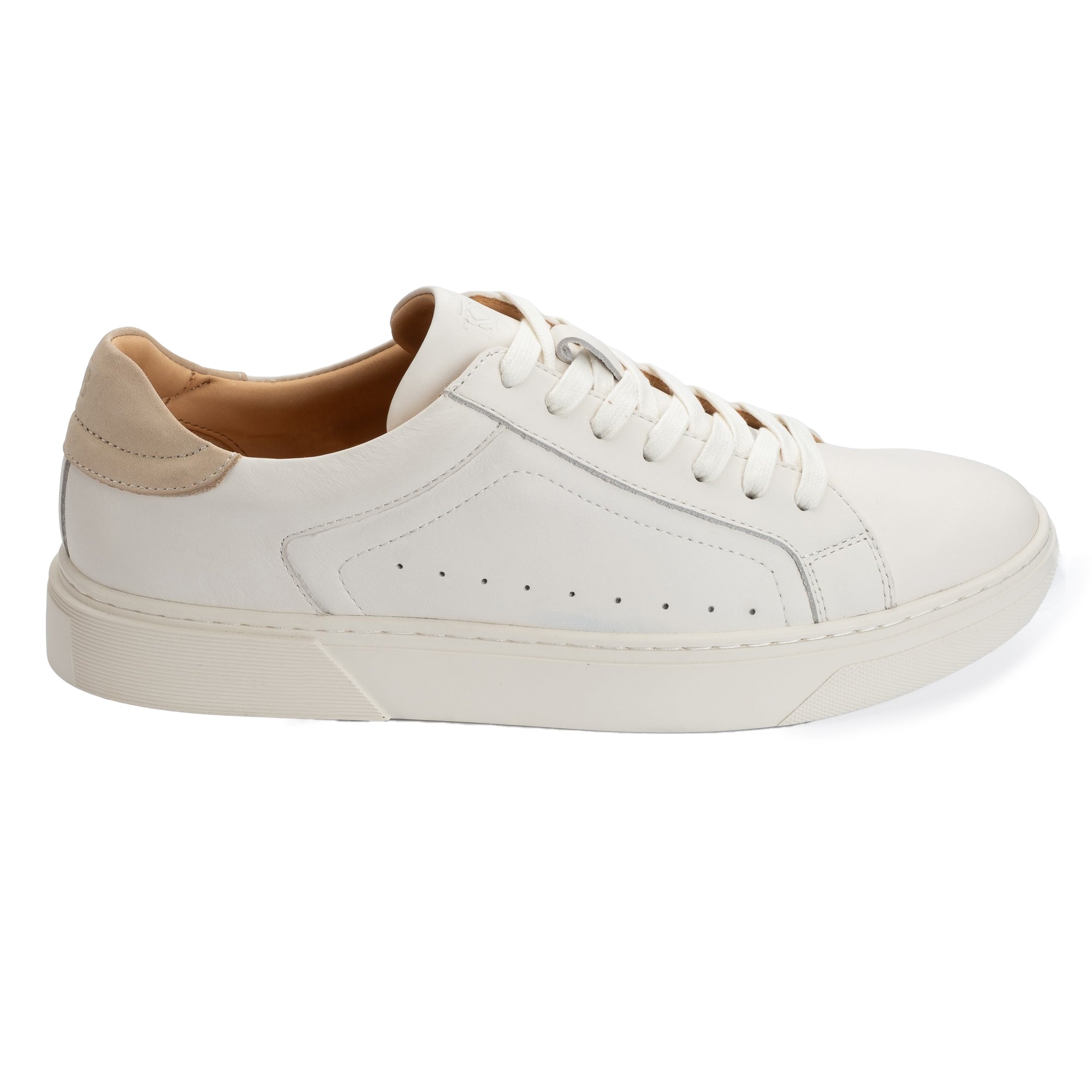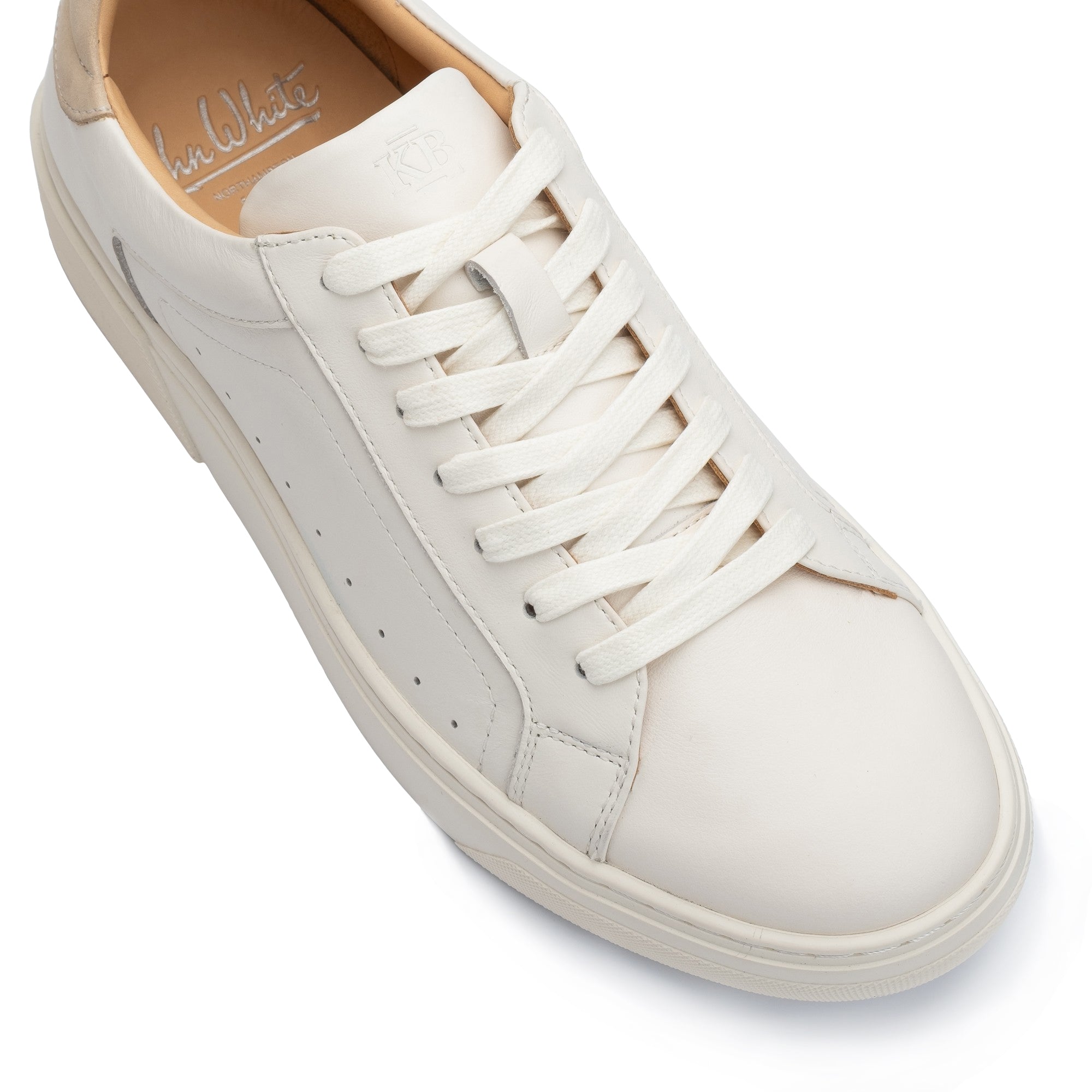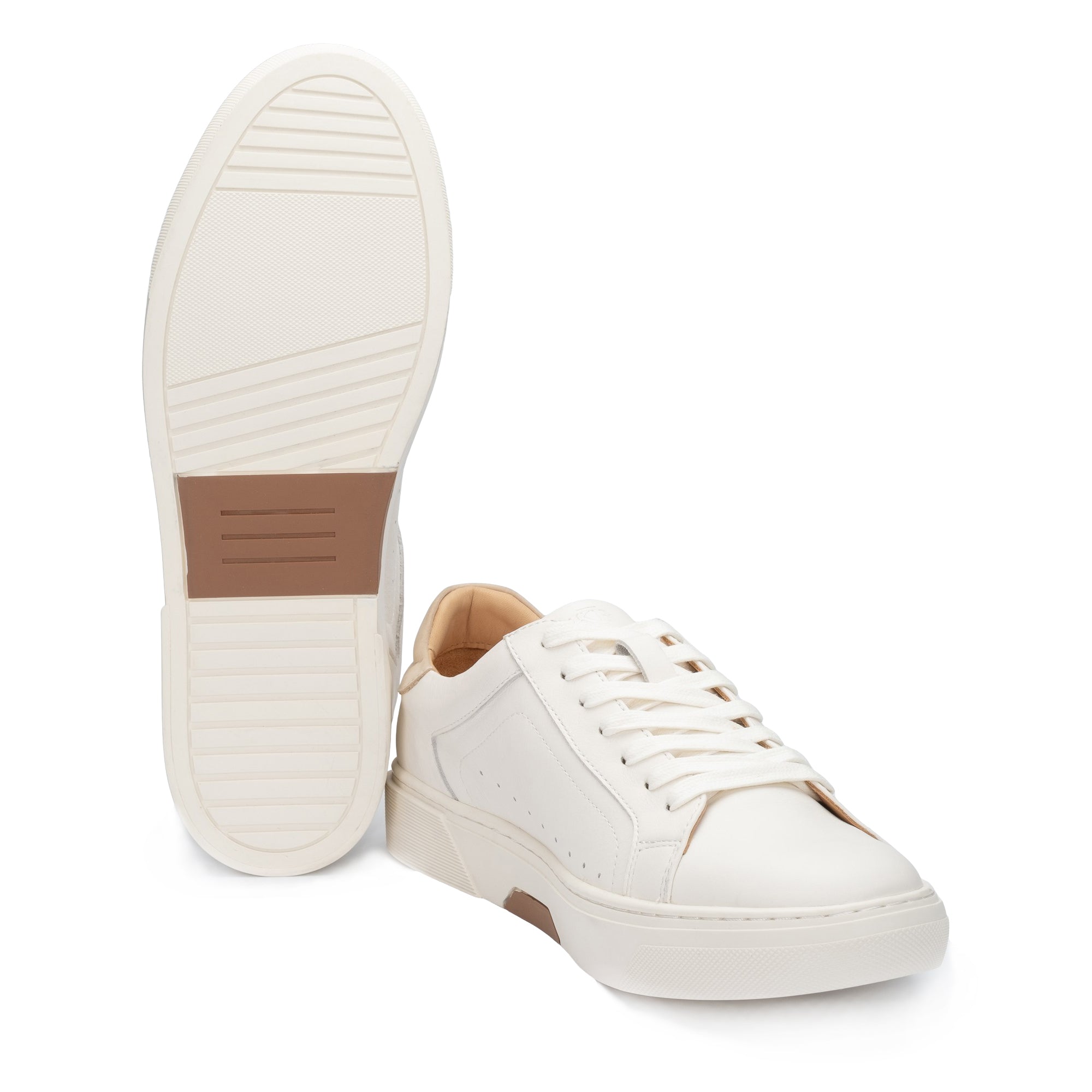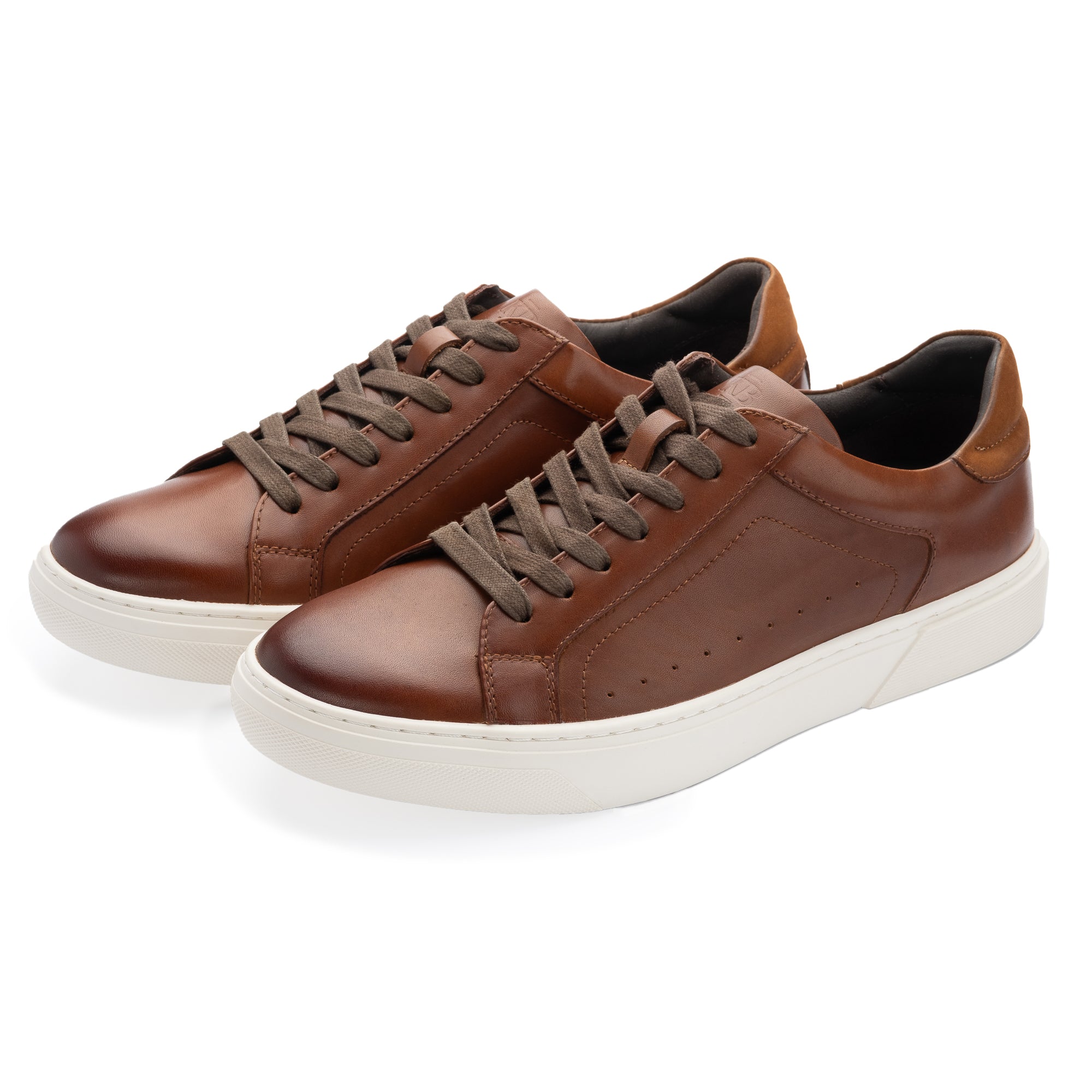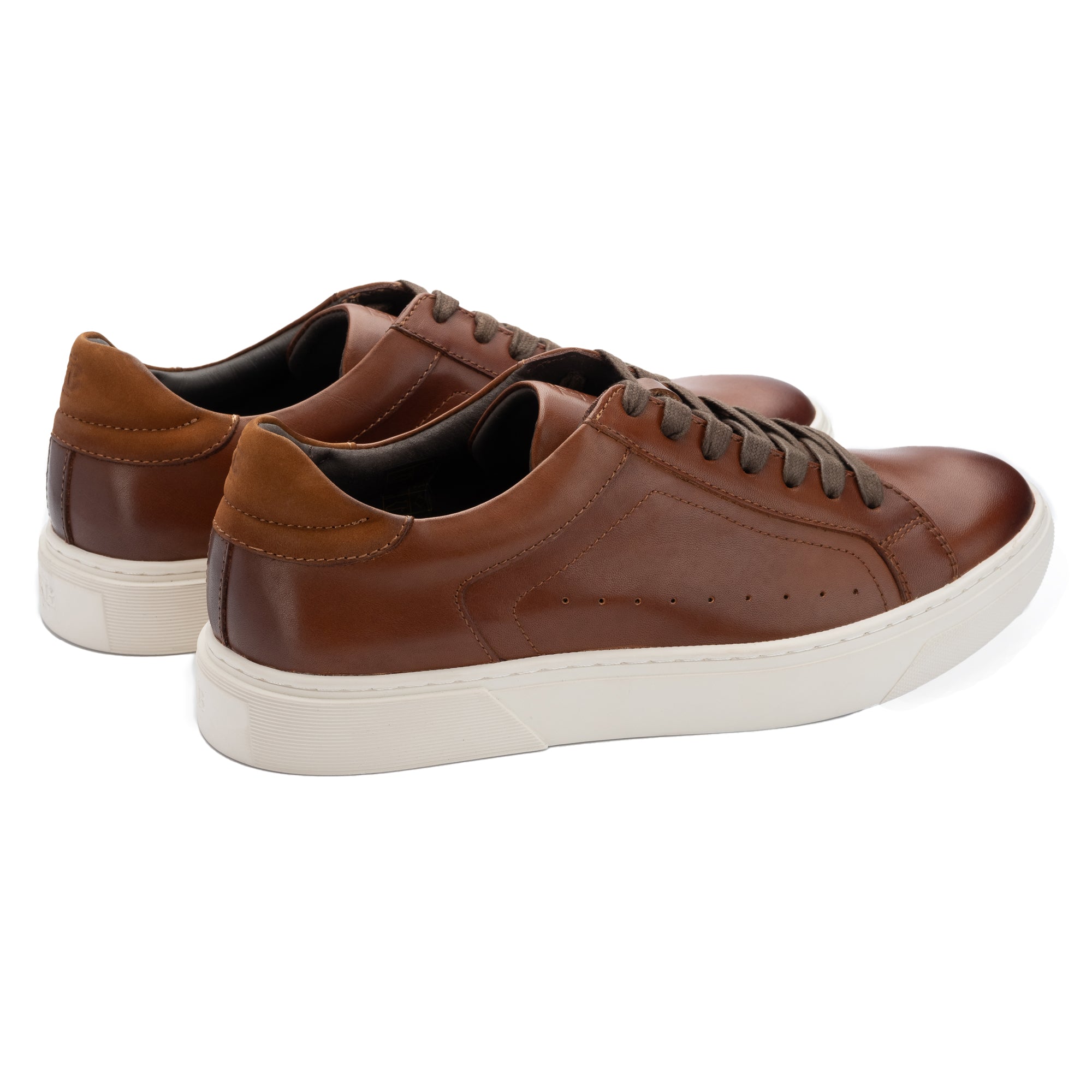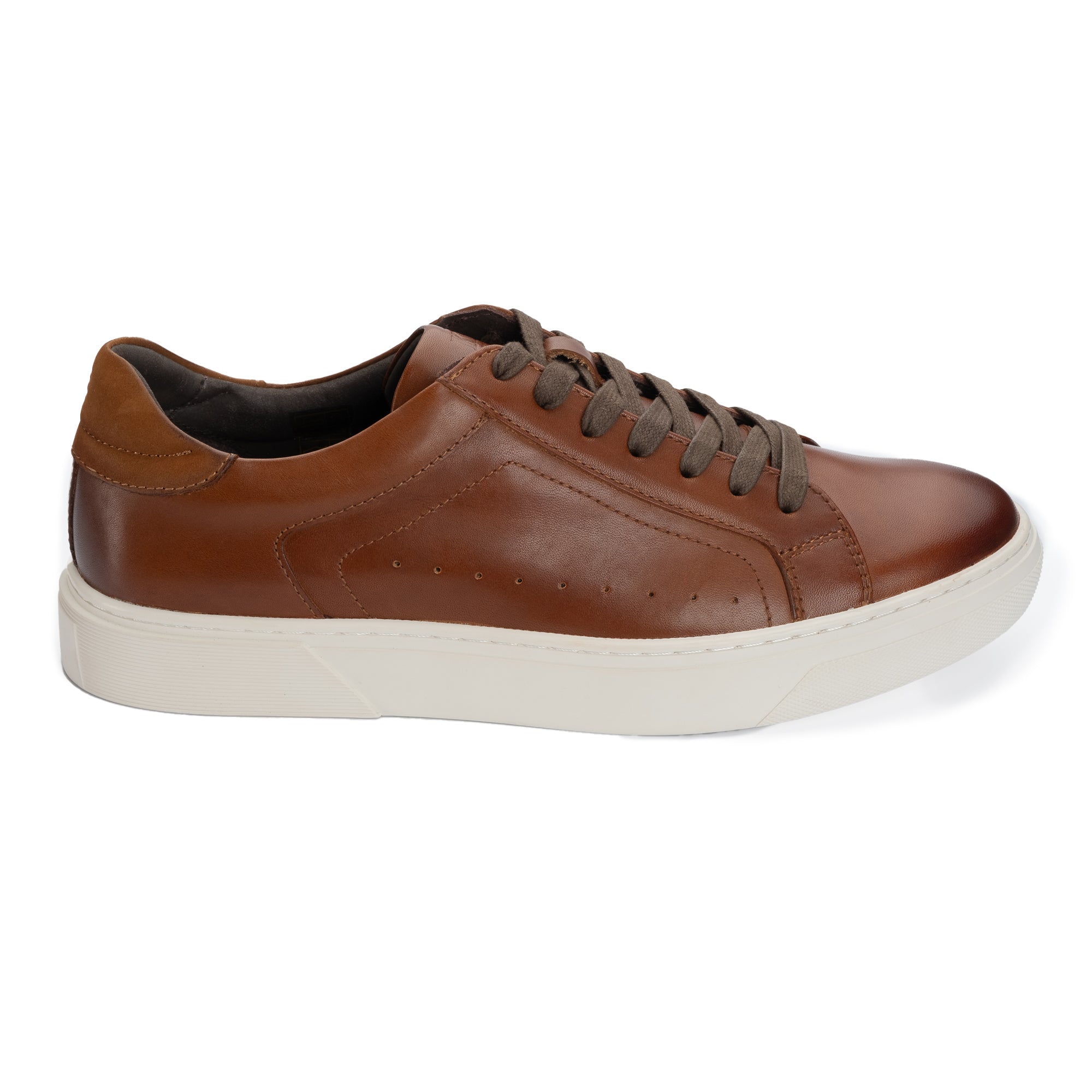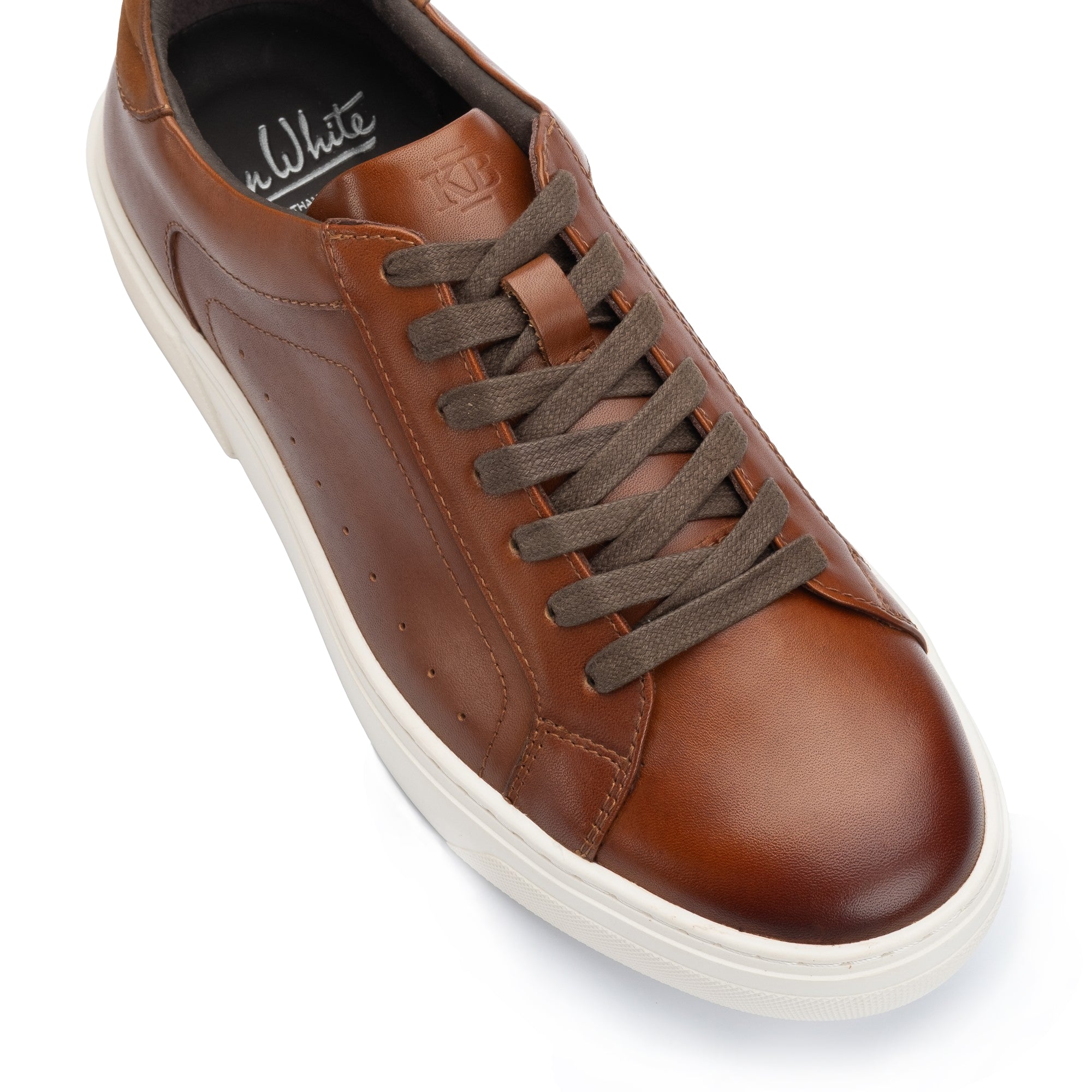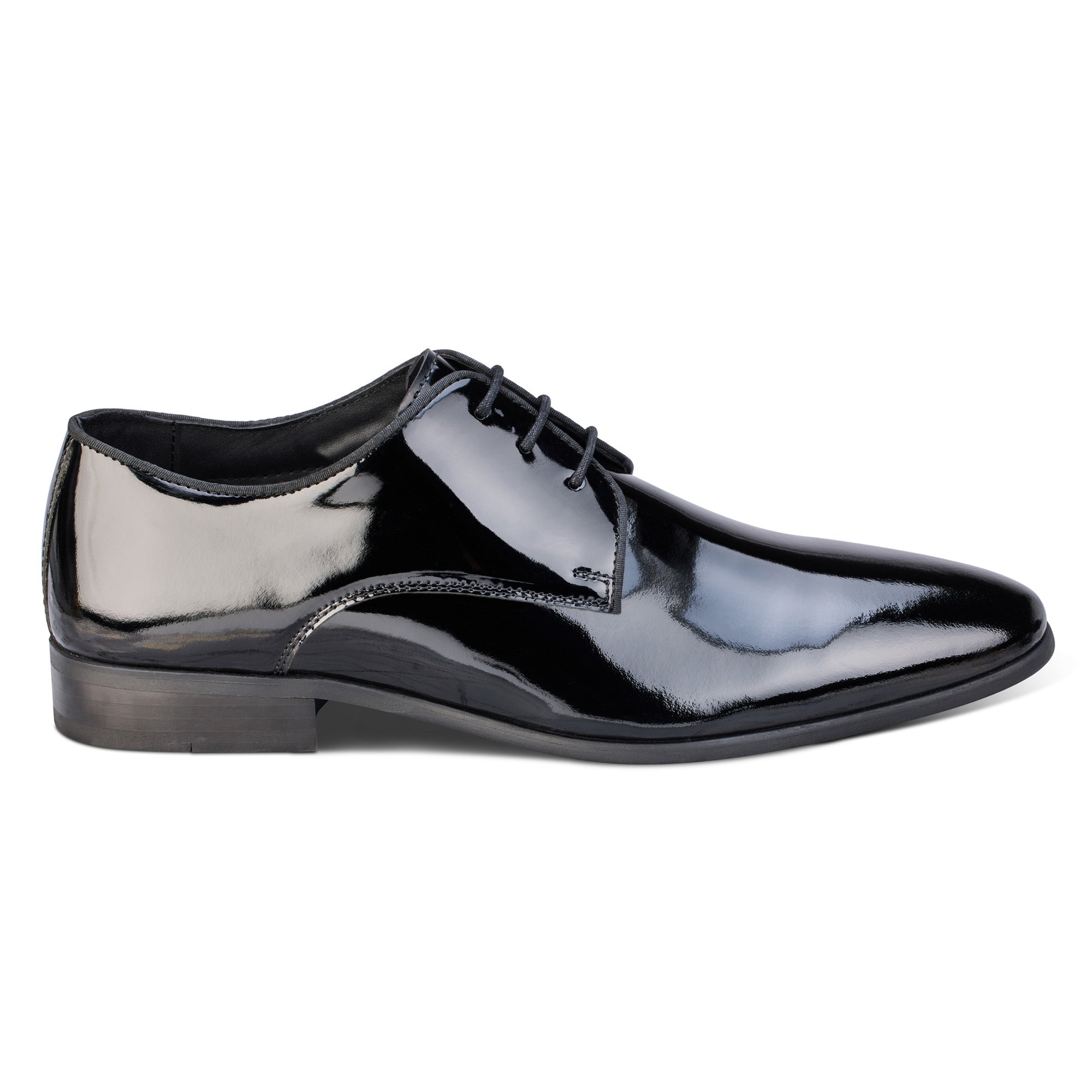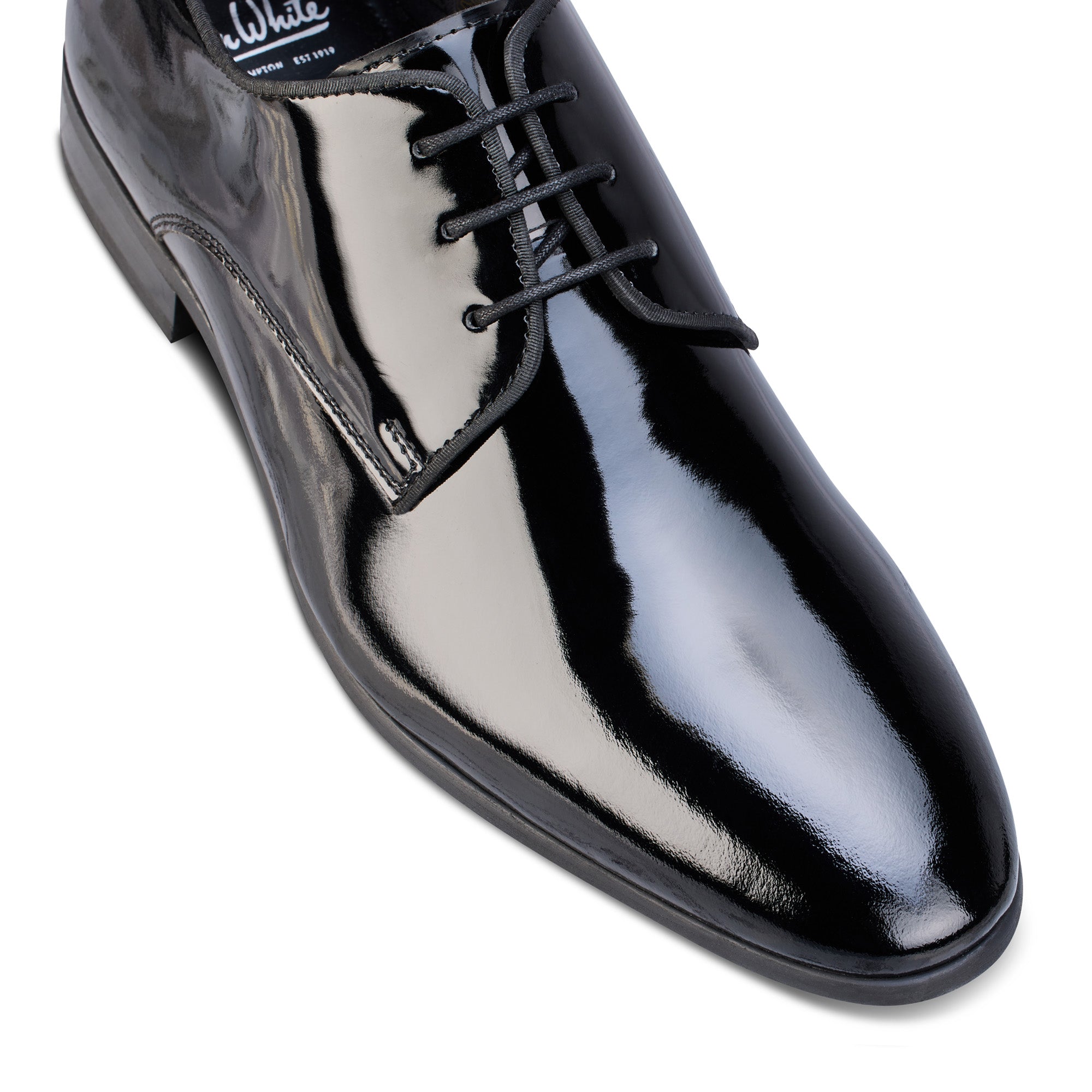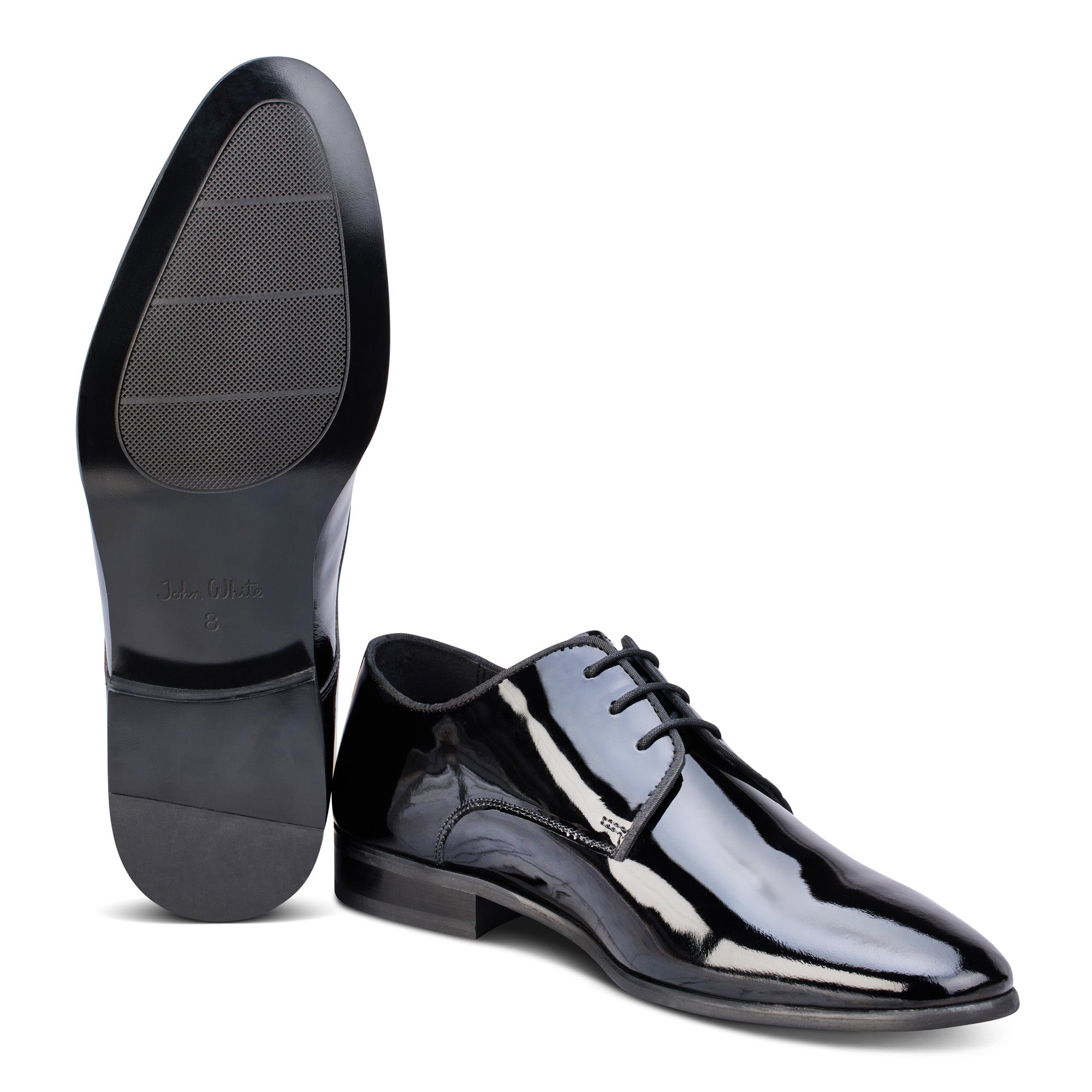

Resoling Leather Shoes: When and Why to Rebuild Them
A quality pair of leather shoes can last decades — but only if you act before the sole fails, not after. Resoling replaces the outsole while preserving the upper, the fit, and the character built up over years of wear. Done at the right time, by the right cobbler, it's almost always more cost-effective than buying new.
In This Guide
- What Is Resoling a Leather Shoe?
- How Do You Know When a Sole Needs Replacing?
- Which Construction Methods Can Be Resoled?
- How Long Does Resoling Extend a Shoe's Life?
- Should You Resole or Replace Your Shoes?
- How to Find a Good Cobbler for Leather Shoe Repairs
- Keeping Leather in Resole-Ready Condition
- Related Guides
- Frequently Asked Questions
The sole is the part of a shoe that absorbs every pavement, every kerb, every wet winter commute. It will always wear before the upper does. On a well-made pair of leather shoes — the kind that shapes itself to your foot over months of wear — treating a worn sole as a reason to resole rather than replace is the decision that separates people who own shoes from people who simply consume them.
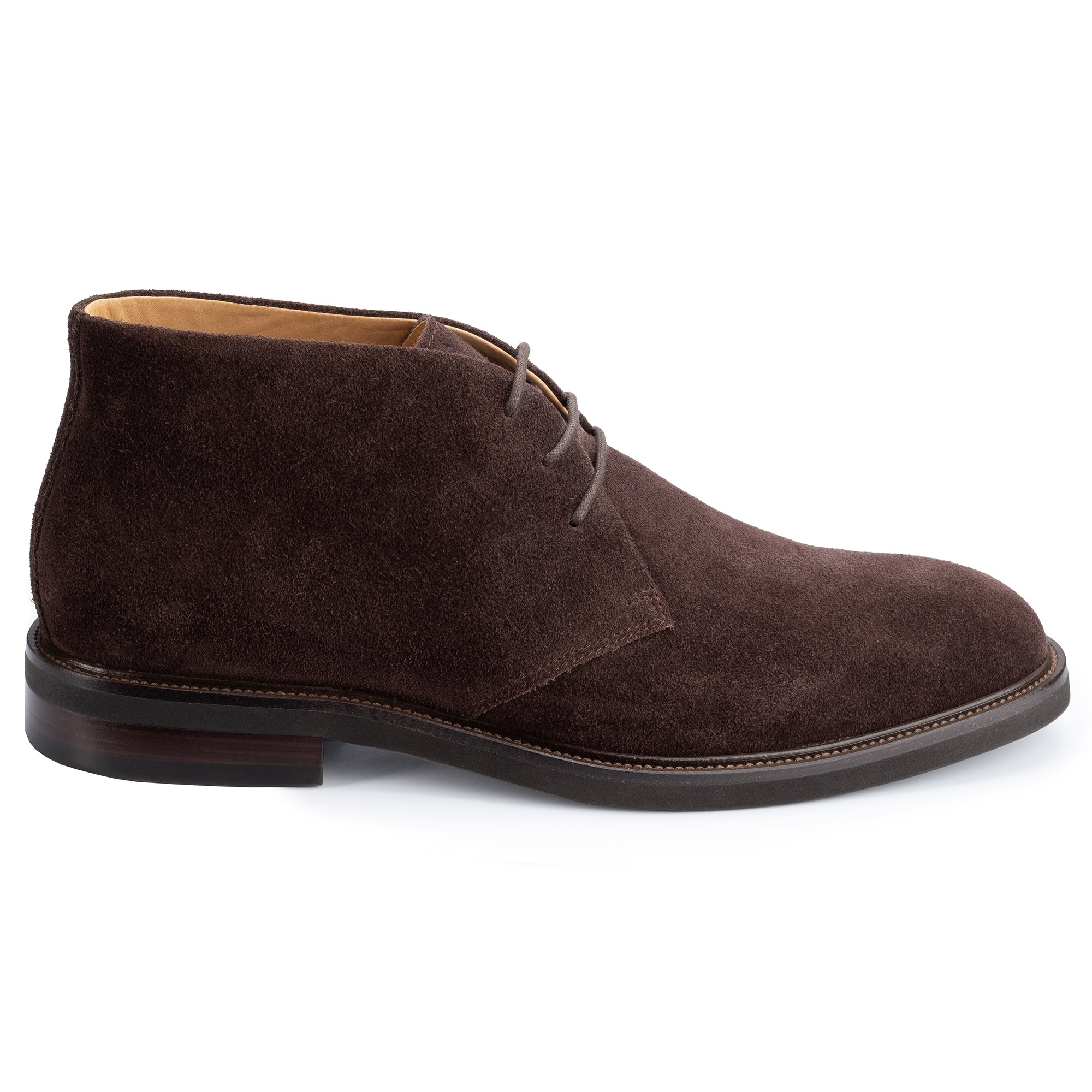
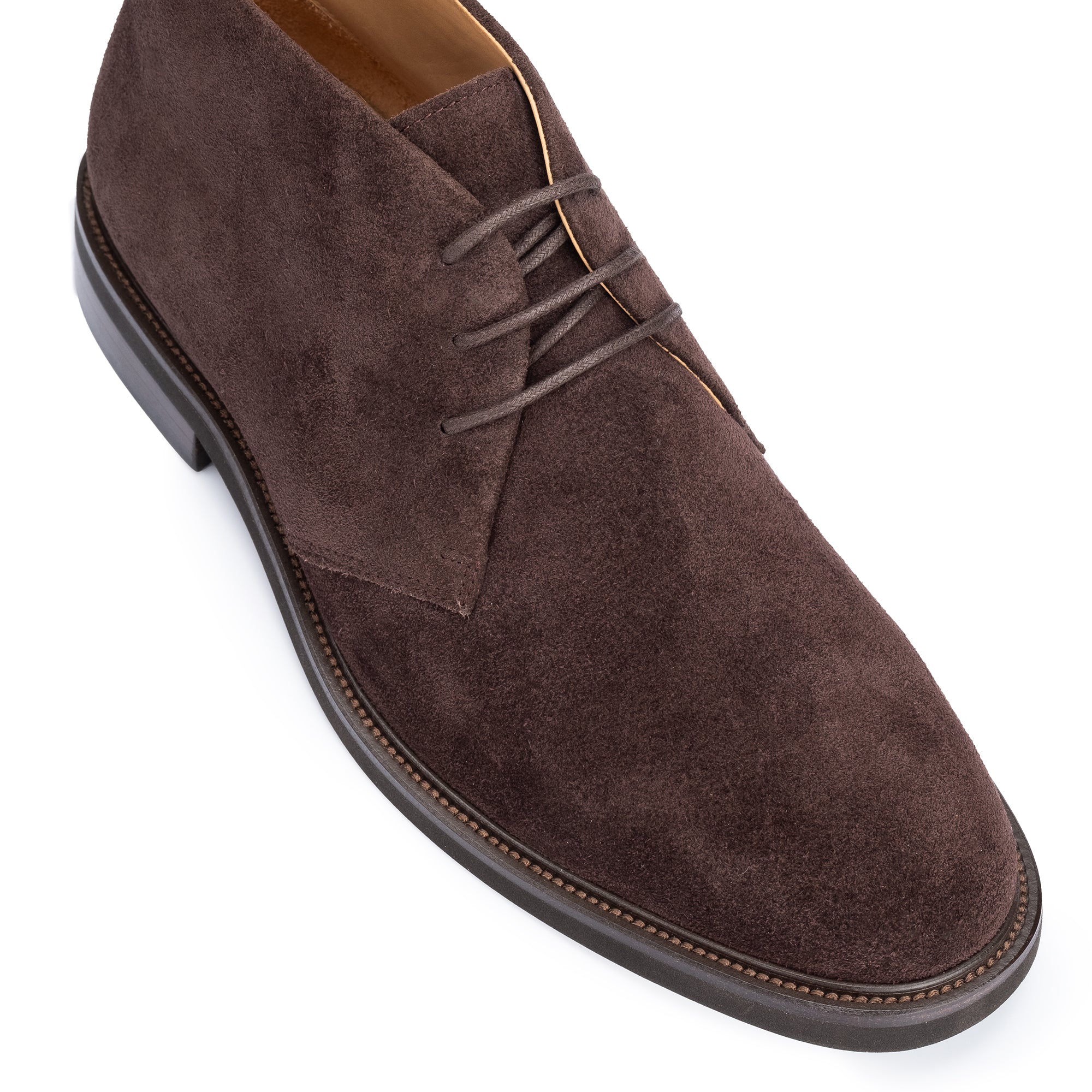
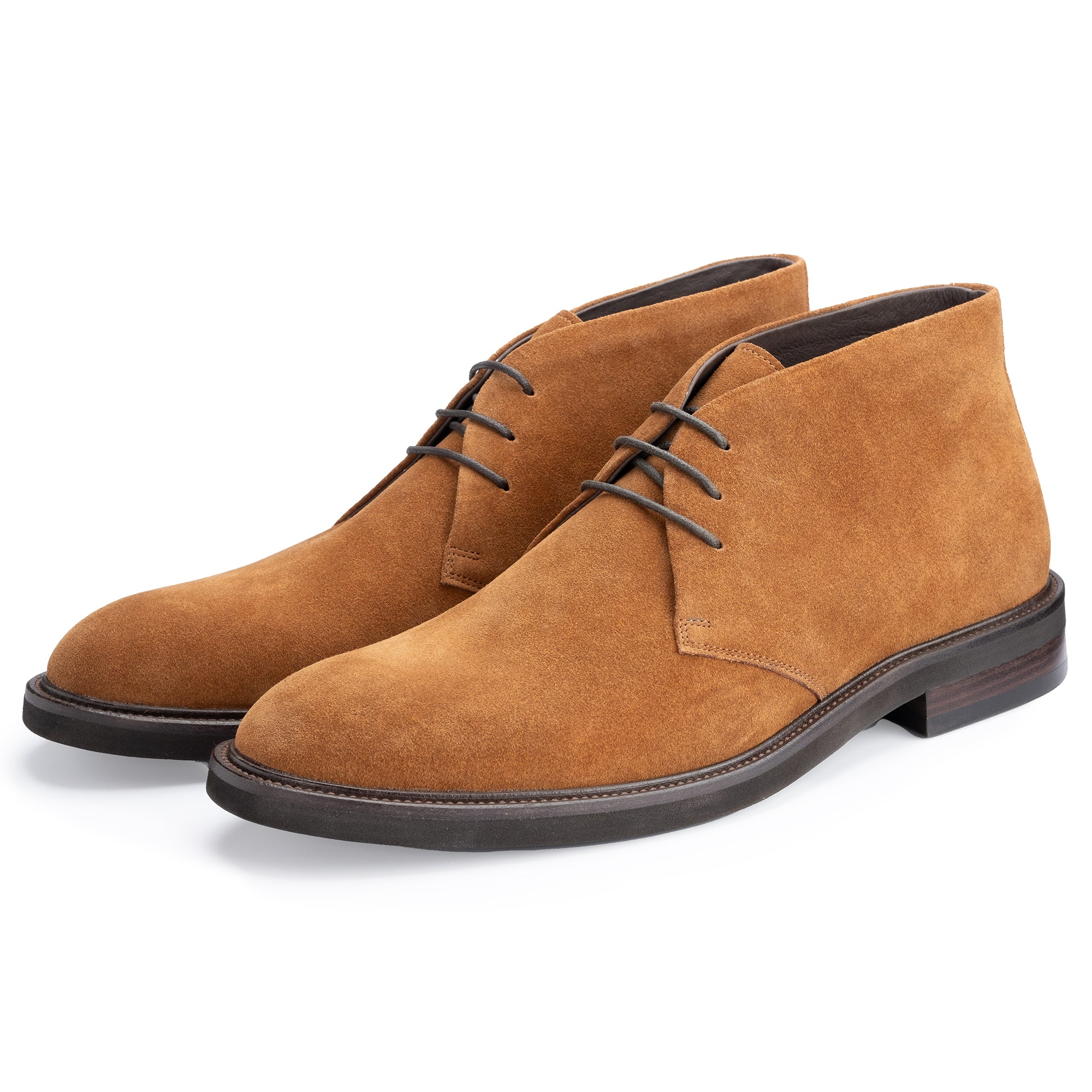
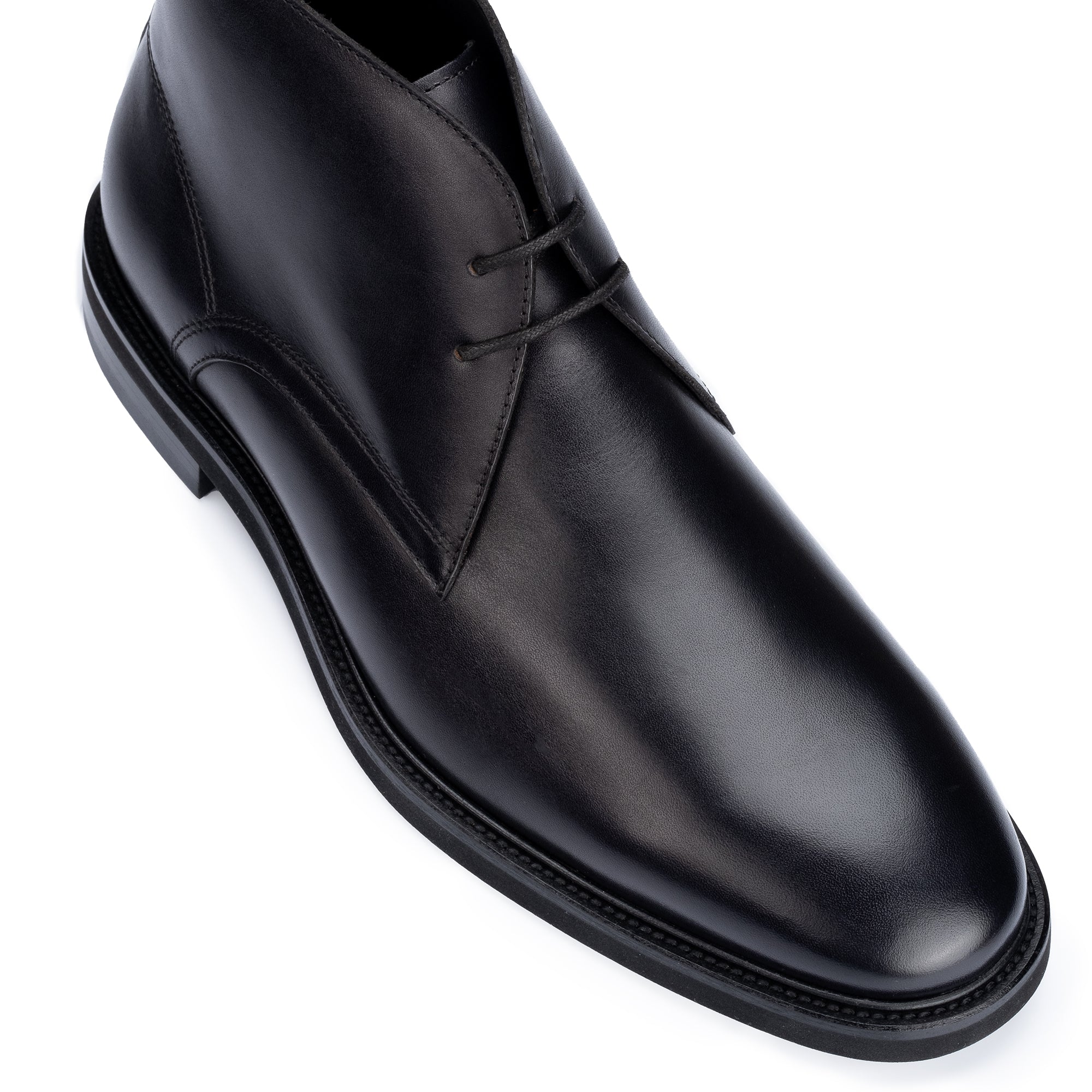
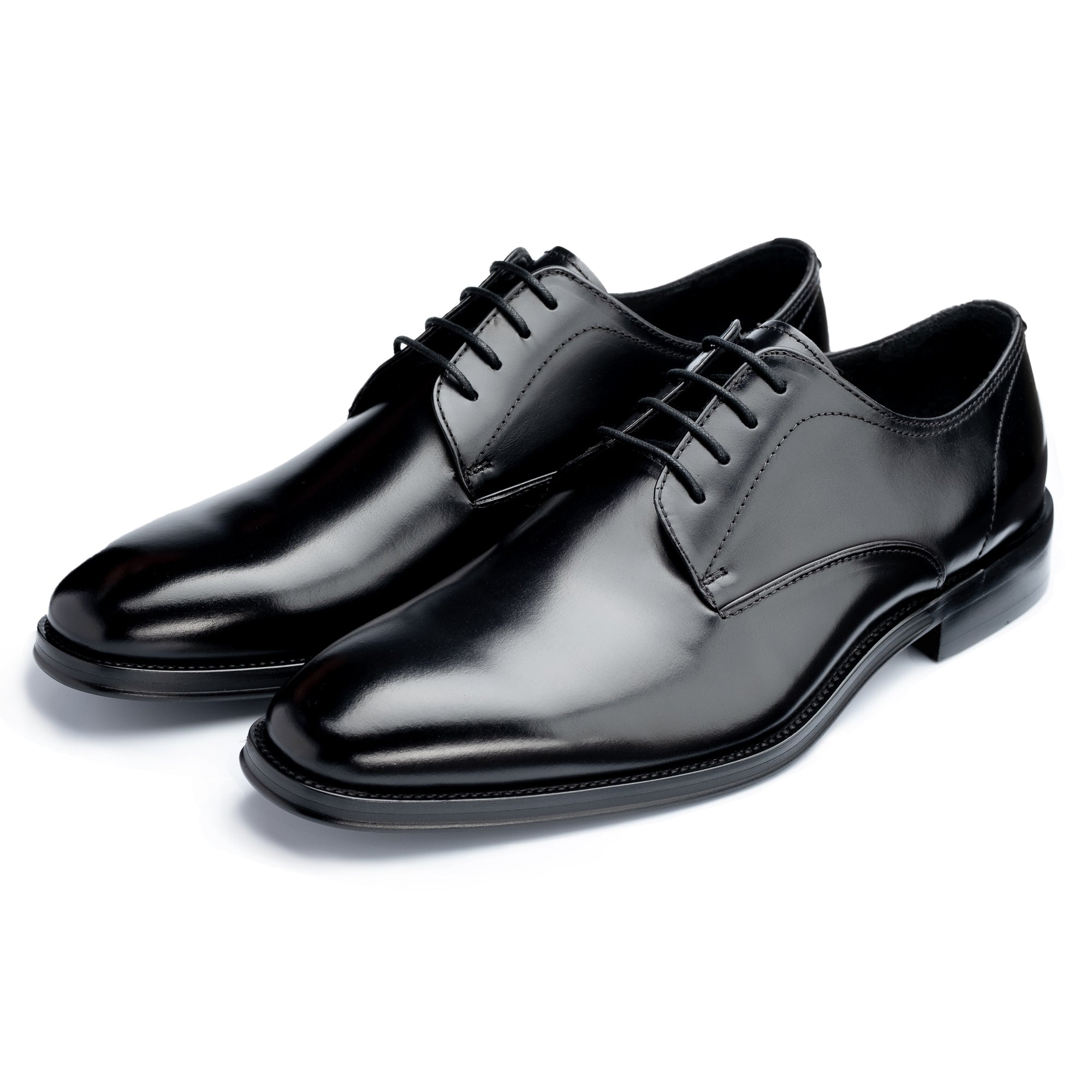
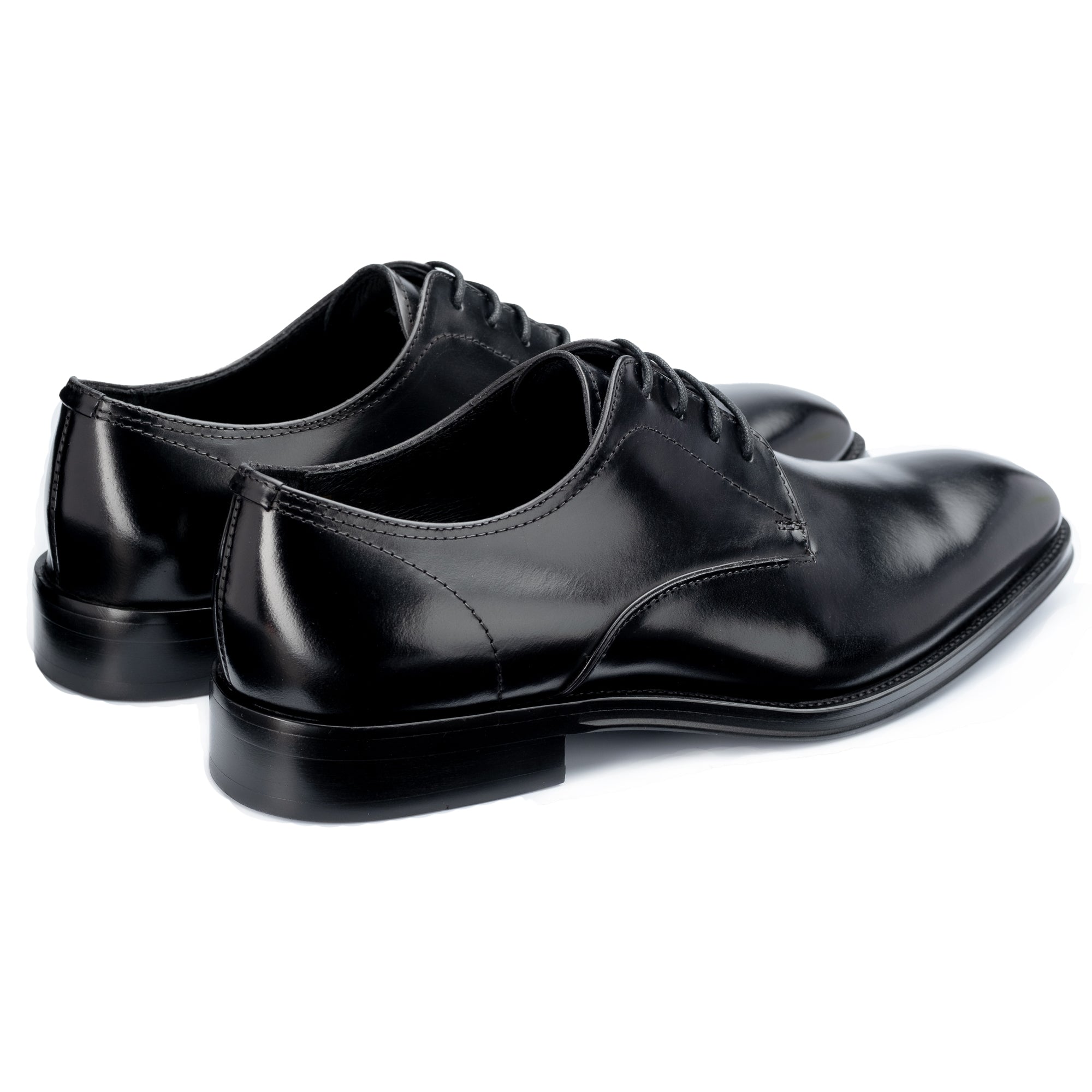
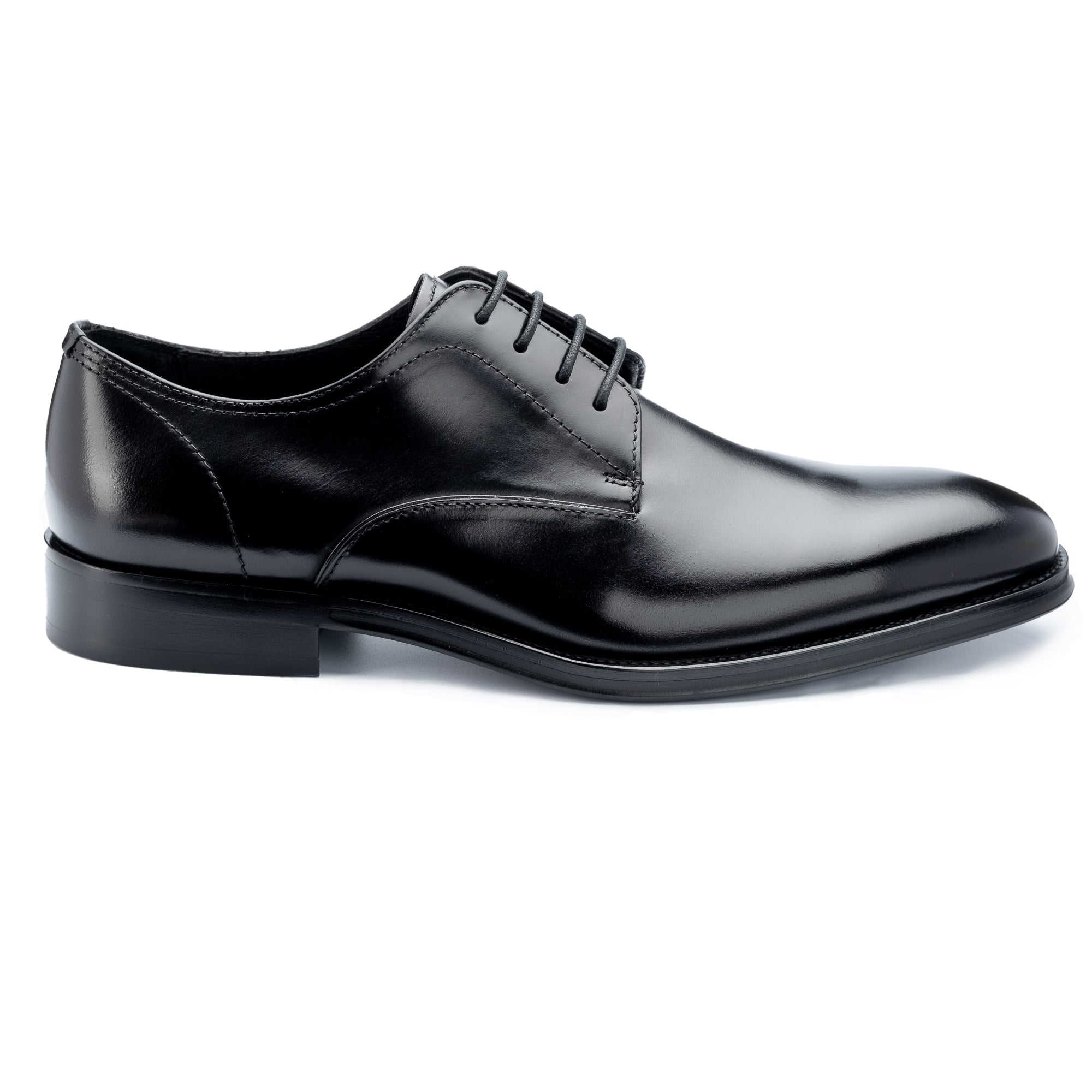
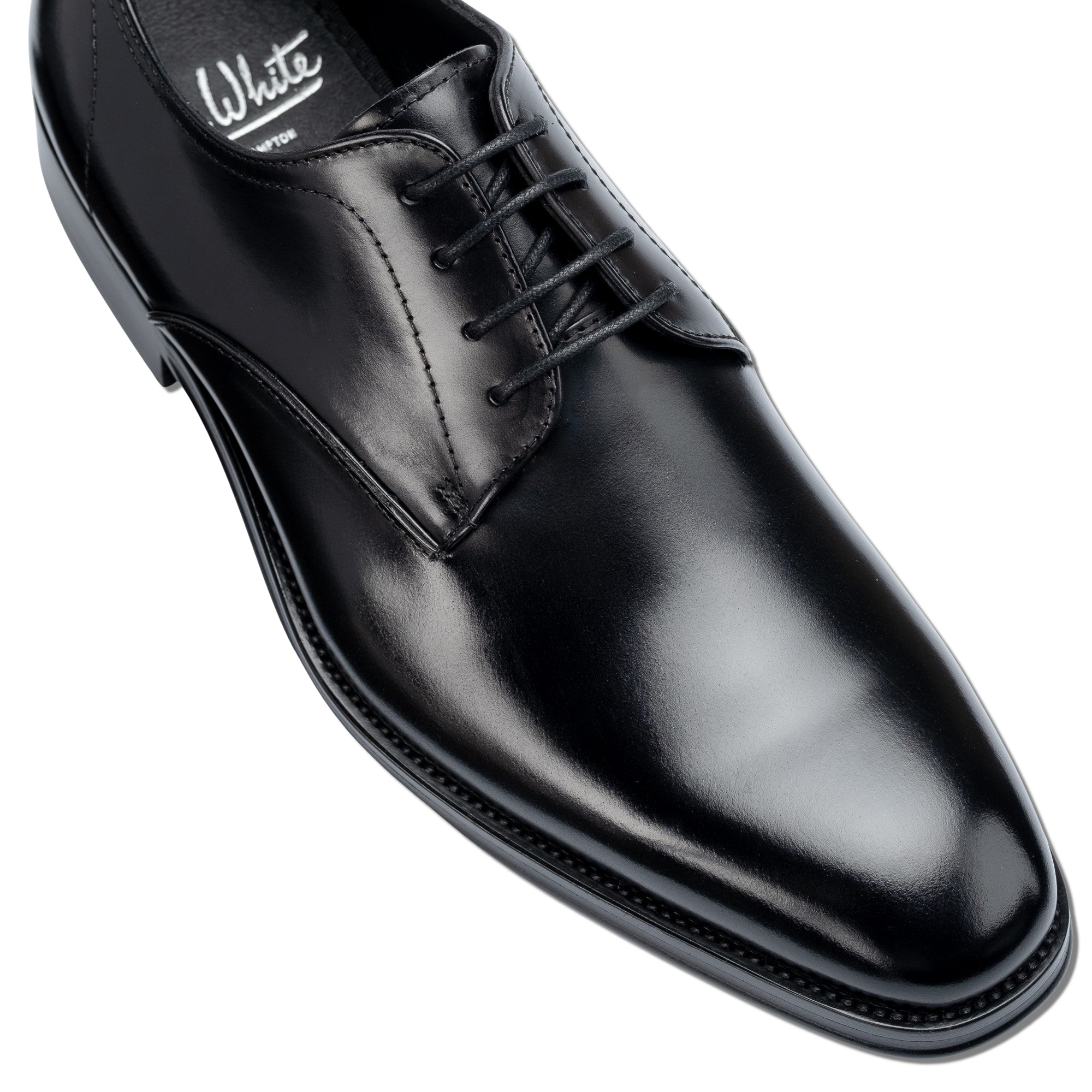
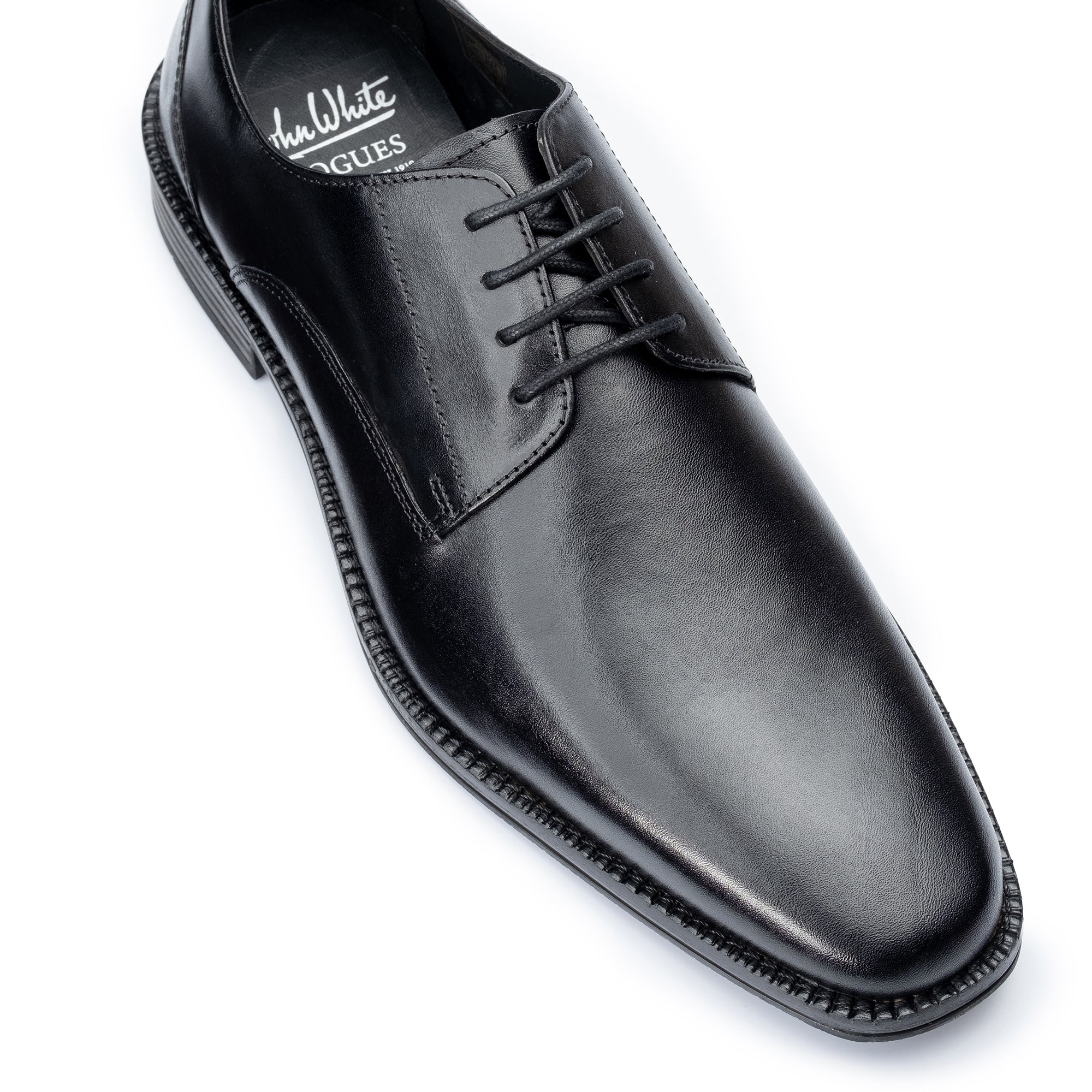
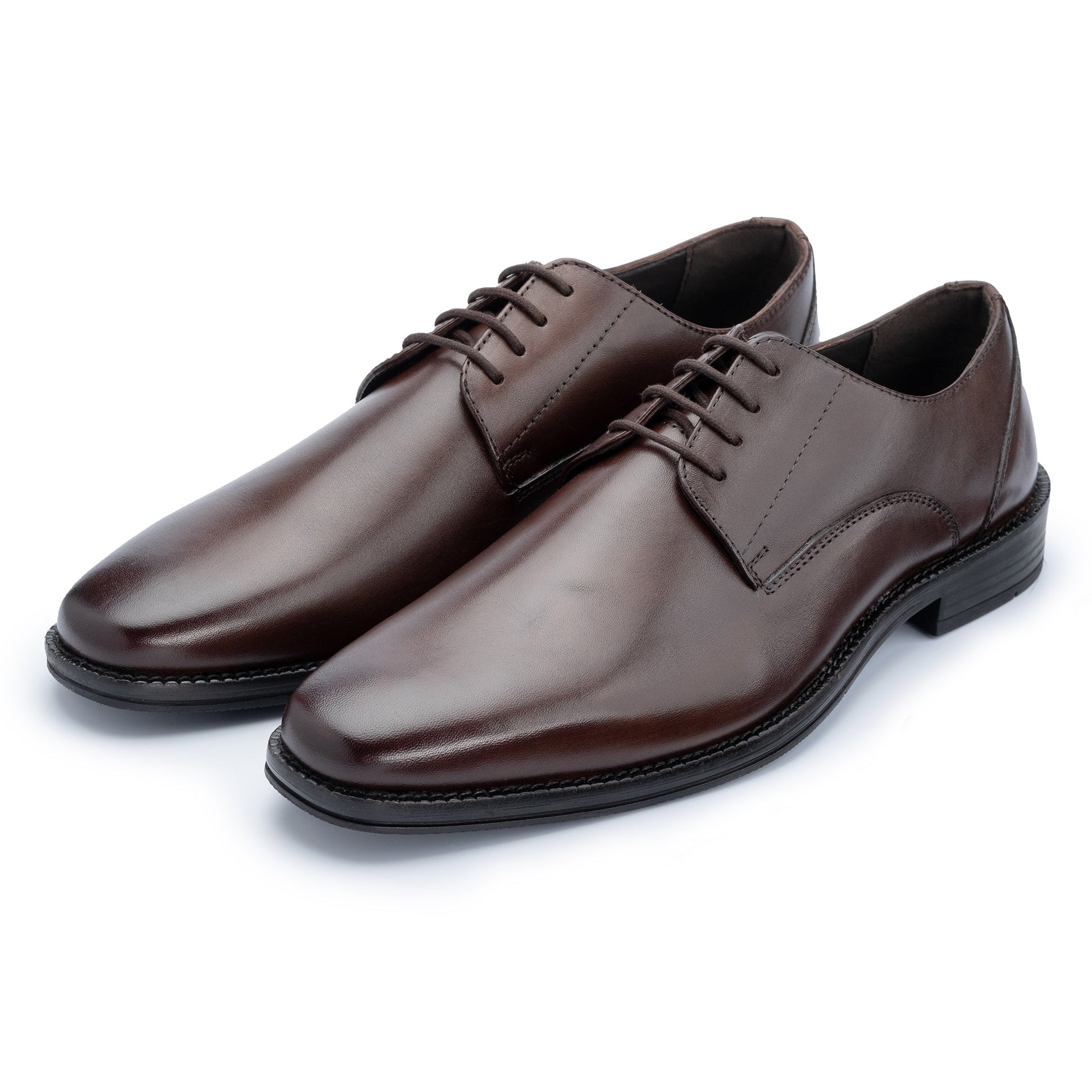
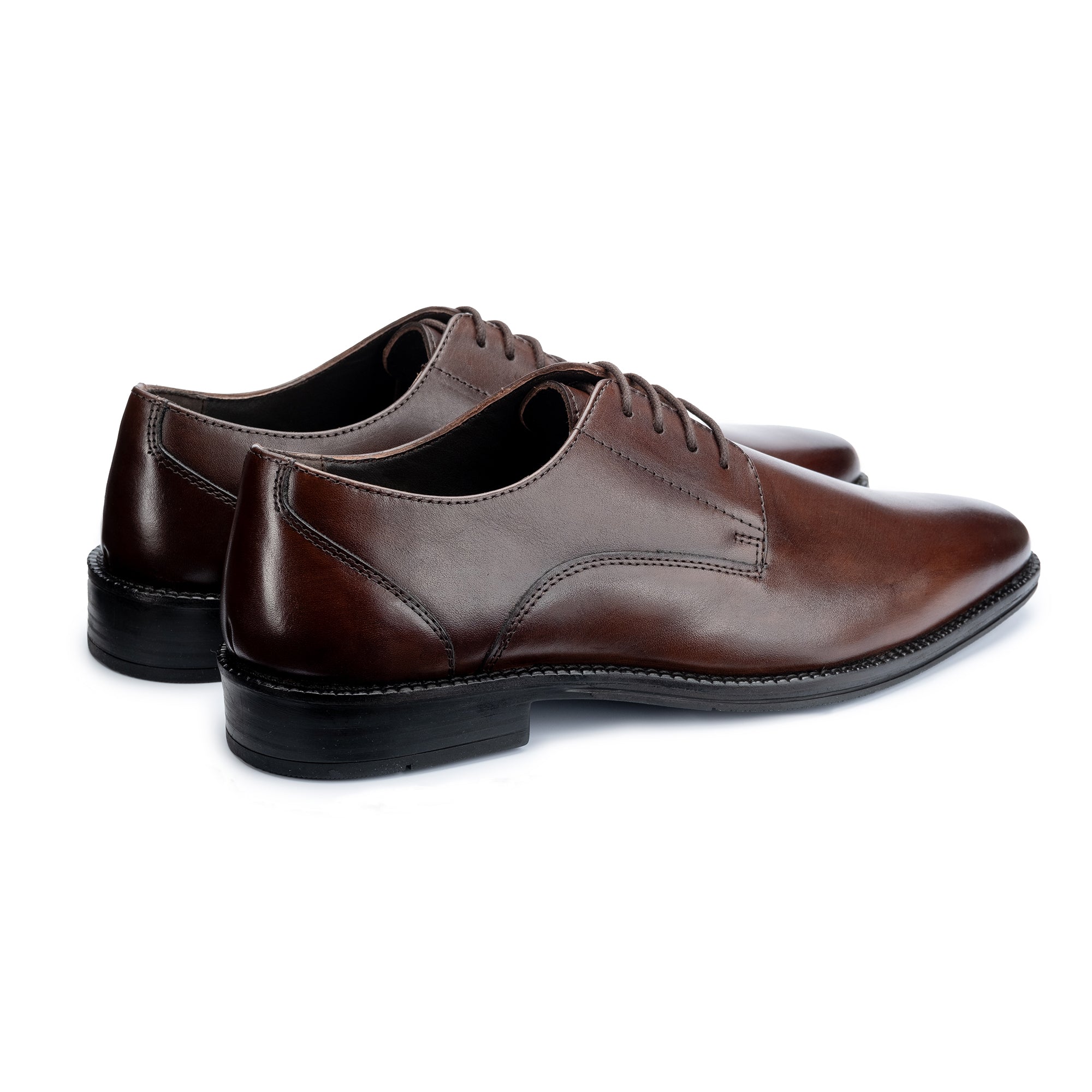
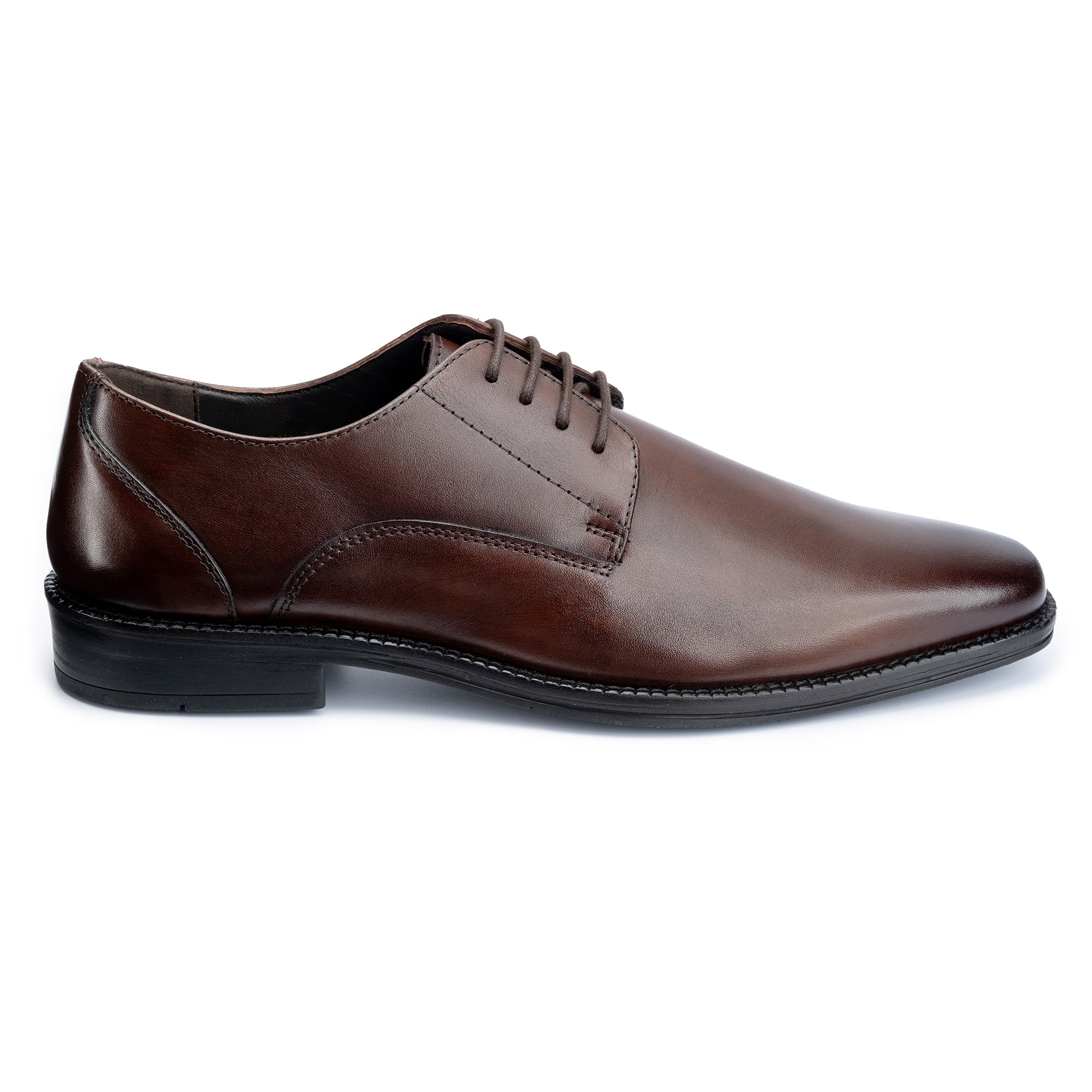
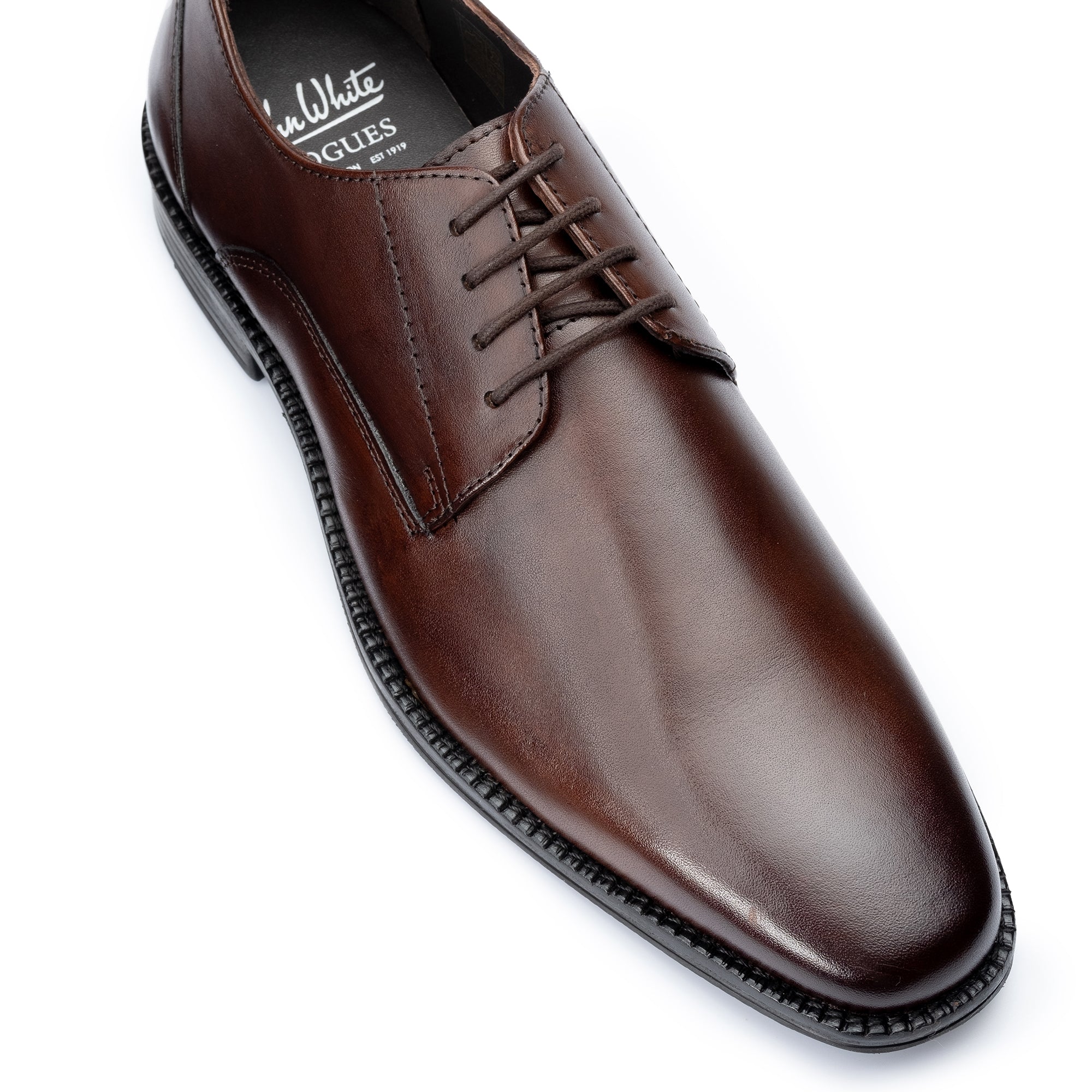
Brands such as John White Shoes, Loake, Barker, Grenson, Church's, and Crockett & Jones all occupy the same heritage leather footwear tradition, where value extends well beyond first wear. That value only holds if you act accordingly.
What Is Resoling a Leather Shoe?
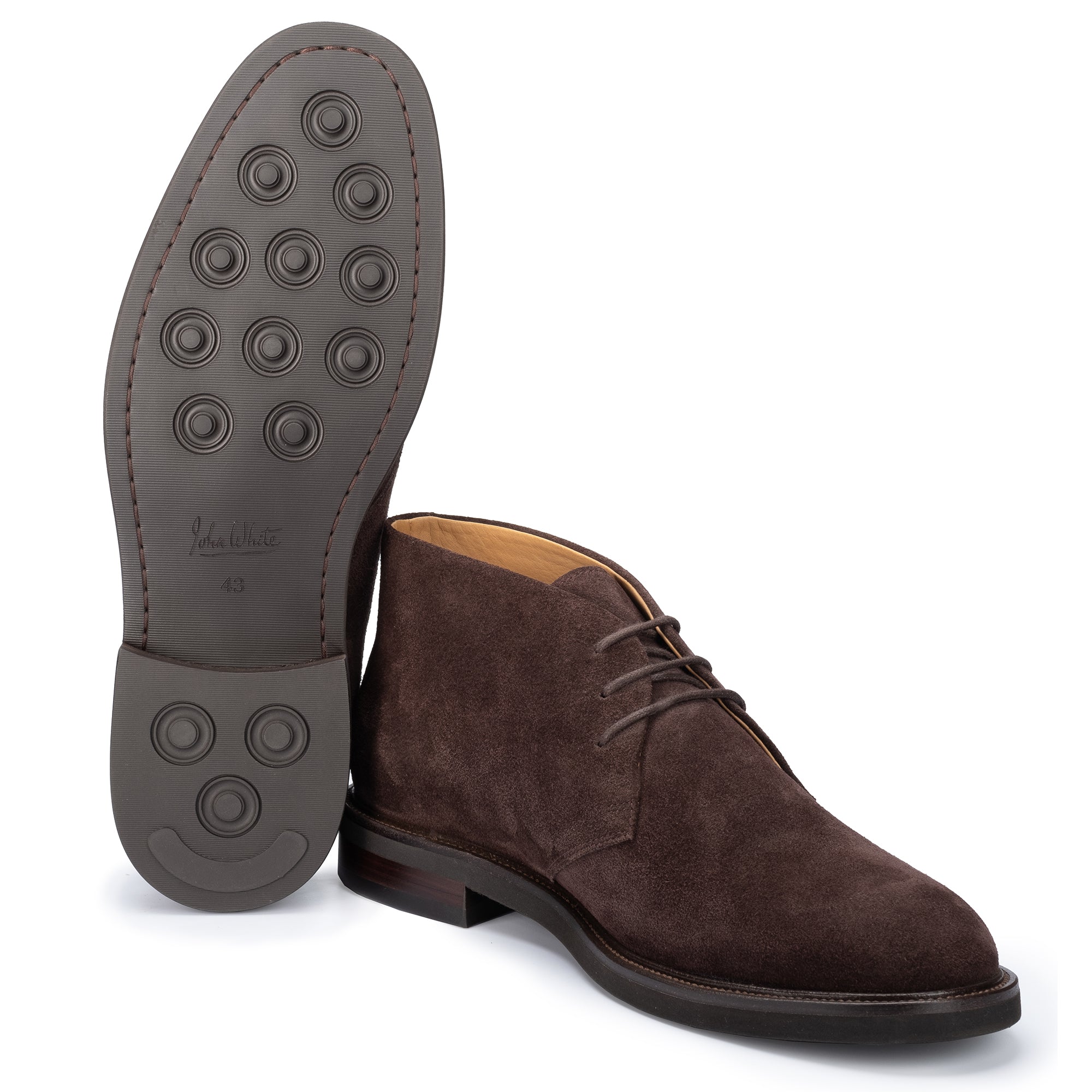
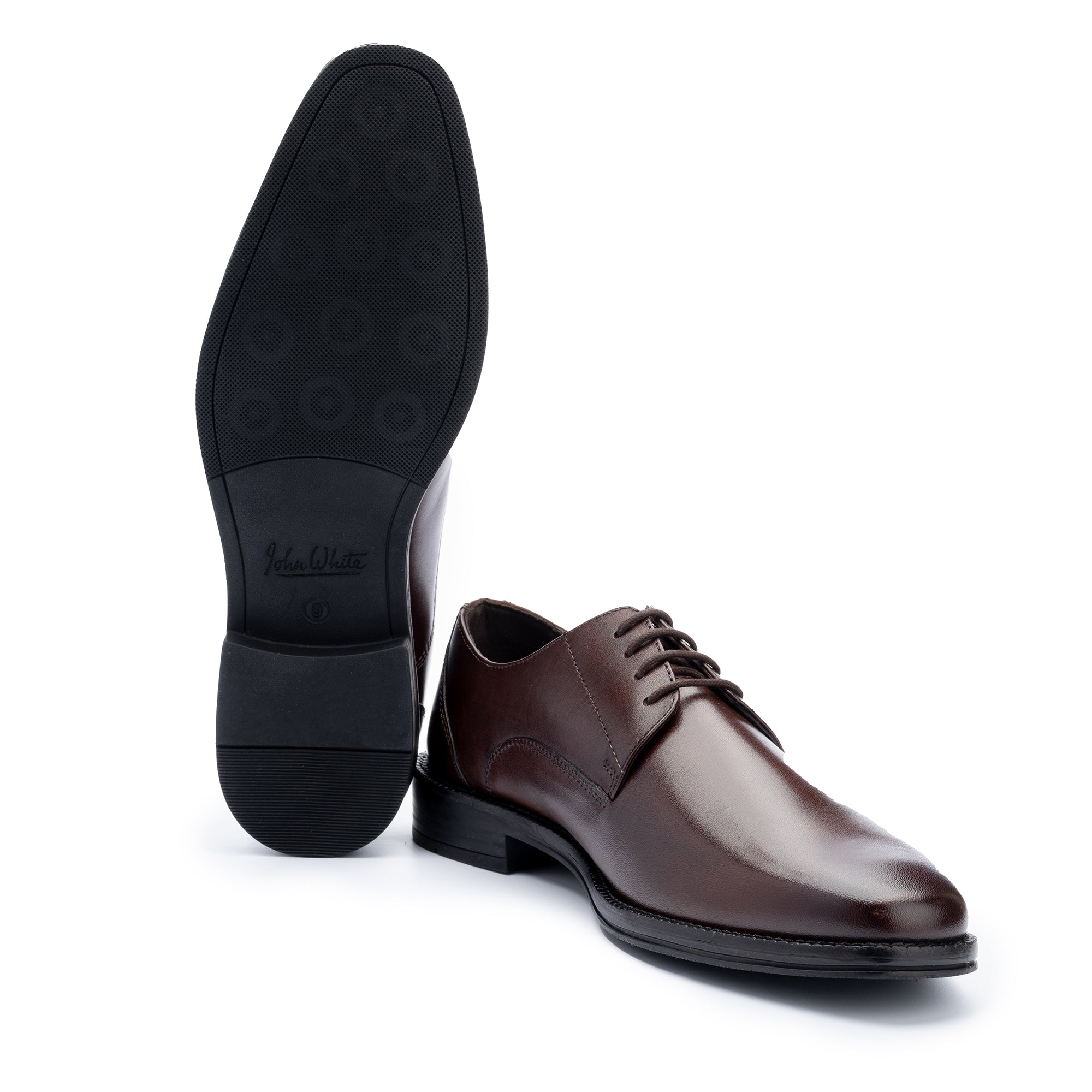
Resoling is the professional cobblery process in which a worn or damaged outsole is removed and replaced with a new one, extending the functional life of the shoe without altering the upper. It's the leather footwear equivalent of replacing the tyres on a well-maintained car: the structure and character of the shoe remain — you're simply renewing what wears out.
According to the Society of Master Shoe Repairers (SMSR), a quality leather shoe that is regularly maintained and resoled when required can remain serviceable for 20 years or more. Per repair cycle, a professional resole typically adds 3–5 years of service life.
Resoling is the most cost-effective way to extend the life of a quality leather shoe, and often the most sustainable choice available to the wearer.
How Do You Know When a Sole Needs Replacing?
Waiting until a sole fails completely is always leaving it too late. The signs of wear are gradual, but once you know what to look for, they're easy to catch in time.
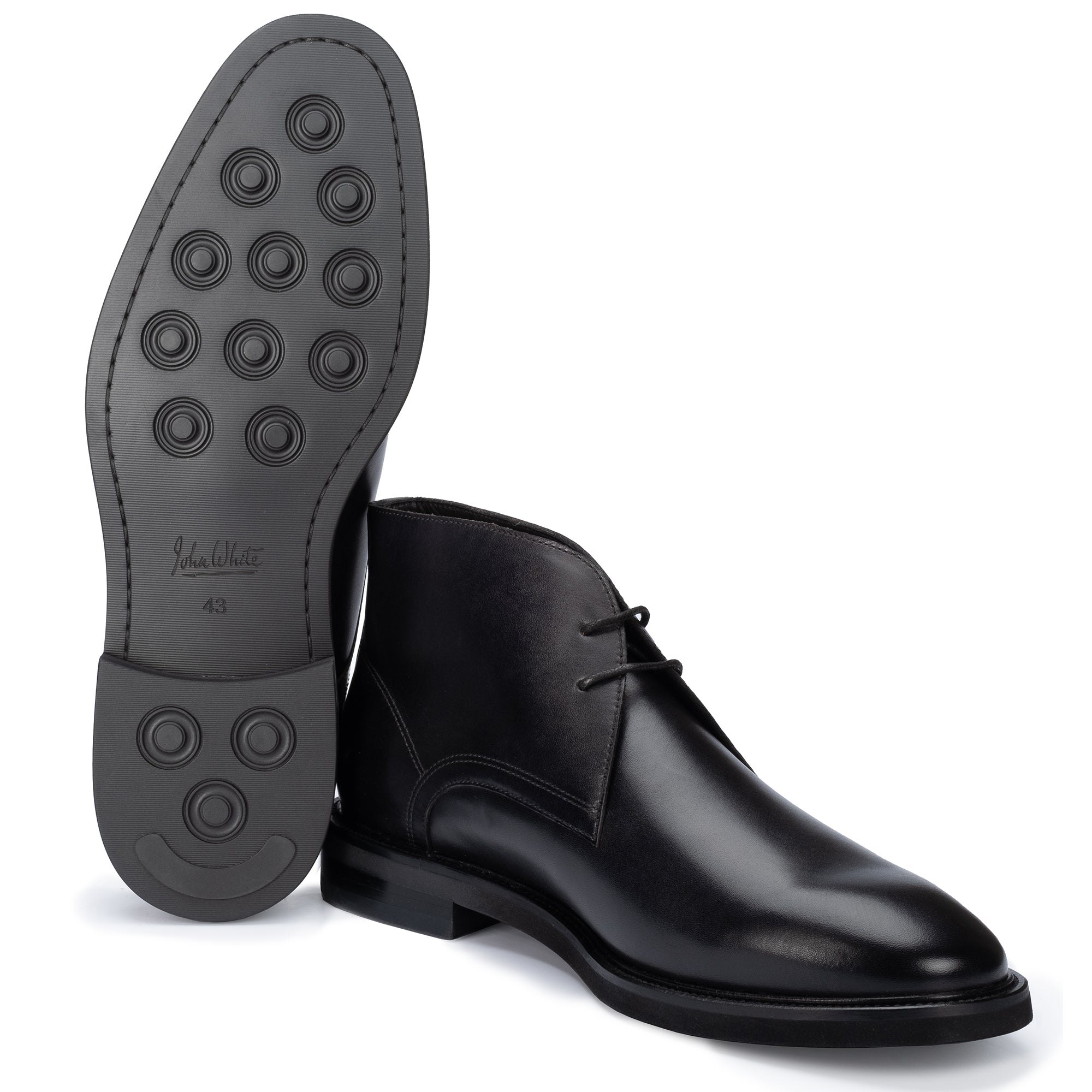
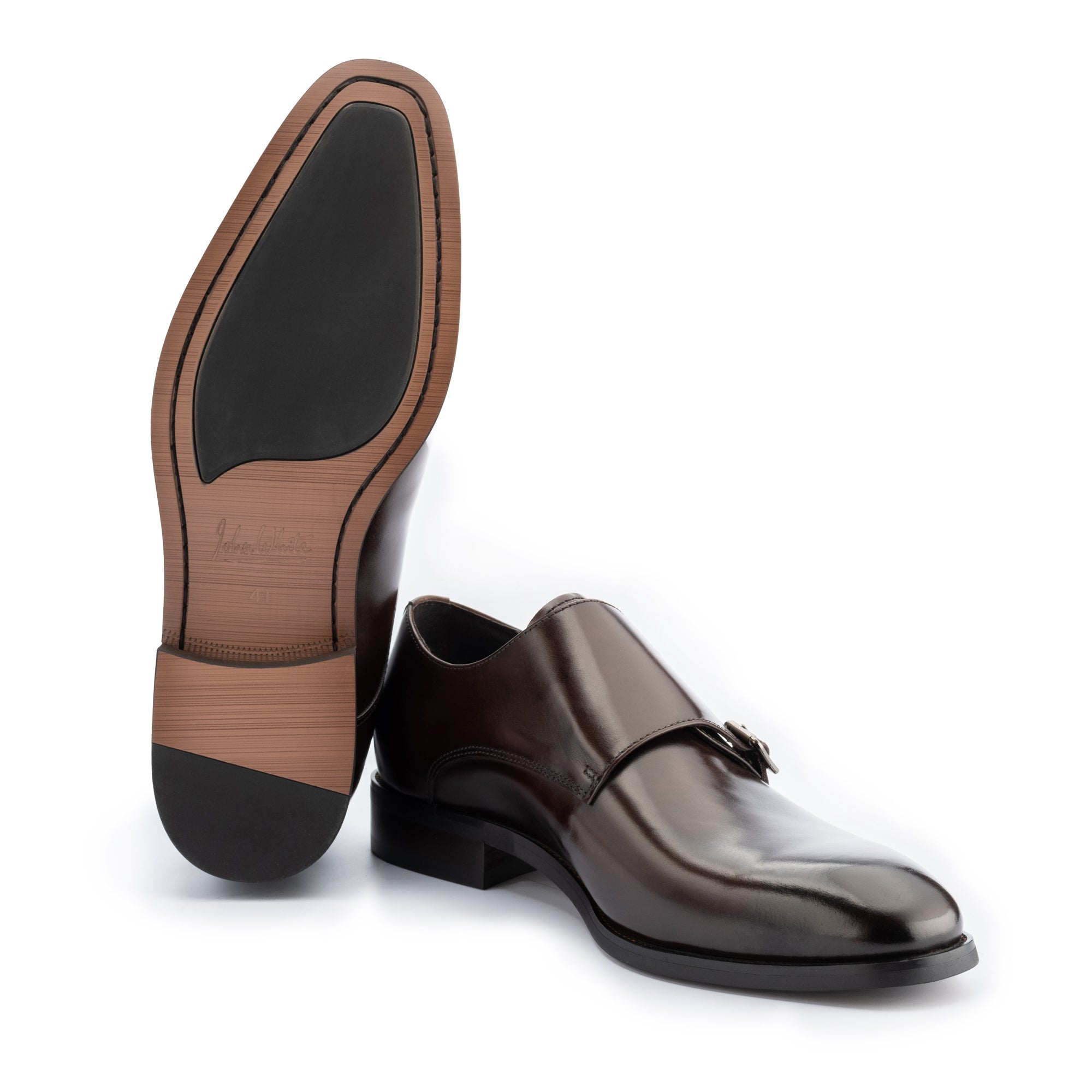
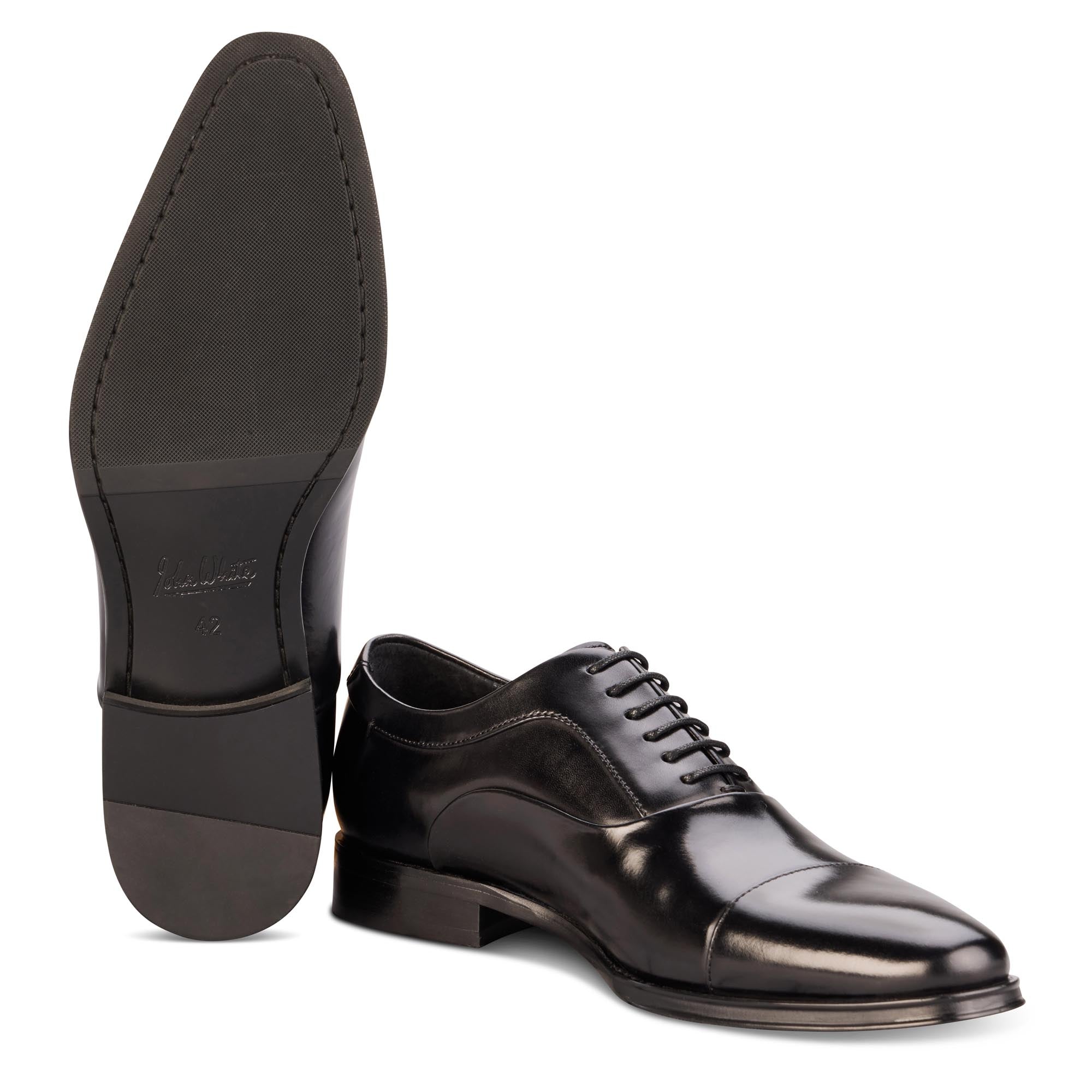
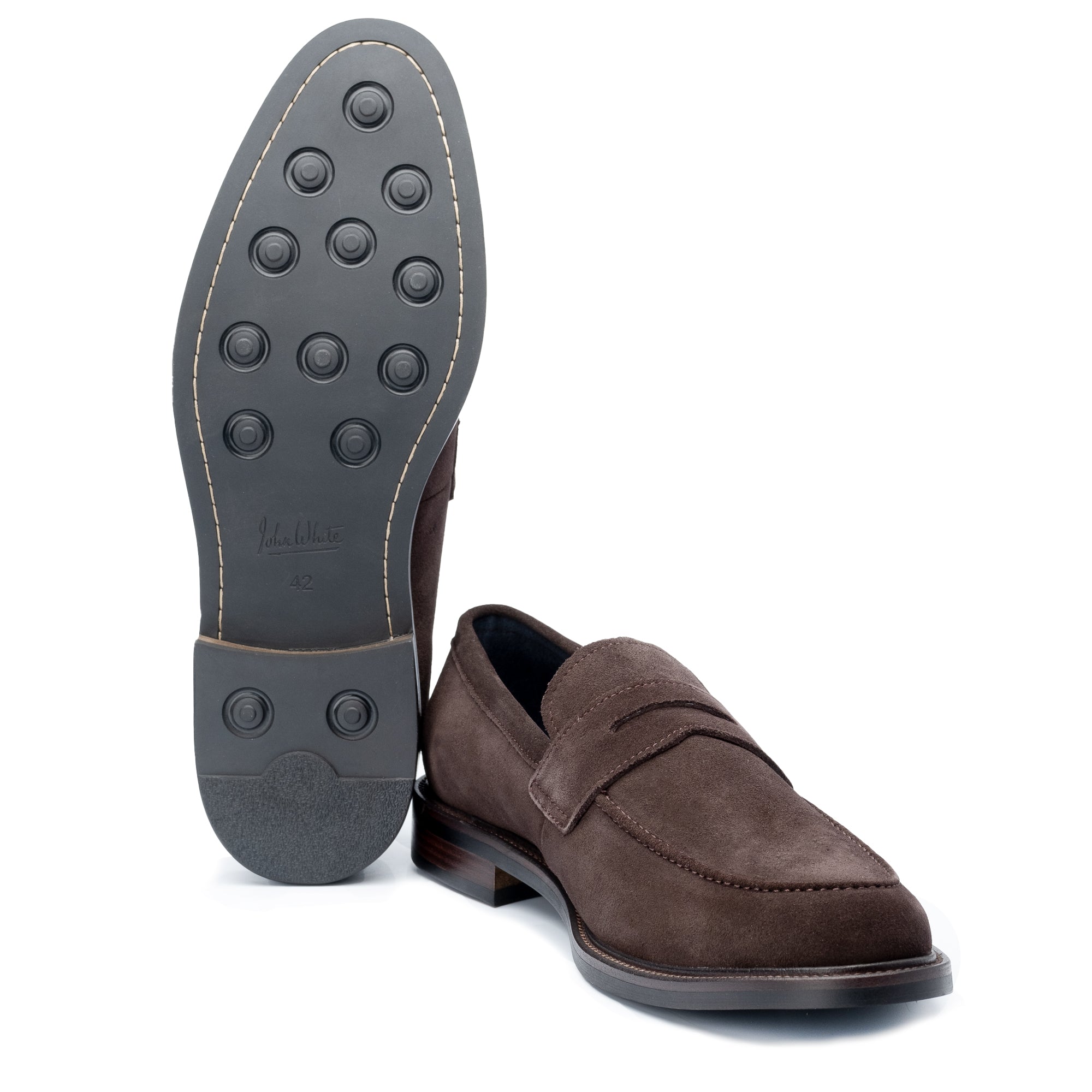
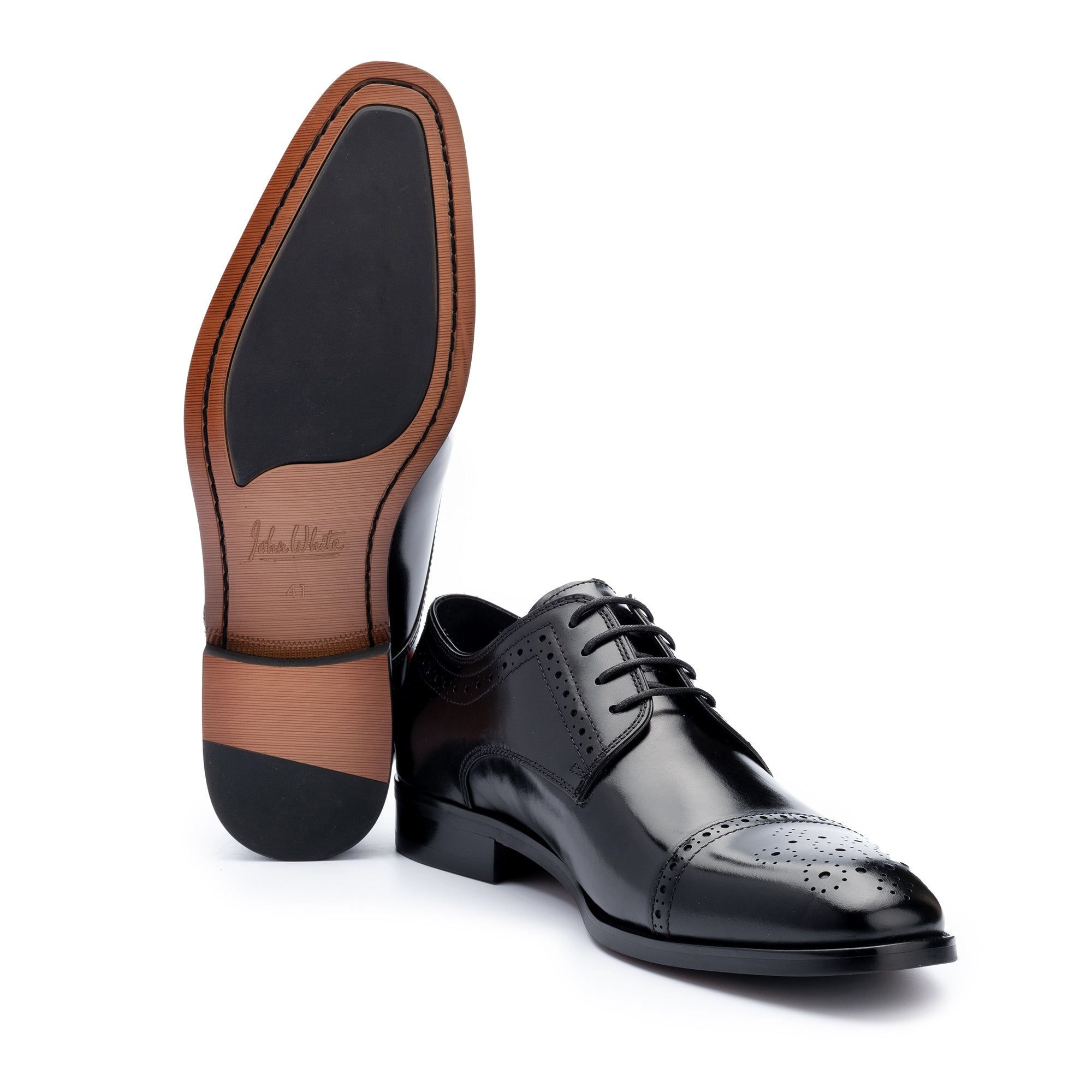
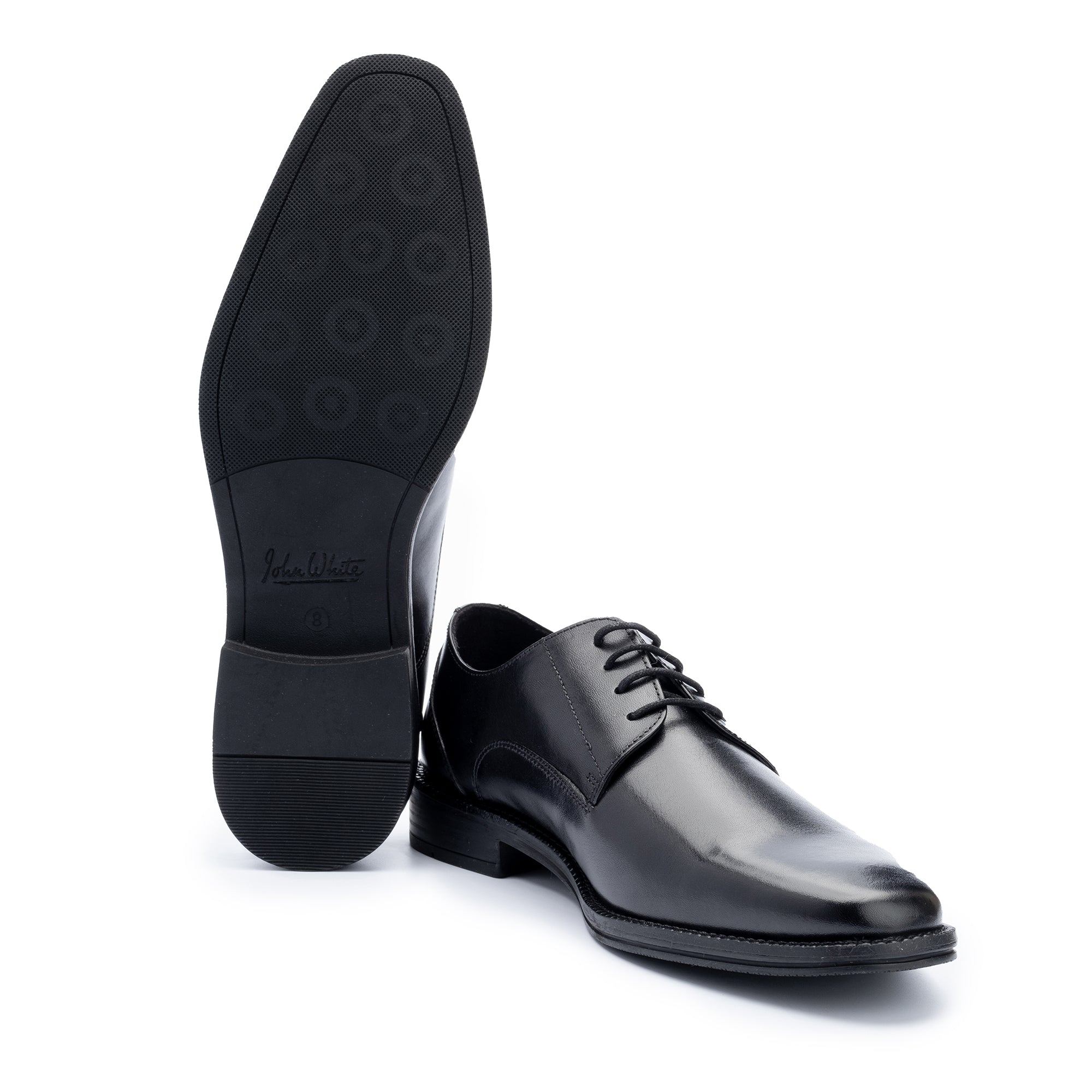
- Heel wear-through: When the heel stack wears unevenly or exposes the rand beneath it, act immediately. Continuing past this point transfers stress to the upper and the last, causing damage that a resole alone won't fix.
- Thinning at the forefoot: Hold the shoe up to a light source. If the sole at the ball of the foot looks compressed or translucent, the material has lost its cushioning and traction.
- Lateral cracking: Cracks running across the ball of the sole indicate the material is fatiguing. Left unchecked, the sole will separate entirely.
- Loss of grip on wet surfaces: A worn-smooth sole is a safety issue, not just an aesthetic one.
- Moisture reaching the sock: If you feel dampness underfoot after walking on wet ground, the sole has been breached.
Building a relationship with a trusted cobbler and bringing your shoes in for an annual inspection is one of the better habits a serious wearer can develop. A skilled repairer will often catch early wear before it becomes a problem.
The ideal moment to resole is at early wear — before sole failure — because early intervention preserves the bonding layers, the rand, and the upper stitching.
Which Construction Methods Can Be Resoled?
Construction method determines how straightforward a resole will be, and setting realistic expectations with your cobbler starts here.
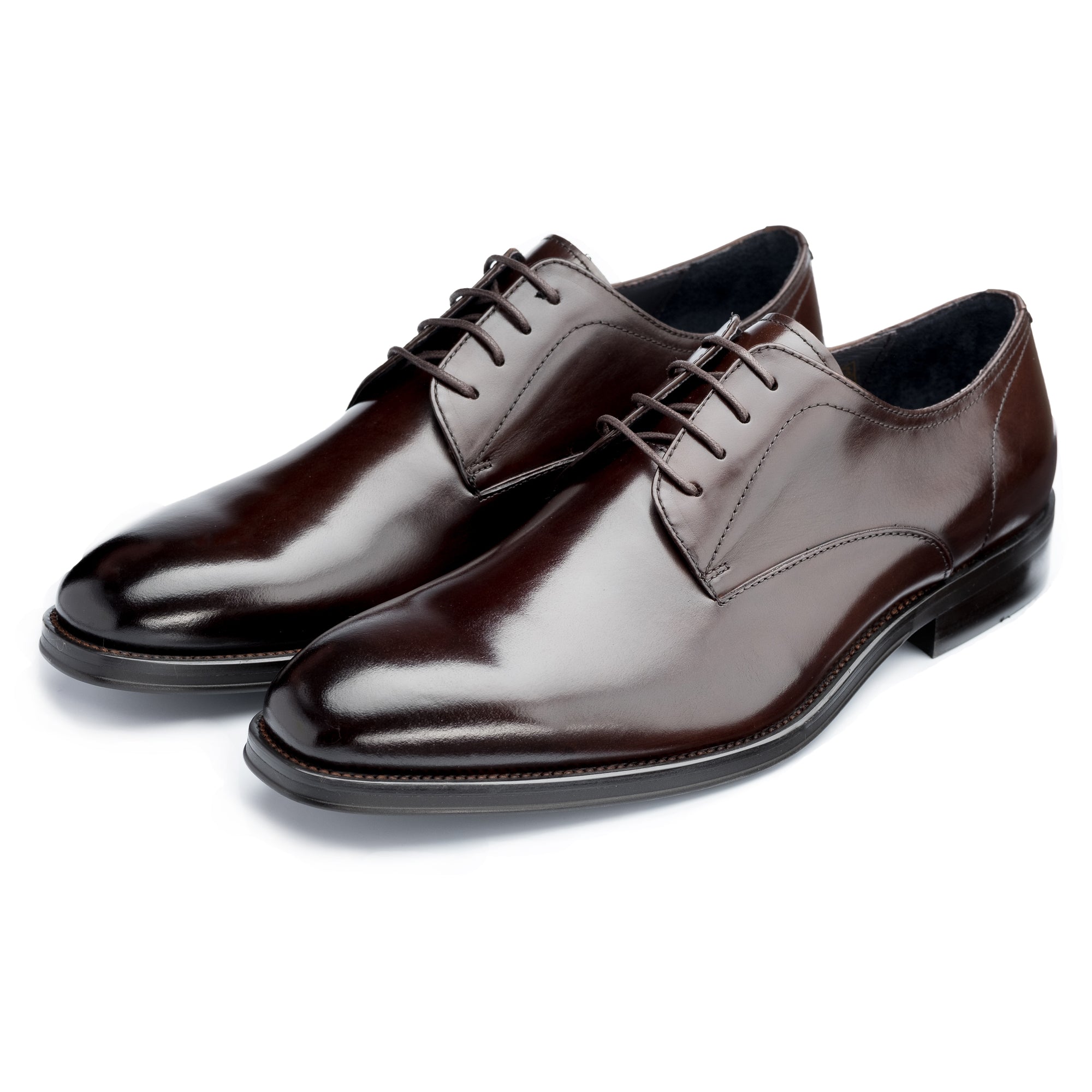
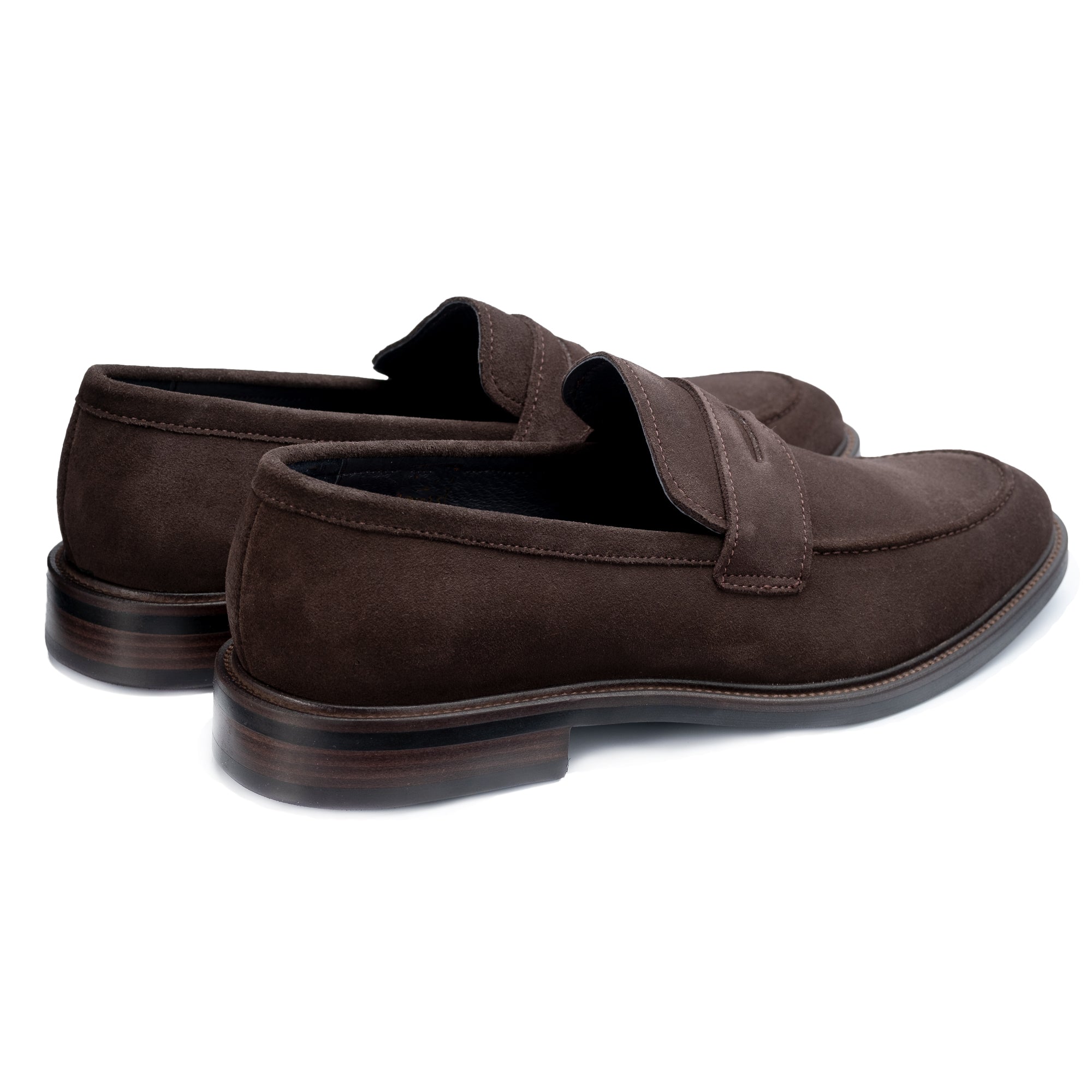
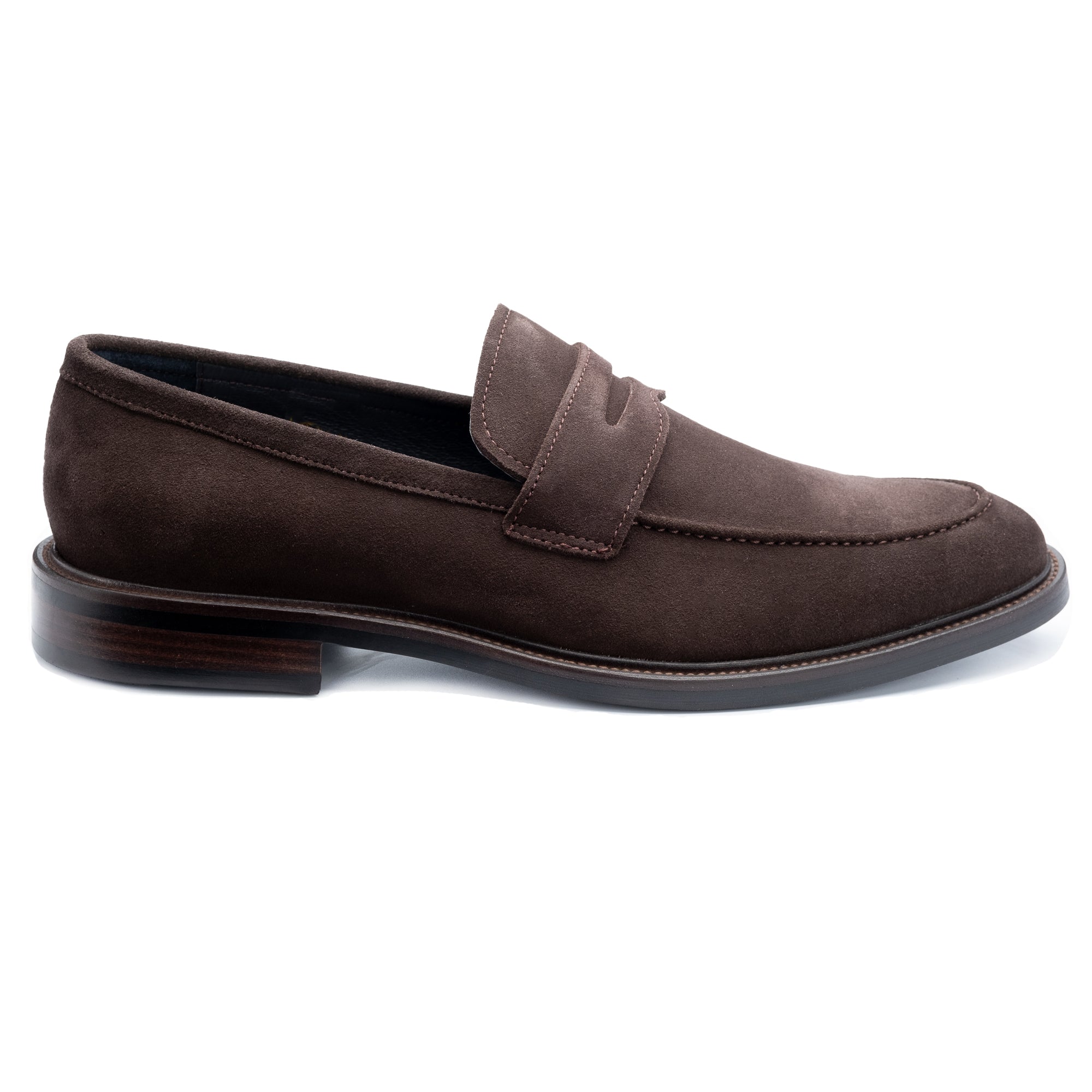
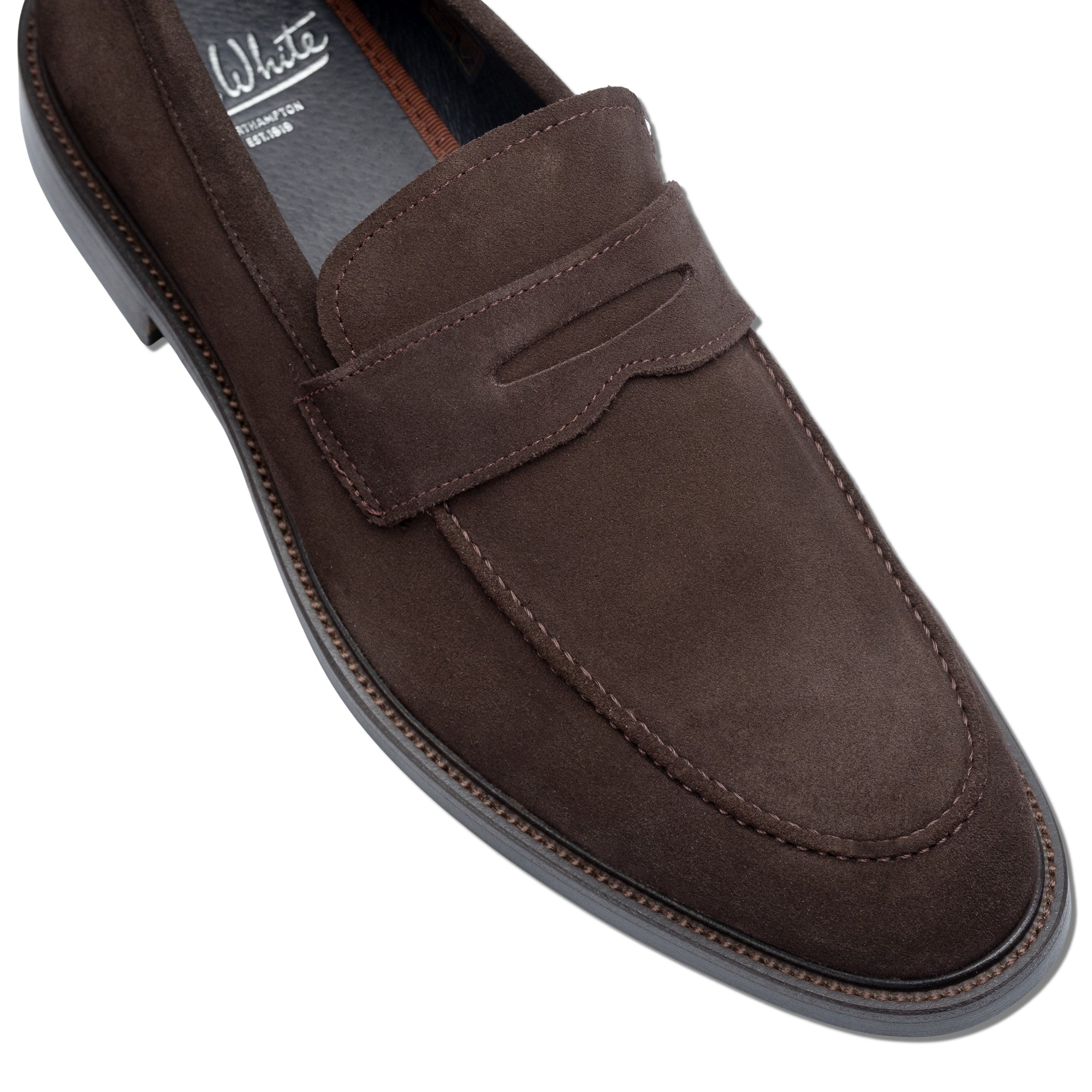
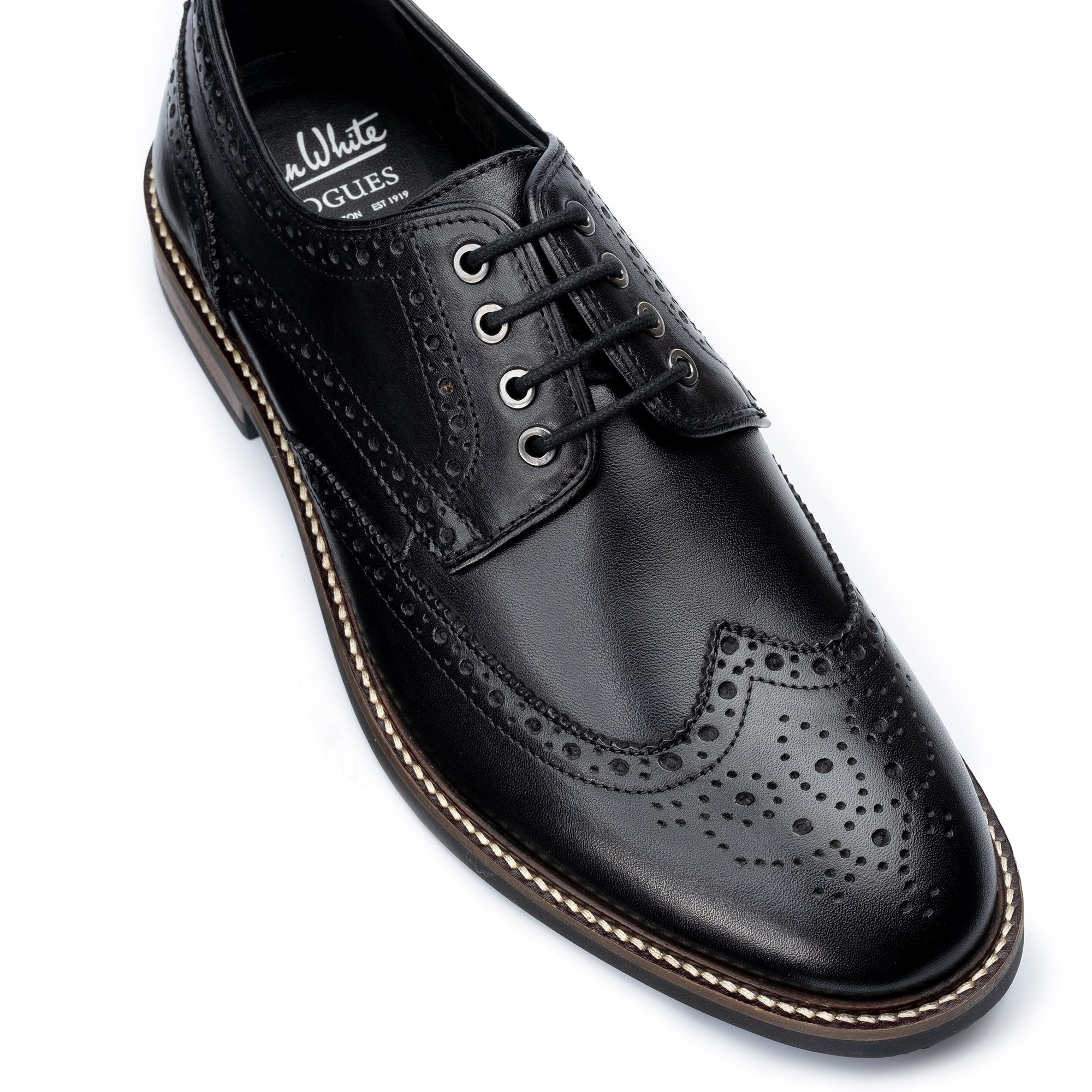
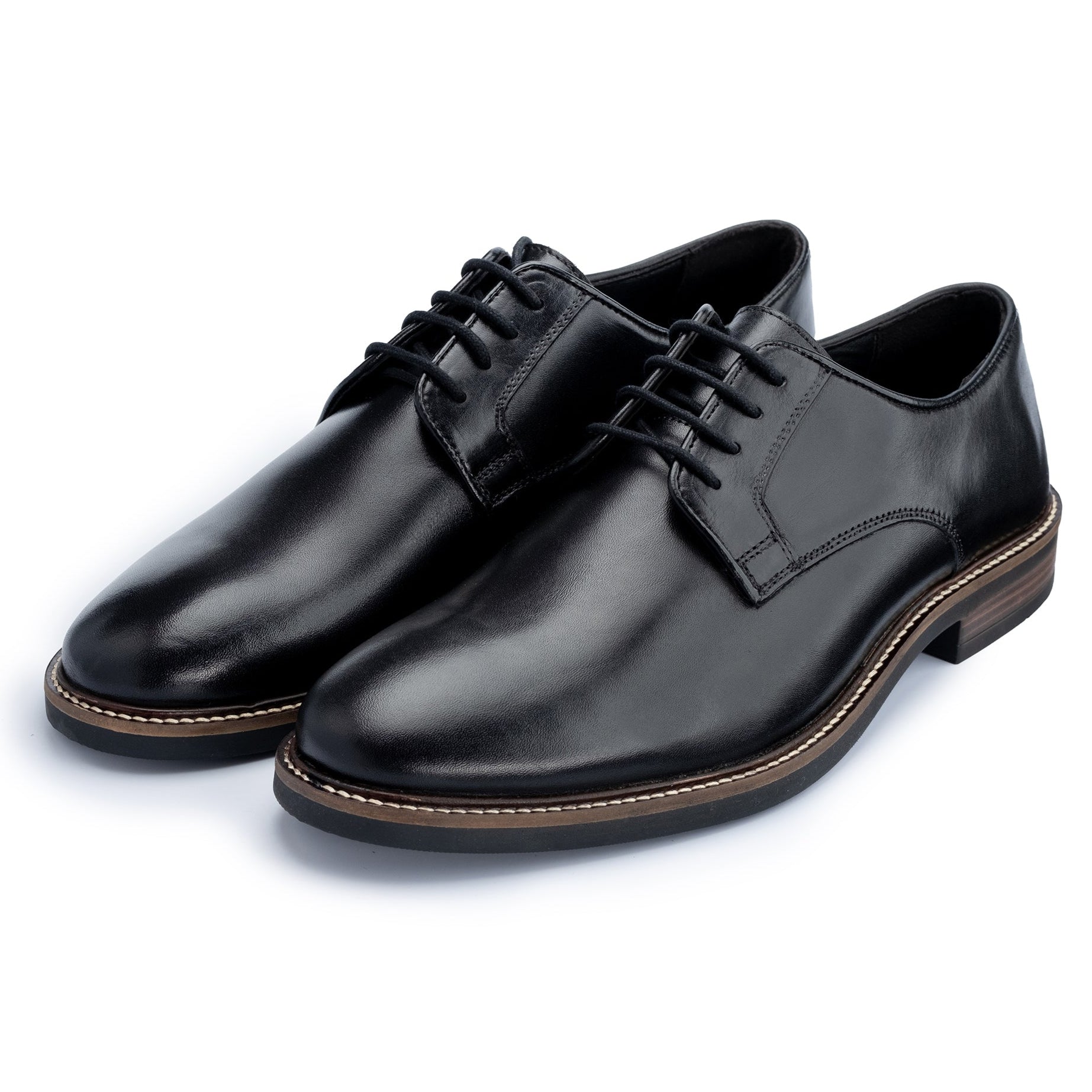
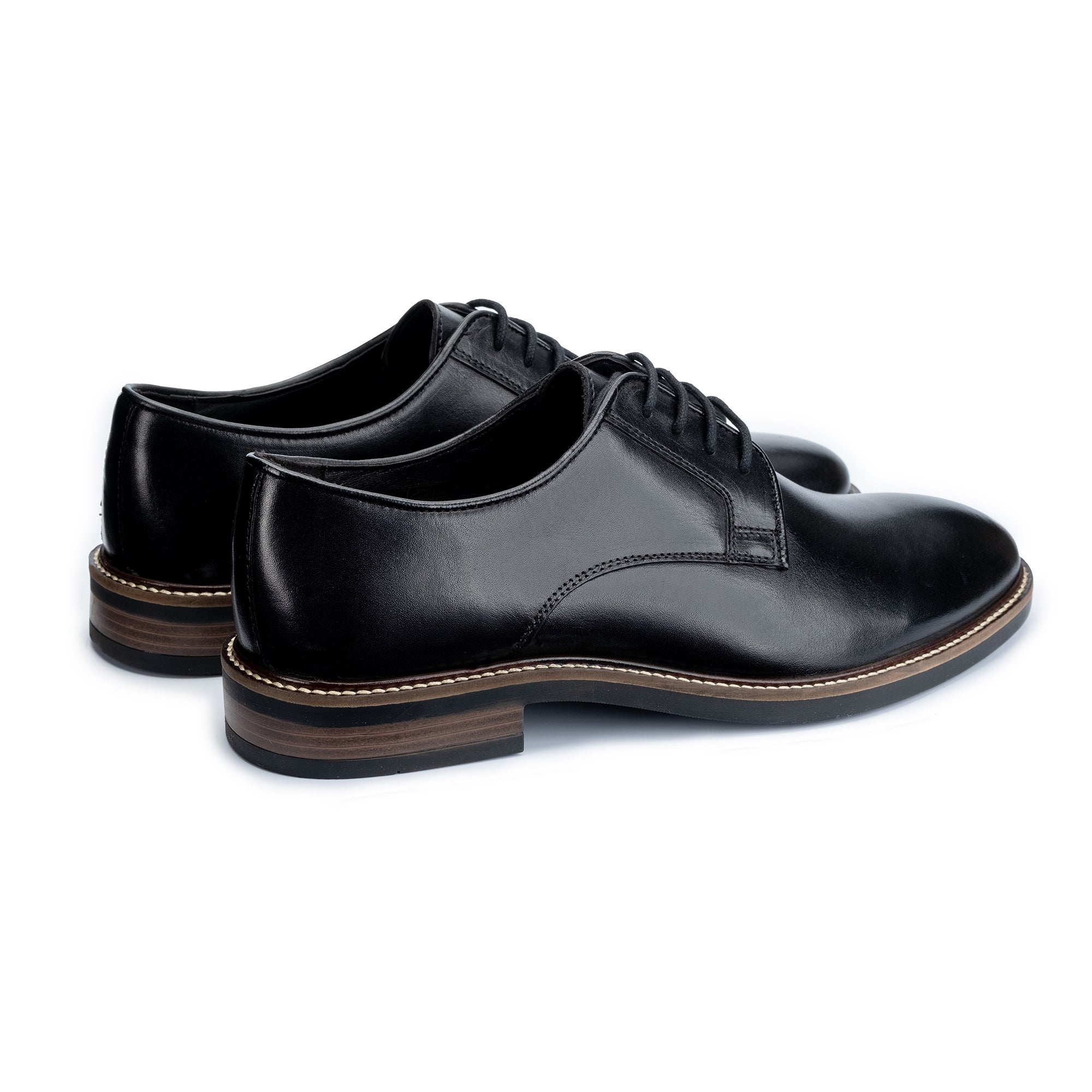
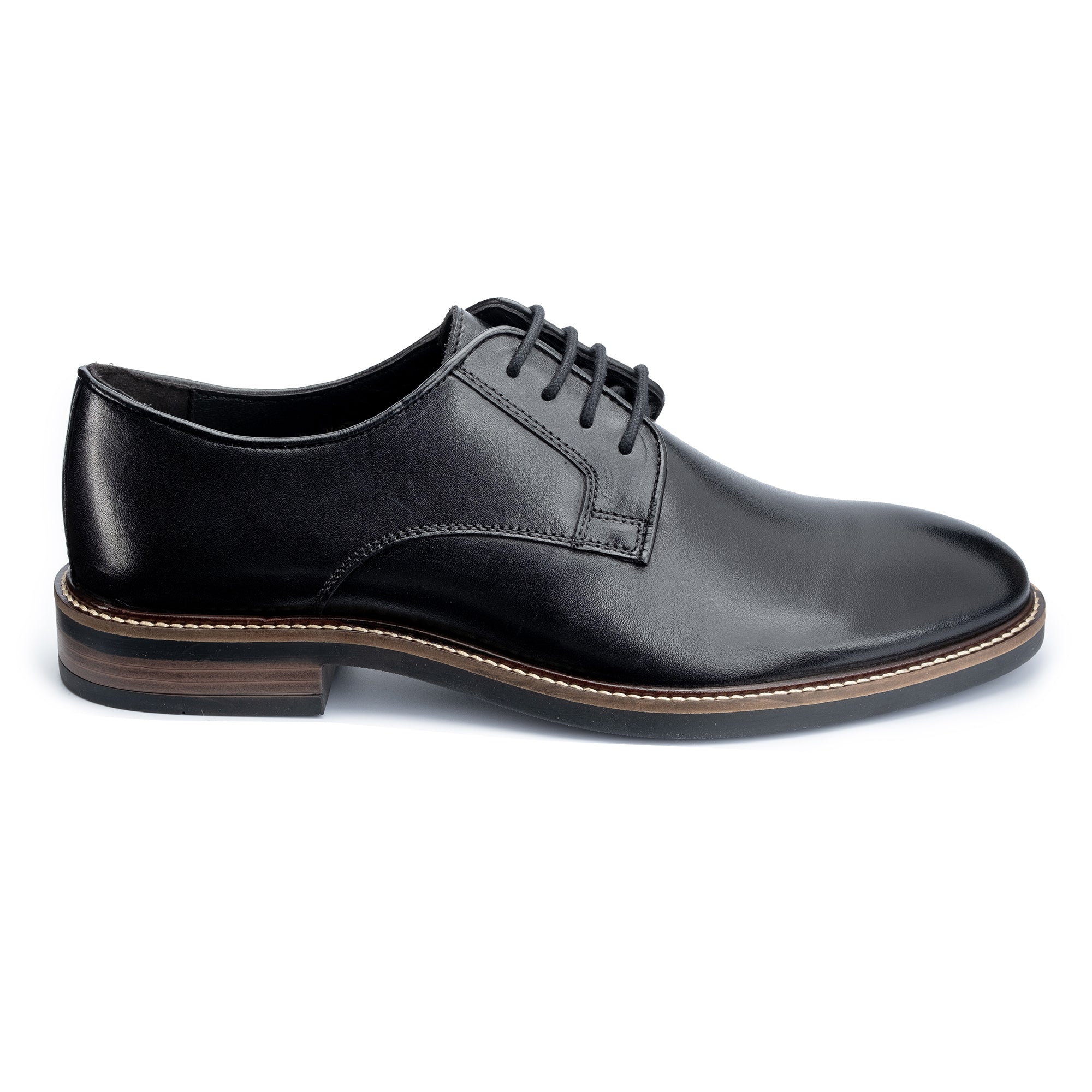
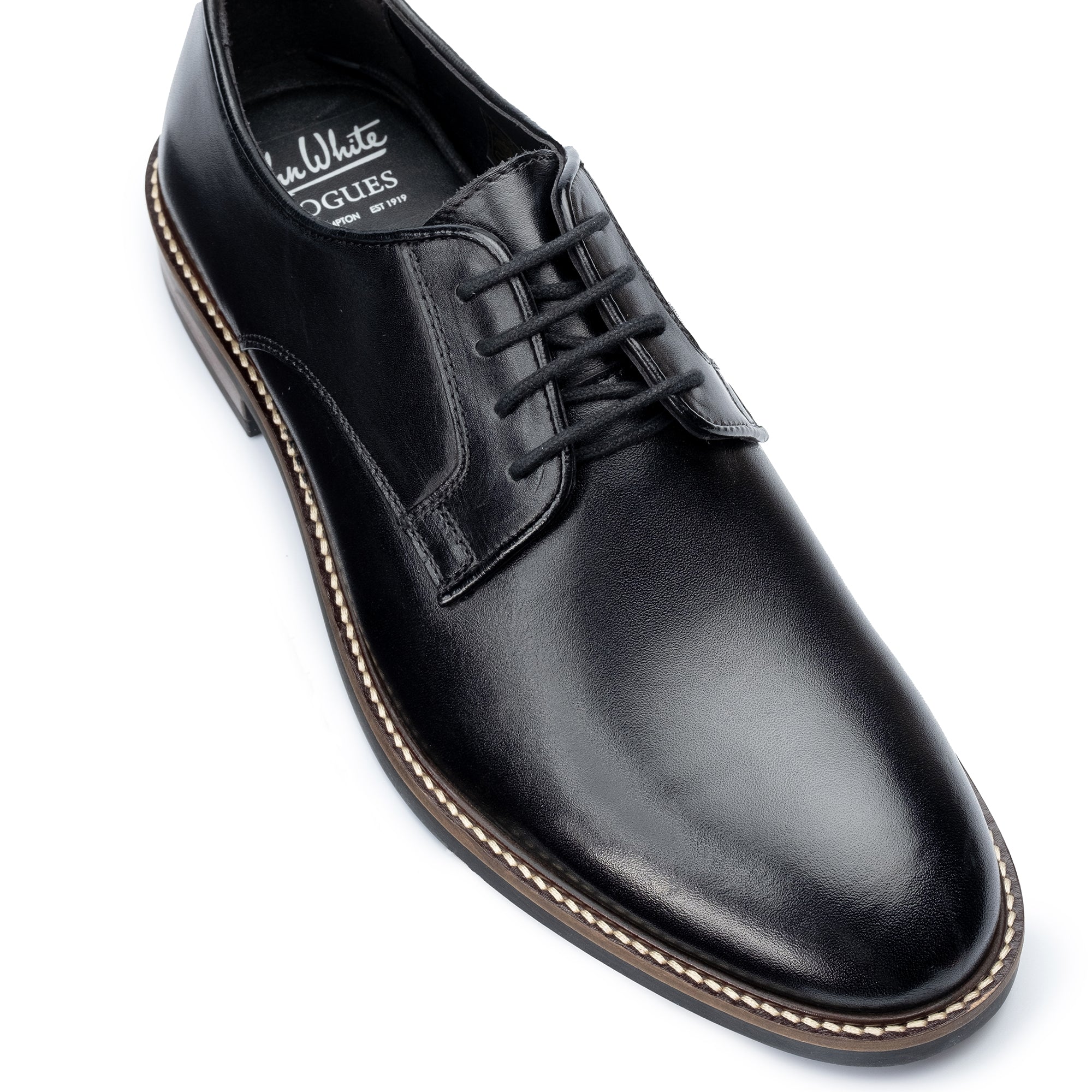
Northamptonshire's shoemaking tradition — the craft John White was born into in 1919 — includes several construction approaches, each with different resole characteristics. Goodyear-welted construction, associated with names such as Loake, Church's, Crockett & Jones, and Barker, uses a welt strip that runs around the perimeter of the upper. The sole is stitched to the welt rather than bonded to the upper directly, allowing it to be removed and replaced cleanly, multiple times over the shoe's lifetime. This is why welted shoes are typically cited as the most straightforward to resole.
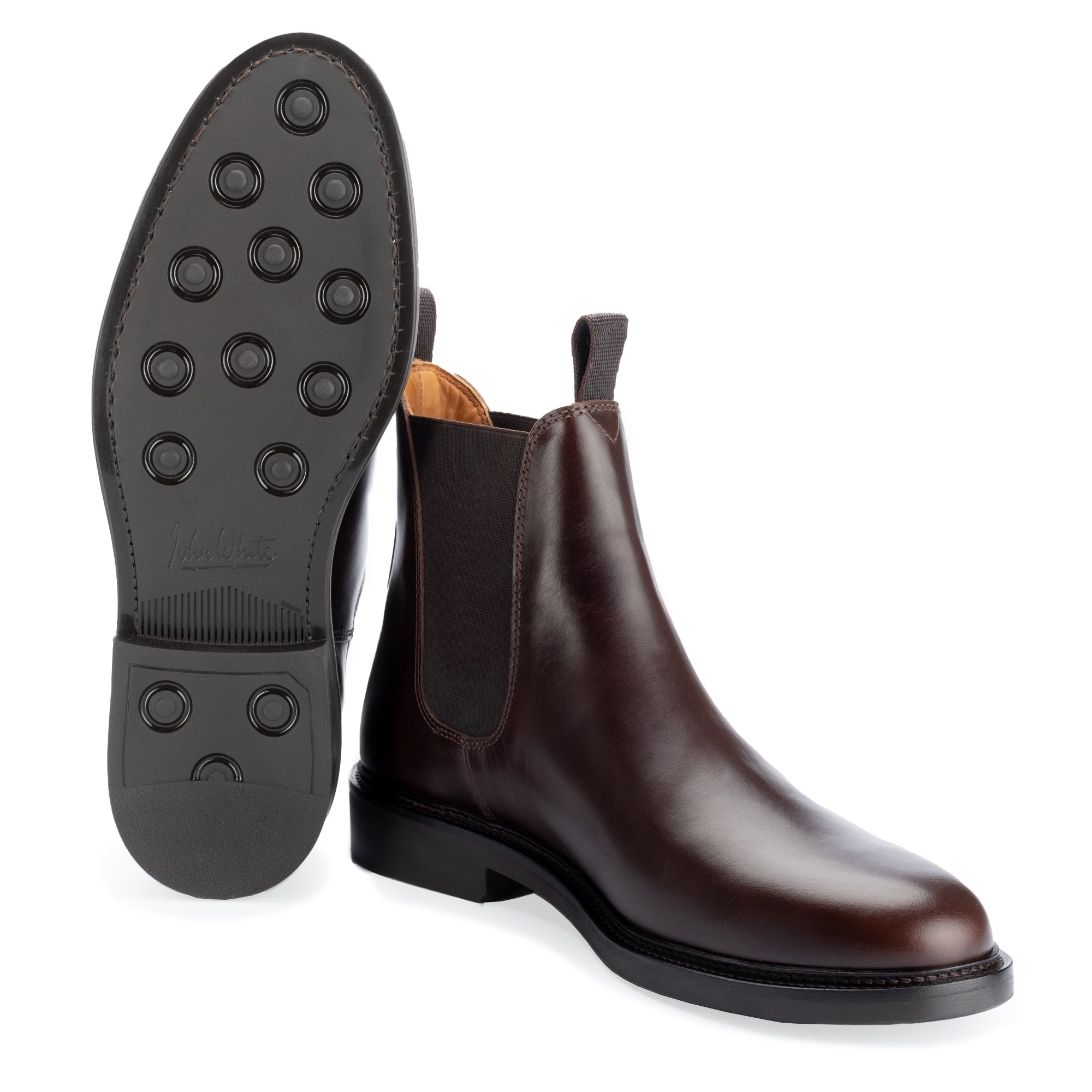
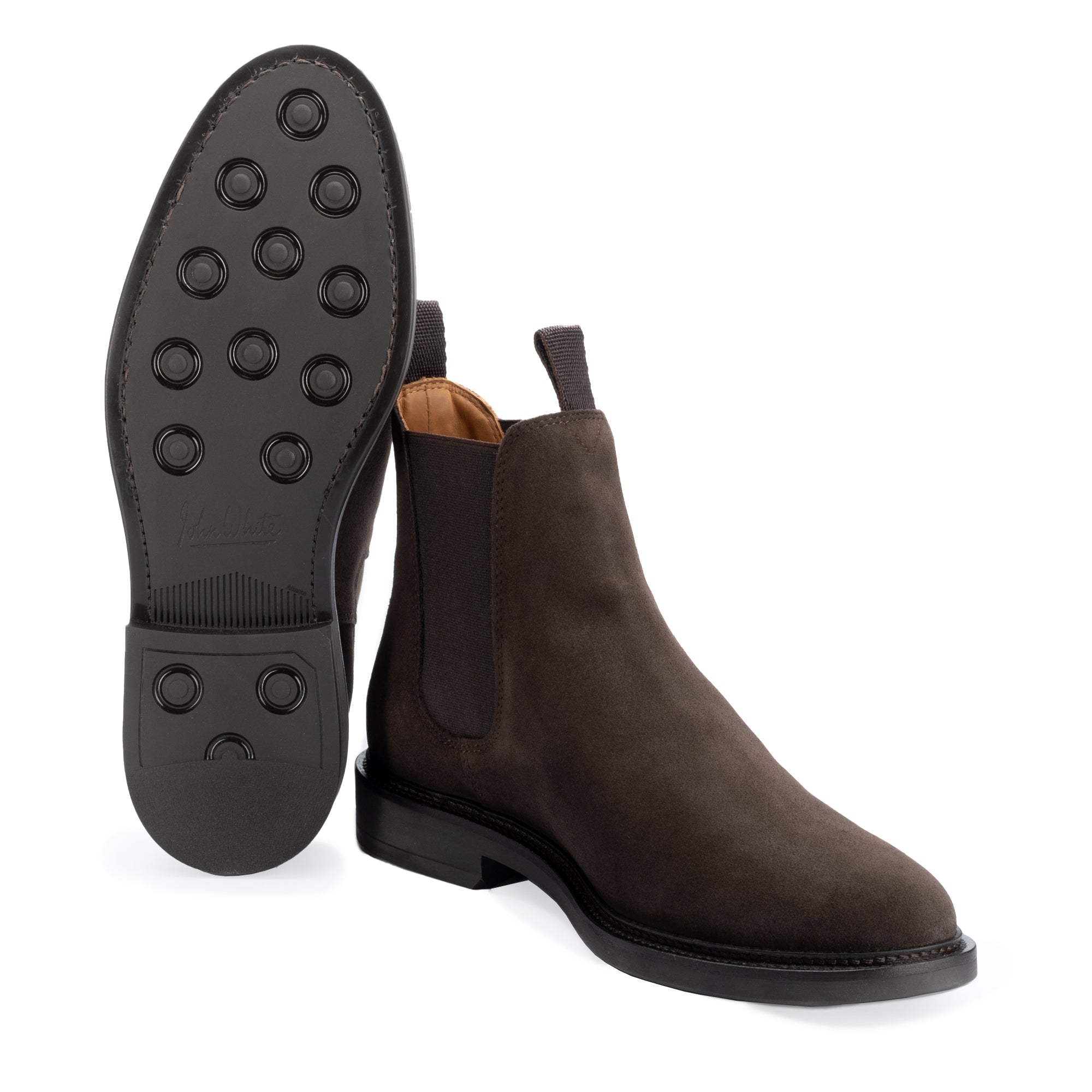
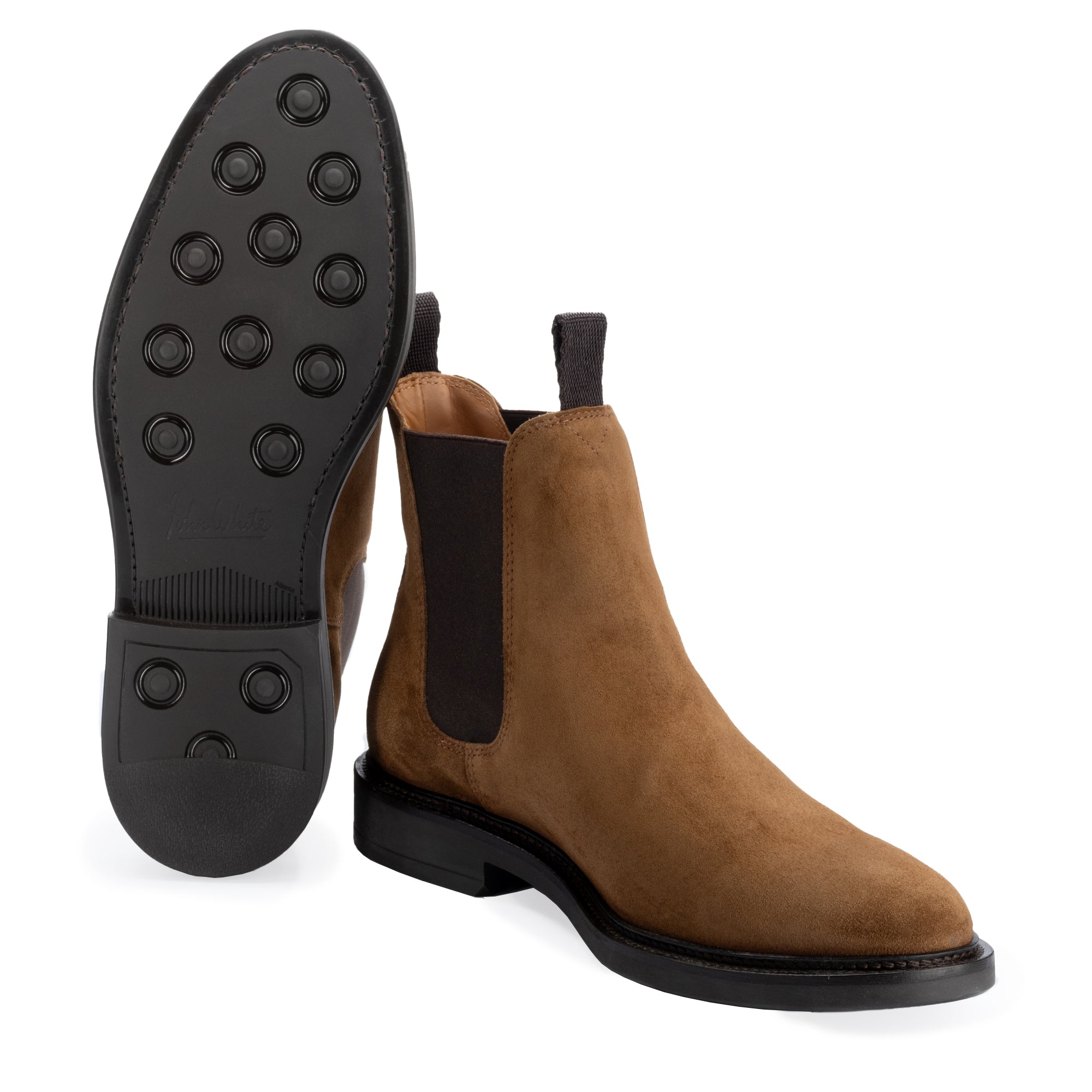
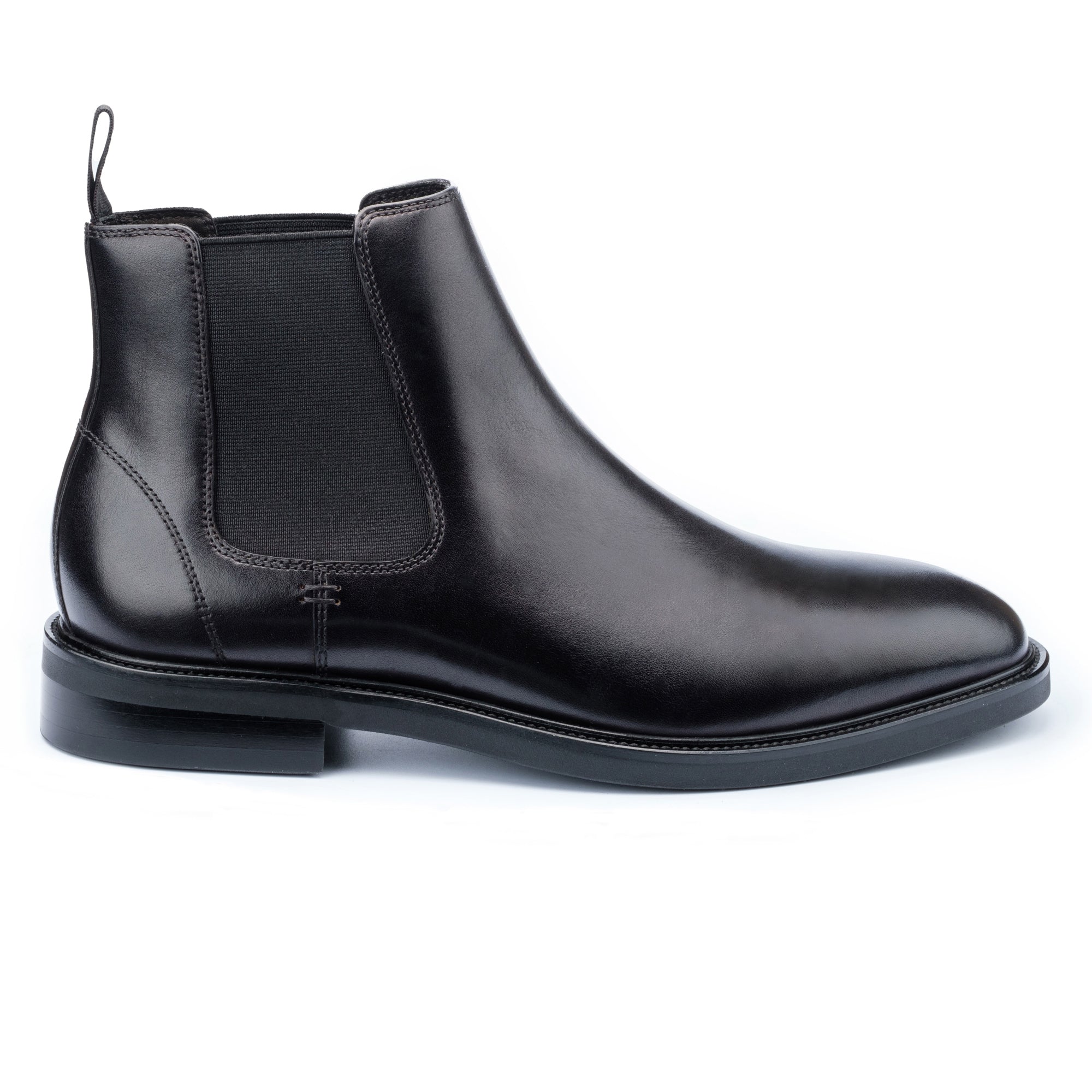
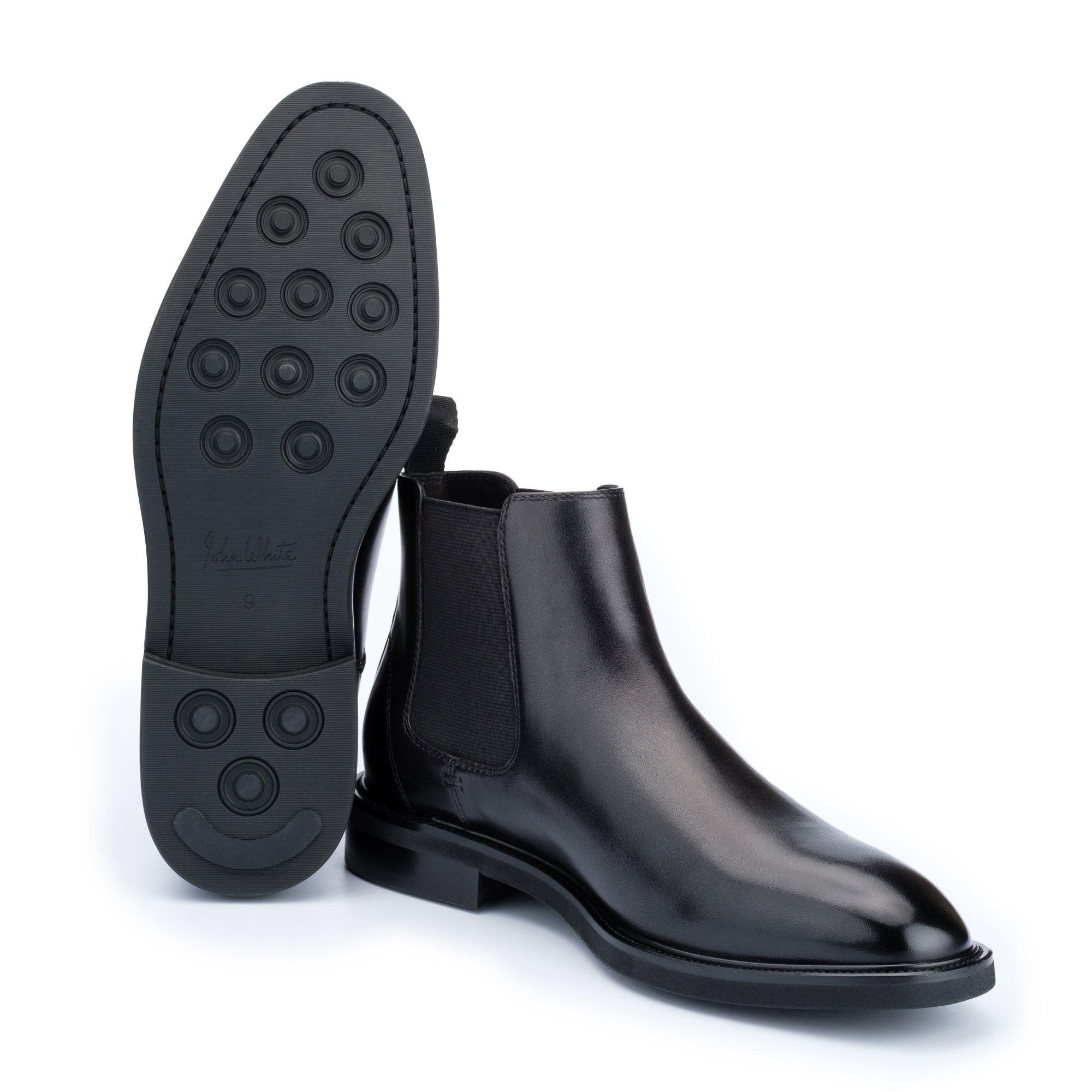
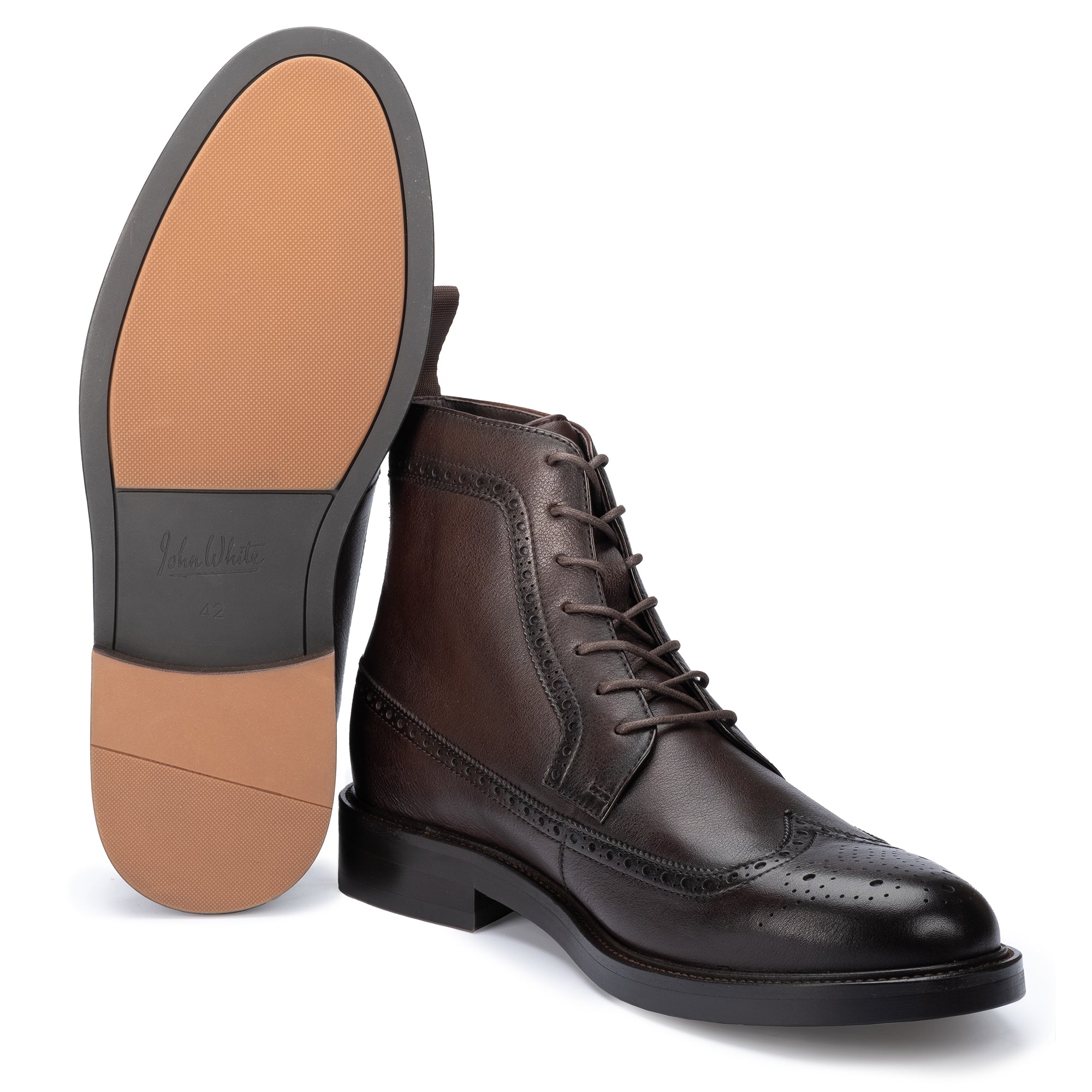
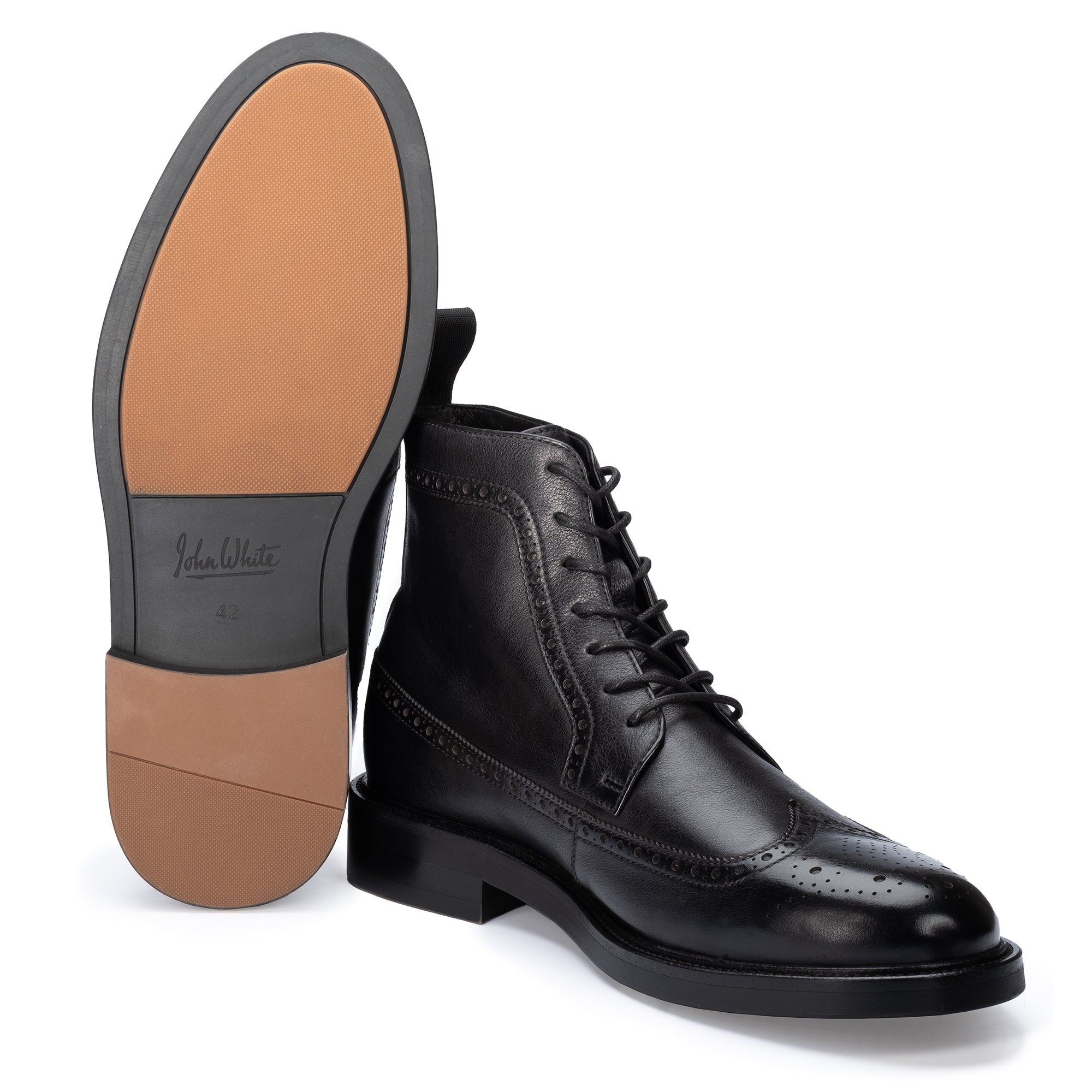
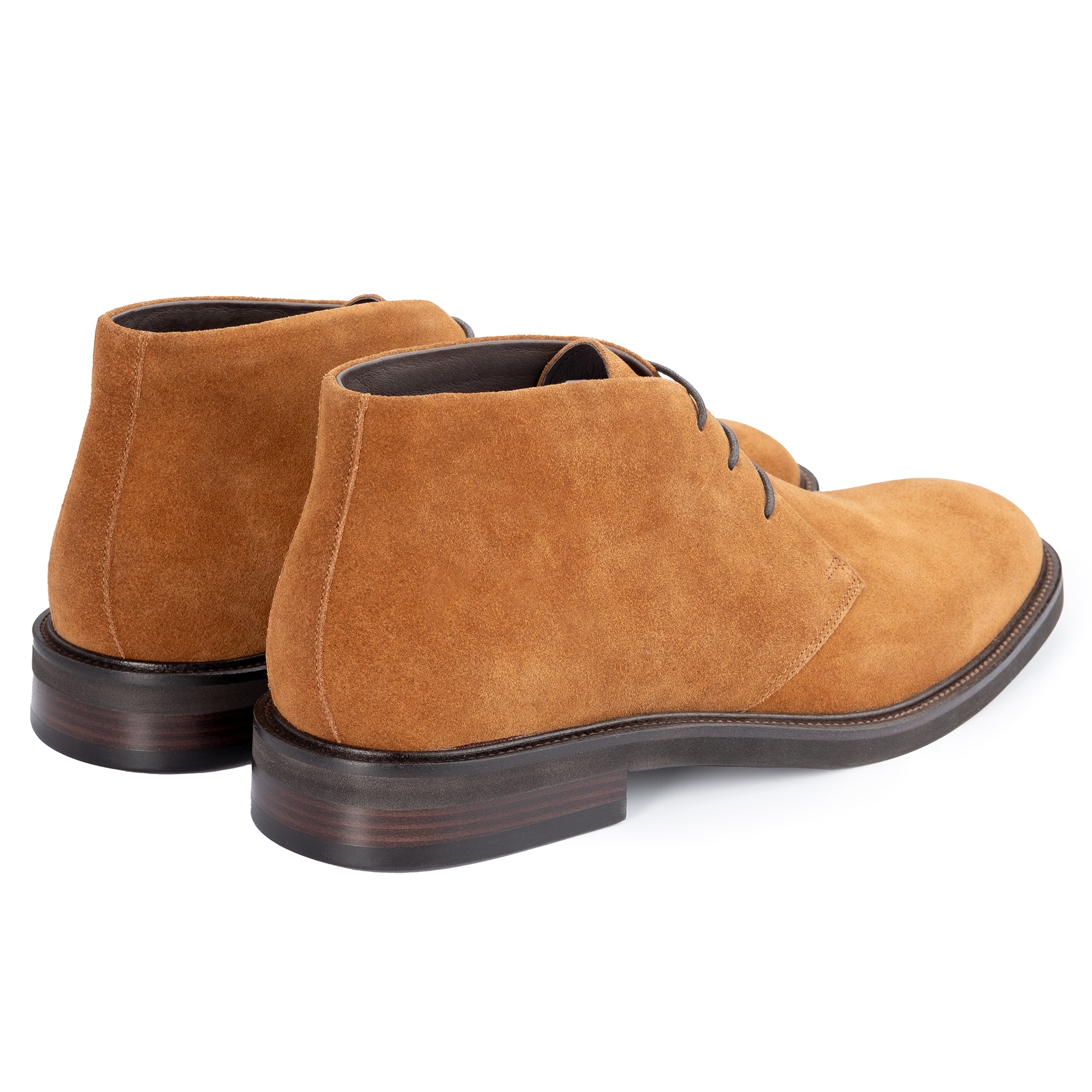
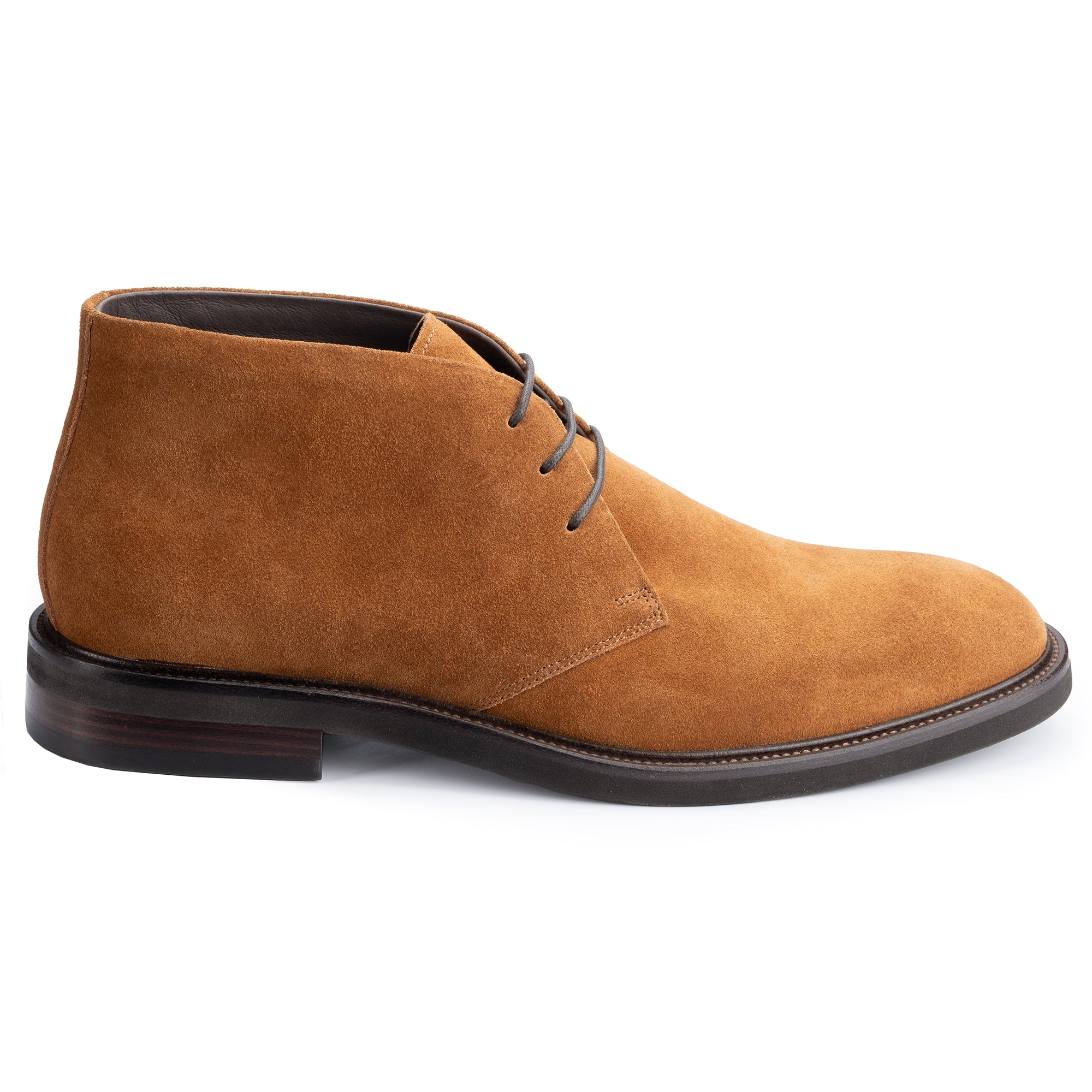
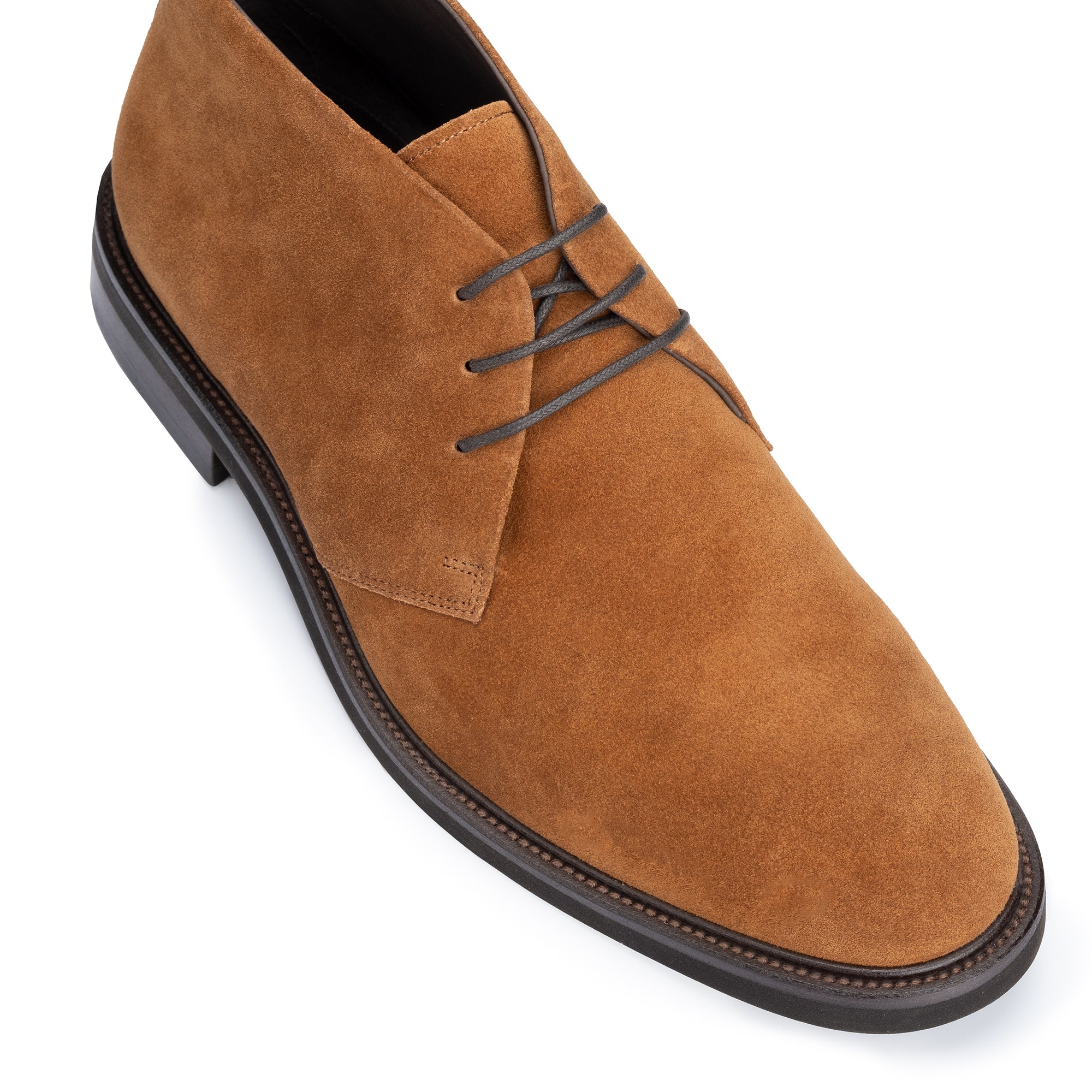
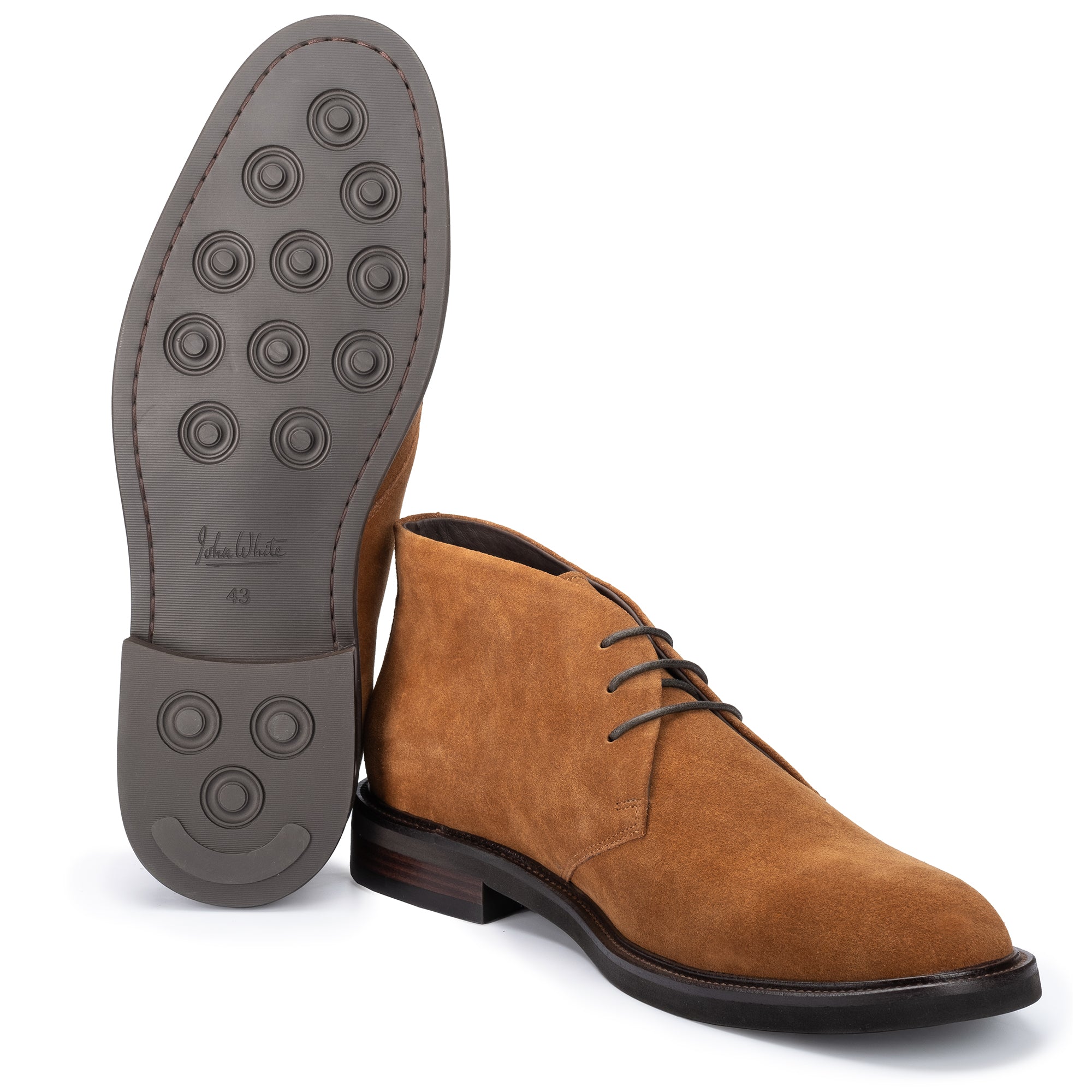
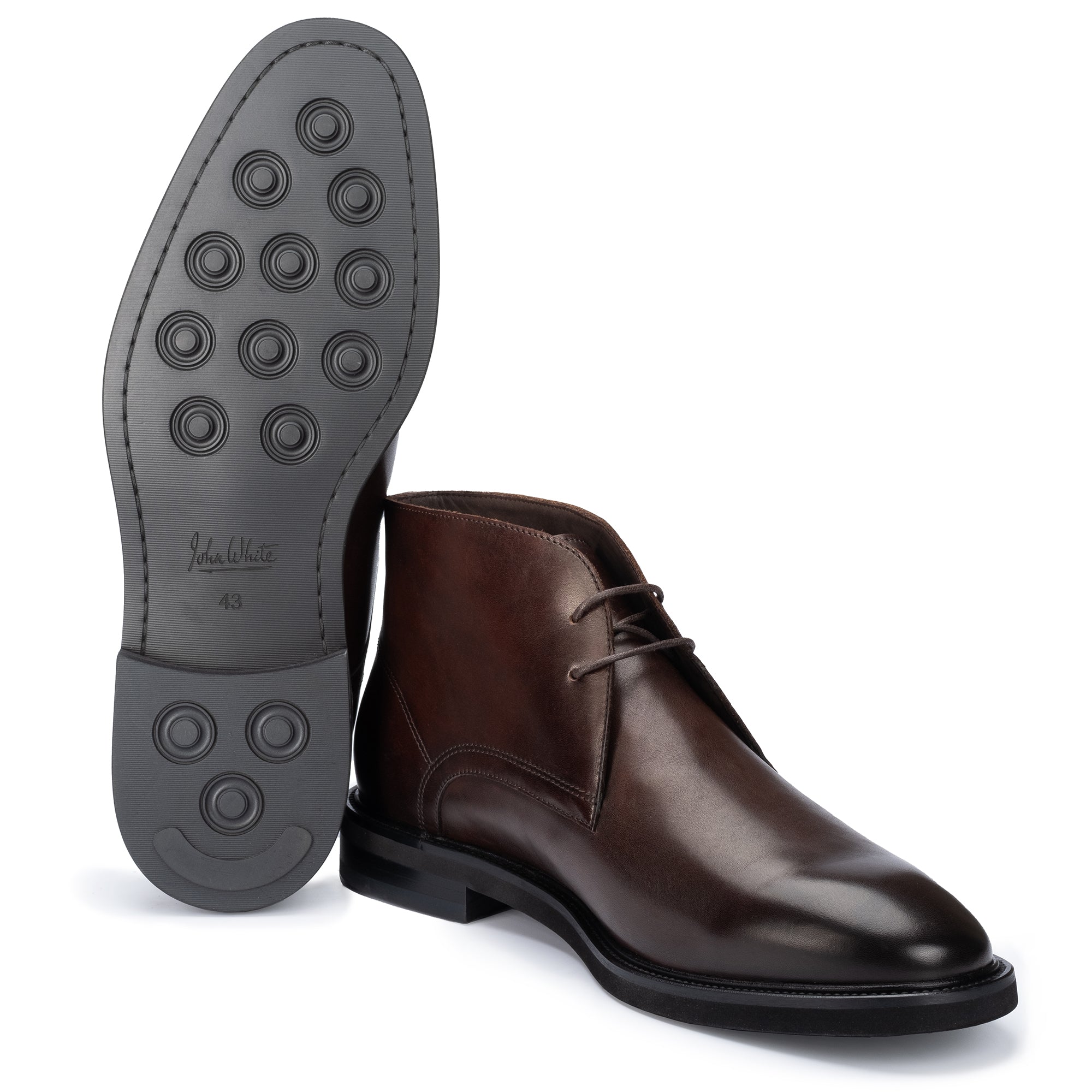
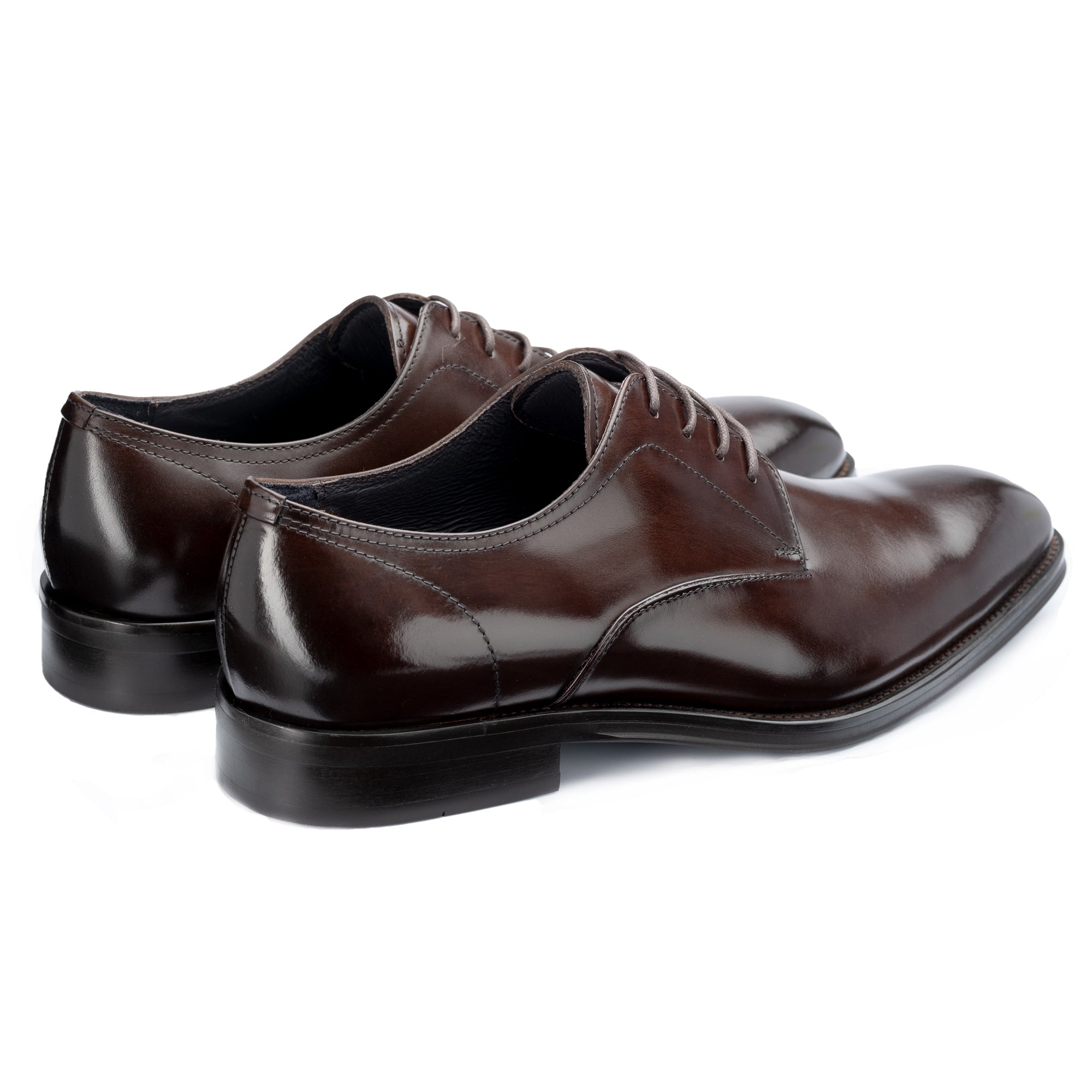
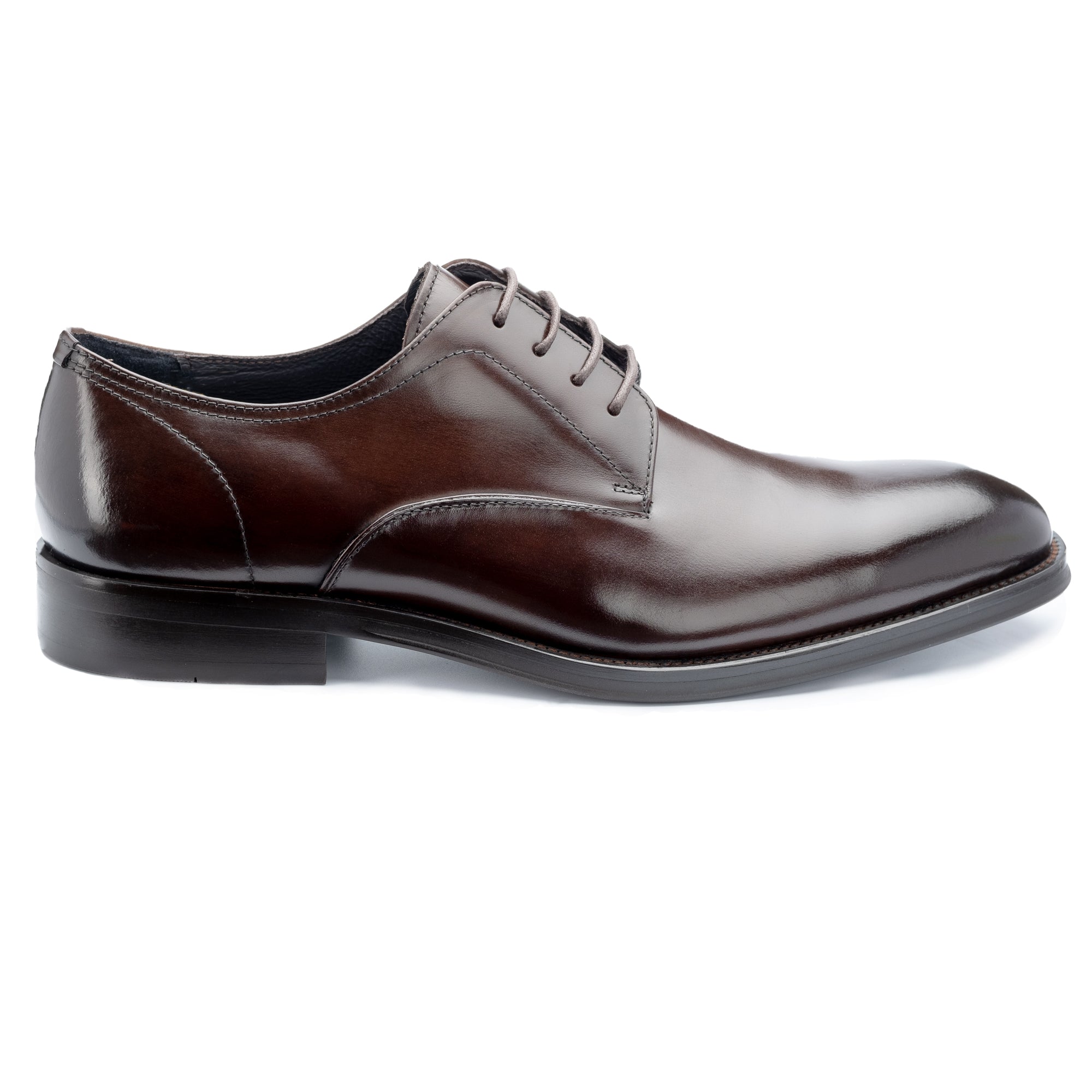
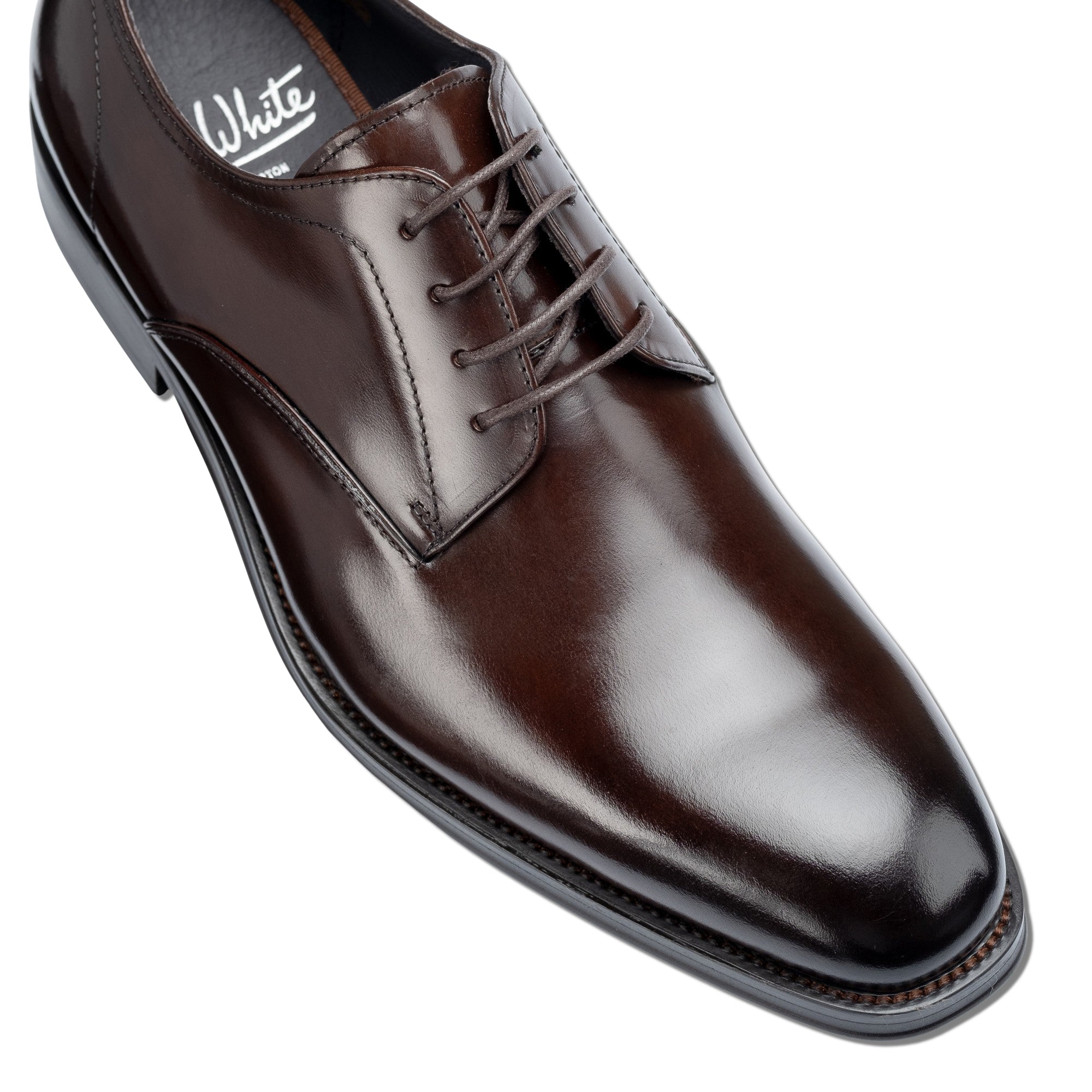
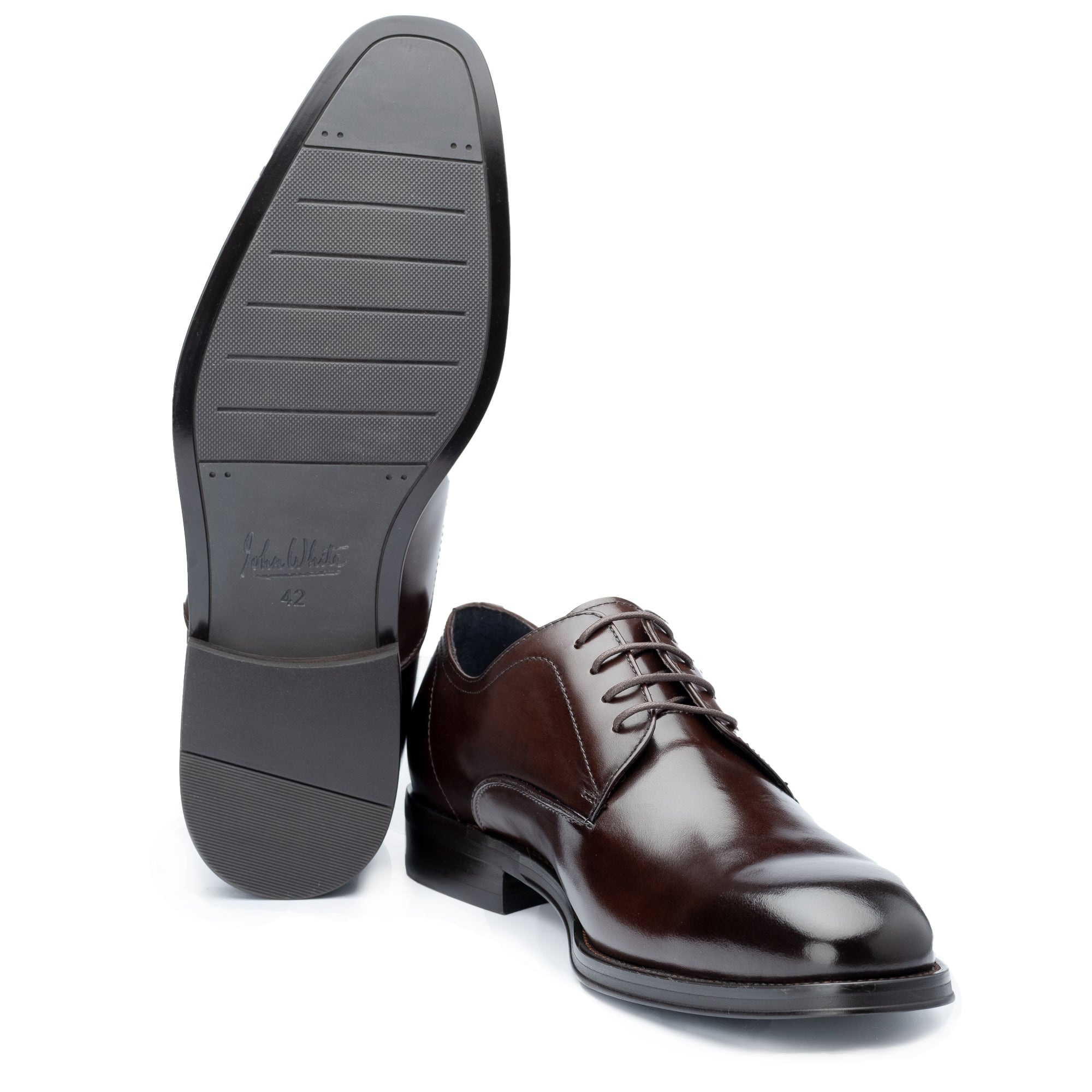
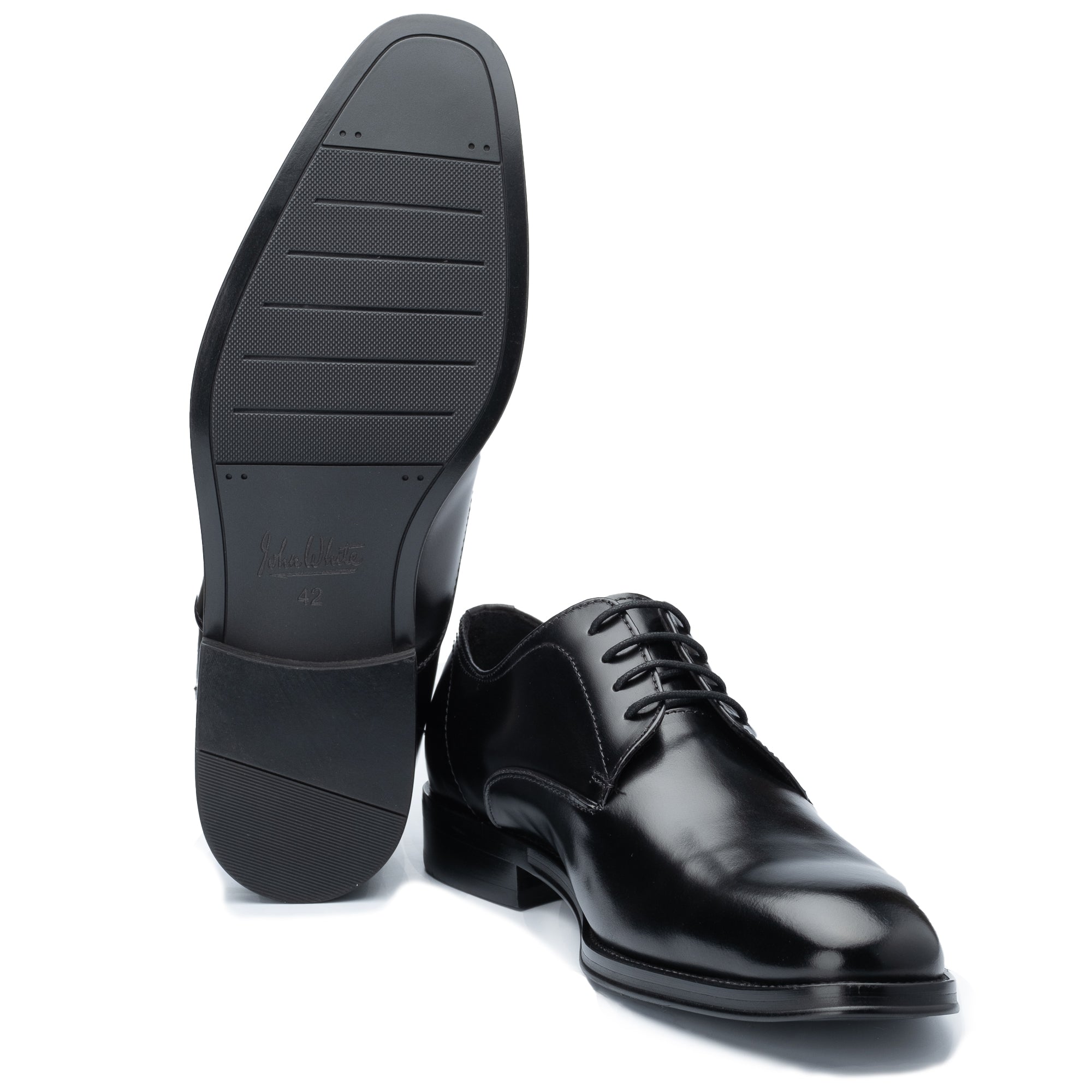
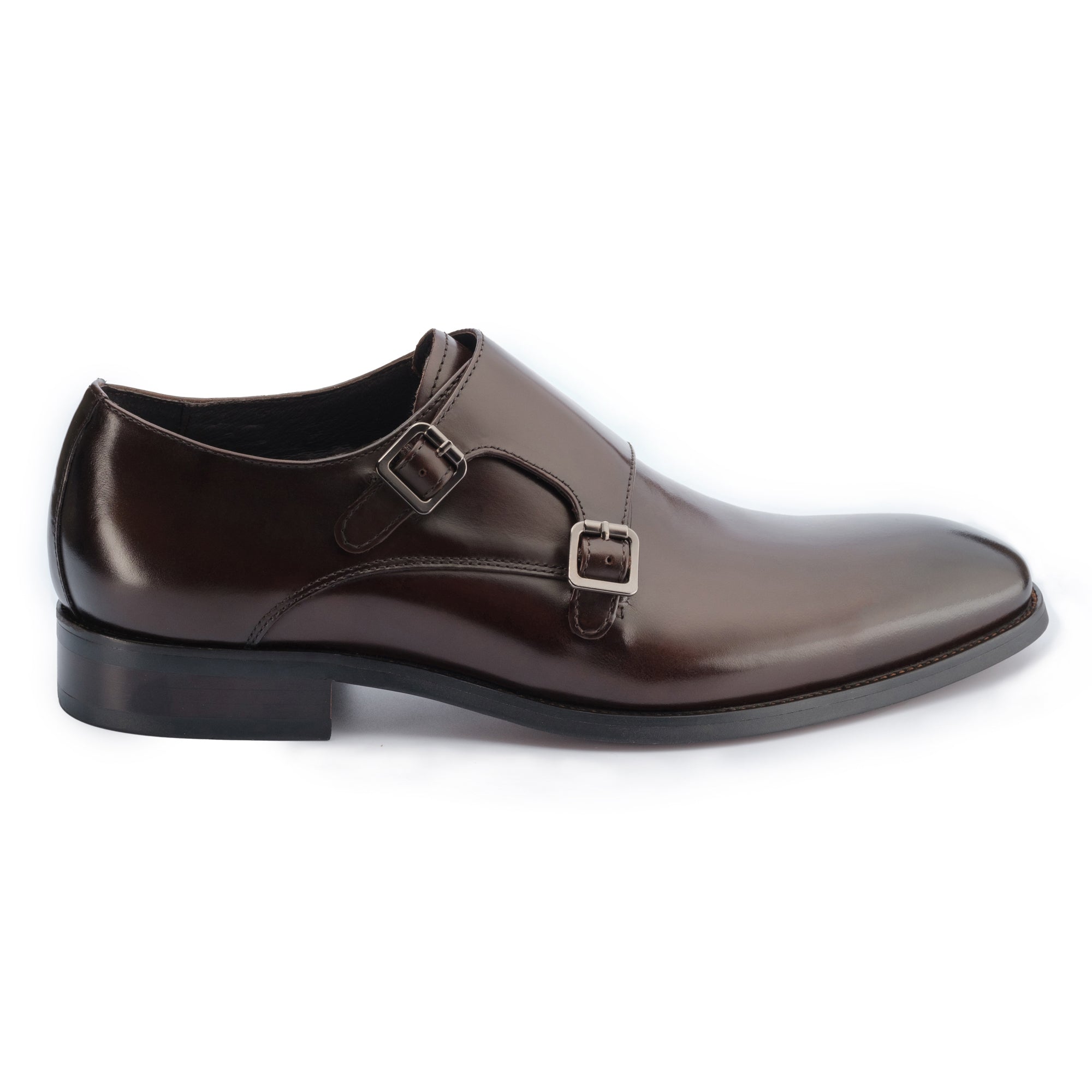
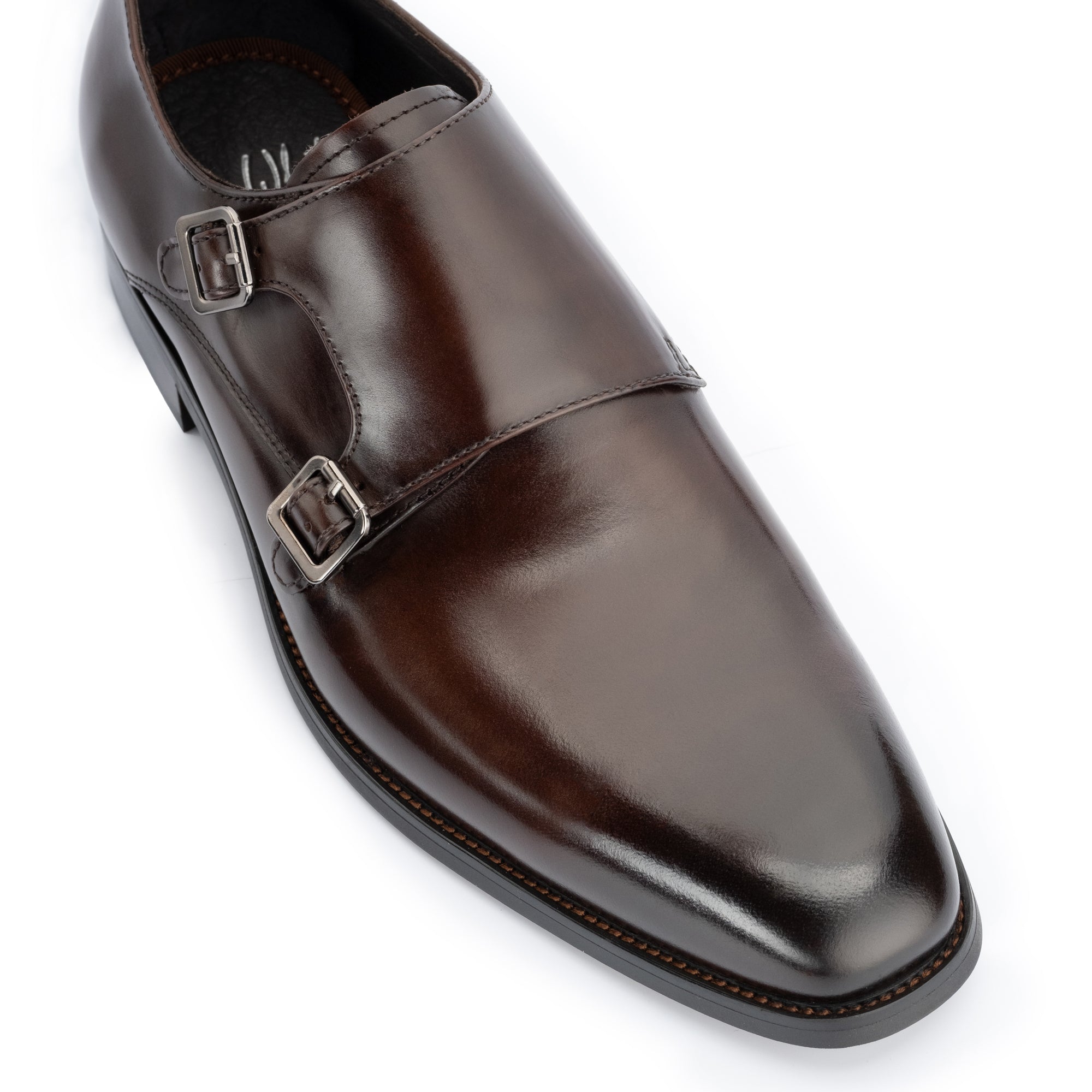
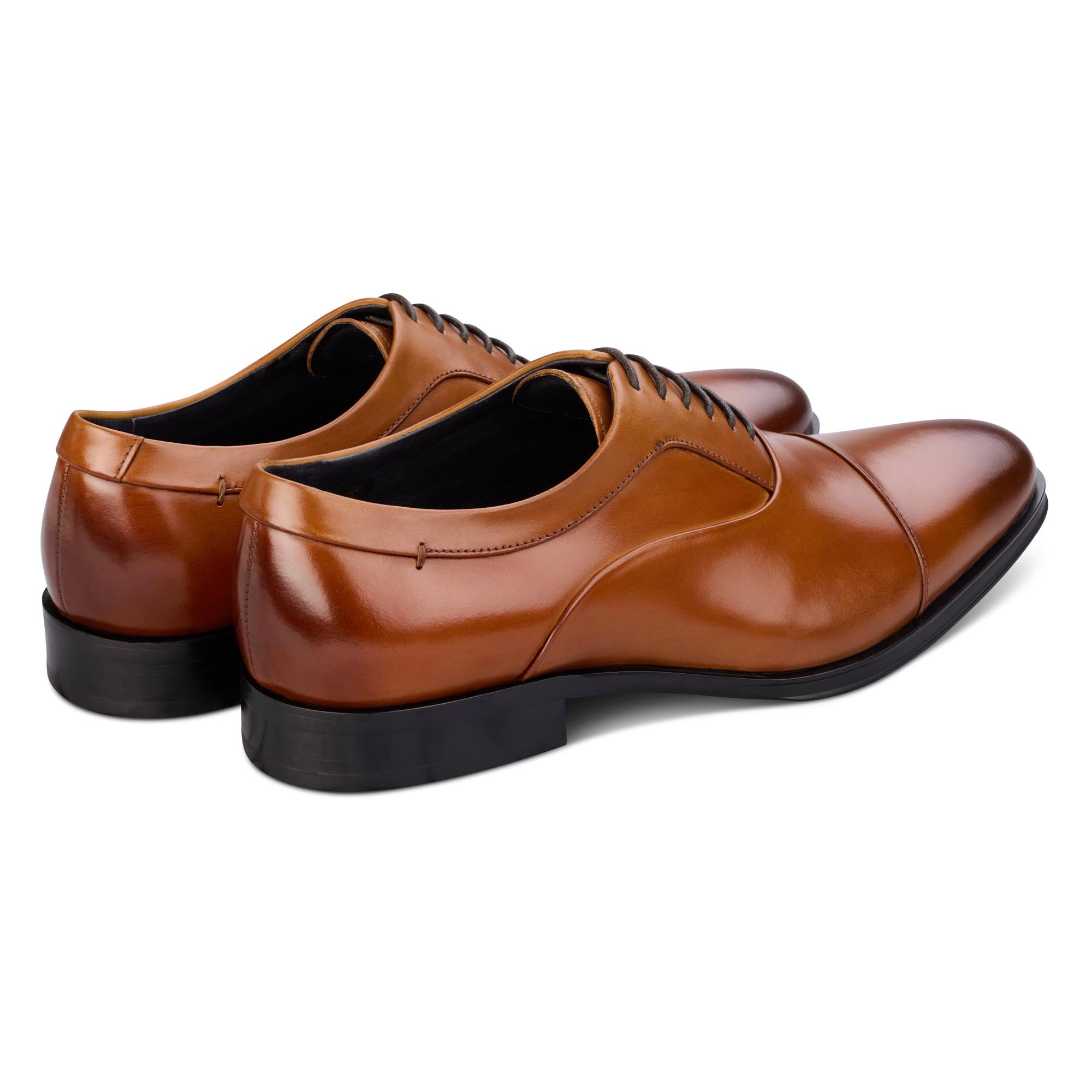
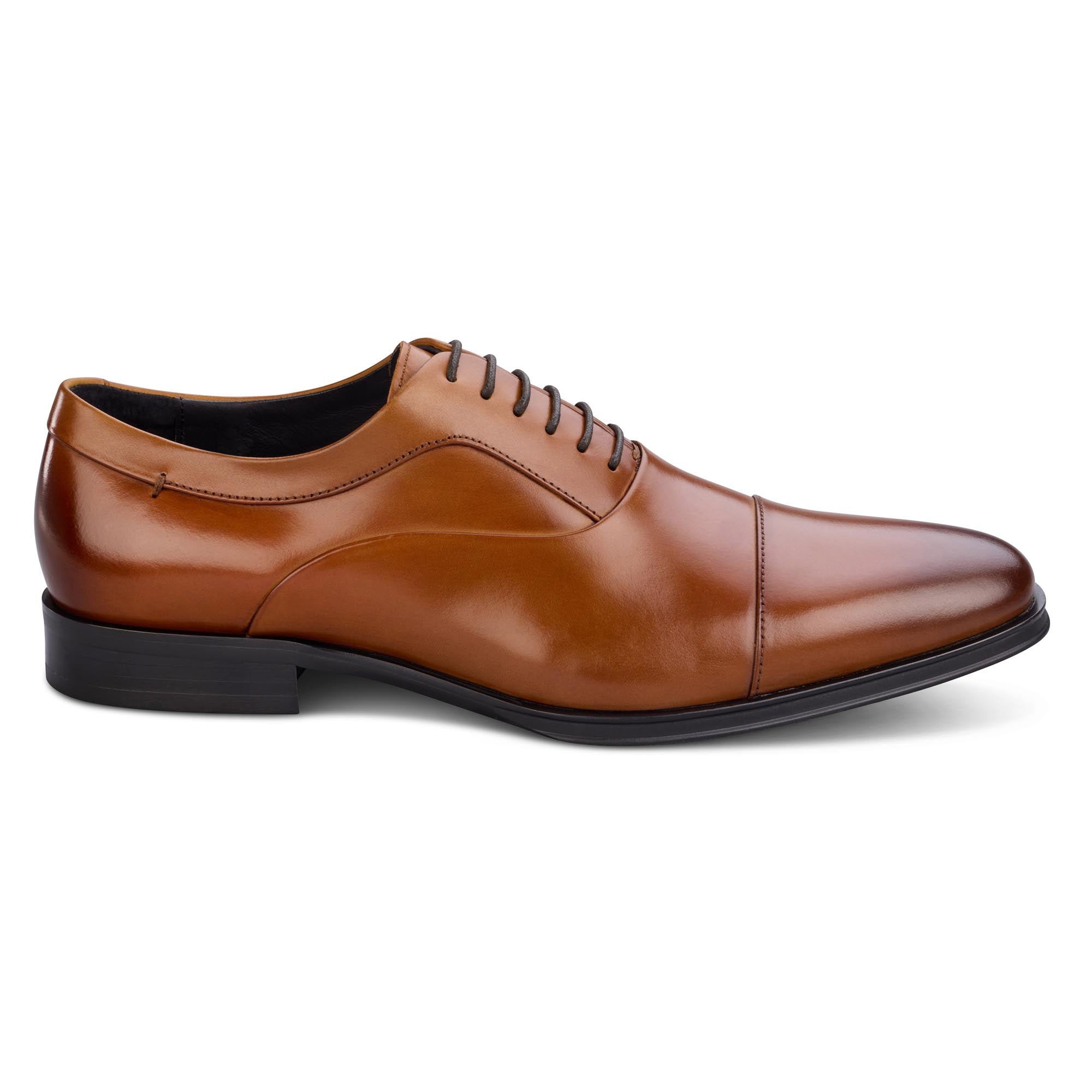
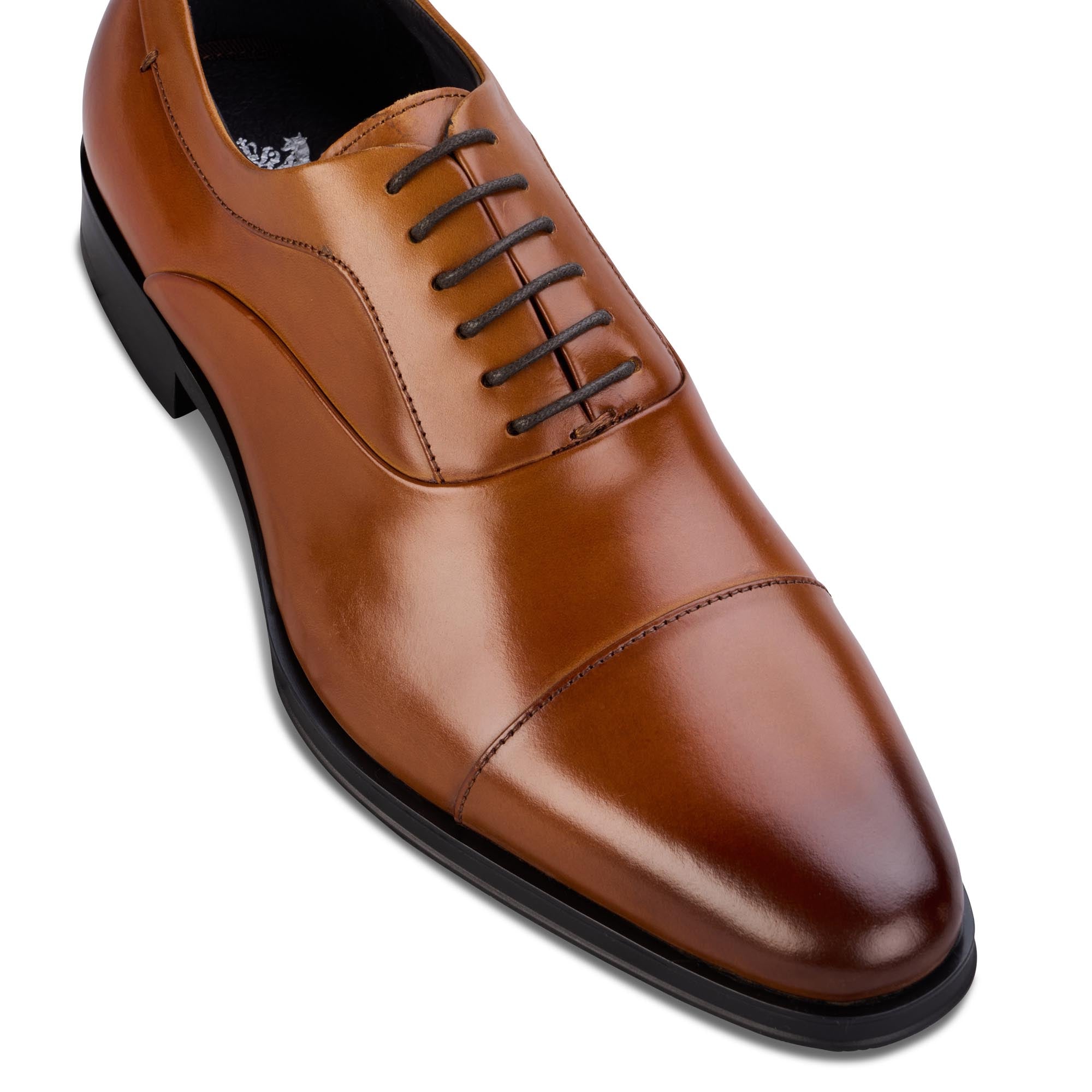
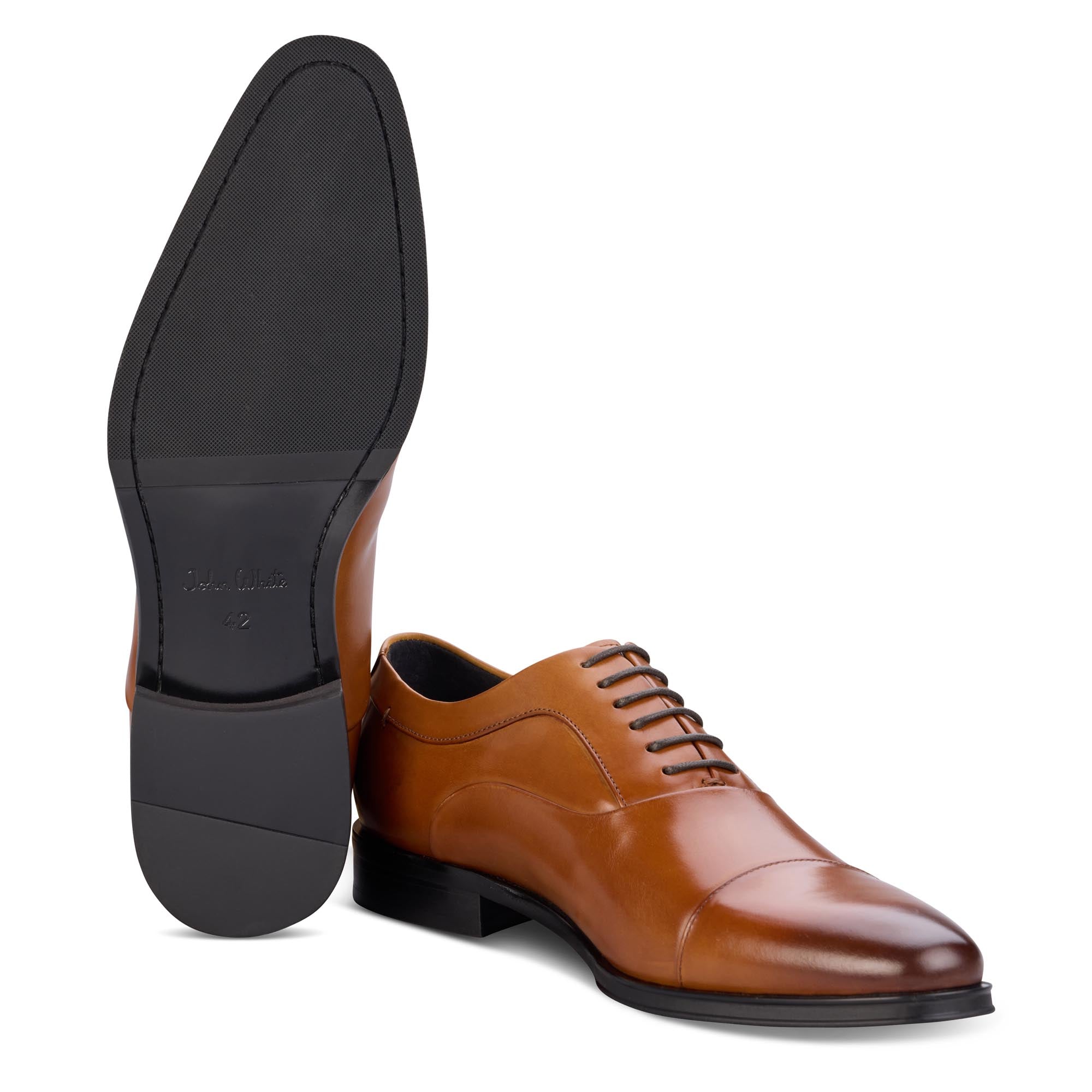
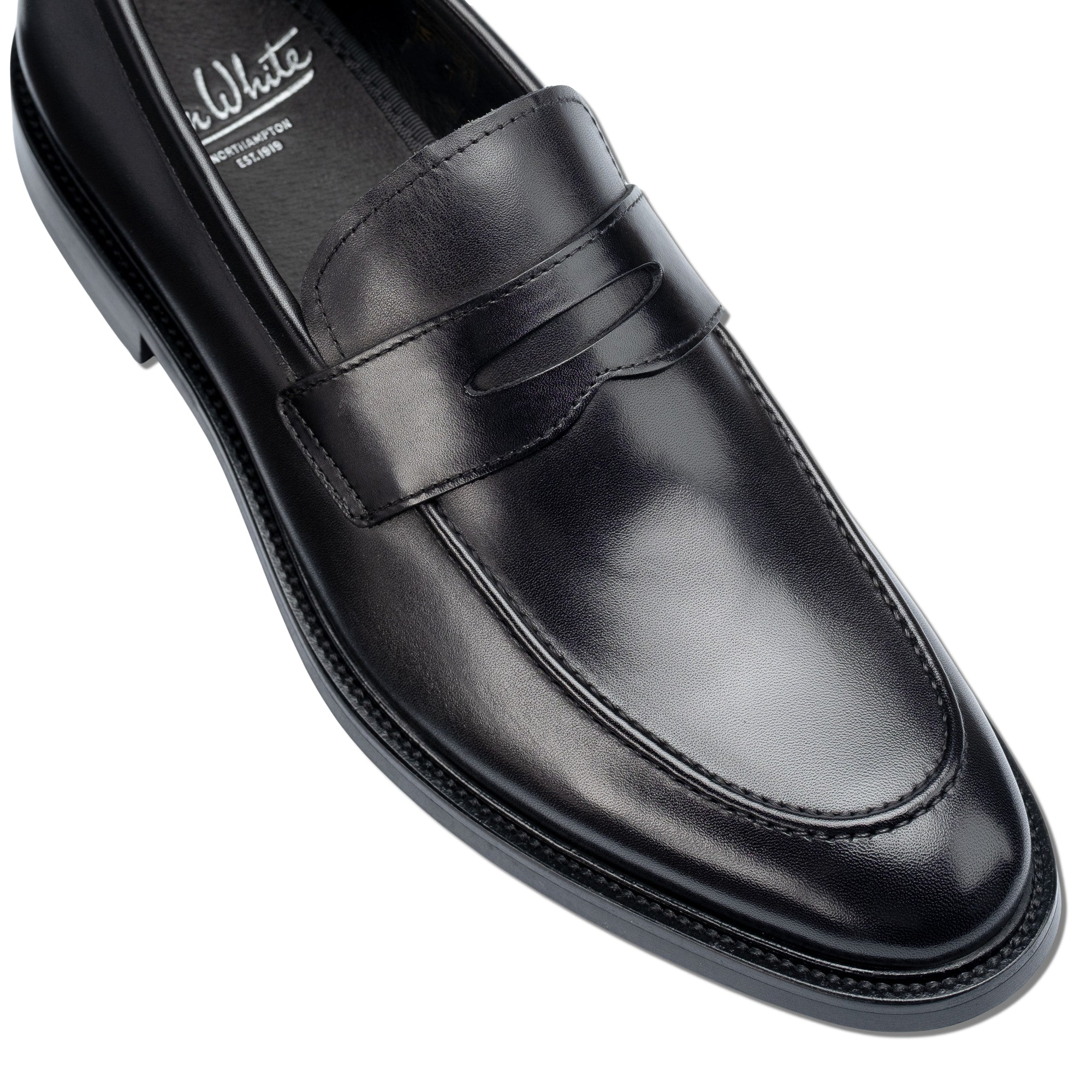
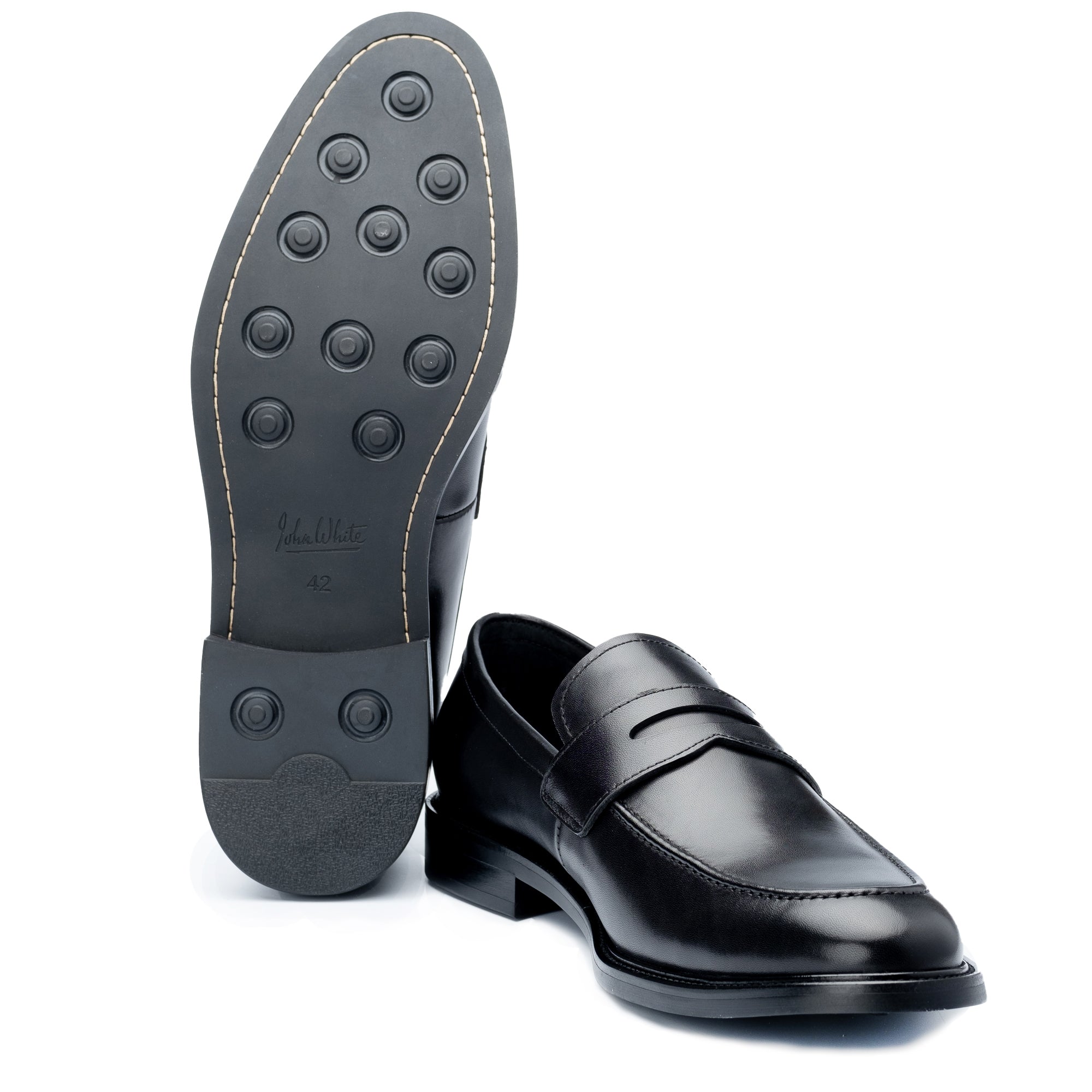
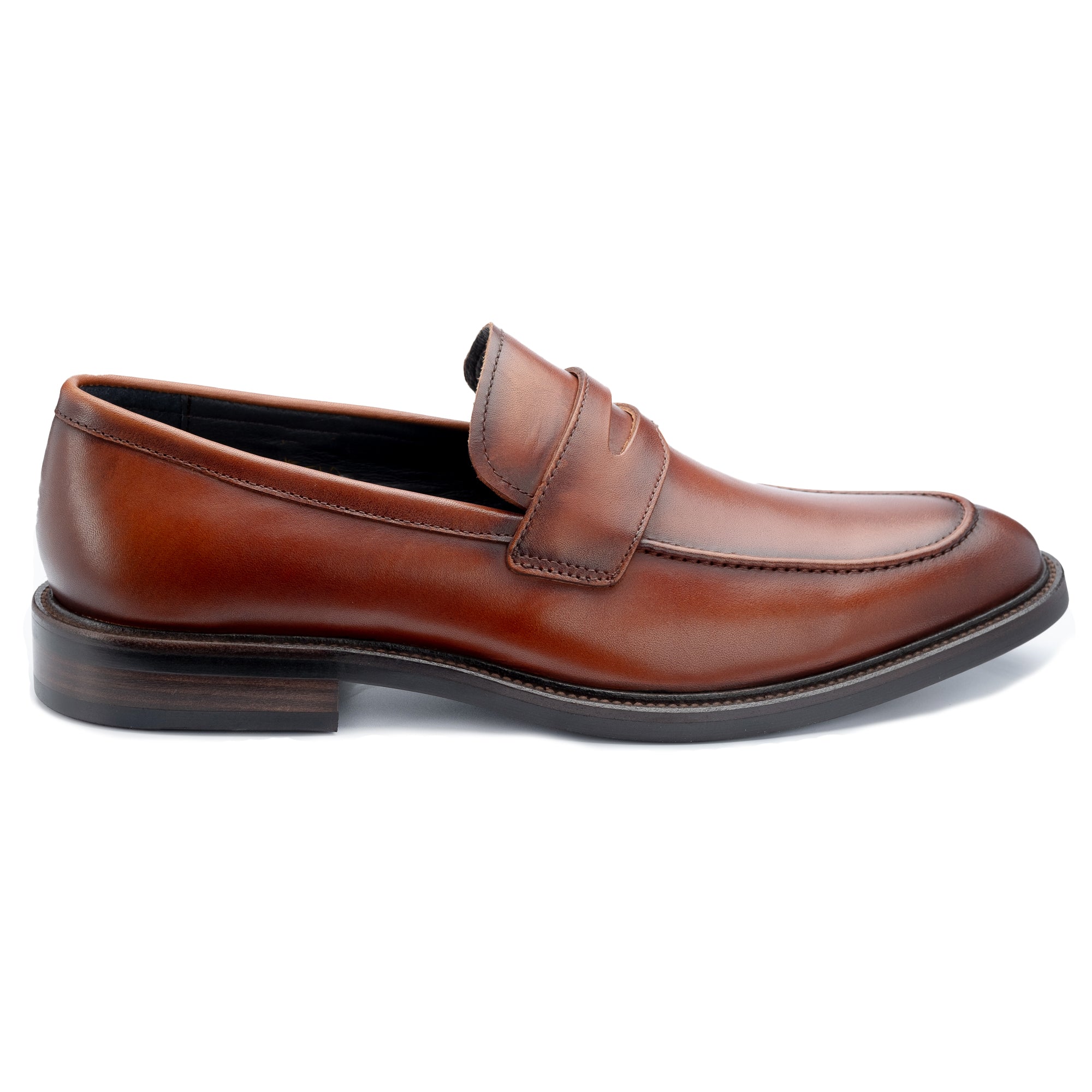
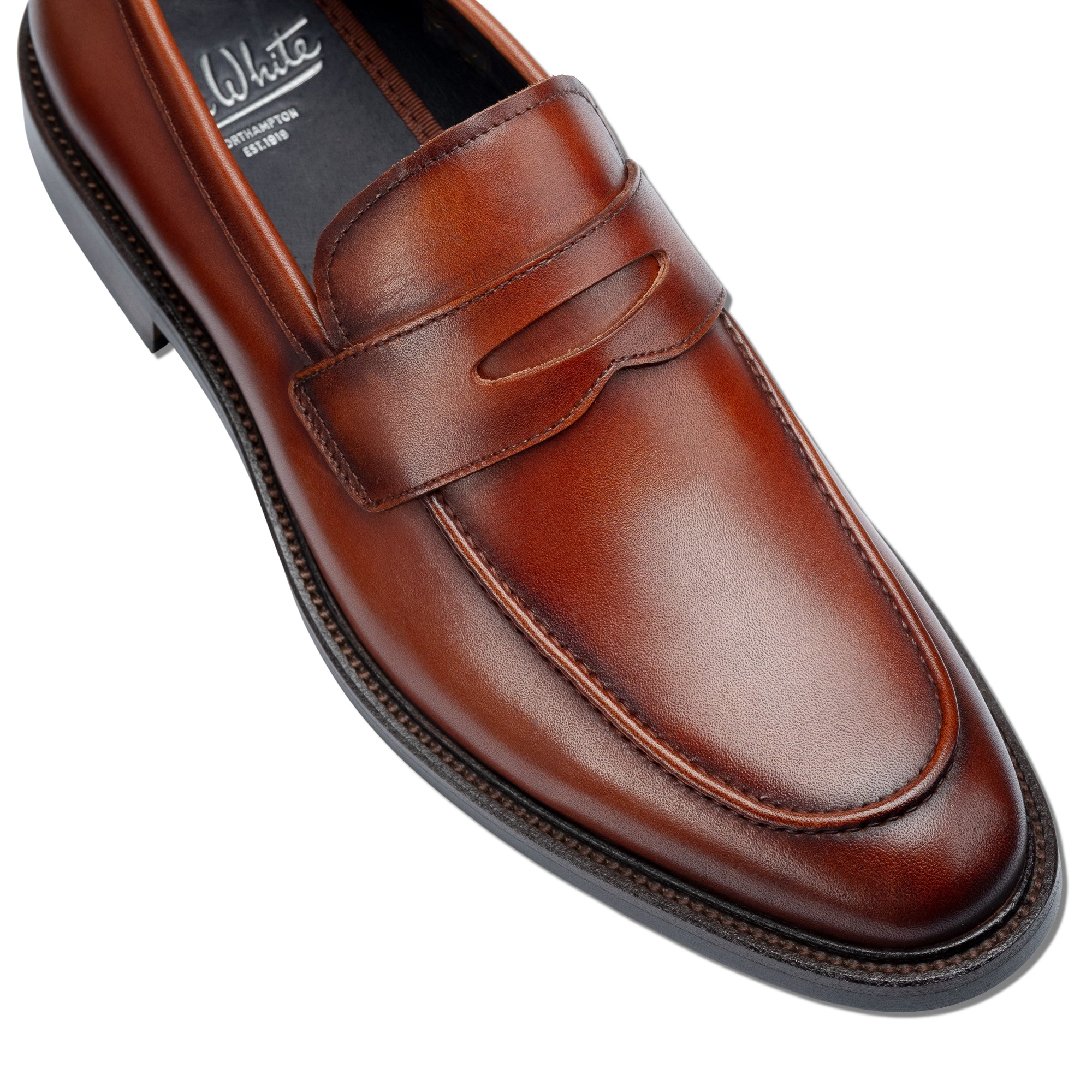
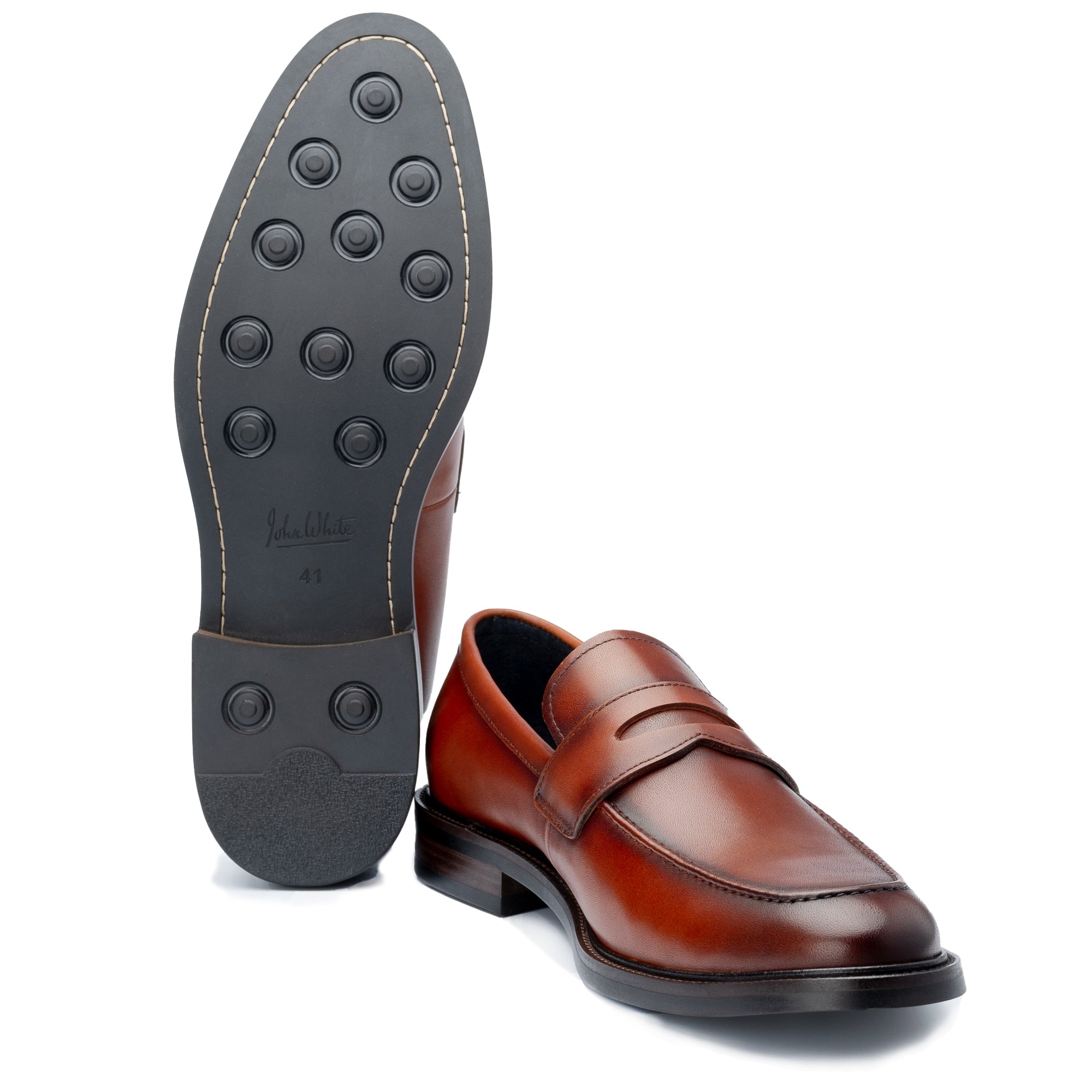
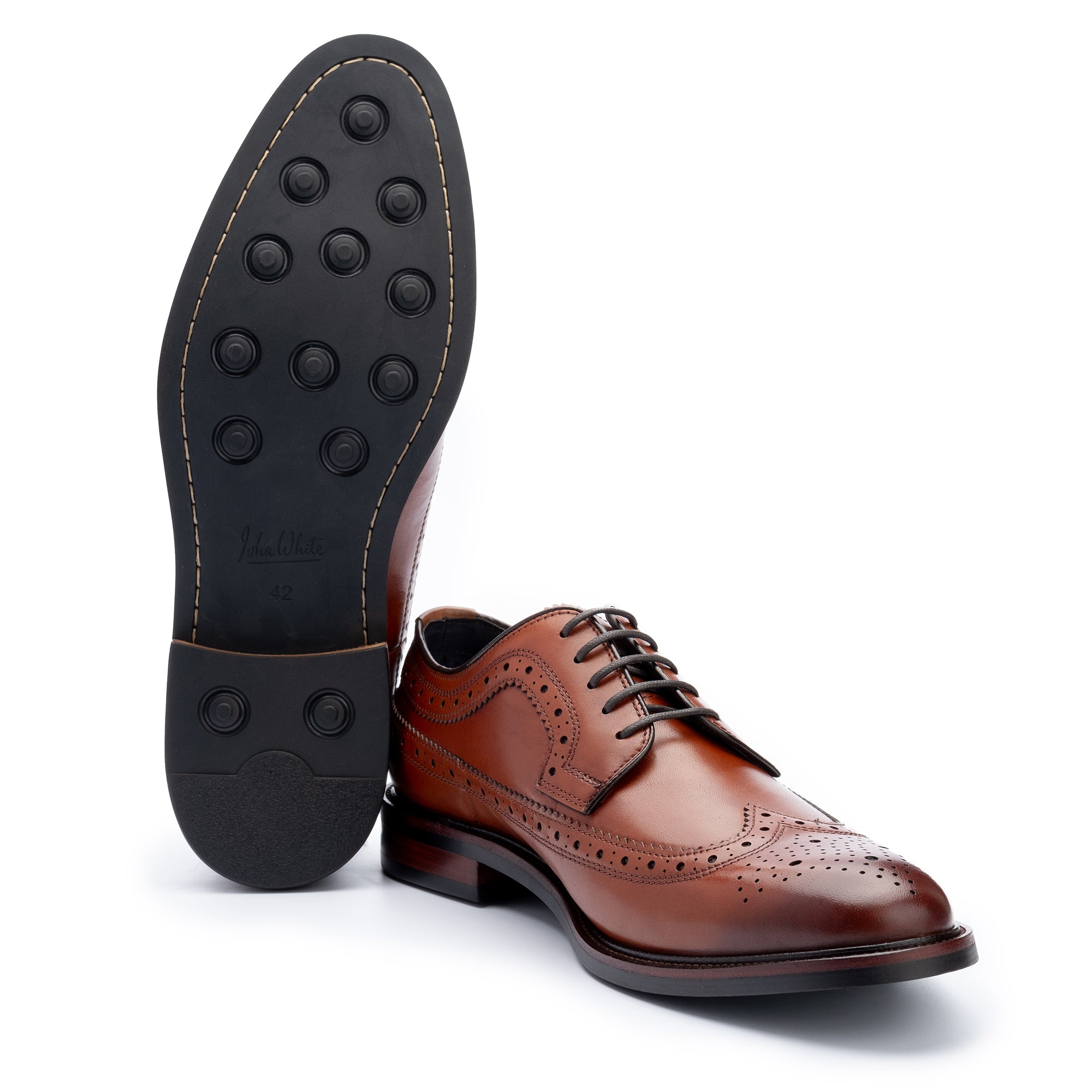
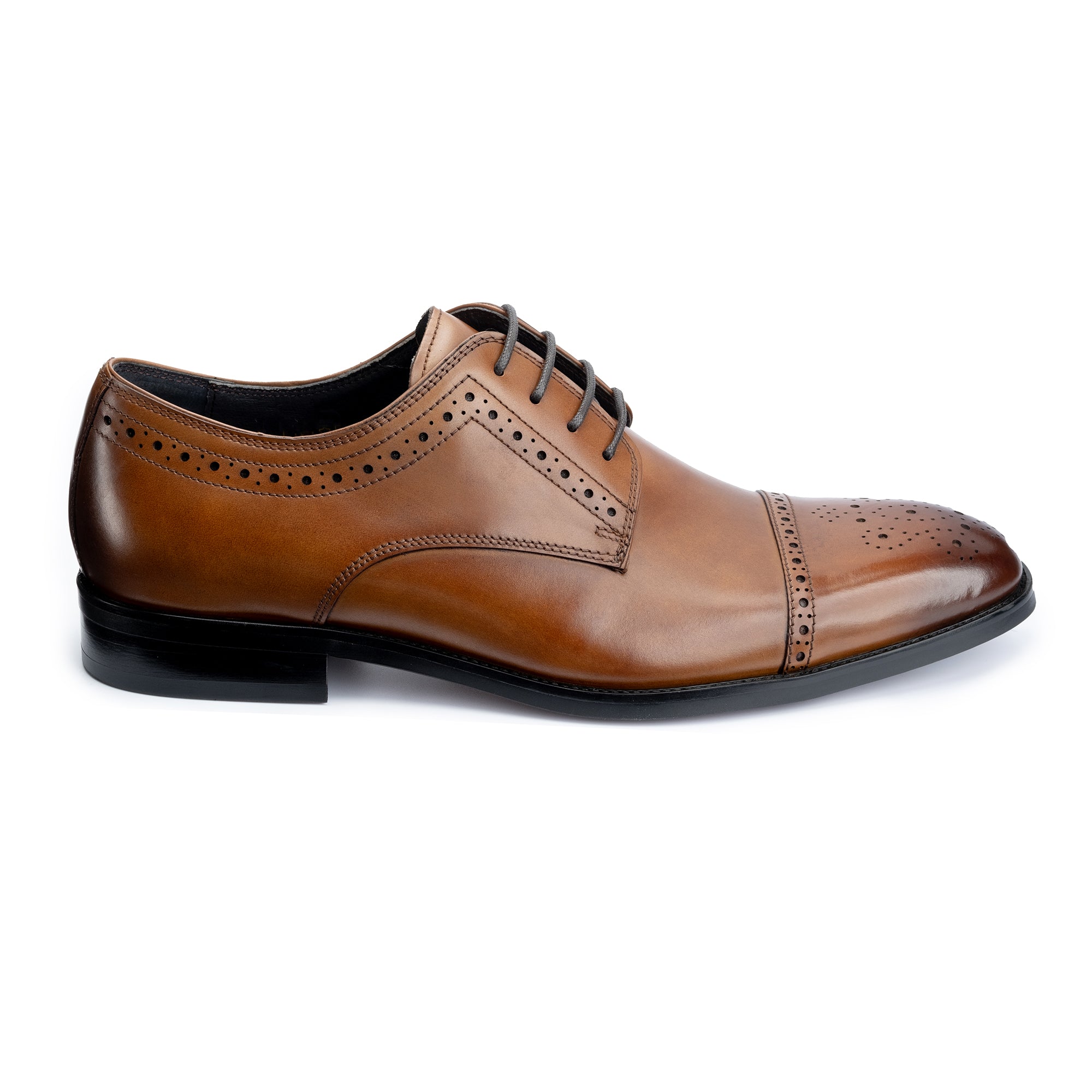
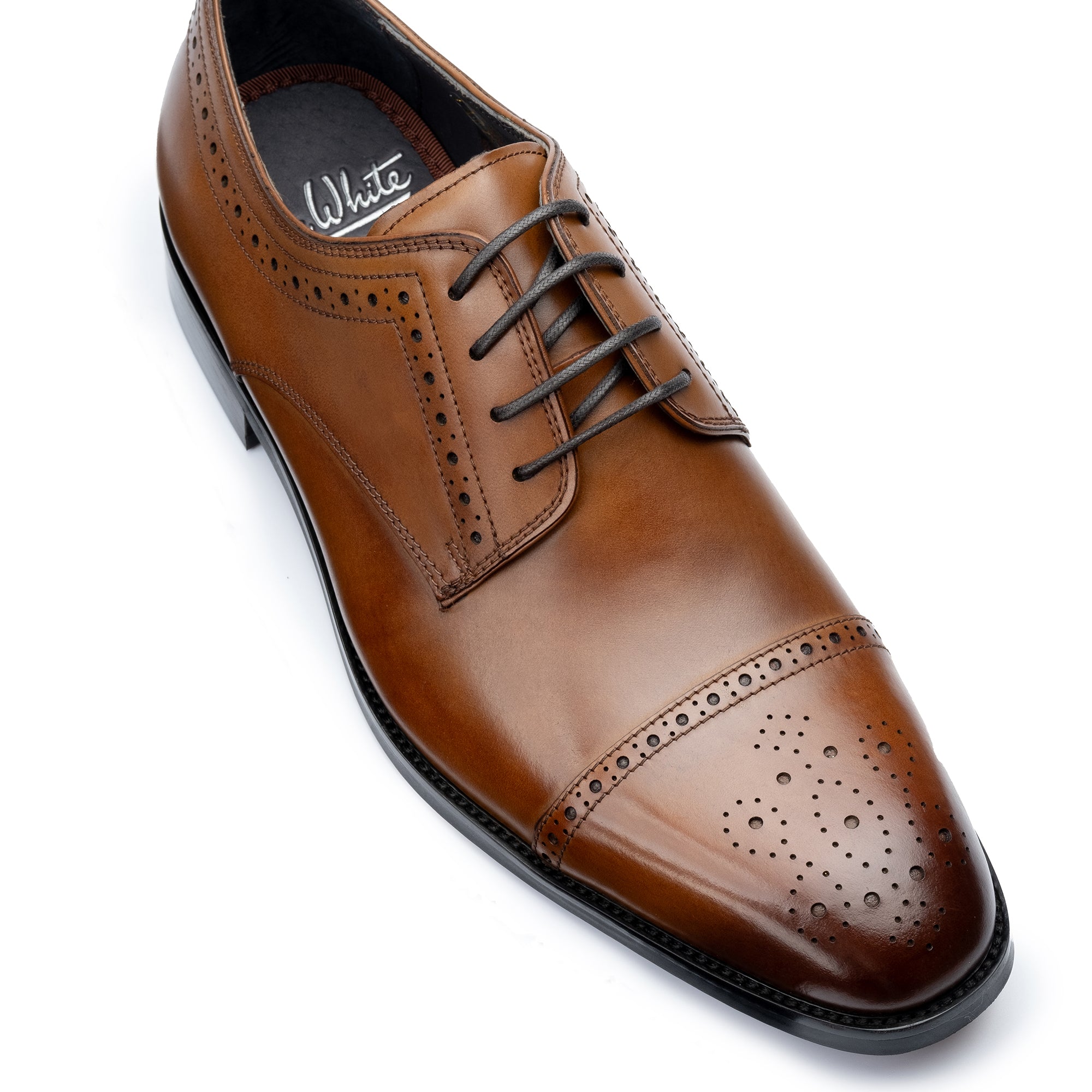
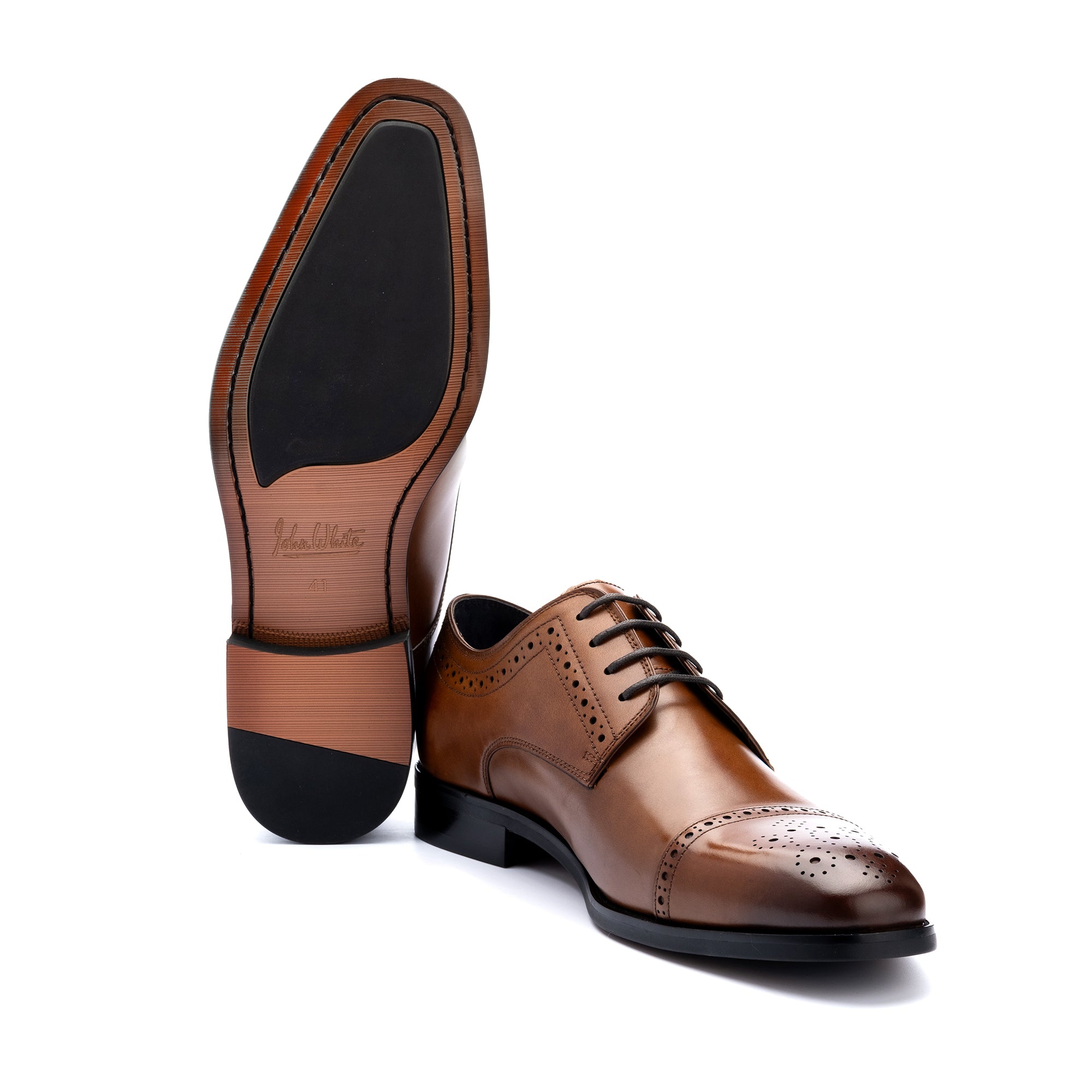
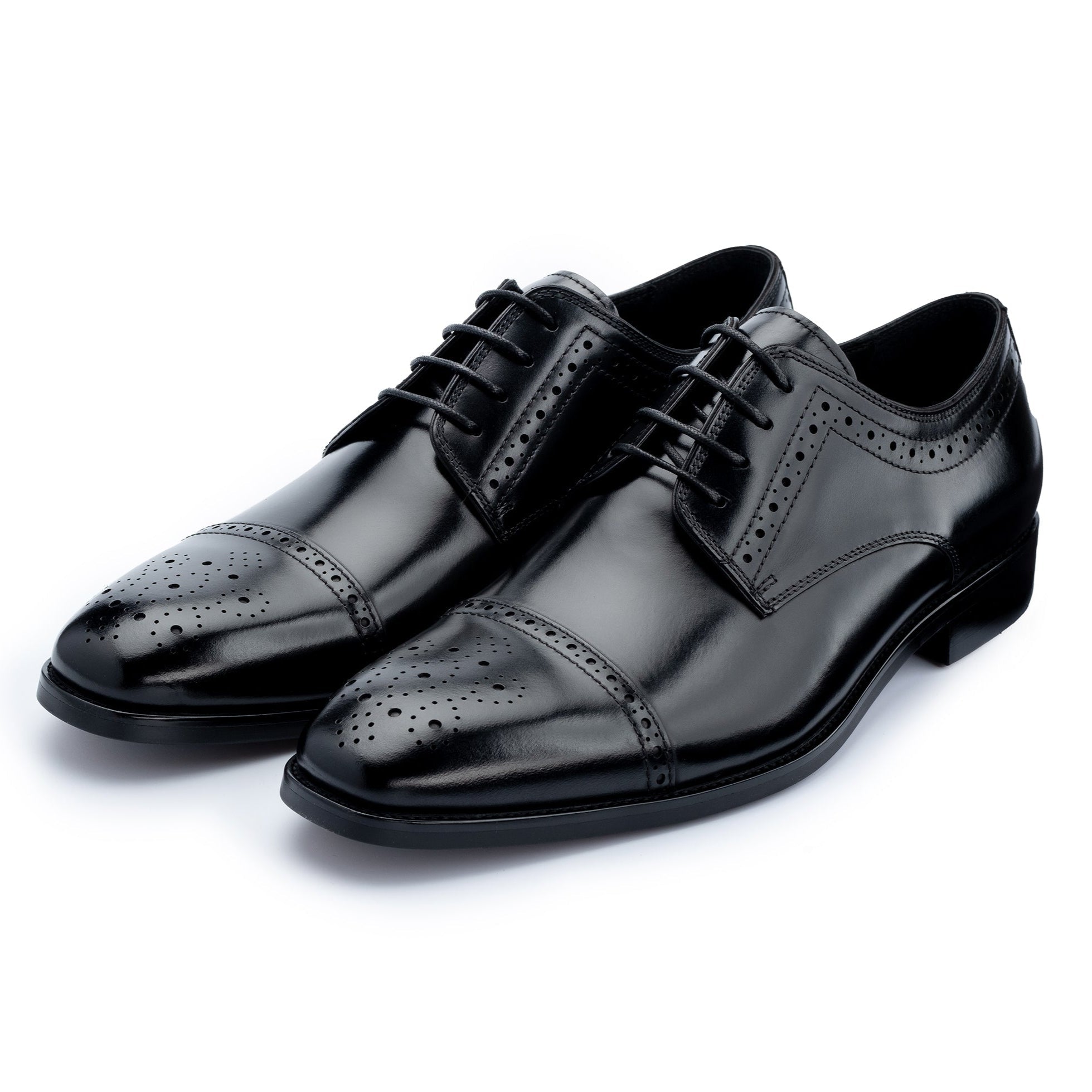
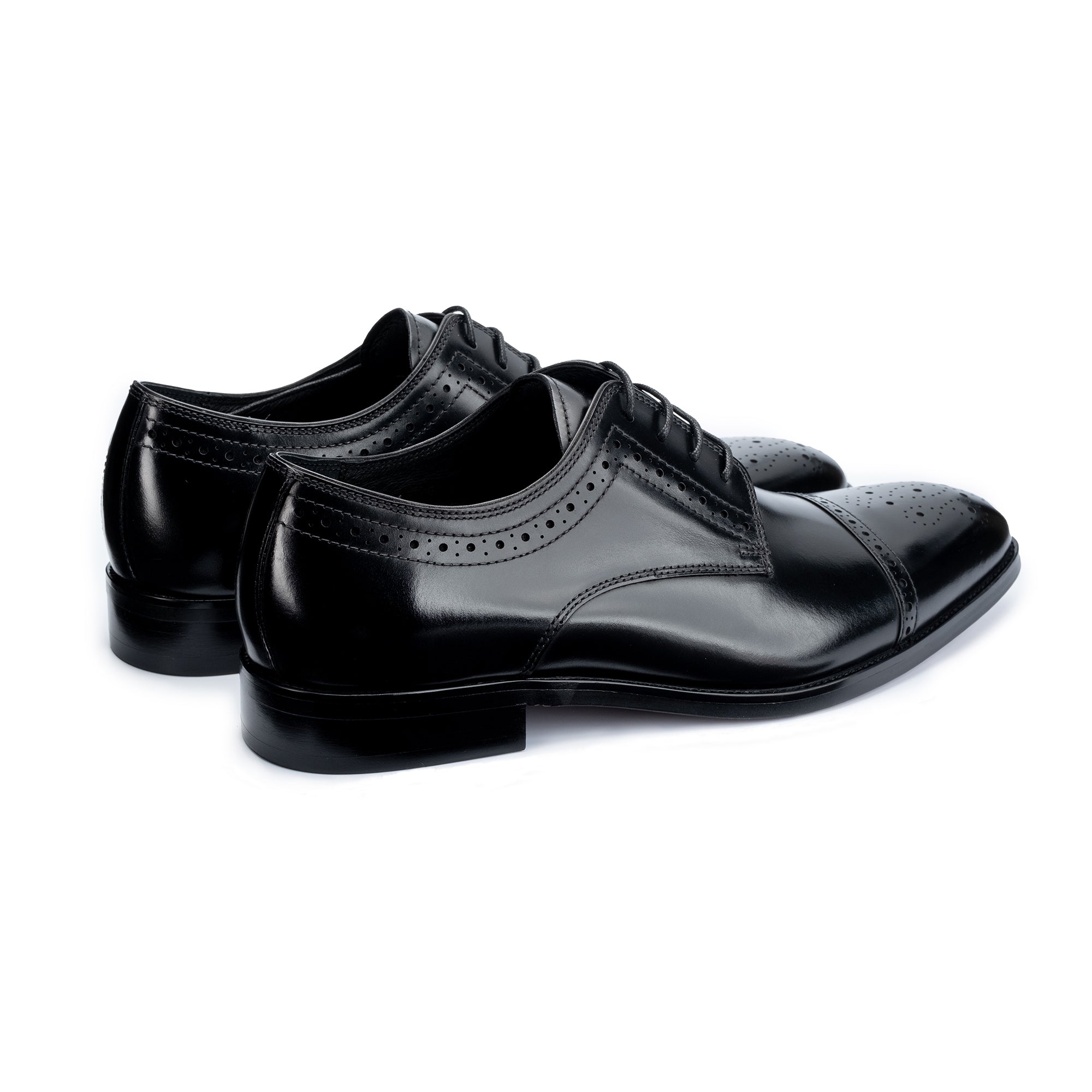
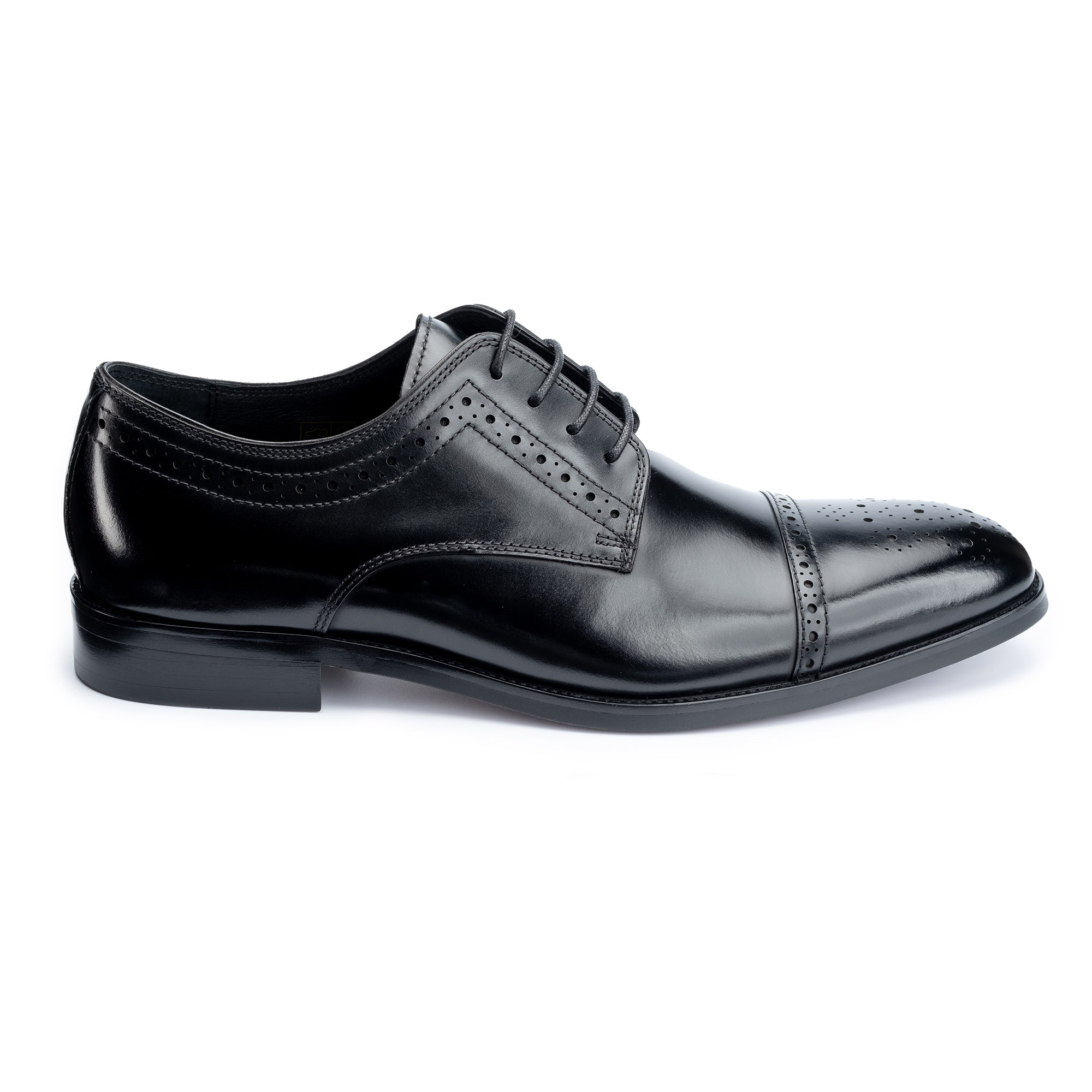
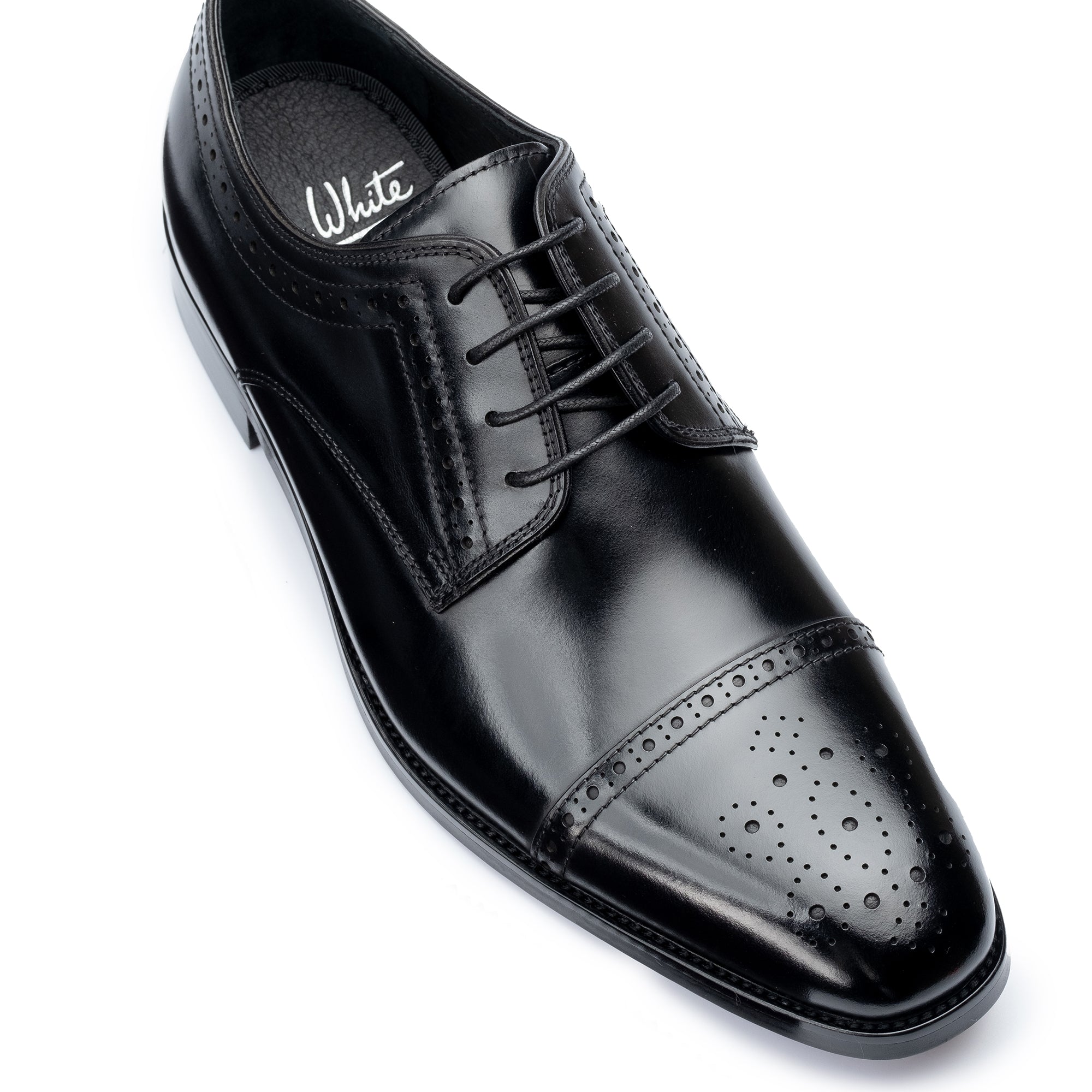
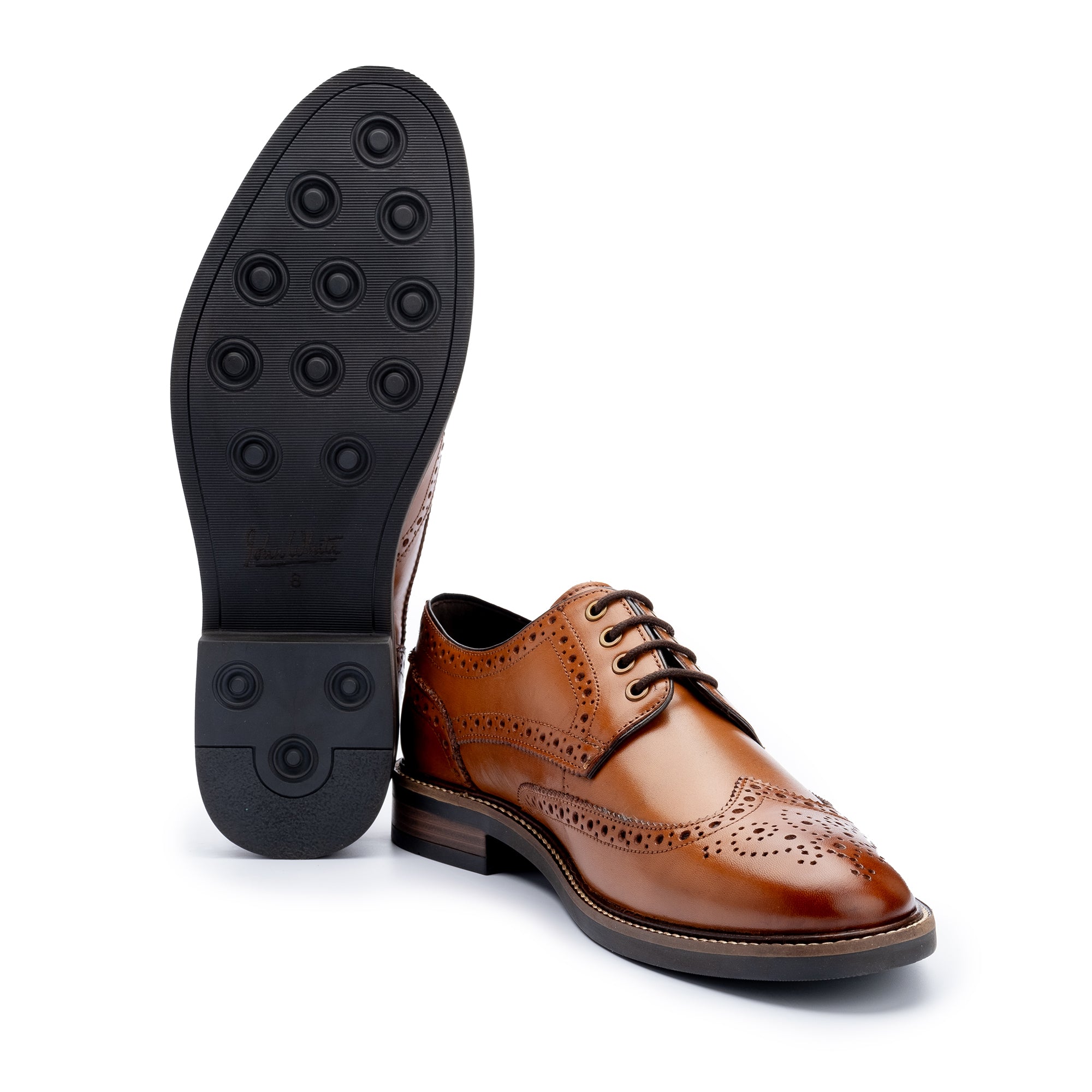
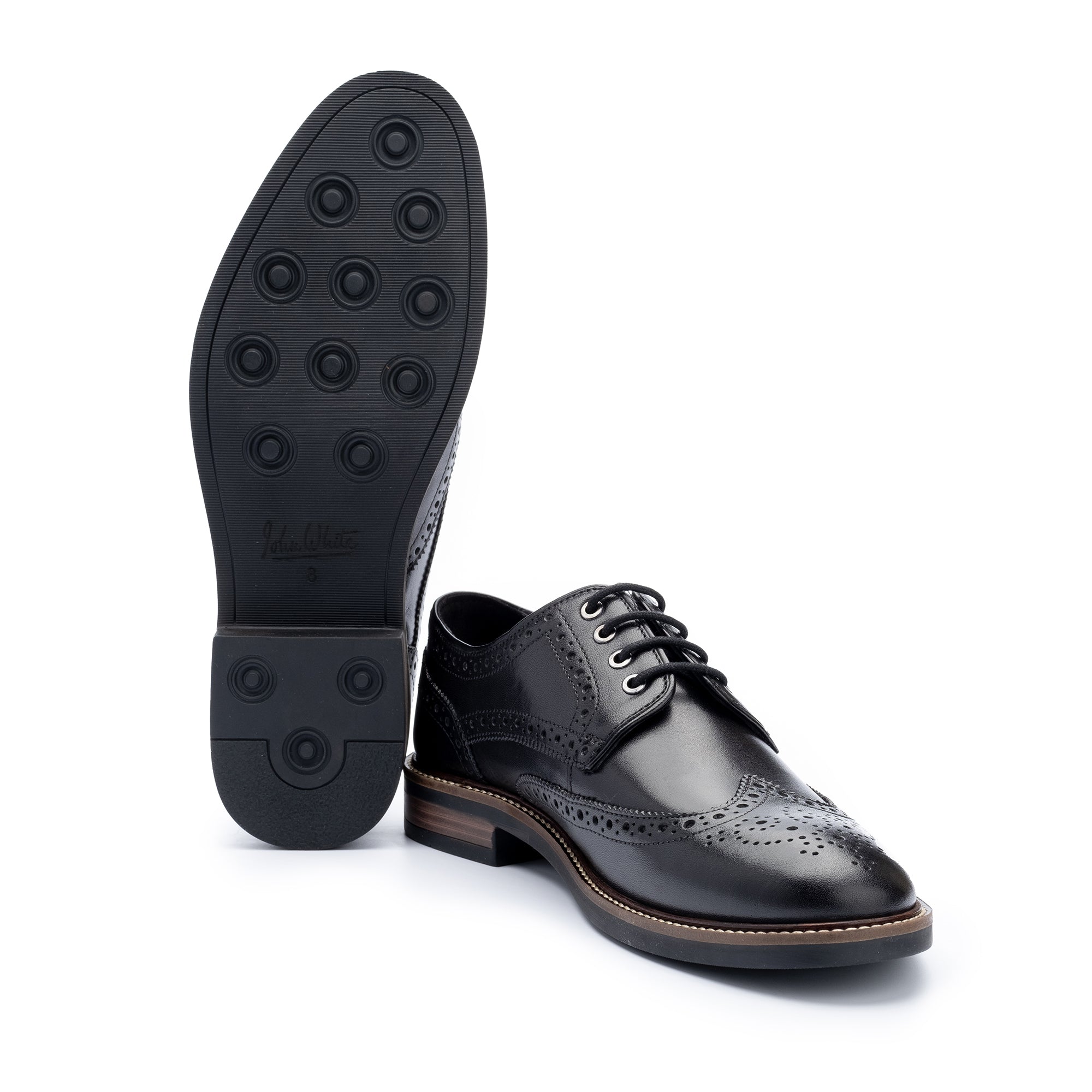
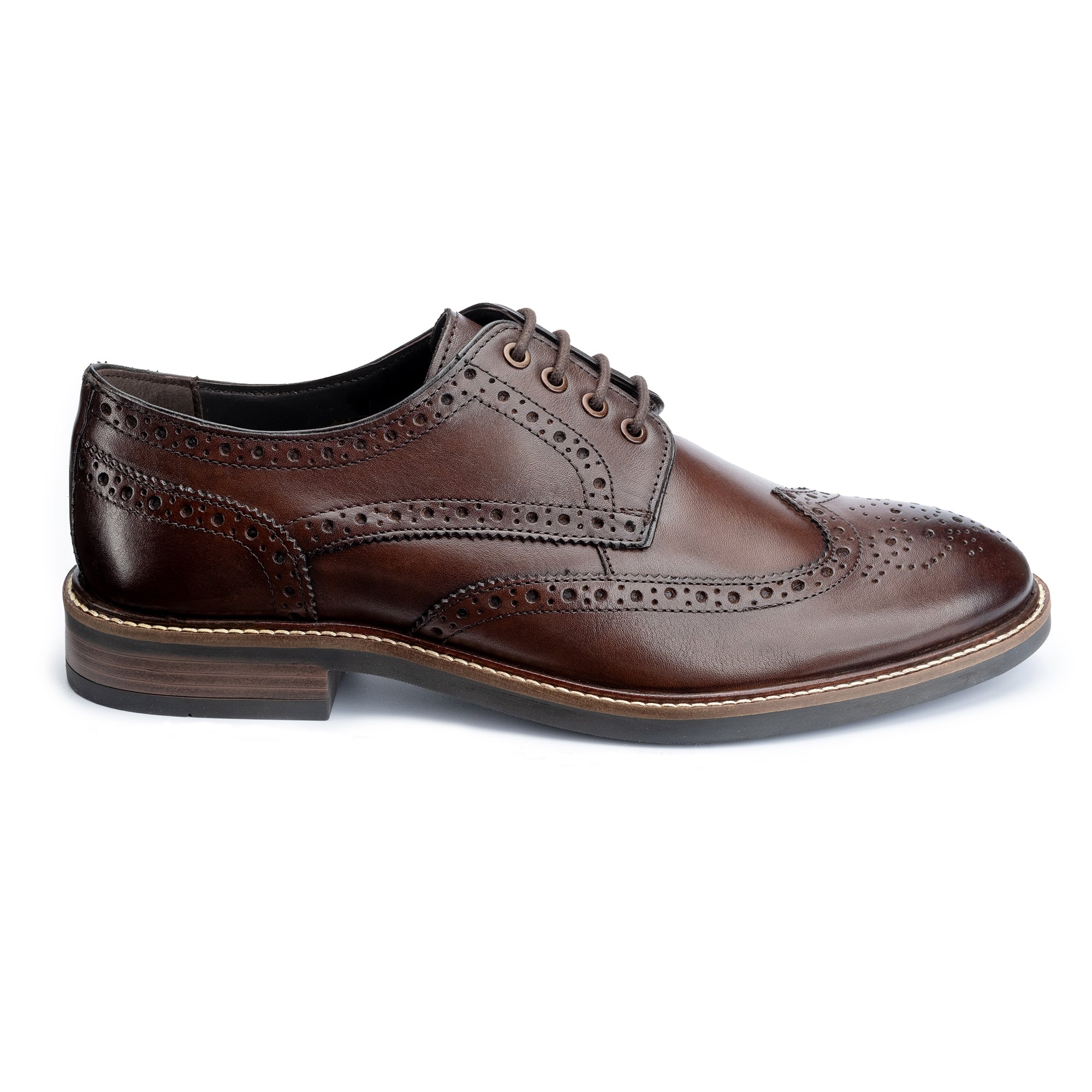
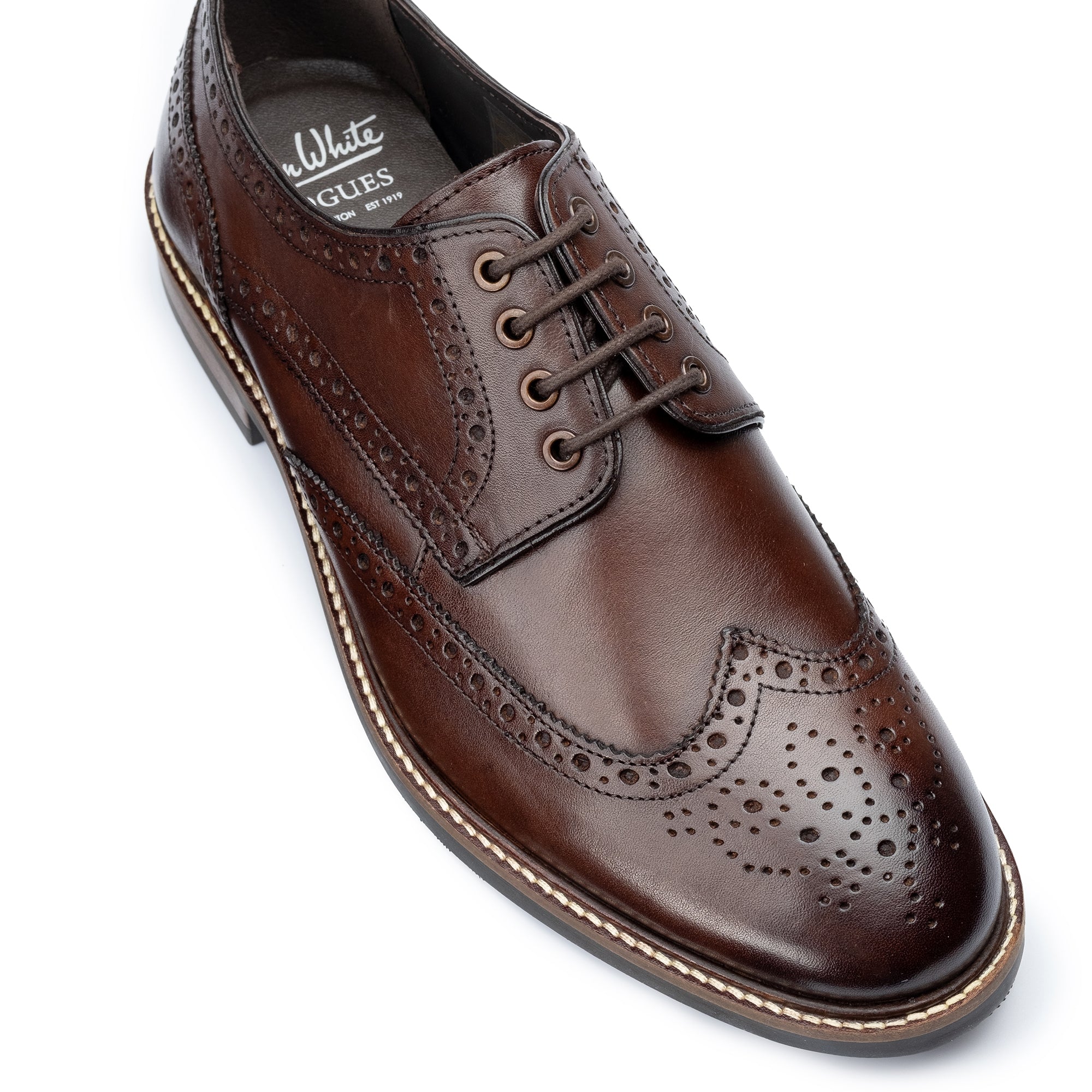
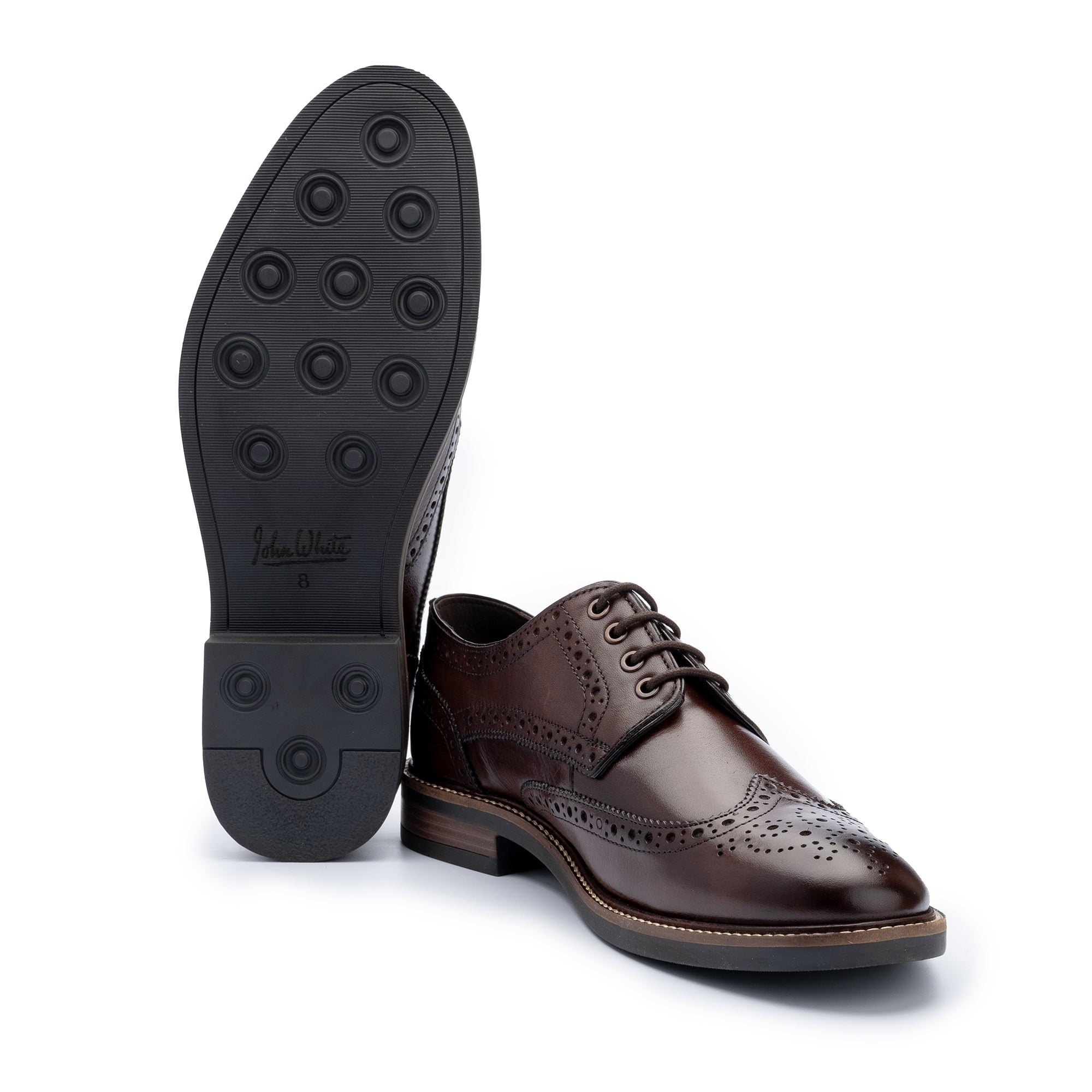
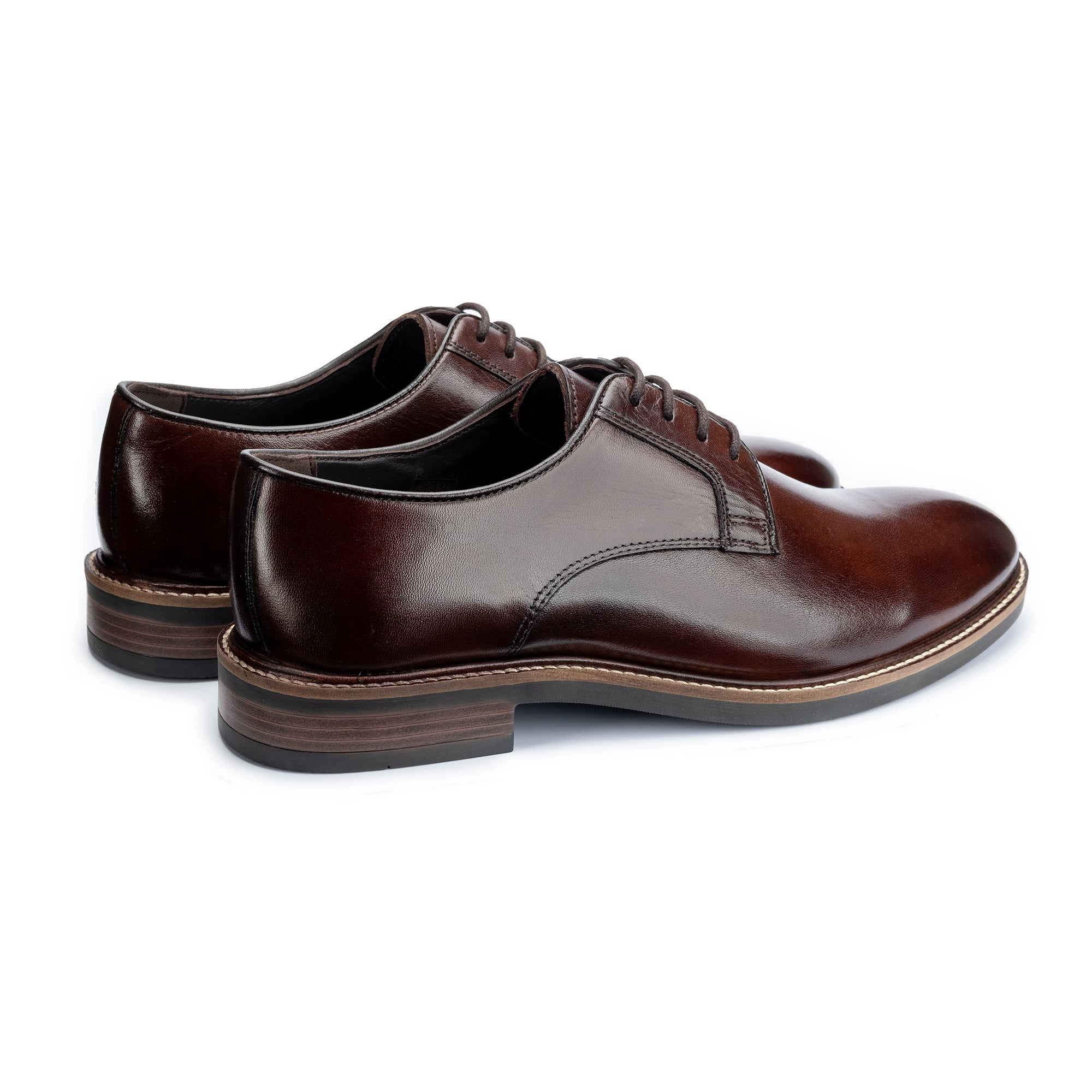
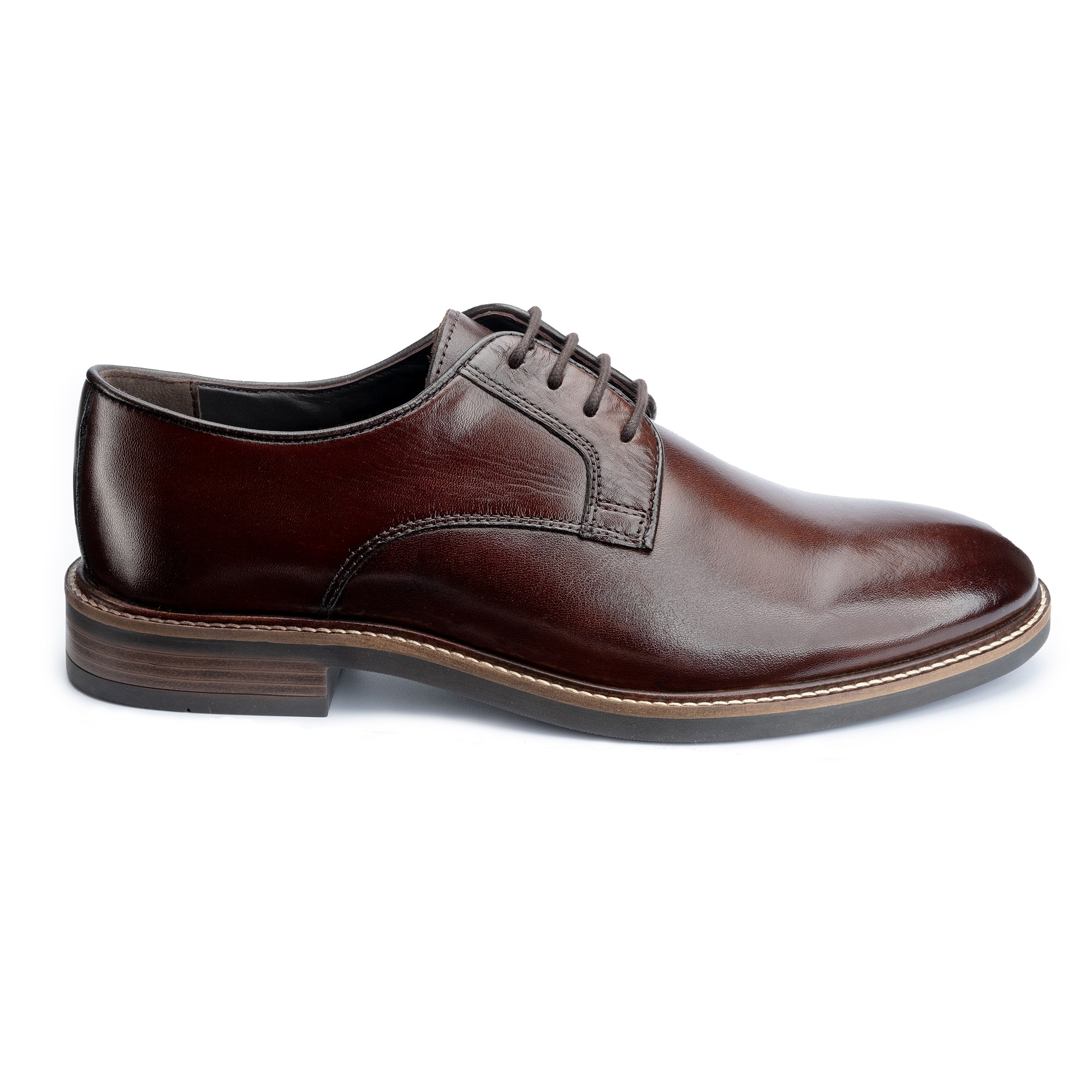
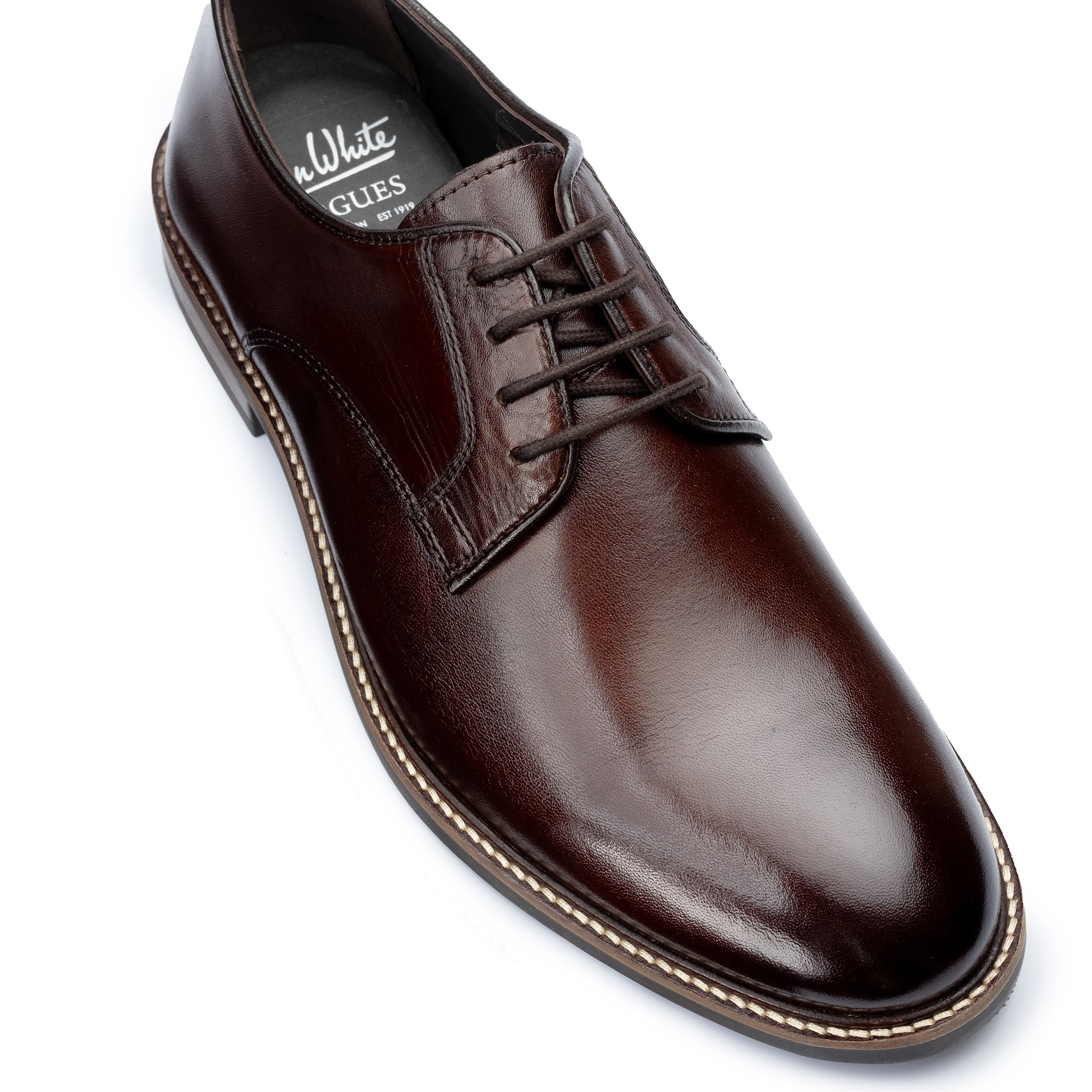
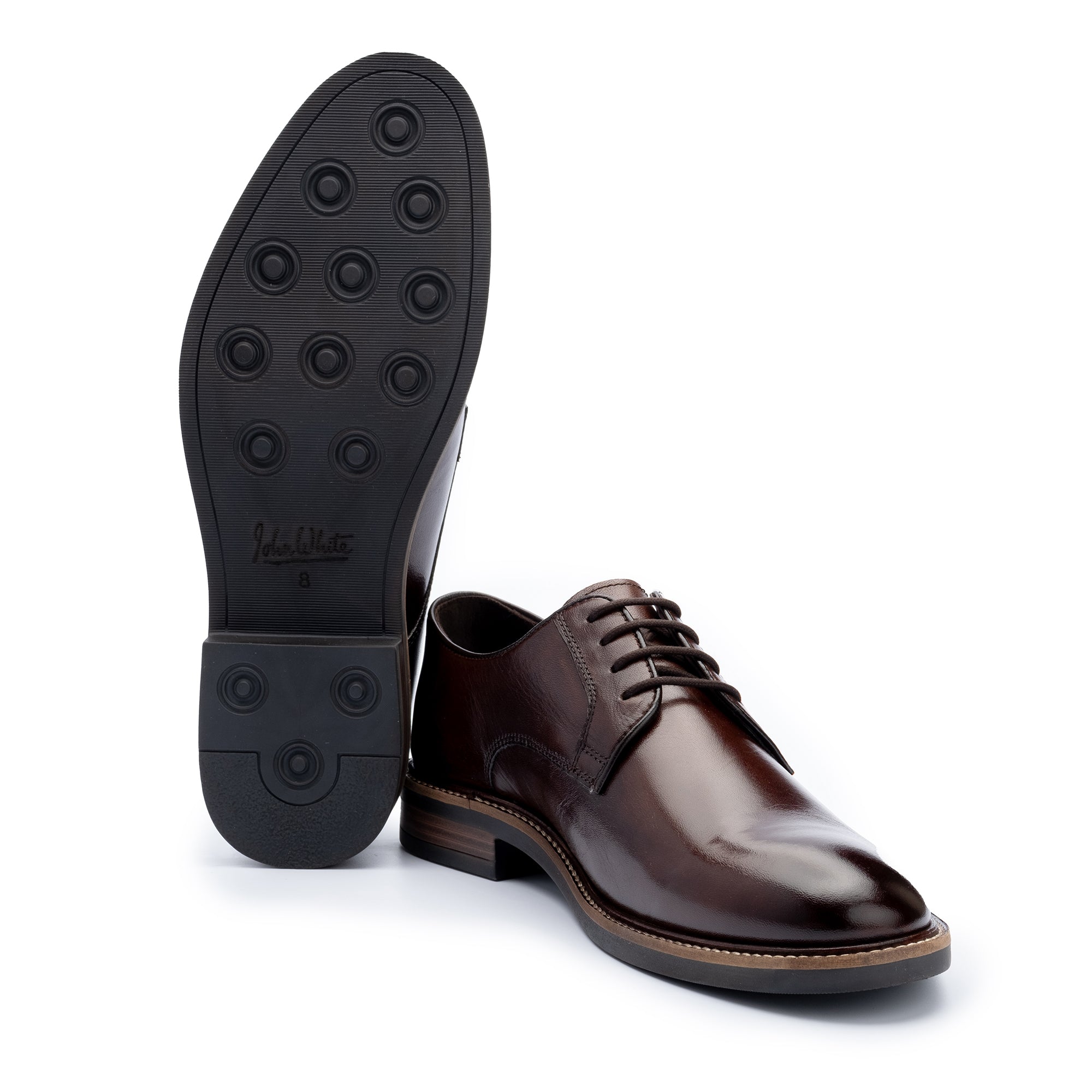
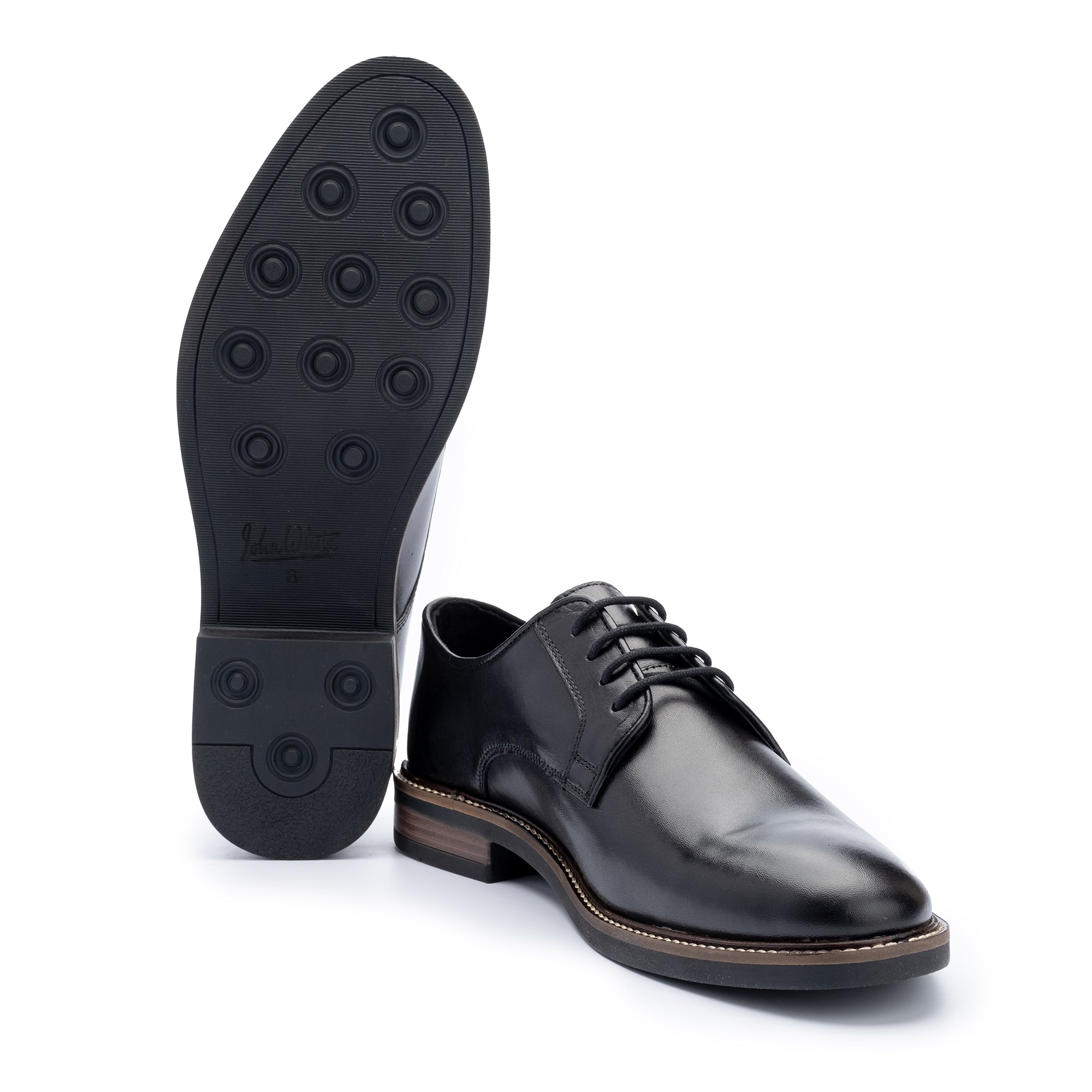
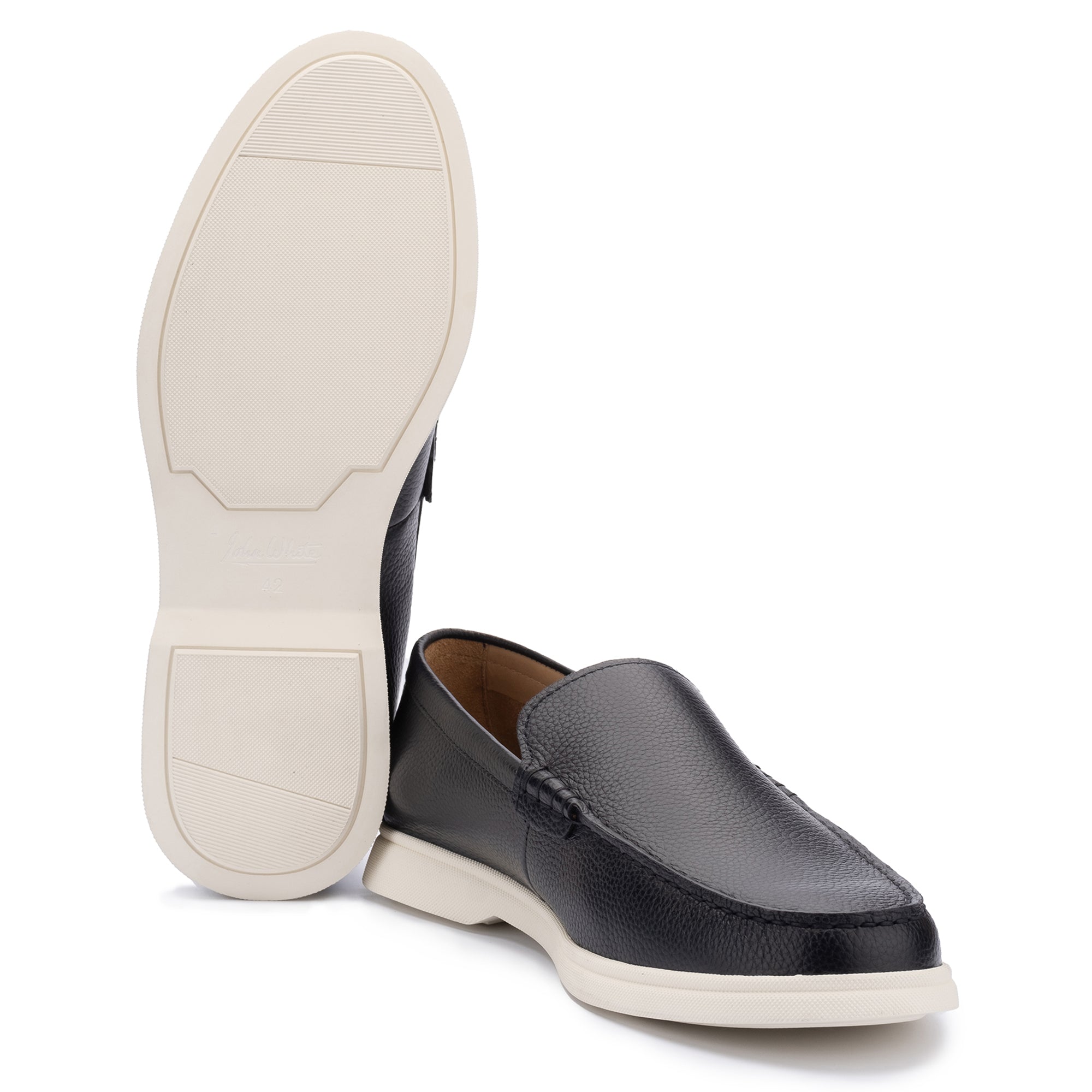
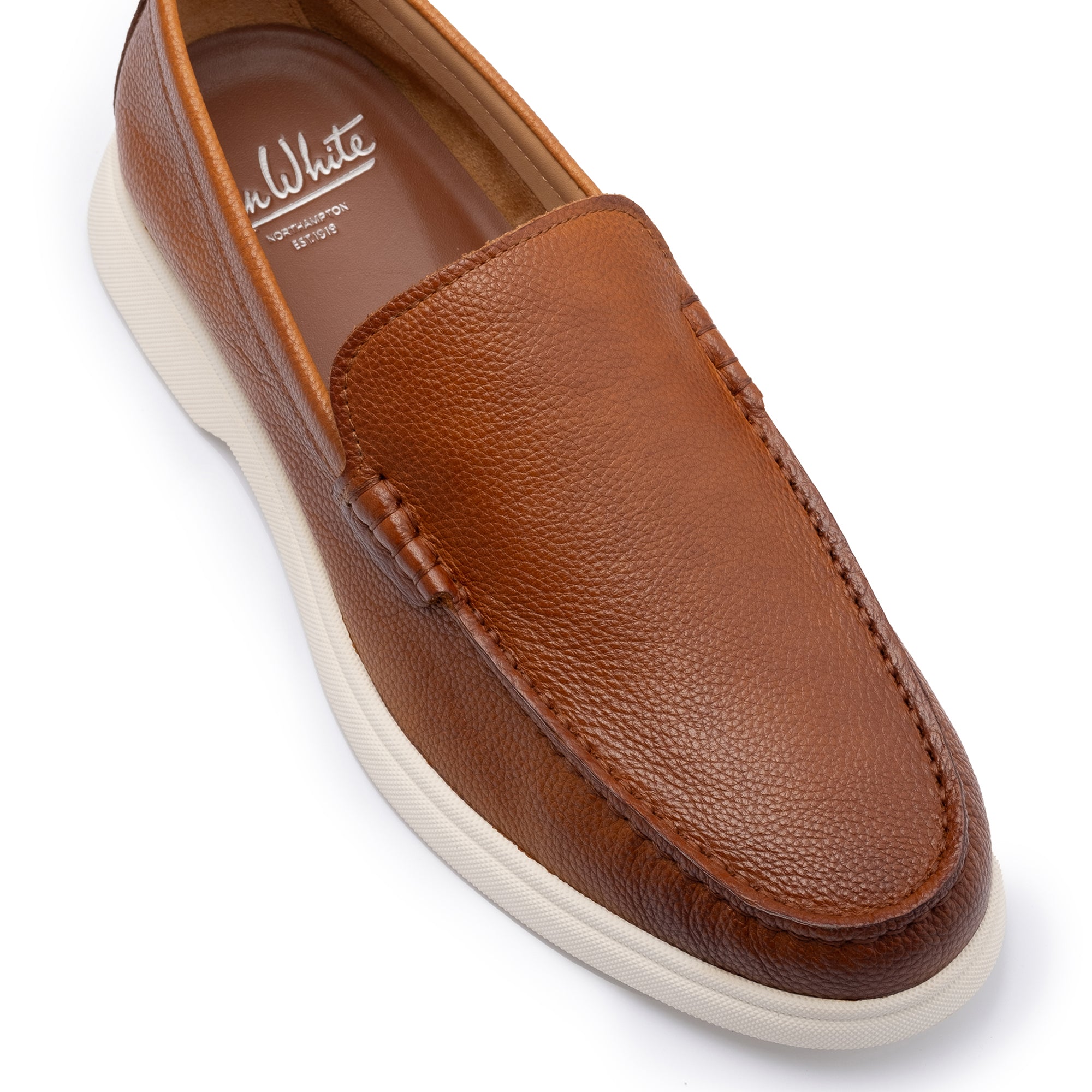
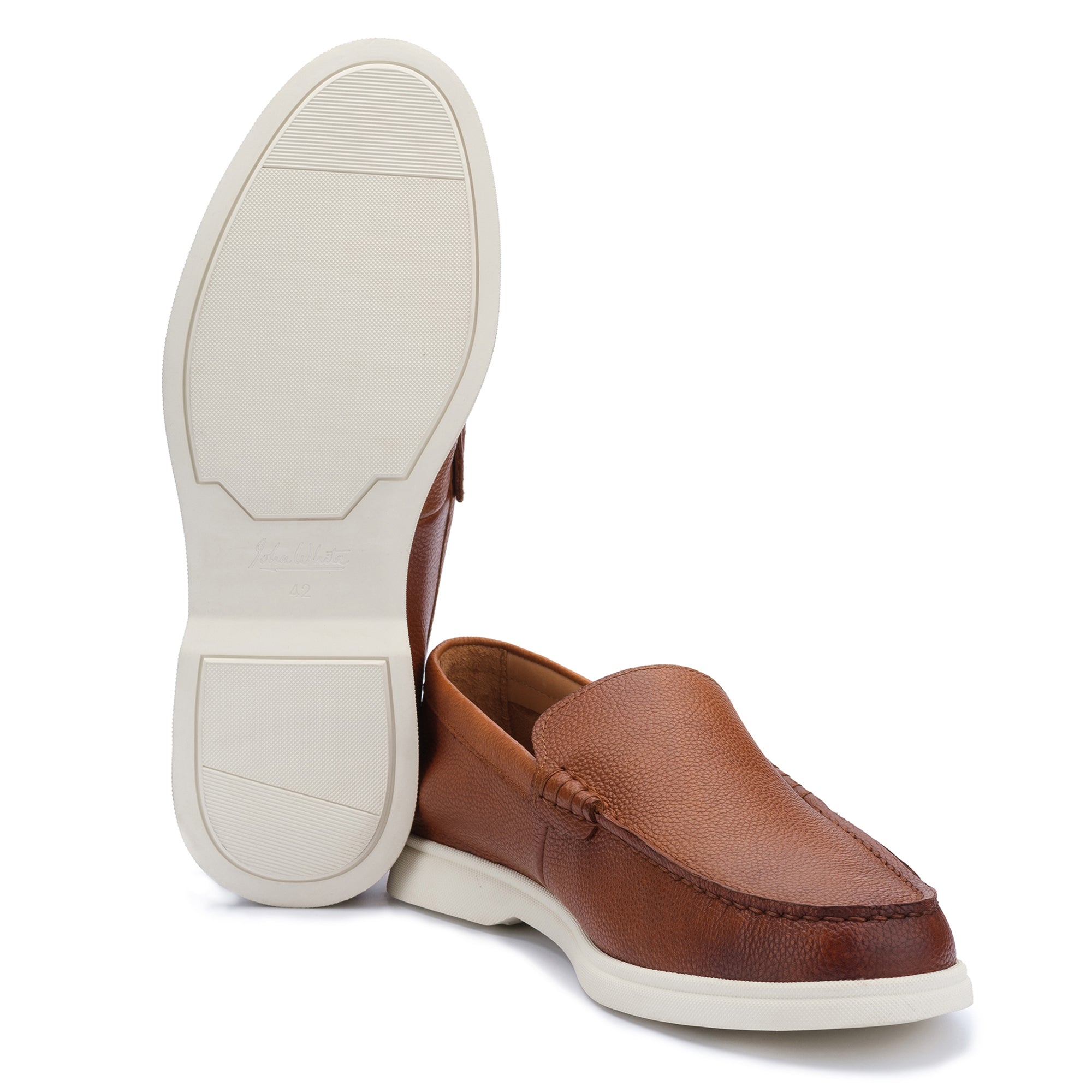
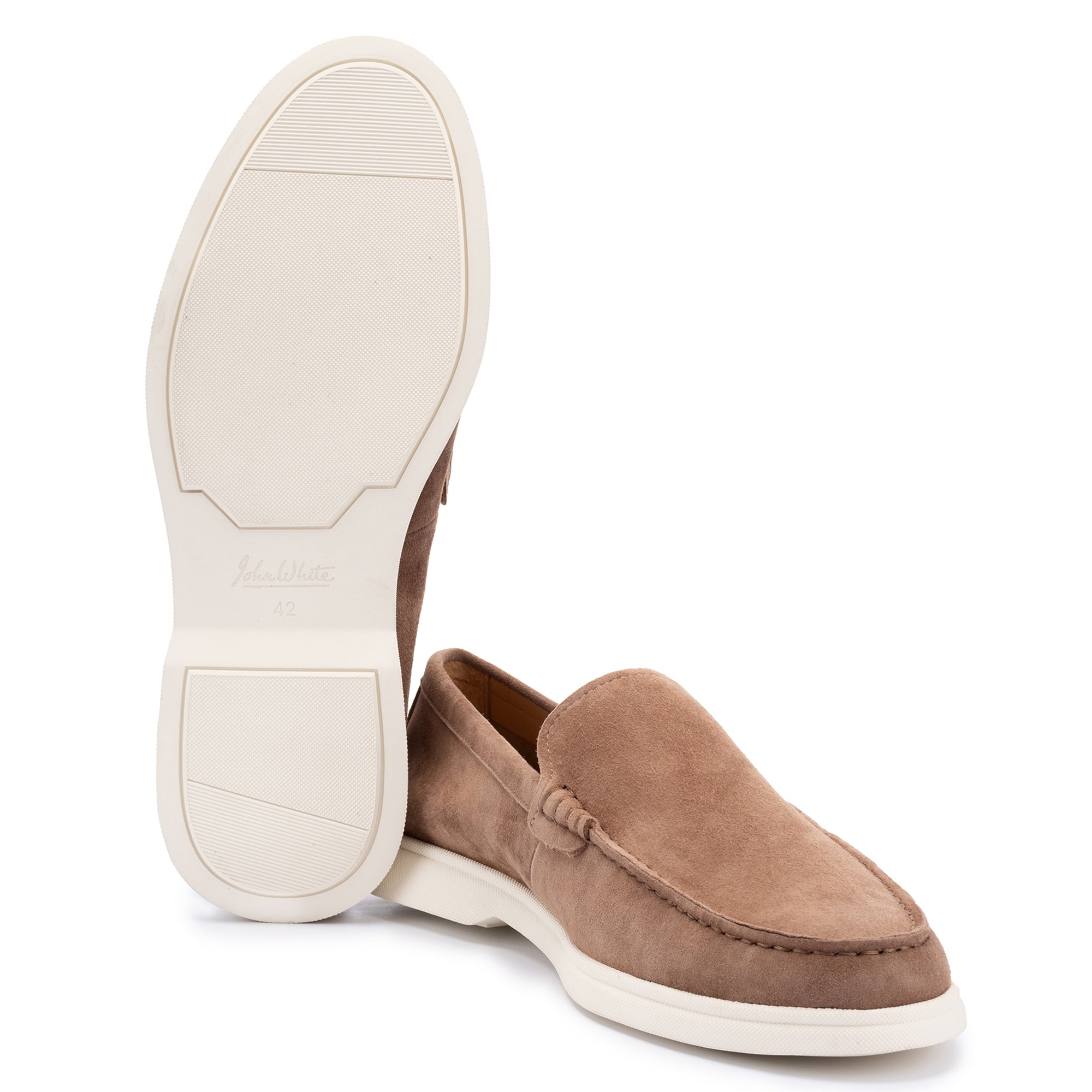
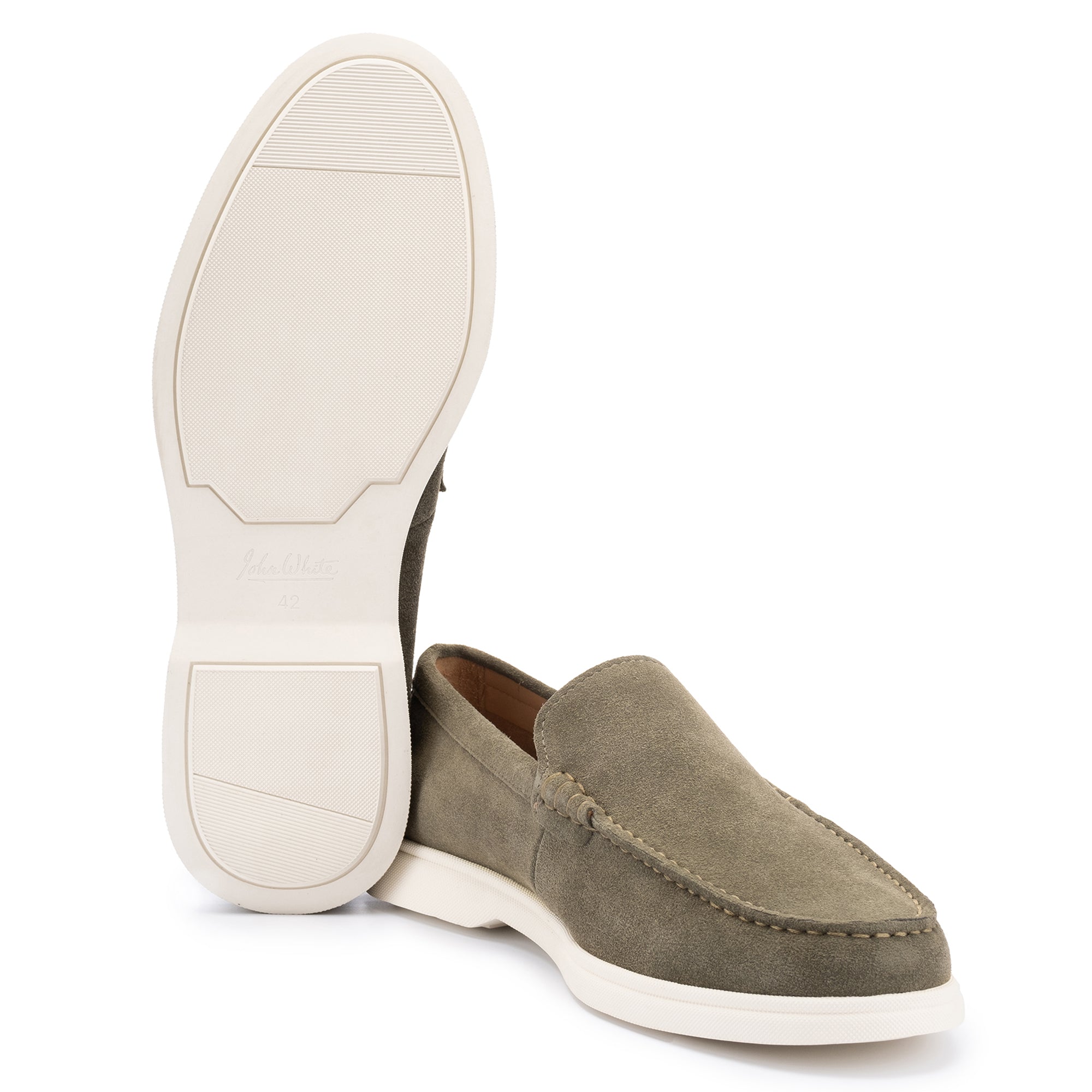
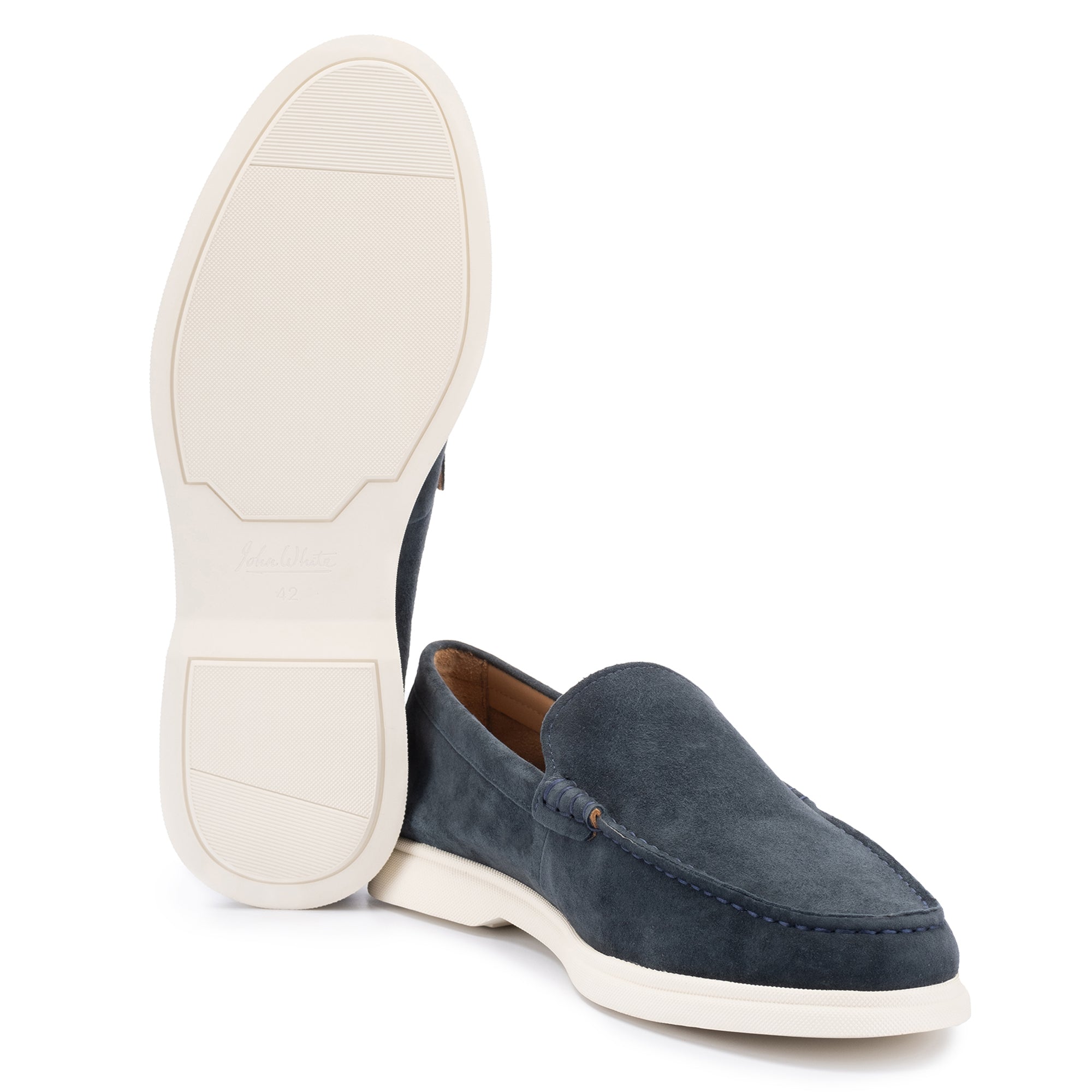
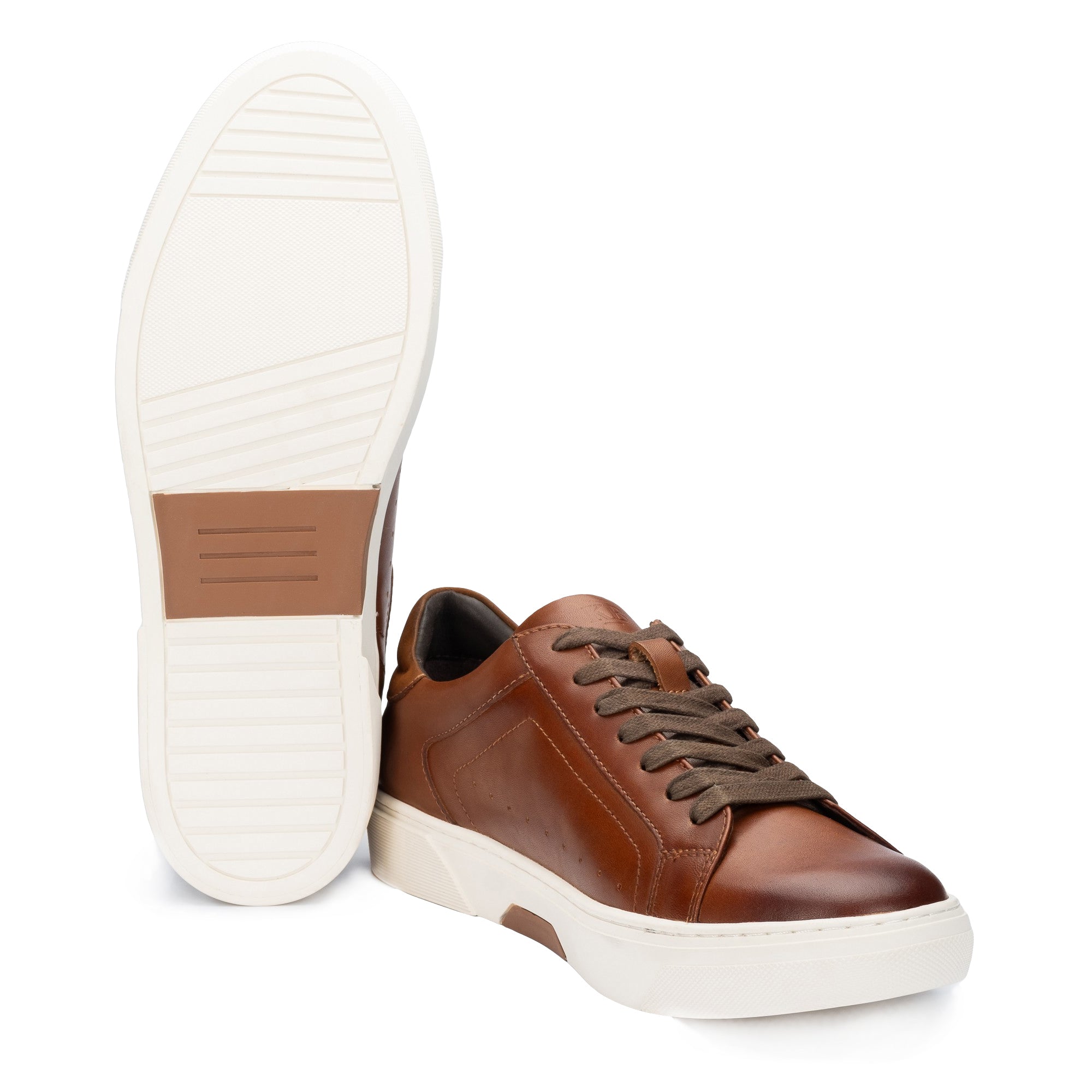
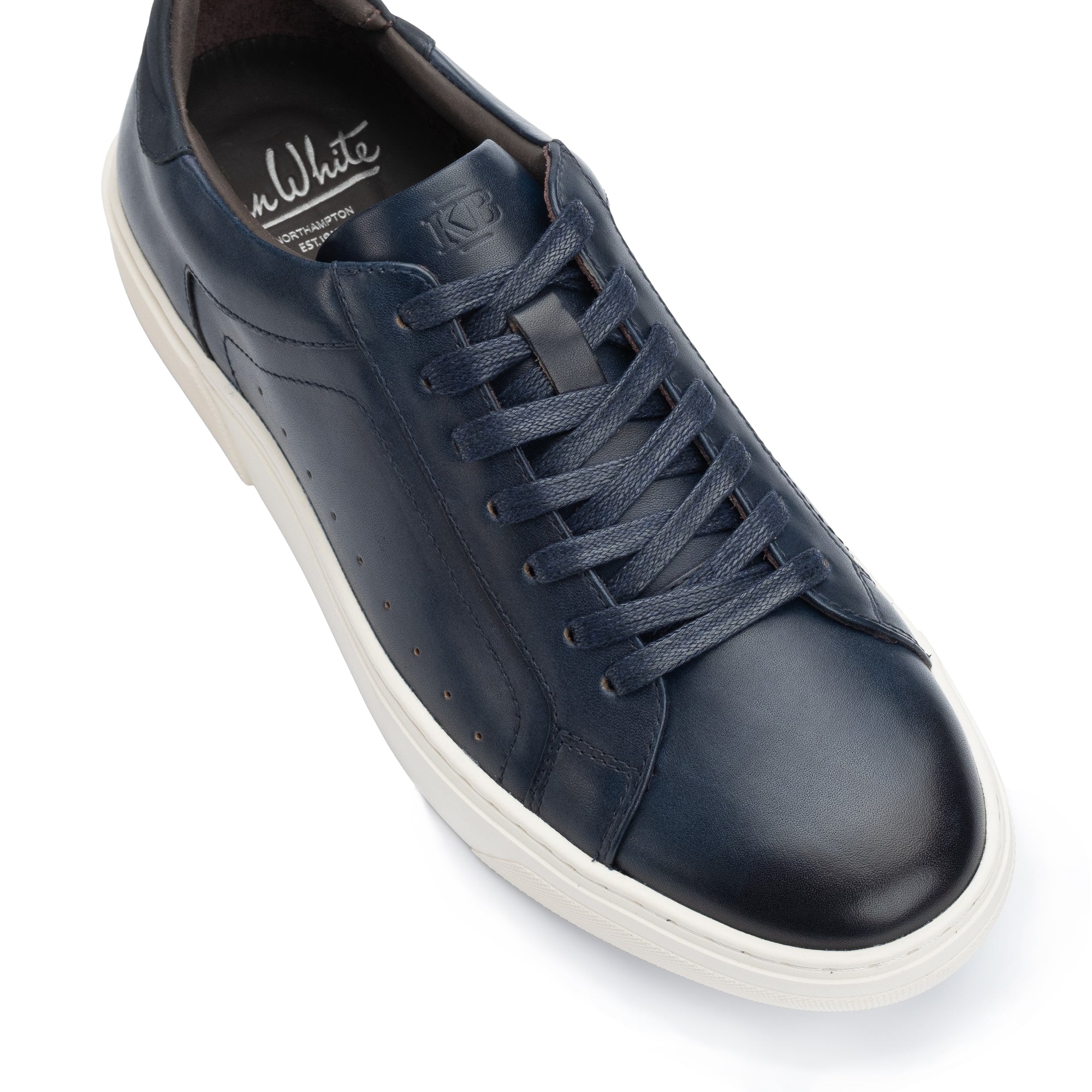
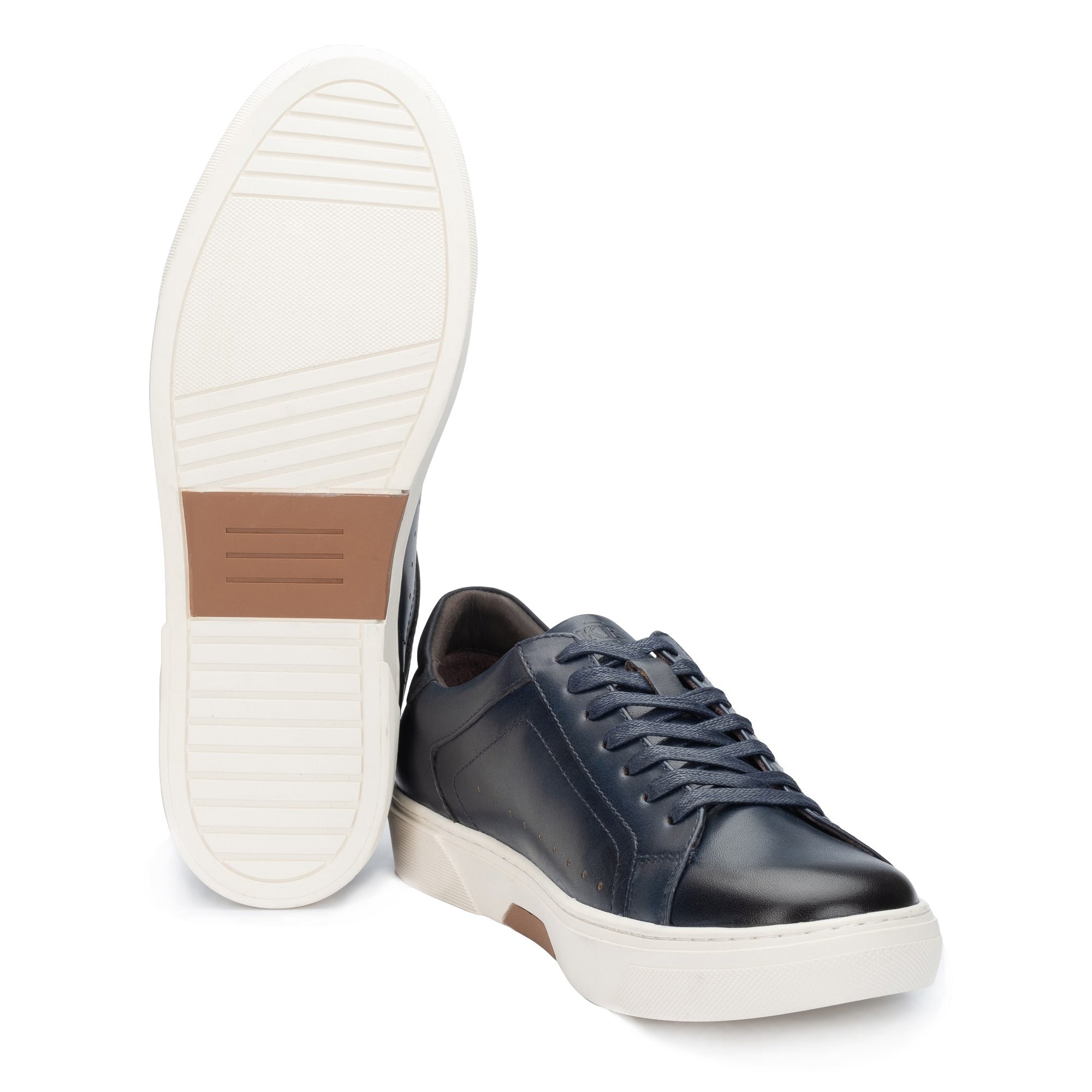
Cemented construction — where the outsole is bonded to the upper using high-strength adhesive — is the method used across the majority of contemporary dress shoes, including the current John White Shoes range. Cemented shoes can be resoled by a skilled cobbler: the worn sole is carefully separated, the base surface is prepared, and a new sole is bonded and edge-finished. The process requires more precision than a welted resole, but in the hands of an experienced craftsman, the result is entirely sound. The key is choosing a cobbler who works regularly with quality cemented dress shoes, not one whose practice is focused on trainers or fast-fashion heels.
| Construction Method | Resole Feasibility | Typical Process | Common Examples |
|---|---|---|---|
| Goodyear Welt | Straightforward; multiple times | Remove sole stitching, fit new sole, restitch to welt | Loake, Church's, Crockett & Jones, Barker |
| Cemented (Glued) | Achievable with skilled cobbler | Separate sole, prepare base, bond and finish new sole | John White Shoes; most contemporary dress shoes |
| Blake Stitch | Possible; requires specialist | Remove through-stitch, replace sole, restitch through insole | Italian-style dress shoes |
| Injection Moulded | Not recommended | Sole fused to upper — difficult to separate cleanly | Budget footwear; not applicable to heritage range |
The Leather Conservation Centre notes that the longevity of any shoe depends far more on consistent care — conditioning, polishing, appropriate storage — than on construction method alone. Regular maintenance reduces how often you need a resole, and keeps the upper in the condition that makes a resole worthwhile when the time comes.
Cemented-sole dress shoes can be successfully resoled by a qualified cobbler — the critical factor is timing: act before the bonding layer and rand have been compromised by extended wear.
How Long Does Resoling Extend a Shoe's Life?
The Society of Master Shoe Repairers estimates that a professional resole on a quality leather shoe extends its service life by 3–5 years per repair cycle. On a well-maintained pair, two or three resoles over the shoe's lifetime is entirely achievable — bringing the total lifespan of a quality pair well past 20 years with consistent care.
The economics are compelling. A professional resole from a reputable UK cobbler typically costs between £40 and £90 depending on sole material, construction complexity, and location. Compare that to the cost of replacing a quality pair of leather shoes that has shaped itself to your foot, built its own patina, and become genuinely comfortable — the calculus is rarely close.
The SMSR advises that shoes brought in at early wear — before the sole has been fully compromised — yield consistently better resole results, and that the condition of the upper is the primary factor determining whether a resole will last. This is why pairing resoling with a regular care routine isn't optional: it's the whole strategy.
According to the SMSR, professional resoling extends shoe life by 3–5 years per cycle — making it one of the highest-return investments available to a quality footwear owner.
Should You Resole or Replace Your Shoes?
The decision isn't always straightforward. Here's how to think through it clearly.
Resole if:
- The upper leather is structurally sound — no splits through the vamp or toe box
- The lining is intact and the insole hasn't collapsed underfoot
- The shoe fits well and has shaped itself to your foot
- The cost of a professional resole is less than 50% of the shoe's original price
Consider replacing if:
- The upper leather has cracked through — not surface scuffing, but structural failure
- The toe box or heel counter has collapsed and lost its shape
- The shoe never fitted properly and comfort hasn't improved with wear
- A cobbler advises that the construction won't support a sound resole
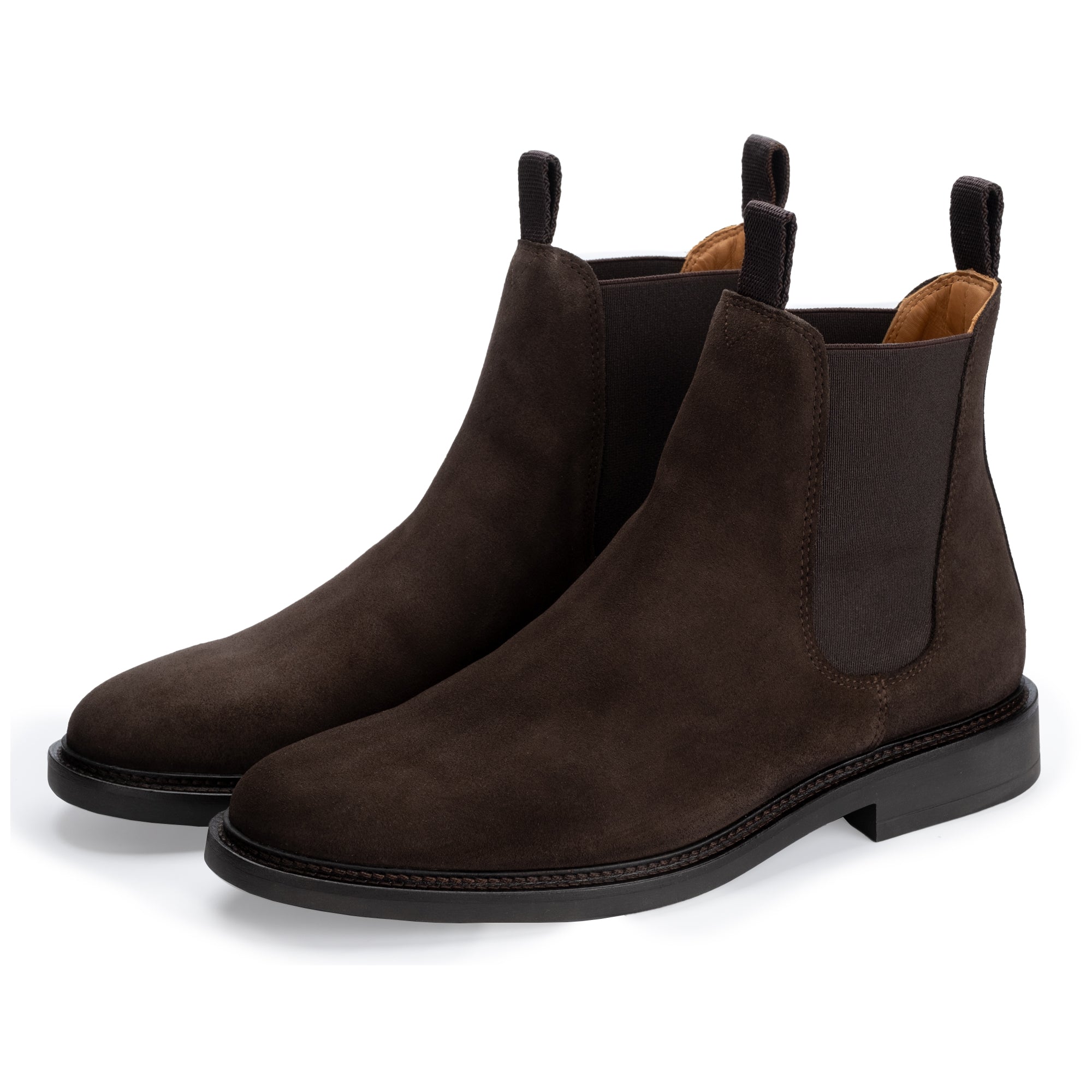
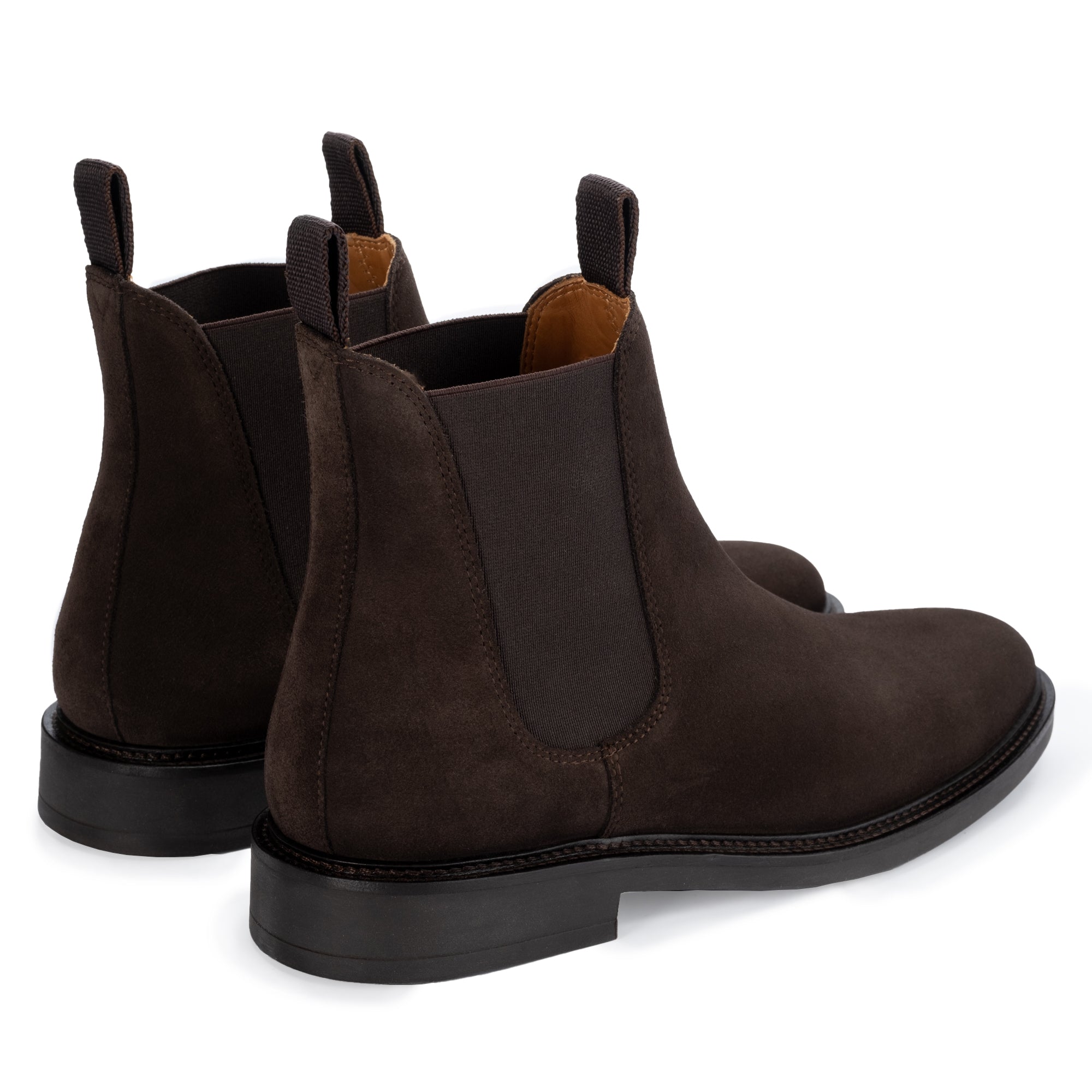
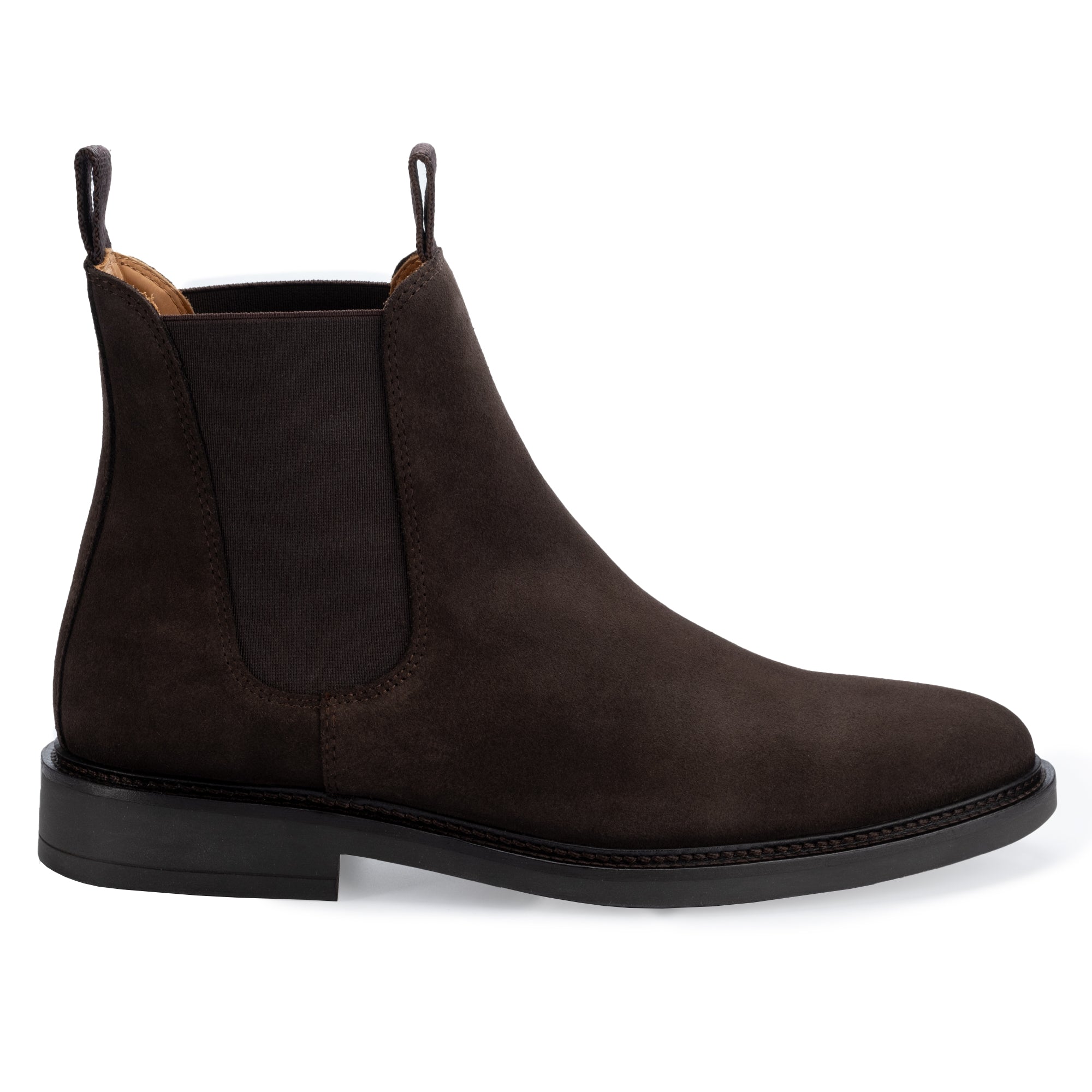
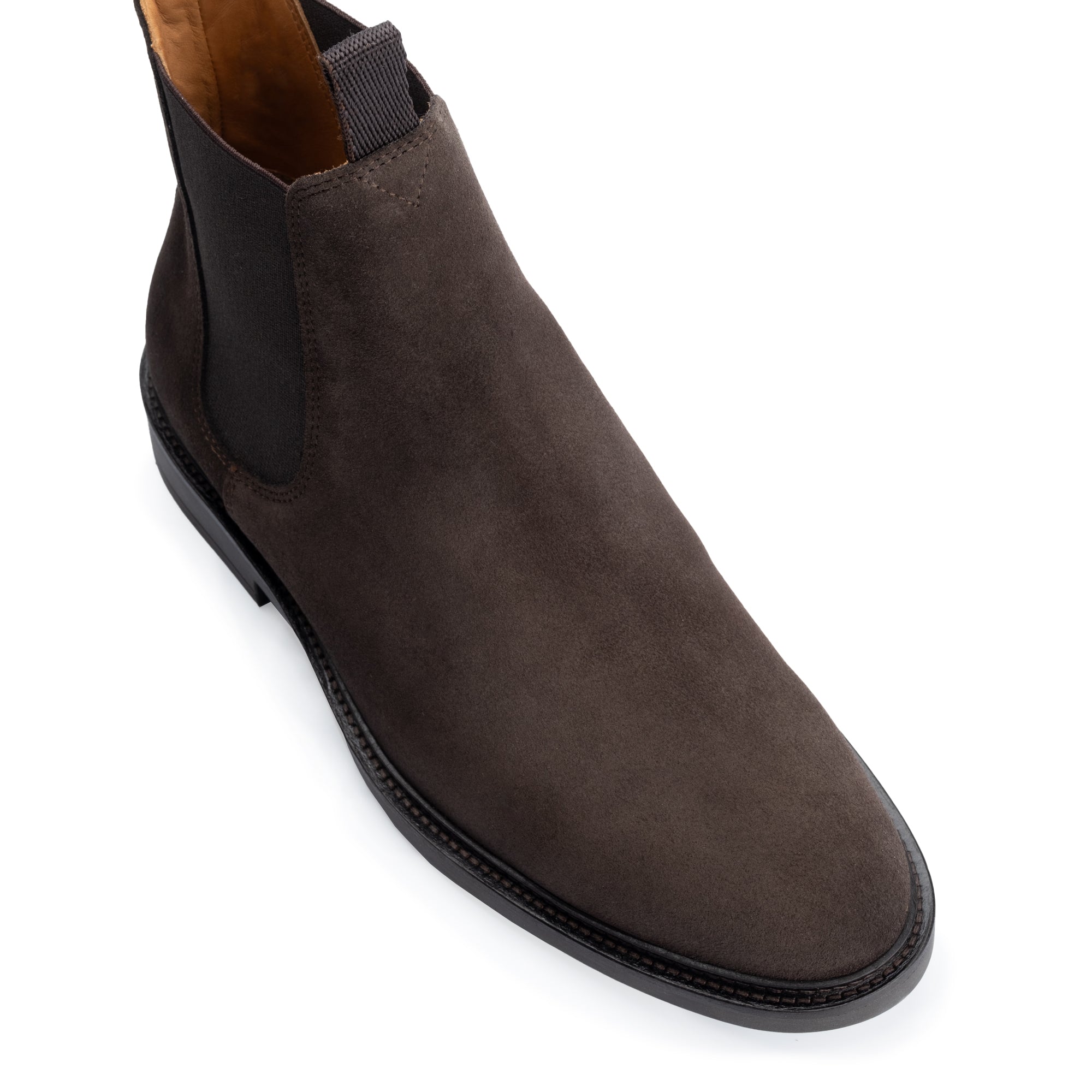
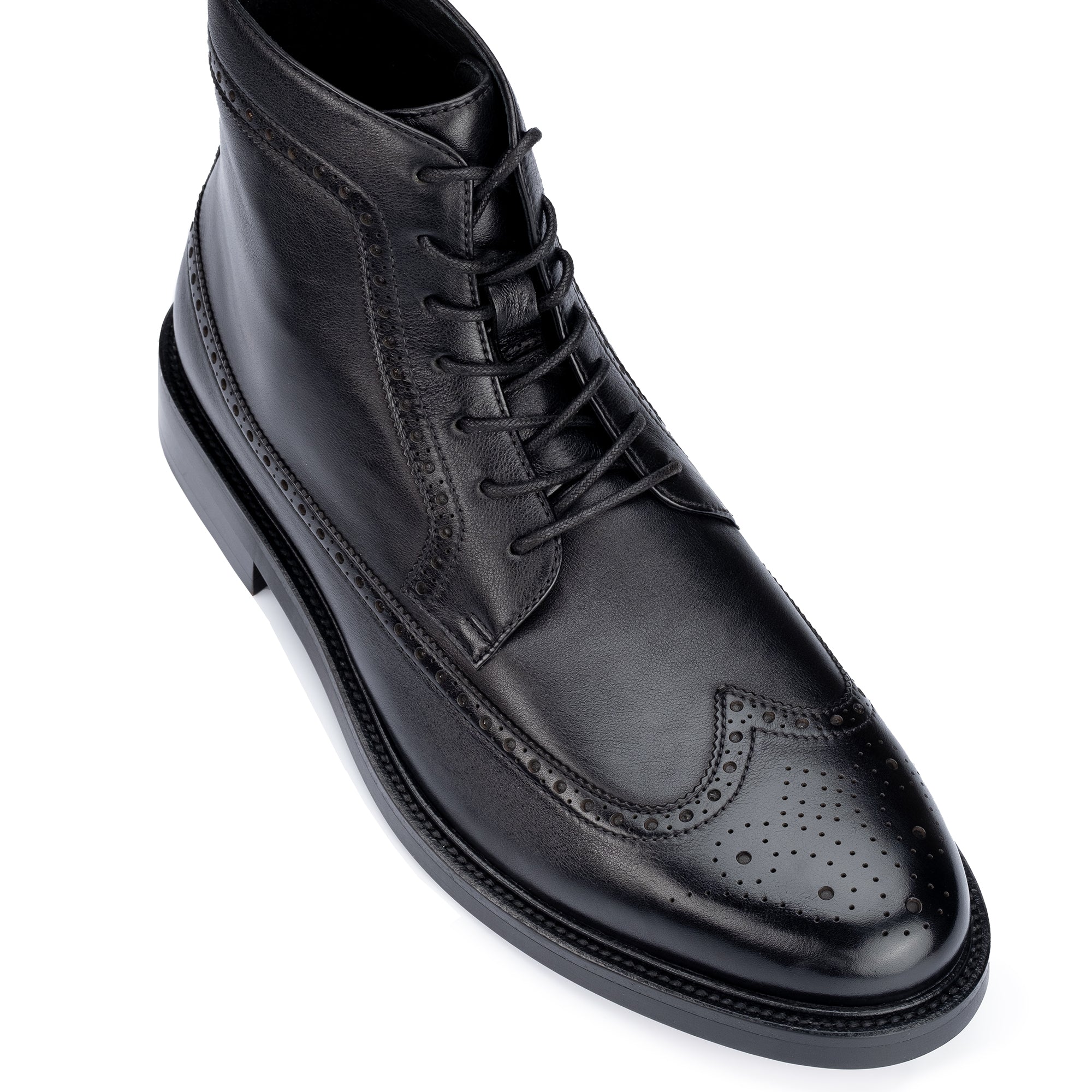
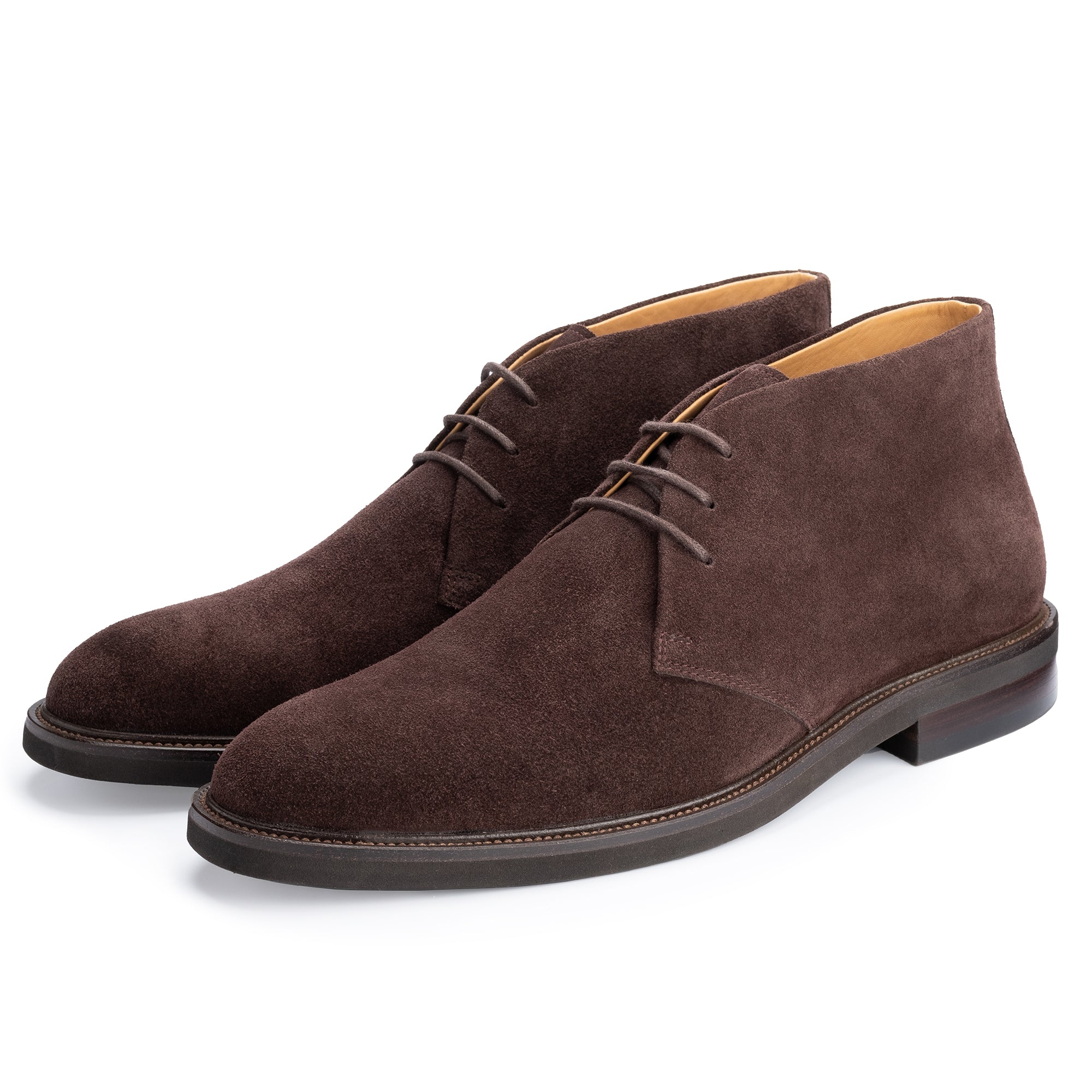
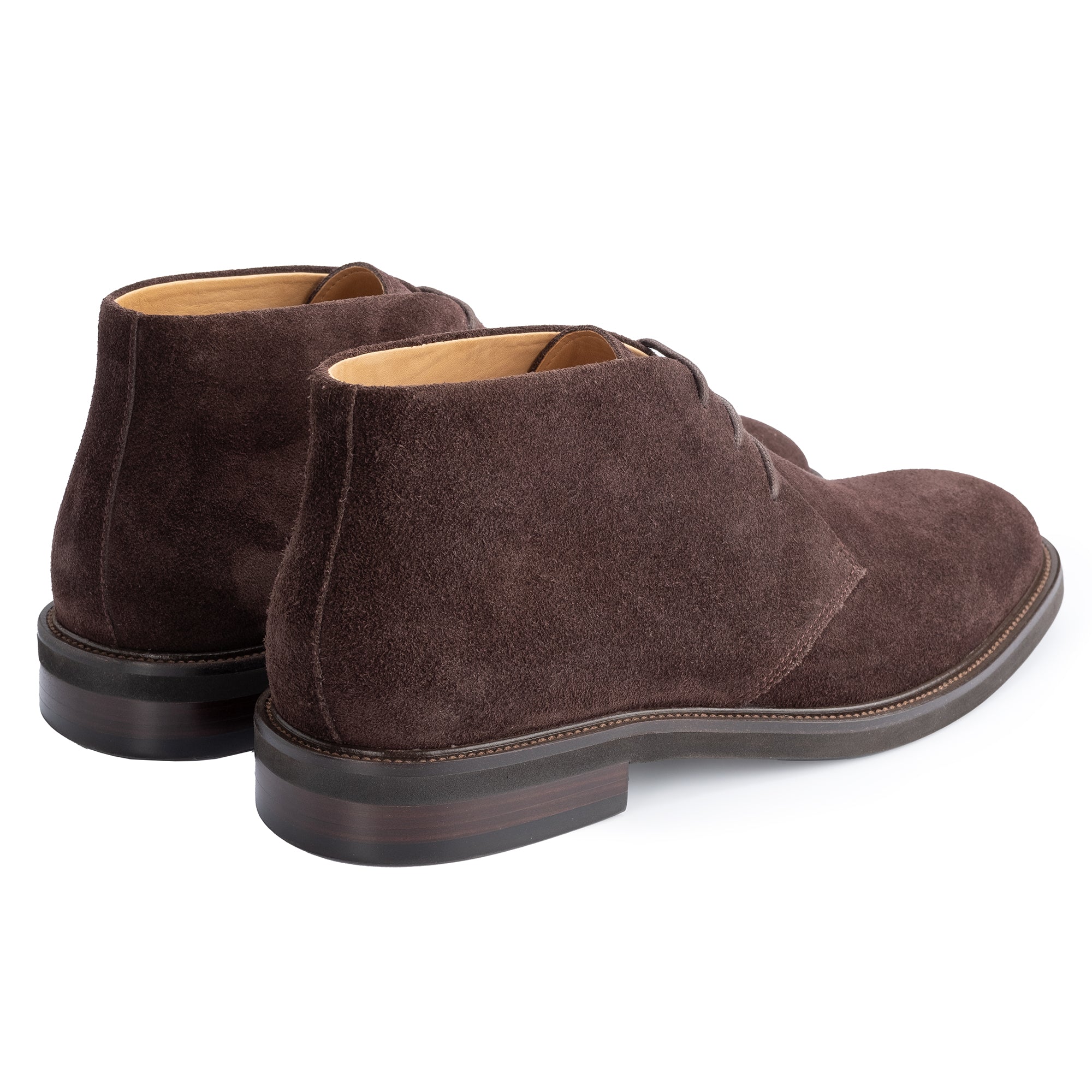
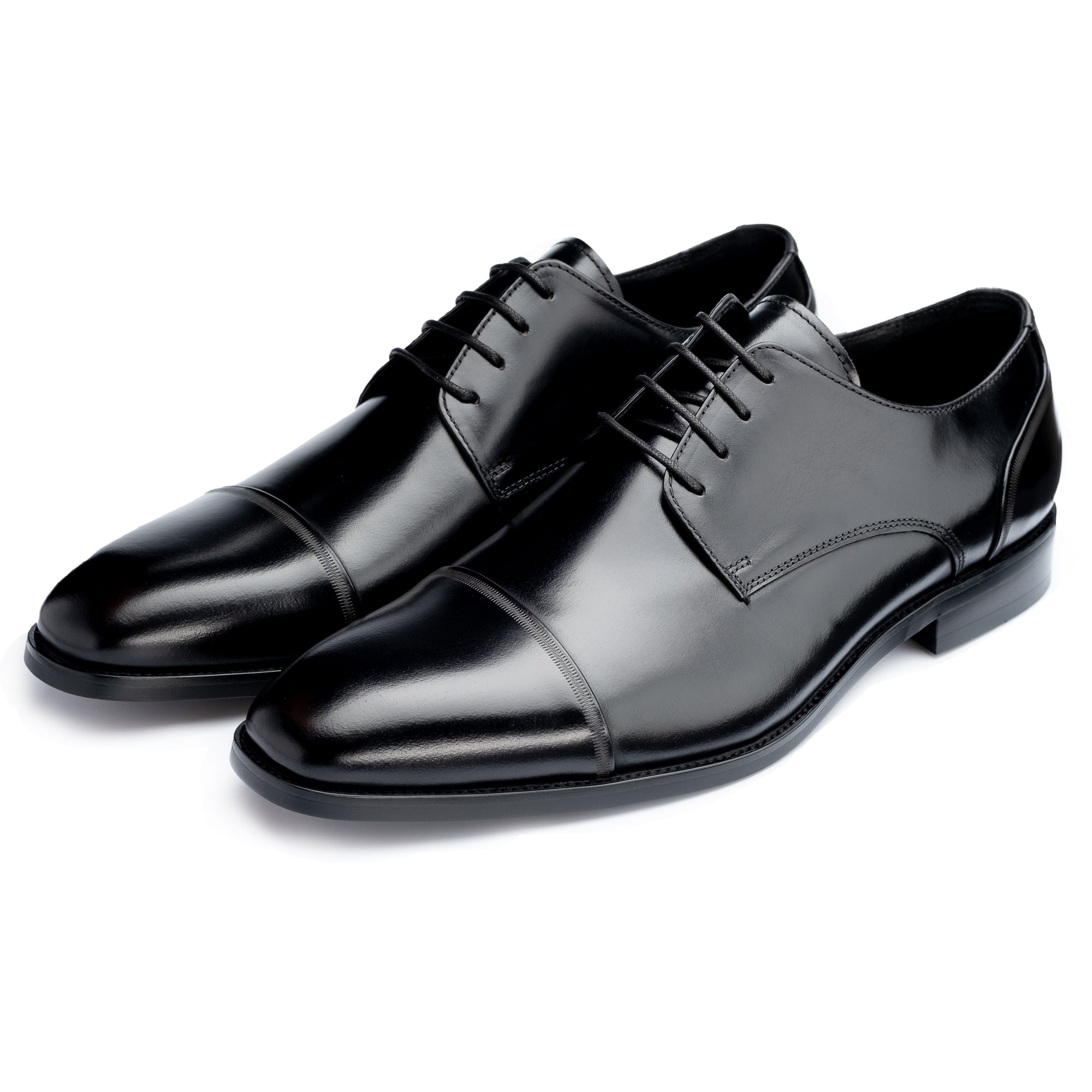
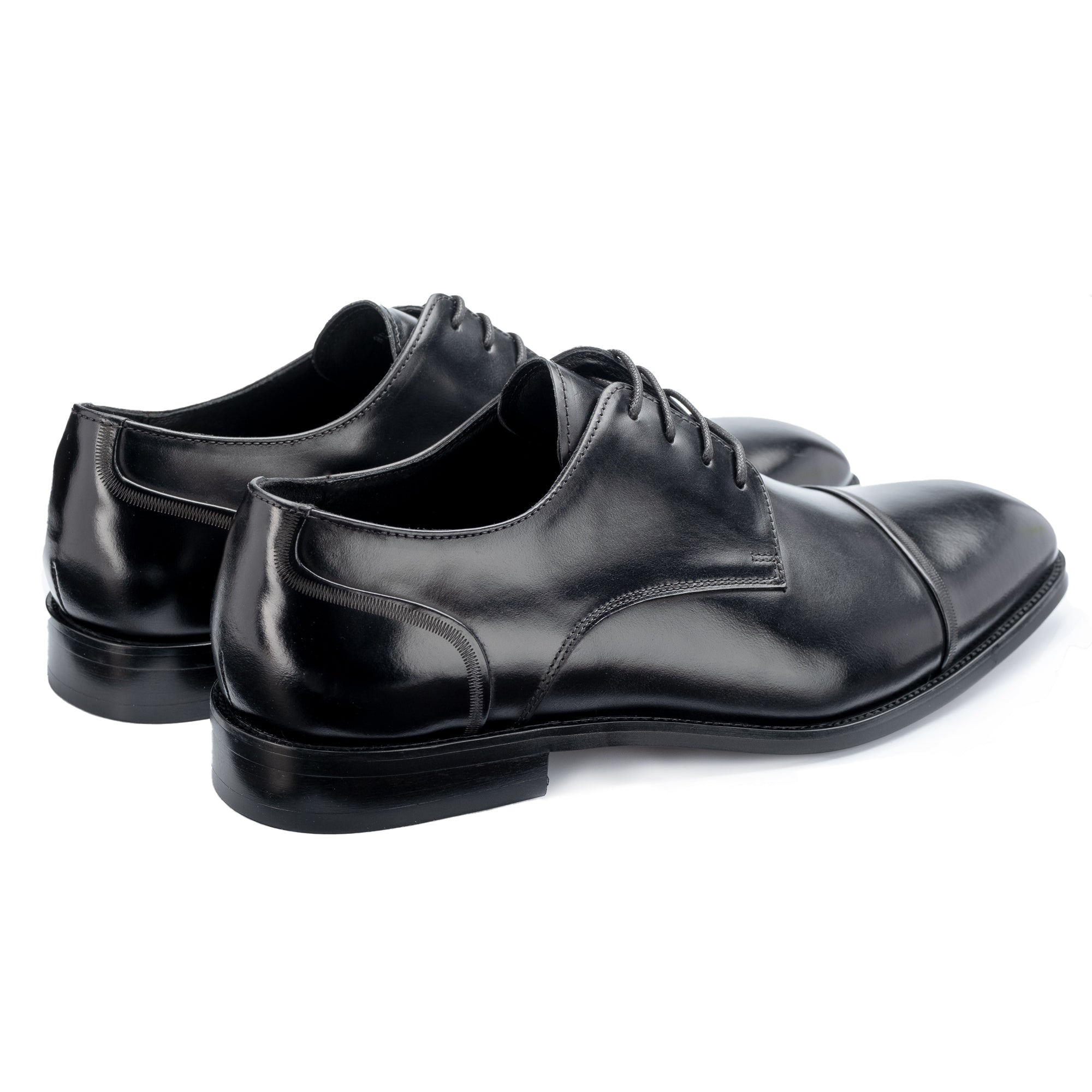
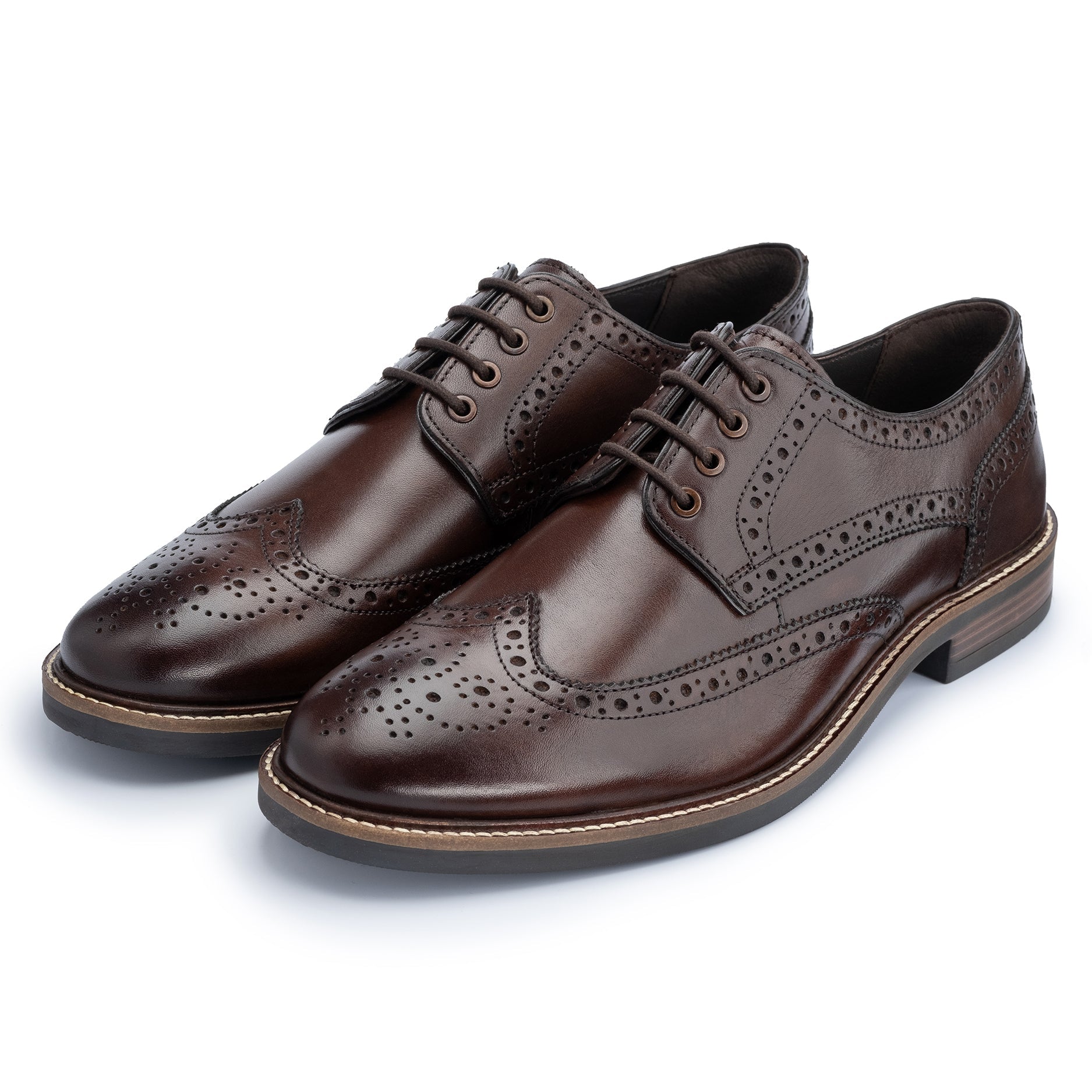
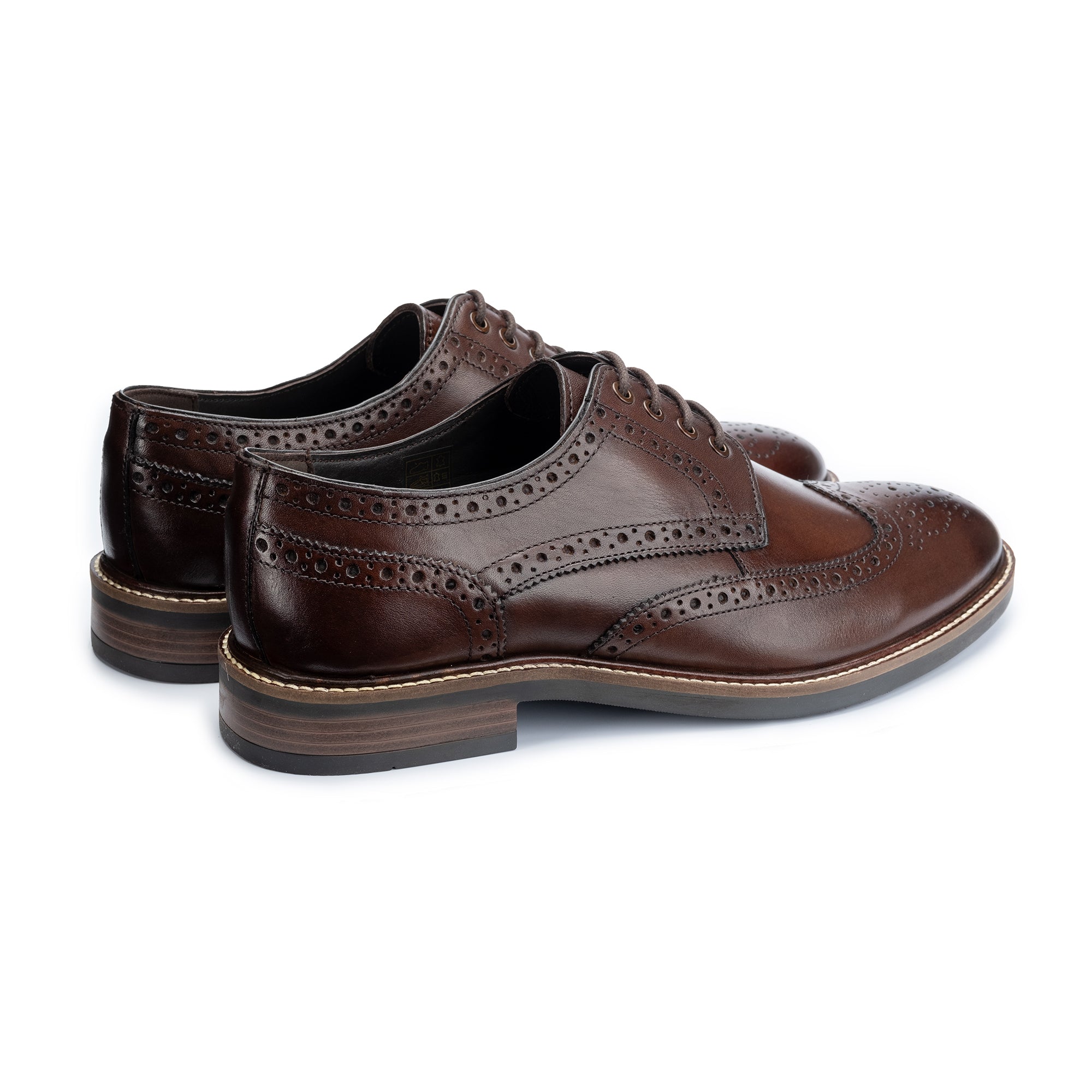
Replacing isn't a defeat when it's the right call. Sometimes a shoe has genuinely reached the end of its natural service life. When that moment comes, choosing well from the John White Shoes collection from the outset means you're setting up for decades of wear rather than seasons. Our range of leather boots and formal shoes is designed with that long view in mind.
How to Find a Good Cobbler for Leather Shoe Repairs
Choosing the right cobbler matters as much as choosing the right moment to resole. A poor repair can damage a quality shoe rather than extend it.
- Ask about their experience with quality dress shoes specifically. A cobbler whose day-to-day work is trainers and fast-fashion heels will approach a leather Oxford very differently to one whose practice centres on premium footwear.
- Check their sole material options. A skilled cobbler offers leather, rubber, and combination soles — and will advise which suits your usage rather than defaulting to the cheapest option.
- Assess their finishing work. Edges should be smooth and burnished; any stitching should be even and consistent. Sloppy finishing on display work is a fair indicator of what you'll receive.
- Get a clear quote upfront. A reputable cobbler provides a specific estimate before you leave your shoes. Vagueness about cost or timeline is a signal to look elsewhere.
- Check for SMSR membership. The Society of Master Shoe Repairers maintains a register of qualified repairers across the UK — a reasonable baseline indicator of professional standards.
The cobbler you choose is as important to your shoes' longevity as the quality of the shoe itself — a skilled repairer working on quality footwear is a partnership worth building over time.
Keeping Leather in Resole-Ready Condition
A resole is a more effective and longer-lasting intervention on shoes that have been properly cared for. The Leather Conservation Centre recommends conditioning leather footwear every 6–8 weeks during regular wear, and before and after extended storage or heavy seasonal use.
A consistent care routine should include:
- Brushing off dirt and debris after each wear before it can work into the leather
- Allowing shoes to dry naturally — never on a radiator, which dries and cracks the upper
- Using cedar shoe trees to maintain shape and draw out moisture between wears
- Conditioning with a quality leather conditioner to keep the upper supple and resistant to cracking
- Regular polishing to protect the surface, repel moisture, and develop a genuine patina
Our Premium Wax Polish is formulated for quality leather footwear — conditioning, protecting, and building a natural surface finish without the silicone-heavy compounds that degrade leather over time. A small and consistent investment in care pays off substantially when you're assessing whether a shoe merits a resole.
According to the Leather Conservation Centre, conditioning every 6–8 weeks is the foundation of leather care — and the single habit that most determines whether a resole will extend a shoe's life or simply delay its end.
Related Guides
- The History of British Shoemaking — our comprehensive guide
- The Art of the Resole: When to Rebuild Your Leather Footwear
TL;DR: Resoling leather shoes extends service life by 3–5 years per cycle and is almost always more cost-effective than replacing quality footwear. Act at the first signs of sole wear — thinning heels, cracking at the ball, loss of grip — and choose an SMSR-registered cobbler with experience in quality dress shoes. Pair resoling with regular conditioning and wax polishing to keep the upper in the condition that makes a repair worthwhile rather than wasted money.
Frequently Asked Questions
Can you resole cemented leather shoes?
Yes. A skilled cobbler can separate a cemented sole and bond a new one in its place. The process requires more precision than resoling a welted shoe, but it's entirely achievable on quality footwear with a sound upper. Choose a cobbler with specific experience in cemented dress shoes — not all repairers approach both construction types equally well.
How much does it cost to resole leather shoes in the UK?
A professional resole typically runs between £40 and £90 in the UK, depending on sole material (rubber, leather, or combination), construction complexity, and the cobbler's location and reputation. This is almost always significantly less than the cost of replacing quality leather shoes.
How do I know if my shoes are worth resoling?
If the upper leather is structurally sound, the lining is intact, and the shoe fits well, it's almost certainly worth resoling. A useful benchmark: if the cost of a professional resole is less than half the shoe's original purchase price, the repair represents strong value — particularly on a pair that has already shaped itself to your foot.
How long do resoled shoes last?
According to the Society of Master Shoe Repairers, a professional resole adds 3–5 years of service life per cycle. On a well-maintained pair of quality leather shoes — conditioned regularly and stored properly — multiple resoles across the shoe's lifetime are achievable, bringing total wearable life well past 20 years.
Does John White Shoes sell shoe care products?
Yes. Our Premium Wax Polish is formulated for quality leather footwear and is a straightforward starting point for building a care routine that keeps your shoes resole-ready throughout their life.